TRI-STATE VILLAGE NRSG & RHB
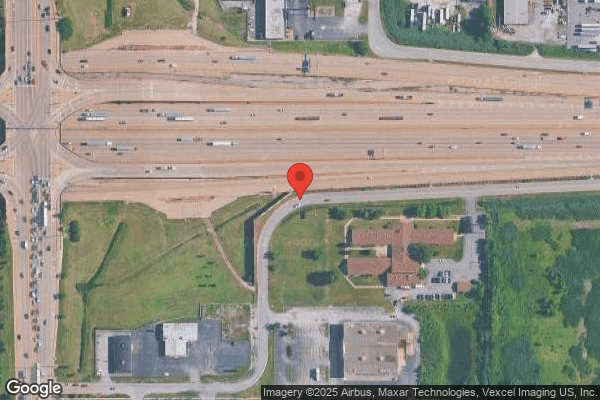
2500 EAST 175TH STREET, LANSING, IL 60438 (708) 474-7330
For profit - Limited Liability company 84 Beds ATIED ASSOCIATES Data: November 2025 1 Immediate Jeopardy citation
Trust Grade
0/100
#657 of 665 in IL
Last Inspection: April 2025

Within standard 12-15 month inspection cycle. Federal law requires annual inspections.

Overview

Tri-State Village Nursing and Rehabilitation has received a Trust Grade of F, indicating significant concerns and a poor overall quality of care. It ranks #657 out of 665 facilities in Illinois, placing it in the bottom half of all nursing homes in the state, and #198 out of 201 in Cook County, meaning only a few options in the area are worse. Although the facility's trend is improving, with total issues decreasing from 19 in 2024 to 18 in 2025, there are still serious deficiencies, including a critical incident where a cognitively impaired resident was able to exit the building unnoticed, posing a significant safety risk. Staffing is a notable strength, with a turnover rate of 41%, lower than the state average, but the facility faces concerning fines of $231,523, which is higher than 94% of Illinois facilities, indicating ongoing compliance problems. Additionally, specific incidents include a resident experiencing a significant weight loss due to inadequate nutritional interventions and another resident suffering multiple falls due to a lack of effective fall prevention measures. Overall, while there are some areas of strength, the weaknesses and serious incidents raise considerable red flags for families considering this facility for their loved ones.

Trust Score
F
0/100
In Illinois
#657/665
Bottom 2%
Safety Record
High Risk
Review needed
Inspections
Getting Better
19 → 18 violations
Staff Stability
○ Average
41% turnover. Near Illinois's 48% average. Typical for the industry.
Penalties
○ Average
$231,523 in fines. Higher than 61% of Illinois facilities. Some compliance issues.
Skilled Nurses
○ Average
Each resident gets 36 minutes of Registered Nurse (RN) attention daily — about average for Illinois. RNs are the most trained staff who monitor for health changes.
Violations
⚠ Watch
57 deficiencies on record. Higher than average. Multiple issues found across inspections.
★☆☆☆☆
1.0
Overall Rating
★☆☆☆☆
1.0
Staff Levels
★★☆☆☆
2.0
Care Quality
★★☆☆☆
2.0
Inspection Score
Stable
2024: 19 issues
2025: 18 issues

The Good

  • Full Sprinkler Coverage · Fire safety systems throughout facility
  • No fines on record
  • Staff turnover below average (41%)

    7 points below Illinois average of 48%

Facility shows strength in fire safety.

The Bad

1-Star Overall Rating

Below Illinois average (2.5)

Significant quality concerns identified by CMS

Staff Turnover: 41%

Near Illinois avg (46%)

Typical for the industry

Federal Fines: $231,523

Well above median ($33,413)

Significant penalties indicating serious issues

Chain: ATIED ASSOCIATES

Part of a multi-facility chain

Ask about local staffing decisions and management

The Ugly 57 deficiencies on record

1 life-threatening 8 actual harm
Aug 2025 2 deficiencies
CONCERN (D) 📢 Someone Reported This

A family member, employee, or ombudsman was alarmed enough to file a formal complaint

Potential for Harm - no one hurt, but risky conditions existed

Accident Prevention (Tag F0689)

Could have caused harm · This affected 1 resident

**NOTE- TERMS IN BRACKETS HAVE BEEN EDITED TO PROTECT CONFIDENTIALITY** Based on interview and record review, the facility failed to transfer a resident safely and in line with facility protocols, whi...

Read full inspector narrative →
**NOTE- TERMS IN BRACKETS HAVE BEEN EDITED TO PROTECT CONFIDENTIALITY** Based on interview and record review, the facility failed to transfer a resident safely and in line with facility protocols, which resulted in R3 falling while staff were transferring R3 from the chair to bed. This failure applied to one (R3) of four residents reviewed for falls.Findings include:R3 is a [AGE] year-old resident admitted to the facility on [DATE] with diagnoses including but not limited to: Paraplegia, Multiple Sclerosis, and morbid obesity.R3's Minimum Data Set (MDS) dated [DATE] section C0500 documents Brief Interview for Mental Status (BIMS) score = 15 which suggests cognition is intact. Section GG0130 documents resident needs set up or clean up assistance for eating. Resident needs partial/moderate assistance for upper body dressing. Resident needs substantial/maximal assistance for oral hygiene, shower/bathe self, lower body dressing, and personal hygiene. Resident is dependent on staff for toileting hygiene and putting on/taking off footwear.On 8/11/2025, at 10:56 AM, R3 stated I did have a fall from the sit to stand (mechanical lift). That was in March this year. V4 Certified Nursing Assistant (CNA) was new. It was just one person (V4) helping me when I fell. She starts at 2pm and works 2nd shift. I told V3 Director of Nursing (DON) what happened. V3 DON did not look at my hip or anything.On 8/11/2025, at 2:16 PM, V4 CNA stated I have worked with R3 before. I do recall moving R3 in a sit to stand (mechanical lift) and R3 had a fall. I called someone to help me get her back up off the floor to the bed. I was using the lift with V19 CNA my coworker. V19 CNA is out of the country on vacation right now. I was new then. This is my first experience as a CNA. We (V19 and I) put the pad on R3's back as we were about to lift her R3 was sort of afraid, so we tried to calm her down. In the process, R3 dropped from the chair to the floor. R3 has a leg problem. R3 normally uses her hand to pull her leg up. I called for someone else to help. It was another CNA. I do not know her name, I don't think she no longer works here. She oriented me. I was new and I did not report to the nurse. I asked R3 if she had any problem at all, and she said no. We helped her back to bed, V19 and myself. The other CNA was just watching us. V19 and I lifted R3 up from the floor with the hoyer (mechanical lift). There was no nurse in the room. I am unaware of any other residents that fell from the lifts. So, after the fall V3 DON and V7 ADON called me to the office and told me to always use the hoyer (mechanical lift) with another person. I think V3 DON and V7 ADON knew R3 had a fall. I was a new CNA, so they were just telling me what to do and what not to do. I am not sure if they knew. If I see a resident on the floor, we let the nurse know right away and get help to assist the resident up after the nurse sees them. The fall with the sit to stand (mechanical lift) with R3 happened somewhere between March 17th this year when I started to April this year. Maybe like 2-3 weeks after I started.On 8/12/2025, at 9:30 AM V3 DON stated we did a fall event for the fall with R3 for yesterday because we were notified yesterday of the event. We interviewed R3 and she said V4 CNA was trying to transfer from chair to sit to stand (mechanical lift) to put her in the bed, but it seemed like the chair was not locked because the chair moved, so she slid to the floor. V4 CNA called for another CNA to come and assist her. V4 CNA was using the sit to stand (mechanical lift) alone. There is always supposed to be 2 staff. V4 CNA did tell us the truth that she did use the sit to stand alone that day. When the other CNA V19 came they asked R3 if she was ok and R3 said she was ok. They both (V4 and V19) transferred her back to bed. I asked V4 CNA if she told the nurse, and V4 CNA said she did not because R3 said she was fine. V4 CNA was ignorant to the fact because she was new here and she was new to this type of job. R3 said this fall happened back in March 2025. When surveyor asked V3 DON if V4 CNA had proper training on lifts prior to this fall V3 stated V4 CNA did not have proper training prior to this. V4 CNA has had training since and we retrained her again yesterday and we are retraining all staff members. Fall event was done, we put an intervention for staff education on use of mechanical lifts.On 8/12/2025, at 10:57 AM, V1 Administrator stated I am now aware of a resident falling out of the lift. I was made aware yesterday. My expectation is that 2 staff should be using the mechanical lifts at all times.On 8/12/2025, at 11:11 AM, V7 Assistant Director of Nursing (ADON) stated I was made aware just yesterday of a resident falling out of a lift. That was the first I had heard of it. There should always be at least 2 staff members to use both mechanical lifts. My expectation of staff after a fall should notify the nurse, nurse should do head to toe assessment, notify doctor, if patient can be moved then the staff would safely transfer the patient back to bed.On 8/12/2025, at 2:09 PM, V3 DON stated I was not aware of R3's fall prior to yesterday. I started in servicing yesterday on timely reporting, and mechanical lift use. Prior to yesterday V4 CAN did not have any formal training on mechanical lifts except for the 3-day training with preceptor. I do not have any documentation of preceptor training for V4 CNA on mechanical lifts. Surveyor asked for the last mechanical lift training for the building. V3 DON stated she would provide to surveyor.On 8/12/2025, at 2:15 PM, V4 CNA stated I was using the lift by myself when R3 had her fall and then I called V19 CNA. V19 CNA helped me lift R3 from the floor to the bed. Neither one of us notified the nurse because R3 said she was ok. I know now to always use 2 people for lifts and to let nurse know right away.On 8/13/2025, at 10:23 AM, V3 DON provided Inservice for sit to stand lift and hoyer lift (mechanical lifts) for September 2024 and stated this is the only one I have. V3 DON states she does not have gait belt training in-services or documentation of training on gait belt use for nursing staff. Gait belt training is being started now. The mechanical lifts in-service does not actually say to use 2 people to use lift but in the picture it shows 2 people using lift.On 8/14/2015, at 2:27 PM V4 CNA stated my preceptors was V19 CNA and V24 CNA. I was precepted for like 2 weeks. I do not remember if I put the brakes on the sit to stand or the wheelchair. I did put the brakes on the wheelchair and the sit to stand. When surveyor stated first you said you do not remember and now you remember what is the correct answer? V4 stated I remember locking the wheelchair, but the sit to stand, I am not sure if I locked it. V24 showed me how to use the sit to stand when she precepted me. V24 showed me by telling me if I want to use sit to stand on resident I will bring the sit to stand toward the resident, V24 told me to lock the wheelchair, I will put the pad on her back crossing her arms, tell resident to hold handles, hook the belt under breast, use two fingers to make sure not to tight, then someone behind resident to guide and then I will lift the up button to raise resident, ask if they are ok, if resident says not ok lower resident and let nurse know. If resident ok, with help of helper unlock sit to stand and move resident to bed or chair and lower and remove belt. Make sure comfortable.Fall Incident reports provided to surveyor by V3 DON from 2/1/2025-8/11/2025 do not document any falls for R3.Fall Risk Observation form dated 8/30/2024 documents R3's fall risk score is 12 which is High Risk for Falls.R3's Progress note dated 8/11/2025 documents: Writer was informed by a staff member that the resident has a fall that occurred in March 2025 with no precised date. Writer asked the resident how the incident happened , and she stated The CNA was trying to get me from my wheelchair to bed using the Hoyer lifter and i slipped off and fell on my buttocks. Full body assessment performed, no redness , no deformation, no scar or bruises noted . The resident verbalized no pain nor discomfort at this time. Attending NP notified, family members unable to reach due to no contact info. will continue to monitor and assess.Care plan dated 11/18/2024 documents: Resident is limited in functional status in regards to the ability to transfer self. R3 requires the use of sit to stand machine for transfersGoals: In order to improve quality of life and participate in chosen activities, resident will be safely transferred utilizing Sit-to-stand lift through next review.Approach(es): Use appropriate equipment with any mechanical lift device (e.g. straps, slings).Utilize additional staff with transfers when needed.Observe for presence of pain/discomfort (such as verbalization, moaning, groaning, guarding and/or flinching) during transfers.Maintain body in functional alignment during transfers.Ensure safe placement of extremities during transfers.Ensure wheelchair is locked and secured prior to transfer.Provide appropriate foot wear prior to transferKeep call light in reach.Refer to restorative nursing as needed.Praise resident for efforts.Remind resident to not transfer without assistance.Instruct in use of assistive device sit to stand lift as needed.Ensure proper transfer technique.Follow PT/OT recommendations r/t transfer type and weight bearing status.Refer to PT/ OT with any change in transfer status. Care plan dated 8/30/2024 documents: R3 is at risk for falling R/T lower extremity weakness, numbness, and spasticity from multiple sclerosis.Goals: R3 will remain free from injury.Approach(es): Staff education for proper use of liftsOrient [NAME] when there has been new furniture placement or other changes in environment.Assure the floor is free of glare, liquids, foreign objects.Provide proper, well-maintained footwear.Leave night light on in room.Keep bed in lowest position with brakes locked.Keep personal items and frequently used items within reach.Keep call light in reach at all times.Provide R3 with an environment free of clutter.Obtain PT consult for strength training, toning, positioning, transfer training, mobility devices.Provide toileting assistance as needed.Give R3 verbal reminders not to transfer without assistance. Using a Portable Lifting Machine Policy (Revised August 2008) documents:Purpose: The purpose of this procedure is to help lift residents using a manual lifting devicePreparation: 1. Review the resident's care plan to assess for any special needs of the resident.General Guidelines: The portable lift should be used by two staff members. Falls Clinical Protocol Policy undated documents:Assessment and Recognition: 2. In addition, the nurse shall assess and document/report the following:a. Vital signsb. Recent injury, especially fracture or head injuryc. Musculoskeletal function, observing for change in normal range of motion, weight bearing, etc.d. Change in condition or level of consciousnesse. Neurological statusf. Paing. Frequency and number of falls since last physician visith. Precipitating factors, details on how fall occurredi. All current medications, especially those associated with dizziness or lethargyj. All active diagnoses5. The staff will evaluate and document falls that occur while the individual is in the facilty; for example, when and where they happen, any observations of the events, etc.Cause Identification1. For an individual who has fallen, staff will attempt to define possible causes within 24 hours of the fall.
CONCERN (F) 📢 Someone Reported This

A family member, employee, or ombudsman was alarmed enough to file a formal complaint

Potential for Harm - no one hurt, but risky conditions existed

Deficiency F0940 (Tag F0940)

Could have caused harm · This affected most or all residents

**NOTE- TERMS IN BRACKETS HAVE BEEN EDITED TO PROTECT CONFIDENTIALITY** Based on interview and record review, the facility failed to follow their policy and facility assessment and assure competency o...

Read full inspector narrative →
**NOTE- TERMS IN BRACKETS HAVE BEEN EDITED TO PROTECT CONFIDENTIALITY** Based on interview and record review, the facility failed to follow their policy and facility assessment and assure competency of each employee for proper transferring technique to safely transfer residents. This includes gait belt use training for all nursing staff and mechanical lift training for 7 Certified Nursing Assistants. This failure affected one resident R3 and has the ability to affect all 76 residents in the facility.Findings include:R3 is a [AGE] year-old resident admitted to the facility on [DATE] with diagnoses including but not limited to: Paraplegia, Multiple Sclerosis, and morbid obesity.R3's Minimum Data Set (MDS) dated [DATE] section C0500 documents Brief Interview for Mental Status (BIMS) score = 15 which suggests cognition is intact. Section GG0130 documents resident needs set up or clean up assistance for eating. Resident needs partial/moderate assistance for upper body dressing. Resident needs substantial/maximal assistance for oral hygiene, shower/bathe self, lower body dressing, and personal hygiene. Resident is dependent on staff for toileting hygiene and putting on/taking off footwear.On 8/11/2025, at 10:56 AM, R3 stated I did have a fall from the sit to stand (mechanical lift). That was in March this year. V4 Certified Nursing Assistant (CNA) was new. It was just one person (V4) helping me when I fell. She starts at 2pm and works 2nd shift. I told V3 Director of Nursing (DON) what happened. V3 DON did not look at my hip or anything.On 8/11/2025, at 2:16 PM, V4 CNA stated I have worked with R3 before. I do recall moving R3 in a sit to stand (mechanical lift) and R3 had a fall. I called someone to help me get her back up off the floor to the bed. I was using the lift with V19 CNA my coworker. V19 CNA is out of the country on vacation right now. I was new then. This is my first experience as a CNA. We (V19 and I) put the pad on R3's back as we were about to lift her R3 was sort of afraid, so we tried to calm her down. In the process, R3 dropped from the chair to the floor. R3 has a leg problem. R3 normally uses her hand to pull her leg up. I called for someone else to help. It was another CNA. I do not know her name, I don't think she no longer works here. She oriented me. I was new and I did not report to the nurse. I asked R3 if she had any problem at all, and she said no. We helped her back to bed, V19 and myself. The other CNA was just watching us. V19 and I lifted R3 up from the floor with the hoyer (mechanical lift). There was no nurse in the room. I am unaware of any other residents that fell from the lifts. So, after the fall V3 DON and V7 ADON called me to the office and told me to always use the hoyer (mechanical lift) with another person. I think V3 DON and V7 ADON knew R3 had a fall. I was a new CNA, so they were just telling me what to do and what not to do. I am not sure if they knew. If I see a resident on the floor, we let the nurse know right away and get help to assist the resident up after the nurse sees them. The fall with the sit to stand (mechanical lift) with R3 happened somewhere between March 17th this year when I started to April this year. Maybe like 2-3 weeks after I started.On 8/12/2025, at 9:30 AM V3 DON stated we did a fall event for the fall with R3 for yesterday because we were notified yesterday of the event. We interviewed R3 and she said V4 CNA was trying to transfer from chair to sit to stand (mechanical lift) to put her in the bed, but it seemed like the chair was not locked because the chair moved, so she slid to the floor. V4 CNA called for another CNA to come and assist her. V4 CNA was using the sit to stand (mechanical lift) alone. There is always supposed to be 2 staff. V4 CNA did tell us the truth that she did use the sit to stand alone that day. When the other CNA V19 came they asked R3 if she was ok and R3 said she was ok. They both (V4 and V19) transferred her back to bed. I asked V4 CNA if she told the nurse, and V4 CNA said she did not because R3 said she was fine. V4 CNA was ignorant to the fact because she was new here and she was new to this type of job. R3 said this fall happened back in March 2025. When surveyor asked V3 DON if V4 CNA had proper training on lifts prior to this fall V3 stated V4 CNA did not have proper training prior to this. V4 CNA has had training since and we retrained her again yesterday and we are retraining all staff members. Fall event was done, we put an intervention for staff education on use of mechanical lifts.On 8/12/2025, at 10:57 AM, V1 Administrator stated I am now aware of a resident falling out of the lift. I was made aware yesterday. My expectation is that 2 staff should be using the mechanical lifts at all times.On 8/12/2025, at 11:11 AM, V7 Assistant Director of Nursing (ADON) stated I was made aware just yesterday of a resident falling out of a lift. That was the first I had heard of it. There should always be at least 2 staff members to use both mechanical lifts. My expectation of staff after a fall should notify the nurse, nurse should do head to toe assessment, notify doctor, if patient can be moved then the staff would safely transfer the patient back to bed.On 8/12/2025, at 2:09 PM, V3 DON stated I was not aware of R3's fall prior to yesterday. I started in servicing yesterday on timely reporting, and mechanical lift use. Prior to yesterday V4 CAN did not have any formal training on mechanical lifts except for the 3-day training with preceptor. I do not have any documentation of preceptor training for V4 CNA on mechanical lifts. Surveyor asked for the last mechanical lift training for the building. V3 DON stated she would provide to surveyor.On 8/12/2025, at 2:15 PM, V4 CNA stated I was using the lift by myself when R3 had her fall and then I called V19 CNA. V19 CNA helped me lift R3 from the floor to the bed. Neither one of us notified the nurse because R3 said she was ok. I know now to always use 2 people for lifts and to let nurse know right away.On 8/12/2025, V3 DON brought in in-services for V4 and went over with surveyor. The inservices included: elopement, lifting safety (not including mechanical lifts or gait belt use), abuse, ADL care, bathing, bowel and bladder, call light, hand washing, pressure wounds. Meeting agenda provided by V3 documents training on phones/earpieces, dining room times, staying on your unit, outside food, taking pictures/patient privacy, customer service, urinals/trash bags, ADL care - Pressure Ulcer prevention. I will scan them to you. That is all the training that V4 has had from us other than her new hire training we provided to you already and the training yesterday for lifts. New hire training checklist dated 3/17/2025 documents: Abuse and Neglect Policy/VIDEO, Benefit Package & Enrollment Procedures, Bloodborne Pathogens/Video, Corporate Compliance Program/Video, Corrective Action Program/Attendance, Customer Service/Video, Dementia & Alzheimers/Video, Employee Handbook (policies & procedures), Facility Tour, Procedures Emergency, Fire and Disaster, Harassment Policy, Health Requirements/Reportable Conditions, HIPAA and Confidentiality/Video, Infection Control/Video, Job Description, OSHA/Safety in the Workplace/Video, Payroll Policies & Procedures, Pressure Ulcer Prevention/WOW/Video, Reporting Guidelined for Critical Incidents, Resident Rights, Schedules/Call-in Procedures/Meals/Breaks, Timekeeping Procedures & ID Badge, and Dress Code Guidelines.On 8/13/2025, at 1:41 PM, V17 CNA stated I have been trained on the mechanical lifts when I first started working here in 2023. I know I signed one today, but I do not know when the last time I signed an in-service for mechanical lifts or gait belt was. I think they talked about it like 3 months ago but I did not sign anything. On 8/13/2025, at 2:08 PM V18 CNA stated I was trained on mechanical lifts in orientation December 9, 2023. I did not sign something for that they just oriented me to the lifts in on the floor orientation. That was the only time I was trained on the lifts. I already had experience working with lifts at other places. In the summer of 2024, they told us we had to use gait belts and if we needed training we could ask restorative that they were available to show us how to use them. I told them I already knew how to use a gait belt from a previous job. I did not get any training on gait belts here as I already knew how to use them, but it was offeredOn 8/12/2025, at 2:37 PM V3 DON stated the only inservices we provide regarding transfers is this lifting safety precautions policy (which does not include mechanical lift use or gait belt use). I do not have any documentation for education on use of mechanical lifts for staff. I will look up the policy and start one immediately.On 8/13/2025, at 10:23 AM, V3 DON provided Inservice for sit to stand lift and hoyer lift (mechanical lifts) for September 2024 and stated this is the only one I have. V3 DON states she does not have gait belt training in-services or documentation of training on gait belt use for any nursing staff. Gait belt training is being started now. The mechanical lifts in-service does not actually say to use 2 people to use lift but in the picture it shows 2 people using lift.On 8/14/2025, at 11:12 AM V3 DON stated I have only been given the monthly in-services we have been doing. I am unsure if we do yearly competencies on nursing staff. We have not done a competency fair since I have been here. I have worked here a year on 8/12/2025. When asked how do you evaluate the nursing staff competencies DON states I evaluate the nursing staff by inservices and checklist. The staff has to do return demonstrations on some of in-services. If the staff is uncomfortable in their skill they can ask for retraining from their preceptor or other coworkers. I have a lead CNA on the floor rounding and monitoring CNA tasks. My ADON also has done in-services with return demonstrations. We are starting a yearly competency fair going forward, but we do monthly trainings. We did have one scheduled, but JCHO came last year and it got cancelled. It will be scheduled in the near future hopefully in September. 7 current CNA's did not get trained on mechanical lifts according to the in-service sign in sheet dated September 2024. One CNA was here at that time in September 2024, I am not sure why she did not get trained. The other 6 CNA's hire dates were after that in-service. I am almost done training all staff with the new training I started a couple days ago for mechanical lifts.On 8/14/2015, at 2:27 PM V4 CNA stated my preceptors was V19 CNA and V24 CNA. I was precepted for like 2 weeks. I do not remember if I put the brakes on the sit to stand or the wheelchair. I did put the brakes on the wheelchair and the sit to stand. When surveyor stated first you said you do not remember and now you remember what is the correct answer? V4 stated I remember locking the wheelchair, but the sit to stand, I am not sure if I locked it. V24 showed me how to use the sit to stand when she precepted me. V24 showed me by telling me if I want to use sit to stand on resident I will bring the sit to stand toward the resident, V24 told me to lock the wheelchair, I will put the pad on her back crossing her arms, tell resident to hold handles, hook the belt under breast, use two fingers to make sure not to tight, then someone behind resident to guide and then I will lift the up button to raise resident, ask if they are ok, if resident says not ok lower resident and let nurse know. If resident ok, with help of helper unlock sit to stand and move resident to bed or chair and lower and remove belt. Make sure comfortable.In-service for Hoyer Lift and Sit to stand lift dated September 2024 does not include the following currently employed Certified Nursing Assistants: V4, V13, V17, V20, V21, V22, V23.Progress note dated 8/11/2025 documents: Writer was informed by a staff member that the resident has a fall that occurred in March 2025 with no precised date. Writer asked the resident how the incident happened , and she stated The CNA was trying to get me from my wheelchair to bed using the [NAME] lifter and i slipped off and fell on my buttocks. Full body assessment performed, no redness , no deformation, no scar or bruises noted . The resident verbalized no pain nor discomfort at this time. Attending NP notified, family members unable to reach due to no contact info. will continue to monitor and assess.Orientation and Inservice Training Policy undated documents:Policy: It is the policy of this facility to assure competency of each employee by providing orientation and continuing educational inservice programs for all employees, which are planned and conducted for the development and improvement of skills, including training related to problems in specific job assignments.AndThat staff have qualifications that are commensurated with defined responsibilities, applicable licensure, laws, regulations, and certification to meet the resident's needs.Standards:3. Orientation and initial job training and assessment of staff member's ability to perform specific job duties will be provided for all employees by the respective Department Director or designated staff member prior to working independently.4. Department Directors shall monitor the competency of all staff by observation(s) to continually identify retraining needs in order to assist the employee to improve throughout their employment. Theses competencies include: nursing, oral or nutritional care, rehabilitation, environmental, social service, activities or other functional needs.5. Training of facility personnel shall be supervised by the Department Director and/or their qualified designee.Facility Assessment tool dated 1/17/2025 documents:Part 2: Services and Care We Offer Based on our Residents' NeedsResident support/care needs2.1 List the types of care that your resident population requires and that you provide for your resident population. List by general categories, adding specifics as needed. It is not expected that you quantify each care or practice in terms of the number of residents that need that care, or enter an aggregate of all resident care plans here. The intent is to identify and reflect on resources needed (in Section 3) to provide these types of care.General Care Specific Care or PracticesActivities of daily living Bathing, showers, oral/denture care, dressing, eating, support with needs related to hearing/vision/sensory impairment; supporting resident independence in doing as much of these activities by himself/herselfMobility and fall/fall with Transfers, ambulation, restoreative nursing, contracture Injury prevention prevention/care; supporting resident independence in doing as much of these activities by himself/herself 3.4 Describe the staff training/education and competencies that are necessary to provid the level and types of support and care needed for your resident population. Include staff certification requirements as applicable. Potential data resources include hiring, education, training, competency instruction, and testing policies. Aside from having licensure/certifications as required by law, the facliity has a comprehensive orientation program and annual in-service calendar. As needed, the facility continues to re-educate staff on specific areas of improvement. Included: Orientation checklist, In-service Calendar, Nurse & CNA Competency.Physical environment and building/plant needs3.8 List physical resources for the following categories. Review the resources in the example below and modify as needed. If applicable, describe your processes to ensure adequate supplies and to ensure equipment is maintained to protect and promote the health and safety of residents. Physical equipment Bath benches, shower chairs, bathroom Maintenance Director to keep in safety bars, bathing tubs, sinks for good working conditions. Residents and for staff, scales, bed scales Accurate Scale for all lifts and Ventilators, wheelchairs and associated scales. Positioning devices, bariatric beds, Contracted companies for Bariatric wheelchairs, lifts, lift slings, bed all DME's (durable medical Frames, mattresses, room and common equipment that are needed. Space furniture, exercise equipment, Therapy tables/equipment, walkers, Canes, nightlights, steam table, oxygen Tanks and tubing, dialysis chair and Station, ventilators
Apr 2025 14 deficiencies 1 Harm
SERIOUS (G)

Actual Harm - a resident was hurt due to facility failures

Deficiency F0692 (Tag F0692)

A resident was harmed · This affected 1 resident

Based on interviews, observations, and records reviewed the facility failed to identify and evaluate nutrition interventions for one resident. This affected one of one resident R2 reviewed for nutriti...

Read full inspector narrative →
Based on interviews, observations, and records reviewed the facility failed to identify and evaluate nutrition interventions for one resident. This affected one of one resident R2 reviewed for nutrition in sample of 72. This failure resulted in R2 having a significant unplanned weight loss of 16.7% in 4 months. The findings include: R2 is alert but has diagnosis including but not limited to Dementia, Major Depressive Disorder, Schizoaffect Disorder, Restless and Agitation, and Pseudobulbar Affect. R2 is difficult to understand his words. 04/27/25 10:08 AM R2 observed eating in bed, head of bed elevated, tray table over him, food spilt along left side of chest, leaning towards left in bed. Food cover, milk carton, and food debris on the floor along left side of bed. On 04/28/25 at 12:59 PM R2 in bed, feeds self in bed. R2 said he prefers to stay in his room. On 4/30/25 at 12:17 V26, Dietary Manager, said Restorative department does weights and enters it in the resident records. V26 said I do a review of re-weights. V26 said after the re-weight we notify the Registered Dietician if then they are seen and her recommendations are given to me and then we follow them. V26 said I told them in February that weights were not done. V26 said I told restorative about it. V26 said I noticed in March. V26 said they did not tell me why the weights were missing. V26 said when she completed R2's annual assessments dated 3/18/25related to weight she used the January 2025 weight, because she did not have a current weight to use. V26 said the Policy is for at least monthly weights for all residents. V26 said R2 should have been reweighed to confirm the weight from March. V26 said I do not have reweights for R2. V26 said that is a lot of weight loss for someone. V26 said the purpose of the Nutrition at Risk Observation is to alert us of resident changes and then I am to notify the dietician. V26 said we were not sure when R2's weight loss occurred. The surveyor asked V26 what has been done for R2 to maintain his weight and V26 said I will have to look. As of 3:17PM V26 did not return or provide additional information. On 4/30/25 at 12:26PM V8, Restorative Nurse, said we do weights monthly for all residents, per the policy. V8 said we did not get a weight for R2 in February.V8 said the aid said he refused, but I did not document it, I should have. V8 said we don't have documentation that we tried again. V8 said she looked in her office and did not find anymore weights for R2. On 4/30/25 at 12:54PM V27, Registered Dietician, said the Dietary Manager generally monitors weights, I do 2 visits a month. If there is no weight on my first visit I document and ask about it. V27 said with R2, I caught that he lost 20 pounds, but we were not sure when it occurred. V27 said I asked for reweight on Monday 4/28/25. V27 said I saw him on 4/24/25, last week. V27 said R2's weight loss since January 2025 is 16.7%, this is a significant loss. V27 said I was called and notified on 4/28/25, by phone, that R2 had a weight loss. V27 said every Thursday we have a weight meeting with Dietary Manager. V27 said I was in the facility on 4/10/24 and 4/24/24 and R2 had no weight. V27 said I was told R2 was eating ok. V27 said she doesn't remember if they discussed R2. V27 said we don't have any idea what has caused the weight loss. V27 said we will weigh R2 weekly to make sure he is stable. On 4/30/25 at 2:09PM the surveyor observed as V8 and V20 Restorative Aide, obtained R2's weight utilizing the wheelchair scale. R2's weight is 168.9 pounds. R2 was calm and cooperative for this. R2's weight report documents 12/4/24 204.1 pounds; 1/6/25 202.7 pounds; 3/28/25 184.5 pounds (18.2 pound loss); and 4/28/25 168.8 pounds (another 15.7 pounds). From January to March R2 went 11 weeks without a weight obtained or documentation of him refusing weights. R2 has lost an unplanned 33.9 pounds since January 2025. Review of R2's Nutrition at Risk has weight of 203 pounds and Nutrition Assessment list weight 202.7 pounds, both assessments dated 3/18/25. R2's diet is no concentrated sweets, mechanical soft texture with thin liquids. R2's Physician Order Report includes order dated 4/28/25 for Ensure 8 ounces twice a day between meals. R2's Dietary Progress Notes 4/24/25 state he is 70 inches tall. No weight for February. Unsure when weight loss occurred. No significant changes in care noted. Further weight loss not desired at this time. Recommend reweigh. Noted no April weight complete, will discuss with nursing. Question if resident is refusing weights. Dietary Progress Notes 4/28/25 Resident was reweighed. 168.8 pounds indicating an additional 15 pound loss in 1 month. Weight loss not desired and unplanned. Will have dining readdress food preferences. Add supplement to promote weight maintenance. Weekly weights recommended to monitor closely. These are the only 2 date Dietary has a progress note for R2 since January 2025. R2's Assessment for Swallowing and Nutritional Status list weight 203 pounds and says no weight loss or gain. R2's care plan dated 3/18/25 states he at risk for malnutrition. Goal for R2 states will maintain current weight +/- 3 pounds by next review. All interventions are dated 3/18/25. Facility Nutrition Impaired/ Unplanned Weight Loss Policy dated August 2008 includes assessment and recognition, cause identification, treatment & management, and monitoring. The policy states in part monitor and document the weight and nutritional status of residents in a format which permits readily available month to month comparisons. Assess current nutritional status and identify recent weight loss and risk for impaired nutrition. Consider whether testing is indicted.
CONCERN (D)

Potential for Harm - no one hurt, but risky conditions existed

PASARR Coordination (Tag F0644)

Could have caused harm · This affected 1 resident

**NOTE- TERMS IN BRACKETS HAVE BEEN EDITED TO PROTECT CONFIDENTIALITY** Based on interview and records reviewed the facility has not obtained a new PASSAR for a resident with onset of symptoms and dia...

Read full inspector narrative →
**NOTE- TERMS IN BRACKETS HAVE BEEN EDITED TO PROTECT CONFIDENTIALITY** Based on interview and records reviewed the facility has not obtained a new PASSAR for a resident with onset of symptoms and diagnosis of Bipolar Disorder. This affected one of four residents (R4) reviewed for PASSARs in a sample of 72 residents. The findings include: R4's PASSAR on file dated 2/25/25 states no level II needed and no specialized services. R4's diagnosis include, but are not limited to Spina Bifida, Bipolar Disorder, Current Episode Mixed, Sever With Psychotic Features, Suicidal Ideations, Hereditary Spastic Paraplegia, and Major Depressive Disorder. On 04/29/25 at 11:07 AM V7, Social Services, said I know when the residents need a new PASSAR because I check the website often (Maximus). R4 is not showing up. On 04/29/25 at 1:41 PM V7 said Resident # 4 he expressed to the Nurse Practitioner that he had felt some kind of way, when I spoke to him he denied it. V7 said we sent him out anyway. V7 said I did not submit for a new PASSAR, I probably should have. Progress notes dated 3/13/25 state R4 admitted with diagnosis of Spinal Bifida with Spastic Paraplegia and Acute Suicidal Ideation. Care plan for R4 dated 11/11/24 states he had an episode of (suicidal attempt, suicidal ideation, self-harm). R4 hospital record notes he arrived on 3/12/25 and returned to the facility on 3/14/25. Review of the facility PASSAR Guideline dated 11/2017 states the objective of the PASARR guideline is to ensure that individuals with mental illness and intellectual disabilities receive the care and services that they need in the m [NAME] appropriate setting. The PASSAR will be evaluated annually and upon any significant change for those individuals identified . the facility will participate in or complete the Level 1 screen for all potential admissions if the individual meets the criteria for mental disorder.
CONCERN (D)

Potential for Harm - no one hurt, but risky conditions existed

ADL Care (Tag F0677)

Could have caused harm · This affected 1 resident

**NOTE- TERMS IN BRACKETS HAVE BEEN EDITED TO PROTECT CONFIDENTIALITY** Based on interviews and records reviewed the facility failed to offer showers for two (R60 and R5) of four residents in a sample...

Read full inspector narrative →
**NOTE- TERMS IN BRACKETS HAVE BEEN EDITED TO PROTECT CONFIDENTIALITY** Based on interviews and records reviewed the facility failed to offer showers for two (R60 and R5) of four residents in a sample of 72 reviewed for ADL assistance. The findings include: On 4/28/25 at 1:53PM the surveyor checked the 2 facility shower rooms. South hall shower room had dry floor. The shower faucet was dry. The surveyor then checked the East/West shared shower room, upon entering the room, there was a foul odor and the bath tub was full of dead, winged, bugs. The shower area floor was dry and the shower head was dry. No drops of water were seen in the only two showers of the facility. On 4/28/25 at 2:02PM V8, Restorative Nurse, toured the south shower room with the surveyor. The floor was wet, but a housekeeper was in the room and said he just wet it. V8 said it's wet because I just wet it, it was dry. V8 and surveyor then checked East/West shower. V8 said I would not want to shower in here, there is a smell. V8 said it does not appear this shower was used, it is dry. V8 said she has worked in nursing home for years. V8 said I have not heard of a facility not using a shower on a Monday on day shift. On 4/29/25 at 2:42PM V13, Scheduler, said shower books were found, yesterday. V13 said I don't see that the staff is documenting if a bed bath or shower was given on the shower records. On 4/28/25 at 1:43PM V18, CNA, reported she gave showers in the morning around 7:00AM. V18 said she gave R7 and R6 a shower. Both R7 and R6 are cognitively impaired and unable to answer if they received a shower.) On 4/28/25 at 1:47PM V19, CNA, said she gave only bed baths today. V said I have not used the shower room on this unit (East/West) since last week. V said we have shower books but I have not been able to find them. On 4/28/25 at 1:51PM V6, CNA, said I only gave bed baths, I could not find the shower book today. On 4/28/25 at 1:50PM V4, LPN, said we have shower books, but we have not been able to find it today. .On 04/29/25 at 11:38 AM R5 said they haven't given me a shower, I haven't had a shower in . I don't know how long. R5 said I would take a shower if it was offered, they don't offer them. V5 said I'm supposed to have a shower on Tuesdays and Thursdays. I am given bed baths, but not offered a shower. On 4/30/25 at 1:38PM V19, CNA said R5 needs all the help from staff to shower. Shower sheets for April reviewed for R5. R5 is listed as Mon & Thurs shower. The sheet is not completed to identify if a shower was given. R5 MDS dated [DATE] section C identifies BIMS of15, cognitively intact. Section GG for shower/bathe states requires substantial to maximal assistance. R5 MDS dated [DATE] section C identifies BIMS of15, cognitively intact. Section GG for shower/bathe states requires substantial to maximal assistance. No progress note or care plan was provided for R5 refusing showers. b.On 04/29/25 at 09:30 AM R60 said I haven't had a shower, except once this month. R60 said I am supposed to get one today. R60 said I would like to take a shower weekly.R60 said I have not been offered a shower. R60 said it is on my mind everyday, to wonder if today will be the day I get a shower. R60 said I get bed or sink baths, but not showers. On 4/30/25 at 1:38PM V19, CNA said R60 is dependent on staff to assist her to get into the shower chair safely for showers. Shower sheets for April reviewed for R60 has showers listed on Mondays and Thursdays. The sheet does not identify if shower given. The facility Bath/Shower Policy dated 2/2024 states to be completed for all residents at least twice weekly based on facility bathing schedule. Procedure: minimally twice a week resident will receive shower/bath. If resident refuses shower, CNA will notify nurse and will provide interventions or education of the proposed care or treatment. Documentation in clinical records. The care plan will be updated.
CONCERN (D)

Potential for Harm - no one hurt, but risky conditions existed

Quality of Care (Tag F0684)

Could have caused harm · This affected 1 resident

Based on interview and record review, the facility failed to transcribe and initiate a verbal order by not ordering an ultra sound as requested by the nurse practitioner for one of one residents (R30)...

Read full inspector narrative →
Based on interview and record review, the facility failed to transcribe and initiate a verbal order by not ordering an ultra sound as requested by the nurse practitioner for one of one residents (R30) review for quality of care in a sample of 72. Finding Includes: R30's brief interview for mental status dated 4/22/25 documents a score of fifteen which indicates cognitively intact. Nurse Practitioner progress note dated 4/25/25 documents: infected cyst to right side of neck: Assessment and Plan: Local infection of skin and subcutaneous infection - R30 has a sebaceous cyst but it was noted today that cyst is reddened and swollen. Progress Note dated 4/25/25 documents: Writer (V11) notified by staff member of large bump on patients neck. Writer went to assess and observed large abscess on right side of patient's neck. Assess is tender to touch and painful. Patient describes pain level at a 5 when assess is touched. NP made aware, N/O (new order) for antibiotics and ultrasound of neck. On 4/27/25 at 1:13pm, R30 was observed with a golf ball size lump with a white circular area the size of a green pea located towards the bottom of the lump on the right lateral neck. R30 who was assessed to be alert and orient to person, place and time, said she was supposed to have an ultrasound but no one has come yet. On 04/29/25 11:16am, R30 said, she had not had the ultrasound yet. R30 said bump on her neck burst this morning, liquid was everywhere. V12 (treatment nurse) change the dressing. On 4/29/25 at 10:21am, V9 (radiology personnel) said, when there is an order for an ultrasound/test the nurse at the facility would called radiology to give information about the needed test, inform radiology of the verbal order via the phone and a tech will go to the facility and complete the test on the same day or the next day. V9 said, he did not have an order for R30 for an ultra sound of the neck. V9 said, the last order was in March for an ultrasound of the abdomen. On 4/29/25 at 10:27am, V11 (nurse) said, she ordered R30's ultra sound on Friday (4/25/25) to be completed on Monday (4/28/25). V11 said, she does not recall complete the medical imaging form but she wrote the progress note dated 4/25/25. V11 said, she did not see the order for R30 ultra sound of the neck in R30's electronic record. R30's physician order sheet and order history dated 3/25-4/25 did not document an order for April 2025 for an ultra sound of the neck. On 4/9/25 at 10:37AM, V10 (nursing supervisor) said, when an order is completed it will be listed under order history. V10 said, she did not see an order for R30 to have an ultrasound of the neck. Progress note dated 4/29/25 documents: R30 was admitted to the hospital for right neck abscess.
CONCERN (D)

Potential for Harm - no one hurt, but risky conditions existed

Pressure Ulcer Prevention (Tag F0686)

Could have caused harm · This affected 1 resident

Based on observation, interview and record review, the facility failed to follow their dressing policy by not providing an as needed dressing after who was diagnosis with a stage 4 sacral pressure ulc...

Read full inspector narrative →
Based on observation, interview and record review, the facility failed to follow their dressing policy by not providing an as needed dressing after who was diagnosis with a stage 4 sacral pressure ulcer after having an episode of diarrhea. This affected one of three residents (R11) reviewed for dressing changes. Findings Include: R11 had the diagnosis of stage 4 sacral pressure ulcer. Physician orders sheet dated 3/30/25- 4/30/25 documents: Site-Coccyx: cleanse wound with wound cleanser. Apply calcium alginate to wound bed, apply bed skin prep to peri-wound cover with dry dressing daily and as needed (prn) if loose or soiled. On 4/28/25 at 12:33pm, during a body assessment with V4 (nurse), R11 was observed with a large amount of watery stool in her incontinence brief. V4 cleaned R11. R11 sacrum wound was observed without a dressing. R11 said, who was assessed to be alert and oriented to person, place and time said, V5 (treatment nurse) changed her dressing in the morning but she has had multiple episode of diarrhea and the dressing was removed with the last episode. V6 (cna) said, provided incontinence for R11 at 11:30am. V6 said, R11 had an episode of diarrhea and her sacrum dressing was soiled. V6 said, she removed the dressing and could not find V5 to reply the dressing. V4 (nurse) said, was not aware R11 did not have a dressing in place or that R11 needed one. V4 said, if a dressing is soiled during incontinence care, the wound should be cleaned and the dressing/treatment should be replaced. V4 said, V5 is no left for the day. On 4/30/25 at 3:54pm, V25 (nurse consultant) said, she expect the cna to informed the nurse and the nurse to reapply the dressing/treatment as prescribed. Dressing non-steile (aseptic) policy no date documents: Apply prescribe ointment and/or dressing per physician treatment order.
CONCERN (D)

Potential for Harm - no one hurt, but risky conditions existed

Accident Prevention (Tag F0689)

Could have caused harm · This affected 1 resident

**NOTE- TERMS IN BRACKETS HAVE BEEN EDITED TO PROTECT CONFIDENTIALITY** Based on interview and records review, the facility staff failed to ensure one resident who has a diagnosis of dementia with a h...

Read full inspector narrative →
**NOTE- TERMS IN BRACKETS HAVE BEEN EDITED TO PROTECT CONFIDENTIALITY** Based on interview and records review, the facility staff failed to ensure one resident who has a diagnosis of dementia with a history of falling, was safely positioned in bed before turning away from the resident while providing direct resident care. This affected one of one resident (R7) reviewed for safety while providing care. This failure resulted in R7 sustaining a fall from the bed to the floor with facial swelling and being transported to the hospital for one of two reviewed for falls. Findings include: R7 was admitted to the facility on [DATE] with a diagnosis of dementia, major depressive disorder, age related osteoporosis, glaucoma and history of falling. R7's brief interview for mental status score dated 2/19/25 documents a score of 3/15 which indicates cognitively impaired. R7 fall event dated 12/17/24 documents: R7 fall in the dining room unwitnessed, R was sleeping in the chair prior to falling. R7's fall event dated 4/19/25 documents: fall in R7's room. R7 was lying in bed with the aide preparing to reposition her. R7's fall was witnessed. Noted left eye lid and cheek swelling. R7's progress note dated 4/19/25 documents: The assigned aide reported to the writer that as dinner was being brought to the resident she was noted to be lying across the bed. That as she prepared the area to reposition the resident, turning her back towards her to remove clutter, the resident slipped to the floor on her face. Although the bed was already in a low position, the resident was still noted with a swelling to the left eye brow and cheek around her nose area. On 4/29/25 at 9:46AM, V8(restorative nurse) said R7 had a fall in December with no injury. R7 most recent fall occurred in R7's room. V8 said V33(Certified nursing assistant, CNA) was attempting to reposition R7 for dinner. R7 was laying horizontal in the bed. V8 was preparing area, removing clutter and turned her back to R7. When V33 turned around, R7 fell out of bed onto the floor. V8(restorative nurse) said V33 should have never turned her back to the residents and should have ensured she was safely positioned in bed first. V8 said staff was educated after the incident but unable to provide that documentation. On 4/30/25 at 2:20PM, V29(nurse) said he was the nurse on duty for R7's fall. V29 confirmed that V33(CNA) was present in the room at the time of R7's fall. V29 showed surveyor in R7's room. V29 said V33 reported that R7 was laying horizontally in low bed. V33 said she was getting R7 set up for dinner and when V33 was moving items in the room, she turned her back to R7 who then sustained a fall to the floor. V33 got V29 who observed R7 on the floor. R7's floor mat was not in place because V33 was attempting to set up bedside table for food tray. V29 said R7 had swelling to her face and was sent to the hospital for evaluation. R7's care plan dated 3/4/25 documents R7 is at risk for falls related to injury related to dementia with decreased cognition, poor judgement and decreased safety awareness, impaired balance and other diagnosis such as glaucoma, hypertension, osteoporosis and potential for pain. R7's hospital record dated 4/19/25 documents: R7 has history of dementia and reportedly fell out of bed and hit left side of head.
CONCERN (D)

Potential for Harm - no one hurt, but risky conditions existed

Deficiency F0740 (Tag F0740)

Could have caused harm · This affected 1 resident

Based on interviews and records reviewed the facility failed to develop a plan of care to address behavioral health services for one resident after returning from a psychiatric evaluation. This affect...

Read full inspector narrative →
Based on interviews and records reviewed the facility failed to develop a plan of care to address behavioral health services for one resident after returning from a psychiatric evaluation. This affected one of two residents (R4) reviewed for behavioral services. Findings include: R4's diagnosis include, but are not limited to Spina Bifida, Bipolar Disorder, Current Episode Mixed, Sever With Psychotic Features, Suicidal Ideations, Hereditary Spastic Paraplegia, and Major Depressive Disorder. Progress notes dated 3/13/25 state R4 admitted to hospital with diagnosis of Spinal Bifida with Spastic Paraplegia and Acute Suicidal Ideation. On 04/29/25 at 1:41 PM V7 said Resident # 4 he expressed to the Nurse Practitioner (NP) that he had felt some kind of way. V7 said we sent him out anyway. V 7said I did not submit for a new PASSAR, I probably should have. V7 said upon R4's hospital return, I only did a BIMS and PHQ9. V7 said there is no care plan updated for that behavior; V7 said there should be. 04/29/25 01:37 PM V2, Assistant Director of Nursing, said the NP reported to me that he said something and I went to see R4 and he said it to me, as written, I want to end it all. We called the doctor and got an order to send him out for evaluation. R4's progress notes state on 3/12/25 writer was informed by the NP that R4 was having suicidal ideations. Writer (V2) asked if everything was ok, R4 said No, I want to end it all. R4 denied a plan but said it's just in my head. Orders to send for psych evaluation. R4's hospital records dated 3/12/25 note chief complaint violent behavior. R4 has longstanding history of what appears to be a very poorly controlled diagnosis of bipolar disorder. History and physical states R4 said he suddenly had the thought of going to meet his mom. He had plans of taking something this morning, though he now denies any specific suicide plan. Care plan for R4 dated 11/11/24 states he had an episode of (suicidal attempt, suicidal ideation, self-harm).
CONCERN (D)

Potential for Harm - no one hurt, but risky conditions existed

Antibiotic Stewardship (Tag F0881)

Could have caused harm · This affected 1 resident

Based on interviews and record review the facility failed to implement its protocol for antibiotic use and failed to monitor actual antibiotic use for one resident. This affectes one of two residents ...

Read full inspector narrative →
Based on interviews and record review the facility failed to implement its protocol for antibiotic use and failed to monitor actual antibiotic use for one resident. This affectes one of two residents (R28) reviewed for receiving antibiotic. Findings include: On 04/28/25 at 10:32 AM V2, Infection Preventionist, said Urinary Tract Infections (UTI) were trending a couple months ago. V said residents were testing positive for ESBL in the urine, on readmission from the hospital. V2 said nurses will document infection symptoms in the resident's progress notes. V2 said while on antibiotics nurses will document any adverse reactions or symptoms. V2 said nurses should document on the resident while they are on antibiotic therapy. V2 said she completed the IP nurse training and received her certificate. On 4/29/25 at 2:27PM V2 said she reviewed R28's records and there are not enough symptoms documented, based on Mc Geer's criteria to treat R28 for a UTI. V2 said the nurse taking the order and the nurse completing the Infection Tracker should have caught it. V2 said I didn't review it well to catch the lack of symptoms. V2 said the Mc Geer criteria and Infection Tracker are used to prevent overuse of antibiotics. V2 said to treat UTI with antibiotics the criteria includes symptoms such as, burning, itching, positive urine analysis, or fever. V2 said you should know what symptoms R28 had from the assessment. V2 said this (Infection Tractor with Mc Geer's Criteria for R28) does not show the appropriate symptoms for UTI treatment. R28's Infection Tracker with McGeer's Criteria dated 1/5/25 identifies UTI criteria 1 and 2 have no symptoms marked. R28's order dated 12/31/2024 for Cipro 500mg twice a day until 1/7/25. Diagnosis is blank, special instructions list UTI. The facility Antibiotic Stewardship Program Guideline darted 4/29/24 states the purpose of antimicrobial stewardship is to promote the appropriate use of antimicrobials by selecting the appropriate agent, dose, duration, and route of administration to improve patient outcomes, while minimizing toxicity and the emergence of antimicrobial resistance .to improve antimicrobial stewardship practices and to monitor outcomes and antimicrobial use. the facility will utilize Mc Geer's criteria when considering initiation of antibiotics. Based on interviews and record review the facility failed to implement its protocol for antibiotic use and failed to monitor actual antibiotic use for 1 resident (R28) with a UTI in a sample of 2 reviewed for receiving antibiotic. As a result, the potential exists for the resident to develop an adverse drug event or antibiotic resistance. The findings include: On 04/28/25 at 10:32 AM V2, Infection Preventionist, said Urinary Tract Infections (UTI) were trending a couple months ago. V said residents were testing positive for ESBL in the urine, on readmission from the hospital. V2 said nurses will document infection symptoms in the resident's progress notes. V2 said while on antibiotics nurses will document any adverse reactions or symptoms. V2 said nurses should document on the resident while they are on antibiotic therapy. V2 said she completed the IP nurse training and received her certificate. On 4/29/25 at 2:27PM V2 said she reviewed R28's records and there are not enough symptoms documented, based on Mc Geer's criteria to treat R28 for a UTI. V2 said the nurse taking the order and the nurse completing the Infection Tracker should have caught it. V2 said I didn't review it well to catch the lack of symptoms. V2 said the Mc Geer criteria and Infection Tracker are used to prevent overuse of antibiotics. V2 said to treat UTI with antibiotics the criteria includes symptoms such as, burning, itching, positive urine analysis, or fever. V2 said you should know what symptoms R28 had from the assessment. V2 said this (Infection Tractor with Mc Geer's Criteria for R28) does not show the appropriate symptoms for UTI treatment. R28's Infection Tracker with McGeer's Criteria dated 1/5/25 identifies UTI criteria 1 and 2 have no symptoms marked. R28's order dated 12/31/2024 for Cipro 500mg twice a day until 1/7/25. Diagnosis is blank, special instructions list UTI. The facility Antibiotic Stewardship Program Guideline darted 4/29/24 states the purpose of antimicrobial stewardship is to promote the appropriate use of antimicrobials by selecting the appropriate agent, dose, duration, and route of administration to improve patient outcomes, while minimizing toxicity and the emergence of antimicrobial resistance .to improve antimicrobial stewardship practices and to monitor outcomes and antimicrobial use. the facility will utilize Mc Geer's criteria when considering initiation of antibiotics.
CONCERN (E)

Potential for Harm - no one hurt, but risky conditions existed

Pharmacy Services (Tag F0755)

Could have caused harm · This affected multiple residents

**NOTE- TERMS IN BRACKETS HAVE BEEN EDITED TO PROTECT CONFIDENTIALITY** Based on observation, interview and record review, the facility failed to ensure they had insulin pen needles for resident's ins...

Read full inspector narrative →
**NOTE- TERMS IN BRACKETS HAVE BEEN EDITED TO PROTECT CONFIDENTIALITY** Based on observation, interview and record review, the facility failed to ensure they had insulin pen needles for resident's insulin administration for (R5, R28, R54, R55) four of four residents reviewed for pharmaceutical services. Findings include: R5 R5 was admitted to the facility on [DATE] with a diagnosis of type II diabetes with other circulatory complications. R5s physician order sheet dated 9/5/ 24 documents: lantus (glargine) solostar insulin pen. Inject 40 units subcutaneously daily. R5's insulin medication administration record for April documents R5 was administered lantus insulin for the month of April. On 4/29/25 at 10:43AM, Surveyor observed west medication cart with V17(nurse). V17 confirmed that R5 had lantus insulin pen with no insulin vials observed. On 4/28/25 at 12:50PM, V31 (Nurse) said he has been working at the facility for the last three weeks and they have not had any pen needles for the insulin pens. V31 said he informed facility staff, but they never received any. V31 said he still is able to give the insulin to the residents by drawing the insulin from the pen insulin reservoir with a sterile syringe. V31 said that is not how you are suppose draw that type of insulin but there was no other way to administrate the medication without the pen needles. On 4/28/25 at 1:44PM , V4(nurse) said they have not had any insulin pen needles for over two months. On 4/30/25 at 2:54PM, V32 (pharmacist) said its not recommended for insulin to be drawn out of insulin pen. There is no harm but its not recommended for administration. Facility medication labeling policy revised11/2021 documents: Medications and biologicals are stored safely, securely and properly, following manufactures recommendations or those of the supplier. Insulin administration policy revised 4/2007 documents; to provide guidelines for the safe administration of insulin to residents with diabetes. Pharmacy documents undated titled insulin Humalog/lispro documents: insulin should never be drawn from insulin pen cartridge. R28 R28 was admitted to the facility on [DATE] with a diagnosis of type II diabetes with unspecified complications. R28's physician order sheet dated 3/20/25: lantus (glargine) insulin pen. Inject 50 units subcutaneously daily. Novolog flexpen sliding scale before meals. If blood sugar less than 60 or greater than 400 call the MD. If blood sugar is 150-200 give four unit, if blood sugar is 201 -250 give six units; 251-300 give eight units; if blood sugar is 301-400 give ten units. R28's insulin medication administration record for April documents R28 received insulin for the month of April. On 4/29/25 at 10:43AM, Surveyor observed west medication cart with V17(nurse). V17 confirmed that R28 had novolog aspart insulin pen with no insulin vials observed. On 4/28/25 at 12:50PM, V31 (Nurse) said he has been working at the facility for the last three weeks and they have not had any pen needles for the insulin pens. V31 said he informed facility staff, but they never received any. V31 said he still is able to give the insulin to the residents by drawing the insulin from the pen insulin reservoir with a sterile syringe. V31 said that is not how you are suppose draw that type of insulin but there was no other way to administrate the medication without the pen needles. V31 administered R28's NovoLog flexpen by taking an insulin syringe and drawing the insulin form the NovoLog pen insulin reservoir cartridge. V31 drew up four units of insulin and administered insulin to R28 to left arm. Surveyor observed no insulin pen needle on medication cart. On 4/28/25 at 1:44PM , V4(nurse) said they have not had any insulin pen needles for over two months. On 4/30/25 at 2:54PM, V32 (pharmacist) said its not recommended for insulin to be drawn out of insulin pen. There is no harm but its not recommended for administration. Facility medication labeling policy revised11/2021 documents: Medications and biologicals are stored safely, securely and properly, following manufactures recommendations or those of the supplier. Insulin administration policy revised 4/2007 documents; to provide guidelines for the safe administration of insulin to residents with diabetes. Pharmacy documents undated titled insulin Humalog/lispro documents: insulin should never be drawn from insulin pen cartridge. R54 R54 was admitted to the facility on [DATE] with a diagnosis of type II diabetes with hyperglycemia. R54's physician order sheet dated 6/1/24 documents: Humalog [NAME] kwikpen sliding scale before meals and at bedtime. If blood sugar less than 70 or greater than 400 call the MD. If blood sugar is 150-200 give one unit, if blood sugar is 201 -250 give two units; 251-300 give three units; if blood sugar is 301-350 give four units; if blood sugar is 351-400 give five units. R54's insulin medication administration record for April documents R54 required insulin for the month of April. On 4/29/25 at 10:43AM, Surveyor observed west medication cart with V17(nurse). V17 confirmed that R54 had Humalog insulin pen with no insulin vials observed On 4/28/25 at 12:50PM, V31 (Nurse) said he has been working at the facility for the last three weeks and they have not had any pen needles for the insulin pens. V31 said he informed facility staff, but they never received any. V31 said he still is able to give the insulin to the residents by drawing the insulin from the pen insulin reservoir with a sterile syringe. V31 said that is not how you are suppose draw that type of insulin but there was no other way to administrate the medication without the pen needles. On 4/28/25 at 1:44PM , V4(nurse) said they have not had any insulin pen needles for over two months. On 4/30/25 at 2:54PM, V32 (pharmacist) said its not recommended for insulin to be drawn out of insulin pen. There is no harm but its not recommended for administration. Facility medication labeling policy revised11/2021 documents: Medications and biologicals are stored safely, securely and properly, following manufactures recommendations or those of the supplier. Insulin administration policy revised 4/2007 documents; to provide guidelines for the safe administration of insulin to residents with diabetes. Pharmacy documents undated titled insulin Humalog/lispro documents: insulin should never be drawn from insulin pen cartridge. R55 R55 was admitted to the facility on [DATE] with a diagnosis of type II diabetes. R55's physician order sheet dated 6/1/24 documents: Humalog/lispro kwikpen sliding scale twice a day. If blood sugar less than 60 or greater than 350 call the MD. If blood sugar is 200 -250 give five units; 251-300 give six units; if blood sugar is 301-350 give eight units. R55's insulin medication administration record for April documents R55 required insulin for the month of April. On 4/29/25 at 10:43AM, Surveyor observed west medication cart with V17(nurse). V17 confirmed that R55 had lispro insulin pen with no insulin vials observed. On 4/28/25 at 12:50PM, V31 (Nurse) said he has been working at the facility for the last three weeks and they have not had any pen needles for the insulin pens. V31 said he informed facility staff, but they never received any. V31 said he still is able to give the insulin to the residents by drawing the insulin from the pen insulin reservoir with a sterile syringe. V31 said that is not how you are suppose draw that type of insulin but there was no other way to administrate the medication without the pen needles. On 4/28/25 at 1:20PM, facility staff V1 (Administrator), V2(ADON) and V10(nursing supervisor) were unable to show that there were any insulin pen needles in the facility. V11(nurse) and V4(nurse) verified that there were no pen needles on their nursing cart. On 4/28/25 at 1:44PM , V4(nurse) said they have not had any insulin pen needles for over two months. On 4/30/25 at 2:54PM, V32 (pharmacist) said its not recommended for insulin to be drawn out of insulin pen. There is no harm but its not recommended for administration. Facility medication labeling policy revised11/2021 documents: Medications and biologicals are stored safely, securely and properly, following manufactures recommendations or those of the supplier. Insulin administration policy revised 4/2007 documents; to provide guidelines for the safe administration of insulin to residents with diabetes. Pharmacy documents undated titled insulin Humalog/lispro documents: insulin should never be drawn from insulin pen cartridge.
CONCERN (E)

Potential for Harm - no one hurt, but risky conditions existed

Deficiency F0761 (Tag F0761)

Could have caused harm · This affected multiple residents

**NOTE- TERMS IN BRACKETS HAVE BEEN EDITED TO PROTECT CONFIDENTIALITY** Based on observation, interview and record review, the facility failed to follow their medication labeling, Storage of medicatio...

Read full inspector narrative →
**NOTE- TERMS IN BRACKETS HAVE BEEN EDITED TO PROTECT CONFIDENTIALITY** Based on observation, interview and record review, the facility failed to follow their medication labeling, Storage of medications and insulin administration policies by not discarding expired insulin and eye drops, ensuring open date and expiration dates were labeled on insulin pens, and ensuring all insulin pens were labeled with residents name for four ( R5, R54, R64, R67) of four residents reviewed for medication storage. Findings include: R5 was admitted to the facility on [DATE] with a diagnosis of type II diabetes with other circulatory complications. R5s physician order sheet dated 9/5/ 24 documents: lantus (glargine) solostar insulin pen. Inject 40 units subcutaneously daily. R5's insulin medication administration record for April documents R5 was administered lantus insulin for the month of April. On [DATE] at 10:43AM, Surveyor observed west medication cart with V17(nurse). V17 confirmed that R5 had lantus insulin pen with no insulin vials observed. There was no open or expired dates labeled on the insulin pens. On [DATE] at 9:53AM, V15(pharmacist) said that insulin should be given as ordered. There should be an open date along with an expired date (28-30 days). Insulin is stored in the cart and It can degrade. If expired insulin is administered, it will not be as effective. On [DATE] at 12:20PM, V25(consultant) said all medication carts should be checked daily by nursing staff and nursing manager. Insulin should be labeled with resident name, open date and expired date to ensure insulin is given appropriately. Facility medication labeling policy revised11/2021 documents: Medications and biologicals are stored safely, securely and properly, following manufactures recommendations or those of the supplier. Certain medication or package types, such as Intravenous fluids solutions, multiple dose injectable vials, once opened, require an expiration date shorter than the manufacturers expiration date to insure medication purity and potency. When the original seal of a manufacturer container or vial is initially broken, the container or vial will be dated. No expired medication will be administered to a resident. Insulin administration policy revised 4/2007 documents; to provide guidelines for the safe administration of insulin to residents with diabetes. Under steps in the procedure documents check expiration date, if drawing from an opened multi-dose vial. If opening a new vial record expiration date and time on the vial. R54 was admitted to the facility on [DATE] with a diagnosis of type II diabetes with hyperglycemia. R54's physician order sheet dated [DATE] documents: Humalog [NAME] kwikpen sliding scale before meals and at bedtime. If blood sugar less than 70 or greater than 400 call the MD. If blood sugar is 150-200 give one unit, if blood sugar is 201 -250 give two units; 251-300 give three units; if blood sugar is 301-350 give four units; if blood sugar is 351-400 give five units. R54's insulin medication administration record for April documents R54 required insulin for the month of April. On [DATE] at 10:43AM, Surveyor observed west medication cart with V17(nurse). V17 confirmed that R54 had Humalog insulin pen with no insulin vials observed. There were no open date or expired dates on insulin pen. On [DATE] at 9:53AM, V15(pharmacist) said that insulin should be given as ordered. There should be an open date along with an expired date (28-30 days). Insulin is stored in the cart and it can degrade. If expired insulin is administered, it will not be as effective. On [DATE] at 12:20PM, V25(consultant) said all medication carts should be checked daily by nursing staff and nursing manager. Insulin should be labeled with resident name, open date and expired date to ensure insulin is given appropriately. Facility medication labeling policy revised11/2021 documents: Medications and biologicals are stored safely, securely and properly, following manufactures recommendations or those of the supplier. Certain medication or package types, such as Intravenous fluids solutions, multiple dose injectable vials, once opened, require an expiration date shorter than the manufacturers expiration date to insure medication purity and potency. When the original seal of a manufacturer container or vial is initially broken, the container or vial will be dated. No expired medication will be administered to a resident. Insulin administration policy revised 4/2007 documents; to provide guidelines for the safe administration of insulin to residents with diabetes. Under steps in the procedure documents check expiration date, if drawing from an opened multi-dose vial. If opening a new vial record expiration date and time on the vial. On [DATE] at 10:43AM, Surveyor observed west medication cart with V17(nurse). V17 confirmed that Three insulin pens, (novolog, basaglar, and glargine) were with no label/resident name. All three pens had been opened and used. There was no open date or expired date on any of the three insulin pens. V17 said they should have a label with residents name and be labeled when opened. On [DATE] at 9:53AM, V15(pharmacist) said that insulin should be given as ordered. There should be an open date along with an expired date (28-30 days). Insulin is stored in the cart and it can degrade. If expired insulin is administered, it will not be as effective. On [DATE] at 12:20PM, V25(consultant) said all medication carts should be checked daily by nursing staff and nursing manager. Insulin should be labeled with resident name, open date and expired date to ensure insulin is given appropriately. Facility medication labeling policy revised11/2021 documents: Medications and biologicals are stored safely, securely and properly, following manufactures recommendations or those of the supplier. Certain medication or package types, such as Intravenous fluids solutions, multiple dose injectable vials, once opened, require an expiration date shorter than the manufacturers expiration date to insure medication purity and potency. When the original seal of a manufacturer container or vial is initially broken, the container or vial will be dated. No expired medication will be administered to a resident. Insulin administration policy revised 4/2007 documents; to provide guidelines for the safe administration of insulin to residents with diabetes. Under steps in the procedure documents check expiration date, if drawing from an opened multi-dose vial. If opening a new vial record expiration date and time on the vial. R64 had the diagnosis of diabetes mellitus. Physician orders sheet dated [DATE]- [DATE] documents: Humalog lispro 100unit/ml: Inject 8 units subcutaneous three time a day (8:00am, 12:00pm and 4:00pm). R67's physician orders sheet dated [DATE]- [DATE] documents: lantanoprost drops 0.005% 1 drop into both eye at bedtime. On [DATE] at 12:23pm, during medication pass with V4 (nurse) on the south unit medication cart, R64 was observed with a used bottle of Humalog Insulin with opened 3/22 and ex (expire) 4/19 written on the box. V4 (nurse) said, Humalog is good for thirty days after being open and must be discarded after thirty days. R67 was observed with used glaucoma eye drops dispensed on [DATE] and 3/20 written on the box. V4 said, the 3/20 is the date R67's eye drops where opened. V4 said, eye drops are good for thirty days after opening and must be discarded after thirty days. On [DATE] at 9:53AM, V15 (pharmacist) said that insulin should be given as ordered. There should be an open date along with an expired date (28-30 days). Insulin is stored in the cart and it can degrade. If expired insulin is administered, it will not be as effective. Facility medication labeling policy revised 11/2021 documents: Medications and biologicals are stored safely, securely and properly, following manufactures recommendations or those of the supplier. Certain medication or package types, such as Intravenous fluids solutions, multiple dose injectable vials, once opened, require an expiration date shorter than the manufacturer's expiration date to insure medication purity and potency. When the original seal of a manufacturer container or vial is initially broken, the container or vial will be dated. No expired medication will be administered to a resident. Insulin administration policy revised 4/2007 documents; to provide guidelines for the safe administration of insulin to residents with diabetes. Under steps in the procedure documents check expiration date, if drawing from an opened multi-dose vial. If opening a new vial record expiration date and time on the vial. Storage of Medication Policy dated 1/2024 documents: Outdated, contaminated or deteriorated medications and those in containers that are cracked, soiled or without secure closures are immediately removed from use; disposed of according to procedure from medication disposal and reordered from the pharmacy, if current order exists.
CONCERN (E) 📢 Someone Reported This

A family member, employee, or ombudsman was alarmed enough to file a formal complaint

Potential for Harm - no one hurt, but risky conditions existed

Safe Environment (Tag F0921)

Could have caused harm · This affected multiple residents

Based on observation, interview and record review, the facility failed to ensure shower room water was within normal temperature range between 100 -110 degree (fahrenheit) for one of two shower rooms....

Read full inspector narrative →
Based on observation, interview and record review, the facility failed to ensure shower room water was within normal temperature range between 100 -110 degree (fahrenheit) for one of two shower rooms. This failure has the potential to affect all 52 residents on the shared unit. Findings include: On 4/30/25 at 10:35AM, East/west shower room water temperature was checked with V16(maintenance director). V16 said the thermometer which was an infrared device did not need to be calibrated and was working properly at time of observation. Shower water temperature was temping between 80-82 degrees Fahrenheit. On 4/30/25 at 10:33AM, V16(maintenance director) said they had an issue with hot water tank sometime this month and parts were replaced. V16 said it affected the east/west shower room. V16 denied any current concerns with shower rooms or receiving any concerns related to the shower room temperatures. V16 said the shower temperature was checked this morning with no issue or concern. Facility water temperature log for April 2025 does not document any shower room temperatures taken. Facility daily water temperature policy undated documents it is the policy of this facility that the water temperature be taken each weekday and recorded on the daily water temperature log. Purpose to assure the water temperature in the facility do not exceed 110 degrees or drop below 100 degrees. Facility census dated 4/27/25 on east wing is 24 residents. Facility census dated 4/27/25 on west wing is 28.
CONCERN (E)

Potential for Harm - no one hurt, but risky conditions existed

Deficiency F0947 (Tag F0947)

Could have caused harm · This affected multiple residents

Based on interviews and records reviewed the facility failed to provide staff with training for dementia care and cognitively impaired residents. This failure has the potential to affect 42 residents ...

Read full inspector narrative →
Based on interviews and records reviewed the facility failed to provide staff with training for dementia care and cognitively impaired residents. This failure has the potential to affect 42 residents with diagnosis of Dementia or Cognitive Impairments in the facility, in a sample of 72 residents. The findings include: The facility presented Dementia & Alzheimer's Caregiving Post Test for 3 CNAs. V18 and V19 test are dated 8/9/23 and V20 is dated 9/28/23. On 4/29/25 at 12:37PM V3, Assistant Administrator, said we don't have any training for the CNAs for 2024 to including Dementia training or Care for Cognitive Impairments. The facility In service Training Program, Nurse Aid, undated, states annual in-service must ensure continuing competence of nurse aides, be no less than 12 hours per employment year, address the special needs of the residents with cognitive impairment. Enhance the skills of the nurse aids in providing care for residents with Dementia. All trainina attendance will be entered on the Employee Trainina Attendance Record. Records shall be filed in the employee's personnel file or shall be maintained by the department supervisor.
MINOR (C)

Minor Issue - procedural, no safety impact

Deficiency F0725 (Tag F0725)

Minor procedural issue · This affected most or all residents

Based on interviews and records reviewed the facility failed to provide their designated number of staff to provide resident care. This failure has the potential to affect all 76 residents in the faci...

Read full inspector narrative →
Based on interviews and records reviewed the facility failed to provide their designated number of staff to provide resident care. This failure has the potential to affect all 76 residents in the facility. The findings include: On 04/29/25 at 10:40 AM V13, Scheduler, said the minimum CNAs for day shift is 5; the minimum CNAs on evening shift is 4; and 3 CNAs on night shift. V13 said for nurses on the weekend the minimum on day shift is 3; evening shift is 3 nurses; and night shift is 2 nurses. Review of time cards presented for day shift on 4/5/25 and 4/6/25 identify 2 nurses for day shift in the facility (V21 LPN and V22, RN). Night shift on 10/12/24 identifies 1 nurse ( V23, LPN) and on 10/13/24 1 nurse for night shift (V24, LPN) The [NAME] PBJ report for this survey identifies excessively low weekend staffing and 1 star staffing rating for the facility first quarter of 2025.
MINOR (C)

Minor Issue - procedural, no safety impact

Staffing Data (Tag F0851)

Minor procedural issue · This affected most or all residents

Based on interview and records reviewed the facility failed to meet Payroll Based Journal requirements for staffing. This failure has the potential to affect all 76 residents in the facility. The find...

Read full inspector narrative →
Based on interview and records reviewed the facility failed to meet Payroll Based Journal requirements for staffing. This failure has the potential to affect all 76 residents in the facility. The findings include: On 04/29/25 at 10:50 AM V1, Administrator, said corporate submits the Payroll Based Journal for us. The [NAME] PBJ report for this survey identifies excessively low weekend staffing and 1 star staffing rating for the facility first quarter of 2025. On 04/29/25 at 10:50 AM V1, Administrator, said corporate submits the Payroll Based Journal for us. Review of time cards presented for day shift on 4/5/25 and 4/6/25 identify 2 nurses for day shift in the facility (V21 LPN and V22, RN). Night shift on 10/12/24 identifies 1 nurse ( V23, LPN) and on 10/13/24 1 nurse for night shift (V24, LPN)
Apr 2025 1 deficiency 1 IJ
CRITICAL (J) 📢 Someone Reported This

A family member, employee, or ombudsman was alarmed enough to file a formal complaint

Immediate Jeopardy (IJ) - the most serious Medicare violation

Accident Prevention (Tag F0689)

Someone could have died · This affected 1 resident

**NOTE- TERMS IN BRACKETS HAVE BEEN EDITED TO PROTECT CONFIDENTIALITY** Based on interview and record review, the facility failed to provide adequate supervision to a cognitively impaired resident and...

Read full inspector narrative →
**NOTE- TERMS IN BRACKETS HAVE BEEN EDITED TO PROTECT CONFIDENTIALITY** Based on interview and record review, the facility failed to provide adequate supervision to a cognitively impaired resident and provide adequate monitoring of exit doors. This failure affected one of three residents (R1) reviewed for elopement in a sample of three. This failure resulted to an Immediate Jeopardy. The Immediate Jeopardy began on 04/14/2025 at 2:30PM when R1 exited through the locked dining room door without the door alarm going off, went to the patio/courtyard, exited the patio/courtyard gate, and did not come back. V2 (Director of Nursing) and V3 (Assistant Administrator) were notified of the Immediate Jeopardy on 04/18/2025 at 2:18PM. The facility presented an acceptable removal plan, and the immediacy was removed on 04/23/2025. The surveyor conducted an onsite investigation on 04/23/2025 to confirm the removal plan was implemented. V1 (Administrator) was informed that the Immediate Jeopardy was removed on 04/23/2025. Although the immediacy was removed, the facility remains out of compliance at severity level 2 until the facility can evaluate the effectiveness of the removal plan and maintain substantial compliance with this regulation. Findings include: R1 is a [AGE] year-old male who was initially admitted in the facility on 04/07/2025 for long-term care. R1 is diagnosed with not limited to hypertensive heart disease with heart failure, congestive heart failure, and osteoarthritis. R1's Brief Interview for Mental Status (BIMS) dated 04/08/2025 indicated R1 scored 5 which indicates severe impairment. On 04/17/2025 at 10:30AM, R1 was lying on his bed with shoes and winter coat on, and R1's head was covered with winter coat hood, conversant, and calm. On 04/18/2025 at 1:57PM during interview with V19 (R1's daughter), V19 stated that R1 was transferred in this facility due to the safety concerns raised by the assisted living facility where R1 was residing before, related to when R1 goes out of the assisted living facility on his own. V19 also stated that the assisted living facility also has concerns about R1's medication management that's why R1 was transferred to this facility. V19 stated that R1 was able to go out and come back while R1 was living in the assisted living. V19 stated that she has not received any call from the facility to ask anything about R1's history. On 04/17/2025 at 11:36AM during interview with V4 (Social Service Director), V4 stated that she kept calling R1's daughter to gather more information about R1 but was unsuccessful. On 04/17/2025 at 12:22PM during interview with V9 (Registered Nurse/RN), V9 stated that when she started her shift at around 2:00PM, she made her rounds and saw R1 sitting at the edge of his bed. V9 stated that at around 2:15PM, she saw R1 walking from his room going to the dining room. V9 stated that when she was passing medications at around 4:00PM, she did not see R1 in his room, so she went on passing medications to other residents. V9 stated that when she was done passing medications to residents in their rooms, she went to the dining room to see if R1 was there so she can give R1's medications, but R1 was not there. V9 stated that she went to other units and checked if R1 was there, but she did not find R1 on the other units. V9 stated that she activated Code Pink, and called the V2 (Director of Nursing), V16 (Assistant Director of Nursing), and V3 (Assistant Administrator). V9 stated that the V3 and V16 came in to help with the search but did not find R1. V9 stated that she cannot remember who the staff members were she asked at the time of the incident. On 04/17/2025 at 10:41AM during interview with V2 (Director of Nursing), V2 stated that she received a call from a nurse around 5PM on 04/14/2025 informing her that R1 was nowhere to be found in the building. V2 stated that she instructed her to check all rooms inside the facility, do a head count, and check the outside vicinity of the facility to make sure R1 was not in those areas. V2 stated that the nurse called a Code Pink (Elopement) so all staff will be searching the facility. V2 stated that V3 (Assistant Administrator) and V16 (Assistant Director of Nursing) were also informed, who came back to the facility to assist the staff. V2 stated that staff should be aware of the whereabouts of R1 since R1 needs supervision with ambulation. V2 stated that she was in the building at the time R1 walked out the dining room door, but she did not hear any door alarms going off. On 04/17/2025 at 11:50AM during interview with V3 (Assistant Administrator), V3 stated that she received a call from staff on 04/14/2025 at 6:41PM about R1 not being found anywhere in the facility and the vicinity. V3 stated that she lives 7 minutes away, so she came back in the building immediately to help staff search for R1. V3 stated that they searched everywhere and could not find R1. V3 stated that when she reviewed the camera, she saw that at around 2:30PM that day R1 walked to the dining room, just pushed the door, went out to the patio/courtyard, tried to open the gate but was not able to because it was locked, then went on to the left end of the patio/courtyard. V3 stated that it was the last time R1 was seen in the facility's vicinity. V3 stated that she was in the facility around the time R1 left and did not hear any door alarm going off. V3 stated that the door alarm is loud, and she could have not missed it if it went off. V3 stated that the door R1 went through was supposed to be locked and secured. V3 stated that if the door was locked and secured, the door's alarm should have gone off when R1 pushed it, but she did not hear anything at the time R1 went out of that door. V3 stated that between 1:30PM - 2:00PM is a smoking time for the residents. V3 stated that after the smoking time, the staff who supervised the smoking should make sure that all residents are inside the facility and the door is locked and secured. V3 stated that all staff should be checking the door periodically to make sure that it is locked and secured. V3 also stated that all staff should be aware of the whereabouts of their residents. V3 stated that she cannot remember if she saw any staff member present in the dining room when R1 walked through the door. On 04/18/2025 at 11:45AM during interview with V16 (Assistant Director of Nursing), V16 stated that she was working on 04/14/2025 between 7:45AM-4:20PM and denied hearing any door alarm go off and she has heard the door alarm go off before so she knows that wherever she's at, she would hear it. V16 stated that she got a call from V9 and V2 between 5:45PM-6:00PM informing her that R1 was nowhere to be found. V16 stated that she asked V9 if Code Pink was activated and if they looked inside and outside the facility, which they already did. V16 stated that she was back in the facility 15 minutes after she received the call. V16 stated that she looked around inside and outside the facility herself to make sure everything was covered already. V16 stated that V3 was in the building already, and V3 called the local police department. On 04/17/2025 at 10:30AM, R1 refused to be interviewed. At 12:53PM during interview with R1, R1 stated that he left the facility the other day and just came back yesterday to the facility. R1 stated that he went out through the front door and rode in a car with someone he didn't know. R1 stated that he was dropped off around 95th street or something like that. R1 stated that he left because he got tired of the facility. R1 was able to repeat the three words that he was told, stated it was April of 2025, unable to state the day of the week, and unable to recall the three words he was told to repeat earlier even with cue. On 04/17/2025 at 12:11PM during interview with V8 (Activity Aide), stated that she was working on 04/14/2025 between 10:00AM-5:00PM. V8 stated that she supervised the 1:30PM-2:00PM smoking time. V8 stated that R1 smoked at that time and went inside when smoking time was done. V8 stated that she was in the dining room between 2:00PM-3:00PM and did not hear any door alarm go off or see anyone go through the dining room door. V8 stated that after smoking time, all residents must go back inside the building, then Activity staff closes the door after all the residents are in. On 04/17/2025 at 12:04PM during interview with V7 (Activity Aide), V7 stated that she was working on 04/14/2025 between 8:00AM-4:00PM. V7 stated that she was not sure where she was between the hours of 2:00PM-2:45PM but she denied hearing any door alarm go off and seeing anyone go out to the patio/courtyard using the dining room door. V7 stated that during smoking times, Activity staff lets the residents out to the patio/courtyard, give them cigarettes and light it for them. V7 stated that after all the residents are done smoking or the smoking time is done, all residents are directed to go back inside the building then Activity staff closes the door. On 04/18/2025 at 9:59AM during interview with V15 (Certified Nursing Assistant/CNA), V15 stated that she was working on 04/14/2025 between 2:00PM-10:00PM on the unit where R1 is staying and has not heard any door alarm go off. V15 stated that she made her rounds during the start of her shift and attended to the immediate needs of the residents. V15 stated that at around 3:30PM, she went into the dining room because it's her turn to supervise residents in the dining room, and then Code Pink was called. V15 stated that she did not see R1 between 2:00PM until the Code Pink was called. On 04/17/2025 at 2:27PM during interview with V12 (CNA), V12 stated that she was working on 04/14/2025 between 2:00PM-10:00PM and has not heard any door alarm go off. On 04/17/2025 at 2:29PM during interview with V13 (CNA), V13 stated that she worked 04/14/2025 between 2:00PM-10:00PM and did not hear any door alarm go off. V13 stated that between 2:00PM-3:00PM, she was working in her unit which was in the South unit. On 04/18/2025 at 10:25AM, V6 (Maintenance Director) stated that activity staff are expected to make sure that the door is locked and engaged after each smoking times and ensuring that all the residents who smoked that time are inside the building. On 04/18/2025 at 11:53AM during interview with V17 (Restorative Nurse), V17 stated that R1 has a shuffling gait and needs supervision with ADLs. V17 stated that R1 needs supervision with his ADLs for safety and to ensure that he is completing the task. On 04/18/2025 at 9:37AM during interview with V14 (Nurse Practitioner), V14 stated that R1 fairly new to the facility and came from assisted living. V14 stated that R1 is alert and oriented x 2, ambulatory with limp but steady. V14 stated that she is not sure if R1 is safe to be in the community. V14 stated that she usually performs safety assessments on new residents, but she did not perform safety assessment on R1 because R1 came in from assisted living and V14 assumed that R1 is only here for short-term rehab and will be back to assisted living. On 04/18/2025 at 12:46PM during interview with V18 (Marketer), V18 stated that she reached out to Executive Director of the assisted living on 04/15/2025 and asked if R1 happened to be there. V18 stated that the Executive Director told her that R1 was there the night before and thought that R1 was just visiting. V18 stated that she told the Executive Director to call her back if R1 happens to go back at the assisted living facility. V18 stated that the Executive Director reached back to her on 04/16/2025 between 2:00PM-4:00PM to inform her that R1 went back to the assisted living, and they called the police department. V18 stated that she talked to the police department and was told that they are taking R1 to the hospital. On 04/17/2025 at 2:17PM during interview with V11 (RN), V11 stated that R1 mentioned that he wanted to leave when he first got into the facility but V11 encouraged R1 to stay for the night. V11 stated that R1 came from an assisted living facility, and he did not receive any report about R1. On 04/18/2025 at 2:05PM, V11 stated that on 04/16/2025 he received R1 back from the hospital. V11 stated that the hospital nurse endorsed to him that R1 was brought in by police department because R1 was found in an apartment building lobby wandering. V11 stated that the hospital nurse told him that R1 told the hospital staff that R1 has been on the streets for 2 days before R1 went to the apartment building where he was found because R1 was cold. On 04/22/2025 at 11:00AM during interview with V1 (Administrator), V1 stated that he watched the surveillance video four times and noted that R1 was able to open the patio gate and exited the facility through the patio gate. Review of R1's Census Records indicated R1 was admitted initially on 04/07/2025. Review of R1's Physician Order Report dated 04/07/2025 indicated R1 was admitted on [DATE] with diagnoses of not limited to hypertensive heart disease with heart failure, chronic diastolic (congestive) heart failure, and unspecified osteoarthritis, and an order to may go on therapeutic pass with medications and instructions with order date of 04/07/2025. Review of R1's Brief Interview for Mental Status (BIMS) dated 04/08/2025 indicated R1 scored 5 which indicates severe impairment. Review of R1's Community Access Observation dated 04/08/2025 indicated R1's has significant memory impairment which can be a barrier to safety in the community and was not able to verbalize understanding of the curfew and sign in/out process, so it was determined that R1 may not access the community independently related to cognitive functioning. Review of R1's Initial/Baseline Care Plan dated 04/07/2025 indicated R1 needs supervision with ambulation. Review of R1's Social Services admission Note dated 04/08/2025 indicated R1 was admitted from assisted living, has BIMS score of 5 and depression score of 10. Review of progress notes from 04/07/2025-04/17/2025 indicated V4 contact to R1's daughter and left a message on 04/08/2025. No other documentation of attempt to reach out to R1's daughter was noted. Review of R1's Nurse Practitioner Progress Note dated 04/11/2024 indicated R1 provided conflicting information about R1's living situation as R1 is stating that R1 both lives with his sister, and in assisted living. It also stated that R1's cognitive assessment reveals a BIM score of 5, and R1 has depression score of 10, suggesting cognitive impairment and significant depressive symptoms. Review of R1's Cognition Loss/Dementia Care Plan created 04/08/2025 indicated problem start date of 04/08/2025, and R1 is an adult with impaired cognitive function and poor memory recall that may impact level of alertness, decision making task and responsibilities. It also indicated that according to Section C of the MDS (Minimum Data Set), R1 scored a 5 out of 15 in the BIMS assessment and R1 is severely impaired. Review of R1's Psychosocial Well-being Care Plan created 04/08/2025 indicated problem start date of 04/08/2025, and R1 requires the support, care and services of a long-term care facility and has been determined by community access assessment to be able to access the community with supervision. Review of R1's Nursing Progress Notes dated 04/14/2025 indicated V9 went to dining area during medication pass to administer R1 his medications but R1 was not there. It also indicated that V9 asked staff members that were in the dining room if they saw R1 and they said that they saw R1 walking along the patio. Review of R1's Nursing Progress Note dated 04/15/2025 indicated R1's daughter stated that R1 leaving the facility without notice is R1's behavior as R1 is used to coming and going as R1 pleased. Review of [NAME] Police Department Case Report with date and time of 04/14/2025 at 8:20PM indicated occurred incident type of Missing Person, event occurrence of 04/14/2025 at 2:30PM and R1 was reported missing. Review of [NAME] Police Department Case Supplemental Report with date and time of 04/16/2025 at 6:45PM indicated R1 was located by Chicago Police Department. Review of R1's Hospital Records indicated in nurse's progress notes dated 04/16/2025 that R1 was reported missing in [NAME], IL and was found in Chicago, IL. It also indicated that R1 arrived to the hospital at 7:07PM and was assessed for fall using [NAME] Fall Risk Assessment at 7:15PM with noted altered mental status. Review of undated, unlabeled document attached to R1's after visit summary from the hospital scanned to R1's electronic health record indicated R1 was found in the lobby of a building wandering and said he has been on the streets. Review of facility's policy entitled Elopement and Search Guideline (Code Pink) revised 09/04/2024 indicated the following: Purpose: To establish methods for protecting residents who are at risk for elopement and for conducting an organized search for a resident who cannot be located. Responsible Party: All staff 1. All nursing personnel are responsible for: a. Knowing the whereabouts of residents for which they are assigned. 3. Residents are not permitted to leave the building alone unless a physician order is present. Review of Centers for Medicare and Medicaid Services Long-Term Care Facility Resident Assessment Instrument User's Manual Section C dated October 2024 indicated the following: Health-related Quality of Life: - Most residents are able to attempt the Brief Interview for Mental Status (BIMS), a structured cognitive interview. - A structured cognitive test is more accurate and reliable than observation alone for observing cognitive performance. o Without an attempted structured cognitive interview, a resident might be mislabeled based on their appearance or assumed diagnosis. - The total score: o Decreases the chance of incorrect labeling of cognitive ability and improves detection of delirium. o Provides staff with a more reliable estimate of resident function and allows staff interactions with residents that are based on more accurate impressions about resident ability. Planning for Care - Awareness of possible impairment may be important for maintaining a safe environment and providing safe discharge planning. - The BIMS is a brief screener that aids in detecting cognitive impairment. - The BIMS total score is highly correlated with Mini-Mental State Exam (MMSE; Folstein, Folstein, & [NAME], 1975) scores. Scores from a carefully conducted BIMS assessment where residents can hear all questions and the resident is not delirious suggest the following distributions: o 13-15: cognitively intact o 8-12: moderately impaired o 0-7: severe impairment On 04/23/2025, the surveyor conducted an onsite review and verified that the facility implemented the following to remove the immediacy: 1. R1 exited the facility on 4-14-2025, code pink was code, physician was notified. Family was made aware. R1 returned to facility on 4-16-2025 with no injury. 2. An investigation was conducted, and it was discovered that R1 left the facility out of the patio door and then through the gate. The gate was not secure due to a malfunction in the lock mechanism. This was repaired on 4-16-25. The patio door will be locked between smoking times. 3. R1was put on 1:1 monitoring when he returned to the facility for off-shifts. R1 was reassessed, care plans updated. R1 was found to be cognitively intact with a bims of 13. We received an order from R1s physician for a wander guard, and it was placed on him. R1 was transferred to an assisted living on 4-18-25 per his request. Family notified, and agreed to the transfer. 4. Starting on 4-18-2025, All staff including staff on leave and on vacation were inserviced By DON or designee on Safety and Supervision of Cognitive Impaired Residents Policy (New Policy as of 4-18-2025) Policy outlines the supervision of cognitively impaired residents who are ambulatory and self-mobile in wheelchair. Staff will not work their shift without being in-serviced. Completion date: 4-21-2025. a. Staff completed posttest to evaluate understanding of in-service. 5. New residents who are cognitively impaired and are ambulatory or self-mobile in wheelchairs have been identified. a. These residents are listed in a binder at each nurses station. b. These residents are put on every 2-hour location monitoring. 6. Starting 4-18-2025, all staff including staff on leave and on vacation were inserviced by the DON or designee on facility's Elopement Policy. Completion date: 4-21-2025. 7. Starting on 4-18-2025, all staff including staff on leave and on vacation were inserviced by the DON or designee on ensuring all exit doors are alarmed. Completion date 4-21-2025. a. Staff will complete posttest to evaluate understanding of in-service. 8. Maintenance Director or designee will do AM checks to ensure exit doors are in good order, alarmed and functioning. The south nurse will do PM and night checks to ensure exit doors are in good order, alarmed and functioning. 9. Medical Director made aware of IJ on 4-19-2025 10. Administrator coordinator or designee will conduct QA studies: a. Starting on 4-21-25 A QA audit will be performed random twice weekly on a sample of 5 staff members to ensure staff is aware of the whereabouts of cognitive impaired residents. b. Starting on 4-18-25 A QA audit will be performed random twice weekly to ensure exit doors are alarmed. The QA will include random days and shifts twice weekly for 3 months. c. Starting on 4-19-25 A Mock Code Pink will be performed random weekly for 3 months. d. QA audit results will be presented and reviewed at the facility monthly QA meetings for three months to ensure maintained compliance, and on an as needed basis thereafter as deemed necessary by the QA committee. 11. An emergency QAPI was conducted on 4-21-2025
Mar 2025 1 deficiency
CONCERN (D) 📢 Someone Reported This

A family member, employee, or ombudsman was alarmed enough to file a formal complaint

Potential for Harm - no one hurt, but risky conditions existed

Resident Rights (Tag F0550)

Could have caused harm · This affected 1 resident

**NOTE- TERMS IN BRACKETS HAVE BEEN EDITED TO PROTECT CONFIDENTIALITY** Based on observations, interviews, and record reviews the facility failed to follow their policy on resident rights by not ensur...

Read full inspector narrative →
**NOTE- TERMS IN BRACKETS HAVE BEEN EDITED TO PROTECT CONFIDENTIALITY** Based on observations, interviews, and record reviews the facility failed to follow their policy on resident rights by not ensuring a package delivered to the resident was unopened. This failure applied to one (R1) of three residents reviewed for resident rights. Findings include: 03/13/2025 10:02 AM V3 (Office Manager) stated when packages are delivered to the facility they are brought to the front desk, and she then has the activities aides deliver them unopened to the residents. V3 stated packages are never opened before delivering them to the residents. R1 is a [AGE] year-old male with a diagnoses history of Partial Paralysis due to Stroke, Hypertensive Heart Disease, and Presence of Cardiac Implant who was admitted to the facility 03/09/2023. On 03/13/2025 at 10:09 AM Observed R1 in his room lying in his bed. R1 stated on 03/10/2025 the morning nurse provided him with an opened Amazon package and pointed out the open package sitting in his drawer to the surveyor. Observed a partially opened amazon package with an Amazon symbol on the outside labeled with R1's name containing pills inside. R1 stated the nurse admitted opening the package and stated she thought it was for her. R1 stated the package was cod liver oil pills. On 03/13/2025 at 11:47 AM V4 (Licensed Practical Nurse) stated she delivered R1 a package containing pills. V4 stated she did open the package because she believed it to be pills, and apologized to R1 explaining to him she thought it was medicine. V4 stated normally medication is delivered in brown paper packages. V4 stated medications are normally delivered to the front desk and the staff have them come and pick it up. V4 stated she was told there was a package for R1, and it was in a brown package like the one medication normally arrives in. V4 stated she believes staff thought R1's package was medications and that's why they handed it to her to deliver. On 03/13/2025 at 11:57 AM V5 (Business Office/Admissions Director) stated it is not appropriate for resident's mail to be opened by the facility. On 03/13/2025 at 2:25 V6 (Director of Nursing) stated the medication packages do not necessarily look the same as Amazon Packages and smaller Amazon packages are usually identifiable with an Amazon symbol. V7 (Licensed Practical Nurse/Nurse Supervisor) stated medications come in brown paper bags or a white sealed bag. V7 stated some medications do come in packages like the Amazon packages. V7 stated packages should be labeled. V7 stated everyone should be reading the label on the packages before opening them because they go to different units. V7 stated normally, Amazon packages are delivered at the front desk, and pharmacy packages are normally given to the nurses. The facility's Resident Rights Policy received 03/13/2025 states: The resident has The right to receive mail and packages: Facility staff should never open your mail unless a resident allows it.
Nov 2024 2 deficiencies
CONCERN (D) 📢 Someone Reported This

A family member, employee, or ombudsman was alarmed enough to file a formal complaint

Potential for Harm - no one hurt, but risky conditions existed

Free from Abuse/Neglect (Tag F0600)

Could have caused harm · This affected 1 resident

Based on interviews and records reviewed the facility failed to prevent resident to resident inappropriate touching. This affected two of three residents (R3 and R4) reviewed for abuse. This failure r...

Read full inspector narrative →
Based on interviews and records reviewed the facility failed to prevent resident to resident inappropriate touching. This affected two of three residents (R3 and R4) reviewed for abuse. This failure resulted in R4 inappropriately touching R3 in the dining room. Findings include: Facility final investigation of incident on 10/9/24 report submitted to the State Agency states per police report R4 touched R3's crotch area. R3's diagnoses include, but are not limited to Polyarthritis, Hypertensive Heart Disease, Vascular Dementia, Schizophrenia, Major Depressive Disorder, and Anxiety. R3's cognitive pattern score on 9/30/24 is a 5 out of 15, impaired. R4's diagnoses include but are not limited to Metabolic Encephalopathy and Hemiplegia/Hemiparesis following Cerebral Infarction. R4's cognitive pattern score on 9/5/24 is a 15 out of 15, intact. R4's care plan documents given my cognitive, emotional, and behavioral impairment; I have lost several social skills. I have demonstrated symptoms of socially inappropriate behavior. On 10/31/24 R3 and R4 were both observed in the dining room sitting at separate tables. R3 did not verbally respond to the surveyor, only made eye contact. R4 looked at the surveyor and turned away when the surveyor asked him a question. R4 able to maneuver his wheelchair independently as he turned away. On 10/31/24 at 11:32AM V1, Licensed Practical Nurse (LPN), stated on 10/9/24 I was by the nurses' station and heard residents in the dining area, a bunch of commotion. V1 stated I was told by the residents R4 was touching R3 in her private area. V1 stated I did not see it happen. V1 stated R3 and R4 were sitting near each other and in wheelchairs. V1 stated R3 and R4 were in arm's length of each other. V1 stated I reported it but I did not see what happened. V1 said there was no other staff in the dining room at the time. V1 said it was a little before 7:00AM we were getting ready for breakfast. V1 said R3 was sitting there calm, not upset or agitated. V1 said I needed to report this because it is inappropriate. V1 said it happened in the front of the dining room. V1 said R3 and R4 are not a couple. The nurse's station does not have a view of the front of the dining room. On 11/1/24 at 1:27PM V12, Social Services, said staff reported R4's behavior and he went out for an evaluation. V12 said R3's cognitive ability is she understands but she is easily distracted and does not stay on topic. On 11/1/24 at 2:33PM V7, Administrator, said I was made aware about R3 and R4 after I came into the building in the morning on 10/9/24. V7 said I was told the residents said they saw R4 touch R3 inappropriately. V7 said I submitted a reportable and called the police. V7 said R4 was sent to the hospital. V7 said I was with the police officer for an hour. V7 said I went thru camera footage with the officer, and he interviewed staff and residents. V7 said when we spoke with R3 and R4, they didn't remember anything. V7 said in the camera footage R4 put his hands over R3's crotch. V7 said in the morning the Rehab aids will be in the dining rooms and the activity aids will take over. V7 said around 7:00AM staff starts putting people in the dining. V7 said the hospital sent R4 back right away. V7 said in situations like this, we always send them out for evaluation. V7 said the findings of the investigation is it was substantiated that R4 touched R3. V7 said it was seen on camera that R4 jumped and then staff came in right away. V7 said R4 looked like he was caught in the act. Police report documents on 10/9/24 officer was advised R4 placed his hand inside R3's pants in the dining room. V7 provided video footage of the incident. I (officer) observed R4 groped R3's crotch area, over the clothes. Staff witness statements reviewed, none witnessed the incident between R3 and R4. Statements say that staff was informed by the residents. Facility final investigation report submitted to the State Agency states per police report R4 touched R3's crotch area. The facility's undated Abuse Prevention Policy states this facility prohibits abuse, neglect, exploitation, misappropriation of property, and mistreatment of residents. In order to do so, the facility has attempted to establish a resident sensitive and resident secure environment.
CONCERN (D) 📢 Someone Reported This

A family member, employee, or ombudsman was alarmed enough to file a formal complaint

Potential for Harm - no one hurt, but risky conditions existed

Deficiency F0655 (Tag F0655)

Could have caused harm · This affected 1 resident

**NOTE- TERMS IN BRACKETS HAVE BEEN EDITED TO PROTECT CONFIDENTIALITY** Based on interview and record review the facility failed to develop a baseline plan of care for monitoring and assessing a resid...

Read full inspector narrative →
**NOTE- TERMS IN BRACKETS HAVE BEEN EDITED TO PROTECT CONFIDENTIALITY** Based on interview and record review the facility failed to develop a baseline plan of care for monitoring and assessing a resident diagnosed with acute respiratory failure, obesity hypoventilation, shortness of breath that required a bipap machine when sleeping. This affects one of three residents reviewed for baseline plan of care. Findings include: R's face sheet shows R1 has diagnoses of acute respiratory failure, obesity hypoventilation syndrome, shortness of breath. R1's respiratory progress note dated 10/3/24 at 7:00pm denotes in-part respiratory care note: [AGE] year-old female admitted to this facility on 10/3/24 from hospital. Admitting Diagnoses: acute hypercapnic /hypoxemic respiratory failure, obesity hypoventilation syndrome and NSTEMI. Patient intubated 9/23 with subsequent extubated 9/25. Patient used BIPAP QHS (every night) during hospitalization. Patient seen resting in bed. Moderate accessory muscle use noted. Respirations rapid and shallow. She is currently on 4.5 liters supplemental O2. Patient does not have home oxygen. SPO2 91-92%, HR-86, RR-28. Patient c/o SOB (shortness of breath) and states her breathing is heavy and worsening. Nursing notified. Patient sent out 911 for further evaluation. 30 min. On 11/1/24 at 10:21am V8 (Director of Nursing) stated R1 did not have a baseline plan of care in place at the facility. V8 stated she cannot find any documentation of vital sign assessments for R1 upon readmission to the facility on [DATE]. V8 stated the nurse was aware that R1 was a readmission. V8 stated her expectation for the Nurse is to assess and document the assessment for a newly admitted or readmitted resident. V8 stated the nurse should gather information from the resident during the assessment if the resident can communicate. V8 stated the nurse should notify the physician of the admission, review the medication, and obtain orders, V8 stated the Nurse should notify the physician of any findings observed during the full body assessment. V8 stated the Nurse should ensure that the resident get a meal, and the Nurse should check on the resident intermittently, V8 stated the Nurse should inform the aide of the admission to provide care. V8 stated vital sign assessment should be completed upon admission and every shift for 72 hours. V8 stated depending on the situation or the condition of the resident, the Nurse should be completing vital sign assessment as needed. V8 stated R1 should have had a head-to-toe assessment completed upon admission on [DATE] and on readmission on [DATE]. V8 stated R1 should have had vital sign assessment competed upon readmission on [DATE]. V8 stated her expectation is that vital sign assessment should be completed every shift for the first 72 hours. V8 stated the Nurse should complete a skin assessment and document the findings upon the admission and or readmission. V8 stated she was aware of R1 admission on [DATE], V8 stated she discovered that R1 used a bipap machine in the hospital and needed a bipap at night. V8 did not respond as too when she discovered this information. V8 stated she notice yesterday (10/31/24) that the nurse did not document any vital signs on R1 upon readmission and that the staff needs coaching. V8 did not give respond regarding developing base line care plan for R1. V8 stated she reviewed the physician orders, and she did not see an order for bipap machine, nor did she see an order for oxygen administration. V8 did not respond when asked how the nurse knew how much oxygen to administer to R1?. V8 continues to repeat if the Nurse made a mistake, there will be education provided. 11/7/24 at 10:31am during a follow up interview V8, V8 stated she doesn't know how much oxygen was administered to R1 upon readmission, and she doesn't know how much oxygen was administered to R1 when using the bipap when sleeping. V8 stated the Nurse should have notified the physician and obtained orders for oxygen administration for R1. 11/7/24 at 12:18pm V8 stated she does not know what bipap 50% means. V8 stated the diagnosis of short of breath must have come from the hospital upon readmission. V8 stated the hospital sent the bipap settings on 10/4/24 for the facility to review when ordering R1's bipap. On 10/31/24 at 11:47am V6 (LPN) stated she was the Nurse for R1 on 10/4/24 upon R1's readmission to the facility. V6 stated R1 was admitted the day prior and was sent back to the hospital for trouble breathing. V6 stated she did not document the vital signs for R1 upon readmission, V6 stated she don't recall what R1 vitals were, it was a while ago. V6 stated she should have assessed and document R1 vital signs, V6 stated the vital signs assessment is important because it help with assessing when there's a change in condition. V6 stated she doesn't know how much oxygen she administered to R1 when connecting R1 to the bipap machine that night (10/4/24). On 10/31/24 at 2:18pm V19 (LPN) stated he was R1's Nurse on the night shift of 10/4/24. V19 stated he did not assess R1's vital signs, nor did he assess R1's oxygen levels until he observed R1 mottled at or around 4:30am-5:00am, V19 stated that's when he observed R1 with no pulse and no respiration. V19 stated vital signs are not that important and that the vital signs and oxygen levels can be assessed at the end of the shift. V19 stated he was aware that R1 was admitted to the facility on [DATE] and sent back to the hospital due to breathing difficulty, and returned to the facility on [DATE]. V19 stated he don't recall how much oxygen was being administered to R1 that night via bipap. V19 stated he documented everything in the progress notes. V19 did not respond when asked about the plan for monitoring and assessing R1, a resident with diagnosis of acute respiratory failure, hypoventilation, and shortness of breath. On 11/1/24 at 11:34am V20 (Respiratory Therapist) stated she observed R1 on 10/3/24 with breathing difficulty, R1 was sent back to the hospital. V20 stated she gave the facility the settings to give to the medical supply company for R1 bipap machine, V20 stated the settings was 12 over 5 expiratory and inspiratory pressure. V20 stated the settings was generic and that she was planning to see R1 on Saturday for a respiratory assessment and to change the settings for the bipap machine if needed. Review of V19 progress notes for R1 does not denote how much oxygen was being delivered to R1. Facility 24-hour report sheet dated 10/4/24 (3-11) denotes R1 name, returned, Dx (diagnosis) SOB (short of breath), bipap at 50%, and 11-7am Dx (diagnosis) SOB (short of breath). Facility failed to present a baseline care plan for R1 during this survey. Facility failed to present orders for Oxygen administration for R1 during this survey. Review of R1 physician order sheet, there is no orders noted for bipap machine. There are no orders for oxygen administration.
Aug 2024 1 deficiency 1 Harm
SERIOUS (G) 📢 Someone Reported This

A family member, employee, or ombudsman was alarmed enough to file a formal complaint

Actual Harm - a resident was hurt due to facility failures

Accident Prevention (Tag F0689)

A resident was harmed · This affected 1 resident

Based on interview and record review, the facility failed to develop an effective plan with interventions to prevent or reduce the risk of falling for a resident diagnosed with Dementia, wandering beh...

Read full inspector narrative →
Based on interview and record review, the facility failed to develop an effective plan with interventions to prevent or reduce the risk of falling for a resident diagnosed with Dementia, wandering behaviors and identify as a high fall risk with balance problems while standing. This affected one of three residents reviewed for falls and fall prevention. This failure resulted in R2 having eight falls, seven of which were unwitnessed and one fall resulting in right periorbital soft tissue swelling and right scalp hematoma with contusion of face and scalp. Findings Include: R2 was diagnosed with Dementia, lack of coordination and need for assistance with personal care. R2's Fall risk observation dated 4/10/24 documents: disoriented times three (person, place, and time) and balance problems while standing, high risk. R2's Care Plan dated 4/12/24 documents: R2 presents with wandering behaviors. Wandering with or without a purpose. R2 was risk for falling related to Dementia, weakness, and history of falls. On 8/10/24 at 2:07pm, V2 (restorative nurse) stated, R2 had a fall in the dining room on 4/19/24. V2 stated, she watched the facility video and saw R2 fall face forward while tying her shoestrings. On 8/11/24 at 3:20pm, V7 (nurse) stated, she was getting off duty for on 4/19/24 when she was notified of R2's swelling around eye. V7 stated, she does not recall what happened. R2 takes baby steps. R2 has a shuffled gait. Any time, R2 attempts to get up, R2 is trying to toilet self. R2 is Japanese. R2 can answer yes or no questions. R2 can ambulate by herself but it's not safe. Event report dated 4/19/24 documents: Resident (R2) noted with swelling/bruising to right brow area from unknown origin. Fall risk observation dated 4/19/24 documents: balance problems while walking. Nursing note dated 4/19/2024 documents: Observed mild swelling to resident's upper right brow with tinge redness above brow and cheek area. R2 will be admitted for observation unwitnessed fall. Hospital paperwork dated 4/19/24 documents: Syncope and Collapse. Nursing note dated 4/22/24 documents: Post fall observation for right eye orbital swellings and contusion. Nurse Practitioner note dated 4/23/2024 documents: R2 presented to emergency department due to a fall. R2 was noted with contusion of face and scalp. CT (computed tomography) of sinus facial bones showed right periorbital soft tissue swelling and right scalp hematoma. On 8/10/24 at 1:57pm, V4 (nurse supervisor) stated, R2 was seen on the floor at breakfast time in the dining room on 4/24/24. R2 was kept in the dining room for monitoring. R2 wheelchair was locked and behind R2. R2 looked like she pushed the table away from her and slid from her wheelchair. R2 has a shuffling gait and requires one-person physical assist for ambulation. R2 can ambulate by herself but is not safe. On 8/10/24 at 2:07pm, V2 (restorative nurse) stated, R2 had an unwitnessed fall in the dining room on 4/24/24. V2 stated we determined that R2 shoes was too big. V4 witness statement dated 4/24/24 documents: observed R2 on the floor in dining room near wheelchair at breakfast time fully dressed with shoes off at the table and grip socks on. Nursing note dated 4/24/24 documents: R2 stated, she hit her head. Fall event dated 4/24/24 documents: Sent to emergency room - Intervention and immediate measures taken increased supervision and monitoring. Care plan approach dated 4/24/24 documents: R2 required shoes that fit with no laces. On 8/10/24 at 2:07pm, V2 (restorative nurse) stated, R2 had an unwitnessed fall in the dining room on 4/28/24. R2 was used to going to the bathroom on her own. R2 will stand up and fall. V2 stated, she does not recall if R2 was wet/soiled. Intervention keep R2 in the dining room/high traffic area for monitoring. Nursing note dated 4/28/24 document: R2 had a fall in the dining room. Accident/incident IDT form dated 4/28/24 documents: R2 was last seen eating. Unwitnessed fall -offer toileting and distractions. On 8/10/24 at 2:07pm, V2 (restorative nurse) stated, R2 had an unwitnessed fall in the dining room on 4/29/24. R2 was impulsive, R2 was able to push self-back in her wheelchair and stand up. R2 was quick. Intervention: frequent toilet. Nursing note dated 4/29/24 documents: R2 had a fall in dining room near wheelchair. R2 was not able to verbalize what happened. Fall event dated 4/29/24 documents: mental status prior to fall: confused. Writer (V2) called previous Restorative Director at another facility who stated, resident (R2) has a history of trying to escape. V2 stated R2 keeps falling because R2 wants to escape. V2 stated it took a few months for her to become familiar and stop trying to escape. On 8/10/24 at 2:07pm, V2 (restorative nurse) stated, R2 leaned forward and repositioned self in wheelchair and slid out on 5/12/24. R2 was given a non-slip pad. Nursing note dated 5/12/24 documents: R2 had an unwitnessed fall in the dining room. Accident/Incident IDT form dated 5/13/24 documents; fell leaning forward, repositioning, slid out of wheelchair. Intervention: nonslip pad and cushion to wheelchair. On 8/10/24 at 2:07pm, V2 (restorative nurse) stated, she watched the video footage and saw R2 fall on 5/23/24 by R2 leaned back in her wheelchair. R2 fell backward. R2 was given anti-tipsters. Nursing note dated 5/23/2024 documents: R2 fell in dining room witnessed by CNA. R2 hit her head. Small lump is noted in back of head. Fall event dated 5/23/24 documents: R2 was found on the floor in dining room witnessed by cna that R2 hit her head. V5 (activity aide) witness statement dated 5/23/24 documents: R2 was seating in her wheelchair pushing back on the table when she fell backwards. Hospital paperwork dated 5/23/24 documents: Fall. Contusion to face. On 8/10/24 at 2:07pm, V2 (restorative nurse) stated, R2 got up out of bed on 7/25/24. R2 was seen sitting on the floor mat. R2 is impulsive and will attempt to get out of bed if awoke. Fall event dated 7/25/24 document: Unwitnessed. R2 was observed on floor sitting on the mat. Intervention get up upon awaking. On 8/10/24 at 2:07pm, V2 (restorative nurse) stated, R2 attempted to self-transfer out of bed without using the call light on 8/5/24. On 8/11/24 at 3:20pm, V7 (nurse) stated, she does not recall the incident on 8/5/24 of R2's incident. R2 takes baby steps, R2 has a shuffled gait. Any time, R2 attempts to get up, R2 is trying to toilet self. R2 is Japanese. R2 can ambulate by herself but it's not safe. Nursing note dated 8/5/24 documents: R2's roommate informed staff that R2 was on the floor in her room. R2 noted at foot of bed lying in supine position. R2 complained of right shoulder discomfort. Fall event dated 8/5/24 documents: unwitnessed fall, unsteady gait, assist when up, otherwise in wheelchair. Fall Reduction Program no documents: Intent is to assist clinical staff in determining the need of each resident through the use of standard assessment, the identification of each resident's individual risk and the implementation of appropriate interventions, supervision and or assistive device deemed appropriate.
Jun 2024 3 deficiencies 1 Harm
SERIOUS (G) 📢 Someone Reported This

A family member, employee, or ombudsman was alarmed enough to file a formal complaint

Actual Harm - a resident was hurt due to facility failures

Accident Prevention (Tag F0689)

A resident was harmed · This affected 1 resident

**NOTE- TERMS IN BRACKETS HAVE BEEN EDITED TO PROTECT CONFIDENTIALITY** Based on interview and record review the facility failed to provide, evaluate, and reevaluate the effectiveness of the motorized...

Read full inspector narrative →
**NOTE- TERMS IN BRACKETS HAVE BEEN EDITED TO PROTECT CONFIDENTIALITY** Based on interview and record review the facility failed to provide, evaluate, and reevaluate the effectiveness of the motorized wheelchair safety/training/education to reduce the risk of injuries for one resident. This affected one of one resident (R1) reviewed for safe use of the motorized wheelchair. This failure resulted in R1 having multiple accidents attempting to maneuver the wheel motorized wheelchair. R1 sustained a fractured toe, and a laceration to the leg requiring 6 sutures. Findings include: On 6/18/24 at 11:11am R1 observed sitting in motorized wheelchair, R1 escorted to room for interview and observation assisted by V16 Licensed Practical Nurse (LPN). R1 observed alert with confusion. R1 observed to have healing scar to left lower leg. R1 was not able to recall what happened to her leg. R1 stated her toes were broken when the door hit her foot, R1 stated she was on her way out the room when the door hit her foot. R1 stated her feet were not on the footrest, (R1 demonstrated that her feet were on the floor when the door hit her foot). R1 stated she did go to the hospital. R1 wheelchair was observed to have a metal footrest. R1 was asked if the facility showed her where her feet should rest on the wheelchair when using the chair. R1 denied getting education. R1 observed with difficulty using the control arm on wheelchair, R1 not able to efficiently back up wheelchair and use control arm to turn wheelchair. V17 (certified nursing aide) assisted R1 with maneuvering wheelchair. Facility final investigation to the State Department dated 4/9/24 denotes in-part reportable event occurred 4/3/24. R1 expressed pain in the right foot while sitting in wheelchair. NP (Nurse practitioner) in-house physician notified. She states she opened a door and the door closed on her foot in her room. R1 is a [AGE] year-old resident with DX (diagnosis) of osteoarthritis, COPD (chronic obstructive pulmonary disease), osteoporosis with hx (history) of pathological fracture of vertebrae, myalgia. R1 uses a wheelchair for mobility. Per R1 interview, she states that her room door closed on her foot. Upon complaint of foot pain, R1 was assessed by nursing staff and contacted the nurse practitioner. The nurse practitioner gave orders to send R1 to the emergency room. Imaging was completed on her right foot, which showed a metatarsal fx (fracture). R1 returned from emergency room with a CAM boot and orders to see orthopedic specialist. Due to R1's DX of osteoarthritis, osteoporosis, R1 sustained metatarsal fracture. Pain assessment was done and monitored. Care plan updated. Facility final report to the State Department dated 4/25/24 denotes in-part, resident notified NOD (nurse on duty) of hitting her left leg on the bed. Observed open area on left lower leg. Resident stated she wants to go to the hospital. NP (Nurse Practitioner) and sent to ER (emergency room) for treatment and eval. Resident returned to facility with sutures and dressing on left leg. Investigation initiated. Upon investigation it was discovered that the root cause of the accident was that R1 was not proficient in her ability to navigate her wheelchair. R1 is to be assessed by the wheelchair company and the speed on her wheelchair will be lowered. R1 was also educated on how to safely use he electric wheelchair. R1 skin integrity event dated 4/23/24 denotes in-part type of injury -laceration, left lower leg, moderate depth, open area, blood and redness at the site, activity during skin tear/ laceration occurrence- locomotion, walking/ wheel in wheelchair. Taken to emergency room for hitting leg under the bed rail using motorized wheelchair. Resident reported that she hit her leg on the bed in her room trying to backup with the electric wheelchair. Writer noted blooding running down the resident leg. Writer clean and compressed the left chin until bleeding stopped, covered with bandage, resident states that she wants to go to the hospital. Head to toe assessment completed, no c/o pain, discomfort at this time. NP and R1 daughter informed. Phone called hospital, spoke with Nurse. Ambulance states will pick up resident within 45 minutes. Resident returned to this facility from emergency room on stretcher with new orders, no related to event noted. Received sutures and 1 week appointment for wound re-check. No c/o pain or discomfort at this time. Will continue to monitor. On 6/20/24 at 11:36am V12 (Director of Nursing) said R1 received training/ education on use of motorized wheelchair. 6/20/24 V12 presents a document titled motorized wheelchair evaluation form-IL only dated 3/8/24, description motorized wheelchair training/ observation. Additional observation info, education given and understanding, acknowledged to seek assistance as needed, training by the wheelchair man, successful with nurse present, signed by V3 (Director of Rehab). There were no description of what training or education that was provided to R1. On 6/20/24 at 1:00pm V12 (Director of Nursing) presents another document titled Medical prior authorization request form and seating mobility evaluation stating, and Power mobility devices and custom manual wheelchairs physician form. V12 stated this is the education that was provided to R1 from the wheelchair company. Review of the documents presented by V12, the medical prior authorization request form and seating mobility evaluation, and power mobility devices and custom manual wheelchairs physician form there is no documentation denoting there was education provided to R1. There is no documentation denoting what education was provided to R1. 6/20/24 at 2:07pm V12 (Director of Nursing) was asked if there was any education/ training provided to R1 after R1 fractured her toes on the door. V12 was asked how did R1 fracture her toes when the foot plate is very large on the wheelchair, V12 was asked about the placement of R1's foot/ toes, if they were off the footrest when the door hit R1 foot/toes. V12 was asked was R1 educated on positioning of feet/toes when using wheelchair. V12 did not respond. V12 did not respond when asked if the facility provided R1 with any training on safe use of wheelchair after the two incidents where R1 sustained injuries. V12 was asked how's the facility reducing the risk of injuries for R1 when using the motorized wheelchair, V12 replied the wheelchair man provided R1 with education on use of wheelchair). V12 made aware that there were no documentation denoting any training provided to R1 in that packet that was presented to surveyor. On 6/21/24 at 9:49am V3 (Director of Rehab) stated the wheelchair man provided R1 with education on the use of the motorized wheelchair, V3 stated the education is in the packet that was presented to the surveyor. V3 stated the documents, in the packet that was presented to the surveyor yesterday the medical prior authorization request form and seating mobility evaluation was the education that was provided to R1 from the wheelchair company was the motorized wheelchair training. V3 stated the motorized wheelchair was new for R1. V3 stated R1 received the motorized wheelchair on 3/8/24. V3 was asked how's the facility reducing the risk of injuries for R1 when using the motorized wheelchair, V3 replied the wheelchair man provided R1 with education on use of wheelchair). V3 was asked what the wheelchair man taught R1, V3 did not respond. R1 progress note dated 4/2/24 denotes in-part received patient on AM shift in bed. CNA informed writer that resident c/o (complaints of) pain to R (right) Foot. Writer assessed R1 and discoloration was noted. Writer informed NP (Nurse practitioner). NP assessed R1 in house during rounds. Awaits new orders. R1 progress notes dated 4/3/24 denotes in-part resident returned to facility via Superior ambulance x (times) 2 attendants via stretcher, alert and responsive. No s/s of apparent pain. Resident DX (diagnosis) with Metatarsal fracture to right foot with new orders to d/c (discharge) current Norco dosage to increased Norco 10-325 mg per tablet. Follow up appt. with foot and ankle specialist within the next week or so. R1 progress notes dated 4/23/24 denotes in-part resident reported that she hit her leg on the bed in her room trying to backup with the electric wheelchair. Writer noted blood running down the resident leg. Writer clean and compressed the left chin with until bleeding stopped, covered with bandage, Resident states that she wanted to go to the hospital. Head to toe assessment completed, no c/o pain, discomfort at this time. NP (Nurse Practitioner) and (daughter) informed. Phone call to hospital, spoken to nurse. (Ambulance company name) ambulance states will pick-up resident within 45 minutes. R1 care plan dated 4.1.24 denotes in-part R1 currently has motorized related to COPD, R1 will use wheelchair throughout the facility as trained. R1 will safely maneuver throughout the facility. R1 care plan developed 26 days after receiving the motorized wheelchair. R1 emergency room records dated 4/23/24 denotes in-part patient reports to ER with c/o (complaints of) laceration of left lower leg. Chief complaint [AGE] year-old female arrives to the ED (emergency department) with EMS (emergency medical services) for left leg injury. Patient was driving motorized scooter for the first time and ran onto a wall. Patient has bruising and laceration to left lower leg. Denies hitting head/falling off, and LOC (loss of continuousness). Denies any other complaints or injuries at this time. Exam denotes in-part laceration left lower leg, 2 cm (centimeters), skin repair nylon 6 sutures. Clinical impression laceration of left leg, contusion of left leg. During this survey the facility failed to present education/ training provided to R1 related to the safe use of motorized wheelchair on or prior to 3/8/24, facility failed to present education/ training provided to R1 related to the use of motorized wheelchair after R1 hit toes on door when using wheelchair, facility failed to present education/training provided to R1 related to the use of motorized wheelchair after R1 hit leg on bed frame sustaining injury when using wheelchair. Facility failed to present any education provided to R1 related to preventing/ minimizing injures when using motorized wheelchair. Facility care plan policy with last update of 10/2022 denotes in-part an individualized comprehensive care plan that includes measurable objectives and timetables to meet the residents medical, nursing, mental and psychological needs is developed for each resident. The facility care planning team develops and maintain a comprehensive care plan for each resident that identifies the highest level of functioning the resident may expect to attain. Each resident comprehensive care plan has been designed to incorporate risk factors associated with identified problems. Aide in preventing or reducing declines in the resident functional status and functional level. Care plans are revised as changes in the resident's condition dictates. R1 referred to occupational therapy on 5/2/24.
CONCERN (D) 📢 Someone Reported This

A family member, employee, or ombudsman was alarmed enough to file a formal complaint

Potential for Harm - no one hurt, but risky conditions existed

Deficiency F0558 (Tag F0558)

Could have caused harm · This affected 1 resident

**NOTE- TERMS IN BRACKETS HAVE BEEN EDITED TO PROTECT CONFIDENTIALITY** Based on observations, interviews, and records reviewed the facility failed to respond to one resident's request for assistance ...

Read full inspector narrative →
**NOTE- TERMS IN BRACKETS HAVE BEEN EDITED TO PROTECT CONFIDENTIALITY** Based on observations, interviews, and records reviewed the facility failed to respond to one resident's request for assistance after he activated his call light within 3-5 minutes. This affected one of three (R7) residents reviewed for call light response times. This failure resulted in a delay of 17 minutes. Findings include: R7 diagnoses include but are not limited to adjustment disorder with mixed Anxiety and Depression Mood, and Spinal Stenosis. R7's cognitive assessment dated [DATE] notes a score of 15, cognitively intact. On 6/21/24 at 1:40PM observation of R7's call light on. At 1:48PM the surveyor approached R7 and asked what help he needs. R7 was observed sitting with legs and feet out of the bed and torso and back laying back on the bed. R7 reported that he had been on his call light for at least 10 minutes. R7 stated he wants to get into his wheelchair and is waiting for assistance to sit up. R7 has not been out of bed during this shift. V21, CNA, observed walking in the hall near R7's room and did not answer the light. V22, Laundry, observed walking in the hall near R7's room and did not answer the light. At 1:57PM R7's call light answered. During the time the call light was activated, V31, LPN was sitting at the nurses' station where the beep from the light is audible. The surveyor remained in view of the light during this observation. On 6/26/24 at 11:45AM V27, CNA, stated R7 needs assistance with everything. V27 stated R7 needs help turning, sitting up, getting up, and changing. V27 stated R7 can stand and pivot with one person assist. V27 stated R7 can call when he wants assistance. On 6/25/24 at 2:19PM V4, Social Services, stated R7 is disabled. V4 stated I encourage R7 to call the facility or use the call light for assistance. V4 stated if R7 uses the call light they should answer it. On 6/25/24 at 2:36PM V12, Director of Nursing, stated call lights should be answered when you hear them. V12 state everyone can answer them, all disciplines can answer them. V12 stated call lights should be answered within 3-5 minutes. R7's Functional Abilities and Goals assessment dated [DATE] documents R7 has limitations in upper and lower extremities. R7 requires substantial to maximal assistance for toileting, bathing, upper body dressing, hygiene, and sitting up. According to the assessment R7 is not independent with any of his activities of daily living. R7's care plan includes interventions for functional status and fall risk includes keep call light in reach at all times. Facility Call Light policy dated 5/17/24 state's objective: to respond to resident's request and needs. Procedure: answer call light in a prompt, calm, and courteous manner. Respond to request, it item is not available or request questionable, get assistance from the nurse. Return to resident with prompt reply.
CONCERN (D) 📢 Someone Reported This

A family member, employee, or ombudsman was alarmed enough to file a formal complaint

Potential for Harm - no one hurt, but risky conditions existed

ADL Care (Tag F0677)

Could have caused harm · This affected 1 resident

**NOTE- TERMS IN BRACKETS HAVE BEEN EDITED TO PROTECT CONFIDENTIALITY** Based on observations, interviews, and records reviewed the facility failed to provide assistance to a dependent resident wantin...

Read full inspector narrative →
**NOTE- TERMS IN BRACKETS HAVE BEEN EDITED TO PROTECT CONFIDENTIALITY** Based on observations, interviews, and records reviewed the facility failed to provide assistance to a dependent resident wanting to change position into a sitting position. This affected one of three residents (R7) reviewed for staff assistance with activities of daily living. This failure resulted in R7 not receiving any assistance for 17 minutes. Findings include: R7 diagnoses include but are not limited to adjustment disorder with mixed Anxiety and Depression Mood, and Spinal Stenosis. R7's cognitive assessment dated [DATE] notes a score of 15, cognitively intact. On 6/21/24 at 1:40PM observation of R7's call light on. Surveyor remained in view of the light. At 1:48PM the surveyor approached R7 and asked what help he needs. R7 was observed sitting with legs and feet out of the bed and torso and back laying back on the bed. R7 stated he wants to get into his wheelchair and is waiting for assistance to sit up. V21, CNA, observed walking in the hall near R7's room and did not answer the light. V22, Laundry, observed walking in the hall near R7's room and did not answer the light. At 1:57PM R7 light answered. During the time the call light was activated, V31, LPN was sitting at the nurses' station where the beep from the light is audible. On 6/26/24 at 11:45AM V27, CNA, stated R7 needs assistance with everything. V27 stated R7 needs help turning, sitting up, getting up, and changing. V27 stated R7 can stand and pivot with one person assist. V27 stated R7 can call when he wants assistance. On 6/25/24 at 2:19PM V4, Social Services, stated R7 is disabled. V4 stated I encourage R7 to call the facility or use the call light for assistance. V4 stated if R7 uses the call light they should answer it. On 6/25/24 at 2:36PM V12, Director of Nursing, stated call lights should be answered when you hear them. V12 stated call lights should be answered within 3-5 minutes. R7's Functional Abilities and Goals assessment dated [DATE] documents R7 has limitations in upper and lower extremities. R7 requires substantial to maximal assistance for toileting, bathing, upper body dressing, hygiene, and sitting up. According to the assessment R7 is not independent with any of his activities of daily living. R7's care plan includes interventions for functional status and fall risk includes keep call light in reach at all times.
Apr 2024 6 deficiencies
CONCERN (D) 📢 Someone Reported This

A family member, employee, or ombudsman was alarmed enough to file a formal complaint

Potential for Harm - no one hurt, but risky conditions existed

ADL Care (Tag F0677)

Could have caused harm · This affected 1 resident

**NOTE- TERMS IN BRACKETS HAVE BEEN EDITED TO PROTECT CONFIDENTIALITY** Based on interview and record review, the facility failed to follow the Purposeful Rounding Policy by not rounding on residents ...

Read full inspector narrative →
**NOTE- TERMS IN BRACKETS HAVE BEEN EDITED TO PROTECT CONFIDENTIALITY** Based on interview and record review, the facility failed to follow the Purposeful Rounding Policy by not rounding on residents on a regular basis to meet their needs. This failure affected 1 resident (R54) of 3 residents reviewed for call lights/incontinence care (nursing care) in a total sample of 17. Findings include: On 4-23-24 at 7:17 AM, R54 stated he has no skin issues however it takes 3 hours for CNA to answer call lights. On 4-25-24 at 11:28, V2 (Assistant Administrator) stated she is not aware of concerns of delayed call light response or concerns of incontinence care. V2 stated any staff is capable of answering call lights within 2 minutes. If the staff cannot address the resident's specific concern, staff should seek out the staff who can address the resident's concerns. V2 stated nurses and CNAs should be rounding every 2 hours and as needed. On 4-25-24 at 11:29 AM, V4 (Assistant Director of Nursing) stated any staff can answer call lights and if they are unable to address the resident's concerns, the staff will report to another staff who can address the concern. V4 stated nurses and CNAs round every 2 hours and as needed. On 4-26-24 at 9:51 AM, V25 (Certified Nurse Aide) stated R54 is alert and able to make his needs known. R54 is able to use his call light. V25 stated R54 has made concerns of delayed ADLs (incontinence care). Resident Grievance/ Complaint Form dated 1-8-23 documents: Describe the nature of the grievance/complaint: Resident expressed preference for CNA to answer her call light more quickly; especially when she is on the commode. Resolution: Resident was provided immediate assistance at the time of concern per nurse. ADON educated direct care staff on prompt call light response. Concern/ Response Form dated 3-13-23 documents: Nature and description of the concern: Resident reported that he feels his roommate did not receive timely ADL care early this morning. Please address the concern as necessary: The director of nursing spoke with resident who stated he would like the CNAs to check on him more frequently. The DON reassured the resident that she would provide guidance to direct care staff to check on him more frequently to see if her would like assistance with ADL care. Concern/Response Form dated 1-31-24 documents: Nature and Description of the Concern: resident reports overnight CNAs did not change him. He reports he did use his call light but the CNA did not check on him either. Follow-Up Action taken: Staff educated on rounding and the importance of check and change. Concern/Response Form dated 1-3-24 documents: Nature and description of the concern: Resident states that the female CNA that worked last night 10p-6a did not perform any patient care. Follow-up Action taken: CNA was re-educated and in-serviced regarding ADL care and resident rights. Residents follow from staff confirms aides now going into resident's rooms nightly attending to all needs. Concern/Response Form dated 1-24-24 documents: Nature and description of the concern: Resident has expressed concern about not receiving timely ADL Care. Please address the concern as necessary: The DON was notified immediately. Mr. [NAME] was reassured that his needs are important and his concerns will be addressed. He was offered a change immediately and reassured that he can use the call light whenever necessary. The DON re-educated all nursing staff on-call light response protocols, emphasizing the importance of prompt assistance for toileting needs. Nursing staff will be monitored for adherence to call light response protocols. Purposeful Rounding Policy (dated 11-29) documents: Objective: The practice of Rounding is the act of checking in on patients in person on a regular basis to proactively meet their needs. Process: Assess resident specific needs to enable to anticipate needs.
CONCERN (D)

Potential for Harm - no one hurt, but risky conditions existed

Quality of Care (Tag F0684)

Could have caused harm · This affected 1 resident

**NOTE- TERMS IN BRACKETS HAVE BEEN EDITED TO PROTECT CONFIDENTIALITY** Based on interview and record review, the facility failed to perform routine checks on a resident with automatic implantable car...

Read full inspector narrative →
**NOTE- TERMS IN BRACKETS HAVE BEEN EDITED TO PROTECT CONFIDENTIALITY** Based on interview and record review, the facility failed to perform routine checks on a resident with automatic implantable cardiac defibrillator (AICD) for one of one resident (R52) reviewed for quality of care in a sample of 17. Findings include: On 04/24/2024 at 10:00AM during record review, R52's diagnoses indicated presence of automatic cardiac defibrillator. Review of R52's electronic health records did not indicate any cardiac defibrillator check documentation. On 04/24/2024 at 1:00PM, V4 (Assistant Director of Nursing) stated that she is still waiting for the vendor of the cardiac defibrillator to respond and obtain the defibrillator checks documentation. On 04/24/2024 at 2:30PM during interview with V21 (Cardiac Defibrillator Specialist) while with V4, V21 stated that the last time R52's cardiac defibrillator was checked was in July of 2023. V21 also stated that the cardiac defibrillator should be checked every 91-95 days remotely and annually in clinic. V21 also stated that R52 was last checked in clinic in February of 2023. On 04/26/2024 at 11:04AM during interview with V4 (Assistant Director of Nursing), V4 stated that all residents admitted with pacemaker/AICD are expected to have the device information and when the last routine check was performed in their electronic health records. V4 also stated that routine checks should be done according to manufacturer or specialist recommendation. Review of R52's general order dated 08/28/2023, 11/07/2023 and 03/05/2023 all indicated order for pacemaker checks. Review of R52's nursing progress notes dated 08/28/2023 indicated right chest AICD. Review of R52's nurse practitioner (NP) progress notes dated 08/30/2023 indicated right chest AICD. Review of facility's policy entitled Care of Resident with a Permanent Cardiac Pacemaker/Implanted Cardiac Device-Defibrillator revised 03/2017 indicated the following: Objective: To initiate and maintain the heartbeat when the normal pacemaker fails to do so in such condition as a AV (atrioventricular) block and in [NAME] arrythmias. Procedure: 11. Perform pacemaker checks as ordered.
CONCERN (D)

Potential for Harm - no one hurt, but risky conditions existed

Tube Feeding (Tag F0693)

Could have caused harm · This affected 1 resident

Based on observation, interview and record review, the facility failed to label and date tube feeding bottles before administering it for two of two residents (R24, R169) reviewed for tube feeding in ...

Read full inspector narrative →
Based on observation, interview and record review, the facility failed to label and date tube feeding bottles before administering it for two of two residents (R24, R169) reviewed for tube feeding in a sample of 17. Findings include: On 04/23/2024 at 6:52AM during observation, R24 was observed lying on bed with ongoing unlabeled and undated tube feeding. On 04/23/2024 at 7:22AM during observation with V20 (Licensed Practical Nurse), R24 was again observed lying on bed with ongoing unlabeled and undated tube feeding. On 04/23/2024 at 7:22AM during interview with V20, V20 stated that tube feeding bottles of R24 should have been labeled and dated before giving it to the resident. On 04/26/2024 at 11:04AM during interview with V4 (Assistant Director of Nursing), V4 stated that all tube feeding bottles are expected to be completely labeled with date and time before giving it to the residents. Review of R24's Physician Order Report dated 03/24/2024 - 04/24/2024 indicated admit date of 04/01/2016, diagnoses of gastrostomy status and severe protein-calorie malnutrition, and order for tube feeding with start date of 02/13/2024. On 04/23/2024 at 7:13AM during observation, R169 was observed lying on bed with ongoing unlabeled and undated tube feeding. On 04/23/2024 at 7:22AM during observation with V20 (Licensed Practical Nurse), R169 was again observed lying on bed with ongoing unlabeled and undated tube feeding. On 04/23/2024 at 7:22AM during interview with V20, V20 stated that tube feeding bottles of R169 should have been labeled and dated before giving it to the resident. On 04/26/2024 at 11:04AM during interview with V4 (Assistant Director of Nursing), V4 stated that all tube feeding bottles are expected to be completely labeled with date and time before giving it to the residents. Review of R169's Physician Order Report dated 03/24/2024 - 04/24/2024 indicated admit date of 03/13/2024, diagnoses of encounter for attention to gastrostomy and dysphagia following cerebral infarction, and order for tube feeding with start date of 04/12/2024. Review of facility's policy entitled Gastric Tube Feeding revised 5/17 indicated the following: Procedure: 7. All bags, bottles, syringes and tubing must be timed and dated to determine discard date.
CONCERN (D)

Potential for Harm - no one hurt, but risky conditions existed

Infection Control (Tag F0880)

Could have caused harm · This affected 1 resident

**NOTE- TERMS IN BRACKETS HAVE BEEN EDITED TO PROTECT CONFIDENTIALITY** Based on observation, interview and record review, the facility failed to follow its infection control policy by failing to init...

Read full inspector narrative →
**NOTE- TERMS IN BRACKETS HAVE BEEN EDITED TO PROTECT CONFIDENTIALITY** Based on observation, interview and record review, the facility failed to follow its infection control policy by failing to initiate isolation protocol for a bed bug infestation for one (R44) of one resident reviewed for infection control in a sample of 17 residents. Findings include: On 04/23/2024 at 9:00AM, R44 was observed in bed, under the covers. R44 was awake and alert. R44 was not under any transmission-based protocols and shared the room with another resident. On 04/23/2024 at 9:10AM during an interview with R44, R44 stated she had bed bugs. R44 also stated that last Sunday, 4/21/2024, her right leg was itching and she had felt something crawling around. R44 stated she informed the staff and was told she has bed bugs. On 04/23/2024 at 11:15AM during observation with V4 (Assistant Director of Nursing/Infection Preventionist), R44 was still in the infested room, no transmission-based precaution initiated, and roommate was not moved out of the room. At the same time, nursing staff and housekeeping staff were observed in R44's room without PPE (personal protective equipment) on. On 04/23/2024 at 9:53AM during interview with V14 (Licensed Practical Nurse/LPN), V14 stated knowledge of R44 having bed bugs since Sunday when it was first reported. On 04/23/2024 at 9:56AM during an interview with V4, V4 stated that she was not aware of any bed bug infestation on R44 and was not informed of R44's condition. On 04/23/2024 at 10:01AM during an interview with V4 and V10 (Housekeeping Manager), V10 stated that he was aware that R44 had bed bugs and the pest control company was scheduled for 4/23/2024 to treat R44's room, the two rooms to the right and left, and the room directly across for bed bugs. On 04/23/2024 at 11:15AM during interview with V4, V4 stated that their facility policy on Bed Bugs, Preventing and Managing Infestations of, was not followed. V4 and surveyor witnessed R44 still in infested room, not isolated on contact precaution, and roommate was not moved to new room. Staff and housekeeping were in R44 room not wearing PPE. On 04/24/2024 at 10:55AM during phone interview with V9 (LPN), V9 stated V10 saw the bugs on the R44's leg last Sunday 4/21/2024. V9 stated that V10 informed V1(Administrator) and was onsite during her shift. V9 stated that V1 and V10 were aware that R44 had bed bugs. V9 denied notifying the physician or nurse practitioner on duty 4/21/2024. On 04/24/2024 at 11:15AM during interview with V8 (Certified Nursing Assistant), V8 stated when she was providing care for R44 she observed between 8-10 bugs on R44's right leg and linens. On 04/26/2024 at 9:00AM during interview of V1, V1 stated that he was in the facility on 4/21/24 and was with V10 when housekeeping and staff were caring for R44. V1 stated that he observed R44 in a chair while housekeeping disposed of the mattress and clothing. V1 stated bed was cleaned, and frame was sprayed and wiped down. V1 stated V10 was going to contact pest control company to have the room treated for bed bugs. V1 stated that R44 should have been isolated and put on contact precautions. On 04/26/2024 at 10:19AM during interview with V10, V10 stated that room was treated by pest control company on 4/23/2024, 4/24/2024, and will be back in two weeks to provide treatment. Review of R44 face sheet indicates an admission date of 03/03/2022. R44 is a [AGE] year-old with the following diagnosis: polyneuropathy, unspecified - Neuropathy (primary), Hemiplegia and hemiparesis following other cerebrovascular disease affecting left non-dominant side. Need for assistance with personal care. Other lack of coordination. Abnormal posture. Cerebral infarction due to thrombosis of unspecified cerebral artery. Other seizures, Essential (primary) hypertension, Major depressive disorder, single episode, unspecified, other iron deficiency anemias, Hyperlipidemia, unspecified, Radiculopathy, lumbar region, Pain in unspecified knee-Chronic knee joint pain, Gastro-esophageal reflux disease without esophagitis, Dry eye syndrome of left eye lacrimal gland, Presence of neurostimulator, Other specified disorders of eye and adnexa-itchiness of left eye. Malignant neoplasm of cervix uteri. Morbid (severe) obesity due to excess calories. Review of V9 progress notes from 04/21/2024 at 5:52PM resident stated to CNA that she felt something crawling on her skin. Bed searched and linen changed, resident given bed bath per resident's request. No bite marks on resident noted. Review of invoice #182945 dated 4/23/24 at 2:44PM and invoice#182997 dated 4/24/2024 at 5:09PM Sentry Pest Control provided treatment for bed bugs. Review of facility's policy entitled Bed Bugs, Preventing and managing Infestations of revised December 2011 indicated the following: Purpose: Staff will employ infection control strategies to prevent and manage infestation of bed bugs (Cimex lectularius). Steps in the procedure: Identifying and eradicating bed bugs infestation is a multi-disciplinary task, involving nursing, infection control, administration, and housekeeping. The following section identifies areas of responsibility that may be assigned to one or more disciplines. 2. Identification: a. If a bug is found that meets description of a bed bug, isolate it and send to the pest control company for identification. b. Inspect adjacent areas in the facility for any signs of infestation. (1) Check residents' room at night when bed bugs are active. Use a flashlight to check linens, mattresses, etc., for signs of bed bug activity. (2) Use contact and standard precautions 4. Eradication of Infestation: j. Contract with a licensed pest-control service to treat room. k. The procedure for resident belonging will be followed for roommate. l. Residents residing in room will be showered, provided clothing and moved to another room. Personal items will be returned after inspection and cleaning. Documentation: The following should be documented at the facility level: 1. Identified instances of infestation (including who reported, how was it confirmed, and the date and time). 2. Response to the report of infestation. Review of Infection Control Policy: Objective: The facility's written program is for the implementation of systems that provide a safe, sanitary and comfortable environment and helps prevent the development and transmission of communicable diseases and infection. The facility's infection control program includes: 4) The facility maintains protocols and precautions to prevent transmission of infectious agents using two tiers of precautions: a. Standard precautions b. Transmission Based Precautions i. Contact Precautions Review of Infection Surveillance Guideline revised 11/27/2019: I. Process Surveillance: process surveillance reviews practices directly related to resident care in order to identify whether the practices comply with facility infection prevention and control procedures and policies based on recognized guidelines. Examples of this type of surveillance include but are not to: a. Monitoring of compliance with transmission-based precautions. b. Cleaning and disinfection of products, equipment or environmental surfaces c. Handling, storing, processing and transporting of linens according to procedure
CONCERN (E)

Potential for Harm - no one hurt, but risky conditions existed

Resident Rights (Tag F0550)

Could have caused harm · This affected multiple residents

Findings include: 2. On 04/23/2024 at 6:59AM during observation, R37 was observed lying on bed with urine collection bag hanging on the side of the bed facing the hallway with doors open without priv...

Read full inspector narrative →
Findings include: 2. On 04/23/2024 at 6:59AM during observation, R37 was observed lying on bed with urine collection bag hanging on the side of the bed facing the hallway with doors open without privacy bag on. On 04/23/2024 at 7:25AM during observation with V20 (Licensed Practical Nurse), R37 was again observed lying on bed with urine collection bag hanging on the side of the bed facing the hallway with doors open without privacy bag on. On 04/23/2024 at 7:25AM during interview with V20, V20 stated R37's urine collection bags should be covered. On 04/26/2024 at 11:04AM during interview with V4 (Assistant Director of Nursing), all urine collection bags are expected to have privacy bags for dignity. Review of R37's Physician Order Report dated 03/24/2024 - 04/24/2024 indicated admit date of 12/29/2020, diagnosis of neuromuscular dysfunction of bladder, and order for suprapubic catheter with order date of 10/24/2023. Review of R37's care plan last revised on 04/02/2024 indicated R37 requires an indwelling catheter related to (R/T) pressure ulcers of sacrum stage 4, and right hip stage 3, history (hx) of protein-calorie malnutrition, and weakness and is incontinent of bowel and bladder with approach included storing collection bag inside a protective, dignity pouch. On 04/23/2024 at 7:13AM during observation, R169 was observed lying on bed with urine collection bag without privacy bag on. On 04/23/2024 at 7:22AM during observation with V20 (Licensed Practical Nurse), R169 was again observed lying on bed with urine collection bag without privacy bag on. On 04/23/2024 at 7:25AM during interview with V20, V20 stated R169's urine collection bags should be covered. On 04/26/2024 at 11:04AM during interview with V4 (Assistant Director of Nursing), all urine collection bags are expected to have privacy bags for dignity. Review of R169's Physician Order Report dated 03/26/2024 - 04/26/2024 indicated admit date of 03/13/2024, and diagnoses of paraplegia and pressure ulcer of sacral region, stage 4. Review of facility's list of residents with catheter indicated R169's name. Review of facility's policy entitled Quality of Life - Dignity revised August 2017 indicated the following: Policy Statement: Each resident shall be cared for in a manner that promotes and enhances quality of life, dignity, respect and individuality. Policy Interpretation and Implementation 11. Demeaning practices and standards of care that compromise dignity are prohibited. Staff shall promote dignity and assist residents as needed by: a. Helping the resident to keep urinary catheter bags covered Based on observation, interview and record review, the facility failed to follow their smoking policy by not providing supervision for smokers during the 5:00 PM and 7:00 PM smoking breaks. This failure affected 5 residents (R49, R29, R46, R17, and R18) of 5 reviewed for smoking in a total sample of 17. The facility also failed to provide a privacy bag to residents with catheters for 2 (R37 and R169) of 2 residents reviewed for catheters in a total sample of 17. Findings include: 1. On 4-23-24 at 6:57 AM, R17 said last Saturday he missed 2 smoking breaks because the activity aide supervising the smokers left early. R17 said there was no staff who supervised the smokers thus they missed the 5:00 PM and 7:00 PM smoke breaks. R17 said this is not the 1st time they missed smoke breaks due to no activity aide. R17 said this happens 1-2x a month. On 4-24-24 at 9:15 AM, R49 and R18 said they missed two smoke breaks last Saturday when the activity aide left early. Both residents said there was no staff to supervise the smokers and this was not the first time. On 4-24-24 at 9:20 AM, R29 said last Saturday, activity aide told the smoker group she is leaving and there will be no smoking at 5:00 PM and 7:00 PM. R29 said this is not the first time the smokers missed breaks due to no activity aide. On 4-24-24 at 9:22 AM, R46 said last Saturday, activity aide told the smoker group she is leaving and there will be no smoking at 5:00 PM and 7:00 PM. R46 said this is not the first time the smokers missed breaks due to no activity aide. On 4-24-24 at 10:01 AM, V2 (Assistant Administrator) said she is not aware of the smokers missing their 5pm and 7pm smoke breaks last Saturday. V2 said smokers can still have their smoke break when supervised by another staff. V2 said V16 (Activity Aide) should have notified administrator and she would've assigned a staff member to supervise the smokers. V2 said smoking is a privilege but the residents have the right to smoke when they follow the smoking policy. On 4-24-24 at 9:53 AM, V5 (Social Services Director) said she is not aware of concerns of smokers not having smoke breaks due to lack of staff supervision or activity aides. V5 said if there is no acitivity aide available any staff member may supervise the smokers. On 4-24-24 at 10:08 AM, V7 (Medical Records Coordinator) said she left the facility at 2:00 PM and was not made aware of smokers missing their 5:00 PM and 7:00 PM smoke breaks. V7 said she was not aware V16 (Activity Aide) left early on Saturday. V7 said the CNAs are supposed to do 30 min rounding in the dining area to supervise residents when no activity aide is around. V7 said the activity aide should have reported she was leaving early and staff needs to cover the 5:00 PM and 7:00 PM smoke breaks. V7 said smoking is a privilege, however if the smoker follows the policy and is safe to smoke, they have the right to smoke. On 4-24-24 at 9:36 AM, V12 (Activity Coordinator) said there were 2 activity staff working this past Saturday. V12 said she is aware of activity staff working their entire shift with no known call-ins or early dismissals were relayed to V12. V12 said she is not aware of concerns of no smoke breaks due to no activity staffing but due to in-climate weather. V12 said nobody made any updates about PM shift activity aide leaving duty early. V12 said staff would usually call V12 to ask for the lock code to access smoking materials for the smokers. V12 said an available CNA would be able to supervise smokers if they are free to supervise. V12 said she reviewed V16's (Activity Aide) time card and said the time card showed employee worked the full shift. Resident admission Packet documents: Attachment J Statement of Resident Rights: (a) Residents rights. The resident has a right to a dignified existence, self-determination, and communication with and access to persons and services inside and outside the facility, including those specified in this section. Smoking Policy: Residents: All residents shall smoke only in designated areas. Residents who pose a hazard with smoking materials will have supervised smoking times provided for and may be placed in a supervised program for safe smoking. Smoking Policy- Residents (revised August 2008) documents: 5. Residents who meet the criteria for supervised based on the smoking risk assessment will be permitted to smoke only with a staff member from any department to supervise.
CONCERN (F)

Potential for Harm - no one hurt, but risky conditions existed

Deficiency F0761 (Tag F0761)

Could have caused harm · This affected most or all residents

Based on observation, interview and record review, the facility failed to follow it's policy on discarding expired house stock medication for one of one medication rooms reviewed for medication storag...

Read full inspector narrative →
Based on observation, interview and record review, the facility failed to follow it's policy on discarding expired house stock medication for one of one medication rooms reviewed for medication storage and labeling. This deficient practice has the potential to affect all 23 residents receiving medication from the south wing medication room. Findings include: During medication observation on 4/24/24 at 8:55am in the south wing medication room, a can of Magnesium 500mg was observed with an expired date of 3/2024 and Aspirin Low Dose 81mg with a date of 3/2024. During an interview on 4/24/2024 at 9:00am with V22(LPN), V22 stated that expired medication should be sent back to the pharmacy. On 4/26/24 at 9:00am, V4(Assistant Director of Nursing) stated that expired house stock medications are discarded by nursing staff. V4 stated that nurses are responsible for getting rid of expired medication. Facility policy Medication Labeling reads. Policy: Medications and biologicals are stored safely securely and properly following manufacturer's recommendations or those of the supplier . H. All expired medications will be removed from the active supply and destroyed in the facility regardless of amount remaining. The medication will be destroyed in the usual manner.
Feb 2024 7 deficiencies 2 Harm
SERIOUS (G) 📢 Someone Reported This

A family member, employee, or ombudsman was alarmed enough to file a formal complaint

Actual Harm - a resident was hurt due to facility failures

Free from Abuse/Neglect (Tag F0600)

A resident was harmed · This affected 1 resident

**NOTE- TERMS IN BRACKETS HAVE BEEN EDITED TO PROTECT CONFIDENTIALITY** Based on interviews and records reviewed the facility failed to conduct a thorough investigation to explain the origin of bruisi...

Read full inspector narrative →
**NOTE- TERMS IN BRACKETS HAVE BEEN EDITED TO PROTECT CONFIDENTIALITY** Based on interviews and records reviewed the facility failed to conduct a thorough investigation to explain the origin of bruising for one resident. This affected one of three residents (R5) reviewed for injury of unknown origin. This failure resulted in unexplained black and blue bruising to R5's face and R5 being sent to the local hospital ICU/intensive care unit for treatment. The findings include: R5's diagnosis include but are not limited to Hemiplegia and Hemiparesis following other Cerebrovascular Disease, Dementia, Palliative Care, Contusion of Scalp, Subsequent Encounter, and History of falling. On 1/31/24 at 12:02 PM V9, Certified Nursing Assistant, said when I did rounds R5 was on the floor maybe around 9:40 PM. V9 said I asked R5 what happened and she gestured, V9 demonstrated a gesture, that she rolled out of bed. V9 said R5 was on her right side, and she was close to the bed. V9 said R5 looked like she just slipped out of bed, her legs were still on the bed, and her top half was on the floor. V9 said there was no bumps, no blood, no bruising. V9 said I think V8 was the nurse and we put R5 back in the bed. V9 said R5 had nothing, as far as injury, when we picked her up off the floor. V9 said I don't know what happened to R5's face. On 1/31/24 at 2:17 PM V8, Registered Nurse (RN), said I was working 2nd shift with R5 on 10/19/23. V8 said R5 did not have a fall. V8 said later I was told the night CNA said R5 had a lot of bruises. V8 said the nurse called me and asked about what she saw. V8 said the night nurse said R5's face had been covered with her hair. V8 said I had already left the facility but when they called me, I came back. V8 said I did not see any blood when I was in the room. I saw a bruise, black and blue on one side of R5's eye. V5 said I wrote an incident report. The next day I called the CNA, V8, myself I asked her about tucking R5 into bed. V8 said V9 said R5 did not fall. V8 said I asked V9 about the bruises on R5's face and V9 said there was no bruise. V8 said V9 never said R5's top body was on the floor and her feet were in the bed. On 2/1/24 at 10:55 AM V5, Restorative Nurse, said R5 had a fall and they sent her out for discoloration on her face. V5 said the root cause of R5 fall was she had a history of trying to get out of bed by herself and ambulate. V5 said the CNA was in the room when R5 fell, and it was a witnessed fall. V5 said floor mats were not in place at the time because I didn't want R5 to trip. V5 said R5 fell because she is confused and has a history of trying to self-ambulate. V5 said R5 must have been trying to reposition herself. V5 said R5 has a history of being non-compliant. At 12:06 PM after V5 requested to review the records V5 returned and said the update to R5's care plan following the fall was to keep personal items in reach and to place her in high traffic areas. V5 said I am not sure if R5 fell on second or third shift. V5 said the Director of Nursing, will give you the investigation for R5. On 2/1/24 at 11:17AM V6, Director of Nursing (DON), said it was reported to me that they found R5 with an injury on night shift. V6 said I was told it was a fall and I gave it to the restorative nurse for investigation. At 12:07 PM V6 said V31, former Administrator, did the investigation for R5. V6 said the former administrator was the abuse investigator. V6 said I was unavailable during this investigation for R5. On 2/1/24 at 12:07 PM V13, Regional Director, said we did a reportable for R5 because she had an injury after the fall. V13 said R5 had a bruise. V13 said the nephew voiced concern and called the police so we investigated and did a reportable. R5's progress notes dated 10/19/23 at 9:48PM documents CNA said R5 was rolling out of bed, and she straightened her back out to make sure she stayed in the bed. R5's progress notes dated 10/20/23 at 12:51PM documents night staff observed the resident with bruising to the left side of her face and notified the outgoing nurse. Left forehead and left cheek have purplish discoloration. Facial skin was intact. The resident could not tell if she got out of the bed anytime this evening or used the bathroom unassisted. The roommate said she did not observe R5 get out of the bed either. Apparently, the last witness to any of R5's body misalignment was on PM/evening shift when she reported to have been straightened back up in the bed when she was rolled out of the bed. R5's progress note dated 10/20/23 at 9:27 AM documents the nurse at the hospital said waiting for the doctor to evaluate. According to progress notes R5 was readmitted to the facility on [DATE]. A safety events report dated 10/19/23 at 11:58 PM documents R5 had a fall from bed to floor during care report documents the fall was witnessed, R5 slipped from bed. Initial injuries state no injuries. Musculoskeletal section indicates normal or consistent with pre fall alignment: yes. If not normal, please fully describe facial show bruises soon developed. Observation of skin on head neck bruising left cheek and left eyebrow. At 12:51 AM night staff observed the resident with bruising to the left side of her face and notified the outgoing nurse the resident left forehead and left cheek have purplish discoloration. V8 documented this report, however V8 said R5 was never on the floor. Hospital records for R5 dated 10/20/23 identify chief complaint to be a fall. R5 noted to have a large right frontal scalp hematoma along with left orbital edema and ecchymosis. She was admitted to ICU (Intensive Care Unit) for further management. R5's progress notes dated 10/24/23 document noted with large right frontal scalp hematoma along with left orbital edema and ecchymosis. Bruises all over the face and on the chin. Progress note dated 10/25/23 at 12:04 AM states facial swelling and bruising/ecchymosis noted bilateral eyes and surrounding mouth area, left upper side of forehead with hematoma. The facility provided a facility reported incident submitted to the State Agency on 10/26/23. The incident category is documented resident neglect. The report documents that R5's family felt they had not been given the truth about what happened regarding the fall on 10/20/23 and that he had not received timely communication from the facility. The report states that an interview with V9 states she was providing care to R5 on the night of 10/20/23 the resident moved forward without self-stabilizing and rolled from the bed subsequently landing face first on the floor. The report states that V8, RN, stated R5 experienced a fall after rolling from bed which was witnessed by the CNA. V8 and V9 both interviewed by the surveyor said R5 did not fall. A signed statement from V9 provided to the surveyor on 2/1/24 documents R5 moved forward without self-stabilizing and rolled from the bed. (This is not what V9 said during the interview with the surveyor.) A signed statement from V8 provided to the surveyor on 2/1/24 documents R5 experienced a fall after rolling from bed which was witnessed per the CNA. A statement from the V32, LPN, nurse who observed the bruises on 10/20/23 could not be obtained, despite attempts on 2/7/24 9:28AM; 2/1/24 2:56PM and on 1/31/24 at 4:35PM. The facility Abuse prevention program dated 10/2022 states any allegation of abuse or any incident that results in serious bodily injury will be reported to the State Agency immediately but no more than two hours of the allegation of abuse. An injury of unknown source should be classified when both of the following conditions are met the source of the injury was not observed by any person or the source of the injury could not be explained by the resident and the injury is suspicious because of the extent of the injury or the location of the injury. Final investigation report shall contain the following: conclusion of the investigation based on known facts.
SERIOUS (G) 📢 Someone Reported This

A family member, employee, or ombudsman was alarmed enough to file a formal complaint

Actual Harm - a resident was hurt due to facility failures

Quality of Care (Tag F0684)

A resident was harmed · This affected 1 resident

**NOTE- TERMS IN BRACKETS HAVE BEEN EDITED TO PROTECT CONFIDENTIALITY** 2. R15's diagnosis include, but are not limited to dementia, end stage renal disease, and dependence on renal dialysis. On 2/2/2...

Read full inspector narrative →
**NOTE- TERMS IN BRACKETS HAVE BEEN EDITED TO PROTECT CONFIDENTIALITY** 2. R15's diagnosis include, but are not limited to dementia, end stage renal disease, and dependence on renal dialysis. On 2/2/24 at 11:37AM V6, Director of Nursing (DON), said I don't have the labs for R15 in the facility. V6 said the labs are not in the lab portal. At 12:00PM V6 said the lab said the last result they have for R15 is on 11/7/23. V6 said R15 has orders for labs on 12/5/23. V6 said the labs should have been done on 12/6/23. V6 said the physician was called on 12/5/23 because R15 had a change in condition. V6 said the nurses should have called the lab when the labs were not drawn on 12/6/23. On 2/2/24 at 11:40AM V30, Licensed Practical Nurse, said the lab is here every day. V30 said we place the order in the computer. V30 said the lab will be here the next day unless the lab is scheduled for a particular day. On 2/7/24 at 1:45PM V26, Doctor, said when labs are ordered, I anticipate the labs will get done. Progress Note dated 12/5/23 R15 complaints about tired and pain all day long. Face swollen, notified doctor. Received order for CBC, CMP, Magnesium, Phosphorus, Lipid, TSH, B12, Folic, Vitamin D, and Urine with Culture. Physician order dated 12/5/23 states CBC, Comprehensive Metabolic Panel, Lipid Profile, Magnesium, Phosphorus, Thyroid Stimulating Hormone, Urinalysis, Vitamin B12, and Vitamin D1. Based on interview and record review the facility failed follow physician orders for the administration of IV/intravenous medication and obtaining lab blood draw. This failure affected two of three residents (R12, R15) reviewed for physician orders. This failure resulted in R12 not receiving the IV medication for approximately 9 days being sent to the hospital after a change in condition. R12 was diagnosed and treated at the hospital for Sepsis and UTI (urinary Tract Infection). Findings include: 1. R12's face sheet shows diagnosis of dementia. R12's hospital records dated 11/17/23 denotes in-part clinical impression sepsis, UTI, hypernatremia, encephalopathy acute, pulmonary, hypokalemia. Blood culture gram positive bacilli. [AGE] year-old female presents ER/emergency room from nursing home for altered mental status. She is tachycardic. She apparently was just diagnosed with UTI She is septic from a UTI. She was given 30 cc/kg fluid bolus. She was also given Vanco Zosyn initially, meropenem. IV potassium ordered for hypokalemia. Her lactic is 2.9. Case discussed with hospitalist who accepts admission to IMCU/intermediate care unit with no additional recommendations at this time. On 2/7/24 at 11:19am V21 (Nurse Practitioner) said she ordered IV (intravenous) antibiotics for R12's positive urine test on 11/18/23. V21 said she did not get a call from the facility stating that there was an issue with ordering the antibiotics, she did not get a call stating there was an issue with starting an IV on R12 either, V21 said she did not get a call stating there was an issue with the antibiotics that she had ordered for R12. V21 said she was under the assumption that the medication had been started. On 2/7/24 at 1:38pm V28 (medical doctor) said his expectation is that the facility implements orders as prescribed. V28 said an untreated urinary tract infection can contribute to sepsis. V28 said 9 days is a long time for no treatment. V28 said he treats a positive urine analysis on a case-by-case scenario, and when the culture comes back, he would adjust the antibiotics accordingly. On 2/6/2024 at 12:49 V24 (owner of medical assay labs), review of R12 lab report with V24 (V24 said he logged into his system to review with surveyor). V24 said R12 urine analysis was completed first and it showed positive for nitrites, V24 said the urine sample was cultured and it grew bacteria and continued to grow bacteria. V24 explained that urine culture would usually show growth in 24 hours but R12's culture continued to grow bacteria. V24 said on 11/13/23 the urine culture was final, V24 said the facility was made aware of the positive urine analysis and positive urine culture and sensitivity on 11/13/23. R12 progress notes dated 11/18/23 denotes in-part resident admitted to (hospital name) Dx (diagnosis) sepsis. R12 progress notes dated 11/17/23 at 8:05pm denotes in-part resident family requested that the resident be sent out to the hospital because she's not responding to verbal command as usual. DON (Director of Nursing) and NP (Nurse practitioner) notified. 911 is here to transport resident to local hospital. VS WNL (vital signs within normal limits). R12 progress note dated 11/17/23 denotes in part writer received resident UA (urine analysis) results, new order per V21 NP (Nurse practitioner), Imipenem IV for 5 days. (name) aware. R12 physician order sheet dated 11/3/23 denotes orders for UA with culture once, one time. 11/17/23 Imipenem-cilastatin recon solution 500 mg, intravenously, special instruction; UTI/ECOLI, every eight hours, 5:00am, 1:00pm, 9:00pm. Review of R12 medical assay laboratory (3 pages) results report dated 11/7/23 denotes in-part urinalysis color: amber, clarity: cloudy, blood: small, leukocytes; small, nitrites: positive, run by (XH) on November 7 2023 , time 4:13pm. Culture; source- urine, report status final; greater than 100,000 col/ml Escherichia coli, run by (XH) November 13, 2023, time 12:03pm, sensitivity run by ( XH) November 13, 2023 , time 12:05pm (medication that are sensitive to organism are listed). Imipenem is circled, there's a handwritten date of 11/8/23, signature of V21 with credentials, orders for potassium chloride 20MEQ x 3days is noted and orders for IV imipenem 500mg Q (every) 8 hours for 5 days is noted. Request was made to review all of R12's lab reports for November 2023. V6 (director of Nursing) presented 4 reports only. Stating that's all she has for R12. Facility policy titled change in residents' condition or status denotes in-part our facility shall promptly notify the residents, consult with his or her attending physician, and notify consistent with his authority, the resident representative of changes in the residents medical/mental condition and or status. Facility policy titled physician orders dated 4/22/2022 denotes in-part all resident medications and treatments must be ordered by a licensed physician or Nurse Practitioner. All medications administered to the resident must be ordered by the resident's attending physician or Nurse Practitioner. The nursing staff member who took the verbal, telephone, written order, or the one assigned to the resident is responsible to transcribe the order. Transcribing the order includes writing new orders on the Medication Administration Record (MAR), or Treatment Administration Record (TAR), or completing laboratory test requests, dietary notification form, or ancillary notification to inform others of the change in order as necessary. For facilities on EMR, orders must be promptly entered into computer and attached to appropriate Flowsheet(s), i.e., Medication, Treatment or Lab Flowsheet. Nursing staff will follow physician orders. In an event were a resident refuses medication or treatment, or medication is not available. Physician or Nurse Practitioner will be notified. Review of R12 progress notes presented by V6, there is no documentation denoting R12 refused the IV antibiotics imipenem 500 mg on 11/8/23, 11/9/23, 11/10/23, 11/11/23, 11/12/23, 11/13/23, 11/14/23, 11/15/23, 11/16/23. On 2/7/24 at 1:59pm V29 (pharmacy representative) said the pharmacy did not delivery R12's medication to facility until 11/18/23.
CONCERN (D) 📢 Someone Reported This

A family member, employee, or ombudsman was alarmed enough to file a formal complaint

Potential for Harm - no one hurt, but risky conditions existed

Notification of Changes (Tag F0580)

Could have caused harm · This affected 1 resident

**NOTE- TERMS IN BRACKETS HAVE BEEN EDITED TO PROTECT CONFIDENTIALITY** Based on observation, interview and record review the facility failed to notify the physician of a change in condition of the sk...

Read full inspector narrative →
**NOTE- TERMS IN BRACKETS HAVE BEEN EDITED TO PROTECT CONFIDENTIALITY** Based on observation, interview and record review the facility failed to notify the physician of a change in condition of the skin for a resident at risk for skin breakdown. This affects one of three residents (R11) reviewed for physician notification of change in skin. This failure resulted in delayed notification, treatment orders, assessments, and consults. Findings include: R11 face sheet shows diagnosis of dementia. R11 progress note dated 1/12/24 denotes in part resident resting quietly in bed for HS (night). No s/s (signs and symptoms) of pain or discomfort. Kept clean and dry for incontinence b/b (bowel and bladder) with protective skin barrier. Dressing to sacral wound dry and intact. Repositioned q (every) 2hrs. and prn (as needed). Will monitor. On 2/2/24 at 12:10pm V22 (LPN/ Licensed Practical Nurse) said she just changed the treatment dressing after she was informed by the aide that the dressing had come off during incontinent care. V22 said she observed a pinkish area on R11's sacrum, V22 said she doesn't know how to describe the area of breakdown, she thinks it was the size of a head of tack (the side you press down on). V22 said she did not get report that R11 had a skin condition/ pressure sore on the sacrum. V22 said she did not report that R11 had a skin condition/ pressure sore on the sacrum to the Wound Treatment Nurse, Doctor, Director of Nursing, or family. V22 said she can't answer if she should have reported her observation of R11's skin condition. V22 said the dressing was already in place. V22 was asked how she verifies what treatment dressing to use. V22 said she did not look at the treatment administration record. V22 said she just put a butterfly shape treatment dressing on R11's sacrum. V22 said she did not document the description of the wound on R11's skin. V22 said the wound looks like it was healing, so it had to be old. On 2/2/24 at 1:25pm V18 (Wound Care Coordinator) said she was not aware of any changes in skin condition for R11. V18 said V22 did not inform her of any changes in skin condition for R11. V18 said the nurse prior to V22 did not make her aware of any changes in skin condition for R11. V18 said if the skin condition was new to the nurse and if the nurse was not sure if the skin condition was new or old the nurse should contact her (V18) or physician for clarification. V18 said the nurse can contact the doctor, and the Director of Nursing for clarification. On 2/2/24 at 1:59pm V6 (Director of Nursing) said she cannot locate an initial wound assessment for R11, V6 said she cannot find measurements of the wound that was documented on 1/12/24. V6 said she was not aware that R11 had a change in skin condition, she was not notified. V6 said the wound nurse and or physician should have been notified. On 2/2/24 at 2:30pm V21 (Nurse Practitioner) said she was not aware of any skin issues for R11 on 1/12/24 or before, V21 said she was not notified, V21 said she should have been notified for orders, treatments, and wound consults. V21 said she doesn't manage wounds however she should have been notified for directives. R11 progress notes does not denote size, staging, exudate, tunneling, etiology, etc. R11 progress note dated 2/1/24 denotes in part, [AGE] year-old male was admitted today from Hospital for the continuation of his skilled level care. Resident has boggy heels and coccyx wound. Request was made to review R11 treatment administration record, V6 presents one page stating there is only one page of treatment administration record for R11. R11 treatment administration record, and physician order sheet, there are no orders or treatments noted for skin breakdown/ pressure sore noted on 1/12/24 or prior. R11 care plan dated 10/1/23 to 1/15/24 denotes in part problem start date 1/4/2024 R11 is a risk for alteration in skin integrity due to decreased mobility, decreased cognition, incontinence of bowel and bladder. Skin will remain free from alteration. Braden scale per protocol to assess skin factors review clinical condition to determine further risk factors for skin breakdown. Complete skin check and observe for complications such as pain, odor, changes in exudate characteristics, increase in necrotic tissue, infection, cellulitis, and osteomyelitis. Notify physician immediately if observed. Dietary consultation as needed to evaluate nutritional needs. Encourage assist with turning repositioning every two hours and as needed. keep clean and dry as possible minimize skin exposure to moisture provides care as needed. Pressure reducing metrics chair as needed. Utilize incontinent skin barriers such as performing skin protectants as needed to protect and prevent further skin breakdown. R11 care plan does not denote the actual skin breakdown observed on or before 1/12/24 as stated by V22. On 2/7/24, V18 presents documentation, stating this is the first measurement of R11 wound to the sacrum. R11 wound evaluation and management summary dated 2/6/24 denotes in-part chief complaint patient presents with wounds on her sacrum: right posterior heel. Wound exam site 5, pressure stage 4, duration greater than 1 day, size 8.5 centimeters by 7 centimeters by 2.3 centimeters. Undermining 3.3 cm (centimeters) at 9 o'clock, moderate serous exudate, 100% granulation. Dressing treatment sodium hypochlorite solution, apply daily for 7 days, gauze sponge nonsterile apply one a day for 7 days, secondary dressing foam silicone border once daily for 30 days. The facility policy Titled Change in a resident's condition or status denotes in-part our facility shall promptly notify the resident consult with his or her attending physician and notify consistent with his or her authority the resident representative of changing the residence medical mental condition and or status changes in level of care billing payments resident rights etc. The nurse supervisor/ charged nurse will notify the resident's attending physician or on call physician when there has been a need to alter the residence medical treatment significantly (that is a need to discontinue or change in existing form of treatment due to adverse consequences or to commence a new form of treatment). Review of facility policy titled scan and word management to ensure appropriate assessment, treatment, monitoring and documentation of skin and skin alteration. A pressure injury risk / skin integrity assessment/ evaluation will be completed on admission with each additional assessment, quarterly and with significant changes in skin. Skin will be assessed evaluated for presence of developing pressure injuries or other skin changes in skin conditions on a weekly basis at least once each week or as needed by a licensed nurse. Wound care procedures and treatments should be performed according to the physicians' orders. Wound care treatment should maintain proper technique as in indicated by type of wound and physician orders. Document the progression of the wound being treated such observation should include items size, staging, exudate, tunneling, etiology, etc. Contact the physician for additional orders. According to the National Pressure Injury Advisory Panel (NPIAP), grade 3 or 4 pressure ulcers can develop quickly. For example, in susceptible people, a full-thickness pressure ulcer can sometimes develop in just 1 or 2 hours. However, in some cases, the damage will only become apparent a few days after the injury has occurred. During this survey the facility failed to present measurements for R11 wound on or before 1/12/24, the facility failed to present documentation of the status of R11 wound upon transfer to the hospital on 1/15/24. During this the facility did not present information for deterioration or progress of R11 wound before R11 was transferred to the hospital on 1/15/24. Using reasonable person concept, if R11 wound was not addressed with treatments it is reasonable to believe that R11 wound deteriorated before being sent to hospital.
CONCERN (D) 📢 Someone Reported This

A family member, employee, or ombudsman was alarmed enough to file a formal complaint

Potential for Harm - no one hurt, but risky conditions existed

ADL Care (Tag F0677)

Could have caused harm · This affected 1 resident

Based on observation, interview and record review the facility failed to provide effective bathing, grooming and oral care. This affected two of three residents (R6, R18) reviewed for staff assisted A...

Read full inspector narrative →
Based on observation, interview and record review the facility failed to provide effective bathing, grooming and oral care. This affected two of three residents (R6, R18) reviewed for staff assisted ADL/Activities of Daily Living Care. This failure resulted in R6 having a dark, dry substance in mouth size greater than half dollar, and dry flaky skin. Findings include: 1. On 2/2/24 at 3:45pm V23 (R6 family) said the facility is not providing oral care to R6, V23 said R6 has hard, flaky substance in his mouth, V23 said R6 could potentially choke on this substance. V23 said R6 mouth would not look so bad if the facility would complete oral care on a consistent basis. On 2/7/24 at 9:01am R6 observed resting in bed, alert to name, not consistently able to make needs known. R6 agreeable to observation. R6 said he does not want his beard shaved. R6 noted with dark, dry substance the size greater than a half dollar in mouth. R6 tongue is dry, R6 has built-up mucous /substance across the upper gums. R6 noted with excessive dry flaky skin to feet, hands, legs, arms, abdomen. R6 did not have heel boots, R6 did not have air mattress. 2/7/24 at 9:01am V25 (certified Nursing Assistant) said she has not provided oral care today to R6. V25 said she's not sure if R6 can clear his throat, V25 said she's not sure if R6 has trouble swallowing. On 2/7/24 at 9:20am V18 (wound care) nurse said oral care should be provided daily and or as needed, V18 said she removed R6's heel boots yesterday because they were dirty with dry flaky skin on them, V18 said she did not ask the aides to give R6 a bathe yesterday when she observed R6's dry flaky skin. On 2/7/24 at 10:40am V6 (Director of Nursing) said R6 needs assist with activities of daily living and bathing, V6 said R6 can do his own oral care, V6 was asked if R6 was able to provide himself with effective oral care? Can R6 clear the debris from his mouth effectively? V6 then said R6 needs assistances with oral care. V6 said R6 should be bathed as needed. V6 said she observed the dry flaky skin/dust to R6's body. R6 MDS (Minimum Data Set) dated 12/27/23 denotes in-part oral hygiene, the ability to use suitable items to clean teeth, R6 score is 3 for partial/moderate assistance. (Partial/moderate assistance - helper does less than half the effort. Helper lifts, holds, or supports trunk or limbs, but provides less than half the effort.) Review of R6's current care plan presented by V6, R6 does not have a plan of care in place for activity of daily living. R6 does not have a plan of care in place for oral hygiene. R6 does not have plan of care in place for bathing. 2. On 2/7/24 at 9:58am R18 agreeable to observation for oral hygiene assisted by V26 (Registered Nurse. R18 observed with dry oral mucous and dry lips. R18 said my nails are dirty; they need to be cleaned. V26 looked at R18's's nails and was agreeable that R18 nails need to be cleaned. V26 said oral care is done daily and as needed. On 2/7/24 at 10:15am V27 (Certified Nursing aide) said R18 has dentures, and they are stuck in R18's mouth. V27 said the residents' nails are cleaned on shower days. V27 said R18's shower days are Mondays and Thursdays. R18's care plan denotes in-part R18 is noted as needing assistance with ADL/Functional abilities needs secondary to weakness and impaired adjustment R/T(related) history of grief/loss secondary to Dx (diagnosis) of Adult failure to thrive, and weakness related to Dx of Gout, DM II, dysphagia, hypothyroidism, HTN, and GERD. R18 MDS section GG for functional abilities dated 1/11/24 denotes in-part R18 is dependent for oral care, and dependent for showers (dependent - helper does all of the effort. Resident does none of the effort to complete the activity Or, the assistance of 2 or more helpers is required for the resident to complete the activity.) Facility policy title oral hygiene with last revised date 5/17 denotes in-part to cleanse the mouth for personal hygiene, to lessen the occurrence of mouth infections, oral care should be provided daily. Clean the residents' natural teeth, using downward motion on lower teeth, from gum line to crown. Clean inside of mouth thoroughly with mouthwash and rinse with cold water, note any abnormal condition of mouth or teeth. Record pertinent observations. Facility policy titled fingernail/ toenail care with last revision date of 11/2017 denotes in-part the facility insurers that the resident received the necessary services to maintain grooming and personal hygiene. Nails should be cleaned during a bath or shower or when the need is identified. Observe the resident nails for cleanliness as you perform other task and provide nail care as necessary. Facility policy titled activity of daily living with revision date of 11/17 denotes in-part it is the policy of the facility to specify the responsibility to create and sustain an environment that humanizes and individualize each residents quality of life by ensuring all staff ,across all shifts and department understand the principle of quality of life, and honor and support these principles for each resident, and that the care and services provided are person centered and honored the and support each resident's preference choice values and beliefs. The facility will ensure a resident is given appropriate treatment and services to maintain or improve his or her ability to carry out the activities of daily living the facility will provide care and services for the following activities of daily living hygiene bathing dressing growing in oral care. A resident who is unable to carry out activities of daily living will receive this to maintain good nutrition grooming and personal and oral hygiene.
CONCERN (D) 📢 Someone Reported This

A family member, employee, or ombudsman was alarmed enough to file a formal complaint

Potential for Harm - no one hurt, but risky conditions existed

Pressure Ulcer Prevention (Tag F0686)

Could have caused harm · This affected 1 resident

**NOTE- TERMS IN BRACKETS HAVE BEEN EDITED TO PROTECT CONFIDENTIALITY** Based on observation, interview and record review the facility failed to follow their skin and wound management policy for a res...

Read full inspector narrative →
**NOTE- TERMS IN BRACKETS HAVE BEEN EDITED TO PROTECT CONFIDENTIALITY** Based on observation, interview and record review the facility failed to follow their skin and wound management policy for a resident at risk for skin alteration and conduct a comprehensive assessment, monitoring, documentation, notify the physician of skin breakdown, obtain treatment orders, failed to ensure the low air loss mattress was implemented. This affected two of three residents (R6, R11) reviewed for pressure sore prevention. Findings include: R11 face sheet shows diagnosis of dementia. R11 progress note dated 1/12/24 denotes in part resident resting quietly in bed for HS (night). No s/s (signs and symptoms) of pain or discomfort. Kept clean and dry for incontinence b/b (bowel and bladder) with protective skin barrier. Dressing to sacral wound dry and intact. Repositioned q2hrs. and prn (as needed). Will monitor. On 2/2/24 at 12:10pm V22 (LPN) said she just changed the treatment dressing after she was informed by the aide that the dressing had come off during incontinent care. V22 said she observed a pinkish area on R11 sacrum, V22 said she don't know how to describe the area of breakdown, she thinks it was the size of a head of tack (the side you press down on). V22 said she did not get report that R11 had a skin condition/ pressure sore on the sacrum. V22 said she did not report that R11 had a skin condition/pressure sore on the sacrum to the Wound Treatment Nurse, Doctor, Director of Nursing, or family. V22 said she can't answer if she should have reported her observation of R1's skin condition. V22 said the dressing was already in place. V22 was asked how she verifies what treatment dressing to use. V22 said she did not look at the treatment administration record. V22 said she just put a butterfly shape treatment dressing on R11's sacrum. V22 said she did not document the description of the wound. V22 said the wound looks like it was healing, so it had to be old. On 2/2/24 at 1:25pm V18 (Wound Care Coordinator) said she was not aware of any changes in skin condition for R11. V18 said V22 did not inform her of any changes in skin condition for R11. V18 said the nurse prior to V22 did not make her aware of any changes in skin condition for R11. V18 said if the skin condition was new to the nurse and if the nurse was not sure if the skin condition was new or old the nurse should contact her (V18) or physician for clarification. V18 said the nurse can contact the doctor, and the Director of Nursing for clarification. On 2/2/24 at 1:59pm V6 (Director of Nursing) said she cannot location of the initial wound assessment for R11, V6 said she cannot find measurements of the wound that was documented on 1/12/24. V6 said she was not aware that R11 had a change in skin condition, she was not notified. R11 progress note does not denote size, staging, exudate, tunneling, etiology, etc. R11 progress note dated 2/1/24 denotes in part [AGE] year-old male was admitted today from Hospital for the continuation of his skilled level care. Resident has boggy heels and coccyx wound. Request was made to review R11 treatment administration record for 1/12/24, V6 presents one page stating there is only one page of treatment administration record for R11. R11's treatment administration record, and physician order sheet show no orders or treatments noted for skin breakdown/pressure sore noted on 1/12/24 or prior. R11's care plan dated 10-1-23 to 1/15/24 denotes in part problem start date 1/4/2024 R11 is a risk for alteration in skin integrity due to decreased mobility decreased cognition incontinence of bowel and bladder. Skin will remain free from alteration. Braden scale per protocol to assess skin factors review clinical condition to determine further risk factors for skin breakdown. Complete skin check and observe for complications such as pain odor changes in exudate characteristics increase in necrotic tissue infection Cellulitis osteomyelitis notify physician immediately if observed. Dietary consultation as needed to evaluate nutritional needs. Encourage assist with turning repositioning every two hours and as needed. keep clean and dry as possible minimize skin exposure to moisture provides care as needed. Pressure reducing metrics chair as needed. Utilize incontinent skin barriers such as performing skin protectants as needed to protect and prevent further skin breakdown. R11's care plan does not denote skin breakdown observed on 1/12/24. On 2/2/24 at 2:30pm V21 (Nurse Practitioner) said she was not aware of any skin issues for R11 on 1/12/24 or before. V21 said she was not notified. V21 said she should have been notified for orders, treatments, and wound consults. V21 said she doesn't manage wounds however she should have been notified for directives. 2. On 2/7/24 at 9:01am R6 observed resting on mattress, V25 (certified Nursing assistant) said R6 had a regular mattress. There was no pump noted/connected to R6 mattress. R6 physician order sheet dated 2/5/24 denotes orders for air mattress. On 2/7/24 at 9:40am V18 (wound care coordinator) said R6 should have an air mattress in place, V18 said the air mattress should have been implemented on 2/2/24 upon R6 readmission to the facility. V18 said R6 has blisters to the heels bilaterally. V18 said R6's family has concerns about R6 getting pressure sores. Review of facility policy titled scan and word management to ensure appropriate assessment, treatment, monitoring and documentation of skin and skin alteration. A pressure injury risk skin integrity assessment/ evaluation will be completed on admission with each additional assessment, quarterly and with significant changes in skin. Skin will be assessed evaluated for presence of developing pressure injuries or other skin changes in skin conditions on a weekly basis at least once each week or as needed by a licensed nurse. Wound care procedures and treatments should be performed according to the physicians' orders. Wound care treatment should maintain proper technique as in indicated by type of wound and physician orders. Document the progression of the wound being treated such observation should include items size, staging, exudate, tunneling, etiology, etc. Contact the physician for additional orders changes as is appropriate to notify schedule or refusal of care. The presence of skin impairment should be denoted on the person-centered care plan.
CONCERN (D) 📢 Someone Reported This

A family member, employee, or ombudsman was alarmed enough to file a formal complaint

Potential for Harm - no one hurt, but risky conditions existed

Accident Prevention (Tag F0689)

Could have caused harm · This affected 1 resident

Based on observations, interviews, and records reviewed the facility failed to ensure fall prevention interventions were implemented to include the use of a skid pad while up in the wheelchair. This a...

Read full inspector narrative →
Based on observations, interviews, and records reviewed the facility failed to ensure fall prevention interventions were implemented to include the use of a skid pad while up in the wheelchair. This affected one of three (R4) residents reviewed for fall prevention interventions. The findings include: R4 diagnosis include but are not limited to Dementia, Anemia, Atrial Fibrillation, Pain in Right Knee, and Chronic Kidney Disease. On 1/30/24 at 11:39AM V3, Registered Nurse (RN), and V4, Licensed Practical Nurse (LPN) assisted R4 to stand up from her wheelchair. There was no skid pad under R4 or under the cushion. On 1/30/24 at 11:48AM V2, Certified Nursing Assistant (CNA) said residents at risk for falls are identified by a yellow wrist band. V2 said we have nonslip pads available in the restorative office. On 1/30/24 at 1:08PM the surveyor observed the resident care card on the bathroom door for R4. Care card indicated R4 is a fall risk. Interventions mat and nonskid pad are options on the card but not checked. On 1/30/24 at 12:50PM V9, CNA, said residents at risk for falls have a wrist band. On 1/30/24 at 1:23PM V5, Restorative Nurse, said I have a binder on each nurses' station with all the residents' names at risk for falls and the interventions. V5 said we do not use stars, leaves, or wrist bands to identify residents at risk for falls. V5 staff is expected to read the binder at the start of the shift. V5 said the root cause of a fall is what caused the fall. V5 said the root cause of the fall will help determine the specific intervention. V5 said I don't document the root cause of the fall. V5 presented a Fall Intervention dated 1/26/24 during the interview from the mentioned binder that staff should be checking for at the start of the shift. Nonskid pad in not indicated for R4. R4's Progress notes dated 11/26/23 notes she was on the floor next to her bed. R4 Fall Risk Observation dated 11/26/23 indicates a score of 21, high risk. R4's Care plan noted nonskid pad to wheelchair dated 1/30/24 Fall Intervention list dated 1/26/24 does not have nonskid pad intervention marked (x) for R4. Fall Reduction Program dated 4/19 states the fall reduction program includes the following components response/change in interventions that was determined unsuccessful communication with direct care staff members. Care plan incorporates identification of individualized risk/issues. Safety interventions will be determined and implemented based on the assessed individualized risk and in accordance with standards of care interventions to be documented within the residence care plan. Attempts shall be made to implement new or modified interventions as needed to enhance safety and consistent with root cause analysis. New interventions to be communicated to the facility staff through revision of resident care plan and profile to maintain continuity of care.
MINOR (C) 📢 Someone Reported This

A family member, employee, or ombudsman was alarmed enough to file a formal complaint

Minor Issue - procedural, no safety impact

Deficiency F0553 (Tag F0553)

Minor procedural issue · This affected most or all residents

Based on interview and record review the facility failed to protect the resident right to have the resident representative participate in care plan meeting for 1 of 3 resident (R6) reviewed for care p...

Read full inspector narrative →
Based on interview and record review the facility failed to protect the resident right to have the resident representative participate in care plan meeting for 1 of 3 resident (R6) reviewed for care plan meeting. Findings include: On 2/2/24 at 3:45pm V23 (R6 family) said R6 should have had a care plan meeting in December 2023, V23 said she has been requesting a care plan meeting since November and the facility has not scheduled a care plan meeting. On 1/31/24 at 4:00pm V6 (Director of Nursing) said R6 family has not request a care plan meeting since 09/2023, V6 said the family does not have to request a care plan meeting. V6 said she communicates with V23 via emails and text message. V6 denied surveyor to review communication of emails with V23, Surveyor was not able to rule out V23 request to have a care plan meeting via email communication. V10 (Social Service) presented email communication with V23, the email communication denotes V23 sent email on 9/14/23 at 11:12pm and 9/14/23 at 11:13pm. V10 did not present full email for 9/14/23 at 11:12pm. Request was made to review the email for 9/14/23 at 12:12pm. V10 said she was not sure of what surveyor was speaking of. V10 reviewed the document and said she don't know what the surveyor is speaking of. Using reasonable person concept, it is reasonable to believe there is communication between the facility and V23 that the facility did not present. R6 power of attorney document dated 9/27/2020 denotes V23 is the power of attorney for R6. Facility present care plan sign in sheet denoting R6 family participated in care plan via telephone on 4/19/23, 9/14/23. R6 most recent quarterly/annually/sig (significant) change MDS presented by V6 dated 12/27/23 denotes significant change. Facility resident rights policy with last revised date of 10/2017 denotes in-part, employees shall teat all residents with kindness, respect, and dignity. Residents have the right to, and the facility will promote and facilitate resident self-determination. These rights include the residents' rights to participate in the person-centered care plan. To designate a resident representative that exercise the wishes and preferences of the resident. Care plan to develop a comprehensive person-centered plan of care, consistent with the resident rights but that includes measurable objectives and time frames to meet the residents medical, nursing, and mental, psychosocial needs. To achieve desired outcomes and fulfill the person-centered approach, the facility will facilitate the inclusion of the resident and or resident representative to the extent possible. Encourage residents and or representative to include or invite any individuals or roles they feel can contribute to assisting them in reaching their desired goals. Respect the rights of their resident and or representative to review any significant changes to the plan of care. Resident and or representative will be afforded the opportunity to sign acknowledgement of participation and approval of care plan.
Dec 2023 3 deficiencies 1 Harm
SERIOUS (G) 📢 Someone Reported This

A family member, employee, or ombudsman was alarmed enough to file a formal complaint

Actual Harm - a resident was hurt due to facility failures

Deficiency F0745 (Tag F0745)

A resident was harmed · This affected 1 resident

**NOTE- TERMS IN BRACKETS HAVE BEEN EDITED TO PROTECT CONFIDENTIALITY** Based on observation, interview, and record review, the facility failed to honor a resident's request to obtain assistance in ob...

Read full inspector narrative →
**NOTE- TERMS IN BRACKETS HAVE BEEN EDITED TO PROTECT CONFIDENTIALITY** Based on observation, interview, and record review, the facility failed to honor a resident's request to obtain assistance in obtaining the legal and/or social services necessary to have his guardianship status legally re-evaluated and maintain his highest practical well-being. This failure affected one (R1) of one resident reviewed for resident rights and has resulted in R1 suffering psychosocial harm as a result of not being able to leave the facility on pass status and having his phone taken away; this was further exhibited by R1 calling the police due to feelings of imprisonment. Findings include: R1 is a [AGE] year-old male who originally admitted to the facility on [DATE] with multiple diagnoses including but not limited to the following: hemiplegia, CHF, seizures, HTN, and CAD. Minimum Data Set (MDS) assessment dated [DATE] from admission shows that R1 had a Brief Interview of Mental State (BIMS) of a 14, indicating resident was cognitively intact. Most recent MDS assessment dated [DATE], shows R1 has a BIMS of 15, and also indicating resident is cognitively intact. On 1/20/23, R1 was granted a temporary guardian, V25 (Family Member) due to R1 being in a medical induced coma and was unable to make decisions. On 5/2/23, V25 was granted permanent guardianship of resident. Progress note written by V14 (Social Service Director) states in part but not limited to the following: R1 shared their preference for community access. V14 reached out to V25 - legal resident guardian responsible for R1. V25 expressed her disagreement with the resident having community access. Progress note dated 10/20/23 states in part but not limited to the following: Police department on the unit stating that they were called by R1 with complaint that he was being held against his will. Made police officers aware that V25 is currently not giving R1 permission to leave the facility without her consent. Progress note written on 10/21/23 states in part but not limited to the following: R1 was observed trying to exit the facility to go to the grocery store. R1 informed that V25 denied resident request for community access. R1 stated Police stated he could leave and comeback. R1 said I am going to call the police again. On 12/4/23 at 12:00PM, R1 was interviewed regarding community pass and guardianship. R1 stated he is frustrated and upset because V25 is not letting him leave the building. R1 said I do not feel as if V25 is looking out for my best interest. R1 said we do not get along and did not get along prior to the guardianship. She turned off my phone and will not let me leave the building. R1 said they won't even let me go to Walmart which is in the same parking lot. R1 said I have talked to V14 (Social Service Director) in the past to let her know that I do not want V25 (Family Member) as my guardian and nothing is being done to help assist me. R1 said, I feel as if I do not need a guardian at this time, as I am not in the same state when it was originally put into place .When the guardian was assigned initially, I was in a medically induced coma and could not make decisions for myself at that time .Obviously that is not the case currently. 12/4/23 at 12:55PM, V14 was interviewed regarding community pass access for R1. V14 said when R1 was in the hospital, he was non-decisional and V25 was elected to be his guardian. Sometimes R1 and V25 are on good terms and sometimes they are not. V14 said that R1 has expressed concern to her in the past, saying that he does not want her (V25) to be his guardian anymore. I instructed him that he could contact the ombudsman and/or legal aid for assistance. This surveyor requested documentation that V14 provided R1 with contact information to both the ombudsman and legal aid. It is to be noted that V14 documented that the contact information was given to R1 on 12/4/23 at 1:15PM, after this interview was conducted; no documentation prior to this date that R1 was being provided with assistance from the facility to dispute his guardianship status. 12/4/23 at 2:45PM, R1 said, I never received any contact information from V14 for legal aid or the ombudsman. I have not heard anything from V14 after expressing my concerns. On 12/6/23 at 11:50AM, V23 (Previous Nurse Practitioner) was interviewed regarding R1. V23 said, I did not participate in collecting data for his permanent guardianship. It is to be noted that V23 was R1's nurse practitioner at the time when the permanent guardianship was put into place on 5/2/23. 12/4/23 at 2:10PM, V24 (Attorney) was interviewed regarding the process of guardianship. V24 said that at some point when the guardianship was instated, a judge had to declare the resident to be disabled. If a resident desires to terminate the guardianship, they would have to go through the process of filing a motion and potentially hiring an attorney to assist. It is to be noted that resident concern forms dated September 2023-present were reviewed. No concerns noted regarding community pass or guardianship from R1 were identified. Facility policy titled Resident's Rights with revision date of 10/2017 states in part but not limited to the following: Federal and state laws guarantee certain basic rights to all residents of this facility. These rights include but not limited to the resident's right to: voice grievances and have the facility respond to those grievances. Residents are entitled to exercise their rights and privileges to the fullest extent possible.
CONCERN (D) 📢 Someone Reported This

A family member, employee, or ombudsman was alarmed enough to file a formal complaint

Potential for Harm - no one hurt, but risky conditions existed

Comprehensive Care Plan (Tag F0656)

Could have caused harm · This affected 1 resident

**NOTE- TERMS IN BRACKETS HAVE BEEN EDITED TO PROTECT CONFIDENTIALITY** Based on observations, interviews, and record reviews the facility failed to follow their policy and procedures for dementia/beh...

Read full inspector narrative →
**NOTE- TERMS IN BRACKETS HAVE BEEN EDITED TO PROTECT CONFIDENTIALITY** Based on observations, interviews, and record reviews the facility failed to follow their policy and procedures for dementia/behavior care planning by not ensuring a care plan for a resident who exhibits physically aggressive behavior towards staff included comprehensive personalized interventions for behaviors. This failure applied to one (R3) of six residents reviewed for care planning. Findings include: R3 is an [AGE] year-old female with diagnoses history of Dementia without Behavioral Disturbance, Chronic Diastolic Heart Failure, Stage 3 Chronic Kidney Disease, COPD, and Syncope/Collapse who was admitted to the facility 06/22/2023. R3's current care plan initiated 10/16/23 documents she demonstrates mood distress & anxiety related to: A diagnosis of Pseudobulbar affect. Problems/needs are manifested by: Uncontrollable episodes of crying that are disproportionate to the situation at hand with interventions including Use behavior management techniques to promote & shape the desired behavior such as: Controlling the environment to the degree possible to moderate stress. Reduce noise, over-stimulation, commotion, movement, crowds, close contact; Provide reassurance to me and remind me that I am in a safe and secure environment with dedicated and caring persons; Provide opportunities for the resident to have space and fresh air; Utilize psychiatric management to monitor psycho-active medications, provide support & enhance structure. R3's current care plan initiated 06/24/23 documents she demonstrates behavioral distress related to: Ineffective coping mechanisms., Poor verbal skills & inability to express self-more appropriately. Being an adult living with medical and mental health diagnoses., having several medical comorbidities., Given her cognitive, emotional, and behavioral impairment, she has lost several social skills, and is frustrated by any delay in gratification and being dependent upon others., She may display behavioral symptoms out of anger, confusion, and fear., she has demonstrated behavior symptoms including physical aggression such as hitting, biting, and swinging at care givers, and socially inappropriate behavior, she is having trouble with emotional and behavioral self-regulation., she is having trouble understanding how this behavior is detrimental to her personally., and she does not understand the risks she would face if she were to leave with interventions including: If the resident becomes verbally or physically abusive attempt to calm the resident by explaining that ladies & gentlemen do not talk/behave this way. We do not touch other people.; Resident will demonstrate an improvement or reduction in distressing behavioral symptoms in response to behavior management interventions as evidenced by no attempts to hit staff; Look proactively at the behavior; Identify causal factors and work to reduce, minimize and/or treat the causal factors. This stresses prevention; If talking to the resident is not successful in stopping the behavior, try to walk with the resident to a quiet area, away from other individuals. R3's care plan does not include specific causal factors or potential triggers for her physically aggressive behavior and does not include personalized interventions to address these behaviors. R3's progress note dated 11/05/2023 6:30 PM documents notified by CNA (Certified Nursing Assistant) that R3 was being combative with CNA while providing incontinent care. R3's Abuse Investigation Report dated 11/10/2023 documents: a family member of another resident called police reporting she witnessed V6 (Certified Nursing Assistant) being verbally discourteous to R3, push her down and strike her. Police were notified and observed R3 with no signs of injury. R3 was unable to provide a narrative due to confusion due to diagnoses of Dementia. R3 has a diagnosis of Pseudobulbar affect, a disorder that causes a person to experience uncontrollable episodes of crying, laughing, or other emotional displays that are out of context in their social interactions. Staff that were interviewed reported that R3 can be physically aggressive toward staff during care at times. V6 was interviewed on 11/05/23 at approximately 9PM by phone and reported that R3 punched and pushed at her as she was assisting her to transfer to the bed and that she did have her hands up to block her strikes; she was asking R3 to remain calm and let her know it was bedtime; On 11/05/23 at approximately 9:15 PM V4 (Licensed Practical Nurse) was interviewed and reported R3 strikes the staff at times related to her confusion when attempting to provide ADL (Activities of Daily Living) care and/or assist her to bed. On 11/07/23 V11 (Family Member) met with V1 (Administrator) and V3 (Director of Nursing) and acknowledged that R3 can fight and be physically aggressive to staff, and could understand how anyone attempting to redirect or provide for safety might be misperceived by someone who did not know her mother, V11 verbalized agreement with new interventions to be implemented to ease waking and bedtime routines for R3. On 11/05/2023 at approximately 9:45 PM V8 (Certified Nursing Assistant/Staffing Coordinator) was interviewed and reported R3 often exhibits tearfulness during mundane interactions and that staff attempt to provide reassurance at these times. V8 reported that at times R3 can seem agreeable to an activity then during the activity she may unexpectedly strike out. On 11/09/23 at approximately 12:30 PM V9 (Certified Nursing Assistant) was interviewed and reported R3 regularly becomes tearful during normal conversation and/or care activities. V9 stated R3 can be physically aggressive toward staff at times and sometimes during care without warning. V9 stated R3 can strike her at times but she usually responds to gentle redirection (guiding hands away from striking) and reassurance. On 12/04/2023 at 1:15 PM V6 (Certified Nursing Assistant) stated R3 is very abusive and a batterer. V6 stated on 11/05/2023 when she was taking R3 to her room a family member saw R3 was fighting her. On 12/05/2023 at 12:46 PM V6 (Certified Nursing Assistant) stated on 11/05/2023 she was getting everything set up and was providing patient care and in the midst of her trying to take R3's clothes off she was kicking and swinging as she normally does. V6 stated she had brought R3 to her room, transferred her from her wheelchair to her bed. V6 stated R3 then laid down and when she began taking R3's pants off, she started kicking and screaming. V6 stated when residents become combative it should instantly be reported to the supervisor and try to go get help. V6 stated she normally doesn't work with R3 but has heard she is combative. On 12/05/2023 at 1:52 PM V3 (Director of Nursing) sated if a resident becomes combative or resistant to care while receiving care from a CNA (Certified Nursing Assistant), the CNA should report this to the nurse, and as a team we would try to determine if the issue is behavioral or physical in order to know how to address it. V3 stated the facility sort of has a care plan in place on how they've been handling resistance to care. V3 stated she was not aware of when R3 began exhibiting physically combative behavior during care until the incident of her exhibiting this behavior occurred on 11/05/2023. V3 stated interventions for when residents become physically combative or resistant to care is based on the resident and will be different for each resident. On 12/06/2023 at 10:14 AM V3 (Director of Nursing) stated when it was first identified that R3 was becoming physically aggressive with staff the nursing staff should inform social services, and immediately an IDT (Interdisciplinary Team) meeting would be conducted. V3 stated after the IDT meeting takes place R3's care plan would be updated with interventions to address the behavior. 12/06/2023 10:39 AM V1 (Administrator) and V3 (Director of Nursing) stated it is challenging to pinpoint what triggers or precedes R3's physical aggression due to occurring sporadically and in different situations; however, R3's care plan could include more personalized interventions for her behavior. The facility's Dementia Care Policy reviewed 12/05/2023 states: Objective: To develop and implement individualized plan of care for each resident with dementia. Identify diversional activities and techniques to reduce agitation. Analyze behaviors which are symptomatic of dementia and how the behavior reflects the individual resident's dementia losses and anticipate potential triggers which may precipitate behavior reactions.
CONCERN (E) 📢 Someone Reported This

A family member, employee, or ombudsman was alarmed enough to file a formal complaint

Potential for Harm - no one hurt, but risky conditions existed

Quality of Care (Tag F0684)

Could have caused harm · This affected multiple residents

**NOTE- TERMS IN BRACKETS HAVE BEEN EDITED TO PROTECT CONFIDENTIALITY** R2 is a [AGE] year-old female with multiple diagnoses including but not limited to the following: rheumatoid arthritis, mild pro...

Read full inspector narrative →
**NOTE- TERMS IN BRACKETS HAVE BEEN EDITED TO PROTECT CONFIDENTIALITY** R2 is a [AGE] year-old female with multiple diagnoses including but not limited to the following: rheumatoid arthritis, mild protein calorie malnutrition, cerebral infarction, depression, syncope. Per progress note dated 11/29/23 and 11:50PM states in part but not limited to the following: R2 fell at 10:40pm and complained that she hit her head on the end of the table in her room. At this time, R2 is at the nursing station and has history of falling. Due to her condition and since she was not sent out for possible head injury, 911 was called. On 12/4/23 at 12:00PM, R2 was interviewed regarding incident on 11/29/23. R2 said I was in bed, and I needed some water. I put my call light on and was getting aggravated because it was taking so long for someone to come. I then attempted to get out of bed and fell. R2 said on the way down I hit the front of my head on my nightstand. I did have a headache after the fall. R2 said a CNA found me on the floor and they sent me to the hospital. R2 said I came right back to the facility and did not have any injuries. 12/4/23 at 12:15PM, V16 (Restorative Nurse) was interviewed regarding expectations for staff when a resident falls. V16 said when a resident hits their head during a fall, they should notify the physician and be sent out to the hospital right away to be assessed. 12/4/23 at 1:08PM, V6 (Certified Nurse Assistant) was interviewed regarding incident with R2 on 11/29/23. V6 said I was the nurse on duty when R2 fell. I walked into the room due to the call light being on and found R2 on the floor. I reported this to the nurse on duty at the time, V13 (Licensed Practical Nurse). V17 (Licensed Practical Nurse) was not on duty at the time of this resident falling. V6 said I do not understand how she fell, I just found her and let the nurseV13 know she was on the floor. V6 became verbally upset with this surveyor when attempting to ask more questions about this incident and the conversation was ended. Daily Staffing Schedule for 11/29/23 shows that V17 was scheduled to be assigned to R2 from 10:00PM-6:30AM. Timecard Report shows that on 11/29/23, V17 clocked in at 11:27PM. Time Care Report also shows that on 11/29/23 between 10:33PM to 11:27PM, V13 was the only nurse on duty. It is to be noted that when R2 fell on [DATE] at 10:40PM, V13 was the only floor nurse on duty. At 2:20PM, V18 (Registered Nurse) was interviewed regarding 11/29/23. V18 said I was the nurse for the afternoon shift on this day. When I left that day, I do not believe V17 was there yet, but I did give report to V13. At 1:39PM, V13 (Licensed Practical Nurse) was interviewed regarding incident on 11/29/23. V13 said I was not R2's nurse at the time of the fall but the CNA notified me of the fall since V17 was not around at the time. I did a head-to-toe assessment and we put her back in bed. I wrote this information on a piece of paper and left it at the nursing station for when V17 returned. I then returned to my side of the building. I did not complete the fall report, I believe V17 did this. V13 said when a resident falls and hits their head, we should be sending them out for evaluation immediately. On 12/5/23 at 11:01AM, V17 was interviewed regarding R2 and incident on 11/29/23. V17 said on 11/29/23, I was late to arrive and got to the facility a little after 11:30PM. I was not present when R2 fell but V13 let me know what had happened. However, all V13 told me was that R2 fell by climbing over the bed and that she is always falling. I did not have much information. V17 said I did my assessment and interviewed R2 who said she hit her head on the end table and has a headache. I decided to call 911 and then notify the doctor after to be safe. It is to be noted that the physician and 911 was called approximately one hour after R2 fell. V17 said I feel as if V13 could have handled the situation differently. V13 was the only nurse in the building when R2 fell. I felt as if V13 thought that it wasn't her problem, and she would just wait for me to arrive. 12/5/23 at 2:10PM, V2 (Director of Nursing) was interviewed regarding fall protocol. V2 said when a resident falls and believed to have hit their head, my expectation would be that the nurse on duty assesses the resident, initiates neuro checks, and contacts the doctor and family. The nurse should be following the fall binder that is located at both nursing stations. We require a stat (immediate) x-ray. However, if a resident falls at night, they should be sent to the hospital because we do not have a portable x-ray machine available. When the nurse calls the doctor, they will tell them to send them to the hospital immediately. The nurse that is on duty at the time of the fall should be the one doing the assessment and sending the resident out. Facility policy titled Change in a Resident's Condition or Status with revision date of 05/2017 states in part but not limited to the following: Objective: Our facility shall promptly notify the resident, his or her attending physician, and representative of changes in the resident's condition and/or status. Procedure: The nurse will notify the resident's attending physician when the resident is involved in any accident or incident that residents an in injury. On 12/04/23 at 4:15PM V20 LPN was observed standing at the medication cart preparing medications. Several medication cups were on the medication cart with names on the cup. V20 was seen putting medications in the different cups and writing in the Medication Administration Record. When surveyor asked V20 what he was doing, V20 said, Why are you bothering me ma'am? On 12/5/23 at 10:45AM V20 was interviewed over the phone. V20 said that they had just begun working in the facility in October on the evening (2PM-10PM) shift, but had been practicing as an LPN for 20 years. V20 acknowledge the events that had been observed by the surveyor on the previous day and explained that during the interaction, they were preparing medication for several residents at the same time. When V20 was asked which residents they were preparing medication for, V20 said all of them. V20 said that normally, they were responsible for about 30 or so residents and in order to ensure the medications are given on time, they are prepared and placed in the medication cart to be passed. V20 acknowledged that this practice was not taught to them by anyone and that all of the nurses do it and that it was not in alignment with professional nursing standards. V20 said, the proper and nice way to pass medications was to practice the 5 Rights of medication administration; right resident, right medication, right dosage, right time, and right route), however the process takes time, and they want to make sure everyone gets the medications timely. On 12/05/23 at 2:09PM V3 Director of Nursing said, the nurses are expected to assess the resident and practice the 5 Rights. This ensures that they are giving the correct medications to the correct resident at the correct time. Deviating against this standard, has the potential to create a medication error. I would expect for all nurses to know this because it is the standard. Physician Order Sheets were reviewed. Of the 24 residents V20 was assigned to on 12/4/23 evening shift, 13 residents were scheduled to receive medications between the hours of 4PM and 5PM. Facility policy titled; Administration of Drugs revised 5/20 states in part; Objective: 1. Medications shall be administered as prescribed by the attending physician. 5. Identification of the resident must be made prior to administering medication to the resident. (Note: Persons administering the resident his/her medications should check the photo identification card or other means of identifying the resident). 7. Medications may not be set up in advance and must be administered within one (1) hour before or after their prescribed time. (Note: Before and/or after meal orders must be administered as ordered.) Based on observations, interviews, and record reviews, the facility: 1. failed to follow their policy and procedures for dementia care/behavior management by not ensuring a certified nursing assistant discontinued providing care and at a later time reapproached a resident (R3) with dementia who became physically aggressive while receiving care; 2. failed to follow facility policy and immediately assess and notify a physician for one resident (R2) who experienced head pain after having an unwitnessed fall; and 3. failed to follow their Medication Administration Policy by preparing mediations in advance for several residents at the same time. These failures applied to 17 (R2, R3, R7-R21) of 17 residents reviewed for nursing care. Findings include: R3 is an [AGE] year-old female with diagnoses history of Dementia without Behavioral Disturbance, Chronic Diastolic Heart Failure, Stage 3 Chronic Kidney Disease, COPD, and Syncope/Collapse who was admitted to the facility 06/22/2023. R3's current care plan initiated 10/16/23 documents she demonstrates mood distress & anxiety related to: A diagnosis Pseudobulbar affect. Problems/needs are manifested by: Uncontrollable episodes of crying that are disproportionate to the situation at hand with interventions including Use behavior management techniques to promote & shape the desired behavior such as: Controlling the environment to the degree possible to moderate stress. Reduce noise, over-stimulation, commotion, movement, crowds, close contact; Provide reassurance to me and remind me that I am in a safe and secure environment with dedicated and caring persons; Provide opportunities for the resident to have space and fresh air; Utilize psychiatric management to monitor psycho-active medications, provide support & enhance structure. R3's current care plan initiated 06/24/23 documents she demonstrates behavioral distress related to: Ineffective coping mechanisms., Poor verbal skills & inability to express self-more appropriately. Being an adult living with medical and mental health diagnoses., having several medical comorbidities., Given her cognitive, emotional, and behavioral impairment, she has lost several social skills, and is frustrated by any delay in gratification and being dependent upon others., She may display behavioral symptoms out of anger, confusion, and fear., she has demonstrated behavior symptoms including physical aggression such as hitting, biting, and swinging at care givers, and socially inappropriate behavior, she is having trouble with emotional and behavioral self-regulation., she is having trouble understanding how this behavior is detrimental to her personally., and she does not understand the risks she would face if she were to leave with interventions including: If the resident becomes verbally or physically abusive attempt to calm the resident by explaining that ladies & gentlemen do not talk/behave this way. We do not touch other people.; Resident will demonstrate an improvement or reduction in distressing behavioral symptoms in response to behavior management interventions as evidenced by no attempts to hit staff; Look proactively at the behavior; Identify causal factors and work to reduce, minimize and/or treat the causal factors. This stresses prevention; If talking to the resident is not successful in stopping the behavior, try to walk with the resident to a quiet area, away from other individuals. R3's progress note dated 11/05/2023 06:30 PM documents notified by CNA (Certified Nursing Assistant) that R3 was being combative with CNA while providing incontinent care. Family member from another patient stated CNA pushed resident. CNA stated to writer that she did not push resident that resident was resisting care and was trying to transfer her into the bed to provide incontinent care. R3's Abuse Investigation Report dated 11/10/2023 documents: a family member of another resident called police reporting she witnessed V6 (Certified Nursing Assistant) being verbally discourteous to R3, push her down and strike her. Police were notified and observed R3 with no signs of injury. R3 was unable to provide a narrative due to confusion due to diagnoses of dementia. R3 has a diagnosis of Pseudobulbar affect, a disorder that causes a person to experience uncontrollable episodes of crying, laughing, or other emotional displays that are out of context in their social interactions. Staff that were interviewed reported that R3 can be physically aggressive toward staff during care at times. V6 was interviewed on 11/05/23 at approximately 9PM by phone and reported that R3 punched and pushed at her as she was assisting her to transfer to the bed and that she did have her hands up to block her strikes; she was asking R3 to remain calm and let her know it was bedtime. On 11/05/23 at approximately 9:15 PM V4 (Licensed Practical Nurse) was interviewed and reported R3 strikes the staff at times related to her confusion when attempting to provide ADL (Activities of Daily Living) care and/or assist her to bed. On 11/07/23 V11 (Family Member) met with V1 (Administrator) and V3 (Director of Nursing) and acknowledged that R3 can fight and be physically aggressive to staff, and could understand how anyone attempting to redirect or provide for safety might be misperceived by someone who did not know her mother, V11 verbalized agreement with new interventions to be implemented to ease waking and bedtime routines for R3. On 11/05/2023 at approximately 9:45 PM V8 (Certified Nursing Assistant/Staffing Coordinator) was interviewed and reported R3 often exhibits tearfulness during mundane interactions and that staff attempt to provide reassurance at these times. V8 reported that at times R3 can seem agreeable to an activity then during the activity she may unexpectedly strike out. On 11/09/23 at approximately 12:30 PM V9 (Certified Nursing Assistant) was interviewed and reported R3 regularly becomes tearful during normal conversation and/or care activities. V9 stated R3 can be physically aggressive toward staff at times and sometimes during care without warning. V9 stated R3 can strike her at times but she usually responds to gentle redirection (guiding hands away from striking) and reassurance. On 12/04/2023 at 1:15 PM V6 (Certified Nursing Assistant) stated R3 is very abusive and a batterer. V6 stated on 11/05/2023 when she was taking R3 to her room a family member saw R3 was fighting her. V6 stated what the family member said about her fighting R3 wasn't true and R3 was fighting her while she was trying to take R3's clothes off and get her dressed for bed. On 12/05/2023 at 12:46 PM V6 (Certified Nursing Assistant) stated on 11/05/2023 while getting everything set up and providing patient care, in the midst of her trying to take R3's clothes off she was kicking and swinging as she normally does. V6 stated she had brought R3 to her room, transferred her from her wheelchair to her bed. V6 stated R3 then laid down and when she began taking R3's pants off, she started kicking and screaming. V6 stated she then began to try to unbutton R3's pants, and in the midst of trying to take her pants off she heard a visitor scream at the door. V6 stated when residents become combative it should instantly be reported to the supervisor and try to go get help. V6 stated when R3 began doing all the movement, she didn't have a chance to ask anyone for help before the lady started hollering at the door. V6 stated she normally doesn't work with R3 but has heard she is combative. On 12/05/2023 at 1:52 PM V3 (Director of Nursing) sated if a resident becomes combative or resistant to care while receiving care from a CNA (Certified Nursing Assistant), the CNA should report this to the nurse, and as a team we would try to determine if the issue is behavioral or physical in order to know how to address it. V3 stated the facility sort of has a care plan in place on how they've been handling resistance to care. V3 stated she was not aware of when R3 began exhibiting physically combative behavior during care until the incident of her exhibiting this behavior occurred on 11/05/2023. V3 stated interventions for when residents become physically combative or resistant to care is based on the resident and will be different for each resident. V3 stated if R3 began to kick V6 (Certified Nursing Assistant) on 11/05/2023 while attempting to provide care to R3, once R3 began kicking if it becomes excessive the CNA should get the nurse to assess the behavior. V3 stated when a resident becomes physically combative or resistant while receiving care the CNA should stop engaging in the care activity, stay with resident to keep them safe, ask for help, and have the nurse come to assess the behavior. V3 stated if the resident becomes physically combative or resistant to care the while being assessed by the nurse, the nurse should attempt to calm the resident down and call doctor and family, because sometimes the doctor will give an order, or the family may calm them down. The facility's Dementia Care Policy reviewed 12/05/2023 states: Identify diversional activities and techniques to reduce agitation. Analyze behaviors which are symptomatic of dementia and how the behavior reflects the individual resident's dementia losses and anticipate potential triggers which may precipitate behavior reactions.
Sept 2023 1 deficiency
CONCERN (D) 📢 Someone Reported This

A family member, employee, or ombudsman was alarmed enough to file a formal complaint

Potential for Harm - no one hurt, but risky conditions existed

ADL Care (Tag F0677)

Could have caused harm · This affected 1 resident

Based on interview and record review the facility failed to provide incontinence care at least every two hours. This affected one of three residents (R1) reviewed for ADL care. Findings include: R1 f...

Read full inspector narrative →
Based on interview and record review the facility failed to provide incontinence care at least every two hours. This affected one of three residents (R1) reviewed for ADL care. Findings include: R1 face sheet denotes diagnosis of hemiplegia, hemiparesis. R1 MDS (minimum data set) dated 9.5.23 denotes R1 requires total dependence with two plus person physical assist with toilet use. On 9.26.23 at 11:50am R1 said on 9.16.23 during the night shift, she was not changed. R1 said she was not changed until the next shift came on duty at 6:30am. R1 said she put her call light on around 4:00am, V1 (nurse) responded, and she informed V1 that she needed the CNA because she needed to be changed. R1 said V1 turned the call light off. R1 said the CNA did not come. R1 said she put the call light on again and V5 (CNA) and V6 (CNA) responded, R1 said she informed them that she needed her CNA because she needed to be changed. R1 said V5 turned the light off. R1 said her CNA did not come to change her. R1 said she put the call light on again. R1 said V1 responded to the call light, informed her that her CNA was down the hall caring for another resident. R1 said the CNA did not come to change her. R1 said she put the light on again and V2 (CNA-Certified Nursing Aide) responded around 6:00am, and V2 changed her. R1 said she needs assistance with ADL's (Activities of Daily Living). R1 said she did not have any skin breakdown because of not being changed. On 9.26.23 at 12:17pm V2 (CNA) said she remembers working with R1 on 9.17.23 for the morning shift. V2 said R1 asked to be changed because she was soiled. V2 said R1 complained that she was not changed all night. V2 said she observed R1 pad with a circular brown stain. V2 said she informed the nurse. V2 said she didn't ask R1 any details, she just provided care and reported it to the nurse. On 9.26.23 at 1:48pm V4 (CNA) said she worked with R1 on 9.16.23 (night shift), V4 said she checked and changed R1 around 11:30pm, V4 said she checked on R1 at 430am but did not check to determine if R1 needed to be changed. V4 said she should have check to see if R1 needed to be changed, and she should have provided incontinence care as needed. On 9.27.23 at 12:30pm V3 (Director of Nursing) said resident rounds are done every 2 hours and as needed, the resident should be checked. R1 care plan dated 9.3.2 denotes in-part, R1 requires extensive staff assistance to complete her ADLs which include: dressing, bed mobility, toileting, eating, grooming. Resident requires total staff assistance with transfers and bathing. Provide extensive to total staff assistance with ADLs. Provide needed assistance with ADL's, urinary incontinence, R1 is limited in functional status in regard to the ability to toilet self. Provide incontinence care as needed. Facility policy Titled Activities of Daily Living dated 11/17 denotes in-part a resident who is unable to carry out activities of daily living will receive the necessary services to maintain good nutrition, grooming, and personal and oral hygiene.
Jul 2023 2 deficiencies 1 Harm
SERIOUS (G) 📢 Someone Reported This

A family member, employee, or ombudsman was alarmed enough to file a formal complaint

Actual Harm - a resident was hurt due to facility failures

Deficiency F0697 (Tag F0697)

A resident was harmed · This affected 1 resident

**NOTE- TERMS IN BRACKETS HAVE BEEN EDITED TO PROTECT CONFIDENTIALITY** Based on observation, interview, and record review, the facility failed to effectively assess, treat, and manage pain for a resi...

Read full inspector narrative →
**NOTE- TERMS IN BRACKETS HAVE BEEN EDITED TO PROTECT CONFIDENTIALITY** Based on observation, interview, and record review, the facility failed to effectively assess, treat, and manage pain for a resident at risk for pain due to multiple medical diagnoses and factors; and failed to follow their pain management policy for one (R1) of three residents reviewed for pain management. R1 was frustrated and experiencing psycho-social distress related to not receiving pain medication in a timely manner. Findings include: On 07/10/2023 at 12:47 PM, observed R1 lying in bed who said he had just finished eating lunch. R1 reported medication issues at times on the evening shift. R1 said he knows the oxycodone (narcotic pain medication) is not scheduled and is prescribed as needed. R1 then said he should get it when needed or wanted. R1 added that his last dose was this morning around 8:00 or 9:00 AM. R1 reports having some pain at this time and that staff have never offered non-medicated pain relief measures and wants to take the oxycodone every 12 hours. Observed R1 to be visibly distraught and emotional. On 07/11/2023 at 1:28 PM, observed R1 lying in bed who said his current pain level was 9/10 and doesn't recall the last time that he received pain medication. R1 added that the nurse said he will get a pain pill at 1:00 PM to get him back on schedule. R1 then said it is unbearable and frustrating to not have his pain under control. Again, observed R1 to be visibly distraught and emotional. At 1:37 PM, V4 LPN (Licensed Practical Nurse) said R1 just received a pain pill and the last time he received one was at 1:00 AM. R1's face sheet indicates resident admitted to the facility on [DATE], went on hospital leave on 06/20/2023 then re-admitted to the facility on [DATE]. Face sheet also indicates resident has a past medical history not limited to complex regional pain syndrome, Type 2 diabetes mellitus with hyperglycemia and diabetic neuropathy, other gram-negative sepsis, pain in left toe(s), unspecified open wound of left great toe with damage to nail, cellulitis of left toe, hypertensive heart disease with heart failure, peripheral vascular disease, acquired absence of other right toe(s), and difficulty in walking. R1's care plan last reviewed 07/05/2023 reads in part, resident is at risk for generalized pain in which he is receiving an opioid pain medication with problem start date of 06/05/2023. Approach showed to administer pain medications as per physicians' orders, evaluate effectiveness of pain management interventions, and use non-medicated pain relief measures. Reviewed R1's current physician orders that showed the following pain medication orders for: acetaminophen 325 milligrams (mg) take 2 tablets by mouth every 6 hours as needed for pain, apply one lidocaine adhesive medicated 4% patch to affected areas once daily, oxycodone-acetaminophen 10-325 mg one tablet by mouth every 12 hours at 10AM and 10PM for optimum performance at therapy and bedtime rest with start date of 06/18/2023; diclofenac sodium 1% topical gel apply 4 grams topically to lower back at bedtime. Reviewed R1's readmission pain observation assessment with completion date of 07/07/2023 at 12:20 AM and noted assessment to be blank and not completed. Reviewed R1's medication administration record for June 2023 that showed R1's daily pain assessments were inadequately documented throughout the month for 1 of 3 shifts; his lidocaine medicated patch administrations were circled on the 17th, 18th, and 20th (no documentation that R1 refused meds or it was withheld); acetaminophen and oxycodone were minimally documented as being administered throughout entire month; diclofenac sodium 1% topical gel administration was circled on the 8th; acetaminophen 500 milligrams (mg) 2 tablets by mouth every 8 hours as needed for breakthrough pain showed no documented administrations (unsure of start and/or stop date, not included in active physician's orders). No documentation provided indicating R1 refused any medication administrations for month of June 2023. Reviewed R1's PRN Medications Notes showed resident received oxycodone-acetaminophen 10-325 mg one tablet on 6/18/2023 for pain rated at 7/10 and 6/20/2023 for pain rated at 8/10. Reviewed R1's medication administration record for July 2023 that showed R1's lidocaine medicated patch administrations were circled on the 7th, 10th, and 11th; acetaminophen and oxycodone were minimally documented as being administered throughout entire month. Reviewed R1's-controlled drug administration record that indicates R1 is to receive oxycodone-acetaminophen 10-325 mg one tablet as needed every 12 hours. The record shows R1 received one dose on unknown date at 6:00 PM, received one dose on 06/10/2023 at 10:00 AM then did not receive the medication again until 06/14/2023. The record also shows that R1 received 3 doses on 06/17/2023 and only one dose on July 5th and July 10th. On 07/11/2023, V1 (Administrator) provided June 2023 medication administration records for R1 that showed administration times for oxycodone-acetaminophen 10-325 mg scheduled for 5:00 AM and 5:00 PM from 06/16/2023 through 06/17/2023: at 10:00 AM and 10:00 PM from 06/18/2023 to current. On 07/12/2023 at 2:32 PM, V2 (Assistant Director of Nursing/ADON) said her expectations regarding medication administration are for nursing to follow physician orders, properly assess residents and to administer medications or treatments as ordered. When asked why it is important to administer pain medications as ordered by a physician, V2 (ADON) said because the physician prescribes what's best for the resident and implements orders that are needed for the resident. V2 added that pain medications should be administered as ordered to keep residents' pain free and to allow resident's the ability to function throughout the day. V2 then said nurses primarily document care provided within a resident's administration record by documenting with their initials and should document any missed administrations in the resident's medical record and/or progress note. V2 added that if an administration box is left blank or is circled, that could mean it was not administered, the resident was not available or the resident refused and should be documented in the resident's record/progress note. On 07/12/2023, V1 (Administrator) provided completed medication administration in-service record dated 07/11/2023 that reads is part, nurses are to administer medications according to policy IIA2. Reviewed IIA2 Medication Administration policy with effective date of 10/25/2014 that reads in part: Medications are administered in accordance with written orders of the prescriber, administered without unnecessary interruptions, and a schedule of routine dose administration times is established by the facility and utilized on the administration records. Reviewed pain policy last revised August 2008 that reads in part: to identify individuals who have pain or at risk for pain; assessments should occur upon admission to facility, at each quarterly review, with any significant change and when pain is suspected; identify the nature and severity of pain with use of a standardized pain assessment appropriate to resident's cognition level; evaluate how pain is affecting mood, activities of daily living, sleep and selected quality of life measures; with the input from resident, establish goals of pain treatment; physician will order appropriate non-pharmacologic and medication interventions to address the individual's pain; if there are more than occasional analgesic requests, the physician will consider changing to regular administration of at least one analgesic with another medication for as needed use, increasing the standard dose of the existing analgesic, or switching to another analgesic.
CONCERN (D) 📢 Someone Reported This

A family member, employee, or ombudsman was alarmed enough to file a formal complaint

Potential for Harm - no one hurt, but risky conditions existed

Quality of Care (Tag F0684)

Could have caused harm · This affected 1 resident

**NOTE- TERMS IN BRACKETS HAVE BEEN EDITED TO PROTECT CONFIDENTIALITY** Based on observations, interviews, and record review, the facility failed to provide necessary care and services for residents i...

Read full inspector narrative →
**NOTE- TERMS IN BRACKETS HAVE BEEN EDITED TO PROTECT CONFIDENTIALITY** Based on observations, interviews, and record review, the facility failed to provide necessary care and services for residents in need of fall interventions and/or supervision for 2 of 3 residents (R2, R7) reviewed for falls; and failed to follow physician's orders and/or medication administration policy for 1 (R1) of 3 (R1, R4 and R6) residents reviewed for nursing care and services related to medication administration. Findings include: 1. R2's face sheet indicates that resident admitted to the facility on [DATE] and has a past medical history not limited to: rheumatoid arthritis, cerebral infarction, sciatica (unspecified side), benign neoplasm of meninges (unspecified), unspecified cataract, iron deficiency anemia, hypotension, urinary tract infection, syncope, and collapse. Reviewed fall list provided by facility which documents R2 had falls on 05/08/2023 and 06/12/2023. R2's progress note dated 05/08/2023 5:30 PM reads in part, Writer notified by CNA (certified nursing assistant) that resident was on the floor next to her bed. Resident stated she was reaching for cookies and slipped out of bed. Residents' bolsters were in place at time of fall. R2's progress note dated 06/12/2023 4:11 AM reads in part, Writer summoned to resident's room, noted resident on floor next to bed near window lying prone with head resting on pillow. Resident has bilateral side bolsters in place and bed in lowest position. Resident was asked what she was trying to do that she got out of bed and kept pointing to the window stating she heard someone out there. Frequent monitoring ongoing. Call light within reach. Upon further record review, R2's progress note dated 06/24/2023 2:11 PM showed, resident was found on the floor by CNA (certified nursing assistant). Resident tried to walk her lunch tray to the hallway without help. Resident fall was unwitnessed. R2's fall assessment dated [DATE] 7:16 PM showed resident is a high risk for falls. R2's care plan last reviewed/revised on 06/30/2023 reads in part: at risk for falling related to weakness secondary to diagnosis of rheumatoid arthritis, hypotension, cerebral infarction, malnutrition, sciatica, cataract, anemia, and urinary tract infection. Problem Start Date: 05/10/2023. First approach listed but not limited to keep bed in lowest position with brakes locked. Problem Start Date: 06/25/2023. Care plan does not indicate whether R2 is in a fall prevention program. 2. R7's face sheet indicated that she admitted to the facility on [DATE] and has a past medical history not limited to: hypertensive heart disease without heart failure, unspecified dementia, difficulty in walking, weakness, malaise, and history of falling. R7's fall assessment dated [DATE] showed resident is a high risk for falls. R7's care plan last revised 07/06/2023 reads in part that resident is at high risk for falling related to history of fall and weakness with problem start date of 07/03/2023. Approaches listed but not limited to equip resident with device that monitors rising and place resident in a fall prevention program both dated 07/03/2023. On 07/10/2023 at 1:11 PM, V5 (Licensed Practical Nurse/LPN) showed surveyor a list posted on the bulletin board behind south nurse's station (privacy observed). V5 said this list is a get-up list/fall risk residents. V5 (LPN) then said staff try to monitor these residents at all times and make sure they are not left in their rooms unattended. R2 and R3 are both listed on the get up list. On 07/10/2023 at 1:16 PM, observed R2 lying in bed receiving incontinent care by certified nursing assistant. Noted bed to be at knee level with no fall precautions observed in place at this time. On 07/11/2023 at 10:19 AM, observed R2 lying in bed on her right side near edge of the mattress and wearing a hospital gown. Noted bed to be at knee level. At 11:47 AM, observed R2 lying on back in bed fully dressed and noted bed to be at knee level. No fall precautions observed in room at this time. At 1:34 PM, observed R2 lying in bed that was again at knee level position. No staff were observed near R2's room or in the hallway during these observations. On 07/11/2023 at 1:47 PM to 1:54 PM V6 (Licensed Practical Nurse) stated she thinks the facility does fall in-services every month. She added that there was one recently but doesn't recall the date. On 07/11/2023 at 3:10 PM, V9 (Registered Nurse) said restorative tells staff if a resident was identified as a fall risk and place an identifier card in a resident's closet indicating that resident is a fall risk. V9 added that fall interventions for those that are confused include use of floor mats, used to use alarms but some staff stopped checking on fall risks and waited for the alarm, while some residents could disable the alarm. V9 said wedges and boosters can be used as directed by therapy. V9 added that a fall risk resident's bed should always be in low position, and he wouldn't consider a bed positioned at knee level a proper height for fall risks. V9 then said ideally, residents are checked on every two hours, some have to be checked more frequently like every 15 to 30 minutes but these checks are not always documented. V9 added that documentation of frequent checks can be done per nursing judgement as needed, after a fall or with a confused or anxious resident. On 07/12/2023 at 11:39 AM, observed R2 sitting in a wheelchair in her room near foot of her bed facing the window, call light not within reach. At 11:43 AM, observed R2 still in wheelchair resting her head on the frame at foot of bed. No staff were observed near R2's room or in the hallway of south unit during these observations. On 07/12/2023 at 12:50 PM, V8 (Certified Nursing Assistant) said she has been employed at the facility for 5 years and has worked on the south unit for the past 2 months. V8 then said R2 is confused, requires assist of two with transfers and that R1 hasn't had any falls recently to her knowledge. When asked how staff can identify who the resident's at risk for falls are, V8 (certified nursing assistant) said they would be wearing a yellow bracelet and would use fall mats, bolsters/wedges and non-skid socks. V8 added that all residents are checked on whenever we're on the hall and indicated there should be a list of fall risks hanging up somewhere. When asked when the last fall in-service was, V8 said a few weeks ago but could not recall the exact date. On 07/12/2023 at 12:53 PM, observed R2 sitting in wheelchair in main dining room with multiple other residents. Observed one staff member across the hallway from dining room in a smaller room feeding a resident with her back towards the main dining room. No other staff where present. At 12:58 PM, observed V12 (Activity Aide) walk up to R7 in the dining room and attempt to wheel her away but R7 continued attempting to stand, began grabbing ahold of the table several times all while seated at the edge of wheelchair. At 1:05 PM, V12 said normally he and another activity aide monitor the dining room but thinks she is on break. V12 then said he was never told by the facility who the fall risk residents are. R2 was seated at a table in the dining room at this time and observed a yellow bracelet to her right wrist. V12 (Activity Aide) said he only knows what the red bracelets mean and not the yellow ones. When asked when the last fall in-service was, V12 could not recall. On 07/12/2023 at 12:54 PM, observed R7 at a table in the main dining room near R2 attempting to stand up from her wheelchair. No staff was present at this time. A male resident was pleading with R7 while speaking in both Spanish and English to sit down and wait for help, so you don't fall. R7 sat back down at edge of wheelchair but continued multiple times to stand herself up. At 12:58 PM, observed V12 (Activity Aide) walk up to R7 and attempt to wheel her away but R7 continued attempting to stand, began grabbing ahold of the table several times all while seated at the edge of wheelchair. Male resident present in the dining room was able to redirect R7 to stay seated and sit back in chair so V12 could wheel resident out of dining room. At 1:02 PM V12 (Activity Aide) transferred care of R7 to V8 (Certified Nursing Assistant). At 1:05 PM, V12 said normally he and another activity aide monitor the dining room but thinks she is on break. V12 then said he was never told by the facility who the fall risk residents are but knows the anxious ones are. No fall precautions observed in place at this time. On 07/12/2023 at 2:42 PM, V10 (Restorative Director) said she started at the facility on 4/24/23 and is not sure what fall prevention program was in place prior but she is in the process of implementing a fall prevention program she had previously used called falling stars. She added that the goal is to place a star sign on the room door and on the resident's wheelchair of residents at risk for falls as well as posting a resident information card within their closet that will include fall risk and assistance required. V10 then said a resident with a history of falls or multiple falls in a short period of time, or with certain diagnoses such as weakness, anxiety, and/or unsteady gate would indicate they are at risk for falls. V10 (Restorative Director) said the third shift get up list is an unofficial list of residents who are high fall risks, staff often utilize group activities to help monitor these residents and they are frequently monitored while in their rooms. V10 added that the last fall in-service was a few weeks ago where she discussed with nursing about implementing a monitoring schedule between the nurses and aides every other hour so that residents at risk for falls can be monitored every hour. When asked if this hourly monitoring is documented, V10 said it is not being documented and when she is not at the facility, she is relying on nursing that they are doing frequent checks on fall risk residents. When asked what the yellow plastic band/bracelets indicate, V10 said those were in place prior to me starting here. V10 (Restorative Director) also said there seems to be confusion present with the identification of who the fall risk residents are which could cause supervision issues which is the reason why she is implementing the falling stars program because she believes it will be effective in addition to monthly in-services, including one at the end of the month and post falls. At 3:00 PM, V10 (Restorative Director) said care plans and interventions should be updated with every fall and she interviews staff post fall to identify interventions. She added if a resident rolled out of bed, the intervention would be bed in low position and fall mats. When asked if a bed at knee level height is appropriate for a resident who is a high risk for falls, V10 said no. At 3:06 PM, V10 (Restorative Director) said she did not input R3's post fall interventions nor has she inputted the intervention of fall prevention program for any resident because she doesn't currently have an intervention program in place. V10 then said any resident with a fall will be in this fall program and added that R2 qualifies for a fall prevention program. Reviewed fall protocol policy last revised August 2008 that reads in part: if the individual continues to fall despite attempted interventions, a physician will review the situation and help identify contributing causes; based on the preceding assessment, the staff and physician will identify pertinent interventions to try to prevent subsequent falls and to address risks of serious consequences of falling; if underlying causes cannot be readily identified or corrected, staff will try various relevant interventions based on assessment of the nature or category of falling, until falling reduces or stops or until a reason is identified for its continuation; staff and physician will monitor and document the individual's response to interventions intended to reduce falling or the consequence of falling. 3. R1's face sheet indicates resident admitted to the facility on [DATE], went on hospital leave on 06/20/2023 then readmitted to the facility on [DATE]. Face sheet also indicates resident has a past medical history not limited to complex regional pain syndrome, Type 2 diabetes mellitus with hyperglycemia and diabetic neuropathy, Pain in left toe(s), unspecified open wound of left great toe with damage to nail, cellulitis of left toe, peripheral vascular disease. R1's care plan last reviewed 07/05/2023 reads in part, resident is at risk for generalized pain in which he is receiving an opioid pain medication with problem start date of 06/05/2023. Approach showed but not limited to administer pain medications as per physicians' orders, evaluate effectiveness of pain management interventions. On 07/10/2023 at 1:03 PM, R1 said the previous night, a male nurse left his oxycodone (narcotic pain medication) on his tray table and told him to take it at 12:00 AM. R1 added that the nurse told him due to the floors being buffed that night, he wouldn't be able to return for several hours. On 07/11/2023 at 1:47 PM to 1:54 PM V6 (Licensed Practical Nurse) said medications are not left at the bedside due to safety concerns and to ensure the correct resident is taking the medications. On 07/11/2023 at 2:52 PM, V9 (Registered Nurse) said a few days ago, he had brought R1 his oxycodone at 11:00 PM and asked the resident if he wanted to take it at that time which was an hour early but R1 said he wanted to take the med at midnight. V9 told R1 the floors were to be buffed that night so he (V9) wouldn't be able to return until 2:00 to 3:00 AM. R1 told V9 that he would take the medication at midnight, so V9 left the medication (oxycodone) and a glass of water on R1's bedside table then left the room. V9 (Registered Nurse) then said an aide came up to him and said that R1 didn't know what pill was left on his bedside table. V9 said he went back to R1's room to talk to him again about the pill and told R1 he was going to take the pill away but R1 said he'd take it at this time. V9 said R1 took the pill then he left the room and indicated the time was approximately 11:10 PM. When asked if R1 has an order to leave meds at bedside, V9 said no. At 3:00 PM, V9 (Registered Nurse) said we don't leave pills at the bedside at all, staff stay and watch the resident take the medication(s) then said we have residents who wander and are confused that could ingest the medications, and we want to ensure the correct resident is taking the correct prescribed med at the correct time as ordered by their physician. Reviewed R1's current physician orders that reads in part, oxycodone-acetaminophen 10-325 mg one tablet by mouth every 12 hours at 10 AM and 10 PM for optimum performance at therapy and bedtime rest with start date of 06/18/2023. No current order in place for R1 to self-administer medications. On 07/12/2023 at 2:32 PM, V2 (Assistant Director of Nursing/ADON) said her expectations regarding medication administration are for nursing to follow physician orders, properly assess residents and to administer medications or treatments as ordered. V2 added that medications are not to be left at the On 07/12/2023, V1 (Administrator) provided completed medication administration in-service record dated 07/11/2023 that reads in part, nurses are to administer medications according to policy IIA2. Reviewed IIA2 Medication Administration policy with effective date of 10/25/2014 that reads in part: when medications are administered by mobile cart taken to the resident's location, medications are administered at the time they are prepared; the person who prepares the dose for administration is the person who administers the dose; residents are allowed to self-administer medications when specifically authorized by the attending physician and in accordance with procedures for self-administration of medications; the resident is always observed after administration to ensure that the dose was completely ingested. On 07/12/2023 at 2:32 PM, V2 (Assistant Director of Nursing/ADON) said her expectations regarding medication administration are for nursing to follow physician orders and to administer medications or treatments as ordered.
Jun 2023 2 deficiencies
CONCERN (E) 📢 Someone Reported This

A family member, employee, or ombudsman was alarmed enough to file a formal complaint

Potential for Harm - no one hurt, but risky conditions existed

ADL Care (Tag F0677)

Could have caused harm · This affected multiple residents

**NOTE- TERMS IN BRACKETS HAVE BEEN EDITED TO PROTECT CONFIDENTIALITY** Based on observations, records review, and interviews the facility failed to follow their care plan interventions to assist resi...

Read full inspector narrative →
**NOTE- TERMS IN BRACKETS HAVE BEEN EDITED TO PROTECT CONFIDENTIALITY** Based on observations, records review, and interviews the facility failed to follow their care plan interventions to assist residents with toileting requests, turning and repositioning, dressing, and changing incontinent residents. This failure affected 4 of 4 residents (R2, R3, R4, and R6) all reviewed for Activities of Daily Living. Findings include: 1.R2 is a [AGE] year-old admitted to the facility on [DATE] with diagnoses including but not limited to multiple Pressure Ulcers including on her right, left hip and buttocks, Type 2 Diabetes, Heart Disease, Acute Respiratory Failure, and Morbid Obesity. On 6/10/23 at 9:50AM R2 observed laying sideways in the bed, no gown only a sheet. R2 stated they said I can't wear a gown because I have bedsores. R2 stated I would wear one. R2 laying on a bariatric wide bed and air mattress. On 6/10/23 at 10:40AM R2 laying in the same position. Head slid down bed closer to right side of bariatric mattress, her body is angled with her ankle and feet almost off the mattress to the lower right side of the bed. The surveyor remained in frequent observation of R2 until 12:30PM and lunch was being served. No staff entered R2's room to reposition or change her. On 6/10/23 at 2:20PM V1, Licensed Practical Nurse (LPN), stated I try repositioning R2, but she always moves the same way. V1 stated R2 had only a cover and no clothes or gown on. The surveyor asked why R2 had no gown on and V1 stated she does not want a gown. V1 stated the Certified Nursing Assistant (CNA) reported no problems or concerns with R2. V1 stated I am not sure if she has Pressure Ulcers. At 1:52PM R2 remains in the same position. Surveyor asked again why she is not wearing clothing and she stated they told me not to because I have wounds. R2 again stated she would wear a hospital gown. R2's Physician Order Report noted start date 5/26/23 turn and reposition every 2 hours and as needed. Orders for left buttock, right hip, and right lower abdomen treatments listed. R2's Braden Scale dated 5/31/23 documents a score of 13, moderate risk for skin impairment. R2's MDS skin condition assessment dated [DATE] documents R2 is at risk for developing Pressure Ulcers and has three stage 3 Pressure Ulcers. R2's Functional Status documents R2 is totally dependent on staff for bed mobility, transfers, and personal hygiene. R2 requires extensive assistance with dressing. R2's cognitive assessment documents a score of 11, mild cognitive impairment. R2's care plan initiated on 5/24/23 notes encourage/assist with turning/repositioning every 2 hours and as needed. R2's care plan initiated on 5/25/23 notes R2 requires total dependence for bed mobility to reposition while in bed. 2.R3 is [AGE] year-old admitted to the facility on [DATE] with diagnoses including but not limited to Hypertensive Heart Disease with Heart Failure, Atrial Fibrillation, and Iron Deficiency Anemia. On 6/10/23 at 10:56AM R3 observed in her bed in her room. R3 stated I can't get no help. I could use a change, I urinated twice. She (CNA) changed me this morning, around 1:30AM. R3 stated the day shift staff have not changed her or turned her since the start of the 6:00AM shift. R3's Braden Risk Assessment is a score of 14, Moderate Risk. R3's Functional Status assessment dated [DATE] documents R3 requires extensive assistance for bed mobility, transfers, toilet use and personal hygiene. R3's Skin Condition denotes R3 is at risk for developing Pressure Ulcers. R3's care plan denotes she is incontinent of bowel and bladder. Interventions state provide incontinence care after each incontinent episode. R3's care plan denotes she requires two persons to complete most of her Activities of Daily Living (ADLs). Interventions for skin includes encourage and assist to turn and reposition every 2 hours and as needed. 3.R4 is a [AGE] year-old with diagnoses including but not limited to Hemiplegia and Hemiparesis, Hypertensive Heart Disease, Hyperlipidemia, and Weakness. On 6/10/23 at 10:57AM R4 stated they changed me when they changed R3. R4 stated she didn't remember the aids name, but it was still on the night shift. They change us together. R4 stated her pad is wet from urine and she has been waiting to get more ice water. R4's Physician Order Report dated 4/17/23 turn and reposition every 2 hours and as needed. R4's Braden Risk Assessment is a score of 14, Moderate Risk. R4's Functional Status assessment dated [DATE] documents she requires extensive assistance with bed mobility, toilet use, personal hygiene, and is totally dependent for transfers. R4's Skin Conditions denotes she is at risk for developing Pressure Ulcers. R4's care plan dated 2/28/23 denotes provide incontinent cares after each incontinent episode. R4 requires 1-2-person assistance with dressing, toileting, transfers, and hygiene. Encourage/assist R4 to turn and reposition every 2 hours and as needed. 4. R6 is a [AGE] year-old with diagnoses including but not limited to Osteoarthritis, Chest Pain, Chronic Obstructive Pulmonary Disease, Emphysema, Idiopathic Aseptic Necrosis of Right and Left Femur, Paralytic Gait, Myalgia, and History of Urinary Tract Infection. R6 was admitted to the facility on [DATE]. On 6/10/23 at 10:19AM R5 asking the surveyor in pleading voice to help her use the bathroom. R5 stated V5, CNA answered her light but did not take her to the bathroom. R5 stated I told V5 I needed to use the bathroom. R5 turned her call light on again. The surveyor observed V5 answered R5's call light. The surveyor heard R5 tell V5 I have to use the bathroom. V5 came out of R5's room. V5, CNA, in the hallway stated I have rooms 6-17, V4, CNA, has the rest of the hallway with me. The surveyor remained in the hallway and did not see any staff enter R5's room, but the door was closed. The surveyor knocked and heard help me from inside the room. Upon entering the surveyor observed R5 standing, holding her wheelchair by the arm rest with her bottom facing the toilet. R5 had no pants on, her brief was visible, and she had oxygen tubing connected to the portable tank on her wheelchair. R5 repeated help me, hurry please. The surveyor left the room and notified V2, LPN, of the situation. V2 responded R5 needs help, she can't do that. R6's Progress Notes dated 6/7/23 denote antibiotic therapy continued. R6' Functional Status assessment dated [DATE] denotes she requires extensive 2-person assistance for transfers, toilet use, and personal hygiene, extensive assistance from 1-person for dressing. R6's care plan initiated on 4/5/22 denotes she is at high risk for falling related to Decreased Mobility, Impaired Mobility, and Cognitive status. Interventions denotes increased monitoring a while awake and in her room. R6 to use call light for assistance with toileting. Keep call light in reach at all times. The facility undated CNA Job Description denotes 7. Make on-going rounds on assigned wing(s)/unit(s) no less than every two hours. 11. Ensure that all residents assigned are turned and repositioned as care planned and promote positioning for comfort.
CONCERN (E) 📢 Someone Reported This

A family member, employee, or ombudsman was alarmed enough to file a formal complaint

Potential for Harm - no one hurt, but risky conditions existed

Deficiency F0725 (Tag F0725)

Could have caused harm · This affected multiple residents

**NOTE- TERMS IN BRACKETS HAVE BEEN EDITED TO PROTECT CONFIDENTIALITY** Based on observations, interviews, and records reviewed the facility failed to provide staffing to meet the Activities of Daily ...

Read full inspector narrative →
**NOTE- TERMS IN BRACKETS HAVE BEEN EDITED TO PROTECT CONFIDENTIALITY** Based on observations, interviews, and records reviewed the facility failed to provide staffing to meet the Activities of Daily Living (ADLs) care needs for 4 residents (R6 - R9) requiring assistance from staff. The findings include: On 6/10/23 at 9:56AM R7 call light on. V2, Licensed Practice Nurse, standing across the hall. On 6/10/23 at 10:05AM V12, Maintenance Director, walked past R7's room and call light remains on. V12 did not stop at R7's doorway. At 10:38AM R7 stated she has been turning the call light on because, I need my left arm repositioned, I am uncomfortable. On 6/10/23 at 10:17 AM V4, CNA, observed inside of R5's room. 6/10/23 at 10:19AM R6 asking the surveyor in pleading voice to help her use the bathroom. R6 stated V5 had answered her light but did not take her to the bathroom. R6 stated I told V5 I need to use the bathroom. At 10:26AM surveyor observed R6's room door closed. Upon opening door R6 standing in bathroom holding her wheelchair, unassisted, asking surveyor for help hurry please. On 6/10/23 at 10:03AM V1, Licensed Practical Nurse, stated I have one Certified Nursing Assistant (CNA) V3 on my side and there is one on the hall split. At 10:22AM V4 stated I have rooms WW-YY on west hall and A-E on east hall, I am the split. At 10:40AM V4 stated V5, and I have 18 residents each. We have to get everyone up and I have 4 or 5 people to feed. V4 stated R6 told me she had to use the bathroom and I told her she had to wait. V4 stated we can't do it, we are hustling' trying to take care of everyone. V4 stated I have not gotten to everyone yet. I have not changed or turned five people, yet. On 6/10/23 at 10:55AM V5 in the hallway and heard say Jesus, we got too many people. On 6/10/23 at 11:11AM, V3, CNA, stated I have rooms BB to FF. My shift started at 6:00AM. I have not completed rounds yet. I have not provided care to R8 or R9. At 11:33AM V2 stated I have 26 residents on East wing and V1 stated I have 24 residents on the [NAME] wing. (Total residents 50) On 6/10/23 at 1:58PM V11, Staffing Coordinator, stated on day shifts we have 5-6 CNAs in the facility. V11 stated there were five CNAs scheduled today, on the East and [NAME] units the CNA will have 12-15 residents each. V11 provided a list dated from 6/4/23- 6/10/23 listing census each day. The average census is 70, including on 6/10/23. On 6/10/23 at 2:20PM V1, LPN, stated there is no wound nurse today. I couldn't do wound care today; I will tell the oncoming nurse. V1 stated my shift ends now. On 6/10/23 at 2:56PM by phone interview V9, Director of Nursing, stated it is everyone's responsibility to answer call lights. V9 stated the CNA to resident ratio is 10-16 residents per CNA. V9 stated for five CNAs they have about 10-12 residents each. V9 stated with an average of 70 residents in the building the CNA will have between 10-16 residents. V9 stated she expects all residents to be checked on within 2 hours and it would be reasonable by 9:00AM to have all residents changed. On 6/10/23 at 3:26PM V10, Restorative Nurse, stated her expectation is everyone is turned, repositioned, and/or toileted every 2 hours. R6' Functional Status assessment dated [DATE] denotes she requires extensive 2-person assistance for transfers, toilet use, and personal hygiene, and extensive assistance from 1-person for dressing. R6's care plan initiated on 4/5/22 denotes she is at high risk for falling related to Decreased Mobility, Impaired Mobility, and Cognitive status. Interventions denotes increased monitoring and while awake and, in her room. R6 to use call light for assistance with toileting. Keep call light in reach at all times. R7's Diagnosis list includes fracture of upper end of left Humerous. R7 was admitted on [DATE]. Comprehensive ADL assessments are not completed during the survey. The facility undated staffing plan denotes Individual Staff Assignments: We review care needed by residents on each unit/floor to determine staff assigned. This is a combination of ADL needs, nursing needs, psychosocial needs, and other special considerations to provide person centered care.
Jan 2023 9 deficiencies 1 Harm
SERIOUS (G) 📢 Someone Reported This

A family member, employee, or ombudsman was alarmed enough to file a formal complaint

Actual Harm - a resident was hurt due to facility failures

Quality of Care (Tag F0684)

A resident was harmed · This affected 1 resident

**NOTE- TERMS IN BRACKETS HAVE BEEN EDITED TO PROTECT CONFIDENTIALITY** Based on interviews and record reviews, the facility failed to follow its policy related to documentation, monitoring and physic...

Read full inspector narrative →
**NOTE- TERMS IN BRACKETS HAVE BEEN EDITED TO PROTECT CONFIDENTIALITY** Based on interviews and record reviews, the facility failed to follow its policy related to documentation, monitoring and physician notification related to bowel movement for one (R26) of three residents reviewed for quality of care. This deficiency resulted in R26 complaining of constipation for several days before being sent to the emergency room for further evaluation and subsequently found to have fecal impaction in the rectum. Findings include: R26 is a [AGE] year-old, female, admitted to the facility on [DATE] with diagnoses of hemiplegia and hemiparesis following unspecified cerebrovascular disease affecting left non-dominant side, morbid obesity due to excess calories and other sequelae of cerebral infarction. On 01/17/23 at 12:30PM, R26 was asked about her recent hospitalization. R26 stated, It was five or six days that I did not move my bowels. I told staff that I cannot move my bowels and I was having abdominal pain. They are giving me Miralax (Polyethylene Glycol, laxative) every day, but it did not help me move my bowels. With Miralax, I move my bowels every day. I drink water pretty good, but I was constipated. The MAR (Medication Administration Record) from November 2022 to current showed that Miralax, 17 grams, oral once a day, was administered to R26 daily, as ordered. According to progress notes dated 12/28/22, R26 was seen by V17 (Nurse Practitioner) due to constipation and ordered to continue taking the prescribed Polyethylene Glycol once a day. Progress notes dated 01/02/23 documented that she (R26) complained of feeling constipated and with too much stool inside her intestines. KUB (Kidney, Ureter and Bladder) X-ray was ordered. KUB X-ray dated 01/02/23 recorded: Impression: Generalized ileus versus bowel obstruction. On 01/04/23, she (R26) was sent to the emergency room for further evaluation for bowel obstruction. Hospital records dated 01/05/23, After Visit summary documented: Reason for visit: rectal pain; constipation Diagnoses: constipation, unspecified constipation type; fecal impaction in rectum. On 01/18/23 09:50AM, V11 (Certified Nurse Assistant, CNA) was asked regarding bowel movement (BM) monitoring of residents. V11 verbalized, I do monitor for BM every two hours. I tell the nurse about BM to document the observation. V8 (Registered Nurse) was also asked regarding R26 and BM monitoring. V8 replied, CNAs are responsible for monitoring the BM of resident. If a resident does not have a BM for three days, we have to let the physician know. If there is an order for a PRN (as needed) medication, we give the medication. But we still have to notify physician or NP for any additional orders. She (R26) has issues with constipation due to her underlying condition. Looking at her BM logs, I don't see any logs on 01/03/23; 12/25/22 and 12/29/22. R26's bowel movement logs recorded the following: November 2022: No BM on 11/09; 11/10; 11/11; 11/14, 11/15, 11/16; 11/20, 11/21, 11/22, 11/23; no record on 11/29. December 2022: No BM on 12/02; no records on 12/03 and 12/04; no BM on 12/10/22, 12/11/22, no record on 12/12/22; no BM on 12/16/22; no record on 12/17/22; no BM on 12/18, 12/20; on 12/21 at 9:28 AM, a small BM of 5 ml (milliliters) was documented; no BM on 12/22; no record on 12/25 and 12/29. January 2023: No BM on 01/01; on 01/02 at 11:19 AM, a medium sized BM of 10 ml was documented; no record on 01/03/23. Further review of R26's progress notes from November 2022 to current showed no documentation notifying physician or NP regarding not moving bowels for three days or more but on 12/28/22 that she (R26) started complaining of constipation. On 01/18/23 at 1:53PM, V17 (Nurse Practitioner) was interviewed regarding R26. V17 stated, I was first made aware that she had issues with constipation last 12/28/22, I saw her and ordered to continue Miralax. On 01/02/23, she still complained of constipation, KUB was ordered. It showed possible bowel obstruction. She was sent out, readmitted back with diagnosis of fecal impaction. She had fecal impaction due to mobility deficit, diet and hydration. In order to prevent fecal impaction on R26, staff has to do turning and repositioning, hydration, and monitor bowel movement on a daily basis. If there is no BM for three days, I should be notified. She has history of CVA (stroke) which leads her to develop decreased mobility and affects bowel function. On R26, the fecal impaction is avoidable, staff has to monitor her BM daily and when needed and document findings and notify physician and NP if there is no BM for three days. Because constipation can lead to fecal impaction. Fecal impaction could lead to bowel obstruction, leading to complete blockage of stool and perforation of intestines. 01/19/23 at 10:59 AM, V2 (Director of Nursing) was also interviewed regarding bowel movement monitoring. V2 verbalized, I expect my staff to monitor BM every shift. CNAs are responsible for monitoring the BM. If it is something abnormal, they should notify the nurses. But if none, they document it in the point of care charting. If a resident does not have BM for three days, they have to notify physician or nurse practitioner. Facility's policy titled; Bowel Program dated 05/17 stated in part but not limited to the following: Objective: To maintain proper bowel health for each resident. Procedure: 1. Residents will be monitored daily to determine if they have had a bowel movement. 2. If resident has had a bowel movement it will be documented in the resident's permanent record. 3. After three consecutive days of resident not having a bowel movement the physician is to be notified and orders for treatment shall be obtained and administered. 8. This program may be used in conjunction with routine laxative and stool softener medications as order by the physician.
CONCERN (D)

Potential for Harm - no one hurt, but risky conditions existed

Resident Rights (Tag F0550)

Could have caused harm · This affected 1 resident

**NOTE- TERMS IN BRACKETS HAVE BEEN EDITED TO PROTECT CONFIDENTIALITY** Based on interview and record review, the facility failed to ensure that a resident who required assistance with Activities of D...

Read full inspector narrative →
**NOTE- TERMS IN BRACKETS HAVE BEEN EDITED TO PROTECT CONFIDENTIALITY** Based on interview and record review, the facility failed to ensure that a resident who required assistance with Activities of Daily Living (ADLs) was treated with dignity and respect while being assisted with toileting. This failure applied to one (R18) of 18 sampled residents reviewed for dignity. Findings include: R18 is a [AGE] year-old female who has resided at the facility since 9/2022, with past medical history of gout, type 2 diabetes, weakness, unsteadiness on feet, hypertensive heart disease, weakness, etc. On 01/17/23 10:25AM, R18 was observed in her bed, awake, alert, and oriented and stated that she is doing okay, a commode was noted at the bedside. R18 stated that she can get up and do certain things, but she has problems with her hands and requires staff assistance with certain ADLs (activities of daily living). R18 added that things could be better, when asked why she said that she and her roommate verbalized that they had an issue with one staff; a CNA who is not allowed to come to their room now but still assigned to their hall. R18 and her roommate stated that they must wait for another staff to come and provide care to them. R18 added that she also complained about another staff, a nurse who came into her room one day after she had waited for two hours to be assisted off the commode. R18 asked staff to clean her up and the staff person told her that she doesn't do that but that she (R18) could get up and sit on her bed without being cleaned, while she would go and find somebody to clean her up. R18 stated that she had to put a brown paper towel on her bed and sat on it for another one hour before someone came to assist her. Facility Minimum Data Set (MDS) assessment dated [DATE] section C (cognition) coded R18 with a BIMs (Brief Interview of Mental Status) score of 15 (cognitively intact); section G (functional status) coded R18 as requiring one-person physical assist for most ADLs. R18's ADL care plan dated 1/5/2023 states resident requires Extensive assistance of one with some of her ADL's, the goal states resident will show improvement in ADL's by requiring less assistance with ADL's (Limited assistance) by next review. Interventions include provide limited assistance with hygiene. supervision with walking/dressing/eating/locomotion. Provide Extensive assist of one with: bed mobility/transfers and toileting. 01/19/23 11:05AM, V3 (ADON) stated that she has worked at the facility for over a year now and is currently the Assistant Director of Nursing. V3 stated that she is familiar with (R18) and recalls writing a grievance for her recently, not sure of the date. Resident told her that she had her call light on for an extended period, a nurse came and asked her what she needed, and resident stated she needed help, V3 stated that she cannot remember exactly what the resident said but she wrote it in the grievance form and gave it to social services. V3 added that she wrote the grievance for R18 because R18 is having trouble with her hands. V3 did not speak to the nurse because she works night shift, and she is not aware of any follow-up that was done regarding this incident. On 1/19/2023 at 12:08PM, V23 (LPN/Licensed Practical Nurse) stated that she is familiar with R18 and recalled the day that R18 was on the commode and had her call light on. V23 stated she answered the call light and noticed that R18 needed help to get up from the commode. She went to help R18 who asked her to wash her buttocks, V23 stated that she told R18 that she would clean her but R18 insisted that she needed to be washed. V23 stated that she wiped R18 and helped her up from the commode. V23 added that she thinks R18 was having a bad day because she was cursing at staff and calling them out of their names the whole day. V23 stated that she never told the resident that she cannot wipe her. V23 recalled that a staff spoke to her about the incident the following day. 01/19/23 01:38 PM, V2 (DON/ Director of Nursing) stated that V3 (ADON) might have been the person that spoke to the staff because she is the one that wrote the grievance, and will follow up with V16 (admission Director) to see if he found anything. V2 added that all residents have the right to be treated with dignity and respect, the facility should have followed up on the complaint/grievance. Facility abuse policy dated 10/2022 presented by V1 (Administrator) states in part that the facility affirms the right of residents to be free from abuse, neglect .and mistreatment. The document goes further to state that this will be done by establishing an environment that promotes resident sensitivity, resident security, and prevention of mistreatments.
CONCERN (D)

Potential for Harm - no one hurt, but risky conditions existed

Grievances (Tag F0585)

Could have caused harm · This affected 1 resident

**NOTE- TERMS IN BRACKETS HAVE BEEN EDITED TO PROTECT CONFIDENTIALITY** Based on observation, interview, and record review, the facility failed to properly document, investigate, and follow-up on a re...

Read full inspector narrative →
**NOTE- TERMS IN BRACKETS HAVE BEEN EDITED TO PROTECT CONFIDENTIALITY** Based on observation, interview, and record review, the facility failed to properly document, investigate, and follow-up on a resident's concern/grievance. This failure affected one (R18) of 18 sampled residents reviewed for grievances. Findings include: R18 is a [AGE] year-old female who has resided at the facility since 9/2022, with past medical history of gout, type 2 diabetes, weakness, unsteadiness on feet, hypertensive heart disease, weakness, etc. On 01/17/23 10:25AM, R18 was observed in her bed, awake, alert, and oriented and stated that she is doing okay, a commode was noted at the bedside. R18 stated that she can get up and do certain things, but she has problems with her hands and requires staff assistance with certain ADLs (activities of daily living). R18 added that things could be better, when asked why she said that she and her roommate verbalized that they had an issue with one staff; a CAN/Certified Nursing Assistant who is not allowed to come to their room now but still assigned to their hall. R18 and her roommate stated that they must wait for another staff to come and provide care to them. R18 added that she also complained about another staff, a nurse who came into her room one day after she had waited for two hours to be assisted off the commode. R18 asked staff to clean her up and the staff person told her that she doesn't do that but that she (R18) could get up and sit on her bed without being cleaned, while she would go and find somebody to clean her up. R18 stated that she had to put a brown paper towel on her bed and sat on it for another one hour before someone came to assist her. R18 stated that she filed a grievance which was written for her by another staff because she has difficulty using her hand; she is not sure if anything was done because no one said anything to her, and the staff still works here. Review of facility reportable and grievance log from January 2022 to current did not show any documentation of this complaint/grievance. Review of personnel file for the two staff mentioned did not show any documentation of the said incidents or any actions taken. On 01/18/23 02:48PM, V2 (DON) stated that there was an allegation that V14 (CNA) was rude to R18, the facility did a reportable and the incident was investigated. V14 was sent home pending investigation, not sure if it was documented or done verbally and she is not sure exactly how many days staff was suspended, nothing was documented in staff's personnel chart because the allegation was unfounded. Maybe if it was substantiated, it would be documented. V2 added that she does not recall any other incident involving R18 and another staff. 01/19/23 11:05AM, V3 (ADON) stated that she has worked at the facility for over a year now and currently the ADON. V3 stated that she is familiar with resident and recalls writing a grievance for her recently, not sure of the date. Resident told her that she had her call light on for an extended period, a nurse came and asked her what she needed, and resident stated she needed help, V3 stated that she cannot remember exactly what the resident said but she wrote it in the grievance form and gave it to social services. V3 added that she wrote the grievance for the resident because she is having trouble with her hands, she did not speak to the nurse because she works night shift, and she is not aware of any follow-ups regarding the incident. 01/19/23 11:20AM V16 (admission director) stated that V3 might have given him the grievance or might have reported an incident to him, he normally puts everything in the grievance binder, he will go back to his office and check again. V16 never provided a copy of the grievance to the survey team. 1/19/2023 at 12:08PM, V23 (LPN) stated that she is familiar with R18, she recalled the day resident was on the commode and had her call light on, V23 stated she answered the call light and noticed that resident needed help to get up from the commode. She went to help resident who asked her to wash her ass, she told resident that she will clean her, but she insisted that she needs to be washed, she wiped resident and helped her up from the commode. V23 added that she thinks resident was having a bad day because she is causing at staff and calling them off their names the whole day. V23 said that she never told resident that she cannot wipe her, she recalled that a staff spoke to her about the incident the following day. 01/19/23 01:38 PM, V2 (DON) said that V3 (ADON) might have been the person that spoke to the staff because she is the one that wrote the grievance, will follow up with V16 (admission Director) to see if he found anything. V2 added that all residents have the right to be treated with dignity and respect, the facility should have followed up on the complaint/grievance. V2 stated that she could not find any documentation of the investigation involving the CNA and she contacted the old administrator, who told her that an investigation was not done; the staff was verbally told not to enter the resident's room again. Facility grievance policy provided by V1 ( Administrator) with a revision date of 11/2019 states in part that residents have the right to voice grievances or concerns without discrimination or reprisal. Such grievances include those with respect to treatment, care .Residents have the right to prompt effort by the facility to resolve the grievance. Under procedure, the same document states that grievances may be presented to any staff member. If possible .grievance form is completed. the completed grievance form is given to social service designee (SSD), the SSD record .the grievance will be reported to management staff during morning meeting.
CONCERN (D) 📢 Someone Reported This

A family member, employee, or ombudsman was alarmed enough to file a formal complaint

Potential for Harm - no one hurt, but risky conditions existed

ADL Care (Tag F0677)

Could have caused harm · This affected 1 resident

**NOTE- TERMS IN BRACKETS HAVE BEEN EDITED TO PROTECT CONFIDENTIALITY** Based on observations, interviews, and record reviews, the facility failed to follow their facility protocol related to incontin...

Read full inspector narrative →
**NOTE- TERMS IN BRACKETS HAVE BEEN EDITED TO PROTECT CONFIDENTIALITY** Based on observations, interviews, and record reviews, the facility failed to follow their facility protocol related to incontinence care and assistance with personal hygiene for residents assessed to require staff assistance with ADLs (activities of daily living). This failure applied to two (R10 and R19) of 18 sampled residents reviewed for activities of daily living. Findings include: On 01/18/23 at 8:15AM surveyor observed a strong urine odor coming from R10's room and in the unit hallway of the facility. On 01/18/23 at 8:15AM surveyor observed R10 lying in her bed wearing an adult brief. Observed V25 (Certified Nursing Assistant) cover R10 with linen. V25 stated R10 had just urinated and had a bowel movement. V25 stated she believes R10 was changed just before she started her shift at 6AM but she isn't sure. Observed R10's brief that was just removed by V25 to be saturated with urine and contained feces. Observed V25 raise R10's linen and noted a urine stain on her bed linen underneath her. Observed V25 assist R10 with sitting up and moving towards the end of her bed. Observed R10's bed linen with a large, dried urine stain. V25 stated the urine stain in R10's bed was dried. V25 stated she had not changed R10 since she started her shift until now. On 01/19/23 at 1:54PM V2 (Director of Nursing) stated the certified nursing assistants should conduct rounds at the beginning of their shift and check to see if residents need incontinence care. V2 stated if the certified nursing assistant had checked R10 at the beginning of her shift she would have noticed the dried urine in R10's bed indicating she needed to be changed. On 01/18/23 at 8:15AM surveyor observed a strong urine odor coming from R19's room and in the hallway of the that unit. Surveyor observed R19 in her room eating breakfast. On 01/18/23 at 8:15AM V25 (Certified Nursing Assistant) stated R19 is capable of toileting herself and removed her linens on her own. V25 stated she is not sure where the strong urine smell is coming from. Surveyor observed V25 not check R19 or her room to determine the source of the urine smell. R19's Quarterly Minimum Data Set assessment dated [DATE] documents she requires extensive two-person assistance with toilet use; extensive two person assistance with transfers, one person physical assistance with part of bathing; she is frequently incontinent of urine. R19 Point of care toilet use records from 01/10/2023 - 01/18/2023 document she used the toilet with supervision and set up only once on 01/12/2023, twice on 01/14/2023, and once on 01/17/2023. R19's Current Care plan documents she has occasional incontinence related to diagnoses of cerebrovascular accident (stroke) with partial paralysis of right side, decreased mobility/transfers, and wears pull up with interventions including bedside commode, assist with routine toileting upon rising, before and after meals, at bed time, and as needed. R19's current incontinence care plan does not document that she refuses care. R19's progress notes from October 2022 to January 2023 do not document refusal of assistance with activities of daily living. On 01/18/23 from 02:58 PM - 3:15 PM V2 (Director of Nursing) stated the point of care records should document when the residents are changed. V2 stated she does not review point of care charting. V2 stated the Certified Nursing Assistant team leader, unit nurse, and all nursing staff should be checking the residents every two hours to see if they need assistance. V2 stated if residents refuse care staff should notify her. V2 stated she and her wound care nurse address incontinence care due to risk of skin breakdown. V2 stated all nursing staff should check or change residents every two hours or as needed. V2 stated R19 needs assistance with going to the bathroom. V2 stated staff will cue R19 and let her know that she may need to go to the bathroom. V2 stated R19 does need assistance with toilet use however, sometimes she will refuse. V2 stated if residents refuse assistance with toileting and did not complete this task independently it would be documented. V2 stated it should be care planned if residents consistently refuse assistance and it should be noted in their care plan. V2 stated R19 will try to toilet on her own but someone should be there with her to assist. V2 stated that V25 (Certified Nursing Assistant) should have gone into R19's room and checked where the urine smell was coming from. V2 stated V25 should have checked R19 to see if she was wet, and if she resisted there are multiple staff who have a good rapport with R19 who could have assisted. V2 stated the V25 could have documented if R19 refused to be checked or receive assistance with toileting.
CONCERN (E)

Potential for Harm - no one hurt, but risky conditions existed

Deficiency F0692 (Tag F0692)

Could have caused harm · This affected multiple residents

**NOTE- TERMS IN BRACKETS HAVE BEEN EDITED TO PROTECT CONFIDENTIALITY** R42 is a [AGE] years old with current diagnoses that include but are not limited to: cerebrovascular disease, dementia and dysph...

Read full inspector narrative →
**NOTE- TERMS IN BRACKETS HAVE BEEN EDITED TO PROTECT CONFIDENTIALITY** R42 is a [AGE] years old with current diagnoses that include but are not limited to: cerebrovascular disease, dementia and dysphagia. R42's MDS Minimum Data Set (Comprehensive Assessment) indicates a brief interview for mental status score of 3 out of 15. A score of 0-7 indicates severe cognitive impairment. On 01/17/23 1:03PM, V12 RN Registered Nurse sat down with R42 to assist with feeding. At 1:05PM R42 Cook's lunch tray has mechanically altered fish, black beans, rice and a fruit cup there is no liquid on her tray. At 1:07PM a CNA brought her a dark colored drink. No water provided. R42 observed to shake her head No when V12 RN asked her if she wanted anymore food to eat. At 1:16PM, V12 RN Registered Nurse was asked how well R42 ate. V12 RN stated, R42 only took a couple of bites of her fish. She ate less than 25%; I'll document that. V12 RN was asked what was missing from R42's lunch tray according to her diet ticket. V12 RN stated, R42's nutritional treat is missing, it's on here, the ticket. R42's diet ticket indicates: Frozen nutritional treat. V12 RN did not offer R42 an alternative lunch meal. On 01/18/23 at 12:30PM, R42 is being fed by V22 Restorative Aide. Lunch provided Mostaccioli pasta with meat, Italian vegetables, diced pears, 1 cup of fruit punch and a Ready Care Vanilla Shake nectar thick consistency. R42 ate 90% of pasta, fruit punch 120ml and nutritional treat 120ml, 0% vegetables and pears. On 01/19/2 at 12:49 PM, R42 was fed by V18 Certified Nursing Assistant/Restorative Aide. Lunch provided was Caramelized Onion Pork Roast; R42 ate 90%, Garlic Herb Mashed Potatoes 50%, Broccoli and Cauliflower 50%, Frosted [NAME] Cake 5%, Juice 120ml. There was no frozen nutritional treat on her lunch try. The supplement is listed on her diet ticket. Review of R42's weights indicate: On 07/03/2022, the resident weighed 92.3 lbs. On 01/03/2023, the resident weighed 74 pounds which is a -19.83 % Loss. On 01/19/23 at 11:05 AM, R42 was weighed via mechanical lift. R42's weight is 67.8 pounds. On 01/03/2023, the resident weighed 74 lbs. On 01/19/2023, the resident weighed 67.8 pounds which is a -8.38 % Loss. Review of R42's census indicates no hospitalizations. The POS Physician Order Sheet indicates diet order and supplements which include: Diet: Mechanical Soft diet with thin liquids; Super cereal at Breakfast, Frozen Nutritional Treat at Lunch. 11/15/22 Dietary Supplement: House Supplement 2.0 120 ml TID Special Instructions: D/T due to Poor PO by mouth intake Three Times A Day Between Meals 10:00AM, 2:00PM, 7:00PM 10/26/22. V32 Dietician Progress Notes From 08/01/2022 To 01/18/2023 indicate: Date/Time Template Progress Note Discipline e-Signed by Associated observations Associated events View 01/17/2023 10:35AM, RD Referral: Current wt. (weight) 74# reflects significant wt. loss 19.8% x 6 mos. Weight fluctuating 70-76# since October baseline weight. Receiving Mechanical Soft diet with thin liquids; Super cereal at Breakfast, Frozen Nutritional Treat at Lunch. No Solid Toast or Bread. Also, with House supplement 120 ml TID. PO intakes vary 26-50% up to 76-100% at meals. No new labs available. Meds reviewed. Current diet and supplement remain appropriate to support estimate needs. Continue to monitor weight/appetite per facility protocol. Refer to RD Registered Dietitian as needed. 12/06/2022 11:29AM, RD Referral: Current wt. weight 70.2# reflects 23% wt. loss x 3 and 6 mos. Wt. down 6# from October baseline weight. Receiving Mechanical Soft diet with thin liquids; Super cereal at Breakfast, Frozen Nutritional Treat at Lunch added 11/15 to support wt. stability. No Solid Toast or Bread. No further wt. loss desired. PO intakes varying from 26-50% up to 76-100%. Also receiving House Supplement 120 ml TID. Remeron rx (prescription) in place to support improved intakes. Skin intact. If wt. loss continues despite additional supplementation, may need to consider alternative feeding method. Continue to monitor weight per facility protocol. Refer to RD as needed. V32 Dietitian RD 11/15/2022 10:21AM, RD Referral: Current wt. 72.2# reflects 4.4# wt. loss from October baseline weight. House supplement increased to TID 10/26 to negate further wt. loss. Remains w/ variable po (by mouth) intakes at meals. D/t (due to) continued weight loss, recommend add Super cereal at Breakfast and Frozen Nutritional Treat at lunch. May want to consider increasing Remeron dosage. Obtain weekly wts x 4 weeks to further monitor status. Refer to RD as needed. V32 Dietitian RD 10/26/2022 1:50PM, RD Referral: New baseline weight obtained at 76.6# which reflects 15.5% wt. loss x 1 month. Note weight fluctuations from 70's to 90's past year. Anticipate scale recalibration contributing to current wt. status. Receiving Mechanical Soft diet with no toast or bread. Also, with house supplement 120 ml BID. Documented intakes 51-100% most meals. Remeron rx (prescription) remains in place. No new labs available. D/t (due to) low body weight, recommend increase House supplement to 120 ml TID. Recommend obtain weekly weights x 4 weeks to further monitor weight status. Refer to RD as needed. V32 Dietitian RD Physician progress notes indicates: Note Discipline: V17 NP Nurse Practitioner Progress Note: R43 Patients follow up on weight loss. Labs reviewed ASSESSMENT/PLAN: Medications reviewed/reconciled. 12/2022 Current wt. (weight) 70.2# pounds reflect 23% wt. loss x 3 and 6 mos. Receiving Mechanical Soft diet with thin liquids; Super cereal at Breakfast, Frozen Nutritional Treat at lunch. Continue to monitor weight per facility protocol. Refer to RD (Registered Dietitian.) Review of R42's physician ordered weekly weights indicates multiple missing weight documentation for October and November 2022. The weekly weights were not completed as ordered. Review of V17 Nurse Practitioner's 12/14/22 progress note indicates no further recommendations by V17 related to V32 Dietitian's recommendations from 12/6/22 to consider alternative feeding methods. On 01/19/2023 at 3:13 PM, V13 Consultant was inquired of R42's labs CBC complete blood count and BMP basic metabolic panel ordered by V17 Nurse Practitioner. V13 stated, R42 doesn't have any labs from October of last year through today. We switched lab companies. V2 DON Director of Nursing looked for any labs but didn't find any. Based on observations, interviews, and record review, the facility failed to follow their policy and procedures for weight management by not consistently implementing identified interventions of providing cueing and encouragement during meals, not consistently documenting meal intakes, not monitoring meal intakes as ordered, not monitoring weight changes as ordered, not notifying the physician of significant weight changes, not implementing interventions recommended by dietitian, and not ordering blood work for monitoring of nutrition status. This failure resulted in significant weight loss for four (R19, R37, R42, and R264) of nine residents reviewed for nutrition. Findings include: R19 is a [AGE] year-old female with a diagnosis history of aphasia and dysphasia who was admitted to the facility 02/20/2018. On 01/17/23 from 12:59PM - 1:25PM R19 was observed eating in the dining area with occasional cueing or encouragement from staff walking around the dining area. R19 ate 40% of her meal. On 01/18/23 from 8:15AM - 9:15AM R19 was observed sitting in her room alone eating her breakfast with no cueing or encouragement from staff. R19's breakfast consisted of canned peaches, grits, a slice of toast, scrambled eggs, milk, and orange juice. R19 had not eaten any of her breakfast when her tray was removed from her room. V28 (Dietary Manager) stated R19 eats outside food and hoards it. R19's Quarterly Minimum Data Set assessment dated [DATE] documents she requires extensive one person assistance with eating. R19's current physician orders document an active order effective 12/07/2019 for document breakfast and lunch intake in point of care and an active order effective 10/27/2022 for document dinner intake in point of care. R19's current physician orders do not include orders for metabolic panels or complete blood count labs. R19's Current Care Plan initiated 03/06/2022 documents she will maintain current weight ± 31bs by next review with interventions including monitor/record weight. Notify physician and family of significant weight change; Available substitute will be provided when food served is refused. R19's progress note dated 10/27/2022 2:03PM documents - Registered Dietitian Referral: New baseline weight obtained at 145.8 lbs reflects 12.6% weight loss in 1 month and 12% within 6 months. Anticipate scale recalibration contributing to variance. Receiving Regular diet with 51-100% most meals. No new labs available. Medications reviewed. Current diet remains appropriate to support needs. Continue to monitor weight/appetite per facility protocol. Refer to Registered Dietitian as needed. R19's progress note dated 12/16/2022 1:13PM documents - Registered Dietitian Referral: Current weight 133.9lbs reflects 8% weight loss from October baseline weight. Recently tested positive for COVID may have an impact on weight. Current diet Regular with thin liquids. Oral intakes 51-100% most meals. No new labs available in electronic medical record. Current diet with good oral intakes should be adequate to support weight stability. Suggest obtaining weekly weights for 4 weeks to further monitor. Refer to RD as needed. R19's Weight Measurements from June 2022 to December 2022 document 164.9 pounds 06/01/2022 and 133.9 pounds 12/08/2022 totaling an 18% weight loss in 6 months. No weights are recorded for R19 for November 2022 and January 2023 prior to the start of the annual survey and only one weight recorded for December 2022. On 01/19/23 at 10:30AM Observed R19 to be weighed at 130.7 pounds. R19's Point of care eating records from 01/10/2023 - 01/18/2023 documents she ate one meal with extensive one person assistance 01/12/2023, ate one meal with extensive one person assistance and one meal with supervision and setup only on 01/14/2023, and ate one meal with extensive one person assistance 01/17/2023. Entries for 01/12/2023 were made at 1:09AM, 01/14/2023 at 12:47AM, and 01/17/2023 at 2:43AM. R19's Vital Measurements from 01/01/2023 - 01/18/2023 document breakfast only intake of 76-100% 01/02/2023, Breakfast intake of 51-75% and Lunch intake of 76-100% 01/04/2023, breakfast only intake of 51-75% on 01/06/2023, breakfast and lunch only intake of 76-100% 01/09/2023, and Breakfast only intake of 51-75% 01/14/2023. No dinner intakes were documented for these dates. R19's medical records do not include any metabolic panels or complete blood count blood labs from June 2022 to January 2023, does not document any notification to the physician about her significant weight loss, and does not include any information or communication of why she is not eating the facility's food or that prefers to eat outside foods. R37 is a [AGE] year-old male with diagnoses history of dementia, major depressive disorder, repeated falls, and chronic ischemic heart disease who was admitted to the facility 03/16/2018. On 01/17/23 from 12:59PM - 1:25PM R37 was observed eating his lunch with little cueing and encouragement from staff walking around the dining room. R37 appeared to eat 30% of his lunch and had not touched his bread, beans, or fruit. V26 (Certified Nursing Assistant) covered R37's tray. V4 (Certified Nursing Assistant) asked R37 if he was done eating or wanted something else to eat then took his tray after he declined. On 01/18/23 from 8:15AM - 9:15AM R37 was observed eating his breakfast in the dining area with occasional cueing or encouragement from staff walking around the dining area. R37's breakfast consisted of scrambled eggs, canned peaches, grits, and orange juice. V4 (Certified Nursing Assistant) briefly assisting R37 with eating his meal then left him with his meal. V27 (Activities Director) opened R37's milk for him then left him to himself with his meal while standing a few feet away from his table. R37 ate 30% of his eggs, all of his grits, none of his peaches, and drank all of his orange juice when his tray was removed from him. R37's Quarterly Minimum Data Set, dated [DATE] documents he requires extensive one person assistance with eating. R37's Current Physician orders documents an active order effective 12/16/2022 for Diabetic House Supplement: 120 ml Twice a Day Between Meals, Diet with no concentrated sweets and no added salt (NCS, NAS); an active order effective 02/05/2022 for Diet with no concentrated sweets and no added salt (NCS, NAS). R37's current physician orders do not include orders for metabolic panel or complete blood count blood labs. R37's Current care plan documents he receives a regular therapeutic diet due hypertension, hyperlipidemia, and diabetes mellitus with interventions including offer alternate when food served is refused, monitor/record weight. Notify physician and family of significant weight change, Diet: will be provided as ordered by physician; R37 has diabetes mellitus and is at risk for complications with interventions including document and report refusal of meals/liquids; instruct resident on importance of not skipping meal or snacks; monitor and record intake of food; diet as per physician's order. R37's progress note dated 10/27/2022 01:26PM documents - Registered Dietitian Weight Review: New baseline weight obtained 132.9lbs reflects 10.3% loss in 1 month. Anticipate scale recalibration contributing to variance. Receives No Added Salt Diet, No Concentrated Sweet diet with 76-100% intakes at most meals. No new labs available. Medications reviewed. Current diet remains appropriate to support needs. Continue to monitor weight/appetite per facility protocol. Refer to Registered Dietitian as needed. R37's progress note dated 12/16/2022 12:40PM documents - Registered Dietitian Weight Review: Current weight 125.9 lbs reflects significant weight loss 8.7% in 1 month 12.4% over 3 months and 11.3% within 6 months. Weight down 7 lbs from October baseline weight. Receiving No Added Salt Diet, No Concentrated Sweet diet with 51-100% intakes most meals reported. Due to gradual weight loss from baseline weight recommend add diabetic house supplement 120 ml twice daily. Continue to monitor weight/appetite per facility protocol. Refer to Registered Dietitian as needed. R37's Weight Records from June 2022 to January 2023 documents he weighed 146.3 pounds 06/01/2022 and 125.9 pounds 12/08/2022 totaling a 13% weight loss in 6 months. On 01/18/23 at 4:14PM R37 was weighed 131.5 pounds. R37's Point of care eating records from 01/10/2023 - 01/18/2023 documents he ate one meal with limited one person assistance one meal 01/10/2023, ate one meal with extensive one person assistance 01/12/2023, ate two meals with extensive one person assistance 01/14/2023, ate one meal with extensive one person assistance 01/17/2023. Entries for 01/12/2023 were made at 1:02 AM, 01/14/2023 at 12:45AM, and 01/17/2023 at 2:58 AM. R37's Vital Measurements from 01/01/2023 - 01/18/2023 document breakfast only intake of 76-100% 01/02/2023, breakfast and lunch intake of 26-50% 01/04/2023, breakfast only intake of 51-75% on 01/06/2023, breakfast intake of 76-100% and lunch intake of 51-75% 01/09/2023, Dinner intake only of 76-100% 01/10/2023, and Breakfast only intake of 51-75% 01/14/2023. R37's Medical Records do not include any metabolic panels or complete blood count blood labs from June 2022 to January 2023 nor document any notification to the physician about his significant weight loss prior the start of the annual survey 01/17/2023. R264 is a [AGE] year-old male with a diagnosis's history of dementia, hypertensive chronic kidney disease, and dysphagia (oropharyngeal phase) who was admitted to the facility 01/06/2023. On 01/17/23 from 12:59PM - 1:25PM R264 ate only a few bites of his pureed lunch with minimal cueing and encouragement from staff walking through the dining room. R264 stated he doesn't care for the food and it's not what he's used to. On 01/18/23 from 8:15AM - 9:15AM R264 was observed sitting in his room eating his pureed breakfast without any cueing or encouragement from staff. R264's breakfast consisted of milk, orange juice, applesauce, pureed eggs, pureed hot cereal, and pureed toast. R264 ate a couple of bites of eggs, all of his applesauce, and drank all of his milk however, he did not consume any of the rest of his breakfast at the time his tray was removed from his room. R264 had consumed 5-10% of his breakfast. R264's admission Minimum Data Set, dated [DATE] documents he requires extensive one person assistance with eating. R264's Current physician orders document an active order effective 01/06/2023 for Monitoring and recording weight every week for 4 weeks then monthly and for a No added Salt No Concentrated Sweets Pureed diet; an active order effective 01/16/2023 for House Protein Supplement: Diabetic House Supplement 120 ml Twice a Day Between Meals at 10:00AM and 02:00PM. R264's current physician orders do not include orders for metabolic panels or complete blood counts. R264's Current Care Plan documents he receives a general regular therapeutic mechanically altered diet due to dysphagia, diabetes mellitus, and hypertension and is at risk for Malnutrition with interventions including Labs as ordered, notify physician of results, notify physician if signs and symptoms of Malnutrition, Available food substitute will be provided when food served is refused, Monitor/record weight. Notify physician and family of significant weight change, Diet: Will be provided as ordered by physician. R264's progress note dated 01/16/2023 3:41PM documents - Registered Dietitian admission Review: [AGE] year-old male diagnoses includes COPD, dementia, type 2 diabetes mellitus, chronic kidney disease, hyperlipidemia, GERD, and dysphagia. Current weight 104.5 lbs reflects 16.3 lbs weight loss from admission weight. Will request reweight for verification of weight loss. Hospital weights vary 111-132lbs noted. Height (hospital) 70, BMI 14.9 indicates underweight status. Usual Body Weight unknown. Documented intakes 76-100% upon admission. Receiving No added salt, No concentrated sweets, Pureed diet. Estimated needs based on abnormal body weight: 1680 kcal (35 kcal/kg), 48 gm protein (1.0 gm/kg), 1680 ml fluid (1.0 ml/kcal). Due to weight status, recommend add diabetic house supplement 120 ml twice daily. Obtain reweight and monitor weight/appetite per facility protocol. Refer to Registered Dietitian as needed. R264's weight measurements document he weighed 120.8 lbs 01/07/2023 and 104.5 lbs 01/16/2023 totaling a 13% weight loss in one week and did not include a reweigh on or after 01/16/2023 as recommended by V32 (Registered Dietitian). On 01/18/23 at 4:28PM Observed R264 to be weighed at 101.2 pounds. R264's Point of Care eating records from 01/01/2023 - 01/18/2023 documents he ate one meal with extensive one person assistance 01/17/2023. R264's Vital Measurements from 01/06/2023 - 01/18/2023 document dinner only intake of 76-100% 01/10/2023, Dinner only intake of 76-100% 01/11/2023, breakfast only intake of 76-100% on 01/12/2023, Dinner only intake of 76-100% 01/13/2023, Dinner only intake of 26-50% 01/17/2023. R264's medical records do not include any metabolic panels or complete blood count blood lab work since admission nor document any notification to the physician since his admission of his significant weight loss. On 01/18/23 at 3:31PM V2 (Director of Nursing) stated no one should be sitting directly with a resident if they don't need to be fed however, there should be someone with them during their meal encouraging and cueing them to eat. V2 stated all of the resident's meal intakes should be documented in the Point of Care records. V2 stated if residents have a significant weight loss the nurses should notify the physician so the physician can request a consult with the dietitian. V2 stated the Registered Dietitian's recommendation should go to the nurse and the nurse should then report the recommendation to the doctor and document any new orders from the physician. V2 stated V32 (Registered Dietitian) is in the facility once per week and may possibly observed residents' meal intake during that time. On 01/19/23 at 1:34PM V2 (Director of Nursing) stated care planned dietary interventions must be closely followed. V2 stated weekly weights must be taken if that's the recommendation and it's been observed the resident is losing weight. V2 stated the weekly weights should be taken to monitor weight changes. V2 stated V17 (Nurse Practitioner) is the nurse practitioner for the facility's medical director, and she is not sure if they meet and discuss V17's orders or assessments of the residents. V2 stated if a resident is losing weight and the V17 is not implementing the necessary interventions, the medical director should be notified. V2 stated residents should have blood labs performed to monitor their nutritional status. On 01/19/23 at 4:34PM V19 (Medical Director) stated blood work including metabolic panels and complete blood counts should be conducted on admission and should be repeated every 90 days or immediately if any abnormalities are present. V19 stated these labs are reviewed to monitor residents' nutrition status and all residents should have standing orders for these labs. V19 stated the nurse practitioner should attempt to implement any interventions suggested by V32 (Registered Dietitian). On 01/18/23 at 9:47AM - 10:14AM V32 (Registered Dietitian) stated she is in the facility twice monthly. V32 stated she receives information about the resident's meal intake during communication with the staff who meet at least monthly to discuss nutrition at risk. V32 stated after those meetings the facility usually provides a list of residents with any nutrition concerns. V32 stated she also reviews the electronic medical records under the vitals section for meal intake information. V32 stated if meal intake information provided by the facility is not accurate it can affect how she addresses any nutrition needs for the residents. V32 stated R19 she was in the V2's (Director of Nursing) office on Tuesday and is always in there communicating as best she can what she wants. V32 stated V2 was asking R19 if she did or didn't want things and R19 was pointing out what she wanted and is able to communicate in this manner. V32 stated R19 snacks outside of the mealtimes often. V32 stated it is possible that R19 is snacking due to hunger from not eating the facility's food but can't say for certain. V32 stated IDT (Interdisciplinary Team) including herself would be responsible to review R19 to determine the reasons why she isn't eating the facility's meals. V32 stated there could be a number of reasons R19 isn't eating the facility's meal including social needs, palatability of the food, preferences etc. V32 stated in October the facility went through a process of recalibrating scales, acquiring a new restorative director, and assigning a new restorative aide that's in charge of weighing residents. V32 stated after these changes in October the resident's weights should be fairly accurate. V32 stated reweights should be done usually within the week. V32 stated if the reweighing was the same as the initial weight the staff will not revise the initial weight. V32 stated the diabetic house supplement is intended to provide additional calories but contains less sugar. V32 stated the house supplement can be sufficient to maintain weight depending on the resident's average caloric intake and estimated caloric needs which would affect the amount of and the number of times per day a supplement is administered. V32 stated the house supplements may or may not be sufficient to meet a residents nutritional needs depending on their total average caloric intake and total caloric needs. V32 stated an attempt to use supplements is implemented to determine their effectiveness as well as other interventions. The facility's Assistance with Meals Policy reviewed 01/19/2023 states: Dining Room Residents: Facility Staff will serve resident trays and will help residents who require assistance.
CONCERN (E)

Potential for Harm - no one hurt, but risky conditions existed

Unnecessary Medications (Tag F0759)

Could have caused harm · This affected multiple residents

Based on observation, interview and record review, the facility failed to have a five percent (5%) or lower medication error rate. There were five medication errors out of 36 medication opportunities ...

Read full inspector narrative →
Based on observation, interview and record review, the facility failed to have a five percent (5%) or lower medication error rate. There were five medication errors out of 36 medication opportunities resulting in 13.89% medication error rate. This failure affected four residents (R15, R19, R51 and R53) observed during the medication pass task. Findings include: On 01/17/23 at 12:10PM, surveyor observed medication administration with V12 (RN) Registered Nurse for R51, staff pulled medications for resident and stated that resident takes her medication crushed, she has her own pudding and water in the room. V12 crushed the one tablet and placed it in a medicine cup, pulled three gabapentin capsules and placed them in three separate medicine cups. V12 administered the first crushed pill with a pudding from the resident's refrigerator, V12 then added more pudding in another medicine cup with one capsule, gave it to the resident who spitted the medication out stating that she cannot swallow whole pill. Staff then retrieved the pill from the resident, discarded the three capsules, pulled another three capsules, crushed them, and administered them to the resident with pudding. Review of physician's order for the resident noted the following order, gabapentin solution; 250 mg/5 mL; amt: 18 mL (900 mg); oral Four Times A Day Special Instructions: for neuropathy spasm. There is no documented order for resident's medication to be crushed. On 01/18/2022 at 8:15AM, surveyor observed medication pass with V8 (RN) for R53. Per medication reconciliation, the following was ordered but not given: Dorzolamide-timolol drops; 22.3-6.8 mg/mL; amt: 1 drop both eyes; ophthalmic (eye) Every 12 Hours 08:00PM, 08:00AM, 12:00PM, 04:00PM, 08:00PM. Surveyor observed medication pass for R15 at 8:23AM with V8 (RN). Per medication reconciliation, the following was ordered but not given: Spiriva with HandiHaler (tiotropium bromide) capsule, w/inhalation device; 18 mcg; amt: 1 capsule; inhalation Once a Day 08:00AM. On 01/18/2023, surveyor observed med pass for R19 at 9:00AM with V10 (LPN), Per medication reconciliation, the following was ordered but not given: lidocaine cream; 5 %; amt: 1 application; topical Special Instructions: Apply to affected area Once a Day 08:00 AM, Folic acid [OTC] tablet; 1 mg; amt: 1 tab; oral Once a Day 08:00 AM. Facility medication administration policy provided by V2 (DON) effective 10/25/2014 states in part that medications are administered as prescribed in accordance with good nursing principles and practices and only by persons legally authorized to do so. Under procedures, item 7, tablet crushing/capsule opening, the document states in part that crushing tablets may require a physician's order, per facility policy. If it is safe to do so, medication tablets may be crushed, or capsules emptied when a resident has difficulty swallowing. On 01/19/2023 at 12:54PM, surveyor interviewed V24 (Pharmacist) who stated that the gabapentin capsule contains the active ingredient as the liquid, resident can take the capsule instead of the liquid as long as they are getting the same dose, but if the doctor's order specifically stated liquid, then the resident should be getting the liquid form. He added that he believes the capsules can be opened and sprinkled on food. On 01/19/2023 at 1:53PM, V2 (DON) stated that gabapentin capsule is not supposed to be crushed, if the order is for liquid, then the resident should be receiving liquid. The pharmacy does in-services annually on this and the facility does a competency on that topic too.
CONCERN (E)

Potential for Harm - no one hurt, but risky conditions existed

Deficiency F0805 (Tag F0805)

Could have caused harm · This affected multiple residents

Based on observations, interviews, and record reviews, the facility failed to follow their policy for following therapeutic diets by not ensuring meals are prepared according to recipe to prevent incl...

Read full inspector narrative →
Based on observations, interviews, and record reviews, the facility failed to follow their policy for following therapeutic diets by not ensuring meals are prepared according to recipe to prevent including excess sodium for residents on a no added salt diet. This failure applied to eight of eight residents (R17, R34, R36, R37, R39, R52, R53, and R264) reviewed for therapeutic diets and has the potential to affect all 15 residents in the facility who receive no added salt diets. Findings include: The facility's Client List Report reviewed 01/17/2023 documents R17, R34, R36, R37, R39, R52, R53, and R264 are on a No Added Salt Diet. On 01/18/23 from 09:23AM - 10:14AM V29 (Cook) was observed preparing mostaccioli for lunch. V29 was observed seasoning the Mostaccioli with a generous number of chopped garlic and chicken flavoring without measuring. V29 stated he seasoned the Mostaccioli with chopped garlic, chicken flavoring, onion powder, Italian seasoning, salt, and pepper. V29 stated he did not measure the amount, of seasonings he used. V29 stated the Mostaccioli would be serve to all the residents for lunch. The Nutrition Label for the Chicken Flavoring used by the V29 (Cook) to prepare the mostaccioli states the serving size is 3/4 tsp which includes 830 mg of sodium. On 01/18/23 at 12:24PM surveyor observed R17, R34, R36, R37, R39, R52, R53, and R264 eating Mostaccioli. On 01/19/23 at 11:5 AM V28 (Dietary Manager) stated there are no separate recipes for therapeutic diets such as a no added salt diet. V28 stated residents with a no added salt diet are not provided with sodium packets. On 01/19/23 at 08:58 AM V28 (Dietary Manager) stated the cook should be following the recipes. On 01/19/23 at 4:34 PM V19 (Medical Director) stated if the dietary staff prepare meals without measuring the amount of salt or sodium containing ingredients, this could impact the health of residents who are on a no added salt diet. V19 stated the facility should prepare food consistent with therapeutic diets as ordered by the physician. The facility's Standardized Recipes Policy reviewed 01/19/2023 states: All foods will be prepared according to standardized recipes provided by the menu source.
CONCERN (F)

Potential for Harm - no one hurt, but risky conditions existed

Food Safety (Tag F0812)

Could have caused harm · This affected most or all residents

Based on observations, interviews, and record reviews the facility failed to follow their policy and procedures for handling clean equipment and utensils by not storing clean equipment in a sanitary m...

Read full inspector narrative →
Based on observations, interviews, and record reviews the facility failed to follow their policy and procedures for handling clean equipment and utensils by not storing clean equipment in a sanitary manner; failed to follow their policy for wearing personal protective equipment by not wearing face masks properly; failed to follow their employee sanitary practices by not ensuring dietary staff were wearing hair restraints properly; and failed to follow their food storage policy by not ensuring dented cans were properly stored away from food inventory. These failures have the potential to affect all 61 residents currently in the facility. Findings include: On 01/17/23 from 10:25AM - 10:55AM surveyor observed a dented 6 pound can of enchilada sauce, a dented 6 pound can of sweet potatoes, a dented 7 pound can of baked beans, a dented 3 pound can of chunk tuna, a dented 4 pound can of caramel topping stored along with the cans of food stored in the regular inventory of canned goods to be served for meals. V28 (Dietary Manager) stated dented cans are stored in a separate area from the other food cans. Surveyor observed a separate area marked for dented can storage. V28 stated the dietary staff know that dented cans should not be stored for use, and they know where to place dented cans. V28 stated dented cans should not be used to prevent botulism. Surveyor observed V29 (Cook) and V30 (Dietary Aide) wearing their face masks underneath their chins while working in the kitchen. V31 (Cook) was observed wearing her mask underneath her nose while working in the kitchen.V28 was observed wearing her mask underneath her chin while working in the kitchen. V28 stated it is appropriate to wear masks not completely covering the face in the kitchen if it becomes too hot. V28 stated face masks are worn to prevent spreading illness to other staff however they are not required to completely cover faces while working in the kitchen if it becomes too hot. On 01/18/23 from 09:23AM - 10:14AM surveyor observed V29 (Cook) preparing food in the kitchen along with other dietary staff present wearing his face mask underneath his chin and beard only partially covered by beard guard. During observation surveyor observed a storage shelf coated with food spatter and food particles with four large bowls sitting on it. V28 (Dietary Manager) stated the bowls are clean and they should be stored on a clean surface to prevent contamination. Surveyor observed several spices, a container of mashed potatoes, soap and sanitizer buckets stored on a shelf underneath the food prep table that was coated with food particles and food spatter. V28 stated the storage shelves should be clean. Surveyor observed food spatter on the bottom half exterior and sides of the cooking grill. V28 stated the grill is deep cleaned twice per week and should also be cleaned daily. Surveyor observed two six-shelf storage rack filled with clean food pans to be coated with food particles and food spatter. V30 (Dietary Aide) was observed working in the kitchen with other dietary employees wearing her face mask underneath her chin. On 01/19/23 at 08:52AM V2 (Director of Nursing) stated all staff should be wearing masks properly covering their nose and mouth completely and the appropriate use of face masks applies to all staff. On 01/19/23 at 08:58 AM V28 (Dietary Manager) stated beard guards should be completely covering beards when worn. The facility's Handling Clean Equipment and Utensils Policy reviewed 01/19/2023 states: Clean equipment and utensils will be handled properly to prevent contamination. Clean equipment and utensils will be stored in a clean location in a way that protects them from contamination. The facility's Cleaning Schedule Policy reviewed 01/19/2023 states: To maintain a clean working department, the food service department will have a cleaning schedule identifying cleaning tasks, staff to complete the work and day work is to be completed.
CONCERN (F)

Potential for Harm - no one hurt, but risky conditions existed

Garbage Disposal (Tag F0814)

Could have caused harm · This affected most or all residents

Based on observation and record review the facility failed to follow their garbage disposal policy by not keeping a garbage can that was stored in the kitchen covered with a lid in order to prevent at...

Read full inspector narrative →
Based on observation and record review the facility failed to follow their garbage disposal policy by not keeping a garbage can that was stored in the kitchen covered with a lid in order to prevent attracting insects. This failure has the potential to affect all 61 residents receiving food from the facility kitchen. Findings include: On 01/18/2023 from 09:23 AM - 10:14 AM Observed a large garbage can containing waste sitting approximately six-feet from the food prep table without a lid when not in use. Surveyor observed a few gnats flying near the food prep table where V29 (Cook) was preparing mostaccioli for lunch and in the general kitchen area. The facility's Garbage Disposal policy reviewed 01/19/2023 states: The purpose of garbage disposal is To minimize breeding places for insects. Keep garbage can lids on the garbage cans.
Nov 2022 3 deficiencies
CONCERN (D) 📢 Someone Reported This

A family member, employee, or ombudsman was alarmed enough to file a formal complaint

Potential for Harm - no one hurt, but risky conditions existed

Free from Abuse/Neglect (Tag F0600)

Could have caused harm · This affected 1 resident

**NOTE- TERMS IN BRACKETS HAVE BEEN EDITED TO PROTECT CONFIDENTIALITY** Based on interview and record review, the facility failed to prevent a resident-to-resident physical altercation. This failure r...

Read full inspector narrative →
**NOTE- TERMS IN BRACKETS HAVE BEEN EDITED TO PROTECT CONFIDENTIALITY** Based on interview and record review, the facility failed to prevent a resident-to-resident physical altercation. This failure resulted one resident (R4) throwing an object at another resident (R3) hitting them in the head. This failure affects 1 of 2 residents (R3) reviewed for resident-to-resident abuse. R3 is a [AGE] year-old female that was admitted to the facility on [DATE] with multiple diagnoses including but not limited to the following: polyneuropathy, depression, chronic obstructive pulmonary disease (COPD), cardiac arrhythmia, heart failure, gastroesophageal reflux disease (GERD), weakness, and hyperlipidemia. According to R3's Minimum Data Set (dated 10/01/22) resident is cognitively aware with a brief interview of mental status (BIMS) score of 11. R4 is a [AGE] year-old male admitted to the facility on [DATE] with multiple diagnoses including but not limited to the following: [NAME]-[NAME] syndrome, protein-calorie malnutrition, pressure ulcer to left hip, vitamin D deficiency, weakness, morbid obesity, and cholecystitis. According to R4's Minimum Data Set (dated 10/24/22) resident has cognitive impairment with a BIMS score of 3. On 11/09/22 at 12:15 PM, R3 was interviewed in regard to a facility reported incident on 10/3/22. R3 stated she remembers observing R4 walking into the hallway with only a brief on. She stated I was concerned that he did not have any clothes on, and I told him he should go back to his room to either put a gown on or put his call light on for assistance. R4 then came into my room with a heavy cup and threw it at my head. It hit my forehead and left me with a couple scratches. At 1:30 PM, V3 (Licensed Practical Nurse) was interviewed in regard to the incident that happened on 10/03/22 between R3 and R4. V3 stated I did not witness this event since I was in the dining room with other residents during mealtime. However, per interviews, my understanding is that R4 was eating dinner in his room and came out of his room with only a brief on. R3 then told him to go back into his room to put clothes on or to put the call light on to ask for assistance. R4 was angry and threw an empty plastic cup at R3 which hit her in the head and caused her to obtain multiple scratches on her forehead. At 4:05 PM, surveyor attempted to interview R4 about incident on 10/03/22. R4 stated he does not remember the incident on 10/03/22. On 11/10/22 at 4:10 PM, V1 (Administrator) was interviewed in regard to the facility reported incident on 10/03/22. V1 stated he was present at the facility when the incident happened and believed the incident to have happened in the evening after dinner time. R3 came to him to let him know the situation happened and it was unwitnessed by any staff. R4 had come out of his room only wearing a brief and R3 witnessed this from her room. R3 told R4 to go back into his room and put on some clothes or put his call light on to ask for assistance. R4 got upset and threw a plastic cup across the hall at her, hitting her in the head. V1 stated we could always prevent anything that goes on, however there was no reason to suspect anything like this would happen. It is to be noted that resident has had an incident of physical aggression in the past (01/27/22). R4's Care Plan with start date of 02/03/22 states in part but not limited to the following: Problem: Resident at times displays verbal and physical aggression towards other residents related to [NAME]-[NAME] syndrome. Resident can be redirected and calmed down by staff members. Resident uses his tablet as distraction and coping. Goal: resident will not display aggressive behaviors through the next review. Approach: 1. Participate in video calls with family members to help resident feel better. 2. Refer to psychiatrist as needed. 3. Resident will be re-directed if he shows signs of aggressive behavior. Facility Progress Note written by V3 dated 10/03/22 states in part but not limited to the following: R3 got out of her bed and started yelling at R4 across the hall, telling him to go back into his room and put the call light on for help. R4 got mad and hit R3 with a cup on the left side of her forehead. Resident complained of a headache twenty minutes after being hit. Three small scratches with no blood to left side of forehead. Facility Progress Note written by V3 (Licensed Practical Nurse) dated 10/03/22 states in part but not limited to the following: R4 was standing in the hallway with just a brief on. R3 came out of her room and yelled at him to go back into his room and put on his call light for help. R4 then hit resident on the left side of her face with a cup and yelled at her to stop yelling at him. When asked why R4 hit R3, R4 did not have a response. Facility Progress Note written by V11 (Licensed Practical Nurse) dated 01/27/22 states in part but not limited to the following: V11 was informed that R4 threw a plate and cups of water at his roommate. R4 has unprovoked agitation, verbal aggression, and was talking loudly. R4 is unyielding to redirection. Facility abuse policy reviewed. Resident background checks for R3 and R4 were reviewed. R4 care plans and progress notes reviewed which indicated that in January of 2022 R4 exhibited aggressive behaviors towards a peer. The care plan for aggressive behavior was initiated 2/3/22. This care plan was last revised and updated 11/2/22 as noted at the time this survey was conducted.
CONCERN (D) 📢 Someone Reported This

A family member, employee, or ombudsman was alarmed enough to file a formal complaint

Potential for Harm - no one hurt, but risky conditions existed

Accident Prevention (Tag F0689)

Could have caused harm · This affected 1 resident

**NOTE- TERMS IN BRACKETS HAVE BEEN EDITED TO PROTECT CONFIDENTIALITY** Based on interview and record review, the facility failed to provide adequate supervision for a resident who was physically aggr...

Read full inspector narrative →
**NOTE- TERMS IN BRACKETS HAVE BEEN EDITED TO PROTECT CONFIDENTIALITY** Based on interview and record review, the facility failed to provide adequate supervision for a resident who was physically aggressive during mealtime (R4) and a resident with cognitive impairment and history of falls (R2). This deficiency has the potential to affect two (R4 and R2) of two residents reviewed for accidents and supervision. Findings Include: 1. R3 is a [AGE] year-old female admitted to the facility on [DATE] with multiple diagnoses including but not limited to the following: polyneuropathy, depression, COPD, cardiac arrhythmia, heart failure, GERD, weakness, and hyperlipidemia. According R3's to Minimum Data Set (dated 10/01/22) resident is cognitively aware with a BIMS score of 11. R4 is a [AGE] year-old male that admitted to the facility on [DATE] with multiple diagnoses including but not limited to the following: [NAME]-[NAME] syndrome, protein-calorie malnutrition, pressure ulcer to left hip, vitamin D deficiency, weakness, morbid obesity, and cholecystitis. According to R4's Minimum Data Set (dated 10/24/22) resident has cognitive impairment with a BIMS score of 3. On 11/09/22 at 12:15 PM, R3 was interviewed in regard to a facility reported incident on 10/3/22. R3 stated she remembers observing R4 walking into the hallway with only a brief on. She stated I was concerned that he did not have any clothes on, and I told him he should go back to his room to either put a gown on or put his call light on for assistance. R4 then came into my room with a heavy cup and threw it at my head. It hit my forehead and left me with a couple scratches. At 1:30 PM, V3 (Licensed Practical Nurse) was interviewed in regard to the incident that happened on 10/03/22 between R3 and R4. V3 stated I did not witness this event since I was in the dining room with other residents during mealtime. (It is to be noted that R4 was in room eating meal unsupervised.) However, per interviews, my understanding is that R4 was eating dinner in his room and came out of his room with only a brief on. R3 then told him to go back into his room to put clothes on or to put the call light on to ask for assistance. R4 was angry and threw an empty plastic cup at R3 which hit her in the head and caused her to obtain multiple scratches on her forehead. At 4:05 PM, attempted to interview R4 about incident on 10/03/22. R4 stated he does not remember the incident on 10/03/22. R4's Care Plan with start date of 02/03/22 states in part but not limited to the following: Problem: Resident at times displays verbal and physical aggression towards other residents related to [NAME]-[NAME] syndrome. Resident can be redirected and calmed down by staff members. Resident uses his tablet as distraction and coping. Goal: Resident will not display aggressive behaviors through the next review. Approach: 1. Participate in video calls with family members to help resident feel better. 2. Refer to psychiatrist as needed. 3. Resident will be re-directed if he shows signs of aggressive behavior. Facility Progress Note written by V3 dated 10/03/22 states in part but not limited to the following: R3 got out of her bed and started yelling at R4 across the hall, telling him to go back into his room and put the call light on for help. R4 got mad and hit R3 with a cup on the left side of her forehead. Resident complained of a headache twenty minutes after being hit. Three small scratched with no blood to left side of forehead. Facility Progress Note written by V3 (Licensed Practical Nurse) dated 10/03/22 states in part but not limited to the following: R4 was standing in the hallway with just a brief on. R3 came out of her room and yelled at him to go back into his room and put on his call light for help. R4 then hit resident on the left side of her face with a cup and yelled at her to stop yelling at him. When asked why R4 hit R3, R4 did not have a response. Facility Progress Note written by V11 (Licensed Practical Nurse) dated 01/27/22 states in part but not limited to the following: V11 was informed that R4 threw a plate and cups of water at his roommate. R4 has unprovoked agitation, verbal aggression, and was talking loudly. R4 is unyielding to redirection. It is to be noted that R4 does have a history of physical aggressive behaviors towards other residents while residing at the facility. Facility Policy titled Routine Resident Checks with revision date of August 2008 states in part but not limited to the following: Policy Statement: Routine resident checks shall be made to assure that the resident's safety and well-being are maintained. 2. R2 an [AGE] year-old female, who was admitted to the facility on [DATE] with diagnoses that included dementia, unspecified psychosis, major depressive disorder, unsteadiness on feet and weakness. According to R2's Minimum Data Set, dated [DATE], R2 was assessed to have a BIMS of 3 indicating significant cognitive impairment. R2 also requires extensive two person assist with transfers and limited one person assistance with mobilizing in the wheelchair. On 11/09/2022 at 10:55 AM surveyor interviewed V12 (family member), V12 stated, On 10/21/2022 R2 suffered a fall. I returned to the facility to pick up R2's stuff and an unknown employee, stated to me, I think you should know what happened on 10/21/2022. R2 wandered into staff bathroom, fell in between the toilet and the wall and got stuck for an unknown amount of time. It took six to seven employees about an hour to get her out. On 11/09/2022 at 1:19 PM surveyor interviewed V3 (Licensed Practical Nurse), V3 stated, On 10/21/2022, around the start of lunch, R2 was trying to use an employee washroom. Usually, it's closed but the door must have been left cracked. R2 appeared to slide off the toilet. There were no witnesses; however, I don't think R2 was in there for long. On 11/09/2022 at 1:41 PM surveyor interviewed V4 (Certified Nursing Assistant), V4 stated, On 10/21/2022 R2 was going to the bathroom, and was trying to transfer from the wheelchair to the toilet and then she slid off the toilet. It happened around mealtime, I was doing rounds and I walked by the East staff bathroom to check if the door was locked, and it was open. I saw R2 in there, she was sitting on the floor. On 11/10/2022 at 10:40 AM surveyor interviewed V16 (Registered Nurse/fall coordinator), V16 stated, R2 was a fall risk and supposed to be on increased monitoring. We encouraged R2 to stay in the day room and do activities. R2 was supposed to be assisted to the bathroom. Sometimes she would forget to ask and would go to the bathroom by herself. Care plan dated 12/01/2021 reads in part, R2 is at high risk for falling related to decreased mobility, weakness, unsteadiness of feet, diagnosis of psychosis and dementia. Observe frequently and place in a supervised area when out of bed. Provide toileting assistance before meals. Falls Clinical Protocol dated 08/2022 reads in part, The physician will help identify individuals with a history of falls and risk factors for subsequent falling. While many falls are isolated individual incidents, a significant proportion occur among a few residents/patients. Those individuals may have a treatable medical disorder or functional disturbance as the underlying cause.
CONCERN (D) 📢 Someone Reported This

A family member, employee, or ombudsman was alarmed enough to file a formal complaint

Potential for Harm - no one hurt, but risky conditions existed

Incontinence Care (Tag F0690)

Could have caused harm · This affected 1 resident

**NOTE- TERMS IN BRACKETS HAVE BEEN EDITED TO PROTECT CONFIDENTIALITY** Based on observation, interview, and record review, the facility failed to follow their policy and procedure related to provisio...

Read full inspector narrative →
**NOTE- TERMS IN BRACKETS HAVE BEEN EDITED TO PROTECT CONFIDENTIALITY** Based on observation, interview, and record review, the facility failed to follow their policy and procedure related to provision of incontinence care. This failure has the potential to affect two (R5 and R10) out of three residents reviewed for incontinence care. Findings Include: R5 is a [AGE] year-old female admitted to the facility on [DATE] with multiple diagnoses including but not limited to the following: cerebral infarction, hemiplegia, malignant neoplasm of cervix uteri, seizures, iron deficiency anemia, morbid obesity, hyperlipidemia, depression, hypertension, and weakness. On 09/14/22 Minimum Data Set, assessed R5 to have a BIMs of 12 indicating she is cognitively aware, requiring extensive assistance with toileting, and is incontinent of bowel and bladder. On 11/09/22 at 12:30 PM, R5 was interviewed in regard to incontinence care. She stated she sits for long periods of time in her urine and feces. R5 expressed that she is fearful she is going to get sores because of how long she sits in her soiled brief. She says the certified nursing assistants (CNA's) will sometimes come into her room, tell her they are busy at the moment, turn her call light off, and not come back. Resident Grievance/Complaint Form filled by R5 dated 09/14/22 states in part but not limited to the following: R5 stated she was not changed in a timely manner. R10 is an [AGE] year-old female admitted to the facility on [DATE] with multiple diagnoses of osteoarthritis, neuropathy, and glaucoma. On 10/05/22 Minimum Data Set, assessed R10 to have a BIMs of 10 indicating she is cognitively aware, requiring extensive assistance with toileting, and is incontinent of bowel and bladder. On 10/10/22 at 1:00 PM, V23 (CNA) was interviewed in regard to incontinence care. V23 stated there has been times where she has started a shift and the residents have not been provided with incontinence care for a while prior to the start of her shift. At 1:15 PM, R10 was observed during incontinence care provided by V22 CNA. Upon entering the resident room, R10 was in the doorway waiting to get her brief changed. During incontinence care, R10 stated she was experiencing soreness to her left upper thigh. Resident stated her CNA changed her at 7:00 AM this morning. Since then, she has gone to the bathroom three separate times in the same incontinence brief. She stated she is experiencing soreness to her left upper thigh because urine has been running onto her leg from her brief. Facility's CNA Responsibility/Job Description states in part but not limited to the following: Duties/Responsibilities/Function: 4. Assists residents to and from bathroom, offers bed pans, and keep incontinent residents clean at all times, changing linens as often as necessary. 7. Make on-going rounds on assigned wing(s)/unit(s) no less than every two hours.
Understanding Severity Codes (click to expand)
Life-Threatening (Immediate Jeopardy)
J - Isolated K - Pattern L - Widespread
Actual Harm
G - Isolated H - Pattern I - Widespread
Potential for Harm
D - Isolated E - Pattern F - Widespread
No Harm (Minor)
A - Isolated B - Pattern C - Widespread

Questions to Ask on Your Visit

  • "What changes have you made since the serious inspection findings?"
  • "What safeguards are in place to prevent abuse and neglect?"
  • "Can I speak with families of current residents?"
  • "What's your RN coverage like on weekends and overnight?"

Our Honest Assessment

Strengths
  • • 41% turnover. Below Illinois's 48% average. Good staff retention means consistent care.
Concerns
  • • Multiple safety concerns identified: Federal abuse finding, 1 life-threatening violation(s), 8 harm violation(s), $231,523 in fines, Payment denial on record. Review inspection reports carefully.
  • • 57 deficiencies on record, including 1 critical (life-threatening) violation. These warrant careful review before choosing this facility.
  • • $231,523 in fines. Extremely high, among the most fined facilities in Illinois. Major compliance failures.
  • • Grade F (0/100). Below average facility with significant concerns.
Bottom line: This facility has a substantiated abuse finding. Extreme caution advised. Explore alternatives.

About This Facility

What is Tri-State Village Nrsg & Rhb's CMS Rating?

CMS assigns TRI-STATE VILLAGE NRSG & RHB an overall rating of 1 out of 5 stars, which is considered much below average nationally. Within Illinois, this rating places the facility higher than 0% of the state's 100 nursing homes. A rating at this level reflects concerns identified through health inspections, staffing assessments, or quality measures that families should carefully consider.

How is Tri-State Village Nrsg & Rhb Staffed?

CMS rates TRI-STATE VILLAGE NRSG & RHB's staffing level at 1 out of 5 stars, which is much below average compared to other nursing homes. Staff turnover is 41%, compared to the Illinois average of 46%. This relatively stable workforce can support continuity of care. RN turnover specifically is 57%, which is notably high. RNs provide skilled clinical oversight, so turnover in this role can affect medical care quality.

What Have Inspectors Found at Tri-State Village Nrsg & Rhb?

State health inspectors documented 57 deficiencies at TRI-STATE VILLAGE NRSG & RHB during 2022 to 2025. These included: 1 Immediate Jeopardy (the most serious level, indicating potential for serious harm or death), 8 that caused actual resident harm, 45 with potential for harm, and 3 minor or isolated issues. Immediate Jeopardy findings are rare and represent the most serious regulatory concerns. They require immediate corrective action.

Who Owns and Operates Tri-State Village Nrsg & Rhb?

TRI-STATE VILLAGE NRSG & RHB is owned by a for-profit company. For-profit facilities operate as businesses with obligations to shareholders or private owners. The facility is operated by ATIED ASSOCIATES, a chain that manages multiple nursing homes. With 84 certified beds and approximately 76 residents (about 90% occupancy), it is a smaller facility located in LANSING, Illinois.

How Does Tri-State Village Nrsg & Rhb Compare to Other Illinois Nursing Homes?

Compared to the 100 nursing homes in Illinois, TRI-STATE VILLAGE NRSG & RHB's overall rating (1 stars) is below the state average of 2.5, staff turnover (41%) is near the state average of 46%, and health inspection rating (2 stars) is below the national benchmark.

What Should Families Ask When Visiting Tri-State Village Nrsg & Rhb?

Based on this facility's data, families visiting should ask: "What changes have been made since the serious inspection findings, and how are you preventing similar issues?" "What safeguards and monitoring systems are in place to protect residents from abuse or neglect?" "Can you walk me through typical staffing levels on day, evening, and night shifts?" "Can I visit during a mealtime to observe dining assistance and food quality?" These questions are particularly relevant given the facility's Immediate Jeopardy citations, the substantiated abuse finding on record, and the below-average staffing rating.

Is Tri-State Village Nrsg & Rhb Safe?

Based on CMS inspection data, TRI-STATE VILLAGE NRSG & RHB has documented safety concerns. The facility has 1 substantiated abuse finding (meaning confirmed case of resident harm by staff or other residents). Inspectors have issued 1 Immediate Jeopardy citation (the most serious violation level indicating risk of serious injury or death). The facility has a 1-star overall rating and ranks #100 of 100 nursing homes in Illinois. Families considering this facility should ask detailed questions about what corrective actions have been taken since these incidents.

Do Nurses at Tri-State Village Nrsg & Rhb Stick Around?

TRI-STATE VILLAGE NRSG & RHB has a staff turnover rate of 41%, which is about average for Illinois nursing homes (state average: 46%). Moderate turnover is common in nursing homes, but families should still ask about staff tenure and how the facility maintains care continuity when employees leave.

Was Tri-State Village Nrsg & Rhb Ever Fined?

TRI-STATE VILLAGE NRSG & RHB has been fined $231,523 across 5 penalty actions. This is 6.5x the Illinois average of $35,394. Fines at this level are uncommon and typically indicate a pattern of serious deficiencies, repeated violations, or failure to correct problems promptly. CMS reserves penalties of this magnitude for facilities that pose significant, documented risk to resident health or safety. Families should request specific documentation of what issues led to these fines and what systemic changes have been implemented.

Is Tri-State Village Nrsg & Rhb on Any Federal Watch List?

TRI-STATE VILLAGE NRSG & RHB is not on any federal watch list. The most significant is the Special Focus Facility (SFF) program, which identifies the bottom 1% of nursing homes nationally based on persistent, serious quality problems. Not being on this list means the facility has avoided the pattern of deficiencies that triggers enhanced federal oversight. This is a positive indicator, though families should still review the facility's inspection history directly.