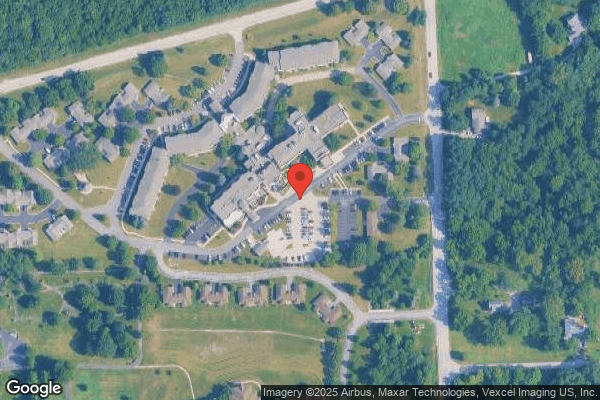
FRANCISCAN VILLAGE

1270 FRANCISCAN DRIVE, LEMONT, IL 60439 (630) 243-3500
Non profit - Church related 127 Beds FRANCISCAN COMMUNITIES Data: November 2025
Trust Grade
53/100
#235 of 665 in IL
Last Inspection: August 2024

Within standard 12-15 month inspection cycle. Federal law requires annual inspections.

Overview

Franciscan Village in Lemont, Illinois, has a Trust Grade of C, which means it is average and sits in the middle of the pack among nursing homes. It ranks #235 out of 665 facilities in Illinois, placing it in the top half, and #76 out of 201 in Cook County, indicating that only 75 local options are better. The facility is improving, with issues decreasing from 9 in 2024 to just 1 in 2025. Staffing is a strength, rated 4 out of 5 stars, with a low turnover rate of 29%, much better than the state average of 46%. Although there have been no fines, which is a positive sign, there were serious incidents, including a resident who fell from a wheelchair due to inadequate transfer assistance, resulting in a fracture, and another resident whose significant weight loss was not monitored, leading to a 12.47% decrease in just 90 days. Additionally, expired food was found in the kitchen, raising concerns about food safety for all residents. Overall, while there are notable strengths, families should be aware of the weaknesses in care and safety practices.

Trust Score
C
53/100
In Illinois
#235/665
Top 35%
Safety Record
Moderate
Needs review
Inspections
Getting Better
9 → 1 violations
Staff Stability
✓ Good
29% annual turnover. Excellent stability, 19 points below Illinois's 48% average. Staff who stay learn residents' needs.
Penalties
✓ Good
No fines on record. Clean compliance history, better than most Illinois facilities.
Skilled Nurses
✓ Good
Each resident gets 88 minutes of Registered Nurse (RN) attention daily — more than 97% of Illinois nursing homes. RNs are the most trained staff who catch health problems before they become serious.
Violations
⚠ Watch
25 deficiencies on record. Higher than average. Multiple issues found across inspections.
★★★☆☆
3.0
Overall Rating
★★★★☆
4.0
Staff Levels
★★★☆☆
3.0
Care Quality
★★★☆☆
3.0
Inspection Score
Stable
2024: 9 issues
2025: 1 issues

The Good

  • 4-Star Staffing Rating · Above-average nurse staffing levels
  • Low Staff Turnover (29%) · Staff stability means consistent care
  • Full Sprinkler Coverage · Fire safety systems throughout facility
  • No fines on record
  • Staff turnover is low (29%)

    19 points below Illinois average of 48%

Facility shows strength in staffing levels, staff retention, fire safety.

The Bad

3-Star Overall Rating

Near Illinois average (2.5)

Meets federal standards, typical of most facilities

Chain: FRANCISCAN COMMUNITIES

Part of a multi-facility chain

Ask about local staffing decisions and management

The Ugly 25 deficiencies on record

2 actual harm
Aug 2025 1 deficiency 1 Harm
SERIOUS (G) 📢 Someone Reported This

A family member, employee, or ombudsman was alarmed enough to file a formal complaint

Actual Harm - a resident was hurt due to facility failures

Accident Prevention (Tag F0689)

A resident was harmed · This affected 1 resident

**NOTE- TERMS IN BRACKETS HAVE BEEN EDITED TO PROTECT CONFIDENTIALITY** Based on observation, interview, and record review, the facility failed to ensure safe transfer mobility for a resident who is d...

Read full inspector narrative →
**NOTE- TERMS IN BRACKETS HAVE BEEN EDITED TO PROTECT CONFIDENTIALITY** Based on observation, interview, and record review, the facility failed to ensure safe transfer mobility for a resident who is dependent on staff for transfer assistance. This failure resulted to R118 falling from her wheelchair and sustaining fracture injury. In addition, the facility also failed to follow recommended transfer assistance and appropriate use of assistive devices for residents who are identified as high-risk for falls. This applies to 4 of 4 residents (R10, R43, R52, R118) reviewed for accidents and supervision in the sample of 19.The findings include:1. R118’s face sheet showed that R118 was admitted to the facility on [DATE], with diagnosis that included urinary tract infection, toxic encephalopathy, personal history of transient ischemic attack with cerebral infarction, cognitive communication deficit, rheumatoid arthritis, unsteadiness on feet, and lack of coordination. R118’s Minimum Data Set, dated [DATE] showed R118 had lower extremity impairment on the left side and is dependent on staff for transfers and mobility. Dependent means helper does all of the effort R118’s progress notes dated August 12, 2025 and written by V24 (Registered Nurse) showed the following: At around 12:50 PM writer answered call light to assist resident to the bed. While transferring the resident to the bed the resident lost her balance in the wheelchair and fell on her side. The resident hit her head on a small cabinet. No bleeding or injury noted. Provider notified with no new orders given. The facility’s incident report dated August 16, 2025 showed the following: R118 had diagnoses that included toxic encephalopathy, cerebral infarction with affected left side. R118 was alert and oriented to self, and time and required a 2 person assist with transfers. On August 12, 2025, R118 was being transferred by the registered nurse when R118 lost her balance, fell, and hit her head on a cabinet. On August 14, 2025, R118 was noted to have left hip pain and was guarding during positioning. The provider was notified and an x-ray of R118’s left hip was ordered. R118’s x-ray results of her hip showed a fracture and R118 was sent to the emergency room for evaluation and treatment. “Conclusion: education for registered nurse provided for proper transfer of patients. Documented coaching given to the registered nurse, and all staff to be in-serviced on proper resident transfers.” R118’s x -ray results ordered on August 14, 2025 showed a fracture of the left femoral neck with displacement of the distal fragment. On August 20, 2025, at 1:19PM, V24 (Registered Nurse) stated that around 12:50PM on August 12, 2025, V24 was passing medications when R118’s call light went on. V24 answered the call and asked R118 if she would like to get into bed. V24 asked R118 if she was able to stand up and assist V24 with repositioning the wheelchair. V24 stated she began to reposition the wheelchair when she stopped the wheelchair it was facing the bed and R118 slid out of the chair. R118 slid onto her left side hitting her head and shoulder on the dresser and then landing on the floor. V24 stated that R118 had left sided weakness and required two staff members for transfers. V24 noted three family members were present in room at time of incident. V24 stated she told the resident not to move then she left the room and found V25 (Certified Nursing Assistant) in hallway and asked for assistance with resident. On August 20, 2025, at 2:02PM, V32 (Family Member 1) stated that R118’s left leg has not been functional since her stroke, and her left leg tends to curl inward behind right leg. V32 stated that R118’s left leg needs to be well positioned before movement. V32 stated that R118 was complaining of pain in groin and leg on Wednesday, Thursday, and Friday. On August 20, 2025, at 2:30PM, V33 (family member) stated she was in the room at the time of R118’s fall. V33 stated that around 11:15 AM on August 12, 2025. V33 stated that R118 was sitting up in a wheelchair and R118 wanted to go back to bed. V24 came to R118 room and said she would come back after meal to assist R118 back to bed. V24 walked in and asked R118 If I help you stand will you be able to get into bed. V33 told V24 that R118 has not been walking, is post stroke, and has left sided weakness. V33 stated V24 did not respond. V33 stated she told V24 multiple times that R118 has left side weakness. V33 stated V24 started to move wheelchair into position to near the bed. When V24 started moving the wheelchair back and she lifted and turned it at the same time to angle it into position. V33 said screamed in pain and V24 said pick your legs up. V33 was tried to explain that R118 cannot pick her leg up but V24 did not acknowledge it. R118's left leg was dragging and it got stuck behind her the right leg. R118 was leaning towards her left side. When V24 lifted the back of the chair to help turn it more, R118 fell out of the chair, hitting her head and shoulder on the table and landed on the ground on her left side. On August 21, 2025, at 2:10 PM, V35 (Family member) stated that he visited R118 on August 12, 2025, along with two other family members. V24 came in and gave R118 some medications and came back later to assist R118 into bed. V24 began moving objects in room to assist prepare for transfer. V35 stated the family began to inform V24 that R118 is unable to walk. V24 started to turn wheelchair, and he noticed that R118 legs were not moving with the wheelchair. V35 stated it happened really fast when V24 continued to move R118, V24 lifted the back of the wheelchair. The lifting the back of the wheelchair caused R118 to hit her head and shoulder on the dresser as she fell to the ground. On August 20, 2025, at 4:09 PM, V3 (Assistant Director of Nursing) was notified by V24 on 08/12/2025 regarding incident with R118. V3 stated that an order for an x-ray of the left hip was obtained on August 15, 2025, when a nurse noted R118 reported new onset guarding to left leg. V3 stated the family requested ice packs during this time. The facility was later notified of R118’s acute fracture. V3 stated that if residents hit their head during a fall the nurse on duty performs neuro-checks, pain assessments, fall assessments and ROM (Range of Motion) exercises. An investigation was completed with nurses and CNAs. The day of the incident V3 was called to the room by V24. According to V3, there were family members present in the room when the resident fell. V3 stated repositioning R118 in the wheelchair would require two staff assistance. V3 stated Incident reports are completed immediately, and a morning meeting is held the next day discuss interventions. In this instance a meeting was held the next day and the intervention was to perform staff education. V3 stated V24 had attempted to transfer resident alone. V3 stated that R118 had left sided weakness. On August 20, 2025 at 11:06 AM, V26 (Nurse Practitioner) stated that she just happened to look through R118’s medical record on August 15, 2025 and noticed that R118 x-ray results showed a fracture. V26 called the facility and told them to send R118 out to hospital. V26 stated that the fracture was a result of the fall. V26 said R118 could not stand up on her own. The expectation is that the provider is notified right away in instances of head injuries. With a head injury the patient would need to go out to the hospital for a evaluation. V26 stated she nor the doctor were aware that R118 hit her head during the fall. V26 stated that had the provider’s been aware of the head injury they would have sent R118 to the emergency room immediately. R118’s care plan dated August 11, 2025 showed R118 was at risk for falls due to decreased mobility, weakness, left sided weakness and had ADL (Activities of Daily Living) self-care and mobility deficit. R118’s fall care plan showed the following intervention dated August 12, 2025: Re-educate staff related to transfer status. R118 was seen by physical therapy and occupational therapy between August 12, 2025, an August 15, 2025. Therapy progress notes showed R118 required maximum assistance for transfers and bed mobility. R118’s 72 hour post fall monitor dated August 14, 2025 at 3:47 PM showed the following: R118 “verbalized pain on left hip, guarding during positioning.” R118’s progress note dated August 14, 2025 at 10:59 PM showed the following: Resident complained of left hip pain and guarding her side during positioning. The doctor was notified and gave an order for a left hip x-ray to rule-out fracture. R118’s had and order dated August 14, 2025 at 10:44 PM for an X-ray of the left hip. 2. Face sheet shows that R52 is 93 years-old who has multiple medical diagnoses including dementia, generalized muscle weakness, unsteadiness on feet, lack of coordination, and repeated falls. On August 18, 2025, at 11:33 AM, R52 was in the dining room eating lunch, sitting on her wheelchair, she had a wound on her forehead that was almost healed. A staff member stated that R32 fell 2 to 3 weeks ago. On August 19, 2025, at 12:59 PM, V19 (Certified Nursing Assistant/CNA) assisted R52 in the bathroom for toileting. R52 was assisted to stand and pivot for transfer from wheelchair to toilet seat. After R52 voided, V19 assisted R52 to stand up and instructed R52 to stay still while V19 provided peri-care. Afterwards V19 assisted R52 back to the wheelchair. This process was all done without using a gait belt. R52's Morse Fall Scale dated May 28, 2025, shows R52 is high risk for fall. R52's Minimum Data Sheet (MDS) dated [DATE], shows R52 is cognitively impaired and dependent with sit to stand position and toilet transfer care. Fall incident log and progress notes from April to August 2025 showed that R52 has history of multiple fall incidents. R52’s active care plan shows she is at risk/active for falls. R52 has altered safety awareness. R52 overestimates her abilities related to previous CVA (cerebrovascular accident), history of falls, decrease balance/mobility/ADL skills. Decrease cognitive function and decrease thought process due to dementia. This same care plan shows multiple interventions including two staff assistance with use of gait belt for transfers. 3. Face sheet shows that R43 is 97 years-old with multiple medical diagnoses including vascular dementia, poly-osteoarthritis, generalized muscle weakness, history of fall, history of fracture of unspecified part of neck of right femur, subsequent encounter for closed fracture with routine healing. On August 19, 2025, at 1:25 PM, V20 and V21 (Both CNA) transferred R43 from reclining wheelchair to bed via mechanical lift. R43 was positioned in the middle lower half of the sling with the lower part of her buttocks and lower extremities off the sling and not supported. R43 was screaming that her back was hurting. V21 stated the sling was sliding while she was in the reclining chair. V20 placed her arms under R43’s legs during transfer, while R43 was screaming all throughout that her back was hurting. 4. Face sheet shows R10 is R100 years-old who has multiple medical diagnoses including spinal stenosis, generalized muscle weakness, lack of coordination, and unspecified dementia. On August 20, 2025, around 12:20 PM, V23 and V29 (Both CAN) transferred R10 from bed to wheelchair using a gait belt. R10 appeared afraid and hesitant to transfer. R10's knees were bent/folded and was not fully standing. There was no non-skid wheelchair pad on her wheelchair seat. R10 Morse Fall Scale dated 8/13/25 shows, R10 is a high risk for fall. Facility's fall log from February to August 2025 shows that R10 has had multiple fall incidents. R10's Fall Care Plan shows: R10 is at risk/actual falls related to diagnoses of orthostatic hypotension, history of falls, incontinence, muscle weakness, joint stiffness, and dementia. This same care plan shows interventions which include ensuring non-skid mat on the wheelchair seat. On August 20, 2025, at 3:36 PM, V2 (Director of Nursing/DON) stated that staff must follow all fall prevention interventions especially for residents who are identified as high-risk for fall. Ensure that staff use assistive device as recommended to prevent fall incidents.
Aug 2024 9 deficiencies 1 Harm
SERIOUS (G)

Actual Harm - a resident was hurt due to facility failures

Deficiency F0692 (Tag F0692)

A resident was harmed · This affected 1 resident

Based on observation, interview, and record review, the facility failed to obtain monthly weights/reweights and recognize significant weight loss for a resident. This failure resulted in R82's weight ...

Read full inspector narrative →
Based on observation, interview, and record review, the facility failed to obtain monthly weights/reweights and recognize significant weight loss for a resident. This failure resulted in R82's weight loss not being recognized until R82 sustained a 12.47% weight loss in 90 days. This applies to 1 resident (R82) reviewed for weight loss in a sample of 34 residents. The findings include: On 8/6/24 at 11:57 AM, R82 said she does not like the facility food. R82 said the food is bland and I don't eat much because the food doesn't look good. R82 said she doesn't like her meat chopped up. R82 said she weighed 150 pounds when she was admitted a year ago and the last time they weighed her she was 120 pounds. R82 said she does not receive any supplements. No supplements were seen in R82's room. R82's Face sheet shows an initial admission date of 8/19/23. R82's POS (Physician Order Sheet) shows order dated 12/22/23 for monthly weights, an order dated 10/24/23 for general diet mechanical soft texture, thin liquid consistency, and does not show a hospice order. V2's (DON's) weight change note written on 5/13/24 states R82 had poor appetite and weight loss and speech therapy to see R82 for possible upgrade of diet. Since 5/13/24, R82 did not have any notes written by V21 (Clinical Nutrition Manager/Dietician) or speech therapy. R82's 'Weights and Vitals Summary' shows her initial admission weight on 8/21/23 was 152 pounds. R82's weight on 5/9/24 is documented as 143.6 pounds. On 6/17/24 R82's weight was documented as 133 pounds, this weight was struck out by V21 (Clinical Nutrition Manager/Dietician) with a note showing reweight requested. R82 was not reweighed in June. R82's weight was not documented in the month of July 2024. R82's weight was not documented again until 8/6/24 as 120.8 pounds. This weight was again struck out by V21 with a note requesting reweight. As of 8/7/24 at 2:30 PM, R82 did not have an accepted weight documented since 5/9/24. At 2:30PM on 8/7/24, surveyor requested from V1 (Administrator) that R82 be weighed. On 8/7/24 at 4:28 PM V2 (DON/Director of Nursing) verbally notified surveyor that R82 was just weighed and the result was 125.7 pounds. On 8/7/24 at 4:28PM, V2 (DON) said she notified V21 (Clinical Nutrition Manager/Dietician) of R82's weight of 125.7 pounds and he was aware it was a significant weight loss. The weight change from 5/9/24 of 143.6 pounds to 125.7 pounds on 8/7/24 is a 12.47% weight loss in 90 days. As of 8/8/24 at 11:31 AM, R28's weight of 125.7 pounds verbalized to surveyor on 8/7/24 had still not been documented in her medical record. On 8/8/24 at 1:16 PM, V21 (Clinical Nutrition Manager/Dietician) said the facility's current policy is that every resident gets weighed at least monthly by the 5th of the month. V21 said if a resident's monthly weight is documented and it is 5 pounds more or less than the previous weight, he will strike it out and request a reweight. V21 said he requests a reweight by sending an email list of all residents who need to be reweighed to V2 (DON) and V4 (Wound Care Nurse). V21 verified that he emailed V2 and V4 that R82 needed to be weighed/reweighed on 6/17/24, 6/21/24, 7/8/24, 7/11/24, 7/17/24, and 8/6/24. V21 said if the resident's weight has not been entered by the 5th of the month it becomes an urgent priority. V21 said accurate weights are important because it is the first step in an accurate nutritional assessment. V21 said we don't want significant weight loss ever and R82 fell through the cracks. V21 said R82 should be evaluated by speech therapy. On 8/8/24 at 1:37 PM, V2 (DON) said she did not know why R82 was not reweighed after V21 requested reweights. V2 said she will take responsibility for R82's weight not being recorded on 8/7/24 when it was taken because she was handed the written weight. V2 said she did not communicate to V21 on 8/7/24 that R82 was reweighed or what her weight was, contradicting what she had told surveyor on 8/7/24. V2 said speech therapy has never seen R82. V2 said she could not remember if she had ever talked to R82's nurse about obtaining an order for speech therapy after she wrote her weight change note in May of 2024. On 8/8/24 at 8:38 AM V2 said they used to have a restorative aide that was responsible for obtaining resident weights/reweights, but the aide had been gone for 2-3 months so they had put V4 (Wound Care Nurse) in charge of obtaining resident reweights. V2 said she wished V21 had been more vocal and communicated to her verbally that reweights were needed instead of sending email. V2 said R82's reweights fell through the cracks because her weights were struck out so she did not trigger as weight loss. On 8/8/24 at 12:21 PM, V4 (Wound Care Nurse) said V21 may have notified her that R82 needed a weight/reweight. V4 said when she receives the email from V21 she notifies the nursing staff to obtain the weight and she tries to make sure the staff get it done. V4 said, but I am not going to lie, I don't always catch a weight that is missed. On 8/8/24 at 2:41 PM, V24 (RN/Registered Nurse) said all residents require a monthly weight, she was not aware that her resident, R82, had not had a weight accepted since 5/9/24, and V4 (Wound Care Nurse) is responsible for notifying the nursing staff when a weight is needed. V24 said monitoring resident weights is important because they need to pay attention if a resident is not eating because of decreased appetite or if something else medically is going on with the resident. On 8/8/24 at 2:47 PM, V25 (CNA/Certified Nurse Assistant) said all residents need to be weighed once a month. V25 said monitoring resident weights is important because they want to make sure residents are maintaining their weights, and if they are losing weight, they want to make sure the resident is eating enough. V25 said V4 notifies them when a reweight is needed. V25 said she has fed R82 in the past and her appetite varies, sometimes R82 eats dinner and sometimes she says she doesn't want to eat dinner. R82's Care Plan dated 8/22/23 shows she is at risk for altered nutritional status related to advanced age. Interventions include honor resident's food preferences and monitor weight monthly. The facility's policy titled, Weight Management dated 3/1/21 states, Community nursing and dietary staff will cooperate to prevent, monitor, and intervene for undesirable weight loss or gain for our residents. Weight Measurements: The nursing staff will measure resident's weight on admission, and monthly thereafter . Monthly weights are to be completed and documented in the electronic medical record between the 1st and the 5th of each month as assigned. Communication: Any weight change as below will be retaken for confirmation. If the weight is verified, nursing or the dietician will notify the physician. Significant Changes are defined as more .than . 7.5% .within 90 days .Undesirable Weight Loss: Interventions for undesirable weight loss or gain should focus first on food .Interdisciplinary Team members should consider possible interventions relevant to their discipline. The physician may order tests, appetite stimulants, or medications as appropriate.
CONCERN (D)

Potential for Harm - no one hurt, but risky conditions existed

Deficiency F0558 (Tag F0558)

Could have caused harm · This affected 1 resident

**NOTE- TERMS IN BRACKETS HAVE BEEN EDITED TO PROTECT CONFIDENTIALITY** Based on observation, interview, and record review, the facility failed to put call lights within reach for residents. This app...

Read full inspector narrative →
**NOTE- TERMS IN BRACKETS HAVE BEEN EDITED TO PROTECT CONFIDENTIALITY** Based on observation, interview, and record review, the facility failed to put call lights within reach for residents. This applies to 3 of 3 resident (R52, R54, R56) reviewed for accommodation of needs in a sample of 34. The findings include: 1. On August 6, 2024 at 11:27 AM, V14 (CNA/Certified Nurse Assistant) and V15 (CNA) had finished providing incontinence care for R52. After completing incontinence care, V14 and V15 left R52's room. R52's call light was out of reach of the resident. R52 said he did not know where his call light was and would not know how to call for help without it. R52's face sheet showed he was admitted to the facility with diagnoses including type 2 diabetes mellitus, dementia, depression, seizures, difficulty in walking, muscle weakness, fracture of the lumbar vertebra, and subdural hemorrhage. R52's MDS (Minimum Data Set) showed R52 had moderate cognitive impairment and required substantial assistance from staff for eating, oral hygiene, and personal hygiene, and was dependent on staff for toileting, shower/bed baths, upper and lower body dressing, and putting on/taking off footwear. R52's care plan dated October 5, 2022 showed R52 was at risk for falls related to weakness, decrease balance/strength/mobility/ADL (Activities of Daily Living) function, history of falls with injury .with intervention including Ensure call light is available to resident. 2. On August 6, 2024 at 1:13 PM, R54 was sitting in his wheelchair. R54's bed was made, and his call light was seen underneath the blankets, out of reach of the resident. R54 also said he did not have a room phone to call for help either. R54's face sheet showed he was admitted to the facility with diagnoses including congestive heart failure, chronic kidney disease, anemia, polyosteoarthritis, depression, hypertension, and gastro esophageal reflux disease. R54's MDS showed R54 had moderate cognitive impairment, and he needed substantial assistance from staff for eating, oral hygiene, upper body dressing, and was dependent on staff for toileting hygiene, shower/bed baths, lower body dressing, putting on/taking off footwear, and personal hygiene. R54's care plan dated February 26, 2024 showed R54 was at risk for falls related to gait/balance problems, incontinence, weakness, decrease balance/mobility/ADL skills/strength, and history of falls, with an intervention including Be sure the resident's call light is within reach and encourage the resident to use it for assistance as needed. The resident needs prompt response to all requests for assistance. 3. On August 6, 2024 at 11:36 AM, R56 was being settled into her bed for a nap by a CNA, then left the room. R56's call light was hanging off the side of the bed. R56 said she would call for help by pressing the call button. R56's face sheet showed she was admitted to the facility with diagnoses including hyperlipidemia, muscle weakness, osteoporosis, difficulty in walking, lack of coordination, and dysphagia. R56's MDS dated [DATE] showed R56 was cognitively intact and showed R56 required substantial assistance from staff for eating and oral hygiene, and was dependent on staff for toileting hygiene, shower/bath, upper and lower body dressing, putting on/taking off footwear, and personal hygiene. R56's care plan dated July 15, 2021 showed R56 was at risk for falls related to decreased balance/mobility/ADL function, weakness, and disease process, with an intervention including Be sure the resident's call light is within reach and encourage the resident to use it for assistance as needed. The resident needs prompt response to all requests for assistance. On August 8, 2024 at 1:19 PM, V16 (CNA) said the call lights should be clipped to the blanket in front of the resident so they could see it and could reach for it. V16 said if the resident was in the wheelchair, it should still be within reach to the resident. On August 8, 2024 at 1:24 PM, V17 (CNA) said the staff should give the call lights to the resident before leaving the room because the call light should always be placed within reach to the resident. V17 said if the resident was in the chair, she would bring it close to the chair or loop it around the chair, or clip it to the sheets. On August 8, 2024 at 1:30 PM, V18 (CNA) said the call lights need to be within reach of the resident, and if they are in the chair, to clip it to their shirt or onto the chair. On August 8, 2024 at 1:38 PM, V20 (LPN/Licensed Practical Nurse) said the call lights should always be where the resident can reach it, whether that be in their hands or clipped in front of their hands. On August 8, 2024 at 2:06 PM, V2 (DON/Director of Nursing) said the call lights should be within reach of the residents. V2 said if the resident was in the chair, the call light should still be reachable to the resident. The facility's Answering Call lights policy dated September 1, 2023 showed When the resident is in bed or confined to a chair be sure the call light is within easy reach of the resident.
CONCERN (D)

Potential for Harm - no one hurt, but risky conditions existed

Deficiency F0657 (Tag F0657)

Could have caused harm · This affected 1 resident

**NOTE- TERMS IN BRACKETS HAVE BEEN EDITED TO PROTECT CONFIDENTIALITY** Based on observation, interview, and record review, the facility failed to invite 2 residents (R45, and R68) to their care plan ...

Read full inspector narrative →
**NOTE- TERMS IN BRACKETS HAVE BEEN EDITED TO PROTECT CONFIDENTIALITY** Based on observation, interview, and record review, the facility failed to invite 2 residents (R45, and R68) to their care plan meetings that were reviewed for care plans, in a sample of 34. Findings include: 1. On 08/06/24 at 12:14 PM, R45 said that she has not attended a care plan meeting, nor had she been invited to one since she has been admitted to the facility. R45's electronic health record showed that she was admitted to the facility on [DATE]. 2. On 08/06/24 at 12:14 PM, R68 said that she has not attended, nor has she been invited to a care plan meeting since she was admitted . 08/08/24 at 11:09 AM R68 was in her room with V8 (R68's son) and R68 again said that she has never attended or has been invited to a care plan meeting. Then V8 said that he comes and visits his mother twice a week and he receives notices from the facility about his mother's care but he has never received any invitation or notice for her care plan meetings. R68's electronic health records showed that she was admitted on [DATE]. On 08/08/24 at 02:37 PM, V1 (Administrator) said that the residents and representatives are to be invited to their care plan meetings so that the residents have a choice in their care and their family will know and are able to contribute to the resident's plan of care. V1 said that the facility should document in a progress note that the resident and representative was invited and if they attended. A record review was conducted during this survey from 8/6/24 - 8/8/24 and no documentation could be found showing R45, R68, and their representatives, were invited to and attended any care plan meetings for the past year. The facility was unable to provide any documentation showing that R45, R68, or their representatives were invited or attended their care plan meetings. The facility's Resident Comprehensive Care Plan policy with review date 03/21/2024 showed, To ensure the timeliness of each resident's personal centered baseline and comprehensive plan and to ensure that these care plans are reviewed and revised by and disciplinary team composed of individuals who have knowledge of the resident his or her needs each resident and resident representative if applicable is involved and developing the care plan and making decisions about his or her care. Care plan is to include participation of the resident and the resident's representative and explanation must be included in the residence medical records if participation of the resident and their resident representative is determined not practical for the development of the residence care plan.
CONCERN (D)

Potential for Harm - no one hurt, but risky conditions existed

Deficiency F0679 (Tag F0679)

Could have caused harm · This affected 1 resident

Based on observation, interview, and record review the facility failed to provide, based on the comprehensive assessment and care plan and the preferences of each resident, an ongoing program to suppo...

Read full inspector narrative →
Based on observation, interview, and record review the facility failed to provide, based on the comprehensive assessment and care plan and the preferences of each resident, an ongoing program to support residents in their choice of activities for 2 residents (R45 & R68) in a sample of 34. Findings include: 1. On 08/06/24 at 12:14 PM, R45 said that the facility does not provide activities for her while she is in her room. On 08/08/24 at 11:06 AM, R45 said that no one has come in and offered her any activities or pop in visits. R45 said that she would like to get out of her bed, but her legs hurt so that is why she stays in her bed. R45 said that since no one brings her any activities, the only thing she has to do is watch TV. On 08/07/24 at 03:51 PM, V13 (Life Enrichment Director) provided documentation for R45's activities from 7/1/24 - 8/7/24, and it only showed 3 entries, 7/2/24, 7/9/24 & 7/11/24. V13 said that staff are to offer activities to all residents every day and her expectations are for staff to document daily that they offered and if the resident refused. On 08/08/24 at 11:00 AM V13 provided the state surveyor with R45's 5/15/24 activities care plan and it showed, R45 prefers to spend time in her room in bed. R45 is accepting of pop in visits and converse with staff during these visits. The care plan goals showed, participate and accept pop in visits with staff three times weekly. The care plan interventions showed, provide in room pop in visits with resident to provide comfort and companionship. R45's 7/15/24 care plan showed Impaired Social Interaction. Resident Will Participate in Social Situations. Nurses, Social Worker and Activities staff - Encourage Resident to participate in social situations. Monitor Resident's level of social interaction. 2. On 08/06/24 at 12:14 PM, R68 said that she is not being provided any activities. On 08/08/24 at 10:46 AM, R68 said that the staff does not bring anything for activities to her room or offer her pop in visits. R68 said she would like to play computer games, and she has told the facility this since she was admitted . V8 (R68's son) was present during this time and he said that he comes to visit his mother twice a week and the staff does not bring his mother anything for activities. V8 said that his mother likes to stay in her room, but she likes to play computer games. On 08/07/24 at 03:51 PM, V13 said that staff is to do daily room visits and are to record it on the facility's computer program called LifeLoop. V13 then provided R68's LifeLoop documentation for July 7th 2024 to August 7th 2024. The documentation showed only 4 entries, 7/9/24, 7/11/24, 7/16/24 & 8/1/24. V13 was unable to find R68's activities care plan at that time. On 8/8/24 at 11:00 am, V13 provided the state surveyor with R68's 8/8/24 activities care plan. The care plan showed, R68's prefers to spend her leisure time in her room. R68 is accepting of pop in visits. R68 will make her needs known during this visits and express satisfaction with level of activity participation. The care plan goal showed will accept a minimum of 3 pop in visits a week and express satisfaction with level of activity participation. the interventions included: provide pop in visits to resident, provide invites to group activities, provide escort to and from activities when needed, provide monthly calendar for resident. On 08/06/24 at 01:19 PM V12 (Life Enrichment Assistant) said that the staff does not provide activities to the residents that are in their beds every day. On 08/08/24 10:43 AM V7 CNA (Certified Nurse's Assistant) said if residents are in bed, the staff does not bring any activities to them. V7 said that a part time staff comes around once or twice a week and reads newspapers or offers a drink to some of the residents who are in bed, but she does not bring any activities to the room like books or puzzles or anything like that. 08/08/24 02:15 PM, V1 (Administrator) said that the facility has a list of residents who are on 1:1. V1 said that the activity staff/Life Enrichment staff, are to check on all the residents every day, offering activities even if it is to stay in their room. V1 said that this should be done to maintain their quality of life even if they are unable to participate in groups. The facility's Activities policy (no date) showed, It is the policy of this facility to provide an ongoing program to support residents in their choice of activities based on their comprehensive assessment, care plan and preferences. Facility-sponsored groups, individual, and independent activities will be designed to meet the interest of each resident, as well as support their physical, mental, and psychosocial well-being. Activities will encourage both independence and interactions within the community.
CONCERN (D)

Potential for Harm - no one hurt, but risky conditions existed

Deficiency F0688 (Tag F0688)

Could have caused harm · This affected 1 resident

**NOTE- TERMS IN BRACKETS HAVE BEEN EDITED TO PROTECT CONFIDENTIALITY** Based on observation, interview, and record review, the facility failed to provide restorative nursing programs to residents ide...

Read full inspector narrative →
**NOTE- TERMS IN BRACKETS HAVE BEEN EDITED TO PROTECT CONFIDENTIALITY** Based on observation, interview, and record review, the facility failed to provide restorative nursing programs to residents identified with limited range of motion. This applies to 3 of 3 residents (R8, R53, and R55) reviewed for limited range of motion in a sample of 34. The findings include: 1. On 08/06/24 at 2:10 PM R53 was in bed, awake and alert. R53 had limited range of motion to both arms. R53's right and left foot was turned inwards. R53 said the facility was not helping her to exercise. On 08/08/24 at 1:17 PM R53 said she would be grateful to have exercises for her arms and legs from the facility. R53 said she hadn't been in therapy in a while. On 08/08/24 at 10:22 AM V23 (Director of Rehab) said R53 received occupational therapy from 02/22/24-03/14/24. V23 said the discharge therapy recommendations were an active range of motion restorative nursing program for both upper extremities. V23 said when residents are discharged from therapy and are referred to restorative, we give the restorative sheets to the director of nursing. R53's face sheet showed multiple diagnoses which included polyosteoarthritis, anemia, essential hypertension, unsteadiness on feet, muscle weakness, cerebral infarction, difficulty in walking, lack of coordination, and other symptoms and signs involving the musculoskeletal system. R53's MDS (MDS/Minimum Data Set) dated 07/10/24 showed R53 was cognitively intact. The same MDS showed R53 had functional limitations in range of motion to both upper and both lower extremities. R53's Functional Abilities assessment dated [DATE] showed R53 was dependent upon staff for toileting, bathing, dressing, and personal hygiene. R53's occupational therapy Discharge summary dated [DATE] recommendations showed: restorative active range of motion to both upper extremities for functional maintenance. R53 did not have physician orders or care plans for active range of motion. 2. On 08/06/24 at 11:08 AM R8 was in her room, sitting in a wheelchair. R8 was unable to raise her right arm. R8 said sometimes they come and help me exercise. On 08/08/24 at 01:20 PM R8 stated she would benefit from receiving therapy or exercises provided by the nursing staff. R8's face sheet showed multiple diagnoses which included diabetes, congestive heart failure, chronic kidney disease, gout, muscle weakness, lack of coordination, hypertension, and other symptoms and signs involving the musculoskeletal system. R8's MDS dated [DATE] showed R8 had moderate cognitive impairment. The same MDS showed R8 had functional limitations in range of motion to both upper and both lower extremities. R8's Functional Abilities assessment dated [DATE] showed R8 required partial/moderate assistance with toileting and personal hygiene. The same assessment showed R8 required substantial/maximal assistance with bathing. R8 did not have physician orders or care plans for restorative nursing programs. 3. On 08/06/24 at 1:54 PM R55 said her left shoulder is dislocated. R55 said it was an old injury prior to her being admitted to the facility. R55 said she is not going to have surgery; it is too risky. R55 said she was not receiving therapy. On 08/08/24 at 1:14 PM R55 said she would like to have some form of exercises to her arms. Stated her left arm is worse than the right and she doesn't want the right arm to get as bad as the left arm. R55's face sheet showed multiple diagnoses which included diabetes, congestive heart failure, Parkinson's Disease, muscle weakness, difficulty in walking, hypertension, non-Hodgkin lymphoma, and other symptoms and signs involving the musculoskeletal system. R55's MDS dated [DATE] showed R55 was cognitively intact. The same MDS showed R55 had functional limitations in range of motion to one upper extremity and both lower extremities. R55 did not have physician orders or care plans for restorative nursing programs. On 08/08/24 at 10:22 AM V23 said residents with impairments to their extremities should receive restorative nursing after discharge from therapy. Residents with impairments who do not receive restorative nursing could have a decline or possible contracture. On 08/08/24 at 11:59 AM V2 (Director of Nursing) said we do not have a restorative nurse at this time, but I am certified. We do not have any restorative nursing programs for any of the residents. The CNA's in the facility can do restorative programming. We lost our restorative CNA, and the restorative programs were not carried through even though the floor CNA's can do the programs. If residents have contractures, they can worsen. If they do not have contractures, they can develop one. The residents should be on a restorative program if they have impairments. If we got a recommendation for restorative from therapy, we should follow through. The facility's Restorative Nursing Policy effective date 09/01/23 stated: Policy-it is the policy of Franciscan Ministries to provide maintenance and restorative services designed to maintain or improve a resident's abilities to the highest practicable level. Guideline: 3. A licensed nurse, or person designated by state regulations, will oversee the Restorative Nursing Program. 4. Licensed nurses, Certified Nursing Assistants, and Restorative Aides are trained on basic and maintenance care that may include: encouraging residents to remain active and assisting with exercises according to their individualized plan. 5. Residents, as identified during the assessment process, will receive restorative services. These services may include- a. passive or active range of motion. 6. Residents may receive restorative nursing services upon admission, when not a candidate for specialized rehabilitation services, when restorative needs arise during a longer-term stay, or upon discharge from therapy. 7. Potential candidates for restorative nursing services my be identified through one or more of the following processes: a. Physical assessments, b. MDS assessments, c. Specialized rehabilitation assessments.
CONCERN (D)

Potential for Harm - no one hurt, but risky conditions existed

Accident Prevention (Tag F0689)

Could have caused harm · This affected 1 resident

Based on observation, interview, and record review, the facility failed to put fall mats in place for R77, who was at a high fall risk. This applies to 1 of 1 resident (R77) reviewed for accidents an...

Read full inspector narrative →
Based on observation, interview, and record review, the facility failed to put fall mats in place for R77, who was at a high fall risk. This applies to 1 of 1 resident (R77) reviewed for accidents and supervision in a sample of 34. The findings include: On August 6, 2024 at 11:37 AM, R77 was lying in bed leaning on the left side. R77 had two fall mats folded up and left against the wall. R77's bed was not in the lowest position. On August 6, 2024 at 1:28 PM, R77 was sitting upright in bed, but neither fall mats were in place. On August 7, 2024 at 10:39 AM, R77 was lying in bed and the fall mat was only on the left side of the bed. R77's bed was not in the lowest position. On August 8, 2024 at 9:48 AM, R77 was lying in bed and the fall mat was only on the left side and there was a bedside table on the right side. On August 8, 2024 at 1:19 PM, V16 (CNA/Certified Nurse Assistant) said the fall mats should be on both sides of the bed and the bed needs to be lowered. V16 said fall mats were applied in case residents who rolled back and forth would not end up on the floor. On August 8, 2024 at 1:24 PM, V17 (CNA) said residents who were a fall risk should have their beds all the way down to the floor and hourly rounds should be done. V17 also said fall mats should be on both sides of the bed if the resident is in the bed. V17 said fall mats are used to cushion and decrease head and bodily injuries from falls. On August 8, 2024 at 1:30 PM, V18 (CNA) said residents who were a fall risk should be monitored frequently, have the call lights within reach, the bed should be in the lowest position, and the floor mats should be on both sides. On August 8, 2024 at 1:34 PM, V19 (CNA) said she would put the fall mats down if the resident was in bed, put the bed down to the ground, and make sure their call lights were accessible. On August 8, 2024 at 1:38 PM, V20 (LPN/Licensed Practical Nurse) said the residents who were at risk for falls would have fall mats ordered and placed on both sides. V20 said the bed should be in the lowest position, call lights should be within reach, and the resident should be frequently checked. On August 8, 2024 at 2:06 PM, V2 (DON/Director of Nursing) said if a resident has had a previous fall, they order bilateral floor mats, and the bed should be lowered. V2 said if the resident was in bed, the fall mats should be on both sides of the bed. R77's face sheet showed he was admitted to the facility with diagnoses including aphasia, atherosclerosis, fracture of right femur, hypertension, cognitive communication deficit, muscle weakness, and anemia. R77's MDS (Minimum Data Set) dated June 7, 2024 showed R77 was cognitively intact. R77's care plan dated January 10, 2023 showed R77 was at high risk for falls related to impaired balance, generalized weakness, history of recent fall with fracture, and recent hip hemiarthroplasty, with interventions including bilateral floor mats. The facility's Fall Prevention and Management policy dated May 23, 2023 showed A comprehensive fall prevention care plan is developed by the Interdisciplinary Team (IDT) based on the Morse Fall Scale results, environmental concerns if identified, resident, family, and support staff input, medical condition of the resident, and review of the Fall Prevention care plan. As of August 9, 2024 at 2 PM, the facility was unable to provide a Fall Intervention policy.
CONCERN (E)

Potential for Harm - no one hurt, but risky conditions existed

ADL Care (Tag F0677)

Could have caused harm · This affected multiple residents

**NOTE- TERMS IN BRACKETS HAVE BEEN EDITED TO PROTECT CONFIDENTIALITY** Based on observation, interview, and record review, the facility failed to provide ADL (Activities of Daily Living) care to resi...

Read full inspector narrative →
**NOTE- TERMS IN BRACKETS HAVE BEEN EDITED TO PROTECT CONFIDENTIALITY** Based on observation, interview, and record review, the facility failed to provide ADL (Activities of Daily Living) care to residents dependent on staff for personal hygiene and grooming. This applies to 10 of 10 residents (R12, R26, R30, R42, R44, R45, R49, R51, R59, and R68) reviewed for ADL's in a sample of 34. The findings include: 1. On 08/06/24 at 12:00 PM R44 was in the dining room eating lunch. R44 had long chin hairs. R44 said she wanted the chin hairs removed, but the staff does not help her remove them. On 08/07/24 at 11:33 AM R44 was sitting in the dining room. R44 still had long chin hairs. She stated she still wanted them removed. R44's face sheet showed multiple diagnoses which included hypertensive chronic kidney disease, primary generalized osteoarthritis, dementia, hypertension, lack of coordination, muscle weakness, osteoporosis, and adult failure to thrive. R44's MDS (MDS/Minimum Data Set) dated 05/08/24 showed R44 had moderate cognitive impairment. The same MDS showed R44 required substantial/maximal assistance with personal hygiene. R44's Personalized Care & ADL Deficit care plan revised on 12/20/23 showed a goal of considering R44's preferences when providing care and will complete ADL's with staff assistance. Interventions: substantial/maximal assistance with personal hygiene. 2. On 08/06/24 at 12:14 PM R51 was sitting in a wheelchair in the dining room. R51's fingernails had a dark colored substance underneath on both hands. On 08/07/24 at 4:22 PM R51's fingernails on both hands continued to have a dark colored substance underneath. R51's face sheet showed multiple diagnoses which included hypertensive heart and chronic kidney disease, diabetes, heart failure, muscle weakness, vascular dementia, anemia, hypertension, and peripheral vascular disease. R51's MDS dated [DATE] showed R51 had severe cognitive impairment. The same MDS showed R51 required substantial/maximal assistance with personal hygiene. R51's Alteration in ADL/Mobility performance care plan revised on 03/18/24 showed a goal of considering R51's preferences when providing care and completing ADL's. Interventions: substantial/maximal assistance with personal hygiene. 3. On 08/06/24 at 11:17 AM R59 was sitting in recliner chair. R59's fingernails on her right hand had a dark colored substance underneath. On 08/07/24 at 10:50 AM R59's right hand fingernails continued to have a dark colored substance underneath. R59 stated she would like to have her nails cut and cleaned. R59's face sheet showed multiple diagnoses which included hypertensive chronic kidney disease, polyosteoarthritis, dementia, muscle weakness, vascular dementia, psychosis, hypertension, unsteadiness on feet, and hypothyroidism. R59's MDS dated [DATE] showed R59 had severe cognitive impairment. The same MDS showed R59 was dependent with personal hygiene. R59's ADL self-care performance deficit are plan revised on 02/21/24 showed a goal of R59 receiving assistance from staff to complete ADL and functional mobility task. Progress notes from 07/09/24-08/09/24 showed no documentation of R59 refusing care. On 08/07/24 at 11:15 AM V19 (CNA/Certified Nursing Assistant) said the residents nails should not be dirty. V19 said it is my responsibility to clean and trim the residents nails. All nails should be trimmed and cleaned after a shower and as needed. On 08/07/24 at 11:18 AM V22 (Registered Nurse) said residents nails should not be long or dirty. Nails should be cleaned and trimmed as needed. Residents could scratch themselves or put dirty fingernails in their mouth and get an infection from the bacteria. On 08/07/24 V22 said female residents should not have chin hairs. [NAME] hairs should be removed as needed. It is a dignity issue for a woman to have chin hairs. On 08/08/24 at 11:59 AM V2 (Director of Nursing) said residents should not have long, dirty fingernails. Nail care should be done as needed and on the shower days. Residents should be properly groomed on the shower days which includes nail care. If residents have dirty fingernails, they could get an infection. Women should not have chin hairs. [NAME] hairs should be removed when they are visible. [NAME] hairs are a dignity issue for women. It is expected that the CNA's and nurses properly groom the residents to maintain their dignity. The facility's Activities of Daily Living Policy effective date 12/01/23 showed- Policy: Residents who are unable to carry out activities of daily living independently will receive the services necessary to maintain good nutrition, grooming, and personal and oral hygiene. Procedure: 2. Appropriate care and services will be provided for residents who are unable to carry out ADL's independently, with the consent of the resident and in accordance with the plan of care, including appropriate support and assistance with: a. Hygiene (bathing, dressing, grooming, and oral care). 4. If residents with cognitive impairment or dementia resist care, staff will attempt to identify the underlying cause of the problem and not just assume the resident is refusing or declining care. Approaching the resident in a different way or at a different time, or having another staff member speak with the resident may be appropriate. 10. On August 6, 2024 at 1:35 PM, R12 was in the dining room had had facial hair, which was approximately 1.5 inches long on her chin. On August 8, 2024 at 10:11 AM, R12 still had facial hair 1.5 inches long on her chin. On August 8, 2024 at 1:19 PM, V16 (CNA/Certified Nurse Assistant) said the staff shave residents as needed or on shower days. V16 said female residents should not have facial hair, and they should be shaved. At 1:24 PM, V17 (CNA) said female residents should be shaved for dignity reasons. At 1:34 PM, V19 (CNA) said the facial hair should be removed for female residents, unless it was their preference to keep it on. At 1:41 PM, V14 (CNA) said the female residents should be shaved for dignity reasons. On August 8, 2024 at 2:06 PM, V2 (DON/Director of Nursing) said it was her expectation for the staff to shave female residents. V2 said she had also bought tweezers for the staff to remove facial hair. R12's face sheet showed she was admitted to the facility for palliative care, Alzheimer's disease, congestive heart failure, polyosteoarthritis, anxiety disorder, hypertension, and repeated falls. R12's MDS (Minimum Data Set) dated June 14, 2024 showed R12 had severe cognitive impairment and was dependent on staff for personal hygiene. R12's care plan dated March 8, 2024 showed R12 had an ADL [Activities of Daily Living] self-care and mobility usual performance deficit. The facility's Activities of Daily Living policy dated November 14, 2023 showed Residents will be provided with care, treatment, and services as appropriate to maintain or improve their ability to carry out activities of daily living (ADLs). Residents who are unable to carry out activities of daily living independently will receive the services necessary to maintain good nutrition, grooming, and personal and oral hygiene. Appropriate care and services will be provided for residents who are unable to carry out ADLs independently, with the consent of the resident and in accordance with the plan of care, including appropriate support and assistance with: a. Hygiene (bathing, dressing, grooming, and oral care). 4. On 08/06/24 at 01:33 PM, R26 was observed with long jagged nails with a brown substance under the nails. R26 said that she was unable to remember the last time she was provided nail care and she would like for someone to provide it. R46's 7/11/24 care plan showed, The resident has an ADL (activities of daily living) self-care and mobility usual performance deficit related to weakness, decrease mobility ADL function, decrease balance/strength. The resident will participate in performing her ADLs with staff assistance. Intervention - Personal Hygiene: Substantial/Maximal Assistance. R26's 8/1/24 MDS (minimum data set) showed in section GG under Personal Hygiene - R26 needs substantial maximal assistance. 5. On 08/06/24 at 11:59 AM, R30 was observed with his left hand contracted and his fingernails were not visible. R30's nails on his right hand were observed long, jagged and with a brown substance under the nails. R30's 7/6/24 Care Plan showed that R30 is at risk for Functional/ADL Status decline related to weakness, aging process, left hemiplegia related to CVA (cerebral vascular accident). Personal Hygiene: Substantial/Maximal Assistance. R30's 6/23/24 MDS section GG under personal hygiene showed R30 needs substantial/maximal assistance. 6. On 08/06/24 at 01:28 PM, R42 was observed with long jagged nails, with a brown substance under the nails. R42's 8/1/24 care plan showed, Resident has an ADL self-care and mobility usual performance deficit related to weakness, decreased mobility, recent fall, fracture of right femur. R42's care plan interventions showed, Personal Hygiene Assistance substantial/maximal assistance. R42's 5/9/24 MDS section GG under Personal Hygiene showed R42 needs substantial/maximal assistance. 7. On 08/06/24 at 12:14 PM, R45 was observed with long jagged nails with a brown substance under the nails. R45 said that she doesn't know the last time she was provided nail care and that it bothers her that it has not been done. R45's 7/15/24 care plan showed R45 has a risk for Self-Care Deficit. Provide assistance with ADLs as needed. R45's 7/1/24 MDS section GG under personal hygiene showed that R45 needs substantial maximal assistance. 8. On 08/06/24 at 01:25 PM, R49 was observed with long jagged fingernails with chipped nail polish on them. R49 said that staff does not do a good job providing nail care for her. R49's 5/18/24 MDS section GG under personal hygiene showed that R49 is dependent for care. 9. On 08/06/24 at 12:14 PM and on 08/08/24 at 10:52 AM, R68 was observed with long jagged fingernails with a brown substance under them. R68's 6/27/24 MDS section GG under personal hygiene showed that R68 needs substantial/maximal assistance. R68's 8/7/24 care plan showed, resident has an ADL self-care and mobility usual performance deficit related to weakness, hearth failure, coronary artery disease and dementia. The goal showed, will maintain current ADL function and participate in ADLs with staff through the review date. The Intervention showed, Personal Hygiene Assistance Level: Substantial/maximal assistance.
CONCERN (E)

Potential for Harm - no one hurt, but risky conditions existed

Infection Control (Tag F0880)

Could have caused harm · This affected multiple residents

**NOTE- TERMS IN BRACKETS HAVE BEEN EDITED TO PROTECT CONFIDENTIALITY** 4. On August 7, 2024 at 10:46 AM, V4 (Wound Care Nurse) provided wound care for R14. V4 removed R14's old dressing, removed her ...

Read full inspector narrative →
**NOTE- TERMS IN BRACKETS HAVE BEEN EDITED TO PROTECT CONFIDENTIALITY** 4. On August 7, 2024 at 10:46 AM, V4 (Wound Care Nurse) provided wound care for R14. V4 removed R14's old dressing, removed her gloves, used ABHS (Alcohol Based Hand Sanitizer) and applied new gloves. V4 then used normal saline and gauze to clean V4's wound and grabbed the new dressing without glove change or hand hygiene and applied the new dressing to R14's wound. On August 8, 2024 at 1:50 PM, V4 said her gloves should have been changed and hand hygiene should have been done prior to handling the new dressing because the wound was dirty and she would want to make sure her gloves were clean prior to handling a new dressing. On August 8, 2024 at 2:06 PM, V2 (DON/Director of Nursing) said gloves should be changed and hand hygiene should be done when going from dirty to clean procedures, such as after cleaning the wound, prior to applying the new dressing. R14's face sheet showed she was admitted to the facility with diagnoses including stage 4 pressure ulcer, atrial fibrillation, generalized osteoarthritis, muscle wasting and atrophy, lack of coordination, low back pain, unsteadiness on feet, dementia, gastro-esophageal reflux disease, and hammer toes to the right and left foot. R14's POS (Physician Order Set) showed Enhanced barrier precautions (EBP) related to a wound/(indwelling urinary catheter). PPE to be utilized during high contact resident care activities. R14's MDS (Minimum Data Sheet) dated July 16, 2024 showed R14 was cognitively intact. R14's care plan dated August 7, 2024 showed Enhanced Barrier Precautions to be maintained. The facility's Hand Hygiene policy dated August 21, 2023 showed ABHS should be done when, during resident care, moving from a contaminated body site to a clean body site and Before applying and after removing personal protective equipment (PPE), including gloves. Based on observation, interview, and record review, the facility failed to do hand hygiene and glove change during incontinence care, wound care, and during the meal service. The facility also failed to use proper PPE (Personal Protective Equipment) for residents who were under EBP (Enhanced Barrier Precautions) during wound care. This applies to 6 residents (R45, R92, R68, R60, R14, and R96) reviewed for infection control in a sample of 34. The findings include: 1. On 08/06/24 at 12:28 PM V9 CNA (Certified Nurse's Assistant) was observed delivering lunch to residents that were in their rooms. V9, with ungloved hands, brought R45 her lunch plate, set it on her bedside table, moved R45's personal items that were on her bedside table around to make room for the plate, then opened the container of ice cream, opened the cloth napkin and handed R45 her utensils. V9 then went back into the hall, did not clean her hands, picked up R68's plate and brought the plate to R68's bedside table, adjusted R68's personal items on her bedside table, opened the ice cream, opened the napkin and gave the utensils, and then adjusted R68's bed using the bed control. V9 then left the room and did not clean her hands and came back with coffee and peaches off the food cart and gave the coffee and peaches to R68. Then V9 went into the bathroom and put on gloves but did not clean her hands and adjusted R68's bed again and provided her with water and cut up her food. R45 then asked V9 to cut up her food also. V9 removed her gloves, did not clean her hands, and put on new gloves and cut up R45's food. Then V9 removed her gloves, picked up R92's plate and brought it into R92's room. V9 did not clean her hands after removing her gloves. V9 then picked up R92's personal bottle of olive oil and poured the olive oil in R92's cup of coffee with her uncleansed hands. 2. On 08/08/24 at 09:22 AM V4 (Wound Care Nurse) was providing wound care for R60. V9 CNA (Certified Nurse's Assistant) was assisting with wound care, she was observed touching R60's bare skin while turning her and holding her in a sideline position while wound care was being provided. V9 was observed with gloves on her hands but did not have a gown on. V4 cleaned R60's sacral wound removed her gloves, did not clean her hands and did not remove her gown, and left the room to go to her medication cart to get another vial of normal saline and then came back into the room, did not clean her hands and put on new gloves and continued to clean R60's wound. Then after wound care was completed V10 CNA came into the room to assist V9 in incontinence care for R60. V9 then left out of the room, touching the door handle with her dirty gloved hands to get some washcloths from the hall. V4 returned to the room and was observed then putting on a gown. V9 then proceeded to clean R60's perineal and rectal/buttock area. Then V9 with same dirty gloved hands applied skin barrier protection to R60 buttocks and then removed her gloves and went into the bathroom. V9 then came out of the bathroom put on new gloves, touched R60's colostomy bag that was full of stool, and then opened and applied barrier cream to R60's perineal area. V9 then removed her gloves and put on a new pair of gloves but did not clean her hands. V9 then pulled the new brief between R60's legs and attached the brief on the left side. V4 then pulled out the soil brief from under R60 and then pulled out the new brief and attached it on the right side. V4 did not remove her gloves and clean her hands after touching the soil brief and before touching and attaching the new brief. Then V4 went into the bathroom and got 2 clean washcloths with her dirty gloved hands and gave one of them to V9. Then both V4 and V9 then clean R60's arm pits at the same time with those washcloths. Then both V9 and V4 with the same dirty gloved hands pulled R60 up in the bed, and V9 used the bed control to adjust the bed while still wearing the dirty gloves, and V4 was observed touching R60's bedrails with her dirty gloved hands. On 08/08/24 at 02:28 PM, V1 (Administrator) said that V4 should have had a gown on because R60 was on EBP. V1 said that the nurse should have removed her gown and washed her hands before going to the medication cart, and V4 should have removed her gloves and cleaned her hands before touching the door and getting clean wash clothes. V1 said that staff should have removed their gloves, cleaned their hands and put on new gloves before going to a clean area for infection control issues and cross contamination. 3. On 08/08/24 at 09:55 AM, V4 was observed providing wound care for R68. V4 cleaned the wound and then applied a new dressing to the wound. V4 did not remove her gloves and clean her hands before applying the new dressing. V4 then with dirty gloved hands, pulled up and attached R68's brief and then pulled up R68's blanket. V4 then used the bed control to adjust the bed and put R68's call light in reach. V4 then removed her gloves and cleaned her hands. On 08/08/24 at 10:07, V4 said that she should have removed her gloves and cleaned her hands after cleaning R68's wound and after finishing wound care and before touching R68's personal items. On 08/08/24 at 02:20 PM, V1 said that V4 should have removed her gloves and clean hands after cleaning the wound. The facility's Hand Hygiene policy dated 9/1/23 showed, staff in direct contact with resident will perform proper hand hygiene procedures to prevent the spread of infection to others . Hand Hygiene Table showed hand hygiene should be done: between resident contacts, after handling contaminated objects, before performing invasive procedures, after removal of protective equipment PPE including gloves, before and after handling clean or soiled dressings, linens, etcetera, before performing resident care procedures, after handling items potentially contaminated with blood body fluid secretions or excretions, and during resident care moving from a contaminated body site to a clean body site. 5.R96 is a [AGE] year-old female admitted on [DATE] with an admitting diagnosis, including an infected leg wound. On 08/07/24 at 11:20 AM, V4 (Wound Care Nurse) provided wound care to R96's left lower leg open wounds without wearing a gown. On 08/07/24 at 11:31 AM, V3(Registered Nurse/RN) stated, R96 is done with her antibiotics and is on enhanced barrier precaution due to her lower extremity wounds. Staff should wear gowns and gloves when providing care to residents. On 08/07/24 at 11:30 AM, V4 (Wound Care Nurse) stated that she should have worn the gown to provide wound care to R96 as she is on enhanced barrier precaution; I forgot. The facility presented the Enhanced Barrier Precaution policy dated 4/1/24 document: Guidelines. 3. Implementation of Enhanced Barrier Precaution: b. Personal Protective Equipment (PPE) for enhanced barrier precaution is only necessary when performing high-contact care activities and may not need to be donned prior to entering the resident's room 4. High-contact resident care activities include: h. Wound Care: Any skin opening requiring a dressing.
CONCERN (F)

Potential for Harm - no one hurt, but risky conditions existed

Food Safety (Tag F0812)

Could have caused harm · This affected most or all residents

Based on observation, interview, and record review, the facility failed to discard expired food items from the dry storage and failed to properly store food items in the freezer by building ice on foo...

Read full inspector narrative →
Based on observation, interview, and record review, the facility failed to discard expired food items from the dry storage and failed to properly store food items in the freezer by building ice on food packages, the walk-in freezer door side, and the floor. This applies to all 98 residents consuming food from the kitchen. The Findings Include: On 8/6/24 at 9:42 AM, during an initial kitchen tour with the dietary manager (V5), the kitchen dry storage was observed with one-quarter of 32-ounce (oz) peanuts expired on 7/24/24, one pound of opened Pistachio bag expired on 7/25/24, an opened almond bag with two pounds of almonds expired on 7/25/24, and an unopened white chocolate designer dessert sauce 16 oz expired on 11/2021. On 8/6/24 at 9:45 AM, V5 stated, Everyone, especially the stock person, is responsible for checking for expired food items, which should be discarded. On 8/6/24 at 9:50 AM, the freezer was observed with 2.5 pounds (lbs) of provolone cheese, opened but without a date or label. On 8/6/24 at 9:52 AM, V5 added, Opened food items should have a date/label. I will throw those out. On 8/6/24 at 9:55 AM, the walk-in cooler to walk-in freezer was observed with ice built up around the door sides (walk-in cooler to walk-in freezer), floor, and food packages, including two 20 pounds of meat rolls and 10-pound white fish. On 08/06/24 at 10:00 AM V6 (Chef) stated, We are contracted workers, and we notified the maintenance, and they notified the contractor 2-3 weeks ago. It seems like nobody wants to do anything with the condensation issues with the freezer. They said they placed the work order. The facility presented the Food and Supply Storage policy revised on 1/24 document: Procedures Cover, label, and date unused portions and open packages. Date and rotate items; first in, first out (FIFO). Discard food past the use-by or expiration date. On 08/07/24 at 02:21 PM, V2(Director of Nursing/DON) stated, We have no residents with a gastrostomy tube (GT) or nothing per oral (NPO). Hence all of our 98 residents are eating from the Kitchen.
Oct 2023 9 deficiencies
CONCERN (D)

Potential for Harm - no one hurt, but risky conditions existed

Deficiency F0688 (Tag F0688)

Could have caused harm · This affected 1 resident

**NOTE- TERMS IN BRACKETS HAVE BEEN EDITED TO PROTECT CONFIDENTIALITY** Based on observation, interview and record review the facility failed to assess and provide supportive device to residents, to p...

Read full inspector narrative →
**NOTE- TERMS IN BRACKETS HAVE BEEN EDITED TO PROTECT CONFIDENTIALITY** Based on observation, interview and record review the facility failed to assess and provide supportive device to residents, to prevent further reduction in ROM (range of motion). This applies to 2 of 6 residents (R65 and R81) reviewed for range of motion in the sample of 21. The findings include: 1. R81 had multiple diagnoses including acquired absence of left hand, generalized muscle weakness and aphasia, based on the face sheet. R81's quarterly MDS (minimum data set) dated September 20, 2023 showed that the resident was severely impaired with cognition and required extensive to total assistance from the staff with regards to his ADLs (activities of daily living). On October 16, 2023 at 11:15 AM, R81 was in bed, alert, verbally responsive but confused. R81's right index, middle, ring and small fingers were deformed. R81 was not able to extend the mentioned right hand fingers and the right hand index, middle, ring and small fingers were in a clenched position. No supportive device was on R81's right hand to position the fingers, to prevent the clenching position. On October 17, 2023 at 10:40 AM, R81 was sitting in his wheelchair inside his room. R81 was alert and verbally responsive. R81's right index, middle, ring and small fingers were deformed and in a clenched position. R81 was not able to extend the above mentioned right hand fingers. No supportive device was on R81's right hand to position the fingers to prevent the clenching position. V2 (Director of Nursing) who was present during the observation was prompted to request the therapy department to screen and/or evaluate R81's right hand fingers. On October 18, 2023 at 12:30 PM, V16 (Occupational Therapist) stated that she had screened R81 on October 17, 2023 per facility request. V16 stated that during the screening of R81, four of R81's right hand fingers were deformed. V16 stated that the deformities were called, swan neck which involves the curving of the fingers from the joint. According to V16, R81's right hand fingers were in a constant clenched position due to the deformities. V16 stated that occupational therapy services were not recommended for R81, but she provided a palm protector for the resident to be applied by the staff on the resident's right hand to protect the skin on the palm area, for comfort and to use as a positioning/supportive device for sensory input to prevent R81's right hand fingers from constantly being in a clenched position. R81's order details dated October 18, 23 showed that the physician ordered to apply, Palm protector to right hand daily. May remove for hygiene and skin check. Every shift for right hand palm protector check palm protector on and in place. This order was obtained after the prompted therapy screening made on October 17, 2023. 2. R65 had multiple diagnoses including dementia with other behavioral disturbance, generalized muscle weakness and cognitive communication deficit, based on the face sheet. R65's quarterly MDS dated [DATE] showed that the resident was severely impaired with regards to cognitive skills for daily decision making. The same MDS showed that R65 required extensive assistance from the staff with most of her ADLs. On October 16, 2023 at 10:50 AM, R65 was in bed, alert, verbally responsive but confused. R65's left middle finger was in a clenched position and the resident could not extend her left middle finger. No supportive device was on R65's left hand to position the middle finger to prevent the clenching position of the left middle finger. On October 17, 2023 at 10:53 AM, R65 was sitting in her wheelchair inside her room. R65 was alert, verbally responsive at times but confused. R65's left middle finger was in a clenched position and the resident could not extend her left middle finger. No supportive device was on R65's left hand to position the middle finger to prevent the clenching position of the left middle finger. V2 who was present during the observation was prompted to request the therapy department to screen and/or evaluate R65's left middle finger. On October 18, 2023 at 9:11 AM, R65 was sleeping in bed. R65 had a palm protector on her right hand. V17 (Wound Care Nurse) was present during the observation and commented that the palm protector should be on the left hand. On October 18, 2023 at 12:21 PM, V16 stated that she had screened R65 on October 17, 2023 per facility request. V16 stated that during the screening of R65, the resident's left hand middle finger was in a clenched like position. According to V16, during the screening R65 did not allow her to touch her left middle finger, possibly due to pain whenever it is extended. V16 stated that occupational therapy services were not recommended for R65, but she provided a palm protector for the resident to be applied by the staff on the resident's left hand to protect the skin on the palm area, to use as a positioning/supportive device to prevent R65's left middle finger from constantly being in a clenched position and for comfort. R65's order details dated October 18, 23 showed that the physician ordered to apply, Palm protector to left hand daily. May remove for hygiene and skin check. Every shift for left hand palm protector check palm protector is on and in place. This order was obtained after the prompted therapy screening made on October 17, 2023.
CONCERN (D)

Potential for Harm - no one hurt, but risky conditions existed

Deficiency F0697 (Tag F0697)

Could have caused harm · This affected 1 resident

**NOTE- TERMS IN BRACKETS HAVE BEEN EDITED TO PROTECT CONFIDENTIALITY** Based on observation, interview, and record review the facility failed to ensure a resident received medication to treat hemorrh...

Read full inspector narrative →
**NOTE- TERMS IN BRACKETS HAVE BEEN EDITED TO PROTECT CONFIDENTIALITY** Based on observation, interview, and record review the facility failed to ensure a resident received medication to treat hemorrhoidal pain. This applies to 1 of 1 resident (R44) reviewed for pain in a sample of 21. The findings include: R44's face sheet documents a [AGE] year old female with diagnoses including Hypertension, Respiratory Failure, and unspecified Sciatica. R44's order summary report showed a physician's order to administer Preparation H External Cream 1% (hydrocortisone topical) to rectum topically as needed for Hemorrhoids once daily. On October 17, 2023, observed medication pass with V3 (ADON) from 11:51 AM to 12:44 PM. At approximately 12:20 PM, R44 stated her hemorrhoids hurt and her perineum area was really itchy. V3 asked R44 is your pain level a 4? R44 did not say what her pain level was. V3 went out of R44's room to prepare medications during which V3 had a phone call that she said was from a doctor. While V3 was on the phone, the surveyor asked R44 what her hemorrhoid pain level was on a scale of 1-10, one being very little pain and ten being unbearable pain. R44 stated her pain was a ten out of ten (10/10). R44 stated it hurts the worst when she is getting incontinence care. Surveyor asked if V3 uses a scale range when asking the resident what her pain level is. V3 stated she asked her earlier and told R44 a pain range. Surveyor then informed V3 that R44 said that her hemorrhoid pain was 10/10. On October 17, 2023 at 3:50 PM, observed R44's ADL care. R44 had stool on the anal area and the stool was also covering her hemorrhoids. R44's hemorrhoids were visualized after stool was cleaned off by the nurse assistant. R44 stated her hemorrhoids were painful. On October 18, 2023 at 1:50 PM, V2 (DON) stated [R44] has hemorrhoidal pain every day. V2 stated she expects staff to be give R44 the hemorrhoid cream every day. Review of R44's electronic medication administration record showed the hemorrhoid cream was not administered from October 15, 2023 through October 17, 2023. On October 18, 2023 at 1:30 PM, V19 (Medical Doctor) stated that if R44 is having hemorrhoid pain then she would expect the facility staff to give the resident hemorrhoid medication first. The facilities Pain Management Policy dated June 1, 2023 states and staff will identify individuals who have pain or who are at risk for having pain. The community, to the extent possible, to prevent or manage pain, will. 1. Recognize when the resident is experiencing pain. 2. Evaluate the existing pain and the cause(s); and 3. Manage or prevent pain, consistent with the comprehensive assessment and plan of are, current professional standards of practice, and the resident's goals and preferences. Protocol: 2. This also includes a review for any treatments that the resident currently is receiving for pain, including complementary (non-pharmacological) treatments.
CONCERN (D)

Potential for Harm - no one hurt, but risky conditions existed

Unnecessary Medications (Tag F0759)

Could have caused harm · This affected 1 resident

**NOTE- TERMS IN BRACKETS HAVE BEEN EDITED TO PROTECT CONFIDENTIALITY** 2. On October 18, 2023, at 8:50 AM, V13 (RN/Registered Nurse) prepared R350's medications which included one tablet enteric coat...

Read full inspector narrative →
**NOTE- TERMS IN BRACKETS HAVE BEEN EDITED TO PROTECT CONFIDENTIALITY** 2. On October 18, 2023, at 8:50 AM, V13 (RN/Registered Nurse) prepared R350's medications which included one tablet enteric coated aspirin 325 mg (milligrams) and two tablets eye multivitamin with minerals. V13 crushed the enteric coated aspirin and eye multivitamins with minerals along with R350's other medications and administered the medications to R350. On October 18, 2023, at 9:26 AM, V13 said she crushed R350's enteric coated aspirin prior to administering the medication. V13 continued to say she gave R350 the eye vitamin with minerals. R350's Order Summary Report dated October 18, 2023, showed an order dated October 2, 2023, for aspirin oral tablet delayed release 325 mg, one time a day. The report continued to show an order dated October 2, 2023, for May crush medications unless contraindicated, notes: may crush and give with food unless time release, enteric coated, or on the do not crush medication list. The report did not show an order for eye vitamins with minerals. R350's October 2023 MAR (Medication Administration Record) dated October 18, 2023, showed R350's eye vitamin with minerals was discontinued on October 15, 2023. On October 18, 2023, at 1:26 PM, V2 (DON/Director of Nursing) said enteric coated medications should not be crush and V13 should not have crushed R350's enteric coated aspirin. V2 continued to say medications should only be administered when there is a physician order. V2 said V13 should not have given R350 the eye vitamin with minerals since the medication was no longer ordered for R350. 3) R44's face sheet documents a [AGE] year old female with diagnoses including Hypertension, Respiratory Failure, and unspecified Sciatica. R44's physician order summary shows the following: Aspirin oral capsule 81 mg. Give 81 mg by mouth one time a day for Analgesic. Dated October 11, 2023. PreserVision AREDS 2 oral capsule (Multiple Vitamins w/Minerals). Give 1 capsule by mouth one time a day for supplement. Dated October 11, 2023. On October 17, 2023 started observing medication pass at 11:51 AM with V3 (ADON). At 12:36 PM medication V3 (ADON) had prepared the medications for R44 and had them in a medication cup. Aspirin was not one of the medications that was prepared. V3 prepared 2 red pills of PreserVision AREDS 2 and put them in the small medication cup. The label on the PreserVision bottle with R44's name on it said give 1 tablet. V3 then went into R44's room to give the resident her medications. Surveyor asked V3 how many of the PreserVision was ordered for the resident, and V3 said, 2 pills. Surveyor informed V3 that the label on R44's PreserVision said to give 1 pill. V3 went and looked up the order in the resident's medication record and stated that the PreserVision dose should only be 1 pill. V3 then took out one of the red pills and discarded it. V3 then started giving R44 her pills one by one. After taking a couple pills, R44 said, is my aspirin in there? V3 said, Yes, it is. V3 then picked up a small light brown pill with the spoon and stated she believed that it was the aspirin. Surveyor informed V3 that aspirin was not one of the medications that V3 had prepared for R44 and put in the medication cup. V3 then went back to her cart, looked at the discarded pill packets, the order for aspirin, and in the resident's drawer then stated that the aspirin was not given. V3 started looking for an Aspirin to give R44. V3 found an 81mg enteric-coated aspirin in the house stock. The 81 mg Aspirin was small and white and V3 put one tablet in the pill cup for R44 and then went and administered it. The facility's Medication Administration Policy dated June 1, 2023 documents the following: Medications are administered in accordance with written orders of the prescriber. Based on observation, interview and record review, the facility failed to administer medications as ordered by the physician. There were 28 opportunities with 5 errors, resulting in 17.85% medication error rate. This applies to 3 of 5 residents (R24, R44 and R350) observed during the medication pass in the sample of 21. The findings include: 1. On October 17, 2023 at 4:45 PM, V15 (Registered Nurse) prepared and administered multiple medications to R24 including Diclofenac sodium topical gel 1%. The label on R24's Diclofenac sodium topical gel 1% indicated to apply 4 grams to the resident's right knee. The tube containing the Diclofenac sodium topical gel 1% showed a label on the front, USE THE DOSING CARD ATTACHED INSIDE THE CARTON. This label was written in all capital bold fonts. The said tube of Diclofenac sodium gel was stored inside a clear plastic bag and not inside a carton, and no available dosing card was stored with it. During the application of the Diclofenac sodium gel, V15 placed a pea-sized amount on his gloved hand and applied the said amount of topical gel to R24's right knee. V15 was asked how he determined the amount of topical gel to apply to R24's right knee, since the label indicated to apply 4 grams. V15 responded, I just estimated and acknowledged that he applied approximately pea-sized amount. R24's order summary report showed an order dated September 22, 2023 for Diclofenac Sodium gel 1%. Apply to right knee topically every day and evening shift for pain, apply 4 gm (grams). On October 18, 2023 at 11:00 AM, V2 (Director of Nursing) provided the dosing card for the Diclofenac sodium topical gel 1%. The dosing card showed that this topical gel was a nonsteroidal anti-inflammatory drug used as arthritis pain reliever. The same dosing card showed a measuring guide indicating that for, Lower body dose 4.5 inches long (4 grams). On October 18, 2023 at 2:38 PM , V2 stated that the nurses should always follow the physician's order during medication administration. V2 stated that with regards to R24's Diclofenac Sodium topical gel, V15 should have used the dosing card to ensure that the right amount of medication was applied as ordered.
CONCERN (D)

Potential for Harm - no one hurt, but risky conditions existed

Deficiency F0760 (Tag F0760)

Could have caused harm · This affected 1 resident

**NOTE- TERMS IN BRACKETS HAVE BEEN EDITED TO PROTECT CONFIDENTIALITY** Based on observation, interview, and record review the facility failed to ensure that 2 residents were given medications as pres...

Read full inspector narrative →
**NOTE- TERMS IN BRACKETS HAVE BEEN EDITED TO PROTECT CONFIDENTIALITY** Based on observation, interview, and record review the facility failed to ensure that 2 residents were given medications as prescribed by their physicians for Parkinson's disease and to prevent blood clotting. This applies to 2 of 2 residents (R16 and R57) reviewed for significant medication errors in a sample of 21. The findings include: On October 17, 2023 at 11:51 AM, V3 (ADON) was observed passing morning medications. V3 stated she still had 8 more residents to pass medications to. Per the facility's medication pass times daily medications are given between 8:00 AM and 11:00 AM, and midday medications are given between 12:00 PM - 2:00 PM. 1) R16's face sheet documents an [AGE] year old female admitted to the facility on [DATE] with diagnoses that include Paroxysmal Atrial Fibrillation, Pulmonary Hypertension, Dysphagia, and extrapyramidal movement disorders. R16 Physician orders document the following: Apixaban 2.5 MG Give 1 tablet by mouth 2 times a day for blood thinner. Carbidopa-Levodopa 25-100 mg, give 1 tablet by mouth three times a day for Parkinson's disease. R16's electronic medical record reflects that none of R16's morning or afternoon medications were given including Apixanban and Carvidopa-Levodopa. Therefore R16 missed one dose of Apixanban and 2 doses of Carvidopa-Levodopa. R16's cognitive function care plans documents: Administer medications as ordered. 2) R57 face sheet documents a [AGE] year old male admitted to the facility on [DATE] with diagnoses that include Hypertension, Parkinsonism, and dysphagia. R57's physician orders document Carbidopa-Levodopa Tablet 25-100 MG, Give 2 tablets by mouth three times a day for Parkinson's. R57's electronic medical record reflects that none of R57's morning or afternoon medications were given including Carvidopa-Levodopa. Therefore, R57 missed 2 doses of Carvidopa-Levodopa. On October 18, 2023 at 1:10 PM, V3 stated she was not able to pass any medications to R57 or R16 during her day shift which covers the morning and afternoon medication pass. On October 18, 2023 at 1:39 PM, V19 (Medical Doctor) stated that Carbidopa -Levodopa and Apixaban are significant medications to have missed. V19 further stated that Apixaban is even more significant because it prevents blood clotting. V19 stated she expects medication to be given as ordered. The facility's Medication Administration Policy dated June 1, 2023 documents the following: Medications are administered in accordance with written orders of the prescriber.
CONCERN (D)

Potential for Harm - no one hurt, but risky conditions existed

Deficiency F0919 (Tag F0919)

Could have caused harm · This affected 1 resident

**NOTE- TERMS IN BRACKETS HAVE BEEN EDITED TO PROTECT CONFIDENTIALITY** Based on observation, interview, and record review, the facility failed to ensure a call light was accessible to a resident if t...

Read full inspector narrative →
**NOTE- TERMS IN BRACKETS HAVE BEEN EDITED TO PROTECT CONFIDENTIALITY** Based on observation, interview, and record review, the facility failed to ensure a call light was accessible to a resident if they were lying on the bathroom floor. This applies to 1 of 1 resident (R352) reviewed for call light accessibility in the sample of 21. The findings include: R352's EMR (Electronic Medical Record) showed R352 was admitted to the facility on [DATE], with multiple diagnoses including stroke with right sided paralysis, syncope, difficulty in walking, and tachycardia. The EMR continued to show R352 resided in the same room while residing in the facility. R352's MDS (Minimum Data Set) dated October 6, 2023, showed R352 had independent cognitive skills for daily decision making. The MDS continued to show on admission R352 required moderate assistance with transfers on and off the toilet. On October 16, 2023, at 10:41 AM, R352 was sitting in her wheelchair in her room. R352 said she has gotten stuck in her bathroom twice and the bathroom call light pull cord does not activate the call light. R352 wheeled herself into the bathroom and demonstrated the bathroom call light pull cord did not activate the call light. R352 pushed the bathroom call light located on the wall approximately 42 inches from the floor. R352 said she would not be able to reach the button if she were lying on the floor. On October 18, 2023, at 12:41 PM, R352 said shortly after her admission, a facility staff member told her the bathroom call light pull cord did not work and she would have to push the button located on the wall. On October 16, 2023, at 12:55 PM, V21 (RN/Registered Nurse) attempted to activate R352's bathroom call light using the pull cord. V21 said R352's bathroom call light pull cord did not work and she would notify maintenance immediately. On October 16, 2023, at 2:07 PM, V15 (RN) said he was R352's nurse shortly after she was admitted to the facility. V15 continued to say R352's bathroom call light pull cord was not working and V15 told the resident to push the call light button located on the wall. V15 said he did not notify maintenance of the bathroom call light pull cord not working. On October 18, 2023, at 1:40 PM, V22 (Director of Plant Operations) said he was unaware of R352's bathroom call light pull cord would not activate the call light prior to October 16, 2023. On October 18, 2023, at 2:43 PM, V2 (DON/Director of Nursing) said if a resident's call light is not working staff should immediately put in a work order to maintenance to get it fixed. V2 continued to say V15 should have created a work order immediately for R352's bathroom call light pull cord not working. V2 said R352 would not be able to activate the bathroom call light located on the wall from the floor.
CONCERN (E)

Potential for Harm - no one hurt, but risky conditions existed

ADL Care (Tag F0677)

Could have caused harm · This affected multiple residents

**NOTE- TERMS IN BRACKETS HAVE BEEN EDITED TO PROTECT CONFIDENTIALITY** 5. R12's diagnoses on face sheet included encounter for palliative care, type 2 diabetes mellitus without complications, muscle ...

Read full inspector narrative →
**NOTE- TERMS IN BRACKETS HAVE BEEN EDITED TO PROTECT CONFIDENTIALITY** 5. R12's diagnoses on face sheet included encounter for palliative care, type 2 diabetes mellitus without complications, muscle weakness (generalized), gout. R12's Annual MDS dated [DATE] showed that R12 was cognitively intact and required extensive one person assistance in personal hygiene. R12's care plan initiated August 16, 2023, included that R12 is at risk for/has impairment skin integrity related to aged/fragile skin, incontinence, weakness, decrease mobility/ADL (activities of daily living) function, Candidiasis rash of diaper Area. Interventions for the same showed to avoid scratching and keep hands and body parts from excessive moisture, keep fingernails short, keep skin clean and dry, use lotion on dry skin. On October 16, 2023, at 11:23 AM, R12 was lying in bed and had blackish substance under some nails with few of them jagged and or long. R12 was also noted to have scratch marks on arms with very dry flaky skin. R12 stated My skin is dry. They put a lotion on at times. On October 17, 2023 at 2:55 PM, V2 (Director of Nursing) was notified of the same. On October 18, 2023, at 9:18 AM, R12 was lying in bed and still noted had jagged nails with blackish substance underneath some of the nails. This was relayed to V18 (Licensed Practical Nurse) who acknowledged that R12's nails should be trimmed and stated that R12 has very dry skin and staff are to apply the anti-itch lotion (Camphor 0.5% Methanol) for the itchiness and dryness. 6. R22's face sheet included diagnoses of aphasia, mixed receptive-expressive language disorder, other lack of coordination, unspecified dementia, unspecified severity, without behavioral disturbance, psychotic disturbance, mood disturbance, and anxiety. R22's quarterly MDS dated [DATE], showed that R22 was severely impaired in cognition and required extensive one person assistance in personal hygiene. R22's care plan included that R22 is at risk for Self-Care Deficit and interventions included to provide assistance with ADLs as needed. On October 16, 2023 at 11:58 AM, R22 was in the dining room and noted to have several very long facial (upper lip) hair. R22 did not respond to queries. V12 (Certified Nursing Assistant, CNA) who was in the area stated that R22 needs assistance with grooming. V12 was notified about the presence of the long facial hair and V12 stated I will tell the CNA that takes care of her. Based on observation, interview, and record review, the facility failed to assist residents identified as needing assistance with personal hygiene. This applies to 6 of 7 residents (R6, R12, R22, R65, R73 and R81) reviewed for ADLs (activities of daily living) in the sample of 21. The findings include: 1. R81 had multiple diagnoses including acquired absence of left hand, generalized muscle weakness and aphasia, based on the face sheet. R81's quarterly MDS (minimum data set) dated September 20, 2023 showed that the resident was severely impaired with cognition and required extensive assistance from the staff with regards to personal hygiene. On October 16, 2023 at 11:15 AM, R81 was in bed, alert, verbally responsive but confused. R81's right hand index, middle, ring and small fingers were deformed. R81 was not able to extend his right hand fingers. R81's right hand fingernails were long, curled and jagged. On October 17, 2023 at 10:40 AM, R81 was sitting in his wheelchair inside his room. R81 was alert and verbally responsive. R81's fingernails were long, curled and jagged. R81 was asked if he wanted the staff to cut/trim his fingernails and he responded, yes. V2 (Director of Nursing) was present during the observation and heard R81's request. V2 acknowledged that R81's fingernails needed trimming. R81's active care plan initiated on March 22, 2023 showed that the resident had ADL self-care deficit. The same care plan showed multiple interventions including, Personal Hygiene assistance level: Assist of 1, extensive assistance. 2. R73 had multiple diagnoses including dementia without behavioral disturbance and type 2 diabetes mellitus, based on the face sheet. R73's quarterly MDS dated [DATE] showed that the resident was severely impaired with cognition and required extensive assistance from the staff with regards to personal hygiene. On October 16, 2023 at 10:39 AM, R73 was in bed, alert, oriented and verbally responsive. R73's fingernails were long, jagged with black substances underneath. R73 stated that he wants the staff to trim and clean his fingernails. On October 17, 2023 at 10:31 AM, R73 was in bed, alert and verbally responsive. R73's fingernails were long, jagged with black substances underneath. R73 stated that he wanted the staff to trim and clean his fingernails. V2 was present during the observation and heard R73's request. V2 acknowledged that R73's fingernails needed trimming and cleaning. R73's active care plan initiated on September 6, 2022 showed multiple interventions under personal care including, Hygiene x 1 staff. 3. R6 had multiple diagnoses including dementia with other behavioral disturbance, based on the face sheet. R6's quarterly MDS dated [DATE] showed that the resident was severely impaired with cognition and required extensive assistance from the staff with regards to personal hygiene. On October 16, 2023 at 12:02 PM, R6 was sitting in her wheelchair inside the unit dining room. R6 was alert and verbally responsive. R6's fingernails were long and with black substances underneath. R6 was asked if she wanted the staff to trim and clean her fingernails. R6 responded, yes. On October 17, 2023 at 10:42 AM, R6 was sitting in her wheelchair inside the unit dining room. R6 was alert and verbally responsive. R6's fingernails were long with black substances underneath. In the presence of V2, R6 stated that she wanted the staff to trim and clean her fingernails. During the observation, V2 acknowledged that R6's fingernails needed trimming and cleaning. R6's active care plan initiated on September 6, 2022 showed that the resident had ADL self-care deficit. The same care plan showed multiple interventions including, Hygiene: Extensive x 1 staff. 4. R65 had multiple diagnoses including dementia with other behavioral disturbance, generalized muscle weakness and cognitive communication deficit, based on the face sheet. R65's quarterly MDS dated [DATE] showed that the resident was severely impaired with regards to cognitive skills for daily decision making. The same MDS showed that R65 required extensive assistance from the staff with regards to personal hygiene. On October 16, 2023 at 10:50 AM, R65 was in bed, alert, verbally responsive but confused. R65's fingernails were long, jagged with black substances underneath. On October 17, 2023 at 10:44 AM, R65 was sitting in her wheelchair inside the unit nursing station. R65 was alert, verbally responsive at times but confused. R65's fingernails were long, jagged with black substances underneath. V2 was present during the observation and acknowledged that R65's fingernails needed to be trimmed and cleaned. R65's active care plan initiated on January 5, 2023 showed that the resident had ADL self-care deficit. The same care plan showed multiple interventions including, Hygiene: Extensive x 1 staff. On October 17, 2023 at 11:00 AM, V2 (Director of Nursing) stated that it is part of the nursing care and service to provide assistance to all residents needing assistance with trimming and cleaning of fingernails to ensure and maintain good hygiene and grooming.
CONCERN (E)

Potential for Harm - no one hurt, but risky conditions existed

Deficiency F0805 (Tag F0805)

Could have caused harm · This affected multiple residents

**NOTE- TERMS IN BRACKETS HAVE BEEN EDITED TO PROTECT CONFIDENTIALITY** 2) R16's face sheet documents an [AGE] year old female admitted to the facility on [DATE] with diagnoses that include Dysphagia,...

Read full inspector narrative →
**NOTE- TERMS IN BRACKETS HAVE BEEN EDITED TO PROTECT CONFIDENTIALITY** 2) R16's face sheet documents an [AGE] year old female admitted to the facility on [DATE] with diagnoses that include Dysphagia, Paroxysmal Atrial Fibrillation, Pulmonary Hypertension, and extrapyramidal movement disorders. On October 16, 2023 at 10:34 AM, R16 stated she has told nurses and CNAs that it was hard to swallow the food because the consistency of her pureed diet was not correct. R16 stated she has found the pureed diet to be stringy and lumpy at times. R16's physician orders dated 8/16/2022 document Fresh Benefits Diet. Puree texture, Nectar Thick liquid consistency. Based on observation, interview and record review, the facility failed to serve pureed consistency Chicken Cacciatore and vegetables to residents on pureed diets. This applies 5 of 5 residents (R16, R21, R28, R67, R350) reviewed for pureed diets in the sample of 21. The findings include: Facility Diet Type Report showed that R16, R21, R28, R67, R350 were on pureed diets. On October 17, 2023, at 10:14 AM, the pureed meal prep by V14 (Cook) was observed in the facility kitchen. V14 stated that she is preparing 6 portions of pureed Chicken Cacciatore for the residents that are on pureed diets. V14 first added six 4 oz/ounce portions of cooked vegetable mixture (consisting of green and yellow peppers, canned diced tomatoes, roasted tomato sauce and steamed Brussels sprouts) that had been prepared earlier, into a blender and pureed the product. V14 then added six (3.5 oz) cooked chicken pieces to another blender with the chicken drippings and blended the same. V14 incorporated the pureed vegetables into the pureed chicken mixture and added minimal thickener and pureed it again. V14 stated that the mixture was ready for service and that she is going to pipe the contents into a plate and then reheat it. When taste tested, the pureed mixture had seed like small hard pieces. V6 (Director of Dining) and V9 (Executive Chef) who were in the area were notified of the same. V14 re-pureed the mixture for about another minute and stated that the item was ready. When taste tested again the seed like pieces remained as such. V10 (Chef) was called to the area and stated that the small hard pieces were seeds from the tomato. On October 17, 2023, at 2:28 PM, V7 (Dietitian), stated that the pureed products should have no lumps or seeds. V7 added the blender blades need to be changed and are on back order. Recipe (undated) for Pureed Chicken Cacciatore included to prepare poultry in a blender until it reaches a fine grind and gradually add 1st portion broth in a thin stream to poultry, blend until thoroughly combined, no lumps or bits. Remove from processor, place in bowl twice the volume of food product. Gradually add 1st portion thickener, fold into product with a wire whip or rubber spatula blend until smooth mashed potato consistency is reached. Facility policy titled Level 1 Pureed included as follows: Foods are totally pureed. No coarse textures or lumps of any sort are allowed. Fruits maybe pureed or well mashed without pulp, seeds, or skin and juices thickened to prescribed consistency. The policy also included foods allowed and not allowed and listed vegetables with chunks, lumps seeds or pulp are not allowed.
CONCERN (E)

Potential for Harm - no one hurt, but risky conditions existed

Deficiency F0808 (Tag F0808)

Could have caused harm · This affected multiple residents

**NOTE- TERMS IN BRACKETS HAVE BEEN EDITED TO PROTECT CONFIDENTIALITY** Based on observation, interview and record review, the facility failed to serve nutrition supplements and diet consistency as or...

Read full inspector narrative →
**NOTE- TERMS IN BRACKETS HAVE BEEN EDITED TO PROTECT CONFIDENTIALITY** Based on observation, interview and record review, the facility failed to serve nutrition supplements and diet consistency as ordered by the Physician. This applies to 4 of 5 residents (R16, R34, R87, R88) reviewed for dining in the sample of 21. The findings include: 1. On October 16, 2023, at 04:25 PM, R87 stated I don't get any extra dessert. I fill up my diet sheet and if I ask for ice cream or pudding I get it. R87 stated that she did not request for the same for lunch that day. R87's quarterly MDS dated [DATE], showed that R87 was cognitively intact. On October 16, 2023, at 11:50 AM, R87 received a lunch meal tray and did not receive any enhanced pudding. R87's diet order on POS included Enhanced Pudding two times a day 1 #8 scoop at lunch and dinner (start date August 11, 2023). 2. On October 17, 2023, at 11:59 AM, R16 received a room tray pureed meal and apple sauce for dessert. Diet ticket showed one 8 oz/ounce scoop FB (Fresh Benefits) vanilla pudding. R16 did not receive any enhanced pudding. R16's POS included diet order for Enhanced Pudding two times a day one #8 scoop at lunch and dinner (start date March 4, 2023). 3. On October 17, 2023, at 12:17 PM, R34 received a room tray of regular consistency meal. Diet ticket showed one 8 oz/ounce scoop FB vanilla pudding and R34 did not receive the same. R34's POS included diet order Enhanced Pudding two times a day 1# 8 scoop at lunch and dinner (start date October 9, 2023). 5. On October 16, 2023, at 12:07 PM, R88 received ground meat with limited gravy and pasta. R88 stated Its dry. I don't feel like eating it. I don't like this ground food. They are supposed to correct it and give me regular food. R88 ate his pasta and chilled pears and ice cream. V8 (R88's wife) present at the meal also stated that R88 was evaluated by Speech Therapist and diet was upgraded to Regular consistency. On October 17, 2023, at 12:04 PM, R88 received ground Chicken Cacciatore and R88 stated Whatever name they have on it, its terrible. R88 stated that he wants regular chicken. R88's meal ticket showed mechanical soft. R88's Comprehensive MDS dated [DATE], showed that R88 was cognitively intact. Nursing Progress notes dated October 10, 2023 included that R88 had a speech evaluation from speech therapist from hospice. R88's diet order on POS included General diet, Regular texture, Thin liquid consistency (start date October 10, 2023). On October 17, 2023, at 12:04 and 12:17 PM, V6 (Director of Dining) who was present in the dining room, was made aware of R88 receiving mechanical soft instead of regular food and above mentioned residents not receiving enhanced pudding as shown on diet card. On October 17, 2023, at 2:28 PM, V7 (Dietitian) stated that the residents should receive the diet as ordered [by the Physician]. V7 stated that the enhanced pudding is recommended for significant weight loss or inadequate nutrition intake and sometimes recommended for wound healing. V7 stated that the facility tries to give food first before adding other nutritional supplements. Facility Diet Type Report printed on 10/16/23 showed that R16, R34, R87 were on Enhanced Pudding for lunch and dinner and that R88 was on Regular diet.
CONCERN (E)

Potential for Harm - no one hurt, but risky conditions existed

Deficiency F0883 (Tag F0883)

Could have caused harm · This affected multiple residents

**NOTE- TERMS IN BRACKETS HAVE BEEN EDITED TO PROTECT CONFIDENTIALITY** Based on interview and record review, the facility failed to follow their policy to offer residents the pneumococcal vaccine. Th...

Read full inspector narrative →
**NOTE- TERMS IN BRACKETS HAVE BEEN EDITED TO PROTECT CONFIDENTIALITY** Based on interview and record review, the facility failed to follow their policy to offer residents the pneumococcal vaccine. This applies to 6 of 6 residents (R6, R14, R15, R22, R33, and R67) reviewed for immunizations in the sample of 21. The findings include: 1. R6's EMR (Electronic Medical Record) showed R6 was admitted to the facility on [DATE], with multiple diagnoses including anemia, hypertension, and dementia. R6's Immunization Record showed R6 received the PPSV23 (Pneumococcal Polysaccharide Vaccine 23) on October 5, 2021. R6's Immunization Record did not show R6 received any additional pneumococcal vaccines. As of October 17, 2023, at 9:00 AM, the facility does not have documentation to show the facility offered the PCV15 (Pneumococcal 15-valent Conjugate Vaccine) or the PCV20 (Pneumococcal 20-valent Conjugate Vaccine) to R6 or R6's resident representative. 2. R14's EMR showed R14 was admitted to the facility on [DATE], with multiple diagnoses including osteoarthritis, hypertension, and polio. R14's Immunization Record showed R14 received the PPSV23 on September 6, 2021. R14's Immunization Record did not show R14 received any additional pneumococcal vaccines. As of October 17, 2023, at 9:00 AM, the facility does not have documentation to show the facility offered the PCV15 (Pneumococcal 15-valent Conjugate Vaccine) or the PCV20 (Pneumococcal 20-valent Conjugate Vaccine) to R14 or R14's resident representative. 3. R15's EMR showed R15 was admitted to the facility on [DATE], with multiple diagnoses including osteoarthritis, atrial fibrillation, hypothyroidism, and hypertension. R15's Immunization Record showed R15 received the PPSV23 on October 6, 2021. R15's Immunization Record did not show R15 received any additional pneumococcal vaccines. As of October 17, 2023, at 9:00 AM, the facility does not have documentation to show the facility offered the PCV15 (Pneumococcal 15-valent Conjugate Vaccine) or the PCV20 (Pneumococcal 20-valent Conjugate Vaccine) to R15 or R15's resident representative. 4. R22's EMR showed R22 was admitted to the facility on [DATE], with multiple diagnoses including heart failure, stroke, atrial fibrillation, seizures, and hypertension. R22's Immunization Record showed R22 received the PPSV23 on June 14, 2020. R22's Immunization Record did not show R22 received any additional pneumococcal vaccines. As of October 17, 2023, at 9:00 AM, the facility does not have documentation to show the facility offered the PCV15 (Pneumococcal 15-valent Conjugate Vaccine) or the PCV20 (Pneumococcal 20-valent Conjugate Vaccine) to R22 or R22's resident representative. 5. R33's EMR showed R33 was admitted to the facility on [DATE], with multiple diagnoses including heart failure, chronic obstructive pulmonary disease, skin cancer, and dysphagia. R33's Immunization Record showed R33 received the PPSV23 on October 7, 2021. R33's Immunization Record does not show R33 received any additional pneumococcal vaccines. As of October 17, 2023, at 9:00 AM, the facility does not have documentation to show the facility offered the PCV15 (Pneumococcal 15-valent Conjugate Vaccine) or the PCV20 (Pneumococcal 20-valent Conjugate Vaccine) to R33 or R33's resident representative. 6. R67's EMR showed R67 was admitted to the facility on [DATE], with multiple diagnoses including chronic kidney disease, hypertension, and hypothyroidism. R67's Immunization Record showed R67 showed received the PPSV23 on October 15, 2021. R67's Immunization Record does not show R67 received any additional pneumococcal vaccines. As of October 17, 2023, at 9:00 AM, the facility does not have documentation to show the facility offered the PCV15 (Pneumococcal 15-valent Conjugate Vaccine) or the PCV20 (Pneumococcal 20-valent Conjugate Vaccine) to R67 or R67's resident representative. On October 18, 2023, at 11:24 AM, V4 (Infection Preventionist Nurse) said the facility has not offered the PCV15 or PCV20 to any residents. V4 continued to say the facility follows the CDC (Centers for Disease Control and Prevention) recommendations for immunizations. An email dated October 18, 2023, at 12:58 PM, from the facility's pharmacy showed the pharmacy has the PCV20 available. The facility's policy titled Immunization Program, dated September 1, 2023, showed, Policy: [The facility] offers, as available, immunizations against seasonal influenza, other novel/pandemic influenza and pneumococcal pneumonia to all residents and associates. [The facility] encourages residents and associates to remain up to date on vaccinations per CDC recommendations to prevent transmission of influenza and pneumococcal and other respiratory viruses within the associate, resident, and volunteer population within the community. Procedure: .Current CDC Recommendations for age [AGE] years or older who have: . Previously received only PPSV23: one dose PCV15 or one dose PCV20 at least one year after the PPSV23 dose. If PCV15 is used, it need not be followed by another dose of PPSV23 . The Pneumococcal Vaccine Timing for Adults on the cdc.gov website, dated April 1, 2022, showed CDC recommends pneumococcal vaccination for adults [AGE] years old and older. For those who previously received PPSV23 but who have not received any pneumococcal conjugate vaccine, you may administer one dose of PCV15 or PCV20. Regardless of which vaccine is used (PCV15 or PCV20): the minimum interval is at least one year.
Sept 2022 6 deficiencies
CONCERN (D)

Potential for Harm - no one hurt, but risky conditions existed

Abuse Prevention Policies (Tag F0607)

Could have caused harm · This affected 1 resident

Based on interview and record review, the facility failed to implement their abuse policy guidelines for a resident who had an injury of unknown origin. This applies to 1 out of 22 residents (R34) rev...

Read full inspector narrative →
Based on interview and record review, the facility failed to implement their abuse policy guidelines for a resident who had an injury of unknown origin. This applies to 1 out of 22 residents (R34) reviewed for abuse in sample of 22. Findings include: R34's face sheet documents the following diagnoses: Anxiety Disorder and Depression. R34's progress note dated 8/28/22 documents: This RN (Registered Nurse) noted (R34) with scant amount of blood to left elbow/arm area. New skin tear present-2.4cm (centimeters) x 1.6cm, flap approximated. (R34) has no recollection on how it happened. Denies any pain/discomfort to area. No redness noted. Area cleansed normal saline. Dry dressing applied. No further concerns noted at this time. Will continue to monitor. Medical doctor's office faxed and informed. Spoke with (R34's) daughter informing her as well. R34's incident report dated 8/28/22 documents: (R34) was patting her left arm with tissue with blood on it. Noticed new skin tear to left elbow/arm. (R34) not able to say how it happened. (R34) unable to give description. First aid provided. Medical doctor and family notified. There was nothing that documented the facility notified IDPH (Illinois Department of Public Health). There was no fax transmittal or email confirmation to IDPH attached to the incident report. On 9/8/22 at 10:02am, V1 (Administrator) stated If there is an injury of unknown origin, you have to report it to IDPH immediately. If we can't find out the cause of the skin tear, then we must report it and then follow up after reporting it. On 9/8/22 at 10:20am, V2 (DON-Director of Nursing) stated, If there is an injury of unknown origin, and we expect that it was caused by abuse, then we have to do an incident report. As per our policy, we have to report it to IDPH. I don't know if we reported this. I have to look for it. On 9/8/22 at 10:58am, R34 stated, Yeah, I don't know what happened. It was on my left arm and I was bleeding. I told the nurse and she controlled the bleeding by putting pressure and dressing on it. I don't know how I got it. On 9/8/22 at 11:05am, V15 (Corporate Director of Clinical Operations) stated that R34's skin tear was not reported to IDPH. On 9/8/22 at 11:28am, surveyor contacted the IDPH regional office and they confirmed they did not receive any incident reports for R34. Facility's abuse policy titled Abuse, Neglect, and Exploitation (3/7/2018) documents the following: Definitions: Injuries of unknown origin-occur when both of the following conditions are met: The source of the injury was not observed by any person or the source of the injury could not be explained by the resident. And the injury is unusual because of the extent of the injury or the location of the injury, the number of injuries observed at one particular point in time, or the incidence of injuries over time. Response and Reporting of abuse, neglect, and exploitation. 1. Contact the State agency and the local Ombudsman office to report the alleged abuse. 5. In response to allegations of abuse, neglect, exploitation or mistreatment, the community must: c. Report the results of all investigation to the administrator or his or her designated representative and to the other official in accordance with State law, including to the State Survey Agency, within 5 working days of the incident, and if the alleged violation is verified appropriate corrective action must be taken.
CONCERN (D)

Potential for Harm - no one hurt, but risky conditions existed

Report Alleged Abuse (Tag F0609)

Could have caused harm · This affected 1 resident

Based on interview and record review, the facility failed to report an injury of unknown origin for one resident to the state regulatory agency. This applies to 1 out of 22 residents (R34) reviewed fo...

Read full inspector narrative →
Based on interview and record review, the facility failed to report an injury of unknown origin for one resident to the state regulatory agency. This applies to 1 out of 22 residents (R34) reviewed for abuse in sample of 22. Findings include: R34's face sheet documents the following diagnoses: Anxiety Disorder and Depression. R34's progress note dated 8/28/22 documents: This RN (Registered Nurse) noted (R34) with scant amount of blood to left elbow/arm area. New skin tear present-2.4cm (centimeters) x 1.6cm, flap approximated. (R34) has no recollection on how it happened. Denies any pain/discomfort to area. No redness noted. Area cleansed normal saline. Dry dressing applied. No further concerns noted at this time. Will continue to monitor. Medical doctor's office faxed and informed. Spoke with (R34's) daughter informing her as well. R34's incident report dated 8/28/22 documents: (R34) was patting her left arm with tissue with blood on it. Noticed new skin tear to left elbow/arm. (R34) not able to say how it happened. (R34) unable to give description. First aid provided. Medical doctor and family notified. There was nothing that documented the facility notified IDPH (Illinois Department of Public Health). There was no fax transmittal or email confirmation to IDPH attached to the incident report. On 9/8/22 at 10:02am, V1 (Administrator) stated, If there is an injury of unknown origin, you have to report it to IDPH immediately. If we can't find out the cause of the skin tear, then we must report it and then follow up after reporting it. On 9/8/22 at 10:20am, V2 (DON-Director of Nursing) stated, If there is an injury of unknown origin, and we expect that it was caused by abuse, then we have to do an incident report. As per our policy, we have to report it to IDPH. I don't know if we reported this. I have to look for it. On 9/8/22 at 10:58am, R34 stated, Yeah, I don't know what happened. It was on my left arm and I was bleeding. I told the nurse and she controlled the bleeding by putting pressure and dressing on it. I don't know how I got it. On 9/8/22 at 11:05am, V15 (Corporate Director of Clinical Operations) stated that R34's skin tear was not reported to IDPH. On 9/8/22 at 11:28am, surveyor contacted the IDPH regional office and they confirmed they did not receive any incident reports for R34. Facility's abuse policy titled Abuse, Neglect, and Exploitation (3/7/2018) documents the following: Definitions: Injuries of unknown origin-occur when both of the following conditions are met: The source of the injury was not observed by any person or the source of the injury could not be explained by the resident. And the injury is unusual because of the extent of the injury or the location of the injury, the number of injuries observed at one particular point in time, or the incidence of injuries over time. Response and Reporting of abuse, neglect, and exploitation. 1. Contact the State agency and the local Ombudsman office to report the alleged abuse. 5. In response to allegations of abuse, neglect, exploitation or mistreatment, the community must: c. Report the results of all investigation to the administrator or his or her designated representative and to the other official in accordance with State law, including to the State Survey Agency, within 5 working days of the incident, and if the alleged violation is verified appropriate corrective action must be taken.
CONCERN (D)

Potential for Harm - no one hurt, but risky conditions existed

Respiratory Care (Tag F0695)

Could have caused harm · This affected 1 resident

Based on observation, interview, and record review, the facility failed to contain and ensure sanitary storage of respiratory equipment not in use. This applies to 2 of 2 residents (R78 and R90) revi...

Read full inspector narrative →
Based on observation, interview, and record review, the facility failed to contain and ensure sanitary storage of respiratory equipment not in use. This applies to 2 of 2 residents (R78 and R90) reviewed for use of respiratory equipment in sample size of 22. On 9/6/22 at 11:45am R78's nasal cannula and tubing was not covered or in a container and was on the floor. On 9/6/22 at 12:30pm R90's oxygen tubing and nasal canula was found not covered or in a container on the oxygen machine. R78 has a diagnosis of chronic respiratory failure with hypoxia and has an order for oxygen at 2 liters per nasal cannula as needed to sustain saturation above 90%. The facility's Oxygen Administration policy dated 7/1/22 showed under Procedure: 5c. Keep delivery devices covered in plastic bag when not in use. R90 has an order for oxygen at 2 liters via nasal cannula as needed for shortness of breath. On 9/7/22 at 12:25pm V2 DON (Director of Nursing) said that all respiratory equipment, if not in use should be in a bag, and not on the floor because of infection control. The facility's Oxygen Administration policy dated 7/1/22 showed under Procedure: 5c. Keep delivery devices covered in plastic bag when not in use.
CONCERN (E)

Potential for Harm - no one hurt, but risky conditions existed

Deficiency F0554 (Tag F0554)

Could have caused harm · This affected multiple residents

On 9/6/2022 at 12:23 PM, in R19's room on her bedside table there was one medication, Baclofen 20mg, inside a medication cup. On 9/6/2022 at 12:23 PM, R19 stated that it was Baclofen 20 milligram, sh...

Read full inspector narrative →
On 9/6/2022 at 12:23 PM, in R19's room on her bedside table there was one medication, Baclofen 20mg, inside a medication cup. On 9/6/2022 at 12:23 PM, R19 stated that it was Baclofen 20 milligram, she wanted to take only half a pill and she was waiting for the nurse to return from her break to cut the pill in half. R19's physician order sheet documents the following: Baclofen 20 mg, 1 tablet by mouth every six hours. There was no order by the physician for R19 to have this medication at the bedside. R19's face sheet documents the following diagnoses: spinal stenosis, cervical region, muscle spasm of back, fusion of spine, cervical region and pain in thoracic spine. R19 did not have a care plan for medication self-administration. On 9/8/2022 at 11:34 AM, V14 (RN- Registered Nurse) stated that all residents on third floor needed supervision with medication. V14 stated that there are no residents on the third floor who self-administers medication. V14 stated that she does not know of any assessment tool for medication self-administration. And that there were no orders for medication self-administration for any resident on the third floor. On 9/8/2022 at 11:38 AM R19 stated that she did not have any training to self-administer medication. On 9/8/2022 at 11:58 AM, R19's EHR (Electronic Health Record) reviewed, no order for medication self-administration was found. There was also no assessment tool for medication self-administration. On 9/6/22 at 11:30am R39 and R3 shared a bathroom that had on the sink: 1 opened bottle of nystatin topical with R39's name on it, and 1 opened plastic vial of sodium chloride 0.9% 30ml with no name on it, and on the toilet paper holder there was 1 opened 3 oz. bottle of antifungal powder with no name on it. R39 had an order for the nystatin but no order for the antifungal powder or sodium chloride 0.9%. R39 did not have an order to self-medicate. R3 did not have an order for any of the medications left in the bathroom nor did he have an order to self-medicate. On 9/6/22 at 11:33am V3 LPN (Licensed Practical Nurse) said she did not know who the Sodium chloride belonged to, she said she believed the antifungal belonged to R39, and she thought that the night shift may have left the medications in the bathroom after doing the resident's treatments. V3 did not believe R3 and R39 had physician's orders to self-medicate, she said that the medications should not be there and V3 removed the medications from the room. Based on observation, interview, and record review, the facility failed to: assess residents for self-administration of medications, obtain physician orders for residents to have medication and to have them at the bedside. This applies to 4 of 4 residents (R3, R19, R34, R39) reviewed for medications in the sample of 22. Findings include: On 9/6/22 at 12:11pm, during initial tour, a bottle of saline nasal spray was on R34's bedside table. On 9/6/22 at 12:13pm, R34 stated, It's always here in my room. The nurse never takes it back. I administer it by myself. No one showed me how to do it. Review of R34's POS (Physician Order Sheet) documents the following order: Saline Nasal Spray Solution (Saline)-1 spray in each nostril as needed for congestion/nasal dryness four times a day. The order does not specify that the medication can remain at the bedside. Review of R34's electronic medical record shows there was no self-administration of medication assessment form. Neither was there a care plan regarding this. On 9/7/22 at 12:20pm, V2 (DON-Director of Nursing) stated, You first need an order for a medication. You also need an order for it to be at the bedside. The nurse has to do a self-administration of medication assessment form as well and make sure the resident can take it by themselves. Then, the assessment form should be uploaded into the resident's chart. We currently do not have any residents that can self-administer. Facility's policy titled Bedside Medication Storage (March 2021) documents the following: Policy-Bedside medication storage is permitted for residents who wish to self-administer medications, upon the written order of the prescriber and once self-administration skills have been assessed and deemed appropriate in the judgement of the facility's interdisciplinary resident assessment team. Procedures: A. A written order for the bedside storage of medication is present in the resident's medical record. B. Bedside storage of medications is indicated on the resident medication administration record (MAR) and in the care plan for the appropriate medications. D. The resident is instructed in the proper use of bedside medications, including what the medication is for, how it is to be used, how often it may be used, proper cleaning of inhalers where applicable, proper storage of the medication, and the necessity of reporting each dose used to the nursing staff. The resident should be able to repeat the instructions or demonstrate appropriate use of the medication. The completion of this instruction is documented in in the resident's medical record. Periodic review of these instructions with the resident is undertaken by the nursing staff as deemed necessary.
CONCERN (E)

Potential for Harm - no one hurt, but risky conditions existed

Accident Prevention (Tag F0689)

Could have caused harm · This affected multiple residents

Based on observation, interview, and record review, the facility failed to provide a hazard-free environment by storing metal oxygen tanks in the resident room and insecurely storing oxygen tanks in t...

Read full inspector narrative →
Based on observation, interview, and record review, the facility failed to provide a hazard-free environment by storing metal oxygen tanks in the resident room and insecurely storing oxygen tanks in the storage room. This applies to 6 of 6 residents (R5, R8, R18, R20, R24, and R72) reviewed for accidents and supervision in a sample of 22. Findings include: On 9/7/22 at 9:35 AM, R72 was observed in her bed and a large 15-liter metal oxygen tank (4 feet tall) insecurely stored inside the resident room without being chained to the wall. On 9/7/22 at 10:28 AM, V13 (Director of Plant Operations) stated, We have an oxygen storage room on the second floor. Oxygen tanks must be stored on the second floor by chaining tanks to the wall. No tanks should be stored in the resident rooms. On 9/7/22 at 9:40 AM, the surveyor observed R24 and R5's rooms in close proximity to R72's room. On 09/08/22 at 11:10 AM observed the second-floor oxygen storage room with V13 (Nurse) and found an oxygen tank that was stored insecurely by not chaining the tank to the wall or contained in a rack. V13 stated, I don't know if it's full or empty. I am not sure who stored the tank insecurely. On 9/8/22 at 11:10 AM, the surveyor observed R8, R18, and R20's rooms in close proximity to the oxygen storage room on the second floor. The facility presented the Compressed Gas Storage policy revised 3/7/18 document: Proper storage locations and storage techniques, including chaining large tanks to walls to prevent tipping or securing in a rack designed for this purpose.
CONCERN (F)

Potential for Harm - no one hurt, but risky conditions existed

Deficiency F0865 (Tag F0865)

Could have caused harm · This affected most or all residents

The facility failed to have an active QAPI (Quality Assurance Performance Improvement Plan) program. The facility also failed to form a QAA (Quality Assessment and Assurance) committee to facilitate i...

Read full inspector narrative →
The facility failed to have an active QAPI (Quality Assurance Performance Improvement Plan) program. The facility also failed to form a QAA (Quality Assessment and Assurance) committee to facilitate improvement activities for a QAPI program. This has a potential to affect all the residents in the facility. On 09/08/22 at 11:00 AM V1 Administrator said that the facility's former Director of Nursing had the QAPI plan electronically on her computer and deleted all her files when she terminated her employment. V1 said the facility no longer has a QAPI plan. The V1 said the former Director of Nursing left over six months ago. V1 said the last QAPI meeting was October 2021 and the next QAPI meeting is scheduled for October 2022. The facility's October 2021 QAPI meeting notes were reviewed, and the notes only showed, Hospitalization Tracking. The facility's Quality Assurance and Performance improvement dated 1/1/2018 was reviewed and showed under Procedure: 1. The QAPI program includes the establishment of a quality assessment and assurance (QA) committee and a written QAPI plan. 2.b. Meet at least quarterly and as needed to coordinate and evaluate activities under the QAPI program, such as identifying issues with respect to which quality assessment and assurance activities, including performance improvement projects under the QAPI program are necessary. 5. The plan and supporting documents will be presented to the state survey agency or federal surveyor at each annual recertification survey and upon request.
Understanding Severity Codes (click to expand)
Life-Threatening (Immediate Jeopardy)
J - Isolated K - Pattern L - Widespread
Actual Harm
G - Isolated H - Pattern I - Widespread
Potential for Harm
D - Isolated E - Pattern F - Widespread
No Harm (Minor)
A - Isolated B - Pattern C - Widespread

Questions to Ask on Your Visit

  • "Can I speak with families of current residents?"
  • "What's your RN coverage like on weekends and overnight?"

Our Honest Assessment

Strengths
  • • No fines on record. Clean compliance history, better than most Illinois facilities.
  • • 29% annual turnover. Excellent stability, 19 points below Illinois's 48% average. Staff who stay learn residents' needs.
Concerns
  • • Multiple safety concerns identified: 2 harm violation(s), Payment denial on record. Review inspection reports carefully.
  • • 25 deficiencies on record, including 2 serious (caused harm) violations. Ask about corrective actions taken.
  • • Grade C (53/100). Below average facility with significant concerns.
Bottom line: Mixed indicators with Trust Score of 53/100. Visit in person and ask pointed questions.

About This Facility

What is Franciscan Village's CMS Rating?

CMS assigns FRANCISCAN VILLAGE an overall rating of 3 out of 5 stars, which is considered average nationally. Within Illinois, this rating places the facility higher than 99% of the state's 100 nursing homes. This mid-range rating indicates the facility meets federal standards but may have areas for improvement.

How is Franciscan Village Staffed?

CMS rates FRANCISCAN VILLAGE's staffing level at 4 out of 5 stars, which is above average compared to other nursing homes. Staff turnover is 29%, compared to the Illinois average of 46%. This relatively stable workforce can support continuity of care.

What Have Inspectors Found at Franciscan Village?

State health inspectors documented 25 deficiencies at FRANCISCAN VILLAGE during 2022 to 2025. These included: 2 that caused actual resident harm and 23 with potential for harm. Deficiencies causing actual harm indicate documented cases where residents experienced negative health consequences.

Who Owns and Operates Franciscan Village?

FRANCISCAN VILLAGE is owned by a non-profit organization. Non-profit facilities reinvest revenue into operations rather than distributing to shareholders. The facility is operated by FRANCISCAN COMMUNITIES, a chain that manages multiple nursing homes. With 127 certified beds and approximately 99 residents (about 78% occupancy), it is a mid-sized facility located in LEMONT, Illinois.

How Does Franciscan Village Compare to Other Illinois Nursing Homes?

Compared to the 100 nursing homes in Illinois, FRANCISCAN VILLAGE's overall rating (3 stars) is above the state average of 2.5, staff turnover (29%) is significantly lower than the state average of 46%, and health inspection rating (3 stars) is at the national benchmark.

What Should Families Ask When Visiting Franciscan Village?

Based on this facility's data, families visiting should ask: "Can I visit during a mealtime to observe dining assistance and food quality?" "How do you handle medical emergencies, and what is your hospital transfer rate?" "Can I speak with family members of current residents about their experience?"

Is Franciscan Village Safe?

Based on CMS inspection data, FRANCISCAN VILLAGE has a clean safety record: no substantiated abuse findings (meaning no confirmed cases of resident harm), no Immediate Jeopardy citations (the most serious violation level indicating risk of serious injury or death), and is not on the Special Focus Facility watch list (a federal program monitoring the lowest-performing 1% of nursing homes). The facility has a 3-star overall rating and ranks #1 of 100 nursing homes in Illinois. While no facility is perfect, families should still ask about staff-to-resident ratios and recent inspection results during their visit.

Do Nurses at Franciscan Village Stick Around?

Staff at FRANCISCAN VILLAGE tend to stick around. With a turnover rate of 29%, the facility is 17 percentage points below the Illinois average of 46%. Low turnover is a positive sign. It means caregivers have time to learn each resident's needs, medications, and personal preferences. Consistent staff also notice subtle changes in a resident's condition more quickly. Registered Nurse turnover is also low at 12%, meaning experienced RNs are available to handle complex medical needs.

Was Franciscan Village Ever Fined?

FRANCISCAN VILLAGE has no federal fines on record. CMS issues fines when nursing homes fail to meet care standards or don't correct problems found during inspections. The absence of fines suggests the facility has either maintained compliance or corrected any issues before penalties were assessed. This is a positive indicator, though families should still review recent inspection reports for the full picture.

Is Franciscan Village on Any Federal Watch List?

FRANCISCAN VILLAGE is not on any federal watch list. The most significant is the Special Focus Facility (SFF) program, which identifies the bottom 1% of nursing homes nationally based on persistent, serious quality problems. Not being on this list means the facility has avoided the pattern of deficiencies that triggers enhanced federal oversight. This is a positive indicator, though families should still review the facility's inspection history directly.