AVANTARA LIBERTYVILLE
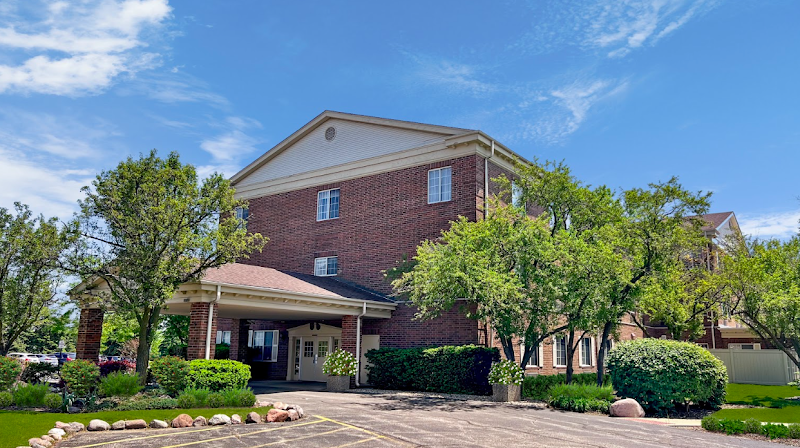
1500 SOUTH MILWAUKEE AVENUE, LIBERTYVILLE, IL 60048 (847) 816-3200
For profit - Corporation 150 Beds LEGACY HEALTHCARE Data: November 2025 1 Immediate Jeopardy citation
Trust Grade
28/100
#219 of 665 in IL
Last Inspection: September 2024

Within standard 12-15 month inspection cycle. Federal law requires annual inspections.

Overview

Avantara Libertyville has received a Trust Grade of F, indicating significant concerns about the care being provided. With a state ranking of #219 out of 665, they are in the top half of Illinois facilities, and they rank #13 out of 24 in Lake County, suggesting limited better options nearby. The facility is showing improvement, with issues decreasing from six in 2024 to three in 2025, although it still has a concerning number of total deficiencies, including one critical incident where the care of a resident was neglected, delaying potentially lifesaving treatment. Staffing levels are average, with a turnover rate of 30%, which is better than the state average, and while the facility has faced $138,991 in fines, this is considered average in context. There is adequate RN coverage, which is important for catching issues that nursing assistants might miss, but the facility has also encountered serious incidents, such as a resident falling and suffering fractures due to improper assistance during bed mobility. Overall, while there are some positive aspects, such as staffing stability and a trend of improvement, families should weigh these against the facility's serious past issues.

Trust Score
F
28/100
In Illinois
#219/665
Top 32%
Safety Record
High Risk
Review needed
Inspections
Getting Better
6 → 3 violations
Staff Stability
○ Average
30% turnover. Near Illinois's 48% average. Typical for the industry.
Penalties
✓ Good
$138,991 in fines. Lower than most Illinois facilities. Relatively clean record.
Skilled Nurses
✓ Good
Each resident gets 53 minutes of Registered Nurse (RN) attention daily — more than average for Illinois. RNs are trained to catch health problems early.
Violations
⚠ Watch
29 deficiencies on record. Higher than average. Multiple issues found across inspections.
★★★☆☆
3.0
Overall Rating
★★★☆☆
3.0
Staff Levels
★★★★☆
4.0
Care Quality
★★★☆☆
3.0
Inspection Score
Stable
2024: 6 issues
2025: 3 issues

The Good

  • 4-Star Quality Measures · Strong clinical quality outcomes
  • Full Sprinkler Coverage · Fire safety systems throughout facility
  • No fines on record
  • Staff turnover below average (30%)

    18 points below Illinois average of 48%

Facility shows strength in quality measures, fire safety.

The Bad

3-Star Overall Rating

Near Illinois average (2.5)

Meets federal standards, typical of most facilities

Staff Turnover: 30%

16pts below Illinois avg (46%)

Typical for the industry

Federal Fines: $138,991

Well above median ($33,413)

Significant penalties indicating serious issues

Chain: LEGACY HEALTHCARE

Part of a multi-facility chain

Ask about local staffing decisions and management

The Ugly 29 deficiencies on record

1 life-threatening 1 actual harm
Aug 2025 2 deficiencies 1 Harm
SERIOUS (G) 📢 Someone Reported This

A family member, employee, or ombudsman was alarmed enough to file a formal complaint

Actual Harm - a resident was hurt due to facility failures

Accident Prevention (Tag F0689)

A resident was harmed · This affected 1 resident

**NOTE- TERMS IN BRACKETS HAVE BEEN EDITED TO PROTECT CONFIDENTIALITY** Based on observation, interview, and record review the facility failed to provide bed mobility in a safe manner for 1of 7 reside...

Read full inspector narrative →
**NOTE- TERMS IN BRACKETS HAVE BEEN EDITED TO PROTECT CONFIDENTIALITY** Based on observation, interview, and record review the facility failed to provide bed mobility in a safe manner for 1of 7 residents (R1) reviewed for safety/falls in the sample of 7. This failure resulted in R1 falling from R1's bed and sustaining left and right femur fractures requiring hospitalization.Findings include:R1's Care Plan initiated 04/10/2024 shows, R1 is diagnosed with morbid obesity and generalized osteoarthritis. R1 has an activity of daily living self-care performance deficit related to general weakness, immobility, and decreased activity endurance.R1 Minimum Data Set, dated [DATE] shows, R1 is dependent on staff to roll left and right. R1's Progress Notes dated 8/12/2025 at 10:36PM, shows, Radiology Note, Results: FRACTURE OF THE PROXIMAL LEFT FEMUR.R1's Progress Notes dated 8/12/2025 at 11:50PM, resident transported to emergency room per non-emergency ambulance via stretcher.R1's Final Incident report of 08/12/2025 at 11:00AM, shows, R1 needs the assistance of staff for bed mobility . R1 requested assistance from staff to start her day. As V4 CNA assisted R1 to roll to her side R1's leg fell off the bed. V4 CNA attempted to lift R1's legs back on to the bed, due to R1's large size and V4's small size, R1 and V4 CNA fell approximately 4 feet from the bed to the floor. R1's legs crossed during the fall. Due to R1's morbid obesity, osteoarthritis, and the impact pressure of the fall, R1 sustained a left and a right femur fracture.R1's Progress Notes dated 8/13/2025 at 6:30AM, shows, called emergency room for an update on resident status . Resident is admitted with a diagnosis of Closed fracture of proximal end of left femur; closed fracture of distal end of right femur; left urethral stone.On 08/20/2025 at 10:27AM, R7 said, my roommate (R1) is in the hospital. R1 fell when the CNA-Certified Nursing Assist was providing incontinent care. It was a hard fall. R1 weighs over 300 pounds and the CNA is small. The CNA was not able to catch her. On 08/20/2025 at 12:15PM, V3 LPN-Licensed Practical Nurse said, R1's X-ray showed she broke her left and right femur bones. The CNA that was taking care of R1 rolled her leg too close to the side of the bed. The CNA tried to lift R1's leg back into the bed, but R1 had to be lowered to the ground. V3 stated when V3 went in the room R1 was sitting by the bed on the floor. R1 said, there was a POP to the right knee and later complained of left thigh pain.On 08/20/25 at 12:30PM, V4 CNA said, I was preparing R1 to get out of bed into the wheelchair. I rolled R1 from one side to the other during morning care. R1's leg fell off the side of the bed, I was not able to do anything, I tried to put her back into bed. I grabbed her waist and lowered her to floor. R1's legs crossed as we went to the floor. R1 ended up sitting on the floor with her legs crossed in a sitting position. I uncrossed them and called the nurse. We placed a sling under her and used a mechanical lift to put her back into the bed. On 08/20/2025 at 1:43PM, V2 DON-Director of Nursing said, R1's legs swung over the side of the bed. The CNA is very small. With R1's weight, combined with R1's legs being crossed as R1 went to the ground, the left and right hip fractures happened.On 08/21/2025 at 2:05PM, V5 NP-Nurse Practitioner said, R1 started slipping off the bed. R1 is morbidly obese; the CNA is small. I was notified of an audible POP to the right knee during the fall. Later R1 started complaining of left hip pain. I ordered X-rays.
CONCERN (D) 📢 Someone Reported This

A family member, employee, or ombudsman was alarmed enough to file a formal complaint

Potential for Harm - no one hurt, but risky conditions existed

Notification of Changes (Tag F0580)

Could have caused harm · This affected 1 resident

Based on interview, and record review, the facility failed to notify the physician on a resident experiencing a change in condition for 1 of 7 residents (R1) reviewed for dependent care in the sample ...

Read full inspector narrative →
Based on interview, and record review, the facility failed to notify the physician on a resident experiencing a change in condition for 1 of 7 residents (R1) reviewed for dependent care in the sample of 7. Findings include:R1's Final Incident report of 08/12/2025 at 11:00AM, shows, R1 needs the assistance of staff for bed mobility . R1 requested assistance from staff to start her day. As V4 CNA assisted R1 to roll to her side R1's leg fell off the bed. V4 CNA attempted to lift R1's legs back on to the bed, due to R1's large size and V4's small size, R1 and V4 CNA fell approximately 4 feet from the bed to the floor. R1's legs crossed during the fall. Due to R1's morbid obesity, osteoarthritis, and the impact pressure of the fall, R1 sustained a left and a right femur fracture.R1's Vital Sign record dated 08/12/2025 at 5:00PM, shows, Pain at 12:35PM, 2/10, Pain at 5:00PM, 8/10.R1's Progress Note dated 8/12/2025 at 5:46PM, shows, patient resting in bed during X-ray wait time. Continues to report left leg pain rated 8/10 on pain scale.R1's Progress Note dated 8/12/2025 at 10:21PM, shows, X-ray results received at 10:05PM, indicating left femur fracture. Medical Doctor.Nurse Practitioner.resident informed of results; continues to report left leg pain rated 8/10. Order received from Medical Doctor to transfer patient to hospital for further evaluation and management.On 08/20/2025 at 12:15PM, V3 LPN-Licensed Practical Nurse said, when I initially assessed R1 after the fall, R1 denied pain. I went back and re-assessed R1 and she complained of a low-level pain to the thigh. I provided acetaminophen and updated V5 Nurse Practitioner of the left thigh pain; an X-ray for the hip was ordered. X-ray did not arrive during my shift. I gave report to the evening shift.On 08/25/25 at 1:30PM, V5 Nurse Practitioner said, she was not notified of R1's increase in pain. The staff should have notified (V5) of R1's 8/10 pain.
Jan 2025 1 deficiency
CONCERN (F) 📢 Someone Reported This

A family member, employee, or ombudsman was alarmed enough to file a formal complaint

Potential for Harm - no one hurt, but risky conditions existed

Deficiency F0729 (Tag F0729)

Could have caused harm · This affected most or all residents

Based on observation, interview and record review the facility failed to ensure nursing assistants were certified after completing the training program. This applies to all 114 residents residing in t...

Read full inspector narrative →
Based on observation, interview and record review the facility failed to ensure nursing assistants were certified after completing the training program. This applies to all 114 residents residing in the facility. Findings include: The facility Data Sheet dated 01/14/25 shows 114 residents residing in the facility. On 01/14/25 at 10:43 AM, V7 (Certified Nursing Assistant-in training) was observed working on the 2nd floor. She was leaving a resident's room. Her name tag stated CNA. V7 said she's been working at the facility for about 1.5 years and floats throughout the facility. She said she went to school for her CNA training and she's is a CNA. She said she completed the training a 2nd time about three months ago. V7 said she has her own resident assignment. On 01/14/25 at 11:52 AM, V2 (Director of Nursing) said we do not employ staff that are not licensed, there is window once a CNA has completed the training and have 120 days to take their test and pass. If they don't, they are removed from the schedule. V2 said there is one male staff who has completed the training and is schedule to take his test. She is not aware of any other staff who have not tested and who are not certified. On 01/14/24 at 11:58 AM, V6 (Human Resources) said staff who are in the CNA program have 120 days to pass their test after their class is completed. They can do all the duties as a CNA under the supervision of the nurse and have their own patient assignment. V7 did not pass her test and is taking the test again, V8 (CNA) just passed her test and is certified. On 01/14/25 at 2:00 PM, V1 (Administrator) and V2 (DON) confirmed V8's start date of 8/14/23 and V9's start date of 8/15/23. V2 said she was not aware of V8 not passing her test and confirmed she was aware of V9 not passing her test and was placed as activity aide until she passed her test. V8's Basic Nursing Assistant Training Program certificate dated October 7, 2024, to November 9, 2024. V8's undated Health Care Worker Registry showed Certification Program Information: Date training successfully completed 8/12/23 and 11/9/24. Date of Competency Evaluation: 12/11/23 (F-Fail), 01/06/25- F2. The registry shows V8 as unlicensed Health Care-Certified Nurse Aide. V9's Basic Nursing Assistant Training Program certificate dated October 7, 2024, to November 9, 2024. V9's undated Health Care Worker Registry showed Certification Program Information: Date training successfully completed. 05/6/23 and 11/9/24. Date of Competency Evaluation: 7/05/23 (F1), 12/10/23 (NS) and 12/16/24 (P). There was no evidence provided of V9's schedule regarding the timeframe when she was pulled from direct care. The facility's schedule from 01/01/25 to 01/14/25 showed V8 worked as a CNA 11 out of 14 days. The facility did not provide a policy on Health Care Worker Registry Check.
Sept 2024 6 deficiencies
CONCERN (D)

Potential for Harm - no one hurt, but risky conditions existed

Pressure Ulcer Prevention (Tag F0686)

Could have caused harm · This affected 1 resident

Based observation, interview, and record review, the facility failed to ensure pressure relieving interventions were in place for 2 of 5 residents (R106 and R30) reviewed for pressure injury in the sa...

Read full inspector narrative →
Based observation, interview, and record review, the facility failed to ensure pressure relieving interventions were in place for 2 of 5 residents (R106 and R30) reviewed for pressure injury in the sample 24. The findings include: 1. On 09/23/24 at 09:35 AM, R106 was in bed. Hanging on the foot board of the bed was an air mattress pump. The orange standby light was lit up on the air mattress pump. The light next to On was not lit up. R106's Care Plan showed she was at risk for developing a pressure injury. Listed under interventions was to check air mattress for proper functioning. 2. On 09/23/24 at 10:25 AM, R30 was in bed. Hanging on the foot of the bed was an air mattress pump. The lights on the pump were not lit up. The air mattress pump's power cord was not plugged into an outlet. R30's care plan showed R30 had cerebral palsy, paraplegia, limited mobility, and was at risk for skin alterations. Listed under interventions was to check air mattress for proper functioning. On 09/24/24 at 11:04 AM, V12 (Wound Care Nurse) said R106 and R30 are at risk for pressure injuries. V12 said air mattresses are a pressure relieving intervention, and R106 and R30 should have working air mattresses.
CONCERN (D)

Potential for Harm - no one hurt, but risky conditions existed

Incontinence Care (Tag F0690)

Could have caused harm · This affected 1 resident

Based on observation, interview, and record review, the facility failed to provide catheter care to prevent urinary tract infection to 1 of 6 residents (R113) reviewed for catheter care in the sample ...

Read full inspector narrative →
Based on observation, interview, and record review, the facility failed to provide catheter care to prevent urinary tract infection to 1 of 6 residents (R113) reviewed for catheter care in the sample of 24. The findings include: On 9/23/24 at 10:05 AM, V14 (Certified Nursing Assistant-CNA) provided catheter care to R113. V14 (CNA) removed R113's incontinent pad, then took disposable wipes and wiped R113's perineal area, then applied a new incontinent brief. V14 did not provide any cleansing to R113's catheter tubing, and did not provide any cleansing to R113's frontal area/genitals area. On 9/24/24 at 9:40 AM, V2 (Director of Nursing) said staff should provide thorough incontinence care, including the catheter tubing when providing pericare to prevent infection. R113 has history of UTIs (urinary tract infections). The facility policy entitled Urinary Catheter. 16. For male residents Use wash cloth with warm waster and soap to cleanse around the meatus .17. Use clean washcloth with warm water and soap to cleanse and rinse the catheter from insertion site to approximately four inches outward.
CONCERN (D)

Potential for Harm - no one hurt, but risky conditions existed

Deficiency F0744 (Tag F0744)

Could have caused harm · This affected 1 resident

Based on observation, interview, and record review, the facility failed to provide individualized activities for a resident with dementia for 1 of 3 residents (R76) reviewed for dementia care in the s...

Read full inspector narrative →
Based on observation, interview, and record review, the facility failed to provide individualized activities for a resident with dementia for 1 of 3 residents (R76) reviewed for dementia care in the sample of 24. The findings include: R76's facility assessment, dated 7/19/24, show R76 is severely cognitively impaired. R76's electronic medical record shows R76 has diagnosis of dementia. R76's care plan, dated 2/18/24, shows, (R76) demonstrate movement behavior of wandering, pacing or roaming. Intervention include: remain safely engaged in activity focused care, a meaningful intervention or social interaction. Engage (R76) with walking movement/keeping busy/exercise program. On 9/23/24 during the initial tour on 2nd floor, R76 was noted to be walking and pacing aimlessly from her room towards the nurses station, then by the elevator, then back to the nurses station then hallways. R76 was being repeatedly told to go back to her room. There was no activity being provided to R76. On 9/23/24 at 10 AM, R76 was coming out form her room. V15 (Certified Nursing Assistant-CNA Supervisor) went to R76 and said, You need to go back to your room. At 11 AM, R76 was coming out of her room. V11 (Infection Control Nurse) hurriedly went to R76, provided her a walker and redirected R76 to her room. R76 continued to walk around the nurses station, then near the elevator, then to her room. R76 would sit down in her bed for a short time then wander again. At 12:15PM, R76 was coming out of her room. V14 (CNA) said to R76, Stay in your room. The facility presented this surveyor the Activity Calendar for September 2024 that shows (All ) Activities on 3rd floor. There were no staff noted to bring R76 to 3rd floor on 9/23/24 (Monday) On 9/24/24 at 9:20 AM, R76 was walking towards an office on 2nd floor. V15 again told R76 to go back to her room. R76 continued to wander from her room to the nurses station. At 10 AM, R76 was in her room sitting in her bed watching TV. R76 said, Hi, hello, and thank you, then got up and took her walker and walked towards the nurses station. At 12:50 PM, V16 (Licence Practical Nurse/LPN) said, This is (R76's) routine, being redirected all day. (R76) paces and wanders back and forth. Due to dementia, (R76) rarely speaks in English, and now speaks in Russian. Both V16, LPN, and V15 (CNA Supervisor) confirmed all the facility activities were done on 3rd floor. There was no activity being provided to R76 at this time. At 1:40 PM, V16 (LPN), V17 and V10 (both CNAs) were all trying to redirect R76 from the elavator to go to her room. On 9/24/24 at 2PM, V20 (R76's husband) said he tries to come everyday, weather permitting, to visit R76. V20 said R76 used to work in the beauty department that provided facial and skin treatments. (R76) loves to talk about those things. R76's Activity Assessment, dated 7/26/2,4 under behaviors of wandering, leaves area -NO The same Activity Assessment under past and present interests listed family contact and watching TV (did not include R76's interests with beauty treatments per husband.) On 9/24/24 at 9:45 AM, V1 (Administrator) V2 (Director of Nursing) and V18 (Activity Director) said they are in the process of working together to provide activities to R76, who has dementia. The Facility Policy entitled Dementia Care undated shows, 3.Therapeutic diversional activities are provided consistent to the residents level of functioning, individualized activity preferences consistent to interests and costumary routines. Activities are provided either in a small groups or 1:1 setting in accordance to the level of functioning and level of activity performance.
CONCERN (E)

Potential for Harm - no one hurt, but risky conditions existed

Quality of Care (Tag F0684)

Could have caused harm · This affected multiple residents

**NOTE- TERMS IN BRACKETS HAVE BEEN EDITED TO PROTECT CONFIDENTIALITY** Based on observation, interview, and record review, the facility failed to obtain weights as ordered for residents with congesti...

Read full inspector narrative →
**NOTE- TERMS IN BRACKETS HAVE BEEN EDITED TO PROTECT CONFIDENTIALITY** Based on observation, interview, and record review, the facility failed to obtain weights as ordered for residents with congestive heart failure (CHF) for 4 of 24 residents (R38, R66, R244, and R11) reviewed for quality of care in the sample of 24. The findings include: 1. R38's Face Sheet showed R38 had the diagnosis of CHF. R38's Order Summary Report showed an order for weekly weights to be done on Friday mornings, starting on 8/9/24 R38's Weights and Vitals Summary showed there were no weekly weights for the week of 8/9/24, 8/23/24, 8/30/24, and 9/20/24. R38's Medication Administration Record and Treatment Administration Record did not have any recorded weights. On 09/24/24 at 12:07 PM, R38 said she gets weighed once every few weeks. 2. R66's Face Sheet showed R66 had the diagnosis of CHF. R66's Orders showed an order for daily weights. R66's Weight and Vitals Summary and Treatment Administration Record for 9/1/24-9/23/24 showed missing daily weights for 9/4/24, 9/6/24, 9/7/24, 9/9/24, 9/10/24, 9/15/24, 9/16/24, 9/17/24, 9/18/24, 9/21/24and 9/23/24. On 09/24/24 at 12:09 PM, V13 (Licensed Practical Nurse) said, For residents with CHF, weights are typically done weekly or daily depending on the orders, and weights are done to monitor for fluid gain. V13 added, Weights should be done as ordered. 3. R224's admission Record shows she was admitted to the facility on [DATE], with diagnoses including acute on chronic diastolic congestive heart failure, malnutrition, acute pulmonary edema, acute respiratory failure with hypoxia, and dyspnea. R244's After Visit Summary from the local hospital, dated 9/9/24 shows, Daily weight. R224 was admitted to the local hospital prior to admission to the facility with a diagnosis of acute on chronic congestive heart failure. R244's Order Summary Report, dated September 9/24/24 shows an order entered on 9/15/24 for weight upon admission/readmission, weekly x 4 then monthly. R244's Weights and Vitals Summary shows R244 was weighed on 9/15/24 and 9/23/24. There were no daily weights noted in R244's electronic medical record. R244's Care Plan, initiated 9/18/24, shows R244 is at risk for altered cardiovascular functioning related to congestive heart failure.Obtain labs and weights as ordered. 4. R11's admission Record shows she was admitted to the facility on [DATE], with diagnoses including chronic diastolic congestive heart failure, acute kidney failure, and presence of prosthetic heart valve. R11's Order Summary Report, dated 9/24/24 shows an order was entered on 9/3/24 to monitor weight daily before breakfast. Notify MD of a two pound weight gain in one day or five pound weight gain in one week. R11's Weights and Vitals Summary shows R11 has only been weighed on 9/3/24. On 9/25/24 at 9:47 AM, V9, RN (Registered Nurse), said residents that have congestive heart failure should be weighed everyday so the staff know if the residents are retaining fluid. A weight gain could signify a congestive heart failure exacerbation. V9 said the doctor is notified if a resident has a weight gain.
CONCERN (E)

Potential for Harm - no one hurt, but risky conditions existed

Infection Control (Tag F0880)

Could have caused harm · This affected multiple residents

**NOTE- TERMS IN BRACKETS HAVE BEEN EDITED TO PROTECT CONFIDENTIALITY** 4. On 09/25/24 at 09:35 AM, R66 was in bed. R66 had an intravenous access in his right upper arm. R66 also had dressings to his ...

Read full inspector narrative →
**NOTE- TERMS IN BRACKETS HAVE BEEN EDITED TO PROTECT CONFIDENTIALITY** 4. On 09/25/24 at 09:35 AM, R66 was in bed. R66 had an intravenous access in his right upper arm. R66 also had dressings to his feet. There was no Enhanced Barrier Precautions sign outside of R66's room. On 09/23/24 at 12:59 PM, V19 (Certified Nursing Assistant) repositioned R66 in bed by placing her hands on R66's shoulders and moved him to the center of the bed. V19 did not have on any personal protective equipment (no gloves or gown) while repositioning R66. There was still no Enhanced Barrier Precaution signs outside of R66's room. On 09/24/24 at 11:00 AM, V11 (Infection Control Nurse) said, Any resident with an implanted medical device or wounds should be on enhanced barrier precautions. Staff were to wear gloves and gowns when providing high contact care. Repositioning a resident is considered high contact care. Staff know what residents are on Enhanced Barrier Precautions by a sign outside of the resident's room. R66's orders showed R66 had an implanted medical device of an intravenous access. On 09/24/24 at 11:04 AM, V12 (Wound Care Nurse) said R66 had wounds to his legs. The facility's Enhanced Barrier Precaution policy showed enhanced barrier precautions involves the use of gowns and gloves to reduce the transmission of resistant organisms during high contact resident care activities for residents known to be colonized or infected with multidrug-resistant organism as well as residents with wounds and/or indwelling medical devices. Enhanced barrier precautions require the use of gown and gloves during high-contact resident care activities that provide opportunities for transfer of extensively drug resistant organisms to staff hands and clothing. The same policy showed providing device care/use is considered a high-contact care activities. Based on observation, interview, and record review, the facility failed to wear PPE (Personal Protective Equipment) for residents with Enhanced Barrier Precautions (EBP), failed to place a resident on Enhanced Barrier Precautions, and failed to change their gloves and perform hand hygiene in a manner to prevent cross contamination for four of 24 residents (R233, R232, R113, R66) reviewed for infection control in the sample of 24. The findings include: 1. R233's admission Record shows he was admitted to the facility on [DATE], with diagnoses including Gout, malignant melanoma of skin, heart failure, pneumonia, end stage renal disease, bacteremia, and gastrostomy status. On 9/24/24 at 9:37 AM, R233 had a sign on his door that showed Enhanced Barrier Precautions. V5, RN (Registered Nurse), went into R233's room to administer medications via R233's PEG (Percutaneous Endoscopy Gastrostomy) tube. V5 did not wear a gown. On 9/25/24 at 9:47 AM, V9, RN, said gown and gloves should be worn in a residents room with Enhanced Barrier Precautions when administering medications via PEG tube. V9 said the gown and gloves are worn to protect the resident from infections. 2. R232's Order Summary Report, dated 9/24/24, shows he was admitted to the facility on [DATE], with diagnoses including cellulitis of right lower limb, acute kidney failure, emphysema, local infection of the skin, and specified soft tissue disorder. R232's Care Plan, initiated 9/17/24,shows R232 is on Enhanced Barrier Precautions due to the presence of bilateral lower extremity wounds. On 9/23/24 at 9:53 AM, V3 and V4, CNAs (Certified Nursing Assistants), provided peri care for R232. There was urine and stool in R232's incontinence brief. V4, CNA, wiped R232's front peri area, then touched R232's body to help him to turn onto his right side. V4 then wiped R232's buttocks, removed R232's dirty sheets, placed clean sheets onto R232's bed, placed R232's clean brief on him, and touched R232's bed controls. V4 did not change her gloves or perform hand hygiene. On 9/25/24 at 9:46 AM, V8, CNA, said, Gloves should be changed after you touched a dirty incontinence brief and before you touch clean items so that the dirty is not transferred onto clean items. The facility's Hand Hygiene Policy, revised 7/30/24, shows, Hand hygiene is important in controlling infections. Hand Hygiene using alcohol based hand rub is recommended during the following situations: Before moving from work on soiled body site to a clean body site on the same resident. 3. R113's careplan, dated 6/1/24, shows, (R113) is on EBP due to presence of indwelling catheter with interventions that include: ensure that gown and gloves are used during high-contact resident care activities like .changing briefs, or assisting in toileting, .device care-urinary catheter. R113's door had a sign posted that show, STOP, Enhance Barrier Precaution (EBP) . Everyone must: .Wear gloves and gown for the following High Contact Resident Care Activities: Changing brief, device care use .urinary catheter. On 9/23/24 at 10:05 AM, V14 (CNA) entered R113's room with just gloves on, and emptied R113's catheter bag. Then V14 proceeded to provide incontinence care and catheter care to R113, again just wearing gloves. When it was time to transfer R113 to his wheelchair, V15 (CNA Supervisor), wearing gloves and gown, handed a gown to V14. V14 stated, What is this for? I thought (R113) was just an a regular isolation.
CONCERN (F)

Potential for Harm - no one hurt, but risky conditions existed

Food Safety (Tag F0812)

Could have caused harm · This affected most or all residents

Based on observation, interview, and record review, the facility failed to store and prepare food in a sanitary manner. This has the potential to affect all 122 residents residing in the facility. Th...

Read full inspector narrative →
Based on observation, interview, and record review, the facility failed to store and prepare food in a sanitary manner. This has the potential to affect all 122 residents residing in the facility. The findings include: The CMS 671 form, dated 9/23/24, list the resident census as 122. On 9/23/2024 at 10:10AM, small white circular containers were seen unlabeled in the freezer. Frozen pizza was observed in the corner of the freezer in an open box, uncovered, and open to air. On 9/24/2024 at 10:55AM, V6, Cook, was observed using a spatula to scoop taco meat into the blender to puree. V6 set the spatula down in a strainer pan over the sink that was visibly soiled with yellow, white, and brown food debris. V6 then removed the spatula in the strainer and used it to scoop rice out of a pan into the blender. On 9/23/2024 at 11:40AM, V7, Dietary Director, said, Foods should be prepared and labeled with the date. This way staff know when it was made and when to toss it out. Foods should be covered in the freezer. On 9/24/2024 at 12:29PM, V7 said a spatula that has touched a dirty surface shouldn't be placed back into food for residents. V7 said residents are placed at risk for food borne illnesses from being contaminated with bacteria. The facility's Kitchen policy, revised 7/23/2023, states, refrigerated food should be covered, dated, labeled and shelved to allow air circulation. The facility's Food Handling policy, revised 7/26/2024, states, This facility recognizes that the critical factors implicated in foodborne illness are contaminated equipment.
Dec 2023 1 deficiency
CONCERN (D) 📢 Someone Reported This

A family member, employee, or ombudsman was alarmed enough to file a formal complaint

Potential for Harm - no one hurt, but risky conditions existed

Pressure Ulcer Prevention (Tag F0686)

Could have caused harm · This affected 1 resident

Based on observation, interview, and record review, the facility failed to ensure treatments were completed as ordered for a resident with pressure injuries for 1 of 3 residents (R2) reviewed for pres...

Read full inspector narrative →
Based on observation, interview, and record review, the facility failed to ensure treatments were completed as ordered for a resident with pressure injuries for 1 of 3 residents (R2) reviewed for pressure in the sample of 3. The findings include: R2's Physician Orders (POS), dated 12/1/23, shows sacrum wound: cleanse with normal saline, pat dry, apply silver gel, cover with bordered foam dressing every day shift and as needed. The same POS shows an order dated 12/14/23 for sacrum wound: cleanse with normal saline, pat dry, apply santyl ointment to wound bed, cover wound bed with calcium alginate, cover with bordered foam dressing every day shift and as needed. R2's Wound Nurse Practitioner Noted, dated 12/11/23, shows sacrum pressure treatment recommendations: 1. cleanse with normal saline 2. apply santyl and calcium alginate to base of the wound. 3. secure with bordered foam. 4. change daily and as needed. R2' Progress Note, dated 12/14/23, at 8:15 AM, shows patient urinary catheter was removed in the morning at 5:30 AM because it was leaking and tried to reinsert it, but it failed, no urine retained. On 12/14/23 at 9:34 AM, R2 was in bed finishing breakfast. R2 said she had a wound on her bottom that she got in the hospital. R2 said she was not sure if there was a dressing on her wound or not, because she had a big mess overnight. R2 said her catheter was leaking everywhere and they had to clean her up. R2 said everything was saturated including her gown and the bedding under her, so they cleaned her up and got new bedding. R2 said the Certified Nursing Assistant (CNA) cleaned her up and the nurse took out the catheter and was having trouble putting in a new catheter, so they just put a brief on her. R2 said the nurse told her the wound nurse would change the dressing later that morning. R2 said this was around 5:00 AM that all this happened. At 9:45 AM, V5, CNA, assisted R2 to roll to her side and lowered R2's incontinence brief. R2's dressing was so saturated it was unattached and fell off into the incontinence brief, which contained urine and stool. R2's dressing was completely saturated with bloody brownish material. R2's wound had stool in it. V5 cleaned R2, and V3, Registered Nurse, changed R2's dressing. V3 said the nurse should have changed the dressing this morning when they cleaned R2 up from her catheter leaking. V3 cleaned the wound with normal saline and applied silver gel, and then a bordered foam dressing. On 12/14/23 at 11:37 AM, V5, Wound Care Director, said R2 has an unstageable sacral wound. V5 said if a dressing is saturated or falling off, the dressing needs to be changed as soon as possible. V5 said there is a risk for infection in the wound if a dressing is saturated with urine and or stool and not changed right away. V5 said the nurse should have changed the dressing herself, and not waited for the wound care nurse to do it later. V5 said R2's treatment order changed when the wound doctor saw her on 12/11/23 to santyl and calcium alginate to wound and cover with dressing. V5 said R2's previous treatment was the silver gel, and she had forgot to put the new treatment order in the computer. The facility's Pressure Ulcer Policy, dated 3/23 shows, to provide care and services to prevent pressure injury development and to promote the healing of pressure injuries/wounds that are present.
Nov 2023 5 deficiencies
CONCERN (D)

Potential for Harm - no one hurt, but risky conditions existed

Deficiency F0645 (Tag F0645)

Could have caused harm · This affected 1 resident

**NOTE- TERMS IN BRACKETS HAVE BEEN EDITED TO PROTECT CONFIDENTIALITY** Based on observation, interview, and record review, the facility failed to provide R79 with a PASRR (Preadmission Screening and ...

Read full inspector narrative →
**NOTE- TERMS IN BRACKETS HAVE BEEN EDITED TO PROTECT CONFIDENTIALITY** Based on observation, interview, and record review, the facility failed to provide R79 with a PASRR (Preadmission Screening and Resident Review) thirty days after admission for one of seven residents (R79) reviewed for Preadmission Screening for individuals with a mental disorder in the sample of twenty. The findings include: R79's admission Record on 11/08/23 at 1:01PM, shows R79 was admitted to the facility on [DATE]. R79's Physician's Orders on 11/08/23 at 1:02PM, shows, Diagnoses: schizoaffective disorder, bipolar type. Sertraline hydrochloride for depression related to schizoaffective disorder. R79's PASRR level One performed 07/07/2023 shows, Exempted Hospital Discharge, physician documented that he requires 30 days or less of nursing facility care. Mental Health Medications: olanzapine 15 milligrams daily, Diagnosis: schizoaffective disorder. Exempt Hospital Discharge 30-day approval- A 30 day or less stay in the nursing facility is authorized. Re-screening must occur by or before the 30th day if the individual is expected to remain in the nursing facility beyond the authorization timeframe. On 11/08/23 at 12:03PM, R79 was lying in bed watching television. On 11/08/23 at 11:00AM, V13, admission Director, said, (R79) was admitted for shortness of breath, there was no mention from the hospital that he needed psychiatric care. (R79) did not trigger for psychiatric care. On 11/08/23 at 12:03PM, R79 said, I was diagnosed with schizoaffective disorder a couple of years ago. I was seeing things that were not there. I have not seen a psychiatrist while I have been in the facility. I see the Nurse Practitioner for my leg pain. On 11/08/23, R79's Medical Record did not show R79 received specialized psychiatric care between 07/07/23 to 11/08/23. There was no level one PASRR re-screen with-in 30 days after admission, or a referral for a level two PASRR screen between 30-40 days after admission. The facility did not provide documentation for a PASRR Level One re-screen or a PASRR Level Two for R79 upon request. The facility's PASRR policy, revised 07/24/23, shows, .residents with mental disorder .will receive PASRR Screening within the timeframe allowed.
CONCERN (D)

Potential for Harm - no one hurt, but risky conditions existed

Pressure Ulcer Prevention (Tag F0686)

Could have caused harm · This affected 1 resident

**NOTE- TERMS IN BRACKETS HAVE BEEN EDITED TO PROTECT CONFIDENTIALITY** Based on observation, interview, and record review, the facility failed to ensure pressure reducing interventions were in place ...

Read full inspector narrative →
**NOTE- TERMS IN BRACKETS HAVE BEEN EDITED TO PROTECT CONFIDENTIALITY** Based on observation, interview, and record review, the facility failed to ensure pressure reducing interventions were in place for a resident which applies to 1 of 8 residents (R78) reviewed for pressure wounds in a sample of 23. The findings include: R78's Facility Assessment, dated 10/18/23, showed R78 is a [AGE] year old female, whom is dependent on staff for mobility care concerns, and at risk for developing pressure injuries. R78's Braden Assessment, dated 10/24/23, showed R78 to be at high risk for developing pressure injuries. On 11/6/23 at 9:55 AM, R78 was in bed watching television. R78's heels were resting on the mattress with her feet pressed against the footboard. R78 had no offloading devices in place (pillows or boots), and the pump to R78's air mattress was in standby mode. On 11/7/23 at 9:30 AM, V8, Certified Nursing Assistant, stated, When you push the standby button turns the pump on/off without turning the power off. When the yellow light is on the air pump is not on. The pump should be on when the residents are in bed. On 11/8/23 at 11:00 AM, V7, Wound Nurse, stated, (R78) had skin issues when she was admitted . (R78) has a non-open area on her leg and dry skin on her heels we need to keep an eye on. R78's Careplan, dated 10/25/23, showed an intervention for skin integrity included: off-loading bilateral heels when in bed as tolerated every shift and PRN (as needed).
CONCERN (D)

Potential for Harm - no one hurt, but risky conditions existed

Pharmacy Services (Tag F0755)

Could have caused harm · This affected 1 resident

Based on observation, interview, and record review, the facility failed to ensure medications were administered according to standards of practice for 1 of 23 residents (R84) reviewed for pharmacy ser...

Read full inspector narrative →
Based on observation, interview, and record review, the facility failed to ensure medications were administered according to standards of practice for 1 of 23 residents (R84) reviewed for pharmacy services in the sample of 23. The findings include: On 11/6/23 at 9:32 AM, R84's over bed table was next to his bedside. On the over bed table was a white container that was open with a white pill inside of it. There was also an inhaler sitting on the bedside table. R84 said he wasn't sure what the pill was, but someone left the medications in his room for him to take, and he dropped the white pill, so he left it. On 11/7/23 at 8:59 AM, the medication and inhaler were still present on R84's over bed table. V4 (Registered Nurse/RN) went into the room with the surveyor and asked R84 about the medications. R84 said the medications were in the room for about 2 weeks. On 11/7/23 at 9:00 AM, V4 said someone should have supervised R84 take the medications, as he is not able to self-administer them without an assessment and a physician order. V4 looked up the white pill inside R84's container and identified it as Metoprolol Tartrate; a blood pressure medication. R84's active physician order summary shows he has an order for Metoprolol Tartrate 25 milligrams (mg.) by mouth 2 times a day, with parameters to hold the medication if his blood pressure is less than 100/60. The order summary also shows R84 has an order to receive Fluticasone-Umeclidin-Vilant inhaler 1 puff 1 time a day for shortness of breath. R84's order summary shows an order was added on 11/7/23, after the medications were left at the bedside for him to self-administer the Fluticasone-Umeclidin-Vilant. The facility provided Medication Pass policy, revised on 7/28/23, shows medications should be passed according to federal and state regulations and standards of practice.
CONCERN (E)

Potential for Harm - no one hurt, but risky conditions existed

Safe Environment (Tag F0584)

Could have caused harm · This affected multiple residents

Based on observation, interview, and record review, the facility failed to ensure resident rooms and environment were clean and home like for 6 of 23 residents (R69, R54, R84, R16, R59 and R17) review...

Read full inspector narrative →
Based on observation, interview, and record review, the facility failed to ensure resident rooms and environment were clean and home like for 6 of 23 residents (R69, R54, R84, R16, R59 and R17) reviewed for homelike environment in the sample of 23. The findings include: On 11/6/23 at 9:32 AM, R84's room was noted to have a strong foul smelling odor. On the floor and in his bed were multiple Styrofoam cups, straws, and wrappers. His bedside table base had a thick substance caked onto it with hair stuck to it. The floor was very dirty with pieces of dried food and wrappers on it. On 11/7/23 at 8:59 AM, R84's room was in the same condition a foul odor, dirty floor and sticky bedside table and his bottom sheet was also noted to be stained with what appeared to be spilled liquid. On 11/6/23 at 10:00AM and 11/7/23 at 9:05AM, the floor of R16's and R59's room was covered with trash, used tissues, used food containers, food wrappers, a clean brief, plastic wrappers and an empty box of gloves. On 11/7/23 at 9:05AM, R16 stated she thought housekeeping had been in already. On 11/6/23 the floor around the bed in R17's room was covered with used, dirty tissues. Again on 11/7/23, the R17's floor was covered with used, dirty tissues. On 11/6/23 at 10:14 AM, R54's room had lots of spots on the floor where dried food was caked on it, and areas on the floor that were very sticky with what appeared to be spilled liquids. On 11/6/23 at 10:28 AM, the garbage can inside R69's room was completely full with garbage spilling out onto the floor. In reference to the garbage can R69 said, I don't know what they do around here. On 11/7/23, the carpet in the third floor hallway was covered with small pieces of white debris and on the tile floor around the nurse's station and in front of the elevator there were several spots of orange, sticky- looking fluid. On 11/7/23 at 8:45 AM, V4 (Registered Nurse/RN) stated, Housekeeping is here every day but when they leave at 3:00-4:00 PM it is hard for them to catch up in the morning. Nursing tries to help but we can only do so much. On 11/7/23 at 8:35 AM, V5 (Housekeeping) said the facility is short of housekeeping staff, and as a result, they cannot keep up with all the duties. She said the housekeepers are supposed to mop and empty garbage in resident rooms daily, but that is not always done. V5 said she tries to at minimum spot mop resident rooms. The facility provided General Housekeeping policy, revised on 9/29/23, said the facility will ensure the resident rooms will be kept clean, orderly, sanitized and mopped.
CONCERN (F)

Potential for Harm - no one hurt, but risky conditions existed

Food Safety (Tag F0812)

Could have caused harm · This affected most or all residents

Based on observation, interview, and record review, the facility failed to distribute and serve food in accordance with professional standards for food safety. This has the potential to affect all 100...

Read full inspector narrative →
Based on observation, interview, and record review, the facility failed to distribute and serve food in accordance with professional standards for food safety. This has the potential to affect all 100 residents residing in the facility. The findings include: The Facility Data Sheet dated 11/6/23 shows an in-house census of 100. On 11/6/23 at 12:02PM, V11, Cook, was observed moving his glasses around on the countertop, cleaning up scraps of paper on the counter, and putting them in the trash while plating residents' food for lunch. V11 did not change his gloves or wash his hands between touching his glasses and scraps of paper, before returning to plating food. On 11/6/23 at 12:02PM, V12, Dietary Aide, was observed putting silverware on trays for residents. V12 dropped a fork on the ground. V12 picked up the fork and placed it back on top of the silverware cart near the clean silverware and creamer packets. V12 did not wash his hands after picking up the fork off of the ground before returning to placing silverware on residents trays. On 11/6/23 at 12:57PM, V10, Food Service Director, said items that touch the floor should be discarded or sanitized, and are considered contaminated. V10 said contaminated items should not be placed near clean items. V10 said after touching contaminated items, gloves must be changed, and hands must be washed before returning to food prep. The facility's Kitchen policy, revised on 7/23/23, states, The facility will comply with state and federal regulations in operating facility's kitchen.
May 2023 2 deficiencies 1 IJ
CRITICAL (J) 📢 Someone Reported This

A family member, employee, or ombudsman was alarmed enough to file a formal complaint

Immediate Jeopardy (IJ) - the most serious Medicare violation

Quality of Care (Tag F0684)

Someone could have died · This affected 1 resident

**NOTE- TERMS IN BRACKETS HAVE BEEN EDITED TO PROTECT CONFIDENTIALITY** Based on interview and record review, the facility failed to identify a resident's significant change in condition; failed to as...

Read full inspector narrative →
**NOTE- TERMS IN BRACKETS HAVE BEEN EDITED TO PROTECT CONFIDENTIALITY** Based on interview and record review, the facility failed to identify a resident's significant change in condition; failed to assess a resident with a significant change in condition; and failed to notify a resident's provider of a change in condition; resulting in delay of potential lifesaving care to 1 of 3 (R2) residents reviewed for death in the sample of 12. The Immediate Jeopardy began on 2/17/23 at 3:00 PM when R2 was unresponsive. V1, Administrator, was notified of the Immediate Jeopardy on 5/23/23 at 10:50 AM. They surveyor confirmed by interview and record review that the Immediate Jeopardy was removed on 5/23/23, but noncompliance remains at Level Two because additional time is needed to evaluate the implementation and effectiveness of the in-service training. The findings include: R2's admission Record (Face Sheet) showed an admission date of 2/14/23. R2's Face Sheet showed diagnoses to include but not limited to: achalasia (Achalasia is a rare disease in which food passage from the mouth to the stomach is disturbed.), gastric reflux disease, protein-calorie malnutrition, and diabetes. On 5/17/23 at 10:45 AM, V13, R2's Daughter and facility employee, stated R2 was admitted to the facility following a hospital stay. V13 stated R2 was vomiting and not eating at home, which lead to her subsequent hospital admission and having a feeding tube placed. V13 stated her mother was a Full Code (If R2's breathing or heart stopped, lifesaving interventions should be initiated.) R2's History and Physical (H&P), dated 2/15/23, (dictated 2/15/23 at 9:29 AM by V16, Medical Director/R2's physician) showed R2 .for 5 weeks prior to her admission was experiencing bouts of vomiting, which was worsening. She was experiencing frequent bouts of emesis (vomiting) despite taking [nausea medication]. The H&P showed She is feeling poorly and that she is nauseated .She is breathing well. The H&P showed, this is a middle-aged elderly female, currently in no acute distress. R2's Skilled Note from 2/15/23 at 7:25 AM showed, Resident has been nauseous and vomiting through shift. Resident on continuous feeding .resident also refused the TB (Tuberculosis) test, stating 'She got the shot .' R2's Social Service Note from 2/15/23 at 2:34 PM showed, .patient was alert and oriented . R2's Social Service Note from 2/16/23 at 2:06 PM showed, .patient cooperated in the evaluation even though she was feeling nauseated . R2's 2/17/23 Physician Note (time of visit not indicated. Note was dictated 2/17/23 at 11:40 AM.) The patient is awake and alert, but continues to have emesis. We changed her feeding to now 18 hours a day to see if that will help better tolerate the feedings. The note stated the emesis was foul smelling. R2's Skilled Noted from 2/17/23 at 3:03 PM, showed, pt (patient) extremely lethargic and not responding to external stimuli. [V16,Medical Director/Doctor of Osteopathy/R2's physician] notified. Ordered to hold morphine [for] 6 hours and changed the morphine order to q6h prn (every 6 hours as needed). Orders carried out. Patient stable at this time. (Note authored by V23, Registered Nurse.) R2's Order Summary Report (Physician Order Sheet, POS) showed an order for Morphine (narcotic pain medication) 10 milligrams per 0.5 milliliters solution and to administer 0.75 milliliters via her feeding tube every 4 hours for pain for 7 days. This order was started on 2/15/23. The POS showed the order was changed to as needed on 2/17/23. R2's Diagnostic Note from 2/17/23 at 6:59 PM showed, cxr & kub (chest X-ray and kidney, ureter, bladder X-ray) results relayed to [V16.] R2's Skilled note from 2/18/23 at 8:24 AM (this note followed R2's 2/17/23 6:59 PM note; no other notes between), showed, The writer took a report from the night shift nurse saying that pt (patient) wasn't responding, and pt is gurgling. RN (Registered Nurse) check on the pt O2 71 (oxygen saturation 71 percent), put on non-rebreather (mask used to supply high concentrations of oxygen) went up to 76, BP (Blood-pressure) 73/57, T (temperature) 97.5, R 30 (Respiratory Rate 30 breaths per minute) Pt is non-responsive, not reactive to chest rub. Spoke to pt's daughter, explained the situation, pt's condition, okay to send her out. It was explained they take the pt to the closest ED (Emergency Department) at [local area hospital.] (Note authored by V22, Registered Nurse/RN) R2's Skilled Note from 2/18/23 at 8:34 AM showed, Per staff the last time they saw pt responding was last night. (Authored by V22, Registered Nurse/RN) R2's Skilled note from 2/18/23 at 1:58 PM showed, Call to [local area hospital] to get updates on pt, pt coded (heart and breathing stopped) at the hospital. R2's local area hospital records showed, [R2] is a [AGE] year old female who presents to the ED from [the facility] for being unresponsive when staff went to wake her up from sleep at 8 am. Last known well 11 pm when she went to bed. Per EMS (Emergency Medical Services) she was GCS 3 (Glasgow Coma Scale - A test to indicate consciousness. A score of 3 indicates she did not open her eyes to pain of verbal stimuli; she was non-verbal; and her motor function did not respond to painful stimulus.) They attempted intubation (oral airway) but she vomited and aspirated (went into her lungs.) The hospital records showed, Patient had CT (CAT scan) brain no bleed. After return she became bradycardic (slow heart rate) and pulseless. CPR (Cardio Pulmonary Resuscitation, chest compressions and breathing assistance) .CPR continued for [greater than] 30 minutes. No ROSC (return of spontaneous circulation) .Patient expired at 10:43 AM. R2's vital signs were documented as follows: * 2/14/23 (Admission) Blood pressure 167/94; O2 saturation 96 percent (only documentation of O2 saturation) *2/15/23 at 3:50 PM Blood pressure 210/101 *2/16/23 at 6:42 PM Blood pressure 146/75 *R2's physician note on 2/17/23 show vital signs that reflect blood pressure, pulse, and respiratory rate that was taken by the facility staff and documented on 2/16/23 at 6:43 PM *2/17/23 at 1:39 PM Blood pressure 99/61 (a change of more than 45 points from her previous systolic pressure and the lowest documented blood pressure during her admission at that time.) *2/18/23 at 8:24 AM (per progress note) Blood-pressure 73/57; Temperature 97.5 Fahrenheit; Respiratory rate 30; O2 saturation 71 percent; after non-rebreather mask applied (mask used to supply high concentrations of oxygen) O2 saturation went up to 76 percent On 5/17/23 at 10:45 AM, V13, R2's daughter and facility employee, stated she saw her mother every day of R2's stay, except 2/18/23. V13 stated her mother started to decline on 2/16/23. V13 said R2 started to become lethargic and out of it on 2/16/23. V13 said on 2/17/23 sometime shortly after 10:30 AM, she went to see her mother. V13 stated her mother had a bowel movement so she, herself, changed R2. V13 said when she provided the care, She couldn't move, she couldn't talk, she couldn't do anything, and it was like there was nothing there .When I cleaned her up there was no response from her at all, no acknowledgement at all from her that I was doing anything to her. I asked the nurses what was her vitals and no one could tell me that, and I believe they couldn't tell me that because no one was doing them. The nursing staff didn't seem concerned about her declining state. [V23] thought it was maybe the morphine, but other than that they had no idea why (she was declining). I thought my mom needed to be sent out and maybe I should have made them send her out, but they were nurses so I thought they would do that if they thought it was necessary. There was no change in my Mom's condition through the day of the 17th. The last time I saw her was around 7:30 PM. I saw the CNA (Certified Nursing Assistant) once or twice the first day, and the second day to do vitals but that was all. V13 said, I think the nurses should have recognized she was declining and sent her out. I assumed that the nurses were tracking her decline and they would make the appropriate decisions. V13 said, Every single day it was a different nurse, there was no continuity between the nursing staff. On 5/17/23 at 11:35 AM, V14, R2's Daughter, stated the first time she saw her mother at the facility was on 2/17/23, between the hours of 3:00 PM to 6:00 PM. V14 said, I went to see her and I was wondering what the foul smell in the room was. Then the nurse came in and I was also asking her what was that funny sound in her room, and the nurse said she is okay. I kept saying what is that noise? It sounded like there was mucous in her throat and the nurse was in her room and the nurse kept acting like everything was normal. My mom was slumped over in bed and we had to pick her up. I opened my mom's eyelid and there was nothing there, she didn't wake up at all; she didn't respond. She was okay when she went in there (2/14/23), and then on Friday (2/17/23) she couldn't respond, then the next day (2/18/23) she was gone. I was like what happened through the night and why did they not check on her? They kept saying she was sleeping. The noise was when she was breathing. It sounded like there was something in her throat. The nurse said the noise when she was breathing was normal because she has a feeding tube. I said it didn't sound normal. It sounded like there was something in her throat. She didn't wake up at all that day when I saw her. When I brought up the sound to the nurse, she did not do any vital signs. The nurse would talk to her and give her insulin. She (the nurse) was talking to her like everything was normal, but she (R2) was not waking up at all or responding to her when she talked to my mom. The last time I saw her was on [DATE] on her birthday . V14 continued, The nurse said the noise was normal and it was the feeding tube, but I was like how is that the feeding tube, it's when she is breathing, it didn't sound right it sounded like she had so much mucous in her throat. V14 said, Mom did not respond the entire time I was there. I kept trying to talk to her and I touched her and there was no response. My sister and I lifted her up to reposition her and she was just dead weight; there was no response. I was wondering if she needed to be sent out, but I was going off of what the nurse said, which was she was okay and that my mom was sleeping, but that did not make sense. The next morning, they said they were rushing my mom to the hospital and they were doing CPR (Cardio Pulmonary Resussitation) at the hospital, and they said she was gone. All I kept thinking about was the night before and what happened in that short amount of time. I kept thinking something didn't feel right; that she was not waking up and that she was just sleeping didn't make sense. I knew something wasn't right and why didn't they check on her all night until the next morning. They just kept saying she was sleeping, but she wasn't. On 5/17/23 at 12:10 PM, V19, R2's Sister and Power of Attorney (POA), stated, I didn't get to go and see her I was going to go and see her (R2) on Saturday. That is usually when I do my traveling. I talked to her on the phone on Wednesday (2/15/23); it would have been around 1:00 PM. She was concerned about some bills that needed to be paid, and I told her I was going to take care of her personal business. She sounded her normal self; she was cracking jokes and she was doing well at that time. She said she was feeling fine at that time. She didn't say anything about nausea at that time. I tried to call her Thursday (2/16/23) and she didn't answer, so I called [V13] and asked her why [R2] wasn't answering the phone. [V13] said she wasn't doing well. [V13] said it was like she was going backwards and not doing well. Then the following day she [V13] called me and said her levels had dropped and they were trying to get her levels back up. (Levels) I think she was talking about her blood pressure and stuff like that; like her vital signs. I talked to [V13] on Thursday and Friday. She said on Friday her color did not look good; she looked sick. She said she wasn't alert; she was sleeping. She said she was going to ask the nursing staff to lower that drug she was on for the pain, the morphine, and that they were giving her too much and only give it to her when she asked for that. The facility's staffing schedule for R2's floor on 2/17/23 showed V23, RN, was scheduled to work from 7:00 AM to 7:00 PM, then V18, Agency RN, was scheduled for from 7:00 PM to 7:00 AM the following morning. The schedule for R2's floor on 2/18/23 showed V22 was scheduled to be R2's day nurse. On 5/17/23 at 9:54 AM, V23 stated she believed 2/17/23 was the only time she had provided care for R2. V23 stated she had received report that R2 was lethargic. V23 stated when she began her shift on 2/17/23, R2 was drowsy, not opening her eyes, and she was not responding to questions. V23 stated she documents all physician communication regarding resident status changes. V23 stated if there was an order to hold morphine for lethargy she would notify the doctor if the lethargy did not improve. V23 stated she would expect a person's lethargy to improve in a couple of hours if morphine was the cause. (R2's record showed no assessment or vital signs following V23's progress note on 2/17/23 at 3:03 PM until the following morning.) On 5/17/23 at 2:23 PM, V18, Agency Registered Nurse, stated she does recall R2, and, to the best of her knowledge, 2/17/23 was her only shift providing care for R2. V18 stated, She was not responsive to anything around her. As far as I knew, she was not responsive. I was told by the previous nurse that when she came to the facility she had her eyes open .I was not told that she was ever alert and oriented .The nurse prior did not tell me she had called the doctor regarding this patient. I don't recall any indication that I should be doing any sort of assessment on this resident. As agency, I did have access to PCC (Point Click Care/ electronic documentation system) and that is where I would do all of my documentation for her. The day nurse was just saying she had her eyes open and if I recall that was just a few days prior. If I had been aware that she was alert and oriented and the doctor was called regarding her condition that day, I would have been more concerned regarding her condition that night. I, personally, if had known that information, I would have been monitoring her . V18 said during the night I would check on her and talk to her but she did not respond. I tried talking with her, and she would not look at me, turn her head, open her eyes or respond in anyway what-so-ever. I didn't notice anything in particular about her breathing .If I or the CNA's did any vitals or assessments it would be in [R2's electronic health record] in the vitals tab, or the progress notes, or the MAR/TAR. (medication/treatment administration record. R2's electronic health record showed no documented vital signs or progress notes during V18's shift.) V18 stated, I was not told any of that information; that she was suspected lethargic due to morphine and that she was alert and oriented a couple of days prior. If I had been told that information, I would have definitely called the doctor; if I didn't get ahold of the doctor I would have called 911 and had her sent out. I don't need a doctor's order to call 911 for a full code resident. On 5/16/23 at 1:50 PM, V22 stated she cared for R2 when she was admitted (2/14/23), and she was the nurse that had her sent out (2/18/23.) V22 said R2 was alert and oriented on her admission. V22 said, I came at 7:00 AM and got report from the agency nurse and she said [R2] seemed to be sleeping and unresponsive, so I saw [R2] first. She was unresponsive so I sent her out. V22 said the previous nurse was not concerned because, the order was to stop her morphine and she was still coming down from the morphine. Morphine can affect your breathing; I don't remember if she was on oxygen. V22 stated when a resident is experiencing a change in condition the physician and family are notified and if the physician is not available she would send the resident to the ED. On 5/18/23 at 2:00 PM, V2, Director of Nursing (DON), stated all assessments and vital signs should be documented. V2 stated when a nurse recognizes a change in condition they should do a head-to-toe assessment, vital signs, and then contact the provider. V2 said if a nurse is monitoring a resident for lethargy related to morphine, the nurse should be doing on-going assessments as appropriate to include vital signs. V2 stated morphine affects the respiratory system, which is monitored through respiratory rate assessment and oxygen saturation measurements. V2 stated this monitoring would be passed to the next nurse and should continue. V2 stated nurse-to-nurse hand-off should include physician calls as well as changes in mental status over the previous days. V2 stated this information is important for the nurse to be able to determine if a change in condition has occurred. V2 said gurgling is not a normal sound for a resident on a feeding tube, and it can signify pneumonia or aspiration. On 5/18/23 at 1:15 PM, V16, Medical Director/Doctor of Osteopathy/R2's physician, stated he remembers R2 well. V16 stated he recalled seeing R2 2 or 3 times, but he could not recall the time of day he saw her on those visits. V16 stated he does not recall a phone call on 2/17/23 regarding R2's morphine. V16 said if he was called and told she was not responding, he would have ordered her to be sent out. (R2's Skilled Noted from 2/17/23 at 3:03 PM was recited to V16) V16 replied, Lethargy and not responding to external stimuli is a contradiction. V16 stated if he gave an order to hold morphine because the nurse believed the patient was narcotized (under the influence of a narcotic) I think frequent assessment would be appropriate during that time, and if the nurse told me several hours later they were not improving, they (nurses) are my eyes and ears; I depend on them to give me an accurate description of the patient, if they told me not responsive; I would ask them to send her out. V16 stated he is not always available, and the nurses should be capable to make the decision to send a resident with a significant change in condition to the ED (Emergency Department). V16 said a resident being unresponsive is a significant change in condition and they should be sent out in a timely manner. V16 said the purpose of sending a resident to the ED is the hospital has more medical services available compared to the facility and the services can be provided more quickly. V16 said, It's possible [R2's] outcome would have been different, if she was sent out sooner; however, it is difficult to say in hind sight. R2's Care Plan for her feeding tube showed report signs of aspiration or intolerance of feeding. R2's Certificate of Death Worksheet showed she passed on 2/18/23. The death certificate showed the immediate cause (Final disease or condition resulting in death) was Myocardial Infarction (MI, Heart attack) with R2's achalasia condition leading the MI and the aspiration being the event which initiated the MI. The facility's Notification for Change in Condition policy (revised 7/28/22) showed, The facility must immediately inform the resident; consult with the resident's physician .a significant change in the resident's physical, mental, or psychosocial status . The Immediate Jeopardy that began on 2/17/23 was removed on 5/23/23, when the facility took the following actions to remove the immediacy: 1. One on one training was provided to nursing staff providing care for R2 on 2/17/23 and 2/18/23 by V2, regarding change in condition policies and procedures as well as assessments and documentation. 2. On 5/17/23 through 5/23/23, in person in-service was conducted by administration regarding physician notification for change in condition; assessment for change in condition; general change in condition policies and procedures; documentation; nurse-to-nurse handoff; and hospital transfer. 3. All agency and new hire staff who did not receive training described in #2 above will be in serviced prior to the start of their shift. 4. On 5/23/23, a facility wide assessment for residents experiencing change in condition was conducted by administration; MD or NP notified as appropriate. 5. Quality Assurance audit tool was initiated by V3 to ensure physician is notified for any resident with significant change in condition. Audit to be conducted three times per week for 12 weeks. 6. V16, Medical Director, was notified of the Immediate Jeopardy and approved the abatement plan.
CONCERN (D) 📢 Someone Reported This

A family member, employee, or ombudsman was alarmed enough to file a formal complaint

Potential for Harm - no one hurt, but risky conditions existed

Accident Prevention (Tag F0689)

Could have caused harm · This affected 1 resident

**NOTE- TERMS IN BRACKETS HAVE BEEN EDITED TO PROTECT CONFIDENTIALITY** Based on interview and record review, the facility failed to supervise a resident who was on a mechanically altered diet related...

Read full inspector narrative →
**NOTE- TERMS IN BRACKETS HAVE BEEN EDITED TO PROTECT CONFIDENTIALITY** Based on interview and record review, the facility failed to supervise a resident who was on a mechanically altered diet related to swalling concerns. This applies to 1 of 3 (R1) residents reviewed for mechanically altered diet in the sample of 12. The findings include: R1's admission Record (Face Sheet) showed an original admission date 12/27/22, with diagnoses to include: dysphagia (difficulty swallowing), diabetes, schizoaffectifive disorder, and Alzheimer's disease. R1's 1/19/23 Speech Therapy Evaluation and Plan of Treatment showed she required supervision/assistance 50 to 75 percent of the time during meals for swallow safety. The evaluation showed she had moderate dysphagia and speech therapy was necessary to instruct family/staff in compensation techniques and reduce signs and symptoms of aspiration (breathing in food) in order to improve ability to consume intake with decreased supervision from caregivers .Due to the documented physical impairments and associated functional deficits, without skilled therapeutic intervention, the patient is at risk for: aspiration and decreased ability to return to prior level of supervision/assistance. (Evaluation was conducted by V15 Speech Language Pathologist) R1's 1/22/23 Progress Note from 11:57 PM showed she was admitted to a local area hospital related to COVID-19 and low blood oxygen saturation. R1's 1/27/23 hospital Speech Therapy notes showed, Recommendations: .constant supervision, small bites/sips, allow extra time to swallow, sit fully upright for all PO (by mouth) intake . R1's 1/28/23 Progress note from 6:35 PM showed, Patient was admitted around 5:20 PM from [local area hospital] via ambulance. Patient was alert and oriented x3 (by person, place, and time). Patient ate dinner per orders and was ok yelling and talking as normal. CNA (Certified Nursing Assistant) stepped out of room to gather trays and notice resident wasn't talking or yelling. CNA went back to room and noticed patient pale and looking different. CNA notified writer immediatley, and 911 was called. Writer enter room, patient was lethargic, grunting, cyanotic (bluish colored skin) and taking deep breaths. Along with two other nurses at bedside Code blue was initiated as well as CPR (chest compressions and external breathing assistance.) Paramedicas arrived quickly and assumed patient care and transported back to [local area hospital]. Writer notified patient POA (Power of Attorney.) The facility's internal incident report, dated 1/28/23, showed R1's dinner tray provided as per orders of thickened liquids and pureed food. Resident provided dinner tray by CNA. Resident was sitting up in bed. CNA provided resident with tray and noted that resident was feeding herself. Resident was also on the phone with her sister. CNA stepped out of the room and came back and noted the resident looked different (cyanotic) and was gurgling . On 5/18/23 at 6:50 AM, V12, Certified Nursing Assistant, stated he delivered a pureed pasta meal and thickened liquids to R1 on 1/28/23. V12 stated R1 began to feed herself, the nurse was in the room, so he left the room. V12 stated he came back later to setup R1's wall phone, and R1 was still eating her meal. V12 said the nurse was not in the room at that time. V12 said after he setup R1's phone, he left the room and resumed picking up meal trays from other residents. V12 said approximatley 10 minutes later, R1 was off of the phone and he picked up her meal tray. V12 said at that time R1 was not in distress. V12 said less than 10 minutes later, as he walked by, he noted R1 to be pale and not looking well. V12 stated he notified the nurse. On 5/18/23 at 3:33 PM, V12 reiterated his previous statement and said he was not aware R1 required supervision during meal time. V12 stated if he was aware R1 required supervision, he would have stayed with her while she ate her meal. V12 stated he would expect supervsion to be in the [NAME]. (Electronic care plan available to CNAs) On 5/18/23 at 10:42 AM, V15 stated she would have relayed to the staff that R1 required supervision 50-75 percent of the time. V15 said, I cannot tell you what I would have told the CNA's 50-75 percent of the time means for her. I feel like the CNA's should use their best judgement and inofrmation that I provide to them to make that determination as to what supervision is required. V15 stated aspiration can happen with one bite and the recommendations she makes are to promote safe eating. V15 stated preventing aspiration is a component of safe eating. On 5/18/23 at 11:15 AM, V24, CNA, stated she has never heard a speech therapist give a percentage of time required for supervision during meals. V24 said the therapist would just tell her that the resident needed supervision. V24 said if she was told 50-75 percent supervision she would remain in the room the entire meal time. V24 said recommendations from therapists come from shift handoff and/or the [NAME]. On 5/18/23 at 12:02 PM, V25, CNA, said, Some resients can feed themself and need supervision. Usually we sit in the room and watch them. V25 stated she has never heard a speech therapist give a percentage of time required for supervision during meal times. V25 said, 50 to 75 percent of the time means they do need some supervision but that, to me, means I would have to spend the entire time in the room, because if I left the room and something happened, that would be horrible. I don't time the resident and know how long they take to eat. On 5/18/23 at 12:13 PM, V20, CNA, stated the speech therapist would tell her a resident needs supervision, and would not express that as a percentage of time. V20 said, I hear 'they need supervision' to me that means I need to be in the room the whole time. It would not be okay to leave the room and get trays because you are not supervising that resident. V20 said she would go to the [NAME] for supervision requirements. On 5/18/23, R1's [NAME] was requested regarding meal time supervision. On 5/17/23 at approximatley 1:00 PM, the facility provided page 17 of 20 of R1's care plan. V2 stated the care plan interventions are what the CNAs would have available to them on the [NAME]. R1's care plan showed no interventions stating supervision during meal times. On 5/18/23 at 2:00 PM, V2, Director of Nursing, stated V12, CNA, had told her he stayed in the room the entire time. V2 said, I think if the CNA assessed her it is okay for a CNA to leave the room. Assess is not the right word, the CNA can look at the resident and based on the resident's cognition and abilities, determine how much supervision a resident requires. V2 said there are no interventions in R1's care plan that specifically say supervision is required during meal times; however, the interviention report signs or symptoms of diet and/or testure intolerance could be interpreted as supervision. On 5/18/23 at 3:00 PM, CNA training on assessing resident suprvision requirements during meal time was requested and not provided.
Apr 2023 1 deficiency
CONCERN (E) 📢 Someone Reported This

A family member, employee, or ombudsman was alarmed enough to file a formal complaint

Potential for Harm - no one hurt, but risky conditions existed

ADL Care (Tag F0677)

Could have caused harm · This affected multiple residents

**NOTE- TERMS IN BRACKETS HAVE BEEN EDITED TO PROTECT CONFIDENTIALITY** Based on observation, interview, and record review, the facility failed to ensure residents who require extensive assist with ac...

Read full inspector narrative →
**NOTE- TERMS IN BRACKETS HAVE BEEN EDITED TO PROTECT CONFIDENTIALITY** Based on observation, interview, and record review, the facility failed to ensure residents who require extensive assist with activities of daily living received incontinence care and bathing. This applies to 4 of 6 (R1, R3, R4, R6) residents reviewed for activities of daily living in the sample of 6. The findings include: 1. On 4/25/23 at 10:09 AM, R3 was observed lying in bed, his hair was disheveled and unkempt. A strong permeating smell of urine was coming from his room. His incontinent brief was heavily saturated with urine. Urine soaked thru his incontinent pad and his top bed sheet. R3 said the staff forget to change him this morning, and he has not received a shower since he's been at the facility. On 4/25/23 at 10:10 AM, V7 (Certified Nursing Assistant-CNA Agency) said she was called this morning to pick up a shift. She got to the facility between 8:30 AM and 9:00 AM, and is making her rounds to clean residents up. She said R3 was soaked with urine when she entered his room. R3's face sheet shows he is a [AGE] year-old male admitted to the facility on [DATE], with diagnoses including polyneuropathy, hypertension, right foot drop, atrial fibrillation, radiculopathy. R3's care plan, initiated 4/18/23, shows R3 has frequent bowel and bladder incontinence related to immobility with interventions for staff to check R3 for incontinence episodes and he needs assistance to wash, rinse and dry his perineum. R3's care plan shows he has a self-care deficit related to impaired ability and is unable to bathe and groom his self independently. 2. On 4/25/23 at 10:25 AM, R4 was lying in her bed. She said, I need to be changed, I've been waiting since morning. R4 said she put her call light on at 8:30 AM, and told the staff she was soiled and needed to be changed. The staff told me there's no CNA here yet and told me to wait until she comes in. I've been waiting since 8:30 AM (about 2 hours) to get changed, it's terrible. V7 (CNA-Agency) provided incontinence care to R4. R4's incontinent brief was heavily saturated with urine soaked thru the incontinent pad, and stool caked on her bottom. V7 said R4 is soaked with urine, and has dry stool on her bottom. She is making her rounds now to clean up the residents. She was called this morning to pick up a shift and got to the facility between 8:30 AM and 9:00 AM. R4's Minimum Data Set assessment, dated 4/19/23, shows her cognition is intact, requires extensive one person assist with toileting and always incontinent of urine and stool. 3. On 4/25/23 at 9:35 AM, R6 was lying in bed, her hair was stringy and disheveled. She said she does not get her showers as scheduled; it all depends on staffing. I hope I get my shower today. Last time I was supposed to get my shower I did not get it. R6's Minimum Data Set assessment, dated 4/14/23, shows her cognition is intact and requires extensive one person assists with bathing. R6's Bathing Report from 3/25/23 to 4/25/23 shows she received two baths in thirty days. 4. On 4/25/23 at 1:24 PM, R1 was observed sitting in her wheelchair in her room. [NAME] visible flakes were observed in her hair. She said sometimes the staff forget my showers. She is supposed to get showers twice a week but gets her showers sporadic. She said she needs staff assistance for bathing. R1's Minimum Data Set assessment, dated 2/17/23, shows she requires extensive assist with bathing. R1's Bathing Report from 3/25/23 to 4/25/23 shows she received six showers in thirty days. On 4/25/23 at 11:55 AM, V5 (CNA) said residents should receive two showers a week, and should be checked and changed every two hours for incontinence care. R1 is alert and oriented and requires staff assist with showers. The facility's Shower and Hygiene Policy revised 7/28/22 states, It is the policy of this facility to ensure that resident shower/hygienic care is provided by the nursing staff to promote cleanliness, provide comfort to the resident . The facility's Incontinent and Perineal Care Policy, revised 7/28/22, states, It is the policy of the facility to promote perineal care to ensure cleanliness and comfort to the resident, to prevent infection and skin irritation, and to observe the residents skin condition. Do rounds at least every two hours to check for incontinence during shift .
Mar 2023 2 deficiencies
CONCERN (D) 📢 Someone Reported This

A family member, employee, or ombudsman was alarmed enough to file a formal complaint

Potential for Harm - no one hurt, but risky conditions existed

Incontinence Care (Tag F0690)

Could have caused harm · This affected 1 resident

**NOTE- TERMS IN BRACKETS HAVE BEEN EDITED TO PROTECT CONFIDENTIALITY** Based on interview and record review, the facility failed to complete a bladder scan and insert a urinary catheter, as ordered, ...

Read full inspector narrative →
**NOTE- TERMS IN BRACKETS HAVE BEEN EDITED TO PROTECT CONFIDENTIALITY** Based on interview and record review, the facility failed to complete a bladder scan and insert a urinary catheter, as ordered, for a resident with urinary retention for 1 of 3 residents (R1) reviewed for urinary catheters in the sample of 6. The findings include: R1's hospital Discharge summary, dated [DATE], showed R1 was discharged , to the facility, with diagnoses including dementia with behaviors, a urinary tract infection, and urinary retention. A physician order for R1, dated March 14, 2023, showed to perform a bladder scan on R1 every 6 hours. If the scan revealed more than 600 mls (milliliters) of urine in R1's bladder, staff were to place an intermittent (straight) urinary catheter to drain the urine from R1's bladder. R1's skilled note, dated March 14, 2023, showed R1 was admitted to the facility at 3:30 PM, by V5, Registered Nurse (RN). On March 21, 2023 at 11:18 AM, V5, RN, stated she cared for R1 on March 14, 2023 from 3:30 PM-7:00 PM. V5 RN stated she never performed a bladder scan on R1, or attempted to catheterize her during that time. R1's skilled note, dated March 15, 2023, at 6:51 AM, showed V7, RN, completed a bladder scan on R1 at that time. (15 hours after R1's admission.) On March 21, 2023 at 12:01 PM, V7, RN, stated, I took care of (R1) from 7PM-7AM that night (3/14-3/15/23). I only did the bladder scan on her once, which was around 6:50 AM that morning. R1's skilled note, dated March 16, 2023, showed V6, RN, performed a bladder scan, and inserted a urinary catheter into R1 on March 15, 2023 at 9:00 PM. On March 21, 2023 at 11:50 AM, V6 RN stated he provided cares to R1 from 7PM-7AM on March 15-16, 2023. V6 RN stated, The only time I scanned (R1's) bladder was at 9 PM that night (3/15/23). R1's skilled note, dated March 16, 2023, showed a bladder scan, with subsequent urinary catheterization, was not performed again on R1 until 1:00 PM (16 hours later). On March 21, 2023 at 12:25 PM, V2, Director of Nursing, stated bladder scans should have been completed on R1 every six hours as ordered per her physician. V2 stated, If the scanned showed (R1) had more than 600 mls of urine in her bladder, staff were to insert a (urinary) catheter. R1's current care plan showed, Bladder scan per order. Place foley (urinary) catheter as ordered per bladder scan results .
CONCERN (D) 📢 Someone Reported This

A family member, employee, or ombudsman was alarmed enough to file a formal complaint

Potential for Harm - no one hurt, but risky conditions existed

Deficiency F0744 (Tag F0744)

Could have caused harm · This affected 1 resident

**NOTE- TERMS IN BRACKETS HAVE BEEN EDITED TO PROTECT CONFIDENTIALITY** Based on interview and record review, the facility failed to implement interventions to effectively manage a resident's dementia...

Read full inspector narrative →
**NOTE- TERMS IN BRACKETS HAVE BEEN EDITED TO PROTECT CONFIDENTIALITY** Based on interview and record review, the facility failed to implement interventions to effectively manage a resident's dementia related behaviors. The facility failed to inform the physician of a resident's worsening dementia related behaviors for 1 of 2 residents (R1) reviewed for dementia care in the sample of 6. The findings include: R1's hospital Discharge summary, dated [DATE], showed R1 was discharged , to the facility, with diagnoses including dementia with behaviors, a urinary tract infection, and urinary retention. R1's care plan, dated March 14, 2023, showed R1 was severely cognitively impaired related to her diagnosis of dementia. The care plan showed R1 had a history of behaviors including suspected delirium, periodic disordered mental status, agitation with cares, and resistance to cares. The care plan showed, Implement-dementia friendly, orientation focused strategies to help the resident feel safe and grounded. This includes using familiar, frequent introductions, offering reassurance, emphasizing the theme of safety and security . A physician order for R1, dated March 14, 2023, showed to perform a bladder scan on R1 every 6 hours. If the scan revealed more than 600 mls (milliliters) of urine in R1's bladder, staff were to place an intermittent (straight) urinary catheter to drain the urine from R1's bladder. On March 14, 2023, at 9:00 AM, V3 (Family of R1) stated, (R1) was admitted to the facility on [DATE], from the hospital. She fell at home which caused her to break her femur and develop a brain bleed. She has dementia and can get combative. While she was in the hospital, she developed urinary retention with a urinary tract infection. She needed to have a catheter placed, at times, to drain her urine. She was admitted to the facility with an order to straight cath (place a urinary catheter) her if her bladder scans showed she was retaining urine. On the evening of March 15, 2023, a male nurse called to tell me that they were finally able to straight cath (R1), but that it took 3 staff to get it done. If her behaviors were so bad and she was so combative, they should have sent her back to the hospital for an evaluation. R1's skilled note, dated March 15, 2023, at 6:51 AM, showed R1 became combative when staff (V7 Registered Nurse/RN) attempted to complete a bladder scan on R1. On March 21, 2023, at 12:01 PM, V7, RN, stated R1 was combative during cares on March 14, 2023. V7 stated, I could barely get the bladder scan done because she was so combative. I didn't notify the doctor that her behaviors were worsening despite the medication. I did pass this information on to the oncoming nurse in report. R1's behavior note, dated March 15, 2023, at 6:52 PM, showed, Patient exhibiting extremely aggressive and combative behavior throughout entire shift. Patient has hit, scratched, yelled, and thrown objects at staff . On March 21, 2023, at 12:13 PM, V10, RN, stated, I did the bladder scan on (R1) around 6:50 PM that evening (3/15/23). She needed to have a catheter placed because her bladder was full. I tried once to catheterize her but she was too combative, despite us giving her medication. I didn't call the physician to notify him that I couldn't place the catheter due to her behaviors. I did tell the oncoming nurse about it. R1's skilled note, dated March 16, 2023, showed, Patient bladder scan was done at 9PM (3/15/23) and was retaining 825 ml (urine), patient was straight catheterized with an output of 811 mls. On March 21, 2023, at 11:50 AM, V6, RN, stated he inserted the catheter into R1 on March 15, 2023. V6 stated, I was getting concerned because her bladder was so full. We did medicate her prior to attempting to place the catheter but she was still combative. A female CNA (certified nursing assistant/CNA) and (V8 CNA) assisted me with that night with (R1) because she was hitting and kicking us .No I didn't call the doctor to let him know about (R1's) behaviors. I think her doctor already knew about her behaviors .I did call (V3 Family of R1) to let him know that we were able to catheterize her. On March 21, 2023, at 11:00 AM, V8, CNA, stated, I did help (V6, RN) catheterize (R1) that night (3/15/23). She was kicking and hitting us . On March 21, 2023, at 12:25 PM, V2, Director of Nursing, stated, (R1) has dementia and is not cognitively intact. Knowing she has behaviors, staff need to speak calmly when approaching her. They need to make sure she is medicated if she is agitated. They should involve her family as much as possible. If she becomes combative during cares, staff should stop the cares, and notify her physician. Let him know that her medications are not working . The facility's Dementia Care Clinical Guidelines policy, dated May 7, 2022, showed, Medical and Nursing Services; Medical/clinical stabilization and nursing care to prevent decline in health condition under the direction of the attending physician .Medication supervision and management .Coordination of care between nursing and other appropriate discipline .
Nov 2022 2 deficiencies
CONCERN (D) 📢 Someone Reported This

A family member, employee, or ombudsman was alarmed enough to file a formal complaint

Potential for Harm - no one hurt, but risky conditions existed

Report Alleged Abuse (Tag F0609)

Could have caused harm · This affected 1 resident

**NOTE- TERMS IN BRACKETS HAVE BEEN EDITED TO PROTECT CONFIDENTIALITY** Based on interview and record review, the facility failed to ensure an allegation of abuse was reported in a timely manner. This...

Read full inspector narrative →
**NOTE- TERMS IN BRACKETS HAVE BEEN EDITED TO PROTECT CONFIDENTIALITY** Based on interview and record review, the facility failed to ensure an allegation of abuse was reported in a timely manner. This apples to 1 of 5 residents (R1) reviewed for abuse in a sample of 39. The findings include: R1's Facility assessment dated [DATE], showed R1 is a cognitive [AGE] year old female resident needing extensive 1 to 2 person assist with bed mobility, dressing, toileting, and hygiene. On 11/21/22 at 5:10 PM, R1 stated, 2 Certified Nursing Assistants (CNAs) cleaned me up about 12:30 am on Saturday morning (11/19/22). They were very rough with how they repositioned me and cleaned me up. They did everything so fast I had to call the police. R1 stated the police came and talked to her around 12:45 AM. R1 stated she told V17 (Police Officer) she was treated roughly by the staff when getting cleaned up. On 11/23/22 at 7:10 AM, V17 stated he went to the facility just after 12:30 AM on 11/19/22. V17 took R1's statement about being treated roughly when being cleaned up. V17 stated he then proceeded to talk to V5, Licensed Practical Nurse, V6, CNA, V7, CNA, and V18, CNA. V17 stated he initially told V6 he was here for R1's allegation of being treated roughly by staff while getting cleaned up. V17 stated he interviewed the other staff members and signed off the call just after 2:00 AM when he left the building. On 11/21/22 at 6:45 PM, V6 stated V17 came out of R1's room, stated R1 was roughly handled by 2 staff members during cares, and had to talk to them. V6 stated he pointed out V5 as the nurse, and told V17 were he could find V7 (3rd floor) and V18 (1st floor).V6 stated since V5 was going to be interviewed he thought V5 would call the supervisors. On 11/21/22 at 7:20 AM, V5 stated he was not told about an allegation of abuse. V5 stated he saw the police come out of R1's room, but did not ask the police officer why he was in the building. V5 stated he did not call the on call supervisor, Director of Nursing, or the Administrator to let them know the police were in the building. V5 stated he did not hear anything about an allegation of abuse from the police or the other staff members for the rest of his shift (approximately 5-6 hours). On 11/21/22 at 6:30 PM, V2, Director of Nursing, stated V5 should have called somebody in management to let them know the police were in the building responding to a call a resident made. When there is an allegation of abuse, myself or the Administrator should be contacted right away so the appropriate actions can take place. We (administration) found out the police were in the building this morning during a meeting around 10:30 AM. On 11/21/22 at 6:45 PM, V1, Administrator, stated, The first time we heard about R1's incident from 11/19/22 was in a meeting this morning about 10:30 AM. We should have been notified right away by the staff who were working with (R1) at that time.
CONCERN (E) 📢 Someone Reported This

A family member, employee, or ombudsman was alarmed enough to file a formal complaint

Potential for Harm - no one hurt, but risky conditions existed

Investigate Abuse (Tag F0610)

Could have caused harm · This affected multiple residents

**NOTE- TERMS IN BRACKETS HAVE BEEN EDITED TO PROTECT CONFIDENTIALITY** Based on interview and record review, the facility failed to ensure residents were protected after an allegation of abuse was re...

Read full inspector narrative →
**NOTE- TERMS IN BRACKETS HAVE BEEN EDITED TO PROTECT CONFIDENTIALITY** Based on interview and record review, the facility failed to ensure residents were protected after an allegation of abuse was reported and during an abuse investigation. This apples to 36 of 39 (R1, R5, R6-R13, R15-R28, R30-R41) residents reviewed for abuse in the sample of 39. The findings include: On 11/23/22 at 7:10 AM, V17 (Police officer) stated he was sent to the facility on [DATE] just after 12:35 AM. V17 stated a resident (R1) called the police for being handled roughly while being changed by two staff members. V17 stated he talked with R1, got a description of the two Certified Nursing Assistants (CNAs), and went to interview them. V17 stated he asked V6 CNA where the other two staff members were (V7 and V18), and informed him of R1's statement of being treated roughly while being cleaned up. V17 stated V7 was still on the 3rd floor and V18 was working on the first floor of the facility. On 11/22/22 at 12:30 PM, V7 stated she worked on the 3rd floor and V18 worked on the first floor for the rest of their shifts. On 11/21/22 at 7:20 PM, V5, Licensed Practical Nurse, he was the nurse for the 3rd floor for the night shift when the police were in the building for R1. V5 stated he did not send any of the staff home after the police left. On 11/22/22 at 10:30 AM, V1, Administrator, stated if an allegation of abuse involves a staff member they cannot work until the abuse investigation is over. V7 and V18 should have been sent home. The facility's Daily Census, dated 11/20/22, showed the first floor unit had 15 residents and the 3 south unit had 21 residents. R1, R5, R6-R13, R15-R28, R30-R41 resided on the first and third floors of the facility. The facility's Abuse Prevention Policy revised on 10/2021 showed Abuse against patients can be perpetrated by various people within the center .Patient protection actions include: Immediately removing the patient from contact with the alleged abuser.
Oct 2022 7 deficiencies
CONCERN (D)

Potential for Harm - no one hurt, but risky conditions existed

Resident Rights (Tag F0550)

Could have caused harm · This affected 1 resident

Based on observation, interview, and record review, the facility failed to ensure a resident was treated in a dignified manner for 1 of 18 residents (R235) reviewed for dignity in the sample of 18. Th...

Read full inspector narrative →
Based on observation, interview, and record review, the facility failed to ensure a resident was treated in a dignified manner for 1 of 18 residents (R235) reviewed for dignity in the sample of 18. The findings include: R235's admission Evaluation, dated October 21, 2022, showed R235 was cognitively intact and continent of bowel/bladder. On October 24, 2022 at 10:30 AM, R235 was seated in bed with a commode placed directly next to her bed. R235 stated, Prior to having surgery and coming here, I lived with my sister. I used the bathroom there when I had to go. Last night (10/23/22), the male CNA (Certified Nursing Assistant) just told me to go (urinate) in my diaper because he was the only CNA. During the day, the staff always get me up to the commode. He (male CNA) made me feel terrible. I want to use the toilet like I do at home. I am not a child that wears a diaper. On October 25, 2022 at 8:55 AM, V11, CNA, stated he provided cares to R235 during the night shift on October 23, 2022. V11 stated, It was my first time working with (R235). I really didn't know her. I know she had weakness in one leg. I was the only CNA, on the first floor, overnight . I didn't want her to fall. I was not sure if I could get to her in time to go to the bathroom so I put her in a diaper. I told her to just call me after she had gone (urinated) and was wet. I would then come and change her. The facility's Employee Handbook dated June 2021 showed, Patient/Resident Rights . Our Residents' Rights statement is a key aspect of our patient/resident care policy. It assures every patient/resident that we will do everything we can to protect the fundamental rights and individual sense of dignity to which every human being is entitled .
CONCERN (D)

Potential for Harm - no one hurt, but risky conditions existed

Deficiency F0583 (Tag F0583)

Could have caused harm · This affected 1 resident

Based on observation, interview, and record review, the facility failed to provide a resident with privacy during incontinence care for one of 18 residents (R68) reviewed for privacy in the sample of ...

Read full inspector narrative →
Based on observation, interview, and record review, the facility failed to provide a resident with privacy during incontinence care for one of 18 residents (R68) reviewed for privacy in the sample of 18. The findings include: On 10/24/22 at 11:33 AM, V12, CNA (Certified Nursing Assistant), was providing incontinence care to R68. R68's roommate was lying in her bed. R68's privacy curtain was not closed, and R68's private body parts were exposed. On 10/25/22 at 12:37 PM, V18, CNA, said the privacy curtain should be pulled so that the resident has privacy during incontinence care. The State of Illinois Residents' Rights for People in Long-term Care Facilities, dated 3/17, shows, Your medical and personal care are private.
CONCERN (D)

Potential for Harm - no one hurt, but risky conditions existed

Quality of Care (Tag F0684)

Could have caused harm · This affected 1 resident

Based on observation, interview, and record review, the facility failed to ensure a resident with leg edema had compression wraps on for 1 of 18 residents (R64) reviewed for edema in the sample of 18....

Read full inspector narrative →
Based on observation, interview, and record review, the facility failed to ensure a resident with leg edema had compression wraps on for 1 of 18 residents (R64) reviewed for edema in the sample of 18. The findings include: A facility assessment done on 9/15/22 showed R64 was cognitively intact. On 10/24/22 at 11:23 AM, R64 was in his bed. R64's legs were swollen. There were no compression wraps on R64's legs. R64 said he was to have compression wraps on his legs to help the edema. R64 added sometimes staff will put the wraps on, and sometimes they will not. R64's Order Summary Report showed an order for compression wraps to be on for 23 hours a day. R64's October Treatment Administration Record for the compression wraps was blank for 10/4/22, 10/18/22, 10/22/22, and 10/23/22 (4 days). On 10/26/22 at 10:21 AM, V14 (Registered Nurse) said when a task/treatment is completed, it should be documented, that way there is proof the task/treatment was done.
CONCERN (D)

Potential for Harm - no one hurt, but risky conditions existed

Accident Prevention (Tag F0689)

Could have caused harm · This affected 1 resident

**NOTE- TERMS IN BRACKETS HAVE BEEN EDITED TO PROTECT CONFIDENTIALITY** Based on interview and record review, the facility failed to provide a safe environment during incontinence care/bed mobility to...

Read full inspector narrative →
**NOTE- TERMS IN BRACKETS HAVE BEEN EDITED TO PROTECT CONFIDENTIALITY** Based on interview and record review, the facility failed to provide a safe environment during incontinence care/bed mobility to prevent a fall, and failed to ensure a resident with dysphasia (difficult with swallowing) was supervised while drinking, for 2 of 18 residents (R17 and R187) reviewed for safety and supervision in the sample of 18. The findings include: 1. A facility assessment done on 8/3/22 showed R17 was cognitively intact. The same assessment showed R17 needed extensive assistance of two people with bed mobility and toileting. R17's Care Plan showed R17 had the diagnosis of quadriplegia and reduced mobility. R17's activities of daily living self care deficit care plan listed under interventions that R17, Usually needed one person assistance with bed mobility. R17's Physical Therapy Discharge summary, dated [DATE], showed for bed mobility R17 required substantial/maximal assistance. On 10/24/22 at 11:45 AM, R17 said on 10/4/22 and 10/19/22, she fell out of bed while staff were providing incontinence care. R17 said there was one staff member assisting her when the falls occurred. On 10/24/22 at 12:10 PM, V15 (Certified Nursing Assistant - CNA) said she was the only staff providing incontinence care to R17 on 10/19/22 when R17 fell out of bed. V15 said when R17 fell, R17 was rolled onto her side, and R17 was supporting herself by holding onto the bed rail that was in the down position. V15 added R17 fell as V15 was walking around to the other side of the bed. R17's Progress Note for 10/19/22 showed a CNA was providing incontinence care to R17. R17 was rolled to her right side and held onto the, side table, then R17 , .rolled out of bed onto the floor. R17's Progress Note for 10/4/22 showed R17 fell out of bed while having her adult incontinence brief changed. R17's Bed Mobility: Self Performance task showed on 10/4/22 that R17 required staff to provide weight-bearing support. On 10/25/22 at 1:27 PM, V16 (CNA) said she was the only CNA providing incontinence care to R17 on 10/4/22. V16 said she was on one side of the bed, and R17 fell out on the opposite side of the bed. V16 said CNAs look at the [NAME] to see what assistance a resident needs. V16 said R17's [NAME] said she, Usually needed one person assistance with incontinence care. On 10/24/22 at 12:28 PM, V2 (Director of Nursing) said CNAs will know to use two staff members for incontinence care when the resident becomes weaker and unable to perform tasks. 2. R187's admission Record Report, dated 9/2018, shows R187 was admitted to the facility on [DATE], with diagnoses including dysphagia, colostomy, cognitive communication, and diverticulitis. R187's Order Summary Report, dated 10/26/22, shows an order was entered on 10/17/22 of regular diet pureed texture, 3 moderately thick consistency for liquids. R187's Speech Therapy Evaluation and Plan of Treatment, dated 10/17/22, shows, Reason for referral/current illness: Patient failed the [NAME] Swallow Protocol upon admission;characterized by inability to drink all liquids presented accompanied with coughing. Nursing reported that patient is pocketing foods and coughing. Patient was previously on a regular diet with thin liquids. Upon evaluation, patient with coughing on thin liquids and mechanical soft, as well as oral residue on mechanical soft. Patient will complete trials of mechanical soft and thin liquids with SLP (Speech Language Pathologist) only without any signs or symptoms of aspiration in 100% of opportunities. Recommended Nectar thick liquids. R187's Speech Therapy Treatment Encounter Note, dated 10/21/22, shows, Oral intake: Nectar thick liquids (Trials of thin liquid with chin tuck with SLP only. On 10/24/22 at 11:05 AM, R187 was laying in her bed. R187 was asked how she was doing, and resident stated, I'm fine just eating some ice chips. R187 had a cup of ice chips in her hands. There were no staff present in R187's room. R187's Speech Therapy Treament Encounter note, dated 10/25/22, shows, Patient with baseline cough upon entering room. Observed patient to be consuming ice chips the previous day (10/24/22). Discarded ice chips and educated both patient and staff on the importance of recommended diet, and the risk of aspiration. Posted a sign in patient's room that trial of think liquids or ice chips are to be completed with SLP only. Patient completed 20 trials of thin liquids via teaspoon with chin tuck. Patient needs maximal cues to complete chin tuck on all trials. R187's Care Plan, created on 10/21/22, shows, Provide diet as ordered: pureed/mildly thick. R187's Care Plan revised on 10/19/22 shows, Eating and swallowing. Swallowing Treatment. On 10/26/22 at 10:54 AM, V17, Speech Therapist, said R187 was referred to V17 because R187 was coughing with eating and swallowing thin liquids. V17 said she recommended pureed food with nectar thickened liquids. V17 said R187 should not have ice chips, because when the ice melts, they turn into think liquids. V17 said R187 can only have ice chips if V17 is present. When V17 saw that R187 had ice chips on 10/24/22, V17 said she put a sign on R187's wall showing R187 cannot have ice chips. The facility's Aspiration Precautions, home care policy, dated February 18, 2022, shows, Each staff member is responsible for complying with the standard of care applicable to their practice. Implementation Verify the practitioner's orders. Also review the speech-language pathologist's recommendation if an evaluation has already been completed.
CONCERN (D)

Potential for Harm - no one hurt, but risky conditions existed

Pharmacy Services (Tag F0755)

Could have caused harm · This affected 1 resident

**NOTE- TERMS IN BRACKETS HAVE BEEN EDITED TO PROTECT CONFIDENTIALITY** Based on observation, interview, and record review, the facility failed to ensure physician ordered medications were administere...

Read full inspector narrative →
**NOTE- TERMS IN BRACKETS HAVE BEEN EDITED TO PROTECT CONFIDENTIALITY** Based on observation, interview, and record review, the facility failed to ensure physician ordered medications were administered by a nurse. The facility failed to ensure physician ordered medications were administered to a resident. The failures apply to 3 of 18 residents (R84, R236, R186) reviewed for pharmacy services in the sample of 18. The findings include: 1. R84's physician order, dated October 19, 2022, showed, Moxifloxacin HCL 0.5% (antibiotic eye drops). Instill 1 drop in right eye one time a day for pink eye for 5 days. On October 24, 2022 at 11:10 AM, R84 was seated in bed. On the nightstand, directly next to R84's bed, was an opened bottle of Moxifloxacin (antibiotic eye drops) in a plastic bag. When R84 was asked about the bottle, R84 stated, I guess those are my eye drops. On October 24, 2022 at 11:15 AM, V5, Registered Nurse, stated, Medications are to be administered by the nurse. Medications are not to be left at residents' bedside unless they have been screened and approved to self-administer their medications. They would also need a physician order stating they could self-administer. On October 25, 2022 at 9:05 AM, V2, Director of Nursing (DON), stated R84 had never been assessed to self-administer medications. R84's October 2022 Order Summary Report showed no order for R84 to self-administer his medications. 2. R236's physician order, dated October 6, 2022, showed, Albuterol Sulfate Solution Inhaler .2 puff inhale orally every 4 hours as needed for shortness of breath. On October 24, 2022 at 11:30 AM, R236 was lying in bed. An albuterol inhaler was noted on the bedside table next to R236. On October 25, 2022 at 9:05 AM, V2, DON, stated R236 had not been screened to self-administer her medications until the evening of October 24, 2022. R236's October 2022 Order Summary Report showed no order for R236 to self-administer her medications. The facility's Medication Self-Administration, Long-Term Care policy dated May 20, 2022 showed, The interdisciplinary team is responsible for determining whether it's safe for the resident to do so (self-administer) before the resident may exercise that right . Implementation . Assess the resident's ability to self-administer medications .Obtain a practitioner's order for self-administration of medications .3. R186's Order Summary Report shows R186 was admitted to the facility on [DATE], with diagnoses including Dementia, hypertension, heart failure, dependence on renal dialysis, heart disease, major depressive disorder, obstructive sleep apnea, and femur fracture. R186's Electronic Medication Administration Record dated (EMAR) 10/1/22-10/31/2022 shows an order for effexor XR oral capsule extended release 24 hour 150 mg give two capsules by mouth in the morning for antidepressant to start on 10/21/22, and Renvela oral packet 2.4 gm give one packet by mouth three times a day for chronic kidney disease to start on 10/21/22. R186's EMAR notes shows effexor was on order on 10/21/22, 10/23/22, and 10/24/22. R186 did not receive effexor on the above dates. R186's EMAR notes shows renvela was not available on 10/22/22 at 9:37 AM, 10/22/22 at 12:13 PM, 10/22/22 at 4:17 PM, and on 10/25/22 at 9:33 AM. On 10/26/22 at 10:22 AM, V19, RN (Registered Nurse), said she had to call the pharmacy yesterday (10/25/22) to clarify R186's effexor order because it seemed like a large dose. V19 said the nurse that signed off R186's effexor as given on 10/22/22 and 10/25/22, said she did not give R186 the medication, but accidentally documented it as given. V19 said the order was just clarified on 10/25/22. V2, DON (Director of Nursing), said the order should have been clarified upon admission. V2 said she did not know why R186's order wasn't clarified on admission. V2 said R186 received his first dose of effexor on 10/26/22. V2 said R186 was receiving effexor while in the hospital prior to admission. V2 said R186's renvela was in the facility but the nurse could not find it. The facility's Safe Medication Administration Practices policy, revised May 20, 2022, shows, To promote a culture of safety and prevent medication errors, nurse must adhere to the rights of medication administration. These rights are to identify the right resident by using at least two identifiers, select the right medication, give the right dose, give the medication at the right time, give the medication by the right route and provide the right documentation. Be aware that the facility should have established standards for the medication delivery process and ways to ensure ongoing review and evaluation.
CONCERN (D)

Potential for Harm - no one hurt, but risky conditions existed

Infection Control (Tag F0880)

Could have caused harm · This affected 1 resident

Based on observation, interview and record review the facility failed to ensure visitors wore PPE (personal protective equipment) in the room of a COVID-19 positive resident. The facility failed to en...

Read full inspector narrative →
Based on observation, interview and record review the facility failed to ensure visitors wore PPE (personal protective equipment) in the room of a COVID-19 positive resident. The facility failed to ensure staff changed gloves and performed hand hygiene to prevent cross contamination. These failures apply to 3 of 18 residents (R237, R68, R32) reviewed for infection control in the sample of 18. The findings include: 1. R237's COVID-19 laboratory result, dated October 23, 2022, showed R237 tested positive for COVID-19. R237's physician order, dated October 23, 2022, showed, Airborne/droplet isolation, COVID positive 10/23/22. On October 24, 2022 at 11:30 AM, R237 was in bed. R237 wore no surgical mask. The door to R237's room was open. A contact/droplet isolation sign hung on R237's door. A plastic container of PPE (gowns, masks, gloves, face shields) was noted in the hallway, directly next to R237's room. V9 (Family of R237) was seated on R237's bed, directly next to R237. V9 wore no isolation gown, mask, gloves, or face shield. V10 (Family of R237) was seated in a chair directly next to R237's bed. V10 wore no isolation gown, face shield, or gloves. V10 wore a surgical mask but the mask was pulled down below his chin with his mouth and nose exposed. When V9 was asked why she did not have PPE on, V9 stated, No one told me we had to wear all of that stuff (PPE) every time I come in. On October 25, 2022 at 8:30 AM, V5, Registered Nurse (RN), stated, Visitors of COVID positive residents should wear a gown, gloves, face shield, and a surgical mask in the room . Staff are responsible for educating and monitoring visitors on PPE. On October 25, 2022 at 11:29 AM, V5, RN, stated, We follow the CDC (Centers for Disease Control) and IDPH (Illinois Department of Public Health) guidelines, dated March 22, 2022, in regards to visitation of COVID positive residents. The IDPH COVID-19 Updated Interim Guidance for Nursing Homes and Other Licensed Long-Term Care Facilities dated March 22, 2022 showed, Residents with Confirmed COVID-19 . While not recommended, residents on transmission-based precautions can still receive visitors .In these cases, visits should occur in the resident's room and the resident should wear a well-fitting mask . Visitors should adhere to the core principles of infection prevention and control, which includes hand hygiene, well-fitting face coverings, appropriate physical distancing, and PPE . 2. On 10/24/22 at 11:33 AM, V12, CNA (Certified Nursing Assistant), performed incontinence care on R68. V12 folded the front of R68's incontinence in between R68's legs. V12 cleansed R68's front peri area with a wet wipe. V12 touched R68's body to help her turn. There was stool in R68's incontinence brief. V12 wiped R68's buttocks area and touched R68's body again to help her lay back onto her back. V12 did not change her gloves or perform hand hygiene prior to touching R68's body to turn. V12 changed her gloves, then wiped a brown substance from R68's front peri area. V12 then touched R68's clean incontinence brief, R68's pants, and R68's body, without changing her gloves or performing hand hygiene. 3. On 10/24/22 at 10:29 AM, V13, CNA, performed incontinence care on R32. V13 folded R32's incontinence brief down in between the front of R32's legs. V13 wiped R32's front peri area, touched R32's blankets, R32's shirt, R32's head, shoulders, and arm without changing her gloves or performing hand hygiene. V13 assisted R32 to turn to her side. There was urine noted in R32's incontinence brief from the front to the back side. V13 washed R32's back side and buttocks. V13 placed a clean incontinence brief on. V13 did not change her gloves or perform hand hygiene. On 10/25/22 at 12:33 PM, V18, CNA, said gloves should be changed and hand hygiene should be performed when done cleaning a resident and prior to touching clean items. The facility's Hand hygiene, ambulatory care policy, revised August 19, 2022, shows, To protect a patient from health care-associated infection, you must perform hand hygiene routinely and thoroughly. Hand hygiene in ambulatory settings is required at the following key times: after contact with blood, body fluids, excretions, or wound dressings and during patient care when moving from a contaminated body site to a clean body site. The facility's Standard Precautions policy, dated 7/2021, shows, Hand hygiene before and after patient contact and after contact with the immediate patient care environment.
CONCERN (F)

Potential for Harm - no one hurt, but risky conditions existed

Food Safety (Tag F0812)

Could have caused harm · This affected most or all residents

Based on observation, interview, and record review, the facility failed to handle dishes in sanitary manner and failed to ensure dry goods were stored 6 inches off the floor. This applies to all resi...

Read full inspector narrative →
Based on observation, interview, and record review, the facility failed to handle dishes in sanitary manner and failed to ensure dry goods were stored 6 inches off the floor. This applies to all residents residing in the facility. The findings include: The Facility Resident Census and Condition Report, dated 10/25/22, shows there are 80 residents residing in the facility. 1, On 10/24/22 at 9:56 AM, V7 and V8 (both Dietary Aides) were in the kitchen dirty dishes area. V8 removed the soiled dishes from the food cart, and was removing food debris from the breakfast plates. V7 was at the sink prewashing the dirty plates. V7 loaded the soiled dishes to the dish machine. V7 went to the clean area and pulled the clean dishes then put them away. V7 went back to the dirty dishes area and loaded the soiled dishes to the dish machine again. V7 went to the clean area, removed the clean dishes and put them away. V7 was all over the dishwashing area wearing the same soiled gloves and V7 did not wash his hands touching dirty dishes, touching clean dishes, then touching dirty dishes, then back to the area of clean dishes. On 10/2422 at 1:15 PM, V6 (Dietary Manager) said staff should stay in their designated area. The staff assigned in the clean area stays in clean, the staff assigned in the dirty dishes area needs to stay there to prevent contamination of the dishes. On 10/24/22 at 10:10 AM, during the kitchen tour in the dry storage goods, there were 2 large boxes containing dry cereal in the storage shelf less than 6 inches from the floor. At 1:15 PM, V6 said all dry goods should be placed in a shelf that is above 6 inches above the floor. The facility policy entitled Storage of Food, dated 11/2020, show 4. Non perishable foods are stored at least 6 inches above the floor and away from leaks, splashes, dust and other contaminations.
Understanding Severity Codes (click to expand)
Life-Threatening (Immediate Jeopardy)
J - Isolated K - Pattern L - Widespread
Actual Harm
G - Isolated H - Pattern I - Widespread
Potential for Harm
D - Isolated E - Pattern F - Widespread
No Harm (Minor)
A - Isolated B - Pattern C - Widespread

Questions to Ask on Your Visit

  • "What changes have you made since the serious inspection findings?"
  • "Can I speak with families of current residents?"
  • "What's your RN coverage like on weekends and overnight?"

Our Honest Assessment

Strengths
  • • 30% turnover. Below Illinois's 48% average. Good staff retention means consistent care.
Concerns
  • • Multiple safety concerns identified: 1 life-threatening violation(s), 1 harm violation(s), $138,991 in fines, Payment denial on record. Review inspection reports carefully.
  • • 29 deficiencies on record, including 1 critical (life-threatening) violation. These warrant careful review before choosing this facility.
  • • $138,991 in fines. Extremely high, among the most fined facilities in Illinois. Major compliance failures.
  • • Grade F (28/100). Below average facility with significant concerns.
Bottom line: Trust Score of 28/100 indicates significant concerns. Thoroughly evaluate alternatives.

About This Facility

What is Avantara Libertyville's CMS Rating?

CMS assigns AVANTARA LIBERTYVILLE an overall rating of 3 out of 5 stars, which is considered average nationally. Within Illinois, this rating places the facility higher than 99% of the state's 100 nursing homes. This mid-range rating indicates the facility meets federal standards but may have areas for improvement.
How is Avantara Libertyville Staffed?

CMS rates AVANTARA LIBERTYVILLE's staffing level at 3 out of 5 stars, which is average compared to other nursing homes. Staff turnover is 30%, compared to the Illinois average of 46%. This relatively stable workforce can support continuity of care.

What Have Inspectors Found at Avantara Libertyville?

State health inspectors documented 29 deficiencies at AVANTARA LIBERTYVILLE during 2022 to 2025. These included: 1 Immediate Jeopardy (the most serious level, indicating potential for serious harm or death), 1 that caused actual resident harm, and 27 with potential for harm. Immediate Jeopardy findings are rare and represent the most serious regulatory concerns. They require immediate corrective action.
Who Owns and Operates Avantara Libertyville?

AVANTARA LIBERTYVILLE is owned by a for-profit company. For-profit facilities operate as businesses with obligations to shareholders or private owners. The facility is operated by LEGACY HEALTHCARE, a chain that manages multiple nursing homes. With 150 certified beds and approximately 104 residents (about 69% occupancy), it is a mid-sized facility located in LIBERTYVILLE, Illinois.

How Does Avantara Libertyville Compare to Other Illinois Nursing Homes?

Compared to the 100 nursing homes in Illinois, AVANTARA LIBERTYVILLE's overall rating (3 stars) is above the state average of 2.5, staff turnover (30%) is significantly lower than the state average of 46%, and health inspection rating (3 stars) is at the national benchmark.

What Should Families Ask When Visiting Avantara Libertyville?

Based on this facility's data, families visiting should ask: "What changes have been made since the serious inspection findings, and how are you preventing similar issues?" "Can I visit during a mealtime to observe dining assistance and food quality?" "How do you handle medical emergencies, and what is your hospital transfer rate?" "Can I speak with family members of current residents about their experience?" These questions are particularly relevant given the facility's Immediate Jeopardy citations.

Is Avantara Libertyville Safe?

Based on CMS inspection data, AVANTARA LIBERTYVILLE has documented safety concerns. Inspectors have issued 1 Immediate Jeopardy citation (the most serious violation level indicating risk of serious injury or death). The facility has a 3-star overall rating and ranks #1 of 100 nursing homes in Illinois. Families considering this facility should ask detailed questions about what corrective actions have been taken since these incidents.

Do Nurses at Avantara Libertyville Stick Around?

AVANTARA LIBERTYVILLE has a staff turnover rate of 30%, which is about average for Illinois nursing homes (state average: 46%). Moderate turnover is common in nursing homes, but families should still ask about staff tenure and how the facility maintains care continuity when employees leave.

Was Avantara Libertyville Ever Fined?

AVANTARA LIBERTYVILLE has been fined $138,991 across 1 penalty action. This is 4.0x the Illinois average of $34,469. Fines at this level are uncommon and typically indicate a pattern of serious deficiencies, repeated violations, or failure to correct problems promptly. CMS reserves penalties of this magnitude for facilities that pose significant, documented risk to resident health or safety. Families should request specific documentation of what issues led to these fines and what systemic changes have been implemented.

Is Avantara Libertyville on Any Federal Watch List?

AVANTARA LIBERTYVILLE is not on any federal watch list. The most significant is the Special Focus Facility (SFF) program, which identifies the bottom 1% of nursing homes nationally based on persistent, serious quality problems. Not being on this list means the facility has avoided the pattern of deficiencies that triggers enhanced federal oversight. This is a positive indicator, though families should still review the facility's inspection history directly.