SERENITY ESTATES OF LINCOLNSHIRE
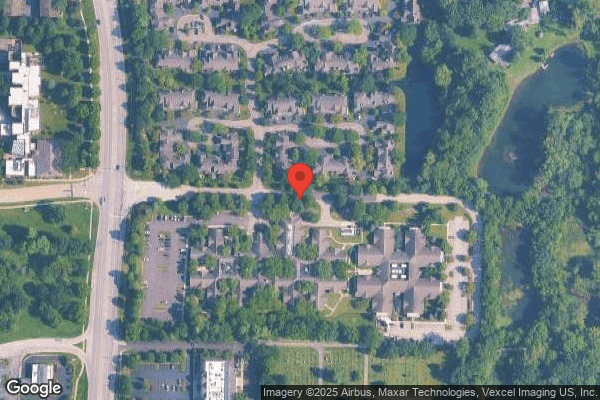

150 JAMESTOWN LANE, LINCOLNSHIRE, IL 60069 (224) 543-7100
For profit - Limited Liability company 144 Beds Independent Data: November 2025 5 Immediate Jeopardy citations
Trust Grade
0/100
#628 of 665 in IL
Last Inspection: April 2025

Within standard 12-15 month inspection cycle. Federal law requires annual inspections.

Overview

Serenity Estates of Lincolnshire has received a Trust Grade of F, indicating significant concerns and a poor overall standing. It ranks #628 out of 665 facilities in Illinois, placing it in the bottom half, and #23 out of 24 in Lake County, meaning there are very few local options that are worse. The situation is worsening, as the facility's issues have increased from 20 in 2024 to 25 in 2025. Staffing is a major concern here, with a low rating of 1 out of 5 stars and a turnover rate of 60%, significantly higher than the state average of 46%. The facility has also faced serious fines totaling $360,305, which is higher than 92% of Illinois facilities, suggesting ongoing compliance problems. Recent critical findings highlight severe issues, such as the absence of licensed nursing staff to monitor residents and administer medications, leading to emergency interventions for some individuals. Residents were discharged without proper medication or physician orders, putting their health at risk. Despite these serious weaknesses, it's worth noting that the facility's RN coverage is average, which could provide some level of oversight in a challenging environment. However, families should weigh these strengths against the numerous critical deficiencies when considering care options for their loved ones.

Trust Score
F
0/100
In Illinois
#628/665
Bottom 6%
Safety Record
High Risk
Review needed
Inspections
Getting Worse
20 → 25 violations
Staff Stability
⚠ Watch
60% turnover. Above average. Higher turnover means staff may not know residents' routines.
Penalties
⚠ Watch
$360,305 in fines. Higher than 76% of Illinois facilities, suggesting repeated compliance issues.
Skilled Nurses
○ Average
Each resident gets 34 minutes of Registered Nurse (RN) attention daily — about average for Illinois. RNs are the most trained staff who monitor for health changes.
Violations
⚠ Watch
58 deficiencies on record. Higher than average. Multiple issues found across inspections.
★☆☆☆☆
1.0
Overall Rating
★☆☆☆☆
1.0
Staff Levels
★☆☆☆☆
1.0
Care Quality
★☆☆☆☆
1.0
Inspection Score
Stable
2024: 20 issues
2025: 25 issues

The Good

  • Full Sprinkler Coverage · Fire safety systems throughout facility
  • No fines on record

Facility shows strength in fire safety.

The Bad

1-Star Overall Rating

Below Illinois average (2.5)

Significant quality concerns identified by CMS

Staff Turnover: 60%

14pts above Illinois avg (46%)

Frequent staff changes - ask about care continuity

Federal Fines: $360,305

Well above median ($33,413)

Significant penalties indicating serious issues

Staff turnover is elevated (60%)

12 points above Illinois average of 48%

The Ugly 58 deficiencies on record

5 life-threatening 6 actual harm
Jun 2025 5 deficiencies
CONCERN (D) 📢 Someone Reported This

A family member, employee, or ombudsman was alarmed enough to file a formal complaint

Potential for Harm - no one hurt, but risky conditions existed

ADL Care (Tag F0677)

Could have caused harm · This affected 1 resident

**NOTE- TERMS IN BRACKETS HAVE BEEN EDITED TO PROTECT CONFIDENTIALITY** Based on observation, interview, and record review, the facility failed to provide ADL (Activities of Daily Living) assistance f...

Read full inspector narrative →
**NOTE- TERMS IN BRACKETS HAVE BEEN EDITED TO PROTECT CONFIDENTIALITY** Based on observation, interview, and record review, the facility failed to provide ADL (Activities of Daily Living) assistance for residents that require staff assistance for incontinence care and/or toileting for 2 of 5 residents (R2, R5) reviewed for ADLs in the sample of 7. The findings include: 1. R2's care plan dated 5/20/25 showed R2 required substantial assistance from staff to complete personal hygiene and toileting ADLs. R2's resident assessment dated [DATE] showed R2 was incontinent of urine and stool. On 6/23/25 at 8:31 AM, R2's call light was on and flashing. On 6/23/25 at 8:42 AM, R2's call light remained on. R2 stated, This is a joke. I have had my call light on since 7 AM. I am soaked. My bed is wet and I need to be changed. R2 stated his incontinence brief was last changed around 10 PM on 6/22/25. On 6/23/25, from 8:42 AM-9:18 AM, R2's call light remained on and flashing. At 9:18 AM, V3 Certified Nursing Assistant (CNA) entered R2's room to deliver his breakfast tray. V3 spoke with R2, delivered R2's tray, turned off the call light, and then exited R2's room. V3 CNA stated, He (R2) needs to be changed but I have to pass all of the breakfast trays before I can change him. On 6/23/25 at 9:39 AM, R2 stated, I still haven't been changed. (V3 CNA) said she would be back to do it after breakfast. On 6/23/25 at 9:57 AM, V5 CNA provided to incontinence care to R2. R2's incontinence brief, bedding, and mattress were saturated with urine. 2. R5's current care plan showed R5 was cognitively impaired due to her diagnosis of dementia. R5 required substantial assistance from staff to complete personal hygiene and toileting ADLs. R5's resident assessment dated [DATE] showed R5 was incontinent of urine and stool. On 6/23/25, from 8:31 AM-10:03 AM, R5 was seated in a wheelchair in a dining room of the facility. At 10:03 AM, V4 Registered Nurse stated, She (R5) has been up (in the wheelchair) all morning. Not sure when she was last changed. We don't put her in bed during the day because she will try to get up and fall. She is (V6 CNA) patient today. He is on the other unit. He was assigned residents over there too today. V4 stated staff are to toilet and/or provide incontinence care to residents every 2 hours or more as needed. On 6/23/25, from 10:03 AM-10:50 AM, R5 remained seated in wheelchair in a dining room of the facility. On 6/23/25 at 10:50 AM, V6 CNA was asked when R5 was last provided with incontinence care or toileted, V6 stated, I have gotten to her yet. I just haven't had the time. She was up (in her wheelchair) when I got here at 7:00 AM. On 6/23/25 at 1:53 PM, V2 Director of Nursing stated staff are to toilet and/or provide incontinence care to residents every 2 hours. The facility's Incontinence policy dated 9/1/24 showed, Based on the resident's comprehensive assessment, all residents that are incontinent will received appropriate treatment and services .
CONCERN (D) 📢 Someone Reported This

A family member, employee, or ombudsman was alarmed enough to file a formal complaint

Potential for Harm - no one hurt, but risky conditions existed

Accident Prevention (Tag F0689)

Could have caused harm · This affected 1 resident

Based on interview and record review, the facility failed to ensure a resident was transferred in a safe manner for 1 of 3 residents (R1) reviewed for transfers in the sample of 7. The findings includ...

Read full inspector narrative →
Based on interview and record review, the facility failed to ensure a resident was transferred in a safe manner for 1 of 3 residents (R1) reviewed for transfers in the sample of 7. The findings include: R1's transfer record printed 6/24/25 showed as of 5/6/25, R1 required the use of a mechanical (hoyer) lift with the assistance of two staff for all transfers. On 6/23/25 at 2:16 PM, V9 Certified Nursing Assistant stated on on 6/11/25, during the evening shift, he transferred R1 from her wheelchair to bed, by himself, using only a gait belt. V9 stated he had been off of work from 5/11/25-6/9/25, due to having surgery. V9 stated, When I came back to work, I didn't realize (R1's) transfer status had changed. I didn't know she was a hoyer lift. That day she was tired and wanted to go back to bed. I lifted her up and put her into bed. On 6/23/25 at 1:35 PM, V11 Restorative Nurse stated R1's transfer status changed from using a sit-to-stand lift to needing a hoyer lift with the assistance of two staff in May 2025. V11 stated, (R1) was declining and becoming weaker. The sit-to-stand was no longer an option for her so we made her a hoyer lift. On 6/24/25 at 10:37 AM, V13 Nurse Practitioner stated, (R1) could not be transferred safely by one person with a gait belt. She is too weak.
CONCERN (D) 📢 Someone Reported This

A family member, employee, or ombudsman was alarmed enough to file a formal complaint

Potential for Harm - no one hurt, but risky conditions existed

Deficiency F0725 (Tag F0725)

Could have caused harm · This affected 1 resident

**NOTE- TERMS IN BRACKETS HAVE BEEN EDITED TO PROTECT CONFIDENTIALITY** Based on observation, interview and record review the facility failed to provide sufficient nursing staff to meet the needs of t...

Read full inspector narrative →
**NOTE- TERMS IN BRACKETS HAVE BEEN EDITED TO PROTECT CONFIDENTIALITY** Based on observation, interview and record review the facility failed to provide sufficient nursing staff to meet the needs of the residents for 3 of 6 residents (R2, R3, R5) reviewed for sufficient staffing in the sample of 7. The findings include: 1. R2's care plan dated 5/20/25 showed R2 required substantial assistance from staff to complete personal hygiene and toileting ADLs. R2's resident assessment dated [DATE] showed R2 was incontinent of urine and stool. R2's June 2025 Medication Administration Record (MAR) showed the following medication orders for R2: a) Lyrica 75 mg (milligrams), give one tablet three times a day at 9:00 AM, 1:00 PM, and 5:00 PM. b) Rifaximin 550mg, give one tablet twice a day at 9:00 AM and 5:00 PM. c) Senna (no dose noted), give one tablet twice a day at 9:00 AM and 5:00 PM. d) Sodium Chloride 1 gram per tablet, give two tablets three times a day at 9:00 AM, 1:00 PM, and 5:00 PM. On 6/23/25 at 8:31 AM, R2's call light was on and flashing. On 6/23/25 at 8:42 AM, R2's call light remained on. R2 stated, This is a joke. I have had my call light on since 7 AM. I am soaked. My bed is wet and I need to be changed. R2 stated his incontinence brief was last changed around 10 PM on 6/22/25. R2 stated, They don't have enough staff. I put my call light on at 7:00 AM thinking the new staff would be here and change me. On 6/23/25 at 9:00 AM, V4 Registered Nurse (RN) stated, We don't have enough help. This unit is heavy. It is all long term care residents. I am the only nurse for the unit. We really only have 1.5 CNA's today. (V3 Certified Nursing Assistant/CNA) is our restorative CNA but she got pulled to work the floor here today. (V6 CNA) is also assigned to this unit today but he has a resident assignment here and on another unit. V4 RN stated, They keep telling us that if our census gets over 100, we will get 2 CNAs assigned to our unit and not have to share a CNA with another unit. Our census is over 100 and nothing has changed . On 6/23/25 at 9:05 AM, V3 CNA stated the facility did not have enough staff. V3 stated, I am the only CNA fully assigned to this unit. I have 6 residents that are hoyer (mechanical lift) transfers myself. When (V6 CNA) is over on the other unit doing his assignment, I am the only one here to answer call lights, pass out breakfast, and get people up. On 6/23/25 at 9:26 AM, V4 RN stated, I feel like we have gone from quality of care to quantity of care here. We keep admitting more people but still have the same amount of staff. On 6/23/25, from 8:42 AM-9:18 AM, R2's call light remained on and flashing. At 9:18 AM, V3 CNA entered R2's room to deliver his breakfast tray. V3 spoke with R2, delivered R2's tray, turned off the call light, and then exited R2's room. V3 CNA stated, He (R2) needs to be changed but I have to pass all of the breakfast trays before I can change him. On 6/23/25 at 9:39 AM, R2 stated, I still haven't been changed. (V3 CNA) said she would be back to do it after breakfast. On 6/23/25 at 9:57 AM, V5 CNA provided to incontinence care to R2. R2's incontinence brief, bedding, and mattress were saturated with urine. On 6/23/25 at 10:23 AM, V4 Registered Nurse (RN) administered R2's 9:00 AM doses of Lyrica, Rifaximin, Senna, and Sodium Chloride. When V4 was asked why R2's medications were administered 1 hour and 23 minutes late, V4 again stated it was due to a lack of staff and that he was the only nurse assigned to the unit. V4 stated, Better late than never. 2. R5's current care plan showed R5 was cognitively impaired due to her diagnosis of dementia. R5 required substantial assistance from staff to complete personal hygiene and toileting ADLs. R5's resident assessment dated [DATE] showed R5 was incontinent of urine and stool. On 6/23/25, from 8:31 AM-10:03 AM, R5 was seated in a wheelchair in a dining room of the facility. At 10:03 AM, V4 Registered Nurse stated, She (R5) has been up (in the wheelchair) all morning. Not sure when she was last changed. We don't put her in bed during the day because she will try to get up and fall. She is (V6 CNA) patient today. He is on the other unit. He was assigned residents over there too today. V4 stated staff are to toilet and/or provide incontinence care to residents every 2 hours or more as needed. On 6/23/25, from 10:03 AM-10:50 AM, R5 remained seated in wheelchair in a dining room of the facility. On 6/23/25 at 10:50 AM, V6 CNA was asked when R5 was last provided with incontinence care or toileted, V6 stated, I have gotten to her yet. I just haven't had the time. I have been busy with my residents on the other unit. She was up (in her wheelchair) when I got here at 7:00 AM. 3. R3's June 2025 Medication Administration Record (MAR) showed the following medication orders for R3: a) Metoprolol Tartrate 25mg, give one tablet twice a day via gastrostomy tube at 9:00 AM and 5:00 PM. b) Apixaban 5mg, give one tablet twice a day via gastrostomy tube at 9:00 AM and 5:00 PM. On 6/23/25 at 10:47 AM, V7 Licensed Practical Nurse (LPN) administered R3's 9:00 AM doses of Metoprolol and Apixaban. When V7 LPN was asked why R3's medications were administered 1 hour and 47 minutes late, V7 stated she was the only nurse assigned to that unit. V7 stated, I am doing the best that I can. I don't know these residents and I only work PRN (as needed). On 6/23/25 at 1:53 PM, V2 Director of Nursing stated said medications should be administered one hour before or within one hour after they are scheduled. V2 stated a medications administration is considered late if the medication is given more than one hour after the scheduled time. V2 stated staff are to toilet and/or provide incontinence care to residents every 2 hours. V2 stated the goal of staffing was to meet the State requirements and the residents get the care they need. The facility's Nursing Services and Sufficient Staff policy dated 9/1/24 showed, It is the policy of this facility to provide sufficient staff with appropriate competencies and skill sets to assure resident safety and attain or maintain the highest practicable physical, mental and psychosocial well-being of each resident . The facility will supply services by sufficient numbers of personnel on a 24-hour basis to provide nursing care to all residents in accordance with resident care plans .
CONCERN (D) 📢 Someone Reported This

A family member, employee, or ombudsman was alarmed enough to file a formal complaint

Potential for Harm - no one hurt, but risky conditions existed

Pharmacy Services (Tag F0755)

Could have caused harm · This affected 1 resident

Based on observation, interview and record review, the facility failed to accurately administer medications to meet the needs of the residents for 3 of 4 residents (R2, R3, R4) reviewed for medication...

Read full inspector narrative →
Based on observation, interview and record review, the facility failed to accurately administer medications to meet the needs of the residents for 3 of 4 residents (R2, R3, R4) reviewed for medication administration in the sample of 7. The findings include: 1. On 6/23/25 at 11:00 AM, V12 (Family of R4) stated staff are to be administering an antifungal medication (Nyamyc Powder) daily to areas of R4's body due to a skin rash. V12 stated, Staff don't apply it everyday like they should. R4's May 2025 and June 2025 Medication Administration Records (MAR) both showed an order for R4 to receive Nyamyc External Powder 100000 units/gram, apply powder to groin topically twice a day at 6:00 AM and 9:00 PM. R4's May 2025 MAR showed R4 was not administered a dose of the medication on 5/22/25, 5/25/25, and 5/26/25. R4's June 2025 MAR showed R4 was not administered a dose of the medication on 6/13/25, 6/15/25, 6/21/25, and 6/22/25. On 6/24/25 at 10:16 AM, V2 Director of Nursing (DON) stated if a medication was not signed off and/or documented in a resident's MAR by nursing staff, it meant the medication was never given. 2. R2's June 2025 MAR showed the following medication orders for R2: a) Lyrica 75 mg (milligrams), give one tablet three times a day at 9:00 AM, 1:00 PM, and 5:00 PM. b) Rifaximin 550mg, give one tablet twice a day at 9:00 AM and 5:00 PM. c) Senna (no dose noted), give one tablet twice a day at 9:00 AM and 5:00 PM. d) Sodium Chloride 1 gram per tablet, give two tablets three times a day at 9:00 AM, 1:00 PM, and 5:00 PM. On 6/23/25 at 10:23 AM, V4 Registered Nurse (RN) administered R2's 9:00 AM doses of Lyrica, Rifaximin, Senna, and Sodium Chloride. 3. R3's June 2025 MAR showed the following medication orders for R3: a) Metoprolol Tartrate 25mg, give one tablet twice a day via gastrostomy tube at 9:00 AM and 5:00 PM. b) Apixaban 5mg, give one tablet twice a day via gastrostomy tube at 9:00 AM and 5:00 PM. On 6/23/25 at 10:47 AM, V7 Licensed Practical Nurse (LPN) administered R3's 9:00 AM doses of Metoprolol and Apixaban. On 6/23/25 at 1:53 PM, V2 DON stated said medications should be administered one hour before or within one hour after they are scheduled. V2 stated a medications administration is considered late if the medication is given more than one hour after the scheduled time. The facility's Medication Administration policy dated 9/1/24 showed, Ensure that the six rights of medication administration are followed: a. Right resident b. Right drug c. Right dosage. d. Right route e. Right time f. Right documentation . Sign MAR after administered .
CONCERN (D) 📢 Someone Reported This

A family member, employee, or ombudsman was alarmed enough to file a formal complaint

Potential for Harm - no one hurt, but risky conditions existed

Unnecessary Medications (Tag F0759)

Could have caused harm · This affected 1 resident

Based on observation, interview and record review, the facility failed to administer medications as ordered (at ordered times). There were 30 opportunities with 6 errors resulting in a 20% error rate....

Read full inspector narrative →
Based on observation, interview and record review, the facility failed to administer medications as ordered (at ordered times). There were 30 opportunities with 6 errors resulting in a 20% error rate. This applies to 2 of 3 residents (R2, R3) observed in the medication pass. The findings include: 1. R2's June 2025 Medication Administration Record (MAR) showed the following medication orders for R2: a) Lyrica 75 mg (milligrams), give one tablet three times a day at 9:00 AM, 1:00 PM, and 5:00 PM. b) Rifaximin 550mg, give one tablet twice a day at 9:00 AM and 5:00 PM. c) Senna (no dose noted), give one tablet twice a day at 9:00 AM and 5:00 PM. d) Sodium Chloride 1 gram per tablet, give two tablets three times a day at 9:00 AM, 1:00 PM, and 5:00 PM. On 6/23/25 at 10:23 AM, V4 Registered Nurse (RN) administered R2's 9:00 AM doses of Lyrica, Rifaximin, Senna, and Sodium Chloride. 2. R3's June 2025 Medication Administration Record (MAR) showed the following medication orders for R3: a) Metoprolol Tartrate 25mg, give one tablet twice a day via gastrostomy tube at 9:00 AM and 5:00 PM. b) Apixaban 5mg, give one tablet twice a day via gastrostomy tube at 9:00 AM and 5:00 PM. On 6/23/25 at 10:47 AM, V7 Licensed Practical Nurse (LPN) administered R3's 9:00 AM doses of Metoprolol and Apixaban. On 6/23/25 at 1:53 PM, V2 Director of Nursing stated said medications should be administered one hour before or within one hour after they are scheduled. V2 stated a medications administration is considered late if the medication is given more than one hour after the scheduled time. The facility's Medication Administration policy dated 9/1/24 showed, Ensure that the six rights of medication administration are followed: a. Right resident b. Right drug c. Right dosage. d. Right route e. Right time f. Right documentation .
May 2025 2 deficiencies
CONCERN (D) 📢 Someone Reported This

A family member, employee, or ombudsman was alarmed enough to file a formal complaint

Potential for Harm - no one hurt, but risky conditions existed

Deficiency F0694 (Tag F0694)

Could have caused harm · This affected 1 resident

Based on observation, interview, and record review, the facility failed to ensure dressing changes and/or intravenous (IV) tubing changes were completed to decrease the potential for infection for 2 o...

Read full inspector narrative →
Based on observation, interview, and record review, the facility failed to ensure dressing changes and/or intravenous (IV) tubing changes were completed to decrease the potential for infection for 2 of 2 residents (R1 and R2) in the sample of 2 with central lines. The findings include: On 5/27/25 at 9:38 AM, R1's PICC (peripherally inserted central catheter) insertion site to his right upper arm was dressed, but it was not labeled with a date or time. R1 had antibiotics infusing and the tubing was not labeled with a date or time. R1 said the staff do not change his PICC dressing every week as is required. On 5/27/25 at 10:25 AM, R2 had antibiotics infusing via his PICC line. The tubing was not labeled with the date or time. R2 said staff had not changed his PICC dressing for almost two weeks and the IV medication tubing is supposed to be changed every 24 hours, but it is four days old. On 5/27/25 at 10:34 AM, V6, RN, said they can use the same IV tubing for 72 hours, but he changes the tubing every day, so he does not date/time the tubing. V6 said PICC dressing changes are every week. V6 said the PICC dressing changes are documented on the EMAR/ETAR (electronic medication administration record/electronic treatment administration record) when they are done. V6 said if it is not signed off, then it has not been done. On 5/27/25 at 11:49 AM, V5, Registered Nurse (RN), said the PICC line dressing is supposed to be changed by an RN weekly and the dressing is dated, timed, and initialed and documented on the TAR. V5 said the IV tubing needs to be changed every 24 hours for each medication being administered. On 5/27/25 at 12:25 PM, V4, Licensed Practical Nurse (LPN) said the PICC dressing is supposed to be changed every seven days and the IV tubing needs to be changed every three days. V4 said the IV tubing is supposed to be dated with the date it was changed. On 5/27/25 at 1:07 PM, V2, Director of Nursing (DON), said she does not know how long a set of IV tubing can be used before needing to be changed, but the tubing should be dated when it is changed. V2 said she does not know if PICC line dressings should be dated. V2 said PICC dressings are changed once a week and documented on the TAR. V2 said if a medication or treatment is not documented, it has not been done. On 5/27/25 at 2:43 PM, V3, Assistant DON/Infection Prevention nurse, said IV tubing for intermittent medications should be changed every 48 hours to prevent the contamination of the IVs when they are not being used. R1's TAR for 5/1/25 through 5/31/25 shows his IV catheter dressing was not changed as ordered on 5/19/25 or 5/26/25. R1's Order Summary Report dated 5/27/25 shows an order dated 5/19/25 to change R1's (PICC) IV catheter dressing every Monday. The facility's Intravenous Therapy Policy (implemented 9/1/24) shows primary intermittent infusion sets (tubing) are changed every 24 hours or sooner if contamination is suspected. All IV tubing is to be labeled with date, time and initials. The facility's PICC/Midline/CVAD Dressing Change Policy (implemented 9/1/24) shows it is the policy of the facility to change peripherally inserted central catheter (PICC), midline or central venous access device (CVAD) dressing weekly or if soiled, in a manner to decrease potential for infection and/or cross contamination. The procedure is to be documented.
CONCERN (D) 📢 Someone Reported This

A family member, employee, or ombudsman was alarmed enough to file a formal complaint

Potential for Harm - no one hurt, but risky conditions existed

Deficiency F0760 (Tag F0760)

Could have caused harm · This affected 1 resident

Based on interview and record review, the facility failed to administer intravenous (IV) antibiotics as ordered by the physician for 2 of 2 residents reviewed for intravenous therapy in the sample of ...

Read full inspector narrative →
Based on interview and record review, the facility failed to administer intravenous (IV) antibiotics as ordered by the physician for 2 of 2 residents reviewed for intravenous therapy in the sample of 2. The findings include: On 5/27/25 at 10:25 AM, R2 said he is supposed to get IV (intravenous) antibiotics twice a day. R2 said he missed an entire day of antibiotics, both doses, because the medication did not get ordered. On 5/27/25 at 9:35 AM, V5, Registered Nurse (RN), said R1 has IV antibiotics ordered every 12 hours. On 5/27/25 at 10:34 AM, V6, RN, said R2 gets IV antibiotics every 12 hours. V6 said once the medication administration is started, he charts it on the EMAR (electronic medication administration record). V6 said if a medication is not signed off, that means it has not been given. On 5/27/25 at 12:25 PM, V4, LPN (licensed practical nurse), said R2 was on IV antibiotics every 12 hours at 9:00 AM and 9:00 PM. V4 said she checked for R2's IV antibiotics (Vancomycin) and there was no more. V4 said she called V2, DON (director of nursing), V2, and they looked together. They could not find the dose for the next shift on 5/10/25, so she called the pharmacy and was told the medication would arrive for the next shift. V4 said she knows R2 did not get his Vancomycin on (Tuesday) 5/13/24. V4 said she put in a progress note and informed R2 that the medication was not available. V4 said she put a code 9 on R2's MAR which means see progress notes. V4 said a code 11 means the medication is not available. V4 said she works a double shift (day shift and evening shift) on Tuesdays. On 5/27/25 at 11:49 AM, V5, RN said R1's Vancomycin was not available for the evening dose on 5/6/25. V5 said she went home that night at 11:30 PM and it had not been delivered. On 5/27/25 at 1:07 PM, V2 said if an ordered medication is not available, the nurse can check the convenience box and they can call the pharmacy. V2 said she and V4 went together and looked for R2's medication and it was not there. V2 said V4 was going to call the pharmacy, but she does not know what the outcome was. V2 said it is important for residents on IV antibiotics to get their scheduled doses because they are ordered by the doctor. V2 said if a medication is not documented as being given, then it was not done. On 5/27/25 at 2:47 PM, V2 said if a medication cannot be obtained, the nurse needs to notify the doctor and follow any further instructions. On 5/27/25 at 2:43 PM, V3, Assistant DON/Infection Prevention nurse, said if a medication is not available, the nurse should be checking the convenience box and if it's not there they should be calling the pharmacy to see if they can deliver it sooner, and then inform the nurse practitioner, doctor, and/or infectious diseases. R1's MAR for 5/1/25 to 5/31/25 shows R1's Vancomycin was not available (code 11 documented) on 5/6/25 for his 9:00 PM dose. R2's MAR for 5/1/25 to 5/31/25 shows R2's Vancomycin was not administered on 5/10/25 at 9:00 PM or on 5/13/25 at 9:00 AM nor 9:00 PM. R2's Progress Notes dated 5/13/25 at 2:28 PM show the pharmacy was contacted regarding R2's antibiotics and was told they would arrive at the next scheduled delivery later that day. R2 was informed and the convenience medication box did not have any of the ordered antibiotics. R2's Progress Notes dated 5/13/25 at 10:46 PM show R2's Vancomycin still had not arrived at that time. The facility's Medication Administration Policy (implemented 9/1/24) shows medications are administered as ordered by the physician following the six right of medication administration: right resident, right drug, right dosage, right route, right time, and right documentation. The MAR is reviewed to identify medication to be administered. The MAR is signed after the medication is administered.
May 2025 2 deficiencies
CONCERN (D) 📢 Someone Reported This

A family member, employee, or ombudsman was alarmed enough to file a formal complaint

Potential for Harm - no one hurt, but risky conditions existed

Grievances (Tag F0585)

Could have caused harm · This affected 1 resident

Based on observation, interview, and record review the facility failed to maintain a written grievance and follow their policy for 1 of 3 residents (R2) reviewed for grievances in the sample of 9. The...

Read full inspector narrative →
Based on observation, interview, and record review the facility failed to maintain a written grievance and follow their policy for 1 of 3 residents (R2) reviewed for grievances in the sample of 9. The findings include: On 5/16/25 at 11:31 AM, V20 (R2's daughter) followed the surveyor down the hallway and stated, I filed the complaint. I was upset that my mom's legs looked like that and I filed a grievance on Friday (5/9/25). I filled out the facility's form and turned it in to [V16 (Receptionist)]. I didn't receive any follow-up from [V1 (Administrator)]. I just wanted to make sure the grievance wasn't lost. This wouldn't be the first time they lost a grievance I filed. The ADON (V3) was very helpful that day and provided care to my Mom. I ended up following up on the grievance with Social Services on the following Monday (5/12) or Tuesday (5/13). I can't remember the exact date. The ADON called me with an update on my Mom's skin, but she was very wishy washy. I was never notified what happened to that CNA (Certified Nursing Assistant) and I've seen her around the facility. It would be nice if the Administrator would follow-up with me regarding my grievance. I sent a picture of the original grievance I filed with my complaint. V20's handwritten Concern (Grievance) Form completed on 5/9/25 was on facility letter head. V20 provided a picture of the form when she filed the complaint. It showed that when V20 arrived to visit R2, R2 expressed that she was in pain. This form showed V20 noticed R2's chair was locked and R2's legs were digging into the edge of the table. This document showed after moving R2 back from the table she noticed wounds on R2's shins. On 5/15/25 at 9:05 AM, the surveyor requested the last three months of grievances/concern forms from V1 (Administrator). V20's handwritten Concern form was not included in the forms provided by the facility. On 5/16/25 at 10:32 AM, the surveyor asked V2 (Director of Nursing - DON) if there were any outstanding Concern Forms because there were no forms after 5/8/25. At 10:43 AM, V2 returned and said the surveyor should have all the concern/grievance forms. The surveyor said there may be a missing grievance form and V2 replied, Uh-oh, I will check. At 10:55 AM, V2 said she spoke with V1 (Administrator) and she said all the Grievances were provided. The surveyor informed V2 there should be a concern form dated 5/9/25 completed by V20 (R2's daughter). V2 stated, I don't know about that. V2 looked down at her phone and replied, Sorry I'm trying to read texts as they come in. It looks like on 5/12/24 R1's daughter was alleging she filed a Grievance Form and gave it the receptionist, but no one can find it. I can create a form from the text message regarding her concern. The surveyor asked V2 when the incident with R2 happened and she replied, I'm not sure. I'd have to check with [V3 - Assistant Director of Nursing (ADON). She was handling this situation. I can have [V3] complete a Grievance Form. V2 read from her phone again, It looks like the daughter was upset about care provided by a CNA and said she was going to call the state. I'm not sure what happened to the Grievance Form. V2 said if V20 turned in a Grievance form then the facility should have it. On 5/16/25 at 1:51 PM,V16, Receptionist, said she works full-time. V16 said she received a Grievance From from V20 on 5/9/25 and she placed it in V2's (DON) box. The surveyor asked where the box was. V16 walked the surveyor into a small office area beside the front desk and pointed to the mail slot labeled DON. V16 said she's not sure what happened to V20's Grievance Form after that. On 5/20/25 at 2:18 PM, V19 (Social Services Director - SSD) said when anyone presents a grievance it is relayed to the appropriate department. V19 said if the concern is clinical then the DON or ADON would be notified. V19 said V1 (Administrator) should be aware of all grievances, but the follow-up may will be assigned to the appropriate department. V19 said after the Grievance is addressed, then the form is returned to V1 or myself. V19 said she did speak to V20 (R2's daughter) on Monday (5/12/25) and she had mentioned that a CNA had pushed R2's wheelchair into the table, R2's legs were bumped, she had concerns with the CNA, and didn't want her assigned to R2. V19 said she notified the DON, ADON, and Administrator. V19 said V20 said she filed a Grievance Form the week prior, but V19 didn't receive it. V19 said she checked with the receptionist and she said she put the Grievance Form in the DON's box. V19 stated, That's why I was unaware until Monday. The forms shouldn't get lost. The purpose is to address any concerns of the family or the resident. It is a way for the family to relay what they are experiencing and have proper follow-up. The facility's Resident and Family Grievances Policy dated 9/1/24 showed, It is the policy of this facility to support each resident's and family member's right to voice grievances without discrimination, reprisal or fear of discrimination or reprisal . Policy Explanation and Compliance Guidelines: 1. The Administrator is responsible for overseeing the grievance process; receiving and tracking grievances through to their conclusion; leading any necessary investigations by the facility; maintaining confidentiality of all information associated with grievances; issuing written grievance decisions to the resident; and coordinating with state and federal agencies when necessary in light of specific allegations . 7. Procedure: .b. The staff member receiving the grievance will record the nature and specifics of the grievance on the designated grievance form, or assist the resident or family member to complete the form . c. The facility will take steps to resolve the grievance, and record information about the grievance, and those actions, on the grievance form .
CONCERN (D) 📢 Someone Reported This

A family member, employee, or ombudsman was alarmed enough to file a formal complaint

Potential for Harm - no one hurt, but risky conditions existed

Accident Prevention (Tag F0689)

Could have caused harm · This affected 1 resident

**NOTE- TERMS IN BRACKETS HAVE BEEN EDITED TO PROTECT CONFIDENTIALITY** Based on observation, interview, and record review the facility failed to safely position a dependent resident in a manner to pr...

Read full inspector narrative →
**NOTE- TERMS IN BRACKETS HAVE BEEN EDITED TO PROTECT CONFIDENTIALITY** Based on observation, interview, and record review the facility failed to safely position a dependent resident in a manner to prevent minor injury for 1 of 3 residents (R2) reviewed for safety in the sample of 9. The findings include: On 5/15/25 at 11:27 AM, R2 was reclined at approximately 45-60 degrees in the reclining wheelchair. R2's knees are contracted, pulling here heels up towards her buttocks. This position of the reclined wheelchair made her knees higher than the level of the dining room tables. R2 had bilateral heel protectors on and a donut pillow between her knees. V11 (CNA) parked R2 diagonally next to the table. R2's kneecaps and top of her shin were above the level of the table and her mid shin area was even with the table edge. (This positioning could easily have caused skin breakdown if pushed up to the table in this position.) The table was a square pedestal table. R2 smiled and was able to provide her name, but was unable to provide any details related to her legs. On 5/16/25 at 9:29 AM, V20 (R2's daughter) said she went to visit R2 on 5/9/25 during the noon meal. V20 said R2 has been disabled for a long time and had poor memory. V20 said R2 rarely complains about anything, but that day she was complaining that her shins hurt. V20 said R2 was sitting at a table in the community dining room, the brakes to her chair were locked, and R2's shins were in pressed up against the edge of the table top. V20 said R2's legs are contracted up and her chair reclines so her legs don't fit under the table. V20 said normally the facility staff park R2 parallel to the table, but that day R2 was facing the table with the edge of the table digging into her shins. V20 said she released the breaks from R2's chair and pulled her chair away from the table. V20 said she pulled R2's pant legs up and there were deep indents on both her shins. V20 said her pants were stuck in one of the indents. V20 said V15 (CNA) was sitting in the dining room and she asked her if she placed R2 at there and V15 replied, Yes. V20 said she told V15 that R2's shins were against the table and she had sores. V20 said V15 didn't really react. V20 said she went to V3 (Assistant Director of Nursing) and asked her to come look at R2's situation. V20 said she didn't believe V15 positioned R2 maliciously, but felt it was negligent. V20 said V15 neglected to see that R2 was pushed up so tight to the table that he shins were squished. V20 stated, I have a hard time believing my Mom didn't complain when she put her there. I filed a grievance that day. On 5/16/25 at 11:25 AM, V9 (LPN/Wound Care Nurse) pulled R2's pant legs up to exposed a foam, bordered dressing on both upper shins. V9 carefully peeled back the dressing to expose a small, pea-sized reddened area on R2' right and left upper shins. Neither area was opened, but were in a linear fashion (similar to the edge of a table). V9 stated, They are almost completely healed, but we are keeping them covered for her protection. V9 said she would considered this wounds a traumatic wound or abrasion, but not a pressure wound. R2's Facesheet dated 5/16/25 showed diagnoses to include, but not limited to: cerebral atherosclerosis, peripheral vascular disease, Multiple Sclerosis (MS), abnormal posture, dementia, diabetes, and dysphagia. R2's facility assessment dated [DATE] showed she has severe cognitive impairment and was dependent on staff for all ADLs. R2's Progress Note dated 5/9/25 at 3:55 PM by V14 (Licensed Practical Nurse - LPN) showed, Resident noted with redness on the left shin and dry scab from her legs getting up against the table, Tylenol 660 mg given for pain and was effective .: R2's Skin/Wound Note dated 5/9/25 at 1:27 PM showed, The writer was notified that the patient is with a wound on her lower extremity. Assessment done. Noted on bilateral shin area measuring 1.5 x 1 cm with induration and liner blanchable redness in the center, no open skin. Peri-wound normal. Patient did not complain of pain at the site. Could not tell the writer how she got those bumps. Area cleansed and covered for protection. NOD (nurse on duty) notified. R2's Care Plan did not address the skin concerns as a result of 5/9/25's incident. On 5/16/25 at 12:36 PM V15 (CNA) said she worked R2's assignment on 5/9/25 and that was only her second time providing care for R2. V15 said she and the nurse positioned R2 at the table. V15 said R2 was pushed up to the table (at a 90 degree angle, not parallel to the table.) V15 said R2's legs were not touching the table when she left her. V15 said R2 does sit at the table with two other residents and it is possible that one of them moved the table into R2's shins. V15 said when V20 (R2's daughter) came to visit, during the noon meal, she said R2's legs were touching the table and R2 was complaining of pain. V15 said the nurse went to check her legs and she did see there were little indentations to R2's shins, like something had pushed up against her leg. V15 said V20 said when she arrived R2's legs were pushed up against the table and she asked if I was here CNA. V15 said I told her that I was but her legs weren't in contact with the table when I locked the breaks. V15 said V20 (R1's daughter) got the ADON and DON. V15 said they talked to her about it, but she would never purposely hurt anyone. V15 stated, All I can think is when one of the other residents sat down, they pushed the table into R2. I didn't want to escalate the situation, so I had a different CNA take over R2's care. On 5/16/25 at 11:25 AM, V2 (ADON) said she was working 5/9/25. V2 said around lunch time, V20 (R2's daughter) was teary and said something was going on with R2's shins. V2 said V20 reported the CNA bumped R2 and R2 had marks on her shins. V3 said she went to assess R2's skin and she did see redness to both her shins. V3 said R2 grimaced when she touched her shins. V3 said she told the nurse give R2 pain medication, notified the Nurse Practitioner, and called hospice. V3 said she was in the dining room [ROOM NUMBER] minutes prior to this and R2 was smiling and happy. V3 stated, I don't know if the table got pushed into her shins when the other residents sat down. V3 said R2 should be positioned parallel to the table, so the table edge won't push up against her shins. V3 said R2's wounds were linear across both her shins. It looked like R2 came in contact with the table, but I don't know how. V3 said being up against a hard surface could lead to skin breakdown. V3 said R2 doesn't normally complain of pain, but she did that day. The facility's Skin Integrity-Skin Tears Policy dated 9/1/24 showed, It is the policy of this facility to provide proper treatment and care to maintain skin integrity. This policy pertains to the prevention and management of skin tears . Policy Explanation and Compliance Guidelines: .3. Interventions for Prevention and to Promote Healing. a. Interventions will be based on specific factors identified in the skin and comprehensive assessments. Categories of interventions to consider include, but are not limited to: i. Interventions to provide a safe environment
Apr 2025 1 deficiency
CONCERN (D) 📢 Someone Reported This

A family member, employee, or ombudsman was alarmed enough to file a formal complaint

Potential for Harm - no one hurt, but risky conditions existed

Deficiency F0825 (Tag F0825)

Could have caused harm · This affected 1 resident

Deficiency Text Not Available

Read full inspector narrative →
Deficiency Text Not Available
Apr 2025 6 deficiencies
CONCERN (D)

Potential for Harm - no one hurt, but risky conditions existed

Pressure Ulcer Prevention (Tag F0686)

Could have caused harm · This affected 1 resident

**NOTE- TERMS IN BRACKETS HAVE BEEN EDITED TO PROTECT CONFIDENTIALITY** 2. On 4/22/25 at 10:54 AM, R47's was in bed sleeping on her left side. R47's left leg was tucked under her. The side of R47's le...

Read full inspector narrative →
**NOTE- TERMS IN BRACKETS HAVE BEEN EDITED TO PROTECT CONFIDENTIALITY** 2. On 4/22/25 at 10:54 AM, R47's was in bed sleeping on her left side. R47's left leg was tucked under her. The side of R47's left ankle, foot and heel was in direct contact with the bed. R47 had a dressing to her left foot. R47 did not have and offloading boot in place to her left foot. At 11:00 AM, V13 CNA was asked to come to the resident's room. V13 stated she was R47's CNA for the day. V13 was asked to check the resident for offloading to her heels. V13 showed that there was an offloading boot in place to her right heel and foot. V13 removed the boot and the resident had a gauze dressing to her right foot. R47's left leg was contracted at the knee and she was laying on her left side. V13 was asked if the resident had an offloading boot for the left foot and she replied the resident did not have one on and she did not see another one in the room. The other offloading boot was visible on the bottom shelf of the nightstand. V13 pointed out the offloading boot, said she didn't see it over there. R47 stated she did not know why R47 had the offloading boots. V13 stated R47 is on hospice and has wounds to her feet. V13 stated she thought the boots were for the protection of R47's feet. On 4/22/25 at 11:18 AM, V14 Licensed Practical Nurse (LPN) stated R47 has wounds to her left big toe, right big toe, right hip, left lower extremity (medial side), sacrum, right back, and left fifth toe. On 4/24/25 at 11:21 AM, V8 LPN stated, R47 has heel boots because she has wounds and she is supposed to have them on; they are for prevention. V8 fills in at times as the wound nurse. The Care Plan dated 2/24/25 for R47 showed R47 has a pressure injury to left 5th toe related to immobility. Offload feet with heel protector or pillows. R47's Care Plan was updated on 3/31/25 showed she has a pressure injury to the left outer ankle related to immobility and fragile skin. Offload the site by using heel boot. R47's Minimum Data Set (MDS) dated [DATE] showed substantial/maximal assistance for personal hygiene; rolling left and right; dependent for sit to lying, lying to sitting, and transfers. The Physician Order Review Report dated 4/24/25 for R47 showed wound treatments to a left fifth toe deep tissue injury, unstageable right lateral back wound, left great toe wound, left lower medial leg wound, sacral wound and right hip wound. The Face Sheet dated 4/24/25 for R47 showed diagnoses including rheumatoid arthritis, pressure ulcer, chronic obstructive pulmonary disease, anemia, congestive heart failure, and muscle weakness. The facility's Pressure Injury Prevention and Management policy (9/1/24) showed, this facility is committed to the prevention of avoidable pressure injuries, unless unavoidable, and to provide treatment and services to heal the pressure ulcer/injury, prevent infection and the development of additional pressure ulcers/injuries. After completing a thorough assessment/evaluation, the interdisciplinary team shall develop a relevant care plan that includes measurable goals for prevention and management of pressure injuries with appropriate interventions. Based on observation, interview, and record review the facility failed to ensure pressure relieving interventions were in place for 2 of 5 residents (R58, R47) reviewed for pressure ulcers in the sample of 62. The findings include: 1. R58's face sheet printed on 4/23/25 showed diagnoses including but not limited to hypoglycemia, tremors, anxiety disorder, schizophrenia, and mild cognitive impairment of unknown etiology. R58's facility assessment dated [DATE] showed staff assistant required for toilet hygiene, transfers, and bed rolling. The same assessment showed R58 is always incontinent of urine and bowel. R58's pressure ulcer risk assessment dated [DATE] showed a moderate risk. R58's order summary report showed an order dated 8/9/23 for a low air loss mattress on the bed. R58's most recent weight dated 4/4/25 showed 111.4 pounds. On 4/22/25 at 11:46 AM, R58 was in bed and lying on her back. R58 said she had a sore on her upper buttock in the past but she thought it was healed. R58 said she never gets out of bed, and she uses an adult brief for incontinence. R58 was lying on a low air loss mattress and the dial setting was turned past the 350-pound mark. On 4/23/25 at 10:00 AM, R58 was in bed and asleep. The air mattress dial setting was still at the highest level of 350-pounds. At 1:49 PM, V9 (WCN-Wound Care Nurse) stated R58 does not have any wounds right now. She had a problem with her backside in past. R58 does not like to turn or get out of bed. She insists on staying in bed all the time and in the same position. She is thin and does not have a lot of body fat to help pad her back areas. V9 said the mattress setting is related to the weight of a resident. It should be set at the current weight. Too high of a setting will cause high pressure and the risk of skin breakdown. Too low of a setting prevents the mattress from doing its job. On 4/23/25 at 1:59 PM, V9 (WCN) viewed the air mattress setting on R58's bed and said it was wrong. The 350-pound mark is set way too high and the static button should not be on. It is too firm for her and it even feels overly firm by my hand. V9 confirmed R58's most recent weight was 111.4 pounds. V9 said the setting should be checked every shift, especially with her refusals of turning and not getting out of bed. V9 stated the floor nurse (V10) would be able to supply more details. On 4/23/25 at 2:09 PM, V10 (Registered Nurse) stated R58's air mattress is adjusted based on her preferences. She will dictate how hard or soft she wants it. She gets upset if we turn it too hard so we soften it to how she likes it. V9 (WCN) was present and stated, No, that is wrong. She does not get to decide how the mattress should be set. V9 and V10 rolled R58 to her side and opened her incontinence brief. The brief was wet with urine and an egg size, red area was present on the coccyx. V9 stated this looks like the start of another pressure ulcer. R58's wound assessment dated [DATE] (day identified) showed a 2.0 x 5.5 centimeter, stage 1 pressure ulcer located on the coccyx. R58's care plan showed a focus area related to history of a sacrum DTI (deep tissue injury) noted on 12/4/24. Interventions included: Check air mattress if functioning properly every shift and prn (as needed). The facility supplied Low Air Loss Mattress System user manual states under the operating instructions: 9. Turn the Pressure Adjust Knob to set a comfortable pressure level using the weight scale as a guide.
CONCERN (D)

Potential for Harm - no one hurt, but risky conditions existed

Accident Prevention (Tag F0689)

Could have caused harm · This affected 1 resident

**NOTE- TERMS IN BRACKETS HAVE BEEN EDITED TO PROTECT CONFIDENTIALITY** Based on observation, interview and record review, the facility failed to ensure the safety of a resident while smoking for 1 of...

Read full inspector narrative →
**NOTE- TERMS IN BRACKETS HAVE BEEN EDITED TO PROTECT CONFIDENTIALITY** Based on observation, interview and record review, the facility failed to ensure the safety of a resident while smoking for 1 of 2 residents (R33) reviewed for smoking in the sample of 62. The findings include: R33's admission Record, provided by the facility on 4/24/2025, showed she had diagnoses including, but not limited to, anxiety disorder, major depressive disorder, chronic pain syndrome, immobility syndrome (paraplegic), localized edema, bipolar disorder, nicotine dependence, and alcohol abuse. R33's care plan initiated on 3/26/2025 showed she is a smoker and expresses the desire to smoke at the facility. The care plan showed R33 had been assessed according to facility policy and had been determined to be a safe smoker, capable of following the applicable rules. The care plan showed Educate the resident concerning .not giving or trading cigarettes to peers, and the health and safety-related risks associated with smoking. On 4/24/2025 at 10:12 AM, R33 was sitting in her wheelchair outside in the courtyard. R33 was smoking a cigarette and stated she comes out anytime she wants to, even at night. R33 said staff do not check on her. R33 said she is allowed to keep her cigarettes and lighter with her. R33 said she puts them on top of the table in her room and just leaves them out. R33 complained about a female resident wandering into her room one day and took an expensive bottle of perfume from her room. On 4/24/2025 at 11:38 AM, R33 was sitting outside with two other residents smoking. No staff were present. A female resident reached into R33's bag, next to R33 in the seat of her wheelchair and grabbed a cigarette. R33 jokingly made a gesture towards the female resident and they both laughed. At 11:39 AM, R33 started crying and yelling help me. R33's hands were shaky. R33 had a cigarette in her hand at the time. R33 said help me two more times. No staff were present in the courtyard where the residents were smoking, and no staff went out to check on R33. After about 30 seconds, R33 stopped crying and calling for help, and went back to smoking and talking with the other two residents. At 12:02 PM, R33 was still outside smoking with the female resident with no staff present. At 1:30 PM, R33 and 2 other female residents were outside smoking with no staff present. On 4/24/2025 at 2:23 PM, V2 (Director of Nursing-DON) said resident's that have shaking, and are yelling out for help while outside smoking, should be reassessed for safety. If a resident is outside yelling for help, staff should be checking on them to make sure they are ok. V2 said smoking supplies (cigarettes and lighters, etc.) should not be left out where other residents have access to them. R33's care plan initiated on 3/26/2025 showed she is at high risk for falls related to an unspecified injury of right foot, immobility syndrome (paraplegic), localized edema, anxiety disorder, and bipolar disorder. R33's facility assessment dated [DATE] showed she is cognitively intact. the assessment showed R33 had been having trouble concentrating on things, such as reading the newspaper or watching television, and moving or speaking so slowly that other people could have noticed, or the opposite-being so fidgety or restless that she had been moving around a lot more than usual (the assessment did not specify which of these symptoms were present). The assessment showed R33 experienced these problems several days (2-6 days) over the 2-week period reviewed for the assessment. The assessment showed R33 used a wheelchair for mobility and required substantial/maximal assistance of staff for dressing, bathing, toileting, and transfers. R33's Order Summary Report, provided on 4/24/2025, showed she receives anxiety medications, antipsychotic medications, anticoagulant medications, and pain medications. R33's 3/26/2025 Smoking Risk assessment showed she likes to smoke in the morning, afternoon, and evenings. The assessment showed R33 did not need adaptive equipment such as a smoking apron or cigarette holder, or supervision. The assessment showed R33 did not need the facility to store her lighter and cigarettes. The facility's 9/1/2024 policy titled Resident Smoking showed it is the policy of the facility to provide a safe and healthy environment for residents, visitors, and employees, including safety as related to smoking. Safety protections apply to smoking and non-smoking residents .6. Residents who smoke will be further assessed, using the Resident Safe Smoking Assessment, to determine whether supervision is required for smoking, or if resident is safe to smoke at all .8. Any resident who is deemed safe to smoke, with or without supervision, will be allowed to smoke in designated smoking areas (weather permitting), at designated times, and in accordance with his/her care plan. 9. If a resident who smokes experiences any decline in condition or cognition, he/she will be reassessed for ability to smoke independently and/or to evaluate whether additional safety measures are indicated.
CONCERN (D)

Potential for Harm - no one hurt, but risky conditions existed

Deficiency F0692 (Tag F0692)

Could have caused harm · This affected 1 resident

Based on observation, interview, and record review the facility failed to have a system in place to ensure all residents received their meal for 1 of 5 residents reviewed for nutrition and dining in t...

Read full inspector narrative →
Based on observation, interview, and record review the facility failed to have a system in place to ensure all residents received their meal for 1 of 5 residents reviewed for nutrition and dining in the sample of 62. The findings include: On 4/22/25 at 11:57 AM, residents were sitting in the 300 dining room waiting for lunch trays. V13 Certified Nursing Assistant (CNA), and V16 CNA placed meal tickets on the table in front of the residents. The meal tickets showed the residents name and type of diet they can have. On 4/22/25 at 12:05 PM, V13 and V15 CNA were in the dining room placing bowls of soup in front of residents. On 4/22/25 at 12:12 PM, V13 and V15 were serving food to residents in the 300 hall dining room. V13 would bring a plate of food and sit it down on the table in front of the resident. Residents were being served randomly. One resident served at one table and then a resident at a different table, back and forth. Most residents were sitting at a long table in the middle of the dining room. R31 was seated on the side, at the end of the long table. Everyone at her table had been served their food and was eating. R31 did not have any food. At 12:24 PM, everyone at R31's table was eating and she still did not have any food. R31 stated, I didn't get any dinner. R31 had a meal ticket in front of her on the table that stated she has a mechanical soft diet with ground meat. At 12:26 PM, another resident (R74) at the table waved at V15 and told her that R31 did not get any food. V15 told V13 that R31 did not get any food. V13 went over to R31, picked up her ticket, and stated she has a mechanical soft diet. V13 left to get R31 food. R31 appeared upset and kept saying, I didn't get any food and I am really hungry. On 4/23/25 at 3:03 PM, V18 Activity Director stated they missed a meal at lunch yesterday and said, that's not good. V18 stated they missed giving R31 her meal. V18 stated she has seen the meal tickets on trays but did not see how they were doing it for lunch yesterday (Tuesday 4/22/25). On 4/23/25 at 3:12 PM, V4 Dietary Manager stated his staff will give the CNA's the meal tickets. The CNA will call out what they need to the server (in the kitchenette). The server will put the meal ticket on the tray and make sure what is on the card matches what the resident wants and what they can have. The tray is then taken to the resident. No resident should miss getting served. Staff know what they are supposed to do. V4 stated he is trying to find a dummy proof way to serve meals. The Face Sheet dated 4/24/25 for R31 showed diagnoses including moderate protein-calorie malnutrition, muscle weakness, hypertensive heart disease, hypothyroidism, hyperlipidemia, anxiety disorder, essential tremor, polyneuropathy, atherosclerotic heart disease, mitral valve disorder, spondylosis, and dysphagia. The current Care Plan for R31 printed on 4/24/25 showed, Risk for fluctuating weights. R31 has the following risk factors that put her at risk for fluctuating weights. Diuretic use and heart disease. 2/16/25 - 9.1% weight loss x 1 month and 10.3% loss x 3 months. Diet: Regular. Shake, one serving three times daily. Monitor weights: Notify physician of weight changes. The Physician Order Summary dated 4/24/25 for R31 showed, Regular diet, mechanical soft with ground meat texture; Thin consistency. The facility's Serving a Meal policy (9/1/24) showed, it is the policy of this facility to serve meals that meet the nutritional needs of residents. Place tray on dining table or overbed table if resident eats in their room. Remove dome lid from tray, and check to be sure everything is included on the meal tray that is required by the diet card, and the resident's preference.
CONCERN (D)

Potential for Harm - no one hurt, but risky conditions existed

Pharmacy Services (Tag F0755)

Could have caused harm · This affected 1 resident

Based on observation, interview, and record review the facility failed to ensure physician prescribed medications were administered as ordered for 3 of 3 residents (R29, R204, R199) reviewed for medic...

Read full inspector narrative →
Based on observation, interview, and record review the facility failed to ensure physician prescribed medications were administered as ordered for 3 of 3 residents (R29, R204, R199) reviewed for medication administration in the sample of 62. The findings include: 1. R29's face sheet printed on 4/24/25 showed diagnoses including but not limited to bilateral osteoarthritis of knee, dysphagia (difficulty swallowing), chronic pain, hypertension, spinal stenosis, left eye blindness, and benign prostatic hyperplasia. On 4/22/25 at 12:23 PM, R29 was seated in the 500-unit group dining room with a tablemate directly across from him. R29 had a medication cup next to his lunch plate and there were approximately 10 assorted colored pills inside. R29 stated he takes his noon time medications by himself at lunch time most days. There were no nurses present in the dining room. 2. R204's face sheet printed on 4/24/25 showed diagnoses including but not limited to rhabdomyolysis (breakdown of muscle tissue), hypothyroidism, hyperkalemia, dementia with anxiety, heart failure, chronic kidney disease, and hypertension. On 4/22/25 at 11:33 AM, R204 was seated in his room talking with a visitor friend. A medication cup of an unidentifiable orange fluid was on his bedside table. R204 said it was his blood pressure medication and I just haven't felt like taking it yet. R204 said the nurse just leaves it with him in the room. 3. R199's face sheet printed on 4/24/25 showed diagnoses including but not limited to acute cystitis, dementia, diabetes mellitus, cerebral infarction, embolism and thrombosis of arteries, abnormal blood chemistry findings, and kidney transplant status. On 4/23/25 at 10:28 AM, R199 was seated in her wheelchair and alone in her room. A tube of a topical arthritis pain cream was on her bedside table. V22 (Licensed Practical Nurse) entered the room and said, Oh, she is not supposed to have this with her. It should be kept in the medication cart. 4. On 4/22/25 at 12:35 PM, an unidentifiable white, round pill was laying on the counter of the 500-unit group dining room. The pill was directly next to a resident dining table and easily within reach. V3 (Assistant Director of Nurses) was questioned about the pill and stated it was acetaminophen 325 milligrams. V3 said she had no idea why it would be lost in the resident dining room. On 4/24/25 at 9:36 AM, V10 (Registered Nurse) said there are no residents on the 500 unit that can self-administer their pills. All residents need to be watched to ensure they take them, don't choke, or lose them. Nurses should not be leaving any medications with the residents. On 4/24/25 at 10:50 AM, V2 (Director of Nurses) stated all residents need to be assessed prior to being left with medications. The care plan should reflect it as well. The assessment shows the resident is cognitively intact and able to understand when and how to properly take the medication. It is important to ensure resident safety. V2 said nurses should be staying with the resident until all medications are swallowed. V2 reviewed the electronic charts for R29, R204, and R199. V2 was unable to locate any assessments or care plans related to the ability to self-administer medications. The facility's Resident Self-Administration of Medication policy dated 9/1/24 states: It is the policy of this facility to support each resident's right to self-administer medication. A resident may only self-administer medications after the facility's interdisciplinary team has determined which medications may be self-administered safely.
CONCERN (D)

Potential for Harm - no one hurt, but risky conditions existed

Infection Control (Tag F0880)

Could have caused harm · This affected 1 resident

**NOTE- TERMS IN BRACKETS HAVE BEEN EDITED TO PROTECT CONFIDENTIALITY** Based on observation, interview, and record review the facility failed to ensure staff wore personal protective equipment when p...

Read full inspector narrative →
**NOTE- TERMS IN BRACKETS HAVE BEEN EDITED TO PROTECT CONFIDENTIALITY** Based on observation, interview, and record review the facility failed to ensure staff wore personal protective equipment when providing care for residents on enhance barrier precautions (EBP) and carrying soiled linen from a room for 3 of 3 residents (R47, R23, & R203) on transmission based precautions in the sample of 62. The findings include: 1. On 4/22/25 at 10:54 AM, there was an enhanced barrier precaution (EBP) sign under R47's name and next the doorway of her room. There was a three drawer container sitting on the floor next to R47's doorway to her room. R47 was in bed laying on her left side and had a bandage to her right elbow. R47 had oxygen on at 2 liters via nasal canula. V13 Certified Nursing Assistant (CNA) had a mask on and no other personal protective equipment (PPE). V13 and came into R47's room to check her feet to see if they were offloaded. V13 pulled back the residents blankets and the resident had an offloading boot in place to her right foot/heel. V13 removed the boot and R47 had a gauze dressing to her right foot and heel. V13 put the heel boot back on R47. R47's left leg was contracted at the knee and she was laying on her left side. R47 had a dressing to her left foot but did not have an offloading boot in place. V13 walked over to R47's night stand and picked up the offloading boot. R47 placed the boot on R47's bed. R47 applied the offloading boot to R47's left foot. V13 was shown the EBP sign next to the residents door that was above the PPE container. V13 stated stated that sign was not for R47. V13 stated R47 was moved from room [ROOM NUMBER] to 307 and the sign was just left up. V13 stated that no one gave any precautions for the resident. On 4/22/25 at 11:18 AM, V14 Licensed Practical Nurse (LPN) stated R47 she would check in computer to see why R47 has EBP, and if she has wounds. V14 stated R47 has wounds to her left big toe, right big toe, right hip, medial side of left lower extremity, sacrum, right lateral back, and left fifth toe. V14 stated staff should wear gloves and a gown with close contact to R47. On 4/23/25 at 10:47 AM, V3 Assistant Director of Nursing (ADON) brought in a list of residents on EBP that was dated dated 4/23/24 for Enhanced Barrier Precautions. The form showed R47 was on EBP for a sacral pressure ulcer. R47's current Care Plan printed 4/24/25 for R47 showed R47 is on EBP due to the presence of a sacral wound with an initiation date of 8/28/24. Ensure that gown and gloves are used during high-contact resident care activities (like dressing, bathing/showering, transferring, providing hygiene, changing linens, changing briefs, assisting with toileting, and wound care for any skin opening requiring a dressing) that provide opportunities for transfer of multidrug resistant organisms to staff hands and clothing. The Physician Order Review Report dated 4/24/25 for R47 showed wound treatments to a left fifth toe deep tissue injury, unstageable right lateral back wound, left great toe wound, left lower medial leg wound, sacral wound and right hip wound. Enhanced Barrier precautions due to presence of sacral wound. The Face Sheet dated 4/24/25 for R47 showed diagnoses including rheumatoid arthritis, pressure ulcer, chronic obstructive pulmonary disease, anemia, congestive heart failure, and muscle weakness. 2. On 4/22/25 at 1:53 PM, there was an EBP sign next to the doorway of R23's room. R23 was on toilet in bathroom. V16 CNA answered R23's call light. V16 did not have a gown on. V16 used the sit to stand lift to stand R23 up from the toilet, provided peri-care, and pulled her incontinence brief up, removed his gloves, and pulled her pants up. V16 transferred R23 to her wheelchair. V16 was asked why there an EBP sign outside the residents door. V16 stated it might be for R23 because of her legs. V16 stated he was not 100% sure what was going on with R23's legs but the wound nurse comes and wraps them. The Wound Summary for R23 dated 4/22/25 showed a full thickness wound to the lateral side and back of her right leg; full thickness wound of right inner ankle, and full thickness wound to her lateral left lower extremity. On 4/23/25 at 10:47 AM, V3 Assistant Director of Nursing (ADON) brought in a list of residents on EBP that was dated 4/23/24 for Enhanced Barrier Precautions. The form showed R23 was on EBP for a wound to her right malleolus. The Face Sheet dated 4/24/25 for R23 showed diagnoses including varicose veins of left lower extremity with both ulcer of the other part of lower extremity and inflammation, peripheral vascular disease, type 2 diabetes mellitus, hypothyroidism, hyperlipidemia, hypertension, congestive heart failure, and peripheral vascular disease. The Physician Order Review Report dated 4/24/25 for R23 showed, enhanced barrier precaution related to presence of wound. The current Care Plan for R23 printed on 4/24/25 showed, R23 is on enhanced barrier precaution due to presence of wounds. Ensure that gown and gloves are used during high-contact resident care activities(like dressing, bathing/showering, transferring, providing hygiene, changing linens, changing briefs, assisting with toileting, device care for those with central line, urinary catheter, feeding tube, tracheostomy/ventilator, and wound care for any skin opening requiring a dressing) that provide opportunities for transfer of MDROs to staff hands and clothing. 3. R203's face sheet printed on 4/24/25 showed an admission date of 4/20/25. R203's initial wound consultation report dated 4/21/25 showed a stage 4 pressure injury to the sacral. R203's April 2025 order summary report showed an order start dated on 4/22/25 for enhanced barrier precautions due to the presence of the sacral wound. The same report showed an order start dated 4/20/25 for metronidazole (antibiotic) 500 milligram tablet to be given daily for three times for antimicrobial infection. The report showed metronidazole external cream (antibiotic) to be applied to the sacrum every day and evening shift for antimicrobials. On 4/24/25 at 9:42 AM, R203 was lying in bed. A sign was posted outside her room showing she was on Enhance Barrier Precautions. The sign showed gowns and gloves must be worn during direct resident care including when changing linens, changing briefs, and when skin openings were present. At 9:48 AM, V11 and V12 (CNAs-Certified Nurse Aides) donned gloves only and changed R203's incontinence brief. R203 was rolled from side to side and the CNAs stated her sheet was wet from her sweating. The bed sheet was changed and the new brief was put on. V11 and V12 did not don gowns during the care. V12 grabbed the dirty bed linens and held them against her body while she carried them down the hallway to the dirty linen room. Along the way, V12 accidentally dropped a sheet on the floor in front of the nurses station. V11 and V12 were questioned regarding the enhanced barrier precaution sign. V11 said R203 has open wounds and that means gowns and gloves are needed when caring for her. V11 said, she guessed they just missed it. V11 said dirty linens should be put in a bag if contaminated with blood or bodily fluids and sweat is considered a bodily fluid. V12 said she did not use a bag for the linens because she did not have one. The housekeeping staff did not leave any bags in the room. On 4/24/25 at 11:49 AM, V3 (Assistant Director of Nurses/Infection Control Preventionist) stated enhanced barrier precautions are used to be more cautious and stop any exposure to infections. Staff need to wear gowns and gloves during resident care. Wounds and infections are a definite reason staff need extra PPE. The signs are posted outside of the room to show they need to wear it. We just did a training on this in February and all staff should know the protocol at this point. V3 said dirty linens need to be put in bags before being carried out of the room. The bags keep any soiling or germs away from other surfaces. Every resident room is restocked daily and as needed. There is no reason a room should not have the bags available to the CNAs. R203's care plan showed a focus area related to enhanced barrier precautions in use. Interventions included: Ensure that gown and gloves are used during high-contact resident care activities (like .providing hygiene, changing linens, changing briefs .device care or use for those with .any skin opening requiring a dressing) that provide opportunities for transfer of MDROs (germs) to staff hands and clothing. The facility's Handling Soiled Linen policy dated 9/1/24 states: 3. Linen should not be allowed to touch the uniform or floor and should be handled as little as possible, with minimum agitation to avoid contamination of air, surfaces, and persons. 4. Used or soiled linen shall be collected at the bedside and placed in a linen bag or designated lined receptacle. When the task is complete, the bag shall be closed securely and placed in the soiled utility room.
CONCERN (F)

Potential for Harm - no one hurt, but risky conditions existed

Food Safety (Tag F0812)

Could have caused harm · This affected most or all residents

Based on observation, interview, and record review, the facility failed to adequately store food items by not properly labeling and/or dating items. This failure has the potential to affect all 102 re...

Read full inspector narrative →
Based on observation, interview, and record review, the facility failed to adequately store food items by not properly labeling and/or dating items. This failure has the potential to affect all 102 residents who currently reside in the facility. Findings include: On 04/22/2025, upon entering facility, V1 (Administrator) indicated census of 102 in-house. Facility provided a completed CMS 802 form that indicated in-house resident census of 102. On 04/22/2025 at 10:32 AM, surveyor conducted initial kitchen tour with V4 (Dietary Manager) with the following observations. At 10:34 AM, upon entering walk in freezer #1, observed on an upper shelf to the left of freezer door, an undated and opened clear plastic bag with mixed vegetables that was halfway filled with vegetables, and an undated cardboard box which contained an inner clear plastic bag that was opened and visibly sticking out from the top of box. This box was half filled with frozen hot dogs that were not properly sealed with frost visible to several of the hotdogs within the bag. Also observed a 3 gallon sized, brown tub of chocolate ice cream that was less than half filled, undated, lid not properly closed, and with visible ice crystals covering majority of the ice cream. V4 (Dietary Manager) said someone was being lazy then said that all food items should be properly dated and sealed to maintain its quality and to avoid freezer burn. On 04/22/2025 at 10:43 AM, observed on a shelf near the back wall of the dry storage room, an undated and opened box which contained an inner clear plastic bag that was opened and visibly sticking out from the top of box that was half filled with parboiled rice. Per V4 (Dietary Manager), all food items should be properly dated and sealed to ensure no pests or contaminants get inside. On 04/22/2025 at 10:45 AM, observed a female dietary aide walking through the kitchen wearing a hair net with a long ponytail hanging down to her midback area and not within the hair net. V4 (Dietary Manager) said her all hair should be always within the hairnet for sanitation purposes. On 04/22/2025 at 10:48 AM, V4 (Dietary Manager) placed a sanitizer test strip into a red sanitation bucket that was near the dish machine for approximately 10 seconds. V4 then removed the test strip which stayed the same color (brownish-orange colored). V4 said the strip should turn to a green color that indicates the sanitizer concentration level is between 200 and 400 parts per million (PPM). V4 then said, they must have added soap to the bucket and not sanitizer. V4 (Dietary Manager) added that the concentration levels should be within the appropriate range to prevent the growth of bacteria. On 04/23/2025, V4 (Dietary Manager) provided an in-service training dated 04/22/2025 regarding all items in the refrigerator and freezer being properly stored and dated. Food Safety Requirements policy last revised 10/23/2024 reads in part: it is the policy of this facility to procure food from sources approved or considered satisfactory by federal, state and local authorities. Food will also be stored, prepared, distributed and served in accordance with professional standards for food service safety .1. Food safety practices shall be followed throughout the facility's entire food handling process. This process begins when food is received from the vendor and ends with delivery of the food to the resident. Elements of the process include the following .storage of food in a manner that helps prevent deterioration or contamination of the food, including from growth of microorganisms .7. staff shall adhere to safe hygienic practices to prevent contamination of foods from hands or physical objects .dietary staff must wear hair restraints to prevent hair from contacting food . Labeling and Dating Foods policy last revised 2017 reads in part: to decrease the risk of food borne illness and to provide the highest quality, foods is labeled with the date received, the date opened and the date by which the item should be discarded. Storage of Dry Goods/Foods policy last revised 2017 reads in part: opened products are labeled, dated with the use by date and tightly covered to protect against contamination from insects and rodents. Opened products that have not been properly sealed and dated are discarded. Refrigerated Food policy last revised 2017 reads in part: refrigerated potentially hazardous food (PHF) or time/temperature controlled for safety (TCS) foods are labeled with the date received and if not opened, are discarded by the manufacturer's expiration date. If opened, the cold food item is labeled with the date opened and the date by which to discard or use by.
Apr 2025 2 deficiencies 1 Harm
SERIOUS (G) 📢 Someone Reported This

A family member, employee, or ombudsman was alarmed enough to file a formal complaint

Actual Harm - a resident was hurt due to facility failures

Accident Prevention (Tag F0689)

A resident was harmed · This affected 1 resident

**NOTE- TERMS IN BRACKETS HAVE BEEN EDITED TO PROTECT CONFIDENTIALITY** Based on observation, interview, and record review the facility failed to ensure a resident who is a high risk for falls was sup...

Read full inspector narrative →
**NOTE- TERMS IN BRACKETS HAVE BEEN EDITED TO PROTECT CONFIDENTIALITY** Based on observation, interview, and record review the facility failed to ensure a resident who is a high risk for falls was supervised and failed to ensure fall interventions were individualized for a resident with poor safety awareness and cognitive deficits and failed to ensure bed rails were installed in manner to prevent entrapment. This failure resulted in R1 being found in her room kneeling on the floor with her right arm trapped between the side rail and the mattress sustaining a right comminuted humerus fracture. This applies to 1 of 3 resident (R1) reviewed for safety in the sample of 9. The findings include: R1's Final Incident Report dated 4/15/25 shows on 4/10/25 (R1) is a [AGE] year-old female with diagnoses including atrial fibrillation, type 2 diabetes, major depressive disorder, insomnia, hypertension, and dementia with agitation .(R1) usually transfers with partial to moderate one staff assist and can use call to alert staff when assistance is needed. (R1's) call light was activated, and the nurse (V3-Licensed Practical Nurse-LPN) responded to the light. (R1) was observed kneeling on the floor next to her bed with the wheelchair behind her. (R1's) right arm was between the side rail and the mattress and (R1) was complaining of pain to the right shoulder .(R1) was sent to the local hospital and admitted with diagnosis of right humerus fracture. On 4/16/25 at 9:45 AM, R1's bed was observed with two ½ side rails in an upright position. There was a gap (wide enough for her arm to fall through to get trapped) between the mattress and the side rail. On 4/16/25 at 11:53 AM, V3 (Licensed Practical Nurse-LPN) said on 4/10/25, she did not see R1 go back to her room after dinner. She heard R1 was yelling help me, help me and the call light alarming from the room. When she entered the room R1 was on her knees with her wheelchair behind her, her right arm was stuck between the mattress and the side rail. R1's ½ side rail was in the upright position, and she was complaining of pain to her right arm and she could not move her right arm. She asked R1 what happened and R1 could not tell her what happened. V3 said it looked like R1 slide from the bed or was transferring to the bed. R1 was having problems moving her right arm and she was transferred to the local hospital. We remind R1 to use her call light, but she likes to be independent. R1 does not need assistance with transfers and can transfer herself. R4 (R1's roommate) had activated the call light not R1, when she entered the room R4's call light was alarming. Frequent monitoring and supervision could have prevented the incident with R1. On 4/16/25 at 11:41 AM, V4 (Certified Nursing Assistant-CNA) said on 4/10/25, after passing the meal trays, she went to another resident's room to assist with feeding. V3 (LPN) reported she needed help with R1. When she entered R1's room she saw her kneeling on the floor, her right arm was stuck between the side rail and mattress, and she could not move her arm. She was saying, help me, help me. R1's call light was not activated, her roommate R4's call light was alarming. R1 never calls for help, she transfers herself, and does not staff assistance with transfers. She is not a fall risk. On 4/16/25 at 12:12 PM, R4 (R1's roommate) said on 4/10/25, she heard R1 fall but did not see what happened because the privacy curtain was pulled. R1 was yelling out so loud and she alerted the call light. On 4/16/25 at 10:18 AM, V5 (Registered Nurse-RN) said he is the nurse on this unit and splits between two units and so does the CNA. R1 is alert and forgetful, she self-propels in her wheelchair. We remind her to use her call light, but she does not remember to use it and he is not sure if R1 knows how to use the call light. She forgets where her room is and asks the same question over and over again. She tries to stand and self-transfer and forgets she needs assistance. She does not use her call light for assistance, she needs to be supervised. If she is left alone, she will attempt to get up. On 4/16/25 at 10:22 AM, V6 (CNA) said R1 is alert to self, but forgetful. We tell her to use her call light, but she does not use her light for assistance. R1 is one-person extensive assist, she is weak and does not ambulate. We toilet her after meals and lay her down. On 4/16/26 at 3:02 PM, V2 (Director of Nursing-DON) said R1 is high fall risk, she has alert and forgetful and reports her needs to staff. Staff reported R1 she can safely transfer herself and she is not sure if consents need to be obtained for the use of side rails. R1's X-ray report dated 4/10/25 shows comminuted fracture (a bone broken in at least two places) of the right humeral neck. R1's Fall Risk assessment dated [DATE] shows R1 is a High Risk for Falling, her gait is weak, and she overestimates or forgets her limits. R1's current care plan shows she has self-care performance deficit related to dementia .she requires partial/moderate assistance with transfers, toileting and bed mobility. R1 is non-complaint to ask for assistance for help to her ADLs (activities of daily living) related to her dementia and poor safety awareness. R1's care plan shows she is a HIGH fall risk related to dementia .prefers to do things herself then requesting for staff assistance, her interventions include encourage her to use her call light for assistance, items within reach and remind R1 to request staff for assistance with toileting and to use her call light to alert staff (same intervention listed twice). R1's current care plan shows R1 may need to use bilateral half side rails to enhance functional independence and promote skin integrity with interventions include side rails as assistive devices to help to turn and reposition for transfers and demonstrate her to take full advantage of the side rails for positioning, turning, and transfers. May need on-going education on the use of the side rails. The facility's Proper Use of Bed Rails policy dated 9/2024 states, It is the policy of this facility to utilize a person-centered approach when determining the use of bed rails. Appropriate alternatives are attempted prior to installing or using bed rails. If bed rails are used, the facility ensure the correct installation, use and maintenance of the rails .the resident assessment should assess the resident's risks of entrapment between the mattress and bed rail or in the bed rail itself Informed Consent form the resident or resident representative must be obtained after appropriate alternatives have been attempted prior to installation and use of bed rails the information that the facility should provide to the resident, or resident representative includes but is not limited .the residents benefits from the use of bed rails .the residents risks form the use of bed rails upon receiving informed consent, the facility will obtain a physician's order for he use of the specified bed rail and medical diagnosis, condition, symptom or functional reason for the use of the bed rails .Installation and Maintenance of Bed Rails the facility will assure the correct installation and maintenance of bed rails prior to use. This includes ensuring the bed frame, bed rail and mattress do not leave a gap wide enough to entrap a residents head or body, regardless of mattress width, length or depth the facility will follow manufactures recommendations/instructions regarding disabling or tying rails down The Fall Prevention Program Policy revised 2024 states, Each resident will be assessed for fall risk and will receive care and services in accordance with their individualized level of risk to minimize the likelihood of falls High Risk Protocols the resident will be placed on the facility's fall prevention program .provide additional interventions that address unique risk factors measured by the risk assess mention tool .provide additional interventions as directed by the residents assessment, including but not limited to: assistive devices, increased frequency of rounds, sitter if needed, medication regime review, low bed, alternate call system access, scheduled ambulation or toileting assistance, family/caregiver or resident education, therapy services referral .interventions will be monitored for effectiveness. The plan of care will be revised as needed.
CONCERN (D) 📢 Someone Reported This

A family member, employee, or ombudsman was alarmed enough to file a formal complaint

Potential for Harm - no one hurt, but risky conditions existed

Quality of Care (Tag F0684)

Could have caused harm · This affected 1 resident

Based on observation, interview, and record review the facility failed to consistently implement treatments and assessments for R3's Left Ventricular Assistive Device (LVAD) for 1 of 2 residents (R3) ...

Read full inspector narrative →
Based on observation, interview, and record review the facility failed to consistently implement treatments and assessments for R3's Left Ventricular Assistive Device (LVAD) for 1 of 2 residents (R3) reviewed for quality of care in the sample of nine. The finding include: On 04/16/25 at 10:10AM, R3 was lying in bed. R3 had an undated 4 inch by 4-inch gauze dressing covered with a clear dressing to the right abdominal area. On 04/16/25 at 10:10AM, R3 said, this is the worst place I have ever been. I just got out of the hospital. I was in pain and I had to call 911 to get transported to the hospital. The LVAD Coordinator at the hospital took pictures of my dressing because it was so dirty. My LVAD dressing is supposed to be changed every day. On 04/16/25 at 11:10AM, V8 Licensed Practical Nurse (LPN) said, he (R3) went out on Saturday, they sent out a new order for the dressing to be changed every other day. I got the order from the nurse at the hospital verbally. On 04/16/25 at 11:51AM, V9 Nurse Practitioner (NP) said, R3's LVAD orders are managed by the LVAD clinic. R3 has a history of LVAD infection. The dressing prevents infection. On 04/16/25 at 11:55AM, V2 Director of Nursing (DON) said, the receiving nurse in the facility will review the orders from the hospital and reports to physician. The physician will tell us to go with the recommendation from the hospital, especially with LVAD, the physician will go with the LVAD clinic's recommendations. On 04/16/25 at 12:20PM, V8 LPN said, I use the dry kit for R3's dressing change. On 04/16/25 at 1:15PM, V2 DON said, there are no wet dressing kits on the floor. I have a few wet dressing kits in my office left over from a previous resident that has been discharged . The wet dressing kits have saline in them. If we need a wet kit we can just add the saline. On 04/17/25 at 11:32AM, V19 Registered Nurse (RN) said, when R3 arrived to me on April 13, 2025, the first thing I noticed was the dry dressing dated April 1, 2025; that is 11 days without a dressing change. R3 has an infection to the drive line of his implanted device. The drive line is the surgical insertion site through the skin. When an infection is present a wet dressing kit with daily dressing change is needed. The wet kit uses an anti-microbial soap to assist with clearing up the infections. The dressing is to keep the area clean and intact. If the dressing change is not performed it puts R3 at risk for infection. R3 was sent to the hospital with the main complaint of abdominal pain. After I changed the dressing R3 had immediate relief of pain. If the facility did not have the wet kits for R3 they should have contacted us or their suppler to provide them. R3 also reported to me the facility was performing blood pressures with an automatic blood pressure machine. R3 must have a manual blood pressure taken. The automatic machine cannot provide an accurate blood pressure due to R3's condition. V10 Clinical Nurse Specialist (CNS) is authorized to write orders for our patients. R3's Progress Notes dated 04/13/25 at 11:38AM, shows, admitted to Hospital Diagnosis abdominal pain. R3's LVAD Order dated 03/14/25 by V10 Clinical Nurse Specialist (CNS) shows, check vital signs and VAD readings once a shift. Calculate Mean Arterial Pressure (MAP) with every blood pressure check. Report MAP greater than 60 millimeters of mercury or greater than 90 millimeters of mercury on 2 separate readings checked 30 minutes apart. WOUND CARE: 1. Type of sterile driveline dressing change: Sterile wet kit. 2. Frequency of sterile driveline dressing change: Daily. R3's Treatment Administration Record dated March 2025 shows, R3's LVAD dressing was not changed on 03/19/25, 03/21/25, 03/22/25, 03/23/25, 03/24/25, 03/26/25, 03/27/25, 03/28/25, 03/29/25, 03/30/25, or 03/31/25. R3's LVAD Monitoring settings every shift for monitoring, has areas to document the device settings and the resident's Mean Arterial Pressure, dated March 2025 shows, R3 was not monitored: 03/18/25 on the day shift, 03/21/25 day and night shift, 03/22/25 day shift, 03/23/25 day shift, 03/27/25 day and evening shift, 03/29/25 day shift, 03/30/25 day shift and night shift. The facility Left Ventricular Assist Device policy dated 10/23/2024 shows, the nurse will obtain and verify the physician's order for the use to include the settings, care of the LVAD, and the contact information of the physician or clinic overseeing the LVAD. Vital signs will be obtained as ordered.
Mar 2025 1 deficiency
CONCERN (D) 📢 Someone Reported This

A family member, employee, or ombudsman was alarmed enough to file a formal complaint

Potential for Harm - no one hurt, but risky conditions existed

Quality of Care (Tag F0684)

Could have caused harm · This affected 1 resident

**NOTE- TERMS IN BRACKETS HAVE BEEN EDITED TO PROTECT CONFIDENTIALITY** Based on observations, interviews, and record reviews, the facility failed to adequately assess and monitor a resident for skin ...

Read full inspector narrative →
**NOTE- TERMS IN BRACKETS HAVE BEEN EDITED TO PROTECT CONFIDENTIALITY** Based on observations, interviews, and record reviews, the facility failed to adequately assess and monitor a resident for skin integrity issues and failed to obtain a physician's order for wound care for 1 of 4 residents (R4) reviewed for quality of care in the sample of 4. Findings include: R4's medical record indicated she admitted to the facility on [DATE] with a past medical history not limited to: anorexia, congestive heart failure, gout, hypertension, dementia, and Parkinson's Disease. Review of wound report summary as of 03/21/2025 at 10:29 AM documented for R4: right shoulder with rashes, few rashes resolved, some with scabs. No complaint of pain or itching. Treatment changed to triamcinolone (corticosteroid topical medication) cream. On 03/21/2025 at 11:27 AM, R4 indicated she has a rash to her upper arms that itches at times then proceeded to pull up the sleeve of her sweater on her right arm. Surveyor observed reddened areas and scratch marks with multiple small, scabbed areas throughout R4's forearm. Also observed a 2 cm x 2 cm (centimeter) square shaped and undated white colored dressing to R4's right forearm. R4 said, she put that on me the other day but R4 could not recall the exact date or name of the staff member who placed the dressing to her forearm. Review of R4's active physician orders as of 03/21/2025, care plan report, current skin assessments, March 2025 treatment administration record, and/or progress notes did not show any documentation for a skin issue or treatment order to the right forearm. R4's shower sheets dated 03/17/2025 and 03/19/2025 documented no skin issues to R4's right upper arm. On 03/21/2025 at 1:55 PM, V6 (Wound Nurse) said when she last saw R4 on Monday (03/17/2025), she had no skin issues to her upper arms at that time, and no dressing in place to her right forearm. On 03/21/2025 at 2:55 PM, V2 (Director of Nursing) said if a resident has a dressing in place, there should there be a treatment order in place and her expectation is that treatments are done as ordered and documented on the treatment administration record. V2 added that she came to the facility three months ago and has been trying to organize wound care to clarify the treatments done by the floor nurses (topicals, surgical, non-pressure) and the treatments done by the wound nurses (pressure, venous, deep tissue injury) so there is no confusion. Wound Treatment Management policy last reviewed/revised on 10/23/2024 reads in part: to promote wound healing of various types of wounds, it is the policy of this facility to provide evidence-based treatments in accordance with current standards of practice and physician orders. Wound treatments will be provided in accordance with physician orders, including the cleansing method, type of dressing, and frequency of dressing change. In the absence of treatment orders, the licensed nurse will notify physician to obtain treatment orders. This may be the treatment nurse, or the assigned licensed nurse in the absence of the treatment nurse .Treatments will be documented on the Treatment Administration Record or in the electronic health record. The effectiveness of treatments will be monitored through ongoing assessment of the wound.
Mar 2025 3 deficiencies
CONCERN (D) 📢 Someone Reported This

A family member, employee, or ombudsman was alarmed enough to file a formal complaint

Potential for Harm - no one hurt, but risky conditions existed

Deficiency F0553 (Tag F0553)

Could have caused harm · This affected 1 resident

**NOTE- TERMS IN BRACKETS HAVE BEEN EDITED TO PROTECT CONFIDENTIALITY** Based on interview and record review the facility failed to include a resident in her care plan meetings for 1 of 4 residents (R...

Read full inspector narrative →
**NOTE- TERMS IN BRACKETS HAVE BEEN EDITED TO PROTECT CONFIDENTIALITY** Based on interview and record review the facility failed to include a resident in her care plan meetings for 1 of 4 residents (R7) reviewed for resident rights/right to participate in their plan of care in the sample of 12. The findings include: R7's current care plan dated showed R7 was admitted to the facility, on 10/10/24, with diagnoses of diabetes, right leg above-the-knee (AKA) amputation, and wounds to her sacrum and left foot. The plan showed R7 had no advanced directives and/or POA (power of attorney). The plan showed R7 had a hearing impairment. (R7) is able to express personal needs/wants Speak slowly and clearly (to R7) . R7's resident assessment dated [DATE] showed R7 was cognitively intact. On 3/10/25 at 9:50 AM, R7 was seated in a wheelchair in her room. R7 was interviewed by this surveyor with no hearing difficulties noted from R7 as this surveyor spoke slowly and directly into R7's right ear. This surveyor did not have to yell to be heard by R7. R7 stated she was upset because they had a meeting last week but didn't include me. They said my daughter could go instead of me because I couldn't hear anyway. That's not okay. I can hear. They just have to get close to me . I have told (V14 Social Services) I don't want him speaking to my daughter without me present . I don't want want them (her family) knowing my business . A Social Service noted dated 2/10/25 showed V14 Social Services contacted resident's daughters to discuss resident's financial affairs. Currently, there is no (POA) on file for the resident. Be that as it may, resident experiences communication challenges due to hearing difficulties . R7's Care Plan Attendance sign-in sheet dated 2/15/25 showed the meeting was attended by a daughter of R7, V14 Social Services, V2 Director of Nursing (DON), V15 Business Office Manager, and a representative from the skilled therapy department. The sign-in sheet showed R7 did not attend the meeting. On 3/10/25 at 10:50 AM, V14 Social Services stated, We did have a meeting a couple of weeks ago for (R7) but (R7) was not there for the meeting. I was worried about HIPAA (Health Insurance Portability and Accountability Act) because someone could overhear us talking because (R7) can't hear and I would have to yell. V14 stated that during the meeting, POA paperwork and R7's leg prosthetic was discussed with R7's daughter. V14 stated, Yes, (R7) has told me she wants to be included in all of the meetings. She does not have a POA. She is cognitively intact but again, I was worried about HIPAA V14 stated a communication board was located the nurses station for residents that are hard of hearing or have communication difficulties but he had never used the board to communicate with R7. On 3/10/25 at 11:50 AM, V1 Administrator stated all residents should be invited to and included in all of their care plan meetings. The facility's Resident Rights policy dated 9/1/24 showed, The facility will inform the resident both orally and in writing, in a language that the resident understands, of his or her rights and all rules and regulations governing resident conduct and responsibilities during the stay in the facility . The resident has the right to be informed of, and participate in, his or her treatment, including: . The right to participate in the development and implementation of his or her person-centered plan of care, including but not limited to: i. The right to participate in the planning process, including the right to identify individuals or roles to be included in the planning process .
CONCERN (D) 📢 Someone Reported This

A family member, employee, or ombudsman was alarmed enough to file a formal complaint

Potential for Harm - no one hurt, but risky conditions existed

Pressure Ulcer Prevention (Tag F0686)

Could have caused harm · This affected 1 resident

**NOTE- TERMS IN BRACKETS HAVE BEEN EDITED TO PROTECT CONFIDENTIALITY** Based on observation, interview, and record review, the facility failed to ensure interventions were implemented to prevent/heal...

Read full inspector narrative →
**NOTE- TERMS IN BRACKETS HAVE BEEN EDITED TO PROTECT CONFIDENTIALITY** Based on observation, interview, and record review, the facility failed to ensure interventions were implemented to prevent/heal pressure ulcers for 2 of 3 residents (R1 and R11) reviewed for wounds in the sample of 12. The findings include: On 3/10/25 at 10:51 AM, R1 was lying in bed. He did not have a low air loss mattress. On 3/10/25 at 1:41 PM, R11 was lying in bed. She did not have a low air loss mattress. R1's admission Record dated 3/11/25 shows R1 was admitted to the facility on [DATE]. R1's Wound Assessment Details Report dated 2/27/25 shows R1 was admitted with a Stage 4 pressure ulcer of his sacrum measuring 5.0 centimeters (cm) by 6.5 cm by 2.0 cm and a Stage 3 pressure ulcer of his left ischial tuberosity measuring 5.0 cm by 5.2 cm by 0.30 cm. R1's Order Summary Report dated 3/11/25 shows an order for a pressure relieving mattress ordered on 2/26/25. R11's admission Record dated 3/11/25 shows R11 was admitted to the facility on [DATE]. R11's Wound Assessment Details Report dated 2/26/25 shows R11 was admitted with a Stage 3 pressure ulcer of her sacrum measuring 2.5 cm by 0.60 cm by 0.10 cm. R11's Order Summary Report dated 3/11/25 shows an order for a pressure relieving mattress ordered on 2/25/25. On 3/11/25 at 11:00 AM, V17, Wound Care Nurse, said R1 and R11 should both have gotten a low air loss mattress since R1 has a Stage 4 pressure ulcer and R11 has a Stage 3 pressure ulcer. V17 said she told maintenance R1 and R11 needed a low air loss mattress. The facility's Pressure Injury Prevention and Management Policy (revised 10/23/24) shows the facility is committed to provide treatment and services to heal the pressure ulcer and prevent the development of additional pressure ulcers.
CONCERN (D) 📢 Someone Reported This

A family member, employee, or ombudsman was alarmed enough to file a formal complaint

Potential for Harm - no one hurt, but risky conditions existed

Accident Prevention (Tag F0689)

Could have caused harm · This affected 1 resident

Based on observation, interview and record review the facility failed to ensure a resident was supervised while ambulating which contributed to the resident sustaining a fall for 1 of 3 residents (R8)...

Read full inspector narrative →
Based on observation, interview and record review the facility failed to ensure a resident was supervised while ambulating which contributed to the resident sustaining a fall for 1 of 3 residents (R8) reviewed for supervision/falls in the sample of 12. The findings include: A facility fall incident report dated 2/27/25 showed R8 sustained an un-witnessed fall in the facility. The report showed, Resident was ambulating by herself in the hallway when writer heard her start crying and observed resident lying on the floor on her right side . R8 was unable to state what happened due to her impaired cognition. Swelling and redness was noted to R8's forehead. R8 was sent to the hospital for an evaluation post-fall. R8 returned to the facility, from the hospital, with no injuries noted from the fall. R8's current care plan showed R8 was at risk for falls due to her diagnoses of dementia, Alzheimer's Disease, recurrent psychosis, and anorexia. The plan showed R8 required staff supervision for transfers and toileting. The plan showed, She is able to walk with no assistive device with supervision. R8 was severely cognitively impaired. On 3/10/25 at 10:24 AM, R8 was seated at a dining table on a secured unit of the facility. A large, circular, yellow-green bruise was noted to R8's right forehead area. An attempt to interview R8 was unsuccessful due to R8's impaired cognition. At 10:35 AM, V3 Assistant Director of Nursing (ADON) was standing by R8. V3 was asked about the bruise to R8's forehead. V3 stated R8 recently had a fall. V3 stated, She needs to be supervised because she is a fall risk and will try to get up and walk on her own. She wanders. We keep her out by the nurses station so staff can keep an eye on her. The facility's nursing schedule dated 2/27/25 showed V10 Registered Nurse (RN), V11 Certified Nursing Assistant (CNA), and V12 CNA were assigned to R8's unit at the time of R8's fall. On 3/10/25 at 12:08 PM, V12 CNA stated she was on lunch and not on the unit at the time of R8's fall. On 3/10/25 at 1:35 PM, V11 CNA stated he was not on the unit at the time of R8's fall. V11 stated, I was the float CNA that night so I was on the other unit at the time taking care of other residents . V11 stated he was aware that R8 needed supervision due to her being a fall risk and history of wandering throughout the unit. On 3/11/25 at 9:20 AM, V10 RN stated, I did see (R8) walking in the hallway that night but I was busy passing meds. I was in a room giving meds when she fell. I came out of a room and found her lying by a dining table. I was the only staff on the unit at the time. I couldn't watch her and pass meds at the same time Yes, if a CNA had been on the floor with me, we could have been watching her and potentially prevented her from falling.
Feb 2025 1 deficiency 1 Harm
SERIOUS (G) 📢 Someone Reported This

A family member, employee, or ombudsman was alarmed enough to file a formal complaint

Actual Harm - a resident was hurt due to facility failures

Deficiency F0697 (Tag F0697)

A resident was harmed · This affected 1 resident

**NOTE- TERMS IN BRACKETS HAVE BEEN EDITED TO PROTECT CONFIDENTIALITY** Based on observation, interview, and record review the facility failed to ensure a residents pain was managed for 1 of 4 residen...

Read full inspector narrative →
**NOTE- TERMS IN BRACKETS HAVE BEEN EDITED TO PROTECT CONFIDENTIALITY** Based on observation, interview, and record review the facility failed to ensure a residents pain was managed for 1 of 4 residents (R1) reviewed for pain in the sample of 4. This failure resulted in R1 experiencing severe pain. Findings include: On 2/11/25 at 10:15 AM, R1 was walking in the hallway of the facility. R1 said she was looking for her nurse. R1 said she has problems getting her medicine especially her Norco (Narcotic Pain Reliever). R1 said she had stomach cancer and had part of her stomach removed. R1 said she has severe stomach pain and Norco is the only way she can eat solid foods without pain. R1 said the facility runs out of Norco all the time and there is always different excuses like the forgot to renew it, the medicine is not delivered yet, or a new doctor took over so they don't have it yet. R1 said they try to give her Tylenol which doesn't help the pain. R1 said she has been taking Norco for years. R1 stated I can take the Norco every 8 hours. It allows me to eat solid food. I have pain every single day of my life. Yesterday (2/10/25) I spent all day walking around from unit to unit looking for a nurse to give me my Norco. They didn't order it in time and I didn't have any left. The pain got so bad I was bawling. I didn't know what to do and a friend gave me a number to call the State so I did. The one nurse told me she would give it to me but she had 2 more places to go and then 30 minutes goes by and then an hour, and an hour and a half and still no medicine. They treat it like it's a cookie and if I do what they want, they will give it to me. I tried to go up the ladder and talk to the Director of Nursing and she said she would look into it. I don't know what to do. They did get my medicine delivered this morning so I got my Norco, but what happens when it runs out again? On 2/11/25 at 11:10 AM, V2 Director of Nursing said the pharmacy delivers medication two times per day. V2 said nurses can order medication refills directly from the electronic medical records. V2 said nurses should order medication refills when there is around 3 days of the medication left and should not wait until the medicine is completely depleted. V2 said pain medicine like Norco is available in the emergency medication system. V2 said as long as there is an active order, the nurses can get Norco from the medication system for the patient if their Norco has not been delivered yet. V2 said pain medications should be given as ordered. V2 said no one had come to her with pain medication concerns and there has been no issues with pharmacy deliveries that she is aware of. On 2/11/25 at 11:20 AM, V4 Licensed Practical Nurse (LPN) said R1 takes Norco in the AM and PM. V4 said yesterday R1 came to me and said she was in pain. V4 said she didn't have Norco to give to her, there was no medication card in the cart. V4 said R1 was upset and kept insisting that she give her Norco and was saying that V5 LPN always gives it to her. V4 stated I told R1 that I didn't know how and R1 kept saying V5 does, so I told her to go find V5 then. V4 said R1 left and came back with V5 who said she had given R1 Norco from the medication supply. V4 said she doesn't have a key or access to the back up medication supply, only the Supervisor does. V4 said she was not oriented on how to access the back up medication supply. V4 said she wasn't sure if the Norco got sent for a refill, but the doctor needs to sign a script in order to refill Norco. V4 said the script is then sent to pharmacy. V4 said she printed a script and had V6 Nurse Practitioner sign it and then sent it to pharmacy. V4 said R1's Norco was delivered this morning. On 2/11/25 at 12:07 PM, V5 said she was working on another unit yesterday and R1 came to her for a Norco. V5 said R1 told her the nurse wouldn't give her Norco. V5 said she gave R1 a Norco from the back up medication supply. V5 said the other day, even though she was not assigned to R1, she gave R1 her Norco twice that day from the back up medication supply. V5 said R1 takes Norco for stomach pain from stomach cancer. V5 said R1 knows when she can have it and writes down when she takes it, so she knows when 8 hours is up and she can have another. V5 said if R1 has any trouble getting her medication form the nurse on duty she will come try to find me. V5 said she will give R1 her medication when she can. V5 said some nurses have access to the back up medication supply, but not all. V5 said if the nurse doesn't have access, there is always a nurse supervisor on duty that can access the back up medication supply. On 2/11/25 at 1:07 PM, V6 Nurse Practitioner said R1 has chronic pain from stomach cancer and takes Norco for the pain. V6 said she is aware that R1 takes Norco everyday and it is effective at relieving R1's pain. V6 said R1 should get Norco to relieves R1's pain and make R1 comfortable. V6 said the expectation is for R1's Norco to be given as ordered which is every 8 hours as needed. R1's Electronic Medical Records contains a written prescription dated 1/27/25 for Hydrocodone - APAP (N-acetyl-para-aminophenol) 10-325 mg (milligrams) Give 1 tablet by mouth every 8 hours as needed for severe pain. This same prescription shows dispense 30, refills 3. R1's Controlled Drug Administration Record Tablet for Hydrocodone- APAP 10-325 mg (Norco) shows the order was dated 1/28/25 and contained 21 tablets. This same form shows R1 last tablet was on 2/7/25 at 2:00 PM. R1's Controlled Drug Administration Record Tablet for Hydrocodone- APAP 10-325 mg shows the order was dated 2/10/25 and contained 27 tablets. This same form shows the first does given was on 2/11/25 at 6:00 AM. R1's Medication Administration Record for February 2025 shows R1 did not receive Norco on 2/10/25 until 8:37 PM and was administered by V5. R1's Minimum Data Set (MDS) dated [DATE] shows R1 has a diagnosis of personal history of other malignant neoplasm of the stomach, R1 is cognitively intact, and R1 receives scheduled and as needed pain medication for pain. The same MDS shows R1 has occasion pain, highest rated at a level of 7, and the pain occasionally limits day to day activities. R1's Care Plan dated 12/5/23 shows R1 is at risk for pain (Acute or Chronic) related to diagnosis of chronic pain syndrome with interventions to provide analgesic as ordered. The facility's Resident Council Minutes for 12/26/24 shows Issues waiting for pain meds-a few hours. Regular medications running out of stock. The facility's Resident Council Minutes for 1/31/25 shows Concerns with out of stock medications and how we follow up. The facility's Pain Management dated 10/23/24 shows In order to help a resident attain or maintain his/her highest practicable level of physical, mental and psychosocial well-being and to prevent or manage pain, the facility will: recognize when the resident is experiencing pain and identify circumstances when the pain can be anticipated and Manage or prevent pain, consistent with the comprehensive assessment and plan of care, current professional standards of practice, and the resident's goals and preferences.
Jan 2025 1 deficiency
CONCERN (D) 📢 Someone Reported This

A family member, employee, or ombudsman was alarmed enough to file a formal complaint

Potential for Harm - no one hurt, but risky conditions existed

Pharmacy Services (Tag F0755)

Could have caused harm · This affected 1 resident

Based on observation, interview and record review the facility failed to ensure a residents nasal spray was obtained from pharmacy and administered for 1 of 3 residents (R2) reviewed for pharmacy serv...

Read full inspector narrative →
Based on observation, interview and record review the facility failed to ensure a residents nasal spray was obtained from pharmacy and administered for 1 of 3 residents (R2) reviewed for pharmacy services in the sample of 5. Findings include: R2's Physician Order Summary shows an active order for Flonase Allergy relief nasal suspension 1 spray each nostril one time a day at 9:00 AM, for allergy with a start date of 1/18/25. R2's Medication Administration Summary from 1/1/25-1/31/25 shows on 1/18/25, 1/19/25 and 1/21/25 the Flonase nasal spray was not administered and it was documented as 11 (not available). On 1/20/25 the medication had a check mark as if it was given even though it was not at the facility. On 1/22/25 at 9:33 AM, V4 (Licensed Practical Nurse/ LPN) was administering medications to R2 she was not able to administer the Flonase due to it being not available at the facility. V4 said that when a medication is not sent from the pharmacy they should follow up and try to find out why it was not sent. V4 said she will find out today. At 11:40 AM, V4 said the pharmacy told her that the reason they did not send the medication was because they did not receive an over the counter form from the facility. On 1/22/25 at 10:45 AM, V2 (Director of Nursing) said if a medication is not available nurses should follow up with the pharmacy and it is not acceptable to wait four days to do so. The facility provided Ordering and Receiving Non-Controlled Medications with a revised date of 6/2024 shows that medications should be ordered or reordered from pharmacy in a timely manner, and follow up of any discrepancies in the order should be reported within 24 hours.
Jan 2025 1 deficiency
CONCERN (D) 📢 Someone Reported This

A family member, employee, or ombudsman was alarmed enough to file a formal complaint

Potential for Harm - no one hurt, but risky conditions existed

Deficiency F0561 (Tag F0561)

Could have caused harm · This affected 1 resident

Deficiency Text Not Available

Read full inspector narrative →
Deficiency Text Not Available
Dec 2024 2 deficiencies
CONCERN (D) 📢 Someone Reported This

A family member, employee, or ombudsman was alarmed enough to file a formal complaint

Potential for Harm - no one hurt, but risky conditions existed

Deficiency F0635 (Tag F0635)

Could have caused harm · This affected 1 resident

**NOTE- TERMS IN BRACKETS HAVE BEEN EDITED TO PROTECT CONFIDENTIALITY** Based on interview and record review the facility failed to obtain physician orders upon admission. This applies to 1 of 1 resid...

Read full inspector narrative →
**NOTE- TERMS IN BRACKETS HAVE BEEN EDITED TO PROTECT CONFIDENTIALITY** Based on interview and record review the facility failed to obtain physician orders upon admission. This applies to 1 of 1 residents (R1) reviewed for admission orders in the sample of 7 . Findings include: R1's admission Record dated 12/16/2024 shows an original admission date of 12/3/2024. On 12/16/2024 at 10:13AM, V10 Licensed Practical Nurse (LPN) said he admitted [R1] on 12/3/2024. V10 said he did not call a provider to obtain orders upon admission for wound care. V10 said [R1] had wounds present upon admission. On 12/16/2024 at 11:26AM, V2 Director of Nursing (DON) said upon admission the nurse will call the provider to get orders appropriate for the residents' care needs. R1's Order Summary Report dated 12/16/2024 shows no active orders for wound care were entered during R1's admission on [DATE]. The facility provided admission of a Resident revised 9/1/2024 states . Residents are admitted to the facility under orders of the attending physician.
CONCERN (D) 📢 Someone Reported This

A family member, employee, or ombudsman was alarmed enough to file a formal complaint

Potential for Harm - no one hurt, but risky conditions existed

Quality of Care (Tag F0684)

Could have caused harm · This affected 1 resident

**NOTE- TERMS IN BRACKETS HAVE BEEN EDITED TO PROTECT CONFIDENTIALITY** Based on interview and record review the facility failed to assess or provide wound care to a resident admitted with wounds. Thi...

Read full inspector narrative →
**NOTE- TERMS IN BRACKETS HAVE BEEN EDITED TO PROTECT CONFIDENTIALITY** Based on interview and record review the facility failed to assess or provide wound care to a resident admitted with wounds. This applies to 1 of 3 residents (R1) reviewed for wounds in the sample of 7. Findings include: R1's admission Record dated 12/16/2024 shows an original admission date of 12/3/2024 and a readmission date of 12/6/2024. R1's Census List dated 12/16/2024 shows actual admission on [DATE] at 8:18PM, discharge Against Medical Advice (AMA) on 12/4/2024 at 10:00AM, re-admission [DATE] at 11:39AM, and discharge 12/6/2024 at 3:36PM. On 12/16/2024 at 10:13AM, V10 Licensed Practical Nurse (LPN) said he admitted [R1] on 12/3/2024. V10 said [R1] had wound present upon admission on his chest, back, and part of his abdomen. V10 said he did not change [R1's] dressing upon admission. On 12/16/2024 at 11:26AM, V2 Director of Nursing (DON) said the nurse does an initial assessment upon admission, if the resident has wounds, they will follow the wound protocol. V2 said if the resident has multiple open areas, staff can get wound care orders from the physician for any wounds the patient might have. On 12/16/2024 at 12:36PM, V5 Wound Nurse LPN said staff do call her sometimes after hours if they are unsure about a wound or wound dressing. V5 said staff did not contact her regarding recommendations for [R1's] wound care. V5 said staff normally contact the physician for orders, wound care sees the patient and wound care orders are obtained for care. V5 said if wound care is consulted, they give orders and the wound care physician sees the residents on Mondays. R1's Admission/re-admission assessment dated [DATE] shows under section B. 4. Other Skin Issues wounds with no other description of the wound listed. R1's TAR (Treatment Administration Record) dated 12/1/2024 to 12/31/2024 did not list any wound care documentation listed on the TAR. The facility failed to provide a completed admission assessment for R1's admission on [DATE]. R1's progress notes dated 12/3/2024 state, resident admitted to the facility from home at 8:30PM, Dx (diagnosis) wound-care. The facility provided Wound Treatment Management revised 9/1/2024, states In the absence of treatment orders, the licensed nurse will notify physician to obtain treatment orders. dressing will be applied in accordance with manufacturer recommendations.
Dec 2024 1 deficiency 1 Harm
SERIOUS (G) 📢 Someone Reported This

A family member, employee, or ombudsman was alarmed enough to file a formal complaint

Actual Harm - a resident was hurt due to facility failures

Accident Prevention (Tag F0689)

A resident was harmed · This affected 1 resident

**NOTE- TERMS IN BRACKETS HAVE BEEN EDITED TO PROTECT CONFIDENTIALITY** Based on interview and record review, the facility failed to ensure resident was assisted and supervised while ambulating to her...

Read full inspector narrative →
**NOTE- TERMS IN BRACKETS HAVE BEEN EDITED TO PROTECT CONFIDENTIALITY** Based on interview and record review, the facility failed to ensure resident was assisted and supervised while ambulating to her room for 1 of 3 residents (R3) reviewed for safety and supervision in the sample of 6 residents. This failure resulted in R3 falling and sustaining subarachnoid and subdural hemorrhages. The findings include: On 12/2/24 at 10:16 AM, V14, Director of Nursing (DON) at the time of R3's fall, said V12, Licensed Practical Nurse (LPN), and V13, Nursing Supervisor, called her (on 11/14/24) and said R3 was found on the floor. V14 said V12 and V13 told her R3 was last seen walking toward her room after dinner. V14 said R3's fall was not witnessed, but the nurses had seen R3's drawers were still open, so they assumed she was trying to get something out of them and lost her balance and fell. On 12/2/24 at 11:10 AM, V11, LPN, said she came in to work at 11:00 PM on the night R3 fell. V11 said R3 was already gone to the hospital at that time. V11 said she called the hospital to follow up and see how R3 was doing, and the hospital staff told her R3 was being admitted to the ICU (Intensive Care Unit)with a subarachnoid hemorrhage and a subdural hematoma. V11 said staff know what level of care a resident requires by looking at the resident's care plan and by staff-to-staff report. V11 said R3 had cognitive problems. On 12/2/24 at 12:17 PM, V10, Restorative Director/LPN, said after a resident falls, he works with the DON to come up with interventions for the resident's care plan to prevent another fall/injury. V10 said R3 is a fall risk and needs supervision when ambulating. V10 said R3 previously fell on July 20th (2024) and her care plan was updated at that time to include assisting her to her bedroom before and after meals. V10 said staff should walk R3 to her room before and after meals, R3 needs supervision for transfers (moving from the chair to bed, bed to a chair), ambulation, and toileting hygiene. V10 said R3 is not independent; she needs supervision for most of her ADLs (activities of daily living). V10 said supervision is stand by assistance, then he pointed to number 4 on a sign on his office door and said that is supervision. The sign read as follows: Supervision or touching assistance-Helper provides verbal cues and/or touching/steadying and/or contact guard assistance as resident completes activity. Assistance may be provided throughout the activity or intermittently. The facility's Un-witnessed Fall report dated 11/14/24 at 7:00 PM shows R3 was seen walking towards her room with her rolling walker. R3 was later found lying flat on her back on the floor. R3 was assessed and a bump was found on the back of R3's head. The report noted predisposing physiological factors including confusion and impaired memory, and predisposing situation factors including ambulating without assist. The facility's Final Report dated 11/20/24 shows R3's fall was attributed to R3 suddenly losing her balance when she was ambulating. R3's current care plan provided by the facility shows R3 is a high risk for falls related to a history of falling, difficulty in walking, and lack of coordination. The goal is that she will not sustain serious injury. The following intervention was initiated on 7/22/24: Assist R3 to walk to her bedroom before and after meals. She is on supervision for toileting hygiene, transfers, and ambulation. R3's Minimum Data Set (MDS) dated [DATE] shows R3 requires Supervision or Touching assistance for sit to stand, chair/bed to chair transfer, toilet transfer, and walking 10, 50, or 150 feet. The MDS also shows R3 has severe cognitive impairment. R3's eInteract SBAR (Situation-Background-Assessment-Recommendation) Summary for Providers dated 11/14/24 at 10:48 PM shows R3's diagnoses include, but are not limited to, abnormalities of gait and mobility, unsteadiness on feet, and right and left knee arthritis. R3's ED (Emergency Department) to Hosp(Hospital)-admission dated 11/14/24 shows R3 presented to the ED after an unwitnessed fall where she was found lying on the floor beside her bed with her head near the foot of the bed around 7:00 PM. R3 has a history of dementia. R3's head CT shows a subdural hemorrhage and a subarachnoid hemorrhage.
Oct 2024 1 deficiency
CONCERN (D) 📢 Someone Reported This

A family member, employee, or ombudsman was alarmed enough to file a formal complaint

Potential for Harm - no one hurt, but risky conditions existed

Deficiency F0657 (Tag F0657)

Could have caused harm · This affected 1 resident

**NOTE- TERMS IN BRACKETS HAVE BEEN EDITED TO PROTECT CONFIDENTIALITY** Based on interview and record review the facility failed to have quarterly care plan conferences. This applies to 3 of 5 residen...

Read full inspector narrative →
**NOTE- TERMS IN BRACKETS HAVE BEEN EDITED TO PROTECT CONFIDENTIALITY** Based on interview and record review the facility failed to have quarterly care plan conferences. This applies to 3 of 5 residents (R1, R2, R4) reviewed for care plan conferences in the sample of 5. Findings include: 1. On October 16, 2024 at 10:19 AM, R1 stated, he has never attended/had a care plan conference since he's been at the facility. R1's face sheet shows, he was admitted to the facility on [DATE]. R1's electronic medical record (EMR) does not show any documentation of care plan conferences being done since R1 was admitted to the facility. On October 16, 2024 at 12:55 PM, V3 (Social Service Director/SSD) stated, R1 refuses to do care plan conferences. At 2:58 PM , V3 (SSD) confirmed R1's EMR did not show any documentation of his refusals or that care plan conference was done until she added the information on October 16, 2024. R1's minimum data set (MDS) dated [DATE] shows, he is cognitively intact. 2. On October 16, 2024 at 10:40 AM, V7 R2's son/POA (power of attorney) stated, they have not had a care plan conference until last week when he was very upset about the care she was receiving at the facility. He specifically asked for a care conference at that time. R2's EMR shows a care plan conference was done on April 29, 2024. The progress note dated April 29, 2024 shows, V3 (SSD) did not put the progress note in R2's EMR until October 16, 2024 (6 months later). R2's EMR shows, she was due for another care conference in August/September. There was no care conference documented in R2's EMR. On October 16, 2024 at 2:20 PM, V3 (SSD) stated, R2 was due for a care plan conference in August but they held off on care plan conferences because the Director of Nurses was new. Now she is a little behind in care plan conferences. 3. On October 16, 2024 at 10:28 AM, R4 stated, he hasn't had a care plan conference for awhile. R4's EMR showed, the last documented care plan conference was July 21, 2023 (over a year ago). On October 16 2024 at 2:58 PM, V3 (SSD) stated, she added documentation from R4's care plan conferences he had in January and May 2024. R4 was due for another care plan conference in September. R4's progress notes by V3 (SSD) for January 18, 2024 shows, the progress note was created on October 16, 2024 (10 months later). R4's progress notes by V3 (SSD) for May 24, 2024 shows, the progress note was created on October 16, 2024 (5 months later). On October 16, 2024 at 12:55 PM, V3 (SSD) stated, care plan conferences are done with all residents every 3-4 months. She documents them in progress notes. R4's MDS dated [DATE] shows, he is cognitively intact. The facility's care planning-resident participation policy dated August 15, 2024 shows, Policy: This facility supports the resident's rights to be informed of, and participate in, his or her care planning and treatment (implementation of care). Procedure: .10. The facility will discuss the plan of care with the resident and/or representative at regularly scheduled care plan conferences, and allow them to see the care plan, initially, at routine intervals, and after significant changes. The facility will make an effort to schedule the conference at the best time of the day for the resident/resident's representative. The facility will obtain a signature from the resident and/or resident representative after discussion or viewing of the care plan. 11. If the participation of the resident and/or resident representative is determined not practicable for the development of the resident's care plan, an explanation will be documented in the resident's medical record.
Sept 2024 1 deficiency
CONCERN (F) 📢 Someone Reported This

A family member, employee, or ombudsman was alarmed enough to file a formal complaint

Potential for Harm - no one hurt, but risky conditions existed

Infection Control (Tag F0880)

Could have caused harm · This affected most or all residents

**NOTE- TERMS IN BRACKETS HAVE BEEN EDITED TO PROTECT CONFIDENTIALITY** Based on observation, interview and record review the facility failed to follow their contact isolation policy by failing to imp...

Read full inspector narrative →
**NOTE- TERMS IN BRACKETS HAVE BEEN EDITED TO PROTECT CONFIDENTIALITY** Based on observation, interview and record review the facility failed to follow their contact isolation policy by failing to implement contact isolation precautions for a resident (R3) with a suspected contagious skin rash. The facility failed to ensure a resident (R3) diagnosed with scabies remained isolated from other residents. The facility failed to disinfect and sanitize a communal shower room after a resident (R3) diagnosed with scabies was showered in the room, failed to handle the personal belongings of a resident (R3) diagnosed with scabies, in a manner to prevent cross contamination to others (R7) and failed to ensure housekeeping staff wore the required personal protective equipment (PPE) when cleaning the room of a resident (R6) on contact isolation for a rash. These failures have the potential to affect all 95 residents in the facility. Findings include: The Facility Data Sheet dated 9/25/24 showed a resident census of 95. A facility's Skin Check/Line list printed on 9/25/24 showed an outbreak of scabies was identified in the facility on 9/21/24 after three residents (R3, R7, R8) developed rashes and were treated for scabies. The list showed, as of 9/25/24, a total of eight residents in the facility had rashes and were being treated for scabies. R3 was the first resident to be treated for scabies. 1. R3's progress note dated 9/9/24 showed R3 had new areas of red itching rashes to both of his arms. R3 refused treatment for the rash. R3's progress notes date 9/10/24 showed R3 had rashes visible to residents arms and back. R3 was observed with R7 in a common area of the facility. R3 continued to refuse to be treated for his rashes. R3's progress note dated 9/18/24 showed R3 left the facility to go to a doctor's appointment. The note showed R3 returned to the facility with a prescription for Permethrin External Creme 5% (medication to treat scabies) to apply to his rashes as directed. A physician order for R3 dated 9/18/24 showed R3 was placed on contact isolation due to an active infection (suspicious rashes). Isolation precautions were not implemented on R3 until nine days after facility staff initially noted R3's rashes. A Medical Professional Progress note, for R3 dated 9/23/24, showed, Patient is a [AGE] year old male being followed for scabies . rash noted to BUE (bilateral upper extremities), chest, abdomen, flank areas-consistent with scabies. Patient to have second Permetherin (creme to treat scabies) 9/25/24. Patient with extensive rash, will treat with Ivermectin (oral medication to treat scabies) 9/23/24 and 9/30/24 .Patient noted to be scratching several times during conversation . Isolation per facility protocol . A physician order dated 9/23/24 showed R3 was to remain on contact isolation due to continued rashes and active infection, scabies. Resident remains in the room at all times. All services to be rendered inside the room, every shift. On 9/25/24 at 9:35 AM, a Contact Isolation sign hung on the door to R3's room. R3 exited his room via his electric wheelchair as V7 Certified Nursing Assistant (CNA) walked next to him. V7 CNA escorted R3 into a communal shower room, located on one of the units of the facility, and shut the door. At 10:05 AM, R3 remained in the room with V7 CNA as she assisted R3 with showering. At 10:12 AM, R3 was back in his room, seated in his wheelchair. V7 CNA exited the shower room. When V7 was asked if the shower room had been cleaned since R3's shower, V7 stated she just sprayed the shower with this shower spray. From 10:12 AM-10:38 AM, a continuous observation was made of the shower room. No staff arrived to clean the shower room. At 10:38 AM, this surveyor asked V6 Registered Nurse (RN) if there was any housekeeping staff on the unit, V6 stated, No not right now. I don't know who is supposed to be. From 10:40 AM-10:52 AM, a continuous observation was made of the shower room. No housekeeping staff arrived to clean the room. At 10:53 AM, V7 CNA entered the potentially contaminated shower room, without donning any PPE, and shut the door. At 12:05 PM, V9 Housekeeper was on the unit, cleaning resident rooms. When V9 was asked if she had cleaned the communal shower room yet, V9 stated, No, I have all of the other rooms to do yet. I will try to get to it. No one told me it needed to be cleaned. On 9/25/24 at 12:02 PM, R3 was in his electric wheelchair, out of his room, by the nurses station on his unit talking to V5 CNA. R3 had a black and blue cloth bag in his hand. R3 saw this surveyor, said something to V5 CNA, dropped the bag on the floor by the nurses station, and wheeled himself into his room. V5 CNA then picked up the cloth bag, with a glove hand, walked the bag down to R7's room, and handed the bag directly to R7. On 9/25/24 at 11:20 AM, V3 Assistant Director of Nursing (ADON)/Infection Preventionist (IP) stated, (R3) is still on isolation because he is still has rashes and is itching. He should be in his room. All cares should be done in his room. If he uses the shower room on the unit, staff are to call housekeeping to get the room clean immediately after he's done showering. Staff and residents should stay out of the shower room until it's clean. The should place a sign on the shower door to keep out until it's clean. V3 stated any personal belongings of R3 should remain in R3's room. V3 stated, Staff should have intervened if (R3) tried to give a bag or personal belongings to another resident. He could be potentially re-infecting or infecting someone by doing so. V3 stated R3 should have been put on isolation as soon as staff noticed the his rashes wether R3 refused treatment for the rashes or not. On 9/25/24 at 1:07 PM, V10 Director of Housekeeping stated staff are to notify housekeeping immediately when a shower room needs to be cleaned after a resident with scabies had used the room. V10 stated, We have to bleach and disinfect the entire room before anyone can use the room again. 2. A Medical Professional Progress note, for R6 dated 9/23/24, showed R6 was seen by nurse practitioner for a rash on her bilateral arms, right flank, and abdomen. R6's physician order dated 9/23/24 showed R6 was placed on Contact Isolation due to her skin rashes. On 9/25/24 at 10:08 AM, R6 was seated in a recliner in her room. A Contact Isolation sign hung on the door to R6's room. V8 Housekeeper stood in R6's room, sweeping the floor and emptying the garbage. V8 wore gloves and a mask but had no protective gown on. When V8 was asked about her daily cleaning assignment, V8 stated she was responsible for cleaning rooms throughout the facility. On 9/25/24 at 1:07 PM, V10 Director of Housekeeping stated housekeeping staff must wear a gown and gloves when cleaning a room of a resident that is on Contact Isolation due to suspected scabies. The facility's Contact Isolation policy (undated) showed Contact Isolation is for patients with known or suspected infections that represent an increased risk for contact transmission through direct or indirect contact . Use of PPE appropriately. Wear gown and gloves for all interactions that may involve contact with the patient or the patient's environment . On 9/25/24 at 1:00 PM, V3 ADON/IP stated the facility currently did not have a policy or protocol on scabies prevention or treatment as they were in the process of going through a change in ownership along with creating new policies on the subject.
Sept 2024 1 deficiency 1 Harm
SERIOUS (G) 📢 Someone Reported This

A family member, employee, or ombudsman was alarmed enough to file a formal complaint

Actual Harm - a resident was hurt due to facility failures

Quality of Care (Tag F0684)

A resident was harmed · This affected 1 resident

**NOTE- TERMS IN BRACKETS HAVE BEEN EDITED TO PROTECT CONFIDENTIALITY** Based on interview and record review, the facility failed to identify and assess a resident experiencing a change in condition. ...

Read full inspector narrative →
**NOTE- TERMS IN BRACKETS HAVE BEEN EDITED TO PROTECT CONFIDENTIALITY** Based on interview and record review, the facility failed to identify and assess a resident experiencing a change in condition. This failure resulted in a delay in treatment for R1, and R1 experiencing pain due to fractured hip for 1 of 3 residents (R1) reviewed for falls in the sample of 9. Findings include: R1's admission Record, printed by the facility on 9/6/24, showed he had diagnoses including Alzheimer's disease, anxiety disorder, depression, osteoarthritis of knee, restlessness and agitation, weakness, and a history of falling. R1's facility assessment dated [DATE] showed he had wandering behaviors daily. The assessment showed R1 required supervision or touching assistance for walking 50 feet with two turns, and partial/moderate assistance for walking 150 feet. The assessment showed R1 was frequently incontinent of urine, and occasionally incontinent of bowel. The assessment showed R1 was unable to answer when asked if he had pain or hurting at any time in the last 5 days of the assessment. The assessment also showed R1 had a fall within two-to-six months prior to admission. R1's care plan initiated on 9/4/24 (after being discharged to a local hospital) showed he demonstrates having a cognitive impairment relate to diagnosis of Alzheimer's disease or other form of dementia. R1's care plan initiated on 8/26/24 showed he had an ADL (activities of daily living) self-care performance deficit related to Alzheimer's disease, restlessness and agitation, weakness, history of fall, and osteoarthritis. R1's care plan initiated on 9/4/24 (after admission to a local hospital) showed he had a behavior of wandering into other patients' rooms and taking others' belongings. The care plan showed R1 was usually easy to redirect but has in the past exhibited aggression and non-compliance with redirection. R1's Wandering care plan (initiated on 9/4/24-after being admitted to the hospital) showed R1 had current behaviors of pacing, roaming or wandering in and out of peers' rooms. R1's 8/20/24 care plan showed he is a high risk for falls. R1's Progress Note, written by V9 on 9/2/24 at 10:47 PM, showed Fall f/u (follow-up) . Resident is responsive and alert to baseline with no change of condition noted. All medication given as schedule. Neuro-check in progress. On 9/5/24 at 7:55 AM, V18 (R1's daughter) said R1 was admitted to the facility on [DATE]. V18 said R1 had a fall in the facility and was diagnosed with a hip fracture. V18 said R1 had hip surgery on 9/4/24. V18 said V19 was R1's Power of Attorney (POA) and she went into the facility often to see R1. On 9/5/24 at 6:28 PM, V19 said she had been in the facility literally every day to see R1 except on 9/2/24 because she was taking a family member to the airport. V19 said R1 had a fall on 8/30/24 and another fall on 9/2/24. V19 said she received the call on 9/2/24 that R1 had fallen. V19 said she called V4 (Hospice Registered Nurse-RN) and V4 said she would go in and check on R1. V19 said V4 went into the facility and did not see any apparent injury on R1 at the time of her assessment. V19 said early Tuesday morning, around 6:45 AM, she received a call from V10 (RN) saying that R1 was grimacing, and his knee may be swollen. V19 said she got to the facility around 7:15 AM and told the nurse to call an ambulance. V19 said R1 was in excruciating pain and kept saying Too much pain. Too much pain in his native tongue. On 9/6/24 at 11:38 AM, V4 (Hospice RN) said she was the on-call hospice nurse. V4 said she went into the facility around 11:30 AM to check on R1. V4 said R1 was standing up in the middle of the room when she got there. V4 said R1 was confused and weak so she helped him sit down in a chair. V4 said she and one of the CNAs transferred R1 into bed and provided incontinent care. V4 said she did not see R1 show any signs of pain or discomfort while they were providing care. On 9/6/24 at 11:42 AM, V7 (Licensed Practical Nurse-LPN) said she had just started her shift on 9/3/24 and she saw V19 in the facility. V7 said she asked V19 why she was there so early. V7 said V19 told her that she was called and told R1 was not doing well. V7 said she got shift report from V10 (RN) the overnight nurse. V7 said V10 informed her (V7) that R1 had fallen on 9/2/24 at 5:00 AM. V7 said V10 told her R1 was in a lot of pain, so she called V19 (R1's POA). V7 said V19 came out and told staff that R1 was wet so V7 said she called the CNA. V7 said V19 came back out of R1's room and said he cannot move. V7 said she and V19 both called hospice to let them know, then V7 said she went in to assess R1. V7 said she noticed one of R1's legs were shorter than the other. V7 said R1 was sent out to the hospital. V7 said V11 called her on Tuesday night and asked what happened with R1. V2 said she called V8 (Certified Nursing Assistant-CNA) and asked her how R1 was on second shift on 9/2/24. V2 said V8 told her that she informed V9 (LPN on duty on the second shift on 9/2/24) about R1's pain and that something was not right with R1. On 9/6/24 at 12:18 PM, V8 (CNA) said she worked from 3:00 PM-11:00 PM on 9/2/24. V8 said when she started her shift she asked where R1 was and was told he was in bed, and he slept a lot during first shift. V8 said when she went to take R1 his dinner tray, she saw him in a wheelchair. She asked V23 (CNA) about R1 being in a wheelchair and V23 told V8 she and V9 put R1 in the wheelchair. V8 said she saw R1 trying to get up out of the wheelchair around dinner, and he made a face like he was in pain. V8 said she told V9 that she needed to do something because R1 was in pain, and he was not acting like his normal self. V8 said V9 told her she had just given R1 his pain medications. V8 said around 8:00 PM she put R1 back in bed. Around 9:30 PM R1 was trying to get out of bed so she and V9 put him back in the wheelchair. V8 said she told the oncoming CNA during shift change that R1 had been in pain and V9 had given him something for pain. On 9/6/24 at 1:30 PM, V9 (LPN) said she worked from 3:00 PM-11:00 PM on 9/2/24. V9 said R1 was sleeping when she started her shift. V9 said some time before supper R1 got up and went into another resident's room. V9 said she told one of the CNAs to grab a wheelchair and put him in it because R1 was a fall risk, and had a fall that morning. V9 said staff had been monitoring R1 throughout the shift. V9 said staff would tell R1 to sit down when he tried to stand up from the wheelchair. V9 said R1 usually complained of pain to his knee. V9 said R1 just points to his area of pain, or you see it on his face, or he will touch his knee. V9 said R1 was showing signs of pain, so she gave him Tylenol. V9 said at one point after dinner, V8 told her that she thinks R1 was in pain. V9 said she told V8 that she had already given R1 some pain pills and she thinks he will be okay. V9 said she told V8 to just keep an eye on him. V9 said she did the neurological checks, level of consciousness and vitals on R1 per protocol. V9 said she informed the oncoming nurse (V10) that R1 had a fall, and he was being monitored and neurological checks were being done. V9 said she informed V10 that she had given R1 Tylenol for pain. V9 said she did not update R1's doctor because he was on hospice and the hospice nurse had evaluated him earlier that day. On 9/6/24 at 1:54 PM, V10 (RN) said she worked from 11:00 PM on 9/2/24-7:00 AM on 9/3/24. V10 said R1 was up in a wheelchair when her shift started. V10 said she was told that R1 did not want to stay in bed. V10 said she told V24 (CNA-agency staff) to stay with R1. V10 said R1 would stand up and then sit back down, then stand up. V10 said R1 really did not walk around on the overnight shift. V10 said R1 did not show any signs of pain at that time. V10 said about 4:30 AM, V24 said R1 was sleepy so V24 and V10 put R1 in bed. V10 said when they put R1 in bed he was grimacing, grabbing his left leg, and guarding it. V10 said she assessed R1's left leg and it was a little swollen at his knee. V10 said R1's left knee was bigger than his right. V10 said she gave R1 medicine for pain and about 45 minutes later, R1 was still grabbing his leg and grimacing so she called hospice and left a message to return her call. V10 said she called V19 and V19 said she was coming to the facility. V10 said she asked V19 if she wanted to send R1 out to the hospital and V19 said she was waiting for hospice to call her back and was going to talk to her sister. V10 said it was about shift change when V19 said she talked to hospice and wanted him to be sent out to the hospital. V10 said she did not notice any signs of increased pain prior to putting R1 in bed when he was grimacing and guarding his left leg. On 9/6/24 at 3:13 PM, V11 (LPN) said on 9/3/24 he worked 7:00 AM-11:00 PM. V11 said V7 (LPN) called him to let him know she was sending R1 out. V11 said he told her she would have to call the Nurse Supervisor. V11 said he told V9 that he would help her get the paperwork ready to send R1 out. V11 said V2 (DON) went to him and told him to write pain assessments and other documentation and he (V11) told V2 no that he cannot do that because he did not want to put his license on the line. V11 said Why should I lie because there wasn't a proper assessment. V11 said he did not observe R1 at all on the morning of 9/3/24. On 9/7/24 at 1:42 PM, V3 (Nurse Practitioner) said if a resident has a fall with no injuries, staff should do post-fall monitoring. V3 said if there are any changes in the resident's pain and behavior changes-not being themselves, she would expect the nurse to do a full assessment and update her right away so they can determine what to do moving forward. On 9/7/24 at 1:50 AM, V2 (DON) said if a resident has a change in condition, a change in behavior or shows signs of pain after a fall, the nurse on duty should do a thorough assessment and notify the resident's doctor or nurse practitioner to update them on the resident and see if they want the resident sent out to the emergency room for evaluation. At 2:28 PM, V2 denied asking any nurses to document assessments for R1 after he was sent out to the hospital. The facility's policy and procedure titled Falls Policy and Procedure, with a revision date of 2/2/24, showed Fall Management: Nursing administration reviews every fall that occurs within the last 24 hours during the morning report meeting. Assessments of resident who is on the floor to include neurological signs, vital signs, and range of motion. Any suspected injury: Do a complete assessment identifying any deficits, deformities, pain and notify MD (doctor). Follow MD order which may include sending to ER (emergency room) or getting an in-house X-ray. Document findings. Protocol for any Unwitnessed Fall: Full assessment by the licensed nurse including vital signs and neurological vital signs for 72 hours, and range of motion assessment. The facility's policy and procedure titled Management of Pain, with a revision date of 3/20/24, showed Physician Communication and Involvement: Pain will be assessed and managed in a timely fashion, especially if it is of recent onset. The physician will be notified of resident's complaint of pain when not relieved by medication as ordered by the physician. Thorough communication with the physician will ensure an appropriate pain management plan .Nursing Observation: Nursing observation is an important part of the pain assessment, especially in the non-verbal resident. Nursing will observe behaviors that may indicate pain in the non-verbal or cognitively impaired resident. Pain may be indicated when there are changes in the following: Facial expressions, vocal behaviors, body movements, routines, and mental status.
Jul 2024 1 deficiency 1 Harm
SERIOUS (G) 📢 Someone Reported This

A family member, employee, or ombudsman was alarmed enough to file a formal complaint

Actual Harm - a resident was hurt due to facility failures

Free from Abuse/Neglect (Tag F0600)

A resident was harmed · This affected 1 resident

**NOTE- TERMS IN BRACKETS HAVE BEEN EDITED TO PROTECT CONFIDENTIALITY** Based on observation, interview, and record review the facility failed to ensure a resident was free from physical abuse. This f...

Read full inspector narrative →
**NOTE- TERMS IN BRACKETS HAVE BEEN EDITED TO PROTECT CONFIDENTIALITY** Based on observation, interview, and record review the facility failed to ensure a resident was free from physical abuse. This failure resulted in R1 being struck in the face by R2. R1 was sent to the local hospital and sustained a closed fracture of the left zygomatic arch (cheek bone). This applies to 1 of 3 residents (R1) reviewed for abuse in the sample of 3. The findings include: The facility's Initial Report dated 7/6/24 documents Activity staff reported to the nurse two residents (R1, R2) had an altercation. R1's face sheet shows she is a [AGE] year-old female with diagnoses including zygomatic fracture left side, osteoarthritis, type 2 diabetes, heart failure, cerebrovascular disease, major depressive disorder, unspecified dementia. On 7/10/24 at 9:43 AM, R1 was observed lying in bed, she had a dark purple bruise under her left eye and greenish discoloration to her left cheekbone. The left side of her face had some mild swelling. R1 was alert to herself, she could recall her date of birth and said she was at a home. This surveyor asked what happened to her left eye, she said somebody must have hit me, I don't know. R1 touched her left side of the face and said, it's tender. On 7/10/24 at 9:50 AM, V8 (Certified Nursing Assistant/CNA) said R1 is alert and forgetful. She gets along with others and has no behaviors. R2 has dementia and behaviors of aggression. He usually sits near the nurse's station and needs to be supervised because he attempts to get out of his wheelchair. On 7/10/24 at 9:56 AM, V9 (CNA) said she was working on 7/6/24 with the wound nurse. She heard R2 punched R1. R1 is alert and forgetful with no behaviors. R2 usually sits at the table near the nurse's station. R2 has to be supervised because he is a fall risk. He gets irritated at times and gets combative with staff. On 7/10/24 at 11:43 AM, V7 (CNA) said she was working on 7/6/24. She said she told V11 (Agency CNA) she was going to answer a call light, and V11 said she would stay at the desk. V7 said she thinks it was agency staff because she had not seen her before. When she came back to the nurse's station V11 was not there. V6 (Activity Aide) was in the dining room, he reported R2 got up from his wheelchair and started hitting R1. She went to check on R1, R1's face was turning colors. R1 said he (R2) hit me, and she was pointing to the left side of her face. R2 said I'm in trouble now. R2 has behaviors, he's been combative with staff and he's very unpredictable. On 7/10/24 at 12:45 PM, V3 (Nurse Supervisor) said she was on duty on 7/6/24. She received a call from V4 (Manger on Duty) around 10:00 AM about an altercation on a unit. When she arrived at the unit, R1 was in the dining room. R1 had a huge hematoma to her left eye. R1 was sent out to the local hospital. On 7/10/24 at 1:00 PM, V5 (Licensed Practical Nurse/LPN) said she was working on 7/6/24. Sometime after 7:30 AM, she was told she had to pick four residents from a unit. V6 (Activity Aide) reported to me he was on the unit and witnessed R2 abuse R1. It happened. It was obvious R1 sustained a fracture to her face. On 7/10/24 at 1:10 PM, V4 (Manager on Duty) said around 10:00 AM, V6 reported an allegation of abuse with R1 and R2. V6 reported he was in the dining room because the CNA were providing care to other residents. R2 had struck R1 in the face. R2 did this unprovoked and out of the blue. Both residents were sent out to the local hospital. On 7/10/24 at 1:56 PM, V1 (Administrator) said it happened R2 stuck R1 in the face. V1 said he was still working on the final report. R1 sustained an injury to her face and R2 was admitted to behavioral health hospital. R1's Incident Note dated 7/6/24 documents received a call from the manager on duty there was an altercation between two residents. Upon entering the unit, (R1) was in the dining room in her wheelchair. The staff reported (R1) was hit. (R1) acquired a large hematoma under her left eye. R1's nurse's note dated 7/6/24 documents (R1) returned to the facility and per the hospital report (R1) has a closed fracture of the left zygomatic arch, swelling and discoloration to left side of face. R1's CT report dated 7/6/24 documents non-displaced fracture of the left zygomatic arch, overlying soft tissue swelling is noted. R2's face sheets shows he is a [AGE] year-old male with diagnoses including unspecified dementia, psychotic disorder with delusions due to physiological condition, anxiety, and Parkinson's. R2's Psychiatry Progress note dated 6/24/24 documents requiring redirection: often, not improved worse. Displays of inappropriate behavior: not improved, keeps standing up, agitated, restless, unable to redirected, poor safety awareness. Affect/Mood: anxious, irritable, poorly modulated, or labile. Patient report or observation of psychotic symptoms: delusions evident, (R2) not aware of psychotic symptoms, confabulated delusions are evident. R2's care plan dated 4/25/24 documents he has the potential to demonstrate physical behaviors related to dementia. Interventions include to assess and anticipate R2's needs, analyze key times, triggers, circumstances and what de-escalates behavior. The nurse's note dated 7/6/24 documents around 9:45 AM, staff were prompting residents to participate in activities. Another resident who was slowly wheeling herself (R1) towards the activity without any unusual occurrence. (R2) was observed standing up, approached (R1) and physically attacked her. The nurse's note dated 7/8/24 documents R2 was sent out to behavioral health hospital for aggressive behavior. The facilities undated Coordinating/Implementing Abuse, Neglect and Exploitation Policies and Procedures Policy states, polices are in that prohibit and prevent resident abuse .
Jun 2024 1 deficiency
CONCERN (D) 📢 Someone Reported This

A family member, employee, or ombudsman was alarmed enough to file a formal complaint

Potential for Harm - no one hurt, but risky conditions existed

Report Alleged Abuse (Tag F0609)

Could have caused harm · This affected 1 resident

Based on interview and record review the facility staff failed to immediately report an allegation of sexual abuse to the abuse coordinator for 1 of 3 residents (R1) reviewed for abuse in the sample o...

Read full inspector narrative →
Based on interview and record review the facility staff failed to immediately report an allegation of sexual abuse to the abuse coordinator for 1 of 3 residents (R1) reviewed for abuse in the sample of 6. The findings include: On 6/5/24 at 9:45 AM, R1 said a month ago she was raped by 4 black men. R1 said she was not sure if it was just in her mind, but she knew she was drugged and raped and she was soaked and wet. R1 said the next morning V9 (Agency Certified Nursing Assistant-CNA) came to her room to change her and said, it smelled like semen here. On 6/5/24 at 12:52 PM, V9 (Agency CNA) said she worked with R1 twice, 2/18/24 and 3/16/24. V9 said she did not smell any semen when she took care of R1, however, R1 told her (cannot recall specific date but it was either February or March) that four black men raped R1. V9 said R1 told the story to her more than once. V9 thought she reported this to the nurse but cannot recall who the nurse was or when she reported the sexual allegation to the nurse. On 6/5/24 at 2:20 PM, V2 (Director of Nursing-DON) said all allegations of abuse should be reported to V1 (Administrator) who is the Abuse Coordinator. V2 said, If the Administrator was not available then they need to notify me. All the staff have my phone number. V2 said they are now reporting the allegation to the state agency and will start an investigation. On 6/5/24 at 3:00 PM, V1 (Administrator) said he had directed V2 (DON) to give staff training on abuse and reporting. The facility's Abuse Neglect, Exploitation and Misappropriation Prevention Program, dated April 2021, showed, Residents have the right to be free from abuse, neglect misappropriation of resident property and exploitation. This includes but is not limited to freedom from corporal punishment involuntary seclusion, verbal, mental sexual or physical abuse and physical or chemical restraints not to treat required to treat the resident's symptoms. Reporting- If resident abuse is suspected, the suspicion must be reported immediately to the administrator and to other officials according to state law. Immediately is defined as within 2 hours of an allegation involving abuse or result in serious bodily injury; or within 24 hours of an allegation that does not involve abuse or result in serious bodily injury.
May 2024 1 deficiency
CONCERN (D) 📢 Someone Reported This

A family member, employee, or ombudsman was alarmed enough to file a formal complaint

Potential for Harm - no one hurt, but risky conditions existed

Accident Prevention (Tag F0689)

Could have caused harm · This affected 1 resident

Based on interview and record review the facility failed to ensure the safety of a resident when facility staff failed to recognize that a resident (R1), did not return to the facility after being out...

Read full inspector narrative →
Based on interview and record review the facility failed to ensure the safety of a resident when facility staff failed to recognize that a resident (R1), did not return to the facility after being out of the facility on a community/day pass. This failure applies to 1 of 3 residents (R1) reviewed for safety and supervision in the sample of 3. The findings include: R1's care plan dated 4/19/24 showed R1 was admitted to the facility, for rehabilitation, due to a pelvic and hip fracture she sustained from a fall. The plan showed R1 was to walk only with the assistance of staff. R1 required assistance from staff to transfer from surface to surface. R1 propelled herself in a wheelchair. The plan showed R1 was cognitively intact. R1 was homeless prior to her fall. A State Survey Agency Health Care Facility Complaint Form dated 4/30/24 showed R1 was reported missing to a local police department on 4/30/24 at 8:44 PM. The report showed the facility had contacted the local police department to report R1 had been missing since 11:00 AM. The report showed R1 had been signed out of the facility at 10:46 AM, by a friend, but staff was not made aware of (R1) leaving the building and has not been heard from (R1) since. (R1) is entered as a missing person. On 5/1/24 at 1:50 PM, V4 (Police Officer) stated he was called to the facility on the evening of 4/30/24 due to staff reporting a missing resident. V4 stated on 4/30/24, R1 left the facility via wheelchair, on a community pass, with a unknown gentleman around 10:46 AM but as of 8:45 PM that night, R1 had not returned to the facility. V4 stated, The nurses had no idea (R1) had even left the building until later that evening (4/30/24). No nurse had signed her out. V4 reported R1 had been found safe on 5/1/24. R1 was found seated in her wheelchair, outside of a library, in a neighboring town. The facility's Out on Pass Log for April 2024 showed R1 left the building on 4/30/24 at 10:46 AM and returned on 5/1/24 at 2:11 PM. The log showed no nursing signature acknowledging R1 was signing out of the building on 4/30/24. A progress note dated 4/30/24 at 10:47 PM showed nursing staff attempted to locate R1 at 4:04 PM, on 4/30/24, but was unable to locate R1 in the building at that time. The note showed staff were still unable to locate R1 at 8:35 PM. It was at that time that facility nursing staff realized R1 had left the building on a pass at 10:46 AM that morning, but had never returned. Staff then called the local police department to report R1 missing. On 5/2/24 at 8:55 AM, R1 was seated in a wheelchair in the facility. R1 stated she left the faciity on 4/30/24, with a friend to go to a local driver's license facility to get an identification card. R1 stated her friend had an emergency. He couldn't bring me back to the facility so he dropped me off at another friend's house. I slept there. I have a government phone but couldn't call because I didn't have any minutes left. The next morning, I got up and wheeled myself over to the library so I could call and let everyone know I was ok. On 5/2/24 at 10:31 AM, V7 (Receptionist) stated he saw R1 sign out/leave on 4/30/24 at 10:46 AM, but did not report that R1 was leaving to a facility nurse. V7 stated, I did see (R1) leave with her friend. She said she would be returning later that afternoon. I just assumed it was ok for her to go because she had left before. I didn't call her nurse to let them know she was leaving. On 5/2/24 at 10:03 AM, V6 (Nursing Supervisor) stated, A resident must have a physician order to leave the building on a pass. The receptionist is to communicate with us each time a resident is leaving so we are aware. V6 stated that on 4/30/24, I tried to find (R1) around 4:00 PM to give her medications. Staff said she was out. We just thought she was out and about in the building like she always was. She would propel herself around the building in a wheelchair. Around 8:30 PM that night, staff called to tell me that (R1) was still not in her room or on her unit. We searched the building and couldn't find her. It was at that time that we checked the pass log and saw that (R1) had left on a pass that morning. Nursing had no idea (R1) had even left the building. We called (V2 Director of Nursing/DON) at home. She told us to call the police. On 5/2/24 at 11:10 AM, V2 DON stated, The receptionist must check with a nurse before a resident leaves on pass. On 4/30/24, we were not notified (R1) had left the building on a pass that morning. Around 8:30 PM, the staff called me to say they couldn't find (R1). I told them to do a head count and implement the missing resident drill. That's when staff checked the log to discover (R1) had left that morning but had not returned. We called the police to report (R1) had left but did not return . V2 stated facility staff did call R1's friend that picked her up on 4/30/24 to inquire about R1's whereabouts. V2 stated the friend reported that he had dropped R1 off at another friend's house earlier that day. R1's April 2024 Physician Order Report was reviewed. The report showed no physician order giving permission for R1 to go out on a community pass on 4/30/24. On 5/2/24 at 12:20 PM, V9 (Nurse Practitioner) stated R1 needed a new physician order every time she wanted to leave the building on a pass. V9 stated, Even though a resident leaves the building on a pass, they are still our residents. We should know where our residents are at all times including who they are with and if they don't come back. Although (R1) is cognitively intact, she is not physically independent. She is here for rehab. She is in a wheelchair due to her fractures. That's why she can only go out for a few hours with family. She is not to be gone overnight. The facility's Outside Community Pass Privileges Policy dated 3/1/24 showed, Each resident and/or his/her representative is responsible for signing out in accordance with facility policy. Residents who are receiving Medicare Part A benefits will be eligible for out pass by physician. Residents must return to the facility by 8pm unless written permission given by nursing staff as directed by physician orders.
Apr 2024 1 deficiency
CONCERN (D) 📢 Someone Reported This

A family member, employee, or ombudsman was alarmed enough to file a formal complaint

Potential for Harm - no one hurt, but risky conditions existed

Pharmacy Services (Tag F0755)

Could have caused harm · This affected 1 resident

Based on observation, interview, and record review the facility failed to ensure medications were administered according to professional standards for 2 of 3 residents (R1, R8) reviewed for medication...

Read full inspector narrative →
Based on observation, interview, and record review the facility failed to ensure medications were administered according to professional standards for 2 of 3 residents (R1, R8) reviewed for medications in the sample of 8. The findings include: 1. On 4/30/24 at 9:55 AM, R1 said a couple weeks ago, a night nurse left his 12:00 AM medications on his table under the TV. R1 said he had fallen asleep in his chair and when he woke up after 1:00 AM he went to the nurse and asked for his medications and she said she left them in his room on his table. On 4/30/24 at 2:40 PM, V5 Registered Nurse said when she was making her rounds one night, R1 was asleep in his chair. V5 said she didn't want to wake him up to take his medications, so she left in on his table under his TV. R1's Progress Note dated 4/10/24 by V5 shows Noted resident sleeping on his motorized wheelchair during initial rounds. Around 1:00 AM, resident wheeled himself outside the nurses station asking for his midnight meds then ranting out that his sleep would be late because he didn't get his meds on time. Told him that he was sleeping on his wheelchair when I was about to give his meds, and left the meds by the TV where he could easily see them when he wakes up. 2. On 4/30/24 at 10:21 AM, R8 was sitting in her wheelchair in her room at the bedside. R8's bedside table was next to her and had an empty medication cup sitting on it. R8 said she likes to go outside in the morning so the nurses leave her medications on the bedside table for her to take when she gets back. R8 said the nurse this morning left them for me and motioned to the cup on the bedside table. R8 said the nurses don't check that I take them, they know. On 4/30/24 at 11:40 AM, V3 Licensed Practical Nurse said R8 is alert and oriented and propels herself outside to smoke in the morning. V3 said R8 will request for you to leave her medications on her bedside table for her to take when she gets back. V3 said R8 did ask this morning for him to leave her morning medications on her table. V3 said R8 told him she was going to take her medications before she went outside so he left the medications on the bedside table. V3 said R8 came out for breakfast and left her medications on the table and took them later. V3 said when passing medications you should watch the resident take the medications to make sure that the medications were administered. V3 said he left all of R8's morning medications including R8's scheduled alprazolam (antianxiety medication) and blood pressure medications. R8's Medication Administration Record for April 2024 shows R8 receives 6 medications as 9:00 AM including an antidepressant, 2 blood pressure medications and an alprazolam (controlled substance) for anxiety. The same MAR shows on 4/30/24, R8's 9:00 AM medications are signed off as given by V3. The facility's undated Administering Medications Policy shows Medications are administered in a safe and timely manner, and as prescribed. For residents not in their rooms or otherwise unavailable to receive medication on the pass, the Medication Administration Records may be flagged. After completing the medications pass the nurse will return to the missed resident to administer the medication.
Jan 2024 10 deficiencies 1 Harm
SERIOUS (G)

Actual Harm - a resident was hurt due to facility failures

Accident Prevention (Tag F0689)

A resident was harmed · This affected 1 resident

Based on interview and record review the facility failed to supervise a cognitively impaired resident (R65), with a history of falls, in a dining room of the facility. This failure resulted in R65 sus...

Read full inspector narrative →
Based on interview and record review the facility failed to supervise a cognitively impaired resident (R65), with a history of falls, in a dining room of the facility. This failure resulted in R65 sustaining an unwitnessed fall requiring R65 to be emergently transported to a local hospital where she was diagnosed with two brain bleeds as result of the fall. This failure applies to 1 of 17 residents (R65) reviewed for safety and supervision in the sample of 17. The findings include: R65's current care plan showed R65 was cognitively impaired related to her diagnosis of dementia. The plan showed R65 was at high risk for falls related to her history of previous falls and impaired cognition. The plan showed R65 exhibited poor safety awareness as evidenced by overestimating or forgetting her limits and forgetting to use her walker when ambulating. R65 required the assistance of one staff, a gait belt, and a walker when ambulating. R65 required staff assistance with toileting and bed mobility. She required staff supervision with transfers and attempting to stand. The facility's Fall incident report dated 1/4/24 showed facility staff (V5 Licensed Practical Nurse/LPN) found R65 lying on the floor, in a dining room, after hearing a thud sound coming from the room. R65 was found lying on her back. R65 stated she lost her balance while trying to reach her walker and fell backwards, striking her head on the floor. 911 was called. R65 was transferred to a local hospital. R65's hospital records dated 1/4/24 showed R65 was diagnosed with right frontal subarachnoid hemorrhage (brain bleed), left cerebellar subarachnoid hemorrhage (brain bleed), and a scalp hematoma (bruise) as a result of her fall. On 1/30/24 at 11:15 AM, V5 LPN stated, I didn't see (R65) fall. I was back in the nurse's room on the computer. (R65) was seated at a table in the dining room. No staff were around except a housekeeper and a CNA (certified nursing assistant). The CNA (V15) was down the hall, helping another resident. I heard a thud. I came out of the room I was in and found (R65) on the floor. We called 911 and sent her out. (R65) did have a history of falls. She was forgetful. She had no safety awareness. On 1/30/24 at 11:25 AM, V2 Director of Nursing stated R65 was confused related to her dementia with limited safety awareness. V2 stated R65 needed supervision when out in common areas of the facility due to her history of falls and trying to get up on her own. On 1/30/24 at 12:57 PM, V7 Nurse Practitioner stated R65 was forgetful, had poor safety awareness, had a history of previous falls, and could exhibit impulsive behaviors related to her diagnosis of dementia. V7 stated, (R65) needed to be supervised. I mean that's why she is in a skilled nursing facility. She usually walked with a walker but somebody should be around her to make sure she doesn't try to get up or walk on her own. On 1/31/24 at 10:17 AM, V15 CNA stated, I was down the hall, by the exit doors of the unit, in a resident room. As I was walking out of the resident's room, I looked down the hall towards the dining room to see (R65) falling on the floor. I ran down to her. V15 CNA stated there was no nursing staff present in the dining room at the time of R65's fall.
CONCERN (D)

Potential for Harm - no one hurt, but risky conditions existed

Deficiency F0604 (Tag F0604)

Could have caused harm · This affected 1 resident

Based on observation, interview and record review the facility failed to provide ongoing, direct monitoring of the resident's condition during the use of a physical restraint. The facility failed to i...

Read full inspector narrative →
Based on observation, interview and record review the facility failed to provide ongoing, direct monitoring of the resident's condition during the use of a physical restraint. The facility failed to implement interventions to attempt to reduce the use of a physical restraint. These failures apply to 1 of 1 resident (R5) reviewed for physical restraints in the sample of 17. The findings include: R5's current care plan showed R5 used a wheelchair waist restraint for treatment of her spasm-like movements. Her care plan showed, Anticipate and intervene for potential causes which have precipitated prior falls or accidents. Ensure resident is positioned correctly with proper body alignment while restrained . Evaluate use for alternatives to restraint, need for ongoing use . The facility's fall incident reports dated 9/18/23 and 12/1/23 showed R5 sustained unwitnessed falls, onto the floor, while still restrained in her wheelchair by her waist restraint. On 9/18/23, R5 was found lying on the floor, with her wheelchair on top of her, while she remained restrained in the chair. On 12/1/23, both R5 and her wheelchair were found on their right side, on the floor, with R5 still restrained in the chair. R5 received no injuries from either fall. On 1/29/24 at 11:17 AM, R5 was seated in her wheelchair in her room. R5's wheelchair waist restraint was secured around R5's waist. No staff were present. R5's Device Observation, Education, and Consent assessments dated 9/7/23 and 12/12/23 both showed no restraint alternatives were implemented to attempt to decrease or discontinue the use of R5's waist restraint. On 1/30/24 at 10:02 AM, V9 Restorative Nurse stated he didn't feel R5 needed her waist restraint. V9 stated, I don't like that she has it. She has it because she refuses to let us take it away .Staff should be checking to make sure it's on her correctly, once a shift. She needs to be directly supervised by staff when she has it on . We don't document any monitoring when she wears the restraint. V9 stated he was aware R5 sustained two unwitnessed falls out her wheelchair, in 9/2023 and 12/2023, while still restrained in her wheelchair. V9 stated, (R5) should have been supervised when wearing her belt. V9 stated the facility has not attempted to introduce any less restrictive restraint alternatives to R5. On 1/30/24 at 2:03 PM, V2 Director of Nursing (DON) stated, (R5) has tremors so she uses the belt. Staff should assess the belt, to make sure it's fitted properly, anytime she has the belt on. She should be supervised by staff when she has it on. V2 stated staff did not document when the restraint was placed on R5, removed from R5, or any monitoring of R5 when she had the waist restraint on. On 1/31/24 at 10:45 AM, V2 DON stated the facility did not have a policy on restraints.
CONCERN (D)

Potential for Harm - no one hurt, but risky conditions existed

ADL Care (Tag F0677)

Could have caused harm · This affected 1 resident

**NOTE- TERMS IN BRACKETS HAVE BEEN EDITED TO PROTECT CONFIDENTIALITY** Based on observation, interview and record review the facility failed to provide ADL (activity of daily living) assistance for r...

Read full inspector narrative →
**NOTE- TERMS IN BRACKETS HAVE BEEN EDITED TO PROTECT CONFIDENTIALITY** Based on observation, interview and record review the facility failed to provide ADL (activity of daily living) assistance for residents that require staff assistance for toileting/incontinence care for 2 of 17 residents (R13, R26) reviewed for ADL's in the sample of 17. The findings include: 1. R13's current care plan showed R13 is severely cognitively impaired due to her diagnosis of dementia. The plan showed R13 is incontinent of bladder and bowel and R13 requires the substantial assistance of at least one staff for toileting/incontinence care. On 1/29/24 at 9:20 AM, R13 was asleep in a wheelchair in the dining room. On 1/29/24 at 9:30 AM, R13 remained asleep in her wheelchair in the dining room. On 1/29/24 at 11:00 AM, R13 remained in her wheelchair in the dining room. On 1/29/24 at 11:30 AM, R13 was asleep, with her head on the table, in the dining room. On 1/29/24 at 1:00 PM, R13 remained seated in the dining room, eating lunch. On 1/29/24 at 1:28 PM, R13 was wheeled into her room by V3 Certified Nursing Assistant (CNA). When V3 transferred R13, from her wheelchair to her bed, the pad of the wheelchair was saturated with urine. The entire back portion of R13's pants (buttock area) was wet with urine. R13's incontinence brief was saturated with urine. Redness was noted to R13's buttocks. V3 CNA stated I last changed (R13) around 7:45 AM-8:00 AM this morning. We try to change everyone every 2-3 hours. On 1/30/24 at 2:08 PM, V2 Director of Nursing stated residents should be toileted or provided with incontinence care every two hours or more as needed. The facility's Activities of Daily Living (ADL) policy dated March 2018 showed, Appropriate care and services will be provided for residents who are unable to carry out ADLs independently, with the consent of the resident and in accordance with the plan of care . 2. On 01/30/24 at 1:45 PM, R26 was lying in bed. V22 (CNA) removed R26's incontinent brief. The brief was saturated with urine. R26's bedding was saturated with urine. R26 had yellow flakes by the left eye orbit. On 01/30/24 at 1:45 PM, R26 said, I have not been changed since last night. I was not cleaned up this am. Can I get my face washed? On 01/30/24 at 1:45 PM, V22 said, I do not know when she was changed last. I started working this unit at Noon. R26's Minimum Data Set, dated [DATE] shows, always incontinent of urine. Dependent on staff for toileting and personal hygiene.
CONCERN (D)

Potential for Harm - no one hurt, but risky conditions existed

Quality of Care (Tag F0684)

Could have caused harm · This affected 1 resident

Based on observation, interview and record review the facility failed to provide the necessary care and services to a resident when a new, non-pressure wound was identified for 1 of 17 residents (R19)...

Read full inspector narrative →
Based on observation, interview and record review the facility failed to provide the necessary care and services to a resident when a new, non-pressure wound was identified for 1 of 17 residents (R19) reviewed for necessary care and services in the sample of 17. The findings include: R19's current care plan showed R19 was at high risk for skin breakdown due to his previous history of pressure injuries, diagnosis of CVA/stroke, being incontinent of bowel and bladder, and requiring the extensive assistance of staff for transfers and repositioning. The plan showed, Inform the resident/family/caregivers of any new area of skin breakdown. On 1/29/24 at 9:57 AM, V10 Certified Nursing Assistant (CNA) provided incontinence care to R19 as he was incontinent of urine and stool. A small, opened area was noted to R19's left upper buttock. V10 CNA pointed to R19's left buttock and stated, Oh, he does have an open area. V10 placed R19 in a clean incontinence brief and left R19's room. On 1/29/24 at 12:37 PM, V6 Licensed Practical Nurse (LPN) stated R19 did not have any pressure injuries or open wounds. V6 stated, Nothing has been reported to me. On 1/30/24 at 8:33 AM, V5 LPN stated, (R19) has no wounds. No one has reported any to me. Any new wounds or changes in skin should be reported immediately to the nurse so we can start treatment. On 1/30/24 at 9:25 AM, V11 Wound Nurse stated, (R19) has no wounds that had been reported to me. He has a history of a previous sacral pressure ulcer. V11 stated any new wounds found on a resident should be reported immediately to a nurse. On 1/30/24 at 9:40 AM, R19's back and buttocks were examined by V11 Wound Nurse and this surveyor. A small, open, reddened area remained to R19's left buttock. V11 stated, He has a new open area to his left buttock. This is the first I am knowing of this. I would say it measures 0.5 cm (centimeters) x 0.5 cm. I would say this was caused by his diaper and him being wet. This is MASD (moisture associated skin disorder) wound. I don't think this is a pressure injury. We will start treating it with a Xerofoam (adhesive) dressing. R19's Wound Assessment report dated 1/30/24 at 10:20 AM showed R19 had a new, facility-acquired, MASD wound to his left buttock.
CONCERN (D)

Potential for Harm - no one hurt, but risky conditions existed

Pressure Ulcer Prevention (Tag F0686)

Could have caused harm · This affected 1 resident

**NOTE- TERMS IN BRACKETS HAVE BEEN EDITED TO PROTECT CONFIDENTIALITY** Based on observation, interview, and record review the facility failed to provide interventions to reduce the risk of pressure u...

Read full inspector narrative →
**NOTE- TERMS IN BRACKETS HAVE BEEN EDITED TO PROTECT CONFIDENTIALITY** Based on observation, interview, and record review the facility failed to provide interventions to reduce the risk of pressure ulcer development for 1 of 5 residents (R56) reviewed for pressure ulcers in the sample of 17. The findings include: R56's current Care Plan on 01/30/24 shows, R56 is at risk for skin breakdown. Offloading of bilateral heels when in bed every shift and as needed. On 01/30/24 at 10:23 AM, R56 was lying in bed. R56's left and right heels were resting on the mattress. R56's pressure reduction heel protectors were not in place. On 01/30/24 at 10:30 AM, V14 RN-Registered Nurse said, the heel protectors are to prevent pressure sores from developing. R56's Pressure Sore Risk assessment dated [DATE] shows, High Risk for pressure ulcer development.
CONCERN (D)

Potential for Harm - no one hurt, but risky conditions existed

Deficiency F0688 (Tag F0688)

Could have caused harm · This affected 1 resident

**NOTE- TERMS IN BRACKETS HAVE BEEN EDITED TO PROTECT CONFIDENTIALITY** Based on observation, interview, and record review the facility failed to provide a physician ordered palm protector for 1 of 5 ...

Read full inspector narrative →
**NOTE- TERMS IN BRACKETS HAVE BEEN EDITED TO PROTECT CONFIDENTIALITY** Based on observation, interview, and record review the facility failed to provide a physician ordered palm protector for 1 of 5 residents (R3) reviewed for range of motion in the sample of 17. The findings include: R3's Physician's Orders dated 06/24/2023 at 2:11 PM, shows, palm protector grip to left hand. On at all times. May remove for skin check, ROM-Range of Motion and Hygiene. R3's Minimum Data Set, dated [DATE] shows, Brief Interview for Mental Status mild impairment. Functional Assessment: Upper and lower impairment one side. On 01/29/24 at 11:45 AM, R3 was lying in bed sitting up watching television. R3's left fingers were contracted with his fingertips touching the palm of his hand. R3 did not have a palm protector grip. At this time, R3 said, they are supposed to provide a palm protector grip for my left hand. The restorative will put the palm protector grip in my hand, tell me to squeeze it, then go out in the hall and start playing on her phone. I squeeze it, see I can move my hand a little. On 01/30/24 at 10:15 AM, R3 was lying in bed sitting up watching television. R3 did not have a palm protector grip in his left contracted hand. On 01/30/24 at 10:18 AM, V14 RN-Registered Nurse said, the restorative department applies the palm protector grip. On 01/31/24 at 10:08 AM, V9 Restorative Nurse said, the palm protector reduces the risk of wounds and ensures the contracture does not increase.
CONCERN (D)

Potential for Harm - no one hurt, but risky conditions existed

Deficiency F0692 (Tag F0692)

Could have caused harm · This affected 1 resident

Based on observation, interview and record review the facility failed to provide dietary supplements for residents with significant weight loss for 2 of 7 residents (R31, R5) reviewed for weight loss ...

Read full inspector narrative →
Based on observation, interview and record review the facility failed to provide dietary supplements for residents with significant weight loss for 2 of 7 residents (R31, R5) reviewed for weight loss in the sample of 17. The findings include: 1. R31's Weight Summary record showed R31 weighed 120 pounds (lbs) on 7/21/23 and 107.5 pounds on 1/17/24. This showed R31 sustained a significant weight loss of 10.4% in six months. R31's nutrition/dietician note dated 11/6/23 showed R31 had sustained a significant weight loss. The note showed, Recommend: Super cereal (fortified cereal), one serving daily at breakfast; fortified soup, one serving daily at lunch . R31's nutrition/dietician note dated 12/11/23 showed, Continue all current supplements . R31's current care plan showed continue to provide all current supplements due to her significant weight loss. On 1/29/24 at 12:46 PM, V3 Certified Nursing Assistant (CNA) was seated next to R31, in the dining room, as she ate her meal consisting of lasagna, cooked broccoli, and apple crisp. No fortified soup was noted on R31's tray. On 1/30/24 at 8:51 AM, R31 was being fed breakfast by V4 CNA. No super cereal was noted on R31's meal tray. V4 CNA stated, She had a biscuit, sausage, eggs and grits for breakfast today. V4 CNA stated R31 did not receive any super cereal. 2. R5's Weight Summary record showed R5 weighed 103.4 lbs on 7/31/23 and 81 lbs on 8/8/23. This showed R5 sustained a significant weight loss of 11.9% in less than one month. The record showed R5 weighed 92.5 lbs on 1/24/24. This showed R5 sustained a significant weight loss of 10.5% in six months (July 2023-January 2024). R5's Significant weight loss assessment/dietician note dated 12/26/23 showed R5 was to receive super cereal, daily at breakfast, due to her significant weight loss. On 1/29/24 at 11:46 AM, R5 was seated in her room eating a late breakfast of two waffles and prune juice. No super cereal was noted on R5's meal tray. On 1/30/24 at 10:44 AM, V6 Licensed Practical Nurse (LPN) served R5 a breakfast tray of grapes, two muffins, and prune juice. No super cereal was noted on R5's tray. On 1/30/24 at 11:13 AM, V8 Registered Dietician stated, I put residents on supplements for usually two reasons. They get supplements to combat weight loss or to help heal pressure injuries. The dietary manager is responsible for making sure residents get their fortified foods. Liquids supplements are administered by nursing. (R31) has had significant weight loss. She is to get a protein shake, fortified soup at lunch, and super cereal at breakfast. (R5) is also on proteins shakes and super cereal at breakfast for her significant weight loss. The facility's Weight Assessment and Intervention policy dated September 2008 showed significant weight loss was defined as 5% in one month, 7.5% in three months, and 10% in six months. The policy showed supplements were one of the interventions the facility implemented to treat undesirable weight loss for residents.
CONCERN (D)

Potential for Harm - no one hurt, but risky conditions existed

Pharmacy Services (Tag F0755)

Could have caused harm · This affected 1 resident

**NOTE- TERMS IN BRACKETS HAVE BEEN EDITED TO PROTECT CONFIDENTIALITY** Based on observation, interview and record review the facility failed to administer medications according to standard of practic...

Read full inspector narrative →
**NOTE- TERMS IN BRACKETS HAVE BEEN EDITED TO PROTECT CONFIDENTIALITY** Based on observation, interview and record review the facility failed to administer medications according to standard of practice to 1 of 17 residents (R57) reviewed for medications in the sample of 17. The findings include: R57's facility assessment dated [DATE] show R57 has no cognitive impairment. On 1/29/24 at 10:45 AM, R57 was sitting in her room, a cup full of medications was at her bedside. R57 said this morning when the nurse V11 (Licensed Practical Nurse-LPN) gave her morning meds, she tried to take them but she felt like throwing up so she did not take them R57 said she put the meds back to the medication cup. R57 said her morning meds includes her blood pressure meds and stomach meds. R57 said she's feeling better now. This surveyor then notified the nurse-V11 (LPN) that R57's morning medications were still in her medication cup. V11 stated [R57] did take her meds, because I gave her (R57) meds. Then V11 showed this surveyor R57's electronic medical administration record (MAR) that has been signed and said she had signed all R57's morning medications which means R57 took the medications. At 12:00 PM, V11 confirmed R57 did not take her morning meds because R57 said she felt sick to her stomach earlier. V11 said she should have stayed with R57, to make sure R57 took her morning medications, if not then she could offer the meds later. On 1/30/24 at 9:30 AM, V2 (Director of Nursing) said nurses should stay and supervise the residents during med administration. The facility policy titled Administering medications dated 2019 shows, Medications are administered in a safe and timely manner as prescribed.
CONCERN (E)

Potential for Harm - no one hurt, but risky conditions existed

Infection Control (Tag F0880)

Could have caused harm · This affected multiple residents

**NOTE- TERMS IN BRACKETS HAVE BEEN EDITED TO PROTECT CONFIDENTIALITY** Based on observation, interview and record review the facility failed to change gloves and wash hands to prevent the spread of i...

Read full inspector narrative →
**NOTE- TERMS IN BRACKETS HAVE BEEN EDITED TO PROTECT CONFIDENTIALITY** Based on observation, interview and record review the facility failed to change gloves and wash hands to prevent the spread of infection for one resident (R62). The facility also failed to place three residents (R122, R45, R35) on enhanced barrier precautions. These failures affect 4 of 17 residents (R62, R122, R45, R35) reviewed for infection control in the sample of 17. The findings include: 1. On 1/29/24 at 10:15 AM V13 (Certified Nursing Assistance-CNA) provided incontinence care to R62 after having a bowel movement. The CNA applied a new incontinent brief to R62, turned R62 from side to side to adjust R62's clothing, and adjusted R62 in bed, while wearing the same soiled gloves and without washing her hands. On 1/30/24 at 1:15 PM, V21 (Infection Control Nurse-IP) said staff should change their gloves and wash their hands when cleaning from dirty to clean to prevent the spread of infection. If cleaning up stool, staff should change their gloves before moving to a clean area or touching anything to prevent the spread of germs. The facility Policy titled Handwashing/Hand Hygiene dated 11/24/21 shows, The facility considers hand hygiene the primary means to prevent the spread of infection. 5. Wash hands with soap and water for the following situations: When hands are visibly soiled 8. The use of gloves does not replace hand washing/hand hygiene. Integration of gloves use along with routine hand hygiene is recognized as the best practice for preventing healthcare- associated infections. 2. On 1/29/24 at 11:00 AM, R122 was identified as having a pressure wound and with indwelling catheter. There was no enhanced barrier precaution sign on R122's room. V12 (Wound Nurse) said R122 was admitted with a stage 3 open area to his back. V12 then provided wound treatment to R122, cleansing with normal saline then applying medical honey treatment and alginate, and the then covering with a foam dressing. V12 then provided catheter care to R122. V12 did not wear any additional personal protective equipment (PPE) while providing wound care and catheter care to R122. On 1/30/24 at 1:15 PM, V21 (IP Nurse) said if a resident has an indwelling device or colonized with MDRO or has a surgical wound or pressure sore the resident should be put on Enhanced Barrier Precautions ( EBP) with a sign by the door and PPE available to use. Staff should use PPE with high contact care tasks like catheter care and wound care by wearing a PPE-gown/gloves while providing care. 3. On 1/29/24 at 9:43 AM, R45 was in his room with an indwelling catheter. The outside of R45's room had no personal protective equipment (PPE) bin outside of the room. There was no signage identifying that he was on any special precautions and staff were not wearing PPE when entering his room. On 1/30/24 at 1:15 PM, V21 (IP Nurse) said if a resident has an indwelling device or colonized with MDRO or has a surgical wound or pressure sore the resident should be put on Enhanced Barrier Precautions ( EBP) with a sign by the door and PPE available to use. Staff should use PPE with high contact care tasks like catheter care and wound care by wearing a PPE-gown/gloves while providing care. The facility policy (undated) titled Enhanced Barrier Policy (EBP) is an approach of targeted gown and gloves use during high contact resident care activities design to reduce transmission. The CDC's Implementation of Personal Protective Equipment (PPE) Use in Nursing Homes to Prevent Spread of Multidrug-resistant Organism (MDROs) dated July 12, 2022, shows: Enhanced Barrier Precautions (EBP) are an infection control intervention designed to reduce transmission of resistant organisms that employs targeted gown and glove use during high contact resident care activities. EBP may be indicated (when Contact Precautions do not otherwise apply) for residents with any of the following: Wounds or indwelling medical devices, regardless of MDRO colonization status and or Infection or colonization with an MDRO. 4. On 1/29/24 at 9:25 AM, R35 was in bed on her left side while V12 Wound Care Nurse was providing care to R35's right heel dressing. R35's left and right ischium wounds were not covered with a dressing. V12 Wound Care Nurse was not wearing a gown while providing care. There were no isolation signs/PPE guidelines posted for R35 instructing staff what PPE to use while providing care. At this time, V12 Wound Care Nurse said, the right foot wound is vascular; the left and right ischium wounds are pressure ulcers. R35's Wound Care assessment dated [DATE] shows, right heel with open full thickness ulcer .25% to 50% granulation tissue, Moderate Serosanguineous Exudate. Right Ischium granulation tissue present with Moderate Serosanguineous Exudate. On 1/30/24 at 1:15 PM, V21 (IP Nurse) said if a resident has an indwelling device or colonized with MDRO or has a surgical wound or pressure sore the resident should be put on Enhanced Barrier Precautions ( EBP) with a sign by the door and PPE available to use. Staff should use PPE with high contact care tasks like catheter care and wound care by wearing a PPE-gown/gloves while providing care.
CONCERN (F)

Potential for Harm - no one hurt, but risky conditions existed

Food Safety (Tag F0812)

Could have caused harm · This affected most or all residents

**NOTE- TERMS IN BRACKETS HAVE BEEN EDITED TO PROTECT CONFIDENTIALITY** Based on observation, interview and record review the facility failed to ensure food was at a safe temperature before serving me...

Read full inspector narrative →
**NOTE- TERMS IN BRACKETS HAVE BEEN EDITED TO PROTECT CONFIDENTIALITY** Based on observation, interview and record review the facility failed to ensure food was at a safe temperature before serving meals by not checking the temperatures of food before serving from the steam table and by not checking the temperature of reheated food. This applies to all 67 residents residing in the facility. The findings include: On 1/29/24 at 12:00 PM, The noon meal was brought up to the Tuscany unit and placed on the steam table by V19 and V20 (Dietary Aides). V19 then plated the noon meal for resident delivery to the Tuscany, Cape Cod and [NAME] units. V19 did not take the temperature of the food before or during the serving of the food. V20 used the microwave to heat turkey that he got from the unit refrigerator. V20 did not cover the turkey nor did he check the temperature of the turkey before it was delivered to the residents. On 1/29/24 at 12:41 PM, V19 said that she should have taken food temperatures before serving the food but she forgot. At 12:44 PM, V18 (Dietary Manager) said that temperatures should always be taken before serving food to make sure that the food is up to the appropriate temperature. V18 said that food that is reheated in the microwave should also be temped before it is served. On 1/30/24 at 12:57 PM, the temperature logs for the [NAME] unit for the month of January were provided and there were no food temperature logs for 1/5/24, 1/6/24, 1/20/24 and 1/24/24. The facility's Holding and Service Policy revised 2017 shows, Food is held and served using safe food handling methods which protect the food from contamination, prevent food-borne illness and preserve the nutritive value of the food .Hot foods are held at a minimum temperature of 135 degrees F The temperature of the food is periodically monitored throughout the meal service to ensure proper hot or cold holding temperatures are maintained. The facility's Reheating Policy revised 2017 shows, Foods will be reheated rapidly to an internal temperature of 165 degrees F for 15 seconds .If using microwave oven, reheated food will be covered, rotated or stirred midway during cooking, heated to a temperature of 165 degrees F, and allowed to stand covered for two minutes. The facility Floor Plan shows that there are four units that house the 67 residents (Tuscany, Cape Cod, [NAME] and [NAME]). The facility's Long-Term Care Facility Application for Medicare and Medicaid (CMS 671) dated 1/29/24 shows that there are 67 residents residing in the facility.
Jun 2023 1 deficiency
CONCERN (D) 📢 Someone Reported This

A family member, employee, or ombudsman was alarmed enough to file a formal complaint

Potential for Harm - no one hurt, but risky conditions existed

Quality of Care (Tag F0684)

Could have caused harm · This affected 1 resident

Deficiency Text Not Available

Read full inspector narrative →
Deficiency Text Not Available
May 2023 10 deficiencies 4 IJ (3 facility-wide)
CRITICAL (J) 📢 Someone Reported This

A family member, employee, or ombudsman was alarmed enough to file a formal complaint

Immediate Jeopardy (IJ) - the most serious Medicare violation

Quality of Care (Tag F0684)

Someone could have died · This affected 1 resident

Based on interview and record review the facility failed to ensure licensed nursing staff monitored and assessed a resident exhibiting low oxygen saturations. This failure resulted in R13 being sent o...

Read full inspector narrative →
Based on interview and record review the facility failed to ensure licensed nursing staff monitored and assessed a resident exhibiting low oxygen saturations. This failure resulted in R13 being sent out of the facility by emergency personnel related to no licensed nursing staff to monitor or assess R13. The facility also failed to ensure a dressing change was done per physician orders. This applies to 1 of 33 residents (R13) reviewed for care and services in the sample of 33. The Immediate Jeopardy began on May 1, 2023, when the facility failed to ensure licensed nursing staff was available to monitor and assess R13's oxygen saturations/status which resulted in R13 being sent to the hospital by emergency personnel. V1 Administrator was notified of the Immediate Jeopardy on May 8, 2023. This surveyor confirmed by observation, interview, and record review that the Immediate Jeopardy was removed on May 15, 2023 however, noncompliance remains at a Level Two because additional time is needed to evaluate the implementation and effectiveness of the in-service training and staffing levels. The findings include: 1. R13's face sheet lists his diagnoses to include: Parkinson's disease, dementia & personal history of transient ischemic attack (TIA), and cerebral infarction without residual deficits. On May 4, 2023 at 2:50 PM, V7 (Former Medical Director) stated he arrived at the facility around 8:00 AM on May 1, 2023 and did not see a nurse or any former administrative staff. He got concerned and called 911. On May 1, 2023 at 12:51 PM, V9 Police Detective stated, V7 Former Medical Director and V8 Nurse Practitioner (NP) came in (on May 1, 2023) and there was only 8 Certified Nursing Assistants (CNAs) and 12 kitchen staff in the building. At 2:45 PM, V9 Police Detective stated, R13 was sent to the hospital for a low pulse oxygen saturation. On May 8, 2023 at 11:18 AM, V32 Licensed Practical Nurse (LPN) stated, she worked the night shift with R13. Around 2-3:00 AM (she was not sure exactly), she was told that R13's pulse oxygen saturation was 86-88% (normal is 90-100%). She put him on oxygen at 3 liters per minute (LPM) and raised the head of his bed. His oxygen saturations came up to 90-92%. She did not call the doctor (V7 former Medical Director) until 7:00 AM. On May 8, 2023 at 9:47 AM, V30 CNA/Dietary stated, she was working the morning of May 1, 2023 in the kitchen. She was one of the 12 kitchen staff that was in the building. She was helping V22 CNA with breakfast when she went into R13's room. She stated, breakfast was late that morning and she wasn't sure what time she first went into R13's room. His breakfast tray was in front of him and he hadn't eaten anything yet. She stated, she woke him up and tried to get him to eat. She left the room while he was eating. She went back a little while later to check on him and take his breakfast tray. At that time, she checked his vital signs and his oxygen level was 90% on 3 LPM. He was not his usual self and pale. She left and found V8 NP. She made V8 NP aware of his pulse oxygen. V8 NP told her to call 911 and send him to the hospital because there was no one to monitor him. She called 911 at 10:46 AM from her personal cell phone. She did verify that there were no nurses to help R13. On May 4, 2023 at 12:19 PM, V8 NP stated, a CNA (V30 CNA/Dietary) told her that R13's oxygen was dropping. She was increasing his oxygen and his oxygen saturation was not going up. I said to discharge him to the hospital because there is no one here to take care of him. She stated, the CNAs were titrating his oxygen and that is typically done by the nurses. She also stated it was important to have nurses in the building for a million reasons, basic care, medications, in case of emergencies, they have good critical thinking skills, they are the backbone in healthcare. On May 4, 2023 at 2:50 PM, V7 Former Medical Director stated, R13 does not usually wear oxygen and he wasn't aware he was sent out to the hospital. R13's electronic medical record (EMR) does not show any documentation about his condition the night of April 30, 2023, or May 1, 2023. On May 8, 2023 at 11:18 AM, V32 LPN stated, because there was a change of ownership at midnight and the computer system was no longer working. She did not chart anything on paper or in the computer regarding R13. R13's EMR also does not show a physician order for oxygen. On May 9, 2023 at 1:08 PM, V47 former Director of Nursing stated, R13 was discharged to the local hospital on May 1, 2023 and admitted with a diagnosis of Pneumonia. The facility's oxygen therapy and administration policy last revised July 28, 2022 shows, Oxygen therapy shall be administered to patients as indicated and upon a physician's order. Purpose: To assure adequate oxygenation to all spontaneously breathing and ventilator dependent patients. Indications: .Hypoxia- oxygen saturation levels of <92% (less than) . Procedure: Confirm order from physician (this should include liter flow, FiO2 and delivery device) . Note: b. Oxygen rounds should be completed weekly by RN (registered Nurse) or RCP (Respiratory Care Person), depending on facility . The facility's general care policy last revised on July 28, 2022 shows, Policy Statement- It is the facility's policy to provide care for every resident to meet their needs. The facility presented an abatement plan to remove the immediacy on May 10, 2023. The survey team reviewed the abatement plan and was unable to accept the plan to remove the immediacy. The abatement plan was returned to the facility for revisions. The facility presented a second revised abatement plan on May 11, 2023 and the survey team accepted the abatement plan on May 11, 2023. On May 12, 2023 surveyors were on site and were unable to remove immediacy due to no night nurses scheduled for May 12, 2023. The immediate Jeopardy that began on May 1, 2023 was removed on May 15, 2023 when the facility took the following actions to remove the immediacy. 1. Upon learning of the building not having licensed staff on or about 8:30am on 5/1/23, the two managing directors walked the entire building to assess staffing throughout the building. All units were found to have at least 2 certified nurse assistants caring for residents. Upon the Medical Director's arrival with his nurse practitioner, R13 was assessed and 911 was called. First responders immediately transported resident to the hospital with no adverse outcomes. R13 is no longer a resident of the facility after discharge to the hospital. 2. As of 11:00 am on 5/1/23 licensed RN/LPN's, staff and agency nurses have been on site assessing and monitoring all existing residents including blood sugar and oxygen saturation monitoring. No further change in condition noted and reported. 3. Nurse leadership recruitment continues by the facility Human Resource managers. A DON and Infection Preventionist Nurse was hired. Two Nurse Consultants have been hired to support nursing operations and assist in onboarding the Director of Nursing. Nursing leadership involved in ensuring operations per regulation. Managers of other departments are functioning in a supportive role to nursing leadership and nurse consultants. Completed May 15, 2023. 4. The Interim Director of Nursing and/or other nurse leadership are making routine rounds every shift on all units to assess residents' condition. The Interim Director of Nursing will serve as a resource for all charge nurses (agency or staff) should any residents have any change in condition. In the off shifts and weekends, the Interim DON will be notified by the nurse on the unit for any change in condition, after notifying the attending physician. Completed May 15, 2023. 5. A scheduler has been hired. The scheduler has been creating the daily schedule of nursing staff comprised of the facility nursing staff and agency staff to fill needs in staffing currently open for hire. Since the occupancy of the building has decreased substantially, the need for labor has also decreased proportionately. Staffing schedules for the succeeding weeks are being drafted and finalized. Completed May 15, 2023 6. All units are now staffed with licensed nurses and certified nurse assistants, assessing and monitoring residents. Forty four CNA's, 4 LPN's and 1 RN. Each skilled unit has a patient ratio of 1 RN/LPN to 22 residents and 1 CNA to 8 residents. Staffing agencies [2] are in contract with the facility. Completed May 9, 2023.
CRITICAL (L) 📢 Someone Reported This

A family member, employee, or ombudsman was alarmed enough to file a formal complaint

Immediate Jeopardy (IJ) - the most serious Medicare violation

Free from Abuse/Neglect (Tag F0600)

Someone could have died · This affected most or all residents

⚠️ Facility-wide issue

**NOTE- TERMS IN BRACKETS HAVE BEEN EDITED TO PROTECT CONFIDENTIALITY** Based on interview and record review the facility neglected to have licensed nursing staff to assess and monitor a resident with...

Read full inspector narrative →
**NOTE- TERMS IN BRACKETS HAVE BEEN EDITED TO PROTECT CONFIDENTIALITY** Based on interview and record review the facility neglected to have licensed nursing staff to assess and monitor a resident with low blood oxygen levels, neglected to have licensed nursing staff to assess, monitor, and provide medications, and neglected to assist with safe discharge planning. This failure resulted in R13 being sent out of the facility by emergency personnel related to no licensed nursing staff to monitor or assess R13. This failure resulted in no licensed nursing staff in the facility for approximately 2 hours to assess, monitor, and provide morning medications as ordered by a physician. This failure also resulted in R1 and R8 leaving the facility with no physician orders or medications. This applies to all 108 residents residing in the facility. The Immediate Jeopardy began on May 1, 2023, when the facility failed to ensure licensed nursing staff was available to monitor, assess, administer medications and plan discharges. V1 Administrator was notified of the Immediate Jeopardy on May 8, 2023 at 3:26 PM. This surveyor confirmed by observation, interview and record review that the Immediate Jeopardy was removed on May 15, 2023 however, noncompliance remains at a Level Two because additional time is needed to evaluate the implementation and effectiveness of the in-service training and staffing levels. The findings include: The facility data sheet provided on May 1, 2023 shows, there are 108 residents residing in the facility. On May 1, 2023 at 12:51 PM, V9 Police Detective stated, V7 Former Medical Director and V8 Nurse Practitioner (NP) came in (on May 1, 2023) and there was only 8 Certified Nursing Assistants (CNAs) and 12 kitchen staff in the building. On May 4, 2023 at 2:50 PM, V7 Former Medical Director stated, he arrived at the facility around 8:00 AM on May 1, 2023 and did not see a nurse or any former administrative staff. He got concerned and called 911. On May 4, 2023 at 12:19 PM, V8 NP stated, she arrived to the facility at 8:45 AM on May 1, 2023. No one was really here besides me, V7 former Medical Director, 1 CNA for each unit and kitchen staff. On May 8, 2023, at 10:25 AM, V5 New Ownership Associate Manager stated, from approximately 8:30AM until approximately 11:00 AM there were no licensed nurses in the building. 1. On May 1, 2023 at 2:45 PM, V9 Police Detective stated, R13 was sent to the hospital for a low pulse oxygen saturation. R13's face sheet lists his diagnoses to include: Parkinson's disease, dementia & personal history of transient ischemic attack (TIA) and cerebral infarction without residual deficits. On May 8, 2023 at 9:47 AM, V30 CNA/Dietary stated she was working the morning of May 1, 2023 in the kitchen. She was one of the 12 kitchen staff that was in the building. She was helping V22 CNA with breakfast when she went into R13's room. She stated, breakfast was late that morning and she wasn't sure what time she first went into R13's room. His breakfast tray was in front of him and he hadn't eaten anything yet. She stated, she woke him up and tried to get him to eat. She left the room while he was eating. She went back a little while later to check on him and take his breakfast tray. At that time, she checked his vital signs and his oxygen level was 90% on 3 LPM. He was not his usual self and pale. She left and found V8 NP. She made V8 NP aware of his pulse oxygen. V8 NP told her to call 911 and send him to the hospital because there was no one to monitor him. She called 911 at 10:46 AM from her personal cell phone. She did verify that there were no nurses to help R13. On May 4, 2023 at 12:19 PM, V8 NP stated, a CNA (V30 CNA/Dietary) told her that R13's oxygen was dropping. She was increasing his oxygen and his oxygen saturation was not going up. I said to discharge him to the hospital because there is no one here to take care of him. She stated, the CNAs were titrating his oxygen and that is typically done by the nurses. She also stated it was important to have nurses in the building for a million reasons, basic care, medications, in case of emergencies, they have good critical thinking skills, they are the backbone in healthcare. The facility's oxygen therapy and administration policy last revised July 28, 2022 shows, Oxygen therapy shall be administered to patients as indicated and upon a physician's order. Purpose: To assure adequate oxygenation to all spontaneously breathing and ventilator dependent patients. Indications: .Hypoxia- oxygen saturation levels of <92% (less than) . Procedure: Confirm order from physician (this should include liter flow, FiO2 and delivery device) . Note: b. Oxygen rounds should be completed weekly by RN (registered Nurse) or RCP (Respiratory Care Person), depending on facility . The facility's general care policy last revised on July 28, 2022 shows, Policy Statement- It is the facility's policy to provide care for every resident to meet their needs. 2. On May 1, 2023, at 5:00 PM, R18 stated, after 8:00 AM there were no nurses to care for him until later when V43 came in on her day off to care for the residents and pass medications. R18 said he did not receive his morning medications until approximately 12:36 PM, which are normally given around 9-9:30 AM. R18 said he was not able to get out bed due to lack of staffing. R18 said he normally gets out of bed every day. On May 2, 2023 at 3:45 PM, V48 (R9's Son) stated, R9 did not receive her morning medications on May 1, 2023. On May 3, 2023, at 9:54 AM, R24 stated, he did not receive his morning medications on May 1, 2023, due to lack of nurses in the building in the morning. On May 4, 2023, at 10:20 AM, R29 stated he did not receive his morning medications on May 1, 2023 because there was no nurse until around lunch time. On May 2, 2023, at 10:45 AM, V13 (Registered Nurse) stated, she arrived to the facility on May 1, 2023 around 11:00 AM. There was not a nurse on the unit. V13 stated, none of the residents received their morning medications on time because there was not a nurse on duty to administer the medications. V13 stated R29 received his medications late including his IV antibiotic. R31's May 2023 MAR shows R31 is to receive medications at 9:00 AM. On May 4, 2023, at 3:06 PM, V29 (LPN) stated she arrived to work around 10:20 AM and started passing medications around 11:00 AM. V29 confirmed there was not a nurse on the unit when she arrived and none of the morning medications were passed on the unit. On May 3, 2023 at 11:15 AM, R3 stated he originally did not see any nurses after 8:30 AM, then some of the old staff started coming in around 10:40 AM. R3 stated he was told they were trying to bring staff back to the building to take care of the residents. R3 stated he was not told if he was going to be seen by wound care or anyone else. R3 stated he did not receive his morning medications and was not updated about wound care. R3 stated he was not going to wait around so he had V13 help him get an ambulance to a local hospital. R3 stated it was a sinking ship, and I had to get out of there. V13 stated she arrived to the facility after 11:20 AM. V13 stated by the time she rounded on R3 it was around 11:45 AM when he received his morning medications. On May 3, 2023, at 10:00 AM, V49 (R1's family) stated he arrived to the facility after 11:30 AM. V49 stated V53 came into the room to give R1's morning medications. On May 4, 2023 at 10:15 AM, V54 (R6 family) stated she arrived to the facility around 12:30 PM on May 1, 2023. V54 stated V29 Licensed Practical Nurse came into R6's room after 1:00 PM to give R6 her morning medications. On May 4, 2023 at 1:10 PM, V55 (R2 family) stated on the morning of May 1, 2023, R2 was transported to a local hospital by ambulance due to the facility not having any nursing staff in the building. R2's MAR for May 2023 showed R2's medications to be given at 9:00 AM. None of the medications were signed off as given. On May 3, 2023 at 2:45 PM, R28 stated on May 1, 2023, there were no nurses in the facility to pass morning medications. R28 stated she did not receive her morning medications until 1:00 PM. V44 Licensed Practical Nurse stated she arrived to the facility around 11:00 AM on May 1, 2023. V44 stated she assisted with medication administration for residents. V44 stated R28 did not receive her morning medications until early afternoon. On May 1, 2023 at 1:00 PM, V45 R14's son stated, he arrived to the facility on May 1, 2023 at 10:00 AM. They are under new management. At 10:00 AM, it was empty, no one was here. His dad finally received his morning medications an hour ago (approximately 12:00 PM). The facility's Medication Pass Policy revised on 3/28/23 showed It is the policy of the facility to adhere to all Federal and State regulations with mediation pass procedures. 3. On May 3, 2023 at 11:08 AM, V18, R8's daughter stated, she came in the facility on May 1, 2023 at 9:00 AM. She walked in and noticed there was no one there. All of the lights were out and offices were empty. She went to her mom's (R8) room. She found R8 sitting in bed. Her diaper was soaked, t-shirt was wet and the bed was wet. She left the room to find someone to help her change her mom. She couldn't find anyone. She wondered why the desks were clear and lights were off in offices. She finally found a young man on her mom's wing. She asked him (V21 CNA) what was going on and he said no one was at the facility and no one came to work. He told her they switched hands and the employees didn't want to work with the new owner so no one showed up to work. The Friday before (April 28, 2023) she had signed paperwork to keep her mom at the facility as a long term care resident. She ended up taking her mom (R8) home because there was no one to take care of her on May 1, 2023. V18 stated, she saw V5 Associate Manager and asked if she needed a doctor release or anything to take her mom home. He stated, I'm sorry I can't give it to you. V18 stated, they were the first people to leave. The facility did not send her with any medications or orders to care for her mom at home. I'm just giving her (medications) what I originally gave her before she went to the facility. On May 4, 2023 at 10:00 AM, V49 (R1 family) stated the facility had talked about referrals for hospice the week before we left, but none of the conversations were about discharging. V49 stated he was unable to reach anyone by phone at the facility and was fearful for R1's safety. V49 went to the facility to talk to the staff. V49 stated on May 1, 2023 he arrived to the facility around 12:30 PM. R1 was still in bed, and had not received any morning medications. V49 stated after finding out the new owners had no nursing staff show up he packed up R1's belongings and discharged R1 from the facility. V49 stated the facility did not give him any documentation pertaining to any orders, medication changes, therapy notes, or home health nursing referrals. V49 stated R1 was seen by her primary physician on May 1, 2023. R1's primary physician put through all of the medication and home health orders for R1. On May 1, 2023, R1 and R8 were discharged from the facility by family with no physician orders or medications. The facility's Transfer and Discharge Policy revised on July 28, 2022 showed under the Procedure heading: Obtain a physician order for transfers to other facilities or discharge to the community .Provide adequate preparation by giving resident or the responsible party education on the transfer/discharge procedure. Make referral as needed to the appropriate community agency to ensure continuity of services for the resident. Ensure safe transportation to the destination. 4. On May 2, 2023 at 10:48 AM, V43 Registered Nurse (RN) stated, she came in at approximately 10:30 AM on May 1, 2023. There were only CNAs on the unit when she arrived and no nurses. None of the resident's morning medications had been provided. V43 RN stated, she rounded on the residents right away. They said they were fearful and anxious. This has never happened before. On May 3, 2023 at 11:15 AM, R3 stated he originally did not see any nurses after 8:30 AM then some of the old staff started coming in around 10:40 AM. R3 stated he was told they were trying to bring staff back to the building to take care of the residents. R3 stated he was not told if he was going to be seen by wound care or anyone else. R3 stated he did not receive his morning medications and was not updated about wound care. R3 stated he was not going to wait around so he had V13 helped him get an ambulance to a local hospital. R3 stated it was a sinking ship, and I had to get out of there. On May 3, 2023 at 11:08 AM, V18 R8's daughter stated, This is neglect. How can the nurses leave her like this? The facility's abuse and neglect policy effective October 24, 2022 shows, Policy Statement: It is the policy of the facility to provide professional care and services in an environment that is free from any type of abuse, corporal punishment, misappropriation of property, exploitation, neglect, or mistreatment. The facility follows the federal guidelines dedicated to prevention of abuse and timely and thorough investigations of allegations Types of Abuse and Examples: 7. Neglect: Neglect is the failure to provide necessary and adequate (medical, personal, or psychological) care. Neglect is the failure to care for a person in a manner, which would avoid harm and pain, or the failure to react to a situation which may be harmful. Staff may be aware of should have been aware of the service the resident requires but fails to provide that service. The facility presented an abatement plan to remove the immediacy on May 10, 2023. The survey team reviewed the abatement plan and was unable to accept the plan to remove the immediacy. The abatement plan was returned to the facility for revisions. The facility presented a second revised abatement plan on May 11, 2023, and the survey team accepted the abatement plan on May 11, 2023. On May 12, 2023 surveyors were on site and were unable to remove immediacy due to no night nurses scheduled for May 12, 2023. The immediate Jeopardy that began on May 1, 2023 was removed on May 15, 2023 when the facility took the following actions to remove the immediacy. 1. Upon discharge on [DATE] R8 was stable and is no longer a resident of the facility. 2. Upon discharge on [DATE] R13 was stable and is no longer a resident of the facility. 3. R12 was discharged on 5/1/23 in stable condition and is no longer a resident of the facility. 4. All residents who missed Monday morning medications resumed medication administration as scheduled by licensed nurses at approximately 11:00am on Monday, May 1, 2023. Blood sugar checks were performed by nurses on all other residents as ordered by their attending physician by noon on 5/1/23 forward and ongoing with insulin administration as ordered. No adverse outcomes were noted or reported with any resident. 5. All residents requiring oxygen saturation monitoring have been assessed and documentation done by licensed nurses as ordered after 11:00am. This was done by licensed nurses. The physician will be notified within an hour for any acute status change and notify the Interim Director of Nursing. Completed May 9, 2023. 6. Nurse leadership recruitment continues by the facility Human Resource managers, including nursing supervisors for the off shifts. A DON and Infection Preventionist Nurse was hired. Two Nurse Consultants have been hired to support nursing operations and assist in onboarding the Director of Nursing. Nursing leadership is involved in ensuring operations per regulation. Managers of other departments are functioning in a supportive role to nursing leadership and nurse consultants. Completed May 15, 2023. 7. Social Work Director provides Assessment, interview and assistance in discharge planning. Completed May 10, 2023. 8. A scheduler has been hired. The scheduler creates the daily schedule of nursing staff comprised of the facility nursing staff and agency staff as contracted to fill nursing needs. The occupancy of the building has decreased substantially, and the need for labor has also decreased proportionately. Staffing schedules for the succeeding weeks are being drafted and finalized. Completed May 15, 2023.
CRITICAL (L) 📢 Someone Reported This

A family member, employee, or ombudsman was alarmed enough to file a formal complaint

Immediate Jeopardy (IJ) - the most serious Medicare violation

Deficiency F0725 (Tag F0725)

Someone could have died · This affected most or all residents

⚠️ Facility-wide issue

Based on interview, and record review, the facility failed to ensure the facility had licensed nursing staff present in the facility after a change of ownership. This failure has the potential to affe...

Read full inspector narrative →
Based on interview, and record review, the facility failed to ensure the facility had licensed nursing staff present in the facility after a change of ownership. This failure has the potential to affect 108 residents residing within the facility. This failure resulted in R13 being transferred to the hospital for low oxygen saturation, residents being removed from the facility by family due to lack of staff, and residents not receiving their prescribed medications as ordered. These failures resulted in an Immediate Jeopardy. The Immediate Jeopardy began on May 1, 2023 during a change of ownership. V1 Administrator was notified of the Immediate Jeopardy on May 8, 2023 at 3:26PM by the surveyor. The surveyor confirmed by observation, interview and record that the Immediate Jeopardy was removed on May 15, 2023 however, noncompliance remains at a Level Two because additional time is needed to evaluate the implementation and effectiveness of the in-service training and staffing levels. The findings include: The Facility Data Sheet dated (not dated) shows there were 108 residents. On May 1, 2023, at 12:51 PM, V9 Police Dectective stated, V7 Former Medical Director and V8 Nurse Practitioner (NP) came in (on May 1, 2023) and there were only 8 Certified Nursing Assistants (CNAs) and 12 kitchen staff in the building. On May 4, 2023, at 2:50 PM, V7 Former Medical Director stated, he arrived at the facility around 8:00 AM on May 1, 2023, and did not see a nurse or any former administrative staff. He got concerned and called 911. On May 4, 2023 at 12:19 PM, V8 NP stated, she arrived to the facility at 8:45 AM on May 1, 2023. No one was really here besides me, V7 former Medical Director, 1 CNA for each unit and kitchen staff. On May 3, 2023, at 3:01PM, V1 New Administrator said at 12:01AM on May 1, 2023, he took over ownership of the facility. He assumed all the staff would be coming over to work for him. 1. On May 8, 2023, at 10:25AM, V5 (New Ownership Associate Manager) said from approximately 8:30AM until approximately 11:00AM there were no licensed nurses in the building. The facility's nursing staff schedule April 30, 2023 - May 1, 2023 showed V32 Licensed Practical Nurse (LPN) and V33 LPN were in the facility until 8:20AM. This same list shows there were only 8 Certified Nursing Assistants CNAs working in the facility for day shift, V21 CNA, V37 CNA, V24 CNA, V23 CNA, V14 CNA, V16 CNA, V22 CNA, V38 CNA. There were no licensed nursing staff on this schedule for 8 AM. On May 2, 2023, at 2:03PM, V32 LPN said she worked night shift (11pm - 7am) from April 30 to May 1 and left at 8:20AM. V32 said nobody came in to give report to so I left. At 3:07PM, V35 RN said he worked night shift (11pm - 7am) from April 30 to May 1 and left at 8:15AM. V35 said no nurse came to relieve him. At 3:14PM, V34 RN said he worked night shift (11pm - 7am) from April 30 to May 1 and left at 8:30AM. V34 said there were no nurses to give report to when she left. V34 said no nurse came to relieve her. V34 said she left the building and there were no nurses to give report to. At 3:23PM, V36 RN said she worked night shift (11pm - 7am) from April 30 to May 1 and left at 8:00AM. V36 said staff were waiting for the new owner's team of nurses to come but they did not show up. At 3:36PM, V33 LPN said she worked night shift (11pm - 7am) from April 30 to May 1. V33 said she didn't feel right or safe about leaving. V33 said there were no nurses to give report to. On May 3, 2023, at 10:23AM, V19 RN said she worked night shift (11pm - 7am) from April 30 to May 1. V19 said she called V47 Former Director of Nursing on May 1, 2023 and said there were no nurses at 8:00AM in the facility, but there was a CNA on every unit. V19 said she talked to V6 Managing Director for New Owners and told V6 there were no nurses showing up from their team. V19 said she went with [V6] and collected the narcotic keys from the night shift nurses and gave those keys to [V6]. V19 said [V6] asked how many nurses the facility needed. V19 said she told [V6] the facility needed 7 nurses in the skilled area and 1 nurse in the assisted living portion. V19 said [V6] said she would take care of staffing. On May 3, 11:40AM, V20 LPN said she worked night shift (11pm - 7am) from April 30 to May 1, 2023. V20 said she was told by V47 Former DON all the nurses were to leave together on May 1, 2023 between 7:00AM - 8:00AM. V20 said she left around 8:00AM and saw V7 Former Medical Director in the parking lot and told V7 there were no nurses in the building. 2. A list of residents provided by the V26 (Lieutenant Local Fire Department) show R7 transferring to another facility, R8 going home with family, and R3 going home (On May 3, 2023, at 11:15 AM, R3 stated he went to the hospital). On May 3, 2023 at 11:08 AM, V18 R8's daughter stated, she came in the facility on May 1, 2023 at 9:00 AM. She walked in and noticed there was no one there. All of the lights were out and offices were empty. She went to her mom's (R8) room. She found R8 sitting in bed. Her diaper was soaked, t-shirt was wet and the bed was wet. She left the room to find someone to help her change her mom. She couldn't find anyone. She wondered why the desks were clear and lights were off in offices. She finally found a young man on her mom's wing. She asked him (V21 CNA) what was going on and he said no one was at the facility and no one came to work. He told her they switched hands and the employees didn't want to work with the new owner so no one showed up to work. The Friday before (April 28, 2023) she had signed paperwork to keep her mom at the facility as a long term care resident. She ended up taking her mom (R8) home because there was no one to take care of her on May 1, 2023. V18 stated, she saw V5 Associate Manager and asked if she needed a doctor release or anything to take her mom home. He stated, I'm sorry I can't give it to you. V18 stated, they were the first people to leave. The facility did not send her with any medications or orders to care for her mom at home. I'm just giving her (medications) what I originally gave her before she went to the facility. On May 4, 2023 at 10:00 AM, V49 (R1 family) stated the facility had talked about referrals for hospice the week before we left, but none of the conversations were about discharging. V49 stated he was unable to reach anyone by phone at the facility and was fearful for R1's safety. V49 went to the facility to talk to the staff. V49 stated on 5/1/23 he arrived to the facility around 12:30 PM. R1 was still in bed, and had not received any morning medications. V49 stated after finding out the new owners had no nursing staff show up he packed up R1's belongings and discharged R1 from the facility. V49 stated the facility did not give him any documentation pertaining to any orders, medication changes, therapy notes, or home health nursing referrals. V49 stated R1 was seen by her primary physician on 5/2/23. R1's primary physician put through all of the medication and home health orders for R1. 3. On May 1, 2023 at 2:45 PM, V9 Lincolnshire Police Detective stated, R13 was sent to the hospital for a low pulse oxygen saturation. R13's face sheet lists his diagnoses to include: Parkinson's disease, dementia & personal history of transient ischemic attack (TIA) and cerebral infarction without residual deficits. On May 8, 2023 at 9:47 AM, V30 CNA/Dietary stated, she was working the morning of May 1, 2023 in the kitchen. She was one of the 12 kitchen staff that was in the building. She was helping V22 CNA with breakfast when she went into R13's room. She stated, breakfast was late that morning and she wasn't sure what time she first went into R13's room. His breakfast tray was in front of him and he hadn't eaten anything yet. She stated, she woke him up and tried to get him to eat. She left the room while he was eating. She went back a little while later to check on him and take his breakfast tray. At that time, she checked his vital signs and his oxygen level was 90% on 3 LPM. He was not his usual self and pale. She left and found V8 NP. She made V8 NP aware of his pulse oxygen. V8 NP told her to call 911 and send him to the hospital because there was no one to monitor him. She called 911 at 10:46 AM from her personal cell phone. She did verify that there were no nurses to help R13. On May 4, 2023 at 12:19 PM, V8 NP stated, a CNA (V30 CNA/Dietary) told her that R13's oxygen was dropping. She was increasing his oxygen and his oxygen saturation was not going up. I said to discharge him to the hospital because there is no one here to take care of him. She stated, the CNAs were titrating his oxygen and that is typically done by the nurses. She also stated it was important to have nurses in the building for a million reasons, basic care, medications, in case of emergencies, they have good critical thinking skills, they are the backbone in healthcare. 4. On May 5, 2023 at 11:00 AM, V43 (RN), stated she arrived to the unit around 10:30 AM and rounded the unit. She said the 8:00 AM and 9:00 AM meds were not passed on the unit. V43 stated she started passing the 11:00 AM meds after she rounded on the residents on the unit and did accuchecks. On May 2, 2023 at 3:45PM, V48 R9's Son said R9 did not receive her morning medications on May 1, 2023. On May 3, 2023, at 9:54AM, R24 stated he did not receive his morning medications on May 1, 2023, due to lack of nurses in the building in the morning. On May 1, 2023, at 5:00PM, R18 said after 8:00AM there were no nurses to care for him until later when V43 came in on her day off to care for the residents and pass medications. R18 said he did not receive his morning medications until approximately 12:36PM, which are normally given around 9-9:30AM. R18 said he was not able to get out bed due to lack of staffing. R18 said he normally gets out of bed every day. On May 4, 2023, at 10:20 AM, R29 stated he did not receive his morning medications because there was no nurse until around lunch time. On May 2, 2023, at 10:45 AM, V13 (Registered Nurse) stated she arrive to the facility on May 1, 2023 around 11:00 AM. There was not a nurse on the unit. V13 stated none of the residents received their morning medications on time because there was not a nurse on duty to administer the medications. V13 stated R29 received his medications late including his IV antibiotic. On May 4, 2023, at 10:45 AM, R30 stated she did not receive her morning medications. R30's May 2023 MAR shows R30 is to receive the following medications at 9:00 AM. These medications were not signed off as given. R31's May 2023 MAR shows R31 is to receive medications at 9:00 AM. On May 4, 2023, at 3:06 PM, V29 (LPN) stated she arrived to work around 10:20 AM and started passing medications around 11:00 AM. V29 confirmed there was not a nurse on the unit when she arrived and none of the morning medications were passed on the unit. On May 3, 2023 at 11:15 AM, R3 stated he originally did not see any nurses after 8:30 AM then some of the old staff started coming in around 10:40 AM. R3 stated he was told they were trying to bring staff back to the building to take care of the residents. R3 stated he was not told if he was going to be seen by wound care or anyone else. R3 stated he did not receive his morning medications and was not updated about wound care. R3 stated he was not going to wait around so he had V13 help him get an ambulance to a local hospital. R3 stated it was a sinking ship, and I had to get out of there. On May 7, 2023, at 2:45 PM, V13 stated she arrived to the facility after 11:20 AM. V13 stated by the time she rounded on R3 it was around 11:45 AM when he received his morning medications. On May 3, 2023, at 10:00 AM, V49 (R1's family) stated he arrived to the facility after 11:30 AM. V49 stated V53 came into the room to give R1's morning medications. On May 4, 2023 at 10:15 AM, V54 (R6 family) stated she arrived to the facility around 12:30 PM on 5/1/23. V54 stated V29 Licensed Practical Nurse came into R6's room after 1 PM to give R6 her morning medications. On May 7, 2023 at 3:00 PM, V29 stated she arrived to the facility around 10:30 AM (May 1, 2023). V29 stated she administered R6's medications later on during the day. V29 could not recall the exact time she gave R6 her medications. On May 4, 2023 at 1:10 PM, V55 (R2 family) stated on the morning of May 1, 2023 R2 was transported to a local hospital by ambulance due to the facility not having any nursing staff in the building. R2's MAR for May 2023 showed R2's medications to be given at 9 AM. None of the medications were signed off as given. On May 3, 2023 at 2:45 PM, R28 stated on May 1, 2023, there were no nurses in the facility to pass morning medications. R28 stated she did not receive her morning medications until 1PM. On May 9, 2023, at 11:20 AM, V44 Licensed Practical Nurse stated she arrived to the facility around 11:00 AM on 5/1/23. V44 stated she assisted with medication administration for residents. V44 stated R28 did not receive her morning medications until early afternoon. R8's MAR for May 2023 shows she was to receive 9:00 AM medications. None of the medications were signed off. On May 1, 2023 at 1:00 PM, V45 R14's son stated, he to the facility on May 1, 2023 at 10:00 AM. They are under new management. At 10:00 AM, it was empty, no one was here. His dad finally received his morning medications an hour ago. (approximately 12:00 PM). On May 4, 2023 at 3:06 PM, V29 Licensed Practical Nurse (LPN) stated, she came in around 10:00 AM to help out because no staff showed up to work. She verified there were no nurses working until she arrived. She passed R12, R8, R14 & R15's morning medications. On May 8, 2023 at 9:57 AM, V51 Registered Nurse (RN) stated, she came in at 11:00 AM on May 1, 2023. She started giving medications at 11:15 AM. She verified she passed R11's medications. The facility presented an abatement plan to remove the immediacy on May 10, 2023. The survey team reviewed the abatement plan and was unable to accept the plan to remove the immediacy. The abatement plan was returned to the facility for revisions. The facility presented a second revised abatement plan on May 11, 2023, and the survey team accepted the abatement plan on May 11, 2023. On May 12, 2023 surveyors were on site and were unable to remove immediacy due to no night nurses scheduled for May 12, 2023. The immediate Jeopardy that began on May 1, 2023 was removed on May 15, 2023 when the facility took the following actions to remove the immediacy. 1. Nurse leadership recruitment continues by Human Resource managers. A DON has been hired effective Monday, May 15, 2023, and Infection Preventionist Nurse was hired May 9, 2023. Two Nurse Consultants have been hired to support nursing operations and assist in onboarding the Director of Nursing. Nursing leadership involved in ensuring operations per regulation. Managers of other departments are functioning in a supportive role to nursing leadership and nurse consultants. Completed May 15, 2023. 2. A scheduler has been hired. The scheduler creates the daily schedule of nursing staff comprised of nursing staff and agency staff as contracted to fill nursing needs. The occupancy of the building has decreased substantially, the need for labor has also decreased proportionately. Staffing schedules for the succeeding weeks are being drafted and finalized. Completed May 15, 2023. 3. The Business Office Manager, Admissions/Marketing Manager, The Director of Accounting and the Social Services Director and Medical Director are hired. An on-site management meet daily to assess operations and delegate tasks as needed. Ads continue to run on social media for any unfilled positions, specifically Indeed. The departments of Therapy, Dietary and Housekeeping are all contracted services and remain stable. Completed May 15, 2023. 4. The Director of Nursing, Nurse Consultants and the Scheduler review the next day schedule daily to ensure it is adequate to meet minimum staffing requirements. This will continue until operations reach stability. Moreover, great effort is being devoted to creating a normal schedule through June 1, 2023. Completed May 15, 2023.
CRITICAL (L) 📢 Someone Reported This

A family member, employee, or ombudsman was alarmed enough to file a formal complaint

Immediate Jeopardy (IJ) - the most serious Medicare violation

Administration (Tag F0835)

Someone could have died · This affected most or all residents

⚠️ Facility-wide issue

Based on observations, interview, and record review the administration failed to ensure key personnel were hired prior to taking ownership of the facility, and failed to ensure nursing staff were hire...

Read full inspector narrative →
Based on observations, interview, and record review the administration failed to ensure key personnel were hired prior to taking ownership of the facility, and failed to ensure nursing staff were hired to meet the needs of the residents. These failures have the potential to affect all 108 currently residing within the facility. The Immediate Jeopardy began on 5/1/2023 during a change of ownership when the administration failed to ensure a safe living environment for residents by not having licensed nursing staff present. V1 Administrator was notified of the Immediate Jeopardy on 5/8/2023 at 3:26 PM. The surveyor confirmed by observation, interview, and record review the Immediate Jeopardy was removed on 5/15/23, but noncompliance remains at a level two because additional time is needed to evaluate the implementation and effectiveness of staff hiring and in services. The findings include: The Facility Data Sheet provided May 1, 2023 showed there were 108 residents. This same document listed V7 as the Medical Director and V41 as the Director of Nursing. On 5/1/23 at 5:30 PM during a group interview, V1 (Administrator) stated his Director of Nursing (DON) was going to be V58 (Corporate Nurse Consultant). Immediately, V58 stated she was not the DON. During this same interview V5(Associate Manager) confirmed there were no licensed nurses in the building that morning for a few hours from 8:00AM until around 11:00 AM. On 5/2/2023 at 8:40AM, V41 (First Interim Director of Nursing) stated he was hired today as the DON. On 5/2/23 at 2:30PM a staffing plan was presented to the surveyor showing the previous owner would help provide staffing for the new owner for seven days starting 5/1 and ending 5/8/23. Open shifts would be filled using agency staff hired by the previous owner. The new owner would provide daily updates to the staff hired to add to the daily schedules. The facility will consolidate residents to five units, 19 residents will need to be moved and appropriate notifications will be made. Any further discharges will allow the new owners to reduce units if needed. On 5/4/2023 at 2:52PM, V7 Former Medical Director said he was not the medical director for the new owners. V7 said he had not spoken with the new owners regarding a position as their medical director. V7 said on 5/1/2023 he arrived at the facility to find no licensed nurses or administrative staff present. On 5/5/2023 at 1:00 PM, V1 stated he hired V46 as his new DON. V1 confirmed the staff needed to reapply with his company by 6pm on 4/30/23 or they would not have a job with him. V1 was not able to state how many nurses he had hired by his deadline. He stated he met with the night shift nurse around 2:00 AM on Monday morning to see who was going to stay with him; only one nurse indicated he was staying on with him. V1 stated the change in ownership went too quickly and he was not ready to staff the building. I assumed everyone would be working for me. I was wrong. The facility's nursing staff schedule 4/30- 5/1/23 showed V32 Licensed Practical Nurse (LPN) and V33 LPN were in the facility until 8:20AM. This same list shows there were only 8 Certified Nursing Assistants CNAs working in the facility for day shift, V21 CNA, V37 CNA, V24 CNA, V23 CNA, V14 CNA, V16 CNA, V22 CNA, V38 CNA. There were no licensed staff (nurses) on this schedule for 8 AM. The facility presented a list of new hires on 5/5/23 showing they had hired 6 Lisenced Practical Nurses (LPN), 2 Registered Nurses (RN) and 1 DON. They were still unable to provide the number of CNAs and nurses whom were hired by 6PM on 4/30/23 (5 days after taking ownership). On 5/8/20023 at 3:26 PM, V6 Managing Director stated they had hired 5 LPNs and 1 RN and a DON since 5/1/23 (in a week). They have a nurse consultant but no other nursing managers. On 5/9/2023 at 1:30PM, V46 (2nd Interim DON New Ownership) said he was the DON and his first day of work was 5/8/23. The facility's staffing plan dated 5/10/23 shows the census is 65 residents there will be one nurse for each of the 4 open units and 2 CNAs for each of the four units on days and evenings, and there will be one nurse per unit and one CNA per unit for each of the four units on the night shift. The facility's staffing schedule for 5/12/23 shows there are no nurses scheduled for the night shift (there should have been 4) and one unit was short a nurse (there were 3 nurses and there should have been 4) on the PM shift. On 5/12/23 at 9:20 AM, V59 (Social Services) stated as of this morning they had hired a total of 4 LPNs, 1 RN, 1 DON, an Infection Preventionist and a MDS Coordinator (in the 12 days since the new owner took over). V46 stated the staffing scheduler would not be in until after 4PM because she had another job. She was not sure how the open spots on the schedule were going to be filled; maybe agency. On 5/12/23 at 9:55 AM, V1 stated he did not have a contract for a medical director. (12 days after taking ownership) He was going to reach out to V7 to see if he would be the medical director and if not he had another physician in mind. V1 stated he believed they had contracts with staffing agencies but he would have to check. On 5/15/23 at 12:06 V60 (Interim Administrator) stated they just hired a new DON (third DON in two weeks) and were working on getting a medical director. They were actively interviewing nursing staff. This place was a mess. V1 was not prepared to take over on 5/1/23. The facility presented an abatement plan to remove the immediacy on 5/10/23. The survey team reviewed the abatement plan and was unable to accept the plan to remove immediacy. The facility presented a revised abatement plan on 5/11/23, and the survey team accepted the abatement plan on 5/12/23. On 5/12/23, the survey team was unable to remove the immediacy due to the facility not having any nurses scheduled to work the night shift on 5/12/23. The Immediate Jeopardy that began on 5/1/23 was removed and the deficient practice was removed on 5/15/23 when the facility took the following actions to remove immediacy. 1. A director of nursing was hired on 5/15/2023. 2. A medical director was hired on 5/15/2023. 3. A business office manager/admissions/marketing director, director of accounting and social services directors were hired 5/12/2023 4. A nurse scheduler was hired and is working with the DON and Interim Administrator to ensure nursing schedules are completed utilizing hired staff and agency staff. 5/15/23 5. The facility is actively interviewing and hiring licensed nurses and CNAs. 5/15/2023
CONCERN (D) 📢 Someone Reported This

A family member, employee, or ombudsman was alarmed enough to file a formal complaint

Potential for Harm - no one hurt, but risky conditions existed

Deficiency F0624 (Tag F0624)

Could have caused harm · This affected 1 resident

**NOTE- TERMS IN BRACKETS HAVE BEEN EDITED TO PROTECT CONFIDENTIALITY** 2. R1's facility assessment dated [DATE] showed R1 to be a [AGE] year old, cognitively intact female, needing extensive assistan...

Read full inspector narrative →
**NOTE- TERMS IN BRACKETS HAVE BEEN EDITED TO PROTECT CONFIDENTIALITY** 2. R1's facility assessment dated [DATE] showed R1 to be a [AGE] year old, cognitively intact female, needing extensive assistance with activities of daily living (ADLs), and was admitted to the facility with diagnoses which included: fracture of the right pubis, malignant neoplasm of colon, history of falling, assistance with personal care and unsteady on feet. On May 4, 2023 at 10:00 AM, V49 (R1 family) stated the facility had talked about referrals for hospice the week before we left, but none of the conversations were about discharging. V49 stated he was unable to reach anyone by phone at the facility and was fearful for R1's safety. V49 went to the facility to talk to the staff. V49 stated on 5/1/23 he arrived to the facility around 12:30 PM. R1 was still in bed, and had not received any morning medications. V49 stated after finding out the new owners had no nursing staff show up he packed up R1's belongings and discharged R1 from the facility. V49 stated the facility did not give him any documentation pertaining to any orders, medication changes, therapy notes, or home health nursing referrals. V49 stated R1 was seen by her primary physician on 5/2/23. R1's primary physician put through all of the medication and home health orders for R1. On May 9, 2023 at 9:25 AM, V50 Home Health Intake stated R1's only referral to their agency was from R1's primary physician on 5/3/23. V50 stated they had no referrals for R1 from any long term care facilities. R1's Physician Order Sheet printed on 5/3/23 showed no orders for discharging R1 on 5/1/23. R1's Progress notes from 4/20/2023 through 4/30/023 have no references for discharge planning. Progress Notes dated 4/22/2023 showed a conversation with R1's Power of Attorney to have hospice asses R1 for possible placement. The facility's Transfer and Discharge Policy revised on 7/28/22 showed under the Procedure heading: Obtain a physician order for transfers to other facilities or discharge to the community .Provide adequate preparation by giving resident or the responsible party education on the transfer/discharge procedure. Make referral as needed to the appropriate community agency to ensure continuity of services for the resident. Ensure safe transportation to the destination. Based on interview and record review the facility failed to ensure residents were safely discharged . This applies to 2 of 33 residents (R8 & R1) reviewed for discharge in the sample of 33. The findings include: 1. On May 4, 2023 at 2:50 PM, V7 Former Medical Director stated, he arrived at the facility around 8:00 AM on May 1, 2023 and did not see a nurse or any former administrative staff. He got concerned and called 911. On May 1, 2023 at 12:51 PM, V9 Police Detective stated, V7 Former Medical Director and V8 Nurse Practitioner (NP) came in (on May 1, 2023) and there was only 8 Certified Nursing Assistants (CNAs) and 12 kitchen staff in the building. On May 3, 2023 at 11:08 AM, V18 R8's daughter stated, she came in the facility on May 1, 2023 at 9:00 AM. She walked in and noticed there was no one there. All of the lights were out and offices were empty. She went to her mom's (R8) room. She found R8 sitting in bed. Her diaper was soaked, t-shirt was wet, and the bed was wet. She left the room to find someone to help her change her mom. She couldn't find anyone. She wondered why the desks were clear and lights were off in offices. She finally found a young man on her mom's wing. She asked him (V21 CNA) what was going on and he said no one was at the facility and no one came to work. He told her they switched hands and the employees didn't want to work with the new owner so no one showed up to work. The Friday before (April 28, 2023) she had signed paperwork to keep her mom at the facility as a long term care resident. She ended up taking her mom (R8) home because there was no one to take care of her on May 1, 2023. V18 stated, she saw V5 Associate Manager and asked if she needed a doctor release or anything to take her mom home. He stated, I'm sorry I can't give it to you. V18 stated, they were the first people to leave. The facility did not send her with any medications or orders to care for her mom at home. I'm just giving her (medications) what I originally gave her before she went to the facility. The list provided by V26 Lieutenant Local Fire Department showing residents that left while there was no staff in the building shows, R8 as leaving and going home.
CONCERN (D) 📢 Someone Reported This

A family member, employee, or ombudsman was alarmed enough to file a formal complaint

Potential for Harm - no one hurt, but risky conditions existed

ADL Care (Tag F0677)

Could have caused harm · This affected 1 resident

**NOTE- TERMS IN BRACKETS HAVE BEEN EDITED TO PROTECT CONFIDENTIALITY** Based on interview, and record review the facility failed to ensure residents who require extensive assistance were provided wit...

Read full inspector narrative →
**NOTE- TERMS IN BRACKETS HAVE BEEN EDITED TO PROTECT CONFIDENTIALITY** Based on interview, and record review the facility failed to ensure residents who require extensive assistance were provided with activities of daily living (ADL's). This applies to 2 of 33 residents (R18, R8) reviewed for ADL's in the sample of 33. 1. On May 1, 2023 at 5:00PM, R18 said after 8:00AM there were no nurses to care for him until later when V43 came in on her day off to care for the residents and pass medications. R18 said he did not receive his morning medications until approximately 12:36PM, which are normally given around 9-9:30AM. R18 said he was not able to get out bed due to lack of staffing. R18 said he normally gets out of bed every day. R18's MDS dated [DATE] shows R18's BIMs score as 15, cognitively intact. The same assessment shows, he requires extensive assist transfers, bed mobility, dressing, toilet use and personal hygiene (ADL's). On 5/8/2023 at 10:25AM, V5 New Ownership Associate Manager said from approximately 8:30AM until approximately 11:00AM there were no licensed nurses in the building. 2. On May 3, 2023 at 11:08 AM, V18 R8's daughter stated, she came in the facility on May 1, 2023 at 9:00 AM. She walked in and noticed there was no one there. All of the lights were out and offices were empty. She went to her mom's (R8) room. She found R8 sitting in bed. Her diaper was soaked, t-shirt was wet, and the bed was wet. She left the room to find someone to help her change her mom. She couldn't find anyone. She wondered why the desks were clear and lights off in offices. She finally found a young man on her mom's wing. She asked him (V21 CNA) what was going on and he said no one was at the facility and no one came to work. He told her that they switched hands and the employees didn't want to work with the new owner. R8's Minimum Data Set, dated [DATE] shows, she is not cognitively intact. The same assessment also shows, she requires extensive assist for bed mobility, transfers, dressing, toilet use and personal hygiene. R8's care plan date initiated April 20, 2023 shows, Focus: Resident requires assistance with ADL's (bed mobility, transfers, dressing, walking, personal hygiene, eating and toileting) The facility's general care policy last revised July 28, 2023 shows, Policy Statement: It is the facility's policy to provide care for every resident to meet their needs.
CONCERN (E) 📢 Someone Reported This

A family member, employee, or ombudsman was alarmed enough to file a formal complaint

Potential for Harm - no one hurt, but risky conditions existed

Pharmacy Services (Tag F0755)

Could have caused harm · This affected multiple residents

**NOTE- TERMS IN BRACKETS HAVE BEEN EDITED TO PROTECT CONFIDENTIALITY** 6. On 5/2/2023 at 3:45PM, V48 (R9's Son) said R9 did not receive her morning medications on 5/1/2023. R9's Medication Administr...

Read full inspector narrative →
**NOTE- TERMS IN BRACKETS HAVE BEEN EDITED TO PROTECT CONFIDENTIALITY** 6. On 5/2/2023 at 3:45PM, V48 (R9's Son) said R9 did not receive her morning medications on 5/1/2023. R9's Medication Administration Record (MAR) dated 4/27/2023 - 5/3/2023 shows an order for Bupropion HCL ER (XL) 300MG give one time a day for depression timed for 9:00AM on 5/1/2023. The medication was not signed out as given on 5/1/2023. R9's MAR dated 4/27/2023 - 5/3/2023 shows an order for Multivitamin Oral Tab give 1 tablet one time a day timed for 9:00AM on 5/1/2023. The medication was not signed out as given on 5/1/2023. R9's MAR dated 4/27/2023 - 5/3/2023 shows an order for Docusate Sodium Capsule 100MG tab two times a day for constipation timed for 9:00AM on 5/1/2023. The medication was not signed out as given on 5/1/2023. On 5/8/2023 at 9:50AM, V52 Licensed Practical Nurse (LPN) said she came in around 10:30AM on 5/1/2023. V52 said she did not give medications to R9 before R9 left to go to the hospital. On 5/8/2023 at 9:57AM, V51 Registered Nurse (RN) said she came in around 11:15AM. V51 said she did not administer medications to R9 before R9 went to the hospital. 7. On 5/3/2023 at 9:54AM, R24 said he did not receive his morning medications on 5/1/2023 due to lack of nurses in the building in the morning. R24's Minimum Data Set (MDS) section C dated 4/20/2023 shows R24's BIMs score as 15, cognitively intact. R24's MAR dated 4/27/2023 - 5/3/2023 shows an order for Ascorbic Acid Oral Tablet 1000mg by mouth one time a day timed for 9:00AM on 5/1/2023. The medication was not signed out as given on 5/1/2023. R24's MAR dated 4/27/2023 - 5/3/2023 shows an order for Aspirin 81mg tab one time per day timed for 9:00AM on 5/1/2023. The medication was not signed out as given on 5/1/2023. R24's MAR dated 4/27/2023 - 5/3/2023 shows an order for Aspirin Calcium Carbonate 600-400mg timed for 9:00AM on 5/1/2023. The medication was not signed out as given on 5/1/2023. R24's MAR dated 4/27/2023 - 5/3/2023 shows an order for Cholecalciferol tablet 1000 unit timed for 9:00AM on 5/1/2023. The medication was not signed out as given on 5/1/2023. R24's MAR dated 4/27/2023 - 5/3/2023 shows an order for Coenzyme Q10 oral tablet 50mg timed for 9:00AM on 5/1/2023. The medication was not signed out as given on 5/1/2023. R24's MAR dated 4/27/2023 - 5/3/2023 shows an order for Cranberry Oral Tablet 450MG one time a day for 9:00AM on 5/1/2023. The medication was not signed out as given on 5/1/2023. R24's MAR dated 4/27/2023 - 5/3/2023 shows an order for Digoxin Tablet 125mcg (microgram) one time a day for 9:00AM on 5/1/2023. The medication was not signed out as given on 5/1/2023. R24's MAR dated 4/27/2023 - 5/3/2023 shows an order for Finasteride Oral Tablet 5MG one time a day for 9:00AM on 5/1/2023. the medication was not signed out as given on 5/1/2023. R24's MAR dated 4/27/2023 - 5/3/2023 shows an order for Folic Acid Oral Tablet one time a day for 9:00AM on 5/1/2023. The medication was not signed out as given on 5/1/2023. R24's MAR dated 4/27/2023 - 5/3/2023 shows an order for Loratadine Oral Tablet 10mg by mouth one time per day for 9:00AM on 5/1/2023. The medication was not signed out as given on 5/1/2023. R24's MAR dated 4/27/2023 - 5/3/2023 shows an order for Losartan Potassium Oral Tablet 25mg one time per day for 9:00AM on 5/1/2023. The medication was not signed out as given on 5/1/2023. R24's MAR dated 4/27/2023 - 5/3/2023 shows an order for Ferrous Sulfate Tablet 325mg two times per day for 9:00AM on 5/1/2023. The medication was not signed out as given on 5/1/2023. 8. On 5/1/2023 at 5:00PM, R18 said after 8:00AM there were no nurses to care for him until later when V43 Registered Nurse (RN) came in on her day off to care for the residents and pass medications. R18 said he did not receive his morning medications until approximately 12:36PM, which are normally given around 9-9:30AM. R18's MDS section C dated 3/7/2023 shows R18's BIMs score as 15, cognitively intact. R18's MAR dated 4/27/2023 - 5/3/2023 shows an order for Calcium Magnesium Oral Tablet 500-250MG one time per day for 9:00AM on 5/1/2023. The medication was not signed out as given on 5/1/2023. R18's MAR dated 4/27/2023 - 5/3/2023 shows an order for Multivitamin Oral Tablet one time per day for 9:00AM on 5/1/2023. The medication was not signed out as given on 5/1/2023. R18's MAR dated 4/27/2023 - 5/3/2023 shows an order for [NAME]-Fol Oral Tablet 2.5-25-2MG one time per day for 9:00AM on 5/1/2023. The medication was not signed out as given on 5/1/2023. R18's MAR dated 4/27/2023 - 5/3/2023 shows an order for Zinc Gluconate Oral Tablet 100MG one time per day for 9:00AM on 5/1/2023. The medication was not signed out as given on 5/1/2023. R18's MAR dated 4/27/2023 - 5/3/2023 shows an order for Ascorbic Acid Tablet 500MG two times per day for 9:00AM on 5/1/2023. The medication was not signed out as given on 5/1/2023. R18's MAR dated 4/27/2023 - 5/3/2023 shows an order for Cholecalciferol Tablet 1000 UNIT two times per day for 9:00AM on 5/1/2023. The medication was not signed out as given on 5/1/2023. R18's MAR dated 4/27/2023 - 5/3/2023 shows an order for Ferrous Sulfate Tablet 325 (65 Fe) MG two times per day for 9:00AM on 5/1/2023. The medication was not signed out as given on 5/1/2023. R18's MAR dated 4/27/2023 - 5/3/2023 shows an order for Rampipril Oral Capsule 5MG two times per day for 9:00AM on 5/1/2023. The medication was not signed out as given on 5/1/2023. On 5/2/2023 at 10:48AM, V43 said she went to the unit she was directed to staff. There was no nurse present and none of the morning medications had been passed. V43 said she came in at approximately 10:30AM on 5/1/2023. Resident Roster dated 5/1/2023 shows V43 was assigned to the unit R18 and R24 were on. 9. On 5/4/2023 at 10:20 AM, R29 stated he did not receive his morning medications because there was no nurse until around lunch time. R29's MDS dated [DATE] showed R29 is cognitively intact. R29's Face Sheet printed 5/4/2023, showed R29 has diagnoses to include; Sepsis due to Strep B, diabetes, hypertension, heart failure and peritoneal abscess. R29's May 2023 MAR shows R29 is to receive the following medications at 9:00 AM; Rochephin 2 grams intravenously (antibiotic), Colace 100 mg, Lantus 20 units SQ (insulin), Lasix 20 mg, multivitamin, Carvedilol 6.25 mg, enalapril 20 mg, glimepiride 4mg, metformin 1000 mg, Humalog 8 units SQ. On 5/2/2023 at 10:45 AM, V13 (Registered Nurse) stated she arrive to the facility on 5/1/23 around 11:00 AM. There was not a nurse on the unit. V13 stated none of the residents received there morning medications on time because there was not a nurse on duty to administer the medications. V13 stated R29 received his medications late including his IV antibiotic around 12:30 PM. 10. On 5/4/2023 at 10:45 AM, R30 stated she did not receive her morning medications. R30's MDS dated [DATE], showed R30 has moderate cognitive impairment. R30's Face Sheet printed 5/4/2023, showed R30 has diagnoses to include; cerebral infarction, dementia, depression tachycardia, morbid obesity, anxiety disorder, hypertension, and atrial fibrillation. R30's May 2023 MAR shows R30 is to receive the following medications at 9:00 AM, multi vitamin, Cymbalta 60 mg, Lexapro 20 mg, lisinopril 2.5 , Eliquis 5 mg, Vitamin C 500 mg and ferrous sulfate. These medications were not signed off as given. On 5/4/2023, V29 (LPN) stated if meds are not signed off in the MAR then they were not given. 11. R31's MDS dated [DATE], shows R31 has moderate cognitive impairment. R31's Face Sheet printed 5/5/2023, showed R31 to have diagnoses to include: diabetes, anxiety, dementia, hyperlipidemia, hypertension and history of stroke. R31's May 2023 MAR shows R31 is to receive the following medications at 9:00 AM, Amlodipine 10 mg, Aspirin 81 mg, Lipitor 10 mg, Vitamin D 1000 units, CoQ10, Vitamin B12, Escitalopram 5 mg, Ferrous sulfate 325 mg, Folic Acid 1 mg, Lisinopril 20 mg, Metformin 1000 mg. On 5/4 /23 at 3:06 PM, V29 (LPN) stated she arrived to work around 10:20 AM and started passing medications around 11:00 AM. V29 confirmed there was not a nurse on the unit when she arrived and none of the morning medications were passed on the unit. 12. On 5/4/2023 at 10:00 AM, R32 stated he received his meds on Monday morning but they were late. There were no nurses. R32's MDS dated [DATE], shows R32 has moderate cognitive impairment. R32's Face sheet printed 5/4/2023, showed R32 to have diagnoses to include; malignant neoplasm of the colon, ventral hernia, heart failure, hyperlipidemia, hypertension, kidney failure, peripheral vascular disease and anemia. R32's May 2023 MAR shows R32 is to receive the following medications at 9:00 AM, doxepin 20 mg (used to treat chronic itching) and metoprolol 25 mg. On 5/5/2023 at 11:00 AM, V43 (RN), stated she arrived to the unit around 10:30 AM and rounded the unit. She said the 8:00 AM and 9:00 AM meds were not passed on the unit. V43 stated she started passing the 11:00 AM meds after she rounded on the residents on the unit and did accuchecks. R32 received his morning medications late. 13. R3's Facilty Assesment dated 4/17/23 showed R3 is a [AGE] year old male, cognetiviely intact, needing assistance with ADLs, and was admitted to the facility with diagnoses which include: Left artificial knee joint, acute embolism to left lower extremity, symptomatic epilepsy, type 2 diabetes, use of anticoagulant, heart failure, chronic kidney disease stage 3, and cellulitis. On 5/4/23 at 11:25 AM, R3 stated there were no morning nurses in the building. R3 stated V13 Registered Nurse finally came in after 11:30 AM to give me my morning meds. R3's MAR for 5/2023 showed R3's mediations to be given at 9 AM as: Bumetanide 1mg, Digoxin 125 mcg, diltiazem extended release 180 mg, Farxiga 10 mg, finasteride 5mg, Flomax 0.4 mg, Fluticasone nasal spray 50 mcg, Inderal 80 mg, Losartan 25 mg, Cefadroxil 500 mg, and levetiracetam 1000mg On 5/7/23 at 2:45 PM, V13 stated she arrived to the facility after 11:20 AM. V13 stated by the time she rounded on R3 it was around 11:45 AM when he recieved his morning medications. 14. R1's Facility assessment dated [DATE] showed R1 is a [AGE] year old female resident needing extensive assistance with ADLs, and was admitted to the facility with diagnoses which include: fracture to right pubis, colon neoplasm, assistance with personal care, hypertension, arteriosclerotic heart disease, atrial fibrillation, atrial flutter, and deep vein thrombosis. R1's MAR for 5/2023 showed R1's medications to be given at 9 AM included: Aspirin EC 81 mg, Cholecalciferol 50 mcg (2000 nits), Clopidogrel 75 mg, Famotidine 20 mg, Furosemide 20 mg, Losartan 25 mg, Augmentin 500/125 mg, Dorzolamide (eye drops), and Metoprolol 25 mg. On 5/3/23 at 10:00 AM, V49 (R1's family) stated he arrived to the facility after 11:30 AM. V49 stated V53 came into the room to give R1's morning medications. On 5/9/23 at 11:30 AM, V53 Nursing Consultant stated she was called into the facility to help where she could. V53 stated she arrived to the facility around 10:45 AM (5/1/23), and started helping with passing medications. V52 stated R1's medication pass occurred after 11:00 AM, but before she left the facility. 15. R6's Facility assessment dated [DATE] showed R6 is a [AGE] year old female resident, with cognitive deficits, and was admitted to the facility with diagnoses which include: dementia neoplasm of the kidney, hypothyroidism, depression, anxiety, chronic kidney disease stage 3, and delusional disorders. R6's MAR for 5/2023 showed R6's medications to be given at 9 AM included: Aspirin 81 mg, Bupropion extended release 150 mg, Levothyroxine 100 mcg, Loratadine 10 mg, Pantoprazole 20 mg, Colace 100 mg, Rivastigmine Tartate 3 mg, Acetaminophen 500 mg (scheduled), Diclofenac Gel 1% (topical), and Voltaren Gel 1% (topical). On 5/4/23 at 10:15 AM, V54 (R6 family) stated she arrived to the facility around 12:30 PM on 5/1/23. V54 stated V29 Licensed Practical Nurse came into R6's room after 1 PM to give R6 her morning medications. On 5/7/23 at 3:00 PM, V29 stated she arrived to the facility around 10:30 AM (5/1/23). V29 stated she administered R6's medications later on during the day. V29 could not recall the exact time she gave R6 her medications. 16. R2's MAR for 5/2023 showed R2's medications to be given at 9 AM include: Losartan 25 mg, Miralax 17 GM packet, Risperidone 1 mg, Docusate 100 mg, and Verapamil extended release 240 mg. None of the mediations were signed off as given. The facility's undated discharge summary showed R2 was sent to a local hospital. There is not a time listed for R2's discharge. 17. R28's Facility assessment dated [DATE] showed R28 is a cognitively intact [AGE] year old female admitted to the facility with diagnoses which include: Pulmonary embolism, urinary tract infection, hypothyroidism, hyperlipidemia, major depressive disorder, migraines, and gastro-esophageal reflux disease. On 5/3/23 at 2:45 PM, R28 stated on 5/1/23 there were no nurses in the facility to pass morning medications. R28 stated she did not receive her morning medications until 1PM. R28's MAR for 5/2023 showed R28's medications to be given ant 9 AM included: Atorvstatin 10 mg, Hydrocortisone 10 mg, Loratadine 10 mg, Magnesium Oxide 500 mg, Potassium 20 meq (2 tabs), Sertaline 100 mg, Torsemide 20 mg (2 tabs), Apixaban 5 mg, duloxetine 60 mg, Flovent inhaler 220 mcg (2 puffs), Metoprolol 25 mg, and Topiramate 50 mg. On 5/9/23 at 11:20 AM, V44 Licensed Practical Nurse stated she arrived to the facility around 11:00 AM on 5/1/23. V44 stated she assisted with medication administration for residents. V44 stated R28 did not receive her morning medications until early afternoon. The facility's Medication Pass Policy revised on 3/28/23 showed It is the policy of the facility to adhere to all Federal and State regulations with mediation pass procedures. Based on interview and record review the facility failed to ensure residents received their scheduled medications as ordered by the physician. This applies to 17 of 33 residents (R12, R8, R11, R14, R15, R9, R24, R18, R29, R30, R31, R32, R3, R1, R6, R2 & R28) reviewed for medications in the sample of 33. The findings include: On May 1, 2023 at 12:51 PM, V9 Police Detective stated, V7 Former Medical Director and V8 Nurse Practitioner (NP) came in (on May 1, 2023) and there was only 8 Certified Nursing Assistants (CNAs) and 12 kitchen staff in the building. On May 4, 2023 at 2:50 PM, V7 Former Medical Director stated, he arrived at the facility around 8:00 AM on May 1, 2023 and did not see a nurse or any former administrative staff. He got concerned and called 911. On May 4, 2023 at 12:19 PM, V8 NP stated, she arrived to the facility at 8:45 AM on May 1, 2023. No one was really here besides me, V7 former Medical Director, 1 CNA for each unit and kitchen staff. On May 4, 2023 at 3:06 PM, V29 Licensed Practical Nurse (LPN) stated, she came in around 10:00 AM to help out because no staff showed up to work. She verified there were no nurses working until she arrived. She passed R12, R8, R14 & R15's morning medications. The facility's missed punch form dated May 1, 2023 for V29 LPN shows, she punched in at 10:20 AM. 1. R12's medication administration record (MAR) for May 2023 shows, she is to receive the following medications at 9:00 AM on May 1, 2023: aspirin 81 mg (milligram), lipitor 20 mg, vitamin D 1000 units, vitamin B-12 100 mcg (micrograms), lexapro 10 mg, pepcid 20 mg, lasix 40 mg, metropolol 50 mg, multiple vitamin with minerals, oyster shell calcium 500-200 mg-unit, tradjenta 5mg, namenda 5mg, and novolog insulin 16 units. V29 LPN documented she gave the medications at 9:00 AM however, she did not arrive at the facility unitl 10:20 AM. 2. R8's MAR for May 2023 shows, she is to receive the following medications at 9:00 AM on May 1, 2023: aspirin 81 mg, plavix 75 mg, glipizide 4 mg, lisinopril 20 mg, oxybutynin 5 mg, linagliptin-metformin 2.5-1000 mg, and humalog insulin sliding scale. None of the medications were documented as given. 3. On May 1, 2023 at 1:00 PM, V45 (R14's son) stated, he arrived to the facility on May 1, 2023 at 10:00 AM. They are under new management. At 10:00 AM, it was empty, no one was here. His dad finally received his morning medications an hour ago. (approximately 12:00 PM). R14's MAR for May 2023 shows, he is to receive the following medications at 9:00 AM on May 1, 2023: cymbalta 30 mg, insulin lispro 10 units, multiple vitamins, eliquis 5 mg, vitamin C 500 mg, multivitamins with minerals, metoprolol 50 mg, senna plus colace 8.6-50 mg, vitamin D 125 mcg, and voltaren gel (pain gel). V29 LPN documented she gave the medications at 9:00 AM however, she did not arrive at the facility until 10:20 AM. 4. R15's MAR for May 2023 shows, he is to receive the following medications at 9:00 AM on May 1, 2023: vitamin C 500 mg, aspirin 81 mg, vitamin D 75 mcg, linaclotide 145 mcg, magnesium 400 mg, multivitamin, vitamin b-12 1000 mcg, ferrous sulfate 300 mg, fluticasone-salmeterol 250-50 mcg/act (inhaler), isosorbide 5 mg, terazosin 2 mg, klonopin 0.5 mg, and valproate 500 mg. V29 LPN documented she gave the medications at 9:00 AM however, she did not arrive at the facility until 10:20 AM. 5. R11's MAR for May 2023 shows, she is receive the following medications at 9:00 AM on May 1, 2023: allegra allergy 180 mg, amlodipine 10 mg, prozac 10 mg, losartan potassium 50 mg, wellbutrin 5 mg, klonopin 0.5 mg, colace 100 mg, depakote 125 mg, and artificial tear eye drops. None of the medications were documented as given. On May 8, 2023 at 9:57 AM, V51 Registered Nurse (RN) stated, she came in at 11:00 AM on May 1, 2023. She started giving medications at 11:15 AM. She verfied she was R11's nurse on May 1, 2023. The facility's missed punch form dated May 1, 2023 for V51 RN shows, she punched in at 11:00 AM.
CONCERN (E) 📢 Someone Reported This

A family member, employee, or ombudsman was alarmed enough to file a formal complaint

Potential for Harm - no one hurt, but risky conditions existed

Deficiency F0760 (Tag F0760)

Could have caused harm · This affected multiple residents

**NOTE- TERMS IN BRACKETS HAVE BEEN EDITED TO PROTECT CONFIDENTIALITY** 6. On 5/3/2023 at 9:54AM, R24 he did not receive his morning medications on 5/1/2023 due to lack of nurses in the building in th...

Read full inspector narrative →
**NOTE- TERMS IN BRACKETS HAVE BEEN EDITED TO PROTECT CONFIDENTIALITY** 6. On 5/3/2023 at 9:54AM, R24 he did not receive his morning medications on 5/1/2023 due to lack of nurses in the building in the morning. R24's Minimum Data Set (MDS) section C dated 4/20/2023 shows R24's BIMs score as 15, cognitively intact. R24's MAR dated 4/27/2023 - 5/3/2023 shows an order for Digoxin Tablet 125mcg (microgram) one time a day for 9:00AM on 5/1/2023. Medication not signed out as given on 5/1/2023. 7. On 5/4/2023 at 10:20 AM, R29 was sitting in his wheelchair. There was an IV pole next to his chair. Hanging from the pole was an empty IV (intravenous) drug bag labeled with R29's name and Rocephin 2 grams. R29 stated he gets IV antibiotics everyday at 9:00 AM for his abscess while pointing to his abdomen. R29 stated there were no nurses the morning of 5/1/2023. He was getting panicky because his IV antibiotic was late and he needed to get it at the same time every day. R29 stated he called his infectious disease physician and told them he did not get his antibiotic because there was no nurse. R29 stated he has asked to be transferred to another facility because he got his antibiotic late and was concerned about his infection. R29's MDS dated [DATE], showed R29 is cognitively intact. R29's Physician orders showed an order for Rocephin 2 grams IV daily with a start date of 4/27/2023 with no stop date. R29's e MAR notes show the Rocephin 2 grams was administered at 12 :33 PM (3.5 hours late). On 5/2/2023 at 10:45 AM, V13 (Registered Nurse) stated she arrive to the facility on 5/1/23 around 11:00 AM. There was not a nurse on the unit. V13 stated R29 received his medications late including his IV antibiotic around 12:30 PM. On 5/4/2023 at 12:19 PM, V8 Nurse Practitioner stated it was important to have nurses in the building for a million reasons, basic care, medications, in case of emergencies, they have good critical thinking skills, they are the backbone in healthcare. 8. On 5/4/2023 at 10:45 AM, R30 stated she did not recieve her morning medications. R30's MDS dated [DATE], showed R30 has moderate cognitive impairment. R30's Face Sheet printed 5/4/2023, showed R30 has diagnoses to include; cerebral infarction, dementia, depression tachycardia, morbid obesity, anxiety disorder, hypeetension, and atrial fibrillation. R30's Physician Orders showed R30 had an order for Eliquis 5 mg two times a day for atrial fibrillation with a start date of 1/31/2023. R30's May 2023 MAR shows the 9:00 AM dose of Eliquis was not signed out. On 5/4/2023, V29 (LPN) stated if medication are not signed off in the MAR then they were not given. 9. R28's Facility assessment dated [DATE] showed R28 is a cognitively intact [AGE] year old female admitted to the facility with diagnoses which include: Pulmonary embolism, urinary tract infection, hypothyroidism, endometriosis, hyperlipidemia, major depressive disorder, migraines, and gastro-esophageal reflux disease. On 5/3/23 at 2:45 PM, R28 stated on 5/1/23 there were no nurses in the facility to pass morning medications. R28 stated she did not receive her morning medications until 1PM. R28 stated she has a difficult time with pain management so it is important for her to take her medicaitons on time. R28's MAR for 5/2023 showed R28's medications to be given ant 9 AM included: Atorvstatin 10 mg, Hydrocortisone 10 mg, Loratadine 10 mg, Magnesium Oxide 500 mg, Potassium 20 meq (2 tabs), Sertaline 100 mg, Torsemide 20 mg (2 tabs), Apixaban 5 mg, duloxetine 60 mg, Flovent inhaler 220 mcg (2 puffs), Metoprolol 25 mg, and Topiramate 50 mg. On 5/9/23 at 11:20 AM, V44 Licensed Practical Nurse stated R28 did not receive her morning medications until early afternoon. V44 stated medications should be given on time. R28's Physician Orders showed orders for Apixaban 5mg give 1 tablet twice a day for DVT (clot) prophylaxis, Baclofen 10 mg give 2 tabs three times a day for pain, Duloxetine 60 mg 1 tab twice a day for pain, and Topiramate 50 mg 1 tab twice a day related to migraines. The facility's Medication Pass Policy revised on 3/28/23 showed It is the policy of the facility to adhere to all Federal and State regulations with mediation pass procedures. Based on interview and record review the facility failed to ensure residents received significant medications as ordered by the physician. This applies to 9 of 33 residents (R12, R8, R11, R13, R15, R24, R29, R30 & R28) reviewed for medications in the sample of 33. The findings include: On May 4, 2023 at 2:50 PM, V7 Former Medical Director stated, he arrived at the facility around 8:00 AM on May 1, 2023 and did not see a nurse or any former administrative staff. He got concerned and called 911. On May 1, 2023 at 12:51 PM, V9 Police Detective stated, V7 Former Medical Director and V8 Nurse Practitioner (NP) came in (on May 1, 2023) and there was only 8 Certified Nursing Assistants (CNAs) and 12 kitchen staff in the building. 1. R12's electronic medical record (EMR) lists her diagnoses to include: Alzheimer's disease, type 2 diabetes mellitus, anxiety disorder, diabetes mellitus with diabetic chronic kidney disease and dementia. On May 4, 2023 at 3:06 PM, V29 Licensed Practical Nurse (LPN) stated, she came in around 10:00 AM to help out because no staff showed up to work. She verified there were no nurses working until she arrived. R12's Medication Administration Record (MAR) for the month of May 2023 shows, accu check 4 times a day before meals and at bedtime Call MD (medical doctor) if BS (blood sugar) is less than 70 or above 350. Novolog solution 100 unit/ml (milliter) (insulin aspart), inject 16 units subcutaneously before meals . The MAR is signed out for 0900 (9:00 AM) and shows R12's BS (blood sugar) result was 596 (very high). The MAR shows R12 was given 16 units of insulin and lasix 40 mg (water pill) however there were no nursing staff present in the facility until 10:20 AM. The facility's missed punch form dated May 1, 2023 for V29 LPN shows, she punched in at 10:20 AM. (She was the first nurse to arrive at the facility to start morning med pass). On May 4, 2023 at 3:06 PM, V29 LPN stated, R12 was the second resident she passed medications too. She checked her blood sugar around lunch time and she got a high result. She verified there were no nurses working before she got there around 10:00 AM and no one had checked R12's blood sugar before breakfast. R12's MAR for May 2023 also shows, she is to receive the following medications at 9:00 AM on May 1, 2023: lasix 40 mg (water pill) and Novolog insulin 16 units. The MAR is signed out as given, but V29 LPN who gave the medications did not arrive at the facility until 10:20 AM (1 hour and 20 minutes after the medications were due). 2. R8's EMR lists her diagnoses to include: type 2 diabetes mellitus and dementia. R8's MAR for May 2023 shows, she is to receive the following medications at 9:00 AM on May 1, 2023: linagliptin-metformin 2.5-1000 mg BID (twice daily) and humalog insulin sliding scale (both diabetes medication). The medications were not signed off as given. On May 3, 2023 at 11:08 AM, V18 R8's daughter stated, she came to visit her mom on May 1, 2023 and saw no one at the facility so she took her mom home. R8 did not receive any morning medications before leaving because there was no nursing staff at the facility. She stated, R8's blood sugar was very high when she checked it once they got home. On May 4, 2023 at 3:06 PM, V29 Licensed Practical Nurse (LPN) stated, she came in around 10:00 AM to help out because no staff showed up to work. She verified there were no nurses working until she arrived. She verified she did not pass medications to R8 because she was already gone. The facility's missed punch form dated May 1, 2023 for V29 LPN shows, she punched in at 10:20 AM. (She was the first nurse to arrive at the facility to start morning med pass). 3. R11's EMR list her diagnoses to include: mixed anxiety disorders, mood (affective) disorder, major depressive disorder, dementia, paranoid personality disorder and hallucinations. R11's MAR for May 2023 shows, she is to receive the following medications at 9:00 AM on May 1, 2023: buspirone HCL (hydrochloride) 5 mg BID (anti-anxiety), klonopin 0.5 mg BID (anti-anxiety) and depakote 125 mg BID (anti-convulsant). On May 8, 2023 at 9:57 AM, V51 Registered Nurse (RN) stated, she came in at 11:00 AM on May 1, 2023. She started giving medications at 11:15 AM. The facility's missed punch form dated May 1, 2023 for V51 RN shows, she punched in at 11:00 AM. 4. R13's EMR lists his diagnoses to include: dementia, Parkinson's disease, adjustment disorder with depressed mood and depression. R13's MAR for May 2023 shows, he is to receive the following medications at 9:00 AM on May 1, 2023: furosemide 20 mg (water pill), verapamil 180 mg (blood pressure), metoprolol 50 mg (blood pressure), carbidopa-levodpa 25-100 mg BID (Parkinson's), namenda 10 mg BID (dementia). The MAR is signed out at HH (hospital hold). On May 1, 2023 at 2:45 PM, V9 Lincolnshire Police Detective stated, R13 was sent to the hospital for a low pulse oxygen saturation. On May 8, 2023 at 9:47 AM, V30 CNA/Dietary stated, she was working the morning of May 1, 2023 in the kitchen. She was one of the 12 kitchen staff that was in the building. She was helping V22 CNA with breakfast when she went into R13's room. She stated, breakfast was late that morning and she wasn't sure what time she first went into R13's room. His breakfast tray was in front of him and he hadn't eaten anything yet. She stated, she woke him up and tried to get him to eat. She left the room while he was eating. She went back a little while later to check on him and take his breakfast tray. At that time, she checked his vital signs and his oxygen level was 90% on 3 LPM (liters per minute). He was not his usual self and pale. She left and found V8 NP. She made V8 NP aware of his pulse oxygen. V8 NP told her to call 911 and send him to the hospital because there was no one to monitor him. She called 911 at 10:46 AM from her personal cell phone. She did verify that there were no nurses to help R13. On May 4, 2023 at 3:06 PM, V29 LPN stated, she came in around 10:00 AM to help out because no staff showed up to work. She verified there were no nurses working until she arrived. She stated, she was not at the facility when R13 was sent out to the hospital so she did not pass R13 his morning medications. 5. R15's EMR list his diagnoses to include: benign prostatic hyperplasia (BPH) with lower urinary tract symptoms, anxiety disorder, bipolar disease, convulsions, and schizoaffective disorder, bipolar type. R15's MAR for May 2023 shows, he is to receive the following medications at 9:00 AM on May 1, 2023: terazosin 2 mg BID (BPH), klonopin 0.5 mg TID (three times per day) (anxiety) and valproate 500 mg TID (anti-convulsant). V29 LPN signed out the medications however, she did not arrive at the facility until 10:20 AM and started passing medications at that time (1 hour and 20 minutes after scheduled time). On May 4, 2023 at 3:06 PM, V29 Licensed Practical Nurse (LPN) stated, she came in around 10:00 AM to help out because no staff showed up to work. She verified there were no nurses working until she arrived. The facility's missed punch form dated May 1, 2023 for V29 LPN shows, she punched in at 10:20 AM.
CONCERN (F) 📢 Someone Reported This

A family member, employee, or ombudsman was alarmed enough to file a formal complaint

Potential for Harm - no one hurt, but risky conditions existed

Deficiency F0727 (Tag F0727)

Could have caused harm · This affected most or all residents

Based on interview and record review the facility failed to designate a registered nurse to act as the director of nursing (DON). This applies to all 108 residents in the facility. The findings includ...

Read full inspector narrative →
Based on interview and record review the facility failed to designate a registered nurse to act as the director of nursing (DON). This applies to all 108 residents in the facility. The findings include: The Facility Data Sheet provided on May 1, 2023 showed 108 residents residing in the facility. On 5/1/2023 at 5:41 PM, V1 (New Administrator/owner) stated he became the new owner at 12:01 AM on 5/1/2023. He stated he did not currently have a DON. On 5/2/2023 at 8:40 AM, V41 (First Interim Director of Nurse for the new owner) stated that he was the DON. His first day was 5/2/2023. On 5/5/2023 at 9:12 AM V5 (Associate Manager for the new owner) stated they currently did not have a DON. They had an interview scheduled for 9:00 AM but that person did not show. On 5/8/2023 at 10:18 AM, V46 (Second Interim DON for the new owner) stated today was his first day as the DON. The facility's undated Director of Nursing Job Description shows, The primary purpose of your job position is to plan, organize, develop, evaluate, supervise, direct and take part in the operations of the facility's Nursing department, and to safeguard the health, safety and welfare of all residents of the facility, in accordance with the facility's established policies and procedures and applicable laws and regulations.
CONCERN (F) 📢 Someone Reported This

A family member, employee, or ombudsman was alarmed enough to file a formal complaint

Potential for Harm - no one hurt, but risky conditions existed

Deficiency F0841 (Tag F0841)

Could have caused harm · This affected most or all residents

Based on interview and record review the facility failed to designate a physician as a medical director. This applies to all 108 residents residing in the facility. The findings include: The Facility ...

Read full inspector narrative →
Based on interview and record review the facility failed to designate a physician as a medical director. This applies to all 108 residents residing in the facility. The findings include: The Facility Data Sheet received on 5/1/23, showed there were 108 residents residing in the facility. On 5/5/2023 at 9:12 AM, V5 (Associate Manger for the new Owner) stated he assumed the Medical Director with the former owner (V7) was going to continue on as the Medical Director. V5 stated they reached out to V7 to confirm and never heard back from him. On 5/4/2023 at 2:50 PM, V7 ( former Medical Director) stated he had a contract to be the medical director with the previous owner. He was never contacted by the new ownership prior to 5/1/2023. He had been with the previous owner for many years. V7 stated he had worked with V1 (New Administrator/owner) in the past. The new ownership may have reached out to him on 5/1/2023 but he did not speak with them. V7 reiterated he was not the medical director for the new owner. V7 stated he was not sure if he was even supposed to see the residents in the facility. The other physicians were also uncertain if they should be seeing their residents since there was nothing in place with the new owners.
Mar 2023 1 deficiency
CONCERN (D)

Potential for Harm - no one hurt, but risky conditions existed

Quality of Care (Tag F0684)

Could have caused harm · This affected 1 resident

Based on observation, interview, and record review the facility failed to ensure gloves were changed to prevent cross contamination when providing ileostomy care for 1 of 24 residents (R40) reviewed f...

Read full inspector narrative →
Based on observation, interview, and record review the facility failed to ensure gloves were changed to prevent cross contamination when providing ileostomy care for 1 of 24 residents (R40) reviewed for infection control in the sample of 24. The findings include: R40's admission Record showed R40 had an ileostomy (a surgical opening in the abdomen that allows stool to exit the body). On 03/20/23 at 10:00 AM, V4 (Certified Nursing Assistant) was emptying R40's ileostomy bag. V4 had gloves on. After the bag was emptied, V4 took a wet wipe and cleaned stool from the opening of the ileostomy bag. With the same gloves on that were used to clean the stool, V4 touched R40's shirt, R40's wheelchair, bedside table, and privacy curtain. On 03/20/23 at 11:34 AM, V4 said gloves are changed after cleaning stool before touching anything clean to prevent cross contamination. The Facility's Glove Usage policy with a reviewed date of 03/23/22 showed the objective is to prevent the spread of infection.
Jan 2023 1 deficiency 1 IJ
CRITICAL (J) 📢 Someone Reported This

A family member, employee, or ombudsman was alarmed enough to file a formal complaint

Immediate Jeopardy (IJ) - the most serious Medicare violation

Accident Prevention (Tag F0689)

Someone could have died · This affected 1 resident

**NOTE- TERMS IN BRACKETS HAVE BEEN EDITED TO PROTECT CONFIDENTIALITY** Based on observation, interview, and record review, the facility failed to serve hot beverages in a safe manner resulting in ful...

Read full inspector narrative →
**NOTE- TERMS IN BRACKETS HAVE BEEN EDITED TO PROTECT CONFIDENTIALITY** Based on observation, interview, and record review, the facility failed to serve hot beverages in a safe manner resulting in full thickness burns to an extensive area of skin which have required advanced and continuing treatment for the past 11 weeks to 1 of 3 residents (R1) reviewed for safety and supervision in the sample of 6. This failure resulted in an Immediate Jeopardy. The Immediate Jeopardy began on 10/29/22 when tea that was served to R1 used hot water from the facility's hot water dispenser (part of their coffee brewing system) on the unit on which R1 resides. R1 spilled tea on herself and sustained full thickness burns to her thighs bilaterally which have required advanced and ongoing wound treatment ever since. On 1/17/23 at 11:06 AM hot water dispensed from the facility's hot water dispenser on R1's unit was measured to be 180 degrees Fahrenheit (F). V1 (Administrator) was notified of the Immediate Jeopardy on 1/18/23 at 12:50 PM. The surveyor confirmed by observation interview, and record review that the Immediate Jeopardy was removed on 1/18/23, but noncompliance remains at a Level Two because additional time is needed to evaluate the implementation and effectiveness of the in-service training. Findings include: On 1/17/23 at 10:26 AM, V5 (Certified Nursing Assistant/CNA) said the staff take mugs to the hot water dispenser on the unit and get the hot water for tea and take the tea to the residents. V5 showed the coffee maker with the incorporated hot water dispenser (coffee brewing system) on the unit kitchenette which staff use to make hot tea. V5 said she does not check the temperature of the tea prior to serving it to the residents. On 1/17/23 at 10:56 AM, V6 (Registered Nurse/RN) said carafes of coffee are made in the kitchenette and the CNA comes and gets the carafe for their unit and the CNA also gets the hot water for the tea from the kitchenette hot water dispenser. On 1/17/23 at 11:06 AM, V4 (Maintenance Director) checked the hot water dispensed from the hot water dispenser on the brew machine located in the kitchenette on the unit where R1 resides, and it was steaming and measured 180 degrees F. V4 said, That's a problem, it should not exceed 120 degrees F. V4 said the kitchen director is responsible for these machines. V4 said he was not aware of anyone getting burned from the tea made from the water dispensed or he would have done something about it. V4 said if they can't turn down the temperature on the machine, he will remove the machines. On 1/17/23 at 2:09 PM, V4 measured the temperature of the water dispensed from the coffee brewing system on a different unit and it was 166.9 degrees F and on 1/17/23 at 2:23PM, V4 measured the temperature of the water dispensed from the coffee brewing system located in the kitchen and it was 176.5 degrees F. On 1/17/23 at 12:00 PM, V8 (Dietary Manager) said she was aware R1 had spilled some tea and burned herself. V8 said the facility has coffee machines on the units and dietary and the CNAs have access to the coffee machines. V8 said dietary or the CNA can make the coffee in the kitchenette, put it in the carafe, and take it to the units. V8 said there is a spout on the coffee machine for hot water to make tea. V8 said they don't make a carafe of tea because there are only a few residents who drink it. V8 said the CNA or dietary aide would put the tea bag in a cup and use the hot water dispenser on the coffee machine and add it to the mug for the residents who want tea. V8 said there is another coffee machine on another unit with a hot water dispenser and a main one in the kitchen. V8 said all three machines are the same except the kitchen one can brew larger quantities. V8 said the temperature on the machines cannot be changed or recalibrated. V8 said the hot water in the machine needs to be 155 degrees F or less. V8 said she believes she checked the water temperature on each of the three machines after R1 burned herself. V8 said she believes the temperature was safe but cannot be 100% sure if the hot water was less than 155 degrees F. V8 said she does not remember what the temperatures were when she checked them or if she recorded them anywhere. V8 said the CNA would need to check the temperature of the tea before giving it to the resident, same with the coffee. V8 said the CNAs know that and have all received competencies to check the hot beverage temperatures. V8 said there is no specific temperature log for the hot water dispensers on the units. On 1/17/23 at 12:12 PM, V9 (Licensed Practical Nurse/LPN) said she was the nurse for R1 when she spilled hot tea on her lap. V9 said R1 was in the dining room and no staff saw the incident. R1 told staff that she spilled tea on her lap. V9 said she assessed R1 and noticed redness to R1's inner thighs and on a thumb and a finger. V9 said if a resident requests hot tea, they were getting the hot water from the hot water dispenser on one of the units to make the tea. V9 said after R1 was burned she stopped using the hot water dispensers, but she is not sure why. V9 said the hot water dispensers were not removed from the units. On 1/17/23 at 1:03 PM, V10 (Wound Care Nurse) said she was in the facility on 10/29/22 and was called by V9 (LPN) and informed that R1 had a thermal wound. V10 said they had already pulled down R1's pants, and she noted that R1's upper inner thighs bilaterally and a couple of her fingers were pink, slightly red, and intact. V10 said R1's burns progressively worsened and R1 is still receiving wound care. On 1/17/23 at 2:42 PM, V11 (Family Nurse Practitioner/FNP) said R1 was having tea and she spilled it on herself. V11 said initially it was redness and she ordered more first aid, symptomatic care, labs and preventive care. V11 said she saw R1 a couple days later and blisters were forming so she initiated more treatments and dressing changes. V11 said R1's wound progressed from redness to blisters. V11 said the damage won't initially show up with how R1 sustained her burn. V11 said they got a wound specialist to optimize R1's care. V11 said burns can progress from first degree to full thickness. V11 said R1 did develop cellulitis during the first week from her burns, so she started antibiotics so it did not become systemic. V11 said the burn caused the cellulitis. On 1/17/23 at 11:46 AM, V1 (Administrator) said the investigation completed on the incident when R1 sustained burns after she spilled hot tea on herself concluded the root cause was that R1 spilled the tea on herself. V1 said he is not sure if there were any changes implemented as a result of the incident. On 1/18/23 at 11:07 AM, V1 said off meal on demand beverages should not be prepared by staff in the kitchenettes on the units. V1 said there are no temperature logs for the on demand hot beverages whether they come from the kitchen or were made on the units. On 1/18/23 at 12:20 PM, V1 said they do not have a specific policy on using the coffee brewing system, it would just fall under the Food Temperature Maintenance Policy. V1 said nursing staff is not supposed to use the brew machine at all. On 1/17/23 at 10:36 AM, R1 said she had a cup of hot tea and went to remove the teabag from the cup, and it snagged and the tea spilled all over her lap. R1 said she was burned between her thighs and was getting daily wound care. R1 said the tea is always hot, and she is still drinking it when she has a taste for it. R1's admission Record dated 1/17/23 shows she was admitted to the facility on [DATE] and her diagnoses include, but are not limited to, pulmonary embolism, diabetes mellitus type 2, pulmonary hypertension, atelectasis, respiratory failure, congestive heart failure, gastrointestinal hemorrhage, history of falling, abnormal posture, transient cerebral ischemic attack (TIA), hypertension, gastroesophageal reflux disease, hyperlipidemia, chronic obstructive pulmonary disease, osteoarthritis and osteoporosis. R1's Minimum Data Set (MDS) dated [DATE] shows she is cognitively intact and requires supervision with eating/drinking. R1's care plan initiated on 11/8/22 shows she is on antibiotic therapy for cellulitis to her thighs. R1's Wound Assessment Details Report shows she sustained burns acquired in the facility which were first identified on 10/29/22 to her right front thigh and her left front thigh. The burn injuries were both described as superficial on that day and R1' right thigh burn measured (Length x Width x Depth (L x W x D) 18.0 cm (centimeter) x 12.2 cm x unknown and her left thigh burn measured 17.0 cm x 25.0 cm x unknown. R1's Wound Assessment Details Report dated 11/5/22 shows R1's right and left front thigh burns had progressed to full thickness injuries and her right thigh burn measured 18.0 cm x 15.0 cm x 0.10 cm (L x W x D) and her left thigh burn measured 17.0 cm x 29.0 cm x 0.10 cm (L x W x D). R1's Progress Notes show an Incident Note written on 10/29/22 at 12:45 PM which describes that R1 told staff she had spilled hot tea on her lap. Staff took her to her bathroom, removed her clothes, and the nurse noted redness to R1's right and left thighs both front and inner, left thumb, right middle finger and her left lower quadrant. R1's provider was notified, and treatment orders were received for what was described as first degree burns. On 1/18/23 at 9:22 AM, V12 (Wound Care Specialist/Nurse Practitioner/NP) said R1 sustained full thickness (3rd degree) burns (thermal injury) to her right and left thighs after she spilled hot tea on herself. V12 said a thermal injury can progressively get worse after first presenting as a superficial injury. V12 said the damage is not immediately visible, but the damage has been done. V12 said R1's thigh burns began as superficial injuries, then blisters formed, then quickly became necrotic tissue. V12 said the higher the temperature of the tea, the deeper the damage. V12 said the patient will develop an infection 100 percent (%) of the time due to contaminated skin, and cellulitis development is part of the burn progression. V12 said he used very advanced treatment to treat (R1's) thermal wounds including use of a skin substitute which is like a skin graft. V12 said he began treating R1's burn wounds on 11/7/22 and her wounds were 75-100% necrotic tissue. V12 said R1 had an extensive, huge area of burns. V12 said he evaluates and treats R1's burn wounds every week and saw her last for continuing treatment two days ago. On 1/17/23 at 11:16 AM, V2 (Director of Nursing/DON) said the CNA gets hot water from the hot water dispenser on the resident unit to prepare tea for the residents when they request it. V2 said back in October (10/29/22) V9 (LPN) called to notify him that R1 spilled hot tea on herself and had redness to both of her thighs. V2 said he asked V9 if the tea was made with hot water from the unit's hot water dispenser, and she confirmed it was. V2 said he told V9 not to use the hot water dispenser until it was recalibrated so no one else would get burned. V2 said he remembers R1's burns progressed to blisters, then became full thickness burns on 11/5/22. On 1/18/23 at 1:57 PM, V13 (Restorative Nurse) said she helps V2 (DON) with some of the clinical type of investigations. V13 said she and V2 investigated R1's burn and it happened on a weekend. V13 said on the following Monday, 10/31/22, they spoke to R1 about what happened, and R1 told them she was in the dining room waiting for lunch, she was served the hot tea and she spilled it when she was pulling the tea bag out of the cup onto herself. V13 said she did a hot beverage evaluation of R1 and R1 did not want her hot beverage privilege taken away. V13 said R1 was found to be able to continue drinking hot beverages while supervised. V13 said the investigation included the incident report, the hot beverage evaluation, and the education she provided to R1 which she documented in an assessment in R1's chart. V13 said she is not aware of any other outcomes/changes following their investigation of R1's hot tea burn incident. The user guide for the facility's coffee brewing system (undated) provided by the facility documents .Temperature - sets the brewing temperature of the water held in the water tank (the factory default is 200 degrees F). The range is 170 degrees F to 206 degrees F .choose the desired temperature .to set and exit. The facility's Food Temperature Maintenance Policy (revised 7/11/22) documents .Hot beverage items will be served at 140-150 degrees F for safety . No documentation was provided to show the nursing staff received competencies on checking hot water beverage temperatures prior to serving them to the residents, and no documented in-services were provided regarding using the facility's coffee brewing system. The Immediate Jeopardy that began on 10/29/22 was removed on 1/18/23 when the facility took the follow steps to remove immediacy: 1. Removed hot water machine dispensers (coffee brewing system) from the units so that only dietary staff could have access to pouring hot beverages directly from the kitchen and recalibrated the coffee brewing system in the kitchen to the lowest temperature possible to brew at 170 degrees F. Drinks dispensed after brewing will sit until desired temperature is reached prior to serving on 1/18/23. 2. Reassessed all residents for who can be served hot beverages and updated their care plans to reflect the assessment results on 1/18/23 3. Created a list of residents who cannot be served hot beverages without supervision/assistance on 1/18/23. 4. Updated the Food Temperature Maintenance and Hot Beverage Guidelines to include naming a designated department/person responsible to check the hot water dispenser temperature prior to serving it directly to the resident and hours available for hot beverage service on 1/18/23. 5. In-serviced all nursing staff on duty regarding the new Food Temperature Maintenance and Hot Beverage Guidelines and plan to in service those staff on medical leave, vacation, or unavailable prior to returning to work. This in-service includes the list of residents who cannot be served hot beverages without supervision/assistance, the process to call down to the kitchen for any resident that wants a hot beverage, dietary staff taking temperatures of hot beverages to be served or delivered at 140-150 degrees F, dietary staff to log the temperature. Started on 1/18/23 6. Created a temperature log for the dietary staff to complete after brewing hot beverages and serving to residents during off-meal hours. This log is to be kept in the kitchen and completed by dietary staff. 7. Plans to include the facility's Food Temperature Maintenance and Hot Beverage Guidelines in all new employees' orientation. 8. Created and implemented an audit tool for the DON or Designee to ensure staff are able to identify who needs assistance with hot beverages on 1/18/23. (To be carried out daily for 4 weeks, then twice weekly for 4 weeks) 9. Created and implemented an audit tool for the dietary director or Designee to ensure dietary staff are taking temperatures of hot beverages before they are being served/delivered to the residents on 1/18/23. (To be carried out daily for 4 weeks, then twice weekly for 4 weeks.)
Understanding Severity Codes (click to expand)
Life-Threatening (Immediate Jeopardy)
J - Isolated K - Pattern L - Widespread
Actual Harm
G - Isolated H - Pattern I - Widespread
Potential for Harm
D - Isolated E - Pattern F - Widespread
No Harm (Minor)
A - Isolated B - Pattern C - Widespread

Questions to Ask on Your Visit

  • "What changes have you made since the serious inspection findings?"
  • "Why is there high staff turnover? How do you retain staff?"
  • "Can I speak with families of current residents?"
  • "What's your RN coverage like on weekends and overnight?"

Our Honest Assessment

Strengths
  • • Licensed and certified facility. Meets minimum state requirements.
Concerns
  • • Multiple safety concerns identified: 5 life-threatening violation(s), 6 harm violation(s), $360,305 in fines, Payment denial on record. Review inspection reports carefully.
  • • 58 deficiencies on record, including 5 critical (life-threatening) violations. These warrant careful review before choosing this facility.
  • • $360,305 in fines. Extremely high, among the most fined facilities in Illinois. Major compliance failures.
  • • Grade F (0/100). Below average facility with significant concerns.
Bottom line: This facility has 5 Immediate Jeopardy findings. Serious concerns require careful evaluation.

About This Facility

What is Serenity Estates Of Lincolnshire's CMS Rating?

CMS assigns SERENITY ESTATES OF LINCOLNSHIRE an overall rating of 1 out of 5 stars, which is considered much below average nationally. Within Illinois, this rating places the facility higher than 0% of the state's 100 nursing homes. A rating at this level reflects concerns identified through health inspections, staffing assessments, or quality measures that families should carefully consider.

How is Serenity Estates Of Lincolnshire Staffed?

CMS rates SERENITY ESTATES OF LINCOLNSHIRE's staffing level at 1 out of 5 stars, which is much below average compared to other nursing homes. Staff turnover is 60%, which is 14 percentage points above the Illinois average of 46%. High turnover can affect care consistency as new staff learn residents' individual needs. RN turnover specifically is 58%, which is notably high. RNs provide skilled clinical oversight, so turnover in this role can affect medical care quality.

What Have Inspectors Found at Serenity Estates Of Lincolnshire?

State health inspectors documented 58 deficiencies at SERENITY ESTATES OF LINCOLNSHIRE during 2023 to 2025. These included: 5 Immediate Jeopardy (the most serious level, indicating potential for serious harm or death), 6 that caused actual resident harm, and 47 with potential for harm. Immediate Jeopardy findings are rare and represent the most serious regulatory concerns. They require immediate corrective action.
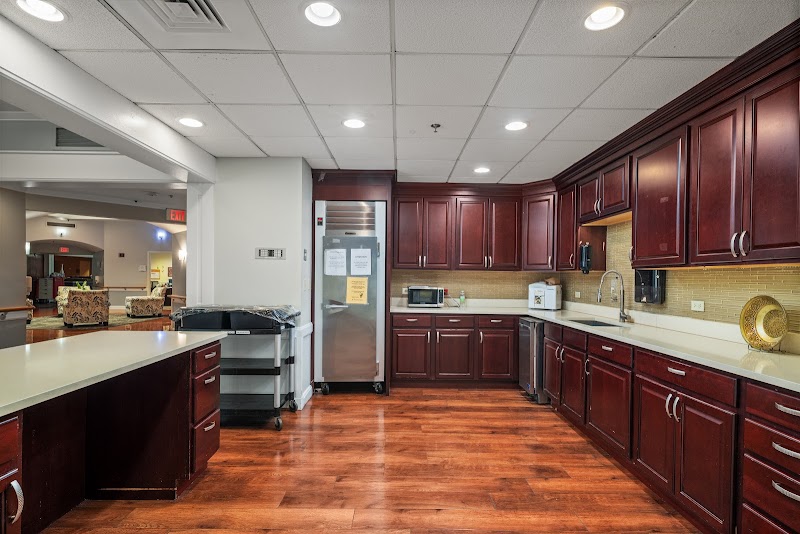
Who Owns and Operates Serenity Estates Of Lincolnshire?

SERENITY ESTATES OF LINCOLNSHIRE is owned by a for-profit company. For-profit facilities operate as businesses with obligations to shareholders or private owners. The facility operates independently rather than as part of a larger chain. With 144 certified beds and approximately 104 residents (about 72% occupancy), it is a mid-sized facility located in LINCOLNSHIRE, Illinois.
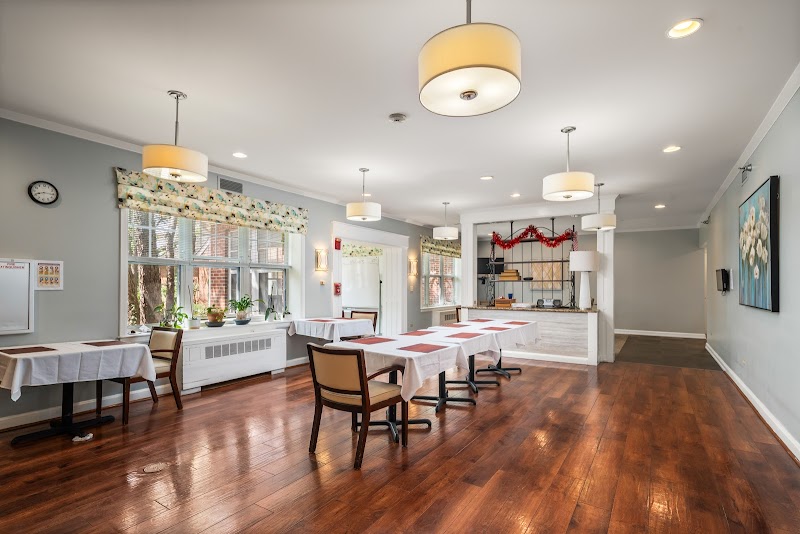
How Does Serenity Estates Of Lincolnshire Compare to Other Illinois Nursing Homes?

Compared to the 100 nursing homes in Illinois, SERENITY ESTATES OF LINCOLNSHIRE's overall rating (1 stars) is below the state average of 2.5, staff turnover (60%) is significantly higher than the state average of 46%, and health inspection rating (1 stars) is much below the national benchmark.

What Should Families Ask When Visiting Serenity Estates Of Lincolnshire?

Based on this facility's data, families visiting should ask: "What changes have been made since the serious inspection findings, and how are you preventing similar issues?" "How do you ensure continuity of care given staff turnover, and what is your staff retention strategy?" "Can you walk me through typical staffing levels on day, evening, and night shifts?" "Can I visit during a mealtime to observe dining assistance and food quality?" These questions are particularly relevant given the facility's Immediate Jeopardy citations, the facility's high staff turnover rate, and the below-average staffing rating.

Is Serenity Estates Of Lincolnshire Safe?

Based on CMS inspection data, SERENITY ESTATES OF LINCOLNSHIRE has documented safety concerns. Inspectors have issued 5 Immediate Jeopardy citations (the most serious violation level indicating risk of serious injury or death). The facility has a 1-star overall rating and ranks #100 of 100 nursing homes in Illinois. Families considering this facility should ask detailed questions about what corrective actions have been taken since these incidents.

Do Nurses at Serenity Estates Of Lincolnshire Stick Around?

Staff turnover at SERENITY ESTATES OF LINCOLNSHIRE is high. At 60%, the facility is 14 percentage points above the Illinois average of 46%. Registered Nurse turnover is particularly concerning at 58%. RNs handle complex medical decisions and coordinate care — frequent RN changes can directly impact care quality. High turnover means new staff may not know residents' individual needs, medications, or preferences. It can also be disorienting for residents, especially those with dementia who rely on familiar faces. Families should ask: What is causing the turnover? What retention programs are in place? How do you ensure care continuity during staff transitions?

Was Serenity Estates Of Lincolnshire Ever Fined?

SERENITY ESTATES OF LINCOLNSHIRE has been fined $360,305 across 11 penalty actions. This is 9.8x the Illinois average of $36,682. Fines at this level are uncommon and typically indicate a pattern of serious deficiencies, repeated violations, or failure to correct problems promptly. CMS reserves penalties of this magnitude for facilities that pose significant, documented risk to resident health or safety. Families should request specific documentation of what issues led to these fines and what systemic changes have been implemented.

Is Serenity Estates Of Lincolnshire on Any Federal Watch List?

SERENITY ESTATES OF LINCOLNSHIRE is not on any federal watch list. The most significant is the Special Focus Facility (SFF) program, which identifies the bottom 1% of nursing homes nationally based on persistent, serious quality problems. Not being on this list means the facility has avoided the pattern of deficiencies that triggers enhanced federal oversight. This is a positive indicator, though families should still review the facility's inspection history directly.