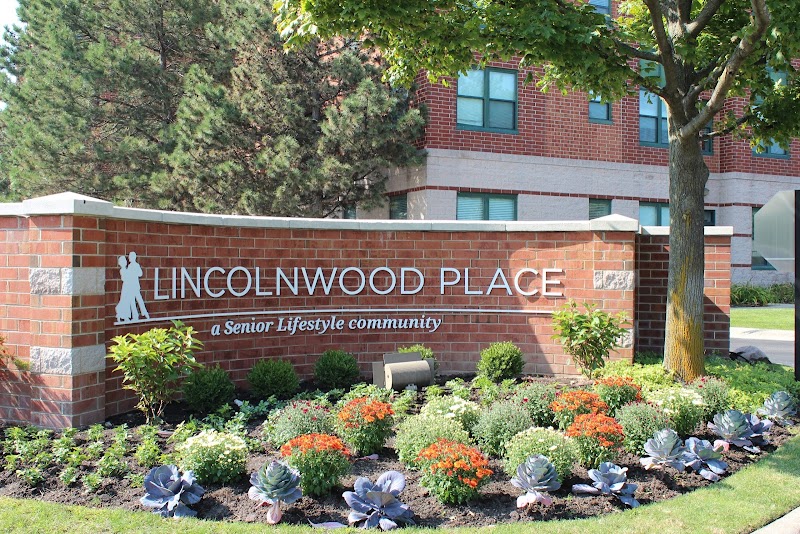
LINCOLNWOOD PLACE

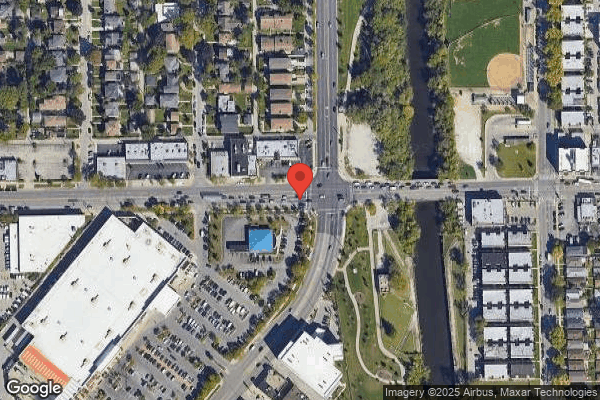
7000 NORTH MCCORMICK BLVD., LINCOLNWOOD, IL 60645 (847) 673-7166
For profit - Limited Liability company 40 Beds SENIOR LIFESTYLE Data: November 2025
Trust Grade
70/100
#161 of 665 in IL
Last Inspection: December 2024

Within standard 12-15 month inspection cycle. Federal law requires annual inspections.

Overview

Lincolnwood Place has received a Trust Grade of B, indicating it is a good choice for families seeking care, though improvements could be made. It ranks #161 out of 665 nursing homes in Illinois, placing it in the top half, and #54 out of 201 in Cook County, meaning there are only a few better options nearby. However, the facility's trend is concerning as the number of issues noted has increased from three in 2023 to four in 2024. Staffing is a relative strength with a 4/5-star rating, but the turnover rate of 54% is higher than average, which may impact continuity of care. The facility has incurred $42,026 in fines, which is average, but it is important to note specific incidents such as a serious medication error that led to a resident being hospitalized for an opioid overdose, and failures related to food storage and isolation procedures that could potentially affect residents' safety. Overall, while Lincolnwood Place has some strengths, families should consider these weaknesses and the recent trend of increasing issues when making their decision.

Trust Score
B
70/100
In Illinois
#161/665
Top 24%
Safety Record
Moderate
Needs review
Inspections
Getting Worse
3 → 4 violations
Staff Stability
⚠ Watch
54% turnover. Above average. Higher turnover means staff may not know residents' routines.
Penalties
○ Average
$42,026 in fines. Higher than 52% of Illinois facilities. Some compliance issues.
Skilled Nurses
✓ Good
Each resident gets 91 minutes of Registered Nurse (RN) attention daily — more than 97% of Illinois nursing homes. RNs are the most trained staff who catch health problems before they become serious.
Violations
○ Average
9 deficiencies on record. Average for a facility this size. Mostly minor or procedural issues.
★★★★☆
4.0
Overall Rating
★★★★☆
4.0
Staff Levels
★★★★☆
4.0
Care Quality
★★★★☆
4.0
Inspection Score
Stable
2023: 3 issues
2024: 4 issues

The Good

  • 4-Star Staffing Rating · Above-average nurse staffing levels
  • 4-Star Quality Measures · Strong clinical quality outcomes
  • Full Sprinkler Coverage · Fire safety systems throughout facility
  • No fines on record

Facility shows strength in staffing levels, quality measures, fire safety.

The Bad

Staff Turnover: 54%

Near Illinois avg (46%)

Higher turnover may affect care consistency

Federal Fines: $42,026

Above median ($33,413)

Moderate penalties - review what triggered them

Chain: SENIOR LIFESTYLE

Part of a multi-facility chain

Ask about local staffing decisions and management

The Ugly 9 deficiencies on record

1 actual harm
Dec 2024 4 deficiencies
CONCERN (D)

Potential for Harm - no one hurt, but risky conditions existed

Accident Prevention (Tag F0689)

Could have caused harm · This affected 1 resident

Based on observation, interview and record review, the facility failed to adequately supervise a high fall risk resident for one of four residents (R26) reviewed for accidents in the sample of 14. Fin...

Read full inspector narrative →
Based on observation, interview and record review, the facility failed to adequately supervise a high fall risk resident for one of four residents (R26) reviewed for accidents in the sample of 14. Findings include: On 12/10/2024 at 10:09AM during facility rounds, V15 (Certified Nursing Assistant) was observed coming out of R26's room and R26 was observed sitting on the toilet with R26's wheelchair in front of her with no staff present. On 12/10/2024 at 10:15AM during interview with V15, V15 stated that he went out of R26's room because he needs to grab another pair of gloves because what he had was the wrong size. V15 stated that he does not usually leave the resident but R26 is not a fall risk so he trusts R26 will not fall. On 12/12/2024 at 9:30AM during interview with V2 (Interim Director of Nursing), V2 stated that staff is expected to gather all their needed supplies before proceeding to resident's room and before starting to provide care to any resident. V2 stated that staff cannot leave any resident unattended until the task is completed. V2 also stated that if the resident wants some privacy, the staff can stay outside the bathroom with the door slightly opened to be able to hear or peek as needed. V2 stated that supervision means that one staff must be present to oversee and monitor the resident while performing the task. V2 stated that extensive assistance means that the resident cannot really do the task for themselves, so one or two staff must be present to provide support and assistance to the resident during care. Review of R26's Fall Risk Review dated 11/18/2024 indicated R26 has fall risk score of 13 which is considered a high risk for falls. Review of R26's Progress Notes dated 06/12/2024 indicated a fall incident was noted. Review of R26's Minimum Data Set (MDS) Section GG - Functional Abilities dated 11/18/2024 indicated R26 needs supervision or touching assistance with toileting hygiene, and partial/moderate assistance with toilet transfer. Review of R26's care plan revised on 11/22/2024 indicated that R26 has an ADL (Activities of Daily Living) self-care performance deficit r/t (related to) weakness d/t (due to) dx (diagnoses) of dementia, cerebral infarction, depression, adult failure to thrive. R26 is an extensive assistance of one staff member for toileting, bed mobility, transfer. Review of facility's policy entitled Activities of Daily Living (ADL) Supporting - Skilled last revised 3/13/2023 indicated the following: Protocol: 2. Appropriate care and services will be provided for residents who are unable to carry out ADLs independently, with the consent of the resident and in accordance with the plan of care, including appropriate support and assistance with: c. Bowel and Bladder Elimination (toileting); 5. A resident's ability to perform ADLs will be measured using clinical tools, including the MDS. Functional decline or improvement will be evaluated in reference to the Assessment Reference Date (ARD) and the following MDS definitions: b. Supervision - oversight, encouragement or cueing provided 3 or more times during the last 7 days. c. Limited Assistance - Resident highly involved in activity and received physical help in guided maneuvering of limb(s) or other non-weight bearing assistance 3 or more times during the last 7 days. d. Extensive Assistance - while resident performed part of the activity over the last 7 days, staff provided weight-bearing support. 6. Interventions to improve or minimize a resident's functional abilities will be in accordance with the resident's assessed needs, preferences, stated goals and recognized standards of practice. Review of facility's policy entitled Falls Program - Skilled last revised 09/13/2022 indicated the following: Avoidable Accident: The Community failed to: - Implement interventions, adequate supervision (consistent with the resident's needs), goals, plan of care, and current standards of practice in order to reduce the risk of an accident. An evaluation of the factors includes reviewing for previous falls and if so, are there any similarities. Intrinsic Risk Factors: - Previous fall Supervision - The Community is obligated to provide adequate supervision to prevent accidents. Adequacy of supervision is defined by type and frequency, based on the individual resident's assessed needs, and identified hazards in the resident environment.
CONCERN (D)

Potential for Harm - no one hurt, but risky conditions existed

Deficiency F0883 (Tag F0883)

Could have caused harm · This affected 1 resident

**NOTE- TERMS IN BRACKETS HAVE BEEN EDITED TO PROTECT CONFIDENTIALITY** Based on interview, and record review, the facility failed to administer immunizations to 3 of 5 residents (R15, R28 and R132) r...

Read full inspector narrative →
**NOTE- TERMS IN BRACKETS HAVE BEEN EDITED TO PROTECT CONFIDENTIALITY** Based on interview, and record review, the facility failed to administer immunizations to 3 of 5 residents (R15, R28 and R132) reviewed for immunization in a sample of 14 residents. Findings include: During record review on 12/12/24 at 11:00am, R15's record was noted with a consent for influenza dated 11/22/24. The vaccine was not administered as of 12/11/24. R28 consented to pneumococcal vaccine on 11/13/24 and the vaccine was not administered as of 12/11/24 and R132 consented for influenza on 12/4/24 and did not receive the vaccine as of 12/11/24. The surveyor, V2(Director of Nursing/DON) and V13(Registered Nurse/RN) observed a house stock of 20 pre-filled (0.5ml (millimeter)) Influenza Vac Adjuvanted Fluad ([AGE] years of age and older) in the fridge during medication storage inspection. On 12/11/24 at 11:30am, Both V2(DON) and V4(infection Prevention) stated that the vaccines should have been given. V2 stated that the nurse who took the consent should have given the vaccines. V2 stated that residents' vaccine status is checked upon admission and given if they have not received any immunization. V4 stated that she is responsible for checking that residents' immunizations are up to date once admitted into the facility. V4 stated that she took over the position nine months ago. Facility policy dated 6/4 /2024 reads, title Resident Immunization policy: 3. Procedure: As appropriate residents will be offered the opportunity to receive the immunizations annually (October 1 - March 31st) for influenza. 4. As appropriate, residents will be offered the opportunity to receive a one-time dose of vaccine for pneumococcal pneumonia after the age of 65, or a second dose for those who received their first dose when they were under 65; or if 5 or more years have passed since that dose. Facility policy dated 7/14/2022 titled, Offering Pneumococcal. Policy: All residents will be offered the pneumococcal vaccine PCV 13 and PP SV23 to aid in preventing pneumococcal infection (e.g pneumonia) Protocol: 1.Upon admission residents will be assessed for eligibility to receive the pneumococcal vaccine (PCV 15 and PPSV23 one year later, or RPP SV20) and when indicated will be offered the vaccination within 5 days of admission to the facility unless medically contraindicated or the resident has already been vaccinated.
CONCERN (E)

Potential for Harm - no one hurt, but risky conditions existed

Deficiency F0761 (Tag F0761)

Could have caused harm · This affected multiple residents

Based on observation, interview, and record review, the facility failed to monitor the temperature of two of two medication refrigerators reviewed for medication storage. This failure has the potentia...

Read full inspector narrative →
Based on observation, interview, and record review, the facility failed to monitor the temperature of two of two medication refrigerators reviewed for medication storage. This failure has the potential to affect six of six Residents (R2, R3, R8, R14, R17, and R182) reviewed for medication storage in a sample of 14 residents. Findings include: On 12/11/24 at 9:30am, during a tour of the medication storage room, surveyor observed log A (Patient medication fridge) with a missing temperature date for 12/2/24, 12/3/24 and 12/10/24. Log B (House stock control substance fridge) was also missing temperature on 12/11/24. Surveyor, V2 (Director of Nursing/DON) and V13 (Registered Nurse/ RN) also observed medications for six residents in the fridge. (R2, R3, R8, R14, R17, and R182). On 12/11/24 at 9:30am, both V2 (DON) and V13 (RN) stated that, the night shift is responsible for checking the refrigerator at the end of the shift in the morning before leaving. Both stated that the temperature should have been checked. V2 stated that if the fridge is not in the right temperature it can affect the efficacy of the medications. The facility was unable to provide policy on medication refrigerator temperature monitoring.
CONCERN (F)

Potential for Harm - no one hurt, but risky conditions existed

Food Safety (Tag F0812)

Could have caused harm · This affected most or all residents

Based on observation, interview, and record review, the facility failed to follow the food storage policy by not labeling food products with (cook or open) dates. This failure has the potential to aff...

Read full inspector narrative →
Based on observation, interview, and record review, the facility failed to follow the food storage policy by not labeling food products with (cook or open) dates. This failure has the potential to affect 36 residents with oral diets. Findings include: On 12/10/24 at 9:56 AM, Surveyor and V6 (Chef) noted 1 metal pan of cooked mixed vegetables without a date, 1 metal pan of meat sauce without a label or date, 1 metal pan of marinara without a label or date, 1 metal pan of barbeque sauce without a label or date, and 1 metal pan of beef base without a label or date, 7 trays of uncooked tilapia without a label or date, 1 pan of lasagna without a label or date, 1 tray of dinner rolls without a label or date, 1 open bag of tortellini without a label or date, 1 open bag of tater tots without a label or date, 1 open bag of sweet potato fries without a label or date, 1 open bag of raisin bran without a label or date, and 1 open bag of wheat cereal without a label or date. Surveyor noted V6 immediately labeling numerous food items with dates. On 12/11/24 at 9:45 AM, V6 (Chef) said food labels let you know when the food was handled and you can determine how long the food is good for. V6 said all (dietary) staff are responsible for labeling food items. On 12/11/24 at 9:55 AM, V7 (Dietician) said food is labeled and dated before and after food is handled. Dates let you know when food was prepared and when it was used. V7 said depending on the food, food can last 3-5 days. V7 said all dietary staff should label and date food items. On 12/12/24 at 9:44 AM, V8 (Cook) said food is labeled to say how long it has been there. V8 said all food should be labeled and all kitchen staff is responsible for labeling food. Food Storage Policy (revised 9-2016) documents: 1. All products should be dated upon receipt and upon use when the entire amount of a product is not prepared. Where requires by state regulations, use by dates are put on products. Leftovers should be date according to the leftovers policy. Dietary Spreadsheet documents 36 residents on oral diets.
Nov 2023 1 deficiency
CONCERN (F)

Potential for Harm - no one hurt, but risky conditions existed

Infection Control (Tag F0880)

Could have caused harm · This affected most or all residents

**NOTE- TERMS IN BRACKETS HAVE BEEN EDITED TO PROTECT CONFIDENTIALITY** Based on observation, interview and record review facility failed to follow isolation procedures and usage of PPE (Personal Prot...

Read full inspector narrative →
**NOTE- TERMS IN BRACKETS HAVE BEEN EDITED TO PROTECT CONFIDENTIALITY** Based on observation, interview and record review facility failed to follow isolation procedures and usage of PPE (Personal Protective Equipment) for one (R5) resident. This failure has a potential to affect entire facility. Findings include: On 11/06/2023 at 9:42 AM, V1 (Administrator) stated that facility census is 26 at this time. On 11/06/23 at 12:09 PM, Surveyor observed V7 (Housekeeper) cleaning room [ROOM NUMBER], wearing mask and gloves, no gown. Visible contact isolation precaution sign posted and Personal Protective Equipment cart outside of the room [ROOM NUMBER] noticed. On 11/06/23 at 12:09 PM, Surveyor observed V8 (Maintenance staff) walking into room [ROOM NUMBER]'s bathroom with no Personal Protective Equipment, and no hand hygiene, before or after room entrance. On 11/06/2023 at 12:14 PM, Surveyor interviewed V7 who related the following in summary but non-verbatim: I just cleaned room [ROOM NUMBER]. This room is on contact isolation precautions, so I should wear a mask, and wash my hands before I go in and out of the room. My assignment consists off entire facility (skilled unit), including all 26 residents' rooms and common areas. On 11/06/23 at 12:25 PM, Surveyor interviewed V9 (Registered Nurse) who related the following in summary but non-verbatim: R5 is on contact isolation precautions for ESBL (extended spectrum beta-lactamase) in the urine. On 11/06/23 at 12:55 PM Surveyor interviewed V2 (Director of Nursing/Infection Preventionist) who related the following in summary but non-verbatim: V7 and V8 should have observed the sign and wore the appropriate Personal Protective Equipment, which would be gown and gloves. Additionally, they should have washed their hands with soap and water because R5 is on contact isolation precautions. Community Infection Control Policy - Assisted Living and Skilled dated 08/28/2023 reads in part, Contact Precautions - for known or suspected infections that represent an increased risk for contact transmission; Clean hands prior to entry and upon exit of resident room; Use personal protective equipment (PPE) including gloves and gown for all interactions that may involve contact with the resident or resident's environment.
Feb 2023 1 deficiency 1 Harm
SERIOUS (G) 📢 Someone Reported This

A family member, employee, or ombudsman was alarmed enough to file a formal complaint

Actual Harm - a resident was hurt due to facility failures

Quality of Care (Tag F0684)

A resident was harmed · This affected 1 resident

Based on interview and record review, the facility failed to follow their Medication Administration policy and Narcotic/Controlled Medication Management policy, and physician orders. This affected 1 o...

Read full inspector narrative →
Based on interview and record review, the facility failed to follow their Medication Administration policy and Narcotic/Controlled Medication Management policy, and physician orders. This affected 1 of 3 (R1) residents reviewed for physician orders and medication administration. This failure resulted in R1 received unscheduled opioid medication without doctor's order. R1 was transferred to local hospital due to hypotension and altered mental status in the wound clinic appointment. Hospital final diagnoses of Opioid overdose, accidental or unintentional, Anemia, Lupus, Antiphospholipid antibody positive and elevated BUN. Findings Include: R1 was admitted in the facility on 1/21/23 for pain management, physical therapy services and wound vacuum treatment on her right leg for post traumatic hematoma of right lower extremity and required embolization of anterior tibial artery at the time and required debridement of the wound. R1 was admitted with pain medication in the facility on 1/21/23 such as: Acetaminophen 500mg three times a day and oxycodone 10mg every 4 hours as needed for maximum daily dose of 60mg. Oxycodone was changed on 1/24/23 to 10mg three times a day for 10 days. On 2/2/23 R1 had a wound doctor appointment in wound clinic. Was seen by V4 (NP for pain management) and saw changes in condition, suggested to V2 (DON) for hospital evaluation. V4 stated on 2/21/23 at 11:15am on February 2nd, seen the resident there was a change of condition, mildly slow response, reviewed labs and may have contributed to that slow response, remembers seeing abnormal levels and suggested for resident to go to the hospital from there I do not know what happened because the next thing I know, R1 was going for her wound doctor's appointment, and I guess my recommendation was not followed by the V2 (DON). All I heard was R1 diverted to the hospital that day. R1's progress notes reviewed and noted on 2/2/23 at 2224 documented that a nurse placed a call to local hospital emergency room and R1 is admitted with Anemia and opioid overdose. Facility reported this incident to State Agency (SA) and initiated investigation on 2/2/23. Facility's investigation concluded that R1 admitted with medication order of oxycodone 10mg by mouth every 4 hours as need for pain with a maximum daily amount 60mg. Oxycodone was changed by pain management Nurse Practitioner (V4) on 1/24/23 from as needed to three times a day. Since the medication changed, R1 has not received more than the maximum recommended dose of 60mg per day. V2 reviewed narcotic records. In-service will take place with skilled licensed nursing staff. Investigation documents reviewed and facility has an interview with V3 (Nurse) regarding administration of medication for R1. Written V3 stated she should have looked more thoroughly at the EMAR (Electronic Medication Administration Record) prior to administering medication. V1 (Administrator) and V2 explained the need to follow physician orders and if medication is not listed in PointClickCare (PCC, electronic charting), it cannot be administered. V3 expressed understanding and was very apologetic that V3 had missed it. Narcotic opioid medication of R1 reviewed with V2. V2 showed the narcotic sheet count and the medication card, the count was right, however on 1/25/23 at 2am, 1/26/23 at 4am, and 1/27/23 at 2am, V3 administered oxycodone 10 mg to R1. Oxycodone was already changed from as needed to scheduled three times a day on 1/24/23. There is no noted change of order sticker on the medication card and on the count sheet. On 2/16/23 at 1:45pm, Interviewed V3 (Nurse) and stated V3 stated R1 complained of pain those 3 nights that she worked and she gave pain medication without checking the EMAR of R1. V3 did not look at the EMAR for the order, V3 knows that R1 had a PRN oxycodone order and the medication is still in the cart so V3 assumed that there were no changes with R1's pain medication. V3 stated that facility practice they supposed to remove the medication out of the medication cart when it was discontinued to avoid medication error. V3 also stated that one of those days, the computer is not working but cannot recall which day, but still admit that she should have looked the EMAR. We are not supposed to give medication without doctor's order, I should have checked first before giving R1 her medication. V3 also denied calling the doctor or NP to get an order and denied documenting anything in the progress notes of R1 for giving unscheduled medication at the time. On 2/21/23 at 2:15pm V2 stated Discontinued medication, they supposed to remove it from the cart because there is a change of order. If the medication is changed and keeping the medication, they will put the sticker to let other nurses know that there is a change while waiting for the new medication supply. No sticker was placed in R1's oxycodone medication. If the narcotic is remove they give it to me, and then I will destroy it. Nurses cannot give medication if there is no doctor's order. If a resident is still in pain the nurse should call and follow up with the pain management or the physician and get a new order if needed. If there was a new order I still expect the nurses to put the new order and document that the new order was given. Hospital record dated 2/2/23 shows that R1 was transferred to emergency department due to altered mental status and hypotension while in her wound clinic appointment. R1 receive 4mg of Narcan (known prescription medication used for treatment of a known or suspected opioid overdose) via IV and one dose via nebulizer treatment. R1 is more arouse after the narcan was given but still lethargic. Admitting diagnoses of Opioid overdose, accidental or unintentional, Anemia, Lupus, Antiphospholipid antibody positive and elevated BUN. R1 was assessed to be drowsy with pin point pupils and decreased respiratory effort in the ER. On 2/21/23 at 11:15am, V4 also stated I would expect nurses in the facility to follow the order, and not to give medication if it is not ordered. Narcan is use to reverse opioid overdose. I am not aware that extra oxycodone was given to R1. On 2/21/23 at 11:45am, V5 (Nurse that discontinued the Narcotic medication of R1 on 1/24/23) stated When medication is discontinued we remove it out the medication cart and if the medication is the same dose, we can keep the medication while waiting for the new one to come. There is a sticker that we put in the medication bingo card. I do not remember if I put a sticker at that time. Facility policy for Medication Administration with last reviewed date of 7/12/22 reads in part: Medications shall be administered in a safe and timely manner and as prescribed. Only persons licensed or permitted by this State to prepare, administer and document the administrations of medication may do so. Medications must be administered in accordance with orders, including any requires time frame. The individual administering medications must verify the resident's identity before giving the resident his/her medications. The individual administering the medication must check the label three times to verify right medication, right dose, right time, and right method of administration before giving the medication. If drug is withheld, refused or given at a time other than scheduled time, the individual administering the medication shall indicate in PCC the appropriate/related code and also complete a progress note in the resident record. Narcotic/Controlled Medication Management with last reviewed date of 6/20/22 reads in part: when a controlled substance medication is discontinued, left over controlled medication are not to be stock-pies in the medication cart.
Jan 2023 1 deficiency
CONCERN (D) 📢 Someone Reported This

A family member, employee, or ombudsman was alarmed enough to file a formal complaint

Potential for Harm - no one hurt, but risky conditions existed

Accident Prevention (Tag F0689)

Could have caused harm · This affected 1 resident

**NOTE- TERMS IN BRACKETS HAVE BEEN EDITED TO PROTECT CONFIDENTIALITY** Based on observation, interview and record review, the facility failed to follow their fall precautions and care plans to preven...

Read full inspector narrative →
**NOTE- TERMS IN BRACKETS HAVE BEEN EDITED TO PROTECT CONFIDENTIALITY** Based on observation, interview and record review, the facility failed to follow their fall precautions and care plans to prevent a cognitively impaired resident from falling. This failure affected 1 of 3 residents (R1) reviewed for falls and with a history of falls. R1 fell in the bathroom face first and sustained a nasal fracture. R1 had a recent history of falls on 11/24/22. Findings include: On 12/16/22 at 11:00 AM, R1 was observed in the day room area sitting in a wheelchair attending an activity. R1 appeared confused and could not respond to questions. R1 wore a pink sweat shirt and gray sweat pants with white socks that were observed sliding on to the wheelchair leg rests. The activity aide (V12 ) was focused on observing the television where an exercise program was in progress. V12 was observed exercising with the program on the television and was not focused on R1 or any of the other 9 residents that were present in the day room. At one end of the day room was a rectangular shaped pillar where a computer and desk set up were situated and V4 (CNA/Certified Nursing Aide) was sitting. Surveyor asked V4 to identify R1, and V4 stood up from her computer behind the wall in order to observe the resident. Surveyor asked if she was assigned to monitor R1 while she was in the day room and how she could do this sitting behind the wall, V4 stated, She's mine (referring to her assigned resident) but I'm not watching her because she's doing an activity. Surveyor asked if she knew about R1 and what the facility told her to do with R1 to keep her safe from falling, V4 stated, I don't know because I'm agency and I don't know anything about R1. Surveyor asked whether the nurse or any other staff informed her about any care concerns with R1, V4 stated, I don't know what you mean. Surveyor clarified and asked whether R1 was a fall risk, V4 stated, I have no idea. On 12/16/22 at Interview with V3 (Assistant Director of Nursing) at 10:30 AM, stated, I don't really know what happened to R1, I am new here and I am usually in charge of the second floor and the DON (V2) is in charge of the first floor. Surveyor asked whether She and the director of nursing communicate incidents that are reported to the health department, V3 stated, Yes, but we have a lot of residents here and I don't know all of them. Surveyor asked how many residents she was in charge of, V3 stated, We have 28 but they come and go. Surveyor clarified with V3 that it was the facility that reported a fall incident to Public Health, V3 stated, Oh okay. Yes, R1 fell and broke her nose. Surveyor asked whether R1 was a fall risk and if she had fallen before, V3 stated, No she has not fallen before and she is very high risk for falls. Interview with V3 on 12/16/22 at 10:30 AM affirmed R1 fell face forward and sustained a nasal fracture. V3 stated, (R1) was in the bathroom and I was told she was being helped by a CNA and she slipped out of her wheelchair and fell face first to the floor. We sent her out to the hospital and she had a nose fracture. Interview with V2 (Director of Nursing) on 12/16/22 at 11:30 AM, affirms V3's statement and stated, I interviewed V11( CNA) and she claimed she was with R1 in the bathroom when she fell face forward. Records reviewed showed R1 fell on [DATE] with minor injury, fell on [DATE] where she was sent to the hospital and treated for a nasal fracture; and fell again on 12/9/22 where she was found on the floor beside her bed. R1 is a [AGE] year-old with diagnosis of Alzheimer's dementia, hypertension and atrial fibrillation. R1's care plan dated 12/5/22 reads in part, (R1) has had an actual fall on 11/24/22. Interventions: Bed in lowest position when in use, Continue interventions on the at-risk plan, For no apparent acute injury, determine and address causative factors of the fall, Frequent visual monitoring by staff when in bed, Monitor/document /report as needed x 72 hours to MD for signs and symptoms: Pain, bruises, Change in mental status, New onset: confusion, sleepiness, inability to maintain posture, agitation. Another care plan dated 12/5/22 reads in part, (R1) is risk for falls related to cognitive impairment, history fall, use of psychotropic medication. Interventions: Anticipate and meet R1's needs. Be sure call light is within reach and encourage to use it for assistance as needed. Needs prompt response to all requests for assistance. Complete fall risk screen on admission and PRN as indicated to identify risk factors. Ensure that R1 is wearing appropriate footwear. Facility Incident Report written and reported by V2 (DON) reads in part, On December 6, 2022, the resident was being assisted by V9 (CNA) when R1 fell in the bathroom face first to the floor, injuring her nose and was sent out to the hospital for treatment and diagnosed with a fractured nose.
Dec 2022 2 deficiencies
CONCERN (D)

Potential for Harm - no one hurt, but risky conditions existed

Deficiency F0761 (Tag F0761)

Could have caused harm · This affected 1 resident

Based on observation and interview the facility failed to properly store unopened insulins in the refrigerator for 2 of 17 residents (R9 and R29) reviewed for medication storage and labeling in 1 of 2...

Read full inspector narrative →
Based on observation and interview the facility failed to properly store unopened insulins in the refrigerator for 2 of 17 residents (R9 and R29) reviewed for medication storage and labeling in 1 of 2 medication carts. Findings include: On 12/7/2022 at 9:40 AM with V4 (LPN) checking medication cart 1, surveyor observed 2 insulin Aspart pens unopened in the top drawer of the cart. One insulin Aspart pen does not have a label to identify who the insulin belongs to. The other insulin Aspart pen is labeled for R9. V4 states those medications were in the drawer when she got here this morning. V4 states that the insulin Aspart pens should be refrigerated if not opened. On 12/7/2022 at 10:26 AM while reviewing medication cart 1 with V5 (RN) surveyor observed an unopened Humalog multi-dose vial with red tag that says refrigerate and labeled for R29. V5 states that unopened insulins should be refrigerated. On 12/08/22 10:33 AM V2 (DON) states that unopened insulins should be stored in the refrigerator. On 12/08/22 11:39 AM V11 (Pharmacist) states that facility's should store unopened insulins in the refrigerator.
CONCERN (F)

Potential for Harm - no one hurt, but risky conditions existed

Infection Control (Tag F0880)

Could have caused harm · This affected most or all residents

Based on interview and record review, the facility failed to have measures to prevent the growth of Legionella and other opportunistic waterborne pathogens in the facility water systems. This deficien...

Read full inspector narrative →
Based on interview and record review, the facility failed to have measures to prevent the growth of Legionella and other opportunistic waterborne pathogens in the facility water systems. This deficiency has the potential to affect all the residents in the facility. Findings include: On 12/06/2022 at 1:05 PM during rounds, V6 (Director of Plant Operations) was asked if he can present water testing results and said that he has to check with his director. On 12/07/2022 at 12:45PM, V6 stated that as far as he knows no water testing was done since he started in the facility which was between June and July 2022. Water Management Plan Date: June 27, 2022 Procedures for Legionella Testing if specified by Program Team: Periodic sampling (at least quarterly) for Legionella in cooling towers, spa pools and decorative fountains is recommended to demonstrate that the biocidal control is effective for the organism.
Understanding Severity Codes (click to expand)
Life-Threatening (Immediate Jeopardy)
J - Isolated K - Pattern L - Widespread
Actual Harm
G - Isolated H - Pattern I - Widespread
Potential for Harm
D - Isolated E - Pattern F - Widespread
No Harm (Minor)
A - Isolated B - Pattern C - Widespread

Questions to Ask on Your Visit

  • "Can I speak with families of current residents?"
  • "What's your RN coverage like on weekends and overnight?"

Our Honest Assessment

Strengths
  • • Licensed and certified facility. Meets minimum state requirements.
Concerns
  • • 9 deficiencies on record, including 1 serious (caused harm) violation. Ask about corrective actions taken.
  • • $42,026 in fines. Higher than 94% of Illinois facilities, suggesting repeated compliance issues.
Bottom line: Mixed indicators with Trust Score of 70/100. Visit in person and ask pointed questions.

About This Facility

What is Lincolnwood Place's CMS Rating?

CMS assigns LINCOLNWOOD PLACE an overall rating of 4 out of 5 stars, which is considered above average nationally. Within Illinois, this rating places the facility higher than 99% of the state's 100 nursing homes. This rating reflects solid performance across the metrics CMS uses to evaluate nursing home quality.

How is Lincolnwood Place Staffed?

CMS rates LINCOLNWOOD PLACE's staffing level at 4 out of 5 stars, which is above average compared to other nursing homes. Staff turnover is 54%, compared to the Illinois average of 46%. RN turnover specifically is 56%, which is notably high. RNs provide skilled clinical oversight, so turnover in this role can affect medical care quality.

What Have Inspectors Found at Lincolnwood Place?

State health inspectors documented 9 deficiencies at LINCOLNWOOD PLACE during 2022 to 2024. These included: 1 that caused actual resident harm and 8 with potential for harm. Deficiencies causing actual harm indicate documented cases where residents experienced negative health consequences.

Who Owns and Operates Lincolnwood Place?

LINCOLNWOOD PLACE is owned by a for-profit company. For-profit facilities operate as businesses with obligations to shareholders or private owners. The facility is operated by SENIOR LIFESTYLE, a chain that manages multiple nursing homes. With 40 certified beds and approximately 36 residents (about 90% occupancy), it is a smaller facility located in LINCOLNWOOD, Illinois.

How Does Lincolnwood Place Compare to Other Illinois Nursing Homes?

Compared to the 100 nursing homes in Illinois, LINCOLNWOOD PLACE's overall rating (4 stars) is above the state average of 2.5, staff turnover (54%) is near the state average of 46%, and health inspection rating (4 stars) is above the national benchmark.

What Should Families Ask When Visiting Lincolnwood Place?

Based on this facility's data, families visiting should ask: "Can I visit during a mealtime to observe dining assistance and food quality?" "How do you handle medical emergencies, and what is your hospital transfer rate?" "Can I speak with family members of current residents about their experience?"

Is Lincolnwood Place Safe?

Based on CMS inspection data, LINCOLNWOOD PLACE has a clean safety record: no substantiated abuse findings (meaning no confirmed cases of resident harm), no Immediate Jeopardy citations (the most serious violation level indicating risk of serious injury or death), and is not on the Special Focus Facility watch list (a federal program monitoring the lowest-performing 1% of nursing homes). The facility has a 4-star overall rating and ranks #1 of 100 nursing homes in Illinois. While no facility is perfect, families should still ask about staff-to-resident ratios and recent inspection results during their visit.

Do Nurses at Lincolnwood Place Stick Around?

LINCOLNWOOD PLACE has a staff turnover rate of 54%, which is 8 percentage points above the Illinois average of 46%. Moderate turnover is common in nursing homes, but families should still ask about staff tenure and how the facility maintains care continuity when employees leave.

Was Lincolnwood Place Ever Fined?

LINCOLNWOOD PLACE has been fined $42,026 across 2 penalty actions. The Illinois average is $33,499. While any fine indicates a compliance issue, fines under $50,000 are relatively common and typically reflect isolated problems that were subsequently corrected. Families should ask what specific issues led to these fines and confirm they've been resolved.

Is Lincolnwood Place on Any Federal Watch List?

LINCOLNWOOD PLACE is not on any federal watch list. The most significant is the Special Focus Facility (SFF) program, which identifies the bottom 1% of nursing homes nationally based on persistent, serious quality problems. Not being on this list means the facility has avoided the pattern of deficiencies that triggers enhanced federal oversight. This is a positive indicator, though families should still review the facility's inspection history directly.