VILLAGE AT VICTORY LAKES, THE
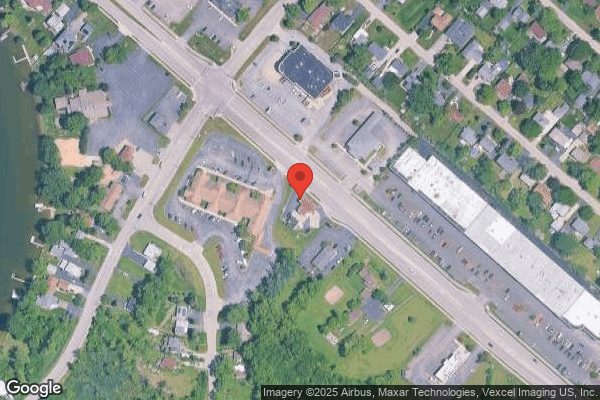
1055 EAST GRAND AVENUE, LINDENHURST, IL 60046 (847) 356-5900
Non profit - Corporation 120 Beds FRANCISCAN COMMUNITIES Data: November 2025
Trust Grade
60/100
#89 of 665 in IL
Last Inspection: January 2025

Within standard 12-15 month inspection cycle. Federal law requires annual inspections.

Overview

The Village at Victory Lakes in Lindenhurst, Illinois, has a Trust Grade of C+, indicating it is slightly above average but still has room for improvement. It ranks #89 out of 665 facilities in Illinois, placing it in the top half, and #4 out of 24 in Lake County, so there are only three local options that are better. The facility is showing an improving trend, with issues decreasing from 12 in 2024 to 4 in 2025. Staffing is a strength, with a rating of 4 out of 5 stars and a turnover rate of 40%, which is below the state average of 46%. However, the facility has incurred $46,643 in fines, indicating some compliance issues. Additionally, there is good RN coverage, exceeding that of 90% of state facilities, which helps ensure better monitoring of residents’ health. On the downside, there have been serious incidents reported, including a resident with an open pressure ulcer that went without proper dressing and another resident who was not adequately supervised during meals, increasing their risk of choking. There was also a failure to identify a stage 3 pressure injury for a resident until it became severe. These findings highlight areas needing attention, even as the facility works on improving its overall care.

Trust Score
C+
60/100
In Illinois
#89/665
Top 13%
Safety Record
High Risk
Review needed
Inspections
Getting Better
12 → 4 violations
Staff Stability
○ Average
40% turnover. Near Illinois's 48% average. Typical for the industry.
Penalties
✓ Good
$46,643 in fines. Lower than most Illinois facilities. Relatively clean record.
Skilled Nurses
✓ Good
Each resident gets 80 minutes of Registered Nurse (RN) attention daily — more than 97% of Illinois nursing homes. RNs are the most trained staff who catch health problems before they become serious.
Violations
⚠ Watch
25 deficiencies on record. Higher than average. Multiple issues found across inspections.
★★★★★
5.0
Overall Rating
★★★★☆
4.0
Staff Levels
★★★★★
5.0
Care Quality
★★★★☆
4.0
Inspection Score
Stable
2024: 12 issues
2025: 4 issues

The Good

  • 4-Star Staffing Rating · Above-average nurse staffing levels
  • 5-Star Quality Measures · Strong clinical quality outcomes
  • Full Sprinkler Coverage · Fire safety systems throughout facility
  • No fines on record
  • Staff turnover below average (40%)

    8 points below Illinois average of 48%

Facility shows strength in staffing levels, quality measures, fire safety.

The Bad

Staff Turnover: 40%

Near Illinois avg (46%)

Typical for the industry

Federal Fines: $46,643

Above median ($33,413)

Moderate penalties - review what triggered them

Chain: FRANCISCAN COMMUNITIES

Part of a multi-facility chain

Ask about local staffing decisions and management

The Ugly 25 deficiencies on record

3 actual harm
Jan 2025 4 deficiencies 1 Harm
SERIOUS (G)

Actual Harm - a resident was hurt due to facility failures

Pressure Ulcer Prevention (Tag F0686)

A resident was harmed · This affected 1 resident

3. R135's face sheets shows he has diagnosis including respiratory failure, dehydration, emphysema, urine retention, and protein calorie malnutrition. On 1/27/25 at 9:43 AM, R135 was observed lying i...

Read full inspector narrative →
3. R135's face sheets shows he has diagnosis including respiratory failure, dehydration, emphysema, urine retention, and protein calorie malnutrition. On 1/27/25 at 9:43 AM, R135 was observed lying in bed. V8 (Certified Nursing Assistant-CNA) provided incontinence care. V8 removed his incontinent brief, his sacrum was red with an open area without a protective dressing in place. On 1/28/25 at 10:44 AM, V2 (DON) went to provide wound care to R135. V2 removed his incontinent brief R135's sacrum remained without a dressing in place, his sacrum was red with an open area. V2 said R135 has a pressure ulcer to his sacrum and should have a dressing in place. R135's admission Evaluation dated 1/21/25 documents an open area to his buttock measuring 0.8 cm (centimeters) x .5 cm. R135's Physician Order Sheets dated January 2025 shows orders including sacrum open area-cleanse with normal saline dry and cover with a foam dressing daily. Based on observation, interview, and record review the facility failed to follow the Wound Physician's recommendations, failed to identify, report, and obtain treatment for wounds and failed to provide pressure relieving intervention to prevent the development of pressure ulcers for 4 of 9 residents (R73, R45, R135, R35) reviewed for pressure ulcers in the sample of 20. This failure resulted in R73's MASD-Moisture Acquired Skin Disease to the left and right gluteal area developing into a left gluteal Stage 3 and right gluteal Stage 4 pressure ulcer. The findings include: 1. R73 Predicting Pressure Ulcer score risk dated 10/12/2024 (admission) shows, High Risk On 01/28/25 at 11:11 AM, V2 DON-Director of Nurse changed the dressing for R73's Stage 4 pressure wound to the left buttock and the Stage 4 pressure wound to the left heel. On 01/28/25 at 11:11 AM, V2 DON-Director of Nursing said, R73 did have redness to the right butt cheek upon admission but developed the pressure ulcer in the facility. R73 admission assessment dated , 05/10/24 at 7:18 PM, shows, Skin MASD in buttocks - very red but intact, Dry scab at Right foot 2 x 1 cm (centimeter), Dry scab at left shoulder - no drainage noted, scattered bruises and scabs at arms and legs due to fall. R73's Initial Wound Evaluation by V11 Wound Doctor dated 10/16/24 shows, unstageable Deep Tissue Injury of the Left Heel, etiology Pressure, Duration Less than 2 days. Size 8.3 cm x 4.1 cm. Skin intact with purple/maroon discoloration. Recommendations: Off-Load Wound; Float Heels in Bed; Pressure Off-Loading Boots. Stage 4 Pressure Wound of the Right Buttock Full thickness. Etiology Pressure Stage 4, duration greater than 14 days. Noted to be present on admission per staff. Wound size 2.6 cm x 1.1 cm x 0.5 cm centimeters. slough 10%. Stage 3 Pressure Wound of the Left Buttock Full Thickness. Etiology Pressure Stage 3, Duration greater than 14 days, noted to be present on admission per staff. Wound size 4.5 cm x 7.3 cm x 0.3 cm. 100% subcutaneous dermis. R73's Current Care Plan on 01/28/25 shows, V11's Recommendation to float heels in bed and to apply pressure off-loading boots has NOT been initiated as an Intervention in R73's Care Plan. R73's Wound Evaluation & Management Summary dated 11/27/24 by V11 Wound Doctor shows, Stage 3 pressure wound of the left buttock full thickness etiology pressure, stage 3, duration greater than 56 days noted to be present on admission per staff, 4.5 cm x 8.1 cm x 0.5 centimeters, 30% slough, 20% granulation, 50% subcutaneous dermis. Recommendations: Cipro 500 milligrams by mouth twice a day for 10 days started yesterday by primary care physician with positive cultures of wound and urinary tract infection. R73's MAR dated November 2024 and December 2024 shows, R73 did not receive the wound physicians recommended antibiotic of Ciprofloxacin 500 milligrams by mouth twice a day for 10 days between November 27, 2024, to December 6, 2024, for the Stage 3 Pressure Wound. On 01/28/25 at 1:43 PM, V2 DON said, the nurse that is given the Physician Order is responsible to ensure it is performed. This would be the reasonability of the Wound Nurse to input the order to pharmacy, obtain the wound culture, and notify the primary care physician. On 01/29/25 at 11:29 AM, V11 Wound Doctor said, R73 had a wound infection. I coordinate with the Infection Control Nurse and the Primary Doctor. The Infection Control Nurse ensures the order goes through appropriately and follows up on the wound culture results. On 01/29/25 at 12:54 PM, V2 DON said, the facility's Infection Control Nurse left in August of 2024. I have had a few different Wound Nurses off and on over the past year. My current Wound Nurse started 3 days ago. The Facility's Nursing Skin Integrity policy dated 03/20/23 shows, the licensed nurse using the EMR -electronic medical record observation tool, is to complete a Head-To-Toe Assessment to identify any/all areas of loss of skin integrity. The includes pressure injuries, non-pressure injuries, skin tears, bruises . Notify sites the wound nurse/DON of any skin integrity issues. Evaluate areas of loss of skin integrity and complete a wound consult as appropriate. If the wound doctor is following the resident's wound, their weekly assessment is sufficient for the week. It is the wound nurse/DON's responsibility to ensure all orders and/or recommendations from the Wound Physician are carried out timely. On 01/28/25 at 11:11 AM, V2 DON-Director of Nursing removed R73 right pressure reduction boot. R73 had a 1 centimeter by 1 centimeter black/purple area on the bony prominence of the medial ball of his right foot that looked like a deep tissue injury. On 01/28/25 at 11:11 AM, V2 DON said, the discoloration to the right medial ball of his right foot was not there last week when I assessed R73 with the wound doctor. On 01/28/25 at 11:11 AM, R73 denied any injury to the foot. On 01/28/25 01:49 PM, V2 DON, said, I have not documented on R73's discoloration. None of the staff reported the discoloration. R73 has no record of recent injury. The wound doctor will see R73 tomorrow. I will call it discoloration and allow the Wound Doctor to make the determination. On 01/29/25 at 9:43 AM, V10 Wound Doctor said, the wound on the right medial ball of R73's foot is a deep tissue injury. Deep tissue injuries are caused from the tissue resting against a surface for too long. R73 also has a diagnosis of diabetes which increases his risk for wound development. I will classify the wound as a pressure ulcer. The Facility's Nursing Skin Integrity policy dated 03/20/23 shows, evaluate areas of loss of skin integrity and complete a wound consult as appropriate. Complete the appropriate entry on the wound care log. 2. R45 Predicting Pressure Ulcer score risk dated 05/21/24 (admission) shows, At Risk On 01/27/25 at 10:00 AM, R45 observed lying on her back. On 01/28/25 at 1:48 PM, R45 observed lying on back, the positioning wedge was sitting on a chair in her room. On 01/29/25 at 9:55 AM, R45 observed laying on her back with the head of the bed up at 45 degrees. On 01/29/25 at 10:08 AM, V10 Wound Care Doctor said, R45's wound was acquired in the facility. It currently measures 1.8 cm (centimeters) x 1.4 cm x 0.2 cm deep. On 01/29/25 11:02 AM, V2 said, on 5/14/24, R45 was Care Planned that she prefers to lay on her back, identified on admission. On 09/07/24 it was observed that R45 had an open area to her coccyx, we added the pressure reducing mattress that day (09/07/24). On 01/29/25 at 11:29 AM, V11 Wound Doctor said, it is not normal for skin to progress from intact tissue to a stage 4 pressure ulcer, it can happen. Skin can break down quickly and then the muscle. Perhaps the air mattress would have prevented the opening of the wound. R45's admission Skin Observation Tool dated 05/14/24 shows, Skin is intact . R45's Care Plan initiated 05/14/24 shows, R45 likes to lay on her back that can further increase risk of skin breakdown. Care Plan Initiated 05/21/24 R45 is in need of assistance with ADL's-Activities of Daily Living. She insists to stay in bed and needs staff encouragement and substantial maximal assist from staff to roll left and right. R45's Initial Wound Assessment by V11 Wound Care Doctor dated 09/11/2024 shows, Stage 4 Pressure Wound Sacrum Full Thickness, Etiology Pressure, Duration greater than 4 days, Wound Size 3.5 cm x 2.6 cm x 0.4 cm. The facility's Nursing Skin Integrity policy dated 03/20/23 shows, validate a care plan with appropriate interventions initiated. R45's Physician's Orders dated 09/07/24 shows, R45's Pressure Redistribution Mattress was ordered 09/07/24. The facility did not provide R45 with a pressure reducing mattress until after she developed a Stage 4 pressure ulcer. 4. On 01/27/25 at 01:15 PM, R35 observed in bed. There was an air mattress pump hanging on the foot of the bed. The power switch to the air mattress pump was in the off position. The green power button was not lit up. On 01/28/25 at 08:54 AM, V3 (Registered Nurse) confirmed the air mattress pump on R35's bed was off. V3 added that the pump should be on while R35 was in bed. R35's Order Summary Report printed on 1/28/25 showed an order for an air mattress. R35's Care Plan with an initiated date of 9/11/24 showed R35 was at risk for developing pressure injuries. Listed under interventions was for R35 to receive a pressure relieving/reducing mattress. On 01/28/25 at 01:39 PM, V4 (Certified Nursing Assistant) said an air mattress/pump is a pressure relieving intervention.
CONCERN (D)

Potential for Harm - no one hurt, but risky conditions existed

Deficiency F0625 (Tag F0625)

Could have caused harm · This affected 1 resident

Based on interview and record review the facility failed to provide a resident with the bed hold policy when transferring a resident to a hospital for 1 of 2 residents (R23) reviewed for transfers in ...

Read full inspector narrative →
Based on interview and record review the facility failed to provide a resident with the bed hold policy when transferring a resident to a hospital for 1 of 2 residents (R23) reviewed for transfers in the sample of 20. The findings include: A facility assessment done on 12/13/24 showed R23's mental status was intact. R23's Progress Note dated 1/10/25 showed R23 was sent to the hospital because he was having abdominal pain. R23's SNF/NF to Hospital Transfer Form dated 1/10/25 showed R23 was being transferred to a local hospital for evaluation of abdominal pain. The same document showed R23 was capable of making decisions. On 01/27/25 at 11:43 AM, R23 stated when he was sent to the hospital on 1/10/25 he was not given the bed hold policy or informed what the facility's bed hold policy was. On 01/28/25 at 12:44 PM, V5 (Licensed Practical Nurse) said she was the nurse that sent R23 to the hospital on 1/10/25. V5 said she did not provide or inform R23 of the facility's bed hold policy on transfer. The facility's Bed Hold Notices policy dated 5/1/19 showed the facility support the resident's rights to be informed of the policy regarding holding a bed prior to and/or upon a resident's transfer to the hospital. The same policy showed before transfer the resident will be informed regarding the facility's bed hold period.
CONCERN (D)

Potential for Harm - no one hurt, but risky conditions existed

PASARR Coordination (Tag F0644)

Could have caused harm · This affected 1 resident

**NOTE- TERMS IN BRACKETS HAVE BEEN EDITED TO PROTECT CONFIDENTIALITY** Based on interview and record review the facility failed to ensure R36 and R54's PASRR-Preadmission, Screening & Resident Review...

Read full inspector narrative →
**NOTE- TERMS IN BRACKETS HAVE BEEN EDITED TO PROTECT CONFIDENTIALITY** Based on interview and record review the facility failed to ensure R36 and R54's PASRR-Preadmission, Screening & Resident Review was reassessed after being newly diagnosed with a mental illness for 2 of 5 residents (R36, R54) reviewed for PASRR in the sample of 20. The findings include: On 01/29/25 at 9:12 AM, V12 Director of Admission/Community Outreach said, PASRR is usually completed at the hospital prior to admission. If the resident comes from out of state or from their home, it is completed as part of the admission process at the facility. The facility has not been performing the PASRR when a resident is diagnosed with a mental illness after admission. Every resident will be assessed with Level 1 PASRR. That assessment will cue the facility if an additional screening is needed. Diagnosis of a mental illness, psychotropic medications, and behavioral documentation facilitates the need for the type of PASRR the resident needs. I was just notified yesterday of the need for PASRR reassessments with changes in medications and mental health diagnosis. We have been using the current PASRR system but have not been educated on all the details. R36's EMR-Electronic Medical Record on 01/29/25 shows, R36 was admitted to the facility on [DATE]. R36's EMR on 01/29/25 shows, R36 has a Primary Diagnosis of Parkinson's Disease without dyskinesia, without mention of fluctuations, 03/11/24. R36 was diagnosed with anxiety disorder, 04/20/24. R36's PASRR is dated 04/19/23. R54's EMR on 01/29/25 shows, R54 was admitted to the facility on [DATE]. R54's EMR on 01/29/25 shows, R54 has a Primary Diagnosis of Hemiplegia and Hemiparesis following cerebral infarction affecting left non-dominant side. R54 was diagnosed with delusional disorder, 09/02/24. R54's PASRR is dated 01/30/23. The facility PASRR policy dated, 06/01/23 shows, if the individual has a sole diagnosis of dementia, s/he is excluded from further PASRR evaluations. If the person has both a dementia diagnosis and another psychiatric condition, the dementia must be confirmed as primary.
CONCERN (E)

Potential for Harm - no one hurt, but risky conditions existed

Infection Control (Tag F0880)

Could have caused harm · This affected multiple residents

4. On 1/27/25 at 9:43 AM, V8 (CNA) provided incontinence care to R135. R135's incontinent brief was soiled with stool. V8 cleansed his buttocks, and used the same contaminated gloves and touched multi...

Read full inspector narrative →
4. On 1/27/25 at 9:43 AM, V8 (CNA) provided incontinence care to R135. R135's incontinent brief was soiled with stool. V8 cleansed his buttocks, and used the same contaminated gloves and touched multiple surfaces including placing a new brief, adjusted his gown, blanket, his call light and the bed control. On 1/28/25 at 1:41 PM, V2 (DON) said staff should change their gloves after cleaning a soiled body part. The undated facility's Perineal Care Policy states, The purpose of this procedure are to provide cleanliness and comfort to the resident, to prevent infections wash and rinse the rectal area thoroughly .remove gloves .wash and dry your hands thoroughly . 2.On 01/27/25 at 1:29PM, V14 CNA-Certified Nursing Assistant and V15 CNA provided incontinent care to R54. R54 had a bowel movement. After V14 CNA cleaned R54 she failed to change her gloves before applying a clean incontinent brief, placing clean positioning pillows, and pulling up R54's blankets. 3.On 01/27/25 at 9:55 AM, there was a sign posted to R63's door that showed enhanced barrier precautions. As V14 CNA and V15 CNA provided care to R63 they did not wear gowns. V14 CNA used a urinal to empty R63's urine collection bag without putting on a gown. On 01/27/25 at 10:23 AM, V16 LPN-Licensed Practical Nurse said, when staff are caring for residents on enhanced barrier precautions, they should wear gown and gloves when emptying a catheter. Based on observation, interview, and record review the facility failed to ensure staff wore the required PPE (Personal Protective Equipment) in a contact isolation and enhanced barrier precaution room, and failed to ensure gloves were changed during incontinence care to prevent cross contamination. This applies to 4 of 10 residents (R24, R54, R63, R135) reviewed for infection control in the sample of 20. The findings include: 1.) On 1/27/25 at 9:35 AM, outside of R24's open door were two isolation signs, one for Contact Isolation indicating gloves and gowns must be applied when entering the resident room. The second sign was for Enhanced Barrier precautions that showed when providing cares such as dressing, bathing, transferring, providing hygiene, changing briefs or assisting with toileting staff must wear gloves and gowns. Outside of R24's doorway was also a cart containing PPE including gowns, gloves, and masks as well as a bin to place linens and garbage. At 9:37 AM, V7 (Certified Nursing Assistant/CNA) went into the room of R24 without applying a gown or gloves, she proceeded to carry linens and go into the bathroom inside the room where R24 was. At 9:45 AM, V7 exited R24's room to get supplies and and when asked by this surveyor about R24 being on isolation V7 responded she did not get any report that R24 was on any type of isolation. V7 said she had been assisting R24 to the bathroom and to wash up for the day. V7 re-entered R24's room without applying a gown. On 1/27/25 at 9:39 AM, V6 (Registered Nurse/RN) said that R24 was on contact isolation due to a MRSA (Methicillin Resistant Staphylococcus aureus) infection in her wound and staff should be wearing gowns and gloves when inside her room. On 1/27/24 at 12:02 PM, V24 said she is afraid the CNA's at the facility do not really know what infection a resident has because before today they were not wearing gowns in the room when they provide care to her. V24 said she has had chronic MRSA infections in her body. On 1/28/25 at 9:43 AM, V2 (Director of Nursing/DON) said for residents on Enhanced Barrier Precautions staff should be wearing gowns and gloves when providing cares. V2 said, I know what you saw yesterday and yes the staff should have been wearing gowns when they went into her (R24's) room she is on contact isolation for MRSA in a wound. The Enhanced Barrier sign was originally on her door for the wound incision and then when MRSA was found she was placed on contact isolation. R24's active Care Plan and Physician Order Summary both show R24 was placed on contact isolation on 1/22/25 due to MRSA in her surgical incision. The facility provided Initiating Transmission Based Precautions policy effective 3/27/23 shows contact isolation should be used where there is potential to spread a microorganism to other persons and the facility should ensure the proper PPE is available and worn when in isolation rooms.
Feb 2024 11 deficiencies 1 Harm
SERIOUS (G)

Actual Harm - a resident was hurt due to facility failures

Accident Prevention (Tag F0689)

A resident was harmed · This affected 1 resident

**NOTE- TERMS IN BRACKETS HAVE BEEN EDITED TO PROTECT CONFIDENTIALITY** 2. R5's care plan dated 11/20/23 showed R4 was at risk for choking or aspiration due to her diagnoses of dysphagia and dementia....

Read full inspector narrative →
**NOTE- TERMS IN BRACKETS HAVE BEEN EDITED TO PROTECT CONFIDENTIALITY** 2. R5's care plan dated 11/20/23 showed R4 was at risk for choking or aspiration due to her diagnoses of dysphagia and dementia. The care plan showed R5 had a history of pneumonitis due to aspirating food and/or fluids. The care plan showed R5 will be assisted by CNAs (certified nursing assistant) if she eats in her room .Needs supervision during meals, cut foods into small pieces and redirect the resident to chew and swallow one at a time, slowly . R5's hospital records showed R5 was hospitalized on [DATE] with a diagnosis of gastrointestinal bleeding. R5's hospital speech therapy evaluation dated 12/8/23 showed R5 required a mechanical soft with nectar thick liquids due to her risk of choking. The evaluation showed R5 must be fed by staff to ensure R5 was eating slowly and was following the recommended feeding cues. The evaluation showed R5 was not to have straws in her drinks due to her choking risk. R5 was discharged from the hospital, back to the facility, on 12/14/23. On 2/5/24 at 11:56 AM, R5 was in bed, eating lunch. No staff were present in R5's room. R5 swiftly scooped food into her mouth; occasionally dropping food onto her lap. No coughing was noted from R5. Two Styrofoam cups with lids and straws, one containing thickened coffee and the other thickened water, were noted on the tray, directly in front of R5. On 2/5/24 at 1:03 PM, R5 remained in bed. One Styrofoam cup, with a lid and straw, was noted in front of R5 on her bedside table. The contents of the cup appeared to be non-thickened water. V8 Licensed Practical Nurse (LPN) entered R5's room. She picked up the cup, opened the lid and shook the cup, and stated, That's regular water. That's not thickened. V8 closed the cup and placed it back down in front of R5. V8 exited the room. On 2/6/24 at 9:39 AM, V9 Speech Therapist (ST) stated R5 has dysphagia that is chronic and ongoing. V9 stated R5's last speech therapy session was 12/5/23. V9 had not evaluated R5 since she had been readmitted from the hospital on [DATE]. V9 stated, I saw her in December because staff had reported she was coughing during meals. Upon evaluation, I downgraded her diet to mechanical soft and regular liquids. Upon her discharge from me, I said she needed direct, 1:1, supervision when eating due to her dysphagia and tendency to eat to fast. It looks like her fluids were changed to nectar thick in the hospital . I also see the (physician) order for no straws. She has a tendency to drink and eat too fast. Straws have a tendency to make people gulp and drink faster. That's why she probably shouldn't be using straws. 3. R7's care plan dated 12/4/23 showed R7 required the use of a sit-to-stand (mechanical) lift, with the assistance of two staff, for all transfers and toileting due to her unsteady balance and generalized weakness. On 2/5/24 at 11:41 AM, V10 CNA transferred R7, via sit-to-stand lift, from a wheelchair to the toilet. R7 was hanging onto the lift with her hands. R7's knees were bent as she was unable to bear weight and stand. No other staff were noted in R7's room. On 2/6/24 at 9:31 AM, V2 Director of Nursing (DON) stated all resident transfers, via a sit-to-stand, are to be performed by two staff members, not one. The facility's Lifting Machine, Using a Mechanical policy dated July 2017 showed, At least two (2) nursing assistants are needed to safely move a resident with a mechanical lift. 4. R44's care plan dated 12/20/23 showed R44 required the substantial assistance of one staff when being transferred from bed to wheelchair. On 2/5/24 at 10:35 AM, V16 CNA transferred R44, from her bed to a wheelchair, by lifting R44 up, under her armpits, and pivoting her into the chair. R44 was unable to bear weight during the transfer or hold onto V16. No gait belt was used during the transfer. On 2/6/24 at 9:31 AM, V2 DON stated gait belts are to be used to transfer any resident that requires staff assistance. The facility's Gait Belt policy dated 6/1/23 showed, Gait belts are to be used for all transfers that require staff assistance and when assisting residents to ambulate. Based on observation, interview and record review the facility failed to ensure residents were transferred in a safe manner. This failure resulted in R432 being sent to the hospital for 8 days due to increased pain after a transfer. The facility also failed to ensure a resident with a diagnosis of dyspagia was supervised during meals and failed to ensure a resident was provided nectar thick liquids as ordered. This applies to 4 of 18 residents (R5, R7, R44 and R432) reviewed for safety in the sample of 18. The findings include: 1. R432's Face Sheet shows that he originally admitted to the facility on [DATE]. R432's Physical Therapy Evaluation dated 1/8/24 shows that he was referred to therapy for strengthening and decrease level of assistance in bed mobility and transfer. The report shows, Patient exhibiting difficulty performing bed mobility, transfer, sitting balance and ability to stand. The assessment shows that he needs maximum assistance of 2 people for transfer and is dependent on staff for bed-to-chair transfers and has no reports of pain. The assessment shows that R432 is alert and oriented to person, place and time. On 2/5/24 at 1:50 PM, R432 said that he had to go to the hospital due to severe back pain after an incident with a transfer. R432 said that he was using the slide board to transfer from his wheelchair to his bed. R432 said that once he got to the side of the bed, the aide that was behind him came to the front of him and he fell back in bed because no one was supporting his upper half and he hurt his back. R432 said that the pain was a 12 out of 10. R432 said that it was horrible. R432 said that before the incident he would have back pain when he moved but it was only at a 6 out of 10. R432 stated, I had to go to the hospital after that. I could not even lay in the MRI machine, it hurt so bad. They had to sedate me. R432's History and Physical dated 1/8/24 shows, admitted with spinal stenosis with lumbar myelopathy .lumbar fusion and spinal cord stimulator. He is feeling better. R432's Rehabilitation Practitioner Note dated 1/9/24 shows that his pain is 4-5 out of 10 Bed mobility maximal assistance x 2. Slide board transfers-maximal to total assist of 2 . R432's Nursing Note dated 1/10/24 at 5:36 PM shows, Resident complained of severe pain 10/10 stated that he had never felt this bad before and was very concerned. Given norco as ordered with relief. Called [Physician] and made aware. New order received for stat x-ray of the lumbar spine and lidocaine patch . R432's Nursing Notes dated 1/13/24 at 10:00 PM shows, patient complained of pain while sitting in his wheelchair. He is scheduled for PT Norco 5/325 1 tab given at 3:26 PM. He refused to go to therapy due to pain. Patient was put back to bed with 2 assist using the sliding board pain is getting worse per patient 10/10 and unbearable want to go to hospital requesting to call 911 picked up the patient at 4:48 PM. R432's Hospital Notes dated 1/13/24 shows, Presents to ED (Emergency Department) chief c/o (complaint of) low back pain; today while in PT (Physical Therapy), fell backwards onto mattress .Patient requiring multiple doses of narcotics to manage his pain; doesn't feel safe returning to rehab. Plan for admission for pain control, symptom stabilization. R432's Hospital Notes dated 1/14/24 shows, Patient reports he had been doing fair at SNF (Skilled Nursing Facility), but still with significant weakness. Patient reports he had a fall/injury to his back earlier this week while working with PT, for which he was started on a medrol dose pack (steroids) on 1/11. Then today patient was again working with PT and fell backwards on to the bed and had acute worsening of his left sided low back pain of which he presents today .pain control-oxycodone (narcotic pain medication), flexeril (muscle relaxer), lidocaine and diclofenac patches, hydromorphone (narcotic pain medication) for breakthrough . On 2/6/24 at 11:18 AM, V7 (Nurse Supervisor) said that R432 was a slide board transfer and was complaining of increased pain after a transfer. R432 was sent to the hospital for a few days and came back with an increase in pain medication and is now a mechanical lift transfer. On 2/6/24 at 1:18 PM, V21 (Nurse Practitioner) said that R432 was re-admitted to the hospital for severe back pain but she was unaware of any incidents that happened that caused the pain. On 2/7/24 at 8:58 AM, V23 (Occupational Therapist) said that when R432 was first admitted , he was able to use the slide board for transfers with two people. V23 said that when R432 first came in, he was unable to sit on the side of the bed independently. V23 said that for a two person assist slide board transfer, the patient should be assisted from the wheelchair to the bed by placing the slide board between the bed and the chair. V23 said that once the resident is in bed, one person should assisted with his trunk due to poor trunk control and one person should assist with his legs and move him to a laying positron in one swift movement so there would be no strain on the back especially with his history of back problems. V23 said that R432 needs assistance with trunk support at all times unless he would fall over in bed. On 2/7/24 at 9:24 AM, V24 (Certified Nursing Assistant) said that himself and another aide put R432 to bed on the evening of 1/10/24. V24 said that they used the slide board. V24 said that after a resident is assisted to the side of the bed with the slide board, one person would direct the resident's feet and one person would direct their trunk. V24 said that he did not remember if he was assisting with the feet or trunk. V24 said that he did not remember if R432 fell back in bed or not and V24 said that he did not remember if R432 complained of pain after the transfer. R432's Face Sheet shows that he was readmitted to the facility on [DATE]. R432's Physical Therapy Evaluation dated 1/22/24 shows he requires maximum assistance of two persons for bed mobility and totally dependent on staff for transfers and is in severe pain. R432's Medication Administration Record (MAR) for January shows that between 1/7/24 and 1/10/24 he was taking a lidocaine patch to his lower back daily and norco 5/325 milligrams (mg)-1 tablet every 4 hours as needed for pain. R432 took the norco five times for pain of 4 to 7 out of 10. After 1/10/24, R432 took norco 5/325 mg-1.5 tablets every 4 hours as needed for pain 12 times between 1/10/24 and 1/13/24 for pain of 3 to 10 out of 10. R432's MAR shows that when re-admitted from the hospital on 1/21/24 he was ordered oxycodone 5 mg every 4 hours as needed for pain and flexeril 5 mg every 8 hours as needed for muscle spasms.
CONCERN (D)

Potential for Harm - no one hurt, but risky conditions existed

Deficiency F0558 (Tag F0558)

Could have caused harm · This affected 1 resident

Based on observation, interview and record review the facility failed to ensure a resident bed had side rails for bed mobility for 1 of 18 residents (R34) reviewed for accommodation of need in the sam...

Read full inspector narrative →
Based on observation, interview and record review the facility failed to ensure a resident bed had side rails for bed mobility for 1 of 18 residents (R34) reviewed for accommodation of need in the sample of 18. The findings include: On 2/5/24 at 10:35 AM, R34 said he was recently transferred from one room to this room and they gave him a new bed that doesn't have side rails on it. R34 said uses the side rails to help turn himself from side to side, and to shift positions. R34's bed had an air mattress with no side rails on it. On 2/6/24 at 11:18 AM, V16 (CNA) said she is not sure why R34 does not have the same bed but he did use the side rails to assist himself for re-positioning and turning. On 2/6/24 at 1:50 PM, V2 (Director of Nursing) said she was not aware that R34 was moved into a new bed without side rails but he should have side rails and does use them for bed mobility. On 2/6/24 at 11:21 AM, and 2/7/24 at 8:40 AM, R34's bed still did not have side rails on either side. R34's Face sheet shows he has diagnoses including: osteoarthritis, chronic obstructive pulmonary disease, morbid obesity and carpal tunnel syndrome. A Bed Rail/Assist Bar Evaluation completed on 1/22/24 for R34 shows he requested to have side rails for bed mobility. R34's active order summary shows an order for bed rail to assist with bed mobility initiated on 1/23/24.
CONCERN (D)

Potential for Harm - no one hurt, but risky conditions existed

Deficiency F0559 (Tag F0559)

Could have caused harm · This affected 1 resident

Based on interview and record review the facility failed to provide a written notice of a room change, with rationale, to a resident prior to the resident's room change for 2 of 2 residents (R34 and R...

Read full inspector narrative →
Based on interview and record review the facility failed to provide a written notice of a room change, with rationale, to a resident prior to the resident's room change for 2 of 2 residents (R34 and R7) reviewed for resident rights the sample of 18. The findings include: 1. On 2/5/24 at 10:25 AM, R34 said he is so upset because he got moved again the other day without a warning due to his roommate being sick. R34 said he doesn't understand why he had to be the one to move from one room to the other and he wants to go back to his original room immediately. R34 said he refused to go at first but ended up giving in and let them move him. R34 said they did not give him any written notice and not much of a notice at all. A room change notification for R34's room change was requested from the facility. They provided a paper titled room transfer dated 2/2/24 showing R34 is moving from one room to another and a copy should be placed in his chart but did not identify a copy was given to the resident. 2. On 2/5/24 at 9:15 AM, R7 was seated in a wheelchair in her room. R7's roommate was in bed, watching television (TV). R7 stated, I am not good. My new roommate has her TV on all night long. I can't sleep. I used to be in a different room. A couple of nights ago, they came in and told me I had to move to another room because something was going on with my old roommate. I didn't get a choice or even a heads-up. R7 stated she got nothing in writing telling her why she had to move into another room or if her new room change was permanent. A facility Room Transfer form dated 2/2/24 showed R7 was transferred to another room in the facility due to the isolation needs of R7's roommate. On 2/6/24 at 8:44 AM, V11 Director of Admissions stated the facility does not give residents any type of written notice in regards to a room change. V11 stated, (R7) has not been given anything in writing in regards to her room change. We try to give residents options of different rooms if they have to change rooms if that is available. I am not sure if (R7) was given any options prior to her move on 2/2/24. She was moved during the evening. I wasn't here when she was moved I am not sure if anyone has followed up with her to see how the room change is going . The facility's Change of Room or Roommate policy dated 5/1/19 showed, The resident has the right to be informed in advance and in writing, to include the reason for the change, before the room or roommate in the community is changed.
CONCERN (D)

Potential for Harm - no one hurt, but risky conditions existed

Deficiency F0688 (Tag F0688)

Could have caused harm · This affected 1 resident

**NOTE- TERMS IN BRACKETS HAVE BEEN EDITED TO PROTECT CONFIDENTIALITY** Based on observation, interview and record review the facility failed to provide restorative services to residents with limited ...

Read full inspector narrative →
**NOTE- TERMS IN BRACKETS HAVE BEEN EDITED TO PROTECT CONFIDENTIALITY** Based on observation, interview and record review the facility failed to provide restorative services to residents with limited mobility for 3 of 5 residents (R34, R4, R26) reviewed for restorative services in the sample of 18. The findings include: 1. R34's current care plan showed R34 had diagnoses including osteoarthritis, right foot drop, carpal tunnel syndrome of the upper limb, spinal stenosis, and a history of falls. R34's current care plan showed no focus area, goals, or active interventions related to restorative programming. R34's most recent PT (Physical Therapy) Therapist Progress and Discharge summary dated [DATE] showed discharge recommendations for R34 as include in (R34's) daily schedule to be up in wheelchair and maintenance therapy for ROM (range of motion exercises) to BLE (bilateral lower extremities). R34's medical record showed R34's last PT session was 1/18/22. R34's most recent OT (Occupational Therapy) Therapist Progress and Discharge summary dated [DATE] showed R34 received OT related to his diagnoses of severe right foot drop, contracture to his left arm, and generalized weakness. The summary showed R34's OT discharge instructions as recommendations discussed with patient and/or caregivers include Restorative Program. R34's medical record showed R34's last OT session was 8/19/22. On 2/7/24 at 8:40 AM, R34 was in bed with his left hand contracted into a fist. Foot drop was noted to his right foot. R34 had no splint or brace to his left hand or right foot. When R34 was asked to relax the fingers to his left hand, R34 stated, I can't open my fist. I have really bad carpal tunnel to my left hand. I don't have a splint for that hand. When R34 was asked about receiving restorative cares including ROM exercises, R34 stated, I haven't had any exercise since the last time I had therapy. I would like someone to work with me to get stronger. I can't even help roll myself right now in bed. On 2/7/24 at 8:54 AM, R34's medical record, dated February 2023-February 2024, was reviewed with V2 Director of Nursing (DON). No restorative assessments or contracture assessments were noted for R34. V2 stated, I see that (R34's) previous PT and OT discharge recommendations were for him to receive restorative services but he didn't get any. We don't have a restorative program. We don't have a restorative nurse. We don't do restorative assessments or contracture assessments. We are trying to get a program up and running. If therapy recommends ROM exercises for a resident upon discharge from therapy, we try to carry over their recommendations but we can't guarantee is gets done. On 2/7/24 at 8:45 AM, V22 Director of Rehabilitation Services stated the facility did not have a restorative program. V22 stated, I have been told we are working on getting one. When a resident is discharged from therapy and it's appropriate, we make recommendations for restorative programming which could include ROM exercises, walking programs, and/or splints but, I can't guarantee what we recommend will get done. 2. R4's resident assessment dated [DATE] showed R4 had limited mobility to her upper and lower body on one side. R4's current care plan showed R4 had a diagnosis of cerebral infarction (CVA) with paralysis to her right arm and right leg. The plan showed R4 was cognitively impaired and dependent on staff for cares including transfers and toileting. The care plan showed no focus area, goals, or interventions related to restorative programming for R4. R4's most recent PT Therapist Progress and Discharge summary dated [DATE] showed R4 was discharged from PT with instructions of patient discharged to long term care with recommendations including nursing maintenance program for ROM (exercises) for bilateral upper and lower extremities. R4's last PT session was 3/3/23. R4's OT Therapist Progress and Discharge Summaries were reviewed and showed R4 last received OT on 10/24/19. On 2/6/24 at 9:31 AM, V2 DON stated no restorative assessments or contracture assessments were completed on R4 from February 2023-February 2024. V2 stated R4 received no restorative services from February 2023-February 2024. 3. R26's resident assessment dated [DATE] showed R26 had limited mobility to his bilateral lower extremities. R26's current care plan showed R26 had diagnoses of CVA with paralysis to his right arm and right leg, diabetic neuropathy, and amputation to both legs, below the knee. The care plan showed no focus area, goals, or interventions related to restorative programming for R26. R26's most recent PT Therapist Progress and Discharge summary dated [DATE] showed R26 was discharged from PT with instructions of patient was discharged to long term care with recommendations including maintenance program from nursing for ROM (exercises), positioning and schedule of patient to be up in the wheelchair during meals. R26's last PT session was 3/28/22. R26's OT Therapist Progress and Discharge Summaries were reviewed and showed R26 last received OT on 10/31/17. On 2/6/24 at 9:31 AM, V2 DON stated no restorative assessments or contracture assessments were completed on R26 from February 2023-February 2024. V2 stated R26 received no restorative services from February 2023-February 2024. The facility's Restorative Nursing policy with an effective date of 9/1/23 showed, It is the policy of (facility) to provide maintenance and restorative services designed to maintain or improve a resident's abilities to the highest practical level . The Interdisciplinary Team, with the guidance from the resident's physician, will assure the ongoing review, evaluation, and decision making regarding the services needed to maintain or improve resident's abilities in accordance with the resident's assessment, goals, and preferences .Residents, as identified during the assessment process, will receive restorative services. These services may include: passive or active range of motion, splint or brace assistance, bed mobility training, training and practice in transfers or walking .
CONCERN (D)

Potential for Harm - no one hurt, but risky conditions existed

Deficiency F0692 (Tag F0692)

Could have caused harm · This affected 1 resident

**NOTE- TERMS IN BRACKETS HAVE BEEN EDITED TO PROTECT CONFIDENTIALITY** Based on interview and record review the facility failed to report a resident's decreased oral intake and failed to identify a r...

Read full inspector narrative →
**NOTE- TERMS IN BRACKETS HAVE BEEN EDITED TO PROTECT CONFIDENTIALITY** Based on interview and record review the facility failed to report a resident's decreased oral intake and failed to identify a resident's severe weight loss. These failures apply to 1 of 5 residents (R4) reviewed for weight loss in the sample of 18. The findings include: R4's care plan dated 12/30/23 showed R4 was at risk for impaired nutrition. The care plan showed, Monitor weight as ordered. Monitor oral intake of food and fluid . The care plan showed no significant weight loss for R4. R4's Comprehensive Nutritional assessment dated [DATE] showed R4 was evaluated by V13 Registered Dietician (RD), based on R4's weight of 159 pounds (lbs) from 1/3/24. The assessment showed no significant weight loss for R4. R4 was not on any dietary supplements. The assessment showed, RD to monitor po (oral) intake/weight/labs/meds/skin integrity. RD available prn (as needed) . R4's Weight Summary Records showed R4 weighed 159 lbs on 1/3/24 and 125 lbs on 2/2/24. R4 was weighed in a wheelchair on 1/4/24 and via mechanical lift on 2/2/24. Once R4's weight loss was identified on 2/5/24, R4 was reweighed in a wheelchair, as she was previously on 1/3/24, with a corrected weight of 140 lbs. This showed a significant weight loss of 12% (19 lbs) in one month, from 1/3/24-2/5/24. On 2/5/24 at 1:12 PM, V14 Certified Nursing Assistant (CNA) stated, I weighed (R4) last week (2/2/24). I didn't notice her weight loss. Come to think of it though, her appetite has really gone down lately since she's had RSV (Respiratory Syncytial Virus). V14 stated she did not report R4's decreased appetite to nursing or V13 RD. On 2/5/24 at 12:45 PM, V13 RD stated she did not become aware of R4's weight loss until she ran a computerized facility weight loss report on 2/5/24. V13 stated, No one notified me of (R4's) weight loss. I found it today when I ran the report. If a significant weight change is found, the resident should first be reweighed. If a weight change is confirmed, staff should notify nursing, the physician, dietician, and family right away. Had I been notified, I would have started her on supplements that day. There is no documentation showing that staff identified her weight loss on 2/2/24, when she was weighed. If staff notice a weight change, they usually make a progress note showing the change and who was notified. Any nurse can start a resident on supplements for weight loss once they get an order from a physician. I am seeing her today. I will start her on supplements today. V13 stated no staff had reported R4's decreased appetite to her. On 2/5/24 at 1:06 PM, V8 Licensed Practical Nurse (LPN) stated, I did not find out about (R4's) weight loss until today. The CNAs weigh the residents. The CNAs should be looking at the previous weights to monitor for weight changes. Any discrepancies should be reported immediately so we can notify the dietician and physician. On 2/6/24 at 9:19 AM, V2 Director of Nursing (DON) stated the facility was not aware of R4's weight loss until it was brought to the attention of the facility by this surveyor. V2 stated, We weren't aware of her weight loss until you brought it to our attention yesterday. CNAs weigh the residents. They report these weights to the resident care managers (RCM). The RCM then documents the weight in the computer. The RCM is responsible for looking back at previous weights to check for any big changes. The RCM can then request for the resident to be reweighed. All our RCM's are nurses so they should notify the dietician and physician of any significant weight changes immediately. The RCM didn't catch (R4's) weight loss. V2 stated a decrease in a resident's appetite should be reported to nursing as soon as possible. On 2/6/24 at 10:12 AM, V15 Nurse Practitioner stated R4 is seen by her physician once a month, but I would see her if she had any changes, or if they needed to get orders for anything. V15 stated, I was not aware of (R4's) weight loss. It is significant. Weight loss should be identified as soon as possible so we can get interventions started and assess the resident. Any nurse can call us to get supplements started right away. We should notified if a resident isn't eating. The facility's Weight Management in Health Care Centers policy dated 9/1/22 showed, Purpose: To provide a systematic and interdisciplinary approach to obtaining and monitoring of resident weights . The staff nurse will validate that the weight is within acceptable limits. If a resident has a gain or loss of 5 pounds from their previous weight, a new weight will be obtained within 48 hours . The Registered Dietician is responsible for monitoring all weight changes and documenting significant weight loss/gain. Significant weight loss/gain is defined as greater/less than 5% in one month, greater/less than 7.5% in 3 months, or greater/less than 10% in six months .
CONCERN (D)

Potential for Harm - no one hurt, but risky conditions existed

Unnecessary Medications (Tag F0759)

Could have caused harm · This affected 1 resident

Based on observation, interview and record review the facility failed to ensure residents were free from medication errors. There were 29 opportunities with 2 errors resulting in a 6.9% medication err...

Read full inspector narrative →
Based on observation, interview and record review the facility failed to ensure residents were free from medication errors. There were 29 opportunities with 2 errors resulting in a 6.9% medication error rate. This applies to 2 of 10 residents (R26 and R434) reviewed for medication administration in the sample of 18. The findings include: On 2/5/24 at 11:46 AM during medication pass, V3 (Registered Nurse) prepared a Novolog Insulin Pen to administer R434 her insulin. V3 put the needle onto the pen and dialed the pen to 9 units and administered the insulin. V3 did not prime the pen before administering the insulin. On 2/5/24 at 12:27 PM, V3 stated, Insulin pens should be primed with one unit before giving, I think. On 2/6/24 at 11:27 AM, V7 (Registered Nurse) said that insulin pens should be primed with 2 units before administering the insulin to ensure that the resident receives the ordered dose of insulin. V7 said that the staff should put the needle on, turn the dial to 2 units and push the button and then turn the dial to the required dose and then administer it. The facility's Insulin Pen Policy dated 12/1/23 shows, Attach pen needle .Prime the insulin pen. Dial 2 units by turning the dose selector clockwise. With the needle pointing up, push the plunger, and watch to see that at least one drop of insulin appears on the tip of the needle Turn the dose selector to ordered dose On 2/6/24 at 8:51 AM, V19 and V20 both (Licensed Practical Nurses/LPNs) were observed together passing morning medication. V20 said she was in training so she is orienting with V19. At 9:05 AM, during the med pass V20 went into R26's room to measure his blood sugar with a reading of 361. At 9:10 AM, V20 administered 3 scheduled units of Novolog insulin and based on sliding scale perimeters drew up 10 additional units and administered it to R26. V19 said ideally blood glucose checks and insulin should be done prior to meal times. V20 said there are so many residents who need to need their blood sugars checked that they were not able to get to them all before the residents ate breakfast but resident blood glucose levels should be taken prior to eating so the readings are accurate. R26's active order summary report show an order for Insulin Aspart Solution 3 units subcutaneously in the morning before breakfast. The same order summary shows sliding scale orders for additional insulin based on blood sugar levels with a level of 350-399 to give 10 additional units of Novolog insulin. The facility provided Medication Administration Policy with an effective date of 6/1/2023, shows that Medications should be administered according to physician orders.
CONCERN (D)

Potential for Harm - no one hurt, but risky conditions existed

Deficiency F0760 (Tag F0760)

Could have caused harm · This affected 1 resident

**NOTE- TERMS IN BRACKETS HAVE BEEN EDITED TO PROTECT CONFIDENTIALITY** 3. On 2/6/24 at 8:51 AM, V19 and V20 both (Licensed Practical Nurses/LPNs) were observed together passing morning medication. V2...

Read full inspector narrative →
**NOTE- TERMS IN BRACKETS HAVE BEEN EDITED TO PROTECT CONFIDENTIALITY** 3. On 2/6/24 at 8:51 AM, V19 and V20 both (Licensed Practical Nurses/LPNs) were observed together passing morning medication. V20 said she was in training so she is orienting with V19. At 9:05 AM during the med pass V20 went into R26's room and did an accu check to measure his blood sugar the reading was 361. V20 said there are so many residents who need to need their blood sugars checked that they were not able to get to them all before the residents ate breakfast but resident accu checks should be taken prior to eating so the readings are accurate. V20 said because R26 had eaten his breakfast his blood sugar is high and he will now also need additional sliding scale insulin coverage. V20 administered 3 scheduled units of Novolog insulin and based on sliding scale perimeters drew up 10 additional units and administered it to R26. V19 said ideally accu checks and insulin should be done prior to meal times. R26's active order summary report show an order for Insulin Aspart Solution 3 units subcutaneously in the morning before breakfast. The same order summary shows sliding scale orders for additional insulin based on blood sugar levels with a level of 350-399 to give 10 additional units of Novolog insulin. On 2/6/24 at 1:50 PM, V2 (DON) said accu checks and insulin should be administered prior to breakfast, and the accu check reading wont be accurate for the sliding scale coverage amount if a resident has already eaten his meal. The facility provided Medication Administration Policy with an effective date of 6/1/2023, shows that Medications should be administered according to physician orders. Based on observation, interview, and record review the facility failed to ensure it was free of significant medications errors for three of three residents (R182, R434, R26) reviewed for significant medication errors in the sample of 18. The findings include: 1. R182's Order Summary Report dated February 5, 2024 shows she was re-admitted to the facility on [DATE] with diagnoses including urinary tract infection, history of falling, acute duodenal ulcer with hemorrhage, helicobacter pylori, and cognitive communication deficit. R182's Progress Note dated January 14, 2024 at 9:02 PM shows, Resident became unresponsive while using the toilet around 8:15 PM. Writer was called by CNA (Certified Nursing Assistant) to check on the resident. Her vital signs were within normal limits and still breathing. Primary Care Provider and Family were notified that she will be sent to the hospital due to the incident. Resident was picked up by ambulance around 8:30 PM. R182's Hospital Paperwork dated January 19, 2024 shows, Your medications have changed: start taking bismuth subsalicylate (pepto-bismol), metronidazole (flagyl), pantoprazole (protonix), sucralfate (carafate), and tetracycline (sumycin). R182's Practitioner Progress Note dated January 20, 2024 at 8:21 AM shows, Return to the hospital on January 14 for a syncopal episode and dark tarry stool. She diagnoses with anemia, duodenal ulcer, and H pylori. She received a blood transfusion and had an EGD (esophagogastroduodenoscopy) on January 16, 2024 which found many non bleeding gastric ulcers and one duodenal ulcer which was the source of her bleeding. The ulcer was injected with epinephrine and she was started on antibiotics, protonix, pepto bismol, and sucralfate for her ulcer. R182's Medication Administration Record (MAR) dated January 1, 2024-January 31, 2024 shows an order dated January 20, 2024 for pepto-bismol oral tablet chewable 262 mg give two tablets by mouth four times a day for hyperacidity for 14 days (January 20, 2024-February 2, 2024). R182's MAR shows she did not receive eighteen doses of pepto bismol for the month of January. R182's MAR dated February 1, 2024-February 29, 2024 shows R182 did not receive any doses of pepto bismol for the month of February. R182's MAR for January and February 2024 shows she did not receive 26 out of 56 doses of prescribed pepto bismol. R182's Medication Progress Notes shows R182's pepto bismol was not available on January 21, 2024, January 22, 2024, January 27, 2024, January 28, 2024, January 29, 2024, January 30, 2024, January 31, 2024, February 1, 2024, and February 2, 2024. On February 6, 2024 at 1:07 PM, V21 Nurse Practitioner said R182 was transferred to the local hospital on January 14, 2024 due to a change in condition. V21 said R182 was diagnosed with anemia, stomach ulcer, and h pylori positive. V21 said h pylori is a bacteria that causes stomach ulcers. V21 said the prescribed treatment for R182 was antibiotics, protonix, carafate, and pepto bismol. V21 said that pepto bismol is used in treatment because it helps heal the stomach lining, reduce the acid in the stomach, and to help with symptoms. V21 said if treatment is not administered as order, then the ulcer wouldn't get treated and heal. Omitting treatment could cause the ulcer to continue to bleed, and the resident will continue to be anemic. On February 6, 2024 at 1:31 PM, V2 DON (Director of Nursing) said that pepto bismol is a stock medication. V2 said she know pepto bismol liquid is a stock medication, but was not sure if the chewable medication was an in house stock medication. V2 said if the facility does not have a medication, then staff can order the medications through the pharmacy. V2 said she expects for staff to call the doctor and see if they can change the chewable tablet to a liquid. The facility's Medication Administration Policy dated June 1, 2023 shows, Medication are administered in accordance with written orders of the prescriber. 2. R434's Face Sheet shows diagnoses of: diabetes mellitus. R434's Medication Administration Record shows an order for Novolog FlexPen-Inject 5 units subcutaneously with meals and an order for Novolog FlexPen as per sliding scale: 200-249=4 units. On 2/5/24 at 11:46 AM, V3 (Registered Nurse) performed a blood sugar check on R434 and her blood sugar was 214. V3 prepared a Novolog Insulin Pen to administer R434 her ordered insulin. V3 put the needle onto the pen and dialed the pen to 9 units and administered the insulin. V3 did not prime the pen before administering the insulin. On 2/5/24 at 12:27 PM, V3 stated, Insulin pens should be primed with one unit before giving, I think. On 2/6/24 at 11:27 AM, V7 (Registered Nurse) said that insulin pens should be primed with 2 units before administered the insulin to ensure that the resident receives the ordered dose of insulin. V7 said that the staff should put the needle on, turn the dial to 2 units and push the button and then turn the dial to the required dose and then administer it. The facility's Insulin Pen Policy dated 12/1/23 shows, Attach pen needle .Prime the insulin pen. Dial 2 units by turning the dose selector clockwise. With the needle pointing up, push the plunger, and watch to see that at least one drop of insulin appears on the tip of the needle Turn the dose selector to ordered dose
CONCERN (D)

Potential for Harm - no one hurt, but risky conditions existed

Deficiency F0825 (Tag F0825)

Could have caused harm · This affected 1 resident

**NOTE- TERMS IN BRACKETS HAVE BEEN EDITED TO PROTECT CONFIDENTIALITY** Based on interview and record review the facility failed to provide specialized rehabilitation services, including speech therap...

Read full inspector narrative →
**NOTE- TERMS IN BRACKETS HAVE BEEN EDITED TO PROTECT CONFIDENTIALITY** Based on interview and record review the facility failed to provide specialized rehabilitation services, including speech therapy (ST), physical therapy (PT), and occupational therapy (OT), to a resident for 1 of 13 residents (R5) reviewed for skilled therapy services in the sample of 18. The findings include: R5's hospital records showed R5 was hospitalized on [DATE] with a diagnosis of gastrointestinal bleeding. R5 was discharged from the hospital, back to the facility, on 12/14/23. R5's physician orders summary report, dated 12/14/23, showed orders for R5 to be evaluated and treated by ST, PT, and OT, upon readmission to the facility. R5's ST-Therapist Progress and Discharge Summary Report showed R5 was last seen by speech therapy on 12/5/23. On 2/6/24 at 1:30 PM, V9 Speech Therapist stated, The last time I treated (R5) was before she was hospitalized in December. I haven't seen her since she got readmitted . On 2/6/24 at 1:50 PM, R5's electronic medical record was reviewed with V22 Director of Rehab Services. V22 stated, I see the orders, on 12/14/23, for her to get PT, OT, and speech. She didn't get any of these services. I wasn't notified of these orders when she got readmitted . The last time she had occupational or physical therapy was last spring (2023). When residents get readmitted , I usually get an email from admissions that notifies me of what therapy each resident needs. They email me a copy of the orders along with what insurance each resident has. I will then go ahead and schedule the resident for the therapy that is ordered. I never got an email on (R5) so I wasn't aware of these orders. The facility's Scheduling Therapy Services policy dated July 2013 showed, Therapy services shall be scheduled in accordance with the resident's resident's treatment plan. The therapist shall interview the resident and consult with the attending physician as to the type of treatment to be administered. Therapy is scheduled in coordination with nursing service and is documented in the resident's medical records .
CONCERN (E)

Potential for Harm - no one hurt, but risky conditions existed

Pressure Ulcer Prevention (Tag F0686)

Could have caused harm · This affected multiple residents

**NOTE- TERMS IN BRACKETS HAVE BEEN EDITED TO PROTECT CONFIDENTIALITY** 2. On 2/5/24 at 10:25 AM, R34 said he has a new sore on his heel that has been there since last week. R34 said he wears heel pro...

Read full inspector narrative →
**NOTE- TERMS IN BRACKETS HAVE BEEN EDITED TO PROTECT CONFIDENTIALITY** 2. On 2/5/24 at 10:25 AM, R34 said he has a new sore on his heel that has been there since last week. R34 said he wears heel protectors but his heel was hurting so he mentioned it and the (unidentified) staff person looked at it and said he has a sore there so she put a bandage on it. On 2/6/24 at 10:35 AM, V6 (Wound Care Nurse) said no one had reported to her that R34 had a new sore on his heel so she had not assessed the area before today. V6 said R34 has an unstagable pressure area to his right heel measuring 1.5 x 0.4 x 0 depth. V6 said she is unable to say for certain how long he has had the new pressure injury but whomever discovered it should have let her or the other wound nurse know so they could have seen him to assess the wound. V6 said the nurse who discovered it should obtain treatment orders also if the wound nurses are not present. On 2/6/24 at 11:18 AM, V16 (CNA) said she noticed a bandage on R34's heel on Saturday 2/3/24 and he told her he had a sore on his heel. V16 said R34 is usually wearing boot style heel protectors and he takes them off only for bed baths and when he gets up on weekends for bingo. On 2/7/24 at 8:36 AM, V26 (Wound Nurse) said he was not aware until yesterday when the facility called him to ask if he knew about R34's new pressure injury. V26 said no one had informed him of the injury and they could not determine who discovered it because the bandage was not dated or initialed. On 2/7/24 at 8:40 AM, V25 (Wound Care Physician) was providing wound care and doing an assessment of R34's right heel. V25 measured R34's right heel (which presented as a patch of dried skin) to be 0.3 x 0.4 x 0.1 centimeters after V25 removed some slough tissue. The area to R34's heel was superficial and V25 described it as a stage 2 due to the area that sloughed off. V25 said if staff identify a new skin condition for a resident they need to tell the wound care nurse immediately so orders can be obtained. V25 said ideally staff should be checking under R34's pressure prevention boots daily but generally those boots will not cause pressure if the foot is properly positioned in them. R34's Braden Scale to determine pressure risk completed 12/22/23 shows he is at risk to develop a pressure injury. A Skin Observation tool completed for R34 on 2/4/24 (After V16 had seen a bandage on R34's heel) shows No new skin issues. A Skin and Wound Evaluation assessment was not completed for R34 new pressure injury until 2/6/24. R34's active Order Summary shows no treatment orders were obtained for his pressure injury until 2/6/24. The facility provided Pressure Ulcer Prevention and Treatment policy revised on 3/3/23 shows residents should have daily inspection of the skin and any alterations should be reported to the nurse. The licensed nurse will notify the attending physician of any skin alteration. And any pressure ulcers the wound nurse will complete the Skin & Wound Evaluation weekly. 3. On 2/5/24 at 9:25 AM, R62 was lying in bed, his heels were not offloaded and no pillow was underneath his feet. [NAME] boot style heel protectors were sitting in a reclining chair across the room from his bed. On 2/6/23 at 8:48 AM, R62 was in bed, his heels were not offloaded, and his heel protectors were sitting in the same spot in his reclining wheelchair. R62's care plan shows he has a self care deficit and requires maximum staff assistance to turn and reposition. R62's care plan also shows he has a stage 4 pressure injury to his sacrum and left heel. R62's active order summary shows he is to have pressure off loading boots on every shift. R62's Braden Scale for Pressure risk completed 2/3/24 shows he is at a moderate risk to develop new pressure injuries. R62's Wound Evaluation completed 1/31/24 by V25 (Wound Care Physician) shows he has a stage 4 pressure injury to his left heel. A plan of care intervention shows that R62 should have pressure off-loading boots on when in bed. On 2/6/24 at 10:40 AM, V6 (Wound Care Nurse) said for pressure prevention the nursing staff are responsible to make sure R62 has his heel protectors on. The facility provided Pressure Ulcer Prevention and Treatment policy revised on 3/3/23 shows residents at risk for skin impairments should have orders implemented including repositioning and pressure relieving devises. Based on observation, interview and record review the facility failed to ensure pressure relieving interventions and pressure injury treatments were in place. The facility failed to report a new pressure wound. These failures apply to 4 of 8 residents (R40, R34, R62, R432) reviewed for pressure injuries in the sample of 18. The findings include: 1. R40's care plan dated 11/29/23 showed R40 was at risk for pressure injuries and/or skin breakdown due to his diagnoses of limited mobility, incontinence, and cognitive deficits. R40's skin/wound note dated 2/3/24 showed R40 was readmitted to the facility, from the hospital, with a new wound to his sacrum that measured 1.5 centimeters (cm) x 0.3 cm x 0.1 cm. The note showed R40 was referred to the facility's wound physician. R40's Order Summary Report dated 2/3/24 showed a physician order for R40's sacral wound to be cleansed with normal saline and covered with an absorbent, foam dressing, every 12 hours as needed for soiled or missing dressing. On 2/5/24 at 9:31 AM, R4 was lying in bed, with his call light on. An odor of stool was noted in R4's room. V12 Infection Prevention Nurse entered R4's room. R4 stated, I think I need a bed pan. V12 rolled R4 onto his side to place a bed pan under him, but R4 was already incontinent of a moderate amount of loose stool. A small, open area was noted to R4's sacral area. No dressing was covering R4's wound and no soiled dressing was noted in R4's incontinence brief. Stool was noted on and around R4's sacral wound. On 2/6/24 at 10:22 AM, V6 Wound Nurse stated R40 was readmitted to the facility on [DATE] with a new wound to his sacrum. R40 stated, Wounds to the sacral area are usually pressure injuries. There are orders for (R40) to have a dressing place over his wound. It should be covered at all times until he sees the wound physician this week. The facility's Pressure Ulcer Prevention and Treatment policy dated 3/3/23 showed. The facility must have a system in place to ensure that care staff and licensed nurses are appropriately initiating intervention, treatment, evaluation and documentation to attempt to prevent further deterioration and provide appropriate interventions for healing. 4. On 2/5/24 at 1:45 PM, V4 and V5 (Certified Nurses Assistants) transferred R432 to bed. R432's heels were placed directly onto the bed. R432's heel protection boots were sitting on his dresser. V4 and V5 exited the room without placing the heel protector boots on R432. R432 stated, Honey, can you put those boots on, they are supposed to be on. R432 said that he currently has some wounds on his foot that are new. On 2/6/24 at 12:35 PM, V6 (Wound Licensed Practical Nurse) performed a dressing change on R432. R432 had a blackened pressure wound on his left heel and a wound on his left posterior ankle. On 2/6/24 at 10:41 AM, V6 said that R432 admitted to the facility with a deep tissue injury of his medial heel and then developed an unstageable pressure ulcer on his left heel on 2/4/24 that was facility acquired. V6 said that R432 should have his heels offloaded by wearing heel protection boots while he is in bed. R432's Physician's Order Sheet printed on 2/6/24 shows an order dated 1/26/24 for heel protector boots while in bed every shift for wound prevention. R432's Skin/Wound Notes dated 2/4/24 shows, During L (left) ankle TX (treatment) this AM an intact, serum filled blister was observed to the resident's R (right) medial heel (3.5 x 3) Orders were received to continue skin prep and heel protector boots until seen by [Wound Physician]. The facility's Pressure Ulcer Prevention and Treatment policy revised on 3/3/23 shows, Reposition resident per care plan using pressure relieving devices (i.e. low air loss mattress, pillows, etc) to prevent bony prominence from rubbing as applicable.
CONCERN (E)

Potential for Harm - no one hurt, but risky conditions existed

Menu Adequacy (Tag F0803)

Could have caused harm · This affected multiple residents

Based on observation interview and record review the facility failed to serve residents the right amount of food to 4 of 4 residents on pureed diets (R38, R433, R62, R12) reviewed for nutritional need...

Read full inspector narrative →
Based on observation interview and record review the facility failed to serve residents the right amount of food to 4 of 4 residents on pureed diets (R38, R433, R62, R12) reviewed for nutritional needs of residents on pureed diets in the sample of 18. The findings include: The facility Diet type report dated 2/5/24 show R38, R433, R62 and R12 were all on pureed diets. The facility spreadsheet for 2/5/24 show the serving size for pureed diet was as follows, steamed broccoli- 4 ounces (oz), cheesy grits-4 oz and grilled chicken broccoli tortellini-6 oz. On 2/5/24 at 12:30 PM, during the lunch service V17 (Dietary Aide) was plating the lunch trays with pureed consistency foods. V17 used a blue scoop for the pureed steamed broccoli and cheesy grits. V17 said those blue scoops were 2 ounces (oz.) Then V17 used the green scoop to serve the pureed chicken tortellini and said the green scoop was 3.5 oz. On 2/6/24 at 11:30 AM, the facility spreadsheet for 2/5/24 was reviewed with V13 (Dietitan) and V18 (Dietary Manager). Both V13 and V18 confirmed that V17 did not use the right scoop sizes according to the spreadsheet V13 (Dietitian) said residents should receive the right amount of food to maintain their weight and receive the nutritional requirements. On 2/6/24 at 1:00 PM, V18 (Dietary Manager) said he had given inservices for staff to follow the spreadsheet and pay attention to the scoop they were using when serving food to the residents. The facility policy under Dining Services dated 10/25/22 shows the community's dietary department should utilize the appropriate service utensils when portioning food items during service.
CONCERN (E)

Potential for Harm - no one hurt, but risky conditions existed

Infection Control (Tag F0880)

Could have caused harm · This affected multiple residents

Based on observation, interview and record review the facility failed to ensure glucometer machines were cleaned in between resident use and failed to ensure Personal Protective Equipment (PPE) was wo...

Read full inspector narrative →
Based on observation, interview and record review the facility failed to ensure glucometer machines were cleaned in between resident use and failed to ensure Personal Protective Equipment (PPE) was worn appropriately for a resident on contact/droplet isolation for COVID-19 to prevent the spread of infection. This applies to 5 of 18 residents (R16, R434, R182, R8, R432,) reviewed for infection control in the sample of 18. The findings include: 1. On 2/5/24 at 11:35 AM, V3 (Registered Nurse) performed a blood glucose check on R16. After performing the check, V3 took a disinfecting wipe and set it on the nurse's cart. V3 placed the glucometer machine in the center of the wipe and folded the wipe over the top of the machine. V3 had another machine on the cart and wrapped it in the same manner. V3 then checked R434, R182 and R8's blood sugars and wrapped the machines in the same manner after each use. On 2/5/24 at 11:27 AM, V7 (Nurse Supervisor) said that glucometers should be cleaned after each use by vigorously wiping the front, back and sides of the machine using a disinfectant wipe for two minutes and then allowed to air dry before using again. V7 said that it needs to be done that way to prevent infections. The facility's Glucometer Use and Cleaning Policy dated 1/1/24 shows, Retrieve (2) disinfectant wipes from container. Using first wipe, clean first to remove heavy soil, blood and/or other contaminants left on the surface of the glucometer. After cleaning, use second wipe to disinfect the glucometer thoroughly with the disinfectant wipe, wipe all surfaces, top, bottom, and sides. Follow the contact time. 2. On 2/5/24 at 9:00 AM, V2 (Director of Nursing) said that R432 is on isolation due to being positive for COVID-19. On 2/5/24 at 1:45 PM, there was a sign on R432's door that showed he was on contact/droplet isolation. V4, Certified Nursing Assistant (CNA) applied a N95 mask, gloves and a gown and entered R432's room. V5 (CNA) applied a N95 mask over her surgical mask, gloves, gown and faceshield and entered R432's room. V4 and V5 performed a mechanical lift transfer to transfer R432 from his wheelchair to bed. During the care, V5's mask kept slipping off of her nose. On 2/6/24 at 11:27 AM, V7 (Nurse Supervisor) said that COVID isolation should include a N95 mask, gloves, gown and a faceshield and should be put on before entering the room. V7 said that staff should not wear a surgical mask under the N95 because it will change the seal of the mask and each staff member has been fitted for the appropriate fitting mask. The facility's Use Personal Protective Equipment (PPE) When Caring for Patients with Confirmed or Suspected COVID-19 policy dated 6/3/20 shows, PPE must be donned correctly before entering the patient area. PPE must remain in place and be worn correctly for the duration of work in potentially contaminated areas. PPE should not be adjusted (e.g., retying gown, adjusting respirator/facemask) during patient care .Put on isolation gown, Put on NIOSH-approved N95 filtering facepiece respirator or higher .Put on face shield or goggles .
Jan 2024 1 deficiency 1 Harm
SERIOUS (G) 📢 Someone Reported This

A family member, employee, or ombudsman was alarmed enough to file a formal complaint

Actual Harm - a resident was hurt due to facility failures

Pressure Ulcer Prevention (Tag F0686)

A resident was harmed · This affected 1 resident

**NOTE- TERMS IN BRACKETS HAVE BEEN EDITED TO PROTECT CONFIDENTIALITY** Based on observation, interview, and record review, the facility failed to assess and identify a resident's pressure injury to h...

Read full inspector narrative →
**NOTE- TERMS IN BRACKETS HAVE BEEN EDITED TO PROTECT CONFIDENTIALITY** Based on observation, interview, and record review, the facility failed to assess and identify a resident's pressure injury to her right lower leg until it was a stage 3 acquired pressure injury from a medical device. This applies to 1 of 3 residents (R2) reviewed for acquired pressure injuries in the sample of 3. This resulted in R2 sustaining a facility acquired stage 3 pressure injury. The findings include: R2's face sheet shows R2 is [AGE] year old who was originally admitted to the facility on [DATE], with diagnoses that include right femur fracture that had undergone hip surgery, history of falling, and diabetes. , R2's Braden scale (predicting pressure score risk), dated 10/30/23, shows R2 is at risk for developing pressure. R2's skin admission assessment, dated 10/11/23, shows R2 had no pressure injury except a surgical incision to right hip. R2's hospital Discharge summary, dated [DATE], shows an order for R2's right lower extremity to be non weight bearing, and the knee immobilizer to be on at all times. R2's care plan, dated 10/12/23, shows R2 was at risk to develop further skin breakdown, but did not include R2's use of the immobilizer or any care that needs to be done when wearing a knee immobilizer. R2's Wound Evaluation Management Summary, dated 11/1/23, was when R2's pressure injury was discovered to her right lower lateral calf that was a stage 3 measuring 6.5 centimeters (cm) x 2.5 cm x 0.1 cm. The Facility Wound Report, dated 1/3/23, provided to this surveyor shows R2's facility acquired pressure injury to her right lower lateral calf was now a stage 4 measuring 3.5 cm x 1.0 cm x 0.1 cm . On 1/3/24 at 10AM, R2 was in bed on a low air loss mattress. R2's right leg was suspended with a pillow. R2 said she fell at home, hurt her right leg, and had surgery. R2 said she now has a wound at the back of her right leg, but cannot recall what happened. V4 (Wound Nurse), who was also in R2's room, showed this surveyor R2's pressure injury to right lower lateral calf. A huge open wound was noted at the back of R2's right lower leg. V4 said R2's acquired pressure injury came from R2's knee immobilizer (medical device) she was using before. V4 then opened a closet, took a knee immobilizer, and showed this surveyor that this was R2's knee immobilizer. The knee immobilizer has velcro on the side. V4 pointed a hard area at the back part of the immobilizer, and said R2's right lower leg was laying directly on the hard part of the immobilizer; that had caused pressure injury on R2's right lower leg (calf). V4 said R2 was complaining of discomfort to that area. V4 said when the immobilizer was removed to check the skin, V4 had a stage 3 open area to her right lower leg V4 said the order was for R2 to use the immobilizer at all times, but typically, the skin can be checked during care. On 1/3/24 at 10:20 AM, V6 (Wound Doctor) said she took over R2's wound care for the past 4 weeks now. V6 said, (R2) has fragile skin and is also a diabetic. Wearing a knee immobilizer has the potential risk to cause the development of pressure injury. Slight movements can cause the immobilizer to move that can cause skin frictions. V6 said it was important to check the placement of the immobilizer and inspect the skin underneath. On 1/3/24 at 2PM, V2 (Director of Nursing) said since the order of the knee immobilizer was on at all times, no one was checking the skin underneath. V2 also said the order was not clarified to the Ortho if it can be removed for skin checks. V2 also confirmed R2's immobilizer was not part of R2's Physician Order Sheets (POS). On 1/3/24 at 2:15 PM, V7 ( R2's previous Wound Doctor) said, (R2) had an order of wearing the immobilizer at all times from Orthopedic, but generally speaking, when a resident wears an immobilizer, staff has to check the skin from time to time as immobilizer can cause pressure or skin irritations. The facility presented a document entitled Unavoidable Pressure Injury clinical condition, dated 1/4/24. The facility also presented a document from the Orthopedic MD, dated 1/4/24, that R2 has to wear the knee immobilizer until 11/13/23.
Apr 2023 8 deficiencies
CONCERN (D)

Potential for Harm - no one hurt, but risky conditions existed

Quality of Care (Tag F0684)

Could have caused harm · This affected 1 resident

**NOTE- TERMS IN BRACKETS HAVE BEEN EDITED TO PROTECT CONFIDENTIALITY** Based on observation, interview, and record review the facility failed to provide the necessary care and services by not reporti...

Read full inspector narrative →
**NOTE- TERMS IN BRACKETS HAVE BEEN EDITED TO PROTECT CONFIDENTIALITY** Based on observation, interview, and record review the facility failed to provide the necessary care and services by not reporting a non pressure wound to the appropriate staff for one of 20 residents (R25) reviewed for quality of of care. The findings include: R25's Order Summary Report dated 4/4/23, shows R25 was admitted to the facility on [DATE] with diagnoses including acquired absence of right leg above knee, colon cancer, history of transient ischemic attack, malnutrition, and dementia. R25's MDS (Minimum Data Set) dated 2/22/23 shows R25 requires extensive assistance with bed mobility, transferring, toilet use, and personal hygiene. R25 is always incontinent of urine. On 4/3/23 at 11:03 AM, V11 CNA (Certified Nursing Assistant) performed incontinence care to R25. R25's incontinence brief was saturated with urine, there was a strong urine odor. The was a small open area to R25's sacrum. V11 did not applied any barrier cream or ointment to R25's buttocks. V11 said R25 last received incontinence care on the night shift, about 6:30 AM. R25's Care Plan initiated 9/21/22 shows, Check skin for areas of redness. Report any changes to the nurse. Apply moisture barrier to buttocks. R25's Skin/Wound Noted dated 4/4/23 at 3:30 AM shows, Partial thickness epidermal peeling noted to coccyx measuring 3.0 cm X 1.0 cm. Perform prompt toileting/incontinence care using absorbent products and moisture barrier creams as needed. On 4/05/23 at 11:26 AM, V14 Wound Care Nurse said, the staff let her or the nurse know right away if they find something on residents skin. V14 said she was notified 4/4/23 that R25 had an open area to her buttocks. V14 said that R25 has moisture acquired skin damage to her sacrum. (The day after the open area was observed by the surveyor). On 4/5/23 at 11:29 AM, V2 DON (Director of Nursing said staff should be putting on barrier cream on incontinent residents so the moisture is not irritating to the residents' skin. The facility's Pressure Injury Prevention and Treatment policy effective 3/3/23 shows, The facility must have a system in place to assure that daily monitoring and periodic documentation of measurements and appropriate assessment are implemented consistently throughout the community. To ensure that care staff and licensed nurses are appropriately initiating interventions, treatment, evaluation and documentation to attempt to prevent further deterioration and provided appropriate interventions for healing.
CONCERN (D)

Potential for Harm - no one hurt, but risky conditions existed

Pressure Ulcer Prevention (Tag F0686)

Could have caused harm · This affected 1 resident

**NOTE- TERMS IN BRACKETS HAVE BEEN EDITED TO PROTECT CONFIDENTIALITY** Based on observation, interview and record review the facility failed to ensure pressure injury interventions and treatments wer...

Read full inspector narrative →
**NOTE- TERMS IN BRACKETS HAVE BEEN EDITED TO PROTECT CONFIDENTIALITY** Based on observation, interview and record review the facility failed to ensure pressure injury interventions and treatments were in place for 3 of 7 residents (R33, R42, R56) reviewed for pressure injuries in the sample of 20. The findings include: 1.R33's Skin/Wound note dated March 16, 2023, showed R33 was admitted to the facility with a DTI (deep tissue injury) to his left buttock that measured 3.0 cm (centimeters) x 4.5 cm x 0 foam dressing applied. Monitor resident for pain or discomfort. Turn and reposition resident at frequent intervals. R33's Skin and Wound Evaluation report dated April 3, 2023, showed R33's pressure/deep tissue injury remained to his left buttock area. On April 3, 2023, at 9:55 AM, R33 was seated in a wheelchair in his room. A mesh sling from a mechanical lift was noted underneath R33's buttock and lower back, in the wheelchair. R33 stated, My butt hurts. I have been sitting up in this wheelchair since 7:00 AM this morning. I have a wound on my butt. The sling bunches up underneath me and it hurts my butt. They want me to stay in the wheelchair because I have to go to therapy. I just want to get off my butt. On April 3, 2023, at 10:10 AM, R33 was in therapy, seated in his wheelchair. On April 3, 2023, at 10:22 AM, R33 was wheeled back to his room by therapy staff. R33 remained in his wheelchair. On April 3, 2023, at 10:52 AM, R33 remained in his wheelchair. V4 Certified Nursing Assistant (CNA) stated, We got (R33) up to his wheelchair around 7:00 AM. We get our hoyer lift (mechanical lift) residents up early. On April 3, 2023, at 11:25 AM, R33 remained seated in his wheelchair, in his room. R33 stated, My butt hurts. I have been up in this chair since 7:00 AM. I can't move on my own. I broke my leg. I can't stand on my leg. V5 Wound Nurse entered R33's room and stated, Can we get you into bed and look at your wounds before lunch? R33 stated, Sure. On April 3, 2023, at 11:41 AM, R33 remained seated in his wheelchair. V5 Wound Nurse stated, I can't find a CNA right now to help me get (R33) into bed so I will look at (R33's) wounds after lunch around 12:30 PM. DTI is another name for pressure injury. I don't see where (R33's) pressure injury (to his left buttock) has been staged yet.(R33) should be repositioned every 2 hours. He shouldn't be up in the wheelchair, on his butt, for more that 2 hours at a time. On April 3, 2023, at 12:21 PM, R33 remained seated in his wheelchair. On April 3, 2023, at 1:00 PM, R33 remained seated in his wheelchair. On April 3, 2023, at 1:20 PM, R33 complained of terrible pain to his buttocks to V8 CNA. R33 remained seated in his wheelchair. On April 3, 2023, at 1:55 PM (approximately 7 hours later), R33 was placed in bed by staff. 2. R42's care plan dated March 16, 2023, showed R42 was admitted to the facility with Stage 4 pressure injuries to his sacrum and right ischium (buttock) area. The plan showed R33 is at risk for developing new pressure injuries and skin breakdown related to osteomyelitis and Stage 4 pressure injury on sacrum region .Interventions .Low air loss mattress .Prompt toileting/incontinence care .Treatment per physician orders . R42's Wound Evaluation and Management Summary dated April 3, 2023, showed R42's Stage 4 sacral pressure injury measured 3.9 cm x 2.6 cm x 1.0 cm. The summary showed a physician order of apply foam border dressing to sacral injury once a day. The summary showed R42's Stage 4 right buttock pressure injury measure 0.7 cm x 1.8 cm x 0.2 cm. The summary showed a physician order of apply gauze and foam border dressing to buttock injury once a day. On April 3, 2023, at 11:40 AM, R42 was in bed. R42's incontinence brief appeared wet. An odor of stool was noted in R42's room. R42 stated, I can't get up to the bathroom without someone to help me, so I just lay here and pee on myself. R33's air mattress (pressure redistribution mattress) was turned off/not working. On April 3, 2023, at 11:55 PM. V6 CNA and V5 Wound Nurse entered R42's room. V5 Wound Nurse walked over to R42's bed and began talking to R42. V5 Wound Nurse looked at R42's mattress, felt the mattress, walked down to the foot of the bed, and turned the air mattress on. V5 Wound Nurse then exited the room. V6 CNA began providing cares to R42. V6 stated the last time she provided incontinence care to R42 was at 8:30 AM. V6 CNA removed R42's incontinence brief. R42's incontinence brief was saturated with urine and contained a large amount of stool. No dressings were noted to R42's sacral wound or right buttock wound. Stool was noted on and around R42's golf-ball sized, circular, sacral wound. V6 CNA finished providing cares to R42 and placed him in a clean incontinence brief. No dressings were in place to R42's sacral or right buttock pressure injuries. On April 3, 2023, at 12:04 PM, V5 Wound Nurse stated, The pressure interventions we have in place for (R42) include an air mattress, frequent incontinence care and wound dressings. We need to make sure his air mattress is on so it can help take pressure off his wounds. If there is not a dressing in place, staff should report it immediately to the nurse so one can be reapplied. On April 3, 2023, at 1:47 PM, V5 Wound Nurse stated, No one reported to me that (R42's) wound dressings weren't in place. The facility's Pressure Ulcer Prevention and Treatment policy dated March 3, 2023, showed, Policy: . To ensure that care staff and licensed nurses are appropriately initiating interventions, treatment, evaluation and documentation to attempt to prevent further deterioration and provide interventions for healing . 3. R56's Order Summary Report dated 4/4/23 shows he was admitted to the facility on [DATE] with diagnoses including history of falling, metabolic encephalopathy, urinary tract infection, pressure ulcer of sacral region stage 4, non pressure chronic ulcer of left heel and midfoot, muscle weakness, cognitive communication deficit, and chronic kidney disease. On 4/3/23 at 2:18 PM, R56's heel were directly on his mattress. There were two green heel boots noted R56's wheel chair underneath linens. R56's dressing to his buttocks was changed by the wound care nurse. The wound care doctor assessed R56's wound and handed R56's heel boots to the wound care nurse. R56's Wound Evaluation and Management Summary dated 3/27/23 by the wound care doctor shows, Recommendations sponge boot. R56's Care Plan initiated on 6/30/22 shows, R56 is at risk for skin breakdown due to decline in mobility, pain, incontinence, and presence of pressure injuries. Provided heel pressure relief as appropriate. Care plan Initiated 2/24/23 shows low air loss mattress, wheelchair cushion, heel lift boots to bilateral feet when in bed. There is no documentation of R56 refusing any care or treatment prior to 4/3/23. The facility's Pressure Ulcer Prevention and Treatment policy revised on 3/3/23 shows, To identify and institute nursing measure needed to care for individuals at risk for impairment of skin integrity. Reposition resident per care plan using pressure relieving devices to prevent bony prominences from rubbing as applicable.
CONCERN (D)

Potential for Harm - no one hurt, but risky conditions existed

Accident Prevention (Tag F0689)

Could have caused harm · This affected 1 resident

**NOTE- TERMS IN BRACKETS HAVE BEEN EDITED TO PROTECT CONFIDENTIALITY** Based on observation, interview, and record review the facility failed to ensure fall prevention interventions were in place by ...

Read full inspector narrative →
**NOTE- TERMS IN BRACKETS HAVE BEEN EDITED TO PROTECT CONFIDENTIALITY** Based on observation, interview, and record review the facility failed to ensure fall prevention interventions were in place by not locking the wheels on a shower chair and failed to transfer a resident in a safe manner for three of 20 residents (R14, R92, R59) reviewed for safety in the sample of 20. The findings include: 1. On 4/5/2023, R14's admission Record showed R14 was admitted to the facility on [DATE]. On 4/3/2023, R14's progress notes show R14 had a fall on 3/28/2023 while in the shower with facility staff. On 4/5/2023 at 11:24AM, R14 was interviewed in his room. R14 said he fell in the shower. R14 said he leaned forward and slipped off the shower chair. R14 said the chair rolled back away from him. R14 said he landed on his butt and fell back onto his back and hit his head. R14 said he was sent to the hospital for evaluation. R14 said he had soreness after the fall for a couple of days. On 4/4/2023 at 2:30PM, V12 Certified Nursing Assistant (CNA) said she was giving R14 a shower on 3/28/2023. V12 said she asked R14 to lean forward on the shower chair so she could dry off R14s back with a towel. V12 said R14 leaned too far forward and fell off the shower chair. V12 said the shower chair rolled backwards away from the resident. V12 said R14 fell on his butt first, then fell backwards onto his back and hit his head. V12 said the back wheels on the shower chair weren't locked and that is why the chair rolled. V12 said the shower chair should be locked. On 4/5/2023 at 11:54AM, V2 Director of Nursing (DON) said the shower chair wheels should be locked while a resident is in the shower chair. V2 said if they wheels aren't locked on the shower chair the chair could possibly move and the resident could fall. On 4/5/2023 at 11:06AM, V15 Medical Doctor said he was notified of R14 falling on 3/28/2023. V15 said he happened to be in the building that day when he was called. V15 said he went to the unit R14 was on and received an assessment from the nurse on duty. V15 said he ordered R14 to be sent out to the hospital because R14 was on blood thinners. V15 said it his policy to send out all residents who hit their head and are on blood thinners to the hospital for further evaluation. V15 said facility staff called 911 and R14 was sent to the hospital for evaluation. V15 said R14 stayed in the hospital for further monitoring due to orthostatic hypotension. On 4/5/2023, R14's progress notes show R14 returning from the hospital to the facility on 3/30/2023 via ambulance. R14's Morse Fall Scale, effective date 2/11/2023, showed R14 of having a fall risk score of 65, category high risk for falling. The Morse Fall Scale shows high risk as 45 and higher. 2. R92's care plan dated February 28, 2023, showed R92 was at risk for falls due to her diagnoses of unsteady gait, weakness, and incontinence. The care plan showed R92 required the assistance of 1-2 staff for toileting and transfers. The care plan showed, Use gait belt as appropriate for all transfers and assisted ambulation . On April 3, 2023, at 11:10 AM, V8 Certified Nursing Assistant (CNA) transferred R92, from her bed to a wheelchair, by holding on the waistband of R92's pants. V8 CNA did not place a gait belt around R92's waist to assist with the transfer. V8 CNA wheeled R92 to the bathroom. V8 CNA again transferred R92 from her wheelchair to the toilet, without the use of a gait belt. 3. R59's care plan dated February 7, 2023, showed R59 was at risk falls due to her diagnoses of unsteady gait and weakness. The care plan showed R59 was incontinent of bowel and required the assistance of staff for toileting and transfers. The plan showed, Use gait belt as appropriate for all transfers and assisted ambulation. On April 3, 2023, at 10:33 AM, V9 Physical Therapy Assistant (PTA) transferred R59, from her wheelchair to the toilet, by holding onto R59's arms. No gait belt was used during the transfer. On April 3, 2023, at 10:35 AM, V9 PTA stated, I didn't use a gait belt to transfer (R59). I should have but she was in a hurry. On April 4, 2023, at 9:00 AM, V2 Director of Nursing stated staff are to use a gait belt to transfer any residents that need assistance with transfers and/or toileting.
CONCERN (D)

Potential for Harm - no one hurt, but risky conditions existed

Incontinence Care (Tag F0690)

Could have caused harm · This affected 1 resident

**NOTE- TERMS IN BRACKETS HAVE BEEN EDITED TO PROTECT CONFIDENTIALITY** Based on observation, interview, and record review the facility failed to ensure appropriate treatment and services were provide...

Read full inspector narrative →
**NOTE- TERMS IN BRACKETS HAVE BEEN EDITED TO PROTECT CONFIDENTIALITY** Based on observation, interview, and record review the facility failed to ensure appropriate treatment and services were provided to prevent urinary tract infections for two of five residents (R5, R25) reviewed for incontinence care in the sample of 20. The findings include: 1. R5's Order Summary Report dated 4/4/23 shows she was admitted to the facility on [DATE] with diagnoses including major depressive disorder, hemiplegia and hemiparesis, and muscle weakness. R5's MDS (Minimum Data Set) dated 1/30/23 shows she is not cognitively intact, requires extensive assistance with bed mobility, toilet use, and personal hygiene. R5 is always incontinent of urine and frequently incontinent of bowel. On 4/3/23 at 11:46 AM, V10 CNA (Certified Nursing Assistant) provided incontinence care to R5. There was stool in R5's buttocks. V10 wiped R5's buttocks multiple times with stool still noted on the wet wipe. V10 stopped wiping R5's buttocks and placed a clean brief on her and transferred her into the wheel chair although there was still a moderate amount of stool noted on the last wet wipe. There was no barrier cream applied to R5's peri area. R5's Care Plan initiated on 1/31/23 shows, Cleanse well after incontinence. 2. R25's Order Summary Report dated 4/4/23, shows R25 was admitted to the facility on [DATE] with diagnoses including acquired absence of right leg above knee, colon cancer, history of transient ischemic attack, malnutrition, and dementia. R25's MDS (Minimum Data Set) dated 2/22/23 shows R25 requires extensive assistance with toilet use and personal hygiene. R25 is always incontinent of urine. R25's Care Plan initiated on 9/21/22 shows R25 is always incontinent of bladder, check for incontinence; change if wet/soiled. Clean skin with mild soap and water. Apply moisture barrier. [R25] is receiving diuretics. On 4/3/23 at 11:03 AM, V11 CNA provided incontinence care to R25. R25's incontinence brief was saturated from front to back. There was a strong urine smell. The incontinence pad that was under R25 was also wet with urine. V11 wiped the left side of R25's buttocks, but did not wiped R25's right side. V11 did not apply any barrier cream. On 4/5/23 at 9:51 AM, V17 CNA said when doing incontinence care, it is important to make sure there is no more stool in the residents buttocks because if stool is left in there, it could cause infection or redness. V17 said both sides of the residents body should be cleanse so skin breakdown does not occur.
CONCERN (D)

Potential for Harm - no one hurt, but risky conditions existed

Pharmacy Services (Tag F0755)

Could have caused harm · This affected 1 resident

Based on observation, interview and record review the facility failed to ensure prescription medications were administered according to standards of practice for 1 of 20 residents (R353) reviewed for ...

Read full inspector narrative →
Based on observation, interview and record review the facility failed to ensure prescription medications were administered according to standards of practice for 1 of 20 residents (R353) reviewed for medication administration in the sample of 20. The findings include: On April 3, 2023, at 10:20 AM, R353 was seated in bed with her bedside table in front of her. Two oblong pills were noted lying on the table. R353 stated, I take so many medications. Those are my morning pills. I couldn't take them all. I will take them later. On April 3, 2023, at 10:40 AM, V3 Registered Nurse (RN) stated, Nurses should watch residents take their medications but (R353) didn't want to take all of her medications this morning. Those pills are her magnesium pill and probiotic. I don't think she has ever been assessed to keep her medications at her bedside or to self-administer her medications. On April 4, 2023, at 9:00 AM, V2 Director of Nursing, Medications cannot be left at a resident's beside unless the resident has been assessed to self-administer medications and has a physician order to do so. Nurses should watch each resident take their medications. R353's medication administration record dated April 3, 2023, showed V3 RN administered 1 tablet of Magnesium Oxide (400 mg/milligram) and 1 capsule of probiotic (250 mg) to R353 on the morning of April 3, 2023. R353's Physician Order report dated April 4, 2023, showed no order to allow medications to be kept at R353's bedside or order to allow R353 to self-administer her medications. R353's medical records dated March 21, 2021 (admission) to April 3, 2023, were reviewed. The records showed that R353 had not been assessed to self-administer her medications. An Assessment for Resident Self Administration of Medications for R353, dated April 4, 2023, showed R353 was assessed to self-administer her medications but was deemed unsafe to do so. The facility's Medication Administration policy dated March 1, 2023, showed, The resident is always observed after administration to ensure that the dose was completely ingested. If the medication is prepared but the resident is unable to take it immediately, the medication should be labeled with the resident's name, covered and returned to medication cart until the resident is able to take the medication or the medication is disposed of residents can self-administer medications when specifically authorized by the attending physician and in accordance with procedures for self-administration of medications.
CONCERN (E)

Potential for Harm - no one hurt, but risky conditions existed

ADL Care (Tag F0677)

Could have caused harm · This affected multiple residents

**NOTE- TERMS IN BRACKETS HAVE BEEN EDITED TO PROTECT CONFIDENTIALITY** Based on observation, interview and record review the facility failed to provide incontinence care and nail care to residents wh...

Read full inspector narrative →
**NOTE- TERMS IN BRACKETS HAVE BEEN EDITED TO PROTECT CONFIDENTIALITY** Based on observation, interview and record review the facility failed to provide incontinence care and nail care to residents who required the assistance of staff for activities of daily living (ADL) for 4 of 20 residents (R92, R42, R25, R56) reviewed for activities of daily living in the sample of 20. The findings include: 1.R92's resident assessment dated [DATE], showed R92 required the extensive assistance of staff for toileting. The assessment showed R92 was always incontinent of bladder and bowel. R92's care plan dated March 28, 2023, showed R92 is incontinent of bladder and bowel . Check for incontinence; change if wet/soiled. R92's progress notes dated March 6, 2023, showed R92 was emergently sent to a local hospital for a change condition where R92 was hospitalized for severe sepsis. R92's progress notes dated March 18, 2023, showed R92 was readmitted to the facility, from the hospital, after receiving treatment for severe sepsis, pneumonia, and UTI (urinary tract infection). On April 3, 2023, at 10:00 AM, R92 was seated in a wheelchair in her room. V7 (Family of R92) was seated next to R92. An odor of urine was noted in R92's room. When R92 was asked about the last time she was toileted, R92 stated, It was before breakfast, around 7:00 AM. On April 3, 2023, at 11:00 AM, R92 was in bed. V7 (Family of R92) remained at R92's bedside. R92's call light was on. V7 stated, We are still waiting for someone to come and take her to the bathroom. This really upsets me. We told them she needed to be checked and toileted every 2 hours. She just got back from the hospital where she was diagnosed with a UTI. The hospital said she got her UTI from laying in her pee. On April 3, 2023, at 11:10 AM, V8 Certified Nursing Assistant (CNA) assisted R92 to the toilet. As V8 CNA was transferring R92 from her wheelchair to the toilet, R92 was urinating on her clothing and legs. R92's incontinence brief was soiled with a large amount of urine. 2. R42's resident assessment dated [DATE], showed R42 required the extensive assistance of staff for toileting. The assessment showed R42 was frequently incontinent of bladder and bowel. On April 3, 2023, at 11:40 AM, R42 was in bed. R42's incontinence brief appeared wet. An odor of stool was noted in R42's room. R42 stated, I can't get up to the bathroom without someone to help me, so I just lay here and pee on myself. On April 3, 2023, at 11:55 PM. V6 CNA entered R42's room. V6 stated the last time she provided incontinence care to R42 was at 8:30 AM. V6 CNA began providing cares to R42. V6 CNA removed R42's incontinence brief. R42's incontinence brief was saturated with urine and contained a large amount of stool. On April 4, 2023, at 9:00 AM, V2 Director of Nursing stated incontinence care should be offered and/or provided to residents every 2 hours and as needed. 3. R25's Order Summary Report dated 4/4/23, shows R25 was admitted to the facility on [DATE] with diagnoses including acquired absence of right leg above knee, colon cancer, history of transient ischemic attack, malnutrition, and dementia. R25's MDS (Minimum Data Set) dated 2/22/23 shows R25 requires extensive assistance with toilet use and personal hygiene. R25's Care Plan initiated on 9/21/22 shows R25 is always incontinent of bladder, check for incontinence; change if wet/soiled. On 4/3/23 at 11:03 AM, V11 CNA (Certified Nursing Assistant) provided incontinence care to R25. R25's incontinence brief was saturated with urine from the front of the brief to the back. There was a strong urine smell. The incontinence pad that was under R25 was also wet with urine. V11 said incontinence care was last provided to R25 before shift change at 6:30 AM. V11 said that R25 was a heavy wetter. On 4/05/23 at 9:51 AM, V17 CNA said incontinence care should be done at least every two hours or as needed. V17 said incontinence care should be done to help prevent skin breakdown and infection. The facility's Incontinence Care policy effective 3/1/21 shows, Incontinence care is provided based on individual resident's needs and as per service plan. 4. R56's Order Summary Report shows he was admitted to the facility on [DATE] with diagnoses including history of falling, urinary tract infection, pressure injury of sacral region stage 4, and cognitive communication deficit, . R56's MDS dated [DATE], shows that he requires extensive assistance with bed mobility, dressing, toilet use, and personal hygiene. R56's Care Plan revised on 2/13/23 shows provided nail care and ensure that they are clean and trimmed. On 4/3/23 at 10:04 am, R56 said he needed someone to trim and clean his nails. R56 had long nails that had debris in them. R56's left hand was contracted and R56's nails were touching his palm. R56 said he needed these nails cut because they are going to cut his skin. On 4/05/23 at 9:51 AM, V17 CNA said the CNAs or activities can clip and clean residents nails. Resident nails are trimmed and cleaned as needed. V17 said resident nails should be cleaned and trimmed to help prevent the spread of germs. and if a resident has a contracted hand, long nails could cut their hand. The facility's Nail Care Review not dated shows if necessary trim nails using a clipper. Check each nail for snags and file until smooth.
CONCERN (E)

Potential for Harm - no one hurt, but risky conditions existed

Deficiency F0688 (Tag F0688)

Could have caused harm · This affected multiple residents

**NOTE- TERMS IN BRACKETS HAVE BEEN EDITED TO PROTECT CONFIDENTIALITY** 3. On 4/5/2023, R50's admission Record showed R50 is an [AGE] year-old female resident with a diagnosis of hemiplegia and hemipa...

Read full inspector narrative →
**NOTE- TERMS IN BRACKETS HAVE BEEN EDITED TO PROTECT CONFIDENTIALITY** 3. On 4/5/2023, R50's admission Record showed R50 is an [AGE] year-old female resident with a diagnosis of hemiplegia and hemiparesis following cerebral infarction affecting right dominant side. R50's Minimum Data Set (MDS) section C shows R50 as having a BIMs score of 14, cognitively intact. On 4/3/2023 at 11:35AM, R50 was observed in her room sitting up in a wheelchair. R50's right upper extremity was sitting on a padded armrest. R50 said she had a stroke and lost the function of the right side of her body. R50 said the facility does not offer her restorative services. R50 said staff does not do range of motion exercises with R50 to maintain R50's functional ability and strength. On 4/5/2023, R50's Care Plan shows R50 having an ADL/Functional Deficit: R50 requires assistance in ADL functions due to Hx of CVA with right side. R50's Care Plan goal states Resident will achieve maximum functional mobility for safe return to home within 90 days. R50's Occupational Therapy notes reason for discharge shows R50 needing restorative nursing services. R50's task documentation for Restorative - Active Range of Motion Program and Restorative - Passive Range of Motion Program shows no documentation of either task being completed in the last 30 days. 4. On 4/5/2023, R72 admission Record showed R72 is a [AGE] year-old male resident with a diagnosis of hemiplegia and hemiparesis following cerebral infarction affecting left non-dominant side. R72's MDS shows R72 as having a BIMs score of 9, not cognitively intact. On 4/3/2023 at 10:25AM, R72 was observed near the doorway of his room sitting up in a wheelchair. R72 had his left arm up on a padded armrest secured to the armrest. R72 did not move his left arm. R72 was attempting to roll his wheelchair out of his room. R72's Care Plan shows R72 as having an ADL deficit due to recent medication condition, diagnosis of CVA. On 4/4/2023 at 2:07PM, V2 Director of Nursing (DON) said there is no restorative program in place. V2 said the two restorative aides they had either quit or changed positions within the company. The facility failed to provide any documentation of R50 and R72 receiving restorative services. A list of residents with contractures and decreased range of motion was requested from the facility twice. The facility failed to provide a list of residents with contractures or decreased range of motion. Based on observation, interview, and record review the facility failed to ensure residents received restorative services and failed to ensure devices were in place to contractures for four of 17 residents (R56, R43, R72, R50) reviewed for restorative programming in the sample of 20. The findings include: 1. R56's Order Summary Report dated 4/4/23 shows he was admitted to the facility on [DATE] with diagnoses including history of falling, metabolic encephalopathy, urinary tract infection, pressure ulcer of sacral region stage 4, non pressure chronic ulcer of left heel and mid-foot, muscle weakness, cognitive communication deficit, and chronic kidney disease. On 4/3/23 at 10:04 AM, R56 was observed in bed. R56's left hand was contracted and R56 had long nails. R56 said that he needed his nails trimmed. There were no devices in place to R56's contracted left hand. R56's MDS (Minimum Data Set) dated 2/18/23 shows R56 did not have any functional limitation in range of motion with his upper extremities. R56's Occupational Patient Discharge Instructions dated 3/8/23 shows, Discharge plan and instructions: Patient discharged to same skilled nursing facility, as above with recommendations including wearing of palm protectors. Staff/patient to be trained. R56's Orders and Care Plan were updated on 4/4/23 to reflect occupational therapy recommendations. 2. R43's Order Summary report dated 4/5/23 shows R43 was admitted to the facility on [DATE] with diagnoses including osteoarthritis, heart disease, history of falling, carpal tunnel syndrome, and foot drop. R43's Occupation Therapy Progress and Discharge summary dated [DATE] shows, The patient did make significant progress toward most goals as above. Patient discharged from occupational therapy at this time with plan for patient to receive restorative program services to maintain range of motion at left upper extremity joints. Post discharge recommendation for patient include follow through, restorative program. Has bilateral wrist splints. R43's Care Plan Revised on 9/16/22 shows, [R43] has a splint to left hand on in AM and off at bedtime. On 4/3/23 at 11:37 AM, R43 was laying in his bed. R43's left hand was contracted. R43's fingers were bent towards the palm of his hand. There was a rolled wash cloth rolled in tape on the top of R43's rolling table.
CONCERN (E)

Potential for Harm - no one hurt, but risky conditions existed

Infection Control (Tag F0880)

Could have caused harm · This affected multiple residents

**NOTE- TERMS IN BRACKETS HAVE BEEN EDITED TO PROTECT CONFIDENTIALITY** 3. On 4/3/2023 at 12:15PM, V11 Certified Nursing Assistant (CNA) was observed touching R64's hat and clothing. V11 immediately w...

Read full inspector narrative →
**NOTE- TERMS IN BRACKETS HAVE BEEN EDITED TO PROTECT CONFIDENTIALITY** 3. On 4/3/2023 at 12:15PM, V11 Certified Nursing Assistant (CNA) was observed touching R64's hat and clothing. V11 immediately went over to R18 and touched R18's clothing. V11 did not use hand sanitizer or wash her hands between contact with R64 and R18. On 4/3/2023 at 12:21PM, V18 Licensed Practical Nurse (LPN) said hand sanitation with an alcohol-based hand rub or anti-bacterial soap should be used between patient contact. On 4/4/2023 at 1:55PM, V16 Infection Control Nurse (ICP) said facility staff should use hand sanitizer or hand washing between patient contact to prevent cross contamination. R64's Order Summary Report shows an active order for enhanced barrier precautions every shift for MDRO as of 11/7/2022. The facility's Standard Precautions Policy effective 3/1/23 shows, It is our policy to assume that all residents are potentially infected or colonized with an organism that could be transmitted during the course of providing resident care services. Hand hygiene should be performed if hands will be moving from a contaminated body site to a clean body site during resident care and after contact with blood, body fluids or excretions, mucous membranes, non intact skin or wound dressings. Change gloves during resident care if the hands will move from a contaminated by site to a clean body site Based on observation, interview, and record review, the facility failed to perform hand hygiene and change gloves in a manner to prevent cross contamination for four of 20 residents (R5, R25, R64, R18) reviewed for infection control in the sample of 20. The findings include: 1. R5's Order Summary Report dated 4/4/23 shows she was admitted to the facility on [DATE] with diagnoses including major depressive disorder, hemiplegia and hemiparesis, and muscle weakness. R5's MDS (Minimum Data Set) dated 1/30/23 shows she is not cognitively intact, requires extensive assistance with bed mobility, toilet use, and personal hygiene. R5 is always incontinent of urine and frequently incontinent of bowel. On 4/3/23 at 11:46 AM, V10 CNA (Certified Nursing Assistant) provided incontinence care to R5. There was stool in R5's buttocks. V10 wiped R5's buttocks multiple times with stool still noted on the wet wipe. V10 stopped wiping R5's buttocks and placed a clean brief on her and transferred her into the wheel chair although there was still a moderate amount of stool noted on the last wet wipe. There was no barrier cream applied to R5's peri area. V10 did not change her gloves prior to putting a new brief on. R5's Care Plan initiated on 1/31/23 shows, Cleanse well after incontinence. 2. R25's Order Summary Report dated 4/4/23, shows R25 was admitted to the facility on [DATE] with diagnoses including acquired absence of right leg above knee, colon cancer, history of transient ischemic attack, malnutrition, and dementia. R25's MDS (Minimum Data Set) dated 2/22/23 shows R25 requires extensive assistance with toilet use and personal hygiene. R25 is always incontinent of urine. R25's Care Plan initiated on 9/21/22 shows R25 is always incontinent of bladder, check for incontinence; change if wet/soiled. Clean skin with mild soap and water. Apply moisture barrier. [R25] is receiving diuretics. On 4/3/23 at 11:03 AM, V11 CNA provided incontinence care to R25. R25's incontinence brief was saturated from front to back. There was a strong urine smell. The incontinence pad that was under R25 was also wet with urine. V11 wiped R25's front peri area, helped R25 turn on her side, wiped R25's buttocks and did not change her gloves or perform hand hygiene prior to touching R25. On 4/5/23 at 9:51 AM, V17 CNA said gloves should be changed after removing soiled items and prior to touching clean items so germs don't get transferred.
Dec 2022 1 deficiency
CONCERN (D) 📢 Someone Reported This

A family member, employee, or ombudsman was alarmed enough to file a formal complaint

Potential for Harm - no one hurt, but risky conditions existed

Quality of Care (Tag F0684)

Could have caused harm · This affected 1 resident

**NOTE- TERMS IN BRACKETS HAVE BEEN EDITED TO PROTECT CONFIDENTIALITY** Based on interview and record review the facility failed to ensure skin wound treatment orders were placed on a residents treatm...

Read full inspector narrative →
**NOTE- TERMS IN BRACKETS HAVE BEEN EDITED TO PROTECT CONFIDENTIALITY** Based on interview and record review the facility failed to ensure skin wound treatment orders were placed on a residents treatment administration record and completed as ordered for 1 of 4 residents (R1) reviewed for non pressure sores in the sample of 5. The findings include: R1's Face Sheet dated 12/21/22 showed he was admitted to the facility on [DATE] with medical diagnoses including orthopedic aftercare following surgical amputation (6/6/22), acquired absence of other left toes (5/27/22), other abnormalities of gait and mobility, muscle weakness, chronic obstructive pulmonary disease, acute respiratory hypoxia, type 2 diabetes mellitus, end stage renal disease, dependence on dialysis, peripheral vascular disease, congestive heart failure, hyperlipidemia, atherosclerotic heart disease, nonrheumatic aortic valve stenosis, liver disease, hypertensive chronic kidney disease with stage 5 chronic kidney disease or end stage renal disease, transient ischemic attack, and major depressive disorder. R1's MDS (Minimum Data Set) dated 6/13/22 showed moderate cognitive impairment; extensive assistance needed for bed mobility, transfers, dressing, toilet use, personal hygiene and bathing. R1's Nurse's Notes dated 6/13/22 showed a call was received from R1's podiatrist and informed that she is giving permission for the facility's wound doctor to follow up and see the resident. The Wound Care Physician Notes for R1 dated 6/13/22 showed, Wound of the left shin full thickness; duration greater than 17 days. Wound size 0.7 x 1.5 x 0.2 cm with light serous exudate and 100% granulation tissue. Dressing treatment plan: occlusive petroleum gauze patch, apply once daily for 30 days. Gauze island with border, apply once daily for 30 days. Wound of the right shin full thickness; duration greater than 17 days. Wound size 4.0 x 1.2 x 0.2 cm with light serous exudate, 30% slough, 50% granulation tissue and 20% skin. Dressing treatment plan: occlusive petroleum gauze patch, apply once daily for 30 days. Gauze island with border, apply once daily for 30 days. R1's TAR (Treatment Administration Record) dated June 2022 showed the wound care treatments to R1's right and left shins that were ordered on 6/13/22 by the wound care physician were not on the TAR and were not completed as ordered. R1's TAR showed the wound care physician's treatment orders were not added to the TAR until 6/21/22. R1 did not receive the ordered treatment to his right and left shin for 7 days from 6/13/22 to 6/20/22. R1's Care Plan dated 6/15/22 showed, R1 has a skin tear to the left shin. Dressing/treatment per physician order; see TAR for current orders. On 12/20/22 at 1:13 PM V3 LPN (Licensed Practical Nurse/Wound Care Nurse) stated, Whatever the wound care doctor recommends we will put in the physician orders as an order to be followed. The order will show up on the TAR and are then followed. On 12/20/22 at 3:04 PM, V5 RN (Registered Nurse) stated the wound care nurse would put the order into the computer that is on the wound doctors sheet for the resident. The order then goes to the TAR and it is followed. The facility's Skin Assessment, long-term care policy (2/17/22) showed, Review the resident's medical record, including previous medical history, comorbid conditions, medications, and skin condition, to identify intrinsic and extrinsic factors and the treatment and status of any existing pressure injuries. The facility's Safe Medication Administration Practices policy (5/19/22) showed, Follow a written order or an order entered into a computer order-entry system, because these types of orders are less likely to result in error or misunderstanding. On 12/21/22 V2 DON (Director of Nursing) stated, I don't have a policy for non pressure wounds and treatment orders. The only thing I have is the medication administration policy so we would follow that to make sure treatments were done as ordered. The medication administration policy showed to follow a written or typed order or an order entered into the computer order entry system.
Understanding Severity Codes (click to expand)
Life-Threatening (Immediate Jeopardy)
J - Isolated K - Pattern L - Widespread
Actual Harm
G - Isolated H - Pattern I - Widespread
Potential for Harm
D - Isolated E - Pattern F - Widespread
No Harm (Minor)
A - Isolated B - Pattern C - Widespread

Questions to Ask on Your Visit

  • "Can I speak with families of current residents?"
  • "What's your RN coverage like on weekends and overnight?"

Our Honest Assessment

Strengths
  • • 40% turnover. Below Illinois's 48% average. Good staff retention means consistent care.
Concerns
  • • Multiple safety concerns identified: 3 harm violation(s), $46,643 in fines. Review inspection reports carefully.
  • • 25 deficiencies on record, including 3 serious (caused harm) violations. Ask about corrective actions taken.
  • • $46,643 in fines. Higher than 94% of Illinois facilities, suggesting repeated compliance issues.
Bottom line: Mixed indicators with Trust Score of 60/100. Visit in person and ask pointed questions.

About This Facility

What is Village At Victory Lakes, The's CMS Rating?

CMS assigns VILLAGE AT VICTORY LAKES, THE an overall rating of 5 out of 5 stars, which is considered much above average nationally. Within Illinois, this rating places the facility higher than 99% of the state's 100 nursing homes. This rating reflects solid performance across the metrics CMS uses to evaluate nursing home quality.

How is Village At Victory Lakes, The Staffed?

CMS rates VILLAGE AT VICTORY LAKES, THE's staffing level at 4 out of 5 stars, which is above average compared to other nursing homes. Staff turnover is 40%, compared to the Illinois average of 46%. This relatively stable workforce can support continuity of care.

What Have Inspectors Found at Village At Victory Lakes, The?

State health inspectors documented 25 deficiencies at VILLAGE AT VICTORY LAKES, THE during 2022 to 2025. These included: 3 that caused actual resident harm and 22 with potential for harm. Deficiencies causing actual harm indicate documented cases where residents experienced negative health consequences.

Who Owns and Operates Village At Victory Lakes, The?

VILLAGE AT VICTORY LAKES, THE is owned by a non-profit organization. Non-profit facilities reinvest revenue into operations rather than distributing to shareholders. The facility is operated by FRANCISCAN COMMUNITIES, a chain that manages multiple nursing homes. With 120 certified beds and approximately 90 residents (about 75% occupancy), it is a mid-sized facility located in LINDENHURST, Illinois.

How Does Village At Victory Lakes, The Compare to Other Illinois Nursing Homes?

Compared to the 100 nursing homes in Illinois, VILLAGE AT VICTORY LAKES, THE's overall rating (5 stars) is above the state average of 2.5, staff turnover (40%) is near the state average of 46%, and health inspection rating (4 stars) is above the national benchmark.

What Should Families Ask When Visiting Village At Victory Lakes, The?

Based on this facility's data, families visiting should ask: "Can I visit during a mealtime to observe dining assistance and food quality?" "How do you handle medical emergencies, and what is your hospital transfer rate?" "Can I speak with family members of current residents about their experience?"

Is Village At Victory Lakes, The Safe?

Based on CMS inspection data, VILLAGE AT VICTORY LAKES, THE has a clean safety record: no substantiated abuse findings (meaning no confirmed cases of resident harm), no Immediate Jeopardy citations (the most serious violation level indicating risk of serious injury or death), and is not on the Special Focus Facility watch list (a federal program monitoring the lowest-performing 1% of nursing homes). The facility has a 5-star overall rating and ranks #1 of 100 nursing homes in Illinois. While no facility is perfect, families should still ask about staff-to-resident ratios and recent inspection results during their visit.

Do Nurses at Village At Victory Lakes, The Stick Around?

VILLAGE AT VICTORY LAKES, THE has a staff turnover rate of 40%, which is about average for Illinois nursing homes (state average: 46%). Moderate turnover is common in nursing homes, but families should still ask about staff tenure and how the facility maintains care continuity when employees leave.

Was Village At Victory Lakes, The Ever Fined?

VILLAGE AT VICTORY LAKES, THE has been fined $46,643 across 2 penalty actions. The Illinois average is $33,545. While any fine indicates a compliance issue, fines under $50,000 are relatively common and typically reflect isolated problems that were subsequently corrected. Families should ask what specific issues led to these fines and confirm they've been resolved.

Is Village At Victory Lakes, The on Any Federal Watch List?

VILLAGE AT VICTORY LAKES, THE is not on any federal watch list. The most significant is the Special Focus Facility (SFF) program, which identifies the bottom 1% of nursing homes nationally based on persistent, serious quality problems. Not being on this list means the facility has avoided the pattern of deficiencies that triggers enhanced federal oversight. This is a positive indicator, though families should still review the facility's inspection history directly.