ALDEN LONG GROVE REHAB &HC CTR

2308 OLD HICKS ROAD, LONG GROVE, IL 60047 (847) 438-8275
For profit - Corporation 248 Beds THE ALDEN NETWORK Data: November 2025 1 Immediate Jeopardy citation
Trust Grade
33/100
#206 of 665 in IL
Last Inspection: December 2024

Within standard 12-15 month inspection cycle. Federal law requires annual inspections.

Overview

Alden Long Grove Rehab & Health Center has received a Trust Grade of F, indicating significant concerns about the quality of care provided. Ranking #206 out of 665 facilities in Illinois places them in the top half, but within Lake County, they are ranked #12 out of 24, suggesting there are better local options available. The facility's performance is improving, as their number of reported issues decreased from 7 in 2024 to just 2 in 2025. Staffing is a weak point, with a low rating of 1 out of 5 stars, although turnover is exceptionally low at 0%, indicating that staff members generally stay long-term. The facility has incurred fines totaling $30,533, which is concerning, and they provide average RN coverage, suggesting that while there are nurses present, there may not be enough to catch all potential issues. Specific incidents raise concerns about resident safety, including a critical finding where a resident with a history of exit-seeking fell down the stairs due to inadequate supervision and alarm systems, resulting in a serious injury. Additionally, there were serious issues with a resident's wound care not being performed regularly, as well as another resident experiencing significant weight loss without timely medical intervention. While there are some strengths, such as the trend of improvement and low staff turnover, these serious incidents highlight the need for families to consider the overall quality of care when researching this facility.

Trust Score
F
33/100
In Illinois
#206/665
Top 30%
Safety Record
High Risk
Review needed
Inspections
Getting Better
7 → 2 violations
Staff Stability
○ Average
Turnover data not reported for this facility.
Penalties
○ Average
$30,533 in fines. Higher than 60% of Illinois facilities. Some compliance issues.
Skilled Nurses
○ Average
Each resident gets 35 minutes of Registered Nurse (RN) attention daily — about average for Illinois. RNs are the most trained staff who monitor for health changes.
Violations
⚠ Watch
24 deficiencies on record. Higher than average. Multiple issues found across inspections.
★★★☆☆
3.0
Overall Rating
★☆☆☆☆
1.0
Staff Levels
★★★☆☆
3.0
Care Quality
★★★★☆
4.0
Inspection Score
Stable
2024: 7 issues
2025: 2 issues

The Good

  • Full Sprinkler Coverage · Fire safety systems throughout facility
  • No fines on record

Facility shows strength in fire safety.

The Bad

3-Star Overall Rating

Near Illinois average (2.5)

Meets federal standards, typical of most facilities

Federal Fines: $30,533

Below median ($33,413)

Moderate penalties - review what triggered them

Chain: THE ALDEN NETWORK

Part of a multi-facility chain

Ask about local staffing decisions and management

The Ugly 24 deficiencies on record

1 life-threatening 2 actual harm
Jul 2025 1 deficiency
CONCERN (D) 📢 Someone Reported This

A family member, employee, or ombudsman was alarmed enough to file a formal complaint

Potential for Harm - no one hurt, but risky conditions existed

Pharmacy Services (Tag F0755)

Could have caused harm · This affected 1 resident

**NOTE- TERMS IN BRACKETS HAVE BEEN EDITED TO PROTECT CONFIDENTIALITY** Based on interview and record review, the facility failed to ensure a resident (R1) received medications as ordered by a physici...

Read full inspector narrative →
**NOTE- TERMS IN BRACKETS HAVE BEEN EDITED TO PROTECT CONFIDENTIALITY** Based on interview and record review, the facility failed to ensure a resident (R1) received medications as ordered by a physician. This applies to 1 of 3 residents reviewed for medications in the sample of 5.The findings include:R1's electronic face sheet printed on 7/24/25 showed R1 has diagnoses including but not limited to chronic obstructive pulmonary disease, osteoarthritis, rheumatoid arthritis, ESBL, idiopathic scoliosis, and history of falls.R1's facility assessment dated [DATE] showed R1 has no cognitive impairment.R1's physician's orders for July 2025 showed, Enoxaparin Sodium Injection Solution Prefilled Syringe 40mg (milligram)/0.4ML (milliliter). Inject 0.4ml subcutaneously one time a day for DVT (Deep Vein Thrombosis) prophylaxis.On 7/24/25 at 10:36AM, R1 stated, I have missed doses of my Lovenox (Enoxaparin Sodium) before. It was at the beginning of this month. They said it was delivered to the wrong unit but that's not excuse for me to not receive my medication.R1's medication administration record for July 2025 showed R1 did not receive her dose of Enoxaparin Sodium on 7/2, 7/3, and 7/4.R1's nursing progress notes showed, 7/2/25 Enoxaparin Sodium Injection Solution Prefilled Syringe 40 MG/0.4ML. Inject 0.4 ml subcutaneously one time a day for DVT Prophylaxis INJECT ENTIRE CONTENTS OF SYRINGE. Pharmacy pending delivery. 7/3/25 Enoxaparin Sodium Injection Solution Prefilled Syringe 40 MG/0.4ML. Inject 0.4 ml subcutaneously one time a day for DVT Prophylaxis INJECT ENTIRE CONTENTS OF SYRINGE. Drug is unavailable. 7/4/25 Enoxaparin Sodium Injection Solution Prefilled Syringe 40 MG/0.4ML. Inject 0.4 ml subcutaneously one time a day for DVT Prophylaxis INJECT ENTIRE CONTENTS OF SYRINGE not delivered by pharmacy yet.On 7/24/25 at 1:46PM, V8 (Registered Nurse) stated, If you order a medication at 10am it will arrive here by the same afternoon. The pharmacy usually comes twice a day. If we have a medication that hasn't been delivered, we will call the pharmacy to see what is going on. I'm not sure if Enoxaparin Sodium is a stock medication or not in our (emergency pharmacy stock machine). I don't really use it, so I don't even know where to look and see if we have it.The facility's document titled, (Facility emergency pharmacy stock machine list) showed, Enoxaparin Injection 40mg/0.4ml.2 syringes.On 7/24/25 at 2:45PM, V3 (Director of Nursing) stated, We have a (emergency pharmacy stock machine) that has Enoxaparin in it. There is a list of all the medications in that hangs on the side of the machine so all the nurse's have to do is look at the list, see we have the medication, and then pull it out for the specific resident. There is no reason why (R1) should not have received her medication because we always have 2 syringes of it in our machine. Any time a nurse uses a medication out of the machine, that report goes to the pharmacy, so they know to bring a refill out on their next delivery.The facility's policy titled, Medication Administration dated 09/2020 showed, Medications will be administered in accordance with the established policies and procedures.1. Drugs must be administered in accordance with the written orders of the attending physician.The facility's policy titled, Reordering Medications dated 03/2021 showed, Medications are reordered in advance so as not to have lapse in therapy.
Feb 2025 1 deficiency
CONCERN (D) 📢 Someone Reported This

A family member, employee, or ombudsman was alarmed enough to file a formal complaint

Potential for Harm - no one hurt, but risky conditions existed

Deficiency F0760 (Tag F0760)

Could have caused harm · This affected 1 resident

Based on observation, interview and record review the facility failed to ensure insulin was administered at the ordered/scheduled time for 2 residents (R3 and R1) reviewed for medication administratio...

Read full inspector narrative →
Based on observation, interview and record review the facility failed to ensure insulin was administered at the ordered/scheduled time for 2 residents (R3 and R1) reviewed for medication administration in the sample of 4. The findings include: 1. On 2/10/25 at 9:50AM V3 (RN) was observed passing medications to R3. V3 stated, I'm late with his insulin. V3 then stated that breakfast is served about 8:00 AM, sometimes a little earlier and sometimes a little later. R3's February Medication Administration Record shows that R3 has an order for Insulin Aspart (Fast acting insulin for treating diabetes) 20 units twice a day before meals at 8:30 AM and 4:00 PM. The facility policy entitled Medication Administration dated 9/2020 states, Drugs must be administered in accordance with written orders of the attending physician. 2. On 2/10/25 at 1:00 PM R1 stated, About 1/2 the times I needed my insulin I would wheel myself to the nurse's station and ask for it, if I didn't then it was late. When I didn't get my insulin before my meal my blood sugars went up to 300-381. (R1 discharged from the facility on 2/8/25) R1's Medication Administration Records for January and February 2025 shows that R1 had orders for Insulin Aspart 8 units with meals scheduled at 8:00 AM, 12:00 PM and 5:00 PM. R1's Medication Administration Audit Report shows R1's insulin was administered at the following (late times): 1/18/25 at 9:07 AM, 1/20/25 at 1:14 PM, 1/21/25 at 1:06 PM, 1/25/25 at 9:43 AM and 1:13 PM, 1/26/25 at 1:17 PM, 1/27/25 at 1:35 PM and 7:43 PM, 1/28/25 at 9:49 AM, 1/29/25 at 10:06 AM, 1/30/25 at 10:11 AM, 1/31/25 at 11:50AM, 3:02 PM and 6:35 PM, 2/4/25 at 1:00PM, and 2/6/25 at 10:30 AM. On 2/10/25 at 12:45 PM V2 (Director of Nursing) stated, If insulin is supposed to be given with meals then it would probably be 8 AM, 12 PM and 5 PM.
Dec 2024 4 deficiencies 1 Harm
SERIOUS (G)

Actual Harm - a resident was hurt due to facility failures

Quality of Care (Tag F0684)

A resident was harmed · This affected 1 resident

2. On 12/2/2024 at 12:36 PM, R37 was observed sitting up in her room in her wheelchair with a dressing wrapped around her head. R37's dressing had brownish colored drainage on the left side of her hea...

Read full inspector narrative →
2. On 12/2/2024 at 12:36 PM, R37 was observed sitting up in her room in her wheelchair with a dressing wrapped around her head. R37's dressing had brownish colored drainage on the left side of her head, approximately dime sized. R37 said her dressing was last changed on Friday (11/29/2024) by the wound care nurse. R37 said her dressing doesn't always get changed on the weekends, but the wound care nurse changes it during the week. On 12/3/2024 at 1:30 PM, V6 (Registered Nurse/RN) said R37's dressing change is done daily and as needed. V6 said the nurse or wound care nurse should be doing the dressing changes. V6 said the primary nurse is responsible for the dressing changes on the weekends. V6 said the nurse should document when the dressing change is done or if the resident refuses the dressing change. R37's Treatment Administration Record (TAR) dated 11/1/2024 - 11/30/2024 shows an order for Collagen Micro Scaffold Wound Dressing 4.25 x 4.5 pad (Puracol Plus) Apply to scalp topically every day shift for skin condition related to unspecified open wound of scalp, initial encounter cleanse area w/ns, apply collagen/adaptic, 4x4 and cover with kerlix, order date 10/11/2024. R37's TAR has no documentation listed on 11/16/2024, 11/17/2024 and 11/23/2024, indicating if the dressing change was completed by the nursing staff. The facility provided Prevention and Treatment of Pressure Injury and Other Skin Alterations policy dated 3/2/2021 states, . Implement preventative measures and appropriate treatment modalities for pressure injuries and/or other skin alterations through individualized resident care plan. Based on observation, interview and record review the facility failed to ensure a resident with a JP (Jackson Pratt) drain dressing was changed as ordered. This failure resulted in R22's JP drain site not being assessed for 11 days and becoming infected. The facility also failed to change non-pressure dressings as ordered and failed to ensure a resident's elastic wraps were applied to lower legs as ordered. This applies to 3 of 32 residents (R22, R37 & R113) reviewed for quality of care in the sample of 32. The findings include: 1. On December 2, 2024 at 9:20 AM, R22 was lying in bed. He had a tube with a bulb hanging from his stomach. He stated, that was his JP drain because he needed his gallbladder out. He showed this surveyor the dressing on the drain. The dressing was dated November 21, 2024 (11 days prior). He stated, no one does anything with it. They don't change the dressing or empty it. He empties it himself. On December 3, 2024 at 2:09 PM, V5 (Wound Care Nurse/WCN) was changing R22's dressing to his JP drain. The dressing was still dated November 21, 2024 (same dressing as the day before). She removed the dressing from the drain. The dressing was heavily soiled with a bloody drainage. The site around the tube had crusted dried blood on it, had an odor, was red and tender to touch. V5 (WCN) verified that R22's orders were to be changed daily and it should be done by the staff nurses. R22's progress notes dated December 3, 2024 by V5 (WCN) shows, Pt. (patient) cooperative at this time. Was able to change JP drain dressing. Sl. (slight) erythema (redness) to incisions side and few stitches, in place. No s/s (signs and symptoms) of inf. (infection) T dressing applied as ordered post ns (normal saline) cleanse. Pt. nurse at bed side, will monitor erythema. Tx. (treatment) order changed to daytime 11am per pt. request. R22's treatment administration record (TAR) for November and December 2024 shows, JP drain site- cleanse with normal saline, pat dry, cover with T-dressing and secure with tape. The order was signed out every day that the site was assessed and the dressing was changed. The same record did not show, R22 refused or the nurses did not change the dressing. On December 4, 2024 at 11:29 AM, V5 (WCN) stated, she re-assessed R22's JP drain site. The skin around his tube/drain was red and had edema (swollen). She called the doctor and got an order for bacitracin cream (antibiotic ointment) to be applied with the dressing changes. R22's progress notes dated December 4, 2024 shows, JP drain site assessed with pt. nurse. Assessed with sl. erythema and serosang. (bloody) exudate (drainage). (V11 Nurse Practitioner/NP) made aware with new orders for daily bacitracin (antibiotic ointment) and ca (calcium) alginate and cover with T dressing daily and PRN (as needed). On December 4, 2024 at 11:42 AM, V11 (NP) stated, yes, possibly the staff not changing the dressing or assessing the JP drain site for 11 days could result in needing an antibiotic ointment to the site. R22's physician orders shows, Bacitracin Ointment 500 UNIT/GM (gram) (Bacitracin (Topical), Apply to JP drain site topically one time a day for Skin Condition CLEANSE AREA W/NS (with/normal saline), PAT DRY, APPLY OINTMENT, ca (calcium) alginate and COVER W/T DRSG (dressing) and secure with tape. AND Apply to JP drain site topically as needed for skin condition CLEANSE AREA W/NS, PAT DRY, APPLY OINTMENT, ca alginate and COVER W/T DRSG and secure with tape. R22's electronic medical record did not show any non-compliance/refusals by R22 for dressing changes to the JP drain site. The facility's Jackson Pratt drain care policy dated September 2020 shows, Policy: A Jackson Pratt drain (or grenade drain) will be cared for to prevent incision complications. 3. R113's Physician Order Sheet (POS) dated 12/24 shows R113 has diagnoses that include diabetes mellitus with diabetic neuropathy. The same document shows R113 with an order of ace wrap or tubi grip to right foot on in am off at night with an order date of 8/29/24. On 12/2/24 at 1 PM, R113 was sitting in her wheelchair in her room alert and pleasant. R113 said she has neuropathy, this hurts pointed to her legs, pulled her pants up. Both of R113's lower legs were noted to be swollen. no tubigrip or ace wrap was noted. On 12/3/24 at 12:00 PM, R113 was in her room sitting in her wheelchair. R113 showed this surveyor her lower legs again and said still no tubigrip and acewrap noted to her right lower legs. Review of R113's Treatment Sheet for November and December 2024 show R113's tubigrip was being applied. V7 (Registered Nurse/RN) said she does not know why R113's treatment sheet was being signed (with initials) as applied but obviously R113 does not have her tubigrips on. At 12:10 PM, V7 (RN) said ace wrap or tubigrip are applied normally on night shift before the resident gets up. V7 then asked R113 if she wanted her tubigrip on, R113 responded of course I need that. V7 said R113 needs her tubigrip to help decrease her leg swelling. V7 said she will apply the tubigrip now.
CONCERN (D)

Potential for Harm - no one hurt, but risky conditions existed

Deficiency F0688 (Tag F0688)

Could have caused harm · This affected 1 resident

Based on observation interview and record review the facility failed to ensure a device was applied to a contracted hand for 1 of 6 residents (R24) reviewed for range of motion in the sample of 32. Th...

Read full inspector narrative →
Based on observation interview and record review the facility failed to ensure a device was applied to a contracted hand for 1 of 6 residents (R24) reviewed for range of motion in the sample of 32. The findings include: R24's Physician Order Sheet (POS) show R24 has diagnoses of respiratory failure with tracheostomy. R24's facility assessment show R24 has no cognitive impairment. R24 has trach but able to verbalize her needs by mouthing off her words clearly. On 12/2/24 at 11:30 AM, R24 was sitting in her bed, R24's left hand was in a closed tight fist position. A splint was noted by her bedside still in plastic and another splint by her wheelchair. V8 (Registered Nurse) came to R24's room and tried to apply the splint. Then V8 (RN) went to check R24's medical record. V8 said R24's POS did not show any direction regarding when to wear the splint. On 12/3/24 at 10 AM, R24 said no one exercises her hand and now it was hard to open her left hand. R24's progress notes dated 11/26/24 by V10 (Physician Assistant) shows, Left hand contracture . OT to provide with L (left) resting WHO (wrist hand orthotic). On 12/3/24 at 10:30 AM, V9 (Restorative Director) said she was made aware of R24's declined range of motion to her left hand last week. V9 said she went to speak to R24 and R24 agreed to wear a splint to her left hand. V9 said R24's left hand splint should be applied daily. The order written on 12/3/24, shows, splint to left hand, apply in the morning remove in the evening, may remove during ADL and care. The facility policy entitled Restorative Nursing Program dated 3/10/22 show, It is the policy of this facility that a resident is given appropriate treatment and services to enable residents to maintain or improve his or her abilities and to promote the residents ability to adapt and adjust to living as independently and quality as possible. Increased independence fosters self-esteem and promotes quality of life for residents.
CONCERN (D)

Potential for Harm - no one hurt, but risky conditions existed

Tube Feeding (Tag F0693)

Could have caused harm · This affected 1 resident

Based on observation, interview, and record review the facility failed to label a resident's tube feeding in accordance with professional standards of nursing. This applies to 1 of 3 (R100) residents ...

Read full inspector narrative →
Based on observation, interview, and record review the facility failed to label a resident's tube feeding in accordance with professional standards of nursing. This applies to 1 of 3 (R100) residents reviewed for tube feeding in the sample of 32. The findings include: On 12/2/2024 at 11:33 AM, R100's tube feeding bag was observed hanging on the pump with a brownish colored solution in the bag, connected to the resident, with no label indicating what type of tube feeding solution was being administered to the resident at that time. On 12/2/2024 at 11:55 AM, V7 (Registered Nurse/RN) said the tube feeding bag should be labeled. V7 said R100 has an order for tube feeding for Diabetisource tube feeding supplement. On 12/4/2024 at 9:16 AM, V7 said we label the tube feeding bag because we are using the cans or canisters of tube feeding. R100's Order Summary Report as of 12/2/2024 states, Enteral Feed Order every shift for nutritional supplement Diabetisource 1.2 at 60mL/hr (milliliters/hour) total volume to infuse 900ml/day, to start at 7PM. The facility provided Enteral Nutritional Feeding policy dated 9/2020, states . label bag/container with name, date, time.
CONCERN (D)

Potential for Harm - no one hurt, but risky conditions existed

Deficiency F0777 (Tag F0777)

Could have caused harm · This affected 1 resident

Based on observation, interview and record review the facility failed to ensure an x-ray was obtained in a timely manner for a resident with an acute injury. This applies to 1 of 1 residents (R128) re...

Read full inspector narrative →
Based on observation, interview and record review the facility failed to ensure an x-ray was obtained in a timely manner for a resident with an acute injury. This applies to 1 of 1 residents (R128) reviewed for radiology results in the sample of 32. The findings include: On December 2nd, 3rd & 4th, 2024, R128 was observed at various times up in her wheelchair in the dining room. She had a soft cast on her right wrist. R128's post occurrence documentation dated October 31, 2024 shows, Description of occurrence : Writer was doing evening med (medication) pass down the hallway from residents room when noted resident ambulating with unsteady gait near room doorway. Writer immediately went towards residents room but resident lost balance and fell on her right side when nurse was about 4 feet away. Head to toe assessment done, witnessed resident not hit her head, fell on her right side, ROM (range of motion) intact to baseline, LOC (level of consciousness) intact to baseline, resident c/o (complained of) pain to right wrist, no other complaint of pain or discomfort, able to move bilateral legs and bilateral arms without problem. No SOB (shortness of breath) noted, in no distress. No bumps, no scrapes nor new bruising from fall present on either scalp or skin upon assessment. Resident was assisted back into wheelchair with the use of a gait belt and 2 person assist. Local on-call doctor was contacted with orders for XR (x-ray) to right wrist 2-3 views and neuro (neurological) checks for precaution. R128's physician order dated October 31, 2024 shows, an x-ray ordered to right wrist due to a fall at 6:29 PM. R128's actual x-ray films show the x-ray of her right wrist was done on November 1, 2024 at 8:42 PM (26 hours and 13 minutes after being ordered). The facility did not get the results of the x-ray until November 2, 2024 at 11:34 AM (approximately 14 hours later). On December 3, 2024 at 1:29 PM, V2 (Director of Nursing) stated, she did not know why it took that long to get an x-ray done. X-rays are done within 24 hours if not ordered STAT (immediately). The facility's laboratory/radiology (x-ray) services policy dated September 2020 shows, Policy: Clinical laboratory and radiology services to meet the needs of our residents are provided by our facility. Procedure: 2. The following diagnostic services are available twenty-four (24) hours a day, seven (7) days a week, including holidays: .radiology .
Nov 2024 1 deficiency
CONCERN (D) 📢 Someone Reported This

A family member, employee, or ombudsman was alarmed enough to file a formal complaint

Potential for Harm - no one hurt, but risky conditions existed

ADL Care (Tag F0677)

Could have caused harm · This affected 1 resident

**NOTE- TERMS IN BRACKETS HAVE BEEN EDITED TO PROTECT CONFIDENTIALITY** Based on observation, interview, and record review the facility failed to ensure a resident who is dependent on staff for toilet...

Read full inspector narrative →
**NOTE- TERMS IN BRACKETS HAVE BEEN EDITED TO PROTECT CONFIDENTIALITY** Based on observation, interview, and record review the facility failed to ensure a resident who is dependent on staff for toileting received incontinence care. This applies to 1 of 3 residents (R1) reviewed for activities of daily living in the sample of 3. The findings include: R1's face sheet shows he is a [AGE] year-old male with diagnosis including hemiplegia affecting right dominant side, dysphagia, aphasia, muscle weakness and abnormalities of gait and mobility. On 11/22/24 at 9:30 AM, R1 was lying in his bed, his right arm was drawn into his chest. R1's speech was slow with minimal difficulty expressing his words. R1 said he had a stroke and with right sided deficits. He said he waits a long time to be changed. He said he was changed last on the previous shift. R1 pressed his call light for staff assistance. At 9:40 AM, a staff answered the call light, R1 said he needed the CNA (Certified Nursing Assistant) assistance. R1 was told they would let the CNA know. At 10:00 AM, R1 pressed the call light for the 2nd time. V6 (CNA) entered the room. R1 said he was soiled and needed to be changed. R1's incontinent brief was saturated with urine and large amounts of stool on his bottom. Dry stool was on his incontinent pad. V6 provided incontinence care and stated it's so dirty. V6 changed R1's clothing and assisted him to the edge of the bed. V6 moved R1's wheelchair next to the bed, a streak of dry brown matter was on his wheelchair cushion. V8 (R1's spouse) entered the room, she saw the soiled wheelchair cushion, removed it and said the cushion is soiled with stool. On 11/22/24 at 10:39 AM, V6 said residents should be checked and changed for incontinence care every two hours. V6 said she did not know when R1 was changed last, she had not changed him prior. On 11/22/24 at 10:41 AM, V5 (RN) said staff should remove soiled linen and clean up soiled surfaces. R1's Minimum Data Set assessment dated [DATE], shows he is cognitively intact, has limited range of motion with impairments on one side to his upper and lower extremity and dependent on staff for toileting. R1's care plan dated 8/2024 shows he is incontinent of bowel and bladder; interventions include to provide peri-care with episodes of incontinence.
Aug 2024 1 deficiency
CONCERN (D) 📢 Someone Reported This

A family member, employee, or ombudsman was alarmed enough to file a formal complaint

Potential for Harm - no one hurt, but risky conditions existed

Deficiency F0658 (Tag F0658)

Could have caused harm · This affected 1 resident

Based on interview and record review the facility failed to schedule a urologist appointment after it was recommended by a Nurse Practitioner for 1 of 3 residents (R1) reviewed for professional standa...

Read full inspector narrative →
Based on interview and record review the facility failed to schedule a urologist appointment after it was recommended by a Nurse Practitioner for 1 of 3 residents (R1) reviewed for professional standards in the sample of 3. The findings include: On 8/26/24 at 11:40 AM, V6 (Infectious Disease Nurse Practitioner) said she saw R1 on 7/24/24 regarding a recurring urinary tract infection (UTI). V6 said she recommended R1 to see a urologist. V6 said she let a nurse know about the recommendation and put the recommendation in the progress notes. V6 said the nurses are responsible for scheduling appointments. R1's Infectious Disease Progress Note entered on 7/24/24 by V6 showed a recommendation was made for R1 to see urology. On 8/26/24 at 11:05 AM, V1 (Administrator) said the facility started to arrange/schedule a urology appointment for R1 on 8/15/24 (22 days after V6 made the recommendation). V1 said the process of arranging the appointment was started because R1's family made the request for R1 to see urology on 8/15/24. R1's Progress Note dated 8/15/24 showed R1's family requested a urology appointment and the facility started the process for arranging the appointment. On 8/26/24 at 11:05 AM, V2 (Director of Nursing) said the facility's nurses set up appointments. V2 added when a healthcare provider makes the recommendation for a resident to see a specialist, like a urologist, they need to enter an order for the appointment. V2 said the scheduling/arranging of the appointment will start the day the order is received or the next day. V2 said without an order the nurses will not know to set up the appointment. V2 confirmed R1 did not have an order placed for an urologist appointment after V6 saw R1 on 7/24/24. On 8/26/24 at 1:30 PM, V2 said it was common practice for the providers to enter an order for residents to see specialists. The facility's Appointment policy showed physician's orders are received for appointments and resident, family members, responsible party, or physician notifies the facility of residents appointment needs.
Jun 2024 1 deficiency 1 IJ
CRITICAL (J) 📢 Someone Reported This

A family member, employee, or ombudsman was alarmed enough to file a formal complaint

Immediate Jeopardy (IJ) - the most serious Medicare violation

Accident Prevention (Tag F0689)

Someone could have died · This affected 1 resident

**NOTE- TERMS IN BRACKETS HAVE BEEN EDITED TO PROTECT CONFIDENTIALITY** Based on interview and record review, the facility failed to supervise one of three residents (R1) with a history of exit seekin...

Read full inspector narrative →
**NOTE- TERMS IN BRACKETS HAVE BEEN EDITED TO PROTECT CONFIDENTIALITY** Based on interview and record review, the facility failed to supervise one of three residents (R1) with a history of exit seeking and at risk for falling, failed to ensure a resident with a history of exit seeking room was not near an exit, and failed to ensure a door alarm sounded when an exit door was opened in the sample of three. This failure resulted in R1 falling down the stairs, experiencing a fibular fracture which contributed to R1 being hospitalized . This failure has the potential to affect all ambulatory residents in the memory care unit. The Immediate Jeopardy began on June 9, 2024 when R1 went out of an exit door and fell down the stairs and obtained a fibular fracture. V1 Administrator was notified of the Immediate Jeopardy on June 19, 2024 at 12:21 PM. The surveyor confirmed by observation, interview, and record review that the Immediate Jeopardy was: Removed, and the deficient practice corrected, on June 10, 2024, prior to the start of the survey.This past compliance occurred from 6-9-24 to 6-10-24. The findings include: R1's admission Record shows he was admitted to the facility on [DATE] with diagnoses including heart failure, alcoholic cirrhosis of liver, unspecified dementia, morbid obesity, urinary tract infection, anxiety disorders, major depressive disorder, Alzheimer's disease, adjustment disorder with anxiety, glaucoma, and history of falling. R1's Fall Risk assessment dated [DATE] shows R1 is at risk for falls. R1's Nurses Noted dated May 25, 2024 at 10:56 AM, shows resident noted with increased confusion as evidenced by seen by staff in front of the building verbalizing desire to go to the bank. Stated 'I need to go to the bank to check my money.' Re-directed resident but hard to re-direct. Called resident daughter, daughter talked to resident and finally agreed to come inside. R1's Behavior Note dated June 5, 2024 at 1:51 PM shows R1 repeatedly stated that he wants to go home and he can take care of himself and has friends to help him. R1 was confused per baseline. Staff continue to closely monitor R1. R1's Nurses Note dated June 5, 2024 at 4:51 PM shows R1 wanted to leave the unit. R1 kept opening the alarm exit doors. R1 stated he was going to the bank because he is missing money from his checking account. Staff were unable to re-direct R1 and R1 was getting aggressive. R1's Care Plan initiated July 3, 2023 shows R1 is frequently trying to leave the unit. R1 frequently wants to go outside to smoke, is frequently resistant to return to the unit after designated smoke times are over and difficult to re-direct. R1's Care Plan intitiated June 8, 2023 shows R1 is at risk for falls: encourage appropriate use of wheel chair. Care Plan initiated January 3, 2024 shows R1 is at risk for elopement related to physical ability to leave the unit/facility. R1 will safely remain on the unit or off under supervision. Monitor behaviors. R1's Physician Progress Notes dated June 6, 2024 shows R1 became confused on May 25, 2024 and was determined to leave the facility to go to the bank. Staff had difficulty redirecting. R1 began treatment for a urinary tract infection and his mentation had not returned to his baseline and R1 remained confused. R1 was moved to the memory care unit at this time. On June 18, 2024 at 2:53 PM, R1's room was noted to be near the exit door that R1 escaped out of. The exit door was around the corner and not visible from the nurses station nor the dining room. R1's Post Occurrence Documentation done by V4 LPN (Licensed Practical Nurse) dated June 9, 2024 at 6:44 PM shows at 3:10 PM, R1 was seen in the hallway in his wheel chair. At 3:20 PM, R1 was heard screaming for help by a staff member. R1 was discovered sitting in the middle of the stairway in a sitting position. R1's wheel chair was at the bottom of the stairway. Per R1, he stated he wanted to go out and smoke. No noticeable injuries were noted. R1 complained of pain to his right ankle and left knee. R1 was left on the stairs until the ambulance arrived. R1's Nurses Notes dated June 9, 2024 at 7:58 PM, shows R1 was admitted to the local hospital with a closed fibular fracture, accidental fall, and urinary tract infection. On June 18, 2024 at 2:46 PM, V14 RN (Registered Nurse) said there was only one recent fall. V14 did not name R1 as a recent fall. At 2:53 PM, the exit door near R1's room was checked for an alarm. R1's room was directly across from the exit door that led to stairs which led to a door to the outside. V14 said the nurses check the alarms on the doors. At 2:55 PM, V14 showed this surveyor the log that includes when the nurses check the alarms on the doors. This log began on June 9, 2024. V14 said this log began after there was an incident involving R1. V14 said R1 was was found in the stairway about 3/4 of the way down the stairs and his wheel chair was at the bottom of the stairs. V14 said that R1 complained of pain to his right leg. V14 said that V4 LPN was R1's nurse that day. V14 said that R1 normally propels himself around the facility while in his wheel chair. Multiple attempts were made to contact V4 unsuccessfully. The facility's Fire Exit Door Alarms log shows it was started on June 9, 2024. The facility's Fall Report dated June 9, 2024 at 3:20 PM, done by V8 RN (Registered Nurse) shows at 3:20 PM, R1 was heard screaming for help by a staff member. R1 was discovered sitting in the middle of the stairway in a sitting position. R1's wheel chair was at the bottom of the stairway. Per the resident, he wanted to go out and smoke. R1 complained of pain to his right ankle and left knee. On June 18, 2024 at 4:47 PM, V8 RN said she was sitting at the nurses station learning the computer with V14 RN. V8 said a young man called out and waved to V8 and V14. V8 said the staff member was helping with trays in the dining room when he yelled There's someone yelling for help. V8 said she wasn't sure who the staff member was because she was not familiar with him. V8 said that V8, V14, and V4 went in the direction that the yelling was coming from. V8 said that R1 was down most of the step sitting up. V8 said R1's wheel chair was at the foot of the stairs. V8 said R1 told her he pushed his wheel chair down the stairs. V8 said no one knows how R1 got out. V8 said she did not know if the door that R1 got out of has an alarm on it. V8 said she has heard the alarms go off before and that the alarms are loud. V8 said she does not remember an alarm sounding. V8 said prior to the fall with R1, R1 would always try and leave the unit. V8 said that R1 is a very strong gentleman. V8 said that R1 would try and take advantage of anyone trying to leave through the exit doors. [R1] would try to leave. R1's Hospital Records dated June 9, 2024 shows, Right ankle fracture. Arrived to the emergency room June 9, 2024 from [facility]. He tried to get [out] a door and was in his wheel chair and then fell down seven stairs. Patient was confused in the emergency room disoriented to date and time. He endorsed right ankle pain with no other complaints. A distal fibular fracture was identified. Patient was placed in a fracture boot to the ankle. On June 19, 2024 at 10:20 AM, V15 R1's daughter said the facility put R1 on the memory care unit because they said he would be safer there since he kept trying to leave the facility. V15 said she received a call from the facility on June 9, 2024 saying that R1 got out of the unit and fell down the stairs in his wheel chair. V15 said that R1 was currently still in the hospital and were looking for placement at a different facility. V15 said prior to R1's fall, R1 was able to transfer, but now after his fall he requires maximum assistance to transfer. On June 18, 2024 at 7:18 PM, V3 Medical Doctor said if a resident has a history of trying to leave the facility, then their room should be near the nurses station and not near an exit door. On June 18, 2024 at 4:35 PM, V6 Scheduler/CNA (Certified Nursing Assistant) said R1 likes to go back and forth in the hallways while in his wheel chair. V6 said that R1 is always setting the door alarms off. He's always trying to escape. The facility's Fall Management Policy dated August 2020 shows, The facility is committed to minimizing resident falls and/or injury so as to maximize each resident's physical, mental and psychosocial well being. While preventing all resident falls is not possible, it is the facility's policy to act in a proactive manner to identify and assess those residents at risk for falls, plan for preventative strategies and facilitate a safe environment. The facility's Wanderers (Elopement) policy dated September 2020 shows, residents identified as wanderers will have a preventative program to prevent possible injury. A determination is made for a floor and room assignment that will provide increased observation capabilities by staff. The Immediate Jeopardy that began on June 9, 2024 was removed on June 10, 2024 when the facility: -Performed a head count on all units. -All facility door alarms were checked for proper functionality. -All residents, including the resident in question, were assessed for exit seeking behaviors. -The administrator, nurse consultant and medical director reviewed the facility policies related to the occurrence: Door alarms, routine resident checks, and incident/accidents. -The director of nursing/assistant director of nursing and social service have reviewed and updated as need related to patient safety care plans. -The elopement binder was reviewed and updated on June 10, 2024. -All residents deteremined to have exit seeking behaviors have been evaluated for a possible room change to the alarmed unit of the facility. -All residents fall interventions were assessed to ensure proper interventions are in place. -All staff in serviced on the following topics: How to redirect residents that are wandering away from exits, how to promote safer outcomes for residents through supervision, answering door alarms promptly and reporting any changes in cognition or exit seeking behaviors to the nurse. -All staff and managers are being reeducated on routine resident check, incidents/accidents, wandering policy and procedure and where to locate the at risk of elopement binders. -A review of compliance using QA tool for response to door alarms completed on June 9, 2024. -An emergency QA meeting was held on June 10, 2024. The deficient practice was corrected on June 10, 2024 after the facility performed the above.
Dec 2023 1 deficiency
CONCERN (D) 📢 Someone Reported This

A family member, employee, or ombudsman was alarmed enough to file a formal complaint

Potential for Harm - no one hurt, but risky conditions existed

Infection Control (Tag F0880)

Could have caused harm · This affected 1 resident

Based on observation, interview, and record review the facility failed to wear personal protective equipment (PPE) when caring for a resident who is positive for COVID 19 for 1 of 3 residents (R2) rev...

Read full inspector narrative →
Based on observation, interview, and record review the facility failed to wear personal protective equipment (PPE) when caring for a resident who is positive for COVID 19 for 1 of 3 residents (R2) reviewed for infection control in the sample of 7 The findings include: On 12/27/23 at 10:07 AM, R2's room had a sign for contact and droplet isolation posted. V6 Certified Nursing Assistant was wearing a surgical mask and donned a gown and gloves and carried R2's meal tray into the room. V6 did not don an N95 mask or eye protection. At 10:09 AM, V6 said R2 is on isolation for COVID 19. V6 said you should wear gown, gloves and eye goggles or a shield. V6 said the isolation cart wasn't stocked with eye shields so he didn't wear one when he went into R2's room. V6 said you are supposed to wear an N95 mask when going into the room, but he didn't wear one because he can't breathe in them. On 12/27/23 at 12:00 PM, V3 Assistant Director of Nursing/ Infection Preventionist said when a resident has COVID 19 they are on contact and droplet isolation and staff should wear gown, gloves, a face shield and an N95 mask to protect themselves and prevent the spread of COVID 19. The facility's Isolation list dated 12/22/23 shows R2 is on isolation for COVID 19 from 12/18/23 to 12/28/23. R2's Physician Orders dated 12/22/23 shows an order Isolation: Contact and Droplet Precautions Due to Positive COVID 19 result until 12/28/23. The facility's Management of Residents with Confirmed or Suspected COVID 19 Infection or Identified as a Close Contact Policy dated 7/2023 shows Staff must wear full PPE (N95 respirator, gown, gloves, eye protection) when providing care.
Nov 2023 8 deficiencies
CONCERN (D)

Potential for Harm - no one hurt, but risky conditions existed

ADL Care (Tag F0677)

Could have caused harm · This affected 1 resident

**NOTE- TERMS IN BRACKETS HAVE BEEN EDITED TO PROTECT CONFIDENTIALITY** Based on observation, interview, and record review the facility failed to provide ADL (Activities of Daily Living) assistance fo...

Read full inspector narrative →
**NOTE- TERMS IN BRACKETS HAVE BEEN EDITED TO PROTECT CONFIDENTIALITY** Based on observation, interview, and record review the facility failed to provide ADL (Activities of Daily Living) assistance for a resident that was totally dependent on staff for toileting/incontinence care for 1 of 28 residents (R74) reviewed for ADLs in the sample of 28. The findings include: R74's resident assessment dated [DATE] showed R74 was totally dependent on staff for toileting/incontinence care. R74 was always incontinent of urine and stool. R74 was cognitively impaired. On 11/13/23 at 9:15 AM, R74 was awake, lying in bed. A strong odor of urine was noted in R74's room. On 11/13/23 at 9:25 AM, V13 Certified Nursing Assistant (CNA) entered R74's room to provide cares. V13 CNA removed R74's incontinence brief. The brief was saturated with urine. R74's buttocks were bright red with areas of excoriation noted. A small, pinpoint, open area was noted to R74's left buttock. A scant amount of bleeding was noted from the open area. R74 complained of pain to his buttocks as V13 began cleansing his buttocks. V13 stated, The skin redness and peeling (to R74's buttocks) is new for him. I took care of him last week and it didn't look like that. This is the first time I have changed him today. I am not sure when he was changed last. It would have been some time on nights . Incontinence care should be done every two hours. I am going to tell the wound nurse. V13 left R74's room and returned with V10 Wound Nurse. V10 Wound Nurse examined R74's buttocks and stated, That redness is new for him. His buttocks look excoriated. It's caused by him being wet. He also can't reposition himself. On 11/14/23 at 9:18 AM, V2 Director of Nursing stated staff should round on and provide incontinence care to residents every two hours. R74's Bowel/Bladder Incontinence record dated 11/12/23 showed staff last provided incontinence care to R74 at 11:19 PM on 11/12/23. The record showed no documentation that staff provided incontinence care to R74 from 12:00 AM-9:20 AM on 11/13/23. R74's nurses notes dated 10/25/23-11/3/23 showed no documentation of R74 refusing cares offered by staff.
CONCERN (D)

Potential for Harm - no one hurt, but risky conditions existed

Accident Prevention (Tag F0689)

Could have caused harm · This affected 1 resident

3. On 11/13/2023 at 12:51PM, R27 was observed laying in bed watching television with the head of bed elevated. There was a fall mattress leaning up against the wall. There was no fall mattress observe...

Read full inspector narrative →
3. On 11/13/2023 at 12:51PM, R27 was observed laying in bed watching television with the head of bed elevated. There was a fall mattress leaning up against the wall. There was no fall mattress observed on the floor. R27 said facility staff don't always put down floor mats during the day. On 11/13/2023 at 12:53PM, V14 Registered Nurse (RN) said [R27] should have fall mats on the floor while he is in bed. On 11/14/2023 at 11:57AM, V2 Director of Nursing (DON) said care planned interventions such as floor mats should be in place while a resident is in bed. R27's current care plan lists [R27] at risk for falls related to a history of falls with an initiation date of 3/6/2023. R27's care plan interventions list floor mattress while in bed with an initiation date of 7/5/2023. The facility's Fall Management Program, dated 8/2020, shows while prevention all resident falls is not possible, it is the facility's policy to act in a proactive manner to identify and assess those residents at risk for falls, plan for preventative strategies and facilitate a safe environment. 2.) R55's face sheet shows she has diagnoses including: Senile degeneration of the brain, and unspecified dementia. R55's 9/21/23 restorative assessment shows R55 requires staff assistance with transfers, and extensive staff assistance with toileting. R55's care plan initiated on 12/8/2020 shows she is at risk for falls due to poor safety awareness. A facility provided incident list shows R55 had recent falls at the facility on 9/20/23 and 9/22/23. On 11/13/23 at 1:09 PM, R55 was taken into the bathroom by V6 (Certified Nursing Assistant/CNA) she had white tube socks on and no shoes. V6 took her over to a bar in the bathroom and asked her to stand up. V6 did not apply a gait belt to R55 but assisted her to stand, turn and sit on the toilet. At 1:14 PM, when R55 was finished V6 stood her up assisted her to use toilet paper and pulled her pants up and assisted her to stand and turn and sit with no gait belt or shoes on. On 11/14/23 at 9:00 AM, V5 (CNA) said gait belts should be used for all resident during transfers. V5 said R55 requires one staff person to assist her during transfers and that she should be wearing shoes or at least slipper socks. The facility provided Transfer Technique policy dated 2/11 shows staff should apply gait belts prior to transferring a resident. The policy does not reflect proper footwear required. Based on observation, interview, and record review the facility failed to transport a resident to the shower room in a manner to prevent resident injury. The facility failed to ensure a resident was transferred in a safe manner. The facility failed to ensure fall interventions were in place for a resident at risk for falls. These failures apply to 3 of 28 residents (R23, R55, R27) reviewed for safety/supervision in the sample of 28. The findings include: 1. R23's current care plan showed R23 had a diagnosis of paraplegia (paralysis of her bilateral lower extremities) related to the progression of her multiple sclerosis. The care plan showed R23 was cognitively intact. R23 was totally dependent on staff for activities of daily living (showering, transferring, toileting). A facility incident report dated 9/23/23 showed R23's right big toe was found by staff to be swollen and bruised after R23 bumped her foot on the wall on the way to the shower. The note showed facility staff were educated, post-incident, to be careful with (R23's) lower extremities when maneuvering the shower chair. R23's progress notes dated 9/25/23 showed an X-ray was completed of R23's right foot. R23's X-ray report showed no fracture and/or dislocation to her right foot/toes. On 11/14/23 at 8:29 AM, a large Band-aid was noted to R23's right big toe. A small amount of dried blood was noted, next to R23's big toe, on the foam boot to R23's right foot. V17 Registered Nurse removed the Band-aid to R23's right big toe. R23's toe appeared slightly reddened and swollen with a small healing laceration to the top of the toe. When R23 was asked what happened to her toe, R23 stated, I hit my foot when they were taking me to the shower. I don't remember when it happened. On 11/14/23 at 12:24 PM, R23 stated she was seated in a shower chair, in the shower, when the injury to her toe happened. R23 stated, I can't move my legs on my own. My (right) foot was dragging on the floor when the CNA (certified nursing assistant) was pushing me in the shower chair. My toe got caught on the floor. The shower chair doesn't have any footrests. On 11/14/23 at 8:55 AM, V11 CNA stated, I was putting (R23) in the shower when I noticed her toe (right) was bleeding. The skin to the top part of it was peeled back. I don't know what happened but something happened. Her toe wasn't bleeding prior to taking (R23) to the shower. V11 stated R23 was totally dependent on staff for cares. On 11/14/23 at 8:45 AM, V10 Wound Nurse stated R23 was totally dependent on staff to move her lower extremities. V10 also stated R23 was at risk for delayed wound healing due to her diagnoses of multiple sclerosis and diabetes.
CONCERN (D)

Potential for Harm - no one hurt, but risky conditions existed

Incontinence Care (Tag F0690)

Could have caused harm · This affected 1 resident

Based on observation, interview, and record review the facility failed to maintain a resident's indwelling urinary catheter bag below the level of a resident's bladder for a resident with a history of...

Read full inspector narrative →
Based on observation, interview, and record review the facility failed to maintain a resident's indwelling urinary catheter bag below the level of a resident's bladder for a resident with a history of urinary tract infections (UTI) for 1 of 6 residents (R44) reviewed for catheter care in the sample of 28. The findings include: R44's current care plan showed R44 had an indwelling urinary catheter due to the diagnosis of neuromuscular dysfunction of her bladder. The care plan showed R44 had a history of UTI's. On 11/13/23 at 10:10 AM, V12 and V13 Certified Nursing Assistants (CNA) repositioned R44 as she laid flat in bed. Once R44 was repositioned on her back, V12 CNA lifted R44's indwelling urinary catheter bag, up and over R44 (above the level of R44's bladder), as she lay in bed. A backflow of cloudy urine was noted from the catheter bag, towards R44. V12 CNA handed R44's catheter bag to V13. V13 hung the catheter bag off the left side of R44's bed. On 11/14/23 at 9:18 AM, V2 Director of Nursing stated urinary catheter bags are to be kept below the level of a resident's bladder to prevent the backflow of urine into the bladder which could increase a resident's risk of a UTI. The facility's Catheter Care policy September 2020 showed, Daily and PRN (as needed) catheter care will be done to promote comfort and cleanliness .
CONCERN (D)

Potential for Harm - no one hurt, but risky conditions existed

Deficiency F0744 (Tag F0744)

Could have caused harm · This affected 1 resident

Based on observation, interview, and record review the facility failed to ensure a resident with a dementia diagnosis was immediately redirected for 1 of 8 residents (R131) reviewed for Dementia care ...

Read full inspector narrative →
Based on observation, interview, and record review the facility failed to ensure a resident with a dementia diagnosis was immediately redirected for 1 of 8 residents (R131) reviewed for Dementia care in the sample of 28. The findings include: R131's face sheet shows she has a diagnosis of Dementia with other Behavioral Disturbances. R131's active care plan shows she can exhibit periods of aggression and needs re-direction. On 11/13/23 at 10:12 AM, R131 was sitting in the activity/dining room at the table in the memory care unit next to R132. There were 2 activity groups taking place in the room. R131 was sitting at the table playing a game with Styrofoam noodles and a balloon. R131 was visibly agitated, crying, and yelling out swear words. At 10:12 AM, R131 reached over and hit R132 on his left arm. V4 (Activity Therapy/AT) was present and observed R131's action attempting to offer her a puzzle but did not separate or remove R131 or R132 from the table. At 10:16 AM, R131 again hit R132 on his left arm and pinched him. This surveyor asked V4 if this behavior was typical of R131 and what they do when she becomes aggressive. V4 responded that R131 often thinks R132 is her husband, and if they try to move her away from R132 it makes it worse. At 10:19 AM, R131 continued agitated and when V4 told R131 not to cry, R131 responded angrily stating, Don't cry of course I am gonna f****** cry. After this incident V4 left the activity room briefly to get lemonade for the residents. At 10:22 AM, R131 looked at R132 and stated, I am not going to get anything else thanks to you. R131 then extended her arm and shoved R132 in his left shoulder area. At 10:35 AM, V15 (Registered Nurse/RN) entered the room and asked R131 to come with her and they left the dining area. On 11/14/23 at 12:32 PM, V8 (Memory Care Director) said R131 should have been re-directed and removed from the activity immediately the first time R131 hit R132. They should have been separated immediately and R131 should have been re-directed into a different activity or taken for a walk.
CONCERN (D)

Potential for Harm - no one hurt, but risky conditions existed

Infection Control (Tag F0880)

Could have caused harm · This affected 1 resident

Based on interview and record review the facility failed to ensure residents were isolated and the scabies protocol was followed for 2 of 3 residents (R55 and R13) reviewed for infection control in th...

Read full inspector narrative →
Based on interview and record review the facility failed to ensure residents were isolated and the scabies protocol was followed for 2 of 3 residents (R55 and R13) reviewed for infection control in the sample of 28. The findings include: On 11/13/23 at 10:13 AM, R55 was sitting in the dining area. On 11/13/23 at 12:46 AM, R55 was in the dining area during lunch. She had her hands in her shirt scratching her chest. Her arms were noted to have red areas with raised scabbed bumps on them. She was also scratching under her shirt sleeve on both arms. On 11/13/23 at 1:07 PM, V24 (Registered Nurse/RN) was present in R55's room while she was itching so she put some lotion on her skin. R55's nursing progress notes show the following: 10/13/23 12:19 PM, Resident observed skin redness at the front, back and bilateral arms. Noted skin itchiness. Hospice nurse seen the patient today and gave order for permethrin cream (a cream used to treat scabies or lice) 5% topically one time a day every 14 days until asymptomatic. 11/1/23 at 7:27 PM, (FN- facility nurse- notified writer of scabies tx on floor spoke with MD and gave orders for Ivermectin (anti-parasitic drug used to treat scabies). 11/1/23 8:11 PM, New orders received for Ivermectin 3 mg (milligrams) for a total dose of 9 milligrams. On 11/14/23 at V3 (Infection Preventionist) said she was not made aware by the hospice nurse or the facility nurses of R55's orders for scabies treatment in November. V3 said the facility had an outbreak of scabies several months ago but she was not aware of a recent concern that R55 had scabies. V3 said the protocol for potential scabies is for Permethrin cream and sometimes Ivermectin oral medication. She said the facility should have also bagged up all clothing and personal items that could not be laundered for 7 days, and launder all clothes in addition to a deep cleaning of her room and that was not done. V3 said that both R55 and her roommate R13 should have been on isolation until 24 hours after treatment and were not, and R13 should have also been treated for scabies when R55 was in Oct/Nov. and was not. R55 and R13's Physician Order Summaries (POS) shows there were no orders for isolation on 10/31-11/2/23. R55 and R13's progress notes have no documented isolation, deep cleaning or laundering of items due to potential scabies for either resident. The facility provided Scabies policy dated 9/2020 shows if a resident is suspected of having scabies contact precautions should continue for 24 hours post treatment. The roommate of a resident suspected and treated for scabies should also be isolated and treated. The policy also shows all linens and clothes should be laundered on high heat, and items that cannot be laundered need to be closed in a plastic bag for 7 days. Treatment of choice is Permethrin cream to be applied and left on 8-14 hours and if a rash persists past 1 week repeat treatment. Residents rooms should be thoroughly cleaned.
CONCERN (D)

Potential for Harm - no one hurt, but risky conditions existed

Deficiency F0883 (Tag F0883)

Could have caused harm · This affected 1 resident

**NOTE- TERMS IN BRACKETS HAVE BEEN EDITED TO PROTECT CONFIDENTIALITY** Based on interview and record review the facility failed to offer both pneumonia vaccines (pneumococcal conjugate vaccine [PCV15...

Read full inspector narrative →
**NOTE- TERMS IN BRACKETS HAVE BEEN EDITED TO PROTECT CONFIDENTIALITY** Based on interview and record review the facility failed to offer both pneumonia vaccines (pneumococcal conjugate vaccine [PCV15 or PCV20] and Pneumococcal polysaccharide vaccine [PPSV23]) for 2 of 5 residents (R63, R131) reviewed for pneumococcal vaccinations in the sample of 28. The findings include: 1. R63's face sheet shows he is a [AGE] year old male admitted to the facility on [DATE]. R63's Immunization Report dated 11/14/23 documents pneumovax dose 2 was administered in 2018. As historical. The report does not identify what pneumococcal vaccine he received. 2. R131's face sheet shows she is a [AGE] year old female admitted to the facility on [DATE]. R131's Immunization Report dated 11/14/23 documents she received Pneumovax 23 dated 10/15/22 and does not show a second series was given. On 11/14/23 at 12:57 PM, V3 (ADON/ICP) said she was not sure which pneumo vaccine should be administered after a resident received a first dose and would check with their policy. She said she was not aware of the updated pnuemonia vaccine guidance from the CDC (Centers for Disease Control and Prevention). She confirmed that residents should receive two series of the pneumo vaccine if they have received PPSV23. The facility's Influenza and Pneumococcal Vaccinations Policy dated 9/21 states, In order to minimize the risk of residents acquiring, transmitting, or experiencing complications from influenza and pnuemococcal pneumonia, it is the policy of the facility to offer influenza and pneumonoccal vaccinations to all residents .Pneumococcal vaccine. Adults aged >65 years who have not previously received pneumococcal vaccine or whose previous vaccination history is unknown should receive the a dose of PCV13 first, followed by a dose of PPSV23. The dose of PPSV23 should be given 12 months after a dose of PCV13 .Previous vaccination with PPSV23. Adults aged >65 years who have previously received >1 dose of PPSV23 also should receive a dose of PCV13, if they have not received it. A dose of PCV13 should be given >1 year after receipt of the most recent PPSV23 dose. For those for whom an additional dose of PPSV23 is indicated, this subsequent PPSV23 dose should be given 12 months after PCV 13 and >5 years after the most recent dose of PPSV23 . The facility's policy does not include the CDC recommendations including the PCV15 or PCV20. The Center for Disease Control and Prevention (CDC) website updated January 2022 states, Vaccination of Adults 65 Years or Older Routine Recommendation CDC recommends routine administration of pneumococcal conjugate vaccine (PCV15 or PCV20) for all adults 65 years or older who have never received any pneumococcal conjugate vaccine or whose previous vaccination history is unknown: If PCV15 is used, this should be followed by a dose of PPSV23 one year later. The minimum interval is 8 weeks and can be considered in adults with an immunocompromising condition +, cochlear implant, or cerebrospinal fluid leak. If PCV20 is used, a dose of PPSV23 is NOT indicated. Adults 65 Years or Older Never Received Any Pneumococcal Vaccine For older adults who don ' t have an immunocompromising condition, cochlear implant, or cerebrospinal fluid leak: Give 1 dose of PCV15 or PCV20. When PCV15 is used, it should be followed by a dose of PPSV23 at least 1 year later. Their vaccines will then be complete. When PCV20 is used, it does not need to be followed by a dose of PPSV23. Their vaccines are then complete. For older adults who have an immunocompromising condition, cochlear implant, or cerebrospinal fluid leak: Give 1 dose of PCV15 or PCV20. When PCV15 is used, it should be followed by a dose of PPSV23 at least 8 weeks later. Their vaccines will then be complete. When PCV20 is used, it does not need to be followed by a dose of PPSV23. Their vaccines are then complete. Also applies to people who received PCV7 at any age and no other pneumococcal vaccines. Only Received PPSV23 Give 1 dose of PCV15 or PCV20 at least 1 year after the most recent PPSV23 vaccination. Regardless of vaccine given, an additional dose of PPSV23 is not recommended since they already received it. Their vaccines are then complete. Only Received PCV13 For older adults who don ' t have an immunocompromising condition, cochlear implant, or cerebrospinal fluid leak: Give 1 dose of PCV20 or PPSV23 at least 1 year after PCV13. Regardless of vaccine used, their vaccines are then complete. For older adults who have an immunocompromising condition, cochlear implant, or cerebrospinal fluid leak: Give 1 dose of PCV20 or PPSV23. Regardless of vaccine used, their vaccines are then complete. The PCV20 dose should be given at least 1 year after PCV13. The PPSV23 dose should be given at least 8 weeks after PCV13.
CONCERN (E)

Potential for Harm - no one hurt, but risky conditions existed

Deficiency F0692 (Tag F0692)

Could have caused harm · This affected multiple residents

**NOTE- TERMS IN BRACKETS HAVE BEEN EDITED TO PROTECT CONFIDENTIALITY** Based on observations, interview, and record review the facility failed to provide dietary supplements for residents with a hist...

Read full inspector narrative →
**NOTE- TERMS IN BRACKETS HAVE BEEN EDITED TO PROTECT CONFIDENTIALITY** Based on observations, interview, and record review the facility failed to provide dietary supplements for residents with a history of weight loss or at risk for weight loss. This applies to 9 of 9 (R58, R68, R34, R60, R112, R144, R35, R103, and R3) residents reviewed for dietary supplements in the sample of 28. The findings include: 1. Facility provided Diet Type Report dated 11/14/23, shows R68, R34, R58, R60, R112, R144, R35, R3, and R103 are to receive fortified potatoes with lunch. On 11/13/23, V21 (Cook) did not serve fortified potatoes during lunch. On 11/14/23 at 12:43 PM, R58 received ground pork chop with gravy, au gratin potatoes, and green beans for lunch. Also on R58's tray were nectar thick liquids and a magic cup. R58 did not receive fortified potatoes. R58 only consumed a few bites of the au gratin potatoes and the full magic cup. R58 said he is always hungry and dislikes the food. R58's Quarterly Nutrition assessment dated [DATE] states, . Weight loss is not desirable. On multiple nutrition supplements to add extra calories and protein. R58's diet card for lunch on 11/14/23 shows R58 is to receive 1/2 cup of fortified potatoes. On 11/15/23 at 8:38 AM, V21 said fortified potatoes were not made for lunch on 11/14/23. V21 said fortified potatoes are served in a separate dish on the side of the plate and is provided when it is on the card or if nursing requests it. On 11/15/23 at 10:46 AM, V16 (Registered Dietitian) said fortified potatoes are ordered for residents that have experienced weight loss, both gradual and/or a significant weight loss, or for residents who are at risk for weight loss to prevent further weight loss. V16 expects residents to receive dietary supplements as ordered. 3.) R3's face sheet shows she has diagnoses including: cognitive communication deficit and senile degeneration of the brain. R3's 8/22/23 nutrition assessment completed by V16 (Dietician) shows that R3 has had a significant weight loss of 8.2% in 3 months and 13.2% in 6 months. R3's weight on 2/1/23 was 113.4 lbs. and on 8/1/23 her weight was 98.4 lbs. a total weight loss of 15 lbs. in 6 months. V16's dietary note shows she added interventions for R3 to include fortified potatoes daily with lunch on 8/4/23. R3's physician order summary shows she has an active order with a start date of 8/5/23 for her to receive fortified pudding daily with lunch and dinner, and fortified potatoes daily at lunch. On 8/14/23 at 12:40 PM, R3 was eating her lunch in the small dining area. Her meal ticket was still present on her tray which showed she should have fortified pudding and fortified potatoes with lunch. Her meal tray had chicken, scalloped potatoes, bread, beans and cake. There was no fortified potatoes on her meal tray. 2. R103's face sheet shows he is a [AGE] year old male with diagnosis including senile degeneration of the brain, vascular dementia, type 2 diabetes, hemiplegia and hemiparesis following cerebral infract affecting left non-dominant side, dysphagia, and chronic kidney disease. R103's Nutrition assessment dated [DATE] documents a significant weight change. His supplements include fortified pudding with lunch and dinner. Magic cup with lunch and fortified potatoes with lunch. R103 stated his likes the fortified pudding. He stated he likes the potatoes. R103's weights indicating a significant weight loss of 13.8% in six months. 11/2/23- 175.1 lb (pounds) 10/1/23- 173.8 lb 9/2/23- 178.0 lb 8/4/23- 180 lb 7/1/23- 190.2 lb 6/1/23- 195.4 lb 5/4/23 - 203. 2lb On 11/13/23 at 12:34 PM, R103 was observed in the dining room during the noon meal. He was served Swedish meatballs/noodles and vegetables. He was not served his fortified potatoes. R103 said he did not receive the potatoes and likes the potatoes. On 11/14/23 at 12:32 PM, R103 was served the noon meal including pork, augratin potatoes and green beans. He was not served his fortified potatoes or fortified pudding. On 11/5/23 at 10:48 AM, V16 (Dietitian) said residents should receive supplements to prevent weight loss. R103's Physician Orders dated November 2023 shows orders fortified potatoes with lunch and fortified pudding with lunch and dinner.
CONCERN (F)

Potential for Harm - no one hurt, but risky conditions existed

Food Safety (Tag F0812)

Could have caused harm · This affected most or all residents

Based on observation, interview, and record review, the facility failed to serve lunch on sanitized dishware. This has the potential to affect all 143 residents residing in the facility. The findings...

Read full inspector narrative →
Based on observation, interview, and record review, the facility failed to serve lunch on sanitized dishware. This has the potential to affect all 143 residents residing in the facility. The findings include: The CMS 671 form dated 11/13/23 shows 143 residents residing in the facility. On 11/13/23 at 9:17 AM, V19 (Dietary Aide) and V18 (Dietary Aide) were doing dishes at the dish machine. V19 was on the dirty side, rinsing dishes, loading them into dish racks, and sending them into the dish machine. V18 was on the clean side, allowing the dishes to air dry. Once air dried, V18 placed the plates directly into the plate warmers, the silverware into the silverware rack, and the trays onto a cart. On 11/13/23 at 9:22 AM, V21 (Cook) placed a temperature test strip between the tines of a fork and sent it through the dish machine. V21 said the machine is a high temp sanitizing machine and it should reach 180°F to sanitize. When the test strip came out, the results were inconclusive. At 9:24 AM, V21 placed a new test strip onto a plate topper and ran it through the dish machine. This test strip did not change colors as intended, indicating 160°F was not reached. Direct observations from 9:44 AM until 9:49 AM showed the dish machine digital thermometer readout rinse temperature did not exceed 150°F. On 11/13/23 at 10:18 AM, V20 (Food Service Director) said after talking to someone, the dish machine had a chemical attached and that it might be okay that the machine is not reaching 160°F. At 10:21 AM, the chemical attached to the machine was a rinse additive and not a chemical sanitizer. On 11/13/23 at 10:22 AM, V20 placed a temperature test strip onto a plate, placed the plate onto a dish rack, and ran it through the dish machine. When the test strip came out, the test strip did not change colors as intended, indicating 160°F was not reached. At 10:27 AM, V20 placed another test strip onto a plate and ran it through the machine another time. When the test strip came out, the test strip did not change colors as intended, indicating 160°F was not reached. V18 and V19 continued to use the dish machine during this time and V18 continued to place the plates directly into the plate warmers, the silverware into the silverware rack, and the trays onto a cart. V20 did not instruct staff to stop using the dish machine or to use the three-compartment sink to sanitize the dishes. On 11/13/23 at 11:39 AM, V21 grabbed the plate warmer where the plates from breakfast were placed and began to plate lunch. V21 finished serving lunch at 12:27 PM. On 11/13/23 at 12:27 PM, V21 said the dishes used during lunch were the same dishes used during breakfast. V21 said when the dish machine is not working, they can use the three-compartment sink to wash and sanitize dishes or they can use disposable dishware to serve meals until the machine is fixed. V21 said the dishes from breakfast that were used to serve lunch had not been run through the three-compartment sink to be sanitized. On 11/13/23 at 12:44 PM, V20 said the dishes from breakfast should not have been used for lunch if the machine did not reach sanitizing temperatures. Facility Mechanical Washing Sanitation Testing policy dated 3/18 states, Dishmachine test strips will be used to verify the dishmachine sanitation system is working correctly. Purpose; to reduce the risk of food borne illness. 2. For temperature sanitizing machines: Attach a 160°F test strip to clean, dry, cool plate . If the test strip does not turn the correct color, the above procedure should be repeated. If the test strip does not turn the appropriate color on the second attempt, the dishmachine should be evaluated for proper functioning before the dishes are washed.
Nov 2023 2 deficiencies
CONCERN (D) 📢 Someone Reported This

A family member, employee, or ombudsman was alarmed enough to file a formal complaint

Potential for Harm - no one hurt, but risky conditions existed

Notification of Changes (Tag F0580)

Could have caused harm · This affected 1 resident

**NOTE- TERMS IN BRACKETS HAVE BEEN EDITED TO PROTECT CONFIDENTIALITY** Based on observation, interview, and record review the facility failed to notify a resident's state guardian of behavioral chang...

Read full inspector narrative →
**NOTE- TERMS IN BRACKETS HAVE BEEN EDITED TO PROTECT CONFIDENTIALITY** Based on observation, interview, and record review the facility failed to notify a resident's state guardian of behavioral changes for 1 of 3 residents (R1) reviewed for notifications in the sample of 3. The findings include: On 11/3/23 at 11:32 AM, V6 (R1's State Guardian) said on 10/25/23 he received an email from V5 (Memory Care Director) that R1 had been transferred to another facility on 10/24/23. V6 said the email on 10/25/23 was the first contact he has had with the facility since July 2023. V6 said V5 told him that R1 had become fixated on a male resident, who was 10 years younger and had higher cognitive function, in the memory care unit. V6 said V5 reported that R1 would become physically and verbally aggressive with the facility staff when they would try to separate R1 and the male resident. V6 said V5 reported this issue started around 10/13/23. V6 said he asked why he wasn't notified of R1 having behavioral changes that started on 10/13/23 and led to R1 being involuntarily transferred from the facility. V6 said the facility was not able to answer him. V6 said he was not notified of a Care Plan Meeting held on 10/20/23. V6 said if he was aware of R1's behavioral changes, then he would have made it a point to attend the Care Plan Meeting to see what the facility was going to do about the situation. V6 said the State Guardianship office has a confidential voicemail box and detailed messages can be left on this voicemail. V6 stated, We also have a 24 hour line that can be called in case of emergencies, after hours, on holidays, and weekends. The facility did not leave detailed voicemails, nor did they call the 24-hour emergency hotline. V6 said he has reviewed R1's case notes and there was no evidence of the facility calling regarding R1's behavioral changes between 10/13/23 and 10/24/23. V6 said the facility is required by law to notify the state guardian of the significant changes that R1 was experiencing. V6 said he was not made aware of R1's behavioral changes, urinary tract infection (requiring antibiotics), or the need for additional anti-anxiety medication. R1's Facesheet dated 11/7/23 showed R1 was admitted to the facility on [DATE] and had diagnoses to include hypertension, dementia, and anxiety. R1's facility assessment dated [DATE] showed she had severe cognitive impairment and had no behaviors. R1's Office of State Guardianship document was dated 3/1/23. R1's POS dated 11/7/23 showed she had orders on 10/14/23 and 10/24/23 for one time doses of ativan (anti-anxiety medication); a lab order for a Urinalysis on 10/17/23; and an order for an antibiotic for a UTI on 10/22/23. R1's lab result reported on 10/22/23 showed she had a UTI (Urinary Tract Infection). R1's urine was turbid in color; contained leukocytes and blood; and greater than 100,000 CFU/ml Staphylococcus epidermidis. R1's Progress Notes showed on 10/6/23, R1 was being physically aggressive towards staff and refusing to leave a male resident's room, stating they wanted to be left alone. These notes showed on 10/13/23 R1 was pacing back and forth on the unit and stated, I'm done with all of you. Done. Shame on all of you. R1 was administered a one time dose of anti-anxiety medication (Ativan). On 10/14/23 R1 was agitated and verbally aggressive towards staff. Another one time dose of Ativan was obtained and given. On 10/17/23 R1 had increased confusion and agitation. The doctor was called and new orders for a urinalysis were obtained. On 10/22/23 R1 was noted with agitation towards other residents and staff. During attempts to redirect, R1 gets more loud and angry. The interventions are not effective and resident does not understand what staff is trying to say to her. R1 eventually settles down. On 10/24/23, R1 is agitated, aggressive toward staff members and unable to be redirected. R1's 10/19/23 Psych Consult showed nursing had reported R1 had increase in anxiety, agitation, and verbal aggression. This document showed R1 was close to a male resident and when staff attempt to redirect or keep physical distance between them, the resident gets very agitated. R1 was irritable, anxious, and angry. R1 had no self-awareness of her illness and tends to blame others. R1 had disorganized thought processes and speech. R1 had poor judgement, impaired memory, and poor insight. On 11/3/23 at 12:37 PM, V9 (LPN - Licensed Practical Nurse) said she was familiar with R1. V9 said R4 was admitted to the memory care unit in September 2023. V9 said R1 and R4 began talking and eventually they developed a friendship. V9 said she thinks she left a voicemail for V6 (R1's State Guardian) about the urinalysis results. On 11/3/23 at 12:51 PM, V7 (LPN) said R1 was talkative and able to ambulate independently, in the memory care unit. V7 said R1 was getting more agitated, but did not remember the exact date or details. V7 said she called the physician and obtained an order for a urinalysis. V7 stated, I believe she had been started on antibiotics for a UTI. I was her nurse the day she transferred to another facility (10/24/23), but they moved her out of the unit. In report they said on night shift, R1 was in R4's room and she thought she was his wife. They separated the residents and moved R1 out of the unit in the morning. I remember [V5] asking me to prepare a one time dose of Ativan for R1. I guess she didn't like the new room and was agitated. I didn't call [V6 - R1's State Guardian] about her transfer to another facility. [V5 - Memory Care Director] said she was going to email him. I've talked to [V6] before, but not for [R1]. There is a number to call in the chart for [V6]. V7 said a change in behavior or condition should be reported to the State Guardian. V7 stated, It's important they know what is going on. On 11/3/23 at 1:35 PM, V5 (Memory Care Director) said she is a CNA (Certified Nursing Assistant) and has been the Memory Care Director for 2 years. V5 said R1 was admitted in March 2023. V5 said when R4 arrived in September 2023, he clicked with R1. V5 said R1 would go in R4's room and become agitated with staff would attempt to redirect her out of R4's room. V5 said R1 believed R4 was her husband. V5 said R1 got in her face, and was fixated on R4. V5 said they tried to move R4 out of the memory care unit, but he was too high of an elopement risk and had to move him back into the unit. V5 said R1 and R4 found each other again. V5 said R1's fixation on R4 was a new behavior for her, but she did not notify V6 (R1's State Guardian). V5 said the nurses should have notified V6 of the change in R1's behaviors. V5 said on 10/24/23 R1 was found in R4's room and she became aggressive with staff when they tried to get her out of R4's room. V5 said they tried to move R1 out of the memory care unit, but the move was unsuccessful. V5 said they tried 2 different units and R1 was not tolerating the change. V5 said she did not notify V6 about the involuntary transfer until 10/25/23 (the next day), via email. V5 said she tried calling, but the voicemail was too long. On 11/7/23 at 12:48 PM, V2 (DON - Director of Nursing) said a change in condition should be called to the State Guardian or resident representative as soon as possible. V2 said a change of condition would include new or escalating behaviors; increased or new onset of confusion; and unplanned weight changes. V2 said V6 (R1's State Guardian) should have been notified of R1's fixation on R4. V2 said the facility is responsible for keeping them informed and updated on the resident's care and condition. The facility's Change of Condition (Resident) Policy dated 9/20 showed, Purpose: To ensure that the resident's physician/physician on call/NP and responsible party is kept informed regarding the resident's change in condition. Policy: The attending physician or physician on call/NP and responsible party will be notified with changes in a resident's condition .
CONCERN (D) 📢 Someone Reported This

A family member, employee, or ombudsman was alarmed enough to file a formal complaint

Potential for Harm - no one hurt, but risky conditions existed

Transfer Notice (Tag F0623)

Could have caused harm · This affected 1 resident

**NOTE- TERMS IN BRACKETS HAVE BEEN EDITED TO PROTECT CONFIDENTIALITY** Based on observation, interview, and record review the facility failed to notify R1's State Guardian and the Ombudsman of R1's i...

Read full inspector narrative →
**NOTE- TERMS IN BRACKETS HAVE BEEN EDITED TO PROTECT CONFIDENTIALITY** Based on observation, interview, and record review the facility failed to notify R1's State Guardian and the Ombudsman of R1's involuntary transfer for 1 of 3 residents (R1) reviewed for discharge/transfer in the sample of 3. The findings include: On 11/3/23 at 11:32 AM, V6 (R1's State Guardian) said on 10/25/23 he received an email from V5 (Memory Care Director) that R1 had been transferred to another facility on 10/24/23. V6 said the email on 10/25/23 was the first contact he has had with the facility since July 2023. V6 said V5 told him that R1 had become fixated on a male resident, who was 10 years younger and had higher cognitive function, in the memory care unit. V6 said V5 reported that R1 would become physically and verbally aggressive with the facility staff when they would try to separate R1 and the male resident. V6 said V5 reported this issue started around 10/13/23. V6 stated, He asked the facility why [R1] was moved without consent or discussing the issues with him. I explained that our office has someone available 24/7. [V5 - Memory Care Director] said she was busy with [R1]. I asked them why they didn't try PRN (as needed medications), rather than moving her. Apparently they tried to move [R1] out of the unit, but she was running out of the building. That's when corporate made the decision to move [R1] to another facility. They are lucky that [R1] is doing well at the new facility. Her guardianship will need to be transferred to the regional office, nearest the new facility. So many things could have been done before moving her. If the facility would have reported her fixation on the male resident and her increased behaviors, then I would have welcomed a Care Plan Meeting. I did not receive an invite to the Care Plan Meeting on 10/20/23. Communication has been an issue with the facility. I would have expected a call when the behavior changes started. They are required to notify me and obtain consent for changes in treatment and transfers/discharges. If they would have notified me of the need to transfer, then I would have discussed the move with the ward, and tried to reach the best possible outcome for [R1]. V6 said he reviewed R1's case notes and there was no evidence of the facility calling regarding R1's behavioral changes between 10/13/23 and 10/24/23. R1's Facesheet dated 11/7/23 showed R1 was admitted to the facility on [DATE] and had diagnoses to include hypertension, dementia and anxiety. R1's facility assessment dated [DATE] showed she had severe cognitive impairment and had no behaviors. R1's Office of State Guardianship document was dated 3/1/23. R1's POS dated 11/7/23 showed she had orders on 10/14/23 and 10/24/23 for one time doses of ativan (anti-anxiety medication); and an order to transfer to another facility on 10/24/23. R1's Progress Notes showed on 10/6/23, R1 was being physically aggressive towards staff and refusing to leave a male resident's room, stating they wanted to be left alone. These notes showed on 10/13/23 R1 was pacing back and forth on the unit and stated, I'm done with all of you. Done. Shame on all of you. R1 was administered a one time dose of anti-anxiety medication (Ativan). On 10/14/23 R1 was agitated and verbally aggressive towards staff. Another one time dose of Ativan was obtained and given. On 10/17/23 R1 had increased confusion and agitation. The doctor was called and new orders for a urinalysis were obtained. On 10/22/23 R1 was noted with agitation towards other residents and staff. During attempts to redirect, R1 gets more loud and angry. The interventions are not effective and resident does not understand what staff is trying to say to her. R1 eventually settles down. On 10/24/23, R1 is agitated, aggressive toward staff members and unable to be redirected. R1's 10/19/23 Psych Consult showed nursing had reported R1 had increase in anxiety, agitation, and verbal aggression. This document showed R1 was close to a male resident and when staff attempt to redirect or keep physical distance between them, the resident gets very agitated. R1 was irritable, anxious, and angry. R1 had no self-awareness of her illness and tends to blame others. R1 had disorganized thought processes and speech. R1 had poor judgement, impaired memory, and poor insight. R1's Care Plan dated 3/8/23 showed, [R1] has a state guardian and full code at this time . Interventions/Tasks: .Collaborative relationships will be utilized in coordination of resident's care. Legal paperwork will be collected and filed . R1's EMR (Electronic Medical Record) did not have a Notice of Involuntary Transfer or Discharge and Opportunity for Hearing for Nursing Home Residents Form. The facility did not complete this required form. On 11/3/23 at 1:06 PM, V11 (Ombudsman) said he was not notified of R1's Involuntary Transfer. V11 said once the Ombudsman is notified, then they will reach out the resident or resident representative and the facility. On 11/3/23 at 12:51 PM, V7 (LPN) said R1 was talkative and able to ambulate independently, in the memory care unit. V7 said R1 was getting more agitated, but did not remember the exact date or details. V7 stated, I was her nurse the day she transferred to another facility (10/24/23), but they moved her out of the unit. In report they said on night shift, R1 was in R4's room and she thought she was his wife. They separated the residents and moved R1 out of the unit in the morning. I remember [V5] asking me to prepare a one time dose of Ativan for R1. I guess she didn't like the new room and was agitated. I didn't call [V6 - R1's State Guardian] about her transfer to another facility. [V5 - Memory Care Director] said she was going to email him. I've talked to [V6] before, but not for [R1]. There is a number to call in the chart for [V6]. On 11/3/23 at 1:35 PM, V5 (Memory Care Director) said she is a CNA (Certified Nursing Assistant) and has been the Memory Care Director for 2 years. V5 said R1 was admitted in March 2023. V5 said when R4 arrived in September 2023, he clicked with R1. V5 said R1 would go in R4's room and become agitated when staff would attempt to redirect her out of R4's room. V5 said R1 believed R4 was her husband. V5 said R1 got in her face, and was fixated on R4. V5 said they tried to move R4 out of the memory care unit, but he was too high of an elopement risk and had to move him back into the unit. V5 said R1 and R4 found each other again. V5 said R1's fixation on R4 was a new behavior for her, but she did not notify V6 (R1's State Guardian). V5 said the nurses should have notified V6 of the change in R1's behaviors. V5 said on 10/24/23 R1 was found in R4's room and she became aggressive with staff when they tried to get her out of R4's room. V5 said R1 and R4 were getting too close. V5 said they tried to move R1 out of the memory care unit, but the move was unsuccessful. V5 said they tried 2 different units and R1 was not tolerating the change. V5 said she did not notify V6 about the involuntary transfer until 10/25/23 (the next day), via email. V5 said she tried calling, but the voicemail was too long. V5 stated, Now I have the after hours number to call, but we didn't have that before this happened. V5 said she did not notify the Ombudsman of R1's involuntary transfer. On 11/3/23 at 2:17 PM, V1 (Administrator) said she did not personally notify anyone (V6 - State Guardian or V11 - Ombudsman) of R1's involuntary transfer. V1 stated, Chaos was happening. I called the office and said I needed him (V6) immediately and I was sent to the voicemail. The resident was in crisis and the voicemail was too long. I told [V5 - Memory Care Director] to try calling him (V6) again. We send out referrals to some of our sister facilities, but at this time [R1] was refusing to come back in the building. We decided to make the emergency transfer for her safety. [R1] was becoming more intimate with [R4] and she isn't capable of giving consent. We made the decision for her safety. I was not aware that I needed to notify the Ombudsman of [R1's] transfer. The facility's Involuntary Discharge or Transfer Policy dated 11/2017 showed, Policy: The facility will provide proper procedure and notification of an involuntary transfer or discharge pursuant to the regulations of the Health Care Financing Administration for States and long term care facilities, 42 CFR 483.15 (federal regulations); and State rules and regulations. Procedure: .Notification and Documentation: 2. Residents and their Representative(s) must be notified of transfer and the reasons for transfer. This notice must be provided in writing thirty (30) days prior to transfer or, as soon as practicable . The transfer or discharge shall be discussed with the resident, resident's representative, and person or agency responsible for the resident's placement in the facility .
Jan 2023 4 deficiencies 1 Harm
SERIOUS (G)

Actual Harm - a resident was hurt due to facility failures

Deficiency F0692 (Tag F0692)

A resident was harmed · This affected 1 resident

**NOTE- TERMS IN BRACKETS HAVE BEEN EDITED TO PROTECT CONFIDENTIALITY** Based on observation, interview and record review the facility failed to obtain and monitor a resident's weights (R141) . The fa...

Read full inspector narrative →
**NOTE- TERMS IN BRACKETS HAVE BEEN EDITED TO PROTECT CONFIDENTIALITY** Based on observation, interview and record review the facility failed to obtain and monitor a resident's weights (R141) . The facility failed to notify the physician (V11) of R141's significant weight loss in a timely manner. The facility failed to supervise and assist a resident (R141) with significant weight loss during meals. These failures apply to 1 of 11 residents (R141) reviewed for weight loss in the sample of 30. These failures contributed to R141's significant weight loss of 13.44 % in 19 days. The findings include: R141's current care plan showed R141 was admitted to the facility on [DATE] with diagnoses of dementia and cognitive impairment. The care plan showed R141 was at risk for weight loss due to her diagnosis of dementia. The plan showed R141 had a poor appetite upon admission to the facility. R141's resident assessment dated [DATE] showed R141 needed one person to physically assist her with eating. R141's physician order dated December 1, 2022 showed, Check weight weekly .every Thursday for 4 weeks. R141's Weight Summary Report printed January 10, 2023 showed R141 weighed 114.1 pounds (lbs) on December 1, 2022 (admission to the facility), 116.1 lbs on December 15, 2022, and 100.5 lbs on January 3, 2023. The report showed R141 sustained a significant weight loss of 13.44 % (15.6 lbs) in 19 days (12/15/22-1/3/23). The report showed no documented weights for R141 during the weeks of December 8, 2022 and December 29, 2022. R141's Comprehensive Nutritional assessment dated [DATE] showed, Resident experienced a significant weight loss over 30 days . Weight loss is not desirable . On January 9, 2023 at 9:35 AM, R141 appeared frail and thin as she was lying in bed. On January 9, 2023 at 1:09 PM, V9 (Husband of R141) stated, I know she (R141) has lost some weight. The staff have to help her eat. On January 10, 2023 at 8:12 AM, V6 Certified Nursing Assistant (CNA) entered R141's room and placed a breakfast tray on R141's bedside table. R141 was lying in bed, looking at her cell phone. V6 immediately exited R141's room without repositioning R141 in bed to eat or opening up R141's food tray or drink containers. On January 10, 2023 at 8:17 AM, V6 CNA walked back into R141's room, said hello to R141, and then proceeded to start feeding R141's roommate. R141's food remained covered. R141 looked around her room as she laid in bed. V6 CNA provided no verbal encouragement, verbal cueing, or physical assistance to eat to R141. On January 10, 2023 at 8:22 AM, R141's food remained covered. No food had been consumed by R141. V6 CNA continued to feed R141's roommate. On January 10, 2023 at 8:25 AM, R141's food remained covered. R141 was awake in bed. V5 Licensed Practical Nurse (LPN) walked into R141's room to speak with V6 CNA. V5 LPN provided no verbal encouragement, verbal cueing, or physical assistance to eat to R141. On January 10, 2023 at 8:33 AM, R141 lifted the cover off her food, looked at it, and placed the cover back down. R141 opened a small container of low-fat yogurt and began feeding herself. V6 CNA remained in R141's room, feeding R141's roommate. V6 CNA provided no verbal encouragement, verbal cueing, or physical assistance to eat to R141. R141 consumed 50% of the low fat yogurt. On January 10, 2022 at 8:40 AM, V6 CNA walked into R141's room and lifted the cover off of R141's tray. One scoop of uneaten scrambled eggs and one muffin were noted on the tray. A small carton of milk remained unopened. A small container of half-eaten yogurt was noted. V6 CNA looked at R141 and stated, You don't want anything to eat? R141 stated, I don't like my breakfast. V6 CNA immediately picked up R141's tray and exited the room with the tray. On January 10, 2023 at 10:30 AM, V10 Registered Dietician stated, Newly admitted residents are to be weighed once a week for the first four weeks and then once a month. We rely on resident's food intake reports and weights to monitor residents for weight loss. The goal, of course, is to prevent weight loss before it becomes significant. If a resident experiences significant weight loss, it should be reported to the physician, dietician, and the resident's family as soon as possible. I see there are no recorded weights for (R141) on December 8th or 29th, 2022. The no weight for December 29, 2022 is really a concern because it was during that time that (R141) lost all of that weight. Her weight loss is very concerning. It looks like (R141) was at risk for weight loss upon admission because she was not eating well. It looks like she needs anywhere from supervision to the assistance of one person to eat. If she is not eating, she would need more assistance. She definitely needs encouragement and cueing when eating. On January 10, 2023 at 1:55 PM, V11 Physician stated, I was informed of (R141's) weight loss today (1/10/23) during rounds. Maybe the reason no one called to let me know about her weight loss last week was because they knew I would be rounding today? The facility's Weights policy dated September 2020 showed, Residents will be weighed to establish baseline weights and identify trends of weight loss or weight gain .1. A baseline weight will be established upon admission. The resident will be weighed weekly for 4 weeks after admission and monthly thereafter . 3. Report to nursing supervisor, physician/NP, dietary supervisor, RD (registered dietician) consultant and family/responsible party of any weight loss or gain greater that 5% within one (1) month, 7.5% within three (3) months or 10% within six (6) months .
CONCERN (D)

Potential for Harm - no one hurt, but risky conditions existed

Accident Prevention (Tag F0689)

Could have caused harm · This affected 1 resident

Based on observation, interview and record review the facility failed to supervise a resident, with a diagnosis of dysphagia, when eating. This failure applies to 1 of 30 residents (R307) reviewed for...

Read full inspector narrative →
Based on observation, interview and record review the facility failed to supervise a resident, with a diagnosis of dysphagia, when eating. This failure applies to 1 of 30 residents (R307) reviewed for safety and supervision in the sample of 30. The findings include: R307's Speech Therapy Evaluation and Plan of Treatment report dated December 29, 2022 showed R307 had a diagnoses including Parkinson's disease and dysphagia. The report showed R307 required a mechanical soft diet with nectar-thickened liquids to minimize his risk of aspiration. The report showed R307 required distant supervision of staff when consuming a mechanical soft diet with nectar-thickened liquids. On January 9, 2023 at 9:23 AM, R307 was lying in bed. On the bedside table, next to R307's bed, was small plastic container containing circular, black, hard cookies. The container of cookies was within reach of R307. On January 9, 2023 at 9:36 AM, R307 was lying in bed, eating the hard cookies. No staff were present in R307's room or in the hallway outside of R307's room. On January 10, 2023 at 7:51 AM, R307 was in bed. On R307's bedside table was the plastic container containing the remainder of the cookies. The container of cookies was within R307's reach. On January 10, 2023 at 11:00 AM, V12 Speech Therapist stated, I did (R307's) speech therapy evaluation in December (2022). He has Parkinson's disease and is at risk for aspiration. He had a video swallow study sometime last year that showed he was aspirating when attempting to drink regular liquids. He would cough when he tried to eat a regular diet. Because of this, he was placed on a mechanical soft diet with nectar-thick liquids .Hard cookies are not a part of a mechanical soft diet. Because of the aspiration risk, he shouldn't be eating that type of cookie at all and he definitely shouldn't be eating those in his room, by himself . I saw the container of cookies in his room the other day .
CONCERN (D)

Potential for Harm - no one hurt, but risky conditions existed

Incontinence Care (Tag F0690)

Could have caused harm · This affected 1 resident

**NOTE- TERMS IN BRACKETS HAVE BEEN EDITED TO PROTECT CONFIDENTIALITY** Based on observation, interview and record review the facility failed to provide incontinence care in a manner to prevent infect...

Read full inspector narrative →
**NOTE- TERMS IN BRACKETS HAVE BEEN EDITED TO PROTECT CONFIDENTIALITY** Based on observation, interview and record review the facility failed to provide incontinence care in a manner to prevent infection to 1 of 10 residents (R110) reviewed for incontinence care in the sample of 30. The findings include: R110's facility assessment dated [DATE] show R110 is totally incontinent of bladder functions and R110 needs extensive assist for toileting. On 1/9/23 at 9:37 AM, V13 (Certified Nursing Assistant-CNA) wheeled R110 to the bathroom. V13 (CNA) removed R110's incontinent pad fully saturated with urine. R110 got tissue paper and wiped her frontal area. V13 then handed incontinent wipes to R110 and again R110 wiped her frontal area. Then V13 applied a new incontinent brief to R110. V13 did not provide further cleansing on R110's thighs, buttocks and peri-areas. On 1/11/23 at 8:40 AM V14 (Registered Nurse-RN) said when providing incontinence care to a residents, clean their inner legs/thighs, buttocks and peri-areas to prevent infections. R110's medical record show R110 has history of urinary tract infections. R110's latest careplan dated 12/13/21 show R110 experiences bladder incontinence. With intervention to include: Provide incontinence care after each incontinent episode. Wash, rinse and dry perineum with incontinence care. The facility policy entitled Perineal Care dated 9/2020 show, Purpose: to cleanse perineum, to prevent infection and odor and to maintain skin integrity. Female Perineal Care: Ask resident to separate legs .clean anal area. Clean from front to back. Repeat until area is clean.
CONCERN (D)

Potential for Harm - no one hurt, but risky conditions existed

Pharmacy Services (Tag F0755)

Could have caused harm · This affected 1 resident

Based observation, interview and record review the facility failed to ensure prescription medications were administered according to standards of practice for 2 of 30 residents (R22, R38) reviewed for...

Read full inspector narrative →
Based observation, interview and record review the facility failed to ensure prescription medications were administered according to standards of practice for 2 of 30 residents (R22, R38) reviewed for pharmacy services in the sample of 30. The findings include: 1. R22's (physician) Order Summary Report printed January 10, 2023 showed R22 was prescribed Docusate Sodium 8.6 mg (milligrams), twice a day and prn, for constipation. The report showed R22 was prescribed Systane Ultra 0.4% Solution (eye drops), one drop to both eyes, 3 times a day. R22's report showed no physician order to allow R22 to keep any medications at her bedside or in her room. R22's report showed no physician order to allow R22 to self-administer any of her medications. On January 9, 2023 at 10:51 AM, R22 was lying in bed. Next to R22, on her bedside table, was a plastic cup that contained 10 red colored pills and one vial of eye drops. The vial of eye drops had been opened and had a prescription label attached to the bottle. R22 stated, Those pills in the cup help me poop. The drops are for my eyes. I recently had eye surgery. 2. R38's (physician) Order Summary Report printed January 10, 2023 showed R38 was prescribed an Albuterol Inhaler, inhale 2 puffs orally three times a day, related to her diagnoses of asthma and pneumonia. R38's report showed no physician order to allow R38 to keep any medications at her bedside or in her room. R38's report showed no physician order to allow R38 to self-administer any of her medications. On January 9, 2023 at 10:51 AM, R38 was seated on her bed. On R38's bedside table, in a plastic cup, was an Albuterol inhaler with a prescription label attached to the inhaler. On January 10, 2023 at 8:08 AM, V8 Licensed Practical Nurse stated, No one on this floor, including (R22 and R38), has a physician order to self-administer their medications or keep their medications at their bedside. We (nurses) administer all of their medications. The facility's Self-Administration of Medications policy dated September 2020 showed, 1. Residents will not be permitted to administer or retain medications in their rooms unless so ordered by the attending physician, assessed for their cognitive, physical, and visual ability to self-medicate, and approved by the care planning team .
Understanding Severity Codes (click to expand)
Life-Threatening (Immediate Jeopardy)
J - Isolated K - Pattern L - Widespread
Actual Harm
G - Isolated H - Pattern I - Widespread
Potential for Harm
D - Isolated E - Pattern F - Widespread
No Harm (Minor)
A - Isolated B - Pattern C - Widespread

Questions to Ask on Your Visit

  • "What changes have you made since the serious inspection findings?"
  • "Can I speak with families of current residents?"
  • "What's your RN coverage like on weekends and overnight?"

Our Honest Assessment

Strengths
  • • Licensed and certified facility. Meets minimum state requirements.
Concerns
  • • Multiple safety concerns identified: 1 life-threatening violation(s), 2 harm violation(s), $30,533 in fines. Review inspection reports carefully.
  • • 24 deficiencies on record, including 1 critical (life-threatening) violation. These warrant careful review before choosing this facility.
  • • $30,533 in fines. Higher than 94% of Illinois facilities, suggesting repeated compliance issues.
  • • Grade F (33/100). Below average facility with significant concerns.
Bottom line: Trust Score of 33/100 indicates significant concerns. Thoroughly evaluate alternatives.

About This Facility

What is Alden Long Grove Rehab &Hc Ctr's CMS Rating?

CMS assigns ALDEN LONG GROVE REHAB &HC CTR an overall rating of 3 out of 5 stars, which is considered average nationally. Within Illinois, this rating places the facility higher than 99% of the state's 100 nursing homes. This mid-range rating indicates the facility meets federal standards but may have areas for improvement.
How is Alden Long Grove Rehab &Hc Ctr Staffed?

CMS rates ALDEN LONG GROVE REHAB &HC CTR's staffing level at 1 out of 5 stars, which is much below average compared to other nursing homes.

What Have Inspectors Found at Alden Long Grove Rehab &Hc Ctr?

State health inspectors documented 24 deficiencies at ALDEN LONG GROVE REHAB &HC CTR during 2023 to 2025. These included: 1 Immediate Jeopardy (the most serious level, indicating potential for serious harm or death), 2 that caused actual resident harm, and 21 with potential for harm. Immediate Jeopardy findings are rare and represent the most serious regulatory concerns. They require immediate corrective action.
Who Owns and Operates Alden Long Grove Rehab &Hc Ctr?

ALDEN LONG GROVE REHAB &HC CTR is owned by a for-profit company. For-profit facilities operate as businesses with obligations to shareholders or private owners. The facility is operated by THE ALDEN NETWORK, a chain that manages multiple nursing homes. With 248 certified beds and approximately 161 residents (about 65% occupancy), it is a large facility located in LONG GROVE, Illinois.
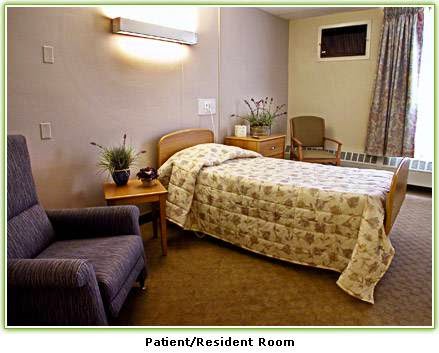
How Does Alden Long Grove Rehab &Hc Ctr Compare to Other Illinois Nursing Homes?

Compared to the 100 nursing homes in Illinois, ALDEN LONG GROVE REHAB &HC CTR's overall rating (3 stars) is above the state average of 2.5 and health inspection rating (4 stars) is above the national benchmark.

What Should Families Ask When Visiting Alden Long Grove Rehab &Hc Ctr?

Based on this facility's data, families visiting should ask: "What changes have been made since the serious inspection findings, and how are you preventing similar issues?" "Can you walk me through typical staffing levels on day, evening, and night shifts?" "Can I visit during a mealtime to observe dining assistance and food quality?" "How do you handle medical emergencies, and what is your hospital transfer rate?" These questions are particularly relevant given the facility's Immediate Jeopardy citations and the below-average staffing rating.

Is Alden Long Grove Rehab &Hc Ctr Safe?

Based on CMS inspection data, ALDEN LONG GROVE REHAB &HC CTR has documented safety concerns. Inspectors have issued 1 Immediate Jeopardy citation (the most serious violation level indicating risk of serious injury or death). The facility has a 3-star overall rating and ranks #1 of 100 nursing homes in Illinois. Families considering this facility should ask detailed questions about what corrective actions have been taken since these incidents.

Do Nurses at Alden Long Grove Rehab &Hc Ctr Stick Around?

ALDEN LONG GROVE REHAB &HC CTR has not reported staff turnover data to CMS. Staff turnover matters because consistent caregivers learn residents' individual needs, medications, and preferences. When staff frequently change, this institutional knowledge is lost. Families should ask the facility directly about their staff retention rates and average employee tenure.

Was Alden Long Grove Rehab &Hc Ctr Ever Fined?

ALDEN LONG GROVE REHAB &HC CTR has been fined $30,533 across 2 penalty actions. This is below the Illinois average of $33,384. While any fine indicates a compliance issue, fines under $50,000 are relatively common and typically reflect isolated problems that were subsequently corrected. Families should ask what specific issues led to these fines and confirm they've been resolved.

Is Alden Long Grove Rehab &Hc Ctr on Any Federal Watch List?

ALDEN LONG GROVE REHAB &HC CTR is not on any federal watch list. The most significant is the Special Focus Facility (SFF) program, which identifies the bottom 1% of nursing homes nationally based on persistent, serious quality problems. Not being on this list means the facility has avoided the pattern of deficiencies that triggers enhanced federal oversight. This is a positive indicator, though families should still review the facility's inspection history directly.