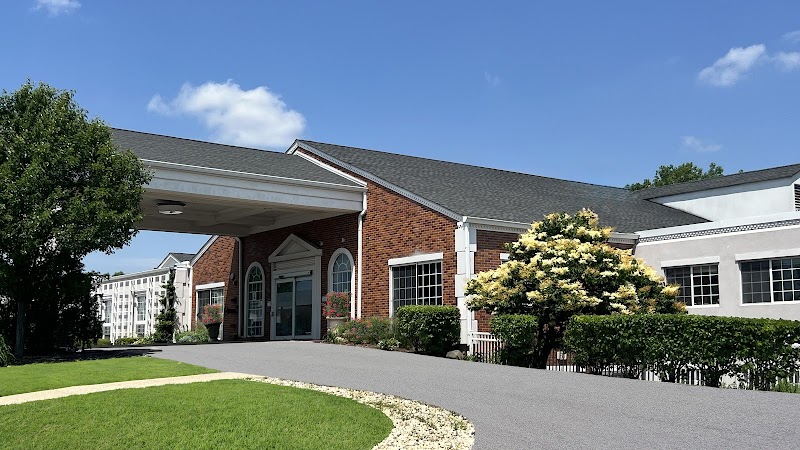

AVANTARA LONG GROVE

1666 CHECKER ROAD, LONG GROVE, IL 60047 (847) 419-1111
For profit - Corporation 195 Beds LEGACY HEALTHCARE Data: November 2025
Trust Grade
65/100
#112 of 665 in IL
Last Inspection: August 2024

Within standard 12-15 month inspection cycle. Federal law requires annual inspections.

Overview

Avantara Long Grove has a Trust Grade of C+, indicating it is slightly above average but not without its issues. It ranks #112 out of 665 nursing homes in Illinois, placing it in the top half of facilities in the state, and #7 of 24 in Lake County, meaning there are only a few local options that rank higher. The facility is improving, having reduced its number of issues from 10 in 2024 to just 1 in 2025. Although staffing is a weakness with a rating of 2 out of 5 stars and a turnover rate of 39%, which is better than the Illinois average of 46%, the facility has no fines on record, which is a positive sign. However, there have been concerning incidents, such as a resident sustaining a leg fracture due to improper transfer assistance and instances of unsanitary handling of cookware, which indicate lapses in safety and hygiene practices. Overall, while there are notable strengths like the lack of fines, families should weigh these against the facility's staffing challenges and specific care incidents.

Trust Score
C+
65/100
In Illinois
#112/665
Top 16%
Safety Record
Moderate
Needs review
Inspections
Getting Better
10 → 1 violations
Staff Stability
○ Average
39% turnover. Near Illinois's 48% average. Typical for the industry.
Penalties
✓ Good
No fines on record. Clean compliance history, better than most Illinois facilities.
Skilled Nurses
✓ Good
Each resident gets 44 minutes of Registered Nurse (RN) attention daily — more than average for Illinois. RNs are trained to catch health problems early.
Violations
⚠ Watch
28 deficiencies on record. Higher than average. Multiple issues found across inspections.
★★★★☆
4.0
Overall Rating
★★☆☆☆
2.0
Staff Levels
★★★★☆
4.0
Care Quality
★★★★☆
4.0
Inspection Score
Stable
2024: 10 issues
2025: 1 issues

The Good

  • 4-Star Quality Measures · Strong clinical quality outcomes
  • Full Sprinkler Coverage · Fire safety systems throughout facility
  • No fines on record
  • Staff turnover below average (39%)

    9 points below Illinois average of 48%

Facility shows strength in quality measures, fire safety.

The Bad

Staff Turnover: 39%

Near Illinois avg (46%)

Typical for the industry

Chain: LEGACY HEALTHCARE

Part of a multi-facility chain

Ask about local staffing decisions and management

The Ugly 28 deficiencies on record

1 actual harm
Jan 2025 1 deficiency
CONCERN (D) 📢 Someone Reported This

A family member, employee, or ombudsman was alarmed enough to file a formal complaint

Potential for Harm - no one hurt, but risky conditions existed

Accident Prevention (Tag F0689)

Could have caused harm · This affected 1 resident

**NOTE- TERMS IN BRACKETS HAVE BEEN EDITED TO PROTECT CONFIDENTIALITY** Based on observation, interview and record review the facility failed to identify a fall for a resident with a history of fallin...

Read full inspector narrative →
**NOTE- TERMS IN BRACKETS HAVE BEEN EDITED TO PROTECT CONFIDENTIALITY** Based on observation, interview and record review the facility failed to identify a fall for a resident with a history of falling and failed to implement their fall policy for 1 of 3 residents (R1) reviewed for safety/supervision in the sample of 3. The findings include: On 1/22/25 at 9:41 AM, R2 had self-propelled from the dining room area, in her wheelchair. R1 was in the dining room, watching R2 leave. R1 had a clothing protector on his chest, and it fell to the floor. R1 was in a high back wheelchair, with no foot pedals. R1 reached forward and tried to pick up the clothing protector from the floor. There was not a staff member inside the dining room area. V4 (RN -Registered Nurse) was at the medication cart, outside the dining room, looking down. R1 continued to reach for the clothing protector and his buttocks came off the seat of his wheelchair. The surveyor informed V4 (RN) that R1 was reaching for something on the floor and was concerned he may fall. V4 instructed R1 to stop reaching and stated, He's always trying to pick stuff up off the floor. A staff member picked up the clothing protector and placed it on the table, in front of R1. R2 started self-propelling back to the dining room. V4 stated, [R2] can you take that away from him (R1). R2 self propelled to R1 removed the clothing protector from R1's reach, spoke to R1 and turned his chair toward the TV. R1 was nonverbal. V4 (RN) said R2 looks out for R1 and stated, They're friends. R1's Facesheet dated 1/22/25 showed diagnoses to include, but not limited to: Parkinson's disease; PVD (Peripheral Vascular Disease); dysphagia; abnormalities of gait and mobility; lack of coordination; muscle wasting and atrophy; osteoarthritis; dementia; seizures and intellectual disabilities. R1's facility assessment dated [DATE] showed he had long and short term memory problems; and required substantial to maximum assistance from staff for oral hygiene, shower/bathe/ personal hygiene, bed mobility, and transfers. R1's Fall Risk Evaluation dated 12/23/24 showed he was at High Risk for Falls. R1's Behavior Note dated 1/16/25 at 3:40 PM showed, Resident was received in the bedroom, (CNA - Certified Nursing Assistant) got him dressed and came to the dining area, writer (V4 - RN) noted resident going back to his room and was (R1) instructed to remain in the dining room, resident refused, writer then went to check on resident and noted him bending over to pick his toy and slid off the wheelchair, resident POA (Power of Attorney) was made aware, PCP (Primary Care Provider) made aware with an order to monitor. The R1's Electronic Medical Record (EMR) did not contain an Incident Report, Change of Condition, SBAR assessment, or post fall follow-up documentation related to this fall. R1's progress notes did not show an assessment was completed, vital signs were obtained, or the fall was identified. R1's Care Plan initiated 4/12/23 showed, [R1] is at high risk for falls due to impaired mobility and activity intolerance secondary to diagnosis of Parkinson's disease, osteoarthritis, metabolic encephalopathy, seizures, HTN (Hypertension - high blood pressure), and severe sepsis with septic shock. [R1] tends to reach for his stuffed animals when they fall (on) the floor that makes him a high fall risk . This care plan was not updated after the fall on 1/16/25. The facility's Fall Report printed 1/22/25 showed R1 fell on [DATE]. This report did not show R1 fell on 1/16/25. On 1/22/25 at 12:40 PM, V4 (RN) said R1 always carries too many toys with him. V4 stated, If he drops his toys, then he will reach for them and he will slide out off the chair. V4 said R1 is alert and oriented to himself but is not verbal. V4 said she was working 1/16/25, when R1 slipped out of his wheelchair. V4 said the CNA (she couldn't remember the CNA's name) had dressed R1 and brought him to the dining room. V4 said R1 started to self-propel himself back to his room. V4 said she encouraged R1 to return to the dining room, but then she got busy. V4 said later she checked on R1, in his room, and noticed him leaning to pick up his snake from the floor. V4 said R1 slid from the wheelchair and landed on his buttocks, on the floor. V4 said she didn't consider R1 sliding from the chair a fall, she considered it a behavior. V4 stated, He (R1) has a behavior of dropping things (usually his toys) and reaching for them. That's why she didn't consider this a fall and she entered a behavior note. I called his POA and told her what happened. She wasn't surprised. V4 said this has happened several times but was unable to provide any details. V4 said she saw R1 slide to the floor, so she didn't consider it a fall. V4 said she didn't complete a fall incident report, nor did she report the fall to V6 (Restorative Director). On 1/22/25 at 12:51 PM, V5 (CNA - Certified Nursing Assistant) said she's familiar with R1. V5 said R1 had lots of stuffed animals. V5 said if he drops anything, then he will try to reach for it himself. On 1/22/25 at 1:23 PM, V6 (Restorative Director) said she investigates all the falls at the facility. V6 said a change of plane or surface to surface change is considered a fall. The surveyor asked if a resident reached for an item on the floor and slid from the chair to the floor, then is that considered a fall. V6 replied, Yes, that would be considered a fall. V6 said the nurses should perform a head to toe assessment, neuro checks, check ROM (Range of Motion), and assess for injuries. V6 said the nurse should notify the family, physician, and her of the fall. V6 said the nurse will complete the Incident Report and any other necessary documents (i.e. SBAR, Change in Condition, Post Fall Monitoring, Neuro Checks). V6 said she will investigate the fall by talking to the resident, staff, and possible witnesses to determine the root cause. V6 said she updates the resident's care plans and monitors the effectiveness of the interventions. V6 said she was not aware that R1 fell on 1/16/25. V6 said it had not been reported to her, so she had not followed the Fall Policy and Procedure. V6 said the process should be completed to properly assess the resident and revise the care plan in an effort to prevent future falls. V6 said R1's fall on 12/23/24 was also due to him reaching for stuffed animals on the floor. V6 said R1 was sent to the hospital for evaluation but did not have any injuries. V6 stated, I'm still trying to figure out what interventions will work for him. V6 said she will need to provide education on definition of a fall. On 1/22/25 at 1:55 PM, V7 (CNA) said R1 needs frequent supervision. V7 said R1 can't stand himself and needs the staff to perform 98% of the work (to transfer). V7 said R1 carries a lot of stuff animals and toys with him. V7 said if R1 drops the toys, then he will reach for them and he will slide right out of the chair. V7 said R1 does it a lot. The facility's Fall Occurrence Policy revised 7/26/24 showed, It is the policy of this facility to ensure that residents are assessed for risk for falls, that interventions are put in place, and interventions are reevaluated and revised as necessary. Procedure . 4. An incident report will be completed by the nurse each time a resident falls. 5. The Falls Coordinator will review the incident report and may conduct his/her own fall investigation to determine the reasonable cause of fall. 6. The nurse may immediately start interventions to address falls in the unit, even prior to the Falls Coordinator's investigation. 7. Ultimately, the Falls Coordinator may change the interventions provided by the nurse if the Falls Coordinator's investigation identifies a more appropriate interventions for the individual fall. 8. The Falls Coordinator will add the interventions in the resident's care plan. 9. The incident may be written in the nurses' notes or other parts of the resident's medical record that will remain accessible to any person who has the right to access the resident's record. 10. Interventions will be reevaluated and revised as necessary.
Aug 2024 8 deficiencies
CONCERN (D)

Potential for Harm - no one hurt, but risky conditions existed

Resident Rights (Tag F0550)

Could have caused harm · This affected 1 resident

**NOTE- TERMS IN BRACKETS HAVE BEEN EDITED TO PROTECT CONFIDENTIALITY** Based on observation, interview, and record review, the facility failed to provide dignity during personal cares for 2 of 2 resi...

Read full inspector narrative →
**NOTE- TERMS IN BRACKETS HAVE BEEN EDITED TO PROTECT CONFIDENTIALITY** Based on observation, interview, and record review, the facility failed to provide dignity during personal cares for 2 of 2 residents (R31, R97) reviewed for dignity in the sample of 32. The findings include: 1. R31's electronic face sheet printed on 8/8/24 showed R31 has diagnoses including but not limited to multiple sclerosis, pressure ulcer of left buttock unstageable, non-pressure chronic ulcer of right heel and midfoot, major depressive disorder, peripheral vascular disease, and dysphagia. R31's facility assessment dated [DATE] showed R31 has mild cognitive impairment. On 8/6/24 at 10:26AM, V13 (Certified Nursing Assistant) provided incontinence care to R31. R31 was rolled onto her left side with her buttocks uncovered, facing the window. R31's window had clear exposure to the parking lot where people could be seen walking by vehicles within view of R31's window. V13 stated, We don't close her blinds because she doesn't like the dark room. Normally we would but for her we don't. R31 then stated, It bothers me a little bit that my blinds were open because I'm a modest person and I wouldn't want anyone seeing me without clothes on coming to their car. I asked her to close it, but she still left it part way open. On 8/8/24 at 11:11AM, V11 (Clinical Care Coordinator) stated, When staff are providing personal cares for a resident, they should be ensuring that the door, privacy curtain, and window curtains are all closed so there are no opportunities for their privacy to be violated. This would also be a dignity concern as our residents are from a generation where they are very modest. The facility's policy titled, Privacy and Dignity reviewed 6/6/24 showed, It is the facility's policy to ensure that resident's privacy and dignity is respected by the staff at all times .1. During care that requires privacy such as incontinence care, the resident will be placed in bed and the privacy curtain will be drawn to provide full visual privacy. If the privacy curtain is not sufficient to provide full visual privacy, the combination of the privacy curtain and privacy screen will be used .door may also be closed to provide additional layer or privacy during care . 2. On 8/7/24 at 10:46 AM, V8 (Wound Care CNA - Certified Nursing Assistant) and V9 (CNA) were wearing gown and gloves to perform R97's incontinence care. R97 was instructed to roll toward V8. V8 assisted R97 with staying on his right side. R97 was wearing a gown that was open in the back. When R97 was turned, his back, buttock, scrotum and posterior legs were exposed. R97's door was open to the hallway. V7 (Wound Care Coordinator) was outside the door preparing his wound care supplies. At 10:50 AM, V7 entered the room and shut the door. After R97's care was completed, he said he wouldn't want people seeing him like that. R97 said that would be embarrassing. R97's Facesheet printed 8/8/24 showed R97 had diagnoses to include, but no limited to: general muscle wasting and atrophy; dysphagia; lack of coordination; chronic pain; chronic respiratory failure; obstructive sleep apnea; morbid obesity; diabetes; congestive heart failure; peripheral vascular disease; and generalized edema. R97's facility assessment dated [DATE] showed he had moderate cognitive dysfunction and was dependent on staff for rolling left and right. On 8/8/24 at 11:32 AM, V2 (DON - Director of Nursing) said the staff should ensure the door and privacy curtains are pulled to prevent the residents from being exposed. V2 said this is done for resident privacy and dignity. The facility's Incontinent and Perineal Care Policy reviewed 7/31/24 showed, It is the policy of the facility to provide perineal care to ensure cleanliness and comfort to the resident, to prevent infection and skin irritation, and to observe the resident's skin condition. Procedures: .2. Provide privacy. Avoid unnecessary exposure of the resident .
CONCERN (D)

Potential for Harm - no one hurt, but risky conditions existed

Quality of Care (Tag F0684)

Could have caused harm · This affected 1 resident

Based on interview and record review, the facility failed to obtain weights as ordered by a physician for 1 of 2 residents (R34) reviewed for quality of care in the sample of 32. The findings include:...

Read full inspector narrative →
Based on interview and record review, the facility failed to obtain weights as ordered by a physician for 1 of 2 residents (R34) reviewed for quality of care in the sample of 32. The findings include: R34's electronic face sheet printed on 8/8/24 showed R34 has diagnoses including but not limited to hemiplegia and hemiparesis, chronic respiratory failure, dysphagia, hypertensive heart disease, and heart failure. R34's physician's orders dated 3/26/21 showed, Weekly weights: monitor for increased edema notify MD for weight gain of 5lbs in a week. R34's monitor record showed R34's weight was not obtained on 7/19/24, 7/28/24, and 8/2/24. R34's care plan dated 4/5/24 showed, Risk for fluctuating weights: (R34) has the following conditions and risk factors that put them at risk for fluctuating weights: diuretic use and diagnosis of heart failure .monitor weights per physician's orders. On 8/8/24 at 11:11AM, V11 (Clinical Care Coordinator) stated, Weights for residents are done on a monthly basis and as ordered by a physician. The nurses can see on the monitoring record when residents are due to be weighed so they can ensure the task is done. It would be especially important to weigh a resident with heart failure to determine if they are retaining fluid or not. The facility's policy titled, Weights reviewed on 6/6/24 showed, It is the facility's policy to obtain residents monthly weight unless otherwise ordered differently by the physician .
CONCERN (D)

Potential for Harm - no one hurt, but risky conditions existed

Incontinence Care (Tag F0690)

Could have caused harm · This affected 1 resident

Based on Observation, Interview, and Record Review the facility failed to ensure an indwelling urinary catheter drainage bag was not placed on a resident's bed or lifted above the level of the residen...

Read full inspector narrative →
Based on Observation, Interview, and Record Review the facility failed to ensure an indwelling urinary catheter drainage bag was not placed on a resident's bed or lifted above the level of the resident's bladder for 1 of 4 residents (R53) reviewed for catheters in the sample of 32. The findings include: On 8/7/24 at 1:52 PM, V4 CNA and V5 CNA went into R53's room to provide catheter care. V5 completed the catheter care and put a clean incontinence pad and incontinence brief under R53. V5 lifted the drainage bag and laid it on R53's bed. V4 picked up the drainage bag, held it up above the level of the resident's bladder as she moved the bag to his left side of the bed and attached it to the side rail. V4 and V5 adjusted the incontinence brief and incontinence pad under part of the resident's bottom. V5 turned R53 towards her. V4 unhooked the drainage bag from the side rail, lifted the drainage bag approximately a foot above the resident's bladder as she passed it over to V5 who attached the bag to his lower right side of the bed. V5 stated the drainage bag shouldn't be placed on the bed for infection control reasons. V4 and V5 both stated the catheter drainage bag should be kept below the level of the bladder. On 8/7/24 at 2:05 PM, V6 LPN (Licensed Practical Nurse) stated the catheter drainage bag should not be on the bed for infection control. The drainage bag should be kept below the level of the bladder otherwise the urine can back up and cause infection. The Face Sheet dated 8/8/24 for R53 showed medical diagnoses including retention of urine, benign prostatic hyperplasia with lower urinary tract symptoms, obstructive and reflux uropathy, urinary tract infection, hypokalemia, muscle wasting, type 2 diabetes mellitus, transient ischemic attack, dementia, and hypertensive heart disease. The Physician Orders dated July 2024 for R53 showed, indwelling catheter, 18 French, 10 cc balloon. Reason for use: due to obstructive and reflux uropathy. The Antibiotic Note dated 7/17/24 for R53 showed he was on amoxicillin 500 mg, three times per day for 10 days due to a urinary tract infection. The Care Plan dated 6/10/24 showed, R53 has indwelling urinary catheter due to obstructive uropathy. No interventions in place for keeping the urinary drainage bag below the level of the bladder. The facility's Indwelling Catheter policy (7/31/24) showed, indwelling catheter bag will always be positioned below the bladder region to prevent backflow if the catheter bag has no anti-backflow valve.
CONCERN (D)

Potential for Harm - no one hurt, but risky conditions existed

Respiratory Care (Tag F0695)

Could have caused harm · This affected 1 resident

**NOTE- TERMS IN BRACKETS HAVE BEEN EDITED TO PROTECT CONFIDENTIALITY** Based on observation, interview, and record review, the facility failed to administer oxygen as ordered by a physician for 3 of ...

Read full inspector narrative →
**NOTE- TERMS IN BRACKETS HAVE BEEN EDITED TO PROTECT CONFIDENTIALITY** Based on observation, interview, and record review, the facility failed to administer oxygen as ordered by a physician for 3 of 4 residents (R34, R95, R519) reviewed for oxygen therapy in the sample of 32. The findings include: 1) R34's electronic face sheet printed on 8/8/24 showed R34 has diagnoses including but not limited to hemiplegia and hemiparesis, chronic respiratory failure, dysphagia, hypertensive heart disease, and heart failure. R34's facility assessment dated [DATE] showed R34 receives oxygen therapy. R34's physician's orders dated 11/23/21 showed, Oxygen at 2L/min (liters per minute) via nasal cannula at bedtime. R34's care plan dated 7/1/19 showed, (R34) is on oxygen therapy related to ineffective gas exchange, heart failure. She is on oxygen continuous on 2L/min (liters per minute) via nasal cannula .give oxygen as ordered by the physician. On 8/6/24 at 10:18AM, R34 was in bed sleeping with her oxygen applied via nasal cannula. The oxygen concentrator was set at 3 liters. On 8/8/24 at 10:57AM, R34 was sitting up in bed with her oxygen cannula laying on her chest (not in her nose) and the oxygen concentrator was set at 3 liters. On 8/8/24 at 11:11AM, V12 (Registered Nurse Supervisor) stated, We do rounds on all of the residents every 2 hours. During those rounds, we should be checking the oxygen concentrators to ensure they are functioning and set at the correct liter flow. R34 cannot change her own liter flow so I'm not sure why it would be set incorrectly. Oxygen should be set per physician's orders for all residents. On 8/8/24 at 11:27AM, V11 (Clinical Care Coordinator) stated, Oxygen should be given as ordered by the physician because that is what has been determined to be therapeutic. If it is discovered during rounds that the oxygen is not set correctly, it should be corrected immediately. The facility's policy titled, Oxygen Therapy and Administration reviewed 6/6/24 showed, Oxygen therapy shall be administered to patients as indicated and upon a physician's order . 2) R95's electronic face sheet printed on 8/8/24 showed R95 has diagnoses including but not limited to fracture of head and neck of right femur, sepsis, osteomyelitis, pressure ulcer of sacral region, stage 4, flaccid hemiplegia, post laminectomy syndrome, and cord compression. R95's physician's orders dated 8/1/24 showed, Oxygen continuous 2L/min via nasal cannula. R95's care plan dated 8/2/24 showed, (R95) has pneumonia-oxygen therapy as ordered. On 8/6/24 at 10:23AM, R95 had her oxygen applied via nasal cannula with her oxygen concentrator set at 4.5 liters. On 8/8/24 at 10:54AM, R95 had her oxygen applied via nasal cannula with her oxygen concentrator set at 4 liters. 3) R519's electronic face sheet printed on 8/8/24 showed R519 has diagnoses including but not limited to metabolic encephalopathy, dysphagia, generalized anxiety disorder, bipolar disorder, hypertensive urgency, and acute respiratory failure. R519's physician's orders dated 7/12/24 showed, Oxygen at 2-3L/min via nasal cannula. R519's care plan dated 7/14/24 showed, (R519) has an altered respiratory status/difficulty breathing related to anxiety and acute respiratory failure .give oxygen as ordered by the physician (oxygen continuous 2-3l/min via nasal cannula). On 8/6/24 at 10:42AM, R519 had her oxygen applied via nasal cannula with her oxygen concentrator set at 4 liters.
CONCERN (D)

Potential for Harm - no one hurt, but risky conditions existed

Pharmacy Services (Tag F0755)

Could have caused harm · This affected 1 resident

**NOTE- TERMS IN BRACKETS HAVE BEEN EDITED TO PROTECT CONFIDENTIALITY** Based on observation, interview, and record review the facility failed to ensure physician prescribed medications were administe...

Read full inspector narrative →
**NOTE- TERMS IN BRACKETS HAVE BEEN EDITED TO PROTECT CONFIDENTIALITY** Based on observation, interview, and record review the facility failed to ensure physician prescribed medications were administered as ordered for 1 of 2 residents (R1) reviewed for medication administration in the sample of 32. The findings include: R1's face sheet printed on 8/8/24 shows diagnosis including but not limited to neuropathy, heart disease, asthma, schizoaffective disorder, dysphagia, gout, anemia, depression, pancreatitis, diabetes mellitus, and functional quadriplegia. R1's facility assessment dated [DATE] showed no cognitive impairment or memory problems. On 8/6/24 at 11:04 AM, R1 was seated in a wheelchair in his room. Four medication cups were on the bedside table next to him. One cup contained a blue liquid, one contained three capsules, one contained a single blue tablet, and one contained six assorted colored tablets. R1 stated the nurse dropped those off a while ago. They are my 9:00 medicines. I asked her to just leave them. They do it all the time. R1's MAR (medication administration record) was reviewed and showed 12 assorted medications were signed off as been given at his 9:00 AM medication pass. On 8/7/24 at 2:24 PM, V2 (Director of Nurses) stated residents are allowed to take their own medication if they have been assessed to be safe. They need a safety assessment, physician order to leave at bedside, and care plan interventions in place before they can self-administer their own medications. R1's EMAR (electronic medical record) was reviewed, and no documentation of the required forms were found. On 8/8/24 at 10:10 AM, V2 reviewed R1's EMAR and verified the required safety assessment, physician order, and care plan were not present. V2 said they are important to ensure residents can properly manage their own medications. The facility's Self-Administration of Medication policy revision dated 6/6/24 states: 1. The IDT will assign a staff to evaluate resident's ability to safely administer medication. A Self-Administration Evaluation will be filled out to determine capability. A return demonstration will be done to accurately evaluate resident's ability after the health teaching. 2. The resident may store the medication at bedside if there is a physician order to keep it at bedside.
CONCERN (E)

Potential for Harm - no one hurt, but risky conditions existed

Accident Prevention (Tag F0689)

Could have caused harm · This affected multiple residents

**NOTE- TERMS IN BRACKETS HAVE BEEN EDITED TO PROTECT CONFIDENTIALITY** Based on observation, interview, and record review the facility failed to ensure residents were free of accidental hazards by no...

Read full inspector narrative →
**NOTE- TERMS IN BRACKETS HAVE BEEN EDITED TO PROTECT CONFIDENTIALITY** Based on observation, interview, and record review the facility failed to ensure residents were free of accidental hazards by not removing razors from the room of residents with dementia and within reach of residents that have dementia that wander. This applies to 2 of 2 residents (R49 & R120) reviewed for safety in the sample of 32 and 8 residents (R79, R96, R103, R109, R119, R127, R142, & R149) outside of the sample. The findings include: On 8/6/24 at 12:51 PM, in the bathroom of room [ROOM NUMBER] there was a disposable razor in a clear plastic bag on the mirror ledge. The safety cover was off of the dry razor. R49 was one of two residents that resided in room [ROOM NUMBER]. On 8/7/24 at 9:45 AM, in the bathroom of room [ROOM NUMBER] there was a disposable razor in a clear plastic bag on the mirror ledge. The safety cover was off of the dry razor. The Face Sheet dated 8/7/24 for R49 showed diagnoses including dementia, delirium, paroxysmal atrial fibrillation, lack of coordination, congestive heart failure, peripheral vascular disease, anemia, and type 2 diabetes mellitus. The MDS (Minimum Data Set) dated 6/11/24 for R49 showed severe cognitive impairment; resident uses a wheelchair and supervision or touching assistance to wheel 150 feet. The Care Plan dated 6/18/24 for R49 showed, R49 displays an acute confusional episodes and disorientation related to metabolic encephalopathy. R49 has an alteration in neurological status related to metabolic encephalopathy. R49 is on anticoagulant therapy related to atrial fibrillation. On 8/6/24 at 12:36 PM, in room [ROOM NUMBER], there was a disposable razor sitting in a plastic cup in the bathroom on the mirror shelf. The razor did not have a safety cover and had hairs in the blade. R120 was one of two residents that resided in room [ROOM NUMBER]. On 8/7/24 at 9:41 AM, room [ROOM NUMBER]'s door was open and bathroom door was open. There were two dry disposable razors in the bathroom that had the safety covers off. The Face Sheet dated 8/7/24 for R120 showed diagnoses including dementia, depressive episodes, anxiety disorders, Wernicke's encephalopathy, and delusional disorders. The Psychiatry Progress Note dated 7/12/24 for R120 showed, irritable and frustrated behavior. Poor insight, judgement, and impulse control. Impairment of short term and long term memory. Appears distractible, suspicious, distrustful, disorganized with poor boundaries and judgement. The MDS dated [DATE] for R120 showed moderate cognitive impairment; set up or clean-up assistance to walk 150 feet. On 8/7/24 at 01:28 PM, V4 CNA (Certified Nursing Assistant) was shown the razors in room [ROOM NUMBER] and 110. V4 stated residents are not supposed to have disposable razors in their bathroom for resident safety. V4 stated they have a lot of residents that wander. On 8/7/24 at 1:37 PM, V6 LPN (Licensed Practical Nurse) stated she is at the facility every day and R119 is completely demented. R119 wanders into others room. R79 is very demented. R103 is forgetful, demented, hoards, goes in and out of resident's rooms. R49 has dementia, goes into others rooms and gets angry when redirected. V6 stated razors cannot be left in resident's rooms because it is dangerous; residents can cut themselves. On 8/8/24 at 12:49 PM, V2 DON (Director of Nursing) stated razors are not to be left in resident's rooms for resident safety. The facility's Residents at Risk for Elopement/Wandering (no date) received from V1 (Administrator) on 8/8/24 at 11:30 AM showed R103, R142, R149, R119, R96, R127, R120, R79, and R109 were on the list for the 100 unit. The Face Sheet dated 8/8/24 for R103 showed diagnoses including mood disorder, dementia, anxiety, schizoaffective disorder, major depressive disorder, and psychosis. The Face Sheet dated 8/8/24 for R142 showed diagnoses including dementia and Alzheimer's disease. The Face Sheet dated 8/8/24 for R149 showed diagnoses including traumatic brain injury, mood disorder, attention deficit hyperactivity disorder, and depressive episodes. The Face Sheet dated 8/8/24 for R119 showed diagnoses including insomnia, anxiety, and dementia. The Face Sheet dated 8/8/24 for R96 showed diagnoses including Alzheimer's disease, anxiety, dementia, and major depressive disorder. The Face Sheet dated 8/8/24 for R127 showed diagnosis including dementia and bipolar disorder. The Face Sheet dated 8/8/24 for R79 showed diagnoses including metabolic encephalopathy, psychotic disorder, dementia, and insomnia. The Face Sheet dated 8/8/24 for R109 showed diagnoses including major depressive disorder, schizophrenia, schizoaffective disorder, and mental disorder. The facility's Hazards policy (7/30/24) showed, It is the facility's policy to ensure the safety of each resident in the building and remove hazardous items and correct situations to prevent accidents. Ensure that residents have no access to medications, sharps, and chemicals that would be hazardous to them.
CONCERN (E)

Potential for Harm - no one hurt, but risky conditions existed

Deficiency F0809 (Tag F0809)

Could have caused harm · This affected multiple residents

**NOTE- TERMS IN BRACKETS HAVE BEEN EDITED TO PROTECT CONFIDENTIALITY** Based on interview and record review the facility failed to ensure bedtime snacks were offered to residents for 3 of 3 residents...

Read full inspector narrative →
**NOTE- TERMS IN BRACKETS HAVE BEEN EDITED TO PROTECT CONFIDENTIALITY** Based on interview and record review the facility failed to ensure bedtime snacks were offered to residents for 3 of 3 residents (R58, R112, and R526) reviewed for bedtime snacks in the sample of 32 and one resident (R1) outside of the sample. The findings include: R58's face sheet showed he was admitted to the facility on [DATE] with diagnoses to include generalized osteoarthritis, anemia in other chronic diseases, hypothyroidism, hyperlipidemia, and depression. R58's August 2024 Physician Order Sheet showed, 8/5/23 Offer Bedtime Snack. R58's Nutrition-Snacks documentation for the last 30 days was reviewed and showed he was offered a snack two times. R526's face sheet showed she was admitted to the facility on [DATE] with diagnoses to include seizures, dysphagia, Type 2 Diabetes Mellitus, and hypertensive heart disease. R526's August 2024 Physician Order Sheet showed, 7/26/24 Offer Bedtime Snack. R526's Nutrition-Snacks documentation since admission to the facility was reviewed and showed no snacks offered. R112's face sheet showed she was admitted to the facility on [DATE] with diagnoses to include primary generalized osteoarthritis, peripheral vascular diseases, major depressive disorder, and generalized anxiety disorder. R112's August 2024 Physician Order Sheet showed, 1/31/23 Offer Bedtime Snack. R112's Nutrition-Snacks documentation for the last 30 days was reviewed and showed one snack offered. R1's face sheet showed he was admitted to the facility on [DATE] with diagnoses to include hypertensive heart disease without heart failure, hypothyroidism, hyperlipidemia, iron deficiency anemia, Type 2 Diabetes Mellitus without complications, major depressive disorder, and functional quadriplegia. R1's Nutrition-Snacks documentation for the last 30 days was reviewed and showed snacks were offered two times. On 8/7/24 at 10:42 AM, During the resident council meeting, R1, R58, R112, and R526 stated they do not get offered snacks often and they are unsure of where to get them. R1 stated he thinks he has seen snacks at the nurse's station, but staff eat them, so he assumes they are for staff and does not ask for them. On 8/8/24 at 11:11 AM, V11 (Clinical Care Coordinator) stated, Snacks are passed out by the floor staff each night. Not all residents are offered a snack each night, but all of the diabetic residents are offered one. Snack acceptance or refusal is documented under the physician's orders. I think the aides can also document under the tasks in the plan of care but I'm not completely sure. The facility's policy with review date of 7/26/24 showed, Bedtime (HS) Snacks . Policy Statement: The facility will provide the residents bedtime snacks in accordance with the federal regulations. Procedures; 1. The facility must offer snacks at bedtime daily .
CONCERN (E)

Potential for Harm - no one hurt, but risky conditions existed

Infection Control (Tag F0880)

Could have caused harm · This affected multiple residents

**NOTE- TERMS IN BRACKETS HAVE BEEN EDITED TO PROTECT CONFIDENTIALITY** Based on observation, interview, and record review, the facility failed to implement contact isolation precautions for a residen...

Read full inspector narrative →
**NOTE- TERMS IN BRACKETS HAVE BEEN EDITED TO PROTECT CONFIDENTIALITY** Based on observation, interview, and record review, the facility failed to implement contact isolation precautions for a resident (R95) with methicillin-resistant Staphylococcus aureus (MRSA), failed to wear the appropriate personal protective equipment (PPE) for 3 residents (R31, R11, R154) on enhanced barrier precautions, and failed to perform glove changes during incontinence care for 1 resident (R154). These failures apply to 4 of 9 residents reviewed for infection control in the sample of 32. The findings include: 1. R95's electronic face sheet printed on 8/8/24 showed R95 has diagnoses including but not limited to fracture of head and neck of right femur, sepsis, osteomyelitis, pressure ulcer of sacral region, stage 4, flaccid hemiplegia, post laminectomy syndrome, and cord compression. R95's physician's orders dated 8/1/24 showed, Isolation: contact precautions, reason for isolation MRSA sacral wound. R95's care plan dated 4/13/24 showed, (R95) is on isolation. Contact isolation due to MRSA of sacral wound initiate proper precaution. On 8/6/24 at 10:23AM, R95's doorway had a sign showing, Enhanced Barrier Precautions. No sign was located outside of R95's room showing that she is on contact isolation. On 8/8/24 at 10:54AM, R95's doorway continued to only have a sign showing, Enhanced Barrier Precautions. No sign was located outside of R95's room showing that she is on contact isolation. On 8/8/24 at 11:11AM, V12 (Registered Nurse Supervisor) stated, (R95) should be on contact isolation for MRSA in her wound. I'm not sure why the correct sign is not outside of her door. On 8/8/24 at 11:47AM, V3 (Infection Preventionist) stated, (R95) is on contact isolation. I just checked all of the signs earlier this week so I have no idea how she couldn't have the right sign unless someone moved it. If staff aren't wearing the correct PPE in there, then they could potentially spread MRSA. Any resident on enhanced barrier precautions should be cared for with a gown and gloves and if any splashing is expected, staff should be wearing eye protection as well. The facility's policy titled, Infection Prevention and Control revised 7/31/24 showed, The facility has established a policy to Identify, Record, Investigate, Control, Test, and Prevent infections in the facility .8. A sign will be provided outside the room for residents on transmission-based precaution indicating the type of precaution (contact, droplet, EBP) . 2. R31's electronic face sheet printed on 8/8/24 showed R31 has diagnoses including but not limited to multiple sclerosis, pressure ulcer of left buttock unstageable, non-pressure chronic ulcer of right heel and midfoot, major depressive disorder, peripheral vascular disease, and dysphagia. R31's care plan dated 5/28/24 showed, (R31) is on enhanced barrier precautions due to Foley catheter use .change gown and gloves before caring for the next resident, ensure that gown and gloves are used during high-contact resident care activities (like dressing, bathing/showering, transferring, providing hygiene, changing linens, changing briefs or assisting with toileting, Device care or use for those with central line, urinary catheter, feeding tube, tracheostomy/ventilator, and Wound care for any skin opening requiring a dressing) that provide opportunities for transfer of MDROs (Multi Drug Resistant Organisms) to staff hands and clothing. On 8/6/24 at 10:26AM, R31's doorway had a sign showed, Enhanced Barrier Precautions: Clean hands when entering & leaving room, providers must also wear gown and gloves for the following high contact resident care activities: dressing, bathing/showering, transferring, changing linens, providing hygiene, changing briefs or assisting w/ toileting. V13 (Certified Nursing Assistant) was in R31's room providing incontinence and catheter care for R31. V13 only wore gloves during R31's care. (No gown was applied at any time during cares). V13 stated R31 was not on any isolation and that she was just on precautions so no personal protective equipment other than gloves is required when caring for her. The facility's policy titled, Enhanced Barrier Precautions revised 7/26/24 showed, The facility will use Enhanced Barrier Precautions (EBP) to reduce transmission of multi-drug resistant organisms in the nursing home. EBP involves the use of gown and gloves to reduce transmission of resistant organisms during high-contact resident care activities for residents known to be colonized or infected with MDRO's as well as residents with wounds and/or indwelling devices. 3. R111's face sheet printed on 8/8/24 showed diagnoses including but not limited to dementia, chronic kidney disease, schizoaffective disorder, traumatic subdural hemorrhage, and obstructive uropathy. R111's August 2024 physician order summary report showed orders start dated 6/17/24 for the use of an indwelling catheter and catheter care to be done on every shift. On 8/6/24 at 1:09 PM, signage was posted outside R111's door showing he was on enhanced barrier precautions. The sign stated gloves and gown must be worn for high-contact resident care activities. The sign listed the activities which included the use of urinary catheters. On 8/7/24 at 1:14 PM, V15 (CNA-Certified Nurse Aide) entered R111's room and donned a pair of gloves. V15 emptied R111's urinary drainage bag, adjusted the leg strap, and emptied the urine into the toilet. V15 did not don a gown at any time during the catheter care. V15 stated he does not wear a gown when he is doing catheter care for any resident. V15 said he only wears a gown if the resident has an open area on the skin. 4. R154's face sheet printed on 8/8/24 showed diagnoses including but not limited to intracerebral hemorrhage, dysphagia, and attention to gastrostomy. R154's August 2024 physician order summary report showed orders start dated 11/9/23 for NPO (nothing by mouth) and the use of a G-tube (gastrostomy tube). R154's facility assessment dated [DATE] showed severe cognitive impairment and always incontinent of urine and bowel. On 8/6/24 at 10:05 AM, signage was posted outside R154's door showing he was on enhanced barrier precautions. The sign stated gloves and gown must be worn for high-contact resident care activities. The sign listed the activities which included the use of feeding tubes (G-tubes). On 8/6/24 at 10:07 AM, this surveyor entered R154's room and V16 (CNA) was in the process of performing incontinence care. V16 wore gloves but no gown. R154 was incontinent of urine and while V16 was removing the wet brief, V4 (CNA) came to the bedside to assist with incontinence care. V4 wore gloves but no gown. R154's groin area, buttocks, and back were cleansed of urine. R154's urine-soaked shirt was removed. V16 continued wearing the urine contaminated gloves to put on a fresh brief and clean shirt. R154's G-tube was touched and adjusted repeatedly with the contaminated gloves during the process. V16 wore the same gloves to lower the bed to the floor, place fall mats down, put on heel protectors, and place a pillow to R154's side. V16 and V4 did not don a gown at any time during cares for R154. On 8/8/24 at 10:15 AM, V2 (Director of Nurses) stated staff should be following the isolation signage outside resident rooms. Any resident on enhanced barrier precautions require staff to wear gloves and a gown during care. That includes residents with catheters and feeding tubes, just as the sign shows. It helps to stop the spread of germs. V2 said gloves need to be changed once they are dirty or soiled. Urine on gloves is considered a type of contamination. Staff need to change gloves before going onto any other areas or touching anything. It is important for stopping the cross contamination of germs. The facility's Incontinent and Perineal Care policy revision dated 7/31/24 states under the procedure section: 6. Wash the perineal area and gently dry after the procedure .8. Remove gloves and dispose to designated plastic bag .9. Put on a new set of clean gloves to put on clean briefs/incontinent pads, to make resident comfortable, groom and change clothing.
May 2024 1 deficiency
CONCERN (D) 📢 Someone Reported This

A family member, employee, or ombudsman was alarmed enough to file a formal complaint

Potential for Harm - no one hurt, but risky conditions existed

Quality of Care (Tag F0684)

Could have caused harm · This affected 1 resident

**NOTE- TERMS IN BRACKETS HAVE BEEN EDITED TO PROTECT CONFIDENTIALITY** Based on observation, interview and record review the facility failed to ensure a resident with eczema was assessed and treated ...

Read full inspector narrative →
**NOTE- TERMS IN BRACKETS HAVE BEEN EDITED TO PROTECT CONFIDENTIALITY** Based on observation, interview and record review the facility failed to ensure a resident with eczema was assessed and treated in a timely manner. This applies to 1 of 6 residents (R1) reviewed for quality of care in the sample of 6. The findings include: On May 14, 2024, at 10:10 AM, R1 was lying in bed. The entire top of her head/scalp was dry with yellow/red crusty scabs. Her hair appeared greasy and/or wet. She stated, They say it's eczema on my head. It's been there for a while. On May 14, 2024, at 10:56 AM, V3 Certified Nursing Assistant (CNA) stated, R1's head has been like that for 2-3 months. They are not doing anything for it. She has been putting A&D ointment on it until R1's friend (V5 power of attorney of financial (POA)) brought her a medicated shampoo. She was washing her hair with regular shampoo, but it was drying it out more. She didn't know what it was on her head. It started off small and has gotten bigger. When she tries to scrape off the crusty scabs, R1 says it hurts so she doesn't scrub it too hard. On May 14, 2024, at 10:58 AM, V5 R1's POA was visiting her. She stated, her head has been like this since December. She showed this surveyor a picture taken on December 13, 2023, of R1's head. It had a small round yellow crusty scab on the top of her head. It was approximately the size of a quarter. (The yellow crusty area now covers the entire top of her scalp/head). There were two red/purple lines on each side of the yellow scab. It looked like scratches. She stated, they told her it was psoriasis. So, she went and bought her a medicated shampoo. R1 had a bottle of [NAME] psoriasis shampoo in her room that was purchased by V5. They have only been putting on ointment (A&D ointment) and using the medicated shampoo V5 bought her last week. V5 also showed this surveyor another picture she took last Thursday (May 9, 2024) of R1's head. R1's head had a thick yellow, red crusty scabs all over the top of her head. On May 14, 2024, at 11:00 AM, V8 Wound Care Nurse and V7 Wound Care Nurse Practitioner (WCNP) were seeing residents in the facility. V8 stated, he didn't know about R1's head until last week when V10 Social Services reported it to him. V7 stated, he first saw R1's head last week on May 8th. He recommended a medicated shampoo (Ketoconazole). V7 stated, he has been seeing her weekly because she has a rash on her back and coccyx. He has not been seeing her for her head/scalp. At 2:15 PM, V7 stated, A&D ointment is a petroleum ointment. He would not recommend that because it acts like a barrier. She needs the medicated shampoo. On May 14, 2024, at 11:10 AM, V9 Registered Nurse (RN) stated, she was the full-time nurse on day shift for R1. She didn't know anything about the eczema on R1's head. She did not see it when she was passing medications this morning. I just thought she had a shower, and her hair was wet. The CNA's will report to the nurses if they see skin alterations. On May 14, 2024, at 1:24 PM, V10 Social Services stated, V6 R1's power of attorney of healthcare called her last week and reported her concerns with R1's scalp/head. She wanted to know if there was a treatment plan and what they were doing for it. R1's electronic medical record does not show anything about eczema until May 12, 2024. R1's progress notes dated May 12, 2024, shows, Updated daughter V5 of R1's scalp eczema and current tx (treatment) plan, daughter states she understands and agrees with plan of care. There is no assessment or description. R1's Minimum Data Set, dated [DATE], shows, she is cognitively intact. R1's ADL (activities of daily living)- Shower/bathing and skin monitoring task list shows, she had a bed bath on May 4th, 6th & 9th, 2024 with no skin alterations. R1's care plan date-initiated December 21, 2021 shows, Focus: R1 has potential for pressure ulcer development related to Braden score: 12, immobility, L (left) hip fx (fracture), anemia, anxiety d/o (disorder), psychosis, fx of L rib, use of psychotropic, incontinence of bowels and bladder, low air loss mattress weight setting higher than current weight for resident's comfort, L lower back rash, scalp eczema . Interventions: Notify nurse immediately of any new areas of skin breakdown, such as redness, blisters, bruises, discoloration noted during bath or daily care. The facility's skin care regimen and treatment formulary last reviewed January 24, 2024, shows, Policy Statement: It is the policy of this facility to ensure prompt identification, documentation and to obtain appropriate treatment for residents with skin breakdown. Procedures: .5. Refer any skin breakdown to the skin care team and physician including wound physician/NP for further review and management as indicated.
Jan 2024 1 deficiency
CONCERN (D) 📢 Someone Reported This

A family member, employee, or ombudsman was alarmed enough to file a formal complaint

Potential for Harm - no one hurt, but risky conditions existed

Respiratory Care (Tag F0695)

Could have caused harm · This affected 1 resident

**NOTE- TERMS IN BRACKETS HAVE BEEN EDITED TO PROTECT CONFIDENTIALITY** Based on interview and record review, the facility failed to provide oxygen therapy according to professional standards for a re...

Read full inspector narrative →
**NOTE- TERMS IN BRACKETS HAVE BEEN EDITED TO PROTECT CONFIDENTIALITY** Based on interview and record review, the facility failed to provide oxygen therapy according to professional standards for a resident (R1) experiencing low oxygen levels. This applies to 1 of 3 residents reviewed for oxygen therapy in the sample of 4. The findings include: R1's electronic face sheet printed on 1/10/24 showed R1 has diagnoses including but not limited to surgical amputation, chronic respiratory failure with hypoxia, generalized anxiety disorder, peripheral vascular disease, congestive heart failure, and ischemic cardiomyopathy. R1's facility assessment dated [DATE] showed R1 had mild cognitive impairment, respiratory failure, and heart failure. R1's care plan dated 1/2/24 showed, (R1) has an altered respiratory status/difficulty breathing related to chronic respiratory failure .give oxygen as ordered by the physician, elevate head of bed, monitor/document/report abnormal breathing patterns to physician . R1's nursing progress notes dated 1/5/24 showed, This writer was attending to resident's roommate and heard the resident breathing loudly with shallow breaths. Upon investigation, the resident's face was pale and displayed signs of shortness of breath with labored breathing patterns vitals were immediately taken and oxygen saturations fluctuating between 80-82%. R1's local emergency medical services (EMS) run report dated 1/5/24 showed, Upon arrival patient was found lying in bed .in respiratory distress on a non-rebreather at 4LPM (liters per minute) with pulse oximetry reading of 54% .crew increased patient's oxygen to 15LPM .with the increase in oxygen patient's status did improve, patient was more alert and responding to questions . On 1/10/24 at 10:49AM, V7 (Licensed Practical Nurse-LPN) stated, If a resident is found with difficulty breathing, I would immediately check their oxygen levels. If their oxygen levels are dropping, I would place them on a non-rebreather mask at 15LPM. It would not be effective at 4LPM because you're not providing enough oxygen to them. I was the one who placed the mask on (R1) and I'm sure I would have put it on at 15LPM, but I don't see it documented anywhere . (R1's medical record showed no documentation that V7 placed her on 15LPM of oxygen while utilizing the non-rebreather mask) On 1/10/24 at 1:16PM, V11 (Nurse Practitioner) stated, I don't know what the exact number is for a non-rebreather mask, but I know it has to be at least 12LPM to achieve proper oxygenation. The resident should have been placed on the mask, oxygen increased to at least 12LPM and then (V7) should have continuously monitored her oxygen levels until EMS arrived to ensure she was getting enough oxygen and keeping her oxygen saturation levels up. She was at a critical level when they arrived and seemed to improve for a while with the increased oxygen level . On 1/10/24 at 10:34AM, V5 (LPN) stated, If a resident's oxygen levels begin to drop, I would increase their oxygen and then recheck their oxygen saturations. If the levels continue to drop, I would place them on a non-rebreather mask at 12LPM and then recheck the levels again to ensure they are improving. If you put a non-rebreather mask on at 4LPM that's not effective because they aren't going to get the full amount of high flow oxygen that they need to increase their oxygenation. The facility's policy titled, Oxygen Therapy and Administration dated 7/28/23 showed, Oxygen therapy shall be administered to patients as indicated and upon a physician's order .Purpose: To assure adequate oxygenation to all spontaneously breathing and ventilator dependent patient .Non-Rebreather flow rates: 8-12LPM.
Nov 2023 1 deficiency
CONCERN (D) 📢 Someone Reported This

A family member, employee, or ombudsman was alarmed enough to file a formal complaint

Potential for Harm - no one hurt, but risky conditions existed

Accident Prevention (Tag F0689)

Could have caused harm · This affected 1 resident

Based on observation, interview and record review the facility failed to supervise a resident with dementia and a history of wandering for 1 of 9 residents (R2) reviewed for safety in the sample of 9....

Read full inspector narrative →
Based on observation, interview and record review the facility failed to supervise a resident with dementia and a history of wandering for 1 of 9 residents (R2) reviewed for safety in the sample of 9. The findings include: On 11/1/23 at 9:45 AM, R2 was sitting in a dining room chair sleeping. R2 had dark purple bruises above his left eyebrow, on his left eyelid, and below his left eye. R2 had gauze wrapped around both hands and wrists. V10 Central Supply was sitting next to R2 and said he was asked to sit with R2 today. On 11/1/23 at 9:52 AM, V6 Licensed Practical Nurse said no one really knows what happened to R2's eye, it happened on the weekend. V6 said R2 wanders around the hallway and goes into other residents rooms. V6 said staff usually follows R2 and redirects him. V6 said R2 has had 1:1 observation since he moved down here from the unit upstairs. V6 said R2 ambulates but can't follow commands and is very confused. V6 said when R2 starts roaming around you really have to watch him. V6 said staff are supposed to be with him at all times when the family is not here. On 11/1/23 at 11:10 AM, V1 Administrator said R2's daughter noticed bruises on R2's left eye and hand and notified the nurse. V1 said the nurse was not sure how the bruises happened, and the resident wasn't able to tell her. V1 said the injury happened sometime Saturday morning. V1 said a staff member was assigned to sit with R2 on the evening but V1 was not sure if someone was assigned to monitor R2 on Saturday morning. V1 said we knew from admission reports that R2 needed supervision and extra help. On 11/1/23 at 11:45 AM, V12 Certified Nursing Assistant said he worked on Saturday morning and was providing care to R2's roommate when he saw R2 get up out of bed by himself and walk to the bathroom. V12 said there was no 1:1 person in the room with R2 and the nurses were passing medications in other resident rooms. V12 said he was not sure what happened to R2, but he did notice a red area under R2's eye around breakfast time. On 11/1/23 at 1:30 PM, V1 Administrator said there was no sitter assigned to R2 for 1:1 on Saturday. On 11/1/23 at 1:39 PM, V13 Licensed Practical Nurse (LPN) said she was the nurse on duty Saturday morning, and she was not aware of a person being assigned to be the 1:1 with R2. V13 said staff reported to her, bruising to R2's eye and some bruising to his hand. V13 said she had no idea where the injuries came from. On 11/2/23 at 9:04 AM, V3 LPN said R2 wanders all over the unit. V3 said R2 has been on 1:1 monitoring ever since he moved down to this unit. R2's Progress Note dated 10/28/23 at 7:42 AM, shows R2 slept well the entire night with one and one caregiver, fall precaution observed, will continue to monitor. R2's Change in condition form dated 10/28/23 shows Notified by a staff member, noted bruise on the left eyebrow and above the eyelid, abrasion on the right hand with some bruise. Unwitnessed skin alteration, no fall or no physical altercation noted with other resident.
Jun 2023 7 deficiencies
CONCERN (D)

Potential for Harm - no one hurt, but risky conditions existed

ADL Care (Tag F0677)

Could have caused harm · This affected 1 resident

**NOTE- TERMS IN BRACKETS HAVE BEEN EDITED TO PROTECT CONFIDENTIALITY** Based on observation, interview and record review the facility failed to ensure R162 was provided with incontinent care as direc...

Read full inspector narrative →
**NOTE- TERMS IN BRACKETS HAVE BEEN EDITED TO PROTECT CONFIDENTIALITY** Based on observation, interview and record review the facility failed to ensure R162 was provided with incontinent care as directed by her care plan and failed to ensure R50 was positioned and provided with care planned interventions during mealtimes for two of thirty-two residents reviewed for ADL's-Activities of Daily Living. The findings include: On 06/27/23 at 1:19PM, R162 was lying in bed on her back. R162 had a strong smell of urine. V14 CNA-Certified Nursing Assistant turned R162 without the assistance of another staff. R162 yelled out, made facial grimace, and grabbed her left arm when V14 CNA rolled R162 to her right side by himself. V14 CNA removed R162's incontinent brief, it was saturated with urine and loose stool. R162 had redness to her labia, redness to her right medial thigh, and multiple 1-centimeter red circular areas diffusely spread throughout her inner thighs and posterior buttocks. On 06/27/23 at 1:19PM, V14 CNA said, I last changed R162 at 9:00AM, (over 4 hours). On 06/27/23 at 1:34PM, V4 Wound Care Nurse said, R162 was seen by the Wound Nurse Practitioner yesterday for a wound on her abdomen. I was not aware R162 had any other skin issues. This looks like a fungal infection; it can be caused by a variety of things including moisture. R162's MDS-Minimum Data Set, dated [DATE], shows, Bed Mobility: Extensive Assistance of two-person physical assist. Toilet use: Total dependence-full staff performance every time with two-person physical assist. Urinary Continence: Always incontinent. Bowel Continence: Always incontinent. R162's Current Care Plan on 06/27/23 shows, R162 displays frequent occasional bladder incontinence related to impaired mobility; I will remain free from skin breakdown due to incontinence and brief use; I would like the staff to check me for incontinence episode every 2 hours. The facility's Skin Care Treatment Regimen policy revised 07/28/22 shows, residents who are not able to turn and reposition themselves will be turned and repositioned every 2 hours. 2. On 6/26/23 at 12:30 PM, the head of R50's bed was elevated 30 degrees. R50 was lying on her back with her shoulders and hips flat on the mattress. R50's neck was hyper-flexed with the back of her neck in the crease of the mattress where the head of the bed elevates. R50 said, I usually sit up in bed to eat. R50 attempted to sit-up further in bed but was unable to. R50's meal tray consisted of chicken noodle soup, chicken and biscuit, mashed potatoes, broccoli, and ice cream. R50 did not receive a grilled cheese sandwich with lunch. No staff were present to assist R50 with eating. R50 could not reach the ice cream on her tray that is listed in her Care Plan as an intervention to prevent weight-loss. On 06/27/23 at 2:05PM, V5 Restorative Nurse said, R50 can move from side to side in bed but cannot push herself up in the bed. R50 requires set up and supervision for eating, staff to set up food, ensure correct diet, cut food as needed, and the head of the bed should be elevated 45 to 90 degrees to eat. On 6/28/23 at 10:47 AM, V13 (Registered Dietitian) said, R50 should have received a grilled cheese with lunch on 6/26/23. R50's MDS dated [DATE] shows, R50 requires one-person physical assistance and supervision during meals. R50 requires extensive assistance of one person for bed mobility. R50's Meal Ticket dated 06/26/23 shows, Note: Send: Ice-Cream, Grilled Cheese Sandwich, Soup. (R50 did not receive a grilled cheese sandwich with her lunch tray.) R50's Dietary Notes dated 04/14/23 shows, R50 experienced a 10.2% significant weight loss between October 2022 and April 2023. R50's current Care Plan on 06/26/23 shows, R50 has an ADL self-care performance deficit related to impaired mobility, weakness, and fatigue. Bed Mobility: extensive two staff participation to reposition and turn in bed. Unintended Weight Loss: R50 has the following conditions and risk factors that put her at risk for unintended weight loss. Diagnosis of dementia, bilateral primary osteoarthritis of knee, muscle wasting and atrophy, cognitive communication deficit .History of significant weight loss related to varied oral intake. Body Mass Index low for age. Intervention: Provide ice cream at lunch and dinner, extra sandwich at lunch.
CONCERN (D)

Potential for Harm - no one hurt, but risky conditions existed

Pressure Ulcer Prevention (Tag F0686)

Could have caused harm · This affected 1 resident

**NOTE- TERMS IN BRACKETS HAVE BEEN EDITED TO PROTECT CONFIDENTIALITY** 2. On 6/26/23 at 10:29 AM, R147's Pressure reduction heel boots were sitting in a chair at the foot of R147's bed. R147's right ...

Read full inspector narrative →
**NOTE- TERMS IN BRACKETS HAVE BEEN EDITED TO PROTECT CONFIDENTIALITY** 2. On 6/26/23 at 10:29 AM, R147's Pressure reduction heel boots were sitting in a chair at the foot of R147's bed. R147's right and left lateral heels were resting on the bed. No off-loading interventions were in place. On 6/27/23 at 9:03 AM, V18 Restorative Aide said, pressure to the heel of the foot is reduced by elevating the feet off the bed with pillows or applying heel protectors. On 6/27/23 at 11:30 AM, R147 was in bed lying on his back. R147's heels were resting on the bed. R147 did not have heel boots or a pillow to off-load pressure from his heels. R147's current Care Plan on 6/26/23 shows, R147 has potential for pressure injury related to assessed as moderate risk (for pressure ulcers), limited joint mobility, incontinent, diabetes, Cerebral Vascular Accident with hemiplegia, anemia, sacral to groin moisture acquired skin disorder, history of a Stage three pressure ulcer. Intervention: Off-loading of bilateral heel when in bed every shift and as needed. Based on observation, interview and record review the facility failed to assess, identify and provide treatment for an open area on a resident with a history of pressure ulcer and failed to ensure pressure relieving interventions were in place for residents with pressure ulcer injuries and residents who a high risk for developing pressure. This applies to 2 of 5 residents (R98, R147) reviewed for pressure ulcer in the sample of 32. The findings include: 1. R98's face sheet shows he is [AGE] year old male with diagnosis including osteoarthritis of knee, muscle wasting, type 2 diabetes, morbid obesity, peripheral vascular disease and cellulitis of right lower limb. R98's Minimum Data Set assessment dated [DATE] shows his cognition is intact, requires extensive assist with bed mobility and toileting and total dependent with two person assist for transfers. R98's Braden Score dated 6/12/23 shows he is HIGH risk for acquiring pressure wounds. On 6/26/23 at 9:28 AM, R98 was observed lying in bed. He said he has a pressure sore on the back of his right leg from being in bed and new wounds on his groin. He said he has not been out of bed in 10 days. At 9:45 AM V7 (Certified Nursing Assistant-CNA) was providing incontinence care to R98. R98 was soiled with urine. Excoriation and redness were observed to his scrotum and groin. R98 moaned in discomfort while being cleansed he stated, my skin is really sore. An open area was observed under his right gluteal fold with skin discoloration and without a dressing in place. On 6/26/23 at 12:51 PM, R98 remained in bed, a wheelchair was observed in his room without a pressure relieving cushion. He said he would like to get out of bed. His wheelchair does not have a cushion, they lost it. They brought me a different wheelchair because the previous one broke and lost my cushion. On 6/27/23 at 10:43 AM, V4 (Wound Nurse) said R98 has moisture associated skin damage (MASD) on his right posterior thigh, that he was informed of yesterday 6/26/23. R98 has a history of pressure ulcers but did not have MASD prior. He said R98 would like to get out of bed but does not have a pressure relieving cushion. Restorative should know where his cushion is. At 11:33 AM, V4 said his moisture is related to incontinence issues and he should be changed frequently. Staff should report any skin concerns right away. On 6/27/23 at 10:50 AM, R98 was lying in bed, he said he has reported the sore on his bottom several times to the staff. His sore feels better with the dressing on. On 6/27/23 at 11:59 AM, V5 (Restorative Nurse) said he changed R98's wheelchair about a week ago because it was broken. I'm not sure what happened to his cushion, but he should have it. Maybe the cushion was taken with the broken wheelchair. If the staff cannot find the cushion, they should notify nursing. On 6/27/23 at 1:06 PM, V7 (CNA) said R98 is alert and oriented, he is incontinent and should be changed every two hours. He said R98's had skin issues to his bottom. He said he's had that area on his right leg/bottom since last week and he was applying the barrier cream, it's hard to keep him dry. R98's Wound assessment dated [DATE] documents Right Posterior Thigh facility acquired moisture associated skin damage, classification incontinence measuring 0.5 cm (centimeters) x 0.4 cm x 0.10 with new orders, dressing initiated. R98's current care plan shows he has a potential for pressure ulcer development related to high Braden score, edema, morbid obesity, frequent incontinence and limited joint mobility. R98 has a history of right gluteal deep tissue injury with interventions including he requires a wheelchair cushion and low air loss mattress, notify nurse immediately of any new skin breakdowns, such as redness ., turning and repositioning .
CONCERN (D)

Potential for Harm - no one hurt, but risky conditions existed

Accident Prevention (Tag F0689)

Could have caused harm · This affected 1 resident

**NOTE- TERMS IN BRACKETS HAVE BEEN EDITED TO PROTECT CONFIDENTIALITY** 2. On 6/27/23 at 9:15 AM, R10 was sitting in a wheelchair in the dining/activity area. R10 moved his wheelchair from the table t...

Read full inspector narrative →
**NOTE- TERMS IN BRACKETS HAVE BEEN EDITED TO PROTECT CONFIDENTIALITY** 2. On 6/27/23 at 9:15 AM, R10 was sitting in a wheelchair in the dining/activity area. R10 moved his wheelchair from the table then towards the center of the room using his arms and feet. R10 was wearing socks that did not have non-skid soles. On 6/27/23 at 9:16 AM, V21 CNA-Certified Nursing Assistant said, R10 is a fall risk, he does not need non-slip footwear in the wheelchair. On 6/27/23 at 2:05 PM, V5 Restorative Nurse said, R10 is a fall risk. He needs to wear shoes or non-skid socks when up in the wheelchair. R10's Fall Report dated 4/19/23 at 2:25 AM, shows, resident half sitting half lying with head up, on the floor at bedside, leaning on his right arm. R10's Care Plan updated 4/20/23 shows, R10 is high risk for falls, ensure that R10 is wearing appropriate footwear, non-skid shoes/socks, when mobilizing in wheelchair. The facility's Fall Occurrence policy revised 5/17/23 shows, those identified as high risk for falls will be provided fall interventions. Based on observation, interview and record review the facility failed to ensure aspiration precautions were maintained for a resident with dysphagia, failed to provide thicken liquids and failed to ensure fall interventions were in place for a resident at risk for falls. This applies to 2 of 32 residents (R151, R10) reviewed for safety in the sample of 32. The findings include: 1. On 6/26/23 at 9:21 AM, R151 was observed lying in bed during the breakfast meal. The head of the bed was not positioned upright. It was approximately at a 45 degrees angle. A cup of non-thicken orange juice was on his tray half consumed. A bright colored sign was posted on the wall Aspiration Precautions with instructions to have the head of the bed upright. At 12:55 PM, during the noon meal, R151 was positioned at a 45 degree angle. He was served a mechanical ground tray with regular liquids. R151's diet card on his tray shows a mechanical ground and nectar thicken liquids. On 6/27/23 at 1:06 PM, V7 (Certified Nursing Assistant-CNA) said R151 is a little confused, he can have regular liquids. On 6/28/23 at 9:11 AM, V6 (Speech Therapist) said R151 has moderate to severe dysphagia, he has poor bolus control and aspirates on thin liquids. He was discharged from speech and referred to hospice and is now on a mechanical diet with nectar thick liquids. It is not safe for him to have thin liquids. R151's Physician Order Sheets shows he is an [AGE] year old male with diagnosis including pneumonia, unspecified psychosis, dysphagia oral phase, cognitive communication deficit, and encephalopathy. The P.O.S. shows orders for mechanical soft texture and nectar thick liquids. R151's Barium Swallow Study dated 4/26/23 documents moderate to severe oropharyngeal dysphagia .he is at extremely HIGH RISK of Aspiration due to severe amounts of pharyngeal residue . The report shows the recommendations include strict aspiration precautions, multiple swallows per bite/sip, meds crushed . R151's current care plan and does not show he is at risk for aspiration and does list his precautions in place.
CONCERN (D)

Potential for Harm - no one hurt, but risky conditions existed

Incontinence Care (Tag F0690)

Could have caused harm · This affected 1 resident

**NOTE- TERMS IN BRACKETS HAVE BEEN EDITED TO PROTECT CONFIDENTIALITY** Based on observation, interview and record review the facility failed to ensure perineal care was provided in a manner to preven...

Read full inspector narrative →
**NOTE- TERMS IN BRACKETS HAVE BEEN EDITED TO PROTECT CONFIDENTIALITY** Based on observation, interview and record review the facility failed to ensure perineal care was provided in a manner to prevent infections for a resident with a history of urinary tract infections. This applies to 1 of 9 residents (R98) reviewed for bladder services in the sample of 32. The findings include: 1. On 6/26/23 at 9:45 AM, V7(Certified Nursing Assistant) was providing incontinence care to R98. V7 cleansed R98's penile area from the base towards to the tip of the penis and used the same area of the contaminated wipe cleansing his scrotum and groin. On 6/28/23 at 9:33 AM, V2 (Director of Nursing) said staff should be cleansing the top of the penile area downward to prevent infections and should be using a different area of the wipe for cleansing. R98's face sheet shows he is an [AGE] year old male with diagnosis including morbid obesity, chronic kidney disease with heart failure, congestive heart failure, benign prostatic hyperplasia and history of malignant neoplasm of the bladder. R98's care plan initiated on 6/13/23 shows he has a urinary tract infection with interventions including check at least every two hours for incontinence care. Wash, rinse and dry soiled areas and caregiver teaching should include good hygiene practices. The care plan also shows he is incontinent and would like the staff to check for incontinence care every two hours and requires extensive assist with toileting The Facilities Incontinent and Perineal Care Policy revised 7/2022 states, It is the policy of the facility to provide perineal care to ensure cleanliness and comfort to the resident, to prevent infection and skin irritation, and to observe the resident's skin condition maintain clean techniques .
CONCERN (D)

Potential for Harm - no one hurt, but risky conditions existed

Deficiency F0692 (Tag F0692)

Could have caused harm · This affected 1 resident

Based on observation, interview, and record review the facility failed to ensure a resident with significant weight loss was provided nutritional supplements at meals for 1 of 12 residents (R78) revie...

Read full inspector narrative →
Based on observation, interview, and record review the facility failed to ensure a resident with significant weight loss was provided nutritional supplements at meals for 1 of 12 residents (R78) reviewed for weight loss in the sample of 32. The findings include: On 6/26/23 at 12:35 PM, R78 was eating lunch in the dining room. R78 was served puree chicken, mashed potatoes with gravy, puree broccoli, juice, and strawberry ice cream. There was no fortified pudding on R78's tray. On 6/27/23 at 12:45 PM, R78 was eating in dining room. R78 was not served magic up or fortified pudding or ice cream. On 6/27/23 at 1:00 PM, V12 Certified Nursing Assistant said the kitchen is supposed to send up magic cup and fortified puddings on the residents trays. On 6/28/23 at 9:31 AM, V13 Dietician said R78 is on supplements due to poor appetite. The supplements should be given as ordered to help with weight loss. R78's Dietician Note dated 6/13/23 shows R78 significant weight loss times 3 months and 6 months which is unplanned. Current diet regular diet, puree texture, thin liquid, receiving soup at lunch, ice cream and chicken broth at dinner, fortified pudding at lunch and dinner. Resident with diagnosis of severe protein calorie malnutrition. Continue to honor food preferences. Recommend magic cup at lunch. R78's Physician Orders dated 6/13/23 shows Regular diet puree texture, thin liquids consistency, fortified pudding at lunch and dinner, magic cup at lunch-ok to substitute. The facility's Weights Policy dated 6/20/23 shows significant weight changes will be assessed and addressed.
CONCERN (E)

Potential for Harm - no one hurt, but risky conditions existed

Safe Environment (Tag F0584)

Could have caused harm · This affected multiple residents

Based on observation, interview, and record review the facility failed to ensure resident rooms were clean and homelike for 4 of 32 residents (R23, R45, R88, R138) reviewed for environment in the samp...

Read full inspector narrative →
Based on observation, interview, and record review the facility failed to ensure resident rooms were clean and homelike for 4 of 32 residents (R23, R45, R88, R138) reviewed for environment in the sample of 32. The findings include: 1. 06/26/23 10:01 AM R45 was sitting in her room in her wheelchair. R45 stated I've been here 5 weeks. I transferred here from another facility because this place had 5 stars. Housekeeping only comes to clean my room every 2-3 days to sweep and mop. There is a hole in the wall in the bathroom and when I asked when it's being fixed, I was told next year. They last cleaned my room on Friday and haven't been here yet today so probably won't come today. I have accidents. Sometimes I can't help my bladder, so the floor gets dirty. This is 5 stars? R45's floor had various debris scattered around the floor, and several sticky spots. R45's bathroom wall, next to the shower wall had paint off, with the drywall cracked and exposed in plain sight when entering the bathroom. On 06/26/23 at 12:55 AM, R45's floor was still dirty. On 06/27/23 at 8:49 AM, R45 said she had not seen housekeeping yet and the debris was still on the floors. 2. On 06/26/23 at 10:55 AM, R138's bathroom had dried stool on the front edge of toilet and there were two spots of stool smeared on the floor. On 06/26/23 11:27 AM, R138 was walking in the hallway back to her room carrying a cloth. R138 said she liked things clean. R138 was alert and oriented to person, place, and time. On 06/26/23 at 02:03 PM, in R138's bathroom, the dried stool remained on the toilet and floor. On 06/27/23 at 08:37 AM, in R138's bathroom, the dried stool remained on the toilet and floor. 3. On 06/26/23 at 10:55 AM, R88 (R138's roommate) shared the bathroom that had dried stool on the edge of toilet in front and on the floor with R138. R88 said she was able to do most things for herself and liked her room clean and organized. R88 was alert, oriented, and answered questions appropriately. 4. On 06/26/23 at 10:14 AM, R23 was in bed sleeping. R23 had large softball size holes in the drywall behind R23's bed. On 06/28/23 at 08:48 AM, V10 Housekeeping said the resident rooms are cleaned every other day. V10 said the bathrooms, floors, tables are cleaned, and the garbage is taken out. V10 said there is 1 housekeeper for the 200 hall and there is no housekeeper after 2:30 PM. On 06/28/23 at 11:07 AM, V11 Housekeeping Director said they are short staffed and only have one housekeeper per unit. V11 said staff is supposed to clean half the rooms in the unit one day and the other half the next day. V11 said staff should clean rooms if needed even if not on the scheduled day. V11 said there is housekeeping staff on weekends that should clean the resident rooms. The facility's General Housekeeping Policy dated 7/28/22 shows facility will ensure that the facility and resident rooms will be clean, orderly, and sanitary through housekeeping services. The housekeeping staff will clean the resident rooms and bathrooms daily using approved sanitizing agents.
CONCERN (F)

Potential for Harm - no one hurt, but risky conditions existed

Food Safety (Tag F0812)

Could have caused harm · This affected most or all residents

Based on observation, interview and record review the facility failed to ensure cookware was handled in a sanitary manner. This applies to all 163 residents residing at the facility. The findings inc...

Read full inspector narrative →
Based on observation, interview and record review the facility failed to ensure cookware was handled in a sanitary manner. This applies to all 163 residents residing at the facility. The findings include: The Resident Census and Conditions of Residents Form (CMS-672) dated 6/26/23 shows there were 163 residents residing at the facility. On 6/26/23 at 11:52 AM, V9 (Cook) loaded soiled pans into a tray and ran them through the dishwasher. With the same gloves on, V9 took the cleaned pans from the dishwasher rack and placed them on the storage shelf. On 6/27/23 at 2:00 PM, V8 (Dietary Manager) said that gloves should be removed, and hands should be washed after loading dirty dishes and before touching the clean dishes. The facility's undated Dishwashing Machine Use Policy shows, Wash hands before and after running dishwashing machine, and frequently during the process.
Apr 2023 2 deficiencies
CONCERN (D) 📢 Someone Reported This

A family member, employee, or ombudsman was alarmed enough to file a formal complaint

Potential for Harm - no one hurt, but risky conditions existed

Pharmacy Services (Tag F0755)

Could have caused harm · This affected 1 resident

**NOTE- TERMS IN BRACKETS HAVE BEEN EDITED TO PROTECT CONFIDENTIALITY** Based on observation, interview, and record review the facility failed to ensure prescription medications were administered acco...

Read full inspector narrative →
**NOTE- TERMS IN BRACKETS HAVE BEEN EDITED TO PROTECT CONFIDENTIALITY** Based on observation, interview, and record review the facility failed to ensure prescription medications were administered according to standards of practice for 1 of 3 residents (R1) reviewed for medication administration in the sample of 14. The findings include: R1's admission Record printed April 10, 2023, showed R1 was admitted to the facility on [DATE], with diagnoses including dementia, psychosis, and Alzheimer's disease. R1's current care plan showed R1 was cognitively impaired. On April 10, 2023, at 8:40 AM, R1 was seated on the side of his bed. R1 was noted to be in a private room. V7 Certified Nursing Assistant (CNA) was assisting R1 with eating his breakfast. Two white circular pills were noted on the floor, directly next to R1's feet, under R1's bedside table. The two pills were unidentifiable as no writing was noted on the pills. V7 CNA picked up the two pills and stated, I will take these to his nurse. I have no idea what pills these are. V7 CNA placed the pills in plastic cup and exited the room. On April 10, 2023, at 9:20 AM, V10 Licensed Practical Nurse stated, I am the nurse for (R1) today. Yes, (V7 CNA) showed me the two pills that were found on the floor in (R1's) room. I have not passed any medications to (R1) yet today, so I have no idea if those pills were from last night or over the weekend. Nurses should watch residents take their medications to make sure they receive all of their medications. It's for patient safety. If a resident refuses to take their medications at that time, the nurse should document the refusal. Take the medications out of the resident room and dispose of them. V10 LPN stated she could not identify the two pills found on R1's floor. The facility's Medication Pass policy stated, It is the policy of the facility to adhere to all Federal and State regulations with medication pass procedures .
CONCERN (E) 📢 Someone Reported This

A family member, employee, or ombudsman was alarmed enough to file a formal complaint

Potential for Harm - no one hurt, but risky conditions existed

Safe Environment (Tag F0584)

Could have caused harm · This affected multiple residents

Based on observation, interview and record review the facility failed to ensure resident rooms were clean and repairs were performed in a timely manner for 11 of 13 residents (R1, R4, R5, R7-R14) revi...

Read full inspector narrative →
Based on observation, interview and record review the facility failed to ensure resident rooms were clean and repairs were performed in a timely manner for 11 of 13 residents (R1, R4, R5, R7-R14) reviewed for clean, comfortable and homelike in the sample of 14. The findings include: 1. On 4/10/23 at 10:25 AM, R4 was sitting in bed. R4's right siderail was broken. If pushed on, the siderail frame would pull away from the inner electrical component of the siderail. R4 had crushed up pretzels on the floor near her bed. R4's nightstand did not have a handle on the top drawer. R4's window valance had a layer of white dust on it. R4's walls had cobwebs on them. R4's window did not have a screen in it and there was a blanket on the windowsill that had brown/dirt debris and leaves on it. R4's white blinds had multiple colored splatters on them. R4's air conditioning/heating unit had brown/green spots on the vents of the unit. On 4/10/23 at 10:25 AM, R4 said that she has been in her room for about 9 years. R4 said that she notified staff about 3 weeks ago about her bed being broken. R4 said that the pretzels have been on her floor for about 3-4 days and the staff just step all over them when providing care. R4 said that her nightstand has not had a handle since her admission. R4 said that she does not think that the curtains have ever been taken down and cleaned. R4 said that the air conditioning unit was cleaned once that she can remember. R4 said, I feel disgusting in here. I don't like having visitors because it is embarrassing. A Compliment and Concern/Response Form dated 1/28/23 shows that R4 was asking for her room to be deep cleaned. 2. On 4/10/23 at 8:45 AM, R1 was sitting on the side of the bed. R1's floor was not clean. R1 had multiple pieces of tissue (including under the bed), a spoon, a cup, two pills, a white powdery substance and a black/brown dried debris spot on the floor. R1's wall had multiple large nicks along the lower portion of the wall. 3. On 4/10/23 at 10:32 AM, R5 was lying in bed. R5's garbage cans were full. R5's floor was sticky under her bedside table. R5 had a fork on the floor. R5's wall had multiple large nicks along the lower portion of the wall. On 4/10/23 at 10:32 AM, R5 said that they have not cleaned her room in about 3 days. R5 said that she would like it cleaned more often. A Compliment and Concern/Response Form dated 3/27/23 shows that R5 would like her room cleaned more often. 4. On 4/10/23 at 10:20 AM, R7-R14's rooms had multiple large nicks along the lower portion of the walls that extended more than ten feet. On 4/10/23 at 9:35 AM, V5 (Housekeeping Supervisor) said that they are short staffed currently and all rooms are cleaned every other day or as needed. On 4/10/23 at 9:43 AM, V4 (Maintenance) said that if something needs to be fixed, the staff or resident lets them know and they will fix it right away. V4 said that if he knows about a wall that needs to be repaired, he will patch it and touch up the paint. V4 said that he does not currently have any walls that he is working on. At 12:19 AM, V4 said that he does not have any pending repair request for R4's room. Resident Council Minutes from 1/18/23 show, Residents have expressed that they would like to see housekeeping more frequently Resident Council Minutes from 2/15/23 show, Bathrooms need more attention. The facility's General Housekeeping Policy revised on 7/28/22 shows, The housekeeping staff will clean the resident rooms and bathrooms daily using approved sanitizing agents. The facility's Maintenance Policy revised on 7/28/22 shows, Any staff who is made aware of a malfunctioning equipment or any part of the building that is in disrepair will report the issue to the maintenance department.
Nov 2022 1 deficiency 1 Harm
SERIOUS (G) 📢 Someone Reported This

A family member, employee, or ombudsman was alarmed enough to file a formal complaint

Actual Harm - a resident was hurt due to facility failures

Accident Prevention (Tag F0689)

A resident was harmed · This affected 1 resident

**NOTE- TERMS IN BRACKETS HAVE BEEN EDITED TO PROTECT CONFIDENTIALITY** Based on interview and record review, the facility failed to safely transfer 1 of 7 residents (R1) in the sample of 7 reviewed f...

Read full inspector narrative →
**NOTE- TERMS IN BRACKETS HAVE BEEN EDITED TO PROTECT CONFIDENTIALITY** Based on interview and record review, the facility failed to safely transfer 1 of 7 residents (R1) in the sample of 7 reviewed for safety. This failure resulted in R1 sustaining a distal right femur fracture. On 11/3/22 at 9:49 AM, V4, Licensed Practical Nurse (LPN), said on Sunday, 10/23/22 around 3:20 PM, she was doing her charting and R1 was sitting in the dining room. V4 said she noticed R1's leg was not even with her other leg and R1's right leg was also swollen. V4 said she endorsed the findings to the oncoming nurse, V5, Registered Nurse. V4 said R1 is not able to get up by herself, R1 is a two person assist and she does not try getting up by herself and she is not restless. V4 said if R1 had fallen, she would not have been able to get up by herself; she is very heavy, she needs two people to help her. V4 said R1 does not self-propel in her wheelchair. V4 said R1 does not have any behavior issues, she is very mellow. V4 said she does not know how R1 could have injured her leg. On 11/3/22 at 10:28 AM, V9, R1's son-in-law said R1 did not propel herself in her wheelchair. V9 said R1 had two bad knees and could not use them to propel herself. On 11/3/22 at 11:26 AM, V11, Orthopedic Physician Assistant (PA) said R1 came to the emergency room with leg pain; R1 fractured her distal femur. V11 said R1 most likely had some type of trauma to cause her fracture like a fall or a bad transfer. V11 said she does not feel that R1's femur fracture was from her getting her legs stuck under the wheelchair with movement. On 11/3/22 at 12:15 PM, V5, Registered Nurse (RN), said she was R1's nurse from 3:00 PM to 11:00 PM on 10/23/22. V5 said she noticed R1 had redness and swelling on her lower leg which had not been previously reported. V5 said R1 does not try to get up by herself from her bed or wheelchair. V5 said R1 is resistive to care and yells during care and when sitting in the dining room for no reason. V5 said R1 does not propel herself in her wheelchair and if she had fallen, R1 would not have been able to get herself back into bed or her wheelchair by herself. V5 said R1 was a two person assist for transfers. V5 said R1 would pivot transfer with a two person assist from bed to the wheelchair and back. On 11/3/22 at 12:33 PM, V6, Certified Nursing Assistant (CNA), said he was R1's CNA on 10/23/22. V6 said he got her up and dressed that morning and dressed then transferred R1 from her bed to her wheelchair via a one person pivot transfer. V6 said R1 was fine and did not seem to have any pain. V6 said he put R1 back to bed and changed her mid-shift, then later, he alone got her back up to her wheelchair for dinner. V6 said he later put R1 back to bed by himself. V6 said R1's nurse (he did not remember the nurse's name) asked him to come back to R1's room while she assessed R1's leg. V6 said that is when he saw a bruise on R1's upper leg. V6 said he didn't know anything about it. V6 said he is not sure if R1 is a one- person transfer or requires two people. V6 said there is instruction above the resident's headboard which tells the caregiver how the resident transfers. On 11/3/22 at 12:56 PM, V10, CNA said no one told him that R1 had anything going on with her leg. V10 said he got R1 up Monday morning (10/24/22) and R1 was normal. V10 said he transferred R1 from her bed to her wheelchair with a one person pivot transfer using a gait belt. The facility's Daily Staffing Sheet provided by the facility shows V6 was scheduled from 7:00 AM until 11:30 PM on R1's unit on 10/23/22 and V10 was scheduled from 11:00 PM to 7:30 AM on R1's unit on 10/23/22 ending on 10/24/22. On 11/3/22 at 1:11 PM, V1, Administrator, said there is no accident or fall of record for R1. On 11/3/22 at 1:14 PM, V12, CNA, said we know how a resident transfers by looking at the sticker that is above their bed or the POC ([NAME]). V12 said therapy does an evaluation and they let us know how to transfer. V12 said you should follow the care plan for safety reasons for the residents and staff. On 11/3/22 at 1:50 PM, V3, Director of Nursing (DON), said R1 is a two person transfer and has always been. V2 said R1 has no history of falls and if she had fallen, she would not be able to get herself back up. R1's Progress Notes show the following documented on 10/23/22 at 5:20 PM .Notice a swelling from her right leg, it's not warm to touch, it's not symmetrical from the other leg. Called her Primary physician and order Venous Doppler in the right Leg STAT. noted and endorsed. R1's admission Record dated 11/3/22 shows her diagnoses include but are not limited to displaced intertrochanteric fracture of right femur with an onset date of 10/25/22, abnormalities of gait and mobility, history of falling, diabetes and dementia. R1's Minimum Data Set (MDS) dated [DATE] shows her cognitive skills for daily decision making are severely impaired and she requires extensive assistance by two persons with bed mobility, transfers, and toilet use. R1's Physicians Order Review Report dated 11/3/22 shows R1 has an order dated 12/01/21 for Fall Precautions: Due to history of fall. R1's current care plan provided by the facility shows she has cognitive impairment related to a diagnosis of dementia and an ADL (activities of daily living) self-care deficit and requires extensive two assist to turn and reposition in bed, for toileting, and with transferring. R1's care plan shows R1 is noted with combative behavior at times and is high risk for falls. R1's care plan shows she requires staff assistance to be propelled and requires extensive two person assist with surface to surface transfers. The facility's Restorative Nursing Program Policy (last revised 7/28/22) shows, .3. Nursing and Restorative Services may include the following: .a. Ambulation b. Transfer .4. Nursing and restorative services shall be reflected in the resident's individualized care plan consistent to the completion of the resident comprehensive assessment .9. Resident assistance with ADLs will be based on the above functional assessment .
Apr 2022 6 deficiencies
CONCERN (D)

Potential for Harm - no one hurt, but risky conditions existed

Quality of Care (Tag F0684)

Could have caused harm · This affected 1 resident

Based on observation, interview, and record review the facility failed to change a non-pressure wound dressing as ordered by the physician for 1 of 3 residents (R162) reviewed for wound care on the sa...

Read full inspector narrative →
Based on observation, interview, and record review the facility failed to change a non-pressure wound dressing as ordered by the physician for 1 of 3 residents (R162) reviewed for wound care on the sample of 35. The findings include: R162's Order Summary Report showed a dressing order for R162's right foot. The dressing was to be changed daily. The area was to be washed with saline, betadine applied, and covered with a 4x4 gauze and a roll gauze dressing. On 04/04/22 at 9:52 AM, R162 had a roll gauze dressing to his right foot. The edges of the dressing were rolled/curled back onto itself. The date on the dressing was 3/30/22 (5 days old). R162's Treatment Administration Record (TAR) showed R162's right foot dressing was documented as being changed on 4/1/22, 4/2/22, and 4/3/22 by V5 (Wound Care Nurse). On 04/04/22 at 01:44 PM, V5 confirmed the date on the right foot dressing was 3/30/22. V5 said there was a Discrepancy with the dressing. V5 said the dressing was not changed by him on 4/1/22, 4/2/22, or 4/3/22 as the TAR indicated. V5 removed the dressing and there was a scab covering R162's right outer ankle. V5 said the wound was a non-pressure wound. The facility's Physician Order policy with a revised date of 7/28/21 showed, Physician orders will be carried out at a reasonable time.
CONCERN (D)

Potential for Harm - no one hurt, but risky conditions existed

Incontinence Care (Tag F0690)

Could have caused harm · This affected 1 resident

**NOTE- TERMS IN BRACKETS HAVE BEEN EDITED TO PROTECT CONFIDENTIALITY** Based on observation, interview and record review the facility failed to provide incontinence care in a manner to prevent infect...

Read full inspector narrative →
**NOTE- TERMS IN BRACKETS HAVE BEEN EDITED TO PROTECT CONFIDENTIALITY** Based on observation, interview and record review the facility failed to provide incontinence care in a manner to prevent infection to 1 of 3 residents (R87) reviewed for incontinence care in the sample of 35. On 4/4/22 at 9:57 AM, R87 was in bed with a strong urine odor. V6 (Certified Nursing Assistant-CNA) removed R87's incontinent pad, which was totally soiled with urine. V6 (CNA) took a disposable incontinent wipe, and wiped R87's frontal area once. Then V6 turned R87 to her side and wiped R87's buttocks. There were no further cleansing to R87's thighs and peri areas. On 4/5/22 at 1:45 PM, V3 (License Practical Nurse- LPN) said when providing incontinence care, cleanse peri areas and thighs thoroughly to prevent skin breakdown and infection. R87's facility assessment dated [DATE] show's R87 is always incontinent of urine. R87's latest care plan show-toilet use- Provide prompt peri care shift and as needed. A facility document entitled Incontinence Care Competency (undated) show, b.wash the perineum moving from inside outward to and including thighs, alternating side to side . The Facility Policy entitled Incontinent and Perineal care dated 7/28/21 show's provide perineal care to ensure cleanliness and comfort to the resident, to prevent infection and skin irritation and to observe resident's condition.
CONCERN (D)

Potential for Harm - no one hurt, but risky conditions existed

Pharmacy Services (Tag F0755)

Could have caused harm · This affected 1 resident

Based on observation, interview, and record review the facility failed to ensure medications were dispensed according to standards of practice for 1 of 4 residents (R59) reviewed for pharmacy services...

Read full inspector narrative →
Based on observation, interview, and record review the facility failed to ensure medications were dispensed according to standards of practice for 1 of 4 residents (R59) reviewed for pharmacy services in the sample of 35. The findings include: On 4/4/2022 at 9:48 AM, there was a plastic medication cup with 1 orange pill inside it sitting on R59's bed side table. R59 said the nurses bring her medications in and some of them just leave them in the room for her to take and others watch her take them. On 4/4/2022 at 10:11 AM, V9 Registered Nurse/RN said sometimes we can let residents take their own medications. I know ones I need to watch take them and others I stand, and spoon feed their medications to them. On 4/5/2022 at 8:45 AM, V8 Licensed Practical Nurse/LPN said they have no residents who have current orders to self-administer their own medications. V8 said nurses have to watch the residents take their medications. On 4/6/2022 at 8:14 AM, V2 (Director of Nursing) said nurses are not supposed to leave medications at the bedside for a resident to take, they have to stand and watch them take their medications. R59's active physician order summary shows there is no current order for her to self -administer her own medications.
CONCERN (D)

Potential for Harm - no one hurt, but risky conditions existed

Deficiency F0761 (Tag F0761)

Could have caused harm · This affected 1 resident

2.) On 4/4/2022 at 8:45 AM, there was a bottle of multivitamins sitting on R38's bedside table. R38 said he keeps the bottle in his room and takes 1 tablet per day. On 4/5/2022 at 8:45 AM, V8 (Licens...

Read full inspector narrative →
2.) On 4/4/2022 at 8:45 AM, there was a bottle of multivitamins sitting on R38's bedside table. R38 said he keeps the bottle in his room and takes 1 tablet per day. On 4/5/2022 at 8:45 AM, V8 (Licensed Practical Nurse/LPN) said medications should not be stored at the bedside and no residents have current orders to keep their oral medications at their bedside. R38's Order Summary Report printed on 4/6/2022 at 9:28 AM, shows an order dated 4/5/2922 for Multivitamin Tablet own supply may leave at beside. This order was entered after the medication was observed at the bedside on 4/4/2022. The facility's Medication Storage and Labeling policy revised on 7/28/21 shows, It is the facility's policy to comply with federal regulations in storage and labeling of medications .4. Medications will be secured in locked storage area . Based on observation, interview, and record review the facility failed to ensure medications were secured for 2 of 35 residents (R52 and R38) reviewed for medications in the sample of 35. The findings include: 1. A facility assessment done on 1/14/22 showed R52 was mentally intact. R52's Order Summary Report showed an order for an ipratropium-albuterol inhaler to be given 6 times a day as needed and an order for glycopyrrolate nebulizer to be given two times a day. On 04/04/22 at 12:01 PM, R52 had an ipratropium-albuterol inhaler and two glycopyrrolate nebulizer ampules sitting on his bedside table. R52 said the medications are kept at his bedside. On 04/06/22 at 09:39 AM, V3 (LPN) said medications are kept secured by keeping them in the locked medication cart and if medications are kept at bedside they are not secured. On 04/05/22 at 09:12 AM, V4 (Licensed Practical Nurse - LPN) said R52 has not been assessed to keep medications at bedside or to self-administer medications. R52's Order Summary Report printed on 4/5/22 at 10:49 AM showed an order to self-administer 6 AM medications and may keep medication at bedside. This order was entered on 04/05/22 after the medications were observed at bedside on 04/04/22.
CONCERN (D)

Potential for Harm - no one hurt, but risky conditions existed

Infection Control (Tag F0880)

Could have caused harm · This affected 1 resident

Based on observation, interview and record review the facility failed to wash hands and change gloves to prevent the spread of infection to 1 of 35 residents (R99) reviewed for infection control in th...

Read full inspector narrative →
Based on observation, interview and record review the facility failed to wash hands and change gloves to prevent the spread of infection to 1 of 35 residents (R99) reviewed for infection control in the sample of 35. The findings include: On 04/04/22 at 10:15 AM, V6 (Certified Nursing Assistant-CNA) provided incontinence care to R99 . R99 had large amount of stool that soaked thru her incontinent pad, her bed sheets and blankets. V6 (CNA) cleaned large amount of loose stool from R99. With visibly soiled gloves on, V6 touched multiple surfaces, applied incontinent pad to R99, turned R99 side to side, changed R99's bed sheets, adjusted R99 in bed, touched her pillows, applied new covers to R99. V6 did all these tasks without washing her hands and changing her gloves. At 1:00 PM, V6 CNA said she was not sure when to change her gloves or wash her hands when providing care. On 4/5/22 at 1:45 PM, V3 (LPN) said that gloves should be removed and then staff should wash hands or sanitize after providing care to the residents. Then apply new gloves before touching anything else for infection control reasons. The facility policy entitled Hand Hygiene dated 7/8/21 show Hand Hygiene is important in controlling infections- before moving from work on soiled body site to a clean body site on the same resident. The facility policy entitled Glove Use show. Wash Hands after removing gloves.
CONCERN (E)

Potential for Harm - no one hurt, but risky conditions existed

Deficiency F0805 (Tag F0805)

Could have caused harm · This affected multiple residents

Based on observation, interview and record review the facility failed to ensure the noon meal was thoroughly pureed for 21 of 21 residents (R54, R128, R98, R176, R116, R25, R19, R78, R27, R129, R162, ...

Read full inspector narrative →
Based on observation, interview and record review the facility failed to ensure the noon meal was thoroughly pureed for 21 of 21 residents (R54, R128, R98, R176, R116, R25, R19, R78, R27, R129, R162, R41, R34, R72, R169, R146, R123, R84, R120, R69 and R107) reviewed for pureed diet in the sample of 35. The findings include: On 04/04/22 at 01:27 PM, the noon pureed meatballs and buttered noodles contained pieces of meat and noodle that required chewing. On 04/04/22 at 01:48 PM, V12 Dietary Manager said puree foods should be smooth with no bits of food to chew. The facility's Puree Diet Type Report dated 4/4/22 shows there are 21 residents in the facility on a pureed diet. The facility's undated Texture Progression Policy shows Pureed: eliminates the need for chewing. All foods must be presented in a form that is homogenous and cohesive in nature foods will be pureed to ensure a smooth cohesive quality without lumps.
Understanding Severity Codes (click to expand)
Life-Threatening (Immediate Jeopardy)
J - Isolated K - Pattern L - Widespread
Actual Harm
G - Isolated H - Pattern I - Widespread
Potential for Harm
D - Isolated E - Pattern F - Widespread
No Harm (Minor)
A - Isolated B - Pattern C - Widespread

Questions to Ask on Your Visit

  • "Can I speak with families of current residents?"
  • "What's your RN coverage like on weekends and overnight?"

Our Honest Assessment

Strengths
  • • No fines on record. Clean compliance history, better than most Illinois facilities.
  • • 39% turnover. Below Illinois's 48% average. Good staff retention means consistent care.
Concerns
  • • 28 deficiencies on record, including 1 serious (caused harm) violation. Ask about corrective actions taken.
Bottom line: Mixed indicators with Trust Score of 65/100. Visit in person and ask pointed questions.

About This Facility

What is Avantara Long Grove's CMS Rating?

CMS assigns AVANTARA LONG GROVE an overall rating of 4 out of 5 stars, which is considered above average nationally. Within Illinois, this rating places the facility higher than 99% of the state's 100 nursing homes. This rating reflects solid performance across the metrics CMS uses to evaluate nursing home quality.

How is Avantara Long Grove Staffed?

CMS rates AVANTARA LONG GROVE's staffing level at 2 out of 5 stars, which is below average compared to other nursing homes. Staff turnover is 39%, compared to the Illinois average of 46%. This relatively stable workforce can support continuity of care.

What Have Inspectors Found at Avantara Long Grove?

State health inspectors documented 28 deficiencies at AVANTARA LONG GROVE during 2022 to 2025. These included: 1 that caused actual resident harm and 27 with potential for harm. Deficiencies causing actual harm indicate documented cases where residents experienced negative health consequences.

Who Owns and Operates Avantara Long Grove?

AVANTARA LONG GROVE is owned by a for-profit company. For-profit facilities operate as businesses with obligations to shareholders or private owners. The facility is operated by LEGACY HEALTHCARE, a chain that manages multiple nursing homes. With 195 certified beds and approximately 167 residents (about 86% occupancy), it is a mid-sized facility located in LONG GROVE, Illinois.

How Does Avantara Long Grove Compare to Other Illinois Nursing Homes?

Compared to the 100 nursing homes in Illinois, AVANTARA LONG GROVE's overall rating (4 stars) is above the state average of 2.5, staff turnover (39%) is near the state average of 46%, and health inspection rating (4 stars) is above the national benchmark.

What Should Families Ask When Visiting Avantara Long Grove?

Based on this facility's data, families visiting should ask: "Can you walk me through typical staffing levels on day, evening, and night shifts?" "Can I visit during a mealtime to observe dining assistance and food quality?" "How do you handle medical emergencies, and what is your hospital transfer rate?" "Can I speak with family members of current residents about their experience?" These questions are particularly relevant given the below-average staffing rating.

Is Avantara Long Grove Safe?

Based on CMS inspection data, AVANTARA LONG GROVE has a clean safety record: no substantiated abuse findings (meaning no confirmed cases of resident harm), no Immediate Jeopardy citations (the most serious violation level indicating risk of serious injury or death), and is not on the Special Focus Facility watch list (a federal program monitoring the lowest-performing 1% of nursing homes). The facility has a 4-star overall rating and ranks #1 of 100 nursing homes in Illinois. While no facility is perfect, families should still ask about staff-to-resident ratios and recent inspection results during their visit.

Do Nurses at Avantara Long Grove Stick Around?

AVANTARA LONG GROVE has a staff turnover rate of 39%, which is about average for Illinois nursing homes (state average: 46%). Moderate turnover is common in nursing homes, but families should still ask about staff tenure and how the facility maintains care continuity when employees leave.

Was Avantara Long Grove Ever Fined?

AVANTARA LONG GROVE has no federal fines on record. CMS issues fines when nursing homes fail to meet care standards or don't correct problems found during inspections. The absence of fines suggests the facility has either maintained compliance or corrected any issues before penalties were assessed. This is a positive indicator, though families should still review recent inspection reports for the full picture.

Is Avantara Long Grove on Any Federal Watch List?

AVANTARA LONG GROVE is not on any federal watch list. The most significant is the Special Focus Facility (SFF) program, which identifies the bottom 1% of nursing homes nationally based on persistent, serious quality problems. Not being on this list means the facility has avoided the pattern of deficiencies that triggers enhanced federal oversight. This is a positive indicator, though families should still review the facility's inspection history directly.