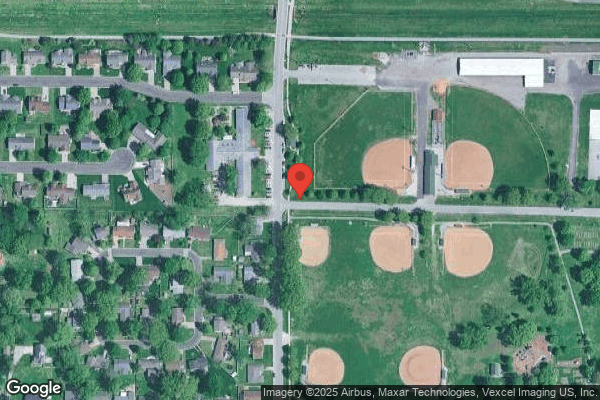
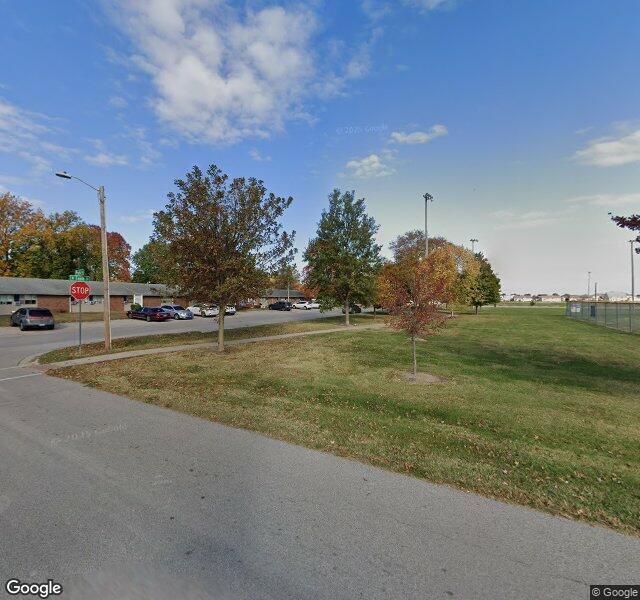
BRIA OF MASCOUTAH

901 NORTH TENTH STREET, MASCOUTAH, IL 62258 (618) 566-2183
For profit - Partnership 55 Beds BRIA HEALTH SERVICES Data: November 2025
Trust Grade
0/100
#338 of 665 in IL
Last Inspection: August 2024

Within standard 12-15 month inspection cycle. Federal law requires annual inspections.

Overview

Bria of Mascoutah has received a Trust Grade of F, indicating significant concerns and a poor overall reputation. It ranks #338 out of 665 nursing homes in Illinois, placing it in the bottom half of facilities in the state, but it is #2 out of 15 in St. Clair County, meaning only one local option is better. The facility is improving, having reduced issues from 20 in 2024 to 6 in 2025, but it still has a concerning staffing rating of 1 out of 5 stars and a high turnover rate of 77%, which is much higher than the state average of 46%. Additionally, it has incurred fines totaling $81,605, which is higher than 79% of Illinois facilities, indicating ongoing compliance problems. Specific incidents include a resident experiencing increased pain and developing a urinary tract infection due to improper catheter care, another resident being left on a bedpan for 29 minutes, and failures to ensure a safe environment, causing fear and distress among residents. Overall, while there are some improvements in their performance, the facility has significant areas of concern that families should carefully consider.

Trust Score
F
0/100
In Illinois
#338/665
Top 50%
Safety Record
High Risk
Review needed
Inspections
Getting Better
20 → 6 violations
Staff Stability
⚠ Watch
77% turnover. Very high, 29 points above average. Constant new faces learning your loved one's needs.
Penalties
○ Average
$81,605 in fines. Higher than 52% of Illinois facilities. Some compliance issues.
Skilled Nurses
○ Average
Each resident gets 36 minutes of Registered Nurse (RN) attention daily — about average for Illinois. RNs are the most trained staff who monitor for health changes.
Violations
⚠ Watch
45 deficiencies on record. Higher than average. Multiple issues found across inspections.
★★☆☆☆
2.0
Overall Rating
★☆☆☆☆
1.0
Staff Levels
★★★★★
5.0
Care Quality
★★☆☆☆
2.0
Inspection Score
Stable
2024: 20 issues
2025: 6 issues

The Good

  • 5-Star Quality Measures · Strong clinical quality outcomes
  • Full Sprinkler Coverage · Fire safety systems throughout facility
  • No fines on record

Facility shows strength in quality measures, fire safety.

The Bad

2-Star Overall Rating

Below Illinois average (2.5)

Below average - review inspection findings carefully

Staff Turnover: 77%

30pts above Illinois avg (46%)

Frequent staff changes - ask about care continuity

Federal Fines: $81,605

Well above median ($33,413)

Moderate penalties - review what triggered them

Chain: BRIA HEALTH SERVICES

Part of a multi-facility chain

Ask about local staffing decisions and management

Staff turnover is very high (77%)

29 points above Illinois average of 48%

The Ugly 45 deficiencies on record

9 actual harm
Aug 2025 3 deficiencies 1 Harm
SERIOUS (G) 📢 Someone Reported This

A family member, employee, or ombudsman was alarmed enough to file a formal complaint

Actual Harm - a resident was hurt due to facility failures

Incontinence Care (Tag F0690)

A resident was harmed · This affected 1 resident

**NOTE- TERMS IN BRACKETS HAVE BEEN EDITED TO PROTECT CONFIDENTIALITY** Based on observation, interview, and record review the facility failed to properly clean an indwelling urinary catheter, failed ...

Read full inspector narrative →
**NOTE- TERMS IN BRACKETS HAVE BEEN EDITED TO PROTECT CONFIDENTIALITY** Based on observation, interview, and record review the facility failed to properly clean an indwelling urinary catheter, failed to complete and document indwelling catheter care as ordered, failed to verify an indwelling urinary catheter flush order, failed to monitor intake and output as ordered, and failed to ensure a resident's indwelling was properly positioned and covered for 3 of 3 residents (R1, R2, R5) reviewed for indwelling urinary catheters in the sample of 11. These failures caused R2 to experience increased pain and sepsis secondary to developing a catheter associated urinary tract infection. Findings Include:1. R2's admission Record document, print date of 8/18/25, documented R2 was a [AGE] year-old male initially admitted to the facility on [DATE] with diagnoses including Wernicke's encephalopathy, type 2 diabetes mellitus, chronic gout, insomnia, alcohol abuse, major depressive disorder, polyneuropathy, hypertension, and obstructive and reflux uropathy.R2's MDS, dated [DATE], documented R2 was severely cognitively impaired, dependent on staff for toileting and hygiene needs, and had an indwelling urinary catheter.R2's care plan, initiation date of 6/30/25, documented R2 required use of an indwelling catheter related to obstructive uropathy and was at risk of infection. Care plan interventions include monitor for s/s (signs/symptoms) of UTI (urinary tract infection), notify MD (Medical Doctor) of abnormal findings, staff to monitor patency of catheter, and record output as directed. R2's care plan did not address indwelling catheter care although R2's admission orders, dated 6/30/25, documented indwelling catheter care every shift as needed.R2's TAR (Treatment Administration Record), dated 7/2025, documented an order for indwelling catheter care every shift as needed. This TAR did not document R2's catheter care was completed at all on 7/2/25 nor was it completed on every shift as ordered on 7/11/25, 7/21/25, nor 7/23/25. This TAR documented monitor urine for infection q (every) shift. This TAR did not document this was completed on 7/2/25. This TAR also documented monitor (indwelling urinary catheter) placement q shift. This TAR does not document it was completed every shift on 7/2/25, 7/6/25, 7/10/25, 7/12/25, 7/21/25, nor on 7/23/25.R2's TAR, dated 8/2025, does not document R2's catheter care was completed every shift as ordered on 8/8/25.R2's progress note authored by V12 Nurse Practitioner, dated 7/1/25, documented obstructive and reflux uropathy, unspecified, continue (indwelling catheter) care and management. Monitor I&O (intake and output).R2's catheter output record, dated 7/1/25, did not document any output on 7/1/25, nor did it document R2's urinary output was completed every shift on 7/6/25, 7/8/25, 7/10/25, 7/12/25, 7/13/25, 7/14/25, nor on 7/15/25.R2's output record, print date of 8/20/25, does not document R2's urine output was monitored every shift as ordered on 7/22/25, 7/30/25, 7/31/25, 8/1/25, 8/3/25, 8/5/25, 8/6/25, 8/7/25, nor 8/10/25.R2's fluid intake records for July and August of 2025 are not documented every shift as ordered on 7/1/25, 7/2/25, 7/6/25, 7/8/25, 7/10/25, 7/12/25, 7/13/25, 7/14/25, 7/15/25, 7/18/25, 7/21/25, 7/30/25, 7/31/25, 8/1/25, 8/4/25, 8/5/25, 8/6/25, 8/8/25, and 8/10/25.R2's progress notes, dated 7/3/25, documented at 4 PM while assisting CNA (Certified Nurse Assistant) noted urine in drainage bag to have the appearance of thin beige liquid. (R2's Facily) states she would like this to be expedited. Call placed to NP (Nurse Practitioner) at 4:40 PM, received order to send out to ER (Emergency Room) if family desired. At 4:50 PM, family stated they would like him sent to ER.R2's hospital Discharge summary, dated [DATE], documented R2 was hospitalized with severe sepsis secondary to CAUTI (catheter associated urinary tract infection). Suspect (indwelling urinary catheter) was dislodged or clogged as patient had immediate large volume output with new (indwelling urinary catheter) placement.R2's hospital discharge orders, dated 7/5/25, documented an order to flush R2's indwelling urinary catheter with 30 ML NS (normal saline) BID (two times per day).R2's facility progress note, dated 7/5/25 at 5:55 PM, documented resident returned to the facility by way of (local) EMS (emergency medical service) in company of (R2's Family). Resident is alert and oriented x 1-2, (indwelling urinary) catheter in place draining yellow urine with small amount of sediment noted in the tubing. New orders for amoxicillin 500 mg PO (by mouth) every 12 hours for 7 days and Keflex 500 mg PO 3 times daily for 10 days. Instructions to flush (indwelling urinary) catheter with 30 ml of saline every 12 hours.R2's MAR (Medication Administration Record), dated 7/2025, documented an order, dated 7/5/25, to flush R2's indwelling urinary catheter with 30 CC H20 (water) Q 12 hours. This MAR documented R2's indwelling urinary catheter was flushed with 30 CC H20 Q 12 hours twice a day from 7/7/25 through 7/31/25.On 8/18/25 at 1:55 PM V3 LPN/CPC (Licensed Practical Nurse/Care Plan Coordinator) stated she completed the admission for R2 on 7/5/25, the indwelling catheter flush order didn't specify what it should be flush with. V4 stated she put the order in as water. Surveyor asked V4 what kind of water was used for the flushes and V4 replied tap water. Surveyor requested that order.On 8/18/25 at 2:04 PM V3 came to surveyor and stated I know where that water order came from, it was from the R2's urologist on 8/4/25. V4 presented the order, the order documents catheter flushing every 8 hours. The order does not specify what to flush with.R2's progress note, dated 8/4/25 at 9:27 AM, documented left facility for appointment with urologist. Accompanied by (R2's Family) and CNA (Certified Nurse Assistant).R2's after visit summary from R2's urologist, dated 8/4/25 at 10 AM, documented orders for topical antibiotics around the tip of R2's penis and indwelling urinary catheter flushing every 8 hours.R2's progress note, dated 8/4/25 at 1:18 PM, documented returned to facility at this time. No changes in orders. R2's progress notes do not document the orders to increase R2's indwelling urinary catheter flush to every 8 hours, no documentation of any facility nursing staff calling R2's physicians for clarification of what to flush R2's catheter with, nor does it document a topical antibiotic was ordered for R2's penis pain and infection.On 8/18/25 at 8:06 AM V11, (R2's Family), stated she did inform R2's nurse of R2's new orders from his urologist for topical antibiotics and to increase R2's indwelling urinary catheter to every 8 hours from every 12 hours. V11 stated she provided the facility nurse with a copy of the orders. V11 stated she had a care plan meeting with the facility staff on 8/5/25 to discuss a very long list of issues and she brought up the catheter flush upgrade to every 8 hours as well as the topical antibiotic and R2's reporting of pain at his penis. V11 stated when she visited R2 on 8/8/25 and R2 once again told her the tip of his penis hurt. V11 stated she approached the nurse's station to check on R2's topical antibiotic order and found the facility had never implemented R2's topical antibiotic order.R2's August 2025 MAR documented R2's topical antibiotic bacitracin was not implemented until 8/9/25. This MAR documented flush (indwelling urinary) catheter with 30 cc H20 Q 8 hours for UTI. This was ordered on 8/4/25 by R2's urologist although it was not implemented until 8/5/25 at 4 PM. R2's progress notes do not document any physician notification to clarify what R2's indwelling urinary catheter should be flushed with.R2's Medication Review Report documented R2 had a physician order, dated 7/16/25, for (indwelling urinary catheter) and bag, change monthly and as needed 16 FR (French) with 10 cc balloon.R2's progress note, dated 8/5/25 at 2:22 PM, documented (indwelling urinary) catheter leaking, scant amount of cloudy amber urine in tubing. Bulb deflated, and (indwelling urinary catheter) removed. New #16 FR indwelling catheter inserted with 30 ml normal saline. R2's medical record did not document any orders for a size 16 FR with 30 ml bulb.R2's progress note, dated 8/6/25 at 8:35 AM, documented care plan meeting, met with the whole family and most of the department heads. It continues, we went over his urology appt (appointment) wants his (indwelling catheter) flushed every 8 hours instead of 12.R2's progress note, dated 8/12/25 at 7:15 AM, documented nursing notified provider that resident had a fall early this am where he slid from his bed to the floor. Post fall BP (blood pressure) was 70s/60s. Additionally, labs that resulted overnight revealed WBC (white blood cell) was critical high at 38k (38,000), with elevated procalcitonin level as well. Gave order to send resident to ED (emergency department) d/t suspected septic shock.R2's critical care medicine history and physical note, dated 8/12/25, documented septic shock, etiology likely secondary to PNA (pneumonia) vs CAUTI. (Indwelling catheter) replaced in ED due to leaking around cuff on 8/12. 2L urine output returned.2. R1's admission Record, print date of 8/18/25, documented R1 has diagnoses including rheumatoid arthritis, malnutrition, chronic fatigue, heart failure, altered mental status, neuromuscular dysfunction of bladder, cognitive communication deficit, hypertension, and acquired absence of right shoulder. R1's MDS (Minimum Data Set), dated 7/11/25, documented R1 is moderately cognitively impaired.R1's care plan, undated, documented R1 has an (indwelling urinary catheter) related to neurogenic bladder and is at risk of infection. Interventions include keep drain bag covered to promote privacy. R1's care plan does not address catheter care.R1's physician orders, dated 7/24/25, documented monitor for foley catheter position and placement every shift, intake and output every shift, and catheter care every shift. R1's August 2025 TAR (Treatment Administration Record) did not document R1's indwelling urinary catheter care was completed on the day shift on 8/15/25, evening shift on 8/7/25, 8/8/25, nor 8/15/25, nor on the night shift on 8/8/25.R1's August 2025 TAR documented monitor for (indwelling urinary catheter) position and placement q (every) shift. This TAR does not document this as completed on the day shift of 8/15/25, evening shift on 8/7/25, 8/8/25, nor on 8/15/25, nor on the night shift of 8/8/25. R1's urinary output record, print date of 8/20/25, does not document R1's urine output was documented every shift on 8/7/25, 8/8/25, 8/10/25, 8/12/25, 8/13/25, 8/15/25, nor on 8/17/25. On 8/20/25 at 12:27 PM V1 Administrator provided intake stated she could not find any intake records for R1 for July nor August 2025.On 8/18/25 at 8:38 AM R1 was observed in bed with her breakfast in front of her. R1's indwelling urinary catheter bag was uncovered and lying directly on the floor under the bed. V3 Care Plan Coordinator/LPN (Licensed Practical Nurse) walked in and stated to R1 where is your catheter bag? V3 then picked the catheter bag up off the floor, placed the bag in the bag cover, and attached it to R1's bed. 3. R5's admission Record document, print date of 8/18/25, documented R5 has diagnoses including multiple myeloma, ataxia following nontraumatic intracranial hemorrhage, polyneuropathy, glaucoma, hypertension, benign prostatic hyperplasia, and obstructive and reflux uropathy. R5's MDS, dated [DATE], documented R5 is moderately cognitively impaired although at time of interviews R5 was alert and oriented. R5's care plan, undated, documented R5 is at risk for complications related to receiving chemotherapy, R5 requires use of an indwelling catheter related to obstructive uropathy and is at risk of infection, and R5 requires enhanced barrier precautions (EBP) related to indwelling medical device. R5's care plan interventions include staff to wear gown and gloves when performing ADL's (activities of daily living) including when providing hygiene care. R5's physician orders, print date of 8/18/25, documented orders for enhanced barrier precautions for indwelling medical device urinary catheter, indwelling catheter care every shift as needed, and I & O (intake and output) q shift. On 8/18/25 at 8:40 AM surveyor asked R5 how often the nurses and CNAs clean around his catheter. R5 replied not very often, I can't remember the last time they cleaned it.On 8/18/25 at 11:02 AM V6 CNA and V9 CNA were observed as they provided indwelling urinary catheter care for R5. V6 and V9 had the clean supplies set up on a bedside table covered with a clean towel although the clean gloves were off to the side of the towel and directly on the bedside table. R5's door to his room is clearly marked with enhanced precautions signs and PPE (personal protective equipment) including gowns was readily available on the isolation door supply caddy. Neither V6 nor V9 donned gowns at any time during this observation. V9 cleansed R5's penis, scrotum, and inner thighs but did not cleanse R5's indwelling catheter tubing. V6 and V9 rolled R5 onto his right side without repositioning the catheter bag or tubing causing the urine to back flow in the tubing. R5's 8/25 TAR documented (indwelling urinary) catheter care every shift as need although it was not documented as completed every shift on 8/7/25, 8/8/25, nor 8/15/25. R5's catheter output record, print date of 8/20/25, did not document R5's urine output was monitored every shift on 7/22/25, 7/23/25, 7/27/25, 7/28/25, 7/29/25, 8/2/25, 8/3/25, 8/4/25, 8/5/25, 8/7/25, 8/8/25, 8/10/25, 8/12/25, 8/13/25, 8/15/25, 8/16/25, nor 8/17/25. R5's fluid intake records for July and August of 2025 do not document R5's intake was recorded every shift as ordered on 7/17/25, 7/19/25, 7/23/25, 7/26/25, 7/27/25, 7/31/25, 8/1/25, 8/2/25, 8/3/25, 8/6/25, 8/7/25, 8/10/25, 8/12/25, nor 8/15/25.On 8/20/25 at 11:07 AM V2, DON, and V15, ADON were interviewed. V2 stated she would expect the CNAs to don (put on) gowns and cleanse the indwelling catheter tubing while providing catheter care. V15 stated she expects the CNAs to reposition the urinary catheter tubing and bag during turning and repositioning to prevent the urine from back flowing. V2 stated she and the other nurses did not view R2's urologist's instructions on 8/4/25 as physician orders therefore they were not clarified nor implemented. V15 stated she did not view them as orders either. V15 stated she would expect the CNAs and nurses to complete and document catheter care and I&Os as ordered.The facility's (Indwelling) Catheter Care policy, dated 4/2019, documented Policy: Daily and PRN catheter care will be done to promote comfort and cleanliness. Equipment: The following equipment and supplies will be necessary when giving catheter care: 1. Basin with warm water and soap/or pre-moistened disposable cloths. 2. Personal protective equipment (i.e. gowns, gloves, etc.) as necessary. 3. Towel and washcloth. 4. Protective bed pad. Procedure: 1. Wash your hands before beginning the procedure. 2. Assemble all equipment and supplies that will be necessary to perform the procedure. 3. Knock before entering the room. 4. Arrange the supplies so they can be easily reached. 5. Identify yourself. Explain procedure to resident. It continues, 11. Cleanse area of catheter insertion site, using soap and water or pre-moistened wipes. 12. Wash catheter itself by holding on to catheter at insertion site, wash with one stroke downward, using same procedure for rinsing. The facility's Intake and Output policy, dated 6/2015, documented General: Intake and/or output are monitored accurately to ensure adequate fluid balance for residents. Responsible Party: all nursing staff. Guideline: 1. All staff can record the intake or output in the resident record. 2. Intake is recorded for residents with the following: a. Fluid restriction, b. IV therapy, c. Tube feedings, d. Order. 3. Output is recorded for residents with the following: a. (indwelling) catheter, b. Suprapubic catheters c. Order.
CONCERN (D) 📢 Someone Reported This

A family member, employee, or ombudsman was alarmed enough to file a formal complaint

Potential for Harm - no one hurt, but risky conditions existed

Quality of Care (Tag F0684)

Could have caused harm · This affected 1 resident

**NOTE- TERMS IN BRACKETS HAVE BEEN EDITED TO PROTECT CONFIDENTIALITY** Based on record review and interview, the facility failed to verify and implement a consultant physician's instructions, failed ...

Read full inspector narrative →
**NOTE- TERMS IN BRACKETS HAVE BEEN EDITED TO PROTECT CONFIDENTIALITY** Based on record review and interview, the facility failed to verify and implement a consultant physician's instructions, failed to follow hospital discharge orders for normal saline indwelling urinary catheter flushes, and failed to document a resident's response to antibiotics for 1 of 3 residents (R2) reviewed for quality of care in the sample of 11.Findings include:R2's admission Record document, print date of 8/18/25, documented R2 was a [AGE] year-old male initially admitted to the facility on [DATE] with diagnoses including Wernicke's encephalopathy, type 2 diabetes mellitus, chronic gout, insomnia, alcohol abuse, major depressive disorder, polyneuropathy, hypertension, and obstructive and reflux uropathy.R2's MDS (Minimum Data Set), dated 7/14/25, documented R2 was severely cognitively impaired, dependent on staff for toileting and hygiene needs, and had an indwelling urinary catheter.R2's care plan, initiation date of 6/30/25, documented R2 required use of an indwelling catheter related to obstructive uropathy and was at risk of infection. Care plan interventions include monitor for s/s (signs/symptoms) of UTI (urinary tract infection), notify MD (Medical Doctor) of abnormal findings, staff to monitor patency of catheter, and record output as directed. R2's care plan did not address indwelling catheter care although R2's admission orders, dated 6/30/25, documented indwelling catheter care every shift as needed.R2's progress notes, dated 7/3/25, documented at 4 PM while assisting CNA (Certified Nurse Assistant) noted urine in drainage bag to have the appearance of thin beige liquid. (Family of R2) states she would like this to be expedited. Call placed to NP (Nurse Practitioner) at 4:40 PM, received order to send out to ER (Emergency Room) if family desired. At 4:50 PM, family stated they would like him sent to ER.R2's hospital Discharge summary, dated [DATE], documented R2 was hospitalized with severe sepsis secondary to CAUTI (catheter associated urinary tract infection). Suspect (indwelling urinary catheter) was dislodged or clogged as patient had immediate large volume output with new (indwelling urinary catheter) placement.R2's hospital discharge orders, dated 7/5/25, documented an order to flush R2's indwelling urinary catheter with 30 ML NS (normal saline) BID (two times per day).R2's facility progress note, dated 7/5/25 at 5:55 PM, documented resident returned to the facility by way of (local) EMS (emergency medical service) in company of (R2's Family). Resident is alert and oriented x 1-2, (indwelling urinary) catheter in place draining yellow urine with small amount of sediment noted in the tubing. New orders for amoxicillin 500 mg PO (by mouth) every 12 hours for 7 days and Keflex 500 mg PO 3 times daily for 10 days. Instructions to flush (indwelling urinary) catheter with 30 ml of saline every 12 hours. R2's MAR (Medication Administration Record), dated 7/2025, documented an order, dated 7/5/25, to flush R2's indwelling urinary catheter with 30 CC H20 Q 12 hours (water every 12 hours). This MAR documented R2's indwelling urinary catheter was flushed with 30 CC H20 Q 12 hours twice a day from 7/7/25 through 7/31/25. On 8/18/25 at 1:55 PM V3 LPN/CPC (Licensed Practical Nurse/Care Plan Coordinator) stated she completed the admission for R2 on 7/5/25, the indwelling catheter flush order didn't specify what it should be flushed with. V4 stated she put the order in as water. Surveyor asked V4 what kind of water was used for the flushes and V4 replied tap water. Surveyor requested that order.On 8/18/25 at 2:04 PM V3 came to surveyor and stated I know where that water order came from, it was from R2's urologist on 8/4/25. V4 presented the order, the order documents catheter flushing every 8 hours. The order does not specify what to flush with.R2's progress note, dated 8/4/25 at 9:27 AM, documented left facility for appointment with urologist. Accompanied by (R2's Family) and CNA (Certified Nurse Assistant).R2's after visit summary from R2's urologist, dated 8/4/25 at 10 AM, documented instructions for topical antibiotics around the tip of R2's penis and indwelling urinary catheter flushing every 8 hours.R2's progress note, dated 8/4/25 at 1:18 PM, documented returned to facility at this time. No changes in orders. R2's progress notes do not document the instructions to increase R2's indwelling urinary catheter flush to every 8 hours, no documentation of any facility nursing staff calling R2's physicians for clarification of what to flush R2's catheter with, nor does it document a topical antibiotic was ordered for R2's penis pain and infection.On 8/18/25 at 8:06 AM V11, (R2's Family), stated she did inform R2's nurse of R2's new orders from his urologist for topical antibiotics and to increase R2's indwelling urinary catheter to every 8 hours from every 12 hours. V11 stated she provided the facility nurse with a copy of the orders. V11 stated she had a care plan meeting with the facility staff on 8/5/25 to discuss a very long list of issues and she brought up the catheter flush upgrade to every 8 hours as well as the topical antibiotic and R2's reporting of pain at his penis. V11 stated when she visited R2 on 8/8/25 and R2 once again told her the tip of his penis hurt. V11 stated she approached the nurse's station to check on R2's topical antibiotic order and found the facility had never implemented R2's topical antibiotic order. R2's August 2025 MAR documented R2's topical antibiotic bacitracin was not implemented until 8/9/25. This MAR documented flush (indwelling urinary) catheter with 30 cc H20 Q 8 hours for UTI. This MAR does not document sterile water. This MAR does not document R2's indwelling catheter was flushed as ordered on 8/8/25 at 4 PM as it was not signed off as completed. R2's progress notes do not document any physician notification to clarify what R2's indwelling urinary catheter should be flushed with.R2's MAR nor his progress notes document his response to the topical antibiotic.R2's Medication Review Report documented R2 had a physician order, dated 7/16/25, for (indwelling urinary catheter) and bag, change monthly and as needed 16 FR (French) with 10 cc balloon.R2's progress note, dated 8/5/25 at 2:22 PM, documented (indwelling urinary) catheter leaking, scant amount of cloudy amber urine in tubing. Bulb deflated, and (indwelling urinary catheter) removed. New #16 FR indwelling catheter inserted with 30 ml normal saline. R2's medical record did not document any orders for a size 16 FR with 30 ml bulb.R2's progress note, dated 8/6/25 at 8:35 AM, documented care plan meeting, met with the whole family and most of the department heads. It continues, we went over his urology appt (appointment) wants his (indwelling catheter) flushed every 8 hours instead of 12.R2's progress note, dated 8/12/25 at 7:15 AM, documented nursing notified provider that resident had a fall early this am where he slid from his bed to the floor. Post fall BP (blood pressure) was 70s/60s. Additionally, labs that resulted overnight revealed WBC (white blood cell) was critical high at 38k (38,000), with elevated procalcitonin level as well. Gave order to send resident to ED (emergency department) d/t suspected septic shock. R2's critical care medicine history and physical note, dated 8/12/25, documented septic shock, etiology likely secondary to PNA (pneumonia) vs CAUTI. (Indwelling catheter) replaced in ED due to leaking around cuff on 8/12. 2L urine output returned.On 8/20/25 at 11:07 AM V2, DON (Director of Nursing), stated she and the other nurses did not view R2's urologist's instructions on 8/4/25 as physician orders therefore they were not clarified nor implemented.On 8/20/25 at 12:43 PM V16 Nurse Practitioner was interviewed in person with V17 R2's facility physician on speaker phone. V16 and V17 both stated if an indwelling urinary catheter is ordered to be flushed with water it should be sterile water. Surveyor asked V17 if the facility should have clarified R2's instructions given by R2's urologist V14, dated 8/4/25, to increase R2's catheter flushes to every 8 hours and to apply topical antibiotic. V17 replied it is always good to clarify.On 8/20/25 at 2:23 PM V1 Administrator provided surveyor with the facility's Physician Orders policy and stated the facility does not have a policy on consultant physicians.The facility's Physician Orders policy, dated 6/2015, documented General: Drugs will be administered only upon a clean, complete, and signed order of a person lawfully authorized to prescribe. Verbal orders will be received only by licensed nurses or pharmacists and confirmed in writing by the physician. Responsible Party: Nursing. Policy: Elements of the Medication Order:1. Medication orders specify the following: a. Name of medication, b. Strength of medication, c. Dosage, d. Time or frequency of administration, e. Route of administration, f. Quantity or duration, g. Diagnosis or indication for, h. Medication allergy, I. Any dose or order that appears inappropriate considering the resident's age, condition, or diagnosis is verified with the attending physician. It continues, Documentation of the Medication Order: 1. Each medication order is documented in the resident's medical record with the date and signature of the person receiving the order. The order is recorded on the physician order sheet in (EMR) and the MAR and TAR. 2. The following steps are initiated to complete documentation: a. Clarify the order, b. Enter the orders with administration schedule in (EMR) and transmit to pharmacy.The facility's Catheter Irrigation: Indwelling policy, dated 6/2015, documented General: Catheter irrigation is done to ensure tube patency and remove clots or sediment from the catheter or bladder. Responsible Party: RN, LPN. Procedure: 1. Obtain order from physician/nurse practitioner as to the type of solution and frequency of irrigation. 2. Wash hands. 3. Explain procedure to the resident. 4. Provide privacy. 5. Open irrigation set by grasping end flap and peeling back. 6. Place irrigation set in convenient position. Maintain sterility of drainage system. Use only sterile solution or water for irrigation. Type of solution should be specified in the order.
CONCERN (D) 📢 Someone Reported This

A family member, employee, or ombudsman was alarmed enough to file a formal complaint

Potential for Harm - no one hurt, but risky conditions existed

Infection Control (Tag F0880)

Could have caused harm · This affected 1 resident

**NOTE- TERMS IN BRACKETS HAVE BEEN EDITED TO PROTECT CONFIDENTIALITY** Based on observation, interview, and record review the facility failed to follow the facilities policy and don proper PPE (perso...

Read full inspector narrative →
**NOTE- TERMS IN BRACKETS HAVE BEEN EDITED TO PROTECT CONFIDENTIALITY** Based on observation, interview, and record review the facility failed to follow the facilities policy and don proper PPE (personal protective equipment) while providing care for 2 of 3 (R1, R5) residents reviewed for indwelling urinary catheter in the sample of 11. 1.R1's admission Record, print date of 8/18/25, documented R1 has diagnoses including rheumatoid arthritis, malnutrition, chronic fatigue, heart failure, altered mental status, neuromuscular dysfunction of bladder, cognitive communication deficit, hypertension, and acquired absence of right shoulder. R1's MDS (Minimum Data Set), dated 7/11/25, documented R1 is moderately cognitively impaired.R1's care plan, undated, documented R1 has an (indwelling urinary catheter) related to neurogenic bladder and is at risk of infection. R1's care plan also documented R1 requires enhanced barrier precautions with interventions including staff to wear gown and gloves when performing ADL'S (activities of daily living). On 8/18/25 at 8:38 AM R1 was observed in bed with her breakfast in front of her. R1's indwelling urinary catheter bag was uncovered and lying directly on the floor under the bed. V3, Care Plan Coordinator/LPN (Licensed Practical Nurse) walked in and stated to R1 where is your catheter bag? V3 then picked the catheter bag up off the floor, placed the bag in the bag cover, and attached it to R1's bed. V3 did not don gloves nor a gown prior to touching R1's catheter bag, catheter tubing, and R1's bed. R1's door was clearly marked with a sign noting enhanced barrier precautions and PPE (personal protective equipment) was readily available on R1's door caddy. 2.R5's admission Record document, print date of 8/18/25, documented R5 has diagnoses including multiple myeloma, ataxia following nontraumatic intracranial hemorrhage, polyneuropathy, glaucoma, hypertension, benign prostatic hyperplasia, and obstructive and reflux uropathy. R5's MDS, dated [DATE], documented R5 is moderately cognitively impaired although at time of interviews R5 was alert and oriented. R5's care plan, undated, documented R5 is at risk for complications related to receiving chemotherapy, R5 requires use of an indwelling catheter related to obstructive uropathy and is at risk of infection, and R5 requires enhanced barrier precautions (EBP) related to indwelling medical device. R5's care plan interventions include staff to wear gown and gloves when performing ADL's (activities of daily living) including when providing hygiene care. R5's physician orders, print date of 8/18/25, documented orders for enhanced barrier precautions for indwelling medical device urinary catheter.On 8/18/25 at 11:02 AM V6 CNA (Certified Nurse Assistant) and V9 CNA were observed as they provided indwelling urinary catheter care for R5. V6 and V9 had the clean supplies set up on a bedside table covered with a clean towel although the clean gloves were off to the side of the towel and directly on the bedside table. R5's door to his room is clearly marked with enhanced precautions signs and PPE (personal protective equipment) including gowns was readily available on the isolation door supply caddy. Neither V6 nor V9 donned gowns at any time during this observation. On 8/20/25 at 3:14 PM V1 Administrator stated she expects all facility staff to wear a gown and gloves when caring for residents on enhanced barrier precautions.The facility's Enhanced Barrier Precautions (EBP) policy, dated 10/6/22, documented Policy: Our facility employs the use of Enhanced Barrier Precautions to reduce transmission of MDROs (multi-drug resistant organisms) to staff hands and clothing that employs targeted gown and glove use during high-contact resident care activities. EBP are indicated for residents with any of the following: open wounds regardless of MRDO status, an indwelling medical device regardless of MDRO status, or colonization with a targeted MDRO. Process: Staff utilize gown and gloves for high-contact resident care activities when residents require EBPL high contact activities may include: dressing, bathing, transferring, providing hygiene changing linens, changing briefs or assisting with toileting, device care or use of central line, urinary catheter, feeding tub, tracheostomy/ventilator, and would care.
Jul 2025 1 deficiency 1 Harm
SERIOUS (G) 📢 Someone Reported This

A family member, employee, or ombudsman was alarmed enough to file a formal complaint

Actual Harm - a resident was hurt due to facility failures

Resident Rights (Tag F0550)

A resident was harmed · This affected 1 resident

**NOTE- TERMS IN BRACKETS HAVE BEEN EDITED TO PROTECT CONFIDENTIALITY** Based on observation, interview, and record review, the facility failed to provide resident care in a timely manner to promote r...

Read full inspector narrative →
**NOTE- TERMS IN BRACKETS HAVE BEEN EDITED TO PROTECT CONFIDENTIALITY** Based on observation, interview, and record review, the facility failed to provide resident care in a timely manner to promote resident's dignity for 3 of 5 residents (R1, R2, and R5) reviewed for dignity in a sample of 5. This failure resulted in R2 having feelings of frustration due to soiling herself and being left on a bedpan for 29 minutes and reporting pain related to this. Findings include: 1. R2's Face sheet documented she was admitted to the facility on [DATE] with diagnoses of, in part, congenital subaortic stenosis, type two diabetes mellitus, and acquired absence of bilateral legs below the knee. R2's Minimum Data Set (MDS) dated [DATE], documented she was cognitively intact and dependent on staff for toileting hygiene assistance. R2's Care Plan dated 6/27/25 documented she was at risk for skin complications related to immobility. R2's Care Plan dated 6/20/25 documented she has an alteration in comfort advanced disease process, chronic physical or psychological disability circulatory, musculoskeletal, neurological, skin/tissue impairment trauma. R2's Care Plan dated 6/20/25 also documented she required assist with daily care needs related to morbid obesity, bilateral lower extremity amputee. On 7/7/25 at 9:00 AM, R2 stated she has to wait anywhere from 30 minutes to an hour and 20 minutes for her call light to be answered at times. R2 stated it makes her feel frustrated because she ends up sometimes soiling herself instead of using the bed pan because it took the staff too long to respond. R2 stated she should be treated with respect and care. R2 stated she should feel safe and trust that the staff will take care of her appropriately. On 7/7/25 at 11:05 AM, R2 put her call light on to use the bed pan and at 11:06 AM V6, Certified Nurse's Aide, (CNA) responded and placed R2 on a bed pan. At 11:10 AM, R2 pressed her call light and notified V6 she was done using the bed pan. V6 stated she would be back after helping assist with a mechanical lift. On 7/7/25 at 11:25 AM, R2 stated, How long has it been? I thought she would be right back. R2 stated the bed pan was causing her a lot of discomfort and pain. R2 stated she wants to make sure none of the other residents who can't speak up for themselves have to go through this. R2 stated her pain level was a 9 out of 10 on a pain scale being a sharp/shooting pain caused from the bed pan that was not there prior to being placed on it. On 7/7/25 at 11:35 AM, V6 came back to R2's room with incontinence supplies. V6 had V5 (CNA's) assisted with incontinence care. When R2's bed pan was removed, a noticeable reddened outline on R2's skin from where the bed pan sat was observed. On 7/7/25 at 1:11 PM, V6, stated she had to help assist another CNA with a resident needing a mechanical lift because two people are required for that and couldn't get back to R2 until after that was done. V6 stated she tries to get residents off bed pans as soon as possible because she's sure it can cause discomfort and pain. 2. R1's Face sheet documented she was admitted to the facility on [DATE] with diagnoses of, in part, type two diabetes mellitus, chronic bronchitis, and type two diabetes mellitus with diabetic neuropathy. R1's MDS dated [DATE] documented she was cognitively intact and dependent on staff for toileting hygiene assistance. On 7/7/25 at 9:10 AM, R1 stated sometimes it takes staff 30 minutes to respond and that makes her feel like they don't care about her and that she is just an option. 3. R5's Face sheet documented she was admitted to the facility on [DATE] with diagnoses of, in part, chronic obstructive pulmonary disease, hypotension, and acute respiratory failure. R5's MDS dated [DATE] documented she is moderately cognitively impaired and dependent on staff for toileting hygiene assistance. 7/7/25 at 10:50 AM, R5 stated call lights can take a long time to get answered typically 15-20 minutes. R5 stated she wouldn't put her dog or cat in this place. On 7/7/25 at 1:10 PM, V5, CNA, stated she would expect a resident to be removed from a bed pan within 5-10 minutes after being done with it. V5 stated a bed pan can cause pain and discomfort if left in place for too long. On 7/7/25 at 11:12 PM, V4, CNA, stated she tries to get residents off bed pans as soon as possible and they can be uncomfortable to be on. V4 stated she thinks there is enough staff employed to respond to residents timely except for when there are call offs, today we have a lot. On 7/7/25 at 3:40 PM, V1, Administrator, stated she would expect residents to be removed from a bed pan in the least amount of time possible, and she is sure being left on one for an extended amount of time would cause pain or discomfort. V1 stated she expects staff to respond to residents within 5 minutes if possible. Resident Council Meeting Minutes dated 4/3/25, 5/1/25, and 6/5/25 all documented nursing concerns of call lights not being answered in a timely manner. The facility's Pain Management policy revised on 1/2025, documented it is to facilitate and provide guidance on pain observations and management. To facilitate resident independence, promote resident comfort and preserve resident dignity. This will be accomplished through an effective pain management program, providing our residents the means to receive necessary comfort, exercise greater independence, and enhance dignity and life involvement. The facility's Resident Rights policy revised on 10/2024 documented, It is the facility's policy to identify and provide reasonable accommodation for resident needs and preferences except when it would endanger the health or safety of the resident or other residents. Residents have the right to retain and use personal possessions to promote a homelike environment and to support each resident in maintaining their independence.
May 2025 1 deficiency
CONCERN (D) 📢 Someone Reported This

A family member, employee, or ombudsman was alarmed enough to file a formal complaint

Potential for Harm - no one hurt, but risky conditions existed

Accident Prevention (Tag F0689)

Could have caused harm · This affected 1 resident

**NOTE- TERMS IN BRACKETS HAVE BEEN EDITED TO PROTECT CONFIDENTIALITY** Based on observation, interview, and record review, the facility failed to ensure progressive fall interventions were in place a...

Read full inspector narrative →
**NOTE- TERMS IN BRACKETS HAVE BEEN EDITED TO PROTECT CONFIDENTIALITY** Based on observation, interview, and record review, the facility failed to ensure progressive fall interventions were in place and staff were aware of these interventions for 1 of 4 residents (R5) reviewed for falls in the sample of 7. Findings include: R5's Face Sheet documents R5 was admitted to the facility on [DATE] with diagnoses including diabetes mellitus, cerebral infarction, hypotension, dementia and abnormalities of gait and mobility. R5's Minimum Data Set, dated [DATE] documented R5 was severely cognitively impaired, used wheelchair and required partial assistance with walking. R5's Care Plan documents R5 is at risk for falls. R5's Fall Risk assessment dated [DATE] documented R5 was at high risk for falls. R5's Fall Investigation dated 10/9/24 documents R5 tripped while ambulating and fell. There was no injury. R5's Care Plan Update on 10/9/24 documents staff were educated to ensure R5 is wearing grippy socks at all times when out of bed. R5's Fall Investigation dated 4/13/25 documents R5 was found on the floor in the dining room with a small laceration and large bump on her forehead and skin tears on her right forearm. R5 was sent to the emergency room (ER) for evaluation. R5's ER Note dated 4/13/25 documents R5 sustained a hematoma to the forehead. R5's 4/13/25 Fall Investigation documents a (Non-Slip Mat) will be added to R5's wheelchair. On 5/1/25 at 1:11 PM, R5 was sitting in the dining room in her wheelchair with dark purple bruising under both eyes and yellowish green bruising on her forehead. She was wearing regular socks that did not have grips on the bottom. V9, Certified Nursing Assistant (CNA), stated she was not told to put gripper socks on R5. When asked if R5 has a (Non-Slip Mat), V9 stated, What's that? On 5/2/25 at 7:58 AM, V11, CNA, stated she did not know if R5 is supposed to have a (Non-Slip Mat) in her chair. On 5/2/25 at 10:40 AM, V12, Nurse Practitioner (NP), stated the purpose of implementing fall interventions is to prevent additional falls. On 5/2/25 at 11:15 AM, V1, Administrator, stated she expects progressive fall interventions to be in place and staff to be aware of them. The Facility's Fall Prevention and Management Policy last reviewed 6/2024 documents, This facility is committed to maximizing each resident's physical, mental and psychosocial well-being. While preventing all falls is not possible, the facility will identify and evaluate those residents at risk for falls, plan for preventative strategies, and facilitate as safe an environment as possible. All resident falls shall be reviewed, and the resident's existing plan of care shall be evaluated and modified as needed.
Mar 2025 1 deficiency
CONCERN (D) 📢 Someone Reported This

A family member, employee, or ombudsman was alarmed enough to file a formal complaint

Potential for Harm - no one hurt, but risky conditions existed

Deficiency F0557 (Tag F0557)

Could have caused harm · This affected 1 resident

**NOTE- TERMS IN BRACKETS HAVE BEEN EDITED TO PROTECT CONFIDENTIALITY** Based on observation, interview and record review the facility failed to ensure resident rights were respected regarding a socia...

Read full inspector narrative →
**NOTE- TERMS IN BRACKETS HAVE BEEN EDITED TO PROTECT CONFIDENTIALITY** Based on observation, interview and record review the facility failed to ensure resident rights were respected regarding a social media post for 1 (R2) of 3 residents in a sample of 3. R2's Undated Face Sheet, documents R2 was initially admitted to the facility on [DATE] with diagnoses including pain, generalized anxiety disorder and mild cognitive impairment. R2's Quarterly Minimum Data Set (MDS) dated [DATE] documents resident is alert. On 3/28/2025 at 9:32 AM V1, Administrator stated she recently received an anonymous call on Monday morning 3/24/2025, the call ID was blocked, and the caller reported that (V5), LPN (Licensed Practical Nurse) posted on social media talking about a resident and the anonymous caller sent screen shots of the social media post to V1. She stated no residents or facility name was listed in the post. V1 forwarded the social media screen shots to human resources, and they stated no issues because no residents were named and no facility was named. V5's Social Media Post dated 9/10/2024, documents, Nobody can [NAME] me faster than an elderly nursing home patient with 5 teeth and a receding hair line. I thought you said you was getting them nails fixed Saturday, why they still look the same. I said dangggg I was sick I didn't go. Well when you do go have them wax your eyebrows too. On 3/28/2025 at 9:45 AM V5, LPN stated on 9/10/2024 the social media post was referring to R2 that resides at the facility, and it was a joke between her and the other employees at the facility. V5 stated she didn't feel it was an inappropriate social media post because she didn't document R2's name or the facility he resided at. V5 stated she's not documented social media jokes regarding residents since that one post in 9/2024. V5's Social Media Post, dated 9/10/2024 documents V15, LPN commented, Was that Mr. K? Cause he asked if I smoked crack girl I said W**. On 3/28/2025 at 12:09 PM V15, LPN stated she replied to (V5's) post on social media dated 9/10/2024 because she knew the resident who (V5) was referring to in the post which was (R2), and she thought it was funny. V5's Social Media Post, dated 9/10/2024 documents V16, Social Service Director commented, Can't go out like this. On 3/28/2025 at 12:09 PM V16 stated she recalled (V5) posted a social media post regarding (R2) and how he had 5 teeth and a receding hair line but she didn't comment on that she commented on the post saying you can't go out like this referring to not having your nails and eyebrows done up. V16 didn't have issues with what (V5) posted on social media on 9/10/2024 because she didn't document the resident's name or the facility that he resides at. V16 stated her and (V5) are friends and she knew she was making a joke regarding (R2) who resides at the facility. On 3/28/2025 at 10:20 AM R2 lay in bed with eyes open stated good morning, he was alert and stated nobody better be posting about him on social media because that would hurt his feelings if someone posted he has 5 teeth and a receding hair line, he stated no employee should post his business on social media because the employee described him and he knows the employee was talking about him and he stated that hurt his feelings. R2 stated would you want the fact that you have 5 teeth and a receding hair line posted on social media? He stated people should ask themselves that question prior to posting hurtful comments on social media. On 3/28/2025 at 10:33 AM V1, Administrator stated she asked (V5) what the resident's name was that she was referring to in the social media post and (V5) didn't state the resident's name. V1 stated (V5) is an agency nurse and stated the resident she was referring to in the social media post could reside in any nursing home that she works at not just this nursing home. The Facility's Resident Rights Policy dated 8/1/2022, documents the objective of the accommodation of resident needs and preferences is to create an individualized, home-like environment to maintain and/or achieve independent functioning, dignity, and well-being to the extent possible in accordance with the resident's own needs and preference. The Facility's Undated Social Media Handbook, documents employees are prohibited from posting or comments which are disrespectful or discourteous to our patients.
Oct 2024 1 deficiency
CONCERN (D) 📢 Someone Reported This

A family member, employee, or ombudsman was alarmed enough to file a formal complaint

Potential for Harm - no one hurt, but risky conditions existed

Accident Prevention (Tag F0689)

Could have caused harm · This affected 1 resident

**NOTE- TERMS IN BRACKETS HAVE BEEN EDITED TO PROTECT CONFIDENTIALITY** Based on interview and record review the Facility failed to ensure progressive interventions were being implemented for 1 of 3 r...

Read full inspector narrative →
**NOTE- TERMS IN BRACKETS HAVE BEEN EDITED TO PROTECT CONFIDENTIALITY** Based on interview and record review the Facility failed to ensure progressive interventions were being implemented for 1 of 3 residents (R2) reviewed for falls in the sample of 6. Findings include: R2's Physician Order Sheet for October 2024 documents a diagnosis of encephalopathy, chronic obstructive pulmonary disease (COPD), hemiplegia affecting left non dominant side, cerebral infarction, diabetes, weakness, pain in right hip, unspecified convulsions, schizoaffective disorder, unspecified dementia, and unspecified psychosis. R2's Minimum Data Set, (MDS) dated [DATE] documents R2 was moderately impaired for cognitive impairment for decision making of activities of daily living. R2 requires use of a wheelchair. R2 requires moderate assistance with showering and personal hygiene. He requires set up for eating, oral hygiene, upper and lower body dressing and taking off and applying footwear. R2 also has a (urinary) catheter and is frequently incontinent of bowel. R2's Fall risk evaluation dated 8/25/2024 at 6:07 PM documented that R2 is a high risk for falls. R2's Progress notes dated 8/25/2024 documented a certified nursing assistant, (CNA) heard a thud from resident's room, immediately went to see and found resident on the floor up against the door. R2 appeared to hit head and stated a little pain. R2 unable to recall what happened. R2's Progress notes dated 8/25/2024 at 5:30 PM document Visit Type: Sound physician telehealth. Details: Chief complaint: Fall. Saw patient on video with staff. Patient had an unwitnessed fall. He denies any pain and no visible injury per staff. he is on Plavix (blood thinner). (R2) thinks he hit his head, but staff did not feel any bumps/bruises on his head. No headache. R2's Incident Report dated 8/25/2024 at 5:10 PM, documents, CNA heard a thud from resident's room, immediately went to see and found resident on the floor up against the door. Resident appeared to hit head and states a little pain. Resident unable to recall what happened. Resident was lying in bed watching TV and then I was on the floor. I am not sure what happened. R2's Incident Report does not document any fall interventions for this fall and/or any future fall preventions for any future falls. R2's Progress notes dated 8/26/2024 at 8:00 AM document (R2) was observed on floor in his room, next to his bed and nightstand. Positioned on his back with legs outstretched. R2 is unable to state what happened. Mental status and ROM (range of motion) both at his baseline. Assessed for pain/injury, none noted at this time. Stated he hit his head. Nurse practitioner, (NP) in facility, assessed resident and requested he be sent to ER (emergency room) for evaluation. R2's Progress notes dated 8/26/2024 at 5:46 PM documented R2 returned from local ER at 3:00 PM and was started on antibiotics. R2's Fall Incident Report dated 8/26/2024 at 8:00 AM, documents, Resident found lying on floor in his room next to bed and night stand. Positioned on his back with legs outstretched. Unable to state what happened. Mental status at his baseline. ROM (range of motion) at baseline. NP (Nurse Practitioner) examined resident, and requested he be sent to ER for evaluation. Resident unable to give description. R2's Incident Report does not document any fall interventions for this fall and/or any future fall preventions for any future falls. R2's Progress notes dated 8/30/2024 at 7:42 PM documented nurse was in the hallway preparing medications for medication pass, when she heard a loud noise at 7:42PM. She looked down the hallway and saw the resident laying on the floor on his back with his lower half of his body in his room and the upper half of his body in the doorway to his room and his head on the hallway floor. At 7:45 PM VS (vital signs) (97.7, 68, 16, 111/45, 98% on RA). Neuro checks done at 7:46 PM with all being within normal limits. (R2) stated he didn't know what had happened, but that he did hit his head. Small laceration measuring approximately 0.5cm (centimeters) with a small amount of blood noted. (R2) denied any pain or discomfort at that time. At 7:51 PM, this nurse called 911 for EMS (emergency medical service). At 7:52 PM, this nurse called (R2's) power of attorney, (POA) but he did not pick up the telephone and a voice message was left to contact the facility. At 7:53 PM, this nurse contacted the facility administrator. At 7:56 PM, this nurse called resident's #2 contact, and she did not pick up the telephone and no message were left by this nurse at that time. At 7:59 PM, resident's POA (Power of attorney), returned this nurse's phone call and report was given to POA about incident and R2's condition. This nurse also informed POA of facility's bed hold policy and that the resident was informed of bed hold policy and given a copy along with his other paperwork that was given to emergency medical staff, (EMS) staff. POA verbalized understanding. At 8:00 PM, EMS arrived at this facility and placed resident on the stretcher. At 8:04 PM EMS left the facility with the resident to transport him to local hospital's ER for evaluation. Also, at 8:04PM, local hospital ER was contacted, and report was given to hospital nurse regarding R2's condition and that he did not receive the ordered 8:00 PM medications as he fell prior to administration by this nurse. R2's Incident Report dated 8/30/2024 at 7:42 PM, documents, Resident up and ambulating in his room, resident heard falling and was found with his lower half of his body inside his room while the upper half of his body was out in the hallway. This nurse heard a loud noise and looked down the hall and saw the resident laying on his back. Resident stated he didn't know what happened. Resident did say he hit his head. Resident was ambulating without assistance. The Incident Report does not document any fall interventions for this fall and/or preventions for any future falls. R2's Progress Notes dated 9/11/2024 at 12:53 AM, Resident fell and got himself up and onto the bed. Resident stated he hit the right, back side of his head. Resident states that he is unsure of how he fell. ROM (range of motion) WNL (within normal limits). NP made aware and gave order to send resident to ER due to resident being on an anticoagulant. R2's Care Plan for Falls documents R2 incurred a fall on 8/25/2024, 8/26/2024 and 8/30/2024. The interventions on the Care Plan for the Fall on 8/25/2024 documents, resident unaware how fall occurred. Resident with UTI (urinary tract infection), started on antibiotics. R2's fall on his Care Plan on 8/26/2024 2024 interventions documents, resident unaware how fall occurred. Resident with UTI (urinary tract infection), started on antibiotics. R2's Care Plan fall on 8/30/2024 resident unaware how fall occurred. Resident with UTI (urinary tract infection), started on antibiotics. (All three of R2's falls documented the same interventions, and no new and/or progressive interventions were documented). R2's Care Plan does not address his fall on 9/11/2024. On 10/03/2024 at 10:50 AM, V4, Assistant Director of Nursing (ADON) stated she was called down to the hallway after a CNA had heard a noise and found (R2) lying on the ground. She asked (R2) what had happened and (R2) told her he didn't remember what had happened. (R2) said he was in his bed and then was on the floor. We performed a video visit which didn't order an ER (Emergency Room) visit. However, due to facility policy and (R2) receiving blood thinners, he was sent to the local ER. On 10/03/2024 at 10:55 AM, V5, Care Plan Coordinator stated whenever a resident has a fall, the staff meet together with the department heads and go over all falls and try and figure out the root causes, why the fall occurred, and ways to prevent any future falls. The management staff meet as an Interdisciplinary team, (IDT), regarding the course of action and what interventions to implement for each fall. We then meet again to ensure each intervention is working and no other falls have occurred. For every fall we must have a new intervention. On 10/03/2024 at 11:08 AM, V5, stated I was not doing the Care Plans at that time (R2) fell back in August and after I had talked to you I went back and looked at (R2's) Care Plan when I looked back at (R2's) records I realized there were no progressive interventions, and the same intervention was used all three times for his last three falls. It was an error. There should have been a new intervention for each fall, and nothing should have been repeated. This was an error. On 10/3/2024 at 11:33 AM, V1, Administrator stated, When we looked back at (R2's) Care Plan we realized we used the same interventions multiple times, and no new interventions were put into place on his falls in August. On 10/03/2024 at 12:15 PM, V2, Director of Nursing stated she was new to the position but would expect every fall to have an intervention and not to use the same intervention for multiple falls and have a new intervention for each fall. V2 also stated the care plan should reflect every fall and each intervention should implemented after every fall and assessed to ensure they were working for any future falls. The Facility Fall Policy with a revision date of 7/2022 documents, This facility is committed to maximizing each resident's physical, mental and psychosocial well-being. While preventing all falls is not possible, the facility will identify and evaluate those residents at risk for falls, plan for preventive strategies, and facilitate as safe an environment as possible. All residents' falls shall be reviewed, and the residents' existing plan of care shall be evaluated and modified as needed.
Aug 2024 12 deficiencies
CONCERN (D)

Potential for Harm - no one hurt, but risky conditions existed

Resident Rights (Tag F0550)

Could have caused harm · This affected 1 resident

**NOTE- TERMS IN BRACKETS HAVE BEEN EDITED TO PROTECT CONFIDENTIALITY** Based on interview, observation, and record review the facility failed to promote respect and dignity in an environment that pro...

Read full inspector narrative →
**NOTE- TERMS IN BRACKETS HAVE BEEN EDITED TO PROTECT CONFIDENTIALITY** Based on interview, observation, and record review the facility failed to promote respect and dignity in an environment that promotes maintenance by not providing timely removal of urine and feces from a resident's bedside commode for 1 of 1 resident (R11) reviewed for dignity in a sample of 41. Findings include: R11 was admitted to the facility on [DATE] with diagnosis of, in part, anxiety and major depressive disorders, fracture of unspecified parts of lumbosacral spine and pelvis, subsequent encounter for fracture with routine healing and lack of coordination. R11's Minimum Data Set (MDS) dated [DATE] documents R11 as being moderately cognitively impaired with a Brief Interview of Mental Status (BIMS) score of 9. During this investigation, R11 was alert and oriented to person, place and time. R11's MDS further documents R11 requires partial/moderate assistance for: toilet transfer: The ability to get on and off a toilet or commode and toileting hygiene: The ability to maintain perineal hygiene, adjust clothes before and after voiding or having a bowel movement. R11's MDS documents further that R11 uses a wheelchair and requires partial/moderate assistance to walk. R11's current care plan dated 7/19/2024 documents R11 requires assistance with daily care needs related to weakness, fracture of spine with interventions to assist R11 with activities of daily living (ADLs) and monitor for changes with daily care abilities, provide more or less assist if needed, and rounding at a minimum of every 2 hours and prompt or assist for change in position, toileting, offer fluids, and ensure resident is warm and dry. On 8/5/24 at 10:15 AM, R11 stated she must use a bedside commode which also attracts the flies if staff don't clean it out timely. Stool is seen smeared on R16's floor by her commode. R11 stated she notified staff 4 hours prior that her commode needed to be emptied and is still waiting. R11 stated she hopes and prays the commode will be cleaned out by the time she has to use it again. R11 stated she doesn't ask for much but asking for her commode to be changed doesn't seem like a lot. On 8/5/24 at 11:00 AM, R11 was on her commode and stated it had not been cleaned yet, but she had no other choice but to use it. R11 pressed her call light and waited for 5 minutes for staff to respond but stated did not want to continue sitting over her dirty commode with all the flies. R11's commode was full of stool, urine, and tissues. Stool is still smeared on R16's floor. On 08/6/24 at 10:30 AM, R11's floor is still dirty with the same stool smears on the floor from yesterday. On 8/6/24 at 2:29 PM, bedside commode still not cleaned out. On 8/8/24 at 9:00 AM, R11 was eating her breakfast on the side of her bed with flies and a full commode filled with stool, urine, and tissues. On 8/8/24 at 9:15 AM, V2, Director of Nursing (DON), observed R11's full commode and flies in her room. V2 stated she would expect the commode to be changed out after R11 uses it, and she will clean it right now. The facility's Resident Rights Policy dated 10/2023, documents, The facility will provide a safe, clean, comfortable, and homelike environment .The residents' environment will be maintained in a homelike manner.
CONCERN (D)

Potential for Harm - no one hurt, but risky conditions existed

Deficiency F0582 (Tag F0582)

Could have caused harm · This affected 1 resident

Based on interview and record review the facility failed to provide Skilled Nursing Facility Advanced Beneficiary Notice (SNF ABN) of Non-coverage for 1 of 3 (R6) reviewed for Beneficiary Notice in th...

Read full inspector narrative →
Based on interview and record review the facility failed to provide Skilled Nursing Facility Advanced Beneficiary Notice (SNF ABN) of Non-coverage for 1 of 3 (R6) reviewed for Beneficiary Notice in the sample of 41. Findings include: R6's admission Record documented an admission date to the facility of 12/05/2023. Diagnoses listed on this same document include, but are not limited to: Osteomyelitis of Vertebra, Morbid (Severe) Obesity due to excess calories, Weakness, Difficulty Walking, not elsewhere classified . The document titled Beneficiary Notice - Residents discharged Within the Last Six Months noted R6 remained in the facility but listed a service discharge date of 3/3/24. Review of R6's Electronic Health Record (EHR) does not note a SNF ABN form associated with the 3/3/24 service discharge date . R6 was interviewed on 8/12/24 at 9:10 am and asked if she received a SNF ABN regarding her 3/3/24 discharge from services and she stated that she does not remember. On 8/6/24 at 9:33 AM, V1 (Administrator) stated that the facility did not issue a SNF ABN to R6 with her 3/3/24 discharge date from services. V1confirmed the lack of a SNF ABN form in R6's EHR as well as the facility's NOMNC (Notice of Medicare Non-Coverage) folder. V1 acknowledged the error in the facilities failure to provide the notice. V1 stated that the facility does not have a current policy regarding the issuing of SNF ABN forms, and just follow current regulatory guidelines.
CONCERN (D)

Potential for Harm - no one hurt, but risky conditions existed

Transfer Notice (Tag F0623)

Could have caused harm · This affected 1 resident

**NOTE- TERMS IN BRACKETS HAVE BEEN EDITED TO PROTECT CONFIDENTIALITY** 2. On 8/05/24 at 9:35 AM, R9 was sent to hospital after fall. V17, Power of Attorney (POA), stated she was notified through her ...

Read full inspector narrative →
**NOTE- TERMS IN BRACKETS HAVE BEEN EDITED TO PROTECT CONFIDENTIALITY** 2. On 8/05/24 at 9:35 AM, R9 was sent to hospital after fall. V17, Power of Attorney (POA), stated she was notified through her phone but did not receive any paperwork on transfer. On 8/06/24 at 2:12 PM, the facility's Bed Hold Policy with last review date of 9/2023 documents, upon admission and before a resident is transferred to the hospital or goes on therapeutic leave, the facility will provide written information to the resident or the resident's representative On 8/06/24 at 2:25 PM, V1 (Administrator) stated there is no documentation that written information was sent out to R9's representative after being hospitalized [DATE]. V1 stated there should have been written information sent out at the same time the bed hold notification was completed. On 8/12/24 at 09:59 AM, review of the facility's Discharge Policy dated 9/2023, does not document the need to provide written notification to resident's representatives upon transfers. Based on interview and record review, the facility failed to notify the resident in writing of the involuntary discharge and opportunity for appeal for 1 of 1 residents (R51) and no written notification was sent to the family for 1 of 1 residents (R9) reviewed for discharge in a sample of 41. Findings include: 1. R51's undated admission record documents an admission date of 5/27/2024. R51's Progress note, dated 5/27/2024 at 6:39 pm, documented Resident arrived at facility via EMS (emergency medical services). A&O (alert and oriented) x4 and able to let needs be known to staff. R51 is documented to be continent of bowel and bladder. No c/o (complaints of) pain or discomfort. Respiration even and non-labored. BS (bowel sounds) active. Resident oriented to room and use of call light. R51's Progress note dated 5/28/24 at 8:35 am documented Patient was in 08/06/24 01:54 PM pain and rated it a 14 on a scale of 0-10. When speaking with the patient and her husband, they requested to be sent back to the hospital. Patient left facility via EMS with husband to local hospital, ER (emergency room) notified. Patient was admitted to med Surg (medical/surgical) on 500 unit of hospital with UTI (urinary tract infection) and pain control management, according to RN (registered nurse) at local hospital. On 08/06/24 at 1:30 PM, Review of R51's records found no documentation that the husband received in writing the reason for discharge to the hospital along with a bed hold notice. 08/06/24 1:55 PM Spoke with V1 (Administrator) who would have expected R51's family to have been provided with a bed hold notice and to notify R51's husband in writing of the reason for discharge to the hospital.
CONCERN (D)

Potential for Harm - no one hurt, but risky conditions existed

Deficiency F0625 (Tag F0625)

Could have caused harm · This affected 1 resident

**NOTE- TERMS IN BRACKETS HAVE BEEN EDITED TO PROTECT CONFIDENTIALITY** Based on interview and record review, the facility failed to notify the resident in writing of the voluntary discharge and bed h...

Read full inspector narrative →
**NOTE- TERMS IN BRACKETS HAVE BEEN EDITED TO PROTECT CONFIDENTIALITY** Based on interview and record review, the facility failed to notify the resident in writing of the voluntary discharge and bed hold notice for 1 of 1 residents (R51) reviewed for discharge in a sample of 41 On 08/06/24 02:28 PM, admission profile undated documents admission on [DATE]. R51's Progress note, dated 5/27/2024 at 6:39 pm, documented Resident arrived at facility via EMS (Emergency Medical Services). A&O (alert and oriented) x4 and able to let needs be known to staff. Resident cont (continent) of b&b (bowel and bladder). No c/o (complaints of) pain or discomfort. Respiration even and non-labored. BS (bowel sounds) active. Resident oriented to room and use of call light. R51's Progress note dated 5/28/24 at 8:35 am documented Patient was in 08/06/24 01:54 PM pain and rated it a 14 on a scale of 0-10. When speaking with the patient and her husband, they requested to be sent back to the hospital. Patient left facility via EMS with husband to local hospital, ER (emergency room) notified. Patient was admitted to med Surg (medical/surgical) on 500 unit of hospital with UTI (urinary tract infection) and pain control management, according to RN (registered nurse at local hospital. On 08/06/24 01:30 at PM, Review of R51s records found no documentation that the husband received in writing the reason for discharge to the hospital along with a bed hold notice. On 08/06/24 at 01:55 PM, Spoke with V1, Administrator who would have expected R51's family to have been provided with a bed hold notice and to notify R51's husband in writing of the reason for discharge to the hospital.
CONCERN (D)

Potential for Harm - no one hurt, but risky conditions existed

Quality of Care (Tag F0684)

Could have caused harm · This affected 1 resident

**NOTE- TERMS IN BRACKETS HAVE BEEN EDITED TO PROTECT CONFIDENTIALITY** Based on interview and record review the facility failed to follow nurse practitioner recommendations in a timely manner for 1 o...

Read full inspector narrative →
**NOTE- TERMS IN BRACKETS HAVE BEEN EDITED TO PROTECT CONFIDENTIALITY** Based on interview and record review the facility failed to follow nurse practitioner recommendations in a timely manner for 1 of 41 (R35) residents reviewed for quality of care in a sample size of 41. Findings include: R35's Face Sheet, print date of 08/12/24, documented R35 has diagnoses of but not limited to unspecified open wound, left lower leg, Type II Diabetes Mellitus, paraplegia, complete, and polyneuropathy. R35's Minimum Data Set (MDS), dated [DATE], documented R35 is cognitively intact with a Brief Interview for Mental Status (BIMS) of 15 out of 15 and he is dependent on staff for bed mobility, transfers, and most of his dressing. R35's Care plan, admission date of 01/19/24, documented SKIN: At risk for skin complications related to (r/t) immobility. R35's Physician's Orders, dated 07/12/24, documented referral to vascular surgeon, peripheral artery disease, delayed wound healing. R35's Physician's Orders, dated 07/27/24 documented an order was placed for R35 to get a magnetic resonance imaging (MRI) of the left knee related to nonhealing wound to left lateral knee for further evaluation and treatment. Review of R35's electronic medical record (EMR) was completed and has no documentation R35 was referred to any vascular surgeon regarding delayed wound healing or an appointment for an MRI was scheduled. On 08/08/24 at 10:25 AM, R35 stated the staff don't come in and turn/reposition or even offer to turn him every two hours. R35 was asked if he ever refused to be turned/repositioned and he stated no he hasn't. R35 stated he hasn't had an MRI done or had a consult with the vascular surgeon. He said the Nurse Practitioner (NP) had recommended those be done but as far as he knew nothing had been scheduled yet. R35 stated he has had an x-ray done and a doppler done but that is all he's had done. R35 stated this has been going on quite a while with his legs. On 08/08/24 at 11:50 AM, V26, Receptionist was asked if she is responsible for setting up appointment for the residents. She said yes, she is, and she also arranges transportation for them. V26 was questioned if R35 has any appointments coming up. V26 stated she called the hospital on [DATE] to set up R35 an appointment for an MRI and she is waiting for the department who does the MRIs to call her back and schedule the appointment. V26 said she will usually wait three days for them to call her back and if she hasn't heard anything in those three days, she will call them back. She said it's been three days so she will call them back tomorrow. On 08/08/24 at 12:00 PM, Follow up interview was conducted with V26, Receptionist at this time. V26 was asked who is responsible for setting up consults here at the facility. She said she was the one who does those. V26 stated the NP will put in the order, she will take the order and find a doctor who takes the residents insurance, and then she will fax over a referral and then they will go from there. When V26 was asked of R35 had any consults V26 stated not that she knows of. She said the only appointments she knows of are the two she told me about. The MRI and the Esophagogastroduoden endoscopy (EGD). On 08/12/24 at 10:17 AM, V1, Administrator stated she would expect the nurse to enter the doctor's or NP's order, get the consent, and to notify the pharmacy if needed. She also stated she would expect the nurse to let the transportation/scheduler know that the doctor or NP has ordered a consult with another doctor so she could get the appointment scheduled. On 08/12/24 at 10:40 AM, This surveyor requested the facility's policy regarding following physician's orders when scheduling a consult. V1 stated they do not have a policy for that they do have one for physician's orders regarding medications but that is the only one they have. The Resident Census and Conditions of Residents, CMS 671, dated 8/5/24, documents that the facility has 50 residents living in the facility.
CONCERN (D)

Potential for Harm - no one hurt, but risky conditions existed

Accident Prevention (Tag F0689)

Could have caused harm · This affected 1 resident

**NOTE- TERMS IN BRACKETS HAVE BEEN EDITED TO PROTECT CONFIDENTIALITY** Based on interview, observation, and record, review, the facility failed to use appropriate safety procedures to assure resident...

Read full inspector narrative →
**NOTE- TERMS IN BRACKETS HAVE BEEN EDITED TO PROTECT CONFIDENTIALITY** Based on interview, observation, and record, review, the facility failed to use appropriate safety procedures to assure resident safety during transfer for 1 of 3 (R5) reviewed for resident safety in the sample of 41. The findings include: R5's admission Record, undated, documents R5 was admitted to the facility on [DATE] with diagnosis of Dementia, Cerebral Infarction, Traumatic Brain Injury (TBI), Dysphagia, Falls, Major depressive disorder, COVID, Hypertension, Osteoarthritis, and Convulsions. R5's Care Plan, dated 6/25/24, documents R5 has a potential for Activities of Daily Living (ADL) self-care performance deficit related to Diagnosis TBI, seizures, osteoarthritis. Requires supervision and set-up with most ADLs at this time. Interventions: R5 requires supervision assistance from one staff for toileting. It continues; R5 is risk for falls related to history of falls, Bilateral Lower Extremities (BLE) weakness, confusion, Diagnosis TBI, history of Cerebrovascular Accident (CVA)/Trans Ischemic Attack (TIA). 1/30/24 Fall from bed; eating in bed. 3/1/24 Fall in bedroom transferring from wheelchair; laceration to head. 3/8/24 Fall in community bathroom; no injuries. 4/3/24 Fall in bathroom; no injury. 5/20/24 Fall in Dining room while digging through trash. 6/1/24 Fall at nurse's station, picking up a dropped item no injury. 6/22/24 Resident found by bed on buttocks on floor. 6/26/24 Resident found by bed on buttocks on floor. 8/5/24 Resident had witnessed fall, resident slid from w/c while reaching into closet. R5's Care Plan dated 6/25/24 lists the following; Interventions: 2/22/23 Staff to monitor resident while self-propelling outside, 8/01/23 Call light within reach, remind resident frequently to use call light ask for help with transfers, 1/30/24 Staff to ensure resident is up in wheelchair when eating meals, discourage eating in bed, 10/13/2023 Prompted toileting while awake, 10/13/23 Prompt resident to attempt toileting before laying down between meals, 10/19/23 Resident to have non-skid socks on when up in chair and not wearing shoes, 11/20/2023 More frequent checks by staff when resident up in wheelchair, 12/18/23 Bed to be in lowest position when occupied, 12/9/22 Resident reminded to ask for help with transferring, 3/1/24 Staff to prompt resident to lay down earlier in the evening, 3/8/24 Community bathroom door to be locked for staff and visitors only, 4/3/24 Wheelchair breaks to be locked during transfers, 5/30/22 Dycem (non-slip) to wheelchair to prevent sliding, 6/1/24 Staff to assist with keeping items in reach, 6/22/23 Staff assist with putting on footwear properly, 6/22/24 Staff to ensure no clutter in room and reminded resident use call light for assistance, 6/26/24 Staff to ensure bed in locked position with wheelchair by bed in locked position, 8/1/23 Resident to have grip socks on when in bed, 8/5/2022-Therapy to evaluate and treat for safety in wheelchair, 8/5/24 Staff to ensure resident clothes in closet are easy to reach, 9/1/23 Staff to lay resident down between meals and elevate legs to rest, be sure the resident's call light is within reach and encourage the resident to use it for assistance as needed, needs prompt response to all requests for assistance, be sure call light is within reach and encourage the resident to use it for assistance as needed, the resident needs prompt response to all requests for assistance, Falling Star Program, follow facility fall protocol, to be monitored while outside in back, review information on past falls and attempt to determine cause of falls, record possible root causes. alter remove any potential causes, if possible, educate resident/family/caregivers/IDT (Interdisciplinary Team) as to causes, needs a safe environment with: even floors free from spills and/or clutter; adequate, glare-free light; a working and reachable call light, the bed in low position at night; handrails on walls, personal items within reach. R5's Minimum Data Set (MDS), dated [DATE], documents R5 has a severe cognitive impairment and is dependent on staff for toileting, bathing, personal hygiene, and transfers including sit to stand and toilet transfers. R5 is always incontinent of both bowel and bladder. On 8/5/24 at 11:15 AM, R5 was seen being taken to the restroom by V6, Certified Nursing Assistant (CNA). V6 had a gait belt around her own shoulder and body and did not apply it to R5 prior to transfer. V6 pushed R5 to the toilet, and with the wheelchair unlocked, assisted R5 to stand and pivot to the toilet while holding onto R5's arm. After R5 was finished with the toilet, V6 assisted R5 to stand again by holding onto his arm with no gait belt and had R5 hold the rail on the wall by the toilet. After cleaning R5, V6 had R5 sit down in his unlocked wheelchair. At no time did V6 apply the gait belt around R5 or lock the wheelchair for safety during transfer. R5's Fall Risk Assessment, dated 8/5/24, documents R5 was a High Fall Risk. Numerous fall risk assessments were completed since R5's Admission, with each one documenting R5 was a High Fall Risk. The facility's fall log for the past three months, documents R5 has had falls on 6/1/24, 6/23/24, 6/26/24. R5's falls include falling from wheelchair and while using the toilet. On 8/12/24 at 10:00 AM, V2, Director of Nursing (DON), stated I would expect the staff to maintain resident safety, including using a gait belt when needed, and locking the wheelchair prior to transferring a resident. The Facility's Fall Prevention and Management Policy, dated 9/2023, documents This facility is committed to maximizing each resident's physical, mental and psychosocial well- being. While preventing all falls is not possible, the facility will identify and evaluate those residents at risk for falls, plan for preventive strategies, and facilitate as safe an environment as possible. All resident falls shall be reviewed, and the resident's existing plan of care shall be evaluated and modified as needed. The Facility's Gait Belt Policy, dated 10/27/21, documents To assist with the transfer assistance of a resident. A gait belt will be used with weight-bearing residents who require hands on assistance. 4. Apply gait belt before starting transfer. Secure gait belt around waist. Should allow for 2 fingers to get under the belt. 5. Place resident on edge of bed or chair using good body mechanics. 6. Get close to resident so proper body mechanics are followed with transfer. 7. Lift resident utilizing gait belt. 8. Place resident safely in chair/wheelchair/or bed.
CONCERN (D)

Potential for Harm - no one hurt, but risky conditions existed

Incontinence Care (Tag F0690)

Could have caused harm · This affected 1 resident

**NOTE- TERMS IN BRACKETS HAVE BEEN EDITED TO PROTECT CONFIDENTIALITY** Based on interview, observation, and record review, the facility failed to provide complete incontinent care for 1 of 5 resident...

Read full inspector narrative →
**NOTE- TERMS IN BRACKETS HAVE BEEN EDITED TO PROTECT CONFIDENTIALITY** Based on interview, observation, and record review, the facility failed to provide complete incontinent care for 1 of 5 residents (R5) reviewed for incontinence care in the sample of 41. The findings include: R5's admission Record, undated, documents R5 was admitted to the facility on [DATE] with diagnosis of Dementia, Cerebral Infarction, Traumatic Brain Injury (TBI), Dysphagia, Falls, Major depressive disorder, COVID, Hypertension, Osteoarthritis, and Convulsions. R5's Care Plan, dated 6/25/24, documents R5 has a potential for Activities of Daily Living (ADL) self-care performance deficit related to Diagnosis TBI, seizures, osteoarthritis. Requires supervision and set-up with most ADLs at this time. Interventions: R5 requires supervision assistance from one staff for toileting. R5's Minimum Data Set (MDS), dated [DATE], documents R5 has a severe cognitive impairment and is dependent on staff for toileting, bathing, personal hygiene, and transfers including sit to stand and toilet transfers. R5 is always incontinent of both bowel and bladder. On 8/5/24 at 11:15 AM, V6, Certified Nursing Assistant (CNA) was seen pushing R5 into the shower room to use the restroom. V6 pushed R5 up to the toilet, then looked back and stated, I guess I need to go get my supplies, I usually have everything sitting on the bedside table. V6 then pushed R5 back out into the hallway while she gathered her supplies, and then pushed R5 back into shower room/restroom. V6 stated I'm not going to lie, I normally don't bring in a table of supplies, I normally have the supplies sitting on the sink (across the room) and go back and forth from toilet to the sink. V6 had a gait belt around her shoulder/body and did not apply it to R5. V6 pushed R5 to the toilet and assisted him to stand and pivot to the toilet, holding onto his arm. After R5 completed having a bowel movement in the toilet, V6 assisted R5 to stand again and had R5 hold the rail by the toilet. V6 used toilet paper and wiped R5's buttocks/anal area several times, then using same soiled gloves, got Peri-Guard cream from the table and applied cream to R5's buttocks. V6 put a clean incontinence brief between R5's legs and fastened it. V6 doffed gloves and assisted R5 to his unlocked wheelchair. There was no cleaning or wiping of R5's front side. When asked if R5's incontinence brief was wet, V6 stated Yes, it was. On 8/12/24 at 10:00 AM, V2, Director of Nursing (DON), stated I would expect the staff to provide complete incontinent care when needed, including having the necessary supplies available, and performing hand hygiene when necessary. The facility's Incontinence Care Policy, dated 4/2024, documents Incontinence care is provided to keep residents as dry, comfortable and odor free as possible. It also helps in preventing skin breakdown. 2. Perform hand hygiene and don gloves. 5. Clean peri area with appropriate cleanser and dry. Appropriate cleanser can mean soap and water, peri-wash, etc. Cleansing should always be from front to back.
CONCERN (E)

Potential for Harm - no one hurt, but risky conditions existed

Pharmacy Services (Tag F0755)

Could have caused harm · This affected multiple residents

**NOTE- TERMS IN BRACKETS HAVE BEEN EDITED TO PROTECT CONFIDENTIALITY** Based on interview and observation, the facility failed to properly administer medications to residents, including interpreting ...

Read full inspector narrative →
**NOTE- TERMS IN BRACKETS HAVE BEEN EDITED TO PROTECT CONFIDENTIALITY** Based on interview and observation, the facility failed to properly administer medications to residents, including interpreting prescriber's order and ensuring the resident receives their medications, to meet their needs for 4 of 5 residents (R22, R33, R38, R103) reviewed for medication administration in the sample of 41. Findings include: 1. On [DATE] at 8:35 AM, V10, Registered Nurse (RN) was administering medications to R103. V10 placed a Multi-Vitamin (MVI) in a medicine cup to give to R103. Upon examination of the bottle, the expiration date was 11/2023. V10 was advised of the expiration date and removed the MVI from the cup. V10 went to the other medication cart and the MVI bottle in that cart was also expired. V10 stated that V2, Director of Nursing (DON), will be going to the local pharmacy to get some. V10 placed a Lisinopril 2.5 MG (milligram) tablet in a medicine cup to give to R103. The physician's order documented 5 MG, when V10 was advised of the physician order, V10 noticed it was incorrect, and stated she would have to verify and correct the order. R103's Physician Order (PO), dated [DATE], documents Multi-Vitamin Tablet. Give 1 tablet by mouth one time a day for supplement. R103's PO, dated [DATE], documents Lisinopril Tablet 5 MG (milligram). Give 0.5 MG by mouth one time a day for HTN (Hypertension). Lisinopril 2.5 MG Tablet. R103's PO, dated [DATE], documents Lisinopril Oral Tablet 2.5 MG. Give 1 tablet by mouth one time a day for HTN. This order was corrected by V10. 2. On [DATE] at 8:45 AM, V10 was administering medications to R22. V10 popped a Lorazepam 0.5 MG tablet out of its package and onto the dirty top of med cart. V10 then picked the tablet up with her hands and put it in the medicine cup, then administered it to R22. R22's PO, dated [DATE], documents Lorazepam Oral Tablet 0.5 MG. Give 1 tablet by mouth every 12 hours as needed for anxiety. 3. On [DATE] at 10:08 AM, R33 was seen lying in his bed with a medicine cup of medications sitting on his bedside table, along with a cup of water. The medicine cup had five pills in one cup, and one pill in another. R33 stated they were cleaning him up when the nurse came in, so she just left them for him to take. R33's Medication Administration Record (MAR), dated [DATE], documents R33 received ASA (Aspirin) 81 MG, Cetirizine 10 MG, Cholecalciferol 1000Units, Ativan 0.5 MG, and Incruse Ellipta inhaler this morning at 8:00 AM. The following medications are also scheduled for 8:00 AM, but was not signed off: Nifedipine 60 MG (check BP at that time), Escitalopram 20 MG, Methadone 10 MG. R33's PO, dated [DATE], documents Aspirin Tablet Chewable 81 MG. Give 1 tablet by mouth one time a day for Prophylaxis. R33's PO, dated [DATE], documents Cetirizine HCl Tablet 10 MG. Give 1 tablet by mouth one time a day for allergies. R33's PO, dated [DATE], documents Cholecalciferol Tablet 1000 Units. Give 1 tablet by mouth one time a day for supplement. R33's PO, dated [DATE], documents Ativan Oral Tablet 0.5 MG (Lorazepam). Give 0.5 MG by mouth two times a day for Anxiety. R33's PO, dated [DATE], documents Nifedipine ER (extended release) Tablet Extended Release 24 Hour 60 MG. Give 1 tablet by mouth one time a day for hypertension. R33's PO, dated [DATE], documents Escitalopram Oxalate Tablet 20 MG. Give 1 tablet by mouth one time a day for depression. R33's PO, dated [DATE], documents Escitalopram Oxalate Tablet 20 MG. Give 1 tablet by mouth one time a day for depression. R33's PO, dated [DATE], documents Methadone HCl (hydrochloride) Oral Tablet 10 MG (Methadone HCl). Give 2 tablets by mouth one time a day for pain. 4. On [DATE] at 10:25 AM, R38 had a bottle of Cinacalcet (Sensipar) 60 MG tablets in a wash basin next to his bed. This bottle appears to be full of pills. On [DATE] at 10:11 AM, R38 sitting up in his bed with a medicine cup of medications, along with a cup of water, seen on his bedside table. The medicine cup had eight pills in it. R38's MAR, dated [DATE], documents R38 received ASA 81 MG, Amlodipine 10 MG, Carvedilol 6.25 MG, Cholecalciferol 125 MCG (microgram), Lasix 80 MG, Losartin 100 MG, Bupropion 75 MG, and Fe (Iron) 325 MG. R38's PO, dated [DATE], documents Aspirin EC Tablet Delayed Release 81 MG (Aspirin). Give 1 tablet by mouth at bedtime for Prophylaxis. R38's PO, dated [DATE], documents Amlodipine Besylate Oral Tablet 10 MG. Give 1 tablet by mouth one time a day related to Acute on Chronic Systolic (Congestive) Heart Failure. R38's PO, dated [DATE], documents Carvedilol Oral Tablet 6.25 MG. Give 1 tablet by mouth one time a day related to Essential (Primary) Hypertension. 38's PO, dated [DATE], documents Cholecalciferol Oral Tablet 125 MCG. Give 1 tablet by mouth one time a day for supplement. R38's PO, dated [DATE], documents Furosemide Oral Tablet 80 MG. Give 1 tablet by mouth one time a day related to Acute on Chronic Systolic (Congestive) Heart Failure. R38's PO, dated [DATE], documents Losartan Potassium Oral Tablet 100 MG. Give 1 tablet by mouth one time a day related to Essential (Primary) Hypertension. R38's PO, dated [DATE], documents Bupropion HCl Oral Tablet 75 MG. Give 75 MG by mouth two times a day related to Major Depressive Disorder. R38's PO, dated [DATE], documents Ferrous Sulfate Oral Tablet 325 (65 Fe) MG. Give 1 tablet by mouth three times a day related to Anemia. On [DATE] at 10:30 AM, V2, DON, and V14, Regional Nurse Consultant, was advised of cups of medications at R33's and R38's bedside. V14 walked to each room and gathered the medications from R33 and R38 (including the bottle of medications) and stated The nurses should never leave medications at the resident's bedside; they should stay and make sure they take their medications. We will be starting education immediately and will be doing a room-by-room search of medications. On [DATE] at 11:15 AM, V10, RN, stated I did give (R33) his ASA, Cetirizine, Cholecalciferol, and his Methadone (2 pills) in one medicine cup. His Ativan was placed in another medicine cup on its own. I did not give him his Nifedipine or his Escitalopram, I guess I still need to do that yet. I am not sure why I just left his cup of meds there; I usually don't do that. On [DATE] at 11:17 AM, V10, RN, stated I gave (R38) his Amlodipine, ASA, Carvedilol, Cholecalciferol, Lasix, Losartan, Bupropion, Iron, Sertraline, and Sensipar. There should have been nine pills in the medicine cup. If there wasn't, he must have taken one or two of them. (R38) does not like me to stand there and watch him, I usually leave it on the table and will watch him from his doorway. I just got busy and left and did not stay to watch him this time. I think he must have gotten the bottle of medications (Sensipar) from Dialysis because that is not ours and I didn't realize he even had it. On [DATE] at 3:10 PM, V10, stated that she saw V2, and V14, walk by the desk with the cups of medications and she followed them into their office. V10 stated she got the cups from them, put R33's other two medications in the cup, and made sure both residents took their pills. On [DATE] at 10:00 AM, V2, DON, stated I would expect the nurses to ensure the resident receives their medications by watching them take the meds and not leaving them for the resident to take on their own. The Facility's Med Administration Policy, dated 4/2024, documents All medications are administered safely and appropriately to aid residents to overcome illness, relieve and prevent symptoms and help in diagnosis. Guideline: 6. Check medication administration record prior to administering medication for the right medication, dose, route, patient/resident, and time. 7. Read each order entirely. 8. Remove medication from drawer and read label three times; when removing from drawer, before pouring and after pouring. 9. If there is a discrepancy between the MAR and label, check orders before administering medications. 10. If the label is wrong, send medications to pharmacy for relabeling call pharmacy to send a new label. Verify order with physician. If the MAR is wrong, reenter the order. 11. Verify that the medication has not expired. 13. Verify that the medication is being administered at the proper time, in the prescribed dose, and by the correct route. 21. Remain with the resident to ensure that the resident swallows the medication. The Facility's Storage of Medications Policy, dated 9/2023, documents Purpose: To provide the staff with guidance on the proper storage of medications. 1. Medication and biologicals must be stored safely, securely, and properly, following manufacture's recommendations or those of the supplier. The medication supply should only be accessible to licensed nursing personnel, pharmacy personnel, or staff members lawfully authorized to administer medication. 5. Medications labeled for individual residents should be stored separately from floor stock medications. 8. Over the Counter Medications will use the manufacture expiration date unless otherwise clinically indicated. 11. Outdated, contaminated, or deteriorated medications - and those in containers that are cracked, soiled or without secure closures should be immediately removed from stock and disposed of according to medication disposal procedure. If necessary, medications should be reordered from the pharmacy. 12. Outdated, contaminated, deteriorated medications will be moved from the Medication Carts and placed in pharmacy return bin within the Medication room.
CONCERN (E)

Potential for Harm - no one hurt, but risky conditions existed

Deficiency F0761 (Tag F0761)

Could have caused harm · This affected multiple residents

**NOTE- TERMS IN BRACKETS HAVE BEEN EDITED TO PROTECT CONFIDENTIALITY** On [DATE] at 8:35 AM, V10, Registered Nurse (RN) was administering medications to R103. V10 placed a Multi-Vitamin (MVI) in a me...

Read full inspector narrative →
**NOTE- TERMS IN BRACKETS HAVE BEEN EDITED TO PROTECT CONFIDENTIALITY** On [DATE] at 8:35 AM, V10, Registered Nurse (RN) was administering medications to R103. V10 placed a Multi-Vitamin (MVI) in a medicine cup to give to R103. Upon examination of the bottle, the expiration date was 11/2023. V10 was advised of the expiration date and removed the MVI from the cup. V10 went to the other medication cart and the MVI bottle in that cart was also expired. V10 stated that V2, Director of Nursing (DON), will be going to the local pharmacy to get some. R103's Physician Order (PO), dated [DATE], documents Multi-Vitamin Tablet. Give 1 tablet by mouth one time a day for supplement. The Facility's Storage of Medications Policy, dated 9/2023, documents Purpose: To provide the staff with guidance on the proper storage of medications. 1. Medication and biologicals must be stored safely, securely, and properly, following manufacture's recommendations or those of the supplier. The medication supply should only be accessible to licensed nursing personnel, pharmacy personnel, or staff members lawfully authorized to administer medication. 5. Medications labeled for individual residents should be stored separately from floor stock medications. 8. Over the Counter Medications will use the manufacture expiration date unless otherwise clinically indicated. 11. Outdated, contaminated, or deteriorated medications - and those in containers that are cracked, soiled or without secure closures should be immediately removed from stock and disposed of according to medication disposal procedure. If necessary, medications should be reordered from the pharmacy. 12. Outdated, contaminated, deteriorated medications will be moved from the Medication Carts and placed in pharmacy return bin within the Medication room. The Facility's Med Administration Policy, dated 4/2024, documents All medications are administered safely and appropriately to aid residents to overcome illness, relieve and prevent symptoms and help in diagnosis. Guideline: 6. Check medication administration record prior to administering medication for the right medication, dose, route, patient/resident and time. 7. Read each order entirely. 8. Remove medication from drawer and read label three times; when removing from drawer, before pouring and after pouring. 9. If there is a discrepancy between the MAR and label, check orders before administering medications. 10. If the label is wrong, send medications to pharmacy for relabeling call pharmacy to send a new label. Verify order with physician. If the MAR is wrong, reenter the order. 11. Verify that the medication has not expired. 13. Verify that the medication is being administered at the proper time, in the prescribed dose, and by the correct route. 21. Remain with the resident to ensure that the resident swallows the medication. Based on observation, interview, and record review, the facility failed to remove expired medication from the medication room refrigerator, restock the medication shelf, and medication cart. Findings include: On [DATE] 10:05 AM Medication Storeroom refrigerator was inspected, and the following was found. 1. R47 was observed to have a COVID-19 (Spikevax injection) 50/0.5ml (milliliters) one time dose with an expiration date of [DATE]. 2. There were two Forteo (Teroparatide) insulin pens inject 0.08ml (20mcg [micrograms] total) under the skin daily labeled with R22's name and the label also documented discard after 28 days after initial use. One had an expiration date of [DATE] and the other had an expiration date of [DATE]. A foil package in the refrigerator was also observed and contained the following medications: 3. Two unopened vials of Novolin R 100 insulin units/ml with expiration dates of [DATE]. 4. One unopened vial of Humulin N insulin 100 units/ml with an expiration date of 11/2023. 5. One unopened vial of Humulin N insulin 100 units/ml with an expiration date of 01/2024. 6. Two unopened vial of Humulin R insulin 100 units/ml with an expiration date of 05/2023. 7. One unopened vial of Novolin N insulin 100 units/ml with an expiration date of [DATE]. 8. Daptomycin for injection 500mg per vial single-dose vial with an expiration date of 07/2023. On [DATE] at 10:15 AM, the medication storage room stock medications were inspected, and the following was found: two bottles of Aspirin 81mg with an expiration date of 07/2024. On [DATE] at 10:20 AM, V13, Licensed Practical Nurse (LPN) verified the medications had expired. She said the insulin found in the refrigerator if it didn't have a resident's name on it was for facility use. On [DATE] at 10:19 AM V1, Administrator stated the Director of Nursing (DON) and the Assistant Director of Nursing (ADON) are to check the med storage room, refrigerator every month and she would expect the nurses to check the date on the medication before putting it on the medication cart and dispose of it if it needed to be disposed of.
CONCERN (E)

Potential for Harm - no one hurt, but risky conditions existed

Deficiency F0912 (Tag F0912)

Could have caused harm · This affected multiple residents

Based on observation, interview, and record review the facility failed to provide 80 square feet of floor space per resident bed for 9 of 50 residents (R5, R11, R15, R19, R20, R22, R32, R33, and R103)...

Read full inspector narrative →
Based on observation, interview, and record review the facility failed to provide 80 square feet of floor space per resident bed for 9 of 50 residents (R5, R11, R15, R19, R20, R22, R32, R33, and R103) reviewed for room size in the sample of 41. Findings include: On 08/12/24 at 10:19 AM V1 (Administrator) stated there has been no changes of the measurements and accuracy of the facility's waivered resident room numbers and certifications. V1 stated there were 5 rooms on the 100 hall and all rooms were Medicare and Medicaid certified and provide 77.5 square feet per resident per bed. R5, R11, R15, R19, R20, R22, R32, R33, and R103's rooms were measured on the 100 hallway and each room measured was less than 80 square feet per resident. Observations made throughout the survey from 08/05/24 through 08/12/24 demonstrated no concerns or complaints vocalized by residents in relation to waivered room size. On 08/06/24 at 11:00 AM, during the resident group meeting no residents voiced any complaints or concerns regarding room size. The facility provided a list of residents affected by the room size and (R5, R11, R15, R19, R20, R22, R32, R33, and R103) were all documented as receiving a room waiver. The Resident Census and Conditions of Residents, CMS 671, dated 8/5/24, documents that the facility has 50 residents living in the facility.
CONCERN (F)

Potential for Harm - no one hurt, but risky conditions existed

Food Safety (Tag F0812)

Could have caused harm · This affected most or all residents

Based on interview, observation and record review, the facility failed to perform proper hand hygiene and/or the wearing of gloves while plating food and failed to check and maintain the temperatures ...

Read full inspector narrative →
Based on interview, observation and record review, the facility failed to perform proper hand hygiene and/or the wearing of gloves while plating food and failed to check and maintain the temperatures of the food, including all diets (regular diets, special diets, and pureed foods), prior to serving the residents to prevent contamination and foodborne illness. This failure has the potential to affect all 50 residents living in the facility. The findings include: On 8/5/24 at 12:10 PM, Upon walking into kitchen, V8 (Cook) was already starting to plate food with no gloves on. When asked if temperature checks were done, V8 stated I checked them when I took them off the stove. When asked to check temperatures: Turkey was at 160 degrees Farenheight (F.), Gravy at 163 degrees F., Mashed potatoes at 160 degrees F., [NAME] beans at 192 degrees F., Cream corn at 135 degrees F., and Mechanical Soft turkey was reading 120 degrees F. The Mechanical Soft food was put in the microwave by V7 (Dietary Manager-DM), for 15 seconds, he rechecked the temperature which was reading 135 degrees F. The Pureed food was temped at 113 degrees F. and was put in the microwave and still temped at 136 degrees F. V9 (Dietary District Manager) took the pan of Pureed food and put it on the stove top and heated up, then re-temped until it was at 176 degrees F. On 8/5/24 at 12:25 PM, V7 stated (V8) did check the temp when she got the food out of the oven but did not check it before she began plating the food. On 8/5/24 at 12:30 PM, V9 stated The cook is supposed to check the temperatures of the food once out of the oven or stove, then again before plating the food. The kitchen's temperature sheet, documents temps were taken after the food was removed from the oven, but no other times were documented (see attachment). On 8/5/24 at 12:45 PM, V8 went to the back of kitchen, and brought a tray cart to the front to put room trays on, returned to the serving line and continued to plate the food with no hand hygiene done. V8 was seen multiple times leaving the serving station to get different items in the kitchen, then returning to the serving line and continued to serve food with no hand hygiene done. On 8/5/24 at 12:50 PM, V8 walked from serving line to back of the kitchen to get a bag of gluten free bread for a resident. V8 reached in with her bare hands and grabbed a piece of bread. V7, DM, noticed V8 doing this and advised her that she needed to get tongs to use on the bread. V8 dropped the bread back into the bag and then used tongs to get the piece of bread out and put it on a resident's plate. On 8/12/24 at 9:55 AM, V1 (Administrator) stated I would expect the kitchen staff to check the temperatures of the food when required, especially before plating the food to be served to the residents. I would expect the kitchen staff to do hand hygiene as necessary. On 8/12/24 at 10:10 AM, V7 stated I saw just what you saw and couldn't believe she was not doing what she was supposed to be doing. I would expect the cook to check the food temperatures when removing from the stove, prior to plating the food, then again at the end. The cook does not necessarily need to wear gloves while serving food if they are using utensils. I do expect them to do hand hygiene any time they leave the food line and prior to the serving of the food. I also expect the cook to use proper utensils while serving the food, including getting bread out of the bag. During this lunch observation, at no time was any staff member in the kitchen seen wearing gloves, including the cook who was serving/plating the food with no gloves on, and there were no further temperatures done on the food line while serving lunch to the residents. The Facility's Food Preparation Policy, dated 2/2023, documents All foods are prepared in accordance with the FDA Food Code. 1. All staff will practice proper hand washing techniques and glove use. 2. Dining Services staff will be responsible for food preparation procedures that avoid contamination by potentially harmful physical, biological, and chemical contamination. 4. The Dining Services Director/Cook(s) will be responsible for food preparation techniques which minimize the amount of time that food items are exposed to temperatures greater than 41° F and/or less than 135° F, or per state regulation. 10. Time/Temperature Control for Safety (TCS) hot food items will be cooked to a minimum internal temperature, as follows: All poultry and stuffed foods 165° F (<1 second instantaneous). 11. When hot pureed, ground, or diced food drop into the danger zone (below 135.), the mechanically altered food must be reheated to 165. for 15 seconds if holding for hot service. 12. When reheating, foods will be rapidly heated to 165°F for 15 seconds. If the food is not reheated within 2 hours it must be discarded. 13. All foods will be held at appropriate temperatures, greater than 135° F (or as state regulation requires) for hot holding, and less than 41°F for cold food holding. 14. Temperature for TCS foods will be recorded at time of service and monitored periodically during meal service periods. 15. All staff will use serving utensils appropriately to prevent cross contamination. The Facility's Meal Distribution Policy, dated 2/2023, documents Proper food handling techniques to prevent contamination and temperature maintenance controls will be used for point-of-service dining. The Resident Census and Conditions of Residents, CMS 671, dated 8/5/24, documents that the facility has 50 residents living in the facility.
CONCERN (F)

Potential for Harm - no one hurt, but risky conditions existed

Safe Environment (Tag F0921)

Could have caused harm · This affected most or all residents

**NOTE- TERMS IN BRACKETS HAVE BEEN EDITED TO PROTECT CONFIDENTIALITY** Based on interviews, observations, and record reviews the facility failed to promote a pest free environment by not removing fli...

Read full inspector narrative →
**NOTE- TERMS IN BRACKETS HAVE BEEN EDITED TO PROTECT CONFIDENTIALITY** Based on interviews, observations, and record reviews the facility failed to promote a pest free environment by not removing flies from resident's rooms for 6 out of 6 residents, (R6, R103, R13, R46, R22, R11), reviewed for pest control in a sample of 41. Findings include: On 8/5/24 at 9:30 AM, R6 has flies her in room, R6 stated the flies are bad here. On 8/5/24 at 9:35 AM, R103 had flies in his room; R103 stated the flies are a [NAME] to him and have been bad. On 8/5/24 at 9:58 AM, R46 had flies in her room and there is a fly swatter on her bedside table. On 8/5/24 at 10:02 AM, R13 had flies in her room and a fly swatter. R13 stated the flies are bad here and complained about them but nothing has been done. On 8/5/24 at 10:15 AM, R11 has flies in her room. R11 stated the flies have been horrible for 3-4 months now and because she has to use a bedside commode, the flies get worse. R11 stated she has complained about the flies, but nothing has been done. On 8/6/24 at 10:30 AM, R22 has flies in her room. R22 stated because she has to use a bedside commode, the flies seem to be accumulating more because the facility does not clean the commode frequently, it is left dirty, and she hates it. R22 stated she feels horrible when she is left in a room with a dirty commode and flies all around. On 8/8/24 at 9:00 AM, R11 was eating her breakfast on the side of her bed with flies and a full commode filled with stool, urine, and tissues. On 8/8/24 at 9:15 AM, V2 (Director of Nursing-DON) observed R11's full commode and flies in her room. On 8/8/24 at 11:15 AM, V15 (Maintenance Director) stated we don't have many flies here, maybe one or two and we haven't had to do much. V15 stated we have put up sticky fly traps in the hallway corners but nothing in the resident's room. V15 stated he was unaware that some residents had fly swatters in their rooms. The last receipt from pest control services for Monthly Commercial Pest Control was dated 7/17/2024. The facility's Pest Control policy dated 10/2017, documents, This facility maintains an on-going pest control program to ensure that the building is kept free of insects and rodents.
Apr 2024 3 deficiencies 1 Harm
SERIOUS (G) 📢 Someone Reported This

A family member, employee, or ombudsman was alarmed enough to file a formal complaint

Actual Harm - a resident was hurt due to facility failures

Free from Abuse/Neglect (Tag F0600)

A resident was harmed · This affected 1 resident

**NOTE- TERMS IN BRACKETS HAVE BEEN EDITED TO PROTECT CONFIDENTIALITY** Based on interview and record review, the Facility failed to ensure an environment free from abuse for 2 of 4 residents (R1, R2)...

Read full inspector narrative →
**NOTE- TERMS IN BRACKETS HAVE BEEN EDITED TO PROTECT CONFIDENTIALITY** Based on interview and record review, the Facility failed to ensure an environment free from abuse for 2 of 4 residents (R1, R2) reviewed for abuse in the sample of 4. This Failure caused R1 to be fearful of R2 and causes her to have trouble sleeping. Findings include: R1's Face Sheet documents, R1 was admitted to the facility on [DATE] with diagnoses, including type 2 diabetes mellitus, chronic obstructive pulmonary disease, congestive heart failure, anxiety, depression, osteoarthritis, and muscle weakness and atrophy. R1's Minimum Data Set, (MDS), dated [DATE] documented, R1 was independent with cognitive skills for daily decision making with short term memory intact. The MDS documented R1 required substantial/maximal assistance with bed mobility and transfer and ambulated with manual wheelchair. R1's Undated Care Plan, documents, R1 is at risk for abuse and neglect. R2's Face Sheet, documents, R2 was admitted to the facility on [DATE] with diagnoses, including encephalopathy, multiple sclerosis, difficulty walking, lack of coordination, weakness, insomnia, bipolar disorder, schizoaffective disorder, and major depressive disorder. R2's MDS dated , 04/17/24, documented, R2 was moderately cognitively impaired with inattention and disorganized thinking, used wheelchair, and required partial/moderate assistance with bed mobility and transfer. R2's Undated, Care Plan, does not address risk for abuse or identified sexual behaviors. The Facility's 04/18/24, Room Roster, documents, R1 and R2 resided in room [ROOM NUMBER]. R2's Progress Note, by V9, Licensed Practical Nurse, (LPN), on 04/18/24, at 11:54PM, documents, R2 crawled into roommate's bed. R2's Progress Note, by V9, LPN, on 04/19/24 at 4:28AM, documents, Resident noted to be talking sexually to roommate making sexual comments stating that her roommate is her lover, yelling for staff, roommate, people to have sex with her, asked her roommate for help with masturbation, and making sexual comments and personal questions when roommate was receiving care. Resident was able to be redirected and asked to lower her voice, r/t, (related to), others sleeping, will continue to monitor. (V2) and (V1) notified of behavior. On 04/24/24, at 3:53PM, V9, LPN, stated, early in the morning of 04/19/24, the (unknown) CNA, (Certified Nursing Assistant), reported to her, that R2 tried to crawl in bed with R1. She stated, R1 pushed her call light and told the CNA. When V9 entered the room, R2 was saying inappropriate things, and she told R2 that was inappropriate, and she should try to get some sleep. On 04/25/24, at 8:35AM, V14, CNA stated, On the night of 04/18/24, I responded to (R1)'s call light and found (R2) sitting in (R1)'s bed rubbing her leg and asking her to help her masturbate. I separated them and put (R2) back in (her) bed and notified the nurse. When I (first) walked in the room (R1) mouthed, Help me, and said she felt extremely uncomfortable. Prior to that, (R2) kept interrupting (R1)'s care, making sexual comments when we were trying to care for (R1) and asking us to touch her. On 04/20/2024, at 4:20PM, R1 stated, One day (R2) came to my bed and was rubbing my legs, and telling me she could masturbate with me, and I could watch if I wanted or she could touch me if I wanted her to and I said, No. On 04/24/24, at 1:00PM, R1 stated, I was scared .afraid (R2) was going to do something to me. She came over to me and said, I masturbate a lot. Would you like to come over and watch? I told her, I don't think so. My eyes aren't so good, and I probably couldn't see anyway. She yelled, a lot and talked constantly in a very loud voice, so I had trouble sleeping, but I was also afraid to go to sleep, after that day she sat on my bed and was rubbing my leg. I asked her to get up and she wouldn't, so I told her I was going to call the nurse. Then she got up. I told staff about it the next day. I know (R2) was disturbed, but she made me very nervous. Honestly, she scared the hell out of me. On 04/25/24, at 11:50AM, V16, Nurse Practitioner, (NP), stated, she visited R2 for her initial evaluation in the Facility on 04/18/24. She stated, R2 had word garbage, was not able to have coherent conversation, had sporadic words, most of them vulgar, vulgar gestures, and was impulsive. V16 stated, at that point there was nothing that led her to believe, R2 was at risk for touching others and did not think there was anything the Facility could have done to prevent it. On 04/25/24, at 9:56AM, V1, Administrator, stated, she expects the Facility to follow its abuse policy. The Facility's Abuse Policy and Prevention Program 2022 revised 10/2022 documents, This facility affirms the right of our resident to be free from abuse, neglect, exploitation, misappropriation of property, deprivation of goods and services by staff or mistreatment. This facility therefore prohibits abuse, neglect, exploitation, misappropriation of property, and mistreatment of residents. This facility is committed to protecting our residents from abuse, neglect, exploitation, misappropriation of property and mistreatment by anyone including, but not limited to, facility staff, other residents, consultants, volunteers, staff from other agencies providing services to the individual, family members or legal guardians, friends, or any other individuals. Sexual abuse includes, but is not limited to, sexual harassment, sexual coercion, or sexual assault.
CONCERN (D) 📢 Someone Reported This

A family member, employee, or ombudsman was alarmed enough to file a formal complaint

Potential for Harm - no one hurt, but risky conditions existed

Report Alleged Abuse (Tag F0609)

Could have caused harm · This affected 1 resident

**NOTE- TERMS IN BRACKETS HAVE BEEN EDITED TO PROTECT CONFIDENTIALITY** Based on interview and record review, the Facility failed to report allegations of abuse in 2 of 4 residents (R1, R2) reviewed f...

Read full inspector narrative →
**NOTE- TERMS IN BRACKETS HAVE BEEN EDITED TO PROTECT CONFIDENTIALITY** Based on interview and record review, the Facility failed to report allegations of abuse in 2 of 4 residents (R1, R2) reviewed for abuse in the sample of 4. Findings include: R2's Face Sheet documents, R2 was admitted to the facility on [DATE] with diagnoses including encephalopathy, multiple sclerosis, difficulty walking, lack of coordination, weakness, insomnia, bipolar disorder, schizoaffective disorder, and major depressive disorder. R2's Minimum Data Set, (MDS), dated , [DATE], documented, R2 was moderately cognitively impaired with inattention and disorganized thinking, used wheelchair, and required partial/moderate assistance with bed mobility and transfer. R2's Undated, Care Plan does not address risk for abuse or identified sexual behaviors. On [DATE] at 9:30AM, V10, Sexual Assault Nurse Examiner, (SANE), Team Lead from Local Hospital, stated, (R2) did pop positive on the pregnancy test, both urine and blood. The blood levels are low, so that can mean other things, and the Doctor is pretty confident she is not actually pregnant, but the tests were positive. (R2) has a daughter that lives in California. (R2) was doing ok until the daughter left, then about 3 days later she barricaded herself in her house and had an acute psychiatric episode and was hospitalized . She was diagnosed with encephalopathy and then sent to (Facility) for long term care. Apparently, she was nothing like that before her husband died and was able to walk and care for herself. Here in the hospital, she has made some very hypersexual statements to her sitter that family (members) say are out of character from before, (she went to) the nursing home. She also, has bruising to her right thigh and shoulder. She does have moments of clarity and would be able to tell me specific things and told me she wanted the exam done. She was helpful during the exam. She had a bump on her palette and stated, an ugly man who was a kitchen worker raped her in bed and, It was so bad. I asked what she meant, and she said, Frontal nudity. It was so cold. I was alone. I asked if he touched her, and she said, He touched my boobies. She said, it was a black man named V17. She did have bruising, purple, to left upper arm and left lateral thigh. There was right forearm redness near the elbow, the right thumb joint was purple, and the right posterior thigh had purple bruising. There was also some older bruising. Her right posterior calf had a circular purple area. On [DATE] at 7:50AM, V1, Administrator, stated, she did not report R2's alleged of rape, because Public Health was already in the building when she found out about it, and she did not know if she needed to. R1's Face Sheet documents, R1 was admitted to the facility on [DATE] with diagnoses including type 2 diabetes mellitus, chronic obstructive pulmonary disease, congestive heart failure, anxiety, depression, osteoarthritis, and muscle weakness and atrophy. R1's MDS dated [DATE], documented, R1 was independent with cognitive skills for daily decision making with short term memory intact. The MDS documented, R1 required substantial/maximal assistance with bed mobility and transfer and ambulated with manual wheelchair/scooter. R1's Undated Care Plan, documents, R1 is at risk for abuse and neglect. The Facility's [DATE] Room Roster, documents, R1 and R2 resided in room [ROOM NUMBER]. R2's Progress Note, by V9, Licensed Practical Nurse, (LPN), on [DATE] at 11:54PM, documents, R2 crawled into roommate's bed. R2's Progress Note dated, [DATE] at 4:28AM documents, Resident noted to be talking sexually to roommate making sexual comments stating that her roommate is her lover, yelling for staff, roommate, people to have sex with her, asked her roommate for help with masturbation, and making sexual comments and personal questions when roommate was receiving cares. Resident was able to be redirected and asked to lower her voice r/t, (related to), others sleeping will continue to monitor. (V2) and (V1) notified of behavior. On [DATE] at 3:53PM, V9, LPN, stated, on the morning of [DATE] just before medication pass the, (unknown), CNA, (Certified Nursing Assistant), reported to her that R2 tried to crawl in bed with R1. She stated, R1 pushed her call light and told the CNA. When V9 went in R1 and R2's room, R2 was saying inappropriate things. V9 stated, she told R2 that was inappropriate, and she should try to get some sleep. On [DATE] at 8:35AM, V14, CNA stated, On the night of [DATE], I responded to (R1)'s call light and found (R2) sitting in (R1)'s bed rubbing her leg and asking her to help her masturbate. I separated them and put (R2) back in (her) bed and notified the nurse. When I (first) walked in the room (R1) mouthed Help me and said, she felt extremely uncomfortable. Prior to that, (R2) kept interrupting (R1)'s care, making sexual comments when we were trying to care for (R1) and asking us to touch her. On [DATE] at 4:20PM, R1 stated, One day (R2) came to my bed and was rubbing my leg and telling me she could masturbate with me, and I could watch if I wanted or she could touch me if I wanted her to and I said, No. On [DATE] at 1:00PM, R1 stated, I was scared .afraid (R2) was going to do something to me. She came over to me and said, I masturbate a lot. Would you like to come over and watch? I told her, I don't think so. My eyes aren't so good, and I probably couldn't see anyway. She yelled a lot and talked constantly in a very loud voice, so I had trouble sleeping, but I was also, afraid to go to sleep after the day she sat on my bed and was rubbing my leg. I asked her to get up and she wouldn't, so I told her I was going to call the nurse. Then she got up. I told staff about it the next day. I know (R2) was disturbed, but she made me very nervous. Honestly, she scared the h*ll out of me. On [DATE] at 1:35PM, V1, Administrator, stated, she was informed of the incident with R1 and R2, but R1 told her she did not feel violated or harassed, so the incident was not reported. On [DATE] at 9:56AM, V1, Administrator, stated, she expects the Facility to follow its abuse policy. The Facility's Abuse Policy and Prevention Program 2022 revised 10/2022 documents, This facility affirms the right of our resident to be free from abuse, neglect, exploitation, misappropriation of property, deprivation of goods and services by staff or mistreatment. This facility therefore prohibits abuse, neglect, exploitation, misappropriation of property, and mistreatment of residents. This facility is committed to protecting our residents from abuse, neglect, exploitation, misappropriation of property and mistreatment by anyone including, but not limited to, facility staff, other residents, consultants, volunteers, staff from other agencies providing services to the individual, family members or legal guardians, friends, or any other individuals. Sexual abuse includes, but is not limited to, sexual harassment, sexual coercion, or sexual assault. Any allegation of abuse or any incident that results in serious bodily injury will be reported to the Illinois Department of Public Health immediately, but not more than two hours after the allegation of abuse. Any incident that does not involve abuse and does not result in serious bodily injury shall be reported within 24 hours.
CONCERN (D) 📢 Someone Reported This

A family member, employee, or ombudsman was alarmed enough to file a formal complaint

Potential for Harm - no one hurt, but risky conditions existed

Investigate Abuse (Tag F0610)

Could have caused harm · This affected 1 resident

**NOTE- TERMS IN BRACKETS HAVE BEEN EDITED TO PROTECT CONFIDENTIALITY** Based on interview and record review, the Facility failed to investigate an allegation of sexual abuse for 1 of 4 residents (R1)...

Read full inspector narrative →
**NOTE- TERMS IN BRACKETS HAVE BEEN EDITED TO PROTECT CONFIDENTIALITY** Based on interview and record review, the Facility failed to investigate an allegation of sexual abuse for 1 of 4 residents (R1) reviewed for abuse in the sample of 4. Findings include: R1's Face Sheet documents, R1 was admitted to the facility on [DATE] with diagnoses including type 2 diabetes mellitus, chronic obstructive pulmonary disease, congestive heart failure, anxiety, depression, osteoarthritis, and muscle weakness and atrophy. R1's Minimum Data Set, (MDS), dated [DATE] documented, R1 was independent with cognitive skills for daily decision making and short-term memory was intact. The MDS documented, R1 required substantial/maximal assistance with bed mobility and transfer and ambulated with manual wheelchair/scooter. R1's Undated, Care Plan, documents, R1 is at risk for abuse and neglect. R2's Face Sheet documents, R2 was admitted to the facility on [DATE] with diagnoses including encephalopathy, multiple sclerosis, lack of coordination, insomnia, bipolar disorder, schizoaffective disorder, and major depressive disorder. R2's MDS, dated , 04/17/24 documented, R2 was moderately cognitively impaired with inattention and disorganized thinking, used wheelchair, and required partial/moderate assistance with rolling left and right, sitting to lying, lying to sitting, sitting to standing, and transfer. R2's Undated, Care Plan, does not address abuse or sexual behaviors. The Facility's 04/18/24 Room Roster, documents, R1 and R2 resided in room [ROOM NUMBER]. R2's Progress Note, by V9, LPN, on 04/18/24 at 11:54PM documents, R2 crawled into roommate's bed. R2's Progress Note, by V9, LPN, on 04/19/24 at 4:28AM documents, Resident noted to be talking sexually to roommate making sexual comments stating that her roommate is her lover, yelling for staff, roommate, people to have sex with her, asked her roommate for help with masturbation, and making sexual comments and personal questions when roommate was receiving cares. Resident was able to be redirected and asked to lower her voice r/t, (related to), others sleeping will continue to monitor. (V2) and (V1) notified of behavior. On 04/24/24 at 3:53PM, V9, LPN, stated, on the morning of 04/19/24 the (unknown), CNA reported to her that R2 tried to crawl in bed with R1. She stated, R1 pushed her call light and told the CNA. When V9 went in R1 and R2's room, R2 was saying inappropriate things. V9 stated, she told R2 that was inappropriate, and she should try to get some sleep. On 04/25/24 at 8:35AM, V14, CNA, stated, On the night of 04/18/24, I responded to (R1)'s call light and found (R2) sitting in (R1)'s bed rubbing her leg and asking her to help her masturbate. I separated them and put (R2) back in (her) bed and notified the nurse. When I (first) walked in the room (R1) mouthed, Help me and said she felt extremely uncomfortable. Prior to that, (R2) kept interrupting (R1)'s care, making sexual comments when we were trying to care for (R1) and asking us to touch her. On 04/20/2024 at 4:20PM, R1 stated, One day (R2) came to my bed and was rubbing my legs and telling me she could masturbate with me and I could watch if I wanted or she could touch me if I wanted her to and I said, No. On 04/24/24 at 1:00 PM, R1 stated, I was scared .afraid (R2) was going to do something to me. She came over to me and said, I masturbate a lot. Would you like to come over and watch? I told her, I don't think so. My eyes aren't so good, and I probably couldn't see anyway. She yelled a lot and talked constantly in a very loud voice, so I had trouble sleeping, but I was also afraid to go to sleep after the day she sat on my bed and was rubbing my leg. I asked her to get up and she wouldn't, so I told her I was going to call the nurse. Then she got up. I told staff about it the next day. I know (R2) was disturbed, but she made me very nervous. Honestly, she scared the h*ll out of me. On 04/24/24 at 1:35 PM, V1, Administrator, stated, she did not investigate this because R1 stated she did not feel violated or harassed. On 04/25/24 at 9:56 AM, V1, Administrator, stated, she expects the Facility to follow its abuse policy. The Facility's Abuse Policy and Prevention Program 2022 revised 10/2022 documents, This facility affirms the right of our resident to be free from abuse, neglect, exploitation, misappropriation of property, deprivation of goods and services by staff or mistreatment. This facility therefore prohibits abuse, neglect, exploitation, misappropriation of property, and mistreatment of residents. This facility is committed to protecting our residents from abuse, neglect, exploitation, misappropriation of property and mistreatment by anyone including, but not limited to, facility staff, other residents, consultants, volunteers, staff from other agencies providing services to the individual, family members or legal guardians, friends, or any other individuals. Sexual abuse includes, but is not limited to, sexual harassment, sexual coercion, or sexual assault. All incidents will be documented, whether or not abuse, neglect, exploitation, mistreatment or misappropriation of resident property occurred, was alleged or suspected. Any incident or allegation involving abuse, neglect, exploitation, mistreatment or misappropriation of resident property will result in an investigation. The appointed investigator will, at a minimum, attempt to interview the person who reported the incident, anyone likely to have direct knowledge of the incident and the resident, if interviewable. The investigator will report the conclusions of the investigation in writing to the administrator or designee within five working days of the reported incident.
Mar 2024 1 deficiency
CONCERN (D) 📢 Someone Reported This

A family member, employee, or ombudsman was alarmed enough to file a formal complaint

Potential for Harm - no one hurt, but risky conditions existed

Deficiency F0692 (Tag F0692)

Could have caused harm · This affected 1 resident

**NOTE- TERMS IN BRACKETS HAVE BEEN EDITED TO PROTECT CONFIDENTIALITY** Based on Observation, Interview, and Record Review, the facility failed to provide ice water to 2 (R2 and R3) of 3 residents, at...

Read full inspector narrative →
**NOTE- TERMS IN BRACKETS HAVE BEEN EDITED TO PROTECT CONFIDENTIALITY** Based on Observation, Interview, and Record Review, the facility failed to provide ice water to 2 (R2 and R3) of 3 residents, at risk for dehydration, in the sample of 9. Findings Include: R2's Face Sheet documents an admission date of 1/26/2024. Diagnosis include Type 2 Diabetes, Diabetic Retinopathy, Respiratory Failure with Hypoxia, Obesity, Schizophrenia. R2's Minimum Data Set, MDS, dated [DATE] documents R2 is moderately cognitively impaired. R2 is dependent on staff for toileting, showering, dressing, uses wheelchair. Is always incontinent of bowel and bladder. R2's Care Plan dated 1/26/2024 documents Hydration: R2 is At risk for alteration in fluid volume related to history of dehydration. Interventions include: Encourage fluid intake. Keep fresh water in reach of R2. On 3/28/2024 at 8:30AM, R2's water pitcher was empty. R3's Face Sheet documents an admission date of 1/2/2023. Diagnosis include Protein-Calorie Malnutrition, Abnormal gait, Lack of Coordination, Weakness. R3's MDS dated [DATE] documents R3 has no cognitive impairments. Uses wheelchair for mobility and is dependent for toileting and personal hygiene. R3's Care Plan updated 3/27/2024 documents Hydration: R3 is At risk for alteration in fluid volume related to wounds. Interventions include: Encourage fluid intake. Keep fresh water in reach of R3. Resident Council minutes dated 1/4/2024 and 3/7/2024 documents complaints of ice water not being passed on every shift. On 3/28/2024 at 8:30AM R2 stated They pass water but it tastes bitter. I like to get it out of the kitchen. On 3/28/2024 at 10:30AM R3 stated We get ice water in the morning and lunch but in the evening we have to ask. They are kind of lazy. On 3/28/2024 at 8:40AM V5, Certified Nursing Assistant, CNA, stated I pass ice water at 7:30AM when I get here and at 1:00PM before I leave. I can't speak for the evening and over night. We had a resident council meeting recently and the residents did complain about not getting ice water during the evening and over night. Facility's Hydration Policy with a revision date of 9/2017 states This policy allows for each resident to be provided with sufficient fluid intake to maintain proper hydration and health. This is done through an evaluation to identify risk factors that may lead to dehydration, and, if present, a preventative care plan is developed.
Jan 2024 3 deficiencies 2 Harm
SERIOUS (G) 📢 Someone Reported This

A family member, employee, or ombudsman was alarmed enough to file a formal complaint

Actual Harm - a resident was hurt due to facility failures

Investigate Abuse (Tag F0610)

A resident was harmed · This affected 1 resident

**NOTE- TERMS IN BRACKETS HAVE BEEN EDITED TO PROTECT CONFIDENTIALITY** The Facility failed to ensure a bruise of unknown origin was investigated and the appropriate corrective actions were initiated ...

Read full inspector narrative →
**NOTE- TERMS IN BRACKETS HAVE BEEN EDITED TO PROTECT CONFIDENTIALITY** The Facility failed to ensure a bruise of unknown origin was investigated and the appropriate corrective actions were initiated for 1 of 3 residents (R2) reviewed for injuries in the sample of 9. Findings include: R2's Physician Order Sheet for January 2024 documents a diagnosis of: Abnormalities of gait and mobility, lack of coordination, displaced supracondylar fracture without intercondylar extension of lower end of left femur, subsequent encounter for closed fracture with routine healing, abnormal weight gain, cognitive communication deficit, major depression, paraplegia, idiopathic peripheral autonomic neuropathy, anemia, acute infraction of spinal cord, pressure ulcer of sacral region, and altered mental status. R2's Minimum Data Set (MDS) documents she is moderately impaired for cognition. Bed mobility R2 was scored as 3/3 (extensive assist of two plus staff). Transfer 4/3, (total dependence on staff of two plus staff members). R2 does not walk, for toilet use she was scored a 4/3, and for personal hygiene 4/3. For Moving from seated to standing position, walking, turning around, and moving on and off the toilet she was documented as this activity did not occur. R2 was scored from surface-to-surface transfer (between bed and chair) as not steady and only able to stabilize with staff assistance). R2 is in a wheelchair. For Roll left to right, she requires Substantial/maximal assistance and for sit to lying, and lying to sitting she Dependent- staff does all the effort. R2's Care Plan documents, R2 has Alteration in musculoskeletal status related paraplegia. Intervention: Monitor. Document for risk of falls, educate residents, family/caregivers on safety measures that need to be taken in order to reduce risks for falls. Alteration in musculoskeletal status related paraplegia. Fall (Focus Area) Resident is at risk for falls. R2's Shower Sheet dated 12/19/2023 documents red area with an arrow pointing towards the high thigh area on the left side. R2's Shower Sheet dated 12/24/2023 documents a bruise on the right knee area. All abuse investigations were requested on for the past three months and there were no abuse investigations including injury of unknown origin for R2. On 1/2/2024 at 3:04 PM, V12, Registered Nurse (RN) Hospital Nurse stated, I was working in the ER (emergency room) when (R2) was brought in from the facility. The color of the bruising was almost dark red, you could tell by just looking at the leg because of the rotation of the foot and the degree in which the knee rotated out and that the leg was broken. I cannot say how long it had been like this. We took x-rays and she had a tibia spiral fracture. (R2) could not move or use her legs. I put my hand on her leg and she said she could feel the warmth of my hand but that was all. (R2) could not move her legs, she could only feel the temperature difference. (R2) was not in any pain. The x-rays showed she had a history of previous injuries, but this injury was new. (R2) has a lot of complications because of her spinal cord injuries and she also has issues with her hips and spine. I am not sure how she got the injury, but it was a new injury when she arrived at the hospital, and she could not move her legs. On 1/11/2024 at 4:11 PM, V18, Certified Nursing Assistant (CNA) stated, I gave (R2) a bed bath, and I noticed bruising on her knee and marked it on the shower sheet, but I did not report it to the nurse. I did not report it to the nurse because it was an old bruise and had yellow coloring to it, so I thought it had already been reported. I did not report it to the nurse. On 1/11/2024 at 4:35 PM, V2, Director of Nursing stated, I would expect any staff if they saw a bruise new or old to inform a nurse so we can make sure we investigate. I am not sure why (V18) did not report it but she should have reported it. On 1/2/2024 at 12:10 PM, V4, Licensed Practical Nurse (LPN) stated, I usually do not work that hall. I was working that night as a CNA and the nurse got sent home because she tested positive for COVID. (V10) the CNA working that hall came and got me because she said she was doing rounds and (R2's) leg looked really weird to her and did not look right and she asked if I would come and take a look at it. When I saw it, I was not even sure what was going on and she had bruising on her leg, but it looked old to me because it was greenish purple in color. I immediately took a photo of it and sent it to the NP, and she had me send her out. What I remember the most is that her foot was turned in to a 90-degree ankle and that is not normal. Her leg looked bad to me, and I sent her out. I found out later that she had a fracture, but it did not surprise I could tell something was off. On 1/11/2023 at 11:24 AM, V10, CNA stated, I am an agency CNA. I was doing my round and when I first went into R2's room she was covered up. A little later the call light went on and (R2) is confused and does not use the call light but her roommate (R6) does use the call light. I entered the room thinking (R6) needed something and I asked her what she needed but (R6) said no, I need you to check on (R2) because she has been moaning and I think she is in pain. Can you look at (R2). (R2) can't move her legs because she is a paraplegic. But I pulled back the covers to make sure everything was okay, and you do not have to be a rocket scientist to know that your foot does not rotate 360 degrees. (R2) had what appeared to be old bruising with green coloring and I immediately went and got the nurse because I could tell (R2) was injured. The nurse called the Nurse Practitioner and (R2) was sent out to the hospital where we learned later, (R2) had a spinal fracture. On 1/11/2023 at 11:44 AM, R6 stated she was roommates with (R2) and she really missed her. She stated she remembers that night (R2) left because she had not been (R2) acting herself the past few days. She was more confused and a little off. She also said she was moaning in her sleep and thought she might be in pain, so she put on the call light to have the CNA come and make sure everything was okay with (R2). The CNA ran and got the nurse to come and look at (R2's) legs. I cannot get out of bed so I cannot tell you what (R2's) legs look like but I heard that she had bruising on both of her legs and was sent out to the hospital and had broken some bones. (R2) is so fragile, poor thing. R2's Hospital Records dated 1/1/2024 document, (R2) a [AGE] year-old female with history of neurogenic bladder paraplegic, neuropathy, constipation, COPD, marginal zone lymphoma presents from (nursing home facility), due to staff noticing bruising over right and left knees. Patient is paraplegic and reports not falling. She is not pleased with her care at the facility and describes the staff being rough with moving her from the bed to the wheelchair. She notes lying in the bed for multiple hours prior to receiving care when she is asking for help. She states feeling mistreated at the facility was placed approximately one year ago. Denies any pain or significant ROS. Unaware of when bruising occurred or reported any incident where patient fell or was dropped. R2's Hospital Records also document a complete foot drop, Capillary Refill: Capillary Refill takes less than two seconds. Findings: Bruising present. There were bruises noted on both knees. X-rays were taken and documents, Indication: Leg bruising under right knee without documentation of recent fall. Patient is paralyzed from waist down. X-rays show an acute proximal tibial fracture and a bilateral chronic displace femoral fractures. On 1/2/2024 at 3:04 PM, V12, Registered Nurse (RN) Hospital Nurse stated, I was working in the ER (emergency room) when (R2) was brought in from the facility. The color of the bruising was almost dark red, you could tell by just looking at the leg because of the rotation of the foot and the degree in which the knee rotated out and that the leg was broken. I cannot say how long it had been like this. We took x-rays and she had a TibFib, (Tibia, Fibula) fracture. (R2) could not move or use her legs. I put my hand on her leg and she said she could feel the warmth of my hand but that was it. (R2) could not move her legs, she could only feel the temperature difference. (R2) was not in any pain. The x-rays showed she had a history of previous injuries, but this injury was new. (R2) has a lot of complications because of her spinal cord injuries and she also has issues with her hips and spine. I am not sure how she got the injury, but it was a new injury when she arrived at the hospital, and she could not move her legs. The Facility Abuse Policy and Prevention Program dated 2022 documents, The facility affirms the right of our residents to be free from abuse, neglect, exploitation, misappropriation of property, deprivations of goods and services by staff or mistreatment. This facility therefore prohibits abuse, neglect, exploitation, misappropriation of property and mistreatment of residents. The purpose of this policy is to assure that the facility is doing all that is within its control to prevent occurrences of abuse, neglect, exploitation, misappropriation of property, deprivation of goods and services by staff and mistreatment of residents. This facility is committed to protecting our residents from abuse, neglect, exploitation, misappropriation of property and mistreatment by anyone including, but not limited to, facility staff, other residents, consultants, volunteers, staff from other agencies providing services to the individual, family members or legal guardians, friends, or any other individuals. The nursing staff is responsible for reporting the appearance of suspicious bruises, lacerations, or other abnormalities of an unknown origin as soon as it is discovered. The report is to be documented on a facility incident report and provided to the nursing supervisor, administrator, or designated individual. Following the discovery of any suspicious bruises, lacerations or other abnormalities of an unknown origin, the nurse shall complete a full assessment of the resident for other bruises, laceration or pain.
SERIOUS (G) 📢 Someone Reported This

A family member, employee, or ombudsman was alarmed enough to file a formal complaint

Actual Harm - a resident was hurt due to facility failures

Accident Prevention (Tag F0689)

A resident was harmed · This affected 1 resident

**NOTE- TERMS IN BRACKETS HAVE BEEN EDITED TO PROTECT CONFIDENTIALITY** Based on observation, interview and record review the Facility failed to ensure a safe transfer for 1 of 3 residents (R2) review...

Read full inspector narrative →
**NOTE- TERMS IN BRACKETS HAVE BEEN EDITED TO PROTECT CONFIDENTIALITY** Based on observation, interview and record review the Facility failed to ensure a safe transfer for 1 of 3 residents (R2) reviewed for transfers in the sample of 9. This failure resulted in R2 being picked up by staff after a fall and transferred to a chair and sent out to the hospital later where she sustained a tibia spiral fracture. Findings include: R2's Physician Order Sheet for January 2024 documents a diagnosis of : Chronic obstructive pulmonary disease, abnormalities of gait and mobility, lack of coordination, displaced supracondylar fracture without intercondylar extension of lower end of left femur, subsequent encounter for closed fracture with routine healing, abnormal weight gain, cognitive communication deficit, major depression, reflex neuropathic bladder, paraplegia, idiopathic peripheral autonomic neuropathy, anemia, acute infraction of spinal cord, pressure ulcer of sacral region, and altered mental status. R2's Minimum Data Set (MDS) documents she is moderately impaired for cognition. Bed mobility R2 was scored as 3/3 (extensive assist of two plus staff). Transfer 4/3, (total dependence on staff of two plus staff members). R2 does not walk, for toilet use she was scored a 4/3, and for personal hygiene 4/3. For Moving from seated to standing position, walking, turning around, and moving on and off the toilet she was documented as this activity did not occur. R2 was scored from surface to surface transfer (between bed and chair) as not steady and only able to stabilize with staff assistance). R2 is in a wheelchair. For Roll left to right, she requires Substantial/maximal assistance and for sit to lying, and lying to sitting she Dependent- staff does all of the effort. R2's Care Plan documents, R2 has Alteration in musculoskeletal status related paraplegia. Intervention: Monitor. Document for risk of falls, educate residents, family/caregivers on safety measures that need to be taken in order to reduce risks for falls. Alteration in musculoskeletal status related paraplegia. Fall (Focus Area) Resident is at risk for falls. Functional Deficits. 8/28/2023 Resident slid out of bed onto floor. Intervention, Bed changed to low position. 9/10/2022 Resident slid out of bed onto floor. Intervention: (Not documented). 12/21/2023 Fall in room, no noted injuries. Intervention: Canoe mattress. Rounding at a minimum of every 2 hours and prompt or assist for change in position, toileting, offer fluids. And ensure resident is warm and dry. ADL: Resident requires assist with daily care needs related paraplegia. Two person assist for transfers, assist resident with ADL's, Encourage/assist with turning and repositioning every two hours and as needed. On 1/2/2024 at 9:03 AM, V2, Director of Nursing stated, (R2) fell on December 21, 2023. She is a paraplegic, and when we asked her how she fell out of the bed she told us she had been up walking in her room, which is not possible. (R2) was confused. She has a history of falls as well. When the nurse was in her room, she saw she had a bruise on her leg and we then sent her out to the hospital where we later found out she had a fracture. (R2) is still in the hospital. On 1/2/2024 at 9:11 AM, V1, Administrator stated, I believe you are here because of (R2) having a fall. (R2) fell in her room, a few days later the nurse discovered a bruise. (R2) was sent to the hospital where we learned later that she had a fracture. (R2's) foot was turned out but that was nothing new, her foot always turned out. R2's Nurse's Notes dated 12/21/2023 at 4:20 PM, Heard resident state, 'girl'. As this nurse looked down hallway, observed resident on floor with head peeking out of the room. When asked what happened stated, I have been walking. Resident is a paraplegic and has been for years. ROM (Range of Motion) noted to be at baseline all extremities. Denies any pain at this time. Assisted with 3 with gait belt into wheelchair, then transported to the dining room to work on puzzles. R2's Initial Fall dated 12/21/2023 at 4:20 PM, documents, Resident was observed with her head out of her doorway lying on the floor. Resident description, I was walking, and my feet slipped. Resident is paraplegic for many years. Mental status confused/forgetful, orientated to situation. IDT (interdisciplinary team) meeting to discuss fall from 12/21/2023. Resident fell in room from bed. States she was walking. Resident is paraplegic. Resident is alert with confusion. BIMS 10 (moderately impaired). Resident requires dependence with ADL's and (mechanical lift) for transfers. Indwelling catheter. Incontinent of bowels. RCA: Attempting to walk: paraplegic. Poor safety awareness. All previously care planned interventions in place, adding canoe mattress. Continue to encourage use of wheelchair and call light. All parties agree with plan of care. Care plan reviewed and updated. R2's Final Investigation from 12/21/2023 documents, (R2) was evaluated at the ER and found to have acute appearing minimally displaced spiral-like fracture of the proximal tibia metadiadiaphysis. (R2) had an immobilizer placed at the hospital. (R2) did not return from the hospital so an interview was not able to be completed with her. Despite messages left for POA (Power of Attorney) she did not return Administrators call. On 1/2/2024 at 12:10 PM, V4, Licensed Practical Nurse (LPN) stated, I usually do not work (R2's) hall. I was working that night as a CNA and the nurse got sent home because they tested positive for COVID. (V10) the CNA working that hall came and got me because she said she was doing rounds and (R2's) leg looked weird to her and did not look right and she asked if I would come and look at it. When I saw (R2's) legs I was not even sure what was going on. (R2) had bruising on her leg but the bruising looked old to me because it was greenish purple in color. I immediately took a photo of it and sent it to the Nurse Practitioner and she had me send her out. What I remember the most is that (R2's) foot was turned in to a 90-degree ankle and that is not normal. Her leg looked bad to me and I sent her out. I found out later that she had a fracture but I knew something was not right with it. You could tell it was broken because it was twisted. On 1/2/2024 at 12:24 PM, V6, CNA, Activities stated, (R2) cannot walk and is unable to move any of her legs. She is able to move her upper body/arms. She is very confused and has gotten worse over the years. I think she came here a few years ago with a broken back. (R2) has been here for several years. (R2) is convinced that (V7) kidnapped her and brought her here to the facility. I know a few years back she was supposed to wear a brace on her leg, and she refused, and we stopped doing that. Her foot turned out a little but nothing major, not 90 degrees. She was not complaining of pain, and we were able to get her out of bed. (R2) could not move her legs but ways always saying she walked here, or she walked there. We have been getting her in and out of bed without any issues. On 1/2/2024 at 12:32 PM, V7, CNA stated, (R2) is very confused and gets things mixed up. For whatever reason she is convinced I kidnapped her after she walked here for hours to come and work, and now I will not let her leave. (R2) thinks she can walk but she cannot walk. (R2) is not even able to move her legs. (R2) can push herself up. I am not aware of her foot turning out. We have been transferring her from the bed to her wheelchair without any issues. On 1/2/2024 at 12:49 PM, V8, CNA stated I use to work here and then I left but I am back now. I remember (R2). From what I remember she is paralyzed and cannot move her legs, but she is able to move her arms. (R2) is confused and always telling everyone she was kidnapped, and she wants to leave here. On 1/11/2024 at 9:57 AM, V11, Registered Nurse (RN) stated, I remember (R2) was poking her head out of the room and I saw her on the floor. Her foley catheter was wrapped around her like a purse. She was laying on the ground and we attempted to attach her to the (mechanical lift) but the machine would not go down far enough. I do not usually work with the mechanical lifts the certified nursing assistants use them more than me. We had a pad underneath (R2) but I do not know if it was us not doing something right or if it was the machine now working properly because we could not get (R2) attached to the mechanical lift. I then grabbed (R2's) legs and (V6, CNA) and the agency CNA used a gait belt and put it around her shoulders, and we lifted (R2) back to her wheelchair. I did not use a blanket, we just grabbed her and put her back in her wheelchair. R2's Investigation from 12/21/2023 included statements from questions the facility had asked. The Facility asked V11 some questions regarding R2 and V11. It was documented that V11 told the facility We attempted (mechanical lift) but couldn't get it low enough. Two aids got around her top with gait belt and I grabbed her legs. We lifted her up into her wheelchair. On 1/11/2024 at 10:11 AM, V6, Certified Nursing Assistant (CNA) stated, I had seen (R2) earlier and she wanted to get up. I was in the middle of doing rounds and I told her after I was doing rounds I would come back and I would help get her up. It was not even five minutes and the nurse came and got me (V11) because she found (R2) on the floor sitting up on a pillow. We tried to transfer (R2) with the mechanical lift and she had a pad underneath here but it was not working so I put a gait belt around her waist and the other CNA and I pulled her up as (V11) grabbed her legs and we lifted her up into the chair. R2's Investigation from 12/21/2023 with a statement from V6 documents, (Mechanical Lift) wouldn't reach the floor so the agency nurse, (V11) and I got her up by picking her up. 2 CNAs were at shoulders, nurse (V11) got her legs with gait belt we lifted her up into chair. Despite her yelling at us to stand her up. R2's Hospital Records document, (R2) a [AGE] year-old female with history of neurogenic bladder paraplegic, neuropathy, constipation, COPD, marginal zone lymphoma presents from (nursing home facility), due to staff noticing bruising over right and left knees. Patient is paraplegic and reports not falling. She is not pleased with her care at the facility and describes the staff being rough with moving her from the bed to the wheelchair. She notes lying in the bed for multiple hours prior to receiving care when she is asking for help. She states feeling mistreated at the facility was placed approximately one year ago. Denies any pain or significant ROS. Unaware of when bruising occurred or reported any incident where patient fell or was dropped. R2's Hospital Records also document a complete foot drop, bruising present. There were bruises documented on both of R2's knees. On 1/11/2023 at 11:24 AM, V10, CNA stated, I am an agency CNA. I was doing my round and when I first went into R2's room she was covered up. A little later the call light went on and (R2) is confused and does not use the call light but her roommate (R6) does use the call light. I entered the room thinking (R6) needed something and I asked her what she needed but (R6) said no, I need you to check on (R2) because she has been moaning and I think she is in pain. Can you look at (R2)? (R2) can't move her legs. But I pulled back the covers to make sure everything was okay, and you do not have to be a rocket scientist to know that your foot does not rotate 360 degrees. (R2) had what appeared to be old bruising with green coloring and I immediately went and got the nurse because I could tell (R2) was injured. The nurse called the Nurse Practitioner and (R2) was sent out to the hospital where we learned later, (R2) had a spinal fracture. On 1/11/2024 at 9:11 AM, Mechanical lift was lowered to the lowest position and a pad was on the ground and it was attached to the lift by V7, CNA (Certified Nursing Assistant) with no issues. With the pad flat on the ground it was still able to be attached to the mechanical lift. There were two brands of mechanical lifts in the building and a total of two mechanical lifts observed total on the 100 hall without any issues. On 1/11/2023 at 9:22 AM, the other mechanical lifts on the 100 hall. machine was tested with V7, CNA on the 100 hall. The mechanical lift was in working condition and was able to be lowered and the mechanical pad was able to be attached from the floor with the strap, with the pads flat on the ground, they were still able to be attached to the lifts without any complications. R2's Hospital Records dated 1/1/2024 document, (R2) a [AGE] year-old female with history of neurogenic bladder paraplegic, neuropathy, constipation, COPD, marginal zone lymphoma presents from (nursing home facility), due to staff noticing bruising over right and left knees. Patient is paraplegic and reports not falling. She is not pleased with her care at the facility and describes the staff being rough with moving her from the bed to the wheelchair. She notes lying in the bed for multiple hours prior to receiving care when she is asking for help. She states feeling mistreated at the facility was placed approximately one year ago. Denies any pain or significant ROS. Unaware of when bruising occurred or reported any incident where patient fell or was dropped. R2's Hospital Records also document a complete foot drop, Capillary Refill: Capillary Refill takes less than two seconds. Findings: Bruising present. There were bruises noted on both knees. X-rays were taken and documents, Indication: Leg bruising under right knee without documentation of recent fall. Patient is paralyzed from waist down. X-rays show an acute proximal tibial fracture and a bilateral chronic displace femoral fractures. On 1/2/2024 at 3:04 PM, V12, Registered Nurse (RN) Hospital Nurse stated, I was working in the ER (emergency room) when (R2) was brought in from the facility. The color of the bruising was almost dark red, you could tell by just looking at the leg because of the rotation of the foot and the degree in which the knee rotated out and that the leg was broken. I cannot say how long it had been like this. We took x-rays and she had a tibia sprial fracture. (R2) could not move or use her legs. I put my hand on her leg and she said she could feel the warmth of my hand but that was at. (R2) could not move her legs, she could only feel the temperature difference. (R2) was not in any pain. The x-rays showed she had a history of previous injuries, but this injury was new. (R2) has a lot of complications because of her spinal cord injuries and she also has issues with her hips and spine. I am not sure how she got the injury, but it was a new injury when she arrived at the hospital and she could not move her legs. On 1/5/2024 at 4:11 PM V14, Nurse Practitioner stated if a resident was a paraplegic and they had a fall she would expect the resident to respond differently than someone who had feeling it their legs. A lot depends on if their spinal cord is damaged the resident may not felt any injuries, and it could affect how the body would heal from that injury as well. For a paraplegic they may respond differently. I would expect the staff to monitor a paraplegic after a fall every 2 hours for 48 hours to ensure there were no injuries. I would expect staff to look for bruising, discoloration, swelling, disfigurement, things of that nature. I would expect them to be looking at the skin. I would expect a resident who is a paraplegic to always be transferred with a mechanical lift if they are not weight bearing. I would expect the staff to monitor as this is the crucial time frame if there was an injury. If a resident was transferred without a mechanical lift there is always the possibility if injuring the patient during the transfer. I did see (R2's) photo and the bruising appeared both new and old. It is possible her injury was sustained from the transfer and or the fall. I would expect all transfers to be with a mechanical lift and not a gait belt for (R2). The Facility Fall Policy with a review date of 9/2023 documents, This facility is committed to maximizing each resident's physical, mental and psychosocial well-being. While preventing all falls is not possible, the facility will identify and evaluate those residents at risk for falls, plan for preventive strategies, and facilitate as safe an environment as possible. All falls shall be reviewed, and the resident's existing plan of care shall be evaluated and modified as needed.
CONCERN (D) 📢 Someone Reported This

A family member, employee, or ombudsman was alarmed enough to file a formal complaint

Potential for Harm - no one hurt, but risky conditions existed

Free from Abuse/Neglect (Tag F0600)

Could have caused harm · This affected 1 resident

**NOTE- TERMS IN BRACKETS HAVE BEEN EDITED TO PROTECT CONFIDENTIALITY** Based on interview and record review the facility failed to ensure residents were not being physically abused for 1 of 3 residen...

Read full inspector narrative →
**NOTE- TERMS IN BRACKETS HAVE BEEN EDITED TO PROTECT CONFIDENTIALITY** Based on interview and record review the facility failed to ensure residents were not being physically abused for 1 of 3 residents (R1) reviewed for abuse in the sample of 9. Findings include: R1's Physician Order Sheets for January 2024 documents a diagnosis of Respiratory failure, type 2 DM, metabolic encephalopathy, acute kidney failure, Schizoaffective, Bipolar type, HTN herpes viral encephalitis, MDDR, seizures, Falls, spondylosis, pneumomediastinum, CKD, HLD, cerebral ischemia, and traumatic brain injury. R1's Care Plan: document (R1) is at risk for psychosocial well-being related allegations of abuse. R1 also, was documented, as having a history of being placed on one on one supervison. R1's Minimum Data Set (MDS) dated [DATE] document R1 was cognitively intact for decision making. R1's Nurse's Notes dated 12/7/2023 at 12:21 AM, documents, Note Text: Resident was removed from one-on-one observation yesterday 12/06/2023 at 1:30 pm and moved to 30-minute checks. The resident seemed very restless all evening long. He was wandering throughout the facility, and he was exit seeking. The resident had multiple attempts to try and exit through the front door at around 7:30 pm up until about 8:30 pm when he was finally calmed down by CNA sitting with him until he fell asleep. At the current time, resident is sleeping in his room. Will continue to monitor. R1's Wound Care Note dated 12/8/2023 at 5:13 PM, Note Text: This nurse was asked to complete a head-to-toe skin check on resident. Upon assessment resident has no skin issues noted. Skin is intact, free of any irritation, redness and or marks. R1's Incident Report, date of incident 12/8/2023, Witness reported that resident (R1) was hit on the arm by housekeeper (V15). R1 stated that (V15) grabbed his arm to push it away from the pizza box, but he didn't think that (V15) hit him at all. R1's Final Report dated 12/8/2023, (R1) first stated, that he grabbed, and his hand pushed away the pizza box he had tried to grab. When asked a short time later, he stated that he was hit on the arm. (V15) stated that he did not hit (R1) but that 'I stopped him from touching or eating someone else's food. I grabbed his hand from doing it, but he did not hit his hand. The only witness was (V16). (V16) stated that (R1) went in and tried to grab pizza then (V15) hit (R1) on the arm and started screaming at (R1). Conclusion: Verified/ substantiated. On 1/10/2024 at 1:22 PM, R1 stated, I remember that day with the pizza. (V15) was having some issues that day. I saw a stack of pizza boxes. I reached out and put my hand on the pizza boxes and (V15) started screaming at me and swatted at my arm and knocking it away and told me to stay away from the pizza. It caught me off guard and I was not expecting that. I was not going to fight him over a pizza, but he should not have treated me that way. R1's Investigation from 12/8/2023 has a statement from V15 documenting, I (V15) stopped (R1) from touching someone else's food. I grabbed his hand from doing it, but I did not hit his hand. R1's Investigation from V16 on 12/8/2023 documents, When I walked in the break room to take my break, (V15) came in 5 minutes later to tell me to clean something up. I told him, 'I'm on my break,' he ended up coming up and yelling at the highest voice telling me what to do and cussing a lot. It made me unsafe and scared. Then (R1) went in tried to grab a pizza and (V15) hit (R1) in the arm and started screaming at (R1) then me. I left the breakroom to clean and then came back to take my break, he is following me and started yelling again and again. On 1/10/2023 at 2:02 PM, V16, Housekeeper stated, All day (V15) was in a bad mood that day. He was babysitting (R1) at the time. In the break room you have to have a code, and there were about 2 boxes of Pizza and 2 boxes of breadsticks that were on the counter next to the fridge. (V15) brought (R1) into the breakroom. (V15) was yelling and yelling, (V15) was babysitting (R1). (R1) reached out to grab the pizza and (V15) turned towards (R1) and karate chopped at (R1's) arm past his hand and he did it hard on his forearm above his hand. (R1) was not supposed to be in the breakroom but he was with (V15). I do not think (R1) should have been treated like that by (V15). It was just not right. R1's Final Report Alleged perpetrator, (V15) was immediately suspended by this company pending investigation. Administration had (V15) leave the premises. Resident assessed for pain and head to toe assessment completed immediately following incident. (R1) first stated that he was grabbed, and his hand pushed away from the pizza box he had tried to grab. When asked a short time later he stated that he was hit on the arm. (V15) stated he did not hit (R1) on the arm but he stopped (R1) from touching or eating someone else's food. I grabbed his hand from doing it but he did not hit his hand. The only witness (V16) stated that (R1) went in and tried to grab pizza then (V15) hit (R1) on the arm and started screaming at (R1). After conducting all interviews, it appears that abuse was substantiated based on witness statement and saying that (V15) did hit (R1) in the arm. On 1/10/2024 at 2:58 PM, V1, Administrator stated, (V15) was terminated because he hit (R1). We reported it to the company, and he no longer works here. The Facility Abuse Policy and Prevention Program dated 2022 documents, The facility affirms the right of our residents to be free from abuse, neglect, exploitation, misappropriation of property, deprivations of goods and services by staff or mistreatment. This facility therefore prohibits abuse, neglect, exploitation, misappropriation of property and mistreatment of residents. The purpose of this policy is to assure that the facility is doing all that is within its control to prevent occurrences of abuse, neglect, exploitation, misappropriation of property, deprivation of goods and services by staff and mistreatment of residents. This facility is committed to protecting our residents from abuse, neglect, exploitation, misappropriation of property and mistreatment by anyone including, but not limited to, facility staff, other residents, consultants, volunteers, staff from other agencies providing services to the individual, family members or legal guardians, friends, or any other individuals.
Oct 2023 4 deficiencies 1 Harm
SERIOUS (G) 📢 Someone Reported This

A family member, employee, or ombudsman was alarmed enough to file a formal complaint

Actual Harm - a resident was hurt due to facility failures

Free from Abuse/Neglect (Tag F0600)

A resident was harmed · This affected 1 resident

**NOTE- TERMS IN BRACKETS HAVE BEEN EDITED TO PROTECT CONFIDENTIALITY** 2. On 1/18/2023 at 10:11 AM, R13 stated he had $300.00 dollars that someone took back in January and the facility never replaced...

Read full inspector narrative →
**NOTE- TERMS IN BRACKETS HAVE BEEN EDITED TO PROTECT CONFIDENTIALITY** 2. On 1/18/2023 at 10:11 AM, R13 stated he had $300.00 dollars that someone took back in January and the facility never replaced it and he did not think it was right. R13's MDS dated [DATE] documents R13 was cognitively alert and orientated for activities of daily living. Investigation Report undated documents, Social Service Director (SSD) spoke with (R13). (R13) stated that the last time he saw his $300.00 was about nine days ago. He had three one-hundred-dollar bills in his wallet which he kept under the seat of his rollator walker. He did not see anyone else in the room besides the aids and nurses. He denies giving anyone any money. Statement V15, Housekeeping Supervisor dated 1/12/2023 documents, To whom it may concern: I (V15) is [sic] aware that resident (R13) kept three $100.00 dollar bills in his blue walker, zip up pocket. (R13) has had this amount of money for quite sometimes as he showed me back in April of 2021. Facility Incident Report event occurred 1/5/2023 at 11:30 AM, Resident reported to staff alleged misappropriation of resident funds. Statement from V16, Physical Therapist, dated 1/11/2023 documents, I (V16), was asked by (R13) on an unknown date in December to get $1.00 out of patient's wallet to give resident to buy a soda. When retrieving the dollars in his wallet. I asked if he was aware of the money and he said, 'yes.' I also educated resident that he can give the money to facility staff to keep in safe, but he declines. Last week, (R13) asked me to get him another $1.00 for a soda. He said he had $18.00 and the three $100.00 dollars, but there was no money in his wallet. Facility staff notified immediately. On 10/24/2023 at 10:05 AM, V16 stated, (R13) always had money in his wallet and he had a hard time opening his wallet and needed assistance to get in and out of his wallet and take the money in and out. After therapy he was always asking staff to assist him, and I know he always had three large one hundred dollar bills in his wallet along with a few dollars here and there for his sodas. He always likes to get sodas. When (R13) told me his money was missing I looked for it and we could not find his money. It makes me sad that anyone would steal from him. On 10/18/2023 at 3:32 PM, V1, Administrator stated, We were able to determine that (R13) had the money and we are going to be replacing the money now. 3. R4's Physician Order Sheet for April 2023 document diagnoses of chronic obstructive pulmonary disease, multiple sclerosis, abnormal posture, schizoaffective disorder, seizures, and anxiety disorder. R4's MDS dated [DATE] document R4 was cognitively alert for decision making. R4's MDS documents R4 requires extensive assistance of two staff for med mobility and transfers. On 10/24/2023 at 9:40 AM R4 stated that when staff were putting her to bed, they hit her head and, on the headboard, and it surprised her and hurt her head. R4 stated I was upset, and I told (V13 Certified Nursing Assistant) and she got mad at me and yelled at me and told me not to point my finger at her and if I did just wait and see what happens. I do not think staff should threaten me and it really did scare me. There was another CNA in the room (V12). She did not do anything. The Facility Incident Report date of Incident 4/5/2023 documents, (V12, Certified Nursing Assistant) reported to (V1, Administrator) that while putting (R4) up in bed on Wednesday, they pulled her up too far and her head hit the headboard. (R4) pointed her finger at (V13, Certified Nursing Assistant (CNA) and told her that she did it on purpose. (V13) responded by telling her to see what happens if she points that finger at her again. R4's Final Report, undated documents Conclusion unsubstantiated. At the conclusion of the investigation, it appears no abuse occurred. Based on witness statements, (R4's) head getting hit was not intentional. There was poor customer service in the way (V13) responded to the resident. V13's Personal File documents she was terminated from the facility on 5/8/2023 for customer service. R4's Care Plan documents does not document she is at risk for abuse. R4's Investigation documenting Date/Time Administrator was reported 4/7/2023 at 10:45 AM. Immediate Assessment: No physical injuries noted, stated she did have a headache that day but no longer does. Resident states she feels safe when (V13) is not here. The Facility Investigation report for R4 dated 4/7/2023 document, The administrator attempted to reach (V13) but was only able to leave a voice message asking her to call the facility and speak with the Administrator. 4/11/2023 The administrator interviewed (V13) regarding the concerns reported by (R4). (V13) stated that last Wednesday while in (R4's) room, (V13) almost poked her in the eye three times. Each time (V13) did it, (R4) said that she told (V13) not to poke her or put her finger in her face. When asked if she made the statement 'see what happens if you point that finger at me again,' (V13) stated that was a lie. A statement from V12 dated 4/7/2023 documents, On 4/5/2023 CNA (V13) and I went to pull (R4) up in bed, and she hit her head on the headboard; we both apologized to the resident, which then started yelling out (V13) stating very upset pointing in (V13's) face yelling. (V13) became upset with resident yelling back at resident. A statement from V14,CNA, dated 4/7/2023 documents, I have been told by several residents that (V13) has been verbally abusive and when they ask for something she does not get it. She takes forever to answer call lights, A lot of residents have said they wait too long before their lights get answered. The Abuse Policy and Prevention Program 2022 documents, The facility affirms the right of our residents to be free from abuse, neglect, exploitation, misappropriation of property, deprivations of goods and services by staff or mistreatment. This facility therefore prohibits abuse, neglect, exploitation, misappropriation of property and mistreatment of residents. The purpose of this policy is to assure that the facility is doing all that is within its control to prevent occurrences of abuse, neglect, exploitation, misappropriation of property, deprivation of goods and services by staff and mistreatment of residents. This facility is committed to protecting our residents from abuse, neglect, exploitation, misappropriation of property and mistreatment by anyone including, but not limited to, facility staff, other residents, consultants, volunteers, staff from other agencies providing services to the individual, family members or legal guardians, friends, or any other individuals. Sexual Abuse includes, but is not limited to sexual harassment, sexual coercion, or sexual assault (42 CFR.483.12 interpretive Guidelines) including nonconsensual or noncompetent to consent sexual activity. Verbal Abuse is the use of oral, written, or gestured language that willfully includes disparaging and derogatory terms to residents or families, or within their hearing distance, regardless of an individual's age, ability to comprehend, or disability. Examples of verbal abuse include, but are not limited to, threats of harm, saying things to frighten a resident, such as telling a resident that he/she will never to be able to see his/her family again (42 CFR 483.12 Interpretive Guidelines). Based on interview and record review, the facility failed to prevent abuse for 4 of 5 residents (R4, R13, R38, R102) reviewed for abuse in the sample of 43. This failure resulted R102 who is demented being fondled by R38 in the dining room and a reasonable person would not want to be sexually fondled/abused. Findings include: 1.R38's Face Sheet, with print date of 10/192/3, documents R38 has diagnoses of personal history of traumatic brain injury, major depressive disorder, schizoaffective disorder, bipolar type, and altered mental status. R38's Care Plan, dated 9/11/23, documents Resident's memory is impaired, and resident has difficulty with decision-making, insight, logic, planning, and organization of the thoughts. The Care Plan Interventions documented Provide clear explanations regarding expectations and procedures prior to providing care. R38's Care Plan documents Resident has a history of aggressive, inappropriate, attention-seeking and/or maladaptive behavior, but has demonstrated stability during the admission screening process and is therefore considered appropriate for admission. The history includes: kicking at other residents and their wheelchairs, and aggressively grabbing at staff. The Interventions documents Intervene when any inappropriate behavior is observed. Communicate assertively that the resident must exercise control over impulses and behaviors (Social skills training). R38's Minimum Data Set, MDS, dated [DATE] documents R38 is moderately cognitively impaired. R102's Face Sheet, undated, documents R102 has diagnosis of Unspecified Dementia without behavioral disturbance. R102's MDS dated [DATE] documents R102 is severely cognitively impaired. R38's Nurse's Note dated 10/17/23 at 6:15 PM documented CNA (Certified Nursing Assistant) came to this nurse with report that this resident (R38) had potentially abused another resident (R102). Administrator notified at 6:16 PM. Resident is being monitored on one on one per staff. R102's Nurse's Note dated 10/17/23 documents CNA brought resident to this nurse with report of potential abuse from another resident @ 615pm. Resident questioned and denied pain. Resident stated when asked what happened that's about how it goes. Administrator notified at 6:16pm. Skin assessment completed with no new skin issues found. Son notified and MD notified. Facility Reported Incident, dated 10/17/23, documents This resident was found with alleged perpetrator standing over her with his hands on her brief. The Report documented the Police, Medical Director and Power of Attorney were contacted and notified. V24, Certified Nurse's Assistant, CNA, statement, dated 10/17/23 at 6:28 PM documents At approx. (approximately) 6:15 PM I walked in the dining room and witness (R38) standing over (R102). When I walked up closer, I witnessed one of (R38's) hands two knuckles down in (R102's) (incontinent brief), and the other hand on her (R102) strap of her (incontinence brief). I immediately remove his (R38's) hands and remove (R102) from the dining room and took her with me for safety. I reported what I saw to the nurse. On 10/19/23 At 12:44 PM V24 stated, I was walking a couple of residents to go smoke I saw (R38) standing over (R102). I saw his hands down her pants I took her to the nurse and reported what I seen. V27's, Dietary Aide, statement dated 10/17/23 documents I (V27) had just told (R38) that he cannot help (R102) with incontinence brief and that a nurse or a CNA will have to help (R102) with her incontinence brief, and that was around 5:45 PM 6:00PM last night. On 10/19/23 at 12:48 PM V27 stated, I prepared the residents dialysis breakfast and took it to the nurses the station. When I returned, I saw (R38) standing close to her (R102), and her incontinent brief was unfastened. I told him to go sit down. V23's, Licensed Practical Nurse (LPN) Witness Statement dated 8/17/23 documents I asked (R38) why he was touching (R102's) (incontinence brief) and he smiled at me and stated you have no proof. On 10/19/23 at 1:5 PM, V23 stated At 6:15 PM a CNA brought (R102) to me and said that (R38) had his hand down inside of her incontinence brief and looked like her vaginal area. When she brought (R102) to me the right side of her (incontinent brief) was unfastened and the front of her pants were pulled down. I did skin assessment, and no skin issues were found. She denied pain. I asked (R38) if he had touched (R102), and he stated, 'you have no proof.' I made him a one to one. V25's Witness Statement, dated 10/17/23 documents At about 6:15 PM me and (V24) was walking through the dining area to take the residents out for a smoke break. Upon entering the dining area, I saw (R38) standing over (R102) holding her underwear. Her shirt was midway up her stomach. (V24) immediately removed (R102) and took her (R102) to the nurse to report. I asked (R38) what was he doing with her (R102), and he (R38) stated nothing. I asked him (R38) what was nothing, and why was he tugging on her (R102) underwear and he didn't respond. On 10/19/23 at 1:22 PM V19 LPN stated, He (R38) has grabbed my butt He (R38) tries to flip other residents out of the wheelchair. On 10/19/22 23 at 1:24 PM V30, CNA stated, He (R38) says weird stuff he (R38) tries to push people wheelchair. He is very aggressive. He (R38) tries to elope. On 10/19/23 at 1:32 PM V32, CNA stated, He (R38) has inappropriate behaviors all the time. He (R38) pulls his penis out of his pants and pees on the floor. He grabbed butts and he took (R21's) drink and tried to give it to her. On 10/19/23 at 1:40 PM V1 Administrator stated, We are trying to get him to a more appropriate facility. We have referrals sent out. 10/20/23 at 3:21 PM V29, Nurse Practitioner stated, I think he is appropriate for the facility. They are both confused. It's the staff's job to watch, and they got to him quickly and removed his hand. Care Plan Meeting note dated 7/5/23 Attendance: Administrator, Social Services, Wound Nurse, MDS/Care Plan Coordinator, Activities Invitation to Resident and Care Plan Representative: Daughter and Son-in-law Meeting Note: Family state that they are aware resident needs a more structured facility more structured for Traumatic Brain Injury (TBI) patients. Family state that they cannot care for him at home. Social services stated that they are inquiring to other facilities to meet resident's needs. It was discussed with resident's daughter some of his recent behaviors i.e.: Trying to elope, trying to take other residents out, getting more aggressive with staff. Family stated they are glad resident has come to (facility) as resident (R38) is well enough to leave facility for a facility to assist with his TBI needs. Resident states he is just waiting to see what facility is found for him. Daughter was assured that staff will touch base with them and keep them in the loop as to what facilities referrals are sent to.
CONCERN (F) 📢 Someone Reported This

A family member, employee, or ombudsman was alarmed enough to file a formal complaint

Potential for Harm - no one hurt, but risky conditions existed

Food Safety (Tag F0812)

Could have caused harm · This affected most or all residents

Based on observation, interview and record review, the facility failed to ensure food was stored and prepared in a manner which prevents potential contamination. This has the potential to affect all 5...

Read full inspector narrative →
Based on observation, interview and record review, the facility failed to ensure food was stored and prepared in a manner which prevents potential contamination. This has the potential to affect all 53 residents living in the facility. Findings include: On 10/17/223 at 8:32 AM, in the refrigerator there was a large box containing approximately 12 cucumbers. The cucumbers were soft and mushy in appearance covered with a greenish fuzzy growth growing on top of the cucumbers. On 10/17/2023 at 8:39 AM, in the refrigerator there was a half of watermelon covered with foil with the use by date of 10/9/2023. On 10/17/2023 at 8:46 AM, the fryer had two baskets hanging from the fryer. The oil inside the fryer needs change, there are fried particles in the grease, the grease is discolored, and the color and clarity were off. There were darkened brown stains, sticky oil stains on the baskets, and the metal portion of the fryer. On 10/17/2023 at 8:52 AM, V4, Dietary Manage stated the watermelon and cucumbers should have been thrown out. I would expect food to be inspected and thrown out when it is bad. Not sure what happened with cucumbers and melon. On 10/17/2023 at 12:08 PM, during the lunch service V5, Dietary Aide was wearing gloves and serving food from the steam table. V5 took her hand and rubbed underneath her nose. V5 did not change her gloves, or disinfectant her hands and continued to serve the food. On 10/17/2023 at 12:15 PM, V5 stated she didn't realize she had touched her face with her gloves and if she had realized it, she would have changed her gloves and washed her hands. The Food Storage Policy with a revision date of 4/2028 documents, All time/Temperatures Control for Safety (TCS) food, frozen and refrigerated, will be appropriately stored in accordance with guidelines of the FDA Food Code. The Resident Census and Condition of Residents form (CMS 672), dated 10/17/2023, documents that the facility has 53 residents living in the facility.
CONCERN (F) 📢 Someone Reported This

A family member, employee, or ombudsman was alarmed enough to file a formal complaint

Potential for Harm - no one hurt, but risky conditions existed

Infection Control (Tag F0880)

Could have caused harm · This affected most or all residents

Deficiency Text Not Available

Read full inspector narrative →
Deficiency Text Not Available
MINOR (B) 📢 Someone Reported This

A family member, employee, or ombudsman was alarmed enough to file a formal complaint

Minor Issue - procedural, no safety impact

Deficiency F0912 (Tag F0912)

Minor procedural issue · This affected multiple residents

Based on interview, observation and record review the facility failed to provide 80 square feet of floor space per resident bed for 10 of 53 residents (R6, R17, R18, R20, R27, R28, R30, R200, R201 and...

Read full inspector narrative →
Based on interview, observation and record review the facility failed to provide 80 square feet of floor space per resident bed for 10 of 53 residents (R6, R17, R18, R20, R27, R28, R30, R200, R201 and R202) reviewed for room size in the sample of 43. Findings include: On 10/17/2023 at 10:34 AM, V1, Administrator, stated there have been no changes to the historical measurements and accuracy of the facility's waivered resident room numbers and certifications. V1 stated there were 10 rooms on the 100 hall and all rooms were Medicare and Medicaid certified and provide 77.5 square feet per resident per bed. R6, R17, R18, R20, R27, R28, R30, R200, R201 and R202's room were measured on the 100 hallway and each room measured was less than 80 square feet per resident. Observations made throughout the survey from 10/17/2023 through 10/20/2023 demonstrate no concerns or complaints vocalized by residents in relation to waivered room size. On 10/18/2023 at 1:30 PM, during the group meeting no residents voiced any complaints or concerns regarding room size. The facility provided a list of residents affected by the room size and (R6, R17, R18, R20, R27, R28, R30, R200, R201 and R202) were all documented as receiving a room waiver.
Aug 2023 2 deficiencies
CONCERN (F) 📢 Someone Reported This

A family member, employee, or ombudsman was alarmed enough to file a formal complaint

Potential for Harm - no one hurt, but risky conditions existed

Safe Environment (Tag F0584)

Could have caused harm · This affected most or all residents

**NOTE- TERMS IN BRACKETS HAVE BEEN EDITED TO PROTECT CONFIDENTIALITY** Based on interview and record review the Facility failed to ensure that administration implemented hot weather plan/policy durin...

Read full inspector narrative →
**NOTE- TERMS IN BRACKETS HAVE BEEN EDITED TO PROTECT CONFIDENTIALITY** Based on interview and record review the Facility failed to ensure that administration implemented hot weather plan/policy during a week of excessive heat to ensure residents were residing in a comfortable environment. This has the potential to affect all 54 residents living in the facility. Findings include: During this survey on 8/25/2023 at 3:01 PM, V1, Administrator did not have a current and up to date licensee displayed in her office. On 8/31/2023 at 9:22 AM, V1 stated, I applied for my temporary licensee back in January and then I was notified in May that my papers were not filled out correctly and I needed a physician signature on my application. I got the signature and sent it back into the state and they cashed my check, but I still have not received my temporary licensee. I am the only Administrator for this facility and there is nobody overseeing me. Police Report Incident occurred on 8/24/2023 at 6:43 PM, On 8/24/2023 at approximately 6:43 PM, Hours, I (V11, Police Officer) was contacted by dispatch in reference to call for information. I made contact with the caller she is identified as (V13, wife of R22). (R22) is a permanent resident at (Facility) nursing home. (V13) stated she was visiting her husband (R22) this evening and his room was extremely hot. (V13) told staff she had a window A/C unit that she would bring in for him and install it in the window. Staff stated she could bring it in, but it would not be installed until tomorrow. This news did not sit well with (V13), and she believed it was borderline abuse. (V12, Sgt Officer) and I responded out to (facility) nursing home to actually feel the temperatures in the nursing home. (V12) made contact with the current manager of the nursing home (V1, Administrator). (V1) advised she would contact (V3, Maintenance Director) and have him take temperatures on the side of the building (R22) was one. A short time later (V3) arrived on scene and took temperatures of the room. The room temperatures at approximately 8:00 PM was 83 degrees. I asked (V3) if he would be willing to change out the A/C unit if (V13) brought it in. (V3) stated he absolutely would change it out. I contacted (V13) and informed her if she brought the AC until it would be installed tonight. A short time later (V13) showed up with the unit and (V3) installed the unit. I asked (V11) if she wanted anything else done and she thanked us. (V1) was contacted and informed of the temperatures in the building. (V1) stated she was in contact with corporate and would hopefully have the situation resolved by tomorrow. I contacted the Nursing Home neglect hotline and spoke with (V14) Nursing home hotline. She was informed of the situation and advised a case would be started. I then returned back to service. Nothing further to report at this time. On 8/30/2023 at 1:03 PM, V1 stated she had provided all of the logs for all of the temperatures she had taken and the rooms where she had been monitoring the temperatures in the facility. V1 stated when she took her temperatures on 8/25/2023 the only room she was having issues was the activity room and it was 83.3 degrees Fahrenheit. V1 also stated all of the other rooms in the facility on 8/25/2023 were good. On 8/30/2023 at 1:20 PM, the logs were reviewed for the facility temperatures and no logs were provided before 8/25/2023. The facility could not show any temperatures in the facility were taken before 8/25/2023. All heat related purchases provided by the facility were reviewed, fans and A/C units, and there was no order placed before 8/25/2023. There was nothing documented showing the facility was addressing the extreme heat before 8/25/2023. The Weather.com website (https:// weather.com) dated 8/30/2023 documents the following temperatures were at the town where the facility was located. On 8/20/2023 the high 97/76 the low, 8/21/2023 the high 95/low 77; 8/22/2023 high 96/the low 74; 8/23/2023 high 96, the low 74; 8/24/2023 high 99/low 74 and 8/25/2023 the high 101 and the low 75. accu.weather.comwebsite(accuweather.com/en/us/mascoutah/62258/august-weather) dated 8/30/2023 documents the following temperatures were at the town where the facility was located, On 8/20/2023 the high 94/69 the low, 8/21/2023 the high 95/low 77; 8/22/2023 high 94/the low 77; 8/23/2023 high 95, the low 75; 8/24/2023 high 98/low 75 and 8/25/2023 the high 101 and the low 75. The Resident Right Policy dated August 2021 documents, Your facility must provide services to keep your physical and mental health, and sense of satisfaction. The undated Heat Related Emergency Policy documents, Staff in all departments have a responsibility to assist in the prevention of heat related stress/emergencies for residents in the facility. Some residents may be more susceptible to the effects of hot weather. Residents with cardiac and/or respiratory conditions. The very old ([AGE] years of age and older). Residents who take the following: Alcohol, Diuretics Antihypertensive medications, Sedatives, Hypnotics, Tricyclic antidepressants, Anticholinergic medications, Phenothiazines, Antihistamines and Belladonna alkaloids. High risk residents should be identified and monitored closely during periods of extreme temperatures. Take residents temperature and vital signs every 2-4 hours. Monitor fluid intake and output as indicated. Monitor the indoor temperature every 2 hours between 8:00 a.m. and 10:00 p.m. or when the temperature exceeds 80 degrees Fahrenheit in all areas occupied by residents; log temperatures on designated forms. Daily comparisons of indoor and outdoor temperatures and humidity will assist in evaluating the threat of heat stress to residents and implementation of appropriate emergency measures to relieve threat. If the indoor temperature and humidity exceed the upper limit as indicated on Table F Heat Index Table/Apparent Temperature, or if resident needs require, the following actions should be taken based upon resident needs. Relocate residents who are ambulatory or semi-ambulatory to the coolest part of the building by air conditioning or the lower floors. Monitor fluid intake and output as indicated; increase fluid intake as necessary. Encourage residents to wear loose fitting, lightweight clothing. The Facility's Resident Census and Conditions of Residents form, CMS 672, dated 8/25/2023 documented the facility had a census of 54 residents.
CONCERN (F) 📢 Someone Reported This

A family member, employee, or ombudsman was alarmed enough to file a formal complaint

Potential for Harm - no one hurt, but risky conditions existed

Administration (Tag F0835)

Could have caused harm · This affected most or all residents

Based on observation, interview and record review the Facility failed to ensure there was a licensed administrator working in the facility and the administrator was acting in a manner to ensure proper...

Read full inspector narrative →
Based on observation, interview and record review the Facility failed to ensure there was a licensed administrator working in the facility and the administrator was acting in a manner to ensure proper building temperatures were being maintained. This has the potential to affect all 54 residents living in the facility. Findings include: During this survey on 8/25/2023 at 3:01 PM, V1, Administrator did not have a current and up to date licensee displayed in her office. On 8/31/2023 at 9:22 AM, V1 stated, I applied for my temporary licensee back in January and then I was notified in May that my papers were not filled out correctly and I needed a physician signature on my application. I got the signature and sent it back into the state and they cashed my check, but I still have not received my temporary licensee. I am the only Administrator for this facility and there is nobody overseeing me. Police Report Incident occurred on 8/24/2023 at 6:43 PM, On 8/24/2023 at approximately 6:43 PM, Hours, I (V11, Police Officer) was contacted by dispatch in reference to call for information. I made contact with the caller she is identified as (V13, wife of R22). (R22) is a permanent resident at (Facility) nursing home. (V13) stated she was visiting her husband (R22) this evening and his room was extremely hot. (V13) told staff she had a window A/C unit that she would bring in for him and install it in the window. Staff stated she could bring it in, but it would not be installed until tomorrow. This news did not sit well with (V13) and she believed it was borderline abuse. (V12, Sgt Officer) and I responded out to (facility) nursing home to actually feel the temperatures in the nursing home. (V12) made contact with the current manager of the nursing home (V1, Administrator). (V1) advised she would contact (V3, Maintenance Director) and have him take temperatures on the side of the building (R22) was one. A short time later (V3) arrived on scene and took temperatures of the room. The room temperatures at approximately 8:00 PM was 83 degrees. I asked (V3) if he would be willing to change out the A/C unit if (V13) brought it in. (V3) stated he absolutely would change it out. I contacted (V13) and informed her if she brought the AC until it would be installed tonight. A short time later (V13) showed up with the unit and (V3) installed the unit. I asked (V11) if she wanted anything else done and she thanked us. (V1) was contacted and informed of the temperatures in the building. (V1) stated she was in contact with corporate and would hopefully have the situation resolved by tomorrow. I contacted the Nursing Home neglect hotline and spoke with (V14) Nursing home hotline. She was informed of the situation and advised a case would be started. I then returned back to service. Nothing further to report at this time. On 8/30/2023 at 1:03 PM, V1 stated she had provided all of the logs for all of the temperatures she had taken and the rooms where she had been monitoring the temperatures in the facility. V1 stated when she took her temperatures on 8/25/2023 the only room she was having issues was the activity room and it was 83.3 degrees Fahrenheit. V1 also stated all of the other rooms in the facility on 8/25/2023 were good. On 8/30/2023 at 1:20 PM, the logs were reviewed for the facility temperatures and no logs were provided before 8/25/2023. The facility could not show any temperatures in the facility were taken before 8/25/2023. All heat related purchases provided by the facility were reviewed, fans and A/C units, and there was no order placed before 8/25/2023. There was nothing documented showing the facility was addressing the extreme heat before 8/25/2023. The Weather.com website (https:// weather.com) dated 8/30/2023 documents the following temperatures were at the town where the facility was located. On 8/20/2023 the high 97/76 the low, 8/21/2023 the high 95/low 77; 8/22/2023 high 96/the low 74; 8/23/2023 high 96, the low 74; 8/24/2023 high 99/low 74 and 8/25/2023 the high 101 and the low 75. Theaccu.weather.comwebsite(accuweather.com/en/us/mascoutah/62258/august-weather) dated 8/30/2023 documents the following temperatures were at the town where the facility was located, On 8/20/2023 the high 94/69 the low, 8/21/2023 the high 95/low 77; 8/22/2023 high 94/the low 77; 8/23/2023 high 95, the low 75; 8/24/2023 high 98/low 75 and 8/25/2023 the high 101 and the low 75. The Resident Right Policy dated August 2021 documents, Your facility must provide services to keep your physical and mental health, and sense of satisfaction. The Facility's Resident Census and Conditions of Residents form, CMS 672, dated 8/25/2023 documented the facility had a census of 54 residents.
Jul 2023 2 deficiencies
CONCERN (D) 📢 Someone Reported This

A family member, employee, or ombudsman was alarmed enough to file a formal complaint

Potential for Harm - no one hurt, but risky conditions existed

Transfer Requirements (Tag F0622)

Could have caused harm · This affected 1 resident

**NOTE- TERMS IN BRACKETS HAVE BEEN EDITED TO PROTECT CONFIDENTIALITY** Based on interview and record review, the facility failed to document an appropriate reason for discharge from the facility incl...

Read full inspector narrative →
**NOTE- TERMS IN BRACKETS HAVE BEEN EDITED TO PROTECT CONFIDENTIALITY** Based on interview and record review, the facility failed to document an appropriate reason for discharge from the facility including specific needs of the resident that could not be met at the facility to justify a resident's involuntary discharge for 1 of 3 residents (R4) reviewed for Admission, Transfer & Discharge Requirements in the sample of 10. Findings include: R4's Face Sheet, not dated, documents that R4's original admission date was 9/20/22 and list the following diagnoses: Cerebral Infarction due to Unspecified Occlusion or Stenosis of Bilateral Carotid Arteries; Chronic Infarcts in Bilateral Frontal and Left Parietal Lobes; Hemiplegia/Hemiparesis following Cerebral Infarction Affecting the Right Dominant Side; Chronic Obstructive Pulmonary Disease; Asthma; Type 2 Diabetes; Dysphagia; Abnormalities of Gait and Mobility; Abnormal Posture; Right Tibial Fracture; Anemia; Neuromuscular Dysfunction of the Bladder; Gastro-Esophageal Reflux Disease; Hypertension; Gastrostomy Status; Tracheostomy (trach) Status; Viral Hepatitis C; Hyperlipidemia; Encephalopathy and Retention of Urine. R4's Care Plan, dated 9/21/22, documents Discharge Planning: The resident and guardian express the desire for the resident to continue long term. The resident's discharge potential and discharge planning needs have been assessed by the interdisciplinary team (IDT)and it has been decided to continue long term care. It continues Continue to monitor and document all progress, encourage resident to participate in recommended programming, Praise resident for all efforts. Provide assistance directed towards discharge planning. Resident will continue to receive 24-hour care, medication management, and care from facility unless otherwise notified by resident and guardian. R4's Progress Note, dated 11/9/2022, at 10:50 AM, documented Family requesting resident be sent to ER (Emergency Room) for evaluation. Call placed to ambulance for transport. R4's Progress Note, dated 11/11/2022 at 4:15 PM documents a Care Plan Meeting was held with the following in attendance: V16, Administrator, V3, Minimum Data Set (MDS), V7, Nurse Practitioner (NP), V1, Previous Social Services Director (SSD), V8, Daughter, and V14, Son. The Note documented The Progress Note documented R4 was currently admitted to local hospital. The Note documented Admin (Administrator) facilitated care plan, advised we are here to coordinate plan of care, address any questions. Daughter advised she didn't want to discuss the plan of care because she doesn't agree with our treatment. Daughter advised she had questions about her medications, she implied that the hospital stated we adjusted her medications. NP educated resident daughter/son on medications, daughter was not satisfied with education on her medications. Daughter was becoming more hostile as the meeting continued. Daughter has questions about the wound. Wound nurse went over treatment plan- daughter became more hostile and advised she didn't agree with the plan of care. Daughter requested a donut cushion to be placed under her mom, near the wound, this was our second time advising her the Wound Doctor said 'no. Wound doctor advised it will throw off her alignment. Daughter wanted resident to have a wedge between moms' legs, NP advised therapy needs to evaluate if appropriate but also advised it can lead to blood clots and possible contractures. Daughter was mad because the IDT (Interdisciplinary) team didn't agree with her suggestions. NP then proceeded to educate the daughter/son on the impact of her most recent stroke, educated her on the interventions that was put in place due to recent hospital visits- daughter cut off/disrupted NP while providing a rational, daughter wanted to proceed and say we can't meet her needs. IDT asked daughter what are her expectations of the facility; daughter stated she [NAME] comfortable when she is at the hospital because of the machines and equipment they have for her. Our team advised we have been following all the orders that the hospital discharged with, but we are also a different healthcare setting from the hospital. Daughter kept trying to advise that she doesn't want her mom to have any more stroke, wounds, or UTI (urinary tract infections). NP attempt again to go over her medical history, her diagnosis, how she is declining in some areas- daughter kept being rude and didn't want to hear the information the NP was trying to provide. IDT advised we can't guarantee these things will not occur due to the condition she is in based on the multiple strokes in the past. Admin advised if she doesn't agree with our treatment plan- then how she would like to move forward, daughter implied before admitting to us there was several other facilities that accepted her. Advised we will notify hospital to start sending her referrals to the facility the family desire. Family packed all personal items of the resident and left the building. Copy of notice was given to the family. SW (social worker) reviewed 30-day notice to family, voiced understanding and had no questions. R4's Notice of Involuntary Transfer or Discharge and Opportunity for Hearing for Nursing Home Residents, dated November 11, 2022, documents reason for discharge as medical reasons. It also documents Your welfare and needs cannot be met in this facility, as documented in your clinical record by your physician. The notice does not document the specific needs of the resident that could not be met at the facility and the services available at the receiving facility. R4's Progress Note, dated 11/11/2022 at 5:09 PM, documents Nursing began reviewing the plan of care, but daughter started disagreeing with everything. Daughter had questions about her mother's medications and stated that the hospital implied that the facility had changed her mother's medications. Wound Care Nurse went over treatment regime and daughter voiced concerns and kept getting more agitated despite staff attempts to calm her down and get her focused. Dtr (daughter) began talking to NP in a confrontational manner and implied that NP wasn't seeing her mother often enough. Administrator explained that NP sees her as needed but dtr wants her seen every time a NP is in the facility. NP reviewed the resident's diagnoses and medical conditions. NP educated the daughter/son on the impact of their mom's most recent stroke, educated her on the interventions that was put in place due to recent hospital visits- daughter interrupted NP multiple times. Dtr stated multiple times during meeting that if facility can't meet her mom's needs, then just say we can't meet her needs. IDT team voiced their concerns over family providing resident care, including witnessing the son suctioning his mother. Dtr agreed that her brother had suctioned her multiple times but was certain that he hadn't caused her any harm when doing so. When asked what her expectations of the facility were, daughter stated she is more comfortable, when her mom is at the hospital because of the machines and equipment they have for her. IDT team advised we have been following all the orders that the hospital discharged with, but also educated her that a nursing home is completely different than a hospital and does not provide the same level of care or specialty than a hospital. NP attempted to again explain that (R4) will continue to decline but daughter didn't want to hear the information that was being provided. Administrator asked dtr how she would like to proceed since she was so unhappy with the care being provided to her mom; Administrator asked if dtr wanted referrals send to other facilities in the area and daughter agreed that she would like that. SSD and Administrator advised that we notify the hospital to send her mom's referral to other facilities to see if they can accept her. In the meantime, NP, and Admin (Administrator) met in the hallway and NP advised that the resident's needs can no longer be met in the facility. An involuntary 30-day discharge notice was issued. SSD provided a copy to the daughter and son who voiced understanding. Family packed all of her belongings and took them with them as they left the facility. On 7/13/2023 at 9:50 AM V5, Registered Nurse (RN), stated that she has been a nurse since 1983. V5 stated that she is a full-time employee at the facility and has worked for the facility for about 4 years. V5 stated that throughout her career she has had experience with trachs, tube feedings, catheter, diabetes, etc. V5 stated that since being employed the facility, they have had about 4 to 5 traches that she provided care for. V5 stated that the facility has provided training on traches, tube feeding and catheters. V5 stated that in the past the facility brought in a respiratory company that provided training on the traches. V5 stated that she provided care for R4. V5 stated that R4 was total care. V5 stated that R4 had a trach, was diabetic with accu checks, tube feedings, and had immaculate skin. V5 stated that when R4 first admitted to the facility she required frequent suctioning up to 3 to 4 times in a 12-hour period. V5 stated that during R4's stay this got better and was suctioned once a day and maybe as needed. V5 stated that R4 would have some mucus and require her catheter to be changed. V5 stated that this was not anything new or different as far as the other residents in the facility. V5 stated that she felt she was able to provide care for R4 and that her CNAs (Certified Nursing Assistants) were able to provide care for R4 as well. V5 stated that the CNAs were trained. V5 stated that besides the training they would come to her and ask questions. V5 stated that if R4 was in the building she would be able to provide care for her. On 7/13/2023 at 10:00 AM V6, Licensed Practical Nurse, stated that she has been a nurse since 2016. V6 stated that she has worked at the facility for about 7 or 8 months. V6 stated that she has not worked with trachs. V6 stated that she worked at the facility previously and left to have a baby and did not return. V6 stated that she did work with trachs at that time and did work with R4. V6 stated that she did have training by the facility and that she provided care for R4. V6 stated that she has worked agency and have experience with residents with complex comorbidities. V6 stated that R4 had a trach, tube feeding. V6 stated that she provided care and was able to manage R4's care. V6 stated that she did not have any issues with care and felt she was equipped to take care of R4. V6 stated that the facility has provided training on tube feeding and that they do blitz in-services. V6 stated that she would be able to provide care for R4 if she was in the facility. On 7/13/2023 at 2:58 PM V1, Previous Social Service Director and current Administrator, stated that during the time of R4's admission she was in the social service role. V1 stated that R4 was in the hospital but V16, previous administrator, had us have the meeting any. V1 stated that there were some things that was said. V1 stated that V8 was informed to leave the care up to the facility as they are trained to care for R4 and V8 basically said that wasn't going to happen. V1 stated then she was informed to give the involuntary discharge. V1 stated that there were no changes in R4's condition or care that kept the facility from caring for R4 it was the daughter's involvement. R4 stated that the staff was trained on trachs, and this was not the facility's first. On 7/13/2023 at 3:10 PM V3 stated there was no issues with R4 that would have prevented her from returning to the facility. V3 stated that she was not the first trach patient. V3 stated that R4 had brain damage and the trach was easy to care for. V3 stated that she was not aware of the involuntary discharge. V3 stated that R4 went to the hospital and when call for follow up the facility was notified of R4 going to a different facility. V3 stated that R4 did not have any medical issues that would have prevented her from receiving care at the facility On 7/13/2023 at 3:15 PM V4, Wound Nurse, stated that she provided wound care and worked the floor during the time R4 was a resident at the facility. V4 stated that R4 was no problems and that her care was easy. V4 stated that she was present during the meeting with V8. V4 stated that things got heated and V4 stated that she didn't want her mother at the facility. V4 stated that after the meeting V8 took R4's things out of the facility. V4 stated that she assumed it was because she didn't want her mother there anymore. V4 stated that she was not aware of the facility issuing a discharge notice. V4 stated that there were no medical issues regarding R4 that the facility couldn't manage. V4 stated that if R4 would have returned from the hospital the facility would have been able to provide care for R4. On 7/18/23 at 8:50 AM, V8, R4's Daughter, stated she was at the facility for a care plan meeting and was asking questions and voicing concerns. V8 stated V7 and V16, Previous Administrator, were present. V8 stated V7 left the meeting to go see other patients and V16, left the room, then came back into the room and told her that they were no longer able to care for R4. V8 stated that was fine with her. V8 stated the facility gave her a form that listed how to file an appeal and that was it. V8 stated R4 was discharged from the hospital to another facility. On 7/18/23 at 10:25 AM, V7 stated R4's care was challenging, she required full care, was sent to the hospital multiple times. V7 stated R4 had a trach, and it was a smaller facility, so they had to do in-servicing on care. V7 stated R4's family was suctioning the trach and that caused concern. V7 stated she remembers having a lengthy care plan meeting with the family and V8 was the spokesperson for the family. V7 stated V8 had several concerns and was dictating care. V7 stated the facility did they best they could and tried to please them. V7 stated she suggested that this might not be the best facility for R4 because of her trach and complex care. V7 stated she doesn't recall any information about her discharge other than R4 discharged from the facility to the hospital. The Involuntary Discharge policy, dated 6/2015, documents 2. An involuntary discharge will be issued under the following circumstances: a. The resident's needs cannot be met in the facility. 3. The facility will provide documentation prior to the involuntary discharge/transfer the steps the facility took to avoid the discharge/transfer. The Policy documents 5. The resident, responsible party (if appropriate), IDPH (Illinois Department of Public Health), State LTC (Long Term Care) Ombudsman and agencies are notified in writing of the discharge 30 days prior to the discharge date . This is done via notice of involuntary discharge form with an opportunity for a hearing.
CONCERN (D) 📢 Someone Reported This

A family member, employee, or ombudsman was alarmed enough to file a formal complaint

Potential for Harm - no one hurt, but risky conditions existed

Pressure Ulcer Prevention (Tag F0686)

Could have caused harm · This affected 1 resident

**NOTE- TERMS IN BRACKETS HAVE BEEN EDITED TO PROTECT CONFIDENTIALITY** Based on interview, observation and record review, the facility failed to turn and reposition residents with pressure ulcers in ...

Read full inspector narrative →
**NOTE- TERMS IN BRACKETS HAVE BEEN EDITED TO PROTECT CONFIDENTIALITY** Based on interview, observation and record review, the facility failed to turn and reposition residents with pressure ulcers in 1 of 3 residents (R3) reviewed for pressure ulcers in the sample of 10. Findings include: R3's Face Sheet, undated, documents R3 has a diagnosis of Multiple Sclerosis, Quadriplegia, Paraplegia and Hemiplegia. R3's Minimum Data Set (MDS), dated [DATE], documents R3 has severe cognitive impairment, is dependent with bed mobility, has a stage 2 and stage 3 pressure ulcer and is on a turning/repositioning program. R3's Care Plan, dated 6/24/23, documents R4 has an activities of daily living (ADL) self-care performance deficit related to Paraplegia. For bed mobility, R4 requires an extensive assist of 2 staff to turn and reposition in bed frequently and as necessary. R4 is at risk for skin complications related to unstageable ulcer to the coccyx and left lateral thigh. Assist and encourage resident to turn and reposition every 1 to 2 hours and as needed. R4's Wound Evaluation & Management Summary, dated 7/8/23, documents R4 has a stage 4 pressure ulcer to the sacrum. On 7/18/23 at 8:20 AM, 8:40 AM, 9:15 AM, 9:45 AM, 10:20 AM and 10:40 AM, R4 was observed in bed on her back/right side, without having been turned or repositioned. On 7/13/23 at 10:05 AM, V4, Wound Nurse, stated the residents should be turned/repositioned every 2 hours. The Positioning policy, dated 6/2015, documents the residents will be repositioned at least every 2 hours if they are unable to reposition themselves.
Apr 2023 2 deficiencies 1 Harm
SERIOUS (G) 📢 Someone Reported This

A family member, employee, or ombudsman was alarmed enough to file a formal complaint

Actual Harm - a resident was hurt due to facility failures

Accident Prevention (Tag F0689)

A resident was harmed · This affected 1 resident

**NOTE- TERMS IN BRACKETS HAVE BEEN EDITED TO PROTECT CONFIDENTIALITY** Based on interview, record review and observation the facility failed to implement fall safety measures for one of three residen...

Read full inspector narrative →
**NOTE- TERMS IN BRACKETS HAVE BEEN EDITED TO PROTECT CONFIDENTIALITY** Based on interview, record review and observation the facility failed to implement fall safety measures for one of three residents, (R3) reviewed for falls in the sample of 8. This failure resulted in R3 falling and fracturing the distal end of her clavicle. Findings Include: R3's Minimum Data Set, (MDS), dated [DATE] documents R3 is an extensive assist of two staff members for transfers and bed mobility. R3's MDS also documents, for balance moving on and off the toilet and moving from seated to standing is not steady only able to stabilize with staff assistance. R3 is moderately cognitively impaired. R3's Transferring Care Plan dated 3/10/23 documents (R3) has a self-care deficit in transferring r/t, (related to), hemiplegia secondary to past CVA, (Cerebrovascular Accident). She requires extensive assist to complete tasks currently. 1. Explain procedure. 2. Lock wheelchair brakes. 3. Apply gait belt. 4. Instruct and assist to standing position using extensive assist and gait belt. 5. Instruct and assist to pivot and sidestep towards the front of the chair. 6. Instruct and assist to slowly sit down in w/c, (wheelchair). 8. Praise all efforts. 9. Provide encouragement during transfer if becomes fearful. 10. Attempt transferring using limited assist x, (times), 1, three times per week, provide more assist if unable. Fall Care plan dated 3/10/23 documents (R3) slid out of her wheelchair on 3/9/23 and a note was added to her wheelchair as well as educate the resident to call for help. The fall care plan dated 3/10/23. The fall of 4/11/23 documents the intervention: is staff educated to not leave (R3) unattended in the bathroom. R3's Fall Risk Evaluation dated 4/12/23 documents R3 is a high risk for falls. R3's Nurses Note dated 4/11/23 documents, resident fell in her bathroom and hit her head. (R3) was lying on her left side. No c/o, (complaint of), pain or discomfort. Resident refused to go to the hospital. POA, (power of attorney), made aware and said, if vitals are stable, it was okay for the resident to stay in the facility and not go to the hospital as the doctor requested. R3's Nurses Note dated 4/12/23 documents, (R3) is complaining of pain to her left shoulder, (R3) fell yesterday in her bathroom and has refused to go to the hospital to get checked out. Request was made to (V17), Nurse Practitioner, (NP), for X-ray, (V17) ordered resident be sent to ER, (emergency room), resident continues to refuse to go to ER. Educated (R3) on importance of getting checked out, prn, (whenever necessary), pain medication given. R3's Nurses Note dated 4/12/23 at 6:32PM documents, order received for X-ray of left shoulder faxed. R3's Nurses Note dated 4/12/23 at 9:32PM documents, technician completed X-ray of residents left shoulder and clavicle. R3's Nurses Note dated 4/12/23 at 10:30PM documents, comminuted FX, (fracture), of distal end of clavicle. Nurse contacted (V6), Primary Care Physician, new order for referral to ortho, (orthopedics). R3's Nurses Note dated 4/14/23 documents, (V18), daughter, of R3 spoke with this writer and she has arranged an ortho appointment for (R3) at (local) Orthopedics and Sports medicine for Friday, April 21st at 9am. Transportation is arranged through residents' insurance. Resident made aware of upcoming appointment. Plan of care continues. R3's Nurses Note dated 4/21/23 documents, Ortho appointment for resident has been rescheduled for Tuesday May 2nd at 1:30PM. Arrangements for transportation will be made. (V18), daughter/POA, made aware. On 4/25/23 at 2:40PM V7, Social Service Assistant/Transportation, stated, they went to the wrong address to pick her up for her appointment. They had the wrong address on file. Even though I gave them the correct address. On 4/26/23 at 10:40AM V13 and V14, (CNAs), Certified Nursing Assistants, entered the room and asked R3, if they could toilet her. V14 placed a gait belt around R3's waist and rolled her into the bathroom. V13 and V14 locked her chair. R3 stated, I'm scared I don't want to fall again, they let me fall. V13 and V14 lifted her up out of her chair with the gait belt and asked her to pivot to the toilet. Once lined up with the toilet they removed her BM, (bowel Movement), soiled incontinence brief and sat R3 on the toilet, where she urinated. Incontinence care was provided with no issues, and R3 was transferred back to her wheelchair. R3's Initial/Final Report dated 4/11/23 documents reported by nurse on duty, (R3), was being toileted and attempted to reposition self on toilet and fell. Final Report documents, slightly comminuted fracture of Distal end of the Left Clavicle. The Final Report also documents, (V10), stated, she was in the room outside of the bathroom completing a task for the resident's roommate. V12 stated, that she placed the resident, (R3), in the bathroom and began to complete another task in bedroom right outside the bathroom. They both stated, they heard a noise and noted the resident, (R3), laying on her left side near the toilet. Intervention of educating staff to not leave resident unattended in bathroom. On 4/26/23 at 9:39AM, V10, CNA, stated, I went in there with the other CNA, (V12), sat her on the toilet. The bathroom in her bedroom, the door to the bathroom was open. I was making her bed, and (V12), was making the other resident's bed and (R3) fell off the toilet. (V12) ran to get the nurse, and I stayed with (R3). (R3) was yelling I'm not going to the hospital. On 4/26/23 at 9:43AM, V11, Licensed Practical Nurse, (LPN), stated, They call me down there, because she, (R3), was on the floor, on her left side. We started Neuro checks, and V6, Primary Care Physician, wanted her, (R3), to go out to the hospital, but she refused. She wanted to go smoke. They will not let her smoke in the hospital. There was no complaint of pain all night and the next day. She complained after I went home. On 4/26/23 at 1:35PM V12 stated, I was the one who actually put her on the toilet. I take her to the bathroom in her room. (V10) came with me, we sat her on the toilet. Her wheelchair was right there in the doorway I was going to make her bed. I turned to see her leaning, but she had already hit the ground. On 4/27/23 at 10:55AM, V17 stated, No she should not have been left in the bathroom alone. The facility policy Fall Prevention and Management dated 7/2022 documents this facility is committed to maximizing each resident's physical, mental, and psychosocial well-being. While preventing all falls is not possible, the facility will identify and evaluate those residents at risk for falls, plan for preventive strategies, and facilitate as safe an environment as possible. All resident falls shall be reviewed, and the resident's existing plan of care shall be evaluated and modified as needed. All incidents and accidents with serious physical injury will be reported to IDPH, (Illinois Department of Public Health), within 24 hours. A full written investigate report is required by IDPH within 5 days of the incident.
CONCERN (D) 📢 Someone Reported This

A family member, employee, or ombudsman was alarmed enough to file a formal complaint

Potential for Harm - no one hurt, but risky conditions existed

Safe Environment (Tag F0584)

Could have caused harm · This affected 1 resident

**NOTE- TERMS IN BRACKETS HAVE BEEN EDITED TO PROTECT CONFIDENTIALITY** Based on interview, observation, and record review the facility failed to provide a home like environment by not maintaining win...

Read full inspector narrative →
**NOTE- TERMS IN BRACKETS HAVE BEEN EDITED TO PROTECT CONFIDENTIALITY** Based on interview, observation, and record review the facility failed to provide a home like environment by not maintaining windows, to prevent air from entering the resident's room for one of three residents (R2) reviewed for a comfortable environment in the sample of 8. Findings Include: R2's Minimum Data Set, (MDS), dated [DATE] documents, R2 is moderately cognitively impaired. On 4/25/23 at 8:55 AM, R2 stated, my window is broken. R2's window in his room was cracked. The cracks are covered with blue tape. On 4/25/23 at 9:00 AM, Maintenance Director, V4 stated, yes, the window in 107 is cracked. We taped the windows up, and we are looking to replace all the windows in the building. We have multiple cracked windows. They cracked due to cold. We have ordered a door to replace the missing door on the north side of the building. We are awaiting the arrival of the door. The door is for the north side of the building from the interior to the outside. Plastic is over the opening and no door present. On 4/25/23 at 12:50 PM, R2 stated, I would still like a room change, it's cold in here. On 4/25/23 at 3:00 PM, V3, Director of Operations, stated, we will have the glass repaired right away. On 4/26/23 at 8:46 AM, R2 stated, I like this room better, (on 200 hall), the window is not cracked, and it's warmer in here. The facility policy Resident Rights-Accommodation of Needs and Preferences and Homelike Environment Policy dated 9/2022 documents the objective of the accommodation of resident needs and preferences is to create an individualized, home-like environment to maintain and or achieve independent functioning, dignity, and well-being to extent possible in accordance with the resident's own needs and preference. The resident's environment will be maintained in a home like manner. The facility will provide a safe, clean, and comfortable, and home like environment.
Apr 2023 1 deficiency
CONCERN (D) 📢 Someone Reported This

A family member, employee, or ombudsman was alarmed enough to file a formal complaint

Potential for Harm - no one hurt, but risky conditions existed

Notification of Changes (Tag F0580)

Could have caused harm · This affected 1 resident

**NOTE- TERMS IN BRACKETS HAVE BEEN EDITED TO PROTECT CONFIDENTIALITY** Based on staff interview and record review, the facility failed to notify the Physician and family of continued stomach pain for...

Read full inspector narrative →
**NOTE- TERMS IN BRACKETS HAVE BEEN EDITED TO PROTECT CONFIDENTIALITY** Based on staff interview and record review, the facility failed to notify the Physician and family of continued stomach pain for 1 of 3 (R2) reviewed for Physician/family notification in a total number of 7 residents. Findings include: 1. R2's admission Sheet, date printed 04/06/23, documents R2 has diagnoses of unspecified lack of expected normal physiological development in childhood, nontraumatic intracranial hemorrhage, and unspecified nonrheumatic mitral (valve) insufficiency. R2's Minimum Data Set (MDS), dated [DATE], documents R2 is moderately cognitively impaired and requires extensive assistance, one-person physical assist with bed mobility, dressing, personal hygiene, extensive assistance, 2 plus person physical assist with transfer, toilet use, and always incontinent of bowel and bladder. R2's Care Plan, with a last care plan review completed date of 01/18/23, was reviewed and has no documentation R2 had behaviors that consisted of frequently complaining of pain or frequently requesting to be sent out to the hospital. On 4/1/2023 at 3:47 PM, R2's progress notes document CNA, (Certified Nursing Assistant), got resident up out of bed per this nurses request. Resident c/o, (complained of), his abdomen hurting, has been depressed and not eating or drinking his usual amount. Was wheeled to nurses' station by CNA, this nurse completed vital, entered wts., (weights)/vitals. BS, (Bowel Sounds), present in all quads, (quadrants), although sluggish compared to normal but, intake not his normal. Call placed, to his brother, message left. After eating in dining room resident reported feeling better. R2's Progress Notes were reviewed and no documentation that the Physician or the Nurse Practitioner was notified of R2's complaint of stomach pain. On 04/04/23 at 1:41 PM, V8, Licensed Practical Nurse, (LPN), stated, she was the nurse that came in at 2:00 PM on 04/01/23. She said, R2 had been crying all day that his stomach hurt, (stomach pain to his left lower side), hadn't been eating, and wanted to go to the hospital. V8 said, she asked R2 if they could wait until after he eats and see how he feels, and he agreed. V8 stated, she took R2 vital signs, (v/s), and everything was within normal limits, (WNL). She said, they, (herself and R2), tried to call R2's brother, (V16), thinking that would calm R2 down. She said, V16 didn't answer the phone, so they left a message for him. V8 stated, something along the lines of R2 is upset, hasn't been feeling good, has had a poor appetite, and thought talking with his brother would make him feel better. V8 stated, she also said, to R2's brother in the message that she had checked R2 out and everything appears to be okay, (WNL). V8 stated, after R2 ate supper that night he stated, he felt better and then didn't complain again until it was almost time for her shift to end. She said, she thinks she went down and took R2's vital signs again and they were normal, she even examined his anal area to make sure he didn't need to go to the bathroom. V8 said, when she was leaving, she reported it to the other nurse, that there might be something wrong with R2. V8 stated, it was normal for R2 to complain about things and to ask to go to the hospital, to see his brother, or to go home. R2's progress notes, were reviewed and have no documentation the nurse tried to contact the family again or attempt to notify the Doctor of R2's about his continued complaint of stomach pain. On 04/05/23 at 12:27 PM, V8, LPN stated, no she did not call the Doctor and notify him of R2's stomach pain. She said, she was running behind that day, and she was to get off at 10:00 PM and it was 11:30 PM when she left. She, (V8), said, she just kind of left it in the other nurse's, (V14's), hands. She said R2 went 5-6 hours feeling great and so she didn't write a nurses note or try to contact the family again. On 04/04/23 at 11:37 AM, V7, LPN stated, on 04/01/23, R2 did complain that his stomach was hurting but, he stated, to her that he hadn't went to the bathroom, (pooped), in a few days. She said, R2 did ask to go to the hospital, but he does this a lot, it's like one of his behaviors. She stated, he has done this since coming to the facility. On 04/06/23 at 8:32 AM, V7, LPN said, she did not contact the Doctor because, the Certified Nurses Assistants, (CNAs), said R2 did go to the bathroom. V7 said, she was not sure if R2's behaviors of complaining about pain frequently, was care planned, she stated, she never checked. On 04/04/23 at 12:22 PM, V11 said, on Sunday 04/02/23, R2 was requesting to go out to the hospital. She said when she was getting R2 up for the day, he was acting normal. V11 stated, he complained of shoulder pain most of the morning and she stated, she told the nurse, (V7), and the nurse laid him down. On 04/04/23 at 1:38 PM, V10, CNA stated, she worked on 04/01/23 and was R2's CNA. She said, R2 didn't want to get up out of bed on this day and he was whining and crying, saying his stomach hurt. She said, he kept saying he wanted to go to the hospital. V10 said, had never heard R2 complain before, and this was the first time that she had ever heard R2 request to go out to the hospital. On 04/06/23 at 9:15 AM, V17, LPN said, R2 would not complain of pain unless he was really having pain. V17 stated, you could sit down with R2 and get to the root of the issue. She said, he was able to tell you what was wrong. V17 said, in her experience with R2 it was not a behavior of his to complain of hurting, unless he was really hurting. She said, if he had complained of stomach pain to her, she would have checked to see if he had a Bowel Movement, (BM), when his last BM was, check his bowel sounds, check to see if he had been eating, check his v/s, have him describe his pain, and call the doctor. On 04/06/23 at 2:12 PM, V1, Administrator stated, if someone complained of stomach pain, she would expect the nurses to assess the resident. If the resident continues to complain of pain, she expects nurses to assess them further. If it was before the resident had a meal, have them eat and see if the pain improves, if it was after a meal maybe, they ate too much, so, wait a little bit, and see if the residents pain improves. V1 stated, if the pain didn't improve, she would expect nursing staff to notify the Doctor. On 04/06/23 at 1:53 PM, V18, Nurse Practitioner stated, typically if anyone complains of anything, they notify her. She stated, she would expect the nurses to notify her, if someone was complaining of stomach pain. V18 stated, she was not notified on 04/01/23 of R2 complaining of stomach pain. She said, if someone is complaining of stomach pain, she would generally order a Kidney, Ureter, and Bladder, (KUB), X-ray, if it was excruciating pain, she said, she would send them out. V18 stated on 04/02/23, she was not notified of R2 having shoulder pain, and she said, she would expect to be notified. V18 stated, R2 never complained of any pain to her. She stated, she couldn't honestly answer if she had been notified of R2's stomach pain if the situation for R2 would have been different. The Facility's Policy Change in Resident Condition, review date, 9/2022, documents General: it is the policy of the facility, except in a medical emergency, to alert the resident, resident's physician and resident's responsible party of a change in condition. Responsible Party: RN, LPN, Social Services. Policy: 1. Nursing will notify the resident's physician or nurse practitioner when: b. There is a significant change in the resident's physical, mental or emotional status. It further documents 2. Once the physician has been notified and a plan developed, the nursing or social service staff will alert the resident and family of the issue and any physician orders. 3. Communication with the resident and their responsible party as well as the Physician will be documented in the resident's medical record or other appropriate documents.
Dec 2022 3 deficiencies 1 Harm
SERIOUS (G) 📢 Someone Reported This

A family member, employee, or ombudsman was alarmed enough to file a formal complaint

Actual Harm - a resident was hurt due to facility failures

Quality of Care (Tag F0684)

A resident was harmed · This affected 1 resident

**NOTE- TERMS IN BRACKETS HAVE BEEN EDITED TO PROTECT CONFIDENTIALITY** Based on observation, interview and record review, the Facility failed to provide timely care and treatment to address a change ...

Read full inspector narrative →
**NOTE- TERMS IN BRACKETS HAVE BEEN EDITED TO PROTECT CONFIDENTIALITY** Based on observation, interview and record review, the Facility failed to provide timely care and treatment to address a change in condition for 1 of 5 residents (R2) reviewed for quality of care in the sample of 13. This resulted R2 having 16-hour delay in treating his pneumonia. Findings include: R2's admission Record, print date of 12/8/22, documents R2 was admitted to this facility on 4/18/22. R2's Minimum Data Set (MDS), dated [DATE], documents that R2 is cognitively intact (BIMS of 13) and requires extensive assistance from two staff members for all Activities of Daily Living. R2's Nurse's Note, dated 12/4/22 at 6:45 AM, documents At approximately 4:00 AM, resident asked CNA (Certified Nursing Assistant) to get him up and take him to the dining room to watch tv (television). When he was up, he told CNA to go and tell the nurse to call an ambulance because he wanted to go to the ER. This nurse asked resident what was wrong, and he said that when (V7, Registered Nurse) and (V6, Physician) had seen him yesterday that (V6) had touched him and put an evil spell on him and (V7) had given him a shot of something on her way out the door. Resident said that those things had caused him to lose his ability to move. This nurse took his vital signs and assessed him physically. temperature = 99.1 166/100 (blood pressure), 76 (pulse), 96% on room air, Respirations = 18, neuro checks at baseline, bowel sounds four quadrants, lung sounds severely diminished. Temperature and blood pressure were high, but at the time they were taken, resident was yelling at nurse and calling her a f****** b****. This nurse attempted to convince resident that it would be best to run some tests at facility instead of going to the emergency room, because the ER is meant for emergency situations. R2's Nurse's Note, dated 12/4/22 at 10:12 AM, documents Resident has been agitated this morning. He stated that (V6) came to visit him last night and put an evil spell on me. Resident stated he cannot walk, but he is not ambulatory. Resident did take morning medication. He also stated, I know someone put something in my food, VS (Vital Signs) 100.5 (temperature)-68 (pulse)-18 (respirations)-128/78 (blood pressure). O2 sat, 94% on room air. Lung sounds are diminished with scattered rales. Occasional non-productive cough. I called (V6) and informed him about resident's condition. New orders were received for chest x-ray and laboratory tests. I will continue to monitor resident. R2's Chest Xray Results, with reported date as 12/4/22 and time 6:10 PM, documents Findings: There appear to be patchy interstitial infiltrates in the right lower lung field extending from the right infrahilar region. The lung fields are otherwise essentially clear. Impression: Chest: Heart is within normal limits with patchy interstitial infiltrates in the right lower lung field extending from the right infrahilar region. R2's Nurse's Note, dated 12/4/22 at 7:29 PM, documents Received STAT (Emergent) CXR (Chest X-Ray) results and reported to (V6) with new orders received for Ceftin BID (twice a day) for 7 days related to PNA (Pneumonia) and Probiotic BID (twice daily) for 10 days. Resident made aware and agrees with plan of care. R2's Physician Order, dated 12/4/22, documents Cefuroxime Axetil (antibiotic) Tablet 500 MG. Give one tablet by mouth two times a day for pneumonia for 7 Days. R2's December 2022 Medication Administration Record, documents R2 received his first dose of Cefuroxime Axetil at 10:00 PM. This was 16 hours after R2 had requested to be sent to emergency room and nurse had assessed him with lung sounds severely diminished. R2's Social Service Note, dated 12/6/22 a 11:55 AM, documents 11:48 AM, Spoke with nurse (V2, Director of Nursing/DON) who informed this writer that (R2) is running a fever. She gave Tylenol approximately 60 minutes ago. 11:50 AM, SSD (Social Service Director) spoke with resident to see how he was feeling and ask if he wanted to go to the hospital. He stated he does want to go. 11:56 AM, Face sheet, med list and POLST (Physicians Order for Life Sustaining Treatment) forms printed for ER and EMS. 12:00 PM, (Local) EMS called for transport. R2's Physician Order, dated 12/6/22, documents Send to ER for evaluation. R2's Nurse's Note, dated 12/6/22 at 6:32 PM, documents Resident returned to facility via ambulance with two EMT'S (Emergency Medical Technicians) present. Resident assisted to bed per EMT'S and staff no c/o (complaint of) pain, voiced no s/s (signs/symptoms) of distress, noted N.O. (New Order) received Azithromycin 250 MG tablet one tablet PO (oral) daily. Take first two tablets together, then one tablet every day until finished. Order faxed to pharmacy. R2's Physician Order, dated 12/6/22, documents Azithromycin Tablet 250 MG. Give 500 MG by mouth one time a day for infection for one day, then give 250 MG by mouth one time a day for infection for four Days. R2's Hospital Visit Summary, dated 12/6/22, documents Diagnosis: Pneumonia due to infectious organism, unspecified laterality, unspecified part of lung. On 12/7/22 at 12:50 PM, R2 stated I told the nurse (V3, Registered Nurse/RN) that I wanted to go to the hospital because I didn't feel good and she said no because I didn't have enough symptoms to go to the ER, and that the ambulance was going to cost me money. She took my temperature and blood pressure and still did not send me. My temperature went up to 101. A couple days later, I told another nurse that my whole body was hurting and that I asked (V3) to send me to the hospital but she didn't, and that nurse told me that I had a right to go to the hospital whenever I wanted. When I finally went to the hospital, the doctor said I had Pneumonia. I am on antibiotics now and feel a whole lot better. R2 appeared very upset over this incident of not getting sent to the ER. R2 stated multiple times that he has a right to go to the hospital when he wants. On 12/8/22 at 9:40 AM, R2 stated I did see (V6, Medical Doctor) on Saturday (12/3/22). I told him that my muscle spasms were getting worse, and I was having some arms and shoulder pain and was achy all over. He told me I probably needed some therapy. As soon as the doctor left, I started feeling bad. Then that night or early the next morning (12/4/22) is when I wanted to go to the ER and was told that I couldn't go. Then later that morning, another nurse came in and I told her I wasn't feeling good, so she called the doctor, and I had an x-ray done that day. They then started me on antibiotics that evening. Then on Tuesday (12/6/22), I was feeling really bad and had a high fever, that's when (V2, DON/Director of Nurses) came in and said that I was hot and burning up and she sent me to the ER. On 12/7/22 at 2:35 PM, V4, Licensed Practical Nurse (LPN), stated If a resident wants to go to the ER and is totally alert, I will send them. They have a right to go. I would assess them first and maybe let them know what my findings are, but if they still want to go, I will call for them to go. I would then call their physician and let them know. On 12/7/22 at 3:35 PM, V5, LPN, stated If a resident request to go to the hospital, I would call the physician, the Administrator and the POA (Power of Attorney) to make them aware. I would do a complete assessment on that resident and if they are in their right mind, will send them to the ER. They have that right to go when they want to. On 12/7/22 at 3:40 PM, V2 stated If a resident wanted to go to the ER, I would do a thorough assessment, obtain their vital signs, maybe read some past notes in their medical record and talk to some of the staff about it. I will always do what's best for the resident. If they're insistent on going, I will send them, they know their body if it's hurting or not, more than I do. Based off my nursing judgement, I would have sent (R2) to the ER. He had a change of condition and appeared worse to me the morning I saw him. He was normally alert as he was the morning, I cared for him. On Tuesday (12/6/22) at around 10:00 AM, (R2) appeared worse to me and he asked to go to the hospital and since he was alert and oriented, I went ahead and sent him out. He's normally not like that so he probably should have been sent when he was saying crazy things. On 12/7/22 at 3:50 PM, V1, Administrator, stated We try to not send our residents to the hospital. We are a twenty-four-hour medical service here and can do a lot for our residents to avoid going to the hospital. Our standard procedure is to assess the resident, call the physician to get orders if needed, and can treat that resident here at the facility without sending them to the hospital. I believe that is what our nurse was doing that morning. On 12/8/22 at 10:45 AM, V6, Physician, stated I was at the facility on Saturday evening (12/3/22) to see some other residents, but I have been taking care of (R2) for a long time now, so I stopped in to see him. (R2) was full of complaints about his contractions hurting his arms and shoulders. I assessed him and did not see anything. He was not tachycardic, and I did not see him coughing at that time. I did not see anything at that time that would have met the criteria for a hospital admission, or I would have sent him then. I got a call the next day about his complaints, and I ordered an x-ray. When I got the results indicating an infiltrate, I ordered an antibiotic. (R2) does have a right to go to the ER when he wants to. I didn't even know he went to the hospital on Tuesday (12/6/22). I do think that sixteen hours to get an antibiotic started is too long for someone with Pneumonia. The Facility's Change in Condition Policy, dated 9/2022, documents It is the policy of the facility, except in a medical emergency, to alert the resident, resident's physician and resident's responsible party of a change in condition. 1. Nursing will notify the resident's physician or nurse practitioner when: a. The resident is involved in an accident or incident. b. There is a significant change in the resident's physical, mental, or emotional status. c. There is a pattern of refusing treatment or medication. d. The resident wants to be discharged or leaves AMA. e. It is deemed necessary or appropriate in the best interest of the resident. 2. Once the physician has been notified and a plan developed, the nursing or social service staff will alert the resident and family of the issue and any physician orders. 3. The communication with the resident and their responsible party as well as the physician will be documented in the resident's medical record or other appropriate documents. 4. The resident's care plan will be updated as appropriate.
CONCERN (D) 📢 Someone Reported This

A family member, employee, or ombudsman was alarmed enough to file a formal complaint

Potential for Harm - no one hurt, but risky conditions existed

Deficiency F0567 (Tag F0567)

Could have caused harm · This affected 1 resident

**NOTE- TERMS IN BRACKETS HAVE BEEN EDITED TO PROTECT CONFIDENTIALITY** Based on interview and record review, the Facility failed to assist residents with obtaining trust fund money from previous faci...

Read full inspector narrative →
**NOTE- TERMS IN BRACKETS HAVE BEEN EDITED TO PROTECT CONFIDENTIALITY** Based on interview and record review, the Facility failed to assist residents with obtaining trust fund money from previous facility to have those funds readily available for 1 of 5 residents (R5) reviewed for resident funds in the sample of 13. Findings include: R5's admission record, print date 12/8/22, documented R5 was admitted to this facility on 11/4/22. The Facility's Financial Trial Balance dated 12/8/22 was reviewed. There was no Resident Fund account for R5 documented. R5's Minimum Data Set (MDS), dated [DATE], documents that R5 is cognitively intact. On 12/8/22 at 2:45 PM, R5 stated I don't know about my financial account. My brother (V11) takes care of all that for me. On 12/9/22 at 9:00 AM, V11, R5's Brother/POA (Power of Attorney), stated This all starts with (Facility B, previous residence). My brother (R5) was living in (Facility B) when it was purchased by (new corporation) within the past couple of months. (R5) was sent to (current facility) because they were doing remodeling at (Facility B) location. I talked to (V12, Administrator at Facility B), and she said that my brother had $1,700 in his account. When the stimulus money was sent out, (Facility B) told me that my brother had received this money. I believe that should have been around $2400 that he received. So, if he did receive that money, he should have around $4,000 in his account. My thought was that with the stimulus money, my brother would have been over his $2000 limit allowed. I talked to (V13, Corporate Human Resource) and he said not to worry about the limit. So, my question is, where is (R5's) money? I talked to (V12) twice and have talked to (V8, Social Service Director) at (current facility). I still don't have any answers. I asked (R5) if he happened to do any large purchases lately, and he said he hasn't purchased anything. I just want to know where his money is and to get it back to him. On 12/8/22 at 3:05 PM, V1, Administrator, stated Our Business Office Manager is the one who takes care of all resident financial business. On 12/8/22 at 2:00 PM, V9, Business office Manager, stated (R5) has no account with us here. He got transferred from (Facility B) and none of his funds came with him. We usually open a RFMS (Resident Funds Management Services) account for the resident and he did not get one opened here. Since he didn't come with any money, I can't open an account for him. I have only been here since June 2022, so the stimulus money was before my time. On 12/8/22 at 2:10 PM, V8 stated I have talked to (V11), about (R5's) money. I explained to (V11) that (R5's) money did not come with him but I would try to get with (Facility B) to figure something out. I sent an email to (V12) on 11/22/22, requesting (R5's) statements and I am still waiting. There was no documentation that V8 followed up with Facility B after sending the 11/22/22 email regarding R5's funds to ensure R5 had funds at the current facility. On 12/9/22 at 9:30 AM, V12 stated I am aware of (R5's) issue and I have talked to his brother (V11) about this. The problem is we do not keep any funds in the facility. I know the last amount of his balance was over $1,000. Once he moved, I didn't think I would still have any access to his account. I did talk to our corporate people for them to follow up with (V11). I know that (R5) never spent any money on anything when he was here. I don't know how corporate handles residents accounts, if it is facility specific or not. I will contact the corporate office right now to see if we can get answers. On 12/9/22 at 10:10 AM, V12, stated I was able to get some answers. We do have (R5's) RFMS from 2020 going forward. The account was closed on 11/30/22 with his last balance showing $1,748. He has his monthly living cost automatically taken out, as well as $100/month for a Medical Plan, and then $199/month for Dental Plan. I am not sure what the exact process is when a resident moves out, but I will find out and get back with you. On 12/9/22 at 11:20 AM, V12's email, dated 12/9/22 at 11:19 AM, documents The account is closed with us, and then re-opened in new facility. They will be mailing the physical check with the entire balance to the (Current Facility). Their BOM (Business Office Manager) will deposit and set up the RFMS under the (Current Facility). The Facility's Trust Fund Policy and Procedure, dated 3/22/22, documents Consumer monies shall be held in their facility trust fund (RFMS)which is overseen by the Business Office. Monies shall be made available each Thursday to consumers.* Unless VA, consumers shall not have more than $2000 in their trust fund account. All consumers must sign a receipt when withdrawing trust fund monies. In general, no more than $60 is passed out during banking. Withdrawal requests exceeding $50.00 may not be able to be issued in cash and may be issued via check. Trust fund account will be closed upon expiration of consumer or upon permanent discharge and a check issued to the resident, the power of attorney for finance, or to the state of IL escheats division upon receipt of small estate affidavit.
CONCERN (D) 📢 Someone Reported This

A family member, employee, or ombudsman was alarmed enough to file a formal complaint

Potential for Harm - no one hurt, but risky conditions existed

Respiratory Care (Tag F0695)

Could have caused harm · This affected 1 resident

**NOTE- TERMS IN BRACKETS HAVE BEEN EDITED TO PROTECT CONFIDENTIALITY** Based on interview and record review, the Facility failed to ensure tracheostomy treatments are completed per physician's orders...

Read full inspector narrative →
**NOTE- TERMS IN BRACKETS HAVE BEEN EDITED TO PROTECT CONFIDENTIALITY** Based on interview and record review, the Facility failed to ensure tracheostomy treatments are completed per physician's orders for 1 of 4 residents (R10) reviewed for respiratory care in the sample of 13. Findings include: R10's Census List dated 12/13/2022 documents R10 was admitted to the facility on [DATE] and was discharged (to the hospital) on 4/21/2022. R10's Census List further documents R10 was readmitted to the facility on [DATE] and discharged again on 4/29/2022. R10's Face Sheet, print date of 12/12/2022, documents R10 was admitted to the facility on [DATE]. R10's Face sheet documents R10 has a diagnosis of Dysphasia (Difficulty swallowing) and has a tracheostomy (trach-a surgical airway). R10's Care Plan dated 6/24/2022 documents, Respiratory: Resident has potential for difficulty in breathing related to COPD (Chronic Obstructive Pulmonary Disease) and trach. R10's Minimum Data Set, dated [DATE] documents R10 requires oxygen, suctioning and trach care. R10's Order Summary Report dated 4/20/2022 documents, Change disposable inner cannula every day shift to maintain trach. R10's April 2022 Treatment Administration Record (TAR) provided does not reflect this order. R10's April 2022 TAR documents, Suction Trach every shift and PRN (As needed). It further documents R10's Oxygen level was to be check every shift for maintenance of the airway. There are no entries on the TAR to document this was completed. R10's Progress Note, dated 4/21/2022, documents R10 was seen by V18, Nurse Practitioner. The Note documented R10's respirations were 32 a minute (Normal Respirations are 12-20 a minute) and R10's oxygen level was 91% (Normal is 90-100%). It further documents 911 was called and R10 was sent to the emergency room (ER) via ambulance. R10's Progress Note dated 4/29/2022 at 10:45 AM documents R10 Was noted to have increased respirations and work of breathing. It further documents R10's oxygen saturation was 83% on oxygen at 3 Liters per trach. R10's Progress Note continues to document R10 was suctioned with minimal amount of sputum (phlegm). The Note documented R10 was sent to the ER again. R10's Census List documents R10 was readmitted to the facility on [DATE], transferred out to the hospital on 6/2/2022 and readmitted to the Facility 6/11/2022. R10's Progress Note dated 6/2/2022 documents R10 was experiencing respiratory distress, was sent to the hospital via ambulance and admitted with a diagnosis of Hypoxia (Lack of oxygen). R10's June 2022 TAR documents Change trach collars/ties twice weekly and PRN There are no entries to document this was completed. On 12/12/2022 at 1:18 PM, V18, Nurse Practitioner (NP) stated she assessed R10 (on 4/21/22). V18 stated R10 was in respiratory distress and was sent out to the local hospital. V18 stated that R10 was a very sick young man and V18 had sent him to the hospital more than once. V18 stated the Facility nurses were suctioning R10. On 12/12/2022 at 1:21 PM, V2, Director of Nursing (DON) stated, The order did not generate to the TAR (Treatment Administration Record), so there isn't documentation on there that he was suctioned. I think he was supposed to be suctioned every shift. On 12/12/2022 at 2:30 PM, V1, Administrator, stated, (R10) had standing orders so they didn't pop up on the TAR. They can also document it in the Daily Skilled Nursing Note. Those are supposed to be done every 8 hours. For the month of June 2022, there were only 7 Daily Skilled Nurse Notes in R10's Electronic Medical Record (6/12, 6/14, 6/16, 6/18, 6/19, 6/21, and 6/28/22. On 12/12/2022 at 2:45 PM, V14, Licensed Practical Nurse (LPN) stated, We did all sorts of things with (R10's) trach. We suctioned it, cleaned it, and changed the trach ties. We document it in our charting when it's done. On 12/13/2022 at 10:07 AM, V10, LPN, stated, I did (R10's) trach care about twice a shift. I would clean and change the inner disposable cannula. I suctioned him about 4-5 times in the 12-hour shift. The documentation should be on the TAR/MAR. On 12/13/2022 at 1:40 PM, V1 stated, I can agree there wasn't a daily skilled note every 8 hours and we are working on that. The Facility's Policy dated 12/2022 titled Tracheostomy Care documents, Tracheostomy care should be performed every shift and PRN or as ordered by the resident's Physician. Purpose: To prevent infection and preserve the patency of the airway. It further documents, Document procedure with date, time, condition of stoma, resident's tolerance, and medication applied.
Sept 2022 5 deficiencies 1 Harm
SERIOUS (G)

Actual Harm - a resident was hurt due to facility failures

Deficiency F0692 (Tag F0692)

A resident was harmed · This affected 1 resident

**NOTE- TERMS IN BRACKETS HAVE BEEN EDITED TO PROTECT CONFIDENTIALITY** Based on observation, interview, and record review, the Facility failed to conduct ongoing assessment and monitoring of a reside...

Read full inspector narrative →
**NOTE- TERMS IN BRACKETS HAVE BEEN EDITED TO PROTECT CONFIDENTIALITY** Based on observation, interview, and record review, the Facility failed to conduct ongoing assessment and monitoring of a resident with significant weight loss for 1 of 5 residents (R12)reviewed for nutrition in the sample of 26. This failure resulted in continued weight loss for the resident. Findings include: On 8/31/22 at 1:14 PM, R12 was sitting in a geriatric chair at a table in the dining room and stated, I've been here before. R12 was feeding herself pureed spaghetti, mixed vegetables, ice cream, and cake fortified with powdered milk. R12's Face Sheet documents R12 was admitted to the facility on [DATE] and has diagnoses including unspecified severe protein calorie malnutrition, dysphagia (difficulty swallowing), abnormal weight loss, unspecified dementia without behavioral disturbance, major depressive disorder, and gastroesophageal reflux disease without esophagitis. R12's Minimum Data Sheet (MDS) dated [DATE] documents R12 has significant cognitive impairment and requires extensive 2+ person assistance with eating. R12's Physician Order Sheet (POS) documents, Regular diet, pureed texture, thin liquids consistency for diet until July 13, 2024. Health Shakes two times a day for weight loss, 120cc. The Facility's Monthly Weight Report documents R12 weighed 132.8 pounds in November 2021 and 119.4 pounds in May 2022. This reflects a 13.4 pound or 10% weight loss over 6 months which is significant. R12's Care Plan dated 6/20/2022 documents, I have a nutritional/potential nutritional problem r/t (related to) not wanting to eat my meals. Monitor/record/report to MD (medical doctor) PRN (as needed) s/sx (signs/symptoms) of malnutrition: Emaciation (cachexia), muscle wasting, significant weight loss: 3 lbs (pounds) in 1 week, >5% in 1 month, >7.5% in 3 months, >10% in 6 months. RD (Registered Dietitian) to evaluate and make diet change recommendations PRN. Resident had experience unplanned weight loss related to decreased appetite, post hospitalization, acute illness. R12's Progress Note from Registered Dietitian (RD) dated 5/13/2022 at 9:48 AM documents, RD annual assessment. 91 y/o (year old) female with dx (diagnoses) including dementia, MDD (major depressive disorder), GERD (gastroesophageal reflux disease), HLD (hyperlipidemia), osteoporosis, hypothyroid, L (left) femur fx (fracture), h/o (history of) falling, cerebral infarction, HTN (hypertension), malnutrition. Current medications include raloxifene, escitalopram, DSS (docusate sodium), omeprazole, donepezil, mirtazapine. Current diet ordered is regular with mech (mechanical) soft texture, fortified foods with all meals; ice cream (with) lunch and supper, 90 mL (milliliters) house supplement TID (three times daily). PO (oral) intake ranges 0-100%. Current ht (height) 64, wt (weight) 119.4# (pounds), BMI (body mass index) 20.4. Noted wt (weight) fluctuation since admission. No skin concerns noted. No new labs available for review. Estimated nutrition needs: 1626 kcal (kilocalories) (30 kcal/kg (kilogram)), 65 g (grams) protein (1.2 g/kg), and 1626 mL fluid (30 mL/kg). Continue with prescribed diet and supplementation as tolerated. Noted recent addition of mirtazapine, which will likely have positive effect on appetite. Continue to monitor intake and wt. Refer to RD as needed. R12's Monthly Weight Report documents R12 weighed 119.4 pounds in May 2022 and 112.0 pounds in August 2022. This reflects an additional 6.2% weight loss over the time R12 was not being monitored by a RD. On 8/31/22 at 9:03 AM, requested that V1, Administrator, provide RD phone number and/or additional documentation from RD. On 9/1/22 at 8:34 AM, requested that V1 provide RD phone number and/or additional documentation from RD. On 9/1/22 at 9:42 AM, V11, Nurse Practitioner, stated, The team meets weekly and reviews weight losses. Then I am notified of any weight loss and recommendations by the dietitian. I would have expected to be notified by the team of (R12's) weight loss. On 9/1/22 at 10:12 AM, requested that V7, Dietary Manager, provide RD phone number. He stated he would have to check with V1, Administrator. On 9/1/22 at 12:12 PM, V1 stated, I have no additional RD documentation since May. She wasn't seen. On 9/2/22 at 10:40 AM, no contact information for RD was received from the Facility. V1, Administrator, stated, We do not have a policy on Nutrition Assessment.
CONCERN (D)

Potential for Harm - no one hurt, but risky conditions existed

Safe Environment (Tag F0584)

Could have caused harm · This affected 1 resident

**NOTE- TERMS IN BRACKETS HAVE BEEN EDITED TO PROTECT CONFIDENTIALITY** Based on observation, interview, and record review, the Facility failed to maintain a clean and clutter-free environment for 3 o...

Read full inspector narrative →
**NOTE- TERMS IN BRACKETS HAVE BEEN EDITED TO PROTECT CONFIDENTIALITY** Based on observation, interview, and record review, the Facility failed to maintain a clean and clutter-free environment for 3 of 4 residents (R6, R19, R47) reviewed for homelike environment in the sample of 26. Findings include: 1. On 8/30/22 at 10:28 AM, R6 was sitting in his room in front of his computer talking to his roommate, R19. R6 stated the bathrooms are always cluttered and dirty and the toilet seats are often dirty. R6's Face Sheet documents R6 was admitted to the facility on [DATE]. R6's Minimum Data Sheet (MDS) documents R6 is cognitively intact. 2. On 8/30/22 at 10:28 AM, R19 also complained that housekeeping does not do a good job of keeping the facility clean. He stated there was a smear of bowel movement on the bathroom floor for several days. R19's Face Sheet documents R19 was admitted to the facility on [DATE]. R19's MDS documents R19 is cognitively intact. 3. On 8/30/2022 at 9:00AM, R47's room was cluttered, the floor was not clean, and the walls were stained. The hallways outside the room were cluttered with equipment, laundry carts, and boxes. On 8/30/2022 at 9:00AM, V22, R47's daughter, stated This place is awful. It smells like sewer in the bathroom. There is no restroom connected to the room. The owner of (these facilities) needs to come down here and see what this place is like. On 8/30/22 at 12:47 PM, the other bathroom on the 100-hall closer to the nursing station had one of three toilets that was covered with a trash bag and labeled out of order. One of the other toilets had a raised toilet seat that was covered in yellow and brown material. On 9/1/2022 at 11:00AM V1, Administrator, stated We have an employee that does housekeeping and laundry. We've hired another worker to switch between laundry and housekeeping. We have the employees cross trained to do both job duties since our building is so small. On 9/2/2022 at 10:05AM V13, Certified Nursing Assistant (CNA) stated I just started a few days ago. I will say some of the rooms have been dirty. On 9/2/2022 at 10:10AM V15, Housekeeping Director, stated I mop twice a day in the hallways and twice a day in the resident's rooms. The facility just hired another housekeeping employee yesterday. Facility Grievance Form dated 7/12/2022 documents, Concerns with room cleanliness and frequency of cleaning. Facility Grievance Form dated 7/12/2022 documents, Bathroom clutter on weekend. The Facility's Resident Rights - Accommodation of Needs and Preferences and Homelike Environmental Policy dated 8/1/2022 documents, The objective of the accommodation of resident needs and preferences is to create an individualized, home-like environment to maintain and/or achieve independent functioning, dignity, and well-being to the extent possible in accordance with the resident's own needs and preference. The facility will provide a safe, clean, comfortable, and homelike environment, allowing the resident to use his or her personal belongings to the extent possible. The resident's environment will be maintained in a homelike manner.
CONCERN (D)

Potential for Harm - no one hurt, but risky conditions existed

Pressure Ulcer Prevention (Tag F0686)

Could have caused harm · This affected 1 resident

**NOTE- TERMS IN BRACKETS HAVE BEEN EDITED TO PROTECT CONFIDENTIALITY** Based on interview, record review, and observation the facility failed to provide pressure ulcer treatments as ordered for one o...

Read full inspector narrative →
**NOTE- TERMS IN BRACKETS HAVE BEEN EDITED TO PROTECT CONFIDENTIALITY** Based on interview, record review, and observation the facility failed to provide pressure ulcer treatments as ordered for one of five residents (R20) reviewed for pressure ulcers in the sample of 26. Findings Include: R20's Minimum Data Set (MDS) dated [DATE] documents R20 is severely cognitively impaired. R20's Physician Order Sheet (POS) dated 7/13/22 documents apply to Coccyx Dakin's solution (Sodium Hypochlorite) apply topically one time a day for wound care. Cleanse the wound with wound cleanser soak gauze in Dakin's and pack the wound leave for twenty minutes then remove packing. Then apply Silvadene, Gentamycin and Calcium Alginate cover with an abdominal bandage. R20's POS dated 8/31/22 documents cleanse coccyx with soap and water, NS (Normal Saline) or wound cleanser apply SSD (silver sulfadiazine) cream, cover with collagen powder and calcium alginate and dry dressing. Change daily and PRN (as needed for soilage or dislodgment). R20's August 2022 Treatment Administration Record (TAR) documents Dakin's solution apply to coccyx topically one time a day for wound care cleanse the wound with wound cleanser soak gauze Dakin's and pack wound leave for 20 minutes remove the packing. Apply Silvadene, Gentamycin, Calcium Alginate, and cover with Abdominal Dressing. This treatment was only completed 11 times in the month of August. R20's TAR for the month of August dated 7/14/22 through 8/31/22 documents Gentamicin Sulfate Cream 0.1% apply topically one time per day. The Gentamicin was only given 11 times for the month of August. R20's TAR for 9/1/22 documents R20 received Gentamicin on 9/1/22 after it was discontinued on 8/31/22. R20's TAR for the month of August did not document a daily treatment order for the new treatment order that was written on 8/31/22. That order was written on the TAR as PRN (whenever necessary,) and not as a daily treatment as ordered. R20's Wound Physicians Wound Evaluations and Management Summary dated 7/16/22 documents Sacrum measures 7 x 14 x 4 centimeters (cm) and left upper thigh full thickness 1x 5 x 0.2 cm. R20's Wound Physician Wound Evaluations and Management summary Care Form dated 8/6/22 documents sacrum wound measures 5 x 10 x 3. R20's Wound evaluation and management summary note dated 8/12/22 documents the sacrum full thickness 4 x 9 x 3 cm. left upper thigh posterior measures 1 x1 x 0.3 cm. R20's Wound Evaluation and Management Summary dated 8/27/22 documents the sacrum wound measures 3.5 x 7 x 3 cm left posterior upper thigh full thickness measures 1x 1 x 0.3. On 9/1/22 10:25 AM, V21, RN (Registered Nurse), and V23, RN, entered R20's room and told her they were going to change her dressing. V23 sanitized her hands and donned new gloves and removed the old dressings. She then hand sanitized and donned new gloves and cleansed the area on R20's sacrum and upper thigh with wound cleanser, and her wound was pink about 7(cm) centimeters by 3 cm and her upper thigh near the buttock was about 2 by 3 cm. V23 then washed her hands and donned gloves and applied Dakin's solution to 4x4's and applied them to her wounds. This must sit for twenty minutes. At 11:20 AM, they went to finish her dressing. R20 became very anxious with breathing heavy. V24, Certified Nursing Assistant (CNA), and V23, RN, entered the room and told the resident they were going to finish her treatment. V23 donned gloves and applied Silvadene, gentamicin, and collagen powder. On 9/1/22 at 2:20 PM, V25 Wound Care Physician, stated, well it's ok to soak with Dakin's solution, but it can delay healing. The most important thing is to use is SSD cream, Calcium Alginate and Collagen powder. We normally change the order up as needed (the order was changed on 8/31/22. V20 did not receive calcium alginate on 9/1/22, and she received gentamicin which was discontinued on 8/31/22). The Facility policy entitled Skin Management: Monitoring of wounds and documentation dated 1/2022 documents, If the wound shows no signs of healing after three weeks a reevaluation of the treatment plan including determining whether to continue or modify the current interventions is done. If the decision is made to retain the current regimen documentation of the rationale for continuing the current plan will occur.
CONCERN (E)

Potential for Harm - no one hurt, but risky conditions existed

Deficiency F0912 (Tag F0912)

Could have caused harm · This affected multiple residents

Based on interview, observation, and record review, the Facility failed to provide 80 square feet of floor space per resident in multiple resident bedrooms for 10 of 10 residents (R6, R7, R13, R19, R3...

Read full inspector narrative →
Based on interview, observation, and record review, the Facility failed to provide 80 square feet of floor space per resident in multiple resident bedrooms for 10 of 10 residents (R6, R7, R13, R19, R35, R37, R46, R47, R247, and R248) reviewed for floor space in the sample of 26. Findings include: The facility has six two bed resident rooms (107, 109, 110, 112, 115, and 117) that only provide 77.5 square feet per resident bed, as verified by historical measurement. These six rooms are certified for Medicare and Medicaid. R6, R7, R13, R19, R35, R37, R46, R47, R247, and R248 were reviewed for floor space and reside in the following resident rooms: 107, 109, 110, 112, and 115. All of these two bed rooms are on the 100 hallway and do not provide 80 square feet per resident bed. On 9/2/22 at 9:38 AM, V1, Administrator, stated, I am unaware of any room waivers, as are the Facility owners. No documentation was received from the Facility regarding waiver.
CONCERN (F)

Potential for Harm - no one hurt, but risky conditions existed

Food Safety (Tag F0812)

Could have caused harm · This affected most or all residents

**NOTE- TERMS IN BRACKETS HAVE BEEN EDITED TO PROTECT CONFIDENTIALITY** Based on observation, interview, and record review, the facility failed to ensure food was stored, prepared, and served in a man...

Read full inspector narrative →
**NOTE- TERMS IN BRACKETS HAVE BEEN EDITED TO PROTECT CONFIDENTIALITY** Based on observation, interview, and record review, the facility failed to ensure food was stored, prepared, and served in a manner which prevents potential contamination. This has the potential to affect all 48 residents living in the facility. Findings include: On 8/30/22 at 8:22 AM, V5, Dietary Aid, and V6, Cook, were preparing breakfast trays in the kitchen. On 8/30/22 at 8:23 AM, V1, Administrator, brought in a box of hair nets. V5, Dietary Aid, and V6, Cook, each put on a hairnet. On 8/30/22 at 8:28 AM, there was dust on the overhead light and pipe running above the toaster. On 8/30/22 at 8:29 AM, there was dust, dirt and reddish brown residue splattered behind the stovetop. On 8/30/22 at 8:30 AM in the standing refrigerator, there was a clear tub with a green lid labeled creamy chicken and noodles that was dated 8/12 with a use by date of 8/15. There was a clear tub with individual packages of ham, American cheese, and shredded cheddar cheese that had been opened and resealed, but were not dated. There was a container labeled macaroni and cheese dated 8/25 with a use by date of 8/28. There were two juice glasses containing yellow liquid that were dated 8/30 but were not labeled. There was a pitcher containing an orange material with no date or label. There was a pitcher labeled honey thick water dated 8/22. There was a pitcher of a red liquid with no label or date. On the bottom shelf, there were 24 cups of various unknown liquids with no labels or dates. On 8/30/22 at 8:38 AM, V5, Dietary Aid, checked sanitizer level in dishwasher during final rinse cycle. Test strip turned light purple which corresponded to 10ppm (parts per million) on the test strip container. V5 stated, It looks like 10 to me. It should be from 50-100. I will have to check the chemicals. On 8/30/22 at 8:39 AM, V6, Cook, removed a plate from the dishwasher, scooped food onto plate, and placed on cart for serving. On 8/30/22 at 8:43 AM in the standing refrigerator, there was a stainless steel bowl containing a creamy substance with no label or date. V6, Cook, stated, That is taco dip. I was going to get rid of it after breakfast. On 8/30/22 at 8:45 AM in the standing freezer, there were two bags of parmesan/[NAME] style cheese that had been opened and resealed, but not dated. On 8/30/22 at 8:48 AM in other deep freezer, there were 6 meat patties and approximately 20 pieces of fish in plastic bags. Both bags had been opened and tied up, but were not labeled or dated. On 8/30/22 at 8:49 AM in the walk in refrigerator, the fan was covered in dust. There were three individual cups of watermelon with lids that were not labeled or dated. On 8/30/22 at 9:35 AM, V7, Dietary Manager, stated he will in-service staff about labeling and dating of products. On 9/1/22 at 8:42 AM, V1, Administrator, stated, I'm being told we don't have a policy regarding food storage, and we just follow the state regulations. On 9/1/22 at 9:15 AM, V1, Administrator, provided an In-service Handout dated 2020 that documents, All items need an open date/prepare date and a use by date to be compliant with state and federal regulations. On 9/1/22 at 9:15 AM, V1, Administrator, also provided the name of the Facility dishwasher: American Dish Service Model AF-3D-S. The Owner's Manual for American Dish Service Model AF-3D documents, Free chlorine in the final rinse should be 50ppm to 100ppm. The Resident Census and Condition of Residents Form (CMS 672) dated 8/30/22 documents there are 48 residents living in the facility.
Understanding Severity Codes (click to expand)
Life-Threatening (Immediate Jeopardy)
J - Isolated K - Pattern L - Widespread
Actual Harm
G - Isolated H - Pattern I - Widespread
Potential for Harm
D - Isolated E - Pattern F - Widespread
No Harm (Minor)
A - Isolated B - Pattern C - Widespread

Questions to Ask on Your Visit

  • "Why is there high staff turnover? How do you retain staff?"
  • "Can I speak with families of current residents?"
  • "What's your RN coverage like on weekends and overnight?"

Our Honest Assessment

Strengths
  • • Licensed and certified facility. Meets minimum state requirements.
Concerns
  • • Multiple safety concerns identified: 9 harm violation(s), $81,605 in fines, Payment denial on record. Review inspection reports carefully.
  • • 45 deficiencies on record, including 9 serious (caused harm) violations. Ask about corrective actions taken.
  • • $81,605 in fines. Extremely high, among the most fined facilities in Illinois. Major compliance failures.
  • • Grade F (0/100). Below average facility with significant concerns.
Bottom line: Trust Score of 0/100 indicates significant concerns. Thoroughly evaluate alternatives.

About This Facility

What is Bria Of Mascoutah's CMS Rating?

CMS assigns BRIA OF MASCOUTAH an overall rating of 2 out of 5 stars, which is considered below average nationally. Within Illinois, this rating places the facility higher than 0% of the state's 100 nursing homes. A rating at this level reflects concerns identified through health inspections, staffing assessments, or quality measures that families should carefully consider.

How is Bria Of Mascoutah Staffed?

CMS rates BRIA OF MASCOUTAH's staffing level at 1 out of 5 stars, which is much below average compared to other nursing homes. Staff turnover is 77%, which is 30 percentage points above the Illinois average of 46%. High turnover can affect care consistency as new staff learn residents' individual needs. RN turnover specifically is 57%, which is notably high. RNs provide skilled clinical oversight, so turnover in this role can affect medical care quality.

What Have Inspectors Found at Bria Of Mascoutah?

State health inspectors documented 45 deficiencies at BRIA OF MASCOUTAH during 2022 to 2025. These included: 9 that caused actual resident harm, 35 with potential for harm, and 1 minor or isolated issues. Deficiencies causing actual harm indicate documented cases where residents experienced negative health consequences.

Who Owns and Operates Bria Of Mascoutah?

BRIA OF MASCOUTAH is owned by a for-profit company. For-profit facilities operate as businesses with obligations to shareholders or private owners. The facility is operated by BRIA HEALTH SERVICES, a chain that manages multiple nursing homes. With 55 certified beds and approximately 48 residents (about 87% occupancy), it is a smaller facility located in MASCOUTAH, Illinois.

How Does Bria Of Mascoutah Compare to Other Illinois Nursing Homes?

Compared to the 100 nursing homes in Illinois, BRIA OF MASCOUTAH's overall rating (2 stars) is below the state average of 2.5, staff turnover (77%) is significantly higher than the state average of 46%, and health inspection rating (2 stars) is below the national benchmark.

What Should Families Ask When Visiting Bria Of Mascoutah?

Based on this facility's data, families visiting should ask: "How do you ensure continuity of care given staff turnover, and what is your staff retention strategy?" "Can you walk me through typical staffing levels on day, evening, and night shifts?" "Can I visit during a mealtime to observe dining assistance and food quality?" "How do you handle medical emergencies, and what is your hospital transfer rate?" These questions are particularly relevant given the facility's high staff turnover rate and the below-average staffing rating.

Is Bria Of Mascoutah Safe?

Based on CMS inspection data, BRIA OF MASCOUTAH has a clean safety record: no substantiated abuse findings (meaning no confirmed cases of resident harm), no Immediate Jeopardy citations (the most serious violation level indicating risk of serious injury or death), and is not on the Special Focus Facility watch list (a federal program monitoring the lowest-performing 1% of nursing homes). The facility has a 2-star overall rating and ranks #100 of 100 nursing homes in Illinois. While no facility is perfect, families should still ask about staff-to-resident ratios and recent inspection results during their visit.

Do Nurses at Bria Of Mascoutah Stick Around?

Staff turnover at BRIA OF MASCOUTAH is high. At 77%, the facility is 30 percentage points above the Illinois average of 46%. Registered Nurse turnover is particularly concerning at 57%. RNs handle complex medical decisions and coordinate care — frequent RN changes can directly impact care quality. High turnover means new staff may not know residents' individual needs, medications, or preferences. It can also be disorienting for residents, especially those with dementia who rely on familiar faces. Families should ask: What is causing the turnover? What retention programs are in place? How do you ensure care continuity during staff transitions?

Was Bria Of Mascoutah Ever Fined?

BRIA OF MASCOUTAH has been fined $81,605 across 5 penalty actions. This is above the Illinois average of $33,895. Fines in this range indicate compliance issues significant enough for CMS to impose meaningful financial consequences. Common causes include delayed correction of deficiencies, repeat violations, or care failures affecting resident safety. Families should ask facility leadership what changes have been made since these penalties.

Is Bria Of Mascoutah on Any Federal Watch List?

BRIA OF MASCOUTAH is not on any federal watch list. The most significant is the Special Focus Facility (SFF) program, which identifies the bottom 1% of nursing homes nationally based on persistent, serious quality problems. Not being on this list means the facility has avoided the pattern of deficiencies that triggers enhanced federal oversight. This is a positive indicator, though families should still review the facility's inspection history directly.