ODD FELLOW-REBEKAH HOME
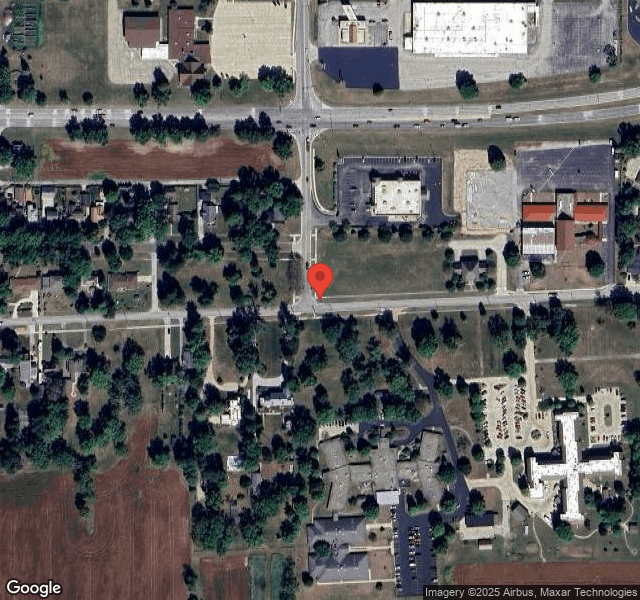
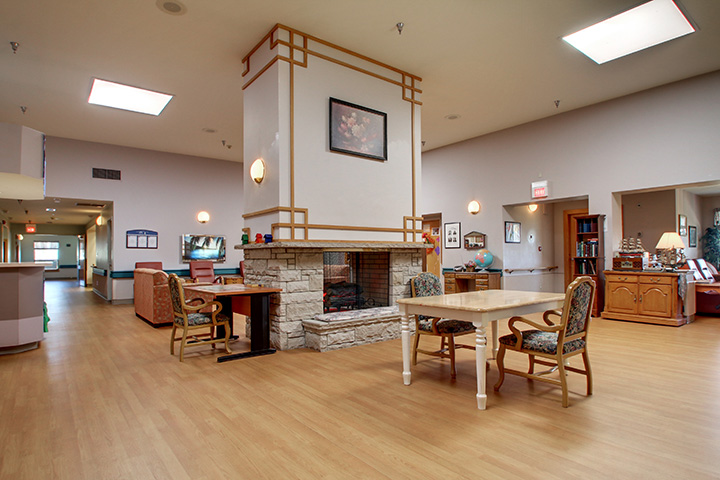
201 LAFAYETTE AVENUE EAST, MATTOON, IL 61938 (217) 235-5449
Non profit - Corporation 162 Beds HERITAGE OPERATIONS GROUP Data: November 2025
Trust Grade
0/100
#594 of 665 in IL
Last Inspection: October 2024

Within standard 12-15 month inspection cycle. Federal law requires annual inspections.

Overview

Odd Fellow-Rebekah Home in Mattoon, Illinois has received a Trust Grade of F, indicating significant concerns about its quality and care practices. It ranks #594 out of 665 facilities in the state, placing it in the bottom half, and #4 out of 5 in Coles County, meaning only one local option is better. Although the facility is showing signs of improvement, with issues decreasing from 19 in 2024 to 4 in 2025, serious deficiencies still exist, including failures to implement care plans after falls and not notifying healthcare providers about significant weight loss, leading to health complications for residents. Staffing is average with a turnover rate of 55%, and while RN coverage is also average, the facility has incurred concerning fines totaling $221,023, which is higher than 77% of facilities in Illinois. Families should weigh these serious shortcomings against the improvements and average staffing levels when considering care for their loved ones.

Trust Score
F
0/100
In Illinois
#594/665
Bottom 11%
Safety Record
High Risk
Review needed
Inspections
Getting Better
19 → 4 violations
Staff Stability
⚠ Watch
55% turnover. Above average. Higher turnover means staff may not know residents' routines.
Penalties
○ Average
$221,023 in fines. Higher than 50% of Illinois facilities. Some compliance issues.
Skilled Nurses
○ Average
Each resident gets 37 minutes of Registered Nurse (RN) attention daily — about average for Illinois. RNs are the most trained staff who monitor for health changes.
Violations
⚠ Watch
50 deficiencies on record. Higher than average. Multiple issues found across inspections.
★☆☆☆☆
1.0
Overall Rating
★★★☆☆
3.0
Staff Levels
★☆☆☆☆
1.0
Care Quality
★★☆☆☆
2.0
Inspection Score
Stable
2024: 19 issues
2025: 4 issues

The Good

  • Full Sprinkler Coverage · Fire safety systems throughout facility
  • No fines on record

Facility shows strength in fire safety.

The Bad

1-Star Overall Rating

Below Illinois average (2.5)

Significant quality concerns identified by CMS

Staff Turnover: 55%

Near Illinois avg (46%)

Frequent staff changes - ask about care continuity

Federal Fines: $221,023

Well above median ($33,413)

Significant penalties indicating serious issues

Chain: HERITAGE OPERATIONS GROUP

Part of a multi-facility chain

Ask about local staffing decisions and management

Staff turnover is elevated (55%)

7 points above Illinois average of 48%

The Ugly 50 deficiencies on record

6 actual harm
Aug 2025 2 deficiencies
CONCERN (D) 📢 Someone Reported This

A family member, employee, or ombudsman was alarmed enough to file a formal complaint

Potential for Harm - no one hurt, but risky conditions existed

Free from Abuse/Neglect (Tag F0600)

Could have caused harm · This affected 1 resident

Based on observation, interview and record review, the facility failed to protect the resident's right to be free from physical abuse by another resident for two of three residents (R2, R3) reviewed f...

Read full inspector narrative →
Based on observation, interview and record review, the facility failed to protect the resident's right to be free from physical abuse by another resident for two of three residents (R2, R3) reviewed for abuse in the sample list of five.Findings Include:The Facility Abuse Prevention and Reporting policy effective 3/15/2018, documents this facility affirms: 1. All residents have the right to be free of from verbal, sexual, physical, and mental abuse, corporal punishment, involuntary seclusion, neglect, misappropriation of property, and exploitation. On 8/23/25 at 12:23pm R2's Care Plan documents an admission date of 03/14/2023 with diagnoses of Muscle Weakness (generalized), Type II Diabetes Mellitus with Diabetic Neuropathy, Paroxysmal Atrial Fibrillation, Hyperlipidemia, Glaucoma, Essential (Primary) Hypertension, Hypothyroidism, Chronic Kidney Disease, Acquired Absence of Right Leg Below Knee, Chronic Diastolic (Congestive) Heart Failure, and Acquired Absence of Left Leg Below Knee. On 8/23/25 at 12:27pm R3's Care Plan documents an admission date of 08/11/2022 with diagnoses of Abnormalities of Gait and Mobility, Muscle Weakness, Essential (Primary) Hypertension, Glaucoma, Dementia, Unspecified Severity, with Mood Disturbance, and Depressive Disorders. The Nurse Progress Note dated 8/10/2025 at 5:00pm documents R2 stated R3 kicked R2 first and R2 kicked R3 back in the bilateral lower extremities. On 8/22/25 at 2:00pm V1 Director of Nursing confirmed the facility submitted a final facility reported incident dated 08/15/25 that stated R2 kicked R3 in retaliation for R3 kicking R2 in the bilateral lower prosthetics. The same report documents R2 used her prosthesis to kick R3 in the bilateral lower extremities. On 8/22/25 at 2:12pm V2 Licensed Practical Nurse stated a Certified Nurse Aide reported to her that R3 was complaining of pain to her legs, R3 stated R2 kicked her in the legs. V2 stated R3 had bruising to bilateral lower extremities. V2 confirmed R2 stated R3 kicked R2's Bilateral Lower prosthetics and R2 kicked R3 back with the prosthesis in the bilateral lower extremities. On 8/22/25 at 12:30pm R2 stated R3 was coming down the hallway and kicked R2 in the prosthetics and R2 kicked R3 back. R2 stated that she was abused (hit and kicked, yelled at) by a former spouse and will not take being hit by anyone and will be kicking/hitting everyone back that hit/kicks/yells at her.
CONCERN (D) 📢 Someone Reported This

A family member, employee, or ombudsman was alarmed enough to file a formal complaint

Potential for Harm - no one hurt, but risky conditions existed

Comprehensive Care Plan (Tag F0656)

Could have caused harm · This affected 1 resident

Based on interview and record review, the facility failed to develop a comprehensive, person-centered care plan for trauma/abuse for one of three residents (R2) reviewed for abuse in the sample list o...

Read full inspector narrative →
Based on interview and record review, the facility failed to develop a comprehensive, person-centered care plan for trauma/abuse for one of three residents (R2) reviewed for abuse in the sample list of five.Findings include:The Care Plan Process policy dated 11/2017 documents a comprehensive person-centered care plan shall be developed and implemented to meet the resident's preferences and goals, and address the resident's medical, physical, mental and psychosocial needs, while honoring resident rights to choice. This care plan shall include goals, measurable objectives, and interventions to meet identified resident needs. The same document states all plans of care must be reviewed and revised by the interdisciplinary team after each assessment, including both the comprehensive and quarterly assessment.On 8/23/25 at 12:23pm R2's care plan documents an admission date of 03/14/2023 with diagnoses of Muscle Weakness (generalized), Type II Diabetes Mellitus with Diabetic Neuropathy, Paroxysmal Atrial Fibrillation, Hyperlipidemia, Glaucoma, Essential (Primary) Hypertension, Hypothyroidism, Chronic Kidney Disease, Acquired Absence of Right Leg Below Knee, Chronic Diastolic (Congestive) Heart Failure, and Acquired Absence of Left Leg Below Knee.On 08/22/25 at 12:30pm R2 stated she was abused (hit and kicked, yelled at) by a former spouse and will not take being hit by anyone and will be kicking/hitting everyone back that hits/kicks/yells at R2. R2 stated R3 was coming down the hallway and kicked R2 in the prosthetics and R2 kicked R3 back with the prosthetics.On 08/22/25 at 2:12pm V2 Licensed Practical Nurse stated R2 has talked about being verbally/physically abused by a former spouse. V2 stated that R2 can be verbally aggressive and yell at others.On 08/22/25 at 2:00pm V1 Director of Nurses stated R2 did not have a person centered care plan. V1 confirmed R2's medical record did not contain a Trauma Centered Care Plan nor interventions for R2's behaviors of being verbally aggressive (yelling) at/with other residents.
Jul 2025 2 deficiencies
CONCERN (D) 📢 Someone Reported This

A family member, employee, or ombudsman was alarmed enough to file a formal complaint

Potential for Harm - no one hurt, but risky conditions existed

Quality of Care (Tag F0684)

Could have caused harm · This affected 1 resident

Based on observation, interview, and record review, the facility failed to provide physician ordered treatment and services for a non-pressure abdominal wound. This failure affects one resident (R1) o...

Read full inspector narrative →
Based on observation, interview, and record review, the facility failed to provide physician ordered treatment and services for a non-pressure abdominal wound. This failure affects one resident (R1) out of three reviewed for skin conditions and treatments on the sample list of five. Findings include: R1's Nurses Notes dated 7/2/2025 at 12:30 PM documents the nurse on duty was notified by the night shift nurse that this resident (R1) had an open area noted to her left side. The open area was noted to be 1 centimeter by 3 centimeters area to left lower abdomen. R1's Nurse Practitioner was notified and the open area was cleaned with wound wash, covered with xeroform and covered with border foam and the treatment will continue until healed. R1's current Physician Order Sheet dated for July 2025 documents a physician order for R1 to receive a treatment for an abdominal wound described as, Cleanse area to left lower abdomen with wound wash/normal saline, apply Xeroform dressing and cover with border foam daily, until healed, every day shift. This physician ordered treatment was dated as ordered 7/2/25, and treatment to begin on 7/3/25. On 7/15/25 at 11:15 AM, R1 had an open wound on her lower left abdomen approximately 2.5 centimeters diameter which was partially scabbed and had a moist reddened center. There was not a dressing present on R1's abdominal wound. On 7/15/25 at 11:15 AM, V2, Director of Nursing, confirmed there was no dressing on R1's abdominal wound stating he did not see a dressing. V2 further stated the wound was self-inflicted from R1 scratching and picking at her skin. R1's Treatment administration Record dated for July 2025 documents R1's abdominal wound treatment was not completed on 7/14/25 by way of a blank under this date with no nurse initials to document the treatment was completed. On 7/16/25 at 10:40 AM, V2, Director of Nursing, stated and confirmed the treatment for R1's abdomen was a current treatment on 7/14/25 and should have been completed and documented. At 4:00 PM, V2 stated the nurse responsible for the wound treatments (V9, Licensed Practical Nurse/ Wound Nurse) had been DNR'd (Do Not Return to work) due to not completing the wound treatment according to the physician order on 7/14/25.
CONCERN (D) 📢 Someone Reported This

A family member, employee, or ombudsman was alarmed enough to file a formal complaint

Potential for Harm - no one hurt, but risky conditions existed

Pressure Ulcer Prevention (Tag F0686)

Could have caused harm · This affected 1 resident

Based on observation, interview, and record review, the facility failed to provide physician ordered treatments and services to aid in the healing of a pressure ulcer. This failure affects one residen...

Read full inspector narrative →
Based on observation, interview, and record review, the facility failed to provide physician ordered treatments and services to aid in the healing of a pressure ulcer. This failure affects one resident (R1) out of three reviewed for skin issues and treatments on the sample list of five. Findings include: R1's current Physician Order Sheet dated for July 2025 documents treatments for R1's pressure ulcer on the left heel as, Cleanse area to left heel with wound wash or normal saline, apply collagen to wound bed and cover with border foam, every day shift and Float heels on pillow at all times. On 7/15/25 at 11:15 AM, R1 had a dressing on her left heel that was dated 7/13 (2025). R1 did not have a pillow present under her legs or feet to float her heels off of the bed surface. On 7/15/25 at 11:15 AM, V2, Director of Nursing, confirmed the date on R1's heel dressing was 7/13. V2 further confirmed there was no pillow present to float R1's heels off of the bed surface. V2 stated the wound on R1's left heel was a pressure ulcer. R1's Treatment Administration Record dated for July 2025 documents the dressing change for R1's heel pressure ulcer was not completed on 7/14/25 by way of a blank under this date with no nurse initials to document the dressing was completed. R1's Treatment Administration Record dated for June 2025 likewise documented the dressing change for R1's heel pressure ulcer was not completed on 6/25/25 and 6/26/26. On 7/16/25 at 10:40 am, V2, Director of Nursing, confirmed the dressing change order and order to float R1's heels with a pillow were both current orders and should have been completed and documented on 7/14/25. On 7/16/25 at 4:00 PM< V2, Director of Nursing, stated the nurse responsible for the dressing change for R1's heel (V9, Licensed Practical Nurse/ Wound Nurse) had been DNR'd (Do Not Return to work) because V2 takes the wound treatments very seriously.
Oct 2024 1 deficiency
CONCERN (E) 📢 Someone Reported This

A family member, employee, or ombudsman was alarmed enough to file a formal complaint

Potential for Harm - no one hurt, but risky conditions existed

Pharmacy Services (Tag F0755)

Could have caused harm · This affected multiple residents

**NOTE- TERMS IN BRACKETS HAVE BEEN EDITED TO PROTECT CONFIDENTIALITY** Based on interview and record review, the facility failed to administer medications as ordered by the prescriber and in a timely...

Read full inspector narrative →
**NOTE- TERMS IN BRACKETS HAVE BEEN EDITED TO PROTECT CONFIDENTIALITY** Based on interview and record review, the facility failed to administer medications as ordered by the prescriber and in a timely manner for four of four residents (R1, R2, R3, R4) reviewed for medication administration in a sample list of eleven. Findings include: 1.) On 10/29/24 at 2:36 PM, R1 stated the nurses give her medications at different times. R1 stated R1 never knows when she will get her medications or what she is getting. R1 stated, she has been woken up in the middle of the night to get medications but states she does not take any medications that late. R1's Minimum Data Set (MDS) dated [DATE] documents R1 is cognitively intact. R1's October 2024 Medication Administration Record (MAR) documents orders for R1's medications as follows: at 8:00 AM every morning, R1 is to receive Cholecalciferol (vitamin D) 25 micrograms (mcg), Amiodarone (anti-arrhythmic) 200 milligrams (mg), Furosemide (anti-hypertensive) 20 mg, Multivitamin 1 capsule, Apixaban (anticoagulant) 5 mg, Metoprolol (hypertension/heart failure) 25 mg, Omeprazole (anti-reflux) 40 mg, Ocular Vite (eye vitamin) 1 capsule, Losartan Potassium (anti-hypertensive) 50 mg, and Acidophilus (probiotic) 1 capsule via gastrointestinal tube (G-tube). At 4:00 PM every afternoon, R1 is to receive Apixaban 5 mg, and Ocular Vite. At 8:00 PM everyday, R1 is to receive Omeprazole 40 mg, Duloxetine (anti-depressant) 30 mg, and a Scopolamine (anti-nausea) 1.5mg patch. R1's Medication Admin Audit Report dated 10/30/24 documents: 10/1/24 8:00 PM ordered medications administered at 11:16 PM. 10/4/24 8:00 PM ordered medications administered at 10:27 PM. 10/17/24 8:00 PM ordered medications were administered at 10:14 PM 10/18/24 8:00 PM ordered medications administered at 10:11 PM. 10/24/24 4:00 PM ordered medications were not administered. 10/25/24 8:00 AM ordered medications were administered at 10:38 AM 10/25/24 8:00 PM ordered medications administered at 11:23 PM 10/28/24 4:00 PM ordered medications administered at 7:10 PM 10/28/24 8:00 PM ordered medications administered 10/29/24 at 12:13 AM 10/29/24 8:00 PM ordered medications administered at 10:10 PM. There is no documentation in R1's medical record that R1's physician was notified of the late or missed doses of medications. 2.) On 10/29/24 at 2:55 PM, R2 stated she gets her medications at all different times. R2's MDS dated [DATE] documents R2 as cognitively intact. R2's undated care plan documents R2 is at risk for hypothyroid with interventions to administer medication as ordered; R2 is at risk for cardiac arrhythmia's related to decreased cardiac output with interventions to administer medications as ordered. R2's October 2024 Medication Administration Record documents orders for R2 to receive Levothyroxine (thyroid hormone) 125 mcg at 7:00 AM every morning, that R2 is to receive Lisinopril (anti-hypertensive) 5 mg, Loratadine (antihistamine) 10 mg, Multivitamin 1 capsule, Carvedilol (hypertension/heart failure) 12.5 mg, and Doxycycline Hyclate (antibiotic) 100 mg (10/8-10/15/24 only) at 8:00 AM every morning, and that R2 is to receive Doxycycline Hyclate 100 mg (10/8-10/15/24 only), and Carvedilol 12.5 mg at 8:00 PM every evening by mouth. R2's Medication Admin Audit Report dated October 2024 documents the following administration times: 10/9/24 8:00 PM medications administered at 10:10 PM 10/11/24 8:00 PM medications administered at 10:56 PM 10/17/24 7:00 and 8:00 AM medications administered together at 9:28 AM 10/22/24 8:00 PM medications administered at 10:47 PM 10/23/24 8:00 PM medications administered at 10:04 PM 10/28/24 8:00 PM medications administered 10/29/24 at 12:38 AM There is no documentation in R2's medical record that R2's physician was notified of the late doses. 3.) R3's care plan undated, documents R3 is at risk for gastrointestinal distress, hyper cholesterol, hypertension, and psychotic episodes with interventions to give medications as ordered. R3's October 2024 Medication Administration Record documents orders for R3 to receive Seroquel (anti-psychotic) 25 mg, Colace (stool softener) 100 mg, and Cyanocobalamin (vitamin B) 500 mcg at 8:00 AM every morning and Seroquel 25 mg and Flomax (enlarged prostate) 0.4 mg at 8:00 PM every evening. R3's Medication Admin Audit Report dated 10/30/24 documents the following actual administration times: 10/7/24 8:00 PM medications administered at 10:07 PM 10/23/24 8:00 AM medications administered at 10:17 AM 10/30/24 8:00 AM medications administered at 10:40 AM There is no documentation in R3's medical record that R3's physician was notified of the late doses. 4.) R4's undated Care Plan documents R4 has altered skin integrity, hypertension, hyperlipidemia, takes psychoactive medications and interventions include to take medications as ordered. The Care Plan documents R4 is at risk for gastrointestinal distress and interventions include to take medications as ordered. R4's October 2024 Medication Administration Record documents orders for R4 to receive Pantoprazole (anti-reflux) 20 mg, artificial tears eye drops, Prednisone (steroid) 5 mg, Vitamin D3 1 capsule, Minocycline (antibiotic) 50 mg, Colace 100 mg, Mirabegron ER (bladder spasms) 50 mg, Valsartan (anti-hypertensive) 40 mg, Carvedilol 3.125 mg, Claritin 10 mg, and Calcium 600 + D 600-400 mg-unit at 8:00 AM every day. At 4:00 PM every day, R4 is to receive Minocycline 50 mg, Colace 100mg, Carvedilol 3.125 mg, and Calcium 600 + D 600-400 mg-unit. R4 is to receive Aspercreme (pain) 10%, Flonase (allergy) 2 sprays, artificial tears, Systane drops, Mirtazapine (antidepressant) 7.5 mg, Senna tablet (stool softener) 8.6 mg, and Simvastatin (lipid lowering) 20 mg at 8:00 PM every evening. R4's Medication Admin Audit Report dated 10/30/24 documents the following actual administration times: 10/2/24 8:00 PM Aspercreme administered on 10/3/24 at 12:33 AM, 10/7/24 8:00 PM Aspercreme administered on 10/8/24 at 7:43 AM 10/19/24 8:00 PM medications administered at 10:03 PM 10/27/24 8:00 AM medications administered at 10:28 AM There is no documentation in R4's medical record that R4's physician was notified of the late doses. 10/30/24 1:20 PM, V5 Licensed Practical Nurse stated she often gives medications later than scheduled times due to being busy with other tasks throughout the night. On 10/30/24 at 1:05 PM, V2 Director of Nurses stated medications should be passed within two hours of the physician ordered time. On 10/30/24 at 3:30 PM, V3 Registered Nurse stated the standard of care for medication pass times to her knowledge is an hour before to an hour after physician ordered medication time. The Facility policy titled Medication Administration policy dated 1/11/10 documents It's the policy of this facility to accurately administer medication following physician's orders.
Oct 2024 1 deficiency
CONCERN (E) 📢 Someone Reported This

A family member, employee, or ombudsman was alarmed enough to file a formal complaint

Potential for Harm - no one hurt, but risky conditions existed

Safe Environment (Tag F0584)

Could have caused harm · This affected multiple residents

Based on observation, interview and record review the facility failed to provide a clean homelike environment by failing to maintain clean walls and repair broken floor tiles in the facility's [NAME] ...

Read full inspector narrative →
Based on observation, interview and record review the facility failed to provide a clean homelike environment by failing to maintain clean walls and repair broken floor tiles in the facility's [NAME] shower room. This failure affects 49 residents (R1-R49) reviewed for homelike environment in the sample list of 49. Findings include: The facility's Shower and Tub Room Cleaning policy dated 11/1/12 documents, This procedure will remove soap scum, dirt and debris from these areas providing a safe and sanitary place for the residents to bathe. This policy documents that the shower stalls are to be cleaned daily with disinfectant solution. This policy also documents that it may be necessary to use a scrub brush or machine with an all-purpose or tub/tile cleaner on walls monthly to remove residue from grout corners. On 10/15/24 at 10:38 AM, R1 stated that there is (black substance) between the tiles in the shower room and it smells like mildew in there. On 10/15/24 at 10:54 AM, V9 Certified Nursing Assistant stated there is (black substance) in the shower room on the tiles and in the corner where the walls meet. V9 stated that there are tiles missing out of the floor and the shower chair gets stuck in them during resident's showers. V9 stated that it is not pleasant in there. On 10/15/24 at 10:55 AM, in the [NAME] hall shower room, there was a black substance on the tile walls on the left half wall (pony wall) in the shower stall. There are several tiles with the black substance on them and there is black substance between the tiles and a larger consolidated area of black substance in the upper corner of the half wall where it meets the back wall. There are greater than 20 small approximately one inch by one inch square tiles missing from the floor in sporadic areas and a large area approximately two to three inches wide missing around the drain. On 10/15/24 at 11:00 AM, V6 Maintenance Supervisor stated that he was aware of the issues in the [NAME] hall shower room. V6 confirmed that there is a black substance that they cannot get cleaned off of the walls. V6 confirmed that several tiles are missing from the floor in the shower stall also. V6 stated that they have plans to remodel that bathroom in the Winter. On 10/15/24 at 11:15 AM, V3 Housekeeping Supervisor stated that she is aware of the (black substance) in the [NAME] shower room and housekeeping has tried to clean it but it is stained and won't come off. V3 stated that the shower is cleaned daily and sprayed down between showers.
Oct 2024 13 deficiencies 3 Harm
SERIOUS (G) 📢 Someone Reported This

A family member, employee, or ombudsman was alarmed enough to file a formal complaint

Actual Harm - a resident was hurt due to facility failures

Accident Prevention (Tag F0689)

A resident was harmed · This affected 1 resident

**NOTE- TERMS IN BRACKETS HAVE BEEN EDITED TO PROTECT CONFIDENTIALITY** Based on interview and record review the facility failed to develop post fall interventions and treatment for a resident on anti...

Read full inspector narrative →
**NOTE- TERMS IN BRACKETS HAVE BEEN EDITED TO PROTECT CONFIDENTIALITY** Based on interview and record review the facility failed to develop post fall interventions and treatment for a resident on anticoagulant therapy with head injury (R171), failed to implement careplan interventions for a resident (R171) post fall, failed to complete fall risk assessments and failed to thoroughly investigate falls for a resident (R67). These failure affects two (R171, R67) out of five residents reviewed for falls in a sample list of 75 residents. These failures resulted in R171, who was receiving anticoagulants, falling and sustaining a subdural hematoma. Findings include: The facility policy titled Fall Assessment and Management Policy revised June 2024 documents the facility will assess each resident's fall risk on admission, quarterly and with each fall. This will help facilitate an interdisciplinary approach for care planning to appropriately monitor, assess and ultimately reduce injury risk. A licensed nurse will document for 72 hours after the incident regarding the resident's status and note any changes in the resident's condition. 1.) R171's undated Face Sheet documents R171's medical diagnoses as Dementia, Unsteadiness on Feet, Abnormalities of Gait and Mobility, Long Term Use of Anticoagulants, Osteoporosis without current Pathological Fracture and History of Venous Thrombosis and Embolism. R171's Minimum Data Set (MDS) dated [DATE] documents R171 as severely cognitively impaired. This same MDS documents R171 as requiring maximum assistance with toileting and moderate assistance with bathing, dressing, personal hygiene and bed mobility. R171's Physician Order Sheet (POS) dated September 2024 documents a physician order starting 3/19/24 for Aspirin 81 milligrams (mg) daily for Chronic Atherosclerosis Disease. This same POS documents Rivaroxaban 10 mg daily starting 7/3/24 for blood clot prevention. R171's Careplan intervention dated 2/23/24 documents (R171) may transfer and ambulate with one assist, assistive device and gait belt. R171's Fall Risk assessment dated [DATE] documents R171 as a high fall risk. This same careplan documents a fall intervention dated 9/15/24 to place R171 on a restorative ambulation program. R171's medical record documents R171 fell on 9/15 at 12:45 PM resulting in a left eye laceration. There was no documentation that the physician was notified of this fall. There were no policies regarding residents on anticoagulant therapy urgent treatment post head injury needs. R171 fell on 9/15/24 at 7:00 PM, R171 complained of hip pain, R171 was sent to the emergency room (ER) for hip pain. ER documented closed head injury. R171's Electronic Medical Record (EMR) does not document R171's restorative evaluation or program notes. This same EMR does not document R171 as being in the restorative ambulation program nor receiving any assistance for the restorative ambulation program. R171's Nurse Progress Note dated 9/20/24 at 3:14 PM documents (R171) was observed on the floor in the hallway. (R171) was on her left side. A reopened laceration to her Left Temple was noted. On assessment (R171) was not able to move her left leg due to excruciating pain. (R171) stated I'm going to pass out! Ambulance was called. Emergency Medical Technicians (EMT'S) left with the resident at 3:04 PM. R171's emergency room Progress Notes dated 9/20/24 document R171 was seen in the emergency room after having an unwitnessed fall at facility on 9/20/24. This same progress note documents (R171) has fallen twice in the last week. Today, after falling (R171) became increasingly altered. (R171) is oriented x0 and obtunded. (R171) is obviously unwell. (R171) does not follow commands and is having some occasional sonorous respirations. Spontaneous eye opening, no verbal or motor response. (R171's) head is laid over to the Left, does not track to the Right. R171's Computerized Tomography (CT) of her brain without contrast dated 9/20/24 documents Findings: Large Left Frontal and Temporal mixed density Subdural Hematoma measuring 3.2 centimeters (cm) in maximum diameter. The majority of this hemorrhage appears acute. Considerable mass effect on the underlying brain parenchyma resulting in 1.8 cm of rightward midline shift. Left Frontal Scalp soft tissue swelling. R171's Death Certificate documents R171's date of death as 9/21/24 with a Primary Cause of Death as Subdural Hematoma with an approximate interval between onset and death as one day. On 10/8/24 at 9:05 AM, V36 CNA stated R171 was severely cognitively impaired and had very poor safety awareness. V36 stated I don't know that (R171) was ever on a restorative ambulation program. It never came up in our charting. I worked with (R171) all the time and no one ever said anything about that. (R171) was impulsive and quick. (R171) would be laying down one minute and up the next. (R171) was very unsteady when she walked and needed one person to help her. (R171) was on 15 minute monitoring for months. I had last checked on (R171) 15-20 minutes prior to her falling on 9/20/24. It was awful. I found her in the hallway outside her room. (R171) was bleeding. I sat there with her. (R171) bled all over my pants. I'll never forget that. I felt so bad for (R171) but I don't know what else we could have done besides putting her on a one to one. (R171) needed constant supervision and we (facility) just couldn't keep up with her. At this time V36 CNA also stated, the fifteen minute rounders means the call lights are activated every 15 minutes in the resident's room. V36 CNA stated the rounder lights can be deactivated in the resident room or at the nurses station. V36 stated when the 15 minute rounders go off the staff are supposed to visually see the resident to make sure they are safe. On 10/8/24 at 10:50 AM, V7 Assistant Director of Nurses (ADON)/Restorative Nurse stated restorative programming is completed by the floor CNA assigned to the resident in a program. V7 stated V7 was on leave from 8/2/24-9/29/24 and V42 Restorative CNA was on leave from 9/19/24-10/9/24. V7 stated V7 is not able to find any documentation that R171 was ever evaluated or started on the restorative ambulation program. V7 stated It shouldn't matter if I was gone or not. (R171's) careplan intervention was added for her 9/15/24 fall and was never done. (R171) could have benefited from that program. It may have not prevented her fall on 9/20/24 but we really don't know because (R171) never received the services. On 10/8/24 at 12:30 PM, V2 Director of Nurses (DON) stated the facility has a system that activates a call light in the residents room every 15 minutes for any resident placed on 15 minute rounders. V2 stated there is a button at the nurses station and also in the resident rooms to deactivate the 15 minute rounders. V2 stated the staff are supposed to visualize the resident every 15 minutes and then deactivate the call system. V2 stated the call system will automatically come back on every 15 minutes. V2 DON stated Normally, I am able to pull a report of what exact time the 15 minute reminder was activated and deactivated but our system is down today and I am not able to provide any documentation that (R171) was being checked on every 15 minutes. V2 DON stated the facility does not have a policy on restorative programming or 15 minute rounders/call light policy. On 10/8/24 at 3:00 PM, V22 Physician/Medical Director stated R171 should have been sent to the emergency room after her 9/15/24 12:45 PM fall due to being severely cognitively impaired, having a fall with a head injury and on anticoagulants (ASA, Rivaroxaban). V22 stated after R171's falls on 9/15, she should have been on 'very close' monitoring. V22 stated (R171) did not have a strength deficit. I don't know why they (facility) would have placed her on a restorative ambulation program. (R171) was too ambitious with movements. Along with her cognitive impairments, (R171) could not foresee any dangers due to her poor cognition. (R171) relied solely on the staff to ensure her safety. I don't normally recommend the personal alarms or one to one's (continual observation) but (R171) would have been a great candidate due to her poor awareness of instability. (R171's) falls were missed opportunities resulting in her major injuries. 2.) R67's diagnoses sheet dated 7/9/24 documents the following diagnoses: Muscle Weakness (Generalized) Repeated Falls, Spinal Stenosis, Cervical Region, Non-Surgical Orthopedic/Musculoskeletal, Spinal Stenosis, Lumbar Region Without Neurogenic, Claudication, Radiculopathy, Cervical Region, Non-Surgical Orthopedic/Musculoskeletal, Muscle Wasting Andatrophy, Not Otherwise Classified, Unspecified Site, Personal History Of Transient Ischemic Attack, and Cerebral Infarction Without Residual Effect Deficits. R67's Unwitnessed Fall investigation dated 8/25/24 at 5:14 pm documents the following (the same as the corresponding nurses note): Resident told CNA this morning while getting him up that he was just on the floor and 2 (two) girls came in and picked him up and put him back into bed. Resident was assessed no injury's were noted, no pain on range of motion, neuros (neurological assessment) were started because self reported fall. There are no documented interviews by V2, Director of Nursing, of R67, any other residents that may have had knowledge of the fall, or any CNA's or Nurses working that morning. There is no post-fall 8/25/24 risk assessment as policy directs. R67's Unwitnessed Fall investigation dated 9/21/24 at 3:37 am documents the following (the same as the corresponding nurses note):Resident was yelling, help me. When nurse walked into resident's room resident was observed sitting on knees next to bed. Resident's top half of body was still in bed and the lower half of body hanging out of the bed. Nurse notified CNA (unidentified) to help assist resident back into bed per 2 (two) assist ( unidentified). CNA assisted resident to be cleaned up. Urine was observed on the floor. Resident Description: Resident stated he was trying to roll to his other side. There are no documented interviews by V2, Director of Nursing, of R67, any other residents that may have had knowledge of the fall, or any CNA's or Nurses working that morning. There is no post- fall 9/21/24 risk assessment as policy directs. R67's Unwitnessed Fall investigation dated 9/22/24 at 11:20 am documents the following (the same as the corresponding nurses note): Patient found sitting on floor on knees next to bed facing head of bed. CNA stated pt. head was caught on bedside rail. Resident Description: Patient stated he was unsure how he got on floor. There are no documented interviews by V2, Director of Nursing, of R67, any other residents that may have had knowledge of the fall, or any CNA's or Nurses working that morning. On 10/8/24 at 11:25 am, V2, Director of Nursing (DON) reviewed R67's fall investigations 8/25/24, 9/21/24 and 9/22/24 and stated he did not interview anyone, does not know the last time that R67 was seen by staff and only has the details he obtained from R67's nurses notes that document R67 slid out of bed on each of those falls. V2, DON stated he is working on a better electronic medical record system to complete a more thorough fall investigation. At this time I have not implemented a new system to ensure the investigations are completed thoroughly. V2, DON also stated he does not have fall risk assessment for R67's falls on 8/25/24 or 9/21/24. He expects the nurses to complete them when a fall occurs.
SERIOUS (G)

Actual Harm - a resident was hurt due to facility failures

Deficiency F0692 (Tag F0692)

A resident was harmed · This affected 1 resident

**NOTE- TERMS IN BRACKETS HAVE BEEN EDITED TO PROTECT CONFIDENTIALITY** Based on interview and record review the facility failed to maintain a resident's nutritional status and prevent significant wei...

Read full inspector narrative →
**NOTE- TERMS IN BRACKETS HAVE BEEN EDITED TO PROTECT CONFIDENTIALITY** Based on interview and record review the facility failed to maintain a resident's nutritional status and prevent significant weight loss by failing to implement nutritional supplements recommended by the dietician, and failing to notify the physician and dietician when significant weight loss continued. This failure resulted in R36 continuing to lose a significant amount of weight over one months time. This failure affected one of two residents (R36) reviewed for nutrition on the sample list of 75. Findings Include: The facility's Weight Management Policy and Procedure dated 2023 documents all residents will be monitored for significant weight changes to assure maintenance of acceptable parameters of body weight. Any resident with a significant weight change will be referred to the dietitian for assessment of the resident's condition. The dietician will implement any necessary clinical interventions or make recommendations regarding diet and supplementation to the physician. The physician will be notified of any significant weight change and be made aware of any recommendations made by the dietitian. R36's Medical Diagnoses sheet dated October 2024 documents R36 is diagnosed with Protein Calorie Malnutrition and Muscle Wasting and Atrophy. R36's Physician Order Sheet dated October 2024 documents R36 is prescribed a regular diet with thin liquids. R36's Care Plan dated 8/9/24 documents R36 is at risk for altered nutrition. Interventions include to provide supplements as ordered, monitor intakes, report weight changes to physician, and refer to dietician as needed. R36's Weights Record document on 8/9/24 R36's weight upon admission was 130.6 pounds. On 8/28/24 R36's weight was 120.1 pounds. R36's Dietician assessment dated [DATE] documents R36 was admitted on [DATE] and weighed 129.3 pounds on 8/12/24. The same assessment documented R36 had a weight loss of 12 pounds or nine percent of her weight over the last thirty days according to (pre-admission) hospital and facility records. A recommendation was made for R36 to begin to receive 60 cubic centimeters of a liquid nutritional supplement three times per day in order to prevent further weight loss. There is no documentation in R36's medical record that the recommended nutritional supplement was implemented or that the physician was ever notified of R36's continued weight loss of 9.2 pounds. On 10/4/24 at 12:57 PM, V2 Director of Nurses (DON) confirmed R36's recommended nutritional supplements were not implemented and R36 continued to lose weight. R36 had a significant weight loss of 10.5 pounds (7.69%) from admission on [DATE] to 8/28/24. V2 DON confirmed the facility should have notified the physician of and then implemented the nutritional supplement recommendation and monitored R36's weight closely. Staff should have notified the physician of R36's continued weight loss which ended up being significant. On 10/4/24 at 1:49 PM, V32 Registered Dietician confirmed she assessed R36 on 8/13/24 for nutritional risk and significant weight loss prior to admission. In order to assist in further weight loss, V32 recommended R36 be given a nutritional supplement three times a day. V32 confirmed her recommendation should have been sent to the physician and added to R36's plan of care. V32 confirmed if the nutritional supplement would have been implemented, potentially R36's weight loss could have been lessened.
SERIOUS (G)

Actual Harm - a resident was hurt due to facility failures

Deficiency F0760 (Tag F0760)

A resident was harmed · This affected 1 resident

**NOTE- TERMS IN BRACKETS HAVE BEEN EDITED TO PROTECT CONFIDENTIALITY** Based on observation, interview and record review the facility failed to administer physician prescribed medications to one (R32...

Read full inspector narrative →
**NOTE- TERMS IN BRACKETS HAVE BEEN EDITED TO PROTECT CONFIDENTIALITY** Based on observation, interview and record review the facility failed to administer physician prescribed medications to one (R321) resident out of five residents reviewed for significant medication errors in a sample list of 75 residents. R321 experienced Gastrointestinal (GI) upset, malaise and was hospitalized as a result of R321 missing multiple doses of medications for blood glucose control and Gastroesophageal Reflux Disease (GERD). Findings include: R321's undated Face Sheet documents R321's medical diagnoses as Encephalopathy, Ischemic Cardiomyopathy, Heart Disease, Muscle Wasting and Atrophy, Acute Kidney Failure, Esophageal Obstruction, Diabetes Mellitus Type II, Other Specified Disease of the Pancreas, Pneumonia, Pleural Effusion, Peritoneal Abscess, Pneumonitis due to Inhalation of Food and Vomit, Chronic Diastolic Congestive Heart Failure, Cardiac Vascular Implant and Graft, Gastroesophageal Reflux Disease (GERD), Implanted Cardiac Defibrillator, Colostomy Status, Hemiplegia and Hemiparesis following Cerebral Infarction affecting Right Dominant side and Transischemic Attack (TIA). R321's Physician Order Sheet (POS) dated October 2024 documents a physician order starting 9/24/24 and discontinued 10/3/24 to administer Dapagliflozin Propanediol (Farxiga) Oral Tablet 5 milligrams (mg) daily for Diabetes Mellitus. This same POS documents a physician order for Lansoprazole Suspension 3 milligrams (mg)/milliliter (ml) starting 9/24/24 with no end date listed. Give 10 ml via Gastrostomy Tube (G-Tube) in the morning for 30 days. R321's Minimum Data Set (MDS) dated [DATE] documents R321 as cognitively intact. This same MDS documents R321 requires moderate assistance with toileting, maximum assistance with dressing, personal hygiene, bed mobility and is dependent on staff for transfers. R321's Care Plan intervention dated 6/18/24 instructs staff to administer Gastrointestinal (GI) medications/laxatives/stool softeners as ordered. Assess for symptoms such as pain, bloating reflux, abnormal bowel function, nausea/vomiting, discomfort/pain upon defecation, blood in stool, black stools, hard/dry stools, mucous, signs of hemorrhoids. This same care plan instructs staff to administer diabetic medication/insulin as ordered. R321's Medication Administration Record (MAR) dated September 2024 documents R321 was administered Farxiga 5 milligrams (mg) on 9/24-9/27, 9/29 and 9/30. This same MAR documents R321's Farxiga was not administered on 9/28/24. This same MAR documents R321's Lansoprazole 3 milligrams (mg)/milliliter (ml) was not administered on 9/24, 9/27, 9/28 and 9/29. This same MAR documents R321's Lansoprazole was administered on 9/25, 9/26 and 9/30. R321's Medication Administration Record (MAR) dated October 2024 documents R321 was administered Farxiga 5 milligrams (mg) on 10/1/24 and not on 10/2/24. This same MAR documents R321 was not administered Lansoprazole 3 milligrams (mg)/milliliter (ml) give 10 ml 10/1/24-10/3/24. R321' Nurse Progress Note dated: -10/2/24 at 8:00 AM documents Late Entry: 10/4/24 at 7:34 AM (R321's) Lansoprazole and Farxiga not administered by nurse. Lansoprazole had not been sent yet because of waiting on pharmacy to complete insurance authorization. Farxiga was in process of being re-ordered and was sent on the night of 10/2/2024. (R321) unsure exactly what meds he didn't take. (V22) Physician notified and no new orders given for Farxiga. Instructed to consult Gastrointestinal Physician regarding Lansoprazole which was changed to Omeprazole by mouth. -10/2/24 at 1:18 PM documents Faxed (V22) Physician and made aware that Farxiga 5 mg was not given this am, and also noted that his insurance will not cover his Lansoprazole oral suspension 3 mg/ml, that his cost out of pocket is plus $600. Spoke with pharmacy, included this information with fax to (V22) Physician, awaiting any new order, Farxiga will be sent out this evening. -10/2/24 at 5:16 PM documents Received fax from pharmacy at this time, (R321) insurance prefers the brand name Dapagliflozin (Farxiga) they will be sending the Brand name Farxiga moving forward. -10/3/24 at 1:45 PM documents New order for Omeprazole 20 mg by mouth daily. -10/3/24 at 11:54 PM documents (R321) complained of malaise and stomach ache. First attempt via automatic blood pressure (BP) wrist cuff 87/39, second attempt manual BP 87/38. (R321) stated, I just feel blah. (V22) Physician paged via telephone. Nurse waiting for return call. -10/4/24 at 1:04 AM documents (R321) continued to complain of stomach pain and malaise. Ambulance notified via telephone for transfer to emergency room for evaluation and treatment. On 10/2/24 at 8:15 AM V8 Licensed Practical Nurse (LPN) searched through the medication cart and medication storage room looking for R321's Lansoprazole and Farxiga. V8 LPN did not find those two medications. On 10/2/24 at 8:28 AM, R321 was laying in his bed with head of bed flat. R321's enteral feeding was running. R321's skin was pale. R321's voice was soft and raspy. R321's hand was rubbing his abdomen area. R321 stated I don't feel good. I feel blah. My stomach hurts. as V8 Licensed Practical Nurse (LPN) was assessing R321. On 10/2/24 at 8:20 AM V8 Licensed Practical Nurse (LPN) stated R321 does not have any Lansoprazole or Farxiga. V8 LPN stated (R321) is the only resident who gets Lansoprazole in suspension form. The other nurses couldn't borrow it from someone because no one else has that order. (R321's) Farxiga and Lansoprazole has been signed out. I will have to investigate with pharmacy. On 10/2/24 at 4:00 PM, V8 Licensed Practical Nurse (LPN) stated I spoke with pharmacy. (R321's) Lansoprazole was waiting on insurance and so the pharmacy never did even send it. (R321's) Farxiga was never re-ordered when he came back from the hospital on 9/23/24. I don't know why other nurses have been signing those two medications out because they weren't here to give. On 10/3/24 at 2:00 PM, V2 Director of Nurses (DON) stated R321 had missed doses of his Lansoprazole and Farxiga. V2 DON stated V2 called the pharmacy and verified the number of doses sent to the facility and when. V2 DON stated through V2's investigation, R321 did miss multiple doses of his Farxiga and Lansoprazole. V2 DON state nurses should only sign off that a medications been given if the resident actually got the medication. V2 DON stated if a resident misses a dose of any medications, there should be documentation as to why and that the proper people should be notified with multiple missed doses. V2 DON stated V2 was not certain why R321's Farxiga and Lansoprazole were signed out as given when they were not. V2 DON stated V2 would investigate this further and educate staff on medication administration and documentation. V2 DON stated the facility does not have a medication error rate policy but would assume that it is a standard of care to investigate and document why a resident would miss multiple doses of medications including notifications and any effect on the resident. V2 DON stated the facility does not have a policy for medication errors. V2 stated the expectation is for the nurses to self-report to V2 who would then do an investigation. V2 DON stated I was not aware (R321) not receiving his medications until yesterday (10/2/24). On 10/4/24 at 2:55 PM, V33 Pharmacy Technician Data Entry Specialist stated R321's Farxiga was delivered to the facility on 8/16/24. V33 stated that would be a 14 day supply (14 doses). V33 stated R321's Farxiga should have lasted until 8/30/24. V33 stated R321 would have missed nine consecutive doses from 9/24/24-10/2/24. V33 stated Farxiga was not sent any other times. V33 stated R321's Lansoprazole required authorization from his insurance company which was never obtained. V33 stated R321's Lansoprazole was never sent to the facility. V33 stated R321 would have missed eight consecutive doses from 9/25/24-10/2/24. On 10/4/24 at 3:10 PM, V34 Pharmacist stated Lansoprazole and Pantoprazole have similar effects on the body. V34 stated If someone like (R321) with severe Gastrointestinal (GI) disease did not get these medications it could certainly contribute to GI distress and put him at a higher risk of having GI complications. (R321's) hospitalization in part could be caused by him not receiving his prescribed medications. V34 Pharmacist stated R321 should have his blood glucose monitored regularly due to R321 is receiving enteral feedings as his main nutritional source. On 10/8/24 at 3:00 PM, V22 Physician/Medical Director stated R321 has a long standing history of Gastrointestinal Disease. V22 stated R321 was recently hospitalized for GI issues. V22 stated R321 needs his Lansoprazole for his Gastroesophageal Reflux Disorder (GERD) or he will become symptomatic. V22 stated symptoms may include GI upset, malaise, nausea, vomiting or a feeling of fullness. V22 stated it is important for R321 to receive his prescription medications including the Lansoprazole to avoid being re-hospitalized . V22 stated R321 has a medical diagnosis of Diabetes Mellitus Type II and also requires his medication (Farxiga) to help to lower his blood glucose levels. V22 stated R321 missing so many doses of his Lansoprazole and Farxiga with no notification to V22 is unacceptable. V22 stated R321 was re-hospitalized on [DATE] due to GERD symptoms. V22 stated the facility failing to administer R321's prescribed medications attributed to the fact that R321 has been hospitalized twice in the recent past for the same symptoms related to his Diabetes and GERD.
CONCERN (D) 📢 Someone Reported This

A family member, employee, or ombudsman was alarmed enough to file a formal complaint

Potential for Harm - no one hurt, but risky conditions existed

Notification of Changes (Tag F0580)

Could have caused harm · This affected 1 resident

**NOTE- TERMS IN BRACKETS HAVE BEEN EDITED TO PROTECT CONFIDENTIALITY** Based on interview and record review the facility failed to notify a residents Physician timely for the residents fall with inju...

Read full inspector narrative →
**NOTE- TERMS IN BRACKETS HAVE BEEN EDITED TO PROTECT CONFIDENTIALITY** Based on interview and record review the facility failed to notify a residents Physician timely for the residents fall with injury. This failure affects one (R171) out of five residents reviewed for falls in a sample list of 75 residents. Findings include: R171's undated Face Sheet documents medical diagnoses as Vascular Dementia, Unsteadiness on Feet, Muscle Wasting and Atrophy, Abnormalities of Gait and Mobility, Obstructive and Reflux Uropathy, Presence of Urogenital Implants, Venous Thrombosis and Embolism, Transient Ischemic Attack (TIA), Cerebral Infarction, Long Term Use of Anticoagulants and Anxiety Disorder. R171's Minimum Data Set (MDS) dated [DATE] documents R171 as severely cognitively impaired. This same MDS documents R171 as requiring maximum assistance with toileting and moderate assistance with bathing, dressing, personal hygiene and bed mobility. R171's Careplan intervention dated 2/23/24 documents (R171) may transfer and ambulate with one assist, assistive device and gait belt. R171's Fall Risk assessment dated [DATE] documents R171 as a high fall risk. R171's Physician Order Sheet (POS) dated September 2024 documents a physician order starting 3/19/24 for Aspirin 81 milligrams (mg) daily for Chronic Atherosclerosis Disease. This same POS documents Rivaroxaban 10 mg daily starting 7/3/24 for blood clot prevention. This same POS documents a physician order starting 9/16/24 to cleanse R171's Left Eye Laceration, apply Steri-Strips and monitor twice daily until healed. This same POS documents a physician order starting 9/18/24 to monitor bruising to area behind Left ear and into hairline until resolved twice daily. R171's Nurse Progress Note dated 9/15/24 at 1:19 PM documents (R171) observed on floor with laceration above Left eye with small Hematoma. Ice applied and steri strips applied. Neurological (neuros) assessments initiated, neuros within normal limits (WNL) baseline for (R171), range of motion (ROM) WNL, (R171) able to stand and walk after being assist to chair via total body mechanical lift. R171's Fall Investigation dated 9/15/24 for R171's fall on 9/15/24 at 12:45 PM documents V22 Physician was notified at 1:05 AM (9/16/24). R171's Hospital Record dated 9/15/24 documents R171 was seen at the emergency room on 9/15/24 after another(the same day) unwitnessed fall at the facility. This same hospital record documents R171's diagnosis as Closed Head Injury. On 10/8/24 at 2:00 PM, V2 Director of Nurses (DON) stated the facility does not have a policy that states when to notify the physician after a resident falls, only that the staff should notify the physician. V2 DON stated the staff should notify the physician after a fall with a head injury. On 10/8/24 at 3:00 PM, V22 Physician/Medical Director stated V22 did not receive notification of R171's fall on 9/15/24 at 12:45 PM until 9/16/24. V22 stated any resident who has had a fall with a head injury and is on anticoagulants should automatically be sent to the emergency room for evaluation. V22 stated the facility should have called V22 to notify of R171's fall on 9/15/24 at 12:45 PM. V22 stated R171 fell again at 7:00 PM on 9/15/24 when R171 was sent to the emergency room and diagnosed with a closed head injury. V22 stated We really cannot determine which of (R171's) falls caused the closed head injury because the two falls were so close together and (R171) was not sent to the emergency room after the first fall when she hit her head but it would be sensible to say that it was the one when (R171) had a head injury. I would have instructed them (facility) to send (R171) to the emergency room after her first fall. Unfortunately, we will never know.
CONCERN (D)

Potential for Harm - no one hurt, but risky conditions existed

Report Alleged Abuse (Tag F0609)

Could have caused harm · This affected 1 resident

Deficiency Text Not Available

Read full inspector narrative →
Deficiency Text Not Available
CONCERN (D)

Potential for Harm - no one hurt, but risky conditions existed

Deficiency F0661 (Tag F0661)

Could have caused harm · This affected 1 resident

**NOTE- TERMS IN BRACKETS HAVE BEEN EDITED TO PROTECT CONFIDENTIALITY** Based on interview and record review the facility failed to complete a recapitulation of stay for one (R118) resident out of one...

Read full inspector narrative →
**NOTE- TERMS IN BRACKETS HAVE BEEN EDITED TO PROTECT CONFIDENTIALITY** Based on interview and record review the facility failed to complete a recapitulation of stay for one (R118) resident out of one resident reviewed for discharge in a sample list of 75 residents. Findings include: The facility policy titled Discharge Record Processing revised 10/25/2022 documents a Discharge Summary is to be completed and signed by the Physician. All discharged records should be completed within 30 days of discharge. R118's undated Face Sheet documents R118 admitted to the facility on [DATE] and discharged on 7/3/24. R118's Minimum Data Set (MDS) dated [DATE] documents R118 as moderately cognitively impaired. R118's Electronic Medical Record (EMR) does not include documentation of a recapitulation of stay. On 10/4/24 at 11:15 AM, V2 Director of Nurses (DON) stated the recapitulation of stay was not completed for R118. V2 DON stated anytime a resident discharges there is a specific form that is completed which includes the discharge summary/recapitulation of stay and this was not completed for R118.
CONCERN (D)

Potential for Harm - no one hurt, but risky conditions existed

Quality of Care (Tag F0684)

Could have caused harm · This affected 1 resident

Based on observation, interview and record review the facility failed to apply physician ordered compression stocking for one of one residents (R81) reviewed for edema on the sample list of 75. Findin...

Read full inspector narrative →
Based on observation, interview and record review the facility failed to apply physician ordered compression stocking for one of one residents (R81) reviewed for edema on the sample list of 75. Findings include: R81's diagnoses sheet dated 10/04/24 documents the following diagnoses: Bilateral Primary Osteoarthritis of the Knee, Type II Diabetes Mellitus Without Complications, Acute Embolism and Thrombosis of Unspecified Deep Veins of Left Lower Extremity. R81's Physician Order Summary Report dated 10/04/24 documents the following: Apply bilateral (name brand compression) hose in the morning and remove at bedtime. On 10/4/24 at 10:47 am, R81 was seated in a wheelchair bedside with non-skid socks on that had been slit at each heel. R81's feet were visibly swollen. R81 stated she was agitated because an unidentified Certified Nursing Assistant (CNA) put non-skid socks on R81, instead of R81's compression hose. On 10/4/24 at 11:03 am, V25, Licensed Practical Nurse confirmed R81 does not have R81's compression hose on, as the physician ordered. V25 stated The CNA's are suppose to put them on in bed, as the get her (R81) up in the morning. She should have had them on, hours ago. At this time, R81 then stated to V25, I have three new pair (compression hose) in the top drawer of my dresser. They slapped these socks on me (non-skid), that have to be split at the back to fit my swollen feet. I tell them I need my (name brand compression) hose on. They say they will come back to put them on. Sometimes, that doesn't happen, as you can see. My leg swelling gets worse and worse if I don't wear these (name brand compression) hose. There have been several days where I go without. They are suppose to be on every day and off every night.
CONCERN (D)

Potential for Harm - no one hurt, but risky conditions existed

Pressure Ulcer Prevention (Tag F0686)

Could have caused harm · This affected 1 resident

**NOTE- TERMS IN BRACKETS HAVE BEEN EDITED TO PROTECT CONFIDENTIALITY** 2.) R10's Electronic Medical Record (EMR) documents R10's medical diagnoses as Non ST Elevation Myocardial Infarction, Congestiv...

Read full inspector narrative →
**NOTE- TERMS IN BRACKETS HAVE BEEN EDITED TO PROTECT CONFIDENTIALITY** 2.) R10's Electronic Medical Record (EMR) documents R10's medical diagnoses as Non ST Elevation Myocardial Infarction, Congestive Heart Failure, Diabetes Mellitus Type II, Unsteady on Feet, Abnormal Gait and Mobility, Dysphagia, Sacral Pressure Ulcer Stage II, Left Ankle Pressure Ulcer Stage II and Muscle Weakness. R10's Minimum Data Set (MDS) dated [DATE] documents R10 as severely cognitively impaired. This same MDS documents R10 requires maximum assistance with toileting, dressing, bed mobility and moderate assistance with personal hygiene and transfers. R10's Physician Order Sheet (POS) dated October 2024 does not document a treatment for R10's Stage II Sacral Pressure Ulcer. R10's Careplan initiated 3/22/2024 does not document a focus area, goal nor interventions for R10's Left Ankle Pressure Ulcer nor R10's Sacral Pressure Ulcer. R10's Nurse Progress Note dated 9/9/24 at 1:42 AM documents During cares this evening it was noted that (R10's) Sacral area needs addressed. Assessed (R10), Stage 2 pressure area, possibly stage 3 to Sacral region, area cleansed, paste applied to area, covered with a sacral border gauze dressing, will notify hospice and make them aware of breakdown. Will note changes accordingly. R10's Electronic Medical Record (EMR) does not document a assessment of R10's Sacral Stage II Pressure Ulcer. On 10/1/24 at 1:35 PM, R10 was laying in bed on her back. R10 was not wearing heel protectors nor did she have her feet floated. On 10/2/24 at 2:20 PM, R10 was laying in bed on her back. R10 was not wearing heel protectors nor did she have her feet floated. On 10/3/24 at 12:05 PM, R10 was laying in bed on her back. R10 was not wearing heel protectors nor did she have her feet floated. 3.) R18's undated Face Sheet documents R18's medical diagnoses as Metabolic Encephalopathy, Diabetes Mellitus Type II, Muscle Wasting and Atrophy, Parkinson's Disease and Chronic Kidney Disease Stage 3. R18's Minimum Data Set (MDS) dated [DATE] documents R18 as moderately cognitively impaired. This same MDS documents R18 requires moderate assistance with toileting, bathing, dressing, personal hygiene, bed mobility and transfers. R18's Care plan initiated 6/14/24 does not document a focus area, goal nor interventions for R18's Right and Left Buttock wounds. R18's Physician Order Sheet (POS) dated October 2024 does not document a physician order for R18's Right Buttock Stage II Pressure Ulcer. R18's Treatment Administration Record (TAR) dated September documents R18's treatment to her Left Buttock was not completed on 9/28 and 9/29/24. R18's Electronic Medical Record (EMR) does not document an assessment of R18's Right Buttock Stage II Pressure Ulcer. On 10/3/24 at 10:45 AM, V27 Licensed Practical Nurse (LPN) completed R18's Left Buttock Stage II Pressure Ulcer treatment. R18 did not have a dressing in place at the beginning of the dressing change. R18's Left Buttock nickel sized open area had dark red edges and a dark purple periwound. R18's Right Buttock had a nickel sized open area with dark red edges and a dark purple periwound. R18's incontinence brief was soiled with a brown line of bowel movement which laid directly against R18's wounds. V27 LPN did not measure or assess R18's Right Buttock Pressure Ulcer. On 10/3/24 at 11:05 AM, V27 Licensed Practical Nurse (LPN) stated R18 has two open areas on her buttocks. V27 stated (R18) had the Left Buttock Pressure Ulcer and now she has a Right Buttock Pressure Ulcer. I didn't see any orders for (R18's) Right Buttock Pressure Ulcer. On 10/8/24 at 8:45 AM, V29 Licensed Practical Nurse (LPN)/Wound Nurse stated staff should complete a full assessment of all residents with a new wound. V29 stated the nurse should complete an assessment that includes a description of the wound, drainage, odor, pain level and measurements. V29 stated I check the orders to see which residents have a new order for a treatment. That is how I know of any new wounds. If the nurse doesn't enter the order, then I will never know about the wound and not be able to monitor and track it on my reports. The resident should have an assessment, pressure ulcer risk and documentation of the wound as well as notifications are to be made to the Physician and the resident representative. I was not aware of (R10's) wound on her Sacrum until today (10/8/24). I was made aware of (R18's) new Right Buttock Stage II Pressure Ulcer on 10/4/24, but there was not an assessment or any documentation of (R18's) wound. The facility policy titled Wound and Ulcer Policy and Procedure revised 3/28/2024 documents when an existing or newly developed pressure ulcer (s) is present, a skin assessment will be documented each shift to monitor the individual resident's tolerance to the current repositioning schedule (tissue tolerance) and the facility will re-evaluate the frequency of repositioning if indications of further breakdown occur. High risk protocol approaches will be placed in the resident's care plan. When a resident is found to have a wound a licensed nurse will complete either on admission or during their stay, the following: document assessment of the wound/ulcer in the medical record, initiate the treatment protocol appropriate for the status of ulcer. Document ulcer treatment provision on the treatment administration record (TAR). Notify the Physician and Power of Attorney for Healthcare (POAHC) regarding change in the resident's condition. Care interventions for staff involved in the resident's care are communicated via the resident care plan. Assessment of progress toward healing is completed at least weekly and the physician is notified at least monthly of progress toward healing. Treatment continues per the physician orders until the wound and/or ulcer is healed. Based on observation, interview and record review the facility failed to assess and monitor (R10, R18) pressure ulcers and failed to provide (R26) a pressure relief chair cushion. These failures affected three of six resident (R10, R18, R26) reviewed for pressure ulcers on the sample list of 75. Findings include: 1.) R26's Minimum Data Set (MDS) dated [DATE] documents R26's Brief Interview of Mental Status score as 13 out of a possible 15, indicating no cognitive impairment. The same MDS documents Skin and Ulcer/Injury Treatment check all that apply; The box for pressure reducing device for a chair, is checked. R26's Braden Scale - for Predicting Pressure Ulcer Risk Evaluation dated 9/3/24 documents R26 is at risk for developing pressure ulcers. R26's Physician Order Sheet documents the following treatment orders: 1. Cleanse open fistula area on L (left) hip with wound wash or NS (normal saline), apply collagen to wound bed then apply Calcium Alginate et (sic), cover with Border (bordered) foam. (Do Not apply border gauze), daily. 2. Cleanse area to RLE (right lower extremity) with wound wash or NS. Apply collagen to wound bed et.(sic) cover with border foam. (DO NOT use border gauze), daily. 3. Apply desitin to area on right buttock, two times a day. 4.Apply skin prep to R26 (right) heel, two times a day. 5. May use house barrier cream after each episode of incontinence and PRN (as needed). May keep at bedside. R26's Care Plan updated 10/01/24 documents the following: I am at risk for impaired skin integrity due to impaired mobility, poor appetite. My open area will heal within 8 (eight) weeks. Assess for signs of complication/infection on my skin such as increased redness, warmth, drainage and edema. Keep area clean, dry and free from irritating substances. Measure, establish parameters and document to evaluate effectiveness of treatment. Monitor intakes, encourage 77-100%. Provide dietician intervention as needed. May use house barrier cream after each episode of incontinence and PRN (as needed). May keep at bedside. Assess my skin per policy. Daily if moderate risk or higher, or if wound present. Weekly on bath day. Protect my skin from scrapes, bumps, pressure, tight fitting clothes. Provide me with a pressure reduction mattress. May use a pressure reduction cushion if use a wheelchair. Remind/assist me to shift my weight/reposition at least every two hours. Ensure pressure reduction on any areas that might be impaired with education/assistance. The same care plan updated 10/1/24 documents the following treatments (Tx) continues (conts). 6/29/24 Tx to area: Left hip. TX as ordered by physician. 7/2/24 Tx conts. 7/9/24 Tx conts. 7/16/24 Tx conts. 7/23/24 Tx conts. 7/30/24 Tx conts. 8/6/24 Tx conts. 8/13/24, Tx conts. 8/20/24 Tx conts. 8/27/24 Tx conts. 9/3/24 Tx conts. 9/10/24 Tx conts. 9/17/24 Tx conts. 9/24/24 Tx conts. Date Initiated: 10/01/2024. On 10/3/24 at 12:07 PM, R26 was seated in her recliner chair eating lunch. There was no cushion in R26's chair. R26 stated There is no cushion in my chair. I wish there was. I sit here a lot. Most of the day. I don't want that sore on my b***(buttock) to open again. On 10/3/24 at 12:12 pm, V14, Certified Nursing Assistant stated, (R26) had a dressing on her left hip and right shin that the nurse took off, I think it was (V25, LPN). CNA's don't do that. If the dressing falls off, we tell the nurse right away. She also had an area above her tailbone, but I did not see a dressing on that today, when I gave her shower. On 10/3/24 at 1:05 pm, V25, Licensed Practical Nurse (LPN) entered R26's room. R26 laid flat on her back in bed. R26's recliner had no pressure relief cushion in the chair. V25, LPN completed R26's right lower leg wound dressing change, left anterior hip fissure wound dressing change, and repositioned R26 to a left side lying position to provide treatment to R26's coccyx. R26's coccyx had nine pencil sized, unopened, red sores with peeling dry shearing skin that spread out in a scattered fashion, over an approximately five inch diameter, deep red scarring on R26's coccyx. V25 LPN stated None of the areas are open now. The scar is from a previous pressure ulcer. (R26) had a coccyx pressure ulcer here (coccyx) we healed out. She has only had shearing areas on her coccyx, for quite awhile. We use the barrier cream to prevent further breakdown. On 10/03/24 at 1:40 pm, V25 LPN completed R26's wound treatments and stated There should probably be a cushion in her recliner to prevent the pressure on her coccyx. The facility policy Wound and Ulcer Policy and Procedure dated 3/28/24 documents the following: It is the policy of this facility to provide nursing standards for assessment, prevention, treatment, and protocols to manage residents at any level of risk for skin breakdown and for wound management. Procedure: All residents will be assessed to determine the degree of risk of developing a pressure ulcer using the Braden Scale- Ulcer Risk Assessment. The resident will be assessed upon admission, once a week for four weeks, quarterly, and any significant change in condition after admission. The same policy documents: When an existing or newly developed pressure ulcer(s) is present, a skin assessment (skin check) will be documented each shift to monitor the individual resident's tolerance to the current repositioning schedule (tissue tolerance) and the facility will re-evaluate the frequency of repositioning if indications of further breakdown occur. A skin assessment (skin check) will be documented at least daily when a wound (e.g., skin tear, laceration, bruise) is present. The same policy documents: High Risk Protocol: Residents with existing ulcers will be deemed as high risk for impaired skin integrity despite the Braden Risk Assessment Score. Daily skin check- completed by direct care staff. The Skin Observation Report may be used to communicate skin observations or changes to the nurse. Specialty mattresses (low air loss, alternating pressure, etc.) with enhanced pressure reducing/relieving properties may be placed on the resident's bed and chair as indicated. Skin contact surfaces may be padded to protect boney prominence's.
CONCERN (D)

Potential for Harm - no one hurt, but risky conditions existed

Tube Feeding (Tag F0693)

Could have caused harm · This affected 1 resident

**NOTE- TERMS IN BRACKETS HAVE BEEN EDITED TO PROTECT CONFIDENTIALITY** Based on observation, interview and record review the facility failed to implement care plan interventions and failed to label e...

Read full inspector narrative →
**NOTE- TERMS IN BRACKETS HAVE BEEN EDITED TO PROTECT CONFIDENTIALITY** Based on observation, interview and record review the facility failed to implement care plan interventions and failed to label enteral feeding bottles for two (R84, R321) out of two residents reviewed for Gastrostomy tubes (G-tube) in a sample list of 75 residents. Findings include: The facility policy titled Enteral/Tube Feeding Policy revised 2/26/2015 documents feeding solutions will be stored at room temperature until opened at which the feeding will be labeled to include the date and time the formula was opened. To prevent retrograde contamination from resident into a feeding bag container, keep the head of the bed elevated 30-45 degrees during feeding and for 30-60 minutes after feeding. 1.) R84's Minimum Data Set (MDS) dated [DATE] documents R84 as cognitively intact. This same MDS documents R84 requires maximum assistance with toileting, bathing, dressing and moderate assistance with personal hygiene and bed mobility. R84's Care plan intervention dated 11/3/22 documents R84's head of bed should be elevated 30 degrees due to risk of aspiration. R84's Physician Order Sheet (POS) dated October 2024 documents a physician order starting 6/10/24 for Jevity 1.2 Calorie/Fiber to run at 85 milliliters (ml) per hour in the afternoon, to run until 1000 ml completed. On 10/1/24 at 10:50 AM, R84's Jevity 1.2 calorie feeding was running through an automated pump. R84 was laying down in her bed with the head of bed flat. R84's enteral feeding bottle had a preprinted label that was not filled in. On 10/2/24 at 8:45 AM, R84's Jevity 1.2 calorie was running at 85 milliliters (ml) per hour. R84's Jevity 1.2 calorie bottle had 10/1 written on the label with no other information documented. R84 had a bag of water connected to R84's feeding pump with no label. R84 was laying down in her bed with head of bed flat as R84's Jevity 1.2 calorie feeding was running. On 10/2/24 at 10:55 AM, R84's Jevity 1.2 calorie feeding was running through an automated pump. R84 was laying down in her bed with the head of bed flat. On 10/2/24 at 8:47 AM, V8 Licensed Practical Nurse (LPN) stated R84's Jevity feeding bottle should have the time and nurses initials marked on it but it doesn't. V8 stated there is no way to know when that bottle was hung or that it belongs to R84. V8 LPN stated (R84's) Jevity feeding was started late. It is 8:45 AM and it is still running. If it were started on time, it should have been done by 3:00 AM. Now I have to let it run all day even when (R84) is eating. That could cause her stomach upset. 2.) R321's undated Face Sheet documents R321's medical diagnoses as Encephalopathy, Ischemic Cardiomyopathy, Heart Disease, Muscle Wasting and Atrophy, Acute Kidney Failure, Esophageal Obstruction, Diabetes Mellitus Type II, Other Specified Disease of the Pancreas, Pneumonia, Pleural Effusion, Peritoneal Abscess, Pneumonitis due to Inhalation of Food and Vomit, Chronic Diastolic Congestive Heart Failure, Cardiac Vascular Implant and Graft, Gastroesophageal Reflux Disease (GERD), Implanted Cardiac Defibrillator, Colostomy Status, Hemiplegia and Hemiparesis following Cerebral Infarction affecting Right Dominant side and Transischemic Attack (TIA). R321's Minimum Data Set (MDS) dated [DATE] documents R321 as cognitively intact. This same MDS documents R321 requires moderate assistance with toileting, maximum assistance with dressing, personal hygiene, bed mobility and is dependent on staff for transfers. R321's Physician Order Sheet (POS) dated October 2024 documents a physician order starting 9/23/24 and discontinued 10/2/24 for R321's enteral feed to begin in the evening for poor appetite/malnutrition Jevity 1.2 calories/milliliter (ml) for 12 hours 7:00 PM-7:00 AM, flush with 100 ml water before and after feeding, eats a regular diet from 7:00 AM-7:00 PM. R321's Care plan intervention dated 9/26/24 instructs staff to keep R321's head of bed elevated. On 10/1/24 at 1:30 PM, R321 was laying in his bed in his room with his head of bed flat. R321's enterel feeding bottle was hanging from a pole directly next to R321's bed. R321's enterel feeding was connected and running into R321's Gastrostomy tube (G-Tube). R321's enteral feeding bottle was not labeled with R321's name, time administered, name of product, instructions on what rate to run his enteral feeding or how long to run R321's enteral feeding. On 10/2/24 at 8:27 AM, R321 was laying in his bed in his room. R321's enteral feeding bottle was hanging from a pole directly next to R321's bed. R321's enteral feeding was connected and running into R321's Gastrostomy tube (G-Tube). R321's enteral feeding bottle was not labeled with R321's name, time administered, name of product, instructions on how fast to run enteral feeding or how long to run R321's enteral feeding. On 10/2/24 at 8:28 AM, R321 stated I don't feel good. I feel blah. My stomach hurts. as V8 Licensed Practical Nurse (LPN) was assessing R321. On 10/2/24 at 8:31 AM, V8 Licensed Practical Nurse (LPN) stated R321's label on his enteral feeding bottle should be filled out. V8 stated V8 would not have any idea from reading that bottle of enteral feeding when it was started or how much to administer. V8 LPN stated I looked up (R321's) enteral feeding order and is was supposed to start at 7:00 PM last night. It was signed off as being administered at 11:02 PM. If I were to follow the order, I should have disconnected it at 7:00 AM and (R321) would have lost out on four hours of enteral feeding. That is why it is important to label those enteral feeding bottles. On 10/3/24 at 10:15 AM, V2 Director of Nurses (DON) stated enteral feeding bottles should be labeled with the date, time of administration, the nurses initials who administered the feeding and how fast it is supposed to run. V2 DON stated that gives the bedside nurse the information she needs. V2 DON stated any resident that is receiving enteral nutrition should have their head of bed raised during that administration of feeding and for 60 minutes afterwards. V2 DON stated I don't believe we (facility) have a policy on this but it is the expectation.
CONCERN (D)

Potential for Harm - no one hurt, but risky conditions existed

Unnecessary Medications (Tag F0759)

Could have caused harm · This affected 1 resident

**NOTE- TERMS IN BRACKETS HAVE BEEN EDITED TO PROTECT CONFIDENTIALITY** Based on observation, interview and record review the facility failed to administer medications per the physician order for one ...

Read full inspector narrative →
**NOTE- TERMS IN BRACKETS HAVE BEEN EDITED TO PROTECT CONFIDENTIALITY** Based on observation, interview and record review the facility failed to administer medications per the physician order for one (R321) resident out of five residents reviewed for medication administration in a sample list of 75 residents. This failure resulted in two medication errors out of 26 opportunities, 7.69% medication error rate. Findings include: The facility policy titled Medication Administration dated 1/11/2010 documents the facility will accurately administer medication following Physician's orders. R321's undated Face Sheet documents R321's medical diagnoses as Encephalopathy, Ischemic Cardiomyopathy, Heart Disease, Muscle Wasting and Atrophy, Acute Kidney Failure, Esophageal Obstruction, Diabetes Mellitus Type II, Other Specified Disease of the Pancreas, Pneumonia, Pleural Effusion, Peritoneal Abscess, Pneumonitis due to Inhalation of Food and Vomit, Chronic Diastolic Congestive Heart Failure, Cardiac Vascular Implant and Graft, Gastroesophageal Reflux Disease (GERD), Implanted Cardiac Defibrillator, Colostomy Status, Hemiplegia and Hemiparesis following Cerebral Infarction affecting Right Dominant side and Transischemic Attack (TIA). R321's Minimum Data Set (MDS) dated [DATE] documents R321 as cognitively intact. This same MDS documents R321 requires moderate assistance with toileting, maximum assistance with dressing, personal hygiene, bed mobility and is dependent on staff for transfers. R321's Physician Order Sheet (POS) dated October 2024 documents a physician order starting 9/24/24 and discontinued 10/3/24 to administer Dapagliflozin Propanediol (Farxiga) Oral Tablet 5 milligrams (mg) daily for Diabetes Mellitus. This same POS documents a physician order for Lansoprazole Suspension 3 milligrams (mg)/milliliter (ml) starting 9/24/24 with no end date listed. Give 10 ml via Gastrostomy Tube (G-Tube) in the morning for 30 days. R321's Nurse Progress Note dated 10/2/24 at 8:00 AM, documents Late Entry: 10/4/24 at 7:34 AM (R321's) Lansoprazole and Farxiga not administered by nurse. Lansoprazole had not been sent yet because of waiting on pharmacy to complete insurance authorization. Farxiga was in process of being re-ordered and was sent on the night of 10/2/2024. On 10/2/24 at 8:15 AM, V8 Licensed Practical Nurse (LPN) searched through the medication cart and medication supply room for R321's Lansoprazole and Farxiga. V8 LPN could not find either medication. On 10/2/24 at 8:20 AM, V8 Licensed Practical Nurse (LPN) stated R321 does not have any Lansoprazole or Farxiga. V8 LPN stated (R321) is the only resident who gets Lansoprazole in suspension form. The other nurses couldn't borrow it from someone because no one else has that order. (R321's) Farxiga and Lansoprazole has been signed out. I will have to investigate with pharmacy. On 10/3/24 at 2:00 PM, V2 Director of Nurses (DON) stated all residents should have their medications available to them at all times. V2 DON stated there might be times the pharmacy is running late but the medication should generally be in the medication cart or medication storage room. V2 DON stated R321 did not have his Lansoprazole or Farxiga available.
CONCERN (E)

Potential for Harm - no one hurt, but risky conditions existed

Deficiency F0740 (Tag F0740)

Could have caused harm · This affected multiple residents

**NOTE- TERMS IN BRACKETS HAVE BEEN EDITED TO PROTECT CONFIDENTIALITY** 5.) R18's undated Face Sheet documents R18's medical diagnoses as Metabolic Encephalopathy, Diabetes Mellitus Type II, Muscle Wa...

Read full inspector narrative →
**NOTE- TERMS IN BRACKETS HAVE BEEN EDITED TO PROTECT CONFIDENTIALITY** 5.) R18's undated Face Sheet documents R18's medical diagnoses as Metabolic Encephalopathy, Diabetes Mellitus Type II, Muscle Wasting and Atrophy, Parkinson's Disease and Chronic Kidney Disease Stage 3. R18's Minimum Data Set (MDS) dated [DATE] documents R18 as moderately cognitively impaired. This same MDS documents R18 requires moderate assistance with toileting, bathing, dressing, personal hygiene, bed mobility and transfers. R18's Care plan initiated 6/14/24 does not document any new behavioral interventions after R18 made a self harm statement on 8/12/24. R18's Nurse Progress Note dated 8/12/24 at 5:30 PM documents (R18) stated, I want to kill myself. (R18) asked if she has a plan. (R18) stated, yes I do but I am not going to tell you. Orders received per Physician (MD) to keep (R18) in house. (R18) did not need to be sent to emergency room due to stable vital signs and no threat to herself or others. (R18) placed on 15 minute rounders and all items removed from room that can cause harm. R18's Nurse Progress Note dated 8/14/24 at 10:02 AM documents (R18) remains on suicide watch. 15 minute rounders in place. R18's Behavior Tracking dated 9/2/24-10/2/24 documents four entries. No further behavior tracking was documented. On 10/3/24 at 1:35 PM, V2 Director of Nurses (DON) stated R18 did make a statement indicating R18 wanted to kill herself. V2 DON stated the facility notified the Physician and R18's representative. V2 DON stated there was no discussion about referring R18 to behavioral health services. V2 DON stated R18 was having a difficult time adjusting to living in our facility. V2 stated R18 was originally going to go back to her home, but it was decided that R18 would not be safe at her home and needs 24 hour care and supervision. V2 DON stated We (facility) should have at least discussed referring (R18) to behavioral services. (R18) did seem to come out of her down time but it would have been worthy discussion. The facility policy Behavior (Serious Behavior) Emergency reviewed September 2011 documents, The facility will ensure that a resident who displays a serious behavior emergency, i.e. any suicide attempts or threats, any physical acts which cause injury or potential injury to the resident, employees, visitors or other residents, and any behavior exhibited which requires constant staff intervention will receive appropriate referral, treatment and services. Based on interview and record review, the facility failed to provide follow-up care for residents who continued to have behaviors despite non-pharmacological interventions being used for four residents (R9, R16, R101, R104) and failed to refer a resident (R18) to behavioral health services after R18 made a suicidal statement. These failures affected five residents (R9, R16, R18, R101, R104) out of six residents reviewed for behavioral health services in a sample list of 75 residents. Findings include: The facility's Condition Change Documentation Policy dated 9/28/09, documents to maintain a medical record that is reflective of documentation of the care provided to resident's to include notifications related to the change of a resident's condition; documents any nursing interventions or treatments provided to the resident as indicated by the nature of the condition and current physician orders; notify the physician of change of condition and document any physician orders received. 1). R9's undated Medical Diagnoses list documents R9's diagnoses as: Alzheimer's Disease, Dementia in other diseases classified elsewhere, moderate, with other behavioral disturbance; Anxiety Disorder, unspecified, and other recurrent Depressive Disorders. R9's Care Plan dated 10/2/24, documents R9's behaviors as: episodes of impaired moods/behaviors, physical behaviors such as throwing items at others, poking others, yelling at others, slamming walker down, hitting self, and rejection of care. 2.) R16's undated Medical Diagnoses list documents R16's diagnosis as: Unspecified Dementia, severe with psychotic disturbance. R16' Care Plan dated 7/17/24, documents R16's behaviors as episodes of impaired mood/behaviors, history of hallucinations, delusions, and false beliefs. 3.) R101's undated Medical Diagnoses list documents R101's diagnoses as: unspecified Dementia, severe with agitation, unspecified Dementia with severity with mood disturbances, major Depressive Disorder, recurrent, moderate, and Anxiety Disorder. R101's Care Plan dated 7/8/24, documents R101 has alteration in thought processes, history of anxiety and depression, history of delusions, and false beliefs. 4.) R104's undated Medical Diagnoses list documents R104's diagnoses as: Alzheimer's Disease with late onset, dementia in other diseases classified elsewhere, severe with agitation, and Anxiety disorder. R104's Care Plan dated 7/24/24, documents R104 has Impaired mood/behaviors, Delusions, rejection of care, physical behaviors such as hitting others, swinging purse, throwing things, exit seeking, yelling, and screaming. There was no documentation related to the effectiveness of non-pharmacological interventions for R9, R16, R101, R104. On 10/5/24 at 1:19 PM, V2 Director of Nursing (DON) stated the expectation is if behaviors remain after non-pharmacological interventions are tried, the nurse should contact the doctor and family to determine what the next step will be for managing behaviors. V2 stated whatever follow-up is done, should be documented in the progress notes. V2 stated there is no further follow-up documented for some behaviors that remained after non-pharmacological interventions were tried or worsened and failed for R9, R16, R101, and R104. V2 also stated they do not have another policy for behaviors except for the Severe Behavior Policy.
CONCERN (E)

Potential for Harm - no one hurt, but risky conditions existed

Deficiency F0761 (Tag F0761)

Could have caused harm · This affected multiple residents

Based on observation, interview and record review the facility failed to ensure only licensed personnel had access to the west hall medication room keys. This failure had the potential to affect all 4...

Read full inspector narrative →
Based on observation, interview and record review the facility failed to ensure only licensed personnel had access to the west hall medication room keys. This failure had the potential to affect all 46 of 46 residents (R1, R2, R3, R6, R7, R8, R10, R11, R13, R17, R18, R23, R25, R26, R29, R30, R33, R42, R45, R48, R50, R53, R54, R57, R60, R62, R63, R65, R70, R72, R74, R76, R77, R79, R81, R84, R85, R86, R93, R100, R103, R105, R113, R143, R152, and R321) reviewed for west hall, medication storage on the sample list of 75. Findings include: On 10/3/24 at 1:00 pm, V28, Certified Nursing Assistant (CNA) approached V25, Licensed Practical Nurse (LPN) on the west hall of the facility. V28, CNA asked for the west hall medication room keys. V28 stated he needed to get ice packs for a resident (unidentified). V25, LPN handed V28, CNA the medication room door keys, without hesitation. V28, CNA walked down the hall approximately 50 feet to the nurses station, turned right, out of V25, LPN sight, and walked over ten feet to the medication room door. This surveyor followed V28, CNA while V25, LPN remained at the wound treatment cart. V28, CNA unlocked the west medication room door. V25, LPN hurriedly rushed down the hall and approached the medication room door as it was closing. V25, LPN grabbed the medication room door, opened the door, and V25 stood in the doorway, as V28 retrieved an ice pack from the medication room freezer. V25, LPN stated I don't know why I did that. I really never let the keys (medication room) out of my sight. On 10/3/24 at 2:30 pm V2, Director of Nursing stated The medication room keys should have never been handed to a CNA (V28). We do have an emergency exit door, used for ambulance service, on the same med (medication) room key ring. A CNA may have a nurse hand them the keys in the event of an emergency. The nurse still has to watch the CNA the entire time. That is the only scenario. Never should any nurse hand the keys to anyone to go in the med room. The nurse must have them ( medication room keys) in her possession at all times. The facility policy Storage of Medications dated 5/23/24 documents the following: POLICY: Medications and biologicals are stored safely, securely, and properly, following manufacturer's recommendations or those of the supplier. The medication supply is accessible only to licensed nursing personnel, pharmacy personnel, or staff members lawfully authorized to administer medications. The facility CMS-802 form dated 10/01/24 documents 46 residents reside on the west hall of the facility.
CONCERN (E)

Potential for Harm - no one hurt, but risky conditions existed

Infection Control (Tag F0880)

Could have caused harm · This affected multiple residents

**NOTE- TERMS IN BRACKETS HAVE BEEN EDITED TO PROTECT CONFIDENTIALITY** Based on observation, interview and record review the facility failed to wear the appropriate Personal Protective Equipment (PPE...

Read full inspector narrative →
**NOTE- TERMS IN BRACKETS HAVE BEEN EDITED TO PROTECT CONFIDENTIALITY** Based on observation, interview and record review the facility failed to wear the appropriate Personal Protective Equipment (PPE) during medication administration for a resident (R224) on Contact Isolation Precautions, failed to properly dispose of contaminated PPE for a resident (R321) on Enhanced Barrier Precautions (EBP), failed to complete hand hygiene during wound care and catheter care for a resident (R26) on EBP and failed to wear the appropriate PPE during incontinence care and catheter care for a resident (R17) on EBP. These failures affect four (R17, R26, R224, R321) out of four residents reviewed for infection control in a sample list of 75 residents. Findings include: The facility policy titled Contract Precautions Protocol revised July 26, 2021 documents a gown should be worn when it is anticipated that clothing will have substantial contact with the resident, environmental survfaces, or items in the resident's room, or if the resident is incontinennt or wound drainage is not contained by a dressing. The facility policy titled Enhanced Barrier Precautions Protocol revised July 26, 2021 documents the facility will position a trash can near the exit for disposing of PPE after removal, prior to exit of residents' room or prior to providing care for another resident in the same room. 1.) R224's undated Face Sheet documents medical diagnosis as Vancomycin Resistant Enterococci (VRE) of Urine. R224's Minimum Data Set (MDS) dated [DATE] documents R224 as cognitively intact. R224's Physician Order Sheet (POS) dated October 2024 documents a physician order for Ertapenem 1 Gram Intravenously through the midline daily. On 10/2/24 at 11:50 AM, R224's room door had a sign posted which stated Contact Precautions. R224 had an isolation bin set up outside of her room which contained Personal Protective Equipment (PPE). On 10/2/24 at 11:51 AM, V9 Registered Nurse (RN) did not wear a PPE gown to administer R224's Midline Intravenous (IV) antibiotic. V9's scrub top and pants came in contact with R224's bed linens that R224 had been adjusting. On 10/2/24 at 11:55 AM, R224 stated I have a really bad infection in my urine. Sometimes I use the bedpan but the girls (staff) have to change me (provide incontinence care) sometimes too. I am supposed to be on isolation because my infection is so bad. On 10/2/24 at 12:00 PM, V9 Registered Nurse (RN) stated V9 should have worn a gown when administering R224's IV antibiotic. V9 stated I know (R224) was on contact precautions and should have worn the proper Personal Protective Equipment (PPE). 2.) R321's undated Face Sheet documents R321's medical diagnoses as Encephalopathy, Ischemic Cardiomyopathy, Heart Disease, Muscle Wasting and Atrophy, Acute Kidney Failure, Esophageal Obstruction, Diabetes Mellitus Type II, Other Specified Disease of the Pancreas, Pneumonia, Pleural Effusion, Peritoneal Abscess, Pneumonitis due to Inhalation of Food and Vomit, Chronic Diastolic Congestive Heart Failure, Cardiac Vascular Implant and Graft, Gastroesophageal Reflux Disease (GERD), Implanted Cardiac Defibrillator, Colostomy Status, Hemiplegia and Hemiparesis following Cerebral Infarction affecting Right Dominant side and Transischemic Attack (TIA). R321's Minimum Data Set (MDS) dated [DATE] documents R321 as cognitively intact. This same MDS documents R321 requires moderate assistance with toileting, maximum assistance with dressing, personal hygiene, bed mobility and is dependent on staff for transfers. R321's Care plan intervention dated 6/18/24 documents R321 is on Enhanced Barrier Precautions (EBP) due to having a Gastrostomy tube (G-Tube), Colostomy and Urinary Catheter. On 10/2/24 at 8:25 AM, V8 Licensed Practical Nurse (LPN) administered R321's medications. R321 is on Enhanced Barrier Precautions (EBP) due to have a Gastrostomy tube (G-Tube). V8 LPN obtained R321's blood pressure, pulse, respirations and oxygen saturation. V8's disposable gown and gloves touched R321's blankets, flat sheet that was touching R321's G-Tube, R321's enterel feeding tube pole and bottle of Jevity. V8 LPN also assisted R321 in drinking a glass of water. V8 LPN then exited R321's room and placed her contaminated gown and gloves on the top of her medication cart sitting in the hallway outside R321's room. V8 LPN left the medication cart and returned a few minutes later. V8 LPN then placed the contaminated gown and gloves in the small side garbage can attached to the medication cart. V8 LPN did not disinfect the medication cart prior to administering medications to several other residents. On 10/2/24 at 8:30 AM, V8 Licensed Practical Nurse (LPN) stated V8 should have disposed of her contaminated PPE in the designated bins in R321's room. V8 LPN stated I don't know what I was thinking. I was just in a hurry I guess. I contaminated the entire medication cart by doing that. On 10/2/24 at 1:00 PM, V31 Infection Preventionist stated staff should wear Personal Protective Equipment (PPE) of a gown and gloves when caring for any resident on contact isolation precautions. V31 IP stated It doesn't matter if the contact is direct or indirect, the staff should be wearing gloves and gown. V31 IP stated R224 had active Vancomycin Resistant Enterococci (VRE) in her urine and is incontinent of urine. V31 IP stated not wearing a gown while providing cares for R224 could result in worsening or spread of R224's infection. V31 IP stated all contaminated PPE should be disposed of in the designated PPE disposal bins. V31 IP stated by V8 Licensed Practical Nurse (LPN) putting her contaminated gloves and gown on the top of the medication cart, then continuing on with medication administration to other residents, V8 exposed multiple residents to a higher risk of being exposed to infectious organisms. 3.) On 10/2/24 at 12:35 pm, R17 had an enhance barrier precaution sign on R17's door. R17's door also had a door hanger with separate compartments. The door hanger compartments contained Personal Protective Equipment (PPE), which included surgical mask, gloves and gowns. Without donning PPE, mask, gloves or gowns, CNA's V16, Certified Nursing Assistant (CNA) student, and V17, CNA student, entered R17's room, with V14, CNA and V15, CNA and washed their hand and donned gloves. V14 and V15 transferred R17 to bed via a full body mechanical left, while V16 and V17 observed. V14 and V15 provided R17 incontinence care and urinary indwelling catheter care. On 10/2/24 at 12:50 pm V14 and V15 CNA and both V16 and V17 student CNA's exited R17's room. V14, V15, V16 and V17 confirmed they did not don any PPE other then gloves. V15, CNA stated V15 and V14, CNA provided the mechanical lift transfer, incontinence's care and catheter care and empty the bedside drainage bag while the two student CNA observed. V15 stated R17 is on enhanced barrier precautions and all staff performing care, should have worn PPE. V14 then stated I know too. We were just really busy down here. On 10/2/24 at 1:00 pm V12, Nurse Practitioner/ CNA Student Coordinator stated Though the students (V16 and V17) were only observing the care, I understand why they should have gowns and gloves on during observations. 4.) R26's Physician Order Sheet documents the following treatment orders: 1. Cleanse open fistula area on L (left) hip with wound wash or NS (normal saline), apply collagen to wound bed then apply Calcium Alginate et (sic), cover with Border (bordered) foam. (Do Not apply border gauze), daily. 2. Cleanse area to RLE (right lower extremity) with wound wash or NS. Apply collagen to wound bed et.(sic) cover with border foam. (DO NOT use border gauze), daily. 3. Apply desitin to area on right buttock, two times a day. 4. Apply skin prep to R (right) heel, two times a day. 5. May use house barrier cream after each episode of incontinence and PRN (as needed). May keep at bedside. On 10/3/24 at 1:05 pm, R26 had an enhanced barrier precaution sign on her door, and PPE set up hanging on the door. V25, Licensed Practical Nurse (LPN) used hand sanitizer, donned gloves and a gown and entered R26's room. R26 laid on her back in bed. V25 removed R26's socks assessed R26's heels, cleansed the unopened dark pink area of R26's right heel with wound cleanser and applied skin prep. V25 laid the wound cleanser bottle directly on R26's bed sheet. V25 LPN removed her gloves and donned clean gloves without washing her hands or using hand sanitizer. V25, LPN removed R26's right shin bordered foam dressing. There was a small amount of serous drainage present on the soiled dressing. V25, LPN laid the soiled dressing directly on the R26's fitted sheet, next to R26's legs and the wound cleanser bottle. V25 removed her soiled gloves and placed the soiled gloves on the fitted sheet next to the soiled four by four bordered foam dressing. V25 applied a new pair of gloves, reaching into the box of gloves with her unwashed hands, unsantitized hand. V25 then used wound cleanser and gauze to clean R26 right lower leg wound. V25 laid the wound cleanser bottle back down on the sheet, abutting the same soiled dressing, and soiled gloves. V25 removed her soiled gloves, did not perform hand hygiene, donned new gloves and cut collagen pad to fit into the wound bed of R26's shin wound. With the same soiled gloves, V25 cleansed R26's right shin and applied a bordered foam dressing, labeled and dated the dressing with the same gloves on. R25 gathered the soiled items off the bed sheet and disposed of the soiled dressing gauze and soiled gloves in a plastic trash bag. V25 placed the now soiled wound cleanser bottle on a clean field that was set up on R26's bedside table for R26's left anterior hip pressure ulcer. V25, LPN then removed her soiled gloves and did not perform hand washing or use hand sanitizer. V25 applied a new pair of gloves, after reaching into the box of gloves with her unwashed hands. V25 pulled the left side of R26's pants down. V25 stated there is fissure on her left anterior hip. R26 did not have a dressing on open fissure. V25 removed her gloves and donned new gloves without using hand sanitizer or washing her hands, V25 cleaned the nickel sized fissure with wound cleaner, did not perform hand hygiene or change her gloves after cleansing. V25 cut and applied calcium alginate and collagen to wound bed area size, and covered with a bordered foam dressing. V25 removed gloves and did not wash hands or perform hand hygiene. V25 then stated she needed to get a CNA to help reposition R26. V25 went to the door, touching the handle and the door and got V3, Certified Nursing Assistant (CNA) for help positioning R26. V3, CNA washed her hands and donned gloves and gown. V25 removed her soiled gloves and applied new gloves without washing her hands or using hand sanitizer. V3, Certified Nursing Assistant and V25, LPN positioned R26 in a left side lying position. R26 was incontinent a small amount of feces. V25 cleaned R26's small incontinence of feces, and removed her gloves. V25 did not perform hand hygiene and donned clean gloves. V25 cleaned R26's coccyx with wound cleanser and four by four gauze. R26 had nine pencil sized, unopened red sores with peeling dry skin, in a scattered fashion over an approximately five inches diameter deep red scarring skin on R26's coccyx. V25 LPN stated None of the areas are open now. The scar is from a previous pressure ulcer. (R26) had a coccyx pressure ulcer here we healed out. She (R26) has only had shearing areas on her coccyx, for quite awhile. We use the barrier cream to prevent further breakdown. V25 applied barrier cream to R26's coccyx and removed her gloves and donned new gloves without washing her hands or using hand sanitizer. V3 and V25 repositioned R26 to a back lying position. Washed their hands and left R26's room. On 10/03/24 at 1:40 pm, V25, LPN confirmed she had not washed her hands or used hand sanitizer between donning and doffing gloves to prevent cross contamination during wound and incontinence care. The facility policy Wound and Ulcer Policy and Procedure dated 3/28/24 documents the following: It is the policy of this facility to provide nursing standards for assessment, prevention, treatment, and protocols to manage residents at any level of risk for skin breakdown and for wound management. The same policy directs staff to wash their hands or use hand sanitizer before and after donning gloves during wound care, to prevent cross contamination. The facility ENHANCED BARRIER PRECAUTIONS PROTOCOL dated 7/26/21 documents the following: Enhanced Barrier Precautions expands the use of Personal Protective Equipment (PPE) beyond situations in which exposure to blood and body fluids is anticipated, refers to the use of gown and gloves during high-contact resident care activities that provide opportunities for transfer of Multi-Drug Resistant Organisms (MDROs) to staff hands and clothing. If Enhanced Barrier Precautions ( EBP) are required, a sign should be placed outside the resident's room to assist in educating staff, residents, and visitors on appropriate personal protection. When required, Enhanced Barrier Precautions apply to everyone caring for the resident. PERSONAL PROTECTIVE EQUIPMENT *Hand hygiene practices must be followed. *PPE (e.g., gloves and gowns) should be used during high-contact resident care activities. Examples of high-contact resident care activities requiring gown and glove use include: *Dressing, *Bathing/showering, *Transferring, *Providing hygiene, *Changing linens *Changing briefs or assisting with toileting, *Device care or use: central line, urinary catheter, feeding tube, tracheostomy/ventilator, *Wound care: any skin opening requiring a dressing *Do not wear the same gown and gloves for the care of more than one person., *Facilities should ensure PPE and alcohol-based hand rub are readily accessible to staff. ENHANCED BARRIER PRECAUTIONS MAY BE INDICATED FOR RESIDENTS WITH ANY OF THE FOLLOWING: *Infection or colonization with a CDC-targeted MDRO when Contact Precautions do not otherwise apply, OR, *Wounds and/or indwelling medical devices even if the resident is not known to be infected or colonized with MDRO. Wounds generally include chronic wounds, not shorter-lasting wounds, such as skin breaks or skin tears covered with an adhesive bandage (e.g., Band-Aid) or similar dressing. Examples of chronic wounds include, but are not limited to, pressure ulcers, diabetic foot ulcers, unhealed surgical wounds, and venous stasis ulcers. -Indwelling medical device examples include central lines, urinary catheters, feeding tubes, and tracheostomies. A peripheral intravenous line (not a peripherally inserted central catheter) is not considered an indwelling medical device for the purpose of EBP. -EBP should be used for any residents who meet the above criteria, wherever they reside in the facility.
Aug 2024 3 deficiencies
CONCERN (D) 📢 Someone Reported This

A family member, employee, or ombudsman was alarmed enough to file a formal complaint

Potential for Harm - no one hurt, but risky conditions existed

Deficiency F0557 (Tag F0557)

Could have caused harm · This affected 1 resident

**NOTE- TERMS IN BRACKETS HAVE BEEN EDITED TO PROTECT CONFIDENTIALITY** Based on observation, interview and record review the facility failed to ensure for the dignity of residents during incontinence...

Read full inspector narrative →
**NOTE- TERMS IN BRACKETS HAVE BEEN EDITED TO PROTECT CONFIDENTIALITY** Based on observation, interview and record review the facility failed to ensure for the dignity of residents during incontinence care. This failure affects two (R1, R7) out of five residents reviewed for Activities of Daily Living (ADL) in a sample list of eight residents. Findings include: The facility policy titled Resident Dignity reviewed 9/2011 documents all residents have the right to have their privacy maintained irrespective of their functional and cognitive status. Staff will respect this right in the following ways: knock on room door prior to entry and request permission to enter, screen all care provided at the bedside, and close drapes, privacy curtains and room doors as necessary to maintain privacy. 1.) R7's Minimum Data Set (MDS) dated [DATE] documents R7 as severely cognitively impaired. This same MDS documents R7 as dependent on staff for assistance with dressing, bed mobility, bathing, toileting, maximum assistance needed for personal hygiene and requires the assistance of staff using a mechanical lift for transfers. On 8/17/24 at 2:45 PM, V12, V15 and V17 Certified Nurse Aides (CNA) provided incontinence care for R7. R7 was positioned in mechanical lift with R7's pants around his ankles and his shirt pulled up under his armpits. R7's soiled incontinence brief had been removed leaving R7's torso, front and rear perineal area fully exposed. R8 (R7's roommate) was sitting on the side of R8's bed staring directly at R7's fully exposed front and rear perineal areas. The privacy curtain between R7 and R8's bed was partially removed from its track. This same privacy curtain was not pulled for R7's privacy. On 8/17/24 at 2:50 PM, R8 stated I sure didn't want to see that. I was just sitting here on my bed and they (staff) brought my roommate (R7) in and pulled his pants down right in front of me. I don't know why they (staff) didn't take him to the shower room or something to change him. I know it's (R7's) room too but I didn't want to see that at all. I feel bad for the guy (R7). On 8/17/24 at 2:51 PM, V12 Certified Nurse Aide (CNA) stated We (V12, V15, V17) should have pulled the curtain when providing incontinence care for (R7). I didn't even think of that but I know we (staff) are supposed to provide privacy and we did not. (R8) had a full view. On 8/17/24 at 3:00 PM, V2 Director of Nurses (DON) stated staff should always provide privacy when assisting residents with incontinence care. V2 DON stated residents have rights which include the right to privacy. V2 DON stated I will reeducate the staff on providing privacy. Our staff should have provided privacy or find a private area to provide (R7's) incontinence cares. 2.) R1's Minimum Data Set (MDS) dated [DATE] documents R1 as moderately cognitively intact. This same MDS documents R1 as dependent on staff for toileting, bathing, eating, dressing and transfers with the assistance of two staff and a total body mechanical lift. On 8/18/24 at 9:18 AM, V20 Certified Nurse Aide (CNA) and V23 CNA provided incontinence care for R1 in R1's room. V25 Infection Preventionist/Registered Nurse (RN) and V16 Housekeeper entered R1's room at separate times while V20 and V23 CNA's were providing incontinence care. Both instances R1's perineal area was full exposed and privacy curtain was not pulled for privacy. On 8/18/24 at 10:30 AM, V16 Housekeeper stated V16 should have knocked prior to entering R1's room. V16 stated I didn't know (R1) was in there getting incontinence care otherwise I never would have entered. No one answered so I thought the room was empty. I was just delivering a trash can. On 8/18/24 at 10:40 AM, V25 Infection Preventionist/Registered Nurse (RN) stated V25 did knock on R1's door prior to entering but did not wait for staff to respond prior to entering R1's room during incontinence care. V25 IP/RN stated I know the staff were in there with (R1) providing incontinence care. I was just bringing the staff garbage bags. I should have waited for them to respond before walking into (R1's) room.
CONCERN (D) 📢 Someone Reported This

A family member, employee, or ombudsman was alarmed enough to file a formal complaint

Potential for Harm - no one hurt, but risky conditions existed

ADL Care (Tag F0677)

Could have caused harm · This affected 1 resident

**NOTE- TERMS IN BRACKETS HAVE BEEN EDITED TO PROTECT CONFIDENTIALITY** Based on observation, interview and record review the facility failed to provide Activities of Daily Living (ADL) for two (R1, R...

Read full inspector narrative →
**NOTE- TERMS IN BRACKETS HAVE BEEN EDITED TO PROTECT CONFIDENTIALITY** Based on observation, interview and record review the facility failed to provide Activities of Daily Living (ADL) for two (R1, R7) residents out of five residents reviewed for ADL's in a sample list of eight residents. Findings include: 1.) R1's undated Face Sheet documents medical diagnoses as Hypertension, Difficulty in Walking, Diabetes Mellitus Type II, Gastroesophageal Reflux Disease (GERD), Muscle Weakness, Muscle Wasting and Atrophy, Chronic Kidney Disease, Repeated Falls, Benign Prostatic Hyperplasia with Lower Urinary Tract Symptoms, Spinal Stenosis, Trans Ischemic Attack (TIA), Cerebral Infarction, Protein Calorie Malnutrition and Urinary Tract Infection. R1's Minimum Data Set (MDS) dated [DATE] documents R1 as moderately cognitively intact. This same MDS documents R1 as dependent on staff for toileting, bathing, eating, dressing and transfers with the assistance of two staff and a total body mechanical lift. On 8/17/24 at 12:15 PM, R1 sitting in highback reclining wheelchair at dining room table. R1's facial hair was overgrown, ungroomed, showing food debris from lunch meal. On 8/17/24 at 2:30 PM, R1 sitting in highback recliner chair next to nurses station with same food debris scattered in R1's overgrown, ungroomed facial hair. On 8/17/24 at 3:30 PM, R1 sitting in highback recliner chair next to nurses station with same food debris scattered in R1's overgrown, ungroomed facial hair. On 8/17/24 at 3:31 PM, R1 stated I used to wear a mustache with no beard. I guess you have to have a beard to live here whether you like it or not. I would like to be clean shaven. 2.) R7's undated Face Sheet documents medical diagnoses of Alzheimer's Disease, Dementia, Unsteady on Feet, Muscle Weakness, Abnormalities of Gait and Mobility and Anxiety. R7's Minimum Data Set (MDS) dated [DATE] documents R7 as severely cognitively impaired. This same MDS documents R7 as dependent on staff for assistance with dressing, bed mobility, bathing, toileting, maximum assistance needed for personal hygiene and requires the assistance of staff using a mechanical lift for transfers. On 8/17/24 at 12:40 PM, R7 was sitting in his wheelchair eating his lunch at the dining room table. R7 was using his hands to feed himself. Lunch consisted of cooked spinach, tuna casserole, bread/butter, ice cream and drinks. R7 had food debris on his mouth, nose, chin, throughout his overgrown facial hair and scattered down the front of his clothing. Staff in dining area were not assisting R7 with personal hygiene during lunch service. On 8/17/24 at 2:15 PM, R7's facial hair showed food debris. No change from earlier. R7 was sitting in wheelchair in front of see through exit door with his head down and eyes closed. On 8/17/24 at 3:19 PM, R7 was sitting in his wheelchair in another resident's room at the end of another hallway where R7 does not reside. R7 had a large amount of clear phlegm all over the front of R7's shirt and scattered over the front of R7's pants. On 8/18/24 at 9:30 AM, V2 Director of Nurses (DON) stated R1's family has expressed concern about R1 not being shaved. V2 DON stated the staff should have assisted R1 with grooming his mustache and beard. V2 DON stated If (R1) wants to be clean shaven, then the staff should be doing that for him. (R1) is not able to shave himself. (R7's) family came in to the facility last night (8/17/24) and requested that we (facility) shave (R7) prior to him going to the hospital. Both (R1, R7) needed shaved. We (facility) are going to have to be more mindful of what the resident wants to look like and try to make that happen. V2 DON stated the facility does not have an ADL policy but the staff are expected to provide ADL's for dependent residents.
CONCERN (D) 📢 Someone Reported This

A family member, employee, or ombudsman was alarmed enough to file a formal complaint

Potential for Harm - no one hurt, but risky conditions existed

Incontinence Care (Tag F0690)

Could have caused harm · This affected 1 resident

**NOTE- TERMS IN BRACKETS HAVE BEEN EDITED TO PROTECT CONFIDENTIALITY** Based on observation, interview and record review the facility failed to provide timely incontinence care for one (R1) resident ...

Read full inspector narrative →
**NOTE- TERMS IN BRACKETS HAVE BEEN EDITED TO PROTECT CONFIDENTIALITY** Based on observation, interview and record review the facility failed to provide timely incontinence care for one (R1) resident out of five residents reviewed for incontinence cares in a sample list of eight residents. Findings include: R1's undated Face Sheet documents medical diagnoses as Hypertension, Difficulty in Walking, Diabetes Mellitus Type II, Gastroesophageal Reflux Disease (GERD), Muscle Weakness, Muscle Wasting and Atrophy, Chronic Kidney Disease, Repeated Falls, Benign Prostatic Hyperplasia with Lower Urinary Tract Symptoms, Spinal Stenosis, Trans Ischemic Attack (TIA), Cerebral Infarction, Protein Calorie Malnutrition and Urinary Tract Infection. R1's Minimum Data Set (MDS) dated [DATE] documents R1 as moderately cognitively intact. This same MDS documents R1 as dependent on staff for toileting, bathing, eating, dressing and transfers with the assistance of two staff and a total body mechanical lift. On 8/18/24 at 8:30 AM, R1 was reclined back in his wheelchair sitting at the dining room table. On 8/18/24 at 8:40 AM, V23 Certified Nurse Aide (CNA) assisted R1 from the main dining area to the nurses station. V23 CNA did not offer/provide incontinence care. On 8/18/24 continual observations were made of R1 from 8:30 AM-9:18 AM with no staff offering to provide incontinence cares or turning/positioning for R1. On 8/18/24 at 9:18 AM, V20 Certified Nurse Aide (CNA) and V23 Certified Nurse Aide (CNA) provided incontinence care for R1 in R1's room. R1 was incontinent of bladder and bowel. R1 had a small red open area on R1's Scrotal area. R1's bilateral buttocks were beefy red. R1 yelling out Ouch! several times as V20 CNA was attempting to cleanse R1's front and rear perineal areas. On 8/18/24 at 10:05 AM, V25 Infection Preventionist stated (R1's) Scrotal open area is a new area that had not previously been documented. This area is reddened, open with at least the first layer of skin gone which would make it a Stage II Pressure Ulcer and has no real drainage. V25 IP/RN stated pressure ulcers can be caused by residents sitting in soiled incontinence briefs for long periods of time. On 8/18/24 at 10:15 AM, V20 Certified Nurse Aide (CNA) stated No one has provided cares to (R1) since I got here (facility) at 6:00 AM. When I got here at 6, the night shift already had (R1) up and sitting in his wheelchair at the nurses station. Breakfast is at 7:00 AM so we (staff) have to get everybody ready before that. We (staff) should check (R1) to be sure he isn't incontinent at least every two hours and we didn't. (R1) could get bedsores from sitting in a wet or soiled incontinence brief for that long. On 8/18/24 at 12:00 PM, V2 Director of Nurses (DON) stated R1 is incontinent of his bladder and bowel. V2 DON stated staff should provide incontinence care at least every two hours. V2 DON stated V2 will be re-educating staff on timeliness of providing incontinence cares for dependent residents to promote dignity and help reduce the incidence of facility acquired pressure ulcers. V2 DON stated the facility's Perineal Care Policy does not include timeframes on how often staff should provide incontinence care. V2 DON stated The expectation is for staff to provide incontinence care at least every two hours.
Jan 2024 1 deficiency
CONCERN (D) 📢 Someone Reported This

A family member, employee, or ombudsman was alarmed enough to file a formal complaint

Potential for Harm - no one hurt, but risky conditions existed

ADL Care (Tag F0677)

Could have caused harm · This affected 1 resident

Based on interview and record review the facility failed to provide consistent oral/dental care for a dependent resident. This failure affected one of three residents (R1) reviewed for oral care in th...

Read full inspector narrative →
Based on interview and record review the facility failed to provide consistent oral/dental care for a dependent resident. This failure affected one of three residents (R1) reviewed for oral care in the sample of three. Findings Include: The facility's Morning Care policy dated April 2009 documents staff are to provide personal hygiene in the morning. Staff are to provide or assist residents with oral hygiene which includes oral care and cleaning dentures. R1's Medical Diagnoses List dated January 2024 documents R1 is diagnosed with Cerebral Infarction, Hemiplegia and Hemiparesis Left Side, Aphasia, Heart Failure, Muscle Weakness, Insomnia, Tremor, and Depression. R1's Care Plan dated 11/8/23 documents R1 has upper dentures and natural lower teeth and requires assistance with oral care, teeth brushing, and denture care. The same Care Plan documents R1 is at risk for self care deficit and requires assistance with grooming and hygiene daily and as needed. R1's Nurse Progress Notes dated 12/27/23 and 1/4/24 document R1 voiced complaints of oral/tooth pain. R1's Nurse Progress Note dated 1/18/24 documents R1 had a change of condition and was sent to the emergency room via ambulance. R1's Hospital Nursing Narrative Note dated 1/18/24 documents upon initial assessment in the hospital, R1 was noted to have copious amounts of seedy growths on her denture and bottom natural teeth. R1's mouth had a foul odor and smelled of yeast. Both R1's natural teeth and dentures were brushed, flossed, and rinsed multiple times. A medicated mouthwash was ordered. On 1/31/24 at 11:35 AM, V10 Certified Nurses Assistant (CNA) stated she often took care of R1. V10 stated she knew R1 had upper dentures and natural lower teeth. V10 confirmed R1 needed assistance with grooming and hygiene including oral/dental care. V10 confirmed R1 had a stroke, and one side was weakened. V10 stated R1 would always refuse to take out her dentures and refused to allow V10 to help her clean her mouth, teeth, or dentures. V10 stated she would normally tell the nurse if a resident consistently refused care but does not know if she did or not. On 1/31/24 at 11:53 AM, V11 CNA stated she often took care of R1. V11 confirmed R1 did require assistance with grooming and hygiene. V11 stated R1 started to get weaker towards the end. V11 stated R1 was resistive to care. V11 stated she did not know R1 had dentures in her mouth and she never assisted her with oral care. V11 confirmed she should have told the nurses that R1 was refusing care. On 1/31/24 at 10:22 AM, V6 Licensed Practical Nurse (LPN) stated R1 had complained of tooth pain and V6 reached out to V9 Social Service Director (SSD) and asked to get R1 in to see the dentist however V6 did not work on that unit again and is not sure if R1 ever saw the dentist. V6 stated CNAs should be performing oral care and denture care for residents that need assistance. V6 stated she was never told R1 was refusing care. On 1/31/24 at 10:34 AM, V8 LPN stated the CNAs should be performing oral and denture care. V8 stated she talked with V9 SSD about getting R1 in to see the dentist but V8 was not sure if R1 ever saw the dentist. V8 stated it was never reported to her that R1 was refusing oral care. On 1/31/24 at 2:04 PM, V13 LPN stated she often took care of R1. V13 confirmed R1 needed assistance with oral/denture care, bathing, and transferring. V13 confirmed the CNAs should have been assisting R1 with oral care and cleaning mouth and dentures at least daily. V13 stated she was never told by CNA staff that R1 refused oral care and was never told that oral care or denture care was not being done. V13 stated if she had been told then she would have tried to intervene and tried to encourage R1 to allow staff to assist her. If R1 still refused, V13 stated she would have reported this to the V2 Director of Nurses (DON). On 1/31/24 at 1:58 PM, V2 DON confirmed if R1 was refusing oral/denture care, the CNAs should have reported this to the nurse on duty. The nurses on duty should document the refusal and if the refusals continue, the nurse should report the refusals to the DON and Care Plan Team so any ongoing refusals could be addressed and interventions could be developed to reduce refusals and provide R1 the assistance with care she needed. V2 confirmed there is no documentation of R1 refusing oral/dental care. V2 confirmed he was never informed of R1's refusals to allow CNAs to assist or perform oral/denture care. V2 confirmed there was task documentation that oral care was being assisted with however that appears to be contradictory to what the CNA staff are saying now and to what was found by hospital staff upon R1's 1/18/24 hospital admission. V2 stated there is documentation that R1 had complained of dental pain on more than one occasion however R1 did not see a dentist before discharge to the hospital.
Dec 2023 16 deficiencies 2 Harm
SERIOUS (G)

Actual Harm - a resident was hurt due to facility failures

Pressure Ulcer Prevention (Tag F0686)

A resident was harmed · This affected 1 resident

**NOTE- TERMS IN BRACKETS HAVE BEEN EDITED TO PROTECT CONFIDENTIALITY** Based on observation. interview, and record review the facility failed to implement interventions to prevent a pressure ulcer an...

Read full inspector narrative →
**NOTE- TERMS IN BRACKETS HAVE BEEN EDITED TO PROTECT CONFIDENTIALITY** Based on observation. interview, and record review the facility failed to implement interventions to prevent a pressure ulcer and failed to assess and treat a facility acquired pressure ulcer for a resident. These failures affect one resident (R265) of three residents reviewed for pressure ulcers in a sample list of 58 residents. These failures caused R265 to develop two facility acquired unstageable pressure areas and an additional stage II pressure area. Findings include: R265's Care Plan initiated 12/1/23 includes the following diagnoses: Status Post Spinal Surgery, Diabetes with Neuropathy, Spinal Stenosis, Congestive Heart Failure, Generalized Anxiety Disorder, Depression. R265's Braden Skin Risk assessment dated [DATE] documented R265 is at risk for skin breakdown. R265's Wound Assessments dated 12/1/23 document R265 was admitted [DATE] with a surgical wound to upper midback, Reddened area to Right hip, Excoriated/reddened area to coccyx, and a reddened area to right iliac crest. R265's Care Plan initiated 12/1/23 documents (R265) at risk for impaired skin integrity due to impaired mobility, Diabetes Mellitus, poor appetite and recent surgery. Provide (R265) with a pressure reduction mattress. May use a pressure reduction cushion if uses a wheelchair. Remind/assist (R265) to shift weight/reposition at least every two hours. Ensure pressure reduction on any areas that might be impaired with education/assistance. R265's Physician's orders include admission orders dated 12/1/23 for Physical and Occupational therapy. On 12/4/23 at 1:34 AM, R265 was being lifted with a sling type mechanical lift by V30 Certified Nurse's Aide (CNA) and V31 CNA and transferred to a bariatric wheelchair. There was no pressure relieving cushion in the chair and no pressure relieving mattress on R265's bed. R265 stated this is the first time I've been up since I came in Friday (12/1/23). V30 stated, They just brought out the wheelchair from downstairs for (R265). (R265) will have therapy for the first time today. R265's Treatment Administration Record (TAR) has an order dated 12/1/23 to assess skin daily and document I for intact and W for wound every night shift for skin integrity. R265's TAR for 12/1/23 through 12/6/23, documents I indicating R265's skin was intact. On 12/6/23 at 9:50 AM, V30 and V33 CNAs were providing incontinence care and catheter care for R265. When R265 was turned to her left side to be cleaned a three centimeter (cm) by four cm, dark purple edematous, unstageable deep tissue injury was visible to R265's right buttock near the gluteal cleft. A two cm by three cm dark purple edematous, unstageable deep tissue injury was visible to R265's left buttock near the gluteal cleft. And an eight cm by one half cm, Stage II pressure area was noted in the crease under R265's right buttock along where the catheter tubing had been laying. R265 stated My butt really hurts. The nurses haven't looked at it and I don't get any dressing or anything. I'd like them to do something for it. It's been sore for at least a couple days. V33 stated The wound nurse hasn't been in since (R265) got here. She'll be here today so we've just been keeping it clean. There was no documentation of assessment, physician's notification, or treatment order in place for these areas. On 12/6/23 at 2:00 PM V32, Wound Nurse stated I was not aware of the deep tissue injuries or the pressure area under (R265's) right buttock. I have assessed them now and there are two unstageable Deep tissue Injuries on (R265's) buttocks and a new pressure area under R265's right buttock on her thigh. I will notify the doctor and get a treatment order. The facility's policy Wound and Ulcer Policy and Procedure revised 1/10/18 states It is the policy of this facility to provide nursing standards for assessment, prevention, treatment, and protocols to manage residents at any level of risk for skin breakdown and for wound management. This policy also documents Moderate risk protocol Daily skin check completed by direct care staff. The 'skin observation report' may be used to communicate skin observation to the nurse.
SERIOUS (G)

Actual Harm - a resident was hurt due to facility failures

Accident Prevention (Tag F0689)

A resident was harmed · This affected 1 resident

**NOTE- TERMS IN BRACKETS HAVE BEEN EDITED TO PROTECT CONFIDENTIALITY** Based on observation, interview, and record review the facility failed to provide a safe transfer and implement care plan interv...

Read full inspector narrative →
**NOTE- TERMS IN BRACKETS HAVE BEEN EDITED TO PROTECT CONFIDENTIALITY** Based on observation, interview, and record review the facility failed to provide a safe transfer and implement care plan interventions for three (R87, R265, R39) of eight residents reviewed for Accidents in a sample list of 58 residents. These failures resulted in R39 sustaining an upper arm (Right Humeral) fracture and pelvic (Inferior Pubic Ramus) fractures and R87 sustaining pelvic (Superior and Inferior Pubis Rami) fractures. R39 and R87 required emergency services and hospitalization. Findings include: 1.) R87's Medical Diagnoses List documents R87's medical diagnoses of Dementia, Disorders of Bone Density and Structure, Hyperosmolality and Hypernatremia, Kidney Failure and Closed Fracture of Pubis. R87's Minimum Data Set (MDS) dated [DATE] documents R87 as severely cognitively impaired. This same MDS documents R87 uses a walker for mobility and requires supervision with transfers and walking. R87's Fall Risk Evaluation dated 7/25/23 documents R87 as a high fall risk. R87's Fall Investigation dated 8/6/23 documents (R87) was ambulating without walker and assistance also had plain socks on. (R87) complained of pain on the inside of Left groin area. Pain when Range of Motion (ROM) performed. Placed in a standing position. This same fall investigation documents R87's shoes were in path of (R87). R87's Final Incident Report to State Agency dated 8/14/23 documents (R87) was observed on the floor in her room on 8/6/23. It was determined that (R87) had Superior and Inferior Pubic Rami Fractures. Facility investigation of the fall determined that (R87) had been in her room wearing only regular socks when she states 'I saw a bug fly to the floor so I got up to kill it and slipped to my bottom.' R87's Care Plan intervention dated 4/18/23 instructs staff to have R87 wear appropriate shoes and monitor for unsteady gait, poor balance, poor posture, dizziness and fatigue. R87's Nurse Progress Note dated: --8/6/23 at 11:40 PM documents (R87) yelled and (V26) Certified Nurse Aide (CNA) observed (R87) sitting on buttocks in the middle of the her floor. Observed (R87) sitting on buttocks in her room. (R87) stated that she went to kill a bug and sat down on the floor. (R87) stated that she had pain on the inside a little to the left of her groin area. (R87) ambulated a little slower than usual. (R87) laid down in bed . Physician (MD) are aware. MD will assess (R87) when he comes in. --8/7/23 at 9:10 AM documents (R87) having pain left hip area. Physician (MD) gave new order for X-Ray. Portable x-ray ordered due to Dementia diagnosis. Portable x-ray ordered three views to left hip due to post fall, pain and immobility. --8/7/23 at 11:25 AM documents Facility Interdisciplinary Team (IDT) Review: (R87) Female resident who is alert and oriented X two. (R87) needs supervised to limited assistance with Activities of Daily Living (ADLs). (R87) was observed sitting on her buttocks on her room floor on 8/6/23 at 11:40 PM. Assessed: vital signs within normal limits, neurological checks initiated, pain with Range of Motion (ROM) performed, placed in a standing position. (R87) ambulating without her walker and had regular socks on feet. (R87) stated, was getting up to kill a bug that flew off her bed onto the floor and slid to the floor on her buttocks. --8/7/23 at 4:11 PM documents (R87) continues to have pain. Spoke with Physician (MD) office to have (R87) sent to emergency room (ER) for evaluation and treatment since results have still not been read. MD gave order for ER for evaluation and treatment. --8/7/23 at 8:08 PM documents Hospital called and stated (R87) has Superior and Inferior Left Pubic Fractures. --8/8/23 at 1:41 PM documents (R87) complains of Pelvic pain. (R87) Refusing to get out of chair and stand due to pain. (R87) Stated she would just go to the bathroom in her depends because the pain of standing was so bad she was going to have a heart attack. --8/9/23 at 4:18 PM documents Resident returned from appointment with (V27) Orthopedic Surgeon regarding Pubic Rami Fractures. (R87) is to be up walking with walker as much as possible. Fractures should heal on their own. R87's Orthopedic Surgeon (V27) Progress Note dated 8/9/23 documents (R87) does have a Pubic Rami Fracture but will heal on its own and not need surgery. (R87) can walk on her own with a walker as allowed and tolerated. On 12/5/23 at 9:55 AM R87 walked independently to R87's room door. (V7) Activity Director walked over to R87, invited R87 to join in on activity. (V7) stated to R87 'Come on over and join us'. R87 then walked back into R87's room and returned in two minutes with seat cushion and purse. R87 then walked independently with shuffling gait from room the activity area across the hall. V7 did not encourage R87 to use walker when ambulating. On 12/5/23 at 10:05 AM (V7) stated (R87) walks by herself all the time back and forth from her room to the dining/activity area. I guess I should have encouraged (R87) to use her walker but I never see her use it so I guess I thought she didn't need it anymore. On 12/5/23 at 10:10 AM V8 Dementia Unit Director stated R87 is a high fall risk and should be using her walker when ambulating. V8 stated (R87) did fall a few months ago and got a fracture. (R87) can walk independently but we (staff) should all encourage her to use her walker. (V7) Activity Director should have encouraged (R87) to use her walker when walking to the activity. On 12/6/23 at 9:45 AM V9 Assistant Director of Nurses (ADON)/Fall Nurse stated (R87) fell because the staff weren't watching her. We (facility) know (R87) gets up and down all the time. After (R87) fell, they (staff) should have used the total body mechanical lift to get her back up but instead they just got her up and let her start walking independently again. They (staff) even documented that (R87's) gait was slower than usual. (R87) was complaining of pain at the time of the fall. (V18) Licensed Practical Nurse (LPN) and (V26) Certified Nurse Aide (CNA) should not have gotten her up. (V18) should have just called the ambulance from there. On 12/6/23 at 1:05 PM V19 Medical Director stated the facility did not follow R87's careplan to help prevent R87's fall. V19 stated (R87) has a very short term memory. (R87) does not remember anything you tell her for any length of time. That is why (R87) lives in a Dementia unit. The facility staff should have made sure (R87) was being monitored more closely. V19 stated R87 fell because staff did not ensure R87's safety. V19 stated (R87) fell at this facility which resulted in her fractures. I do not recall (V18) reporting pain for (R87). Normally, I would just have the resident sent directly to the emergency room for X-Rays. Especially with a Dementia resident who is not cognitively able to accurately report exact source of pain. I would have just sent (R87) to the emergency room. Whether (R87) obtained the fractures because of the fall or because the staff got her up right after the fall without the use of the total body mechanical lift is a mute point. Either way, (R87) obtained the fractures due to the facility not following their own policies and careplan guidelines. 2.) R39's Medical Diagnosis list documents R39's medical diagnoses as Alzheimer's Disease, Dementia, Parkinson's Disease, Epilepsy with Complex Partial Seizures, Anxiety Disorder, Unsteady on Feet, Right Pubis Fracture, Muscle Weakness and Lack of Coordination. R39's Minimum Data Set (MDS) dated [DATE] documents R39 as severely cognitively impaired. This same MDS documents R39 requires extensive assistance of one person for transfers, bed mobility, toileting, personal hygiene and limited assistance of one person for walking in room. R39's Care Plan intervention dated 11/5/18 instructs staff to identify factors that increase R39's risk for falls such as obstacles, unmet needs or medications, keep pathways clear and to eliminate factors that may increase my risk for fall/injury. This same careplan documents an intervention dated 4/26/19 that instructs staff to ensure R39 wears non-skid socks. R39's Fall Risk Evaluation dated 10/5/23 documents R39 as a high fall risk. R39's Nurse Progress Note dated: --11/9/23 at 6:03 PM documents (R39) was observed on the floor. (R39) stated she was getting her walker that was in between the bathroom and her room. --11/9/23 at 6:05 PM documents (R39) started to complain of her head hurting and her right side hurting. Physician (MD) was notified and gave orders to send out to emergency room to treat and evaluate at 5:00 PM. R39's Fall Investigation dated 11/9/23 documents R39 obtained a bruise on Right Hip and Head Trauma on Right side of back head. This same fall investigation documents staff applied an ice pack to R39's head, R39 stated 'I hit my head' and '(R39) was trying to go to the bathroom to get her walker. R39's Final Incident Report to State Agency dated 11/17/23 documents R39 fell at facility on 11/9/23 at 11:45 AM. This same report documents R39 was sent to the emergency room where she was admitted with Right Humeral Fracture and Inferior Pubic Ramus Fracture. This same report documents R39's statement 'I was trying to get my walker. I left it in the bathroom. I hit my head.' R39's Hospital Record dated 11/9/23 documents R39 sustained a Right Humeral Fracture and Inferior Pubis Rami Fracture from unwitnessed fall at facility on 11/9/23. On 12/5/23 at 2:00 PM V9 Assistant Director of Nurses (ADON)/Fall Nurse stated R39 fell on [DATE] obtaining a Left Humeral Fracture and Inferior Pubis Rami Fracture due to fall at facility. V9 stated the staff had been in R39's room [ROOM NUMBER] minutes prior to fall to attempt to get R39 out of bed. V9 stated R39 refused to get out of bed so the staff left R39 in her room alone and forgot to put the walker back within her reach. V9 ADON/Fall Nurse stated (R39) probably would not have fallen that time if the staff had put her walker next to her. But since (R39) had to get her own walker out of the bathroom, (R39) was apparently unsteady and fell. (R39) ended up getting fractures that could have been prevented if our staff would have just left (R39) her walker. On 12/6/23 at 1:00 PM V19 Medical Director stated Dementia residents are known for being forgetful. The staff is there to help give verbal reminders to help keep the residents safe. I remember being told about this fall for (R39). (R39) is more apt to use her walker if it is within her sight and reach. (R39) has very poor safety awareness and is not able to make safe decisions for herself. Unfortunately for (R39) the facility did cause the fall which was the cause of the fractures. This fall was preventable. Maybe others might not be, but this fall for (R39) could have been prevented. The facility policy titled 'Safe Resident Handling Program' revised 3/18/18 documents if a resident falls to the floor, the resident will be first assessed by a nurse. If the resident is deemed medically appropriate to transfer from the floor, a full size mechanical lift will be used. If the resident is not medically appropriate to transfer from the floor, emergency medical technicians will be notified and said technicians will transfer the resident. 3. R265's Care Plan initiated 12/1/23 includes the following diagnoses: Status Post Spinal Surgery, Diabetes with Neuropathy, Spinal Stenosis, Congestive Heart Failure, Generalized Anxiety Disorder, Depression. On 12/4/23 at 1:34 AM, R265 was being lifted with a mechanical lift by V30, Certified Nurse's Aide (CNA) and V31 CNA and transferred to a bariatric wheelchair. R265 was lying on the bed with a split leg sling positioned under her. V30 placed the lift hook in the blue loop on R265's left upper body. V31 then attached the left upper loop. V30 and V31 attached the leg loops to the mechanical lift but did not cross the loops. R265 was then raised in the lift. V30 rolled the lift from under the bed but did not spread the legs to provide a safe base of support prior to rolling the lift several feet across the room to the wheelchair. When the lift was in front of the wheelchair V30 spread the legs of the lift to place R265 in the wheelchair. V30 stated I know the leg supports are supposed to be crossed before you lift, but (R265) doesn't like us to do that. I suppose I should have opened the legs before rolling (R265) to the wheel chair to keep the lift from tipping. On 12/5/23 at 11:00 AM, V2 Director of Nurse's stated To keep the resident from slipping out of the sling while transferring, the straps on the split sling should be crossed between the residents legs and the legs (mechanical lift legs) should be in the open position to prevent tipping during transfer.
CONCERN (D)

Potential for Harm - no one hurt, but risky conditions existed

Resident Rights (Tag F0550)

Could have caused harm · This affected 1 resident

**NOTE- TERMS IN BRACKETS HAVE BEEN EDITED TO PROTECT CONFIDENTIALITY** Based on observation, interview and record review the facility failed to ensure the dignity of three (R5, R65, R71) of three res...

Read full inspector narrative →
**NOTE- TERMS IN BRACKETS HAVE BEEN EDITED TO PROTECT CONFIDENTIALITY** Based on observation, interview and record review the facility failed to ensure the dignity of three (R5, R65, R71) of three residents reviewed for dignity in a sample list of 58 residents. Findings include: Facility pamphlet titled 'Illinois Long-Term Care Ombudsman Program Resident Rights' for people in Long-Term Care Facilities' revised 11/18 documents a resident has the right to make their own choices. The facility must treat the resident with dignity and respect. Facility Menu labeled Week two-Monday (12/4/23) documents ranch (barbecue sauce) meatloaf, garden blend rice, parslied cauliflower, garlic cheese biscuit and banana-peach cup as lunch meal. Facility Menu labeled Week two-Tuesday (12/5/23) documents taco salad, mexicali corn and frosted banana bread cake as lunch meal. 1.) R5's Minimum Data Set (MDS) dated [DATE] documents R5 as severely cognitively impaired. This same MDS documents R5 requires moderate assistance with eating. R5's Care Plan intervention dated 3/11/22 documents Per therapy: It is recommended that patient have finger foods when possible. It is recommended that staff assist patient with feeding for all meals. R5's Lunch meal ticket dated 12/4/23 and 12/5/23 Lunch meal documents R5 should receive finger foods. On 12/4/23 at 12:08 PM, R5 was sitting in wheelchair at dining room table. R5's meal consisted of ranch meatloaf on a bun, garden blend rice, parslied cauliflower and banana peach cup. R5's plate had pieces of well cooked cauliflower and rice bits all over R5's plate and on the table around plate. R5 had cauliflower and rice bits on fingers, hands and face from attempting to feed self. There were no staff assisting R5 during lunch service. On 12/5/23 at 11:55 AM, R5 was being assisted with eating by V11 Certified Nurse Aide (CNA). R5's meal consisted of taco sloppy joe on bun, diced carrots in liquid and iced banana bread cake. V11 Certified Nurse Aide (CNA) stated (R5) can feed herself but she eats better when she has help. (R5) tries but gets food all over if she doesn't have finger foods. Taco sloppy joe and diced carrots are hardly finger foods. I don't know why they (dietary staff) didn't give her the finger foods. Finger foods is clearly printed on (R5's) meal ticket. 2.) R65's Minimum Data Set (MDS) dated [DATE] documents R65 as severely cognitively impaired. This same MDS documents R65 requires maximum assistance with eating. R65's Lunch meal ticket dated 12/4/23 Lunch meal documents R65 should receive finger foods. On 12/4/23 at 12:05 PM, R65 was sitting in wheelchair at dining room table. R65's meal consisted of ground ranch meatloaf on a bun, garden blend rice, parslied cauliflower and banana peach cup. R65's plate had pieces of well cooked cauliflower and rice all over R65's plate and on the table around the plate. R65 had cauliflower and rice on fingers, hands and face from attempting to feed self. There were no staff assisting R65 during lunch service. On 12/5/23 at 11:50 AM, R65 was being assisted with eating by V10 Certified Nurse Aide (CNA). R65's meal consisted of taco sloppy joe on bun, diced carrots in liquid, bowl of brown gravy and iced banana bread cake. V10 Certified Nurse Aide (CNA) stated R65 needs 'a lot' of assistance with eating. V10 CNA stated If you don't help (R65) she will make a big mess. 3.) R71's Minimum Data Set (MDS) dated [DATE] documents R71 as severely cognitively impaired. This same MDS documents R71 requires moderate assistance with eating. R71's Lunch meal ticket dated 12/4/23 and 12/5/23 Lunch meal documents R71 should receive finger foods. On 12/4/23 at 12:00 PM, R71 sitting in wheelchair at dining room table. R71's meal consisted of ground ranch meatloaf on a bun, garden blend rice, parslied cauliflower and banana peach cup. R71's plate had pieces of well cooked cauliflower and rice all over R71's plate and several inches on the table around sides of plate. R71 had cauliflower and rice on fingers, hands and face from attempting to feed self. There were no staff assisting R71 during lunch service.
CONCERN (D)

Potential for Harm - no one hurt, but risky conditions existed

Deficiency F0604 (Tag F0604)

Could have caused harm · This affected 1 resident

Based on observation, interview and record review the facility failed to complete a restraint assessment and obtain an order for a restraint prior to use for one of two residents (R56) reviewed for re...

Read full inspector narrative →
Based on observation, interview and record review the facility failed to complete a restraint assessment and obtain an order for a restraint prior to use for one of two residents (R56) reviewed for restraints in the sample list of 58. Findings Include: The facility's Restraint Program Policy and Procedure with a revised date of 11/10/15 documents, 1. Prior to the use of any restraint, (unless the restraint is used in an emergency situation) each resident is assessed for potential alternatives by using the restraint Pre-Restraining and Quarterly Evaluation UDA (User-Defined Assessments). 2. Documentation of alternatives are then listed in the resident's plan of care. 6. Reduction attempts are documented. Some examples of interventions may include, but are not limited to: a. Therapy consultation b. Environmental modifications c. Positioning d. Activity programming e. Toileting programming. R56's Order Summary Report dated 12/6/23 documents diagnoses including Unspecified Dementia, Muscle Weakness, Other Abnormalities of Gait and Mobility, Unsteadiness on Feet and Parkinson's Disease. This Order Summary Report does not document an order for any type of restraint. On 12/4/23 at 10:28 AM, R56 was in R56's room in a wheelchair with a lap belt across R56's lap. On 12/4/23 at 11:14 AM, V20 (R56's Spouse) stated that R56 was falling out of the wheelchair trying to pick things up off the floor so they put a belt on R56 with my permission and R56 has stopped falling out of the wheelchair. R56's medical record contains a Restraint Consent form dated 9/1/23 signed by V20 for the self release soft belt. On 12/5/23 at 8:58 AM, R56 was in R56's room in the wheelchair scooting self forward. The lap belt is on but R56 is pushing the lap belt forward towards R56's knees trying to push it over R56's knees. R56's medical record does not document a restraint assessment. On 12/6/23 at 11:04 AM, V2 Director of Nursing stated that if there is a restraint assessment completed it would be in the assessment section of the computer program. On 12/6/23 at 11:44 AM, V9 Assistant Director of Nursing stated that V9 is not sure if V9 completed an assessment for the restraint. V9 stated that V9 knows there is a consent for it but not sure about an assessment. R56's Care Plan dated 8/22/23 documents, Apply a self-release soft belt when in w/c (wheelchair). There are no additional instructions on when to release the seatbelt. On 12/6/23 at 1:30 PM, V16 Care Plan Coordinator confirmed there are no specific directions or interventions regarding the seat belt on R56's Care Plan and there should be instructions on what they want done. On 12/6/23 at 3:35 PM, V9 confirmed there is no restraint assessment for R56's seat belt.
CONCERN (D)

Potential for Harm - no one hurt, but risky conditions existed

Report Alleged Abuse (Tag F0609)

Could have caused harm · This affected 1 resident

Based on observation, interview, and record review the facility failed to report an injury of unknown origin to the state agency within two hours of discovering the injury for one of one (R68) residen...

Read full inspector narrative →
Based on observation, interview, and record review the facility failed to report an injury of unknown origin to the state agency within two hours of discovering the injury for one of one (R68) resident reviewed for abuse on the sample list of 58. Findings include: On 12/6/23 at 10:00 AM, R68 was lying in bed. A quarter size blackish purple bruise was on R68's right jaw line. V12 Certified Nursing Assistant was present and stated the bruise has been there for a couple days and no one knows how it occurred. R68's nursing note dated 12/4/23 at 4:00 PM, documents a three centimeter by two centimeter bruise was observed on the right side of R68's face by chin/jawline. This note documents the Director of Nursing (V2) was notified. R68's medical record does not document that the state agency was notified of the R68's bruise. On 12/6/23 at 9:00 AM, V2 Director of Nursing stated the bruise was reported to him and V1 Administrator and they are considering it an injury of unknown origin and they are currently investigating the bruise. On 12/6/23 at 2:00 PM, V1 Administrator stated that they did not notify the state agency within two hours of identifying the bruise. The facility's Resident Care Policy and Procedure Regarding Abuse and Neglect, Involuntary Seclusion, Exploitation, Misappropriation of Resident Property, Injuries of Unknown Origin, and Social Media with a Revision Date of 3/15/2018 documents, 3. If the incident involves alleged abuse, neglect, or incident of unknown origin, the incident will immediately be reported to the Administrator and the Administrator shall provide the (state agency) with initial notice of the alleged abuse, neglect, or incident of unknown origin by telefaxing to the (state agency) a copy of a report of the incident completed immediately after the incident becomes known.
CONCERN (D)

Potential for Harm - no one hurt, but risky conditions existed

Comprehensive Care Plan (Tag F0656)

Could have caused harm · This affected 1 resident

Based on interview and record review the facility failed to include the cleaning and maintenance of a Continuous Positive Airway Pressure (CPAP) machine on the Care Plan for one (R260) of 24 residents...

Read full inspector narrative →
Based on interview and record review the facility failed to include the cleaning and maintenance of a Continuous Positive Airway Pressure (CPAP) machine on the Care Plan for one (R260) of 24 residents reviewed for Care plans in a sample list of 58. Findings include: R260's physician's orders sheet includes a physician's order dated 11/21/23 for CPAP at bedtime for sleep apnea. R260's Care Plan does not include resident centered interventions to maintain and clean R260's CPAP equipment. On 12/6/23 at 2:00 PM V16, Care Plan Coordinator stated (R260) should have a care plan in place for her CPAP.
CONCERN (D)

Potential for Harm - no one hurt, but risky conditions existed

Deficiency F0657 (Tag F0657)

Could have caused harm · This affected 1 resident

Based on interview and record review the facility failed to update a resident's care plan with weight loss for one of 24 residents (R56) reviewed for care plans in the sample list of 58. Findings incl...

Read full inspector narrative →
Based on interview and record review the facility failed to update a resident's care plan with weight loss for one of 24 residents (R56) reviewed for care plans in the sample list of 58. Findings include: The facility's Care Plan Process policy with a revised date of November 2017 documents, All plans of care must be reviewed and revised by the interdisciplinary team after each assessment, including both the comprehensive and quarterly assessment. 1.) R56's Order Summary Report dated 12/6/23 documents diagnoses including Gastro-Esophageal Reflux Disease, Dysphagia, Unspecified Dementia and Parkinson's Disease. This Order Summary documents a diet order of a regular pureed diet with moderately (honey) thick consistency liquids and High Pro ice cream two times a day for weight control. On 12/4/23 at 11:14 AM, V20 R56's Spouse stated that R56 has lost a lot of weight since R56 has been in the facility and R56 has been here for about a year. R56's medical record documents on 11/21/23 at 3:17 PM, by V21 Consultant Dietician, a noted significant weight loss of 7.9 % (percent) 12 pounds in 3 months. R56's Care Plan dated 10/6/22 documents R56 is at risk for altered nutrition with an intervention to weigh as ordered/per policy, monitor intakes, report changes to the physician and refer to Dietician and/or Speech Therapy as needed. This care plan documents that R56 is on a mechanical soft texture diet with nectar thick liquids. This nutrition care plan has not been updated with R56's current weight loss and current diet orders and supplements. On 12/6/23 at 1:30 PM, V16 Care Plan Coordinator confirmed R56's care plan was not updated with the diet and weight loss.
CONCERN (D)

Potential for Harm - no one hurt, but risky conditions existed

Deficiency F0688 (Tag F0688)

Could have caused harm · This affected 1 resident

**NOTE- TERMS IN BRACKETS HAVE BEEN EDITED TO PROTECT CONFIDENTIALITY** Based on interview and record review the facility failed to implement restorative nursing services for ambulation following disc...

Read full inspector narrative →
**NOTE- TERMS IN BRACKETS HAVE BEEN EDITED TO PROTECT CONFIDENTIALITY** Based on interview and record review the facility failed to implement restorative nursing services for ambulation following discharge from therapy services for one of one residents (R56) reviewed for range of motion in the sample list of 58. Findings include: R56's Order Summary Report dated 12/6/23 documents diagnoses including Unspecified Dementia, Muscle Weakness, Other Abnormalities of Gait and Mobility, Unsteadiness on Feet and Parkinson's Disease. On 12/4/23 at 11:14 AM, V20 R56's Spouse stated that they were doing leg exercises with R56 but that stopped all of a sudden and V20 does not know why. R56's Physical Therapy Discharge summary dated [DATE] and signed by V22 Physical Therapist documents Discharge Recommendations that R56 be placed on a Restorative program for ambulation and use of a recumbent bike. On 12/5/23 at 2:42 PM, V13 Restorative Certified Nursing Assistant stated that R56 was not on any restorative walking program. V13 stated that V9 Assistant Director of Nursing implements those. On 12/5/23 at 3:06 PM, V9 stated that therapy puts a note on a piece of paper and puts it in V9's door and when V9 has time V9 puts the restorative program in place. V9 confirmed that R56 is not on a restorative program and stated according to the Physical Therapy discharge R56 should be on a Restorative ambulation program.
CONCERN (D)

Potential for Harm - no one hurt, but risky conditions existed

Deficiency F0740 (Tag F0740)

Could have caused harm · This affected 1 resident

Based on observation, interview, and record review the facility failed to provide behavioral health care and services for a resident having frequent crying episodes. This failure affects one of one (R...

Read full inspector narrative →
Based on observation, interview, and record review the facility failed to provide behavioral health care and services for a resident having frequent crying episodes. This failure affects one of one (R66) residents reviewed for mood on the sample list of 58. Findings include: R66's Diagnosis list dated 10/18/21 documents R66 has a diagnosis of Recurrent Depressive Disorder. R66's Care plan dated 10/18/21 includes a care plan for Mood/Behaviors that documents that at times R66 may experience episodes of impaired moods/behaviors. This care plan includes interventions to, Assess me for signs that I might be harmful to myself or others. Ensure a safe and secure environment. Eliminate any potential hazards. Determine if these episodes are due to medications, sensory, psychosocial distress, environment, disease, losses, lack of control, pain, fear, uncertainty, changes or unmet needs. Monitor me for acute episodes of impaired mood such as sadness, loss of pleasure and interest in activities, feelings of sadness, guilt, change in appetite/eating habits, change in sleep patterns, diminished ability to concentrate, change in psychomotor skills or decline in hygiene/dressing. On 12/04/23 at 11:15 AM, R66 was sitting in her room in her wheelchair. R66 was tearful and crying. When asked what was wrong R66 continued to cry and stated she was running behind today and she didn't make it to the dining room to eat with her friends. R66 then answered a few questions and then began crying again and stated she didn't know what was wrong with her. R66 was tearful during the conversation. At 11:30 AM, V12 Certified Nurse's Assistant was noted by the nurse's station. V12 stated she would go down and talk to R66 and stated this a normal behavior for her. On 12/4/23 at 1:54 PM, V22 Social Service Director stated she is unaware of R66 having crying episodes and that she would have to look into it. V22 stated R66 doesn't see anyone for her crying and is not on programming for crying. V22 stated that if R66 is having crying episodes it should be documented and put on the behavior tracking sheets. V22 stated R66 did lose a roommate back in September but didn't seem affected by that still. R66's behavior tracking sheets for November 2023 and December 2023 did not documents episodes of crying. R66's nursing notes for 11/1/23 through 12/3/23 did not document that R66 was having episodes of crying. On 12/05/23 at 2:31 PM, V22 Social Service Director stated she talked to the staff and they reported R66 hasn't changed but she does get tearful at times. V22 stated she tried talking to R66 about her tearfullness but R66 did not say why she cries or gets tearful. V22 stated she is not sure why the staff aren't documenting her episodes of crying as they said it is an everyday thing. On 12/6/23 at 10:00 AM, V12 CNA stated R66 cries often. V12 stated it is usually in the mornings but she won't tell us what is wrong. V12 stated she has been doing that every since she could remember. V12 stated since she cries daily she thought it was normal and does not document it on the behavior tracking sheets.
CONCERN (D)

Potential for Harm - no one hurt, but risky conditions existed

Unnecessary Medications (Tag F0759)

Could have caused harm · This affected 1 resident

Based on observation, interview, and record review the facility failed to administer medications in accordance with Physician's Orders and manufacturer's recommendations for two of five residents (R65...

Read full inspector narrative →
Based on observation, interview, and record review the facility failed to administer medications in accordance with Physician's Orders and manufacturer's recommendations for two of five residents (R65, R258) reviewed for medication administration in the sample list of 58. The facility had 2 medication errors out of 29 opportunities resulting in a 6.9% (percent) medication error rate. Findings include: The facility's Medication Administration policy dated 1/11/10 documents, It is the policy of this facility to accurately administer medication following physician's orders. Compare label with MAR (Medication Administration Record). 1.) R65's Order Summary Report document a diagnosis of Hypothyroidism. This Order Summary documents an order for Levothyroxine Sodium Oral Tablet 75 mcg (micrograms) by mouth in the morning for Hypothyroidism with a start date of 9/26/23. On 12/5/23 at 9:10 AM, V3 Licensed Practical Nurse (LPN) prepared R65's 8:00 AM medications. R65's Levothyroxine medication card documents to give Levothyroxine 75 mcg and to take on an empty stomach with a full glass of water. R65 was almost completely finished eating the warm cereal when V3 administered R65's medications. 2.) R258's Order Summary Report dated 12/6/23 documents diagnoses of Hypothyroidism and Age-Related Osteoporosis with Current Pathological Fracture. This Order Summary Report documents an order for Levothyroxine Sodium Oral Tablet 75 mcg by mouth in the morning for thyroid. On 12/6/23 at 8:45 AM, V5 Registered Nurse prepared R258's 8:00 AM medications. R258's Levothyroxine medication card documents to give Levothyroxine 75 mcg and to take a half hour before food. R258 was eating breakfast and was half way done with the meal when V5 administered the Levothyroxine. On 12/6/23 at 1:43 PM, V15 Pharmacist confirmed that Levothyroxine is usually given first thing in the morning upon waking up. V15 stated that the specific recommendation is 30-60 minutes before breakfast. V15 stated if Levothyroxine is given with food it can decrease it's effectiveness.
CONCERN (D)

Potential for Harm - no one hurt, but risky conditions existed

Deficiency F0806 (Tag F0806)

Could have caused harm · This affected 1 resident

**NOTE- TERMS IN BRACKETS HAVE BEEN EDITED TO PROTECT CONFIDENTIALITY** Based on observation, interview and record review the facility failed to honor food preferences for two (R30, R35) out of two re...

Read full inspector narrative →
**NOTE- TERMS IN BRACKETS HAVE BEEN EDITED TO PROTECT CONFIDENTIALITY** Based on observation, interview and record review the facility failed to honor food preferences for two (R30, R35) out of two residents reviewed for food preferences in a sample list of 58 residents. Findings include: 1.) R30's Meal Ticket dated 12/4/23 Lunch Meal documents R30 dislikes Barbecue sauce. On 12/4/23 at 11:40 AM V12 [NAME] placed portion of ranch meatloaf covered in barbecue sauce onto R30's plate which was served to R30. On 12/4/23 at 12:45 PM R30 stated I would have liked my meatloaf without the barbecue sauce but no one asked me. On 12/4/23 at 1:40 PM V12 [NAME] stated V12 did not realize R30 disliked barbecue sauce. V12 verified R30's meal ticket had barbecue sauce listed as a dislike. 2.) R35's Meal Ticket dated 12/4/23 Lunch Meal documents R35 dislikes Barbecue sauce. On 12/5/23 at 11:40 AM, V12 [NAME] placed portion of ranch meatloaf covered in barbecue sauce onto R35's plate which was served to R35. On 12/4/23 at 11:45 AM, V12 [NAME] plated R35's lunch meal. V12 looked at R35's meal ticket and stated (R35) doesn't like barbecue sauce. V13 Assistant Dietary Manager stated Just give (R35) a hamburger. (R35) is so picky, she doesn't like anything. V12 [NAME] served R35 a hamburger as a substitution. On 12/4/23 at 12:00 PM, R35 stated Look at that. Another hamburger. I have had nothing but hamburgers for a week. They (staff) never ask me what I want. The meatloaf would have been ok with me. I am [AGE] years old. I think I should be able to decide what I want to eat. On 12/5/23 at 9:30 AM, V4 Certified Dietary Manager (CDM) stated the resident's food likes/dislikes are pre-printed on the meal tickets to make it easier for the cook to remember. V4 stated the staff should not have served the barbecue sauce covered meatloaf to residents who had barbecue sauce listed as a dislike. V4 CDM stated The staff should have taken the time to ask (R30, R35) what their choice would be for a substitution and not just served them something we (facility) know they don't like.
CONCERN (E)

Potential for Harm - no one hurt, but risky conditions existed

Transfer Notice (Tag F0623)

Could have caused harm · This affected multiple residents

**NOTE- TERMS IN BRACKETS HAVE BEEN EDITED TO PROTECT CONFIDENTIALITY** Based on interview and record review the facility failed to notify the State Ombudsman for one (R87) of four residents reviewed ...

Read full inspector narrative →
**NOTE- TERMS IN BRACKETS HAVE BEEN EDITED TO PROTECT CONFIDENTIALITY** Based on interview and record review the facility failed to notify the State Ombudsman for one (R87) of four residents reviewed for hospitalizations in a sample list of 58 residents. Finding include: 1.) R87's Medical Diagnoses List documents R87's medical diagnoses of Dementia, Disorders of Bone Density and Structure, Hyperosmolality and Hypernatremia, Kidney Failure and Closed Fracture of Pubis. R87's Minimum Data Set (MDS) dated [DATE] documents R87 as severely cognitively impaired. R87's Nurse Progress Note dated 8/7/23 at 6:49 PM documents Ambulance service arrived and transported resident to emergency room. Facility is not able to provide documentation that State Ombudsman was notified of R87's transfer to emergency room due to fall with major injury. On 12/6/23 at 10:30 AM V6 Business Office Manager stated Normally I send the Ombudsman a list of residents who were sent to the hospital every month. I must have missed (R87). (R87) did go to the hospital in August 2023 and that notification should have been sent in early September. I have no documentation that this was ever done. It would be in my emails if I did it and it is not there. I notified the Ombudsman's office today. V6 stated there is not a specific policy on notifying the Ombudsman. On 12/6/23 at 1:00 PM V1 Director of Nursing (DON) stated the nurses are not responsible for notifying the State Ombudsman. V2 stated V6 Business Office Manager notifies the Ombudsman. V2 stated V2 does not have any documentation of the Ombudsman being notified of R87's hospitalization on 8/7/23.
CONCERN (E)

Potential for Harm - no one hurt, but risky conditions existed

Deficiency F0625 (Tag F0625)

Could have caused harm · This affected multiple residents

**NOTE- TERMS IN BRACKETS HAVE BEEN EDITED TO PROTECT CONFIDENTIALITY** Based on interview and record review the facility failed to provide a Bed Hold Policy to three (R39, R63, R87) of four residents...

Read full inspector narrative →
**NOTE- TERMS IN BRACKETS HAVE BEEN EDITED TO PROTECT CONFIDENTIALITY** Based on interview and record review the facility failed to provide a Bed Hold Policy to three (R39, R63, R87) of four residents hospitalized in a sample list of 58 residents. Findings include: The undated facility policy titled 'Bed Hold Notification' documents when a resident is transferred to a hospital, or when the resident takes a therapeutic leave of absence, they have the right to request that their bed be held until their return. Such a request is called a bed-hold. The bed-hold notification will be issued at the time of transfer and in cases of emergency transfer, notice will be given within 24 hours of the leave. 1.) R39's Minimum Data Set (MDS) dated [DATE] documents R39 as severely cognitively impaired. R39's Nurse Progress Note dated 11/9/23 at 6:08 PM documents (R39) started to complain of her head hurting and her right side hurting. Ambulance arrived at 5:10 PM. (R39) left the facility at 5:15 PM via ambulance. R39's Electronic Medical Record (EMR) does not document a Bed Hold Policy being sent with R39 nor provided to (V23) R39's Power of Attorney (POA). 2.) R63's Minimum Data Set(MDS) dated [DATE] documents R63 as severely cognitively impaired. R63's Nurse Progress Note dated 11/24/23 at 12:23 PM documents (R63) had an unwitnessed fall at 11:00 AM. When asked what happened the (R63) stated My head and was holding on to her head. (R63) was taken to emergency room for Evaluation/Treatment via fire department. R63's Electronic Medical Record (EMR) does not document a Bed Hold Policy being sent with R63 nor provided to V24, R63's Power of Attorney (POA). On 12/6/23 at 9:20 AM V24 R63's Power of Attorney (POA) stated V24 was not provided a copy nor told of any Bed Hold Policy when R63 was sent out to the emergency room on [DATE]. V24 stated I have not heard of such a thing. There wasn't any problems with (R63) coming back to the facility but they did not tell me about anything like that. 3.) R87's Minimum Data Set (MDS) dated [DATE] documents R87 as severely cognitively impaired. R87's Nurse Progress Note dated 8/7/23 at 6:49 PM documents Ambulance service arrived and transported resident to emergency room. (V25) Power of Attorney (POA) present during transfer. R87's Electronic Medical Record (EMR) does not document a Bed Hold Policy being sent with R87 nor provided to (25) R87's Power of Attorney (POA). On 12/5/23 at 10:35 AM V6 Business Office Manager stated when a resident is sent to the emergency room, the nurse will send a copy of the Bed Hold Policy with the resident. I get notified the next day through the census changes and then I also mail a copy to the Power of Attorney (POA) or resident representative. I don't keep any record of that. I just mail them. I do not have any documentation that proves that I mailed the copies out. On 12/5/23 at 1:05 PM V2 Director of Nurses (DON) stated the nurse should send a paper copy of the Bed Hold Policy with the resident when they get sent to the hospital. V2 stated I do not have any documentation that the nurses are sending the copy with the resident. It is not documented anywhere for (R39, R63, R87).
CONCERN (E)

Potential for Harm - no one hurt, but risky conditions existed

Deficiency F0761 (Tag F0761)

Could have caused harm · This affected multiple residents

Based on observation, interview and record review the facility failed to label a date opened on residents eye drops/ointments. This failure affects five residents (R33, R25, R66, R12, R9) reviewed for...

Read full inspector narrative →
Based on observation, interview and record review the facility failed to label a date opened on residents eye drops/ointments. This failure affects five residents (R33, R25, R66, R12, R9) reviewed for medication storage in the sample list of 58. Findings include: The facility's undated Storage of Medication policy documents, All discontinued/expired medications are to be removed from the active storage/medication use area. On 12/5/23 at 11:59, during the southwest medication cart review with V3 Licensed Practical Nurse there were eye drops without open dates on R66's Systane Balance Solution eye drops, R12's Timolol Maleate Solution 0.5% eye drops and Brimonidine Tartrate Solution 0.2% eye drops and R9's Muro 128 Solution eye drops all were opened and had no date documented on them of when they were opened. On 12/6/23 at 10:17 AM, during the North Memory Care medication cart review with V14 Registered Nurse there was R33's Vyzulta Solution 0.024% eye drops with an open date of 8/20/23 written on the box and there was R25's Refresh Lachrymal ointment with no open date on the box or the tube of ointment and the eye drops and ointment were open and had been used. On 12/6/23 at 1:43 PM, V15 Pharmacist stated that the Vyzulta should be refrigerated until opened and then once opened is only good for eight weeks. On 12/6/23 at 3:35 PM, V9 Assistant Director of Nursing stated that the nurses are expected to date eye drops when they are opened.
CONCERN (E)

Potential for Harm - no one hurt, but risky conditions existed

Infection Control (Tag F0880)

Could have caused harm · This affected multiple residents

Based on observation, interview, and record review the facility failed to maintain respiratory care tubing and masks in a clean sanitary manner for three residents (R260, R44, R9) of three residents r...

Read full inspector narrative →
Based on observation, interview, and record review the facility failed to maintain respiratory care tubing and masks in a clean sanitary manner for three residents (R260, R44, R9) of three residents reviewed for respiratory care in a sample list of 58 residents. Findings include: 1. R260's physician's orders sheet includes a physician's order dated 11/21/23 for CPAP (Continuous Positive Airway Pressure) at bedtime for sleep apnea. R260's Treatment Administration Sheet does not document a cleaning schedule or instructions for cleaning R260's mask and tubing. On 12/4/23 at 9:30AM, R260 stated The mask and tubing on my CPAP machine hasn't been cleaned since I came here. I guess I should have reminded them to do it. The mask and tubing were observed lying uncovered attached to the machine. There were crusty white areas on the mask and moisture in the tubing. On 12/6/23 at 12:00 PM, V2 Director of Nursing stated CPAP tubing and mask should be washed with soap and water daily and hung in a sanitary place to air dry.3. On 12/04/23 at 10:30 AM, R44 was lying in bed and was receiving oxygen at three liters per nasal cannula. The oxygen tubing not labeled with the date. The oxygen humidifier bottle was not labeled with the date. A bedside table was next to R44's bed. The top of the bedside table was covered with a dried white substance. A nebulizer mask was lying on top of the table and on top of a finger nail file. There was chap stick, a tissue box, skin repair cream, glasses, a cell phone, and a hair brush lying next to the nebulizer mask. On 12/5/23 at 12:51 PM, V9 stated the masks should be cleaned, dried, and stored in a bag. V9 stated masks should not be lying with other items or on a dirty table. 2. R9's Order Summary Report dated 12/6/23 documents diagnoses including Chronic Respiratory Failure with Hypoxia and Chronic Obstructive Pulmonary Disease. This Order Summary documents orders for Oxygen at 4 liters via a nasal cannula, CPAP (Continuous Positive Airway Pressure) at bedtime and remove in the morning, change nebulizer tubing every Sunday and Albuterol Sulfate Nebulization Solution 2.5 mg(milligrams)/3 ml (milliliters) 0.083% one applicator inhale orally via nebulizer every six hours as needed for Shortness of Breath, Wheezing. On 12/4/23 at 10:33 AM, R9 was in bed and the nebulizer machine was sitting on the cluttered bedside table and the mask was still attached to the tubing and laying on the same table. The CPAP machine was sitting on the same bedside table with the mask and tubing still attached and laying on the same cluttered table. On 12/5/23 at 2:15 PM, R9 was in bed with the oxygen on via a nasal cannula and the CPAP mask and tubing were laying on the floor underneath the bed. The floor next to the bed was very sticky and visibly had something spilled on it. The nebulizer mask is still attached to the tubing and is laying on the cluttered bedside table. At this time, R9 stated that R9 has not seen staff clean the CPAP mask and tubing or the nebulizer mask. R9 stated that the nebulizer is only as needed but R9 does use it.
CONCERN (F)

Potential for Harm - no one hurt, but risky conditions existed

Food Safety (Tag F0812)

Could have caused harm · This affected most or all residents

Based on observation, interview and record review the facility failed to prevent potential cross contamination of foods served during meal service. This failure has the potential to affect all 117 res...

Read full inspector narrative →
Based on observation, interview and record review the facility failed to prevent potential cross contamination of foods served during meal service. This failure has the potential to affect all 117 residents residing in facility. Findings include: The Facility Daily Census Report dated 12/4/23 documents 117 residents reside in facility. On 12/4/23 at 10:45 AM-11:40 AM V12 [NAME] wore same pair of disposable gloves throughout entire meal service. V12 [NAME] left steam table four separate times to retrieve items needed for food service and then continued to serve resident meals without washing hands, or using alcohol based hand rub. V12 [NAME] used contaminated disposable gloves to pick up thermometer that was laying on back counter to obtain temperature of pans of foods that needed replaced on food line during lunch service. V12 [NAME] used same gloved hands to hold onto oven mitts to move pans of hot foods from warming oven to steam table and then continued to serve resident meals. V12 [NAME] used same contaminated gloved hands to reach into plastic bag of frozen breaded chicken strips, placed chicken strips into microwave and then placed warmed chicken strips onto resident plates and then continued to serve resident meals. On 12/4/23 at 12:40 PM V12 [NAME] stated I should have changed my gloves each time I left the food service line. I touched the thermometers, the oven mitts, the freezer door, the microwave and all kinds of other things with the same pair of gloves on. I should have washed my hands and changed my gloves. My hands are large and get so sweaty with these gloves on. That is why I didn't change my gloves. I was afraid I wouldn't be able to get another pair on. On 12/5/23 at 9:20 AM V4 Certified Dietary Manager (CDM) stated V12 should have washed hands and changed V12's gloves when touching non food items away from the food service line. V4 stated not completing hand hygiene properly and then serving food to residents could cause residents to become ill. I will be doing some inservicing about this.
Aug 2023 2 deficiencies
CONCERN (D) 📢 Someone Reported This

A family member, employee, or ombudsman was alarmed enough to file a formal complaint

Potential for Harm - no one hurt, but risky conditions existed

Report Alleged Abuse (Tag F0609)

Could have caused harm · This affected 1 resident

**NOTE- TERMS IN BRACKETS HAVE BEEN EDITED TO PROTECT CONFIDENTIALITY** Based on interview, and record review, the facility failed to report and notify the Administrator and Director of Nursing about ...

Read full inspector narrative →
**NOTE- TERMS IN BRACKETS HAVE BEEN EDITED TO PROTECT CONFIDENTIALITY** Based on interview, and record review, the facility failed to report and notify the Administrator and Director of Nursing about injuries of unknown origin for one resident (R1) of three residents reviewed for Injury of Unknown Origin in the sample of three. Findings include: R1's undated Face Sheet, documents R1's diagnoses as Unspecified Dementia, unspecified severity, without behavioral disturbances, psychotic disturbance, mood disturbance and anxiety; Age-related Osteoporosis with current pathological fracture, right femur, subsequent encounter for fracture with routine healing; Muscle weakness, and other abnormalities of gait and mobility; unsteadiness on feet. R1's Minimum Data Set (MDS) dated [DATE], documents R1 is severely cognitively impaired. R1's Care Plan dated 8/18/23, documents R1's safety awareness is compromised due to dementia and is at risk for falls related to unsteady gait, poor balance, weakness, unaware of safety needs; R1 is at risk for impaired skin integrity, osteoporosis, at risk for injury. R1's Nursing Note dated 8/14/2023 at 7:15 AM, documents Bruising to Rt (right) hip and inner thigh reported to this writer during report. No redness or inflammation noted on RLE (right lower extremity). ROM (range of motion) performed, resident voiced pain with ROM. VS (vital signs) WNL(within normal limits). PRN (as needed) pain medication administered for pain. Notified MD (medical doctor) during morning rounds. MD assessed RLE. N.O. (new order) for STAT (immediately) portable x-ray to Rt (right) hip, pelvis, R (right) femur, and R(right) knee. On 8/31/23 at 10:39 AM, V2 Director of Nursing (DON) stated V2 was told of R1's bruises on 8/14/23 by V5 Registered Nurse (RN) who worked the night shift on 8/13/23 into 8/14/23. V2 stated V4 Certified Nursing Assistant (CNA) reported the bruising to V3 Licensed Practical Nurse (LPN) on 8/13/23, who didn't report it or look at it, then on night shift of 8/13/23 into 8/14/23, someone (unknown) reported the bruising to V5 RN who then notified V2 DON. V2 stated V2 instructed V5 to let the doctor (V8) know when V8 gets there since the V8 was rounding on 8/14/23. On 8/31/23 at 10:48 AM, V3 LPN stated a CNA, told V3 of yellow bruises on R1. V3 stated V3 looked in the chart and the nursing notes which documented the doctor had been contacted 3 days ago so V3 assumed it (the bruises) was already charted on 8/8/23 and said the doctor was called. V3 stated V3 did not go look at the bruises on R1 or report bruises to anyone. V3 stated V3 didn't think it was an injury of unknown origin because it was already charted on. V3 stated V1 is the abuse coordinator and V1 tells staff to report injuries of unknown origin. The facility's Abuse Prohibition Policy dated Revised 3/15/18, documents if a facility employee becomes aware of an incident of unknown origin, the incident shall immediately be reported to the facility administrator.
CONCERN (D) 📢 Someone Reported This

A family member, employee, or ombudsman was alarmed enough to file a formal complaint

Potential for Harm - no one hurt, but risky conditions existed

Quality of Care (Tag F0684)

Could have caused harm · This affected 1 resident

**NOTE- TERMS IN BRACKETS HAVE BEEN EDITED TO PROTECT CONFIDENTIALITY** Based on interview and record review, the facility failed to assess bruising for one resident (R1) of three residents reviewed f...

Read full inspector narrative →
**NOTE- TERMS IN BRACKETS HAVE BEEN EDITED TO PROTECT CONFIDENTIALITY** Based on interview and record review, the facility failed to assess bruising for one resident (R1) of three residents reviewed for resident injury in the sample list of three. Findings include: R1's undated Face Sheet, documents R1's diagnoses as: Unspecified Dementia, unspecified severity, without behavioral disturbance, Psychotic Disturbance, Mood Disturbance and Anxiety; age-related Osteoporosis with current pathological fracture, right femur, subsequent encounter for fracture with routine healing; other specific Arthritis, unspecified site; Muscle Weakness, generalized; other abnormalities of Gait and Mobility; unsteadiness on feet; and pain in unspecified knee. R1's Minimum Data Set (MDS) dated [DATE], documents R1 is not cognitively intact. R1's Care Plan dated 4/7/23, documents R1's safety awareness is compromised due to Dementia and being at risk for falls related to unsteady gait, poor balance, weakness, and unaware of safety needs. R1's Nursing notes dated 8/9/2023 at 6:39 AM, document R1 has erythema, warmth and edema in the bilateral lower extremity (BLE) and are awaiting on V8 physician orders. There is no documentation of a response/orders from V8 physician. R1's Nursing notes dated 8/14/2023 at 7:15 AM, document R1 as having bruising to right hip and inner thigh, redness or inflammation noted on right lower extremity (RLE); range of motion (ROM) performed, R1 voiced pain with ROM; notified V8 physician during morning rounds, V8 physician assessed RLE and gave order for immediate (STAT) portable x-ray to right hip, pelvis, right femur, and right knee. R1's Nursing notes dated 8/14/2023 at 5:48 PM document a new order to send R1 to ER for evaluation and treatment. R1's History and Physical from the hospital dated 8/14/23, documents R1 was brought to the hospital because of a distal right femoral fracture found on x-ray. V4's, (Certified Nursing Assistant (CNA)), written interview on 8/18/23 at 2:00 PM, documents V4 reported a bruise on R1's leg to the nurse on 8/13/23 around 2:30 PM. V4 documented R1 had a bruise to R1's right leg and the leg was red, swollen and warm to touch and that V4 noticed the area after helping R1 to the shower. This written interview also documents V4 reported R1's bruise to the nurse and the nurse did not look at R1's bruise. V6's, (CNA), written interview on 8/17/23 at 12:30 PM , documents V6 and other CNA's got R1 into the shower and that is when V6 saw the bruise on R1. V6's written interview documents V6 had to get help transferring R1 due to R1 not being able to transfer. This written interview also documents V6 knows R1's knees are bad so V6 thought R1's knees were hurting R1. V7's, (LPN), written interview dated 8/17/23 at 1:00 PM, documents V7 catheterized R1 for a urine sample on 8/10/23 and there was no bruising. V7's written interview documents V7 was told about R1's bruising on 8/14/23 in report which reported that a CNA reported R1's bruising to the weekend nurse and it was not addressed and the report was then passed along to the night nurse who then reported it to the Director of Nursing (DON). V7's written interview also documents V7 inspected R1's inner thigh and right hip and noticed bruising, V7 began to perform ROM and R1 cried out in pain and this is when V8 physician assessed R1 and gave a STAT order for a x-ray. On 8/31/23 at 10:48 AM, V3 LPN stated a CNA told V3 of yellow bruises on R1. V3 stated V3 looked in the chart and the nursing notes said V8 physician had been contacted 3 days ago so V3 assumed it (the bruises) was already charted on 8/8/23 and said V8 physician was called and R1 was not in pain. V3 stated V3 did not go look at the bruises on R1. On 8/30/23 at 11:09 AM V2 stated V3 did not report R1's bruises that were reported to V3 on 8/13/23 by V4. V2 stated that V3 looked at R1's progress notes and noticed notes of discoloration in days prior so V3 did not assess R1's bruising. V2 stated V3 should have evaluated the bruising V3's self and then gone from there. V2 stated the expectation is that V3 would have gone down and looked at R1's bruising. On 8/31/23 at 10:39 AM, V2 DON stated V2 was told of R1's bruises on 8/14/23 by V5 RN who worked the night shift on 8/13/23 into 8/14/23. V2 stated V4 CNA reported the bruising to V3 LPN on 8/13/23, who didn't report it or look at it, then on night shift of 8/13/23 into 8/14/23, someone (unknown) reported the bruising to V5 RN who then notified V2 DON. V2 stated V2 instructed V5 to let the physician (V8) know when he gets there since the V8 was rounding on 8/14/23.
Mar 2023 1 deficiency 1 Harm
SERIOUS (G) 📢 Someone Reported This

A family member, employee, or ombudsman was alarmed enough to file a formal complaint

Actual Harm - a resident was hurt due to facility failures

Accident Prevention (Tag F0689)

A resident was harmed · This affected 1 resident

Based on interview and record review the facility failed to provide assistance with ambulation and ensure appropriate placement of non-skid strips to prevent a fall for one of three residents (R5) rev...

Read full inspector narrative →
Based on interview and record review the facility failed to provide assistance with ambulation and ensure appropriate placement of non-skid strips to prevent a fall for one of three residents (R5) reviewed for falls on the sample list of six. This failure resulted in R5 falling face first onto the floor, sustaining a laceration to the head which required emergency medical assistance and sustaining a fracture to the nasal bone. Findings include: R5's emergency room records dated 1/24/23 at 12:23 PM, documents R5 was seen in the emergency room due to a fall from the standing position and hitting face on the concrete. This record documents R5 has a comminuted (broken into more than two pieces) mildly displaced fracture of the left nasal bone. These records documents R5 received 10 sutures to the forehead laceration. R5's Careplan dated 3/02/21 documents R5's safety awareness is compromised due to a diagnosis of Alzheimer's disease. This care plan includes an intervention to monitor for unsteady gait, poor balance, poor posture, dizziness, and fatigue. R5's Nurse's Note dated 1/24/2023 at 8:30 AM written by V10 Licensed Practical Nurse documents, (R5) observed falling to floor by CNA (V11, Certified Nurse's Assistant). Resident has no (complaints of) pain at this time. (R5) at baseline A&O x 1(alert and oriented to person). No pain with (passive range of motion). Resident able to (move all extremities). Resident VS (vitals signs) stable. No injuries noted. Resident did not hit head. On 3/27/23 at 10:12 AM, V11 stated, R5 didn't feel well that day. V11 stated that morning (1/24/23) after breakfast she toileted R5 and she missed the bed and slid to the floor. On 3/23/23 at 11:21 AM, V10 stated on 1/24/23 at 8:30 AM, R5 had been at breakfast, she is ambulatory without a walker and walked back to room and attempted to get into the bed and slid off the side. V10 stated the intervention put into place was to assist R5 out of bed and with ambulation. That was the intervention I put into place because she was really unsteady and acting tired. The next fall happened at 11:25 AM. R5's Nurse's note dated 1/24/2023 at 12:09 PM written by V10 documents, (R5) observed by CNA (V11) falling to floor from standing position. (R5) noted to have open area on forehead that was bleeding, and bloody nose. Area was cleansed with NS (normal saline) and pressure dressing applied, nose bleed was controlled. This note also documents R5 was sent to the emergency room for an evaluation. On 3/27/23 at 10:12 AM, V11 stated after the first fall on 1/24/23 the new intervention was to assist her with transfers and ambulation. V11 stated she went in there to get her up and she stood up fine. V11 stated when V11 was turning to walk out of the room R5 fell straight on her face. V11 stated she turned to walk with me and she fell straight down. V11 stated she fell right in front of her bed. On 3/27/23 at 1:19 PM, V3 Assistant Director of Nursing stated she investigated R5's fall. When asked about the root cause of the fall, V3 stated when she reenacted the fall by sitting on the edge of the bed. V3 noticed that her left foot was on the nonskid strip that was on the floor but her right foot was not. V3 stated the strips in front of the bed needed to be longer so that both of R5's feet would touch the non skid strips. V3 stated she also found out that V11 had went in to get R5 to take her to lunch. V3 stated V11 told her that the fall happened when she turned to leave and told R5 that it was time for dinner. V3 stated V11 told me that her back was to her when she fell. V3 stated she fell face first onto the floor.
Feb 2023 6 deficiencies
CONCERN (D)

Potential for Harm - no one hurt, but risky conditions existed

Resident Rights (Tag F0550)

Could have caused harm · This affected 1 resident

Based on record review, observation and interview, the facility failed to ensure that a resident's (R97) dignity was maintained. R97 is one of 32 residents reviewed for dignity in the sample list of 3...

Read full inspector narrative →
Based on record review, observation and interview, the facility failed to ensure that a resident's (R97) dignity was maintained. R97 is one of 32 residents reviewed for dignity in the sample list of 33. Findings Include: R97's Physician Order Sheet dated February 2023 includes the following diagnoses and orders: Malignant Neoplasm of Colon, Bone and Brain. R97 has an order dated 1/11/23 to place an indwelling urinary catheter and to perform catheter care every shift. On 1/31/23 at 10:00 am, R97 was lying supine in the bed. R97 appeared to be sleeping and R97's indwelling urinary catheter bag and tubing was lying uncovered on the floor by R97's bed. There was dark amber urine in both the bag and tubing. On this same date R97's indwelling urinary catheter bag was again observed on the floor uncovered at 12:00 pm and 1:30 pm. On 1/31/23 at 1:35 pm, V14 Certified Nursing Assistant entered R97's room and performed a cursory check and exited the room. R97's urinary catheter bag was brought to V14's attention and V14 confirmed the urinary catheter bag should be covered and off the floor.
CONCERN (D)

Potential for Harm - no one hurt, but risky conditions existed

Respiratory Care (Tag F0695)

Could have caused harm · This affected 1 resident

Based on observation, interview, and record review, the facility failed to change oxygen tubing and humidifier bottles according to physician orders and facility policy. This failure affects one (R73)...

Read full inspector narrative →
Based on observation, interview, and record review, the facility failed to change oxygen tubing and humidifier bottles according to physician orders and facility policy. This failure affects one (R73) of one resident reviewed for oxygen use in the sample list of 33. Findings include: R73's undated Face Sheet documents an admission date of 1/10/23 with diagnoses including Chronic Obstructive Pulmonary Disease and Dependence on Supplemental Oxygen. R73's January 2023 Physician Order Sheet (POS) documents an order for oxygen at 2 liters (L) per nasal cannula. The same POS also documents to change oxygen tubing, humidifier bottle, and nebulizer tubing every Sunday and PRN (as needed), every night shift on Sunday. R73's January 2023 Treatment Administration Record documents R73's oxygen tubing and humidifier bottle was changed on 1/15/23. On 1/31/23 at 2:13pm, R73 observed with oxygen in place at 2 L via nasal cannula and connected to an oxygen concentrator. The oxygen concentrator had an empty disposable humidifier bottle attached to it. R73's humidifier bottle and oxygen tubing were dated 1/15/23. On 2/1/23 at 11:30am, R73 observed with oxygen in place at 2 L via nasal cannula and connected to an oxygen concentrator. The oxygen concentrator had an empty disposable humidifier bottle attached to it. R73's humidifier bottle and oxygen tubing were dated 1/15/23. On 2/2/23 at 1:37pm, R73 observed with oxygen in place at 2 L via nasal cannula and connected to an oxygen concentrator. The oxygen concentrator had an empty disposable humidifier bottle attached to it. R73's humidifier bottle and oxygen tubing were dated 1/15/23. R73 stated R73's nose and mouth has been dry. V20 Registered Nurse (RN) notified of empty humidifier bottle. On 2/3/23 at 11:39am, V20 RN stated R73's oxygen tubing and concentrator are to be changed every Sunday night and PRN. V20 stated V20 changed R73's oxygen tubing, replaced the humidifier bottle, and labeled R73's oxygen tubing yesterday [2/2/23] because the humidifier bottle was empty and the tubing needed to be changed. The facility's Oxygen Administration Policy dated 5/1/2017, documents: Nasal cannulas, oxygen tubing, humidifiers and reservoirs will be tagged with date and initials of date changed. Guidelines for changing respiratory equipment as follows: A: Oxygen tubing-weekly B: Humidifier bottles-weekly.
CONCERN (D)

Potential for Harm - no one hurt, but risky conditions existed

Medication Errors (Tag F0758)

Could have caused harm · This affected 1 resident

Based on interview and record review the facility failed to complete quarterly psychotropic medication assessments. This failure effected one of five residents (R91) reviewed for Psychotropic Medicati...

Read full inspector narrative →
Based on interview and record review the facility failed to complete quarterly psychotropic medication assessments. This failure effected one of five residents (R91) reviewed for Psychotropic Medications on the sample list of 33. Findings include: R91's Physician Order Sheet dated February 2023 documents R91 is diagnosed with Depression and Dementia with Behavioral Disturbances. R91 is prescribed Seroquel (Antipsychotic) 12.5 milligrams in the morning and 50 milligrams at bedtime and Sertraline (Antidepressant) 50 milligrams in the morning. R91's Seroquel and Sertraline Psychotropic Medication Initial and Quarterly Evaluations dated 5/12/22 and 1/16/23 were the only quarterly evaluations the facility completed. The facility's Psychotropic Medication policy dated 11/28/17 documents any resident receiving Psychotropic Medications will have a Psychotropic Medication Evaluation done every quarter or more frequent if needed to determine a reduction is warranted. On 2/3/23 at 10:03 AM V2 Director of Nurses (DON) confirmed the facility did not complete all of R91's quarterly psychotropic medication evaluations for the last year.
CONCERN (D)

Potential for Harm - no one hurt, but risky conditions existed

Infection Control (Tag F0880)

Could have caused harm · This affected 1 resident

Based on observation, interview and record review, the facility failed to prevent the potential for cross contamination of a resident's (R97) indwelling urinary catheter, by allowing the catheter tubi...

Read full inspector narrative →
Based on observation, interview and record review, the facility failed to prevent the potential for cross contamination of a resident's (R97) indwelling urinary catheter, by allowing the catheter tubing and drainage bag to lie on the floor. R97 is one of two residents reviewed for urinary catheters in the sample of 33. Findings Include: R97's Physician Order Sheet dated February 2023 includes the following diagnoses and orders: Malignant Neoplasm of Colon, Bone and Brain. R97 has an order dated 1/11/23 to place an indwelling urinary catheter and to perform catheter care every shift. On 1/31/23 at 10:00 am, 12:00 pm and 1:30 pm R97's urinary catheter bag and tubing was lying on the floor uncovered by R97's bed. R97's floor had yellow and brown staining along with some unidentified debris where the catheter tubing and drainage bag sat on the floor. On 1/31/23 at 1:35 pm, V14 Certified Nursing Assistant entered R97's room and performed a cursory check and exited the room. R97's urinary catheter bag was brought to V14's attention as V14 left R97's room. V14 confirmed the urinary catheter bag should be covered and the tubing and bag itself should be off the floor. The facility policy titled Catheter Protocol dated 2/1/2010 documents the following directives to staff: The collection bag for catheters shall be emptied at least every shift. Care shall be taken to avoid contact of the drainage tube with anything that could contaminate it.
CONCERN (D)

Potential for Harm - no one hurt, but risky conditions existed

Deficiency F0888 (Tag F0888)

Could have caused harm · This affected 1 resident

Based on record review and interview, the facility failed to implement their COVID-19 Vaccination policy and procedures by failing to ensure all staff are vaccinated against COVID-19 or have an approv...

Read full inspector narrative →
Based on record review and interview, the facility failed to implement their COVID-19 Vaccination policy and procedures by failing to ensure all staff are vaccinated against COVID-19 or have an approved exemption. This failure has the potential to affect all 110 residents residing in the facility. Findings include: The facility's report titled Employee COVID Matrix dated (current) documents COVID-19 vaccination status for each employee in the facility. This report documents a total of 118 employees working in the facility. This same report documents there are 103 employees that are fully vaccinated, 12 employees with exemptions and three employees with a partial vaccination status for COVID-19. Two of the three partially vaccinated employees (V18 Certified Nursing Assistant and V19 Licensed Practical Nurse) are currently working and the third on Medical Leave. V18 is documented with a Moderna first dose vaccination on 9/13/22 and V19 is documented with Pfizer first dose vaccination on 9/22/21. V18 and V19's hire dates are documented as 10/21/22 and 8/31/22 respectively. V18 and V19 are full time employees and give direct care to the residents in the facility. On 2/2/23 at 3:21 pm, V2 Director of Nursing confirmed that the above two employees had been overlooked for follow up on their COVID-19 vaccinations and they should have had their completed vaccination series of COVID-19. The facility's Resident Census and Conditions of Residents report dated 1/31/23 documents 110 residents residing in the facility. The facility policy titled COVID-19 Testing and Response Plan dated 11/21/22 documents the following directives to facility administration: Newly hired staff can start work if they have received a minimum of the first of 2-dose series. An individual is considered up-to-date on COVID-19 vaccinations when they have received all CDC (Center for Disease Control) recommended COVID-19 vaccines, including any booster dose(s) when eligible.
CONCERN (D)

Potential for Harm - no one hurt, but risky conditions existed

Deficiency F0909 (Tag F0909)

Could have caused harm · This affected 1 resident

Based on observation, interview, and record review, the facility failed to maintain a resident bed side rail in a safe condition. This failure affects one resident (R32) of six reviewed for bed side r...

Read full inspector narrative →
Based on observation, interview, and record review, the facility failed to maintain a resident bed side rail in a safe condition. This failure affects one resident (R32) of six reviewed for bed side rails in the sample list of 33. Findings include: On 1/31/2023 at 1:33PM, R32's right side bed rail was in the elevated position and appeared to be leaning outward. When grasped, the rail easily moved both towards and away from the mattress four inches or more in each direction. The bed side rail would not remain locked in the upward position, and when lightly grasped, swung to the downward position below the level of the mattress. R32 reported using the bed side rails for repositioning during the night and reported wishing the facility would repair the malfunctioning bed side rail. On 2/2/2023 at 3:10 PM, R32's right side bed side rail remained as above. R32 was present and reported the rail has not worked correctly since admitting to R32's room and stated, I don't like it. R32 reported the loose bed rail is difficult to grab at night when R32 reaches for the rail. On 2/2/2023 at 3:15 PM, V16 (Registered Nurse) was present in R32's room viewing the faulty rail and stated that does bother me. On 2/2/2023 at 3:21 PM, V15 (Certified Nurse Aide) reported R32's side rails should lock in the upward position and require pressing a release mechanism to lower the rail. V15 reported the rail should not fall to the lowered position when grasped. R32's Census Sheet (2/3/2023) documents R32 admitted to R32's current room on 1/9/2023. R32's Care Plan (2/3/2023) documents R32 uses bed side rails for mobility.
Nov 2022 2 deficiencies
CONCERN (D) 📢 Someone Reported This

A family member, employee, or ombudsman was alarmed enough to file a formal complaint

Potential for Harm - no one hurt, but risky conditions existed

Incontinence Care (Tag F0690)

Could have caused harm · This affected 1 resident

**NOTE- TERMS IN BRACKETS HAVE BEEN EDITED TO PROTECT CONFIDENTIALITY** Based on record review and interview the facility failed to provide timely administration of an antibiotic causing a delay in tr...

Read full inspector narrative →
**NOTE- TERMS IN BRACKETS HAVE BEEN EDITED TO PROTECT CONFIDENTIALITY** Based on record review and interview the facility failed to provide timely administration of an antibiotic causing a delay in treatment for one (R1) resident out of six residents reviewed for Urinary Tract Infections (UTI) in a sample list of seven residents. Findings include: The facility policy titled 'Resident Care Policy and Procedure' revised May 2022 documents the following: It is the policy of this facility to maintain current physician orders to provide treatment according to the attending physician for each resident of the facility. All physician orders shall be written in the medical record and shall be given as prescribed by the physician at the designated times. R1's undated Face Sheet documents medical diagnoses of Acute Urinary Tract Infection (UTI), History of UTI's, Congestive Heart Failure, Paroxysmal Atrial Fibrillation, Chronic Kidney Disease Stage 3, Muscle Weakness and Urine Retention. R1's Minimum Data Set (MDS) dated [DATE] documents R1 as cognitively intact. This same MDS documents R1 as requiring extensive assistance of two people for bed mobility, dressing, and toileting, total assistance of two people for transfers, and extensive assistance of one person for personal hygiene. R1's Nurse Progress Note dated 11/4/22 at 1:35 PM documents Phone call received from (R1's) Urology Office about results of urine collection. (R1) results are showing (R1) has a UTI. New order for Levaquin 250 milligrams (mg) daily for five days. Prescription was already sent to pharmacy. R1's Physician Order Sheet (POS) dated November 1-30, 2022 documents a physician order starting 11/4/22 for Levaquin (antibiotic) 250 milligrams (mg) for five days for a UTI. R1's Medication Administration Record (MAR) dated November 1-30, 2022 documents R1's Levaquin was administered on 11/5/22-11/9/22. R1's Urology office note dated 11/4/22 at 9:00 AM documents V23 Urology Advanced Practice Registered Nurse (APRN) Spoke with (V21 Registered Nurse) at facility and (V21) wrote down the order and will give it to the nurse. (V21) will also have the nurse call back if she has any questions. On 11/7/22 at 9:15 AM R1's Levaquin medication card had three pills left and two pills had been used. R1's medication card had two Levaquin removed with dates next to empty bubbles of 11/6/22 and 11/7/22. On 11/7/22 at 9:20 AM V10 Licensed Practical Nurse (LPN) stated (R1) is on another antibiotic (Levaquin) for another Urinary Tract Infection (UTI). (R1) went to a urology appointment on 11/1/22 where they (urology office) obtained a urinalysis (u/a) and had that u/a sent to the laboratory. The urology office called the facility a few times and was able to talk to (V21) Registered Nurse (RN) on 11/4/22 to give an order for Levaquin 250 milligrams (mg) daily for five days. (V21) RN gave me the message from the Urology office and I entered the order into the Electronic Medical Record (EMR) on 11/4/22 at 12:50 PM. I thought the antibiotic would have come in that night from pharmacy. I did not pull (R1's) Levaquin from the Convenience box since I thought pharmacy would bring it. When I came in the next day (11/5/22) I saw that the pharmacy did not bring the Levaquin. The order must have been entered in too late. I should have pulled the Levaquin out of the Convenience box but did not. That day (11/5/22) I called the pharmacy to make sure (R1's) Levaquin would be there by 11/6/22. I shouldn't have signed out the MAR on 11/5/22. That was my mistake. (R1) did not receive the antibiotic on 11/5/22. (R1) got her first dose of the Levaquin on 11/6/22. (R1) missed two doses of the antibiotic. On 11/7/22 at 10:45 AM V12 Infection Preventionist (IP)/Registered Nurse (RN) stated R1's Urinalysis (u/a) was obtained at the urology office at the appointment on 11/1/22. V12 stated the facility received the order for R1's antibiotic for a Urinary Tract Infection (UTI) on 11/4/22 and started R1's antibiotic on 11/6/22. V12 IP stated we (facility) should have started the antibiotic right away. We (facility) have a convenience box that contains Levaquin 250 milligrams (mg) so there really is no reason the nurse (V10) should not have gotten (R1's) antibiotic out of the convenience box on 11/4/22 when the order was received. (R1) should not have to wait to receive the antibiotic. That just means that (R1's) UTI could have gotten worse. On 11/7/22 at 12:30 PM R1 stated Sometimes I don't think they wipe me very good but I can't really feel that area so they might be scrubbing away and I would not know. I can't hold my bladder anymore so I sit on two pads. That way the urine doesn't soak into my chair. They (staff) come in all the time and try to get me to get up. I don't see any reason to do that when I am comfortable. I will get up out of my chair when I am ready. This every couple of hours nonsense is for the birds. Besides I am on an antibiotic now for a UTI. That should cover it so I don't have to change so often. I think they (staff) were a couple of days late giving me the antibiotic but I got it today. That is probably why I still have this infection.
CONCERN (D) 📢 Someone Reported This

A family member, employee, or ombudsman was alarmed enough to file a formal complaint

Potential for Harm - no one hurt, but risky conditions existed

Antibiotic Stewardship (Tag F0881)

Could have caused harm · This affected 1 resident

**NOTE- TERMS IN BRACKETS HAVE BEEN EDITED TO PROTECT CONFIDENTIALITY** Based on record review and interview the facility failed to follow their Antibiotic Stewardship policy by administering prophyla...

Read full inspector narrative →
**NOTE- TERMS IN BRACKETS HAVE BEEN EDITED TO PROTECT CONFIDENTIALITY** Based on record review and interview the facility failed to follow their Antibiotic Stewardship policy by administering prophylactic antibiotics for three (R3, R4, R5) residents out of three residents reviewed for Antibiotic Stewardship in a sample list of seven residents. Findings include: The undated facility policy titled 'Antibiotic Stewardship Protocol' documents the following: Policy: It is the policy of this facility to implement an Antibiotic Stewardship Program (ASP) which will promote appropriate use of antibiotics while optimizing the treatment of infections, at the same time reducing the possible adverse events associated with antibiotic use. This policy has the potential to limit antibiotic resistance in the post-acute care setting, while improving treatment efficacy and resident safety, and may create a reduction in treatment related costs. 1.) R3's undated Face Sheet documents medical diagnoses of Alzheimer's Disease, Dementia and History of Urinary Tract Infections (UTI). R3's Minimum Data Set (MDS) dated [DATE] documents R3 as moderately cognitively impaired. This same MDS documents R3 as requiring extensive assistance of two people for transferring, dressing, toileting and personal hygiene. R3's Urinalysis Final Culture Report dated 10/27/22 documents No growth at two days. R3's Physician Order Sheet (POS) dated October 1-31, 2022 documents a physician order starting 10/28/22 and discontinued 10/31/22 for Cephalexin (Keflex) (antibiotic) 500 milligrams (mg) twice per day for seven days for UTI. On 11/7/22 at 9:00 AM V20 Licensed Practical Nurse (LPN) stated R3 was on an antibiotic prophylactically for a possible UTI last month. V20 stated R3 did not have a UTI at that time. V20 LPN stated we (staff) just gave (R3) the antibiotic because (R3) complained of side pain. (R3) had no other symptoms. 2.) R4's undated Face Sheet documents medical diagnoses of Dementia, Low Back Pain and History of Urinary Tract Infections (UTI). R4's Minimum Data Set (MDS) dated [DATE] documents R4 as moderately cognitively impaired. R4's Electronic Medical Record (EMR) does not document a Urinalysis obtained nor completed prior to administering antibiotic for UTI. R4's Physician Order Sheet (POS) dated November 1-30, 2022, documents a physician order starting 11/4/22 for Doxycycline Hyclate 100 milligrams (mg) every other day for three months for UTI prevention. R4's Nurse Progress Note dated 11/3/22 at 5:52 PM documents (V23) Urology Advanced Practice Registered Nurse (APRN) called with new orders for Doxycycline 100 mg daily every other day for three months. R4's Nurse Progress Note dated 11/4/22 at 9:34 AM documents Doxycycline Hyclate Tablet 100 MG Give 1 tablet by mouth in the morning every other day for UTI prevention for 3 Months as unavailable. R4's Medication Administration Record (MAR) dated November 1-30, 2022 documents R4's Doxycycline as not being administered on 11/3/22, 11/4/22 and 11/5/22. This same MAR documents the first dose of R4's Doxycycline as being given on 11/6/22. On 11/7/22 at 9:10 AM R4's medication card of Doxycycline 100 milligram (mg) had 13 pills left, two bubbles were empty. R4's physician order on the medication card documents Doxycycline 100 mg every other day for three months. On 11/7/22 at 2:35 PM V2 Director of Nurses (DON) stated V23 Advanced Practice Registered Nurse (APRN) from R4's Urology office called on 11/3/22 with a new order for Doxycycline 100 mg every other day for three months. V2 stated (R4) started the Doxycycline on 11/6/22. V2 stated We (facility) have Doxycycline 100 mg capsules in our (facility) convenience box. Administering this antibiotic goes against our Antibiotic Stewardship Policy because (R4) does not have a UTI. We (facility) try to educate our physicians on Antibiotic Stewardship but we (facility) also have to follow the physician orders. On 11/6/22 at 12:50 PM V11 Licensed Practical Nurse (LPN) stated when the nursing staff suspects a Urinary Tract Infection (UTI), the nurse is supposed to fill out a 'Suspected UTI' form and give it to V12 Infection Preventionist. V11 stated that form follows the McGeer Criteria for UTI's. V11 LPN stated R4 is currently on an anti-biotic prophylactically for a chronic UTI. 3.) R5's undated Face Sheet documents medical diagnoses of Heart Failure, Chronic Obstructive Pulmonary Disease (COPD) and Atrial Fibrillation. R5's Minimum Data Set (MDS) dated [DATE] documents R5 as cognitively intact. This same MDS documents R5 as requiring extensive assistance of one person for transferring, dressing, toileting and personal hygiene. R5's Urinalysis Final Culture Report dated 10/22/22 documents Less than 10, 000 colony forming units (cfu)/milliliter (ml) Mixed Flora (multiple species present) No sensitivity preformed. R5's Electronic Medical Record (EMR) documents R5 was hospitalized on [DATE]. This same EMR documents R5 returned to facility on 11/1/22. R5's Physician Order Sheet (POS) dated November 1-30, 2022 documents a physician order starting 11/2/22 for Amoxicillin/Potassium Clavulanate 500-125 milligrams (mg) (antibiotic) daily for prophylactic use for chronic UTI for 30 days. On 11/7/22 at 9:15 AM V20 Licensed Practical Nurse (LPN) stated (R5) is on the Amoxicillin/Potassium Clavulanate for prevention of a Urinary Tract Infection (UTI). (R5) does not actually have any infection. We (staff) give it to her so she does not get a UTI. On 11/7/22 at 2:30 PM V12 Infection Preventionist stated (R3, R4 and R5) were all administered antibiotics prophylactically for urinary symptoms. They (R3, R4, R5) did not meet the criteria to be on an antibiotic. We (facility) follow the McGeer criteria to determine if a resident meets the criteria and none of these ladies (R3 R4, R5) did. I can't say they (R3, R4, R5) should not have had the antibiotics because McGeer criteria sometimes is not all inclusive but we (facility) definitely did not follow our own policy on Antibiotic Stewardship.
Understanding Severity Codes (click to expand)
Life-Threatening (Immediate Jeopardy)
J - Isolated K - Pattern L - Widespread
Actual Harm
G - Isolated H - Pattern I - Widespread
Potential for Harm
D - Isolated E - Pattern F - Widespread
No Harm (Minor)
A - Isolated B - Pattern C - Widespread

Questions to Ask on Your Visit

  • "Why is there high staff turnover? How do you retain staff?"
  • "Can I speak with families of current residents?"
  • "What's your RN coverage like on weekends and overnight?"

Our Honest Assessment

Strengths
  • • Licensed and certified facility. Meets minimum state requirements.
Concerns
  • • Multiple safety concerns identified: 6 harm violation(s), $221,023 in fines, Payment denial on record. Review inspection reports carefully.
  • • 50 deficiencies on record, including 6 serious (caused harm) violations. Ask about corrective actions taken.
  • • $221,023 in fines. Extremely high, among the most fined facilities in Illinois. Major compliance failures.
  • • Grade F (0/100). Below average facility with significant concerns.
Bottom line: Trust Score of 0/100 indicates significant concerns. Thoroughly evaluate alternatives.

About This Facility

What is Odd Fellow-Rebekah Home's CMS Rating?

CMS assigns ODD FELLOW-REBEKAH HOME an overall rating of 1 out of 5 stars, which is considered much below average nationally. Within Illinois, this rating places the facility higher than 0% of the state's 100 nursing homes. A rating at this level reflects concerns identified through health inspections, staffing assessments, or quality measures that families should carefully consider.
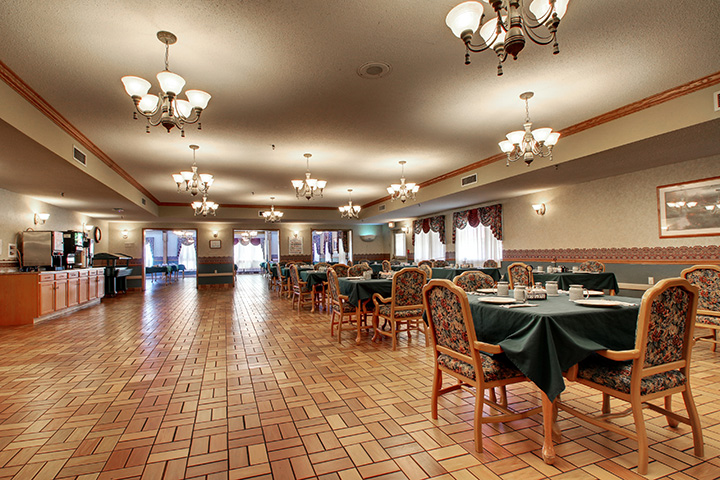
How is Odd Fellow-Rebekah Home Staffed?

CMS rates ODD FELLOW-REBEKAH HOME's staffing level at 3 out of 5 stars, which is average compared to other nursing homes. Staff turnover is 55%, which is 9 percentage points above the Illinois average of 46%. High turnover can affect care consistency as new staff learn residents' individual needs.

What Have Inspectors Found at Odd Fellow-Rebekah Home?

State health inspectors documented 50 deficiencies at ODD FELLOW-REBEKAH HOME during 2022 to 2025. These included: 6 that caused actual resident harm and 44 with potential for harm. Deficiencies causing actual harm indicate documented cases where residents experienced negative health consequences.
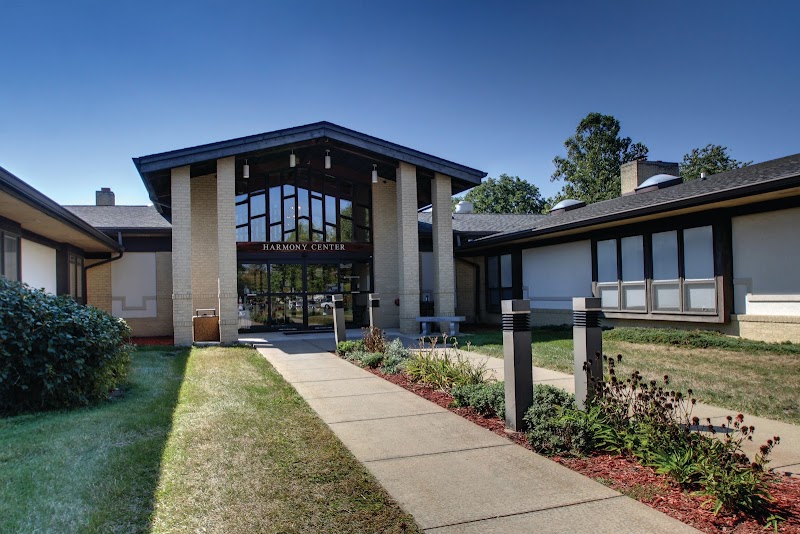
Who Owns and Operates Odd Fellow-Rebekah Home?

ODD FELLOW-REBEKAH HOME is owned by a non-profit organization. Non-profit facilities reinvest revenue into operations rather than distributing to shareholders. The facility is operated by HERITAGE OPERATIONS GROUP, a chain that manages multiple nursing homes. With 162 certified beds and approximately 114 residents (about 70% occupancy), it is a mid-sized facility located in MATTOON, Illinois.
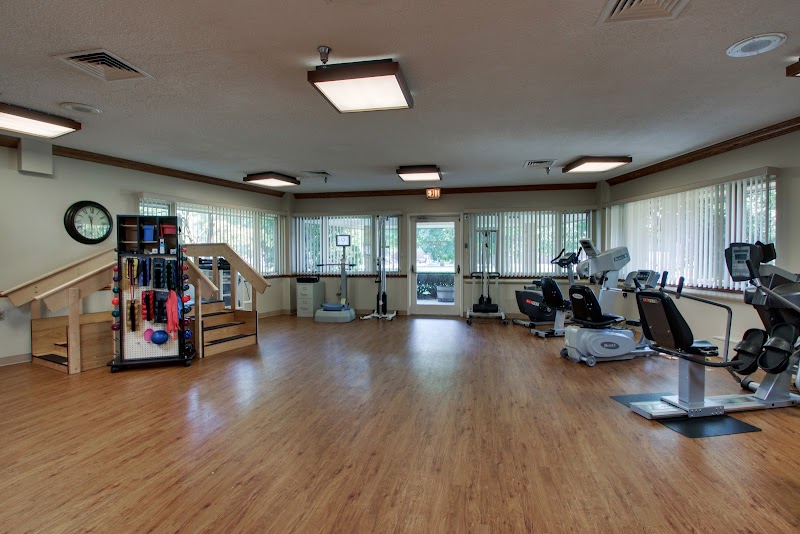
How Does Odd Fellow-Rebekah Home Compare to Other Illinois Nursing Homes?

Compared to the 100 nursing homes in Illinois, ODD FELLOW-REBEKAH HOME's overall rating (1 stars) is below the state average of 2.5, staff turnover (55%) is near the state average of 46%, and health inspection rating (2 stars) is below the national benchmark.

What Should Families Ask When Visiting Odd Fellow-Rebekah Home?

Based on this facility's data, families visiting should ask: "How do you ensure continuity of care given staff turnover, and what is your staff retention strategy?" "Can I visit during a mealtime to observe dining assistance and food quality?" "How do you handle medical emergencies, and what is your hospital transfer rate?" "Can I speak with family members of current residents about their experience?" These questions are particularly relevant given the facility's high staff turnover rate.

Is Odd Fellow-Rebekah Home Safe?

Based on CMS inspection data, ODD FELLOW-REBEKAH HOME has a clean safety record: no substantiated abuse findings (meaning no confirmed cases of resident harm), no Immediate Jeopardy citations (the most serious violation level indicating risk of serious injury or death), and is not on the Special Focus Facility watch list (a federal program monitoring the lowest-performing 1% of nursing homes). The facility has a 1-star overall rating and ranks #100 of 100 nursing homes in Illinois. While no facility is perfect, families should still ask about staff-to-resident ratios and recent inspection results during their visit.

Do Nurses at Odd Fellow-Rebekah Home Stick Around?

Staff turnover at ODD FELLOW-REBEKAH HOME is high. At 55%, the facility is 9 percentage points above the Illinois average of 46%. High turnover means new staff may not know residents' individual needs, medications, or preferences. It can also be disorienting for residents, especially those with dementia who rely on familiar faces. Families should ask: What is causing the turnover? What retention programs are in place? How do you ensure care continuity during staff transitions?

Was Odd Fellow-Rebekah Home Ever Fined?

ODD FELLOW-REBEKAH HOME has been fined $221,023 across 3 penalty actions. This is 6.3x the Illinois average of $35,289. Fines at this level are uncommon and typically indicate a pattern of serious deficiencies, repeated violations, or failure to correct problems promptly. CMS reserves penalties of this magnitude for facilities that pose significant, documented risk to resident health or safety. Families should request specific documentation of what issues led to these fines and what systemic changes have been implemented.

Is Odd Fellow-Rebekah Home on Any Federal Watch List?

ODD FELLOW-REBEKAH HOME is not on any federal watch list. The most significant is the Special Focus Facility (SFF) program, which identifies the bottom 1% of nursing homes nationally based on persistent, serious quality problems. Not being on this list means the facility has avoided the pattern of deficiencies that triggers enhanced federal oversight. This is a positive indicator, though families should still review the facility's inspection history directly.