PALM GARDEN OF MATTOON
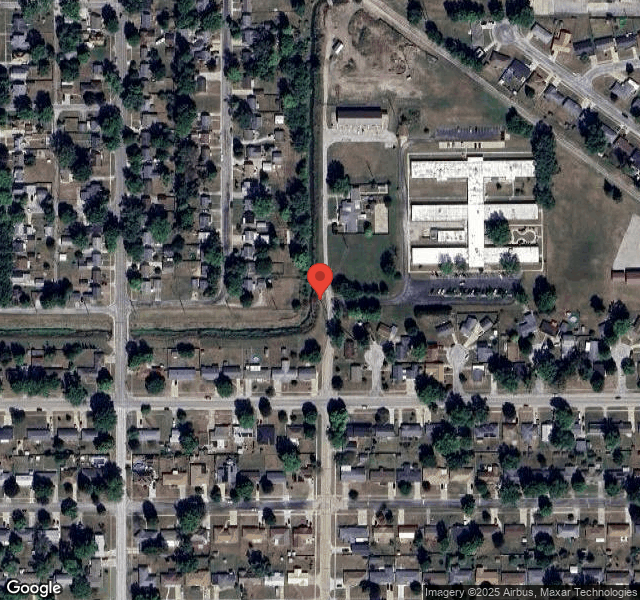
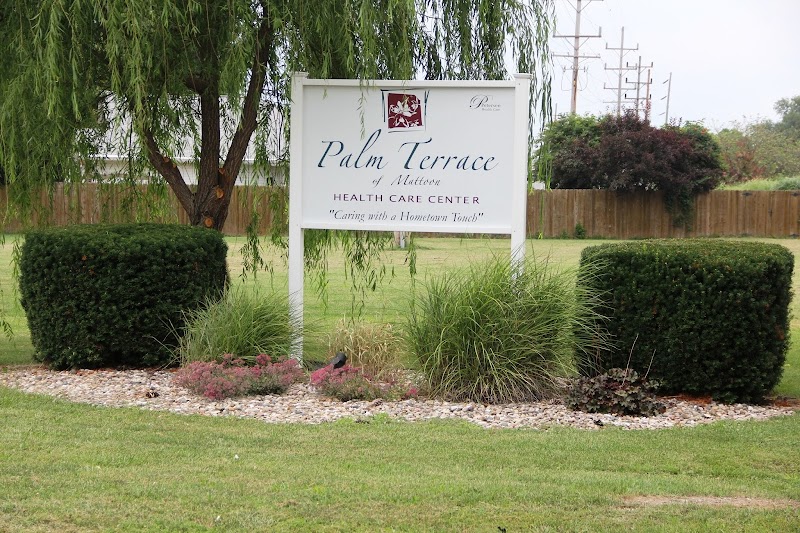
1000 PALM, MATTOON, IL 61938 (217) 234-7403
For profit - Limited Liability company 178 Beds POINTE MANAGEMENT Data: November 2025
Trust Grade
0/100
#598 of 665 in IL
Last Inspection: January 2025

Within standard 12-15 month inspection cycle. Federal law requires annual inspections.

Overview

Palm Garden of Mattoon has received a Trust Grade of F, indicating significant concerns about the quality of care provided. Ranked #598 out of 665 facilities in Illinois, they are in the bottom half statewide and last among the five nursing homes in Coles County. The facility's condition is worsening, with reported issues increasing from 32 in 2024 to 34 in 2025. Staffing is a rare strength, showing a 0% turnover rate, which is well below the state average; however, they provide less RN coverage than 91% of Illinois facilities, which raises concerns about adequate nursing oversight. In recent inspections, serious incidents were noted, including a resident being verbally and mentally abused by another resident, and failure to report critical health issues which led to a hospitalization for one resident. Overall, while there are some strengths in staffing stability, significant weaknesses in care quality and safety persist.

Trust Score
F
0/100
In Illinois
#598/665
Bottom 11%
Safety Record
High Risk
Review needed
Inspections
Getting Worse
32 → 34 violations
Staff Stability
○ Average
Turnover data not reported for this facility.
Penalties
✓ Good
$108,770 in fines. Lower than most Illinois facilities. Relatively clean record.
Skilled Nurses
⚠ Watch
Each resident gets only 14 minutes of Registered Nurse (RN) attention daily — below average for Illinois. Fewer RN minutes means fewer trained eyes watching for problems.
Violations
⚠ Watch
86 deficiencies on record. Higher than average. Multiple issues found across inspections.
★☆☆☆☆
1.0
Overall Rating
★☆☆☆☆
1.0
Staff Levels
★☆☆☆☆
1.0
Care Quality
★☆☆☆☆
1.0
Inspection Score
Stable
2024: 32 issues
2025: 34 issues

The Good

  • Full Sprinkler Coverage · Fire safety systems throughout facility
  • No fines on record

Facility shows strength in fire safety.

The Bad

1-Star Overall Rating

Below Illinois average (2.5)

Significant quality concerns identified by CMS

Federal Fines: $108,770

Well above median ($33,413)

Significant penalties indicating serious issues

Chain: POINTE MANAGEMENT

Part of a multi-facility chain

Ask about local staffing decisions and management

The Ugly 86 deficiencies on record

6 actual harm
Sept 2025 2 deficiencies
CONCERN (D) 📢 Someone Reported This

A family member, employee, or ombudsman was alarmed enough to file a formal complaint

Potential for Harm - no one hurt, but risky conditions existed

Incontinence Care (Tag F0690)

Could have caused harm · This affected 1 resident

**NOTE- TERMS IN BRACKETS HAVE BEEN EDITED TO PROTECT CONFIDENTIALITY** Based on observation, interview and record review the facility failed to provide timely and complete incontinence care for one (...

Read full inspector narrative →
**NOTE- TERMS IN BRACKETS HAVE BEEN EDITED TO PROTECT CONFIDENTIALITY** Based on observation, interview and record review the facility failed to provide timely and complete incontinence care for one (R3) dependent resident out of three residents reviewed for incontinence care in a sample list of seven residents.Findings include: R3's Electronic Medical Record (EMR) documents medical diagnoses as Dementia, Psychotic Disturbance, Mood Disturbance, Anxiety, Osteoarthritis, Hypertension, Disorders of Bone Density and Structure, Cardiomyopathy, Dysphagia and Mild Protein-Calorie Malnutrition.R3's Brief Interview for Mental Status (BIMS) dated 8/22/25 documents R3 as severely cognitively impaired. R3's Minimum Data Set (MDS) dated [DATE] documents R3 is fully dependent on staff for eating, oral hygiene, toileting, bathing, dressing, personal hygiene, bed mobility and transfers. On 9/4/25 at 1:00 PM V9 and V12 Certified Nursing Assistants/CNAs) provided incontinence care for R3. V9 and V12 did not provide a clean field for cleansing supplies. V9 placed a white bath towel on R3's personal soft shag pillow sitting on R3's bedside dresser. V9 then opened up R3's incontinence brief and placed it on top of the white towel. V9 then took the towel to the bathroom to wet it down in the sink which left R3's open incontinence brief lying face down directly on top of R3's personal shag pillow. V9 did not cleanse R3's front perineal area. R3's incontinence brief was fully saturated with urine and feces. R3 had a few small pieces of dried feces on her right buttock. On 9/4/25 at 1:18 PM V9 (CNA) stated V9 should have washed R3's front perineal area when providing incontinence care. V9 stated she had not provided incontinence care for R3 since V9 arrived at 6:00 AM. On 9/4/25 at 1:30 PM V11 (CNA) stated she provided incontinence care for R3 at 10:00 AM without the assistance of other staff. On 9/5/25 at 2:00 PM V2 (Director of Nurses) stated staff should provide complete incontinence care for all dependent residents. V2 stated R3 is vulnerable for skin breakdown due to R3 has very low cognition. V2 stated the staff should follow the care plan when providing any cares for residents. V2 stated complete care involves washing the resident's front perineal area first and then moving to the resident's perianal area. The facility policy titled Perineal Cleansing reviewed December 2017 documents staff are to position resident for incontinence care. Place half of the towel underneath the buttocks with the remaining half to be used for covering and drying the perineum. Wash the pubic area including the inner aspect of both thighs and frontal portion of perineum. Use long stroke from the most anterior portion to the base of the labia. Follow the same sequence for rinsing. Dry thoroughly. After washing the perineal area, then wash the perianal area.
CONCERN (E) 📢 Someone Reported This

A family member, employee, or ombudsman was alarmed enough to file a formal complaint

Potential for Harm - no one hurt, but risky conditions existed

Resident Rights (Tag F0550)

Could have caused harm · This affected multiple residents

**NOTE- TERMS IN BRACKETS HAVE BEEN EDITED TO PROTECT CONFIDENTIALITY** Based on observation, interview and record review the facility failed to ensure dignity was provided during incontinence care an...

Read full inspector narrative →
**NOTE- TERMS IN BRACKETS HAVE BEEN EDITED TO PROTECT CONFIDENTIALITY** Based on observation, interview and record review the facility failed to ensure dignity was provided during incontinence care and mealtime for five of five residents (R3, R4, R5, R6, R7) reviewed for dignity in a sample list of seven residents.Findings include:1.R3's Electronic Medical Record (EMR) documents medical diagnoses as Dementia, Psychotic Disturbance, Mood Disturbance, Anxiety, Osteoarthritis, Hypertension, Disorders of Bone Density and Structure, Cardiomyopathy, Dysphagia and Mild Protein-Calorie Malnutrition.R3's Brief Interview for Mental Status (BIMS) dated 8/22/25 documents R3 as severely cognitively impaired. R3's Minimum Data Set (MDS) dated [DATE] documents R3 is fully dependent on staff for eating, oral hygiene, toileting, bathing, dressing, personal hygiene, bed mobility and transfers. On 9/4/25 at 1:05 PM V9 and V12 (Certified Nursing Assistants/CNAs) provided incontinence care for R3. V9 and V12 pulled R3's sweatshirt up to R3's chest. V9 and V12 pulled down R3's pants to her knees. V9 removed R3's incontinence brief and provided incontinence care for R3. R3's privacy curtain was pushed back to the wall leaving R3's front and back perineal area entirely exposed during cares provided. R4 (R3's roommate) was sitting in her wheelchair in R3's room during the entire time V9 and V12 were providing incontinence care for R3. On 9/4/25 at 1:20 PM V9 (CNA) stated R3's privacy curtain should have been pulled while providing incontinence care for R3. V9 stated R3 requires total care and is unable to provide privacy for herself. 2. R4's Brief Interview for Mental Status (BIMS) dated 6/19/25 documents R4 as severely cognitively impaired. R4's Functional Abilities and Goals Review dated 6/17/25 documents R4 requires maximum assistance from staff when eating. R5's Brief Interview for Mental Status (BIMS) dated 3/10/25 documents R5 as severely cognitively impaired. R5's Functional Abilities and Goals Review dated 6/10/25 documents R5 is totally dependent on staff for eating.R6's Brief Interview for Mental Status (BIMS) dated 6/27/25 documents R6 as cognitively intact. R6's Functional Abilities and Goals Review dated 6/30/25 documents R6 requires supervision when eating. R7's Brief Interview for Mental Status (BIMS) dated 3/27/25 documents R7 as severely cognitively impaired. R7's Functional Abilities and Goals Review dated 6/24/25 documents R7 is totally dependent on staff for assistance with eating. On 9/5/25 from 7:30 AM-7:50 AM R3, R4, R5, R6 and R7 were sitting at the same dining room table. R6 was feeding herself oatmeal. R6 had oatmeal on her Left cheek and chin. R3, R4, R5 and R7's plates of food were uncovered. The main resident dining room was full of residents eating their breakfast. No staff were present in the dining room.On 9/5/25 at 7:51 AM V10 (CNA) stated two other CNAs did not show up to work today which leaves two CNAs for the front two halls. V10 stated the residents need help eating. V10 walked back and forth from R3, R4, R5 and R7 offering each resident a bite and then moving to the next resident. V10 assisted each resident from a standing position. V10 did not sit with each resident individually. On 9/5/25 at 2:05 PM V2 (Director of Nurses) stated residents should be provided dignity while providing cares for all residents regardless of their cognitive capacity. V2 stated the staff should have pulled R3's curtain before exposing R3's perineal area when providing cares. V2 stated neither R3 nor R4 are cognitively intact but would expect that neither resident would want to be exposed in front of anyone unnecessarily. V2 stated if there are employee call ins, then ancillary staff are supposed to ‘pitch in' and help the residents until the temporary staffing issue is resolved. V2 stated each resident is supposed to be assisted individually. The facility policy title Dignity revised February 2021 documents each resident shall be cared for in a manner that promotes or enhances his or her sense of wellbeing, level of satisfaction with life, and feelings of self-worth and self-esteem. Residents are to be treated with dignity and respect at all times.
Aug 2025 2 deficiencies
CONCERN (D) 📢 Someone Reported This

A family member, employee, or ombudsman was alarmed enough to file a formal complaint

Potential for Harm - no one hurt, but risky conditions existed

Notification of Changes (Tag F0580)

Could have caused harm · This affected 1 resident

Based on interview and record review the facility failed to notify one (R1) residents court appointed Guardian of changes in medications and laboratory orders out of three residents reviewed for notif...

Read full inspector narrative →
Based on interview and record review the facility failed to notify one (R1) residents court appointed Guardian of changes in medications and laboratory orders out of three residents reviewed for notifications in a sample list of four residents. Findings Include:R1's Electronic Medical Record (EMR) documents R1's primary diagnosis is the medical management of Paranoid Schizophrenia. Other medical diagnoses include Thyrotoxicosis, Noncompliance with medication regimen, Cannabis abuse with Psychotic Disorder with Hallucinations, Major Depressive Disorder, Anxiety and Insomnia.R1's Letters of Office-Guardianship filed 11/18/2024 documents R1 as a 'Disabled Adult' and that V4 has been appointed R1's Court Appointed Guardian. This same letter documents V4 has access to the psychological healthcare providers and the psychiatric healthcare providers of R1, consent to the psychological and psychiatric treatment for the benefit of R1, consent to or withdraw the administration of psychological and psychiatric, psychotropic medications for the benefit of R1, consent to or refuse any treatment on behalf of R1 for any physical, mental, or emotional illness, consent to and facilitate therapy and counseling services for the benefit of R1 and to take all actions and make all decisions necessary or incidental to the specific authority granted above. R1's Physician Order Set (POS) dated August 2025 documents a physician order starting 11/25/24 for Thyroid Stimulating Hormone (TSH), Free T3 and Free T4 to be drawn monthly. This same POS documents a physician order starting 2/19/25 for R1's TSH, Free T3 and Free T4 to be drawn every three months. This same POS physician orders starting 4/7/25 for Ativan 0.5 milligrams (mg) twice daily for Anxiety. R1's Ativan was changed from an as needed basis to a scheduled dose on 4/7/25. R1's Electronic Medical Record (EMR) does not document V4 (R1's) court appointed Guardian as being notified of R1's psychotropic medication changes nor R1's changes in scheduled lab work.On 8/5/25 at 1:50 PM V4 (R1's Court Appointed Guardian) stated V4 has informed the facility shortly after R1's admission to the facility that V4 is the court appointed guardian and needs to be notified of all changes for R1. V4 stated the facility does not notify her of any medication/behavioral changes with R1. V4 stated R1 was diagnosed with Hyperthyroidism and was supposed to be having lab work done every week prior to her admission to the facility which should have continued through R1's stay. V4 stated if a Physician has changed that order, V4 was never made aware. On 8/5/25 at 3:15 PM V12 (Psychiatric Rehabilitation Services Director/PRSD) stated there is no documentation to show that V4 (R1's Court Appointed Guardian) has been notified of R1's psychotropic medication changes and laboratory order results/changes. V12 stated she spoke with V4 on 7/24/25 during R1's care plan. V12 stated V4 reported R1 has not been receiving her psychotropic medications timely. V12 stated she did not have any answers for V4 at that time but could see in R1's Medication Administration Record (MAR) that R1 had missed several doses of her Ativan. V12 stated she let V2 (Director of Nursing/DON) know of V4's concerns since they are considered clinical concerns. On 8/6/25 at 9:30 AM V2 (DON) stated the facility should have notified V4 (R1's Guardian) of any changes in R1's lab orders, lab results and any medication changes. V2 stated the facility does not have any documentation to provide that V4 was notified. The facility policy titled Notification of Change in Resident Condition or Status reviewed May 2025 documents the nurse supervisor/charge nurse will notify the Director of Nurses (DON), Physician and unless otherwise instructed by the resident, the resident representative or next of kin when there is a need to alter the resident's medical treatment significantly. Except in medical emergencies, notifications will be made within 24 hours of a change occurring in the resident's medical/mental condition or status.
CONCERN (D) 📢 Someone Reported This

A family member, employee, or ombudsman was alarmed enough to file a formal complaint

Potential for Harm - no one hurt, but risky conditions existed

Deficiency F0760 (Tag F0760)

Could have caused harm · This affected 1 resident

Based on observation, interview and record review the facility failed to administer one (R1) resident's psychotropic medication per physician order causing R1 to miss ten doses. This failure affected ...

Read full inspector narrative →
Based on observation, interview and record review the facility failed to administer one (R1) resident's psychotropic medication per physician order causing R1 to miss ten doses. This failure affected one (R1) out of three residents reviewed in a sample list of four residents. Findings Include:R1's Electronic Medical Record (EMR) documents R1's primary diagnosis is the medical management of Paranoid Schizophrenia. Other medical diagnoses include Thyrotoxicosis, Noncompliance with medication regimen, Cannabis abuse with Psychotic Disorder with Hallucinations, Major Depressive Disorder, Anxiety and Insomnia.R1's Physician Order Set (POS) dated August 2025 documents a physician order starting 4/7/25 for Ativan 0.5 milligrams (mg) twice daily for Anxiety.R1's Pharmacy packing slip dated 6/8/25 documents 30 tablets of Ativan 0.5 milligrams (mg) were delivered to the facility on 6/8/25.R1's Medication Administration Record (MAR) dated June 2025 documents R1 was not administered her physician ordered Ativan 0.5 mg on the mornings of 6/7/25, 6/23/25 and on the evenings of 6/6/25, 6/7/25, 6/19/25, 6/22/25, and 6/23/25. R1's MAR dated July 2025 documents R1 was not administered her Ativan 0.5 mg the morning of 7/10/25 and the evenings of 7/9/25 and 7/10/25. On 8/5/25 at 4:00 PM the facility back medication storage system is in a locked room in the middle section of the facility. On 8/6/25 at 2:00 PM V2 (Director of Nurses/DON) stated there were issues with obtaining a renewal prescription from the physician. V2 stated the facility should have ensured the physician was notified timely prior to R1 running out of her Ativan. V2 stated nursing staff are aware that prescriptions of Ativan require a physician signature for a renewed prescription and then notification to the pharmacy. V2 stated R1 should never run out of her Ativan due to a delay caused by the facility. The facility policy titled Medication Administration reviewed April 2025 documents if the medication is not available for the resident, call the pharmacy and notify the Physician when the drug is expected to be available. Notify the Physician as soon as practical when a scheduled dose of medication has not been administered for any reason. Report errors in medication administration immediately per policy.
May 2025 1 deficiency
CONCERN (D) 📢 Someone Reported This

A family member, employee, or ombudsman was alarmed enough to file a formal complaint

Potential for Harm - no one hurt, but risky conditions existed

Safe Environment (Tag F0584)

Could have caused harm · This affected 1 resident

**NOTE- TERMS IN BRACKETS HAVE BEEN EDITED TO PROTECT CONFIDENTIALITY** Based on observation, interview, and record review the facility failed to maintain a clean, homelike environment in four of the ...

Read full inspector narrative →
**NOTE- TERMS IN BRACKETS HAVE BEEN EDITED TO PROTECT CONFIDENTIALITY** Based on observation, interview, and record review the facility failed to maintain a clean, homelike environment in four of the facility's community shower rooms for two residents (R1, R2) out of three residents reviewed for physical environment in a sample list of three residents. Findings include: On 5/30/25 at 8:30 AM V5 (Licensed Practical Nurse/LPN) showed the east end shower on the back side of the building. This shower room had round vents in the ceiling that had a nickel thick layer of dust all around all the rings. The tile around the toilet area measuring three tiles deep by seven tiles wide were missing showing a rough, uneven floor. V5 LPN stated the staff giving showers open the window when it gets too humid in the shower room. This same shower room had a baseboard heater with the metal cover removed revealing the internal heating component. This baseboard heater was positioned inches away from the shower area. On 5/30/25 at 8:35 AM V4 (Housekeeper) stated the community shower rooms are sometimes a mess. V4 stated there is one shift of housekeeping. The second and third shift rely on nursing staff to clean those areas. V4 stated many times V4 will walk into a mess in the shower rooms because residents clog the toilets, and they overflow or there are garbage cans full of soiled briefs that cause an odor. On 5/30/25 at 8:40 AM V6 and V7 (Certified Nursing Assistants/CNAs) both stated the east end shower on the locked North (back) unit does overflow at times. V6 stated there is a vent on the ceiling but it hasn't ever worked. V7 stated there is no way to turn on the vent so staff will open the windows because it gets so humid in that shower room. On 5/30/25 at 8:45 AM The facility back west community shower room did not have a functioning ventilation system. Staff turned on a switch to activate the venting system, but nothing happened. The ventilator system did not turn on. On 5/30/25 at 8:45 AM V9 (CNA) showed the shower room on the west end of the North side of the building (Psychiatric Unit). V9 stated the showers flood, the tiles are missing and the toilets back up onto the floor sometimes. This shower room was missing floor tile three tiles deep and seven tiles wide around the toilet area. V9 stated residents use this toilet often. On 5/30/25 at 8:50 AM V10 (Maintenance Director) stated he was aware of the missing tiles but had forgotten about them. V10 stated he was out of the floor tiles but would get them ordered. V10 stated the showers did pool water due to very outdated, poor plumbing. V10 stated We (facility) have to snake the drains on a regular basis. The vents haven't worked in a long time. We have dehumidifiers but it doesn't do any good if the staff don't know what they are. The residents are constantly clogging the toilets and we have to unclog them. Sometimes the toilets run over onto the floor. This plumbing is just plain old. V10 stated the front-end shower room on the west end does have black mold. V10 stated it had been painted over one time but may need it again. On 5/30/25 at 9:20 AM the facility front west hall community shower room ceiling had hundreds of small black dots on the ceiling. This same shower room has a vent on the ceiling but is not functioning. On 5/30/25 at 10:00 AM the front hall east shower room shows several inches of tile missing around the sprinkler head. This area is open with no visible end to the inside of the area. V2 (Director of Nursing/DON) stated the broken tile should be replaced/fixed. V2 stated this hall was closed for renovations and is now open back up. V2 stated the hall does have residents that use this shower room. On 5/30/25 at 10:40 AM V1 (Administrator) stated there are mechanical problems with the facility due to its age and that facility is working towards fixing those issues. 1. R1's Brief Interview for Mental Assessment (BIMS) dated 3/10/25 documents R1 is cognitively intact. On 5/30/25 at 9:25 AM R1 stated he does require some assistance with bathing. R1 stated the community shower room on the front west hall did have a mold problem. R1 stated the facility painted over it to try to fix it but you can still see it. R1 stated he uses this same shower room twice a week every week. 2. R2's Minimum Data Set (MDS) dated [DATE] documents R2 as cognitively intact. On 5/30/25 at 9:40 AM R2 stated she does not like the shower room on the east end because 'they are dirty'. R2 stated she has had to shower in a community shower on east end. R2 stated the east end shower has pooled water up to her ankles. R2 stated the shower rooms are not ventilated and is makes it difficult to breathe. R2 stated sometimes the staff will open a window but she does not know who would walk by outside.
Apr 2025 3 deficiencies 2 Harm
SERIOUS (G) 📢 Someone Reported This

A family member, employee, or ombudsman was alarmed enough to file a formal complaint

Actual Harm - a resident was hurt due to facility failures

Free from Abuse/Neglect (Tag F0600)

A resident was harmed · This affected 1 resident

**NOTE- TERMS IN BRACKETS HAVE BEEN EDITED TO PROTECT CONFIDENTIALITY** Based on observation, interview, and record review the facility failed to protect one (R4) resident's right to be free from verb...

Read full inspector narrative →
**NOTE- TERMS IN BRACKETS HAVE BEEN EDITED TO PROTECT CONFIDENTIALITY** Based on observation, interview, and record review the facility failed to protect one (R4) resident's right to be free from verbal and mental abuse and being physically threatened by another resident (R5) which was witnessed by a resident (R6) out of nine residents reviewed for abuse in a sample list of 12 residents. R4 was made to cry, feel sad and scared causing her to be fearful of being physically abused. Findings include: R4's undated Face Sheet documents medical diagnoses as Bipolar Disorder, Anxiety, Non-Rheumatic Mitral and Pulmonary Valve Insufficiency, Chronic Diastolic Congestive Heart Failure, Syncope and Collapse. R4's Minimum Data Set (MDS) dated [DATE] documents R4 as cognitively intact. R5's Minimum Data Set (MDS) dated [DATE] documents R5 as cognitively intact. This same MDS documents R5 requires supervision with dressing, bathing, personal hygiene, bed mobility and transfers. R5's Nurse Progress Note dated 4/22/25 at 9:49 AM document (R5) sat next to (R4) and began to talk to (R4). (R4) said she did not want to talk to (R5) at that time. (R5) got upset and called (R4) a b**** (expletive). Then (R5) started yelling and screaming at (R4). R6's Minimum Data Set (MDS) dated [DATE] documents R6 as cognitively intact. R4's Initial Report to the State Agency documents R5 allegedly verbally abused R4 on 4/22/25. R4's initial Abuse Investigation dated 4/23/25 documents R5 told R4 to 'stay away from my man you b**** (expletive) and then R5 swung at R4. This same investigation documents R4 was sitting with R6 when R5 said R5 wanted to go to bed with R6. This same file documents R4 was walking down the hall after supper and R5 said 'stay away from me b**** (expletive)'. R4's Nurse Progress Notes do not document any altercation with R5 on 4/21/25 nor 4/22/25. R4's Care plan initiated 6/13/24 does not include a focus area, goal nor interventions of R4's risk of being abused. On 4/23/25 at 9:45 AM R4 stated on 4/21/25 R4 went out to the commons area after breakfast. R4 stated R5 came up to her and wanted to talk. R4 stated she didn't feel like talking right then so R4 told R5 to go away. R4 stated R5 was not happy with R4 for not talking to R5 but R5 did leave the area. R4 stated the next day (4/22/25) R5 walked up to R4 and R6 after breakfast when R5 began screaming and yelling profanities at R4 with R6 present. R4 stated She (R5) was saying awful things. (R5) called me a b**** (expletive) and told me to 'go f*** (expletive) myself. R4 stated she began crying as R5 continued to yell and scream at R4 in front of R6. R4 stated finally R5 walked away. R4 stated she was very embarrassed because R5 was saying 'awful' things to her in front of R6. R4 stated R5 told R6 that R5 wanted to have sex with R6. R4 stated R6 refused R5's sexual advances. R4 stated her and R6 are good friends and do not need any other close friends coming between her and R6. R4 stated R5 made her feel scared. R4 was crying during the interview. R4 stated Please don't let (R5) come near me again. I am so scared (R5) will hurt me. (R5) told me she would hurt me bad. I believe (R5). (R5) is a lot bigger than me. (R5) could knock me over and hurt me. I am supposed to walk up and down the halls to exercise my hip. I don't walk down (R5's) hall because I am afraid (R5) will see me and beat me up. (R5) is unpredictable and crazy. I don't want (R5) anywhere near me. R4 stated After lunch that day (4/22) (R5) walked up and started yelling at me. Calling me a b**** (expletive) and telling me how bad I am at sex things. Then (R5) swung her whole arm at me. (R5) didn't actually hit me but I was so scared. I just kept yelling 'Get her off of me! Help me! (R5) is trying to kill me!' On 4/23/25 at 10:25 AM V18 (Psychosocial Rehabilitation Assistant/PRSA) stated R4 was crying hysterically after being screamed at by R5. V18 stated he verbally consoled R4 and then later when R4 was still upset about the matter, the staff allowed R4 to call her sister to help console her also. On 4/23/25 at 11:10 AM V21 (PRSA) stated R5 was 'out of control' on 4/22/25 due to the way R5 was treating R4. V21 stated she heard R5 tell R4 to 'Shut the F*** (expletive) up!' and 'I'll beat you're a** (expletive)!'. V21 stated R5 should have been put on a one-to-one observation but was not. V21 stated R5 kept returning to R4 throughout the day to yell at R4. On 4/23/25 at 12:00 PM R4 left the main dining room for the unit and walked towards the resident hallways. R4 walked down to the end of her hallway, turned around and walked back to the center resident commons area. R4 did not walk down the opposite hallway where R5 resides. On 4/23/25 at 12:40 PM R5 stated R5 yelled, screamed, and cursed at R4 because R4 would not talk to her the day before (4/21/25). R5 stated R4 was in a bad mood so R5 called R4 a b**** (expletive). R5 stated she wished R5 would have hit her when R5 swung at R4. R5 stated I would have hit (R4) right to the ground. R5 stated she tried to 'get with' R6 to make R4 mad but R6 didn't want to be with R5 and that made R5 even more mad. R5 stated she 'went after' R4 several times that day and told R4 what a b**** (expletive) R4 is. On 4/23/25 at 1:40 PM V9 (Psychosocial Rehabilitation Director/PRSD) stated on 4/22/25 after breakfast she heard R5 yelling and screaming in the resident commons area. V9 stated she was in her office right next to the resident common area. V9 stated she went out to see what was going on and saw R5 yelling at R4 and R6 as R5 was walking away from R4. V9 stated she heard R5 call R4 a b**** (expletive). V9 stated R5 was so loud it was hurting her ears. V9 stated R5 told V9 that she had to tell off R4 because R4 is racist. V9 stated V9 told R4 that R5 did not mean anything R5 said. V9 stated R4 was crying, tearful and stating she was very scared of R5. V9 stated R6 stated he heard R5 call R4 a b**** (expletive) and to 'get the f*** (expletive) out of R5's way'. V9 stated R4 calmed down after about an hour. V9 stated R5 went back to her room and V9 went back to her office. V9 stated she is the director of the psychiatric locked down unit and was never told that she had to report verbal and/or mental abuse to V1 (Abuse Coordinator/Administrator). V9 stated after lunch R5 walked up to R6 and stated R5 could do R6 'sexual favors' better than R4. V9 stated this made R5 mad so she started yelling at R4 and R6 again. V9 stated R5 called R4 a b**** (expletive). V9 stated V8 (Psychosocial Rehabilitation Counselor/PRSC) then came out to help de-escalate R5. V9 stated R4 was terrified and tearful after being yelled at by R5. On 4/25/25 at 1:00 PM V24 (Nurse Practitioner/NP) stated R5 yelling, screaming derogatory words, and attempting to hit R4 could have a negative effect on R4. V24 stated R4 could experience Post Traumatic Stress Disorder (PTSD), Anxiety and Insomnia caused by R5 verbally and mentally abusing R4. V24 stated R5 humiliated R4 in front of her close friend R6 which could cause R4 to have regressive behaviors. V24 stated mentally ill residents such as R5 do have behaviors but this instance of R5 verbally and mentally abusing R4 would be considered abuse. On 4/25/25 at 2:35 PM V20 (Regional Director of Operations) stated the facility should have communicated better in order to monitor R5 for behaviors. V20 stated the staff were aware R5 was upset with R4 on the day before (4/21/25) R5 abused R4. V20 stated these incidents could possibly have been avoided if the staff were paying closer attention. V20 stated the locked unit houses mentally ill individuals who need extra support and monitoring to prevent these types of things from happening. V20 stated the facility is re-training their staff on the facility Abuse policy and behavior management to reduce abuse. The facility policy titled Abuse Prevention Program revised 11/28/2016 documents the facility affirms the right of our resident to be free from abuse, neglect, misappropriate of resident property, and exploitation as defined below. This includes, but is not limited to, freedom from corporal punishment, involuntary seclusion and any physical or chemical restraint not required to treat the resident's medical symptoms. Abuse is the willful injection of injury, unreasonable confinement, intimidate, or punishment with resulting physical harm, pain, or mental anguish. Abuse also includes the deprivation by an individual including a caretaker, of good or services that are necessary to attain or maintain physical, mental, and psychosocial well-being. Willful, as used in this definition of abuse, means the individual must have acted deliberately, not that the individual must have intended to inflict injury or harm. Verbal abuse is the oral, written, or gestured language that willfully includes disparaging and derogatory terms to residents or families, or within their hearing distance regardless of their age, ability to comprehend or disability. Examples of verbal abuse include, but are not lied to, threats of harm, or saying things to frighten a resident, such as telling a resident that he/she will never be able to see his/her family again. Mental abuse includes, but is not limited to, abuse that is facilitated or caused by nursing home staff taking or using photographs or recordings in any manner that would demean or humiliate a resident, harassment, humiliation and threats of punishment or deprivation.
SERIOUS (G) 📢 Someone Reported This

A family member, employee, or ombudsman was alarmed enough to file a formal complaint

Actual Harm - a resident was hurt due to facility failures

Investigate Abuse (Tag F0610)

A resident was harmed · This affected 1 resident

**NOTE- TERMS IN BRACKETS HAVE BEEN EDITED TO PROTECT CONFIDENTIALITY** Based on observation, interview, and record review the facility failed to protect one (R4) resident from being repeatedly verbal...

Read full inspector narrative →
**NOTE- TERMS IN BRACKETS HAVE BEEN EDITED TO PROTECT CONFIDENTIALITY** Based on observation, interview, and record review the facility failed to protect one (R4) resident from being repeatedly verbally and mentally abused by another resident (R5) throughout an entire day while the staff were aware of R4 being abused. Two residents (R4, R5) were affected by this failure out of nine residents reviewed for abuse in a sample list of 12 residents. R4 felt scared causing her to change her activity routine in fear of being further abused by R5. Findings include: R4's undated Face Sheet documents medical diagnoses as Bipolar Disorder, Anxiety, Non-Rheumatic Mitral and Pulmonary Valve Insufficiency, Chronic Diastolic Congestive Heart Failure, Syncope and Collapse. R4's Minimum Data Set (MDS) dated [DATE] documents R4 as cognitively intact. R5's Minimum Data Set (MDS) dated [DATE] documents R5 as cognitively intact. This same MDS documents R5 requires supervision with dressing, bathing, personal hygiene, bed mobility and transfers. R4's Initial Report to the State Agency documents R5 allegedly verbally abused R4 on 4/22/25. R4's initial Abuse Investigation dated 4/23/25 documents R5 told R4 to 'stay away from my man you b**** (expletive)' and then R5 swung at R4. This same investigation documents R4 was sitting with R6 when R5 said R5 wanted to go to bed with R6. This same file documents R4 was walking down the hall after supper and R5 said 'stay away from me b**** (expletive)'. On 4/23/25 at 12:00 PM R4 left the main dining room for the unit and walked towards the resident hallways. R4 walked down to the end of her hallway, turned around and walked back to the center resident commons area. R4 did not walk down the opposite hallway where R5 resides. R5 left the dining room a few minutes later, stopped in the same commons area, looked towards R4, and then proceeded to her own room. No staff were present in the dining room nor in the commons area. On 4/24/25 at 12:10 PM R4 and R5 were sitting in the dining room at the same time during lunch service. R5 stood and walked by R4. There were no staff in the dining room at that time. On 4/23/25 at 9:45 AM R4 stated R5 yelled and screamed 'foul' language at her multiple times on 4/22/25. R4 stated R5 swung at her at one point. R4 stated the staff, including V9 (Psychosocial Rehabilitation Director/PRSD) was aware that R5 kept walking up to R4 to yell obscenities at R4. R4 stated R5 made her feel scared. R4 was crying during the interview. R4 stated Please don't let (R5) come near me again. I am so scared (R5) will hurt me. (R5) told me she would hurt me bad. I believe (R5). (R5) is a lot bigger than me. (R5) could knock me over and hurt me. I don't walk down (R5's) hall because I am afraid (R5) will see me and beat me up. I don't want (R5) anywhere near me. R4 stated R5 walked up to R4 'multiple' times on 4/22/25, yelling profanities and threatening to hurt R4. R4 stated After lunch that day (4/22) (R5) walked up and started yelling at me. Calling me a b**** (expletive) and telling me how bad I am at sex things. Then (R5) swung her whole arm at me. (R5) didn't actually hit me but I was so scared!' R4 stated V8 (Psychosocial Rehabilitation Counselor/PRSC) and V9 (PRSD) were aware of R5's behaviors on 4/22/25. R4 stated the facility did not do anything to help R4 so she told V19 (Registered Nurse/RN) the next morning (4/23/25). R4 stated she did not sleep the night of 4/22/25 for fear R5 would come into her room and attack her. R4 stated R5 lived right across the hall from her at that time so R5 could easily walk over into R4's room to hurt her. R4 stated I know (V19) Registered Nurse (RN) would help me, so I waited for her to come into work the next morning (4/23/25) and told her what happened. On 4/23/25 at 11:10 AM V21 (Psychosocial Rehabilitation Assistant/PRSA) stated R5 was 'out of control' on 4/22/25 due to the way R5 was treating R4. V21 stated she heard R5 tell R4 to 'Shut the F*** (expletive) up!' and 'I'll beat you're a** (expletive)!'. V21 stated R5 should have been put on a one-to-one observation but was not. V21 stated R5 kept returning to R4 throughout the day to yell at R4. On 4/23/25 at 12:40 PM R5 stated she wished R5 would have hit her when R5 swung at R4. R5 stated I would have hit (R4) right to the ground. R5 stated she 'went after' R4 several times that day and told R4 what a b**** (expletive) R4 is. On 4/23/25 at 1:40 PM V9 (PRSD) stated V9 was aware that R5 walked up to R4 multiple times throughout the day (4/22/25) to yell and scream profanities at R4 due to R4 did not talk to R5 the day before (4/21/25). V9 stated she should have separated R5 from everyone until they (staff) could figure out what had happened and to ensure the safety of R4. V9 stated R4 could have been hurt. V9 stated R5 did threaten to hurt R4 and 'you never know if a threat is real or not until something happens'. V9 stated R5 was placed on 15-minute checks on 4/23/25 at 11:00 AM. V9 stated R5 should have been placed on a one-to-one continuous observations due to her repeatedly abusing R4. On 4/25/25 at 1:10 PM V24 (Nurse Practitioner/NP) stated R5 should have been sent to the emergency room for a psychiatric evaluation by a physician. V24 stated R5 isn't known to have those kinds of behaviors. V24 stated R5 could have had some clinical issue happening or R5 could have been going through some type of new mental health issue that she had not experienced before. V24 stated R4 was not protected by this facility due to R5 was not monitored closely enough if R5 was allowed to repeatedly abuse R4 verbally and mentally. On 4/25/25 at 2:30 PM V20 (Regional Director of Operations) stated the staff should have monitored R5 more closely after they were aware that R5 had yelled at R4 after breakfast on 4/22/25. V20 stated R4 was not protected from R5's repeated abuse and should have been. The facility policy titled Abuse Prevention Program revised 11/28/2016 documents residents who allegedly mistreat or abuse another resident or misappropriate resident property will be removed from contact with that resident during the course of the investigation. The accused resident's condition shall be immediately evaluated to determine the most suitable therapy, care approaches and placement considering his or her safety, as well as the safety of other residents and employees of the facility.
CONCERN (E) 📢 Someone Reported This

A family member, employee, or ombudsman was alarmed enough to file a formal complaint

Potential for Harm - no one hurt, but risky conditions existed

Report Alleged Abuse (Tag F0609)

Could have caused harm · This affected multiple residents

**NOTE- TERMS IN BRACKETS HAVE BEEN EDITED TO PROTECT CONFIDENTIALITY** Based on interview and record review the facility failed to report allegations of verbal and/or mental abuse to the Abuse Coordi...

Read full inspector narrative →
**NOTE- TERMS IN BRACKETS HAVE BEEN EDITED TO PROTECT CONFIDENTIALITY** Based on interview and record review the facility failed to report allegations of verbal and/or mental abuse to the Abuse Coordinator timely on three separate occasions involving R5 verbally and mentally abusing R4 on 4/22/25, R8 verbally abusing R7 on 4/6/25 and R9 verbally abusing R10 on 4/7/25. These failures affect six residents out of nine residents reviewed for abuse in a sample list of 12 residents. Findings include: 1. R4's Minimum Data Set (MDS) dated [DATE] documents R4 as cognitively intact. R5's Minimum Data Set (MDS) dated [DATE] documents R5 as cognitively intact. R4 and R5's shared Initial Report to the State Agency dated 4/23/25 documents R5 allegedly verbally abused R4 on 4/22/25. On 4/23/25 at 1:45 PM V9 (Psychosocial Rehabilitation Director/PRSD) stated she was aware that R5 had yelled and screamed profanities and took a swing at R4 on 4/22/25 and did not report that behavior to anyone. V9 stated she was not aware that verbal and/or mental abuse needed to be reported as an allegation of abuse. V9 stated R4 reported to V19 (Registered Nurse/RN) the next day (4/23/25) and that is the only reason anything was reported to the State Agency. V9 (PRSD) stated she should have reported the incidents between R4 and R5 to V1 (Administrator/Abuse Coordinator) or V20 (Regional Director of Operations) immediately. 2. R7's Minimum Data Set (MDS) dated [DATE] documents R7 as severely cognitively impaired. R8's Minimum Data Set (MDS) dated [DATE] documents R8 as cognitively intact. R8's Nurse Progress Note dated 4/6/25 at 12:44 AM documents (R8) had behaviors this evening. (R8) was upset that her roommate (R8) 'disrespected her'. (V22) Agency Licensed Practical Nurse (LPN) entered (R7, R8) room because (V22) heard (R8) yelling at her roommate (R7). (R8) was upset (R7's) radio was too loud. (R8) yelled at nurse also before calming down. R7 and R8's shared initial Report to the State Agency dated 4/25/25 documents R7 and R8 were involved in a resident-to-resident verbal altercation on 4/6/25. On 4/24/25 at 2:25 PM R7 stated her prior roommate (R8) yelled at her. R7 stated R8 called her an 'old deaf b**** (expletive)' because R7 liked to listen to her radio. R7 stated it wasn't nice of R8 to call her names and it hurt her feelings. On 4/24/25 at 2:30 PM R8 stated R8 yelled and cussed at R7 because R7 had her radio too loud. R8 stated R7's radio was so loud it hurt her ears so R8 called R7 a 'deaf b**** (expletive)'. R8 stated R7 started crying after that and a nurse (V22) came in and interrupted R8 yelling at R7. On 4/24/25 at 11:20 AM V9 (Psychosocial Rehabilitation Director/PRSD) stated she was not aware that R8 had yelled at R7 on 4/6/25. V9 stated an agency nurse (V22 Licensed Practical Nurse) documented that R8 had yelled at R7 but V22 did not let anyone know that. V9 stated V22 should have notified V9 and V1 so that incident of verbal abuse could have been reported and investigated. 3. R9's Minimum Data Set (MDS) dated [DATE] documents R9 as cognitively intact. R10's Minimum Data Set (MDS) dated [DATE] documents R10 as cognitively intact. R10's Nurse Progress Note dated 4/7/25 at 3:22 PM documents (R10) also got into a screaming match with (R9) at BINGO causing (R9) to become upset. R9 and R10's shared initial Report to the State Agency dated 4/25/25 documents R9 and R10 were involved in a resident-to-resident verbal altercation on 4/7/25. On 4/24/25 at 11:25 AM V9 (PRSD) stated she remembers the day that R9 and R10 had a screaming match in the dining room during BINGO on 4/7/25. V9 stated R10 yells out 'Help me!' and 'Hug me!' a lot and was yelling out that day. V9 stated R9 was upset by R10's behavior and started yelling at R10 that R10 was a 'stupid b**** (expletive)' and to 'shut the h*** (expletive) up!' V9 stated R10 didn't like being called names and being yelled at by R9 and started crying. V9 stated R9 had to be removed from BINGO due to her verbally abusing R10. V9 stated this incident should have been reported to V1 (Administrator/Abuse Coordinator) but wasn't. V9 stated she did not know that verbal/mental abuse needed to be reported. V9 stated That is just how they (residents) act sometimes. We (staff) remove the bad one from the bunch. They (residents) are like little children who need disciplined or punished for their bad behavior. We (staff) need to make sure they (residents) know there will be consequences to their actions/behaviors. I just did not realize anytime a resident who verbally/mentally abuses another resident had to get so much attention about the incident. I was never told that verbal/mental abuse needed to be reported and investigated. On 4/25/25 at 2:45 PM V20 (Regional Director of Operations) stated all three of these incidents should have been reported to the Abuse Coordinator/designee immediately. V20 stated if R4 would not have told V19 (RN), then V1 (Administrator/Abuse Coordinator) would not have known R5 had abused R4. V20 stated the floor staff, supervisory staff and ancillary staff have all had previous Abuse trainings. V20 stated V1 is also the Abuse Coordinator and has been on vacation. V20 stated the staff have all been trained to follow the chain of command and notify V2 (Director of Nurses) and/or one of the regional staff who have been in the facility when V1 has been gone. V20 stated there really is no excuse for not calling someone to report any type of abuse. V20 stated the facility staff are being trained on the Abuse policy again to try to ensure everyone knows that reporting Abuse should be immediate and is mandatory. The facility policy titled Abuse Prevention Program revised 11/28/2016 documents employees are required to immediately report any occurrences of potential/alleged mistreatment, exploitation, neglect, and abuse of residents and misappropriation of resident property they observe, hear about, or suspect to a supervisor and the administrator. Supervisors shall immediately inform the Administrator or his/her designated representative of all reports of potential/alleged mistreatment, exploitation, neglect, and abuse of residents and misappropriation of resident property. Upon learning of the report, the administrator or designee shall initiate an investigation.
Apr 2025 2 deficiencies
CONCERN (D) 📢 Someone Reported This

A family member, employee, or ombudsman was alarmed enough to file a formal complaint

Potential for Harm - no one hurt, but risky conditions existed

Unnecessary Medications (Tag F0759)

Could have caused harm · This affected 1 resident

**NOTE- TERMS IN BRACKETS HAVE BEEN EDITED TO PROTECT CONFIDENTIALITY** Based on observation, interview, and record review the facility failed to maintain a medication error rate under five percent fo...

Read full inspector narrative →
**NOTE- TERMS IN BRACKETS HAVE BEEN EDITED TO PROTECT CONFIDENTIALITY** Based on observation, interview, and record review the facility failed to maintain a medication error rate under five percent for one (R3) resident out of four residents reviewed for medications in a sample list of seven residents. A medication administration pass was completed with three errors out of 28 opportunities resulting in a 10.7% medication error rate. Findings include: R3's Minimum Data Set (MDS) dated [DATE] documents R3 as cognitively intact. R3's Physician Order Sheet (POS) dated April 2025 documents a physician order for Calgest (TUMS) 500 milligrams (mg) two chewable tablets twice a day, Gabapentin 300 mg three times a day, Levetiracetam 500 milligrams (mg) three tablets orally twice a day and Calcium 600 mg + (plus) D3 200 mg tablet daily. On 4/19/25 at 6:25 AM R3's Gabapentin medication card had a sticker that documents No Alum/Mag (Aluminum/Magnesium) Antacid within two hours. V8 (Licensed Practical Nurse/LPN) administered Calgest (TUMS) 500 mg two tablets and Gabapentin 300 mg together. V8 also administered Levetiracetam 500 mg one tablet to R3. V8 LPN did not administer Calcium 600 mg + (plus) D3 200 mg tablet. R3's Calgest ingredient list include Calcium Carbonate and Magnesium Stearate. On 4/19/25 at 10:05 AM V8 (LPN) stated she did not read R2's Gabapentin label that instructed to not give Gabapentin and TUMS within two hours of each other. V8 stated she knew R3 should receive three tablets of Levetiracetam but got in a hurry and did not give the other two tablets. V8 stated she did not give R2's Calcium 600 mg + D3 200 mg tablet because it has not come in yet. V8 LPN stated R3's Calcium 600 mg + D3 200 mg was ordered from the pharmacy but has never come in yet. The facility policy titled Medication Administration revised 11/18/2017 documents the complete act of medication administration entails verifying the medication with the physician orders. When preparing medication for administration, check the label of the drug container a minimum of three times for safety and accuracy.
CONCERN (F) 📢 Someone Reported This

A family member, employee, or ombudsman was alarmed enough to file a formal complaint

Potential for Harm - no one hurt, but risky conditions existed

Deficiency F0725 (Tag F0725)

Could have caused harm · This affected most or all residents

**NOTE- TERMS IN BRACKETS HAVE BEEN EDITED TO PROTECT CONFIDENTIALITY** Based on observation, interview, and record review the facility failed to provide adequate Certified Nursing Assistant (CNA) sta...

Read full inspector narrative →
**NOTE- TERMS IN BRACKETS HAVE BEEN EDITED TO PROTECT CONFIDENTIALITY** Based on observation, interview, and record review the facility failed to provide adequate Certified Nursing Assistant (CNA) staffing for eight out of 14 days reviewed for staffing. This failure has the potential to affect all 83 residents residing in the facility. Findings include: The facility Midnight Census Report dated 4/19/25 documents 83 residents reside in the facility. This same report documents 52 residents reside on the 500 and 600 halls. The Facility assessment dated [DATE] documents the facility should provide 16 CNAs per 24-hour period. The Daily 24-hour Staffing Assignment sheets document the total number of CNAs for each of the following days as: -4/5/25 document 14 CNAs -4/6/25 document 10 CNAs -4/12/25 document 11 CNAs -4/13/25 document 14 CNAs -4/14/25 document 13 CNAs -4/16/25 document 13 CNAs -4/17/25 document 12 CNAs -4/18/25 document 14 CNAs 1. R2's Minimum Data Set (MDS) dated [DATE] documents R2 as cognitively intact. This same MDS documents R2 requires the assistance of two staff members and a total body mechanical lift for transfers. On 4/19/25 at 4:45 AM R2's call light was activated for thirty-five minutes (5:20 AM) before V7 CNA answered R2's call light. On 4/19/25 at 10:00 AM R2 was sitting in his recliner in his room. R2 was sitting on a mechanical lift sling. R2 stated he turned on his call light early that morning to be changed and get up. R2 stated his call light went off for over 30 minutes before someone came in and then was told there aren't enough staff to get R2 up and he would have to wait until day shift staff arrived. R2 stated he did not think that was right. R2 stated he understands the staff are busy but in case of an emergency, R2 would be one of the last residents helped due to his increased need for help with transfers and the lack of staff to help him. 2. R1's Minimum Data Set (MDS) dated [DATE] documents R1 as cognitively intact. On 4/19/25 at 9:40 AM R1 stated the facility needs more staff. R1 stated there is one nurse for both the 500 and 600 halls at night and sometimes only one CNA. R1 stated he had his call light on for an hour earlier this morning (4/19/25) before someone answered it. R1 stated I can't get up on my own because of my legs being so swollen (pointing to his bilateral legs which were wrapped with compression gauze). Someone is going to get hurt, and no one would even know about it. We (residents) are not cattle. I deserve better than that. 3. R4's Minimum Data Set (MDS) dated [DATE] documents R4 as cognitively intact. On 4/19/25 at 9:10 AM R4 stated R4 is the President of Resident Council for the 'front' half of the building (100 hall). R4 stated the staff are helpful when they get to you. R4 stated it is not uncommon for her to have to wait for 30-45 minutes to have her call light answered due to lack of staffing. R4 stated When they (facility) only put one CNA on our hall with 25-30 people somebody, or should I say a lot of somebodies are going to have to wait. If they had an emergency, we would all perish. 4. R5's Minimum Data Set (MDS) dated [DATE] documents R5 is cognitively intact. On 4/19/25 at 9:15 AM R5 stated the staff are helpful but she does have to wait sometimes up to an hour for her call light to be answered because there are not enough staff. R5 stated she does not like waiting for help that long. R5 stated There (pointing to a commode with no lid exposing yellow urine) is a perfect example. I asked one of the CNAs to empty that thing before breakfast and she said she would when she got done helping other people. I had turned on my light and had to wait 40 minutes to be told to wait. I understand they (staff) are busy but now I have to sit here and smell urine. This place needs more help. On 4/19/25 at 5:10 AM V6 (Agency Licensed Practical Nurse/LPN) stated her halls (500, 600) are very short tonight due to a CNA going home at 2:00 AM and no one came in to replace that person. V6 stated there have been call lights going off and not enough help to answer them. V6 stated residents do have to wait to get their needs met. V6 stated V6 has the choice to help the residents with their cares or pass their medications and do their treatments. On 4/19/25 at 11:00 AM V9 (Scheduler) stated the facility has been struggling to find CNAs to cover all the shifts. V9 stated the facility does use agency CNAs to help alleviate some of the open shifts. V9 stated the facility has been allowing flexible scheduling with their current CNAs to cover some of the busier times such as getting residents up for the day or putting them to bed. V9 stated the Daily 24-Hour Staffing sheets are complete and any adjustments have already been made. On 4/19/25 at 12:00 PM V3 (Regional Director of Operations) reviewed the daily staffing sheets. V3 reviewed the staffing timeclock ins/outs to see if there were any adjustments that were not showing on the daily staffing sheets. V3 stated the days listed above 4/5, 4/6, 4/12, 4/13, 4/14, 4/16, 4/17 and 4/18 were all lacking the required CNA staffing to care for the facility's resident population. V3 stated the staff present in the facility are doing the best they can but the facility is also trying to hire more staff to alleviate the staffing shortage. The undated facility policy titled Nurse Staffing documents it is the policy of the facility to licensed and unlicensed nursing staff on each shift of the day to attain or maintain the highest practical physical, mental and/or psychosocial well-being of each resident.
Apr 2025 7 deficiencies 1 Harm
SERIOUS (G) 📢 Someone Reported This

A family member, employee, or ombudsman was alarmed enough to file a formal complaint

Actual Harm - a resident was hurt due to facility failures

Incontinence Care (Tag F0690)

A resident was harmed · This affected 1 resident

**NOTE- TERMS IN BRACKETS HAVE BEEN EDITED TO PROTECT CONFIDENTIALITY** Based on observation, interview, and record review the facility failed to timely report decreased urination and abdominal disten...

Read full inspector narrative →
**NOTE- TERMS IN BRACKETS HAVE BEEN EDITED TO PROTECT CONFIDENTIALITY** Based on observation, interview, and record review the facility failed to timely report decreased urination and abdominal distention (R1). The facility also failed to perform hand hygiene after toileting assistance (R5) for two (R1, R5) of four residents reviewed for urinary tract infections (UTIs) in the sample list of six. This failure resulted in R1 being hospitalized for a UTI, urinary retention, and acute kidney injury. Findings include: 1.) R1's Minimum Data Set, dated [DATE] documents R1 has moderate cognitive impairment, is dependent on staff assistance for toileting, and is always incontinent of bowel and bladder. R1's Fluid Intake report dated March 2025 documents the following total daily fluid intake: 960 milliliters (ml) on 3/3/25 480 ml on 3/4/25 1100 ml on 3/5/25 360 ml on 3/6/25 1440 ml on 3/7/25 R1's Bowel and Bladder Elimination log dated March 2025 does not document R1 urinated on all shifts on 3/3/25, second shifts on 3/2/25, 3/6/25, 3/7/25 and third shifts on 3/1-3/5/25 and 3/7/25. This log documents R1 had a medium, loose bowel movement on 3/1/25, formed medium bowel movement on 3/4/25, loose medium bowel movements on 3/5/25-3/7/25 and one large loose bowel movement on 3/6/25. R1's Nursing Notes document the following: On 3/7/25 at 11:09 AM R1's abdomen was distended, and a new order was received to obtain a urinalysis. R1 had a loose medium bowel movement. On 3/7/25 at 7:46 PM R1's urine sample was collected and placed in the fridge for pick up. R1's urine was dark and odorous. On 3/7/25 at 9:11 PM R1's abdomen remained distended and firm. On 3/8/25 at 4:44 AM R1 fell during staff assist. R1 was lying on the floor complaining of back and neck pain and wanted to go to the emergency room. Emergency services was called. The healthcare messaging software documents on 3/6/25 at 2:30 PM R1 had abdominal distention, only one wet brief during the night and once during dayshift, took in 240 ml and had a loose bowel movement. This was reported to V33 (Advanced Practice Registered Nurse/APRN) who ordered a urine sample for urinalysis and culture with sensitivity. There is no documentation in R1's medical record that this order was transcribed until 3/7/25 at 4:33 AM, per R1's physician orders, or that R1 had abdominal distention prior to 3/7/25. There is no documentation that R1's abdominal distention and decreased urinary output was reported to V33 prior to 3/6/25 at 2:30 PM. R1's emergency room Note dated 3/8/25 at 6:17 AM documents a urinary catheter was inserted and with a return of over 2500 ml of urine. R1 was admitted with diagnoses of urinary retention, UTI, and acute kidney injury. R1's laboratory results dated [DATE] at 8:01 AM documents R1's Blood Urea Nitrogen (BUN) was 42 (high) and Creatinine (Cr) 1.57 (high). R1's Hospital Discharge summary dated [DATE] documents a urinary catheter was inserted on admission with three liters of urine returned with initial gross hematuria (bloody urine) that resolved. R1's urine culture grew Enterococcus and R1 received antibiotic therapy. R1 was given intravenous fluids and R1's Creatinine levels normalized. Urology was consulted and ordered an abdominal Computed Tomography that showed a large amount of stool in the rectum with surrounding inflammatory changes consisted with stercoral proctitis (rare and serious inflammatory condition). R1 also had bladder wall thickening related to inflammatory changes, mild hydronephrosis, and gaseous bowel distention. Laxatives were ordered and R1 had several bowel movements during his hospitalization. The facility's Daily Assignment dated 3/5/25 documents V25 (Licensed Practical Nurse/LPN) was assigned to R1's unit for day shift and evening shift, V32 (Certified Nursing Assistant/CNA) was assigned R1's unit on day shift, and V24 (CNA) was assigned to R1's unit on evening shift. The Daily Assignments dated 3/6/25 and 3/7/25 document V24 was assigned to R1's unit on evening shift. On 4/7/25 at 1:29 PM V34 (APRN) stated V34 recently started working for the facility on 3/10/25. V34 stated R1 was hospitalized for urinary retention and UTI but had no prior history of UTIs or urinary retention. On 4/7/25 at 2:16 PM V13 (LPN) confirmed R1's abdomen was distended on 3/7/25. V13 stated there was already an order to collect R1's urine sample that was entered on the prior shift, and it was passed onto V13 that day that R1 had abdominal distention. V13 stated that day V13 had R1 urinate in a urinal, R1 put out almost a full urinal full of urine, and V13 collected R1's urine sample which was dark in color and cloudy. V13 stated unidentified staff had reported that R1 had difficulty urinating days prior. On 4/7/25 at 3:10 PM V24 (CNA) stated V24 went to get R1 up for supper one night, R1 was really sweaty and not acting himself, and R1 was sent to the hospital. V24 stated a week later R1 was sent to the hospital again (3/8/25) and returned to the facility with a urinary catheter. V24 stated during the week prior, R1 had been drinking well but R1's brief was dry most of the time which was unusual for R1 since R1 would usually pull his pants down and urinate a large amount all over. V24 stated V24 reported this to V25 (LPN). V24 stated R1's stomach looked more swollen on 3/7/25. On 4/8/25 at 9:46 AM V25 (LPN) stated R1 had no reported problems on 3/4/25. V25 confirmed on 3/5/25 V24 (CNA) reported R1 had not urinated that day. V25 stated R1's abdomen was also distended that day. V25 stated V25 just passed this information onto night shift and to monitor R1's urination. V25 confirmed V25 did not report R1's abdominal distention and decreased urine output to a physician or APRN. On 4/8/25 at 10:02 AM V32 (CNA) stated a few days prior to R1's hospitalization R1 wasn't himself, was urinating very little and did not have good bowel movements, which was new for R1. V32 stated R1 was still drinking well at that time, R1's abdomen started getting harder and bigger and V32 reported this to V25 (LPN). On 4/8/25 at 12:22 PM V35 (Registered Nurse/RN) stated V35 works through an agency, night shift on 3/7/25 was the only day that V35 had worked at the facility, and V35 was not very familiar with R1. V35 stated V35 sent R1 to the hospital early that morning following a staff assisted fall and complaints of back and neck pain. V35 stated nothing had been reported about R1 having decreased urination or abdominal distention. On 4/8/25 at 3:40 PM V2 (RN) stated V2 entered R1's urinalysis order on 3/7/25 which V2 obtained off the healthcare messaging software. V2 stated staff on the prior shift, second shift, had notified V33 (APRN) through the messaging software. On 4/8/25 at 1:15 PM V12 (Quality Assurance Nurse/Infection Preventionist) stated the CNAs should document continence/incontinence for urine output every shift. V12 verified the lack of this documentation from 3/1/25-3/7/25 on R1's bladder elimination log. V12 stated the CNAs should report decreased urine output to the nurse, the nurse should monitor for symptoms and notify the physician. V12 stated provider notification would be documented in a nursing note. At 2:15 PM V12 stated V36 (R1's Family) contacted V12 after R1's hospitalization to ask how the staff didn't notice R1's abdominal distention and decreased urine output. V12 confirmed R1's nursing notes do not document R1's decreased urine output and abdominal distention or that this was reported to a physician or APRN prior to 3/7/25. On 4/8/25 at 2:35 PM V33 (APRN) stated R1's abdominal distention and decreased urinary output should have been reported immediately. V33 stated a UTI can cause an obstruction in urinary flow and a UTI. V33 stated a delay in treatment of UTI and/or urinary retention can affect laboratory values, including elevated BUN and Cr, and cause an acute kidney injury. V33 stated V33 was assigned to receive calls for the facility between 9:00 AM and 5:00 PM Monday through Friday. V33 stated the on-call provider took call after 5:00 PM until 9:00 PM and outside of those hours the facility would have to contact the physician or medical director. The facility's Notification for Change in Resident Condition or Status policy dated 12/7/17 documents the charge nurse will notify the resident's attending physician or on-call physician when there are any signs or symptoms or apparent discomfort of sudden onset, a marked change, and unrelieved by previously prescribed measures; when there is a significant change in the resident's physical/emotional/mental condition; and when there is a need to significantly alter treatment. This policy documents that the nurse will document information related to the changes in a resident's condition in the resident's medical record. 2.) On 4/9/25 at 11:37 AM V8 and V26 (CNAs) assisted R5 with toileting. V26 removed R5's soiled brief, applied a clean brief, and cleansed R5's perineal area. V26 removed her gloves and did not perform hand hygiene prior to leaving the room and transporting R5 in a wheelchair to the common area. On 4/9/25 at 11:48 AM V26 stated hand hygiene should be performed after providing toileting or incontinence cares. V26 confirmed V26 did not perform hand hygiene after providing R5's with toileting care. The facility's undated General Procedure for Toileting policy documents to wash your hands after providing toileting assistance and perineal care.
CONCERN (D) 📢 Someone Reported This

A family member, employee, or ombudsman was alarmed enough to file a formal complaint

Potential for Harm - no one hurt, but risky conditions existed

Deficiency F0625 (Tag F0625)

Could have caused harm · This affected 1 resident

**NOTE- TERMS IN BRACKETS HAVE BEEN EDITED TO PROTECT CONFIDENTIALITY** 2.) R1's Minimum Data Set (MDS) dated [DATE] documents R1 has moderate cognitive impairment. R1's Nursing Notes dated [DATE] do...

Read full inspector narrative →
**NOTE- TERMS IN BRACKETS HAVE BEEN EDITED TO PROTECT CONFIDENTIALITY** 2.) R1's Minimum Data Set (MDS) dated [DATE] documents R1 has moderate cognitive impairment. R1's Nursing Notes dated [DATE] document at 4:44 AM R1 fell during staff assist. R1 was lying on the floor complaining of back and neck pain and wanted to go to the emergency room. Emergency services was called. R1 was transferred to the hospital and five unsuccessful attempts were made to contact V36 (R1's Family) by phone to notify of the transfer. R1's Nursing Note dated [DATE] at 10:16 AM documents V36 was notified of R1's condition and that R1 was transferred to the emergency room. There is no documentation in R1's medical record that a written notice of bed hold was provided to R1 and V36. R1's census documents R1 returned to the facility on [DATE]. R1 was sent back to the hospital on [DATE] and expired on [DATE] at the hospital. 3.) R4's MDS dated [DATE] documents R4 has moderate cognitive impairment. R4's Nursing Note dated [DATE] at 2:20 PM documents R4 was lethargic, had only 50 milliliters of urine output during the shift, R4 was transferred to the emergency room and R4's emergency contact was notified. There is no documentation that a written notice of bed hold was provided to R4 or R4's emergency contact. R4's ongoing census documents R4 returned to the facility on [DATE]. On [DATE] at 10:02 AM V21 (Social Services) stated there was no documentation to provide that R1 and R4 were given written notification of bed hold upon transfer to the hospital. V21 stated the nurses are responsible for providing the written notice to the resident upon transfer to the hospital and the facility's policy does not state that a copy needs to be kept in the resident's medical record. V21 confirmed the nurses should be documenting in a nursing note that a written notice of bed hold and transfer was given. V21 stated V21 does not mail a copy to the resident's representative. On [DATE] at 10:21 AM V25 (Licensed Practical Nurse) stated bed hold notices are sent with the resident when they go to the hospital, and this is documented either in a nursing note or in the resident's Discharge Transfer Acute Care Continuity Report. V25 viewed R1's and R4's medical records and verified there were no Discharge Transfer Acute Care Continuity Reports completed and no documentation that written notice of bed hold was provided when R1 and R4 were hospitalized in [DATE]. Based on interview and record review, the facility failed to notify the resident and resident's representative at the time of transfer to hospital in writing of the bed-hold policy to 3 (R1, R2, and R4) residents out 3 reviewed for hospitalization in a sample size of 6. Findings include: Facility's Bed Hold Guarantee Policy dated [DATE] documents that after hospitalization a resident shall be guaranteed a bed in the facility upon return if the resident's condition is appropriate for the level of care facility provides, and that residents representative will be given a bed hold policy notice no later than 24 hours after time of transfer. 1.) R2's Brief Interview for Mental Status dated [DATE] documents R2 is severely cognitively impaired. R2's progress note dated [DATE] documents resident had complaints of coughing. Oxygen saturation levels low at 88-90%. Nurse practitioner and guardian notified. 911 called, report called to hospital. There is no documentation in R2's medical record that a written notice of bed hold was provided to R2 and V18 (R2's guardian). R2's census dated [DATE] documents admission date of [DATE] with hospital leave on [DATE] and Stop [NAME] date of [DATE]. R2's hospital records document R2 discharged [DATE] to an alternate facility. On [DATE] at 10:02 AM V21 (Social Services) stated there was nothing to prove that R2 was given written notification of bed hold upon transfer to the hospital. On [DATE] at 11:30 am V21 confirms facility bed hold does state to give to resident family or resident representative and not resident. V21 states she believes R2 would not have understood the Bed Hold Policy even if it was given to him. V21 confirms she now understands she should have made sure a copy was sent to R2's guardian (V18).
CONCERN (D) 📢 Someone Reported This

A family member, employee, or ombudsman was alarmed enough to file a formal complaint

Potential for Harm - no one hurt, but risky conditions existed

Accident Prevention (Tag F0689)

Could have caused harm · This affected 1 resident

**NOTE- TERMS IN BRACKETS HAVE BEEN EDITED TO PROTECT CONFIDENTIALITY** Based on interview and record review the facility failed to provide a safe transfer and thoroughly investigate a fall to identif...

Read full inspector narrative →
**NOTE- TERMS IN BRACKETS HAVE BEEN EDITED TO PROTECT CONFIDENTIALITY** Based on interview and record review the facility failed to provide a safe transfer and thoroughly investigate a fall to identify root cause for one (R1) of three residents reviewed for falls in the sample list of six. Findings include: The facility's Fall Prevention policy dated 11/10/18 documents a fall huddle will be conducted with staff on duty immediately following a fall to help identify circumstances of the even and appropriate interventions, and circumstances of the fall will be documented in the nursing notes or on an Assess Intervene and Monitor for Wellness form. The facility's undated Transfer from Bed to Chair, Commode, or Wheelchair policy documents to use a gait belt and use a rocking technique to stand the resident. R1's Minimum Data Set, dated [DATE] documents R1 has moderate cognitive impairment and requires substantial/maximal staff assistance when moving from sitting to standing. R1's Care Plan dated 7/8/24 documents R1 has behaviors related to falls including being resistive to staff assisting him by stepping backwards, pulling away, and lowering himself to the floor. This care plan documents R1 requires moderate assistance of one staff person for chair/bed transfers and has not been updated with R1's 3/8/25 fall and post fall interventions. R1's Nursing Note dated 3/8/2025 at 4:44 AM documents an unidentified Certified Nursing Assistant (CNA) reported R1 had a staff assisted fall to the ground. There are no additional details regarding how the fall occurred documented in R1's medical record. R1's Incident Audit Report for R1's 3/8/25 fall documents information was obtained from R1's nursing notes and does not identify the staff involved in R1's staff assisted fall or if any devices were used during R1's transfer. This report documents and Interdisciplinary Team Review of Fall Note dated 4/8/25 at 11:27 AM that documents on 3/8/25 R1 had a staff assisted fall to the ground and the intervention was for staff to offer more assistance related to R1 needing more assistance with Activities of Daily Living. On 4/8/25 at 12:22 PM V35 (Registered Nurse) stated V35 works through an agency and night shift on 3/7/25 was the only day V35 has worked at the facility. V35 stated early morning on 3/8/25 an unidentified CNA came to report that she had assisted R1 to transfer from bed into a wheelchair and R1 fell. V35 stated it was documented that R1 was a one assist transfer at that time and based on what the CNA described it didn't sound like any assistive devices were used including a gait belt. V35 stated when V35 entered R1's room, R1 was lying on the floor with his head against the wall, R1 complained of back and neck pain and was transferred to the hospital. On 4/9/25 at 11:50 AM V17 (Quality Assurance/Licensed Practical Nurse) stated the CNAs should use a gait belt for all one to two assist transfers and gait belt usage would be documented as part of the fall investigation or on the risk management report. V17 stated V17 was unsure who the CNA was that assisted with R1's transfer/fall on 3/8/25 since V17 does not have witness statements for this fall. V17 stated V17 does the fall investigations but has been behind due to frequently being pulled to work the floor. At 11:58 AM V17 verified all fall documentation was provided regarding R1's 3/8/25 fall and confirmed there was no documentation that a gait belt was used during R1's transfer/fall. V17 stated if one was not used then that would change what was implemented as a post fall intervention, such as staff education.
CONCERN (D) 📢 Someone Reported This

A family member, employee, or ombudsman was alarmed enough to file a formal complaint

Potential for Harm - no one hurt, but risky conditions existed

Antibiotic Stewardship (Tag F0881)

Could have caused harm · This affected 1 resident

**NOTE- TERMS IN BRACKETS HAVE BEEN EDITED TO PROTECT CONFIDENTIALITY** Based on interview and record review the facility failed to ensure appropriate prescribing of antibiotics for one (R4) of four r...

Read full inspector narrative →
**NOTE- TERMS IN BRACKETS HAVE BEEN EDITED TO PROTECT CONFIDENTIALITY** Based on interview and record review the facility failed to ensure appropriate prescribing of antibiotics for one (R4) of four residents reviewed for urinary tract infections (UTIs) in the sample list of six. Findings include: The (official name of publisher) Educational Module for Nurses in Long-term care Facilities: Antibiotic Use and Antibiotic Resistance dated December 2014, provided by the facility on 4/8/25 as their policy, documents an example of antibiotic misuse as using broad-spectrum antibiotics when laboratory results indicate that a narrow-spectrum antibiotic would be effective. The facility's Resident Infection Control and Antimicrobial Log dated March 2025 documents R4 was prescribed Bactrim Double Strength (DS) 800-160 milligrams twice daily for 10 days from 2/27/25 through 3/9/25. This log documents microbiology results as mixed flora and criteria not met for clinical documentation to support antibiotic use and prescribing antibiotics for bacteria in the urine without the presence of clinical symptoms. This module documents to obtain microbiology cultures prior to initiating treatment and cultures and sensitivity tests should be used to guide appropriate prescribing of antibiotics. R4's Physician order with start date 12/26/24 and stop date 3/10/25 documents R4 has a urinary catheter related to urinary retention. R4's Nursing Notes document the following: On 2/10/25 at 2:53 AM R4 continues on isolation for Methicillin Resistant Staphylococcus Aureus (MRSA), a multidrug resistant organism, catheter associated UTI. On 2/27/2025 at 5:15 PM R4 was prescribed Bactrim DS by mouth twice daily for 10 days for UTI. On 2/27/2025 at 2:53 PM R4 was placed on contact isolation pending urinalysis and culture with sensitivity if indicated. On 3/3/2025 at 9:41 AM V33 (Advanced Practice Registered Nurse/APRN) was notified that urine culture was not obtained, and V33 gave orders to continue with the current treatment if already initiated. On 3/8/2025 at 2:20 PM R4 was lethargic and only had 50 milliliters or urine output. R4 was transferred to the hospital. R4's Urinalysis dated 2/24/25 documents positive for nitrites, 4+ leukocytes and trace bacteria, abnormal results. The final culture showed mixed flora with multiple species present and recommends repeating specimen collection if indicated. A sensitivity report was not completed. There is no documentation of R4's symptoms that prompted R4's urinalysis and antibiotic treatment and that another urine specimen was collected prior to R4 being hospitalized on [DATE]. R4's urine culture dated 3/10/25 documents R4's urine contained greater than 100,000 colony forming units per milliliter of MRSA. On 4/8/25 at 11:40 AM V12 (Quality Assurance Nurse/Infection Preventionist) provided R4's urine cultures. V12 reviewed R4's 2/24/25 urinalysis results and confirmed it documented mixed growth and recommended to obtain another specimen. V12 stated another culture wasn't done, R4's UTI was treated based on what is recorded on the infection control log and criteria was not met for appropriate antibiotic use. V12 confirmed R4 did not have documented symptoms of UTI prior to antibiotics being ordered on 2/27/25 and a repeat culture should have been done to determine bacteria and if susceptible to the antibiotic ordered. On 4/7/25 at 1:29 PM V34 (APRN) stated antibiotics for UTIs should not be initiated until after urine culture results are received.
CONCERN (E) 📢 Someone Reported This

A family member, employee, or ombudsman was alarmed enough to file a formal complaint

Potential for Harm - no one hurt, but risky conditions existed

Transfer Notice (Tag F0623)

Could have caused harm · This affected multiple residents

**NOTE- TERMS IN BRACKETS HAVE BEEN EDITED TO PROTECT CONFIDENTIALITY** 2.) R1's Minimum Data Set (MDS) dated [DATE] documents R1 has moderate cognitive impairment. R1's Nursing Notes dated [DATE] do...

Read full inspector narrative →
**NOTE- TERMS IN BRACKETS HAVE BEEN EDITED TO PROTECT CONFIDENTIALITY** 2.) R1's Minimum Data Set (MDS) dated [DATE] documents R1 has moderate cognitive impairment. R1's Nursing Notes dated [DATE] document at 4:44 AM R1 fell during staff assist. R1 was lying on the floor complaining of back and neck pain and wanted to go to the emergency room. Emergency services was called. R1 was transferred to the hospital and five unsuccessful attempts were made to contact V36 (R1's Family) by phone to notify of the transfer. R1's Nursing Note dated [DATE] at 10:16 AM documents V36 was notified of R1's condition and that R1 was transferred to the emergency room. There is no documentation in R1's medical record that a written notice of R1's transfers was provided to R1 and V36. R1's census documents R1 returned to the facility on [DATE]. R1 was sent back to the hospital on [DATE] and expired on [DATE] at the hospital. 3.) R4's MDS dated [DATE] documents R4 has moderate cognitive impairment. R4's Nursing Note dated [DATE] at 2:20 PM documents R4 was lethargic, had only 50 milliliters of urine output during the shift, R4 was transferred to the emergency room and R4's emergency contact was notified. There is no documentation that a written notice of transfer was provided to R4 or R4's emergency contact. R4's ongoing census documents R4 returned to the facility on [DATE]. 4.) R5's ongoing census documents R5 returned was hospitalized [DATE]-[DATE]. R5's Nursing Note dated [DATE] at 10:00 AM documents R5 had suicidal ideations and was transferred to the emergency room. This note documents a bed hold form was sent with R5. There is no documentation that a written notice of transfer that includes the reason for R5's transfer and the location R5 transferred to, was provided to R5 and R5's representative. The facility's blank Notice of Bed Hold Policy includes a line to enter the date and resident's name but does not prompt to record the reason for the transfer or the location the resident was transferred to. On [DATE] at 10:02 AM V21 (Social Services) stated there was no documentation to provide that R1, R4, and R5 were given written notification for their transfers to the hospital. V21 stated the nurses are responsible for providing the written notice to the resident upon transfer to the hospital and the facility's policy does not state that a copy needs to be kept in the resident's medical record. V21 confirmed the nurses should be documenting in a nursing note that a written notice of bed hold and transfer was given. V21 stated V21 does not mail a copy to the resident's representative. V21 provided a blank copy of the facility's Notice of Bed Hold Policy that is the written notice provided to the residents for transfers to the hospital. Based on interview and record review, the facility failed to notify the resident and resident's representative of the transfer or discharge, including the reason, in writing to 4 (R1, R2, R4, and R5) residents out 4 reviewed for hospitalization in a sample size of 6. Findings include: Facility transfers and discharge policy, undated, documents the facility will not discharge a resident unless it is necessary to meet the resident's welfare. States the resident's attending physician must document in the residents' clinical record that the facility cannot meet the needs of the resident and that it would endanger the residents or others health. The facility must issue a 30-day notice of discharge to resident representative. 1.) R2's census dated [DATE] documents admission date of [DATE] with hospital leave on [DATE] and Stop [NAME] date of [DATE]. R2's face sheet dated [DATE] documents R2 has state appointed guardian. R2's Brief Interview for Mental Status dated [DATE] documents R2 is severely cognitively impaired. R2's progress note dated [DATE] documents the resident had complaints of coughing. Oxygen saturation levels were low at 88-90%. Nurse practitioner and guardian notified. 911 called, report called to hospital. There is no documentation in R2's medical record that a written notice of R2's transfer and discharge were provided to R2 and V18 (R2's guardian). R2's hospital record documents progress note dated [DATE] by V20 (Hospital Case Manager) who documents R2's guardian (V18) was not aware that patient had not returned to nursing home. On [DATE] V20 documents at 12:03 PM, V19 (alternate state guardian) states no one at office was notified that R2 had been discharged from nursing home and that V18 had wanted him to return to facility. On [DATE] at 1:20pm V1 (Administrator) states that she herself, had no contact with R2's state guardian personally nor did she directly speak with hospital staff regarding R2's hospitalization or possible discharge from facility due to R2's needs at time of discharge. On [DATE] at 11:45am V21 (Social Services) provided a copy of R2's progress note dated [DATE] at 2:29pm that documents guardian V18 notified and 911 here to transport to hospital. V21 states this is proof of notification of transfer. V21 states she did not mail a copy to the guardian. On [DATE] at 12:15 pm V14 (Human Resource Director) and V17 (Licensed Nurse Practitioner) both state they have never mailed out any notices to resident representatives.
CONCERN (F) 📢 Someone Reported This

A family member, employee, or ombudsman was alarmed enough to file a formal complaint

Potential for Harm - no one hurt, but risky conditions existed

Deficiency F0725 (Tag F0725)

Could have caused harm · This affected most or all residents

**NOTE- TERMS IN BRACKETS HAVE BEEN EDITED TO PROTECT CONFIDENTIALITY** Based on observation, interview and record review, the facility failed to ensure there is a sufficient number of certified nursi...

Read full inspector narrative →
**NOTE- TERMS IN BRACKETS HAVE BEEN EDITED TO PROTECT CONFIDENTIALITY** Based on observation, interview and record review, the facility failed to ensure there is a sufficient number of certified nursing assistants to provide care and respond to resident's basic individual needs. This failure has the potential to affect all 82 residents currently residing at facility. Findings include: Facility census dated 4/7/25 documents 82 residents in house, 29 residents on southwest hall (100's rooms), 23 residents on [NAME] East (500's rooms), and 30 residents on [NAME] (600's rooms). Facility assessment tool with documented updated date of 8/4/24 documents the facility has an average of 80-85 residents daily. Documents that capacity to manage oxygen therapy as well as CPAP and BIPAP, also documents on average the facility has 68 residents needed at minimum one person to 2 person assist, while about 20 are totally dependent on staff assistance for activities of daily living. 17 residents require assistance with ambulation while 45 residents are in some type of medical chair. More than half of the residents require some form of behavioral health management. Facility documents staffing at total number needed daily to accommodate all residents needs as 8 licensed nursing staff, 16 nurse aides, 4 other nursing administrative staff, 9 additional (not listed) staff for behavioral healthcare services, 2 dieticians, 5 food services staff and zero respiratory care staff. The following dates were audited for certified nursing assistants (CNA) staffing numbers for the night shift of 10:00pm thru 6:00am: 4/2/25, 4/4/25, 4/5/25, and 4/6/25. Facility CNA schedule for the month of April reviewed; the daily assignment sheets, and timecards for CNAs listed on daily assignment sheets night shift. Daily assignment sheet dated 4/2/25 documents 2 CNAs and one unit aide (UA) working Southwest (SW) hallway and 2 CNAs and one UA working both halls of [NAME] Unit. Timecard audit revealed from 10:00pm-6:00am V41 (CNA) was on SW with V40 (UA) in after Midnight. On [NAME] Unit there was V4 (CNA) and no UA until 4:00am when the shower CNA V38, clocked in resulting in a ratio of 1:53. On 4/4/25 V41 and V52 (CNAs) and V40 (UA) on SW; V29 & V23 (CNAs) with V39 (UA) on [NAME] on assignment, timecards show that V23 and V52 (CNAs) clocked out at 2:00am leaving one CNA (V5) on SW and one CNA (V41) on [NAME], V40 (UA) on SW arrived after midnight and V39 (UA) on [NAME] clocked out at 4:00am. V4 (CNA) clocked in at 4:30am. Daily assignment for 4/5/25 documents V5 & V53 (CNAs) with V40 (UA) on SW, and V4 & V23 (CNAs) on [NAME]. Actual time shows V5 and V53 worked 10:00pm-6:00am on SW with V40 (UA) in after midnight, and V23 (CNA) on [NAME] from 10:00pm to 2:00 am at which time she clocked out leaving 1 LPN and no other staff for 53 residents on locked behavior unit. 4/6/25 daily documents V5 and V6 (CNA) on SW and V4 & V23 (CNAs) on [NAME] until 2:00am leaving V4 (CNA) and V39 (UA) until V39 leaves at 4:00am. Timecards confirm daily schedule is accurate. Observation of all staff on property at 5:15am confirms. On 4/7/25 at 5:00 am there was only V4 (CNA) on [NAME] wing. On 4/7/25 at 5:01 V2 (Registered Nurse/RN) standing at med cart mid-hall. V2 states that there is himself, 1 Licensed Practical Nurse/LPN, and 3 CNAs currently working. On 4/7/25 at 5:58 am V3 (LPN) at 600 hall nursing station. V3 stated she works for agency. V3 confirms she was the nurse for the entire psych unit with one CNA throughout the night. Denies any issues. V7 (LPN) entered nursing desk area at this time stating she's unclear if she's supposed to be here because there is no staffing assignment posted but she is on the master schedule. On 4/7/25 at 6:04 am V8 (CNA) states there was only one CNA (V4) overnight and that she was waiting to get report but states usually there are 3 CNAs for the unit during the day and one nurse for each hall on locked unit. On 4/7/25 at 6:15 am V9 (LPN) states currently there is herself and 3 CNAs on hall with an additional CNA scheduled at 8:00 am. On 4/8/25 at 10:15 AM R5 stated they don't have enough CNAs; the CNAs must go back and forth between the halls. On 4/8/25 at 10:16 AM V7 (LPN) stated night shift usually has one nurse and one to two Certified Nursing Assistants (CNAs) for [NAME] unit. It depends on how the night went, if it was a busy night then we have had concerns with incontinence cares not being done timely. On 4/8/25 at 10:35 AM V8 (CNA) stated the agency staff don't always show up for work and the facility does not always find a replacement or coverage. V8 stated the night shift staffing is bad and the facility usually only has one CNA assigned to [NAME] unit. V8 stated incontinence cares are affected by this and V8 must catch up on incontinence cares when V8 comes into work at 6:00 AM. On 4/8/25 at 12:22 PM V35 (RN)e stated V35 is an agency nurse and night shift on 3/7/25 was her first and only time she worked at the facility. V35 stated the facility is short staffed, V35 was the only nurse assigned to two halls and 30 residents that night with two CNAs. V35 stated that is not enough staff for the [NAME] unit and makes it difficult to supervise and account for the residents on that unit who have behaviors and/or who wander. On 4/8/25 between 2:55 PM and 3:25 PM V22, V23, and V24 (CNAs) were the only CNAs working on Willow. At 3:10 PM V24 stated V24 is the only CNA currently working the East wing of Willow. V24 stated one CNA is not enough for this wing due to resident behaviors and wandering residents who need to be watched closely. On 4/9/25 at 9:00am, V14 (Human Resource Director) states she has been the facility clinical scheduler for 13 years. V14 states they use agency to supplement nurses and certified nurse assistants (CNA) for staffing needs. V14 Confirms that currently the facility has 2-unit aides, and 32 CNAs. V14 states that all agency staff must have signature and photo verification in facility for payment, so they can't clock in and leave facility. When V14 is notified of a call off or no show, she immediately attempts to find a replacement. States she does not have a guideline or formula she follows when scheduling staff, she just knows what is needed. For CNAs there should be 4 on Southwest (SW), 2 on [NAME] (WW) and 2 on [NAME] East (WE) for both day and evening shifts and 2 on SW, 1 on WW and 1on WE with unit aides to help. V14 states she's unclear why there was only one CNA on the willow's unit overnight 4/6/25, but states sometimes she isn't called when staff doesn't show. Reviewed clinical schedules for months of March and April, reviewed daily assignment sheets, and reviewed all timecards provided for accuracy. V14 confirms all documents are correct.
CONCERN (F) 📢 Someone Reported This

A family member, employee, or ombudsman was alarmed enough to file a formal complaint

Potential for Harm - no one hurt, but risky conditions existed

Deficiency F0727 (Tag F0727)

Could have caused harm · This affected most or all residents

**NOTE- TERMS IN BRACKETS HAVE BEEN EDITED TO PROTECT CONFIDENTIALITY** Based on interview and record review, the facility failed to ensure there is a full time Director of Nursing (this was corrected...

Read full inspector narrative →
**NOTE- TERMS IN BRACKETS HAVE BEEN EDITED TO PROTECT CONFIDENTIALITY** Based on interview and record review, the facility failed to ensure there is a full time Director of Nursing (this was corrected during the survey). Facility also failed to ensure a Registered Nurse (RN) is providing services to residents at least 8 consecutive hours a day, 7 days a week. This failure has the potential to affect all 82 residents currently residing at facility. Findings include: Facility census dated 4/7/25 documents 82 residents in house, 29 residents on southwest hall (100's rooms), 23 residents on [NAME] East (500's rooms), and 30 residents on [NAME] (600's rooms). Facility assessment tool with documented updated date of 8/4/24 documents the facility has an average of 80-85 residents daily. Documents that capacity to manage oxygen therapy as well as CPAP and BIPAP, also documents on average the facility has 68 residents needed at minimum one person to 2 person assist, while about 20 are totally dependent on staff assistance for activities of daily living. 17 residents require assistance with ambulation while 45 residents are in some type of medical chair. More than half of the residents require some form of behavioral health management. Facility documents staffing at total number needed daily to accommodate all residents needs as 8 licensed nursing staff, 16 nurse aides, 4 other nursing administrative staff, 9 additional (not listed) staff for behavioral healthcare services, 2 dieticians, 5 food services staff and zero respiratory care staff. The following dates were audited for RN coverage and sufficient nursing staff: 3/14/25, 3/18/25, 3/21/25 and 3/28/25. Facility nursing schedule for the month of March reviewed, the daily assignment sheets, and timecards for nurses listed on daily assignment sheets. For all 4 dates audited, there was no RN coverage for a period of 24 hours or greater. Multiple discrepancies were found. Actual worked hours by staff revealed the following: On 3/14/25 the facility ran 1 nurse short from 6:00am thru 12:50pm and 6:20pm-10:00pm. On 3/18/25 ran 1 nurse short from 6:00am thru 12:00pm. On 3/21/25 one day shift Licensed practical nurse/LPN, V7, listed had no timecard for that day. No other nurse is listed as back up, V17 who was not listed on daily assignment, timecard stamped 7:37am in and 3:17pm out. On 3/28/25 the facility ran one nurse short from 6:56pm-10:00pm. On 4/8/25 at 9:46 AM V25 (LPN) states with 22-24 residents I do have to assist with cares. It doesn't seem enough. We have mechanical lifts that require 2 assists. Last Wednesday it was only me to cover both halls back here. I was still able to get meds done and treatment done. No falls or major issues. The agency staff are sometimes listed on the schedules and then don't show up. On 4/8/25 at 3:30pm, V1 (Administrator) states that she has not had a Director of Nursing for a long time. States the regional consulting nurse was in facility daily end of February and first week of March while V1 was on vacation. V1 states she hired a DON who started 4/7/25, but again confirms there was no in-house DON for month of March. On 4/9/25 at 9:00am, V14 (Human Resource Director) states she has been the facility clinical scheduler for 13 years. V14 states they use shift key agency to supplement nurses and certified nurse assistants (CNA) for staffing needs. Confirms that currently the facility has 7 full time and 1 PRN LPNs, 1 staff RN and 1 full time and 1 PRN RN managers that do not work the floor. Agency nurses are LPNs. States Director of Nursing started 4/7/25 but none for months prior. V14 states that their one full time RN works every night shift 10p-6a except Fridays. For nurses she has V17 (LPN) that will fill in. V14 states that she schedules for 3 nurses for day and evening and 2 nurses night shift. Reviewed clinical schedules for months of March and April, reviewed daily assignment sheets, and reviewed all timecards provided for accuracy. V14 confirms all documents are correct.
Jan 2025 8 deficiencies 1 Harm
SERIOUS (G)

Actual Harm - a resident was hurt due to facility failures

Accident Prevention (Tag F0689)

A resident was harmed · This affected 1 resident

**NOTE- TERMS IN BRACKETS HAVE BEEN EDITED TO PROTECT CONFIDENTIALITY** b. 1.) The facility's investigation report for R133 dated 1/12/25 no time given documents (R133) had an unwitnessed fall in his ...

Read full inspector narrative →
**NOTE- TERMS IN BRACKETS HAVE BEEN EDITED TO PROTECT CONFIDENTIALITY** b. 1.) The facility's investigation report for R133 dated 1/12/25 no time given documents (R133) had an unwitnessed fall in his room. Roommate was not in the room at the time of the fall. (R133) was transferred to emergency room at the local hospital who transferred (R133) to another hospital for care. R133's Physician's Order Sheet (POS) dated January 2025 documents the following diagnoses: Parkinson Disease, Schizophrenia, Depression, Diabetes and Epileptic Seizures. R133 is able to be interviewed and walks with his walker. On 1/21/25 at 11:00 AM R133 stated Yes, I fell in my room, I got up from bed to go to the bathroom and I tripped on the fall mat that was next to my bed. I had to go to the hospital, and they transferred me to another hospital. I came back home on 1/10/25. R133 continue to say My fall mat next to my bed was torn, I had that fall mat for a long time. I have a new fall mat now. On 1/23/25 at 11:30 AM the fall mat which was removed from R133's room was torn on the bottom. The netting on the bottom of the fall mat was ripped from the bottom of the mat and was hanging down off the mat. The hospital emergency department Radiology Results records dated 1/5/25 document R133 arrived at the Emergency Department on 1/5/25 at 2:05 PM and a CT (computed tomography) Scan without Contrast was completed which documented Left frontoparietal Subdural Hematoma is slightly higher attenuation than previously suggesting interval rebleeding. The emergency documentation dated 1/5/25 documents RN called to NH (nursing home) to notify facility (R133) will need to be transferred to higher level of care facility due to CT results. Hospital records document (R133) transferred to another hospital for care on 1/5/25. The records document the receiving hospital decision was R133 need to have an embolization procedure, which was performed on 1/8/25. Hospital records document Impression after the procedure. Successful intracranial portion of the left middle meningeal artery embolization without immediate procedure complications. The records document R133 was discharged back to the facility on 1/10/25. V10 (CNA) stated per phone interview on 1/23/25 at 10:22 AM I was sitting at the nurses desk charting when I heard yelling and I went to check and found (R133) face down on his stomach, hands under his chin and (R133) stated 'I tripped on my mat going to the bathroom.' V10 stated the nurse was notified and came to the room and assessed R133 and stated she was going to call EMS (Emergency Medical Services) for R133 and R133 was taken to the hospital. On 1/23/25 at 1:08 PM V11 (Nurse Practitioner) stated According to my information from the hospital records I have in front of me (R133) received a Subdural Hematoma from the fall. I understand he did not lose consciousness but still needed the embolization procedure to be done. R133's investigation report dated 1/5/25 no time available, documented the root cause analysis for R133's fall was due to frayed safety mat by R133's bed. 2.) R20's Care Plan revised 1/13/25 includes the following diagnoses: Closed Fracture Left Radius, Moyamoya Disease, Age Related Physical Disability, Generalized Anxiety Disorder. R20's Minimum Data Set (MDS) dated [DATE] documents R20 has a history of falls. R20's Care Plan includes a problem first initiated 12/29/23 and continued since then documenting (R20) is unsafe with transfers and often attempts to transfer self. (R20) has had numerous falls related to self-transferring. This Care Plan also states 1/7/2025: Actual Fall: 15-minute checks for safety and positioning. Date Initiated: 01/07/2025. Although 15 Minute checks were check marked as complete in the electronic medical record, there was no documentation of resident's location or activity at the time of the check or interventions initiated to prevent falls. The facility's final report to the state agency dated 1/20/25 documents (R20) had an unwitnessed fall in room. (R20) stated to staff (R20) slid off the bed and complained of pain in the left wrist. (R20) was sent to (local hospital) Emergency Room. X-rays to Left wrist were completed and revealed fracture to Left Distal Radius. There is no root cause analysis documented as to the cause of (R20's) fall. On 1/24/25 at 3:00PM V3 (Registered Nurse/RN) stated I did the investigation. I don't recall what the root cause was. V3 verified a root cause must be determined to decide appropriate interventions to initiate to prevent more falls. The facility's policy Fall Prevention revised 11/10/18 states Policy: To provide for resident safety and to minimize injuries related to falls; decrease falls and still honor resident's wishes/desires for maximum independence and mobility. Procedure: Conduct fall assessments on day of admission, quarterly, and with a change in condition. Identify, on admission, the resident's risk for falls. Assessment of fall risk will be completed by the admission nurse at the time of admission. Appropriate interventions will be implemented for residents determined to be at high risk at the time of admission for up to 72 hours. The admitting nurse will assign a temporary category. Failures at this level require more than one Deficient Practice Statement. A. Based on observation, interview, and record review the facility failed to supervise a resident after providing the resident with a hot pureed food. This failure affects one (R31) of six residents reviewed for accidents in the sample of 33. This failure resulted in R31 spilling hot liquid on R31's lap sustaining redness and 3 blistered areas to R31's bilateral lower extremities requiring subsequent treatment which is ongoing. B. Based on observation, interview, and record review the facility failed to remove a tripping hazard to prevent a fall and failed to implement fall interventions and complete a root cause analysis for two residents (R133, R20) of six residents reviewed for accidents in the sample of 33. This failure resulted in R133 sustaining an unwitnessed fall leading to hospitalization for a Subdural Hematoma. C. Based on observation, interview, and record review the facility failed to prevent siderail entrapment for one of six residents (R54) reviewed for accidents in a sample list of 33 residents. Findings Include: a.1.) R31's Care Plan dated 12/17/24 includes the following diagnoses: Psychotic Disorder, Cerebral Infarction with Dominant Right sided Hemiparesis/Hemiplegia, Anxiety, Major Depression. Dysphagia, Muscle Weakness, and Reduced Mobility. R31's Minimum Data Set (MDS) dated [DATE] documents R31 is Severely Cognitively Impaired, has Bilateral Decreased Range of Motion to Lower and Upper Extremities, is Wheelchair Bound, and Totally Dependent on staff for eating. R31's Progress Note dated 1/19/2025 at 2:53 PM documents (R31) spilled beets on lap Administrator, Power of Attorney, Nurse Practitioner on call, and Hospice notified. Administered Morphine for pain and cool compress. Hospice nurse will see (R31) tomorrow. (Physician) ordered Antibiotic Ointment to be applied. On 1/22/25 at 11:00 AM V1 (Administrator) stated We did not initiate an incident investigation for (R31's) burn. I didn't feel like we needed to. There wasn't a serious injury. On 1/23/25 at 12:00PM V7 (Certified Nursing Assistant/CNA) stated I was working on 1/19/25 in the dining room. I was feeding another resident when they brought (R31's) lunch tray out and set it in front of (R31). (R31) is anxious and she will grab at things. The next thing I knew (R31) hit the hot beets in (R31's) lap. I went ahead and fed (R31). (R31) was wearing slacks and a top and I covered the spill. I didn't have any idea those beets were so hot. Then when I got (R31) back to bed 25 minutes or so later and removed (R31's) pants I discovered (R31) had been burned. I got the nurse right away. On 1/23/25 at 12:10 PM V5 (Licensed Practical Nurse/LPN) stated I knew (R31) had spilled the beets in her lap on 12/19/25, but I wasn't aware until (V7) took (R31) to bed and took off (R31's) pants, (R31) had been burned. (R31's) thighs were red and tender and later blisters came up and burst. I notified (V1), the Nurse Practitioner on Call, Hospice, and resident's representative. We got an order for Antibiotic Ointment, and I applied that and cool compresses. On 1/21/25 at 12:00 PM and on 1/22/25 at 11:45 AM R31 was observed sitting at the dining room table with uneaten hot foods in front of (R31). There were no staff visible directly assisting R31. R31 was muttering and moving hands back and forth. On 1/23/25 at 2:00 PM R31 was lying in bed. V5 (LPN) pointed out an open area on R31's left outer thigh appearing as a sloughing blister approximately 1/2 in diameter, another sloughing blister on R31's Left inner thigh approximately 1 in diameter, and another sloughing blister on R31's Right inner thigh approximately 1/2 in diameter with a separate area on R31's right thigh measuring approximately 1/2 in diameter. On 1/23/25 at 12:30 PM V13 (Dietary Manager) stated The beets went out on 1/19/25 at a temperature of 180 degrees Fahrenheit. I had no idea those little insulated bowls keep the temperature so hot. I was wrong and I will not let that happen again. On 1/24/25 at 11:00 AM V1 (Administrator) denied the facility has a policy for incident reporting or investigation. V1 stated now we are making sure (R31) does not have the food in front of (R31) before (R31) is fed. When notified R31 had hot food in front of R31 unsupervised on 1/21/25 and 1/22/25, V1 stated I'll look into that and verified (R31) should not have been unsupervised with hot food in front of (R31). c.1.) R54's undated Face Sheet documents medical diagnoses as Dementia, Psychosis, Sensorineural Hearing Loss, Dependence on wheelchair, unsteady on feet and Dysphagia. R54's Minimum Data Set (MDS) dated [DATE] documents R54 as severely cognitively impaired. This same MDS documents R54 is dependent on staff for toileting, transfers, and maximum assistance for bathing, dressing and personal hygiene. R54's Physician Order Sheet (POS) dated January 2025 documents a physician order starting 6/24/24 with no end date for R54 to use Left siderail when R54 is in bed to enhance bed mobility. R54's Bed Rail/Transfer Bar consent dated 7/7/23 documents R54 has been assessed to benefit from a Left half siderail to be used at all times when resident is in bed. R54's Nurse Progress Note dated 12/13/24 at 4:01 AM documents R54 was calling out. R54 was in her bed, laying across the bed. R54's head was closer to the right side of the bed. R54's Lower extremities on the left side of the bed. R54's Left Lower Extremity (LLE) was caught in between the first and second bar on her half siderails. R54 stated she was trying to get up. No new injuries to LLE noted. On 1/21/25 at 10:00 AM R54 was laying in her bed with two half siderails in the up position. On 1/23/25 at 1:15 PM R54 was laying in her bed with two half siderails in the up position. On 1/22/25 at 2:45 PM V1 Administrator stated she was unaware that R54 had gotten her LLE stuck in the siderail. V1 Administrator further stated R54 is not supposed to use two siderails. V1 (Administrator) stated R54 could have easily been injured.
CONCERN (D)

Potential for Harm - no one hurt, but risky conditions existed

Report Alleged Abuse (Tag F0609)

Could have caused harm · This affected 1 resident

**NOTE- TERMS IN BRACKETS HAVE BEEN EDITED TO PROTECT CONFIDENTIALITY** Based on observation, interview and record review the facility failed to report injuries of unknown origin to the State Agency f...

Read full inspector narrative →
**NOTE- TERMS IN BRACKETS HAVE BEEN EDITED TO PROTECT CONFIDENTIALITY** Based on observation, interview and record review the facility failed to report injuries of unknown origin to the State Agency for one (R22) out of one resident reviewed for abuse in a sample list of 33 residents. Findings include: R22's undated Face Sheet documents medical diagnoses of Cerebral Palsy, Mild Intellectual Disabilities, Schizoaffective Disorder, Bilateral Hearing Loss, Legal Blindness, Need for Assistance with Personal Care, Muscle Weakness and Dysphagia. R22's Minimum Data Set (MDS) dated [DATE] documents R22 as severely cognitively impaired. This same MDS documents R22 is dependent on staff for toileting, oral hygiene, personal hygiene and requires maximum assistance for bathing and transfers. R22's Care plan intervention dated 10/17/23 instructs staff to follow facility protocols for treatment of injury. This same care plan documents an intervention dated 2/23/24 that instructs staff to monitor behavior episodes and attempt to determine underlying cause. Document behavior and potential causes. R22's Shower /Abnormal Skin Report dated 12/17/24 documents no new skin findings. R22's Shower/Abnormal Skin Report dated 12/19/24 documents R22 has bruises on her legs, arm and under eye. R22's Nurse Progress Note dated 12/20/24 at 8:50 AM documents R22 appears to have an injury that was unwitnessed or is of unknown origin. Location of the event is unknown. V1 (Administrator) was notified on 12/20/24 at 7:00 AM. R22's Nurse Progress Note dated 12/20/24 at 9:10 AM documents This nurse was notified by V6 (Certified Nurse Assistant/CNA) that R22 had a black eye on her Right eye. Upon skin assessment this nurse noted more bruising to body (see aims). Witness statements gathered due to unknown origin of bruising, neurological assessment initiated and requested X-Ray to Right Lower Leg (RLL) from provider. R22's AIMS assessment dated [DATE] documents R22 was found to have Right Buttock bruising measuring 4.0 centimeters (cm) long by 2.0 cm wide, Outer Right lower Thigh bruise measuring 3.0 cm long by 2.0 cm wide, Right Hip bruise measuring 5.0 cm long by 2.0 cm wide, Right Lower Inner leg 15.0 cm long by 9.0 cm wide, Left Trochanter 3.0 cm long by 2.0 cm wide, Right Lower Leg Rear bruise measuring 12.0 cm long by 10.0 cm wide and Right and Left eye bruising with no measurements documented. V8 (CNA) witness statement dated 12/20/24 documents V8 worked on 12/18/24 when R22 did not have any bruising on her body. The facility was unable to provide documentation of behavior tracking sheets for R22 for the months of December 2024 and January 2025. The facility fall log dated December 2024 and January 2025 does not document any falls for R22. The facility Weekly Skin Log dated December 2024 and January 2025 does not document any skin injuries for R22. On 1/21/25 at 11:30 AM R22 was sitting at her dining room table feeding herself lunch meal. R22 was not displaying any behaviors. On 1/22/25 at 2:00 PM R22 was laying in her bed under covers. R22 yelled out when her room door opened. On 1/23/25 at 3:00 PM R22 was laying in her bed in low position under her covers. No obvious hazards in R22's room. R22 had pictures on her walls that would be out of her reach. R22's wheelchair was sitting outside her room with padding on the front leg bars. On 1/23/25 at 1:00 PM V6 (CNA) stated V6 was assigned to R22 on 12/19/24 when V6 noticed R22 had multiple bruises on various parts of her body including a Left eye bruise. V6 stated when V6 returned to work on 12/20/24 R22 had a Right eye bruise in addition to all the other bruises noted. V6 stated We (staff) were all trying to figure out how (R22) could have gotten so many bruises all at once. We talked about her maybe hurting herself, but she doesn't hit herself or anything. Sometimes she self-transfers but those bruises were not there before 12/19/24. I let the nurse (V4) Licensed Practical Nurse (LPN) know about it and I think she called the doctor. I am not sure about that, but I know no one could figure out how (R22) got all those bruises. On 1/23/25 at 2:15 PM V4 (Licensed Practical Nurse/LPN) showed a picture of R22's bruised eyes. V4 stated the picture is used for an application used to notify the Physician. V4 stated the staff can text or send pictures of residents to the provider due to the app is secure and only used for resident information and is considered a part of the resident medical record. R22's Left and Right eyes both showed dark purple and red bruising on upper eyelids, lower eyelids and at inner and outer corners of both eyes. R22's nose, brow bones, nor cheek bones were not bruised. V4 stated V6 (CNA) notified her on 12/20/24 that R22's eyes were bruised. V4 stated a full body check was completed and there were multiple other new bruises noted. V4 stated R22's bruising was dark purple and red indicating the bruises were new/recently obtained. V4 stated V1 (Administrator) was notified of the bruising on 12/20/24. V4 stated the staff worked together to try to figure out a cause of all the bruises. V4 stated the staff reported that R22 had behaviors a week ago but nothing just prior to the bruising noted. On 1/24/25 at 9:00 AM V1 (Administrator) stated R22 is known to have behaviors of throwing herself out of her wheelchair. V1 stated there is no direct cause of R22's bruising between 12/18/24 when the facility documented there were no findings with R22's skin and 12/20/24 when R22 was noted to have multiple bruises including two black eyes. V1 confirmed R22's bruising would be considered injuries of unknown origin. V1 stated she did not report R22's bruising to the State Agency. The facility policy titled Abuse Prevention Program dated 2/2021 documents the facility must ensure that all alleged violations involving mistreatment, exploitation, neglect or abuse, including injuries of unknown source, misappropriation of resident property, and reasonable suspicion of a crime, are reported immediately to the Administrator of the facility and to other officials in accordance with State law through established procedures. Within five working days after the report of the occurrence a complete written report of the conclusion of the investigation, including steps the facility has taken in response to the allegation, will be sent to the (state surveying agency.)
CONCERN (D)

Potential for Harm - no one hurt, but risky conditions existed

PASARR Coordination (Tag F0644)

Could have caused harm · This affected 1 resident

**NOTE- TERMS IN BRACKETS HAVE BEEN EDITED TO PROTECT CONFIDENTIALITY** Based on interview and record review the facility failed to obtain a level II PASARR (Preadmission Screening and Record Review) ...

Read full inspector narrative →
**NOTE- TERMS IN BRACKETS HAVE BEEN EDITED TO PROTECT CONFIDENTIALITY** Based on interview and record review the facility failed to obtain a level II PASARR (Preadmission Screening and Record Review) for one resident (R31) of four residents reviewed for PASARR screenings identified as not having a diagnosis of serious mental Illness by the Level I PASARR but later was diagnosed with a serious mental illness in a sample of 33. Findings Include: R31's Care Plan dated 12/17/24 includes the following diagnoses: Psychotic Disorder, Cerebral Infarction with Dominant Right sided Hemiparesis/Hemiplegia, Anxiety, Major Depression, Dysphagia, Muscle Weakness, and Reduced Mobility. R31's Level I PASARR obtained prior to R31's admission on [DATE] documents no under the category History of Severe Mental Illness. However, the diagnoses Psychotic Disorder with Hallucinations was added to R31's diagnoses list on 7/24/21. The facility did not provide documentation a Level II PASARR was obtained. On 1/24/25 at 10:00 AM V14 (Admissions and Marketing Coordinator) stated We do not have a Level II PASARR for (R31). I have arranged to have one completed as soon as the screener is available. On 1/24/25 at 10:30AM V1 (Administrator) verified (V14) is the staff member accountable for PASARR screenings. V1 indicated the facility does not have a specific policy for PASARR screening but follows the regulations.
CONCERN (D)

Potential for Harm - no one hurt, but risky conditions existed

Deficiency F0645 (Tag F0645)

Could have caused harm · This affected 1 resident

**NOTE- TERMS IN BRACKETS HAVE BEEN EDITED TO PROTECT CONFIDENTIALITY** Based on interview and record review the facility failed to obtain a level II PASARR (Preadmission Screening and Record Review) ...

Read full inspector narrative →
**NOTE- TERMS IN BRACKETS HAVE BEEN EDITED TO PROTECT CONFIDENTIALITY** Based on interview and record review the facility failed to obtain a level II PASARR (Preadmission Screening and Record Review) for one resident (R3) of four residents reviewed for PASARR screenings identified as having a diagnosis of serious mental Illness by the Level I PASARR in a sample of 33. Findings Include: R3's Care Plan reviewed 11/13/24 include the following diagnoses: Schizophrenia, History of Traumatic Brain Injury, and Major Depression. R3's Level I PASARR obtained prior to R3's admission on [DATE] documents yes under the category History of Severe Mental Illness. The facility did not provide documentation a Level II PASARR was obtained. On 1/24/25 at 10:00 AM V14 (Admissions and Marketing Coordinator) stated We do not have a Level II PASARR for (R3). I have arranged to have one completed as soon as the screener is available. On 1/24/25 at 10:30AM V1 (Administrator) verified (V14) is the staff member accountable for PASARR screenings. V1 indicated the facility does not have a specific policy for PASARR screening but follows the regulations.
CONCERN (D)

Potential for Harm - no one hurt, but risky conditions existed

Pressure Ulcer Prevention (Tag F0686)

Could have caused harm · This affected 1 resident

**NOTE- TERMS IN BRACKETS HAVE BEEN EDITED TO PROTECT CONFIDENTIALITY** Based on observation, interview, and record review the facility failed to prevent cross contamination during wound treatment and...

Read full inspector narrative →
**NOTE- TERMS IN BRACKETS HAVE BEEN EDITED TO PROTECT CONFIDENTIALITY** Based on observation, interview, and record review the facility failed to prevent cross contamination during wound treatment and failed to assess, monitor, obtain treatment orders and implement care plan interventions for pressure sores for one (R75) of three residents reviewed for pressure sore in a sample list of 33 residents. Findings include: R75's undated Face Sheet documents R75 admitted to the facility on [DATE]. This same face sheet documents R75's medical diagnoses as Right Femur Fracture (12/24), Aneurysm of Heart, Chronic Congestive Heart Failure, Atrial Fibrillation, Chronic Kidney Disease, Morbid Obesity, Right Buttock Pressure Ulcer Stage II, Diabetes Mellitus Type II, and Dysuria. R75's Minimum Data Set (MDS) dated [DATE] documents R75 as cognitively intact. This same MDS documents R75 is dependent on staff for assistance with toileting and transfers and requires maximum assistance from staff for bathing, dressing and personal hygiene. R75's Shower/Abnormal Skin Report dated 1/16/25 documents R75's Coccyx was red and bleeding. R75's Medical Record does not document a Skin Evaluation dated 1/16/25 for R75's open Coccyx wound. R75's Medical Record does not document assessment nor treatment of R75's open Coccyx wound nor Left Buttock wound from 1/16/25-1/23/25. R75's Care plan initiated 8/20/24 does not document R75's Left Buttock Stage II Pressure Ulcer nor Coccyx Stage II Pressure Ulcer. R75's Nurse Progress Note dated 1/23/25 at 1:51 PM documents R75's Left Buttock wound measured 0.5 centimeters (cm) long by 0.5 cm wide and R75's Coccyx wound measures 2.0 cm long by 0.5 cm wide. R75's Initial Wound Management Evaluation report dated 1/23/25 documents R75's Left Buttock Stage II Pressure Ulcer and R75's Sacrum Stage II Pressure Ulcer. On 1/23/25 at 12:50 PM V5 (Licensed Practical Nurse/LPN) completed wound care for R75's Left Buttock Stage II Pressure Ulcer and Coccyx Stage II Pressure Ulcer. V5 removed R75's incontinence brief which was fully saturated and malodorous. R75 was in a standing position and stated he was tired of standing so R75 sat in his wheelchair. R75's two open wounds made direct contact with R75's contaminated wheelchair cushion. V5 assisted R75 back to a standing position and did not cleanse R75's wounds prior to applying Hydrocolloid dressings. R75's wheelchair cushion showed a wet spot and area of contamination from feces due to R75 being incontinent when sitting in wheelchair. V5 confirmed the areas on R75's wheelchair cushion were from R75's urinary and fecal incontinence. On 1/23/25 at 1:20 PM V5 (LPN) stated V5 cross contaminated R75's open wounds by not cleansing the wounds after R75 stood back up. V5 stated cross contaminating R75's wounds could cause infection in the wounds. On 1/23/25 at 2:00 PM V1 (Administrator) stated V1 is overseeing the wound program. V1 stated the nursing staff should try to prevent cross contamination of open wounds. V1 stated the facility nurses should follow the facility policies for wound care and infection control. The facility policy titled Decubitus Care/Pressure Ulcers revised 1/18 documents it is the policy of the facility to ensure a proper treatment program has been instituted and is being closely monitored to promote the healing of any ulcer. The pressure ulcer will be documented on the Treatment Administration Record (TAR) or the Wound Log, upon notification of skin breakdown the Quality Assurance form for Newly Acquired Skin Condition will be completed and forwarded to the Director of Nurses. The pressure ulcer will be assessed and documented on the TAR. Document size, stage, site, depth, drainage, color, odor, and treatment. Documentation of the pressure ulcer should be completed at least once a week.
CONCERN (D)

Potential for Harm - no one hurt, but risky conditions existed

Incontinence Care (Tag F0690)

Could have caused harm · This affected 1 resident

**NOTE- TERMS IN BRACKETS HAVE BEEN EDITED TO PROTECT CONFIDENTIALITY** 2. The Physician's Orders Sheet (POS) dated January 2025 lists diagnoses for R1 as Suprapubic Catheter, and Neuromuscular Dysfun...

Read full inspector narrative →
**NOTE- TERMS IN BRACKETS HAVE BEEN EDITED TO PROTECT CONFIDENTIALITY** 2. The Physician's Orders Sheet (POS) dated January 2025 lists diagnoses for R1 as Suprapubic Catheter, and Neuromuscular Dysfunction of the Bladder. On January 22, 2025 at 2:55 PM R1 was sitting in his recliner chair and R1's indwelling catheter bag was laying on the floor. The indwelling catheter bag was not covered with a dignity bag. On January 23, 2025 at 9:53 AM V12 (Certified Nurse Assistant/CNA) was to perform catheter care for R1. R1 refused for catheter care. V12 stated at 9:53 AM, when the resident is in the wheelchair or sitting in the recliner, we are to provide a dignity bag for the indwelling drainage bag to provide dignity and keep the bag off the floor. The Facility policy titled Urinary Drainage Collection Unit with revised date of 3/15/23 documents #20 in the policy Keep urinary drainage bag in a catheter cover (dignity bag). V1 (Administrator) stated on January 24, 25 at 12:30 PM, Yes all drainage bags for catheters are to be covered for dignity and should not be touching the floor. Based on observation, interview, and record review the facility failed to prevent cross contamination during incontinence care. The facility also failed to maintain a urinary catheter drainage bag off the floor and in a dignity bag for two of three residents (R54, R1) residents reviewed for incontinence care and urinary catheters in a sample list of 33 residents. Findings include: 1. R54's undated Face Sheet documents medical diagnoses as Dementia, Psychosis, Sensorineural Hearing Loss, Dependence on wheelchair, unsteady on feet and Dysphagia. R54's Minimum Data Set (MDS) dated [DATE] documents R54 as severely cognitively impaired. This same MDS documents R54 is dependent on staff for toileting, transfers, and maximum assistance for bathing, dressing and personal hygiene. On 1/22/25 at 1:15 PM V6 and V7 (Certified Nurse Assistants/CNAs) completed incontinence care for R54. V6 and V7 both applied disposable gloves when removing R54's clothing and soiled incontinence brief. V6 and V7 both provided direct perineal care for R54. V6 and V7 did not use hand hygiene or change gloves throughout the entire procedure. On 1/22/25 at 1:30 PM V6 and V7 both stated they should have washed their hands and changed their gloves after removing R54's wet incontinence brief and before applying new brief. On 1/22/25 at 1:45 PM V1 (Administrator) stated staff should change gloves and wash their hands in between removing the wet incontinence brief and before applying a new brief. V1 stated R54 just recovered from a Urinary Tract Infection (UTI) and cross contaminating during incontinence care could cause R54 to have another UTI. The facility policy titled Perineal Cleansing revised 12/17 documents the basic infection control concept for perineal care is to wash from the cleanest to the dirtiest area and remember to change or remove gloves and wash hands when working with contaminated items to clean items.
CONCERN (D)

Potential for Harm - no one hurt, but risky conditions existed

Medication Errors (Tag F0758)

Could have caused harm · This affected 1 resident

Based on observation, interview and record review the facility failed to identify/track resident specific targeted behaviors and failed to initiate resident centered interventions for one resident (R3...

Read full inspector narrative →
Based on observation, interview and record review the facility failed to identify/track resident specific targeted behaviors and failed to initiate resident centered interventions for one resident (R31) of five residents reviewed for Psychotropic medications in a sample list of 33. Findings Include: R31's Care Plan dated 12/17/24 includes the following diagnoses: Psychotic Disorder, Cerebral Infarction with Dominant Right sided Hemiparesis/Hemiplegia, Anxiety, Major Depression. Dysphagia, Muscle Weakness, Reduced Mobility. R31's Medication Administration Record for January 1, 2025 thru January 31, 2025 includes the following current physician's orders for psychotropic medications: 1. Lorazepam (antianxiety) Oral Concentrate 2 MG/ML Give 0.25 ml by mouth every 4 hours as needed for anxiety. 2. Seroquel (antipsychotic) Oral Tablet 25 MG Give 1 tablet by mouth in the morning for Anxiety/Agitation. Seroquel Oral Tablet 50 MG (Quetiapine Fumarate) Give 1 tablet by mouth at bedtime for agitation 3. Trazodone HCl (antidepressant) Oral Tablet 50 MG Give 0.5 tablet by mouth at bedtime for insomnia. In addition (R31) has the following current physician's order for opioid pain reliever: Morphine Sulfate (Concentrate) Oral Solution 20 MG/ML Give 0.25 ml by mouth every 2 hours as needed for Pain. There is no documentation in (R31's) electronic medical record to support specific targeted behaviors were determined or tracked. There is no documentation of resident specific nonpharmacological interventions attempted for (R31's) behaviors. On 1/21/25 at 12:00 PM and on 1/22/25 at 11:45 AM R31 was observed sitting at the dining room table without benefit of staff supervision. R31 appeared anxious and was muttering unintelligibly and flailing arms around. No staff were observed attempting interventions to alleviate R31's anxious behavior. On 1/24/25 at 3:00PM V4, Licensed Practical Nurse, Nurse Manager verified the facility utilizes a generic list of the same possible behaviors for all residents tracked for psychotropic medication and a generic list of the same possible interventions for behaviors. V4 stated That's all the (computer software) will let us do. The facility's policy Psychotropic Medication policy reviewed 9/16/24 states It is the policy of this facility that resident not be given unnecessary drugs. Unnecessary drugs is any drug that is used: 1. In an excessive dose. 2. For excessive duration 3. without adequate monitoring. 4. without adequate indications for use 5. In the presence of adverse consequences that indicate the drugs should be reduced or discontinued.
CONCERN (F)

Potential for Harm - no one hurt, but risky conditions existed

Deficiency F0727 (Tag F0727)

Could have caused harm · This affected most or all residents

Based on observation, interview, and record review the facility failed to employ a full time Director of Nurses (DON). This failure has the potential to affect all 83 residents residing in the facilit...

Read full inspector narrative →
Based on observation, interview, and record review the facility failed to employ a full time Director of Nurses (DON). This failure has the potential to affect all 83 residents residing in the facility. Findings include: The facility Daily Midnight Census Report dated 1/21/25 documents 83 residents reside in the facility. The Facility assessment dated 8/2017 documents the facility will employ a full time Registered Nurse (RN) to be the DON. On 1/21/25-1/24/25 at various times during first and second shifts there was no DON onsite during survey timeframe. On 1/21/25 at 10:00 AM V1 (Administrator) stated the facility does not have a Director of Nurses (DON). V1 stated the facility has not had a DON for a few months and is currently looking to fill that position but have no prospects.
Jan 2025 9 deficiencies 1 Harm
SERIOUS (G) 📢 Someone Reported This

A family member, employee, or ombudsman was alarmed enough to file a formal complaint

Actual Harm - a resident was hurt due to facility failures

Accident Prevention (Tag F0689)

A resident was harmed · This affected 1 resident

**NOTE- TERMS IN BRACKETS HAVE BEEN EDITED TO PROTECT CONFIDENTIALITY** Based on interview and record review the facility failed to adequately supervise a resident with a history of falls and complete...

Read full inspector narrative →
**NOTE- TERMS IN BRACKETS HAVE BEEN EDITED TO PROTECT CONFIDENTIALITY** Based on interview and record review the facility failed to adequately supervise a resident with a history of falls and complete a thorough fall investigation for one of three residents (R3) reviewed for falls on the sample list of 14. Failing to supervise R3 resulted in R3 falling and suffering fractures. Findings include: R3's Current Diagnoses Sheet documents the following: Unspecified Dementia, Severe With Other Behavior Disturbance, Generalized Anxiety, Primary Insomnia, Unsteady On Feet, and History of Falling. R3's Minimum Data Set date 12/03/24 documents R3 has severe cognitive impairment. R3's Care Plan History (hx) dated as revised 07/26/2024, documents the following: Falls: Resident does not understand mobility limits due to cognitive limitations. She has a hx (history) of falls with major to min (minor) injury. She is unsafe to use a wheelchair or walker d/t (due/to) severe cognition impairment. She tolerates ambulating holding the hand of a staff for directional purposes. Her impaired cognition and weakness put her at high risk for falls. On 12/27/24 at 1:30 pm V5 (Certified Nursing Assistant/CNA) stated I got here about 6:00 am (11/22/24). I was told in report that morning that (R3) had not slept all night. She (R3) was still up. I could tell she was really, tired. I took her to the dining room for breakfast. I laid her in the recliner, by the nurses' station first thing, after she (R3) ate (breakfast). She fell right to sleep. (R3) was sleeping, good. I was going to leave her in the recliner at lunch and feed her when she woke up on her own. (V1 Administrator) had said even if residents are sleeping, we have to bring them to the dining room to make sure they eat. We were told everybody needs to be up and in the dining room every meal. I got (R3) up and in her wheelchair. (R3) was really antsy and fidgeting in her chair. She was trying to stand up. I reminded her it was time to eat thinking that would help settle her a little bit. I took her to the dining room. I think I locked her wheelchair. She was still real tired when I got her up for lunch. (R3) was really anxious again and fidgeting in her chair. She was shaking the arms of her wheelchair the last time I saw her in there (dining room). There were other residents in the dining room then, but no staff. I had to go back down the hall to get the other resident up and out to eat. The other staff were also getting people up. I saw activity people bringing some residents to the dining room too. I think (V7 Activity Assistant) is one of their names. I left to get another resident. I was about halfway down the hall. The residents at (R3's) table are not alert and oriented. (R7) and (R8) are (alert and oriented). They were seated across from (R3) a couple tables away. (R7) is the one that screamed '(R3) fell.' I think it was (V6 CNA) and (V14 Licensed Practical Nurse) that got to (R3) first, and maybe (V7 Activities). (R3) was on the floor and bleeding. (V2 Registered Nurse) came and put a dressing on her (R3) head. I could see she (R3) was real hurt. I felt bad. I wish I would have stayed with her in the dining room when I saw her shaking the arms of her wheelchair. I could have talked to her and calmed her down. I was focused on getting everybody down my hall up for lunch. (Witness R7's) Minimum Data Set, dated [DATE] documents R7's Brief Interview of Mental Status score of 15 out of a possible 15, indicating no cognitive impairment. On 12/27/24 at 2:07 pm R7 stated I (R7) am the one (resident) that yelled that (R3) was on the floor. There were no staff in the dining room at the time. Staff would come in and out and did not seem to notice (R3) was agitated. I had been watching her as she became more restless over the course of time that we sat in the dining room. I can't tell you how long we were waiting for our meal. Some days it is 15 or 20 minutes and other times it can be closer to an hour. That day I can't specifically say. Even if it was only 15 minutes, (R3) was restless the whole time. She was in the dining room when I came in, so I can't be sure how long she had been there. I saw her stand up from her wheelchair, take one step, and went down immediately. I had to scream, very loud for somebody to come. An activity person (unidentified) and a nurse (unidentified) were in the dining room within probably 15 seconds. It all happened so quick. You could tell (R3) was in pain and bleeding. A bunch of other staff came in to help with her too. An ambulance was here within a few minutes. (R3) was sent to the hospital for treatment. On 12/31/24 at 3:30 pm V7 (Activity Assistant) stated Yes, I responded to (R7's) yell that (R3) had fallen (fell). I was the first person into the dining room when (R3) fell. There wasn't any staff around. (R3) was laying on the floor face down, with her feet up against the wheelchair. Her feet were freely moving it (the wheelchair) because the wheelchair was not locked. It looked like she went over the side of the wheelchair. I moved the wheelchair, so her feet wouldn't get caught. I then went and got a nurse (unidentified). (R3) is a known fall risk. There is supposed to be staff in the dining room always watching the residents. There wasn't that day. Had there been somebody, maybe her fall could have been prevented. If her wheelchair was locked, she might have had a better chance of not falling too. No one asked me to make a statement, or they would have known these things. R3's Final Investigation Report dated 12/02/24 to state surveying agency regarding R3's fall 11/22/24 was provided with witness statements. There is no documentation of V7 (Activity Assistant) being interviewed and no documentation of R3's wheelchair being unlocked. R3's same Final Fall Investigation Report dated 12/02/24 documents the following: Root cause: IDT (Interdisciplinary Team) has determined the cause of the fall is due to (R3) is not aware of safety limitations due to cognition status and self-transferred due to incontinence. Intervention- Resident (R3) will be toileted prior to meals and frequently to ensure resident is dry. Staff with be in-serviced (educated) on leaving (R3) in the dining room unattended. PT/OT (Physical Therapy/Occupational Therapy) will eval (evaluate) and treat upon returning to the facility. (R3) had an [NAME] (open reduction-surgical procedure) to Right femur on 11/24/24. (R3) has a splint to her R (right) arm for a proximal humerus fracture. On 12/31/24 at 11:55 am V2 (Registered Nurse/RN) stated she responded to R3's fall in the dining room, after hearing some kind of noise. She was third staff in the dining room at time. (R3's) head was bleeding from a laceration on her head. I (V2) applied a pressure dressing and cleaned the area, while two CNAs (unidentified) were getting vital signs. The two CNA said the floor nurse (unidentified) was calling 911. The ambulance came and (R3) was transferred to the gurney for transport to the hospital. V2 also stated I come in early in the morning to make sure the residents are all up and out for breakfast. That came from me (direction for all resident to be in the dining room for meals). We are addressing residents left in bed. The CNAs have been told all residents come to the dining room, unless there are issues that require them to remain in their beds. I was told after the fall, (R3) had not slept the night before. That would be a circumstance CNAs would relay to the nurse, so (R3) could continue to sleep. There is to be a CNA, always in the dining room, while the other staff are getting the other residents out for meals. We discussed, during morning meeting the next day (after R3's 11/22/24 fall), that there was no one in the dining room, supervising the residents. That should never have happened. Her (R3's) fall could have been prevented. On 12/31/24 at 4:00 pm V14 (Licensed Practical Nurse/LPN) stated I did not witness (R3's) fall. I came out of my office when I heard (R7) yell for help. (R3) was lying flat on her stomach, with the right side of her face on the floor. She was very tense and never talked. The wheelchair was already moved away from (R3's) feet, so I don't know if it was locked or not. I heard she (R3) was really groggy when they got her out of the recliner to bring her to the dining room that day. I think it was (V19 Social Service Director) that called 911. R3's AIM (Assessment/Evaluation Intercommunication Management/Intervention) For Wellness- Event Record dated 11/22/2024 at 10:55 am documents the following: Late Entry: Note Text: Event Details: (R3) appears to have experienced an alleged Intentional Change in Plane; Witnessed w (with)/head involvement. Event was first noted on 11/22/2024 10:55 am Evaluation of the resident and event occurred on or about 11/22/2024 11:00 AM. Just prior to/at the time of the event (R3) appears to have been sitting in w/c (wheelchair) at the dining room table. (R3's) account of the event is unable to explain what happened. Witness to the event includes: (R7) stated she (R3) stood up from her w/c and started to walk and immediately fell to the ground hitting her head. Location of the event is: Dining room. Description of the environment at the time of the event includes quiet. Staff's immediate response is noted as Assessed resident, VS (vital signs) taken, EMS (Emergency Medical Service) called. Unable to determine if this type of event is known to have occurred previously. R3's Hospital Emergency Documentation signed by V29 (Emergency Room/ER Physician) dated 11/22/24 at 12:54 pm documents the following: Chief Complaint: Patient to the ED (Emergency Department) via EMS (Emergency Medical Service) from (Facility) for (an) unwitnessed fall. Patient (R3) was in dining room, stood from her wheelchair, and fell. Laceration to right forehead skin tear to right upper arm. History of Present Illness: This is a [AGE] year-old female brought to the emergency room by ambulance from (facility name) nursing home for a complaint of a fall with right hip pain. The patient herself is quite demented so I am unable to get any history from her. According to the chart the patient was in the dining room and stood up from her wheelchair and fell. I am unable to get any details from the patient due to her dementia, no other description of the fall was given. Review of Systems: Review of systems is unobtainable other than what is stated in the HPI (history of present illness). Physical Exam: Vital signs reviewed. In general, the patient is awake, pleasantly demented, appears in no acute distress. Pupils are equal, sclera clear, TMs (Tympanic Membrane's/eardrum) normal, nares are pink, oropharynx is clear. The patient's right upper forehead has a 2 cm (two centimeter) vertical superficial abrasion without any surrounding soft tissue swelling or hematoma. Neck has no midline tenderness or step deformities. Heart is regular rate and rhythm without murmurs. Lungs are clear. Abdomen is soft, nondistended, with active bowel sounds. Extremities shows shortening and external rotation to the right lower extremity. The patient has significant tenderness palpation of the right hip. There is no tenderness to the knee or ankle on that side. Her right upper extremity at the mid bicep triceps area shows a 1-1/2 cm superficial skin tear without any bruising or hematoma formation. The patient has marked tenderness to palpation of the proximal and mid right humerus and there is crepitance, shoulders, elbows, and wrists are nontender and have no deformity. Palpation of her chest wall and ribs shows no tenderness or deformity. The same report documents: ED Course: An x-ray was performed of the patient's right hip that I reviewed. The patient has a displaced intertrochanteric right hip fracture. I did order baseline labs. X-ray of the right humerus shows a comminuted and mildly angulated and displaced fracture to the proximal humerus below the humeral head. A CT (Computed Tomography) of the brain without contrast was performed and I reviewed the images myself. There is atrophy and periventricular lucencies but I do not see any evidence of bleed or midline shift. Still awaiting radiology report. I did contact (V30 Physician) from orthopedics, and he will consult. He feels that the humerus fracture will be nonoperative and the hip will be operative repair. I spoke with (V31 Nurse Practitioner) from the hospital service and the above was discussed with her. She does agree to admit the patient for her right humerus and right hip fractures with orthopedics consulting. I did have nursing staff placed the right upper extremity in a long-arm sugar-tong splint. Baseline labs were drawn. The facility Fall Prevention policy dated 11/18/17 documents the following: Policy: To provide for resident safety and to minimize injuries related to falls; decrease falls and still honor each resident's wishes/desires for maximum independence and mobility. The same policy documents direct all staff 'must observe residents for safety.' If residents with are observed up or getting up, help must be summoned, or assistance must be provided.
CONCERN (D) 📢 Someone Reported This

A family member, employee, or ombudsman was alarmed enough to file a formal complaint

Potential for Harm - no one hurt, but risky conditions existed

Free from Abuse/Neglect (Tag F0600)

Could have caused harm · This affected 1 resident

**NOTE- TERMS IN BRACKETS HAVE BEEN EDITED TO PROTECT CONFIDENTIALITY** Based on record review and interview the facility failed to protect a resident's right to be free from physical abuse by another...

Read full inspector narrative →
**NOTE- TERMS IN BRACKETS HAVE BEEN EDITED TO PROTECT CONFIDENTIALITY** Based on record review and interview the facility failed to protect a resident's right to be free from physical abuse by another resident. This failure affects one of four residents (R2) reviewed for abuse on the sample list of 14. Findings include: R1's Current Diagnoses Sheet includes the following: Schizophrenia, Unspecified, and Major Depressive Disorder Recurrent. R1's Brief Interview of Mental Status Evaluation dated 11/13/24 documents R1's score as five out of a possible 15, indicating severe cognitive impairment. R1's Care Plan dated 11/08/24 documents the following: Focus: Behavior: Verbal/physical: Resident has behaviors that others may find disruptive/socially inappropriate. Others may seek reprisal against this Resident. Behavior exhibited Verbal aggression. Physical aggression. The same Care plan documents Intervention: Intervene as needed as soon as behavior is noted to ensure safety of residents and others. R1's Health Status Note dated 12/15/24 at 9:06 am documents the following: Resident (R1) smacked another resident (R2) this morning. R2's Current Diagnoses Sheet includes the following: Generalized Anxiety Disorder, Schizophrenia, Unspecified, and Mild Intellectual Disability. R2's Minimum Data Set, dated [DATE] documents the following: Brief Interview of Mental Status score of 12 out of a possible 15, indicating moderate cognitive impairment. R2's Health Status Note dated 12/15/24 at 9:50 am documents the following: Resident was smacked in the left arm by another resident this morning. On 12/27/24 at 3:15 pm V13 (Licensed Practical Nurse) stated I am the only person that witnessed (R1) hit (R2). I reported it immediately as abuse because it was deliberate. (R1) dropped the plastic cover to his motorized wheelchair remote control. He was on his way to the dining room. I was right there and picked it up. (R2) was trying to squeeze through a one-foot opening between (R1's) wheel chair and the wall. (R1) was already agitated that he dropped the plastic cover. He started smacking her (R2's) arm repeatedly, maybe three or four times. At first, (R2) was surprised and did not know why (R1) hit her. Then she acted like nothing had happened. I separated them right away and made sure (R2) was ok. We continued to monitor them both. I passed this on in report. R1 gets agitated at himself, but I have not seen him upset with another resident like he was with her (R2). The facility state surveying agency Final Investigation Report dated 12/20/24 documents the following: Summary: On 12/15/2024 (R2) was trying to squeeze through the doorway and (R1), (in order) to enter the dining room and (R1) hit (R2). The staff immediately separated the residents from each other and assessed (R2). They found no visible injuries. On 12/27/24 at 3:20 pm V1 (Administrator/Abuse Prevention Coordinator) confirmed R1 hit R2. The facility Abuse Prevention Policy dated February 2021 documents: This facility affirms the right of our residents to be free from abuse, neglect, misappropriation of resident property, and exploitation as defined below. Definition: Physical Abuse includes hitting, slapping, pinching, kicking, and controlling behavior through corporal punishment. The same policy documents: This facility is committed to protecting our residents from abuse by anyone including but not limited to, facility staff, other residents, consultants, volunteers, and staff from other agencies providing services to the individual, family members or legal guardians, friends, or any other individuals.
CONCERN (D) 📢 Someone Reported This

A family member, employee, or ombudsman was alarmed enough to file a formal complaint

Potential for Harm - no one hurt, but risky conditions existed

ADL Care (Tag F0677)

Could have caused harm · This affected 1 resident

**NOTE- TERMS IN BRACKETS HAVE BEEN EDITED TO PROTECT CONFIDENTIALITY** Based on observation, interview, and record review the facility failed to provide a dependent resident assistance with dressing ...

Read full inspector narrative →
**NOTE- TERMS IN BRACKETS HAVE BEEN EDITED TO PROTECT CONFIDENTIALITY** Based on observation, interview, and record review the facility failed to provide a dependent resident assistance with dressing and hygiene needs. This failure affects one of three residents (R4) reviewed for assistance with activities of daily living on the sample list of 14. Findings include: R4's current Diagnoses sheet documents the following: Morbid Obesity, Severe (80-100 pounds over the desired body weight) Due to Excessive Calories, and Diabetes Mellitus Type II with Diabetic Autonomic (Poly) Neuropathy (nerve damage that causes pain, numbness, tingling, swelling and weakness in different parts of the body) R4's Minimum Data Set (MDS) dated [DATE] documents R4 has a Brief Interview of Mental Status score of 12 out of a possible 15, indicating moderate cognitive impairment. The same MDS documents R4 requires Supervision and touching assistance to meet his hygiene needs. R4's Care Plan dated 12/05/24 documents the following: Focus: Incontinent: Check q (every) 2 (two) hours and as required for incontinence, as resident requires. Wash, rinse and dry perineum. Change clothing PRN (as needed) after incontinence episodes. Focus: Activities of Daily Living (ADL's): Self-care deficit-needs supervision and/or one assist to complete quality care and/or poorly motivated to complete ADLs. Date Initiated: 07/30/2024. On 12/30/24 at 2:04 pm V32 (Registered Nurse at Vascular Clinic) stated R4 had an appointment at the clinic on 12/09/24. V32 stated she called the facility and spoke with V15 (Agency Licensed Practical Nurse/LPN) to report that R4 arrived at the appointment with wet clothes, an unkept appearance, and skin breakdown. On 12/27/24 at 2:33 pm R4 was seated in a recliner in his room watching television. R4 had a tee shirt on with remnants of food under his chin, down the center of his shirt and over his abdomen. R4 had a strong foul odor of feces and urine. R4 stated he got messy at breakfast and lunch, and will likely get messy at supper, and doesn't have the energy to change his clothes all day. R4 also stated I have to take myself to the bathroom and change my own clothes, because staff are busy. They don't have time to help me. On 12/27/24 at 2:37 pm V9 (Agency LPN) acknowledged R4's clothes were soiled. V9 stated R4 toilets himself and changes his own clothes. V9 assisted R4 to the bathroom and pulled down his soiled pants and incontinence brief. R4's pants and shirt were wet and incontinence brief was soiled with feces. V9 did not wash R4 or change his soiled brief or clothes. V9 stated V9 would have to get a Shower Assistant to provide R4 a shower. V9 pulled up R9's soiled brief and pants and walked R4 back to his recliner chair to wait for the shower assistant. R4 was assisted to a seated position in recliner, in the same soiled brief and soiled clothes. On 12/27/24 at 2:50 pm V10 (Certified Nursing Assistant/CNA/ Shower Aide) stated There is another resident (unidentified) in the shower with a CNA (unidentified). I heard (R4) needs help now. V10 gathered supplies and entered R4's room. V10 assisted R4 to the bathroom, washed her hands and donned gloves. V10 assisted R4 with removing R4's incontinent brief. V10 stated V10 will need to get R4 cleaned up and change R4's soiled clothes. R4 stated That sure will be nice. I appreciate your help. V10 removed R4's clothes while R4 sat on the toilet. The lower back of R4's tee shirt was wet, as were R4's sweatpants. The front of R4's tee shirt center was soiled with dried food. The inner back hem of R4's tee shirt was also soiled with feces. V10 removed R4's soiled brief, and soiled clothes. V10 washed her hands and donned clean gloves. V10 dressed R4 from the waist down, pulling R4's clean pants and incontinent brief over R4's bilateral swollen compression bandaged legs. V10 then stated she will have to put a clean shirt on R4 after V10 cleans R4's back and peri- areas. V10 stated It looks like we should be helping him more. I thought (R4) was independent. On 01/02/25 at 8:30 am V15 (Agency LPN) stated received a phone call 12/09/24 from V32 (Registered Nurse/RN) at R4's from the doctors' office. V32 said that R4 went to that appointment with soiled clothes and saturated in urine. V15 stated she thought night shift woke him up that day (12/9/24) and R4 did not have time to changed himself and get dressed for his appointment (scheduled 7:00 am). He should have had help. On 01/02/25 at 11:00 V22 (LPN/Care Plan/MDS Coordinator) stated the following: (R4) was never totally independent with his toileting needs. (R4) was already supposed to be supervised and helped with incontinence care and dressing, when needed. I will update his care plan so that it is clear he is to be taken to the bathroom by staff, so he is not left to do it himself.
CONCERN (D) 📢 Someone Reported This

A family member, employee, or ombudsman was alarmed enough to file a formal complaint

Potential for Harm - no one hurt, but risky conditions existed

Quality of Care (Tag F0684)

Could have caused harm · This affected 1 resident

**NOTE- TERMS IN BRACKETS HAVE BEEN EDITED TO PROTECT CONFIDENTIALITY** Based on observation, interview, and record review the facility failed to complete skin assessments after skin impairment was id...

Read full inspector narrative →
**NOTE- TERMS IN BRACKETS HAVE BEEN EDITED TO PROTECT CONFIDENTIALITY** Based on observation, interview, and record review the facility failed to complete skin assessments after skin impairment was identified (12/09/24), failed to measure new skin impairment, failed to obtain wound treatment orders in a timely manner, and failed to obtain a physician order prior to applying medication to a resident's skin impairment. These failures affect one of four (R4) residents reviewed for skin impairment/treatments on the sample list of 14. Findings include: R4's current Diagnoses sheet documents the following: Morbid Obesity, Severe (80-100 pounds over the desired body weight) Due to Excessive Calories, and Diabetes Mellitus Type II (DMII) with Diabetic Autonomic (Poly) Neuropathy. R4's Minimum Data Set (MDS) dated [DATE] documents R4 has a Brief Interview of Mental Status score of 12 out of a possible 15, indicating moderate cognitive impairment. The same MDS documents R4 requires supervision and touching assistance with hygiene needs and has occasional incontinent with urine. R4's Care Plan updated 12/05/24 documents areas included the following: Focus: Skin Integrity: Resident has other potential/actual impairment to skin integrity related to obesity, mobility impaired, DMII. Follow facility protocols for treatment of injury. Weekly skin check by nurse and documentation Focus: Bladder Function: The resident has bladder incontinence which can cause impaired skin integrity and needs monitored. Brief Use: The resident uses disposable briefs. Change q (every) 2 (two) hours and prn (as needed), as resident requires. Incontinent: Check q 2 hours and as required for incontinence as resident requires. Wash, rinse and dry perineum. Change clothing PRN after incontinence episodes. Focus: Activities of Daily Living (ADLs): Self-care deficit-needs supervision and/or one assist to complete quality care and/or poorly motivated to complete ADLs. Date Initiated: 7/30/2024. R4's Shower Sheet dated 11/18/24 documented by V28 (Certified Nursing Assistant/CNA) documents R4 had redness in groin areas, applied Nystatin powder. R4's Medical Record does not document R4 has an order for Nystatin to treat his groin redness. R4's Shower Sheet dated 12/19/24 documented by V34 (CNA) documents R4 had gaulding in perineal areas. V34 indicated by circles on a body map, that gaulding was on R4's front and back perineal areas. The same shower sheet documents powder was applied. On 1/2/25 at 3:05 pm V34 (CNA) verified R4's shower sheet 12/19/24 that documents powder was applied to R4's gaulded areas. V34 stated R4's had a really red stomach flap, leg creases and buttocks. V34 stated The nurse (unidentified) gave (V34) Nystatin to put on. I can't remember which nurse because all the nurses just give the Nystatin to us (CNAs) to apply. R4's Medical Record does not document R4 has an order for Nystatin to treat his gaulding perineal areas. On 12/30/24 at 2:04 pm V32 (Registered Nurse/RN at Vascular Clinic) stated R4 had an appointment at the clinic on 12/09/24. V32 stated she called the facility and spoke with V15 (Agency Licensed Practical Nurse/LPN) to report that R4 arrived at the appointment with wet clothes, an unkept appearance, and skin breakdown. V32 also stated when speaking with V15, V32 told V15 that R4's impaired skin condition on his groin needs some kind of a physician order for treatment due to the extent of his skin impairment. On 01/02/25 at 8:30 am V15 (Agency LPN) stated she worked at 6:00 am and R4 had already left for R4's appointment. V15 stated I got a phone call a little while later from (R4) doctors' office (12/09/24). They told me he was totally saturated with urine, and so were his clothes and wheelchair. I don't exactly remember if the doctor's office told me he had skin breakdown. I should have checked him out (completed a skin assessment) when he got back (from appointment). When someone is that wet, for any length of time, it would only follow he could have skin breakdown. I did not check his skin when he got back. I did ask the CNAs (unidentified) to help him get cleaned up when he returned. They never said he was red or anything. On 12/27/24 at 2:33 pm R4 was seated in a recliner in his room watching television. R4 stated he has a lot of discomfort sometimes from the rash R4 has on his privates. R4 stated Sometimes I don't feel any pain at all. The CNAs (Certified Nursing Assistants) sometimes put a cream on the rash after my shower every week. That does feel better. I can't do the cream myself. I am too (overweight). I do the best I can on my own to go to the toilet. I can't stand very long because of the issues with my lower legs. On 12/27/24 at 2:37 pm V9 (LPN) assisted R4 up from his recliner and walked beside R4 to the bathroom. R4 was incontinent of bowel and bladder. R4 had dried feces and a large amount of urine in his disposable brief and on his buttocks, low back, and scrotum. R4's right groin under leg crease had eight inches by five inches of red, raw skin with a patch of approximately one-inch-long strip of yellow and white pus-like drainage. R4 had a pannus (flap of excess abdominal skin and fat) that hung over to R4's groin area. V9 lifted R4's pannus flap and R4 had red raw skin that expanded approximately 24 inches across and four inches down his abdomen and down to R4's groin area. R4's left groin and the leg crease was also red. R4 stated to V9 that his skin is pretty tender, he would appreciate some cream or powder be put on him. V9 told R4 that V9 would get the shower aid to come get him for a shower and they will put something on his skin once they get R4 cleaned up. On 12/27/24 at 2:50 pm V10 (CNA/Shower Aide) stated the shower room was not available. V10 thoroughly cleaned R4's anterior and posterior peri-areas, pannus fold, and upper inner thighs. Under R4's dried stool on his bilateral buttocks, R4's skin was visibly irritated and red. R4's buttocks crease and coccyx were raw and bleeding. V10 stated Oh, my goodness he is bleeding. R4's scrotum was red. R4's right groin leg crease was red and had an open area, with drainage. R4's pannus and left upper groin were red and irritated. R4 then stated Could you please put some of that cream on there for me. I would really appreciate that. V10 washed hands and left R4's room. V10 returned with a container of Miconazole Nitrate 2.0 percent antifungal powder. V10 applied the antifungal powder to all R4's impaired skin areas on his groin area, coccyx and buttocks, including the open areas on R4's right groin and raw bleeding areas of R4's buttock crease and coccyx. V10 stated CNAs are allowed to put on this Nystatin powder or barrier cream. Those are both in our storage room. I did not know the antifungal was an actual medication. I don't know if it needs an order for it or not. Nurses know we put it on the residents and have never said anything. V10 stated I will report all these sores to my nurse (V9 LPN). On 12/31/24 at 11:55 am V2 (RN) reviewed R4's chart and confirmed there is no skin assessment or progress note documenting R4's skin breakdown on his groin, buttocks, coccyx or abdominal fold and no orders for those treatments. On 12/31/24 at 4:40 pm V1 (Administrator) stated I guess I have, to go back to (unit) and tell them to get (R4's) skin assessment, and treatment order again. That was supposed to be taken care of when I started my investigation (R4's alleged neglect, 12/27/24). R4's Skin Only Evaluation dated 12/31/24 at 11:07 pm, four days after V9 (LPN) was aware of R4's skin impairment, documents R4 has redness of the groin, coccyx, and under abdominal fold. No measurements are documented. On 01/02/25 at 11:50 am V21 (Medical Director/MD) stated V21 does not recall being notified of (R4's) skin breakdown. V21 stated in general V21 expects to be notified. V21 stated the Nurse Practitioner can be notified as well, so there are explicit treatment orders to address specific skin issues. The facility should have accurate documentation. V21 also confirmed without a provider treatment order, the facility should not be treating R4's skin impairment, until there has been a skin assessment and a treatment order obtained. R4's Treatment Administration Record (TAR) dated 12/1/24-12/31/24 documents that a treatment order (Nystatin Powder) was not added to treat R4's abdominal fold, and groin until 12/31/24, four days after the skin impairment was observed on 12/27/24 by V9 (LPN) with a start date/time of 12/31/2024 at 11:30 pm.
CONCERN (D) 📢 Someone Reported This

A family member, employee, or ombudsman was alarmed enough to file a formal complaint

Potential for Harm - no one hurt, but risky conditions existed

Pressure Ulcer Prevention (Tag F0686)

Could have caused harm · This affected 1 resident

**NOTE- TERMS IN BRACKETS HAVE BEEN EDITED TO PROTECT CONFIDENTIALITY** Based on observation, interview and record review, the facility failed to complete a skin assessment with measurements and accur...

Read full inspector narrative →
**NOTE- TERMS IN BRACKETS HAVE BEEN EDITED TO PROTECT CONFIDENTIALITY** Based on observation, interview and record review, the facility failed to complete a skin assessment with measurements and accurate description, obtain a pressure ulcer treatment order in a timely manner, and obtain a physician order before applying medication to a pressure ulcer. These failures affect one of four residents (R4) reviewed for skin impairment/treatments on the sample list of 14. Findings include: R4's current Diagnoses sheet documents the following: Morbid Obesity, Severe (80-100 pounds over the desired body weight) Due to Excessive Calories, and Diabetes Mellitus Type II (DMII) with Diabetic Autonomic (Poly) Neuropathy. R4's Minimum Data Set (MDS) dated [DATE] documents R4 has a Brief Interview of Mental Status score of 12 out of a possible 15, indicating moderate cognitive impairment. The same MDS documents R4 requires supervision and touching assistance with hygiene needs and has occasional incontinent with urine. R4's Care Plan updated 12/05/24 documented areas included the following: Focus: Skin Integrity: Resident has other potential/actual impairment to skin integrity related to obesity, mobility impaired, DMII. Follow facility protocols for treatment of injury. Weekly skin check by nurse and documentation. R4's Shower Sheet dated 11/18/24 documented by V28 (Certified Nursing Assistant/CNA) documents R4 had redness in groin areas, applied Nystatin powder. R4's Medical Record does not document R4 has an order for Nystatin to treat his groin redness. R4's Shower Sheet dated 12/19/24 documented by V34 (CNA) documents R4 had gaulding in perineal areas. V34 indicated by circles on a body map, that gaulding was on R4's front and back perineal areas. The same shower sheet document powder was applied. On 1/2/25 at 1/2/25 at 3:05 pm V34 (CNA) verified R4's shower sheet that documents powder was applied to R4's gaulded areas. V34 stated R4 had a really red stomach flap, leg creases and buttocks. V34 stated The nurse (unidentified) gave (V34) Nystatin to put on. I can't remember which nurse because all the nurses just give the Nystatin to us (CNAs) to apply. R4's Medical Record does not document R4 has an order for Nystatin to treat his gaulding perineal areas. On 12/30/24 at 2:04 pm V32 (Registered Nurse/RN at Vascular Clinic) stated R4 had an appointment at the clinic on 12/09/24. V32 stated she called the facility and spoke with V15 (Agency Licensed Practical Nurse/LPN) to report that R4 arrived at the appointment with wet clothes, an unkept appearance, and skin breakdown. V32 also stated when speaking with V15, V32 told V15 that R4's impaired skin condition on his groin needs some kind of a physician order for treatment due to the extent of his skin impairment. On 01/02/25 at 8:30 am V15 (Agency LPN) stated she worked at 6:00 am and R4 had already left for R4's appointment. V15 stated I got a phone call a little while later from (R4) doctors' office (12/09/24). They told me he was totally saturated with urine, and so were his clothes and wheelchair. I don't exactly remember if the doctor's office told me he had skin breakdown. I should have checked him out when he got back. When someone is that wet, for any length of time, it would only follow he could have skin breakdown. I did not check his skin when he got back. I did ask the CNAs (unidentified) to help him get cleaned up when he returned. They never said he was red or anything. On 12/27/24 at 2:33 pm R4 was seated in a recliner in his room watching television. R4 stated he has a lot of discomfort sometimes from the rash R4 has on his privates. R4 stated Sometimes I don't feel any pain at all. The CNAs (Certified Nursing Assistants) sometimes put a cream on the rash after my shower every week. That does feel better. I can't do the cream myself. I am too (overweight). I do the best I can on my own to go to the toilet. I can't stand very long because of the issues with my lower legs. On 12/27/24 at 2:37 pm V9 (LPN) assisted R4 up from his recliner and walked beside R4 to the bathroom. R4 was incontinent of bowel and bladder. V9 acknowledged R4's skin breakdown on his abdomen, buttocks, and coccyx. V9 told R4 a shower aide would give R4 a shower and a treatment would be applied after he was cleaned up. On 12/27/24 at 2:50 pm V10 (CNA/Shower Aide) stated the shower room was not available. V10 thoroughly cleaned R4's anterior and posterior perineal areas, pannus fold (excess skin and fat hanging from the lower abdomen), and upper inner thighs. Under R4's dried stool on his bilateral buttocks, R4's skin was visibly irritated and red. R4's buttocks crease and coccyx were raw and bleeding. V10 stated Oh, my goodness he is bleeding. V10 completed R4's incontinence care, left R4's room and returned with a container of Miconazole Nitrate 2.0 percent fungal powder. V10 applied the fungal powder to all R4's impaired skin areas including R4's open pressure ulcers on R4's coccyx and buttocks. V10 stated CNAs are allowed to put on this Nystatin powder or barrier cream. Those are both in our storage room. I did not know the antifungal was an actual medication. I don't know if it needs an order (physician) for it, or not. Nurses know we put it on the residents and have never said anything. There was no physician order for Nystatin, or any pressure ulcer treatment for R4's opened bleeding coccyx. On 12/31/24 at 11:55 am V2 (RN) reviewed R4's chart and confirmed there is no skin assessment documentation of R4 skin breakdown on his grown, buttocks, coccyx or abdominal fold and there are no orders for treatments. On 01/02/25 at 10:50 am V2 (RN) reviewed R4's physician orders, and plan of care. V2 stated By definition, a Stage II pressure ulcer is an open area over a bony prominence (R4's coccyx shows just that). We now have a pressure ulcer treatment order from the Nurse Practitioner (V33). The delays in incontinence care and delay in obtaining a proper treatment order most certainly resulted in (R4's) skin impairment. On 12/31/24 at 4:40 pm V1 (Administrator) stated I guess I have, to go back to (unit) and tell them to get (R4's) skin assessment, and treatment order again. That was supposed to be taken care of when I started my investigation (R4's alleged neglect, 12/27/24 related to delayed incontinence care and skin treatments). R4's Skin Only Evaluation dated 12/31/24 at 11:07 pm, four days after V9 (LPN) was aware of the skin breakdown, documents R4 has redness of the groin, coccyx, and under abdominal fold. No measurements are documented. The same evaluation also documents a non-blanchable Stage I pressure ulcer injury .3 centimeters (was open by surveyor observation 12/27/24 documented above) on R4's coccyx. R4's Formal Pressure Ulcer Risk Assessment was not completed until 12/31/24, and documents R4 is at high risk of developing pressure ulcers. R4's Treatment Administration Record (TAR) dated 12/1/24-12/31/24 documents a treatment order that was not added to treat R4's pressure ulcer until 12/31/24, to begin on 01/01/25. R4's pressure ulcer treatment order documents: Cleanse open area to coccyx with wound cleanser, apply collagen alginate then bordered foam. Change q (every) 3 days and prn (as needed) one time a day every 3 day(s) for wound healing. On 01/02/25 at 11:50 am V21 (Medical Director) stated there are explicit treatment orders to address specific skin issues. Nystatin should not be applied to a pressure ulcer. The Nurses are to complete the assessments, obtain an order and do the treatments. The facility should have accurate documentation. V21 also confirmed without a provider treatment order, the facility should not be treating R4 skin impairment, until there has been a skin assessment and a physician ordered treatment obtained. The facility policy Decubitus Care/Pressure Areas dated January 2018 documents the following: Policy: It is the policy of this facility to ensure a proper treatment program has been instituted and is being closely monitored to promote the healing of any pressure ulcer. Responsibility: Licensed Nursing Personnel Procedure: Upon notification of skin breakdown, the QA form for Newly Acquired Skin Condition will be completed and forwarded to the Director of Nurses. 2) The pressure area will be assessed and documented on the Treatment Administration Record or the Wound Documentation Record. 3) Complete all areas of the Treatment Administration Record or Wound Documentation Record. i) Document size, stage, site, depth, drainage, color, odor, and treatment (upon obtaining from the physician). ii) Document the stages of the pressure ulcer as follows: (a) Suspected deep tissue injury: purple or maroon localized area of discolored intact skin or blood-filled blister due to damage of underlying soft tissue from pressure and/or shear. (b) Stage I: redness, which does not resolve 30 minutes after pressure is relieved, no broken skin (c) Stage II: broken skin, an abrasion, blister or shallow crater. The same policy documents: 4) Notify the physician for treatment orders. The physician's orders should include: i)Type of treatment ii)Frequency treatment is to be performed iii)How to cleanse, if needed iv)Site of application v)No PRN order is acceptable for a pressure ulcer. The order must have specific frequencies. vi)Initiate physician order on treatment sheet 5)Documentation of the pressure area must occur upon identification and at least once each week on the TAR or Wound Documentation Form. The assessment must include: i)Characteristic (i.e. size, shape, depth, color, presence of granulation tissue, necrotic tissue, etc.) ii)Treatment and response to treatment.
CONCERN (D) 📢 Someone Reported This

A family member, employee, or ombudsman was alarmed enough to file a formal complaint

Potential for Harm - no one hurt, but risky conditions existed

Incontinence Care (Tag F0690)

Could have caused harm · This affected 1 resident

**NOTE- TERMS IN BRACKETS HAVE BEEN EDITED TO PROTECT CONFIDENTIALITY** Based on observation, interview and record review, the facility failed to provide timely incontinence care for one of three resi...

Read full inspector narrative →
**NOTE- TERMS IN BRACKETS HAVE BEEN EDITED TO PROTECT CONFIDENTIALITY** Based on observation, interview and record review, the facility failed to provide timely incontinence care for one of three residents (R4) reviewed for incontinence care on the sample list of 14. Findings include: R4's Minimum Data Set (MDS) dated [DATE] documents R4 has a Brief Interview of Mental Status score of 12 out of a possible 15, indicating moderate cognitive impairment. The same MDS documents R4 requires supervision and touching assistance with hygiene needs and has occasional incontinent with urine. R4's Care Plan updated 12/05/24 documents the following: Focus: Bladder Function: The resident has bladder incontinence which can cause impaired skin integrity and needs monitored. Brief Use: The resident uses disposable briefs. Change q (every) 2 (two) hours and prn (as needed), as resident requires. Incontinent: Check q 2 hours and as required for incontinence as resident requires. Wash, rinse and dry perineum. Change clothing PRN after incontinence episodes. Focus: Activities of Daily Living (ADLs): Self-care deficit-needs supervision and/or one assist to complete quality care and/or poorly motivated to complete ADLs. On 12/27/24 at 2:33 PM R4 was seated in a recliner in his room watching television. R4 had a strong foul odor of feces and urine that permeated R4's room. R4 stated he had not gone into the bathroom since before breakfast today. R4 also stated I have to take myself to the bathroom and change my own clothes, because staff are busy. They don't have time to help me. On 12/27/24 at 2:37 PM V9 (Licensed Practical Nurse/LPN) stated R4 toilets himself and changes his own clothes. He is independent. V9 then walks down to R4's room and acknowledges the strong foul feces and urine odor. V9 assisted R4 out of his recliner and walked beside him as he ambulated with a wheeled walker. R4 stood in the front of the toilet and asked V9 if she could help R4 pull down his incontinence brief. R4's incontinence brief was soiled with feces and large amount of urine. R4's brief also had the cotton filling pulled away from the plastic liner sporadically and was totally saturated with urine. R4 had dried feces visible on his bilateral buttocks and up at the top of his buttocks crease. R4's low back, waist high, and inner tee shirt had dried feces present. R4's lower buttocks crease was full of smashed, soft appearing feces. V9 did not provide incontinence care. V9 pulled up R4's soiled incontinence brief and wet sweatpants. V9 told R4 that V9 would send a Shower Assistant in to get him into the shower. V9 walked R4 back to his recliners, and assisted R4 to a seated position. R4 continued seated in the same soiled brief and soiled clothes while he waited for a shower assistant to provide incontinence care. On 12/27/24 at 2:50 PM V10 Certified Nursing Assistant/CNA/Shower Aide) stated There is another resident (unidentified) in the shower with a CNA (unidentified). I heard (R4) needs help now. V10 gathered supplies and entered R4's room. V10 assisted R4 to the bathroom, washed her hands and donned gloves. V10 assisted R4 with removing R4's incontinent brief. V10 stated V10 will need to get R4 cleaned up and change R4's soiled clothes. R4 stated That sure will be nice. I appreciate your help. V10 removed R4's lower clothes while R4 sat on the toilet. The lower back of R4's tee shirt was wet, as were R4's sweatpants. The front of R4's tee shirt center was soiled with dried food. The inner back hem of R4's tee shirt was soiled with feces. V10 removed R4's soiled brief, and soiled clothes completed incontinence care and noted R4 had excoriated pannus, groin, buttocks, and coccyx. V10 stated It looks like we should be helping him more. I thought (R4) was independent. On 12/30/24 at 2:04 PM V32 (Registered Nurse/RN at Vascular Clinic) stated R4 came to an appointment on 12/09/24, from the facility, with urine-soaked clothes and skin impairment. V32 stated she notified V15 (Agency Licensed Practical Nurse/LPN) that same day. On 01/02/25 at 8:30 am V15 (Agency LPN) confirmed V32 (RN) had notified V15 that R4 had come to his appointment 12/09/24 in urine-soaked clothing. V15 stated R4 usually takes care of himself and changes his own brief and his own clothes. On 12/31/24 at 2:35 PM V 17 (CNA) stated R4 is independent with his care, therefore V17 did not know R4 had skin impairment on his groin. On 12/31/24 at 4:00 PM V14 (LPN) stated as far as she knew, R4 was independent with toileting and dressing. On 01/02/25 at 11:00 AM V22 (LPN/Care Plan/MDS Coordinator) stated the following: (R4) was never totally independent with his toileting needs. (R4) was already supposed to be supervised and helped with incontinence care and dressing, when needed. I will update his care plan so that it is clear he is to be taken to the bathroom every two hours by staff, so he is not left to do it himself. The facility Toileting General Procedure dated 3/15/23 documents the following: Policy: To ensure safe toileting opportunities are provided to meet resident needs. Responsibility: All nursing personnel. The same policy directs staff to assess the resident's need to toilet through verbal or behavioral cues and/or established pattern, and to provide peri- care as described per procedure and plan of care.
CONCERN (D) 📢 Someone Reported This

A family member, employee, or ombudsman was alarmed enough to file a formal complaint

Potential for Harm - no one hurt, but risky conditions existed

Deficiency F0839 (Tag F0839)

Could have caused harm · This affected 1 resident

Based on observation, interview, and record review the facility failed to ensure qualified licensed staff apply Nystatin (medication antifungal powder) for one of four residents (R4) reviewed for skin...

Read full inspector narrative →
Based on observation, interview, and record review the facility failed to ensure qualified licensed staff apply Nystatin (medication antifungal powder) for one of four residents (R4) reviewed for skin impairment/treatments on the sample list of 14. Findings include: On 12/27/24 at 2:33 PM R4 was seated in a recliner in his room. R4 stated I have a lot of discomfort sometimes from the rash I have on privates. Sometimes I don't feel any pain at all. The CNAs (Certified Nursing Assistants) sometimes put a cream on the rash, after my shower every week. That does feel better. I can't do the cream myself. I am too (overweight). I do the best I can, on my own, to go to the toilet. I can't stand very long because of the issues with my lower legs. On 12/27/24 at 2:50 PM V10 (CNA/Shower Aide) assisted R4 to the bathroom and provided incontinence care. R4's right groin, under leg crease had eight inches by five inches of red, raw skin with a patch of approximately one inch strip of yellow white pus-like drainage down the center. R4 had a large pannus that hung over and touched R4's groin area. R4's belly fold skin was red and raw skin and expanded approximately 24 inches across R4's lowered abdomen and four inches down. R4's left groin and the leg crease was red. R4's scrotum was red. R4's buttocks was visibly irritated and red. R4's upper buttocks crease and coccyx were raw and bleeding. V10 stated Oh, my goodness he's bleeding. R4 then stated Could you please put some of that cream on there for me. I would really appreciate that. V10 washed hands and left R4's room. V10 returned with a container of Miconazole Nitrate 2.0 percent antifungal powder (generic Nystatin Powder). V10 applied the medicated antifungal powder to all R4's impaired skin areas on his groin areas, belly fold, bleeding coccyx, and buttock crease areas. V10 stated CNAs are allowed to put on this Nystatin powder or barrier cream. R4's Shower Sheet dated 11/18/24 documented by V28 (CNA) documents R4 had redness in groin areas, and applied Nystatin powder. R4's Physician Orders do not document a treatment order for Nystatin until 12/31/24 during survey. R4's Shower Sheet dated 12/19/24 documented by V34 (CNA) documents R4 had gaulding in perineal areas. V34 indicated by circles on a body map, that gaulding was on R4's front and back perineal areas. The same shower sheet documents powder was applied. R4's Physician Orders do not document a treatment order for R4's gaulding, until 12/31/24, during survey. On 01/02/25 at 11:50 am V21 (Medical Director/MD) confirmed Certified Nursing Assistants should not be applying Nystatin medication skin treatment powder. The nurses are to complete the resident skin assessments, obtain the treatment orders and complete the skin treatments. On 01/02/25 at 3:05 PM V34 (CNA) verified R4's shower sheet above, dated 12/19/24 which documents powder was applied to R4's gaulded areas. V34 stated R4's had a really red stomach flap, leg creases and buttocks. V34 stated The nurse (unidentified) gave (V34) Nystatin to put on. I can't remember which nurse because all the nurses just give the Nystatin to us (CNAs) to apply. The Facility policy Medication Administration dated 11/18/17 documents the following: Policy: Drugs and biologicals are administered only by physicians and licensed nursing personnel. Definition: Drug administration shall be defined as an act in which a single dose of a prescribed drug or biological is given to a resident by an authorized person in accordance with all laws and regulations governing such acts. The complete act of administration entails removing an individual dose from a previously dispensed, properly labeled container (including a unit dose container), verifying it with the physician's orders, giving the individual dose to the proper resident, and promptly recording the time and dose given. Responsibility: Licensed nursing personnel. The facility policy Conformance with Physician Medication Orders dated 9/27/17 documents the following: Policy: All medications, including cathartics, headache remedies, or vitamins, etc., shall be given only upon the written order of a physician. All such orders shall have the handwritten signature of the physician. (Rubber stamp signatures are not acceptable). These medications shall be given as prescribed by the physician and at the designated time. Responsibility: Licensed Nursing personnel.
CONCERN (D) 📢 Someone Reported This

A family member, employee, or ombudsman was alarmed enough to file a formal complaint

Potential for Harm - no one hurt, but risky conditions existed

Medical Records (Tag F0842)

Could have caused harm · This affected 1 resident

Based on interview and record review the facility failed to maintain complete and accurate medical records for a resident that was out of the facility at a doctor's appointment. This failure affects o...

Read full inspector narrative →
Based on interview and record review the facility failed to maintain complete and accurate medical records for a resident that was out of the facility at a doctor's appointment. This failure affects one of eight residents (R4) reviewed for complete/accurate medical records on the sample list of 14. Findings include: On 12/30/24 at 2:04 PM V32 (Registered Nurse/RN at the Vascular Clinic) stated R4 came to the Vascular Clinic for an appointment 12/09/24 at 7:00 am. V32 stated she called the facility and spoke to V15 (Agency Licensed Practical Nurse/LPN). V32 stated she informed the facility that R4 had arrived for his appointment unkept, saturated in urine and with skin impairment of R4's groin. V32 stated the facility was informed R4 had no treatment order for this skin impairment but will need a physician to order one. On 12/31/24 at 11:55 am V2 (RN) reviewed R4's chart. V2 confirmed there is no documentation to indicate R4 went out to an appointment to vascular center on 12/09/24. There is no documentation of R4's return, there is no documentation that R4 was soiled with incontinence at the appointment or had skin impairment of R4's groin. V2 also confirmed there was no treatment order documented for R4's impaired skin on his groin. On 01/02/25 at 8:30 am V15 (Agency LPN) stated she did not even know R4 was out of the building when she came into work at 6:00 am on 12/9/24. She did not receive information in report from night shift, and there was no documentation in R4's chart that he was gone to an appointment. V15 also stated I guess he left for a venous study of some sort, just before I came in that day. I was looking for him an hour or so later, to give him his (R4) meds (medication). (V20 Certified Nursing Assistant) told me he was gone. V15 also stated I got a phone call a little while later from the doctors' office. They told me he was totally saturated with urine, and so were his clothes and wheelchair. V15 confirmed she had not written a note about R4 being out of the facility, documented when he returned, documented that the vascular center called about R4 being saturated in urine with skin impairment, completed a skin assessment or obtained treatment order from the physician. On 01/02/25 at 11:50 am V21 (Medical Director) stated the facility should have completed R4's skin assessment, maintained accurate documentation and called for specific treatment orders for R4's skin impairment.
CONCERN (F) 📢 Someone Reported This

A family member, employee, or ombudsman was alarmed enough to file a formal complaint

Potential for Harm - no one hurt, but risky conditions existed

Deficiency F0727 (Tag F0727)

Could have caused harm · This affected most or all residents

**NOTE- TERMS IN BRACKETS HAVE BEEN EDITED TO PROTECT CONFIDENTIALITY** Based on observation, interview, and record review the facility failed to employ a full-time Director of Nurses (DON) and failed...

Read full inspector narrative →
**NOTE- TERMS IN BRACKETS HAVE BEEN EDITED TO PROTECT CONFIDENTIALITY** Based on observation, interview, and record review the facility failed to employ a full-time Director of Nurses (DON) and failed to have Registered Nurse (RN) coverage eight consecutive hours per day seven days a week for four of 14 days in a two week period. These failures have the potential to affect all 86 residents in the facility. Findings Include: Upon survey entrance and throughout the survey (12/27/24- 01/02/25) there was no Director of Nurses working in the facility. On 12/27/24 at 1:10 PM V2 (Registered Nurse) stated the facility has not employed a full time Director of Nurse for months. On 12/27/24 at 3:20 PM V1 (Administrator) confirmed the facility has not employed a Director of Nursing for several months. On 01/02/25 at 11:40 am V24 (Nurse Scheduler/ Human Resources) confirmed the schedule for the past two weeks. V24 stated the following: (V2 RN) does not work the floor. Though the nursing schedule has her on it. She comes in part-time and does background office work. (V25 RN) is our only RN. He was off 12/20/24, 12/26/24, 12/27/24 and 12/31/24 he requested off. V24 confirmed We did not have RN coverage of eight consecutive hours a day, and we have not had a Director of Nursing (DON) since (V26 DON) left 10/11/24. The facility's Facility assessment dated [DATE] (not updated) documents the facility will be staffed according to resident's needs and required staffing guidelines. The Facility Assessment documents the facility will employ a full-time Director of Nurses. The facility Resident Roster by Room dated 12/27/24 documents 86 residents reside in the facility.
Dec 2024 2 deficiencies
CONCERN (D) 📢 Someone Reported This

A family member, employee, or ombudsman was alarmed enough to file a formal complaint

Potential for Harm - no one hurt, but risky conditions existed

Grievances (Tag F0585)

Could have caused harm · This affected 1 resident

**NOTE- TERMS IN BRACKETS HAVE BEEN EDITED TO PROTECT CONFIDENTIALITY** Based on interview and record review the facility failed to follow its grievance policy by failing to complete a grievance form ...

Read full inspector narrative →
**NOTE- TERMS IN BRACKETS HAVE BEEN EDITED TO PROTECT CONFIDENTIALITY** Based on interview and record review the facility failed to follow its grievance policy by failing to complete a grievance form for one (R2) of five residents reviewed for abuse in the sample list of five. Findings include: The facility's Resident Grievances/Complaints dated 11/1/17 documents staff are required to report resident grievances/complaints to the Social Service Director (SSD) and these grievances/complaints are brought to the daily Quality Assurance meetings so the interdisciplinary team can determine the best resolution. This policy documents grievance/complaint investigations will be completed within five working days and the SSD will keep copies of the completed forms. This policy documents the SSD and Administrator will discuss the grievance/complaint with everyone involved, and the results of the investigation and interventions will be reported to the resident/resident representative and documented on the Grievance/Complaint Report Form. On 12/2/24 at 9:44 AM R2 stated there was only one time that R2 has had a problem with staff, and it was a couple months ago. R2 described a Certified Nursing Assistant (CNA) (identified as V11 Former CNA), and said this CNA refused to assist R2 who was in the bathroom and incontinent of bowel. R2 stated V11 threw R2's soiled incontinence brief into R2's wheelchair. R2 stated R2 spoke to V1 (Administrator) about the incident and R2 thought V11's employment was terminated. R2's Minimum Data Set, dated [DATE] documents R2 as cognitively intact and requires setup/clean up assistance for toileting hygiene. There is no documentation that a grievance/complaint form was completed for R2's concerns. On 12/2/24 at 10:17 AM V1 recalled talking to R2 about concerns with V11 but did not recall exactly what R2's specific concerns were. V1 stated V1 didn't think it was abuse, because V1 did not report this as an abuse allegation. V1 stated V1 thought it was more that R2 did not like V11's attitude, and V1 will see if there is any documentation of this. At 10:39 AM V1 stated V1 did not have any documentation for R2's concerns. V1 stated R2 did not allege abuse and there were no other residents with concerns about V11. V1 stated R2 just didn't want V11 taking care of R2 anymore, and so V1 decided to have V11's employment terminated. On 12/2/24 at 11:26 AM V12 (SSD) stated there have been no grievance/complaint forms since April 2024. V12 stated resident concerns with staff is reported to V1 who determines if it is abuse. V12 confirmed grievance forms are not completed if the concern was not considered to be abuse.
CONCERN (D) 📢 Someone Reported This

A family member, employee, or ombudsman was alarmed enough to file a formal complaint

Potential for Harm - no one hurt, but risky conditions existed

Report Alleged Abuse (Tag F0609)

Could have caused harm · This affected 1 resident

**NOTE- TERMS IN BRACKETS HAVE BEEN EDITED TO PROTECT CONFIDENTIALITY** Based on interview and record review the facility failed to timely report an allegation of physical abuse to the state survey ag...

Read full inspector narrative →
**NOTE- TERMS IN BRACKETS HAVE BEEN EDITED TO PROTECT CONFIDENTIALITY** Based on interview and record review the facility failed to timely report an allegation of physical abuse to the state survey agency for one (R1) of five residents reviewed for abuse in the sample list of five. Findings include: The facility's Abuse Prevention Program dated February 2021 documents The facility must ensure that all alleged violations involving mistreatment, exploitation, neglect or abuse, including injuries of unknown source, misappropriation of resident property, and reasonable suspicion of a crime, are reported immediately to the administrator of the facility and to other officials in accordance with State law through established procedures. If the events that cause the reasonable suspicion result in serious bodily injury or suspected criminal sexual abuse, the report shall be made to at least one law enforcement agency of jurisdiction and (state survey agency) immediately after forming the suspicion (but not later than two hours after forming the suspicion). Otherwise, the report must be made not later than 24 hours after forming the suspicion. This policy does not document that all allegations of abuse must be reported within two hours to the state survey agency. R1's Minimum Data Set, dated [DATE] documents R1 has severe cognitive impairment, has impaired range of motion to both legs, and is dependent on staff for bed mobility and transfers. R1's Assess Intervene and Monitor for Wellness form dated 12/1/24 documents R1 had an unwitnessed fall at 3:15 AM, R1 was seen lying in bed prior to the fall, and R1 reported R1 was attempting to walk to the bathroom. R1 was transferred to the local hospital for evaluation. There is no documentation that R1 alleged being pushed out of bed by staff. The facility's Daily Assignment dated 11/30/24 documents male staff V3 (Registered Nurse) and V6 (Nurse Aide) worked on R1's hallway on night shift. On 12/2/24 at 10:17 AM V1 (Administrator) stated there have not been any staff to resident abuse allegations between August and December 2024. V1 confirmed V1 had not received any allegations of staff to resident abuse involving R1. At this time V1 was notified that R1 alleged V4 (Nurse) pushed R1 out of bed after being annoyed by R1. V1 stated the facility does not have any employees with V4's name. V1 stated R1 is confused and was sent to the hospital for a fall that happened over the weekend. At 1:26 PM V1 was asked about V1's follow up on R1's abuse allegation. V1 asked what do you mean? V1 confirmed V1 had not reported R1's abuse allegation to the state survey agency and had not initiated an investigation but should have. V1 stated V1 usually reports abuse allegations immediately to (state survey agency) but didn't since V1 did not consider it an allegation of abuse since the facility does not have an employee with V4's name. V1 confirmed the facility has male staff that work night shift. At 2:42 PM V1 provided a copy of R1's allegation submitted to (state survey agency) dated 12/2/24 at 2:13 PM (over four hours after reported to V1) and confirmed the time of submission. V1 stated V1 thought abuse allegations only had to be reported within two hours if it involved injury, otherwise they have to be reported within 24 hours.
Sept 2024 1 deficiency
CONCERN (F) 📢 Someone Reported This

A family member, employee, or ombudsman was alarmed enough to file a formal complaint

Potential for Harm - no one hurt, but risky conditions existed

Deficiency F0725 (Tag F0725)

Could have caused harm · This affected most or all residents

**NOTE- TERMS IN BRACKETS HAVE BEEN EDITED TO PROTECT CONFIDENTIALITY** Based on interview and record review the facility failed to sufficiently staff Certified Nursing Assistants during the night shi...

Read full inspector narrative →
**NOTE- TERMS IN BRACKETS HAVE BEEN EDITED TO PROTECT CONFIDENTIALITY** Based on interview and record review the facility failed to sufficiently staff Certified Nursing Assistants during the night shift in order to provide services to meet the residents' needs in a manner that promotes each resident's rights and well-being. This failure affects four residents (R1, R2, R3, R4) of four reviewed for staffing in the sample list of four and has the potential to affect all 79 residents residing in the facility. Findings Include: The Facility Assessment Tool dated 8/2/24 documents the facility has an average daily census of 80-85 residents. The same tool documents on average the facility have around 35 residents who require one to two staff to assist them with toileting and around 16 residents that are completely dependent on staff for toileting. The same tool documents the facility requires the services of Certified Nursing Assistants (CNA) to provide competent support and care for their resident population on a daily basis. The same tool documents the facility has identified on average it would require a total of 16 CNAs are available per day to meet the resident's needs. On 9/11/24 at 11:26 AM V3 (Human Resource Director) stated the facility has recently been in crisis staffing due to low staff numbers and the recent Covid-19 outbreak. V3 stated she completes the Nursing and CNA schedules. V3 stated on average recently they have had four or five CNAs on day and evening shifts and one CNA on night shift unless they can get someone else to cover. V3 stated most of the time they can get a day shift CNA to come in early and help get people up for the day around 4:00 AM. On 9/11/24 at 11:44 AM V4 (Infection Preventionist) stated staffing has been a big issue in the facility. V4 stated she is most concerned about the lack of night shift CNAs. V4 stated there is most often only one night shift CNA and they work the two back units by themselves and then the front hall has no CNA at all and the nurse on duty must do complete care for everyone. V4 stated she has had multiple complaints from staff that feel the residents are suffering because of the lack of staff. Day shift CNAs are finding residents wet and soaked through their clothing and sheets. On 9/11/24 at 12:24 PM V2 (Director of Nurses/DON) stated staffing has been a big issue recently and he is concerned specifically about the lack of CNAs because when there is not enough it effects resident care. V2 stated the shift that suffers the most is night shift. V2 stated he has heard complaints from day shift CNAs that when they come in for their shift, they often find residents soaking wet from not being changed enough through the night. V2 confirmed approximately a third of the residents in the building require total assistance for incontinent care. On 9/11/24 at 12:51 PM V5 (Resident Care Coordinator) stated the facility does not have enough CNAs on duty, specifically on night shift. V5 stated night shift most often only has one CNA that comes in and works the two back halls by themselves and there is no one up front. V5 stated she knows some residents are not getting changed every two hours or as needed and being found completely soaked by day shift CNAs. On 9/11/24 at 1:09 PM V8 (CNA) stated the facility is short staffed CNAs, especially on night shift. V8 stated she will come in to work on day shift and find multiple residents soaking wet, so much so that they require a complete bed bath and bed linen change. V8 stated residents she often finds soaked with urine are R1, R2, R3, and R4. On 9/11/24 at 1:24 PM V7 (CNA) stated the night shift is always short CNAs. V7 stated she comes in at 4:00 AM to help get people ready for the day and she finds residents soaking wet from urine and needing complete bed changes and bed baths. V8 confirmed residents she often finds soaked with urine are R1, R2, R3, and R4. On 9/11/24 at 1:42 PM V10 (CNA) stated she will work all shifts and when she works night shift she is usually the only CNA in the building until someone comes in at 4:00 AM to help get people up. V10 stated when she works day shift, she comes in at 4:00 AM and helps to get people up for the day and she often finds residents soaking wet from urine. V10 confirmed residents that are often soaked with urine are R1, R2, R3, and R4. On 9/11/24 at 3:28 PM V9 (Registered Nurse) stated he works night shift on the front hall. V9 stated most of the time he works with no CNA and only a unit aide. V9 stated the unit aide cannot do much when it comes to taking care of residents. V9 stated he is the one that must do his nursing responsibilities and make sure his residents are clean and dry. V9 stated there are some residents that require incontinence care however do not want him to change them because he is a man. However, there is no one else here to do the job. V9 stated he does his best to get everyone clean and dry, but he must start medication pass at 4:00 AM so his last rounds are started at about 2:00 AM and completed about 3:30 AM. V9 stated if there is no CNA coming in until 6:00 AM, those residents have missed being changed and could be very wet. On 9/12/24 at 10:59 AM V6 (CNA) stated she is very unhappy about the staffing situation in the facility. V6 stated they are always short CNAs. V6 stated she often is the only CNA in the building on night shift. V6 stated she works the back two halls and never leaves because she is kept so busy. V6 stated one CNA is not enough to care for everyone and it negatively affects resident care. V6 confirmed residents that are wet heavy and need frequently changed are R1, R2, R3, and R4. 1. R1's Minimum Data Set (MDS) dated [DATE] documents he is cognitively intact and is dependent on staff for toileting/hygiene and transfers. On 9/12/24 at 12:30 PM R1 stated there is not enough staff in the facility and it is a major issue. R1 stated he knows the staff work extremely hard and pick up all the time, but it is still not enough. R1 stated the staff have caring and hard-working attitudes but they are going to get burned out and leave because they cannot find people to relieve them. R1 stated he gets concerned for the staff and their health and he does not want them to injure themselves because there is no one to help them turn or reposition someone his size. R1 stated he is incontinent, and he tries not bother the staff with it every time he goes. At night there is often only one CNA in the back of the building and no one on the front side of the building. R1 stated the nurse is good and he does his best with what he can do but it is not humanly possible to be everywhere and do everything everyone needs when you are by yourself. R1 stated he gets changed occasionally at night, but he often is so wet that he is soaked, and the bedding needs changed, and he needs cleaned up. R1 stated stuff like that shouldn't happen. R1 stated he knows staying wet for long periods of time can increase your risk of infection or skin breakdown which he would like to avoid. R1 stated he is an understanding person, but the facility needs more staff, and the administration team needs to do more to get people in here for the good of the residents and the staff they have. 2. R2's MDS dated [DATE] documents R2 is cognitively intact and required staff assistance for toileting and hygiene. On 9/12/24 at 12:25 PM R2 confirmed she has been left very wet with urine. 3. R3's MDS dated [DATE] documents R3 is severely cognitively impaired and is dependent on staff for toileting/hygiene and transfers. 4. R4's MDS dated [DATE] documents R4 is moderately cognitively impaired and is dependent on staff for toileting/hygiene and transfers. On 9/12/24 at 12:45 PM R4 confirmed he does wake up soaking wet and it does require a bed bath and bed change. R4 confirmed he requires total assist from staff with toileting and hygiene. On 9/12/24 at 1:25 PM V1 (Administrator) confirmed staffing is an issue in the facility and they are doing all they can to fill the gaps. V1 confirmed they usually only have one CNA on night shift until 4:00 AM. V1 confirmed low CNA staffing could negatively affect resident care. The undated Resident Census documents a total of 79 residents currently residing in the facility.
Jun 2024 1 deficiency
CONCERN (D) 📢 Someone Reported This

A family member, employee, or ombudsman was alarmed enough to file a formal complaint

Potential for Harm - no one hurt, but risky conditions existed

Pressure Ulcer Prevention (Tag F0686)

Could have caused harm · This affected 1 resident

Based on interview and record review, the facility failed to conduct pressure ulcer risk assessments according to the facility policy and failed to complete physician ordered weekly skin checks. This ...

Read full inspector narrative →
Based on interview and record review, the facility failed to conduct pressure ulcer risk assessments according to the facility policy and failed to complete physician ordered weekly skin checks. This failure affects two residents (R1 and R3) out of three reviewed for pressure ulcers on a sample of three. Findings include: The facility policy Preventative Skin Care dated 3/16/23 documents, All residents will be assessed using the Braden Pressure Ulcer Scale at the time of admission and weekly x 4 then quarterly and/or as needed. 1. R1's Electronic Medical Record documents R1 was admitted to the facility 11/3/23. R1's Braden Scale Assessments were dated 1/1/24 and 6/13/24. R1's Braden Scale assessments for admission and the following four weekly assessments were absent from R1's medical record, as were any Braden Scale assessments between 1/1/24 and 6/13/24. 2. R3's Electronic Medical Record documents R3 was admitted to the facility 3/22/24. R3's Braden Scale Assessments were dated 4/12/24 (4th week after admission) and 5/15/24. R3's Braden Scale Assessments for admission and the following three weeks were absent from R3's medical record. R3's current Physician Order Sheet dated 6/26/24 documents R3 had physician ordered weekly skin checks on Fridays from 4/5/24 through 5/13/24, and currently on Wednesdays beginning from 5/15/24. These weekly skin checks were electronically transcribed onto R3's Treatment Administration Record but were left blank indicating the skin checks had not been completed on 5/10/24 (Friday), 5/15/24 (Wednesday), and 5/29/24 (Wednesday). On 6/26/24 at 10:40 am, V2 (Director of Nursing) provided the Braden Scale Assessments for R1 and R3, then stated, There were no other Braden for (R1). V2 likewise stated, (R3's) Braden I could find were the ones I gave you, there were no others. V2 continued, When a resident is admitted , (Electronic Records Provider Name) triggers all the assessments that need to be completed like hydration, side rails, pain, fall risk, and others, we have plenty of those but somehow the important one keeps getting missed, like the Braden. I think the nurses just need to be educated to be looking for the Braden.
May 2024 3 deficiencies
CONCERN (D) 📢 Someone Reported This

A family member, employee, or ombudsman was alarmed enough to file a formal complaint

Potential for Harm - no one hurt, but risky conditions existed

Deficiency F0604 (Tag F0604)

Could have caused harm · This affected 1 resident

**NOTE- TERMS IN BRACKETS HAVE BEEN EDITED TO PROTECT CONFIDENTIALITY** Based on observation, interview, and record review the facility failed to ensure a resident was free from restraint and the leas...

Read full inspector narrative →
**NOTE- TERMS IN BRACKETS HAVE BEEN EDITED TO PROTECT CONFIDENTIALITY** Based on observation, interview, and record review the facility failed to ensure a resident was free from restraint and the least restrictive fall intervention was implemented. This failure affects one (R3) of three residents reviewed for restraints. Findings include: The facility Physical Restraint/Enabler Policy dated 7/24/18 documents that residents will be free of physical restraint which are not required to treat the resident's medical symptoms or as a therapeutic intervention. Physical restraints shall not be used for the purpose of discipline or convenience. A physical restraint is any manual method, or physical or mechanical device, equipment, or material attached or adjacent to the resident's body which the individual cannot remove easily and which restricts freedom of movement or normal access to his or her body. A device that may constitute a physical restraint may include bed rails, self-release waist restraints, soft waist restraints, lap top cushion, vest restraints, chair with tray table, arm restraints, etc. R3's undated diagnoses sheet documents the following diagnoses: Unspecified Dementia with behavioral disturbance and agitation, Atherosclerosis, Type Two Diabetes Mellitus, Chronic Kidney Disease Type Three, Anxiety Disorder, Depression, Diverticulitis, and Overactive Bladder. R3's Minimum Data Set, dated [DATE] documents R3 as cognitively intact. R3's Minimum Data Set, dated [DATE] documents R3 as requiring a wheelchair for mobility. R3's progress notes dated 1/5/24 document admission to the facility, at risk for falls and a two-person transfer. R3's progress notes document a fall from the wheelchair on 3/11/24 with no subsequent falls until 5/12/24. R3's progress notes document a fall from the wheelchair on 5/12/24. R3's care plan dated 5/15/24 documents the application of a soft waist restraint at this time, with no other interventions attempted prior to 5/15/24. No documentation of R3's response to the soft waist restraint was found. On 5/21/24 at 9:45AM, R3 was lying in bed. Both hands are contracted inward, and a soft waist restraint was laying in R3's wheelchair. On 5/21/24 at 9:46AM R3 stated, I don't like it (soft waist restraint) and they didn't ask me if it was ok. R3 also stated she could not remove it. On 5/21/24 at 9:50AM, V8 (Certified Nursing Assistant) stated, I don't think that (R3) has fallen much and I know that she can't get the (soft waist restraint) off because of her contractures. On 5/21/24 at 10:00AM, V5 (Licensed Practical Nurse/Resident Care Coordinator) stated, We didn't consider any other interventions.
CONCERN (D) 📢 Someone Reported This

A family member, employee, or ombudsman was alarmed enough to file a formal complaint

Potential for Harm - no one hurt, but risky conditions existed

Investigate Abuse (Tag F0610)

Could have caused harm · This affected 1 resident

**NOTE- TERMS IN BRACKETS HAVE BEEN EDITED TO PROTECT CONFIDENTIALITY** Based on observation, interview, and record review the facility failed to investigate injuries of unknown origin for one (R1) of...

Read full inspector narrative →
**NOTE- TERMS IN BRACKETS HAVE BEEN EDITED TO PROTECT CONFIDENTIALITY** Based on observation, interview, and record review the facility failed to investigate injuries of unknown origin for one (R1) of three residents reviewed for injuries of unknown origin from a total sample list of three. Findings include: The facility provided abuse policy dated 5/2021 documents that employees are required to immediately report any occurrences of potential/alleged mistreatment to a supervisor or the administrator. This includes the appearance of bruises, lacerations, or other injuries of unknown origin as they occur with subsequent investigation and review of documentation. Upon learning of the report, the administrator or designee shall initiate an investigation. R1's diagnoses include Urinary Tract Infections, Type II Diabetes Mellitus, Hemiplegia of the left, Hemiparesis of the left side, Delusional Disorder, Dysphasia, Schizophrenia with Bipolar Disorder and Seizures. R1's hospital readmission skin assessment dated [DATE] documents no bruising or alteration in skin integrity. R1's skin assessment completed on 5/9/24 document no changes in skin or bruising. R1's facility incident report dated 5/10/24 document bruising on R1's left side and R1 sent to the emergency department for evaluation of these bruises. R1's emergency room notes dated 5/10/24 document bruising on R1's left side. During this survey, no investigation into R1's bruising documented on 5/10/24 was found. On 5/20/24 at 9:50AM, purple and yellowed bruised was seen from his left nipple up, over the left shoulder, near the neck and down into the back. Additionally, a large size (approximately six inches) bright purple bruise was noted on the left lower abdomen. On 5/20/24 at 9:55AM, V5 (Licensed Practical Nurse/Resident Care Coordinator (LPN/RCC) and V6 (Certified Nursing Assistant/CNA) both of whom were caring for R1 on this date, said that they were aware of the shoulder bruising but unaware of the abdomen bruising. Both also said that they were not aware of an investigation into how R1 got any of these bruises. On 5/20/24 between 9:45AM and 3:45PM V8, V9, V10, V15 and V18 CNAs said that they had never been interviewed regarding R1's bruising and that they did not know how the bruising occurred. On 5/21/24 at 9:15AM, V15 (Registered Nurse/Infection Preventionist) said that when an injury of unknown origin is discovered, including bruises, an investigation is begun. Staff and residents are to be interviewed and then records like shower sheets, labs, X-Rays and other documents have to be reviewed to see if we can figure out where and when the injury occurred. Unfortunately, it doesn't seem to have been done in this case.
CONCERN (D) 📢 Someone Reported This

A family member, employee, or ombudsman was alarmed enough to file a formal complaint

Potential for Harm - no one hurt, but risky conditions existed

Accident Prevention (Tag F0689)

Could have caused harm · This affected 1 resident

**NOTE- TERMS IN BRACKETS HAVE BEEN EDITED TO PROTECT CONFIDENTIALITY** Based on observation, interview, and record review the facility failed to provide targeted interventions to prevent falls that r...

Read full inspector narrative →
**NOTE- TERMS IN BRACKETS HAVE BEEN EDITED TO PROTECT CONFIDENTIALITY** Based on observation, interview, and record review the facility failed to provide targeted interventions to prevent falls that resulted in injury in one (R2) of three residents reviewed for injuries. Findings include: The facility Fall Prevention Policy dated 11/10/18 documents that all staff must observe residents for safety. If residents with a high-risk code are observed up or getting up, help must be summoned, or assistance must be provided to the resident. After the fall, assessments and new interventions will be evaluated and put into place when appropriate. R2's undated diagnoses sheet includes Unspecified Dementia, Disorganized Schizophrenia, Generalized Anxiety Disorder, Depression, Psychotic Disorder with delusions due to a psychological condition, Chronic Heart Disease, Mild Intellectual Disability, Chronic Obstructive Pulmonary Disease, Convulsions, Asthma and Gastroesophageal Reflux Disease. R2's fall risk assessment dated [DATE] documents R2 as at risk for falls. R2's Minimum Data Set, dated [DATE], documents R2 as moderately cognitively impaired. R2's progress notes document falls on the following dates, in the following locations: 4/29/24 walking to the bathroom, 5/4/24 getting into or out of bed, and 5/16/24 walking in the bathroom. R2's care plan documents no interventions put into place after the 4/29/24 fall. R2's progress notes dated 5/4/24 document that R2 was sent to the emergency room due to hitting her head. R2's local hospital notes dated 5/4/24 document that R2 was complaining of neck and side pain and upon X-ray, fractures were found on the right fifth rib and lateral 7th rib. R2's care plan documents a fall on 5/4/24 resulting in fractured ribs. On 5/20/24 at 2:15PM, R2 pointed to her left collarbone and ribs and said that she hurt her neck and ribs when she fell. On 5/20/24 at 3:40PM, R2 was observed standing four feet from her wheelchair adjusting clothing on her bed with no staff present. On 5/21/24 at 11:00AM, V20 (Registered Nurse/Infection Preventionist) said that she was aware that R2 had sustained rib fractures from the fall of 5/4/24. On 5/21/24 at 11:00AM, V5 (Licensed Practical Nurse/Resident Care Coordinator) said that she does the fall investigations for the facility and that she was aware that R2 had sustained rib fractures from her fall; however, she had not had time to do the fall investigation from R2's 5/16/24 fall.
Mar 2024 22 deficiencies
CONCERN (D)

Potential for Harm - no one hurt, but risky conditions existed

Deficiency F0553 (Tag F0553)

Could have caused harm · This affected 1 resident

**NOTE- TERMS IN BRACKETS HAVE BEEN EDITED TO PROTECT CONFIDENTIALITY** Based on interview and record review, the facility failed ensure resident rights were maintained by failing to include a residen...

Read full inspector narrative →
**NOTE- TERMS IN BRACKETS HAVE BEEN EDITED TO PROTECT CONFIDENTIALITY** Based on interview and record review, the facility failed ensure resident rights were maintained by failing to include a resident's family representative in R83's care plan conference. This failure affected one of one resident (R83) reviewed for care plan attendance/resident rights on the sample list of 41. Findings include: R83's Care Plan is documented as revised 02/28/24. R83's Minimum Data Set (MDS) dated [DATE] documents R83 Brief Interview of Mental Status score as three out of a possible 15, indicating severe cognitive impairment. The same MDS documents R83's initial admission to the facility as 10/17/23. On 03/12/24 at 11:27 am, V3 (R83's Family Representative/Power of Attorney) stated the following: (R83) is on Hospice (end of life care) now, as of last week. I have never been to a care plan conference since she (R83) has been here (admitted [DATE]). I talked to (V6 Social Service Director/SSD) in Social Service last week. There are several things I wanted to talk about for (R83). V6 said there will not be a care plan meeting because (R83) is Hospice now. On 3/13/24 at 9:20 am V6 (SSD) stated I do the notifications for care plans. I notify the families by phone. When (R83) was due for her care plan, I called to let V3 (R83's Family Representative/Power of Attorney) know, (R83's) Care Plan (meeting) would have to be re-scheduled because we had Covid in the building. I told her we would re-schedule. I am a CNA (Certified Nursing Assistant) as well (as SSD) and had to work the floor. I should have called her to reschedule. Families are supposed to be invited and we schedule according to their preference. I don't remember doing that. There are times where family participates by phone. I was working the floor (as a CNA) so that didn't happen either. The facility pamphlet Resident Right's for People in Long-Term Care Facilities dated June 2009 documents You have a right to participate in your own care. The facility policy Comprehensive Care Planning dated revised 11/01/17 documents the following: 6. Comprehensive Care Plans strive to be person centered. shall strive to be person centered. The facility will seek to support and include the resident/responsible party as possible in the care planning process utilizing the following measures: a. Include resident and/or resident representative in the development of the CCP thru interview for goals of care, cultural influences, preferences, routines, discharge goals, and etc. for inclusion in the plan of care. b. Address in the CCP the appropriate goals of care, preferences, needs and strengths of the resident as identified in interview and the comprehensive resident assessment. c. Inform the resident/representative of upcoming care conferences and accommodate schedule as appropriate.
CONCERN (D)

Potential for Harm - no one hurt, but risky conditions existed

Deficiency F0568 (Tag F0568)

Could have caused harm · This affected 1 resident

**NOTE- TERMS IN BRACKETS HAVE BEEN EDITED TO PROTECT CONFIDENTIALITY** 2. R62's quarterly Minimum Data Set assessment dated [DATE] documents R62 is cognitively intact. On 3/12/24 at 10:15 AM, R62 st...

Read full inspector narrative →
**NOTE- TERMS IN BRACKETS HAVE BEEN EDITED TO PROTECT CONFIDENTIALITY** 2. R62's quarterly Minimum Data Set assessment dated [DATE] documents R62 is cognitively intact. On 3/12/24 at 10:15 AM, R62 stated he doesn't know if he has any money, and he doesn't get any money to spend. R62 stated he does not get a monthly statement. On 3/13/24 at 9:13 AM, V8 (Business Office Manager) stated R62 was admitted on [DATE]. V8 stated R62 receives Medicaid benefits, and all of his money goes towards his room and board. V8 stated the facility does not send a quarterly statement to R62 that includes the payments made by Medicaid or how much they charge R62 for his room. The Residents' Rights for People in Long-Term Care Facilities with a revision date of June 2009 documents under money management that: You have the right to manage your own money. Your facility may not become your money manager nor your Social Security representative payee without your permission. You may see your financial record at any time. The facility must give you an itemized statement at least one every 3 months. Based on record review and interview, the facility failed to document ongoing generally accepted accounting principles to account for residents' personal funds, failed to provide a quarterly financial report to a resident (R62) and a resident (R83) family representative. These failures affected two of two residents (R62 and R83) reviewed for resident funds on the sample list of 41. Findings include: 1. On 03/12/24 at 11:24 am during a family interview, V3 stated I am (R83's) POA (Power of Attorney) and Guardian. I bring in (R83's) pension checks every month. Her (R83's) Social Security checks come directly to the facility. I have never received a financial statement from the facility. (R83) has been here since 10/17/23. On 3/12/24 at 3:25 pm V8 (Business Office Manager/BOM) stated (R83) has not received a quarterly statement of funds. Our (the facility) electronic system for finances went down in October (2023). We now have to hand write the statements. I am really behind since I have to handwrite the statements. On 3/13/24 at 9:38 am V8 (BOM) provided R83's funds handwritten work sheet. R83's worksheet documents three deposit and two personal fund withdrawals all dated 3/12/24 (one day after previous interview). V8 stated those entry made yesterday are (R83's) pension checks (V3 POA) deposited. R83's personal funds ledger does not document R83's Social Security checks deposits and personal allowance since admission October 17, 2023. V8 stated We don't have those. I think the go directly to (V3 POA). I am not sure if the payee has been changed to us yet. On 3/13/24 at 12:30 pm R83's Power of Attorney/Family Representative stated (R83) was transferred from (facility's sister facility). I signed paperwork making (this facility) the payee. (Facility's sister facility) was to send all the information to (this facility). All this time, since(R83) admission [DATE]), I was sure the facility was getting her Social Security checks. You would think they (the facility) would have called me. If I had received a statement, I would have known to find out what was going on. On 3/13/24 at 2:20 pm V8 (BOM) stated she now has records from her corporate office regarding the Medicaid payments, but still does not know anything more about the social security checks for (R83). V8 has a call into (sister facility) but has not had a response. V8 provided R83's Approved Representative Form dated 11/02/23 that documents V20 (Corporate Personal) as R83's payee. On 3/13/24 at 3:50 pm V38 (Regional Administrator) stated V38 has contacted the facility's sister facility and who confirmed R83's Social Security checks have been going to the sister facility, though this facility is R83's payee. V38 stated (the sister facility) will cut a check first thing tomorrow (3/14/24), and (R83's) financial statement will be updated. I will contact (V3 R83's POA) and let (V3) know.
CONCERN (D)

Potential for Harm - no one hurt, but risky conditions existed

MDS Data Transmission (Tag F0640)

Could have caused harm · This affected 1 resident

Based on interview and record review, the facility failed to complete Minimum Data Sets (MDS) Resident Assessment Instrument (RAI) in the required time frame, failed to complete Care Area Assessments ...

Read full inspector narrative →
Based on interview and record review, the facility failed to complete Minimum Data Sets (MDS) Resident Assessment Instrument (RAI) in the required time frame, failed to complete Care Area Assessments (CAAs) in the required time frame, and failed to complete care planning processes in the required time frame. This failure affects three residents (R12, R19, and R80) out of three reviewed for MDS completion on the sample list of 41. Findings include: The Centers for Medicare and Medicaid Services (CMS) Long Term Care Resident Assessment Instrument 3.0 User's Manual dated October 2023 documents a comprehensive MDS (Annual, Admission, and Significant change) is required to be completed, including the CAAs, within 14 days of the ARD. This manual document the care planning process is required to be completed 7 days after the CAA completion. This same manual document a quarterly MDS is required to be completed within 14 days after the ARD. 1. R12's comprehensive (Annual) MDS dated with an Assessment Reference Date (ARD) of 2/1/24 documented a completion date, including the CAAs, of 3/5/24. This same MDS documents the care planning process was completed 3/6/24. 2. R12's quarterly MDS dated with an ARD of 11/1/23 documents a completion date of 11/22/23. 3. R12's quarterly MDS dated with an ARD of 8/1/23 documents a completion date of 8/23/23. 4. R19's Annual MDS dated with an ARD of 2/2/24 documents a completion date of 3/5/24. This same MDS documents the care planning process was completed 3/5/24. 5. R19's quarterly MDS with an ARD date of 11/2/23 documents a completion date of 11/22/23. 6. R19's quarterly MDS dated with an ARD of 8/2/23 documents a completion date of 8/25/23. 7. R80's annual MDS with an ARD date of 2/2/24 documents a completion date, including the CAAs, of 3/6/24. This same MDS documents the care planning process was completed 3/6/24. 8. R80's quarterly MDS dated with an ARD of 11/3/23 documents a completion date of 11/22/23. 9. R80's quarterly MDS with an ARD of 8/3/23 documents a completion date of 8/25/23. On 3/13/24 at 1:59 PM, V11 (Minimum Data Set Coordinator) while referencing the CMS RAI 3.0 manual, So the comprehensive MDS are the admissions, annuals, and significant change. Those are supposed to be signed completed with the CAAs in 14 days after the ARD, then we get another 7 days to complete the care plan. V11 further stated, The quarterly MDS you take the ARD and add 14 days to have it signed as completed. V11 then looked in the computer system and confirmed each of the residents (R12, R19, and R80) had 2 quarterly MDS completed late, and each of the residents had an annual with a late completion date and a late care plan date.
CONCERN (D)

Potential for Harm - no one hurt, but risky conditions existed

Pressure Ulcer Prevention (Tag F0686)

Could have caused harm · This affected 1 resident

**NOTE- TERMS IN BRACKETS HAVE BEEN EDITED TO PROTECT CONFIDENTIALITY** Based on observation, interview and record review the facility failed to prevent cross contamination and follow wound treatment ...

Read full inspector narrative →
**NOTE- TERMS IN BRACKETS HAVE BEEN EDITED TO PROTECT CONFIDENTIALITY** Based on observation, interview and record review the facility failed to prevent cross contamination and follow wound treatment order during pressure ulcer wound care for one (R64) out of two residents reviewed for pressure ulcers in a sample list of 41 residents. Findings include: R64's undated Face Sheet documents R64 admitted to facility on 9/19/2017 with medical diagnoses of Dementia, Bipolar, Anxiety, Diabetes Mellitus Type II, Repeated Falls, Need for Assistance with Personal Care and Right Buttock Stage 3 Pressure Ulcer. R64's Minimum Data Set (MDS) dated [DATE] documents R64 as severely cognitively impaired. This same MDS documents R64 as requiring maximum assistance with personal hygiene, dressing, bed mobility and transfers. R64's Pressure Ulcer Risk assessment dated [DATE] documents R64 as being at risk for obtaining pressure ulcers. R64's Wound Evaluation and Management Summary dated 3/7/24 documents a physician order to cleanse right buttock pressure area with soap and water or wound cleanser. Apply skin protectant to peri-wound; apply Calcium alginate, cover with hydrocolloid sheet or with non-bordered foam, protect with transparent film to keep wound dry, once daily. On 3/13/24 at 1:10 PM V12 (Registered Nurse/RN) completed R64's Right Buttock Stage 3 Pressure Ulcer dressing change. V12 rolled entire treatment cart into R64's room prior to completing dressing change. V12 applied Calcium Alginate with Silver and non-bordered foam to R64's Stage 3 Right Buttock Pressure Ulcer. V12 did not apply skin protectant around wound during dressing change. V12 cut Calcium Alginate with Silver dressing while still in the wrapper, laid scissors on top of treatment cart then used contaminated scissors to cut the non-bordered foam which was still in the wrapper. On 3/13/24 at 1:25 PM V12 (RN) stated R64's wound was more red than the last time I saw it. V12 stated the facility has been out of Hydrocolloid dressings for a few days so the staff have been using non-bordered foam instead. V12 stated V12 forgot to use the skin protectant as per the Physician order. On 3/15/24 at 9:00 AM V2 (Director of Nurses/DON) stated V12 (RN) should not have rolled the entire treatment cart into the room of any resident. V2 stated bringing the entire treatment cart into a resident room is 'automatic contamination' of the entire cart. V2 stated the facility is not out of any wound supplies. V2 stated sometimes the nurses may be out of supplies on their hall but don't go looking on other halls. V2 stated (V12) did not go look on other halls. There is plenty of wound supplies. (V12) should have followed the physician order and used the correct dressings for (R64). The facility policy titled 'Dressing Change' revised 3/16/23 documents staff are to apply medications and/or dressings per physician order.
CONCERN (D)

Potential for Harm - no one hurt, but risky conditions existed

Accident Prevention (Tag F0689)

Could have caused harm · This affected 1 resident

**NOTE- TERMS IN BRACKETS HAVE BEEN EDITED TO PROTECT CONFIDENTIALITY** Based on interview and record review the facility failed to implement fall interventions for one (R64) resident resulting in a f...

Read full inspector narrative →
**NOTE- TERMS IN BRACKETS HAVE BEEN EDITED TO PROTECT CONFIDENTIALITY** Based on interview and record review the facility failed to implement fall interventions for one (R64) resident resulting in a fall with injury out of eight residents reviewed for Accidents in a sample list of 41 residents. Findings include: R64's undated Face Sheet documents R64 admitted to facility on 9/19/2017 with medical diagnoses of Dementia, Bipolar, Anxiety, Diabetes Mellitus Type II, Repeated Falls, Need for Assistance with Personal Care and Right Buttock Stage 3 Pressure Ulcer. R64's Minimum Data Set (MDS) dated [DATE] documents R64 as severely cognitively impaired. This same MDS documents R64 as requiring maximum assistance with personal hygiene, dressing, bed mobility and transfers. R64's Physician Order Sheet (POS) dated March 2024 documents a physician order starting 11/15/2023 to use bed/chair alarm due to unaware of safety needs related to dementia. Check battery every shift. R64's care plan does not include a focus area, goal nor intervention related to R64's documented fall risk. R64's Fall Investigation dated 3/3/24 documents R64 had an unwitnessed fall on 3/3/24. This same fall investigation documents R64 was observed on the floor in her room next to her wheelchair with a Hematoma noted to Right Eye. This same fall investigation documents the root cause for R64's fall was (R64) slid out of wheelchair while attempting to transfer self. Intervention: Educate staff on placing alarm while in wheelchair. R64's Hospital record dated 3/3/24 documents R64 was sent to the emergency room following a fall out of her wheelchair at the facility. This same hospital record documents R64 obtained a deep abrasion to Right Forehead due to fall. R64's Electronic Medical Record (EMR) documents R64 fell on 3/3/24. This same EMR documents R64 was sent to the emergency room and returned the same day with no documented treatment of R64's Right Forehead Abrasion. On 3/13/24 at 9:45 AM R64 laying in recliner chair with Right Leg laying over arm of recliner chair. R64's hips/buttocks were positioned at edge of recliner chair. On 3/14/24 at 1:30 PM R64 was sitting in her recliner chair in room with no call light within reach. On 3/15/24 at 9:20 AM V2 (Director of Nurses/DON) stated all residents who have fall interventions should have those interventions in place. V2 stated R64's pressure alarm was not in place when R64 fell on 3/3/24. V2 stated If the pressure alarm would have been in place and alarmed then the staff could possibly have prevented that fall. V2 stated the fall interventions are an important way to help prevent falls. The facility policy titled 'Fall Prevention' revised 11/10/2018 documents the facility will provide for resident safety and to minimize injuries related to falls, decrease falls and still honor the resident preferences for maximum independence and mobility.
CONCERN (D)

Potential for Harm - no one hurt, but risky conditions existed

Incontinence Care (Tag F0690)

Could have caused harm · This affected 1 resident

**NOTE- TERMS IN BRACKETS HAVE BEEN EDITED TO PROTECT CONFIDENTIALITY** 3.) R31's undated Medical Diagnosis List documents Chronic Kidney Disease Stage 3, Alzheimer's Disease, Kidney Failure and Reten...

Read full inspector narrative →
**NOTE- TERMS IN BRACKETS HAVE BEEN EDITED TO PROTECT CONFIDENTIALITY** 3.) R31's undated Medical Diagnosis List documents Chronic Kidney Disease Stage 3, Alzheimer's Disease, Kidney Failure and Retention of Urine. R31's Minimum Data Set (MDS) dated [DATE] documents R31 as moderately cognitively impaired. This same MDS documents R31 requires maximum assistance with personal hygiene, toileting, dressing and transfers. R31's Physician Order Sheet (POS) dated March 2024 documents a physician order to provide catheter care every shift and as needed. On 3/12/24 at 9:42 AM R31 lying in bed with urinary catheter drainage bag hanging from side of R31's bed visible from hallway. R31's room door open. R31's urinary catheter bag was not covered with a dignity cover. On 3/12/24 at 11:45 AM R31 sitting in wheelchair with dignity bag hanging from back lower part of wheelchair. R31's urinary catheter drainage bag was hanging from underneath R31's wheelchair not in dignity bag. R31's drainage port on urinary catheter bag rubbing on the contaminated floor. On 3/13/24 at 10:15 AM R31 lying in bed with urinary catheter drainage bag hanging from side of R31's bed visible from hallway. R31's room door open. R31's urinary catheter bag was not covered with a dignity cover. On 3/13/24 at 10:20 AM V39 Registered Nurse stated R31's urinary catheter drainage bag should always be covered for R31's dignity. V39 stated R31's urinary catheter drainage bag port should never be touching the floor. V39 RN stated, That could introduce bacteria into (R31's) catheter which could cause an infection. Based on observation, interview, and record review the facility failed to ensure catheter collection bags and tubing were positioned up off the floor to prevent contamination for three (R1, R37, and R31) of four residents reviewed for catheters on the sample list of 41. Findings include: 1. On 3/12/24 at 9:50 AM, R1 was sitting in a recliner in his room. R1's catheter collection bag was lying directly on the floor. The bag was uncovered, and the entire side of the bag and port was touching the floor. On 3/13/24 at 8:45 AM, R1's was sitting in a recliner in his room. R1's catheter collection bag was lying directly on the floor. The bag was uncovered, and the entire side of the bag and port was touching the floor. R1's catheter care plan dated 1/12/24 documents R1 has a diagnosis of Neurogenic bladder and Urethral Stricture and requires an indwelling catheter. This care plan documents R1 has a history of recurrent urinary tract infections. 2. On 3/12/24 at 8:46 AM, R37 was lying in bed. R37's catheter collection bag was lying directly on the floor. The bag was uncovered, and the port and entire side of collection bag was lying flat on the floor. On 3/13/24 at 2:38 PM, R37 was lying in bed. R37's catheter collection bag was lying directly on the floor. The bag was uncovered, and the port and entire side of collection bag was lying flat on the floor. R37's electronic medical record documents R37 has a diagnosis of Neuromuscular Dysfunction of the Bladder and a history of Sepsis.
CONCERN (D)

Potential for Harm - no one hurt, but risky conditions existed

Drug Regimen Review (Tag F0756)

Could have caused harm · This affected 1 resident

Based on interview and record review, the facility failed to implement recommendations made by the Registered Pharmacist. This failure affects one resident (R87) out of five reviewed for unnecessary m...

Read full inspector narrative →
Based on interview and record review, the facility failed to implement recommendations made by the Registered Pharmacist. This failure affects one resident (R87) out of five reviewed for unnecessary medications on the sample list of 41. Findings include: R87's Pharmacy Consultation Report dated 8/1/23 through 8/15/23 documents a Registered Pharmacist recommendation to adjust the administration time for R87's medication Latuda in order to ensure proper absorption. This same report has a hand-written note Note in place to give with food. R87's current Physician Order Sheet dated for March 2024 does not include a note for R87's medication Latuda to be given with food. R87's Medication Administration Record dated for March 2024 does not include any administration detail to give with food. On 3/14/24 at 1:50 PM, V2 (Director of Nursing) stated, I don't know about that hand-written note because I didn't write that, that was before I started working here. I would have put a note in the physician order details so it would show up on the Physician Orders and The MAR (Medication Administration Record). V2 further stated, I don't know, maybe they put a note in the progress notes about that, but a nurse is absolutely not going to see a progress note while they are administering medications.
CONCERN (D)

Potential for Harm - no one hurt, but risky conditions existed

Unnecessary Medications (Tag F0759)

Could have caused harm · This affected 1 resident

Based on observation, interview, and record review the facility failed to follow pharmacy instruction for the administration of medication, in accordance with facility policy and pharmacy protocol, fo...

Read full inspector narrative →
Based on observation, interview, and record review the facility failed to follow pharmacy instruction for the administration of medication, in accordance with facility policy and pharmacy protocol, for 2 of 8 residents (R75 and R78) reviewed during medication observation. The facility had 2 medication errors out of 25 opportunities resulting in an 8 percent medication error rate. Findings include: 1. R78's Physician Order Sheet dated 3/15/24 documents the following: Albuterol Sulfate HFA Inhalation Aerosol Solution 108 (90 Base) micrograms per actuation take two puffs inhale orally four times a day. Diagnosis Chronic Obstructive Pulmonary Disease with Acute Exacerbation. On 3/13/24 at 11:10 am V12 (Registered Nurse/RN) handed R78's an Albuterol Sulfate Inhalation Aerosol 108/mcg cartridge and instructed R78 to 'take two puffs'. V12 gave no further direction. R78 inhaled two puffs rapid succession with no delay between inhalation of the respiratory medication. R78's Albuterol Sulfate Inhalation Aerosol 108/mcg cartridge pharmacy label directs the administration process of the respiratory inhaler to wait one minute between puffs. After R78 had administered two puffs of the Albuterol inhaler, V12 read the pharmacy label to wait one minute between puffs. V12 stated I didn't have her (R78) wait between puffs like I should have. 2. R75's Physician Order Sheet (POS) dated 3/15/24 documents the following: Humalog Kwik-Pen Subcutaneous Solution Pen-injector 200 UNIT/ML, Inject subcutaneous before meals for Hyperglycemia. Diagnosis: Type II Diabetes Mellitus with Hyperglycemia. The same POS documents Humalog Kwik-Pen Subcutaneous Solution Pen-injector 200 UNIT/ML, inject as per sliding scale: if 150 - 200 = 1; 201 - 250 = 2; 251 - 300 = 3; 301 - 350 4; 351 - 400 = 5 Notify provider if over 400, subcutaneous before meals for Hyperglycemia. On 3/13/24 at 11:25 am V12 (RN) administered R75 Humalog Kwik-Pen insulin cartridge, 200 units per milliliter strength. V12 administered twelve scheduled units of insulin and two units per sliding scale units of insulin subcutaneous to R75 upper right abdomen. V12 did not prime the Humalog kwik-pen insulin. V12 RN stated I only prime two units when it (Insulin Kwik Pen cartridge) is a new pen. On 3/14/24 at 9:13 am V2 (Director of Nursing) submitted the following: Skills Checklist 8: Insulin Medication Administration which documents the following: If insulin pen is ordered, a. Scrub rubber septum/stopper vigorously with alcohol swab before each use; allow to dry completely, b. Attach safety needle to pen, c. Dial up 2 units of insulin (or per manufacturer's recommendations); hold pen upright and perform an air shot to prime the pen. Repeat priming procedure if insulin not visualized. ct. Turn dial to the prescribed number of units. On 3/14/24 at 11:40 am V25 (Pharmacist) confirmed the Humalog Insulin Kwik pen should be primed two units prior to each administration. The facility policy Medication Administration dated 11/18/17 documents the following: Policy: Drugs and biologicals are administered only by physicians and licensed nursing personnel. Definition: Drug administration shall be defined as an act in which a single dose of a prescribed drug or biological is given to a resident by an authorized person in accordance with all laws and regulations governing such acts. The complete act of administration entails removing an individual dose from a previously dispensed, properly labeled container (including a unit dose container), verifying it with the physician's orders, giving the individual dose to the proper resident, and promptly recording the time and dose given. Procedure: 7. All medications must be labeled with the resident's name, the medication, the dosage and instructions for administration. (If instructions have changed since original order, medication must contain an Order Change label). 8. When preparing medication for administration, check the label of the drug container at minimum three times for safety and accuracy: * When reaching for the medication, * Immediately before pouring or punching medication, * When returning the container to its storage location
CONCERN (D)

Potential for Harm - no one hurt, but risky conditions existed

Deficiency F0761 (Tag F0761)

Could have caused harm · This affected 1 resident

Based on observation, interview and record review the facility failed to label a resident's eye drop bottle with the resident's name, and the date the bottle was opened. This failure affected one of e...

Read full inspector narrative →
Based on observation, interview and record review the facility failed to label a resident's eye drop bottle with the resident's name, and the date the bottle was opened. This failure affected one of eight residents (R78) reviewed during medication administration on the sample list of 41. Findings include: R78's Physician Order Sheet dated 3/14/24 documents the following: Artificial Tears Ophthalmic Solution (Artificial Tear Solution), Instill two drops in both eyes every four hours for Dry Eyes, may keep at bedside. On 3/13/24 at 11:10 am V12 (Registered Nurse) administered R78's Artificial Tears Ophthalmic Solution, two drops into each of R78's eyes. There was no name or date when the bottle was opened for the Artificial Tears Ophthalmic Solution bottle. V12 confirmed there is no date or name on the bottle of eye drops. On 3/15/24 at 9:20 am V2 (Director of Nursing) stated her expectation is for nurses to date and label the resident's name on eye drop bottles when opened to ensure accuracy of the appropriate time to discard. The facility policy Procurement and Storage of Medication dated October 2006 documents the following: Number 7. All medication containers shall be labeled with the date opened by the person breaking the container seal.
CONCERN (D)

Potential for Harm - no one hurt, but risky conditions existed

Deficiency F0909 (Tag F0909)

Could have caused harm · This affected 1 resident

Based on observation, interview, and record review the facility failed to ensure a bed rail was affixed firmly to the bed frame for two of two (R1, R62) residents reviewed for bed rails on the sample ...

Read full inspector narrative →
Based on observation, interview, and record review the facility failed to ensure a bed rail was affixed firmly to the bed frame for two of two (R1, R62) residents reviewed for bed rails on the sample list of 41. Findings include: 1. On 3/12/24 at 11:20 AM, a full-sized bed rail was attached to the left-hand side of R1's bed. This rail moved back and forth very easily when moved. This rail was not secure. On 3/13/24 at 2:30 PM, V19 (Maintenance Director) shook R1's bed rail and stated that it could be tightened. V19 stated that it will not tighten so that it is secure due to the type of rail it is. V19 stated it is an old bed. 2. On 3/12/24 at 11:26 AM, R62's bed had one quarter side rails on both sides of his bed. The bed rails moved easily back and forth and were not secured to the bed. On 3/13/24 at 2:35 PM, V19 stated that the rails were a little loose. The facility did not provide a schedule for regular maintenance of residents' bedrails/bedframes.
CONCERN (E)

Potential for Harm - no one hurt, but risky conditions existed

Resident Rights (Tag F0550)

Could have caused harm · This affected multiple residents

**NOTE- TERMS IN BRACKETS HAVE BEEN EDITED TO PROTECT CONFIDENTIALITY** Based on observation, interview and record review the facility failed to ensure the dignity of five residents (R1, R11, R27, R37...

Read full inspector narrative →
**NOTE- TERMS IN BRACKETS HAVE BEEN EDITED TO PROTECT CONFIDENTIALITY** Based on observation, interview and record review the facility failed to ensure the dignity of five residents (R1, R11, R27, R37, R64) out of five residents reviewed for dignity in a sample list of 41 residents. Findings include: The facility pamphlet titled 'Residents' Rights for People in Long-term Care Facilities' revised in May 1995 documents the facility must provide services to keep your physical and mental health, and sense of satisfaction. 1.) R64's Minimum Data Set (MDS) dated [DATE] documents R64 as severely cognitively impaired. This same MDS documents R64 as requiring maximum assistance with personal hygiene, dressing, bed mobility and transfers. On 3/13/24 at 1:10 PM V12 (Registered Nurse/RN) completed R64's Right Buttock Stage II Pressure Ulcer. V12 removed R64's pants to expose R64's entire buttocks. R64 did not have a privacy curtain. R64's roommate was lying in bed facing R64 with eyes open the entire time R64's buttocks were exposed. V12 did not provide privacy for R64 during wound care. On 3/13/24 at 1:15 PM V12 (RN) stated R64 has not ever had a privacy curtain. V12 stated V12 should have made sure R64 had a privacy curtain in place and pulled to provide privacy during wound care. On 3/13/24 at 2:00 PM V1 (Administrator) stated all residents should have a privacy curtain. V1 stated V12 should have removed R64's roommate or completed wound care with R64 in a different area or made sure R64's privacy and dignity was ensured before exposing R64's buttocks. 2.) R27's Minimum Data Set (MDS) dated [DATE] documents R27 as severely cognitively impaired. This same MDS documents R27 as requiring maximum assistance for bathing, dressing, personal hygiene, toileting, and moderate assistance with transfers. On 3/12/24 at 11:20 AM R27 was sitting at the dining room table. R27's drinks were sitting off to the side of R27, out of R27's reach. R27 was moving R27's head up and down while drooling saliva on the table while making grunting noises. R27 was touching her nose, mouth, and chin into pooled saliva on table with each time she moved her head up and down. Staff present assisting other residents during lunch service. No staff attempted to feed R27 nor assist R27 with personal hygiene. On 3/13/24 at 11:40 AM-12:25 PM R27 sitting at dining room table. R27's lunch meal was sitting off to the side of R27, out of R27's reach. R27 was moving R27's head up and down while drooling saliva on the table while making grunting noises. R27 was touching her nose, mouth, and chin into pooled saliva on table with each time she moved her head up and down. Staff present assisting other residents during lunch service. No staff attempted to feed R27 or assist R27 with personal hygiene. On 3/13/24 at 12:26 PM V2 (Director of Nurses/DON) stated the staff should assist residents with dignity. V2 stated R27 needs assistance from staff to maintain her dignity. V2 stated R27 should not have to sit for 45 minutes after she is done with her lunch while continuing to [NAME] her head up and down in her own (saliva). 3.) On 3/12/2024 at 2:10PM, R11 was seated in a wheelchair beside the nurse's station. R11 had an uncovered urinary catheter collection bag attached to R11's wheelchair with the clear side of the bag facing outward and easily visible. The bag was partially full of yellow-colored urine. On 3/13/2024 at 10:34AM, R11 was seated in R11's wheelchair beside the nurse's station. R11's catheter collection bag remained as above. On 3/14/2024 at 11:46AM, R11 was seated at a dining room table while V27 (Certified Nursing Assistant/CNA) assisted R11 with eating lunch. R11's urinary catheter collection bag remained fastened to R11's wheelchair with the clear side of the bag facing outward with urine still visible inside of the bag. V28 (CNA Supervisor) was present nearby and reported R11's collection bag should have a privacy cover and stated Yes, definitely, one hundred percent (R11's catheter collection bag should be enclosed in a privacy cover). V28 stated it's (the lack of supplies in the facility) getting bad. V28 reported the facility is running out of supplies and will get some (privacy covers) when the (facility's) order is accepted. 4.) On 3/14/2024 at 11:46PM, R37 was seated at a dining room table while V27 (CNA) assisted R37 with eating lunch. R37 had an uncovered urinary catheter collection bag fastened to R37's wheelchair with the clear side of the bag facing outward and easily visible. The bag was partially full of yellow-colored urine. V28 (CNA Supervisor) was present and reported R37's collection bag should have a privacy cover stated Yes, definitely, one hundred percent (R37's catheter collection bag should be enclosed in a privacy cover). V28 stated it's (the lack of supplies in the facility) getting bad. V28 reported the facility is running out of supplies and will get some (privacy covers) when the (facility's) order is accepted. 5.) On 3/12/24 at 9:50 AM, R1 was sitting in his recliner facing his door. The door to R1's room was open. R1's catheter collection bag was lying on the floor in front of the recliner, uncovered. The urine in the collection bag was visible from the doorway. On 3/13/24 at 8:45 AM, R1 was sitting in his recliner facing the floor. The door to R1's room was open. R1's catheter bag was lying on the floor in front of the recliner, uncovered. The urine in the collection bag was visible from the doorway. R1's shirt was lifted, and a colostomy bag was sitting on R1's exposed abdomen. The colostomy bag contained brown feces and was visible from the hallway. R1's Catheter care plan dated 1/12/24 documents an intervention to place catheter bag away from entrance room door.
CONCERN (E)

Potential for Harm - no one hurt, but risky conditions existed

Safe Environment (Tag F0584)

Could have caused harm · This affected multiple residents

**NOTE- TERMS IN BRACKETS HAVE BEEN EDITED TO PROTECT CONFIDENTIALITY** 9.) R27's Minimum Data Set (MDS) dated [DATE] documents R27 as severely cognitively impaired. This same MDS documents R27 as req...

Read full inspector narrative →
**NOTE- TERMS IN BRACKETS HAVE BEEN EDITED TO PROTECT CONFIDENTIALITY** 9.) R27's Minimum Data Set (MDS) dated [DATE] documents R27 as severely cognitively impaired. This same MDS documents R27 as requiring maximum assistance for bathing, dressing, personal hygiene, toileting, and moderate assistance with transfers. On 3/12/24 at 10:10 AM R27's walls in room showed multiple foot long areas that paint had been chipped off. R27's fall mat laying on floor in front of bed had all four edges frayed and torn exposing foam pad inside. R27's electrical box was broken exposing coated wires at wheelchair level. R27's aroma therapy box that was attached to wall had electrical cord hanging loosely down to wheelchair height. On 3/13/24 at 1:30 PM R27's walls in room showed multiple foot long areas that paint had been chipped off. R27's fall mat laying on floor in front of bed had all four edges frayed and torn exposing foam pad inside. R27's electrical box was broken exposing coated wires at wheelchair level. R27 sitting on floor of her room using her arms to move around independently. R27 pulling torn and frayed fall mat from beside her bed to the other side of the room. On 3/13/24 at 1:40 PM V19 (Maintenance Director) stated V19 is the only maintenance person for the entire building. V19 stated V19 has been working on updating rooms in another unit along with other building maintenance needs. V19 stated I have known about the rooms being a mess. The paint needs fixed, the holes need fixed, the wires need covered up. There are so many things that need fixed around here. We (facility) know about them, but I am only one guy. On 3/13/24 at 1:50 PM V1 (Administrator) stated the facility has been going through some updates and have a plan to update all of the rooms 'eventually'. V1 stated the resident rooms should not have chipped paint, holes or exposed coated wires. V1 stated the facility used to have three maintenance people that would keep the building 'up to par'. V1 stated (V19) Maintenance Director is basically doing the job of three people so of course it is going to take longer to get everything done. Our residents deserve to live in rooms that are kept up. 6. On 3/12/2024 at 10:30AM, R51's bathroom walls behind the hand sink were severely damaged. An approximate three by three-foot area of the wall was discolored and large sections of the wall surface were damaged, exposing the rough, unsealed, and unpainted cement surface below the paint. [NAME] colored splatters were located on the wall above the trash receptacle. The front cover of R51's electric baseboard heater was partially detached along one-half of the length of the heater, approximately 5 feet, exposing the sharp edge of the metal cover. On 3/14/2024 at 10:56AM, R51's bathroom condition remained as above. Food debris and portions of an incontinence brief were located on the floor below the sink. R51's trash can was full of trash. 7. On 3/12/2024 at 2:11PM, R61's bathroom paper towel dispenser was empty, and the wall-mounted hand soap dispenser was also empty. R61 reported not having any paper towels for a long time and when the towels last ran out, the facility did not replenish them. R61 reported obtaining R61's own soap for use in the bathroom. The surfaces of the bathroom were soiled and brown-colored residue resembling fecal matter was smeared on the rear portion of R61's toilet seat. On 3/14/2024 at 11:04AM, R61's bathroom condition remained as above on 3/12/2024. The paper towel and soap dispensers remained empty, and the toilet seat still had the same, brown-colored substance on it from 3/12/2024. On 3/14/2024 at 12:00PM, V28 (Certified Nursing Assistant Supervisor) observed R61's bathroom and reported R61 definitely should have paper towel and soap in R61's bathroom. V28 observed R61's soiled toilet seat and stated R61's bathroom condition was just nasty and R61 would contact the housekeeping supervisor. 8. On 3/12/2024 at 2:25PM, R32's bedroom floor areas were heavily soiled with dirt and debris, especially around and beneath R32's bed. Packaging, wrappers, food debris, and clothing items obscured nearly the entire flooring surface beneath R32's bed. R32's nightstand adjacent to the bed was also soiled with food debris and the trash can located beside the bed was overflowing onto the floor. R32 reported facility had not emptied the trash for three days. R32's bathroom paper towel dispenser was empty and R32 reported the dispenser had been empty for three weeks. The surfaces of R32's bathroom were soiled and brown-colored residue resembling fecal matter was smeared on the rear portion of R32's toilet seat. On 3/14/2024 at 11:04AM, R32's bathroom and bedroom condition remained as above on 3/12/2024. The paper towel and soap dispensers remained empty and R32's toilet seat remained smeared with the same, brown-colored substance on it from 3/12/2024. On 3/14/2024 at 12:02PM, V28 observed R32's bathroom and reported R32's bathroom should have some way for R32 to dry R32's hands. The facility Residents' Rights policy (undated) documents residents have the right to a safe, clean, comfortable, and homelike facility. Based on observation, interview, and record review the facility failed to promote the right to a safe, clean, comfortable homelike environment for 30 (R59, R37, R45, R51, R11, R43, R80, R73, R19, R1, R30, R56, R62, R28, R32, R61, R27, R10, R82, R77, R78, R79, R47, R24, R83, R75, R89, R87, R64, R66) of 88 residents reviewed for environment on the sample list of 41. Findings include: 1. On 3/12/23 at 9:00 AM and on 3/13/24 at 10:15 AM the dining room floor in which R59, R37, R45, R51, R11, R43, R80, R73, and R19 eat their meals had accumulated dirt and debris along the edges of the room. The floor had missing and cracked tile and had multiple stained areas. All the walls in the dining room were covered with scuff marks on the lower half of the walls. On 3/13/24 at 2:30 PM, V19 (Maintenance Director) stated that the walls in the dining room need painted and it is on a list of things to do. V19 stated he is the only Maintenance person in the building. V19 stated V40 (Floor Care Janitor) does the floors usually but hasn't been able to because of being short on staff. On 3/13/24 at 3:00 PM, V40 stated he hasn't buffed the floor for at least two or three weeks because he is being pulled to do housekeeping. V40 stated he usually buffs the floor once a week. On 3/13/24 at 12:42 PM, V41 (Housekeeping Supervisor) stated V40 was pulled to the floor to do housekeeping. V41 stated V40 was pulled about a month ago. 2. On 3/12/24 at 11:21 AM, a wall in R1's room was missing paint. R1's dresser was covered with scratches. R1's osculating fan had accumulated dust over the cage and on the fan blades. On 3/13/24 at 2:30 PM, V19 (Maintenance Director) walked into R1's room and confirmed the dresser had multiple scratches and was not cleanable and that the wall needed repainted. 3. On 3/12/24 at 11:23 AM, the walls in R30 and R56 room was missing chunks of plaster. The areas of missing plaster were approximately two feet and three feet in circumference. The bedside tables in the room were missing pieces of the laminate covering. There were no closet doors or curtain on the closet where R30 and R56's personal belongings were kept. On 3/13/24 at 2:33 PM, V19 walked into R56's room and confirmed the room was missing plaster. On 3/14/24 at 2:35 PM, R30 was sitting in his bathroom attempting to wash his hands. When asked about his room, R30 stated, it's horrible!, the television doesn't work, there isn't a radio, the room is dirty, they don't refill the soap and toothpaste, and I don't have a comb or a brush. R30 stated, It is a sin that I have to live in this place, and I have no chance of getting anything I need. 4. 3/12/24 at 11:18 AM, R28's dresser was missing the bottom drawer. The dresser was missing laminate along the side and missing handles on the top, middle, and bottom drawer. There was a baseboard heater along the back wall of the room. The heater was missing half of the covering exposing metal that had accumulated dust covering it. On 3/13/24 at 2:34 PM, V19 (Maintenance Director) stated V19 is not know why R28's dresser is broken. V19 stated the heater in the room doesn't work and confirmed that there was exposed metal and that part of the metal covering for the heater was missing. 5. On 3/12/24 at 10:06 AM, R62 was lying in bed and stated his bathroom was disgusting. R62 stated there is always feces and urine on the floor and it stinks. The floor in R62's bathroom was dirty, the bathroom smelled of urine and feces and a dirty incontinent brief was in the trash can. A spider was then seen crawling across the room, and it ran and hid underneath R62's slippers. R62 stated I don't want that in bed with me. On 3/13/24 at 2:40 PM, V19 walked into R62's room and stated the reason why there was a spider in the room was because the screen is popped out and not in place. The screen to R62's window was noted to not be in place in the top right corner and there was a 3-inch gap between the screen and the window opening. There was multiple cobwebs on the inside of the window and the window seal had accumulated dirt and debris on the ledge. 10. The facility's Resident Listing Report (resident roster) dated 3/12/24 documents R10, R82, R77, R78, R79, R47, R24, R83, R75, R89, R87, R64, and R66 reside on the facility's 100 hall. On 3/12/24 at 9:40 AM and throughout this same date until 4:30 PM, there were hundreds (too numerous to count) of small (less than 1 inch) and medium sized (greater than 1 inch and less than 2 inches) spots of a blackened, gummy, adhered substance throughout the entire length of the floor on the facility's 100 Hall. On 3/13/24 starting at 8:45 AM and continuing through 11:50 AM, the blackened gummy adhered spots remained on the floor of the facility's 100 hall.
CONCERN (E)

Potential for Harm - no one hurt, but risky conditions existed

Free from Abuse/Neglect (Tag F0600)

Could have caused harm · This affected multiple residents

**NOTE- TERMS IN BRACKETS HAVE BEEN EDITED TO PROTECT CONFIDENTIALITY** Based on interview and record review the facility failed to protect the resident's right to be free from verbal abuse by a staff...

Read full inspector narrative →
**NOTE- TERMS IN BRACKETS HAVE BEEN EDITED TO PROTECT CONFIDENTIALITY** Based on interview and record review the facility failed to protect the resident's right to be free from verbal abuse by a staff member for four residents (R75, R78, R79, R89) out of five residents reviewed for abuse in a sample list of 41 residents. Findings include: 1.) R75's Minimum Data Set (MDS) dated [DATE] documents R75 as cognitively intact. R75's Smoking assessment dated [DATE] documents R75 requires supervision with smoking. R75's Care Plan initiated 7/7/2023 does not include a focus area for R75 being at risk of abuse. On 3/15/24 at 9:30 AM R75 stated V37 (Licensed Practical Nurse/LPN) does not allow R75 to smoke at the designated smoking times. R75 stated A few weeks ago (R75) would not let several of us smokers out to smoke. (V37) told us that we could not go out because she didn't have time to take us. (V37) did not get anybody else. By the time the second smoke break came around I had waited over 14 hours from my last smoke. We were complaining about it outside and (V37) overheard us. When I got back to my room, (V37) came up to my door and yelled at me You (R75) are all ready to talk about me behind my back but now you've got nothing to say. You are a little b****(expletive). This is why I won't take you out to smoke. 2.) R78's Minimum Data Set (MDS) dated [DATE] documents R78 as cognitively intact. R78's Smoking assessment dated [DATE] documents R78 requires supervision while smoking. R78's Care Plan initiated 7/12/2023 does not include a focus area, goal nor interventions for R78 being at risk of abuse. On 3/15/24 at 9:25 AM R78 stated R78 is a long-time smoker. R78 stated V37 (LPN) Yells at us (residents) about our smoking. (V37) LPN will not take us out to smoke. (V37) LPN yells things like 'You can just wait. You are such a baby. All you do is cry about not smoking.' R78 stated I don't like being treated like that. I am a person. (V37) LPN treats us like a dog. I have seen (V37) yell at other residents too. 3.) R79's Minimum Data Set (MDS) dated [DATE] documents R79 as cognitively intact. R79's Smoking assessment dated [DATE] documents R79 requires supervision while smoking. R79's Care Plan initiated on 1/17/24 does not document a focus area, goal nor interventions for R79 being at risk of abuse. On 3/12/24 at 12:20 PM R79 stated (V37 LPN) yells at all of us smokers. (V37) called me a 'baby' when I complained about her not letting us smoke. (V37) got mad about that and told me she wasn't going to let me smoke the next time either. That is not right. (V37) treats us terrible. (V37) yells and threatens us to not be able to smoke again. 4.) R89's Minimum Data Set (MDS) dated [DATE] documents R89 as cognitively intact. R89's Smoking assessment dated [DATE] documents R89 requires supervision while smoking. This same assessment documents R89 requires assistance getting in and out of the Smoking area door. R89's Care Plan initiated 8/17/2023 does not include a focus area, goal nor interventions for R89 being at risk of abuse. This same care plan documents an intervention dated 9/25/2023 that of smoking supplies are stored with the nurse or Social Service Director. On 3/12/24 at 12:15 PM R89 stated (V37 LPN) was very rude to me last weekend. I was sitting by the smoking area and (V37) told me I couldn't go out. It was the right time. They (facility) tell us when we can smoke and when we can't. I was waiting at the right time and (V37) told me I couldn't smoke. (V37) was yelling at me about it. (V37) yelled Go back to your room. You babies are terrible. Always crying about smoking. You are not going. I was in the right. (V37) had no right to yell at me. This happened last weekend. I haven't seen (V37) since but she only works the weekend. On 3/14/24 at 9:35 AM V1 (Administrator) stated any resident who smokes should be allowed to do so if the weather permits or as long as there aren't any extenuating circumstances. V1 stated V37 (Licensed Practical Nurse) should never speak to residents that way. V1 stated (V37) was verbally abusive to all four residents (R75, R78, R79, R89) involved in that incident. All four of those residents are alert and oriented and would not lie about something like that. (V37) was suspended pending the investigation but I believe the residents and will have to act accordingly on their behalf. The facility policy titled 'Abuse Prevention Program' dated February 2021 documents the facility affirms the right of our residents to be free from abuse, neglect, misappropriate of resident property, and exploitation as defined below. This includes, but is not limited to, freedom from corporal punishment, involuntary seclusion and any physical or chemical restraint not required to treat the resident's medical symptoms. This facility therefore prohibits mistreatment, exploitation, neglect, or abuse of its residents, and has attempted to establish a resident sensitive and resident secure environment. Verbal abuse is the use of oral, written, or gestured language that willfully includes disparaging and derogatory terms to residents or families, or within their hearing distance regardless of their age, ability to comprehend, or disability. Regardless of the specific nature of the allegation (physical, sexual, verbal/exploitation, mental, theft or neglect ) the investigation shall consist of a review of the initial written reports, completion of a written report on the status of the investigation of the occurrence, and interview with the person(s) reporting the incident, interviews with any witnesses to the incident, an interview with the resident, and a review of all circumstances surrounding the incident.
CONCERN (E)

Potential for Harm - no one hurt, but risky conditions existed

Report Alleged Abuse (Tag F0609)

Could have caused harm · This affected multiple residents

**NOTE- TERMS IN BRACKETS HAVE BEEN EDITED TO PROTECT CONFIDENTIALITY** Based on interview and record review the facility failed to report an injury of unknown origin for one (R27) resident and failed...

Read full inspector narrative →
**NOTE- TERMS IN BRACKETS HAVE BEEN EDITED TO PROTECT CONFIDENTIALITY** Based on interview and record review the facility failed to report an injury of unknown origin for one (R27) resident and failed to report an allegation of verbal abuse by a staff member for four residents (R75, R78, R79, R89). These failures affect five residents out of five residents reviewed for abuse in a sample list of 41 residents. Findings include: 1.) R27's undated Face Sheet documents medical diagnoses of Cerebral Palsy, Mild Intellectual Disabilities, Psychosis, Bilateral Hearing Loss, Legal Blindness, Lack of Coordination, Seizures, Need for Assistance for Personal Care and Right Ischium Stage 3 Pressure Ulcer. R27's Minimum Data Set (MDS) dated [DATE] documents R27 as severely cognitively impaired. R27's Assessment, Intercommunicate, Manage (AIM) report dated 3/9/24 documents R27 was observed to have an injury of unknown origin first noted on 3/9/24 at 10:00 PM. This same report documents R27 had a new skin tear to back of head measuring 0.2 centimeters (cm) by 0.5 cm by no depth documented. On 3/14/24 at 10:30 AM V2 (Director of Nurses/DON) stated R27's injury to the back of her head was never reported to the State Agency. V2 stated they (staff) called me late on 3/9/24 and said (R27) had a head injury and was being sent to the emergency room. They (staff) told me (R27) was bleeding pretty bad. (R27) did not have any sutures or anything so I didn't think that needed to be reported. I started investigating on 3/10/24. There is no documentation that shows how (R27) might have gotten hurt. We (facility) sent her out to the emergency room because of her bleeding head injury. That should have been reported to the State Agency due to the facility was not able to determine initially how (R27's) head injury occurred. 2.) The Initial Incident Report to the State Agency documents an allegation of verbal abuse by V37 (Licensed Practical Nurse/LPN) towards four (R75, R78, R79, R89) residents was reported to the state agency on 3/12/24. 2a.) R75 Minimum Data Set (MDS) dated [DATE] documents R75 as cognitively intact. R75's Smoking assessment dated [DATE] documents R75 requires supervision with smoking. On 3/15/24 at 9:30 AM R75 stated V37 (LPN) does not allow R75 to smoke at the designated smoking times. R75 stated A few weeks ago (R75) would not let several of us smokers out to (V37) told us that we could not go out because she didn't have time to take us. (V37) did not get anybody else. By the time the second smoke break came around I had waited over 14 hours from my last smoke. We were complaining about it outside and (V37) overheard us. When I got back to my room, (V37) came up to my door and yelled at me You (R75) are all ready to talk about me behind my back but now you've got nothing to say. This is why I won't take you out to smoke. 2b.) R78's Minimum Data Set (MDS) dated [DATE] documents R78 as cognitively intact. R78's Smoking assessment dated [DATE] documents R78 requires supervision while smoking. R78's Care Plan does not include a focus area, goal nor interventions for R78 being at risk of abuse. On 3/15/24 at 9:25 AM R78 stated R78 is a long-time smoker. R78 stated V37 (LPN) Yells at us (residents) about our smoking. (V37) will not take us out to smoke. (V37) yells things like 'You can just wait. You are such a baby. All you do is cry about not smoking.' R78 stated I don't like being treated like that. I am a person. (V37) treats us like a dog. I have seen (V37) yell at other residents too. 2c.) R79's Minimum Data Set (MDS) dated [DATE] documents R79 as cognitively intact. R79's Smoking assessment dated [DATE] documents R79 requires supervision with smoking. R79's Care Plan initiated 1/19/24 does not include a focus area, goal nor interventions for R79's risk of abuse. On 3/12/24 at 12:20 PM R79 stated V37 (LPN) yelled at residents who were waiting to smoke. R79 stated (V37) called us all 'babies' because we wanted to smoke, and she wouldn't let us. We missed our first smoke break last Sunday (3/10/24) because (V37) would not let us go out. (V37) treats us (residents) like garbage. (V37) is always yelling at us. (V37) won't take us out on smoke breaks because she takes her smoke breaks at the same time. I don't deserve to be yelled at. (V37) is so mean to all of us. 2d.) R89's Minimum Data Set (MDS) dated [DATE] documents R89 as cognitively intact. R89's Smoking assessment dated [DATE] documents R89 requires supervision while smoking. This same assessment documents R89 requires assistance getting in and out of the Smoking area door. R89's Care Plan does not include a focus area, goal nor interventions for R89 being at risk of abuse. This same care plan documents an intervention dated 9/25/2023 that of smoking supplies are stored with the nurse or Social Service Director. On 3/12/24 at 12:15 PM R89 stated (V37) (LPN) very rude to me last weekend. I was sitting by the smoking area and (V37) told me I couldn't go out. It was the right time. They (facility) tell us when we can smoke and when we can't. I was waiting at the right time and (V37) told me I couldn't smoke. (V37) was yelling at me about it. (V37) yelled Go back to your room. You babies are terrible. Always crying about smoking. You are not going. I was in the right. (V37) had no right to yell at me. This happened last weekend. I haven't seen (V37) since but she only works weekend. On 3/14/24 at 9:40 AM V1 (Administrator) stated V37 (LPN) should have reported an allegation of verbal abuse from last Sunday (3/10/24) when V37 yelled at the four residents (R75, R78, R79, R89) involved. V1 stated the first time V1 was made aware of an allegation of verbal abuse by V37 towards the four residents was on 3/12/24. The facility policy titled 'Abuse Prevention Program' dated February 2021 documents the facility affirms the right of our residents to be free from abuse, neglect, misappropriate of resident property, and exploitation as defined below. This includes, but is not limited to, freedom from corporal punishment, involuntary seclusion and any physical or chemical restraint not required to treat the resident's medical symptoms. This facility therefore prohibits mistreatment, exploitation, neglect or abuse of its residents, and has attempted to establish a resident sensitive and resident secure environment. Verbal abuse is the use of oral, written, or gestured language that willfully includes disparaging and derogatory terms to residents or families, or within their hearing distance regardless of their age, ability to comprehend, or disability. Regardless of the specific nature of the allegation (physical, sexual, verbal/exploitation, mental, theft or neglect) the investigation shall consist of a review of the initial written reports, completion of a written report on the status of the investigation of the occurrence, and interview with the person (s) reporting the incident, interviews with any witnesses to the incident, an interview with the resident, and a review of all circumstances surrounding the incident.
CONCERN (E)

Potential for Harm - no one hurt, but risky conditions existed

Respiratory Care (Tag F0695)

Could have caused harm · This affected multiple residents

**NOTE- TERMS IN BRACKETS HAVE BEEN EDITED TO PROTECT CONFIDENTIALITY** Based on observation, interview, and record review the facility failed to ensure a Continuous Positive Airway Pressure (C-PAP) w...

Read full inspector narrative →
**NOTE- TERMS IN BRACKETS HAVE BEEN EDITED TO PROTECT CONFIDENTIALITY** Based on observation, interview, and record review the facility failed to ensure a Continuous Positive Airway Pressure (C-PAP) was applied, ensure the C-PAP mask fit, and ensure respiratory equipment was dated, changed, clean, and kept off the floor to prevent contamination for four (R59, R10, R73, and R62) of four residents reviewed for respiratory on the sample list of 41. Findings include: 1. On 3/12/24 at 10:13 AM, R62 was lying in bed. An oxygen concentrator was sitting to the side of his bed. The oxygen tubing connected to the concentrator was labeled 12/23/23. R62 stated he uses the oxygen when he needs it. R62 stated he has a CPAP that he can't use because the mask doesn't fit. R62 stated the nursing staff don't come in and try to put it on him anymore. R62 stated the air blows out around his face. R62 states he can't wear it because it doesn't fit. R62 stated he would wear it if it fit. R62's quarterly Minimum Data Set assessment dated [DATE] documents R62 is cognitively intact. R62's care plan dated 12/15/23 documents R62 requires a CPAP for reactive Asthma. 2. On 3/12/24 12:53 PM, R59 was lying in bed. A nebulizer mask and tubing were attached to a nebulizer machine. The inside of the mask had specks of white dried material. There was not a date on the tubing or the mask. R59's plan of care with a review date of 3/11/24 documents R59 has a diagnosis of Emphysema/COPD (Chronic Obstructive Pulmonary Disease) and that R59's goal is to be free from respiratory infections. 3. On 3/12/24 at 10:54 AM, R10 was seated in her own room, actively receiving oxygen from a room air concentrator at approximately 2.5 liters per minute through a humidifier bottle and a nasal cannula. The humidifier bottle was not dated as to when it had last been changed, and likewise R10's nasal cannula (tubing connecting the oxygen concentrator machine directly to R10's nose) was not dated as to the last time it had been changed. There was a used humidifier bottle on top of R10's bureau which was dated 2/5 (2/5/24). R10's Treatment Administration Record (TAR) and Physician Order Sheet, both dated for March 2024, documents R10 has physician orders to change the tubing and humidifier weekly, scheduled on Saturday nights. This TAR documents R10's tubing and humidifier were last changed on 3/9/24. On 3/14/24 at 11:06 AM, R10's humidifier bottle was now dated 3/10 (3/10/24). R10's nasal cannula tubing remained undated. 4. R73's Physician Order Sheet dated documents an physician order initiated 01/21/24 as follows: Supplemental Oxygen at two liters per minute via nasal canula, as needed. R73's Treatment Administration Record (TAR) dated 03/13/24 does not document a schedule to change R73's oxygen tubing and humidifier bottle. R73's Care Plan dated 01/18/24 does not document an oxygen care area, monitoring or care of oxygen equipment. On 03/12/24 at 11:43 am R73's bedside oxygen concentrator sat on the floor at the head of R73's bed. The oxygen concentrator had an undated disposable humidifier bottle and undated oxygen tubing with nasal canula attached. The oxygen tubing with the nasal canula was on the laying on the floor, coiled in front of the oxygen concentrator. V4 (Certified Nursing Assistant) acknowledged the oxygen tubing was on the floor and the humidifier bottle and tubing are not dated. V4 stated The nurse takes care of that. We are supposed to make sure it (oxygen tubing) is not on the ground though. On 3/13/24 at 8:30 am V5 (Licensed Practical Nurse/LPN) confirmed the second observation as follows: R73's oxygen nasal canula and approximately eight feet of oxygen tubing were laying on the bedroom floor, next to R73's bed. A strong odor of urine permeated R73's room. There was a pair of presumed urine-soaked pants, lying on the floor, within three inches of R73's oxygen nasal canula and oxygen tubing. The undated oxygen tubing extended over to R73's oxygen concentrator. The bedside oxygen concentrator had a disposable humidifier water bottle attached to the nipple. The humidifier water bottle had a quarter inch of water remaining in it. V5 stated, I don't know who is responsible to change these out. It is obvious the bottle (humidifier) is almost empty and needs to be changed. Her (R73's) tubing (oxygen) needs to be changed too, since this is an infection control issue. I always date mine when I change the tubing and water bottle, otherwise you can't tell when it was last changed. There should be a bag attached to the concentrator, so the extra tubing doesn't end up on the floor. On 3/13/24 at 2:00 pm R73 stated she had never seen a staff member change oxygen tubing or humidifier bottle. R73 then stated I use my oxygen at night when I can't breathe (POS as needed). I used it last night and it really helps. On 3/13/24 at 2:10 pm V2 (Director of Nursing) acknowledged R73's care plan does not document R73 oxygen administration monitoring, or oxygen equipment schedule to change. V2 stated V2 is responsible to update the care plans. V2 also stated Oxygen should be on the care plan when any resident is on oxygen. V2 also stated (R73's) humidifier bottle and tubing should be changed weekly on Sunday. I don't know why it is not on the TAR. The facility policy Oxygen Therapy dated as last reviewed March 2019 documents the following: Policy: Oxygen (02) is administered to promote adequate oxygenation and provide relief of symptoms of respiratory distress. Responsibility: Licensed nursing personnel Equipment: 1. Oxygen cylinder/Oxygen concentrator, 2. Oxygen tubing/humidifier (if indicated), 3. Nasal canula/mask, 4. No smoking/oxygen in use sign. Note: Oxygen therapy may be used provided there is a written order by the physician. The order must state liter flow per minute, mask or canula, time frame. On an emergency basis, oxygen may be administered until the physician is notified. Procedure: 1. Verify physician's order., 2. Gather needed equipment., 3. Knock on resident's door prior to entering room., 4. Introduce yourself to the resident., 5. Explain the procedure to the resident., 6. Wash your hands., 7. Assemble the equipment and place appropriate device on resident., 8. Adjust delivery rate per the physician's order., 9. Check that equipment is functioning properly and assure that mask or canula is securely and comfortably in place., 10. Position the resident comfortably and place call light within reach., 11. Wash your hands., 12. Place oxygen sign on door to resident's room., 13. Change oxygen tubing/mask/canula/and/or tracheostomy mask on a weekly basis. If using an oxygen tracheostomy mask, wash with warm soap and water daily and PRN in between changing if needed. Date tubing changes and document on the treatment sheet., 14. If humidification is indicated, date prefilled bottles when changed. If using unfilled humidifier bottles; empty, rinse and refill daily with distilled water, and wash with soap and water as needed. Humidifier changes and cleaning is to be documented on the treatment sheet at the time of occurrence.
CONCERN (E) 📢 Someone Reported This

A family member, employee, or ombudsman was alarmed enough to file a formal complaint

Potential for Harm - no one hurt, but risky conditions existed

Deficiency F0825 (Tag F0825)

Could have caused harm · This affected multiple residents

**NOTE- TERMS IN BRACKETS HAVE BEEN EDITED TO PROTECT CONFIDENTIALITY** Based on observation, interview, and record review, the facility failed to provide skilled rehabilitation services to residents ...

Read full inspector narrative →
**NOTE- TERMS IN BRACKETS HAVE BEEN EDITED TO PROTECT CONFIDENTIALITY** Based on observation, interview, and record review, the facility failed to provide skilled rehabilitation services to residents with physician orders to receive such services. This failure affects five residents (R15, R31, R34, R39, and R90) out of six residents reviewed for therapy services on the sample list of 41. Findings include: On 3/12/24 at 9:15 AM through 3/15/24 at 3:00 PM, there were no therapy providers nor personnel observed in the facility. On 3/14/24 at 9:47 AM, V1 (Administrator) stated, Our therapy company gave us a 5 day notice they were going to stop coming in to do therapy. The therapy company's last day working here was 2/20/24. We do have a report that a new therapy company has signed a contract, but I am not sure when the new company is supposed to start. The former therapy company did give the notice they were stopping their services because of non-payment for their services that comes from the corporate level. 1. R15's Physician Order Sheet dated for February 2024 documents R15 had physician orders to receive skilled Occupational Therapy beginning 2/14/24. R15's Occupational Therapy Plan of Care dated 2/14/24 documents R15 was certified to receive Occupational Therapy from 2/14/24 through 3/12/24. There was no therapy discharge summary to indicate R15 had met or not met any of the goals set forth in the plan of care. On 3/14/24 at 9:47 AM, V1 (Administrator) stated, (R15) was receiving therapy under Part A (Medicare Part A, skilled therapy) but had to come off therapy when the company quit. V8 (Business Office Manager/BOM), confirmed, (R15's) last day of therapy was 2/20/24. 2. R34's Physician Order Sheet dated for February 2024 documents R34 had physician orders to receive skilled Occupational and Physical Therapy beginning 2/13/24. R34's Physical Therapy Plan of Care dated 2/13/24 documents R34 was certified to receive skilled physical therapy from 2/14/24 through 3/11/24. R34's Occupational Therapy Plan of Care dated 2/13/24 documents R34 was certified to receive skilled occupational therapy from 2/14/24 through 3/12/24. There was no discharge summary to indicate of R34 had met or not met any of the goals described in the plans of care. On 3/14/24 at 9:47 AM, V1 (Administrator) stated, (R34) had to stop therapy when the company quit but she has since gone home. V8 (BOM) confirmed, (R34's) last day of therapy was 2/20/24 and (R34) went home 3/8/24. 3. R39's Physician Order Sheet dated for February 2024 documents R39 had physician orders to receive skilled Physical Therapy beginning 1/30/24, Occupational Therapy beginning 1/30/24, and Speech Therapy beginning 2/2/24. R39's Physical Therapy Plan of Care dated 1/30/24 documents R39 was certified to receive skilled physical therapy from 1/30/24 through 2/26/24. R39's Occupational Therapy Plan of Care dated 1/30/24 documents R39 was certified to receive skilled occupational therapy from 1/30/24 through 2/26/24. R39's Speech Therapy Plan of Care dated 1/31/24 documents R39 was certified to receive skilled speech therapy from 1/31/24 through 2/27/24. There was no discharge summary to indicate if R39 had met or not met the goals set forth in these plans of care. On 3/14/24 at 9:47 AM, V1 (Administrator) stated, (R39) was being seen by therapy under Part A because she had a fracture with surgical repair and was being evaluated and trained for transfers. V8 (BOM) confirmed, (R39's) last day of therapy was 2/20/24. 4. R31's historical Physician Order Sheet (1/29/24 through 3/14/24) documents R31 had completed courses of Medicare Part A skilled Physical, Occupational, and Speech Therapy with the most recent being completed 2/12/24. On 3/14/24 at 9:47 AM, V1 stated, (R31) was also put on Part A skilled care for his oxygen as a skilled nursing service and (V39 Registered Nurse) thought he would be ok to come off the skilled nursing. Right now, (R31) is going to (sister facility 20 miles away) to receive therapy under Medicare Part B. 5. R90's historical Physician Order Sheet dated for 1/9/24 through 2/28/24 documents R90 had physician orders the receive skilled physical therapy beginning 2/6/24 and skilled occupational therapy beginning 2/5/24. R90's Minimum Data Set, dated [DATE] documents R90's Medicare Part A residency ended on this date 2/20/24. R90's Minimum Data Set, dated [DATE] documents R90 discharged from the facility to another skilled nursing facility. On 3/14/24 at 9:47 AM, V1 (Administrator) stated, (R90) was getting therapy here but then our therapy company quit, (R90's) family took her to another facility so she could get therapy.
CONCERN (E)

Potential for Harm - no one hurt, but risky conditions existed

Deficiency F0919 (Tag F0919)

Could have caused harm · This affected multiple residents

Based on observation and interview the facility failed to ensure that bathroom call light cords were attached to the call light pull station and were able to be reached from the floor for six (R62, R4...

Read full inspector narrative →
Based on observation and interview the facility failed to ensure that bathroom call light cords were attached to the call light pull station and were able to be reached from the floor for six (R62, R43, R30, R55, R59, and R56) of 24 residents reviewed for call lights on the sample list of 41. Findings include: On 3/12/24 at 10:13 AM and on 3/13/24 at 10:00 AM, a call light cord was not attached to the call light pull station in R62 and R43's bathroom. On 3/12/24 at 11:26 AM and on 3/13/24 at 10:10 AM, the call light cord did not extend past the call light pull station in R30, R56, R55, and R59's bathroom. This cord would not be in reach if lying on the floor. On 3/13/24 at 2:30 PM, V19 (Maintenance Director) confirmed the call cord in R62 and R43's bathroom was not long enough to be reached if lying on the floor. At 2:40 PM, V19 confirmed that the call cord in R30, R56, R55, and R59's bathroom was missing.
CONCERN (F)

Potential for Harm - no one hurt, but risky conditions existed

Deficiency F0801 (Tag F0801)

Could have caused harm · This affected most or all residents

Based on observation, interview, and record review, the facility failed to employ a clinically qualified Director of Food and Nutrition Services and failed to employ a person-in-charge (PIC) with the ...

Read full inspector narrative →
Based on observation, interview, and record review, the facility failed to employ a clinically qualified Director of Food and Nutrition Services and failed to employ a person-in-charge (PIC) with the required Food Protection Manager Certification. These failures have the potential to affect all 88 residents in the facility. Findings include: On 3/12/2024 at 9:39AM, V7 (Dietary Manager) was actively supervising dietary operations in the facility kitchen. V7 reported being the full-time manager of the facility food service (person in charge) and reported not being a clinically qualified Certified Dietary Manager or having equivalent training. V7 denied meeting the State of Illinois standards to be a food service manager or dietary manager. V7 reported the facility dietician only works in the facility one day per month. V7 also denied being a certified Food Protection Manager, as required, for every person in charge of a food service. V7 denied: -being a dietician; -being a certified dietary manager; -having an associate's or higher degree in food service management or in hospitality; -having 2 or more years of experience in the position of director of food and nutrition services in a nursing facility setting; -being a graduate of a dietetic and nutrition school or program authorized by the Accreditation Council for Education in Nutrition and Dietetics, the Academy of Nutrition and Dietetics, or the American Board of Nutrition; -being a graduate, prior to July 1, 1990, of a Department (Illinois Department of Public Health) approved course that provided 90 or more hours of classroom instruction in food service supervision and having experience as a supervisor in a health care institution which included consultation from a dietician; -or having completed an Association of Nutrition & Foodservice Professionals approved Certified Dietary Manager or Certified Food Protection Professional course. The Food and Drug Administration Food Code (2022) documents a dietary service Person in Charge (PIC) shall be a Certified Food Protection Manager. Throughout the duration of the survey from 3/12/2024 to 3/15/2024, the kitchen failed to maintain sanitary food storage areas and flooring surfaces. The Facility Assessment (3/12/2024) documents a full-time dietician or other clinically qualified nutrition professional is needed to provide competent support and care for the facility's resident population every day and during emergencies. On 3/12/2024 at 9:39AM, V7 reported food from the kitchen is available for all residents in the facility to eat. The Long-Term Care Facility Application for Medicare and Medicaid (3/12/2024) documents 88 residents reside in the facility.
CONCERN (F)

Potential for Harm - no one hurt, but risky conditions existed

Food Safety (Tag F0812)

Could have caused harm · This affected most or all residents

Based on observation, interview, and record review, the facility failed to maintain sanitary food storage and service areas. These failures have the potential to affect all 88 residents in the facilit...

Read full inspector narrative →
Based on observation, interview, and record review, the facility failed to maintain sanitary food storage and service areas. These failures have the potential to affect all 88 residents in the facility. Findings include: On 3/12/2024 at 9:39AM, The kitchen walk-in cooler flooring was excessively soiled with accumulations of food debris, cardboard trash, single-serve condiment packets, and spilled liquids. Spilled food debris completely obscured part of the floor surface several square feet in size. Areas along the perimeter of the cooler floor surface appeared wet with accumulated food residues. An uncut and whole cucumber was located on a lower storage rack in an advanced state of decomposition, partially liquefied onto the floor below, and covered with a fuzzy gray colored substance resembling mold. Numerous single-serve condiment packets and cardboard scraps were imbedded into the matted and sticky food debris on the cooler floor. Wire food storage shelves in the cooler were soiled throughout with a fuzzy light gray colored substance resembling mold growth and the condenser fan blade guard was soiled with accumulations of gray colored dust. Food was stored on all areas of the shelves. V7 (Dietary Manager) was present and reported the dietary services department does not having staffing concerns affecting the kitchen's ability to perform routine cleaning activities. V7 reported the food in the kitchen is available for all residents to eat. On 3/12/2024 at 9:39AM, dishwasher room flooring is soiled with accumulations of dirt and debris including numerous lids to plastic disposable cups. On 3/13/2024 at 2:41PM, the walk-in cooler floor and shelves remained as above. On 3/14/2024 at 9:30AM, the kitchen walk-in cooler door seal appeared worn along the bottom edge of the cooler door. A stack of towels was located immediately inside of the cooler door and was saturated with standing water. V7 (Dietary Manager) was present and reported the facility was in the process of having someone assess the moisture issues in the cooler. The floor and shelf surfaces remained as above on 3/12/2024, except the rotted cucumber was no longer present. The fuzzy appearing gray growth from above was still present on the storage racks and when asked if the fuzzy gray substance appears to be mold, V7 stated yeah, it does (appear to be mold growth). The Long-Term Care Facility Application for Medicare and Medicaid (3/12/2024) documents 88 residents reside in the facility.
CONCERN (F)

Potential for Harm - no one hurt, but risky conditions existed

Infection Control (Tag F0880)

Could have caused harm · This affected most or all residents

**NOTE- TERMS IN BRACKETS HAVE BEEN EDITED TO PROTECT CONFIDENTIALITY** Based on interview and record review the facility failed to follow its Legionella Policy and Procedure by failing to have the wa...

Read full inspector narrative →
**NOTE- TERMS IN BRACKETS HAVE BEEN EDITED TO PROTECT CONFIDENTIALITY** Based on interview and record review the facility failed to follow its Legionella Policy and Procedure by failing to have the water system inspected annually and failed to have the boiler and thermostatic mixing valves serviced. This failure has the potential to affect all 88 residents residing in the facility. Findings include. The facility's Legionella risk assessment dated [DATE] documents answering yes to any of the following suggest a potential risk to being exposed to Legionella. This assessment documents yes to: Is facility a healthcare facility where patients stay overnight or does your facility house or treat people who have chronic and acute medical problems or weakened immune systems? This assessment documents that conditions are right for Bacteria to multiply, that there are areas where stagnant water could be stored, that there are infrequently used outlets in showers or taps, and that there is debris in the system such as rust, sludge, or scale that could provide food for the bacteria. The facility's undated Legionella Policy and Procedure documents the following measures may be initiated to minimize and control the risk for Legionella: Have the water system inspected, maintained, and cleaned annually. Ensure water cannot stagnate in the system. Run through taps and showers no longer in use or used infrequently for a minimum of one minute once a week. Check hot and cold-water temperature after the water has been running for one minute. Annual servicing of boiler and thermostatic mixing valves. On 3/14/24 at 8:45 AM, V1 (Administrator) stated they do not have documentation that the facility was tested or inspected for Legionella in the past year. V1 stated V19 (Maintenance Director) did not log when he flushed the water lines. On 3/13/24 at 2:30 PM, V19 (Maintenance Director) stated there are areas in the facility where Legionella can grow. V19 stated he does not keep logs of when he runs the water or clean the shower heads. V19 stated it is supposed to be done once a week. The Long-Term Care Facility Application for Medicaid and Medicare dated 3/12/24 documents there are 88 residents residing in the facility.
MINOR (C)

Minor Issue - procedural, no safety impact

Deficiency F0577 (Tag F0577)

Minor procedural issue · This affected most or all residents

Based on observation, interview and record review the facility failed to ensure all residents have access to the State survey results. This failure has the potential to affect all 88 residents. Findin...

Read full inspector narrative →
Based on observation, interview and record review the facility failed to ensure all residents have access to the State survey results. This failure has the potential to affect all 88 residents. Findings include: The Facility Daily Midnight Census dated 3/12/24 documents 88 residents reside in facility. On 3/13/24 at 9:10 AM locked residential unit does not have an Illinois Department of Public Health (IDPH) posting/book available for residents to review past surveys. On 3/12/24 at 12:20 PM R79 (Vice President of Resident Council) stated I have never heard of such a thing. That would be nice to know. On 3/12/24 at 12:25 PM R14 (Resident Council President) of locked unit stated They (facility) don't want us to know anything is wrong. Even though we (residents) live here and are able to think for ourselves. I don't know what the survey book is and have never seen one. On 3/13/24 at 9:31 AM V1 (Administrator) stated We (facility) has never had a separate survey book for the residents to review on the locked unit. There would be no way for them to see what the book says without staff assisting the residents to exit the locked unit. I will get that taken care of.
MINOR (C)

Minor Issue - procedural, no safety impact

Staffing Information (Tag F0732)

Minor procedural issue · This affected most or all residents

Based on observation, interview and record review the facility failed to post nursing staffing for all residents to see. This failures has the potential to affect all 88 residents in the facility. Fin...

Read full inspector narrative →
Based on observation, interview and record review the facility failed to post nursing staffing for all residents to see. This failures has the potential to affect all 88 residents in the facility. Findings include: The Facility Daily Midnight Census dated 3/12/24 documents 88 residents reside in facility. On 3/13/24 at 9:10 AM Locked residential unit does not have posted nursing staffing available for residents to review. On 3/12/24 at 12:20 PM R14 President of Resident Council stated You never know who is going to be here until they (staff) show up. There has never been any kind of posting letting residents know how many staff there are. On 3/13/24 at 9:31 AM V1 (Administrator) stated We (facility) has never had a separate staffing for the residents to review on the locked unit. There would be no way for them to see how many staff are going to be here on any given day without staff assisting the residents to exit the locked unit. I will get that taken care of.
Feb 2024 3 deficiencies
CONCERN (D) 📢 Someone Reported This

A family member, employee, or ombudsman was alarmed enough to file a formal complaint

Potential for Harm - no one hurt, but risky conditions existed

Deficiency F0761 (Tag F0761)

Could have caused harm · This affected 1 resident

**NOTE- TERMS IN BRACKETS HAVE BEEN EDITED TO PROTECT CONFIDENTIALITY** Based on observation, interview, and record review, the facility failed to maintain a medication cart in a locked or supervised ...

Read full inspector narrative →
**NOTE- TERMS IN BRACKETS HAVE BEEN EDITED TO PROTECT CONFIDENTIALITY** Based on observation, interview, and record review, the facility failed to maintain a medication cart in a locked or supervised condition, allowing potential access to an independently mobile cognitively impaired resident in the direct vicinity to the medication cart on the covid-19 isolation unit. This failure affects one resident (R20) out of three reviewed for mobility and cognitive status residing on the covid isolation unit, on the total sample of 27. Findings include: On 2/1/24 at 1:58 PM, V3 (Licensed Practical Nurse/LPN) working on the covid-19 isolation unit, stated to V14 (Certified Nursing Assistant/CNA), I need to go give report on the other hall. On 2/1/24 at 2:03 PM, the medication cart was noted to be unlocked with the locking button obviously protruding from the front of the cart. V3 (LPN) had left the covid isolation unit, leaving only V14 (CNA) the only employee present on the unit. R20 was approximately 8 feet away from the medication cart directly across the hall. R20's Minimum Data Set, dated [DATE] documents R20 received a score of 4 out of a possible 15 for a Brief Interview for Mental Status, rating R20 as severely cognitively impaired. This same Minimum Data Set documents R20 has no impairments in range of motion in either upper nor either lower extremity, and can propel her wheelchair 50 to 150 feet independently with only set-up assistance. On 2/1/24 at 2:08 PM, V15 (Registered Nurse/Quality Assurance Nurse) stated, No that is not acceptable practice (to leave a medication cart unlocked and unsupervised). This should definitely be locked. V15 pushed in the locking button on the front of the cart. The facility's Procurement and Storage of Medications policy dated revised 10/2006 documents, All medications, except those requiring refrigeration, shall be kept in the locked medicine room or locked medication cart. The facility's Medication Administration policy dated revised 11/18/17 documents, Keep the medication cart in view at all times. If it is likely the medication cart will be out of visual control at any time, it must be locked.
CONCERN (E) 📢 Someone Reported This

A family member, employee, or ombudsman was alarmed enough to file a formal complaint

Potential for Harm - no one hurt, but risky conditions existed

Safe Environment (Tag F0584)

Could have caused harm · This affected multiple residents

**NOTE- TERMS IN BRACKETS HAVE BEEN EDITED TO PROTECT CONFIDENTIALITY** Based on observation, interview and record review, the facility failed to provide a homelike, clean, and comfortable environment...

Read full inspector narrative →
**NOTE- TERMS IN BRACKETS HAVE BEEN EDITED TO PROTECT CONFIDENTIALITY** Based on observation, interview and record review, the facility failed to provide a homelike, clean, and comfortable environment related to sewage backflow issues rendering showers and toilets inoperable, interruptions in hot water supply, and intermittent inadequate heating. This failure affects 15 residents (R1, R2, R10, R11, and R17 through R27) out of 15 reviewed for physical plant problems on the sample of 27. Findings include: On 2/1/24 at 12:14 PM, V19 (Former Human Resources Representative) stated, I went down on the covid unit (400 hall) back in October (2023) to get some files and the sewer smell back there was noxious. That was well before they ever put any residents down there. After being in there 5 minutes, I thought I was going to get sick and pass out. V19 further stated, I haven't been back down there since then, but I had a lot of other employees coming to me after they put residents down there and telling me it hadn't gotten any better and the showers and toilets weren't working. On 2/1/24 at 1:50 PM, the covid isolation unit (400 hall) had dry blankets stuffed under the double doors at the midpoint of the hallway, dry blankets stuffed under the door to the shower room. There were signs of water damage at the far end of the hallway, past the double doors, with the vinyl faux wood flooring strips missing from around the sewer cleanout access cover. The missing strips were laying off to the side of the hallway having signs of water damage being warped and bubbled, as was the remainder of the vinyl flooring around the area of the sewer cleanout access cover. The wall and baseboard in the hallway in the proximity of the sewer cleanout access cover had visible splatters of brown tinged spots, and the baseboards had a buckled and bumpy appearance, obvious signs of water damage and splashes. On 2/1/24 at 1:50 PM, V14 (Certified Nursing Assistant/CNA) stated, There are 3 residents (R18, R19, and R20) on this unit right now, but we have had as many as 15 at one point. V14 continued, There have been sewer issues, the toilets weren't flushing, and there was sewage backing up into the shower stall. I put the blankets on the floor at the double doors to block the smell from coming on this side, and I put a blanket under the shower room door to block the smell from there. The smell here was horrible. V14 additionally stated, All the residents have had to wait until they went back to their normal rooms to get a shower. V14 further stated, We have been using this hall for covid hall for about the past 3 weeks or so. I tried to give a shower at first but after the first shower, the drain started backing up into the floor so I couldn't give the second one. V14 then stated, We had several residents who smoked, and they would have to roll their wheelchairs or walk right by this (cleanout access cover) where the sewer water was backing up onto the floor. On 2/1/24 at 1:59 PM, there was also 2 blankets on the floor of the shower stall which were sopping wet. V14 stated, I put that blanket there to try to absorb some of the sewage backing up from the drain. On 2/1/24 at 2:25 PM, V16 (Certified Nursing Assistant) stated and confirmed, There haven't been any showers given on this unit until this past Tuesday (1/30/24) when they finally got the sewer fixed. None of the toilets in the resident rooms would flush until then either. V16 further stated, This hallway was really smelly until they got it fixed. On 2/2/24 at 9:20 AM, V1 (Administrator) stated, We started using the 400 hall as a covid unit on 1/17/24. I knew at some point that the sewer was acting up and the toilets in the resident rooms weren't flushing, and on 1/21/24 the hot water heater broke which was spraying out a fine mist that actually set off the fire alarm and got the fire department here, then by the time (V22 Maintenance Director) got here to fix it, the water was gushing out. On 2/2/24 at 10:16 AM, V22 (Maintenance Director) stated, We started using that hall (400 hall) for covid a few weeks ago. We did have some sewer problems and there was some sewer water backing up into the shower stall. V22 confirmed, There was a problem with the hot water heater which is actually on the opposite hall (300 hall) that supplies the covid hall (400 hall). At 10:30 AM, V22 removed the sopping wet blankets from the floor of the shower stall and there were remnants of gray colored water with blackened chunks of debris remaining on the shower floor. On 2/2/24 at 10:59 AM, R11 stated, I was on the covid unit starting from the first day (1/17/24), I just came back to my room this past Monday (1/29/24) so I was there for almost 2 weeks. R11 continued, There was plumbing problems with the sewer backing up, and there was no running water part of the time. When I first got there, the room was pretty cold, but they moved me to a different room, and it was better but it still wasn't real comfortable warm. R11 further stated, There were times when I could try to flush the toilet but the water wouldn't go down, then sometimes the water would go down but didn't fill back up, and at night there were times I could hear gurgling coming from the toilet like there was something, air or water, coming back up through the toilet, I would lay there and hope I didn't need to go in there and find sewage all over the floor. R11 then stated, There wasn't any shower the whole time I was over there, so yeah, almost 2 weeks without a shower. R11 concluded by stating, Well I made it through the whole thing, and I hope I never have to go through that again. R11's Minimum Data Set (MDS) dated [DATE] documents R11 received a score of 15 out of a possible 15 for a Brief Interview for Mental Status (BIMS), rating R11 as cognitively intact. On 2/2/24 at 11:10 AM, R10 stated, I was on the covid unit the same time as (R11), from the first day. R10 continued, We didn't have showers the whole time, and for going to the bathroom, well we just had to go ahead and go in the toilet but then the toilet wouldn't flush. It was really smelly and nasty. R10 further stated, I would go out to smoke with (R11) and there was sewer water on the floor where we had to roll wheelchairs to get to the door to go outside. R10's MDS dated [DATE] documents R10 received a score of 14 out of a possible 15 for a BIMS, rating R10 as cognitively intact. On 2/2/24 at 11:58 AM, R25 stated, I had covid a while back and they put me on the north hall. I did not have a shower when I was over there. I would say it was close to 2 weeks. R25's MDS dated [DATE] documents R25 received a score of 15 out of a possible 15 for a BIMS, rating R25 as cognitively intact. On 2/2/24 at 12:04 PM, R22 stated, I had covid, or at least they say I did, I never had it before, and I wasn't having any symptoms. There was a lot of problems over where they put us, the toilets were full of sh*t, and there was sh*t water on the floor. I am a smoker too and had to walk right by where the sh*t water was coming up from the floor. R22 continued, The smell was ridiculous, the toilets wouldn't flush, there was one point there wasn't any hot water, and the heat was not a lot. R22 further stated, There wasn't any showers over there, partly because it was too cold and I didn't want to get pneumonia too, but also because sh*t water was coming up in the shower. It was like that the whole time I was over there, and me and my roommate (R2) were the first two over there. R22 concluded by stating, My roommate went to the hospital, and they found out there he had covid, so when he came back, they put him over there, then they tested me and said I had it too. As far as I know, there was only one person who had a shower over there and I think it was my roommate when we first went over there. R22's MDS dated [DATE] documents R22 received a score of 15 out of a possible 15 for a BIMS, rating R22 as cognitively intact. On 2/2/24 at 12:11 PM, R2 stated, I was on the other hall when I had covid. The toilets were stopped up, but I didn't see anything on the floor. I think I had a shower when I was over there. R2's MDS dated [DATE] documents R2 received a score of 14 out of a possible 15 for a BIMS, rating R2 as cognitively intact. The List of Residents who resided on the covid isolation unit documents R2, R10, R11, R17, R21, R22, R23, R24, and R25 began residing on the covid isolation unit on 1/17/24. This same List documents R1, R26, and R27 resided on the facility's covid isolation unit beginning on 1/20/24. This same List documents R20 began residing on the covid isolation unit on 1/22/24. This same List documents R18 began residing on the covid isolation unit on 1/24/24, and R19 on 1/26/24. On 2/2/24 at 2:28 PM, V1 (Administrator) stated, It doesn't make any sense to me that the residents didn't get showers the whole time they were in isolation. I told them (Certified Nursing Assistants) they could take them down to there (200 rehab-to-home) hall to do showers. There are only 4 residents on the whole rehab hall. V1 and V20 (Corporate Regional Administrator) both stated and confirmed that the facility utilizes 'shower sheets' to document when residents are provided with showers, and would look for shower sheets for any of the 15 residents who had resided, or currently are residing, on the covid isolation unit. By 3:36 PM, V1 and V20 both stated they could not locate any shower sheets for the residents who had resided on the covid isolation unit.
CONCERN (F) 📢 Someone Reported This

A family member, employee, or ombudsman was alarmed enough to file a formal complaint

Potential for Harm - no one hurt, but risky conditions existed

Deficiency F0727 (Tag F0727)

Could have caused harm · This affected most or all residents

Based on interview and record review, the facility failed to provide the services of a Registered Nurse for 8 consecutive hours, 7 days per week. This failure has the potential to affect all 92 reside...

Read full inspector narrative →
Based on interview and record review, the facility failed to provide the services of a Registered Nurse for 8 consecutive hours, 7 days per week. This failure has the potential to affect all 92 residents residing in the facility. Findings include: The facility's historical Nurse Schedule dated from 1/17/24 through 2/1/24, documented no Registered Nurses (RNs) worked on the days of 1/20/24 and 1/21/24. These days were documented with blanks for all the RNs listed on the schedule with the exception that there was one RN scheduled to work both of these dates, but the space for that RN was coded with CI. On 2/2/24 at 1:45 PM, V21 (Nurse Scheduler) stated, The 'CI' means that person called in, so they didn't work their shift. On 2/2/24 at 2:28 PM, V1 (Administrator) looked through the computer payroll records and stated, It looks like (V17 former Director of Nursing) worked from 6:00 PM on the 19th (1/19/24) until 6:00 AM on the 20th (1/20/24). V1 further stated, And (V10 Registered Nurse) worked from 10:00 PM on the 21st (1/21/24) until 6:00 AM on the 22nd (1/22/24). V1 concluded, That's all I got. The facility's Nurse Schedule did document V17 had begun a shift at 6:00 PM on 1/19/24 but did not document an end time. Giving credit for V17 working until 6:00 AM on the 20th would provide 6 hours of RN time from midnight until 6:00 AM on 1/20/24, still lacking 2 hours of RN coverage for 1/20/24. This same Nurse Schedule did not document any working time for V10 on 1/21/24. With V10 working from 10:00 PM on 1/21/24 through 6:00 AM on 1/22/24 would provide 2 hours of RN time for 1/21/24 from 10:00 PM until midnight, lacking 6 hours for 1/21/24. The facility's Form 802 Resident Matrix dated 2/1/24 documents 92 residents reside in the facility, with 28 residents in the general population requiring intermediate level of care, 4 residents on the rehab-to-home unit (skilled care), 3 residents residing on the covid isolation unit (skilled care), and 57 residents residing on the units for severe mental illness (intermediate care).
Sept 2023 1 deficiency
CONCERN (D) 📢 Someone Reported This

A family member, employee, or ombudsman was alarmed enough to file a formal complaint

Potential for Harm - no one hurt, but risky conditions existed

Report Alleged Abuse (Tag F0609)

Could have caused harm · This affected 1 resident

**NOTE- TERMS IN BRACKETS HAVE BEEN EDITED TO PROTECT CONFIDENTIALITY** Based on interview and record review, the facility failed to report and notify the Abuse Coordinator/Administrator of alleged ab...

Read full inspector narrative →
**NOTE- TERMS IN BRACKETS HAVE BEEN EDITED TO PROTECT CONFIDENTIALITY** Based on interview and record review, the facility failed to report and notify the Abuse Coordinator/Administrator of alleged abuse for one resident (R1) of three residents reviewed for abuse in the sample of nine. Findings include: R1's undated Face Sheet documents R1's diagnoses as Unspecified Dementia, Unspecified Severity with other Behavioral Disturbances; Unspecified Mood Disorder; Mild Cognitive Impairment; and Unspecified Intellectual Disabilities. R1's Minimum Data Set (MDS) dated [DATE], documents R1 is cognitively intact. R1's Care Plan dated 8/31/23, documents R1 has impaired cognition and communication related to vascular dementia. On 9/18/23 at 2:31 PM, V9 (Certified Nursing Assistant/CNA) stated no one hit R1. V9 stated R1 told V8 (Licensed Practical Nurse/LPN) that V9 hit R1. V9 stated V8 told R1 that V9 did not hit R1. V9 stated V9 does not know if V8 reported it (alleged abuse) to anyone. V9 stated V9 wrote a report up and gave the report to V8. V9 stated she was not suspended. V9 stated she has had abuse training. V9 stated V1 is the abuse coordinator. V9 stated there was no abuse so why would I report it. On 9/18/23 at 2:40 PM, V1 (Administrator) stated V8 or V9 never reported that R1 stated V9 hit R1. V1 stated it (the allegation) should have been reported. The facility's Abuse Prevention Program Policy dated 2/2021, documents the facility affirms the right of our residents to be free from abuse. This same Program Policy documents employees are required to immediately report any occurrences of alleged abuse to a supervisor or the administrator.
Aug 2023 1 deficiency 1 Harm
SERIOUS (G) 📢 Someone Reported This

A family member, employee, or ombudsman was alarmed enough to file a formal complaint

Actual Harm - a resident was hurt due to facility failures

Accident Prevention (Tag F0689)

A resident was harmed · This affected 1 resident

**NOTE- TERMS IN BRACKETS HAVE BEEN EDITED TO PROTECT CONFIDENTIALITY** Based on observation, interview and record review the facility failed to implement resident centered fall prevention interventio...

Read full inspector narrative →
**NOTE- TERMS IN BRACKETS HAVE BEEN EDITED TO PROTECT CONFIDENTIALITY** Based on observation, interview and record review the facility failed to implement resident centered fall prevention interventions following a fall for one resident (R4) of three residents reviewed for falls in a sample list of five residents. This failure resulted in R4 falling and sustaining an ankle fracture. Findings Include: R4's diagnoses list printed 8/14/23 at 2:05PM includes the following diagnoses: Neuroleptic Induced Parkinsonism, Seizures, Essential Hypertension, and Paranoid Schizophrenia. R4's Minimum Data Set (MDS) dated [DATE] documents R4 scored a 15/15 on the Brief Interview of Mental Status (BIMS) indicating R4 is cognitively intact. R4's Care Plan includes a risk for fall initiated and continued since 4/2/20. A note was added 5/15/23 documenting (R4) stated (R4) fell in room and was having difficulty seeing. (R4) received new glasses recently. Remind (R4) to change position slowly. This is the only updated to R4's fall Care Plan since 4/2/20. R4's Physical Therapy Plan of Care initiated 5/16/23 documents R4 required therapy due to a fall on 5/12/23 as a result of patient losing her balance during walking resulting in right knee abrasion. Patient has complaints of right knee pain with resulting impairments in strength, balance, safety awareness, and decreased functional mobility. Therapy is necessary to regain lost function and reduce falls. Without therapy, patient is at risk for falls and further decline in function. This Physical Therapy Plan of Care also documents Discharge Plans: Remain in Skilled Nursing Facility with restorative nursing program. The end of care date for Physical therapy is documented as 7/3/23. There is no documentation to support a restorative program or any other fall prevention interventions were added to R4's Care Plan following discontinuation of therapy. R4's Progress Note dated 7/20/23 at 12:30AM documents (R4) experienced an unwitnessed fall in (R4's) room while ambulating from bathroom back to bed. The note documents (R4's) account of the event is (R4) stated (R4) fell returning from bathroom while ambulating; unable to recall how (R4) landed when (R4) fell. R4's Progress Note dated 7/20/23 at 4:25AM documents (R4) returned from (Local Hospital) emergency room with Diagnosis: Fracture of right lateral malleolus. (ankle) On 8/14/23 at 1:46PM R4 was seated in her room alone in a recliner with her feet elevated. A fiberglass cast was visible above her pants on her right ankle/foot. R4 stated I fell on July 20th. I got up to go to the bathroom with my walker and as I was trying to get through the bathroom door and my walker got tangled up and I fell and broke my ankle. I told the staff I was falling more. They gave me therapy for a while. It helped. Now I'm weaker again and I have this cast. On 8/15/23 at 12:00PM V10 (Physical Therapy Assistant/PTA) stated We did teaching with (R4) and the floor staff related to (R4's) home exercise plan which should have been initiated after (R4) met her goals to maintain (R4's) safety and balance. On 8/15/23 at 2:25PM V11 (Nurse Practitioner) stated (R4's) fall caused the fracture of her ankle. It would have been my expectation that after therapy was discontinued the facility would put interventions in place to help (R4) maintain her safety. On 8/15/23 at 2:00PM V12 (Certified Nurse's Aide/CNA) stated I know (R4) pretty well. I am assigned to her unit for this shift. (R4) doesn't have any restorative programs. The facility's policy Fall Prevention revised 11/10/18 states Policy: To provide for resident safety and to minimize injuries related to falls, decrease falls, and still honor each resident's wishes/desires for maximum independence and mobility. Immediately following any resident fall the unit nurse will assess the resident and provide any care or treatment needed for the resident. A fall huddle will be conducted with staff on duty to help identify circumstances of the event and appropriate interventions. The unit nurse will place documentation of the circumstances of the fall in the nurse's notes or on the AIMS (Assessment, Intervention, Monitor) for Wellness form along with any new intervention deemed to be appropriate at the time. The unit nurse will also place any new interventions on the CNA assignment worksheet. Report all falls during the morning quality assurance meeting Monday through Friday. All falls will be discussed in morning quality assurance meeting and any new interventions will be written on the care plan.
May 2023 15 deficiencies
CONCERN (D)

Potential for Harm - no one hurt, but risky conditions existed

Resident Rights (Tag F0550)

Could have caused harm · This affected 1 resident

**NOTE- TERMS IN BRACKETS HAVE BEEN EDITED TO PROTECT CONFIDENTIALITY** Based on observation, interview, and record review the facility failed to ensure a resident was cared for in a dignified manner ...

Read full inspector narrative →
**NOTE- TERMS IN BRACKETS HAVE BEEN EDITED TO PROTECT CONFIDENTIALITY** Based on observation, interview, and record review the facility failed to ensure a resident was cared for in a dignified manner following dining. This failure affected one of 18 residents (R45) reviewed for dignity in a sample list of 46 residents. Findings Include: R45's Physician's Order Sheet (POS) for 5/1/23 to 5/31/23 includes the following diagnoses: History of Stroke, Generalized Anxiety, and Cognitive Impairment. R45's Minimum Data Set (MDS) dated [DATE] documents R45 is severely cognitively impaired and requires extensive assistance of staff to complete personal hygiene. On 5/21/23 at 11:23 AM R45 was seated in his room in a wheelchair. His pants and shirt were encrusted with food and debris. No staff approached R45 to assist with hygiene. On 5/22/23 at 1:28 PM V14 (Certified Nurse Assistant/CNA) stated (R45) needs assistance with cleaning up after meals. He spills a lot of food on his clothes, and he should be cleaned up right after he eats. On 5/23/23 at 2:00 PM V1 (Administrator) verified R45 should not have been placed in his room after breakfast without being cleaned up.
CONCERN (D)

Potential for Harm - no one hurt, but risky conditions existed

Deficiency F0558 (Tag F0558)

Could have caused harm · This affected 1 resident

Based on observation, interview, and record review the facility failed to provide access to a call light for one of 18 residents (R60) reviewed for call lights in a sample list of 46 residents. Findin...

Read full inspector narrative →
Based on observation, interview, and record review the facility failed to provide access to a call light for one of 18 residents (R60) reviewed for call lights in a sample list of 46 residents. Findings Include: R60's Physician's Order Sheet (POS) for 5/1/23 through 5/31/23 includes the following diagnoses: Dementia without Behavioral Disturbance, Anxiety, and History of falls. R60's Care Plan reviewed 3/23/23 documents R60 is at risk for and has a history of falls. On 5/21/23 at 9:47 AM R60 was sitting in a recliner in her room. When asked if she had a call button, R60 stated I don't know where it is. They didn't give it to me. R60's call button was on the wall several feet out of R60's reach. On 5/22/23 at 1:28 PM V14 (Certified Nurse Assistant) stated (R60) does use R60's call light and (R60) and all residents should always have a call light within their reach. On 5/22/23 at 2:00 PM V2 (Director of Nursing) stated we do not have a policy for call lights, but every resident should have a call light unless they are being directly supervised by staff and all call lights are to be answered as soon as possible.
CONCERN (D)

Potential for Harm - no one hurt, but risky conditions existed

Deficiency F0657 (Tag F0657)

Could have caused harm · This affected 1 resident

Based on observation, interview, and record review the facility failed to update Care Plans for two residents (R33, R75) of 18 residents reviewed for Care Plans in a sample list of 46 residents. Find...

Read full inspector narrative →
Based on observation, interview, and record review the facility failed to update Care Plans for two residents (R33, R75) of 18 residents reviewed for Care Plans in a sample list of 46 residents. Findings Include: 1. R75's Physician's Order Sheet (POS) for 5/1/23 to 5/31/23 includes the following diagnoses: Alzheimer's Disease with Behavioral Disturbance, Major Depressive Disorder, Dementia, and Generalized Anxiety Disorder. R75's Care Plan includes a problem initiated 6/30/22 Impaired Cognition related to Alzheimer's with Dementia with Behavioral Disturbances. (R75) is confused most of the time. (R75) gives nonsensical answers to questions. (R75) lacks Safety awareness. (R75) has agitation. (R75) has hallucinations and Delusions related to Alzheimer's Disease. This Care Plan has no updated interventions since 6/30/22. There is no documentation of evaluation of effectiveness of the interventions for (R75). On 5/23/23 at 3:00 PM V2 (Director of Nursing/DON) verified all care plans are to be evaluated and updated at least quarterly. 2. On 5/22/24 at 1:09 PM, nectar thickened water was sitting on the windowsill in R33's room. R33's care plan with a revision dated of 10/5/22 documents a regular no added salt pureed diet. This care plan did not document that R33 was receiving nectar thickened liquids. On 5/23/23 at 9:57 AM, V18 (Certified Nurse Assistant) stated, (R33) has to have help to drink fluids. We keep nectar fluids for (R33) in the refrigerator and offer fluids with cares. The facility's Comprehensive Care Planning policy with a revision date 11/1/17 documents, The Care Plan shall be revised as necessary when the problems/needs no longer reflect those of the resident.
CONCERN (D)

Potential for Harm - no one hurt, but risky conditions existed

ADL Care (Tag F0677)

Could have caused harm · This affected 1 resident

Based on observation, interview, and record review the facility failed to provide assistance with nail care and shaving for two (R33, R63) of 24 residents reviewed for grooming on the sample list of 4...

Read full inspector narrative →
Based on observation, interview, and record review the facility failed to provide assistance with nail care and shaving for two (R33, R63) of 24 residents reviewed for grooming on the sample list of 46. Findings Include: The facility's A.M. care policy dated with a review date of 3/20/23 documents, 12. Provide nail care. 13. Provide assist with shaving (male/female) as needed. 1. On 5/21/23 at 9:30 AM, R63 was unshaven. R63's facial hair appeared scruffy and R63's fingernails were long and had accumulated dark substance underneath the nails. On 5/22/23 at 11:06 AM, R63 was lying in bed, face remained unshaven, and fingernails were long and had a dark substance underneath the nails. R63's care plan with a start date of 4/9/12 documents R63 has a self-care deficit and needs supervision and/or assist to complete quality care and/or poorly motivated to complete ADLs (activities of daily living). This care plan includes interventions to assist with ADL's as necessary with staff assist of cues/supervision and to provide bathing, hygiene, dressing, and grooming per resident's preference as able. This care plan documents keep facial hair trimmed/shaved per resident's usual style and provide fingernail care on shower day and as needed. 2. On 5/21/23 at 9:26 AM, R33's fingernails were long and had a buildup of dark substance underneath the nails. On 5/22/23 at 11:10 AM, R33 was lying in bed. R33's fingernails remained long and had dark substance underneath the nails. R33's care plan includes an Interdisciplinary progress note dated 10/3/22 that documents scratches noted to right breast where cancer is, and nails were trimmed by nursing staff. On 5/23/23 at 9:57 AM, V18 (Certified Nurse Assistant) stated that R63 needs reminders and assistance with shaving and trimming fingernails. V18 stated R63 likes certain staff to help him but will allow them to cut his fingernails and shave him. V18 stated R33 required help with trimming her fingernails.
CONCERN (D)

Potential for Harm - no one hurt, but risky conditions existed

Respiratory Care (Tag F0695)

Could have caused harm · This affected 1 resident

2. R24's Physician's Order Sheet (POS) for 5/1/23 to 5/31/23 includes the following diagnoses: Anxiety and History of Acute Hypoxemia and Pulmonary Embolism. This POS includes an order for Oxygen tubi...

Read full inspector narrative →
2. R24's Physician's Order Sheet (POS) for 5/1/23 to 5/31/23 includes the following diagnoses: Anxiety and History of Acute Hypoxemia and Pulmonary Embolism. This POS includes an order for Oxygen tubing/humidifier change weekly on Sunday. On 05/21/23 at 11:17 AM R24's oxygen tubing was on floor and looked crusty with white matter around the cannula and the tubing on R24's face. There was no date or initials on the tubing or the humidifier bottle. On 5/23/23 at 3:00 PM V2 (Director of Nursing) verified it is the policy of the facility to change oxygen tubing and humidifier bottle every Sunday and the tubing/humidifier bottle should be dated and initialed. The facility's policy Oxygen Therapy revised March 2019 states Change Oxygen tubing/mask, cannula and/or tracheostomy mask on a weekly basis. Date tubing changes and document on the treatment sheet. If humidification is indicated, date prefilled bottles when changed. Based on observation, interview, and record review the facility failed to safely store oxygen, post an oxygen safety warning sign, and label oxygen tubing for two (R33, R24) of three residents reviewed for oxygen on the sample list of 46. Findings Include: The facility's Oxygen Storage and Assembly policy with a revision date of January of 2002 documents, 2. A chain on a cart or on a stand must secure tanks. This policy also states, 5. Post oxygen safety warning sign outside the room where oxygen is stored or in use. On 5/21/23 at 9:26 AM, R33 was lying in bed in her room. An oxygen concentrator and two metal oxygen tanks were in the room. The tanks were in a cart, not in use. These tanks were not secured with a chain. There was not an oxygen sign on the door. On 5/22/23 at 1:00 PM, the oxygen concentrator and two metal oxygen tanks remained in the room in the cart. The tanks were not secured with a chain. There was not a sign on the door indicating oxygen was present. On 5/23/23 at 1:30 PM, V1 (Administrator) stated the facility has a storage room for oxygen tanks. V1 stated that is where oxygen is supposed to be stored.
CONCERN (D)

Potential for Harm - no one hurt, but risky conditions existed

Deficiency F0744 (Tag F0744)

Could have caused harm · This affected 1 resident

Based on observation, interview, and record review the facility failed to implement resident centered interventions for one resident with dementia (R75) of five residents reviewed for Dementia in a sa...

Read full inspector narrative →
Based on observation, interview, and record review the facility failed to implement resident centered interventions for one resident with dementia (R75) of five residents reviewed for Dementia in a sample list of 46 residents. Findings Include: R75's Physician's Order Sheet (POS) for 5/1/23 to 5/31/23 includes the following diagnoses: Alzheimer's Disease with Behavioral Disturbance, Major Depressive Disorder, Dementia, and Generalized Anxiety Disorder. R75's Care Plan updated 6/30/22 includes the following dementia related interventions: Keep requests simple, Phrase questions in terms of being able to answer with a yes/no response. Anticipate needs. Segment tasks explain expectations and resident's involvement. Give instructions within each individual segmented task. On 5/22/23 at 12:00 PM V20 (Certified Nurse Assistant) was sitting at the dining table feeding R75. When asked what interventions were used to address R75's dementia, V20 stated (R75) is a firecracker for sure. We just kind of give her, her space and make sure (R75) stays safe and out of trouble. On 5/23/23 at 2:00 PM V2 (Director of Nursing) verified the staff should consistently be following R75's Dementia care plan as written and should be aware of the plan. V2 verbalized the facility does not have a specific policy for Dementia care.
CONCERN (D)

Potential for Harm - no one hurt, but risky conditions existed

Medication Errors (Tag F0758)

Could have caused harm · This affected 1 resident

**NOTE- TERMS IN BRACKETS HAVE BEEN EDITED TO PROTECT CONFIDENTIALITY** 2. R75's Physician's Order Sheet (POS) for 5/1/23 to 5/31/23 includes the following diagnoses: Alzheimer's Disease with Behavior...

Read full inspector narrative →
**NOTE- TERMS IN BRACKETS HAVE BEEN EDITED TO PROTECT CONFIDENTIALITY** 2. R75's Physician's Order Sheet (POS) for 5/1/23 to 5/31/23 includes the following diagnoses: Alzheimer's Disease with Behavioral Disturbance, Major Depressive Disorder, Dementia, and Generalized Anxiety Disorder. R75 has active physician's orders for the following psychotropic medications: 1. Risperdal (Antipsychotic) 0.5 Milligrams every PM. 2. Divalproex (Neuroleptic) 250 Milligrams Twice Daily 3. Sertraline (antidepressant) 25 Milligrams daily 4. Lorazepam (Antianxiety) 0.25 Milligrams three times daily. 5. Melatonin (sleep aid) 3 milligrams at bedtime. R75's Psychotropic Medication Evaluations for the last four quarters do not identify targeted resident specific behaviors, do not track behaviors, and do not quantify behaviors or evaluate effectiveness of interventions. There is no documentation of nonpharmacological interventions or response to non-pharmacological interventions. On 5/23/23 at 10:00 AM V2 (Director of Nursing) stated We should be tracking behaviors on all residents on psychotropic medications. We should be evaluating interventions at least quarterly and if the resident has any changes in behavior. The facility's policy Psychotropic Medication revised 11/28/17 states Any resident receiving (psychotropic) medications shall have a psychiatric diagnosis or documented evidence of maladaptive behavior, which can be considered harmful to themselves or others, destructive to property, or if emotional problems exist that cause the resident frightful distress. The Behavior tracking sheet of the facility will be implemented to ensure behaviors are being monitored. Quarterly documentation will be done on a progress note of any resident that currently receives psychotropic medications. This is to include, but not limited to, individual resident response and/or progress, psychotropic assessment, behaviors exhibited, problems or issues the resident may be having, current medications, recent medications changes, and tolerance of medication regimen. Based on interview and record review the facility failed to have complete psychotropic medication assessments by failing to identify and quantify resident specific targeted behaviors and failed to determine an appropriate diagnosis for an Antipsychotic medication for a resident with Dementia. This failure affects two of five residents (R72, R75) reviewed for Unnecessary Medications in the sample list of 46. Findings Include: 1.) R72's Physician's Order Sheet (POS) dated 5/1/23 through 5/31/23 documents diagnoses including Dementia with Behavioral Disturbance, Generalized Anxiety and Major Depressive Disorder. This POS documents an order for Buspirone HCL (Hydrochloride) (Anxiolytic) 15 mg (milligrams), one tablet by mouth twice daily for diagnosis Generalized Anxiety Disorder. This POS also documents an order for Olanzapine 10 mg, one tablet by mouth at bedtime for diagnosis of Generalized Anxiety. R72's Psychotropic Medication Quarterly Evaluation dated 4/13/23 documents the medication Buspirone with a corresponding diagnosis of General Anxiety. There are no targeted behaviors documented on this evaluation nor are the number of episodes documented. This quarterly evaluation does not document any gradual dose reduction information. R72's Psychotropic Medication Quarterly Evaluation dated 4/13/23 documents the medication Olanzapine with a corresponding diagnosis of General Anxiety. This evaluation does not document any targeted behaviors, nor does it document the number of episodes for those behaviors. This evaluation also does not document any gradual dose reduction information. R72's Minimum Data Set (MDS) dated [DATE] documents R72 took an Antipsychotic and an Antianxiety for the last seven days. This MDS documents that R72 received Antipsychotics since admission/entry or reentry and received it on a routine basis. On 5/23/23 at 1:20 PM, V4 (Registered Nurse Quality Assurance) stated that V4 does some of the psychotropic medication assessments but the floor nurses will do some also. V4 confirmed that there are no behaviors listed R72's psychotropic medication assessments and confirmed that the diagnosis listed for the Olanzapine is Generalized Anxiety even though it is an Antipsychotic. V4 confirmed Generalized Anxiety is the diagnosis that the psychotropic doctor documented for the use of Olanzapine.
CONCERN (D)

Potential for Harm - no one hurt, but risky conditions existed

Deficiency F0919 (Tag F0919)

Could have caused harm · This affected 1 resident

Based on observation, interview, and record review the facility failed to ensure bathrooms were equipped with call lights that were accessible from the floor for two (R39 and R2) of 24 residents revie...

Read full inspector narrative →
Based on observation, interview, and record review the facility failed to ensure bathrooms were equipped with call lights that were accessible from the floor for two (R39 and R2) of 24 residents reviewed for call lights in the sample list of 46. Findings Include: 1. On 5/21/23 at 12:14 PM, R39's bathroom did not have a call light cord attached to the call light box. R39's continence care plan with a start date of 9/21/20 documents an intervention to keep call light in reach. 2. On 5/21/23 at 11:42 AM, R2's call cord in bathroom broke off and extended two inches from the call light box. R2's care plan with a start date of 2/15/16 includes an intervention to encourage to use call light. On 5/23/23 at 1:30 PM, V1 (Administrator) stated all the bathrooms should have call light cords.
CONCERN (D)

Potential for Harm - no one hurt, but risky conditions existed

Deficiency F0925 (Tag F0925)

Could have caused harm · This affected 1 resident

Based on observation and interview, the facility failed to maintain an effective pest control program by failing to exclude and prevent flying insects in a resident's bedroom. This failure affects one...

Read full inspector narrative →
Based on observation and interview, the facility failed to maintain an effective pest control program by failing to exclude and prevent flying insects in a resident's bedroom. This failure affects one resident (R11) of four reviewed for pests in the sample list of 46. Findings Include: On 5/21/2023 at 10:20 AM, two or more flying insects resembling fruit flies were resting on and flying around R11's trashcan located adjacent to R11's bed. Used incontinent briefs and sanitary wipes were stored inside of the trashcan and a used urinal was resting inside of the trashcan. The lid to the urinal was open. On 5/22/2023 at 9:32 AM, the same trashcan from above remained beside R11's bed and contained sanitary wipes and the same urinal with the lid of the urinal open. Six or more flies were resting on and flying around the opening to the urinal, which was visibly soiled with urine. On 5/22/23 at 2:17 PM, the same trashcan from above remained beside R11's bed and 11 flies were resting on R11's pillow and urinal from above and moving back and forth between the interior of the urinal and R11's pillow. On 5/23/2023 at 1:57 PM, V16 (Certified Nurse Assistant) reported the bugs have been bad back here (the hallway where R11 resides).
CONCERN (E)

Potential for Harm - no one hurt, but risky conditions existed

Safe Environment (Tag F0584)

Could have caused harm · This affected multiple residents

**NOTE- TERMS IN BRACKETS HAVE BEEN EDITED TO PROTECT CONFIDENTIALITY** 3. On 5/21/23 at 11:42 AM, R2's room did not have cove base on the bottom of the walls. The bottom of the walls had chipped and ...

Read full inspector narrative →
**NOTE- TERMS IN BRACKETS HAVE BEEN EDITED TO PROTECT CONFIDENTIALITY** 3. On 5/21/23 at 11:42 AM, R2's room did not have cove base on the bottom of the walls. The bottom of the walls had chipped and peeling paint. There was a metal closet door track on the closet floor. There was a curtain hanging in place of the closet door. The metal closet door track was rusty and bent in places. R2's dressers were scraped up all along the bottom of the dressers exposing particle board. 4. On 5/21/23 at 11:39 AM, R63's closet did not have a door. The closet door tracks were on the floor under the closet's curtain. The track appeared sharp and rusty. A metal piece off a base heater was laying on the floor. The base heater was bent in places and was rusted. No cove base was along the bottom of the walls in 3/4 of the room. Exposed chipped and peeling paint was present where the cove base was missing. The cove base that was present was taped to hold it in place. 5. On 5/21/23 at 11:36 AM, a piece of plastic was on the top of R33's toilet instead of the toilet tank cover. The plastic was jaggedly cut and taped to fit around the handle of the toilet. There was no cove base under the bathroom sink at the bottom of the wall. The bottom of the wall had chipped and peeling paint. There was no door on the R33's closet. There was a curtain. The closet door track was still on the floor. The track was rusty and appeared bent at the corners and appeared sharp. 6. On 5/21/23 at 12:14 PM, there was not a cove base on the walls in R39's bathroom. The closet in R39's room had a curtain hanging instead of a door and there was a metal rusty closet door track on the floor under the curtain. On 5/23/23 at 1:30 PM, V1 (Administrator) stated the facility use to have a resident who would throw the toilet tank covers on the floor and break them, but that resident is no longer residing in the facility. On 5/23/23 at 1:45 PM, V11 (Maintenance Director) confirmed that closet doors on the hall where R2, R63, R33, and R39 reside were replaced with curtains in the past. V11 stated there is no reason that the closet door tracks were still on the floors after the closet door had been replaced with curtains. On 5/23/23 at 3:00 PM V1 (Administrator) confirmed R36's bathroom counter needed to be replaced. V1 confirmed mattresses need to be kept in good condition with the protective covering intact. V1 confirmed resident's dressers need to be in working condition. V1 confirmed she understands that the metal closet door tracks left on the floor after the doors were removed could be potential to cause injury. V1 confirmed the rooms need to be updated and the floors and cove base need to be installed. Based on observation, interview, and record review the facility failed to provide a safe/clean/homelike environment by failing to: ensure mattresses are clean and in good repair, ensure a bathroom counter was stable and not falling apart, keep dressers in working condition, remove metal closet door tracks from the floor after the closet doors were removed, keep resident's toilets intact, and by failing to keep cove base intact in bathroom. This failure affected 6 of 18 residents (R2, R33, R36, R39, R49, R63) reviewed for a safe, clean, and homelike environment in the sample list of 46. Findings Include: 1. R36's Physician Order Sheet (POS) dated May 2023 documents R36 is diagnosed with Paranoid Schizophrenia, Arthritis, Anxiety, and Chronic Obstructive Pulmonary Disease. The same POS documents R36 is independently up ad lib. R36's Minimum Data Set (MDS) dated [DATE] documents R36 is cognitively intact. The same MDS documents R36 requires supervision and setup for transfers and limited assistance for personal hygiene and toileting. On 5/21/23 at 10:55 AM R36's bathroom counter was cracked in the center right in front of the sink and some of the pressed wood was crumbling off from under the countertop. When a small amount of pressure was put on the countertop, the counter began to pull away from the sink and was not secure. On 5/22/23 at 10:45 AM R36 confirmed the sink in the bathroom had been broken for a while and it needed to be fixed. R36 confirmed she uses the bathroom sink often on her own and without staff assistance. 2. R49's Physician Order Sheet (POS) dated May 2023 documents R49 is diagnosed with Borderline Personality Disorder, Depression, Obesity, Chronic Obstructive Pulmonary Disorder, Bipolar Disorder, Anxiety. R49's Minimum Data Set (MDS) dated [DATE] documents R49 is cognitively intact. The same MDS documents R49 requires supervision and setup for bed mobility. On 5/21/23 at 10:45 AM the protective covering on R49's mattress was torn and ripped to the point that the inner soft mattress was exposed about 24 inches across in the middle of the mattress. The inner soft mattress that was exposed was dark yellow/brown in color where it was soiled and not able to be cleaned. On 5/21/23 at 11:10 AM R49 confirmed her mattress had been like that for a while and needed was very dirty and needed to be replaced.
CONCERN (E)

Potential for Harm - no one hurt, but risky conditions existed

Deficiency F0692 (Tag F0692)

Could have caused harm · This affected multiple residents

**NOTE- TERMS IN BRACKETS HAVE BEEN EDITED TO PROTECT CONFIDENTIALITY** Based on observation, interview, and record review the facility failed to maintain access to fluids for four of five residents (...

Read full inspector narrative →
**NOTE- TERMS IN BRACKETS HAVE BEEN EDITED TO PROTECT CONFIDENTIALITY** Based on observation, interview, and record review the facility failed to maintain access to fluids for four of five residents (R72, R34, R27, R66) reviewed for hydration in the sample list of 46. Findings Include: The facility's Hydration Program policy with a revised date of February 2008 documents, It is the policy of (the facility) to assess individual residents who are at risk for dehydration and to provide adequate fluids to all residents to maintain proper fluid balance, prevent skin breakdown, reduce infections and to maintain resident's current level of function. Procedure: 1. Complete Hydration Assessment for residents within 24 hours of admission, quarterly, and when there is a significant change. 1.) R72's Physician's Order Sheet (POS) dated 5/1/23 through 5/31/23 documents diagnoses including Dementia with Behavioral Disturbance, Hyperglycemia, Major Depressive Disorder, Dry Skin and Hypertension. This POS documents R72 receives a regular diet. R72's undated care plan documents R72 has the potential for inadequate fluid consumption due to cognitive impairment and lasix (diuretic) use, the undated interventions are to offer fluids in between meals and at bedtime, encourage fluids by mouth at meals and prn (as needed), may keep water pitcher at bed side and red tray at meals as identifying mechanism. R72's Hydration assessment dated [DATE] documents to offer fluids between meals and at bedtime. R72's Dietician assessment dated [DATE] completed by V19 (Dietician), documents daily fluid needs as 1458 cc/day (6.1 cups). R72's Food/Fluid Intake Sheet dated May 2023 documents an average daily fluid intake of 621 cc's (cubic centimeters) of fluid, 837 cc's less than the needed daily amount. R72's Minimum Data Set (MDS) dated [DATE] documents R72 requires limited assistance of one-person physical assist for eating and has no limitation on range of motion. On 5/21/23 at 10:03 AM, 5/21/23 at 10:56 AM, 5/22/23 at 11:04 AM and 5/23/23 at 8:54 AM there were no fluids available in R72's room. There were no staff observed passing ice water at these times. 2.) R34's Physician Order Sheet (POS) dated 5/1/23 through 5/31/23 documents diagnoses including Alzheimer's Dementia, Hypertension and Prolapsed Rectum. R34's Dietary Quarterly assessment dated [DATE] completed by V9 (Dietary Manager) documents R34 receives a regular pureed diet with nectar thick liquids. R34's Nutritional assessment dated [DATE] by V19 documents daily fluids needs as 1446 cc/day (6 cups). R34's Food/Fluid Intake Sheet documents an average daily fluid intake of 841 cc of fluid, 605 cc less than the daily needed amount. R34's MDS dated [DATE] documents R34 requires extensive assistance of one staff member for eating and has impairment of one side of R34's body. On 5/21/23 at 10:01 AM, 5/22/23 at 12:39 PM and 5/23/23 at 8:54 AM there were no fluids and no thickened liquids in R34's room. There was no evidence that anyone had attempted to give R34 any thickened liquids in R34's room. There were no staff observed passing ice water at this time. 3.) R27's POS dated 5/1/23 through 5/31/23 documents diagnoses including Psychosis, Seizure Disorder, Cerebral Palsy and Chronic Constipation. This POS documents R27 receives a regular mechanical soft diet. R27's Care Plan dated 6/13/17, reviewed on 8/5/22 documents R27 has a fluid volume deficit concern with interventions to offer fluids between meals, keep fluids within reach, encourage fluids during cares, initiate hydration program - red color tray at meals, encourage resident to consume fluids provided with meals and medications and observe for signs and symptoms of dehydration. R27's Nutritional assessment dated [DATE] by V19 documents daily fluid needs as 2,421 cc/day (10.1 cups). R27's Food/Fluid Intake Sheet dated May 2023 documents R27's average daily fluid intake was 1,295 cc/day of fluid, 1,126 cc less than the needed daily amount. R27's MDS dated [DATE] documents R27 requires extensive assistance of one staff member for eating and has no impairment in range of motion in the upper extremities. On 5/21/23 at 10:00 AM, 5/22/23 at 12:37 PM and 5/23/23 at 9:23 AM there were no fluids available in R27's room. There were no staff observed passing ice water at these times. 4.) R66's POS dated 5/1/23 through 5/31/23 documents diagnoses including Dementia with Behavioral Disturbances and Dysuria. This POS documents R66 receives a regular diet. R66's Nutritional assessment dated [DATE] by V19 documents daily fluid needs as 1,978 cc/day (8.2 cups). R66's Food/Fluid Intake Sheet dated May 2023 documents R66's average daily fluid intake was 693 cc/day of fluid, 1,285 cc less than the needed daily amount. R66's MDS dated [DATE] documents R66 requires supervision and set up help for eating and has no impairment in range of motion. On 5/21/23 at 10:02 AM, 5/22/23 at 12:38 PM and 5/23/23 at 8:55 AM there were no fluids available in R66's room. There were no staff observed passing ice water at these times. On 5/23/23 at 1:56 PM, V2 (Director of Nursing) stated that CNAs (Certified Nursing Assistants) are supposed to pass ice water on every shift. For residents who are on thickened liquids, the CNAs have to get the thickened liquid out of a cabinet at the nurse's station and are kept at room temperature not in the refrigerator. V2 stated if the resident does not have a cup or pitcher in their room then they are probably on thickened liquids. V2 confirmed that R34 is on thickened liquids and the nurse should be offering a small cup of thickened liquids during medication pass and when staff pass ice water to residents, they should be offering thickened liquids to residents that require thickened liquids. V2 confirmed that R72, R27 and R66 are on regular thin liquids and staff should be taking ice water to their rooms. V2 stated V2 had no idea where their cups or water pitcher are and does not know why they have not been in their rooms.
CONCERN (E)

Potential for Harm - no one hurt, but risky conditions existed

Safe Environment (Tag F0921)

Could have caused harm · This affected multiple residents

Based on observation, interview, and record review the facility failed to ensure handrails in the hallway were sanitary and in good repair for 27 of 80 residents (R9, R10, R16, R21, R23, R24, R25, R26...

Read full inspector narrative →
Based on observation, interview, and record review the facility failed to ensure handrails in the hallway were sanitary and in good repair for 27 of 80 residents (R9, R10, R16, R21, R23, R24, R25, R26, R27, R34, R37, R40, R44, R45, R53, R60, R61, R62, R65, R66, R67, R71, R72, R73, R75, R78, and R334) reviewed for environment in the sample list of 46. Findings Include: On 5/23/23 at 12:36 PM, the wooden handrails placed along the 100-wing hallway were missing varnish and had multiple thick scrapes running down the length of them, exposing bare wood. When touched the handrails were sticky, rough to the touch, and not smooth feeling. On 5/23/23 at 1:12 PM, V11 (Maintenance Director) stated that when the wood of the handrails needs repaired that they can be sanded down and refinished. The facility's undated census sheet documents R9, R10, R16, R21, R23, R24, R25, R26, R27, R34, R37, R40, R44, R45, R53, R60, R61, R62, R65, R66, R67, R71, R72, R73, R75, R78, and R334 reside on the 100 wing.
CONCERN (F)

Potential for Harm - no one hurt, but risky conditions existed

Deficiency F0801 (Tag F0801)

Could have caused harm · This affected most or all residents

Based on observation, interview, and record review, the facility failed to employ a clinically qualified Director of Food and Nutrition Services. This failure has the potential to affect all 80 reside...

Read full inspector narrative →
Based on observation, interview, and record review, the facility failed to employ a clinically qualified Director of Food and Nutrition Services. This failure has the potential to affect all 80 residents residing in the facility. Findings Include: On 5/21/2023 at 8:30 AM, V9 (Dietary Manager) was actively supervising dietary operations in the facility kitchen. V9 reported being the full-time manager of the facility food service and reported not being a clinically qualified Certified Dietary Manager or having the equivalent training. Throughout the duration of the survey from 5/21/2023-5/23/2023, the facility failed to safely store and properly label time and temperature control for safety foods, failed to effectively sanitize dishes, failed to prevent the potential for cross-contamination of resident dishes, failed to maintain sanitary dietary service areas (floors, walls, equipment surfaces), and failed to maintain safe and functional food service equipment. The Facility Assessment (4/8/2023) documents a full-time clinically qualified nutrition professional is needed to provide competent support and care for the facility's resident population every day and during emergencies. The Resident Census and Conditions of Residents report (5/21/2023) documents 80 residents reside in the facility.
CONCERN (F)

Potential for Harm - no one hurt, but risky conditions existed

Food Safety (Tag F0812)

Could have caused harm · This affected most or all residents

Based on observation, interview, and record review, the facility failed to: safely store and properly label time and temperature control for safety (TCS)foods, effectively sanitize dishes, prevent the...

Read full inspector narrative →
Based on observation, interview, and record review, the facility failed to: safely store and properly label time and temperature control for safety (TCS)foods, effectively sanitize dishes, prevent the potential for cross-contamination of resident dishes, maintain sanitary food service areas (floors, walls, equipment surfaces), and failed to employ a person-in-charge (PIC) with the required Food Protection Manager Certification. These failures have the potential to affect all 80 residents in the facility. Findings Include: 1. On 5/21/2023 at 8:40 AM, a four-pound package of unopened cream cheese was stored on the middle shelf of the kitchen walk-in cooler. The cream cheese temperature measured 48 degrees Fahrenheit by Illinois Department of Public health thermometer and the cooler air temperature measured 48 degrees Fahrenheit by a facility thermometer, both temperatures exceeding the maximum safe food holding temperature of 41 degrees Fahrenheit. V9 (Dietary Manager) was present and reported the cooler was malfunctioning recently and the dietary service was waiting on a contractor to repair the cooler, and all TCS foods had been moved to other coolers pending the repair. On 5/23/2023 at 10:56 AM, the cream cheese package from above remained in the walk-in cooler. V9 was present and reported the cooler was repaired and had been malfunctioning (not sufficiently cooling to safely store food items) a couple days and the kitchen had moved everything (food requiring time and temperature control for safety) to other coolers in the meantime and stated yep, they (the contractor who repaired the cooler) fixed it yesterday. V9 reported all the food currently stored in the cooler was ready to use for resident consumption, which included the temperature-abused package of cream cheese. On 5/21/2023 at 8:35 AM, a two-quart plastic container half-full of ground meat was in the main kitchen reach-in cooler and was not labeled with any date of preparation or any use-by date. 2. On 5/23/2023 at 10:50 AM, the dietary service mechanical dishwasher had no detectable concentration of chlorine sanitizer during the sanitize portion of the wash cycle measured by facility and Illinois Department of Public Health chemical test strips. The dishwasher was labeled by the manufacturer to require a minimum sanitizer concentration of 50 parts per million chlorine for effective dish sanitization. V9 was present and reported the kitchen was out of sanitizer and has ordered some and we will fix that. 3. On 5/21/2023 at 8:32 AM, a portable fan was positioned in front of a kitchen window resting on a food preparation table. The grill surfaces of the fan were soiled with accumulations of dust and grease, obscuring a significant area of the plastic surface of the grill. Some of the accumulated dust was dangling from the grill in the air stream of the operating fan. Resident dishes were stacked immediately in front of the fan, including plates and meal trays. On 5/23/2023 at 11:07 AM, the fan from above remained and continued to blow air over resident dishes including stacked plates, meal trays, and plate covers. The food contact surfaces of the dishes were facing upward, exposed to potential cross-contamination. 4. On 5/21/2023 at 8:30 AM, the flooring, wall, and equipment surface areas around the dishwasher room were excessively soiled with accumulations of dirt and debris including food splatters, discarded plastic wrap, paper, condiment packages, plastic cups, and broken ceramic dinner plates. The dietary service pantry area floors were soiled with accumulations of dirt and debris including condiment packets, single-serve cracker packages, plastic refuse, and plastic condiment containers. On 5/22/2023 at 12:29 PM the dishwasher and pantry areas remained as above. Additionally, a rubber waffle style floor mat was in front of the pantry room walk-in freezer and was excessively soiled with accumulations of dirt and grime. When the corner of the mat was lifted from the floor surface, wet deposits of accumulated dark soiling appearing a half-inch in thickness remained on the floor in the pattern of the mat's perforations. V9 was present and stated yeah (the floors in the dietary areas need cleaned). 5. On 5/21/2023 at 8:30 AM, V9 reported being the full-time Person in Charge of the facility dietary service and not being a certified Food Protection Manager. On 5/22/2023 at 12:29 PM, V9 stated yes, yep (the food in the kitchen is available for all facility residents to consume). The Resident Census and Conditions of Residents report (5/21/2023) documents 80 residents reside in the facility.
CONCERN (F)

Potential for Harm - no one hurt, but risky conditions existed

Room Equipment (Tag F0908)

Could have caused harm · This affected most or all residents

Based on observation, interview, and record review, the facility failed to maintain food storage equipment in safe operating condition. This failure has the potential to affect all 80 residents residi...

Read full inspector narrative →
Based on observation, interview, and record review, the facility failed to maintain food storage equipment in safe operating condition. This failure has the potential to affect all 80 residents residing in the facility. Findings Include: On 5/21/2023 at 8:40 AM, the kitchen walk-in cooler was malfunctioning and not maintaining temperatures cold enough (41 degrees Fahrenheit or less) to safely store time and temperature control for safety (TCS) foods and was mostly empty except for produce and an unopened package of cream cheese (a TCS food item). The cream cheese measured 48 degrees Fahrenheit by Illinois Department of Public Health (IDPH) thermometer and the air temperature inside of the cooler measured 48 degrees Fahrenheit by facility thermometer located inside the cooler. V9 (Dietary Manager) was present and reported all the TCS food from the walk-in cooler had been moved pending repair of the cooler. On 5/22/2023 at 11:29 AM, the cream cheese from above was still present in the walk-in cooler and V9 reported the cooler had been not maintaining proper temperatures for a couple days. Throughout the duration of the survey from 5/21/2023-5/23/2023, the dietary walk-in freezer had an accumulation of ice present on the floor of the cooler appearing four or more inches in depth and covering an area of several square feet. Additional ice accumulations were present on the shelf adjacent to the door and completely encased multiple unidentifiable food items stored on the shelf. On 5/22/2023 at 11:29 AM, V9 reported the freezer door was malfunctioning. On 5/23/2023 at 11:07 AM, the walk-in freezer remained as above. On 5/22/2023 at 11:25 AM, V9 (Dietary Manager) reported yes, yep the food in the kitchen is available for all residents to eat. The Resident Census and Conditions of Residents report (5/21/2023) documents 80 residents reside in the facility.
Jan 2023 3 deficiencies
CONCERN (D) 📢 Someone Reported This

A family member, employee, or ombudsman was alarmed enough to file a formal complaint

Potential for Harm - no one hurt, but risky conditions existed

Free from Abuse/Neglect (Tag F0600)

Could have caused harm · This affected 1 resident

**NOTE- TERMS IN BRACKETS HAVE BEEN EDITED TO PROTECT CONFIDENTIALITY** Based on record review, observation, and interview, the facility failed to protect residents right to be free from verbal and me...

Read full inspector narrative →
**NOTE- TERMS IN BRACKETS HAVE BEEN EDITED TO PROTECT CONFIDENTIALITY** Based on record review, observation, and interview, the facility failed to protect residents right to be free from verbal and mental abuse by a staff member and physical abuse by a resident for three of three residents (R1, R2 and R3) reviewed for abuse on the sample list of 14 residents. Findings include: The facility Abuse Prevention Program policy dated revised 11/28/16 documents the following: Abuse: Abuse is the willful injection of injury, unreasonable confinement, intimidation, or punishment with resulting physical harm, pain or mental anguish. Abuse also includes the deprivation by an individual, including a caretaker, of goods or services that are necessary to attain or maintain physical, mental, and psychosocial well-being. Instances of abuse of all residents, irrespective of any mental or physical condition, cause physical harm, pain or mental anguish. It includes verbal abuse, sexual abuse, physical abuse, and mental abuse including abuse facilitated or enabled through the use of technology. Willful, as used in this definition of abuse, means the individual must have acted deliberately, not that the individual must have intended to inflict injury or harm. The policy also states Physical Abuse includes hitting, slapping, pinching, kicking, and controlling behavior through corporal punishment. Verbal Abuse is the use of oral, written, or gestured language that willfully includes disparaging and derogatory terms to residents or families, or within their hearing distance regardless of their age, ability to comprehend, or disability. Examples of verbal abuse include, but are not limited to, threats of harm, or saying things to frighten a resident, such as telling a resident that he/she will never to be able to see his/her family again. Mental Abuse includes, but is not limited to, abuse that is facilitated or caused by nursing home staff taking or using photographs or recordings in any manner that would demean or humiliate a resident(s), harassment, humiliation and threats of punishment or deprivation. 1.) R1's Physician Order Sheet dated January 2023 documents the following diagnoses: History Traumatic Brain Injury Motor Vehicle Accident, Encephalopathy, Cognitive Impairment, Intermittent Explosive Disorder and Agitation. R1's Psychiatry Note dated 11/16/22 documents additional diagnoses of Dementia and Major Depressive Disorder. R1's Minimum Data Set, dated [DATE] documents R1 has moderate cognitive impairment. The facility IDPH (Illinois Department of Public Health) Notification Form dated 1/20/23 documents facility staff witnessed R1 hit R2 with an open hand. On 1/26/23 at 12:18 pm V16 (Psychosocial Rehabilitation Coordinator Assistant) stated after R1 hit R2, R1 was sent to the hospital. R1's emergency room notes signed by V37 (Physician) dated 1/20/23 document the following: Patient (R1) was previously medically cleared from this facility, seen by regional behavioral health specialist, and we both agree that he (R1) does not meet involuntary inpatient criteria. There was a long discussion with our case management and (the facility), regarding transfer back to (the facility). The facility Incident Report Form regarding the 1/20/23 incident between V2 and R1 documents It was reported to me (V1) by IDPH surveyor that a 'nurse' (later identified as V2 Assistant Administrator/Director Behavioral Health Unit) from (the facility) allegedly hit a resident (R1) on 1/20/23. There was an incident involving (R1) and (V2) which I was informed that the resident (R1) hit (V2). Investigation initiated (V2) was suspended pending the investigation. Final report to follow. The Administrator was never notified of this incident prior to today. The County Police Report dated 1/23/2023 10:46 AM documents the following: On Friday, January 20, 2023 at 2:52 p.m. I, Deputy (V19) of the (Local) County Sheriff's Department, was dispatched to (local hospital) in reference to a battery which had occurred. This location is (local) Hospital. I was advised that the victim was at the emergency room Entrance. Upon my arrival at 3:08 p.m, I (V19 Deputy) activated my body worn camera to record the events as they occurred. Upon exiting my patrol vehicle, I made contact with individuals identified as (V2 Licensed Nursing Home Administrator Assistant/ Director of the nursing home Behavioral Unit) and (V16 Psychosocial Rehab Coordinator Assistant) Both of these individuals are employed by (the facility). (V2 ) informed me that while attempting to load one of their residents (R1) into the (facility van), she (V2) was having trouble closing the door. (V2) stated that the patient, she identified as (R1), looked over at her (V2) and stated (expletives) and then started to hit her (V2). (V2) stated that while (R1) was striking her, it was a combination of grabbing at her, slapping at her, and then he (R1) punched her (V2) in the nose. (V2) stated that she (V2) then told (V16), who was seated in the driver's seat of the vehicle to go inside (emergency room) and get help. V2, stated that she (V2) had been punched in the nose and she had some soreness on the right side of her jaw and the upper K9 tooth on her right side was now loose. (V2) further informed me that (R1) suffers from a traumatic brain injury and is currently getting ready for a transfer to a facility that can handle somebody with mental or psychological issues. I took a photograph of (V2's) face. I was unable to see any marks in the area of her nose or jaw line. She did wiggle her loose tooth and I was able to see it move. While I was on scene a Nurse (unidentified, from the local hospital) informed me that in the security footage, it appeared that (V2) struck (R1). I met with Security who reviewed the video with me. During the viewing of the video, while being battered by (R1), it appears that (V2) either struck him (R1) or attempted to strike him (R1). When I inquired of (V2) about this, she (V2) stated that while being hit and trying to get the door shut, she (V2) did grab a hold of (R1) and tried to hit him, but had missed. V2's handwritten statement signed by V2, dated 1/20/23 documents the following: I opened the van door to let (R1) in the van. He (R1) sat down, and I was trying to find the seat belt to secure him in the seat. He then said 'your (you're) a dumb (expletive), what the (expletive)'. I then decided to forgo the seatbelt and was trying to figure out how to close the van door. I was having trouble with this, and he (R1) again said '(expletive)' I said (R1) come on stop. He (R1) then began slapping, hitting at me and punched me in the face. He (R1) grabbed my jacket/vest towards the bottom of it and yanked and pulling (pulled) at it he was still trying to hit me with a closed fist, as I was trying to pull away or attempt to close the door. I asked him to stop. When he would not, I thrusted (thrust) my arm forward trying to get to his shoulder in an attempt to push his arm/hand into his lap so I could try to restrain his arms. He (R1) continued to hang onto my jacket/vest and was pulling me towards him. My legs were up against the side of the van so him pulling towards him was causing me to lean towards him rather than just trying to back away from him. I was attempting to control his arm again as he was still swinging at me. I (V2) did thrust my arm towards the front of him (R1), as he was moving around in the seat to try to gain control of his arm or hand. He pulled further and I was very close to his chest area trying to push back from him. I (V2) may have tried to push off by pushing off him. He ended up punching me in the face, lower nose/upper lip area. (V16) was in the van and yelled for her to go back inside (the ER (emergency room) to get help. I was able to push away after he hit me in the face. He grabbed my hand to try and pull me back, and I (V2) may have tried to bring my other arm around to prevent this. On 1/21/23 at 4:15 PM V2 acknowledged V2 had close contact with R1 and attempted to put V2's hand on R1's shoulder, and thrust V2's arm at R1, and that V2 was very close to R1's chest area trying to push back from R1. V2 stated V2 went to help him (R1) with his seat belt and reached over him with (V2's) right arm. While explaining what I was going to do, and reaching, he (R1) called me a (expletive). I decided I was not going to deal with the seatbelt. I backed up out of the open van door. I tried to figure out how to close the door. I had one hand on the outside door handle, and my other hand inside the van trying to find a button or something to release the door, so I could close it. Then he (R1) called me a (expletive). I told him I was just trying to close the door. He (R1) then grabbed my vest and pulled me forward. My shins were up against the door jam. I was off balance. He took his other arm, while still holding on to my vest with one hand, he swung at me with the other. I raised my hand to block him from hitting me. He repeatedly swung and made contact with my face. (V16) was in the driver's seat, trying to reach between the front seats. He was on the passenger side of the van. (V16) couldn't reach him. I am still off balance. I was trying to put my hand on his (R1's) shoulder to push away from him (R1). I told (V16) to go back in the building (hospital emergency room) and get help. (V16) got out of the van and went to get help. I think (R1) still had a hold of my vest at that point. It all happened real fast, in nanoseconds. I pushed off (R1's) chest and backed away from the van (documented security camera footage does not support this). (V16) and an ER staff approached (the van). (R1) got out of the van and walked in the opposite direction I did. He stood at the back of the van. I stood at the front. At that point I called the (local) Police. (Local) police contacted the (County) Sheriff's office. V2, stated I (V2) was hit by (R1), not the other way around. On 1/26/23 at 12:18 pm V16, stated V16 drove the van with V2 to pick up R1 from the hospital on 1/20/23. V16 stated V2 was already upset before leaving and was irritated that V2 had to go on the transport to pick up R1. V16 stated I don't know what all happened in the back seat of the van. I was in the front seat, driver's side. (R1) was in the back passenger seat. I turned around and all I could see from my side was (R1's) arms flying and (V2) leaning over him, trying to hold down (R1's) arms. I heard him (R1) say 'You stupid (b- expletive)'. I did not actually see (R1) hit (V2) or vice-versa. V16 stated V2 told me to go tell the ER people that (R1) hit (V2). V16 stated when the ER staff came back to the van R1 stood away from V2 and close to one of the hospital nurses. V16 also stated (V2's) natural personality is kind of abrasive with staff and residents on the (behavioral) unit. V16 stated R1 would not be able to tell us about the altercation due to R1's past brain injury. On 1/25/22 at 1:20 pm V23 (emergency room Nurse/RN) stated V23 was the nurse that provided R1's care in ER in the morning of 1/20/23. V23 stated V23 had spoken to V2 at the facility to let V2 know R1 was ready to be transferred back to the facility. V23 stated (V2) was very annoyed when I told her the facility needed to pick (R1) up from the ER. V23 stated (V2) was informed (R1) had no behaviors and spent several hours calm and cooperative in ER. V23 stated V2 seemed upset and tense. V23 stated when the facility van arrived R1 stood independently and sat in the back passenger seat of the facility van. V23 stated He was calm with no indication of agitation. V23 also stated Within a few minutes, ER got a call that (R1) hit the van driver. V23 stated the altercation was recorded on hospital cameras. On 1/26/23 at 10:13 am V24 (emergency room Technician) stated V24 was working when V16 reported that R1 hit V2. V24 stated I went out to the van. (R1) was seated in the van. (V2) was standing outside the open van door within (R1's) reach. (V2) yelled at (R1) 'Get out'. (R1) was calm and did what she (V2) told him and got out of the van. He got out on his own. I could tell (V2) was angry and I thought she (V2) was rude. It wasn't necessary for (V2) to talk like that to (R1). If (V2) felt comfortable talking that way to him in front of me, I wonder how she talks to him in the nursing home. (R1) walked over and stood by me. He (R1) was fidgeting with a soiled mask. He acted a little uncomfortable and fidgeted faster with the mask every time he glanced at (V2). (V2) was standing at the passenger door, questioning me about sending him (R1) to someplace in Chicago. I am not a nurse, so I told her she had to talk to the nurse. (V2) got mad, picked up her phone and called somebody, and said to that person she called 'he hit me in the nose.' I didn't see any marks on her at the time. She had a mask on, she took off to talk on the phone. I engaged (R1) in conversation about the weather and where he was from. He seemed calm and stopped looking over at (V2). I asked him if I could throw the soiled mask away. He politely said that would be ok. He remained calm. (R1's) demeanor was one hundred percent calm. V28 (emergency room nurse) came out and (R1) sat in the wheelchair. (V28) took (R1) back to the room he had been in earlier. On 1/24/23 at 9:40 am V18 (Registered Nurse Manager (local) Hospital Emergency Room/RN), V20 (Hospital Security Director) and the surveyor viewed two recordings of V2 and R1's altercation on 1/20/23, documented on the hospital security camera footage. The video shows V2 facing R1 with V2's shins up against the frame of the open van door and R1 seated in the van next to the open sliding door. R1 began swatting at V2 as V2 leaned into the van. V2's head moved further towards R1 and over R1. V2 did not back away from the van or R1. V2, was observed continually to stand over R1 and intermittently stepping back and going back forward towards R1. R1 was swatting toward V2, with an opened hand. The camera footage could not confirm R1 made contact with V2. R1 remained seated while V2 blocked the opening of the van, sliding back door. V2 stood upright from V2's intermittent leaned position and V2's head and shoulders were in clear view on camera. V2 raised V2's right arm up shoulder height, pulled back her elbow up to shoulder height and slightly behind her back. V2 made a tight fist. V2 extended V2's clenched fist, in a fast-punching motion towards R1 who remained seated in the van. V20 (Hospital Security Director) stated he didn't know if V2 actually made contact with (R1) but confirmed the motion to hit R1 was attempted by V2. V20 confirmed V2 on camera appeared much larger in body mass and height. V18 and V20 confirmed the recorded video footage showed V2 repeatedly entering the open van door, leaning towards R1, and aggressively throwing a punch in R1's direction. The second video confirms observations made in the first hospital camera footage. On 1/24/23 at 1:22 pm V19 (Deputy County Sheriff) stated V19 watched the video at a normal rate of speed, without stopping the video, while V19 was at the hospital in response to R1 and V2's incident 1/20/23. V19 stated V19 could not conclude that V2 made contact with R1. V19, stated V19 interviewed V2 a second time, after viewing the security camera footage at the hospital. V19 stated V2 admitted to V19 that V2 had swung at R1, but V2 stated V2 did not make contact with R1. On 1/24/23 at 12:50 V17, R1's Family member stated R1 has had a Traumatic Brain Injury since V17 and R1 were young. V17 stated (R1) does respond with agitation when R1 is provoked. Otherwise (R1) is pretty easy to get along. 2.) The facility IDPH (Illinois Department of Public Health) Notification Form dated 1/18/23 documents the name of the residents as (R1 and R3). The same report documents the following: Resident to Resident Altercation. Alleged Abuse, Physical. The same report documents: Description of Accident, Causes, Injuries, and Action Taken by Establishment as a Result of Accident, resident to resident altercation witnessed by staff. Observed (R1) to hit (R3) with what appeared to be his (R1's) hand. Residents (R1 and R3) were immediately separated, and (R3) was assessed by nurse (unidentified). The following were informed of the incident: (V2) Assistant Administrator, (V1)Administrator (Abuse Prevention Coordinator), NP (V14 Nurse Practitioner) POA's ( unidentified Power of Attorney's). (V2) Assist (assistant) Administrator then made a log report to (Local) Police Department. Investigation initiated (with) initial report, final report to follow. Psych (Psychiatric) Services also notified. The facility Final Report dated 1/24/23 includes a witness statement as follows: (V47), Housekeeper witnessed R1 hit R3 in the face. Conclusion: The incident was witnessed by staff. Staff intervened immediately and separated the residents. RN (Registered Nurse) assessed the residents involved (R1 and R3), found no injuries. (R1 and R3) were both placed on 15-minute visuals and will be counseled 1/1. Staff will also (be) in- serviced and reminded to and try to keep residents out of other's rooms. R3's Minimum Data Set (MDS) dated [DATE] documents R3's Brief Interview of Mental Status score as nine out of a possible 15, indicating severe cognitive impairment. On 1/21/23 at 5:20 pm R3 stated R3 is afraid of R1 and remembers R1 hit R3 on the head. R3 stated R3 was not paying attention and walked into R1's room. On 1/25/23 at 10:30 am V47 (Housekeeper) stated V47 was in the hall and watched from a distance as R3 went into R1's room. V47 walked towards R1's room and called R3's name. V47 stated He (R3) probably took two more steps into (R1's) room as I reached (R1's) room, (R3) was coming out (R1's) room. (R1) grab (R3's) shirt collar and hit (R3) on the side of (R3's) head. (R3) keep walking and (R1) hit him (R3) again from behind. (R3) did not hit him (R1) back. I told (R1) to stop and he (R1) said (R3) was trying to take his (R1's) water. I think (R1) was abusive. V21 (Certified Nursing Assistant/CNA) approached (R3) and walked with him (R3). V21 told (R1) to stay in his room while she (V21) would get the nurse. I (V47) stayed in the hall. (R1) stayed in his room, the nurse (V45 Registered Nurse /RN) came in and said the police were called. I told (V45 RN) and (V1 Administrator/Abuse Prevention Coordinator), (incident details). On 1/21/23 at 2:25 pm V1 (Administrator/Abuse Prevention Coordinator) confirmed R1 hit R3 on 1/18/23. 3.) The facility IDPH (Illinois Department of Public Health) Notification Form dated 1/20/23 documents the name of the residents as (R1 and R2). The same report documents the following: Resident to Resident Altercation. Alleged Abuse, Physical. The same report documents: Description of Accident, Causes, Injuries, and Action Taken by Establishment as a Result of Accident, resident to resident altercation witnessed by staff. Observed (R1) to hit (R2) w/ (with) an open hand. Residents (R1 and R2) were immediately separated. (R2) was immediately assessed by the nurse. The following were notified of the incident: MD (Physician), POA's (Power of Attorney's )/Guardian, Assist (Assistant) LNHA (Licensed Nursing Home Administrator) , LNHA, Psych (Psychiatric) Services, and (local) PD (Police Department). Investigation initiated-initial report made (sent), final report to follow. The facility Final Report dated 1/24/23 documents Conclusion: This incident was witnessed by staff. (R1) hit (R2) in the face/head area. No injuries were reported. The two residents often sit and talk to each other as reported by staff. But on this day (R1), out of the blue decided to hit (R2). R1 does have a DX (diagnosis) of TBI (Traumatic Brain Injury) He was put on 1/1 (one on one) visuals until the (Local Police Department) and ambulance arrived to transport to the ER (hospital emergency room). Since this incident (1/20/23) he (R1) has also hit a staff member (unidentified in this report) as she (unidentified in this report) was trying to transport him (R1) to another hospital. Resident (R1) was admitted to (local hospital). R2's Minimum Data Set, dated [DATE] documents R2's Brief interview of Mental Status score of 15 out of a possible 15, indicating R2 has no cognitive impairment. On 1/21/23 at 4:54 pm R2 was seated in a resident room bedside recliner. R2 stated Me (R2) and (R1) are friends. We get each other coffee and smoke together all the time. It caught me by surprise yesterday. We (R1 and R2) were sitting on the church [NAME] getting ready to smoke. I asked him (R1) several times to get me a cup of coffee. He immediately started hitting me on the head, real hard. (R2 tightens her fist and motions repeatedly in a striking motion towards the left side of her head). I couldn't believe it, (R1) wouldn't stop. I was scared for a minute. (V21 Certified Nursing Assistant) and (V11 Licensed Practical Nurse) the nurse pulled him away from me (R2). They took (R1) to his room and called the police. I feel bad knowing he isn't coming back here. He can't (V12 Activity Assistant) told me they are keeping him in a psych (psychiatric) hospital.
CONCERN (D) 📢 Someone Reported This

A family member, employee, or ombudsman was alarmed enough to file a formal complaint

Potential for Harm - no one hurt, but risky conditions existed

Investigate Abuse (Tag F0610)

Could have caused harm · This affected 1 resident

**NOTE- TERMS IN BRACKETS HAVE BEEN EDITED TO PROTECT CONFIDENTIALITY** Based on interview and record review the facility failed to investigate three staff to resident (R2, R3 and R4) allegations of a...

Read full inspector narrative →
**NOTE- TERMS IN BRACKETS HAVE BEEN EDITED TO PROTECT CONFIDENTIALITY** Based on interview and record review the facility failed to investigate three staff to resident (R2, R3 and R4) allegations of abuse. R2, R3 and R4 are three of 14 residents reviewed for abuse on the sample list of 14. Findings include: 1.) R2's Minimum Data Set, dated [DATE] documents R2's Brief Interview of Mental Status score of 15 out of a possible 15 which indicates R2 has no cognitive impairment. On 1/21/23 at 4:54 pm, when asked if R2 feels safe in the facility, R2 stated I feel safe most of the time. There are two staff members, V10 (Licensed Practical Nurse/LPN) and V11 (LPN) that cuss at me when I ask them for help. They will just be sitting at the desk talking to each other and tell residents (unidentified) to leave them alone. (V10 and V11) call me a (expletive) and say get the (expletive) away from here, when I ask for anything. It happens every time they work. I don't know what they have against me. It makes me feel bad. Nobody wants to be talked to that way. The other day V11 put up her middle finger, pointed it at me as she was leaving and said (expletive) you. I don't feel safe around them but everybody else is fine. 2.) R4's Minimum Data Set (MDS) is not dated but does document it is a quarterly assessment post re-entry to the facility on 9/22/22. R4's MDS documents R4's Brief Interview of Mental Status score of 15 out of a possible 15 which indicates R4 has no cognitive impairment. On 1/21/23 at 5:10 pm, when asked if R4 feels safe in the facility, R4 stated I feel safe, but I think V12 (Activity Assistant) is abusive. He also yells at me. He yells 'I am the boss, I am staff'. He does it all the time. (V12) is always raising his voice and telling me to be quiet and mind your own business. It happens frequently. Ask other residents they will tell you the same thing. 3. R3's Minimum Data Set, dated [DATE] documents R3's Brief Interview of Mental Status score of 9 out of a possible 15 which indicates R3 has severe cognitive impairment. On 1/21/23 at 5:20 pm, when asked if R3 feels safe here in the facility, R3 stated I don' t feel safe when staff harass me either. When asked how staff harass R3, R3 stated One day last week, I went to get a glass of water and the nurse (unidentified) took it out of my hand. That nurse pinched my stomach real hard. It left a bruise for several days. She told me to get out of here. R3 then stated he did not know the nurse's name. R3 gave a description of the nurse as thin white nurse, with gray hair that has worked all shifts and has worked at the facility for a long time. R3 then repeated I don't feel safe, I feel harassed by staff sometimes. On 1/21/23 5:28 pm this surveyor reported R2, R3, and R4's allegations of abuse to V1 (Administrator/Abuse Prevention Coordinator) who stated she will initiate an investigation of the above allegations. On 1/24/23 at 5:35 V1 stated I did not report (R2, R3 and R4) new allegations (on 1/21/23) or investigate because I interviewed all three residents, and they recanted. I never continue my investigation when the resident recants. On 1/25/23 at 11:05 am R3 was interviewed a second time. R3 and stated he was afraid and did not want to live in the facility any longer. He stated he had not recanted when he talked to V1. R3 stated R3 told V1, the same as R3 told this surveyor on Saturday 1/21/23. R3 was able to identify the nurse by name as V5 (LPN) where he could not think of V5's name on Saturday 1/21/23. R3 Alleged V5 took a glass of water out R3's hand and twisted his stomach and pinch his neck and told him to go away. R3 stated R3's (Family Member V49) and V1 are looking for another facility for R3 to move to. On 1/25/23 at 11:32 R2 stated she doesn't know what recant means. Then asked if she took back the allegation that staff cussed at her. R2 said No, I told the administrator (V1) the same things I told you (surveyor). I did not take it back when I talked to (V1). On 1/25/23 at 11:40 R4 stated she did not recant and repeated to V1, that V12 activity aid yells at her and makes her leave during activities. R4 then elaborated. R4 stated It is when I (R4) am counting the dice in (name of a game). On 1/25/23 at 12:30 am V1, was informed that R2, R3 and R4 repeated the same allegations made on 1/21/23, and they each stated they did not recant. V1 was also informed that R3 was able to identify the nurse as V5 (LPN). On 1/26/23 at 9:10 am V40 (Corporate, Director of Operations) stated the facility does not complete individual abuse risk assessments. The facility considers all residents at risk for abuse. V40 also confirmed the facility abuse policy directs the facility to investigate all alleged abuse. V40 reiterated to V1 (Administrator/Abuse Prevent Coordinator) the facility investigates all alleged abuse even if a resident recants.
CONCERN (F) 📢 Someone Reported This

A family member, employee, or ombudsman was alarmed enough to file a formal complaint

Potential for Harm - no one hurt, but risky conditions existed

Deficiency F0727 (Tag F0727)

Could have caused harm · This affected most or all residents

Based on interview and record review the facility failed to employ the services of a full-time Director of Nursing. This failure has the potential to affect all 81 residents residing in the facility. ...

Read full inspector narrative →
Based on interview and record review the facility failed to employ the services of a full-time Director of Nursing. This failure has the potential to affect all 81 residents residing in the facility. Findings include: On 1/21/23 at 1:15 pm the survey entrance communication was completed with V3, (Licensed Practical Nurse/LPN) and V4 (Registered Nurse/RN). V3 LPN and V4 RN stated V1 (Administrator) was out of town. In the absence of V1 the facility does not employ a Director of Nursing (DON) to complete the entrance conference. V3 (LPN) and V4 (RN) stated the facility has not employed a Director of Nursing in about a year, so together they will be completing the entrance communication and relay to V1 (Administrator) when V1 arrives to the facility later in the day. On 1/21/23 at 2:25 pm V1 (Administrator/Abuse Prevention Coordinator) confirmed the facility does not employ a Director of Nursing. V1 also confirmed the facility census was 81 with an additional resident in the hospital. The facility 802 Matrix for Providers documents 81 residents (with an additional resident lined through) currently residing in the facility.
Understanding Severity Codes (click to expand)
Life-Threatening (Immediate Jeopardy)
J - Isolated K - Pattern L - Widespread
Actual Harm
G - Isolated H - Pattern I - Widespread
Potential for Harm
D - Isolated E - Pattern F - Widespread
No Harm (Minor)
A - Isolated B - Pattern C - Widespread

Questions to Ask on Your Visit

  • "What safeguards are in place to prevent abuse and neglect?"
  • "Can I speak with families of current residents?"
  • "What's your RN coverage like on weekends and overnight?"

Our Honest Assessment

Strengths
  • • Licensed and certified facility. Meets minimum state requirements.
Concerns
  • • Multiple safety concerns identified: Federal abuse finding, 6 harm violation(s), $108,770 in fines, Payment denial on record. Review inspection reports carefully.
  • • 86 deficiencies on record, including 6 serious (caused harm) violations. Ask about corrective actions taken.
  • • $108,770 in fines. Extremely high, among the most fined facilities in Illinois. Major compliance failures.
  • • Grade F (0/100). Below average facility with significant concerns.
Bottom line: This facility has a substantiated abuse finding. Extreme caution advised. Explore alternatives.

About This Facility

What is Palm Garden Of Mattoon's CMS Rating?

CMS assigns PALM GARDEN OF MATTOON an overall rating of 1 out of 5 stars, which is considered much below average nationally. Within Illinois, this rating places the facility higher than 0% of the state's 100 nursing homes. A rating at this level reflects concerns identified through health inspections, staffing assessments, or quality measures that families should carefully consider.
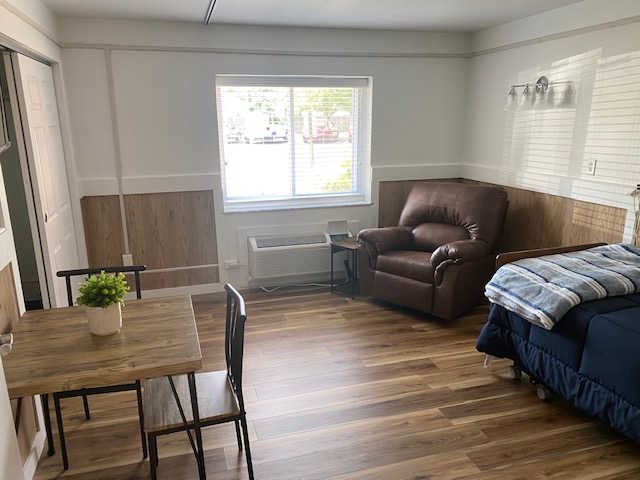
How is Palm Garden Of Mattoon Staffed?

CMS rates PALM GARDEN OF MATTOON's staffing level at 1 out of 5 stars, which is much below average compared to other nursing homes.

What Have Inspectors Found at Palm Garden Of Mattoon?

State health inspectors documented 86 deficiencies at PALM GARDEN OF MATTOON during 2023 to 2025. These included: 6 that caused actual resident harm, 78 with potential for harm, and 2 minor or isolated issues. Deficiencies causing actual harm indicate documented cases where residents experienced negative health consequences.
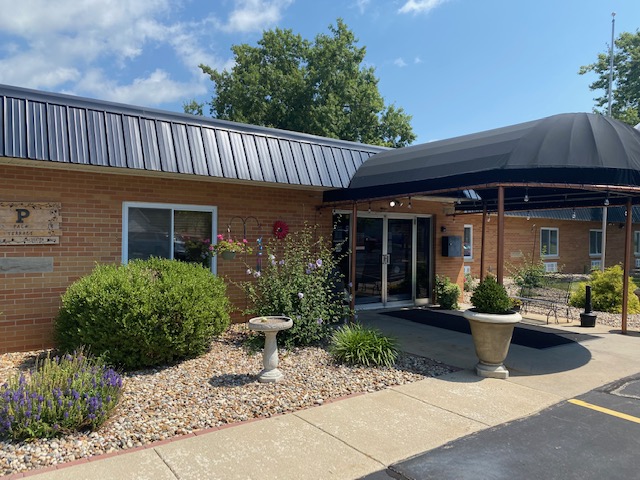
Who Owns and Operates Palm Garden Of Mattoon?

PALM GARDEN OF MATTOON is owned by a for-profit company. For-profit facilities operate as businesses with obligations to shareholders or private owners. The facility is operated by POINTE MANAGEMENT, a chain that manages multiple nursing homes. With 178 certified beds and approximately 86 residents (about 48% occupancy), it is a mid-sized facility located in MATTOON, Illinois.
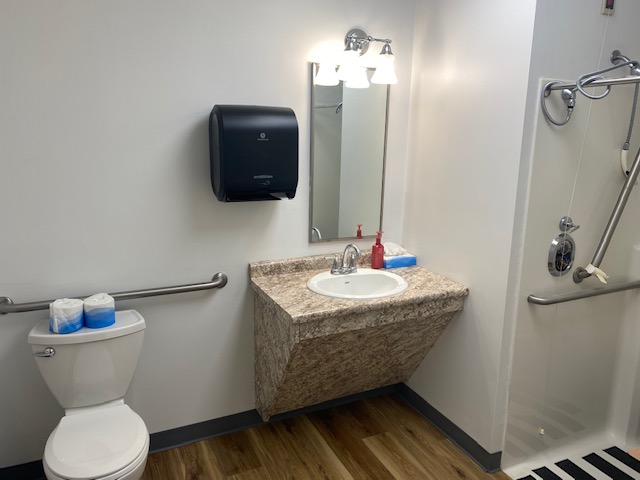
How Does Palm Garden Of Mattoon Compare to Other Illinois Nursing Homes?

Compared to the 100 nursing homes in Illinois, PALM GARDEN OF MATTOON's overall rating (1 stars) is below the state average of 2.5 and health inspection rating (1 stars) is much below the national benchmark.

What Should Families Ask When Visiting Palm Garden Of Mattoon?

Based on this facility's data, families visiting should ask: "What safeguards and monitoring systems are in place to protect residents from abuse or neglect?" "Can you walk me through typical staffing levels on day, evening, and night shifts?" "Can I visit during a mealtime to observe dining assistance and food quality?" "How do you handle medical emergencies, and what is your hospital transfer rate?" These questions are particularly relevant given the substantiated abuse finding on record and the below-average staffing rating.

Is Palm Garden Of Mattoon Safe?

Based on CMS inspection data, PALM GARDEN OF MATTOON has documented safety concerns. The facility has 1 substantiated abuse finding (meaning confirmed case of resident harm by staff or other residents). The facility has a 1-star overall rating and ranks #100 of 100 nursing homes in Illinois. Families considering this facility should ask detailed questions about what corrective actions have been taken since these incidents.

Do Nurses at Palm Garden Of Mattoon Stick Around?

PALM GARDEN OF MATTOON has not reported staff turnover data to CMS. Staff turnover matters because consistent caregivers learn residents' individual needs, medications, and preferences. When staff frequently change, this institutional knowledge is lost. Families should ask the facility directly about their staff retention rates and average employee tenure.

Was Palm Garden Of Mattoon Ever Fined?

PALM GARDEN OF MATTOON has been fined $108,770 across 2 penalty actions. This is 3.2x the Illinois average of $34,167. Fines at this level are uncommon and typically indicate a pattern of serious deficiencies, repeated violations, or failure to correct problems promptly. CMS reserves penalties of this magnitude for facilities that pose significant, documented risk to resident health or safety. Families should request specific documentation of what issues led to these fines and what systemic changes have been implemented.

Is Palm Garden Of Mattoon on Any Federal Watch List?

PALM GARDEN OF MATTOON is not on any federal watch list. The most significant is the Special Focus Facility (SFF) program, which identifies the bottom 1% of nursing homes nationally based on persistent, serious quality problems. Not being on this list means the facility has avoided the pattern of deficiencies that triggers enhanced federal oversight. This is a positive indicator, though families should still review the facility's inspection history directly.