APERION CARE MIDLOTHIAN
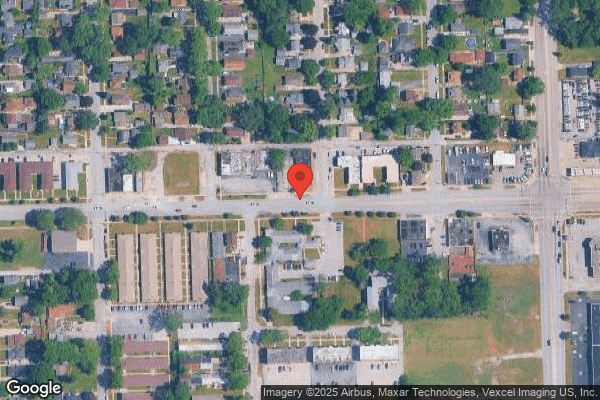
3249 WEST 147TH STREET, MIDLOTHIAN, IL 60445 (708) 389-3141
For profit - Corporation 91 Beds APERION CARE Data: November 2025
Trust Grade
53/100
#103 of 665 in IL
Last Inspection: September 2024

Within standard 12-15 month inspection cycle. Federal law requires annual inspections.

Overview

Aperion Care Midlothian has a Trust Grade of C, which means it is average and sits in the middle of the pack, indicating it is neither outstanding nor poor. It ranks #103 out of 665 nursing homes in Illinois, placing it in the top half, and #34 out of 201 in Cook County, suggesting there are only a few local facilities that perform better. Unfortunately, the facility's condition is worsening, with issues increasing from 5 in 2023 to 8 in 2024. Staffing is a concern here, earning a 2 out of 5 stars with a high turnover rate of 57%, which is above the state average. While the nursing home has more Registered Nurse coverage than many facilities, it still faced serious incidents, such as failing to perform necessary wound care for a resident, leading to a severe infection, and another instance where a resident with dementia was treated roughly by staff, raising concerns about resident safety and care quality. Overall, while there are strengths, such as decent RN coverage, the weaknesses, particularly in staffing and serious care lapses, warrant careful consideration.

Trust Score
C
53/100
In Illinois
#103/665
Top 15%
Safety Record
High Risk
Review needed
Inspections
Getting Worse
5 → 8 violations
Staff Stability
⚠ Watch
57% turnover. Above average. Higher turnover means staff may not know residents' routines.
Penalties
○ Average
$19,565 in fines. Higher than 68% of Illinois facilities. Some compliance issues.
Skilled Nurses
○ Average
Each resident gets 36 minutes of Registered Nurse (RN) attention daily — about average for Illinois. RNs are the most trained staff who monitor for health changes.
Violations
⚠ Watch
17 deficiencies on record. Higher than average. Multiple issues found across inspections.
★★★★☆
4.0
Overall Rating
★★☆☆☆
2.0
Staff Levels
★★★☆☆
3.0
Care Quality
★★★★☆
4.0
Inspection Score
Stable
2023: 5 issues
2024: 8 issues

The Good

  • Full Sprinkler Coverage · Fire safety systems throughout facility
  • No fines on record

Facility shows strength in fire safety.

The Bad

Staff Turnover: 57%

10pts above Illinois avg (46%)

Frequent staff changes - ask about care continuity

Federal Fines: $19,565

Below median ($33,413)

Minor penalties assessed

Chain: APERION CARE

Part of a multi-facility chain

Ask about local staffing decisions and management

Staff turnover is elevated (57%)

9 points above Illinois average of 48%

The Ugly 17 deficiencies on record

3 actual harm
Sept 2024 3 deficiencies
CONCERN (D)

Potential for Harm - no one hurt, but risky conditions existed

Deficiency F0583 (Tag F0583)

Could have caused harm · This affected 1 resident

Based on observation, interview and record review the facility failed to ensure privacy was maintained while obtaining a blood glucose monitor and administering an insulin injection for 1 of 1 residen...

Read full inspector narrative →
Based on observation, interview and record review the facility failed to ensure privacy was maintained while obtaining a blood glucose monitor and administering an insulin injection for 1 of 1 resident (R39) reviewed for privacy in a sample of 18. Findings include: On 9/5/2024 at 12:00 noon, V9(Licensed Practical Nurse-LPN) was observed with R39 obtaining a blood glucose and administering insulin, with the room door open to the hallway. On 9/5/2024 at 12:05 PM V9 said 'I should have pulled the curtain or closed the door to the hallway. On 9/5/2024 at 2:00 PM V2 (Director of Nursing-DON) said I expect all nurses to provide privacy when they are administering care to a resident. A medication review report indicates dated 9/5/2024 that indicates R39 has a diagnosis of Type 2 Diabetes Mellitus without complications. A medication order dated 5/17/2023 for insulin lispro sliding scale three times a day. Facility Policy: Residents rights 8/23/17 Purpose: To promote the exercise of rights for each resident, including any who face barriers (such as communication problems, hearing problems and cognition limits) in the exercise of these rights. A resident, even though determined to be incompetent, should be able to assert these rights based on his or her degree of capability. Guidelines: Notice of resident rights will be provided upon admission to the facility. These rights include the resident's rights to: Privacy and Confidentiality.
CONCERN (D)

Potential for Harm - no one hurt, but risky conditions existed

Assessment Accuracy (Tag F0641)

Could have caused harm · This affected 1 resident

**NOTE- TERMS IN BRACKETS HAVE BEEN EDITED TO PROTECT CONFIDENTIALITY** Based on interview and record review, the facility failed to document a significant change in condition for one (R85) of three h...

Read full inspector narrative →
**NOTE- TERMS IN BRACKETS HAVE BEEN EDITED TO PROTECT CONFIDENTIALITY** Based on interview and record review, the facility failed to document a significant change in condition for one (R85) of three hospice residents reviewed for significant change in condition in a sample of 18. Findings include: On [DATE] at 1:30 PM, R85 closed record on death was reviewed. No documentation was found in the nurses' notes regarding R85 change in condition. On [DATE] at 10:07 AM, V10 (Licensed Practical Nurse/LPN) said that she was the nurse taking care of R85 the night R85 expired. V10 said that she rounded on R85 about 11:10 PM, and that R85 was breathing. V10 said that when she made round on R85 about 12:30 AM, she realized that R85 was not breathing. V10 said that she called the hospice and the family. V10 said that she also notified the Director of Nursing, and the doctor on file. V10 said that the family arrived within 20 - 30 minutes. V10 said that the family told her that they also got notification from hospice. V10 said that she did not chart on R85 because her understanding is that when a resident is a hospice patient, the hospice manages their care, and chart in their hospice note. V10 that she only documented on the presumed death note. On [DATE] at 10:19 AM, V2 (Director of Nursing) said that she expects her staff to document on all the residents including hospice residents. R85, a [AGE] year-old female admitted on [DATE] with diagnosis not limited to encephalopathy, altered mental status, insomnia, and essential hypertension. R85 expired on [DATE] in the facility. The facility's Electronic Health Record policy reviewed/updated [DATE] documents, Purpose: To establish the means by which this facility (i) allows only authorized users make entries into electronic health records and identifies the date and author of every entry; (ii) safeguards the confidentiality of patients records; (iii) periodically monitors the use of identifies and takes corrective action when needed and (iv) provides access to electronic health records over the entire retention period. Documentation Guidelines: Entries made in the electronic health record shall be: Timely Accurate Relevant Complete
CONCERN (F)

Potential for Harm - no one hurt, but risky conditions existed

Food Safety (Tag F0812)

Could have caused harm · This affected most or all residents

Based on observation, interview, and record review the facility failed to ensure food was stored in a manner that will prevent foodborne illness to the residents. This deficiency has the potential to ...

Read full inspector narrative →
Based on observation, interview, and record review the facility failed to ensure food was stored in a manner that will prevent foodborne illness to the residents. This deficiency has the potential to affect 65 residents receiving food from the kitchen. Findings include: On 9/3/2024 at 10:45 AM during the initial tour, observed green salad in a transparent container about five quarts full, with a label of used by 9/2/2024. Salad container was stored in the refrigerator. On 9/3/2024 at 10:45AM V3 (Dietary Manager) said the salad should have been discarded since used by date is as of yesterday. V3 proceeded to remove the label. On 9/4/2024 at 12:40 PM V1 (Administrator) said food with an expired used by date should be discarded first thing in the morning of next day. The facility's On Tray: Week At a Glance Menu: On Tray Week 2 menu documents: Supper Menu: Tuesday Creamed Chicken over Biscuit, Side Salad/Dressing of Choice, Honey Bun Cake, Bread/Margarine, Milk/Beverage The facility's Food Storage (Dry, Refrigerated, and Frozen) policy and procedure undated, docuements Guideline: Food shall be stored on shelves in a clean, dry area free from contaminants. Food shall be stored at appropriate temperatures and using appropriate methods to ensure the highest level of food safety. Procedure: 1. General storage guidelines to be followed: a. All food items will be labeled. The label must include the name of the food and the date by which it should be sold, consumed, or discarded. c. Discard food that has passed the expiration date.
Apr 2024 1 deficiency 1 Harm
SERIOUS (G) 📢 Someone Reported This

A family member, employee, or ombudsman was alarmed enough to file a formal complaint

Actual Harm - a resident was hurt due to facility failures

Pressure Ulcer Prevention (Tag F0686)

A resident was harmed · This affected 1 resident

**NOTE- TERMS IN BRACKETS HAVE BEEN EDITED TO PROTECT CONFIDENTIALITY** Based on interview and record review, the facility failed to have a treatment order in place and failed to perform dressing chan...

Read full inspector narrative →
**NOTE- TERMS IN BRACKETS HAVE BEEN EDITED TO PROTECT CONFIDENTIALITY** Based on interview and record review, the facility failed to have a treatment order in place and failed to perform dressing changes to the sacral wound for seven days. This affected one of three residents (R1) reviewed for wound care in a total sample of six. This failure resulted in the sacral wound deteriorating by becoming larger in size, and R1 being diagnosed with osteomyelitis of the sacral wound after being hospitalized for an elevated white blood cell count indicating an infection. Findings Include: R1 is an [AGE] year old with the following diagnosis: adult failure to thrive, dementia, cerebral infarction, type 2 diabetes, stage 4 pressure ulcer of the sacral region, pressure induced deep tissue damage of the left and right heel, stage 3 pressure ulcer of the right upper back, and osteomyelitis of the sacral region. The admission Hospital Records dated 1/17/24 document R1 had a skin and wound consult for a DTI (deep tissue injury) to the right anterior ear that measured 3 cm x 1 cm, a DTI to the right clavicle that measures 0.5 cm x 1 cm, a DTI to the right chin that measured 0.5 cm x 1 cm, a DTI to the left heel that measured 3 cm x 4.7 cm, a DTI to the right heel that measured 3 cm x 5 cm, and a sacrococcyx stage 2 that was partial thickness skin loss that measured 4 cm x 0.5 cm x 0.1 cm. The admission Observation dated 1/17/24 documents R1 was admitted from the hospital with a pressure ulcer to the coccyx, right buttocks, abscess to the right ear, pressure injury to the right heel and left. A Nursing note dated 1/17/24 documents R1 arrived to the facility from the hospital. Skin issues were noted on the coccyx, right buttocks, right and left heel, right clavicle, and right ear. The physician and the DON were made aware of the admission. The Physician Order Sheet documents an order for an unstageable DTI to the sacrum was to be cleansed with wound cleanser, then apply alginate calcium, then cover with border once a day for wound care. This order was placed on 1/24/24. There is only an order for zinc barrier cream to be applied to the coccyx area once a day in the evening. The order for the zinc barrier cream was not started until 1/21/24. The Treatment Administration Record (TAR) dated 01/2024 documents there is no dressing change order for the sacral wound until 1/25/24. The zinc barrier application once daily was started on 1/21/24. A Lab Result note dated 2/10/24 documents a white blood cell count of 20.7 uL (4.5-11 uL), CRP of 126.2 mg/dL (normal is less than 0.3 mg/dL), and an ESR of 55 mm/hr (normal is 0-15 mm/hr). The physician was notified and ordered to send R1 to the hospital. The physician was unsure of the source of infection. R1 does have a sacral wound. The Hospital Records dated 2/11/24 document R1 presented to the hospital for abnormal labs. R1 was sent for an evaluation of an elevated white blood cell count of 21,000. R1 denied any symptoms. The chest x-ray was negative, the blood cultures had no growth, and the urinalysis was without a urinary tract infection. R1 was reporting pain in the back. R1 was noted with a stage 4 sacral ulcer with a foul odor. The increased white blood cells are likely secondary to the sacral wound/osteomyelitis. Wound care was consulted. An Infectious Disease note from the hospital dated 2/14/24 documents R1 had an infected sacral decubitus ulcer. Plan is to continue IV antibiotics monitor the white blood cell count. A General Surgery note from the hospital dated 2/14/24 documents the sacral ulcer is a stage 4 with undermining and extends to the bone. The sacral wound measures 5 cm x 3 cm. A General Surgery note from the hospital dated 2/19/24 documents R1 underwent a debridement of the sacral wound and a bone biopsy. R1 was noted to have a necrotic wound to the sacrum with that extended down to the bone. During the debridement, the physician was able to get down to the bone layer and the bone appeared to be infected with a necrotic coccyx that was loose as well as severely eroded. The area of debridement measured 11 cm x 10 cm. After being stabilized, R1 returned to the facility on 2/24/24. A Nursing note dated 2/24/24 documents R1 returned to the facility from the hospital. Wounds were observed on the right ear, right upper back, sacrum, and both heels. Infection Charting date 3/12/24 documents R1 is receiving three different kinds of IV antibiotics for a wound infection. A Nursing note dated 3/14/24 documents the nurse practitioner ordered R1 be sent out to the hospital for evaluation. R1 had increased respiratory rate of 22 (normal is 12-16) and is now wearing 1 L of oxygen nasal cannula. The oxygen saturation are 96%. Blood pressure slightly low at 95/53. The Death Certificate dated 3/20/24 documents the cause of death as pneumonia and osteomyelitis. On 4/12/24 at 2:03PM, V3 (Wound Nurse/Floor Nurse) stated R1 admitted to the facility with an open wound to the right ear, deep tissue injury to bilateral heels, and a wound to the sacrum. V3 was not able to recall the stage of the sacral wound upon admission. V3 was also unable to recall why R1 went to the hospital on 2/10/24. V3 reported osteomyelitis is an infection that starts in the wound and enters into the bone. V3 denied being aware of R1 having any signs or symptoms of infection in the sacral wound. V3 stated signs of infection would be increased drainage, foul odor, or a change to the drainage. V3 reported the physician should be notified immediately of changes to the wound. V3 stated the best way to prevent infection in a wound is to perform the dressing changes to keep the wound clean. On 4/12/24 at 3:09PM, V6 (Nurse) stated V6 admitted R1 to the facility and R1 had wounds to the ear, sacrum, and bilateral heels. V6 was not able to remember what the stage of the sacral wound was on admission but admitted the wound was an open wound. V6 reported that when a resident is admitted the physician must be called to see what orders are going to be continued form the hospital and if any new orders will be put in place. V6 was not able to recall what was ordered for the wound on the night of admission. V6 stated if an order was not put in place on the shift a resident was admitted then it should be put in place the next shift. V6 reported the importance of an order for dressing changes is to make sure the wound is being treated and assessed. V6 also admitted to being the nurse that sent R1 out to the hospital on 2/10/24. V6 stated R1 had an elevation of white blood cell count and the physician was concerned for an infection so R1 was sent to the hospital. V6 denied R1's sacral wound having any signs or symptoms of infection the day R1 went to the hospital. V6 reported signs and symptoms of infection are foul odor, increase in pain, and purulent drainage. V6 stated R1 was diagnosed at the hospital with a wound infection. On 4/12/24 at 3:29PM, V7 (Nurse) stated V7 was aware R1 had an infection to the wound but V7 was unaware of what kind. V7 reported signs of infection are changes in vital signs, changes in drainage of the wound, and foul odor. On 4/12/24 at 3:42PM, V2 (DON) stated R1 was admitted with bilateral heel DTIs and a sacral wound. V2 believed the sacral wound was a DTI as well because they were not able to see what was underneath the wound. V2 reported in 02/2024, R1 went out to the hospital for elevated white blood cell count and the facility was not able to identify a source of the infection. V2 denied R1 having any signs of symptoms of infection but stated the sacral wound ended up being the source of infection and was diagnosed with osteomyelitis. V2 reported once R1 returned from the hospital, R1's white blood cell count never returned to normal and remained elevated. V2 stated osteomyelitis is an infection of the bone that has migrate from another part of the body that had an infection. On 4/15/24 at 11:07AM, V9 (Wound Physician) stated R1 was admitted to the facility with the same wounds R1 was discharged from the facility with. V9 was unable to name all the wounds. V9 reported R1 was sent to the hospital in 02/2024 for elevated white blood cell count, CRP, and ESR along with a concern for osteomyelitis. V9 stated V9 was unable to remember the exact conversation but V2 reached out to V9 with concerns with the sacral wound so that prompted laboratory testing. V9 was unable to give a timeline on when a resident begins to show symptoms of osteomyelitis because every resident is different. V9 stated R1 developed necrotic tissue to the sacral wound and due to the necrotic tissue, they were unable to see if there was any infection underneath the wound. V9 denied being aware of R1 having any signs or symptoms of infection to the sacral wound. V9 reported this time of infection develops in the wound first and then moves to the bone. V9 stated if no dressing order is in place from the hospital then staff should reach out to V9 or another physician for an order. V9 denied being aware that no dressing changes were in place for one week for R1. V9 reported if dressing changes aren't being done then the wound could develop an infection due to not being clean. V9 stated zinc barrier cream is not a treatment for a wound because it will assists in keeping moisture off the skin but will not clean a wound. On 4/15/24 at 1:16PM, V2 stated the admitting nurse is responsible for getting orders from the physician once a resident is in the facility. V2 reported any care that is provided to a resident needs to have an order put into the computer system and agreed that all wound care and dressing changes requires an order. V2 stated the nurse is responsible for observing any changes to the skin and reporting them to the physician. V2 reported if a resident discharges from the hospital without any orders for wound care then the wound needs to be discussed with the physician so an order can be put in the computer. V2 stated an order for a dressing change needs to be put into place no later than 24 hours after the wound was found. V2 reported there is no reason a wound should not have any dressing change orders in place for one week. V2 stated an order needs to be put into place as soon as possible so care can be provided. V2 reported if no order was put in place then there is no way to guarantee dressing changes were being performed. V2 stated an infection can develop if the dressing changes are not done. V2 reported R1 having no order for the sacral wound should have been brought to V2's or the physician's attention sooner than one week. Per the National Pressure Injury Advisory Panel (https://npiap.com/general/custom.asp?page=PressureInjuryStages) the definition of a stage 2 pressure ulcer is, partial-thickness skin loss with exposed dermis Partial-thickness loss of skin with exposed dermis. The wound bed is viable, pink or red, moist, and may also present as an intact or ruptured serum-filled blister. Adipose (fat) is not visible and deeper tissues are not visible. Granulation tissue, slough and eschar are not present. This stage should not be used to describe moisture associated skin damage (MASD) including incontinence associated dermatitis (IAD), intertriginous dermatitis (ITD), medical adhesive related skin injury (MARSI), or traumatic wounds (skin tears, burns, abrasions). In conclusion, a stage 2 pressure ulcer is an open wound. The Wound Assessment Details Report dated 1/19/24 documents a wound to the coccyx that is a stage two that measures 4 cm x 5 cm x 0.2 cm. There are no signs of infection documented. The Wound Physician notes dated 1/23/24 documents R1 has an unstageable DTI to the sacrum that measures 8 cm x 5.1 cm x 0.1 cm. The wound is 70% granulation tissue and 30% skin. The plan is to apply calcium alginate once daily for 30 days. The Wound Assessment Details Report dated 1/25/24 documents a wound to the coccyx that is a stage two that measures 4 cm x 5 cm x 0.2 cm. This wound is considered stable at this time. It is documented that treatment in place. The Wound Assessment Details Report dated 1/30/24 documents a stage two to the coccyx that measures 8.3 cm x 6 cm x 0.1 cm. No signs of infection or documented. This wound is considered deteriorated due to an increase in size. The Wound Physician note dated 1/30/24 documents an unstageable DTI to the sacrum measures 8.3 cm x 6 cm x 0.1 cm. The wound is now 50% necrotic tissue, 30% granulation tissue, and 20% skin. The wound progress is documented as exacerbated due to nutritional compromise. The Wound Assessment Details Report dated 2/6/24 documents a wound to the coccyx that measures 10.5 cm x 7 cm by unknown. This is now classified as a stage four and was debrided on this day. The wound is considered deteriorating due to an increase in size. There are no signs of infection documented. The Wound Physician note dated 2/6/24 documents the stage four pressure wound to the sacrum measures 10.5 cm x 7.3 cm x 0.1 cm. The wound is 70% necrotic tissue, 10% granulation tissue, and 20% skin. The wound was debrided on this day to remove necrotic tissue and establish the margins of viable tissue. The wound is considered exacerbated due to generalized decline of the patient. There are no signs and symptoms of infection documented at this time. The Wound Physician note dated 2/27/24 documents the stage four to the sacrum measures 11.4 cm 9.2 cm x 3.7 cm. The necrotic tissue is 20%, the granulation tissue is 25%, and viable tissue (bone) is 55%. This wound is considered exacerbated due to the osteomyelitis with debridement in the OR. The Braden Observation 1/24/24 documents score of 17 indicating at risk for developing pressure ulcers due to being occasionally moist, chairbound, having slightly limited mobility, and a potential problem with friction and shearing. The Infection Charting dated 2/27/24 documents R1 has an infection to the sacral wound and is receiving two different kinds of IV antibiotics. The Care Plan that is not dated documents R1 has a potential for impairment to skin integrity related to impaired mobility and incontinence. R1 has a pressure ulcer on the coccyx/buttocks upon admission and bilateral DTIs on the heels that were present upon admission. An intervention documented is to treat per physician order. The policy titled, Pressure Ulcer Prevention, dated 1/15/18 documents, Purpose: To prevent and treat pressure sores/pressure injury. Guidelines: .2. Inspect the skin several times daily during bathing, hygiene, and repositioning measures. The policy titled, admission of Residents, that is not dated documents, .Procedure: .8. Conduct head to toe nursing assessment of body systems, parts, and surfaces, identifying functional status, abilities, needs, or problems. This is to be used as baseline for the plan of care and obtaining comprehensive physician orders. 14. Moisture barrier may be applied by CNA as needed to intact skin and may be kept at the bedside. The policy titled, Skin Condition Assessment and Monitoring - Pressure and Non-Pressure, dated 6/8/18 documents, Purpose: To establish guidelines for assessing, monitoring and documenting the presence of skin breakdown, pressure, injuries, and other non-pressure skin conditions and assuring interventions are implemented. Guidelines: . Each resident will be observed for skin breakdown daily during care and on the assigned bath day by the CNA. Changes shall be promptly reported to the charge nurse who will perform the detailed assessment .Caregivers are responsible for promptly notifying the charge nurse of skin breakdown .Wound Assessment/Measurement: .3 . Dressings will be checked daily for placement, clean list, and signs and symptoms of infection.
Mar 2024 1 deficiency 1 Harm
SERIOUS (G) 📢 Someone Reported This

A family member, employee, or ombudsman was alarmed enough to file a formal complaint

Actual Harm - a resident was hurt due to facility failures

Accident Prevention (Tag F0689)

A resident was harmed · This affected 1 resident

Deficiency Text Not Available

Read full inspector narrative →
Deficiency Text Not Available
Jan 2024 3 deficiencies 1 Harm
SERIOUS (G) 📢 Someone Reported This

A family member, employee, or ombudsman was alarmed enough to file a formal complaint

Actual Harm - a resident was hurt due to facility failures

Free from Abuse/Neglect (Tag F0600)

A resident was harmed · This affected 1 resident

**NOTE- TERMS IN BRACKETS HAVE BEEN EDITED TO PROTECT CONFIDENTIALITY** Based on interview and record review the facility failed to prevent and protect a resident with a diagnosis of dementia from phy...

Read full inspector narrative →
**NOTE- TERMS IN BRACKETS HAVE BEEN EDITED TO PROTECT CONFIDENTIALITY** Based on interview and record review the facility failed to prevent and protect a resident with a diagnosis of dementia from physical and verbal abuse by facility staff. This affected one of three residents (R2) reviewed for abuse. This failure resulted in R2 being yanked and tugged by V4 (certified nursing aide) and V4 telling R2, I'm not doing this with you, you're getting on my f****** nerves. Using the reasonable person concept may have resulted in R2 being fearful and displaying anxiety around facility staff. Findings include: R2 was admitted to the facility on [DATE] with a diagnosis of metabolic encephalopathy, pneumonia, atrial fibrillation, shock, difficulty walking, dysphagia, anemia, unspecified dementia without behavioral disturbances, delirium, restlessness and agitation. R2's brief interview for mental status documents a score of 0 which indicates resident is never/rarely understood. On 1/9/24 at 12:08 PM, V9 (CNA) said she was assisting R2 back to her room from the dining room with V8 (CNA) and V4 (CNA). R2 has dementia and did not want to get out of the chair. V4 said to R2 No, you're going to bed. V9 said, V4 (CNA) began to forcefully yank R2's clothing off. V9 said V4 told R2, I'm not doing this with you, you're getting on my f****** nerves! V9 said V4 (CNA) was treating R2, like a ragdoll. V9 said V4 transferred R2 in the bed by giving her a bear hug and flung her on the bed. On 1/9/24 at 11:49 AM, V8 (Certified nursing assistant, CNA) said R2 was refusing and yelling and pushing at V4 (CNA). V8 said R2 told V4, You are not going to do me like that. V8 said V4 stopped for a minute to collect herself but then continued to take off R2's shirt as R2 was resisting. V8 said V4 was pulling and tugging on R2. V8 said V4 (CNA) picked R2 up by grabbing R2's upper arms and threw R2 into the bed. R2 was still refusing when V4 provided incontinence care. V8 said it was abusive and if that was her family member, she would not want them treated in that way. On 1/9/24 at 1:28 PM, R3 (R2's roommate) who was alert and oriented at time of interview said one staff (V4) will say things to R2 like, Oh my God and You're the hardest one I have to put to bed. R2 is always telling her to Wait a minute. R3 said V4 is the only staff that seems to have a problem with R2. R3 said no other staff have that problem when they are in the room with R2. R3 said V4 moves too fast and does not have patience with R2. Facility reportable undated documents: V9 (CNA) was asked to explain what she had witnessed on 1/5/24. V9 stated she witnessed V4 transfer R2 in the bed. V9 began to describe how the R2 was being handled by V4, stating that V4 placed her arms around R2 almost forcefully to put R2 in the bed. V9 was asked if she could come for further interview for her statement. V9 agreed, but resigned later that day. Facility abuse prevention and reporting policy dated 11/28/16 documents: The facility affirms the right of residents to be free from abuse, neglect, exploitation, misappropriation of property, deprivation of goods and services by staff or mistreatment. This facility prohibits abuse, neglect, exploitation, misappropriation of property and mistreatment of residents. Abuse means any physical or mental injury inflicted in a resident other than by accidental means. Abuse is the willful infliction of injury, intimidation or punishment with resulting pain harm or mental anguish to the resident. Physical abuse is the infliction of injury that occurs other than by accidental means and requires medical attention. physical abuse includes hitting, slapping and controlling behavior through corporal punishment. Verbal abuse may be considered to be a type of mental abuse. Examples include but not limited to: mocking, insulting, ridiculing, yelling or hovering over a resident with the intent to intimidate.
CONCERN (D) 📢 Someone Reported This

A family member, employee, or ombudsman was alarmed enough to file a formal complaint

Potential for Harm - no one hurt, but risky conditions existed

Deficiency F0602 (Tag F0602)

Could have caused harm · This affected 1 resident

**NOTE- TERMS IN BRACKETS HAVE BEEN EDITED TO PROTECT CONFIDENTIALITY** Based on interview and record review, the facility failed to follow their abuse policy by taking a resident's personal food item...

Read full inspector narrative →
**NOTE- TERMS IN BRACKETS HAVE BEEN EDITED TO PROTECT CONFIDENTIALITY** Based on interview and record review, the facility failed to follow their abuse policy by taking a resident's personal food item and sharing with other resident without the resident's consent. This affected one of three (R1) residents reviewed for misappropriation of property. Findings include: R1 was admitted to the facility on [DATE] with a diagnosis of multiple sclerosis, type II diabetes, muscle wasting, neuromuscular dysfunction of bladder, neurogenic bowel, bipolar disorder, and depressive disorder. R1's Minimum Data Set, dated [DATE] documents a brief interview for mental status score of 15/15 which indicates cognitively intact. On 1/5/24 at 1:00PM, R1 who was alert and oriented at time of interview said he was out at an appointment when his friend dropped off items for him. R1 said when he got to his room V7 (CNA) brought in two bags. One bag had tacos and other bag had shoes. There was nothing else in the bags. R1 talked to V13 (R1's friend) later to thank him for the items and learned he never received cookies, popcorn, and chips. V1 (Administrator) spoke to R1 with V7 who said items were never in the bags and denied getting the items. V7 was terminated. R1 was furious with the situation and said staff should not be taking his things. R1 said he will share pizza and other items with other residents but denies every giving V7 permission to share the items. R1 said he never even knew he received them, so how could he share them. R1's police report dated 10/13/23 documents the following: R1 requesting a theft report. V13 (R1's friend) dropped off food and personal items for R1 on 10/6/23. R1 was not at the facility when items were dropped off. Upon R1 returning R1 called V13 and thanked him for the items. That is when R1 discovered he never received popcorn, chips, and homemade cookies. V13 notified V1 of situation and they will be investigating the problem. Facility replaced bag of chips. After reviewing video footage V1 discovered a staff member (V7 CNA) took the items. V7 ate the popcorn at the start of the following shift she worked. The video showed she passed out the cookies to other residents. When V1 (Administrator) talked to R1 about it on day of complaint, V7 had claimed it wasn't me. V1 had purchased popcorn and cookies to make R1 less angry about incident, but he is still upset. V1 said, V7's employment with facility will be terminated due to her action. R1's facility reportable dated 10/11/23 documents under summary of witnesses/video surveillance: After reviewing video surveillance of the day, the following was able to be viewed: V3 (receptionist) can be seen receiving two bags from V13 (R1 friend). V3 gave the bags to V7 (CNA). V7 can be seen taking the bags towards R1's room and taking something out of the bag and placing it on the linen cart. V7 can be seen later exiting the resident room with two bags placing one bag in the trash can and other on top of the cart. V7 can be seen taking cookies out of the bag and entering resident's room. V7 can be seen taking an item from the linen cart and placing the item in the bag on top of the linen cart. V7 can be seen placing a bag inside the linen cart and later, the next shift, retrieving that same bag and going to the nursing station with it. V7 observed eating at nursing station and giving same bag to another resident. Under summary of interview with R1, dated 10/20/23: R1 was asked if he gave V7 permission to share cookies. R1 said he never knew he had cookies or popcorn before he spoke to V13 (R1's friend). R1 is alert and oriented x three. Under interview with residents: R9 said he received popcorn from V7. Under interviews with staff: during the initial contact 10/11/23 with R1 by V1 (Administrator) V7 was in the room. V7 was asked if she received items and she replied yes. V7 said she fed R1 tacos and placed shoes and chips in the nightstand. V7 went on to say, That was all in the bags and I did not see any popcorn or cookies in the bag. On 10/20/23, V7 said R1 gave her the cookies and popcorn to share with the other residents and did not initially report it because she did not want R1 to get upset. V7 said she does not have a good repour with R1 and he is always mean. Under summary of findings: After interviewing V7, she indicated she did not give R1 the popcorn, it was left at the facility for him. V7 continued to deny ever receiving popcorn in the bags. V7 can be seen giving another resident a brown bag with popcorn. After concluding the investigation, due to resident history of sharing snacks with coresidents, it cannot be determined if R1 asked staff to share items by residents. V13's statement undated documents: I am writing this letter to report theft of R1's food items. I arrived at facility at 4:30 on 10/6/23 to drop off items for R1. R1 was not available, and items were left with V3 (receptionist). V13 said he followed up with R1 on 10/10/23 and R1 thanked V13 for the tacos and shoes. V13 asked, what about the popcorn, chips, and cookies. R1 said he never received those items. Facility abuse prevention and reporting policy dated 11/28/16 documents: The facility affirms the right of residents to be free from abuse, neglect, exploitation, misappropriation of property, deprivation of goods and services by staff or mistreatment. This facility prohibits abuse, neglect, exploitation, misappropriation of property and mistreatment of residents. Misappropriation of property means the deliberate misplacement, exploitation or wrongful temporary or permanent use of the resident's belongings or money without the resident's consent.
CONCERN (D) 📢 Someone Reported This

A family member, employee, or ombudsman was alarmed enough to file a formal complaint

Potential for Harm - no one hurt, but risky conditions existed

Report Alleged Abuse (Tag F0609)

Could have caused harm · This affected 1 resident

Based on interview and record review, the facility failed to follow their abuse policy by not immediately reporting an allegation of abuse for one resident (R2) for one of ten residents reviewed for a...

Read full inspector narrative →
Based on interview and record review, the facility failed to follow their abuse policy by not immediately reporting an allegation of abuse for one resident (R2) for one of ten residents reviewed for abuse. Findings include: On 1/10/24 at 2:33PM, V1 (Administrator) said she did not have or receive any allegations of abuse prior to surveyor reporting abuse. V1 said, Staff should immediately report any allegation of abuse to me immediately. Staff are given my card upon hire with my cell number to call if any concerns. Staff are trained on abuse upon hire, every 6 months and as needed. V1 said she has had two new hires, V8 (Certified nursing assistant, CNA) and V9 (CNA) for the month of January and they have had abuse reviewed with them during orientation. Facility reportable dated 1/9/24 documents: Surveyor reports that during investigation that someone alleged physical abuse toward R2 by V4 (CNA). On 1/9/24 at 12:08PM, V9 (CNA) said V9 did not feel comfortable telling on staff about incident on 1/5/24 because V4 has been working there for so long. V9 said abuse should be reported to V1(Administrator). On 1/9/24 at 11:49AM, V8 (Certified nursing assistant, CNA) was asked why she did not report the incident immediately to supervisor on 1/5/24. V8 said she did not want to get in trouble because V4 had worked at the facility a long time. V8 said she did not want to seem like she was snitching on staff. V8 said she received training on abuse in her paperwork she received. Facility reportable undated documents: V9 (CNA) was asked if she witness anything inappropriate with care standards. V9 stated, yes. V9 stated she did not report since she is a new employee and thought she would report it incorrectly. V9 was asked if she received abuse training upon hiring, V9 stated, yes, from the administrator. Facility abuse prevention and reporting policy dated 11/28/16 documents: Employees are required to report any incident, allegation or suspicion of potential abuse, neglect, exploitation, mistreatment or misappropriation of resident property they observe, hear about or suspect to the administrator immediately or to an immediate supervisor who must then immediately report it to the administrator.
Aug 2023 5 deficiencies
CONCERN (D)

Potential for Harm - no one hurt, but risky conditions existed

Deficiency F0657 (Tag F0657)

Could have caused harm · This affected 1 resident

**NOTE- TERMS IN BRACKETS HAVE BEEN EDITED TO PROTECT CONFIDENTIALITY** Based on observation, interview and record review the facility failed to review and updated resident's care plan after fall and ...

Read full inspector narrative →
**NOTE- TERMS IN BRACKETS HAVE BEEN EDITED TO PROTECT CONFIDENTIALITY** Based on observation, interview and record review the facility failed to review and updated resident's care plan after fall and elopement incidents. This deficiency affects two ( R10 and R67) of three residents in the sample of 22 reviewed for Comprehensive care plan. Findings include: On 8/15/23 at 9:20am, Observed R10 propelling himself on wheelchair. R10 said that he has tremors due to his Parkinson's disease. On 8/16/23 at 11:32am V3 Restorative Nurse said that she is the Fall Coordinator and does the fall investigation with V2 DON. V3 said that the floor nurse will do the fall incident report and fall assessment after each fall. V3 said that her and V2 DON will do the fall investigation/root cause analysis. The fall incident is reviewed by IDT( Interdisciplinary team) and formulate new intervention after each fall incident to prevent fall re-occurrence. Review R67's medical records with V3. R67 is admitted on [DATE] with diagnosis listed but not limited to Parkinson's disease, Difficulty in walking, Lack of coordination, Abnormality of gait and mobility, Unsteadiness on feet, Weakness, Intervertebral disc degeneration lumbar region. admission fall assessment done indicated he is at high risk for fall. Review R67's fall incidents for 2023 with V3 indicated: 1) 2/5/23- witnessed fall in his room; 2)2/15/23- unwitnessed fall in the hallway; 3) 2/18/23- unwitnessed fall in his room; 4) 4/12/23- unwitnessed fall in his room; 5) 4/17/23- witnessed fall in his room; 6) 4/19/23- staff assisted/lowered to floor in his room; 7) 5/9/23- unwitnessed fall in his room; 8) 6/15/23- unwitnessed fall in is room; 9) 7/16/23- unwitnessed fall in his room. V3 said that R67 has currently 9 fall incidents. Review all fall incidents and care plan updates with V3. Informed V3 that fall incidents occurred on 4/19/23 and 6/15/23 does not have updated fall care plan intervention. On 8/17/23 at 11:13am, Review R67's medical record with V30 Care plan Coordinator. R67 is admitted on [DATE] with diagnosis listed in part but not limited to Major Depression, Dementia, Schizophrenia. R67's care plan indicated that he is at risk for elopement. R67's elopement incident dated 7/2/23 indicated: Resident was unable to be located in the building at 5:00pm for dinner. Code pink (resident elopement) called. Staff searched throughout the facility. Unable to locate resident. Notified administrator and police. Notified sister. When resident returned, ordered was obtained to send resident to hospital for further evaluation. Resident was located around 147th and kedzie. No injuries observed at time of incident. V30 said that elopement care plan is updated when the resident return to the facility. R67 was sent out to the hospital on 7/2/23 after an elopement incident and returned to hospital on 7/10/23. Review R67's elopement care plan with V30. R67's care plan is not updated until 8/15/23 when surveyor asked for copy of the care plan. V30 said that it was updated by V31 Corporate Nurse. V30 said that R67's elopement care plan should be updated when he returned to the facility on 7/10/23. Facility's policy on Comprehensive care plan indicates: Purpose: To develop a comprehensive care plan that directs the care team and incorporates the resident's goals, preferences and services that are to be furnished to attain or maintain the resident's highest practicable physical mental and psychosocial well-being. Guidelines: * The care plan should be revised on an ongoing basis to reflect changes in the resident and the care plan the resident is receiving. Facility's policy on Fall prevention Program indicates: Purpose: To assure the safety of all residents in the facility ,when possible. The program will include measures which determine the individual needs of each resident by assessing the risk of falls and implementation of appropriate interventions to provide necessary supervision and assistive devices are utilized as necessary. Quality assurance program will monitor the program to assure ongoing effectiveness. Guidelines: *Care plan incorporated: -Interventions are changed with each fall, as appropriate Facility's policy on Code pink-Missing resident/Elopement indicates: Guidelines: 4. Upon return of the resident to the facility, the DON or charge nurse should: Complete a new elopement risk assessment and update plan of care as appropriate.
CONCERN (D) 📢 Someone Reported This

A family member, employee, or ombudsman was alarmed enough to file a formal complaint

Potential for Harm - no one hurt, but risky conditions existed

Accident Prevention (Tag F0689)

Could have caused harm · This affected 1 resident

**NOTE- TERMS IN BRACKETS HAVE BEEN EDITED TO PROTECT CONFIDENTIALITY** On 8/17/2023 a care plan with R52 diagnosis indicates that R52 has a history of falling, cognitive social or emotional deficit f...

Read full inspector narrative →
**NOTE- TERMS IN BRACKETS HAVE BEEN EDITED TO PROTECT CONFIDENTIALITY** On 8/17/2023 a care plan with R52 diagnosis indicates that R52 has a history of falling, cognitive social or emotional deficit following a cerebrovascular disease, hemiplegia and hemiparesis following cerebral infarction affecting right dominant side, nicotine dependence, cigarettes, lack of coordination. A smoking safety risk assessment dated [DATE] indicates that R52 has a score of 4 the recommendation and outcome indicate that R52 requires supervision only (no assistance) with smoking and R52 is not able to store smoking materials. A fall incident log dated December 2022 indicates R52 had a fall on 12/2/2022 with no injury, 12/5/2022 no injury, 12/16/2022 no injury. A January 2023 incident log indicates R52 fell 1/8/2023 does not indicate an injury or not. A March 2023 incident log indicates R52 had a fall on 3/4/2023 with an injury to the head resulting in a hospital visit, on 3/23/2023 R52 had four falls with no injury, 3/25/2023 a fall no injury. An April 2023 incident log indicates R52 had a fall on 4/22/2023 with the incident type of B-behavior resulting in R52 being transported to the local emergency room hospital for an unwitnessed fall on the smoking patio. A progress note dated 4/22/2023 that R52 had an unwitnessed fall resulting in R52 being sent out to the emergency room hospital the symptoms had been deemed unable to determine. A care-plan dated on 4/22/2023 with an intervention of 2 persons with 1 person smoking monitor for closer supervision. A May 2023 fall on 5/23/2023 fall no injury. A June 2023 incident fall with no injury. A Resident smokers list dated 8/1/2023 indicates R52 is in a Behavior Group Smokes together and uses a smoking apron. On 8/18/2023 at 9:30am V32 (Behavioral Aide) said R52 is a high risk for falls and have a child like mind, he was at the end of the bench in his wheelchair during smoking break, V32 light R52 cigarette and then started lighting the other residents' cigarettes and V32 heard a noise and looked at the end of the bench and R52 was on the ground. V32 said R52 was moved to a smaller group because he needed closer monitoring it was about 10-12 residents in the smoking group at the time R52 fell he was not having a behavior issue at that time of smoking. Based on observation, interview and record review the facility failed to implement its policy on fall prevention and risk for elopement management by failure to provide adequate supervision and monitoring to residents who are at high risk for falls and at high-risk elopement . This deficiency affects all three (R10 , R52 and R67) residents in the sample of 22 reviewed for Resident Safety. Findings include: R67 is admitted on [DATE] with diagnosis listed in part but not limited to Major Depression, Dementia, Schizophrenia. R67's care plan indicated that he is at risk for elopement. R67 is included in the list of residents who are at risk for elopement and on safety checks monitoring every 30 minutes. On 8/15/23 at 8:55am, Observed R67 lying in bed. He admitted that he eloped from the facility last month but would not like to talk about it. On 8/15/23 at 11:05am, V11 Former Employee said that she was suspended for not monitoring and documenting safety monitoring checks every 30 minutes to R67. V11 said that she did not have time to document and supervise because of short of staff on 7/2/23. She said that she has to take care of 24 residents by herself. She said that they have more than 40 residents in the 1st unit and there were only 2 CNAs instead of 3 to 4 CNAs on 7-3 shift. She said that last time she saw R67 was around 1:30 after lunch. She said that R67 usually goes to smoking area after lunch. V11 said that she was told that per surveillance camera R67 left the building via 2nd unit smoking area patio door at 1:36pm. R67 is on monitoring for high risk for elopement every 30 minutes. V11 said that V21 Dietary aide discovered R67 is missing during dinner time around 5:00pm. On 8/15/23 at 10:00am, V1 Administrator said that they discovered R67 missing on 7/2/23 around 3:30pm. R67 usually has his smoking scheduled at 2:30pm. Staff noticed that he did came back from smoking around 3:30pm. The surveillance camera indicated that he left the building from 2nd unit smoking patio before 2:00pm. She said that V17 LPN called her, V2 DON, and Police officer. V1 said on her way to the facility she saw R67 at sitting at the bus station by around 147th and Kedzie. V1 said she called and approached him, but he walked away. V1 said she called police for assistance. The police officer able to convince R67 to get in the police care and transported back to the facility. V1 said R67 was assessed by V17 LPN and no injury was observed. R67 was sent out to the hospital with petition for psych evaluation and was admitted . V1 cannot recall the time that R67 returned to the facility and was sent out to the hospital. Informed V1 that R67's incident report documented by V2 DON indicated that R67 was unable to be located in the building at 5:00pm for dinner and R67's progress notes documented by V17 LPN indicated that R67 was sent to the hospital and was picked up by ambulance at 9:30pm. V1 denied documentation of V2 DON and V17 LPN. V1 said that she does not have written narrative report of investigation done but presented actual elopement procedure checklist dated 7/2/23 at 5:00pm, Quality assurance meeting minutes not dated, and invoice from vendor who repair the disarmed door dated 7/5/23. On 8/16/23 at 10:36am, V10 [NAME] said that she worked double shift on 7/2/23. V10 said that V21 Dietary Aide noticed around 5:00 to 5:30pm that R67 was not in the dining room for dinner. V10 said that V21 went to R67's room but unable to locate. V21 brought his tray to V17 LPN and informed that R67 was not in the dining room and in his room. V10 said that she left the facility around 8pm. V10 heard that the staff able to locate R67 and brought back to the facility. On 8/16/23 at 11:02am, V15 LPN said that R67 is at high risk for elopement. R67 had history of attempted to leave the facility twice, last year and recently on 7/2/23. R67 is on safety monitoring checks every 30 minutes. V15 said that she worked on 7//2/23 at 1st unit on 7-3 shift, but she has to leave early around 2:10pm. She endorsed the 1st unit to V22 RN, the nurse assigned to 2nd unit and gave the keys. V15 said that the last time she saw R67 was around 1:30pm after lunch. R67 usually goes to 2nd unit smoking patio to smoke after lunch. On 8/16/23 at 11:21am, V17 LPN said that he worked on 7/2/23 at 3-11 shift and was the assigned nurse for R67. Review with V17 his documentation on R67's progress notes late entry effective date 7/2/23 8:30pm indicated: When writer was aware that resident made an unauthorized exit from the facility, a police report was initiated. 2 police officers came into the facility and a report was made. Within 20 minutes after the police officers left, resident was spotted by the officers and was brought back to the facility. When this writer called the psych doctor to inform him of the unauthorized exit made by the resident, the psych doctor gave an order to petition resident to the hospital whenever he found and brought back to the facility. Complete body assessment done; no injuries noted. Write called hospital emergency room and gave them report. Ambulance called and was given an estimated time of arrival of 60 minutes. 2 ambulance staffs came at 9:30am and resident left on a stretcher to the hospital. V17 LPN said that he received endorsement from V15 LPN (7-3 shift) and made his rounds. V17 said that he noticed that R67 is not in his room, not in the dining room or in smoking area. V17 said that he announced for code pink (resident elopement) at 3:30pm. Informed V17 that surveyor had interviewed with V15 LPN and said that she left early on 7/2/23 at 2:10pm. Then V17 changed his statement that he got the keys from V22 RN from 2nd unit and did not receive any report. On 8/16/23 at 1:54pm, V2 DON said that she did the unauthorized leave/elopement incident report on 7/2/23. Review R67's incident report dated 7/2/23 at 6:06pm indicated: Resident was unable to be located in the building at 5:00pm for dinner. Code pink (resident elopement) called. Staff searched throughout the facility. Unable to locate resident. Notified administrator and police. Notified sister. When resident returned, ordered was obtained to send resident to hospital for further evaluation. Resident was located on Kedzie and 147th street. No injuries observed at time of incident. Agencies/people notified: V23 Psychiatrist notified at 5:27pm, V23 Primary Care Physician notified at 8:32pm, V1 Administrator notified at 5:10pm, V25 local police notified at 5:32pm and V2 DON notified at 5:05pm. V2 DON said that the elopement investigation/root cause analysis is done by V1 Administrator and herself. V2 said that the incident report is usually discussed with IDT team (Administrator, DON, Restorative Nurse, Social Service and Care plan Coordinator) and formulated new intervention to prevent elopement re-occurrence. V2 said that V30 Care plan coordinator will update the elopement care plan after elopement re-occurrence and when R67 returned from the hospital. Surveyor asked V2 DON who will update the elopement risk assessment. V2 said that she cannot answer and has to review the policy. On 8/16/23 at 2:00pm, Review with V2 DON the elopement procedure /actual elopement form for R67 indicated: Date- 7/2/23 Time 5:00pm. V2 said that R67 able to get out from the from the 2nd unit smoking patio because the door was disarmed after the power outage in the building a day before the incident happened. The door was not reset after the power outage. Review R67's safety checks every 30 minutes documentation on 7/2/23. V2 said that V11 Former Employee who worked with R67 did not document safety checks monitoring during her shift from 7am to 3:00pm on 7/2/23. V2 said that V26 CNA (worked on 3-11 shift) documented safety checks monitoring done to R67 from 3:00pm to 8:00pm. V2 said that when resident is on safety check monitoring, she expected the staff to physically monitor the resident and document as well. V2 said suspended V11 Former employee for not monitoring and documenting safety check for R67 and reprimanded V26 CNA for documenting task not was not performed. R67 was discovered missing around dinner time, 5pm. V2 is aware that there are only 1 nurse who left at 2:10pm and 2 CNA assigned on 1st unit. Review V26 CNA 's notice of corrective action dated 7/6/23 indicated: the above employee failed to do initial rounds at the beginning of the shift . On 8/17/23 at 10:19am, V2 DON said that Risk for elopement assessment is done upon admission, quarterly, annually, significant change and after each elopement incident. The care plan should be updated after each elopement incident. Informed V2 that R67's elopement risk assessment was completed on 7/18/23 by V18 Medical Record. R67's elopement care plan was not updated when R67 returned from the facility on 7/10/23 after hospitalization following elopement incident. R67's elopement care plan is only updated by V31 Corporate nurse on 8/15/23 when surveyor ask for copy of the care plan. On 8/17/23 at 10:30am, Review 2nd unit smoking patio door repair invoice with V1 Administrator dated 7/5/23 indicated: Description- Troubleshoot power loss at mag-locks. Found transformer unplugged in the med closet. V1 said the housekeeping trying to reset the alarm patio door forgot to plug back the transformer. On 8/17/23 at 11:13am, V30 Care plan coordinator said that elopement care plan is updated when the resident return to the facility. R67 was sent out to the hospital on 7/2/23 after an elopement incident and returned to hospital on 7/10/23. Review R67's elopement care plan with V30. R67's care plan is not updated until 8/15/23 when asked for copy of the care plan. V30 said that it was updated by V31 Corporate Nurse. On 8/15/23 at 9:20am, Observed R10 propels himself on wheelchair. R10 said that he has tremors due to his Parkinson's disease. On 8/16/23 at 11:32am V3 Restorative Nurse said that she is the Fall Coordinator and does the fall investigation with V2 DON. V3 said that the floor nurse will do the fall incident report and fall assessment after each fall. V3 said that her and V2 DON will do the fall investigation/root cause analysis. The fall incident is reviewed by IDT and formulate new intervention after each fall incident to prevent fall re-occurrence. Review R67's medical records with V3. R10 is admitted on [DATE] with diagnosis listed but not limited to Parkinson's disease, Difficulty in walking, Lack of coordination, Abnormality of gait and mobility, Unsteadiness on feet, Weakness, Intervertebral disc degeneration lumbar region. admission fall assessment done indicated he is at high risk for fall. Review R10's fall incidents for 2023 with V3 indicated: 1) 2/5/23- witnessed fall in his room; 2) 2/15/23- unwitnessed fall in the hallway; 3) 2/18/23- unwitnessed fall in his room; 4) 4/12/23- unwitnessed fall in his room; 5) 4/17/23- witnessed fall in his room; 6) 4/19/23- staff assisted/lowered to floor in his room; 7)5/9/23- unwitnessed fall in his room; 8) 6/15/23- unwitnessed fall in is room; 9) 7/16/23- unwitnessed fall in his room. V3 said that R10 has currently 9 fall incidents. Review all fall incidents and care plan updates with V3. Informed V3 that fall incidents occurred on 4/19/23 and 6/15/23 does not have updated fall care plan intervention. Review 7/16/23 fall investigation/root cause analysis presented by V3. Informed V3 that the fall investigation care plan intervention did not mirror the updated care plan intervention. V3 documented on fall investigation dated 7/16/23 indicated that R67 did not use call light for assistance from staff. R67 should be up in the dining room for all meals and activities for closer supervision. Medication regimen review by pharmacist and orient to call light system. R10's care plan intervention written for 7/16/23 indicated only medication regimen review by pharmacist. Facility's policy on Code pink- Missing Resident/Elopement indicated: Guidelines: 1. All personnel are responsible for reporting a cognitively resident attempting to leave the premises or suspected of missing, to the charge nurse as soon as practical. This includes any resident that did not sign out on pass or did not notify a staff member of his or her leaving. 3. Should an employee discover that a resident is missing from the facility, he or she should: g) The Administrator and Director of Nursing (DON) will evaluate the situation and develop a plan action based on the individual resident. The following steps should occur: 7. Complete incident report and notify state agency according to the reporting guidelines. 8. Complete appropriate notations in the medical record 4. Upon return of the resident to the facility, the Director of Nursing or Charge Nurse should: 7) Complete the incident report, indicating, when resident returned and condition of resident 10) Complete a new elopement risk assessment and update plan of care as appropriate. Facility's policy on Incident and Accidents- Illinois Policy: The incident/accident report is completed for all unexplained bruises or abrasions, all accidents, or incidents where there is injury potential to result injury, allegations or theft and abuse registered by residents, visitors or other, and resident to resident altercations. Procedure: 1. An incident or accident report is to be completed by RN or LPN and is to include: a. Date and time of an incident /accident b. Full written statement and possible cause of incident, physical assessment, injuries noted, vital signs, treatment rendered and notification of appropriate parties. 5. All incident/accident reports are reviewed, signed, and investigated by: a. Administrator and b. DON or ADON Facility's policy on Fall prevention Program indicates: Purpose: To assure the safety of all residents in the facility, when possible. The program will include measures which determine the individual needs of each resident by assessing the risk of falls and implementation of appropriate interventions to provide necessary supervision and assistive devices are utilized as necessary. Quality assurance program will monitor the program to assure ongoing effectiveness. Guidelines: *Care plan incorporated: -Interventions are changed with each fall, as appropriate Standards: * Safety interventions will be implemented for each resident identified at risk. *The admitting nurse and assigned CNA are responsible for initiating safety precautions at the time of admission. All assigned nursing personnel are responsible for ensuring ongoing precautions are put in place and in consistently maintained. *Accident/incident reports involving falls will be reviewed by the IDT team to ensure appropriate care and services were provided and determined possible safety interventions.
CONCERN (D) 📢 Someone Reported This

A family member, employee, or ombudsman was alarmed enough to file a formal complaint

Potential for Harm - no one hurt, but risky conditions existed

Deficiency F0725 (Tag F0725)

Could have caused harm · This affected 1 resident

Based on interview and record review the facility failed to provide sufficient nursing staff to monitor and supervise resident who is at risk for elopement resulted resident leaving the facility unsup...

Read full inspector narrative →
Based on interview and record review the facility failed to provide sufficient nursing staff to monitor and supervise resident who is at risk for elopement resulted resident leaving the facility unsupervised. This deficiency affects one (R67) of three residents reviewed for Sufficient Nursing staff. Findings include: On 8/15/23 at 11:05am, V11 Former Employee said that she was suspended for not monitoring and documenting safety monitoring checks every 30 minutes to R67 due to short of staff on 7/2/23. V11 said that she has to take care of 24 residents by herself. V11 said that they have more than 40 residents in the 2nd unit and there were only 2 CNAs instead of 3 to 4 CNAs on 7-3 shift. V11 said that last time she saw R67 was around 1:30 after lunch. V11 said that R67 usually goes to smoking area after lunch. V11 said that she that per surveillance camera R67 left the building via 2nd unit smoking area patio door at 1:36pm. R67 is on monitoring for high risk for elopement every 30 minutes. On 8/16/23 at 11:02am, V15 LPN said that R67 is at high risk for elopement. R67 had history of attempted to leave the facility twice, last year and recently on 7/2/23. R67 is on safety monitoring checks every 30 minutes. V15 said that she worked on 7//2/23 at 1st unit on 7-3 shift, but she has to leave early around 2:10pm. She endorsed the 1st unit to V22 RN, the nurse assigned to 2nd unit and gave the keys. V15 said that the last time she saw R67 was around 1:30pm after lunch. R67 usually goes to 2nd unit smoking patio to smoke after lunch. On 8/16/23 at 1:54pm, V2 DON said that she did the unauthorized leave/elopement incident report on 7/2/23. Review R67's incident report dated 7/2/23 at 6:06pm indicated: Resident was unable to be located in the building at 5:00pm for dinner. Code pink (resident elopement) called. Staff searched throughout the facility. Unable to locate resident. Notified administrator and police. Notified sister. When resident returned, ordered was obtained to send resident to hospital for further evaluation. Resident was located on Kedzie and 147th street. No injuries observed at time of incident. V2 said that she is aware that there are only 1 nurse who left at 2:10pm and 2 CNA assigned on 1st unit. On 8/16/23 at 11:21am, V17 LPN said that he worked on 7/2/23 at 3-11 shift and was the assigned nurse for R67. Review with V17 his documentation on R67's progress notes late entry effective date 7/2/23 8:30pm indicated: When writer was aware that resident made an unauthorized exit from the facility, a police report was initiated. 2 police officers came into the facility and a report was made. Within 20 minutes after the police officers left, resident was spotted by the officers and was brought back to the facility. When this writer called the psych doctor to inform him of the unauthorized exit made by the resident, the psych doctor gave an order to petition resident to the hospital whenever he found and brought back to the facility. Complete body assessment done; no injuries noted. Write called hospital emergency room and gave them report. Ambulance called and was given an estimated time of arrival of 60 minutes. 2 ambulance staffs came at 9:30am and resident left on a stretcher to the hospital. V17 said that R67 was admitted at the hospital. On 8/17/23 at 1:19pm, V2 DON said that on 7/2/23 the facility census was 82. Review 24-hour staffing schedule on 7/2/23. V2 said that on 7-3 shift there were 1 nurse and 2 CNAs on 1st unit and 1 nurse and 2 CNAs on 2nd unit. V2 said that ideally, they should have 1 nurse and 4 CNAs on 1st unit for both 7-3 and 3-11 shift ;1 nurse and 2-3 CNAs for 2nd unit for 7-3 and 3-11 shift, 1 nurse and 2 CNAs for 11-7 shift on both units. V2 said that they don't use agency nurses or CNAs. The nurses and CNAs work overtime if needed. V2 said that they don't have policy on adequate/sufficient staffing, they based their staffing on acuity and census of the residents. Facility unable to provide policy on Sufficient Staffing.
CONCERN (D)

Potential for Harm - no one hurt, but risky conditions existed

Deficiency F0740 (Tag F0740)

Could have caused harm · This affected 1 resident

**NOTE- TERMS IN BRACKETS HAVE BEEN EDITED TO PROTECT CONFIDENTIALITY** Based on observation, interview and record review the facility failed to follow physician order and implement care plan interven...

Read full inspector narrative →
**NOTE- TERMS IN BRACKETS HAVE BEEN EDITED TO PROTECT CONFIDENTIALITY** Based on observation, interview and record review the facility failed to follow physician order and implement care plan intervention of individual psychotherapy to residents who has diagnosis of psychiatric diagnosis. This deficiency affects all three (R4, R10 and R67) residents in the sample of 22 reviewed for Behavioral Health Services. Findings include: Random rounds made to all three residents (R4, R10 and R67) and did not observe participating in individual or group therapy. Review List of residents for psychotherapy from MPAC health care given by V1 Administrator. All three residents are not listed for the psychotherapy program. R4 is admitted on [DATE] with diagnosis listed in part but not limited to Depression disorders, Dementia, Schizophrenia, Anxiety disorder, Psychotic disorder with delusion due to known physiological condition. Physician order sheet indicated: May attend group or 1:1 psychological service. Care plan indicated: He has been diagnosed with psychiatric diagnosis and may benefit from individual therapy. He will be participating in weekly sessions with MPAC. R10 is admitted on [DATE] with diagnosis listed in part but not limited to Schizophrenia, Depression. Care plan indicated: He has been diagnosed with psychiatric diagnosis and may benefit from individual therapy. He will be participating in weekly session with MPAC. R67 is admitted on [DATE] with diagnosis listed in part but not limited to Major Depressive disorder, Dementia, Schizophrenia. Physician order sheet indicated: May receive psychological/group to reduce psych symptoms. Care plan indicated: He has been diagnosed with psychiatric diagnosis and may benefit from individual therapy. He will be participating in weekly session with MPAC. Review R4, R10 and R67's medical records and unable to found documentation of psychotherapy from MPAC. On 8/17/23 at 10:30am Informed V1 Administrator and V2 DON of unable to locate all three residents' documentation of psychotherapy services from MPAC as indicated in their physician order and care plan. Both said that it was not done. No psychotherapy services were provided. On 8/17/23 at 1:13pm Informed V2 DON of unable to locate all three residents' documentation of psychotherapy services from MPAC as indicated in their physician order and care plan. Both said that it was not done. No psychotherapy services were provided. On 8/18/23 at 12:18pm, V5 Social Service director (SSD) said that she does not know the complete name of the psychotherapy services that they utilize. She does not know what MPAC stands for. Informed of the above concerns to V5. She said that it may possibly contributed of short staff in psychotherapy services. V5 said that initially there are 2 psychotherapist who comes to the building but now only 1 therapist. Asked V2 DON for the MPAC meaning, but she does not know either. V5 said that she will call the psychotherapy services. On 8/18/23 at 12:34pm V5 SSD said that MPAC stands for Midwest Post Acute Healthcare. Facility's policy on Behavioral Health Services (previously Behavior Management Program) indicates: Purpose: To establish a system for identifying behaviors and implementing appropriate interventions consistent with the individualized plan of care and to ensure that each resident receive appropriate treatment and services to attain the highest practicable mental and psychosocial well-being. Services: *Individual, group, and family psychotherapy.
CONCERN (D)

Potential for Harm - no one hurt, but risky conditions existed

Infection Control (Tag F0880)

Could have caused harm · This affected 1 resident

Based on observation, interview and record review the facility failed to implement infection control protocol by failure to wear gloves when emptying urinal and removing gloves and perform handwashing...

Read full inspector narrative →
Based on observation, interview and record review the facility failed to implement infection control protocol by failure to wear gloves when emptying urinal and removing gloves and perform handwashing after emptying urinal. This deficiency affects two (R16 and R72) of three residents in the sample of 22 reviewed for Infection control. Findings include: On 8/15/23 at 7:46am, Observed V4 Activity Director wearing gloves holding disinfecting spray bottle and transparent garbage bag went resident's room to room in 2nd unit. V4 observed went to R16's room. V4 came out holding uncovered urinal with urine without gloves and going the men's bathroom. V4 said that she will dispose the urine in the bathroom. Surveyor asked if she should wear gloves when disposing urine. V4 said that she forgot to wear gloves, she said that should be wearing gloves when emptying urine from urinal. On 8/15/23 at 7:48am, Observed V9 CNA came out from R72's room wearing gloves on holding uncovered urinal with urine and went to the men's bathroom. From the bathroom she went back to R72's room to put back the urinal and came out to the room walking in the hallway with the same gloves. V9 said that she forgot to remove her gloves and wash her hands. On 8/15/23 at 7:53am, Informed V2 DON (Director of Nursing) of above observation. V3 said that staff should not be wearing gloves in the hallway. The staff should be removing their glove when coming out from the resident rooms. Staff should be wearing gloves when emptying urinal. Hand washing should be performed after removing gloves. Facility's policy on Hand hygiene/Hand washing indicates: Definition: Hand hygiene means cleaning your hands by using either hand washing (washing hands with soap and water), antiseptic hand wash or antiseptic hand rub ( i.e. alcohol-based hand sanitizer including foam or gel) Guidelines: Examples of when to perform hand hygiene ( either alcohol based hand sanitizer or handwashing) *After contact with blood , body fluids or excretions, mucous membranes, non-intact skin or wound dressings. Facility's policy on giving and removing urinal indicates: Purpose: To assist the resident with urinary elimination Procedure: 3, Wear gloves if resident is unable to place own urinal 10. Cover urinal to take to soiled utility room or empty in resident's toilet 11. Cleanse urinal and return to bedside unit. 12. Wash hands
Jun 2022 4 deficiencies
CONCERN (D)

Potential for Harm - no one hurt, but risky conditions existed

Pressure Ulcer Prevention (Tag F0686)

Could have caused harm · This affected 1 resident

**NOTE- TERMS IN BRACKETS HAVE BEEN EDITED TO PROTECT CONFIDENTIALITY** Based on observation, interview, and record review, the facility failed to prevent a resident from developing a pressure ulcer, ...

Read full inspector narrative →
**NOTE- TERMS IN BRACKETS HAVE BEEN EDITED TO PROTECT CONFIDENTIALITY** Based on observation, interview, and record review, the facility failed to prevent a resident from developing a pressure ulcer, who was admitted to the facility without pressure ulcers. This failure applied to one (R66) out of three residents reviewed for pressure ulcers. Findings include: R66 is a [AGE] year-old male who was admitted to the facility 5/4/22 with diagnoses that include: Parkinson's disease, Chronic Myeloid Leukemia, and abnormal posture. R66 requires extensive two-person assistance with bed mobility and transfers and requires extensive one person assistance with toileting. R66 is frequently incontinent of bowel and bladder (5/12/22). R66 is alert and oriented with a BIMS score of 15 which was last assessed on 5/11/22. Skin and Wound evaluation dated 5/5/22 noted that R66 was admitted with an abrasion to the right buttock measuring 7.7cm Length, 6.6cm width with light exudate. Interventions included Incontinence management, mattress with pump, turning and repositioning program, moisture barrier and moisture control. R66 was seen by wound care MD 5/9/22 and the buttocks was assessed to have Moisture associated skin dermatitis measuring 2.8cm in length and 2.3cm width. On 5/16/22, Nursing assessed the wound having measurements of 3.9cm length and 0.8cm width. On 5/23/22 the right buttock was assessed as a Stage II Pressure wound measuring 2.0cm length and 0.9cm width with no depth noted. On 5/31/22 Wound assessment measured 2.7cm length and 1.8cm width. On 6/6/22 wound measured 3.1cm length and 0.5cm width. On 6/13/22 wound measured 4.8cm length, 2.7cm width and 0.2cm depth, Staged as II pressure ulcer. Photos of the wound reviewed for weekly change in status. On 6/15/22 at 9:00AM V2 Director of Nursing was observed while providing wound care to R66. R66 presented pleasant, alert and oriented, dressed and lying on an air mattress positioned on his back with head of bed elevated. After turning with the help of V2 and a V3 Restorative Aid, a dressing was removed with brown, yellow drainage. V2 said, the wound is in between his buttock cheeks which gets wet often because of incontinence. It is a pressure area. It started as a skin tear and has gotten bigger. R66 is more susceptible to skin breakdown because he needs help to reposition. Incontinence and timely turning are likely contributing to the wound getting worse. The surrounding skin is reddened, and the wound is not superficial. There is some drainage but no signs of infection. R66 can use the urinal but sometimes gets wet. During this observation R66 said, sometimes the wound is painful, but it isn't right now. When I need to use the urinal or have a bowel movement, I use the call light. Sometimes it takes a long time for staff to come answer it and I can't hold it. V3 Restorative Aid said, it has been challenging to meet the needs of the residents because we have been short staffed. We do the best that we can as a team, but sometimes it takes longer to answer the lights or round on the residents who need incontinence care. On 6/16/22 at 1:35PM V19 Wound MD said, I come to the facility and follow up weekly. The wound on the buttock of R66 is on the coccyx area which is a pressure related area. R66 is currently being treated with medical honey, which is used as an anti-infectant, anti-inflammatory and debriding agent. Care plan for skin care initiated 5/04/22 and updated 5/30/22 reviewed. Care plan for incontinence care initiated 5/4/22 and updated 5/5/22 reviewed. Physician Order Sheets reviewed. On 5/30/22 Order from V19 noted to apply barrier cream with zinc to buttocks. On 6/14/22, R66 received a wound care order to cleanse the buttock with wound cleanser, then apply medicated ointment and bordered gauze. Facility policy titled skin condition assessment and monitoring- pressure and non-pressure reviewed. Facility Policy titled Pressure Ulcer Prevention reviewed which states in part; Purpose: to prevent and treat pressure sores/pressure injury. 1. Maintain clean/dry skin during daily hygiene measures. 5. Turn dependent resident approximately ever two hours or as needed and position resident with pillow or pads protecting bony prominences as indicated.
CONCERN (D)

Potential for Harm - no one hurt, but risky conditions existed

Infection Control (Tag F0880)

Could have caused harm · This affected 1 resident

**NOTE- TERMS IN BRACKETS HAVE BEEN EDITED TO PROTECT CONFIDENTIALITY** Based on observation, interview, and record review, the facility failed to follow their infection control protocol by allowing a...

Read full inspector narrative →
**NOTE- TERMS IN BRACKETS HAVE BEEN EDITED TO PROTECT CONFIDENTIALITY** Based on observation, interview, and record review, the facility failed to follow their infection control protocol by allowing a newly admitted resident (considered to be a Person Under Investigation) to share a room with a healthy resident. This failure applied to two (R60 and R282) of 79 residents reviewed for infection control. Findings include: On 06/13/2022 at 10:00 AM V1 (administrator) provided a current facility census of 79 residents. R60 is a [AGE] year-old female admitted to the facility on [DATE] with diagnosis including but not limited to Type Two Diabetes Mellitus, Schizoaffective Disorder, Hyperlipidemia, and Delusional Disorder. According to MDS (Minimum Data Set) dated 05/09/2022 under section C, R60 has BIMS (Brief Interview of Mental Status) score of 15 indicating intact cognition. On 06/13/2022 at 10:51 AM Surveyor observed R60 and R282 cohorting in the same room. The sign on the door indicated that both residents are on contact/droplet isolation precautions. No Personal Protective Equipment noted within immediate area. On 06/13/2022 at 10:53 AM Record review showed no transmission-based precaution order for R60's and R282's in electronic medical record. On 06/13/2022 at 10:55 AM Surveyor interviewed R282 regarding her transmission-based precautions, R282 stated, I am on isolation because I just came to this place (long term care facility), the nurse told me that I will be on isolation for two weeks even though I tested negative for Covid-19. On 06/13/2022 at 11:00 AM Surveyor interviewed R60 regarding her transmission-based precautions, R60 stated, I shouldn't be on any isolation precautions, I'm on quarantine because my roommate (R282) is. On 06/13/2022 at 12:20 PM Surveyor interviewed V7 (License Practical Nurse) regarding R282 and R60 sharing the same room, V7 stated, R282 is fully vaccinated for Covid-19 but did not receive her booster; therefore, she has to be on two-week quarantine as per admission protocol. Her roommate (R60) is also on quarantine because R282 was admitted to a double room. I'm not sure why that decision made, but I do find it odd that a resident considered to be a Person Under Investigation would be admitted to a room occupied by healthy resident. On 06/15/2022 at 2:15 PM Surveyor interviewed V2 (Director of Nursing/Infection Preventionist), surveyor asked about R60's and R282's quarantine circumstances, V2 stated, R282 was placed under observation for signs and symptoms of Covid-19. Per facility's infection control guidelines R282 was placed on two-week quarantine. R282 was not considered fully vaccinated at the time of admission as she was missing a booster; therefore, she was categorized in the yellow zone and should have been placed in a single room. V2 indicated that R60 had no indication for isolation precautions at the time of R282's admission. On 06/15/2022 1:00 PM Record review indicated that R282 was vaccinated for Covid-19 first dose on 05/05/2021 and Covid-19 second dose on 09/01/2021, no booster at this time. Per facility policy, R282 is not considered fully vaccinated. Infection Control - Interim Covid-19 policy dated 03/05/2020 reads in part, In general, all new admissions and readmissions who are not up to date with Covid-19 vaccinations should be placed in a 10-day quarantine. Up to date with vaccines means a person has received all recommended Covid-19 vaccines, including any booster doses when eligible. Cohorting of new admissions/readmissions in yellow zone: single room is preferred. Personal Protective Equipment in Yellow Zone should be worn during direct care, including eye protection, N95 respirator, gloves, and gown.
CONCERN (F)

Potential for Harm - no one hurt, but risky conditions existed

Deficiency F0725 (Tag F0725)

Could have caused harm · This affected most or all residents

Based on observation, interview, and record review, the facility failed to provide sufficient nursing staff to meet residents care needs. This failure applied to two (R59 and R66) of two residents rev...

Read full inspector narrative →
Based on observation, interview, and record review, the facility failed to provide sufficient nursing staff to meet residents care needs. This failure applied to two (R59 and R66) of two residents reviewed for staffing and has the potential to affect all 79 residents currently residing in the facility. Findings include: On 06/13/2022 at 11:05am, Resident # 59 said, the CNAs do as much as they can and more than they have to. They work short all the time. It will be one CNA working the floor by the self and on the second shift it will be just one CNA working both sides. They can't do the things that need to be done. The staff is pretty much overworked they are very short staff here. I sometimes have to wait up to an hour and a half for someone to come help me because the there is only one CNA and she has to take care of other residents so I try to be patient but it is very frustrating. On 06/13/2022 11:32am, V4 CNA said, we have two CNAs today; it's always two, we need more help .today I have 16-18 residents. I try to do the best I can some of the residents are used to their regular aids. Most of the time I'm trying to complete my assignment and don't get to the charting. On 06/13/2022 at 11:36am, V3 Restorative CNA said, Yes I'm working the floor today because someone called off so the pulled me to the floor to work a set I work the floor at least 4 days a week. They hired a new Restorative aid but she called off today because they wanted her to work the floor. We try to get to the residents in a timely manner; we do the best we can. I'm scheduled to work a double today because they are short this evening. On 06/14/2022 12:30pm, review of the facility assessment shows that the facility should have five CNAs on the day shift , five CNAs on the evening shift, and 4 CNAs on the night shift. On 06/13/20222 surveyor observed on the day shift that only one CNA was working Unit one and one restorative aid; and there was one CNA working on Unit 2. Record review of the facility daily sign in sheets noted on 06/04/2022 day shift noted one CNA on unit one and 2 CNAs on unit 2 Evening shift noted one CNA on unit one and two CNAs on unit 2. On 06/5/2022 Day shift noted to have two CNAs sign in for unit one and two. On 06/06/2022 Day shift noted to have one CNA on unit 1 and two CNAs on unit two. On the evening shift noted to have one CNA on unit 1 and two CNAs on unit two. On 06/08/2022 day shift noted one CNA working unit one and two CNAs working unit two. On the evening shift noted one CNA noted working unit one and two CNAs for unit two. On 06/14/2022 12:30pm Observation of a document title Aperion Care Midlothian Assessment tool, on page 12 states: The facility should have 5 CNAs on the day shift , 5 CNAs on the evening shift and 4 CNAs on the night shift. On page 13 3.3 states: Individual staff assignments will be based on the individual resident needs , preferences and acuity of care provided, and will be re-evaluated and adjusted accordingly to meet these needs.
CONCERN (F)

Potential for Harm - no one hurt, but risky conditions existed

Food Safety (Tag F0812)

Could have caused harm · This affected most or all residents

**NOTE- TERMS IN BRACKETS HAVE BEEN EDITED TO PROTECT CONFIDENTIALITY** Based on observation, interview, and record review, the facility failed to 1.) maintain a supply of emergency food and water and...

Read full inspector narrative →
**NOTE- TERMS IN BRACKETS HAVE BEEN EDITED TO PROTECT CONFIDENTIALITY** Based on observation, interview, and record review, the facility failed to 1.) maintain a supply of emergency food and water and 2.) failed to keep floors in the dietary area clean and free from standing water. This failure has the potential to affect all 79 residents who receive dining services from the facility kitchen. Findings include: On 06/13/22 at 11:10AM with V12 Dietary Manager, Surveyor observed the Dish room where dishes were washed and stored. V12 said, there is a strong odor in this room. There are floor tiles missing underneath the rubber matt which is why the floor is unleveled. Water gets on the floor from washing and then when the floor is cleaned. They mop over the top of the floor mats. We would have to ask the Maintenance department to pull the water out of the floor. It is not sanitary for the water to stay in the tiles because it can splash on the dishes. On 6/15/22 at 12:36 PM, V9 Maintenance Assistant was observed removing the rubber matts from the dish room floor. Dark brown standing water was found within the missing tile spaces which were covered with black and brown spots. At 12: 54PM V1 Administrator said, the Dietary Manager should schedule that the floors in the dining service areas are cleaned daily. If they are cleaning as scheduled I would say that there shouldn't be any standing water or strong smells coming from the floor. Facility policy titled Cleaning Instructions: Floors- states in part; Floors will be kept clean and sanitary, washed daily or as needed. F.) allow the floor to air dry. 6. Floor mats will be removed from the kitchen, taken outside, and scrubbed with hot water and sanitizing solution. On 6/13/22 at 11:20AM, while reviewing dietary services for emergency food storage, V12 Dietary Manager presented that the emergency food was stored outside of the facility in a garage adjacent to the building. The garage structure was observed to have many windows, some of which were open, and the door windows had been removed and covered with wood. Inside, V12 pointed out that the Emergency cart was against the south wall of the garage and inaccessible. V12 said I can't get to it to see exactly what is on the cart because there is too much equipment in the way. I can't say when the last time I checked it. I don't have a system in place to check the emergency food items. It should be okay because they are non-perishable items. Emergency water should be out here too but we don't have any. I don't know if the garage is temperature controlled but it is really hot in here right now. On 6/15/22 at 12:47 PM V9 Maintenance Assistant was asked to check the temperature in the garage where the emergency food was still being stored. V9 said, I don't have a thermometer to take the air temperature. I don't take temperatures to be honest. At 2:58 PM V11 Dietary Consultant said, the facility should have at minimum a 3-7 day emergency amount of food on hand. It should be accessible, in a temperature controlled environment and should not be expired. At 3:20PM, V9 said, I got an infrared thermometer from the administrator. I was able to move the food cart from the wall to the front of the garage by the door. Surveyor observed V9 take temperature in the garage. V9 said, it is 100.5 degrees Fahrenheit currently. At 3:25PM, V12 Dietary Manager said, this emergency food was last shipped 3/26/2020. I have not checked it. Surveyor observed 1 box of toasted oats with expiration date 3/23/21; opened box of cornflakes expired 2/26/21, 6 jars of peanut butter expired 5/21/21; 6 cans of tuna expired 8/24/22; 6 cans of sausage gravy with rust- no expiration date noted; 6 cans of chicken expired 2/26/22; 6 cans of chili that had no expiration and 6 cans of corned beef hash in dented can with no expiration date. At 3:30PM V12 said, I will have to order an emergency food supply and we have to find a new place for it. Food should not be out here in the winter or the summer. Facility policy dated Resource: Emergency Supply Checklist: states in part; The dining Services Department will maintain a sufficient supply of food and water for residents and staff for a minimum of three day with seven days recommended. A sufficient supply of the following items shall be kept on hand at all times: One week supply of food on regular inventory, canned meat, dry milk, dry cereal, canned fruit, canned pureed foods, canned vegetables, instant tea and coffee, instant starch and three-day supply of potable water or more. Facility Policy for food storage and labeling states in part; 4.) Dry storage guidelines to be followed: a. Keep storerooms cool and dry. The optimal temperature of the storeroom should remain between 50- and 70-degrees Fahrenheit. B. make sure storerooms are well ventilated. D. keep [NAME] food out of sunlight. E. check packages for insect or rodent damage; discard damaged can. F. dented cans are set aside in a separate labeled area of the storeroom to avoid using them and discarded according to vendor procedure.
Understanding Severity Codes (click to expand)
Life-Threatening (Immediate Jeopardy)
J - Isolated K - Pattern L - Widespread
Actual Harm
G - Isolated H - Pattern I - Widespread
Potential for Harm
D - Isolated E - Pattern F - Widespread
No Harm (Minor)
A - Isolated B - Pattern C - Widespread

Questions to Ask on Your Visit

  • "Why is there high staff turnover? How do you retain staff?"
  • "Can I speak with families of current residents?"
  • "What's your RN coverage like on weekends and overnight?"

Our Honest Assessment

Strengths
  • • Licensed and certified facility. Meets minimum state requirements.
Concerns
  • • Multiple safety concerns identified: 3 harm violation(s). Review inspection reports carefully.
  • • 17 deficiencies on record, including 3 serious (caused harm) violations. Ask about corrective actions taken.
  • • $19,565 in fines. Above average for Illinois. Some compliance problems on record.
  • • Grade C (53/100). Below average facility with significant concerns.
Bottom line: Mixed indicators with Trust Score of 53/100. Visit in person and ask pointed questions.

About This Facility

What is Aperion Care Midlothian's CMS Rating?

CMS assigns APERION CARE MIDLOTHIAN an overall rating of 4 out of 5 stars, which is considered above average nationally. Within Illinois, this rating places the facility higher than 99% of the state's 100 nursing homes. This rating reflects solid performance across the metrics CMS uses to evaluate nursing home quality.

How is Aperion Care Midlothian Staffed?

CMS rates APERION CARE MIDLOTHIAN's staffing level at 2 out of 5 stars, which is below average compared to other nursing homes. Staff turnover is 57%, which is 10 percentage points above the Illinois average of 46%. High turnover can affect care consistency as new staff learn residents' individual needs.

What Have Inspectors Found at Aperion Care Midlothian?

State health inspectors documented 17 deficiencies at APERION CARE MIDLOTHIAN during 2022 to 2024. These included: 3 that caused actual resident harm and 14 with potential for harm. Deficiencies causing actual harm indicate documented cases where residents experienced negative health consequences.

Who Owns and Operates Aperion Care Midlothian?

APERION CARE MIDLOTHIAN is owned by a for-profit company. For-profit facilities operate as businesses with obligations to shareholders or private owners. The facility is operated by APERION CARE, a chain that manages multiple nursing homes. With 91 certified beds and approximately 85 residents (about 93% occupancy), it is a smaller facility located in MIDLOTHIAN, Illinois.

How Does Aperion Care Midlothian Compare to Other Illinois Nursing Homes?

Compared to the 100 nursing homes in Illinois, APERION CARE MIDLOTHIAN's overall rating (4 stars) is above the state average of 2.5, staff turnover (57%) is significantly higher than the state average of 46%, and health inspection rating (4 stars) is above the national benchmark.

What Should Families Ask When Visiting Aperion Care Midlothian?

Based on this facility's data, families visiting should ask: "How do you ensure continuity of care given staff turnover, and what is your staff retention strategy?" "Can you walk me through typical staffing levels on day, evening, and night shifts?" "Can I visit during a mealtime to observe dining assistance and food quality?" "How do you handle medical emergencies, and what is your hospital transfer rate?" These questions are particularly relevant given the facility's high staff turnover rate and the below-average staffing rating.

Is Aperion Care Midlothian Safe?

Based on CMS inspection data, APERION CARE MIDLOTHIAN has a clean safety record: no substantiated abuse findings (meaning no confirmed cases of resident harm), no Immediate Jeopardy citations (the most serious violation level indicating risk of serious injury or death), and is not on the Special Focus Facility watch list (a federal program monitoring the lowest-performing 1% of nursing homes). The facility has a 4-star overall rating and ranks #1 of 100 nursing homes in Illinois. While no facility is perfect, families should still ask about staff-to-resident ratios and recent inspection results during their visit.

Do Nurses at Aperion Care Midlothian Stick Around?

Staff turnover at APERION CARE MIDLOTHIAN is high. At 57%, the facility is 10 percentage points above the Illinois average of 46%. High turnover means new staff may not know residents' individual needs, medications, or preferences. It can also be disorienting for residents, especially those with dementia who rely on familiar faces. Families should ask: What is causing the turnover? What retention programs are in place? How do you ensure care continuity during staff transitions?

Was Aperion Care Midlothian Ever Fined?

APERION CARE MIDLOTHIAN has been fined $19,565 across 1 penalty action. This is below the Illinois average of $33,275. While any fine indicates a compliance issue, fines under $50,000 are relatively common and typically reflect isolated problems that were subsequently corrected. Families should ask what specific issues led to these fines and confirm they've been resolved.

Is Aperion Care Midlothian on Any Federal Watch List?

APERION CARE MIDLOTHIAN is not on any federal watch list. The most significant is the Special Focus Facility (SFF) program, which identifies the bottom 1% of nursing homes nationally based on persistent, serious quality problems. Not being on this list means the facility has avoided the pattern of deficiencies that triggers enhanced federal oversight. This is a positive indicator, though families should still review the facility's inspection history directly.