ARCADIA CARE MORRIS

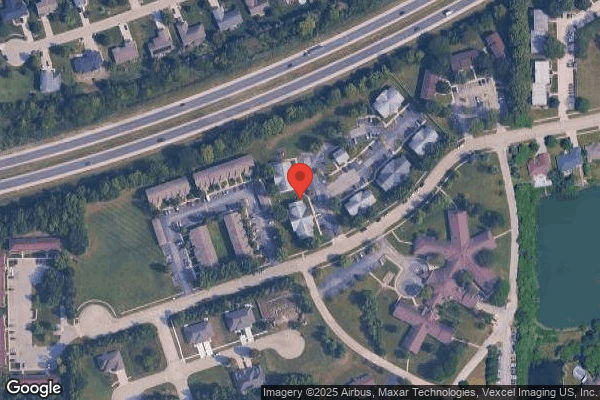
1095 TWILIGHT DRIVE, MORRIS, IL 60450 (815) 942-5108
For profit - Limited Liability company 123 Beds ARCADIA CARE Data: November 2025
Trust Grade
15/100
#215 of 665 in IL
Last Inspection: October 2024

Within standard 12-15 month inspection cycle. Federal law requires annual inspections.

Overview

Arcadia Care Morris has received a Trust Grade of F, which indicates significant concerns about the quality of care provided. Ranked #215 out of 665 facilities in Illinois, they sit in the top half, but their county rank of #1 out of 2 suggests they are the best option in Grundy County, though still not recommended. The facility is improving, with reported issues decreasing from 10 in 2024 to just 2 in 2025. Staffing is a weakness, rated at 2 out of 5 stars, with a turnover rate of 39%, which is better than the state average but still raises concerns about staff stability. However, there have been serious incidents, including a resident developing a pressure injury that was not properly monitored and addressed, another resident expressing dissatisfaction with the food and losing weight as a result, and a failure to implement fall prevention measures that led to a serious injury. Overall, while there are some strengths in their rankings and trends, families should be aware of the significant weaknesses and incidents reported at this facility.

Trust Score
F
15/100
In Illinois
#215/665
Top 32%
Safety Record
High Risk
Review needed
Inspections
Getting Better
10 → 2 violations
Staff Stability
○ Average
39% turnover. Near Illinois's 48% average. Typical for the industry.
Penalties
✓ Good
$151,598 in fines. Lower than most Illinois facilities. Relatively clean record.
Skilled Nurses
○ Average
Each resident gets 33 minutes of Registered Nurse (RN) attention daily — about average for Illinois. RNs are the most trained staff who monitor for health changes.
Violations
⚠ Watch
41 deficiencies on record. Higher than average. Multiple issues found across inspections.
★★★☆☆
3.0
Overall Rating
★★☆☆☆
2.0
Staff Levels
★★☆☆☆
2.0
Care Quality
★★★☆☆
3.0
Inspection Score
Stable
2024: 10 issues
2025: 2 issues

The Good

  • Full Sprinkler Coverage · Fire safety systems throughout facility
  • No fines on record
  • Staff turnover below average (39%)

    9 points below Illinois average of 48%

Facility shows strength in fire safety.

The Bad

3-Star Overall Rating

Near Illinois average (2.5)

Meets federal standards, typical of most facilities

Staff Turnover: 39%

Near Illinois avg (46%)

Typical for the industry

Federal Fines: $151,598

Well above median ($33,413)

Significant penalties indicating serious issues

Chain: ARCADIA CARE

Part of a multi-facility chain

Ask about local staffing decisions and management

The Ugly 41 deficiencies on record

6 actual harm
Sept 2025 1 deficiency
CONCERN (D) 📢 Someone Reported This

A family member, employee, or ombudsman was alarmed enough to file a formal complaint

Potential for Harm - no one hurt, but risky conditions existed

Quality of Care (Tag F0684)

Could have caused harm · This affected 1 resident

**NOTE- TERMS IN BRACKETS HAVE BEEN EDITED TO PROTECT CONFIDENTIALITY** Based on interview and record review, the facility failed to obtain orders and administer medications as prescribed.This applies...

Read full inspector narrative →
**NOTE- TERMS IN BRACKETS HAVE BEEN EDITED TO PROTECT CONFIDENTIALITY** Based on interview and record review, the facility failed to obtain orders and administer medications as prescribed.This applies to 1 of 3 (R1) resident reviewed for medication administration.The findings include: R1 was admitted to the facility on [DATE] with multiple diagnoses which included rhabdomyolysis, unspecified fall, bacteremia, acute kidney failure, unspecified multiple injuries, right shoulder osteoarthritis, and hypertension, per the face sheet. R1's MDS (Minimum Data Set) dated 07/07/25 showed R1 was cognitively intact and required partial/moderate assistance with ADL's (Activities of Daily Living). The same MDS showed R1 was admitted to the facility with an unstageable pressure ulcer. R1's Skin Impairment Care Plan showed a pressure injury to the right lateral hip.R1's Progress Notes dated 09/08/25 at 7:30 AM, showed Family called an ambulance and had the resident taken to (Hospital) ER (Emergency Room) related to her right hip wound. Progress Notes dated 09/08/25 at 11:11 AM, showed Resident returned from the hospital with family. Awaiting paperwork from family or hospital. Per family, hospital will fax the information to us. Progress Notes dated 09/08/25 12:00 PM, showed Family said they had discharge paperwork but didn't provide it as they felt that hospital should be faxing it over. Progress Notes dated 09/08/25 at 12:02 PM, showed Family is aware that we need the hospital paperwork. We still haven't received it from the family or the hospital. I let the family know that I still have not received a fax from the hospital. Progress Notes dated 09/08/25 at 9:44 PM, showed Family asking if orders were received yet and were informed, they were not received. Family gave this writer two pill bottles from (Doctor) and is requesting nurse to get verbal orders in AM, will endorse to oncoming shift nurse. Progress Notes dated 09/08/25 at 10:21 PM, showed Endorsed to oncoming shift nurse that orders are needed for two antibiotics in top drawer of medication cart as well as indications for both antibiotics, per AM shift nurse WBC (White Blood Cell) count at hospital was WNL (Within Normal Limits) but no labs or discharge paperwork are available in chart at this time. Progress Notes dated 09/09/25 at 9:02 AM, showed DC (Discharge) paperwork with antibiotic orders was not given to nurse by family when resident returned from hospital. Writer pulled DC paperwork from (Hospital) portal; orders entered. Resident to start PO (Oral) ABT (Antibiotic) x 2 for suspected wound infection. Cultures pending.R1's Patient Visit Information from (Hospital) dated 09/08/25 at 10:04 AM, showed You were seen today for Decubitus Ulcer, stage 3 with infection. Prescriptions: Cephalexin 1,000 mg oral every 12 hours for 10 days and Bactrim DS 800-160 mg 1 tablet oral every 12 hours.R1's MAR (Medication Administration Record) for September 2025 showed Bactrim DS 800-160 mg give one tablet by mouth every 12 hours for suspected wound infection for 10 days. Administration times 8:00 AM and 8:00 PM. The first administration time for Bactrim DS was on 09/09/25 at 12:08 PM. R1 was not given Bactrim DS on 09/08/25 at 8:00 PM or 09/09/25 at 8:00 AM as ordered. R1's MAR showed Cephalexin 500 mg give two tablets by mouth every 12 hours for suspected wound infection for 10 days. Administration times 8:00 AM and 8:00 PM. The first administration time for Cephalexin was on 09/09/25 at 12:07 PM. R1 was not given Cephalexin on 09/08/25 at 8:00 PM or 09/09/25 at 8:00 AM. On 09/16/25 at 1:32 PM, V5 (Registered Nurse) stated During my shift, I never received any paperwork or pills. It is not our procedure to call the hospital to get the paperwork. Normally family or paramedics bring us the paperwork back.On 09/16/25 at 2:11 PM, V2 (Director of Nursing) stated We could have called the hospital and asked for the orders. R1 should not have missed the first dose, and we had the medications here in the facility. The first dose was not administered at the appropriate time. V2 stated if medications are not given as prescribed, the residents infection can become worse. V2 stated the facility should follow the doctor's orders.The facility's Medication Administration policy dated 01/2015, next review 05/2025, showed Medications must be administered in accordance with a physician's order, e.g., the right resident, right medication, right dosage, right route, and right time.
May 2025 1 deficiency
CONCERN (D) 📢 Someone Reported This

A family member, employee, or ombudsman was alarmed enough to file a formal complaint

Potential for Harm - no one hurt, but risky conditions existed

Infection Control (Tag F0880)

Could have caused harm · This affected 1 resident

. Based on observation, interview, and record review, the facility failed to perform hand hygiene and follow enhanced barrier precautions. This applies to 3 of 3 (R6, R7 and R12) residents reviewed fo...

Read full inspector narrative →
. Based on observation, interview, and record review, the facility failed to perform hand hygiene and follow enhanced barrier precautions. This applies to 3 of 3 (R6, R7 and R12) residents reviewed for infection control in a sample of 25. Findings include: 1. On 4/29/25 at 1:06 PM, observed R6 being wheeled into his room by V8 (CNA-Certified Nursing Assistant), followed by V10 (CNA) with a mechanical lift to transfer R6 from his wheelchair to bed. R6 had a urinary catheter. Outside of R6's room on the wall was a poster stating R6 is on EBP (Enhanced Barrier Precautions). Neither V8 nor V10 wore gowns. V8 provided perineal care to R6 without wearing a gown. After wiping the buttocks and genitals of R6, V8 did not remove the soiled gloves or perform hand hygiene and applied a fresh clean disposable brief. Wearing the same soiled gloves, V8 adjusted R6's bed linen and then, removed her gloves, tied up the garbage bag, touched the door and the doorknob, and left the room, all without performing hand hygiene. On 4/29/25 at 1:15 PM, V6 (LPN-Licensed Practical Nurse) walk into the room of R6 with wound supplies in her hand. V6 did not wear any gown. V6 donned gloves, cleaned the wound on R6's left leg, and placed the soiled gauze on the bedside table. Without changing her gloves, V6 applied a clean adhesive bordered dressing on the wound. Without changing her gloves, V6 handled R6's bedding and covered up R6, removed her gloves, took the soiled used gauze, and without performing any hand hygiene, touched the door and the doorknob on her way out of the room. V6 went to a clean caddy with PPE (Personal Protective Equipment), took a plastic bag from it, put all the soiled items in it, tied and discarded it in the trash can of the shower room at the end of the hallway and used hand sanitizer. On 4/25/25 at 1:14 PM, V5 (RN) stated, when a resident is on EBP, gown and gloves must be worn when providing care for residents with wounds or indwelling medical devices. On 5/1/25 at 9:30 AM, V2 (DON-Director of Nursing) stated transmission precautions and hand hygiene must be followed by all staff as per policy to prevent transmission of infections. 2. On 4/29/25 at 12:15 PM, V7 (LPN) performed blood sugar testing for R7 in his room with gloves on and no gown. R7 had a urinary catheter. Outside of R7's room on the wall was a poster stating he is on EBP. After checking the blood sugar, V7 removed her gloves and held them in her hands and did not perform any hand hygiene. V7 wheeled R7 out of the room and discarded the dirty gloves into the sharp's container on the med cart. Without performing any hand hygiene, V7 touched the laptop on the med cart, and handled a set of keys and put them into her pocket. V7 then placed the blood sugar testing machine back into the cart without cleaning it. Then without performing hand hygiene, V7 locked the cart and wheeled R7 to the dining room for lunch. 3. On 4/30/25 at 1:48 PM, V5 (RN-Registered Nurse) straightened R12's room. Outside R12's room on the wall is a poster stating she is on EBP. R12 had a urinary catheter. V5 came out of the room without performing any hand hygiene, wheeled her medication cart back to the nurse's station and started touching the med cart laptop. Facility policy on EBP revised on 03/2025 showed, .Personal Protective Equipment . Standard Precautions must be followed with all cares. Additionally, gown and gloves must be worn when providing cares like dressing, wound care, perineal care . Points to remember Handwashing (hand hygiene) is the single most important precaution to prevent the transmission of infection from one person to another
Oct 2024 9 deficiencies
CONCERN (D)

Potential for Harm - no one hurt, but risky conditions existed

Deficiency F0558 (Tag F0558)

Could have caused harm · This affected 1 resident

**NOTE- TERMS IN BRACKETS HAVE BEEN EDITED TO PROTECT CONFIDENTIALITY** Based on observation, interview, and record review, the facility failed to respond to a resident's call for help and failed to e...

Read full inspector narrative →
**NOTE- TERMS IN BRACKETS HAVE BEEN EDITED TO PROTECT CONFIDENTIALITY** Based on observation, interview, and record review, the facility failed to respond to a resident's call for help and failed to ensure that the call light was always within reach of the resident. This applies to 1 of 18 residents (R12) reviewed for call light accessibility in the sample of 18. The findings include: Face sheet shows that R12 has multiple medical diagnoses which include cervical disc degeneration unspecified cervical region, spinal stenosis cervical region, spondylosis without myelopathy or radiculopathy cervical region, fusion of spine cervical region, morbid (severe) obesity due to excess calories, other lack of coordination, abnormal posture, reduced mobility, and weakness. Minimum Data Set (MDS) dated [DATE], shows R12 is alert and oriented and is totally dependent of staff for dressing and toileting hygiene. On October 1, 2024, at 10:56 AM, R12 was observed repeatedly yelling for help. V25 (Housekeeper) was outside R12's bedroom cleaning and continued to do her chores despite R12's repeated call for help. R12 was inside her bedroom sitting in her reclining wheelchair. When asked what she needed, R12 stated she needed to get change because she had a bowel movement and was wet with urine. When asked why she was screaming, instead of using her call light, R12 replied she does not know where her call light was. R12's call light was observed on the floor at bedside a few feet behind R12's recliner. On October 2, 2024, at 12:10 PM, V2 (Director of Nursing) stated that everyone (all staff) is responsible to respond for a call for help. The call light is supposed to be always within reach, so that a resident will be able to call for help. Facility's policy and procedure for call light with a review date of June 2024 showed, To respond to resident's request and needs in a timely and courteous manner. The same policy showed under guidelines, 1. All residents that have the ability to use a call light shall have the nurse call light system available at all times and within easy accessibility to the resident at the bedside or other reasonable accessible location. 4. Listen to resident's request. Do not make him or her feel that you are too busy to help. 5. Respond to request. If item is not available, or request questionable, get assistance from charge nurse. Return to resident with prompt reply.
CONCERN (D)

Potential for Harm - no one hurt, but risky conditions existed

Deficiency F0688 (Tag F0688)

Could have caused harm · This affected 1 resident

Based on observation, interview and record review the facility failed to assess and provide splints to a resident, to prevent further reduction in ROM (range of motion). This applies to 1 of 4 residen...

Read full inspector narrative →
Based on observation, interview and record review the facility failed to assess and provide splints to a resident, to prevent further reduction in ROM (range of motion). This applies to 1 of 4 residents (R63) reviewed for range of motion in the sample of 18. The findings include: R63 has multiple diagnoses including hemiplegia and hemiparesis following cerebral infarction affecting right dominant side and weakness, based on the face sheet. R63's quarterly MDS (minimum data set) dated July 25, 2024, showed that the resident was cognitively intact. The MDS showed that the resident had impairment in range of motion on one side of her upper extremity. The same MDS showed that R63 required maximum to total assistance from the staff with her ADL's (activities of daily living). On September 30, 2024, at 11:04 AM, R63 was in bed, alert, oriented and verbally responsive. R63 had weakness on her right arm, and her right hand and wrist appeared contracted. R63 was not able to move her right arm and hand without the help of her left hand. R63 had no splint or positioning device on her right hand and wrist. R63 was asked if she wanted the therapist to assess her, to determine the need for a splint or positioning device for her right hand and wrist. R63 agreed. On October 1, 2024, at 10:00 AM, R63 was in bed, alert, oriented and verbally responsive. R63 had weakness to her right arm and her right hand and wrist appeared contracted. R63 had no splint or positioning device on her right hand and wrist. In the presence of V2 (Director of Nursing), R63 was asked to move her right arm or open her right hand. R63 stated that she cannot open her right hand and she cannot lift or move her right arm without the help of her left hand. R63 stated that she would like to be assessed by the therapist for use of any splint or positioning device for her right hand and wrist. R63's OT (Occupational Therapy) evaluation and plan of treatment notes dated October 1, 2024, created by V13 (Occupational Therapist) showed that the resident had contractures on her right hand, right fingers, right wrist and right elbow. The OT notes a showed recommendation for R63 to wear an elbow extension orthosis on the RUE (right upper extremity) as well as a resting hand orthosis on the RUE with finger separators to optimize joint mobility and integrity and to prevent further decline in function. The same OT notes showed in-part under reason for therapy, Due to the documented physical impairments and associated functional deficits, without skilled therapeutic intervention, the patient is at risk for further decline in function. On October 1, 2024, at 3:54 PM, V13 (Occupational Therapist) stated that he had evaluated R63 on October 1, 2024, at around 1:00 PM. V13 stated that based on his evaluation of R63, the resident's right elbow, right wrist, right hand and all of her right digits (fingers) were contracted. According to V13, he recommended for R63 to wear a right elbow extension orthosis and right hand resting orthosis with finger separators at night, to prevent further contractures. V13 added that the above recommended splints (orthosis) should be worn by R63 for at least one hour to start, and then gradually increase, until able to tolerate for eight hours. V13 further stated that he was also recommending for R63 to receive OT services for donning and doffing of the orthosis and for increase tolerance with the orthosis. On October 2, 2024, at 9:17 AM, V2 (Director of Nursing) stated that she expects the nursing staff to report to her (V2) and/or to V3 (Assistant Director of Nursing) or the therapy department any changes and/or concerns regarding residents' range of motion. This is to ensure that immediate therapy (physical or occupation) evaluation/assessment and implementation of splints or positioning devices or therapy services as needed are applied to maintain, improve or prevent further decline in the resident's range of motion.
CONCERN (D)

Potential for Harm - no one hurt, but risky conditions existed

Incontinence Care (Tag F0690)

Could have caused harm · This affected 1 resident

Based on observation, interview, and record review, the facility failed to ensure that urinary catheter tubing and bag are always below a resident's bladder to prevent potential urine backflow. This a...

Read full inspector narrative →
Based on observation, interview, and record review, the facility failed to ensure that urinary catheter tubing and bag are always below a resident's bladder to prevent potential urine backflow. This applies to 1 of 2 residents (R3) reviewed for catheter care in the sample of 18. The findings include: Face sheet shows that R3 is 85 years-old who has multiple medical diagnoses which include multiple sclerosis, neuromuscular dysfunction of the bladder, personal history of urinary tract infection (UTI), cystostomy, and hydronephrosis. On September 30, 2024, at 10:32 AM, V22 and V23 (both Certified Nursing Assistants) were seen providing care to R3. V22 said they just finished the incontinence care. V22 and V23 were repositioning R3 and straightening her bed linens. R3 has a suprapubic catheter and nephrostomy catheter tube. V23 positioned the suprapubic catheter and nephrostomy catheter tube and bag on top of the pillow that was above R3's bladder. On September 30, 2024, at 4:10 PM, the suprapubic and nephrostomy catheter tubing and nephrostomy bag remained positioned on top of the pillow, above R3's bladder. On October 2, 2024, at 12:06 PM, V2 (Director of Nursing) said that urinary tubing and bag are supposed to be below the resident's bladder to drain properly and prevent backflow which could cause infection. R3's active care plan with a target date of October 14, 2024, shows R3 has indwelling suprapubic catheter due to multiple sclerosis. This same care plan shows multiple interventions including, Position catheter bag and tubing below the level of the bladder. Facility's policy and procedure for urinary catheter with review date of October 2024 showed, To establish guidelines to reduce the risk of or prevent infections in resident with an indwelling catheter. The same policy showed in-part under guidelines, 6. Catheters shall be positioned to maintain a downhill flow of urine to prevent a backflow of urine into the bladder or tubing, during transfer, ambulation, and body positioning.
CONCERN (D)

Potential for Harm - no one hurt, but risky conditions existed

Deficiency F0692 (Tag F0692)

Could have caused harm · This affected 1 resident

Based on observation, interview and record review, the facility failed to provide breakfast meals for a resident who is on dialysis treatment. This applies to 1 of 2 residents (R41) reviewed for dialy...

Read full inspector narrative →
Based on observation, interview and record review, the facility failed to provide breakfast meals for a resident who is on dialysis treatment. This applies to 1 of 2 residents (R41) reviewed for dialysis in the sample of 18. The findings include: R41's EMR (electronic medical records) showed that R41 was admitted to facility on August 27, 2024, with diagnoses including Parkinson's disease with dyskinesia, with fluctuations, unspecified acute kidney failure, dependence on renal dialysis and dementia with other behavioral disturbance. R41's MDS (minimum data set) dated September 2, 2024, showed that R41 was moderately impaired in cognition. R1's active POS (Physician Order Sheet) showed Dialysis Treatments 3 (Three) times a Week at 2:30 PM, which was revised to 6:15 AM on October 2, 2024. Facility provided information that R41 switched from afternoon schedule at 2:30 PM to early morning schedule at 6:15 AM for dialysis on September 23,2024. R41's active POS included diet order of Regular diet, Mechanical Soft texture, thin consistency, Renal Diet supervised feeding, cues for 1 bite at a time, small bites; avoid banana, potato, oranges, orange juice; pureed bread, ground meats. Liquid Protein one time a day for dialysis, low albumin 30 ml/milliliters. House Supplement 2.0, 120 ml two times daily added October 1, 2024. R41's care plan revised September 12, 2024, included that R41 has increased nutritional risk related to Parkinson, dementia and advanced age. Interventions for the same included to prepare and serve diet as ordered. R41's EMR recorded the following weights: October 2, 2024 198.2 lbs/pounds September 25, 2024 205.0 lbs September 24, 2024 202.2 lbs September 20, 2024 204.8 lbs September 18, 2024 212.0 lbs September 17, 2024 215.4 lbs September 11, 2024 217.5 lbs September 5, 2024 223.3 lbs September 4, 2024 233.4 lbs September 3, 2024 239.6 lbs August 28, 2024 234.8 lbs (admission weight) The above information showed that R41 lost 36.6 lbs since admission weight which was a significant 15.6% weight loss. On September 30, 2024, at 10:32 AM, R41 was seen seated in his wheelchair in hallway. R41 stated I was at dialysis. I did not eat today. On September 30, 2024, at 10:33 AM, V12, RN (Registered Nurse) stated He goes on dialysis Monday, Wednesday and Friday. Today is the first time he went in the morning when I worked. He just got back. I am not sure if he took anything for breakfast. I start at 6:00 AM in the morning. V14 (CNA/Certified Nursing Assistant) who was in the area stated He did not eat anything this morning as he went out for dialysis really early. He does not eat much anyway. I will give him a Boost (Nutrition Supplement). On September 30, 2024, at 11:47 AM, V17 (Power of Attorney) was at R41's bedside and stated that she visits daily. V17 stated He did lose some weight. I feed him. He drank 1 carton of Boost. A carton of nutrition supplement that was given earlier by V14 was seen at bedside. On September 30, 2024, at 12:46 PM, R41 was seated in dining room with V17 and refused to eat. V17 attempted to feed him and R41 stated I don't want it. Resident was not offered any alternative food options by the staff. On October 1, 2024, at 9:18 AM, R41 was resting in low bed with V17 at bedside. V17 stated I fed him. He only took a few bites of his egg at breakfast. I will give him a drink (Nutrition Supplement). He drinks about 3 of them a day and at least he is getting some nutrition. He is new on Dialysis since (recent) hospital stay. On October 1, 2024, at 10:11 AM, V11 (Dietitian) was informed about R41 leaving for Dialysis without eating (September 30, 2024) and was not offered any meal on return, and R41's poor intake at meals observed. V11 stated that she has not seen R41 yet but did a nutrition note for weight loss (on September 20, 2024) and added liquid protein once a day as his intake is variable and his Albumin is around 3.1. On October 1, 2024, at 11:05 AM, V12 (RN) was also informed about R41's poor intake at breakfast. V12 stated He gets a Boost supplement which family supplies whenever requested by [V17]. We keep it in the refrigerator. On October 1, 2024, at 11:40 AM, V17 stated that she did not ask for nutrition supplement yet. On October 1, 2024, at 12:23 PM, V17 stated that R41 refused to eat at lunch and that she did not ask for a nutrition supplement. On October 2, 2024, at 10:40 AM, R41 was wheeled to the unit on return from dialysis by V20 (Transporter) and was stationed at the nurse's station. On October 2, 2024, at 10:45 AM, V17 joined him and was seen wheeling R41 to therapy. When asked if he has eaten his breakfast, V17 stated, No, he does not eat anyway. V15 (Registered Nurse) who was in the vicinity was not aware if R41 received a tray or sack meal prior to leaving for dialysis and stated that he did not receive a nutrition supplement prior to leaving for dialysis. V15 added that she will send a note to the kitchen notifying them. R41 was seen at occupational therapy appearing weak and unable to participate in therapy adequately. On October 2, 2024, at 11:52 AM, V16 (CNA) stated that R41 left for Dialysis at 6:20 AM and did not eat breakfast. V16 added The kitchen has not been updated on dialysis schedule as he used to usually takes a lunch with him (during prior dialysis schedule). On October 2, 2024, at 3:05 PM, V30 (Dietary Manager) stated that the facility does not have a policy for Dialysis sacked meals.
CONCERN (D)

Potential for Harm - no one hurt, but risky conditions existed

Deficiency F0694 (Tag F0694)

Could have caused harm · This affected 1 resident

Based on observation, interview, and record review, the facility failed to ensure that the residents central line insertion sites were visible under a transparent dressing for assessment. The facility...

Read full inspector narrative →
Based on observation, interview, and record review, the facility failed to ensure that the residents central line insertion sites were visible under a transparent dressing for assessment. The facility also failed to ensure that the central line dressings were clean and intact. This applies to 2 of 2 residents (R124 and R174) reviewed for IV (intravenous) central line in the sample of 18. The findings include: 1. Face sheet shows that R174 has multiple diagnoses which include discitis, unspecified thoracolumbar region, and extradural and subdural abscess. On September 30, 2024, at 11:06 AM, R174 was in her bedroom resting. R174 had an IV central line on her right chest, with the insertion site covered with a non-transparent tape. The edges of the dressing were rolled up and showed brown substances (dirt) that adhered to the rolled up or peeling edges. R174 said that she has discitis osteomyelitis. On September 30, 2024, at 1:23 PM, V12 (Nurse) said R174 has an IV central line, and she changed the dressing on September 26, 2024. On October 2, 2024, at 10:45 AM, R174 was sitting in her wheelchair, alert and oriented, the dressing on her IV central line remained the same. The dressing was curling up on the edge, not properly secured, and the insertion site was covered with non-transparent tape. 2. R124 has multiple medical diagnoses which include osteomyelitis, and non-pressure chronic ulcer of the right heel and mid-foot with bone involvement without evidence of necrosis. On September 30, 2024, at around 3:00 PM, R124 was in his bedroom. R124 had a PICC (peripherally inserted central catheter) line dated 9/30/24 on his left inner upper arm covered with a dressing that was loose on the lower half portion of the dressing. The lower half of the dressing that was open showed about half an inch of the exposed inner catheter of the PICC line. There was also a loose gauze on top of the exposed inner catheter. V26 (Nurse) was notified of the loose dressing. On September 30, 2024, at around 4 PM, V26 stated that she did not change the dressing, but she secured the dressing with a tape. On October 1, 2024, at 9:19 AM, V2 (Director of Nursing) administered Daptomycin 500 mg with 100 ml of 0.9% Sodium Chloride to R124 through his PICC line. The Insertion site of the PICC line was covered with a gauze and dated 9/30/24. On October 2, 2024, at 2:35 PM, R124 was resting in bed, he remained with the old PICC line dressing dated 9/30/24, with the gauze covering the insertion site and the tape that was securing the lower half of the loose dressing. On October 2, 2024, at 2:05 PM, V3 (Assistant Director of Nursing) stated that central line dressing should be a transparent dressing which means clear dressing, so that the insertion site will be visible for assessment, for monitoring of any signs and symptoms of infection, and to ensure that catheter is intact. If the edges of the dressing were curled up, the dressing should be replaced or changed as needed. On October 2, 2024, 2:22 PM, V2 said if there's a gauze dressing on the central line, they should change it daily. If the edges are rolled or non-intact, it should be changed as needed. In addition, on October 2, 2024, at 3:20 PM, V2 also stated that the PICC line should be measured during dressing change to ensure that the catheter is still in place and not dislodge. The arm circumference should be measured to ensure that it is not swollen and there is no fluid build-up. R124's Progress Notes from September 13, 2024, through October 1, 2024, showed no evidence of assessment of the arm circumference and length of the IV catheter. There was one documentation of IV dressing change on September 19, 2024, however, there was no documentation of the required measurements to determine if the catheter migrated or moved at the insertion site. Facility's policy and procedure for central venous catheter dated February 2009 showed in-part under procedure, 15. Apply transparent occlusive dressing. 16. Secure the dressing edges with tape as needed.
CONCERN (D)

Potential for Harm - no one hurt, but risky conditions existed

Medication Errors (Tag F0758)

Could have caused harm · This affected 1 resident

**NOTE- TERMS IN BRACKETS HAVE BEEN EDITED TO PROTECT CONFIDENTIALITY** Based on interview and record review, the facility failed to ensure a resident did not receive antipsychotic medications without...

Read full inspector narrative →
**NOTE- TERMS IN BRACKETS HAVE BEEN EDITED TO PROTECT CONFIDENTIALITY** Based on interview and record review, the facility failed to ensure a resident did not receive antipsychotic medications without indications for use. This applies to 1 of 5 residents (R43) reviewed for psychotropic medications in the sample of 18. The findings include: The EMR (Electronic Medical Record) showed R43 was admitted to the facility on [DATE], with multiple diagnoses including chronic obstructive pulmonary disease, congestive heart failure, and dementia without behavioral disturbance, psychotic disturbance, mood disturbance, and anxiety. R43's MDS (Minimum Data Set) dated August 29, 2024, showed R43 had severe cognitive impairment. The MDS continued to show R43 did not have any behavioral symptoms. R43's Order Summary Report dated October 2, 2024, showed Risperidone (Antipsychotic medication) oral tablet 1 mg (milligram), give half tablet by mouth four times a day for restlessness. R43's anti-psychotic medication care plan date June 21, 2023, showed The resident is receiving anti-psychotic medications related to restlessness. The care plan continued to show multiple interventions dated June 21, 2023, including Monitor/Document/Report as needed for following adverse effects of antipsychotic therapy: daytime drowsiness, confusion, loss of appetite in the morning, increased risk for falls and fractures, dizziness. R43's Behavior Monitoring and Interventions from September 3, 2024, to October 2, 2024, showed R43 has one episode of grabbing others on September 27, 2024. The documentation did not show R43 had any behaviors of agitation or restlessness. On October 2, 2024, at 12:28 PM, V2 (Director of Nursing) said R43 is receiving risperidone for dementia, restlessness, and agitation. V2 continued to say those are not diagnoses for the use of an antipsychotic medication. V2 said an antipsychotic should not be used for restlessness. R43's Consultant Pharmacist Recommendations to Physician dated September 3, 2024, showed .Please also specify diagnosis for antipsychotic usage as it's currently listed as restlessness . A progress note dated August 28, 2024, at 8:40 PM, by V29 (Hospice Doctor) showed .The patient has intermittent episodes of restlessness, but is able to be redirected . The patient sleeps for 14 to 16 hours per day . A progress note dated September 11, 2024, at 10:41 AM, by V32 (Hospice Doctor) showed .She has periods of lethargy and sleeps for 20 to 22 hours per day .
CONCERN (E)

Potential for Harm - no one hurt, but risky conditions existed

ADL Care (Tag F0677)

Could have caused harm · This affected multiple residents

**NOTE- TERMS IN BRACKETS HAVE BEEN EDITED TO PROTECT CONFIDENTIALITY** 7. R30's diagnoses on face sheet included hemiplegia and hemiparesis following cerebral infarction affecting right dominant side...

Read full inspector narrative →
**NOTE- TERMS IN BRACKETS HAVE BEEN EDITED TO PROTECT CONFIDENTIALITY** 7. R30's diagnoses on face sheet included hemiplegia and hemiparesis following cerebral infarction affecting right dominant side, Alzheimer's disease, unspecified, dysarthria following cerebral infarction, extrapyramidal and movement disorder, unspecified. R30's quarterly MDS dated [DATE], showed that R30 was severely impaired in cognition and required assistance with personal hygiene. R30's care plan revised November 21, 2023, included that R30 has an ADL self-care performance deficit related to above diagnoses. Interventions for the same included that R30 needs 1 (one) assist with personal hygiene and oral care. On September 30, 2024, at 11:03 AM, R30 was seen in her room with her nails long and with some of them jagged and with blackish substance underneath the nails. R30 also had long facial hair on her chin. On October 1, 2024, at 10:34 AM, R30 was in her room and her nails remained long and jagged with blackish substance underneath the nails and R30's long facial hairs were still visible on her chin. This information was relayed to V12 (Registered Nurse) who stated that usually it is taken care of on shower days and that R30's shower days are on Saturdays and Wednesdays. 5. On September 30, 2024, at 10:41 AM, R3 was noted to have overgrown facial hair on her chin and long uneven nails, with brownish discoloration on top of the nail bed and underneath the fingernails. R3 said she wanted it to be clipped and wanted her facial hair shaven. R3's MDS dated [DATE], shows that R3 is alert and oriented, and is totally dependent of staff for her hygiene and grooming care. R3's active ADL care plan with a target date of October 14, 2024, shows R3 has an ADL self-care deficit related to musculoskeletal impairment. The same care plan shows multiple interventions which include to check nail length, trim, and clean on bath day and as necessary. 6. On October 1, 2024, at 10:56 AM, R12 was sitting in her reclining chair, alert and oriented. R12 was observed with chunk of dry substance the size of a small fist on the right upper side of her shirt. R12 stated that it was oatmeal which she spilled while eating breakfast in the dining room. It's been there since breakfast (around 8:30 AM). Aside from the chunk of dry oatmeal, her shirt had multiple food debris all over. On October 1, 2024, at 11:12 AM, V19 (CNA) and V5 (Nurse) provided incontinence care to R12. After the provision of incontinence care, V5 also cleaned R12's shirt by removing the chunk of oatmeal from the shirt instead of changing R12's shirt, then V5 and V19 transferred R12 back to the reclining wheelchair in preparation for lunch in the dining room. R12's MDS dated [DATE], shows R12 is alert and oriented and is totally dependent of staff for dressing and toileting hygiene. On October 1, 2024, at 2:35 PM, V33 (Ombudsman) stated she noticed that many of the residents are unkempt and with dirty fingernails during her visits. On October 2, 2024, at 12:13 PM, V2 stated that nail care and shaving are supposed to be offered during shower days. If the clothes are dirty the staff should assist the resident to change it for resident's dignity. Based on observation, interview and record review, the facility failed to assist residents identified as needing assistance with personal hygiene and grooming. This applies to 7 of 8 residents (R3, R8, R12, R30, R44, R63 and R67) reviewed for ADLs (activities of daily living) in the sample of 18. The findings include: 1. R8 had multiple diagnoses including dementia without behavioral disturbance and age related macular degeneration of both eyes, based on the face sheet. R8's quarterly MDS (minimum data set) dated July 25, 2024, showed that the resident was severely impaired with cognition and required assistance from the staff with personal hygiene. On September 30, 2024, at 10:42 AM, R8 was in bed, alert, verbally responsive but confused. V6 (Certified Nursing Assistance) was in the resident's room and had placed a blanket on the resident. V6 requested R8 to show her hands and fingers. R8's fingernails were long with black substances under most of her nails. During the lunch meal observation on September 30, 2024, at 1:06 PM, R8 was using her fingers to eat her peanut butter and jelly sandwich. R8 was observed licking her fingers to get the peanut butter and jelly off her fingers and nails. R8's fingernails remained long with black substances under most of her nails during this lunch meal observation. On October 1, 2024, at 9:59 AM, R8 was sitting in her wheelchair near the unit nursing station. R8's fingernails were long with black substances under the nails. V2 (Director of Nursing) was present during this observation and acknowledged that R8's fingernails were long and needed cleaning. According to V2, R8 needs the assistance of the staff to trim and clean her fingernails. R8's active care plan initiated on May 5, 2023, showed that the resident has ADL self-care performance deficit related to confusion and dementia. The same care plan showed multiple interventions including one staff assistance with personal hygiene. 2. R44 had multiple diagnoses including dementia without behavioral disturbance and weakness, based on the face sheet. R44's quarterly MDS dated [DATE], showed that the resident was moderately impaired with cognition and required assistance from the staff with personal hygiene. On September 30, 2024, at 10:42 AM, R44 was sitting in her wheelchair inside her room. R44 was alert and verbally responsive. R44's fingernails were long, jagged with black substances under some of the nails. R44 stated that she wanted the staff to trim and clean her fingernails because she cannot do it herself. On October 1, 2024, at 10:05 AM, R44 was inside her room, sitting in her wheelchair. R44 was alert and verbally responsive. R44's fingernails were long, jagged with black substances under some of the nails. R44 stated that she wanted the staff to trim and clean her fingernails. V2 was present during the observation and stated that R44's fingernails needed to be trimmed and cleaned by the staff because the resident needs the assistance to complete the said task. R44's active care plan initiated on July 28, 2022, showed that the resident has ADL self-care performance deficit. The same care plan showed multiple interventions including one staff assistance with personal hygiene. 3. R63 had multiple diagnoses including hemiplegia and hemiparesis following cerebral infarction affecting right dominant side and weakness, based on the face sheet. R63's quarterly MDS dated [DATE], showed that the resident was cognitively intact and required maximum assistance from the staff with personal hygiene. On September 30, 2024, at 11:04 AM, R63 was in bed, alert, oriented and verbally responsive. R63 had contracture of her right hand. R63's fingernails were long and jagged with some black substances under the nails. R63 also had accumulation of long, curling chin hair. R63 stated that she would like the staff to clean and trim or file her fingernails to prevent her from scratching herself and she wanted the staff to remove or shave her chin hair. R63 commented when asked if she needed staff assistance with removing her chin hair. R63 responded, yes please, it is embarrassing to have these long and curling chin hairs. On October 1, 2024, at 10:00 AM, R63 was in bed, alert, oriented and verbally responsive. R63's fingernails were long and jagged with some black substances under the nails. R63 also had accumulation of long, curling chin hair. R63 stated that she needs the staff assistance with trimming and cleaning her fingernails and she wanted the staff to remove her chin hair. V2 was present during the observation and heard R63's request. V2 stated that R63's fingernails need to be trimmed and cleaned and R63's chin hair needs to be removed. According to V2, R63 needs the assistance of the staff to trim and clean her fingernails and to remove her facial hair. R63's active care plan initiated on January 29, 2024, showed that the resident has ADL self-care performance deficit related to weakness, and hemiplegia and hemiparesis affecting the right dominant side. The same care plan showed multiple interventions including one staff assistance with personal hygiene. 4. R67 had multiple diagnoses including hemiplegia and hemiparesis following cerebral infarction affecting left non-dominant side, based on the face sheet. R67's quarterly MDS dated [DATE], showed that the resident was cognitively intact. The same MDS showed that R67 had functional limitation in range of motion to one side of his upper extremity and that he required assistance from the staff with personal hygiene. On September 30, 2024, at 11:33 AM, R67 was sitting in his wheelchair inside the unit activity/dining room. R67's fingernails were long, jagged with black and brown substances under some of the nails. According to R67 he cannot trim and clean his fingernails, and he would like the staff to do it for him. On October 1, 2024, at 10:07 AM, R67 was sitting in his wheelchair inside his room. R67's fingernails were long, jagged with black and brown substances under some of the nails. V2 was present during the observation and acknowledged that R67's fingernails needs trimming and cleaning. According to V2, R67 needs the assistance of the staff for nail care because the resident cannot do it himself due to his left sided weakness. R67's active care plan initiated on June 3, 2024, showed that the resident has ADL self-care performance deficit. The same care plan had multiple interventions including one staff assistance with personal hygiene. On October 1, 2024, at 10:56 AM, V2 (Director of Nursing) stated that it is part of the facility's nursing care and services to assist all residents needing assistance with ADLs including shaving/removal of unwanted facial hair, especially for female residents and nail care. V2 added that all residents needing assistance with ADLs should be assisted by the staff to ensure and maintain the resident's good hygiene and grooming.
CONCERN (E)

Potential for Harm - no one hurt, but risky conditions existed

Deficiency F0805 (Tag F0805)

Could have caused harm · This affected multiple residents

**NOTE- TERMS IN BRACKETS HAVE BEEN EDITED TO PROTECT CONFIDENTIALITY** Based on observation, interview and record review, the facility failed to serve mechanical soft consistency mushrooms and potato...

Read full inspector narrative →
**NOTE- TERMS IN BRACKETS HAVE BEEN EDITED TO PROTECT CONFIDENTIALITY** Based on observation, interview and record review, the facility failed to serve mechanical soft consistency mushrooms and potatoes and failed to serve pureed consistency chicken and vegetables for residents on mechanical soft and pureed diets. This applies to 9 of 9 residents (R1, R6, R10, R15, R24, R26, R30, R41 and R224) reviewed for mechanically altered diets in the sample of 18. The findings include: 1. On September 30, 2024, at 12:07 PM, during meal temperature monitoring of prepared foods prior to meal service, the pureed chicken on the tray line appeared grainy. On taste testing, there were parts of the pureed chicken that were not able to be swallowed without being chewed. V8 (Regional Dietary Certified Manager) who was in the vicinity was notified and was informed that the item was not safe to serve. V8 also taste tested the product and agreed with the consistency and stated that the pureed meat should not be uneven and should be like mashed potatoes. On October 1, 2024, at 11:53 AM, during tray line service for the lunch meal, V10 (Cook) was platting the food. The pureed vegetables were noted to have visible small pieces of carrots in it. On taste tasting, the carrots remained in small whole pieces which were unable to be swallowed without chewing. V9 (Contract Dietary Consultant) who was in the vicinity was showed the pureed vegetables and V9 agreed that the product should be pureed further. The vegetables that were pureed were identified as 'vegetable blend' that included carrots. When asked what the consistency should be like, V9 pointing to V10 and stated Ask him. V10 responded that the product should be like mashed potatoes. Facility guidelines (Dining Service Menu Guide, 2022) for pureed foods included to process hot or cold items in a food processor until they are fine and homogenous in texture. Add measured amounts of hot liquid for cooked food and cold liquid for cold foods (if required) and process until there is a smooth, pudding-like or smooth mashed potato consistency . Facility diet order listing showed that R1, R6, R10, R15 and R24 were on pureed consistency diets. 2. On September 30, 2024, starting at 12:09 PM, during tray line service, V10 was platting the food. R26, R30, R41 and R224 who had an order of dental soft diet on their meal ticket, received ground meat topped with whole sautéed mushroom slices and gravy and roasted potatoes with skin, with their meals. Menu diet spreadsheet for Monday, week 2 lunch meal showed to serve ground baked chicken and mushroom with sauce and mashed potatoes. Recipe for Ground Baked Chicken and Mushroom with Sauce included as follows: 1. Arrange chicken in a baking dish or steam table pan coated with cooking spray. Sprinkle with paprika. Bake, uncovered at 350 F (Fahrenheit) for 15 minutes. 2. Meanwhile in a large skillet, sauté mushrooms in butter or margarine for 5 minutes. Add broth or [NAME], green onions, garlic, salt and pepper. Bring to boil. Pour over chicken. 3. Bake 10-15 minutes longer or until a final internal temperature of 165 F is reached. 4. Remove needed portions and place in a clean and sanitized food processor and grind to size and texture of fine hamburger. Place into a clean steam table pan On September 30, 2024, at 12:16 PM, V8 was notified that the above residents on mechanical soft diets received ground meat topped with whole sautéed mushroom slices and roasted potatoes with skin. V8 stated that the spread sheet for mechanical diet and recipe for ground baked chicken should have been followed. Facility guidance (Long Term Care Diet Manual, 2022) for Dental soft (Mechanical Soft) Diet showed that all vegetables should be chopped or diced into bite sized pieces (1/2 inch or smaller). Foods allowed included peeled cooked potatoes and that potato skins should be excluded. Facility diet order listing showed that R26, R30 and R224 were on mechanical soft, ground meat diet and that R41 was on mechanical soft diet.
CONCERN (F)

Potential for Harm - no one hurt, but risky conditions existed

Infection Control (Tag F0880)

Could have caused harm · This affected most or all residents

**NOTE- TERMS IN BRACKETS HAVE BEEN EDITED TO PROTECT CONFIDENTIALITY** Based on observation, interview, and record review, the facility failed to follow their water management plan for legionella. Th...

Read full inspector narrative →
**NOTE- TERMS IN BRACKETS HAVE BEEN EDITED TO PROTECT CONFIDENTIALITY** Based on observation, interview, and record review, the facility failed to follow their water management plan for legionella. The facility also failed to follow their policy for enhanced barrier precautions, transmission based precautions, and hand hygiene during provisions of care. This applies to all 72 residents residing in the facility. The findings include: 1. The facility's Long-Term Care Facility Application for Medicare and Medicaid dated September 30, 2024, showed the facility's census was 72 residents. On October 1, 2024, at 3:18 PM, V27 (Environmental Services Director) said he does not keep documentation of the temperatures of the hot water boiler/storage tanks, the thermostat of the mixing valve, eye wash station inspections and flushing, ice machine inspections and cleaning, and cooling tower inspections. On October 2, 2024, at 9:40 AM, V27 provided the water temperatures he has documented from July 1, 2024, to present. V27 said these are the only water temperatures he records for the facility. The facility's Logbook Documentation did not show water temperatures were collected the week of July 8, 2024, September 16, 2024, and September 23, 2024. The facility does not have documentation to show the temperatures in the kitchen and laundry room were collected for the month of August and September. On October 2, 2024, at 10:11 AM, V27 said he is unsure if the facility has mixing valves. V27 continued to say the maintenance staff try to check the cooling tower every other week, depending on the weather. On October 2, 2024, at 10:46 AM, V1 (Administrator) said the expectation is V27 should be following the facility's water management plan for legionella and documenting the preventative maintenance as shown in the water management plan. The facility's policy titled Water Management Program for Prevention of Legionella Growth, dated May 2024, showed, Purpose: To identify and reduce the risk of Legionella growth and spread. Guidelines: Definition: Legionella is found naturally in [NAME] environments, like lakes and streams, but generally the low amounts in [NAME] do not lead to disease. Legionella can become a health problem in building water systems. To pose a health risk, Legionella first has to grow (increase in numbers). Then it has to be aerosolized so people can breathe in the small, contaminated water droplets. Factors internal to buildings that can lead to Legionella growth: . Preventative maintenance will be performed as applicable: The following will be verified and documented at least once weekly: The domestic hot water boiler/storage tanks verified to be set between 140 to 160 degrees Fahrenheit. Thermostat indicating the temperature of water entering the circulating system at the mixing valve is 120 degrees Fahrenheit or above. Eye was stations will be inspected and flushed weekly. Ice machines will be inspected and cleaned internally at least every three to six months and as needed for leakages or contamination. Cooling tower (if applicable) will be inspected at least weekly to ensure proper functioning and chemical distribution. Weekly sanitizing of medical devices such as CPAP (Continuous Positive Airway Pressure), hydrotherapy, etc. Environmental Services will monitor the identified areas of risk per guidelines above and implement corrective action as indicated . The facility does not have documentation to show the domestic hot water boiler/storage tanks were verified to be set between 140 to 160 degrees Fahrenheit, the thermostat at the mixing valve was 120 degrees Fahrenheit or above, the eye wash stations were inspected and flushed weekly, the ice machines were inspected and cleaned at least every three to six months, the cooling tower will be inspected at least weekly to ensure proper functioning and chemical distribution, and weekly sanitizing of medical devices. 2. The EMR (Electronic Medical Record) showed R27 was admitted to the facility on [DATE], with multiple diagnoses including type 2 diabetes mellitus with diabetic chronic kidney disease, pressure ulcer of the sacral region, UTI (Urinary Tract Infection), and ESBL (Extended Spectrum Beta Lactamase) Resistance. R27's MDS (Minimum Data Set) dated July 1, 2024, showed R27 was cognitively intact. The MDS continued to show R27 could independently wheel 150 feet in her wheelchair. R27's order summary report dated October 2, 2024, at 12:22 PM, showed an order dated September 30, 2024, for Contact isolation for ESBL in the urine. R27's UTI care plan dated September 30, 2024, showed The resident has a UTI. The care plan continued to show multiple interventions dated September 30, 2024, including Contact isolation. On September 30, 2024, at 1:20 PM, R27 was sitting in her wheelchair in her room. The sign outside of R27's room showed Contact Isolation. R27 said no one has worn a gown when coming into her room to provide care, and R27 is allowed to leave her room whenever she would like. R27 said she has not been told she has to stay in her room. On October 1, 2024, at 11:15 AM, R27 propelled herself using her motorized wheelchair into the hallway. V26 (LPN/Licensed Practical Nurse) and V7 (Staffing Coordinator) stopped R27 and assisted R27 with repositioning her legs in her wheelchair and adjusting the cushion on R27's wheelchair. V26 and V7 were not wearing gloves or gowns when assisting R27. R27 continued to propel down the hallway, away from her room. On October 1, 2024, at 11:41 AM, V3 (Assistant Director of Nursing/Infection Preventionist) said residents on contact isolation are allowed outside of their rooms while on isolation. V3 continued to say the facility follows CDC (Centers for Disease Control and Prevention) guidelines for contact isolation. On October 2, 2024, at 11:09 AM, V3 said the CDC guidelines show a resident on contact precautions should be kept in their room unless medically necessary. V3 continued to say V26 and V7 should have been wearing gowns and gloves while repositioning R27 in her wheelchair. The facility's policy titled Infection Prevention and Control Program, dated March 2024, showed, Purpose: To comply with a system for preventing, identifying, reporting, investigating, and controlling infections and communicable diseases for all residents, staff, volunteers, visitors, and other individuals providing services under a contractual arrangement. To comply with the core elements of Antibiotic Stewardship to reduce the unnecessary use of antibiotics. Guidelines: .18. Contact precautions in addition to standard precautions will be initiated as specified in the specific isolation policy. Precautions should be the least restrictive possible for the resident under the circumstances. (Refer to CDC Recommended Precaution Guidelines by Organism) . The CDC's Appendix A: Type and Duration of Precautions Recommended for Selected Infections and Conditions, dated September 20, 2024, showed MDROs (Multidrug-Resistant Organisms) including ESBL should be on contact and standard precautions. The CDC's Guideline for Isolation Precautions: Preventing Transmission of Infectious Agents in Healthcare Settings, dated September 2024, showed Contact Precautions: Use Contact Precautions as recommended in Appendix A for patients with known or suspected infections or evidence of syndromes that represent an increased risk for contact transmission . Patient transport: In acute care hospitals and long-term care and other residential settings, limit transport and movement of patients outside of the room to medically-necessary purposes . 8. R6's EMR (Electronic Medical Record) showed R6 was admitted to the facility on [DATE], with diagnoses that included cerebrovascular disease, dementia, benign prostatic hyperplasia with lower urinary tract symptoms, other obstruction reflux uropathy, and urinary retention. R6's MDS (Minimum Data Set) dated July 18, 2024, showed R6's cognition was severely impaired. R6 was dependent on staff for all ADLs (Activities of Daily Living). R6's care plan showed R6 has an ADL self-care performance deficit related to activity intolerance, confusion, dementia, fatigue, and difficulty walking. R6 has bladder incontinence with a long history of UTIs (urinary tract infections), urinary retention, chronic kidney disease, and history of chronic indwelling urinary catheter that was removed. Interventions included staff to clean peri-area after each incontinence episode. On October 2, 2024, at 10:30 AM, V18 (CNA/Certified Nurse Assistant) and V19 (CNA) gathered supplies needed to provide R6 incontinence care. V18 washed her hands and put on gloves, V19 was already in the room with the mechanical lift and was wearing gloves. Together they used a mechanical lift and placed R6 back into his bed. V18 removed R6's pants and V19 unfastened R6's incontinence brief. V18 used a disposable wipe and cleaned the left groin from front to back, folded wipe in half and wiped the right groin front to back, and folded wipe in half again to clean R6's penis. V18 removed her gloves and put on new gloves without washing hands with soap and water or using hand sanitizer. V19 turned R6 onto his side. V18 used a new wipe and cleaned his buttock from front to back removing a small amount of stool. V18 removed her gloves and without washing her hands with soap and water or using hand sanitizer, put on a new pair of gloves. V19 placed a new incontinence brief under R6 and with V18, they repositioned R6 onto his back, his pants were pulled up, V19 connected the mechanical lift sling to the mechanical lift while V18 removed her gloves and went into the bathroom to wash her hands with soap and water. V18 controlled the mechanical lift while V19 remained next to R6 until he was seated back into his chair. V18 pushed R6 out of the room in his high backed wheelchair, and V19 removed his gloves and pushed the mechanical lift out of the room without washing his hands with soap and water or using hand sanitizer. On October 2, 2024, at 11:45 A, V2 (DON/Director of Nursing) said when providing incontinence care, the staff should gather supplies, wash hands with soap and water or use hand sanitizer, and then put on gloves. V2 said after cleaning the front area, the staff member should remove their gloves, clean hands with soap and water or use hand sanitizer and put on new gloves before turning resident onto their side. The staff member should use a new washcloth or wipe, to clean the buttocks from front to back. V2 said it is ok to fold a wipe in half once to use the other side, but after that they need to use a new wipe to continue to clean the resident. After cleaning the back side of the resident, the staff member can remove the soiled incontinence brief and/or soiled linen from under the resident wearing the same gloves, but they need to remove those gloves, wash hands with soap and water or use hand sanitizer and put on new gloves before placing a new brief and/or linen under a resident. Once resident is repositioned, the staff need to remove gloves wash hands with soap and water or use hand sanitizer before leaving the room. Facility's policy titled, Enhanced Barrier Precautions with the last revision date of March 2024, showed Statement of Purpose: Enhanced Barrier Precautions (EBP): recommendations now include the use of EBP for residents with chronic wounds or indwelling medical devices during high-contact resident care activities regardless of their multidrug-resistant organism status .Personal Protective Equipment: Gown and gloves .Personal Protective Equipment: Standard precautions must be followed with all cares. Additionally, gown and gloves must be worn when providing the following cares: providing hygiene, changing linens, incontinence care Facility's policy titled, Hand Hygiene/Handwashing with effective date of March 2024, Definition: Hand hygiene means cleaning your hands by using either handwashing (soap and water), antiseptic hand wash, or antiseptic hand rub (i.e. alcohol-based hand sanitizer including foam or gel) .Examples of When to Perform Hand Hygiene (Either Alcohol Based Hand Sanitizer or Handwashing): After contact with blood, body fluids or excretions, mucous membranes, non-intact skin or wound dressings If hands will be moving from a contaminated-body site to a clean-body site during patient care, before glove placement, after glove removal . 3. R41's face sheet included diagnoses of Parkinson's disease with dyskinesia, with fluctuations, acute kidney failure, unspecified, dependence on renal dialysis, urinary tract infection, site not specified, sepsis, unspecified organism, dementia in other diseases classified elsewhere, unspecified severity, with other behavioral disturbance. R41's active POS (Physician Order Sheet) showed an order for contact isolation for VRE (Vancomycin-Resistant Enterococci) in the urine. R41's care plan revised on September 27, 2024, showed that R41 has a urinary tract infection related to VRE with interventions including contact isolation. R41's room entrance had posting for contact isolation with directions including, wearing gown and gloves before room entry and discard the gloves and gown before exit. On October 1, 2024, at 10:40 AM, R41 was wheeled to the unit on return from Dialysis by V20 (Transportation) and stationed near the nurse's station. On October 1, 2024, at 10:45 AM, V17 (Power of Attorney) joined him and was seen wheeling R41 to the common therapy room at a different area of the facility. V21 (Certified Occupational Therapy Assistant) was seen working with R41 in the therapy room. Multiple other residents were also seen in the therapy room. V21 put a gait belt around R41 and was assisting him at the stand up bars and with placing objects in a container, stating that it is helping him with his fine motor skills. V21 was called aside and asked whether she knew if R41 was on contact precautions based on information from R41's POS, and V21 responded that she was not aware of the same. V21 stated that she would have put on gloves and gown if she knew R41 was on contact precautions. On October 1, 2024, at around 12:00 PM, V2 (Director of Nursing) stated that for residents on contact isolation precautions, therapy should have been done in the resident's room with therapist wearing gloves and gown. 4. On September 30, 2024, at 10:32 AM, during initial rounds of the facility, it was observed that R3 was on Enhanced Barrier Precaution (EBP) for her suprapubic catheter and nephrostomy catheter. Upon entering the bedroom, V22 and V23 (both CNA) were seen providing care to R3. V22 said they just finished the incontinence care and were repositioning R3 and straightening her bed linen. Both staff were wearing gloves, but they were not wearing isolation gown as part of the PPE (personal protective equipment). The Enhanced Barrier Precaution (EBP) signage shows: Providers and Staff must also: Wear gloves and a gown for the following high-contact resident care activities such as dressing, changing linens, and changing briefs. The device care use includes urinary catheter. 5. On September 30, 2024, at 1:13 PM, V18 rendered incontinence care to R38 who had a bowel movement and was wet with urine. V18 cleaned R38's perineum from front to back, she placed a new incontinence brief and helped repositioned R38 while wearing the same soiled gloves. After repositioning R38, V18 removed her gloves, she picked the soiled items from garbage bin then she tied the plastic bag to close it, and without hand hygiene, she picked up R38's drinking water and placed it within reached. 6. On October 1, 2024, at 10:30 AM, R50 was receiving wound care when he started having a bowel movement. V22 and V24 (both CNAs) provided the incontinence care. V22 cleaned R50's perineum from front to back, and while using the same gloves, V22 applied a barrier cream to R50's buttocks. On October 2, 2024, at 11:53 AM, V2 (Director of Nursing) stated that staff must perform hand hygiene and don gloves before they start providing the care. They should change gloves and do hand hygiene from dirty to clean task, and before leaving the bedroom. If the resident is on EBP, the staff are expected to wear gown and gloves when providing direct care to resident. These are all done to prevent the spread of infection. 7. R124 was admitted to the facility on [DATE], with multiple diagnoses including osteomyelitis, type 2 diabetes mellitus with foot ulcer and non-pressure chronic ulcer of the right heel and midfoot with bone involvement without evidence of necrosis, based on the face sheet. R124's order summary report dated September 19, 2024, showed an order for enhanced barrier precautions every shift, related to wounds and PICC (Peripherally Inserted Central Catheter) line. On October 1, 2024, at 9:19 AM, a posted sign on the wall by the outside door of R124's room was observed. The posted sign showed EBP (Enhanced Barrier Precautions) with instructions for the providers and staff to wear gloves and a gown for high-contact resident care activities, including device care or use of central line. During this observation, V2 (Director of Nursing) prepared and administered R124's IV (intravenous) antibiotic via PICC line on the left inner upper arm. While wearing only gloves, V2 performed the following: spiked R124's IV antibiotic solution bag using the IV infusion set, primed the IV infusion set, placed the IV infusion line in the IV pump, cleaned the end of the PICC line lumen with an alcohol swab, attached the 10 ml syringe to the end of the PICC line lumen then flushed the PICC line with normal saline, connected the IV infusion line to the PICC line lumen and then started the IV antibiotic. V2 did not use a gown during this high contact care procedure. On October 1, 2024, at 10:33 AM, R124's IV antibiotic was completed. With her gloved hands V5 (Registered Nurse) removed the IV infusion line from the PICC line lumen, cleaned the end of the PICC line lumen using an alcohol swab, attached the 10 ml syringe to the end of the PICC line lumen then flushed the PICC line with normal saline. V5 did not use a gown during this high contact care procedure. On October 1, 2024, at 10:45 AM, both V2 and V5 acknowledged that they only used gloves and did not use gown during the administration of antibiotic to R124 via PICC line and during the PICC line care. V2 stated that they should have used the required enhanced barrier precaution equipment including gown and gloves when they handled R124's PICC line. According to V2, gown and gloves should be used to protect the resident from infection, to prevent cross contamination and to ensure that infection control was maintained. R124's active care plan initiated on September 19, 2024, showed that the resident was on EBP related to PICC line and wounds. The same care plan showed multiple interventions including using gown and gloves during high-contact resident care and to follow enhanced barrier protocol. The facility's policy regarding EBP last revised on March 2024 showed, Enhanced Barrier Precautions (EBP): recommendations now include use of EBP for residents with chronic wounds or indwelling medical devices during high-contact resident care activities regardless of their multidrug-resistant organism status. The policy showed in-part that EBP may be considered and implemented for indwelling medical devices including central line. The same policy showed, Standard Precautions must be followed with all cares. Additionally, gown and gloves must be worn when providing the following care: . Medical Device Care.
Mar 2024 1 deficiency 1 Harm
SERIOUS (G) 📢 Someone Reported This

A family member, employee, or ombudsman was alarmed enough to file a formal complaint

Actual Harm - a resident was hurt due to facility failures

Pressure Ulcer Prevention (Tag F0686)

A resident was harmed · This affected 1 resident

**NOTE- TERMS IN BRACKETS HAVE BEEN EDITED TO PROTECT CONFIDENTIALITY** Based on interview and record review the facility failed to identify a pressure injury before becoming unstageable and failed to...

Read full inspector narrative →
**NOTE- TERMS IN BRACKETS HAVE BEEN EDITED TO PROTECT CONFIDENTIALITY** Based on interview and record review the facility failed to identify a pressure injury before becoming unstageable and failed to provide treatment to moisture associated dermatitis. These failures resulted in R4 developing an unstageable pressure injury to the sacrum. This applies to 1 of 4 residents (R4) reviewed for pressure injuries in the sample of 11. The findings include: On 3/15/24 at 11:34 AM, V10 Wound Licensed Practical Nurse (LPN) said R4 has pressure injury on her sacrum that was acquired at the facility and has been treated for a while. V10 said she is new to the facility and was not here when R4's wound was found. V10 said nursing staff does daily skin checks on residents during care and showers. V10 said she does weekly skin assessments for residents with wounds. V10 said any skin issue noted should be reported to the nurse and an assessment of the wound including measurements should be done and documented. V10 said interventions including treatments will then be implemented. R4's admission Skin assessment dated [DATE] shows R4 was admitted on [DATE] with blanchable redness to her sacrum and shows R4 is at very high risk for skin impairment. R4's admission Skin assessment dated [DATE] was done by V13 Previous Wound LPN and shows skin intact. R4's Care Plan dated 12/11/23 shows resident has activity of daily living self-care performance deficit related to general weakness post hospitalization, cerebral infarction due to thrombosis of middle cerebral artery, hemiplegia and hemiparesis following cerebral infarction affecting Right dominant side, altered mental status; requires assist of 2 staff members for bed mobility and transfers; incontinent of bowel and bladder; and is at risk for skin impairment. R4's Progress Note dated 12/11/23 by V13 shows skin intact. R4's Physician Note dated 12/13/23 shows Skin Common normals: no wounds. R4's Shower Sheet dated 12/17/23 shows R4's left buttocks is circled and labeled discolored. R4's Shower Sheet dated 12/20/23 shows R4's lower right and left buttock is circled and labeled 7 (indicating scratch per the assessment key). R4's Progress Notes from 12/14/23 to 12/27/23 does not contain progress notes or weekly skin assessments on R4's skin. R4's Weekly Skin Observation Progress Note dated 12/28/23 shows new wound noted. Wound 1 was acquired in-house. Wound 1 is a pressure injury. Wound 1 is unstageable. First observation for wound 1. No reference prior. R4's Treatment Administration Record (TAR) for December 2023 shows an order dated 12/22/23 Cleanse open area to right buttock with normal saline, pat dry and apply duoderm. Every day shift for right buttock and an order dated 12/22/23 Cleanse open area to left buttock with normal saline, pat dry and apply duoderm. Every day shift for left buttock. These orders were discontinued on 12/26/23. From 12/22/23 to 12/26/23 the treatment orders for the left and right buttock were only checked off as completed 2 days (12/24/23-12/25/23). New orders for the right and left buttock were started on 12/26/23. (R4 had no treatments completed on her right and left buttock 12/26/23 and 12/27/23.) R4's Skin-Pressure/Diabetic/Venous/Arterial Wound Report dated 12/28/23 by V13 shows R4 has a new wound to her coccyx, acquired in-house, Unstageable Pressure injury with measurements of 5.5 x 6.4 x 0.1 Centimeters. Tissue type: 60% necrotic, 10% slough, 30% granulation. R4's Initial Wound Evaluation and Management Summary dated 12/28/23 by V14 Wound Doctor shows Unstageable (due to necrosis) sacrum pressure measuring 5.5 x 6.4 x 0.1 centimeters, thick adherent black necrotic tissue 30%, thick adherent devitalized necrotic tissue 30%, slough 10%, granulation tissue 30%. R4's Wound Evaluation and Management Summary dated 1/15/24 by V14 Wound Doctor shows Addendum to previous visit note from 1/8/24: wound was not present on admission to facility. On 3/15/24 at 1:51 PM, V2 Director of Nursing said V13 was the wound care nurse at the time R4's wound was found. V2 said V13 no longer works here. V2 said she was not sure how R4's unstageable wound happened between 12/21/23 and 12/28/23. V2 said it is not typical for a wound to develop so quickly. V2 said absolutely the wound should have been identified before being unstageable. V2 said on 12/21/23, V13 noted open areas on the TAR but there were no measurements done or assessment charted, but the care plan indicated Moisture Associated Skin Damage (MASD). V2 said other than the shower sheets, she could not find any other skin assessments or notes. V2 said MASD makes a resident as risk for developing pressure. V2 said R4's treatments for the MASD or open skin areas on the left and right buttock were not completed as ordered on the TAR. V2 said not doing the treatments as ordered increases the risk of developing pressure injuries also. V2 said when R4's pressure wound was found it was one large area indicating the areas on the left and right buttocks turned into the large sacral wound. The facility's Pressure Injury and Skin Condition Assessment Policy dated 11/2023 shows Each resident will be observed for skin breakdown daily during care. Changes shall be promptly reported to the charge nurse who will perform the detailed assessment. Care givers are responsible for promptly notifying the charge nurse of skin breakdown. The initial observation of the ulcer or skin breakdown will also be described in the nursing progress notes. Dressing will be checked daily for placement, cleanliness, and signs and symptoms of infection.
Dec 2023 9 deficiencies 1 Harm
SERIOUS (G)

Actual Harm - a resident was hurt due to facility failures

Deficiency F0692 (Tag F0692)

A resident was harmed · This affected 1 resident

**NOTE- TERMS IN BRACKETS HAVE BEEN EDITED TO PROTECT CONFIDENTIALITY** 2. On 12/05/23 at 11:18 AM R43 stated he does not like the food the facility offers. On 12/07/23 at 10:20 AM R43's breakfast tra...

Read full inspector narrative →
**NOTE- TERMS IN BRACKETS HAVE BEEN EDITED TO PROTECT CONFIDENTIALITY** 2. On 12/05/23 at 11:18 AM R43 stated he does not like the food the facility offers. On 12/07/23 at 10:20 AM R43's breakfast tray was observed. R43 consumed 25% of scrambled eggs and 100% of nonfat yogurt. R43 said, the meals are not good here and I have lost weight since being here because of the food. R43 said he does not receive any nutritional supplement drinks from the facility. R43 said he asked for Ensure Plus nutritional drink because he likes the taste of it but was told the facility does not carry that in stock. R43 said they offered him the house stock nutritional drink. R43 said he does not like the house stock and does not drink it. R43 said the nurses offer the house stock nutritional drink to him once a week and he refuses it. R43 said no other alternatives for nutritional supplements were offered to him. R43's face sheet showed R43 was admitted to the facility on [DATE] with diagnoses of Guillain-Barre Syndrome, essential hypertension, hypothyroidism, gastro-esophageal reflux disease without esophagitis, chronic obstructive pulmonary disease, atrial fibrillation, vitamin deficiency, constipation, major depressive disorder, abdominal aortic aneurysm without rupture, and diseases of the nervous system and sense organs. R43's MDS dated [DATE] showed R43 was cognitively intact. The same MDS showed R43's most current weight was 171 pounds. R43's care plan dated 05/24/23 showed R3 is at increased nutritional risk and to offer alternatives at mealtimes when appropriate, monthly weights, and to report significant weight changes to the MD (Medical Doctor) and POA (Power of Attorney). Per the weight summary, R43's admission weight on 05/15/23 was 183.9 pounds. No recorded weight for the month of June. On 07/10/23 R43's weight was 185.3, on 08/08/23 R43's weight was 175.0 (-5.56%), on 09/07/23 R43's weight was 170.6 (-2.51%), no recorded weights for October and November, and on 12/04/23 R43's was 170.4. The dietary assessment dated [DATE] showed R43 had a weight loss of 5% or more in the last month or loss of 10% or more in the last 6 months. The same assessment stated R43 was not on a prescribed weight loss program. R43's weight change progress note dated 09/15/23 showed R43 was triggered for significant weight loss for two months and weight continues to trend down. The same note stated resident reports not liking food very much at the facility. Resident with additional Ensure supplement in place three times per day, however, resident states he has not been receiving supplements. On 12/07/23 at 2:10 PM V2 said she was aware of R43's insidious weight loss. V2 said she was not aware of R43 not liking the house stock nutritional drink. V2 said no alternative supplement was offered to R43 since he does not like the house stock nutritional drink. V2 said it is expected that when residents refuse supplements, the dietitian is notified for alternatives. V2 said the dietitian was not notified for any alternative supplements. Based on observation, interview, and record review, the facility failed to monitor residents at risk for weight loss, offer nutritional supplements as ordered by the physician in order to prevent additional weight loss, and offer food substitutes for meals/snacks that were refused to prevent unplanned weight loss and maintain resident nutritional status. This failure resulted in R40 experiencing a 29.29% weight loss within 4 months of admission. This applies to 2 residents (R40 and R43) reviewed for weight loss in a sample of 31. The findings include: 1. R40's MDS (Minimum Data Set) dated 11/14/23 shows her cognition is intact. On 12/5/23 at 12:18 PM, R40 said, I have lost about 60 pounds since August. R40 said the facility was giving her mighty shake supplements, but she had not received one in almost a week. R40's lunch tray was then delivered in the presence of surveyor, and it did not have any supplement on it. On 12/6/23 at 12:30 PM, V22 (R40's spouse) said R40 lost 20 pounds in the last month. R40's Face sheet shows an admission date of 8/8/23. The facility's Weights and Vitals Summary report shows R40's weight has been measured 4 times between the dates of 8/8/23 and 12/7/23. R40's admission weight on 8/8/23 was 198 pounds. R40's next weight recorded on 9/6/23 was 184.6 pounds, showing a 6.77% weight loss in 1 month. R40's weight was not recorded in the month of October. R40's next weight measured on 11/3/23 was 159.4 pounds, showing a 13.65% weight loss in 2 months. R40's next weight measured on 12/4/23 was 139.8 pounds, showing a 12.3% weight loss in 1 month. R40 lost 58.2 pounds since her admission four months earlier, showing a 29.39% total weight loss. R40's POS (Physician Order Sheet) shows an order dated 11/14/23 for weekly weight to be done every Wednesday for 4 weeks because of weight loss. R40's MAR (Medication Administration Record) shows weekly weights were not completed on Wednesday 11/15/23, Wednesday 11/22/23, Wednesday 11/29/23, or Wednesday 12/6/23. Nurse documentation on 11/22/23 shows weight not obtained and nurse documentation on 11/29/23 states to be done. On 12/7/23 at 12:54 PM, V2 (DON/Director of Nursing) said she is aware of R40's weight loss. V2 said there was no documentation of R40 refusing to be weighed in October. V2 said the nurse documented on 11/15/23 that R40 refused to be weighed, but on 11/22/23, 11/29/23, and 12/6/23 R40's weights were not obtained, and refusals were not documented. V2 said she thinks the doctor needs to do a medical work up on R40 to determine why she is losing weight. On 12/7/23 at 2:18 PM, V11 (Dietician) said R40's intakes are not very good and sometimes V22 (R40's spouse) brings her food to eat, but it is not enough to regain the weight she has lost. V11 said R40 was supposed to be getting weighed weekly in November, but the facility has been having issues with obtaining weekly weights. V11 said that residents are supposed to get weekly weights for the first 4 weeks after admission, but the facility has not been compliant. V11 said she does not know why R40 has not been getting weighed as ordered because R40 does not refuse to be weighed. V11 said when a resident has significant weight loss, V11 notifies the facility Administrator, Assistant Administrator, DON, and Dietary Manager by email and then it is the facility's responsibility to notify the physician. On 12/7/23 at 1:27 PM, V10 (R40's physician) said a 60-pound weight loss in 4 months is a lot. V10 said he was not personally notified of R40's weight loss. R40's Care Plan dated 11/20/23 shows R40 is at increased nutritional risk related to Anemia, Chronic Obstructive Pulmonary Disease, and Hypertension. Interventions include monitor monthly weights or per facility protocol and report significant changes to the physician and power of attorney. An additional Care Plan focus (initiated during this survey on 12/5/23) states R40 has an unplanned/unexpected significant weight loss and interventions include monitor weights per facility protocol. The facility's undated policy titled, Weight Assessment and Intervention states, Guideline: Weights are monitored monthly or more often as recommended by the interdisciplinary care team. The goal is to ensure adequate parameters of nutritional status are maintained by preventing unintentional weight loss .Procedure: 1. Nursing staff will record the resident weight upon admission and once a week for four weeks thereafter to establish a base weight and stability of weights. If no weight concerns are noted, the resident's weight will be recorded monthly thereafter or as indicated by the interdisciplinary care team .4. Any weight change of 5% or more since the previous weight assessment shall be re-taken to confirm. If the weight is verified, nursing will notify the appropriate designated individuals such as the physician, registered dietician, dining services manager, or other members of the interdisciplinary team .6. The threshold for significant unplanned and undesired weight loss shall be based on the following criteria: 1 month interval-significant loss 5%-severe loss greater than 5%, 3 month interval-significant loss 7.5%-severe loss greater than 7.5%, 6 month interval-significant loss 10%-severe loss greater than 10% .Analysis:1. Assessment information will be analyzed by the interdisciplinary team and conclusions shall be made .2. The physician along with the interdisciplinary team will identify conditions and medications that may be causing anorexia, weight loss, or an increased risk of weight loss .
CONCERN (D)

Potential for Harm - no one hurt, but risky conditions existed

Deficiency F0554 (Tag F0554)

Could have caused harm · This affected 1 resident

**NOTE- TERMS IN BRACKETS HAVE BEEN EDITED TO PROTECT CONFIDENTIALITY** Based on observations, interviews, and record reviews, the facility failed to assess a resident for self-administration of medic...

Read full inspector narrative →
**NOTE- TERMS IN BRACKETS HAVE BEEN EDITED TO PROTECT CONFIDENTIALITY** Based on observations, interviews, and record reviews, the facility failed to assess a resident for self-administration of medication and obtain a physician order for resident medication to be at the bedside. This applies to 1 resident (R62) reviewed for medication self-administration in the sample of 31. Findings include: R62 is an [AGE] year old female admitted to the facility on [DATE]. On 12/05/23 at 11:19 AM, 2 bottles of Fluticasone propionate 50 mcg nasal spray (nasal steroid used to decrease inflammation in nose) were observed on R62's bedside table. R62 said she uses them herself every morning. On 12/07/23 at 9:38 AM, V2 DON (Director of Nursing) said that R62 doesn't have an order to self-administer medication and has not had an assessment to see if she could self-administer medications. V2 said R62 does not have an order for Fluticasone propionate 50 mcg nasal spray, and the medications should not be at bedside. V1 said medication should only be in residents' rooms if they are locked in a box and if they have an order for them. V2 said this could cause the resident to take the wrong dose, or at the wrong time, or another resident could take the medication. On 12/05/23 at 1:42 PM a review of R62's physician orders did not show an order for self-administration, to have medications at bedside, or an order for fluticasone propionate 50mcg nasal spray. A review of R62's 11/7/23 care plan did not show documentation for self-administration of medications or to keep medications at bedside. R62's electronic health record did not show an assessment for self-administration of medication. The facility's Self-Administration of Medications Procedure policy dated 3/2023, showed residents who request to self-administer drugs will be assessed at the time of admission or thereafter to determine if the practice is safe, based on the results of the resident assessment self-administration of medication tool. The attending physician will write the order to self-administer the medications. Bedside storage is permitted when the assessment demonstrates safe practice. Residents who self-administer medications shall be monitored at least quarterly by licensed nursing.
CONCERN (D)

Potential for Harm - no one hurt, but risky conditions existed

Quality of Care (Tag F0684)

Could have caused harm · This affected 1 resident

Based on observations, interviews and record reviews, the facility failed to assist in the application of ordered braces. The facility failed to assist with clothing changes. This applies to one resid...

Read full inspector narrative →
Based on observations, interviews and record reviews, the facility failed to assist in the application of ordered braces. The facility failed to assist with clothing changes. This applies to one resident (R26) reviewed for brace use in a sample of 31. The findings include: On 12/05/23 at 11:15 AM, R26 stated she has neck, left shoulder and right leg pain. R26 stated she was told by V2 DON (Director of Nursing) and V19 CNA (Certified Nursing Assistant) she is a standby assist, and she can do things for herself. R26 stated she often does not receive staff assistance with showering or application of her brace and sling. R26 stated because she is overweight and has chronic pain, she is unable to put her sling and brace on without staff assistance. R26 stated sometimes wearing the sling makes her feel more comfortable. R26 stated when she has to walk around without the brace, she has more pain. On 12/06/23 at 9:46 AM, R26 was observed walking without her shoes, braces, or arm sling. R26 had the same clothes on from the previous day. R26 stated she had been walking around since 8:30 AM. On 12/06/23 at 10:34 AM, V16 CNA (Certified Nursing Assistant) stated R26 had been up since 8 or 8:30 AM. V16 stated she will assist R26 to apply the sling, brace and shoes upon request. V16 stated there was no order for the arm sling or leg braces. On 12/06/23 at 4:10 PM, V18 PT (Physical Therapist) stated R26 had an MRI (Magnetic Resonance Imaging) of her ankle that showed a sprain a month ago. On 12/07/23 at 9:29 AM, R26 again was observed not wearing any braces or shoes, and R26 wore the same clothes she had on 12/5/23 and 12/6/23. R26 stated she had not seen her CNA and did not know who was assigned to her. On 12/07/23 at 9:37 AM, V8 LPN (Licensed Practical Nurse) stated V19 was R26's CNA and should put her braces on before she is up and walking around. Not wearing the brace may cause her to have more discomfort. V8 stated staff should assist her even if she is standby assist. On 12/07/23 at 10:32 AM, V19(CNA) stated R26 will come and find her to ask for assistance and V19 does not ask R26 if she needs assistance. V19 stated R26 is able to wash herself and change her own clothes between shower days. On 12/07/23 at 3:06 PM, V2 DON (Director of Nursing) stated if R26 asks for assistance, the staff should help her. R26 should wear the ankle brace when she is out of bed. V2 stated there is no documentation of R26 refusing to wear her brace. V2 stated R26 reported to her that staff have refused to help her apply her sling, brace, and shoes. V2 stated she has told R26 she is capable of doing things herself. Review of R26's medical record shows Physician Orders to assist resident with applying shoes and socks every morning and removal at bedtime. Assist resident with putting on brace every am and off every pm. Please assist with daily foot care, washing her feet and applying lotion as resident has difficulty applying to herself. Right ankle - one time a day for pain apply brace to ankle. Right ankle - one time a day for pain remove brace. Right knee brace to be worn during all weight bearing activities. Review of R26's MDS (Minimum Data Set) shows she is cognitively intact. R26's care plan states activities of daily living self-care performance deficit related to Myalgia, Fibromyalgia, affective mood disorder, chronic pain, and morbid obesity. R26 has Osteoarthritis. Review of outpatient physician progress notes show ongoing treatment of right ankle sprain and upper extremity pain. Physician instruction noted to assist resident with foot care, brace, socks, and shoes.
CONCERN (D)

Potential for Harm - no one hurt, but risky conditions existed

Deficiency F0804 (Tag F0804)

Could have caused harm · This affected 1 resident

**NOTE- TERMS IN BRACKETS HAVE BEEN EDITED TO PROTECT CONFIDENTIALITY** Based on observation, interview and record review the facility failed to prepare foods to residents' liking. This applies to 3 r...

Read full inspector narrative →
**NOTE- TERMS IN BRACKETS HAVE BEEN EDITED TO PROTECT CONFIDENTIALITY** Based on observation, interview and record review the facility failed to prepare foods to residents' liking. This applies to 3 residents (R40, R77, and R185) out of 32 residents reviewed for meal satisfaction. 1. On 12/5/23 at 12:18 PM, R40 said she can't stand the food. R40 said the French fries are cold and hash browns are limp and cold. R40's POS (Physician Order Sheet) shows she is on a no added salt diet. R40's MDS (Minimum Data Set) dated 11/14/23 shows her cognition is intact. R40's Care Plan dated 11/20/23 shows R40 is at increased nutritional risk related to anemia and hypertension. Interventions include, prepare and serve diet as ordered. 2. On 12/5/23 at 12:31 PM, R77 said the food is a concern, she can't eat it and it is always cold. R77's POS shows she is on a no added salt diet. R77's Care Plan dated 11/21/23 shows R77 is at an increased nutritional risk related to malnutrition. Interventions include, Prepare and serve diet as ordered. On 12/7/23 at 12:54 PM, V2 (DON/Director of Nursing) said residents have complained to her about food temperature and taste. V2 said she does not think any changes have been made in regard to resident food complaints. 3. On 12/5/23 at 1:02 PM, R185, who was alert and oriented, said The lunch sucked. It tasted like dog food. It was goulash or something, and the pears had no taste to them at all. On 12/07/23 at 1:27 PM V2 DON (Director of Nursing) said that food should taste good so the residents will want to eat, because if they don't eat, they can develop pressure sores, lose weight, and can even cause death. R185's electronic health record showed that R185 is a [AGE] year old male admitted to the facility on [DATE]th, 2023, with diagnoses including atrial fibrillation, chronic obstructive pulmonary disease, and acute kidney failure. A review of the last year of Resident Council meeting notes showed: On 1/4/23 cold food, tough meats, and mushy tater tots. On 2/1/23 cold food, menus not being posted, and grilled sandwiches not fully cooked. On 4/5/23 vegetables over cooked. On 5/3/23 food served cold. On 6/7/23 food to spicy, and hard bread served. On 7/5/23 cold food, menus not matching meals served, running out of sweetener, and out of bananas. On 8/2/23 cold food, and tickets not matching meals served. On 9/6/23 cold food and need more sweetener on meal cart. On 10/4/23 pasta over cooked, potatoes under cooked, and soggy vegetables. On 12/6/23 at 1:13pm the last resident plate was made. The next plate was made for testing temperatures. The last tray made was followed and once delivered to the resident the temperatures of the test tray were as follows: Chicken breast =120 degrees Fahrenheit. Texture rubbery and dry. Mashed potatoes= 132 degrees Fahrenheit. Mechanical soft chicken difficult to measure but was somewhat warm. The texture was soft and dry and lacked flavor. The mixed vegetables= 110 Fahrenheit. Not well seasoned and bland. All temperature were taken by V15 (Food Service Director) with a calibrated stick thermometer and V3 (Cook) and Corporate staff in attendance.
CONCERN (E)

Potential for Harm - no one hurt, but risky conditions existed

ADL Care (Tag F0677)

Could have caused harm · This affected multiple residents

**NOTE- TERMS IN BRACKETS HAVE BEEN EDITED TO PROTECT CONFIDENTIALITY** 2. On 12/05/23 at 11:18 AM R43 had an accumulation of facial hairs. R43 said he had not been shaved in two months. R43 said he w...

Read full inspector narrative →
**NOTE- TERMS IN BRACKETS HAVE BEEN EDITED TO PROTECT CONFIDENTIALITY** 2. On 12/05/23 at 11:18 AM R43 had an accumulation of facial hairs. R43 said he had not been shaved in two months. R43 said he wanted to be shaved and no one asked him if he wanted a shave. On 12/06/23 at 10:13 AM R43 continued to have facial hairs. R43 stated he had not had a shower or bed bath this week. R43 said his normal shower/bed bath days are Monday and Thursday and he did not receive his bed bath on Monday. R43 said sometimes they miss my bed bath days. On 12/07/23 (Thursday) at 1:50 PM V12 (CNA/Certified Nursing Assistant) said she was unaware of R43 needing a shave. V12 said she did not give R43 a bed bath or shower today. V12 stated all residents should be showered or a bed bath given two times per week. V12 said that residents should get their hair washed, get nail care, and be shaved on their shower/bed bath days. V12 said her responsibilities are assisting residents with shaving, showering, and nail care. R43's face sheet showed R43 had diagnoses of Guillain-Barre Syndrome, essential hypertension, hypothyroidism, gastro-esophageal reflux disease without esophagitis, chronic obstructive pulmonary disease, atrial fibrillation, vitamin deficiency, constipation, major depressive disorder, abdominal aortic aneurysm without rupture, and diseases of the nervous system and sense organs. R43's MDS dated [DATE] showed R43 was cognitively intact. The same MDS showed R43 was dependent upon staff for showering/bathing and required substantial/moderate assistance from staff for personal hygiene. R43's care plan revised on 06/01/23 showed R43 required assistance from two staff members with bathing/showering. 3. On 12/05/23 at 12:01 PM R68 had an accumulation of facial hairs and said he wanted to be shaved. R68's right and left-hand fingernails had a dark colored substance underneath. On 12/06/23 at 10:00 AM R68 continued to have an accumulation of facial hairs and a dark colored substance underneath his fingernails. R68 said he had not had a shower this week. On 12/07/23 at 1:50 PM V12 (CNA/Certified Nursing Assistant) said she was unaware of R68 needing a shave and having a dark colored substance underneath his fingernails. V12 said she did not give R68 a bed bath or shower this week. On 12/07/23 at 2:10 PM V2 (DON/Director of Nursing) said it is expected that all residents have two showers per week, along with shaving and nail care. V2 said it is expected that CNA's assist the residents with all ADL's (Activities of Daily Living), or setup help if the residents require supervision. R68's face sheet showed R68 had diagnoses of diabetes mellitus, acute kidney failure, essential hypertension, heart failure, peripheral vascular disease, lack of coordination, unsteadiness on feet, abnormal posture, local infection of skin and tissue, and anemia. R68's MDS dated [DATE] showed R68 was cognitively intact. The same MDS showed R68 required supervision/touching assistance with personal hygiene. R68's care plan dated 09/18/23 showed R68 required assistance from one staff for bathing/showering and personal hygiene. The same care plan said, check nail length, trim, and clean on bath day and as necessary. 6. On 12/5/23 at 11:30 AM, R56 was observed with jagged fingernails with a brown substance underneath them. When asked if the facility staff trims his nails, R56 replied, It's never come up. R56's MDS (Minimum Data Set) dated 10/19/23 shows he requires supervision for personal hygiene. R56's Care Plan dated 11/7/23 says R56 has an ADL (Activities of Daily Living) self-care performance deficit related to disease process. Interventions state, Check nail length and trim and clean on bath day and as necessary. The facility's policy titled, Nail Care last approved 8/2023 states, Guideline: 1. Observe condition of resident nails during each time of bathing. Note cleanliness, length, uneven edges, hypertrophied nails .5. Trim . fingernails in an oval fashion avoiding tissue after bathing or when needed . 4. On 12/06/23 at 11:11 AM, R38 was observed with long jagged nails with brown substances under the nails and flakes of skin on his shirt. R38's nose and face was observed dry with flaky skin. R38 said the last time he had his nails cut was a couple of weeks ago. R38 said he has asked staff to cut his nails, but nobody would do it. R38's electronic health record showed that he is a [AGE] year old male admitted to the facility with diagnoses including scoliosis, anemia, pressure ulcer stage 4 left lower back, and edema. R38's 10/23/23 MDS (Minimum Data Set) showed that R38's mental status is cognitively intact. R38's 8/7/23 MDS section GG showed that for shower/bath, R38 needs substantial/maximal assistance. R38's 10/30/23 care plan for ADL (Activities of Daily Living) showed self-care deficit. resident requires 1 assist with personal hygiene, check nail length and trim and clean on bath day as necessary. 5. On 12/05/23 at 10:57 AM, R64 was observed with his nails long and jagged and with brown substances under them. R64 said that he has asked the staff to cut his nails, but they will not cut them. R64's electronic health record showed that he is an [AGE] year old male admitted to the facility on [DATE] with diagnoses including dementia, anxiety disorder, chronic respiratory failure, & chronic kidney disease. R64's 7/24/23 MDS (Minimum Data Set) section GG showed that he needs supervision for shower/bath. R64's 6/8/23 care plan showed resident has an ADL (Activities in Daily Living) self-care performance deficit related to Dementia . BATHING/SHOWERING: The resident requires assist of (1) staff member with bathing/showering. PERSONAL HYGIENE: The resident requires set up assistance with personal hygiene and oral care. Check nail length and trim and clean on bath day and as necessary. Report any changes to the nurse. On 12/07/23 at 1:27 PM, V2 DON (Director of Nursing) said that resident should not have long jagged nails with brown substances under the nails because of infection control and safety for themselves and others. V2 said that if a resident asks to have them clipped and cleaned, the staff should do it. V2 said that staff should be cutting and cleaning the residents' nails when they shower them. At 1:45 PM, V2 DON (Director of Nursing) said that staff should apply lotion to skin for skin integrity and dignity. Based on observation, interview and record review the facility failed to ensure residents receive regular bathing, grooming and assistance with activities of daily living. This failure applies to 6 residents. (R18, R38, R43, R56, R64 and R68) in the sample of 31 residents reviewed for assistance with activities of daily living. The findings include: 1. On 12/05/23 at 11:13 AM at the nursing station R18 was sitting in a dirty high back recliner. The seat, the back and the arms of the chair have a thick dark substance with some loose debris. R18 has no left eye and dry skin can be seen inside of the socket. R18 had many growths of skin on his face. One lesion was bleeding slowly with blood crusting and sticking to his overgrowth of facial hair. R18 had jagged nails with black debris under the nails. R18's clothing had dried food debris on the shirt and the pants. R18 had an odor. R18's hair is oily and has a white scaly substance on the scalp. R18 does not answer any questions. When staff was asked who was caring for him, they said they would get the staff to get him cleaned up. On 12/6/23 at 10:00 AM, R18 was in dining area and his nails were still not cut and were dirty. R18 still had not been shaved. V8 RN stated, the staff should have cut and cleaned R18's nails after his shower last night. They should have shaved him as well. On 12/6/23 at 11:00am, per telephone, a family interview showed that they felt the facility could be doing more to help R18 with his care. The family stated they come every 3 weeks and were able to help but always have to ask staff to clean him up. R18's current care plan showed that staff are to perform all bathing, shaving and cutting nails. R18 also needs assistance with eating. The current policy for bathing, grooming and personal care states that the caregivers are to follow the care plan and report to nursing if the resident refuses care.
CONCERN (E)

Potential for Harm - no one hurt, but risky conditions existed

Deficiency F0761 (Tag F0761)

Could have caused harm · This affected multiple residents

**NOTE- TERMS IN BRACKETS HAVE BEEN EDITED TO PROTECT CONFIDENTIALITY** Based on observation, interview, and record review, the facility failed to store active medications safely and discard outdated ...

Read full inspector narrative →
**NOTE- TERMS IN BRACKETS HAVE BEEN EDITED TO PROTECT CONFIDENTIALITY** Based on observation, interview, and record review, the facility failed to store active medications safely and discard outdated medications. This applies to 3 of 5 residents (R7, R15, and R62) reviewed for medication storage in a sample of 31. The findings include: 1. On [DATE] at 9:47 AM, the cart that housed R7's medications was checked with V13 LPN (Licensed Practical Nurse). A Tiotropium Bromide 18 MCG (Microgram) inhaler prescribed for R7 expired 10/ 2023. A blister pack of Lorazepam 0.5 MG (Milligrams) prescribed for R6 had one blister opened and retaped. A blister pack of Tramadol 50mg prescribed for R7 had three blisters opened two were retaped. On [DATE] at 10:05 AM, the the cart that housed R15's medications was checked with V13 LPN. A medicine cup filled with pills was observed. V13 stated they were morning medications for R15. The medication cup was not labeled with contents or R15's name. A blister pack of Lorazepam 0.5 MG prescribed for R15 had one pill that had been opened and retaped. On [DATE] at 10:21 AM, the long-term medication room was reviewed with V13 LPN. Four bags of Daptomycin 500 MG in 100 ML (Milliliters) of NACL (Sodium Chloride) observed in the refrigerator had an expiration date of [DATE]. On [DATE] at 3:06 PM, V2 DON (Director of Nursing) stated outdated medications should be discarded. Outdated medications are not as effective. If a medication was discontinued and the resident is no longer taking it, the medication should be discarded for safety reasons. If controlled medication bingo cards (blister packs) are compromised, the medications should be wasted with two nurses and the count corrected. Staff should not be taping the back of the card because we can't be sure if it is the original medication or if it has been switched out. The facility policy Medication Storge dated 8/2023 states the facility should ensure that: (1) medications and biologicals that have an expired date on the label; (2) have been retained longer than the recommended by manufacturer or supplier guidelines; or (3) have been contaminated or deteriorated, are stored separate from other medications until destroyed or returned to the supplier. The facility should ensure that the medications and biologicals for each resident are stored in the containers in which they are originally received. The facility should not administer / provide bedside medications or biologicals without a physician / prescriber order and approval by the interdisciplinary care team and facility administration. The facility should store bedside medications or biologicals in a locked compartment within the residents room. 2. On [DATE] at 11:19 AM, two bottles of Fluticasone propionate 50 mcg nasal spray (nasal steroid used to decrease inflammation in nose) were observed on R62's bedside table. On [DATE] at 9:38 AM, V2 DON (Director of Nursing) said that the medications should not be at bed side. V1 said medication should only be in residents' rooms if they are locked in a box and if they have an order for them. V2 said this could cause the resident to take the wrong dose, or at the wrong time, or another resident could take the medication. The facility's Medication Storage Policy dated 3/2024 showed the facility should ensure that the residents' medications and biologics storage areas are locked.
CONCERN (E)

Potential for Harm - no one hurt, but risky conditions existed

Deficiency F0813 (Tag F0813)

Could have caused harm · This affected multiple residents

**NOTE- TERMS IN BRACKETS HAVE BEEN EDITED TO PROTECT CONFIDENTIALITY** Based on observation, interview, and record review, the facility failed to maintain temperature logs and label food items in res...

Read full inspector narrative →
**NOTE- TERMS IN BRACKETS HAVE BEEN EDITED TO PROTECT CONFIDENTIALITY** Based on observation, interview, and record review, the facility failed to maintain temperature logs and label food items in residents' personal refrigerators and failed to discard outdated food items. This applies to 6 of 6 residents (R24, R26, R47, R52, R64 and R184) reviewed for personal food storage. The findings include: 1. On 12/05/23 at 11:03 AM inside of R24's refrigerator, there were eight half pint cartons of expired milk. The dates of expiration ranged from 10/30/23 (over a month earlier) through 11/21/23. A meat sandwich dated 11/19/23 and one low fat yogurt with best by date of 12/18/22 was inside of the refrigerator. Two small cups containing pickles and mayo were in the refrigerator without a date. On 12/06/23 at 09:45 AM R24 said the only thing in the refrigerator is milk, pop and ice cream. R24 said she cleans the refrigerator out every couple of weeks. R24 said the CNAs (Certified Nursing Assistant) working on the unit check the refrigerator daily for old and expired foods. On 12/06/23 at 09:56 AM V2 (DON/Director of Nursing) observed the expired eight half pint cartons of milk, the meat sandwich, and low-fat yogurt inside of the refrigerator. V2 said housekeeping is responsible for cleaning the refrigerators and checking for expired/ non-dated foods daily. V2 said I see it not being done. V2 said residents could become sick from eating or drinking expired foods/liquids. R24's faces sheet showed R24 had diagnoses of dementia, protein-calorie malnutrition, alcohol dependence with alcohol induced persisting dementia, alcoholic cirrhosis of liver without ascites, essential hypertension, edema, generalized anxiety disorder, major depressive disorder, and age related nuclear bilateral cataracts. R24's MDS dated [DATE] showed R24 was cognitively intact. The facility's policy titled Food-Resident Pantry- Safe Storage policy (last approved 11/2023) showed- that to ensure that residents food items are stored in a manner that is sanitary and safe for consumption and to prevent contamination and spoilage *other staff such as housekeeping will be assigned to cleaning resident's personal refrigerators and documenting refrigerators temperatures. *All residents foods and beverages, including alcoholic beverages shall be labeled with the residents name and dated. *Food items, condiments and liquids that are in the original containers shall follow the expiration date on the container. *Foods which are outdated or are not labeled and dated shall be discarded daily when cleaning. *Food items, condiments, and liquids that are not in the original container shall be discarded three days after the date labeled on the container. 2. On 12/05/23 at 11:00 AM, R52's personal refrigerator temperature long was not completed on 12/2/23. An open fourteen-ounce package of smoked sausage was in the fridge that expired on 10/25/23. 3. On 12/05/23 at 11:15 AM, R26's refrigerator was observed with a bowl that appeared to be macaroni salad. The macaroni salad was not labeled and did not have an expiration date. A plate of food containing carrots, mashed/chunk potatoes, and a roll was incompletely covered with plastic wrap and was not dated. A brown box of hard biscuits was dated 11/30/23. A bowl identified by R26 as chili mac soup was not labeled or dated. 4. On 12/05/23 at 10:54 AM, the temperature log for R47's personal refrigerator did not have a temperature documented for 12/2/23. Inside of the refrigerator there were sandwiches, chips, and pop. 5. On 12/05/23 at 10:57 AM, the temperature log for R64's personal refrigerator did not have a temperature documented for 12/2/23. Inside the refrigerator was milk, pudding, and jello. On 12/07/23 at 1:59 PM, R64's temperature log was missing off R64's refrigerator. V2 DON (Director of Nursing) said she doesn't know where the temperature log went and she would check with maintenance to see if they had it. 6. On 12/05/23 at 11:56 AM, an unopened and expired carton of Premier Protein Strawberries and Cream, dated 11/19/2023, was observed on R184's dresser. On 12/07/23 at 1:27 PM, V2 DON (Director of Nursing) said that staff should be taking the temperatures of the refrigerators and recording them on the temperature logs on the residents' personal refrigerators.
CONCERN (F)

Potential for Harm - no one hurt, but risky conditions existed

Deficiency F0727 (Tag F0727)

Could have caused harm · This affected most or all residents

Based on interviews and record reviews, the facility failed to have a full time RN (Registered Nurse) as the facility's DON (Director of Nursing). This affects all 81 residents at the facility review...

Read full inspector narrative →
Based on interviews and record reviews, the facility failed to have a full time RN (Registered Nurse) as the facility's DON (Director of Nursing). This affects all 81 residents at the facility reviewed for staffing. The 12/5/23 CMS-671 form showed 81 residents live in the building. On 12/07/23 at 4:24 PM, V2 DON said, I am an LPN (Licensed Practical Nurse) full time. I am the only DON. V2 said the facility knew that the DON is supposed to be an RN. V2 said that she has been the DON since July of 2023. V2 said that I have been the DON and V21 (Operations Consultant), the administrator at that time, told me he knew that the DON needs to be an RN, but he put me in the position anyway. On 12/07/23 at 4:13 PM, V1 (Administrator) said he did not know if V2 was an RN or not. The facility's Lookup Detail View from Illinois Department of Financial and Professional Regulation showed V2 as an LPN in active status, effective 1/9/23, and expiration date of 1/31/25.
CONCERN (F)

Potential for Harm - no one hurt, but risky conditions existed

Food Safety (Tag F0812)

Could have caused harm · This affected most or all residents

Based on observation, interview and record review the facility failed to serve food in a sanitary manner. This applies to all 81 residents reviewed for sanitary food storage and preparation. The find...

Read full inspector narrative →
Based on observation, interview and record review the facility failed to serve food in a sanitary manner. This applies to all 81 residents reviewed for sanitary food storage and preparation. The findings include: The 12/5/23 CMS-671 form showed 81 residents live in the facility. 12/05/23 09:45AM V4, [NAME] and V3 FSD (Food Service Director) were in the kitchen area preparing lunch. A large garbage can was next to food prep table and the steam table and open to air. A multitude of refuse was piled high with a pair of bags and gloves with a blood like substance dripping off. A cleaning rag and a cellular phone was on top of the food prep table across from the stove. There was a large buildup of scale (beige debris) in steam table wells. Water has particles floating in it. Overall, the food preparation area has debris on the floor and under the steam table and several carts. The log for sanitizing sink is not consistently filled out. The log for food temps not done since 12/3/23. General floor is dirty. Shelves under steam table dirty. A large beef roast was on the prep table area near garbage. The roast was covered in thin plastic wrap and not on a tray. A large log of hamburger meat is sitting in a sink filled with water. No running water. The sink has food particles floating in the water and in the sink next to it was a dirty food processor with lots of food particles in the bottom. On 12/5/23 at 10:00am the refrigerator had a gallon bag of stew meat with bloody fluid on middle rack with no tray under the bag and over a box of frozen franks. There was no date on the bag of stew meat indicating when it was put in the bag. There were 5 crates of milk stored on the floor. Next to the milk on a wire shelf were 2 bags open to air of lettuce with another bag of sliced red cabbage in the bag of lettuce. No date on the bags as to when they were opened. In the freezer was an open bag of 5 omelets and bag of chicken breasts also open to air. There were no dates on these bags as when they were opened. On 12/5/23 at 11:50am V4 (Cook) was setting up steam table. The garbage can is again open next to food line and food prep area. At 12:05pm V4 dumped the water from the noodles in the sink and put the noodles in the steam table pan already in the well. Then V4 added 7 #8 scoops (4-5 ounces each) of ground beef to noodles. V4 then poured approximately 22- two-ounce scoops of brown gravy over the meat and noodle mixture. There was no cooking on the stove or checking the temperatures. On 12/5/23 at 12:40 pm V4 was running out of carrots. V14 (Food Service Worker) was observed with a container of corn in a square dish microwaving it. After approximately 5 minutes V4 took the container and put the corn in the well. V4 started plating the new foods without checking the temperature of the foods. When asked if V4 checked the temp V4 stated, I forgot Temperature taken by V4 was 150 degrees Fahrenheit with stick thermometer. V4 then took the corn back out of the well to reheat in the oven. On 12/6/23 at 9:45am V15, [NAME] was in the kitchen area, the temperature, recipe and menu logs were on the food prep area and were very soiled with debris and stains. The garbage can is right next to the food prep table and steam table without a lid on top. There were 2 empty plastic bags with a label of mashed potatoes without a date. There were approximately 5 trays of chicken breast. V15 said that they were only partially cooked, and he would be putting them back into the oven again. A large steel bowl had approximately 8 chicken breast that were frozen just sitting on the counter next to the sink that had soiled dishes in it. Staff was not able to say why the chicken breast was there or when they were pulled out of the freezer. On 12/6/23 at 12:23pm during meal service at the steam table, V15 was touching chicken breasts and vegetables frequently with his gloved hand. V15 also was touching his apron and shirt. V15 then pulled a hamburger patty out of the steam well with his gloved fingers and then placed the patty onto a bun. V15 then put a chicken breast back into the well after it was on a plate. No changing of gloves or handwashing at this time. The facility policy that is not dated showed that prior to serving meals temperatures would be taken of hot and cold foods. The temperature would be recorded. Food that are frozen should be thawed in refrigerated units or under potable water with sufficient water velocity to float and agitate loose food particles away from the food product. The policy showed that foods thawed and cooked in the microwave need to be brought to a temperature 25 degrees above the specified requirement for the food product.
May 2023 1 deficiency 1 Harm
SERIOUS (G) 📢 Someone Reported This

A family member, employee, or ombudsman was alarmed enough to file a formal complaint

Actual Harm - a resident was hurt due to facility failures

Accident Prevention (Tag F0689)

A resident was harmed · This affected 1 resident

**NOTE- TERMS IN BRACKETS HAVE BEEN EDITED TO PROTECT CONFIDENTIALITY** Based on observations, interviews and record reviews the facility failed to implement interventions to prevent a resident's fall...

Read full inspector narrative →
**NOTE- TERMS IN BRACKETS HAVE BEEN EDITED TO PROTECT CONFIDENTIALITY** Based on observations, interviews and record reviews the facility failed to implement interventions to prevent a resident's fall. This failure resulted in R1 sustaining a bilateral subdural hematoma (brain bleed). This applies to 1 of 3 residents (R1) reviewed for falls. Findings include: R1's electronic health record showed that on May 4th, 2023, at 2:36 pm, R1 was observed on the floor with his wheelchair under him. R1's face sheet showed R1 was readmitted on [DATE]th, 2023, 5 days later. R1's May 4th, 2023, hospital CT scan of his head showed new bilateral subdural hematomas . The left subdural hematoma spans the entire left cerebral hemisphere.The right subdural hematoma extends along the right frontal and parietal lobes . There is approximately 5 millimeters of left to right midline shift at the level of the lateral ventricles. On April 4th, 2023, at 12:45pm, R1's progress notes showed R1 had a fall while he was in his wheelchair. On May 12th, 2023, at 2:41pm V2 (Director of Nursing) said that on May 4th, 2023, R1 had an anti-rollback device on his wheelchair, and V2 had determined that it was the root cause for his fall. V2 said that she made this determination after evaluating R1's wheelchair and deemed the anti-rollback device was not working properly. V2 said she also determined the anti-rollback device was the cause when she was told by V8 that R1 has a history of pushing himself backwards while in his wheelchair. V2 said that on May 9th, 2023, she took R1's wheelchair to maintenance and had maintenance removed the anti-rollback device and threw it away. V2 said that on April 4th, 2023, R1's anti-rollback device did not work properly, The same thing happened on April 4th, 2023. R1's April 5th, 2023, progress note showed that the IDT (Individual Treatment Team) reviewed R1's April 4th, 2023, fall and put an intervention in place to place a (rubber no-slip) cushion in R1's wheelchair. On May 17th, 2023, at 3:15pm, V2 said that she did not think that the facility had inspected R1's wheelchair and I feel strongly that if the wheelchair had been inspected according to the manufacturer's directions it would have prevented R1's wheelchair from tipping over on May 4th, 2023. V2 said that she doesn't know when the anti-rollback device was put on R1's wheelchair, or who put it on R1's wheelchair. On May 12th, 2023, at 3:07pm V6 (Certified Nurse's Assistant) said that R1 has a history of pushing himself forwards and backwards while he is in his wheelchair and that R1 likes to move a lot. On May 12th, 2023, at 3:21pm V7 (Occupational Therapist) said that on April 4th, 2023, she saw R1 sitting in the dining room, and R1 pushed back from the table and his wheelchair popped a wheelie. V7 said then R1 leaned forward and started to fall out of his chair. V7 said I don't recall the brakes being on. V7 said that R1 had a history of pushing himself backwards while he was in his wheelchair. On May 12th, 2023, at 3:41pm V1 (Administrator) said that he saw camera footage from R1's fall on May 4th, 2023, and he saw that R1 fell backwards in his wheelchair to the floor hitting his head. V1 said that the footage showed R1 reaching behind himself, pulling on the rail to pull his wheelchair backwards. V1 said when R1's wheelchair tipped backwards, R1 was still in the chair when his body hit the floor. V1 said that the facility's legal department does not allow him to show the footage to anyone. On May 17th, 2023, at 9:00am V1 was asked if he could view the footage again and tell the surveyor what he is viewing and V1 said that the facility no longer has the footage, it is erased after 7 days. On May 17th, 2023, at 9:21am, V8 (Nurse) said that R1 has a history of pushing himself forward and backwards while in his wheelchair, and there was an anti-rollback device on R1's chair on May 4th, 2023. On May 17th, 2023, at 12:03pm, V8 said that on May 4th, 2023, R1 was observed on the floor, his wheelchair had fallen backwards, . his buttocks were still in the wheelchair. V8 said R1's wheelchair was not pressed or caught on the wall or corner of the wall. V8's May 5th, 2023, witness statement showed that R1 moves around and adjusts himself a lot while he is in his wheelchair. On May 17th, 2023, at 10:01am V9 (Certified Nurse's Assistant) said that he works with R1 every day and sometimes the wheels on his wheelchair are locked and R1 will rock his wheelchair back and forth really fast . When this happens R1's front wheels will raise up off the ground really fast also. V9 said that when R1's wheelchair is unlocked he will try to propel his wheelchair forward and backwards as much as he can. On May 17th, 2023, at 12:15pm, V12 (R1's Primary Care Physician) said that on May 4th, 2023, R1 had a fall, and it caused bilateral subdural hematomas. V12 said that prior to May 4th, 2023, R1 had no signs or symptoms of any active bleeding in his brain and no neurological compromise. On May 17th, 2023, at 1:37pm, V4 (Director of Rehab) said that if the anti-rollback devices are installed improperly, it can cause the wheels on the wheelchair to lock and the wheelchair to tip back. V4 said that she has seen this happen on residents' wheelchairs while they were using them, and she has sent the wheelchair to maintenance to be fixed. On May 17th, 2023, at 2:00pm V13 (Environmental Service Director) said that the facility is to inspect every wheelchair every quarter and he has no knowledge or record of any wheelchair inspections being done in 2023. V13 could only provide wheelchair inspection documentation for 2022. R1's care plan with initiated date of April 5th, 2023, and revision date of April 12th, 2023, showed an intervention on May 9th, 2023, to remove the anti-rollback device from R1's wheelchair. R1's care plan did not show any interventions to use anti-rollback devices. The facility's instructions for wheelchair inspections shows that anti rollback brakes are to be checked for operation and adjustments for manufacturers specs. The facility's Wheelchair Inspection log only shows inspections for the year 2022. The facility's Fall Prevention Program with revised date of 05/2022, showed the program will include measures to determine the individuals needs of each resident by assessing the risk of falls and implementations of appropriate interventions to provide necessary supervision and assistive devices as necessary.
Feb 2023 12 deficiencies 2 Harm
SERIOUS (G)

Actual Harm - a resident was hurt due to facility failures

Accident Prevention (Tag F0689)

A resident was harmed · This affected 1 resident

**NOTE- TERMS IN BRACKETS HAVE BEEN EDITED TO PROTECT CONFIDENTIALITY** 2. R2's electronic face sheet printed on 2/14/23 showed R2 has diagnoses including but not limited to fracture of left femur, sp...

Read full inspector narrative →
**NOTE- TERMS IN BRACKETS HAVE BEEN EDITED TO PROTECT CONFIDENTIALITY** 2. R2's electronic face sheet printed on 2/14/23 showed R2 has diagnoses including but not limited to fracture of left femur, spondylosis, Alzheimer's disease, and history of falls. R2's facility assessment dated [DATE] showed R2 has severe cognitive impairment and is a 2 person assist for transfers. R2's fall occurrence report dated 1/27/23 showed, 12:30 AM resident observed on floor near dresser in supine position, appropriate footwear in use walker near resident. Resident stated 'I was going towards my dresser and lost my balance.' Physical assessment reveals left leg shorter than the right leg and left foot inverted inward. Sent to ER and left hip fracture noted. R2's fall risk assessment dated [DATE] showed R2 is not at risk for falls. (Immediately following R2's fall resulting in a left hip fracture.) R2's fall occurrence report dated 2/9/23 showed, 1500 [3:00 PM] Resident observed on floor on bedside safety mat on right side. Appropriate footwear noted on resident at time of incident, call light within reach and functioning properly. Physical assessment reveals no apparent injury. Staples intact to 3 separate surgical areas left hip. Resident offers no complaints of pain or discomfort at time of incident. R2's care plan updated 1/19/23 showed, The resident is at risk for falls related to confusion, gait/balance problems, debility, history of falls and vision/hearing problems. No interventions or increased monitoring were added to R2's fall care plan following her fall resulting in a left hip fracture on 1/27/23. On 2/14/23 at 10:57 AM, R2's room was observed towards the far end of the hallway. R2 was sitting up in her wheelchair with the right foot pedal pushed to the right side of her wheelchair. R2's left foot pedal was placed in a neutral position under her left leg and foot. R2 was sleeping with her head on her bedside table. R2's call light was secured on her bed rail on the other side of the room and out of reach for R2 to utilize. R2's fall mat was placed in front of her bed so she was unable to get her wheelchair over to the bed. R2 had a sign in her room across from the bed on that stated, Yell for help don't stand alone. On 2/17/23 at 2:05 PM, V7 (Assistant Director of Nursing) stated, When (R2) fell it was thought to be a result of a medication, so we changed the medication to attempt to decrease fall risk. I don't see any documentation in her chart about it, but we did do it. I'm sure we did. Anytime we change a medication or attempt a new intervention related to falls it should be documented in the progress notes or on the care plan, ideally it would be put in both places but that doesn't always happen. I know R2 doesn't always use her call light so that's why she has the sign in her room to yell for help; however, she should always have her call light available to her for her to utilize if she remembers to use it. 3. R61's electronic face sheet printed on 2/17/23 showed R61 has diagnoses including but not limited to fracture of T7-T8 vertebra, hypertensive heart disease, insomnia, anxiety disorder, lack of coordination, and repeated falls. R61's facility assessment dated [DATE] showed R61 has no cognitive impairment and requires 2 staff assist for transfers. R61's care plan dated 1/4/23 showed, The resident is at risk for falls related to gait/balance problems, history of falls, and psychoactive drug use. R61's nursing notes dated 1/29/23 showed, At 3:25 AM, Certified Nursing Assistant (CNA) answered resident's call light. Resident was walking in her room and asked the CNA to ask the nurse for a pain pill because she was in pain and could not get comfortable or rest. As CNA was walking down the hallway to get Registered Nurse (RN), a loud noise was observed and the resident was found by the CNA on the floor of her room. The CNA got the RN and the RN walked into the room with resident on the floor in a fetal position with her right arm back, left arm forward, as resident stated she braced herself from falling and hitting their head .the resident stated she was trying to sit down in her wheelchair while waiting for her pain medication and forgot to lock the brakes on her wheelchair .no injuries noted from fall. On 2/17/23 at 12:13 PM, V17 (Physical Therapy Assistant) stated, [R61] transfers now with supervision and a walker. When she first came here our initial evaluation on 1/4/23 showed she was unable to stand due to fatigue, on 1/27/23 she was a contact guard, hands on assist for all transfers. We never deemed her appropriate to be independent in her room and she still isn't independent. If staff observe her up on her own they are to assist her with hands on assistance with a gait belt. If the CNA saw her walking in her room, she should have assisted her immediately and could have prevented this fall. On 2/17/23 at 12:09 PM, R61 stated, It was about 3:00 AM and I wasn't able to sleep so I thought I would get up in the chair. I was standing up and the CNA had just been in the room with me. She left and I went to sit down in my wheelchair to wait for my pain medication and one brake was locked and the other one wasn't. I didn't have injuries. It's nobody's fault but my own. I shouldn't have been standing up on my own. On 2/17/23 at 2:05 PM, V7 (Assistant Director of Nursing) stated, [R61] needs assistance with ambulation. If a staff member saw her ambulating on her own, they should have immediately provided assistance to her. This fall could have been prevented if the CNA would have assisted her to sit down in her wheelchair. The facility's policy titled, Fall Prevention Program revised on 05/2022 showed, Purpose: To assure the safety of all residents in the facility, when possible. The program will include measures which determine the individual needs of each resident by assessing the risk of falls and implementation of appropriate interventions to provide necessary supervision and assistive devices are utilized as necessary .Standards: .Safety interventions will be implemented for each resident identified at risk .all assigned nursing personnel are responsible for ensuring ongoing precautions are put in place and consistently maintained .Fall/safety interventions may include but are not limited to .The nurse call device will be placed within the resident's reach at all times .residents will be observed approximately every 2 hours to ensure the resident is safely positioned in the bed or a chair .nursing personnel will be informed of resident who are at risk of falling. The fall risk interventions will be identified on the care plan . Based on observation, interview, and record review the facility failed to ensure supervision to prevent falls with injury for 1 resident (R45), failed to provide ambulation assistance for 1 resident (R61), and failed to implement updated fall prevention measures for a resident following a fall with a fracture for 1 resident (R2). These failures apply to 3 of 4 residents reviewed for safety and supervision. These failures resulted in R45 having 15 unwitnessed falls with 3 of those falls resulting in major injury and R2 sustaining a hip fracture. The findings include: 1. R45's face sheet showed she was admitted to the facility on [DATE] with diagnoses to include traumatic subarachnoid hemorrhage without loss of consciousness, vascular dementia, cerebral infarction, hypertension, repeated falls, difficulty in walking, lack of coordination, and conversion disorder with seizures or convulsions. R45's facility assessment dated [DATE] showed she has severe cognitive impairment and requires physical assistance of one staff member for most cares. R45's medical record showed 15 unwitnessed falls occurring as follows: 9/22/22, 9/26/22, 9/29/22 (Sustained Major Injury), 10/19/22 (Sustained Major Injury), 10/20/22, 10/28/22, 10/29/22, 10/31/22, 11/1/22 (Sustained Major Injury), 11/13/22, 11/26/22, 12/9/22 (Sustained Major Injury), 12/28/22, 1/30/23, and 2/15/23. R45's record showed 2 witnessed falls occurring as follows: 10/11/22 and 1/9/23. R45's 9/22/22 fall report showed an unwitnessed fall in the resident's room which resulted in her being sent to the acute care hospital for evaluation. R45's 9/22/22 fall resulted in a small abrasion to her forehead. R45's 9/26/22 nursing note showed, Resident observed on the floor in bathroom in sitting position. Resident stated, 'I lost my balance as I was going to sit on the toilet.' Physical assessment reveals no apparent injury . R45's 9/29/22 fall report showed an unwitnessed fall in the resident's room with no injuries sustained. R45's nursing note dated 9/30/22 showed, IDT (Interdisciplinary Team) met to discuss resident's fall on 9/29/22. Root cause determined to be resident trying to sit herself on the side of the bed .new intervention is placing 'Call don't fall' signs on either side of the bed. R45's 9/30/22 nursing note entered at 2:51 PM showed, Resident admitted [to acute care hospital], diagnoses 4 left chest rib fractures. R45's acute care hospital discharge documents dated 10/1/22 showed, Reason for visit: Rib fractures, fall, history of frequent falls . Chief Complaint: .left sided chest pain. The patient has a history of dementia and CVA (Cerebral Vascular Accident) . history of frequent falls and has been seen numerous times for the same this month. Patient now resides at a local nursing home where she suffered a fall on Monday and again last night injuring the left rib area . She has bruises to her face in different stages of healing . Notes: . Patient's daughter present and stated that [R45] had fallen in the bathroom on Monday night and again last night.X-ray shows fractures of 4 ribs . R45's 10/11/22 fall report showed a witnessed fall in the resident's bathroom. The report showed, This nurse was sitting at the nurse's station getting report and heard a loud noise and the CNA yell for assistance. Per CNA she was in the bathroom with the resident when the resident stood up to get off the toilet and the resident fell to the left side. Resident states, 'I was just trying to pull up my pants.' . R45's 10/19/22 fall report showed an unwitnessed fall in R45's room. The fall report showed, Writer called to room by CNA, per CNA resident is lying on the floor under the table, writer went to room, noted resident lying on the floor under bed, with laceration to back of the right side of head .laceration to back of head on the right side 0.5 cm deep and 4.5 cm length . Paramedics called . R45's 10/19/22 nursing note showed, . at 5:40 AM: Resident returned from [acute care hospital] . resident noted with 2 staples . R45's 10/20/22 nursing note showed (unwitnessed fall in R45's bathroom), Resident observed on the floor in bathroom in sitting position. Resident stated, 'I was trying to get up off the toilet and fell.' Physical assessment reveals no apparent injury . R45's 10/26/22 Nurse Practitioner note showed, .Frequent falls - no changes to current medications. Patient was made a priority return to bed after meals to help avoid recurrent falls. Close monitoring and fall precautions . R45's 10/28/22 fall report showed an unwitnessed fall in the resident's room. The fall report showed, Resident observed on the floor at bedside . Resident stated, 'I'm not sure what happened, I woke up sitting up on the floor.' .No injuries observed at the time of incident . R45's 10/29/22 fall report showed an unwitnessed fall in the resident's room. The fall report showed, .Resident is observed sitting on the floor next to the bed. Resident had just finished eating lunch and propelled herself to her room . On assessment, no apparent injury noted . (Three days after the intervention regarding making R45 a priority return to bed after meals.) R45's 10/31/22 nursing note showed an unwitnessed fall in her room. This note showed, Resident observed on floor at bedside in sitting position . Resident stated, 'I was getting up to use the bathroom and forgot to use the call light . R45's nursing note dated 10/31/22 showed, Spoke with resident regarding falls . Reports that she thinks she is going to the bathroom when she gets up but doesn't really know. Resident says she knows she needs to ask for help but is used to doing it alone . R45's 11/1/22 fall report showed an unwitnessed fall in the resident's room. The fall report showed, .Resident was found sitting on the floor by the door of her bathroom by staff member. A laceration 3-5 cm was noted on the right side of her forehead . Pressure on the laceration with sterile gauze . R45's nursing note dated 11/2/22 showed, Resident returned to facility, laceration with sutures: 2 anterior sutures and 8 exterior sutures. R45's acute care hospital documentation dated 11/1/22 showed, .Patient comes into the emergency room via emergency medical services with complaint of falling. Patient has a 3 cm laceration to the forehead. She also has a small skin tear to the left arm . Patient is able to state her name, date of birth , and the fact that she fell. She states she hit her head on the door frame . R45's 11/13/22 fall report showed an unwitnessed fall in the resident's room. The fall report showed, .Resident observed on the floor in sitting position in front of the wheelchair . Resident stated, 'I was getting up to go to the bathroom and fell on the floor.' .Physical assessment reveals no apparent injury . R45's 11/26/22 fall report showed an unwitnessed fall in the resident's room. The fall report showed, .Resident observed on the floor at bedside laying on her right side . Resident stated, 'I was getting up to go to the bathroom and fell on the floor . Physical assessment reveals no apparent injury . R45's 12/9/22 fall report showed an unwitnessed fall in the resident's room. The fall report showed, .Resident observed on the floor in sitting position . Resident stated 'I was getting up to go to the bathroom and fell and hit the bedside dresser, I forgot to use the call light . Physical assessment reveals a 2 inch laceration to mid-forehead, dark red blood noted on the resident's face/hands and on the floor near the resident .received order to send resident to [acute care hospital] for evaluation . R45's acute care hospital documentation dated 12/9/22 showed, .Diagnoses: Primary: Fall, Additional closed head injury, forehead laceration .presents with head injury . Per nursing home staff she was found on the ground this morning. It is unclear how long she was down for but it had been about 30 minutes since she was last checked on. She has a laceration to the right forehead and complains of pain there . Laceration - Single Repair . 10 sutures . R45's 12/28/22 fall report showed an unwitnessed fall in the resident's bathroom. The fall report showed, .The CNA was making rounds and observed the resident sitting on the floor in her bathroom. Resident description: 'I walked to the bathroom and fell.' .Resident was assessed and bruise noted to the right hand . R45's 1/9/23 fall report showed a witnessed fall in the resident's room. The fall report showed, .CNA stated she witnessed resident sliding out of bed onto mat and sitting on buttocks . Resident told CNA she was looking for a brownie . No injuries noted at this time . R45's 1/30/23 fall report showed an unwitnessed fall in the resident's room. The fall report showed, Resident was last observed during routine medication administration by the nurse on duty. Nurse on duty was called to resident's room by facility staff around 7:50 PM. Resident was sitting upright on the floor. Resident with laceration to back of head . Resident was unable to give description of incident . Nurse on duty placed pressure dressing on resident head with assistance of peer nurse . Nurse on duty placed call to 911 emergency medical services . R45's 1/30/23 acute care hospital documentation showed, .Diagnosis: Primary: closed head injury, Additional, scalp laceration .history of frequent falls, vascular dementia who presents to the emergency department with complaints of fall. Patient state she stood up and fell .she states she hit her head . The patient states that she loses her balance frequently and this is what happened this time . R45's 2/15/23 fall report showed an unwitnessed fall in the resident's room. The fall report showed, .The resident was sitting next to the wheelchair by her dresser in her room . Resident unable to give description . The resident was assisted to her feet after assessment, no signs or symptoms of pain . On 2/17/23 at 12:56 PM, V7 (Assistant Director of Nursing/ADON) said she does the fall investigations. V7 said R45 is a frequent faller at the facility. V7 said, We discuss as a team either that day or next morning and talk to the resident and put an intervention into place. Changes to the interventions are put into the care plan and also into the tasks section for the CNAs. She uses her call light when she wants to, there are times when she has said she forgot to use it, that is why we are trying to make it as visible as possible. Reeducate family and resident on non-compliance and the risks involved. I think she can be reeducated, she is very much with it, slow to respond but very with it, she is on the dementia unit to keep a better eye on her. We reevaluate the interventions on the care plan by literally continuing to follow up with her and see if they are working. If that isn't working, we would figure out something else.
SERIOUS (G)

Actual Harm - a resident was hurt due to facility failures

Deficiency F0697 (Tag F0697)

A resident was harmed · This affected 1 resident

**NOTE- TERMS IN BRACKETS HAVE BEEN EDITED TO PROTECT CONFIDENTIALITY** Based on interview and record review the facility failed to ensure pain medications were available to a resident for 1 of 1 resi...

Read full inspector narrative →
**NOTE- TERMS IN BRACKETS HAVE BEEN EDITED TO PROTECT CONFIDENTIALITY** Based on interview and record review the facility failed to ensure pain medications were available to a resident for 1 of 1 resident (R39) reviewed for pain in the sample of 22. This failure resulted in R39 experiencing sleeplessness and narcotic medication withdrawal symptoms. The findings include: R39's face sheet showed he was admitted to the facility on [DATE] with diagnoses to include secondary malignant neoplasm of bone, malignant neoplasm of brain, panlobular emphysema, neoplasm related acute and chronic pain, and major depressive disorder. R39's facility assessment dated [DATE] showed he has no cognitive impairment. On 2/15/23 at 10:05 AM, R39 said, They ran out of my narcotic a couple months ago and it took 3-4 days for them to get it back in. I have a lot of pain. I have a pain patch and I take the other medication twice a day. I was going through withdrawals, and I couldn't sleep because of the pain. R39 said he has cancer and they weren't going to operate because the cancer was so bad. R39 said after he had some chemotherapy treatments the doctors decided they could go ahead and do a surgery to remove a large tumor out of his back. R39 said he now has a lot of pain due to the cancer and the surgery. R39 said he has a steel rod in his back and the cancer had eroded part of his spine and ribs. R39 said if he has his pain medications on time his pain is controlled. R39's care plan revised 10/4/21 showed, [R39] is on pain medication therapy related to palliative care for mediastinum Cancer with metastatic disease to bone and brain, neoplasm related chronic pain, and spinal stenosis . Interventions: Administer analgesic medications as ordered by physician . R39's December 2022 MAR (Medication Administration Record) showed an order started 8/2/22 for Methadone Hcl 5 mg, Give 5 mg by mouth two times a day for pain. R39's MAR showed R39 missed 7 consecutive doses of his Methadone from 12/18/22 at 8:00 PM through 12/21/22 at 8:00 PM. R39 resumed his Methadone pain treatment on 12/22/22 at 8:00 AM. R39's 12/19/22 nursing note showed his Methadone was not administered because it had not arrived from the pharmacy. R39's 12/20/22 nursing note documents, Writer spoke with pharmacy in regards to methadone prescription .that was faxed to them on 12/13. Pharmacy stated it was a 'refill too soon' and they were not able to fill it at that time and it needed to be resent. Writer refaxed methadone prescription . Pharmacy received methadone script and will be sending it out. R39's 12/20/22 and 12/21/22 Medication Administration notes showed the methadone was not administered because it had not been delivered from the pharmacy. On 2/17/23 at 1:05 PM, V2 (Director of Nursing) stated, We tried to get [R39's] pain medication from our pharmacy but they said it was a 'refill too soon'. Then when he ran out, we called the pharmacy again and they told us they never got the script, so we sent it again. I personally sent the prescription to the pharmacy and told the floor nurse I sent it in. It didn't come until a couple days later and I'm not sure why. We have a convenience box, but it doesn't have his particular medication in it. We can either get orders STAT [immediately] from our pharmacy or they will contact a local pharmacy to have the medication delivered to us. I guess we thought maybe the palliative care nurse would be handling the medication refills, but they weren't able to get it here either. We dropped the ball on getting his medications and we should have been following it more closely and being more persistent with the pharmacy so he wouldn't run out. The facility's Pain Assessment policy and procedure with effective date of 10/2022, showed, Purpose: To establish guidelines for appropriate assessment and intervention to manage pain. To respect and support the resident's right to optimal pain management .
CONCERN (D)

Potential for Harm - no one hurt, but risky conditions existed

Deficiency F0578 (Tag F0578)

Could have caused harm · This affected 1 resident

**NOTE- TERMS IN BRACKETS HAVE BEEN EDITED TO PROTECT CONFIDENTIALITY** Based on observation, interview, and record review the facility failed to ensure a resident's chosen advanced directive was in p...

Read full inspector narrative →
**NOTE- TERMS IN BRACKETS HAVE BEEN EDITED TO PROTECT CONFIDENTIALITY** Based on observation, interview, and record review the facility failed to ensure a resident's chosen advanced directive was in place for 1 of 1 resident (R35) reviewed for advanced directives in the sample of 22. The findings include: R35's face sheet showed she was admitted to the facility on [DATE] with diagnoses to include enterocolitis due to clostridium difficile, end stage renal disease, Type 2 Diabetes with diabetic peripheral angiopathy without gangrene, muscle weakness, fluid overload, and hypertensive heart and chronic kidney disease. R35's facility assessment dated [DATE] showed she has no cognitive impairment and requires extensive assist for all cares. On [DATE] at 9:54 AM, R35's Physician Order Sheet included an order dated [DATE] which showed Full Code. R35's medical record included a POLST (Physician's Order for Life Sustaining Treatment) form signed by a physician on [DATE] and uploaded into her chart on [DATE] which showed R35 had chosen to be a DNR (Do Not Resuscitate). R35's medical record included another POLST form which indicated Full Code that was signed on [DATE] (R35's previous admission to the facility 3 years prior). On [DATE] at 1:43 PM, V9 (Licensed Practical Nurse/LPN) said each resident's chosen code status is always in the computer. V9 said if she needed to know a resident's code status, she would check on the electronic record. V9 reviewed R35's electronic health record and determined R35 was a full code. On [DATE] at 2:08 PM, R35's Care Plan was reviewed. R35's care plan initiated on [DATE] showed, I am a full code. Attempt resuscitation, CPR (Cardiopulmonary Resuscitation), including intubation, and mechanical ventilation . Interventions: Honor choices of resident and family surrogate, legal guardian or POA (Power of Attorney). On [DATE] at 1:15 PM, V7 (Assistant Director of Nursing) said V20 (Social Services Director) completes the POLST forms for each resident upon admission. V7 said if the resident comes into the facility with a DNR in place it would be entered into the resident's record at that time. If the resident comes into the facility with no advanced directive in place, they would make the resident a full code until they could determine what the resident's wishes are and get a POLST form completed. V7 said the code status orders are typically entered by herself or the DON (Director of Nursing). V7 said the nurses will know the code status of each resident because it is listed on their profile which pulls from their orders on the resident's electronic medical record. V7 said R35's code status shows Full Code. V7 reviewed the POLST form on file for R35 and noted R35 had chosen to be a DNR. V7 said it looked like R35 came in with this new form, but she was at the facility for a previous admission back in 2019 and at that time she was a full code. V7 said the POLST form they were going off of was her original 2019 POLST and not the one completed in December of 2022. On [DATE] at 2:02 PM, V20 (Social Services Director) said, We used the POLST from her previous admission and the hospital must have faxed the new POLST into us late. Typically, what happens is when they get into the facility, I meet with them and see if they have any advanced directives in place, if they have been here before I discuss whether or not they want to make any changes from their previous advanced directive. I'm not sure if her newer POLST came in her medical records when she was admitted or how it (the new POLST form) got here. The receptionist uploaded it. Sometimes she pulls it from the medical record and would upload it. If there are any changes, coming in originally, she had a full code POLST, when I spoke with her she wanted to remain a full code and she didn't mention anything different so I didn't have her fill out a new one because the one we had was originally full code. I should have gotten that new POLST form and I would have had a discussion with her to find out what her wishes are. If it had been brought to me the conversation would have been had at admission. The discussion with the resident occurs for us to know the resident's wishes and be able to respect those. The facility's policy titled Advanced Directives with effective date of 12/2022 showed, Purpose: To ensure that all residents and/or resident representatives are informed concerning the right to accept or refuse medical or surgical treatment and, at the resident's option, formulate an advanced directive. Advanced Directives shall not be required as provision of service or admission . 1. At the time of admission each resident will be asked if they have made advanced directives and provided educational information regarding state and federal law. 2. The Social Service and/or Admissions Director will be responsible for providing copies of state statutes, regulations, and information regarding Advanced Directive(s) to resident, legal representatives upon admission, and also to families who wish to receive such information and assistance regarding Advanced Directive(s) and decisions regarding life sustaining measures and in no event shall give legal advice on the need for medical care directives . 6. Copies of the resident's Advanced Directive shall be mad e and maintained in the resident's clinical record and financial folder . 10. Advanced Directive(s) shall be included in the resident's plan of care, and will be reviewed during the care plan meeting with the resident and/or the resident's legal representative when present .
CONCERN (D)

Potential for Harm - no one hurt, but risky conditions existed

Quality of Care (Tag F0684)

Could have caused harm · This affected 1 resident

**NOTE- TERMS IN BRACKETS HAVE BEEN EDITED TO PROTECT CONFIDENTIALITY** Based on observation, interview, and record review the facility failed to coordinate a dermatology referral per physician recomm...

Read full inspector narrative →
**NOTE- TERMS IN BRACKETS HAVE BEEN EDITED TO PROTECT CONFIDENTIALITY** Based on observation, interview, and record review the facility failed to coordinate a dermatology referral per physician recommendation for 1 of 2 residents (R52) reviewed for quality of care in the sample of 22. The findings include: R52's electronic face sheet printed on 2/17/23 showed R52 has diagnoses including but not limited to orthopedic aftercare, osteomyelitis, chronic obstructive pulmonary disease, type 2 diabetes, hypertension, and morbid obesity. R52's facility assessment dated [DATE] showed R52 has no cognitive impairment. On 2/14/23 at 10:14 AM, R52 stated, I started getting a rash when I first got here. They have given me itching pills and lotion. The doctor has seen me but I don't think a dermatologist has seen me. I'm not even sure they're doing anything else about my rash. R52's physician's orders showed, 12/12/22-12/17/22 Prednisone 40 mg daily x 5 days for rash, 12/19/22 wash resident back with cool water and light soap. Rinse. Pat dry. Apply castor oil liberally to back and buttocks, 12/24/22 Benadryl 25 mg every 6 hours as needed for itching, Benadryl extra strength cream 0.1% apply to back every 6 hours as needed for itching. R52's nursing progress notes dated 12/15/22 showed, Resident has a rash and is asking for Benadryl cream. Note was sent to physician. Awaiting response. R52's nursing progress notes dated 12/21/22 showed, Resident called writers work phone requesting the number to (local hospital) stating he needed to go now because the facility wasn't helping him with his rash. Writer informed resident that the doctor has already given multiple orders for his rash and it would take time to resolve and that the doctor just left the facility and ordered a clonidine patch to help .Resident started to yell at writer that he wanted to go to the hospital now because we were not doing anything for him. He then used the cordless phone to call 911 and told them he wanted picked up now. Emergency Medical Technician's arrived and report called to (local hospital) . Resident admitted to (local hospital) with bed sore and urinary tract infection. R52's local hospital notes dated 12/21/22 showed, Presents with extensive rash, appears to be linen-related on the back .the patient presents here for an evaluation in our emergency room department. He apparently was not being satisfied at the nursing home because not getting adequate Benadryl . R52's nursing progress notes dated 1/28/23 showed, Resident continuously calling out 'nurse' multiple times an hour. Writer and other staff assisted resident with his needs, lotion back, empty urinal, remove tray, or change linens .Large reddened itchy rash remains to back, buttocks and thighs. Physician notified and order given for Medrol dose pack and refer to dermatology. Education provide to lay on his side for his back to try and dry out. R52's shower sheets showed, 2/4/23 rash on back and back of legs, 2/6/23 rash on back and legs, 2/9/23 rash on back and legs, 2/10/23 rash on back. On 2/17/23 at 10:50 AM, V7 (Assistant Director of Nursing) stated, (R52) has tried 2 or 3 rounds of steroids, creams, Benadryl and we can't get rid of it. He has a pending dermatologist referral from 1/28/23. I will follow up with our transportation and see if he has an appointment set up. He came here with a rash and it never has really gone away. On 2/17/23 at 2:05 PM, V7 stated, Our staff member who handles our transportation is not in the building today but they said they tried one dermatologist in town who doesn't take (R52's) insurance. He hasn't tried calling anywhere else yet to get (R52) an appointment (20 days after referral was given).
CONCERN (D)

Potential for Harm - no one hurt, but risky conditions existed

Incontinence Care (Tag F0690)

Could have caused harm · This affected 1 resident

**NOTE- TERMS IN BRACKETS HAVE BEEN EDITED TO PROTECT CONFIDENTIALITY** Based on observation, interview, and record review, the facility failed to position a resident's (R73) urinary catheter drainage...

Read full inspector narrative →
**NOTE- TERMS IN BRACKETS HAVE BEEN EDITED TO PROTECT CONFIDENTIALITY** Based on observation, interview, and record review, the facility failed to position a resident's (R73) urinary catheter drainage bag in a manner to prevent urinary tract infections for 1 of 1 resident reviewed for catheter care in the sample of 22. The findings include: R73's electronic face sheet printed on 2/17/23 showed R73 has diagnoses including but not limited to type 2 diabetes, peripheral vascular disease, morbid obesity, urinary retention, and chronic kidney disease stage 3. R73's facility assessment dated [DATE] showed R73 has no cognitive impairment and uses an indwelling urinary catheter. R73's care plan dated 12/17/22 showed, The resident has an indwelling catheter related to urinary retention. On 2/14/23 at 11:51 AM, R73 was being assisted from his bed to his wheelchair via mechanical lift. V15 (Certified Nursing Assistant/CNA) placed R73's urinary catheter drainage bag on the mechanical lift sling at R73's chest level (above the level of the bladder). R73's urine was observed back flowing into the catheter tubing towards R73's catheter insertion site. V15 then unhooked R73's catheter bag from the sling and hooked it on the armrest of R73's wheelchair (above the level of R73's bladder). After R73 was positioned in his wheelchair, V15 hooked R73's urinary catheter bag underneath R73's wheelchair with the catheter bag coming into direct contact with the floor. V15 stated, The catheter bag should not be hooked on the mechanical lift sling. It should be below the level of their waist, but I don't know why. It also should not be dragging on the floor, but I'm honestly not sure why. On 2/17/23 at 10:53 AM, V7 (Assistant Director of Nursing) stated, Catheter bags should always be kept below the level of the bladder to prevent urine from back flowing and potentially causing a urinary tract infection. Catheter bags should not come into direct contact with the floor due to infection control. That is basic knowledge for our CNAs, and this shouldn't be happening. The facility's policy titled, Urinary Catheter Care dated 09/2020 showed, Purpose: To establish guidelines to reduce the risk of or prevent infections in residents with an indwelling catheter .Guidelines: .6. Catheters shall be positioned to maintain a downhill flow of urine to prevent a back flow of urine into the bladder or tubing, during transfer, ambulation, and body positioning .
CONCERN (D)

Potential for Harm - no one hurt, but risky conditions existed

Deficiency F0694 (Tag F0694)

Could have caused harm · This affected 1 resident

Based on observation, interview, and record review, the facility failed to ensure a resident's peripheral intravenous (IV) line was inserted in a manner to prevent infection. This failure applies to 1...

Read full inspector narrative →
Based on observation, interview, and record review, the facility failed to ensure a resident's peripheral intravenous (IV) line was inserted in a manner to prevent infection. This failure applies to 1 of 2 residents (R70) reviewed for IV line insertion in the sample of 22. The findings include: R70's electronic face sheet printed on 2/17/23 showed R70 has diagnoses including but not limited to type 2 diabetes, uterine cancer, hypertension, and protein-calorie malnutrition. R70's nursing care plan dated 2/8/23 showed, DRIPT IV infusion - resident is participating in the DRIPT IV infusion. On 02/14/23 at 10:30 AM, V13 (Registered Nurse) inserted a peripheral IV line on R70's left arm. V13 did not wash his hands before starting the procedure. After accessing the vein, V13 removed the stylet (needle) and placed it on R70's bed. V13 did not remove his gloves or perform hand hygiene following the insertion of R70's IV. With the contaminated gloves on, V13 obtained R70's vital signs with reusable medical equipment. V13 then removed his gloves and did not perform hand hygiene upon exiting R70's room. On 2/17/23, at 10:35 AM, V2 (Director of Nurses) stated that hands must be washed before and after accessing IV line to prevent cross contamination and potential problem of infection. The facility's IV-Peripheral Insertion and Maintenance policy dated 01/2018 showed, Purpose: To establish guidelines to reduce the risk or to prevent infections during the insertion of peripheral IV, administration of IV fluids and/or medications .Guidelines: .3. Thorough handwashing shall be performed before and after the insertion. 4. Disposable gloves may be worn during the performance of venipuncture procedures which require skin contact with human blood. Handwashing shall be performed upon removal of the gloves when worn on completion of procedure.
CONCERN (D)

Potential for Harm - no one hurt, but risky conditions existed

Respiratory Care (Tag F0695)

Could have caused harm · This affected 1 resident

**NOTE- TERMS IN BRACKETS HAVE BEEN EDITED TO PROTECT CONFIDENTIALITY** 3. R67's electronic face sheet printed on 2/17/23 showed R67 has diagnoses including but not limited to chronic obstructive pulm...

Read full inspector narrative →
**NOTE- TERMS IN BRACKETS HAVE BEEN EDITED TO PROTECT CONFIDENTIALITY** 3. R67's electronic face sheet printed on 2/17/23 showed R67 has diagnoses including but not limited to chronic obstructive pulmonary disease, history of COVID-19, pulmonary fibrosis, end stage renal disease, and dependence on supplemental oxygen. R67's facility assessment dated [DATE] showed R67 has no cognitive impairment and receives oxygen. R67's physician's orders dated 10/27/22 showed, Oxygen 1 liter/minute via nasal cannula as needed. R67's care plan dated 5/20/22 showed, The resident has oxygen therapy related to respiratory illness. On 2/14/23 at 10:35 AM, R67's nasal cannula was on and R67's oxygen concentrator was set at 3 liters. On 2/17/23 at 1:01 PM, R67's nasal cannula was on and R67's oxygen concentrator was set at 3 liters. On 2/17/23 at 1:07 PM, V21 (Licensed Practical Nurse) stated, (R67's) oxygen orders are for 1 liter as needed. There is no reason why he should be on 3 liters. We are only to administer what the physician orders and if we need to increase it, then we need to call his physician. On 2/17/23 at 10:50 AM, V7 (Assistant Director of Nursing) stated, There is no reason why a resident should be getting more oxygen than ordered unless it's during an emergency situation. If a resident needs an increase in oxygen, then we should be notifying the physician and doing a respiratory assessment. The facility's Oxygen Concentrator policy dated 10/2022 showed, .Procedure: 1. Verify and understand the physician's order .9. Adjust the flow meter control knob to the flow setting prescribed by the physician . Based on observation, interview and record review the facility failed to ensure a resident received oxygen as ordered by a physician for 2 residents (R78, R68) and failed to ensure respiratory equipment was stored in a manner to prevent contamination for 1 resident (R11). These failures apply to 3 of 4 residents reviewed for oxygen therapy in the sample of 22. The findings include: 1. On 2/14/23 at11:44 AM, R78 had her nasal cannula on for oxygen therapy. R78's nasal cannula was connected to the oxygen cylinder on the back of her wheelchair. The oxygen cylinder's flow meter had a needle pointing to the red area indicating empty. On 2/15/23 at 1:05 PM, R78 returned from a doctor's appointment and had been out of the facility all morning. R78's nasal cannula was connected to the oxygen cylinder on the back of her wheelchair with the flow meter needle pointing to empty. On 2/15/23 at 1:10 PM, V2 (Director of Nursing/DON) and V11 (Wound Care Nurse) observed and verified that the oxygen cylinder that R78 was connected to was empty. V2 also confirmed that R78 went for her doctor's appointment in the morning on 2/15/23 with an empty cylinder. V2 stated that V12 (Registered Nurse) should have checked R78's oxygen tank prior to her leaving the facility that morning. R78's face sheet provided by the facility on 2/17/23 showed she was admitted to the facility on [DATE] with diagnoses to include chronic obstructive pulmonary disease (COPD), chronic respiratory failure with hypoxia, dependence on supplemental oxygen, tobacco use and unspecified bacterial pneumonia. R78's Physician order report for February 2023 showed, Oxygen: 2L (liters) via NC (nasal cannula), continuous and O2 at 2-5 lpm (liters per minute) PRN (as needed) per NC to keep saturation >90%. R78's facility assessment dated [DATE] showed R78 has severe cognitive impairment and receives oxygen therapy. R78's Care Plan printed on 2/17/23 showed, R78 has Oxygen therapy related to chronic obstructive pulmonary disease. 2. On 2/14/23 at 12:11 PM, R11's nasal cannula was hanging on his oxygen concentrator, uncovered. R11's nebulizer mask and tubing were uncovered and connected to the nebulizer machine. The mask and tubing were dated 1/7/23. On 2/15/23 at 10:01 AM, R11 stated he just used his oxygen yesterday. R11's nasal cannula was hanging on the oxygen concentrator, uncovered. R11's nebulizer mask and tubing continued to be uncovered and dated 1/7/23. R11 stated that the nurses do not clean the container connected to the mask for nebulization treatment. R11 stated the nurses occasionally change the oxygen mask & tubing. On 2/17/23 at 10:20 AM, V2 (DON) observed and confirmed that R11's nebulizer mask and nasal cannula was left uncovered and was dated 1/7/23. On 2/17/23 at 10:25AM, V2 (DON) stated, The nasal cannula and the masks used for nebulization should be changed once a week and as needed to prevent potential problem of respiratory infection. V2 stated the containers for the nebulization solution should be washed and dried after each use. R11's face sheet provided by the facility on 2/17/23 showed he was admitted to the facility on [DATE] with diagnoses to include chronic obstructive pulmonary disease (COPD), acute respiratory failure with hypoxia, unspecified asthma, emphysema and history of pulmonary embolism. R11's Physician order report for February 2023 showed, Oxygen 2L (liters) as needed via nasal cannula to keep saturation >90% and albuterol sulfate nebulization solution 3 ml inhale orally via nebulizer every four hours as needed for shortness of breath. R11's facility assessment dated [DATE] showed he has no cognitive impairment. R11's Care Plan revised on 10/20/22 showed, (R11) has as needed oxygen therapy related to ineffective gas exchange. The facility's Oxygen & Respiratory Equipment-Changing/Cleaning policy revised on 10/2022 showed, 1. Hand held nebulizer and mask: a. The hand held nebulizer should be changed weekly and PRN. B. A clean plastic bag with a ziploc or draw string, etc. will be provided with each new set up, and will be marked with the date the set up was changed . 2. Nasal Cannula: a. nasal cannulas are to be changed once a week and PRN .c. A clean plastic bag with a ziploc or draw string, etc. will be provided to store the cannula when it is not in use. It will be dated with the date the tubing was changed.
CONCERN (D)

Potential for Harm - no one hurt, but risky conditions existed

Medication Errors (Tag F0758)

Could have caused harm · This affected 1 resident

**NOTE- TERMS IN BRACKETS HAVE BEEN EDITED TO PROTECT CONFIDENTIALITY** Based on observation, interview, and record review, the facility failed to monitor two residents (R56, R61) receiving antipsycho...

Read full inspector narrative →
**NOTE- TERMS IN BRACKETS HAVE BEEN EDITED TO PROTECT CONFIDENTIALITY** Based on observation, interview, and record review, the facility failed to monitor two residents (R56, R61) receiving antipsychotics for side effects and behaviors, failed to identify a medically diagnosed condition for a resident (R56) receiving an antipsychotic. These failures apply to 2 of 5 residents reviewed for psychotropic medications in the sample of 22. The findings include: 1. R56's electronic face sheet printed on 2/17/23 showed R56 has diagnoses including but not limited to anxiety disorder, restlessness and agitation, bacteremia, dementia without behaviors, and severe protein-calorie malnutrition. R56's facility assessment dated [DATE] showed R56 has mild cognitive impairment. R56's physician's orders showed, 12/7/22 Seroquel 25 mg [an antipsychotic medication] for agitation/anxiety. R56's medical record did not show any physician's orders or documentation related to monitoring resident for potential side effects or increased behaviors due to R56 receiving an antipsychotic medication. On 2/17/23 at 12:05 PM, V18 (Registered Nurse) stated, All behavior documentation is put into a behavior note under the progress notes. All residents receiving an antipsychotic should be monitored for behaviors and side effects and reported to the resident's physician. When we monitor for side effects, we document that under the assessments for each resident. On 2/17/23 at 10:53 AM, V2 (Director of Nursing) and V7 (Assistant Director of Nursing) stated, We monitor resident behaviors through the medication and treatment administration records (MAR and TAR), so it cues the nurse on each shift to check for these things. Any resident receiving an antipsychotic also has physician's orders to monitor behaviors. For resident receiving Seroquel we would monitor for dry mouth, constipation, blurred vision, urinary difficulties, nausea/vomiting, lethargy, drooling, gait, agitation, restlessness, involuntary movement of mouth and tongue, etc. Technically, if it's not on their MAR or TAR then we would assume it's not being done. The facility was unable to provide a behavior management policy as requested by surveyor. 2. R61's electronic face sheet printed on 2/17/23 showed R61 has diagnoses including but not limited to fracture of T7-T8 vertebra, hypertensive heart disease, insomnia, anxiety disorder, lack of coordination, and repeated falls. R61's facility assessment dated [DATE] showed R61 has no cognitive impairment. R61's physician's orders dated 1/3/23 showed, Seroquel 400 mg at bedtime. R61's care plan dated 1/5/23 showed, The resident is receiving anti-psychotic medications. The resident uses anti-anxiety medications related to anxiety disorder. R61's medical record showed no physician's orders or tracking for behaviors or side effects due to R61 receiving an antipsychotic medication.
CONCERN (D)

Potential for Harm - no one hurt, but risky conditions existed

Infection Control (Tag F0880)

Could have caused harm · This affected 1 resident

2. R135's electronic face sheet printed on 2/17/23 showed R135 has diagnoses including but not limited to metabolic encephalopathy, hematemesis, COVID-19, atypical chronic myeloid leukemia, and elevat...

Read full inspector narrative →
2. R135's electronic face sheet printed on 2/17/23 showed R135 has diagnoses including but not limited to metabolic encephalopathy, hematemesis, COVID-19, atypical chronic myeloid leukemia, and elevated white blood cell count. The facility's resident roster dated 2/14/23 showed R135 resides in an isolation room due to being COVID-19 positive. R135's physician's orders dated 2/8/23 showed, Strict Isolation - Droplet & Contact Precautions for COVID-19 positive. On 2/14/23 10:18 AM, V15 (CNA) entered R135's room with a surgical mask, gown, gloves, and goggles on. R135's room had a sign on the door stating, Droplet Precautions. There were no N95 or surgical masks observed in the personal protective equipment (PPE) cart located outside of R135's room. V15 then exited R135's room with the same surgical mask on. V15 stated, We are supposed to wear a gown, gloves, eye protection and an N95 mask in [R135's] room. I wore a surgical mask because there aren't any N95's in the PPE cart. I didn't change my mask when I came out of [R135's] room, because there aren't any surgical masks in the bin either. The facility's Infection Control-Interim COVID-19 Policy revised on 10/2022 showed, Guidelines: The following information is only intended to be used as guidelines to address health care concern of Human Coronavirus (COVID-19). This policy will address prevention, education, screening, surveillance, investigation and reporting of persons at risk .If entering a yellow or red zone room under COVID-19 transmission-based precautions, staff must wear FULL PPE, including N95 respirator, eye protection, gown, and gloves. Based on observation, interview, and record review the facility failed to ensure staff wore the required personal protective equipment (PPE) when entering a COVID-19 isolation room for 2 of 3 residents (R34 and R135) reviewed for infection control in the sample of 22. The findings include: 1. A list provided by the facility indicated R34 tested positive for COVID-19 on 02/08/23. R34's Order Review Report showed an active order for, Strict isolation - Droplet & Contact for COVID-19. The order had a start date of 2/8/23 and an ending date of 2/18/23. On 2/14/23 at 12:27 PM, on R34's room door was a sign indicating R34 was on isolation and required contact and droplet precautions. The sign indicated staff were to wear a N95 mask, gloves, and gown when entering the room. On 2/14/23 at 12:27 PM, V6 (Certified Nursing Assistant/CNA) entered R34's room to deliver a meal tray. V6 did not have on a N95 mask, gloves, or gown when entering R34's room. On 2/15/23 at 11:10 AM, V8 (CNA) said when entering a COVID-19 isolation room, such as R34's room, staff need to where a N95 mask, gloves, and gown.
CONCERN (E)

Potential for Harm - no one hurt, but risky conditions existed

ADL Care (Tag F0677)

Could have caused harm · This affected multiple residents

**NOTE- TERMS IN BRACKETS HAVE BEEN EDITED TO PROTECT CONFIDENTIALITY** Based on observation, interview, and record review the facility failed to ensure residents dependent upon staff for bathing rece...

Read full inspector narrative →
**NOTE- TERMS IN BRACKETS HAVE BEEN EDITED TO PROTECT CONFIDENTIALITY** Based on observation, interview, and record review the facility failed to ensure residents dependent upon staff for bathing received scheduled showers for 4 of 5 residents (R5, R15, R28, R35) reviewed for activities of daily living in the sample of 22. The findings include: 1. R35's face sheet showed she was admitted to the facility on [DATE] with diagnoses to include enterocolitis due to clostridium difficile, end stage renal disease, Type 2 Diabetes with diabetic peripheral angiopathy without gangrene, muscle weakness, fluid overload, and hypertensive heart and chronic kidney disease. R35's facility assessment dated [DATE] showed she has no cognitive impairment and requires extensive assist for all cares. R35's shower documentation showed she received a bed bath on 1/25/23 and her next shower occurred on 2/2/23 (1 week without a shower). R35's shower documentation through 2/17/23 showed her last shower was given on 2/5/23 (12 days without a shower). On 2/14/23 at 10:30 AM, R35 was sitting in her room in her wheelchair. R35's hair appeared greasy. On 2/14/23 at 10:30 AM, R35 said she had only had 2 bed baths in 28 days. R35 said it makes her feel gross and itchy to go so long without a bath. R35 said she has never refused a bed bath. R35 said she would like someone to show her the shower room and how they would give her a shower because she is uneasy having just one girl take her into the shower with R35 only having one leg. R35 said she will go 2 weeks between bed baths sometimes. 2. R28's face sheet showed she was admitted to the facility on [DATE] with diagnoses to include chronic respiratory failure, Type 2 Diabetes, major depressive disorder, chronic kidney disease, and protein calorie malnutrition. R28's facility assessment dated [DATE] showed she has moderate cognitive impairment and requires extensive assist for transfers and bed mobility. R28's last 30 days of documented showers showed she received a shower on 1/23/23 and 2/6/23. On 2/15/23 at 10:24 AM, R28 said she gets a shower every so often but usually she just gets washed up while she is sitting on the toilet. R28 said most of the time she is just getting washed up by a particular CNA (Certified Nursing Assistant) who works night shift. R28 said at about 2:00 AM when this CNA takes her to the toilet, she will clean her up real good. R28 said, I'd like them to offer to actually give me a shower more, one where I would go to the actual shower. 3. R5's face sheet showed she was admitted to the facility on [DATE] with diagnoses to include chronic respiratory failure with hypoxia, Type 2 Diabetes, Chronic Obstructive Pulmonary Disease, aphasia, generalized anxiety disorder, dementia, and major depressive disorder. R5's facility assessment dated [DATE] showed R5 has moderate cognitive impairment and requires extensive assist of staff for all cares. On 2/14/23 at 11:30 AM, R5 was laying in bed with her husband at bedside. R5's hair was greasy in appearance and she had vomit debris under her mouth and down her chin. R5 said she had vomited several times that morning. R5's shower documentation for the previous 30 days showed R5 received a shower on 1/21/23 and 2/4/23 (13 days between showers). R5 had not received a shower since 2/4/23 (13 days since her last shower). 4. R15's face sheet showed she was admitted to the facility on [DATE] with diagnoses to include cervical disc degeneration, major depressive disorder morbid obesity, and spinal stenosis. R15's facility assessment dated [DATE] showed she has mild cognitive impairment and is totally dependent upon staff for cares. On 2/15/23 at 12:30 PM, R15 was sitting in her wheelchair in the dining room. R15's hair appeared greasy and had many large visible flakes of dry skin throughout her hair. R15's shower documentation showed she went without a shower from 1/21/23 through 2/4/23 (2 weeks). On 2/15/23 at 1:05 PM, V19 (Certified Nursing Assistant) said, We do the showers, it's kind of hard when you are by yourself because we have to take the resident off the wing to do the shower. Showers are offered twice a week. On 2/15/23 at 1:57 PM, V9 (Licensed Practical Nurse) said, They do showers twice a week based off a shower schedule. The CNAs complete a shower sheet with every shower and usually document them in the computer. On 2/17/23 at 1:20 PM, V7 (Assistant Director of Nursing) said, Showers are provided or offered twice a week. The staff complete shower sheets. If it's not documented in the computer but there is a shower sheet that is where we would determine if the shower was given. We go by a schedule set by room so we don't have any issues if there are room moves. Showers are important for infection control and dignity. Refusals would be documented on the shower sheet and the nurse will attempt to offer it again. The facility's policy and procedure with revision date of 1/2018 showed, Bathing - Shower and Tub Bath, Purpose: To ensure resident's cleanliness to maintain proper hygiene and dignity. Guidelines: A shower, tub bath or bed/sponge bath will be offered according to resident's preference, no less than once per week or according to the resident's preferred frequency and as needed or requested .
CONCERN (E)

Potential for Harm - no one hurt, but risky conditions existed

Deficiency F0804 (Tag F0804)

Could have caused harm · This affected multiple residents

**NOTE- TERMS IN BRACKETS HAVE BEEN EDITED TO PROTECT CONFIDENTIALITY** Based on interview and record review the facility failed to ensure food was served at a palatable temperature for 4 of 4 residen...

Read full inspector narrative →
**NOTE- TERMS IN BRACKETS HAVE BEEN EDITED TO PROTECT CONFIDENTIALITY** Based on interview and record review the facility failed to ensure food was served at a palatable temperature for 4 of 4 residents (R28, R32, R35, R39) reviewed for food in the sample of 22. The findings include: 1. R28's face sheet showed she was admitted to the facility on [DATE] with diagnoses to include chronic respiratory failure, Type 2 Diabetes, major depressive disorder, chronic kidney disease, and protein calorie malnutrition. R28's facility assessment dated [DATE] showed she has moderate cognitive impairment and requires staff assistance for most cares. On 2/15/23 at 10:23 AM, R28 said the food is cold all the time. R28 said one day was particularly bad and the dietary staff member asked the residents to bear with him because he was the only one in the kitchen that day. 2. R32's face sheet showed she was admitted to the facility on [DATE] with diagnoses to include adrenocortical insufficiency, Type 2 Diabetes, morbid obesity, right knee pain, hyperlipidemia, lumbago with sciatica, conversion disorder with seizures, and major depressive disorder. R32's facility assessment dated [DATE] showed she has no cognitive impairment. On 2/14/23 at 12:11 PM, R32 said the food is not always served hot because it sits on the carts too long. R32 said they have constantly been complaining about cold food. 3. R35's face sheet showed she was admitted to the facility on [DATE] with diagnoses to include enterocolitis due to clostridium difficile, end stage renal disease, Type 2 Diabetes with diabetic peripheral angiopathy without gangrene, muscle weakness, fluid overload, and hypertensive heart and chronic kidney disease. R35's facility assessment dated [DATE] showed she has no cognitive impairment and requires extensive assist for all cares. On 2/14/23 at 10:30 AM, R35 said she has a problem with cold food. R35 said the day prior when she received her breakfast everything was cold. R35 said this has been a problem since she arrived at the facility. R35 said the carts sit out in the hallway for a long time while the staff are trying to pass them to the rooms. 4. R39's face sheet showed he was admitted to the facility on [DATE] with diagnoses to include secondary malignant neoplasm of bone, malignant neoplasm of brain, panlobular emphysema, neoplasm related to acute and chronic pain, and major depressive disorder. R39's facility assessment dated [DATE] showed he has no cognitive impairment. On 2/15/23 at 10:04 AM, R39 said, The food is just terrible here and by the time they get it down to us it is almost always cold. The facility's resident council meeting minutes dated 12/7/22 showed, .Old Business: .Dietary: Cold food . The facility's resident council meeting minutes dated 1/4/23 showed, New business . Dietary: Cold food .
CONCERN (F)

Potential for Harm - no one hurt, but risky conditions existed

Food Safety (Tag F0812)

Could have caused harm · This affected most or all residents

Deficiency resulted in two deficient practice statements. 1. Based on observation, interview, and record review the facility failed to ensure a dishwasher temperature reached manufacturer's guidelines...

Read full inspector narrative →
Deficiency resulted in two deficient practice statements. 1. Based on observation, interview, and record review the facility failed to ensure a dishwasher temperature reached manufacturer's guidelines and failed to ensure foods and fluids were covered during transport to the residents' rooms. These failures have the potential to affect all 84 residents residing in the facility. 2. Based on observation, interview, and record review the facility failed to ensure the kitchen floor was maintained in a sanitary condition. This failure has the potential to affect all 84 residents residing in the facility. The findings include: The CMS-672 Resident Census and Conditions Report dated 2/14/2023 shows a facility census of 84. 1.a. On 2/15/23 at 12:10 PM, the dishwasher temperature gauge reading was observed to be at 100 degrees Fahrenheit. On 2/15/23 at 12:10 PM, V4 (Dietary Manager) said the temperature gauge was showing 100 degrees Fahrenheit. V4 said the dishwasher was a low temperature dishwasher. V4 said the temperature for a low temperature dishwasher should be between 120 - 140 degrees. V4 said the temperatures were not being checked by staff on the dishwasher in the kitchen for the month of February 2023. On 2/15/23, the facility failed to provide a temperature log for the dishwasher in the kitchen for the month of February 2023. On 2/15/23, the facility provided the manufacturer's guidelines for the dishwasher (dated 5/4/2021) which state, WATER HEATERS or boilers must provide the minimum temperature of 120F degrees required by the machine listed above . 1.b. On 2/14/23 at 12:29 PM, facility staff were observed serving meal trays down two separate hallways. On each hallway, the metal covered cart was parked at the end of the hallway and left there for the duration of meal tray service. Each tray that was removed from the cart was then carried to the respective resident's room. The main plate on each meal tray was covered with a lid. The drinks, dessert, and vegetables were left uncovered during transport down the hallway to the resident rooms. On 2/15/23 at 12:36 PM, V4 (Dietary Manager) stated, We ensure that the hot foods are kept covered to preserve the temperature, but we don't normally cover the other foods. We haven't ever done that as far as I know, and I'm not sure why we would. We don't have any sort of policy that tells us how food is supposed to be transported. 2. The CMS-672: Resident Census and Conditions Report dated 2/14/2023 shows a facility census of 84. On 2/14/23 at 9:53 AM, the drain under the kitchen prep sink near the refrigerator was observed to have heavy grime buildup and food particles on or around approximately 75 percent of the drain. Dark colored particles and stains were observed on the floor around the trash can near the hand washing sink. Small chunks of food and stains were observed around the trash can and food prep table across from the oven/stove on the floor along the edges of the prep table. On 2/14/23 at 9:53 AM, V3 (Cook) said the floor and drains should be cleaned daily by staff. V3 said the floor drain was not being cleaned daily by staff. On 2/15/23, V4 (Dietary Manager) said the floors should be cleaned daily by staff. V4 said it did not appear clean was being done under the trash can near the handwashing sink. V4 said the floor should not have stains or food on it. On 2/15/23, the facility failed to provide a daily cleaning schedule which showed the floors were be cleaned daily for February 2023. The facility's Sanitation of Dining and Food Service Areas policy, dated 2020, stated The Dining Services staff will uphold sanitation of the dining areas according to a thorough, written schedule.
Feb 2023 1 deficiency
CONCERN (E) 📢 Someone Reported This

A family member, employee, or ombudsman was alarmed enough to file a formal complaint

Potential for Harm - no one hurt, but risky conditions existed

Accident Prevention (Tag F0689)

Could have caused harm · This affected multiple residents

**NOTE- TERMS IN BRACKETS HAVE BEEN EDITED TO PROTECT CONFIDENTIALITY** Based on observation, interview and record review the facility failed to provide safe wheelchair transport. This applies to 5 of...

Read full inspector narrative →
**NOTE- TERMS IN BRACKETS HAVE BEEN EDITED TO PROTECT CONFIDENTIALITY** Based on observation, interview and record review the facility failed to provide safe wheelchair transport. This applies to 5 of 10 residents (R1, R2, R3, R4, R5) reviewed for injuries in a sample of 10. Findings include: 1. On 2/7/2023 at 10:36 AM R1 was being transported in his wheelchair without footrests down the hallway by V4 (Licensed Clinical Social Worker). R1 was wearing socks, slumping down in his wheelchair and both his feet were dragging on the floor. R1's Fall Risk assessment dated [DATE] documents R1 at risk for falls. R1's Brief Interview of Mental Status (BIMS) dated 12/24/2022 documents R1 as moderately cognitively impaired. 2. On 2/7/2023 at 10:56 AM R3 was being transported down the hall to his bedroom by V11 (Physical Therapist). R3 did not have footrests on his wheelchair, was wearing socks on both his feet, and his right foot was dragging on the floor as he was wheeled down the hallway. 3. On 2/7/2023 at 11:53 AM R5 was being transported down the hall towards the dining room by V7 (Nursing Assistant) wearing socks on both her feet. R5 had her left leg crossed over her right and her right foot which had a sock on was dragging on the floor as she was transported down the hall. R5's Fall Risk assessment dated [DATE] documents R5 at risk for falls. R5's BIMS dated 12/27/2022 documents R5 with severe cognitive impairments. 4. On 2/7/2023 at 10:51 AM R4 was being transported down the hall, lifting her feet up, while being transported by V6 (Certified Nursing Assistant/CNA) and V12 (CNA) without wheelchair pedals. R4's BIMS dated 1/18/2023 documents R4 as moderately cognitively impaired. 5. On 2/7/2023 at 9:50 AM R2 was sitting at the nurses' station in a wheelchair without footrests in stocking feet. At 10:05 AM V9 (Nurse) stated R2 does not propel herself. At 11:15 AM V6 confirmed she brought R2 to the nurses' station area without pedals, further stating R2 did not have any footrests in her room. R2's Fall Risk assessment dated [DATE] documents R2 at risk for falls. R2's BIMS dated 11/04/2022 documents R2 with severe cognitive impairments. On 2/7/2023 at 11:20 AM V5 (Director of Rehabilitation) stated wheelchair footrests need to be used any time a resident is being transported if the resident cannot propel themselves in their wheelchair. V5 stated residents should not be transported with their feet dragging.
Jan 2023 1 deficiency
CONCERN (D) 📢 Someone Reported This

A family member, employee, or ombudsman was alarmed enough to file a formal complaint

Potential for Harm - no one hurt, but risky conditions existed

Quality of Care (Tag F0684)

Could have caused harm · This affected 1 resident

Based on interview and record review, the facility failed to follow the Physician's order for Nothing By Mouth (NPO) prior to a scheduled surgery. This applies to 1 of 3 residents (R7) reviewed for sp...

Read full inspector narrative →
Based on interview and record review, the facility failed to follow the Physician's order for Nothing By Mouth (NPO) prior to a scheduled surgery. This applies to 1 of 3 residents (R7) reviewed for special diets in a total sample of 8. Findings include: R7's medical record documents (from local hospital) dated 12/05/2022 at 12:42 PM: Date of Surgery: 12/09/2022, under #4. lists Do NOT EAT SOLID FOOD, No milk or dairy after midnight. You may have clear liquids ONLY until 06:00 AM. The progress note dated 12/13/2022 documents Resident scheduled for surgery today, writer went in resident's room to ensure she was ready for transportation and resident noted eating her breakfast. Writer asked resident why she was eating prior to her surgery. She stated 'The doctor never said I couldn't eat.' Writer called surgery center to verify if resident was still able to go after she ate, surgery center stated 'No it will need to be rescheduled.' Writer notified daughter and resident. Writer spoke with MD office and they stated her surgery for 1/13 (01/13/2023) will remain and the other eye will be scheduled for March. On 01/10/2023 at 10:02 AM V2 (Assistant Director of Nursing) stated I went into her room and saw that (R7) had a tray and had eaten two bites of toast. I asked her why she's eating when she was going in for the surgery. She told me that she no one told her that she couldn't eat or take her pills. I called the surgery outpatient clinic and was told nope, have to reschedule, so we did. I have no idea how, who or why the tray was delivered. The CNA (Certified Nurse Assistant) probably thought they were doing a good thing, getting her tray early.
Jan 2023 1 deficiency
CONCERN (D) 📢 Someone Reported This

A family member, employee, or ombudsman was alarmed enough to file a formal complaint

Potential for Harm - no one hurt, but risky conditions existed

Pharmacy Services (Tag F0755)

Could have caused harm · This affected 1 resident

Based on interview and record review, the facility failed to provide a medication for a resident as it was prescribed by the Physician. This applies to 1 of 4 residents (R4) reviewed for missed doses ...

Read full inspector narrative →
Based on interview and record review, the facility failed to provide a medication for a resident as it was prescribed by the Physician. This applies to 1 of 4 residents (R4) reviewed for missed doses of medication in the sample of 4. The findings include: R4's EMR (Electronic Medical Record) indicated her diagnoses included adrenocortical insufficiency, type 2 diabetes mellitus with hyperglycemia, diabetic polyneuropathy, hypopituitarism, stress incontinence, long term use of insulin, nocturnal enuresis, stress incontinence, and conversion disorder with seizures or convulsions. R4's MDS (Minimum Data Set) dated 11/16/22 showed that R4 was cognitively intact. R4's January 2023 POS (Physician Order Sheet) showed an order dated 12/18/2022 for Desmopressin Acetate Tablet 0.1 MG Give 1 tablet by mouth two times a day for Renal insufficiency. On 01/03/2023 at 2:48PM, V13 (R4's Power of Attorney) was interviewed. V13 stated R4 didn't have her desmopressin six times. V13 stated R4 takes it because of her diabetes and her pituitary disorder because her pituitary doesn't work properly, and she (R4) goes to the washroom a lot and affects her sodium level. V13 stated R4's Desmopressin ran out and pharmacy did not fill it, and it was not an insurance problem. V13 stated she talked about the missing medication with V3 (Assistant Director of Nursing) and V1 (Administrator.) On 1/3/2023 at 1:15PM V6 RN (Registered Nurse) said R4 did not get both her desmopressin doses on 1/2/23. V6 stated that R4's desmopressin did not come from the pharmacy over the holiday weekend, and R4 had missed a total of six doses. V6 stated that R4's Physician was not notified of the missed doses. V6 stated R4's desmopressin was last reordered on 1/2/23. On 1/4/22 at 11:14AM V10 (Corporate Pharmacist/Quality Assurance) stated, We delivered 60 tabs for 30 days on November 26th at 10:55 PM. Next fill delivered on 1/3/23 at 4:12 AM (38 days later). There was no refill request. When facility reached the lower amount, the facility was supposed to contact the pharmacy. We did not get contacted until 1/2/2023 when facility contacted the pharmacy for Desmopressin for this patient. On 1/4/23 at 10:35AM R4's Physician stated, R4 has hypopituitarism. Basically, she is getting this medicine as a replacement. She may not concentrate her urine and urinate frequently. The facility has not called me about the missing doses. R4's January 2023 MAR (Medication Administration Record) did not show that both doses of R4's desmopressin were administered on 1/1/23 and 1/2/23. Facility provided their policy titled Ordering and Receiving Non-Controlled Medications (revision date of 8/2020) showed under procedures #2. a. Reorder medications based on the estimated refill date . or at least three days in advance to ensure an adequate supply is on hand .
Dec 2022 1 deficiency 1 Harm
SERIOUS (G) 📢 Someone Reported This

A family member, employee, or ombudsman was alarmed enough to file a formal complaint

Actual Harm - a resident was hurt due to facility failures

Quality of Care (Tag F0684)

A resident was harmed · This affected 1 resident

Based on interview and record review the facility failed to assess, evaluate, and treat a surgical hip wound for a newly admitted resident. This applies to 1 of 4 residents (R2) reviewed for surgical ...

Read full inspector narrative →
Based on interview and record review the facility failed to assess, evaluate, and treat a surgical hip wound for a newly admitted resident. This applies to 1 of 4 residents (R2) reviewed for surgical wounds. This failure resulted in resident (R2) being hospitalized for surgical intervention to surgical site and intravenous antibiotic therapy for infection. The findings include: R2 was admitted to the facility November 11, 2022, per the admission face sheet. R2 was discharged from the facility December 14, 2022 and was reviewed as a closed record. The physician orders dated December 1, 2022, showed that R2 had diagnoses of fractured right hip, orthopedic after care, history of falls, difficulty walking and lack of coordination. The MDS (Minimum Data Set) dated November 16, 2022, showed that R2 is not cognitively impaired. The electronic healthcare record for R2 showed that on November 11, 2022, V8 RN (Registered Nurse) admitted R2 to the facility. The admission assessment skin documentation dated November 11, 2022, showed R2 had a surgical wound to the right hip. There was no documentation of sutures or staples. There was no description of the wound itself. A second note written on November 12, 2022, by V4 (LPN/Wound care nurse) showed a second assessment of the skin was free of injury at this time. Throughout all progress notes November 12, 2022, until discharge there is no documentation of the surgical wound to R2's right hip. There were no physician orders for care of the surgical wound to R2's right hip. The MAR (Medication Administration Record) showed no treatments or assessments were done to the right hip wound. Wound care was not addressed in the care plan. R2's hospital discharge papers provided to the facility showed that if a patient had sutures or staples, they need to be removed in 1 to 2 weeks. There were instructions for wound care including showering and dressing changes. On December 20, 2022, at 11:50am V2 (Acting Director of Nursing/Assistant Director of Nursing) stated, R2 was brought to the facility and stayed a short time. She was a surgical admission. The admitting nurse should document the wound in the admission assessment or progress notes. The physician should be notified and orders for wound care should have been obtained. On December 20, 2022, at 12:15pm V4 stated, I did not see R2 when she was admitted . I did see her when her room was changed to the villa side. I don't recall seeing any staples to her skin. When we do an admission, we count the staples and document it in the admission assessment. I usually do a head-to-toe assessment and I describe what I see. I do not recall any incision or wound. I would also measure the length of the wound, the color and if there was any drainage. On December 21, 2022, at 9:52am V6 (Orthopedic Surgeon) stated, R2 was supposed to come back in 1 or 2 weeks to have the staples removed. No one from the facility called us to schedule. When R2 did come in the staples were harder to remove. Now R2 is back in the hospital for an infection of the wound and surrounding tissue. She is on intravenous antibiotics. I have had problems with the facility lately and am thinking of not letting my patients go there anymore. V6's hospital progress note (dated 12/14/22) showed that V6 removed R2's staples 5 weeks and 2 days following surgery. Clinical note: Suture removal . Number of sutures removed: 31 . V6's 12/22/2022 faxed response to surveyor showed, Patient (R2) was not seen here for 5 weeks and there was no mention of her staples or wound care during her 5 weeks stay at the nursing home. She did come in to see us week 5 with staples still in. She had some irritation staples were removed at that time she subsequently after this at 6 weeks in delayed fashion got a superficial infection that does appear this is spread to the subcuticular tissues. On December 21, 2022, at 4:45pm V7 (Medical Director) stated, No one ever contacted me for wound care orders for this resident. This should never happen. I looked at R2's chart and she did have staples. The staff are to notify me, and I give them wound care orders. Lack of wound care could cause infection. On December 22, 2022, at 11:20 V8 (Practicing Manager on the orthopedic ward at the community hospital) stated, R2 is on intravenous antibiotics. The infection is at the suture line. R2 required surgical intervention today to debride the wound. In communication with V6 it is likely the infection is from both lack of dressing changes and wound care and the length of time the staples were left in. On December 23, 2022 at 3:00pm V9 RN (Registered Nurse) stated, I remember R2. She came to our unit several days after she was admitted . She originally was admitted to the 400 unit I think. I do not recall a wound on her backside. The wound care nurse is V4 LPN. I just mark off the weekly skin checks when I check the bath sheets.
Dec 2022 2 deficiencies
CONCERN (E) 📢 Someone Reported This

A family member, employee, or ombudsman was alarmed enough to file a formal complaint

Potential for Harm - no one hurt, but risky conditions existed

Deficiency F0804 (Tag F0804)

Could have caused harm · This affected multiple residents

**NOTE- TERMS IN BRACKETS HAVE BEEN EDITED TO PROTECT CONFIDENTIALITY** Based on observation, interview and record review the facility failed to ensure residents receive meals in a timely manner and a...

Read full inspector narrative →
**NOTE- TERMS IN BRACKETS HAVE BEEN EDITED TO PROTECT CONFIDENTIALITY** Based on observation, interview and record review the facility failed to ensure residents receive meals in a timely manner and at temperatures that affect palatability. This applies to 81 of 83 residents reviewed for sanitary food storage and preparation in the sample of 83. The findings include: R2 was admitted to the facility January 19, 2022, per the admission face sheet. The current MDS (Minimum Data Set) dated October 25, 2022, showed that R2 is not cognitively impaired. The current physician orders dated December 1, 2022 showed that R2 had diagnoses of cerebral infarction, ataxia, diabetes, falls and dizziness. On December 9, 2022, at 10:30am R2 was sitting in a wheelchair in his room. R2 stated, The food is cold many times. The staff don't come back to see if we need anything. I just go ahead and eat it. The lights are not answered right away. You just have to wait. On December 9, 2022, at 10:45am R1 was sitting in a wheelchair in her room with her daughter and a friend present. R1 stated, The food is not good. They have a poor choices and it is always cold. No one has ever come to talk to me about this. If I don't like what they are serving its either a sandwich or a hamburger. R1's daughter stated, I am here all the time. The food is terrible. Sometimes I bring her food. R1 was admitted to the facility April 14, 2022, per the admission face sheet. The current physician orders dated December 1, 2022, showed that R1 had the diagnoses of orthopedic aftercare, spinal stenosis, difficulty walking, falls and pain. The current MDS dated [DATE], showed that R1 is not cognitively impaired. On December 9, 2022, at 11:00am R3 was sitting in a wheelchair in her room. R3 stated, The food is no good. It is cold and not good. R3 is somewhat confused with the day and time. R3 was admitted to the facility December 13, 2019, per the facility face sheet. The physician orders dated December 1, 2022, showed that R3 had diagnoses of cognitive impairment, falls, encephalopathy and aphasia. The MDS dated [DATE], showed that R3 is mildly impaired cognitively. On December 9, 2022, at 12:03pm trays were delivered to the Villa side of the facility. No staff were observed. No staff from food service observed to let staff know that the trays had been delivered. At 12:24 pm trays in the cart on the villa side are still waiting to be delivered by staff. At 12:30pm staff were observed taking the trays to the resident rooms. No staff were observed taking the trays to the microwave. The plates to the entrée (fish sandwich) was cold to touch. All of the other items on the trays were to be served cold or at room temperature. On December 9, 2022, at 12:45pm V7 Food Service Director stated, The trays are delivered to the Villa side of the facility first. The line starts at 11:45am. On December 9, 2022, at 4:35pm V8, [NAME] went to oven and placed a tray of biscuits on the steam table, with the same gloved hand V8 put his hand in his left pant pocket and then continued to check the temperature of the biscuits which were 114 degrees Fahrenheit. On December 9, 2022, at 4:40pm the temperatures measured by stick thermometer of the food were as follows: Creamed corn= 188 degrees Fahrenheit. Beef stew 156 to 175 degrees Fahrenheit. After stirring thoroughly 171 degrees Fahrenheit. Regular corn= 162 had to be reheated. After reheat to the corn the temperature was 171 degrees. Green Beans 185 degrees Fahrenheit. Gravy= 175 degrees Fahrenheit. Mashed potatoes= 174 degrees Fahrenheit. Pureed Stew= 176 Fahrenheit. Hamburgers= 180 degrees Fahrenheit. Pureed green beans 173 degrees Fahrenheit. On December 9, 2022, at 5:10pm the resident dinner trays arrived to the villa side of the facility. The staff did not start passing the trays until 5:18pm. The trays on the cart showed many of the plates with the lids half off the plate exposing the corn. On December 9, 2022, at 5:20pm R4 stated, The food is cold sometimes. I usually just eat it because the staff are so busy. The food is not always easy to eat. The MDS dated [DATE] showed that R4 was not cognitively impaired. December 9, 2022, at 5:46pm V7 FSD (Food Service Director) brought a test tray from the kitchen so the temperatures could be checked. After replacing the last tray to be delivered to the residents with the new plate V7 checked the temperatures via stick thermometer were as follows: Beef stew=148 degrees Fahrenheit. Corn= 99 degrees Fahrenheit. On December 12, 2022 at 10:19am V7 FSD stated, The temperature of the food should be 165 to 179 degrees Fahrenheit. The residents should get the hot food at 150 degrees Fahrenheit. The facility resident council meeting minutes were reviewed. The minutes dated October 5, 2022 showed that the residents complained of delayed food times and the condition of the food trays. The facility grievance log had multiple complaints of food, including times the food is served and the food being cold.
CONCERN (E) 📢 Someone Reported This

A family member, employee, or ombudsman was alarmed enough to file a formal complaint

Potential for Harm - no one hurt, but risky conditions existed

Food Safety (Tag F0812)

Could have caused harm · This affected multiple residents

Based on observation, interview and record review the facility failed to store and prepare food in a sanitary environment. This applies to 81 of 83 residents reviewed for sanitary food storage and pre...

Read full inspector narrative →
Based on observation, interview and record review the facility failed to store and prepare food in a sanitary environment. This applies to 81 of 83 residents reviewed for sanitary food storage and preparation in the sample of 83. The findings include: On December 9, 2022, at 9:30am 2 kitchen staff V2 and V3, were cleaning up after breakfast. The general appearance of the kitchen floor in most areas showed large amount, of debris with a dark brown black build up around the legs of equipment and corners. The steam table base is dirty with a large amount of dark thick substance around the base in many areas. A plate warmer next to the steam table has a large amount of dark substance around the base and on the inside of the plate holder. The clean plates inside are laying on a metal base with spots of orange, brown spots and food debris. Two carts next to the steam table have clean plate lids and trays on them. The shelves for these carts are covered with sticky brownish spots and debris, including a leaf of lettuce. The grease trap next to the wall is covered with a large area of brown thick buildup and extends onto the wall. The microwave has a large amount of sticky substance on the inside of the unit with debris. The toaster is full of crumbs and the crumbs on the outside are stuck on the top of the toaster. Above the toaster and microwave there are 3 bottles of staff drinking fluids including a ceramic coffee mug with a packet of hot chocolate. V3 stated, That is our stuff I will move it. The handles of the oven and stove are very sticky with a large amount of brown substance. Above the stove area and across from the steam table the vents above the stove are dripping a clear liquid. A can holding cart across from the oven has cans being stored. The lips on the cart holding the cans are full of thick substance of dark black and debris. The base of the cart has large amount of dark brown/black buildup. In the refrigerator 6 crates of milk are being stored on the floor. A large pot of canned apples dated to expire December 8, 2002, and a container of cottage cheese dated to expire December 8, 2022, were being stored in the refrigerator. Next to the stove and steam table a large container for trash was not covered. The container was half full of trash and waste. The outside of the trash container was covered with a thick dark substance. On December 9, 2022, at 11:26 V6 Maintenance Director stated, We have companies that come out to service the vent and the grease trap. It's just condensation that is dripping down from the steam. V6 was unable to provide invoices as to when the companies come out to provide service. On December 9, 2022, at 12:45pm V7 Food Service Director stated, The milk storage should not be on the floor. The crates of milk should have an empty crate under it. V7 said that the staff are not supposed to have personal items in the kitchen and that carts and floors are to be cleaned daily. On December 9, 2022, at 2:05pm the ventilation hood over the stove is still dripping clear liquid. Now the drips have extended from the right corner to the middle of the ventilation unit. On December 9, 2022, at 4:30pm V8 [NAME] had gloved hands and was moving pans and trays of food from the oven and stove to the steam table. V8 had an open area approximately 1.5 to 2 inches wide just above the left elbow. V8 stated, Oh I burned myself. V8 then stopped placing food on the steam table and dressed the wound with a bandage. V8 replaced his gloves, but did not wash hands. At 4:35pm V8 then went to oven and placed a tray of biscuits on the steam table. The same gloved hand V8 put his hand in his left pant pocket and then continued to check the temperature of the biscuits which were 114 degrees Fahrenheit. The initial temperatures of the food were as follows: Creamed corn= 188 degrees Fahrenheit. Beef stew 156 to 175 degrees Fahrenheit. After stirring thoroughly 171 degrees Fahrenheit. Regular corn= 162 had to be reheated. After reheat to the corn the temperature was 171 degrees. Green Beans 185 degrees Fahrenheit. Gravy= 175 degrees Fahrenheit. Mashed potatoes= 174 degrees Fahrenheit. Pureed Stew= 176 Fahrenheit. Hamburgers= 180 degrees Fahrenheit. Pureed green beans 173 degrees Fahrenheit. V8 continued to touch the oven door, knobs on the stove and then the utensils for serving the food. On December 9, 2022 at 4:45pm V8 started to plate food. V8 did not perform handwashing and continued with the same gloves to plate biscuits and other food items on the plates. V8 stepped away from the steam table several times touching handles of the oven or stove, moving carts closer to the steam table and then back to the steam table to continue plating food. The lids for the plates do not fit over the bowl of stew on the plate leaving the corn and anything else on the plate exposed to air. December 9, 2022, at 5:46pm V7 FSD (Food Service Director) brought a test tray so the temperatures could be checked. After replacing the last tray to be delivered to the residents with the new plate. V7 checked the temperatures via stick thermometer as follows: Beef stew=148 degrees Fahrenheit. Corn= 99 degrees Fahrenheit. On December 13, 2022 at 10:19am V7 FSD stated, The temperature of the food should be 165 to 179 degrees Fahrenheit. The residents should get the hot food at 150 degrees Fahrenheit. Any open wounds should be covered when working with food in the kitchen. V7 was not sure if that was in the policy. The policy titled General Food Sanitation Practices dated February 2022, showed that frequent handwashing is to be performed at regular intervals and after contamination when touching contaminated surfaces. The policy showed that a cleaning schedule would be posted for regular cleaning of equipment and would be monitored by the Director. The policy showed that staff were to sign the schedule when procedure done. There was no cleaning schedule posted in the kitchen.
Nov 2022 1 deficiency
CONCERN (D) 📢 Someone Reported This

A family member, employee, or ombudsman was alarmed enough to file a formal complaint

Potential for Harm - no one hurt, but risky conditions existed

Accident Prevention (Tag F0689)

Could have caused harm · This affected 1 resident

Based on observation, interview, and record review, the facility failed provide supervision for a resident with wandering and physically aggressive behaviors. This applies to 1 of 3 residents (R1) re...

Read full inspector narrative →
Based on observation, interview, and record review, the facility failed provide supervision for a resident with wandering and physically aggressive behaviors. This applies to 1 of 3 residents (R1) reviewed for safety in a sample of 3. Findings include: R1's Face Sheet showed his diagnoses include unspecified psychosis, alcohol dependence with alcohol-induced persisting dementia, toxic encephalopathy, vascular dementia, and psychotic disturbance. R1's October 18, 2022 MDS (Minimum Data Set) showed R1 is severely cognitively impaired. On 11/02/22 at 11:15 AM, R1 wandered inside the facility's locked unit, outside of rooms that had isolation signs for contact and droplet isolation on the doors. V4 RN (Registered Nurse) stated the rooms with isolation signs were for residents who have tested positive for COVID-19. A few minutes later, R1 pushed a linen cart containing soiled linen and wandered from one end of the hallway to the other end past the same isolation rooms. A white inflatable bowling pin was on top of the soiled linen cart. No staff were present in the hallway to intervene with his behavior. On 11/2/22 at 11:15 AM, V4 RN said she had one resident who required one-to-one monitoring, and it was R1. V4 stated this is a dementia unit and I need a sitter here. V4 continued, stating she has only one C.N.A (Certified Nursing Assistant) on the unit and she has to obtain the vital signs of all the COVID-19 positive residents. R1's nursing progress note dated 10/17/2022 13:02 . resident was combative during afternoon med pass. Resident continues to be 1:1 On 11/2/22 at 4:15PM V5 LPN (Licensed Practical Nurse) stated they don't have one-to-one staff most of the time. R1's elopement care plan (revised 3/1/22) showed R1 as disoriented to place, impaired safety awareness, resident wanders aimlessly . with an 11/10/21 intervention of One to one care with staff. R1's abuse care plan (revised 10/10/2022) showed a 10/09/22 intervention of Provide 1:1. R1's 11/3/22 Rapid Care Point of Testing Report showed R1 was experiencing sniffles and tested positive for COVID-19. On 11/4/22 at 1:22 PM, V1 (Administrator) stated the facility has no formal policy for 1:1 supervision.
Understanding Severity Codes (click to expand)
Life-Threatening (Immediate Jeopardy)
J - Isolated K - Pattern L - Widespread
Actual Harm
G - Isolated H - Pattern I - Widespread
Potential for Harm
D - Isolated E - Pattern F - Widespread
No Harm (Minor)
A - Isolated B - Pattern C - Widespread

Questions to Ask on Your Visit

  • "Can I speak with families of current residents?"
  • "What's your RN coverage like on weekends and overnight?"

Our Honest Assessment

Strengths
  • • 39% turnover. Below Illinois's 48% average. Good staff retention means consistent care.
Concerns
  • • Multiple safety concerns identified: 6 harm violation(s), $151,598 in fines, Payment denial on record. Review inspection reports carefully.
  • • 41 deficiencies on record, including 6 serious (caused harm) violations. Ask about corrective actions taken.
  • • $151,598 in fines. Extremely high, among the most fined facilities in Illinois. Major compliance failures.
  • • Grade F (15/100). Below average facility with significant concerns.
Bottom line: Trust Score of 15/100 indicates significant concerns. Thoroughly evaluate alternatives.

About This Facility

What is Arcadia Care Morris's CMS Rating?

CMS assigns ARCADIA CARE MORRIS an overall rating of 3 out of 5 stars, which is considered average nationally. Within Illinois, this rating places the facility higher than 99% of the state's 100 nursing homes. This mid-range rating indicates the facility meets federal standards but may have areas for improvement.

How is Arcadia Care Morris Staffed?

CMS rates ARCADIA CARE MORRIS's staffing level at 2 out of 5 stars, which is below average compared to other nursing homes. Staff turnover is 39%, compared to the Illinois average of 46%. This relatively stable workforce can support continuity of care.

What Have Inspectors Found at Arcadia Care Morris?

State health inspectors documented 41 deficiencies at ARCADIA CARE MORRIS during 2022 to 2025. These included: 6 that caused actual resident harm and 35 with potential for harm. Deficiencies causing actual harm indicate documented cases where residents experienced negative health consequences.

Who Owns and Operates Arcadia Care Morris?

ARCADIA CARE MORRIS is owned by a for-profit company. For-profit facilities operate as businesses with obligations to shareholders or private owners. The facility is operated by ARCADIA CARE, a chain that manages multiple nursing homes. With 123 certified beds and approximately 81 residents (about 66% occupancy), it is a mid-sized facility located in MORRIS, Illinois.

How Does Arcadia Care Morris Compare to Other Illinois Nursing Homes?

Compared to the 100 nursing homes in Illinois, ARCADIA CARE MORRIS's overall rating (3 stars) is above the state average of 2.5, staff turnover (39%) is near the state average of 46%, and health inspection rating (3 stars) is at the national benchmark.

What Should Families Ask When Visiting Arcadia Care Morris?

Based on this facility's data, families visiting should ask: "Can you walk me through typical staffing levels on day, evening, and night shifts?" "Can I visit during a mealtime to observe dining assistance and food quality?" "How do you handle medical emergencies, and what is your hospital transfer rate?" "Can I speak with family members of current residents about their experience?" These questions are particularly relevant given the below-average staffing rating.

Is Arcadia Care Morris Safe?

Based on CMS inspection data, ARCADIA CARE MORRIS has a clean safety record: no substantiated abuse findings (meaning no confirmed cases of resident harm), no Immediate Jeopardy citations (the most serious violation level indicating risk of serious injury or death), and is not on the Special Focus Facility watch list (a federal program monitoring the lowest-performing 1% of nursing homes). The facility has a 3-star overall rating and ranks #1 of 100 nursing homes in Illinois. While no facility is perfect, families should still ask about staff-to-resident ratios and recent inspection results during their visit.

Do Nurses at Arcadia Care Morris Stick Around?

ARCADIA CARE MORRIS has a staff turnover rate of 39%, which is about average for Illinois nursing homes (state average: 46%). Moderate turnover is common in nursing homes, but families should still ask about staff tenure and how the facility maintains care continuity when employees leave.

Was Arcadia Care Morris Ever Fined?

ARCADIA CARE MORRIS has been fined $151,598 across 5 penalty actions. This is 4.4x the Illinois average of $34,595. Fines at this level are uncommon and typically indicate a pattern of serious deficiencies, repeated violations, or failure to correct problems promptly. CMS reserves penalties of this magnitude for facilities that pose significant, documented risk to resident health or safety. Families should request specific documentation of what issues led to these fines and what systemic changes have been implemented.

Is Arcadia Care Morris on Any Federal Watch List?

ARCADIA CARE MORRIS is not on any federal watch list. The most significant is the Special Focus Facility (SFF) program, which identifies the bottom 1% of nursing homes nationally based on persistent, serious quality problems. Not being on this list means the facility has avoided the pattern of deficiencies that triggers enhanced federal oversight. This is a positive indicator, though families should still review the facility's inspection history directly.