THRIVE OF LAKE COUNTY
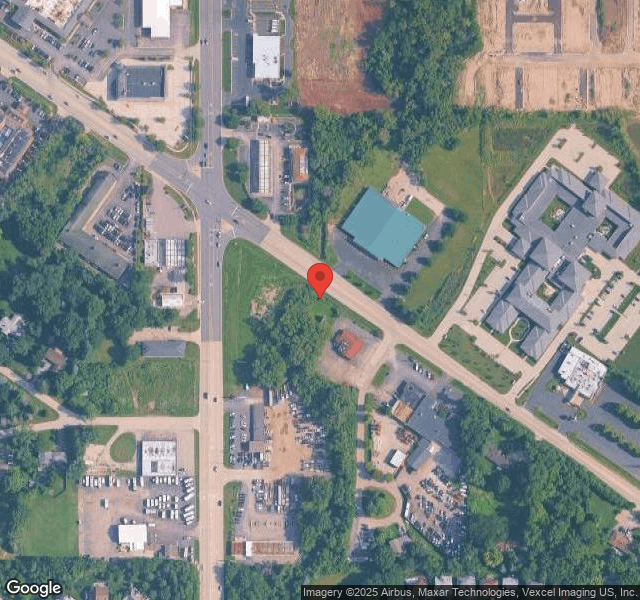

850 E US HIGHWAY 45, MUNDELEIN, IL 60060 (847) 377-7200
For profit - Individual 185 Beds Independent Data: November 2025
Trust Grade
10/100
#654 of 665 in IL
Last Inspection: March 2025

Within standard 12-15 month inspection cycle. Federal law requires annual inspections.

Overview

Thrive of Lake County has received a Trust Grade of F, indicating significant concerns about the quality of care provided. It ranks #654 out of 665 nursing homes in Illinois, placing it in the bottom half of all facilities in the state, and is the lowest-ranked facility in Lake County. The facility's trend is stable, with 12 reported issues in both 2024 and 2025, but it has a concerning history of serious incidents, including a failure to provide pain medication for a resident, resulting in unrelieved pain, and not following dietary orders, which led to a choking incident. Staffing has a mixed rating, with a 2/5 star score indicating below-average performance, but a relatively low turnover rate of 24%, which is better than the state average. Additionally, the facility has accumulated $65,451 in fines, suggesting some compliance issues, despite having more RN coverage than 86% of Illinois facilities, which is a positive aspect as it suggests potential for better oversight in care.

Trust Score
F
10/100
In Illinois
#654/665
Bottom 2%
Safety Record
High Risk
Review needed
Inspections
Holding Steady
12 → 12 violations
Staff Stability
✓ Good
24% annual turnover. Excellent stability, 24 points below Illinois's 48% average. Staff who stay learn residents' needs.
Penalties
✓ Good
$65,451 in fines. Lower than most Illinois facilities. Relatively clean record.
Skilled Nurses
✓ Good
Each resident gets 48 minutes of Registered Nurse (RN) attention daily — more than average for Illinois. RNs are trained to catch health problems early.
Violations
⚠ Watch
83 deficiencies on record. Higher than average. Multiple issues found across inspections.
★☆☆☆☆
1.0
Overall Rating
★★☆☆☆
2.0
Staff Levels
★★★☆☆
3.0
Care Quality
★☆☆☆☆
1.0
Inspection Score
Stable
2024: 12 issues
2025: 12 issues

The Good

  • Low Staff Turnover (24%) · Staff stability means consistent care
  • Full Sprinkler Coverage · Fire safety systems throughout facility
  • No fines on record
  • Staff turnover is low (24%)

    24 points below Illinois average of 48%

Facility shows strength in staff retention, fire safety.

The Bad

1-Star Overall Rating

Below Illinois average (2.5)

Significant quality concerns identified by CMS

Federal Fines: $65,451

Above median ($33,413)

Moderate penalties - review what triggered them

The Ugly 83 deficiencies on record

5 actual harm
Aug 2025 1 deficiency
CONCERN (E) 📢 Someone Reported This

A family member, employee, or ombudsman was alarmed enough to file a formal complaint

Potential for Harm - no one hurt, but risky conditions existed

Pharmacy Services (Tag F0755)

Could have caused harm · This affected multiple residents

**NOTE- TERMS IN BRACKETS HAVE BEEN EDITED TO PROTECT CONFIDENTIALITY** Based on observation, interview, and record review, the facility failed to administer medication as ordered by a physician for 1...

Read full inspector narrative →
**NOTE- TERMS IN BRACKETS HAVE BEEN EDITED TO PROTECT CONFIDENTIALITY** Based on observation, interview, and record review, the facility failed to administer medication as ordered by a physician for 1 resident (R1), failed to ensure medications were stored in their original packaging prior to administration for 5 residents (R7,R8,R9,R10,R11). These failures apply to 6 of 8 residents reviewed for medications in the sample of 11.The findings include: 1) R1's electronic face sheet dated 8/20/25 showed R1 has diagnoses including but not limited to Alzheimer's disease, hypothyroidism, asthma, and hypertension.R1's facility assessment dated [DATE] showed R1 has severe cognitive impairment.On 8/20/21 at 10:21AM, R1 was in her bed laying on her left side with a white patch dated 8/19 stuck to her bed linens. Surveyor reported findings to V4 (Registered Nurse). Surveyor and V4 entered R1's room and V4 stated, Oh, that's her lidocaine patch. She gets one on her left shoulder. I haven't put her new one on yet this morning, but it was supposed to be put on around 8:00AM, I think. This patch should have been removed last night because it gets put on in the morning and then removed at night.R1's medication administration record (MAR) for August 2025 showed, Lidocaine External Patch 4%. Apply to left shoulder topically one time a day for pain and remove per schedule. R1's MAR showed R1's Lidocaine patch is to be placed on at 9:00AM and removed at 8:59PM every day.R1's medication administration audit report dated 8/20/25 showed V4 signed off that she applied R1's new lidocaine patch at 8:32AM. (V4 previously stated she had not placed R1's new lidocaine patch on yet).On 8/20/25 at 12:55PM, V2 (Director of Nursing) stated, When a nurse is administering a patch to a resident, they should be verifying that the patch is in the correct spot and dated correctly. Lidocaine patches are typically dated, and they should be done as ordered to have the therapeutic amount given to them.The facility's policy titled, Administration of Medications dated February 2018 showed, General: All medications are administered safely and appropriately to aid residents and to help overcome illness, relieve, and prevent symptoms, and help in diagnosis.17. If medication is not administered, record reason on the eMAR (Electronic Medication Administration Record) and notify physician or Nurse Practitioner.2) On 8/20/25 at 12:33PM, V8 (Registered Nurse) was in the middle of a medication pass. Inside the top drawer of the medication cart were 5 medication cups with room numbers and pills inside each cup. V8 stated he prepped the medications earlier because he has 20 residents to take care of and it makes his medication pass faster. Upon review of the medication cups with V8, it was found the medications belonged to R7,R8,R9,R10, and R11.R7's medication cup consisted of amiodarone 400mg and gabapentin 300mg scheduled for 2:00PM administration.R8's medication cup consisted of Norco 5/325mg scheduled for 2:00PM administration.R9's medication cup consisted of midodrine 5mg scheduled for 3:00PM administration.R10's medication cup consisted of gabapentin 300mg scheduled for 2:00PM administration.R11's medication cup consisted of midodrine 10mg scheduled for 3:00PM administration.On 8/20/25 at 12:55PM, V2 stated, Medications should not be pre-poured as this could lead to a medication error. If (V8) had to leave, we wouldn't be able to confirm that the medication is correct and if he gets busy, he could give the incorrect medication.The facility's policy titled, Administration of Medications revised February 2018 showed, .13. Hit prep on the eMAR as the medication is prepared. Hit confirm on the eMAR once the medication is popped out.16. Remain with the resident to ensure the resident swallows the medication. Once resident takes the medication, hit save on the eMAR.
Jul 2025 1 deficiency
CONCERN (D) 📢 Someone Reported This

A family member, employee, or ombudsman was alarmed enough to file a formal complaint

Potential for Harm - no one hurt, but risky conditions existed

Investigate Abuse (Tag F0610)

Could have caused harm · This affected 1 resident

Based on interview and record review the facility failed to thoroughly investigate an injury of unknown origin to 1 of 3 residents reviewed for unknown origin in the sample of 4. The findings include:...

Read full inspector narrative →
Based on interview and record review the facility failed to thoroughly investigate an injury of unknown origin to 1 of 3 residents reviewed for unknown origin in the sample of 4. The findings include: R1's electronic face sheet accessed last 7/9/25 documents, R1 96 y/o readmitted to the facility last 4/2/25 with diagnoses that include acute respiratory failure, kidney failure hypertension and diabetes. R1's progress notes dated 4/6/25 by V3 (RN) show [R1] refused to eat and drink, no urine output, family requested to send resident to the hospital. R1 was sent out to the ER. R1's Hospital Records dated 4/6/25 documents, 96 y/o presenting with decreased output, ordered hip X-ray. R1's radiology report dated 4/7/25 with final result -left femoral neck fracture. R1's hospital records dated 4/8/25, R1 underwent surgery -left hip hemiarthroplasty (left hip replacement) On 7/9/25 at 11:30 AM, V7 (R1's daughter) said she was told in the hospital that R1 had a new hip fracture to her left hip. V7 said that was the reason why R1 needed surgical repair because of this new left hip fracture. V7 said she called the Nursing Home and asked them to investigate how R1's left fracture came about. V7 said from 4/2/25 when she came back to the Nursing Home, until 4/6/25 when R1 was sent back to the ER, no one told her that R1 had a fall at the facility, but even if R1 did not fall, did it happen during care? or when she was being turned?, I do not know, I just need them to tell me what they've found in their investigation. On 7/9/25 at 1:47 PM, V2 (Director of Nursing-DON) said when R1 was found to have a left hip fracture but had no falls at the facility, it was assumed that it was the same hip fracture that R1 sustained in the past. V2 (DON) then showed this surveyor a document dated 5/5/21 (approximately 4 years ago) that show closed fracture of left pubis. When asked if V2 spoke to any hospital staff to ask more information about R1's hip fracture, V2 said she did not call the hospital to clarify if the fracture was old or new, since it was the same side as the old one. V2 also said she spoke to some staff but not all staff that took care of R1, since we thought it was the same fracture R1 sustained way back in 2021. V2 said R1 was also on therapy but she did not interview any of the therapists that took care of R1. V2 said she did not know R1 had hip surgery last 4/8/25 until she started reading R1's hospital records. The Facility Reported incident as Final dated 4/6/25 documents, 96 y/o readmitted back on 4/2/25 .On 4/6/25 guest (R1) was observed eating less and refusing drink fluids. MD was notified with order to sent R1 to the hospital for evaluation. R1 was admitted with diagnosis of urinary retention and closed fracture of left hip .CT pelvis showed old fracture of left hip (hospital records does not support this statement of old fracture.) Dexabone density was done 12/7/2008 (approximately 17 years ago) indicating osteoporosis and risk for bone fractures. The Facility Policy on Abuse (undated) under Investigation documents, . Every staff member working on the specific unit that the resident resides, who was working or present during the period of time of the allegation will be interviewed.
Apr 2025 1 deficiency
CONCERN (D) 📢 Someone Reported This

A family member, employee, or ombudsman was alarmed enough to file a formal complaint

Potential for Harm - no one hurt, but risky conditions existed

Deficiency F0571 (Tag F0571)

Could have caused harm · This affected 1 resident

**NOTE- TERMS IN BRACKETS HAVE BEEN EDITED TO PROTECT CONFIDENTIALITY** Based on interview and record review the facility failed to accurately bill and issue a refund for an overpayment to a resident ...

Read full inspector narrative →
**NOTE- TERMS IN BRACKETS HAVE BEEN EDITED TO PROTECT CONFIDENTIALITY** Based on interview and record review the facility failed to accurately bill and issue a refund for an overpayment to a resident in a timely manner for 1 of 3 residents (R1) reviewed for billing in the sample of 3. The findings include: R1's face sheet shows she was admitted to the facility on [DATE]. On 1/1/2023 R1's payer source changed to hospice medicaid which it remained until the time of her passing on 7/3/2024. On 4/3/25 at 10:20 AM, V3 (Senior [NAME] President of Business Office) said she became involved a few weeks in the issue with R1's bill. V3 said that its very time consuming and she will have to go back over every single payment that was made and everything billed for R1 since 2023 but the best she can tell is that R1 did have an overpayment and was due a refund back in 2023. She believes the reason was that R1's spouse {V10} had a financial change and as a result the amount medicaid paid and the amount he was liable for R1's bill had changed so a former business office employee identified as V5 should have followed a process and send a 1156 form to medicaid and then completed a form to send to the senior vice president and a refund should have been issued. V3 said she could see where V5 made a notation in R1's Electronic Medical Record (EMR) that she had started that process but no notation was made that it was ever followed up on and no refund had been issues to R1's Power of Attorney (V10). V3 said 2 years is to long for this to take to get resolved, it should have taken about 6 weeks. V5 was attempted to be contacted by this surveyor on 4/3/25 with no return call. On 4/3/25 at 10:45 AM, V4 (Assistant Business Manager) went over R1's billing inquiry with this surveyor. V4 said based on the statements anything in parenthesis is a refund to the payee. There are various different totals in for R1 from 1/1/23-12/1/23 with the average being about $1,143.00 V4 said she was new to this role so she doesn't totally know everything yet but based on the information there was an overpayment in 2023 and R1 was due a refund. A Transaction report for R1's bill in her EMR shows a note completed by V5 on 9/20/2023 at 2:31 PM that states, income book has been incorrect. Income was not diverted to the spouse in the community. 1156 will be completed to reflect PL change. Spoke with the husband and he is aware there is a process that needs to be taken before he receives the refund. An account generation note on the same report shows on 12/6/23 the identified amount of the refund due for R1 was $9,290.10. On 4/3/25 at 11:10 AM, V9 (R1's son) was contacted at the request of V10 (R1's spouse). V9 explained that his dad (V10) had a financial change in 2023 and due to that his amount due for R1's bill had become less however the facility continued to bill him the same amount for R1's care. V9 said they have went through an attorney who has been attempting to get the refund for his dad but the facility does not respond back and they have not received the refund that was due in 2023. A facility provided Resident Refund policy last revised on 7/2023 shows the process the facility should follow to initiate a payment for a refund due to a resident or a residents POA. That policy shows that accounts payable should process the refund and the chief financial officer should release the payment within 10 business days.
Mar 2025 8 deficiencies 1 Harm
SERIOUS (G)

Actual Harm - a resident was hurt due to facility failures

Deficiency F0697 (Tag F0697)

A resident was harmed · This affected 1 resident

**NOTE- TERMS IN BRACKETS HAVE BEEN EDITED TO PROTECT CONFIDENTIALITY** Based on interview and record review, the facility failed to ensure a resident's pain medications was provided for 1 of 2 reside...

Read full inspector narrative →
**NOTE- TERMS IN BRACKETS HAVE BEEN EDITED TO PROTECT CONFIDENTIALITY** Based on interview and record review, the facility failed to ensure a resident's pain medications was provided for 1 of 2 residents (R133) reviewed for pain management in the sample of 32. These failures resulted in R133 experiencing unrelieved pain and was not unable to fully obtain restful sleep for three days. The findings include: On 03/11/25 at 10:35 AM, R133 said for the last 3 nights on the 8th through the 10th, she did not receive her muscle relaxer (tizanidine) as requested and indicated she needed that the most because she usually takes the muscle relaxer with norco in the morning and at night. R133 was told by staff that the medication was ordered, and they would follow-up with pharmacy. She said that no one followed up with her regarding the status of the medication. R133 then said the muscle relaxer came last night (03/10/2025) and that she received the medication this morning (03/11/2025). R133 added that V4 (Licensed Practical Nurse) told her that he had reordered the medication when there was 5 pills left. Review of R133's medication administration record for January 2025 showed R133 was administered tizanidine 2mg tablet on the 1st-5th, 8th, 10th-14th, 16th-19th, 21st-24th, 26th-28th, and the 30th. Review of R133's medication administration record for February 2025 showed R133 was administered tizanidine 2mg tablet on the 1st-3rd, 7th, 9th, 11th, 13th-16th, 18th-19th, 21st, 23rd-26th, and the 28th. Review of R133's medication administration record for March 2025 showed R133 was administered tizanidine 2mg tablet on the 1st-2nd, 5th-9th, and the 11th-12th. Review of R133's pain assessments for last 3 months showed that during the 3 days resident said she did not receive her muscle relaxer (tizanidine), a pain level of 5 was documented on 03/08/2025 at 08:57 AM and on 03/09/2025 at 08:58 AM. Pain levels of 8 were documented on 03/10/2025 at 09:39 AM and 09:42 AM, and a pain level of 5 was documented on 03/10/2025 at 08:04 PM. Pain level of 7 was documented on 03/11/2025 at 08:08 AM On 03/12/25 at 01:52 PM, surveyor informed resident that medication administration record showed she was administered the medication on 03/08/2025 and 03/09/2025. R133 became visibly upset then said, that's a damn lie. R133 again indicated that she did not receive her muscle relaxer from the 8th through the 10th, and finally received her muscle relaxer on 03/11/2025. Review of R133's medical record indicated resident last admitted to the facility on [DATE] with a past medical history not limited to: hypertension, bilateral osteoarthritis of knee, other specified postprocedural states, morbid obesity, and muscle weakness. Review of R133's care plan documented resident has the potential for pain initiated on 11/18/2024 with interventions that included but not limited to anticipate the resident's need for pain relief and respond immediately to any complaint of pain. R133's Minimum Data Set (MDS) dated [DATE] documented in Section C for cognitive patterns that R133 has no cognitive impairment with an assessment score of 15/15. Section J for health conditions documented R133 requires pain management and receives scheduled and as needed pain medications. Review of R133's active orders as of 03/13/2025 showed orders for pain evaluation every shift, hydrocodone-acetaminophen (norco) 5-325 milligram (mg) tablet every 8 hours as needed for pain, and tizanidine hcl 2mg tablet every 8 hours as needed for muscle spasm. On 03/12/2025 at 01:52 PM, R133 who appeared visibly distraught said when she didn't take her muscle relaxer medication (tizanidine) with norco for those 3 days (3/8-3/10/2025), her pain was not fully controlled, and she was having muscle spasms to the front of her legs which made it hard for her to sleep during those 3 days. R133 said she had asked for the tizanidine several times but was told by the nurses that she didn't have any left and could only get norco. At 01:56 PM, R57 (R133's roommate) said a few mornings ago, she was awoken by R133 who was moaning out loudly in her sleep. R57 then said, I felt so bad for her (R133) because I knew she was hurting bad. On 03/13/2025, review of R57's Brief Interview for Mental Status (BIMS) Evaluation dated 02/4/2025 indicated R57 has no cognitive impairment/ intact cognitive response with assessment score of 15. On 03/12/2025 at 02:05 PM, V5 (Licensed Practical Nurse) said R133 usually requests her tizanidine medication (muscle relaxant) daily in the morning and at night. V5 then said R133's tizanidine medication was reordered last on 03/08/2025 and 15 capsules were received on 03/10/2025. Reviewed R133's medication card for tizanidine with V5 that showed a dispensed date of 03/10/2025. On 03/13/2025 at 11:11 AM, V4 (Licensed Practical Nurse) said that he reordered R133's tizanidine medication on 03/04/2025 and R133 had 3 or 4 capsules left on her medication card when he reordered. On 03/13/2025 at 01:00 PM, V2 (Director of Nursing) said her expectation of staff is to manage a resident's pain by administering their pain medication as ordered and as needed. V2 added that staff should reorder a medication when there's a week's supply left and if a medication is unavailable, they should utilize the facility's automated medication dispensing system. On 03/13/2025, review of facility's automated medication dispensing system list of supplied medications did not include the medication tizanidine. V1 (Administrator) also provided in-service records dated 03/12/2025 and 03/13/2025 for medication administration. On 03/13/2025 at 01:43 PM, surveyor requested from V1 (Administrator) the contact information for V23 (Registered Nurse) to clarify her documented administrations of tizanidine to R133 on 03/08/2025 and 03/09/2025 during the 3 days that R133 was told she had none left and had previously indicated not receiving the medication. V23's contact information was not provided during survey or upon survey team exiting the facility. On 03/13/2025, facility provided order detail report for R133's tizanidine medication that documented 3 capsules were dispensed on 03/03/2025 then medication was not dispensed again until 03/10/2025 with 15 capsules dispensed on the same date. Administration of Medications policy last revised 02/2018 reads in part: all medications are administered safely and appropriately to aid residents to and help in overcome illness, relieve and prevent symptoms and help in diagnosis .if a medication is ordered but not available, check to see if it was misplaced and then call the pharmacy to obtain the medication . Pain Management policy last revised 10/2024 reads in part: to ensure the resident's pain is managed effectively. It is the policy of this facility to respect and support the resident's right to optimal pain assessment and management. This facility recognizes that residents may have decreased sensations or perceptions of pain .Chronic pain may produce anorexia, lethargy, depression, immobility, social isolation .Each and every resident has a right to the assessment and management of pain. Effective pain management can remove the adverse psychological and physiological effects of unrelieved pain. Optimal management of the resident experiencing pain enhances the healing and promotes both physical and psychological wellness.
CONCERN (D)

Potential for Harm - no one hurt, but risky conditions existed

Resident Rights (Tag F0550)

Could have caused harm · This affected 1 resident

**NOTE- TERMS IN BRACKETS HAVE BEEN EDITED TO PROTECT CONFIDENTIALITY** Based on observation, interview and record review the facility failed to maintain a resident's dignity during personal care. Thi...

Read full inspector narrative →
**NOTE- TERMS IN BRACKETS HAVE BEEN EDITED TO PROTECT CONFIDENTIALITY** Based on observation, interview and record review the facility failed to maintain a resident's dignity during personal care. This applies to one of one residents (R66) reviewed for dignity in the sample of 32. The findings include: The facility face sheet shows R66 was admitted to the facility with diagnoses to include dementia, hemiplegia (loss of motor skills on one side of the body) and chronic pain. The facility assessment dated [DATE] shows R66 to have severe cognitive impairment and is dependent on staff for toileting. On 3/11/2025 at 12:00 PM, R66 was heard telling staff she needed to use the bathroom. V11 CNA (Certified Nursing Assistant) and V12 Social services took R66 into her room and using the mechanical lift assisted her into bed. R66 said, When am I going to the toilet?. V11 said to R66, it's OK to just go in your brief and I promise I'll come clean you up. I'll leave so you can have some privacy. R66 was later heard yelling, Help me! Help me! On 3/12/25 at 1:49 PM, V11 CNA said she wasn't sure if there were any bedpans on the unit and if there was she would have offered R66 the bedpan. V11 said she knew R66 needed to have a bowel movement and that was why she gave her privacy. On 3/12/25 at 1:30 PM, V15 ADON said when a resident can not use the toilet, a bedpan should be offered. V15 said it's important to maintain a residents dignity and the staff should never tell a resident to just go to the bathroom in their brief. On 3/13/25 at 1:07 PM, V2 Director of Nursing said a resident should never be told to have a bowel movement in their brief, they should be offered the bed pan. The facility policy for dignity dated November 2011 shows the facility will promote care for elders of the facility in a manner and in an environment that maintains and enhances each residents dignity and respect in full recognition of the residents individuality.
CONCERN (D)

Potential for Harm - no one hurt, but risky conditions existed

Accident Prevention (Tag F0689)

Could have caused harm · This affected 1 resident

**NOTE- TERMS IN BRACKETS HAVE BEEN EDITED TO PROTECT CONFIDENTIALITY** Based on observation, interview and record review the facility failed to transfer a resident in a safe manner. This applies to o...

Read full inspector narrative →
**NOTE- TERMS IN BRACKETS HAVE BEEN EDITED TO PROTECT CONFIDENTIALITY** Based on observation, interview and record review the facility failed to transfer a resident in a safe manner. This applies to one of eight residents (R66) reviewed for safety in the sample of 32. The findings include: The facility face sheet shows R66 was admitted to the facility with diagnoses to include dementia, hemiplegia (loss of motor skills on one side of the body) and chronic pain. The facility assessment dated [DATE] shows R66 to have severe cognitive impairment and is dependent on staff for transfers. On 3/11/25 at 12:00 PM, R66 was asking to go to the bathroom. V11 CNA (Certified Nursing Assistant) and V12 Social Services took R66 to her room and brought in the mechanical lift. V11 attached the hoops of the sling to the lift and began lifting R66 up. V12 was behind V11 at the entrance to the room. V12 was not near R66 during the transfer of R66. V11 lifted R66 and pushed her away from the wheelchair over to her bed, V11 then asked V12 to help guide her legs. V12 then came close to the resident but R66 was already over the bed and was being lowered to the bed. On 3/12/25 1:29 PM, V15 ADON (Assistant Director of Nursing) said she believes all staff are trained in using the mechanical lift when they are hired. V15 said there should be two staff present when the transfer happens. One staff to guide the resident and one staff to run the lift. On 3/12/25 at 1:52 PM, V11 said V12 always helps with the mechanical lifts and the whole team works together. On 3/12/25 at 2:43 PM, V12 said he thinks he was trained about the mechanical lift when he was hired but there were a lot of things he got trained on. V12 said he is only allowed to supervise the transfer, he can not touch the residents. On 3/13/25 at 11:02 AM, V14 Restorative Nurse said two staff are needed for a mechanical lift transfer for safety reasons. One staff is to be at the feet and one staff at the residents head. All staff are trained on hire and a competency test is done yearly. V14 said even though V12 is not allowed to touch the resident, if a situation came up where he would have to touch the resident for safety reasons he could. On 3/13/25 at 12:20 PM, V13 CNA, said two people are needed for a mechanical lift transfer, one to guide the resident and one to guide the lift for safety reasons. On 3/13/25 at 1:05 PM, V2 Director of Nursing said there should be two staff for mechanical lift transfers for the safety of the residents. V2 said both staff should be standing near the resident during the transfer so they can reach out and help the resident if needed. The care plan for R66 dated 7/17/2022 shows the intervention to have two staff assist for mechanical lift transfers. The facility policy for mechanical lift transfer with a revision date of March 2024 shows at least two staff are required to be present to transfer a resident when using a mechanical lift.
CONCERN (D)

Potential for Harm - no one hurt, but risky conditions existed

Deficiency F0694 (Tag F0694)

Could have caused harm · This affected 1 resident

**NOTE- TERMS IN BRACKETS HAVE BEEN EDITED TO PROTECT CONFIDENTIALITY** Based on observation, interview and record review, the facility failed to ensure a dressing change and measurement of an IV PICC...

Read full inspector narrative →
**NOTE- TERMS IN BRACKETS HAVE BEEN EDITED TO PROTECT CONFIDENTIALITY** Based on observation, interview and record review, the facility failed to ensure a dressing change and measurement of an IV PICC (a peripherally inserted central catheter) line's external catheter was completed for 1 of 1 resident (R15) reviewed for PICC lines in the sample of 32. The findings include: R15's admission Record, provided by the facility on 3/13/25 showed she had diagnoses including, but not limited to, severe protein-calorie malnutrition, Guillain-Barre Syndrome, anxiety disorder, depression, chronic kidney disease, a personal history of transient ischemic attack (TIA-stroke), cerebral infarction without residual deficits, and heart failure. R15's Order Summary Report, provided by the facility on 3/13/25, showed the following orders were received on 2/7/25: IV PICC line (a thin, flexible tube inserted into a vein in the upper arm and threaded into a large vein near the heart for long-term intravenous infusions of medications, fluids, or nutrition) change dressing every 7 days-with a start date of 2/14/25. IV PICC line measure external catheter length with dressing change every 7 days- with a start date of 2/14/25. R15's care plan initiated on 12/9/24 showed she required TPN (Total Parental Nutrition) for adequate nutrition and hydration status. R15's care plan initiated on 12/9/24 showed she is receiving IV medication(s). The care plan showed IV dressing: Observe dressing every shift. Change dressing and record observations of site weekly. R15's facility assessment dated [DATE] showed no behaviors of rejecting care. The assessment showed R15 had moderate cognitive impairment. The assessment showed R15 was receiving Parenteral/IV feedings, and had a mechanically altered diet. On 3/13/25 at 1:03 PM, V22 (Licensed Practical Nurse-LPN) went with this surveyor to look at R15's PICC line. R15 had an IV PICC line on her left upper arm. The bottom of the dressing that covered the PICC line was not intact. No date was on the dressing showing when the dressing was last changed. R15 said it had not been changed for a while. On 3/13/25 at 1:07 PM, V2 (Director of Nursing-DON) went with this surveyor to look at R15's PICC line. V2 verified there was no date or signature on the dressing, and the bottom of the dressing was not intact. At 1:09 PM, V3 (Assistant Director of Nursing-ADON) brought R15's Treatment Administration Record (TAR) up on the computer located on the nurse's medication cart. V3 clicked on the dressing change order, and on the order to measure the external catheter length. V2 said both showed the last time they were signed off as being completed was on 2/28/25 (13 days prior). V2 said it is important to change the PICC line dressing every week for infection control. At 1:39 PM, V2 said it is important to measure the length of the external catheter on the PICC line to ensure proper placement of the PICC line. R15's February 2025 TAR was reviewed showing the dressing change and the length of R15's external catheter were completed on 2/28/25. R15's March 2025 TAR showed the next dressing change and measurement of the external catheter should have been completed on 3/7/25. On 3/7/25, no nurse signed off as having completed the dressing change or doing the measurements. The facility's November 2020 policy and procedure titled Central Line Care showed Peripherally Inserted Central Catheter (PICC) line care dressing change, maintenance and removal will be completed according to standard of practice by Licensed Nurses only .All PICC line treatments and dressings require a physician order .Following the initial 24 hour dressing change, an RN (Registered Nurse) or LPN (Licensed Practical Nurse) will change the injection cap and the dressing at minimum weekly or anytime the dressing becomes moist, loosened or soiled. The procedure showed Label dressing with date dressing was changed, if PICC line is sutured or non-sutured, and the initials of nurse who changed dressing and the date of dressing change.
CONCERN (D)

Potential for Harm - no one hurt, but risky conditions existed

Unnecessary Medications (Tag F0759)

Could have caused harm · This affected 1 resident

Based on observation, interview, and record review the facility to ensure medications were administered as prescribed. There were 31 opportunities with 2 errors, resulting in a 6% error rate. This app...

Read full inspector narrative →
Based on observation, interview, and record review the facility to ensure medications were administered as prescribed. There were 31 opportunities with 2 errors, resulting in a 6% error rate. This applies to 1 of 2 residents (R264) observed in the medication pass. The findings include: On 3/12/25 at 9:10 AM, V7 (LPN - Licensed Practical Nurse) administered R264's 9 AM medications including amiloride 5 mg, celecoxib 200 mg, ezetimibe 10 mg, folic acid 1.5 mg, zinc 220 mg (V7 administered 225 mg dose), multivitamin, a liquid protein supplement, pregablin, vitamin C, and Norco 10/325 mg. V7 did not prepare or administered R264's Thiamine 100 mg tablet. V7 looked through the medication cart for R264's Zinc 220 mg capsules. V7 was unable to locate the medication. V7 held up a Zinc 50 mg tablet and stated, This is all I have, so I'll give 4 tablets to equal 200 mg and I'll cut a fifth tablet in half to make 25 mg. It's the best I can do. I know it's not exactly 220 mg. V7 administered 225 mg of Zinc tablets as he described. V7 did not check the medication room for Zinc 220 mg capsules and he did not call a nursing manager to request Zinc 225 mg capsules. R264's Facesheet dated 3/13/25 showed he was admitted to the facility 3/4/25. This document showed R264 had diagnoses to include, but not limited to: benign lipomatous neoplasm (non-cancerous fatty tumors), encounter for surgical aftercare following surgery on the nervous system, hypertrophied, anemia, disorder of the autonomic nervous system, alcohol dependence and withdrawal, seizures, history of falling, generalized muscle weakness, need for assistance with personal cares, and cognitive communication deficit. R264's Physician Order Sheet dated 3/13/25 showed orders for Thiamine 100 mg daily and Zinc 220 mg capsule - Give 1 capsule by mouth daily. R264's Progress Notes did not have an entry addressing the problem with the Zinc. On 3/13/25 at 9:44 AM, V5 (LPN) was standing next to the medication cart. The surveyor asked V5 if the facility carried the Zinc 220 mg capsules. V5 replied, I think we have the 50 mg tablets. If a resident has an order for 220 mg capsules then the family may bring it in. The surveyor asked V5 how she would prepare a 220 mg dose of zinc with 50 mg tablets. V5 stated, Well, you could give 4 tablets to equal 200 mg, but to cutting the 5th tablet to get 20 mg would be hard. I wouldn't give 225 mg, that's not what was ordered and we should follow the physician orders. I would have called the supervisors to ask if we had 220 mg capsules. If the medication was not available, then I would notify the provider and ask them to change the dose. That should be charted in the progress notes. During this interview, V5 opened R264's EMR (Electronic Medical Record) on the computer. V5 said R264's order was for a 220 mg capsule and she did not see a progress note that the provider had been notified. On 3/13/25 at 9:50 AM, V20 (Activities/Supplies) said he is responsible for ordering the OTC (Over the Counter) medications or house stock. V20 said the nurses or supervisors will notify me if we need to order anything. The surveyor and V20 went to the OTC room. The surveyor asked V20 if the facility had Zinc 220 mg capsules. V20 pointed to a bin with 6 bottles Zinc 50 mg tablets. V20 stated, This is all we have for Zinc. I don't recall the nurses asking me to order Zinc 220 mg capsules. If I need something, then I can usually run over and pick it up the same day. I'll have to check on that. On 3/13/25 at 12:24 PM, V2 ( DON - Director of Nursing) said during medication administration the nurses should verify they have the right resident, right medications, and right dosage. V2 said if the nurse was administering the 0900 medications, then they should give all the medications ordered for that time. V2 said if the medication is not administered, then the nurse should chart a reason why and notify the provider and/or the pharmacy. V2 said the nurses are expected to follow the physician orders. V2 said if a medication dose is not available, then the nurse should let the provider know and get permission to administer an alternative. V2 said this communication should be documented in the progress notes. V2 said the facility had Zinc 50 mg tablets and it would be difficult to provide the exact dose of 220 mg (ordered by the physician). V2 stated, We'll make sure it is replaced with the proper med. The nurse should have notified the manager and we could have looked into it. We know it was a problem and we are working to correct it. The facility's Administration of Medications Policy reviewed April 2023 showed, Policy: 1. A physician or nurse practitioner order is required for administration of all medication . Procedure: .7. If there is a discrepancy between the MAR and label, check orders before administering medications . 10. Prepare or pour each dose of medication using appropriate measuring device . 18. If the medication is not administered, record reason on the eMAR and notify physician or nurse practitioner .
CONCERN (E)

Potential for Harm - no one hurt, but risky conditions existed

Deficiency F0804 (Tag F0804)

Could have caused harm · This affected multiple residents

Based on observation, interview, and record review the facility failed to serve food at an appetizing temperature to the residents for 3 of 3 residents (R112, R80, R68) reviewed for appetizing food te...

Read full inspector narrative →
Based on observation, interview, and record review the facility failed to serve food at an appetizing temperature to the residents for 3 of 3 residents (R112, R80, R68) reviewed for appetizing food temperatures in the sample of 31 and 2 residents outside of the sample (R113, R79). The findings include: On 3/12/25 at 10:30 AM, during the Resident Group Meeting the residents said the meals are served late most of the days. They said last night dinner time was supposed to be 5 PM, but the food doesn't arrive until 6 PM. The residents asked the surveyor have you ever had to eat cold food all the time? It's definitely not satisfying and the food tastes different. There is very much a temperature issue with the food here and it's seems like it's been worse this year. The residents said the cold food had been an ongoing complaint of the Resident Council, but the Dietary Manager has yet to attend the meeting. The residents said food is a continuous concern at the facility and all five residents agreed with the concerns and contributed in the discussion. On 3/11/25 at 9:51 AM, V16 (Dietary Manager) said all the food is cooked in the kitchen and served from the steam table in the kitchen. V16 said the food is served from the steam table, placed on carts and taken to the units or dining room. V16 said the CNAs (Certified Nursing Aides) are responsible for passing the trays to the residents and he is unsure how long it takes for all the trays to be passed. V16 said the dietary staff doesn't have much interaction with the residents. V16 aid he was unsure if the facility had a Food Committee. V16 said he thinks the resident's discuss the food in the Resident Council Meetings, but he has not attended. On 3/11/25 at 11:30 AM, V17 (Cook) obtained the food temperatures from the food in the steam table. The first plate of food was placed on the plate at 11:47 AM. The final plate was prepared at 12:54 PM (over an hour later). The last two carts sent out were to the 7000 and 8000 units and the plates were not covered with insulated bottoms and lids. There were no food temperatures taken during this time. The resident trays were organized by their room location. The facility used several carts to load the resident trays. Some of the food was transported in a covered cart, with no insulated lid or bottom, and other carts had insulated lids and bottoms surrounding the residents plates. V18 (Cook) communicated with V17 (Cook) and loaded each plate into the carts. The carts were then transported out to the units, where the CNAs were responsible for passing the trays. On 3/11/25 the noon meal tray line was disorganized and slow. V17 (Cook) and V18 (Cook) were the main staff handling the resident plates. The doors to the carts were left open, as V18 placed each plate onto the tray. These plates did not have any insulated covers around the plates. On 3/13/25 at 9:13 AM, V16 (Dietary Manager) said he has been in the position since September 2024. V16 said he had not attended a Resident Council Meeting. The surveyor asked V16 why some of the resident trays were sent out with insulated covers and others were not. V16 replied, It was a logistics issue. The trays won't properly fit into the 7000 and 8000 carts if we use the insulated covers. We tried that and we had to cut the number of trays we could fit in the cart in half and the trays weren't as stable with the lids on. I spoke with VP (Vice President) and we are supposed to be getting new carts for 7000 and 8000, so we can use the insulated lids. We have plenty of insulated covers. V16 said the order for new carts was placed last month. V16 said he was aware there were resident complaints of cold food. On 3/13/25 at 9:33 AM, V10 (CNA - Certified Nursing Aide) said the dietary staff deliver the cart with trays to the units, but the CNAs are the ones that have to pass the trays to the resident's V10 said some residents eat in the dining room and others prefer to eat in their rooms. V10 said the CNAs don't have enough time to pass the trays warm and they often have to warm up the residents' food in the microwave. V10 said he only works day shift, but he has to warm several resident plates a day. V10 said the residents complain about the food being cold. On 3/13/25 at 9:38 AM, V19 (CNA) said she the CNAs pass the trays and rarely get help. V19 said dietary never comes out to assist with passing trays. V19 said the residents complain daily about cold food. V19 said some of the residents ask for us to warm their food in the microwave. V19 stated, We spend 30-40 minutes a day heating up trays and that is time we are taken away from resident care.
CONCERN (E)

Potential for Harm - no one hurt, but risky conditions existed

Infection Control (Tag F0880)

Could have caused harm · This affected multiple residents

**NOTE- TERMS IN BRACKETS HAVE BEEN EDITED TO PROTECT CONFIDENTIALITY** 4. R80's admission Record, provided by the facility on 3/13/25, showed he had diagnoses including, but not limited to, Parkinson...

Read full inspector narrative →
**NOTE- TERMS IN BRACKETS HAVE BEEN EDITED TO PROTECT CONFIDENTIALITY** 4. R80's admission Record, provided by the facility on 3/13/25, showed he had diagnoses including, but not limited to, Parkinson's disease, primary generalized osteoarthritis, chronic diastolic congestive heart failure, unsteadiness on feet, low back pain, contracture left knee, type II diabetes mellitus with diabetic neuropathy, dizziness and giddiness, tremors, sciatica right side, and weakness. R80's facility assessment dated [DATE] showed he was cognitively intact, required partial to moderate assistance from staff for getting on and off the toilet, and was dependent on staff for toilet hygiene. R80's care plan initiated on 9/15/23 showed he had episodes of bladder incontinence, and required staff assist to complete toileting task (cleaning/managing clothing). R80's care plan initiated on 6/2/2020 showed he had an ADL (activities of daily living) self-care deficit, required limited assist to transfer, and extensive staff assistance with dressing, toileting, and bathing. On 3/12/25 at 10:04 AM, R80's call light was on. V21 (Certified Nursing Assistant-CNA) entered R80's room. R80 was in his bathroom, sitting on the toilet. V21 performed hand hygiene, put gloves on, grabbed a couple moist wipes and assisted R80 with standing. V21 said she needed to move R80's wheelchair out of the way and used the hand she had the moist wipes in to move the wheelchair back. The moist wipes touched the armrest of the wheelchair, and the cushion on the wheelchair when she was moving it back. V21 used the same wipes to clean R80 after he had a bowel movement. V21 told R80 that he had a good bowel movement. V21 left the gloves on that she used to clean R80's stool with, and pulled up R80's brief, pants, and pulled down R80's shirt. V21 pulled R80's wheelchair closer, touching the right armrest of the wheelchair, then assisted R80 with transferring back to his wheelchair. As R80 was sitting down, V21 place both hands on R80's upper buttocks area, touching his pants and shirt, to help R80 lower into the wheelchair. After getting R80 back into his wheelchair, V21 removed the gloves used for toileting and washed her hands. On 3/13/25 at 11:40 AM, V22 (Licensed Practical Nurse-LPN) said V21 should not have used the wipes if they touched the arm and seat of the wheelchair. They should have discarded the wipes, changed gloves and got a new wipe to clean the resident. V22 said V21 should remove the gloves used for cleaning stool and perform hand hygiene prior to touching the resident's clothes and the environment, to prevent cross-contamination and for infection control. On 3/13/25 at 12:43 PM, V3 (Assistant Director of Nursing-ADON) said V21 should have prepped R80, then grabbed the wipes. V3 said if the wipes touch something, throw them away and get clean wipes for care. V3 said after wiping the resident, V21 should remove the gloves and wash her hands before touching the resident, their clothing, or their environment, to prevent cross-contamination, for infection control. The facility's policy and procedure titled Gloves, with a review date of 11/2024, showed 1. Gloves are worn when there is a chance of coming into contact with excretions, secretions, blood, body fluids, mucous membranes, non-intact skin or other potentially infective material .4. Hands should always be washed after removing the gloves. 5. Gloves are one-time use only item. The facility's policy and procedure titled Handwashing, with a review date of 11/2024, showed 1. Handwashing is done before and after resident contact, before and after any procedure, after using a kleenex or the rest room, before eating and handling food, when hands are obviously soiled and regardless of glove use. On 3/13/25 at 2:57 PM, V3 provided the facility's November 2018 policy and procedure titled Incontinence Care. The procedure showed 3. Wash hands and apply gloves. 4. Provide privacy for resident. 5. Remove soiled clothing and linen. 6. Clean peri area with appropriate cleanser and dry. 7. Apply barrier cream if appropriate. 8. Apply clean clothing and linen. 9. Notify housekeeping if floor is wet. 10. Dispose of soiled clothes and linen in appropriate areas. 11. Wash hands . At 2:59 PM, V3 was asked when staff should remove the soiled gloves used to clean stool during care. V3 said staff should remove the soiled gloves after cleaning the resident, and wash their hands before touching the resident or their environment. Based on observation, interview, and record review the facility failed to ensure contact isolation precautions were posted (R465), failed to ensure personal protective equipment was worn in enhanced barrier precaution rooms (R157, R16) and failed to change gloves during pericare (R80) to prevent cross contamination for 4 of 5 residents reviewed for infection control in the sample of 32. The findings include: 1. R465's face sheet showed an admission date of 3/7/25. Diagnoses included acute osteomyelitis of the right ankle (bone infection), MRSA infection (Methicillin resistant staphylococcus aureus), and aftercare following toe amputations. On 3/11/25 at 11:37 AM, R465 had an isolation sign and a PPE bin (personal protective equipment) outside of the door. The sign showed EBP (enhanced barrier precautions) were in place. Gowns and gloves were required only during high-contact resident cares. On 3/12/25 at 9:50 AM, R465 had a new isolation sign outside of the door. The sign showed contact precautions were in place. Gowns and gloves were always required prior to entering the room. On 3/12/25 at 9:54 AM, V6 (Registered Nurse) stated R465 has been on contact isolation since admission. V6 said the sign outside the door should show contact isolation. V6 stated he had no idea why the sign would have been wrong the day before. V6 stated contact isolation is stricter than EBP isolation. Contact isolation is used for more serious infections that are more resistant to antibiotics. Correct PPE helps prevent the spread of germs. R465's physician order report was reviewed and showed contact isolation precaution were started on 3/12/25. On 3/13/25 at 11:07 AM, V2 (Director of Nurses/ Infection Control Preventionist) stated R465 had the wrong type of isolation sign posted on the door. He has surgical wounds and an infection, therefore requires contact isolation. It was an error on our part to have enhanced barrier precautions in place. The facility's Infection Control Policy last review dated 3/2024 states under the contact precautions section: Contact precautions will be used for specified residents known to be suspected or to be infected or colonized with microorganisms that can be transmitted by direct contact with the resident .or indirect contact with environmental surfaces or resident care items in the resident's environment. 2. On 3/13/25 at 10:02 AM, R157 had an isolation sign and PPE bin outside of the room. The sign showed EBP were in place. Gowns and gloves were required during high-contact resident cares. At 10:20 AM, V5 (Licensed Practical Nurse) and V10 (Certified Nurse Aide) entered R157's wearing gloves. V5 and V10 repositioned R157 to the side and opened his incontinence brief. R157 had a wound dressing on his coccyx area. V5 wore gloves while wiping and changing R157's tracheostomy oxygen supply mask. V5 and V10 did not don gowns at anytime during care. On 3/13/25 at 11:07 AM, V2 (Director of Nurses/Infection Control Preventionist) stated staff should be following the isolation precautions posted on the doors. EBP requires gowns and gloves at close, direct resident care. It reduces the risk of infection being transmitted from resident to resident. V2 said R157 has a history of infections and is at high risk for more. The facility's Enhanced Barrier Precautions policy dated 3/2024 states: Gowns and gloves are used during high-contact activities with .changing briefs . tracheostomy/ventilator .any skin opening requiring a dressing . 3. On 03/11/25 at 10:11 AM, surveyor approached R16's room and noted a magnetic enhanced barrier precautions (EBP) sign posted on doorframe that indicated R16 was on EBP for g-tube (indwelling gastrostomy tube), wound, indwelling urinary catheter and colostomy (opening for colon through abdomen) and that staff must wear gloves and a gown for high contact guest care activities that included but not limited to, device care or use of feeding tube. On 03/11/25 at 10:27 AM, surveyor observed V4 (Licensed Practical Nurse) in R16's room at her bedside wearing only gloves and not wearing a gown. V4 said he was preparing to start R16's tube feeding (enteral nutrition) but needed to check placement of R16's g-tube first. V4 then took a syringe from the bedside table, pulled back on the plunger drawing a small amount of air into the syringe, and inserted the syringe tip into the opened entry port of R16's g-tube. V4 placed his stethoscope over R16's left abdominal area and injected the air into the g-tube. After V4 verified placement, he removed the plunger from the syringe and added water into the syringe that drained into R16's g-tube. V4 (Licensed Practical Nurse) then removed the syringe and attached the tip of the tube feeding line into the opened entry port of R16's g-tube then started the feeding pump and performed hand hygiene. On 03/11/25 at 10:30 AM V4 (Licensed Practical Nurse) said he needed to change the dressing around the R16's g-tube insertion site and proceeded to apply gloves, remove the previous dressing, cleansed insertion site area, then placed a new dressing over the insertion site of R16's g-tube. At 10:35 AM, upon V4 (Licensed Practical Nurse) exiting R16's room, surveyor reviewed the posted EBP sign with V4 and when asked if he should have worn an isolation gown while performing g-tube care to R16, V4 (Licensed Practical Nurse) said, yes, I forgot about it. Review of R16's care plan report on 03/11/2025 documented that resident requires tube feeding (g-tube) related to dysphagia and Huntington's disease with date initiated of 05/15/2023. Report also documented that resident is on enhanced barrier precautions related to chronic wounds and g-tube with date initiated of 12/18/2024. R16's active orders as of 03/13/2025 showed orders for enteral feed order ever shift for feeding [nucleolus and neural progenitor protein] 40ml/hr (milliliters per hour) x 18 hours (total volume 720 cc (cubic centimeter) with 200ml flush every 4 hours; enteral feeding order two times a day for feeding stop ta 4:00 AM and restart the feeding at 10:00 AM .; clean g-tube site with normal saline every day shift and as needed for routine care, infection prophylaxis; enhanced barrier precautions: g-tube/wound every shift (12/18/2024). Review of R16's medication administration record for March 2025 revealed that V4 (Licensed Practical Nurse) documented on 03/11/2025, acknowledgement that R16 is on Enhanced Barrier Precautions for g-tube and wound, he restarted the enteral feeding, and he provided g-tube site care. On 03/13/25 at 11:22 AM, V3 (ADON/Infection Control Nurse) said EBP (Enhanced Barrier Precautions) are extra precautions used for residents with a portal of entry, such as a g-tube. He said the EBP magnet should be posted on the doorway of the residents' room and the isolation bins are outside the rooms. V3 said during g-tube care, the nurse should wear a gown and gloves. He said there is a potential for splashing and contamination of the nurses' scrubs and if something gets splashed on the staff's uniform, they could carry it to another room or they could already have a potential contaminant on their uniform and the g-tube is a portal of entry. This would cause an issue with cross-contamination. V2 (DON) was present during interview and stated, it's been a learning curve for the staff. We've had several training sessions. They should have worn PPE (personal protective equipment) to provide the g-tube care. It's a work in progress. On 03/13/25 at approximately 10:00 AM, V1 (Administrator) provided employee performance form for V4 (Licensed Practical Nurse) that indicated an oral warning was given related to not wearing PPE with a resident on EBP on 03/11/2025. V1 said the facility also conducted an in-service on 03/11/2025 and implemented an audit tool from 03/11 through 03/13/2025 for enhanced barrier precautions procedures that included proper use of PPE. Documents were provided and reviewed by surveyor with no concerns. Enhanced Barrier Precautions policy dated March 2024 reads in part: this facility follows recommendations and guidance from the centers for disease control in order to keep all residents safe from Healthcare Acquired Infections (HAI). Multidrug-resistant-organism (MDRO) transmission is common in skilled nursing facilities, contributing to substantial resident morbidity and mortality and increased healthcare costs. On the recommendation and approval of the facility's Infection Preventionist in collaboration with the facility's Medical Director, Enhanced Barrier Precautions (EBP) are implemented as one intervention this facility uses to reduce transmission of resistant organisms that employs targeted Personal Protective Equipment (PPE) use during high contact resident care activities Enhanced Barrier Precautions (EBP) refers to an infection control intervention designed to reduce transmission of multidrug-resistant organisms that employs targeted gown and glove use during high contact resident care activities. Indwelling medical device refers to an indwelling medical device provides a direct pathway for pathogens in the environment to enter the body and cause infection. Examples include but are not limited to: central lines .indwelling urinary catheters, feeding tubes .EBP is used in conjunction with standard precautions and expand the use of Personal Protective Equipment (PPE) to donning of gown and gloves during high-contact resident care activities that provide opportunities for transfer of MDRO's to staff hands and clothing. EBP will be used for any residents in this facility who meet the stated criteria wherever the resident resides in the facility.
CONCERN (F)

Potential for Harm - no one hurt, but risky conditions existed

Food Safety (Tag F0812)

Could have caused harm · This affected most or all residents

Based on observation, interview, and record review the facility failed to ensure dry goods were stored in a manner to prevent cross-contamination, serve food in a manner to prevent cross-contamination...

Read full inspector narrative →
Based on observation, interview, and record review the facility failed to ensure dry goods were stored in a manner to prevent cross-contamination, serve food in a manner to prevent cross-contamination, and failed to properly sanitize the food preparation surfaces. These failures affect all residents residing in the facility. The findings include: The CMS 671 Form dated 3/11/25 showed the facility census was 161 residents. 1. On 3/11/25 a kitchen tour was conducted with V16 (Dietary Manager). At 9:47 AM, in the rear of the kitchen (where the facility performs the puree process), on low shelf below the commercial blender there was an open pitcher with approximately 2 inches of a white powder substance. There was not a cover on the pitcher. The surveyor pointed down to the pitcher and asked V16 what was inside. V16 stated, Oh that's thickener. The surveyor asked him if the thickener should be covered. V16 replied, Yes, this is garbage. I'll throw it out. The kitchen tour continued into the dry storage room. There was a large box, with a clear plastic liner open with a white powder exposed. The surveyor walked near the box and the clear plastic liner moved. The surveyor pointed to the box and asked V16 what was in there. V16 said it was thickener and should not be left open due to the risk of things falling into the thickener. It should be covered to prevent cross-contamination. V16 placed the plastic liner over the white powder and closed the top of the box. At 12:56 PM, the box of thickener, in the dry storage room was open to air with the top layer exposed to the air. The surveyor pointed this out to V16 (Dietary Manager) and he turned to the kitchen and asked, Who was in the thickener? The facility's Dietary Food Storage Policy dated December 2020 showed, Policy: Food and non-food supplies will be purchased, received, and stored under safe and secure conditions as required to meet federal, state, and local laws . 2. On 3/11/25 at 11:40 AM, there was a red bucket, on the lower shelf of the food preparation area. The water inside the bucket was dingy and the rag inside was stained a yellow/brown color. V16 (Dietary Manager) said it is the sanitizing bucket for the food preparation area. The surveyor asked V16 to test the sanitization level of the liquid. V16 obtained sanitization test strips that were orange in color. V16 said the strip should change to a yellow/green color or 200-300 parts per million of QAT. V16 submerged the orange test strip into the solution and the color did not change. V16 stated, That's not good. I will have to dump it. V16 said it's important to ensure the sanitizing bucket has the proper amount of sanitizing agent to properly sanitize the food preparation area. V16 said improper sanitization increases the risk for foodborne illness. The facility's Dietary Cleaning Policy dated December 2020 showed, Policy: This facility will store, prepare, distribute, and serve food under sanitary conditions to ensure that proper sanitization and food handling practices to prevent the outbreak of foodborne illnesses is attained continuously. Procedures: Staff members preparing food in the kitchen will follow safety precautions to protect the residents and the employees themselves . Staff will use a clean as you go technique to keep the facility and neighborhood kitchen areas clean, functional and attractive . Clean and sanitize work area and dining tables and chairs using sanitizer spray. Clean underside of edge of the tables . 3. On 3/11/25 at 11:44 AM, V17 (Cook) washed his hands then applied purple gloves. V17 approached the steam table to initiate the noon meal tray service. V17 placed his gloved hands behind his back and the back of his hands contacted his clothing. He did not remove the contaminated gloves, but started removing stacks of clean plates from the plate warmer. V17 used the contaminated gloves to obtain a tray of soup bowls. At 11:47 AM, V17 used the contaminated gloves to prepare two pureed plates. Then V17 placed his fisted hands on the ledge of the steam table and leaned into them. V17 had food debris soiled on his apron and pants. Both V17's gloved hands came into contact with his apron and pants. V17 did not remove his contaminated gloves or perform hand hygiene. He continued to touch plates, cups, and bowls with the contaminated gloves. At 11:54 AM, V17 opened the warmer and used his contaminated gloves to obtain a hamburger. He used the contaminated gloves to open a drawer, under the griddle and removed slices of cheese and tomato with his contaminated gloves. V17 assembled the bun, hamburger, cheese with his contaminated gloves and placed the tomato slice on the plate. At 12:00 PM, V17 used the contaminated gloves to open a warmer with insulated bottoms and covers. He opened the latch, obtained these items, and placed them on the counter wearing the same gloves. At 12:08 PM, he returned to the warmer again to obtain insulated bottoms and lids. At 12:15 PM, V17 used the contaminated gloves to retrieve a hotdog bun from the package, then opened to warmer to obtain a hotdog. At 12:30 PM, V17 used the contaminated gloves to search for a utensil in the clean utensil drawer. He moved the utensils about in the drawer with the contaminated gloves. V17 continued placing food on the plates with the contaminated gloves until the final plate was made at 12:54 PM. On 3/13/25 at 9:13 AM, V16 (Dietary Manager) said the cook should change gloves and perform hand hygiene any time their gloves come in contact with their body or clothing. V16 said this important because there is a risk of cross contamination. V16 said the cook's clothes could be dirty or they could have things on their clothes. The facility did not have a policy specific to glove use, hand hygiene, and cross-contamination in the kitchen. The Glove Policy revised 11/2024 did not pertain to use the in the kitchen. The facility's Handwashing Policy dated 11/2024 showed, 1. Handwashing is done before and after resident contact, before and after any procedure, after using a Kleenex or the restroom, before eating and handling food, and when hands are obviously soiled and regardless of glove use .
Feb 2025 1 deficiency
CONCERN (D) 📢 Someone Reported This

A family member, employee, or ombudsman was alarmed enough to file a formal complaint

Potential for Harm - no one hurt, but risky conditions existed

Pressure Ulcer Prevention (Tag F0686)

Could have caused harm · This affected 1 resident

Based on interview and record review the facility failed to ensure treatments were completed as prescribed for a resident with an unstageable sacral pressure ulcer. This applies to 1 of 3 residents (R...

Read full inspector narrative →
Based on interview and record review the facility failed to ensure treatments were completed as prescribed for a resident with an unstageable sacral pressure ulcer. This applies to 1 of 3 residents (R1) reviewed for pressure ulcers in the sample of 6. The findings include: R1's Wound Physician Progress note dated 1/25/23 documents right sacral (prominent bone)-reopned unstageable pressure ulcer measuring 5 cm (centimeters) x 3.8 cm x 0.3 cm. 100 % necrotic eschar tissue. The treatment orders changed on 1/25/23 to cleanse with normal saline, apply Iodosorb/Calcium alginate and foam dressing three times a week and as needed. R1's Treatment Administration Record (T.A.R.) for January 2023 showed orders including sacral pressure injury cleanse with normal saline apply medihoney, adpatic, cover with calcium alginate and foam dressing daily (discontinued dated 1/26/23). New orders dated 1/26/23 show pressure injury cleanse with normal saline apply Iodosorb, adpatic, cover with calcium alginate and foam dressing three times a week and as needed. R1's T.A.R. showed 2 out of 11 treatments were blank. (The treatment was not documented as completed). On 2/05/25 at 10:15 AM, V3 (Wound Nurse) said treatments should be changed as ordered and documented on the residents on the T.A.R. The facility's Wound Policy & Procedure dated March 2020 states, Any resident with a wound receives treatment and services consistent with the resident's goals of treatment
Dec 2024 1 deficiency
CONCERN (D) 📢 Someone Reported This

A family member, employee, or ombudsman was alarmed enough to file a formal complaint

Potential for Harm - no one hurt, but risky conditions existed

Notification of Changes (Tag F0580)

Could have caused harm · This affected 1 resident

**NOTE- TERMS IN BRACKETS HAVE BEEN EDITED TO PROTECT CONFIDENTIALITY** Based on interview and record review the facility failed to immediately notify a power of attorney about the initiation of treat...

Read full inspector narrative →
**NOTE- TERMS IN BRACKETS HAVE BEEN EDITED TO PROTECT CONFIDENTIALITY** Based on interview and record review the facility failed to immediately notify a power of attorney about the initiation of treatment for a pressure injury for 1 of 3 residents (R1) reviewed for notifications in the sample of 3. The findings include: R1's Face Sheet printed on 12/30/24 showed R1 admitted to the facility on [DATE]. On 12/30/24 at 11:50 AM, V5 (R1's Power of Attorney) said she was not made aware of R1's pressure injury or that the pressure injury required a dressing until R1 was in the emergancy room on 12/25/24. R1's Progress Note dated 12/19/24 showed the facility was obtaining consent from V5 regarding R1's treatments. R1's Wound Assessment Details Report dated 12/20/24 showed R1 had a pressure injury to her coccyx that measured 0.50 centimeters (cm) x 1 cm x 0.1 cm. The report showed the pressure injury was present on admission. R1's hospital paperwork and hospital medication administration record (prior to being admitted to the facility on [DATE]) did not indicate R1 had a pressure injury or a treatment for a pressure injury. On 12/30/24 at 11:25 AM, V4 (Wound Care Nurse) said he saw R1 on 12/20/24 (the day after R1 admitted to the facility). V4 said R1's pressure injury was considered present on admission. V4 said he contacted the doctor and received treatment orders for the pressure injury. V4 added that R1 did not have any treatment orders for the pressure injury until he obtained them on 12/20/24. V4 said he did not inform V5 of the treatment orders. R1's Order Summary Report printed on 12/30/24 showed an order for R1's coccyx wound. The order was dated 12/20/24. There were no other orders, including discontinued orders, for R1's coccyx wound. R1's Care Management Care Conference document dated 12/23/24 (3 days after R1's coccyx wound treatment order was obtained) showed V5 participated in a care plan. The document showed, Shared clinical updates, wound care management and asked if there were any concerns regarding nursing care and [V5] declined acknowledging understanding of information given. The signature of the person that completed the document was V10 (Social Services). On 12/30/24 at 1:19 PM, V10 said V5 was emotional during the care conference on 12/23/24 and she kept the conference, .brief . V10 could not recall what was said regarding R1's wound care. On 12/30/24 at 12:11 PM, V8 (Registered Nurse) said new/initial wound care treatment orders are treated as a change in condition and the power of attorney should be informed as soon as possible. The facility's Change in Resident Condition policy dated 11/2018 did not indicate a power of attorney was to be notified.
Jan 2024 11 deficiencies 2 Harm
SERIOUS (G)

Actual Harm - a resident was hurt due to facility failures

Pressure Ulcer Prevention (Tag F0686)

A resident was harmed · This affected 1 resident

**NOTE- TERMS IN BRACKETS HAVE BEEN EDITED TO PROTECT CONFIDENTIALITY** 5. R21's face sheet showed R21 had diagnoses of contractures to both ankles and weakness. A facility assessment done on 12/14/23...

Read full inspector narrative →
**NOTE- TERMS IN BRACKETS HAVE BEEN EDITED TO PROTECT CONFIDENTIALITY** 5. R21's face sheet showed R21 had diagnoses of contractures to both ankles and weakness. A facility assessment done on 12/14/23 showed R21 did not refuse care and had limited mobility on his lower extremities. R21's care plan showed he was at risk for skin alterations because of limited physical mobility. Listed under interventions was to off-load heels. On 01/22/24 at 10:51 AM, 12:00 PM, and 1:40 PM R21 was in bed. R21's heels were resting directly on the mattress and were not being off-loaded. On the chair next to R21's bed were heel protector boots. On 01/24/24 at 09:20 AM, R21 was in bed, R21's heels were resting directly on the mattress and were not being off loaded. On the chair next to R21's bed were heel protector boots. On 01/24/24 at 11:26 AM, V6 (Wound Care Nurse) said off-loading heels is a pressure injury intervention and can be done with heel protector boots or pillows. 2. R96's Order Summary Report dated 1/22/2024 shows she was admitted to the facility on [DATE] with diagnoses including anxiety disorder, morbid obesity, contracture left ankle, left knee contracture, neuromuscular dysfunction of bladder, Parkinson's, and bipolar disorder. R96's Care Plan shows she is at risk for alteration in skin integrity related to decreased mobility, potential side effects of medications, bowel incontinence, diabetes, and history of pressure injury, monitor skin with care/bathing every shift and as needed, and report any changes/notify medical doctor of any worsening of wounds/increased or persistent edema. R96's Pressure Injury Risk dated 12/14/2023 shows she is at risk for developing pressure injuries. On 1/22/2024 at 10:01 AM, V3 CNA (Certified Nursing Assistant) provided incontinence care to R96. R96 had a two inch long sore to her right upper thigh. V3 said she thought the sore was from R96's catheter tubing. On 1/24/2024 at 10:06 AM, V7 LPN (Licensed Practical Nurse/R96's nurse for the day), said he was not aware that R96 had an open area on her right thigh. At 10:15 AM, V5 CNA said if a new open area is found on a residents' skin, then the nurse should be notified right away. On 1/24/2024 at 11:26 AM, V6 Wound Care Nurse said he was not aware that R96 had a sore on R96's right upper thigh. V6 said staff should report to him if staff find a new open area on a residents' skin. On 1/24/2024 at 11:55 AM, V6 Wound Care Nurse assessed R96's skin. V6 said the wound is a pressure injury to her right upper thigh. V6 said most likely due to the catheter or the incontinence brief. R96's Wound Assessment Details Report dated 1/24/2024 shows R96 has an unstageable pressure injury to her right inner thigh. The facility's Wound Policy and Procedure dated May 2023 shows, Any resident with a wound receives treatment and services consistent with the resident's goals of treatment. Typically the goal is one of promoting healing and preventing infection unless a resident's preferences and medical condition necessitate palliative care as the primary focus. Based on observation, interview, and record review the facility failed to ensure pressure injury dressings were changed when soiled, failed to ensure the prescribed dressings were applied when changed, failed to report a new pressure injury, and failed to ensure pressure relieving interventions were in place. This applies to 5 of 8 residents (R113, R96, R72, R10 & R21) reviewed for pressure injuries in the sample of 32. The findings include: 1. R113's face sheet shows he is an [AGE] year old man with diagnoses to include: type II diabetes mellitus, peripheral vascular disease and chronic kidney disease. On 1/22/2024 at 10:16 AM, V33 Licensed Practical Nurse (LPN) was changing R113 and getting him ready to eat breakfast. She stated, she just cleaned up R113's bottom and needed to change his wound dressing on his sacrum. V33 LPN left the room to get supplies. When V33 LPN returned she stated, she didn't have the right supplies to put on R113's sacral wound. She turned R113 on his right side. The dressing on his sacral wound was heavily soiled with a brown like substance. He had a golf ball size deep wound on his sacrum. The tissue inside of the wound was black in color. R113 cleaned the wound with normal saline and applied a foam dressing. She stated, she didn't have the right stuff and was just putting a foam dressing on right now and the wound care nurse could come and change it later. On 1/24/2024 at 9:42 AM, V39 Certified Nursing Assistant (CNA) rolled R113 over. R113's sacral dressing was heavily soiled with a brown substance. The dressing was coming off. The dressing was dated 1/23/2024. V39 CNA stated, his wound drains all the time. She reported it to the nurse but the nurse won't change it and will wait for the wound care nurse to change it. On 1/24/2024 at 10:54 AM, V33 LPN and V6 Wound Care Nurse (WCN) were changing R113's sacral wound. It was still the same dressing that was on at 9:42 AM with V39 CNA. V6 WCN removed the dressing. The dressing remained heavily soiled with a brown substance. The brown substance had gone through the foam dressing onto the adult diaper. There was a strong odor with the wound. V6 WCN stated, the wound care doctor had seen R113 the day before and had ordered a wound vac for the wound. They were waiting for the wound vac to come and then they would put it on. The wound care doctor had said that was ok and to continue the same dressing until the wound vac arrived. The wound was a large deep golf ball size wound on R113's sacrum. The tissue inside the wound was black and stringy. V6 WCN said the tissue inside the wound was slough (dead tissue). V6 WCN also stated, the floor nurses can change the dressings. There is no reason to wait to be changed. On 1/25/2024 at 2:09 PM, V41 Wound Care Doctor stated, R113's wound is improving in size. He needs to be debrided but V41 can not do it in the facility. The first time he debrided the wound, R113 bled really bad so V41 stated, he is trying the wound vac and if in 10 days the wound remains the same as it is now, he will send R113 to the hospital to be debrided in the hospital setting. He stated, he did see the wound on January 23, 2024 and he has not treated it with antibiotics at this time. He felt the wound vac would help with the slough and odor. R113's wound assessment details report dated 1/25/2024 shows, active stage 3 pressure ulcer to his sacral- right buttock. The wound measures 9.00 cm (centimeters) X 6.50 cm X 2.50 cm (Length X width X depth). There is also heavy drainage. R113's wound care progress notes by V41 Wound Care Doctor dated 1/23/2024 shows, 1/23: The patient was seen today for follow-up of sacral pressure ulcer. The wound is improving. No s/s (signs or symptoms) of infection. No fevers or chills. No recent falls and hospitalizations . Wound Assessment: Wound #1 sacral is a stage 3 pressure injury pressure ulcer and has received a status of not healed. Subsequent wound encounter measurements are 9 cm length X 6.5 cm width X 2.5 cm depth . No undermining has been noted. There is a moderate amount of serous drainage noted which has a strong odor. The patient reports a wound pain of level 1/10. The wound margin is well defined wound bed has 26-50%, pink, granulation, 26-50% slough; no eschar and no epithelialization present. The wound is improving. Wound Orders: General Notes: 1/23: The patient was seen today for follow up of wound care. The wound is improving. There are no s/s of infection. No procedures performed today. SN (skilled nurse) to continue wound care as ordered . The same progress note also shows, orders for a wound vac to be applied and to continue same dressing until wound vac is available. R113's current order summary report shows, Sacrum/R (right) buttock: Cleanse with NS (normal saline) and apply medihoney with silver alginate and cover with foam dressing every day shift and as needed. R113's care plan initiated on 12/28/2023 shows, Focus: The resident has actual impairment to skin integrity r/t (related to) pressure injury on sacral-right buttock re-admission on [DATE]. Interventions: .Evaluate and treat per physicians orders . The facility's wound policy & procedure policy dated March 2020 shows, Policy: .Any resident with a wound receives treatment and services consistent with the resident's goals of treatment . A commitment to the wound management program is demonstrated by implementation of processes founded on accepted standards of practice, research-driven clinical guidelines, and interdisciplinary involvement. 3. R72's Wound Physician Progress note dated 1/17/24 documents she is a [AGE] year old female with a stage 4 pressure ulcer to the left lateral thigh measuring 11 cm (centimeters) x 4 cm x 3 cm. Necrotic and adipose tissue exposed, there is a large amount of sero-sangineous drainage. The treatment orders include to cleanse wound with normal saline, apply collagen, cover wound with 4x4 gauze and abdominal pad and cover with boarded gauze dressing, Change dressing as needed for soiling and saturation. R72's Physician Order Sheets dated January 2024 shows order dated 1/18/24 left lateral thigh: cleanse with normal saline and apply collagen and foam dressing (it does not include to apply the 4x4 gauze and abdominal pad). On 1/22/24 at 9:47 AM, R72 said she has a sore on her thigh and the dressing gets changed every three days. On 1/22/24 at 10:06 AM, V6 (Wound Nurse) went in to provide wound care to R72. R72's foam dressing to her left thigh was heavily saturated with sero-sangineous drainage. The foam dressing was not secured to her thigh; it was hanging loosely from one side of the dressing. R72's top sheet and incontinent pad was soiled with drainage from the wound. V6 removed the soiled dressing and a large deep open wound to her left thigh was reddened and small black area around the wound bed. At 10:19 AM, R72 said the bandage does not stay on and the wound has been leaking. V6 cleansed the wound and applied collagen and a foam dressing (V6 did not apply the 4x4 gauze and abdominal pad) V6 said the treatment is collagen and the foam dressing. On 1/22/24 at 11:21 AM, V6 (Wound Nurse) said R72 has a stage 4 pressure ulcer to her left thigh. Anytime the treatment is soiled the dressing should be changed. It increases the risk for infection and could delay the wound healing. V6 confirmed R72's treatment dressing was saturated with drainage and should have been changed prior to today. V6 said he is not here on the weekends and the floor nurse should be checking on the resident's wound. The treatment orders should be followed. 4. R10's Wound assessment dated [DATE] documents a unstageable left buttock pressure ulcer measuring 1.0 cm x 1.0 cm with treatment orders to cleanse with normal saline and cover with foam dressing. On 1/22/24 at 11:23 AM, V6 (Wound Nurse) went into R10's room to provide wound care. R10 was observed lying in bed. V6 assisted to R10 on her side. A small open area was observed to her left buttock without a protective dressing in place. V6 said she's supposed to have foam dressing in place, I'm not surprised there's no dressing in place. It's Monday. V6 said he is the only wound nurse and works Monday thru Friday. The floor nurse should be changing and applying a residents treatment order during the weekends.
SERIOUS (G)

Actual Harm - a resident was hurt due to facility failures

Accident Prevention (Tag F0689)

A resident was harmed · This affected 1 resident

**NOTE- TERMS IN BRACKETS HAVE BEEN EDITED TO PROTECT CONFIDENTIALITY** Based on observation, interview, and record review the facility failed to ensure a resident's diet orders were followed and supe...

Read full inspector narrative →
**NOTE- TERMS IN BRACKETS HAVE BEEN EDITED TO PROTECT CONFIDENTIALITY** Based on observation, interview, and record review the facility failed to ensure a resident's diet orders were followed and supervised as prescribed by the physician. This failure resulted in R106's diet orders not being followed by receiving bread and needing the Heimlich maneuver for choking on bread pudding. The facility also failed to ensure residents were supervised during meals who require close supervision. This applies to 2 of 32 residents (R106 & R17) reviewed for safety/supervision in the sample of 32. The findings include: 1.R106's face sheet shows she is a [AGE] year old female with diagnoses to include: Parkinson's disease, dementia and dysphagia (difficultly swallowing). R106's speech therapy evaluation and plan of treatment dated August 22, 2023 shows, Current referral: Reason for referral/current illness: Patient referred to speech therapy for clinical bedside swallow evaluation due to a choking incident at her daughter's home resulting in need for administration of Heimlich {SIC} maneuver and need to call 911 . Reasons for therapy: Clinical impressions/reason for skilled services: Choking episode appears to be on bread item while patient home with family. Tolerance of mech-soft-ground solid trials is noted with mild residue, however pt (patient) with good control and clearance with use of liquid wash and/or lingual sweep. Patient benefits from cues to slow rate of self feed and size of bolus presentation by staff, as recommended previously. Continue mech-soft/thin liquid diet with NO BREAD items with close supervision while eating . R106's choking incident report dated October 10, 2023 shows, Incident description: Writer had walked on the unit and was notified that patient had choked on bread pudding. ADON (assistant director of nursing) had performed Heimlich maneuver {SIC (statement is correct)} and had successfully dislodge food . R106's order summary report shows a diet order dated June 28, 2022, Dietary-Diet: Regular diet, Mechanical soft texture, Thin consistency, No bread. The facility's current diet spreadsheet shows, bread pudding with vanilla sauce on the rotating menu during week 3. The facility's bread pudding with vanilla sauce recipe lists ingredients as eggs, milk, sugar, cinnamon, vanilla extract, bread, white sliced, dry, cubed with crust, pudding mix, vanilla and cold milk. R106's speech therapy evaluation and plan of treatment dated October 12, 2023 shows, Reason for referral/current illness: Pt is a long term resident of this facility and well known to these services. She was referred for a clinical swallow evaluation following a full airway obstruction incident requiring staff administration of the Heimlich maneuver {SIC} to clear. Per staff report, pt was given bread pudding despite documented bread restriction as per previous VFSS (Videofluoroscopic Swallow Study). CXR (chest x-ray) negative. R106's registered dietitian progress note dated October 10, 2023 shows, Guest is to receive a mechanical soft diet with added restriction of no bread per SLP (speech language pathologist). Guest noted choking on a piece of bread pudding. Heimlich was successful and MD (medical doctor) and POA (power of attorney) were made aware of the incident. Other than discomfort from Heimlich guest has no other issues, lungs were clear upon RN (Registered Nurse) examination. Food Service Director to in-service staff on importance of tray card monitoring and compliance with what is to be given. R106's care plan initiated May 1, 2023 shows, Focus: The resident is at risk for injury related to h/o (history of) choking incident. Interventions: .Monitor resident when eating and monitor meal being served . R106's care plan initiated January 1, 2024 shows, Focus: The resident has a swallowing problem r/t )related to) dysphagia. On January 24, 2024 at 10:07 AM, V47 Speech Therapist stated, even though the bread pudding presents like a pudding there are still chunks of bread in it. R106 should not have been served the bread pudding. On January 25, 2024 at 10:12 AM, V42 R106's MD stated, the facility told her that R106 choked on bread. On January 25, 2024 at 10:33 AM, the facility served their bread pudding. The bread pudding was a cake like square piece that had bread in it. The facility's menu service policy dated May 2023 shows, Procedure: .8. When the tray is delivered, the staff ensures that the correct tray is given to the correct resident and the diet on the card matches what is on the tray. 2. R17's face sheet shows she is a [AGE] year old woman with diagnoses to include: dementia and dysphagia. On January 22, 2024 at 9:58 AM, R17 was in lying in bed. The head of the bed was up about 90 degrees. Her bedside table was over the bed in front of her. Her breakfast tray was in front of her on the table. There was a half eaten piece of toast on the tray. She was half asleep with a brown thick consistency hanging out of her mouth. She was coughing. V37 Registered Nurse (RN) was outside her room passing medications to other residents. This surveyor asked V37 RN if R17 was ok. V37 RN and V33 Licensed Practical Nurse (LPN) (who was also outside R17's room in the dining room) went into check on R17. V37 RN confirmed the substance hanging out of R17's mouth was chewed up toast. R17 was very sleepy and would not wake up for V37 RN or V33 LPN. V33 LPN cleaned up R17 and took her tray out of her room. At 12:35 PM, the noon meal, R17 was eating in her room again. She was still asleep in bed and her lunch tray was sitting in front of her on the bedside table. She had half eaten noodles hanging out of her mouth. She was coughing. Her meal ticket showed, close supervision. R17's meal ticket shows, Notes: .close supervision. On January 24, 2024 at 9:26 AM, R17 was asleep lying in bed. The head of the bed was up 90 degrees. She had IV (intravenous) fluids going. Her breakfast tray was sitting in front of her not touched. V33 LPN came in and tried waking R17 up. R17 didn't wake up and didn't want to eat her breakfast. V33 LPN removed her tray from the room. On January 24, 2024 at 9:26 AM, V48 Nurse Practitioner stated, she ordered some labs, and IV fluids, a chest x-ray and a urinary test because the nursing staff reported that R17 hasn't been eating, was congested and not arousable. R17's chest x-ray dated January 24, 2024 shows, Impression Chest: Heart is within normal limits with interstitial infiltrates left lung base and in the right upper lung field. On January 25, 2024 at 10:12 AM, V42 R17's Medical Doctor stated, her chest x-rays show pneumonia. She is not sure if it is aspiration pneumonia or not. Usually with aspiration pneumonia it would only be on one side. R17 has been declining. She also ordered for speech therapy to evaluate her. R17's current order summary report shows, Dietary-Diet: No Added Salt (NAS) diet, pureed texture, thin consistency with a start date of January 25, 2024. Her diet was downgraded from mechanically soft. R17's speech evaluation and plan of treatment dated July 14, 2023 shows, Reason for referral/Current illness: R17 is a long term resident at this facility and well known to these services. MD (medical doctor) order received for SLP swallow evaluation to r/o (rule out) aspiration. Per 7/13 (July 13, 2023) RN note, lungs bilateral congested afebrile, pt with nonproductive congested cough . R17's speech Discharge summary dated [DATE] shows, Supervision: How often does the patient require supervision/assistance at mealtime d/t swallow safety? = 91-100% of the time (close supervision when eating). R17's speech evaluation and plan of treatment dated January 8, 2024 shows, Reason for referral: Patient is a memory care resident of the LTC (long term care) facility with referral for St evaluation due to coughing reported after mealtimes. Patient is a previous patient of ST with d/c mech soft/thin (mechanically soft/thin liquids). On January 24, 2024 at 10:24 AM, V47 Speech Therapy stated, she was seen by speech in July 2023 for aspiration concerns. Her diet was a mechanical soft diet with chopped texture. R17 was discharged from speech on July 24, 2023 with compensatory strategies: upright in bed at 90 degrees, slow rate, small bites and sips, alternating bites with sips and close supervision. Close supervision means she needs to be supervised 90-100% of the time by a staff member. She was also seen on January 8, 2024 for coughing after eating. Her recommendations were not changed at that time. On January 24, 2024 at 11:47 AM, V39 Certified Nursing Assistant (CNA) stated, R17 has been requiring more help with eating. She stated, close supervision means you need to be close while residents are eating. R17's care plan initiated January 16, 2024 shows, Focus: The resident has a swallowing problem r/t dysphagia.
CONCERN (D)

Potential for Harm - no one hurt, but risky conditions existed

Incontinence Care (Tag F0690)

Could have caused harm · This affected 1 resident

**NOTE- TERMS IN BRACKETS HAVE BEEN EDITED TO PROTECT CONFIDENTIALITY** Based on observation, interview, and record review, the facility failed to maintain a residents urinary drainage bag below the l...

Read full inspector narrative →
**NOTE- TERMS IN BRACKETS HAVE BEEN EDITED TO PROTECT CONFIDENTIALITY** Based on observation, interview, and record review, the facility failed to maintain a residents urinary drainage bag below the level of her bladder for one of four residents (R96) reviewed for catheters in the sample of 32. The findings include: R96's Order Summary Report dated January 22, 2024 shows she was admitted to the facility on [DATE] with diagnoses including anxiety disorder, morbid obesity, contracture left ankle, left knee contracture, neuromuscular dysfunction of bladder, Parkinson's, and bipolar disorder. R96's Care Plan initiated 10/16/2020 shows, Resident is at risk for complications related to indwelling catheter due to urinary retention. Daily indwelling catheter care: Assure catheter and drainage bag are at below the level of the bladder. On 1/22/2024 at 10:01 AM, V3 CNA (Certified Nursing Assistant) prepared to provide incontinence care to R96. R96's urinary drainage bag was full of amber urine with sediment. There was dark amber urine with sediment in the tubing. V3 picked R96's urinary drainage bag up above the level of R96's bladder while she was laying in bed and set the bag on top of R96's mattress near R96's feet. V3 then lowered R96's head lower than her feet. R96's urinary drainage bag was still above R96's bladder. On 1/24/2024 at 10:15 AM,V5 CNA said urinary drainage bags should be kept below the level of the residents' bladder so the urine continues to flow downward. The facility's Foley Catheter Care policy reviewed April 2023 shows, The catheter and drainage bag should be kept as a closed system with the drainage bag kept at a level lower than the bladder to allow drainage by gravity.
CONCERN (D)

Potential for Harm - no one hurt, but risky conditions existed

Medication Errors (Tag F0758)

Could have caused harm · This affected 1 resident

**NOTE- TERMS IN BRACKETS HAVE BEEN EDITED TO PROTECT CONFIDENTIALITY** Based on interview and record review the facility failed to ensure psychotropic medications ordered as needed (PRN) had a durati...

Read full inspector narrative →
**NOTE- TERMS IN BRACKETS HAVE BEEN EDITED TO PROTECT CONFIDENTIALITY** Based on interview and record review the facility failed to ensure psychotropic medications ordered as needed (PRN) had a duration/end date. This applies to one of six residents (R11) reviewed for unnecessary medication in the sample of 32. The findings include: R11's Order Summary Report dated 1/22/2024 shows she was admitted to the facility on [DATE] with diagnoses including: anxiety disorder, morbid obesity, major depressive disorder, history of falling, and cognitive communication deficit. The Order Summary Report shows an order for lorazepam oral tablet 0.5 mg give one tablet by mouth every four hours as needed for anxiety. There is no stop date. On 1/24, 2024 at 10:03 AM, V8 RN (Registered Nurse) said psychotropic medications ordered as needed should have a stop date. The facility's Psychotropic Medications policy revised May 2023 shows, To ensure all state and federal regulations are followed regarding the administration and monitoring of psychotropic medications.
CONCERN (E)

Potential for Harm - no one hurt, but risky conditions existed

ADL Care (Tag F0677)

Could have caused harm · This affected multiple residents

**NOTE- TERMS IN BRACKETS HAVE BEEN EDITED TO PROTECT CONFIDENTIALITY** 3. R124's Order Summary dated 1/24/2024 shows she was admitted to the facility on [DATE] with diagnoses including weakness, Alzh...

Read full inspector narrative →
**NOTE- TERMS IN BRACKETS HAVE BEEN EDITED TO PROTECT CONFIDENTIALITY** 3. R124's Order Summary dated 1/24/2024 shows she was admitted to the facility on [DATE] with diagnoses including weakness, Alzheimer's disease, dependence on wheel chair, major depressive disorder, restlessness and agitation, and hallucinations. On 1/22/2024 at 11:00 AM, V3 CNA (Certified Nursing Assistant) provided incontinence care for R124. R124's incontinence brief was saturated with dark urine from front to back. V3 said R124 has not been cleaned or changed since night shift. R124's Care Plan initiated 6/21/2023 shows, R124 has an ADL (Activities of Daily Living) self care performance deficit and limited physical mobility related to Alzheimer's and cognitive communication deficit. She requires mechanical lift for transfers, extensive assist to be mobility, limited assist to eating, and dependent to toileting. Provide assistance with ADLs as needed. R124 has bladder incontinence related to impaired mobility, cognitive impairment. Clean peri area with each incontinence episode, check every 2-3 hours and as needed for incontinence. On 1/24/2024 at 10:15 AM, V5 CNA said incontinence care is done twice during the shift or more if the resident pushes the call light. V5 said incontinence care should be done because residents should not be wet, and to help prevent pressure injuries. The facility's ADL policy revised April 2023 shows, The facility will provide all residents with care, treatment and services according tot he resident's individualized care plan. 4. On 1/22/2024 at 9:45 AM, R113 stated, he hadn't eaten breakfast yet. He was waiting for the CNA to bring his food in. He stated, I'm hungry! On 1/22/2024 at 10:05 AM, V39 Certified Nursing Assistant (CNA) was feeding residents breakfast. There were still 6 resident's (R89, R113, R94, R107, R93 and R3) breakfast trays that needed to be passed out so they could eat breakfast. V39 CNA stated, they haven't eaten because they need to be fed and she can't fed them all at the same time. V37 Registered Nurse stated, breakfast is at 8:30 AM. (an hour and half later residents still needed to eat breakfast) On 1/24/2024 at 11:47 AM, V39 CNA stated all of the residents (R89, R113, R94, R107, R93 and R3) need to be fed and can't eat by themselves. R113's minimum data set (MDS) dated [DATE] shows, he is dependent on staff for assistance with eating. R89's MDS dated [DATE] shows, she is dependent on staff for assistance with eating. R94's self care: eating task for the past 14 days shows, Eating: The ability to use suitable utensils to bring food and/or liquid to mouth and swallow food and/or liquid once the meal is placed before the resident. The majority of the task is documented as dependent: helper does all of the effort. R107's MDS dated [DATE] shows, she is dependent on staff for assistance with eating. R93's self care: eating task for the past 14 days shows, Eating: The ability to use suitable utensils to bring food and/or liquid to mouth and swallow food and/or liquid once the meal is placed before the resident. The majority of the task is documented as dependent: helper does all of the effort. R3's MDS dated [DATE] shows, she is dependent on staff for assistance with eating. The facility provided meal times on 1/22/2024 shows, Meal times are 7:45 AM, 11:45 AM and 4:45 PM. Based on observation, interview, and record review the facility failed to ensure residents who require extensive assist with activities of daily living received assistance with incontinence care and during meals/feeding. This applies to 9 of 32 residents (R118, R72, R124, R113, R89, R94, R107, R93, R3) reviewed for activities of daily living in the sample of 32. The findings include: 1. R118's face sheet shows she is a [AGE] year old female with diagnoses including weakness, irritable bowel syndrome, age-related osteoporosis, cellulitis of right lower limb and unsteadiness on feet. On 1/22/24 at 12:35 PM, V25 (Certified Nursing Assistant-CNA) delivered R118's noon meal. R118 was sitting up in her in her bed. A strong permeating smell of urine was present. At 12:41 PM this surveyor asked V25 if she smelled anything when she delivered the room tray. V25 said R118 smells like urine. The CNA assigned to this floor is busy with another resident. I'll let V31 (CNA) know she needs to be changed. At 1:06 AM, V31 (CNA) said he has to change R118 she's been waiting awhile. At 1:21 PM, V31 (CNA) went into R118's room to provide incontinence care. R118's gown, incontinent brief, incontinent pad was saturated with urine and a round yellow ring on the bottom bed sheet. Dried stool was on R118's bottom. V31 said he does not know when he changed R118 last. R118's careplan dated 12/18/23 documents she is incontinent of bowel and bladder and staff should check and change every two hours and as needed for incontinence, she uses disposable briefs, change as needed. 2. R72's Minimum Data Set assessment dated [DATE] shows she's cognitively intact, she is dependent on staff for toileting and incontinent of bowel and bladder. On 1/22/24 at 10:06 AM, R72 was lying in bed. V6 (Wound Nurse) went in to provide wound care. R72's gown, two incontinent briefs, and incontinent pad were heavily saturated with urine. V6 said everything is dirty. R72 said she was changed sometime last night. V31 (CNA) was in the room and said to R72 the staff said you refuse to get changed, she replied that's not true. On 1/22/24 at 1:21 PM, V31 (CNA) said residents should be checked and changed every two to three hours for incontinence care. The facility's ADL Policy reviewed 2023 states, This facility will provide each resident with care, treatment and services according to the resident's individualized care plan. Based on the individual residents comprehensive assessment, facility staff will ensure that each resident's abilities in activities of daily living do not diminish unless circumstances of the resident's clinical condition demonstrate that the decline was unavoidable, including: toileting,,eating .
CONCERN (E)

Potential for Harm - no one hurt, but risky conditions existed

Deficiency F0744 (Tag F0744)

Could have caused harm · This affected multiple residents

**NOTE- TERMS IN BRACKETS HAVE BEEN EDITED TO PROTECT CONFIDENTIALITY** Based on observation, interview, and record review the facility failed to provide activities and monitor behaviors for residents...

Read full inspector narrative →
**NOTE- TERMS IN BRACKETS HAVE BEEN EDITED TO PROTECT CONFIDENTIALITY** Based on observation, interview, and record review the facility failed to provide activities and monitor behaviors for residents with a diagnosis of dementia. This applies to 6 of 8 residents (R15, R16, R48, R89, R90 & R135) reviewed for dementia care in the sample of 32. The findings include: 1. R90's face sheet shows she is a [AGE] year old woman with diagnoses to include: Alzheimer's disease, dementia and anxiety disorder. She is residing on a locked memory care unit within the facility. On January 22, 2024 at 10:13 AM, R90 was sitting in the dining room in a regular chair. R48 was sitting next to her in his wheelchair. They were talking to each other and she was fixing his shirt. At 1:16 PM, R90 was walking around the unit going in and out of other residents rooms. At 1:22 PM, she was still walking around the unit going into other residents rooms. V37 Registered Nurse (RN) and V39 Certified Nursing Assistant (CNA) were on the unit working with other residents and not paying attention to what R90 was doing. On January 24, 2024 at 9:49 AM, R90 was walking around the unit going into other resident's rooms. She was wearing two different shoes. At 10:07 AM, R90 was pushing R48 in his wheelchair around the unit. At 11:20 AM, R90 continued walking around the unit by herself. She stopped at R15 who was sitting up in her reclining wheelchair in the dining room. She started patting R15 on the shoulder nicely. R15 became upset and started moaning. V45 CNA was sitting at the nurses station watching but did not say anything or re-direct R90. R90 walked away and continued walking around the unit. On January 22 and 24, 2024, R90 was not seen doing any activities or having any activities offered to her. R90's incident report dated December 8, 2023 shows, Resident observed arguing with another resident (R48), nurse ran over but before approaching, this resident became physically aggressive and hit the other resident in the arm, residents immediately separated. Resident questioned on incident, remains clearly upset and yelling a mixture of random words but unable to explain incident . R48's progress notes dated December 8, 2023 shows, Resident observed arguing with another resident (R90), nurse ran over but before approaching the other resident (R90) became physically aggressive and hit this resident in the arm . Resident questioned on situation, per resident I don't know why she hit me, but I didn't want to hit her back. On January 26, 2024 at 1:38 PM, V38 Licensed Practical Nurse (LPN) stated, she was the nurse taking care of R90 and R48 on December 8, 2023. R90 thinks R48 is her significant other. She doesn't understand he is not her significant other because of her dementia. They spend a lot of time together. It is a behavior because of her dementia. That day they were not able to get to them in time and she hit him. On January 24, 2024 at 11:47 AM, V39 CNA stated, if they did more activities with the residents that would help their behaviors. She tries to do stuff with them but she is busy caring for them. R90's minimum data set (MDS) dated [DATE] shows, she is not cognitively intact. R48's MDS dated [DATE] shows, he is not cognitively intact. R90's care plan initiated December 8, 2023 shows, Focus: The resident has a behavior problem as evidenced by hitting another resident related to cognitive deficit, dx (diagnosis) of Alzheimer's disease. R90's care plan initiated May 16, 2023 shows, Focus: Resident is at risk for elopement related to history of wandering and elopement. Interventions: offer redirection, encourage and assist with activities, encourage to share home memories . R90's care plan initiated November 5, 2023 shows, Focus: R90 enjoys spending time with other residents. She enjoys doing group activities with her peers. Interventions: discussion groups, exercise/sports, music, parties/socials. R90's 1:1 program/activities participation had nothing documented for the past 30 days. Group programs/activity participation had nothing documented until January 23, 2024. R90's electronic medical record (EMR) did not show any activity assessments. 2. R135's face sheet shows she is a [AGE] year old woman with diagnoses to include: Alzheimer's disease, dementia and anxiety disorder. She is residing on a locked memory care unit within the facility. On January 22, 2024 at 11:33 AM, R135 was found in the bathroom in her room. She walked with a wheeled walker (w/w). V37 RN assisted her back to the dining room and sat her down in a chair. At 12:19 PM, R135 was walking down the hall, with her w/w, going into other resident's rooms. At 1:06 PM, R135 walked into another residents room with her w/w. At 1:22 PM, R135 was in the same residents room trying to take the bedspread off of the bed. A few minutes later, she walked out of the room without her w/w and walked back down the hallway using the hand rails to help her walk. V37 RN was passing medications and not paying attention to the resident. On January 24, 2024 at 9:25 AM, R135 was walking down the hall with her w/w going in and out of other resident's rooms. At 9:46 AM, R135 continued walking in and out of resident's rooms. On January 22 and 24, 2024, R135 was not seen doing any activities or having any activities offered to her. R135's MDS dated [DATE] shows, she is not cognitively intact and she has a behavior of wandering around. R135's care plan initiated September 8, 2023 shows, Focus: The resident is an elopement risk/wanderer as per family and hospital records. R135's care plan initiated September 8, 2023 shows, Focus: The resident has a behavior problem of taking other residents belongings. R135's care plan initiated September 8, 2023 shows, Focus: The resident enjoys sitting with the other residents. She likes to converse with staff and other residents on a daily basis. She enjoys drawing pictures of her niece and she likes listening to classical music. Interventions: creative arts, discussion groups, exercise/sports, hobbies, music. On January 25, 2024 at 12:31 PM, V46 Activity Director stated, R135 likes to draw. One day she started drawing a picture of her niece. R135's 1:1 program/activities participation had one thing documented for the past 30 days on January 18, 2024. Group programs/activity participation had nothing documented until January 24, 2024. R135's electronic medical record (EMR) did not show any activity assessments. 3. R89's face sheet shows she is a [AGE] year old woman with diagnoses to include: vascular dementia and generalized anxiety. She is residing on a locked memory care unit within the facility. On January 24, 2024 at 9:25 AM, R89 was sitting in her wheelchair in the dining room. She was yelling loudly in Polish. At 9:46 AM, R89 continued yelling loudly in Polish. She kept repeating the same thing. V33 LPN, V37 RN, V39 CNA and V45 CNA all heard her yelling and no one acknowledged her. V33 LPN stated, she was praying in Polish and this was normal for her. R89's MDS dated [DATE] shows, she is not cognitively intact. R89's care plan (no date) shows, Focus: R89 is a resident in the memory care unit. R89 is a sweet and caring lady, she use to work as a nurse. R89 enjoys being involved in activities if asked. She enjoys cooking, exercise, and organizing her room. R89 enjoys the company of others, she enjoys 1 on 1 sessions that can just be engaging in conversation with her. R89 loves carrying baby dolls around and caring for them. R89's care plan (no date) shows, Focus: The resident demonstrates personal preference to engage with stuffed animals and dolls during leisure time. R89's care plan (no date) shows, Focus: The resident has a communication problem r/t (related to) language barrier and dementia. Interventions: Generally not able to engage in verbal communication in a meaningful manner. Most verbal communications are repetitive praying behaviors that appear to communicate a sense of anxiety/fear or boredom. Often uses non-verbal communication, including facial expressions. When engaged in repetitive vocal behavior, offer an alternative activity (e.g. a baby doll, a snack, encourage patient to walk with you). Ensure patient is not experiencing discomfort, possible move to a calmer/quieter space . R89's activity assessment dated [DATE] shows, it is very important to her to be around animals, get fresh air, religious services/practices and to to do her favorite activities. Her interests and participation could include 1:1, groups, independent, sensory stimulation and enjoys baby dolls and stuffed animals as a preference. R89's 1:1 program/activities participation had one thing documented for the past 30 days on January 18, 2024. Group programs/activity participation had one thing documented on January 18, 2024 for the past 30 days. 4. R16's face sheet shows she is a [AGE] year old woman with diagnoses to include: senile degeneration of the brain and dementia. On January 22, 2024 at 11:00 AM, V40, R16's daughter stated, they don't follow the activities calendar or seem to be doing anything when she comes to visit her mom. Would be nice to engage them more. On January 22, 2024 at 1:33 PM, R16 was sitting up in her wheelchair in the dining room. She was just sitting there not doing anything. R16's MDS dated [DATE] shows, she is not cognitively intact. R16's care plan date initiated December 23, 2022 shows, Focus: R16 enjoys activity group sessions. R16 likes to draw, listen to music, and work on crafts, watch TV and listen to different kinds of music. She is very social and likes to converse with staff and other residents. R16 enjoys receiving, reading, and making cards. R16's activity assessment dated [DATE] shows, her preferences for activities are to have books, newspapers and magazines, listen to music, be around animals, do things with groups of people, get fresh air and do her favorite activities. Her interests and participation could include 1:1, groups, independent, creative arts, socialization/parties and outdoor activity/outing. The Memory Care Entertainment Calendar for the month of January 2024 shows, two activities per day. Each day of the week is the same activity (e.g. every Monday is music and movement and arts and crafts). On January 22, 2024 the calendar shows, the activities at 10:00 AM are Music & Movement and 1:30 PM are Arts & Crafts. On January 24, 2024 the calendar shows, the activities at 10:00 AM Music & Movement and 1:30 PM Arts & Crafts. On January 25, 2024 at 12:41 PM, V46 Activity Director stated, he is new and has only been the activity director since September 2023. He has two other staff members working with him in activities. They move around the different units throughout the facility throughout the day so there isn't one person in the memory care unit all the times. On January 24, 2024 at 11:35 AM, V37 RN stated, the residents need more activities to help keep them busy. On January 24, 2024 at 11:47 AM, V39 CNA stated, if they did more activities with the residents that would help their behaviors. She tries to do stuff with them but she is busy caring for them. The facility's person-centered dementia care dated July 2020 shows, Policy: Any resident who displays or is diagnosed with dementia will receive appropriate treatment and services to attain or maintain his or her highest practicable physical, mental, and psychosocial well-being. Programming for the person-centered dementia care is designed to focus on each individual's remaining abilities. Memory enhancement programming for residents with dementia is a holistic approach to care. The programming design will assist residents to be engaged in meaningful day-to-day living. The person-centered dementia care provided by this facility enhances quality of life to individuals by focusing on the positive and creating a home filled with variety, spontaneity and the opportunity to give care . Procedure: The facility will provide dementia treatment and services which includes but is not limited to: .Utilizing individualized, non-pharmacological approaches to care (e.g. purposeful and meaningful activities). Meaningful activities are those that address the resident's customary routines interests, preferences and choices to enhance the resident's well being. The facility will follow a systematic approach for developing a comprehensive, individualized and timely plan of care based on interdisciplinary assessments, the resident's prior routines, schedules and preferences, and primarily inclusion of the goals and interventions stated by the resident and/or representative . The facility's activities policy dated April 2023 shows, Policy/Procedures: .Residents will be offered a variety of activities based on their preferences .
CONCERN (E)

Potential for Harm - no one hurt, but risky conditions existed

Deficiency F0761 (Tag F0761)

Could have caused harm · This affected multiple residents

Based on observation, interview, and record review the facility failed to ensure controlled substances were secured and reconciled, failed to ensure expired medications were disposed of, failed to ens...

Read full inspector narrative →
Based on observation, interview, and record review the facility failed to ensure controlled substances were secured and reconciled, failed to ensure expired medications were disposed of, failed to ensure the medication refrigerator was in proper working condition with a thermometer inside, and failed to ensure the medication rooms were free from excessive discharged /discontinued resident medications. This failure has the potential to effect all 43 residents residing in the Transitional Care Units (TCU) of the facility. The findings include: The facility provided roster shows there was 43 residents on the TCU on 1/22/24. On 1/22/24 at 10:08 AM, the medication cart of the 4000 and 5000 wing of the TCU was checked with V43 (Licensed Practical Nurse). The cart contained the following medications that were expired Famotidine which expired in 10/23, Docusate Sodium which contained 1,000 tablets and was approximately ¾ full expired 9/23 and Sodium Bicarbonate which was also still ¾ full and expired 9/23. On 1/22/24 at 10:20 AM, The medication room of the 4000 and 5000 hallway had piles of resident medications inside. There was a large black plastic bin on the counter that was full of punch cards with resident medications inside them in addition to inhalers, insulin pens, eye drops, and ointments. Beside the black bin was another pile of hundreds of resident medications. There was also 2 large plastic bags of resident medications, a box full of medication and numerous stacks on the counters. There were individual Sun-Sat pill containers containing unknown medications that were not identified who they belong too. V38 (Licensed Practical Nurse) accompanied the surveyor into the medication room and said that night shift should be checking and removing any expired medications from the carts. V38 also said that the stacks of medications in the med rooms are discontinued or discharged resident medications. She said pharmacy drops off medications to the facility every day and was unable to indicate why the medications had not been sent back to pharmacy. On 1/22/24 at 10:30 AM, A medication cart of the 1000, 2000 and 3000 wings of the TCU was checked with V29 (Registered Nurse/RN). Inside that medication cart there was a bottle of sodium bicarbonate that was ¾ full and expired on 9/23.V29 accompanied the surveyor into the medication room on that side of the unit. Inside the medication room were stacks of resident medications again including insulin, inhalers, hundreds of punch cards with resident medications including some controlled medications that require counting and to be reconciled. The medication refrigerator had no thermometer inside of it and the lock was broken. The refrigerator was packed with medication which included: insulin pens, tuberculin vials, influenza immunizations, hospice kits, and narcotics/controlled substances. The door to the refrigerator would pop open due to the amount of medications packed inside of it. The following narcotics were found in the med refrigerator without narcotic count sheets: Oxycontin, oxycodone, fentanyl patches, lorazepam liquid, and hydromorphone liquid. There was also a white bottle containing a liquid medication that was not labeled what it was or who the medication belonged to. There was a plastic cup in the door of the medication refrigerator. Inside the cup was individual packets which contained 2 pills in each packet of hydroco/apap (hydrocodone with acetaminophen) a narcotic count sheet was folded up and inside the cup. The count sheet identified the pills as belonging to R406 (who was discharged from the facility 11/14/23). The controlled substance accountability sheet indicated there should be 18 pills left. V29 counted the medication with the surveyor and there were 15 pills inside the packets. One of the packets had been opened with only 1 pill inside of it. V29 verified the count of R406's medication with the surveyor and that there was no narcotic count sheets for numerous other controlled medications. At 11:05 AM, V29 said the medications have been piled up inside the medication rooms for months and it is not safe to have these many medications piled up. She said most of the medications are discontinued or are for discharged residents. V29 said the medications should not be sitting here especially controlled medications that require a count every shift. V29 said the Director of Nursing (DON), or Assistant Director of Nursing (ADON) should be informed of the medications and they should be destroyed. V29 verified there was no thermometer inside the medication refrigerator. On 1/22/24 at 11:14 AM, V34 (Maintenance) came to the medication room to look at the medication refrigerator. He moved the refrigerator to the side and underneath it was a plastic thermometer that should have been inside to monitor the temperature. The refrigerator door lock was also broken. There was a thick buildup of ice on the top back corner of the refrigerator. V34 said that happens when the door to the refrigerator is left open and there is too much stuff packed inside of it. V34 said no one had reported these issues to him before today. On 1/22/24 at 12:42 PM, V2 (DON) said the facility has had problems with the pharmacy and getting them to pick up medications. V2 said the pharmacy comes every day but they are not picking up medications from the med rooms. She said that all controlled medications should be given to her or the ADON to destroy. V2 verified with the surveyor the contents of the medication rooms on the TCU side of the facility. V2 said she was unaware there were this many medications piled up and also not aware the med room refrigerator was not working correctly. She also indicated all controlled medications need to be under a double lock system. V2 said they really have no clear way to know if any medications walked out of the facility. On 1/24/24 at 9:06 AM, V9 (Registered Nurse/RN) said no one has really gone over what the process is for disposing of medication. Expired medications should be removed from the medication carts immediately. V9 said there really should be a check system in place for narcotic medications that are in the med rooms, and all controlled substances should have a count sheet with them. On 1/24/24 at 10:50 AM, V2 (DON) said really doesn't know how the medication rooms got so bad but she found medications from residents dating back to April 2023. She said the facility doesn't really have a process for disposing of medications but narcotics should be destroyed with 2 nurses signing off and not left in the med rooms without counting them. On 01/24/24 at 1:34 PM - V35 (Pharmacist) and V36 (Pharmacist and Operations Manager of the facility contracted pharmacy) spoke with the surveyor together via phone. V36 said narcotic/controlled medications should be kept locked and accounted for each shift. V36 said that the facility has to have its own process for returning medications and for destruction of medications because they do not pick up medication to return or destroy for the facility. V36 said there is no accountability for medications at the facility if they are not following a protocol. The facility provided the pharmacy binder containing policies written by the pharmacy they contract with. The bottom of each policy has a revised date of August 2014. The policy titled Medication Storage in the Facility Medication Packaging shows that medication storage rooms should be monitored on a monthly basis by the consulting pharmacist and kept free from clutter. The policy titled Medication Storage in the Facility Controlled Substance Storage shows at shift change an inventory of all controlled substance including those in the refrigerator which should have a thermometer inside to monitor temperatures, and should be inventoried by 2 nurses at the start of each shift and signed off on. The same policy shows any discrepancy in the controlled substance counts should be reported to the Director of Nursing Immediately.
CONCERN (E)

Potential for Harm - no one hurt, but risky conditions existed

Menu Adequacy (Tag F0803)

Could have caused harm · This affected multiple residents

Based on observation, interview, and record review the facility failed to serve a single #6 scoop of pureed baked mostaccioli to residents receiving a pureed diet. This applies to 13 of 13 (R38, R60, ...

Read full inspector narrative →
Based on observation, interview, and record review the facility failed to serve a single #6 scoop of pureed baked mostaccioli to residents receiving a pureed diet. This applies to 13 of 13 (R38, R60, R49, R101, R15, R66, R104, R138, R67, R92, R89, R23, and R61) residents reviewed for pureed diets in the sample of 32. The findings include: Facility provided sheet of residents on Pureed Diets shows R38, R60, R49, R101, R15, R66, R104, R138, R67, R92, R89, R23, and R61 receive a pureed diet. On 1/22/24 at 11:45 AM, V28 (Cook) started to plate the lunch meal which consisted of baked mostaccioli, Italian blend vegetables, and garlic bread. V28 placed a #8 scoop into the pureed baked mostaccioli, which provides 4 ounces (oz) in volume, in the puree entrée for service. This scoop was used from 11:45 AM until lunch was finished being served at 12:57 AM. Facility provided Diet Spreadsheet for Pureed diets shows the portion size to be used for the pureed baked mostaccioli is a #6 scoop, which provides 5.33 oz in volume. On 1/24/24 at 9:28 AM, V27 (Food Service Director) said if the correct scoop size is not used during service, residents will not receive the appropriate nutrients. Facility Serving Portions policy, no date, states, Food will be served in portions indicated on the cycle menu and on the standardized recipes.
CONCERN (E)

Potential for Harm - no one hurt, but risky conditions existed

Infection Control (Tag F0880)

Could have caused harm · This affected multiple residents

**NOTE- TERMS IN BRACKETS HAVE BEEN EDITED TO PROTECT CONFIDENTIALITY** 2. R142's Progress Notes dated 1/12/24 showed R142 tested positive for COVID-19. R142's Order Summary Report showed an order for...

Read full inspector narrative →
**NOTE- TERMS IN BRACKETS HAVE BEEN EDITED TO PROTECT CONFIDENTIALITY** 2. R142's Progress Notes dated 1/12/24 showed R142 tested positive for COVID-19. R142's Order Summary Report showed an order for R142 to be on isolation until 1/22/24 at 11:00 PM. On 01/22/24 at 12:29 PM, on the outside of R142's room were signs indicated R142 was on contact and droplet isolation. V8 (Registered Nurse) placed PPE on and entered R142's room to administer medications to R142. V8 had on the following PPE: gloves, gown, and a N95 mask with a surgical mask under the N95 mask. V8 did not have on eye protection. On 01/22/24 at 12:44 PM, V8 said R142 was on isolation for COVID-19. On 01/22/24 at 12:59 PM, V4 (Certified Nurse Assistant) placed PPE on and entered R142's room to deliver a meal tray and sat R142 up to eat. V4 had on the following PPE: gloves, gown, surgical mask and eye protection. V4 did not have on a N95 mask. On 01/24/24 at 09:50 AM, V2 (Director of Nursing) said staff know what residents are on isolation based on the isolation signs on the door. If a resident is on isolation for COVID-19 a droplet and contact isolation sign should be placed on the resident's door. V2 said staff should wear the following PPE when entering a COVID-19 isolation room: N95 mask, gloves, gown, and eye protection. V2 added that a surgical mask should not be under a N95 mask. The facility's PPE COVID-19 policy showed a N95 mask, face shield or goggles, gown, and gloves were to be worn when caring for a COVID-19 resident. 3. R96's Order Summary Report dated January 22, 2024 shows she was admitted to the facility on [DATE] with diagnoses including anxiety disorder, morbid obesity, contracture left ankle, left knee contracture, neuromuscular dysfunction of bladder, Parkinson's, and bipolar disorder. On 1/22/2024 at 10:01 AM, V3 CNA (Certified Nursing Assistant) provided incontinence care to R96 while R96 was laying on her back in her bed. V3 folded down R96's incontinence brief. There was stool noted to R96's front peri area. V3 wiped some stool from R96's front peri area. V3 then changed her gloves and sprayed peri guard spray to R96's front peri area and wiped the front area again. V3 left R96's room to obtain skin cream. V3 returned to R96's room, turned R96 on her right side and a large amount of soft stool was noted to R96's buttocks. V3 wiped the stool from R96's buttocks, sprayed peri wash to R96's buttocks, took more wet wipes out of the container, and wiped more stool from R96's buttocks. R96 was turned back onto her back. There was additional stool to R96's front peri area, so V3 wiped the stool from R96's front peri area again. V3 touched the skin cream bottle and place cream to R96's skin. V3 then put a clean incontinence brief onto R96. V3 did not change her gloves or perform hand hygiene when going from dirty to clean items. 4. R9's Order Summary Report dated 1/22/2024 shows she was admitted to the facility on [DATE] with diagnoses including stage IV pressure injury to sacral region, weakness, and pain in left knee. On 1/22/2024 at 1:30 PM, V4 CNA provided incontinence care to R9 while she was laying in her bed. There was urine and stool in R9's incontinence brief. V4 wiped R9's front peri area with a wet wipe, then touched R9's body to help her turn onto her right side. V4 put lotion onto R9's back, then wiped her gloves with a wet wipe. The was a large amount of stool to R9's buttocks. V4 wiped the stool from R9's buttocks, then V4 wiped her gloves again with a wet wipe. V4 put skin cream onto R9's buttocks and legs and placed the clean incontinence brief underneath R9. V4 wiped her gloves with a wet wipe, then applied cream to R9's front peri area. On 1/24/2024 at 10:15 AM, V5 CNA said gloves should be changed after touching dirty items and prior to touching clean items so clean items do not get contaminated. The facility's Hand Hygiene policy reviewed on April 2023 shows hands should be washed before and after contact with body fluids or excretions, mucous membranes, non intact skin, and wound dressings. Hand should be washed when moving from a contaminated body site to a clean body site during resident care. Gloves should be changed during resident care if moving from a contaminated body site to a clean body site. Based on observation, interview, and record review the facility failed to ensure a resident who is positive for COVID-19 was isolated on droplet/contact precautions, failed to ensure staff wore the required PPE (Personal Protective Equipment) when entering a positive COVID-19 room, and failed to ensure staff changed their gloves during incontinence care in a manner to prevent cross contamination. This applies to 4 of 32 residents (R67, R142, R96, R9) reviewed for infection control in the sample of 32. The findings include: 1. R67's Physician Order Sheets (P.O.S.) dated January 2024 shows diagnoses including wernicke's encephalopathy, unspecified mental disorder, anxiety and COVID-19. The P.O.S. shows orders dated 1/16/24 strict one room droplet isolation with all serviced provided in room alone every shift for 10 days end date of 1/26/24. The nurses' note dated 1/16/24 documents (R67) tested positive for COVID-19. On 1/22/24 at 12:35 PM, R67 was observed out of his room without a mask, self propelling in the hall, he knocked on R10's room located across the hall one room to the left and returned back to his room. A droplet/contact precautions sign was posted on his door with an isolation cart located outside of his room. At 12:47 PM, R67 was self-propelling down the hall without a mask on. There was no staff on the 1000 wing to redirect him back to his room. This surveyor instructed R67 to return back to his room. On 1/24/24 at 9:13 AM, there was no isolation sign and no isolation cart located at R67's room. At 10:20 AM, R67's room remained without an isolation sign or cart. On 1/24/24 at 9:13 AM, V9 (Registered Nurse-RN) said R67 is not on isolation. I think his isolation was removed yesterday. Residents who are COVID-19 positive should be isolated for 10 days. On 1/24/24 at 10:20 AM, V32 (Certified Nursing Assistant-CNA) said residents who are on isolation have a sign posted on their door and have an isolation cart. She did not receive report R67 was on isolation for COVID-19. V32 said she's been in and out of his room only wearing a surgical mask, because he does not have an isolation sign or cart. On 1/24/24 at 11:09 AM,V30 (ADON) said R67 has COVID-19 and should still be on isolation There should be a sign and isolation cart located outside of his room. At 2:30 PM- confirmed R67 did not have an isolation cart or sign posted. I don't know who removed them. The facility's COVID-19 Policy revised May 2023 states, .Residents positive for COVID-19 should be placed in a private room and door kept close .CDC guidelines will be followed regarding the duration and discontinuation of transmission-based precautions for residents and health care providers .
CONCERN (F)

Potential for Harm - no one hurt, but risky conditions existed

Pharmacy Services (Tag F0755)

Could have caused harm · This affected most or all residents

Based on observation, interview, and record review the facility failed to have a process in place to discard medications, failed to ensure controlled substances were reconciled according to standards ...

Read full inspector narrative →
Based on observation, interview, and record review the facility failed to have a process in place to discard medications, failed to ensure controlled substances were reconciled according to standards of practice, failed to ensure residents (R26, R139) were supervised during medication administration, and failed to ensure medications were re ordered from pharmacy as indicated for a resident (R11). These failures have the potential to effect all 163 residents residing in the facility. The findings include: The facility completed form CMS-671 dated 1/22/24 shows there are 163 residents residing in the facility. 1.) On 1/22/24 at 10:20 AM, The medication room of the 4000 and 5000 hallway had piles of resident medications inside. There was a large black plastic bin on the counter that was full of punch cards with resident medications inside them in addition to inhalers, insulin pens, eye drops, and ointments. Beside the black bin was another pile of hundreds of resident medications. There was also 2 large plastic bags of resident medications, a box full of medication and numerous stacks on the counters. V38 (Licensed practical nurse/LPN) said that the stacks of medications in the med rooms are discontinued or discharged resident medications. She said pharmacy drops off medications to the facility every day and was unable to indicate what the process was to return medications. On 1/22/24 at 10:30 AM, V29 (Registered Nurse/RN) accompanied the surveyor into the medication room on the 1000, 2000 and 3000 side of the unit. Inside the medication room were stacks of resident medications again including insulin, inhalers, hundreds of punch cards with resident medications including some controlled medications that require counting and to be reconciled that had no count sheets with them. The following narcotics were found in the med refrigerator without narcotic count sheets: Oxycontin, oxycodone, fentanyl patches, lorazepam liquid, and hydromorphone liquid. There was a plastic cup in the door of the medication refrigerator. Inside the cup was individual packets which contained 2 pills in each packet of hydroco/apap (hydrocodone with acetaminophen) a narcotic count sheet was folded up and inside the cup. The count sheet identified the pills as belonging to R406 (who was discharged from the facility 11/14/23). The controlled substance accountability sheet indicated there should be 18 pills left. V29 counted the medication with the surveyor and there were 15 pills inside the packets. V29 verified the count of R406's medication with the surveyor and that there was no narcotic count sheets for numerous controlled medications. At 11:05 AM, V29 said the medications have been piled up inside the medication rooms for months and it is not safe to have these many medications piled up. She said most of the medications are discontinued or are for discharged residents. V29 said the medications should not be sitting here especially controlled medications that require a count every shift. V29 said the Director of Nursing (DON), or Assistant Director of Nursing (ADON) should be informed of the medications and they should be destroyed. On 1/22/24 at 12:42 PM, V2 (DON) said the facility has had problems with the pharmacy and getting them to pick up medications. V2 said the pharmacy comes every day but they are not picking up medications from the med rooms. She said that all controlled medications should be given to her or the ADON to destroy. On 1/24/24 at 9:06 AM, V9 (Registered Nurse/RN) said no one has really gone over what the process is for disposing of medication. V9 said there really should be a check system in place for narcotic medications that are in the med rooms, and all controlled substances should have a count sheet with them. On 1/24/24 at 10:50 AM, V2 (DON) said really doesn't know how the medication rooms got so bad but she found medications from residents dating back to April 2023. She said the facility doesn't really have a process for disposing of medications but narcotics should be destroyed with 2 nurses signing off and not left in the med rooms without counting them. On 01/24/24 at 1:34 PM - V35 (Pharmacist) and V36 (Pharmacist and Operations Manager of the facility contracted pharmacy) spoke with the surveyor together via phone. V36 said that the facility has to have its own process for returning medications and for destruction of medications because they do not pick up medication to return or destroy for the facility. V36 said there is no accountability for medications at the facility if they are not following a protocol. The facility provided the pharmacy binder containing policies written by the pharmacy they contract with. The bottom of each policy has a revised date of August 2014. The policy titled Medication Destruction shows that the facility should contact the pharmacy to clarify how to dispose of medications. The policy titled Discharge With Medications shows that medication can be sent with the resident on discharge if ordered by the provider. The same policy also shows some medications maybe returned to the pharmacy for credit. The facility provided Narcotic Monitoring policy revised 5/2023 shows that medication destruction should occur by the DON and either the pharmacist or pharmacist nurse, No narcotics may ever be returned to the pharmacy. The policy also shows that a discrepancy should be immediately reported to the DON. 2. On 01/22/24 at 09:42 AM, on a small table in R26's room was a plastic medication cup with two white oval pills. A second plastic medication cup was on the bedside table that had one white oval pill and one red oval pill. There were no staff present. R26 said the white pills were his water pills. R26 did not know what the red pill was. R26 said nurses bring in his morning pills and leave them for him to take later. R26 said he normally waits until he is done eating breakfast to take the water pills. On 01/22/24 at 10:02 AM, V9 (Registered Nurse) said she was the nurse taking care of R26 and R26 was not assessed to self-administer pills. R26's Care Plan showed he was assessed to self administer a patch and cream and those medications could be kept at bedside. There was no indication in the care plan that R26 could self administer pills and that pills could be kept at bedside. R26's Medication Self-Administration Safety Screen document dated 3/14/23 showed R26 could keep cream, powders and patches at bedside. The document showed R26's pills were to be kept with staff. 3. On 01/22/24 at 10:32 AM, R139 was sleeping in bed. On the bedside table was a plastic medication cup that contained several pills. There were no staff present. On 01/22/24 at 12:01 PM, the pills remained in the medication cup on the bedside table. R139 said the pills were his morning medications. R139 said nurses leave his morning medications and he takes them after he eats lunch. R139's care plan did not indicate he was assessed to self administer medications. On 01/22/24 at 10:02 AM, V9 said she was the nurse taking care of R139. V9 said R139 was not assessed to self-administered medications. On 01/24/24 at 09:50 AM, V2 (Director of Nursing) said medications are not left at a residents bedside to ensure the resident takes the medication. V2 said for a resident to keep medications at bedside they need to be assessed and it would be indicated in their care plans. The facility's Medication Administration- Preparation and General Guidelines policy with a revised date of august 2014 showed, The resident is always observed after administration to ensure the dose was completely ingested. 4.) On 1/24/2024 at 11:11AM, V7 Licensed Practical Nurse (LPN) said R11 did not have her own tube of Diclofenac cream. V7 said the last time Diclofenac was reordered for R11 was on 11/11/2023. V7 said the Diclofenac was ordered for R11's shoulders. V11 said he used R56's Diclofenac cream for R11. On 1/24/2024 at 11:16AM, V2 (DON) said resident's medications should not be shared or borrowing other resident's medications. V2 said residents should have their medications. V2 said medications should be reordered and normally arrive within 24 hours of reordering. R11's Order Summary Report dated 1/24/2024 shows an order for Diclofenac Sodium External Gel 1% cream (Topical) apply to both shoulders topically three times a day for pain apply 2g TID. R56's Medication Administration Record dated 1/1/2024 to 1/31/2024 shows Diclofenac Sodium External Gel 1% Apply to affected topically four times a day for inflammation apply 2grams. The facility's Medication Administration-Preparation and General Guidelines revised 2014, states medications supplied for one resident are never administered to another resident.
CONCERN (F)

Potential for Harm - no one hurt, but risky conditions existed

Food Safety (Tag F0812)

Could have caused harm · This affected most or all residents

Based on observation, interview, and record review the facility failed to fully submerge a pitcher, hotel pan, and food service container with a lid to ensure the items were sanitized to prevent foodb...

Read full inspector narrative →
Based on observation, interview, and record review the facility failed to fully submerge a pitcher, hotel pan, and food service container with a lid to ensure the items were sanitized to prevent foodborne illness. This has the potential to affect all residents residing in the facility. The findings include: The CMS 671 dated 1/22/24 shows there are 163 residents in the facility. On 1/22/24 at 9:33 AM, V19 (Dietary Aide) was washing dishes at the three-compartment sink. V19 first washed and rinsed the lid of the food service container and dipped it into the third sink with sanitizer for two seconds and removed it. V19 then placed it on a rack to dry. V19 followed the same process for the food service container and the hotel pan; both items were dipped in the third sink with sanitizer for two seconds and removed. None of the items were fully submerged for at least 60 seconds. On 1/22/24 at 9:42 AM, V27 (Food Service Director) said the three-compartment sink process includes using the first sink filled with water and dish detergent to wash the items, the second sink is filled with warm water to rinse the items, and the third sink is filled with water and sanitizer to sanitize the items. V27 said that the items must remain in the sanitizer sink for at least one minute to sanitize the items and prevent foodborne illness. The technical data sheet for the facility's sanitizer was requested and the facility did not present the document.
Dec 2023 2 deficiencies
CONCERN (D) 📢 Someone Reported This

A family member, employee, or ombudsman was alarmed enough to file a formal complaint

Potential for Harm - no one hurt, but risky conditions existed

Infection Control (Tag F0880)

Could have caused harm · This affected 1 resident

Based on observation, interview and record review the facility failed to ensure personal protective equipment (PPE) was properly worn to prevent the spread of COVID-19 for 1 of 4 residents (R8) review...

Read full inspector narrative →
Based on observation, interview and record review the facility failed to ensure personal protective equipment (PPE) was properly worn to prevent the spread of COVID-19 for 1 of 4 residents (R8) reviewed for infection control in the sample of 10. The findings include: The facility provided list shows that R8 is on isolation due to being positive for COVID-19. R8's Physician's Order Sheet printed on 12/23/23 shows that he is on strict one room droplet isolation until 12/26/23. On 12/23/23 at 9:43 AM, V8 (Registered Nurse) went into R8's room to administer medications. V8 did not have eye protection on when she entered the room. V8 did not remove her N95 mask before exiting the room. At 9:56 AM, with the same N95 mask on, V8 entered R9's room (not on isolation) to administer medications. On 12/23/23 at 9:35 AM, V6 (Certified Nursing Assistant) entered R8's room to provide care. V6 placed an N95 mask over his surgical mask before entering the room. On 12/23/23 at 9:36 AM, V11 (Laboratory Technician) entered R8's room to perform a blood draw. V11 applied a surgical mask over his surgical mask that he already had on before entering the room. On 12/23/23 at 1:48 PM, V5 (Assistant Director of Nursing) said that the PPE that is needed to enter a COVID-19 isolation room include: gloves, gown, N95 mask and a face shield. V5 said that a surgical mask should not be worn under an N95 mask because it breaks the seal of the mask. V5 said that all PPE including the mask should be removed and discarding before exiting the room. V5 said that it is important to wear the appropriate PPE when entering a COVID-19 isolation room to prevent the spread of infection. The facility's PPE COVID-19 Policy revised on 3//23 shows, The following PPE must be worn when caring for a COVID-19 resident/guest: N95 respirator, face shield or goggles, gown, gloves. The facility's COVID-19 Policy revised on 5/23 shows, Residents in droplet precautions that require an NIOSH approved face mask (N95 or higher) should be removed and discarded after each resident encounter.
CONCERN (E) 📢 Someone Reported This

A family member, employee, or ombudsman was alarmed enough to file a formal complaint

Potential for Harm - no one hurt, but risky conditions existed

Deficiency F0804 (Tag F0804)

Could have caused harm · This affected multiple residents

Based on observation, interview and record review the facility failed to ensure food was served at an appetizing temperature for 5 of 5 residents (R2-R4, R6 and R10) reviewed for cold food in the samp...

Read full inspector narrative →
Based on observation, interview and record review the facility failed to ensure food was served at an appetizing temperature for 5 of 5 residents (R2-R4, R6 and R10) reviewed for cold food in the sample of 10. The findings include: On 12/23/23 at 9:30 AM, V6 (Certified Nursing Assistant/CNA) was picking up breakfast trays and putting them into a cart. There were no insulated covers seen in or on the cart or trays. V6 said that the breakfast trays that morning did not come with insulated covers on them. V6 said that it is hit or miss on the food trays being covered when they are delivered. V6 said that he does get a lot of cold food complaints. On 12/23/23 at 9:20 AM, V7 (CNA) said that the food sometimes has the insulated covers on them and sometimes does not. V7 said that she does have quite a few residents that complain about cold food. On 12/23/23, R2, R3, R4, R6 and R10 all said that the food is sometimes cold when it is served to them. On 12/23/23 at 1:36 PM, V17 (Dietary Aide) said that she does not have a reason why the breakfast trays were served without the insulated covers for breakfast. V17 also stated that the facility does have insulated bases but they do not use those either. V17 said that sometimes the insulated covers are used and sometimes they are not, there is no rhyme or reason to when they are used. Resident Council Minutes from 10/18/23 shows, The food isn't arriving as hot as some residents prefer CNA timeliness passing trays. Resident Council Minutes from 11/29/23 shows, Hot covers for trays aren't on the trays when they arrive in the rooms. Residents don't believe they're being used when they are.
Nov 2023 2 deficiencies
CONCERN (D) 📢 Someone Reported This

A family member, employee, or ombudsman was alarmed enough to file a formal complaint

Potential for Harm - no one hurt, but risky conditions existed

Pharmacy Services (Tag F0755)

Could have caused harm · This affected 1 resident

**NOTE- TERMS IN BRACKETS HAVE BEEN EDITED TO PROTECT CONFIDENTIALITY** Based on interview and record review the facility failed to ensure a resident's prescribed medications were administered as orde...

Read full inspector narrative →
**NOTE- TERMS IN BRACKETS HAVE BEEN EDITED TO PROTECT CONFIDENTIALITY** Based on interview and record review the facility failed to ensure a resident's prescribed medications were administered as ordered. This applies to 1 of 3 residents (R1) reviewed for medication administration in the sample of 28. The findings include: R1's face sheet shows she is [AGE] year-old female admitted to the facility on [DATE] with diagnoses including Parkinson's, unsteadiness of feet, weakness and hyperlipidemia. R1's Minimum Data Set assessment dated [DATE] shows she's cognitively intact. On 11/20/23 at 11:20 AM, R1 said she received a bill for a medicated vaginal cream and did not receive the medication. R1 said there were other medications she did not receive as well. R1 said she was a nurse for over 30 years and knows what medications she received. R1's Medication Administration Record (MAR) or September 2023 shows orders for vaginal cream insert 1 gm (gram) at bedtime every Tuesday and Friday for hormone replacement. The Pharmacy Medication Packing Slip form dated 9/5/23 showed the vaginal cream (Estrace) was ordered on 9/5/23 and delivered signed by facility on 9/6/23. R1's MAR showed the medicated vaginal cream was signed off administered on 9/5/23. The medication was delivered one day later on 9/6/23. R1's MAR showed the medication was not signed off as administered on 9/12/23. R1's MAR shows orders for Fludrocortisone 0.1 mg (milligram) give one tablet one daily. The MAR shows the medication was not signed off administered on 9/5/23, 9/6/23 and 9/8/23. On 11/20/23 at 11:20 AM, V3 (ADON- Assistant Director of Nursing) said R1's vaginal cream was ordered on 9/5/23 and delivered to the facility on 9/6/23. V3 confirmed the facility did not have the medicated vaginal cream to be administered on 9/5/23. If the medication is not available the nurses should not be signing off the medication as administered. V3 said nursing should sign of the medication when administered and follow the physician orders. The Medication Administration Infection Control Policy revised 5/2023 states, Document medication taken, or refused by resident including time and resident response to medication .
CONCERN (E) 📢 Someone Reported This

A family member, employee, or ombudsman was alarmed enough to file a formal complaint

Potential for Harm - no one hurt, but risky conditions existed

Infection Control (Tag F0880)

Could have caused harm · This affected multiple residents

**NOTE- TERMS IN BRACKETS HAVE BEEN EDITED TO PROTECT CONFIDENTIALITY** Based on observation, interview and record review the facility failed to ensure a staff donned (Personal Protective Equipment) P...

Read full inspector narrative →
**NOTE- TERMS IN BRACKETS HAVE BEEN EDITED TO PROTECT CONFIDENTIALITY** Based on observation, interview and record review the facility failed to ensure a staff donned (Personal Protective Equipment) PPE when entering a COVID positive resident's room, failed to ensure doors were kept closed and signage were posted on the type of isolation on COVID 19 positive residents room to 21 residents (R8-R28) reviewed for infection control in the sample of 28. The findings include: 1. R8's COVID 19 results dated 11/16/23 show R8 was COVID 19 positive with an order for droplet precautions. On 11/20/23 at 9:13 AM, this surveyor and V3 (Assistant Director Of Nursing-ADON ) were in wing 6000. V3 identified R8 who was in room [ROOM NUMBER] as a COVID 19 positive resident. V4 (Registered Nurse) entered R8's room wearing only a surgical mask. When V4 exited R8's room, V4 confirmed that R8 was COVID 19 positive. V4 said she should have donned N95 mask, face shield, gown and gloves. V3 ADON instructed V4 to wear N95 Mask, gown, gloves and faceshield and a when entering a COVID 19 positive resident who was on droplet precautions The Centers for Disease Control (CDC) guidelines dated May 2023 show, Personal Protective Equipment: HCP (Healthcare Personnel) who enter the room of a patient with suspected or confirmed SARS-CoV-2 (COVID 19) infection should adhere to Standard Precautions and use a NIOSH (National Institute for occupational Safety and health) Approved particulate respirator with N95 filters or higher , gown, gloves, and eye protection (i.e., goggles or a face shield that covers the front and sides of the face). 2. On 11/20/23 at 11AM, a list was provided to this surveyor that show R8-R28 were all identified as COVID 19 positive residents. R8-R12's room doors were wide open. V3 (ADON) who was with this surveyor were instructing staff to close R8-R12's doors and reminding staff that the facility was on COVID 19 outbreak to prevent the spread of infection. R8-R28 rooms had no signage regarding droplet precautions. The room signage says please see nurse before entering. PPE needed gloves, gowns. Masks (If splashing is possible) On 11/20/23 at 2:10 PM, V2 (Director of Nursing) said the facility was on COVID 19 outbreak status. All staff entering a COVID positive room should wear the whole PPE of N95 mask face shield gown and gloves. All positive COVID 19 residents room should be closed and a signage showing they were on droplet precautions. The facility policy entitled COVID 19 with a revision date of May 2023 show, 16. Residents positive for COVID 19 should be placed in private room and the door kept close. 2. Visual Alert signage regarding infection and prevention control practices will be posted throughout the facility. The CDC guidelines on COVID 19 dated May 10, 2023 show, Ensure everyone is aware of recommended Infection Prevention and Control- IPC practices in the facility. Post visual alerts, These alerts should include instructions about current IPC recommendations (e.g., when to use source control and perform hand hygiene). Dating these alerts can help ensure people know that they reflect current recommendations. CDC Patient Placement Place a patient with suspected or confirmed SARS-CoV-2 infection in a single-person room. The door should be kept closed.
Oct 2023 1 deficiency
CONCERN (D) 📢 Someone Reported This

A family member, employee, or ombudsman was alarmed enough to file a formal complaint

Potential for Harm - no one hurt, but risky conditions existed

Deficiency F0697 (Tag F0697)

Could have caused harm · This affected 1 resident

Based on interview and record review that facility failed to ensure a resident with pain received pain medication in a timely manner for 1 of 3 residents (R1) reviewed for pain management in the sampl...

Read full inspector narrative →
Based on interview and record review that facility failed to ensure a resident with pain received pain medication in a timely manner for 1 of 3 residents (R1) reviewed for pain management in the sample of 3. The findings include: R1's Nursing Notes dated 9/26/23 at 4:42 PM shows, Resident was re-admitted for rehab (PT/OT) after a hospital stay .Abdominal wall fistula, diabetes and failure to thrive .Resident is alert and oriented to person and place, agitated, complaining of generalized pain, has norco 10-325 no script sent, waiting on signature . R1's Discharge Medication List from the local hospital shows to give norco (pain medication) 10-325 milligrams (mg) every 6 hours as needed for pain and the last time that she received it was at 1:22 PM. There was no order for Tylenol documented. R1's Tylenol order shows that it was ordered on 9/27/23 at 1:52 AM. R1's Medication Administration Record (MAR) shows an order for Norco 10-325 mg every 6 hours as needed for pain dated 9/26/23 at 3:58 PM. No doses were signed off as given on 9/26/23 or 9/27/23. R1's MAR shows that Tylenol was given at 2:00 AM for a pain of 6 (scale of 0-10). No additional doses of Tylenol were documented as given on 9/26/23 or 9/27/23. No additional as needed pain medications were ordered. On 10/4/23 at 11:49 AM, V6 (Registered Nurse) said that he worked the 3 PM-11 PM shift on 9/26/23. V6 said that R1 re-admitted to the facility during his shift. V6 said that R1 complained of pain to him but she was discharged from the hospital with no written prescription for her norco. V6 said that he notified the physician and then gave her a norco from her previous prescription. V6 said that she then complained again about pain so he gave her some Tylenol. V6 said that he did not remember if he gave her 2-500 mg pills or 2-325 mg pills. V6 said that he is unsure if he had documented the administrator or not. On 10/4/23 at 1:20 PM, V3 (Assistant Director of Nursing) said that she reviewed R1's narcotic sheet from her last admission and she did not have any norco left, so V6 could not have given her norco from her previous admission. V2 (Director of Nursing) said that she spoke with V6 and reviewed his charting and he agreed that he does not remember what he had given R1 on 9/26/23. On 10/4/23 at 1:42 PM, V7 (Registered Nurse) said that if a patient is in pain, pain medication should be administered immediately. V7 said that it should be charted in the MAR when it is administered. V7 said that the resident's level and location of pain should also be charted along with the effectiveness of the medication. R1's Care Plan shows, The resident is on pain medication therapy r/t (related to) enterocutaneous fistula .Administer analgesic medications as ordered by physician
Jul 2023 2 deficiencies
CONCERN (D) 📢 Someone Reported This

A family member, employee, or ombudsman was alarmed enough to file a formal complaint

Potential for Harm - no one hurt, but risky conditions existed

Deficiency F0582 (Tag F0582)

Could have caused harm · This affected 1 resident

Based on interview and record review the facility failed to reimburse a resident's power of attorney within 30 days for overpayment for the resident's stay and for the resident's trust fund account fo...

Read full inspector narrative →
Based on interview and record review the facility failed to reimburse a resident's power of attorney within 30 days for overpayment for the resident's stay and for the resident's trust fund account following his death. This applies to 1 on 3 residents (R1) reviewed for resident funds in a sample of 3. The findings include: R1's EMR (Electronic Medical Record) shows that R1 was discharged from the facility on 5/3/23 to the hospice inpatient unit due to increased behaviors and need for increased care. The EMR also shows that R1 did not return to the facility. On 7/17/23 V9 (R1's Power of Attorney) stated, I guess they have a new person in the office and she has told me she is working on it. That was 3 weeks ago and I still haven't received anything. They told me that they owe me money but they still haven't paid. I just got the trust fund money back too. That took several emails and phone calls just to get the $30. On 7/17/23 at 11:40 AM V3 (Vice President of Business Office) and V4 (BOM-Business Office Manger) stated, There is a patient liability from March- the facility owes her $1302.57. There is no documentation from the old BOM (V10) regarding any of the interactions she had with the (V9). (V9) has an option to apply it to her balance or not and eventually we will just end up writing it off. Since I started (V4) and I have been auditing accounts and I am due to come there for a visit in the first week of August. We had issues with the financial person before and that is why she is no longer there. June 30 was her last day. We have been working on getting everyone's accounts in order. R1's Transaction Report Ledger printed on July 17, 2023 shows a credit of $1302.57 from May 31, 2023. R1's Trust Transaction Record shows that R1's Trust account was closed on 6/22/23 due to resident's expiration. The account contained a total of $30.01.
CONCERN (D) 📢 Someone Reported This

A family member, employee, or ombudsman was alarmed enough to file a formal complaint

Potential for Harm - no one hurt, but risky conditions existed

Deficiency F0625 (Tag F0625)

Could have caused harm · This affected 1 resident

**NOTE- TERMS IN BRACKETS HAVE BEEN EDITED TO PROTECT CONFIDENTIALITY** Based on interview and record review the facility failed to provide a resident or his power of attorney with a written bed-hold ...

Read full inspector narrative →
**NOTE- TERMS IN BRACKETS HAVE BEEN EDITED TO PROTECT CONFIDENTIALITY** Based on interview and record review the facility failed to provide a resident or his power of attorney with a written bed-hold policy prior to the resident transferring to the inpatient hospice unit for symptom management. This applies to 1 of 3 residents (R1) reviewed for transfer in the sample of 3. The findings include: R1's EMR (Electronic Medical Record) shows that R1 was discharged from the facility on [DATE] to the hospice inpatient unit due to increased behaviors and need for increased care. On [DATE] at 2:00PM V9 (R1's Power of Attorney) stated, V5 (Memory Care Director) called me abruptly and told me that they packed up his things and asked me to come and get his stuff. I guess at that point it would have been up to me to find him another place to go because I was still under the impression that he would be returning to the facility. Then he ended up passing away. I never got any information about a bed hold, they never told me I had 10 days. On [DATE] at 12:20 PM V5 stated, He was in memory care for a while. He had frontal lobe dementia and he had a lot of behaviors because of that. His behaviors increased and sometimes he was a threat to himself and others. He was pushing chairs and pushing other residents in their wheelchairs. He would get angry and start to throw things. We did an involuntary transfers form and sent him out in April for his behaviors. He went on hospice after that. When he left in May he went to the Journey Care inpatient unit. His POA and his daughter were here then and agreed to it. He needed one to one care and we could not provide that for him. Potentially he could have come back once his behaviors were managed. I don't do anything with the bedhold- that is not my area. We have very good communication with hospice and at one point they told me they were not expecting him to come back because he was actively dying. We had someone coming in and we needed that room so I let (V9) know that we had packed up his belongings. I think I left her a voicemail first and I never heard back from her. Then she sent us an email and she came and picked up his belongings after hours because I never saw her. I'm not sure when I called her but I think it was after he died- like the same day or the next day. On [DATE] at 1:55 PM , V8 (Hospice RN) stated, He was agitated and I believe he was experiencing terminal restlessness. He was constantly on the go and he needed 1-1 care. His symptoms were very severe. We planned to transfer him to the inpatient unit and stabilize his symptoms and then he could return to the facility. He became more and more unresponsive and eventually he passed away in the inpatient unit. No one talked to them about a bedhold while we were preparing to leave for the unit. Sometimes if the patient stabilizes then they can come back to the facility but if it is obvious they are going to die then we do not send them back. On [DATE] at 1:35 V6 (Assistant Director of Nursing) stated, I am newer to this position. Hospice was the one communicating with the family. The (V8) facilitated the discharge. I don't know about the bedhold- that is not my thing. His condition was declining and he was having more behaviors. I didn't do anything with his belongings- it doesn't matter to me if they are in the room. I don't choose the rooms for the new residents, that is Admissions. On [DATE] at 3:15 PM V1 (Administrator) stated, We didn't do a bedhold. We have so many open beds it has not been an issue. We always have a bed available. We are never in the situation that we need to do a bedhold. As far as the bedhold- I know that is the regulation and that would be (V5's) patient so that would be her responsibility. I need to know who told her he was not coming back- we would never have planned to transfer someone else in his room- it wasn't event the 10 days yet. On [DATE] the facility presented a copy of an Email sent from V5 to V9 dated [DATE] (8 days after resident transfer). The email states, We packed up (R1's) room belongings and have them set aside whenever you would like to pick them up. We're thinking of you all during this difficult time. The facility policy entitled Behold revised [DATE] states, Residents and/ or the resident representative will be provided with bed hold and return information upon admission and before a hospital transfer or therapeutic leave at the time of transfer, or in cases of emergency transfer, within 24 hours.
Jun 2023 1 deficiency 1 Harm
SERIOUS (G) 📢 Someone Reported This

A family member, employee, or ombudsman was alarmed enough to file a formal complaint

Actual Harm - a resident was hurt due to facility failures

Deficiency F0697 (Tag F0697)

A resident was harmed · This affected 1 resident

Based on interview and record review the facility failed to treat and manage a resident's pain after a resident sustained a fall resulting in injury for 1 of 3 residents (R1) reviewed for pain in the ...

Read full inspector narrative →
Based on interview and record review the facility failed to treat and manage a resident's pain after a resident sustained a fall resulting in injury for 1 of 3 residents (R1) reviewed for pain in the sample of 7. This failure resulted in R1 suffering excruciating pain with movement during cares and therapy. R1's fall resulted in a fractured pelvis and subdural hematoma. The finding include: R1's fall investigation report dated May 18, 2023, showed, on May 17, 2023, at 11:45 PM, R1 was found on the floor in the bathroom of her room. A laceration was noted above R1's right eye. The report showed R1 was assessed by staff immediately after the fall. R1's was found to have no significant pain to R1's extremities during range of motion exercises, and steri-strips were applied to R1's head laceration. R1's physician (V18) and V4 (Power of Attorney/Family of R1) were immediately notified of R1's fall. The report showed V4 (Family of R1) refused to have R1 sent to the hospital at that time. The report showed R1 began to complain of increased pain during the morning of May 18, 2023. V4 was notified of R1's increased pain. V4 agreed, at that time, to have R1 sent to the hospital for an evaluation. At the hospital, R1 was evaluated and diagnosed with a pelvic fracture and subdural hematoma (brain bleed), as a result of her fall. R1 was hospitalized until May 22, 2023, and then transferred back to the facility. The report showed R1 was severely cognitively impaired, related to her diagnoses of dementia and Alzheimer's disease, prior to her fall. On June 5, 2023, at 12:40 PM, V4 (Family of R1) stated, When (V5 Registered Nurse/RN) called me after (R1) fell (on May 17, 2023), he said he was going to give her some medication for pain because she had begun complaining of general pain. I am not sure if he ever gave it to her When (R1) returned to the facility, from the hospital on May 22,2023, (V7 Physical Therapist) came in to do an assessment on (R1), around lunch time. During the assessment, (R1) was in terrible pain, yelling out every time (V7) tried to move her. I finally asked (V7) to stop doing the assessment. R1's May 2023 Medication Administration Record showed two physician order's for Tylenol. One order showed Tylenol 325 mg (milligrams), give 2 tablets by mouth every 4 hours as needed for pain. The second order showed Tylenol 325 mg, give 2 tablets once a day, at 9:00 AM. The record showed R1 received no Tylenol for pain, after her fall on May 17, 2023 at 11:45 PM, until 9:00 AM on May 18, 2023. On June 6, 2023, V5 RN stated, I was called to (R1's) room by (V6 CNA) when he found her on her bathroom floor. She had a small laceration above her left eye. Aside from her head wound, she had no obvious other injuries or deformities. She moved all of her extremities without complaints of pain. I called her physician and notified her of (R1s) fall. The physician wanted to send her to the hospital at that time but when I called (V4 Family of R1) to inform her of the fall, (V4 ) refused to have (R1) sent to the hospital at that time. (R1) began complaining of increased pain to her hips, later on in my shift. I again called the doctor and got an order to do an X-ray of (R1's) hips. I called (V4) a second time, to let her know (R1) was having increased pain . When V5 RN was asked if he medicated R1 for pain, at any time after her fall, V5 stated, I thought I gave her Tylenol that night. R1's admission Summary note dated May 22, 2023, at 10:55 AM, showed R1 was readmitted to the facility, from the hospital. The note showed R1 was complaining of pain upon readmission. R1's May 2023 Medication Administration Record showed R1 had a physician order for Norco 5/325 mg (narcotic pain medication), one tablet every 6 hours as needed for pain, at 1:01 PM on May 22, 2023. The record showed R1 did not receive a dose of Norco until 4:34 PM, on May 22, 2023. On June 6, 2023, at 10:05 AM, V7 Physical Therapist stated, For therapy, we coordinate with nursing to make sure pain medications are given at least one hour before a resident's therapy session. I saw (R1) on May 22, 2023, shortly after she was readmitted to the facility. There was a physician order for her to have a physical therapy assessment completed upon readmission to the facility. When I entered her room, (R1) was in bed with her eyes closed. She would respond to verbal commands. Every time I moved her, she was in pain. She would try to pull away. She would moan. I tried to sit her up and get her to stand. I know she was on a pain pill. I am not sure when she got it . If a resident is in a lot of pain, we normally stop the therapy assessment. We talk with the nurse about pain control. If a resident's pain isn't under control, therapy is useless. It's like torturing patients at that point . When (V7) was asked why she did not stop R1's therapy session when R1 began complaining of pain, V7 stated, I thought (R1) had already received pain medication but I was not 100% sure. V7 also stated she never reported R1's complaints of pain to R1's nurse. V7 stated she never spoke with R1's nurse to ensure R1 received any pain medications prior to her therapy assessment. On June 6, 2023, at 11:54 AM, V2 Director of Nursing stated, The goal with pain management is maintain a resident's pain at a manageable level. R1's May 2023 Medication Administration Record with reviewed with V2. V2 stated, If (R1) began complaining of pain, after her fall, she should have gotten something for pain. Even if she just got Tylenol. I see there is no documentation that (R1) got any Tylenol after her fall on May 17, 2023, until 9:00 AM on May 18, 2023 If a resident is still having breakthrough pain while already on pain medications, staff should notify the physician of the pain . When (R1) was readmitted to us, she was in quite a bit of pain, anytime we tried to move her . Pain medication should have been given to (R1) prior to any cares due to her pain with movement . On June 6, 2023 at 1:10PM, V18 (R1's Physician) stated, I expected her (R1) to have pain due to her injuries that is why I prescribed the Norco every 6 hours. The pain should be reasonable (level) so they can perform cares and therapy. The facility's Pain Management policy dated May 2023, showed, It is the policy of this facility to respect and support the resident's right to optimal pain assessment and management . Effective pain management can remove the adverse psychological and physiological effects of unrelieved pain .Strategies for pain management include .Identifying and using specific strategies for preventing or minimizing different levels or sources of pain or pain-related symptoms based on resident-specific assessment, preferences and choices, a pertinent clinical rational, and resident's goals and using medications judiciously to balance resident's desired level of pain relief with avoidance of unacceptable adverse consequences .
Apr 2023 1 deficiency
CONCERN (D) 📢 Someone Reported This

A family member, employee, or ombudsman was alarmed enough to file a formal complaint

Potential for Harm - no one hurt, but risky conditions existed

Pressure Ulcer Prevention (Tag F0686)

Could have caused harm · This affected 1 resident

**NOTE- TERMS IN BRACKETS HAVE BEEN EDITED TO PROTECT CONFIDENTIALITY** Based on interview and record review the facility failed to ensure a pressure injury dressing was changed as ordered for 1 of 3 ...

Read full inspector narrative →
**NOTE- TERMS IN BRACKETS HAVE BEEN EDITED TO PROTECT CONFIDENTIALITY** Based on interview and record review the facility failed to ensure a pressure injury dressing was changed as ordered for 1 of 3 residents (R1) reviewed for pressure injuries in the sample of 3. The findings include: R1's admission Record showed R1 had a stage 4 pressure injury to her right buttock. A facility assessment done on 11/14/22 showed R1 was mentally intact. On 4/26/23 at 10:40 AM, R1 said she was admitted to the facility on [DATE] and discharged on 11/14/22. R1 said her pressure injury dressing was ordered to be changed daily, however the facility did not change the dressing daily. R1 said the facility changed the dressing every few days and was changed a total of 4 times over the entirety of her stay at the facility. R1's Order Summary Report showed R1's pressure injury dressing was ordered to be changed daily and as needed. R1's Treatment Administration Record (TAR) for November 2022 showed the pressure injury dressing was not changed daily. The TAR indicated the dressing was changed on 11/5/22, 11/9/22, 11/13/22, and 11/14/22 (4 times). The TAR was blank, indicating the dressing was not changed, on the following dates: 11/6/22, 11/7/22, 11/8/22, 11/10/22, 11/11/22 and 11/12/22 (total of 6 times). On 4/26/22 at 12:48 PM, V9 (Wound Care Nurse) said a dressing should be changed as ordered to promote healing and when a dressing is changed it is documented on the TAR. V9 said the TAR dressing change documentation provides proof a dressing was changed or not changed. On 4/26/23 at 1:26 PM, V1 (Administrator) confirmed there was several dates on R1's TAR were a daily dressing change was not documented as being done. The facility's Wound Policy and Procedure dated March 2020 showed, The facility is committed to providing a comprehensive wound management program to promote the resident's highest level of functioning and well-being Any resident with a wound receives treatment and services consistent with the resident's goals of treatment.
Apr 2023 1 deficiency
CONCERN (D) 📢 Someone Reported This

A family member, employee, or ombudsman was alarmed enough to file a formal complaint

Potential for Harm - no one hurt, but risky conditions existed

ADL Care (Tag F0677)

Could have caused harm · This affected 1 resident

**NOTE- TERMS IN BRACKETS HAVE BEEN EDITED TO PROTECT CONFIDENTIALITY** Based on observation, interview, and record review, the facility failed to provide ADL (Activities of Daily Living) assistance f...

Read full inspector narrative →
**NOTE- TERMS IN BRACKETS HAVE BEEN EDITED TO PROTECT CONFIDENTIALITY** Based on observation, interview, and record review, the facility failed to provide ADL (Activities of Daily Living) assistance for a resident that required extensive assistance by not performing timely incontinence care for one of three residents (R11) reviewed for ADL assistance in the sample of 13. The findings include: R11's Order Summary Report dated 4/10/23 shows she was admitted to the facility on [DATE] with diagnoses including anxiety disorder, history of falling, major depressive disorder, Alzheimer's disease, dementia, and palliative care. R11's MDS (Minimum Data Set) dated 2/24/23 shows R11 is not cognitively intact, requires extensive assistance with bed mobility, dressing, toilet use, and personal hygiene. R11 is always incontinent of bowel and bladder. R11 Care Plan initiated 10/13/20 shows, Resident is incontinent of bowel and bladder and check and change regularly. On 4/10/23, R11 was observed in the unit dining room in the same spot and position multiple times from 9:13 AM-12:30 PM. On 4/10/23 at 12:54 PM, V3 CNA (Certified Nursing Assistant) transferred R11 onto the toilet. R11's incontinence brief was saturated with urine. There was a strong urine smell. V3 said that R11's pants were wet from urine. On 4/10/23 at 12:51 PM, V3 said incontinence care was last done on R11 before breakfast at about 8:15 AM. At 1:00 PM, V3 said incontinence care should be done about every two hours so they don't get skin breakdown or urinary tract infections. The facility's Incontinence Care policy dated November 2018 shows, Incontinence care is provided to keep residents as dry, comfortable and odor free as possible. It also helps in preventing skin breakdown. Incontinent residents are changed every two hours and more frequently if needed.
Mar 2023 13 deficiencies
CONCERN (D)

Potential for Harm - no one hurt, but risky conditions existed

Resident Rights (Tag F0550)

Could have caused harm · This affected 1 resident

**NOTE- TERMS IN BRACKETS HAVE BEEN EDITED TO PROTECT CONFIDENTIALITY** Based on observation, interview and record review the facility failed to ensure a resident was treated with dignity. This applie...

Read full inspector narrative →
**NOTE- TERMS IN BRACKETS HAVE BEEN EDITED TO PROTECT CONFIDENTIALITY** Based on observation, interview and record review the facility failed to ensure a resident was treated with dignity. This applies to 1 of 29 (R56) reviewed for dignity in the sample of 29. The findings include: 1. R56's face sheet shows he is a [AGE] year old male with diagnosis include Parkinson's, major depressive disorder, and anxiety, and dementia. He was admitted to the facility on [DATE] (556 days ago). R56's Minimum Data Set assessment dated [DATE] shows he reported feeling down, depressed, or hopless, feeling tired, having little energy and poor eating habits for his mood interview, for his activity preferences its very important for him to be around animals On 3/7/23 at 11:27 AM, R56 was sitting in his wheelchair next to the window with V21 (R56's POA). R56 said he used to have a bird feeder that was outside of his window. The facility removed it without asking him. He really enjoyed watching the birds and now he feels sad his bird feeder was removed. V21 said her dad had his bird feeder for 455 days and one day managment removed it without asking. She was told the owner did not like the location of the bird feeder because it was in the front of the building. On 3/7/23 at 2:24 PM, V13 (Director of Hospitality) said when she started at the facility in November R56 had his bird feeder located outside of his window near the entrance of the facility. A few months ago his bird feeder was removed because the owner did not like the birds droppings near the entrance. V13 said they offered to change his room where he could have a bird feeder but he did declined. On 3/8/23 at 9:13 AM, V14 (Social Services) said when the owner's took over they said no bird feeders were allowed near the main entrance because they were nervous of birds coming into the building because R56's bird feeder was attracting birds near the front entrace. R56 is alert and oriented and did get upset about his bird feeder being removed and declined the room change because he does not do well with change. V14 said the prior owner's did not have an issue with the location of his bird feeder it was the the new owner's preference. V19 (VP of Hospitality) was commuicating with R56 and V21 (R56's POA) regarding the bird feeder as well. On 3/8/23 at 10:30 AM, V19 (VP of Hospitality) said R56's bird feeder was removed because the new owners did not like the attraction of birds and the droppings near the front entract. The bird feeder was removed by V1 (Administrator) and R56 was not notified prior to removing his bird feeder. V19 said V21 (R56's POA) said he had his bird feeder for 455 days before it was taken away without notifying him. On 3/8/23 at 10:24 AM, V20 (Receptionist) said she has not had any complaints regarding birds or bird droppings. On 3/8/22 at 9:33 AM, V1 (Administrator) said V19 has been dealing with R56 and the bird feeder. V1 confirmed there was no grievance form or documentation regarding this concern. The facility's Resident Dignity Policy dated 11/2018 states, The facility will promote care for elders of the facility in a manner and in an environment that maintains and enchances each resident's dignity and respect in full recognition of the resident's individuality .All staff members will respect each resident's private space and propery at all times .Staff will not move or inspect resident's personal posessions without permission of the resident.
CONCERN (D)

Potential for Harm - no one hurt, but risky conditions existed

Free from Abuse/Neglect (Tag F0600)

Could have caused harm · This affected 1 resident

**NOTE- TERMS IN BRACKETS HAVE BEEN EDITED TO PROTECT CONFIDENTIALITY** Based on observation, interview and record review the facility failed to ensure a resident was free from verbal abuse. This appl...

Read full inspector narrative →
**NOTE- TERMS IN BRACKETS HAVE BEEN EDITED TO PROTECT CONFIDENTIALITY** Based on observation, interview and record review the facility failed to ensure a resident was free from verbal abuse. This applies to 1 of 29 residents (R32) reviewed for abuse in the sample of 29. The findings include: 1. R32's Minimum Data Set assessment dated [DATE] shows his cognition is intact. R32's Final State Report dated 3/3/23 documents on 2/25/23, R32 reported to staff that V22 (R17's family member) was verbally inappropriate and threaten to hurt him. R32 said V22 comes into the facility and does whatever he wants and does not wear a mask when walking around in the facility. R32 alleged V22 came up to him and said he would kick his ass if he was not in a wheelchair. R32's statement dated 2/25/23 documents he was leaving his room in his wheelchair and heading to the nurses station. Guests of another residents observed V22 in the hallway without a mask. These guests communicated why isn't he wearing a mask to his spouse. R32 replied to these guests, that's because he (V22) is special. R32 said V22 walked over to him and said your a [NAME] because you would not say those things if you weren't in a wheelchair because I would kick your ass. V29 (R17's POA) statement dated 2/25/23 documents her husband V22 had an issue with one other resident prior and said he does not get along with R32. On 3/7/23 at 11:43 AM, R32 said on 2/25/23 he was coming out of his room in his wheelchair another family member was in the hallway where V22 was as well. The family member asked why V22 was not wearing a mask. R32 said he replied V22 is special. V22 came up to me and called me a [NAME] and said if I wasn't in a wheelchair he would punch me. R32 said V22 comes in the building doesn't wear a mask and is intimidating to the staff and is a big bully. The thing that irritates me is he threatened me and no one told me he was allowed back in the building. On 3/7/23 at 11:19 AM, V15 (LPN) said she witnessed the incident happend between R32 and V22. V22 was visiting R17 and V22 was not wearing a mask. R32 told him he needed wear a mask and I saw V22 pointing and waving his finger repeatdelty in R32's face with an angered facial expression. V15 said I could not hear what V22 said to R32 but she heard R32 reply to V22 and say What did you say, you're going hit an old man in a wheelchair. V22 is non-complaint with wearing a mask in the building and R32 didn't say anything wrong to V22. I'm here to protect my patients. R32 was really upset about the incident. On 3/7/23 at 11:43 AM, V1 (Administrator) said R32 interjected himself into a situation that he should have not done. It was an argument according to V22. R32 is alert and oriented and confirmed he reported V22 called him a [NAME] and threated to beat him up if he was not in a wheelchair. Said V22's intention was not to hurt R32, but confirmed that was a statement of verbal abuse. V22 was not allowed in the buidling during the investigation, but was allowed to return on the conditions to treat all staff and residents with respect and has to be complaiant with wearing a mask. She did not notify R32 that V22 was allowed to return to the facility. The facility's undated Abuse & Neglect Policy dated 10/22, states It is the policy if this facility to prohibit and prevent abuse, neglect, and exploitatio of residents and misappropriation of resident property .abuse may include verbal, mental, sexual or physical abuse, corporal punishment or involunatry seclusion residents will be protected from abuse, neglect, and harm while they are residing in the facility. No abuse or harm will be tolerated, and residents and staff will be monitored for protection. The facility will strive to educate staff members, volunteers, contractors, residents, and family members and visitors and other applicable individuals in techniques to protect all parteis verbal/written abuse is defined as the use of oral, written or gestured language that willfully includes disparaing and degorgatory terms to residents or their families, or written thier hearing distance, regardless of their age, ability to comprehend, or diability. Example of verbal abuse including but not limited to : threats of harm, saying things to frighten a resident .
CONCERN (D)

Potential for Harm - no one hurt, but risky conditions existed

Abuse Prevention Policies (Tag F0607)

Could have caused harm · This affected 1 resident

**NOTE- TERMS IN BRACKETS HAVE BEEN EDITED TO PROTECT CONFIDENTIALITY** Based on interview and record review the facility failed to implement their abuse policy by not thoroughly investigating an inju...

Read full inspector narrative →
**NOTE- TERMS IN BRACKETS HAVE BEEN EDITED TO PROTECT CONFIDENTIALITY** Based on interview and record review the facility failed to implement their abuse policy by not thoroughly investigating an injury of unknown origin for 1 of 29 residents (R115) reviewed for abuse in the sample of 29. The findings include: R115's Face Sheet shows that she admitted to the facility on [DATE] with a diagnosis of: hemiplegia and hemiparesis following cerebral infarction affecting left non-dominant side. On 3/6/23 at 10:33 AM, R115 said, A male african american CNA (Certified Nursing Assistant) transferred me without using the machine and I got a huge bruise and a torn left shoulder. I had to go to the hospital. R115's Incident Report dated 11/12/22 shows, Around 1:00 PM, writer took resident to her room d/t (due to) resident vomited on her clothes. Writer observed bruise on resident left upper chest extending to left arm. No fall incident reported. Patient is on blood thinner and baby aspirin. Resident unable to explained [sic] what happened and how it happened .Swelling and bruising noted on the left side of her chest extending on her left arm, bluish in color. Resident reported pain on the area but unable to rate left side paralysis due to stroke,nonweight bearing, mechanical lift for transfers. R115's Hospital Records show that she had left distal supraspinatus and infraspinatus tendinopahy with some full thickness tearing, diffuse subcutaneous edema and tendinopathy partial tearing of subscapularis tendon, including tearing of transverse humeral ligament and medial dislocation of biceps tendon. The Assessment/Plan shows: left shoulder chest pain and edema and diffuse ecchymosis Sling to left arm .acute anemia of presumed acute blood loss likely source related to above but will rule out secondary source .1 unit packed red cells ordered On 3/8/23 at 9:31 AM, V23 (Manager on Duty) said that she was the manager on duty the day that R115 got sent out to the hospital. V23 said that the family came to her and notified her that R115 had a large bruise on her. They proceed to pull down her gown a bit so she could see the bruise. V23 said that the family was concerned about where it came from. V23 said that she notified the administrator of the bruising so they could start an investigation. V23 said that the bruise was absolutely something that should have been investigated to see what happened. On 3/8/23 at 10:14 AM, V31 (CNA) said that she took care of R115 on 11/11/22 and was training V32 (african american CNA). V31 said that V32 was giving R115 a shower and she kept checking on them. V31 said that at one time that she went in there, she was leaning to her left side so they repositioned her. V31 said that she did not hear of anything else that happened that day and R115 did not have any bruising at that time. V31 said that V25 (previous Director or Nursing) called her the next day and asked her if anything happened on 11/11/22 that could have caused a bruise. V31 said she notified him about her leaning to the side on the shower chair and he said, Ok, I will put that that is how the bruising happened. V31 said that she then took care of R115 on the day that she came back from the hospital. V31 said that she went in her room and saw the extensive bruising and brought V25 in the room to explain to him that that amount of bruising would not have been done by repositioning her in a shower chair or leaning against the side of the shower chair. An email that was sent to the facility on [DATE] from V28 (R115's Family Member) shows, 11/11/22-[V28]arrived around 10:00 AM, CNA had [R115] in her shower and was showering her. Around noon, we were in Day Room, [R115] was in wheelchair. She needed to be changed. The male CNA wheeled her into her room and began changing her while I stood outside in hallway. The male CNA ran out of room frantically and yelled for the other CNA. The female CNA came running down the hall and ran into the room. After about 15 minutes, the female CNA came out and said that [R115] had slipped, but she is alright. This is when we believe the issue with her chest and left arm occurred. On 3/8/23 at 9:30 AM, V1 (Administrator) said that the incident with R115 should have been investigated but she could not find that an investigation was done. On 3/8/23 at 11:11 AM, V27 (Chief Clinical Officer) said that he spoke with V25 yesterday and he said that the injury was due to slipping while getting a shower. R115's Electronic Medical Record (EMR) does not document the bruise/injury. The EMR does not document a fall or incident that happened. The EMR does not document that the resident was sent to the emergency room. The facility's Abuse and Neglect Policy dated October 2022 shows, Any bruises,lacerations, or other marks will be documented and investigated .It is the policy of this facility that all allegations and reports of abuse (mistreatment, neglect, or abuse, including injuries of unknown source, exploitation and misappropriation of property) are promptly and thoroughly investigated.
CONCERN (D)

Potential for Harm - no one hurt, but risky conditions existed

Report Alleged Abuse (Tag F0609)

Could have caused harm · This affected 1 resident

Based on interview and record review the facility failed to report an injury of unknown source to the state survey agency for 1 of 29 residents (R115) reviewed for abuse in the sample of 29. The find...

Read full inspector narrative →
Based on interview and record review the facility failed to report an injury of unknown source to the state survey agency for 1 of 29 residents (R115) reviewed for abuse in the sample of 29. The findings include: R115's Incident Report dated 11/12/22 shows, Around 1:00 PM, writer took resident to her room d/t (due to) resident vomited to her clothes. Writer observed bruise on resident left upper chest extending to left arm. No fall incident reported. Patient is on blood thinner and baby aspirin. Resident unable to explained [sic] what happened and how it happened .Swelling and bruising noted on the left side of her chest extending on her left arm, bluish in color. Resident reported pain on the area but unable to rate left side paralysis due to stroke,nonweight bearing, mechanical lift for transfers. R115's Hospital Records dated 11/12/22 show that she had left distal supraspinatus and infraspinatus tendinopahy with some full thickness tearing, diffuse subcutaneous edema and tendinopathy partial tearing of subscapularis tendon, including tearing of transverse humeral ligament and medial dislocation of biceps tendon. The Assessment/Plan shows: left shoulder chest pain and edema and diffuse ecchymosis Sling to left arm .acute anemia of presumed acute blood loss likely source related to above but will rule out secondary source .1 unit packed red cells ordered On 3/8/23 at 9:31 AM, V23 (Manager on Duty) said that she was the manager on duty the day that R115 got sent out to the hospital. V23 said that the family came to her and notified her that R115 had a large bruise on her. They proceed to pull down her gown a bit so she could see the bruise. V23 said that the family was concerned about where it came from. V23 said that she notified the administrator of the bruising so they could start an investigation. V23 said that the bruise was absolutely something that should have been investigated to see what happened. On 3/8/23 at 9:30 AM, V1 (Administrator) said that the incident with R115 should have been investigated but she could not find that an investigation was done. V1 stated, The incident should have been reported to Illinois Department of Public Health (IDPH) but it was not. The facility's Abuse and Neglect Policy dated October 2022 shows, Reporting and Response: The facility will ensure that all alleged violation involving abuse, neglect, exploitation,or mistreatment, including injuries of unknown source and misappropriation of resident property are reported immediately, but not later than 2 hours after the allegation is made, if the events that cause the allegation involve abuse or result in serious bodily injury, or not later than 24 hours if the events that cause the allegation do not involve abuse and do not result in serious bodily injury, to the administrator of the facility and to other officials including to the State Survey Agency
CONCERN (D) 📢 Someone Reported This

A family member, employee, or ombudsman was alarmed enough to file a formal complaint

Potential for Harm - no one hurt, but risky conditions existed

ADL Care (Tag F0677)

Could have caused harm · This affected 1 resident

Based on observation, interview, and record review the facility failed to provide R109 with incontinent care in accordance with the resident's Care Plan for one of twenty-nine residents reviewed for A...

Read full inspector narrative →
Based on observation, interview, and record review the facility failed to provide R109 with incontinent care in accordance with the resident's Care Plan for one of twenty-nine residents reviewed for Activities of Daily living in the sample of twenty-nine. The findings include: On 03/06/23 at 2:41PM, V17 CNA-Certified Nursing Assistant took R109 to the toilet. R109 had a large loose stool that was leaking out of the incontinent brief. On 03/06/23 at 2:41PM, V17 CNA said, I changed R109 .around 10:00AM, to 10:15AM, today. (4.43-4.63 hours) When I came to work at 7:00AM, R109 was already up in her wheelchair, I do not know what time the night shift got her out of bed. I am the only CNA on this hall. The hospice nurse came today and gave R109 something for her bowels that is why it is loose. R109's current Care Plan updated 01/09/2023 shows, Resident is incontinent of bowel and bladder, check and change every two hours and as needed. Resident has self-care deficits related to cognitive deficits, Total assist in all areas of Activities of Daily Living. The facility's Incontinence Care policy dated November 2018 shows, incontinent residents are changed every two hours and more frequently if needed.
CONCERN (D)

Potential for Harm - no one hurt, but risky conditions existed

Drug Regimen Review (Tag F0756)

Could have caused harm · This affected 1 resident

**NOTE- TERMS IN BRACKETS HAVE BEEN EDITED TO PROTECT CONFIDENTIALITY** Based on interview and record review the facility failed to ensure that resident's drug regimens were reviewed monthly by a phar...

Read full inspector narrative →
**NOTE- TERMS IN BRACKETS HAVE BEEN EDITED TO PROTECT CONFIDENTIALITY** Based on interview and record review the facility failed to ensure that resident's drug regimens were reviewed monthly by a pharmacist. This applies to 3 of 5 residents (R127, R100, R10) reviewed for medication regimen reviews in a sample of 29. The findings include: R127's Face Sheet shows she was admitted to the facility on [DATE]. R100's Face Sheet shows she was admitted to the facility on [DATE]. R10's Face Sheet shows she was admitted to the facility on [DATE]. On 3/8/23 at 10:15 AM V2 (Director of Nursing) stated,I just started looking at them and put our book together. I don't know what was happening before that. On 3/8/23 the MRR (Medication Regimen Review) Binder was reviewed. It contained MRRs for multiple residents for January, February and March 2023. However, there were no MRRs for R127 or R10 and only one for R100 dated (printed on) 1/23/23. On 3/8/23 at 11:51 AM V2 stated, The pharmacy sends them (MRRs) to us (via Email) and I print them out and review them. I don't really know their process. I will set up a meeting with them because I don't know how they do this and how they make sure everyone gets reviewed. The facility policy entitled Medication Monitoring, Medication Regimen Review dated 12/2017 states, The (Pharmacy) Clinical Pharmacist performs a comprehensive review of each resident's medical record at least monthly. The medication regimen review (MRR) is a thorough evaluation of the medication regimen of a resident, with the goal of promoting positive outcomes and minimizing adverse consequences and potential risks associated with medication. The MRR includes review of the medical record in order to prevent, identify, report and resolve medication -related problems, medication errors or other irregularities.
CONCERN (D)

Potential for Harm - no one hurt, but risky conditions existed

Medication Errors (Tag F0758)

Could have caused harm · This affected 1 resident

Based on interview and record review the facility failed to ensure there was a stop date for as needed (PRN) antianxiety medications and failed to ensure an antianxiety medication was discontinued as ...

Read full inspector narrative →
Based on interview and record review the facility failed to ensure there was a stop date for as needed (PRN) antianxiety medications and failed to ensure an antianxiety medication was discontinued as ordered for 3 of 5 residents (R10, R100 and R146) reviewed for psychotropic medications in the sample of 29. The findings include: 1. R146's Physician's Order Sheet (POS) printed on 3/7/23 shows an order dated 12/6/22 for, Alprazolam (antianxiety medication) Tablet 0.5 MG (milligrams)-give 0.5 mg by mouth every 12 hours as needed for moderate anxiety. There is no end date documented. R146's February Medication Administration Record (MAR) shows that he received a dose of alprazolam on 2/2/23. R146's March MAR shows that he received a dose of alprazolam on 3/2/23. R146's Consultant Pharmacist Recommendation form printed on 1/23/23 shows, Resident has an order for alprazolam PRN with no stop date indicated .orders for psychotropic drugs are limited to 14 days, except when the attending physician or prescribing practitioner believes that his is appropriate for the PRN order to be extended beyond 14 days. Then they should document the rationale in the medical record and indicate the duration for the PRN order. The physician's response was to discontinue the alprazolam PRN order and was dated 1/30/23. On 3/8/23 11:45 AM, V2 (Director of Nursing) said that the discontinue order was missed. 2. R100's Physician Order Sheets dated through March 2023 shows orders dated 1/13/223 for Lorazepam Solution give 0.5 ml (millimeters) every two hours prn (as needed) for restlessness or agitation/anxiety without a stop date. The Consultant Pharmacist Recommendation to MD form dated 1/23/23 documents R100 has an order to lorazepam PRN with no stop date. The form shows to respond with discontinue the prn order or continue lorazepam prn to include the use for how many days and a physician signature required with date. The form shows it was not signed and did not show a response to the recommendations. On 3/8/23 at 10:00 AM, V2 (DON) said as needed psychotropic medications should have a stop date of 14 days. 3. R10's current physician order sheet (POS) show R10 has an order of: Order date 1/17/23 Lorazepam Tablet 0.5 MG, Give 1 tablet by mouth every 8 hours as needed for Anxiety or Restlessness- no stop date On 3/8/23 at 12 PM, V2 (Director of Nursing- DON) said she will let R10's physician know. V2 said she thought hospice would deal with that. V2 said she will have to follow up with hospice but all PRN (as needed) antianxiety meds needs 14 day stop date. The facility policy entitled Psychotopic medication dated 12/19 show, The resident's need for the psychotropic medication will be monitored as well as when the resident has received optional benefits from the medication and when the medication dose can be lowered or discontinued.
CONCERN (D)

Potential for Harm - no one hurt, but risky conditions existed

Unnecessary Medications (Tag F0759)

Could have caused harm · This affected 1 resident

**NOTE- TERMS IN BRACKETS HAVE BEEN EDITED TO PROTECT CONFIDENTIALITY** 3.On 03/06/23 at 10:13AM, V33 LPN-Licensed Practical Nurse provided R106 with furosemide twenty milligrams by mouth, buspirone f...

Read full inspector narrative →
**NOTE- TERMS IN BRACKETS HAVE BEEN EDITED TO PROTECT CONFIDENTIALITY** 3.On 03/06/23 at 10:13AM, V33 LPN-Licensed Practical Nurse provided R106 with furosemide twenty milligrams by mouth, buspirone five milligrams by mouth and metoprolol twenty-five milligrams by mouth. R106's Medication Administration Record dated March 6, 2023, shows, buspirone five milligrams give one tablet by mouth two times a day for anxiety at 9:00AM and 5:00PM, furosemide tablet twenty milligrams give one tablet by mouth two times a day for congestive heart failure at 9:00AM and 5:00PM, metoprolol tartrate tablet twenty-five milligrams give one tablet by mouth two times a day for blood pressure at 9:00AM and 5:00PM. Based on observation, interview and record review the facility failed to administer medications as ordered at ordered times. There were 35 opportunities with 12 errors resulting in a 34.2% error rate. This applies to 3 of 3 residents (R47, R13 and R106) observed in the medication pass. The findings include: 1. R47's Minimum Data Set assessment dated [DATE] shows her cognition is intact. R47's Medication Administration Record for March 2023 shows orders to adminster at 8:00 AM, novolog 25 units and orders to administer at 9:00 AM, doxycycline 100 mg twice a day, lantus 55 units subcutaneously every 12 hours, metformin 1000 mg twice a day, ropinirole 1mg twice a day, gabapentin 100 mg three time a day, and lactolose 30 ml (milligrams) three times a day. On 3/6/23 at 9:55 AM, R47 said she has not received her morning medications yet. On 3/6/23 at 10:01 AM, V5 (LPN agency) started preparing R47's morning medications. At 10:21 AM, V5 administered R47's medications including gabapentin 100 mg, doxycycline 100mg, metformin 1000 mg, Lantus 55 units, ropinirole 1mg, lactoluse 30 ml and novolog 25 units. On 3/6/22 at 10:22 AM, V5 said R47 should have recevied her medications earlier and medications should be given an hour before or up to an hour after the scheduled time. The facility's Administration of Medications Policy states, All medications are administered safely and appropriately to aid residents to and help in overcome illness, relieve and prevent symptoms and help in diagnosis .check medication administration record prior to administering medication for the right medication, dose, route, patient and time . 2. R13's Medication Administration Record shows an order for Apixaban 5 mg every 12 hours- 9am-9pm and Metoprolol Succinate ER Tablet Extended Release 24 Hour 25 mg twice a day-9am 5pm. On 3/7/23 at 10:51 AM, V5 (Licensed Practical Nurse-LPN) administered Apixaban 5 mg and Metoprolol 25 mg to R13. V5 (LPN) said she's giving R13's medications almost 2 hours late.
CONCERN (D)

Potential for Harm - no one hurt, but risky conditions existed

Deficiency F0760 (Tag F0760)

Could have caused harm · This affected 1 resident

**NOTE- TERMS IN BRACKETS HAVE BEEN EDITED TO PROTECT CONFIDENTIALITY** Based on observation, interview and record review the facility failed to ensure residents were free from significant medication ...

Read full inspector narrative →
**NOTE- TERMS IN BRACKETS HAVE BEEN EDITED TO PROTECT CONFIDENTIALITY** Based on observation, interview and record review the facility failed to ensure residents were free from significant medication errors. This applies to 2 of 3 residents (R47, R13) reviewed for medication administration in the sample of 29. The findings include: 1. R47's Minimum Data Set assessment dated [DATE] shows her cognition is intact. On 3/6/23 at 9:55 AM, R47 said she has not received her insulin this morning. She's supposed to have her insulin with meals and she already ate her breakfast. On 3/6/23 at 10:00 AM, V5 (LPN Agency) said R47 has not received her insulin yet. On 3/6/23 at 10:11 AM, V5 performed R47's blood glucose check. Her blood sugar was 288 mg/dl (milligram per deciliter). At 10:31 AM, V5 administered 25 units of novolog (fast acting insulin) to R47. On 3/6/23 at 10:31 AM, V5 said insulin should be given before meals and at the scheduled time. On 3/7/23 at 1:47 PM, V2 (DON) said insulin should be given before meals to help regulate their blood sugar when they eat and it's not as effective when it's given several hours after they eat. R47's Medication Administration Record for March 2023 shows orders at 8:00 AM to administer 25 units of Novolog before meals for diabetes. The facility's Administration of Medications Policy states, All medications are administered safely and appropriately to aid residents to and help in overcome illness, relieve and prevent symptoms and help in diagnosis .check medication administration record prior to administering medication for the right medication, dose, route, patient and time . 2. R13's Physician Order Sheet (POS) dated 3/23 show R13 has diagnoses that include sickle cell trait, hypertension and atherosclerotic heart disease. R13's facility assessment dated [DATE] show R13 has no cognitive impairment. R13's Medication Administration Record shows an order for Apixaban 5 mg every 12 hours-to be given at 9am-9pm for sickle cell trait. R13 also has an order of Metoprolol Succinate ER Tablet Extended Release for hypertension, 25 mg twice a day to be given at 9am 5pm. On 3/6/23 at 10:30 AM, R13 was sitting in her wheelchair in her room. R13 said she has been waiting for her morning medications particularly her blood pressure medications. At 10:51 AM, V5 (Licensed Practical Nurse) administered Apixaban 5 mg (blood thinner) and Metoprolol 25 mg (for hypertension) to R13. V5 said she's giving R13's medications almost 2 hours late. On 3/8/23 at 9:10 am, V4 (Assistant Director Of Nursing -ADON) said blood thinners should be given the same time for consistency and maintain therapeutic level. V4 also said medications should be given an hour before and not later than an hour after.
CONCERN (D)

Potential for Harm - no one hurt, but risky conditions existed

Deficiency F0883 (Tag F0883)

Could have caused harm · This affected 1 resident

**NOTE- TERMS IN BRACKETS HAVE BEEN EDITED TO PROTECT CONFIDENTIALITY** Based on interview, and record review the facility failed to offer a resident greater than [AGE] years of age their pneumonia va...

Read full inspector narrative →
**NOTE- TERMS IN BRACKETS HAVE BEEN EDITED TO PROTECT CONFIDENTIALITY** Based on interview, and record review the facility failed to offer a resident greater than [AGE] years of age their pneumonia vaccination. This applies to 2 of 5 resident (R47, R32) reviewed for vaccinations in the sample of 29. The findings include: R47's admission Record shows an original admission date of 9/9/2021. The facility provided immunization documentation for R47 shows a Pneumovax 23 dose on 12/15/2021. R32's admission Record shows an original admission date of 6/13/2017. The facility provided immunization documentation for R32 shows a pneumonia vaccine dose in 2018. On 3/7/2023 at 1:51PM, V2 Director of Nursing said residents over [AGE] years of age should be offered two doses of the pneumonia vaccines, the 13 and 23. V2 said she was not sure what pneumonia vaccine R32 was given in 2018. The facility's Pneumonia & Influenza Vaccine policy, dated November 2018, states CDC recommends two (2) pneumococcal vaccines for all adults 65 years or older . Administer a dose of PCV13 first, followed by a dose of PPSV23 at least one (1) year later. If any doses of PPSV23 have been administered, a dose of PCV13 will be administered at least (1) year after the most recent PPSV23 dose.
CONCERN (E)

Potential for Harm - no one hurt, but risky conditions existed

Deficiency F0804 (Tag F0804)

Could have caused harm · This affected multiple residents

Based on observation, interview, and record review the facility failed to maintain the nutritive value of pureed foods being made for residents and failed to provide food to residents at a palatable t...

Read full inspector narrative →
Based on observation, interview, and record review the facility failed to maintain the nutritive value of pureed foods being made for residents and failed to provide food to residents at a palatable temperature. This applies to 16 residents (R17, R35, R100, R74, R121, R82, R124, R22, R87, R119, R109, R106, R28, R76, R10, R82) in the sample of 29. The findings include: 1. On 3/6/2023 at 11:08AM, V12 [NAME] was observed making pureed vegetables for the resident's receiving a pureed meal. V12 was observed adding water to the vegetables. V12 said he added water to the vegetables when asked what liquid was added. V12 said he has recipe cards he follows to make purees. On 3/7/2023 at 1:40PM, V8 Dietary Manager said plain water should not be added to thin out purees. V8 said chicken or pork stock should be added to purees to maintain flavor and nutrition. On 3/6/2023 at 12:22PM, a pureed test tray was obtained from the kitchen. The vegetable puree appeared thin and tasted watered down. The facility provided Diet Type Report for residents on pureed diets shows R17, R35, R100, R74, R121, R82, R124, R22, R87, R119, R109, R106, R28, R76 being on a pureed texture meal. The facility's Pureed Italian Blend Vegetables recipe card, copyright 2023, says .If product needs thinning, gradually add an appropriate amount of liquid (NOT WATER) to achieve a smooth pudding or soft mashed potato consistency. 2. On 3/6/23 at 12:54 pm during a family interview, V7 (R10's daughter) said the food being served to R10 during meal times were cold. At 1:20 pm V6 (Certified Nursing Assistant-CNA) served R10's lunch tray. V7 was in R10's room. Both V7 and R10 said this tray is barely warm. This surveyor requested for V8 (Dietary Manager) to temp R10's food. The spaghetti was 107 Fahrenheit (F) and mixed vegetables was 91F. 3. Outside R10's room was a metal non insulated cart. R82's lunch tray was the last to be served for lunch service. R82's lunch tray was uncovered inside the non insulated metal cart. V8 tempted R82's lunch tray, Pureed spaghetti-101 Fahrenheit (F), mashed potato- 114 F and pureed bread - 100.5F. V8 said R10 and R82's food were both cold. V8 said holding temp should be around 165F. V8 said they are unable to put covers on the trays since it will not fit in the cart. V8 said he had reordered a new insulated cart to hold the temp at around 165F or above. The facility policy entitled Food Temps dated 11/2020 show, all hot foods items will be held at the temperature of at least 140 degrees F. Food considered to be potentially hazardous food means a food that required temperature control to prevent growth of bacteria.
CONCERN (F)

Potential for Harm - no one hurt, but risky conditions existed

Food Safety (Tag F0812)

Could have caused harm · This affected most or all residents

Based on observation, interview, and record review the facility staff failed to wear hairnets while in the kitchen and failed the complete handwashing prior to touching clean dishes and work surfaces....

Read full inspector narrative →
Based on observation, interview, and record review the facility staff failed to wear hairnets while in the kitchen and failed the complete handwashing prior to touching clean dishes and work surfaces. This has the potential to affect all 145 residents in the facility. The findings include: The CMS 672: Resident Census and Conditions Reported dated 3/6/2023 shows the facility census as 145 residents. On 3/6/2023 at 10:00AM, V8 Dietary Manger was observed walking in the kitchen without a hairnet on. On 3/6/2023 at 2:30PM, V8 was observed walking in the kitchen without a hairnet on. On 3/6/2023 at 10:30AM, a box of hairnets was observed in the kitchen on the shelf above the food preparation table, which is centrally located in the kitchen near the stoves. No boxes of hairnets were observed to be near the door coming in from the hallway by laundry services and there was no box of hairnets near the doorway coming in from the dishwashing side of the kitchen. On 3/7/2023 at 1:40PM, V8 said hairnets should be worn whenever you are in the kitchen. The facility's Hair Restraints/Jewelry/Nail Polish/False Eyelashes policy, revised 2017, states Hairnets will be worn at all times in the kitchen. On 3/6/2023 at 11:08AM, V12 [NAME] was observed making pureed vegetables, meat sauce, and pasta for the resident's receiving a pureed meal. V12 was observed rinsing and washing dishes between making each puree without washing his hands before touching the clean blender, bowl, and work surface to make the pureed items on the menu for the day. On 3/7/2023 at 1:40PM, V8 said handwashing should be completed prior to touching clean work surfaces and starting to work with new foods. The facility's Food Handling Infection control policy, dated July 2020, states .Food services staff are to perform handwashing including but not limited to: . After handling soiled dishes, utensils, and equipment.
MINOR (C)

Minor Issue - procedural, no safety impact

Quality of Care (Tag F0684)

Minor procedural issue · This affected most or all residents

Based on observation, interview and record review the facility failed to have a water management plan in place to detect water borne bacteria and pathogens. This has the potential to affect all 145 re...

Read full inspector narrative →
Based on observation, interview and record review the facility failed to have a water management plan in place to detect water borne bacteria and pathogens. This has the potential to affect all 145 residents in the facility. The findings include: The CMS 672: Resident Census and Conditions Reported dated 3/6/2023 shows the facility census as 145 residents. On 3/7/2023 at 10:10AM, V18 Maintenance Director said the facility had no water management plan in place for legionella and testing should be completed annually. V18 said there are areas of the building not being used such as the 2000 wing. V18 said nobody has come to evaluate the building for areas of concern regarding water borne pathogens such as legionella. On 3/7/2023 at 1:30PM, V1 Administrator said she could not provide the facility assessment or water management plan. The facility's Water Management Plan to Prevent and Treat Water-Borne Pathogens policy, adopted on 9/1/2022, states The facility will comply with regulatory requirement for water management in health care facilities as mandated by CMS and Joint Commission.
Feb 2023 3 deficiencies
CONCERN (D) 📢 Someone Reported This

A family member, employee, or ombudsman was alarmed enough to file a formal complaint

Potential for Harm - no one hurt, but risky conditions existed

Resident Rights (Tag F0550)

Could have caused harm · This affected 1 resident

**NOTE- TERMS IN BRACKETS HAVE BEEN EDITED TO PROTECT CONFIDENTIALITY** Based on interview and record review the facility failed to ensure dignity was provided for residents for 1 of 5 residents (R1) ...

Read full inspector narrative →
**NOTE- TERMS IN BRACKETS HAVE BEEN EDITED TO PROTECT CONFIDENTIALITY** Based on interview and record review the facility failed to ensure dignity was provided for residents for 1 of 5 residents (R1) reviewed for dignity in the sample of 8. The findings include: On 2/12/23 at 8:49 AM, V4 LPN (Licensed Practical Nurse) stated she has seen agency staff wearing earbuds while they are working. V4 stated they are not supposed to wear them. On 2/12/23 at 10:10 AM, R1 stated, The agency people wear the earbuds. I have seen the nurse (V5) on the 7000 unit on her phone 4 or 5 times today. They talk on the phone and or with the earbuds in while getting medication ready. It's just common sense that it interferes with what they are doing. They mess up on medications and maybe this is why. It is not necessary to have the earbuds in; it is a distraction. I have had people come and give me medication and they are talking on their phone and it's a personal call. The same thing will happen when they answer the call light. It is disrespectful towards all of the resident's here. It is like we don't matter. It makes me upset. R1's Minimum Data Set assessment dated [DATE] showed no cognitive impairment. On 2/12/23 at 12:20 PM, V2 DON (Director of Nursing) stated staff are not supposed to wear earbuds. V2 stated ear buds are not part of an employee's uniform. V2 stated staff can become distracted when they are wearing ear buds if they are listening to music or something else. V2 stated staff are not supposed to be on their cell phones in residents' rooms. V2 stated staff should not be around residents while on a personal call. V2 stated if she was the resident she would feel like staff are not paying attention to her if they are on their phone. V2 stated the resident should be given the staff members complete attention. V2 stated she saw a nurse with earbuds in and the nurse told her she was listening to something for her exams. On 2/12/23 at 12:46 PM, V1 (Administrator) stated she has seen dietary staff wearing earbuds. V1 stated staff are not to be wearing earbuds due to confidentiality and it is a customer service issue. The facility's Resident Dignity policy dated November 2018 showed, This facility will promote care for elders of the facility in a manner and in an environment that maintains and enhances each resident's dignity and respect in full recognition of the resident's individuality. All staff will refrain from any practice which could be considered demeaning to an resident including Failure to focus on the resident as individuals when talking with the resident or failure to address the resident as an individual during care and services.
CONCERN (D) 📢 Someone Reported This

A family member, employee, or ombudsman was alarmed enough to file a formal complaint

Potential for Harm - no one hurt, but risky conditions existed

Deficiency F0760 (Tag F0760)

Could have caused harm · This affected 1 resident

Based on observation, interview, and record review, the facility failed to ensure a resident was free of significant medication errors for 1 of 7 residents (R6) reviewed for medications in the sample ...

Read full inspector narrative →
Based on observation, interview, and record review, the facility failed to ensure a resident was free of significant medication errors for 1 of 7 residents (R6) reviewed for medications in the sample of 8. The findings include: R6's admission Record printed on 2/12/23 showed diagnoses including hypertension, type 2 diabetes mellitus, second degree atrioventricular heart block, obstructive sleep apnea, hemiplegia and hemiparesis following a cerebral infarction. On 2/12/23 V5 LPN (Licensed Practical Nurse) was observed during the morning medication pass giving medications late to residents. On 2/12/23 at 11:38 AM, V5 LPN stated she still needed to give morning medications to R6. R6's February 2023 MAR showed he had the following medications due at 9:00 AM: 1. Amlodipine 10 mg daily for hypertension, 2. Aspirin 81 mg daily for atherosclerotic heart disease, 3. Atorvastatin 20 mg daily for hyperlipidemia, 4. Two Docusate Sodium 100 mg daily for constipation, 5. Glycol powder 17 grams daily for constipation, 6. Januvia 50 mg daily for Type 2 Diabetes Mellitus, 7. Linzess 145 mcg daily for constipation, 8. Loratadine 10 mg daily for allergic rhinitis, 9. Metoprolol succinate 50 mg daily for hypertension, 10. Tamsulosin 0.4 mg daily for a urinary tract infection, 11. Two Gabapentin 300 mg twice a day for his left shoulder subluxation, 12. Losartan 50 mg twice a day for hypertension, 13. Lyrica 50 mg twice a day for neuropathy, 14. Hydralazine 10 mg three times per day for hypertension. R6's February 2023 MAR showed his Hydralazine 10 mg was documented as given at 9:00 AM on 2/12/23; however V5 LPN had stated at on 2/12/23 at 11:38 AM that she had not given the medication yet. R6's MAR for February 2023 showed on 2/12/23 he was given his next dose of Hydralazine at 1:00 PM. On 2/12/23 at 3:58 PM, V2 DON (Director of Nursing) reviewed R6's February 2023 MAR for medications given on 2/12/23. V2 stated R6's Hydralazine 10 mg was supposed to be given at 9:00 AM and 1:00 PM. V2 stated the nurse should have adjusted the time. V2 stated the nurse gave the medication late and then again at 1:00 PM. V2 stated there was no progress note showing V5 notified the doctor and she should have. The facility's Administration of Medications Policy revised 2/2018 states, All medications are administered safely and appropriately to aid residents to [sic] and help in overcome [sic] illness, relieve and prevent symptoms and help in diagnosis 3. Check medication administration record prior to administering medication for the right medication, dose, route, patient and time 17. If medication is not administered, record reason on the EMAR and notify physician or nurse practitioner. 18. If the medication is given at a time different form [sic] the scheduled time, indicate the reason in the comment section of the EMAR
CONCERN (E) 📢 Someone Reported This

A family member, employee, or ombudsman was alarmed enough to file a formal complaint

Potential for Harm - no one hurt, but risky conditions existed

Pharmacy Services (Tag F0755)

Could have caused harm · This affected multiple residents

Based on observation, interview and record review, the facility failed to ensure medications were not left unattended on a medication cart and expired medications were not given. The facility failed t...

Read full inspector narrative →
Based on observation, interview and record review, the facility failed to ensure medications were not left unattended on a medication cart and expired medications were not given. The facility failed to ensure prescribed medications were administered as ordered for 6 of 7 residents (R2, R3, R4, R5, R6 & R7) reviewed for medication administration in the sample of 8. The findings include: 1. On 2/12/23 at 9:10 AM, V4 LPN (Licensed Practical Nurse) left a bottle of magnesium oxide (400 mg tablets), a bottle of ferrous sulfate (325 mg) tablets, and a bottle of aspirin (81 mg) on top of the medication cart when she went into R2's room for the morning medication administration. V4 went into R2's room and stated she needed to check R2's blood pressure prior to giving carvedilol (blood pressure medication). V4 attempted a blood pressure with two different automatic blood pressure devices and the resident complained of pain. V4 stated she would have to find a wrist blood pressure cuff to check R2's blood pressure. V4 stated she would give R2 her carvedilol later. V4 stated she is not to leave medications on top of the medication cart because someone could pass by and grab them. V4 stated the medication could get mixed up. At 10:50 AM, V4 stated she just gave R2 her carvedilol at 10:48 AM because she did not have any parameters for holding the medication related to a blood pressure. V4 stated the medication was due at 9:00 AM. On 2/12/23 at 12:20 PM, V2 DON (Director of Nursing) stated she told V4 to give R2 the carvedilol because her orders and MAR (Medication Administration Record) did not have any parameters in place to check a blood pressure first. V2 stated V4 should have given the carvedilol at the time it was scheduled. V2 stated medications are not supposed to be left on top of the medication cart because anyone could pick up the medication and take the medication. V2 stated it is a safety issue. R2's February 2023 MAR (Medication Administration Record) showed carvedilol 3.125 mg was to be given by mouth two times per day at 9:00 AM and 5:00 PM. There were no parameters to check R2's blood pressure prior to giving the medication. R2's Face Sheet dated 2/12/23 showed medical diagnoses including hypertension, congestive heart failure, abdominal aortic aneurysm, chronic obstructive pulmonary disease, pressure ulcers and weakness. 2. On 2/12/23 at 10:48 AM, V5 LPN was at her medication cart removing morning medications for R3. V5 put a multivitamin, allopurinol 100 mg, carvedilol 12.5 mg, bumetadine 2 mg, and two vitamin D 25 mcg in a medication cup. V5 was unable to locate iron, vitamin C and Mucinex (600 mg) for R3 in her medication cart. V5 stated she was running out of stock medications in her cart and didn't know where to find them. V5 stated she did not have Mucinex 600 mg, vitamin C 500 mg, or iron 325 mg in her cart. V5 stated she was going to ask V4 where the stock medications were kept. V5 stated she did not have R3's long acting insulin in her medication cart and was going to check the refrigerator. On 2/12/23 at 10:59 AM, V4 gave V5 a bottle of Mucinex (400 mg) and stated they didn't have the 600 mg dose in the facility. V4 gave V5 a bottle of vitamin C and a bottle of iron pills. V5 added a vitamin C 500 mg tablet and ferrous sulfate (iron) 325 mg tablet to the medication cup for R3. V5 took lispro insulin out of the medication cart. V5 looked at the vial and stated the open date was 1/1/23 and the medication was good for 28 days from the time of being opened. V5 drew up 2 units of lispro insulin per the sliding scale for R3. V5 stated she was going to see if another nurse could pull lantus insulin for R3 from a convenience box. V5 stated R3 needed 20 units of the lantus insulin. V5 went and gave R3 his medications, left the room and started to prepare another resident's medication. On 2/12/23 at 11:05 AM, V5 stated the medications were being given late because she arrived at the facility at 7:40 AM. V5 stated medications were late because it was her first time passing medications on this hall. V5 stated she had to wait for stock medications and a facility nurse to get them for her. V5 stated R3's medications were due at 9:00 AM. On 2/12/23 at 12:06 PM, V5 stated she was given levemir (long acting insulin) by V2 DON to give to R3 and was told it was a therapeutic interchange. V5 gave 20 units of levemir insulin to R3.V5 gave R5 Mucinex 600 mg. V5 stated she was giving R3 a 400 mg tablet and broke another 400 mg tablet in half because it would equal 600 mg of Mucinex. R3's February 2023 MAR showed he had Insulin Lispro 2 units per sliding scale due at 7:30 AM. R3's February 2023 MAR showed he had the following medications due at 9:00 AM: 1. Allopurinol 100 mg tablet daily for gout, 2. Ascorbic Acid 500 mg tablet daily as a supplement, 3. Two Cholecalciferol 25 mcg tablet every morning as supplements, 4. Ferrous Sulfate 325 mg tablet daily as a supplement, 5. Insulin Glargine solution 20 units subcutaneously for Type 2 Diabetes Mellitus, 6. Multivitamin supplement daily, 7. Two Bumetadine 2 mg tablets twice a day for fluid retention, 8. Two Carvedilol 6.25 mg tablets twice a day for high blood pressure, 9. One Mucinex 600 mg tablet every 12 hours. On 2/12/23 at 12:20 PM, V2 DON (Director of Nursing) stated R3's insulin was long acting and he should have received the medication on time. V2 stated when insulin is opened for a resident the date it the insulin is opened is written on the insulin. V2 stated the insulin is good for 28 days after being opened and staff should not administer expired insulin. The facility's Vials and Ampules of Injectable Medications policy dated 12/2017 showed, Medication in multidose vials may be used (until manufacturer's expiration date/for length of time allowed by state law/according to facility policy/for thirty days) if inspection reveals no problems during that time. USP <797> guidelines recommend discarding multidose vials (other than some insulins) at 28 days after opened. 3. On 2/12/23 at 11:10 AM, V5 removed colace 100 mg, tylenol 325 mg (2), fish oil 1200 mg, aspirin 81 mg, multi vitamin, and lasix 20 mg for R4 and placed them in a medication cup. V5 removed eye drops from the medication cart. V5 stated she could not find R4's nasal spray in the medication cart. V5 stated the medications were due at 9:00 AM. V5 went into R4's room and there were 3 bottles of nasal spray sitting on a counter in his room. R4 was sitting in front of the counter with his personal items and glasses of water. V5 asked R4 if he wanted to give himself his nasal spray. R4 picked up the bottle and squirted the bottles three times in each nostril. V5 gave R4 his oral medications and administered the artificial tears eye drops. V5 left R3's room and the nasal sprays remained on his counter. On 2/12/23 at 11:33 AM, R4 stated his pain was at a 5/10 on the pain scale and his back hurt. R4 stated he was supposed to get tramadol last night but did not get it when he asked for it. R4 stated he asked for his tramadol around 9:00 PM/9:30 PM because he wanted to go to bed and had pain. R4 stated the nurse told him he already received the tramadol and he told her he did not get the medication. R4 stated the evening nurse would not give him the tramadol and he had to wait for the nurse on the next shift to give it to him. On 2/12/23 at 11:48 AM, R3 (R4's room mate) and was present for R4's medication administration. R3 stated, R4 knows his pills and I believe he did not get his pills last night. R3 stated the second shift nurse on 2/11/23 told R4 he already received his tramadol, she wasn't putting up with it anymore and walked out of his room. R3 stated the nurse had her coat on and was walking down the hall at 20 minutes to 11:00 PM like she was leaving for the night. R4 stated the evening nurse on 2/11/23 never gave R3 his tramadol. At 11:52 AM, R3 stated the evening nurse on 2/11/23 told him she gave him his tramadol at 5:00 PM. R3 stated he was not given his tramadol until midnight. The February 2023 MAR for R4 showed he had the following medications ordered to be given at 9:00 AM: 1. Artificial tears, 1 drop in both eyes daily, 2. Aspirin 81 mg tablet daily for anticoagulation, 3. Deep sea 0.65% nasal spray, 2 sprays in each nostril daily for allergic rhinitis, 4. Fish oil 1200 mg daily as a supplement, 5. Furosemide 20 mg daily for edema, 6. Thera - M tablet daily as a supplement, 7. Colace 100 mg by twice a day for constipation, 8. Refresh Tears 1 drop each eye twice a day for dry eyes, 9. Two Tylenol 325 mg tablets four times per day for chronic pain. On 2/12/23 at 4:15 PM, V2 stated R4 should have been given his tramadol immediately after it was requested. V2 stated R3 should not have had to wait for the next shift nurse to come in on 2/11/23. V2 stated R3 has pain due to his arthritis and Parkinson's disease. V2 stated R4 also has back pain. V2 stated R4's tramadol was scheduled to be given every 12 hours as needed. V2 stated on 2/11/23, R4 was given tramadol at 7:38 AM and could have received another dose at 7:38 PM. The Medication Dispense Report dated 2/12/23 for R4 showed on 2/11/23 he received tramadol 50 mg at 7:38 AM; On 2/12/23 he received tramadol 50 mg at 12:08 AM and 11:47 AM. 4. On 2/12/23 at 11:38 AM, V5 LPN stated she still needed to give morning medications to R5, R6 and R7. R5's February 2023 MAR showed he had the following medications due at 9:00 AM: 1. Aspirin 81 mg daily as a prophylaxis, 2. Bicalutamide 50 mg daily as an antineoplastic, 3. Preservision Areds 2 Capsule daily as a supplement, 4. Apixaban 5 mg every twelve hours for blood clot prevention, 5. Coreg 3.125 mg twice a day for high blood pressure, 6. Sacubitril-Valsartan 24-26 mg twice a day for high blood pressure. R6's February 2023 MAR showed he had the following medications due at 9:00 AM: 1. Amlodipine 10 mg daily for hypertension, 2. Aspirin 81 mg daily for atherosclerotic heart disease, 3. Atorvastatin 20 mg daily for hyperlipidemia, 4. Two Docusate Sodium 100 mg daily for constipation, 5. Glycol powder 17 grams daily for constipation, 6. Januvia 50 mg daily for Type 2 Diabetes Mellitus, 7. Linzess 145 mcg daily for constipation, 8. Loratadine 10 mg daily for allergic rhinitis, 9. Metoprolol succinate 50 mg daily for hypertension, 10. Tamsulosin 0.4 mg daily for a urinary tract infection, 11. Two Gabapentin 300 mg twice a day for his left shoulder subluxation, 12. Losartan 50 mg twice a day for hypertension, 13. Lyrica 50 mg twice a day for neuropathy, 14. Hydralazine 10 mg three times per day for hypertension. R7's February 2023 MAR showed he had Lisinopril 40 mg due one time per day at 7:30 AM for hypertension. R7 had Metoprolol Succinate 50 mg due twice a day at 8:00 AM and 5:00 PM for hypertensive crisis. R7 had Tetrahydrozoline HCL eye drops 0.05%, 1 drop in each eye due three times per day at 12:00 AM, 8:00 AM, and 4:00 PM for redness to eye. R7 had Aspirin 81 mg due every morning for a cerebral infarction and Calcium Acetate 667 mg due three times per day as a supplement, both were due at 9:00 AM. R7 had Hydralazine HCL 100 mg due three times per day related to hypertensive disease. On 2/13/23 at 12:30 PM, V2 DON (Director of Nursing) stated medications can be given one hour before and one hour after the scheduled time. V2 stated that is the limit. V2 stated if a medication is not in the medication cart then it can be obtained from the E kit (medication dispensing machine). V2 stated the nurse can log in to the medication dispensing machine and get the medication. V2 stated there are house stock medications in the supply room on 6000 hall that only nurses have access to. V2 stated if the nurse doesn't have a medication they can write the medication information on a piece of paper to give to the nurse manager on duty. The nurse manager can get the medication from the medication dispensing machine. V2 stated agency nurses can get access to the medication dispensing machine if a facility nurse is with them to get the medication. The facility's Administration of Medications Policy revised 2/2018 states, All medications are administered safely and appropriately to aid residents to [sic] and help in overcome [sic] illness, relieve and prevent symptoms and help in diagnosis 3. Check medication administration record prior to administering medication for the right medication, dose, route, patient and time 17. If medication is not administered, record reason on the EMAR and notify physician or nurse practitioner. 18. If the medication is given at a time different form [sic] the scheduled time, indicate the reason in the comment section of the EMAR
Feb 2023 1 deficiency
CONCERN (E) 📢 Someone Reported This

A family member, employee, or ombudsman was alarmed enough to file a formal complaint

Potential for Harm - no one hurt, but risky conditions existed

Deficiency F0552 (Tag F0552)

Could have caused harm · This affected multiple residents

Based on observation, interview, and record review the facility failed to obtain consent for treatment from a resident's Power of Attorney (POA) prior to administering treatment for 4 of 4 residents (...

Read full inspector narrative →
Based on observation, interview, and record review the facility failed to obtain consent for treatment from a resident's Power of Attorney (POA) prior to administering treatment for 4 of 4 residents (R1,R2,R3,R4) reviewed for consent in the sample of 4. The findings include: On 2/1/23 at 12:08 PM, R2 was observed in the memory care unit dining room with his wife assisting him with lunch. On 2/1/23 at 12:12-12:13 PM, R3 and R4 were eating lunch in the memory care dining room. On 2/1/23 at 9:40 AM, V2 Director of Nursing (DON) said the Assistant Director of Nursing (ADON) started this new program where a group of people come to the facility and give IV fluids for hydration support. V2 said V5 Memory Care Director came up with a list of residents in the memory care unit that would benefit from the IV. V2 stated I'm not sure where the ball dropped as far as notifying the family, but consent was not obtained. On 2/1/23 at 9:55 AM, V4 ADON said the IV program is for selected residents that would benefit from IV hydration. V4 said residents were selected, doctors orders were obtained, and the consents were obtained. V5 Memory Care Director said she selected 4 residents (R1-R4) and got doctor orders but did not obtain consent. V5 said she was out of town when the IV clinic was held on Monday 1/30/23. V4 stated It's my fault, I assumed consent was given for the memory care residents (R1-R4). V5 stated all the residents selected in the memory care unit (R1-R4) would need consent from their POA. They are not cognitively intact to make decisions. Procedures would need to go through the POA because the patient can't consent for themselves. R1's Order Detail dated 1/30/23 at 11:46 AM, shows a physician order for IV infusion (Normal Saline, Vitamin C, B complex, B12/Methylcobalamin, Zinc, Glutamine, Gluthathione) one time only for infection. R1's Progress Note dated 1/30/23 at 10:50 AM shows resident has been cleared for IV vitamin therapy by the Facility's Provider start time 10:50 AM infusion started at 250ml/hr stop time: 1:00 PM Infusion complete. R2's Order Detail dated 1/30/23 at 11:44 AM, shows a physician order for IV infusion (Normal Saline, Vitamin C, B complex, B12/Methylcobalamin, Magnesium Chloride, Calcium Gluconate, Zinc) one time only for hydration. R2's Progress Note dated 1/30/23 at 10:20 AM shows resident has been cleared for IV vitamin therapy by the Facility's Provider start time 10:20 AM infusion started at 250ml/hr stop time: 12:00 PM Infusion complete. R2's Progress Note dated 1/30/23 at 1:13 PM, shows met with wife regarding IV hydration therapy that she was not aware of. Wife states she wanted to be called for everything related to residents care and procedures.: R3's Order Detail dated 1/30/23 at 11:41 AM, shows a physician order for IV infusion (Normal Saline, Vitamin C, B complex, B12/Methylcobalamin, Magnesium Chloride, Calcium Gluconate, Zinc, Arginine, Tri-Aminos) one time only for nutrition. R3's R1's Progress Note dated 1/30/23 at 10:20 AM shows resident has been cleared for IV vitamin therapy by the Facility's Provider start time 10:20 AM infusion started at 250ml/hr stop time: 12:00 PM Infusion complete. R4's Order Detail dated 1/27/23 at 8:57 AM, shows a physician order for IV infusion (Normal Saline, Vitamin C, B complex, B12/Methylcobalamin, Magnesium Chloride, Calcium Gluconate, Zinc) one time only for hydration. R4's R1's Progress Note dated 1/30/23 at 11:10 AM shows resident has been cleared for IV vitamin therapy by the Facility's Provider start time 11:10 AM infusion started at 250ml/hr stop time: 1:30 PM Infusion complete. R4's Progress Noted dated 1/30/23 at 12:11 PM shows received at call from R4's POA regarding concerns with the IV drip, she stated that she did not receive a call from anyone before today and she is not agreeable for her mom to receive the drip. The facility's Email dated 1/31/23 RECAP Ignite of Thrive of Lake County/Dript IV 1/30/23 from DriptIV shows R1 received Intravenous (IV) therapy for infection, R2 received IV therapy for hydration, R3 received IV therapy for nutrition, and R4 received IV therapy for hydration. The facility's Information About Treatment Policy dated 11/2018 shows To ensure a resident's right to be fully informed in advance, if possible, about care and treatment Informed in advance means that the physician, nurse practitioner or facility will discuss with the resident and/or their responsible party treatment options and alternative.
Jan 2023 3 deficiencies
CONCERN (D) 📢 Someone Reported This

A family member, employee, or ombudsman was alarmed enough to file a formal complaint

Potential for Harm - no one hurt, but risky conditions existed

Deficiency F0679 (Tag F0679)

Could have caused harm · This affected 1 resident

Based on interview and record review the facility failed to ensure activities were offered to residents as scheduled. This applies to 3 of 6 residents (R1, R2, & R6) reviewed for activities in the sam...

Read full inspector narrative →
Based on interview and record review the facility failed to ensure activities were offered to residents as scheduled. This applies to 3 of 6 residents (R1, R2, & R6) reviewed for activities in the sample of 6. The findings include: On January 30, 2023 at 10:51 AM, R6 stated, they didn't have any activities over the weekend. The weekends are quiet. They were supposed to have bingo and it was canceled because they didn't have the staff to do it. On January 30, 2023 at 10:57 AM, R1 stated, they don't have enough help to have activities. They only have V3 Activity Director doing all the activities. On January 30, 2023 at 11:25 AM, R2 stated, they need a team to do activities. The person left and went back to school so it was just V3 Activity Director doing all of the activities. Nobody follows the calendar. There are no regular activities. On January 30, 2023 at 12:11 PM, V3 Activity Director stated, during the week it is just him doing all of the activities for approximately 102/105 residents. He does have one other person who only works the weekends. There were no activities this weekend because no one was working in activities. The activities calendar for January 28, 2023 shows, 11:00 AM Coffee Club, 11:30 AM Daily Chronicle, 11:45 AM Morning Chit Chat, 2:00 PM Facility Bingo, 3:00 PM Residents choice. The activities calendar for January 29, 2023 shows, 11:00 AM Morning Jam Session, 11:30 AM Coffee Clutch, 2:00 PM table puzzles, 2:30 PM Residents choice, 3:00 PM iN2L (sic) Saltbox TV (television). The facility's activities policy dated January 2020 shows, General: To ensure residents and guests are offered activities in accordance with their preferences and in accordance with all state and federal regulations.
CONCERN (D) 📢 Someone Reported This

A family member, employee, or ombudsman was alarmed enough to file a formal complaint

Potential for Harm - no one hurt, but risky conditions existed

Deficiency F0760 (Tag F0760)

Could have caused harm · This affected 1 resident

**NOTE- TERMS IN BRACKETS HAVE BEEN EDITED TO PROTECT CONFIDENTIALITY** Based on interview and record review the facility failed to ensure residents were free from significant medication errors. This ...

Read full inspector narrative →
**NOTE- TERMS IN BRACKETS HAVE BEEN EDITED TO PROTECT CONFIDENTIALITY** Based on interview and record review the facility failed to ensure residents were free from significant medication errors. This applies to 1 of 4 residents (R2) reviewed for medications in the sample of 6. The findings include: On January 30, 2023 at 11:25 AM, R2 stated, 2 weeks ago, the facility ran out of his lyrica (pain medication) again. R2's electronic medical record lists his diagnoses to include: type 2 diabetes mellitus, hemiplegia and hemipareis following cerebral infarction affecting left non-dominant side, primary generalized osetoarthritis and muscle weakness. R2's Medication Administration Record (MAR) for January 2023 shows, lyrica oral capsule 50 mg (milligram), give 50 mg by mouth two times a day for neuropathy pain. The MAR shows, January 13-15th, 2023 the lyrica was signed out as not given, other/see nurses notes. The MAR for 8:00 AM January 16, 2023 shows, the lyrica was singed out as not given, other/see nurses notes. R2's progress notes dated on January 13th, 14th, 15th & 16th, 2023 show, Note Text: Lyrica Oral Capsule 50 MG. Give 50 mg by mouth two times a day for Neuropathy pain. N/a (not available). For the dose scheduled to be given on January 15, 2023 at 5:00 PM shows, Note Text: Lyrica Oral Capsule 50 MG. Give 50 mg by mouth two times a day for Neuropathy pain. Medication unavailable. On January 30, 2023 at 2:26 PM, V12 Licensed Practical Nurse (LPN) stated, she worked January 13-16th, 2023 as R2's nurse. She stated, they did not have any more of R2's lyrica so she could not administer the medication to him. He did not received the medication for 3 1/2 days. R2's physician progress note dated January 30, 2023 shows, Progress note: .His neuropathic pain in his arm and leg is improved since starting lyrica . numbness and tingling of the left side of the body with the weakness. Neuropathic pain in the left arm and leg . Peripheral neuropathy from the stroke continue Lyrica as ordered. He seems to be improved with that R2's Minimum Data Set, dated [DATE] shows, he is cognitively intact. The facility's administration of medications last revised February 2018 shows, General: All medications are administered safely and appropriately to aid residents to and help in overcome illness, relieve and prevent symptoms and help in diagnosis. 22. If medication is ordered but not available, check to see if it was misplaced and then call the pharmacy to obtain the medication.
CONCERN (E) 📢 Someone Reported This

A family member, employee, or ombudsman was alarmed enough to file a formal complaint

Potential for Harm - no one hurt, but risky conditions existed

Pharmacy Services (Tag F0755)

Could have caused harm · This affected multiple residents

**NOTE- TERMS IN BRACKETS HAVE BEEN EDITED TO PROTECT CONFIDENTIALITY** Based on interview and record review the facility failed to ensure medications were available and given as prescribed by the phy...

Read full inspector narrative →
**NOTE- TERMS IN BRACKETS HAVE BEEN EDITED TO PROTECT CONFIDENTIALITY** Based on interview and record review the facility failed to ensure medications were available and given as prescribed by the physician. This applies to 1 of 4 residents (R2) reviewed for medications in the sample of 6. The findings include: On January 30, 2023 at 11:25 AM, R2 stated, 2 weeks ago, the facility ran out of his lyrica (pain medication) again. R2's Medication Administration Record (MAR) for January 2023 shows, lyrica oral capsule 50 mg (milligram), give 50 mg by mouth two times a day for neuropathy pain. The MAR shows, January 13-16th, 2023 the lyrica was signed out as not given because it was not available. On January 30, 2023 at 2:26 PM, V12 Licensed Practical Nurse (LPN) stated, she worked January 13-16th, 2023 as R2's nurse. She stated, they did not have any more of R2's lyrica so she could not administer the medication to him. She was not able to pull the medication from the pharmacy pyxis system either. He did not received the medication for 3 1/2 days. R2's Minimum Data Set, dated [DATE] shows, he is cognitively intact. The facility's administration of medications last revised February 2018 shows, General: All medications are administered safely and appropriately to aid residents to and help in overcome illness, relieve and prevent symptoms and help in diagnosis. 22. If medication is ordered but not available, check to see if it was misplaced and then call the pharmacy to obtain the medication.
Jan 2023 9 deficiencies 1 Harm
SERIOUS (G) 📢 Someone Reported This

A family member, employee, or ombudsman was alarmed enough to file a formal complaint

Actual Harm - a resident was hurt due to facility failures

Resident Rights (Tag F0550)

A resident was harmed · This affected 1 resident

**NOTE- TERMS IN BRACKETS HAVE BEEN EDITED TO PROTECT CONFIDENTIALITY** 2. R1's electronic face sheet printed on 1/20/23 showed R1 has diagnoses including but not limited to chronic obstructive pulmon...

Read full inspector narrative →
**NOTE- TERMS IN BRACKETS HAVE BEEN EDITED TO PROTECT CONFIDENTIALITY** 2. R1's electronic face sheet printed on 1/20/23 showed R1 has diagnoses including but not limited to chronic obstructive pulmonary disease, type 2 diabetes, chronic diastolic congestive heart failure, and osteoarthritis. R1's facility assessment dated [DATE] showed R1 has no cognitive impairment and requires 1 staff assist with toileting and personal hygiene. R1's nursing care plan dated 9/20/21 showed, Resident is occasionally incontinent of bowel and bladder .offer toileting regularly upon rising, before and after meal times, and at bedtime. On 1/20/23 at 9:25 AM, R1 stated, Earlier this week one of the night time CNA's (Certified Nursing Assistants) told me that my diaper wouldn't fit on me because I was too fat. I have to wait so long to go to the bathroom so they tell me just to go in my diaper and they'll change me. It's disgusting and makes me feel awful. During the day they take me to the bathroom with no problem so I don't understand why they can't take me during the night too. On 1/20/23 at 9:52 AM, V18 (R1's daughter) stated, My Mom has told me about the statement that the aide said to her the other night about being too fat for an incontinence brief. I'm ashamed for that person and they shouldn't be taking care of senior citizens if they feel they need to put them down like that. I don't know about her being told to go to the bathroom in her incontinence brief but my main concern for her is that she is taken to the bathroom when she needs to go and that she gets the right medications. On 1/20/23 at 10:32 AM, V14 (Registered Nurse) stated, It is a dignity issue if you tell a resident to be incontinent instead of taking them to the bathroom. That is wrong and no resident should ever be put through that. On 1/20/23 at 12:22 PM, V2 (Director of Nursing) stated, No resident should ever be told to be incontinent in their brief or be told they are too large for an incontinence brief to fit them. Those are dignity concerns and our staff have been trained to treat all residents with respect and dignity. The facility's policy titled, Resident Dignity dated 11/2018 showed, This facility will promote care for elders of the facility in a manner and an environment that maintains and enhances each resident's dignity and respect in full recognition of the resident's individuality .All staff will exhibit respect for each resident at all times. Staff will speak respectfully to each resident. Based on observation, interview, and record review the facility failed to ensure a resident's rights (R11) were promoted and protected by cutting a residents's hair without permision. The facility failed to ensure a resident (R1) was treated with respect and dignity when care was provided. This failure resulted in psychosocial harm to R11 on 12/27/22 when a staff member cut R11's hair after he told her no and tried to push her away. This applies to 2 of 6 residents (R11 & R1) reviewed for resident rights in the sample of 15. The findings include: 1. The facility's Final Incident Investigation Report dated 1/4/23 for R11 showed, Original allegation - Resident reported that he was uncomfortable with the care that he received by the staff. A staff member cut his hair and he did not like it. The daughter notified the center and an investigation was started. The Witness Statement dated 12/27/22 for R11 showed, V12 RN (Registered Nurse) stated that she talked with R11's daughter and told her that her dad looked disheveled. V12 reported that it was her responsibility to take care of the patients. V12 expressed that she felt the daughter wanted her to trim R11's hair. On 1/19/23 at 2:15 PM, V13 (R11's Sister) stated R11 called her and told her that he was forced to get his hair cut. V13 stated, R11 told me what happened. He was very upset and felt violated. R11 told her to stop cutting his hair. I don't know why they felt that they needed to do this. R11 said he was trying to push her away. The staff called but I don't remember who it was. They said an event occurred, someone cut his hair and he did not want it cut. They said V12 RN (Registered Nurse) was sent home. They said they were doing an investigation and would get back to me after five days with a resolution and they never did. R11 likes his hair long and was clearly upset by it. I never told anyone to cut R11's hair. He gets scheduled hair cuts. This wasn't necessary and I don't think it was appropriate. R11 has the right to say, No. They shouldn't just do this to him. V13 stated she is in Florida and hasn't seen R11's hair. V13 stated R11 doesn't have a daughter. On 1/20/23 at 9:10 AM, V1 (Administrator) stated, The family was calm about it. The daughter came in and saw it (R11's hair). V12 RN took it upon herself to cut R11's hair. V11 (Admissions Coordinator) and V3 ADON (Assistant Director of Nursing) interviewed the employee. V12 was sent home. On 1/20/23 at 9:39 AM, R11 was sitting up in bed in his room. R11's hair was cut short. R11 appeared anxious and upset when he was asked about the hair cutting incident with the nurse. R11 stated, I did not want her to cut my hair. I told her I did not want it cut and I tried to push the nurse away. She came at me twice with scissors. I held her hand to try and stop her. I said no. I called V13 (sister) to tell her what happened. I didn't want this to happen. I liked my hair the way it was. I am upset over this. On 1/20/23 at 10:00 AM, V11 (Admissions Director) stated, I was in the conference room with V3 ADON (Assistant Director of Nursing) when the therapist and V4 (Social Services Director) came in and said R11 reported his hair was cut against his wishes. R11 said the nurse did it. I pulled V12 RN off the floor, to the conference room and asked for her statement. I went and talked to R11 again. At this point he was calm but before that he was very upset. R11 had talked to V13 (R11's sister) and that calmed him down. R11 explained what happened. He likes his hair long; she cut it short against his wishes. V3 and I called V13 together. V12 told me someone had come in and said R11 looked disheveled and needed to be cleaned up. R11 said he did not want it done; he said no. On 1/20/23 at 1:31 PM, V17 CNA (Certified Nursing Assistant) stated when she came into work R11's hair was already cut. V17 stated R11 told her that he didn't want his hair cut. V17 stated R11 told her that he told V12 not to cut his hair but she insisted and cut it. V17 stated, R11 was upset about his hair. R11 always liked to style his hair long and curly; she cut him way too short. We are not supposed to cut hair. R11's MDS (Minimum Data Set) dated 11/13/22 showed no cognitive impairment; no physical, verbal or other behaviors; supervision needed for personal hygiene; extensive assistance needed for bed mobility, transfers, and dressing. The facility's Resident Dignity policy (November 2018) showed, This facility will promote care for elders of the facility in a manner and in an environment that maintains and enhances each resident's dignity and respect in full recognition of the resident's individuality. Residents will be groomed as they wish including hair care and styled, facial hair shaved/trimmed as the resident wishes, nail care as the resident chooses. The facility's Resident Rights policy (April 2022) showed, Purpose: To ensure each resident is treated with dignity and respect. Our facility environment encourages self-selection to individualize needs, care, and routines in a dignified and [NAME] way to respect preferences and full exercise of rights. Our residents have rights to a dignified existence, self determination, and communication with and access to persons and services inside and outside the facility.
CONCERN (D) 📢 Someone Reported This

A family member, employee, or ombudsman was alarmed enough to file a formal complaint

Potential for Harm - no one hurt, but risky conditions existed

Accident Prevention (Tag F0689)

Could have caused harm · This affected 1 resident

**NOTE- TERMS IN BRACKETS HAVE BEEN EDITED TO PROTECT CONFIDENTIALITY** Based on interview and record review the facility failed to ensure a resident that wanders was supervised and remained free of a...

Read full inspector narrative →
**NOTE- TERMS IN BRACKETS HAVE BEEN EDITED TO PROTECT CONFIDENTIALITY** Based on interview and record review the facility failed to ensure a resident that wanders was supervised and remained free of accidental hazards. The facility failed to ensure preventative measures were in place for a resident at risk of falling and failed to review and revise a resident's care plan after falls for 1 of 3 residents (R3) reviewed for safety, supervision and falls in the sample of 15. The findings include: On [DATE] R3 could not be observed; she is deceased . The Un-witnessed Fall Report dated [DATE] for R3 showed, The resident was observed sitting on the floor of a different residents room, across from the bathroom door. The bathroom door was pulled off the hinge, (presumably by the resident as she has a habit of grabbing onto doors and curtains) and the door was diagonal leaning against the bedroom door. R3 was sitting under the leaning door. Writer and housekeeper repositioned the unhinged door against the wall as it was too heavy to move out of the room. Maintenance not in the building. The report showed R3 was a wanderer, had her gym shoes on and did not have her walker. On [DATE] at 10:10 AM, V2 DON (Director of Nursing) stated, Every room has sliding doors. R3 was holding onto the door, it fell and hit the wall. R3 was under the door; it didn't hit her at all. R3 fell under the door. This is a safety issue. The care plan was never updated. I don't know what they did. R3 liked to grab onto things and was in someone else's room. They should have looked at the door a got it fixed. On [DATE] at 10:18 AM, V14 RN (Registered Nurse) stated, R3 was in another person's room. Somebody grabbed me and said R3 pulled a door down and fell. R3 was sitting on the floor with her back against the wall that was across from the bathroom door. The door has one hinge at the top and none at the bottom. It is a sliding door but she pulled it towards her and it came off of the hinge. The door hit the wall. R3 was so short and small that she fell onto the floor on her butt. The door didn't touch her. We pushed the door upright against the wall. We couldn't move the door it was too heavy. I don't know if there was anything wrong with the door before that. All the rooms have these doors. If you put weight on them they will come off. It is a safety hazard. I didn't see the door taken out but I called maintenance. The Care Plan dated [DATE] for R3 showed the resident was at risk for wandering and elopement. Staff were to provide frequent visual monitoring; redirection and reassurance as needed. The care plan showed R3 was at risk for falls and education was to be given to staff to monitor the resident's use of a walker. Thge facility's Incidents-Accidents policy dated (11/2018) showed, If in incident or accident occurs, a full investigation will be initiated, including staff interviews, equipment checks and follow through on policy and procedures. The facility will monitor the effectiveness of the interventions including adequate supervision consistent with residents needs, goals, plan of care, and current standards of practice in order to reduce the risk of an accident. The Progress Notes dated [DATE] at 3:30 PM for R3 showed, Resident fell in lounge, noted skin cut on scalp, minimally bleeding. Sent by 911 to the emergency room. On [DATE] at 10:18 AM, V14 RN stated, It was 3:10 PM (on [DATE]) and I was walking out. There were other nurses and CNA's (Certified Nursing Assistants) on duty. R3 pulled the Christmas Tree down and was laying on the floor behind the couch. I heard it happen. R3 was holding her head and there was blood on the floor. R3 has the behavior of holding onto furniture and doesn't remember to use her walker. R3's behaviors and falls should be in her care plan. I think the Memory Care Director updates the care plan. I have never been told the care plan was to be updated. V14 stated she doesn't know if she is to review and revise care plans after falls because she has never been given that instruction. V14 stated the care plan probably should be updated after a fall. The Incident Audit Report dated [DATE] for R3 showed, Resident observed lying on the floor next to the Christmas tree. Noted a small cut on the scalp with minimal bleeding. The hospital After Visit Summary dated [DATE] for R3 showed she was seen for a fall with uncertain cause, head injury and laceration to the scalp. R3's Care Plan with an initiation date of [DATE] and target date of [DATE] showed, Resident is at increased risk for falls related to decreased safety awareness, impaired cognition, impaired memory, poor safety skills, and wandering. R3 has balance problems. She has a history of falls. The care plan and interventions did not show that it was reviewed or revised after R3's fall on [DATE]. The Face Sheet dated [DATE] showed diagnoses including dementia, repeated falls, history of falling, weakness, unsteadiness on feet, need for assistance with personal care, bradycardia, hypertension, unspecified psychosis and major depressive disorder. On [DATE] at 10:47 AM, V 6 RN (Registered Nurse) stated R3 would walk whenever she wanted to prior to going onto hospice care. V 6 stated she was not aware what fall interventions were in place for R3 when she was able to walk. V6 stated resident's care plans are to be reviewed and revised after each fall. V6 stated the care plan coordinator and fall committee are responsible for updating residents' care plans. On [DATE] at 11:25 AM, V9 RN stated fall information for residents is on the modules and care plans. V9 stated if a resident falls the fall team updates the care plan after the fall. On [DATE] at 12:00 PM, V1 (Administrator) stated there should be a fall assessment done after a fall. V1 stated the nurse reports the findings. The care plan is updated after the incident report and/or after the resident returns from the hospital. V1 stated the fall scale should be done after a fall. V1 stated they are still trying to decide who is going to update the residents care plan after a fall whether it is nursing or the MDS (Minimum Data Set)/Care Plan Coordinator. V1 stated one or the other is to review the falls and do the updating. The facility's Fall Prevention policy ([DATE]) showed, Each resident residing at this facility will be provided services and care that ensures that the resident's environment remains free from accidental hazards as is possible and each resident receives adequate supervision and assistive devices to prevent accidents. Every resident will be assessed for the causal risk factors for falling at the time of admission, upon return from a health care facility and after every fall at the facility. Every team member is responsible for checking the care plan of residents who are at risk for falls when beginning each day and throughout the assigned shift. All staff members will be educated on the fall reduction program annually through the mandated Safety In-Service and more often based on the need identified by the QAPI (Quality Assurance and Performance Improvement) process and staff member's competency evaluations. The effectiveness of the facility fall reduction program will be evaluated on a monthly basis by the QAPI committee. Outcome indicators include the number of falls, and severity of fall related injuries and effectiveness of implemented care plan interventions. The effectiveness of fall reduction activities, including assessment, causal factors, interventions, and education will be evaluated by the Interdisciplinary Car Plan team at the time of each comprehensive assessment.
CONCERN (D) 📢 Someone Reported This

A family member, employee, or ombudsman was alarmed enough to file a formal complaint

Potential for Harm - no one hurt, but risky conditions existed

Deficiency F0744 (Tag F0744)

Could have caused harm · This affected 1 resident

**NOTE- TERMS IN BRACKETS HAVE BEEN EDITED TO PROTECT CONFIDENTIALITY** Based on interview and record review, the facility failed to perform elopement risk assessments for 2 resident's residing on the...

Read full inspector narrative →
**NOTE- TERMS IN BRACKETS HAVE BEEN EDITED TO PROTECT CONFIDENTIALITY** Based on interview and record review, the facility failed to perform elopement risk assessments for 2 resident's residing on the dementia unit and identified at risk for wandering. This failure applies to 2 of 3 residents (R2 & R4) reviewed for dementia care in the sample of 15. The findings include: 1) R2's electronic face sheet printed on 1/20/23 showed R2 has diagnoses including but not limited to Alzheimer's Disease, Dementia with behaviors, hypertension, schiozaffective disorder (bipolar type), type 2 diabetes, anxiety disorder, and tachycardia. R2's facility assessment dated [DATE] showed R2 has severe cognitive impairment. The facility's resident roster printed on 1/19/23 showed R2 resides on the dementia unit. R2's care plan dated 6/8/22 showed, (R2) is at risk for elopement related to history of wandering and elopement, adjustment difficulty, anxious/fearful, desire to return home, leading to exit seeking behavior. History of packing belongings when upset and attempting to follow staff members off of the unit .monitor resident closely. R2's Unauthorized Departure/Elopement Risk assessment dated [DATE] showed R2 is at risk for elopement/unauthorized departure and will be placed on the elopement risk list/program. (No elopement assessment had been completed for R2 since 5/18/22). On 1/19/23 at 10:46 AM, V20 (Memory Care Director) stated, Elopement assessments are done on all residents residing on the dementia unit on a quarterly basis and with any change in condition. There is no reason why we wouldn't perform an elopement assessment for a resident at risk for elopement. On 1/20/23 at 12:22 PM, V2 (Director of Nursing) stated, I'm not familiar with how often we do elopement risk assessments here but I would assume it would be on a quarterly basis because that is what I am familiar with in my experience. The facility's policy titled, Elopement Policy dated November 2018 showed, The facility wishes to ensure the safety of those residents who have been identified as being at risk for elopement. It is the policy of this facility to identify those residents at risk for elopement and take precautions to ensure their safety and well-being. This policy applies to all residents residing in a licensed area .Residents who develop wandering or exit-seeking behavior after admission will be reassessed and appropriate interventions will be included in the plan of care at the time of identification of the wandering or exit seeking behavior(s). 2) R4's electronic face sheet printed on 1/20/23 showed R4 has diagnoses including but not limited to cerebrovascular disease, chronic obstructive pulmonary disease, Alzheimer's disease with late onset, and peripheral vascular disease. R4's facility assessment dated [DATE] showed R4 has severe cognitive impairment. The facility's resident roster printed on 1/19/23 showed R4 resides on the dementia unit. R4's nursing care plan dated 12/6/20 showed, (R4) is at risk for elopement related to dementia and history of opening doors on the unit. Remind resident that he is in the right place, redirect & provide reassurance as needed. R4's Unauthorized Departure/Elopement Risk assessment dated [DATE] showed R4 is at risk for elopement/unauthorized departure and will be placed on the elopement risk list/program. (No elopement assessment had been completed for R4 since 6/26/22).
CONCERN (D) 📢 Someone Reported This

A family member, employee, or ombudsman was alarmed enough to file a formal complaint

Potential for Harm - no one hurt, but risky conditions existed

Deficiency F0760 (Tag F0760)

Could have caused harm · This affected 1 resident

**NOTE- TERMS IN BRACKETS HAVE BEEN EDITED TO PROTECT CONFIDENTIALITY** Based on observation, interview, and record review, the facility failed to ensure a resident was free of significant medication ...

Read full inspector narrative →
**NOTE- TERMS IN BRACKETS HAVE BEEN EDITED TO PROTECT CONFIDENTIALITY** Based on observation, interview, and record review, the facility failed to ensure a resident was free of significant medication errors. This applies to 1 of 4 residents (R12) reviewed for medications in the sample of 15. The findings include: R12's electronic face sheet printed on 1/20/23 showed R12 has diagnoses including but not limited to Alzheimer's Disease, major depressive disorder, chronic obstructive pulmonary disease, and hypertension. R12's facility assessment dated [DATE] showed R12 has severe cognitive impairment. R12's physician's orders for January 2023 showed, Morphine Sulfate (Concentrate) Solution 20mg/ml. Give 0.25ml by mouth every 6 hours for pain. On 1/19/23 at 10:34 AM, V6 (Registered Nurse) administered Morphine Sulfate 20mg/ml to R12. V6 prepared the Morphine outside of R12's room and drew up 0.5ml (double the dose) of Morphine for R12. When surveyor questioned V6 she stated, The bottle says I can give her 0.25-0.5ml so I'm giving her the larger dose. V6 stated R12's physician's order for Morphine was 0.25ml every 6 hours and 0.25ml every 2 hours as needed. V6 stated there was no physician's order in the system for R12 to receive the larger dose of morphine but since the bottle said she could then that was valid. R12 then received the 0.5ml of Morphine and V6 recorded she administered Morphine 0.5ml on R12's Individual Controlled Substance Record. (R12 had no ill effects from the double dose of morphine). On 1/19/23 at 11:13 AM, V21 (Licensed Practical Nurse) stated, If there is a discrepancy on a resident's dose of medication we are to call the physician immediately to clarify the dose. We don't just assume what is in the computer or what is on the bottle is correct. That's not our call to make. A resident could have a reaction from a double dose of morphine such as decreased respirations, lethargy, and difficulty exchanging air completely due to the respiratory depression. On 1/20/23 at 10:32 AM, V14 (Registered Nurse) stated, If the medication order on the bottle is different from what is in the system we would verify with the resident's physician prior to administering the medication to obtain the correct order. (R12's) hospice company orders her morphine so if there is a discrepancy we would notify them to obtain a new bottle from their pharmacy for us.
CONCERN (E) 📢 Someone Reported This

A family member, employee, or ombudsman was alarmed enough to file a formal complaint

Potential for Harm - no one hurt, but risky conditions existed

Grievances (Tag F0585)

Could have caused harm · This affected multiple residents

**NOTE- TERMS IN BRACKETS HAVE BEEN EDITED TO PROTECT CONFIDENTIALITY** Based on interview and record review the facility failed to make prompt efforts to resolve residents' grievances for 4 of 4 resi...

Read full inspector narrative →
**NOTE- TERMS IN BRACKETS HAVE BEEN EDITED TO PROTECT CONFIDENTIALITY** Based on interview and record review the facility failed to make prompt efforts to resolve residents' grievances for 4 of 4 residents (R8, R9, R10, R2) reviewed for grievances in the sample of 15. The findings include: 1. R8's resident assessment dated [DATE] showed R8 was cognitively intact. On January 19, 2023 at 10:10 AM, R8 stated, I am the resident council president. We repeatedly bring up the same issues, every month, to (V4 Social Services Director) and we get no resolve. The issues are lack of staff, cold food, and not getting enough help to go the bathroom or shower. We have been complaining about these issues for at least a year. The State comes in, the facility gets in trouble, but nothing changes. On January 19, 2023 at 11:00 AM, V4 Social Services Director stated, Grievances should be addressed as soon as possible, especially if they involve nursing care. They should be addressed within 24 hours. There are some recurrent issues from the resident council meetings. These include lack of staff, the residents don't like agency staff, cold food, and residents are not getting help with toileting. I think it's not getting better because of the lack of staff and because agency staff don't know our residents as well. I know the previous dietary manager ordered some type of plate warmer. I am not sure if we ever got it. The facility's Resident Council Meeting minutes dated October 2022-December 2022 were reviewed. The minutes showed repeated concerns related to cold food. The minutes showed a concern related to cares provided by an agency staff member. 2. R9's Resident Grievance Form dated January 3, 2023 showed R9 was upset due to staff not answering her call light and assisting her to the bathroom. The form showed no grievance resolution date or grievance follow-up with R9. R9's resident assessment dated [DATE] showed R9 was cognitively intact. On January 19, 2023 at 11:12 AM, R9 stated, I have been here about a month. I remember that day (1/3/23). I was so sad. It's still an issue. I still have to try and take myself to the bathroom sometimes. I push my call light and no one comes. No one has come back to talk to me about this. 3. R10's Resident Grievance Form dated January 1, 2023 showed R10 was upset due to staff not answering his call light and/or turning off his light without assisting him. It showed R10 was upset due to not getting pain medication when requested. R10's resident assessment dated [DATE] showed R10 was cognitively intact. On January 19, 2023 at 11:25 AM, R10 stated, I haven't had anymore problems with pain pills. Not helping me and not answering my call light is still an issue .No one has come back to talk to me about this. 4. On January 19, 2023 at 8:30 AM, V7 (Family of R2) stated, I am planning on going to the town hall meeting tonight but we have the same issues, over and over, and get no answers. They keep saying they will get more staff, they don't. We complain about medications administered late or not at all. This still happens. I complain that (R2) is sitting in the same position all day or isn't getting changed. It doesn't change. We have had these same concerns for over a year, at least. There is no communication between the facility and the families .I had no idea we could file a written grievance .No one has ever told me that. On January 19, 2023 at 2:15 PM, V10 [NAME] President of Hospitality stated, Grievances should be resolved as soon as possible. There should be some resolution or feedback within 24 hours of receiving the grievance. The facility's Grievance Procedure policy dated November 2018 showed, It is the policy of the facility to allow and encourage residents and families to express grievances and concerns they may have regarding the facility, services, and staff .If possible, upon receiving the grievance, attempt to resolve the grievance or direct the resident or family member to the appropriate department head or the Administrator .Grievances and complaints will be discussed at the monthly QI (Quality Improvement) meetings.
CONCERN (E) 📢 Someone Reported This

A family member, employee, or ombudsman was alarmed enough to file a formal complaint

Potential for Harm - no one hurt, but risky conditions existed

Pharmacy Services (Tag F0755)

Could have caused harm · This affected multiple residents

**NOTE- TERMS IN BRACKETS HAVE BEEN EDITED TO PROTECT CONFIDENTIALITY** Based on interview and record review, the facility failed to ensure prescribed medications were administered as ordered for 4 of...

Read full inspector narrative →
**NOTE- TERMS IN BRACKETS HAVE BEEN EDITED TO PROTECT CONFIDENTIALITY** Based on interview and record review, the facility failed to ensure prescribed medications were administered as ordered for 4 of 4 residents (R1, R2, R3, and R6) reviewed for medication administration in the sample of 15. The findings include: 1. R1's electronic face sheet printed on 1/20/23 showed R1 has diagnoses including but not limited to chronic obstructive pulmonary disease, type 2 diabetes, chronic diastolic congestive heart failure, and osteoarthritis. R1's facility assessment dated [DATE] showed R1 has no cognitive impairment. R1's Medication Administration Record for January 2023 showed R1 receives the following medications at 6:00 AM: 1. Breo Ellipta Aerosol Powder 1 puff daily for chronic respiratory failure. 2. Omeprazole 20 mg daily for gastroesophageal reflux disease. 3. Flonase Suspension 50 mcg/act 1 spray twice daily for prohylaxis. 4. Fluticasone Propionate 50 mcg/act 1 spray twice daily for allergy relief. R1's MAR for January 2023 showed R1 did not receive the above medications on 1/6/23, 1/10/23 and 1/13/23. On 1/19/23 at 10:34 AM, V6 (Registered Nurse) stated, If medications are not given we are supposed to indicate on the MAR why they weren't given. If the spot is blank then we can only assume the medication was never given. This would be considered a medication error. On 1/20/23 at 9:25 AM, R1 stated, I don't always feel like I get my medications how I'm supposed to. Some mornings I don't even get them and that's a problem because I have a lot of medical conditions that need to be treated with medications and I don't want to get off track with them. I have been in the hospital twice within the past month and don't want to go back because I'm not getting my medications. 2. R2's electronic face sheet printed on 1/20/23 showed R2 has diagnoses including but not limited to Alzheimer's Disease, Dementia with behaviors, hypertension, schiozaffective disorder (bipolar type), type 2 diabetes, anxiety disorder, and tachycardia. R2's facility assessment dated [DATE] showed R2 has severe cognitive impairment. R2's MAR for January 2023 showed R2 receives the following medications at 9:00 AM: 1. Glimepride 2 mg daily for diabetes. 2. Metoprolol 50 mg daily for hypertension. 3. Sertraline 25 mg daily for depression. 4. Eliquis 5 mg two times a day for anticoagulant. R2's MAR for January 2023 showed R2 did not receive the above medications on 1/10/23. 3. R6's electronic face sheet printed on 1/20/23 showed R6 has diagnoses including but not limited to diabetes, hypertension, dementia without behaviors, depression, and psychosis. R6's facility assessment dated [DATE] showed R6 has severe cognitive impairment. R6's MAR for January 2023 showed R6 receives the following medications at 9:00 AM: 1. Basaglar KwikPen Solution 100 unit/ml Inject 20 units one time a day for Diabetes. 2. Plavix 75 mg daily for cerebral infarction. 3. Lisinoprol-hydrochlorothiazide 10-12.5 mg daily for hypertension. 4. Levetiracetam 500 mg two times a day for epilepsy. 5. Metoprolol 50 mg two times a day for hypertension. 6. Risperdal 1 mg two times a day for agitation related to psychosis. 7. Senna tablet 8.6 mg 3 tablets two times a day for constipation. R6's MAR for January 2023 showed R6 did not receive the above medications on 1/10/23. R6's MAR for January 2023 showed R6 is to receive Lorazepam 2 mg/ml give 0.25 ml twice a day for agitation related to psychosis. R6 did not receive this medication on 1/10/23 at 1:00 PM, 1/13/23 and 1/14/23 at 6:00 AM. R6's MAR for January 2023 showed R6 is to receive Haloperidol Lactate Concentrate 2 mg/ml give 2 mg every 6 hours. R6 did not receive this medication on 1/13/23 at 6:00 AM, 1/14/23 at midnight and 6:00 AM, and 1/15/23 at 6:00 PM. 4. R3's Face Sheet printed on 1/19/23 showed diagnoses including major depressive disorder, asthma, hyperlipidemia, thyroid disorder, chronic kidney disease, atherosclerotic heart disease, hypertension, dementia, bradycardia, gastroesophageal reflux disease and psychosis. R3's MAR (Medication Administration Record) for December 2022 showed R3 received the following medications at 6:00 AM: 1. Levothyroxine 50 mcg for a thyroid disorder. 2. Pantoprazole Sodium 20 mg for gastroesophageal reflux disease. 3. Risperidone 0.25 mg for psychosis. R3's MAR for December 2022 showed she did not receive levothyroxine, pantoprazole sodium, and risperidone on 12/11/22 and 12/13/22. R3's MAR for January 2023 showed R3 received the following medications at 6:00 AM: 1. Levothyroxine 50 mcg for a thyroid disorder. 2. Pantoprazole Sodium 20 mg for gastroesophageal reflux disease. R3's MAR for January 2023 showed she did not receive levothyroxine and pantoprazole sodium on 1/2/23, 1/4/23, and 1/10/23. On 1/19/23 at 1:53 PM, V3 ADON (Assistant Director of Nursing) stated, Medications should be given as ordered and should be given on time. If the medication is not given then the MAR should have documentation to show why the medication was not given. If the MAR has blank spots then the medication was to be given then it was not given. The medication should be signed off when given. The facility's Administration of Medications policy (2/2018) showed, All medications are administered safely and appropriately to aid residents to [sic] and help in overcome [sic] illness, relieve and prevent symptoms and help in diagnosis 3. Check medication administration record prior to administering medication for the right medication, dose, route, patient and time 17. If medication is not administered, record reason on the EMAR and notify physician or nurse practitioner. 18. If the medication is given at a time different form [sic] the scheduled time, indicate the reason in the comment section of the EMAR .
CONCERN (F) 📢 Someone Reported This

A family member, employee, or ombudsman was alarmed enough to file a formal complaint

Potential for Harm - no one hurt, but risky conditions existed

Deficiency F0804 (Tag F0804)

Could have caused harm · This affected most or all residents

Based on observation, interview, and record review, the facility failed to monitor food temperatures prior to and during meal service. This failure applies to all residents residing in the building. T...

Read full inspector narrative →
Based on observation, interview, and record review, the facility failed to monitor food temperatures prior to and during meal service. This failure applies to all residents residing in the building. The findings include: The facility data sheet supplied by the facility on 1/19/23 showed 144 total resident residing in the building. On 1/19/23 at 9:48 AM, V19 (cook) stated, I obtain final cooking temperatures of the food when I take the food out of the oven. I do not obtain any further temperatures after that. All of our temperatures are logged in a log book and kept in the kitchen. The facility's food temperature logs for January 2023 showed: 1/2/23 no final cooking temperatures for lunch and dinner, no holding temperatures for breakfast, lunch, or dinner. 1/7/23 and 1/8/23 no holding temperatures recorded for all 3 meals. 1/13/23 thru 1/18/23 no holding temperatures for breakfast or lunch. 1/19/23 no holding temperatures for all 3 meals. On 1/19/23 at 11:34 AM, V22 (Dietary Manager) stated, I can tell just by looking at the temperature logs that they aren't being done correctly. They are supposed to be done when the food is cooked, prior to meal service, and halfway through meal service to ensure the food is being held at an appropriate temperature. Observations of the lunch meal on 1/19/23 were made with no holding temperatures performed and no temperatures obtained during the meal service that lasted from 11:57 AM to 1:00 PM. On 1/20/23 at 9:25 AM, R2 stated, The food is always cold when it is delivered to the rooms. It never stays hot from the kitchen to the rooms. If you eat in the dining room it's not bad but if you're in your room then you can count on it being cold. The facility's policy titled, Food Temps dated November 2020 showed, The temperatures of food items served to residents will be tested and recorded before the delivery of food to the units/neighborhoods, at the time serving begins, at least once during serving if serving lasts longer than 30 minutes, and at the conclusion of serving in accordance with all state and federal regulations.
CONCERN (F) 📢 Someone Reported This

A family member, employee, or ombudsman was alarmed enough to file a formal complaint

Potential for Harm - no one hurt, but risky conditions existed

Food Safety (Tag F0812)

Could have caused harm · This affected most or all residents

Based on observation, interview, and record review, the facility failed to serve and deliver food to residents under sanitary conditions. This failure applies to all residents in the building. The fin...

Read full inspector narrative →
Based on observation, interview, and record review, the facility failed to serve and deliver food to residents under sanitary conditions. This failure applies to all residents in the building. The findings include: The facility data sheet provided on 1/19/23 showed 144 residents residing in the building. On 1/19/23 at 12:25 PM, 3 carts were loaded with trays for the 4000,5000,and 6000 unit residents receiving room trays. The carts were metal racks open on all 4 sides. All room trays loaded on the cart had no covers on top of the desserts and were delivered down to their respective units in this manner. On 1/19/23, the lunch meal services was observed and V19 (cook) served all units their meal. V19 donned and doffed gloves 4 different times without performing hand hygiene in between glove changes. V19 plated food, exchanged clean and dirty pans, and touched food with his soiled gloves throughout the meal service. V19 stated he was unaware he had to perform hand hygiene in between glove changes and could not touch the food with gloved hands during the meal service. The facility's policy titled, Food Handling Infection Control dated July 2020 showed, It is the policy of the facility to procure, store, prepare, distribute, and serve food under sanitary conditions following proper sanitation and food handling practices to prevent the outbreak of foodborne illness in accordance with State and Federal Regulations .Food service staff are to perform handwashing including but not limited to: .prior to donning gloves .single-use gloves are not to be used for more than one task. Change gloves and perform hand hygiene between tasks.
CONCERN (F) 📢 Someone Reported This

A family member, employee, or ombudsman was alarmed enough to file a formal complaint

Potential for Harm - no one hurt, but risky conditions existed

Deficiency F0868 (Tag F0868)

Could have caused harm · This affected most or all residents

Based on interview and record review the facility failed to maintain a QAA (Quality Assessment and Assurance) committee during transitions in leadership. The facility failed to ensure the QAA committe...

Read full inspector narrative →
Based on interview and record review the facility failed to maintain a QAA (Quality Assessment and Assurance) committee during transitions in leadership. The facility failed to ensure the QAA committee is composed of the required committee members. The facility failed to ensure the QAA committee met at least quarterly. These failures have the potential to affect all 144 residents in the facility. The findings include: The Facility Data Sheet dated January 19, 2023 showed a resident census of 144. On January 19, 2023 at 9:32 AM, V1 Administrator stated, I have been here as the administrator since December 15, 2022. We have not had any QAA meetings. I am not aware of any upcoming scheduled QAA meetings. I am not sure when they last had a QAA meeting. I would assume all department heads and the medical director are on the committee but I don't know for sure. I haven't seen or reviewed any QAA minutes from the last year. I'm not sure where the minutes even are. I was not aware of any ongoing QAA issues when I was hired here. We are trying to develop focus care areas for the committee but haven't come up the exact areas yet. I have not had any emergency QA meetings with the medical director since I started. When I was hired, I was just told this was a challenging building that needed strong leadership. V1 stated the facility's corporate management changed September 1, 2022. V1 stated the facility has had 3 different administrators from October 2022-December 2022. On January 19, 2023 at 9:55 AM, V3 Assistant Director of Nursing stated he was a QAA committee member but the facility had not had a QAA meeting since sometime last summer. On January 19, 2023 at 11:00 AM, V4 Social Services Director stated, We have not had any QAA meetings in the last year that I am aware of. On January 19, 2023 at 11:05 AM, V1 Administrator presented QAA meeting minutes dated First Quarter 2022 to this surveyor. V1 stated, I was going through boxes and these minutes were all that I could find. I have no idea who attended this meeting. V1 was unable to provide a list of QAA committee members. The facility's QAA Committee policy dated September 2022 showed, This facility will ensure all staff will consistently develop processes and systems to provide safe, effective, and optimal care and services to each resident residing at or receiving services from the facility and all staff, family members, visitors, vendors, volunteers will benefit from optimal processes and systems to facilitate care and services. The governing body of this organization understands and supports processes and systems of care that are coordinated and collaborative with the mission of continuously improving performance involving every department and discipline for every resident served. The facility has developed, implemented, and maintains an effective, on-going, comprehensive, data-driven QAPI (Quality Assurance Process Improvement) program that focuses on indicators of the outcomes of care and quality of life by addressing the full range of care and services provided by the facility .The Governance and Executive Leadership is responsible and accountable for ensuring that an ongoing QAPI program is defined, implemented, and maintained and addresses identified priorities .The QAPI Committee will meet at least monthly and Medical Director will attend the meeting in person at least quarterly.
Jan 2023 7 deficiencies
CONCERN (D) 📢 Someone Reported This

A family member, employee, or ombudsman was alarmed enough to file a formal complaint

Potential for Harm - no one hurt, but risky conditions existed

Pressure Ulcer Prevention (Tag F0686)

Could have caused harm · This affected 1 resident

**NOTE- TERMS IN BRACKETS HAVE BEEN EDITED TO PROTECT CONFIDENTIALITY** Based on observation, interview, and record review the facility failed to ensure residents pressure injuries were identified and...

Read full inspector narrative →
**NOTE- TERMS IN BRACKETS HAVE BEEN EDITED TO PROTECT CONFIDENTIALITY** Based on observation, interview, and record review the facility failed to ensure residents pressure injuries were identified and assessed prior to a stage 3. The facility also failed to ensure prescribed treatment orders were in place for resident's with pressure injuries. This applies to 2 of 3 residents (R1 & R63) reviewed for pressure injuries in the sample of 63. The findings include: 1. R1's electronic medical records (EMR) list her diagnoses to include: pressure ulcer of sacral region, stage 3, schizoaffective disorder, bipolar type, dementia with behavioral disturbance, anxiety, diabetes mellitus type II, Alzheimer's disease, palliative care and urinary incontinence. On January 12, 2023 at 1:34 PM, V6 Physical Therapist Wound Care (PT wound care) was changing R1's dressing on her sacrum. She had an elongated nickel size wound on her sacrum. The wound bed was yellow with some pink tissue. R1's wound care assessment dated [DATE] by the wound care doctor shows, Wound #1: resolved date: December 21, 2022, pressure, right sacral (prominent bone) stage 3. Cover with Foam Island for PROTECTION. Treatment has been changed on December 21, 2022. R1's EMR did not show, an order for a foam island dressing for protection. It was never put in as an order. R1's palliative/hospice communication team notes dated December 27, 2022 shows, had shower, no new skin issues. R1's palliative/hospice communication team notes dated December 29, 2022 shows, had shower, no new skin issues, was in good mood. R1's palliative/hospice communication team notes dated January 2, 2023 shows, had shower (stage 3 !!!)- on bottom foul smell with drainage . R1's palliative/hospice communication notes dated January 4, 2023 (2 days after initial identification of stage 3 of sacral wound) shows, .if R1 could lay down during the day to off load her sacral area. replaced old dressing and replaced with hydrocolloid much better. There are no measurements or assessment of sacral wound. R1's facility progress notes dated January 7, 2023 shows, Upon doing dressing change at 6:45 PM with normal saline noted necrotic circular tissue on bony sacral prominence as soon as dressing change done R1's daughter came and this writer asked her if this is new and I have been off for 2 days and assisted hospice nurse and CNA (Certified Nursing Assistant) on Wednesday with dressing change, CNA said at that time wound was not necrotic. This writer assisted R1's daughter with dressing change tonight and R1's daughter same much worse . R1's palliative /hospice communication notes dated January 9, 2023 (8 days after initial identification of stage 3 sacral wound) shows, changed dressings on R1's right sacral area 4 cm (centimeters) X 0.5 cm. 100% slough used medi honey, covered with calcium alginate and secure if with hydrocolloid . R1's EMR did not show any assessments done by the facility until January 12, 2023. R1's wound care assessment dated [DATE] by the wound care doctor shows, Wound #3: Pressure, right sacral (prominent bone)- reopened, stage 3. Size in cm (length x width x depth): 4 x 2.5 x 0. Necrotic/eschar and color (dead tissue): 100%. Frequency (wound changes): 3 times per week , PRN (as needed). Topical Application: gentamicin/medihoney/Calcium alginate. Cover with: hydrocolloid. R1's current order summary report provided on January 17, 2023 lists the following treatment orders: change wound dressing 3-5 days use calcium alginate with medihoney and secure with hydrocolloid, order started January 10, 2023; stage 3 pressure ulcer sacrum, cleanse with wound cleanser or NS (normal saline), apply gentamicin ointment and medihoney, apply adaptic and calcium alginate secure with hydrocolloid 3x/week and PRN, order started January 12, 2023; stage 3 pressure ulcer sacrum, cleanse with wound cleanser or NS, apply mupirocin 2% (bactroban) ointment, apply alginate, cute to size over with foam dressing daily and PRN order started January 13, 2023; to the sacral pressure injury clean with NS apply medihoney, adaptic, cover with calcium alginate and border foam daily and PRN, order start January 17, 2023. There is no clear direction as to what treatment order is inplace. On January 12, 2023 at 1:34 PM, V6 PT wound care placed bactroban (not gentamicin), adaptic dressing with calcium alginate and covered with a hydrocolloid. On January 17, 2023 at 11:11 AM, V6 PT wound care stated, she saw R1 on December 21, 2022 and her wound on her sacrum was healed. She left for a family emergency and was gone for a couple weeks. She returned on January 9, 2023. She saw R1 on January 9, 2023 but did not document an assessment, she just changed the dressing. She did not know how R1's wound re-opened. She also did not put in the order for the foam dressing for protection before she left. The order was not placed and she did not know why. R1's Minimum Data Set, dated [DATE] shows, she is not cognitively intact and requires extensive assist of one person for bed mobility, transfers, dressing, toilet use, and personal hygiene. R1's care plan date initiated June 8, 2022 shows, Focus: R1 has potential for impairment to skin integrity related to decreased mobility, significant weight loss, history of multiple falls. 9/14/22 has right sacral stage 3 pressure ulcer. 1/16/23 (per wound therapist) stage 3 sacral wound has been resolved on 12/23/22. She remains a high risk for skin breakdown, poor oral intake and on hospice care. Interventions: Provide wound treatment as ordered (please see TAR (treatment administration record) and monitor wound healing, Notify MD/hospice for any signs/symptoms of infection or any changes. R1's care plan date initiated January 16, 2023 shows, Focus: re-opened pressure ulcer to sacral area related to history of pressure ulcer (same site), fragile skin, impaired mobility, incontinence, age. Interventions: Nurse to assess/record/monitor wound healing with dressing changes. Assess and document status of wound perimeter, wound bed and healing progress. Report improvements or declines to the MD. Provide treatments as ordered by wound doctor. Weekly treatment documentation to include measurement of each area of skin breakdown's width, length, depth, type of tissue and exudate and any other notable changes or observations, by wound nurse or provider. 2. On January 17, 2023 at 12:50 PM, R63 was laid down after lunch. She had a small elongated dime size open area to her left buttock. There was no dressing on her open area. R63's EMR shows, to bilateral sacral/ buttocks pressure injury clean with NS apply medihoney and cover with foam daily and PRN. Order started January 16, 2023. R63's wound assessment details report dated January 17, 2023 shows, wound: left buttock, type: pressure, clinical stage: 2, Measurements: Size (cm): 2.40 X 2.60 X 0. On January 17, 2023 at 1:05 PM, V26 CNA stated, she did not have a dressing on her wound and she applied A&D ointment to it when she got her up that morning. On January 17, 2023 at 1:19 PM, V27 Registered Nurse (RN) stated, he didn't know R63 had a wound or that there wasn't a dressing on it. R63's MDS dated [DATE] shows, she requires extensive assist of one person for bed mobility and dressing. She requires extensive assist of 2 people for transfers and total dependence of one person for toilet use. R63's care plan does not show she has any open wounds on her buttocks or that she is high risk for pressure ulcer development. The facility's wound policy and procedure dated March 2020 shows, Policy: The facility is committed to providing a comprehensive wound management program to promote the resident's highest level of functioning and well-being and to minimize the development of in-house acquired pressure ulcers, unless the individual's clinical condition demonstrates they are unavoidable. Any resident with a wound receives treatment and services consistent with the resident's goals of treatment. Typically the goal is one of promoting healing and preventing infection unless a resident's preferences and medical condition necessitate palliative care as the primary focus . Stages of pressure ulcers (from national pressure ulcer advisory panel, 2007): .Stage 3- full thickness tissue loss. Subcutaneous fat may be visible but bone, tendon, or muscle are not exposed. Slough may be present but does not obscure the depth of tissue loss. May include undermining and tunneling.
CONCERN (D) 📢 Someone Reported This

A family member, employee, or ombudsman was alarmed enough to file a formal complaint

Potential for Harm - no one hurt, but risky conditions existed

Deficiency F0760 (Tag F0760)

Could have caused harm · This affected 1 resident

**NOTE- TERMS IN BRACKETS HAVE BEEN EDITED TO PROTECT CONFIDENTIALITY** Based on observation, interview, and record review the facility failed to ensure residents were free from significant medication...

Read full inspector narrative →
**NOTE- TERMS IN BRACKETS HAVE BEEN EDITED TO PROTECT CONFIDENTIALITY** Based on observation, interview, and record review the facility failed to ensure residents were free from significant medication errors. This applies to 2 of 3 residents (R2 & R63) reviewed for medications in the sample of 63. The findings include: 1. On January 12, 2022 at 12:50 PM, R2 was walking in the hallway with her wheeled walker. She had just finished lunch. R2's physician order dated January 6, 2023 shows, UA/CS R/O UTI (urinanalysis with culture and sensitivity rule out urinary tract infection). R2's progress notes dated January 8, 2023 show, urine sample collected . R2's laboratory results report shows, Collection date: 1/8/2023 8:40 AM, Received date: 1/8/2023 10:57 AM, Reported date 1/9/2023 6:31 AM. The laboratory results show they were not reviewed by staff (V28 Licensed Practical Nurse (LPN)) until January 10, 2023 at 2:54 PM (a day later). R2's progress notes dated January 10, 2023 show, UTI recognized 1/10, MD (medical doctor) prescribed nitrofurantoin BID (two times per day) x 5 days. (antibiotic to treat UTI) On January 12, 2023, R2's electronic medical records (EMR) did not show an order for nitrofurantoin. At 2:17 PM, V29 LPN stated, R2 did not have an antibiotic ordered and it didn't pop up for her that day. R2's physician order dated January 12, 2023 shows, Nitrofurantoin macrocrystal oral capsule 100 mg (milligram), give 1 capsule by mouth two times a day for UTI related to chronic kidney disease stage 3 for 5 days. (started 2 days after MD prescribed and 3 days since UA results were available but not given to MD until next day) 2. On January 17, 2023 at 12:50 PM, R63 stated, her medications are scheduled for 8:00 AM and she did not get them until 10:30 AM. She stated, this happens all the time. R63's MAR (medication administration record) for January 2023 shows, humlin N kwikpen suspension pen-injector 100 unit/ml (milliliter), inject 10 unit subcutaneously two times a day for DM (diabetes mellitus). R63's MAR for January 2023 shows, hydralazine HCL (hydrochloride) tablet 100 mg (milligram), give 1 tablet by mouth every 12 hours for HTN (hypertension). R63's MAR for January 2023 shows, lidoderm patch 5% (lidocaine), apply to neck topically on in AM off at HS (hour of sleep) for neck pain. R63 stated, this was not applied/given to her. R63's MAR for January 2023 shows, metoprolol tartrate 25 mg, give 1 tablet by mouth two times a day for HTN. R63's MAR for January 2023 shows, hydrocodone-acetaminophen table 5-325 mg, give 0.5 tablet by mouth every 4 hours for pain patient may receive whole pill at bedtime. R63's Minimum Data Set, dated [DATE] shows, she is cognitively intact.
CONCERN (E) 📢 Someone Reported This

A family member, employee, or ombudsman was alarmed enough to file a formal complaint

Potential for Harm - no one hurt, but risky conditions existed

ADL Care (Tag F0677)

Could have caused harm · This affected multiple residents

**NOTE- TERMS IN BRACKETS HAVE BEEN EDITED TO PROTECT CONFIDENTIALITY** Based on observation and record review the facility failed to ensure residents who require extensive assist were repositioned an...

Read full inspector narrative →
**NOTE- TERMS IN BRACKETS HAVE BEEN EDITED TO PROTECT CONFIDENTIALITY** Based on observation and record review the facility failed to ensure residents who require extensive assist were repositioned and toileted. This applies to 4 of 7 residents (R5, R6, R7, & R8) reviewed for Activities of Daily Living (ADLs) in the sample of 63. The findings include: During continuous observation on January 12, 2023 at 10:00 AM - 12:42 PM, R5, R6, R7, & R8 were sitting up in their wheelchairs in the small dining room on the locked memory care unit. They remained at the same table in the same spot. At 1:30 PM, R5, R6, R7, & R8 were still sitting in their wheelchairs at the same table in the small dining room. 3 1/2 hours with no movement or toileting. R5's minimum data set (MDS) dated [DATE] shows, she requires extensive assist of 1-2 people for bed mobility, transfers, dressing, eating, toileting, and personal hygiene. R6's MDS dated [DATE] shows, she requires extensive assist of 1 person for bed mobility, transfers, dressing, eating, toileting, and personal hygiene. R7's MDS dated [DATE] shows, she requires extensive assist of 1 person for bed mobility, dressing, eating, toileting, and personal hygiene. She requires extensive assist of 2 people for transfers. R8's MDS dated [DATE] shows, she requires extensive assist of 1-2 people for bed mobility, transfers, dressing eating, toileting, and personal hygiene.
CONCERN (E) 📢 Someone Reported This

A family member, employee, or ombudsman was alarmed enough to file a formal complaint

Potential for Harm - no one hurt, but risky conditions existed

Quality of Care (Tag F0684)

Could have caused harm · This affected multiple residents

3. On 1/12/2023, the facility provided activity schedule for January 2023 said Rosary Group was scheduled at 10:30AM for the residents. Rosary group was observed to be finishing at 10:55AM. Volunteers...

Read full inspector narrative →
3. On 1/12/2023, the facility provided activity schedule for January 2023 said Rosary Group was scheduled at 10:30AM for the residents. Rosary group was observed to be finishing at 10:55AM. Volunteers were observed receiving the rosary beads from the residents. No observations of volunteer staff wiping down the rosary beads after they had been collected from the residents. On 1/12/2023, V18 Activity Aide said rosary beads were handed out to the residents. On 1/12/2023, V16 Activities Director said staff and volunteers should be cleaning/sanitizing items that are intended for recurrent use after they are done being used. On 1/12/2023, the facility provided a list of residents who attended Rosary Group on 1/12/2023, which included R12, R14-R23. On 1/12/2023, the facility provided a list of Rosary Group volunteers for 1/12/2023, which included V20-V24. The facility's Cleaning and Disinfection of Equipment policy, dated November 2018, states . Supplies and equipment will be cleaned immediately after use. Based on observation, interview, and record review the facility failed to assess and treat a newly admitted resident's diabetic leg wound for 1 of 3 residents (R3) reviewed for wounds. The facility failed to ensure staff changed their gloves and washed their hands during a dressing change and failed to ensure rosary beads were cleaned in between residents to prevent cross contamination and the potential for the spread of infection. This applies to 5 of 63 residents (R1, R12, R14-R23) reviewed for infection control in the sample of 63. The findings include: 1. R3's admission Summary Note dated December 23, 2022 showed R3 was admitted to the facility, from the hospital, with diagnoses including a right tibia fracture related to a fall, peripheral vascular disease, and Type 2 Diabetes Mellitus with (right) foot ulcer. R3's hospital discharge instructions dated December 23, 2022 showed discharge instructions which included, Continue wound care for chronic wounds. R3's discharge instructions included pictures of open wounds to R3's right lower leg, dated December 19, 2022. R3's physician order summary report dated January 17, 2023 showed no orders for treatment of any skin ulcers. The report showed no orders or outstanding appointments for R3 to see a wound physician outside of the facility. R3's progress notes dated December 23, 2022-January 6, 2023 showed no documented skin or wounds assessments were completed on R3. R3's wound rounds reports dated December 23, 2022-January 6, 2023 showed no documented skin or wounds assessments were completed on R3. On January 17, 2023 at 8:35 AM, R3 was in bed with an elastic gauze dressing noted to his right lower leg and ankle. No date of application was noted on the dressing. R3 stated, The last time my right leg was wrapped was at the wound doctor's office last week. I have had wounds to my leg for years due to my diabetes. I have seen a wound doctor for them for the last three years. No one here (facility) even knows what my wounds look like because no one has ever seen them. I got admitted here on December 23, 2022. The first time someone here really asked to look at my wounds was last Monday (1/9/23) but I had just come back from the wound doctor and didn't want my dressing taken off .I would rather see wound care here but I don't even know if they have the right dressing supplies to change the dressing . On January 17, 2023 at 10:15 AM, V6 Wound Care/Physical Therapist stated, I was on vacation from December 24, 2022-January 6, 2023. I have no admission wound assessment or any wound assessments on (R3). Wound assessments should be done upon admission and then weekly. I know (R3) has a diabetic wound to his right leg that he was admitted with on December 23, 2022. The admitting nurse should have assessed (R3's) wounds. I did try to look at (R3's) wounds on January 9, 2023(upon return from vacation) but he didn't want me to take his dressing off because he had just gotten back from seeing a wound doctor outside of the facility. I know he sees a wound doctor outside of here but I don't know when his next appointment is or what follow-up he needs He did see his wound doctor on January 9, 2023 and there are treatment orders but they didn't get put into our computer .His hospital discharge orders (dated 12/23/22) show to continue his wound care for his chronic wounds .The admitting nurse should have called the physician to clarify wound orders and get them carried out . R3's Complete Wound Care order report dated January 9, 2023 showed R3 was seen at an outside wound clinic for chronic wounds to his right lower shin area. The report showed physician orders including, Change dressings to right lower leg and foot once a week and/or as needed .Apply silicone contact layer, calcium alginate, ABD (gauze) pad to wound, secure with cotton roll, tape . Apply lidocaine 2% gel to ulcer bed as needed for patient comfort for debridement. Extra supplies were given to patient, please ask patient . On January 17, 2023 at 10:30 AM, V6 Wound Care/Physical Therapist removed the dressing from R3's right lower leg. Five, scattered, open wounds were noted to R3's right lower shin area with bloody serosanguineous drainage noted from the wounds. On January 17, 2023 at 11:30 AM, V3 Assistant Director of Nursing stated, When our wound care team is not in the building, any nurse can complete wound assessments and treatments on a resident. The facility's Wound Policy & Procedure policy dated March 2020 showed, The facility is committed to providing a comprehensive wound management program to promote the resident's highest level of functioning and well-being .At the time of admission, the discharge instructions from the prior facility are reviewed for information relating to wounds or alteration in skin integrity .The admission wound assessment should include at a minimum: Interview of resident or family about history or skin alterations, physical examination to include identification of skin alterations present on admission .comprehensive assessment of any wound to include location of wound .measurements of wound .appearance of wound .Discussion with the attending physician and resident/representative includes notification of any skin impairment identified on admission. Orders are verified or obtained as needed .Ongoing Wound Assessment .A system for weekly (or more frequent) wound assessment has been established . 2. On January 12, 2023 at 1:34 PM, V6 Physical Therapy wound care (PT wound care) was changing R1's pressure ulcer dressing on her sacrum. V6 removed the dirty dressing and threw it away. She did not remove her gloves or wash her hands. She got into the wound care cart and got the clean supplies for the dressing change. She cleaned the wound and continued applying the new clean dressing. She did not remove her gloves or wash her hands in between dirty and clean during the entire dressing change. The facility's handwashing policy dated November 2018 shows, Procedure: 1. Handwashing is done before and after resident contact, before and after any procedure, after using a Kleenex or the rest room, before eating and handling food, when hands are obviously soiled and regardless of glove use. The facility's wound policy and procedure dated March 2020 shows, Wound Care/Dressings: General infection control practices are maintained during wound care and dressing changes.
CONCERN (E) 📢 Someone Reported This

A family member, employee, or ombudsman was alarmed enough to file a formal complaint

Potential for Harm - no one hurt, but risky conditions existed

Pharmacy Services (Tag F0755)

Could have caused harm · This affected multiple residents

**NOTE- TERMS IN BRACKETS HAVE BEEN EDITED TO PROTECT CONFIDENTIALITY** 2. R3's order dated December 23, 2022 showed, Glipizide (diabetic medication) 5mg (milligram), give 1/2 tablet one time a day, a...

Read full inspector narrative →
**NOTE- TERMS IN BRACKETS HAVE BEEN EDITED TO PROTECT CONFIDENTIALITY** 2. R3's order dated December 23, 2022 showed, Glipizide (diabetic medication) 5mg (milligram), give 1/2 tablet one time a day, at 08:00 AM, before breakfast. On January 17, 2023 at 8:35 AM, R3 was seated in bed. R3 stated, My medications are usually late or not the right ones. I haven't even had my morning meds yet which includes my diabetes pill. I have already had breakfast. On January 17, 2023 at 10:00 AM, V3 Assistant Director of Nursing (ADON) administered Glipizide to R3 (2 hours late). V3 stated, Meds are a little late. I am just covering the floor right now until a nurse gets here. We had 2 nurses call-in. On January 17, 2023 at 12:15 PM, V2 Director of Nursing stated medications should be administered within one hour before or after the time the medication is due. The facility's Administration Of Medications Policy revised February 2018 showed, All medications are administered safely and appropriately to aid residents, to help in overcoming illness, relieve and prevent symptoms, and help in diagnosis .check medication administration record prior to administering medication for the right medication, dose, route, patient, and time . Based on observation, interview, and record review the facility failed to ensure prescribed medications were given as ordered. This applies to 2 of 3 residents (R3 & R63) reviewed for medications. The findings include: 1. On January 17, 2023 at 9:26 AM, V1 Administrator stated, a nurse did not show up. She had a nurse coming but medications would be late. On January 17, 2023 at 12:50 PM, R63 stated, her medications are scheduled for 8:00 AM and she did not get them until 10:30 AM. She stated, this happens all the time. R63's MAR (medication administration record) for January 2023 shows, amlodipine besylate (blood pressure), aspirin, clopidogrel bisulfate (blood thinner), escitalopram oxalate (depression), glimepridie (diabetes mellitus), humlin N (insulin), hydralazine HCI (blood pressure), lidoderm patch (pain patch), metoprolol (blood pressure), and mucinex (decongestant) were scheduled at 9:00 AM. They were given a half hour late. The same MAR shows, hydrocodone-acetaminophen scheduled at 8:00 AM. Given 1 1/2 hours late. On January 17, 2023 at 1:19 PM, V27 Registered Nurse stated, he didn't get to the facility until 10:00 AM. R63 did not get her medication until 10:30 AM. They were late. R63' Minimum Data Set, dated [DATE] shows, she is cognitively intact.
CONCERN (E) 📢 Someone Reported This

A family member, employee, or ombudsman was alarmed enough to file a formal complaint

Potential for Harm - no one hurt, but risky conditions existed

Safe Environment (Tag F0921)

Could have caused harm · This affected multiple residents

Based on observation, interview, and record review the facility failed to maintain equipment in a clean and sanitary condition. This applies to 9 of 63 residents (R1, R2, R5, R6, R7, R8, R16, R18-R61)...

Read full inspector narrative →
Based on observation, interview, and record review the facility failed to maintain equipment in a clean and sanitary condition. This applies to 9 of 63 residents (R1, R2, R5, R6, R7, R8, R16, R18-R61) reviewed for clean/safe equipment in the sample of 63. The findings include: On 1/12/2023, observations of the water station on the memory care unit were made before lunch. The water station appeared to have heavy calcium deposits on the grate where cups are set to be filled and the drain under the grate. On 1/12/2023, the lunch service on the memory care unit began at noon. Following the lunch service on the memory care unit observations of the dining area and steam table were made at 12:40PM, 1:14PM, 1:30PM, 2:05PM, and 2:25PM. The steam table was observed to have food floating, pieces of zucchini, in the undrained water at the bottom of the steam table from 12:40PM to 2:25PM. Additionally, the tables the residents were dining at for lunch were observed to have food debris and glistening dried substances on the tables at 12:40PM to 2:25PM. The water station still showed heavy calcium deposits on the grate and drain at 12:40PM to 2:25PM. On 1/12/2023, V10 Dietary Manager said the steam table should be drained and wiped down after every meal by staff. V10 said tables should be wiped down by facility staff after the meal service. R1, R2, R5, R6, R7, R8, R16, R18-R61 resided on the memory care unit. The facility's Dietary Cleaning Policy, dated December 2020, states staff will use a clean as you go technique to keep the facility and neighborhood kitchen areas clean, functional and attractive.
CONCERN (F) 📢 Someone Reported This

A family member, employee, or ombudsman was alarmed enough to file a formal complaint

Potential for Harm - no one hurt, but risky conditions existed

Deficiency F0725 (Tag F0725)

Could have caused harm · This affected most or all residents

Based on observation, interview, and record review the facility failed to ensure they had enough staff to provide wound care, activities of daily living (ADLs), and medication administration to reside...

Read full inspector narrative →
Based on observation, interview, and record review the facility failed to ensure they had enough staff to provide wound care, activities of daily living (ADLs), and medication administration to residents that needed assistance. This has the potential to affect all 151 residents in the facility. The findings include: The Facility Data Sheet, dated 1/12/2023, shows a facility census of 151. During continuous observation on January 12, 2023 at 10:00 AM - 12:42 PM, R5, R6, R7, & R8 were sitting up in their wheelchairs in the small dining room on the locked memory care unit. They remained at the same table in the same spot. At 1:30 PM, R5, R4, R6, R7, & R8 were still sitting in their wheelchairs at the same table in the small dining room. 3 1/2 hours with no respositioning or toileting. R1 developed a stage 3 pressure injury to her sacrum that was identified at a stage 3 where she previously had a pressure ulcer that was healed. Preventive treatments were not put into place as prescribed by her medical doctor. No assessments or consistent wound care was provided. On January 17, 2023, a lack of nurses on the floor resulted in morning medications being ½-1 ½ hours late. The late medications also resulted in residents receiving significant medications late or not at all. On January 17, 2023, due to a lack of nurses, R63's pressure sore to her left buttock was left with no dressing or treatment done to it. At 12:50 PM, R63 stated, there is no help and she can't take it anymore. It is always like this. On January 17, 2023 at 8:54 AM, V3 ADON was passing medications on the 5000 wing. V3 stated, I am not the nurse over here today. We are supposed to have 2 nurses over here but one nurse canceled her shift and the other nurse called in sick. I am just trying to cover and get meds passed until another nurse gets here. R3 has POS for Glipizide 5 mg: ½ tab once a day at 8:00 AM. On January 17, 2023 at 10:00 AM, V3 ADON administered R3's Glipizide that was due at 8:00 AM. On 1/12/2023, R11 said at change of shift in the evenings and nights there isn't always enough staff to help assist residents with their needs. R11 said staff don't show up and leave the facility short handed which results in longer wait times. On 1/12/2023, V13 Certified Nursing Assistant said nurses normally have one hallway each. V13 said nurses must split assignments regularly due to lack of staffing. V13 said the ADON or DON have to work the floor because of call offs or cancellations. On 1/12/2023, V1 Administrator said the biggest issue with staffing is 3-11 and night shift. V1 said agency cancels at the last minute right before their shift starts and leaves the facility short staffed.
Jan 2023 8 deficiencies
CONCERN (D) 📢 Someone Reported This

A family member, employee, or ombudsman was alarmed enough to file a formal complaint

Potential for Harm - no one hurt, but risky conditions existed

Quality of Care (Tag F0684)

Could have caused harm · This affected 1 resident

**NOTE- TERMS IN BRACKETS HAVE BEEN EDITED TO PROTECT CONFIDENTIALITY** Based on observation, interview, and record review the facility failed to provide treatment for a surgical wound and diabetic ul...

Read full inspector narrative →
**NOTE- TERMS IN BRACKETS HAVE BEEN EDITED TO PROTECT CONFIDENTIALITY** Based on observation, interview, and record review the facility failed to provide treatment for a surgical wound and diabetic ulcer for 2 of 3 residents (R17 & R18) reviewed for wounds in the sample of 19. The findings include: 1. On 1/5/23 at 12:20 PM, R18 was sitting in a chair in his room with a tray table in front of him waiting for his lunch. R18 had a tennis shoe on his left foot and a sock and cast shoe on his right foot. R18 stated, I had a couple of toes removed because they were going bad. I now have a blister on the bottom of my right foot. I have a sore on the left heel. I have a pad on it. The dressings are supposed to be changed three times per week on Monday, Wednesday and Fridays. The dressings were not being changed. They missed doing it for 1 week, so they were not healing. My doctor called and raised hell because they were not doing it. It was my foot doctor that called. I complained to my daughter about it. I don't know who she talked to. It should be scheduled for them to do, and we shouldn't have to call for them to do it. The H&P (History and Physical) dated 12/28/22 for R18 showed diagnoses including acute osteomyelitis, left ankle and foot, other osteomyelitis of right ankle and foot, type 2 diabetes mellitus with diabetic neuropathy, peripheral vascular disease, congestive heart failure, atrial fibrillation, hypertension, hyperlipidemia, and history of amputation of toes. The H&P Summary showed R18 had a diabetic foot infection, necrotic ulcer of the right great toe, third toe, left great toe and left heel. The RD (Registered Dietician) assessment dated [DATE] for R18 showed, Resident is an [AGE] year-old male admitted to the facility with an admitting diagnosis of osteomyelitis to the right and left ankle. R18 presents with multiple pressure ulcers per wound report including stage 3 wound to the left heel, right upper arm skin tear, and diabetic ulcer to the right foot. The Podiatrist Orders dated 12/21/22 for R18 showed, Apply betadine solution dressing to the right plantar and lateral foot and an extra thick dressing and gauze every other day. The Skin and Wound assessment dated [DATE] for R18 showed he had a diabetic foot ulcer, present upon admission to the sole of his right foot. The TAR (Treatment Administration Record) dated December 2022 for R18 showed, Note: order from podiatrist. Wound treatment: cleanse with normal saline, apply betadine solution dressing to the right plantar foot with pads/gauze, every other day. The treatment was not signed out as being completed on 12/22/22, 12/24/22 and 12/26/22 which were scheduled days for the treatments. The TAR dated January 2023 for R18 showed, Wound to right great toe and right foot: cleanse with normal saline solution. Apply betadine solution dressing to the tip of the right great toe, right plantar and lateral foot. Cover with gauze and thick dressing every Monday, Wednesday and Friday. The treatment was not signed off as being completed on 1/2/23. This order was discontinued and changed on 1/4/23. On 1/5/23 at 12:59 PM, V3 ADON (Assistant Director of Nursing) stated, The nurse is supposed to sign off the TAR after the treatment is done. The treatment orders should be on the TAR. If the dressing is changed then the nurse should chart for it and if it is not charted, then the rule of thumb is that it is not done. The floor nurses do dressing changes and assessments for their unit. Sometimes I do dressing changes if I have time. The Director of Nursing has been off for a couple of months, and I have been working the floor so I haven't been doing them. We don't have a wound nurse. The Wound Policy and Procedure (March 2020) showed, Any resident with a wound receives treatment and services consistent with the resident's goals of treatment. Typically, the goal is one of promoting healing and preventing infection unless a resident's preferences and medical condition necessitate palliative care as a primary focus. The wound management program incorporates currently accepted standards of practice and guidelines. The wound management program identifies staff participation and accountability to include staff involved in prevention and treatment. Any wounds will be captured in the computer nursing evaluation, in progress notes, or by completing wound rounds. Wound management principles provide the basis for effective wound care and should be considered in development in the plan of care. 2. On 1/5/23 at 11:55 AM R17 was laying on her left side in a low bed. V28 (personal caregiver) was at the bedside and stated R17 had pressure wounds to her right hip and coccyx. R17's Nurse's Notes dated 12/21/22 showed she was readmitted to the facility in stable condition after having surgery to her right hip due to a fracture. R17 was not able to verbalize needs. R17 had staples and a dressing in place after having surgery to her right hip. The Physician Order Summary Report dated 1/6/23 showed no treatment orders for R17's right hip surgical site. The January 2023 TAR for R17 showed, Dressing to the right hip surgical site - change daily; start 12/23/22. The order was current and had not been discontinued. The dressing change was not signed out as being completed for 3 days on 1/1/23 - 1/3/23. On 1/5/23 at 12:59 PM, V3 ADON (Assistant Director of Nursing) stated, The nurse is supposed to sign off the TAR after the treatment is done. The treatment orders should be on the TAR. If the dressing is changed then the nurse should chart for it and if it is not charted, then the rule of thumb is that it is not done. The floor nurses do dressing changes and assessments for their unit. Sometimes I do dressing changes if I have time. The Director of Nursing has been off for a couple of months, and I have been working the floor, so I haven't been doing them. We don't have a wound nurse. The Face Sheet dated 1/6/23 for R17 showed diagnoses including right femur fracture, severe protein calorie malnutrition, hypertension, dementia, atrial fibrillation, anxiety disorder, weakness and cognitive communication deficit. R17's current Care Plan for the admission date of 12/21/22 showed she had a previous left hip surgical wound. There was no diagnosis of a right hip surgical wound or interventions in place for the care and treatment of the right hip surgical wound. The Wound Policy and Procedure (March 2020) showed, Any resident with a wound receives treatment and services consistent with the resident's goals of treatment. Typically, the goal is one of promoting healing and preventing infection unless a resident's preferences and medical condition necessitate palliative care as a primary focus. The wound management program incorporates currently accepted standards of practice and guidelines. The wound management program identifies staff participation and accountability to include staff involved in prevention and treatment. Any wounds will be captured in the computer nursing evaluation, in progress notes, or by completing wound rounds. Wound management principles provide the basis for effective wound care and should be considered in development in the plan of care.
CONCERN (D) 📢 Someone Reported This

A family member, employee, or ombudsman was alarmed enough to file a formal complaint

Potential for Harm - no one hurt, but risky conditions existed

Pressure Ulcer Prevention (Tag F0686)

Could have caused harm · This affected 1 resident

**NOTE- TERMS IN BRACKETS HAVE BEEN EDITED TO PROTECT CONFIDENTIALITY** Based on observation, interview and record review the facility failed to assess, monitor, and provide treatments for pressure ul...

Read full inspector narrative →
**NOTE- TERMS IN BRACKETS HAVE BEEN EDITED TO PROTECT CONFIDENTIALITY** Based on observation, interview and record review the facility failed to assess, monitor, and provide treatments for pressure ulcers for 3 of 3 (R11, R17, & R18) residents reviewed for pressure in the sample of 19. The findings include: 1. On 1/5/23 at 12:20 PM, R18 was sitting in a chair in his room with a tray table in front of him waiting for his lunch. R18 had a tennis shoe on his left foot and a sock and cast shoe on his right foot. R18 stated, I had a couple of toes removed because they were going bad. I now have a blister on the bottom of my right foot. I have a sore on the left heel. I have a pad on it. The dressings are supposed to be changed three times per week on Monday, Wednesday and Fridays. The dressings were not being changed. They missed doing it for 1 week, so they were not healing. My doctor called and raised hell because they were not doing it. It was my foot doctor that called. I complained to my daughter about it. I don't know who she talked to. It should be scheduled for them to do, and we shouldn't have to call for them to do it. R18's Care Plan initiated on 12/16/22 showed, The resident has potential/actual impairment to skin integrity. Has a stage 3 to the left heel .wound to the right foot plantar area and right great toe. Monitor/document location, size and treatment of skin injury. Weekly treatment documentation to include measurement of each area of skin breakdowns width, length, depth, type of tissue and exudate and any other notable changes or observations. Provide wound treatment as ordered and monitor for effectiveness. The RD (Registered Dietician) assessment dated [DATE] for R18 showed, Resident is an [AGE] year-old male admitted to the facility with an admitting diagnosis of osteomyelitis to the right and left ankle. R18 presents with multiple pressure ulcers per wound report including stage 3 wound to the left heel, right upper arm skin tear and diabetic ulcer to the right foot. The Podiatrist Orders dated 12/21/22 for R18 showed, Apply betadine dressing and gauze to the left heel plus a foam absorbent dressing heel cup every other day. The Skin & Wound Evaluation dated 12/22/22 for R18 showed he had a stage 3 pressure ulcer to the left heel that was present upon admission. No wound measurements were documented. The treatment was documented as povidine iodine and no primary or secondary dressing. The H&P (History and Physical) dated 12/28/22 for R18 showed diagnoses including acute osteomyelitis, left ankle and foot, other osteomyelitis of right ankle and foot, type 2 diabetes mellitus with diabetic neuropathy, peripheral vascular disease, congestive heart failure, atrial fibrillation, hypertension, hyperlipidemia, and history of amputation of toes. The H&P Summary showed R18 had a diabetic foot infection, necrotic ulcer of the right great toe, third toe, left great toe and left heel. The TAR (Treatment Administration Record) dated December 2022 for R18 showed, Wound treatment: cleanse with normal saline, apply betadine solution dressing and gauze to the left heel plus cover with foam absorbent dressing every other day. The treatment was not signed out as being completed on 12/22/22, 12/24/22 and 12/26/22 which were scheduled days for the treatments. This treatment was to be done 12/22/22 through 12/28/22. The TAR dated January 2023 for R18 showed, Wound to left lateral heel: cleanse with normal saline solution, pat dry, apply enzymatic debrider, cover with gauze and foam dressing every Monday, Wednesday and Friday. Start 12/20/22. The treatment was not signed off as being completed on 1/2/23. This order was discontinued and changed on 1/4/23. On 1/5/23 at 12:59 PM, V3 ADON (Assistant Director of Nursing) stated, The nurse is supposed to sign off the TAR after the treatment is done. The treatment orders should be on the TAR. If the dressing is changed then the nurse should chart for it and if it is not charted, then the rule of thumb is that it is not done. The floor nurses do dressing changes and assessments for their unit. Sometimes I do dressing changes if I have time. The Director of Nursing has been off for a couple of months, and I have been working the floor, so I haven't been doing them. We don't have a wound nurse. On 1/6/23 at 12:03 PM, V1 (Administrator) stated, I asked for the wound doctor's documentation and they gave me the podiatrist's orders. That's all they gave me. At 12:57 PM, V1 stated the facility did not have any weekly wound assessments for R18 and that R18 does not see the wound doctor. The Wound Policy and Procedure (March 2020) showed, Any resident with a wound receives treatment and services consistent with the resident's goals of treatment. Typically, the goal is one of promoting healing and preventing infection unless a resident's preferences and medical condition necessitate palliative care as a primary focus. The wound management program incorporates currently accepted standards of practice and guidelines. The wound management program identifies staff participation and accountability to include staff involved in prevention and treatment. Any wounds will be captured in the computer nursing evaluation, in progress notes, or by completing wound rounds. Wound management principles provide the basis for effective wound care and should be considered in development in the plan of care. 2. On 1/5/23 at 11:55 AM R17 was laying on her left side in a low bed. V28 (personal caregiver) was at the bedside and stated R17 had pressure wounds to her right hip and coccyx. The TAR dated January 2023 for R17 showed, To coccyx/sacral pressure injury: clean with normal saline, apply autolytic debridement gel and cover with foam daily and as needed with an order date of 12/23/22. The order had not been discontinued and R17's January 2023 TAR showed the treatment was not done 1/1/23 - 1/3/23. On 1/5/23 at 12:59 PM, V3 ADON (Assistant Director of Nursing) stated, The nurse is supposed to sign off the TAR after the treatment is done. The treatment orders should be on the TAR. If the dressing is changed then the nurse should chart for it and if it is not charted, then the rule of thumb is that it is not done. The floor nurses do dressing changes and assessments for their unit. Sometimes I do dressing changes if I have time. The Director of Nursing has been off for a couple of months, and I have been working the floor, so I haven't been doing them. We don't have a wound nurse. The Face Sheet dated 1/6/23 for R17 showed diagnoses including right femur fracture, severe protein calorie malnutrition, hypertension, dementia, atrial fibrillation, anxiety disorder, weakness and cognitive communication deficit. R17's current Care Plan dated 11/2/22 showed, R17 has potential/actual impairment to skin integrity. Has surgical wound to the left hip. She has decreased mobility, bowel and bladder and incontinence. R17 did not have a care plan in place for her pressure ulcer to the coccyx with resident specific interventions related to having a pressure ulcer. On 1/6/23 at 12:57 PM, V1 (Administrator) stated, We don't have any wound documentation for residents unless the resident is seen by the wound doctor. V1 stated they were not able to find weekly wound assessments for residents, so they were not being done. The Wound Policy and Procedure (March 2020) showed, The wound management program incorporates currently accepted standards of practice and guidelines. The wound management program identifies staff participation and accountability to include: Person responsible for program oversight and coordination. Staff involved in prevention and treatment. Any wounds will be captured in the computer nursing evaluation, in progress notes, or by completing wound rounds. The wound management program documentation requirements include identification of the location and frequency of wound documentation. Required comprehensive description of the pressure ulcer weekly, at a minimum. Assigned responsibility/accountability for the initial care plan and for subsequent updating. Wound management principles provide the basis for effective wound care and should be considered in development in the plan of care. 3. The Nurse's admission Screening dated 12/15/22 for R11 for when she was initially admitted to the facility did not show any pressure injuries. The Care Plan dated 12/15/22 for R11 showed she had the potential for impairment of skin integrity. The care plan showed to monitor/document location, size and treatment of skin injury. Report abnormalities R11's Care Plan did not show resident specific preventative measures in place for the prevention of pressure injuries. R11's Nurse's Notes for December 2022 and January 2023 did not show any pressure injuries. R11's Nurse's Notes on 12/24/22 showed she was admitted to the hospital for a closed head injury and right hip fracture. The hospital Wound Consultation dated 12/24/22 for R11 showed she had DTPI (deep tissue pressure injuries) to her bilateral heels that were maroon/purple in color. The DTPI's to R11's heels were present upon admission to the hospital. The skin care and pressure injury prevention recommendation in R11's Wound Consultation included keeping pressure off bony prominences, turn at least every two hours while in bed an hourly while up in chair. Heels floated. Boots to both feet reapplied, please apply soft foam absorbent dressing for prevention. The hospital Orthopedic Physician's Consultation note for R11 dated 12/25/22 showed, Daughter at bedside and stated patient sustained a fall and noted right hip pain and deformity. Patient will be undergoing surgery. The hospital After Visit Summary dated 12/30/22 for R11 showed, Change foam absorbent dressing to bilateral heels every two days and as needed. Turn every two hours. Float heels. R11's Interim Care Plan dated 12/30/22 showed, Monitor/document location, size and treatment of skin injury. Report abnormalities R11's Interim Care Plan did not show the location of her pressure injuries or resident specific preventative measures in place related to R11's bilateral heel DTPI. The Physician Order Summary Report dated 1/5/23 for R11 showed, Change foam absorbent dressing to bilateral heels every two days and as needed every shift for wound dressing. The TAR's (Treatment Administration Record) for R11 for December 2022 and January 2023 did not show any treatments/dressing changes for R11's heels. The facility did not have documentation of any assessments or monitoring of R11's heels. On 1/5/23 at 9:22 AM, the complainant stated R11 had reddish purple heels at the hospital that were from when she was at the facility. The person stated R11's heels turned black after being back in the facility for 4 days. The person stated facility staff were not turning R11, they did not have an air mattress to her bed, and were not offloading her heels with boots or pillows. The Wound Policy and Procedure (March 2020) showed, The wound management program identifies staff participation and accountability to include staff involved in prevention and treatment. Any wounds will be captured in the computer nursing evaluation, in progress notes, or by completing wound rounds. The wound management program documentation requirements include identification of the location and frequency of wound documentation. Required comprehensive description of the pressure ulcer weekly, at a minimum. Assigned responsibility/accountability for the initial care plan and for subsequent updating. Wound management principles provide the basis for effective wound care and should be considered in development in the plan of care.
CONCERN (D) 📢 Someone Reported This

A family member, employee, or ombudsman was alarmed enough to file a formal complaint

Potential for Harm - no one hurt, but risky conditions existed

Accident Prevention (Tag F0689)

Could have caused harm · This affected 1 resident

**NOTE- TERMS IN BRACKETS HAVE BEEN EDITED TO PROTECT CONFIDENTIALITY** Based on observation, interview, and record review the facility failed to ensure preventative measures were in place for residen...

Read full inspector narrative →
**NOTE- TERMS IN BRACKETS HAVE BEEN EDITED TO PROTECT CONFIDENTIALITY** Based on observation, interview, and record review the facility failed to ensure preventative measures were in place for residents at risk of falling and failed to review and revise a resident's care plan after a fall for 1 of 3 residents (R11) reviewed for falls in the sample of 19. The findings include: 1. The admission summary dated [DATE] for R11 showed, New resident admitted to facility for rehab from the hospital on [DATE]. R11 was admitted to hospital on [DATE] for a neck of the right femur fracture. Right hip hemiarthroplasty done. Arrived at 10:10 PM, transported on a stretcher accompanied by 3 paramedics. Under the care of . and has a history of congestive heart failure, atrial fibrillation, dementia, anxiety, and breast cancer. The resident was unable to sign the admission paperwork. Please follow up with POA (power of attorney). The resident was alert and oriented to person. Pleasant and cooperative with care. Weight bearing as tolerated to the right lower extremity. Incontinent of bowel and bladder; maximum 2 persons assist with transfers and activities of daily living. Writer educated resident with the use of call light, safety and bathroom, but due to dementia resident needs reminders to call for help. The Care Plan dated 12/15/22 showed, The resident is (specify high, moderate, low) risk for falls related to (left blank on care plan). Review information on past falls and attempt to determine the cause of falls. Record possible root causes. Alter, remove any potential causes if possible. R11's interim Care Plan did not have resident specific interventions in place. On 1/6/23 at 9:39 AM, V26 RN (Registered Nurse/MDS Care Plan Coordinator) and V27 RN (MDS/Care Plan Coordinator) stated when a resident is admitted an interim care plan is done by the floor nurses. They stated a comprehensive care plan is done at day 21 in the facility. V26 and V27 stated when a resident falls at the facility there is a fall meeting with the fall committee that they are not a part of. The committee meets, discusses the falls and intervention. V26 and V27 stated they are not told to update the care plan after a fall and that one of the fall committee team members would do that. V26 and V27 reviewed R11's care plan and stated the care plan was not complete and the nurse's should have specified the interventions and then completed the interim care plan. V26 and V27 stated that when R11 came back to the facility after her fall the care plan should have been updated. V26 and V27 stated the nurse's do that because it directs care. The Physician's Note dated 12/21/22 for R11 showed, Patient is an [AGE] year-old female .who presented to the emergency department on 12/12/2022 after falling out of bed at an assisted living facility with pain to right leg. The right hip x-ray showed an acute right femoral neck fracture and chest x-ray showed increased right pleural effusion and increased bilateral pulmonary opacities. Right wrist x-ray showed no fracture or dislocation with OA (osteoarthritis) changes at thumb base. The Incident Audit Report dated 12/24/22 for R11 showed, Was called by the CNA (Certified Nursing Assistant) for an unwitnessed fall while the nurse on duty was going on break. R11 was found supine on the floor and complained of pain to the right hip. Denied hitting her head however the patient isn't a reliable historian. Due to the patient being on a blood thinner, 911 was called at 9:34 AM. R11 was transferred to the emergency room for further evaluation. R11's Nurse's Notes on 12/24/22 showed she was admitted to the hospital for a closed head injury and right hip fracture. The hospital Orthopedic Physician's Consultation note for R11 dated 12/25/22 showed, Daughter at bedside and stated patient sustained a fall and noted right hip pain and deformity. Patient will be undergoing surgery. R11's Nurse's Notes dated 12/30/22 showed she returned to the facility. R11's Interim Care Plan dated 12/30/22 showed her care plan was not reviewed or revised after her fall on 12/24/22. The Fall Scale dated 12/24/22 was not completed and stated the score was to be determined. The Fall Prevention policy (November 2020) showed, Policy: Each resident residing at this facility will be provided services and care that ensures that the resident's environment remains free from accident hazards as is possible and each resident receives adequate supervision and assistive devices to prevent accidents. Every resident will be assessed for causal risk factors for falling at the time of admission, upon return from a healthcare facility and after every fall in the facility.
CONCERN (E) 📢 Someone Reported This

A family member, employee, or ombudsman was alarmed enough to file a formal complaint

Potential for Harm - no one hurt, but risky conditions existed

ADL Care (Tag F0677)

Could have caused harm · This affected multiple residents

**NOTE- TERMS IN BRACKETS HAVE BEEN EDITED TO PROTECT CONFIDENTIALITY** 4. On 1/4/23 at 11:01 AM, V10 (Agency LPN) answered the phone at the nurses' station and stated, What else do you want me to do,...

Read full inspector narrative →
**NOTE- TERMS IN BRACKETS HAVE BEEN EDITED TO PROTECT CONFIDENTIALITY** 4. On 1/4/23 at 11:01 AM, V10 (Agency LPN) answered the phone at the nurses' station and stated, What else do you want me to do, I'll tell the CNA. V10 said R4 is soiled and needed to be changed. On 1/4/23 at 11:06 AM, R4 was observed sitting in his wheelchair with stool seeping out from the top of his incontinent brief. R4 said, I have poop all over. R4 said he pressed his call light and staff did not come so he called the front desk to ask for help. R4 said he's been waiting for help for over an hour. R4's face sheet showed he is an [AGE] year-old male with diagnoses including Parkinson's disease, polyosteoarthritis, anxiety, benign prostatic hyperplasia, cerebral infarct, and anxiety. R4's Minimum Data Set assessment showed he requires extensive assist with toileting. On 1/4/23 at 11:10 AM, V11 (Certified Nursing Assistant- CNA) said residents should be checked and changed every two hours for incontinence care. The facility's Incontinence Care Policy dated November 2018 states, Incontinence care is provided to keep residents as dry, comfortable and odor free as possible .residents are changed every two hours and more frequently if needed . 5. On 1/4/23 at 9:36 AM, R1 was observed sitting in his bed. His facial hair was outgrown and scruffy. His hair was unkempt and scraggly. R1 said that he does not get showers and has not received a shower in about a month. R1 said, My shower days are supposed to be on Wednesday's. The staff do not offer me showers, my left side is paralyzed, and I need help. The agency staff don't know there's a shower schedule, so they don't give the showers. R1's face sheet shows he is a [AGE] year-old male with diagnosis including hemiplegia and hemiparesis following cerebral infarct affecting the left dominant side, type 2 diabetes, heart disease, and muscle weakness. R1's Minimum Data Set assessment dated [DATE] showed he is cognitively intact, had no behaviors of rejections of care, and is totally dependent on two persons for bathing. R1's 30-day Shower Report provided on 1/4/23 showed he should have showers on Wednesday and Saturday. There were no showers documented in 30 days. On 1/4/23 at V11 (CNA) said residents should get showers twice a week. The facility's Activities of Daily Living Policy dated November 2020 states, The facility will provide each resident with care, treatment and services according to the resident's individualized care plan .including bathing, dressing, grooming . Based on observation, interview, and record review the facility failed to provide complete incontinence care and showers in a timely manner for residents requiring extensive assistance. This applied to 4 residents (R1, R2, R4, and R6) reviewed for activities of daily living in a sample of 19. The findings include: 1. On 1/4/23 at 10:00 AM, R2 was sitting up in bed dressed in a gown. R2 stated, I have been here for 15 months and at least 50 % of that time with no diaper change during the night. I have not been changed since 10:15 PM last night. She came in about 8:30 AM this morning and asked me if I needed to be changed. I told her at that time to wait until after breakfast because I was already soaked through to the sheets. She is supposed to come back between 10:30 AM and 11:00 AM. On 1/5/23 at 9:30 AM R2 stated, I wasn't changed again last night. They may come in while I am sleeping but then they should wake me up. I never saw a soul. V5 (CNA) was here early this morning (8:00 AM) and changed me. On 1/4/23 at 10:45 AM, V5 entered R2's room to provide care. V5 stated, We are out of wipes so I will grab some toilet paper. V5 took a roll of toilet paper to the bedside and then realized that R1 had a package of wipes on the windowsill so decided to use those instead. We have been out of wipes today and yesterday. R2's covers were removed and R2 had 2 incontinent briefs on and was sitting on a folded bath blanket and a sheet. V5 pushed the diapers down between R2's legs and used 3 wipes to clean the front of R2's peri area. V5 turned R1 onto his right side and R2 was noted to have stool also present in the diaper. V5 used the last two wipes to wipe the stool from R2's buttocks then ran out of wipes so wiped R2's buttocks again with toilet paper. The toilet paper still showed smears of stool but V5 did not clean R2 any further. V5 applied a new incontinent brief and a new bath blanket was folded and placed under R2 but over the wet sheet that was still on the bed. V5 then left the room to get another sheet. R2's Minimum Data Set assessment dated [DATE] showed that R6 has no cognitive impairment and requires extensive assist of 2 staff for toilet use. R2's Current Care Plan states, Resident is incontinent of B&B [Bowel and Bladder]. Resident will maintain optimal B&B elimination as evidenced by voiding at normal intervals, no s/s [signs and symptoms] of UTI [Urinary Tract Infection]/urinary retention, constipation or loose stools. Will be kept clean & dry. Administer appropriate cleansing & peri-care after each episode of incontinence. Apply adult briefs for protection. Check & change regularly & prn [as needed]. 2. On 1/4/23 at 10:15 AM, R2 stated, I have had 1 shower in 15 months because I am 6 foot 4 and too big to sit in the shower chair and still have room for them to walk in front of me. I don't fit in the shower chair in that shower. So, then there is the sponge bath, but Lord knows we never have any warm water. On 1/4/23 and 1/5/23 documentation showing that R2 had received a shower was requested from the facility multiple times. No documentation was provided. R2's Minimum Data Set of 10/6/22 showed that R2 has no cognitive impairment. This same form shows under the heading of Bathing, Activity did not occur. R2's Current Care Plan did not address R2's ability/inability to use the shower. 3. On 1/4/23 at 9:45 AM, R6 was seated in her wheelchair in her room, dressed in a night gown. R6's hair was combed but appeared greasy. R6 stated, I have not had a shower in almost 2 weeks. I am going on 14-day hair. On 1/4/23 and 1/5/23 documentation showing that R6 has received a shower was requested from the facility multiple times. One document printed from R6's EMR (Electronic Medical Record) on 1/4/23 showed that R6 is scheduled for a shower on Wednesdays and Saturdays. This same document showed that R6 had one shower in the past 30 days and that was on 12/24/22. R6's Minimum Data Set assessment dated [DATE] showed that R6 has no cognitive impairment. This same form showed that R6 did not have any behaviors or refusals of care. R6's Current Care Plan does not address R6's level of assistance needed to shower or wash her hair.
CONCERN (E) 📢 Someone Reported This

A family member, employee, or ombudsman was alarmed enough to file a formal complaint

Potential for Harm - no one hurt, but risky conditions existed

Pharmacy Services (Tag F0755)

Could have caused harm · This affected multiple residents

Based on observation, interview, and record review, the facility failed to ensure prescribed medications were administered as ordered. This applies to 5 of 6 residents (R1, R2, R3, R5, and R6) reviewe...

Read full inspector narrative →
Based on observation, interview, and record review, the facility failed to ensure prescribed medications were administered as ordered. This applies to 5 of 6 residents (R1, R2, R3, R5, and R6) reviewed for medication administration in the sample of 19. The findings include: 1. On 1/4/23 at 9:15 AM, R5 said hell no he does not receive all his medications. R5 said there have been days when he does not get his medications at all. It just happened last week. They say they have this wonderful machine. When he asks the nurse about his medications, they say they don't have them. R5 said he's supposed to get his blood pressure medication. R5's Minimum Data Set Assessment shows he's cognitively intact. R5's Medication Administration Record (M.A.R) for December 2022 shows on 12/8/22, 12/26/22, 12/28/22 and 12/31/22 there was no documentation he received his 6:00 AM medications. R5's M.A.R. shows his 6:00 AM medications include: 1. Aldactone 25 mg (milligrams) one time for blood pressure. 2. Allopurinol 100 mg give 2 tablets for Gout. 3. Aspirin EC 81 mg daily for atrial fibrillation. 4. Jardiance 10 mg give 20 mg for diabetes. 5. Losartan Potassium 50 mg daily for hypertension. 6. Magnesium Oxide 400 mg daily for congestive heart failure. 7. Norvasc 5 mg daily for blood pressure. 8. Probiotic capsule daily for gastrointestinal health. 9. Sertraline 100 mg daily for depression. 10. Torsemide 20 mg daily for congestive heart failure. 11. Eliquis 5 mg twice a day for atrial fibrillation. 12. Fluocinolone Acetonide Ointment 0.025% apply to scrotum for infection. 13. Loratadine 10 mg twice a day for allergies. 14. Gabapentin 100 mg three times a day for nerve pain. 2. On 1/4/23 at 10:20 AM, R3 said he was still waiting for his morning medications and insulin. V8 (Agency LPN) administered R3's morning medications and 11 units of Humalog. V8 said insulin should be administered with meals. R3's M.A.R. for January 2023 shows orders for: 1. Aspirin 81 mg daily at 9:00 AM. 2. Clopidogrel 75 mg daily for peripheral vascular disease at 9:00 AM. 3. Famotidine 20 mg daily for heartburn. 4. Losartan Potassium 50 mg daily for hypertension. 5. Calcium Antacid 500 mg twice a day at 9:00 AM. 6. Humalog Inject 8 units subcutaneous with meals for diabetes at 8:00 AM. 7. Humalog sliding scale inject per sliding scale four times a day. 8. Phenobarbital 32.4 mg one tablet four times day for seizures. 3. On 1/4/23 at 10:35 AM, R1 was his room lying in his bed. R1 said he had not received his morning medications yet and said no one checked his blood sugar that morning. R1's M.A.R. for January 2023 showed orders for: 1. Accucheck daily at 6:00 AM. (Not recorded on 1/2/23 and 1/4/23.) 2. Amlodipine 10 mg daily for hypertension at 9:00 AM. 3. Aspirin 81 mg daily for heart disease at 9:00 AM. 4. Atorvastatin 20 mg daily for hyperlipidemia at 9:00 AM. 5. Docusate Sodium 100 mg give two capsules at 9:00 AM. 6. Glycolax Powder give one scoop by mouth at 9:00 AM. 7. Januvia 50 mg one tablet for diabetes at 9:00 AM. 8. Linzess 145 mcg (micrograms) capsule give two capsules at 9:00 AM. 9. Loratadine 10 mg at 9:00 AM. 10. Metoprolol 50 mg daily at 9:00 AM. 11. Tamsulosin 0.4 mg daily at 9:00 AM. 12. Losartan 50 mg daily at 9:00 AM. 13. Lyrica 50 mg twice a day at 8:00 AM. 14. Hydralazine 10 mg three time a day at 9:00 AM. 4. On 1/4/23 at 10:45 AM, R1, R2, and R6 all said they were still waiting for their morning medications. On 1/4/23 at 1:16 PM, V8 (Agency LPN) said she did not complete her morning medication pass until after 11:00 AM. She was waiting for a login and could not start her medication pass until she received a login from the facility. Residents should receive their medications no later than one hour after the scheduled time. If the medication is not signed off it means it was not given. The facility's Administration of Medications Policy revised 2/2018 states, All medications are administered safely and appropriately to aid residents to [sic] and help in overcome [sic] illness, relieve and prevent symptoms and help in diagnosis 3. Check medication administration record prior to administering medication for the right medication, dose, route, patient and time 17. If medication is not administered, record reason on the EMAR and notify physician or nurse practitioner. 18. If the medication is given at a time different form [sic] the scheduled time, indicate the reason in the comment section of the EMAR .
CONCERN (E) 📢 Someone Reported This

A family member, employee, or ombudsman was alarmed enough to file a formal complaint

Potential for Harm - no one hurt, but risky conditions existed

Deficiency F0760 (Tag F0760)

Could have caused harm · This affected multiple residents

Based on observation, interview, and record review, the facility failed to ensure residents were free from significant medication errors. This applied to 2 of 6 (R3, R1) residents reviewed for medicat...

Read full inspector narrative →
Based on observation, interview, and record review, the facility failed to ensure residents were free from significant medication errors. This applied to 2 of 6 (R3, R1) residents reviewed for medications in the sample size of 19. The findings include: 1. On 1/4/23 at 10:20 AM, R3 said he is a brittle diabetic. During medication administration, V8 (Agency LPN) performed R3's blood sugar check. R3's blood sugar reading was 335 mg (milligrams)/dl (deciliter). V8 removed R3's insulin pen from the medication cart. V8 cleansed the rubber stopper with alcohol and attached the needle to the pen. V8 turned the dial and continued to turn the dial and did not press the injection button or prime the needle. V8 did not set the dial to 25 units said the insulin pen is not working and did not administer the insulin. R3's Medication Administration Record (M.A.R.) for January 2023 shows orders for Basaglar (Insulin Glargine) KwikPen Pen Injector 100 units/ml (milliliters) inject 25 units subcutaneously in the morning for diabetes. The M.A.R on 1/4/23 shows a blank entry for his 25 units of insulin. On 1/5/23 at 11:37 AM, V2 (Director of Nursing) said that insulin is important to administer so residents do not become hyperglycemic. If nursing does not know how to use an insulin pen, they should ask for help. If the medication is not signed off it was not given. The facility's Insulin Administration Policy dated November 2018 states, To safely and accurately inject insulin into subcutaneous tissue Insulin Pens 5. Wipe rubber stopper with alcohol swab. 6. Remove the protective cover from the needle and screw it onto the pen tightly. It is important the needle is placed straight. 7. Turn the dial selector to 2 units. Hold the pen with needle pointing up and tap the cartridge a few times. This moves the bubble to the top. 9. Press the push button all the way in until the dose selector is back to 0. A drop of insulin should appear at the tip of needle. This will ensure proper dosing and avoid injecting air onto the patient. 10. If no drops appear change needle and repeat. 12. Turn the dose selector to the number of units needed to inject. The pointer should line up with the correct dose. 2. On 1/4/23 at 9:36 AM, R1 said he is supposed to get Lyrica for his pain. R1 said he has neuropathy, and it is really painful. It wakes him in the middle of the night, and he does not believe he has been receiving his medication. R1's Physician Order Sheets dated through January 2023 shows orders on 12/27/22 for Lyrica 50 mg twice a day for neuropathy. R1's M.A.R. for December 2022 and January 2023 shows 12 out of 16 doses of the resident's Lyrica were not signed off as administered. On 1/4/23 at 10:30 AM, V8 removed R1's Lyrica medication card from the medication cart. The medication card for Lyrica showed two tablets removed from the card. V8 said nurses should sign off the medication when administered. V8 said R1 has received two doses of Lyrica. On 1/4/23 at 11:45 AM, V15 (VP of Clinical Operations) said, We switched pharmacies in December 2022. Staff should be faxing the orders to the new pharmacy then they get the medication from the Pixis machine. We have over 500 medications we keep in house, nurses have access to get medications they need. V15 confirmed they have Lyrica stored in the Pixis. On 1/5/23 at 11:37 AM, V2 (DON) said, Lyrica is for pain management for neuropathy. Nurses should fax new medications to the pharmacy and follow up if the medication is not here. Staff should get the medication from the Pixis machine. We have several medications in stock the staff are able to access if the medication is not in their cart.
CONCERN (E) 📢 Someone Reported This

A family member, employee, or ombudsman was alarmed enough to file a formal complaint

Potential for Harm - no one hurt, but risky conditions existed

Deficiency F0804 (Tag F0804)

Could have caused harm · This affected multiple residents

Based on observation and interview, the facility failed to ensure meals were maintained and served at a palatable temperature. The facility also failed to ensure that food was prepared to maintain an ...

Read full inspector narrative →
Based on observation and interview, the facility failed to ensure meals were maintained and served at a palatable temperature. The facility also failed to ensure that food was prepared to maintain an appetizing appearance. This applied to 6 of 6 residents (R1, R2, R6, R12, R14 and R15) reviewed for food palatability in the sample of 19. The findings include: On 1/4/23 at 12:30 PM, V4 (Dietary Manager) pushed the food cart to the 8000-wing. The cart contained approximately 16 trays (including a test tray for the surveyor). None of the trays were covered in the metal non-insulated cart. V4 immediately started passing trays to residents in their rooms, working very quickly to pass the trays. V4 was asked if she normally passes trays to residents and V4 stated that usually the CNAs do it. About halfway through the tray pass 2 CNAs arrived at 12:35 PM to assist. V4 was asked why the trays are not covered inside the cart and V4 stated they were unable to cover the trays because then they will not fit in the cart. After all the trays in the cart were passed to the residents, the surveyor removed the test tray from the cart. (The test tray was the only tray in the cart that was covered.) Taste testing of the main meal of chicken and dumplings and found that the food was warm (not hot) to taste. The broccoli was brown and limp and appeared old. V4 stated, It was just delivered yesterday. We don't get bad vegetables. Our stuff is fresh but maybe I should switch back to frozen. V4 was unable to explain why the broccoli that was served was brown but agreed that vegetables usually turn brown when they are old, rotten, or spoiled. On 1/4/23 at 12:45 PM, R12 stated, The food today was warm but that is unusual. It is normally barely room temperature. (R12's tray was served by V4 from the 8000-wing cart.) R12 was asked why she did not eat her broccoli. R12 stated, I didn't know what that was and if I can't recognize it then I don't eat it. R12's broccoli appeared very brown, limp, and unappealing. On 1/4/23 at 10:30 AM, R2 stated, The food is always cold and distasteful. I order salads a lot and the lettuce is always brown and old. On 1/4/23 at 9:45 AM, R6 stated, The food is served cold. Sometimes so cold it is shocking. It is colder than room temp. They leave the cart open most of the time. On 1/4/23 at 9:36 AM, R1 stated, The only hot meal I have had is when my family brings it in. Today for breakfast the waffles and oatmeal were cold and the only thing that was warm was the coffee. The meals were not designed to be eaten in the rooms. On 1/5/23 at 11:00 AM, R14 and R15 stated that they are some of the last people served and their food is always cold. An undated document titled, Resident Council (November 2022) stated, Food arrival is inconsistent. Food temperatures are not consistent. Resident Council Minutes dated December 28, 2022, stated, Food brought to rooms cold. On 1/4/23 at 11:00 AM V4 stated, We just have a plate warmer right now, so the plates are warmed before we put the food on them. We need the pallets, that would be great.
CONCERN (F) 📢 Someone Reported This

A family member, employee, or ombudsman was alarmed enough to file a formal complaint

Potential for Harm - no one hurt, but risky conditions existed

Deficiency F0725 (Tag F0725)

Could have caused harm · This affected most or all residents

**NOTE- TERMS IN BRACKETS HAVE BEEN EDITED TO PROTECT CONFIDENTIALITY** Based on observation, interview, and record review, the facility failed to ensure they had enough staff scheduled to provide car...

Read full inspector narrative →
**NOTE- TERMS IN BRACKETS HAVE BEEN EDITED TO PROTECT CONFIDENTIALITY** Based on observation, interview, and record review, the facility failed to ensure they had enough staff scheduled to provide care for all residents in the facility. This has the potential to affect all 149 residents in the facility. The findings include: The Facility Staffing Schedule dated 1/1/23 first shift shows that there was 1 nurse and 2 CNAs working on the long-term care unit (approximately 70 residents) and 2 nurses and 1 CNA working on the Memory Care Unit (approximately 47 residents). The schedules reviewed for December 2022 and January 2023 show the majority of staff working at the facility are from an agency and not actually employed by the facility. The Facility Data Sheet dated 1/4/23 shows the facility census as 149 residents A copy of an email address to the Administrator from V14 (Memory Care Director/ Manager on Duty on 1/1/23) stated, Our nurses covered for 3 missing nurses on units- please give them at least $500 for showing up and doing way more than their regular workload. This same email stated, Down 5 CNAs so everyone helped out on every unit. Review of the facility's Grievance Log shows the following resident/family grievances: 1/1/23- Resident stated he had to turn on his call light at least 3 times overnight because CNA would walk in and not answer patient's request for water and a pain pill from nurse. Patient reported after 1.5 hours he finally got a pain pill and water so he could sleep. Patient also reported that CNA yelled at him to stop pushing his call light. 1/1/23- admitted [DATE] no pain pill/narcotics for right knee pain graded a 10 out of 10. RN aware no pain pill delivered . 1/2/23- Resident/Guest has not received a shower since 12/21- OT (Occupational Therapy) Session. Guest said that staff has offered in the morning and would say they would come back and not return to provide resident with a shower . 1/2/23- Resident stated, It was horrible. Never got lunch. Put on call light at 10:30 AM and did not receive help until second shift came in. Nurse came in around 11:30 AM and said only 1 CNA on the unit for all 3 units. After 2:30 PM resident started just calling out, Can anyone help me and no one still came and still never got lunch and is a diabetic. No one would get resident out of bed and had to stay in bed all day. 1/3/23- Guest stated she asked for the bed pan to urinate and overnight CNA said, No I just changed you, you're fine. When OT came in at 6:45 AM for session Guest was saturated through mattress. Guest was very upset. The Facility Resident Council Minutes for November 2022 state, Concerns: PM Supervisor to be here to oversee the staff when guests need help. Terrible CNA from agency name is (First name given) and he is still here bothering the Guests. He works double shifts. This same document stated, Unhappy with the Agency nurses who are not consistent. On 1/4/23 (a confidential interviewee) stated, The weekends are terrible. This past weekend was the worst. There was no one here to take care of these people. They had 1 nurse on the Memory Care Unit, and no one got changed. One resident, her diaper was so soiled that the diaper actually disintegrated, and the urine and stool were running down her leg. The Administration knows and they are not doing anything about it. The food is cold and sometimes raw. Residents are not getting their meds, [and] they are not wearing their masks and they won't do anything to fix the problems. On 1/4/23 at 10:30 AM R2 stated, This place is a structural disaster. They use more than 80% Agency Staff. Many of them don't speak more than 2 words of English. One guy just pointed at things. I have been here for 15 months and at least 50 % of that time with no diaper change during the night. On 1/4/23 at 9:45 AM R6 stated, The system here is good but there is not enough staff. Everything is very dysfunctional. The agency staff does not know us, and they don't ask. They stand in the hall and complain in front of us about all the work they have to do and how short staffed they are. They are on their cell phones all the time while they are feeding [roommate] and providing care for her. I am going to get out of here. On 1/4/23 at 11:30 AM V1 (Administrator) stated, I started in December. We have a recruiter and an HR person, and we just hired a new HR person. Their main job is to hire new staff. We have a scheduler. She was hired and then went to [NAME]. So, we have a backup scheduler. This past weekend we had a problem because the Manager on Duty didn't have access to the Agency Log. We are now going to have 2 managers on duty, and we will have a 3-11 Supervisor as soon as he gets back from vacation. Our old DON (V2) will be the 3-11 supervisor. Today we had a problem because the ADON (V3) called in and the HR person called in because her kids are sick. No one could get into PCC (Point Click Care) to see who was supposed to be here. We didn't know which agency staff didn't show up. We couldn't get into PCC to give them access (to the resident charts) until about 8:00 AM.
Dec 2022 1 deficiency
CONCERN (D) 📢 Someone Reported This

A family member, employee, or ombudsman was alarmed enough to file a formal complaint

Potential for Harm - no one hurt, but risky conditions existed

Notification of Changes (Tag F0580)

Could have caused harm · This affected 1 resident

**NOTE- TERMS IN BRACKETS HAVE BEEN EDITED TO PROTECT CONFIDENTIALITY** Based on observation, interview and record review the facility failed to immediately inform a resident's representative of an in...

Read full inspector narrative →
**NOTE- TERMS IN BRACKETS HAVE BEEN EDITED TO PROTECT CONFIDENTIALITY** Based on observation, interview and record review the facility failed to immediately inform a resident's representative of an injury for 1 of 1 resident (R1) reviewed for injury in a sample of 3. The findings include: R1's face Sheet printed on 12/28/22 showed he was admitted on [DATE] with diagnoses to include but not limited to: open wound right lower leg, contracture of right hip, contracture of right knee, pain in right leg, long term use of anticoagulants. R1's physicians order sheet showed . STAT right lower mass ultrasound, STAT venous Doppler to right lower extremity, STAT x-ray to right lower extremity. R1's minimum data set (MDS) dated [DATE] showed R1 required extensive assistance of two staff for transfers. R1 required limited assistance of one staff for locomotion on the unit via wheel chair and or shower chair. R1's progress note dated 12/20/22 at 11:13 AM, (R1) complains of right lower leg pain that is red, swollen, and tender to touch. Gave Tylenol, elevated leg, and applied ice pack. (R1) stated accident occurred this morning during shower transfer. Stated his right leg hit the wall will continue to monitor and relay to oncoming nurse. MD note left in communication binder. Signed by (V6) (License Practical Nurse) LPN. R1's progress note dated 12/22/22 at 5:57 PM, showed late entry. (R1) noted with skin discoloration, hard mass to right lower extremity. (R1) stated that incident occurred yesterday on 12/20/22 during transfer when he was having a shower. (V7) (Medical Doctor) MD informed and ordered STAT x-ray, STAT right lower extremity ultrasound. Order noted and carried out. (R1) complain of pain, as needed Tylenol administered. (V20) (Director of Nursing) DON informed. Signed by (V8) (License Practical Nurse) LPN. R1's care plan showed (R1) has completed the following advance directives: Power of Attorney for Health (POAH) listing daughter (V21). Ensure that (R1's) wishes are honored in regards to any advanced directives. Review advance directive .with any changes in condition. R1's Power of Attorney for Health Care dated 4/20/21 showed V21 (R1's) daughter makes decisions for me starting now and continuing after I am no longer able to make them for myself. While I am still able to make my own decisions, I can do so if I want to. On 12/28/22 at 12:40 PM, V1 (Administrator) said (R1 said he hit his leg in the shower, they (the nurses) put the progress note in and I called (V7). On 12/28/22 at 12:59 PM, V2 (Assistant Director of Nursing) ADON said I did not put in a note when I spoke to the family but I was working doing the job of three people. I did not document it (notifying family.) On 12/28/22 at 2:32 PM, V8 (License Practical Nurse) LPN said I was informed the day after the incident. I did not know what happened. (R1) told me what happen and I told V7. V8 said I told (R1) to call his family. On 12/28/22 at 2:45 PM, V6 (License Practical Nurse) LPN said I don't know if the POAH was notified. It did not happen on my shift so I did not notify the POA. On 12/28/22 at 3:13 PM, V9 (Social Service Director) SSD said (R1) told (V8) he hit his foot. I did not document the attempt that I tried to reach the family. On 12/29/22 at 10:26 AM, (V3) said I did not notify the POA. The facility's policy titled notification of responsible party dated 07/2020 showed 1 responsible parties and/ or durable power of attorney will be notified with any changes of condition. The facility's policy titled change of condition dated 11/2018 showed once the physician has been contacted .the responsible party will be notified. The facility's policy titled incident/ accidents dated 11/2018 showed physician and families will be immediately notified if incident or accident involves a resident.
Dec 2022 1 deficiency
CONCERN (D) 📢 Someone Reported This

A family member, employee, or ombudsman was alarmed enough to file a formal complaint

Potential for Harm - no one hurt, but risky conditions existed

Pharmacy Services (Tag F0755)

Could have caused harm · This affected 1 resident

Based on interview and record review the facility failed to provide residents with their medications as ordered for 2 of 3 residents (R1 and R3) reviewed for pharmacy services in the sample of 3. The...

Read full inspector narrative →
Based on interview and record review the facility failed to provide residents with their medications as ordered for 2 of 3 residents (R1 and R3) reviewed for pharmacy services in the sample of 3. The findings include: 1. R1's medication administration record (MAR) was blank for the 11/29/22 dose of revlimid (cancer medication). The MAR showed the medication was ordered to be given daily. On 12/6/22 at 11:20 PM, V4 (Registered Nurse) said she did not give R1 his revlimid on 11/29/22 because R1 was at a doctor appointment when the medication was due. 2. R3's December MAR was blank for her dose of D-Mannose 500 milligrams (mg) (2 tablets) and Diclofenac Sodium 1% Gel (for knee pain) that was due on 12/1/22 at 5:00 PM. R3's December MAR was blank for her dose of Atrovastatin 20 mg (cholesterol medication), Melatonin 3 mg (sleep aide), Olanzapine 7.5 mg and Omeprazole 20mg (acid reflux) that was due on 12/1/22 at 9:00 PM. R3's December MAR was blank for her dose of Gabapentin 400 mg (neuropathy pain) that was due on 12/1/22 at 10:00 PM. R3's December MAR was blank for her dose of Nystatin Powder to her bilateral groin for a fungal infection that was due on 12/1/22 in the evening. On 12/6/22 at 11:40 AM, R3 said that she does remember not getting her medications on the evening of 12/1/22. R3 said that there has been multiple occasions that she did not receive her ordered medications. R3 said that it mostly happened when she was on the COVID unit. On 12/6/22 at 2:28 PM, V14 (Registered Nurse) said that a medication is supposed to be signed out on the MAR after it is given. V14 said that since they have been so busy, he documents them as given later in his shift. V14 said that if there is a blank on the MAR it either means that the medication was not given or they forgot to sign it out after giving it. V14 said that he does not remember if he gave R3 her evening medications on 12/1/22. On 12/6/22 at 12:30 PM, V2 (Director of Nursing) said a blank spot on a MAR means the medication was not given. V2 added medications should be given as ordered and if a resident is at a doctor appointment when the medication is due, the medication should be given when the resident returns. The facility's Medication Administration Policy dated 4/2020 shows, Medication Preparation/Administration .Right time-60 minutes before or after the scheduled time unless otherwise specified If a resident is not available, return to resident before or at the end of med pass. Document medication administration after delivering At completion of med pass, review all EMARs to assure all medications have been administered and documented.
Nov 2022 3 deficiencies
CONCERN (D) 📢 Someone Reported This

A family member, employee, or ombudsman was alarmed enough to file a formal complaint

Potential for Harm - no one hurt, but risky conditions existed

Resident Rights (Tag F0550)

Could have caused harm · This affected 1 resident

Based on interview and record review, the facility failed to treat residents in a dignified manner for 2 of 5 residents (R1, R2) reviewed for dignity in the sample of 10. The findings include: 1. R1's...

Read full inspector narrative →
Based on interview and record review, the facility failed to treat residents in a dignified manner for 2 of 5 residents (R1, R2) reviewed for dignity in the sample of 10. The findings include: 1. R1's facility assessment, dated 9/22/22, showed R1 has no cognitive impairment. On 11/3/22 at 9:28 AM, R1 said that on 10/31/22 during the night shift (11PM-7AM) no one came to her room to provide a bedpan. R1 said she takes water pill, so she needed the bedpan often. The nurse (V7-Registered Nurse-RN) told her there was only 1 Certified Nursing Assistant working on night shift. V7 said to R1 that she can just go in bed (urinate in bed). V7 also told her she cannot help R1 because that was not her job. R1 said the Nurse (V7) made her feel terrible. R1 stated, Imagine being told to just go in bed! I do not want to be treated like that. This is my home away from home and they should at least treat us better. R1 said she was so upset that she reported the incident to V15 (Social Service). On 11/3/22 at 9:45 AM, V15 Social Service said R1 reported V7 (RN) telling R1 to just urinate in bed. V15 said residents deserve to be treated better. 2. R2's facility assessment, dated 9/29/22, showed R2 has no cognitive impairment. On 11/3/22 at 9:45 AM, R2 said she has night sweats, so she needed to be changed. R2 said she was also incontinent. R2 said she was so cold she was shivering. R2 said she put her call light on to ask for help. R2 said V7 (RN) went to her room and told her there was only 1 CNA working so she just would have to wait. R2 told V7 that she was cold. R2 asked V7 if she can just provide her blankets to cover her. V7 informed her that was not her job and left R2's room. R2 said she was not able to sleep the rest of the night. R2 said staff should be kind and should treat residents with respect. On 11/3/22 at 11:55 AM, V3 (Registered Nurse) said all residents should be treated with respect and listen to their request. The facility policy titled, Resident Dignity, dated 11/2018 showed, The facility will promote care for elders of the facility in a manner and in an environment that maintains and enhances each resident's dignity and respect in full recognition of the resident's individuality.
CONCERN (E) 📢 Someone Reported This

A family member, employee, or ombudsman was alarmed enough to file a formal complaint

Potential for Harm - no one hurt, but risky conditions existed

Safe Environment (Tag F0584)

Could have caused harm · This affected multiple residents

Based on observation, interview, and record review the facility failed to ensure a safe and clean environment for four of five residents (R6, R8, R9, and R10) reviewed for homelike environment in the ...

Read full inspector narrative →
Based on observation, interview, and record review the facility failed to ensure a safe and clean environment for four of five residents (R6, R8, R9, and R10) reviewed for homelike environment in the sample of 10. The findings include: On 11/03/22 between 9:30 AM, to 11:45 AM during an environmental tour, the memory care area had a black smudge line on the wall 14 inches above the floor, when rubbed with a sanitary wipe the black transferred to the towelette. R9's shower produced very low pressure with water slowly drizzling out. R8's shower head sprayed water from the fittings. Liquid spills were solidified on the wall near the nurses station by the handrail. The sitting chairs, love seats and couches in the sitting areas were stained on the arms and seating areas. Loose debris was present in the cushion creases along with solidified liquids on the arm rests and seating area. The top of the nurses station had a build up of gray/black tape residue. The exterior windows in the dining area were not clean. The screws were loose on the latch at the nurses station door, the door would not close, R10 opened the door and walked in to the nurse's station. No staff was present. On 11/03/22 at 10:14 AM, R6 said, that's dirty! when the cushion was lifted up. On 11/03/22 at 10:20 AM, V10 Memory Care Director said, the latch is designed to make it difficult for the residents to open. The facility's undated Environmental Services Cleaning Guidelines policy shows, it is important that a clean, safe and sanitary environment is maintained for our residents.
CONCERN (E) 📢 Someone Reported This

A family member, employee, or ombudsman was alarmed enough to file a formal complaint

Potential for Harm - no one hurt, but risky conditions existed

Deficiency F0725 (Tag F0725)

Could have caused harm · This affected multiple residents

**NOTE- TERMS IN BRACKETS HAVE BEEN EDITED TO PROTECT CONFIDENTIALITY** Based on interview and record review the facility failed to provide adequate staffing to 4 of 5 residents (R1, R2, R3, R4, ) rev...

Read full inspector narrative →
**NOTE- TERMS IN BRACKETS HAVE BEEN EDITED TO PROTECT CONFIDENTIALITY** Based on interview and record review the facility failed to provide adequate staffing to 4 of 5 residents (R1, R2, R3, R4, ) reviewed for staffing in the sample of 10. The findings include: R1's facility assessment dated [DATE] show R1 has no cognitive impairment. The same assessment show R1 needs extensive assist of 2 staff for bed mobility, toileting and transfers. On 11/3/22 at 9:28 AM, R1 said on 10/31/22 at 11-7 shift, she needed to use her bedpan. R1 said V7 (Registered Nurse-RN) went to her room and informed her that there was only 1 CNA working that night. V7 (RN) also told her to just go in the bed (urinate) R1 said she was on water pill and was soaked and wet the whole night. R1 said It was already almost morning when the only CNA working made it to her room to provide incontinence care. R2's facility assessments dated 9/29/22 show R2 has no cognitive impairment. The same assessment show R2 needs extensive assist of 2 staff for bed mobility, toileting and transfers. On 11/3/22 at 9:45 AM, R2 said on 10/31/22 she did not get changed all night. R2 said she has night sweats and she was also incontinent. R2 said she was so cold being wet and she was shivering. V7 (RN) entered her room to give her medications so she requested to be changed. V7 told her there was only 1 CNA that night and R2 just have to wait. R2 said she told V7 she was cold and R2 requested V7 to please give her blanket to cover her. V7 said that was not her job and left the room. R2 said she was not able to sleep that night because she was too cold. R3's facility assessment dated [DATE] show R3 is alert and able to verbalize needs. On 11/3/22 at 10:48 AM, R3 said on 10/31/22 on night shift she was informed that they were short of help. R3 said she worries when there was only 1 CNA working. R3 said if she falls, she cannot get herself up and 1 staff cannot get her up either, there should be at least 2 CNAs working on night shift. R4's facility assessments dated 10/14/22 show R4 has no cognitive impairment. On 11/3/22 at 10:15 AM, R4 said on 10/31/22 on night shift, she put her call light on as she was needing a box of Kleenex and a glass of water. R4 said a staff went to her room, turned her call light off and said they were short of help and she just needed to wait. Review of the facility Staffing Assignment dated 10/31/22 during the 11-7 shift show there was only 1 CNA working for the Long Term Care Units. (6000, 7000, 8000) On 11/3/22 at 12:30 PM, V2 (Director of Nursing-DON) confirmed there was only 1 CNA working on 11-7 shift in the Long Term Care Unit that included 3 wings- 6000 wing, 7000 wing and 8000 wing. V2 (DON) said on 10/31/22 there were a total of 69 residents in the 3 Long Term Care Units. V2 said there were supposed to be 3 CNAs that was working on the Long term Care Units but there was a call off. V2 said the residents in the Long Term Care Unit are higher acuity, and most residents are two people assists. V2 said staffing is important to meet the residents needs. V1 (Administrator) who was with V2 at that time said there was an issue with the Agency Contracts that supply the facility with staff and that Corporate was now dealing with the issue. The facility policy entitled Sufficient Nursing Staff dated 11/2018 show There will be sufficient team members with appropriates competencies and skills set available to provide nursing and related services to the residents as planned by the interdisciplinary team based on the residents assessment to attain or maintain the highest practicable physical, mental and psychosocial wellbeing. Review of the Facility Assessment did not reflect the staffing plan of the facility during this investigation.
Understanding Severity Codes (click to expand)
Life-Threatening (Immediate Jeopardy)
J - Isolated K - Pattern L - Widespread
Actual Harm
G - Isolated H - Pattern I - Widespread
Potential for Harm
D - Isolated E - Pattern F - Widespread
No Harm (Minor)
A - Isolated B - Pattern C - Widespread

Questions to Ask on Your Visit

  • "Can I speak with families of current residents?"
  • "What's your RN coverage like on weekends and overnight?"

Our Honest Assessment

Strengths
  • • 24% annual turnover. Excellent stability, 24 points below Illinois's 48% average. Staff who stay learn residents' needs.
Concerns
  • • Multiple safety concerns identified: 5 harm violation(s), $65,451 in fines, Payment denial on record. Review inspection reports carefully.
  • • 83 deficiencies on record, including 5 serious (caused harm) violations. Ask about corrective actions taken.
  • • $65,451 in fines. Extremely high, among the most fined facilities in Illinois. Major compliance failures.
  • • Grade F (10/100). Below average facility with significant concerns.
Bottom line: Trust Score of 10/100 indicates significant concerns. Thoroughly evaluate alternatives.

About This Facility

What is Thrive Of Lake County's CMS Rating?

CMS assigns THRIVE OF LAKE COUNTY an overall rating of 1 out of 5 stars, which is considered much below average nationally. Within Illinois, this rating places the facility higher than 0% of the state's 100 nursing homes. A rating at this level reflects concerns identified through health inspections, staffing assessments, or quality measures that families should carefully consider.

How is Thrive Of Lake County Staffed?

CMS rates THRIVE OF LAKE COUNTY's staffing level at 2 out of 5 stars, which is below average compared to other nursing homes. Staff turnover is 24%, compared to the Illinois average of 46%. This relatively stable workforce can support continuity of care.

What Have Inspectors Found at Thrive Of Lake County?

State health inspectors documented 83 deficiencies at THRIVE OF LAKE COUNTY during 2022 to 2025. These included: 5 that caused actual resident harm, 77 with potential for harm, and 1 minor or isolated issues. Deficiencies causing actual harm indicate documented cases where residents experienced negative health consequences.

Who Owns and Operates Thrive Of Lake County?

THRIVE OF LAKE COUNTY is owned by a for-profit company. For-profit facilities operate as businesses with obligations to shareholders or private owners. The facility operates independently rather than as part of a larger chain. With 185 certified beds and approximately 157 residents (about 85% occupancy), it is a mid-sized facility located in MUNDELEIN, Illinois.

How Does Thrive Of Lake County Compare to Other Illinois Nursing Homes?

Compared to the 100 nursing homes in Illinois, THRIVE OF LAKE COUNTY's overall rating (1 stars) is below the state average of 2.5, staff turnover (24%) is significantly lower than the state average of 46%, and health inspection rating (1 stars) is much below the national benchmark.

What Should Families Ask When Visiting Thrive Of Lake County?

Based on this facility's data, families visiting should ask: "Can you walk me through typical staffing levels on day, evening, and night shifts?" "Can I visit during a mealtime to observe dining assistance and food quality?" "How do you handle medical emergencies, and what is your hospital transfer rate?" "Can I speak with family members of current residents about their experience?" These questions are particularly relevant given the below-average staffing rating.

Is Thrive Of Lake County Safe?

Based on CMS inspection data, THRIVE OF LAKE COUNTY has a clean safety record: no substantiated abuse findings (meaning no confirmed cases of resident harm), no Immediate Jeopardy citations (the most serious violation level indicating risk of serious injury or death), and is not on the Special Focus Facility watch list (a federal program monitoring the lowest-performing 1% of nursing homes). The facility has a 1-star overall rating and ranks #100 of 100 nursing homes in Illinois. While no facility is perfect, families should still ask about staff-to-resident ratios and recent inspection results during their visit.

Do Nurses at Thrive Of Lake County Stick Around?

Staff at THRIVE OF LAKE COUNTY tend to stick around. With a turnover rate of 24%, the facility is 22 percentage points below the Illinois average of 46%. Low turnover is a positive sign. It means caregivers have time to learn each resident's needs, medications, and personal preferences. Consistent staff also notice subtle changes in a resident's condition more quickly. Registered Nurse turnover is also low at 23%, meaning experienced RNs are available to handle complex medical needs.

Was Thrive Of Lake County Ever Fined?

THRIVE OF LAKE COUNTY has been fined $65,451 across 3 penalty actions. This is above the Illinois average of $33,733. Fines in this range indicate compliance issues significant enough for CMS to impose meaningful financial consequences. Common causes include delayed correction of deficiencies, repeat violations, or care failures affecting resident safety. Families should ask facility leadership what changes have been made since these penalties.

Is Thrive Of Lake County on Any Federal Watch List?

THRIVE OF LAKE COUNTY is not on any federal watch list. The most significant is the Special Focus Facility (SFF) program, which identifies the bottom 1% of nursing homes nationally based on persistent, serious quality problems. Not being on this list means the facility has avoided the pattern of deficiencies that triggers enhanced federal oversight. This is a positive indicator, though families should still review the facility's inspection history directly.