HEARTLAND SENIOR LIVING
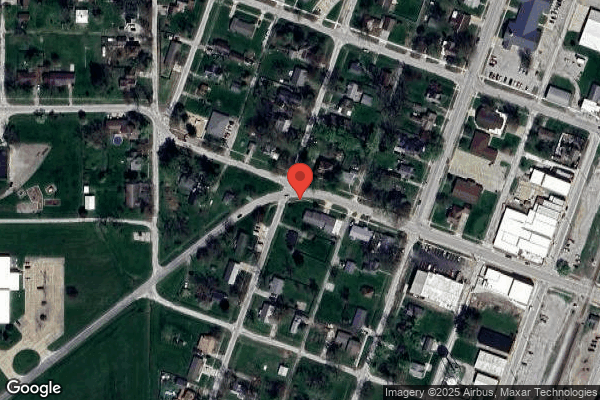
101 TROWBRIDGE ROAD, NEOGA, IL 62447 (217) 895-2665
For profit - Limited Liability company 71 Beds Independent Data: November 2025
Trust Grade
15/100
#248 of 665 in IL
Last Inspection: June 2024

Within standard 12-15 month inspection cycle. Federal law requires annual inspections.

Overview

Heartland Senior Living in Neoga, Illinois, has received a Trust Grade of F, indicating significant concerns about the facility. Ranking #248 out of 665 in Illinois places it in the top half of state facilities, and as #1 of 2 in Cumberland County means it is the best local option, but the overall score raises concerns. The facility is improving, with issues decreasing from 10 in 2023 to 8 in 2024; however, there are still serious staffing challenges, reflected in a 2/5 staffing rating and a turnover rate of 44%, which is slightly below the state average. Additionally, the facility has incurred $120,430 in fines, which is higher than 82% of facilities in the state, suggesting repeated compliance problems. Specific incidents have included failing to prevent pressure injuries for multiple residents and unsafe mechanical lift transfers, leading to skin tears and worsened conditions for some individuals, highlighting both serious care deficiencies and the need for improvement.

Trust Score
F
15/100
In Illinois
#248/665
Top 37%
Safety Record
High Risk
Review needed
Inspections
Getting Better
10 → 8 violations
Staff Stability
○ Average
44% turnover. Near Illinois's 48% average. Typical for the industry.
Penalties
⚠ Watch
$120,430 in fines. Higher than 76% of Illinois facilities, suggesting repeated compliance issues.
Skilled Nurses
⚠ Watch
Each resident gets only 29 minutes of Registered Nurse (RN) attention daily — below average for Illinois. Fewer RN minutes means fewer trained eyes watching for problems.
Violations
⚠ Watch
24 deficiencies on record. Higher than average. Multiple issues found across inspections.
★★★☆☆
3.0
Overall Rating
★★☆☆☆
2.0
Staff Levels
★★★☆☆
3.0
Care Quality
★★★☆☆
3.0
Inspection Score
Stable
2023: 10 issues
2024: 8 issues

The Good

  • Full Sprinkler Coverage · Fire safety systems throughout facility
  • No fines on record
  • Staff turnover below average (44%)

    4 points below Illinois average of 48%

Facility shows strength in fire safety.

The Bad

3-Star Overall Rating

Near Illinois average (2.5)

Meets federal standards, typical of most facilities

Staff Turnover: 44%

Near Illinois avg (46%)

Typical for the industry

Federal Fines: $120,430

Well above median ($33,413)

Significant penalties indicating serious issues

The Ugly 24 deficiencies on record

6 actual harm
Jul 2024 1 deficiency
CONCERN (D) 📢 Someone Reported This

A family member, employee, or ombudsman was alarmed enough to file a formal complaint

Potential for Harm - no one hurt, but risky conditions existed

Quality of Care (Tag F0684)

Could have caused harm · This affected 1 resident

Based on interview and record review the facility failed to follow physician orders for one (R10) of three residents reviewed for medication administration from a total sample list of 11 residents. Fi...

Read full inspector narrative →
Based on interview and record review the facility failed to follow physician orders for one (R10) of three residents reviewed for medication administration from a total sample list of 11 residents. Findings include: R1's undated diagnosis sheet documents the following diagnoses including Insomnia, Hyperlipidemia, Chronic Kidney Disease, Pulmonary Hypertension, Dysphasia, Urinary Tract Infection, Congestive Heart Failure, Asthma, Depression, Cognitive Communication Deficit, Anxiety, Gastroesophageal Reflux Disease, Myleodysplastic Syndrome, and Type II Diabetes Mellitus. The facility Medication Administration Policy dated March 2014 documents that drugs will be administered in accordance with orders of licensed medical practitioners of the State in which the facility operates. The facility Insulin Administration policy dated April 2007 documents the purpose is the safe administration of insulin to residents with diabetes. Equipment and supplies include a glucose monitoring device and insulin and the blood sugar is to be checked per physician order. R1's physician order dated 6/6/24 document an order for Insulin Lispro to administer four units subcutaneously at 10:00AM within ten minutes of eating a meal. Hold if blood sugar is less than 90 and notify the endocrinologist if blood sugars are lower than 70 three times consecutively. R1's June 2024 medication administration record documents that 4 units of Lispro Insulin was administered to R1 from July 6, 2024 through June 23, 2024 and no blood sugars were checked before the 10:00AM administration of insulin. On 7/1/24 at 2:45PM, V2 Director of Nursing said that R1 was a brittle diabetic and that her insulin orders were changed multiple time during her stay. On 7/1/24 at 3:00PM, V2 said that R1's blood sugars should have been documented before each 10:00AM insulin administration per the physician order.
Jun 2024 7 deficiencies 2 Harm
SERIOUS (G)

Actual Harm - a resident was hurt due to facility failures

Pressure Ulcer Prevention (Tag F0686)

A resident was harmed · This affected 1 resident

Based on observation, interview and record review the facility failed to provide ordered interventions to prevent the development of deep tissue injuries and worsening of a pressure injury and failed ...

Read full inspector narrative →
Based on observation, interview and record review the facility failed to provide ordered interventions to prevent the development of deep tissue injuries and worsening of a pressure injury and failed to provide weekly measurements and assessments for pressure injuries for four of five residents (R10, R47, R39 and R53) reviewed for pressure injuries from a total sample list of 33. These failures resulted in R10 and R47 developing deep tissue injuries and R47's unstageable pressure injury worsening. Findings include: The facility provided Prevention of Pressure Ulcers Policy dated August 2008 documents that the purpose of this procedure is to provide information regarding identification of pressure ulcer risk factors and intervention for specific risk factors. When in bed, every attempt should be made to float heels by placing a pillow from knee to ankle or with other devices as recommended by the physician. Additional factors that increase risk of pressure injuries include a healed ulcer. 1.) R10's care plan dated 4/20/22 documents that R10 is at risk for pressure ulcer development due to decreased strength and mobility and that the facility is to ensure that R10 wears heel boots to decrease the potential for pressure injury. The facility weekly pressure ulcer wound report dated April 26, 2024 documents an unstageable, left heel wound resolved for R10. On 6/11/24 at 1:15PM, R10 was observed laying in bed, without heel protectors or any type mechanism to float R10's heels. On 6/11/24 at 1:17PM, V2 Director of Nursing said that R10's right heel is boggy, and is developing a new deep tissue injury. On 6/12/24 at 8:30AM, V2 Director of Nursing said that R10 was supposed to have heel protectors on while in bed because she had a history of deep tissue injuries. On 6/12/24 at 8:45AM, V39 Licensed Practical Nurse said that the likely reason for R10's deep tissue wound is because her heels aren't being protected. I've seen her in bed a couple of times without her heel protectors on. On 6/12/24 at 8:50AM, V15 Certified Nursing Assistant stated, Yesterday (R10) didn't have her heel protectors on and she should have had them on. 2.) R47's physician orders dated 4/24/24 document an unstageable left heel pressure injury. R47's physician orders dated 9/30/23 document to ensure that heel protector boots are on while in bed. On 6/11/24 at 2:00PM, R47 was laying in bed without wearing protective heel coverings. On 6/12/24 at 8:30AM, R47 was sitting in her chair wearing non-slip socks, resting on the floor. R47's left foot had a scab on it and R47's right heel was turning light purple and was boggy, as with a deep tissue injury. The Weekly Wound Report dated 5/20/24 documents R47's left heel unstageable injury measures 0.2 centimeters (cm) x 0.7 cm x 0.4 cm. The Weekly Wound Report dated 5/27/24 documents R47's left heel unstageable injury measures 0.5cm x 1 cm x 0.7 cm and declining. The Weekly Wound Report dated 6/3/24 documents R47's left heel unstageable injury is measured at 0.7cm. No other measurements were taken, nor evaluation of the wound made. On 6/12/24 at 9:00AM, V2 Director of Nursing said that he was unaware of a new deep tissue injury on R47's right foot and that as his wound nurse had left the facility, he was trying to fill in as best that he could. On 6/12/24 at 8:45AM, V39 Licensed Practical Nurse said that the likely reason for R47's deep tissue wound is because her heels aren't being protected. I've seen her in bed a couple of times without her heel protectors on. On 6/12/24 at 12:22PM, V24 Nurse Practitioner said that if the interventions aren't put into place such as the heel protectors, the wounds will continue to worsen and I would expect both (R10 and R47) to be wearing (heel protectors) in bed as well as being monitored weekly. 3.) R53's electronic medical record documents diagnoses including Congestive Heart Failure, Acute and Chronic Respiratory Failure. R53's Physician's Orders dated 6/12/24 document orders for a Stage 3 pressure to the Sacrum, cleanse with wound cleanser, pat dry, apply a hydrocolloid wound dressing and cover with a bordered foam dressing. R53's Skin and Wound Evaluation dated 4/22/24 documents a new area to the Sacrum measuring 2.9 cm (centimeters) x (by) 3.5 cm x 1.3 cm and is documented as MASD (Moisture Associated Skin Damage) due to Incontinence Associated Dermatitis. R53's medical record has no further measurements or assessments of the area to the Sacrum until 5/2/24. R53's Skin and Wound Evaluation dated 5/2/24 documents a Stage 3 pressure wound to the Sacrum with no measurements of the area. The next Skin and Wound Evaluation is dated 5/17/24, 15 days later, and the area is documented as an Unstageable pressure wound to the Sacrum measuring 1.8 cm x 4.9 cm x 2.9 cm. R53's medical record documents two Skin and Wound Evaluations dated 5/23/24 for the pressure wound on the Sacrum. One assessment documents measurements of 5.7 cm x 4.5 cm x 1.8 cm and the other Skin and Wound Evaluation dated 5/23/24 documents measurements of the wound on the Sacrum as 2.0 cm x 2.7 cm x 1.1 cm. There is no explanation as to why there are two different assessments of the same area for R53 on 5/23/24. R53's Skin and Wound Evaluation dated 5/30/24 does not have any measurements of the pressure wound on the Sacrum. The next measurements for R53's pressure wound on the Sacrum are 14 days later on 6/6/24. R53's Skin and Wound Evaluation dated 6/6/24 documents measurements of the pressure wound on the Sacrum as 0.9 cm x 1.5 cm x 0.8 cm. On 6/12/24 at 11:25 AM, V2 Director of Nursing confirmed there were missing weekly assessments and could not explain why they were missing. V2 stated that their wound nurse is no longer with them. V2 stated that the wound logs that he has, document on 5/4/24 and on 5/30/24 that the nurse was unable to measure the wound but V2 stated there is no documented reason as to why they were not able to get measurements of the pressure wound on R53's Sacrum on those dates. On 6/12/24 at 11:55 AM, V29 Licensed Practical Nurse completed a wound treatment on R53's pressure wound to the Sacrum. The area was bright red and approximately 1 cm around. R53 was laying in bed on a low air loss mattress with a pillow under her right hip and the head of the bed elevated slightly. 4.) R39's Care Plan dated 4/23/24 documents diagnoses including Type 2 Diabetes Mellitus with Diabetic Neuropathy and Nutritional Deficiency. R39's Skin and Wound Evaluation dated 4/30/24 documents measurements of an unidentified wound as 0.3 cm x 0.9 cm x 0.5 cm. This wound assessment does not document what type of wound it is or where the wound is located or any other assessment of the wound. R39's Treatment Administration Record (TAR) dated 5/1/24 through 5/30/24 documents an order for a Stage 2 wound to the Coccyx and to cleanse with wound cleanser, pat dry, apply a hydrocolloid wound dressing and cover with a bordered foam dressing once a day every three days for wound management with a start date of 5/2/24. R39's medical record does not document any other wound assessments or measurements of the area on the Coccyx. On 6/10/24 at 10:02 AM, R39 was in her room in her recliner with her feet elevated. R39 stated that she has a wound on her bottom and has an extra cushion in her recliner. On 6/10/24 at 10:11 AM, V29 Licensed Practical Nurse stated that R39 has a pressure ulcer on her Coccyx. On 6/12/24 at 11:25 AM, V2 Director of Nursing confirmed there were no other measurements besides the ones on 4/30/24 for R39's wound on her Coccyx.
SERIOUS (G)

Actual Harm - a resident was hurt due to facility failures

Accident Prevention (Tag F0689)

A resident was harmed · This affected 1 resident

**NOTE- TERMS IN BRACKETS HAVE BEEN EDITED TO PROTECT CONFIDENTIALITY** Based on observation, interview and record review the facility failed to prevent injuries from multiple mechanical lift transfer...

Read full inspector narrative →
**NOTE- TERMS IN BRACKETS HAVE BEEN EDITED TO PROTECT CONFIDENTIALITY** Based on observation, interview and record review the facility failed to prevent injuries from multiple mechanical lift transfers (R10) and failed to supervise a dementia resident to prevent an elopement (R56) for two of two of residents reviewed for accidents from a total sample list of 33 residents. Failing to safely transfer R10 using the mechanical lift resulted in R10 suffering skin tears to bilateral legs. Findings include: 1.) On 6/11/24 at 1:15PM, R10's bilateral shins have open areas, with dried, blood soaked dressings approximately the size of a knee cap covering the tears. The facility skin and wound evaluation dated 4/24/24 documents a new skin tear on R10's right front shin. No new interventions were documented in the medical record after this skin tear occurred. The facility risk evaluation dated 5/3/24 documents a new skin tear on R10's left shin caused by the mechanical lift hitting R10's legs. The facility weekly wound report-non pressure dated 5/27/24 documents a left shin skin tear and nothing about a right shin skin tear. On 6/12/24 at 8:20AM, V2 Director Of Nursing said that the cause of R10's skin tears on her shins was from the mechanical lift hitting her legs during transfer. We wrapped the mechanical lift to prevent it from happening again. 2.) R56's undated Face Sheet documents R56's medical diagnoses as Dementia, Cognitive Communication Deficit, Senile Degeneration of Brain and history of falls. R56's Minimum Data Set (MDS) dated [DATE] documents R56 as severely cognitively impaired. This same MDS documents R56 as requiring maximum assistance for bed mobility, transfers, toileting, bathing, dressing and transfers. R56's Initial Report to the State Agency dated 6/10/24 documents (R56) was witnessed by (V7) Medical Records sitting out the back door by (V20's) Visitor's car. (V20) had propped the back door open to unload a piece of furniture. On 6/10/24 at 3:21 PM R56 was sitting in a wheelchair in the loading area beyond the facility sidewalk next to V20's car. R56 had removed her own foot pedals and was holding them in her lap. R56 was sitting next to V20's back passenger car door. On 6/10/24 at 3:20 PM V20 (R14) visitor reported that R56 had followed him out of the facility and into the parking lot waiting for a ride home. V20 stated he had paused the alarm on the back sliding doors so that he could bring items in and out of facility for R14. V20 stated (R56) must have followed me out. She said she is waiting for a ride home. I don't think I am supposed to do that. I don't think (R56) should be loose. On 6/10/24 at 3:30 PM V1 Administrator stated V20 (R14's) visitor held the back sliding doors open which allowed R56 to wheel herself out of the facility unnoticed. V1 stated either way the staff should have been watching more closely. V1 stated R56 has little safety awareness and she should not be out of the facility unattended. V1 Administrator stated the facility policy on Elopements only covers what to do after someone is found to be missing. V1 stated the facility does not have a separate policy to instruct staff to monitor residents. V1 Administrator stated That is just standard of care. Our staff should know to supervise residents when a door is left open.
CONCERN (D)

Potential for Harm - no one hurt, but risky conditions existed

Deficiency F0552 (Tag F0552)

Could have caused harm · This affected 1 resident

Based on interview and record review the facility failed to obtain a consent to administer a psychotropic medication for one (R10) of five residents reviewed for psychotropic medications from a total ...

Read full inspector narrative →
Based on interview and record review the facility failed to obtain a consent to administer a psychotropic medication for one (R10) of five residents reviewed for psychotropic medications from a total sample list of 33. Findings include: The facility provided Psychotropic Medication Use- Management Policy dated 10/1/2019 documents that consent will be obtained from the resident or resident's representative to administer the psychotropic medication ordered and that consent must be obtained prior to administration of the medication. Additionally, consent in writing will be obtained on the psychotropic medication consent form. A telephone order may be obtained and recorded and then the consent form will be printed and forwarded for signature. R10's physician order dated 4/26/24 documents an order for Seratraline (Antidepressant) 75 milligrams (mg) to be administered daily. R10's medical record does not contain a signed consent for Seratraline 75mg, nor Seratraline 100mg. On 6/11/24 at 11:05 AM V2 Director of Nursing stated, I don't have a consents for the 75mg or the 100mg doses of Seratraline that have been ordered. I only have consents for Seratraline 25mg and Seratraline 50mg.
CONCERN (D)

Potential for Harm - no one hurt, but risky conditions existed

Report Alleged Abuse (Tag F0609)

Could have caused harm · This affected 1 resident

**NOTE- TERMS IN BRACKETS HAVE BEEN EDITED TO PROTECT CONFIDENTIALITY** Based on interview and record review the facility failed to report an allegation of physical abuse to the Abuse Coordinator for ...

Read full inspector narrative →
**NOTE- TERMS IN BRACKETS HAVE BEEN EDITED TO PROTECT CONFIDENTIALITY** Based on interview and record review the facility failed to report an allegation of physical abuse to the Abuse Coordinator for one (R22) resident out of one resident reviewed for abuse in a sample list of 33 residents. Findings include: R22's undated Face Sheet documents R22's medical diagnoses of Non Traumatic Intracerebral Hemorrhage, Diastolic Heart Failure, Paroxysmal Atrial Fibrillation, Hypertension, Unsteady on Feet and Abnormal Posture. R22's Minimum Data Set (MDS) dated [DATE] documents R22 as cognitively intact. This same MDS documents R22 as requiring maximum assistance for transfers using a total body mechanical lift and dependent on staff for dressing, toileting, bed mobility and person hygiene. R22's Care Plan intervention dated 4/12/23 instructs staff to report any signs of abuse to the Abuse Coordinator. On 6/10/24 at 9:46 AM R22 stated (V3) Certified Nurse Aide (CNA) pushed me around this morning. (V3) throws me around like a sack of potatoes. (V3) pushed me so hard one day she left bruises on my Right Arm. I didn't know who to report it to but I told (V4) Certified Nurse Aide. (V4) told me (V3) has been rough with other people too. I know I have told other people too but I don't remember who. (V4) CNA told me who to report it to but I never saw them. They (facility) didn't do anything with (V3) CNA. (V3) CNA gets me up every morning and slams me around. (V3) doesn't talk to me, she just comes in and pushes me so hard it hurts and then throws me in my chair. (V3) doesn't need to be taking care of people. On 6/10/24 at 12:15 PM V1 Administrator and V2 Director of Nurses (DON) both stated R22's allegation of abuse by (V3) Certified Nurse Aide (CNA) was never reported to V1 nor V2. R22's Initial Incident Report to the State Agency dated 6/10/24 documents R22 (identified as R1 on the report) alleged that V3 Certified Nurse Aide (CNA) pushed her arm leaving fingerprints. On 6/10/24 at 12:26 PM V6 Registered Nurse (RN) stated R22 has Left sided neglect due to a Cerebral Vascular Accident (CVA). V6 RN stated R22 has had several bruises on her Right Upper Arm several times. V6 RN stated I didn't think the bruises were abuse or anything. (R22) gets incidental bruises. I don't report every bruise or do a skin investigation on every little bruise. I never reported anything to (V1) Administrator. On 6/10/24 at 3:30 PM V4 Certified Nurse Aide (CNA) stated R22 has complained about V3 CNA 'multiple times.' V4 CNA stated (V3) does have a bit of a reputation for being rough. (R22) has told me every time I have worked over there (on R22's hall) or even gone over to help (R22) with something. I have seen bruises on (R22's) Right Upper Arm but I didn't think that was abuse or anything. I never reported them. I didn't ever see (V3) hit (R22) or anything so I thought I had to actually see an abuse to report it. I don't tell my nurse about every little bruise. I didn't tell (V1) Administrator about (R22's) bruises. On 6/11/24 at 12:50 PM V3 Certified Nurse Aide (CNA) stated (V15) Certified Nurse Aide (CNA) and I were helping (R22) a week ago Wednesday (5/29/24) and (R22) said 'you (V3) are mean to me. You hurt me.' We (V3, V15) just thought that is something (R22) says. I didn't report anything to (V1) administrator. (R22) is just like that sometimes. (R22) is alert and oriented but sometimes she says people hurt her when I don't think they do. That is just (R22). V3 CNA stated she should have reported R22's allegation of abuse to V1 Abuse Coordinator/Administrator. The facility policy titled 'Abuse Prevention Program' dated October 2022 documents employees are required to report any incident, allegation or suspicion of potential abuse, neglect, exploitation, mistreatment or misappropriation of resident property they observe, hear about, or suspect to the administrator immediately, to an immediate supervisor who must then immediately report it to the Administrator or to a compliance hotline or compliance officer.
CONCERN (D)

Potential for Harm - no one hurt, but risky conditions existed

Incontinence Care (Tag F0690)

Could have caused harm · This affected 1 resident

Based on observation, interview, and record review the facility failed to maintain a urinary catheter in a safe, sanitary, and dignified manner for one resident (R38) of four residents reviewed for ca...

Read full inspector narrative →
Based on observation, interview, and record review the facility failed to maintain a urinary catheter in a safe, sanitary, and dignified manner for one resident (R38) of four residents reviewed for catheters in a sample list of 33. Findings include: The facility's policy Catheter Care Urinary revised September 2005 states The purpose of this procedure is to prevent Urinary Tract Infections. This policy also states Be sure the catheter tubing and drainage bags are kept off the floor. The policy also states The urinary drainage bag must be held or positioned lower than the bladder at all times to prevent the urine in the tubing and drainage bag from flowing back into the urinary bladder. The policy also states Ensure the catheter remains secured with a leg strap to reduce friction and movement at the insertion site. (note: catheter tubing should be strapped to the resident's inner thigh.) R38's Care Plan revised 6/12/24 includes the following diagnoses: Chronic Kidney Disease Stage 3B, Benign Prostatic Hypertrophy with Lower Urinary Tract Symptoms. On 6/10/24 at 12:00PM R38 was observed sitting in the hall with the catheter tubing dragging on the floor. The catheter bag was hanging under the wheelchair and was not contained in a dignity bag. On 06/12/24 at 2:05 PM V26, Certified Nurse's Aide (CNA) and V28, Certified Nurse's Aide (CNA) were providing catheter care for R38. When transferring R38 to bed per sling type mechanical lift V26 lifted the catheter bag to the level of R38's chest and urine was noted to back flow into the catheter tubing. V26 stated V26 was not aware the drainage bag should be kept below the level of the bladder. R38's catheter was not anchored to prevent torsion on the tubing. R38 stated When you pull on the tube it hurts. Redness was observed around R38's urinary meatus. R38's Medication Administration Record (MAR) for June 2024 includes a physician's order for Macrobid (antibiotic) Oral Capsule Give 100 mg by mouth one time a day for recurrent UTI (Urinary Tract Infection). On 6/12/24 at 12:30PM V2, Director of Nursing stated The catheter bag should not be above the level of the bladder. We do usually use an anchor device. (R38) likes to pull on his catheter and has pulled it out in the past.
CONCERN (D)

Potential for Harm - no one hurt, but risky conditions existed

Deficiency F0694 (Tag F0694)

Could have caused harm · This affected 1 resident

Based on observation, interview and record review the facility failed to properly administer intravenous medication to prevent infection for one (R316) of one residents reviewed for intravenous medica...

Read full inspector narrative →
Based on observation, interview and record review the facility failed to properly administer intravenous medication to prevent infection for one (R316) of one residents reviewed for intravenous medication administration from a total sample list of 33 residents. Findings Include: The facility Medication Administration, Intravenous Administration of Fluids and Electrolytes documents that staff will be knowledgeable regarding the safe and aseptic administration of intravenous fluids and electrolytes for hydration. Prime tubing of administration set, disinfect needleless connection device with alcohol wipe, flush catheter using normal saline per facility protocol, connect primed administration set to needleless connection device, and then open roller clamp. R316's diagnosis list includes: Cellulitis of left finger, Diabetes Mellitus Type Two, Rhabdomylosis, Insomnia, Depression, Hypertension and Joint Pain. R316's physician orders dated 6/11/24 document an order for Vancomycin (antibiotic) 1 gram (gm) to be given intravenously, daily for five days. On 6/12/24 at 9:10AM, V23 Licensed Practical Nurse (LPN) administered Vancomycin 1gm per intravenous line. V23 LPN unscrewed the needleless cap from end of the intravenous catheter opening the catheter line to air. V23 LPN then used an alcohol swab on and inside the open end of the intravenous catheter and then flushed the catheter with normal saline. V23 LPN then allowed the open catheter to drip blood on the floor while she primed an unknown amount of Vancomycin through the tubing and into the waste basket. V23 LPN then connected the Vancomycin line directly into the open port. On 6/12/24 at 10:00AM, V2 Director of Nursing said that he went over intravenous administration with V23 LPN the other day and showed her to leave the cap on and not open the system. She needs more training on (intravenous lines). I would expect the system to remain intact and she should not have wiped the open catheter with alcohol. Managing R316's intravenous line the way that V23 LPN could cause R316 an infection.
CONCERN (D)

Potential for Harm - no one hurt, but risky conditions existed

Respiratory Care (Tag F0695)

Could have caused harm · This affected 1 resident

Based on observation, interview and record review the facility failed to ensure a resident had an order for the use of oxygen and failed to ensure oxygen/nebulizer tubing/equipment was changed accordi...

Read full inspector narrative →
Based on observation, interview and record review the facility failed to ensure a resident had an order for the use of oxygen and failed to ensure oxygen/nebulizer tubing/equipment was changed according to facility policy for two of three residents (R265 and R266) reviewed for respiratory care in a sample list of 33 residents. Findings include: The facility's Oxygen policy with effective date of 1/1/2015 states that tubing must be changed weekly and must be labeled with date and initials of individual who changed the tubing. The facility's undated Nebulizer policy documents nebulizer tubing and mask or t-tube (T shaped tube) device must be changed every 24 hours and rinsed post treatment. 1.) On 6/11/24 at 10:42 AM, R265 was in R265's room and there was an oxygen concentrator in the room. The hydration bottle on the concentrator and the oxygen tubing were not dated to indicate when they were changed. R265's Medication Administration Record and Treatment Administration Record dated 6/11/24 do not document an order for oxygen or an order for tubing changes for the oxygen or for the nebulizer. R265's Order Summary Report dated 6/11/24 does not document any orders for oxygen administration, oxygen tubing changes or nebulizer mask and tubing changes. This Order Summary documents an order for Albuterol Sulfate Inhalation Nebulization Solution 2.5 MG (milligrams)/3ML (milliliters) 0.083% one vial, inhale orally via nebulizer every 4 hours as needed for Wheezing or SOB (Shortness of Breath) with a start date of 6/7/24. R265's Care Plan with an admission date of 6/7/24 does not document the use of nebulizer treatments or oxygen therapy. R265's Nurse's Note dated 6/11/24 at 9:59 AM documents R265 continues to use oxygen via nasal cannula. On 6/11/24 at 11:15 AM, V2 Director of Nursing confirmed there was no active order for R265's oxygen administration. V2 stated he personally brought R265 to the facility and R265 was on room air, not oxygen, at that time. 2.) On 6/11/24 at 12:09 PM, R266 was in R266's room sitting in the recliner with the nebulizer machine sitting on windowsill. The tubing and the mask were attached to the nebulizer machine and were laying open on top of a clear bag. The Nebulizer mask and tubing did not have the date on them to indicate when they were changed. R266 stated he had used the nebulizer at least three times that day. On 6/12/24 at 9:55 AM, V2 stated all tubing is changed on Saturday nights and that task is documented on the resident's Treatment Administration Record. R266's Medication Administration Record (MAR) and Treatment Administration Record (TAR) dated 6/10/24 does not document an order for nebulizer tubing or mask changes. R266's MAR/TAR documents an order for Ipratropium Bromide Inhalation Solution 0.02% (percent) 2.5ml (milliliters) inhale orally via nebulizer three times a day for Pneumonia for 10 days with a start date of 6/4/24 and an order for Levalbuterol HCL (Hydrochloride) Inhalation Nebulizer Solution 0.63mg(milligrams)/3ml; 3ml inhale orally via nebulizer three times a day for Pneumonia for 10 days with a start date of 6/4/24. R266's Order Summary Report dated 6/11/24 does not document an order to change the nebulizer tubing or the nebulizer mask.
Nov 2023 1 deficiency
CONCERN (D) 📢 Someone Reported This

A family member, employee, or ombudsman was alarmed enough to file a formal complaint

Potential for Harm - no one hurt, but risky conditions existed

Deficiency F0552 (Tag F0552)

Could have caused harm · This affected 1 resident

**NOTE- TERMS IN BRACKETS HAVE BEEN EDITED TO PROTECT CONFIDENTIALITY** Based on interview and record review the facility failed to protect the resident's right to be informed of and participate in th...

Read full inspector narrative →
**NOTE- TERMS IN BRACKETS HAVE BEEN EDITED TO PROTECT CONFIDENTIALITY** Based on interview and record review the facility failed to protect the resident's right to be informed of and participate in their treatment by failing to keep the resident's representative informed of a newly acquired infection and related treatment options for one of three residents (R1) reviewed for Resident Rights in the sample of three. Findings include: R1's Medical Diagnoses sheet dated November 2023 documents diagnoses of Dementia, Covid-10 History, Anxiety, Dysphagia, and Cognitive Communication. R1's Physician Order Sheet dated November 2023 documents an order for urine analysis via straight catheterization with culture and sensitivity and Cipro (antibiotic) 500 milligrams, one tablet by mouth, two times a day for seven days for Urinary Tract Infection starting 9/30/23. R1's Minimum Data Set, dated [DATE] documents R1 is severely cognitively impaired, frequently incontinent and requires extensive assist of two people for toileting. R1's Progress Notes dated 9/29/23 documents V5 Licensed Practical Nurse (LPN) received R1's Urine Culture and Sensitivity Report from V7 Medical Doctor with an order to start Cipro 500 milligrams twice per day for seven days for UTI. On 11/5/23 at 1:58 PM V5 Licensed Practical Nurse (LPN) stated she received the urine culture results from V7 Medical Doctor who ordered R1 to start an antibiotic. V5 stated she placed the orders however forgot to call R1's Power of Attorney (POA)/Family and inform them about the urinary tract infection (UTI)/lab results and new order for the antibiotic to treat the UTI. V5 stated she should have notified R1's POA because R1 had severe cognitive impairment. On 11/6/23 at 1:00 PM V6 (R1's Daughter/POA) and V9 (R1's Son/POA) denied being notified R1 ever had an UTI or that she was treated for one with a new antibiotic. V6 stated she would have like to know if her mom had an infection and what diagnostic and treatment option were available. On 11/6/23 at 2:10 PM V1 Administrator confirmed residents/resident representatives should be informed of and be able to make decisions about the care and treatment they receive.
Sept 2023 1 deficiency
CONCERN (F) 📢 Someone Reported This

A family member, employee, or ombudsman was alarmed enough to file a formal complaint

Potential for Harm - no one hurt, but risky conditions existed

Infection Control (Tag F0880)

Could have caused harm · This affected most or all residents

Based on observation, interview and record review the facility failed to test all staff that were in close contact with a COVID-19 positive resident and failed to post isolation signage immediately on...

Read full inspector narrative →
Based on observation, interview and record review the facility failed to test all staff that were in close contact with a COVID-19 positive resident and failed to post isolation signage immediately on an isolation room after the resident testing positive for COVID-19. This failure has the potential to affect all 68 residents residing in the facility. Findings include: The facility's SARS-CoV-2 (COVID-19) Policy and Procedure: Testing Plan and Response policy with a revised date of 5/25/23 documents, It is the policy of this facility to minimize exposure to respiratory pathogens, promptly identify residents or healthcare personnel with signs or symptoms of COVID-19 and implement interventions based upon Federal and State/Local recommendations (to include admissions, visitation, standard and transmission-based precautions, hand hygiene, universal source control, PPE (Personal Protective Equipment) use, resident placement, etc. {etcetera}) to prevent and/or mitigate the spread of COVID-19. PROCEDURE: Asymptomatic residents and HCP (Healthcare Personnel) with a close contact or higher-risk exposure with someone with SARS-CoV-2 infection are recommend(ed) to have a series of three viral tests for SARS-CoV-2 infections unless they have recovered from COVID-19 in the prior 30 days. Testing is recommended immediately (but not earlier than 24 hours after the exposure) and, if negative, again 48 hours after the first negative test and, if negative, again 48 hours after the second negative test. On 9/20/23 at 8:46 AM, V1 Administrator stated here are five residents that tested positive for COVID-19 and are currently in isolation. On 9/20/23 at 9:01 AM, there were five resident rooms with Contact, Droplet and Enhanced Barrier precautions signs posted outside the rooms. On 9/20/23 at 10:45 AM, V3 Infection Preventionist stated the outbreak started on a Sunday with one resident having congestion symptoms. The nurse completed a COVID-19 test that came back positive. V3 stated the nurse (V4 Licensed Practical Nurse) tested the roommate and the roommate was negative. V3 stated they started isolation the next day when management arrived at the facility. On 9/20/23 at 11:00 AM, V2 Director of Nursing stated the facility started isolation on Sunday. V2 stated that the nurse hung isolation supplies on the door but did not post isolation signage outside of the room until the next day because housekeeping is responsible and they had already left for the day. On 9/20/23 at 11:14 AM, V4 Licensed Practical Nurse stated the resident started to have a cough and lethargy so V4 performed a COVID-19 test. V4 stated V4 completed a second test on the resident after the first one was positive just to be sure. V4 stated V4 then contacted V1 and V2. V4 stated that V4 hung isolation supplies on the resident's door but did not hang isolation signs until the next day. On 9/20/23 at 11:39 AM, V5 Certified Nursing Assistant (CNA) stated they only test for COVID-19 if they have symptoms. On 9/20/23 at 11:42 AM, V6 CNA stated V6 was not tested at this facility. On 9/20/23 at 11:45 AM, V7 CNA stated the facility requires you to test only if you are symptomatic. On 9/20/23 at 11:50 AM, V8 Registered Nurse stated V8 was not instructed to COVID-19 test. The facility's Resident Listing Report dated 9/20/23 documents 68 residents reside in the facility.
May 2023 8 deficiencies 3 Harm
SERIOUS (G)

Actual Harm - a resident was hurt due to facility failures

Pressure Ulcer Prevention (Tag F0686)

A resident was harmed · This affected 1 resident

**NOTE- TERMS IN BRACKETS HAVE BEEN EDITED TO PROTECT CONFIDENTIALITY** Based on observation, interview, and record review, the facility failed to ensure a safe transfer and implement a pressure relie...

Read full inspector narrative →
**NOTE- TERMS IN BRACKETS HAVE BEEN EDITED TO PROTECT CONFIDENTIALITY** Based on observation, interview, and record review, the facility failed to ensure a safe transfer and implement a pressure relieving intervention to prevent pressure wounds for two (R29 and R23) of seven residents reviewed for pressure sores from a total sample list of 39. These failures resulted in R29 developing an unstageable pressure sore and R23 developing a deep tissue injury. Findings include: 1.) R29's undated diagnoses sheet documents diagnoses including pulmonary emboli, muscle contractures, Parkinson's Disease, hypertension, depression, hemiplegia and hemiparesis of the right side and Lewy Body dementia. R29's care plan identifies R29 as at risk for skin integrity due to fragile skin, incontinence, and poor mobility. The interventions listed include using caution during transfer and bed mobility to prevent striking arms, legs, and hands against any sharp or hard surface. R29's Minimum Data Set, dated [DATE] documents R29 as totally dependent for transfers with lower extremity impairment bilaterally requiring a mechanical lift and the assistance of two persons. R29's Minimum Data Set, dated [DATE] documents R29 as moderately cognitively intact. On 5/15/23 at 10:30AM, R29 stated that his toes hurt, pointing to his left foot. The facility provided weekly pressure ulcer wound report dated 5/7/23 to 5/13/23 documents R23 acquired a 1.0 centimeter by 0.6-centimeter unstageable wound to his left great toe on 5/4/23. On 5/16/23 at 3:27PM, R29 was sitting up in a reclining, positioning chair wearing socks. Upon dressing change, the side of the left great toe was noted to have a scab that was black in color and dime sized. On 5/17/23 at 9:53AM, V9 (Certified Nursing Assistant/CNA) stated, R29 got his wound on his toe because they (staff) hit his toe on the (mechanical lift). You have to go slow with these people, or they get hurt. On 5/17/23 at 11:55AM, V15 (Nurse Practitioner/NP) said that when a (mechanical lift) hits the skin with force, it can obviously cause a wound. On 5/17/23 at 10:00AM, V2 (Director of Nursing/DON) stated, I'm not gonna lie, it could have been prevented. We need to do some education. 2.) R23's undated diagnosis sheet documents that R23 was admitted on [DATE] for skilled therapy following a hospitalization for repair of a right hip fracture with the following diagnoses: Right Hip Fracture, Dementia, Anemia, Anxiety, Depression, Arthritis, Coronary Artery Disease, Asthma, Hypothyroidism, Kidney disease, Overactive bladder, Obesity, and Vitamin D deficiency. R23 requires a mechanical lift and two assist for transfers. R23's skilled evaluation dated 10/31/22 documents R23 has lower extremity impairment bilaterally, for range of motion. The facility provided weekly pressure ulcer wound report dated 11/4/22 documents R23's deep tissue injury was identified on 10/19/22 on the right heel sized 17.1 centimeters by 4.3 centimeters by 5.2 centimeters with a treatment order to use liquid silicone barrier wipes on the heel. On 5/17/23 at 9:53AM, R23's heel was reddened with a scab running vertically with the foot. Iodine was also noted on the heel with a boggy appearance. On 5/17/23 at 9:54AM, V9 (CNA) said, R23's right heel was open but now it is just red. It wasn't being floated when she got the wound. On 5/17/23 at 10:05AM, V2 (DON) stated, R23 came to us with a broken right hip, and she couldn't really move. Her heels didn't get floated like they should have been. The (deep tissue injury) wound happened and then it opened and yes, it was preventable. On 5/17/23 at 11:48AM, V15 (NP) said that when a resident's heels are not floated and they rest on the bed, the likely result is preventable wounds.
SERIOUS (G)

Actual Harm - a resident was hurt due to facility failures

Accident Prevention (Tag F0689)

A resident was harmed · This affected 1 resident

Based on observation, interview, and record review, the facility failed to prevent a fall for one (R18) of five residents reviewed for accidents on the sample list of 39. This failure resulted in R18 ...

Read full inspector narrative →
Based on observation, interview, and record review, the facility failed to prevent a fall for one (R18) of five residents reviewed for accidents on the sample list of 39. This failure resulted in R18 sustaining a right hip fracture requiring surgical intervention. Findings include: R18's Fall Risk Care plan with an initiation date of 10/19/21 documents R18 is at risk for falls due to history of falls, confusion, gait, and balance problems, and R18 is unaware of safety needs. On 5/15/23 at 11:20 AM, R18 was sitting in a wheelchair in the doorway. When asked if R18 has fallen, R18 rubbed the top of her right leg and stated she has broken her leg. R18's Nurse's Notes dated 1/10/2023 at 9:09 PM document, Nurse was at desk and heard sounds of something falling. Then heard (R18) yell help. When entered room (R18) was sitting at foot of bed yelling my hip is broke my hip is broke. (R18's) right leg had external rotation. (R18) stated she heard the phone ring and had to get up and answer it. (R18) was holding her portable in her hand. This note also documents R18 was sent to the emergency room for evaluation. R18's Nurse's note dated 1/11/23 at 12:06 AM, documents R18 was admitted to the hospital with a Right Intertrochanteric fracture. R18's Radiology report dated 1/10/23 documents R18 had pain in right hip after a fall. This report documents R18 has an Intertrochanteric hip fracture. R18's Surgical report dated 1/13/23 documents R18's fracture was surgically repaired. R18's Post Fall Evaluation form dated 1/10/2023 at 8:15 PM documents R18's fall was not witnessed and occurred in the Resident's room. The form documents the activity at the time of fall was self-transferring. This form documents the reason for the fall as going to answer the phone. This form documents, a right hip injury resulted due to the fall. This form documents an intervention to place phone within reach. On 5/16/23 at 11:01 AM, V2 (Director of Nursing/DON) walked down to R18's room. V2 stated after R18's fall on 1/10/23 they moved R18's bedside table from the corner of the room to the side of R18's bed so that she could reach her phone. V2 stated her phone was on her nightstand in the corner of the room when she fell on 1/10/23. V2 stated the root cause of the fall was that she tried to get up out of bed to answer the phone and could not reach it and fell. At that time, R18's phone was sitting on the edge of R18's bedside table and was within reach. R18's bed was place near the middle of the room and the corner of the room was approximately five feet from the corner of the room.
SERIOUS (G)

Actual Harm - a resident was hurt due to facility failures

Deficiency F0697 (Tag F0697)

A resident was harmed · This affected 1 resident

Deficiency Text Not Available

Read full inspector narrative →
Deficiency Text Not Available
CONCERN (D)

Potential for Harm - no one hurt, but risky conditions existed

Free from Abuse/Neglect (Tag F0600)

Could have caused harm · This affected 1 resident

**NOTE- TERMS IN BRACKETS HAVE BEEN EDITED TO PROTECT CONFIDENTIALITY** Based on observation, interview, and record review, the facility failed to protect the resident's rights to be free from physic...

Read full inspector narrative →
**NOTE- TERMS IN BRACKETS HAVE BEEN EDITED TO PROTECT CONFIDENTIALITY** Based on observation, interview, and record review, the facility failed to protect the resident's rights to be free from physical abuse by another resident for two of two residents (R34 and R4) reviewed for Abuse in a sample list of 39 residents. Findings include: R34's Care Plan revised 2/1/23 documents the following diagnoses: Congestive Heart Failure, History of Falls, Unsteadiness on Feet, and Major Depression. R34's Care Plan also documents R34 has the potential to experience aggressive behavior (such as hitting) towards staff and/or other residents related to her diagnosis of dementia with behavioral disturbances. This problem is documented as Initiated: 08/18/2020. R34's Minimum Data Set, dated [DATE] documents R34 is severely cognitively impaired. On 5/15/23 at 11:30AM, R34 was observed wheeling around the hall aimlessly. R34 screamed out. Staff did not approach or redirect R34. R4's Care Plan revised 5/10/25 documents the following diagnoses: Repeated Falls, Dementia, Psychotic Disturbance, Mood Disturbance, and Anxiety. R4's Care Plan also documents R4 is considered at risk for abuse/neglect per abuse risk assessment due to dependence on others This problem is documented as Date Initiated: 01/12/2022. R4's Minimum Data Set, dated [DATE] documents R4 is severely cognitively impaired. V11's (Licensed Practical Nurse/LPN) Witness Statement attached to the incident report of 5/11/23 at 2:40PM documents, R34 was witnessed attempting to pass through a small group of other residents when R34 reached out and punched R4 in the right side of R4's mouth. R34 was separated and escorted to an area with less stimulation. Neither resident was able to give an account of what happened. No injury noted on either resident. There is no documentation in R34's progress notes about the incident. There is no documentation in R4's progress note to indicate R4 was assessed following the incident. On 5/17/23 at 11:00AM, V11 stated, Shortly after my evening shift started, I observed R34 wheeling in her wheelchair down the hall toward the nurse's station. R34 had just been given a shower. R34 gets a little upset after her shower sometimes. R4 was in R34's way. R34 yelled 'shut up' and reached out with the back of her hand and punched R4 in the right side of the mouth. We separated them, and I made sure neither of them was injured, and I reported the incident. The facility's policy Abuse Prevention Program, dated 10/22/23, states, Physical Abuse is the infliction on a resident that occurs other than by accidental means and that requires medical attention. Physical abuse includes hitting, slapping, pinching, kicking, and controlled behavior through corporal punishment.
CONCERN (E)

Potential for Harm - no one hurt, but risky conditions existed

Deficiency F0804 (Tag F0804)

Could have caused harm · This affected multiple residents

Based on observation and interview, the facility failed to serve palatable food. This failure affects one resident (R11) of 24 reviewed for palatable food in the sample list of 39. Findings include: O...

Read full inspector narrative →
Based on observation and interview, the facility failed to serve palatable food. This failure affects one resident (R11) of 24 reviewed for palatable food in the sample list of 39. Findings include: On 5/15/2023 at 12:03PM, R11 stated the food is cold at times and the meat is tough. On 5/16/2023 3:45PM, the supper entree meat was pork chop with gravy. When tasted, the meat was very tough and difficult to chew and also contained an approximate quarter-inch bone fragment that was sharp. On 5/17/2023 at 10:36AM, V10 (Dietary Manager) reported dietary staff sometimes taste the food the facility serves to residents.
CONCERN (E)

Potential for Harm - no one hurt, but risky conditions existed

Infection Control (Tag F0880)

Could have caused harm · This affected multiple residents

B. On 5/16/23 at 8:20AM, V3 (LPN) provided medications to R53. V3 LPN did not use hand hygiene prior to administering medications, nor after the medications had been administered. On 5/16/23 at 8:29A...

Read full inspector narrative →
B. On 5/16/23 at 8:20AM, V3 (LPN) provided medications to R53. V3 LPN did not use hand hygiene prior to administering medications, nor after the medications had been administered. On 5/16/23 at 8:29AM, V3 (LPN) provided medications to R21. V3 did not use hand hygiene prior to administering medications, nor after the medications had been administered. On 5/16/23 at 9:00AM, V3 (LPN) stated that she forgot to use hand hygiene when providing medications to multiple residents. The facility provided Infection Control: Handwashing/Hand Hygiene Policy effective date November 2013 documents, It is the policy of the facility to assure staff practice recognized handwashing/hand hygiene procedures as a primary means to prevent the spread of infections among residents, personal and visitors. 3. When hands are not visibly soiled, employees may use an alcohol-based hand rub containing 60-95% ethanol or isopropyl in all of the following situations: a. Before direct contact with residents b. after direct contact with a resident but prior to direct contact with another resident c. before donning gloves d. before performing any non-surgical invasive procedures e. before preparing or handling medications. Failures at this level required more than one deficient practice statement. A. Based on observations, interviews, and record review, the facility failed to follow their facility's infection control policy by failing to implement Enhanced Barrier Precautions for four (R29, R6, R49, and R55) of 24 residents reviewed for transmission-based precautions on the sample list of 39. B. Based on observation, interview, and record review, the facility failed to follow their infection control policy by failing to complete hand hygiene while passing resident medications for two (R53 and R21) of six residents reviewed for medication administration from a total sample list of 39. Findings include: A. On 5/16/23 at 12:43 PM, V13 (Certified Nursing Assistant/CNA) and V14 (Certified Nursing Assistant/CNA) provided catheter care to R49. V13 and V14 washed their hands and applied gloves. V13 and V14 did not put on gowns V13 and V14 were along both sides of the bed and leaning over and touching the bed and bed linens to cleanse R49's catheter. R49's door or wall outside of the room did not have a sign that indicated that EBP were indicated. On 5/15/23 at 9:59 AM, R55 was lying in bed. R55 was noted to have a PICC (Peripherally Inserted Central Catheter) line with intravenous (IV) fluids infusing into the PICC line. At that time, there was no sign on the R55's door or wall outside the door to indicate EBP. On 5/16/23 at 8:31 AM, V5 (Registered Nurse/RN) cleansed the port of R55's PICC line, flushed R55's PICC line with normal saline, and started R55's IV fluids (Vancomycin). During care to R55's PICC line, V5 was wearing gloves but was not wearing a gown. On 5/16/23 at 3:27 PM, V3 (Licensed Practical Nurse/LPN) provided care to R29's wound on the left great toe. V3 stated R29 also had a stage two wound to the coccyx. V3 was wearing gloves but not a gown. On 5/16/23 at 3:41 PM, V3 changed the dressing to R6's wound to R6's buttocks. The wound to R6's buttocks was open, and the wound bed was red. V3 was wearing gloves when changing the dressing but did not wear a gown. On 5/16/23 at 2:39 PM, V12 (Infection Preventionist) stated V12 is new to the facility. V12 was not aware of the enhanced barrier precautions policy. V12 confirmed R29, R6, R23, R49, and R55 are not in enhanced barrier precautions. V12 stated per the facility policy enhanced barrier precautions should have been implemented for R29, R23, R49, and R55. The facility's Isolation - Categories of Transmission Based Precautions policy with a revision date of February of 2020 documents, Enhanced Barrier Precautions (EBP) falls between Standard and contact Precautions, this requires gown and glove use for certain residents during high-contact resident care activities when another resident, on the same unit, is infected/colonized with a Novel or Targeted MDRO (Multi Drug Resistant Organism). The policy also states d. EBP applies to all residents with any of the following: (1) Wounds and/or indwelling medical devices (e.g., central line, urinary catheter, feeding tube, tracheotomy). e. Clear signage will be posted on the door or wall outside the resident room indicating the type of Precaution and required PPE (personal protective equipment).
CONCERN (F)

Potential for Harm - no one hurt, but risky conditions existed

Deficiency F0761 (Tag F0761)

Could have caused harm · This affected most or all residents

Based on observation, interview, and record review, the facility failed to follow their Controlled Substance Storage policy by failing to maintain possession of the keys to medication/narcotic storage...

Read full inspector narrative →
Based on observation, interview, and record review, the facility failed to follow their Controlled Substance Storage policy by failing to maintain possession of the keys to medication/narcotic storage areas. This failure has the potential to affect all 20 residents residing on the 300-hall including: R6, R10, R12, R13, R20, R21, R22, R23, R24, R25, R29, R30, R36, R38, R39, R46, R50, R52, R53, and R259 from a total sample list of 39. Findings include: On 5/16/23 at 8:00AM, V3 (Licensed Practical Nurse/LPN) was ready to begin passing medications to residents when she stated that she did not have her cart/narcotic keys. V3 said that V2 (Director of Nursing/DON) had taken them and that she could not locate him. On 5/16/23 at 8:05AM, V6 (Licensed Practical Nurse/LPN) handed V3 the keys to the 300-hall cart. At this time, V3 (LPN) said that she would not let someone take her keys again because she needed to be able to provide care for her residents. The facility Controlled Substance Storage Policy dated 10/12/22 documents, Schedule II-V medications and other medication subject to abuse or diversion are stored in a permanently affixed, double locked compartment separates from all other medications or per state regulation. The access system to controlled medication is not the same as the system giving access to other medication (the key that opens the compartment is different from the key that opens the medication cart). If a key system is used, the medication nurse on duty maintains possession of the key to controlled substance storage areas.
CONCERN (F)

Potential for Harm - no one hurt, but risky conditions existed

Food Safety (Tag F0812)

Could have caused harm · This affected most or all residents

Based on observation, interview, and record review, the facility failed to prevent the potential for physical cross-contamination of food. This failure has the potential to affect all 61 residents in ...

Read full inspector narrative →
Based on observation, interview, and record review, the facility failed to prevent the potential for physical cross-contamination of food. This failure has the potential to affect all 61 residents in the facility. Findings include: On 5/15/2023 at 10:00AM, the table-mounted can opener and receiver in the main kitchen were soiled with accumulations of metal shavings. On 5/16/2023 at 3:50PM, the can opener from above remained soiled with metal shavings. On 5/17/2023 at 10:36AM, the can opener from above remained soiled with metal shavings. V10 (Dietary Manager) was present and reported dietary staff should be cleaning the can opener daily. The Resident Census and Conditions of Residents report (5/16/2023) documents 61 residents reside in the facility.
Jun 2022 6 deficiencies 1 Harm
SERIOUS (G)

Actual Harm - a resident was hurt due to facility failures

Accident Prevention (Tag F0689)

A resident was harmed · This affected 1 resident

**NOTE- TERMS IN BRACKETS HAVE BEEN EDITED TO PROTECT CONFIDENTIALITY** Based on observation, record review, and interview, the facility failed to maintain a safe environment free of tripping and poo...

Read full inspector narrative →
**NOTE- TERMS IN BRACKETS HAVE BEEN EDITED TO PROTECT CONFIDENTIALITY** Based on observation, record review, and interview, the facility failed to maintain a safe environment free of tripping and pooling water floor hazards in a resident room. This failure affects one of six residents (R162) reviewed falls/accident hazards on the sample list of 30. Findings include: R162's Diagnoses Sheet dated 6/3/22 documents the following diagnoses: Aftercare Following Joint Surgery, Major Joint Replacement, primary diagnosis on Presence of Left Artificial Knee Joint, Insomnia, Primary Osteoarthritis of Knee, and Acute Posthemorrhagic Anemia. R162's Physician Order Sheet dated as Last Order Review: 6/9/2022, documents the following: Monitor surgical incision to left lower extremity, up walking frequently, Clarification: Skilled Occupational Therapy five times a week, for four weeks including self-care, neurological reeducation, manual therapy, group therapy, therapeutic exercises, and therapeutic activities, (and) Clarification: Skilled Physical Therapy five times a week, for four weeks including therapeutic exercise, therapeutic activities, gait training, manual therapy, neuromuscular reeducation, and group therapy. R162 Minimum Data Set, dated [DATE] documents the following: R162's Brief Interview of Mental Status score of 15 out of possible 15, indicating no cognitive Impairment. R162's Care Plan documents: Problem; R162 is at risk for falls related to Left Total Knee Replacement, deconditioning, new environment, use of pain medications, balance deficits, multifocal Cerebrovascular Accident post-operatively and blood loss Anemia. Interventions include: Maintain a clear pathway in room, free of obstacles. On 06/14/22 at 12:20 pm, R162's bedroom floor had a three-feet long, by four feet wide puddle of water standing in front of R162's recliner chair, and next to R162's bed. There was a three gallon cooler sitting on the floor. The cooler was sitting in the puddle of water with a two inch tube attached to a cooler knee pad. The two-inch tubing extended from a knee pad laying on top of the cooler, down to the floor, and was coiled at the base of the cooler. The coiled tubing on the floor spanned eighteen inches, surrounded by the puddle of water. V10 (Registered Nurse/RN) stated That is a tripping hazard. The (cold therapy system) cooler comes from the hospital and fits on the knee. We need to figure out a safer way for her to use that (cold therapy system) without creating a mess on the floor she (R162) could slip in. On 06/14/22 at 12:25 pm, R162 ambulated with a front wheeled walker, out of the bathroom. R162 stopped walking one foot away from the puddle of water on the floor, in front of R162's recliner chair. R162 stated Oh that is scary. The last thing I (R162) want to do is fall. I (R162) have never fallen before. At my age I (R162) don't want to start now. I have told staff several times this cooler (cold therapy system) leaks. They tell me it is just condensation. I think a beach towel under the darn thing might help the condensation. Staff tell me to just put on my call light. I don't always see the puddles until I get up to walk somewhere. They (staff) should be watching. There are times I (R162) have said something and the nurses don't do anything about it. I (R162) just elected to have a knee replacement (shows left knee wound dressing) so I can continue to live an active life. I (R162) go to the (community fitness center), Bingo, and aerobic classes to stay fit. I think falling and breaking something would do me in at my age.
CONCERN (D)

Potential for Harm - no one hurt, but risky conditions existed

Notification of Changes (Tag F0580)

Could have caused harm · This affected 1 resident

Based on interview and record review the facility failed to consult V8 (Medical Director) regarding dietary recommendations and failed to notify V8 of weight loss for two of three residents (R15, R37)...

Read full inspector narrative →
Based on interview and record review the facility failed to consult V8 (Medical Director) regarding dietary recommendations and failed to notify V8 of weight loss for two of three residents (R15, R37) reviewed for physician notification on the sample list of 30. Findings include: 1.) R37's Care Plan dated 5/9/22 documents diagnoses of Dysphagia and Cognitive Communication Deficit. The same Care Plan documents R37 has a potential for a nutritional problem and a goal to maintain her weight through the next review date (7/13/22). Interventions include to monitor/record/report to physician significant weight loss, to provide supplements as ordered, and for V9 (Registered Dietician) to evaluate and make diet change recommendations as needed. The Dietary Note dated 5/17/2022 documents R37's weight has been trending down since admission. V9 (Dietician) made a recommendation to add the house shake once daily to help prevent significant weight loss. The Dietary Note dated 6/3/2022 documents R37's weight has continued to trend down. V9 Dietician made a recommendation for the house shake once daily to help prevent further weight loss. R37's Physician Order Sheet dated June 2022 documents house shakes daily was not added to R37's orders until 6/15/22. On 6/16/22 at 11:45 AM, V2 (Director of Nursing/DON) confirmed V9's (Dietician) recommendations from 5/17/22 and 6/3/22 should have been shared with V8 (Medical Director) and implemented in order to help prevent further weight loss. V2 confirmed R37's weight has continued to trend down and V8 was not notified but should have been notified of R37's weight loss. On 6/16/22 at 1:05 PM, V9 (Registered Dietician) confirmed staff should consult the physician regarding her recommendations and implement them in a timely manner, if approved by the physician. The Nutrition (Impaired)/Unplanned Weight Loss - Clinical Protocol dated August 2008 documents the physician and/or designee will authorize appropriate general or cause-specific interventions as indicated. 2.) R15's Care Plan dated 4/20/22 documents diagnoses of Legal Blindness, Dementia, Dysphagia, and Cognitive Communication Deficit. The same Care Plan documents R15 has a potential for a nutritional problem and a goal to maintain her weight through the next review date (7/13/22). Interventions include to provide supplements as ordered, and for V9 (Registered Dietician) to evaluate and make diet change recommendations as needed. The same Care Plan documents R15 has a potential for skin impairment and requires high protein food items. R15's Dietary Note dated 5/6/2022 documents R15 has a stage three pressure ulcer which has been deteriorating. R15 is on a regular, mechanical soft diet with regular liquids and extra one ounce of protein, 30 milliliters (mls) of nutritional protein supplement twice per day and 90 milliliters (mls) of a nutritional shake. V9 (Dietician) made a recommendation to increase the nutritional shake from 90 mls to 120 mls twice per day. R15's Physician Order Sheet dated June 2022, documents the increase from 90 to 120 mls for the nutritional shake was started on 6/15/22. On 6/16/22 at 11:45 AM, V2 (Director of Nursing/ DON) stated the dietary recommendations from 5/6/22 to increase R15's Nutritional Shake from 90 mls to 120 mls BID (twice per day) were not forwarded to V8 (Medical Director) for review and the recommendations were not implemented. V2 stated V8 was notified last night (6/15/22) and V8 approved the nutritional shake increase from 90 mls to 120 mls BID as of 6/15/22. V2 confirmed the dietary recommendations should have been forwarded onto the physician on 5/6/22 not over a month later. On 6/16/22 at 1:05 PM, V9 (Registered Dietician) confirmed staff should consult the physician regarding her recommendations and implement them in a timely manner, if approved by the physician. The Prevention of Pressure Ulcers policy dated August 2008 documents the facility Dietician will assess nutrition and hydration and make recommendations based on the individual resident's assessment. The facility staff will administer vitamins, minerals, and protein supplements in accordance with the physician orders and dietician recommendations. The Guidelines for Notifying Physicians of Clinical Problems policy dated April 2007 documents the policy is to help ensure that medical care problems and significant changes in resident's status are communicated to the medical staff in a timely manner. Problems that should be reported to the physician in a timely manner include consultant reports requesting specific actions or changes in the residents' evaluation or management.
CONCERN (D)

Potential for Harm - no one hurt, but risky conditions existed

Antibiotic Stewardship (Tag F0881)

Could have caused harm · This affected 1 resident

**NOTE- TERMS IN BRACKETS HAVE BEEN EDITED TO PROTECT CONFIDENTIALITY** Based on record review and interview the facility failed to implement the facility Antibiotic Stewardship policy to prevent the...

Read full inspector narrative →
**NOTE- TERMS IN BRACKETS HAVE BEEN EDITED TO PROTECT CONFIDENTIALITY** Based on record review and interview the facility failed to implement the facility Antibiotic Stewardship policy to prevent the use of unnecessary antibiotics as evidenced by antibiotics prescribed prophylactically and failed to obtain Physician ordered Culture and Sensitivity (C&S) tests after obtaining two separate Urinalysis (U/A) for one (R21) resident out of four residents reviewed for Urinary Tract Infections (UTI) in a sample list of 30 residents. Findings include: The facility policy titled 'Policy and Procedure: Infection Prevention and Control & Stewardship Program Policy' revised 1/15/2020 documents the following: Policy Guidelines: McGeer's Criteria is used to determine if criteria for an infection is met. Prophylactic long term use of antibiotics will be discouraged unless clinical rationale is provided for ongoing use. R21's Minimum Data Set (MDS) dated [DATE] documents R21's cognitive skills for decision making as severely impaired. This same MDS documents R21 requires extensive assistance of two people for toileting and extensive assistance of one person for personal hygiene. R21's Physician Order Sheet (POS) dated May 1-31, 2022 documents medical diagnoses of Urinary Tract Infection (UTI), Dementia without Behavioral Disturbance, Acquired Absence of Right Leg Above the Knee and Need for Assistance with Personal Care. This same POS documents a Physician order dated 5/26/22 to obtain a Urinalysis (U/A) with Culture and Sensitivity (C&S). This same POS documents a physician order for Cephalexin 250 milligrams (mg) for Urinary Tract Infection (UTI prophylactic) twice per day from 5/27/22-6/8/22. R21's Physician Order Sheet (POS) dated June 1-30, 2022 documents a Physician order to obtain a U/A with C&S on 6/1/22. This same POS documents a Physician order for Cephalexin 250 mg for UTI prophylactic daily from 6/9/22 with no stop date documented. R21's Laboratory Requisition Form documents a urinalysis collection date of 6/1/22. This same form documents U/A with Microscopic Urinalysis if indicated signed by V15 (Registered Nurse/RN) as collected on 6/1/22. R21's Laboratory Urinalysis Result Report dated 6/1/22 documents abnormal U/A macroscopic results as within normal limits and microscopic results of U/A [NAME] Blood Cells as 42 High Power Field (HPF) with reference range of normal range of less than 5 HPF. R21's Electronic Medical Record (EMR) does not document a C & S completed following the 5/26/22 or 6/1/22 Urinalysis. R21's Nurse Progress Note dated 5/26/22 at 2:33 PM documents (R21) noted to have increased confusion and yelling out. Physician notified. U/A with C&S On 6/16/22 at 1:55 PM, V2 (Director of Nursing/DON) confirmed R21's C&S were never completed for the 5/26/22 nor the 6/1/22 U/A's that were obtained. V2 stated the facility did not follow the Antibiotic Stewardship policy and that (R21) did not meet the McGeer's Criteria for a UTI. R21 should not have been placed on a prophylactic antibiotic. The staff said R21 seems to do better when (R21) has an antibiotic on board versus when (R21) doesn't. (R21) only had one documented symptom on one day which does not meet the McGeer criteria of having three symptoms of a UTI. It is not following our policy or the criteria. The laboratory did not do the C&S from the 5/26 urine specimen and we (facility) didn't catch that in time. The lab had already thrown out the 5/26 urine sample. (R21) had already started the antibiotic so we (facility) didn't think getting the C&S from the 6/1 urine sample would have been accurate. V2 confirmed R21's U/A order was entered incorrectly on the lab requisition sheet so the lab did not know to complete the C&S from the 6/1 urine sample.
CONCERN (E)

Potential for Harm - no one hurt, but risky conditions existed

Medication Errors (Tag F0758)

Could have caused harm · This affected multiple residents

Based on interview and record review the facility failed to conduct psychotropic medication assessments for R3 and failed to ensure the use of an as needed anxiolytic medication did not exceed the max...

Read full inspector narrative →
Based on interview and record review the facility failed to conduct psychotropic medication assessments for R3 and failed to ensure the use of an as needed anxiolytic medication did not exceed the maximum permitted 14 days for R3. R3 is one of five residents reviewed for psychotropic medications in the sample of 30. Findings include: 1.) R3's Face Sheet dated 6/17/22 documents diagnoses of Dementia with Behavioral Disturbances, Bipolar Disorder, Anxiety Disorder, and Major Depressive Disorder. R3's Physician Order Sheet (POS) dated June 2022 documents R3 is prescribed Buspirone (Anti-Anxiety) 7.5 milligrams (mg) twice daily, Lorazepam (Anti-Anxiety) 0.5 mg once daily, Risperidone (Anti-Psychotic) 2 mg at bedtime, Sertraline (Anti-Depressant) 100 mg once daily, Risperidone 1 mg in the morning, and Lorazepam 0.5 mg every 8 hours as needed which was started on 3/9/22 when R3 was admitted . On 6/16/22 at 3:45 PM, V1 (Administrator) stated the facility does not have record of a Psychotropic Medication Assessment for any of R3's currently prescribed psychotropic medications. 2.) R3's Physician Order Sheet (POS) dated June 2022 documents R3 is prescribed Lorazepam 0.5 mg every 8 hours as needed which was started on 3/9/22 when R3 was admitted . On 6/16/22 at 3:45 PM, V1 (Administrator) stated R3's Lorazepam that is scheduled every 8 hours as needed should have been stopped after 14 days and re-evaluated by the physician for the need for continued use. The Psychotropic Medication Use/Management Policy dated 10/01/19 documents Psychotropic Medications are any drug that affects brain activities associated with mental processes and behavior. The facility is to obtain consent from the resident/resident's representative for these medications prior to first administration of the medication. The facility must also evaluate and assess the need for use for psychotropic medications at the time of admission, initiation, and quarterly. The facility must limit PRN (as needed) psychotropic drug orders to 14 days and if the order needs to be extended, the physician should document their rationale in the medical records and indicate duration.
CONCERN (F)

Potential for Harm - no one hurt, but risky conditions existed

Deficiency F0761 (Tag F0761)

Could have caused harm · This affected most or all residents

**NOTE- TERMS IN BRACKETS HAVE BEEN EDITED TO PROTECT CONFIDENTIALITY** Based on observation, interview, and record review, the facility failed to properly store controlled substance medication in a p...

Read full inspector narrative →
**NOTE- TERMS IN BRACKETS HAVE BEEN EDITED TO PROTECT CONFIDENTIALITY** Based on observation, interview, and record review, the facility failed to properly store controlled substance medication in a permanently affixed storage compartment, failed to discard expired Flu vaccination injection medication, failed to dispose of R208's unidentified medications stored in a 28-day personal supply multi-compartment pill box and failed to label R4's personal stock of Eliquis (blood thinner) medication. These failures had the potential to effect all 65 residents residing in the facility. Findings include: 1.) On [DATE] at 10:10 am, V13 (Registered Nurse/RN) reviewed the XX hall medication room that included a convenience/emergency supply medication dispensing machine. V13 (Registered Nurse/RN) stated All narcotic (Controlled Substance, Schedule II-V medication) back-up and emergency meds (medication) are in the (brand name medication dispensing machine) top drawer. The top drawer requires a pharmacy code to access narcs (narcotics). We call the pharmacy for access. The narcs are listed in alphabetical order with the other med on the inventory sheets. V13 (RN) easily pulled the wheeled, brand name medication dispensing machine containing Controlled Substance, Schedule II-V medications out 18 inches from the wall. V13 (RN) stated No, the (brand name medication dispensing machine) is not permanently fixed to the wall. I did not know it was suppose to be. On [DATE] at 10:55 am, V2 (Director of Nursing/DON) stated V2 was not aware controlled substance medication storage dispensing machine needed to be permanently affixed. The facility policy Controlled Substance Storage dated [DATE] documents the following: Policy, Medications included in the Drug Enforcement Administration (DEA) classification as controlled substances are subject to special handling, storage, disposal and recordkeeping in the facility in accordance with Federal, state and other applicable laws and regulations. Procedure A. The director of nursing , in collaboration with the consultant pharmacist, maintains the facility compliance with federal and state laws and regulations in the handling of controlled substances. Only authorized licensed nursing and pharmacy personnel have access to controlled substances. B. Schedule II-V medications subject to abuse or diversion are stored in a permanently affixed, double locked compartment separate from all other medications or per state regulation. The access system to controlled medications is not the same system giving access to other medications (the key that opens the compartment is different from the key that opens the medication cart). If a key system is used, the medication nurse on duty maintains possession of the key to the controlled substance storage areas. Back-up keys to all medication storage areas, including those for controlled substances, are kept by the director of nursing or designee. 2.) On [DATE] at 10:15 am there were three unopened 10 count boxes and one opened seven count box of Influenza Vaccine High-Dose intramuscular medication vials in medication room refrigerator. All four boxes totaled 37 count of Influenza Vaccine High-Dose intramuscular medication. All four boxes were dated with the expiration date of [DATE]. V13 (Registered Nurse/RN) acknowledged the flu vaccination medication was expired and needed to be removed and discarded from current medication supply. On [DATE] at 10:55 am, V2 (DON) stated Expired meds are to be discarded or sent back to pharmacy for credit within a reasonable amount of time. The expired ([DATE]) Flu vaccines vials should have been discarded immediately when they expired. On [DATE] at 10:30 am, V2 (DON) acknowledged all residents in the facility had the potential to be affected when the Flu vaccination medication was not discarded. The facility policy Medication Destruction dated 1-/27/14 documents the following: Policy Discontinued medications and medications left in the facility after a resident's discharge, which do not qualify for return to the pharmacy for credit, are destroyed. *Destruction methods comply with federal and state laws and regulations, including the Office of National Drug Control (ONDCP) guidelines for medication destruction. Procedures A. Unused, unwanted and non-returnable medications should be removed from their storage area and secured until destroyed. 3.) On [DATE] at 9:00 am, V14 (Licensed Practical Nurse/LPN) reviewed the contents of the medication cart on the YY hall unit. The medication cart contained a multidose, 28-day compartmented medication box. The multidose 28-day compartment medication box had R208's last name hand written on the bottom of the pill box. There was no other information documented on the medication box to identify the medications or directions for administration. Seven of the 28 compartments were empty. The remaining 21 compartments of the medication pill box contained multiple unidentified medications in each compartment. R208's Medication box may have contained a physician ordered controlled substance. R208's Physician Order Sheet dated [DATE] includes an order for Norco (controlled substance medication) Tablet 5-325 MG (codone- acetaminophen) Give 1 tablet by mouth, every four hours as needed for pain take 1-2 tablets every four to six hours as needed. On [DATE] at 9:10 am, V14 (LPN)stated R208 just came into the facility three or four days ago ([DATE]) and is now on another unit. Those meds should have been sent home with her family when (R208) admitted here (the facility) from the hospital. 4.) On [DATE] at 10:00 am, V13 (Registered Nurse /RN) reviewed the XX hall medication cart contents. There was a box containing four of a 14 count box of Eliquis 2.5 milligram medication tablets. R4's last name and first initial were handwritten on the box. There was no pharmacy label on the box to indicate the quantity to be administered, the frequency of administration, route to be administered of R4's Eliquis tablets. V13, RN stated R4 got those from the doctor's,V16 (Cardiologist) office. V16 (Cardiologist) ordered Eliquis for a trial period. Her directions are on the MAR (medication Administrations Record). The doctor sent four boxes on [DATE]. They (Eliquis Boxes) did not have pharmacy labels. On [DATE] at 10:55 am, V2 (DON) all resident prescription medications should have a pharmacy label with all necessary information identified according to facility policy. The facility policy Labeling of Medication Containers dated [DATE] documents the following: All medications maintained in the facility shall be properly labeled in accordance with current state and federal regulations. Policy Interpretation and Implementation 1. Medication labels must be legible at all times. 2. Any medication packaging or containers that are inadequately or improperly labeled shall be returned to the issuing pharmacy. 3. Labels for individual drug containers shall include all necessary information such as: a. The resident's name; b. The prescribing physician's name; c. The name, address, telephone number of the issuing pharmacy; d. The name strength, quantity of the drug; e. The prescription number; f. The date the medication was dispensed; g. Appropriate accessory and cautionary statements; i. Direction for use. The Resident Census and Conditions of Residents report dated [DATE] documents 65 residents reside in the facility.
CONCERN (F)

Potential for Harm - no one hurt, but risky conditions existed

Food Safety (Tag F0812)

Could have caused harm · This affected most or all residents

Based on record review, observation and interview the facility failed to hold and serve hot TCS (Time/Temperature Control for Safety) food at proper temperature and failed to prevent cross contaminati...

Read full inspector narrative →
Based on record review, observation and interview the facility failed to hold and serve hot TCS (Time/Temperature Control for Safety) food at proper temperature and failed to prevent cross contamination of foods served during meal service. These failures have the potential to affect all 65 residents residing in facility. Findings include: The undated facility policy titled 'Monitoring Food Temperatures for Food Service' documents the following: Procedure: Any food item not found at the correct holding/serving temperature will not be served. The undated facility policy titled 'Proper Handwashing and Glove Use' document the following: Gloves are changed anytime handwashing would be required. This includes if the gloves become contaminated by touching the face, hair, uniform or any other non-food contact surface. The undated 'Trayline Temperature Log' Form documents Potentially hazardous food, hot and cold holding: potentially hazardous food shall be maintained at 135 degrees Fahrenheit or above if held hot. The facility Midnight Census Report dated 6/14/22 documents 65 residents residing in facility, all or most of whom consume food prepared in the facility kitchen. 1.) R24's Physician Order Sheet (POS) dated June 1-30, 2022 documents a Physician order for regular diet. On 6/15/22 at 9:50 AM, V3 (Dietary Aide) obtained temperature of soft cooked eggs on steam table located in main dining room of 114 degrees Fahrenheit (F). V3 did not remove the soft-cooked eggs from the steam table. On 6/15/22 at 9:51 AM, V3 stated Those soft eggs aren't anywhere near the temperature they should be at. They (soft eggs) are not safe to serve. On 6/15/22 at 10:23 AM, V3 (Dietary Aide) served R24 two soft-cooked eggs from steam table. On 6/15/22 at 10:50 AM, V3 stated V3 should not have served those eggs to R24. Those eggs weren't held at the right temperature. V3 should have thrown them out and had new ones made per order. On 6/15/22 at 11:10 AM, V7 (Certified Dietary Manager) confirmed V3 served undercooked eggs to R24. Our (facility) eggs are pasteurized so that helps but they still have to be held at 135 degrees F on the steam table. Foods have to be cooked and held at proper temperatures to keep people from getting sick. 2.) On 6/15/22 at 10:15 AM, V3 picked up a plastic resident meal service card from metal counter on front of steam table and dropped the card on the contaminated floor. V3 picked up contaminated card with ungloved hand and placed the meal card back on the metal countertop. V3 continued to serve plates of food from same steam table without washing hands or using hand hygiene between picking up contaminated meal card from soiled floor and continuing to serve plates of food during brunch service. On 6/15/22 at 10:55 AM, V3 (Dietary Aide) stated should have washed hands after picking up meal card from dirty floor. (V3) know better than that. That is gross. On 6/15/22 at 11:15 AM, V7 (Certified Dietary Manager) stated V3 should have washed hands after picking up contaminated card from floor. V7 stated V3 was probably nervous and wasn't thinking. V3 knows better than to do something like that. V7 stated hand hygiene is an important part of food service and one of the first things a staff member can do to help prevent food borne illnesses.
Understanding Severity Codes (click to expand)
Life-Threatening (Immediate Jeopardy)
J - Isolated K - Pattern L - Widespread
Actual Harm
G - Isolated H - Pattern I - Widespread
Potential for Harm
D - Isolated E - Pattern F - Widespread
No Harm (Minor)
A - Isolated B - Pattern C - Widespread

Questions to Ask on Your Visit

  • "Can I speak with families of current residents?"
  • "What's your RN coverage like on weekends and overnight?"

Our Honest Assessment

Strengths
  • • 44% turnover. Below Illinois's 48% average. Good staff retention means consistent care.
Concerns
  • • Multiple safety concerns identified: 6 harm violation(s), $120,430 in fines, Payment denial on record. Review inspection reports carefully.
  • • 24 deficiencies on record, including 6 serious (caused harm) violations. Ask about corrective actions taken.
  • • $120,430 in fines. Extremely high, among the most fined facilities in Illinois. Major compliance failures.
  • • Grade F (15/100). Below average facility with significant concerns.
Bottom line: Trust Score of 15/100 indicates significant concerns. Thoroughly evaluate alternatives.

About This Facility

What is Heartland Senior Living's CMS Rating?

CMS assigns HEARTLAND SENIOR LIVING an overall rating of 3 out of 5 stars, which is considered average nationally. Within Illinois, this rating places the facility higher than 99% of the state's 100 nursing homes. This mid-range rating indicates the facility meets federal standards but may have areas for improvement.
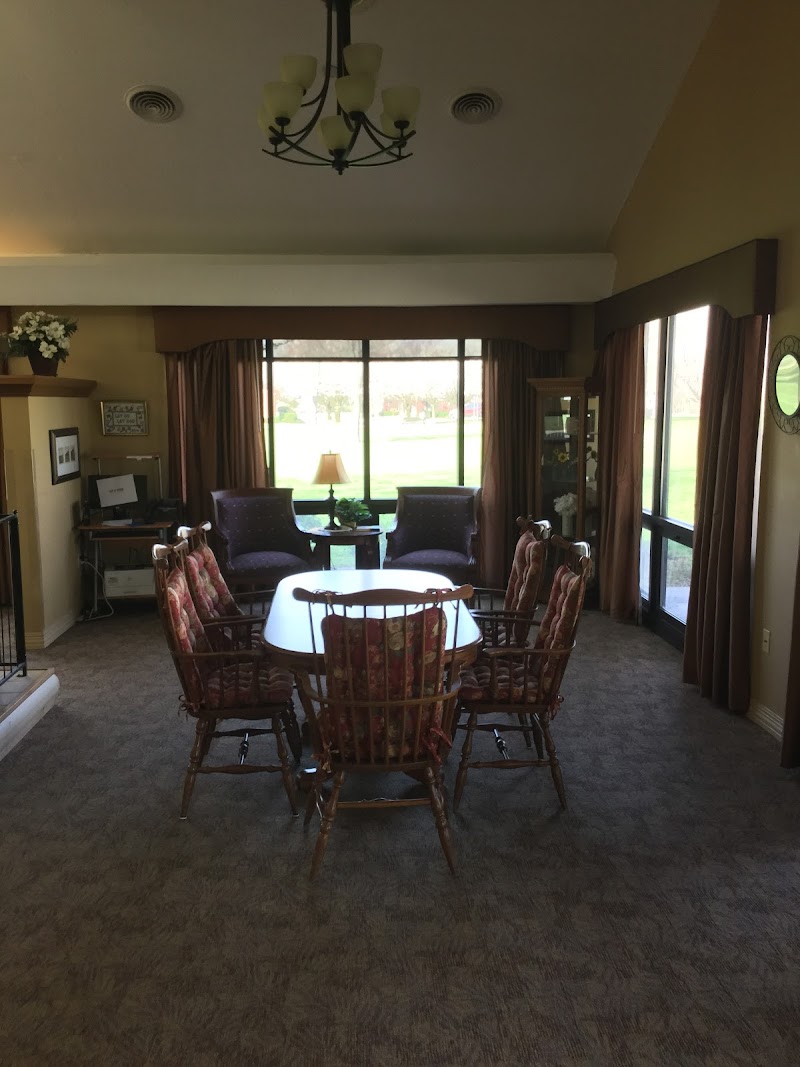
How is Heartland Senior Living Staffed?

CMS rates HEARTLAND SENIOR LIVING's staffing level at 2 out of 5 stars, which is below average compared to other nursing homes. Staff turnover is 44%, compared to the Illinois average of 46%. This relatively stable workforce can support continuity of care.

What Have Inspectors Found at Heartland Senior Living?

State health inspectors documented 24 deficiencies at HEARTLAND SENIOR LIVING during 2022 to 2024. These included: 6 that caused actual resident harm and 18 with potential for harm. Deficiencies causing actual harm indicate documented cases where residents experienced negative health consequences.
Who Owns and Operates Heartland Senior Living?

HEARTLAND SENIOR LIVING is owned by a for-profit company. For-profit facilities operate as businesses with obligations to shareholders or private owners. The facility operates independently rather than as part of a larger chain. With 71 certified beds and approximately 60 residents (about 85% occupancy), it is a smaller facility located in NEOGA, Illinois.
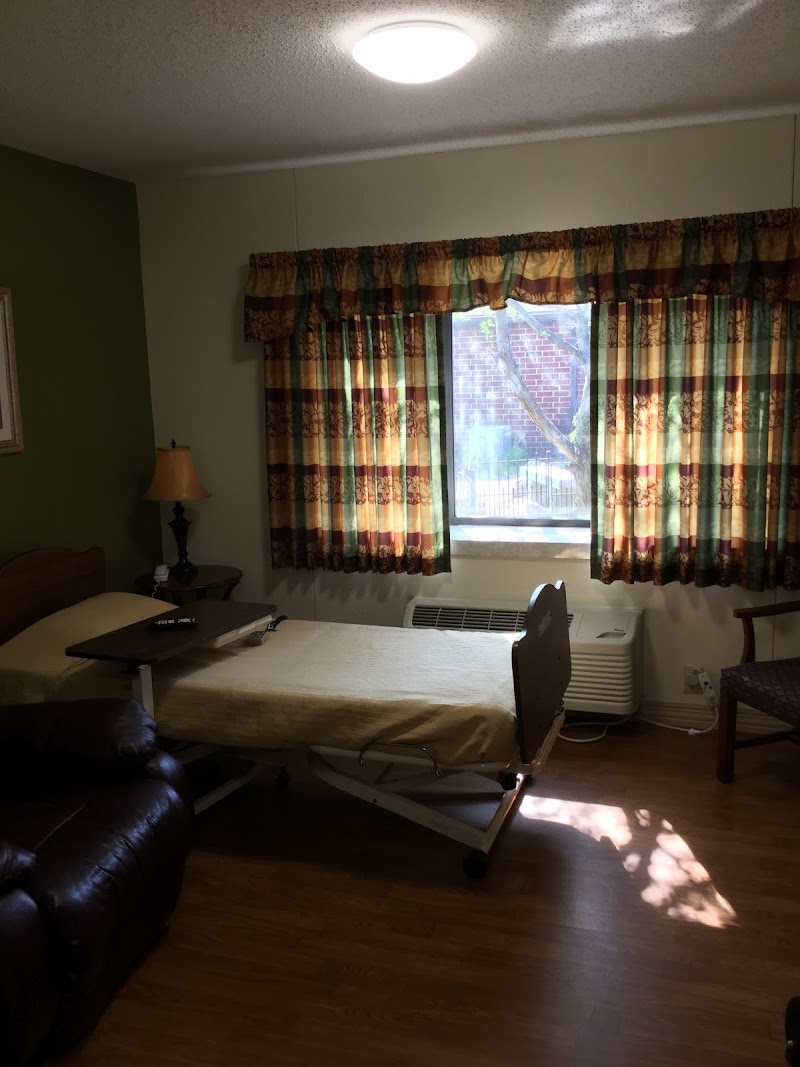
How Does Heartland Senior Living Compare to Other Illinois Nursing Homes?

Compared to the 100 nursing homes in Illinois, HEARTLAND SENIOR LIVING's overall rating (3 stars) is above the state average of 2.5, staff turnover (44%) is near the state average of 46%, and health inspection rating (3 stars) is at the national benchmark.

What Should Families Ask When Visiting Heartland Senior Living?

Based on this facility's data, families visiting should ask: "Can you walk me through typical staffing levels on day, evening, and night shifts?" "Can I visit during a mealtime to observe dining assistance and food quality?" "How do you handle medical emergencies, and what is your hospital transfer rate?" "Can I speak with family members of current residents about their experience?" These questions are particularly relevant given the below-average staffing rating.

Is Heartland Senior Living Safe?

Based on CMS inspection data, HEARTLAND SENIOR LIVING has a clean safety record: no substantiated abuse findings (meaning no confirmed cases of resident harm), no Immediate Jeopardy citations (the most serious violation level indicating risk of serious injury or death), and is not on the Special Focus Facility watch list (a federal program monitoring the lowest-performing 1% of nursing homes). The facility has a 3-star overall rating and ranks #1 of 100 nursing homes in Illinois. While no facility is perfect, families should still ask about staff-to-resident ratios and recent inspection results during their visit.

Do Nurses at Heartland Senior Living Stick Around?

HEARTLAND SENIOR LIVING has a staff turnover rate of 44%, which is about average for Illinois nursing homes (state average: 46%). Moderate turnover is common in nursing homes, but families should still ask about staff tenure and how the facility maintains care continuity when employees leave.

Was Heartland Senior Living Ever Fined?

HEARTLAND SENIOR LIVING has been fined $120,430 across 4 penalty actions. This is 3.5x the Illinois average of $34,283. Fines at this level are uncommon and typically indicate a pattern of serious deficiencies, repeated violations, or failure to correct problems promptly. CMS reserves penalties of this magnitude for facilities that pose significant, documented risk to resident health or safety. Families should request specific documentation of what issues led to these fines and what systemic changes have been implemented.

Is Heartland Senior Living on Any Federal Watch List?

HEARTLAND SENIOR LIVING is not on any federal watch list. The most significant is the Special Focus Facility (SFF) program, which identifies the bottom 1% of nursing homes nationally based on persistent, serious quality problems. Not being on this list means the facility has avoided the pattern of deficiencies that triggers enhanced federal oversight. This is a positive indicator, though families should still review the facility's inspection history directly.