NEWMAN REHAB & HEALTH CARE CTR
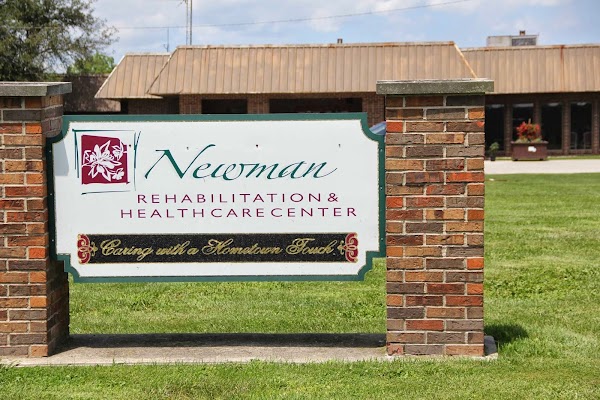
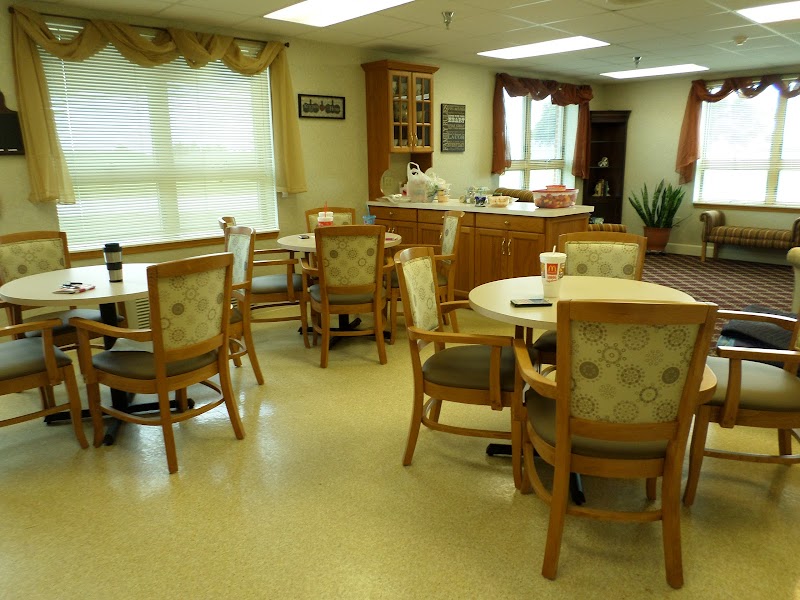
418 SOUTH MEMORIAL PARK DRIVE, NEWMAN, IL 61942 (217) 837-2421
For profit - Individual 60 Beds Independent Data: November 2025 1 Immediate Jeopardy citation
Trust Grade
8/100
#585 of 665 in IL
Last Inspection: September 2024

Within standard 12-15 month inspection cycle. Federal law requires annual inspections.

Overview

Newman Rehab & Health Care Center has received a Trust Grade of F, indicating significant concerns about the quality of care provided. Ranking #585 out of 665 facilities in Illinois places it in the bottom half, while it holds the #2 position out of 4 in Douglas County, meaning it has only one local competitor that performs better. Although the facility is improving, with a decrease in reported issues from 11 in 2024 to 3 in 2025, it still faces serious problems. Staffing is a concern, as it received a low rating of 1 out of 5 stars, but it has a low turnover rate of 0%, which suggests the staff stays long-term. The facility has faced alarming fines totaling $146,513, which is higher than 92% of Illinois nursing homes. Specific incidents of concern include a severe burn suffered by a resident due to improper bed placement near a hot heater, and a medication error where a resident was given an excessive dose of Oxycodone, leading to serious health complications. While there is some RN coverage, it is only average, which is a concern given the critical incidents reported. Overall, while there are some strengths, such as staff retention, the serious deficiencies and high fines raise significant red flags for families considering this facility.

Trust Score
F
8/100
In Illinois
#585/665
Bottom 13%
Safety Record
High Risk
Review needed
Inspections
Getting Better
11 → 3 violations
Staff Stability
○ Average
Turnover data not reported for this facility.
Penalties
✓ Good
$146,513 in fines. Lower than most Illinois facilities. Relatively clean record.
Skilled Nurses
⚠ Watch
Each resident gets only 29 minutes of Registered Nurse (RN) attention daily — below average for Illinois. Fewer RN minutes means fewer trained eyes watching for problems.
Violations
⚠ Watch
38 deficiencies on record. Higher than average. Multiple issues found across inspections.
★☆☆☆☆
1.0
Overall Rating
★☆☆☆☆
1.0
Staff Levels
★☆☆☆☆
1.0
Care Quality
★★☆☆☆
2.0
Inspection Score
Stable
2024: 11 issues
2025: 3 issues

The Good

  • Full Sprinkler Coverage · Fire safety systems throughout facility
  • No fines on record

Facility shows strength in fire safety.

The Bad

1-Star Overall Rating

Below Illinois average (2.5)

Significant quality concerns identified by CMS

Federal Fines: $146,513

Well above median ($33,413)

Significant penalties indicating serious issues

The Ugly 38 deficiencies on record

1 life-threatening 1 actual harm
Apr 2025 3 deficiencies
CONCERN (D) 📢 Someone Reported This

A family member, employee, or ombudsman was alarmed enough to file a formal complaint

Potential for Harm - no one hurt, but risky conditions existed

Report Alleged Abuse (Tag F0609)

Could have caused harm · This affected 1 resident

Based on interview and record review the facility failed to report an injury of unknown origin to the Administrator and the State Agency for one resident (R1) of three residents reviewed for abuse in ...

Read full inspector narrative →
Based on interview and record review the facility failed to report an injury of unknown origin to the Administrator and the State Agency for one resident (R1) of three residents reviewed for abuse in a sample list of five residents. Findings include: The facility Abuse Prevention Program revised 11/28/16 states The nursing staff is additionally responsible for reporting on a facility incident report the appearance of bruises, lacerations, other abnormalities, or injuries of unknown origin as they occur. Upon report of such occurrences, the Nursing Supervisor is responsible for assessing the resident, reviewing the documentation and reporting to the administrator or designee. This policy also documents, Final Investigation Report: The investigator will report the conclusions of the investigation in writing to the administrator or designee within five working days of the reported incident. The final investigation report shall contain the following: Name, age, diagnoses, and mental status of the resident allegedly abused or neglected; The original allegation (note day, time, location, the specific allegation, by whom, witnesses to the occurrence, circumstances surrounding the occurrence, and any noted injuries;facts determined during the investigation, review of medical record and interview of witnesses); conclusion of the investigation based on known facts; If there is a police report attach the police report; Attach a summary of all interviews conducted with names, addresses, phone numbers and willingness to testify of all witnesses. This report also states, A written report shall be sent to the Department of Public Health. R1's diagnoses list printed 4/8/25 at 2:52 PM includes the following diagnoses: Encephalopathy, Fall, Urinary Tract Infection, Cardiac Arrhythmia, Anticoagulant Use, Congestive Heart Failure, Hypertension, Hyperlipidemia, Mild Dementia with Anxiety, Protein Calorie Malnutrition, Weakness, and Pressure Ulcers of both heels Stage II. R1's AIM for Wellness note dated 3/11/25 at 12:15AM documents R1 has bruising to R1's right buttock measuring 4 centimeters in length and 2 centimeters in width. The Note documents R1 appears to have sustained an injury that was unwitnessed or is of unknown origin. Event was first noted on 03/11/2025 at 12:15 AM. Evaluation of the resident and event occurred on or about 03/11/2025 12:15 AM. Just prior to/at the time of the event (R1) appears to have been sleeping in bed. R1 is unable to relate details. Witness to the event includes: No one. On 4/9/25 at 2:00PM V1, Administrator stated Quite frankly I didn't do a complete report for the bruise because I wasn't aware the bruise had been found. I also did not report to the (State Agency) because I wasn't aware of the injury of unknown origin. If I had been aware I would have initiated an immediate investigation and reported to the (State Agency).
CONCERN (D) 📢 Someone Reported This

A family member, employee, or ombudsman was alarmed enough to file a formal complaint

Potential for Harm - no one hurt, but risky conditions existed

Investigate Abuse (Tag F0610)

Could have caused harm · This affected 1 resident

Based on interview and record review the facility failed to promptly and thoroughly investigate an injury of unknown origin for one resident (R1) of three residents reviewed for abuse in a sample list...

Read full inspector narrative →
Based on interview and record review the facility failed to promptly and thoroughly investigate an injury of unknown origin for one resident (R1) of three residents reviewed for abuse in a sample list of five residents. Findings include: The facility Abuse Prevention Program revised 11/28/16 states The nursing staff is additionally responsible for reporting on a facility incident report the appearance of bruises, lacerations, other abnormalities, or injuries of unknown origin as they occur. Upon report of such occurrences, the Nursing Supervisor is responsible for assessing the resident, reviewing the documentation and reporting to the administrator or designee. This policy also documents, Final Investigation Report: The investigator will report the conclusions of the investigation in writing to the administrator or designee within five working days of the reported incident. The final investigation report shall contain the following: Name, age, diagnoses, and mental status of the resident allegedly abused or neglected; The original allegation (note day, time, location, the specific allegation, by whom, witnesses to the occurrence, circumstances surrounding the occurrence, and any noted injuries;facts determined during the investigation, review of medical record and interview of witnesses); conclusion of the investigation based on known facts; If there is a police report attach the police report; Attach a summary of all interviews conducted with names, addresses, phone numbers and willingness to testify of all witnesses. This report also states, A written report shall be sent to the Department of Public Health. R1's diagnoses list printed 4/8/25 at 2:52 PM includes the following diagnoses: Encephalopathy, Fall, Urinary Tract Infection, Cardiac Arrhythmia, Anticoagulant Use, Congestive Heart Failure, Hypertension, Hyperlipidemia, Mild Dementia with Anxiety, Protein Calorie Malnutrition, Weakness, and Pressure Ulcers of both heels Stage II. R1's AIM for Wellness note dated 3/11/25 at 12:15AM documents R1 has bruising to R1's right buttock measuring 4 centimeters in length and 2 centimeters in width. The Note documents R1 appears to have sustained an injury that was unwitnessed or is of unknown origin. Event was first noted on 03/11/2025 at 12:15 AM. Evaluation of the resident and event occurred on or about 03/11/2025 12:15 AM. Just prior to/at the time of the event (R1) appears to have been sleeping in bed. R1 is unable to relate details. Witness to the event includes: No one. On 4/9/25 at 2:00PM V1, Administrator stated I didn't do a complete investigation of the bruise that was found on (R1's) bottom on 3/11/25 because I wasn't aware. I was kind of blindsided when you mentioned it.
CONCERN (D) 📢 Someone Reported This

A family member, employee, or ombudsman was alarmed enough to file a formal complaint

Potential for Harm - no one hurt, but risky conditions existed

Deficiency F0678 (Tag F0678)

Could have caused harm · This affected 1 resident

**NOTE- TERMS IN BRACKETS HAVE BEEN EDITED TO PROTECT CONFIDENTIALITY** Based on interview and record review the facility failed to provide CPR (cardiopulmonary resuscitation) according to current sta...

Read full inspector narrative →
**NOTE- TERMS IN BRACKETS HAVE BEEN EDITED TO PROTECT CONFIDENTIALITY** Based on interview and record review the facility failed to provide CPR (cardiopulmonary resuscitation) according to current standards of practice for one resident (R1) of three residents reviewed for Cardiopulmonary Resuscitation in a sample list of five residents. Findings Include: R1's diagnoses list printed [DATE] at 2:52 PM includes the following diagnoses: Encephalopathy, Fall, Urinary Tract Infection, Cardiac Arrhythmia, Anticoagulant Use, Congestive Heart Failure, Hypertension, Hyperlipidemia, Mild Dementia with Anxiety, Protein Calorie Malnutrition, Weakness, and Pressure Ulcers of both heels Stage II. R1's Hospital Discharge Orders dated [DATE] document R1 was hospitalized from [DATE] to [DATE] for Urinary Tract Infection with Sepsis and Metabolic Encephalopathy. R1's admission Progress Note documents R1 was admitted to the facility [DATE] with orders for Physical Therapy and Occupational Therapy with the intent of Rehabilitation to home. R1's POLST (Uniform Practitioner Orders for Life-Sustaining Treatment) form dated [DATE] Documents R1's representative chose to have CPR and other life sustaining measures in the event R1 stopped breathing or R1's heart stopped beating. R1's MDS (Minimum Data Set) dated [DATE] documents R1 is moderately cognitively impaired, requires staff assistance to complete ADLs (Activities of Daily Living), and R1 uses a wheelchair for mobility. R1's progress note dated [DATE] at 2:24 PM by V8, LPN (Licensed Practical Nurse) documents (R1) found unresponsive in dining room at 1230 PM by (V11), CNA, (Certified Nurse's Aide) (R1) brought to (V8) no pulse, no respirations, cold to touch. (V8) yelled for (V9), LPN to grab crash cart and head to (resident room number). Started CPR immediately by (V8) and (V9). (V11) took over compressions while (V8) notified 911 and Power of Attorney (POA) at 1245 PM and we continued CPR. Ambulance arrived and called (stopped CPR) at 1:04 PM (R1) expired County Coroner (V5) arrived reviewed body spoke with family. Received orders to release body to County Coroner. Exited facility at 2:55 PM with County Coroner. R1's progress note dated [DATE] at 3:58PM by V9, LPN (Licensed Practical Nurse) documents (V9) was working [NAME] Hall and speaking with family from that hall when the (V8) called out to get the crash cart (12:30pm). I retrieved the crash cart and proceeded to room (number) where resident was unresponsive, and cold to touch. (V9) started CPR while (V11) started O2 (Oxygen) and set up ambu bag. (V8) called 911 while CPR was in progress. (V10 CNA) took over compressions and (V9) utilized ambu bag to give O2 (Oxygen). Aides switched out after 2 rounds. Emergency Medical Services (EMS) arrived approx. 15m (minutes) later and started defibrillator. (R1) was shocked twice with no success, continuous compressions in place while EMS continued on ambu bag. Paramedics arrived at 12:55PM, placed (R1) on their monitor and stated if (R1) were asystole he would call it. Monitor showed no activity and paramedic called time, (V9) was advised no more CPR or compressions to resident. At that time, (V9) stood outside residents' door while family was arriving. On [DATE] at 9:47AM V11, stated On [DATE] I was the CNA caring for (R1). After Breakfast (R1) wanted to sit in the dining room and talk to the other ladies. I rolled (R1) midmorning and sat her at a table with other residents. I then went to help (V10) the other CNA get other residents ready for lunch. I looked in later and saw (R1) with her head lying on the table. (R1) looked like (R1) was napping. I went in at 12:30PM to ask (R1) if she was ready for lunch but (R1) was cold and unresponsive. I ran with (R1) in the wheelchair to the nurse's station where (V8) was charting. (V8) felt for a pulse in (R1's) wrist and couldn't get one. V8 called out for (V9) to get the crash cart. I called out to (V10) who came running. We took (R1) to (R1's) room and laid (R1) on the bed and started CPR. I was nervous. It was my first-time doing CPR on a person. We were in a hurry and didn't get a backboard. We just laid (R1) on the soft mattress. When the first responders came, they put (R1) on the floor and continued CPR. About 15-20 minutes later the paramedics were here and (R1) didn't have a heartbeat so they stopped CPR and (R1) died. On [DATE] at 11:00AM V10, CNA stated on [DATE] at around 12:30PM (V11) called to me and they were taking (R1) to (R1's) room because (R1) was unresponsive and not breathing. I hurried in the room. We took (R1) out of the wheelchair and put (R1) on the mattress on the bed and started CPR. We do have two backboards, but it was crazy, and we didn't use them. (V11) and I took over compressions and (V9) used the ambu bag while (V8) went to the desk and called 911 and (R1's) POA. At about 12:30 EMS came and put R1 on the floor and hooked up an automatic electronic defibrillator and shocked (R1) and continued CPR. About 15-20 minutes later the paramedics got here and (R1) didn't have a pulse so the coroner came and pronounced (R1) dead. On [DATE] at 12:10PM V8, stated On Saturday [DATE] I was the nurse assigned to (R1). I was at the Nurse's desk charting and the CNAs (V10, V11) were getting residents down to eat lunch. I had helped (R1) eat breakfast (R1) was her usual, slightly confused, hard of hearing, and shouting at times. At 12:30PM (V10, V11) came running out of the dining room with (R1) in the wheelchair. (R1) was cold to touch and unresponsive. We immediately took (R1) to (R1's) room and moved (R1) to the bed and along with (V9) we started CPR because (R1) was a Full Code. I'm not going to lie to you. Things were moving fast, and we did not think to use a backboard or put (R1) on the floor to do compressions. The rest of the team continued CPR on the bed while I rushed to the desk to call EMS and family. Within 20 minutes the first responders were here, and they moved (R1) to the floor, hooked up the defibrillator and continued CPR. About 10 minutes later the paramedics came, hooked (R1) up to the monitor, and (R1) had no pulse. The paramedic then stopped the code. When asked V8 stated (V8) was not aware that it is the expectation in a healthcare facility that when CPR is being administered, perfusion of oxygen to through the circulatory system is verified by periodically checking the femoral or carotid pulse to verify the compressions are perfusing. On [DATE] at 2:52PM V15, Advanced Practice Nurse working with the facility's medical director verified it would be her expectation that anyone receiving chest compressions during CPR be placed on an even solid surface such as a back board or the floor to ensure the compressions are effective and that it is common practice to check a femoral or carotid pulse during compressions to verify this. The American Red Cross website documents Giving CPR: step four: Kneel beside the person. Place the person on their back on a firm, flat surface. The facility's policy Cardiopulmonary Resuscitation Policy dated [DATE] states If the resident is a full code, per the medical record, a staff member that is certified in CPR will initiate CPR until the emergency response team arrives.
Sept 2024 10 deficiencies
CONCERN (D)

Potential for Harm - no one hurt, but risky conditions existed

PASARR Coordination (Tag F0644)

Could have caused harm · This affected 1 resident

**NOTE- TERMS IN BRACKETS HAVE BEEN EDITED TO PROTECT CONFIDENTIALITY** Based on interview and record review the facility failed to ensure a Level II PASARR (Preadmission Screening and Resident Review...

Read full inspector narrative →
**NOTE- TERMS IN BRACKETS HAVE BEEN EDITED TO PROTECT CONFIDENTIALITY** Based on interview and record review the facility failed to ensure a Level II PASARR (Preadmission Screening and Resident Review) was completed for two (R11, R10) of two residents reviewed for PASARR screening in the sample list of 25 residents. Findings include: 1.) The facility provided admission sheet dated 9/15/24 documents that R11 was admitted to the facility on [DATE]. R11's (State) Department of Healthcare and Family Services Interagency Certification of Screening Results sheet dated 10/6/11 documents that R11 should have further assessment to determine the need for a Level II screening. R11's September 2024 physician order sheet documents a diagnosis of Schizoaffective Disorder and an order for Buspirone (antidepressant) 5milligrams daily. R11's Care Plan dated 3/18/24 documents diagnoses including Anxiety, Depression, and Schizoaffective Disorder with behaviors that include inappropriate sexual remarks to staff and visitors, demanding/attention seeking behaviors, false accusations and resistance of care. On 9/16/24 at 1:36PM, V7 Pharmacy Medical Records said that R11 had been taking Buspirone 5 milligrams since 12/11/23. On 9/15/24 at 9:50AM, V1 Administrator stated R11 was being seen for mental health issues; however R11 did not get the requisite Level II PASRR screen when given the new Schizophrenia diagnosis nor when the psychotropic medication was first ordered and that it should have been done. On 9/15/24 at 10:00AM, V8 Business Office Manager stated she had not gotten a Level II PASARR for R11, but was going to request one today. 2.) R10's September 2024 Physician Order Summary documents R10 has a diagnosis of Affective Psychosis and Dementia with Behavioral Disturbances. R10's order dated 5/18/24 documents to give Olanzapine (antipsychotic) 5 milligrams (mg) by mouth twice daily for Affective Psychosis. On 9/15/24 R10's Preadmission Screening and Resident Reviews (PASARRs) were requested from V1 Administrator. R10's Interagency Certification of Screening Results dated 6/28/23, provided by V1, documents R10 admitted to the facility on [DATE] and mental illness was not suspected. There is no documentation in R10's medical record that a Level II PASARR was completed. On 9/15/24 at 11:55 AM V1 Administrator and V2 Director of Nursing stated they weren't sure if they could locate R10's admission history and physical and admission diagnosis list. V1 stated V1 will look through R10's medical record. V2 confirmed a Level II PASARR would need to be completed if R10 did not admit with a diagnosis of psychosis. At 12:07 PM V1 stated V1 looked through R10's medical records and stated R10 did not have a diagnosis of Psychosis in 2015, but it was listed in R10's 2021 records. V1 stated therefor R10 was diagnosed with psychosis some time between 2015 and 2021. V1 stated V8 Business Office Manager (BOM) recently checked all of the residents' PASARRs, especially the older ones. V1 stated V1 will follow up with V8 to see if a Level II was completed for R10. On 9/16/24 at 9:50 AM V8 BOM confirmed a Level II PASRR was not completed for R10. On 9/16/24 at 1:27 PM V7 Pharmacy Medical Records stated R10 began receiving Olanzapine on 7/13/22 at 5 mg twice daily. On 9/17/24 at 10:29 AM V1 stated facility does not have a policy for PASARR, the facility refers to the regulation.
CONCERN (D)

Potential for Harm - no one hurt, but risky conditions existed

Comprehensive Care Plan (Tag F0656)

Could have caused harm · This affected 1 resident

Based on observation, interview and record the facility failed to initiate care plans to include resident centered problems, goals, and interventions for one (R11) of 16 residents for care plans from ...

Read full inspector narrative →
Based on observation, interview and record the facility failed to initiate care plans to include resident centered problems, goals, and interventions for one (R11) of 16 residents for care plans from a sample list of 25 residents. Findings include: The facility Comprehensive Care Planning Policy dated 7/20/22 documents that the care plan will describe the services that are to be furnished to attain or maintain the resident's highest practicable physical, mental and psychosocial well-being. The comprehensive care plan shall be revised as necessary to reflect the resident's current medical, nursing, mental and psychosocial needs. On 9/15/24 at 9:19AM, R11's right hand was contracted. R11 said that she has hand splints to prevent contracting and that she wants to wear them but the girls forget to put them on. No splints were in R11's hands at this time. On 9/16/24 at 10:45AM, V21 Licensed Practical Nurse found a right hand splint and hand roll in R11's bedside drawer. On 9/16/24 at 10:47AM, V5 Certified Nursing Assistant stated R11 had her hand roll in her right hand this morning before she assisted R11 with a shower. R11's undated care plan does not document anything about a splint or hand roll or any type of positioning aid. On 9/15/24 at 9:15AM, R11 was laying in bed wearing oxygen at two liters per nasal cannula, via a concentrator. On 9/15/24 at 9:16AM, R11 stated she usually only wears oxygen at night. R11's physician order sheet dated September 2024, documents an order for oxygen to be administered at two liters per nasal cannula as needed to keep oxygen saturation levels greater than 92 percent. R11's treatment administration record dated September 2024, documents oxygen administered daily to R11. R11's undated care plan does not include oxygen administration or maintaining oxygenation levels for R11. On 9/17/24 at 8:00AM, V2 Director of Nursing stated R11's care plan should reflect both positioning aids and oxygen.
CONCERN (D)

Potential for Harm - no one hurt, but risky conditions existed

Incontinence Care (Tag F0690)

Could have caused harm · This affected 1 resident

**NOTE- TERMS IN BRACKETS HAVE BEEN EDITED TO PROTECT CONFIDENTIALITY** Based on observation, interview, and record review the facility failed to provide hygienic incontinence and urinary catheter car...

Read full inspector narrative →
**NOTE- TERMS IN BRACKETS HAVE BEEN EDITED TO PROTECT CONFIDENTIALITY** Based on observation, interview, and record review the facility failed to provide hygienic incontinence and urinary catheter care to prevent cross contamination for two (R12, R18) of four residents reviewed for urinary care in the sample list of 25. Findings include: 1.) R12's Minimum Data Set, dated [DATE] documents R12 has severe cognitive impairment, is always incontinent of bowel and bladder, and is dependent on staff assistance for toileting hygiene. On 9/16/24 at 2:33 PM V11 and V12 Certified Nursing Assistants transferred R12 into bed with a full mechanical lift and R12 was incontinent of urine. V12 provided R12's incontinence cares starting with R12's buttocks. V12 wiped R12's buttocks three times with wash cloths and bowel movement was visible on the cloths. V12 turned R12 onto R12's back, and used wash cloths to cleanse R12's frontal perineal area using the same gloves worn to cleanse R12's buttocks. V12 did not change gloves until after V12 applied R12's clean incontinence brief. On 9/16/24 at 2:49 PM V12 stated the facility has given education on incontinence cares and V12 should have performed perineal care moving from front to back. V12 stated V12 was unsure when gloves should be changed while providing incontinence cares. V12 confirmed V12 did not change gloves during R12's incontinence care. On 9/17/24 at 10:12 AM V2 Director of Nursing/Infection Preventionist confirmed staff should first cleanse the frontal perineal area and then the buttocks when providing incontinence cares. V2 confirmed V12 should have changed gloves during R12's incontinence care after cleansing R12's buttocks and prior to cleansing R12's frontal perineal area. The facility's Perineal Cleansing policy dated December 2017 documents for female incontinence care wash the pubic area first followed by the peri-anal area. This policy documents to remove gloves after washing the peri-anal area and perform hand hygiene prior to applying a clean incontinence brief. 2.) R18's Physician's Orders dated 9/1/24 to 9/30/24 documents diagnoses including Obstructive Uropathy and Urethral Erosion by Catheter. These Physician's Orders document orders for a Suprapubic catheter for the diagnosis Obstructive Uropathy. These Physician's Orders document an order for a Urinalysis with a culture and sensitivity dated 9/4/24 and an order dated 9/12/24 for Amoxicillin 500 mg (milligrams)/Clavulanic Acid 125 mg (antibiotic) via gastrostomy tube every 12 hours for seven days. R18's Nurse's Notes dated 9/12/24 documents a new order received for the Amoxicillin/Clavulanic Acid for diagnosis of UTI (Urinary Tract Infection) and ESBL (Extended Spectrum Beta-Lactamase). R18's laboratory result sheet dated 9/12/24 documents culture results of 50,000 to 100,000 CFU(Colony Forming Unit)/ml (milliliter) of ESBL producing Proteus Mirabilis, Multiple Drug Resistant Organism isolated. R18's Care Plan dated 3/18/24 documents R18 has a suprapubic catheter with an intervention to position the catheter bag and tubing below the level of the bladder. On 9/15/24 at 9:30 AM, 12:46 PM and on 9/16/24 at 11:07 AM, 2:14 PM and 2:56 PM, R18's urinary catheter drainage bag was hooked on the side of the bed and laying on the floor. On 9/16/24 at 2:56 PM during incontinence care V11 and V16 Certified Nursing Assistants passed the urinary catheter drainage bag over R18 from one side of the bed to the other, lifting the drainage bag and least 1 1/2 feet over the top of R18 allowing urine to flow back down the tubing to the bladder. On 9/17/24 at 11:26 AM, V2 Director of Nursing stated that the urinary catheter drainage bag should not be laying on the floor and should not be lifted about the level of the bladder.
CONCERN (D)

Potential for Harm - no one hurt, but risky conditions existed

Tube Feeding (Tag F0693)

Could have caused harm · This affected 1 resident

Based on observation, interview and record review the facility failed to follow facility policy and document/record the daily amount of enteral feeding administered to a resident for one of one reside...

Read full inspector narrative →
Based on observation, interview and record review the facility failed to follow facility policy and document/record the daily amount of enteral feeding administered to a resident for one of one resident (R18) reviewed for Gastrostomy tube feedings in the sample list of 25. Findings include: The facility's Enteral Feeding policy with a revised date of February/2008 documents, Purpose: To ensure a safe, nutritionally appropriate product which provides a source of complete nutrition in a form that will pass through a tube into the digestive system and which will maintain nutritional status as designated. 1. The Dietician/Consultant will monitor all diet orders for tube feedings and will recommend as appropriate changes in product according to resident need. 4. The fluid intake for the resident receiving a tube feeding should be equivalent to the fluid needs as assessed by the Dietician. Fluid need not be met by product alone in which case water flush ordered may be recommended to meet the needs of the tube fed resident. A record of daily intake of the tube feeding and the flushes for the resident will be kept by the nursing department. R18's Physician's Orders dated 9/1/24 to 9/30/24 documents diagnoses including Alzheimer's, Failure to Thrive, Dysphagia, Metabolic Encphalopathy and Gastroesophageal Reflux Disease. These Physician's Orders document an order for Fibersource HN (High Nitrogen) via G-Tube (Gastrostomy tube) at 70 ml (milliliters)/hr (hour) continuous on at 6:00 AM and off at 2:00 AM (20 hours). These orders also document an order to flush G-Tube with 200 ml of water every 6 hours at 4:00 AM, 10:00 AM, 4:00 PM and 10:00 PM. R18's Treatment Administration Record (TAR) dated 8/1/24 to 8/31/24 documents output every shift but does not document any intake. R18's TAR dated 9/1/24 to 9/30/24 documents output every shift but does not document any intake. R18's Report of Monthly Weight and Vitals documents R18's weight in August as 196.7 and R18's weight in September as 189.4 which is a 3.71% weight loss in one month. This report documents a weight loss from April to May, June to July, July to August and August to September. V15 Dietician's progress note dated 5/29/24 documents R18 should have a total of 2231 cc (cubic centimeters) total free water daily. There is no documentation in R18's medical record to show how much feeding R18 is receiving per day. On 9/15/24 at 9:13 AM, R18 was in bed in his room with the G-tube feeding running at 70 ml/hr (milliliters/hour). The feeding that is hanging is Fibersource HN and was hung at 11:00 PM on 9/14/24 according to the writing on the bag. On 9/16/24 at 1:20 PM, V2 Director of Nursing confirmed that they do not document the amount of intake for R18's G-tube feedings. V2 confirmed that R18 has had weight loss and she has not informed the Dietician yet since the Dietician comes at the end of the month. On 9/17/24 at 1:26 PM, V15 (Dietician) stated when asked if the facility is expected to document R18's daily intake that she expects them to document when they start and stop the feeding. V15 stated that she assumes they are following R18's orders for the feeding and assumes that he is getting what is ordered. V15 stated that she has not been notified of R18's weight loss. She stated that she gets the weight report when she comes at the end of the month and that is how she gets notified of weight loss.
CONCERN (D)

Potential for Harm - no one hurt, but risky conditions existed

Medication Errors (Tag F0758)

Could have caused harm · This affected 1 resident

**NOTE- TERMS IN BRACKETS HAVE BEEN EDITED TO PROTECT CONFIDENTIALITY** Based on interview and record review the facility failed to obtain consents, complete assessments, document nonpharmacological i...

Read full inspector narrative →
**NOTE- TERMS IN BRACKETS HAVE BEEN EDITED TO PROTECT CONFIDENTIALITY** Based on interview and record review the facility failed to obtain consents, complete assessments, document nonpharmacological interventions, develop a care plan and document stop dates for psychotropic medications for two (R10, R12) of six residents reviewed for unnecessary medications in the sample list of 25. Findings include: The facility's Psychotropic Medication Policy dated 12/30/13 documents to attempt to rule out social and environmental factors as causes for behaviors, initiate a Pre-Psychotropic Medication Assessment, attempt nonpharmacological interventions prior to prescribing psychotropic medications, and obtain consent for psychotropic medication use from the resident or resident representative. This policy documents psychotropic medication assessments will be completed at least quarterly, and psychotropic medication use, potential side effects and targeted behaviors will be included in the resident's plan of care. This policy does not address stop dates for psychotropic medications ordered to be given as needed. 1.) R10's Minimum Data Set (MDS) dated [DATE] documents R10 has severe cognitive impairment. R10's September 2024 Physician's Order Summary documents R10 receives hospice care and R10's diagnoses include depression, dementia with behavioral disturbances, and psychosis. R10's physician orders includes an order dated 8/26/24 for Lorazepam (antianxiety) 2 milligrams per milliliter (mg/ml) give 0.25 ml every four hours as needed (PRN) for anxiety/restlessness, an order dated 9/5/24 for scheduled Lorazepam give 0.25 ml twice daily, and an order dated 5/18/24 for Olanzapine (antipsychotic) 5 mg twice daily. There is no stop date for the Lorazepam PRN order. R10's Care Plan dated 6/7/24 documents R10 uses psychotropic medications, but Olanzapine and Sertraline are the only listed psychotropic medications. R10's nursing note dated 4/1/24-4/4/24 document no changes in behaviors related to decrease in Olanzapine. R10's nursing notes dated 4/6/24-4/7/24 document R10 yelling at staff and residents, swatting at staff during cares, and R10 putting her fingers down her throat to cause vomiting. These notes do not document specific nonpharmacological interventions that were used to respond to R10's behaviors. R10's nursing note dated 4/11/24 at 1:30 AM documents Zyprexa was increased back to prior dose. R10's nursing notes dated 9/4/24 document R10 yelled leave me alone during cares and yelled help during meals and there is no documentation what nonpharmacological interventions were implemented to address these behaviors. R10's nursing note dated 9/5/24 documents hospice gave orders to increase Lorazepam to scheduled twice daily. R10's medical record does not include consents or psychotropic medication assessments for the use of Lorazepam. R10's Psychotropic Medication Quarterly Evaluations document assessments were completed on 3/5/24, 6/5/24, and 9/3/24 for Olanzapine. There is no documentation that a psychotropic medication assessment was completed prior to increasing Olanzapine on 5/18/24. The pharmacy Consultation Report dated 8/28/24 documents R10 has a PRN Lorazepam order with no stop date and to either discontinue the medication or document the indication for use, duration of therapy, and rational for the extended time period. This form is signed by a hospice provider and documents to continue use related to hospice care, but does not include a duration or stop date. On 9/16/24 at 12:17 PM V2 Director of Nursing provided a pharmacy recommendation for R10 PRN Lorazepam order, and confirmed there is no stop date or duration for this order. V2 confirmed R10 should have a consent and assessments for Lorazepam. V2 reviewed R10's medical record and confirmed there was no Lorazepam assessments or consents documented. V2 stated psychotropic medication assessments are completed quarterly with the MDS schedule and not with new orders or changes in dosages. V2 stated an assessment was not completed for R10's Lorazepam since it was a fairly new order, but that is something we should probably be doing. V2 stated V2 was unsure why R10's Lorazepam was increased to scheduled twice daily and V2 was not aware of the medication order. V2 reviewed R10's nursing notes and stated R10 had increased anxiety at meal times and hospice ordered scheduled Lorazepam. V2 confirmed there is no documentation of nonpharmacological interventions used to address R10's behaviors prior to scheduling Lorazepam. V2 stated an agency nurse worked that day and that is why V2 was not notified of the order. V2 stated V10 MDS Coordinator is responsible for completing the psychotropic medication assessments and updating the care plans with psychotropic medications, and V2 is responsible for ensuring these things are completed. At 12:39 PM V2 stated V2 was unable to locate R10's Lorazepam consent and the nurses are responsible for obtaining the consent. V2 stated the consent likely wasn't done since an agency nurse worked that day. V2 confirmed there is no documentation that an assessment was completed when R10's Zyprexa was increased in May 2024. 2.) R12's MDS dated [DATE] documents R12 has severe cognitive impairment. R12's September 2024 Physician's Order Summary documents R12's diagnoses include dementia with behavioral disturbances and anxiety disorder. R12's physician order dated 7/12/24 documents Lorazepam 2 mg/ml give 0.5 ml every four hours PRN for anxiety/restlessness, and there is no stop date for this order. R12's September 2024 Medication Administration Record documents Lorazepam was administered on 9/7, 9/8, and 9/9 for nerves, anxiety, and crawling out of bed. The pharmacy Consultation Report dated 2/13/24 documents R12 has a PRN Lorazepam order with no stop date and includes a recommendation to continue the PRN order through August 2024 when the medication will be re-evaluated, and this form is signed by V22 Nurse Practitioner. The pharmacy Consultation Report dated 8/28/24 documents R12 has a PRN Lorazepam order with no stop date and to either discontinue the medication or document the indication for use, duration of therapy, and rational for the extended time period. This form is signed by a hospice provider and documents to continue use related to hospice care, but does not include a duration or stop date. R12's Care Plan dated 3/19/24 documents R12 receives hospice care and uses antidepressant medication. R12's care plan does not document use of Lorazepam. There are no documented assessments for Lorazepam in R12's medical record. On 9/16/24 at 9:39 AM V2 stated we try to keep a stop date for PRN Lorazepam when the resident is on hospice. V2 stated the pharmacy is good about giving V2 the forms to remind V2 of stop dates needed, but hospice isn't always timely in returning the forms back to V2. On 9/16/24 at 12:17 PM V2 provided a pharmacy recommendation for R12's PRN Lorazepam order, and confirmed there is no stop date or duration recorded for this order. At 1:40 PM V2 confirmed there are no documented psychotropic medication assessments for R12's Lorazepam. V2 stated V2 believes the Lorazepam orders for R10 and R12 were overlooked since they are both on hospice care.
CONCERN (D)

Potential for Harm - no one hurt, but risky conditions existed

Deficiency F0761 (Tag F0761)

Could have caused harm · This affected 1 resident

Based on observation, interview and record review the facility failed to store and secure controlled medications behind a separately locked compartment for three (R10, R12 and R23) of three residents ...

Read full inspector narrative →
Based on observation, interview and record review the facility failed to store and secure controlled medications behind a separately locked compartment for three (R10, R12 and R23) of three residents reviewed for medication storage from a total sample list of 25 residents. Findings include: The facility provided Procurement and Storage of Medications Policy date reviewed October 2006, documents that Schedule II drugs are to be stored under a double-lock subject to a different key. On 9/16/24 at 3:03PM, an unlocked refrigerator contained five bottles of Lorazepam (schedule IV controlled substance) 30 milliliters, with a concentration of 2 milligrams per milliliter. One bottle was documented for R23, three bottles were documented for R12 and one bottle was documented for R10. On 9/16/24 at 3:04PM, V3 Registered Nurse stated the refrigerator should have been locked because it had Lorazepam in it. On 9/16/24 at 3:06PM, V2 Director of Nursing observed that the refrigerator housing five bottles of Lorazepam was unlocked and confirmed that the refrigerator should have been locked.
CONCERN (D)

Potential for Harm - no one hurt, but risky conditions existed

Deficiency F0887 (Tag F0887)

Could have caused harm · This affected 1 resident

**NOTE- TERMS IN BRACKETS HAVE BEEN EDITED TO PROTECT CONFIDENTIALITY** Based on interview and record review the facility failed to maintain documentation of COVID-19 vaccination for three (R9, R19, R...

Read full inspector narrative →
**NOTE- TERMS IN BRACKETS HAVE BEEN EDITED TO PROTECT CONFIDENTIALITY** Based on interview and record review the facility failed to maintain documentation of COVID-19 vaccination for three (R9, R19, R36) of five residents reviewed for immunizations in the sample list of 25. Findings include: The facility's Immunization of Residents policy dated 5/19/23 documents the facility will offer immunizations to aid in preventing infectious diseases. This policy documents to offer the current recommended COVID-19 vaccine upon admission for residents who are not considered up to date with the vaccine, review consent forms to verify timing of previous vaccinations and document immunizations on the resident's Immunization Record. 1.) R9's Face Sheet documents R9 admitted to the facility on [DATE] and R9 is over age [AGE]. R9's Cumulative Diagnosis Log documents R9's diagnoses include Congestive Heart Failure, Coronary Artery Disease, and Type 2 Diabetes Mellitus. R9's COVID-19 Vaccination Record Card documents vaccine administrations on 2/4/21, 3/4/21, 11/4/21, and 6/29/22. There is no documentation that R9 was offered a COVID-19 booster vaccine after 6/29/22. 2.) R19's Face Sheet documents R19 admitted to the facility on [DATE] and R19 is over age [AGE]. R19's September 2024 Physician's Order Summary documents R19's diagnoses include Chronic Obstructive Pulmonary Disease and Congestive Heart Failure. R19's COVID-19 Vaccination Record Card documents vaccine administrations on 12/28/20, 1/18/21, 11/15/21, and 6/29/22. There is no documentation that R19 was offered a COVID-19 booster vaccine after 6/29/22. The facility's September 2024 Resident Infection Control and Antimicrobial Log documents R19 tested positive for COVID-19 on 9/4/24. On 9/16/24 at 9:42 AM V2 Director of Nursing/Infection Preventionist stated residents are offered COVID-19 vaccination upon admission and any time there is a new booster. V2 stated all residents were offered the booster vaccine in 2023, but we don't have documentation of declination for this vaccine as it was done through an outside company. At 12:55 PM V2 stated R9 and R19 refused the last COVID-19 booster vaccine, but V2 does not have documentation of this. 3.) The facility's binder containing resident COVID-19 vaccination information was reviewed and did not contain R36's information. R36's Face Sheet dated 4/29/24 documents R36 admitted to the facility on [DATE] and R36 is over age [AGE]. On 9/16/24 at 1:35 PM V20 Social Services Director stated V20 contacted R36's family today to request COVID-19 vaccination information and the facility should have this information by tomorrow. On 9/17/24 at 9:35 AM V1 Administrator provided R36's COVID-19 vaccine documentation dated 9/17/24. V1 confirmed R36 is not up to date with COVID-19 boosters and confirmed there is no documentation that a booster was offered to R36 after admission. R36's Immunization Summary dated 9/17/24 documents COVID-19 vaccine administrations on 12/8/21, 2/28/21, and 1/31/21. There is no documentation that R36 was offered a COVID-19 booster vaccine.
CONCERN (F)

Potential for Harm - no one hurt, but risky conditions existed

Deficiency F0801 (Tag F0801)

Could have caused harm · This affected most or all residents

**NOTE- TERMS IN BRACKETS HAVE BEEN EDITED TO PROTECT CONFIDENTIALITY** Based on interview and record review the facility failed to employ a clinically qualified Director of Food and Nutrition. This f...

Read full inspector narrative →
**NOTE- TERMS IN BRACKETS HAVE BEEN EDITED TO PROTECT CONFIDENTIALITY** Based on interview and record review the facility failed to employ a clinically qualified Director of Food and Nutrition. This failure has the potential to affect all 35 residents residing in the facility. Findings include: On 9/15/24 at 8:16 AM, there were opened food items in the refrigerator that were not labeled with open dates and there were open food items in the dry storage room that were not labeled with open dates. At this same time there was dust and debris hanging directly above the cook top and the toaster was dirty with crumbs inside and around the outside. On 9/16/24 at 9:00 AM, V19 Dietary Manager stated that she is not a certified Dietary Manager. V19 stated that she has taken some courses but has not had time to complete all of the courses. The facility assessment dated [DATE] documents that a dietician or other clinically qualified nutrition professional will serve as the director of food and nutrition services. The Long-Term Care Facility Application for Medicare and Medicaid dated 9/15/24 documents 35 residents reside in the facility.
CONCERN (F)

Potential for Harm - no one hurt, but risky conditions existed

Food Safety (Tag F0812)

Could have caused harm · This affected most or all residents

Based on observation, interview, and record review the facility failed to properly label the open date on open food items, failed to have an internal thermometer in a refrigerator and failed to mainta...

Read full inspector narrative →
Based on observation, interview, and record review the facility failed to properly label the open date on open food items, failed to have an internal thermometer in a refrigerator and failed to maintain the range hood and the toaster in sanitary conditions to protect food that was being prepared on the range and in the toaster. This failure has the potential to affect all 35 residents residing in the facility. Findings include: The facility's storage policy with a revised date of October 2020 documents, It is the policy of (the facility) that food shall be stored on shelves in areas that provide the best preservation. Food shall be stored at the proper temperature and for appropriate lengths of time to protect quality of food and food costs. Procedure: 1. All items will be dated upon receipt. Individual cans or bags shall each be dated to ensure that stock is rotated properly. 5. Store leftovers in covered, labeled and dated containers under refrigeration or frozen. 6. When using only part of a product, the remaining product should be in the original package or air tight container(s) and labeled and dated. The facility's Kitchen Sanitation policy with a revised date of October 2020 documents, 1. The Food Service Manager will monitor sanitation of the Dietary Department on a daily basis. 3. The Food Services Manager will develop a cleaning schedule for the department and ensure that dietary employees complete cleaning tasks as scheduled. 4. The Food Service Manager shall provide cleaning instructions for each area and piece of equipment in the kitchen, and specify which chemical and personal protective equipment should be used for each task. On 9/15/24 at 8:16 AM during the initial tour of the kitchen with V17 Dietary Aide and V18 Cook, the first refrigerator inside the kitchen did not have an internal thermometer and this refrigerator contained cold drinks including milk. This refrigerator contained a pitcher of tomato juice which had no lid or cover and was not labeled with identification or dates of preparation. V18 confirmed there was no lid or any labels on the pitcher of tomato juice. Another refrigerator contained cartons of liquid eggs. There was one opened carton that was not labeled with a date in which it had been opened. This refrigerator contained a metal bowl with ripped aluminum foil over the top of it. The contents of this bowl were unidentifiable and was not labeled with it's contents or a date in which it was prepared. The range hood had dust and debris hanging from it and from the pipes located above the cook top. There was a toaster on a cart in the dry storage room that had crumbs inside on the bottom of it and on the cart around the outside of the toaster. There was an open and used gallon jug of pancake and waffle syrup on the top shelf with no open date and a small bottle of butter flavored syrup that was opened and used that did not have an open date on it. On 9/16/24 at 9:00 AM, V19 Dietary Manager confirmed the thermometer was not in the first refrigerator, it was laying on the preparation table and she stated that it fell out the other day and did not get put back inside the refrigerator. V19 stated that she cleaned out the refrigerator yesterday and threw away unlabeled items. V19 confirmed everything should have been labeled with the preparation date and identification. The stove top still has dirt and debris hanging down from above and V19 confirmed the dust and debris was there. V19 stated that she cleaned it not too long ago but could not confirm that there was a plan or a cleaning schedule for the range hood or pipes above the stove top. V19 confirmed the tomato juice should have been labeled. The toaster still had crumbs all around the inside bottom and the tray around it. V19 stated that it should be cleaned after each use. The unlabeled syrup was still unlabeled and on the shelf in the dry storage area and V19 confirmed it should be labeled. On 9/16/24 at 9:48 AM, V19 confirmed the liquid eggs should be labeled when opened. The Long-Term Care Facility Application for Medicare and Medicaid dated 9/15/24 documents 35 residents reside in the facility.
CONCERN (F)

Potential for Harm - no one hurt, but risky conditions existed

Infection Control (Tag F0880)

Could have caused harm · This affected most or all residents

**NOTE- TERMS IN BRACKETS HAVE BEEN EDITED TO PROTECT CONFIDENTIALITY** Failures at this level require more than one deficient practice statement. A. Based on interview and record review the facility ...

Read full inspector narrative →
**NOTE- TERMS IN BRACKETS HAVE BEEN EDITED TO PROTECT CONFIDENTIALITY** Failures at this level require more than one deficient practice statement. A. Based on interview and record review the facility failed to identify high risk areas for Legionella and implement control measures. This failure has the potential to affect all 35 residents that reside in the facility. B. Based on observation, interview, and record review the facility failed to ensure staff wore personal protective equipment (PPE) properly during a COVID-19 (human coronavirus infection) outbreak. This failure affects eight of sixteen residents reviewed for infection control in the sample list of 25. Findings include: a.) The facility's undated Legionella Policy and Procedure, provided by V1 Administrator, documents Legionella is a bacterium that is common in the natural water system (ponds, [NAME], lochs, etc (etcetera)) and Legionella are widespread in the environment they may contaminate and grow in artificial water systems ( cooling towers, hot and cold water systems, storage tanks, pipe work, taps and showers). Legionella survive at relatively low temperatures of between 20 degrees C (Celsius) and 45 degrees C especially if the conditions are right (if a supply of nutrients are available such as rust, sludge, scale, algae and other bacteria). High temperatures of 60 degrees C and above will kill the Legionella bacteria, Legionnaires Disease is a potentially fatal form of Pneumonia caused by inhaling the Legionella bacteria. The infection is caused by breathing in droplets of water contaminated by the bacteria, but this cannot be passed from one person to another. Legionella Bacteria thrive and multiply in hot or cold water systems and storage tanks and then spread through spray from showers and taps. Should concerns are identified the following measures may be initiated to minimize and control the risks: Have the water system inspected, maintained and cleaned. (Annually) Ensure water cannot stagnate anywhere in the system remove redundant pipe work. (As needed) Run through taps and showers no longer in use or used infrequently for a minimum of I minute X once a week. (Weekly) Check hot and cold water temperature after water has been running for l minute. (random weekly) Take shower heads apart every 3 months clean and disinfect. (Quarterly) Keep water tanks and cisterns covered, clean and free from debris. Insulate tanks and pipe work. Ensure water stored in the hot water tank or cylinder is above 60 degrees C. Annual servicing of boiler and thermostatic mixing valves. (Annual) The facility's Legionella Risk assessment dated [DATE] documents answering yes to any of the questions listed suggests a potential risk for Legionella exposure. This assessment documents V9 Maintenance Director completed the assessment, and yes was answered to having multiple housing units with a centralized hot water system and conditions are right for bacterial growth for water temperatures between 20 and 45 degrees C. There is no documentation that the facility identified specific high risk areas for Legionella growth and implemented routine control measures to address high risk areas. On 9/16/24 between 3:10 PM and 3:25 PM V9 stated V1 Administrator and V9 collectively completed a Legionella risk assessment and they did not identify any high risk areas for Legionella in the facility. V9 stated V9 was not aware if the facility has any dead ends in the plumbing and V9 did not use a map of the facility's plumbing to evaluate this. V9 stated V9 was not aware of any control measures implemented to address the risk for Legionella since there were no high risk areas identified from the assessment form. On 9/16/24 at 3:15 PM V1 stated a fish tank was the only standing water and high risk area that the facility identified, and the fish tank was removed. At 3:45 PM V1 stated V1 does not have a plumbing layout/floor plan and has never seen one for this facility. On 9/17/24 at 2:00 PM V1 confirmed the facility's maintenance director is responsible for implementing Legionella control measures and confirmed there was no documentation of routine control measures to address high risk areas. V1 stated we thought our policy was enough documentation. The Long-Term Care Facility Application For Medicare and Medicaid dated 9/15/24 documents 35 residents reside in the facility. b.) The facility's COVID-19 Control Measures policy dated 5/19/23 documents that employees should wear an N95 mask while the facility is in outbreak status. On 9/15/24 at 7:53 AM there was a sign posted on the facility's entrance door that documented the facility has active COVID-19 cases and to wear an N95 mask. On 9/15/24 between 12:35 PM and 12:53 PM V17 Dietary Aide wore an N95 mask with V17's nose and mouth exposed while V17 served meals to R1, R26, R15, R13, R4, R36, R11, and R12. On 9/15/24 at 1:30 PM V17 confirmed V17 wore her mask pulled down with her nose and mouth exposed while V17 served resident meals. V17 stated V17 has difficulty breathing at times, which is why she pulls her mask down. On 9/17/24 at 10:12 AM V2 Director of Nursing/Infection Preventionist stated the facility has been in COVID-19 outbreak since 8/22/24 and a lot of staff and residents have been asymptomatic when testing positive. V2 confirmed during a COVID-19 outbreak, staff should wear an N95 mask covering both nose and mouth when they are near residents. The facility's August and September 2024 Infection Control logs document nine residents and ten employees have tested positive for COVID-19 since the outbreak began on 8/22/24.
Mar 2024 1 deficiency
CONCERN (D) 📢 Someone Reported This

A family member, employee, or ombudsman was alarmed enough to file a formal complaint

Potential for Harm - no one hurt, but risky conditions existed

Deficiency F0825 (Tag F0825)

Could have caused harm · This affected 1 resident

**NOTE- TERMS IN BRACKETS HAVE BEEN EDITED TO PROTECT CONFIDENTIALITY** Based on observation, interview, and record review the facility failed to ensure therapy services were provided for two (R1 and ...

Read full inspector narrative →
**NOTE- TERMS IN BRACKETS HAVE BEEN EDITED TO PROTECT CONFIDENTIALITY** Based on observation, interview, and record review the facility failed to ensure therapy services were provided for two (R1 and R3) of three residents reviewed for therapy services in the sample of three. Findings include: The facility's admission Packet (current) documents the following information: Dear Residents and Family Members: Our facility offers services that may be covered by the Medicare Program. These services include skilled nursing care, therapy services, pharmacy, and medical supplies. If you have Medicare benefits and you or a family member consents, we will bill the Medicare program for services that are rendered at this facility. 1. R1's Face Sheet (current) documents R1 being admitted to the facility on [DATE]. R1's Therapy Evaluation and Treatment order dated 1/22/24 per Physician Order Sheet (POS) documents R1 is to receive Therapeutic Treatment for Neurological Re-Education, Gait Training, Group Therapy and Therapeutic Activities 2 times a week for 4 weeks (ending on 2/23/24). R1 is also documented to receive Occupational Therapy for Therapeutic activities, Activities of Daily Living and Activity Group 2 times a week for 4 weeks (ending on 2/23/24). A NOMNIC (Notice of Medicare Non-Coverage) letter dated 2/20/24 documents R1's Medicare A benefits for Rehabilitative Therapy ends on 2/23/34. R1's Therapy Notes document that R1 last received Rehabilitative Therapy on 2/18/24, 5 days short of R1's approved/benefited time. There are no further evaluations in R1's chart for continuing Medicare A or Medicare B benefits. A Social Service Note dated 2/16/24 documents R1's Health Care Power of Attorney (V6) was notified concerning R1's NOMNIC letter and Therapy would not be available to R1 after 2/18/24. This same Note documents family would like to pay privately for room and board, are aware and will address part B service for Therapies when Therapy resumes. On 3/6/24 at 9:00 am R1 was lying supine in bed and confirmed that R1 had not received any therapy services since 2/18/24. R1 stated I really need to get some therapy. I want to be able to go home. 2. R3's Face Sheet (current) documents R3 with an admission date to the facility on 1/30/24. R3's POS dated February 2024 documents an order dated 2/13/24 for Physical Therapy for Therapeutic Neurological Re-Education, Gait Training, Group Therapy and Group Activities for 3 times a week for 4 weeks. R3's Therapy Notes document R3's last day of therapy was 2/18/24. R3's Social Service Note dated 2/16/24 documents V3 Social Service Director spoke with (R3) about therapy service for (R1's) part B ending on 2/18/24 and R1 understanding and wants to be reassessed when therapy services resume in the facility. On 3/6/24 at 10:30 pm, R3 was lying in bed and confirmed R3 was not receiving therapy and that R3 is disappointed that R3 cannot move forward until another therapy company is retained by the facility. On 3/5/24 at 11:45 am, V3 Regional Administrator confirmed the facility did not have a Therapy Service provider in the building and hasn't since 2/18/24. On 3/6/24 at 10:05 am, V1 Administrator confirmed that R1 and R3 were eligible for therapy services through the Medicare program. V1 also confirmed that R1 and R3 were not receiving Therapy due to the absence of a Therapy Service provider in the facility since 2/18/24.
Aug 2023 14 deficiencies 1 Harm
SERIOUS (G)

Actual Harm - a resident was hurt due to facility failures

Deficiency F0760 (Tag F0760)

A resident was harmed · This affected 1 resident

**NOTE- TERMS IN BRACKETS HAVE BEEN EDITED TO PROTECT CONFIDENTIALITY** Based on record review and interview the facility failed to administer the accurate dose of a liquid concentration, of the physi...

Read full inspector narrative →
**NOTE- TERMS IN BRACKETS HAVE BEEN EDITED TO PROTECT CONFIDENTIALITY** Based on record review and interview the facility failed to administer the accurate dose of a liquid concentration, of the physician ordered, Oxycodone (narcotic analgesic) medication. Subsequently, R90 was administered an excessive dose of Oxycodone, twenty times greater than prescribed. The significant medication administration error resulted in R90 experiencing depressed respirations, prolonged apnea episodes, unresponsiveness, and lethargy. R90 is one of one resident reviewed for Hospice/Pain management on the sample list of 20. Findings include: R90's Physician Order Sheet (POS) dated 7/17/23- 7/31/23 documents R90 was admitted on [DATE] on Hospice (care services for terminally ill). R90's same POS documents the following medication order dated 7/17/23: Oxycodone one milligram (mg) per one milliliter (ml), (concentration) oral solution, take five ml (equals five milligrams) by mouth every three hours as needed for pain (PRN). R90's same POS documents for the above medication, one mg per one ml, liquid solution Oxycodone order, was crossed through, and had a triangle shape, with an apostrophe d, to indicate the order had been changed. R90's same POS documents a new physician order was received on 7/24/23, with an increase concentration strength of Oxycodone liquid solution. The new order for R90's Oxycodone documents the more concentrate liquid medication of 20 mg per one (1) ml, give 0.25 (one quarter of a ml) ml (equals five mg), every three hours, PRN. The facility pharmacy receipt/narcotic count supply sheet documents R90's liquid solutions of Oxycodone 100 mg per five ml (equals 20 mg per one ml as noted above 7/24/23 physician order), 30 milliliter bottle was dispensed by pharmacy. The Oxycodone directions for administration documents: 0.25 ml (5 mg, same as the previous dose, at the lesser concentration) by mouth, every three hours as needed for pain. R90's same Oxycodone pharmacy receipt/ narcotic count supply sheet documents on 7/24/23 at 6:40 pm, V18, Licensed Practical Nurse (LPN) signed, and removed five ml (equals 100 mg) of the newly dispensed, 30 ml bottle of R90's higher concentrated liquid Oxycodone. R90's Medication Administration Record (MAR) PRN sheet, dated 7/17/23- 7/31/23 documents the following: Oxycodone 20 mg per ml, give 0.25 ml (equals 5 mg) by mouth every three hours (PRN). On the back of the same PRN, MAR documented by V18's initials to indicate R90 was administered Oxycodone five ml (equal to 100 mg, not 0.25 ml, that equals 5 mg in the higher concentration ordered) on 7/24/23 at 6:40 pm, the same time the Oxycodone concentrated dose was removed from R90's Oxycodone narcotic count supply, as noted above. R90's Oxycodone pharmacy bottle label documents the increased strength of 100 mg per 5 ml and directs nurses to administer 0.25 ml by mouth every 3 hours for pain. The facility Medication Discrepancy Report dated 7/24/23 at 7:57 pm, signed by V2, Director of Nursing, documents the following: V17, LPN and V18, LPN completed the narcotic count at shift change. V17, LPN and V18, LPN discovered the discrepancy. V18, LPN had administered five ml (100 mg) of R90's new concentrated Oxycodone in error, instead of the 0.25 ml (5 mg) ordered. The same Medication Discrepancy Report documents the previous order for the lower concentration Oxycodone liquid was five ml (equals five mg). The new higher concentration of Oxycodone liquid was 0.25 ml (equals five mg). Five ml (100 mg) of the concentrated Oxycodone was administered to R90 in error. The same Medication Discrepancy Report also documents: Possible effects to the resident (R90), shallow breathing, confusion, unresponsiveness, possible death. The same Medication Discrepancy Report also documents at the time of the report on 7/24/23: The actual effects to the resident (R90), shallow breathing, unresponsiveness, vitals (measurement of pulse, respirations, blood pressure and body temperature) stable, aroused at 5:15 am (7/25/23, by progress note). R90's Nurse's Notes dated 7/24/23 at 7:57 pm signed by V18, LPN documents V18, LPN had given R90 the wrong dose of Oxycodone. The same note documents R90's vital signs were measured and R90's blood oxygen was 86 percent on room air. Supplemental oxygen was administered via mask at four liters per minute. (R90) with periods of apnea (stopped breathing, duration was not documented). The same Nurses Note documents R90's blood oxygen level, after supplemental oxygen was provided, was at a saturation level of 95 percent. The same note documents R90's unidentified family members declined Narcan medication administration (Narcan is used for the treatment of an opioid overdose emergency, with signs of breathing problems and severe sleepiness, or not being able to respond). R90's Nurses Notes throughout the evening 7/24/23, overnight into the morning of 7/25/23 document R90 continued to be monitored approximately every 15 to 20 minutes, with Hospice (staff unidentified) and family members (unidentified) at bedside intermittently overnight. R90's nurses note dated 7/24/23 at 10:55 pm documents R90's respirations were measured at six per minute with two episodes of apnea, that lasted 10 seconds, and 23 seconds without breathing. The Nurses Notes on 7/25/23 at 12:20 am documents R90's respirations dropped to two breathes per one minute with apnea episodes that lasted 36 seconds and 23 seconds without breathing. The nurses note dated 7/25/23 at 1:20 am documents R90 was repositioned and unresponsive to care. The Nurses Notes continued to document respirations between 4 and 7 per minute overnight. The Nurses Note dated 7/25/23 at 5:15 am documents R90 spontaneously opened her eyes, responded to contact stimulation, but remained lethargic. Nurses note at 6:30 am documents R90 is lethargic and stated to the nurse she feels sleepy. Nurses note at 8:30 am documents stated her head felt weird, and R90 refused to continue with oxygen. Family member at bedside. On 8/9/23 at 1:30 V13, Regional Nurse, Clinical Director reviewed R90's medical records and confirmed a significant medication error occurred. R90 was given 100 mg (five ml), instead of five mg (0.25 ml) of Oxycodone. On 8/9/23 at 1:35 pm V2, Director of Nursing confirmed R90 received a dose of 100 mg Oxycodone liquid solution instead of the five mg ordered on 7/24/23. On 8/9/23 at 2:37 pm V15, Pharmacist who filled R90's second Oxycodone prescription on 7/24/23, stated he was aware the wrong dose of Oxycodone was administered to R90. V15 confirmed the wrong dose of Oxycodone was administered and stated R90 was supposed to be administered Oxycodone, (liquid concentration of 20 milligrams per milliliter), 0.25 ml which equals five milligrams. V15 stated R90 was administered five milliliters equal 100 milligrams, 20 times the dose prescribed. V15 also stated The most serious potential for harm is death. An excessive dose of Oxycodone can cause Hypoxia (loss of oxygen to the brain, coma, brain damage, and neurological issues. Normally, a resident is very sedated. If a patient remains alert, it would likely be because they had a tolerance for opioid (narcotic) use. V15 Pharmacist then stated (R90's) Oxycodone bottle was labeled correctly. The error should have never occurred. The facility policy ADVERSE DRUG REACTIONS AND MEDICATION DISCREPANCY dated October 2006, documents the following: Policy: Adverse drug reactions and drug errors are to be reported to the resident's physician, documented in the nursing notes, and documented on an Adverse Drug Reaction or Medication Discrepancy Report. These reports are to be completed in coordination with the Director of Nursing and filed with the Administrator and reviewed by the Medical Director and Consultant Pharmacist. Responsibility: All Licensed Nurses monitored by the Director of Nursing. Procedure: 1. A medication discrepancy/error has been made when one of the following occurs: *Wrong medication administered. * Wrong dose administered. *Medication administered by wrong route. *Medication administered to the wrong resident. *Medication administered at the wrong time. *Medication not administered.
CONCERN (D)

Potential for Harm - no one hurt, but risky conditions existed

Notification of Changes (Tag F0580)

Could have caused harm · This affected 1 resident

**NOTE- TERMS IN BRACKETS HAVE BEEN EDITED TO PROTECT CONFIDENTIALITY** Based on interview and record review the facility failed to notify resident's family and physician of changes in condition for t...

Read full inspector narrative →
**NOTE- TERMS IN BRACKETS HAVE BEEN EDITED TO PROTECT CONFIDENTIALITY** Based on interview and record review the facility failed to notify resident's family and physician of changes in condition for two (R25, R31) of 16 residents reviewed for change in condition in the sample list of 20. Findings include: The facility's Notification for Change in Resident Condition or Status dated 7/1/23 documents the nurse will notify the resident's representative/family and physician when there has been a change in the resident's physical/emotional/mental condition, a need to alter medical treatment, symptoms of infection, abnormal lab results, and weight loss of 5% in 30 days and 7.5% in 90 days. 1.) R25's Minimum Data Set, dated [DATE] documents R25 has severe cognitive impairment. R25's May 2023 POS documents an order dated 5/25/23 for a urinalysis with culture and sensitivity and an order dated 5/30/23 for Nitrofurantoin (antibiotic) 100 milligrams (mg) by mouth every 12 hours for 5 days. R25's Urine Culture with reported date of 5/30/23 documents R25's urine contained Proteus Mirabilis (bacteria) of greater than 100,000 Colony Forming Units, indicating infection. R25's Nursing Notes document on 5/25/23 at 12:55 PM new orders were received and refers to the POS. R25's Nursing Note dated 5/30/23 at 12:10 AM documents R25's antibiotic was initiated. There is no documentation in R25's medical record that R25's family was notified of the orders for urine culture and sensitivity, the results of the culture, or the order for Nitrofurantoin. On 8/08/23 01:40 PM V2 DON confirmed residents' families should be notified of new orders, and family notification should be documented in a nursing note. V2 reviewed R25's nursing notes and confirmed there is no documentation that R25's family was notified of the urine culture order and results or the order for antibiotic treatment. 2.) R31's August 2023 POS documents R31 has diagnoses of Parkinson's Disease and Dementia. R31's 2023 Weight Logs document R31 weighed 162.6 lbs. in January, 150.5 lbs. in February (7.44% loss), 142.6 lbs on 3/29/23 (5.25% loss since February), 140.6 on 4/12 and 4/19 (13.53% loss since January), and 138.8 lbs on 4/26/23. There is no documentation that R31's family was notified of R31's weight loss until 4/26/23 when a nutritional supplement was ordered. On 8/09/23 at 2:15 PM V2 DON confirmed R31's family was notified of R31's weight loss on 4/26/23. V2 stated V2 was unable to locate documentation that R31's family was notified of R31's weight loss prior to 4/26/23.
CONCERN (D)

Potential for Harm - no one hurt, but risky conditions existed

Assessment Accuracy (Tag F0641)

Could have caused harm · This affected 1 resident

**NOTE- TERMS IN BRACKETS HAVE BEEN EDITED TO PROTECT CONFIDENTIALITY** Based on observation, record review and interview, the facility failed to accurately encode three falls, on three different mini...

Read full inspector narrative →
**NOTE- TERMS IN BRACKETS HAVE BEEN EDITED TO PROTECT CONFIDENTIALITY** Based on observation, record review and interview, the facility failed to accurately encode three falls, on three different minimum data set assessments for a resident. The facility also failed to make corrections on the minimum data sets regarding residents falls, as directed by the facility policy. This failure affects one resident (R16) out of four residents reviewed for accident hazard/falls on the sample list of 20. Findings include: On 08/07/23 at 10:30 am, R16 was seated in a recliner next to her bed. R16 had deep purple, full facial bruising, below and above both eyes, chin, right side of her nose and her left cheek from a fall on 8/3/23. R16 stated R16 has had four falls from bed, which resulted in fractured left collarbone, and stitches in her head from those falls. 1. On 8/7/23 at 10:40 am V1, Administrator provided an Illinois Department of Public Health (IDPH) reportable fall on 2/5/23. This report documents R16 sustained a Left Clavicle fracture (major injury) from attempting to get out of bed. 2. R16's Interdisciplinary Team (IDT) progress note documents R16 had a second fall next to her bed when she lost her balance (2/13/23). R16's Minimum Data Set (MDS) dated [DATE] section J1800 documents: R16 has had no fall, (noted above, 2/5/23 and 2/13/23 falls) since admission/ entry or reentry or since prior assessment. A corrected adjustment was not made to R16's MDS until 8/8/23 during survey. 3. R16's IDT progress note dated 4/10/23 document R16 had a third fall when R16 got up on her own to get dressed and slid off the bed. R16's MDS dated [DATE] and 6/23/23 section J1800 documents: R16 has had no fall, (noted above, 4/10/23 fall) since admission/ entry or reentry or since prior assessment. No corrected MDS was provided to R16's MDS during this survey. The facility policy Resident Assessment/MDS) dated revised November 01, 2017, documents the following: It is the policy of (the corporation) Health Care to comprehensively assess and periodically reassess each Resident admitted to this facility. The results of this Resident assessment shall serve as the basis for determining Resident strengths, needs, goals, life history and preferences to develop a comprehensive plan of care for each Resident with the goal of attaining or maintaining the Resident's highest practicable physical, mental, and psychosocial well-being. The Resident Assessment Instrument (RAI) shall be the guide utilized for all comprehensive assessments, care area assessments and care planning. The same policy documents the following: The facility shall make every effort to ensure the MDS is accurate to the ARD and correct as of the completion and transmission date. Should an inaccuracy in coding be found, the facility shall follow the instruction for amending the assessment found in the RAI (Resident Assessment Instrument) manual.
CONCERN (D)

Potential for Harm - no one hurt, but risky conditions existed

Deficiency F0657 (Tag F0657)

Could have caused harm · This affected 1 resident

**NOTE- TERMS IN BRACKETS HAVE BEEN EDITED TO PROTECT CONFIDENTIALITY** 2.) On 08/07/23 at 2:48 PM V8 (R26's Family) stated R26 gets frequent Urinary Tract Infections (UTIs). R26's Minimum Data Set (...

Read full inspector narrative →
**NOTE- TERMS IN BRACKETS HAVE BEEN EDITED TO PROTECT CONFIDENTIALITY** 2.) On 08/07/23 at 2:48 PM V8 (R26's Family) stated R26 gets frequent Urinary Tract Infections (UTIs). R26's Minimum Data Set (MDS) dated [DATE] documents R26 has severe cognitive impairment, requires dependence on two staff for toileting, and is frequently incontinent of urine. R26's Urine Culture collected on 5/24/23 and reported on 5/27/23 documents Proteus Mirabilis (bacteria) greater than 100,000 Colony Forming Units (CFU). This lab result includes a handwritten order dated 5/29/23 for Levaquin (antibiotic) 500 milligrams (mg) by mouth twice daily for 10 days. R26's Urine Culture collected on 6/14/23 and reported on 6/17/23 documents Providencia Stuartii (bacteria) greater than 100,000 CFU. R26's June 2023 Physician's Order Summary (POS) documents an order dated 6/18/23 for Cefepime (antibiotic) 0.5 grams intravenous every 12 hours for 7 days. R26's Urine Culture collected on 7/24/23 and reported on 7/28/23 documents Escherichia Coli (bacteria) 100,000 CFU. R26's July POS documents an order dated 7/28/23 for Macrobid (antibiotic) 100 mg twice daily for 5 days, and R26 admitted to the facility on [DATE]. R26's Nursing Note dated 7/29/23 at 4:00 PM documents Macrobid therapy was initiated for UTI. R26's Physician order dated 7/27/23 documents Methanamine (antibiotic) 1 gram take twice daily by mouth. R26's Care Plan dated 3/15/23 documents R26 has bladder incontinence and includes interventions to notify the physician of symptoms of UTI. This care plan does not mention R26's history of frequent UTIs or any new interventions after 3/15/23. On 8/09/23 at 9:34 AM V12 MDS/Care Plan Coordinator stated V12 has not been updating care plans to reflect history of urinary tract infections. V12 confirmed R26's care plan does not identify new interventions for R26's UTIs after March 2023, and R26 has had three UTIs since admitting to the facility in February 2023. 3.) R31's MDS dated [DATE] and 4/28/23 document R31 has severe cognitive impairment, requires extensive assistance of one staff person for eating, and has not had a significant weight loss in one month or six months. R31's 2023 Weight Logs document R31 weighed 162.6 lbs. in January, 150.5 lbs. in February (7.44% loss), 153.4 on 3/8/23, 142.6 lbs on 3/29/23 (5.25% loss since February), 140.6 on 4/12 and 4/19 (13.53% loss since January), 138.8 lbs on 4/26/23, 141.8 lbs. on 5/17/23, 141 lbs. on 6/23/23, and 141.6 lbs on 7/19/23, and 147.5 on 8/2/23. R31's August 2023 Physician's Order Summary (POS) documents R31 has diagnoses of Parkinson's Disease and Dementia. R31's diet orders include 1 can nutritional supplement twice daily between meals and honey thickened liquids. R31's February, March, April, May, and August 2023 POS lists a frozen nutritional supplement three times daily, whole milk twice daily, chocolate milk twice daily as part of R31's diet order. R31's Physician Notification of Weight Change dated 2/20/23 documents V16 Physician approved the recommendation to add nutritional supplement 60 ml twice daily and notes R31's weight loss of 7.44 % in 30 days. R31's Nutrition Care Plan with a start date of 6/25/22 documents R31 has difficulty chewing and swallowing related to Parkinson's Disease and R31's diet is pureed with nectar thick liquids. This care plan does not document R31's significant weight losses, intervention of nutritional supplement 60 ml twice daily ordered 2/20/23, honey thickened liquids, and one can of nutritional supplement twice daily. On 8/9/23 at 9:34 AM V12 stated care plans are not always updated to reflect significant weight loss and new interventions. V12 stated, That is something I (V12) can start doing. Based on interview and record review the facility failed to update comprehensive care plans for three residents (R2, R26, R31) of 12 residents reviewed for care plans in a sample list of 20. The facility failed to update care plans in four care areas (accidents, nutrition, anticoagulant, urinary catheter). Findings include: 1.) R2's Final report of incident dated 4/29/23 documents (R2) is independent with ambulation was found on the floor in her bedroom and sent to the emergency room for evaluation and treatment. (The facility was) notifies today of closed compression fracture of L3 and L5 Lumbar Vertebrae. R2's Care Plan includes an entry dated 6/8/22 documenting Falls: Risk factors Include: Hip Replacement, Hypertension, Chronic Obstructive Pulmonary Disease, Psychotropic Medication Use. The only updated intervention for falls since 6/8/22 is dated 4/14/23 and document Nonskid Strips in front of the toilet. The facility's policy Fall Prevention revised 11/10/18 states Immediately after any resident fall the unit nurse will assess the resident and provide any care and treatment needed for the resident. A fall huddle will be conducted with staff on duty to help identify circumstances of the event and appropriate interventions. The unit nurse will place documentation of the circumstances of the fall in the nurse's notes or on an AIMS for wellness form along with any new interventions deemed to be appropriate at the time. R2's Physician's notification of weight loss dated 7/10/23 documents R2 has experienced a 7.42% weight loss in 30 days, a 5.19% weight loss in 90 days, and a 9.32% weight loss in 180 days. Dietitian recommends fortified pudding twice daily and Magic Cup three times daily. As of 7/13/23 the Advanced Practice Nurse signed an order for these recommendations. R2's care plan updated 4/13/23 does not address weight loss or nutritional concerns. The facility's policy Resident Weight Monitoring revised September 2021 states, Significant changes in weight are documented in the Care Plan with goals and approaches/interventions listed. R2's Physician's Order Sheet (POS) for 8/1/23 to 8/31/23 includes an order for Xarelto (anticoagulant) 10 milligrams daily originally dated 6/18/22. R2's Care Plan revised 4/13/23 does not include interventions to address R2's risk for side effects such as bleeding for this anticoagulant medication. On 8/9/23 at 2:00PM V2, Director of Nursing (DON) verified R2's Care Plan does not and should address specific interventions for R2's fall with injury, significant weight loss, and risk of bleeding from Xarelto.
CONCERN (D)

Potential for Harm - no one hurt, but risky conditions existed

ADL Care (Tag F0677)

Could have caused harm · This affected 1 resident

**NOTE- TERMS IN BRACKETS HAVE BEEN EDITED TO PROTECT CONFIDENTIALITY** Based on observation, interview, and record review the facility failed to provide assistance with shaving/grooming for two (R19,...

Read full inspector narrative →
**NOTE- TERMS IN BRACKETS HAVE BEEN EDITED TO PROTECT CONFIDENTIALITY** Based on observation, interview, and record review the facility failed to provide assistance with shaving/grooming for two (R19, R25) of three residents reviewed for Activities of Daily Living (ADLs) in the sample list of 20. Findings include: 1.) On 8/07/23 at 9:30 AM R19 was sitting in a wheelchair in R19's room. R19 had long, dark, facial hair to R19's upper lip, chin, and cheeks. At 12:11 PM R19 was sitting in the dining room and had long, dark, facial hair. On 8/8/23 at 9:48 AM R19 was sitting in R19's room and had long dark facial hair to R19's upper lip, chin, and cheek. R19 made a shaving motion to R19's face and nodded yes when asked if R19 preferred to be shaved. At 3:34 PM R19 still had long, dark facial hair. R19's August 2023 Physician's Order Summary documents R19's has diagnoses of Self Care - Total Deficit, and history of intercranial injury and traumatic birth injury. R19's Minimum Data Set (MDS) dated [DATE] documents R19 requires extensive assistance of one staff for personal hygiene. 2.) On 8/07/23 at 9:57 AM and 12:25 PM R25 was sitting in a wheelchair in the dining room and had dark facial hair on upper lip and chin. On 8/8/23 at 9:26 AM R25 was sitting in the dining room. R25's hair was wet and R25 had dark facial hair to R25's upper lip and chin. R25's May 2023 Physician's Order Summary documents R25's has diagnoses of Dementia and Cerebrovascular Accident. R25's MDS dated [DATE] documents R25 has severe cognitive impairment and requires extensive assistance of one staff person for personal hygiene. On 8/08/23 at 3:30 PM V20 Certified Nursing Assistant stated residents are to be shaved every day. V20 stated R25 and R19 are cooperative with shaving and should be shaved. On 8/9/25 at 9:50 AM V2 Director of Nursing stated residents should be shaved during showers twice weekly. V2 confirmed women should have facial hair removed. The facility's Shaving- Male or Female policy with reviewed date of 3/20/23 documents Resident will be free of facial hair- male and female. If the resident is alert and oriented and requests not to be shaved, this will be noted in the care plan.
CONCERN (D)

Potential for Harm - no one hurt, but risky conditions existed

Quality of Care (Tag F0684)

Could have caused harm · This affected 1 resident

Based on observation, interview, and record review the facility failed to clean a wound during a wound treatment and label a dressing with a date for one resident (R31) reviewed for wounds in the samp...

Read full inspector narrative →
Based on observation, interview, and record review the facility failed to clean a wound during a wound treatment and label a dressing with a date for one resident (R31) reviewed for wounds in the sample list of 20. Findings include: R31's Physician Progress Notes dated 8/7/23 and recorded by V21 Podiatrist, documents R31's full thickness burn wound of the lower leg daily treatment order as collagen moistened with saline, cut to fit the wound, apply petroleum jelly dressing, cover with dry gauze, wrap with rolled gauze, and apply an elastic dressing to secure. This note documents to cleanse the wound with saline and the wound measured 10.5 centimeters (cm) by 2 cm by 0.1 cm. On 8/9/23 at 10:39 AM V22 Licensed Practical Nurse administered R31's wound treatment. V22 removed the undated dressing from R31's right outer calf wound. The wound was linear and had red/pink tissue. V22 did not cleanse the wound prior to applying the wound treatment of saline moistened collagen, petroleum jelly dressing, gauze dressing, and rolled gauze. V22 labeled the dressing with a date. At 11:02 AM V22 stated there is no order to clean the wound, but saline should be used to clean the right calf wound. V22 stated, I think I forgot to do that. On 8/9/23 at 11:19 AM V2 Director of Nursing confirmed wound dressings should be labeled with a date. V2 stated wounds should be cleaned with normal saline unless otherwise ordered.
CONCERN (D)

Potential for Harm - no one hurt, but risky conditions existed

Pressure Ulcer Prevention (Tag F0686)

Could have caused harm · This affected 1 resident

**NOTE- TERMS IN BRACKETS HAVE BEEN EDITED TO PROTECT CONFIDENTIALITY** Based on observation, interview, and record review the facility failed to label a pressure ulcer dressing with a date, implement...

Read full inspector narrative →
**NOTE- TERMS IN BRACKETS HAVE BEEN EDITED TO PROTECT CONFIDENTIALITY** Based on observation, interview, and record review the facility failed to label a pressure ulcer dressing with a date, implement pressure relieving interventions, and implement a treatment order for one resident (R31) reviewed for pressure ulcers in the sample list of 20. Findings include: R31's Minimum Data Set, dated [DATE] documents R31 has severe cognitive impairment, 4 unstageable pressure ulcers present on admission, requires extensive assistance of one staff for bed mobility, and requires dependence on two staff for transfers. R31's Care Plan initiated on 6/25/23 documents R31 is at high risk for pressure ulcers and includes an intervention to notify the physician of any open or bruised areas. There is an intervention dated 2/24/23 to refer to the Physician's Order Summary for current wound treatment orders and interventions dated 3/6/23 to check right heel every 2 hours, air mattress, and heel protector boots. There is no documentation of any new pressure relieving interventions for R31's heels after 2/24/23 until 3/6/23. R31's February 2023 Physician's Order Summary (POS) documents R31 readmitted to the facility on [DATE]. On 2/27/23 orders were received to apply a skin protectant to bilateral heels and to wear pressure relieving boots when in bed. There are no treatment orders for R31's right heel pressure ulcer prior to 2/27/23. R31's February 2023 Treatment Administration Record (TAR) documents skin protectant was administered once on 2/27/23 and heel protectors were implemented on 2/27/23, there is no documentation that a treatment was administered for R31's right heel pressure ulcer prior to 2/27/23. R31's 2023 Wound Logs document: On 2/25/23 R31's unstageable right heel pressure ulcer measured 1.3 centimeters (cm) long by 1.2 cm wide. On 5/9/23 the right heel wound was unstageable and on 5/16/23 the right heel wound was classified as a stage IV pressure ulcer that measured 1.1 cm by 0.1 cm, and no depth. On 8/7/23 R31's right heel stage IV pressure ulcer measured 0.5 cm by 0.5 cm by 0.5 cm deep. The Assesses Intervene Monitor (AIM) for Wellness form dated 5/13/23 documents R31 had two open areas to R31's right and left heels, and new orders were received for calcium alginate dressing and foam. There is no documentation of the size of these wounds and description of the wounds such as color, odor, and drainage until 5/16/23. R31's Physician Progress Notes dated 8/7/23 recorded by V22 Podiatrist documents the right heel wound daily treatment as collagen moistened with saline, apply dry gauze, apply foam adhesive apply foam heel pad, and secure with rolled gauze. On 8/9/23 at 10:39 AM V22 Licensed Practical Nurse administered R31's right heel ulcer treatment. V22 removed the undated dressing from R31's right heel pressure ulcer. The ulcer was circular, with dark tissue and some depth. On 8/9/23 at 11:19 AM V2 Director of Nursing confirmed wound dressings should be labeled with a date. V2 stated R31 admitted to the facility with the right heel unstageable pressure ulcer. V2 stated skin protectant was the treatment ordered upon admission and confirmed R31's TAR and POS do not document treatment orders/administration for R31's right heel ulcer prior to 2/27/23. V2 stated pressure relieving interventions are documented on the care plan and the pressure relieving boots should be documented on the Treatment Administration Record. V2 stated the wound size and assessment should have been documented on the AIM form when the ulcer opened on 5/13/23. The facility's Decubitus Care/Pressure Areas policy revised January 2018 documents pressure areas will be assessed including size, stage, site, depth, drainage, color, odor, treatment, and documented on the Treatment Administration Record or Wound Documentation Record. This policy documents to notify the physician of skin breakdown to obtain treatment orders, and additional interventions will be implemented and recorded on the care plan when a pressure ulcer is identified. The facility's Preventative Skin Care policy dated as reviewed 3/16/23 documents pressure relieving interventions may include special mattresses, chair cushions, turning/repositioning every 2 hours, use of pillows/blankets to relieve pressure off bony prominences, and use of pressure relieving devices to relieve pressure from heels and elbows.
CONCERN (D)

Potential for Harm - no one hurt, but risky conditions existed

Accident Prevention (Tag F0689)

Could have caused harm · This affected 1 resident

**NOTE- TERMS IN BRACKETS HAVE BEEN EDITED TO PROTECT CONFIDENTIALITY** 3. On 8/8/23 at 11:00 AM R239 was on front patio with V19, R239's family member smoking. V19 inquired if R239 was going to tell ...

Read full inspector narrative →
**NOTE- TERMS IN BRACKETS HAVE BEEN EDITED TO PROTECT CONFIDENTIALITY** 3. On 8/8/23 at 11:00 AM R239 was on front patio with V19, R239's family member smoking. V19 inquired if R239 was going to tell (surveyor) about when they almost dropped (R239) off the (sling type mechanical lift). R239 stated The other day (V10, Certified Nurse's Aide CNA) was using the (sling type mechanical lift) to transfer me from the bed to my wheelchair, the lift got caught on my wheelchair pedal. When they pulled me in my wheelchair back out of the lift, the lift jerked, and my wheelchair jerked me backward and then forward. I didn't fall out of the chair, but I was scared to death, and it made me cry. V19 stated was there I thought (R239) was going to get knocked out of the chair. On 8/8/23 at 11:10AM V2, Director of Nursing (DON) stated I was aware that (R239)'s wheelchair got caught under the (sling type Mechanical Lift) a few days ago. (R239) didn't fall from the wheelchair and wasn't hurt, so we didn't do an investigation or identify a root cause. A note dated 8/3/23 at 8:45AM documents My coworker and I went into (R239's) room to get (R239) up with the (sling type mechanical lift). When we got (R239) into the wheelchair, the chair jolted down from the pedal being caught on the (lift) leg. (R239) was startled. On 8/8/23 at 2:00PM V10, Certified Nurse's Aide (CNA) stated I was one of the CNAs who transferred (R239) with the (Sling type mechanical lift) on 8/3/23. The wheelchair pedal got caught under the leg of the lift. When we went to pull the wheelchair with (R239) in it, out from the lift legs, the lift leg popped off the wheelchair pedal causing (R239) to be jolted in the wheelchair. It made a loud noise and jolted (R239). It did startle (R239) but she wasn't hurt. Based on observation, interview and record review, the facility failed to provide a safe environment for residents at risk for falls, failed to care plan a targeted intervention post fall, failed to investigate an improper transfer of a resident and implement interventions to prevent improper transfers. This failure affects three of four residents (R4, R16, R239) reviewed for accidents/falls on the sample list of 20. Findings include: 1. R4's Physician Order Sheet (POS) dated 8/1/23- 8/31/23 documents the following diagnoses Chronic Back Pain, Kyphosis, Spinal Stenosis, History of Stroke, and Restless Leg Syndrome. R4's Minimum Data Set (MDS) dated [DATE] documents the following: R4's Brief Interview of Mental Status score of nine, out of possible 15, indicating severe cognitive impairment. The same MDS documents R4 requires extensive physical staff assist of one person with bed mobility, is totally dependent of two staff for transfers, and has bilateral lower extremity impairment in range of motions. R4 Fall Risk Assessment date 7/11/23 documents a score of 19 points. The same fall risk assessment documents 10 or more points equals high risk for falls. On 08/07/23 at 11:15 AM, R4 was lying in bed. R4 had a full mechanical lift slide on a bedside chair. R4's bed was elevated four feet off the floor. R4 stated I feel really uncomfortable with my bed up so high today. I don't want to fall. On 8/7/23 at 11:20 AM V4, Licensed Practical Nurse (LPN) confirmed R4's bed height was approximately four feet off the floor. V4, LPN lowered R4's bed to the lowest position and stated the following: (R4) requires a full (mechanical lift) to transfer. She was up this morning. The CNA's (unidentified, Certified Nursing Assistants) must have transferred her (R4) back to bed and forgot to lower her bed. It is obviously way too high. On 8/9/23 at 10:10 V2, DON confirmed R4 is at risk for falls, and her bed should be kept in the lowest position. 2. R16's MDS dated [DATE] documents that R16 has moderate cognitive impairment. On 08/07/23 at 10:30 am, R16 was seated in a recliner next to her bed. R16 had deep purple, full facial bruising, below and above both eyes, chin, right side of her nose and on her left cheek from a fall on 8/3/23. R16 stated R16 has had four falls from her bed, which resulted in fractured left collarbone, and stitches in her head from those falls. The facility fall log confirmed R16 had four falls on the following dates: 2/5/23, 2/13/23, 4/8/23 and 8/3/23. R16's Fall Risk Assessments dated 12/23/22, 2/5/23, 2/13/23, 3/24/23, 4/8/23, 6/7/23, and 8/3/23 all document R16 has greater than 10 points score on each assessment indicating R16 is at high risk for falls. The following documents confirm R16's four falls were all at the side of R16's bed: On 8/7/23 at 10:40 am V1, Administrator provided an Illinois Department of Public Health (IDPH) reportable (unwitnessed) fall on 2/5/23. This report documents R16 sustained a Left Clavicle fracture (major injury) from attempting to get out of bed. R16's Care plan intervention for this fall was non-skid strips placed in front of the bed to prevent sliding. R16's Interdisciplinary Team (IDT) progress note documents R16 had a second (unwitnessed) fall, next to her bed, when she lost her balance (2/13/23). R16's Care plan intervention for this fall was to screen for therapy. R16's IDT progress note written and signed by V2, Director of Nursing, dated 4/10/23 document R16 had a third (unwitnessed) fall on 4/8/23. Res (resident R16) is I (independent), (c abbreviation for with), RW (roller walker). Res got up to get dressed per self. She (R16) states she sat on the side of the bed to put jeans on et (abbreviation) she slid off the bed. Asked res (R16) if (the) bed had rolled away, r/t (related to) bed rolls, occasionally. Resident did not believe so, but it could be possible. Maintenance placed blocks under bed wheels to prevent bed rolling and res (resident) will cont (continue) therapy. There was no intervention documented on R16's Care Plan for this fall, until 8/9/23 late entry for 4/8/23, added by V2, DON that documents: Res slid off bed attempting to put jeans on. (V11, R16's Family Member) states the bed rolls. Placed blocks under wheels to prevent possible rolling of bed. R16's IDT note dated 8/4/23 documents R16 had a fourth (unwitnessed) fall on 8/3/23 and was found on floor between the nightstand and recliner. R16's Care plan intervention late entry during this survey 8/9/23, for this fall 8/3/23, is documented as floor mat per (alarming) per (V11, family member)'s request. On 8/8/23 at 12:25 pm, There were wood blocks under all four of R16's bed wheels, and an alarmed floor mat over non-skid strips, fall interventions, were present in R16's room. V11, R16's family member stated The bed was sticking out from the wall, until after this last fall a week ago (8/3/23). I reported to the facility in February, after the first fall (2/5/23) that (R16's) bed wheels were not locking right. I repeated that after the next two falls (2/13/23 and 4/8/23). Her (R16's) bed is now up against the wall for that reason. The wood blocks do work (to prevent R16's bed from rolling). They (wood blocks under the wheels) should have been on there. On 8/8/23 at 1:05 pm, V12, Care Plan Coordinator/ MDS Coordinator stated the wood blocks under the (R16's) wheels should have been documented after 4/8/23 fall. V12 also stated R16's fall 4/8/23 was determined to be a caused by, or definitely contributed to the brakes on R16's bed not working properly.
CONCERN (D)

Potential for Harm - no one hurt, but risky conditions existed

Incontinence Care (Tag F0690)

Could have caused harm · This affected 1 resident

**NOTE- TERMS IN BRACKETS HAVE BEEN EDITED TO PROTECT CONFIDENTIALITY** Based on interview and record review the facility failed to timely report urine culture results to the physician and timely impl...

Read full inspector narrative →
**NOTE- TERMS IN BRACKETS HAVE BEEN EDITED TO PROTECT CONFIDENTIALITY** Based on interview and record review the facility failed to timely report urine culture results to the physician and timely implement antibiotic orders for one resident (R26) reviewed for Urinary Tract Infections (UTIs) in the sample list of 20. Findings include: On 08/07/23 at 2:48 PM V8 (R26's Family) stated R26 gets frequent UTIs and one time R26's urine sample was collected on a Friday and the results were not available until Thursday. V8 stated that day an unidentified nurse told V8 that a prescription was ordered, and the medication would be delivered that night. R26's Minimum Data Set, dated [DATE] documents R26 has severe cognitive impairment. R26's Care Plan dated 3/15/23 documents R26 has bladder incontinence and includes interventions to notify the physician of symptoms of UTIs. R26's Urine Culture collected on 5/24/23 and reported on 5/27/23 documents Proteus Mirabilis (bacteria) greater than 100,000 Colony Forming Units (CFU). This lab result includes a handwritten order dated 5/29/23 for Levaquin (antibiotic) 500 milligrams (mg) by mouth twice daily for 10 days. R26's Nursing Note dated 5/29/23 at 7:00 PM documents new orders were received and refers to the Physician's Order Summary (POS) and there is no documentation that attempts were made to notify the physician on 5/27 and 5/28/23. R26's May 2023 POS documents the order for Levaquin dated 5/29/23. R26's Urine Culture collected on 6/14/23 and reported on 6/17/23 documents Providencia Stuartii (bacteria) greater than 100,000 CFU and includes a handwritten notation that the physician was notified of the results on 6/18/23. R26's June 2023 POS documents an order dated 6/18/23 for Cefepime (antibiotic) 0.5 grams intravenous every 12 hours for 7 days. R26's Nursing Notes do not document attempts were made to report R26's urine culture results to the physician on 6/17/23. R26's Urine Culture collected on 7/24/23 and reported on 7/28/23 documents Escherichia Coli (bacteria) 100,000 CFU. R26's July POS documents an order dated 7/28/23 for Macrobid (antibiotic) 100 mg twice daily for 5 days. R26's Nursing Note dated 7/28/23 at 6:00 PM documents the new order for Macrobid. R26's Nursing Note dated 7/29/23 at 4:00 PM documents Macrobid therapy was initiated for UTI. R26's July MAR documents the 1st dose of Macrobid was not administered until the next day 7/29/23 at 8:00 AM. The facility's Emergency Medication Kit Contents List dated 8/7/23 documents the kit contains Nitrofurantoin (Macrobid) six 100 mg capsules and six 50 mg capsules. On 8/09/23 at 9:50 AM V2 Director of Nursing stated urine culture results should be reported to the physician right away and the antibiotic orders implemented right away. V2 stated the facility has a convenience medication box that includes Macrobid. V2 confirmed R26's urine culture results were not reported timely to the physician and Macrobid was not implemented timely. V2 stated we reported the urine results on 5/28/23 but did not hear back from the physician until 5/29/23.
CONCERN (D)

Potential for Harm - no one hurt, but risky conditions existed

Deficiency F0692 (Tag F0692)

Could have caused harm · This affected 1 resident

**NOTE- TERMS IN BRACKETS HAVE BEEN EDITED TO PROTECT CONFIDENTIALITY** Based on observation, interview, and record review the facility failed to administer nutritional supplements as ordered, failed ...

Read full inspector narrative →
**NOTE- TERMS IN BRACKETS HAVE BEEN EDITED TO PROTECT CONFIDENTIALITY** Based on observation, interview, and record review the facility failed to administer nutritional supplements as ordered, failed to document nutritional supplement intakes, and failed to timely identify significant weight loss and report significant weight loss to the physician and dietitian for two (R31, R2) residents reviewed for nutrition in the sample list of 20. This failure resulted in R31 experiencing a significant weight loss of 13.53% in 90 days. Findings include: The facility's Resident Weight Monitoring policy dated as revised March 2019 documents the following: Monthly weights are to be obtained by the 5th of each month. The Dietary Manager and Director of Nursing are responsible for reviewing the monthly weights by the 8th of each month. The Food Service Manager and interdisciplinary team review weights, nutritional status, and make recommendations for nutritional interventions. The physician and dietitian will be notified of significant weight loss of 5% or more in one month, 7.5 % or more in three months, and 10 % or more in six months. The Dietitian will review significant weight changes and nutritional interventions monthly and document in the dietary progress notes. Nursing staff are responsible for notifying the physician of nutritional recommendations and obtaining new orders. Significant weight changes are reviewed weekly during the Weight Committee Meetings to identify any gradual weight trends. Residents with an increased risk for weight loss will be weighed weekly for at least 4 weeks. 1.) R31's August 2023 Physician's Order Summary (POS) documents R31 has diagnoses of Parkinson's Disease and Dementia. R31's diet orders include 1 can nutritional supplement twice daily between meals and honey thickened liquids. R31's MDS dated [DATE] and 4/28/23 document R31 has severe cognitive impairment, requires extensive assistance of one staff person for eating, and has not had a significant weight loss in one month or six months. R31's 2023 Weight Logs document R31 weighed 162.6 lbs. in January, 150.5 lbs. in February (7.44% loss), 153.4 on 3/8/23, 142.6 lbs on 3/29/23 (5.25% loss since February), 140.6 on 4/12 and 4/19 (13.53% loss since January), 138.8 lbs on 4/26/23, 141.8 lbs. on 5/17/23, 141 lbs. on 6/23/23, and 141.6 lbs on 7/19/23, and 147.5 on 8/2/23. R31's Nutrition Care Plan with a start date of 6/25/22 documents R31 has difficulty chewing and swallowing related to Parkinson's Disease and R31's diet is pureed with nectar thick liquids. This care plan does not document R31's significant weight loss and has not been updated with any interventions after 4/26/26. This care plan does not include the intervention for the nutritional supplement 60 milliliters twice daily as ordered on 2/20/23. There is no documentation that R31's Physician (V16) was notified of R31's weight loss until 2/16/23, then not again until 3/6/23, and then not again until 4/12/23. There is no documentation that V7 Registered Dietitian was notified of R31's significant weight loss in February, or that V7 Registered Dietitian evaluated R31's nutritional status in April. R31's Physician Notification of Weight Changes document the following: On 2/20/23 V16 Physician approved the recommendation to add nutritional supplement 60 ml twice daily and notes R31's weight loss of 7.44 % in 30 days. On 4/12/23 V16 approved the recommendation to add a nutritional shake three times daily, fortified pudding twice daily is listed as a current nutritional intervention and notes an 8.73 % weight loss in 90 days. There is no documentation that V7 was notified of R31's significant weight loss noted in February 2023 and April 2023. R31's Dietary Notes document on 3/17/23 V7 evaluated R31's nutritional status, R31's weight was stable for past month, R31's weight was down 5.89 % in the last three months, R31 had pressure ulcers and burn wounds, R31 is at risk for weight loss related to dementia and inflammatory process, and interventions include fortified pudding twice daily and nutritional supplement 60 milliliters twice daily. There is no documentation that V7 evaluated R31's nutritional status again until 5/2/23. V7's Dietary Note dated 5/2/23 documents R31's weight loss of 8.73 % in three months, R31's Body Mass Index was 22.5 (underweight), and fortified pudding is listed as part of R31's nutritional interventions. V7 did not recommend any additional nutritional interventions on 5/2/23. R31's February 2023 POS documents R31's diet included a frozen nutritional supplement three times daily, whole milk and chocolate milk twice daily, and an order dated 2/20/23 for a nutritional supplement 60 milliliters (ml) twice daily. R31's POS dated 2/24/23-2/28/23 does not document the nutritional supplement 60 ml twice daily was transcribed as an active order upon R31's readmission from the hospital on 2/24/23. R31 had wounds to R31's bilateral lower extremities. There is no documentation that the facility consulted with V7 or V16 regarding discontinuing R31's nutritional supplement. R31's March 2023 POS documents on 3/6/23 Prostat (protein supplement) 30 ml daily, fortified pudding twice daily at 10:00 AM and 2:00 PM, cottage cheese in the morning, and Vitamin C was added as recommended by V7 Registered Dietitian. This POS does not document the nutritional supplement 60 ml twice daily as ordered on 2/20/23. R31's April 2023 POS documents a nutritional shake three times daily and the nutritional supplement 90 ml three times daily were added as part of R31's diet orders in addition to the fortified pudding, and frozen nutritional supplement as previously ordered. R31's May 2023 POS lists frozen nutritional supplement three times daily, fortified pudding twice daily, nutritional shakes three times daily, and 90 ml nutritional supplement three times daily as part of R31's diet orders. R31's February 2023 Medication Administration Record (MAR) documents the nutritional supplement 60 ml twice daily was added on 2/20/23 and indicates R31 was hospitalized that day. There is no documentation that the nutritional supplement was administered as ordered or transcribed onto R31's MAR after R31 returned from the hospital on 2/24/23. R31's March 2023 and R31's April 2023 MAR do not document the nutritional supplement was administered until ordered on 4/26/23 for 90 ml three times daily. These MARs do not record fortified pudding intake. R31's Food & Fluid Intake Sheets dated February 2023-August 2023 do not document fortified pudding (ordered on 3/6/23) intake was monitored/recorded until 5/1/23. On 8/9/23 at 11:19 AM V2 Director of Nursing stated the facility has weekly weight meetings and if a meeting is missed, V2 tries to review the weights. V2 stated if a significant weight loss is identified then the physician should be notified to request orders for supplements. V2 stated monthly weights are obtained within the first week of each month. R31 had COVID-19 (Human Coronavirus Infection) at the end of January which contributed to R31's weight loss. R31's additional weight loss was believed to be due to R31's lack of appetite related to pain medications and surgical wound treatments. V2 tries to involve V7 for each weight loss. V7 may not have evaluated R31's weight loss in February due to being after V7's scheduled visit. V2 stated on 2/20/23 we implemented nutritional supplement 60 ml twice daily and V7 confirmed the order was not transcribed onto R31's POS/MAR after R31 returned to the facility on 2/24/23. V7 stated the nurses should have followed up with the physician to evaluate continuing any previous orders, and document this in the progress notes. V2 stated fortified pudding was added on 3/6/23 and intake of this supplement is recorded by dietary staff. At 12:40 PM V2 confirmed R31's fortified pudding intake is not documented until 5/1/23. At 2:15 PM V2 confirmed V2 provided all of the documentation that V2 could locate for physician and dietitian notification of R31's weight loss and R31's dietary notes between February and August 2023. V2 stated V7 did not assess R31 in April due to V7 canceling V7's monthly visit for that month. On 8/09/23 at 1:07 PM V7 Registered Dietitian stated V7 rounds at the facility once per month and reviews the weight reports at that time to identify significant weight loss. V7 stated the facility only notifies V7 when there are skin issues, and the facility does not notify V7 of significant weight loss. V7 was unable to recall if V7 had evaluated R31's nutritional status in February 2023. V7 stated V7's evaluations and recommendations are recorded in V7's notes. V7 expects nutritional recommendations/interventions to be implemented/followed and V7's new recommendations should be implemented the day after V7's visit. V7 stated the facility is not very good about carrying over the nutritional recommendations/orders from month to month. V7 stated the facility should record the nutritional supplement intakes, but it isn't consistently documented. V7 confirmed R31's nutritional interventions were for weight loss and wound healing.2. R2's Physician's notification of weight loss dated 7/10/23 documents R2 has experienced a 7.42% weight loss in 30 days, a 5.19% weight loss in 90 days, and a 9.32% weight loss in 180 days. Dietitian recommends fortified pudding twice daily, Yogurt at lunch and dinner, and Magic Cup three times daily. As of 7/13/23 the Advanced Practice Nurse signed an order for these recommendations. On 08/07/23 at 12:25 PM R2 was observed feeding self pureed green beans, mashed potatoes, meat with gravy, pureed peaches. No fortified pudding or yogurt. Ate all of mashed potatoes, 75% peas, bite of meat. Drank all of tea. R2 left dining room to sit in recliner at 12:35 PM. Meal tray card does not document any supplements. On 8/8/23 at 12:10 R2 was observed feeding self pureed turkey and gravy, mashed potatoes and gravy, pureed vegetables, and pureed blueberry desert. R2 ate about 90% of her food and drank all of her tea. R2 left dining room to sit in recliner at 12:45 PM. Meal tray card does not document any supplements. On 8/8/23 at 2:00PM V2, Director of Nursing (DON) verified R2 should have fortified pudding and yogurt with lunch, and it should be on the tray card.
CONCERN (D)

Potential for Harm - no one hurt, but risky conditions existed

Medication Errors (Tag F0758)

Could have caused harm · This affected 1 resident

Based on interview and record review the facility failed to assess at least quarterly, document nonpharmacological interventions, and obtain informed consent for one resident (R2) who receives psychot...

Read full inspector narrative →
Based on interview and record review the facility failed to assess at least quarterly, document nonpharmacological interventions, and obtain informed consent for one resident (R2) who receives psychotropic medication of five residents reviewed for psychotropic medications in a sample list of 20 residents. Findings Include: R2's Physician's Order Sheet (POS) for August 1st, 2023, through August 31st, 2023, includes the following current physician's orders for psychotropic medication: Citalopram (Antidepressant) 40 milligrams daily. 2. Risperdal (Antipsychotic) 2 milligrams twice daily. 3. Geodon (antipsychotic) 60 milligrams twice daily. 4. Trazadone (antidepressant) 50 milligrams twice daily. and 5. Melatonin (sleep aid) 3 milligrams at bedtime daily. The most recent assessment for R2's citalopram, Risperdal, and Geodon are dated 4/7/23. There are no documented assessments for R2's Trazadone or Melatonin. The dosage on R2's consent for Trazadone is documented as 25 milligrams. The current dosage being administered is 50 milligrams twice daily. There is no documentation to support the facility has attempted nonpharmacological interventions for R2. On 8/8/23 at 2:00PM V2 stated It is our policy to complete assessments quarterly for all psychotropic medications. I see that (R2's) assessments are either late or have not been done. The facility's Psychotropic Medication Policy revised 6/17/22 states Any resident receiving any psychotropic medication will have the psychotropic medication evaluation done at a minimum of every quarter.
CONCERN (E)

Potential for Harm - no one hurt, but risky conditions existed

Deficiency F0806 (Tag F0806)

Could have caused harm · This affected multiple residents

**NOTE- TERMS IN BRACKETS HAVE BEEN EDITED TO PROTECT CONFIDENTIALITY** Based on record review and interview the facility failed to provide alternate meals to residents that did not eat what was serve...

Read full inspector narrative →
**NOTE- TERMS IN BRACKETS HAVE BEEN EDITED TO PROTECT CONFIDENTIALITY** Based on record review and interview the facility failed to provide alternate meals to residents that did not eat what was served/or requested a substitute menu item. This failure affected five R9, R11, R17, R32, and R89 reviewed during resident group on the sample list of 20. Findings include: On 08/08/23 at 1:30 PM during a group meeting, residents stated the following: R9, stated the facility does not offer a substitution menu. R11 stated there are no substitute food items every available. R11 also stated R11 has asked several times. R17, stated there are no alternate menu items available during meals. R32 stated there are no substitutes offered for meals. R32 stated R32 sees many residents (unidentified) that can't speak for themselves, that don't eat what is served. Staff (unidentified) just remove the residents plate and do not offer anything else. R89 stated there are no substitutes for meals. Everybody gets whatever the facility wants to serve. R89 also stated R89 has asked staff (unidentified) and was told there is not anything else available. On 8/9/23 at 10:20 am V1, Administrator stated The facility has had some problems. (V1) has been addressing the issue, of an available substitute menu. V1 also stated With the turn-over in kitchen staff, and a new dietary manager starting, substitute menus items will be offered and available. The facility policy Meal Alternatives dated April 2017 documents the following: It is the policy of [NAME] Health Care to provide appropriate alternates to those residents who dislike or do not eat the main entree and vegetable to help ensure adequate nutritional intake. Procedure: 1. The general menus are posted within the facility. 2. An appropriate entree and vegetable alternate is prepared and readily available at meals. The alternate may be provided to a resident who dislikes the main entree and vegetable and may also be offered to a resident who has not consumed at least fifty percent (50%) of their entree and vegetable at the meal. Other dining options may be available as well; such as, but not limited to, an Always Available menu, Buffet or Restaurant style menu. 3. If a resident refuses the original entree and/or the alternate, the nurse shall be informed. Refusal to eat or poor intake should be documented in the resident's medical record.
CONCERN (F)

Potential for Harm - no one hurt, but risky conditions existed

Deficiency F0801 (Tag F0801)

Could have caused harm · This affected most or all residents

**NOTE- TERMS IN BRACKETS HAVE BEEN EDITED TO PROTECT CONFIDENTIALITY** Based on observation, interview, and record review, the facility failed to designate a qualified director of food and nutrition ...

Read full inspector narrative →
**NOTE- TERMS IN BRACKETS HAVE BEEN EDITED TO PROTECT CONFIDENTIALITY** Based on observation, interview, and record review, the facility failed to designate a qualified director of food and nutrition services. This failure has the potential to affect 38 out of 39 residents residing in the facility. Findings include: On 8/8/23 at 9:41 am, V3, Director of Food and Nutrition Services (Dietary Manager) was actively managing and directing the services of the facility's kitchen and staff preparing residents food. On 8/8/23 at 9:50 am, V3 exhibited a Certified Food Protection Manager certificate, valid through 8/12/24. V3 stated this certificate was achieved from an 8 hour course in food sanitation. V3 stated she is a high school graduate, does not have a Certified Dietary Manager certificate, nor a Certified Food Protection Professional certificate. V3 stated she is not a Registered Dietician. V3 also stated she did not meet any of the state requirements for a Dietetic Service Supervisor by stating she is [AGE] years old so has had no courses prior to 1990 and does not have any military or hospitality experience. The facility's Resident Census and Conditions of Residents dated 8/7/23 documents 39 residents reside in the facility, all of whom, with one exception, consume food prepared in the facility kitchen. R18 receives nutrition solely through a gastrostomy tube and eats nothing by mouth.
CONCERN (F)

Potential for Harm - no one hurt, but risky conditions existed

Food Safety (Tag F0812)

Could have caused harm · This affected most or all residents

Based on observation, interview, and record review, the facility failed to store food and food service utensils in a manner to prevent cross contamination of residents food. This failure has the poten...

Read full inspector narrative →
Based on observation, interview, and record review, the facility failed to store food and food service utensils in a manner to prevent cross contamination of residents food. This failure has the potential to affect 38 of 39 residents residing in the facility. Findings include: On 8/7/23 at 9:15 am, there was a 10 pound package of ground beef thawing in the reach-in refrigerator. This thawing ground beef was stored above a package of hard boiled eggs. On 8/8/23 at 9:45 am, V3, Dietary Manager, stated, That meat shouldn't have been above the eggs. On 8/8/23 at 9:50 am, there was a bulk container of flour in the facility's dry food storage room. Inside this bulk container was a foam cup, approximately 12 ounces, laying in direct contact with the flour. On 8/8/23 at 9:50 am, V3 stated, That cup should is not supposed to be left inside the container. The facility's policy Storage dated 10/2020 documents, Do not leave any serving utensils or tools in food containers. The facility's Resident Census and Conditions of Residents dated 8/7/23 documents 39 residents reside in the facility, all of whom, with one exception, consume food prepared in the facility's kitchen. R18 receives nutrition solely through a gastrostomy tube and eats nothing by mouth.
Mar 2023 1 deficiency 1 IJ (1 facility-wide)
CRITICAL (L) 📢 Someone Reported This

A family member, employee, or ombudsman was alarmed enough to file a formal complaint

Immediate Jeopardy (IJ) - the most serious Medicare violation

Accident Prevention (Tag F0689)

Someone could have died · This affected most or all residents

⚠️ Facility-wide issue

**NOTE- TERMS IN BRACKETS HAVE BEEN EDITED TO PROTECT CONFIDENTIALITY** Based on observation, interview and record review the facility failed to ensure a severely cognitively impaired resident (R1) wa...

Read full inspector narrative →
**NOTE- TERMS IN BRACKETS HAVE BEEN EDITED TO PROTECT CONFIDENTIALITY** Based on observation, interview and record review the facility failed to ensure a severely cognitively impaired resident (R1) was positioned safely away from an electric baseboard heater that had been turned to the highest temperature setting, resulting in R1 suffering second and third degree burns, requiring hospitalization, antibiotics, and skin grafting, when staff positioned R1's bed directly next to the heater. This failure has the potential to affect all 43 residents residing in the facility all of whom have electric baseboard heaters in their rooms. This failure resulted in an Immediate Jeopardy. The Immediate Jeopardy began on 2/20/23 when R1 was severely burned when R1's thermostat was turned on high and staff positioned R1's bed directly against the hot electric baseboard heater. V1 Administrator was notified of the Immediate Jeopardy on 3/8/23 at 11:41 am. The surveyor confirmed by record review, observation and interview that the Immediate Jeopardy was removed on 3/8/23, but noncompliance remains at a level two because additional time is needed to evaluate the implementation and effectiveness of the inservice training. Findings include: The facility Nurses' Midnight Census Report dated 2/24/23 documents 43 residents residing in the facility. On 3/9/23 between 2:00 PM and 2:20 PM the facility was toured with V1 Administrator. An electric baseboard heater was present in all resident rooms. R1's Physician Order Sheet (POS) dated February 1-28, 2023, documents medical diagnoses of Dementia, Parkinson's Disease, Myofascial Pain, Lumbar Radiculopathy, Insomnia, Cardiovascular Accident and Iron Deficiency Anemia. R1's Minimum Data Set (MDS) dated [DATE] documents R1 as severely cognitively impaired. This same MDS documents R1 as requiring extensive assistance of one person for bed mobility, dressing, eating, toileting, and personal hygiene and total assistance of two people using a mechanical lift for transfers. R1's Care Plan dated 6/25/22 documents (R1) slides self out of low bed onto floor mat. R1's Assess Intercommunicate Manage (AIM) Report dated 2/20/23 documents This change in condition, symptoms, or signs observed and evaluated are injury which started on 2/20/23. Blood Pressure 150/99, Pulse 101 beats per minute, Respirations 26 per minute, Temperature 99.4 degrees Fahrenheit (F) and Pulse Oximetry was 95% on room air. (R1) not responding to questions correctly. Skin Evaluation: Burn R1's emergency room Record dated 2/20/23 documents Chief Complaint: Burn to left leg. (R1) was found by nursing home staff with right lower leg against a radiator heater. (R1) was sleeping near an old metal space heater and (R1's) leg was against it for the night causing burn to the right leg below the knee. Musculoskeletal: Burn of the lateral leg on the right from the knee to the ankle avoiding joint space of knee. Observational admit for wound care and pain control. Cephalexin (antibiotic) 250 milligrams (mg) every eight hours for seven days starting 2/20/23. Silvadene 1% topical cream Apply a 1/16 inch thick layer to entire burn area daily. Cleanse wound daily with saline dampened gauze, then apply thick layer of Silvadene Cream to each burn, cover with Adaptec, then apply saline soaked gauze over the Adaptec, then absorbent pad, then roll gauze, secure all with stockinet. Follow up with wound clinic. R1's Hospital Record dated 2/20/23 documents (R1) presented to the emergency department this morning from facility after being found by staff lying up against a hot radiator for unknown length of time. (R1) has burns to right lower extremity, along with right toes and left great toe. Chief complaint: Burn. Inpatient diagnosis: Primary Burn and Anemia. Assessment and Plan: Integumentary System: Thermal burn to right lower extremity and left great toe from radiator at Skilled Nursing Facility (SNF). Estimated 9% Total Body Surface Area (TBSA). R1's Hospital Operative Notes dated 3/3/23 document Preoperative Diagnoses: Full thickness third degree burn of right lower leg, right foot and left foot. Brief history and indication: (R1) suffered third degree burns to his right lower extremity, right foot and left foot after his bed was pushed against a radiant heater. Findings: Bilateral foot burns went down to bone with minimal bleeding noted. The right leg burn measured 27.0 centimeters (cm) by 9.0 cm with a thick fibrotic layer covering the wound base. The right lateral foot burn measured 5.0 cm by 3.0 cm with a thick fibrotic and necrotic covering. The left medial foot measured 6.0 cm by 3.0 cm with a thick fibrotic and necrotic covering. (V18) Wound Clinic Podiatrist then applied the meshed fish skin graft to the right lateral leg wound and stapled in place. (V18) then took the remaining meshed fish skin graft and applied over the (bilateral) foot wounds. (V18) then took the remaining meshed fish skin graft to add more fish skin to the Right lateral leg wound. (V18) then placed Adaptec, gauze, absorbent pads and roll gauze over the wounds. R1's Wound Clinic Encounters and Procedures Note dated 3/6/23 documents Chief complaint: nurse visit, wound check. The right lateral and left medial foot were at least third degree, the right lateral foot was still blistered and could not tell the degree yet. The Wound Clinic Note documents (R1) was taken to operating room by (V18) Wound Clinic Podiatrist on 3/3/23 for surgical debridement and skin grafting over the debrided areas on R1's right lateral lower leg, right lateral foot and left medial foot. On 2/24/23 at 9:20 AM V3 Licensed Practical Nurse (LPN) via phone stated That night (evening of 2/19/23 and early morning of 2/20/23) was very busy (V7) Certified Nurse Aide (CNA) rounded on (R1) in between 12:00 AM-1:00 AM by herself. So then (V7) left at 2:00 AM and (V4) CNA came in at 2:00 AM. I am not certain if (V4) CNA did a round at 2:00 AM or not. (R1) is a frequent faller. (R1) also has a lot of behaviors. (R1) cusses, hits and yells at staff. (R1) calls staff derogatory names based on their skin color or weight. Normally, (R1) would be up all night banging on the wall or yelling out 'come in here' and as soon as staff enter to ask what is needed (R1) replies 'I just wanted to see you'. I know (R1) went to bed about 8:30 PM that night. (R1) was really tired because he slept a lot that night. Sometimes the girls (CNA's) will skip (R1) on rounds if he is sleeping just to let him sleep. They (staff) do not want to 'wake the bear' so to speak. I should have been more on top of that. I can't guarantee that (R1) was checked on at the 2:00 AM check which means the next time they (staff) would check him was the 4:00 AM check and that is when they (staff) found him with his legs laying on the radiator. (V4) CNA came to get me at about 4:25 AM to report 'something was wrong with (R1)' and that '(R1) had huge wounds on his legs'. When I walked into (R1's) room, (R1's) skin on face and body was beet red. (R1's) skin was burning hot to touch. (R1's) right lower leg from knee to top of ankle was hot to touch, blistered and beet red. I remember (R1's) temperature being 99.4 degrees Fahrenheit (F). (R1) was laying with his back flat on the bed and his legs bent up at the knees like in a fetal position from the waist down when I walked in the room. (R1's) Left Great Toe was gray and had nasty discoloration, there was a huge blister with fluid in it from (R1's) right knee to right ankle, little burns on toes that were deep purple one of which had opened. The big blister on (R1's) outer right lower leg area popped when (R1) was moved from his bed at the facility to the gurney to be transported to the hospital. (R1) did not have any type of pants, sweatpants, lounge pants etc. on. (R1's) legs were bare. (R1's) bed was in the lowest position clear down to the floor. Sometimes the low beds get stuck to the heater, and we (staff) have to really tug at them to get them separated. The staff moved (R1's) bed so that it sat right in front of the wall with the window right up against the radiator. They (staff) did this because (R1) was sleeping and they (staff) wanted to keep an eye on him. The staff moved (R1's) bed and kept the door to his room open so they could monitor him without waking him up. There was no table or dresser between (R1's) bed and radiator/wall. (R1's) bed was directly up against (R1's) heater. You would have to move the entire bed to get between (R1's) bed and the wall. Those heaters get very hot. It is a little metal radiator. I worked here (facility) as a CNA, and I remember almost burning my own leg because some of the beds were so close to the radiators and I would have to help assist a resident with cares. I would lean my legs against the radiators and would have to move real quick because they (radiators) get so hot. It would have burned me if I left my legs there too long. I can't believe someone would turn the thermostat up so high. It was turned up past the 80 degree mark which is the highest mark on the thermostat. On 2/24/23 at 10:05 AM V4 Certified Nurse Aide (CNA) stated I worked 2:00 AM-10:00 AM on 2/20/23. I started the bed check around 3:00 AM and got to (R1) around 4:30 AM. (R1's) bed was up against the wall with the heater. (R1) was laying on his right side facing the wall with his right lower leg and left foot all laying directly on the radiator. (R1's) right calf was blistered, the outside of his right foot was super red, and the left great toe had skin peeling off and was very red too. (R1) had on a sheet and blanket. (R1) had moved his legs out from underneath the blankets and rested them directly on the radiator. It was so hot in (R1's) room. The thermostat was set over 80 degrees Fahrenheit (F). (R1) was wearing a gown and incontinence brief. I turned the heat down. (R1's) bed was in the lowest position which makes it set right on the floor. (R1's) bed was directly up against the radiator. (R1) had pillows placed behind his back for positioning but that made it so he couldn't roll over to his left side also. Normally (R1) can roll around in bed on his own. Sometimes the low beds get hooked on the radiators. (R1's) low bed was not caught up on the radiator but it was shoved up against it so tight it was right on the bed. On 2/24/23 at 10:20 AM V5 Certified Nurse Aide (CNA) stated I came into work at 4:00 AM that morning (2/20/23). We started helping (V4) CNA with the rounds. I saw (R1) laying on his right side with his bed completely up against the wall. (R1's) right lower leg felt very warm. I could feel (R1's) right lower leg skin move underneath my fingers. (R1's) room smelled like hot burning flesh. (R1) had blisters on his toes. On 2/24/23 at 11:00 AM V10 Regional Maintenance Director stated The heat for the resident rooms comes solely from the electric baseboard heaters which are controlled from thermostats located in each resident room. Each resident room can have a different temperature setting. If someone turns up the heat setting on the thermostat to 70 degrees or 80 degrees, the internal heating element in the electric baseboard heater will run at full speed until it satisfies the thermostats demand for heat. There is no gradual elevation of heat from the electric baseboard heaters. It is either on or off. The heating element can get up to 450 degrees (F). On 2/24/23 at 11:10 AM V13 Certified Nurse Aide (CNA) stated You would think it would be common sense not to put a Dementia resident's bed right up against the radiator and turn the heat up. But not everyone has common sense anymore. On 2/24/23 at 1:00 PM V10 Regional Maintenance Director stated the electric baseboard heaters were installed in 1973. V10 stated We (facility) have looked all over for the manual for those baseboard heaters. We (facility) do not have the manuals for them. I have already asked Corporate for the manuals, and they (corporate) told me there are none to be found. I (Internet searched) the make and it said to provide at least 6 inches from the element to any other furniture and 10 inches from the element to the curtains. The facility has audited these baseboard heaters since that incident and found that the metal can get to 175 degrees (F) on the front side. On 2/24/23 at 1:45 PM V16 Maintenance Director stated, The staff apparently turned up the heat on the thermostat and then pushed (R1's) bed directly up next to the baseboard heater. On 2/7/23 at 10:55 AM V8 Physician stated All I can say really is that there should have been some preventative measure in place so that (R1) was not able to get burned. The facility called me, and I told them to send (R1) to the hospital. I was not there so I cannot say what happened. But the preventative measure should have been in place prior to moving (R1's) bed so close to the heater. On 2/7/23 at 12:45 PM V2 Director of Nurses (DON) stated We (facility) were not aware that staff were pushing beds up against the electric baseboards. They (staff) should not do that. That is dangerous. We (facility) educate and educate but it is hard to find staff with common sense. On 2/8/23 at 11:30 AM V16 Maintenance Director stated all resident rooms in this facility have the same type of electric baseboard heaters. V16 stated all of the heaters in resident rooms function the same way as (R1's) baseboard heater. V16 stated Anyone could just come up and change the thermostat. Anyone could control the heat level in any one of the rooms. On 2/8/23 at 12:00 PM V18 Wound Clinic Podiatrist stated What happened to (R1) was very preventable and caused him unnecessary wound care, hospitalizations and surgery. (R1's) right lateral leg did have some bleeding which means there is perfusion to the tissues but still certainly that burn has severely damaged (R1's) right lateral leg. (R1's) right lateral foot and left medial foot were burned to the bone. There was no bleeding when I debrided those areas on (R1's) feet. That means there is likely going to be more problems due to lack of circulation to the wound bed. (R1) will most likely be a long term wound patient and will certainly require more debridement, possibly more grafts. (R1) is at risk of infection and certainly at risk of losing at least part of both of his feet. This was all preventable. (R1) was not previously a wound patient at our clinic. The Immediate Jeopardy that began on 2/20/23 was removed on 3/8/23 when the facility took the following actions to remove the immediacy. 1. V1 Administrator confirmed that on 2/20/23 all residents and resident items in rooms were immediately positioned correctly away from heat source. Observations were made of residents and resident items being placed a safe distance away from electric baseboard heaters. 2. V2 Director of Nurses (DON) confirmed that on 2/20/23 and 3/8/23 all residents head to toe skin assessments were completed with no new findings. V22 Regional Clinical Nurse verified all skin assessments had been completed. Record review showed no new findings. 3. V1 Administrator and V2 Director of Nurses confirmed 100% of staff have been inserviced. V1 stated all staff who were onsite were inserviced in person and any other staff were all contacted via telephone and inserviced. V1 stated there is no one left that has not been inserviced as of 2/21/23. Staff report that inservicing has taken place. 4. V22 Regional Clinical Nurse verified that all thermostats in resident rooms have had a clear plastic cover placed over them to deter residents or staff from adjusting the thermostat independently as of 2/21/23. V22 stated I put the covers on myself. They all require a key to open them so no one can just do that on their own. Observations were made of clear plastic covers over thermostats. 5. V1 Administrator confirmed that all residents rooms have been assessed for safety and that wood guards have been placed over all of the resident electric baseboard heaters in resident rooms. V1 stated the initial safety assessments were completed on 2/20/23 and the boards were put up on 3/8/23. Observed one inch by eight inch by twelve foot boards screwed into wall just above electric baseboard heaters in resident rooms. 6. V1 Administrator stated resident room checks have been done daily starting 2/21/23 and will continue indefinitely. V2 DON and V22 Regional Clinical Nurse both confirmed rooms checks were being completed with no findings of any items placed near heat source. V16 Maintenance Director stated rooms temperatures and electric baseboard heater temperatures are being monitored daily. V16 stated The initial check on 2/20/23 included seven rooms. We (facility) decided to check all the rooms since all of the rooms have heaters. I started the whole house checks on 3/8/23. Observed V16 taking room and heater temperatures with infrared thermometer on 3/8/23. 7. V2 DON confirmed the Interdisciplinary Team (IDT) reviews the room audit sheets daily during morning meetings. V2 stated the rooms are audited seven days a week, the IDT reviews Monday-Friday and the weekend manager reviews over the weekend or holiday days and would report to V1 Administrator if there is a problem. 8. V1 Administrator stated Quality Assurance (QA) and Quality Assurance Performance Improvement (QAPI) will both be monitoring the logs of room temperatures, resident satisfaction of comfort levels and placement of residents and their items in their rooms. V1 stated QA will monitor daily and all issues related to heaters and resident injuries will be discussed in quarterly QAPI meetings.
Aug 2022 9 deficiencies
CONCERN (D)

Potential for Harm - no one hurt, but risky conditions existed

Comprehensive Assessments (Tag F0636)

Could have caused harm · This affected 1 resident

**NOTE- TERMS IN BRACKETS HAVE BEEN EDITED TO PROTECT CONFIDENTIALITY** Based on record review and interview, the facility failed to complete required comprehensive assessments within 14 days after ad...

Read full inspector narrative →
**NOTE- TERMS IN BRACKETS HAVE BEEN EDITED TO PROTECT CONFIDENTIALITY** Based on record review and interview, the facility failed to complete required comprehensive assessments within 14 days after admission, and annually. This failure affects two residents (R5 and R135) out of nine reviewed for assessments on the sample list of 29. Findings include: 1) R5's most recent comprehensive Minimum Data Set (MDS) assessment dated [DATE] documents this MDS was an annual assessment. There was not a subsequent annual MDS in R5's medical record as of 8/9/22. On 8/10/22 at 3:51 pm, V4, Minimum Data Set Coordinator, stated, I am currently working on (R5's) annual comprehensive MDS which was due in June (2022). (R5's) last annual was done on 6/14/21. 2) The facility's Form 802 Matrix dated 8/9/22 documents R135 was admitted to the facility 7/7/22. R135's Profile Sheet confirms R135's admission date of 7/7/22, as does R135's Nursing admission Sheet. R135 did not have a completed comprehensive initial MDS in the medical record as of 8/10/22. On 8/10/22 at 2:50 pm, V4, Minimum Data Set Coordinator, stated, I know (R135's) MDS is late. On 8/11/22 at 10:15 am, V4 stated, (R135) was originally admitted here on 7/7/22, then went back to the hospital on 7/10/22 as a discharge with return anticipated, then returned to us on 7/13/22. (R135's) admission stay would start on 7/13/22 and I had the MDS on my calendar for 7/19/22 because I try to set them up to do them the 7th day after admission, so we have a full 7 days of information, but I do not have (R135's) MDS completed yet for (R135's) admission.
CONCERN (D)

Potential for Harm - no one hurt, but risky conditions existed

Comprehensive Care Plan (Tag F0656)

Could have caused harm · This affected 1 resident

Based on record review and interview, the facility failed to develop and implement a Comprehensive Plan of Care for R135. R135 is one of one resident reviewed as a new admission on the sample list of ...

Read full inspector narrative →
Based on record review and interview, the facility failed to develop and implement a Comprehensive Plan of Care for R135. R135 is one of one resident reviewed as a new admission on the sample list of 29. Findings include: R135's Profile Sheet documents a facility admit date of 7/7/22. R135's Physician Order Sheet (POS) dated August 2022 includes the following medical diagnoses: Acute Cerebral Vascular Accident, Hypertension, Atrial Fibrillation, Anxiety, and Chronic Kidney Disease (Stage III). R135's Baseline Care Plan, dated 7/7/22 was located in the Medical Record, however, there was no Comprehensive Care Plan in the Medical Record for staff guidance in the ongoing care of R135. On 8/10/22 at 3:20 pm, V4, Care Plan Coordinator, confirmed R135's Comprehensive Plan of Care had not been completed, along with R135's Resident Assessment Instrument (RAI). V4 stated I am behind on RAI's and Care Plans and (R135) is one of them that I have not got to yet. V4 confirmed R135's Comprehensive Care Plan was due no later than 7/28/22. The facility policy titled Comprehensive Care Planning dated 11/1/17, documents the following directives to facility staff: It is the policy of (facility) to comprehensively assess and periodically reassess each Resident admitted to this facility. The results of this Resident Assessment shall serve as the basis for determining each Resident's strengths, needs, goals, life history, and preferences to develop a person centered comprehensive plan of care for each Resident that will describe the services that are to be furnished to attain or maintain the Resident's highest practicable physical, mental, and psychosocial well-being. The Resident Assessment Instrument (RAI) shall be the guide utilized for all comprehensive assessments, care assessments, and care planning. It is to be noted that the Care Plan is for planning care and services. Actual documentation of delivery of care is accomplished in the Nurse's Notes, administration records, flow records, and other locations throughout the chart as appropriate. Where frequent changes occur in orders, the care plan may contain a general intervention that references where in the chart more specific interventions/orders can be located. The following procedures shall be utilized in the development and maintenance of care plans: 1. The Comprehensive Care Plan (CCP) shall be developed within 7 days of the completion of the RAI. 2. Participants of the Interdisciplinary Team (IDT) in the development/revision of the CCP should include: the attending physician (or appointee), RN (Registered Nurse) with responsibility for the resident, CNA (Certified Nursing Assistant) with responsibility for the resident, member of the food services team, and the resident and/or resident representative as possible/appropriate. a. Other appropriate staff or professional's participation in the IDT shall be based on resident care, services, and needs. 3. Components of the CPC (Comprehensive Plan of Care) may include: a. Care Plan Summary/Participation Record - Contains pertinent information about the Resident including a summary listing of healthcare information such as physician orders, dietary orders, therapy services, social services, PASARR (Pre-admission Screening and Record Review) recommendations, and discharge plans as appropriate for the resident at the time a conference is held and documents involvement of the resident/resident representative in the development, review, and revision of the care plan. e. Care Plan- Plan of care describing a need/problem and indicating approaches/interventions to be instituted to assist the Resident in maintaining/receiving care in relation to the need/problem. A care Plan may or may not specify a goal for a Resident. 4. Comprehensive Care Plans shall strive to describe: a. The resident's preferences, choices, and goals to the extent possible to assist in attaining or maintaining the resident's highest practicable quality of life. b. The resident's medical, nursing, physical, mental, and psychosocial needs and preferences. c. Person centered measurable objectives and timeframes for ease of evaluating resident progress toward achieving goals. d. Services not provided due to resident choice not to receive the service and how the facility and resident hope to meet the resident's need despite the declination of services. e. Specialized services of specialized rehab services as a result of PASARR recommendations. f. Discharge plans as appropriate.
CONCERN (D)

Potential for Harm - no one hurt, but risky conditions existed

Accident Prevention (Tag F0689)

Could have caused harm · This affected 1 resident

**NOTE- TERMS IN BRACKETS HAVE BEEN EDITED TO PROTECT CONFIDENTIALITY** Based on observation, record review, and interview, the facility failed to implement fall prevention interventions according to ...

Read full inspector narrative →
**NOTE- TERMS IN BRACKETS HAVE BEEN EDITED TO PROTECT CONFIDENTIALITY** Based on observation, record review, and interview, the facility failed to implement fall prevention interventions according to resident's care plans. This failure affects two residents (R1 and R11) out of five reviewed for falls on the sample list of 29. Findings include: 1) On 8/9/22 at 1:19 pm, R11 was seated in a wheelchair in the facility dining room. R11 did not have a personal alarm on the wheelchair. On 8/10/22 at 11:57 am, R11 was seated in the facility dining room in a wheelchair. There was not a personal alarm in the wheelchair for R11. R11's Care Plan for fall prevention documents R11 slid out of the wheelchair on 7/3/22 and a post fall intervention was documented for a personal alarm for R11 while R11 is in the wheelchair, dated as initiated 7/3/22. R11's Fall Risk assessment dated [DATE] documents R11 received 22 points with a score of 10 or more being rated as high risk for falls. On 8/10/22 at 12:38 pm, V4, Minimum Data Set/ Care Plan Coordinator, stated, The alarm is a current intervention for (R11). V4 then accompanied (surveyor) to R11 seated in the wheelchair in the dining room and confirmed, (R11) doesn't have the alarm on the wheelchair. 2) On 8/9/22 at 1:50 pm, R1 was in bed. There was not a floor mat beside R1's bed, nor was there a floor mat in R1's room. On 8/10/22 at 2:46 pm, R1 was in bed. There was not a floor mat beside R1's bed, nor was there a floor mat in R1's room. R1's Care Plan for fall prevention documents R1 has been known to attempt to get out of bed unattended, and a fall prevention intervention to have a floor mat, dated as initiated 3/2/22. R1's Fall Risk assessment dated [DATE] documents R1 received an evaluation of 13 points, with 10 or more points being rated as high risk for falls. On 8/11/22 at 2:01 pm, V4, Minimum Data Set/ Care Plan Coordinator, stated, The floor mat is a current fall prevention intervention for (R1). (R1) just had a room change a couple of weeks ago so I wonder of the mat didn't get moved with (R1).
CONCERN (D)

Potential for Harm - no one hurt, but risky conditions existed

Deficiency F0692 (Tag F0692)

Could have caused harm · This affected 1 resident

Based on observation, record review, and interview, the facility failed to provide nutrition, according to Dietician recommendations and physician orders, through a gastrostomy tube for a resident exp...

Read full inspector narrative →
Based on observation, record review, and interview, the facility failed to provide nutrition, according to Dietician recommendations and physician orders, through a gastrostomy tube for a resident experiencing weight loss. This failure affects one resident (R19) out of four reviewed for nutrition on the sample list of 29. Findings include: On 8/9/22 at 10:25 am, R19 was in bed with a gastrostomy tube feeding pump delivering Fibersource HN 1.2 (tube feeding product) at 70 cubic centimeters (cc's) per hour to R19 through R19's gastrostomy tube. At 2:47 pm, R19 remained in bed with the gastrostomy tube feeding pump delivering Fibersource HN 1.2 to R19 at the same 70 cc's per hour. R19's Dietary Services Communication dated 7/21/22 documents R19 had lost 3 pounds in the past month, and 7 pounds in the last 3 months. This same Dietary Services Communication documents R19's gastrostomy tube feeding rate on 7/21/22 was 70 cc's per hour for 20 hours per day and documented a recommendation from the Registered Dietician (V5) to increase R19's tube feeding to 75 cc's per hour for 20 hours per day. This recommendation from V5 was signed into order on 7/25/22 by R19's Nurse Practitioner (V6). R19's current physician orders (August 2022) document a physician order for R19 to receive Fibersource HN at 75 cc's per hour for 20 hours per day, initiated 7/28/22. On 8/9/22 at 3:34 pm, V8, Registered Nurse, stated and confirmed, That pump is running at 70 cc's per hour, and oh, it is supposed to be running at 75 cc's per hour. I don't know why the rate is down at 70 but we will take care of it.
CONCERN (D)

Potential for Harm - no one hurt, but risky conditions existed

Medication Errors (Tag F0758)

Could have caused harm · This affected 1 resident

Based on interview and record review the facility failed to complete Quarterly Psychotropic Medication Assessments and failed to complete an Abnormal Involuntary Movements Scale (AIMS). This failure e...

Read full inspector narrative →
Based on interview and record review the facility failed to complete Quarterly Psychotropic Medication Assessments and failed to complete an Abnormal Involuntary Movements Scale (AIMS). This failure effected one of five residents (R10) reviewed for Psychotropic Medications on the sample list of 29. Findings include: R10's Physician Order Sheet dated August 2022 documents R10 is diagnosed with Dementia, Major Depression, and Schizoaffective Disorder Mixed Type. R10 is prescribed Citalopram (Antidepressant) 40 milligrams once per day, Risperidone (Antipsychotic) 2 milligrams two times daily, and Geodon (Antipsychotic) 40 milligrams with breakfast and 60 milligrams with dinner. R10's Citalopram, Risperidone, and Geodon Psychotropic Medication Quarterly Evaluations dated 6/13/22 were the only quarterly evaluations the facility completed within the last year. R10's AIMS (Abnormal Involuntary Movement Scale) dated 6/8/22 and 7/18/22 were the only AIMS completed for R10's Antipsychotic medications Risperidone or Geodon within the last year. The facility's Psychotropic Medication Policy dated 11/28/17 documents any resident receiving psychotropic medications will have a Psychotropic Medication Assessment done at a minimum of every quarter. The same policy documents any resident receiving psychotropic medications will have an AIMS (Abnormal Involuntary Movement Scale) assessment completed at a minimum of every six months. On 8/11/22, at 1:38 PM, V1 Administrator confirmed the facility failed to assess R10's psychotropic medications at least quarterly and failed to complete an AIMS (Abnormal Involuntary Movement Scale) at least every six months within the last year.
CONCERN (E)

Potential for Harm - no one hurt, but risky conditions existed

Deficiency F0638 (Tag F0638)

Could have caused harm · This affected multiple residents

Based on record review and interview, the facility failed to complete quarterly assessments not less frequently than once every three months. This failure affects seven residents (R1, R2, R3, R4, R6, ...

Read full inspector narrative →
Based on record review and interview, the facility failed to complete quarterly assessments not less frequently than once every three months. This failure affects seven residents (R1, R2, R3, R4, R6, R8, and R12) out of nine reviewed for assessments on the sample list of 29. Findings include: 1) R1's most recent quarterly Minimum Data Set (MDS) documents this MDS was transmitted as completed on 8/5/22. R1's previous quarterly MDS was dated 3/10/22. On 8/9/22 at 3:51 pm, V4, MDS Coordinator, stated and confirmed, I transmitted (R1's) most recent quarterly MDS on 8/5/22 and (R1's) previous MDS was dated 3/10/22. 2) R2's most recent quarterly Minimum Data Set documents this MDS was transmitted as completed on 8/5/22. R2's previous quarterly MDS was dated 3/15/22. On 8/9/22 at 3:51 pm, V4, MDS Coordinator, stated and confirmed, I transmitted (R2's) most recent quarterly MDS on 8/5/22 and (R2's) previous quarterly MDS was dated 3/15/22. 3) R3's most recent quarterly MDS was dated as completed on 8/6/22 but had not yet been transmitted. R3's previous quarterly MDS was dated 3/16/22. On 8/9/22 at 3:51 pm, V4, MDS Coordinator, stated and confirmed, I completed (R3's) most recent quarterly MDS on 8/6/22, it has not been transmitted, and (R3's) previous quarterly MDS was dated 3/16/22. 4) R4's most recent quarterly MDS was dated as completed 8/9/22 but had not yet been transmitted. R4's previous quarterly MDS was dated 3/18/22. On 8/10/22 at 3:51 pm, V4 MDS Coordinator, stated and confirmed, I just did (R4's) quarterly MDS yesterday, which was due in June (2022), but I have not transmitted it yet. (R4's) previous quarterly MDS was 3/18/22. 5) R6's most recent quarterly MDS was dated as completed 8/9/22 but had not yet been transmitted. R6's previous MDS was dated 3/24/22. On 8/10/22 at 3:51 pm, V4, MDS Coordinator, stated and confirmed, I finished (R6's) quarterly MDS yesterday but it has not been transmitted. (R6's) previous MDS was dated 3/24/22. 6) R8's most recent quarterly MDS was dated 3/25/22. There was not another more recent completed MDS in R8's medical record. On 8/10/22 at 3:51 pm, V4, MDS Coordinator, stated and confirmed, I am currently working on (R8's) quarterly MDS. (R8's) last completed quarterly MDS was dated 3/25/22. 7) R12's most recent MDS was dated 3/30/22. There was not another more recent completed MDS in R12's medical record. On 8/10/22 at 3:51 pm, V4, MDS Coordinator, stated and confirmed, I am currently working on (R12's) quarterly MDS. (R12's) last completed MDS was dated 3/30/22. On 8/10/22 at 4:15 pm, V4, MDS Coordinator, stated, You hit all of the ones I have on my list to complete. I know I am behind, but I am doing all the MDS duties, individual assessment duties, care plans, trying to cover some of the Director of Nursing duties as a Licensed Practical Nurse, and I get called to work the floor also.
CONCERN (F)

Potential for Harm - no one hurt, but risky conditions existed

Deficiency F0727 (Tag F0727)

Could have caused harm · This affected most or all residents

**NOTE- TERMS IN BRACKETS HAVE BEEN EDITED TO PROTECT CONFIDENTIALITY** Based on interview, and record review, the facility failed to designate a Registered Nurse to serve as the Director of Nursing. ...

Read full inspector narrative →
**NOTE- TERMS IN BRACKETS HAVE BEEN EDITED TO PROTECT CONFIDENTIALITY** Based on interview, and record review, the facility failed to designate a Registered Nurse to serve as the Director of Nursing. This failure has the potential to affect all 43 residents residing in the facility. Findings include: On 8/9/22 at 9:30 am, V1, Administrator, stated, We do not have a Director of Nursing at this time. We do not have anyone acting as Director of Nursing. The facility's Quality Assurance Committee sign in sheets dated for 1/19/22, 4/20/22, and 7/20/22, have a blank line where a D.O.N. (Director of Nursing) should have signed. The Facility assessment dated [DATE] documents the facility requires the services of a Registered Nurse as full time Director of Nursing to provide competent support and care for the resident population, documented as 40% of the residents require skilled rehabilitation, 11% special high care, 8% clinically complex, 10% IV medications, and 75% isolation or quarantine for active infectious disease. On 8/10/22 at 4:15 pm, V4, MDS Coordinator/ Licensed Practical Nurse, stated, I know I am behind with the MDS (Minimum Data Sets), but I am doing all the MDS duties, individual assessment duties, care plans, trying to cover some of the Director of Nursing duties as a Licensed Practical Nurse, and I get called to work the floor also. On 8/11/22 at 12:57 pm, V1, Administrator, stated and confirmed, We do not have any one as a Director of Nursing right now. (V8, Registered Nurse/ Infection Preventionist) is kind of acting to help out but (V8) has Certified Nursing Assistant classes to teach. V1 further stated, (V8) will help out with the nursing aspect of care for a few hours after the classes and all day on Fridays, so maybe pushing 20 hours a week. It is our goal to have (V8) become Director of Nursing but that won't happen until after the classes are through maybe around the end of September. On 8/11/22 at 1:48 pm, V8, Registered Nurse/ Infection Preventionist, confirmed, I do try to help out each day after the Certified Nursing Assistant classes are over for the day, and all day on Fridays. I would say that totals to about 20 hours a week. The facility Resident Census and Conditions of Residents dated 8/9/22 documents 43 residents reside in the facility.
CONCERN (F)

Potential for Harm - no one hurt, but risky conditions existed

Food Safety (Tag F0812)

Could have caused harm · This affected most or all residents

Based on observation, interview, and record review, the facility failed to maintain the ice machine in a sanitary manner and failed to store food products with documented dates of opening packages and...

Read full inspector narrative →
Based on observation, interview, and record review, the facility failed to maintain the ice machine in a sanitary manner and failed to store food products with documented dates of opening packages and dates to discard opened food items. This failure has the potential to affect nearly all 43 residents who reside in the facility. Findings include: 1) On 8/9/22 at 10:27 am, the facility's ice machine, located in the facility kitchen, had thick encrusted mineral deposits streaking on multiple surfaces, and there was a pink slime substance on the plastic ice discharge chute on the interior of the ice machine (direct contact with the ice). V15, Dietary Manager, obtained a clean hand towel and wiped pink substance congealed onto the hand towel in a 1 inch area of thick red gelatinous residue. On 8/9/22 at 10:27 am, V15, Dietary Manager, stated, What is that. I suppose it doesn't matter what it is, it's dirty. On 8/11/22 at 1:58 pm, V15 stated, The ice machine is the only ice machine in the building. Every resident gets ice from that machine with the exception of 1 resident who is nothing by mouth (NPO), and 6 residents who receive thickened liquids, those 6 get thickened water but not ice. 2) On 8/9/22 at 10:27 am, there was an opened cardboard box of pre-cooked sausage patties in the facility's reach-in refrigerator. Inside this cardboard box was a plastic bag which was torn open and laying wide open exposing the sausage patties to air. This opened box of sausage patties was not dated as to when it was opened, nor dated as to when they should have been discarded. On 8/9/22 at 10:27 am, V15, Dietary Manager, stated, I need to get rid of those. 3) On 8/9/22 at 10:27 am, there was a previously opened plastic bag of breadcrumbs in the facility's dry storage area. This plastic bag was loosely twisted for a form of closure (not airtight) and was also undated as to when these breadcrumbs were opened, prepared, or when the breadcrumbs should be discarded. 4) On 8/9/22 at 10:27 am, there was a previously opened plastic bag of dry powdered milk in the facility's dry storage area. This plastic bag was undated as to when it was opened or when it should be discarded. 5) On 8/9/22 at 10:27 am, there were four plastic bins, loosely covered with hinged plastic lids, containing dry oat cereal in the shape of an o, sugar frosted flake cereal, flour, a thickening agent (used to make thickened liquids), and dry oatmeal. All of the plastic bins were not dated as to when the opened products had been placed in the bins or when the food products should be discarded. On 8/9/22 at 10:27 am, V15, Dietary Manager, stated, Typically we would date the opened food items but that is an oversight. V15 continued, We don't serve some of those items directly, we don't serve the powdered milk as the milk, but we do have recipes that call for those items which would be available for all residents except the one who is NPO. The facility policy Food Storage dated June 2006 documents, Store leftovers in covered, labeled, and dated containers under refrigeration or frozen. When using only part of a product, the remaining product should be in the original package or airtight container, labeled and dated. The facility policy Refrigerator and Freezer Storage dated 10/2014 (October 2014) documents, Mark the date that the original container is opened or date of preparation. Label refrigerated, potentially hazardous food prepared and held for more than 24 hours with the day/ date the food shall be consumed or discarded. The facility's Resident Census and Conditions of Residents dated 8/9/22 documents 43 residents reside in the facility, nearly all of whom consume food prepared by the facility kitchen, excepting for one resident having nothing by mouth.
CONCERN (F)

Potential for Harm - no one hurt, but risky conditions existed

Deficiency F0868 (Tag F0868)

Could have caused harm · This affected most or all residents

**NOTE- TERMS IN BRACKETS HAVE BEEN EDITED TO PROTECT CONFIDENTIALITY** Based on record review and interview, the facility failed to include a minimum required member, the Director of Nursing, in thei...

Read full inspector narrative →
**NOTE- TERMS IN BRACKETS HAVE BEEN EDITED TO PROTECT CONFIDENTIALITY** Based on record review and interview, the facility failed to include a minimum required member, the Director of Nursing, in their Quality Assessment and Assurance Committee for the past three quarterly meetings. This failure has the potential to affect all 43 residents residing in the facility. Findings include: On 8/9/22 at 9:30 am, V1, Administrator, stated, We do not have a Director of Nursing at this time. We do not have anyone acting as Director of Nursing. The facility's Quality Assurance Committee sign in sheets dated for 1/19/22, 4/20/22, and 7/20/22, have a blank line where a D.O.N. (Director of Nursing) should have signed as attending the meeting. The facility assessment dated [DATE] documents the facility requires the services of a Registered Nurse as full time Director of Nursing. The facility Resident Census and Conditions of Residents dated 8/9/22 documents 43 residents reside in the facility.
Understanding Severity Codes (click to expand)
Life-Threatening (Immediate Jeopardy)
J - Isolated K - Pattern L - Widespread
Actual Harm
G - Isolated H - Pattern I - Widespread
Potential for Harm
D - Isolated E - Pattern F - Widespread
No Harm (Minor)
A - Isolated B - Pattern C - Widespread

Questions to Ask on Your Visit

  • "What changes have you made since the serious inspection findings?"
  • "Can I speak with families of current residents?"
  • "What's your RN coverage like on weekends and overnight?"

Our Honest Assessment

Strengths
  • • Licensed and certified facility. Meets minimum state requirements.
Concerns
  • • Multiple safety concerns identified: 1 life-threatening violation(s), 1 harm violation(s), $146,513 in fines. Review inspection reports carefully.
  • • 38 deficiencies on record, including 1 critical (life-threatening) violation. These warrant careful review before choosing this facility.
  • • $146,513 in fines. Extremely high, among the most fined facilities in Illinois. Major compliance failures.
  • • Grade F (8/100). Below average facility with significant concerns.
Bottom line: Trust Score of 8/100 indicates significant concerns. Thoroughly evaluate alternatives.

About This Facility

What is Newman Rehab & Health Care Ctr's CMS Rating?

CMS assigns NEWMAN REHAB & HEALTH CARE CTR an overall rating of 1 out of 5 stars, which is considered much below average nationally. Within Illinois, this rating places the facility higher than 0% of the state's 100 nursing homes. A rating at this level reflects concerns identified through health inspections, staffing assessments, or quality measures that families should carefully consider.
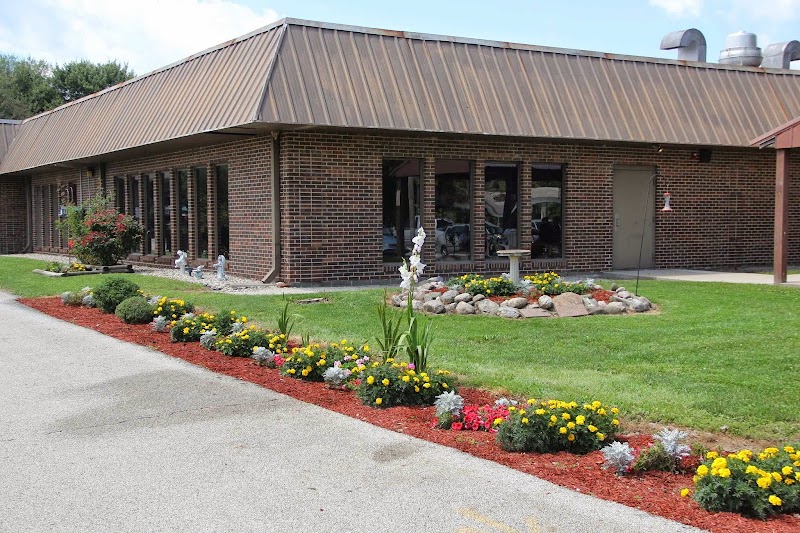
How is Newman Rehab & Health Care Ctr Staffed?

CMS rates NEWMAN REHAB & HEALTH CARE CTR's staffing level at 1 out of 5 stars, which is much below average compared to other nursing homes.

What Have Inspectors Found at Newman Rehab & Health Care Ctr?

State health inspectors documented 38 deficiencies at NEWMAN REHAB & HEALTH CARE CTR during 2022 to 2025. These included: 1 Immediate Jeopardy (the most serious level, indicating potential for serious harm or death), 1 that caused actual resident harm, and 36 with potential for harm. Immediate Jeopardy findings are rare and represent the most serious regulatory concerns. They require immediate corrective action.
Who Owns and Operates Newman Rehab & Health Care Ctr?

NEWMAN REHAB & HEALTH CARE CTR is owned by a for-profit company. For-profit facilities operate as businesses with obligations to shareholders or private owners. The facility operates independently rather than as part of a larger chain. With 60 certified beds and approximately 38 residents (about 63% occupancy), it is a smaller facility located in NEWMAN, Illinois.
How Does Newman Rehab & Health Care Ctr Compare to Other Illinois Nursing Homes?

Compared to the 100 nursing homes in Illinois, NEWMAN REHAB & HEALTH CARE CTR's overall rating (1 stars) is below the state average of 2.5 and health inspection rating (2 stars) is below the national benchmark.

What Should Families Ask When Visiting Newman Rehab & Health Care Ctr?

Based on this facility's data, families visiting should ask: "What changes have been made since the serious inspection findings, and how are you preventing similar issues?" "Can you walk me through typical staffing levels on day, evening, and night shifts?" "Can I visit during a mealtime to observe dining assistance and food quality?" "How do you handle medical emergencies, and what is your hospital transfer rate?" These questions are particularly relevant given the facility's Immediate Jeopardy citations and the below-average staffing rating.

Is Newman Rehab & Health Care Ctr Safe?

Based on CMS inspection data, NEWMAN REHAB & HEALTH CARE CTR has documented safety concerns. Inspectors have issued 1 Immediate Jeopardy citation (the most serious violation level indicating risk of serious injury or death). The facility has a 1-star overall rating and ranks #100 of 100 nursing homes in Illinois. Families considering this facility should ask detailed questions about what corrective actions have been taken since these incidents.

Do Nurses at Newman Rehab & Health Care Ctr Stick Around?

NEWMAN REHAB & HEALTH CARE CTR has not reported staff turnover data to CMS. Staff turnover matters because consistent caregivers learn residents' individual needs, medications, and preferences. When staff frequently change, this institutional knowledge is lost. Families should ask the facility directly about their staff retention rates and average employee tenure.

Was Newman Rehab & Health Care Ctr Ever Fined?

NEWMAN REHAB & HEALTH CARE CTR has been fined $146,513 across 2 penalty actions. This is 4.2x the Illinois average of $34,544. Fines at this level are uncommon and typically indicate a pattern of serious deficiencies, repeated violations, or failure to correct problems promptly. CMS reserves penalties of this magnitude for facilities that pose significant, documented risk to resident health or safety. Families should request specific documentation of what issues led to these fines and what systemic changes have been implemented.

Is Newman Rehab & Health Care Ctr on Any Federal Watch List?

NEWMAN REHAB & HEALTH CARE CTR is not on any federal watch list. The most significant is the Special Focus Facility (SFF) program, which identifies the bottom 1% of nursing homes nationally based on persistent, serious quality problems. Not being on this list means the facility has avoided the pattern of deficiencies that triggers enhanced federal oversight. This is a positive indicator, though families should still review the facility's inspection history directly.