LOFT REHAB & NURSING OF NORMAL
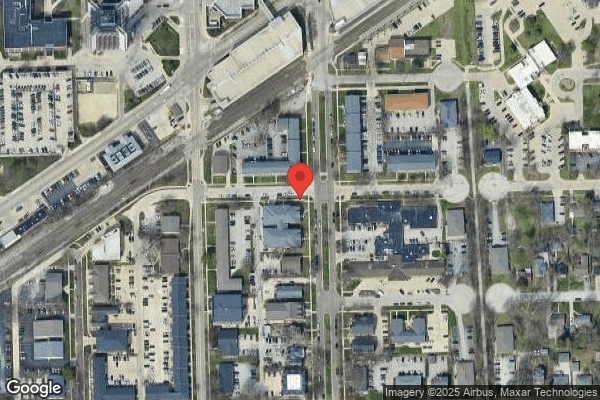
510 BROADWAY, NORMAL, IL 61761 (309) 452-4406
For profit - Limited Liability company 116 Beds THE LOFT REHABILITATION AND NURSING Data: November 2025 2 Immediate Jeopardy citations
Trust Grade
0/100
#378 of 665 in IL
Last Inspection: October 2024

Within standard 12-15 month inspection cycle. Federal law requires annual inspections.

Overview

Loft Rehab & Nursing of Normal has received a Trust Grade of F, indicating serious concerns about the quality of care provided. Ranking #378 out of 665 facilities in Illinois places them in the bottom half, and they are #4 out of 7 in McLean County, meaning only three local options are better. While the facility is improving, with a decrease in reported issues from 11 in 2024 to 7 in 2025, the high staff turnover rate of 58% is concerning, as it is above the state average. They have also incurred $425,020 in fines, which is higher than 97% of Illinois facilities, suggesting repeated compliance problems. Notably, there have been critical incidents, such as a resident missing 13 doses of seizure medication due to transcription errors, and another resident suffering from self-harm due to inadequate supervision, highlighting significant safety risks.

Trust Score
F
0/100
In Illinois
#378/665
Bottom 44%
Safety Record
High Risk
Review needed
Inspections
Getting Better
11 → 7 violations
Staff Stability
⚠ Watch
58% turnover. Above average. Higher turnover means staff may not know residents' routines.
Penalties
✓ Good
$425,020 in fines. Lower than most Illinois facilities. Relatively clean record.
Skilled Nurses
✓ Good
Each resident gets 46 minutes of Registered Nurse (RN) attention daily — more than average for Illinois. RNs are trained to catch health problems early.
Violations
⚠ Watch
60 deficiencies on record. Higher than average. Multiple issues found across inspections.
★★☆☆☆
2.0
Overall Rating
★★☆☆☆
2.0
Staff Levels
★★★★☆
4.0
Care Quality
★★☆☆☆
2.0
Inspection Score
Stable
2024: 11 issues
2025: 7 issues

The Good

  • 4-Star Quality Measures · Strong clinical quality outcomes
  • Full Sprinkler Coverage · Fire safety systems throughout facility
  • No fines on record

Facility shows strength in quality measures, fire safety.

The Bad

2-Star Overall Rating

Below Illinois average (2.5)

Below average - review inspection findings carefully

Staff Turnover: 58%

12pts above Illinois avg (46%)

Frequent staff changes - ask about care continuity

Federal Fines: $425,020

Well above median ($33,413)

Significant penalties indicating serious issues

Chain: THE LOFT REHABILITATION AND NURSING

Part of a multi-facility chain

Ask about local staffing decisions and management

Staff turnover is elevated (58%)

10 points above Illinois average of 48%

The Ugly 60 deficiencies on record

2 life-threatening 4 actual harm
Jul 2025 2 deficiencies
CONCERN (D) 📢 Someone Reported This

A family member, employee, or ombudsman was alarmed enough to file a formal complaint

Potential for Harm - no one hurt, but risky conditions existed

Pharmacy Services (Tag F0755)

Could have caused harm · This affected 1 resident

**NOTE- TERMS IN BRACKETS HAVE BEEN EDITED TO PROTECT CONFIDENTIALITY** Based on observation, interview, and record review the facility failed to follow physician's orders for administration of eye dr...

Read full inspector narrative →
**NOTE- TERMS IN BRACKETS HAVE BEEN EDITED TO PROTECT CONFIDENTIALITY** Based on observation, interview, and record review the facility failed to follow physician's orders for administration of eye drops for one of three residents (R3) reviewed for hygiene in the sample list of 15 residents.On 7/24/25 at 9:18 AM R3 was sitting in a wheelchair. R3's eyes were red with a small amount of yellow/white matter on the lower lids. R3 rubbed his eyes with his hands. At 1:03 PM R3's eyes had a small amount of matter on the lower lids.R3's Minimum Data Set, dated [DATE] documents R3 has severe cognitive impairment. R3's active diagnoses list includes ectropion of right and left lower eyelids (drooping of eyelids).R3's Progress Note, recorded by V12 Nurse Practitioner, dated 4/10/25 documents R3 continues to have ectropion and chronic blepharitis (inflammation) to bilateral eyelids, Systane Complete ophthalmic solution ordered, continue current management.R3's active Physician's Orders include an order dated 4/1/25 for Systane Complete Ophthalmic Solution apply one drop to each eye twice daily. There are no other orders for eye drops.On 7/24/25 at 11:08 AM V3 Licensed Practical Nurse stated staff apply a warm washcloth a couple times per day and R3 receives scheduled eye drops. V3 removed a box of Ketotifen Fumarate 0.035% eye drops labeled with R3's name. V3 stated R3 has a chronic problem with his eyes that cause pain and irritation, and R3 rubs his eyes a lot. At 12:32 PM V3 stated Ketotifen eye drops are used in place of the Systane, as they are the same. The medication cart was viewed with V3 who confirmed Ketotifen were the only eye drops for R3 in the medication cart, and there were no bottles of Systane eye drops labeled with R3's name. On 7/24/25 at 2:16 PM V7 Pharmacist stated Systane eye drops are for dry eyes, and Ketotifen eye drops are for allergies/allergic conjunctivitis, these are not the same. V7 stated if they were interchangeable there would be a physician's order and the pharmacy would have notified the facility. V7 stated V7 does not see Ketotifen on R3's order profile.On 7/24/25 at 2:38 PM V2 Director of Nursing stated nurses should follow physician's orders, and today V3 told V2 about R3's eye drops not matching the physician order. The Facility Physician/Practitioner Orders Policy Dated 2/10/2025 documents the Facility will verify that the order and original, valid prescription match. The facility will forward the original, valid prescription with the verification order to the pharmacy per protocol. The policy also documents if the orders (i.e. dose or frequency) do not match, or in the absence of an original, valid prescription, obtain an original, valid prescription and forward it along with the written order to the pharmacy per protocol.
CONCERN (E) 📢 Someone Reported This

A family member, employee, or ombudsman was alarmed enough to file a formal complaint

Potential for Harm - no one hurt, but risky conditions existed

Deficiency F0925 (Tag F0925)

Could have caused harm · This affected multiple residents

Based on observation, interview, and record review the facility failed to follow their pest control policy for four residents (R3, R5, R12, R13) reviewed for Pest Control in the sample list of 15 resi...

Read full inspector narrative →
Based on observation, interview, and record review the facility failed to follow their pest control policy for four residents (R3, R5, R12, R13) reviewed for Pest Control in the sample list of 15 residents. On 7/24/25 at 12:38 PM V6 Housekeeper stated V6 has seen roaches in the hallways and resident rooms, which started around March or April, and is most prominent on the Downtown [NAME] hallway.On 7/24/25 at 1:18 PM V8 Certified Nursing Assistant stated over the past year V8 has noticed roaches on the walls in hallways and resident rooms, mostly on the downtown west hallway.On 7/24/25 at 1:08 PM R3 attempted to enter R3's room. V3 Licensed Practical Nurse redirected R3 away from his room and told him his room was just sprayed. R3's room and R5, R12, R13 had the doors closed with signs posted on the door indicating the room had been sprayed with pesticide treatment and required ventilation until 4:16 PM. At 1:11 PM R12 stated he has had a couple of roaches on the floor in his room. V3 stated V3 noticed bugs in the facility starting in October, and V3 has seen bugs in R12, R13, and R6's rooms. At 1:17 PM R13 called surveyor over to point out a roach like bug that was on the floor across the hallway from R13's room. V3 confirmed the bug and confirmed this was the type of bug V3 was referring to. At 1:39 PM R13 pointed out another roach like bug that was in the middle of the downtown west hallway near R13's room.On 7/24/25 at 2:30PM V16 Pest Control Technician stated he was called to the facility on 7/24/25 for bugs in resident's rooms.On 7/24/25 at 2:40PM V16 stated he received an email on 7/24/25 at 2:33AM as a work order for bugs in resident's rooms.The Facility pest control policy dated 1/2/23 documents the facility will maintain an effective pest control program that eradicates and contains common household pests and rodents. This document also states to ensure that the outside pest service also treats the exterior perimeter of the facility and any outlying buildings or structures. The facility will utilize a variety of methods in controlling certain seasonal pests and will report system of issues that may arise in between scheduled visits.
May 2025 2 deficiencies
CONCERN (D) 📢 Someone Reported This

A family member, employee, or ombudsman was alarmed enough to file a formal complaint

Potential for Harm - no one hurt, but risky conditions existed

Medical Records (Tag F0842)

Could have caused harm · This affected 1 resident

Based on interview and record review the facility failed to document complete accurate assessments for one resident (R7) of three residents reviewed for documentation in a sample list of eight residen...

Read full inspector narrative →
Based on interview and record review the facility failed to document complete accurate assessments for one resident (R7) of three residents reviewed for documentation in a sample list of eight residents. Findings Include: R7's current diagnoses list includes the following diagnoses: Repeated Falls, Malignant Neoplasm of Prostate, COVID-19, Pain in Unspecified Joint, Abnormalities of Gait and Mobility, Type 2 Diabetes without Complications, Chronic Atrial Fibrillation, Lack of Coordination, Colostomy, Hyperlipidemia, and Vitamin C Deficiency. R7's progress note dated 4/11/25 at 7:30 PM documents R7 was admitted from the hospital emergency room following a fall at the assisted living facility where he lived on 4/11/25. R7's Nursing assessments on 4/11/25 and 4/12/25 do not indicate R7 was having any respiratory symptoms and documents R7 as negative for respiratory signs and symptoms. There are no head-to-toe assessments or respiratory assessments documented on 4/13/25, 4/14/25, or 4/15/25. R7's Electronic Medical record census report documents R7 left for the hospital 4/15/25. R7's progress note dated 4/14/2025 at 11:16 AM documents (R7) Tested positive for Covid; Power of Attorney here and was notified. Stated family member had tested positive and helped resident move in facility. R7's progress note dated 4/14/2025 at 11:33 AM documents Fax sent to (APN) to report covid positive results; chest congestion, cough. R7's progress note dated 4/14/2025 at 11:37 AM Documents Covid isolation precautions initiated. There are no subsequent assessments or notes to indicate where R7 was transferred to or rationale for transfer. There is also no documentation to indicate if the physician or family were made aware of the transfer. On 5/7/25 at 2:00 PM V2, DON (Director of Nursing) stated I am aware our documentation for R7 is lacking and it would be my expectation when a resident becomes symptomatic and tests positive for Covid at very least respiratory assessments should be documented and when a resident is sent to the hospital the reason and an assessment should be documented. The facility's policy Notification of Changes reviewed 2/10/25 states Circumstances requiring notification (of Physician) include A transfer or discharge of a resident from the facility.
CONCERN (F) 📢 Someone Reported This

A family member, employee, or ombudsman was alarmed enough to file a formal complaint

Potential for Harm - no one hurt, but risky conditions existed

Infection Control (Tag F0880)

Could have caused harm · This affected most or all residents

Based on interview and record review the facility failed to follow their infection prevention, response, and reporting policy following a newly identified Covid positive resident. This failure has the...

Read full inspector narrative →
Based on interview and record review the facility failed to follow their infection prevention, response, and reporting policy following a newly identified Covid positive resident. This failure has the potential to affect all residents who reside in the facility. Findings Include: The 5/6/25 facility Census document 108 residents reside at the facility. R7's current diagnoses list includes the following diagnoses: Repeated Falls, Malignant Neoplasm of Prostate, COVID-19, Pain in Unspecified Joint, Abnormalities of Gait and Mobility, Type 2 Diabetes Without Complications, Chronic Atrial Fibrillation, Lack of Coordination, Colostomy, Hyperlipidemia, Vitamin C Deficiency. R7's progress note dated 4/14/2025 at 11:16 AM documents (R7) Tested positive for Covid; Power of Attorney here and was notified. Stated family member had tested positive and helped resident move in facility (4/11/25). R7's progress note dated 4/14/2025 at 11:33 AM documents Fax sent to (APN/Advanced Practice Nurse) to report Covid positive results; chest congestion, cough. R7's progress note dated 4/14/2025 at 11:37 AM Documents Covid isolation precautions initiated. On 5/5/25 at 2:00 PM V5, RN (Registered Nurse) Infection Preventionist stated she wasn't aware there needed to be contact tracing and testing following a resident testing positive for Covid. V5 further stated I didn't do any of that. If I was aware I would have. On 5/5/25 at 2:15 PM V2, DON verified contact tracing and testing should have been initiated immediately following a newly Covid positive resident. V2 also verified direct care staff at the facility have the potential to work anywhere in the facility according to staffing needs. The facility's policy Covid 19 Prevention, Response, and Reporting reviewed 10/1/24 states Responding to a newly identified SARS CoV-2 infected Health Care Provider or resident: a. The facility should defer to the recommendations of the jurisdiction's public health authority when performing an outbreak response to a known case. b. A single new case of SARS CoV-2 infection in any Health Care Provider or resident should be evaluated to determine if others in the facility could have been exposed. c. The approach of an outbreak investigation could involve either contact tracing or a broad-based approach; however, a broad-based approach (e.g. Unit, floor, or other specific areas of the facility) is preferred if all potential contact cannot be identified or managed with contact tracing or if contact tracing fails to halt transmission. d. Perform testing for all residents and Health Care Providers identified as close contacts or on the affected unit(s) if using a broad-based approach, regardless of vaccination status.
Mar 2025 1 deficiency
CONCERN (D) 📢 Someone Reported This

A family member, employee, or ombudsman was alarmed enough to file a formal complaint

Potential for Harm - no one hurt, but risky conditions existed

Laboratory Services (Tag F0770)

Could have caused harm · This affected 1 resident

Based on interview and record review, the facility failed to ensure the timeliness of laboratory services as ordered by a physician for one (R4) of one resident reviewed for laboratory services on the...

Read full inspector narrative →
Based on interview and record review, the facility failed to ensure the timeliness of laboratory services as ordered by a physician for one (R4) of one resident reviewed for laboratory services on the sample list of three. Findings include: The After Visit Summary (AVS) dated 7/25/24 documents R4 was diagnosed with a kidney stone. The same AVS documents that on 7/19/24 R4 was admitted to the hospital and underwent bilateral Percutaneous nephrolithotomy (PCNL) for removal of bilateral staghorn kidney stones. The same AVS documents that on 7/25/24 at 12:18 PM R4 was discharged from the hospital and returned to the facility. On 7/25/24 Discharge Instructions were printed and document an Inpatient AVS (After Visit Summary) was (Printed 7/25/2024). The AVS documents a 48-hour urine is to be collected two weeks after the operative procedure and sent to the laboratory under the discharge instructions. Two weeks postoperative is August 2, 2024, for the 48-hour urine collection date to start. The AVS also documents instructions for the facility to collect a urine culture in one month and then monthly for two more months. R4's Medical Record documents on 8/4/25 at 5:19 PM a physician order was entered for a urinalysis with culture and sensitivity one-month post-hospitalization, and then monthly for two months with results to the urologist. R4's Medical Record does not document completion of the urine tests and no urine laboratory results were located in the Medical Record. Progress Notes dated 9/11/24 at 9:48 am document the 48-hour urine collection was initiated at 5:00am and will be completed on 9/13/24. The Progress Note dated 9/13/24 at 09:50 AM documents completion of the 48-hour urine. On 3/10/25 at 1:45 PM V2 Director of Nursing confirmed the After Visit Summary dated 7/25/24 contained discharge instructions to obtain 48-hour urine test two weeks post-operatively. On 3/10/25 at 1:50 PM V2 confirmed there are no urine test results (urinalysis/culture and sensitivity) in the medical record. The Laboratory Services and Reporting policy Date Implemented: 01/20/20 documents: The facility must provide or obtain laboratory services when ordered by a physician, physician assistant, nurse practitioner, or clinical nurse specialist in accordance with state law. The same policy documents on line 2. The facility is responsible for the timeliness of the services. The same policy documents on line 6. All laboratory reports will be dated and contain the name and address of the testing laboratory and will be filed in the resident's clinical record. The same policy documents on line 7. Promptly notify the ordering physician, physician assistant, nurse practitioner, or clinical nurse specialist of laboratory results that fall outside the clinical reference range.
Feb 2025 2 deficiencies
CONCERN (D) 📢 Someone Reported This

A family member, employee, or ombudsman was alarmed enough to file a formal complaint

Potential for Harm - no one hurt, but risky conditions existed

Deficiency F0657 (Tag F0657)

Could have caused harm · This affected 1 resident

**NOTE- TERMS IN BRACKETS HAVE BEEN EDITED TO PROTECT CONFIDENTIALITY** Based on observation, interview, and record review the facility failed to revise care plans for two (R4 and R7) of three residen...

Read full inspector narrative →
**NOTE- TERMS IN BRACKETS HAVE BEEN EDITED TO PROTECT CONFIDENTIALITY** Based on observation, interview, and record review the facility failed to revise care plans for two (R4 and R7) of three residents reviewed for care plan revision from a total sample list of 10 residents. Findings include: The facility provided Care Plan Revisions Upon Status Change Policy dated 1/25/23 documents that the comprehensive care plan will be reviewed and revised as necessary when a resident experiences a status change. 1.) R4's census sheet documents admission to the facility on [DATE]. R4's Minimum Data Set, dated [DATE] documents that R4 is cognitively intact. R4's Minimum Data Set, dated [DATE] documents that R4 requires a wheelchair for mobility. The facility provided transport schedule documents that R4 was transported on the following dates: 1/9/25, 1/23/25 and 1/28/25. On 2/3/25 at 9:40AM, R4 stated that due to her size and inability to wear shoes, she was unable to keep her feet on the pedals of the transport wheelchair, resulting in R4 sliding down in the wheelchair during transport. On 2/3/25 at 1:00PM, V3 Physical Therapy Assistant stated that on 1/19/24, V3 applied a foot board and non-slip material with binder clips to R4's transport chair to prevent R4's feet from sliding off of the pedals, preventing R4 from sliding down in the chair during transport. On 2/3/25 at 2:00PM, R4's transport chair was in R4's room-adjoining bathroom and a foot board was on the pedals and non-slip material was in the wheelchair seat. R4's current Care Plan does not document the intervention of non-slip material on R4's wheel chair. 2.) R7's census sheet documents admission to the facility on 6/4/24. R7's Minimum Data Set, dated [DATE] documents that R7 is cognitively intact and is on dialysis. The facility provided transport schedule documents that R7 was transported to dialysis on the following dates: 1/6/25, 1/7/25, 1/8/25, 1/10/25, 1/13/25, 1/15/25, 1/17/25, 1/20/25, 1/22/25, 1/24/25, 1/27/25, 1/29/25, and 1/31/25. R7's progress notes document a referral to dialysis on 12/6/24 with subsequent first-time dialysis on 12/18/24, followed by orders for dialysis three times a week starting on 12/25/24. R7's care plan does not document dialysis services for R7. On 2/3/25 at 1:30PM, V4 Social Service Director/Care Plan Coordinator stated that currently there is no Minimum Data Set/Care Plan Coordinator. V4 stated Dialysis for (R7) and the intervention of (non-slip material) in R4's chair to keep her from falling out of the wheel chair both should have been documented and it just didn't get done.
CONCERN (D) 📢 Someone Reported This

A family member, employee, or ombudsman was alarmed enough to file a formal complaint

Potential for Harm - no one hurt, but risky conditions existed

Quality of Care (Tag F0684)

Could have caused harm · This affected 1 resident

**NOTE- TERMS IN BRACKETS HAVE BEEN EDITED TO PROTECT CONFIDENTIALITY** Based on observation, interview, and record review, the facility failed to assess for elopement risk, document the rational for ...

Read full inspector narrative →
**NOTE- TERMS IN BRACKETS HAVE BEEN EDITED TO PROTECT CONFIDENTIALITY** Based on observation, interview, and record review, the facility failed to assess for elopement risk, document the rational for application of an elopement notification bracelet, and re-apply an elopement notification bracelet after readmission from the hospital for one (R6) of three residents reviewed for elopement from a total sample list of ten residents reviewed. Findings include: The facility Elopement and Wandering Residents Policy revised 5/6/2024 documents that the facility shall establish and utilize a systematic approach to monitoring and managing residents at risk for elopement or unsafe wandering, including identification and assessment of risk, evaluation and analysis of hazard and risk, implementing interventions to reduce hazards and risks, and monitoring for effectiveness and modifying interventions when necessary. R6's current medical diagnosis record dated 2/4/24 documents R6 has Vascular Dementia, Repeated Falls, Panic Disorder, Depression and Parkinson's Disease. R6's Minimum Data Set (MDS) assessment, dated 11/25/24, documents R6 is severely cognitively impaired. R6's admission Elopement assessment dated [DATE], documents R6 is not an elopement risk. R6's Nurse Progress Note dated 11/25/24, documents an elopement management bracelet was placed on R6's left ankle due to high elopement risk. R6's current care plan documents R6 is an elopement risk on 11/26/24, and R6 has an elopement management bracelet on left ankle. R6's medical record does not contain an elopement assessment or documentation of why an elopement management bracelet was applied to R6 on 11/25/24. On 2/3/25 at 1:30 PM, V4 Social Service Director (SSD) stated an elopement management bracelet was placed on R6 because R6 was telling staff she was going to leave building to go across the street to visit her boyfriend and take him shopping. V4 stated R6 will go to the door and try to leave but is able to be redirected. On 2/3/25 at 1:00 PM, V4 SSD stated that she thought nursing was completing the elopement assessments; however, she learned today that it is her job to complete all elopement assessments. V4 SSD then confirmed that R6's medical record does not contain documentation of an elopement assessment or progress note documenting the reason for placement of the elopement management bracelet on 11/25/24. On 2/3/25 at 1:30 PM, V8 Licensed Practical Nurse confirmed R6 does not have an elopement management bracelet in place. On 2/3/25 at 1:05PM, V4 SSD confirmed that R6 does not have an elopement assessment from readmission to facility on 1/30/25. Additionally, V4 SSD confirmed R6 does not have an elopement management bracelet in place. On 2/3/25 at 1:00 PM, V4 Social Services Director (SSD) stated a resident should have an elopement assessment completed on readmission to the facility. V4 SSD stated that R6 went to the hospital recently and was re-admitted to the facility. V4 stated that she was not aware that a re-admission elopement assessment wasn't completed nor was an elopement management bracelet reapplied at this time. V4 SSD further stated R6 does try and exit the building and needs an elopement management bracelet.
Oct 2024 8 deficiencies
CONCERN (D)

Potential for Harm - no one hurt, but risky conditions existed

Safe Environment (Tag F0584)

Could have caused harm · This affected 1 resident

Based on observation, interview, and record review, the facility failed to maintain homelike room conditions for a resident room. This failure affects one resident (R61) of 24 reviewed for clean, comf...

Read full inspector narrative →
Based on observation, interview, and record review, the facility failed to maintain homelike room conditions for a resident room. This failure affects one resident (R61) of 24 reviewed for clean, comfortable, homelike environment in the sample list of 48. Findings include: On 10/6/24 at 10:05AM, R61 was resting in bed. Large areas of wallpaper above R1's headboard were peeling free from the wall surface. Multiple sections approximately 4 in width were torn free from the wall surface and dangling from the wall. A section of paper approximately four feet tall was curling free from the wall. On 10/9/2024 at 12:36PM the wall remained as above. R61 was present and reported the wall had been in disrepair since R61 admitted to the facility. V18 (Certified Nurse Aide) was present and reported R61's bed had been positioned too high and was hitting the wall. R61's census sheet (printed 10/9/2024) documents R61 first began living in R61's current room on 3/23/2023.
CONCERN (D)

Potential for Harm - no one hurt, but risky conditions existed

Comprehensive Care Plan (Tag F0656)

Could have caused harm · This affected 1 resident

**NOTE- TERMS IN BRACKETS HAVE BEEN EDITED TO PROTECT CONFIDENTIALITY** Based on observation, interview and record review, the facility failed to develop and implement a person-centered comprehensive ...

Read full inspector narrative →
**NOTE- TERMS IN BRACKETS HAVE BEEN EDITED TO PROTECT CONFIDENTIALITY** Based on observation, interview and record review, the facility failed to develop and implement a person-centered comprehensive care plan for a hearing-impaired resident (R73). This failure impacts one of one resident reviewed for impaired hearing in the sample list of 41. Findings include: On 10/07/24 at 10:23 AM R73 observed sitting in his room at the bedside without the television on, looking around. R73 stated I need my hearing aids, I can't hear. On 10/07/24 at 10:25 AM R12 stated R73 cannot hear, and staff must talk loud to him. On 10/07/24 at 10:27 AM V9 and V10 Certified Nursing Assistants stated R73's hearing aid broke a day or 2 after the resident admitted . On 10/08/24 at 11:47 AM V13 Certified Nursing Assistant stated there is a white board at the bedside the staff use to communicate with R73. V13 then shows white board and uses it to communicate with R73 to introduce surveyor to resident. On 10/08/24 at 1:24 PM V14 Care Plan Coordinator confirmed R73's care plan does not address R73's hearing deficit or the use of the white board for communication. V2 Director of Nursing agreed the care plan does not address the hearing deficit or the use of the white board for communication. Undated clinical census page reports R73 was admitted to the facility on [DATE]. R73's Minimum Data Set, dated [DATE], documents R73 has moderate difficulty with hearing. R73's Care plan does not document a hearing assessment or a plan to care for the resident for the hearing impairment. The facility's Care Plan Policy dated 9/20/22 revised on 1/25/24 documents Policy Explanation and Compliance Guidelines: Bullet 1 states the comprehensive care plan will be reviewed and revised an necessary when a resident experiences a status change.
CONCERN (D)

Potential for Harm - no one hurt, but risky conditions existed

Pressure Ulcer Prevention (Tag F0686)

Could have caused harm · This affected 1 resident

Based on observation, interview, and record review the facility failed to complete pressure ulcer treatments as ordered and failed to implement pressure relieving interventions for two of two resident...

Read full inspector narrative →
Based on observation, interview, and record review the facility failed to complete pressure ulcer treatments as ordered and failed to implement pressure relieving interventions for two of two residents (R138, R142) reviewed for pressure ulcers in the sample list of 41. Findings include: 1.) R138's Order Summary dated 10/7/24 documents diagnoses including Malignant Neoplasm of Prostate, Secondary Malignant Neoplasm of Brain, Secondary Malignant Neoplasm of Bone, Traumatic Subdural Hemorrhage with Loss of Consciousness Status Unknown and Pressure Ulcer of Sacral Region. This Order Summary documents an order dated 9/12/24 for the Unstageable pressure wound due to Necrosis of the Sacrum, cleanse with normal saline, pat dry, apply thin layer of medical honey to the wound bed, cover with a bordered gauze dressing, change daily and as needed. This Order Summary also documents an order for pressure relieving boots to the bilateral lower extremities when in bed to offload pressure, document non-compliance every shift with a start date of 9/12/24. On 10/6/24 at 9:26 AM, R138 was in bed in his room, and he did not have any pressure relieving boots on his feet. On 10/7/24 at 11:58 AM, V4 Registered Nurse and V5 Certified Nursing Assistant prepared R138 for the pressure ulcer treatment. At that time, R138 was lying in bed with no pressure relieving boots on his feet. V4 cleaned the site with normal saline but did not dry the pressure ulcer prior to applying the medical honey as ordered. When V4 applied the medical honey, the honey slid down off the open pressure ulcer partially onto healthy skin. V4 applied the bordered gauze, and the medical honey was not on the open area of the pressure ulcer at that time. On 10/8/24 at 9:39 AM, R138 was lying in bed with his feet pressing up against the foot board and R138 did not have any pressure relieving boots on his feet. On 10/8/24 at 3:01 PM, R138 was lying in bed with no pressure relieving boots on his feet. At that time, V12 Licensed Practical Nurse confirmed that R138 should have the boots on when in bed and confirmed that they were not on R138. V12 stated that they were in the closet. At this time the pressure relieving boots were on the top shelf in the closet. 2.) R142's Order Summary dated 10/7/24 documents diagnoses including Type 2 Diabetes Mellitus, Presence of Cardiac Pacemaker and Small Cell B-Cell Lymphoma. This Order Summary documents an order dated 10/3/24 for the Coccyx wound to cleanse with normal saline or wound cleanser, pat dry, apply thin layer of medical honey, cover with bordered gauze dressing, change daily and as needed. R142's Skin/Wound Note dated 10/3/24 documents R142 was given pressure relieving boots to wear when in bed. On 10/07/24 at 10:07 AM, R142 was lying in bed with her feet directly on the mattress. R142 did not have any pressure relieving boots on her feet. At this time, V4 Registered Nurse and V5 Certified Nursing Assistant prepared to complete R142's pressure ulcer treatment. V4 cleaned the pressure ulcer with normal saline but did not dry the pressure ulcer prior to applying the medical honey as ordered. When V4 applied the medical honey, the honey slid off the pressure ulcer and when V4 applied the bordered dressing the honey was not on the open area of the pressure ulcer. The facility's Pressure Injury Prevention and Management policy with a Reviewed/Revised date of 12/6/23 documents, After completing a thorough assessment/evaluation, the interdisciplinary team shall develop a relevant care plan that includes measurable goals for prevention and management of pressure injuries with appropriate interventions. Evidence-based interventions for prevention will be implemented for all residents who are assessed at risk or who have a pressure injury present. Interventions will be documented in the care plan and communicated to all relevant staff.
CONCERN (D)

Potential for Harm - no one hurt, but risky conditions existed

Tube Feeding (Tag F0693)

Could have caused harm · This affected 1 resident

Based on observation, interview, and record review the facility failed to check placement of a Gastrostomy tube (g-tube) prior to administering medications and prior to administering feeding for one o...

Read full inspector narrative →
Based on observation, interview, and record review the facility failed to check placement of a Gastrostomy tube (g-tube) prior to administering medications and prior to administering feeding for one of one resident (R138) reviewed for Gastrostomy tubes in the sample list of 41. Findings include: R138's Order Summary dated 10/7/24 documents diagnoses including Unspecified Protein-Calorie Malnutrition, Pneumonitis Due to Inhalation of Food and Vomit, Dysphagia, Metabolic Encephalopathy, Malignant Neoplasm of Prostate, Secondary Malignant Neoplasm of Brain, Secondary Malignant Neoplasm of Bone and Traumatic Subdural Hemorrhage with Loss of Consciousness Status Unknown. R138's Order Summary dated 10/7/24 documents an order for nothing by mouth with a start date of 9/4/24. This Order Summary documents orders to flush the enteral tube with 30 milliliters of water pre/post medication administration and 5-10 milliliters of water between each medication with a start date of 10/1/24. This Order Summary also documents an order to flush the enteral tube with 125 milliliters of water before and after each bolus feeding with a start date of 9/18/24 and an order for Enteral feeding four times a day of Jevity 1.5 calorie 362 milliliters with a start date of 9/25/24. R138's Order Summary documents orders to check g-tube placement before medications/feedings every shift with a start date of 9/04/2024. On 10/7/24 at 12:10 PM, V4 Registered Nurse prepared R138's Jevity 1.5 feeding and water flushes. V4 unclamped the g-tube and poured in the water flush without first checking placement of the tube. V4 then administered approximately 362 milliliters of Jevity 1.5 and then another water flush. On 10/7/24 at 12:10 PM, when V4 was asked why she did not check placement prior to administering the feeding V4 stated that she checked placement with his earlier feeding this morning. On 10/8/24 at 3:01 PM, V12 Licensed Practical Nurse prepared R138's medications to be administered via Gastrostomy tube without checking placement. V12 administered the water flush, then the Calcium, water flush, Amantadine, water flush, Levetiracetam and then the final water flush. When finished, V12 confirmed that she did not check placement of the Gastrostomy tube prior to administering R138's medications but she should have. The facility's Flushing a Feeding Tube policy with a Reviewed/Revised date of 1/4/24 documents, Prior to flushing the feeding tube, the administration of medication or providing tube feedings, the nurse verifies the proper placement by noting the length of the tubing or performing a measure to check for gastric residual, if performed in the facility. The facility's Medication Administration via Enteral Tube policy with a Reviewed/Revised policy date of 1/4/24 documents, Enteral tube placement must be verified prior to administering any fluids or medications.
CONCERN (D)

Potential for Harm - no one hurt, but risky conditions existed

Infection Control (Tag F0880)

Could have caused harm · This affected 1 resident

Based on observation, interview, and record review the facility failed to place a resident in Enhanced Barrier Precautions for one of 24 residents (R142) reviewed for infection control in the sample l...

Read full inspector narrative →
Based on observation, interview, and record review the facility failed to place a resident in Enhanced Barrier Precautions for one of 24 residents (R142) reviewed for infection control in the sample list of 41. Findings include: R142's Nurses Note dated 10/3/24 documents R142 has a pressure ulcer on R142's Coccyx with Serosanguineous drainage. On 10/6/24 at 2:35 PM, R142 was in her room and there was no Enhanced Barrier Precaution (EBP) sign posted on her door or near her door. On 10/7/24 at 10:07 AM, V4 Registered Nurse and V5 Certified Nursing Assistant entered R142's room to complete the pressure ulcer dressing change. V4 and V5 did not don a gown prior to completing the dressing change. V4 and V5 had to open R142's incontinence brief to complete the treatment and R142's pressure ulcer was open and greater than a stage 1 pressure ulcer. On 10/7/24 at 10:47 AM, R142's room does not have an EBP sign on the door and there is no indication that staff should don PPE prior to providing care. On 10/8/24 at 12:47 PM, V19 Infection Preventionist confirmed that residents with pressure ulcers should be placed in Enhanced Barrier Precautions. On 10/8/24 at 2:14 PM, V19 stated that R142's pressure ulcer is not chronic so she did not place her on Enhanced Barrier Precautions.
CONCERN (E)

Potential for Harm - no one hurt, but risky conditions existed

Deficiency F0761 (Tag F0761)

Could have caused harm · This affected multiple residents

Based on observation, interview, and record review the facility failed to permanently affix a narcotic lock box in a medication room for three of three residents (R68, R72, R40), reviewed for medicati...

Read full inspector narrative →
Based on observation, interview, and record review the facility failed to permanently affix a narcotic lock box in a medication room for three of three residents (R68, R72, R40), reviewed for medication storage in the sample list of 41. Findings include: 1.) R68's Order Summary dated 10/9/24 documents an order for Morphine Sulfate (Concentrate) Oral Solution 20 mg (milligrams)/ml (milliliters) (Morphine Sulfate), give 0.25 ml by mouth every 6 hours as needed for pain with a start date of 6/2/2024. 2.) R72's Order Summary dated 10/9/24 documents an order for Morphine Sulfate Oral Solution 20 mg/ml give 0.25 ml by mouth every 6 hours as needed for pain, SOB (shortness of breath) with a start date of 7/03/2024. 3.) R40's Order Summary dated 10/9/24 documents an order for Morphine Sulfate ER (extended release) Oral Tablet 15 mg, give 1 tablet by mouth every 12 hours for pain with a start date of 8/26/2024. 4.) R40's Order Summary dated 10/9/24 documents an order for Hydrocodone/Acetaminophen 5/325 mg oral tablet, give 1 tablet by mouth every 8 hours as needed for Pain - Severe with a start date of 2/23/2024. On 10/9/24 at 9:55 AM, V17 Licensed Practical Nurse completed the medication storage room tour and confirmed there was a locked storage box sitting on the shelving unit in the medication storage room and V17 stated that there were narcotics stored in there because she does not have enough room for them in her medication cart lock box. V17 confirmed the lock box is not affixed to anything, just loose on the shelf. V17 opened the lock box and there were three boxes of morphine and three cards of Hydrocodone/Acetaminophen in the lock box. The Morphine labels documented they were for R68, R72 and R40. The three cards of Hydrocodone/Acetaminophen were all for R40 totaling 90 tablets. On 10/9/24 at 11:30 AM, V1 Administrator stated that he gave the nurses that lock box for the extra medications. The facility's Medication Storage policy with a Reviewed/Revised date of 12/20/23 documents, Schedule II controlled medications are to be stored within a separately locked permanently affixed compartment when other medications are stored in the same area.
CONCERN (E)

Potential for Harm - no one hurt, but risky conditions existed

Deficiency F0848 (Tag F0848)

Could have caused harm · This affected multiple residents

Based on interview and record review, the facility failed to ensure arbitration agreements provide for the selection of an arbitration venue convenient to both parties. This failure has the potential ...

Read full inspector narrative →
Based on interview and record review, the facility failed to ensure arbitration agreements provide for the selection of an arbitration venue convenient to both parties. This failure has the potential to affect three residents (R83, R137, R187) of five reviewed for arbitration agreements on the sample list of 48. Findings include: On 10/9/2024 at 12:06 PM, V3 (Social Services Director) reported R83, R137, and R187 all signed arbitration agreements upon admission to the facility. The facility arbitration agreements signed by R83 on 8/16/2024, R137 on 9/29/2024, and R187 on 8/30/2024 do not include any language providing for the selection of an arbitration venue convenient to both parties. The contract documents the arbitration will occur in the county where the facility is located unless the parties mutually agree otherwise.
CONCERN (F)

Potential for Harm - no one hurt, but risky conditions existed

Food Safety (Tag F0812)

Could have caused harm · This affected most or all residents

Based on observation, interview, and record review, the facility failed to prevent the potential for cross-contamination of ice, failed to prevent the potential for physical cross-contamination of foo...

Read full inspector narrative →
Based on observation, interview, and record review, the facility failed to prevent the potential for cross-contamination of ice, failed to prevent the potential for physical cross-contamination of food, and failed to maintain sanitary food service equipment (sink) and floor areas. These failures have the potential to affect all 87 residents residing in the facility. Findings include: 1. On 10/6/2024 at 8:53AM, dark colored mildew growth was located inside of the dietary service ice machine along multiple sections of the plastic evaporator skirt. On 10/8/2024 at 2:10PM, V15 (Regional Dietary Manager) was present and reported the facility maintenance department was responsible for cleaning the machine. 2. On 10/6/2024 at 8:40AM, the kitchen three-basin sink sewer pipe was continuously dripping into a metal pan located on the floor below the sink. The pan was one-fourth full of discolored and opaque water. On 10/8/2024 at 1:31PM, the pipe leak and pan remained the same as above. 3. On 10/6/2024 at 8:41AM, the flooring surfaces throughout the dish line area of the kitchen were sticky and soiled with accumulations of food debris, discarded rubber gloves, dish scrub pads, steel wool pads, pieces of foam, and condiment packets. On 10/8/2024 at 1:33PM, the floors remained as above. V15 was present and stated right (the floors were soiled and need cleaned). 4. On 10/6/2024 at 8:41AM, a can opener mounted to a food prep table near the three-basin sink was soiled with food debris. A second can opener mounted to a food prep table near the kitchen coolers was also soiled with accumulations of food debris and metal shavings. The metal shavings easily fell off the opener when lightly touched. On 10/8/2024 at 1:34PM, the can openers remained the same as above. V15 was present and reported the facility was going to replace the opener located on the prep table near the kitchen coolers. 5. On 10/6/2024 at 8:45AM, the kitchen pantry floor areas were soiled with debris including plastic cup lids, cardboard, plastic wrap, leaves, and foil. On 10/8/2024 at 1:35PM, the soiled floor areas remained as above. The facility Long-Term Care Facility Application for Medicare and Medicaid (10/6/2024) documents 87 residents reside in the facility.
Sept 2024 1 deficiency
CONCERN (D) 📢 Someone Reported This

A family member, employee, or ombudsman was alarmed enough to file a formal complaint

Potential for Harm - no one hurt, but risky conditions existed

Deficiency F0567 (Tag F0567)

Could have caused harm · This affected 1 resident

**NOTE- TERMS IN BRACKETS HAVE BEEN EDITED TO PROTECT CONFIDENTIALITY** Based on interview and record review the facility failed to safeguard one (R1) resident personal bank account entrusted to facil...

Read full inspector narrative →
**NOTE- TERMS IN BRACKETS HAVE BEEN EDITED TO PROTECT CONFIDENTIALITY** Based on interview and record review the facility failed to safeguard one (R1) resident personal bank account entrusted to facility for billing purposes by withdrawing money from R1's account without R1's permission. This failure affects one (R1) out of three residents reviewed for resident funds in a sample list of four residents. Findings include: R1's Electronic Medical Record (EMR) documents R1 was admitted to facility on 10/18/2023 and discharged from facility on 8/19/24. R1's Minimum Data Set (MDS) dated [DATE] documents R1 as cognitively intact. R1's Automatic Payment Authorization Agreement dated 3/6/2024 documents the facility has the authority to withdraw $6,673.44 monthly from R1's personal banking account. R1's Durable Power of Attorney (DPOA) for Finances dated 1/26/2023 documents V3 as R1's designated DPOA for finances. The facility untitled document dated 9/13/24 documents a refund of $6,673.44 to R1's personal debit card. On 9/13/24 at 12:00 PM V4 Business Office Manager (BOM) stated R1 did not hold a resident trust fund through the facility. V4 BOM stated R1 was on the Medicaid program and also received Social Security. V4 stated R1 had her own separate bank account through a bank unaffiliated with the facility. V4 stated R1 signed an authorization for the facility to remove funds for her stay at the facility. V4 BOM stated all of R1's funds including Social Security and Medicaid funds were deposited directly into R1 ' s personal banking account. There is no detailed financial statement due to R1 did not have a personal trust fund with the facility. On 9/13/24 at 12:10 PM V5 Regional Corporate Business Office Manager stated the facility is unable to provide any kind of billing statements or financial information for R1 due to R1 did not have a facility resident trust fund. V5 stated I was not aware that (R1) had discharged from the facility so I had already told the Chief Financial Officer (CFO) to remove the funds ($6,673.44) from (R1's) personal bank account to apply to her bill. We (facility) did charge (R1) for days past her discharge but (R1's) refund is in process. On 9/13/24 at 3:45 PM V3 (R1's) Durable Power of Attorney (DPOA) stated the facility charged R1 for days past R1's discharge day. V3 stated I don't think the facility stole any of (R1's) money. I called the facility about this and was told there was nothing they (facility) could do about it. They (facility) didn't steal anything, but they did overcharge (R1). It was very stressful for a few days trying to find money to pay the new facility where (R1) moved to. We (R1's family) were in a tight spot. There was no extreme financial hardship, but those days were very confusing, stressful and full of very negative conversation from this facility. We (R1's) family only wanted to get the money returned to (R1) and they did. It is sad that it took these extremes to get them (facility) to do what was right. On 9/13/24 at 4:15 PM V1 Administrator stated Our facility does not have a policy for this exact situation. We (facility) should make sure we get the billing done right and the lack of communication seems to be the problem here. V1 Administrator stated R1 was billed for days past her discharge date and 'that should never happen'.
Aug 2024 1 deficiency
CONCERN (E) 📢 Someone Reported This

A family member, employee, or ombudsman was alarmed enough to file a formal complaint

Potential for Harm - no one hurt, but risky conditions existed

Safe Environment (Tag F0584)

Could have caused harm · This affected multiple residents

**NOTE- TERMS IN BRACKETS HAVE BEEN EDITED TO PROTECT CONFIDENTIALITY** Based on observation, interview, and record review, the facility failed to provide a clean and homelike environment. This failur...

Read full inspector narrative →
**NOTE- TERMS IN BRACKETS HAVE BEEN EDITED TO PROTECT CONFIDENTIALITY** Based on observation, interview, and record review, the facility failed to provide a clean and homelike environment. This failure affects 36 residents (R4 through R39) reviewed for environment cleanliness on the sample of 39. Findings include: On 8/16/24, during a general environmental tour beginning at 10:05 AM and concluding 11:45 AM, environmental conditions including all of the following were noted. room [ROOM NUMBER]-bathroom floor was noted with heavy accumulations of ground in dirt and debris extending out from the floor to wall junction approximately six inches. The ground in dirt could be rubbed off with a piece of dry toilet paper. The surface of the vinyl flooring was worn to the point that the manufactured printed finish was worn through, and the dull gray underlying material was visible, creating a slippery surface. There were heavy scuff marks and worn off paint on the bathroom doors and radiant heater cover. Behind the head of bed number 2, there was a section of wallpaper approximately 24 inches by 10 inches falling off of the wall and covering the resident's bulletin board. Behind the bed on the lower portion of this same wall there was a section of wallpaper approximately 5 feet by 30 inches which was torn, ragged, and falling off of the wall. The underlying drywall was damaged, broken, indented, and concave. The residents bulletin board was also damaged and broken along the lower edge. On 8/16/24 at 10:10 AM, R11 stated, I have noticed that broken wall, I want to see it fixed, it has been like that. R36 stated, I think we need some new walls, I can hear people talking from the other side of the wall. room [ROOM NUMBER] had a broken resident bulletin board at the head end of the bed. room [ROOM NUMBER] bathroom had an older cast iron tub which was heavily rusted at the bottom edge and rusty colored stains were extending out onto the floor approximately 3 inches, as well as rusty stains in front of the toilet. The ceiling had a large crack extending all the way across the width of the bathroom. On 8/16/24 at 10:20 AM, R23 stated, I would like to see it fixed but I guess I don't really care. room [ROOM NUMBER] there was a section of vinyl baseboard adjacent to the bathroom door approximately three feet long and 16 inches of this length was falling off the wall. On 8/16/24 at 10:28 AM, R19 stated, I have noticed that baseboard falling away from the wall, it looks like it's pretty bad and needs fixed. All it would take is some glue behind it and push it back on there. In the hallway containing rooms 107 through 120, directly across from the nursing station, there was a section of vinyl baseboard one foot long which was no longer attached to the wall and was laying on the floor in the hallway. In room [ROOM NUMBER] bathroom there was a solid black ring around the interior surface of the toilet 2 inches wide. ON 8/16/24 at 11:05 AM, R18 stated, I do use that bathroom. I have seen that black ring. I don't know what it is, but I think it should be cleaned. The entry threshold into the main dining room had a one foot wide heavily blackened area of ground in dirt and wheelchair tire rubber. There was a metal track approximately two feet inside the threshold, on the dining room side, which likewise had heavily blackened ground in dirt and rubber. The floor to wall junctions adjacent to the threshold were littered with loose numerous loose visible dirt particles, as well as other loose debris including an unidentified green object approximately three-quarters of an inch in length, two large paper clips, and a rubber band. Other rooms noted with heavily soiled floor to wall junctions were identified in 138, 141, 143, 144, 145, 146, 147, 148, 149, 112, 113, 114, 116, 117, and 120. The facility's Concern Log dated for June 2024 included a resident (R39) complaint dated 6/14/24 which documents, The floor is sticky in my room. On 6/22/24, this same log documents a complaint from R15, My room smells and the floors are dirty. The facility's Concern Log for August 2024 documents a generic complaint from Facility that the trash cans need cleaning, and more deep cleaning. The facility's Resident List Report (Resident Roster) dated 8/16/24 documents R4 through R39 reside in the aforementioned rooms. On 8/16/24 at 3:25 PM, V1, Administrator, stated, The funny thing is I just did an environmental tour, and I wrote down a lot of this stuff myself. V1 further stated, I agree, the residents need a better environment.
Aug 2024 1 deficiency 1 IJ
CRITICAL (J) 📢 Someone Reported This

A family member, employee, or ombudsman was alarmed enough to file a formal complaint

Immediate Jeopardy (IJ) - the most serious Medicare violation

Accident Prevention (Tag F0689)

Someone could have died · This affected 1 resident

**NOTE- TERMS IN BRACKETS HAVE BEEN EDITED TO PROTECT CONFIDENTIALITY** Based upon observation, interview and record review, the facility failed to ensure for the safety and supervision of a resident ...

Read full inspector narrative →
**NOTE- TERMS IN BRACKETS HAVE BEEN EDITED TO PROTECT CONFIDENTIALITY** Based upon observation, interview and record review, the facility failed to ensure for the safety and supervision of a resident with a history of self-harm and attempts at suicide. These failures affect one (R1) of three residents reviewed for behavioral health services on the sample list of three. R1 put a plastic bag tightly over R1's head resulting in emergency transport to the hospital, previously R1 was found on 5/20/24 with the call light cord wrapped around her neck. This failure resulted in an Immediate Jeopardy. The Immediate Jeopardy began on 5/20/24 when R1 was found with the call light cord wrapped around R1's neck. R1 had continued access to self-harm items resulting in another attempt on 7/10/24. On 7/31/24 at 12:15 PM, V1 Administrator was notified of the Immediate Jeopardy situation. The surveyor confirmed by interview and record review that the immediacy was removed on 8/5/24, but noncompliance remains at Level Two because additional time is needed to evaluate the implementation and effectiveness of the in-service training and Quality Assurance monitoring. Findings include: R1's medical record documents the following: 5/21/2022 R1's medical record shows R1 was seen in the hospital for self-harm attempts. On 5/23/2022 R1's care plan was updated with behaviors of attention seeking with attempts to self-harm (suicidal ideations). This care plan states R1 is to have all corded accessories removed from room for safety and to have a call bell instead of corded call light. R1's 6/01/2023 Psychiatric visit note documents R1 was seen for a follow up for mood disturbance. The note lists diagnoses of BPSD (Behavioral and psychological symptoms in dementia) including hallucinations, depression, and suicide intention threats in the setting of UTI (urinary tract infection). R1's 5/20/2024 R1 was found by staff with call light cord wrapped around her neck as documented in nursing progress note dated 5/20/24 which states that around 12:25am R1 had gotten herself up to bathroom and back to bed. R1 had put the bathroom call light on but when V13 (C.N.A/ Certified Nursing Assistant) entered the room, R1 was already back in bed. V13 noticed R1 had the call light cord wrapped around her neck. V13 called for writer. V13 removed the cord, no injury from this act by R1. When R1 was asked why she wrapped the cord around her neck. R1 stated to kill myself, I want to die. V2 (Director of Nursing), R1's medical doctor and POA (power of attorney) notified and R1 sent out for psychiatric evaluation. (No new interventions were documented on R1's care plan or noted in her medical chart as a result of this incident.) R1's 5/26/2024 psychiatric visit note documents R1 was found by staff with her call light wrapped around her neck and that she has a history of this behavior in the past. Staff stated they removed R1's call light at that time and gave her a bell to use. R1 has been increasingly more irritable including having verbal arguments with roommate. R1's 7/10/2024, R1 was sent to hospital after placing plastic bag over head, while at the nurse's station, in an attempt to self-harm as found in hospital emergency department nurse note. This note states R1 presented to ED (emergency department) via EMS (emergency medical service) with police escort for complaints of suicidal ideations. R1 states she tried to wrap a call light cord around her neck and tied a garbage bag around her throat and staff had to poke holes in it to take it off. R1 told EMS she didn't want to breathe anymore. Per EMS report, pt's (patients) bp (blood pressure) was low 90's over 60's with a MAP (mean arterial pressure) of 66- IV (intravenous) established en-route and fluids given. R1's 7/14/24, hospital discharge records stated that R1 presented to local ED via ambulance for suicide attempt at 6:37pm on 7/10/24 and was held on a psych hold with 1 to 1 observation until discharge back to facility at 7:07 pm on 7/14/24. R1's care plan with a print date of 7/24/24 has new intervention entered on 7/20/24 stating all plastic garbage bags removed from resident's room. On 7/24/24 at 12:15pm R1 observed sitting in dining room in wheelchair, R1 stated she does not feel her normal self today but is okay. R1 states she doesn't recall any hospitalization and that I must have the wrong person. R1 asked if she would like to talk to me later and she stated yes. On 7/24/24 at 1:45pm resident lying in bed in R1's room. R1 stated I remember you. R1's room is the very last room, next to exit door furthest away from nursing station. Observed mounted TV above R1's head and R1's roommate's call light cord attached at wall behind R1 bed and in reach of R1. On 7/29/24 at 9:45am in R1's room TV mounted over the bed with looped unsecured cord hanging down above the head of R1's bed. A reading lamp and radio with cords was sitting on the bedside. The cords were not secure and were accessible to R1. One large plastic bag was on the floor by R1's bed and another large plastic bag was on the bedside table. A plastic bag was in the trash bin under the sink. There were multiple plastic grocery bags on the roommate's side of room and within R1's reach. A call light cord was attached to the wall above head of bed between R1's bed and the roommate's bed. R1 able to reach up and grab roommates call light. During this survey R1 was noted to be propelling self around the facility without difficulty in her wheelchair. On 7/29/24 at 11:25am, V12 (Psychiatric Physician Assistant; PA-C) stated that R1 attempted suicide in May of this year by wrapping a call light cord around her neck. V12 states she was told the call light was removed and R1 given a bell but did not inform her that R1 had a roommate or that there were still corded items in the room. V12 states that subsequently on 7/10/24 R1 placed a plastic bag over her head to stop breathing per R1. V12 states she saw R1 on 7/18/24 and R1 stated she felt ignored and was attempting to get attention. V12 states these attempts should be taken seriously by staff as any attempt could result in death as R1 has a long history of self-harm behaviors. Facility policy titled Behavioral Health Services dated 12/5/2022 states that employees should be educated for meeting the behavioral health needs of the residents. This education would include behavioral interventions. This policy does not document who is responsible for training the staff as well as who is responsible for implementing and monitoring these interventions. Facility policy titled Suicide Prevention with an implemented date of 5/1/22 states the facility is to act quickly and appropriately if a resident expresses any thoughts of suicide. On 7/29/24 at 9:55am V8 (housekeeping) stated she is aware of R1's restrictions to not have corded call light or trash bags in room. V8 also indicated she has inquired more than once to upper management regarding R1 having a private room as R1 has access to roommate's belongings including plastic bags, corded accessories, and corded call light. On 7/29/24 at 10:20, V1 (administrator) states he was alerted that R1 had put a bag over her head in front of the nurse station and certified nurse and nurse responded immediately to remove the bag. V1 states a call was placed to 911 to have R1 sent to the hospital. V1 stated R1 was conscious but unresponsive to staff. On 7/29/24 at 10:45am V6 (LPN/Licensed Practical Nurse) stated she witnessed R1 at the nurse station with a plastic bag over her head attempting to pull bag tight around her neck. V6 states she witnessed certified nursing assistant (C.N.A./Certified Nursing Assistant) rip open plastic the bag on R1's head. V6 states she is not aware of R1 having any prior attempts of self-harm. On 7/29/24 at 11:16 AM, V2 Director of Nursing stated R1 has a diagnosis of Parkinson's Disease. V2 stated due to her (R1's) Parkinson's Disease her gait is limited. She (R1) has behaviors of self-harm. In May she was found with a call cord around her neck. We took hers out. Additional corded items were removed. R1's roommate has a call light that is attached to the table. There should be no cords in her room or garbage sacks. V2 stated she went in on Friday and there were no cords in her room. V2 stated the housekeeper told me today that there were incontinence brief bags in her room. V2 stated the CNAs put it there as a makeshift garbage sack. It should not be in there. On 7/29/24 at 11:45am V9 (certified nursing assistant; C.N.A.) and V10 (C.N.A.) that are assigned to R1's hall stated they were not aware of any precautions for R1. V11 (RN/Registered Nurse) assigned to R1 stated she knew nothing as it's her first day as agency nurse. On 7/29/24 at 12:36 PM, V3 (SSD/Social Service Director) stated she heard about R1 putting the call cord around her neck but cannot recall how or when. V3 states it was discussed in morning meeting which included therapy, V1, V2, V5, and V8 present. The intervention was to remove all corded items out of R1's room including corded call light as they were identified as a hazard to R1. V8 would have removed these items, The same people also concluded after R1's attempt with a plastic bag, that garbage bags be removed from room as they also are a hazard for R1. V3 states that R1 can toilet without assistance most of the time. On 7/29/24 at 12:53 PM, V5 LPN MDS CPC stated that we discussed R1's putting the cord around her neck. The interventions of corded accessories not being in her (R1) room and a call bell instead of a corded call light was already on her care plan. There has been a lot of room moves. V5 stated it was most likely not removed from the new room. V5 stated they educate staff in multiple ways including in-services and mass email. V5 does not have documentation of any education. On 7/29/24 at 1:24 PM, V2 Director of Nurses stated R1 was found with the cord wrapped around her neck. V2 stated there was an intervention already in place for R1 to not have any corded accessories or call light in room. V2 stated there was a call light in the room when she wrapped the cord around her neck 5/19/24. V2 stated she sends out emails to staff about facility and resident updates but has no verification method in place. V2 indicates the C.N.A.'s have access to the resident's electronic [NAME] for individual resident interventions but there is no alert to notify them of any change made. V2 states the floor nurses are responsible for updating C.N.A.'s on any resident care plan changes but she has no way of knowing if this was done. V2 states there was word of mouth education but denies having documentation. On 7/29/24 at 2:26pm, V13 (certified nursing assistant) stated that on the evening/overnight shift of 5/19/24- 5/20/24 she was working on the east hall when the nurse alerted her that R1 had wrapped the call light cord around her neck. V13 states R1 did not appear to be in distress or show any signs of change in behavior after incident. V13 states that floor nurse had the cord removed for R1's neck at the time V13 entered R1's room. V13 states she did not see any marks on R1's neck nor heard her coughing or complaining of having any respiratory issues. V13 states the nurse had R1 on 15 min checks and that V13 personally removed R1's call light from her room and gave her a bell to use. V13 confirmed it was R1's personal call light and not her roommate's call light she removed. V13 stated R1 was residing in the same room she currently resides in at the time of the incident. On 7/29/24 at 2:33pm V14 (RN) states on the evening/overnight shift of 5/19/24- 5/20/24 she was entering R1's room to administer R1's medications when she saw R1 sitting on her bed pointing at her neck where V14 states R1's call light was wrapped around it. V14 states R1 was conscious and did not appear to be having breathing difficulty at any time. V14 states she immediately removed the cord from R1's neck and after making sure R1 was not harmed, she placed her on 15 min checks and called and notified the DON. The Immediate Jeopardy that began on 5/20/24 was removed and the deficient practice corrected on 8/5/24 when the facility took the following actions to remove the Immediacy and correct the noncompliance, confirmed by surveyor on 8/5/24 between 9:00AM and 2:30PM through observation, interview and record review that the facility took the following actions to remove the Immediate Jeopardy: 1. 7/29/24 R1 was moved to a private room by V8. R1' s room had all potential items of [NAME]-harm items removed including a call light cord (replaced with bell in place to alert staff of need), and plastic bags from R1 's garbage can. V8 also secured all corded items in R1 's room to prevent self-harm. 2. 7/31/24 V2 (director of nursing) added a task to R1 's MAR (medication administration record) for R1' s nurse to ask R1 every shift if they have any thoughts or plan of self-harm. If R1 states self-harm, then R1 will be placed on 1:1 with facility staff, notified physician, POA or emergency contact and sent to the emergency department for psychiatric evaluation and deemed by physician R1 is no longer a risk for self-harm. 3. On 7/31/24 the IDT reviewed the suicide prevention policy. 4. 7/31/24 thru 8/5/24, Administrator provided all staff in-service regarding R1 's interventions to prevent self-harm and attempts at suicide, Self-Harm binders that include triggers and interventions for residents that are high risk for self- harm and their locations. Staff are educated on the Suicide Prevention Policy. If resident has plan for self-harm the staff will follow the Suicide Prevention policy. 5. On 7/31/24, V3 social services director, reviewed all residnets for self-harm behaviors and will screen all new residents for self-harm behaviors moving forward.7/31/24, V3 (Social Services) reviewed the PHQ9 assessments, trauma informed care assessments and history for all residents at risk for self-harm/suicide and interventions put in place for those identified. 6. 8/1/24 V3 (Social services) created a Self-Harm binder for residents with a history of self-harm including identified triggers, interventions and the Suicide Prevention policy that is located at the nurses' stations, front office, activities and dietary office. V1 (Administrator) educated social services to review the care plan for self- harm interventions and notify the housekeeping department of the interventions prior to a room move. V1 (Administrator) educated housekeeping supervisor that social services will review the care plan for self-harm interventions and will notify the housekeeping department of the interventions prior to a room move. 7. 8/1/24 V1 (Administrator) provided education to IDT to review 24/72-hour notes to assess for changes in behavior and possible self-harm. 8. 8/1/24 V1 (Administrator) started audit to monitor three staff each week for four weeks for staff understanding of the policy and procedures for Suicide prevention, the self-harm binders including triggers and interventions for residents at risk for self-harm. Monitoring will be reviewed by the QA Committee until such time consistent substantial compliance has been achieved as determined by the committee. 9. On 8/5/24, V1, V2, V3, V16 and V17 all verified through interview that education was received and new interventions and procedures are in place. The facility presented an abatement plan to remove the immediacy on 8/1/24 at 4:38 PM. The survey team reviewed the abatement plan and was unable to accept the plan to remove the immediacy. The abatement plan was returned to the facility for revisions and the facility presented a revised abatement plan on 8/2/24 at 10:49 AM and the survey team accepted the abatement plan on 8/5/24 at 9:20 AM.
Sept 2023 25 deficiencies 1 IJ (1 affecting multiple)
CRITICAL (K)

Immediate Jeopardy (IJ) - the most serious Medicare violation

Deficiency F0760 (Tag F0760)

Someone could have died · This affected multiple residents

**NOTE- TERMS IN BRACKETS HAVE BEEN EDITED TO PROTECT CONFIDENTIALITY** Failures at this level required more than one deficient practice statement. A. Based on interview and record review the facility...

Read full inspector narrative →
**NOTE- TERMS IN BRACKETS HAVE BEEN EDITED TO PROTECT CONFIDENTIALITY** Failures at this level required more than one deficient practice statement. A. Based on interview and record review the facility failed to accurately transcribe hospital discharge medication orders for a resident (R37) with a seizure disorder, ensure medications were available for administration, and ensure contracted nurses have access to the backup medication supply. These failures resulted in R37 missing 13 doses of medications to control seizures: 9 doses of Divalproex Sodium, 2 doses of Levetiracetam and 2 doses of Carbamazepine; being hospitalized experiencing continued seizures and requiring intravenous seizure medication. R37 is one of three residents reviewed for hospitalizations in the sample list of 47. The Immediate Jeopardy began on 9/7/23 when R37's hospital discharge orders for Divalproex Sodium were transcribed incorrectly. V1 Administrator was notified of the Immediate Jeopardy on 9/19/23 at 3:27 PM. The surveyor confirmed by interview and record review that the Immediate Jeopardy was removed on 9/25/23, but noncompliance remains at a severity Level Two because additional time is needed to evaluate the implementation and effectiveness of the in-service training. Findings include: a.) On 09/17/23 at 9:52 AM R37 stated R37 was hospitalized in June 2023 for seizures and R37's seizure medications were adjusted. R37 stated R37 had a history of seizures and was unsure why R37 started having seizures again. R37 stated R37's physician told R37 that it is important to take R37's seizure medications within an hour of the scheduled time. On 9/19/23 at 9:31 AM R37 stated R37 has had a seizure disorder since 17/[AGE] years old, and prior to May 2023 R37's seizures were controlled with medications. R37 stated R37 admitted to the hospital in May 2023 from R37's home and R37's Divalproex dosage was adjusted due to R37's Divalproex level being low. R37 was supposed to discharge to the facility on 5/27/23 and had another seizure during transport. R37's Hospital Progress Note dated 6/4/23 documents R37 had a seizure on 5/17/23 and R37's Depakote (Divalproex) was increased. R37 was discharged on 5/27/23 and enroute had an unresponsive episode and returned to the hospital. This note documents Neurology was consulted, R37's Depakote level was 46.8, and R37's Depakote was increased to 1000 mg (milligrams) three times daily. R37's Hospital Discharge Orders dated 6/7/23 documents Divalproex Sodium Extended Release take 1000 mg by mouth every 8 hours. R37's June 2023 Order Summary Report documents orders dated 6/7/23 to administer Carbamazepine 200 mg by mouth twice daily for seizures, Divalproex Sodium Delayed Release 500 mg two tablets (1000 mg) by mouth twice daily for seizures (not Extended Release 1000 mg three times daily as noted on the hospital discharge orders), and Levetiracetam (Keppra) 1000 MG by mouth twice daily for seizures. There is no documentation that the facility identified the Divalproex transcription error. R37's Nursing Notes document the following: R37 admitted to the facility on [DATE] at 2:30 PM. On 6/12/2023 at 1:45 PM pharmacy reported that only a 3-day supply of R37's medications had been provided due to insurance, and the pharmacy was unsure if anyone at the facility was made aware of this. This note documents pharmacy will rerun the insurance and send a 30-day supply of R37's medications. On 6/12/2023 at 2:48 PM (over 6 hours after the scheduled time of 8:00 AM) the pharmacy was contacted regarding R37's Divalproex, Ranolazine, Carbamazepine, and Levetiracetam being out of stock, the last dose of the Levetiracetam was taken out of the (electronic emergency medication dispensing system), and the medications were requested to be delivered STAT (immediately). On 6/12/2023 at 3:21 PM scheduled Keppra and Carbamazepine was removed from (electronic emergency medication dispensing system), and the facility was awaiting the delivery of R37's other scheduled medications to arrive from the pharmacy. On 6/12/2023 at 7:30 PM R37's medications were delivered from the pharmacy. On 6/14/2023 at 2:40 AM R37 complained of nausea and general malaise (tiredness) and was transferred to the hospital. The electronic mail dated 9/18/23 3:50 PM from V37 Pharmacy Registered Nurse to V16 Chief Nursing Officer documents there were no removals of Divalproex from the facility's (emergency medication supply system) and includes a form which documents that Levetiracetam 250 mg eight tablets and Carbamazepine 200 mg two tablets were removed from the facility's (emergency medication supply system) on 6/12/23 at 10:32 AM. The Pharmacy Packing Slip dated 6/7/23 documents six tablets of Carbamazepine 200 mg, twelve tablets of Divalproex 500 mg, and six tablets of Levetiracetam 1000 mg (a three-day supply of these medications) were delivered to the facility for R37 on 6/8/23. The Pharmacy Packing Slip dated 6/12/23 documents sixty tablets of Carbamazepine 200 mg, 180 tablets of Divalproex Sodium Delayed Release 500 mg, and sixty tablets of Levetiracetam 1000 mg were delivered to the facility for R37 on 6/12/23. There is no documentation that any other doses of these medications were dispensed from pharmacy or obtained from the facility's emergency supply between 6/7/23 and 6/12/23. R37's June 2023 Medication Administration Record (MAR) documents Divalproex Sodium Delayed Release 1000 mg, Carbamazepine and Levetiracetam were scheduled to be administered twice daily at 8:00 AM and 4:00 PM from 6/8/23-6/13/23. This MAR documents these medications were administered on 6/11/23 by V38 Agency Registered Nurse (RN), but there is no documentation as to where these medications were obtained from. This MAR documents Divalproex was administered on 6/12/23 at 8:00 AM, but there is no documentation as to where this medication was obtained from. R37's Progress Note dated 6/12/23 recorded by V21 Physician documents R37 reported having seizures since age [AGE], which have been worse lately and R37 was hospitalized recently for seizures. This note documents R37 reported this morning that R37 had two brief seizures. This note documents Really need to watch the frequent seizures. (R37) is on multiple seizure medications. R37's Progress Note dated 6/13/23 at 9:20 AM recorded by V17 Nurse Practitioner documents R37 had repeated seizures yesterday, there was an issue with R37 not getting R37's seizure medications yesterday, and R37 has received all doses of seizure medications now without further seizures. This note documents Seizure Disorder- last seizure 1 day ago likely due to lapse in doses. Continue antiepileptic meds (medications). (R37) is on several. Seizure precautions. Monitor closely. R37's emergency room Note dated 6/14/23 at 2:46 AM documents R37 presented with concern for seizure with seizure disorder and R37 requested laboratory tests for seizure medications. This note documents R37 reported having nausea and vomiting once this evening and was unable to take R37's seizure medications, and R37 had chest pain that improved after nitroglycerine administration. R37 reported having problems with not receiving R37's seizure medications at the facility due to insurance. This note documents R37 reported that two days ago R37 had seven seizures and tonight R37 had multiple seizure like episodes including tremors to R37's hands. R37's Hospital Progress Note dated 6/15/23 documents (R37) here with frequent seizures after not getting her AED (Antiepileptic Drugs) Grand mal seizures: consulted neurology on IV (Intravenous) antiepileptics per Neurology recommendations, continue the seizure precautions. -Valproic acid level below therapeutic level, Tegretol WNL (Within Normal Limits). R37's Valproic Acid-Depakote level collected on 6/14/23 at 3:52 AM was 37.8 micrograms per milliliter (normal range 50-100). R37's Hospital Discharge Summary with admission date 6/14/23, documents R37 received intravenous Divalproex beginning on 6/14/23. On 9/18/23 at 12:46 PM V18 RN stated there were issues with pharmacy only sending a limited supply of R37's medications when R37 first admitted to the facility. V18 stated on the morning of 6/12/23 V18 obtained R37's scheduled seizure medications from the facility's (electronic emergency medication system). V18 stated there were concerns that R37 had missed doses of R37's seizure medications and R37 voiced concern that R37 would have seizures. V18 stated V18 ordered R37's medications from the pharmacy that day. V18 stated V18 questioned whether R37 missed doses of these medications since agency nurses were working during that time, and those nurses do not have access to the facility's (electronic emergency medication system). On 9/18/23 at 1:04 PM V11 Care Plan/Minimum Data Set Coordinator stated the facility has a backup system to obtain medications when unavailable, and if the medication is not available then the nurses are to contact the pharmacy to request a STAT delivery. V11 stated the nurses are to follow/implement hospital discharge medication orders. V11 reviewed R37's June 2023 MAR and 6/7/23 hospital discharge orders and confirmed R37's Divalproex Sodium order was incorrectly transcribed to be given twice daily instead of three times daily as ordered. On 9/19/23 at 1:06 PM V38 Agency RN stated V38 thought V38 borrowed R37's medications from another unidentified resident. V38 was unable to state what medications/doses were borrowed and the resident that these medications were borrowed from. V38 stated R37 was out of R37's medications on 6/11/23 and V38 knew that R37 needed the medications. V38 stated V38 thought V38 reported this to an unidentified staff member. V38 stated V38 was unsure of the procedure for when medications are unavailable, and V38 did not notify the pharmacy or access the facility's emergency medication system to obtain R37's medications. V38 stated V38 was not trained on this process. On 9/18/23 at 2:30 PM V16 Chief Nursing Officer stated R37's order sent from the hospital on 5/18/23 documents to administer Depakote 1000 mg twice daily. V16 confirmed the discharge orders from 6/7/23 were not transcribed correctly. V2 Director of Nursing stated agency nurses can ask the facility nurses to access the facility's emergency medication dispensing system to obtain medications. On 9/19/23 at 12:32 PM V16 stated the nurse (V38) may have borrowed seizure medications from another resident to give to R37 on 6/11/23. V16 stated it is acceptable to borrow noncontrolled medications from other residents and V16 would expect the doses to be returned to the resident once delivered. V16 stated sometimes there are issues with insurance and pharmacy delivering medications causing residents to go a couple days without medications. On 9/19/23 at 1:38 PM V16 confirmed there is no documentation as to what medications and dosages were borrowed for R37 or from which resident the medications were borrowed from. V16 stated the facility does not have a policy on borrowing medications. On 9/21/23 at 1:08 PM V16 stated the floor nurses review and transcribe the hospital discharge orders and the facility is now implementing that a second check of the orders will be done. On 9/18/23 at 1:19 PM V17 Nurse Practitioner stated the facility notified V17 that R37 missed doses of R37's seizure medications in June 2023. V17 stated V17 was unsure how many doses of medications were missed, and that it was believed to be a pharmacy delivery issue. V17 confirmed R37 had seizures noted in V17's note on 6/13/23. V17 stated R37's seizures could have been due to missed doses of seizure medications, electrolyte abnormality, or infection. V17 stated Grand Mal seizures put a resident at risk for deconditioning/overall decline, aspiration, and death. On 9/19/23 at 9:55 AM V22 Pharmacist stated six tablets of Carbamazepine, twelve tablets of Divalproex, and six tablets of Levetiracetam were dispensed from the pharmacy for R37 and delivered to the facility on 6/8/23 at 4:39 AM. V22 confirmed this amount was a three-day supply that would be depleted after 6/10/23. V22 stated the only medications pulled from the facility's electronic medication supply system between 6/7/23 and 6/12/23 was two tablets (two doses) of Carbamazepine 200 mg and eight tablets (two doses) of Levetiracetam 250 mg on 6/12/23 at 10:32 AM. V22 stated no doses of Divalproex Sodium, and no additional doses of Carbamazepine were dispensed from the facility's emergency supply or delivered from the pharmacy after 6/8/23 until 6/12/23. V22 stated the pharmacy delivered R37's 180 tablets of Divalproex, 60 tablets of Levetiracetam, and 60 tablets of Carbamazepine on 6/12/23 at 7:32 PM. V22 stated the pharmacy did not receive any contact from the facility regarding these medications and reordering after 6/7/23 until 6/12/23. V22 stated V22 does not understand why the facility did not pull these medications from the facility's emergency medication system on 6/11/23. V22 stated if medications are not available to administer, the facility is supposed to notify the pharmacy so that a backup pharmacy can be contacted to deliver the medications STAT. V22 stated the facility's emergency medication system contains Depakote Extended Release, which is not the same as Delayed Release that is ordered for R37, and the facility would need to obtain an order to interchange these medications. V22 stated if these medications are being used for seizures, we instruct patients to take the medications as ordered and avoid missing any doses. V22 stated if used for seizures, missing multiple doses of these medications could put the resident at increased risk for having a seizure. The facility's Medication Reordering policy dated as reviewed 12/21/22 documents the facility will provide or obtain pharmaceutical services for routine and emergency medications to be obtained timely. This policy documents the nurses should observe when there are less than six doses of medications remaining and reorder the medications and medication carts should be cross matched weekly on Thursdays. This policy documents medications should be acquired/administered timely, and medications needed for emergency/STAT situations will be maintained in a limited quantity by the pharmacy and sealed in an emergency container. The facility's Medication Errors policy dated as reviewed 1/4/23 documents a medication error includes a medication not being administered as ordered or per manufacturer's specifications. This policy documents mediations will be administered as ordered, medication errors will be evaluated based on the resident's condition, if the medication requires therapeutic blood levels, and the frequency of the error such as repeated omissions of medication. The Immediate Jeopardy that began on 9/7/23 was removed on 9/25/23 when the facility took the following actions to remove the immediacy: 1.) V2 Director of Nursing completed chart audits for all residents and Medication Audit Reports on 9/19/23, 9/20/23, 9/21/23, 9/22/23, 9/23/23, and 9/24/23 to ensure medications were administered and no pharmacy issues were reported. 2.) On 9/19/23 the facility implemented the admission Checklist to be completed for all admissions and includes three separate nurses reviewing/verifying orders and medication ordering/delivery. These were completed for all new admissions and readmissions between 9/19/23 and 9/25/23. 3.) On 9/19/23 V2 Director of Nursing completed an audit of all facility nurses and login credentials to access the facility's backup medication system. V2 Director of Nursing and V16 Chief Nursing Officer notified pharmacy to request login credentials for nurses, and all nurses had login credentials (including PRN nurses) as of 9/19/23. V2 confirmed there were currently no agency staff nurses. 4.) V2 in-serviced all of the facility's nurses on the new process for transcribing medication orders, the facility's Pharmacy policy, and the facility's Medication Reordering policy. On 9/26/23 at 9:15 AM V2 confirmed all of the nurses had received this training by 9/25/23. 5.) On 9/19/23 V16 trained V2 on the facility's responsibility to provide essential medications to residents, ensuring all nurses have login credentials to access the facility's emergency backup medication system, medication transcription double check process, and auditing medication administration daily with the Medication Administration Audit Report. 6.) On 9/19/23 the facility developed and implemented an audit tool to ensure all medication orders are transcribed correctly, medications are administered, and nurses have credentials to access the backup medication system and the results of the audits will be reviewed during the facility's Quality Assurance meeting. Audits were completed by V2 daily between 9/19/23 and 9/24/23. On 9/19/23 at 12:22 PM V2 stated V2 completes the audits at least five times per week and the audits will continue for at least the next 12 weeks. V2 stated the facility has not had a Quality Assurance meeting after 9/19/23, and the results of the audits will be reviewed during the next scheduled meeting. B.) Based on observation, interview, and record review the facility failed to administer insulin as ordered resulting in a significant medication error for one (R1) of three residents reviewed for hospitalizations in the sample list of 47. Findings include: b.) R1's Hospital Discharge Orders dated 9/7/23 document to check R1's blood glucose level twice daily and to administer Lantus (insulin) 8 units each night. R1's Nursing Notes document R1's Lantus as on order on 9/7/23 and 9/8/23, and to be ordered on 9/11/23. R1's September 2023 Medication Administration Record (MAR) does not document R1's Lantus was administered as ordered on 9/7, 9/8, and 9/11/23 referring to R1's nursing notes, and does not document that R1's blood glucose was checked twice daily until 8:00 PM on 9/12/23 when R1's blood glucose was 475. On 9/21/23 at 1:08 PM V16 Chief Nursing Officer confirmed a checkmark on the resident's MAR indicates the mediation was administered. On 9/21/23 at 1:20 PM V16 Chief Nursing Officer provided a vial of R1's Lantus that included a label with a dispensed date of 9/7/23. V16 confirmed the medication was available and the nurses should have administered the medication as ordered.
SERIOUS (G)

Actual Harm - a resident was hurt due to facility failures

Quality of Care (Tag F0684)

A resident was harmed · This affected 1 resident

Based on observation, interview and record review, the facility failed to transcribe and implement physician orders to promptly send a resident to the hospital with a change in condition and failed to...

Read full inspector narrative →
Based on observation, interview and record review, the facility failed to transcribe and implement physician orders to promptly send a resident to the hospital with a change in condition and failed to recognize a change in condition for one of two residents' (R78) reviewed for skin conditions on the sample list of 47. This failure resulted in a delay of hospitalization/treatment for R78. Upon admission to the hospital for worsening Gangrene of the right foot/toe, R78 was diagnosed with Osteomylitis and Sepsis due to Osteomylitis requiring Intravenous Antibiotics, an above the knee popliteal bypass grafting and amputation of the third right toe. Findings Include: On 9/17/23 at 10:13 AM, R78 was lying in bed. R78's right third toe was black, to the base of the toe, with red skin coloring at the base of the toe, on the top of the foot extending approximately 2 cm (centimeters). On 9/17/23 at 12:21 PM, V5 (R78's Friend/Emergency Contact) stated R78 has already lost R78's left big toe due to an infection and now the facility staff are saying R78 needs a toe on the right foot removed. On 9/17/23 at 3:29 PM, V6 (R78's Family) stated V6 received a phone call on 9/7/23 at 8:00 pm from an unidentified nurse, saying R78's right third toe is looking like it needs amputated and that a podiatrist would be out either Monday or Tuesday {9/11 or 9/12/23} to look at it. V6 explained on 9/14/23, after not receiving any updates, V6 called the facility and spoke with an unidentified nurse who stated she was not aware of R78's condition and checked R78's chart and said that nothing was documented on it, so it must have been a mix up with another resident. V6 explained today {9/17/23} when V6 was at the facility, V6 looked at R78's foot and R78's toe is completely black, and it was red on top of the foot near the toe. V6 stated V6 reported the toe condition to V13 RN (Registered Nurse) and V13 replied that the toe might completely fall off on its own and that if it looked red past the black, R78 would need hospitalized . V6 reported to V13 that the foot looked red to V6 and V13 responded okay but did not look at it or do anything. R78's Progress Notes dated 9/7/23 document R78 has a diabetic wound to the right third toe with the peri-wound skin being cyanotic. V20 Wound Physician recommends R78 be seen by vascular surgery and podiatrist. There is no other wound documentation/descriptions documented in the Progress Notes through 9/17/23. R78's Wound Physician Notes by V20 document the following: 8/31/23 - does not document any right third toe wounds 9/7/23 - R78 has a Full Thickness Diabetic Wound of the Right Dorsal Third Toe measuring 2 cm (centimeters) by 1.5 cm by not measurable that is covered in 100% thick adherent black necrotic tissue. Additional information: dorsal distal toe black with loss of nail and distal plantar aspect of toe is cyanotic. Suspect this is a result of ischemia. R78 is non-ambulatory and has been in a reclining wheeled chair so it is unlikely to have been injured otherwise. R78 had a BLE (Bilateral Lower Extremity) angiography on 4/28/23 that showed an occluded right SFA (Superficial Artery) but three vessel runoff; likely microvascular disease is causing the ischemia of third toe. Schedule appointment with podiatry. 9/14/23 - R78 has a Full Thickness Diabetic Wound of the Right Dorsal Third Toe measuring 2.5 cm by 2 cm by not measurable that is 100% covered in a thick adherent black necrotic tissue (eschar). Special Instructions for dry gangrene of toe: Apply betadine to the right third toe. R78 will require amputation vs (versus) autoamputation. If R78 develops erythema around the wound, then R78 would need sent out to hospital but otherwise R78 can wait for outpatient podiatry consultation for possible surgical amputation of the toe. R78's September 2023 Physician Orders documents an order on 9/18/23 to apply betadine every shift to the third right toe. There is no order transcribed to send R78 to the hospital if erythema develops. On 9/19/23 at 8:30 AM, V15 ADON (Assistant Director of Nursing)/Wound Nurse entered R78's room to complete the ordered toe treatment. R78's right third toe is black with the foot being red up to the ankle, compared to two cm on the top of the foot two days ago. The blackness of the toe now extends onto the plantar part of the foot approximately 0.2 cm and the top of the foot has dark/dusky discoloring approximately 1 cm. V15 explained R78 is being followed by V20, who recommended R78 be seen by vascular surgery and podiatry but that R78 hasn't been able to get in yet to be seen. V15 completed the ordered treatment and verified that the foot is red, and the blackness is spreading stating that the toe started with a small black area and has expanded to this point in a couple of weeks. On 9/19/23 at 10:12 am, V15 stated V15 was not aware of the order to send R78 out to the hospital if the toe/foot developed erythema and stated on 9/15/23, the last time V15 seen R78's right foot, it was not red and there is nothing documented in the Progress Notes about it being red. V15 explained, if that is an order, and it was red over the weekend, then R78 should have been sent to the hospital, so V15 will contact V20 for recommendations. R78's Progress Notes dated 9/19/23 document V20 consulted about redness to top of R78's right foot. V20 indicates the redness is from progressing ischemia and has ordered R78 to be sent to the ER (Emergency Room) for vascular evaluation as R78's appointment with the vascular surgeon is over a week away. V17 NP (Nurse Practitioner) also notified. On 9/19/23 at 11:20 AM, V20 Wound Physician stated the facility just called V20 this morning to report the changes to R78's toe/foot and V20 asked for the facility to send R78 out to the hospital. V20 explained V20 is concerned with the ischemic changes to the toe and that R78 was going to need the toe amputated but now that the blackness is spreading, R78 needs seen because it could be the difference between losing a toe vs the entire foot. V20 stated the facility should have called the primary care physician over the weekend with the changes to the toe when the redness was noticed two days prior on 9/17/23. R78's Hospital History and Physical dated 9/19/23 by V29 Hospital NP documents R78 is being admitted for worsening right foot/toe gangrene/Osteomylitis. Assessment shows: Sepsis present on admission due to Osteomylitis, Severe PVD (Peripheral Vascular Disease) with right third toe Gangrene and Osteomylitis. R78 started on IV (Intravenous) Zosyn {Antibiotic} and Vancomycin {Antibiotic}. R78's WBC (White Blood Cell Count) in the hospital on 9/20/23 documents a level of 17.25, normal range is 4-12. R78's Vascular Surgeon Notes 9/19/23 by V30 Vascular Surgeon documents R78 came to the ER (Emergency Room) with reports of Gangrenous, Cellulitis of the distal right foot, third toe. Assessment and Plan: PVD (Peripheral Vascular Disease) with Cellulitis, Gangrene of right third toe/foot. R78 has known superficial femoral artery occlusion. Will treat the Gangrene and Cellulitis and R78 may need an above the knee popliteal bypass grafting to restore blood flow to the right leg. R78's Podiatric History and Physical dated 9/19/23 by V40 documents R78 presents with a new finding of gangrene on the right lower extremity with Cellulitis. R78 was seen by V30 Vascular Surgeon who is considering a possible bypass. Basically, there is some odor to the toe. There is a little bit of moisture. The distal end is dry, though. At this point, will let the Cellulitis settle down for a day or two with antibiotics and then taking off the right third toe would be reasonable. Will make sure Vascular is okay with us proceeding with the amputation. Probably on Thursday, 9/21/23, we will plan for a toe amputation of the right third toe, it might even include the metatarsal head. R78's Palliative Care Progress Note dated 9/25/23 documents R78 had the right third toe amputated and a right femoral above knee bypass completed. The Facility Wound Treatment Management Policy dated 9/19/23 documents it is the policy of this facility to provide evidence-based treatments in accordance with current standards of practice and physician orders. The effectiveness of treatments will be monitored by nursing staff, DON (Director of Nursing) and Wound Nurse through regular assessment of the wound, based on treatment and progress. The Facility Physician/Practitioner Orders Policy dated 1/1/20 documents a physician/practitioner may include, but is not limited to, a resident's attending physician, wound clinic physician, nurse practitioner, or specialist. Orders received in writing or via fax, the nurse in a timely manner will call the attending physician and verify the order and follow facility procedures for verbal or telephone orders including noting the order and transcribing to the medication or treatment record.
SERIOUS (G)

Actual Harm - a resident was hurt due to facility failures

Pressure Ulcer Prevention (Tag F0686)

A resident was harmed · This affected 1 resident

**NOTE- TERMS IN BRACKETS HAVE BEEN EDITED TO PROTECT CONFIDENTIALITY** Based on observation, interview and record review, the facility failed to implement residents' pressure relieving interventions ...

Read full inspector narrative →
**NOTE- TERMS IN BRACKETS HAVE BEEN EDITED TO PROTECT CONFIDENTIALITY** Based on observation, interview and record review, the facility failed to implement residents' pressure relieving interventions to prevent the development of pressure ulcers, and report pressure ulcers to the nurse so a treatment order could be obtained. This failure affects one of two residents (R139) reviewed for pressure ulcers on the sample list of 47. This failure resulted in R139 developing four, stage two pressure ulcers. Findings Include: R139's MDS (Minimum Data Set) dated 9/1/23 documents R139 is alert and oriented and requires extensive assistance of one staff for transfers. R139's Skin Risk assessment dated [DATE] documents R139 is at risk for breakdown. R139's Care Plan dated 9/1/23 documents R139 is at risk for skin breakdown due to decreased mobility with interventions to administer all preventative measures as ordered by the physician and monitor for effectiveness, educate and encourage resident to reposition/allow staff to reposition frequently to decrease risk of impaired skin integrity, observe skin condition with ADL (Activities of Daily Living) care daily and report abnormalities, chambered air type cushion to wheelchair, and turn and re-position frequently. On 9/17/23 at 10:18 AM, R139 was sitting up in a wheelchair on a thin gel cushion. R139 stated R139's butt is red and sore. R139 explains staff get R139 up around 7:00 am for breakfast then leave R139 sitting until after lunch {more than six hours}. R139 stated staff won't lay me down between times, they tell me it's good for me to stay up. On 9/17/23 at 1:30 PM, R139 remained sitting up in the wheelchair and stated staff still have not laid R139 down after requesting to be laid down several times and R139's buttocks is hurting worse. On 9/18/23 at 9:54 AM, R139 was sitting up in a wheelchair on a thin gel cushion stated R139 did not get laid down yesterday until 1:50 pm {6 hours and 50 minutes after being gotten up into the wheelchair}. R139 also stated R139 was gotten up around 7:00 am again today and has requested to be laid down due to R139's buttocks hurting really bad. On 9/18/23 at 11:10 AM, R139 was lying in bed on a regular mattress, on R139's back. R139 stated R139 was placed in bed around 10:30 am, {3.5 hours after being gotten up into the wheelchair}, and that R139's buttocks is still hurting, even after being able to lay down. R139's Skin Observation Tool dated 9/16/23 by V4 LPN (Licensed Practical Nurse) does not document any pressure ulcers or redness. On 9/18/23 at 12:17 PM, V13 RN (Registered Nurse) stated R139 does not have any open areas on the buttocks that V13 is aware of. V13 also stated, V13 knows that staff try to keep residents up for meals, but don't know if R139 is one that they tell can't lay down or not. At this time, V14 CNA (Certified Nursing Assistant) stated facility staff encourage residents to be up for meals. V14 also stated V14 is not sure if V14 told R139 yesterday {9/17/23} that R139 needed to stay up for lunch or not. V14 stated R139's buttocks is red and open and that V14 did not report that to anyone because it has been like that for a while and V14 assumed the nurses already knew. V13 denied knowing R139's buttocks is red and open. V13 left R139's room to get V15 ADON (Assistant Director of Nursing)/Wound Nurse. V13 and V15 then entered R139's room and pulled down R139's pants to check R139's buttocks, which revealed an unblanchable dark red/purple in color area which V15 measured as 12.1 cm (centimeters) by 19.0 cm, extending across bilateral buttocks. Within the dark red/purple area, R139 has three superficial open areas to the right-side measuring: 5.4 cm by 1.3, 0.2 by 0.4, and 1.2 cm by 1.2 cm and one superficial open area to the left side measuring 4.1 by 2.0 cm. V15 described the open areas all as stage 2 and the red area as stage 1 pressure areas. V13 and V15 both confirmed that resident sitting in chair for more than 6 hours at a time, could cause the pressure ulcers and explained R139 needs to be turned and repositioned every 2 hours. V15 also stated V15 will also have to look at the type of wheelchair cushion R139 is using, because it is not was is care planned to be used. R139's September 2023 Physician Order Sheet does not document a treatment for R139's pressure ulcers until 9/18/23. On 9/18/23 at 3:07 PM, V15 stated a head-to-toe assessment should be completed weekly and with any new skin issues, and that CNA's should report any new skin issues to the nurse immediately upon finding it, so the nurse can notify the physician for treatment orders. V15 also stated, if a resident is wanting to be laid down, staff should lay them down and not tell them that they need to stay up for the meal. The Facility Pressure Injury Prevention and Management Policy dated 12/6/22 documents the facility is committed to the prevention of avoidable pressure injuries, unless clinically unavoidable, and to provide treatment and services to heal the pressure ulcer/injury, prevent infection and the development of additional pressure ulcers/injuries. Pressure Ulcer/Injury refers to localized damage of the skin and/or underlying soft tissue usually over a bony prominence or related to a medical or other device. Avoidable means that the resident developed a pressure ulcer/injury and that the facility did not do one or more of the following: evaluate the resident's clinical condition and risk factors; define and implement interventions that are consistent with resident needs, resident goals, and professional standards of practice; monitor and evaluate the impact of the interventions; or revise the interventions as appropriate. The facility shall establish and utilize a systematic approach for pressure injury prevention and management, including prompt assessment and treatment; intervening to stabilize, reduce or remove underlying risk factors; monitoring the impact of the interventions; and modifying the interventions as appropriate. Licensed nurses will conduct a full body skin assessment on all residents upon admission, readmission, weekly and after any newly identified pressure injury. Findings will be documented in the medical record. Nursing assistants will inspect skin during bath and will report any concerns to the resident's nurse immediately after the task. Evidence-based interventions for prevention will be implemented for all residents who hare assessed at risk or who have a pressure injury present. Interventions will be documented in the care plan and communicated to all relevant staff.
SERIOUS (H)

Actual Harm - a resident was hurt due to facility failures

Deficiency F0692 (Tag F0692)

A resident was harmed · This affected multiple residents

**NOTE- TERMS IN BRACKETS HAVE BEEN EDITED TO PROTECT CONFIDENTIALITY** Based on observation, interview and record review, the facility failed to maintain a resident's nutritional and hydration status...

Read full inspector narrative →
**NOTE- TERMS IN BRACKETS HAVE BEEN EDITED TO PROTECT CONFIDENTIALITY** Based on observation, interview and record review, the facility failed to maintain a resident's nutritional and hydration status to prevent a significant weight loss and dehydration. The facility failed to: follow physician orders for monitoring enteral feeding (via gastrostomy tube) intake amounts for a resident who has care orders for nothing by mouth and ensure for placement of the resident's abdominal binder. The facility also failed to follow up with the physician and implement dietary recommendations or notify the Registered Dietician and/or Physician of the inability to obtain the recommended enteral feedings in a timely manner. The facility failed to obtain weights timely for an accurate/baseline nutritional assessment to be completed and to ensure residents enteral feeding was being administered as ordered. These failures affect one of two residents (R78) reviewed for nutrition on the sample list of 47. These failures resulted in R78 sustaining a significant weight loss and being admitted to the hospital with Diagnoses of Hyponatremia due to Dehydration, Acute Kidney Injury from Dehydration/Sepsis, along with Severe Protein Calorie Malnutrition. Findings Include: R78's ongoing Census documents R78 was re-admitted to the facility on [DATE]. R78's June 2023 Physician Orders document an order for NPO (nothing by mouth) and Jevity 1.2 {Enteral Feeding} at 65 ml/hr (milliliters/hour) continuously for nutrition (via gastrostomy tube). R78's Progress Notes by V25 RD (Registered Dietician) document the following: 6/24/23 -V25 had to request a weight for R78's assessment as one had not been obtained. 6/29/23 - V25 observed Jevity 1.2 at 65 ml/hr and a water flush of 250 ml QID (four times a day) running per order. R78 is thin, chronically ill, and meets the guidelines of malnutrition AEB (as evidenced by) reduced fat/muscle mass, and bony prominences. 7/6/23 - R78 is NPO for nutritional status, is a tube feed with flushes. R78 has lost weight and is a re-admit from hospital stay, returning from hospital as an enteral feed. 7/13/23 - R78's weight is 135.7 pounds (a 13% weight loss in two months). Blood Glucose levels have been running high since returning from the hospital. Recommend discontinuing the Jevity 1.5 and current water flushed and switch to Glucerna 1.5 when available to support glucose control. Glucerna 1.5 at 65 ml/hr x 20 hrs with a Water flush of 255 ml QID. 7/25/23 - Glucerna is on backorder so consider switching to an available brand of formula if Glucerna remains unavailable; Diabetic Source or Nestle to infuse at 65 ml/hr x 24 hrs with a water flush of 250 ml QID. These would be equivalent to the Glucerna recommendation. Current weight 134.6 pounds (a loss of an additional pound). 7/27/23 - Glucerna 1.5 to start at 6:00 pm today {14 days after recommendation made}. 8/3/23 - Current weight 126 pounds {down an additional 8.5 pounds} (7% weight loss in one month and 19% in 3 months). Observed Glucerna 1.5 infusing at 65 ml/hr and fluid at 255 every 6 hours. Consider increasing fluids due to elevated laboratory values and weight change per physician discretion. 8/17/23 - Current weight is 126 pounds and is considered undesirable. Recommendations are to: Increase Glucerna 1.5 to 70 ml/hr x 20 hr with a water flush of 230 ml every 4 hrs (6 times/day). This provides 1400 cc (cubic centimeters), 2100+160=2260 kcal (kilocalorie's), 116 gm (gram) protein, 1063+1380= 2443 cc/day or 1 kcal:1 cc ratio. Add Juven {Nutritional Supplement} 1 packet bid (twice a day). Discontinue Juven 1 packet daily. Add weekly weights through September 20, 2023. R78's ongoing Progress Notes do not document that V25 RD, V17 NP (Nurse Practitioner), or V31 Physician were notified of R78's ordered Glucerna Enteral Feeding not being obtained and initiated in a timely manner. R78's September 2023's Physician Order Sheet documents the following orders: Juven Packet {Nutritional Supplement} 1 package a day, Glucerna 1.5 at Rate of 65 ml/hr for a total Feed Volume of 1300 mL via G-Tube from 5 pm - 1 pm, 255 ml water flush QID, and record the enteral feed volume delivered every day. This order sheet also documents R78 is to wear an abdominal binder at all times to prevent R78 from pulling on the gastrostomy tube. V25's recommendations from 8/17/23 for the changes in enteral nutritional and hydration rate are not transcribed and initiated and neither is the increase in Juven. On 9/17/23 at 9:35 AM, R78 was lying in bed with Glucerna 1.5 infusing at 65 ml/hr with a water flush running at same time. The enteral feeding/flush mixture was leaking and R78's gown and sheet were saturated with feeding. R78 was not wearing the ordered abdominal binder. On 09/17/23 at 11:27 AM, R78's Glucerna and water flush continues to be leaking, and R78 does not have the ordered abdominal binder in place. The saturated area of bedding and gown is much larger than at 9:35 am. At this time, V13 RN (Registered Nurse) stated V13 will look at R78's gastrostomy tube explaining, it sometimes leaks. V13 also stated that R78's intakes are to be documented on the MAR (Medication Administration Record). R78's August and September 2023 MAR (Medication Administration Record) do not document the volume of enteral feeding received daily. On 9/19/23 at 8:08 AM, R78 was lying in bed without the ordered abdominal binder. R78's enteral feeding and hydration pump was not running and was alarming as the bottle of enteral feeding was empty, so nothing was being administered. On 9/19/23 at 9:22 AM, R78 continues to lay in bed, with no feeding being administered, and no abdominal binder in place. The feeding/hydration pump is still alarming. At this time, V15 ADON/ Wound Nurse stated R78 is to have the abdominal binder on at all times. On 9/20/23 at 9:30 AM, V2 DON (Director of Nursing) stated if a resident receives enteral feedings, V25 RD is contacted so an evaluation can be done within 24 hours. Residents should be weighed at the time of admission and then as ordered. V2 also stated nurses on the unit follows up on the dietary recommendations or V2 will send them off to the Physician/NP for signature but V15 ADON (Assistant Director of Nursing)/Wound Nurse, is the person responsible for monitoring weights and following up on the recommendations. Once the recommendations are signed by the physician, the nurses are to transcribe and implement the orders. On 9/20/23 at 9:33 AM, V15 ADON/Wound Nurse, reviewed R78's medical record and confirmed R78 did not have a weight upon re-admission, and it was not obtained until July 2023, therefore V25 could not complete a nutritional assessment within 24 hours of R78 being admitted to the facility. V15 also confirmed V25's recommendations from 8/17/23 were never implemented and explained, V15 doesn't know what happened to the recommendations or if they were ever sent to the physician because nothing is scanned into the electronic medical record. V15 stated it is V15's responsibility to follow up on those recommendations and doesn't know why V15 didn't do it, 'I should have. On 9/20/23 at 10:34 AM, V25 RD confirmed R78 did not have a current weight on 6/24/23, so V25 had to request one in order to complete R78's nutritional assessment. Once it was obtained, V25 completed the evaluation on 7/6/23 which documents a weight of 135.7 pounds, a 13% weight loss in 2 months. V25 explained due to R78's weight loss and elevated blood glucose levels, V25 recommended switching to Glucerna 1.5. V25 also stated with the Jevity, 1.2, R78 should have been able to maintain R78's weight but since R78 was not, the increased calories in Glucerna should help in maintaining R78's weight. V25 confirmed the facility had a delay in obtaining the Glucerna so on 7/25/23, V25 gave additional formula's that could be used instead of continuing with Jevity 1.2. V25 stated the facility had not reached out to V25 regarding the delay in obtaining the recommended formula. V25 confirmed R78 continued to have significant weight loss of another 7% in 1 month and 19% in 3 months, so on 8/17/23, V25 recommended increasing the Juven {Nutritional Supplement} to twice a day and increasing the feeding to Glucerna 1.5 at 70 ml/hr x 20 and recommending weekly weights for closer monitoring. V25 explained, with those recommended changes, R78 would be receiving more than the recommended calories to maintain R78's weight. V25 was not aware that those recommendations were never implemented. On 9/20/23 at 11:11 AM, V32 Environmental Services confirmed a delay in obtaining the Glucerna 1.5 and stated it was ordered on 7/14/23 but was not received until 7/27/23 {13 days later}. On 9/20/23 at 12:47 PM, V17 NP (Nurse Practitioner) stated the facility generally forwards V25's recommendations to V17 to sign off on them, then implements them. V17 stated V17 never received the recommendation from 8/17/23 to increase R78's feeding rate, or supplements but would not have declined the recommendation as V25 is the expert in that region and if that is what V25 calculated for R78's nutritional/hydration needs to maintain weight, that is what should be ordered and administered to maintain R78's weight. V17 stated, I can't think of any reason why R78 would still be losing weight if R78 was getting the feeding as ordered. V17 stated V17 has also not been notified of R78's continued weight loss, or that there was a delay in obtaining the Glucerna 1.5. but that the facility should have notified V25 to see if there was another formula that could have been used. R78's Progress Notes dated 9/19/23 documents R78 was admitted to the hospital. R78's Hospital History and Physical dated 9/19/23 by V29 Hospital NP documents upon assessment, R78 has Acute Hyponatremia due to Dehydration and AKI (Acute Kidney Injury) due to Dehydration/Sepsis along with a chronic medical condition of Severe Protein Calorie Malnutrition. R78's Historical Laboratory tests document on 5/22/23, R78's BUN (Blood Urea Nitrogen) level was 28, normal results are 7-28. On 8/3/23, R78's BUN level was 81 and Sodium Level was 143, normal results are 138-147. Then upon admission to the hospital on 9/19/23, R78's BUN level was 116 and Sodium level was 152. The Facility Hydration Policy dated 4/1/21 documents, the facility offers each resident sufficient fluid, consistent with resident needs, to maintain proper hydration and health. The dietician will assess hydration as part of the comprehensive nutritional assessment within 72 hours of admission, annually and upon significant change in condition. The facility Nutritional Management Policy dated 12/5/22 documents the facility provides care and services to each resident to ensure the resident maintains acceptable parameters of nutritional status in the context of his or her overall condition. Nursing staff shall obtain the resident's height and weight upon admission and subsequently in accordance with facility policy. A comprehensive nutritional assessment will be completed by a dietician within 72 hours of admission, annually and upon significant change in condition. The dietician will estimate the resident's calorie, nutrient, and fluid needs. The physician will be notified of significant changes in weight, intake, or nutritional status. Nutritional recommendations made by the dietician will be followed up with the physician/practitioner for orders per facility policy.
CONCERN (D)

Potential for Harm - no one hurt, but risky conditions existed

Deficiency F0552 (Tag F0552)

Could have caused harm · This affected 1 resident

**NOTE- TERMS IN BRACKETS HAVE BEEN EDITED TO PROTECT CONFIDENTIALITY** Based on interview and record review the facility failed to obtain informed consent for an antidepressant for one (R1) of five r...

Read full inspector narrative →
**NOTE- TERMS IN BRACKETS HAVE BEEN EDITED TO PROTECT CONFIDENTIALITY** Based on interview and record review the facility failed to obtain informed consent for an antidepressant for one (R1) of five residents reviewed for unnecessary medications in the sample list of 47. Findings include: R1's Minimum Data Set, dated [DATE] documents R1 has moderate cognitive impairment. R1's Order Summary Report dated 9/21/23 documents orders for Sertraline Hydrochloride 75 milligrams (mg) by mouth daily for depression, initiated on 7/23/23. R1's September 2023 Medication Administration Record documents Sertraline is administered daily as ordered. There is no documented consent for the use of Sertraline in R1's medical record. On 9/21/23 at 2:44 PM V11 Care Plan/Minimum Data Set Coordinator stated psychotropic medications can't be administered unless there is documented verbal or signed consent. On 9/21/23 at 3:18 PM V2 Director of Nursing stated there is no documented consent for R1's Sertraline. The facility's Use of Psychotropic Drugs policy revised 12/20/22 documents residents and their representatives will be provided education on the risks and benefits of psychotropic medications.
CONCERN (D)

Potential for Harm - no one hurt, but risky conditions existed

Deficiency F0582 (Tag F0582)

Could have caused harm · This affected 1 resident

Based on interview and record review, the facility failed to provide an Advanced Beneficiary Notice upon resident discharge from Medicare Part A services. This failure affects two residents (R24, R78)...

Read full inspector narrative →
Based on interview and record review, the facility failed to provide an Advanced Beneficiary Notice upon resident discharge from Medicare Part A services. This failure affects two residents (R24, R78) of three reviewed for beneficiary protection notifications in the sample list of 47. Findings include: R24's and R78's Beneficiary Protection Notification Review form (undated) documents the facility initiated R24's and R78's discharge from Medicare Part A services prior to R24 and R78's use of all covered Medicare benefit days. The same record documents R24 and R78 were only provided a Notice of Medicare Non-coverage and did not receive the required Advanced Beneficiary Notice of Non-Coverage. On 9/21/2023 at 3:15PM, V27 (Corporate Business Office Manager) reported R24 and R78 were not provided an Advanced Beneficiary Notice of Non-Coverage upon discharge from Medicare Part A services.
CONCERN (D)

Potential for Harm - no one hurt, but risky conditions existed

Deficiency F0583 (Tag F0583)

Could have caused harm · This affected 1 resident

Based on interview and record review, the facility failed to provide resident privacy while performing personal cares. This failure affects two residents (R33, R50) of 44 reviewed for privacy in the s...

Read full inspector narrative →
Based on interview and record review, the facility failed to provide resident privacy while performing personal cares. This failure affects two residents (R33, R50) of 44 reviewed for privacy in the sample list of 47. Findings include: On 9/19/2023 at 11:14 AM, R50 reported an unknown staff member recently performed personal cares for R50's roommate (R33) on third shift while the staff member was talking on their personal cell phone, while on speaker mode. R50 reported the staff member was going room-to-room while talking on their cell phone on speaker mode. R50 reported having a difficult time sleeping and the staff member was disruptive to R50's sleep. R33's electronic medical record (undated) documents R33 has been R50's roommate since March of 2023. Facility Resident Council Minutes (8/2/2023) document resident concerns of CNA's (certified nurse aides) on phones. The facility Promoting/Maintaining Resident Dignity policy (12/5/22) documents: staff providing care to residents should maintain resident privacy and not talk to other people while performing a task for a resident as if the resident is not there and conversation should be resident focused and resident centered.
CONCERN (D)

Potential for Harm - no one hurt, but risky conditions existed

Deficiency F0625 (Tag F0625)

Could have caused harm · This affected 1 resident

**NOTE- TERMS IN BRACKETS HAVE BEEN EDITED TO PROTECT CONFIDENTIALITY** Based on interview and record review the facility failed to provide written bed hold notification for one (R1) of three resident...

Read full inspector narrative →
**NOTE- TERMS IN BRACKETS HAVE BEEN EDITED TO PROTECT CONFIDENTIALITY** Based on interview and record review the facility failed to provide written bed hold notification for one (R1) of three residents reviewed for hospitalizations in the sample list of 47. Findings include: On 9/18/23 at 9:36 AM V34 (R1's Power of Attorney) stated the facility did not provide written notification of bed hold when R1 was hospitalized on [DATE]. R1's Nursing Note dated 9/13/23 at 2:59 PM documents the facility was notified that R1 was transferred to the hospital from the dialysis center. R1's Nursing Note dated 9/15/23 at 6:00 PM documents R1 readmitted to the facility. There is no documentation in R1's medical record that R1 or V34 were provided written notice of R1's transfer to the hospital and bed hold notification. On 9/21/23 at 11:30 AM V2 Director of Nursing stated there was no documentation of written bed hold/transfer notification provided for R1's transfer (on 9/13/23) since R1 was transferred to the hospital from dialysis. V2 stated the nurse should have followed up with dialysis to inquire about R1's hospital transfer and then sent the bed hold notification at that time. The facility's Bed Hold Notice Upon Transfer revised 12/23/22 documents the resident and/or representative will be given a written notice of the bed-hold duration and policy at the time a resident is transferred to the hospital. This policy documents that during emergency transfers the facility will provide the written notice within 24 hours and a signed and dated copy will be part of the resident's medical record.
CONCERN (D)

Potential for Harm - no one hurt, but risky conditions existed

Assessment Accuracy (Tag F0641)

Could have caused harm · This affected 1 resident

**NOTE- TERMS IN BRACKETS HAVE BEEN EDITED TO PROTECT CONFIDENTIALITY** Based on interview and record review the facility failed to ensure Minimum Data Set (MDS) assessments were accurately completed ...

Read full inspector narrative →
**NOTE- TERMS IN BRACKETS HAVE BEEN EDITED TO PROTECT CONFIDENTIALITY** Based on interview and record review the facility failed to ensure Minimum Data Set (MDS) assessments were accurately completed to include the use of an anticoagulant for one (R20) of five residents reviewed for unnecessary medications in the sample list of 47. Findings include: R20's April 2023 Medication Administration Record documents R20 received Eliquis (anticoagulant) 5 milligrams (mg) by mouth twice daily, initiated on 3/1/23. R20's September 2023 MAR documents R20 received Eliquis 5 mg twice daily, initiated on 6/12/23. R20s MDS dated [DATE] and MDS dated [DATE] do not document that R20 receives an anticoagulant daily. On 09/21/23 at 2:44 PM V11 Care Plan/MDS Coordinator stated V11 has been the Care Plan/MDS Coordinator since April 2023. V11 reviewed R20's orders, April MDS, and July MDS. V11 confirmed R20's April MDS and July MDS are inaccurate and should document R20's daily anticoagulant use. The facility's Resident Assessment - RAI (Resident Assessment Instrument) policy dated as revised 12/19/23 documents the assessment includes medication use, and observations and communication with staff and the resident should be conducted as part of the process.
CONCERN (D)

Potential for Harm - no one hurt, but risky conditions existed

Deficiency F0655 (Tag F0655)

Could have caused harm · This affected 1 resident

Based on observation, interview, and record review the facility failed to ensure a baseline Care Plan was completed accurately to include the use of a urinary catheter for one (R64) of one resident re...

Read full inspector narrative →
Based on observation, interview, and record review the facility failed to ensure a baseline Care Plan was completed accurately to include the use of a urinary catheter for one (R64) of one resident reviewed for urinary catheters in the sample list of 47. Findings include: On 9/17/23 at 8:23 AM R64 had a urinary catheter that was draining clear yellow urine. R64 stated the facility replaces R64's catheter monthly and as needed, and R64 has had one urinary tract infection since R64 admitted to the facility. R64's Order Summary Report dated 9/17/23 documents an order dated 6/14/23 for size 18 french indwelling urinary catheter, check placement/functioning every shift, and replace as needed. R64's Nursing Note dated 5/16/2023 at 9:27 PM documents R64's admission summary including that R64 admitted to the facility with an indwelling urinary catheter size 18 french and 30 cubic centimeter balloon. R64's Baseline Care Plan dated 5/16/23 documents R64 as continent of urine and indwelling catheter is not marked under the section for bowel/bladder appliances. On 9/20/23 at 1:07 PM V11 Care Plan/Minimum Data Set Coordinator confirmed R64's baseline care plan is not accurate and does not include R64's urinary catheter that was present upon admission.
CONCERN (D)

Potential for Harm - no one hurt, but risky conditions existed

ADL Care (Tag F0677)

Could have caused harm · This affected 1 resident

**NOTE- TERMS IN BRACKETS HAVE BEEN EDITED TO PROTECT CONFIDENTIALITY** Based on observation, interview and record review the facility failed to provide services to a resident requiring extensive assi...

Read full inspector narrative →
**NOTE- TERMS IN BRACKETS HAVE BEEN EDITED TO PROTECT CONFIDENTIALITY** Based on observation, interview and record review the facility failed to provide services to a resident requiring extensive assistance with transferring from a wheelchair. This failure affects one resident (R139) reviewed for Activities of Daily Living assistance on the sample list of 47. Findings Include: R139's MDS dated [DATE] documents R139 is alert and oriented and requires extensive assistance of one staff for transfers. On 9/17/23 at 11:30 AM, R139 was sitting up in a wheelchair and stated staff got R139 up around 7:00 am for breakfast and refuse to lay R139 down until after lunch. On 9/17/23 at 1:30 PM, R139 remains sitting up in the wheelchair in R139's room. R139 stated staff still have not laid R139 down after requesting to be laid down several times. On 9/18/23 at 9:54 AM, R139 was sitting up in a wheelchair in R139's room. R139 stated R139 has been up since 7:00 am again and R139's buttocks is hurting really bad, so R139 has requested to be laid down. On 9/18/23 at 11:10 AM, R139 was lying in bed. R139 stated staff finally laid R139 down around 10:30 am {3.5 hours after being up}. On 9/18/23 at 12:17 PM, V13 RN (Registered Nurse) stated I (V13) do know that staff try to keep residents up for meals, I (V13) don't know if (R139) is one that they tell can't lay down or not but R139 should at least be repositioned at least every two hours. At this time, V14 CNA (certified nursing assistant) stated staff encourage residents to be up for meals and also stated, I'm not sure if I (V14) told (R139) yesterday that (R139) needed to stay up for lunch or not.
CONCERN (D)

Potential for Harm - no one hurt, but risky conditions existed

Accident Prevention (Tag F0689)

Could have caused harm · This affected 1 resident

**NOTE- TERMS IN BRACKETS HAVE BEEN EDITED TO PROTECT CONFIDENTIALITY** Based on observation, interview and record review, the facility failed to safely store an oxygen cylinder for one of two residen...

Read full inspector narrative →
**NOTE- TERMS IN BRACKETS HAVE BEEN EDITED TO PROTECT CONFIDENTIALITY** Based on observation, interview and record review, the facility failed to safely store an oxygen cylinder for one of two residents (R9) reviewed for oxygen on the sample list of 47. Findings Include: On 9/17/23 at 9:42 AM, an oxygen cylinder was lying across a wheelchair seat in R9's room, unsecured. At this time, V4 LPN (Licensed Practical Nurse) stated the oxygen cylinder was for R9 who was hospitalized a few days ago. V4 also stated the oxygen cylinder isn't supposed to be like that, it should be secured. V4 then exited R9's room without securing the oxygen cylinder. R9's ongoing Census documents R9 was hospitalized on [DATE]. The facility Oxygen Safety Policy dated 9/15/22 documents oxygen storage locations shall be in an enclosure or within an enclosed interior space of noncombustible or limited combustible construction, with doors or gates that can be secured against unauthorized entry. Cylinders will be properly chained or supported in racks or other fastenings (sturdy portable carts, approved stands) to secure all cylinders from falling, whether connected, unconnected, full or empty. When small size cylinders are in use, they shall be attached to a cylinder stand or to medical equipment designed to receive and hold compressed gas cylinders.
CONCERN (D)

Potential for Harm - no one hurt, but risky conditions existed

Deficiency F0698 (Tag F0698)

Could have caused harm · This affected 1 resident

**NOTE- TERMS IN BRACKETS HAVE BEEN EDITED TO PROTECT CONFIDENTIALITY** Based on interview and record review the facility failed to monitor and record fluid intake and implement dialysis recommendatio...

Read full inspector narrative →
**NOTE- TERMS IN BRACKETS HAVE BEEN EDITED TO PROTECT CONFIDENTIALITY** Based on interview and record review the facility failed to monitor and record fluid intake and implement dialysis recommendations/orders for one (R1) of one resident reviewed for dialysis in the sample list of 47. Findings include: R1's Hemodialysis Communication Forms document the following: On 8/4 dialysis session was stopped two hours early due to R1's complaint of pain and includes instructions to administer R1's PRN (as needed) pain medications and Lorazepam as prescribed prior to dialysis sessions to lessen shortening of sessions. On 8/9 R1's dialysis session ended one hour and twenty minutes early due to diarrhea. On 8/18/23 R1 was saturated with stool, was brought back to the facility for incontinence care, and the dialysis center requested R1 return for R1's dialysis treatment. On 8/21/23 dialysis instructed to give Loperamide prior to dialysis appointments. On 9/18/23 dialysis instructed to hold Calcium Acetate and Sevelamer under the section titled New Orders. R1's Order Summary Report dated 9/21/23 documents orders for 1500 milliliter (ml) daily fluid restriction, dialysis three times weekly on Mondays, Wednesdays, Fridays, Acetaminophen Tablet 650 milligrams (mg) by mouth every 6 hours as needed for pain, Calcium Acetate (Phosphate Binder) 667 mg two capsules three times daily, Loperamide A-D (antidiarrheal) two mg by mouth as needed four times daily as needed for loose stools, Lorazepam (antianxiety) 0.5 mg by mouth once daily on Mondays/Wednesdays/Fridays before dialysis for anxiety, and Sevelamer Carbonate Oral Tablet 800 MG by mouth three times daily. R1's August and September 2023 Medication/Treatment Administration Records (MAR/TAR) do not document Lorazepam was administered as scheduled on 8/2, 8/4, and 8/7. These MARs/TARs document a check mark each shift for R1's 1500 ml fluid restriction but does not indicate the total amount of fluids consumed each shift or daily. These MARs document Calcium Acetate and Sevelamer were administered three times daily from 9/18/23-9/21/23 and not placed on hold as ordered by dialysis on 9/18/23, Tylenol was only administered on 8/1, 8/2, 8/5, 8/6, 8/9, 8/11, 8/16, 8/22, 8/25 and 9/17 and not three times weekly prior to dialysis, and Loperamide was not administered in August or September. R1's Nursing Notes document the following: On 9/18/23 there was no supply of R1's Lorazepam and dialysis was notified. On 8/7/23 R1's Lorazepam was not available an dialysis was aware for the last two weeks that the facility needed a new prescription to fill R1's Lorazepam. On 8/4/2023 at 11:16 PM R1 returned to the facility and R1's dialysis was stopped two hours early due to complaints of pain and dialysis advised to be sure R1 is given R1's as needed pain medications and Ativan prior to R1's dialysis sessions to lessen shortening of treatments. On 8/4/2023, 8/13/23 and 8/28/23 R1's Lactulose medication was held due to loose stools. On 8/4/23 at 10:07 AM R1's Lorazepam was not available on the medication cart to administer. On 7/31/23 R1's Lorazepam was not available, and the facility was waiting for prescription from the pharmacy. On 7/28/23 dialysis was notified the week prior that facility needed a new prescription for R1's Lorazepam. R1's Lorazepam 0.5 mg Controlled Drug Receipt/Record/Disposition Form dated as dispensed on 7/19/23 documents 4 tablets were delivered, and supply was depleted on 7/26/23. There is no documentation that R1's Lorazepam was refilled/delivered again until 8/10/23. R1's Lorazepam 0.5 mg Controlled Drug Receipt/Record/Disposition Form dated as dispensed 8/10/23 documents 12 tablets were delivered, the first dose was administered on 8/11/23, and the supply was depleted on 9/13/23. There is no documentation that a supply was obtained after 9/13/23 and prior to 9/20/23. R1's Bowel and Bladder Elimination Report dated 8/22/23-9/20/23 documents R1 had loose stools on 21 days (R1 was hospitalized from [DATE] until 9/7/23). There is no documentation in R1's medical record that fluid intake is recorded each shift and daily. R1's Meal Ticket dated 9/20/23 documents R1's fluid restriction of 1500 ml and 240 ml is scheduled to be given with each meal. On 9/17/23 at 12:59 PM R1 was sitting in the dining room. R1 ate 75% of R1's noon meal and drank two glasses of lemonade (480 milliliters). 09/20/23 at 3:13 PM V39 Licensed Practical Nurse stated V39 contacted dialysis today to obtain a prescription to refill R1's Lorazepam. V39 confirmed R1 did not have a supply of Lorazepam and it was not administered prior to R1's scheduled dialysis session today. V39 stated Sevelamer was administered to R1 today. V39 stated a communication form is completed by both the facility and the dialysis center and returned to the facility after R1's dialysis sessions. V39 stated the nurses are to notify the physician of dialysis recommendations to obtain new orders. V39 was unsure of R1's allotted fluid amount to be given by nursing and dietary. V39 stated V39 thought fluid intake was recorded on the MAR/TAR. On 9/20/23 at 3:27 PM V10 Dietary Manager stated nursing provides a formulary for fluid restrictions and dietary staff formulate the fluid amount that dietary provides. V10 stated dietary does not record fluid intakes and the Certified Nursing Assistants pass the drinks the in the dining room. V10 stated R1 is on a 1500 ml fluid restriction and 240 ml is to be given with breakfast, lunch, and supper. V10 confirmed R1 should have been given one glass (240 ml) of fluids with lunch. On 9/21/23 10:43 AM V33 Dialysis Center Registered Nurse stated R1 is on a 1500 ml fluid restriction and the facility should be monitoring/recording R1's fluid intake as part of R1's medical record. R1 has refused dialysis sessions at times and has gotten aggressive with yelling, cursing, and threatening to call the police. V33 stated the dialysis staff can't force R1's dialysis, so R1 is then transferred back to the facility. R1's sessions have been shortened because of R1 being incontinent of loose stools, R1 requires a mechanical lift for transfers and therefor dialysis staff are not able to provide incontinence care for R1. V33 stated R1 is sent back to the facility for incontinence care and then R1 often refuses to return for R1's dialysis session that day. R1 has pain which has also caused R1 to end dialysis sessions early. V33 stated R1 is ordered to have Lorazepam to be administered by the facility prior to R1's dialysis sessions. V33 stated there are days where R1 is more relaxed, and we assume it is because R1 received Lorazepam that day. V33 stated the facility should be offering R1 Loperamide and PRN pain medications prior to dialysis sessions, which would help prevent R1 from having to end dialysis sessions early. V33 stated R1 ending dialysis sessions early and refusing dialysis has contributed to R1 being hospitalized in the past with fluid volume overload. V33 stated R1's phosphate levels have been within normal limits since June 2023, Sevelamer affects phosphate levels, and the dialysis center gave orders on 9/18/23 to hold R1's Sevelamer and Calcium Acetate. V33 stated both of these medications should still be on hold. On 9/20/23 at 3:37 PM V2 Director of Nursing states fluid intake for fluid restrictions is recorded on the resident's TAR. On 9/21/23 at 10:25 AM V2 reviewed R1's Sept MAR/TAR and confirmed fluid intake amounts are not recorded. On 9/21/23 at 1:08 PM V2 Director of Nursing stated a communication form is sent between the facility and the dialysis center, and dialysis recommendations/orders are to be followed up by the floor nurse who receives the form. On 9/25/23 at 10:37 AM V2 confirmed all of R1's Lorazepam Controlled Forms from July-September 2023 were provided and there was no documentation of Lorazepam Controlled Drug Forms with administration dates after 7/26/23 until 8/11/23, and after 9/13/23 prior to 9/20/23. The facility's Hemodialysis policy revised 9/23/22 documents ongoing assessments/oversight of the resident during and after dialysis treatments includes implementing appropriate interventions, the facility will have ongoing communication and collaboration with the dialysis center and implement physician orders including withholding medications. The facility's Fluid Restriction policy revised 3/4/23 documents the nurse will implement the fluid restriction order with a breakdown of the amount of fluids to be distributed daily between the dietary and nursing departments and fluid intake will be recorded on the MAR or another format per facility policy.
CONCERN (D)

Potential for Harm - no one hurt, but risky conditions existed

Deficiency F0757 (Tag F0757)

Could have caused harm · This affected 1 resident

Based on interview and record review, the facility failed to document a medical necessity for prescribing antibiotic medications. This failure affects three residents (R23, R27, R62) of three reviewed...

Read full inspector narrative →
Based on interview and record review, the facility failed to document a medical necessity for prescribing antibiotic medications. This failure affects three residents (R23, R27, R62) of three reviewed for unnecessary antibiotics in sample list of 47. Findings include: The facility's Antibiotic Stewardship Program policy with a revision date of 12/22/22 documents the following: Antibiotic use protocols: All prescriptions for antibiotics shall specify the dose, duration, and indication for use. Reassessment of empiric antibiotics is conducted after 2-3 days for appropriateness and necessity, factoring in results of diagnostic tests, laboratory reports, and/or changes in the clinical status of the resident. R23's Electronic Medical Record (EMR) documents V17 Nurse Practitioner (NP) prescribed an order for Nitrofurantoin (Antibiotic) 100 milligrams (mg), take one capsule by mouth twice a day for a urinary tract infection (UTI) for seven days on 8/22/23. R23's August Medication Administration Record (MAR) documents R23 completed the prescribed antibiotic course. R23's McGeer Criteria for Infection Surveillance Checklist dated 9/2/23 documents UTI criteria not met. This checklist was completed for R23's 8/19/23 suspected UTI on 9/2/23 by V2 Director of Nursing (DON)/Infection Preventionist (IP). R23's urinalysis and urine culture and sensitivity with a result date of 8/23/23 both document mixed urogenital flora is present. These findings are usually not indicative of an infection. A note by V31 Physician dated 8/7/23 documents R27 noted to have persistent diarrhea for a month and no symptoms of an UTI noted. R27's EMR documents an order by V17 NP dated 8/14/23 for Nitrofurantoin (Antibiotic) 100mg, take one capsule by mouth twice a day for seven days, push fluids for 48 hours, and house probiotic by mouth for 14 days related to an UTI. R27's August MAR documents R27 completed the prescribed antibiotic course. R27's McGeer Criteria for Infection Surveillance Checklist dated 9/2/23 documents, if no fever or leukocytosis, then greater than two of the following: New or marked increase in incontinence, new or marked increase in urgency, and new or marked increase in frequency are all checked along with meeting at least one microbiologic criteria. This checklist was completed for R27's 8/13/23 suspected UTI on 9/2/23 by V2 DON/IP. R27's EMR does not document R27 having any increase in incontinence, urgency, or frequency during this time period. R62's EMR documents progress note dated 8/8/23 for an order from V17 NP for R62 to have labs done including an urinalysis with culture and sensitivity due to diagnosis of hallucinations. These notes further document an order by V17 NP dated 8/15/23 for Nitrofurantoin (Antibiotic) 100mg, take one capsule by mouth twice a day for seven days, push oral fluid intake for two days, and house probiotic by mouth twice a day for 14 days. R62's August MAR documents R62 completed the prescribed antibiotic course. R62's McGeer Criteria for Infection Surveillance Checklist dated 9/2/23 documents, UTI criteria not met. This checklist was completed for R62's 8/7/23 suspected UTI on 9/2/23 by V2 DON/IP. R62's urinalysis and urine culture and sensitivity with a result date of 8/16/23 both document mixed urogenital flora is present. These findings are usually not indicative of an infection. On 9/22/23 at 10:03am, V2 DON/IP stated antibiotics should not be continued if the lab results don't support the use of said antibiotics. V2 stated V2 has spoken with V17 Nurse Practitioner regarding the over prescribing of antibiotics for UTI's when no indication for use. V2 provided an email between V2 and V17 NP (undated) regarding R62's antibiotic use. V17's email stated the following: Sure [R62] was having hallucinations and UA was convincing enough to start. A urine culture reading three or more organisms doesn't mean that maybe one of them wasn't true, just means likely infection plus contamination so we treat based on symptoms and UA. On 9/22/23 at 11:42am, V16 Chief Nursing Officer stated nurses should be doing the McGeer assessments. V16 stated these need to be done at time of resident infection and when the labs have resulted in order for the facility to provide documentation to the providers to show whether or not antibiotics are appropriate.
CONCERN (D)

Potential for Harm - no one hurt, but risky conditions existed

Infection Control (Tag F0880)

Could have caused harm · This affected 1 resident

Based on observation, interview, and record review the facility failed to post signage and implement transmission-based precautions during nebulizer administration for one (R286) of two residents revi...

Read full inspector narrative →
Based on observation, interview, and record review the facility failed to post signage and implement transmission-based precautions during nebulizer administration for one (R286) of two residents reviewed for tracheostomy in the sample list of 47. Findings include: On 9/18/23 at 9:53 AM R286 was lying in bed. R286 has a tracheostomy and R286's nebulizer was administering. There was a sign (turned backwards with instructions facing the door) on R286's door indicating Nebulizer Treatment/BIPAP (Bilevel Positive Airway Pressure/CPAP (Continuous Positive Airway Pressure) in process; wear a well fitted mask, eye protection, and gloves upon entering; keep the door closed and window open for 60 minutes after administration. On 9/18/23 at 9:58 AM V39 Licensed Practical Nurse stated this is V39's first time working on R286's hallway and V39 was unsure of the precaution's signage posted on R286's door. V39 stated V39 wore a surgical mask and gloves to setup/administer R286's nebulizer treatment. V39 confirmed the sign on R286's door was not turned to indicate R286's nebulizer was administering. On 9/20/23 at 10:55 AM V15 Assistant Director of Nursing referred to the signage for Nebulizer/BIPAP/CPAP administration and confirmed staff should follow the PPE listed and signage should be posted with instructions visible to alert that a nebulizer administration is in progress. R286's September 2023 Medication Administration Record documents R286 receives Albuterol Sulfate Nebulization Solution (2.5MG/3 ML (milligrams per milliliter) 0.083% 3 ml via tracheostomy four times daily, Ipratropium-Albuterol 0.5-2.5 (3) MG/3 ML via tracheostomy four times daily, and Sodium Chloride Inhalation Nebulization Solution 7 % 4 ml via tracheostomy four times daily.
CONCERN (E)

Potential for Harm - no one hurt, but risky conditions existed

Comprehensive Assessments (Tag F0636)

Could have caused harm · This affected multiple residents

**NOTE- TERMS IN BRACKETS HAVE BEEN EDITED TO PROTECT CONFIDENTIALITY** 3.) R17's electronic medical record documents R17's last completed and transmitted Minimum Data Set (MDS) was MDS dated [DATE]. ...

Read full inspector narrative →
**NOTE- TERMS IN BRACKETS HAVE BEEN EDITED TO PROTECT CONFIDENTIALITY** 3.) R17's electronic medical record documents R17's last completed and transmitted Minimum Data Set (MDS) was MDS dated [DATE]. R17's record documents an MDS dated [DATE] as in progress, indicating the MDS has not been completed and transmitted. On 9/25/23 at 12:07 PM V11 Care Plan/MDS Coordinator stated R17's 8/25/23 MDS should have been completed and already transmitted, and the MDS will now be transmitted late. 4.) R48's electronic medical record documents R48's last completed and transmitted MDS was an MDS dated [DATE]. R48's record documents an MDS dated [DATE] as in progress, indicating the MDS has not been completed and transmitted. On 9/25/23 at 12:07 PM V11 stated R48's 8/30/23 MDS should have been completed by 9/13/23 and this MDS needs to be transmitted by tomorrow. Based on interview and record review, the facility failed to timely complete comprehensive MDS's (Minimum Data Set's) for four of 44 residents (R40, R139, R17, R48) reviewed for resident assessments on the sample list of 47. Findings Include: The facility Resident Assessment Policy dated 9/12/19 documents the facility makes a comprehensive assessment of each resident's needs, strengths, goals, life history and preferences using the resident assessment instrument (RAI) specified by CMS (Centers for Medicare and Medicaid Services). 1. R40's ongoing Census documents R40 was admitted to the facility on [DATE]. As of 9/18/23, R40 does not have a completed comprehensive MDS (Minimum Data Set). On 9/18/23 at 12:43 PM, V11 MDS/Care Plan Coordinator confirmed R40's Comprehensive admission MDS has not been completed yet and stated, it should be completed within 14 days after admission. 2. R139's ongoing Census documents R139 was admitted to the facility on [DATE]. As of 9/18/23, R139 does not have a completed comprehensive MDS (Minimum Data Set). On 9/18/23 at 12:43 PM, V11 MDS/Care Plan Coordinator confirmed R139's Comprehensive admission MDS has not been completed yet and stated, it should be completed within 14 days after admission.
CONCERN (E)

Potential for Harm - no one hurt, but risky conditions existed

Comprehensive Care Plan (Tag F0656)

Could have caused harm · This affected multiple residents

**NOTE- TERMS IN BRACKETS HAVE BEEN EDITED TO PROTECT CONFIDENTIALITY** Based on observation, interview, and record review the facility failed to develop comprehensive care plans to include a urinary ...

Read full inspector narrative →
**NOTE- TERMS IN BRACKETS HAVE BEEN EDITED TO PROTECT CONFIDENTIALITY** Based on observation, interview, and record review the facility failed to develop comprehensive care plans to include a urinary catheter, antidepressant medication, anticoagulant medication, CPAP (Continuous Positive Airway Pressure), and seizure disorder for four (R64, R1, R20, R37) of 18 residents reviewed for care plans in the sample list of 47. Findings include: 1.) On 9/17/23 at 8:23 AM R64 had a urinary catheter that was draining clear yellow urine. R64 stated the facility replaces R64's catheter monthly and as needed, and R64 has had one urinary tract infection since R64 admitted to the facility. R64's Minimum Data Set (MDS) dated [DATE] documents the use of an indwelling urinary catheter. R64's Order Summary Report dated 9/17/23 documents an order dated 6/14/23 for size 18 french indwelling urinary catheter, check placement/functioning every shift, and replace as needed. R64's Nursing Note dated 5/16/2023 at 9:27 PM documents R64's admission summary including that R64 admitted to the facility with an indwelling urinary catheter size 18 french and 30 cubic centimeter balloon. R64's Care Plan does not include problem, goals, and interventions for R64's urinary catheter use prior to 9/20/23. On 9/20/23 at 1:07 PM V11 Care Plan/Minimum Data Set Coordinator confirmed R64 does not have a comprehensive care plan including goals and interventions or R64's urinary catheter. 2.) R1's MDS dated [DATE] documents R1 has moderate cognitive impairment and receives an antidepressant daily. R1's Order Summary Report dated 9/21/23 documents an order for Sertraline Hydrochloride (antidepressant) 75 milligrams (mg) by mouth daily for depression initiated on 7/23/23. R1's September 2023 Medication Administration Record documents Sertraline is administered daily as ordered. R1's Care Plan documents problem areas dated 2/20/23 for behaviors of yelling out, 6/11/23 for removing incontinence brief and throwing the brief on the floor, 10/24/22 for Schizophrenia diagnosis and use of antipsychotic medication, and 12/16/22 for anxiety disorder and anti-anxiety medication. There is no documentation that this comprehensive care plan includes problem, goals, and interventions for R1's diagnosis of depression and antidepressant medication use prior to 9/21/23. On 9/21/23 at 2:44 PM V11 confirmed R1's comprehensive care plan does not address R1's Depression and antidepressant medication. 3.) On 9/17/23 at 8:42 AM R20 was lying in bed and R20's CPAP machine and mask was on R20's dresser. R20 stated R20 wears the CPAP with oxygen at night, and the facility staff cleans R20's CPAP monthly. R20's Order Summary Report dated 9/21/23 documents orders dated 6/11/23 for CPAP mask with oxygen at 2 liters per minute and pressure setting 5-20 centimeters of water at bedtime, and to clean CPAP mask, pillow, and tubing daily. R20's April 2023 Medication Administration Record documents R20 received Eliquis (anticoagulant) 5 milligrams (mg) by mouth twice daily, initiated on 3/1/23. R20's September 2023 MAR documents R20 received Eliquis 5 mg twice daily, initiated on 6/12/23. R20s MDS dated [DATE] and MDS dated [DATE] do not document that R20 receives an anticoagulant daily. R20's Care Plan revised on 9/21/23 does not document a problem, goals, and interventions for Eliquis and CPAP use prior to 9/21/23. On 09/21/23 at 2:44 PM V11 Care Plan/MDS Coordinator stated R20 recently started wearing the CPAP and had been refusing to wear it. V11 confirmed R20's care plan does not include problem, goals, and interventions for Eliquis and the CPAP. V11 stated V11 will update R20's care plan to include Eliquis and CPAP use. 4.) On 09/17/23 at 9:52 AM R37 stated R37 was hospitalized in June 2023 for seizures and R37's seizure medications were adjusted. R37 stated R37 had a history of seizures and was unsure why R37 started having seizures again. On 9/19/23 at 9:31 AM R37 stated R37 has had a seizure disorder since 17/[AGE] years old, and prior to May 2023 R37's seizures were controlled with medications. R37 stated R37 admitted to the hospital in May 2023 from R37's home and R37's Divalproex dosage was adjusted due to R37's Divalproex level being low. R37's June 2023 Order Summary Report documents orders dated 6/7/23 to administer Carbamazepine 200 milligrams (mg) by mouth twice daily for seizures, Divalproex Sodium Delayed Release 500 mg two tablets (1000 mg) by mouth twice daily for seizures, and Levetiracetam 1000 MG by mouth twice daily for seizures. R37's Order Summary Report dated 9/18/23 documents orders for Carbamazepine 200 mg by mouth twice daily, Divalproex Sodium Oral Delayed Release 500 mg two tablets in the morning and three tablets in the evening, and Levetiracetam 1000 mg by mouth twice daily. R37's Progress Note dated 6/13/23 at 9:20 AM recorded by V17 Nurse Practitioner documents R37 had repeated seizures yesterday, there was an issue with R37 not getting R37's seizure medications yesterday, and R37 has received all doses of seizure medications now without further seizures. This note documents Seizure Disorder- last seizure 1 day ago likely due to lapse in doses. Continue antiepileptic meds (medications). (R37) is on several. Seizure precautions. Monitor closely. R37's Care Plan revised on 9/18/23 does not document a problem, goals, and interventions for R37's seizure disorder and seizure medications prior to 9/18/23. On 9/18/23 at 1:04 PM V11 stated R37's seizure disorder and seizure medications should be included in R37's care plan. The facility's Comprehensive Care Plans policy with revised date 1/15/23 documents the facility will develop and implement a comprehensive resident centered care plan for each resident within 7 days after the completion of the MDS assessment, and this care plan will include measurable objectives and timeframes to meet medical, nursing, and psychosocial needs.
CONCERN (E)

Potential for Harm - no one hurt, but risky conditions existed

Deficiency F0657 (Tag F0657)

Could have caused harm · This affected multiple residents

**NOTE- TERMS IN BRACKETS HAVE BEEN EDITED TO PROTECT CONFIDENTIALITY** Based on observation, interview and record review, the facility failed to revise comprehensive care plans to reflect the residen...

Read full inspector narrative →
**NOTE- TERMS IN BRACKETS HAVE BEEN EDITED TO PROTECT CONFIDENTIALITY** Based on observation, interview and record review, the facility failed to revise comprehensive care plans to reflect the resident's current needs/condition and failed to conduct care plan meetings with residents and resident representatives for four of 44 residents (R40, R72, R78, and R75) reviewed for care plan revisions and meetings on the sample list of 47. Findings Include: The facility's Care Planning, Resident Participation Policy dated 9/12/19 documents the facility supports the resident's right to be informed of and participate in his or her care planning and treatment. The facility will notify the resident and/or resident representative, in advance, of the care to be furnished and the type of caregiver or professional that will furnish care, as well as changes to the plan of care. The facility will encourage and assist the resident and/or resident representative to participate in choosing care and treatment options. In the case of a resident who has impaired decision-making ability, the facility will, to the extent practicable, consult with and keep him or her informed. The facility will honor the resident's choice in individuals to be included in the care planning process. The facility will honor requests for care plan meetings and acknowledge requests for revision to the person-centered care plan of care. The facility will discuss the plan of care with the resident and/or representative at regularly scheduled care plan conferences, and allow them to see the care plan, initially, at routine intervals, and after significant changes. 1. On 9/17/23 at 9:20 AM, R40 stated R40 has not had a care plan meeting since being admitted to the facility. R40's ongoing Census documents R40 was admitted to the facility on [DATE]. On 9/18/23 at 12:43 PM, V11 MDS (Minimum Data Set)/CP (Care Plan) Coordinator stated CP meetings should be held by day 21 following admission into the facility. V11 stated there is no documentation showing that a CP meeting was held with V11 or V11's family. 2. R72's Care Plan dated 7/7/23 documents R72 uses Antipsychotic medications related to Delusional Disorder. R72's September 2023 Physician Orders do not document an order for an Antipsychotic Medication. R72's August 2023 Physician Orders document an order dated 7/22/23 for Risperidone {Antipsychotic} 0.25 mg (Milligrams) daily for Delusional Disorders for two weeks with a stop date of 8/5/23. On 9/21/23 at 1:46 PM, V11 MDS (Minimum Data Set)/CP (Care Plan) Coordinator confirmed R72's CP has not been revised since the discontinuation of Risperidone {more than 6 weeks earlier}, therefore is not an accurate reflection of R72's medical needs/situation. 3. R72's Progress Notes document the following: 9/8/23 - R72 had a fall on 9/7/23 due to R72 being compulsive and not being able to follow directions. A new intervention of staff to give R72 a doll and busy board and continue to offer toileting every two hours and round hourly was implemented. 9/1/23 - R72 had a fall on 8/31/23 due to R72 pushing buttons while up in the recliner, which lowered the foot pad and R72 fell from the chair. New interventions of anti-slip grip placed in the recliner to prevent sliding, and frequent repositioning as required were implemented. 7/31/23 - R72 fell while attempting to self-ambulate without assistance. A new intervention of not leaving R72 in the dining room unattended was implemented. R72's Care Plan dated 7/7/23 documents R72 is at risk for falls related to weakness and confusion. No new post fall interventions have been added to R72's care plan since 7/4/23 therefore the new interventions from R72's falls on 7/31/23, 9/1/23, and 9/8/23 are not care planned. On 9/21/23 at 1:46 PM, V11 MDS (Minimum Data Set)/CP (Care Plan) Coordinator reviewed R72's Care Plan and confirmed no post fall interventions have been added to R72's CP since 7/4/23. V11 stated, the CP updates are normally completed in morning meeting. 4. R78's Progress Notes document the following: 9/10/23 -R78 had a fall on 9/7/23 due to impulsiveness and inability to follow directions, with a new intervention of bringing R78 to the nurse's station for closer observation when up in a wheelchair. 9/10/23 - R78 had a witnessed fall on 9/5/23 with a new intervention of a high back wheelchair with anti-tip bars. R78's Care Plan dated 9/8/23 documents R78 is at risk for falling related to impaired mobility. The new post fall interventions of a high back wheelchair with anti-tip bars and to be at the nurse's station for closer supervision are not documented on the care plan. On 9/21/23 at 10:58 AM, V11 MDS (Minimum Data Set)/Care Plan Coordinator stated post fall interventions should be care planned and explained the IDT (Interdisciplinary Team) goes over falls every morning in the facility meeting and anybody can put in the new interventions, but it is usually either V11 or V2 DON (Director of Nursing). V11 confirmed R78's CP has not been updated with the new post fall interventions. 5. R78's ongoing Census documents R78 was admitted to the facility on [DATE]. On 9/17/23 at 12:23 PM, V5 (R78's friend/Emergency Contact) stated V5 has not been invited for a care plan meeting. On 9/17/23 at 3:45 PM, V6 (R78's Family) stated V6 has not had a care plan meeting with the facility. On 9/18/23 at 12:48 pm, V11 MDS (Minimum Data Set)/Care Plan Coordinator stated R78 has not had a care plan meeting and it should have been done within 21 days of admission. V11 stated V11 started in April and is not sure why a meeting was not done other than V19 Former SSD (Social Service Director) was in charge of scheduling them and is no longer here. 6. On 9/17/23 at 10:21 AM, a BiPAP machine and mask were next to R75's bed. On 9/17/23 at 11:44 AM, R75 stated R75 wears the BiPAP every night. R75's September 2023 Physician Order Sheet documents an order dated 9/12/23 for a BiPAP machine with oxygen at two liters per minute to be worn every evening and night shift related to Obstructive Sleep Apnea. R75's Care Plan dated 6/30/23 does not document R75's use of the BiPAP machine. On 9/21/23 at 11:00 AM, V11 MDS (Minimum Data Set)/Care Plan Coordinator stated C-PAP/BiPAP's should be care planned and explained that R75's ordered BiPAP is a new order and V11 hasn't revised R75's care plan yet to reflect that.
CONCERN (E)

Potential for Harm - no one hurt, but risky conditions existed

Tube Feeding (Tag F0693)

Could have caused harm · This affected multiple residents

Based on observation, interview, and record review the facility failed to administer tube feeding at the ordered rate, timely follow up and implement dietitian recommendations for tube feeding rate an...

Read full inspector narrative →
Based on observation, interview, and record review the facility failed to administer tube feeding at the ordered rate, timely follow up and implement dietitian recommendations for tube feeding rate and water flushes, document routine checks of tube feeding placement and residual volumes, and record tube feeding, and water flush volumes administered for one (R286) of two residents reviewed for gastrostomy tubes in the sample list of 47. Findings include: On 9/17/23 at 9:13 AM and at 12:19 PM R286 was lying in bed with Osmolite 1.0 cal infusing at 76 ml/hr. On 9/17/23 at 12:19 PM V13 Registered Nurse stated R286's feeding rate should be 75 ml/hr and not 76 ml/hr. At this time V13 adjusted R286's tube feeding rate from 76 ml/hr to 75 ml/hr. The feeding pump indicated 886 ml of feeding had been infused. V13 stated tube feeding pumps are cleared and the amounts are recorded on the Treatment Administration Record (TAR). R286's Order Summary Report dated 9/17/23 documents Osmolite 1.0 rate 75 ml/hr continuously with 125 ml water flush every six hours initiated on 9/16/23. There is no documentation that R286's gastrostomy tube placement is checked routinely or that residual is checked. There are no orders to routinely check placement or residual, or residual volume parameters. R286's Registered Dietitian Note dated 9/13/2023 at 5:47 PM documents R286's consumes nothing by mouth and R286's transfer information included Osmolite 1.06 cal at a rate of 65 ml/hr (milliliters per hr) for 24 hours for 1654 kilocalories and 69 grams of protein. This note documents to increase R286's feeding to 75 ml/hour continuously to provide 1908 kilocalories and 80 grams of protein and 125 ml water flushes four times daily to provide 2016 ml of free water. R286's September 2023 Medication Administration Record (MAR) documents Enteral Feed Order every shift for as condition allows increase to 75 ml/hr for 1908 kcal & 80 Continuous Enteral Feeding: Formula: Rate: 65m Osmolite 1.06 cal/ml/hr ; Start at 6pm and run until 1430 mLs has infused; Tube Type: gtube. Flush with water: Amount: _____ q ____. Monitor Q Shift 1654 kcal & 69 grams protein per 24 hrs. initiated on 9/14/23 at 6:00 PM and discontinued on 9/16/23 at 9:45 PM. This MAR does not document to administer 125 ml water flushes every six hours until 9/16/23 at 2:00 PM or that water flushes were administered prior to this date. There are no documented tube feeding volumes and water flush volumes administered each shift or daily on R286's MAR/TAR. On 9/20/23 at 10:33 AM V4 Licensed Practical Nurse stated residents should have an order to check for residual and gastrostomy tube placement, and parameters for residual amounts. V4 stated tube feeding amounts administered by pump are recorded on the pump. On 9/20/23 at 10:40 AM V2 Director of Nursing stated the volume of tube feeding and water flushes are set on the pump as ordered and there should be orders to check for residual including parameters. V2 confirmed R286's tube feeding, and water flush amounts administered each day or shift is not recorded. On 9/20/23 at 10:55 AM V15 Assistant Director of Nursing stated V15 is responsible for following up on V25's recommendations to increase tube feeding rates, V15 notifies the physician, and implements the recommendations once approved by the physician. V15 stated usually the Nurse Practitioner is quick about signing and returning V25's recommendations by the next day. V15 stated the expectation is to implement V25's recommendations within 24 hours. V15 stated R286's recommendation to increase R286's tube feeding rate was given to the floor nurse that day (9/13/23). The facility's Care and Treatment of Feeding Tubes revised 12/19/22 documents nurses will check feeding tube placement prior to initiating a feeding and administering medications. This policy documents nurses will be educated on managing/monitoring the flow rate, amount and frequency of water flushes, and calibration of the feeding pumps to ensure settings are accurate to provide the correct rate and volume. The facility's Verifying Placement of Feeding Tube policy revised 12/22/22 documents to verify feeding tube placement by measuring the length of the tube from insertion site to tip upon admission and prior to feeding. and to flush the tube with 30 milliliters of water after measuring residual.
CONCERN (E)

Potential for Harm - no one hurt, but risky conditions existed

Respiratory Care (Tag F0695)

Could have caused harm · This affected multiple residents

3.) On 9/17/23 at 8:42 AM R20 stated R20 has been in and out of the hospital due to breathing issues and Pneumonia. R20's Continuous Positive Airway Pressure (CPAP) mask/tubing was on R20's dresser, u...

Read full inspector narrative →
3.) On 9/17/23 at 8:42 AM R20 stated R20 has been in and out of the hospital due to breathing issues and Pneumonia. R20's Continuous Positive Airway Pressure (CPAP) mask/tubing was on R20's dresser, uncovered. 09/18/23 at 9:10 AM R20's CPAP mask and tubing was on top of R20's dresser and uncovered. R20's September 2023 Treatment Administration Record documents to clean the CPAP mask, nasal pillows, and tubing daily with warm soapy water, soak for 5 minutes, then rinse with warm water, and allow to air dry between use. This is scheduled daily at 5:00 AM. On 9/21/23 at 9:48 AM V4 LPN stated CPAP/BIPAP masks are to be stored in their own bag covering the mask when not in use. 4.) On 9/17/23 at 9:13 AM and 12:19 PM R286 was lying in bed. R286 had a tracheostomy. There was no ambu bag observed in R286's room. On 9/17/23 at 12:19 PM V13 Registered Nurse was unable to locate an ambu bag in R286's room and confirmed R286 should have an ambu bag in R286's room. R286's Physician Order dated 9/13/23 documents tracheostomy tube size 7.0 cuffless, inner cannula, and Ambu bag - yes. The facility's Tracheostomy Care policy dated as revised 12/22/22 documents Maintain a suction machine, a supply of suction catheters, correctly sized cannulas, and an ambu bag easily accessible for immediate emergency care. Based on observation, interview and record review, the facility failed to perform suctioning of a tracheostomy under sterile conditions and according to facility policy, failed to have an ambu bag at the bedside for a resident with a tracheostomy, and failed to prevent potential contamination of a BiPAP Machine for four of four residents (R44, R75, R20, R286) reviewed for respiratory care on the sample list of 74. Findings Include: The Facility CPAP/BiPAP Cleaning Policy dated 9/1/20 documents it is the policy of this facility to clean CPAP/BiPAP equipment in accordance with current CDC (Centers for Disease Control) guidelines and manufacturer recommendations in order to prevent the occurrence or spread of infection. Clean the mask frame daily after use with CPAP cleaning wipe or soap and water. Dry well. Cover with plastic bag or completely enclosed in machine storage when not in use. 1.) R44's ongoing Diagnosis Listing documents the following: Malignant Neoplasm of the Larynx, Tracheostomy, Chronic Respiratory Failure with Hypoxia. R44's Care Plan dated Care Plan 9/8/23 documents R44 utilizes a tracheostomy related to malignant neoplasm of larynx with interventions to suction tracheostomy as needed. On 9/17/23 at 9:47 AM, R44 was lying in bed, with thick white secretions coming out of R44's tracheostomy and pooling on R44's upper chest. R44 stated R44 needs suctioned. On 9/17/23 at 9:54 AM, V4 LPN (Licensed Practical Nurse) entered R44's room to suction R44 as requested stating, V4 couldn't find any Normal Saline to use for suctioning R44 so V4 will have to use the distilled water. V4 poured a small amount of distilled water from an opened/undated gallon jug of distilled water used for R44's humidifier, into a sterile disposable cup. V4 then donned sterile gloves, touching the outside of the gloves while donning them, opened the sterile suction catheter package using both hands, then opened the bedside table drawer with the left hand and removed the suction tubing that was lying in the drawer uncovered with the right hand and attached it to the suction catheter. V4 then proceeded to advance the suction catheter into R44's tracheostomy, three times, applying intermittent suction with the right hand, while wearing the contaminated sterile gloves. V4 cleared the suction catheter and tubing of secretions between catheter advancements with the distilled water, again using V4's contaminated right hand to apply intermittent suction. V4 removed a large amount of think white sputum from R44's airway. V4 stated R44's secretions are not usually this thick but that R44 currently has pneumonia and is receiving antibiotics. V4 confirmed V4 contaminated the sterile gloves prior to even suctioning and stated, I (V4) realized what I (V4) had done as soon as I (V4) did it. The Facility Tracheostomy Care-Suctioning Policy dated 12/22/22 documents the facility will ensure that residents who need respiratory care, including tracheal suctioning, are provided such care consistent with professional standards of practice, the comprehensive person-centered care plan and resident goals and preferences. Tracheal suctioning is performed by a licensed nurse to clear the throat and upper respiratory tract of secretions that may block the airway. Procedure: gather equipment and set up, attach suction tubing to canister, wash hands and put on personal protective equipment as appropriate, open bottle of normal saline solution or sterile water, using sterile technique, open the suction catheter kit and put on the sterile gloves. Consider the glove on your dominant hand sterile and the non-dominant hand clean, using the non-dominant hand (clean), pour the normal saline solution into the disposable sterile solution container, remove the suction catheter from its wrapper with dominant hand (sterile), coiling it to keep it from touching non-sterile objects, attach the suction catheter to the tubing using the non-dominant hand (clean) and turn on the suction machine, suction a small amount of solution through the catheter by occluding the suction control valve with the thumb of the non-dominant hand (clean). Suction resident while stabilizing the tip of the tracheostomy tube as needed with the non-dominant hand. Repeat if necessary. 2.) On 9/17/23 at 10:21 AM, R75's BiPAP (Bilevel Positive Airway Pressure) mask was uncovered, sitting on top of the BiPAP machine, which was attached to an oxygen concentrator. The oxygen tubing and BiPAP tubing were lying on floor and not dated. On 9/17/23 at 11:44 AM, R75 stated R75 wears the BiPAP every night. On 9/19/23 at 3:09 PM, R75's BiPAP mask was uncovered and draped over the BiPAP machine, resting on the floor along with the undated tubing. An oxygen concentrator was attached to the BiPAP machine, and the undated oxygen tubing was lying on the floor. At this time, R75 again stated R75 uses the BiPAP every night. R75's September 2023 Physician Orders Sheets document an order for R75 to wear the BiPAP every evening and night shift related to Obstructive Sleep Apnea, and as needed while napping during the day. There is also an order to change out the oxygen and BiPAP tubing weekly. On 9/21/23 at 9:48 AM, V4 LPN (Licensed Practical Nurse) stated CPAP/BiPAP's are to be stored in their own bag covering the mask when not in use. The 02 tubing should be dated when changed.
CONCERN (F)

Potential for Harm - no one hurt, but risky conditions existed

Grievances (Tag F0585)

Could have caused harm · This affected most or all residents

Based on interview and record review, the facility failed to document timely and specific actions following receipt of resident grievances. This failure has the potential to affect all 85 residents in...

Read full inspector narrative →
Based on interview and record review, the facility failed to document timely and specific actions following receipt of resident grievances. This failure has the potential to affect all 85 residents in the facility. Findings include: Facility Resident Council Minutes (8/2/2023) document resident concerns of CNA's (certified nurse aides) on phones. Facility Resident Council Minutes (9/6/2023) do not document any resolution of the above concern beneath the Old Business section of the minutes where staff indicate whether or not resident concerns were resolved satisfactorily. On 9/19/2023 at 1:41 PM, V3 (Activities Director) reported the facility did not document the required investigative process the facility used to investigate the grievance, a summary of pertinent findings or conclusions regarding the concern, a statement about whether the facility substantiated the allegation or not, or the date a written decision was issued for the resident complaint of CNA's on phones. The facility Resident/Family Grievance Policy and Procedure policy (1/1/2020) documents: All grievances, complaints, or recommendations stemming from resident or family groups concerning issues of resident care in the facility will be considered. Actions on such issues will be responded to in writing, including a rationale for the response and The results of all grievances (sic) files, investigated and reported will be maintained on file for a minimum for three years from the issuance of the grievance decision. The facility Resident Census and Conditions of Residents report (9/17/2023) documents 85 residents reside in the facility.
CONCERN (F)

Potential for Harm - no one hurt, but risky conditions existed

Food Safety (Tag F0812)

Could have caused harm · This affected most or all residents

Based on observation, interview, and record review, the facility failed to maintain sanitary kitchen pantry floor areas. This failure has the potential to affect all 85 residents in the facility. Find...

Read full inspector narrative →
Based on observation, interview, and record review, the facility failed to maintain sanitary kitchen pantry floor areas. This failure has the potential to affect all 85 residents in the facility. Findings include: On 9/17/2023 at 8:17AM, the kitchen pantry where dry goods, canned goods, and single service items were stored for resident use floor areas were excessively soiled and had accumulations of tape, cardboard, dishes, drinking straws, plastic wrap, and single serve condiments. Dark accumulations of grease and dirt were accumulated along the pantry baseboards and lower portions of food storage racks. On 9/18/2023 at 10:15AM, the pantry remained as above. On 9/20/2023 11:28AM, the pantry areas remained as above. V10 (Dietary Manager) was present and reported dietary staff will clean the floors. The facility Resident Census and Conditions of Residents report (9/17/2023) documents 85 residents reside in the facility.
CONCERN (F)

Potential for Harm - no one hurt, but risky conditions existed

Deficiency F0868 (Tag F0868)

Could have caused harm · This affected most or all residents

Based on interview and record review, the facility failed to complete required quarterly Quality Assessment and Assurance (QAA) committee meetings. This failure has the potential to affect all 85 resi...

Read full inspector narrative →
Based on interview and record review, the facility failed to complete required quarterly Quality Assessment and Assurance (QAA) committee meetings. This failure has the potential to affect all 85 residents in the facility. Findings include: On 9/19/2023 at 1:59PM, V1 (Administrator) provided two QAA attendance sheets (April and July 2023) for the previous year's QAA meetings. V1 reported being unsure if the facility had completed additional QAA meetings during the previous year. The facility Quality Assurance and Performance Improvement (QAPI) policy (12/2/222) documents: The Quality Assessment and Assurance (QAA) Committee shall be interdisciplinary and shall meet at least quarterly and as needed to coordinate and evaluate activities under the QAPI program, such as identifying issues with respect to which quality assessment and assurance activities, including performance improvement projects under the QAPI program, are necessary. The facility Resident Census and Conditions of Residents report (9/17/2023) documents 85 residents reside in the facility.
CONCERN (F)

Potential for Harm - no one hurt, but risky conditions existed

Antibiotic Stewardship (Tag F0881)

Could have caused harm · This affected most or all residents

The August 2023 Monthly Infection Log documents antibiotics prescribed empirically and no evidence of improvement of symptoms. This Log further documents R23 and R62 were prescribed antibiotics not ap...

Read full inspector narrative →
The August 2023 Monthly Infection Log documents antibiotics prescribed empirically and no evidence of improvement of symptoms. This Log further documents R23 and R62 were prescribed antibiotics not appropriate for use. R23, R27, and R62's McGeer Criteria for Infection Surveillance Checklists were completed by V2 Director of Nursing (DON)/Infection Preventionist (IP) two to three weeks after the onset of suspected urinary tract infections (UTI). On 9/22/23 at 10:03am, V2 DON/IP stated V2 completes the MGeer assessments at the end of the month so V2 can do them all at once. V2 stated V2 has spoken with V17 Nurse Practitioner regarding the over prescribing of antibiotics for UTI's when no indication for use. V2 stated V2 has been the IP since mid-July 2023 and the documents provided is all the documentation regarding the facility's antibiotic stewardship program. On 9/22/23 at 11:42am, V16 Chief Nursing Officer stated nurses should be doing the McGeer assessments. V16 stated these need to be done at time of resident infection and when the labs have resulted in order for the facility to provide documentation to the providers to show whether or not antibiotics are appropriate. The facility Resident Census and Conditions of Residents report (9/17/2023) documents 85 residents reside in the facility. Based on interview and record review, the facility failed to document resident infections and antibiotic treatments as required, failed to ensure antibiotic prescriptions were limited to residents meeting nationally recognized surveillance criteria, and failed to document residents' responses to antibiotic therapy. This failure affects R23, R27, R62 and has the potential to affect all 85 residents in the facility. Findings include: The facility's Antibiotic Stewardship Program policy with a revision date of 12/22/22 documents the following: The Infection Preventionist coordinates all antibiotic stewardship activities, maintains documentation, and serves as a resource for all clinical staff. All prescriptions for antibiotics shall specify the dose, duration, and indication for use. Reassessment of empiric antibiotics is conducted after 2-3 days for appropriateness and necessity, factoring in results of diagnostic tests, laboratory reports, and/or changes in the clinical status of the resident. Monitoring of antibiotic use. The facility antibiotic stewardship binder (January-September 2023) fails to document any resident infections or antibiotic treatments for the months of January-June 2023. The same record fails to document any residents' clinical responses or resolutions of infections after beginning antibiotic therapy January through September 2023.
CONCERN (F)

Potential for Harm - no one hurt, but risky conditions existed

Deficiency F0882 (Tag F0882)

Could have caused harm · This affected most or all residents

**NOTE- TERMS IN BRACKETS HAVE BEEN EDITED TO PROTECT CONFIDENTIALITY** Based on interview and record review, the facility failed to employee a full time Infection Preventionist per the Facility Asses...

Read full inspector narrative →
**NOTE- TERMS IN BRACKETS HAVE BEEN EDITED TO PROTECT CONFIDENTIALITY** Based on interview and record review, the facility failed to employee a full time Infection Preventionist per the Facility Assessment. This failure has the potential to affect all 85 residents who reside at the facility. Findings Include: The Facility assessment dated [DATE] documents the facility will have a full time DON (Director of Nursing), ADON (Assistant Director of Nursing), MDS (Minimum Data Set)/Care Plan Coordinator, and Infection Preventionist Nurse, all separate positions. On 9/25/23 at 11:20 AM, V1 Administrator stated V2 DON was the Infection Preventionist until taking over as DON on 8/28/23, so V2 is currently doing both jobs, as the facility does not have a separate Infection Preventionist. V1 confirmed the Facility Assessment documents the Infection Preventionist and DON will be separate positions. The Facility Resident Census and Conditions of Residents Form dated 9/17/23 documents there are 85 residents who reside at the facility.
Mar 2023 1 deficiency
CONCERN (D) 📢 Someone Reported This

A family member, employee, or ombudsman was alarmed enough to file a formal complaint

Potential for Harm - no one hurt, but risky conditions existed

Abuse Prevention Policies (Tag F0607)

Could have caused harm · This affected 1 resident

Based on interview and record review, the facility failed to follow their Abuse Prevention Policy by failing to thoroughly investigate an allegation of abuse and failed to follow their Plan of Correct...

Read full inspector narrative →
Based on interview and record review, the facility failed to follow their Abuse Prevention Policy by failing to thoroughly investigate an allegation of abuse and failed to follow their Plan of Correction for Abuse by failing to complete an abuse report and investigate an allegation of physical abuse for three of four residents (R14, R15, R33) reviewed for abuse on the sample of 18. Findings Include: The facility Abuse, Neglect and Exploitation Policy dated 12/5/22 documents: When reports and/or suspicion of abuse, neglect or exploitation occur, an investigation is immediately warranted. Once the resident is cared for and initial reporting has occurred, an investigation should be conducted. Components of an investigation may include interview with the involved resident and interview all witnesses separately. Include roommates, residents in adjoining rooms, staff members in the area, and visitors in the area. Obtain witness statements, according to appropriate policies. In response to allegations of abuse, neglect, exploitation or mistreatment, the facility must: ensure that all alleged violations involving abuse, neglect, exploitation or mistreatment are reported immediately to the administrator of the facility and to other official (including the State Survey Agency and Adult Protected Services where state law provides for jurisdiction in long-term care facilities) in accordance with State Law; Have evidence that all alleged violations are thoroughly investigated; and Report the results of all investigations to the administrator or his/her designated representative and to the other official in accordance with State Law, including the State Survey Agency, within 5 working days of the incident, and if the alleged violation is verified, appropriate corrective action must be taken. 1.) R33's undated Face sheet documents the following Diagnoses: aphasia following cerebral infarction, hemiplegia unspecified affecting right dominant side. On 3/2/23 at 9:45 am, R33 was observed sitting up in bed. R33 stated R33 is doing good now but was not two days ago. R33 explained at around 5:00 am, a very masculine girl twisted R33's left arm, causing pain which ended up leaving a bruise. R33 turned R33's left arm to reveal an approximate 3 cm (centimeter) purple/bluish discoloration area on the left inner wrist. At this time, R33 stated R33 feels like the bruise keeps getting bigger. R33 stated R33 can't remember all the details but that R33 had asked the CNA (Certified Nursing Assistant) to change R33's sheets do to them being wet and that is when the CNA grabbed R33's arm and twisted it. R33 stated R33 was hollering out that the CNA was hurting R33, but the CNA didn't stop, and nobody came into R33's room to check on R33. R33 explained I (R33) only have one arm {due to the other arm being affected by hemiplegia} but I (R33) fought her (unidentified CNA) off the best I (R33) could. R33 stated one R33 freed R33's self from the CNA's grip, R33 told the CNA to leave, which the CNA did. R33 stated as soon as day shift came on, R33 reported the abuse to another CNA. The facility daily nursing schedules for 2/27/23 night shift, the night the alleged abuse occurred, documents V12 CNA, V23 LPN (Licensed Practical Nurse) and V24 CNA were the staff assigned to R33's unit. The facility daily nursing schedule for 2/28/23 day shift, the day the alleged abuse was reported, documents V21 CNA, V22 LPN and V25 CNA were the staff assigned to R33's unit. The completed Abuse Investigation File contained witness statements from V12, V21, V23 and V24 but not V22 or V24. On 3/6/23 at 9:37 am, V3 Regional Nurse/Corporate Nurse Consultant stated V3 helped with the interview/investigation process and that according to the schedule and who was working, V22 LPN and V24 CNA should have been interviewed as part of the facility investigation. On 3/6/23 at 9:47 am, V2 DON (Director of Nursing) stated V22 LPN reported to V2 that R33 stated a 3rd shift CNA hit her and that R33 had a bruise. V2 stated technically V22 should have been interviewed and a witness statement obtained since R33 was the nurse on duty, to see if there was any additional information. V2 also stated V24 should have provided a statement but that V2 hasn't been able to get in touch with V24 explaining V2 has called V24 three times and hasn't received a call back. On 3/6/23 at 10:00 am, V22 explained on the morning of 2/28/23, V22 was in R33's hallway passing medications when V21 CNA entered R33's room to get R33 up. At that time, R33 started screaming and yelling and V21 was trying to calm R33 down, so V22 stayed in the hall to try and hear what was being said. That is when V21 exited R33's room and told me that R33 had reported being hit and that R33 had a bruise. V22 stated V22 went to go get V2 DON at that time and reported to V2 what V21 had reported to V22. V22 confirmed V22 did not write a witness statement and stated that administration never asked V22 any further questions about the situation. On 3/6/23 at 11:02 am, V24 stated on 2/27/23 night shift, V24 was not assigned to care for R33, as V24 was assigned to the opposite end of the hall but that depending on the workload and what needs done, the staff will sometimes work together to meet the needs of the residents. V24 stated V24 has not had any missed calls from the facility and was never questioned on an abuse allegation relating to R33. On 3/6/23 at 11:54 am, V1 Interim Administrator, explained that V1 is the Abuse Coordinator but in V1's absence, V2 DON is the designee. V1 stated for abuse interviews/witness statements, the resident, staff that would be caring for the resident or on the unit where the resident resides, along with other residents, families, etc. would be interviewed. V1 confirmed that since staff on the same unit might help staff on the same unit but on a different hall, all staff on the unit should be interviewed/questioned with an alleged abuse allegation. 2. R14 and R15 were cited for abuse physical and verbal abuse on survey of 1/25/23 based on R14's report on 1/24/23 of R15 swinging R15's arm at R14 a few weeks prior, hitting R14 in the chest. R14, who is alert and oriented, stated being hit across the chest caused R14 to fall and slide across the floor, hitting R14's back against R14's bed, four feet away. R14 explained at that time, R14's feet literally came up off the floor and R14 went sliding. R14 stated after R14 was on the floor, R15 yelled at R14 saying, get up you f***ing c***, you aren't hurt, help me. The facility abuse investigation between R14 and R15 documents on 1/10/23 at 5:15 am, R14 reported that about 4:30 am, R15 tried to hit R14. R14 reported that R15 never touched R14 but when R15 attempted to hit R14, R14 slid to the floor but was able to get R14's self-up. No injuries found to either resident. R14 is alert and oriented and independent with mobility. R15 is also alert and oriented and requires two assist for mobility. During the investigation, it was discovered R15 asked R14 to put R15's foot back into the bed and R14 attempted to do so, and it was at that time R15 extended R15's arms and R14 thought R15 was going to hit R14. This investigation only included two witness statements, one from V14 SSD (Social Service Director) and one from V16 LPN (Licensed Practical Nurse). On 1/24/23 at 12:45 pm, due to the conflicting information included in the Abuse Report and R14's statements, the surveyor along with V2 DON (Director of Nursing), V3 Regional Nurse, and V20 SSD (Social Service Director) entered R14's room. At this time, R14 again stated R15 hit R14 across the chest, knocking R14 up off of R14's feet and causing R14 to fall. R14 stated, I {R14} told all of you that, which one of you don't understand that? R14 then replied, they hear what they want. The facility's Plan of Correction for survey of 1/25/23 documents the facility is in compliance with the regulation by 2/17/23 and that 1/24/23 an Abuse report and investigation was initiated by V2 DON and V3 Regional Nurse/Corporate Nurse Consultant. On 3/2/23 at 1:10 pm, V1 Interim Administrator was not aware of an updated abuse report or investigation for the abuse allegation written on the 1/25/23 survey between R14 and R15. V1 only had the original abuse investigation of 1/10/23. At this time, V3 Regional Nurse/Corporate Nurse Consultant, stated V3 had not conducted a second abuse investigation after receiving that additional information and did not complete an updated abuse report. V3 stated V3 would check with V13 VP (Vice President) of Operations, who is the one who wrote the Plan of Correction and see if V13 completed the updated report and investigation. On 3/2/23 at 2:39 pm, V2 DON stated V2 did not conduct a new investigation or updated report after additional information was provided regarding R14 and R15's abuse explaining the facility was already cited for the allegation so V2 didn't know we {facility} were supposed to. I (V2) was not aware that our Plan of Correction stated that we {facility} were going to do that.
Dec 2022 16 deficiencies 1 Harm
SERIOUS (G)

Actual Harm - a resident was hurt due to facility failures

Free from Abuse/Neglect (Tag F0600)

A resident was harmed · This affected 1 resident

**NOTE- TERMS IN BRACKETS HAVE BEEN EDITED TO PROTECT CONFIDENTIALITY** Based on record review and interview the facility failed to protect the resident's (R53) right to be free from verbal and mental...

Read full inspector narrative →
**NOTE- TERMS IN BRACKETS HAVE BEEN EDITED TO PROTECT CONFIDENTIALITY** Based on record review and interview the facility failed to protect the resident's (R53) right to be free from verbal and mental abuse by another resident (R10). R53 and R10 are two of four residents reviewed for abuse on the sample list of 32. Findings include: R10's Physician Order Summary Report dated 12/16/22 documents the following diagnoses: Unspecified Dementia Unspecified Severity Without Behavioral Disturbance, Psychotic Disturbance, Mood Disturbance and Anxiety. R10's Minimum Data Set (MDS) dated [DATE] documents the following: Brief Interview of Mental Status score of 8 out of 15 indicating severe cognitive impairment. The same MDS documents R10 ambulates with limited assistance of one staff member and can stabilize self without staff assistance when walking. The same MDS documents R10 had verbal behavioral symptoms directed towards others '(e.g., threatening others, screaming at others, cursing at others)' one to three days a week. R10's Care Plan dated 11/18/22 includes the following: Focus, (R10) is/has the potential to be physically aggressive related to Dementia, poor impulse control, and cognition decline. Goal, (R10) will not harm self or others through the review date, 01/06/23. Interventions, (R10) triggers for physical aggression are consistent verbal outburst towards other residents (and) receiving negative comments to questions. The resident (R10) is de-escalated by keeping other residents with verbal behaviors at a safe distance ensuring spatial boundaries. R10's staff documentation Point of Care Response History behavioral tracking, documents R10 had Aggressive Language on 12/3/22, 12/04/22, 12/09/22 and 12/14/22. R53's Minimum Data Set (MDS) dated [DATE] documents R53's Brief Interview of Mental Status score as 15 out of a possible 15, indicating R53 has no cognitive impairment. R53's same MDS documents R53 requires physical assist of two people with ambulation. On 12/15/22 during group meeting between 10:45 am and 11:45 am, R53 stated My (R53) roommate (R10) called me (R53) a jackass last evening and said she (R10) was going to bash my head in and kick my butt. I (R53) told a CNA (Certified Nursing Assistant, unidentified) and she went to (V10, Licensed Practical Nurse/LPN). The nurse (V10, LPN) went to the DON (V2, Director of Nursing), (see interview below, V3, LPN Supervisor on-call was notified not V2, DON). My roommate (R10) scared me. I (R53) was afraid to go to sleep. The DON moved (R10) to another room. (R10's) (unidentified relative) came in this morning and apologized (to R53). On 12/15/22 at 12:00 pm V1, Regional Clinical Support, Registered Nurse confirmed R53 and R10 were involved in a resident-to-resident situation that occurred 12/14/22. R53's General Progress Note dated 12/14/22 at 6:44 pm signed by V10, LPN documents the following: Resident (R53) c/o (complained of) her (R53's) roommate (R10) made threatening statement to her (R53), including physical violence. Resident's roommate (R10) removed from the room to an empty room on the hallway for the evening. Nurse Manager (V3, LPN) on call notified via phone. On 12/16/22 at 12:40 pm R10 stated I don't know what happened with some other person here. I can't say one way or the other. R10 raised R10's voice and stated loudly I might have said something, I can't remember. On 12/16/22 at 12:45 pm V3, Licensed Practical Nurse stated I was the supervisor on call that night. (V10, LPN) called me and said there was an altercation where (R10) threatened (R53) with bodily harm. I directed staff to put (move) (R10) in the empty room down the hall. I called the DON (V2, Director of Nursing) after supper. I did recognize this as potential abuse and I reported immediately to the DON (V2), our designated Abuse Prevention Coordinator. The facility Initial Report was provided by V1, Regional Clinical Support, Registered Nurse. The initial report documents R10 allegedly verbally abused was intentional toward R53 because R53 would not take R10 to the bathroom. The facility policy Abuse, Neglect and Exploitation dated 06/08/20 documents the following: Policy: Each resident has the right to be free from abuse, neglect, misappropriation of resident property and exploitation. This includes but is not limited to freedom from corporal punishment, involuntary seclusion and any physical or chemical restraint not required to treat the resident's medical symptoms. Residents must not be subject to abuse by anyone, including, but not limited to; facility staff, other residents, consultants, contractors, volunteers, or staff of other agencies serving the resident, family members, legal guardians, friends or other individuals. Definitions: 1. The Abuse coordinator in the facility is the Administrator, or facility appointed designee. Report allegations or suspected abuse, neglect or exploitation immediately to: Administrator or designee Other Officials in accordance with State Law State Survey and Certification agency through established procedures 2. Abuse means the willful infliction of injury, unreasonable confinement, intimidation, or punishment with resulting physical harm, pain or mental anguish. Abuse also includes the deprivation by an individual, including a caretaker, of goods or services that are necessary to attain or maintain physical, mental, and psychosocial well-being. Instances of abuse of all residents, irrespective of any mental or physical condition, cause physical harm, pain or mental anguish. It includes verbal abuse, sexual abuse, physical abuse, and mental abuse including abuse facilitated or enabled through the use of technology. Willful means the individual deliberately, not that the individual must have intended to, inflict injury or harm. 3. Verbal Abuse means the use of oral, written or gestured language that willfully includes disparaging and derogatory terms to residents or their families, or within their hearing distance regardless of their age, ability to comprehend, or disability. 4. Sexual Abuse is non-consensual sexual contact of any type with a resident. 5. Physical Abuse includes, but not limited to hitting, slapping, pinching and kicking. It also includes controlling behavior through corporal punishment. 6. Mental Abuse includes, but is not limited to, humiliation, harassment, threats of punishment or deprivation. Mental abuse also includes abuse that is facilitated or caused by nursing home staff taking or using photographs or recording in any manner that would demean or humiliate a resident(s).
CONCERN (D)

Potential for Harm - no one hurt, but risky conditions existed

Deficiency F0554 (Tag F0554)

Could have caused harm · This affected 1 resident

**NOTE- TERMS IN BRACKETS HAVE BEEN EDITED TO PROTECT CONFIDENTIALITY** Based on observation, interview, and record review, the facility failed to assess a resident's ability to self-administer medica...

Read full inspector narrative →
**NOTE- TERMS IN BRACKETS HAVE BEEN EDITED TO PROTECT CONFIDENTIALITY** Based on observation, interview, and record review, the facility failed to assess a resident's ability to self-administer medications for one of one resident (R66) reviewed for self-administration of medication on the sample list of 32. Findings Include: The facility policy Resident Self-Administration of Medication dated 07/01/2021 documents the following: Policy: It is the policy of this facility to support each resident's right to self-administer medication. A resident may only self-administer medications after the facility's interdisciplinary team has determined which medications may be self-administered safely. Policy Explanation and Compliance Guidelines: 1. Each resident is offered the opportunity to self-administer medications during the routine assessment by the facility's interdisciplinary team. 2. Resident's preference will be documented on the appropriate form and placed in the medical record. 3. When determining if self-administration is clinically appropriate for a resident, the interdisciplinary team should at a minimum consider the following: a. The medications appropriate and safe for self-administration; c. The resident's cognitive status, including their ability to correctly name their medications and know what conditions they are taken for; d. The resident's capability to follow directions and tell time to know when medications need to be taken; e. The resident's comprehension of instructions for the medications they are taking, including the dose, timing, and signs of side effects, and when to report to facility staff. g. The resident's ability to ensure that medication is stored safely and securely. R66's Minimum Data Set, dated [DATE] documents R66 has a Brief Interview of Mental Status score of 11 out of 15 indicating moderate cognitive impairment. On 12/14/22 at 3:20 pm, R66 was seated on the right side of R66's bed. On the left side of R66's bed was a bedside table with a medication cup. The bedside table was cluttered with a styrofoam container from the lunch meal, drinking glasses and numerous personal items. The same bedside table had a 30 cubic centimeter medication cup that contained a small round yellow-orange pill (Apixabin) and a blue and white capsule (Calcium Acetate). R66 stated I don't know what my pills are. The really short nurse (V8, Licensed Practical Nurse) just left them here (on R66's bedside table) and said I (R66) should take them later when my food (evening meal) comes. I don't know when that will be, and I am not sure I would remember when to take them. I forgot they were there until you (surveyor) said something. On 12/14/22 at 3:25 pm V1, Regional Clinical Support, Registered Nurse (RN) entered R66's room and confirmed R66's medications were left in a cup on R66's bedside table. V1, Regional Clinical Support RN removed the medication cup containing the two medications and explained to R66 the nurse would bring his medications in later. On 12/15/22 at 9:40 am V1, Regional Clinical Support RN stated R66 does not have a self-administration of medication assessment. V1, Regional Clinical Support RN confirmed R66 has cognitive impairment and R66's medications should never have been left for R66 to take on his own.
CONCERN (D)

Potential for Harm - no one hurt, but risky conditions existed

Abuse Prevention Policies (Tag F0607)

Could have caused harm · This affected 1 resident

Based on record review and interview the facility failed to operationalize their abuse prevention policy by failing to prevent resident to resident verbal and mental abuse, failing to recognize a resi...

Read full inspector narrative →
Based on record review and interview the facility failed to operationalize their abuse prevention policy by failing to prevent resident to resident verbal and mental abuse, failing to recognize a resident-to-resident altercation as potential abuse and failing to report an allegation of abuse immediately to the state survey agency. These failures affect two of four residents (R10 and R53) reviewed for abuse on the sample list of 32 residents. Findings include: The facility policy Abuse, Neglect and Exploitation dated 06/08/20 documents the following: Policy: Each resident has the right to be free from abuse, neglect, misappropriation of resident property and exploitation. This includes but is not limited to freedom from corporal punishment, involuntary seclusion and any physical or chemical restraint not required to treat the resident's medical symptoms. Residents must not be subject to abuse by anyone, including, but not limited to; facility staff, other residents, consultants, contractors, volunteers, or staff of other agencies serving the resident, family members, legal guardians, friends or other individuals. Definitions: 1. The Abuse coordinator in the facility is the Administrator, or facility appointed designee. Report allegations or suspected abuse, neglect or exploitation immediately to: Administrator or designee Other Officials in accordance with State Law State Survey and Certification agency through established procedures 2. Abuse means the willful infliction of injury, unreasonable confinement, intimidation, or punishment with resulting physical harm, pain or mental anguish. Abuse also includes the deprivation by an individual, including a caretaker, of goods or services that are necessary to attain or maintain physical, mental, and psychosocial well-being. Instances of abuse of all residents, irrespective of any mental or physical condition, cause physical harm, pain or mental anguish. It includes verbal abuse, sexual abuse, physical abuse, and mental abuse including abuse facilitated or enabled through the use of technology. Willful means the individual deliberately, not that the individual must have intended to, inflict injury or harm. 3. Verbal Abuse means the use of oral, written or gestured language that willfully includes disparaging and derogatory terms to residents or their families, or within their hearing distance regardless of their age, ability to comprehend, or disability. 4. Sexual Abuse is non-consensual sexual contact of any type with a resident. 5. Physical Abuse includes, but not limited to hitting, slapping, pinching and kicking. It also includes controlling behavior through corporal punishment. 6. Mental Abuse includes, but is not limited to, humiliation, harassment, threats of punishment or deprivation. Mental abuse also includes abuse that is facilitated or caused by nursing home staff taking or using photographs or recording in any manner that would demean or humiliate a resident(s). On 12/15/22 during the group meeting between 10:45 am and 11:45 am, R53 stated My (R53) roommate (R10) called me (R53) a jackass last evening and said she (R10) was going to bash my head in and kick my butt. I (R53) told a CNA (Certified Nursing Assistant, unidentified) and she went to (V10, Licensed Practical Nurse/LPN). The nurse (V10) went to the DON (V2, Director of Nursing), (see interview below, V3, LPN Supervisor on-call was notified not V2, DON). My roommate (R10) scared me. I (R53) was afraid to go to sleep. The DON moved (R10) to another room. (R10's) (unidentified relative) came in this morning and apologized (to R53). On 12/16/22 at 12:45 pm V3, Licensed Practical Nurse (LPN) stated V3, LPN was the supervisor on call 12/14/22, when R10 threatened R53 with bodily harm. V3, LPN stated V3, LPN recognized this altercation as alleged abuse and reported to V2, Director of Nursing. On 12/16/22 at 12:55 pm V2, Director of Nursing (DON) acknowledged V2, DON is acting as the Abuse Prevention Coordinator since the facility does not have an Administrator. V2, DON stated V2, DON was notified by V3, LPN of the altercation between R10 and R53 on 12/14/22. V2, DON stated V2 did not initiate an investigation of R10 and R53's resident to resident altercation or report to IDPH (Illinois Department of Public Health) when she came in the next morning 12/15/22. V2, stated I thought that since this was a resident-to-resident altercation, and (R10) was moved to another room I did not consider this as an abuse (allegation). On 12/16/22 at 12:55 PM V2 acknowledged V2 did not recognize, investigate or report the allegation of abuse involving R10 and R53 on 12/14/22 to the state survey agency as the Abuse Prevention Policy directs.
CONCERN (D)

Potential for Harm - no one hurt, but risky conditions existed

Report Alleged Abuse (Tag F0609)

Could have caused harm · This affected 1 resident

Based on interview and record review the facility failed to report an allegation of verbal and mental abuse immediately to the state survey and certification agency. This failure affects two of four r...

Read full inspector narrative →
Based on interview and record review the facility failed to report an allegation of verbal and mental abuse immediately to the state survey and certification agency. This failure affects two of four residents (R10 and R53) reviewed for abuse on the sample list of 32 residents. Findings include: On 12/15/22 during the group meeting between 10:45 am and 11:45 am, R53 stated R53's roommate, R10 called R53 a jackass last evening 12/14/22 and R10 said R10 was going to bash (R53's) head in and kick (R53's) butt. R53 also stated staff were notified and R10 was moved to another room. R53 also stated My roommate (R10) scared me. I was afraid to go to sleep. R10's Mood and Behavior Note dated 12/14/2022 at 6:42 pm documents Note Text: Resident's roommate (R53) (complained of) resident (R10) made threatening statements to her including physical violence. Resident (R10) removed from her (R10's) current room and moved to an empty room on the hallway for the evening. Nurse manager on call notified via phone call. On 12/15/22 at 12:00 pm V1, Regional Clinical Support, Registered Nurse confirmed R53 and R10 were involved in a resident-to-resident situation that occurred 12/14/22. V1 acknowledged the resident-to-resident altercation between R10 and R53 had not been reported to the Illinois Department of Public Health/state survey and certification agency. On 12/16/22 at 12:55 pm V2, Director of Nursing (DON) acknowledged V2, is acting as the Abuse Prevention Coordinator since the facility does not have an Administrator. V2, acknowledged V2, did not immediately report the allegation of resident-to-resident abuse between R10 and R53 to the Illinois Department of Public Health/state survey and certification agency. V2, stated V2, did not recognize the resident (R10) to (R53) altercation on 12/14/22 as an abuse allegation. The facility Initial Report was provided by V1, Regional Clinical Support, Registered Nurse. The initial report documents R10 allegedly verbally abused R53 because R53 would not take R10 to the bathroom. The initial report was emailed to the state survey and certification agency on 12/15/22 at 2:12 pm. The initial report documents the alleged abuse occurred 12/14/22 and does not document a time. The facility policy Abuse, Neglect and Exploitation dated 06/08/20 documents The Abuse coordinator in the facility is the Administrator, or facility appointed designee. Report allegations or suspected abuse, neglect or exploitation immediately to: Administrator or designee Other Officials in accordance with State Law State Survey and Certification agency through established procedures
CONCERN (D)

Potential for Harm - no one hurt, but risky conditions existed

Deficiency F0645 (Tag F0645)

Could have caused harm · This affected 1 resident

Based on record review and interview the facility failed to ensure a Preadmission Screening and Resident Review (PASARR) screening was completed for two (R41 and R59) out of two residents reviewed for...

Read full inspector narrative →
Based on record review and interview the facility failed to ensure a Preadmission Screening and Resident Review (PASARR) screening was completed for two (R41 and R59) out of two residents reviewed for PASARR screenings in a sample list of 32 residents. Findings include: The facility policy titled 'Resident Assessment -Coordination with PASARR Program revised 12/11/22 documents the following: All applicants to this facility will be screened for serious mental disorders and intellectual disabilities and related conditions in accordance with the state's Medicaid rules for screening. 1. R41's undated Face Sheet documents an admission date of 12/1/18. R41's Physician Order Sheet (POS) dated December 1-31, 2022, documents medical diagnoses of Psychosis not due to a substance, Dementia, Schizophrenia, Anxiety Disorder, Depressive Episodes and Bipolar Disorder. R41's Electronic Medical Record (EMR) does not document a PASARR screen. On 12/15/22 at 2:00 pm V15 Business Office Manager stated facility does not have any documentation of a PASARR. V15 stated We (facility) do not have a PASARR screening completed for (R41), I am starting the process today. 2. R59's original admission to the facility was 7/1/2020. V15, Business Office Manager was asked on 12/15/22 at 2:00 pm for R59's PASARR Screen. V15 stated she would need to see if she could find the screening for R59. At 3:30 pm V15 came in and stated she was unable to find R59's PASARR screening. V15 continued to state, I have looked 3 different places and V15 was still not able to find the PASARR screening for R59. V15 knocked on the door at 12:30 pm on 12/16/22 and stated she found the screening for R59. The form titled Illinois Department of Healthcare and Family Services was not complete. There was no information about R59 having diagnoses of mental disorder or being intellectually disable. The form did not indicate if additional services would be needed. R59 was admitted to the facility with a diagnosis Major Depressive Disorder, Single Episode, Severe with Psychotic Features.
CONCERN (D)

Potential for Harm - no one hurt, but risky conditions existed

Quality of Care (Tag F0684)

Could have caused harm · This affected 1 resident

**NOTE- TERMS IN BRACKETS HAVE BEEN EDITED TO PROTECT CONFIDENTIALITY** Based on record review, observation and interview, the facility failed to ensure R43's surgical wound dressing and diabetic ulce...

Read full inspector narrative →
**NOTE- TERMS IN BRACKETS HAVE BEEN EDITED TO PROTECT CONFIDENTIALITY** Based on record review, observation and interview, the facility failed to ensure R43's surgical wound dressing and diabetic ulcer dressing were changed daily as the physician ordered. The facility also failed to maintain documentation of R43's weekly wound measurements. These failures affected one of three residents (R43) reviewed for wounds on the sample list of 32. Findings include: R43's Hospital General Information note dated 9/7/22 documents R43 was admitted to the hospital for surgery. Procedure: Amputation Left Transmetatarsal (partial foot). R43's Treatment Administration Record (TAR) documents a physician order dated 11/04/22 as follows: Wound Left Transmetatarsal Amputation Site: cleanse with wound wash, pat dry, apply Medihoney paste then apply nonbordered sterile gauze and wrap with (gauze wrap) daily. every day shift. The same TAR documents a physician order dated 10/21/22. Wound #7-Left Calcaneus (heel): cleanse with saline wash, pat dry, place silver alginate in wound bed, cover with non-bordered sterile gauze and (gauze wrap) daily, and as needed. R43's Minimum Data Set, dated [DATE] documents R43 has a surgical wound and is at risk for developing pressure ulcers. R43's (Local Hospital) Multi Wound Chart Details dated 11/17/22 8:30 am documents the following: Call to (name of facility) nursing home regarding dressing change. (the) Dressing on patient (R43) dated 11/10/22. Per orders, dressing to be changed daily. Dressing remained in place for 7 days. Spoke with (V2 Director of Nursing), states she will speak to the nurses who have been signing off on patient wound care orders. RN (V30, Hospital Registered Nurse) informed (V2, DON) that if we (Hospital) observe a continuation of poor wound/lack of any wound care they (the) facility will be reported to the state agency. On 12/16/22 at 9:50 am V2, Director of Nursing completed R43's left foot wound treatment (amputation site). The incision site measured 6.2 centimeters in length by 0.8 centimeter in width and the depth was unable to be determined. On 12/16/22 at 1:40 pm V2, Director of Nursing reviewed the hospital note and confirmed R43's left foot dressings had not been changed for the seven days as mentioned in the hospital note. At that time V2 stated V2 could not provide documentation of weekly wound monitoring for R43. V2, stated I have no documented measurements for the last couple weeks on (R43's) wounds. The facility policy Skin Assessment dated 5/9/22 documents the following: Policy: It is our policy to perform a full body skin assessment as part of our systematic approach to pressure injury prevention and management. This policy includes the following procedural guidelines in performing the full body skin assessment. Policy Explanation and Compliance Guidelines: 1. A full body, or head to toe, skin assessment will be conducted by a licensed or registered nurse upon admission/re-admission and weekly thereafter. The assessment may also be performed after a change of condition or after any newly identified pressure injury. The facility policy Wound Treatment Management dated 12/13/22 documents the following: Policy: To promote wound healing of various types of wounds, it is the policy of this facility to provide evidence-based treatments in accordance with current standards of practice and physician orders. Policy Explanation and Compliance Guidelines: 1. Wound treatments will be provided in accordance with physician orders, including the cleansing method, type of dressing, and frequency of dressing change. 2. In the absence of treatment orders, the licensed nurse will notify physician to obtain treatment orders. This may be the treatment nurse, or the assigned licensed nurse in the absence of the treatment nurse. 3. Dressing changes may be provided outside the frequency parameters in certain situations: a. Feces has seeped underneath the dressing. b. The dressing has dislodged. c. The dressing is soiled otherwise, or is wet. 4. Dressings will be applied in accordance with manufacturer recommendations. 5. Treatment decisions will be based on: a. Etiology of the wound: i. Pressure injuries will be differentiated from non-pressure ulcers, such as arterial, venous, diabetic, moisture or incontinence related skin damage. ii. Surgical. iii. Incidental (i.e. skin tear, medical adhesive related skin injury). iv. Atypical (i.e. dermatological or cancerous lesion, pyoderma, calciphylaxis). b. Characteristics of the wound: i. Pressure injury stage (or level of tissue destruction if not a pressure injury). ii. Size - including shape, depth, and presence of tunneling and/or undermining. iii. Volume and characteristics of exudate. iv. Presence of pain. v. Presence of infection or need to address bacterial bioburden. vi. Condition of the tissue in the wound bed. vii. Condition of peri-wound skin. c. Location of the wound. d. Goals and preferences of the resident/representative. 6. Guidelines for dressing selection may be utilized in obtaining physician orders (see attached). a. The guidelines are to be used to assist in treatment decision making. b. Due to unique needs and situations of individuals, the guidelines may not be appropriate for use in all circumstances. c. The facility will follow specific physician orders for providing wound care. 7. Treatments will be documented on the Treatment Administration Record. 8. The effectiveness of treatments will be monitored by Nursing staff, DON and Wound Nurse through regular assessment of the wound. Considerations for needed modifications include: a. Lack of progression towards healing. b. Changes in the characteristics of the wound (see above). c. Changes in the resident's goals and preferences, such as at end-of-life or in accordance with his/her rights.
CONCERN (D)

Potential for Harm - no one hurt, but risky conditions existed

Pressure Ulcer Prevention (Tag F0686)

Could have caused harm · This affected 1 resident

**NOTE- TERMS IN BRACKETS HAVE BEEN EDITED TO PROTECT CONFIDENTIALITY** Based on record review, observation and interview the facility failed to prevent cross contamination during pressure sore treatm...

Read full inspector narrative →
**NOTE- TERMS IN BRACKETS HAVE BEEN EDITED TO PROTECT CONFIDENTIALITY** Based on record review, observation and interview the facility failed to prevent cross contamination during pressure sore treatments for one (R20) resident out of three residents reviewed for pressure ulcers in a sample list of 32 residents. Findings include: R20's undated Face Sheet documents medical diagnoses of Paraplegia, Neoplasms of Urinary Bladder, Neuromuscular Bladder, Chronic Obstructive Pulmonary Disorder (COPD), Major Depressive Disorder and Chronic Pain. R20's Minimum Data Set (MDS) dated [DATE] documents R20 as being moderately cognitively impaired. This same MDS documents R20 as requiring extensive assistance of two people for bed mobility, transfers, dressing, toileting and personal hygiene. R20's Physician Order Sheet (POS) dated December 1-31, 2022, documents a physician order to Cleanse Left Posterior Lateral Ankle pat dry, apply Calcium Alginate, foam and gauze roll every other day, cleanse Right Heel pressure site, pat dry and apply Calcium Alginate border foam daily, and cleanse Right Anterior Ankle wound pat dry, apply Calcium Alginate and bordered foam every other day. R20's Wound Evaluation and Management Summary dated 12/15/22 documents R20's wounds as Left Lateral Ankle Stage 4 Pressure Ulcer, Right Heel Stage 4 Pressure Ulcer and Right Anterior Ankle Stage 4 Pressure Ulcer. On 12/15/22 at 9:45 am V23 Licensed Practical Nurse (LPN) completed R20's dressing changes to the Left Lateral Ankle Stage 4 Pressure Ulcer, Right Heel Stage 4 Pressure Ulcer and Right Anterior Ankle Stage 4 Pressure Ulcer. V23 LPN cleansed and applied dressing to R20's Left Lateral Ankle Stage 4 Pressure Ulcer and without changing gloves or performing hand hygiene, cleansed and dressed R20's Right Heel Stage 4 Pressure Ulcer, then again without changing gloves cleansed and dressed R20's Right Anterior Ankle Stage 4 Pressure Ulcer. R20's Left Lateral Ankle Stage 4 Pressure Ulcer had moderate amount of yellow drainage. R20's Right Heel and Right Anterior Ankle Pressure Ulcers both had moderate amount of pink drainage. On 12/15/22 at 10:15 am V23 Licensed Practical Nurse (LPN) stated handwashing should have been completed between each wound dressing change. V23 LPN stated each of R20's pressure ulcer dressing changes should have been done separately. V23 LPN stated I removed all of the dressings at once and then applied all the new dressings. I should have dressed each wound individually starting with the lesser of the wounds. (R20) is already very compromised and that could have caused an infection. On 12/15/22 at 2:40 pm V3 Infection Preventionist (IP) stated the nursing staff should always use good infection control practices in order to prevent infections. V3 IP stated preventing infections, through cross contamination, should be a priority for any kind of dressing change. The nurses should have washed hands and not cross contaminated the wounds during the dressing changes. That could cause (R20) to get an infection. (R20) already had a wound infection in (R20's) Right Heel a couple of months ago. (R20) does not need to go through that again.
CONCERN (D)

Potential for Harm - no one hurt, but risky conditions existed

Accident Prevention (Tag F0689)

Could have caused harm · This affected 1 resident

**NOTE- TERMS IN BRACKETS HAVE BEEN EDITED TO PROTECT CONFIDENTIALITY** Based on record review, observation and interview the facility failed to implement a post fall intervention for a resident (R75)...

Read full inspector narrative →
**NOTE- TERMS IN BRACKETS HAVE BEEN EDITED TO PROTECT CONFIDENTIALITY** Based on record review, observation and interview the facility failed to implement a post fall intervention for a resident (R75) at high risk for falls with a history of falls. R75 is one of two residents reviewed for falls/accidents on the sample list of 32. Findings include: R75's Minimum Data Set (MDS) dated [DATE] documents the following: R75's Brief Interview of Mental Status scores 3 out of a possible 15, indicating severe cognitive impairment. The same MDS documents R75 requires extensive assistance of two person for transfers and has had two no injury falls prior to this assessment. R75's (Formal) Fall Scale assessment dated [DATE] documents the following: R75 has a history of falls, has a fall score of 50 and is at high risk for falls with a score above 45. R75's Fall Interdisciplinary Team Note dated 11/15/2022 07:36 am documents the following: Time of fall: 1730 (5:30 pm) Date of fall: 11/11/2022 V/S: see vitals flowsheet Activity at time of fall: w/c (wheelchair) reaching for something off the floor Location of fall & position found: sitting on bottom (buttocks) in front of w/c Witnessed or Unwitnessed: witnessed Resident/Staff (if witnessed) description of fall: She (R75) was reaching for her ketchup and mustard packets that had fallen on the floor and slid out of w/c. Description of injuries/pain (if applicable including measurements): none Was the resident transferred: none Root Cause: slid out of chair Description of actions/interventions taken: (anti-slip pad) in w/c Family/RP/POA notified: (V31, Power of Attorney) Time last Toileted/Changed: Before supper Resident dry or soiled at time of fall: dry MD notified: (V14, Medical Director) R75's Care Plan dated 9/14/22 documents the following: Focus, at risk for falls r/t (related to) weakness and confusion. Goal, minimize risk for falls target date 1/26/22. Interventions (include) (anti-slip pad) in wheelchair, (fall 11/11/2022) On 12/14/22 at 3:04 pm, R75 was laying in a low bed asleep. R75's wheelchair sat at the foot of R75's bed. R75's wheelchair seat did not have anti-slip pad present as care planned post fall 11/11/2022. V9, Certified Nursing Assistant confirmed there was no (anti-slip pad) present in R75's wheelchair. On 12/14/22 at 3:17 pm V10, Licensed Practical Nurse (LPN)acknowledged R75 did not have a non-slip material, (anti-slip pad) in R75's wheelchair. V10, LPN reviewed R75's electronic medical record and care plan. V10 stated (R75) is supposed to have (anti-slip pad) in her wheelchair since 11/11/22 when she slid out of her wheelchair. The facility policy Fall Prevention Program dated 12/1/20 and revised 12/15/22 documents the following: Policy: Each resident will be assessed for fall risk and will receive care and services in accordance with their individualized level of risk to minimize the likelihood of falls. Definitions: A fall is an event in which an individual unintentionally comes to rest on the ground, floor, or other level, but not as a result of an overwhelming external force (e.g., resident pushes another resident). The event may be witnessed, reported, or presumed when a resident is found on the floor or ground, and can occur anywhere. A near miss which is also considered a fall, is when a resident would have fallen if someone else had not caught the resident from doing so. Policy Explanation and Compliance Guidelines: 1. The facility utilizes a standardized risk assessment for determining a resident's fall risk. a. The risk assessment categorizes residents according to low, moderate, or high risk. b. For program identification purposes, the facility utilizes high risk and low/moderate risk, using the scoring method designated on the risk assessment. 2. Upon admission, the nurse will complete a fall risk assessment along with the admission assessment to determine the resident's level of fall risk. 3. The nurse will indicate on the (specify location) the resident's fall risk and initiate interventions on the resident's baseline care plan, in accordance with the resident's level of risk. 4. The nurse will refer to the facility's High Risk or Low/Moderate Risk protocols when determining primary interventions. 5. Low/Moderate Risk Protocols: a. Implement universal environmental interventions that decrease the risk of resident falling, including, but not limited to: i. A clear pathway to the bathroom and bedroom doors. ii. Bed is locked and lowered to a level that allows the resident's feet to be flat on the floor when the resident is sitting on the edge of the bed. Bed should never be in a raised position. iii. Call light and frequently used items are within reach. iv. Adequate lighting. v. Wheelchairs and assistive devices are in good repair. b. Implement routine rounding schedule. c. Monitor for changes in resident's cognition, gait, ability to rise/sit, and balance. d. Encourage residents to wear shoes or slippers with non-slip soles when ambulating. e. Ensure eyeglasses, if applicable, are clean and the resident wears them when ambulating. f. Monitor vital signs in accordance with facility policy. g. Complete a fall risk assessment every 90 days and as indicated when the resident's condition changes. h. Provide interventions that address unique risk factors measured by the risk assessment tool: medications, psychological, cognitive status, or recent change in functional status. i. Provide additional interventions as directed by the resident's status, including but not limited to: i. Assistive devices ii. Increased frequency of rounds iii. Sitter, if indicated iv. Medication regimen review v. Low bed vi. Alternate call system access vii. Scheduled ambulation or toileting assistance viii. Family/caregiver or resident education ix. Therapy services referral 6. Each resident's risk factors, and environmental hazards will be evaluated when developing the resident's comprehensive plan of care. a. Interventions will be monitored for effectiveness. b. The plan of care will be revised as needed. 7. When any resident experiences a fall, the facility will: a. Assess the resident. b. Complete a post-fall assessment. c. Notify physician and family. d. Review the resident's care plan and update as indicated. e. Document all assessments and actions.
CONCERN (D)

Potential for Harm - no one hurt, but risky conditions existed

Incontinence Care (Tag F0690)

Could have caused harm · This affected 1 resident

**NOTE- TERMS IN BRACKETS HAVE BEEN EDITED TO PROTECT CONFIDENTIALITY** Based on record review, observation and interview the facility failed to prevent cross contamination during urinary catheter car...

Read full inspector narrative →
**NOTE- TERMS IN BRACKETS HAVE BEEN EDITED TO PROTECT CONFIDENTIALITY** Based on record review, observation and interview the facility failed to prevent cross contamination during urinary catheter care for (R20) and failed to measure urinary output in accordance with facility policy for (R69). R20 and R69 are two of two residents reviewed for indwelling urinary catheters on a sample list of 32 residents. Findings include: 1.) R20's undated Face Sheet documents medical diagnoses of Paraplegia, Neoplasms of Urinary Bladder, Neuromuscular Bladder and personal history of Urinary Tract Infections. R20's Minimum Data Set (MDS) dated [DATE] documents R20 as being moderately cognitively impaired. This same MDS documents R20 as requiring extensive assistance of two people for bed mobility, transfers, dressing, toileting and personal hygiene. R20's Physician Order Sheet (POS) dated December 1-31, 2022, documents a physician order to cleanse R20's Suprapubic Urinary Catheter with soap and warm water, rinse, pat dry and apply new drain sponge twice per day and as needed. On 12/15/22 at 9:30 am V22 Certified Nurse Aide (CNA) completed Suprapubic Urinary Catheter care for R20. V22 CNA did not change gloves, use hand hygiene nor wash hands during entire procedure. V22 CNA used contaminated gloves to cleanse urine from R20's perineal area then used same contaminated gloves to apply split gauze over R20's Suprapubic Urinary Catheter site. V22 CNA did not use cleanser on R20's Suprapubic site nor Urinary Catheter. V22 CNA did not use wet washcloths/linens to wash R20's perineal area nor Suprapubic Urinary Catheter. On 12/15/22 at 10:00 am V22 Certified Nurse Aide (CNA) stated I should have changed my gloves and washed (R20) the right way. I came from Assisted Living and this skilled is a lot of work. I cross contaminated (R20's) perineal area to (R20's) Suprapubic Urinary Catheter site. That could cause an infection. On 12/15/22 at 2:30 pm V3 Infection Preventionist (IP) stated V22 CNA cross contaminated (R20's) perineal area and Suprapubic Urinary Catheter site by not changing gloves and using urine contaminated gloves to apply gauze to Suprapubic Urinary Catheter site. V3 IP stated the staff have been trained on how and when to wash hands and how to prevent cross contamination. V3 IP stated cross contamination can cause (R20) to get another infection and (R20) certainly does not need that. The facility policy titled 'Catheter Care, Urinary' revised September 2014 documents the following: The purpose of this procedure is to prevent catheter-associated urinary tract infections. Steps in the procedure: Wash the resident's genitalia and perineum thoroughly with soap and water. Rinse the area well and towel dry. Pour wash water down the commode. Flush the commode. Place soled linen into designated container. Wash and dry hands thoroughly. Put on clean gloves. Use a clean washcloth with warm water and soap to cleanse and rinse the catheter from insertion site to approximately four inches outward. 2.) R69's admission Record face sheet 12/31/21 documents the following diagnoses: Chronic Kidney Disease Stage III Unspecified, Overactive Bladder, and Obstructive and Reflux Uropathy Unspecified. R69's Physician Order Entry Sheet documents the following: Change (brand name) coude catheter (indwelling urinary) 18fr (french size)/10 ml (milliliter) balloon/(indwelling urinary catheter brand name), (and) bag (drainage) every 4 (four) weeks-changed 12/10/22. On 12/15/22 at 12:00 pm V1, Regional Clinical Support Registered Nurse (RN) and V2, Director of Nursing (DON) were seated in V2, DON's office. V2, DON stated I (V2, DON) can't give you documentation of (R69's) I (fluid intake) and O's (urine output). We (the facility) don't do I and O's. V1, Regional Clinical Support Registered Nurse stated to V2, DON The I and O's are on (brand name, electronic medical record), or should be. That is standard of practice to keep track of input and output. On 12/15/22 at 1:30 pm V28, Certified Nursing Assistant (CNA) provided R69's indwelling urinary catheter and posterior incontinence care. V29, CNA assisted V28, CNA in providing R69's care. R69's bedside indwelling urinary catheter bag contained approximately 400 milliliters of dark tea colored urine. On 12/15/22 at 1:40 pm V28, CNA stated I (V28, CNA) have worked here six years and have been a CNA for thirteen years. This is the first place I have worked that we don't record I (fluid intake) and O's (urine output) for people (residents) that have a (brand name indwelling urinary) catheter. On 12/15/22 at 1:42 pm V29, CNA stated I (V29, CNA) saw I and O's pop-up (displayed on the computer) on PCC (brand of electronic medical record) today. It has never been on there before today. On 12/16/22 at 8:15 am V1, Regional Clinical Support RN stated We updated our policy to include I and O's. I have also activated the (brand name electronic medical record) to include CNA (Certified Nursing Assistants) measuring (resident fluid intake and output). The facility policy Catheter Care, Urinary dated as revised September 2014 (updated 12/16/22 according to V1, Regional Clinical Support RN interview above) documents the following: Purpose: The purpose of this procedure is to prevent catheter-associated urinary tract infections. Preparation 1. Review the resident's care plan to assess for any special needs of the resident. 2. Assemble the equipment and supplies as needed. General Guidelines 1. Following aseptic insertion of the urinary catheter, maintain a closed drainage system. 2. If breaks in aseptic technique, disconnection, or leakage occur, replace the catheter and collecting system using aseptic technique and sterile equipment, as ordered. Input/Output 1. Observe the resident's urine level for noticeable increases or decreases. If the level stays the same, or increases rapidly, report it to the physician or supervisor. 2. Maintain an accurate record of the resident's daily output, per facility policy and procedure.
CONCERN (D)

Potential for Harm - no one hurt, but risky conditions existed

Deficiency F0698 (Tag F0698)

Could have caused harm · This affected 1 resident

Based on record review and interview the facility failed to include a Care Plan for Renal Dialysis and failed to ensure Renal Dialysis communication was completed and documented with each Renal Dialys...

Read full inspector narrative →
Based on record review and interview the facility failed to include a Care Plan for Renal Dialysis and failed to ensure Renal Dialysis communication was completed and documented with each Renal Dialysis session for R287, one of two residents reviewed for Renal Dialysis in a sample list of 32 residents. Findings include: 1.) R287's undated Face Sheet documents an admission date of 5/14/22. This same face sheet documents R287's medical diagnoses of Congestive Heart Failure (CHF), Aphasia, Altered Mental Status, End Stage Renal Disease, Vascular Dementia and Dependence on Renal Dialysis. R287's Physician Order Sheet (POS) dated December 1-31, 2022, documents a physician order starting 5/17/22 for renal dialysis three times per week on Mondays, Wednesdays and Fridays. R287's Care Plan does not include a focus area, goal, nor interventions for Renal Dialysis. R287's Electronic Medical Record (EMR) does not document Renal Dialysis communications for each dialysis session outside of facility. On 12/15/22 at 2:30 pm V1 Regional Clinical Support Nurse stated We (facility) know there is a problem with our Dialysis residents. V1 stated if the facility does not get the Dialysis communication form returned after each dialysis appointment, then the facility needs to reach out to the dialysis center and ask about what the resident weight was. V1 stated It is the responsibility of the facility to monitor (R287) weights. If they (facility) cannot get the weights from the Dialysis center, then they (facility) need to weigh (R287) that same day. The facility should document (R287's) weights and keep in contact with the physician. V1 stated (R287's) Electronic Medical Record (EMR) does not reflect weights obtained on Dialysis days. V1 confirmed R287's EMR did not include a Renal Dialysis care plan. The facility policy titled 1/1/20 titled 'Hemodialysis' documents the following: Policy: This facility will provide the necessary care and treatment, consistent with professional standards of practice, physician orders, the comprehensive person-centered care plan and the resident's goals and preferences, to meet the special medical, nursing , mental and psychosocial needs of residents receiving Hemodialysis. The licensed nurse will communicate to the dialysis facility via telephonic communication or written format, such as a dialysis communication form or other form.
CONCERN (D)

Potential for Harm - no one hurt, but risky conditions existed

Deficiency F0760 (Tag F0760)

Could have caused harm · This affected 1 resident

**NOTE- TERMS IN BRACKETS HAVE BEEN EDITED TO PROTECT CONFIDENTIALITY** Based on observation, interview, and record review, the facility failed to prevent a significant medication error by failing to ...

Read full inspector narrative →
**NOTE- TERMS IN BRACKETS HAVE BEEN EDITED TO PROTECT CONFIDENTIALITY** Based on observation, interview, and record review, the facility failed to prevent a significant medication error by failing to follow the physician ordered time of administration, directives for clinical staff to administer medication, and by failing to follow the medication administration policy to observe resident consumption of medication. These failures affected one of ten residents (R66) observed during medication administration in the sample list of 32. Findings Include: R66's Physician Order Summary Report Sheet (POS) dated 12/16/22 documents the following diagnoses: Hypertensive Chronic Kidney Disease With Stage Five Chronic Kidney Disease or End Stage Renal Disease and Dependence on Renal Dialysis. The same POS documents the following physician ordered medications: Apixaban (anticoagulant/blood thinner) Tablet 2.5 milligram (mg) by mouth, two times a day, for (the) prevention of unwanted clots in the veins. Calcium Acetate (phosphorous binder to prevent absorption from diet, into the blood stream), Capsule 667 mg, give one capsule by mouth three times a day, related to End Stage Renal Disease. R66's Physician Order Detail report dated 09/25/21 documents the following: Apixaban (anticoagulant/blood thinner) Tablet 2.5 milligram (mg) by mouth, two times a day, for (the) prevention of unwanted clots in the veins. The same Physician Order Detail report documents: Specific Time (s) 8:00 am and 6:00 pm. The same Physician Order Detail report documents: Administration By: Clinical (marked). The same Administration By: has Supervised Self-Administration that is not marked. R66's Minimum Data Set, dated [DATE] documents R66 has a Brief Interview of Mental Status score of 11 out of 15, indicating moderate cognitive impairment. On 12/14/22 at 3:20 pm, R66 was seated on the right side of R66's bed. On the left side of R66's bed was a bedside table with a medication cup. The bedside table was cluttered with a Styrofoam container from the lunch meal, drinking glasses and numerous personal items. The same bedside table had a 30 cubic centimeter medication cup that contained a small round yellow-orange pill (Apixabin) and a blue and white capsule (Calcium Acetate). R66 stated I don't know what my pills are. The really short nurse (V8, Licensed Practical Nurse) just left them here (on R66's bedside table) and said I (R66) should take them later when my food (evening meal) comes. I don't know when that will be, and I am not sure I would remember when to take them. I forgot they were there until you (surveyor) said something. On 12/14/22 at 3:25 pm V1, Regional Clinical Support, Registered Nurse (RN) entered R66's room and confirmed R66's medications were left on R66's bedside table. V1, Regional Clinical Support RN removed the medication cup containing the two medications and explained to R66 the nurse would bring his medications in later. On 12/14/22 at 3:35 pm V1, Regional Clinical Support RN identified the medication and acknowledged the medication error (not being administered orally to R66 and at the prescribed time by the nurse) was significant. V1, Regional Clinical Support RN acknowledged R66's medication Apixaban decreases the potential for complications during R66's Hemodialysis treatments that require vascular access without complications of blood clotting. V1, Regional Clinical Support RN also acknowledged R66's Calcium Acetate is to control R66's high phosphorus blood levels between dialysis treatments. V1, Regional Clinical Support RN stated A med (medication) error will be written. Those meds (medications) should not be left in (R66's) room. The facility document Training/Correction/Disciplinary Action Form dated 12/14/22 signed by V2, Director of Nursing and V8, Licensed Practical Nurse (LPN) documents the following: Problem: '(violation of rules, standards of practices or unsatisfactory job performance)'. Policy Violation (box checked) Details: '(What, Where, When, How)', (V8,) LPN gave meds (medications) scheduled for 6:00 pm too early (on bedside as noted above at 3:20 pm) and left them at (R66's) bedside. Summary of Corrective Action: Meds (medication) will be given when due, and also ensure resident (R66) takes meds (medications) at scheduled time (6:00 pm) and not left at bedside. Consequences of Failure to Improve: Suspension or Termination as indicated. The facility Medication Administration policy dated as revised 02/19/2021 documents the following: Policy: Medications are administered by licensed nurses, or other staff who are legally authorized to do so in this state, as ordered by the physician and in accordance with professional standards of practice, in a manner to prevent contamination or infection. Policy Explanation and Compliance Guidelines: 11. Review MAR (Medication Administration Record) to identify medication to be administered. 12. Compare medication source (bubble pack, vial, etc.) with MAR to verify resident name, medication name, form, dose, route, and time. b. Administer within 60 minutes prior to or after scheduled time unless otherwise ordered by physician. 14. Remove medication from source, taking care not to touch medication with bare hand. 15. Administer medication as ordered in accordance with manufacturer specifications. a. Provide appropriate amount of food and fluid. 16. Observe resident consumption of medication.
CONCERN (E)

Potential for Harm - no one hurt, but risky conditions existed

Resident Rights (Tag F0550)

Could have caused harm · This affected multiple residents

**NOTE- TERMS IN BRACKETS HAVE BEEN EDITED TO PROTECT CONFIDENTIALITY** Based on record review, observation and interview the facility failed to ensure dignity was maintained by failing to allow resid...

Read full inspector narrative →
**NOTE- TERMS IN BRACKETS HAVE BEEN EDITED TO PROTECT CONFIDENTIALITY** Based on record review, observation and interview the facility failed to ensure dignity was maintained by failing to allow residents to eat in the dining room and failed to provide appropriate plates and cutlery during meal service. These failures affected four residents (R13, R24, R52 and R53) of seven residents reviewed during dining on the sample list of 32. Findings include: On 12/14/22 at 10:40 am the facility main dining room was not set-up to provide meal services. The main dining room was cluttered with numerous cardboard boxes, a bare Christmas tree, ornaments and residents' laundry strewn across the chairs. V1, Regional Clinical Support, Registered Nurse (RN) stated all residents that are positive for Covid-19 and the other resident that are negative for Covid-19, all dine in their rooms. On 12/15/22 between 8:30 am-9:00 am breakfast meals were being served room to room, to residents down each hall of the facility by unidentified staff. Resident (unidentified) meals were served in styrofoam containers with plastic utensils. R13's Minimum Data Set (MDS) dated [DATE] documents R13's Brief Interview of Mental Status (BIMS) score as 13 out of a possible 15, indicating no cognitive impairment. R24's MDS dated [DATE] documents R24's BIMS score as 15 out of a possible 15, indicating no cognitive impairment. R52's MDS dated [DATE] documents R52's BIMS score as 14 out of a possible 15, indicating no cognitive impairment. R53's MDS dated [DATE] documents R53's BIMS score as 15 out of a possible 15, indicating no cognitive impairment. On 12/15/22 at 10:45 am to 11:45 am during a group interview, R13, R24, R52 and R53 stated the following: R13 stated R13 has a problem with food served in disposable styrofoam containers for the past month and eating in R13's room because other residents (unidentified) have Covid-19. R13 also stated Still eating in our room, instead of dining room, makes me feel cheated. It is not what the facility is being paid for. We should have full service in the dining room. R24 stated R24 has a problem with still eating in R24's room instead of the dining room. R24 also stated I feel like we are second class citizens, eating with little plastic fork out of (disposable) styrofoam containers, and with a napkin so small that it falls apart the first time you wipe your mouth with it. R52 stated R52 does not like eating meals out of a disposable styrofoam container and using plastic utensils to eat. R53 stated R53 does not like eating meals out of a disposable styrofoam container and using plastic utensils to eat. On 12/15/22 at 12:00 pm V1, Regional Clinical Support, stated due to residents testing positive for Covid-19, and several of the facility kitchen staff later testing positive for Covid-19, the facility had no one to wash dishes, and the facility served residents disposable meal containers and plastic cutlery. V1 acknowledged this resulted in the facility residents not being treated with dignity. V1 stated the facility dining services will resume at this evening meal, in the dining room with proper plates and silverware. The facility policy Promoting/Maintaining Resident Dignity dated as implemented 01/01/21 and revised 12/15/2022 (during survey) documents the following: It is the practice of this facility to protect and promote resident rights and treat each resident with respect and dignity as well as care for each resident in a manner and in an environment, that maintains or enhances resident's quality of life by recognizing each resident's individuality. Compliance Guidelines: 1. All staff members are involved in providing care to residents to promote and maintain resident dignity and respect resident rights.
CONCERN (F)

Potential for Harm - no one hurt, but risky conditions existed

Food Safety (Tag F0812)

Could have caused harm · This affected most or all residents

Based on record review, observation and interview the facility failed to ensure food was protected from potential cross contamination, failed to ensure food was stored in a manner to assure sound cond...

Read full inspector narrative →
Based on record review, observation and interview the facility failed to ensure food was protected from potential cross contamination, failed to ensure food was stored in a manner to assure sound condition, safety, and quality, and failed to maintain food contact surfaces in a clean, sanitary condition. These failures have the potential to affect all 81 residents residing in facility. Findings include: The facility Census and Condition Report dated 12/14/22 documents 81 residents residing in facility all or most of whom consume food prepared in the facility kitchen. 1.) On 12/13/22 at 10:40 am V27 [NAME] wore disposable gloves while touching raw hamburger patties. V27 cook wearing the same gloves then picked up a plastic lid laying on floor and placed lid on container of rice. V27 wearing the same gloves continued to cook the raw hamburger patties on the flat top oven touching V27's contaminated gloves to the raw hamburger patties. 2.) On 12/13/22 at 9:20 am food was not protected in the facility walk in refrigerator. There was an opened bag of yellowed broccoli with tan liquid that appeared to be in a state of decomposition. The bag was not labeled when the product was opened. An opened bag of lettuce and cooked poultry was not labeled with open, preparation, or use-by dates. Bins of cucumbers and tomatoes were subject to contaminants as the bins were not covered. 3.) On 12/13/22 at 9:15 am in the facility walk in Freezer there were multiple boxes of food (hamburger patties, french fries, muffins, chicken patties, pork roast) sitting on floor that was contaminated with food debris. 4.) On 12/14/22 at 10:00 am the kitchen cooktop ventilation hood was contaminated with soil matter including small, dried food particles. Walls adjacent to and at the back of the food preparation counter were splattered with dried liquids and small pieces of dried foods. Ceiling mounted fluorescent light covers directly above the food preparation area and cooking areas were soiled with splattered with unidentifiable debris and small dark circles of unknown dried substances. On 12/14/22 at 10:20 am V20 Certified Dietary Manager (CDM) stated Whenever I am off, they (staff) do not clean anything like they (staff) are supposed to. I can't believe they (staff) were serving any food out of that kitchen as dirty as it was. Those things get pretty nasty if they are not cleaned. The staff should always wash their hands after touching dirty things. The facility policy titled 'Storage of Refrigerated Food revised 12/5/22 documents the following: Air temperature inside the refrigerator is checked and recorded twice daily. The reading on both the external and internal thermometers is recorded. Food in the refrigerator is covered, labeled and dated with a use by date. Open products that have not been properly sealed and dated are discarded. Food is stored six inches above the floor. Food that has inadvertently stored on the floor is discarded.
CONCERN (F)

Potential for Harm - no one hurt, but risky conditions existed

Deficiency F0837 (Tag F0837)

Could have caused harm · This affected most or all residents

Based on observation, interview and record review, the facility failed to ensure the facility employed a licensed administrator. This failure affects all 81 residents residing in the facility. Finding...

Read full inspector narrative →
Based on observation, interview and record review, the facility failed to ensure the facility employed a licensed administrator. This failure affects all 81 residents residing in the facility. Findings include: On 12/14/22 at 11:15 am, V4 Human Resources Director/Acting Administrator (HR Director) stated V4 is the HR Director for the facility and is not a Licensed Nursing Home Administrator (LNHA). V4 stated V4 has not started taking the LNHA classes. On 12/16/22 at 8:52 am, V2 Director of Nursing stated the facility does not have an administrator at this time. V2 stated the facility has not had an administrator employed since 9/16/22. The facility provided an undated employee roster, and no administrator is documented on this roster. The Resident Census and Conditions of Residents Report dated 12/14/22 documents the facility has 81 residents in house.
CONCERN (F)

Potential for Harm - no one hurt, but risky conditions existed

Infection Control (Tag F0880)

Could have caused harm · This affected most or all residents

Based on record review, observation and interview the facility failed to prevent the spread of COVID-19 by not following their COVID-19 testing policy for one (R66) resident, failed to wear Personal P...

Read full inspector narrative →
Based on record review, observation and interview the facility failed to prevent the spread of COVID-19 by not following their COVID-19 testing policy for one (R66) resident, failed to wear Personal Protective Equipment (PPE) while providing care for two COVID-19 positive residents for one resident (R58, R60 ), failed to properly dispose of contaminated Personal Protective Equipment (PPE) for one resident (R58) and failed to ensure contaminated linen and garbage from COVID-19 positive residents was disposed of properly. These failures affected four residents (R20, R58, R60 and R66) out of 17 residents reviewed for infection control in a sample list of 32 residents. Findings include: 1.) R66's undated Face Sheet documents End Stage Renal Disease (ESRD), History of COVID-19, Chronic Respiratory Failure, Congestive Heart Failure and Protein Calorie Malnutrition. R66's Nurse Progress Note dated: -11/10/22 at 5:15 pm documents (R66) returned to facility. (R66) demanded to see nurse as soon as possible. (R66) wanted a pain pill for a pain level of 10 in (R66's) back. (R66) refused dinner and evening medications due to not feeling good. -11/13/22 at 4:30 pm documents (R66) requested an as needed anti-nausea medication Zofran for complaint of nausea. (R66) continues to complain of not feeling good. -11/13/22 at 6:23 pm documents (R66's) temperature 99.3 degrees Fahrenheit. (R66) swabbed for a rapid COVID test. R66's Communication form dated 11/13/22 documents R66 tested positive for COVID-19 on 11/13/22. R66's Electronic Medical Record (EMR) does not document R66 was tested for COVID-19 from 11/10/22-11/12/22. On 12/14/22 at 1:50 pm V3 Infection Preventionist (IP) stated (R66) left facility for an extended family visit. V3 stated (R66) went to Chicago by train, then ended up in the emergency room in Indiana. When (R66) returned to facility on 11/10/22 we (facility) should have COVID-19 tested (R66) as soon as (R66) got back but for some unknown reason we (facility) waited three days. (R66) was the first COVID-19 positive person in this COVID-19 outbreak. We (facility) have had over 40 residents involved in this outbreak and countless staff, but (R66) was the first one. We (facility) are supposed to complete a rapid COVID-19 test on anyone who is out of the facility for over 24 hours. If we (facility) would have tested (R66) the on 11/10/22, maybe there wouldn't have been as many other COVID-19 positive results. 2.) R58's Physician Order Sheet (POS) dated December 1-31, 2022, documents R58 is on droplet and contact isolation due to being COVID-19 positive. R60's Physician Order Sheet (POS) dated December 1-31, 2022 documents R60 is on droplet and contact isolation due to being COVID-19 pos Based on record review, observation and interview the facility failed to prevent the spread of COVID-19 by not following their COVID-19 testing policy for one (R66) resident, failed to wear Personal Protective Equipment (PPE) while providing care for two COVID-19 positive residents for one resident (R58, R60 ), failed to properly dispose of contaminated Personal Protective Equipment (PPE) for one resident (R58) and failed to ensure contaminated linen and garbage from COVID-19 positive residents was disposed of properly. These failures affected four residents (R20, R58, R60 and R66) out of 17 residents reviewed for infection control in a sample list of 32 residents. Findings include: 1.) R66's undated Face Sheet documents End Stage Renal Disease (ESRD), History of COVID-19, Chronic Respiratory Failure, Congestive Heart Failure and Protein Calorie Malnutrition. R66's Nurse Progress Note dated: -11/10/22 at 5:15 PM documents (R66) returned to facility. (R66) demanded to see nurse as soon as possible. (R66) wanted a pain pill for a pain level of 10 in (R66's) back. (R66) refused dinner and evening medications due to not feeling good. -11/13/22 at 4:30 PM documents (R66) requested an as needed anti-nausea medication Zofran for complaint of nausea. (R66) continues to complain of not feeling good. -11/13/22 at 6:23 PM documents (R66's) temperature 99.3 degrees Fahrenheit. (R66) swabbed for a rapid COVID test. R66's Communication form dated 11/13/22 documents R66 tested positive for COVID-19 on 11/13/22. R66's Electronic Medical Record (EMR) does not document R66 was tested for COVID-19 from 11/10/22-11/12/22. On 12/14/22 at 1:50 PM V3 Infection Preventionist (IP) stated (R66) left facility for an extended family visit. V3 stated (R66) went to Chicago by train, then ended up in the emergency room in Indiana. When (R66) returned to facility on 11/10/22 we (facility) should have COVID-19 tested (R66) as soon as (R66) got back but for some unknown reason we (facility) waited three days. (R66) was the first COVID-19 positive person in this COVID-19 outbreak. We (facility) have had over 40 residents involved in this outbreak and countless staff, but (R66) was the first one. We (facility) are supposed to complete a rapid COVID-19 test on anyone who is out of the facility for over 24 hours. If we (facility) would have tested (R66) the on 11/10/22, maybe there wouldn't have been as many other COVID-19 positive results. 2.) R58's Physician Order Sheet (POS) dated December 1-31, 2022 documents R58 is on droplet and contact isolation due to being COVID-19 positive. R60's Physician Order Sheet (POS) dated December 1-31, 2022 documents R60 is on droplet and contact isolation due to being COVID-19 positive. On 12/15/22 at 9:00 AM R58's room door has sign posted instructing staff R58 is on droplet and contact isolation for COVID-19. V18 Certified Nurse Aide (CNA) did not wear gown or gloves when delivering and setting up R58's breakfast tray to R58's room. V18 assisted R58 to a sitting position in R58's bed without the proper Personal Protective Equipment (PPE). On 12/15/22 at 9:05 AM R60's room door has sign posted instructing staff R60 is on droplet and contact isolation for COVID-19. V18 Certified Nurse Aide (CNA) did not wear gown or gloves when delivering and setting up R60's breakfast tray to R60's room. On 12/15/22 at 9:20 AM V18 CNA stated I should have worn the correct PPE. I forgot my face shield at the nurses station. We (staff) are supposed to wear a different gown and gloves for each COVID-19 positive resident. When I helped (R58) to sit up, my scrubs came in direct contact with (R58's) sheets and blanket. I should have used the hand sanitizer also. I do not have an excuse. I just didn't think anyone was watching. On 12/14/22 at 3:00 PM Infection Preventionist (IP)/Licensed Practical Nurse (LPN) stated The staff should wear the appropriate PPE which is N95 mask, eye protection, gown and gloves every time they (staff) enter a COVID-19 positive resident's room. The staff should be removing the PPE before leaving each resident room and applying new PPE every time they (staff) enter another COVID-19 positive resident's room. The staff should be using hand hygiene between caring for each resident. Not using the right PPE or no PPE at all could result in the spread of COVID-19 to other residents. I know we (facility) have big problems with this COVID-19 outbreak. I have only been in charge of this for two months and work the floor most of the time so I do not have the time to devote to it like it needs. 3.) R58's Physician Order Sheet (POS) dated December 1-31, 2022 documents R58 is on droplet and contact isolation due to being COVID-19 positive. On 12/13/22 at 3:00 PM There was no designated disposal container or biohazard bags for soiled isolation linen or garbage in R58's room. On 12/13/22 at 2:30 PM V26 Certified Nurse Aide (CNA) stated None of the COVID-19 positive resident rooms have isolation garbage cans in the rooms. We (staff) just have to walk out of the rooms and put our (staff) dirty Personal Protective Equipment (PPE) in that large garbage barrel by the door (pointing at door by nurses station at end of hall). 4.) R20's Physician Order Sheet (POS) dated December 1-31, 2022 documents R20 is on quarantine for being exposed to COVID-19. On 12/15/22 at 9:30 AM V23 Licensed Practical Nurse (LPN) and V22 Certified Nurse Aide (CNA) provided Suprapubic Urinary Catheter care and Pressure Ulcer dressing changes. V22 and V23 discarded contaminated Personal Protective Equipment (PPE) in R20's waste basket in R20's room. R20 did not have a designated container or biohazard bag for isolation linen or garbage. On 12/15/22 at 10:15 AM V23 LPN stated We (staff) have asked several times for our (facility) residents who are on quarantine due to being exposed to COVID-19 to have their own designated trash containers. The red barrels should be in all of these rooms and not one resident has them. We (staff) just put all the contaminated linen and gowns in regular garbage bags and hope no one gets sick from it. The facility policy titled 'Infection Prevention and Control Program' revised 11/22/22 documents the following: Linens: Soiled linen should be collected at the bedside and placed in a linen bag. When the task is complete, the bag shall be closed securely and placed in the soiled utility room. Soiled linen shall not be kept in the resident's room. The facility policy titled 'Infection Control Guidelines for all Nursing Procedures' revised 01/2014 documents the following: Employees must wash their hands using anti-microbial or non-anti- Based on record review, observation and interview the facility failed to prevent the spread of COVID-19 by not following their COVID-19 testing policy for one (R66) resident, failed to wear Personal Protective Equipment (PPE) while providing care for two COVID-19 positive residents for one resident (R58, R60 ), failed to properly dispose of contaminated Personal Protective Equipment (PPE) for one resident (R58) and failed to ensure contaminated linen and garbage from COVID-19 positive residents was disposed of properly. These failures affected four residents (R20, R58, R60 and R66) out of 17 residents reviewed for infection control in a sample list of 32 residents. Findings include: 1.) R66's undated Face Sheet documents End Stage Renal Disease (ESRD), History of COVID-19, Chronic Respiratory Failure, Congestive Heart Failure and Protein Calorie Malnutrition. R66's Nurse Progress Note dated: -11/10/22 at 5:15 PM documents (R66) returned to facility. (R66) demanded to see nurse as soon as possible. (R66) wanted a pain pill for a pain level of 10 in (R66's) back. (R66) refused dinner and evening medications due to not feeling good. -11/13/22 at 4:30 PM documents (R66) requested an as needed anti-nausea medication Zofran for complaint of nausea. (R66) continues to complain of not feeling good. -11/13/22 at 6:23 PM documents (R66's) temperature 99.3 degrees Fahrenheit. (R66) swabbed for a rapid COVID test. R66's Communication form dated 11/13/22 documents R66 tested positive for COVID-19 on 11/13/22. R66's Electronic Medical Record (EMR) does not document R66 was tested for COVID-19 from 11/10/22-11/12/22. On 12/14/22 at 1:50 PM V3 Infection Preventionist (IP) stated (R66) left facility for an extended family visit. V3 stated (R66) went to Chicago by train, then ended up in the emergency room in Indiana. When (R66) returned to facility on 11/10/22 we (facility) should have COVID-19 tested (R66) as soon as (R66) got back but for some unknown reason we (facility) waited three days. (R66) was the first COVID-19 positive person in this COVID-19 outbreak. We (facility) have had over 40 residents involved in this outbreak and countless staff, but (R66) was the first one. We (facility) are supposed to complete a rapid COVID-19 test on anyone who is out of the facility for over 24 hours. If we (facility) would have tested (R66) the on 11/10/22, maybe there wouldn't have been as many other COVID-19 positive results. 2.) R58's Physician Order Sheet (POS) dated December 1-31, 2022 documents R58 is on droplet and contact isolation due to being COVID-19 positive. R60's Physician Order Sheet (POS) dated December 1-31, 2022 documents R60 is on droplet and contact isolation due to being COVID-19 positive. On 12/15/22 at 9:00 AM R58's room door has sign posted instructing staff R58 is on droplet and contact isolation for COVID-19. V18 Certified Nurse Aide (CNA) did not wear gown or gloves when delivering and setting up R58's breakfast tray to R58's room. V18 assisted R58 to a sitting position in R58's bed without the proper Personal Protective Equipment (PPE). On 12/15/22 at 9:05 AM R60's room door has sign posted instructing staff R60 is on droplet and contact isolation for COVID-19. V18 Certified Nurse Aide (CNA) did not wear gown or gloves when delivering and setting up R60's breakfast tray to R60's room. On 12/15/22 at 9:20 AM V18 CNA stated I should have worn the correct PPE. I forgot my face shield at the nurses station. We (staff) are supposed to wear a different gown and gloves for each COVID-19 positive resident. When I helped (R58) to sit up, my scrubs came in direct contact with (R58's) sheets and blanket. I should have used the hand sanitizer also. I do not have an excuse. I just didn't think anyone was watching. On 12/14/22 at 3:00 PM Infection Preventionist (IP)/Licensed Practical Nurse (LPN) stated The staff should wear the appropriate PPE which is N95 mask, eye protection, gown and gloves every time they (staff) enter a COVID-19 positive resident's room. The staff should be removing the PPE before leaving each resident room and applying new PPE every time they (staff) enter another COVID-19 positive resident's room. The staff should be using hand hygiene between caring for each resident. Not using the right PPE or no PPE at all could result in the spread of COVID-19 to other residents. I know we (facility) have big problems with this COVID-19 outbreak. I have only been in charge of this for two months and work the floor most of the time so I do not have the time to devote to it like it needs. 3.) R58's Physician Order Sheet (POS) dated December 1-31, 2022 documents R58 is on droplet and contact isolation due to being COVID-19 positive. On 12/13/22 at 3:00 PM There was no designated disposal container or biohazard bags for soiled isolation linen or garbage in R58's room. On 12/13/22 at 2:30 PM V26 Certified Nurse Aide (CNA) stated None of the COVID-19 positive resident rooms have isolation garbage cans in the rooms. We (staff) just have to walk out of the rooms and put our (staff) dirty Personal Protective Equipment (PPE) in that large garbage barrel by the door (pointing at door by nurses station at end of hall). 4.) R20's Physician Order Sheet (POS) dated December 1-31, 2022 documents R20 is on quarantine for being exposed to COVID-19. On 12/15/22 at 9:30 AM V23 Licensed Practical Nurse (LPN) and V22 Certified Nurse Aide (CNA) provided Suprapubic Urinary Catheter care and Pressure Ulcer dressing changes. V22 and V23 discarded contaminated Personal Protective Equipment (PPE) in R20's waste basket in R20's room. R20 did not have a designated container or biohazard bag for isolation linen or garbage. On 12/15/22 at 10:15 AM V23 LPN stated We (staff) have asked several times for our (facility) residents who are on quarantine due to being exposed to COVID-19 to have their own designated trash containers. The red barrels should be in all of these rooms and not one resident has them. We (staff) just put all the contaminated linen and gowns in regular garbage bags and hope no one gets sick from it. The facility policy titled 'Infection Prevention and Control Program' revised 11/22/22 documents the following: Linens: Soiled linen should be collected at the bedside and placed in a linen bag. When the task is complete, the bag shall be closed securely and placed in the soiled utility room. Soiled linen shall not be kept in the resident's room. The facility policy titled 'Infection Control Guidelines for all Nursing Procedures' revised 01/2014 documents the following: Employees must wash their hands using anti-microbial or non-anti-microbial soap and water under the following conditions: before and after direct contact with the residents. After handling items potentially contaminated with blood, bodily fluids and/or secretions. Wear Personal Protective Equipment (PPE) as necessary to prevent exposure to spills or splashes of blood or bodily fluids or other potentially infectious materials. The facility policy titled 'Coronavirus Testing' revised 11/22/22 documents the following: Residents newly admitted , re-admitted and on leave from the facility for more than 24 hours should be tested upon admission. microbial soap and water under the following conditions: before and after direct contact with the residents. After handling items potentially contaminated with blood, bodily fluids and/or secretions. Wear Personal Protective Equipment (PPE) as necessary to prevent exposure to spills or splashes of blood or bodily fluids or other potentially infectious materials. The facility policy titled 'Coronavirus Testing' revised 11/22/22 documents the following: Residents newly admitted , re-admitted and on leave from the facility for more than 24 hours should be tested upon admission. On 12/15/22 at 9:00 AM R58's room door has sign posted instructing staff R58 is on droplet and contact isolation for COVID-19. V18 Certified Nurse Aide (CNA) did not wear gown or gloves when delivering and setting up R58's breakfast tray to R58's room. V18 assisted R58 to a sitting position in R58's bed without the proper Personal Protective Equipment (PPE). On 12/15/22 at 9:05 AM R60's room door has sign posted instructing staff R60 is on droplet and contact isolation for COVID-19. V18 Certified Nurse Aide (CNA) did not wear gown or gloves when delivering and setting up R60's breakfast tray to R60's room. On 12/15/22 at 9:20 AM V18 CNA stated I should have worn the correct PPE. I forgot my face shield at the nurses station. We (staff) are supposed to wear a different gown and gloves for each COVID-19 positive resident. When I helped (R58) to sit up, my scrubs came in direct contact with (R58's) sheets and blanket. I should have used the hand sanitizer also. I do not have an excuse. I just didn't think anyone was watching. On 12/14/22 at 3:00 PM Infection Preventionist (IP)/Licensed Practical Nurse (LPN) stated The staff should wear the appropriate PPE, which is N95 mask, eye protection, gown and gloves every time they (staff) enter a COVID-19 positive resident's room. The staff should be removing the PPE before leaving each resident room and applying new PPE every time they (staff) enter another COVID-19 positive resident's room. The staff should be using hand hygiene between caring for each resident. Not using the right PPE or no PPE at all could result in the spread of COVID-19 to other residents. I know we (facility) have big problems with this COVID-19 outbreak. I have only been in charge of this for two months and work the floor most of the time, so I do not have the time to devote to it like it needs. 3.) R58's Physician Order Sheet (POS) dated December 1-31, 2022, documents R58 is on droplet and contact isolation due to being COVID-19 positive. On 12/13/22 at 3:00 pm. There was no designated disposal container or biohazard bags for soiled isolation linen or garbage in R58's room. On 12/13/22 at 2:30 pm V26 Certified Nurse Aide (CNA) stated None of the COVID-19 positive resident rooms have isolation garbage cans in the rooms. We (staff) just have to walk out of the rooms and put our (staff) dirty Personal Protective Equipment (PPE) in that large garbage barrel by the door (pointing at door by nurses station at end of hall). 4.) R20's Physician Order Sheet (POS) dated December 1-31, 2022 documents R20 is on quarantine for being exposed to COVID-19. On 12/15/22 at 9:30 AM V23 Licensed Practical Nurse (LPN) and V22 Certified Nurse Aide (CNA) provided Suprapubic Urinary Catheter care and Pressure Ulcer dressing changes. V22 and V23 discarded contaminated Personal Protective Equipment (PPE) in R20's waste basket in R20's room. R20 did not have a designated container or biohazard bag for isolation linen or garbage. On 12/15/22 at 10:15 am V23 LPN stated We (staff) have asked several times for our (facility) residents who are on quarantine due to being exposed to COVID-19 to have their own designated trash containers. The red barrels should be in all of these rooms and not one resident has them. We (staff) just put all the contaminated linen and gowns in regular garbage bags and hope no one gets sick from it. The facility policy titled 'Infection Prevention and Control Program' revised 11/22/22 documents the following: Linens: Soiled linen should be collected at the bedside and placed in a linen bag. When the task is complete, the bag shall be closed securely and placed in the soiled utility room. Soiled linen shall not be kept in the resident's room. The facility policy titled 'Infection Control Guidelines for all Nursing Procedures' revised 01/2014 documents the following: Employees must wash their hands using anti-microbial or non-anti-microbial soap and water under the following conditions: before and after direct contact with the residents. After handling items potentially contaminated with blood, bodily fluids and/or secretions. Wear Personal Protective Equipment (PPE) as necessary to prevent exposure to spills or splashes of blood or bodily fluids or other potentially infectious materials. The facility policy titled 'Coronavirus Testing' revised 11/22/22 documents the following: Residents newly admitted , re-admitted and on leave from the facility for more than 24 hours should be tested upon admission.
MINOR (C)

Minor Issue - procedural, no safety impact

Deficiency F0868 (Tag F0868)

Minor procedural issue · This affected most or all residents

Based on interview and record review, the facility failed to have the required committee members present at one Quality Assessment and Assurance (QAA) meeting of the four quarterly meetings for the ye...

Read full inspector narrative →
Based on interview and record review, the facility failed to have the required committee members present at one Quality Assessment and Assurance (QAA) meeting of the four quarterly meetings for the year. This has the potential to affect all 81 residents in the facility. Findings include: The facility's Quality Assurance Performance Improvement (QAPI) Sign-In Sheet dated 9/19/22, does not have a name or signature for an Administrator or for V14 Medical Director being present on that date. This same document notes [V14 Medical Director] unable to attend. On 12/16/22 at 8:52am, V2 Director of Nursing confirmed V14 was not present at the 9/19/22 QAPI meeting. V2 stated the facility has not had an Administrator employed since 9/16/22. The Resident Census and Conditions of Residents Report dated 12/14/22 documents the facility has 81 residents residing and receiving services in the facility.
Understanding Severity Codes (click to expand)
Life-Threatening (Immediate Jeopardy)
J - Isolated K - Pattern L - Widespread
Actual Harm
G - Isolated H - Pattern I - Widespread
Potential for Harm
D - Isolated E - Pattern F - Widespread
No Harm (Minor)
A - Isolated B - Pattern C - Widespread

Questions to Ask on Your Visit

  • "What changes have you made since the serious inspection findings?"
  • "Why is there high staff turnover? How do you retain staff?"
  • "Can I speak with families of current residents?"
  • "What's your RN coverage like on weekends and overnight?"

Our Honest Assessment

Strengths
  • • Licensed and certified facility. Meets minimum state requirements.
Concerns
  • • Multiple safety concerns identified: 2 life-threatening violation(s), 4 harm violation(s), $425,020 in fines, Payment denial on record. Review inspection reports carefully.
  • • 60 deficiencies on record, including 2 critical (life-threatening) violations. These warrant careful review before choosing this facility.
  • • $425,020 in fines. Extremely high, among the most fined facilities in Illinois. Major compliance failures.
  • • Grade F (0/100). Below average facility with significant concerns.
Bottom line: Trust Score of 0/100 indicates significant concerns. Thoroughly evaluate alternatives.

About This Facility

What is Loft Rehab & Nursing Of Normal's CMS Rating?

CMS assigns LOFT REHAB & NURSING OF NORMAL an overall rating of 2 out of 5 stars, which is considered below average nationally. Within Illinois, this rating places the facility higher than 0% of the state's 100 nursing homes. A rating at this level reflects concerns identified through health inspections, staffing assessments, or quality measures that families should carefully consider.
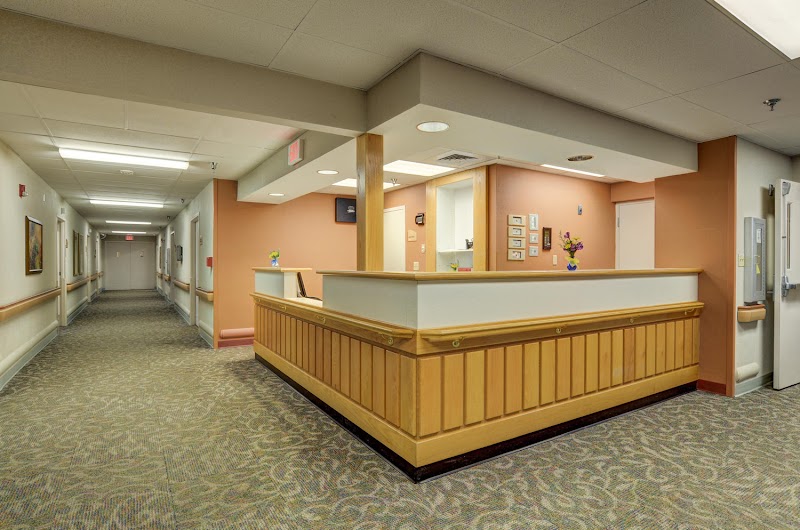
How is Loft Rehab & Nursing Of Normal Staffed?

CMS rates LOFT REHAB & NURSING OF NORMAL's staffing level at 2 out of 5 stars, which is below average compared to other nursing homes. Staff turnover is 58%, which is 12 percentage points above the Illinois average of 46%. High turnover can affect care consistency as new staff learn residents' individual needs.

What Have Inspectors Found at Loft Rehab & Nursing Of Normal?

State health inspectors documented 60 deficiencies at LOFT REHAB & NURSING OF NORMAL during 2022 to 2025. These included: 2 Immediate Jeopardy (the most serious level, indicating potential for serious harm or death), 4 that caused actual resident harm, 53 with potential for harm, and 1 minor or isolated issues. Immediate Jeopardy findings are rare and represent the most serious regulatory concerns. They require immediate corrective action.
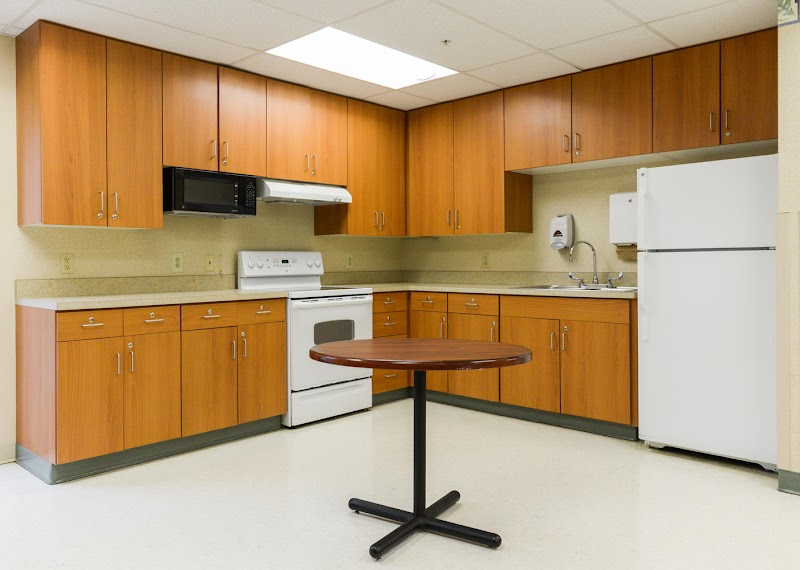
Who Owns and Operates Loft Rehab & Nursing Of Normal?

LOFT REHAB & NURSING OF NORMAL is owned by a for-profit company. For-profit facilities operate as businesses with obligations to shareholders or private owners. The facility is operated by THE LOFT REHABILITATION AND NURSING, a chain that manages multiple nursing homes. With 116 certified beds and approximately 89 residents (about 77% occupancy), it is a mid-sized facility located in NORMAL, Illinois.
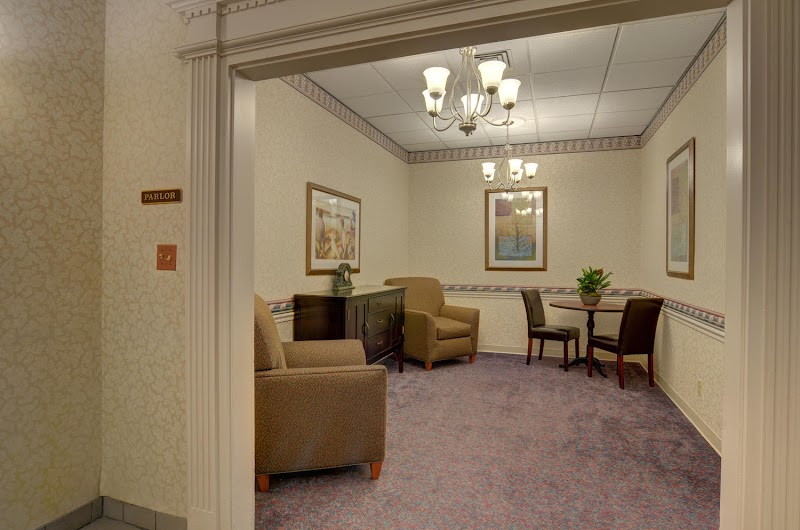
How Does Loft Rehab & Nursing Of Normal Compare to Other Illinois Nursing Homes?

Compared to the 100 nursing homes in Illinois, LOFT REHAB & NURSING OF NORMAL's overall rating (2 stars) is below the state average of 2.5, staff turnover (58%) is significantly higher than the state average of 46%, and health inspection rating (2 stars) is below the national benchmark.

What Should Families Ask When Visiting Loft Rehab & Nursing Of Normal?

Based on this facility's data, families visiting should ask: "What changes have been made since the serious inspection findings, and how are you preventing similar issues?" "How do you ensure continuity of care given staff turnover, and what is your staff retention strategy?" "Can you walk me through typical staffing levels on day, evening, and night shifts?" "Can I visit during a mealtime to observe dining assistance and food quality?" These questions are particularly relevant given the facility's Immediate Jeopardy citations, the facility's high staff turnover rate, and the below-average staffing rating.

Is Loft Rehab & Nursing Of Normal Safe?

Based on CMS inspection data, LOFT REHAB & NURSING OF NORMAL has documented safety concerns. Inspectors have issued 2 Immediate Jeopardy citations (the most serious violation level indicating risk of serious injury or death). The facility has a 2-star overall rating and ranks #100 of 100 nursing homes in Illinois. Families considering this facility should ask detailed questions about what corrective actions have been taken since these incidents.

Do Nurses at Loft Rehab & Nursing Of Normal Stick Around?

Staff turnover at LOFT REHAB & NURSING OF NORMAL is high. At 58%, the facility is 12 percentage points above the Illinois average of 46%. High turnover means new staff may not know residents' individual needs, medications, or preferences. It can also be disorienting for residents, especially those with dementia who rely on familiar faces. Families should ask: What is causing the turnover? What retention programs are in place? How do you ensure care continuity during staff transitions?

Was Loft Rehab & Nursing Of Normal Ever Fined?

LOFT REHAB & NURSING OF NORMAL has been fined $425,020 across 4 penalty actions. This is 11.4x the Illinois average of $37,329. Fines at this level are uncommon and typically indicate a pattern of serious deficiencies, repeated violations, or failure to correct problems promptly. CMS reserves penalties of this magnitude for facilities that pose significant, documented risk to resident health or safety. Families should request specific documentation of what issues led to these fines and what systemic changes have been implemented.

Is Loft Rehab & Nursing Of Normal on Any Federal Watch List?

LOFT REHAB & NURSING OF NORMAL is not on any federal watch list. The most significant is the Special Focus Facility (SFF) program, which identifies the bottom 1% of nursing homes nationally based on persistent, serious quality problems. Not being on this list means the facility has avoided the pattern of deficiencies that triggers enhanced federal oversight. This is a positive indicator, though families should still review the facility's inspection history directly.