CENTRAL BAPTIST VILLAGE
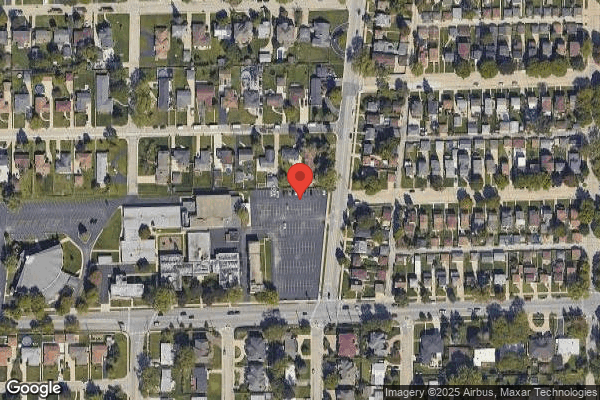

4747 NORTH CANFIELD AVENUE, NORRIDGE, IL 60656 (708) 583-8500
Non profit - Church related 116 Beds Independent Data: November 2025
Trust Grade
75/100
#127 of 665 in IL
Last Inspection: August 2024

Within standard 12-15 month inspection cycle. Federal law requires annual inspections.

Overview

Central Baptist Village has a Trust Grade of B, indicating it is a good choice for families seeking care, as it falls within a solid range for quality. It ranks #127 out of 665 facilities in Illinois, placing it in the top half of the state's nursing homes, and #44 out of 201 in Cook County, meaning there are only a few local options that are better. The facility is showing an improving trend, with issues decreasing from 7 in 2023 to 5 in 2024. Staffing is rated 4 out of 5 stars, though turnover is at 50%, which is average for the state; however, more RN coverage than 81% of facilities indicates that residents generally receive attentive care. Notably, while there are no fines recorded, there have been some concerning incidents, such as failing to document COVID test results during an outbreak and not properly serving food according to dietary needs, which could affect residents' health and safety. Overall, Central Baptist Village offers strengths in staffing and care quality but has areas needing improvement, particularly in food safety and infection control.

Trust Score
B
75/100
In Illinois
#127/665
Top 19%
Safety Record
Low Risk
No red flags
Inspections
Getting Better
7 → 5 violations
Staff Stability
⚠ Watch
50% turnover. Above average. Higher turnover means staff may not know residents' routines.
Penalties
✓ Good
No fines on record. Clean compliance history, better than most Illinois facilities.
Skilled Nurses
✓ Good
Each resident gets 66 minutes of Registered Nurse (RN) attention daily — more than 97% of Illinois nursing homes. RNs are the most trained staff who catch health problems before they become serious.
Violations
⚠ Watch
19 deficiencies on record. Higher than average. Multiple issues found across inspections.
★★★★☆
4.0
Overall Rating
★★★★☆
4.0
Staff Levels
★★★★☆
4.0
Care Quality
★★★★☆
4.0
Inspection Score
Stable
2023: 7 issues
2024: 5 issues

The Good

  • 4-Star Staffing Rating · Above-average nurse staffing levels
  • 4-Star Quality Measures · Strong clinical quality outcomes
  • Full Sprinkler Coverage · Fire safety systems throughout facility
  • No fines on record

Facility shows strength in staffing levels, quality measures, fire safety.

The Bad

Staff Turnover: 50%

Near Illinois avg (46%)

Higher turnover may affect care consistency

The Ugly 19 deficiencies on record

Aug 2024 5 deficiencies
CONCERN (D)

Potential for Harm - no one hurt, but risky conditions existed

Pressure Ulcer Prevention (Tag F0686)

Could have caused harm · This affected 1 resident

Based on observation, interview, and record review the facility failed to follow a resident's plan of care to prevent and treat the development of facility-acquired pressure wounds for a resident at h...

Read full inspector narrative →
Based on observation, interview, and record review the facility failed to follow a resident's plan of care to prevent and treat the development of facility-acquired pressure wounds for a resident at high risk for pressure wounds. This applies to 1 of 4 residents (R25) reviewed for facility-acquired pressure injuries in the sample 21. The findings include: Face sheet, dated August 14, 2024, shows R25's diagnoses included hemiplegia and hemiparesis following cerebral infarction affecting her right non-dominant side, congestive heart failure, vascular dementia, sacroiliitis, spinal stenosis, muscle weakness, venous insufficiency, and need for assistance with personal care. R25's historical skin integrity care plans showed R25 was identified to have a potential for skin impairment related to decreased mobility and incontinence on September 16, 2024. On July 16, 2024, R25 was identified to have developed a new facility-acquired a stage 3 pressure wound on her sacrum related to decreased mobility and incontinence. Intervention, initiated July 16, 2024 and revised on August 12, 2024, shows, Encourage the use of pressure-relieving devices such as specialized mattresses R25's care plan, reviewed August 14, 2024, showed R25 developed a new facility-acquired stage 2 pressure wound on her sacrum related to decreased mobility and incontinence (initiated August 12, 2024). Interventions, implemented August 12, 2024, included encourage the use of pressure-relieving devices such as specialized mattresses, cushions, heel troughs, and other devices and nursing staff to provide assistance to turn/reposition at least every two hours, more often as needed or requested. R25's care plan showed R25 had periods of bowel and bladder incontinence related to impaired mobility requiring staff to check R25 for the need to toilet or for incontinence every 2 to 3 hours. The care plan showed R25 required a mechanical lift device for transfers and the physical assistance of staff to turn and reposition her in bed. On August 14, 2024 at 11:04 PM, R25 was lying asleep in bed with her head of bed slightly elevated. R25 did not have a low air loss pressure relieving mattress in place. On August 14, 2024 at 11:12 AM, V23 (CNA-Certified Nursing Assistant) observed R25 lying in her bed and stated R25 did not have a low air loss mattress in place. On August 14, 2024 at 11:27 AM, V24 (Licensed Practical Nurse) stated R25 had no low air loss mattress on her bed and stated she had no physician order for a low air loss mattress for her pressure injury. On August 14, 2024 at 1:22 PM with V2 (Director of Nursing - DON), V20 (Registered Nurse / Wound Care) stated R25's previously healed pressure wound reopened on August 12, 2024. V20 stated R25's original wound was a pressure wound and stated R25 may have developed the wound because maybe she was on the back too much. When asked why R25 did not have a low air loss pressure relieving mattress V20 stated, I missed it. V2 (DON) stated R25 should have had a low air loss pressure reliving mattress put in place when she developed her initial pressure wounds on July 15, 2024 and R25 should have a pressure relieving low air loss mattress in place since the development of the re-opened pressure wound on August 12, 2024. Nursing progress note, dated July 15, 2024, shows R25 was identified as having an open area/wound on her sacral area, measuring 0.5 cm (Centimeters) in diameter, and requiring foam dressing treatment daily. Initial Skin Observation Tool, dated July 16, 2024, shows R25 was identified to have two newly identified facility-acquired pressure wounds: 1. one pressure wound / suspected deep tissue injury on her right sacrum (0.3 cm x 0.4 cm x 0.0); and 2. second pressure wound on her left sacrum (0.5 cm x 0.5 cm x 0.1 cm) which was identified as a Stage 3 wound. Weekly Wound Assessment, dated July 24, 2024, shows R25's right sacral wound was determined to be healed. The Weekly Wound Assessment, dated July 24, 2024 and intending to identify R25's left sacral pressure wound, shows R25's pressure wound was improving. Weekly Wound Assessment, dated July 31, 2024, shows R25's left sacral pressure wound was healed. Initial Skin Observation Tool, dated August 12, 2024, shows R25 was identified to have a newly developed facility-acquired pressure wound. Facility Policy and Procedure Pressure Area Prevention and Treatment, revised July 8, 2015, shows, Stage I Pressure Areas: .Interventions: 3. Implement pressure relieving devices (water mattress, wheelchair cushions, etc.) . The policy/procedure shows interventions for pressure wounds stages 2, 3, and 4 were expected to include all Stage I interventions.
CONCERN (D)

Potential for Harm - no one hurt, but risky conditions existed

Unnecessary Medications (Tag F0759)

Could have caused harm · This affected 1 resident

Based on observation, interview, and record review the facility failed to follow their policy to administer medications as ordered by the physician. There were 33 opportunities with 3 medication admin...

Read full inspector narrative →
Based on observation, interview, and record review the facility failed to follow their policy to administer medications as ordered by the physician. There were 33 opportunities with 3 medication administration errors resulting in a 9.09% medication error rate. This applies to 2 of 4 residents (R65, R73) reviewed for medication administration in the sample of 21. The findings include: 1. On August 13, 2024, at 8:59 AM, V14 (MDS/Minimum Data Set Coordinator) prepared R65's morning medications, including one tablet folic acid 800 mcg (micrograms), one tablet gabapentin 300 mg (milligrams), one tablet losartan/hydrochlorothiazide 50/12.5 mg, one tablet metoprolol tartrate 50 mg, one tablet potassium chloride 20 mEq (milliequivalents), one tablet PreserVision eye vitamin, one tablet vitamin B12 500 mcg, and one tablet vitamin D3 50 mcg for a total of eight tablets. V14 also prepared one capful of polyethylene glycol mixed in a cup of water. On August 13, 2024, at 9:08 AM, V14 said she was ready to administer R65's medications and counted nine tablets to be administered to R65. V14 was stopped by the surveyor and asked to compare R65's medications with the medications in the cup. V14 said there was an extra pill in the medication cup which was not one of R65's medications. The pill in the cup was a white oblong pill marked with HH on one side and 327 on the other side. Medicine.com identifies the medication as irbesartan 75 mg (blood pressure medication). R65's Order Summary Report dated August 13, 2024, at 12:09 PM, does not show a physician order for irbesartan. On August 13, 2024, at 9:15 AM, V14 assisted R65 with one sip of the polyethylene glycol mixture. At 9:16 AM, V14 walked away from R65 and threw the polyethylene glycol mixture in the garbage. R65 had not refused the medication. On August 14, 2024, at 2:51 PM, V2 (DON/Director of Nursing) said R65 should not receive medications not prescribed to R65. V2 continued to say V14 should have administered R65's complete dose of polyethylene glycol since R65 did not refuse the medication. 2. On August 14, 2024, at 9:17 AM, V11 (Agency RN/Registered Nurse) prepared R73's morning medications, including one tablet empagliflozin 10 mg. R73's Order Summary Report dated August 14, 2024, showed an order dated March 2, 2024, for empagliflozin oral tablet 10 mg, give one tablet by mouth one time a day related to type 2 diabetes mellitus with hyperglycemia, before breakfast. On August 14, 2024, at 10:24 AM, V11 said R73's medications were administered after R73 ate breakfast. On August 14, 2024, at 2:51 PM, V2 (DON) said R73's empagliflozin should have been given before breakfast, as ordered. The facility's policy titled Medication Administration dated April 10, 2024, showed, Policy Statement: Unless otherwise specified by the physician, medications will be administered within sixty minutes before or after dosing schedule, except before or after meals. Purpose: 1. To provide uniform and efficient practices in safe medication administration. 2. To optimize therapeutic dosage levels. Procedure: 1. Licensed nursing professionals administer medications according to times of administration . 3. Medications ordered to be fine before meals are administered approximately thirty minutes before meal time .
CONCERN (E)

Potential for Harm - no one hurt, but risky conditions existed

Menu Adequacy (Tag F0803)

Could have caused harm · This affected multiple residents

Based on observation, interview and record review, the facility failed to serve portions of Garlic Herb Roasted Pork Tenderloin to residents receiving mechanically altered diets as planned on the appr...

Read full inspector narrative →
Based on observation, interview and record review, the facility failed to serve portions of Garlic Herb Roasted Pork Tenderloin to residents receiving mechanically altered diets as planned on the approved facility menu. This applies to 5 of 5 residents (R1, R41, R52, R62, and R87) reviewed for portion sizes. The findings include: Resident Summary Report, printed August 12, 2024, shows R1, R41, R52, R62, and R87 were to all be served ground meats at meals. Spread sheet, dated August 12, 2024, shows residents with regular diets were to be served 4 ounces of Garlic Herb Pork Tenderloin and residents receiving Ground Meat or Mechanical Soft diets were to be served ground garlic herb pork using a 4 oz spoodle spoon. On August 12, 2024 at 12:07 PM on the first floor during lunch service, V17 (Food Service Worker) stated he was using a three ounce scoop to serve portions of ground Garlic Herb Roasted Pork Tenderloin to residents. V17 stated he was concerned he did not have enough ground pork product for lunch service to residents, so he changed the serving size from 4 ounces to 3 ounces to have enough ground pork for residents. V17 portioned out one scoop of the ground pork to the following residents on their lunch plates: R1, R41, R52, R62 and R87. On August 12, 2024 at 2:12 PM, V18 (Assistant Food Service Manager) weighed one portion of ground pork which weighed 3.4 ounces total. On August 12, 2024 at 12:21 PM, V18 (Assistant Food Service Manager) stated the ground pork was planned on the menu to have been served with a 4 ounce volume scoop. On August 13, 2024 at 1:25 PM, V19 (Dietitian) stated the portions of ground pork served on August 12, 2024 should have weighed a total of 4 ounces which was the same serving weight planned to be served the residents receiving regular diets in the facility. V19 stated the kitchen utilized standard guidelines to prepare ground meats for ground diets but there were no standardized recipes in use for the menu items. On August 12, 2024 at 12:54 PM, V16 (Executive Chef) stated the food service did not have standardized recipes for the preparation of ground diet items. Facility Garlic Herb Roasted Pork Tenderloin recipe, revised May 15, 2024, shows the recipe standard portion was 4 ounces. Facility policy and procedure Modified Texture Foods, revised January 2024, shows The regular diet menu item will be used to prepare all modified-textured menu items unless otherwise indicated by the menu diet spreads. In the instance a substitute is needed, a comparable menu item will be provided Portions of modified-texture menu items will be provided in the proper amounts according to menu diet spreads Facility Dining Inservice Education Portion Size and Proper Weights, dated April 14, 2023, shows, The diet spreadsheet indicates portion sizes and its corresponding utensil for adequate volume portioning. The spoodles are generally used as a volume portion, with each size representing the volume of the product. We need to ensure that if using a spoodle, the weight of the product matches what is required on the diet spreadsheet Facility document Handhelds, undated, shows handheld conversions for single proteins were to be served as slider sandwiches portioned into a minimum of three individuals portions prior to preparation. Facility diet spreadsheet, dated August 12, 2024, shows no diet spread for finger foods or small portions diets.
CONCERN (E)

Potential for Harm - no one hurt, but risky conditions existed

Deficiency F0806 (Tag F0806)

Could have caused harm · This affected multiple residents

Based on observation, interview, and record review, the facility failed to offer/provide residents food substitutions equivalent in nutritive value to the originally planned/served menu items. This ap...

Read full inspector narrative →
Based on observation, interview, and record review, the facility failed to offer/provide residents food substitutions equivalent in nutritive value to the originally planned/served menu items. This applies to 4 of 4 residents (R54, R57, R83, and R96) reviewed for food substitutions. The findings include: On August 12, 2024, V17 (Food Service Worker) plated the following food items on plates for residents during meal service: 1. R54 received a half sandwich (1 piece of bread cut in half) with no cheese and 2 half slices of thinly sliced ham between the half pieces of bread. R54's tray ticket showed R54 was to receive a regular/general diet with no further modifications. 2. R96 received a half sandwich (1 piece of bread cut in half) with no cheese and 2 half slices of thinly sliced ham between the half pieces of bread. R96's tray ticket showed R96 was to receive a regular/general diet with finger foods and small portions. 3. R57 received a half sandwich (1 piece of bread cut in half) with a very thin layer of peanut butter and jelly between the half pieces of bread. R57's lunch tray ticket, dated August 12, 2024, shows R57 was to receive a regular/general diet with a finger food modification. 4. R83 received a half sandwich (1 piece of bread cut in half) with a very thin layer of peanut butter and jelly between the half pieces of bread. R83's tray ticket, dated August 12, 2024, showed R83 was to receive a regular/general diet with finger foods and small portions. On August 12, 2024 at 12:27 PM, V18 (Assistant Food Service Manager) stated the staff used one individual portion cup of peanut butter to prepare the half peanut butter/jelly sandwiches served during the lunch. V18 also stated the staff used one piece of sliced ham which they cut in half to prepare the half ham sandwiches served during the lunch. V18 stated he believed the one slice of ham from the half sandwich weighed less one once of meat. On August 12, 2024 at 12:51 PM, V15 (Food Service Director) examined the half ham sandwiches and half peanut butter jelly sandwiches served to residents as substitutions and stated the ham on the half sandwiches appeared to weigh less than an ounce of meat and the peanut butter/jelly sandwiches appeared to be made with only one individual portion cup of peanut butter. V15 stated unless the residents required small portions the sandwich substitutions should contain protein equivalent to the menu items of the regular entrees served at the meal. On August 12, 2024 at 2:12 PM, V18 (Assistant Food Service Manager) weighed the slice of ham served on one of the half sandwiches during lunch which weighed 0.7 ounces total. Spread sheet, dated August 12, 2024, shows regular portions of the garlic herb pork served at lunch were to be served in 4 ounce weight portions. On August 12, 2024 at 12:54 PM, V16 (Executive Chef) stated the facility food service did not have a spreadsheet diet for finger foods. On August 13, 2024, V19 (Dietitian) stated the menu items served to residents during August 12, 2024 lunch service should have contained three total ounces of protein. V19 stated the substitutions served for the lunch menu entrees should have contained equal protein to the planned menu items served. V19 stated residents requiring finger foods should have received the regular menu items as planned but placed between two slices of bread or on a hot dog bun and served to the residents. Facility policy and procedure Resident Food Preferences, Substitutes, and Portion Sizes, revised September 4, 2023, shows, The dietitian can determine if small or large portions are necessary. Small portions are 2 ounces of protein Sliced ham product detail provided by facility food service shows each slice of ham utilized on August 12, 2024 weighed 0.5 ounces per slice. Peanut Butter plastic portion control cup product detail provided by facility food service shows each portion cup of peanut butter contained 0.75 ounces of peanut butter. Facility policy and procedure Modified Texture Foods, revised January 2024, shows The regular diet menu item will be used to prepare all modified-textured menu items unless otherwise indicated by the menu diet spreads. In the instance a substitute is needed, a comparable menu item will be provided Facility Dining Inservice Education Portion Size and Proper Weights, dated April 14, 2023, shows, The diet spreadsheet indicates portion sizes and its corresponding utensil for adequate volume portioning. The spoodles are generally used as a volume portion, with each size representing the volume of the product. We need to ensure that if using a spoodle, the weight of the product matches what is required on the diet spreadsheet Facility Ham Sandwich Recipe, printed August 14, 2024, shows 2 ounces of ham was to be placed on 2 slices of bread for each whole sandwich. Facility Peanut Butter and Jelly Sandwich recipe, printed August 14,2024, shows 1 ounce of peanut butter (2 Tablespoons) was to be placed on 2 slices of bread for each whole sandwich.
CONCERN (F)

Potential for Harm - no one hurt, but risky conditions existed

Infection Control (Tag F0880)

Could have caused harm · This affected most or all residents

Based on interview and record review, the facility failed to document and track HCP (Health Care Providers) covid test results during a covid outbreak in accordance with their policy. This applies to ...

Read full inspector narrative →
Based on interview and record review, the facility failed to document and track HCP (Health Care Providers) covid test results during a covid outbreak in accordance with their policy. This applies to all 102 residents who reside in the facility. The findings include: The form 671 completed on August 12, 2024, showed a facility census of 102. Upon annual survey entrance conference on August 12, 2024, at 9:30 AM, V1 (Administrator) stated there are 16 covid positive residents on the second floor. On August 14, 2024, at 10:17 AM, V3 (IP-Infection Preventionist)) stated R66 tested positive for covid on August 8, 2024, and was tested by a nurse on the second-floor unit due to displaying symptoms of covid. V3 was unable to provide testing results of HCP (Health Care Providers) who were exposed to R66. V3 stated in response to R66 positive test results, all the residents on the second floor were tested for covid, but HCPs tested themselves and V3 did not have any documentation to validate HCP testing. V3 provided a list of staff who had tested positive for covid, titled Staff Syndromic Surveillance for Covid 19, which showed the first staff member tested positive on July 31, 2024, V25 (the Nurse Educator), who potentially interacted with all staff on both the first and second floors, was tested after displaying symptoms of covid. The next staff on the list who tested positive, on August 2, 2024, was V26 (Rehab/Restorative Nurse), who had potential contact with all residents and staff on the first and second floor, also displayed symptoms of covid at the time of testing. On August 4, 2024, the list showed 2 more staff tested positive, V27 (Social Services staff, for the second floor) and V28 (Social Services staff for the first floor) who both displayed symptoms of covid at the time of testing. The Social Services office is adjacent to V25 's office on the first floor. V25 had to walk past the social services office of V27 and V28 to gain access to his office. The list showed on August 6, 2024, 2 more staff tested positive, 1 more Social Services staff and a Nurse who worked the second floor, both who showed symptoms of Covid at the time of testing. V21 (CNA) tested positive for covid on August 11, 2024. The nursing schedule showed V21 worked on the first floor on August 9, 2024, 48 hours prior to becoming symptomatic and testing positive for covid. V22 (CNA) tested positive for covid on August 11, 2024, and the nursing schedule showed V22 had worked on the second floor on August 9, 2024, 48 hours prior to testing positive for covid. The list titled Resident Syndromic Surveillance for Covid-19 showed on August 14, 2024, four additional second floor residents tested positive for covid, for a total of 21 since August 8, 2024. On August 14, 2024, at 1:50 PM, V4 (Culinary Aide) stated she had served meals from the second-floor satellite kitchen, where residents are still eating in the dining room, both today and last week and has not been tested for covid during that time. On August 14, 2024, at 2:00 PM. V5 (Activity Aide) worked on the second floor, stated no one told me what to do regarding covid testing, all I know is if I don't feel good, I should test myself. On August 14, 2024, at 2:50 PM, while working on the second floor, V13 (CNA) stated she has not tested for covid since the outbreak started. On August 14, 2024, at 2:35 PM, while working on the second floor, V10 (CNA) stated he would go to the office for a covid test only before returning to work after being sick. On August 14, 2024, at 2:30 PM, while working on the second floor, V9 (Nurse) stated you test for covid on your own, if you don't feel good at work, test yourself. On August 14, 2024, at 2:40 PM, while working on the second floor, V11 (Nurse regularly scheduled from agency) stated nobody told me about testing for covid, I test myself whenever I want. On August 15, 2024, at 10:02 AM, V2 (Director of Nursing) identified that V25, (Nurse Educator) had contact with staff on both the first and second floors. V2 stated V26 (Restorative Nurse) had contact with both residents and staff on both the first and second floors. V2 stated V27 is the social services staff for the second-floor residents and V28 is the social services staff for the first-floor residents. V2 stated there were no new covid positive residents identified today on August 15, 2024. On August 14, 2024, at 1:31 PM, V2 (DON) stated she does not have tracking of staff covid testing to validate staff have tested after being exposed to covid 19. V2 stated she thought V3 (IP-Infection Preventionist) did that tracking. On August 14, 2024, at 10:17 AM, V3 (IP) stated it was too much to track the testing of staff, so she just tracked the residents and stated staff just test themselves when they have symptoms. V3 did not provide HCP (Health Care Provider) covid test results for staff who had potential exposure to V25, V26, V27, V28, within 24 hours of their positive covid test. V3 did not provide HCP covid outbreak testing results for the second-floor staff at the time of the outbreak testing for second floor residents on August 9, 2024. The Facility's policy titled Covid 19 testing/mitigation dated March 20, 2024, Purpose .Testing is a valuable tool to help control the spread of Covid-19 through early identification of positive cases and is part of the overall Covid -19 plan .Testing plan and response .b. If one positive staff member or resident is identified the unit is considered to be in outbreak. All staff and residents in the affected unit and potentially exposed should be tested immediately (no sooner than 24 hours after exposure) and then .all exposed staff and residents that previously tested negative should be retested within 48 hours after the initial negative test, and again 48 hours after the second negative test. After the initial testing series testing should continue every 48-72 hours until no new positive cases have been found for 14 days .The definition of a higher risk exposure: An exposure to a staff member to a person with COVID in any of the following circumstances .1. Staff member not wearing either a face mask or respirator .and Implement Source Control Measures .The SARS-Cov-2 virus can spread from individuals who do not have symptoms.
Sept 2023 7 deficiencies
CONCERN (D)

Potential for Harm - no one hurt, but risky conditions existed

Resident Rights (Tag F0550)

Could have caused harm · This affected 1 resident

**NOTE- TERMS IN BRACKETS HAVE BEEN EDITED TO PROTECT CONFIDENTIALITY** Based on observation, interview, and record review the facility failed to ensure privacy was provided for a resident during care...

Read full inspector narrative →
**NOTE- TERMS IN BRACKETS HAVE BEEN EDITED TO PROTECT CONFIDENTIALITY** Based on observation, interview, and record review the facility failed to ensure privacy was provided for a resident during care for 1 of 1 resident (R47) reviewed for privacy in the sample of 21. The findings include: On 9/5/23 at 11:09 AM, R47 was sitting in her wheelchair in her room waiting to go to the bathroom. V3 CNA (Certified Nursing Assistant) came into R47's room to take her to the toilet. V3 left the door open to R47's room. V3 wheeled R47 into the bathroom, had R47 stand at the grab bar while she pulled down R47's pants and incontinence brief. R47 was incontinent of urine and feces. R47 was assisted to sit on the toilet. The bathroom door was left open while R47 was on the toilet. V3 left the bathroom to get a pad and incontinence brief for R47 and the bathroom door remained open. People were walking in the hallway while R47's bedroom and bathroom door were both open and R47 was on the toilet. V3 went back into R47's bathroom, provided incontinence care, put an incontinence brief, and pulled R47's pants up with both doors open. On 9/5/23 V2 DON (Director of Nursing) was not available for the survey. V2 was off for the week and could not be interviewed for privacy/dignity concerns. R5 RN (Registered Nurse) was available in the DON's absence. On 9/6/23 at 12:09 PM, V4 RN (Registered Nurse) stated, when care is provided for a resident the door to the resident's room should be closed. V4 stated this should be done in case someone walks into the room, so the resident still has privacy and in case someone walks into the room the resident still has privacy. V4 stated it is not okay to have the door to the hall open and bathroom door open when a resident is on the toilet because no privacy is being provided. On 9/7/23 at 9:35 AM, R5 RN (Infection Control Preventionist) stated the door to the resident's room should be closed when care is being provided. It is for the resident's privacy. Having the doors open is a privacy issue. The Face Sheet dated 9/6/23 for R47 showed diagnosis including diabetes mellitus, hypertension, atrial fibrillation, deep venous thrombosis, dementia, vitamin D deficiency, anemia, osteoporosis, incontinence, essential tremor, cataract, and low back pain. The Minimum Data Set, dated [DATE] for R47 showed extensive assistance needed for bed mobility, transfer, dressing, toilet use, personal hygiene, and bathing. The Care Plan dated 7/19/23 for R47 showed, R47 has an activity of daily living self-care performance deficit related to tremors on both hands. Ensure resident's privacy when performing and assisting with activities of daily living. The facility's Resident Dignity policy (4/4/223) showed, staff members shall strive to treat residents with dignity and respect. Staff shall strive to promote, maintain, and protect resident privacy, including bodily privacy during assistance with personal care and during treatment procedures (pulling privacy curtain around bed, keeping the door closed during care, keeping the resident covered).
CONCERN (D)

Potential for Harm - no one hurt, but risky conditions existed

Comprehensive Care Plan (Tag F0656)

Could have caused harm · This affected 1 resident

Based on observation, interview, and record review, the facility failed to develop a care plan in a timely manner to address a pressure injury for 1 of 3 residents (R44) reviewed for pressure in the s...

Read full inspector narrative →
Based on observation, interview, and record review, the facility failed to develop a care plan in a timely manner to address a pressure injury for 1 of 3 residents (R44) reviewed for pressure in the sample of 21. The findings include: On 9/5/23 at 11:22 AM, R44 was sitting in the activity room in her wheelchair. R44 had pressure-relieving boots on both of her feet. R44's Skin/Wound Note dated 5/15/23 showed she had an unstageable DTI (deep tissue injury) to her left heel. The note showed the wound was an intact blister measuring 3.1 cm (centimeters) by 4.6 cm that was dark blue in color. R44's Skin/Wound Note dated 9/1/23 showed R44 still had the pressure injury on that date (over three months later). R44's care plans were reviewed, showing the care plan for her existing pressure injury was initiated on 9/5/23 (the same day the facility's annual survey had begun). A care plan, with a revision date of 7/26/23, was in place showing R44 had the potential for impairment to the integrity of her skin related to incontinence, however, the care plan did not mention her existing pressure injury, or her risk of developing a pressure injury. On 9/07/23 at 12:21 PM, V12 (Wound Nurse) said he just initiated the pressure ulcer care plan for R44 on 9/5/23. V12 said the care plan should be initiated as soon as the problem is identified. V12 said it is important to have the care plan in place, so staff know what the interventions are. The facility's policy and procedure titled Care Planning, with a revision date of 11/19/19, showed the purpose of the policy was to establish a course of action, with input from the resident, resident's family and/or guardian, or other legally authorized representative, the resident's physician, and interdisciplinary team (IDT) that moves a resident toward resident-specific goals .Crafting the how of resident care. The procedure showed a baseline care plan will be established within 48 hours of admission to ensure the resident's immediate care needs are met and maintained. The procedure showed the baseline care plan would remain in place until the IDT team could conduct the comprehensive assessment and develop an IDT care plan. The procedure showed the care plan is developed by the IDT team initially, then quarterly thereafter. The procedure showed care plan meetings will be scheduled within 21 days initially, then quarterly, annually, and significant change reviews thereafter. The procedure showed one of the care areas that need to have a plan of care developed to address concerns was pressure ulcer/injury. The policy and procedure showed 10. Throughout the course of rehabilitation or resident stay in the facility, the identified risk factors, goal, interventions, and outcomes on the care plan will be evaluated and revised as necessary. 11. The problem/strength statements will be dated as they occur. 12. The goal statement should be in measurable terms so progress or decline can be determined and have a review date. 13. Interventions should be written to help meet the goal. The intervention should be individualized to the resident. 14. A discipline or department which will be responsible for the intervention shall be identified. The facility's policy and procedure titled Nursing Services, with a revision date of 6/15/15, showed Nursing Care Plan: The Director of Nursing will see that the nursing needs of the resident are planned, supervised and evaluated by the registered professional nurses, and that a nursing care plan is written and currently updated to meet these needs while respecting the individuality of each resident. The plan will indicate the needed nursing care, how it can best be accomplished, what methods and approaches are most successful, and what modifications are necessary to ensure best results.
CONCERN (D)

Potential for Harm - no one hurt, but risky conditions existed

Accident Prevention (Tag F0689)

Could have caused harm · This affected 1 resident

**NOTE- TERMS IN BRACKETS HAVE BEEN EDITED TO PROTECT CONFIDENTIALITY** Based on observation, interview, and record review the facility failed to provide a safe transfer for 1 of 1 resident (R107) rev...

Read full inspector narrative →
**NOTE- TERMS IN BRACKETS HAVE BEEN EDITED TO PROTECT CONFIDENTIALITY** Based on observation, interview, and record review the facility failed to provide a safe transfer for 1 of 1 resident (R107) reviewed for safety and supervision in the sample of 21. The findings include: On 9/5/23 at 10:56 AM, V3 CNA (Certified Nursing Assistant) took R107 in her wheelchair to her bathroom door. V3 had a gait belt around her own waist but did not place the gait belt on R107. V3 assisted R107 to standing by pulling on the back of the resident's pants in an upward motion. V3 told R107 to hold onto the grab bar in the bathroom. R107 was having trouble turning in the bathroom and V3 hooked her arm under R107's arm to turn her. V3 pulled R107's pants and incontinence brief down that was soiled with diarrhea. R107 then plopped down onto the toilet seat. After R107 was toileted, V3 hooked her arm under the resident's arm to have her stand and hold onto the grab bar. V3 then cleaned the resident's buttocks, pulled up a clean incontinence brief and her pants. V3 turned R107 and had her sit in her wheelchair. On 9/5/23 at 11:08 AM, V3 CNA stated R107 is weak sometimes. V3 stated sometimes R107 stands well and sometimes she doesn't. V3 stated she knows R107 and how she stands so she doesn't use the gait belt on her. On 9/6/23 at 12:09 PM, V4 RN (Registered Nurse) stated gait belts are to be used during transfers, ambulation and when a resident falls. V4 stated staff should use a gait belt when transferring a resident from the wheelchair to toilet and from the toilet to a wheelchair because it is still a transfer. V4 stated R107 was at high risk for falling, is shaky, and needs to have a gait belt on when she is being transferred. On 9/7/23 at 9:29 AM, V6 PT (Physical Therapist) stated gait belts are to be used anytime a resident is transferred or walked. V6 stated a gait belt is helpful to prevent falls and is a safety tool for staff to use. If a resident loses their balance the staff can hold onto the belt. V6 stated R107 is a fall risk and needs a gait belt on for all transfers. The Care Plan dated 8/11/23 for R107 showed the following: I have an ADL (activity of daily living) self-care performance deficit related to activity intolerance, confusion due to dementia and limited mobility due to osteoporosis and spinal stenosis of the lumbar region. Personal hygiene - R107 requires physical assistance by staff with personal hygiene and oral care. Toilet use - R107 requires physical assistance by staff for toileting. Transfer - R107 resident requires physical assistance by staff to move between surfaces as necessary; I have limited physical mobility related to weakness. Ambulation - R107 requires physical assistance by staff to walk as necessary. Locomotion - R107 requires physical assistance by staff for locomotion using wheelchair; I am at high risk for falls related to confusion, gait problems, incontinence and unaware of safety needs. Anticipate and meet the resident's needs. Provide a safe environment (even floors; free from spills and/or clutter; adequate, glare-free light; a working and reachable call light; handrails on walls, personal items within reach). The Incident Notes for August 2023 for R107 showed the following: 8/26/23 - Approximately 8:30 AM the nursing student observed R107 sitting on the floor beside her bed with legs extended out. When asked resident what happened, R107 verbalized that she fell while trying to transfer from bed to wheelchair. 8/22/23 - CNA was outside of a resident's room, when she heard something hit the floor and then heard resident scream help. The CNA went to the room and found the resident on the floor, laying on her left side with her head laying on top the leg for the roommate's tray table. 8/14/23 - R107 was noted, by the activity aide, in her room sitting on the floor by the window with her back leaning on the wall and her legs lying straight. R107 said when she was trying to get off from bed her legs got caught on the blanket but blankets are all in her bed. The Minimum Data Set, dated [DATE] for R107 showed severe cognitive impairment; extensive assistance needed for bed mobility, transfers, dressing, toilet use, and personal hygiene. The Morse Fall Scale dated 8/26/23 for R107 showed she is at high risk for falling. The Face Sheet dated 9/6/23 for R107 showed medical diagnoses including urinary tract infection, extended spectrum beta lactamase resistance, dementia, anemia, hypertension, hyperlipidemia, anxiety disorder, depression, dysphagia, spinal stenosis, venous thrombosis and embolism, atherosclerotic heart disease, and osteoporosis. The facility's Accident & Incident Protocol (3/16/23) showed, Safety belt transfer information - a canvas belt (1/2 inch minimum) 48-54 inches long with safety buckles. It is an assistive device to protect employees and residents from injury. It provides the employee with a device to safely transfer and walk the residents. Place safety belt snugly around residents' waist. Transfer with safety belt: Be certain the belt is properly positioned and secured.
CONCERN (D)

Potential for Harm - no one hurt, but risky conditions existed

Incontinence Care (Tag F0690)

Could have caused harm · This affected 1 resident

Based on observation, interview, and record review the facility failed to ensure a residents indwelling urinary catheter drainage bag was not on the floor for 1 of 2 residents (R50) reviewed for cathe...

Read full inspector narrative →
Based on observation, interview, and record review the facility failed to ensure a residents indwelling urinary catheter drainage bag was not on the floor for 1 of 2 residents (R50) reviewed for catheters in the sample of 21. The findings include: On 9/5/23 at 1:44 PM, R50 was lying on his back in bed with his bed in the lowest position. R50 had an indwelling urinary catheter, and the drainage bag was attached to the frame of his bed under his mattress The drainage bag was folded over under the bed and partially on the floor. On 9/5/23 at 1:48 PM, V4 RN (Registered Nurse) went into R50's room, looked at his catheter drainage bag, and stated it should not be on the floor because it could become contaminated. On 9/5/23 V2 DON (Director of Nursing) was not available for the survey. V2 was off for the week and could not be interviewed for privacy/dignity concerns. R5 RN (Registered Nurse) was available in the DON's absence. On 9/7/23 at 9:35 AM, V5 RN (Infection Control Preventionist) stated indwelling urinary catheter drainage bags should not touch the floor for infection control reasons. V5 stated the floor is dirty and that gets the bag dirty. Germs climb up the catheter and residents can get urinary tract infections. V5 stated the whole catheter system needs to be kept clean. The Face Sheet dated 9/6/23 for R50 showed diagnoses including right sided hemiplegia, cerebral infarction, dysphagia, speech and language deficits following cerebral infarction, benign prostatic hyperplasia, obstructive and reflux uropathy, retention of urine, urinary tract infection, klebsiella pneumoniae, metabolic encephalopathy, hypertension, hyperlipidemia, seizures, lack of coordination, anemia, polyarthritis, muscle weakness, vertigo, cerebral aneurysm, transient ischemic attack, acute kidney failure, and adjustment disorder. The Physician Orders for September 2023 for R50 showed: Maintain Enhanced Barrier Precautions for indwelling medical device usage (catheter). Indwelling catheter care every shift for urinary retention. The Care Plan initiated 7/19/23 for R50 showed, I have an indwelling catheter related to urinary retention secondary to benign prostatic hyperplasia with urinary obstruction and cerebral vascular accident. Anchor catheter to prevent excessive tension on the catheter. Change catheter every month and as needed; 16 French catheter. Position catheter bag and tubing below the level of the bladder and away from entrance room door. Check tubing for kinks each shift. Discontinue catheter as soon as clinically warranted. Exercise caution with mobility and positioning to avoid accidental removal. Monitor for evidence of catheter blockage; flush catheter per physician order; change catheter as indicated. Monitor for evidence of catheter leakage; flush catheter per physician order; change as indicated; avoid using larger catheter size unless medically justified. Position the drainage system (tubing, collection bag) to facilitate flow of urine. Use collection bag cover while in chair. R50's care plan did not show any intervention in pace for keeping the drainage bag off the floor. The facility's Catheterization policy (3/16/23) showed, Infection/Injury Control: Keep catheter tubing and drainage bag off the floor at all times (use privacy bag for drainage bag when resident is up in wheelchair).
CONCERN (D)

Potential for Harm - no one hurt, but risky conditions existed

Deficiency F0692 (Tag F0692)

Could have caused harm · This affected 1 resident

**NOTE- TERMS IN BRACKETS HAVE BEEN EDITED TO PROTECT CONFIDENTIALITY** Based on observation, interview, and record review, the facility failed to ensure weekly weights were obtained for 1 of 8 reside...

Read full inspector narrative →
**NOTE- TERMS IN BRACKETS HAVE BEEN EDITED TO PROTECT CONFIDENTIALITY** Based on observation, interview, and record review, the facility failed to ensure weekly weights were obtained for 1 of 8 residents (R44) reviewed for nutrition in the sample of 21. The findings include: R44's admission Record, printed by the facility on 9/7/23, showed she had diagnoses including moderate dementia with behavioral disturbance, anemia, generalized anxiety disorder, psychosis, major depressive disorder, osteoarthritis, and an unstageable pressure injury to her left heel. On 9/5/23 at 12:27 PM, R44 was sitting in her wheelchair, by the entrance to the dining room on the memory care unit. R44 was being assisted and encouraged during the lunch meal by staff. R44 was drinking her juice and coffee. R44 ate less than 25% of the lunch meal. R44's facility assessment dated [DATE] showed she had moderately impaired cognitive skills for daily decision making. The assessment showed R44 had short-term and long-term memory problems and requires extensive assist of one staff member for eating. The assessment showed R44 had a weight loss of 5% or more in the month prior to the assessment, or a loss of 10% or more in the previous 6 months. V9's (Registered Dietitian) Nutrition/Dietary note dated 7/14/23 showed R44 was added to weekly weights due to a 6% weight loss over one month. V9's Nutrition/Dietary note dated 7/19/23 showed R44 had an unintentional weight loss, and she was underweighted. The note showed, Weekly weights obtained as well for weight loss. R44's Nutrition Risk assessment dated [DATE] showed R44 had a poor appetite and refuses foods. The assessment showed R44's average meal intake was between 5%-25%. R44's care plan, revised on 7/19/23, showed she had a potential nutritional risk and inadequate oral intake as evidenced by refusal of meals and significant weight loss. R44's Order Summary Report, printed by the facility on 9/7/23, showed an order for weekly weights, every Wednesday. The order date was 7/14/23, to be started on 7/19/23. The Order Summary Report showed the order for weekly weights was still active. R44's Weights and Vitals Summary Report, provided by the facility on 9/7/23, showed she weighed 134.0 pounds on 3/16/23, and she weighed 116 pounds on 9/6/23 (a loss of 18 pounds, or 13.4%, in the last 6 months). The report showed no weights were obtained for R44 on 8/16/23; 8/23/23; and 8/30/23. On 9/7/23 at 10:06 AM, V13 (CNA) said the residents' weights are documented in POC (Point of care-in the residents' electronic charting). No other place. V13 said the facility does not have any paper documents where the residents' weights are documented. V13 said if a resident's weights were obtained, it would be in POC. V13 said there is a gap in R44's weekly weights from 8/9/23-9/2/23. V13 said she believes the weekly weights should have been done. On 9/07/23 at 10:28 AM, V9 (Registered Dietitian) said staff should still be doing weekly weights for (R44). V9 said it looks like it fell off from August through September. It is important to do the weekly weights so that we have a constant trend of where her weights are going. V9 said there should have been weights done during that time. The facility's policy and procedure titled Weight Monitoring and Dietary Supplements, with a revision date of 5/31/23, showed, Residents will be weighed on admission, and then monthly afterwards, unless a physician orders otherwise.
CONCERN (D)

Potential for Harm - no one hurt, but risky conditions existed

Infection Control (Tag F0880)

Could have caused harm · This affected 1 resident

**NOTE- TERMS IN BRACKETS HAVE BEEN EDITED TO PROTECT CONFIDENTIALITY** 3. R35's admission Record (Face Sheet) showed an original admission date of 6/4/19 with diagnoses to include: dementia, palliati...

Read full inspector narrative →
**NOTE- TERMS IN BRACKETS HAVE BEEN EDITED TO PROTECT CONFIDENTIALITY** 3. R35's admission Record (Face Sheet) showed an original admission date of 6/4/19 with diagnoses to include: dementia, palliative care, and osteoarthritis. R35's 7/31/23 Minimum Data Set (MDS) showed a Brief Interview for Mental Status score was not able to be done and he had short and long-term memory problems. The MDS showed he was totally dependent on one person for toilet use and personal hygiene; and he was totally incontinent of bowel and bladder. On 9/07/23 at 9:24 AM, V8 Hospice Certified Nursing Assistant began providing incontinence care for R35. R35 had a small bowel movement, which V8 cleaned. V8, using the same gloves, then began applying barrier cream, a clean brief and finally R35's clean clothing. On 9/07/23 at 11:11 AM, V5 Infection Preventionist stated gloves should be changed after cleaning a resident's bowel movement and prior to touching the resident or clean items. V5 stated this is to prevent cross-contamination. Based on observation, interview and record review the facility failed to prevent cross contamination of resident contact surfaces by not removing gloves and washing hands after providing incontinence care for 3 of 3 residents (R107, R47, & R35) reviewed for infection control in the sample of 21. The findings include: 1. On 9/5/23 at 10:56 AM, V3 CNA (Certified Nursing Assistant) took R107 to the bathroom to be toileted. V3 pushed R107 in her wheelchair into the bathroom. V3 had gloves on and assisted R107 to stand. V3 told R107 to hold onto the grab bar. V3 pulled R107's pants and incontinence brief down. V3 removed R107's incontinence brief that was soiled with diarrhea. V3 had R107 sit on the toilet. V3 threw the soiled incontinence brief away, removed her gloves, and washed her hands. V3 went into R107's room and came back with an incontinence brief and disposable wipes. V3 put clean gloves on and put the clean incontinence brief around R107's legs above her pulled down pants. V3 assisted R107 to stand and hold onto the grab bar. V3 cleaned diarrhea off R107's buttocks and disposed of the wipes in the toilet. V3 grabbed a tube of cream from the back of the toilet, squirted it onto her contaminated gloves and applied the cream to R107's buttocks. V3 did not change her gloves. V3 pulled up R107's incontinence brief and then her pants. V3 pulled the bottom of R107's shirt down and assisted her to her wheelchair. V3 cleaned the diarrhea off the toilet seat, removed her gloves, and washed her hands. On 9/5/23 at 11:08 AM, V3 CNA stated she puts her gloves on when she goes in and provides cares. V3 stated she removed her gloves and washed her hands after she took R107's incontinence brief off because it was dirty. V3 stated she cleaned R107, put a new incontinence brief on R107, and pulled up her pants. V2 stated she then removed her gloves. V3 stated she felt that she did everything right and did not know when else she would have changed her gloves. V3 stated she was going to toilet another resident and to watch her again. On 9/6/23 at 12:09 PM, V4 RN (Registered Nurse) stated CNA's should remove their gloves after providing the care and before they touch anything else because of contamination/ infection control. On 9/7/23 at 9:35 AM, V5 RN (Infection Control Preventionist) stated when staff provide incontinence care and clean a resident then their gloves are dirty. They are contaminated. V5 stated the gloves should be removed and new ones put on before doing anything else like putting briefs on or pulling up the residents pants. V5 stated if a resident has a bowel movement and they are being cleaned those gloves are dirty and nothing else should be touched until new gloves are put on. It's important because we don't want to spread anything. It is cross contamination and a problem with infection control. V5 stated she has educated on glove changes and going from dirty to clean. The Care Plan dated 8/11/2023 for R107 showed the following: I have an ADL (activity of daily living) self-care performance deficit related to activity intolerance, confusion due to dementia and limited mobility due to osteoporosis and spinal stenosis of lumbar region. Personal hygiene - The resident requires physical assistance by staff with personal hygiene and oral care. Toilet use - The resident requires physical assistance by staff for toileting; I have bladder incontinence related to activity intolerance, confusion, history of urinary tract infection, physical limitations, and the use/side effects of metoprolol. I want to remain clean, dry and odor free without complications associated with incontinence thru the next review. The Minimum Data Set, dated [DATE] for R107 showed severe cognitive impairment; extensive assistance needed for bed mobility, transfers, dressing, toilet use, and personal hygiene; occasionally incontinent of urine; frequently incontinent of bowel. The Face Sheet dated 9/6/23 for R107 showed medical diagnoses including urinary tract infection, extended spectrum beta lactamase resistance, dementia, anemia, hypertension, hyperlipidemia, anxiety disorder, depression, dysphagia, spinal stenosis, venous thrombosis and embolism, atherosclerotic heart disease, and osteoporosis. The facility's Infection Control - General policy (3/29/23) showed, the primary purpose of our Infection Control policies and procedures is to establish guidelines to follow in the prevention and spread of contagious, infectious, and communicable diseases. Standard precautions are the minimum infection prevention practices that apply to all patient/resident care, regardless of suspected or confirmed infection status. These practices make use of common-sense practices and personal protective equipment (PPE) use that protect healthcare providers from infection and prevent the spread of infection from resident to resident. Potentially contaminated fluids include: Blood and blood products, urine, feces, saliva, mucous membranes, wound drainage, cerebral spinal fluid. Gloves and handwashing - wear gloves when entering room while care is being provided. Change gloves after having contact with infective material and remove gloves before leaving the room. Perform hand hygiene immediately after glove removal, and, to ensure hands remain clean, do not touch potentially contaminated surfaces or items prior to leaving room. 2. On 9/5/23 at 11:09 AM, V3 took R47 in her wheelchair to the bathroom. V3 stated her hands were clean and she was going to put on gloves. V3 applied gloves. V3 assisted R47 to stand and hold onto the grab bar. V3 pulled R47's pants and incontinence brief down. R47 was incontinent of feces and V3 removed R47's incontinence brief. R47 sat down on the toilet and V3 removed her gloves. V3 left the bathroom, went into the residents room, and came back with a pad and incontinence brief. V3 put clean gloves on and put the clean incontinence brief with a pad in it around R47's legs above her pants. V3 assisted R47 to stand and hold onto the grab bar. V3 used toilet paper to clean the feces off R47. V3 grabbed a tube of cream/ointment from the back of the toilet, squeezed some onto her gloves, and placed the tube on the back of the toilet. V3 applied the ointment to R47's buttocks. V3 pulled up R47's incontinence brief and pants. V3 adjusted the bottom of R47's shirt and then removed her gloves. On 9/6/23 at 12:09 PM, V4 RN (Registered Nurse) stated CNA's should remove their gloves after providing the care and before they touch anything else because of contamination/ infection control. On 9/7/23 at 9:35 AM, V5 RN (Infection Control Preventionist) stated when staff provide incontinence care and clean a resident then their gloves are dirty. They are contaminated. V5 stated the gloves should be removed and new ones put on before doing anything else like putting briefs on or pulling up the residents pants. V5 stated if a resident has a bowel movement and they are being cleaned those gloves are dirty and nothing else should be touched until new gloves are put on. It's important because we don't want to spread anything. It is cross contamination and a problem with infection control. V5 stated she has educated on glove changes and going from dirty to clean. The Face Sheet dated 9/6/23 for R47 showed diagnosis including diabetes mellitus, hypertension, atrial fibrillation, deep venous thrombosis, dementia, vitamin D deficiency, anemia, osteoporosis, incontinence, essential tremor, cataract, and low back pain. The Care Plan dated 7/19/23 for R47 showed, I am incontinent of bowel and bladder relate to diagnoses of diabetes mellitus, dementia and the use/side effects of medication (Bumex & metoprolol) and a detrusor instability. Brief use - R47 resident uses incontinence briefs with pads. Change when soiled and as needed. Clean peri-area with each incontinence episode. The Minimum Data Set, dated [DATE] for R47 showed extensive assistance needed for bed mobility, transfer, dressing, toilet use, personal hygiene, and bathing; balance during transitions and walking - not steady, only able to stabilize with staff assistance. The facility's Infection Control - General policy (3/29/23) showed, the primary purpose of our Infection Control policies and procedures is to establish guidelines to follow in the prevention and spread of contagious, infectious, and communicable diseases. Standard precautions are the minimum infection prevention practices that apply to all patient/resident care, regardless of suspected or confirmed infection status. These practices make use of common-sense practices and personal protective equipment (PPE) use that protect healthcare providers from infection and prevent the spread of infection from resident to resident. Potentially contaminated fluids include: Blood and blood products, urine, feces, saliva, mucous membranes, wound drainage, cerebral spinal fluid. Gloves and handwashing - wear gloves when entering room while care is being provided. Change gloves after having contact with infective material and remove gloves before leaving the room. Perform hand hygiene immediately after glove removal, and, to ensure hands remain clean, do not touch potentially contaminated surfaces or items prior to leaving room.
CONCERN (E)

Potential for Harm - no one hurt, but risky conditions existed

Food Safety (Tag F0812)

Could have caused harm · This affected multiple residents

Based on observation, interview, and record review, the facility failed to ensure food was prepared in a manner to prevent cross-contamination for 4 of 4 residents (R15, R35, R83 and R88) reviewed for...

Read full inspector narrative →
Based on observation, interview, and record review, the facility failed to ensure food was prepared in a manner to prevent cross-contamination for 4 of 4 residents (R15, R35, R83 and R88) reviewed for pureed foods in the sample of 21, and 4 residents outside the sample (R5, R54, R74, and R90). The findings include: On 9/06/23 at 9:02 AM, V10 (puree cook) was making the pureed foods for the lunch meal. V10 was putting 14 chicken breasts in the food processor to puree them for the lunch meal. While picking up some of the chicken breasts, 2 of the chicken breasts touched V10's visibly soiled apron. V10 put the chicken breasts that touched her soiled apron into the food processor with the other chicken breasts, added 2 cups of chicken broth, and turned on the food processor to puree the chicken. V10 added thickener to the food processor and turned it back on. V10 took the lid back off the food processor and put her gloved hand, (that she had used to move the pan the chicken was in, turn the food processor on and off several times, grab the handle of the pan containing chicken broth, and grab the container and the scoop to add thickener) inside the food processor. When V10 brought her hand out, there was pureed chicken on 2 fingers of her gloved hand. V10 turned the food processor on again and finished pureeing the chicken for the lunch meal. On 9/6/23 at 9:42 AM, V11 (Director of Culinary Services) said she was going to in-service V10 on the proper handling of food, using utensils and not letting her apron touch the foods. V11 said V10 should have used utensils to pick up the chicken and check the pureed consistency, and not let the food touch her apron/clothing, to prevent cross-contamination and food borne illness. The facility's document titled Diet Order Tally Report, printed on 9/7/23, showed 8 residents (R15, R35, R83, R88, R5, R54, R74 and R90) received pureed diets. The facility's policy and procedure titled Food Handling Guidelines, with a revision date of 4/12/19, showed Prevention of Food Infection .Minimize hand contact with food by the use of utensils and disposable gloves. The facility's document titled Culinary In-service: Proper Food Handling-Cooks, dated 9/6/23 showed Proper Food Handling with Utensils-In-Service Training for Cooks .Proper food handling minimizes the risk of contamination and foodborne illnesses, safeguarding the health of our residents .Cross-contamination: Prevent cross-contamination by using separate utensils for each food item. This ensures the safety of our residents with dietary restrictions or allergies .Glove Usage: Disposable gloves should be worn when handling ready-to-eat foods but remember that gloves are not a substitute for proper handwashing. Change gloves whenever they become contaminated, torn, or when switching tasks, such as handling raw and cooked foods or touching non-food items, such as your apron, hair, and face. Use of Utensils: Always use utensils like spatulas, tongs, or serving spoons to handle food. Avoid touching food directly with your hands or gloved hands .
Oct 2022 7 deficiencies
CONCERN (D)

Potential for Harm - no one hurt, but risky conditions existed

Quality of Care (Tag F0684)

Could have caused harm · This affected 1 resident

**NOTE- TERMS IN BRACKETS HAVE BEEN EDITED TO PROTECT CONFIDENTIALITY** Based on observation, interview, and record review the facility failed to provide incontinence care in a manner to prevent cross...

Read full inspector narrative →
**NOTE- TERMS IN BRACKETS HAVE BEEN EDITED TO PROTECT CONFIDENTIALITY** Based on observation, interview, and record review the facility failed to provide incontinence care in a manner to prevent cross-contamination. This applies to 2 of 2 residents (R98, R92) reviewed for incontinence care in the sample of 21. The findings include: 1. R98's admission Record (Face Sheet) showed an original admission date of 6/21/21 with diagnoses to include: dementia, stroke, and depression. R98's 9/16/22 Minimum Data Set (MDS) showed short and long-term memory problems and she was totally dependent on one staff member for personal hygiene. On 10/04/22 at 1:09 PM, V10 Certified Nursing Assistant (CNA) and V11 CNA entered R98's room for a mechanical lift transfer and incontinence care. After the transfer, V11 used a damp towel to wipe R98's perineal area. Without changing gloves, V11 then touched R98's clothing with the hand used to provide perineal care, opened a nightstand drawer, and then grabbed a tube of barrier cream. On 10/06/22 at 10:24 AM, V2 Director of Nursing (DON) stated after perineal care staff should, at a minimum, change their gloves before touching any other surfaces. V2 stated this is to prevent contamination of other surface because they are going from dirty to clean. On 10/6/22 a glove use policy was requested and not provided. 2) R92's electronic face sheet printed on 10/6/22 showed R92 has diagnoses including but not limited to urinary tract infection, dementia with behaviors, anxiety disorder, and psychosis. R92's facility assessment dated [DATE] showed R92 is dependent on 1 staff member for personal hygiene and toileting assistance. R92's care plan dated 8/18/22 showed, I have history of urinary tract infection. On 10/4/22 at 11:11AM, V8 (Certified Nursing Assistant) was assisting R92 with toileting and incontinence care. V8 removed R92's soiled incontinence brief, performed incontinence care, and applied clean brief without changing her gloves between tasks. V8 then assisted R92 to wash her hands with the same soiled gloves. V8 stated she did not realize she did not change her gloves but should have changed them in between tasks to prevent cross contamination.
CONCERN (D)

Potential for Harm - no one hurt, but risky conditions existed

Incontinence Care (Tag F0690)

Could have caused harm · This affected 1 resident

Based on observation, interview, and record review, the facility failed to ensure a urinary drainage bag and tubing were not in contact with the floor for 1 of 3 residents (R91) reviewed for catheters...

Read full inspector narrative →
Based on observation, interview, and record review, the facility failed to ensure a urinary drainage bag and tubing were not in contact with the floor for 1 of 3 residents (R91) reviewed for catheters in the sample of 21. The findings include: On 10/04/22 at11:51 AM, R91was ambulating down the hallway with therapy. R91 used a walker and therapy pulled R91's wheelchair behind the resident. R91's catheter drainage bag was attached to the wheelchair. R91's catheter tubing dragged on the floor as she ambulated. At 12:59 PM, R91was in the dining room in her wheelchair and seated at the dining table. R91's catheter tubing was in contact with the floor. On 10/05/22 at 01:26 PM, R91 was self-propelling in her wheelchair in the hallway. R91's urinary drainage bag was out of the dignity bag and attached to the bottom of the wheelchair. The bottom of the drainage bag and the tubing were dragged on the floor as she moved. On 10/5/22 at 1:30 PM, R91 said she was not aware the bag was out of the dignity bag or that the tubing and drainage bag were in contact with the floor. On 10/6/22 at 9:22 AM, V2 Director of Nursing (DON) said urinary drainage bags and tubing absolutely should not be on the floor. It's an infection control concern. The wheelchair could run over it and possibly pull it out. The facility's 2/19/22 Catheterization Policy showed the purpose of catheters is to provide continuous gravity drainage of urine free from complications. Never let any part of the drainage system to touch the floor. Contaminating collecting systems should be changed immediately. Be sure to keep the tubing and drainage bag off the floor. Infection/Injury Control: Keep catheter tubing and drainage bag off the floor at all times (use privacy bag for drainage bag when resident is up in wheelchair).
CONCERN (D)

Potential for Harm - no one hurt, but risky conditions existed

Deficiency F0692 (Tag F0692)

Could have caused harm · This affected 1 resident

Based on observation, interview, and record review the facility failed to accurately record weight measurements for a resident with weight loss. This applies to 1 of 2 (R64) residents reviewed for wei...

Read full inspector narrative →
Based on observation, interview, and record review the facility failed to accurately record weight measurements for a resident with weight loss. This applies to 1 of 2 (R64) residents reviewed for weight loss in the sample of 21. The findings include: R64's Face Sheet showed an original admission date of 12/21/2015 with diagnoses to include: dementia with behavioral disturbances, psychosis, and major depression. R64's 8/29/22 Minimum Data Set (MDS) showed she had short and long term memory issues. R64's MDS showed she had weight loss of more than 5 percent in one month or more than 10 percent in the previous 6 months and she is not on a physician prescribed weight-loss program. On 10/04/22 at 12:34 PM, R64 was in the dining room with a pureed lunch tray. R64 appeared thin and was feeding herself. R64's weight documentation showed, beginning on 3/12/22 through 9/30/22, days, weeks, and months without any weight fluctuation measured to the nearest tenth of a pound. R64's weight record showed days, weeks, and months of weight measurements where her weight, measured to the nearest tenth of a pound, did not fluctuate. R64's weight documentation showed 50 weights were documented as being completed from 5/2/22 through 7/31/22 (3 months.) 48 of the 50 weights were documented as 104.2 pounds. The outliers were documented on 5/25/22 at 104.0 pounds and 7/27/22 at 102.0 pounds. V12 was the Certified Nursing Assistant (CNA) who documented nearly all 48 weights. R64's 9/2/22 Nutrition Note showed, R64 has new significant weight loss of 12.9 percent over one month and 17 percent over 6 months. The note showed, the dietician will initiate weekly weights. R64'w weight record showed from 9/6/22 through 9/30/22 (more than 3 weeks) V12 entered 13 weights of 86.2 pounds. On 10/06/22 at 10:24 AM, V2 Director of Nursing stated all residents are weighed monthly unless there is an order to weigh them more often. V2 said the purpose of monthly weights is for tracking of weights. V2 stated, in regards to R64's weights, It doesn't seem possible (weight not changing.) I would question if they were even weighed. You would expect variance even in the same day she would not have even gotten the same weight. V2 said accurate weight measurement is especially important for R64 due to her significant weight-loss. The facility's Weight Monitoring and Dietary Supplements policy (reviewed 3/30/22) showed, Residents will be weight on admission, then weekly for the first 4 weeks, and then monthly afterwards unless a physician orders otherwise .If a resident has a significant change in weight the resident will be weighted weekly, or as directed by a physician .
CONCERN (E)

Potential for Harm - no one hurt, but risky conditions existed

Pressure Ulcer Prevention (Tag F0686)

Could have caused harm · This affected multiple residents

**NOTE- TERMS IN BRACKETS HAVE BEEN EDITED TO PROTECT CONFIDENTIALITY** 4) R52's electronic face sheet printed on 10/6/22 showed R52 has diagnoses including but not limited to other fracture of lower ...

Read full inspector narrative →
**NOTE- TERMS IN BRACKETS HAVE BEEN EDITED TO PROTECT CONFIDENTIALITY** 4) R52's electronic face sheet printed on 10/6/22 showed R52 has diagnoses including but not limited to other fracture of lower end of left femur, repeated falls, acute kidney failure, anemia, hypertension, urinary tract infection, and asthma. R52's facility assessment dated [DATE] showed R52 has mild cognitive impairment and has one unhealed stage 3 pressure ulcer. R52's nursing care plan dated 8/15/22 showed, I have potential impairment to skin integrity r/t decreased mobility, fragile skin, incontinence of bowel and bladder. R52 did not have a care plan directly related to her current pressure ulcer. R52's physician's orders dated 8/19/22 showed, Provide air mattress. R52's admission nursing assessment dated [DATE] showed no wound assessments performed. R52's initial wound assessment did not occur until 8/19/22 (9 days after admission). R52's wound assessments showed R52 only received weekly assessments for 4 out of the last 8 weeks. R52's current wound and treatment remained unassessed for the other 4 weeks. On 10/5/22 at 10:17AM, Observation of R52's bed showed no air mattress present on her bed. R52 stated she is unsure of how long she has been without an air mattress. On 10/6/22 at 11:22AM, V18 (wound care nurse) stated, I have been off for a couple of weeks and I guess nobody was doing the wound assessments while I was gone. Wound assessments are performed on a weekly basis so we can ensure treatment is appropriate and that wounds are improving. With COVID I have been pulled to work the floor a lot so wound care has suffered unfortunately. (R52) had an air mattress with hospice but she discharged from hospice in early September. She currently does not have an air mattress and that puts her at a higher risk for skin breakdown. I didn't do much wound care in August due to working as a floor nurse to cover some shifts. It is not acceptable for residents not to receive their weekly and initial assessments as early treatment is the key to healing wounds and preventing further breakdown. 2. On 10/5/22 at 11:19 AM, R33 had a band aid behind the left ear. On 10/06/22 at 10:59 AM, V18 wound nurse said R33's ear wounds started from the oxygen tubing and then he kept pulling his mask down adding pressure to the ears. On 10/06/22 at 09:22 AM, V2 Director of Nursing (DON) said, Skin checks should be done weekly. I don't believe they're doing them. I believe the weekly wound assessments are done by the wound nurse. Weekly skin assessments should be done to find out if skin is reddened. We should find skin concerns before becoming a Stage 2 or 3 pressure injury. V2 called V3 Assistant Director of Nursing (ADON) on speaker phone. V3 said the CNAs (certified nursing assistants) check the resident's skin weekly with showers and notify nurse if there are any concerns. V3 said it should be the nurse doing skin checks. The CNAs don't necessarily have the assessment skills needed to assess skin issues. V3 said, if weekly skin checks and wound assessments are not done, a stage 1 could decline to a stage 2 and progress to stages we'd rather not have. Bedbound residents should have skin checked weekly as well. We don't use a treatment administration record (TAR) here. Wounds should be assessed weekly. The wound nurse had been off ill for two weeks. The staff nurses can assess a wound. I think they've grown dependent on V18 doing them. New wounds should be assessed, and treatment started as soon as possible. Medical devices should be checked daily for pressure. Padding should have been put on R33's ears immediately, day one so the wound would not progress. R33's face sheet showed a [AGE] year-old male with diagnosis of senile degeneration, dysphagia, dementia, and neuropathy. R33's 8/4/22 facility assessment showed he was at risk for developing pressure injuries. R33's 7/1/22 wound note showed the resident developed a skin irritation on his upper ears from the nasal cannula and facial mask strap use. Bilateral Stage 2 pressure wounds with serous exudate were noted. There were no further wound or skin assessments until 7/18/22. R33's 7/18/22 wound note showed the right ear healed and the left ear wound increased in size. There were no wound or skin assessment from 7/18-8/4/22. R33's 8/4/22 wound note showed the left ear wound was now a Stage 3 with slough. R33's physician order dated 6/22/22 showed an order for oxygen to be used as needed for shortness of breath. The facility's 3/17/22 Pressure Area Prevention and Treatment Policy showed treatments are to be started immediately as well as documentation for each pressure area, initiated by him nurse who first notes the area. Re-evaluation and documentation of the pressure area will be done at least weekly by the wound nurse. A Stage 2 pressure area is a partial thickness skin loss involving the epidermis and/or dermis; A superficial area that presents as an abrasion, blister or shallow crater. Avoid placing the resident on tubing (oxygen, foley). Pressure ulcers are caused by impaired blood supply and tissue nutrition due to prolonged pressure over bony prominences. Risk factors include being bedfast, moisture, keep skin clean, dry and well lubricated. 3. On 10/06/22 at 10:59 AM, V18 wound nurse said R28 hasn't gotten out of bed for about the past month or so. Prior to that she required a total mechanical lift for transfers. Some days she hallucinates and some days she can remember things told to her the day before. V18 said R28 has moisture issues. R28's suprapubic catheter leaks sometimes. R28's 6/18/22 wound note showed a blister was noted on her sacrum. The only assessment done was of the size of the wound. R28's 6/19/22 wound note showed a stage 2 pressure wound (intact serous blister) of the sacrum. There were no wound or skin assessments from 6/19-6/30/22. R28's face sheet showed R28 was a [AGE] year-old female. R28's 7/29/22 facility assessment showed R28 had moderate cognitive impairment, was dependent for transfers and required extensive assistance to move in bed. This assessment showed R28 was at risk for developing pressure injuries. R28's wound notes showed a wound to the sacrum on 4/15/22 and 6/18/22. R28's wound note showed an alternating low air loss mattress was implemented on 7/21/22. Based on observation, interview, and record review, the facility failed to perform dressing changes in a manner to prevent infection, failed to perform weekly wound assessments and skin checks, failed to identify an area of pressure prior to becoming a stage II pressure injury, failed to assess, initiate treatment, and provide preventative measures for pressure injury prevention for 4 of 6 residents (R32, R33, R28, R52) reviewed for pressure injuries in the sample of 21. The findings include: 1. R32's admission Record, printed by the facility on 10/5/22, showed she had diagnoses including dementia with behavioral disturbance and stage 4 pressure ulcer. The Pressure/Vascular Wound Report for September 2022, provided by V18 (Wound Care Nurse) on 10/6/22, showed R32 had a stage 4 pressure injury to her left medial foot, a deep tissue injury to her left medial heel, a stage 4 pressure injury to her left lateral heel, a stage 3 pressure ulcer to her sacrum, and a stage 3 pressure injury to her right lateral foot. On 10/5/22 at 1:13 PM, V21 (Licensed Practical Nurse-LPN) was performing dressing changes for R32's multiple pressure injuries on her bilateral feet. V21 had the supplies needed for the dressing changes sitting on a bedside table that was positioned behind R32. V21 dated the retention tape (tape used to secure the rolled gauze over the dressing) and placed the tape on the bedside table. The tape fell off of the bedside table onto the floor. V21 picked the tape up and placed it back on the table. V21 moved the bedside table to the left side of R32's geriatric chair. While moving the table, the tape fell onto the floor two more times. Both times V21 picked the tape up and placed it back onto the table. V21 removed the old dressings on R32's left foot. While cleaning the wound on R32's left heel, V21 used normal saline and gauze. V21 wiped the peri-wound area (the skin around the wound bed) and then used the same section of gauze to wipe the wound bed. V21 wiped the peri-wound area and then used the same section of saline soaked gauze to clean the wound bed while cleaning R32s left medial foot pressure injury. V21 placed the ordered treatment on the wounds and covered her left foot with the rolled gauze. V21 used the tape that fell onto the floor (three times) to secure the rolled gauze on R32's left foot. V21 repeated the same actions (wiping peri-wound then the wound bed with the same section of gauze) when he cleaned R32's her right lateral heel pressure wound and her right lateral foot pressure wound. On 10/5/22 at 1:39 PM, V21 was asked what time R32 was gotten out of bed that morning. V21 said R32 was put in her hospice geriatric chair around 9:00 AM that morning. At 1:43 PM, V22 (Certified Nursing Assistant-CNA) said hospice came in and got R32 out of bed that morning. V22 said R32 has not laid back down in bed since hospice staff got her up. At 1:46 PM, V22 and V23 (CNAs) transferred R32 from the hospice geriatric chair to her bed for the first time since around 9:00 AM that morning (around 4 hours and 45 minutes later). R32's Order Summary Report, printed by the facility on 10/6/22, showed Try to keep the resident in bed. When she is in bed, turn her every 2 hours. The report showed this order was started on 7/1/22 and is still an active order. On 10/6/22 at 11:27 AM, V18 (Wound Care Nurse) said any supplies that fall on the ground for wound care should be thrown out and clean supplies obtained. V18 said when cleaning wounds and doing a dressing change, the nurse should clean from the center of the wound out and the use a different cloth or gauze to clean the peri-wound area to prevent infection and to promote healing. R32's most recent wound assessments were requested on 10/5/22. The most recent skin/wound assessments provided by the facility were dated 9/20/22. On 10/6/22 at 11:27 AM, V18 said the 9/20/22 assessments were the most recent assessments of R32's pressure injuries. V18 said he had been off of work when the next assessment should have been done. V18 said wound assessments should be done weekly. V18 said someone should have assessed the wound while he was off. It is important to monitor to make sure the wounds do not deteriorate and update the doctor if needed. R32's pressure ulcer care plan, with a revision date of 5/5/22, was not updated to reflect her current pressure injuries. The care plan only showed one stage 4 pressure injury to her left distal medial foot. R32's Order Summary Report, printed by the facility on 10/6/22, showed pressure injuries to her left medial heel (started on 9/28/22), her left medial foot (started 9/28/22), her right heel (started 8/20/22), her sacrum (started 9/8/22) and her right lateral foot (started 9/28/22). The report also showed an order for a pressure wound to her left posterior heel that was started on 10/7/22. The facility's policy and procedure titled Pressure Area Prevention and Treatment, with a reviewed date of 3/17/22, showed 13. Inspect skin frequently and document any changes .Skin Care Monitoring .4. Re-evaluation and documentation of the pressure area will be done at least weekly by the wound nurse .General treatment guidelines .Pressure area treatment should focus on the following .d. Managing bacterial colonization and infection. The facility's policy and procedure titled Dressing Change General Procedure, with a reviewed date of 2/19/22, showed Preparation for Dressing Change .Prepare a clean and dry surface for dressing change supplies .Dressing Application (Clean Technique) .Apply new gloves and cleanse wound per orders (working from center of wound to outside of wound).
CONCERN (E)

Potential for Harm - no one hurt, but risky conditions existed

Accident Prevention (Tag F0689)

Could have caused harm · This affected multiple residents

**NOTE- TERMS IN BRACKETS HAVE BEEN EDITED TO PROTECT CONFIDENTIALITY** 4) R52's electronic face sheet printed on 10/6/22 showed R52 has diagnoses including but not limited to other fracture of lower ...

Read full inspector narrative →
**NOTE- TERMS IN BRACKETS HAVE BEEN EDITED TO PROTECT CONFIDENTIALITY** 4) R52's electronic face sheet printed on 10/6/22 showed R52 has diagnoses including but not limited to other fracture of lower end of left femur, repeated falls, acute kidney failure, anemia, hypertension, and asthma. R52's facility assessment dated [DATE] showed R52 has mild cognitive impairment. R52's nursing progress notes showed R52 has had 2 falls within the past 2 months without injury and 1 fall out of her wheelchair in her room on 9/25/22 with injury. R52's care plan dated 8/17/22 showed, I am a high risk for falls related to deconditioning, gait/balance problems, incontinence, poor activity tolerance, history of falls and urinary tract infection. Do not leave alone in room when awake. On 10/5/22 at 9:43AM, R52 was observed in her bathroom alone, maneuvering her wheelchair independently. R52 remained in the room unattended by staff for 23 minutes until surveyor alerted restorative staff that R52 needed assistance in the bathroom. Staff attended to R52's needs and then left her unattended again in her room. On 10/5/22 at 10:17AM, R52 was sitting up in her wheelchair alone in her room. R52 stated that staff do not take her out to the lounge area very often when she is up in her wheelchair. On 10/6/22 at 10:06AM, V17 (Restorative Nurse) stated, (R52) had a fall on 9/25/22 and ended up with an injury. After her most recent fall with injury we initiated an intervention that the staff are not to leave her alone in her room when she is up in her wheelchair. If she is up in the wheelchair and family is not present, the staff are to transfer her to the lounge for closer monitoring. There is no reason why she shouldn't be monitored and should not be alone because she does have some confusion and may try to get up on her own. 5) R92's electronic face sheet printed on 10/6/22 showed R92 has diagnoses including but not limited to urinary tract infection, dementia with behaviors, anxiety disorder, psychosis, and repeated falls. R92's facility assessment dated [DATE] showed R92 is dependent on 1 staff member for toileting assistance and transfers. R92's care plan dated 8/1/22 showed, I am high risk for falls related to confusion, gait/balance problems, incontinence, psychoactive drug use, and history of falls. R92's care plan dated 8/1/22 showed, I have an activities of daily living self-care performance deficit related to weakness and decreased activity tolerance secondary to pancreatic cancer. The resident requires physical assistance by staff to stand and transfer to and from wheelchair to bed/chair/toilet. On 10/4/22 at 11:11AM, V8 (Certified Nursing Assistant) was assisting R92 to transfer from her wheelchair to the toilet. V8 grabbed underneath R92's left arm and assisted her into a standing position. R92 did not have a gait belt applied during the transfer. V8 then took R92's wheelchair out from underneath of her, pulled her pants down, and placed R92 onto the toilet. V8 assisted R92 back to her wheelchair without applying a gait belt and used R92's arm to assist in the transfer. V8 stated R92 stated that R92 is able to stand mostly on her own and does not need a gait belt with transfers. On 10/6/22 at 10:12AM, V17 (Restorative Nurse) stated, (R92) needs staff assistance to use the bathroom and for all of her transfers. She is able to do it but she complains she is weak and tired all the time. Staff should be using gait belts to transfer her, she is considered a manual transfer. If staff do not use a gait belt when assisting a resident to transfer, they are putting the resident at increased risk for injury because if they start to fall the staff have nothing to grab onto to prevent a fall. The facility's policy titled, Accident and incident protocol revised 08/2015 showed, Safety Belt Transfer Information .It is an assistive device to protect employees and residents from injury. It provides the employee with a device to safely transfer and walk the residents. 3. On 10/04/22 at 10:58 AM, R51 was in bed. There were no staff present. R51's breakfast tray was on the bedside table next to the bed and accessible. At 01:03 PM, R51 was in bed. R51's lunch tray was in front of the resident. There were no staff present. R51's room is located at the end of the hallway, distant from the dining room where staff were present. On 10/05/22 at 12:35 PM, R51 was in bed unsupervised. R51's lunch tray was in front of the resident. On 10/6/22 at 10:22 AM, V2 Director of Nursing (DON) said the facility did not have a policy for supervision of resident on altered diets/with dysphagia or safety while eating. At 10:48 AM, V2 said R51 should be supervised during meals. R51's food should not be left at the bedside without supervision. R51 has a risk for aspiration and choking. R51's face sheet showed a [AGE] year-old female with diagnosis of dysphagia (difficulty swallowing), multiple sclerosis, hypertensive heart disease with heart failure, macular degeneration, and polyosteoarthritis. R51's 8/16/22 facility assessment showed she is severely cognitively impaired and was rarely/never understood. R51's physician order sheet showed an order for a pureed texture general diet and nectar consistency. R51's care plan showed R51 had a potential for aspiration of fluid/food due to difficulty swallowing. Staff supervision and cueing with oral intake. Based on observation, interview, and record review, the facility failed to ensure a resident at risk for elopement did not leave the facility's property unattended, failed to supervise a resident at risk for aspiration during meals, failed to use a gait belt during a transfer for a resident needing assistance, and failed to monitor residents with previous falls for 5 of 7 residents (R15, R43, R92, R51, R52) reviewed for safety in the sample of 21. The findings include: 1. R43's admission Record, printed by the facility on 10/6/22, showed she was admitted to the facility on [DATE]. The admission Record showed R43 had diagnoses including dementia with behavioral disturbance, anxiety disorder and insomnia. The facility assessment dated [DATE] showed R43 had short term and long-term memory problems and moderately impaired cognitive skills for daily decision making. The assessment showed R43 had wandering behaviors that placed the resident at significant risk of getting to a potentially dangerous place. The assessment showed R43 required supervision when walking in her room and in the facility corridors. On 10/04/22 at 10:44 AM, R43 was sitting in a chair in her room. R43's head was facing downward and she appeared to be asleep in the chair. R43 did not reply when this surveyor knocked on her door. At 11:46 AM, R43 was walking down the hall towards the dining room for lunch. R43's progress notes from admission on [DATE] through the incident note dated 5/21/22 showed R43 exhibited frequent wandering and exit seeking behaviors since admission. R43's incident note dated 5/21/22 at 10:59 PM showed: Incident Note: Note Text: At 9:48 PM this writer received an outside call, one of our residents found on the street just outside (the facility). Checked all doors for alarm, noted dining room door with alarm going off. This writer went to the address given by the caller. Found resident in good condition with company of the caller. This writer walked slowly with the resident back to the community. Body assessment done, no visible injury, denies pain, V/S stable BP 142/68, P82, R18, Temp 97.5, O2sat 97% RA (room air). Notified Director of Nursing (V4 DON at that time), and maintenance to check the gates. Doctor and POA (R43's Power of Attorney) made aware. R43's elopement risk care plan, initiated on 5/13/22, showed R43 was an elopement risk/wanderer and displayed exit seeking behaviors. The interventions in place were to distract resident from wandering by offering pleasant diversions and to provide structured activities. R43's care plan initiated on 6/10/22 showed she had insomnia and wakes frequently at night. R43's cognition care plan, initiated on 5/13/22, showed she had impaired cognitive function or impaired thought processes related to Alzheimer's dementia. R43's 5/4/22 Elopement Risk assessment showed she had dementia, Alzheimer's disease or cognitive impairment, had a history of elopement, wandering, and displayed behaviors of pacing, wandering or trying to get out of the door. On 10/05/22 at 11:41 AM, V1 (Administrator) said R43 got out the first floor door in the dining room on the pavilion unit on 5/21/22. V1 said she was on the facility's patio and walked to the other side of the patio. V1 said R43 was right at the gate. V1 said she spoke with V4 (Infection Preventionist-Previous Director of Nursing) who was the Director of Nursing at the time. V1 said V4 told her since R43 remained on the facility's property, there was no incident report and it was not reported as an elopement. V1 said they looked at the root cause and there was a problem with the alarm for the exit door in the dining room. On 10/6/22 at 10:19 AM, V19 (Licensed Practical Nurse-LPN) said she was working doing Certified Nursing Assistant duties on 5/21/22, the night R43 got out of the building. V19 stated, I got a call from someone outside and asked if we were missing a resident. I asked her to describe the person and I recognized it as being (R43). We checked to make sure (R43) was not in the facility. I asked for the address and walked to the address and walked (R43) back. It was about a block away. She did get off of the facility property. The caller noticed her (R43) in her back yard. V19 said the alarm in the dining room was going off, however staff did not hear the dining room alarm going off until they opened the big doors that lead into the dining room. V19 said she could not recall when she saw R43 last but she does not think it was that long before they received the call. V19 said her and V20 (Registered Nurse-RN) reported the incident to V4 (DON at that time). V19 said we told her that (R43) got off of the property. V19 said the address where R43 was found was about a block away from the facility. V19 said this happened sometime after 9:00 PM. On 10/6/22 at 10:41 AM, V20 (RN) said she was working on 5/21/22, the night (R43) got out of the facility. V20 said (R43) was very active and walking around. V20 said she was taking care of another patient. (R43) kept opening her door. V20 said the facility received a call from someone outside of the facility asking if that was our resident. V20 said V19 walked to get (R43). V20 said she was not sure of the location that R43 was located, but it was off of the facility's property. V20 said herself and V19 reported to V4 (DON) that R43 got off of the property. V20 said the dining room door alarm was going off. We did not know it was going off. We could not hear it until we opened the dining room doors. With the big doors closed we could not hear the alarm. V20 said the incident occurred between 9:00-10:00 PM. On 10/6/22 at 11:18 AM, V1 was informed of V19 and V20's statement saying R43 got off of the facility's property on 5/21/22. V1 said she was not aware that R43 had gotten off of the property. V1 said she was told that R43 was still on the property. V1 said if she had known then she would have reported it as an elopement. V1 said the door alarm should have 2 levels. The dining room alarm is a local alarm and it should trigger another alarm that should go off in the main living room area. On 10/06/22 at 12:31 PM, V1 said the exit door in the dining room does not reactivate itself automatically. When staff use their badge to swipe out, it disables the alarm. When staff come back in, they swipe to reactivate the alarm. V1 said newer staff were not aware that the alarm disabled until they re-swiped their badge. V1 said she was upset that she was not made aware of R43 getting off of the property. V1 said she is not sure what happened, adding she would have reported it. The facility's policy and procedure titled Elopement, with a reviewed date of 2/19/22, showed It is the policy of (the facility) to ensure the safety of each resident and prevent hazardous accidents or incidents, including elopement from the facility. (The facility) will seek to protect confused residents from incidents of elopement through prevention techniques, systems maintenance and quality assurance, and rapid response to missing residents .Procedure .2. The Care Plan team will develop and implement individualized care plan strategies utilizing effective redirection techniques to reduce risk of elopement. 3. Residents identified as at-risk of elopement and otherwise medically appropriate, will be placed on a fully secured and alarmed unit. The policy showed II. Systems Maintenance and Quality Assurance .1. The maintenance staff and Safety Committee will ensure that all vulnerable doors/exits are sufficiently alarmed and audible to staff .4. Any system failures and/or incidents of elopement will be recorded and tracked for Quality Assurance purposes. The policy also showed B. Report Procedure: Once the resident is found the following steps should be taken. 1. Nursing will follow the Accident and Incident Protocol. 2. R15's admission Record, printed by the facility on 10/6/22, showed he had diagnoses including dementia with behavioral disturbance, generalized muscle weakness, unsteadiness on feet, cognitive communication deficit, generalized anxiety disorder and repeated falls. The facility assessment dated [DATE] showed R15 required assist of one staff member for walking and toileting. The assessment showed R15 has had falls since admission, re-entry or prior assessment. R15's Fall Scale (risk of fall assessment) dated 10/5/22 showed he was a hisk risk for falling. R15 was observed on 10/4/22 sitting at a table looking at pictures, and on 10/5/22 in the activity room sitting at the same table. R15 was alert and confused on both observations. R15's care plan, initiated on 4/16/21, showed he had impaired cognitive function or impaired thought processes due to dementia. R15's fall risk care plan, initiated on 4/8/21, showed he was a high risk for falls related to gait/balance problems, incontinence, anxiety and a history of falls. Interventions in place were to redirect resident when seen standing up. Do not leave alone especially when resident is frequently standing. Resident not to be left alone in the lounge without oversight from staff. Approach resident when seen standing from his wheelchair and address his needs. Resident trained on wheelchair mobility. Staff to allow resident to propel his wheelchair in the hallway with oversight. When he is restless and hard to redirect. Staff to provide oversight when resident is sitting in the lounge. Redirect unsafe behaviors. Reiterate to Nursing and Life Enrichment staff his need for oversight when in group activities due to poor safety awareness. Provide oversight when resident is up on wheelchair. Do not leave unsupervised even when in lounge and do no leave unsupervised in a room. A list of R15's falls since the last survey of 7/8/21 showed R15 had 37 falls from 9/4/21 through 10/4/22. Of the 38 falls, 6 of the falls were in the hallway. 13 falls were in the lounge area, 7 falls were in R15's room and 12 falls were in the dining room. The incident reports for the 38 falls showed all of the falls were unwitnessed. R15's incident reports from 9/4/21 through 10/4/22 reviewed showing all of the falls were unwitnessed falls. On 10/06/22 at 9:19 AM, V17 (Restorative Nurse) verified that all of R15's 38 falls from 9/4/21 through 10/4/22 were unwitnessed falls. At 9:55 AM, V17 said the purpose of the oversight is for staff to watch the residents. V17 said R15 is not the only resident in the room. If staff had to attend to another resident, they cannot see him. V15 said R15 is fast. The facility's policy and procedure titled Accident and Incident Protocol, with a revision date of 3/2/33, showed General protocol for falls 1. Fall risk will be assessed using the (fall risk assessment tool) upon admission .2. An individualized plan regarding a resident's fall risk status will be placed in the resident's Care Plan. Re-assessment for each resident will be done at least every three months or as needed. 3. All falls are reviewed individually by the floor staff, Restorative staff, and Nursing Administration, to determine resident specific interventions, and the resident's Care Plan will be amended to include specific interventions to be used .
CONCERN (E)

Potential for Harm - no one hurt, but risky conditions existed

Deficiency F0804 (Tag F0804)

Could have caused harm · This affected multiple residents

Based on observation, interview, and record review the facility failed to serve food at an appetizing temperature for 3 of 4 residents (R22, R91, R93) reviewed for dining in the sample 21 and 2 reside...

Read full inspector narrative →
Based on observation, interview, and record review the facility failed to serve food at an appetizing temperature for 3 of 4 residents (R22, R91, R93) reviewed for dining in the sample 21 and 2 residents (R6, R70) outside of the sample. The findings include: On 10/04/22 at 12:48 PM, R6 said the coffee is always cold. It sits on the carts. R70 said the food is usually served cold. This morning there were four or five food carts, sitting waiting for a CNA (Certified Nursing Assistant) to pass. On 10/05/22 at 09:44 AM, R91 said yesterday I was served cold soup and tea. At 09:56 AM, R93 said we are given cold meals. I think someone is on strike in the kitchen. It's no fun drinking cold tea or eating cold scrambled eggs. This has been going on all week. I complained to the staff. I think it comes up cold and sits too long before we get it. They took my lunch and dinner order this morning and I told them I'd only take my food if it's warm. I'm not going to eat it if it's cold. At 11:19 AM, R22 said he had more than once talked to the head of food service, on more than one occasion for about 15 minutes. It's not just the cold food. There seems to be a lack of desire to change or improve (slow) service. They can't keep help. The culinary department as a whole needs work. Portion sizes, service, no seconds of food or coffee are available. They run out of orange juice, coffee and white bread. The biggest grocery store in town is across the street! I just don't get why it's never consistent. It's been this way for about a year. On 10/5/22 at 11:26 AM, V15 (Regional Culinary Staff) said the residents eating in the dining room should have their meals served from the temperature controlled carts. V15 said each resident dining room has a kitchenette attached. There are approximately 60 room trays at this time. The room trays are taken to the floor on these metal carts (pointing to the open metal carts or speed racks) and the trays are delivered directly to the resident's room. The speed racks are open air, metal carts with no covering or insulation. The resident plates are covered with a clear plastic or metal lid, with a hole in the center of the lid. These lids are not insulated and the plate is not on a warmer. On 10/05/22 at 12:30 PM, V9 (Restorative Aide) said yesterday the food was cold. The residents were complaining. The dietary staff brought all five carts up at the same time yesterday. They usually do bring all the carts up at the same time. On 10/5/22 at 12:38 PM, V14 (Housekeeping) pushed an uncovered, metal cart with noon meal trays to the elevator and into the second floor dining room. V16 (Housekeeping) stated, I'm just delivering the cart where they tell me to go today. I don't work in the kitchen. The lids on all the plates had a hole in the center of the lid. V5 (Director of Community Operations) was going from table to table, checking with the residents. The dining room was full of residents, some were already eating and this cart contained the final trays for the residents. The kitchenette was not being used to serve the noon meal and there was no temperature controlled cart in the dining room or kitchenette. V5 said the food should be warm so it tastes good to the residents. On 10/6/22 at 12:00 PM, V13 (Culinary) entered the elevator with an open metal cart with lunch trays on it. The plates on the trays had silver metal covers with holes in the middle. The salads and desserts were in bowls and small dishes with a non- form-fitting circular plastic lids. The lids were not large enough to completely cover the food items. The foods in the bowls and small dishes were not completely covered during the transportation process. The facility's Meal Temperature Records (revised 1/20) showed, .Food and drinks are palatable, attractive and served at a safe and appetizing temperature to ensure residents' satisfaction.
CONCERN (F)

Potential for Harm - no one hurt, but risky conditions existed

Food Safety (Tag F0812)

Could have caused harm · This affected most or all residents

**NOTE- TERMS IN BRACKETS HAVE BEEN EDITED TO PROTECT CONFIDENTIALITY** Based on observation, interview, and record review the facility failed to ensure food was stored in a manner to prevent cross-co...

Read full inspector narrative →
**NOTE- TERMS IN BRACKETS HAVE BEEN EDITED TO PROTECT CONFIDENTIALITY** Based on observation, interview, and record review the facility failed to ensure food was stored in a manner to prevent cross-contamination; failed to ensure leftover food was labeled; failed to cover clean dishes to prevent cross-contamination; and failed to cover resident meal trays during transportation from the kitchen in a manner to prevent cross-contamination. This applies to all the residents residing in the facility. The findings include: The facility's CMS 672 Form dated 10/4/22 showed there were 101 residents residing in the facility. On 10/4/22 at 12:30 PM, a kitchen tour was initiated with V6 (Director of Culinary). The culinary staff were cleaning up from the noon meal preparation. There were three temperature controlled, serving carts parked in the kitchen and plugged into the wall. There was no food on these carts. V6 said the lunch trays had already been taken up to the residents. At 12:40 PM, V6 opened the door to the walk-in refrigerator. There were pieces of plastic hanging down in the doorway. Upon entry into the walk-in refrigerator, there were several open, metal racks. V6 stated, We call those speed racks. We use them for meal preparation. The open metal racks were not covered with plastic. These carts contained trays of uncovered cobbler (dessert) and garlic, breadsticks. The uncovered, metal carts were positioned in front of the air circulation fan of the refrigerator. These carts blocked the view of the back of the walk-in refrigerator and had to be moved to enter the walk-in freezer, through the interior door. The walk-in freezer also had uncovered, metal racks in the center of the unit. These metal racks contained multiple, uncovered pies and an circular shaped food item that appeared to be coated with seasoned, bread crumbs. There was no label on the tray containing these food items. The surveyor asked V6 what the circular food item was. V6 replied, Those are seafood balls from the other night and they should be labeled. I don't see a label here (pulling the metal tray from the speed rack to locate a label). The facility's Menu dated 10/2/22 to 10/8/22 did show any seafood balls as part of the week's menu. At 12:15 PM, the surveyor passed a cart with stacks of bowls. There was a rolled up piece of plastic that was covering the back two rows of stacks, but not the front two rows. The top bowls were face up and there was brown debris and particles noted in these bowls. V6 replied, That shouldn't look like that. These should be the clean dishes. The cart should be covered with plastic to protect the clean dishes. At 3:47 PM, there was an uncovered dish cart with small plates and dessert/fruit cups. The culinary staff was walking past the opened cart. The plates and bowls were facing up and the top plate/bowl on each stack had brown/blue debris sprinkled on it. There was no plastic cover near this cart. On 10/04/22 at 2:32 PM, V5 (Director Community Operations) stated, I'm responsible for the kitchen, maintenance, and housekeeping. The food stored in the walk-ins may be on speed racks, but the food should be covered and labeled. The label should show what the food item is, when it was placed in the refrigerator/freezer, and when it expires. This is done for food safety. If a food is not individually wrapped, then it should be covered to prevent cross-contamination. The clean dishes should be dried and then stacked in the carts and stored. The bowls sit face up, but they should be covered with a plastic bag, so they don't get contaminated. The clean dishes should not have old food particles on them. On 10/5/22 at 12:38 PM, V14 (Housekeeping) pushed an uncovered, metal cart with noon meal trays to the elevator and into the second floor dining room. V16 (Housekeeping) stated, I'm just delivering the cart where they tell me to go today. I don't work in the kitchen. The lids on all the plates had a hole in the center of the lid. There were plastic soup lids, placed on top of the banana bread dessert. There were two, slices of banana bread cut diagonally, with a brown drizzle over them and whipped cream on the plate. The lid only covered the center of the dessert. The outer edges were exposed to the air as the trays passed down the halls and the staff walked past the uncovered cart. V5 (Director of Community Operations) was going from table to table, checking with the residents. The dining room was full of residents, some were already eating and this cart contained the final trays for the residents. The kitchenette was not being used to service the noon meal. V5 said the food should be warm so it tastes good to the residents. The surveyor pointed at the residents' desserts that still had the plastic soup lid on them. V5 dropped her head and replied, Of course the food should be completely covered. The food is covered to prevent cross-contamination. On 10/6/22 at 12:00 PM, V13 (Culinary) entered the elevator with an open, metal cart with lunch trays. The plates on the trays had silver metal covers with holes in the middle. The salads and desserts were in bowls and small dishes with non-form fitting, circular, plastic lids. The lids were not large enough to completely cover the food items. The foods in the bowels and small dishes were not completely covered during the transportation process. The facility's Food and Supply Storage Policy (revised 1/21) showed, All food, non-food items and supplies used in food preparation shall be stored in such a manner as to prevent contamination to maintain the safety and wholesomeness of the food for human consumption . Procedures: .Cover, label and date unused portions and open packages. Complete all sections on the [NAME] orange label, or use (another approved labeling system.) Products are good through the close of business on the date noted on the label . Product is protected from the possibility of dust spinning upward during sweeping or mopping through the use of a solid barrier such as a sheet of plastic placed . Refrigerated Storage: .Foods that are stored on ladder/speed racks must be fully covered to prevent contamination from airborne contaminants as well as from dripping condensation. Either use a bag that covers the entire cart or cover each tray individually . Frozen Storage: .Wrap food tightly to prevent cross-contamination . The facility's Storage of Pots, Dishes, Flatware, Utensils Policy (revised 1/20) showed, Pots, dishes, and flatware are stored in such a way as to prevent contamination by splash, dust, pests, or other means . Procedures: .Store all pots, glasses, and cups in an inverted position on a clean storage surface. Invert the top plate, bowl, or dish of any stacks of dishes .
Understanding Severity Codes (click to expand)
Life-Threatening (Immediate Jeopardy)
J - Isolated K - Pattern L - Widespread
Actual Harm
G - Isolated H - Pattern I - Widespread
Potential for Harm
D - Isolated E - Pattern F - Widespread
No Harm (Minor)
A - Isolated B - Pattern C - Widespread

Questions to Ask on Your Visit

  • "Can I speak with families of current residents?"
  • "What's your RN coverage like on weekends and overnight?"

Our Honest Assessment

Strengths
  • • No major safety red flags. No abuse findings, life-threatening violations, or SFF status.
  • • No fines on record. Clean compliance history, better than most Illinois facilities.
Concerns
  • • 19 deficiencies on record. Higher than average. Multiple issues found across inspections.
Bottom line: Generally positive indicators. Standard due diligence and a personal visit recommended.

About This Facility

What is Central Baptist Village's CMS Rating?

CMS assigns CENTRAL BAPTIST VILLAGE an overall rating of 4 out of 5 stars, which is considered above average nationally. Within Illinois, this rating places the facility higher than 99% of the state's 100 nursing homes. This rating reflects solid performance across the metrics CMS uses to evaluate nursing home quality.
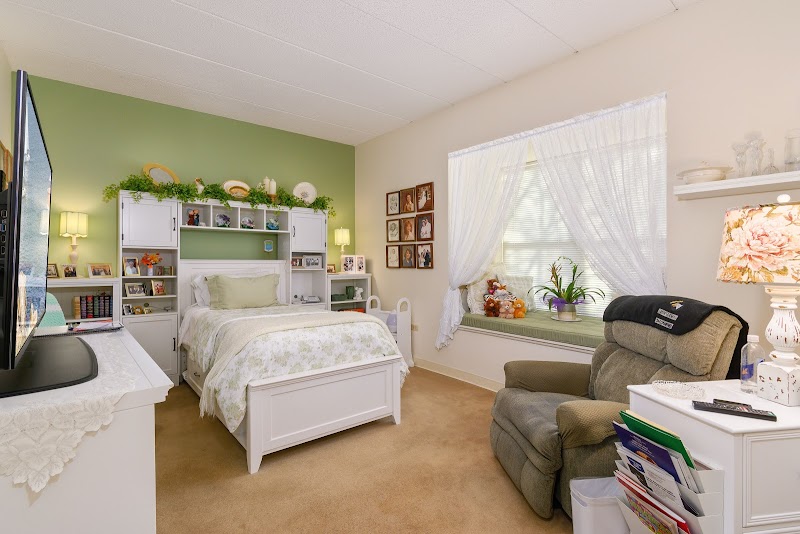
How is Central Baptist Village Staffed?

CMS rates CENTRAL BAPTIST VILLAGE's staffing level at 4 out of 5 stars, which is above average compared to other nursing homes. Staff turnover is 50%, compared to the Illinois average of 46%.

What Have Inspectors Found at Central Baptist Village?

State health inspectors documented 19 deficiencies at CENTRAL BAPTIST VILLAGE during 2022 to 2024. These included: 19 with potential for harm.
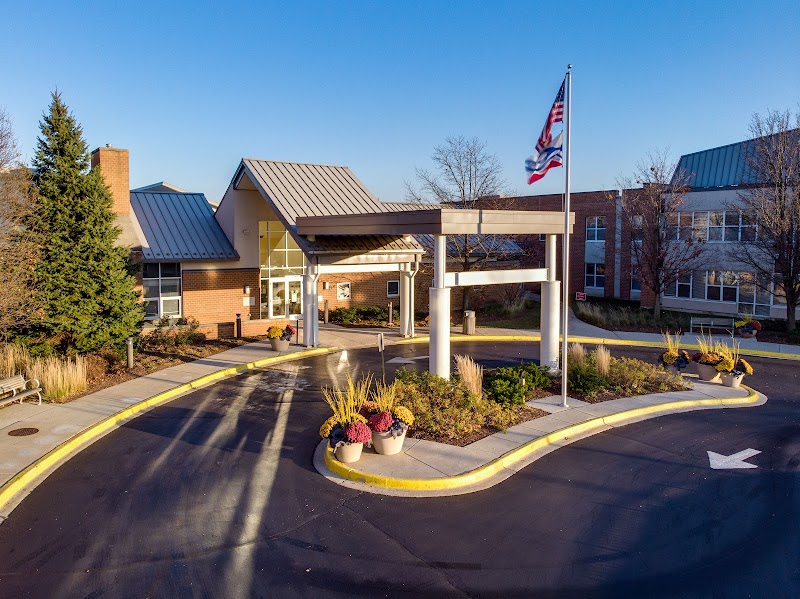
Who Owns and Operates Central Baptist Village?

CENTRAL BAPTIST VILLAGE is owned by a non-profit organization. Non-profit facilities reinvest revenue into operations rather than distributing to shareholders. The facility operates independently rather than as part of a larger chain. With 116 certified beds and approximately 97 residents (about 84% occupancy), it is a mid-sized facility located in NORRIDGE, Illinois.
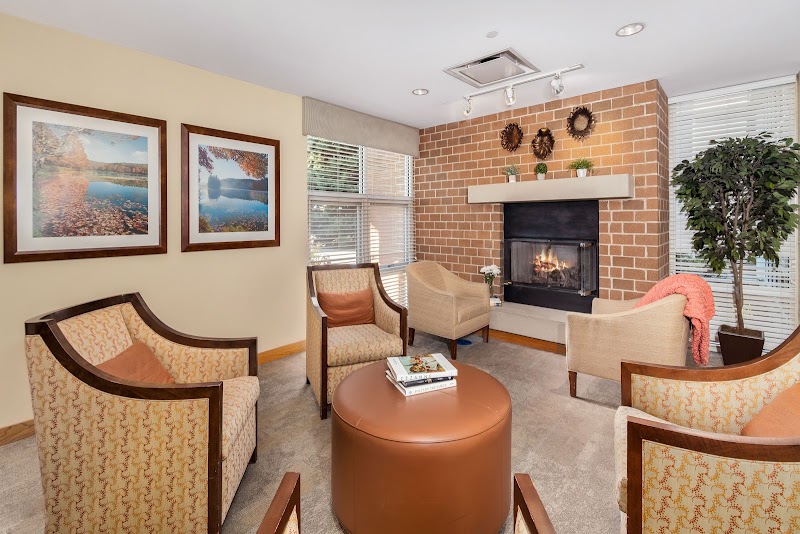
How Does Central Baptist Village Compare to Other Illinois Nursing Homes?

Compared to the 100 nursing homes in Illinois, CENTRAL BAPTIST VILLAGE's overall rating (4 stars) is above the state average of 2.5, staff turnover (50%) is near the state average of 46%, and health inspection rating (4 stars) is above the national benchmark.

What Should Families Ask When Visiting Central Baptist Village?

Based on this facility's data, families visiting should ask: "Can I visit during a mealtime to observe dining assistance and food quality?" "How do you handle medical emergencies, and what is your hospital transfer rate?" "Can I speak with family members of current residents about their experience?"

Is Central Baptist Village Safe?

Based on CMS inspection data, CENTRAL BAPTIST VILLAGE has a clean safety record: no substantiated abuse findings (meaning no confirmed cases of resident harm), no Immediate Jeopardy citations (the most serious violation level indicating risk of serious injury or death), and is not on the Special Focus Facility watch list (a federal program monitoring the lowest-performing 1% of nursing homes). The facility has a 4-star overall rating and ranks #1 of 100 nursing homes in Illinois. While no facility is perfect, families should still ask about staff-to-resident ratios and recent inspection results during their visit.

Do Nurses at Central Baptist Village Stick Around?

CENTRAL BAPTIST VILLAGE has a staff turnover rate of 50%, which is about average for Illinois nursing homes (state average: 46%). Moderate turnover is common in nursing homes, but families should still ask about staff tenure and how the facility maintains care continuity when employees leave.

Was Central Baptist Village Ever Fined?

CENTRAL BAPTIST VILLAGE has no federal fines on record. CMS issues fines when nursing homes fail to meet care standards or don't correct problems found during inspections. The absence of fines suggests the facility has either maintained compliance or corrected any issues before penalties were assessed. This is a positive indicator, though families should still review recent inspection reports for the full picture.

Is Central Baptist Village on Any Federal Watch List?

CENTRAL BAPTIST VILLAGE is not on any federal watch list. The most significant is the Special Focus Facility (SFF) program, which identifies the bottom 1% of nursing homes nationally based on persistent, serious quality problems. Not being on this list means the facility has avoided the pattern of deficiencies that triggers enhanced federal oversight. This is a positive indicator, though families should still review the facility's inspection history directly.