CITADEL AT CASA SCALABRINI
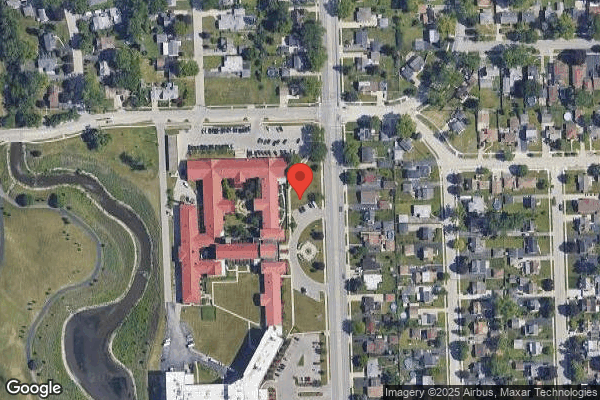

480 NORTH WOLF ROAD, NORTHLAKE, IL 60164 (708) 562-0040
For profit - Individual 229 Beds CITADEL HEALTHCARE Data: November 2025
Trust Grade
60/100
#229 of 665 in IL
Last Inspection: March 2025

Within standard 12-15 month inspection cycle. Federal law requires annual inspections.

Overview

Citadel at Casa Scalabrini has a Trust Grade of C+, which means it's slightly above average but not particularly outstanding. In Illinois, it ranks #229 out of 665 nursing homes, placing it in the top half, and #73 out of 201 in Cook County, indicating that only a few local options are better. Unfortunately, the facility's trend is worsening, with an increase in issues from 5 in 2024 to 8 in 2025. Staffing is rated average, with a 3/5 star rating and a turnover rate of 51%, which is similar to the state average. On a positive note, there are no fines recorded, which is reassuring, and they have more RN coverage than 90% of Illinois facilities, ensuring better oversight of resident care. However, there are some concerning incidents to note. A serious finding involved a resident who fell and fractured a bone because therapy recommendations for safe transfers were not followed. Additionally, the kitchen failed to maintain sanitary practices, with dented cans being stored alongside other food items, which could pose a risk to residents. Lastly, the facility did not properly adhere to its Water Management Plan for Legionella, potentially jeopardizing resident safety. Overall, while there are some strengths, families should be aware of the issues highlighted in the recent inspections.

Trust Score
C+
60/100
In Illinois
#229/665
Top 34%
Safety Record
Moderate
Needs review
Inspections
Getting Worse
5 → 8 violations
Staff Stability
⚠ Watch
51% turnover. Above average. Higher turnover means staff may not know residents' routines.
Penalties
✓ Good
No fines on record. Clean compliance history, better than most Illinois facilities.
Skilled Nurses
✓ Good
Each resident gets 71 minutes of Registered Nurse (RN) attention daily — more than 97% of Illinois nursing homes. RNs are the most trained staff who catch health problems before they become serious.
Violations
⚠ Watch
20 deficiencies on record. Higher than average. Multiple issues found across inspections.
★★★☆☆
3.0
Overall Rating
★★★☆☆
3.0
Staff Levels
★★★★☆
4.0
Care Quality
★★★☆☆
3.0
Inspection Score
Stable
2024: 5 issues
2025: 8 issues

The Good

  • 4-Star Quality Measures · Strong clinical quality outcomes
  • Full Sprinkler Coverage · Fire safety systems throughout facility
  • No fines on record

Facility shows strength in quality measures, fire safety.

The Bad

3-Star Overall Rating

Near Illinois average (2.5)

Meets federal standards, typical of most facilities

Staff Turnover: 51%

Near Illinois avg (46%)

Higher turnover may affect care consistency

Chain: CITADEL HEALTHCARE

Part of a multi-facility chain

Ask about local staffing decisions and management

The Ugly 20 deficiencies on record

1 actual harm
Mar 2025 8 deficiencies 1 Harm
SERIOUS (G)

Actual Harm - a resident was hurt due to facility failures

Accident Prevention (Tag F0689)

A resident was harmed · This affected 1 resident

**NOTE- TERMS IN BRACKETS HAVE BEEN EDITED TO PROTECT CONFIDENTIALITY** Based on interview and record review, the facility failed to ensure that therapy recommendations for hands-on transfers were fol...

Read full inspector narrative →
**NOTE- TERMS IN BRACKETS HAVE BEEN EDITED TO PROTECT CONFIDENTIALITY** Based on interview and record review, the facility failed to ensure that therapy recommendations for hands-on transfers were followed to prevent a resident from falling. This failure resulted in R132 falling and sustaining a fracture of the left fibula. This applies to 1 of 1 resident (R132) reviewed for accidents in the sample of 35. Findings include: R132's electronic medical record showed R132 is an [AGE] year old admitted to the facility on [DATE] with medical diagnoses that include cerebral infarction, repeated falls, malignant neoplasm of endometrium and uterus, unilateral primary osteoarthritis of the left knee, aphasia, and apraxia following cerebral infarction. R132's Minimum Data Set (MDS) dated [DATE] showed R132 to be severely cognitively impaired and required partial/moderate assistance for transfers and ambulation. On March 18, 2025 at 11:03 AM, R132 was observed sitting in a wheelchair with a left leg orthotic boot on. R132 stated she fell, but was unable to describe what happened. R132 progress incident note dated December 28 2024, showed the following: R132 verbalized My knee hurts. The assigned Certified Nursing Assistant (CNA) stated she was weighing R132 in the shower room, while standing, her knee buckled and the CNA eased R132 down to the floor/scale on the floor. R132's progress note dated December 29, 2024 showed R132 still complained of pain to her foot, her ankle remained swollen and resident was unable to bend her left ankle, ace wrap was on and acetaminophen was given. The Nurse Practitioner was made aware and new order carried out. Progress note dated December 29, 2024 showed that R132 was sent to the emergency room. R132's hospital after visit summary dated December 29, 2024 showed the diagnosis of closed fracture of the distal end of the left fibula. R132's x-ray of the left ankle dated December 29, 2024 showed an acute nondisplaced oblique fracture within the distal left fibula. On March 19, 2024 at 12:09 PM, V21 (Certified Nursing Assistant/CNA) stated she brought R132 to the shower room in a wheelchair to weigh her. V21 and surveyor went into the shower room and then V21 demonstrated what happened. V21 stated she wheeled R132 to the scale. V21 stated that she had a gait belt on R132 and helped her up and onto the scale. The scale had a short angled ramp on the sides. V21 stated that when R132 stood on the scale, the resident held onto the bar in front of her. V21 stated that she (V21) let go of the gait belt to allow for an accurate weight of R132, at that time (when V21 was not holding onto the gait belt) R132 let go of the bars in front of her and started straightening her pants (V21 demonstrated that resident was pulling her pants up from side to side). V21 stated, then R132 lost her balance and fell onto the scale and she was not able to catch her (R132). On March 20 2025, at 9:17 AM, V23 (Director of Rehab) stated that R132 had physical therapy from November 22, 2024 until December 19, 2024 with diagnoses of difficulty in walking, abnormal gait, and chronic obstructive pulmonary disease. V23 stated that physical therapy recommended on discharge that R132 required moderate one person assistance for transfers, standing and ambulation. V23 stated moderate assist means staff are holding the gait belt at all times during transfers, standing and ambulation because of the risk for falls. V23 stated R132 was not stable enough to not have hands-on at all times while transferring, standing, and ambulating. V23 stated R132 always had supervision for transfers, standing, and ambulation, and therapy never recommended her to transfer, stand, or ambulate without hands on supervision. V23 stated someone should always be holding the resident and that was the recommendation for R132 upon discharge on [DATE]. V23 stated when using that kind of scale, weighing the resident in the chair is the safest way. On March 20, 2025 at 10:58 AM, V22 (Orthopedic Doctor) stated that the cause of R132 injury was the fall that R132 sustained on December 28, 2024. V22 stated that he expects staff to follow therapy recommendations when transferring and ambulating residents in their care. V22 stated the injury could have been prevented, if staff was holding the belt to prevent the fall. R132's Weights and Vital Summary show that R132 weights were done by wheelchair monthly since September 11, 2024. R132's fall risk assessment dated [DATE] showed R132 to be at risk for falls. The same assessment showed that R132 had a balance problem while standing, and the facility's focus intervention was to determine resident's ability to transfer and assist resident with ambulation and transfers utilizing therapy recommendations. R132's Physical Therapy Discharge summary dated [DATE] showed the following recommendation: Patient requires assistance for safe transfers and toileting. R132's fall risk care plan dated December 5, 2024 showed the intervention to be the following: assist the resident with ambulation and transfers, utilizing therapy recommendations.
CONCERN (D)

Potential for Harm - no one hurt, but risky conditions existed

Quality of Care (Tag F0684)

Could have caused harm · This affected 1 resident

Based on observation, interview and record review, the facility failed to follow physician orders for a resident to address swelling to hand and failed to assess a resident to assist in positioning of...

Read full inspector narrative →
Based on observation, interview and record review, the facility failed to follow physician orders for a resident to address swelling to hand and failed to assess a resident to assist in positioning of his thumb digit. This applies to 2 of 2 residents (R86, R100) reviewed for quality of care in the sample of 35. Findings include: 1. R86's face sheet included diagnoses of hemiplegia and hemiparesis following cerebral infarction affecting right dominant side, unspecified osteoarthritis, unspecified site, aphasia following cerebral infarction. R86's POS (Physician Order Sheet) showed to apply ace bandage to right hand in the morning, remove at bedtime one time a day for swelling and remove per schedule (revised date September 19, 2024). On March 18, 2025 at 10:13 AM, R86's right hand appeared contracted with fingers closed in a fist. R86 did not have any bandages on her right hand. R86 stated that she is unable to open her fingers, and remarked It hurts. R86 did not have any ace bandage on her right hand during intermittent observations until lunch meal service at 1:05 PM on the same day. On March 19, 2025 at 10:04 AM, R86's right hand was in an ace bandage wrap. R86 stated They put it on when they want to. V10 (Certified Nursing Assistant) who was in the area stated that it is usually put on in the morning. On March 20, 2025 at 09:10 AM, R86 was eating breakfast and did not have an ace bandage on her right hand. On March 20, 2025 at 10:49 AM, R86 was in the dining room and still did not have ace bandage on her right hand and V10 was notified of the same. V10 stated that the night nurse should have put it on in the morning. V10 remarked that it was an agency nurse that worked the overnight shift. R86's care plan revised November 15, 2024 included that R86 has potential for skin breakdown due to limited mobility, incontinence, physical limitations, medical conditions and use of medications. Intervention included to apply ace bandage to right hand as ordered. 2. R100's face sheet included diagnoses of hemiplegia and hemiparesis following other nontraumatic intracranial hemorrhage affecting right dominant side, neuralgia and neuritis, and repeated falls. R100's Annual MDS (minimum data set) dated February 4, 2025 showed that R100 was cognitively intact and was impaired on one side on upper extremity. On March 18, 2025 at 10:29 AM, R100 was in the dining room and his right arm appeared contracted with no devices on for support. R100 stated I can use both arms/hands but my right arm is messed up and cannot use it much. I had a stroke many years ago. My thumb has moved down after the stroke. I have some neuropathy on both hands and feet. I used to get therapy when I first came here 5 years ago. Now I go with V26 (Restorative Aide) twice a week when she is here to do puzzles, go on the bicycle and other exercises. She is not here this week as she is on vacation. On March 19, 2025 at 10:05 AM, R100 was in dining room and did not have any devices on right arm that appeared contracted. V10, who was in the area stated He has been like that since he came here. They had nothing to support his arm. V26 does restorative therapy with him. On March 20, 2025 at 09:45 AM, R100's right hand was shown to V4 (Assisted Director of Nursing) and asked if anyone has assessed him to see if he will benefit from any devices. V4 stated that she will have to consult therapy to screen him for the same. On March 20, 2025 at 02:29 PM, V4 brought a screening evaluation dated March 20, 2025 by V12 (Occupational Therapist) with recommendations for a thumb spica IP (interpharengeal) free splint. On March 20, 2025 at 2:35 PM, V25 (Restorative Nurse) stated that R100 is under restorative therapy and is very active with therapy. V25 stated that the restorative nurse or aide will refer residents to therapy if they see that a resident has potential for contractures or related concerns. On March 20, 2025 at 2:49 PM, V12 (Occupational Therapist) stated that on evaluation of R100, she recommended a thumb spica IP free splint for optimal positioning of R100's right hand thumb. V12 stated that it looked like R100's right hand CMC (carpal metacarpal) joint has subluxation [a partial dislocation]. V12 stated that this device she recommended will help optimal positioning so that the [displaced] thumb will not bother him and prevent it from getting worse. R100's care plan revised December 27, 2024 included that R100 has potential for decreased range of motion due to impaired mobility. Intervention for the same included to assess resident quarterly and as needed.
CONCERN (D)

Potential for Harm - no one hurt, but risky conditions existed

Deficiency F0688 (Tag F0688)

Could have caused harm · This affected 1 resident

**NOTE- TERMS IN BRACKETS HAVE BEEN EDITED TO PROTECT CONFIDENTIALITY** Based on observation, interview and record review the facility failed to assess and provide splints and devices to residents, to...

Read full inspector narrative →
**NOTE- TERMS IN BRACKETS HAVE BEEN EDITED TO PROTECT CONFIDENTIALITY** Based on observation, interview and record review the facility failed to assess and provide splints and devices to residents, to maintain and prevent further reduction in ROM (range of motion). This applies to 2 of 8 residents (R126 and R139) reviewed for range of motion in the sample of 35. Findings include: 1. R126 had multiple diagnoses including hemiplegia and hemiparesis following cerebral infarction affecting the left non-dominant side. R126's quarterly MDS dated [DATE] showed that the resident was cognitively intact. The same MDS showed that R126 had functional limitation in range of motion to one side of his upper extremity. On March 18, 2025 at 11:07 AM, R126 was sitting in his wheelchair inside the unit dining room. R126 was alert, oriented and verbally responsive. R126's left hand was positioned on his lap. R126 cannot move his left arm and hand, and he was not able to open/extend his left hand fingers without the assistance of his right hand. R126 had no device or splint on his left arm and/or left hand. On March 19, 2025 at 9:24 AM, R126 was sitting in his wheelchair inside the unit dining room. R126 was alert, oriented and verbally responsive. R126's left hand was positioned on his lap. R126 was eating his breakfast meal using his right hand. The resident could not move his left arm and hand, and he was not able to open/extend his left hand fingers. R126 had no device or splint on his left arm and/or left hand. V4 (Assistant Director of Nursing) was present during the observation. V4 was asked if R126 needed a device or a splint on his left arm and hand. After this prompting, V4 stated that the facility will request the therapy department for screening to determine if R126 needed any splint/device on the left arm and hand. On March 19, 2025 at 11:20 AM, V12 (OT/Occupational Therapist) stated that she was requested by V4 to screen R126's left arm and hand for possible device/splint. V12 stated that she assessed R126 at around 11:00 AM that day. According to V12, based on R126 screening, the resident cannot actively move his left arm and hand, including wrist and fingers. V12 stated that she recommended for the resident to use a left resting hand splint to keep his wrist in a resting hand position to prevent shortening of the ligaments and tendons, and to prevent contracture of the wrist. V12 added that she also recommended for R126 to use a left upper extremity sling to prevent shoulder dropping and to prevent pain. According to V12, she recommends for R126 to use the left resting hand splint and left upper extremity sling daily when sitting in his chair and should be removed during ADL care to check for skin integrity. 2. R139 had multiple diagnoses including hemiplegia and hemiparesis following cerebral infarction affecting right dominant side, based on the face sheet. R139's quarterly MDS dated [DATE] showed that the resident was modified independence with cognitive skills for daily decision making. The same MDS showed that R139 had functional limitation in range of motion to one side of his upper extremity. On March 18, 2025 at 10:40 AM, R139 was sitting in his wheelchair inside the unit dining room. R139 was alert and verbally responsive. R139 could not open his middle, ring and small fingers on the right hand and according to the resident, he cannot open his right hand. V11 (Certified Nursing Assistant) had to assist the resident in opening his right hand. R139 had no device or splint in place. On March 19, 2025 at 9:26 AM, R139 was sitting in his wheelchair inside the unit dining room. R139 was alert and verbally responsive. R139 could not open his middle, ring and small fingers on the right hand. R139 had no device or splint in place. In the presence of V4, R139 stated that he cannot open his right hand. V4 was asked if R139 needed a device or a splint on his right hand. After this prompting, V4 stated that the facility will request the therapy department for screening to determine if R139 needed any splint/device on the right hand. On March 19, 2025 at 11:27 AM, V12 (OT) stated that she was requested by V4 to screen R139's right hand for possible device. V12 stated that she assessed R139 at around 11:15 AM that day. Stated that based on R139's screening, the resident had moderate contracture on his right middle, ring and small fingers. According to V12, R139 was only able to extend those mentioned fingers minimally with verbalization of pain. V12 stated that she had recommended a right hand roll to prevent further contracture, for positioning and to prevent skin breakdown. V12 added that based on R139's screening, the resident was not able to maintain optimal position on his right arm, so she had recommended a sling for the right upper extremity to prevent shoulder dropping and to prevent development of pain. V12 stated that the two recommended devices (right hand roll and right upper extremity sling) should be applied daily, when R139 is sitting in his chair and should be removed during ADL care to check for skin integrity. On March 21, 2025 at 10:59 AM, V3 (Director of Nursing) stated that for any change in a resident's mobility and/or range of motion, the restorative team should refer the resident to the therapy department immediately to determine the need for any splint and or devices. Once the therapy department had screened and made the recommendation for any splints/devices, it will be applied to the resident to maintain, improve or prevent further decline of the resident's status.
CONCERN (E)

Potential for Harm - no one hurt, but risky conditions existed

ADL Care (Tag F0677)

Could have caused harm · This affected multiple residents

**NOTE- TERMS IN BRACKETS HAVE BEEN EDITED TO PROTECT CONFIDENTIALITY** Based on observation, interview and record review, the facility failed to assist residents identified as needing assistance with...

Read full inspector narrative →
**NOTE- TERMS IN BRACKETS HAVE BEEN EDITED TO PROTECT CONFIDENTIALITY** Based on observation, interview and record review, the facility failed to assist residents identified as needing assistance with personal hygiene and grooming. This applies to 6 of 7 residents (R6, R18, R24, R77, R106 and 139) reviewed for ADL (activities of daily living) in the sample of 35. Findings include: 1. R18 had multiple diagnoses including incomplete paraplegia, based on the Face sheet. R18's quarterly MDS (minimum data set) dated March 13, 2025 showed that the resident was moderately impaired with cognition and had functional limitation in range of motion to both upper extremities. The same MDS showed that R18 required total assistance from the staff with personal hygiene. On March 18, 2025 at 11:42 AM, R18 was in bed, alert and oriented. R18's fingernails were long and with brown substances under the nails. R18 stated that she needs the assistance of the staff to cut/trim and clean her fingernails. On March 19, 2025 at 9:16 AM, R18 was in bed, alert and oriented. R18's fingernails were long and with brown substances under the nails. R18 stated that she wanted the staff to trim and clean her fingernails. V4 (Assistant Director of Nursing) was present during the observation. V4 acknowledged that R18's fingernails were long and needs cleaning. R18's active care plan last reviewed by the facility on January 15, 2025 showed that the resident has an ADL (activities of daily living) self-care performance deficit related to paraplegia. The same care plan showed multiple interventions including, The resident is dependent for personal hygiene. 2. R106 had multiple diagnosis including, dementia with other behavioral disturbance, based on the face sheet. R106's quarterly MDS dated [DATE] showed that the resident was moderately impaired with cognitive skills for daily decision making. The same MDS showed that R106 required total assistance from the staff with personal hygiene. On March 18, 2025 at 11:43 AM, R106 was in bed, alert and verbally responsive. R106 had long and curling chin hairs, and her fingernails were long with black substances under the nails. R106 stated that she wanted the staff to remove her facial hair, and to trim and clean her fingernails. On March 19, 2025 at 9:19 AM, R106 was in bed, alert and verbally responsive. R106 had long and curling chin hairs, and her fingernails were long with black substances under the nails. V4 was present during the observation and acknowledged that the resident had facial hair and her fingernails needed to be trimmed and cleaned by the staff. R106's active care plan initiated on October 15, 2024 showed that the resident has an ADL self-care performance deficit related to dementia. The same care plan showed multiple interventions including, Assist with brushing hair, brushing teeth, shaving, etc. (et cetera). 3. R77 had multiple diagnoses including, hemiplegia and hemiparesis following cerebral infarction affecting right dominant side, dementia with other behavioral disturbance and Alzheimer's disease, based on the face sheet. R77's annual MDS dated [DATE] showed that the resident was severely impaired with cognition and required total assistance from the staff with personal hygiene. On March 18, 2025 at 10:56 AM, R77 was sitting in her wheelchair inside the unit dining room. R77 was alert and verbally responsive. R77 had accumulation of long, chin hair. According to R77, she wanted the staff to shave her facial hair because, she cannot do it herself. R77's active care plan initiated on October 15, 2024 showed that the resident has an ADL self-care performance deficit related to Alzheimer's. The same care plan showed multiple interventions including, Assist with personal hygiene needs. 4. R24 had multiple diagnoses including hemiplegia and hemiparesis following cerebral infarction affecting the left non-dominant side, based on the face sheet. R24's quarterly MDS dated [DATE] showed that the resident was moderately impaired with cognitive skills for daily decision making. The same MDS showed that R24 had functional limitation in range of motion to both upper extremities and required total assistance from the staff with personal hygiene. On March 18, 2025 at 11:26 AM, R24 was in bed, alert and verbally responsive. R24 had accumulation of overgrown facial hair. R24 had a left hand splint in place. R24 was asked if he wants the staff to shave him, and he stated, yes. R24's active care plan initiated on October 24, 2024 showed that the resident has an ADL self-care performance deficit related to impaired mobility. The same care plan showed multiple interventions including, providing assistance with shaving. 5. R139 had multiple diagnoses including hemiplegia and hemiparesis following cerebral infarction affecting right dominant side, based on the face sheet. R139's quarterly MDS dated [DATE] showed that the resident was modified independence with cognitive skills for daily decision making. The same MDS showed that R139 had functional limitation in range of motion to one side of his upper extremity and he required total assistance from the staff with personal hygiene. On March 18, 2025 at 10:40 AM, R139 was sitting in his wheelchair inside the unit dining room. The resident was alert but with confusion. R139 cannot open some of his fingers on his right hand. R139 had accumulation of overgrown facial hair. R139 stated that he wanted to be shaven. R139's active care plan initiated on November 7, 2024 showed that the resident has an ADL self-care performance deficit related to weakness. The same care plan showed multiple interventions including, providing assistance with shaving. On March 21, 2025 at 9:42 AM, V3 (Director of Nursing) stated that it is part of the facility's nursing care and services to assist all residents needing assistance with ADLs including shaving/removal of unwanted facial hair and nail care. According to V3, all residents needing assistance with ADLs should be assisted by the staff to ensure and maintain the residents good hygiene and grooming. 6. R6's face sheet showed multiple diagnoses including chronic respiratory failure, unspecified whether with hypoxia or hypercapnia, quadriplegia, tracheostomy status, gastrostomy status, anoxic brain damage. R6's quarterly MDS dated [DATE] showed that R6 is dependent on staff for personal hygiene. On March 18, 2025 at 12:05 PM, R6 was lying in bed with presence of tracheostomy tube. Both of R6's hands were contracted and was noted wearing a splint device on right hand. R6's nails on both hands appeared very long with the left hand fingers curled in and fingernails digging into her hands. R6 was non verbal. On March 19, 2025 at 10:07 AM, R6 was lying in bed with both hands contracted and did not have splint devices on. R6's long fingernails were seen digging into her hands. V10 (Certified Nursing Assistance), who came into the room, stated she puts R6's devices on after ADL (activities of daily living) care. V10 was notified of R6's long fingernails. R6's ADL care plan revised on March 6, 2025 showed that R6 has a ADL self-care performance deficit related to quadriplegia. Interventions for personal hygiene included that R6 is dependent with personal hygiene and oral care.
CONCERN (E)

Potential for Harm - no one hurt, but risky conditions existed

Menu Adequacy (Tag F0803)

Could have caused harm · This affected multiple residents

Based on observation, interview and record review, the facility failed to provide gravy for mechanical soft diets and failed to provide the vegetable option as starter for the mechanical soft and pure...

Read full inspector narrative →
Based on observation, interview and record review, the facility failed to provide gravy for mechanical soft diets and failed to provide the vegetable option as starter for the mechanical soft and pureed diets. This applies to 10 of 10 residents (R35, R52, R80, R90, R91, R93, R94, R103, R116, R136) reviewed for dining in the sample of 35. Findings include: Facility daily spread sheet for Week 3 Tuesday included Garden Fresh Lettuce and Tomato Salad (1 cup) as a starter for General diets, soft cooked hot vegetable for Mechanical soft diets and pureed cooked hot vegetables for Pureed diets. The same spread sheet also included Tender Pork Roast as the main entrée and showed to serve ground pork roast with 1 oz/ounce gravy for Mechanical soft diets. Additionally the lunch meal also included carrots and lemon herb potatoes. On March 18, 2025 at 11:20 AM during lunch tray line service, R35, R80, R91, R116, R136 who were on mechanical soft diets and R52, R90, R93, R94, R103 who were on pureed diets did not receive the soft cooked hot vegetables and pureed cooked hot vegetables respectively with the other meal items (pork roast and carrots, lemon herb potatoes) they had received. The ground pork roast on the tray line appeared dry and R35, R80, R91, R116, R136 who were on mechanical soft diets received the same without 1 oz gravy. When asked about the above items not received, V5 (Dietary manager) after inquiring with V6 (Cook), stated that the gravy was not prepared. V5 and V6 also stated that the residents on mechanical soft and pureed diets received carrots as a vegetable and don't receive salads and that only General diets receive the same. On March 20, 2025 at 1:08 PM and 5:10 PM, V18 (Dietitian) stated that the facility should follow the menu spreadsheets and serve foods as shown. V18 added that although the salad is just a starter, she understands that all residents should receive the same foods as the planned meal in their respective consistencies. Recipe for Ground Pork Roast with Gravy included as follows: Portion with #10 scoop [3.25 oz] plus 1 oz gravy to keep moist. Facility diet order listing showed that R35, R80, R91, R116, R136 were on mechanical soft diets and R52, R90, R93, R94, R103 were on pureed diets.
CONCERN (E)

Potential for Harm - no one hurt, but risky conditions existed

Deficiency F0847 (Tag F0847)

Could have caused harm · This affected multiple residents

**NOTE- TERMS IN BRACKETS HAVE BEEN EDITED TO PROTECT CONFIDENTIALITY** Based on interview and record review, the facility failed to include in their arbitration agreement the required language indica...

Read full inspector narrative →
**NOTE- TERMS IN BRACKETS HAVE BEEN EDITED TO PROTECT CONFIDENTIALITY** Based on interview and record review, the facility failed to include in their arbitration agreement the required language indicating that signing the Arbitration Agreement was not a condition for their admission to the facility. This applies to 51 of 176 residents (R14, R16, R23, R29, R30, R36, R39, R40, R41, R46, R50, R52, R55, R56, R58, R59, R62, R89, R101, R112, R121, R123, R126, R129, R133, R136, R138, R140, R141, R148, R153, R154, R157, R158, R160, R161, R162, R163, R164, R165, R167, R169, R171, R172, R173, R174, R329, R330, R331, R332 and R334) residing in the facility reviewed for Arbitration Agreement. Findings include: On March 18, 2025, at 4:55 PM, V2 (Assistant Administrator) stated that all residents admitted to the facility are offered arbitration. It is up to the resident or their responsible party to sign the agreement. Currently out of 176 in-house residents, 51 residents/responsible party had signed the arbitration agreement. V2 stated they have the right to decline because signing this agreement is not a requirement for their admission to the facility. V2 was asked to provide their policy and procedure on Arbitration. V2 stated they did not have a policy on Arbitration. On March 19, 2025, at 1:31 PM, R161 stated she did not remember signing an Arbitration Agreement during admission, only remembered signing for her medications. R171 said due to his career he was aware what arbitration was but did not remembering signing an agreement. On March 20, 2025, at 10:07 AM, R148 stated she did not remember signing an arbitration agreement on admission. She was not sure what arbitration was. On March 20, 2025, at 10:11 AM, V17 (Corporate Admissions) stated that the facility had recently updated their arbitration agreement based on what they had learned from previous surveys. V17 stated that the updated/current arbitration agreement which was effective as of March 4, 2025 included the required language indicating that signing the arbitration agreement was not a condition for their admission to the facility. According to V17, prior to March 4, 2025, this language was not included in the agreement. V17 added that those residents in the facility that had signed an arbitration agreement prior to March 4, 2025, were not asked to sign the new contract because they don't need to. It is implied that those residents can remain in the facility. R41's EMR (Electronic Medical Record) showed R41 was admitted to the facility on [DATE]. R41 signed the Arbitration Agreement on February 12, 2025. R41's Arbitration Agreement did not have the verbiage to show that signing the agreement was not a condition of R41's admission to the facility. R148's EMR showed R148 was admitted to the facility on [DATE]. R148 signed the Arbitration Agreement on October 22, 2024. R148's Arbitration Agreement did not have the verbiage to show that signing the was agreement was not a condition of R148's admission to the facility. R161's EMR showed R161 was admitted to the facility on [DATE]. R161 signed the Arbitration Agreement on November 25, 2024. R161's Arbitration Agreement did not have the verbiage to show that signing the agreement was not a condition of R161's admission to the facility. R171's EMR showed R171 was admitted to the facility on [DATE]. R171 signed the Arbitration Agreement on February 18, 2025. R171's Arbitration Agreement did not have the verbiage to show that signing the agreement was not a condition of R171's admission to the facility. Review of the facility's list of current residents who had signed and/or had their responsible parties signed the arbitration agreement before the updated/current agreement made on March 4, 2025, included R14, R16, R23, R29, R30, R36, R39, R40, R46, R50, R52, R55, R56, R58, R59, R62, R89, R101, R112, R121, R123, R126, R129, R133, R136, R138, R140, R141, R153, R154, R157, R158, R160, R162, R163, R164, R165, R167, R169, R172, R173, R174, R329, R330, R331, R332 and R334. The above mentioned resident arbitration agreements did not include the required language indicating that signing the Arbitration Agreement was not a condition for their admission to the facility.
CONCERN (F)

Potential for Harm - no one hurt, but risky conditions existed

Food Safety (Tag F0812)

Could have caused harm · This affected most or all residents

**NOTE- TERMS IN BRACKETS HAVE BEEN EDITED TO PROTECT CONFIDENTIALITY** Based on observation, interview and record review, the facility failed to follow sanitary practices in the facility kitchen. Thi...

Read full inspector narrative →
**NOTE- TERMS IN BRACKETS HAVE BEEN EDITED TO PROTECT CONFIDENTIALITY** Based on observation, interview and record review, the facility failed to follow sanitary practices in the facility kitchen. This applies to 172 residents that received foods prepared in the facility kitchen. Findings include: Facility's CMS (Centers for Medicare and Medicaid Services) Form 671 dated March 18, 2025 showed that the facility census was 176 residents. Facility provided information that there were 4 residents on NPO (nothing by mouth) status. On March 18, 2025 at 9:11 AM, during initial tour of the kitchen in the presence of V5 (Dietary Manager) the following observations were made: In the dry storage area, 2 dented cans at the seams were stored on horizontal shelving along with other cans. These cans were labeled Traditional Refried Beans (7 lbs/pounds) and Vegetarian Baked Beans (7 lbs, 3 oz/ounces). In a walk-in Cooler, there were also multiple cans stored on a slanted shelving and also showed a dented can labeled Sauerkraut (6 lbs, 8 oz). V5 stated that the dented cans in both the dry storage and cooler may have fallen off the rack and were placed back on the shelving. The were also multiple cans with no delivery date: 3 cans labeled Natural Apple Sauce (6 lbs, 10 oz per can), 2 cans labeled Mandarin Oranges (6 lbs, 10 oz), and 1 can labeled [NAME] pudding (7 lbs). V5 stated that the delivery date may have been overlooked. In the same walk-in cooler, there were multiple crates (about 18) of individual 8 oz cartons of milk, several 5 lb tubs of cottage cheese and several blocks of cream cheese. The refrigerator thermometer showed 54 degrees Fahrenheit. V5 stated that he was just made aware that morning that the cooler was out of order and as soon as an employee [NAME] up, he was planning to shift all the items stored in this cooler to another cooler. In another walk-in Cooler there appeared to be patches of black fuzzy substance under water pipes that was located above the shelving that stored prepped items [that were covered loosely with saran wrap or foil] including salad, diced tomatoes, hot dogs, eggs and containers of condiments. When asked what the black patches were, V5 stated It looks like mold. In the walk-in Freezer, there was a cardboard box of beef patties that were open to air. V5 stated that the weekend cook may have not closed the box. At the far end of the freezer there were icicles dripping onto a partially opened box containing frozen Manicotti. In the kitchen there were several cutting boards on a shelf that were stored both horizontally and vertically inside a large flat sheet pan which contained marked unknown congealed debris. In the kitchen, V6 (Cook), was preparing the lunch meal and was wearing a cap over his head but noted to have facial hair/beard which was about an inch long. When asked, V6 stated that he does not wear a beard cover as he keeps his beard trimmed. On March 18, 2025 at 11:16 AM, the food temperatures were monitored at the tray line by V6. The mashed potatoes showed 82 degrees Fahrenheit and V6 was not sure what temperature foods at holding should be. V5 who was in the area stated that the food temperatures should be above 140 degrees Fahrenheit and removed the mashed potatoes from the tray line and directed V6 to reheat the same. In about 15 minutes later, V6 brought the mashed potatoes back to the tray line, stating that he reheated the item to 158 degrees Fahrenheit. When asked, neither V5 nor V6 knew what degree the reheating temperature was recommended. V5 then looked up the information and came back and reported that the reheating temperature should be 165 degrees Fahrenheit. V5 was notified that the correct reheating temperatures should be followed in order to serve the mashed potato. On March 18, 2025 at 11:20 AM and 11:36 AM, V7 (dietary aide) was seen eating a banana in the kitchen and V8 (dietary aide) was seen washing dishes with her coffee cup and personal lotion placed on a rack that stored clean dishes. V9 (dietary aide) was also seen at tray line assisting with serving the deserts and was not wearing gloves. V5 stated that employees should not eat and drink and store personal items in the kitchen. On March 18, 2025 at 11:53 AM, the walk in cooler seen earlier with individuals cartons of milk was checked again and noted to be 58 degrees Fahrenheit. The cartons of milk remained in the cooler and V5 stated that he has not got a chance to move the milk crates to another cooler. On March 19, 2025 at 12:28 PM, V13 (cook) was at the stove stirring a big container of pasta with a spoon with his right hand. V13 then spooned some pasta onto his left palm and tasted it. V13 was wearing a cap and his hair was hanging loose down to the nape of his neck. V13 also had a thick mustache and was wearing a beard cover that was looped on to his ears and tucked under his chin. V5 was notified of the same and V5 called out to V13 You can't taste with your fingers. Its unsanitary. Put some gloves on. On March 20, 2025 at 1:08 PM, V18 (Dietitian) stated that dietary employees should eat in a designated separate area and not in the kitchen for sanitary purposes. V18 added that the cutting boards should be stored in a clean surface. Facility Dietary Policy and Procedure Manual (2017) for Hair restraints/jewelry/nail polish showed that hairnets will be worn at all times in the kitchen. [NAME] guards or masks will be worn as indicated. Facility Dietary Policy and Procedure Manual (2018) for Storage of dry goods/foods and First in First Out showed that dented cans are stored in a designated area to be returned to vendors. Cans are removed from cartons and stored behind already shelved products. Products with the earliest expiration date are stored in front of products with later dates so that the older food is used first . Facility Dietary Policy and Procedure Manual (2018) for Storage of Refrigerated foods included: Policy- refrigerated food is stored in a manner that ensures food safety and preservation of nutritive value and quality. Procedure- Refrigerated foods are stored at 41 degrees Fahrenheit or below Facility Dietary Policy and Procedure Manual (2018) for Storage of Frozen Foods included that opened products that may not have been properly sealed and dated are discarded. Facility Dietary Policy and Procedure Manual (2018) temperature monitoring form for Critical Control Points Food Temperatures included that holding temperature for hot foods should not be less than 135 degrees Fahrenheit. Facility Dietary Policy and Procedure Manual (2018) for Reheating showed that foods will be reheated rapidly to an internal temperature of 165 degrees Fahrenheit for 15 seconds.
CONCERN (F)

Potential for Harm - no one hurt, but risky conditions existed

Infection Control (Tag F0880)

Could have caused harm · This affected most or all residents

**NOTE- TERMS IN BRACKETS HAVE BEEN EDITED TO PROTECT CONFIDENTIALITY** Based on observation, interview, and record review, the facility failed to follow their Water Management Plan for Legionella. Th...

Read full inspector narrative →
**NOTE- TERMS IN BRACKETS HAVE BEEN EDITED TO PROTECT CONFIDENTIALITY** Based on observation, interview, and record review, the facility failed to follow their Water Management Plan for Legionella. The facility also failed to follow their policy for EBP (Enhance Barrier Precautions). This applies to all 176 residents residing in the facility. Findings include: 1. The facility's Long-Term Care Facility Application for Medicare and Medicaid dated March 18, 2025, showed the facility's census was 176 residents. On March 19, 2025, at 10:31 AM, V15 (Maintenance Director) said for the facility's Water Management Plan for Legionella, V15 tests the facility's water temperature in resident rooms and shower rooms. V15 continued to say the water temperatures in the kitchen and laundry are tested daily. V15 said the maintenance department does not test the water for chlorine levels. On March 19, 2025, at 10: 38 AM, V14 (Regional Maintenance Director) said a water company comes to the facility about every month and tests the water for chemicals. V14 said that is the only chemical tests performed on the facility's water. The water company's Water Analysis Report did not show the water company was testing for chlorine levels in the facility's water. On March 20, 2025, at 10:49 AM, V14 said the facility's Water Management Plan for Legionella shows the facility's water should have chlorine levels tested weekly. V14 said the facility is not testing the water for chlorine levels. V14 said he will have to order chlorine testing kits so V15 can start testing the facility's water for chlorine levels. The facility does not have documentation to show chlorine levels were tested weekly. The facility's Water Management Plan for Legionella dated October 18, 2024, showed . Cold Water Distribution. Potential Related hazards: Potential growth of microorganisms which could be propagated and transmitted via cold water distribution piping system and aerosolized via sinks. Risk Factors: Medium Risk: Based on the potential variable chlorine present in the cold-water supply, the potential for microbiological growth is reduced compared to a hot water system. The factors for microbiological growth in conjunction with the potential for water to be aerosolized present a medium risk at this processing step. In addition, distribution piping materials vary based on the various building ages and construction practices . Hot Water Distribution. Potential Related Hazards: Microbial growth in the potable water distribution system which could be transmitted by sink faucets and showers. Scalding potential. Target water distribution temperature at the fixture is 110 degrees Fahrenheit. Risk Factors: High Risk: The hot water system is extensive and complex. In addition, many tenant may manage individual hot water heaters. There is potential for 15 to 20 degree Fahrenheit temperature drops after the hot water supply leaves the Hot Water Heaters which can bring the water into prime temperature ranges for microbiological growth. Along with these favorable temperatures for microbiological growth, there is potential for free chlorine residuals to dissipate and leave the hot water system with level of control. The factors for growth in conjunction with the potential for water to be aerosolized present a high risk at this processing step . Cold Water Distribution: Manual and electric faucets/showers and hoses/water hammer arrestors/pipes, valves, and fittings/aerators/faucet flow restrictors. Monitoring methods: 'Free' Chlorine Test. Frequency to Check: Weekly . Hot Water Distribution: Manual and electric faucets/showers and hoses/water hammer arrestors/pipes, valves, and fittings/aerators/faucet flow restrictors. Monitoring methods: 'Free' Chlorine Test. Frequency to Check: Weekly . 2. The EMR (Electronic Medical Record) showed R151 was admitted to the facility on [DATE], with multiple diagnoses including Parkinson's disease, chronic kidney disease, Alzheimer's disease, and dysphagia. R151's Order Summary Report dated March 20, 2025, showed an order dated March 18, 2025, for Resident on Enhanced Barrier Precautions due to wounds. R151's care plan showed, Resident requires Enhanced Barrier Precautions, Wounds requiring a dressing. The care plan continued to show multiple interventions dated March 18, 2025, including Staff wear gloves and gown for the following high contact resident care activities: dressing, bathing/showering, transferring, changing linens, providing hygiene, changing briefs and assisting with toileting. Gown and glove one use only and for only one resident. Staff will wear gloves and gowns for device care or use of central lines, urinary catheters, feeding tubes, tracheostomy, colostomy/ileostomy or any wound care. Gown and glove one use only and for only one resident. On March 18, 2025, at 10:13 AM, V19 (RN/Registered Nurse) entered R151's room. V19 was not wearing a gown. At 10:20 AM, V19 exited R151's room and said she changed R151's wound dressing. On March 19, 2025, at 4:12 PM, V20 (CNA/Certified Nursing Assistant) was in R151's room and was providing care to R151. V20 was not wearing a gown. At 4:16 PM, V20 said she had been changing R151's soiled incontinence brief, repositioning R151 in bed, and adjusting R151's linens. On March 20, 2025, at 1:55 PM, V3 (DON/Director of Nursing) said residents require EBP when they have wounds. V3 continued to say V19 and V20 should have been wearing gowns while providing care to R151. On March 20, 2025, at 1:57 PM, V16 (Infection Preventionist) said R151's EBP sign was placed outside of his room on March 18, 2025. V16 continued to say R151 should have been on EBP on March 12, 2025, when R151's wound was assessed to be an open wound. The facility's policy titled Enhanced Barrier Protection dated May 2022, showed Introduction: This precaution is for use in long term care facilities to prevent the spread of novel or MDRO (Multidrug-Resistant Organism) infections. Procedure: Everyone must clean their hands before entering and when leaving a room. Healthcare providers must don a gown and gloves prior to entering a room and doff after leaving the room for high contact resident care activities. Healthcare workers do not wear the same gown or gloves for care of more than one person. High contact activities include: Direct ADL (Activity of Daily Living) care- dressing, bathing, providing hygiene, transferring, changing linens, changing briefs or assisting with toileting; Device care or use such as: central line, urinary catheter, feeding tube, tracheostomy, and other indwelling devices; Wound care and any skin opening requiring a dressing; Care of residents that are MDRO colonized . Post clear signage on the door or wall outside of the resident room indicating the type of precautions and requires PPE (Personal Protective Equipment). For Enhanced Barrier Precautions, signage should also clearly indicate the high-contact resident care activities that require the use of gown and gloves .
Jan 2024 5 deficiencies
CONCERN (D)

Potential for Harm - no one hurt, but risky conditions existed

Deficiency F0558 (Tag F0558)

Could have caused harm · This affected 1 resident

On 01/02/2024 at 11:44 AM, R26 was in his room, lying on bed. The room's right window was open. The room felt cold. R26's call light was on the floor on the right side of the bed. R26 said he was tran...

Read full inspector narrative →
On 01/02/2024 at 11:44 AM, R26 was in his room, lying on bed. The room's right window was open. The room felt cold. R26's call light was on the floor on the right side of the bed. R26 said he was transferred from his previous room to his current room at 10:30 AM on 01/02/2024. R26 said he has been looking for his call light since his transfer because the room was too cold. He said he was upset because his old room had everything he needed, and his new room did not even have a call light. He said he has been calling out for help but nobody came to his room. On 01/04/2024 at 11:44 AM, V3 (DON-Director of Nursing) said after a resident transfers room, she expects staff to orient resident to set up of new room and make sure call light is within reach. She said call light should always be within reach for safety purposes. Facility's Policy on Answering the Call Light dated 10/2017 and revised on 12/2017 stated the following: .General Guidelines .E. When the resident is in bed or confined to a chair be sure the call light is within reach of the resident. Based on observation, interview, and record review, the facility failed to have call lights accessible to dependent residents. This applies to 1 of 4 residents (R26) reviewed for accommodation of needs in a sample of 32. The findings include:
CONCERN (D)

Potential for Harm - no one hurt, but risky conditions existed

Quality of Care (Tag F0684)

Could have caused harm · This affected 1 resident

. Based on observation, interview and record review, the facility failed to ensure aspiration precautions were followed in accordance with professional standards of practice and provider recommendatio...

Read full inspector narrative →
. Based on observation, interview and record review, the facility failed to ensure aspiration precautions were followed in accordance with professional standards of practice and provider recommendations. This applies to 1 of 1 resident (R75) reviewed for dysphagia in a sample of 32. Findings include: On 1/2/24 at 2:15 PM, R75 was eating lunch in bed with head of bed raised at 45 degrees angle. No staff was near R75. R75 drank juice with straw. At the head-end of the bed, a notice showed 'swallow strategies' that included for R75 to sit up at 90 degree angle for meals, use no straws, and alternate food solids and liquids. The next day on 1/3/24 at 10:00 AM, R75 was sitting in her bed at a 45 degree angle and had a nutritional shake with a straw in front of her and she had finished the carton. R75 also had a straw in her water jug. No staff were near R75. On 1/4/24 at 11:30 AM, the Surveyor visited R75 with V3 (DON-Director of Nursing) and observed R75 was in her bed, again at a 45 degree angle, and she had an empty nutritional shake carton in front of her with a straw in it. V3 (DON) stated, the swallow precaution instructions are put up on the wall for staff to follow so that R75 will not aspirate. V3 (DON) stated that R75 should not have had straw in her liquids, she should be sitting upright at a 90 degree angle, and staff must watch to ensure R75 alternates solid and liquid food. R75's January 2024 Physician Orders showed, [R75] must be in upright position for all meals due to aspiration precaution. The facility's 1/2024 Aspiration Precautions policy showed, encourage resident to sit upright when taking anything by mouth Follow speech pathology recommendations from swallow assessments . R75's 10/13/21 Speech Therapist's swallow and discharge summary showed, [R75] will safely swallow thin liquids via teaspoon . R75's 6/2/23 Speech Therapist Progress notes showed . Patient will demonstrate the ability to safely and efficiently consume thin liquid trials via straw with clinician only without overt s/s aspiration or any noted difficulty .
CONCERN (D)

Potential for Harm - no one hurt, but risky conditions existed

Tube Feeding (Tag F0693)

Could have caused harm · This affected 1 resident

Based on observation, interview and record review, the facility failed to verify placement of gastrostomy tube (G-tube) prior to administering medications through the G-tube and failed to flush the G-...

Read full inspector narrative →
Based on observation, interview and record review, the facility failed to verify placement of gastrostomy tube (G-tube) prior to administering medications through the G-tube and failed to flush the G-tube in between medication administration. This applies to 1 of 4 (R82) residents reviewed for medication administration via G-tube in a sample of 32. The findings include: On 1/3/24 at 1:12 PM, V7 (RN/Registered Nurse) went to R82's room to administer medications via G-tube. V7 informed R82 of the medication administration. R82 was on continuous g-tube feeding; V7 paused R82's feeding and the feeding tubing remained connected. A second lumen was present on R82's G-tube and it was capped. Without uncapping R82's second lumen or disconnecting the feeding, V7 used her stethoscope to listen to R82's lower abdomen. V7 proceeded to flush the G-tube with 10 ml (Milliliters) of water, administered Diltiazem 120 mg (milligrams) without flushig with water, then administered liquid Metoclopramide 5 ml, then flushed the G-tube with 10 ml of water after medication administration. R82's EMR (Electronic Medical Record) showed the following diagnoses of hemiplegia following cerebral infarction affecting right dominant side, dysphagia following unspecified cerebrovascular disease and aphasia following cerebral infarction. R82's POS (Physician Order Sheet) had the following orders of Diltiazem 120 mg tablet administer one tablet by g-tube route three times daily; Metoclopramide 5 mg/5 ml solution administer every 8 hours by g-tube three times daily. Check for G-tube patency/placement at med pass and as needed. On 1/3/24 at 1:19 PM, V7 said she should have checked for the G-tube placement prior to administering medications and she should have flushed the G-tube between each medication administration. On 1/4/24 at 10:20 AM, V3 (DON/Director of Nursing) said the nurses are to check for G-tube placement by checking residual prior to medication administration to prevent complications and aspiration, and the nurse should flush the G-tube in between each medication. The facility's Administering Medications Through an Enteral Tube policy (revised 1/2020) states to verify placement of the feeding tube; if administering more than one medication, flush with 15 ml of warm water (or prescribed amount) between medications.
CONCERN (E)

Potential for Harm - no one hurt, but risky conditions existed

Resident Rights (Tag F0550)

Could have caused harm · This affected multiple residents

**NOTE- TERMS IN BRACKETS HAVE BEEN EDITED TO PROTECT CONFIDENTIALITY** 2. On 1/2/24 at 1:02 PM, R91 was observed in her room in bed, with the head of the bed elevated about 45 degrees. R91's lunch tr...

Read full inspector narrative →
**NOTE- TERMS IN BRACKETS HAVE BEEN EDITED TO PROTECT CONFIDENTIALITY** 2. On 1/2/24 at 1:02 PM, R91 was observed in her room in bed, with the head of the bed elevated about 45 degrees. R91's lunch tray was on her bedside table in front of her. V8 (Business Office Manager) came in to R91's room and said that she was going to assist R91 with her lunch. V8 said that R91 was nonverbal and had her health had recently declined. V8 informed R91 that she would be feeding her the lunch and instead of sitting down level with R91 to assist her to eat, V8 stood up over R91 at her bedside and began feeding her ice cream. The facility's Assistance with Meals policy (revised 11/2019) states that feeding assistants will not stand over residents while assisting with meals. R91's EMR (Electronic Medical Record) showed diagnoses of dementia and gastro-esophageal reflux disease without esophagitis. R91's Minimum Data Set, dated [DATE] showed that resident was unable to complete the cognition interview. 3. On 1/2/24 at 1:09 PM, R5 was observed in her room, in bed, sitting up. R5's lunch tray was on her bedside table, in front of her. V6 (CNA/Certified Nurse Aide) came in the room, and asked if R5 needed assistance with her meal, R5 said yes. V6 came and stood by R5's bedside and began to cut up the roasted pork loins in small pieces and began to feed her the pork loins, roasted potatoes and carrots. V6 remained standing while feeding R5 her lunch. R5's EMR showed diagnoses of spinal stenosis lumbar region, abnormal posture and lack of coordination. R5's MDS dated [DATE] showed that R5's cognition is moderately impaired. 4. On 1/2/24 at 1:16 PM, R113 was sitting up by the side of the bed in the room eating his lunch. There was a urinal that had 200 ml (milliliters) of urine on the bedside table next to his lunch tray. Surveyor asked R113 if there was a reason he had the urinal on his bedside table while eating, he shook his head no; surveyor asked if he would like it emptied, he nodded his head yes. R113's EMR showed the following diagnosis of chronic obstructive pulmonary disease, asthma, and benign prostate hyperplasia. R113's MDS dated [DATE] showed that R113's cognition is moderately impaired. On 1/4/24 at 10:15 AM, V3 (DON/Director of Nursing) said that staff should sit next to residents while assisting with feeding, due to dignity and the urinal with urine should not be on the bedside table along with the meal trays as it is a dignity issue as well. Based on observation, interview and record review, the facility failed to ensure resident's buttocks were not exposed, provide dignified care while feeding the residents and failed to remove resident's urinal during mealtime. This applies to 4 of 4 residents (R85, R5, R91 and R113) reviewed for dignity in a sample of 32. Findings include: 1. On 1/3/24 at 12:45 PM, R85 was sitting along with many other residents in the dining room for lunch with his buttocks fully exposed. On 1/3/24 at 12:50 PM, V5 (CNA-Certified Nursing Assistant) stated that leaving R85 exposed like that violates his dignity. On 1/3/24 at 3:00 PM, V4 (RN-Registered Nurse) stated, residents must be well groomed and the clothing they wear should cover their body appropriately to maintain their dignity. Facility policy on 'Quality of life - Dignity' dated 1/2024 showed, ' . A. Residents shall be treated with dignity and respect at all times .'
CONCERN (F)

Potential for Harm - no one hurt, but risky conditions existed

Safe Environment (Tag F0921)

Could have caused harm · This affected most or all residents

Based on observation, interview and record review, the facility failed to remove lint from the facility's clothes dryers. This has the potential to affect all residents residing in the facility, staf...

Read full inspector narrative →
Based on observation, interview and record review, the facility failed to remove lint from the facility's clothes dryers. This has the potential to affect all residents residing in the facility, staff, and visitors. Findings include: The facility's 1/2/24 Centers for Medicare and Medicaid Services Form 671 form showed a resident census of 156 residents. On 1/4/24 at 9:46am, all the facility's five dryers were observed not in use and with lint in the lint basket/catchers. The baskets all had lint on the sides and bottom of the baskets, and the lint in each basket was about ½ inch thick. On 1/04/24 at 9:46am, V9 (Laundry Staff) said that she did not remember if she had cleaned out the dryers today or not. V9 said that she does not log it when she cleans out the lint baskets and she did not know how often she should clean the lint out- maybe once a day or a few times a day. At 9:52 am, V10 (Laundry Supervisor) verified there was lint in all five dryers and the staff are not logging when they clean out the lint traps and they are supposed to. V10 said she did not know that the lint baskets are supposed to be cleaned out after each load. V10 said she thought the last time the staff logged cleaning out a lint trap was in July 2023. On 1/04/24 at 10:23 am, V11 (Director of Facilities Management.) said that the lint should be removed after every load because it could be a fire hazard, even after one load. On 1/04/24 at 10:23 am V10 (Laundry Supervisor) said that it is a fire hazard if the lint is not cleaned out of the dryer after each load. On 1/04/24 at 11:35 PM V1 (Assistant Administrator) said that her expectations are that the staff clean out the lint from the dryers after each load and to log it on the sheet for safety issues and to eliminate a fire hazard. On 1/04/24 at 1:28pm V11 said that on average the facility does 20 loads a day, every day. The facility's Daily Dryer lint logs showed only three pages, May (no year shown)- total 23 entries, May/June (no year shown)- 22 entries, & July (no year shown)- 9 entries. A review of the facility's Logbook Documentation [company name] Tels. forms dated 1/3/2024, 12/26/23, 12/18/23, 12/11/23 & 12/4/23 showed, under Steps: Confirm that the lint is removed from the stack and inside the dryer. It is a fire hazard and a code violation if this is not maintained. The forms showed under Lint Catch/Screen - Lint catchers should be cleaned AFTER EACH LOAD. The facility's undated dryer manual, (ADG-758 [Gas DSI] Installation Manual) showed, Routine Maintenance- A. CLEANING Warning: lint from most fabrics is highly combustible. The accumulation of lint can create a potential fire hazard .
Oct 2023 1 deficiency
CONCERN (D) 📢 Someone Reported This

A family member, employee, or ombudsman was alarmed enough to file a formal complaint

Potential for Harm - no one hurt, but risky conditions existed

Investigate Abuse (Tag F0610)

Could have caused harm · This affected 1 resident

**NOTE- TERMS IN BRACKETS HAVE BEEN EDITED TO PROTECT CONFIDENTIALITY** Based on interview and record review, the facility failed to notify the State Survey Agency of an allegation of staff to residen...

Read full inspector narrative →
**NOTE- TERMS IN BRACKETS HAVE BEEN EDITED TO PROTECT CONFIDENTIALITY** Based on interview and record review, the facility failed to notify the State Survey Agency of an allegation of staff to resident verbal abuse. The facility also failed to protect residents from potential further abuse by allowing a facility staff member to continue working following an allegation of staff to resident verbal abuse. This applies to 1 of 3 residents (R1) reviewed for abuse in the sample of 7. The findings include: R1's EMR (Electronic Medical Record) showed R1 was admitted to the facility on [DATE], with multiple diagnoses including dementia, pulmonary embolism, chronic kidney disease, and overactive bladder. R1's MDS (Minimum Data Set) dated July 20, 2023, showed R1 had severe cognitive impairment, required extensive assistance of facility staff for bed mobility, transfers, dressing, and toilet use. The MDS continued to show R1 did not exhibit any physical or verbal behaviors towards others. R1's care plan dated February 2, 2023, showed, [R1] has been noted with feeling restless and anxious especially in the evening into the night which can contribute to combative and aggression at times during care. The care plan continued to show multiple undated interventions including, Allow [R1] to verbalize feelings and listen in non-judgmental manner. On October 2, 2023, at 10:06 AM, V10 (Former Employee) said on September 6, 2023, V10 was in her office and heard R1 and V3 (CNA/Certified Nursing Assistant) arguing from down the hall. V10 continued to say she heard V3 say, You are [expletive] fine, to R1. V10 said she reported the incident to V2 (DON/Director of Nursing) and V2 notified V5 (Assistant Administrator). V10 continued to say V5 contacted her on September 6, 2023, and V10 told V5 what she heard. V10 said V5 asked V10 if she suspected V3 abused R1, and V10 responded yes. V10 continued to say she did not hear any more about this incident and V3 was allowed to keep working on September 6, 2023, and was not suspended. On October 2, 2023, at 1:08 PM, V2 (DON) said V10 reported to V2 that she heard V3 yelling at a resident. V2 said she informed V5 immediately. V2 continued to say she felt V10 reported the incident because V10 was worried about a resident's safety. On October 2, 2023, at 9:53 AM, V5 (Assistant Administrator) said V1 (Administrator) had been on medical leave since August 31, 2023, and should return next week. V5 continued to say V5 was the acting abuse coordinator while V1 was on medical leave. On October 2, 2023, at 3:11 PM, V5 (Assistant Administrator) said she spoke with V10 on September 6, 2023, and V10 said she heard V3 yelling at a resident and the resident yelling at V3. V5 continued to say V10 reported she heard V3 say you are fine, to the resident. V5 said she had submitted a report to the State Agency today, October 3, 2023, and V3 had been suspended starting October 2, 2023, pending the investigation. V5 continued to say V3 was now suspended because it appeared V3 was screaming at a resident. V5 said it was not originally reported because R1 could not recall what happened. V5 said she had interviewed V3 on September 7, 2023, and V3 didn't have anything to say except R1 was aggressive during toileting. V5 continued to say she should have reported the incident to the State Agency earlier. V5 said a staff member should not scream at a resident. V5 continued to say V3 should had been immediately suspended on September 6, 2023, while the incident was investigated because the report from V10 was V3 was screaming at a resident. On October 3, 2023, at 2:28 PM, V5 said the abuse investigation is ongoing and she is following the abuse policy. V5 continued to say the facility should have followed the abuse policy when this was reported on September 6, 2023. The facility's report to the State Agency dated October 2, 2023, at 2:26 PM, showed, Incident Description: Facility received report from surveyor who is in the building on a complaint survey that per anonymous report, a staff was overheard, 'yelling at a resident while toileting her on 09/06/2023.' Investigation has been initiated. POA (Power of Attorney) and MD (Medical Doctor) have been notified. Final report to follow. The facility's policy titled Abuse Prevention dated 06/2022 showed, .Policy Statement: Our residents have the right to be free from abuse, neglect, misappropriation of resident property, and exploitation. This includes, but is not limited to, freedom from corporal punishment, involuntary seclusion, verbal, mental, sexual or physical abuse, and physical or chemical restraint not required to treat the resident's symptoms. The objective of the abuse policy is to comply with the seven-step approach to abuse and neglect detection and prevention . Investigation: A. the community will investigate and report any allegations of abuse within timeframes as required by federal, state, and local requirements; B. See 'Abuse Investigation Reporting' policy for reporting guidelines and roles and responsibilities. Protection: A. The community will investigate and report residents from further potential abuse, neglect and exploitation, or mistreatment while abuse investigations are in progress; 1. Respond immediately to protect the alleged victim and integrity of the investigation; 2. Make room or staffing changes, if necessary to protect the resident(s) from the alleged perpetrator; 3. Provide protection from retaliation; and B. Provide emotional support and counseling to the resident during and after the investigation, as needed . The facility's policy titled Abuse Investigation and Reporting dated 07/2022 showed, Policy Statement: All reports of resident abuse, neglect, exploitation, misappropriation of resident property mistreatment, electronic mail, social media, videotaping, photographing, and other imaging of resident and/or injuries of unknown source ('abuse') shall be promptly reported to local, state and federal agencies (as defined by current regulations) and thoroughly investigated by community management. Conclusions of investigations will also be reported, as defined by the [facility] Abuse Prevention policy. Policy Interpretation and Implementation: Role of the Administrator or designee: A. If an incident or suspected incident of resident abuse, mistreatment, neglect or injury of unknown source is reported, the Administrator or designee will assign the investigation to an appropriate individual . D. The Administrator or designee will suspend immediately any employee who has been accused of resident abuse, pending the outcome of the investigation. E. The Administrator or designee will monitor that any further potential abuse, neglect, exploitation or mistreatment is prevented while the investigation is in progress . Role of the Investigator: A. The individual conducting the investigation will, at a minimum: 1. Review the completed documentation forms; 2. Review the resident's medical record to determine events leading up to the incident; 3. Interview the person(s) reporting the incident; 4. Interview any witnesses to the incident; 5. Interview the resident (as medically appropriate); 6. Interview the resident's Attending Physician as needed to determine the resident's current level of cognitive function and medical condition; 7. Interview associates members (on all shifts) who have had contact with the resident during the period of the alleged incident; 8. Interview the resident's roommate, family members, and visitors; 9. Interview other residents to whom the accused employee provides care or services; and 10. Review events leading up to the alleged incident .
Mar 2023 4 deficiencies
CONCERN (D)

Potential for Harm - no one hurt, but risky conditions existed

ADL Care (Tag F0677)

Could have caused harm · This affected 1 resident

Based on observation, interview and record review, the facility failed to provide feeding assistance to one resident (R127) in the sample of 9 residents reviewed for ADL (Activities of Daily Living) a...

Read full inspector narrative →
Based on observation, interview and record review, the facility failed to provide feeding assistance to one resident (R127) in the sample of 9 residents reviewed for ADL (Activities of Daily Living) assistance. Finding include: On 2/27/23 at 12:12pm, R127 was in a reclining chair in the dining room. The chair was reclined, and an over bed table was in front of her. R127 was attempting to feed herself. A pork chop was uncut on her plate and a whole uncut baked potato. V14 (CNA - Certified Nursing Assistant) walked over and cut the pork chop into large pieces and sliced open the potato, then went to assist other residents. No other staff assisted R127. At 12:23PM, R127 was making an attempt to feed herself from the tray, dropping much of her food into her lap in a pile. There was no frozen dietary supplement cup on the tray. R127 was observed at 12:34PM on February 27, 2023, had half her meal on her lap, mostly on a clothing protector, in a pile. Later, at 12:50PM, about 80% of R127's meal was in her lap. V14 then stated, Oh! We have to get you cleaned up! V14 stated at 12:23PM that R127 did not need feeding assistance, that only one resident in the dining room required assistance. V14 stated R127 sometimes needs encouragement. On 2/28/23 at 12:40pm, R127 was in the reclining chair in the dining room, at less of a recline than the previous day. Again, R127 was attempting to eat and dropping food into her lap. There was no frozen dietary supplement cup on the tray. At 12:40pm, V14 cleared the tray from R127's over bed table to a nearby empty table. At 12:40PM, V14 stated R127 plays with her food, and she got a peanut butter sandwich for R127 because she wasn't eating her fish. The tray contained 90% of the original meal and 90% of the peanut butter sandwich. On 3/1/23 during lunch, R127 was in the recliner in the dining room with food in front of her. On 3 occasions, V14 placed meat on the fork and placed the fork into R127's hand. R127 was then able to bite off a piece of meat and chew and swallow it. V14 then placed the salad bowl in R127's hand and a fork into her other hand and R127 was able to eat about half of the salad. With this occasional assistance, R127 was able to eat about 25% of the meal. There was no frozen dietary supplement cup on the tray. On 3/1/23 at 2:30pm, R127 was weighed using a mechanical lift scale. The weight was 100.9 pounds. R127's weight of 2/3/23 was 104.7 pounds. The most recent comprehensive assessment for R127, dated 2/3/23, shows R127 to require extensive assistance with eating.
CONCERN (D)

Potential for Harm - no one hurt, but risky conditions existed

Deficiency F0688 (Tag F0688)

Could have caused harm · This affected 1 resident

**NOTE- TERMS IN BRACKETS HAVE BEEN EDITED TO PROTECT CONFIDENTIALITY** Based on observation, interview and record review, the facility failed to assess and provide adaptive hand support to a resident...

Read full inspector narrative →
**NOTE- TERMS IN BRACKETS HAVE BEEN EDITED TO PROTECT CONFIDENTIALITY** Based on observation, interview and record review, the facility failed to assess and provide adaptive hand support to a resident with hand contracture, to prevent further reduction in mobility and ROM (range of motion). This applies to 1 of 2 resident (R55) reviewed for mobility and range of motion in the sample of 30. The findings include: R55 was admitted to the facility on [DATE]. R55 has multiple diagnoses which includes hemiplegia following cerebrovascular disease affecting the right dominant side, left and right-hand contracture and weakness, based on the diagnosis/history sheet. R55's quarterly MDS (Minimum Data Set) dated January 31, 2023 shows that the resident is severely impaired with cognition. The same MDS showed that R55 required extensive to total assistance from the staff with his ADLs (Activities of Daily Living). On February 27, 2023 at 11:12 AM, R55 was sitting in his high back reclining wheelchair, inside the unit dining area. R55 was alert but with confusion. R55's bilateral hands were contracted, however, only his left hand had a hand roll. On February 28, 2023 at 12:00 PM, R55 was sitting in his high back reclining wheelchair, inside the unit dining area. R55 was alert and verbally responsive. R55's bilateral hands were contracted with a hand roll only on his left hand. During this observation, V4 (Director of Quality Management/Infection Preventionist) and V12 (Nurse) were present. V4 stated that because of R55's hand contractures he will ask the therapy department to evaluate the resident. On February 28, 2023 at 2:36 PM, V13 (Occupational Therapist) stated that she had evaluated R55 that day. V13 stated that R55 was admitted at the facility with bilateral contractures, had bilateral hand surgery and was using bilateral hand splints. V13 stated that R55 had received OT (occupational therapy) services from December 5, 2022 through February 15, 2023, and during those OT services, the resident was still tolerating his ordered bilateral hand splints. However, at some point (does not know when) R55 started refusing the hand splints because he was not able to tolerate it. According to V13, based on her evaluation of R55 on February 28, 2023, she is recommending that the resident use bilateral hand roll to prevent further contracture and to ensure skin integrity. R55's occupational therapy screening form dated February 28, 2023 showed, Therapy recommends bilateral upper extremity hand rolls for contracture management and skin integrity. Patient is unable to tolerate bilateral upper extremity splints at this time.
CONCERN (D)

Potential for Harm - no one hurt, but risky conditions existed

Accident Prevention (Tag F0689)

Could have caused harm · This affected 1 resident

**NOTE- TERMS IN BRACKETS HAVE BEEN EDITED TO PROTECT CONFIDENTIALITY** Based on observation, interview and record review, the facility failed to provide two staff assistance and supervision during t...

Read full inspector narrative →
**NOTE- TERMS IN BRACKETS HAVE BEEN EDITED TO PROTECT CONFIDENTIALITY** Based on observation, interview and record review, the facility failed to provide two staff assistance and supervision during transfer and toilet use to promote resident safety. This applies to 1 of 1 resident (R9) reviewed for transfer and toilet use in the sample of 30. The findings include: R9 has multiple diagnoses which include Alzheimer's disease, dementia with behavioral disturbance, difficulty in walking, lack of coordination, abnormal posture, weakness and need for assistance with personal care, based on the diagnosis/history list. R9's quarterly MDS (Minimum Data Set) dated January 3, 2023 shows that the resident is severely impaired with cognition. The same MDS showed that R9 required extensive assistance by two or more staff with transfer and toilet use, including during transfers on/off the toilet. On February 28, 2023 at 1:28 PM, V11 (CNA/Certified Nursing Assistant) wheeled R9's wheelchair inside the unit dining area washroom to take the resident to the toilet. V14 (CNA/ Certified Nursing Assistant) went inside the same washroom to assist V11. While V14 was washing her hands inside the washroom, V11 asked R9 to transfer from the wheelchair to the toilet. R9 stood up and with her bent knees, took two small steps, then pivoted to sit on the toilet while holding on to the grab bar. V11 did not use a gait belt, did not support R9's arm and did not wait for V14's assistance. While R9 was in the toilet, V14 left the washroom. At 1:39 PM, V11 assisted the resident to stand and hold on the grab bar. While R9 was standing and holding on the grab bar, V11 started cleaning the resident. While being cleaned, the resident stated that she needed to go back and sit on the toilet again. R9, who was standing with her bent knees and holding on to the grab bar, took a step back to sit on the toilet while V11 was guiding the resident's hips. During this procedure the resident was shouting and was expressing fear of falling. V11 did not hold the resident's arm and/or did not use a gait belt during this transfer procedure. When R9 finished using the toilet, V11 asked the resident to stand up and hold on to the grab bar while she cleaned and applied a new disposable brief to the resident. While standing and holding on to the grab bar, R9's bilateral knees were bent. V11 then asked the resident to transfer to her wheelchair. R9 with bent knees took two steps backwards, while holding on to the grab bar. V11 guided the resident's hips during the transfer to sit on the wheelchair while R9 was shouting and expressing fear of falling. V11 did not hold the resident's arm and/or did not use a gait belt during this transfer procedure. On March 1, 2023 at 12:21 PM, V4 (Nurse/Director of quality management) stated that, based on R9's most current MDS dated [DATE], the resident required extensive assistance by two or more staff with transfer and toilet use, therefore, extensive assistance by at least two staff should be provided to R9 during transfer and toilet use, to ensure safe transfer and to prevent potential accident and/or fall. V4 stated that two staff assistance meant each staff should be positioned on each of the resident, each staff should be supporting the resident by placing one hand on resident's arm while their other arm is supporting the back area of the resident. According to V4, she had observed R9's standing and transfer status that morning (March 1, 2023) and had observed that R9's bilateral knees were bent while standing and during transfer. V4 stated that based on his observation of R9's standing and transfer status, he expects two staff assistance during transfers and toilet use with or without the use of the gait belt to ensure safe transfer because the resident cannot stand straight as evidenced by bilateral bent knees during the entire standing and transfer activities. On March 1, 2023 at 2:30 PM, V4 presented R9's ADL (activities of daily living) care card resident information, which according to V4 was available for staff review inside the resident's closet door on February 28, 2023. The said ADL care card information showed that the resident requires a gait belt as a transfer device with one person assist. According to V4, he will be updating R9's ADL care card to reflect the need to transfer the resident with two staff assistance with the use of a gait belt. The facility's policy and procedure regarding assisting a resident to walk to the bathroom showed in-part, H. Walk on the resident's weak side. Provide support as necessary. Walk next to the resident with one arm supporting the resident's bent arm and the other arm around the resident's back at waist level. If necessary for support, use a gait belt for safety. (Note: If two (2) assists are necessary, one should be on each side supporting the resident by placing one hand on the bent arm and the other arm around the resident's back at waist level. If necessary for support, use a gait belt for safety).
CONCERN (E)

Potential for Harm - no one hurt, but risky conditions existed

Menu Adequacy (Tag F0803)

Could have caused harm · This affected multiple residents

Based on observation, interview, and record review, the facility failed to follow serving portions for residents receiving pureed meals and failed to follow physician orders to administer nutritional ...

Read full inspector narrative →
Based on observation, interview, and record review, the facility failed to follow serving portions for residents receiving pureed meals and failed to follow physician orders to administer nutritional supplements. This applies to 4 of 4 residents (R43, R58, R152, and R21) reviewed for menu adherence and nutritional supplements in a sample of 30. The findings include: 1. The facility's Physician Orders List dated March 1, 2023, showed R43, R58, and R152 had orders for a pureed diet. On February 27, 2023, at 4:32 PM, V6 (Cook) scooped pureed chicken salad sandwiches onto R43, R58, and R152's plates. V6 said he did not know what size serving scoop he was using for the pureed chicken salad sandwiches. V7 (Registered Dietician) said she was unsure what size serving scoop was being used to serve the pureed chicken salad sandwiches. V7 said the recipe showed a four-ounce scoop should be used to serve the pureed chicken salad sandwich. On February 27, 2023, at 4:45 PM, V6 said he pureed the bread and chicken salad together for the pureed meals. On February 27, 2023, at 5:13 PM, V6 said he pureed the chicken salad and the bread together. V6 measured the scoop used to serve the pureed chicken salad sandwiches. V6 said the scoop measured to under half a cup. V7 said the scoop was smaller than what was required in the recipe. The facility's recipe titled Chicken Salad Sandwich, Puree, dated February 25, 2023, showed, Prepare puree chicken salad according to recipe number 5023. For each sandwich, place two slices of bread (with crust removed) in slurry until soft. Remove first slice and place on cold plate. Using a four-ounce scoop, add four ounces chicken salad on first slide of bread. Place second slice of bread over chicken salad. Cover and refrigerate until internal temperature reaches 41 degrees Fahrenheit. Portion size: one sandwich. 2. On February 27, 2023, at 4:20 PM, R21's meal ticket showed a nutritional supplement. R21's tray did not contain a nutritional supplement and was placed in a cart for delivery to R21's unit. On February 27, 2023, at 4:25 PM, V7 said the facility is not able to obtain the nutritional supplement from their supplier. V7 continued to say while the facility is unable to obtain the nutritional supplement, ice cream should be used as a replacement. V7 said R21 did not receive ice cream in place of her nutritional supplement on her meal tray. R21's Physician Orders dated March 2023, showed an order dated May 25, 2022, for [Nutritional Supplement] with dinner. The facility's policy titled Meal/Tray Assembly Procedures, revised on 1/23, showed, Policies: Meal service is prompt and accurate, to ensure temperatures and nutrient content of food is preserved. Procedures: Ensures current diet spreadsheet is available and followed at each meal period . Checks meals for accuracy . The facility's policy titled, Resident Meal Identification, revised on 1/23, showed, Policies: A system will be in place to identify residents' meals served by the Food and Nutrition Department. Procedures: A meal ticket, menu, diet card, or roster will be utilized. It will include the resident's name, room number, diet, allergies, and other relevant dining information such as assistive devices or individual preferences .
Nov 2022 2 deficiencies
CONCERN (E) 📢 Someone Reported This

A family member, employee, or ombudsman was alarmed enough to file a formal complaint

Potential for Harm - no one hurt, but risky conditions existed

ADL Care (Tag F0677)

Could have caused harm · This affected multiple residents

**NOTE- TERMS IN BRACKETS HAVE BEEN EDITED TO PROTECT CONFIDENTIALITY** Based on observation, interview and record review, the facility failed to provide ADL (Activities of Daily Living) assistance t...

Read full inspector narrative →
**NOTE- TERMS IN BRACKETS HAVE BEEN EDITED TO PROTECT CONFIDENTIALITY** Based on observation, interview and record review, the facility failed to provide ADL (Activities of Daily Living) assistance to residents who required staff assistance for toileting. This applies to 5 of 5 residents (R1-R5) reviewed for ADL assistance in a sample of 6. The findings include: 1. Face sheet, undated, shows R5's diagnoses include hemiplegia, Alzheimer's disease, and chronic kidney disease. MDS (Minimum Data Set), dated 10/27/22, shows R5 was able to make decisions regarding tasks of daily life with modified independence, R5 required total assistance from staff for transfers and toilet use, and R5 was always incontinent of both bowel and bladder. Bowel/Bladder care plan, initiated 8/29/19, shows R5 was always incontinent of bowel/bladder and was at risk for skin breakdown related to her incontinence. Care plan approaches for R5 included, check for incontinence when toileted. Impaired Skin Integrity Risk Care Plan, initiated 8/21/19, shows R5 was to be toileted per schedule. The care plan fails to show when or how often R5 was scheduled to be toileted. On 11/21/22, during continuous observation between 9:55 AM and 1:30 PM, R5 sat in her wheelchair in the main dining room without her incontinence brief being checked or changed by staff. At 1:44 PM, V5 (CNA - Certified Nursing Assistant) and V4 (CNA- Certified Nursing Assistant)) utilized a mechanical lift to transfer R5 to bed and then changed her soiled brief. R5's brief was heavily soiled with a large amount of soft, liquid-like stool. V5 stated R5 normally soils her brief very frequently and may pass stool approximately every 20 minutes. V5 stated she normally checks and changes R5 approximately every two hours when R5 is in bed, but R5 typically sits in her wheelchair between breakfast and lunch without her brief being checked or changed because R5 requires a mechanical lift to be transferred to bed. On 11/21/22 at 1:05 PM, V5 (CNA) stated she had not checked or changed R5's brief since approximately 9:00 AM, when she got R5 up from bed and took her to the dining room. On 11/21/22 at 1:14 PM, V3 (Registered Nurse/RN) stated all incontinent residents should have their briefs checked and changed every two hours. On 11/21/22 at 3:10 PM, V1 (Administrator) stated staff should be checking the incontinence briefs of incontinent residents no less than every two hours. Facility Restorative Nursing Toileting Program policy/procedure, dated 2022, shows, 3. Scheduled toileting: ii. Interventions may include but are not limited to: i. Taking resident to the toilet at the scheduled time . ii. Schedule is preempted by the resident's request to toilet and should be honored promptly. The document shows, 4. Prompted toileting: i. Ask the resident at the scheduled time . if they need to use the bathroom, ii. Schedule is preempted by the resident's request to toilet and should be honored promptly. 2. Face sheet, undated, shows R1 was admitted to the facility on [DATE] and was discharged on 11/14/22. R1's diagnoses include major depressive disorder, anxiety disorder, weakness, and radiculopathy. Nursing note, dated 11/10/22, shows R1 was admitted to the facility and was alert and oriented to person, place and time. The note shows R1 was oriented to the call light and was instructed to use the call light and wait for assistance. Bowel and Bladder Evaluation, dated 11/10/22, shows R1 was always continent of bowel and bladder. admission Assessment of Skin, Wounds and Pressure Ulcer, dated 11/10/22, shows R1 had no rashes or pressure ulcers present on admission to the facility. On 11/22/22 at 9:09 AM, V8 (Family) stated he removed R1 from the facility because she was upset she was waiting 1.5 to 2 hours for staff assistance to be toileted. V8 stated R1 was continent and could tell staff when she had the urge to urinate/defecate and needed toileting assistance, but R1 was placed in an incontinence brief instead of being offered a bed pan because the staff told R1 they did not have enough help to assist her. V8 stated he and R1 were very upset, expressed their concerns to facility staff including V6 (Social Services), and requested V6 initiate a transfer of R1 to a different facility. V8 stated R1 was identified as having a rash in her peri area upon admission at the new facility and R1 was complaining of burning while urinating. 3. Face sheet, undated, shows R4's diagnoses included chronic obstructive pulmonary disease, heart failure, thyrotoxicosis, and atrial fibrillation. MDS, dated [DATE], shows R4 was cognitively intact. Bowel and Bladder Evaluation, dated 11/8/22, shows R4 was occasionally incontinent of bowel and occasionally incontinent of bladder. Urinary incontinence care plan, initiated 11/9/22, shows R4 was to have a commode at bedside for nighttime use and was to be checked for incontinence when toileted. Impaired skin risk care plan, dated 11/9/22, shows R4 was to be toiled per schedule to prevent skin breakdown. The care plan fails to show when or how often R4 was scheduled to be toileted. Nursing note, dated 11/16/22, shows R4 required the assistance of one staff for toileting. On 11/21/22 at 10:47 AM, R4 stated she had waited up to one hour for staff to assist her with her toileting and was aware of some residents waiting two hours for staff to assist them with soiled briefs. R4 stated when she tells staff she needs her soiled incontinence brief changed, it takes a long time for the staff to come change it. On 11/21/22 at 1:12 PM, R4 stated no staff had come to check or change her incontinence brief or offer for her to the toilet since she initially got up for breakfast in the morning. 4. Face sheet, undated, shows R3's diagnoses included adult failure to thrive, major depression disorder, wedge compression fracture of lumbar vertebra, and abnormalities of gait/mobility. MDS, dated [DATE], shows R3's cognition was moderately impaired. Incontinence care plan, initiated 11/10/22, shows R3's interventions to prevent skin breakdown related to incontinence was for staff to check for incontinence when toileting R3, report to nurse if R3 was incontinent prior to R3's scheduled toileting time, and provide a commode at bedside for nighttime. Impaired skin integrity care plan, initiated 11/10/22, shows R3 was at risk for skin breakdown and was to be toileted per schedule. The care plan fails to show when or how often R3 was scheduled to be toileted. Therapy notes, dated 11/14/22, show R3 required moderate assistance and bilateral upper extremity support for sit to stand movements and maximum assistance from staff for transferring from bed to chair. On 11/21/22 at 10:30 AM, V3 (Registered Nurse/RN) stated R3 utilized both a urinal and an incontinence brief when urinating. Bowel and Bladder Evaluation, dated 11/9/22, shows R3 was frequently incontinent of bowel and occasionally incontinent of urine. On 11/21/22 at 10:40 AM, R3 stated it did not bother him to lay in a soiled diaper for long periods of time, and he was not aware of any rashes he was experiencing. On 11/21/22 between 10:40 AM and 1:10 PM, during continuous observation, no staff checked or changed R3's incontinence brief for soiling. At 1:10 PM, R3 stated no staff had checked his incontinence brief since before breakfast that morning. 5. Face sheet, undated, shows R2's diagnoses include cellulitis, heart failure, rheumatoid arthritis, and asthma. MDS, dated [DATE], shows R2 was cognitively intact. Bowel and Bladder Evaluation, dated 11/16/22, shows R2 was frequently incontinent of bladder and occasionally incontinent of bowel. ADL care plan, initiated 11/17/22, shows R2 was to be assisted for mobility via her wheelchair if she was unable to self-propel. On 11/21/22 at 10:47 with R4 in the room, R2 stated that at first she thought R4 was incorrect when R4 reported she and other residents waited for over an hour for staff to assist them with toileting. R2 stated she then herself waited for staff to assist her to the bathroom for one hour with her call light on. R2 stated she had staff tell her to relieve herself in her incontinence brief. R2 stated, I can't go in my diaper! On 11/21/22 at 3:44 PM, V9 (Wound Nurse) stated R2 had a rash in her peri area related to moisture due to sweat and incontinence. V9 stated R2 was able to let staff know when she needed to be toileted. V9 stated if staff were taking an hour to change her soiled brief, the soiled brief may contribute to the development of R2's rash. V9 stated for all incontinent residents, staff should check and change their incontinence briefs at least every two hours or more often. V9 stated if a resident was alert, the staff was still expected to check and change their incontinence briefs every two hours.
CONCERN (E) 📢 Someone Reported This

A family member, employee, or ombudsman was alarmed enough to file a formal complaint

Potential for Harm - no one hurt, but risky conditions existed

Deficiency F0802 (Tag F0802)

Could have caused harm · This affected multiple residents

Based on observation, interview and record review, the facility failed to provide sufficient dietary support staff to deliver facility meals per facility schedule. This applies to 5 of 6 residents (R1...

Read full inspector narrative →
Based on observation, interview and record review, the facility failed to provide sufficient dietary support staff to deliver facility meals per facility schedule. This applies to 5 of 6 residents (R1-R4 and R6) reviewed for meal times in a sample of 6. The findings include: Facility meal schedule, undated, shows the facility Unit D was to have breakfast cards delivered to the unit by 8:50 AM. On 11/21/22 at 9:50 AM, on the D unit, breakfast trays were being served by V5 (CNA- Certified Nursing Assistant) from the meal tray cart in the main dining room. At 9:50 AM, there were thirteen resident meal trays remaining in the cart waiting to be passed. V5 stated the breakfast tray cart was delivered late by dining services at approximately 9:30 AM. V5 continued to pass trays to R6 (10:07 AM), R3 (10:09 AM), and R2 (10:27 AM) and R4 (10:27 AM). On 11/21/22 at 10:07 AM, R6 received his tray and stated the tray were being delivered later and later each day. R6 stated, They can't seem to get it to us . R6 stated he got hungry waiting for his breakfast to be served. R6 stated lunches were sometimes delivered at approximately 2:00 PM and dinners were sometimes served at approximately 7:00 PM. On 11/21/22 at 10:27 AM, R4 received her tray and R4 stated she was upset the trays had been arriving so late at the facility. On 11/21/22 at 10:09 AM, R3 received his tray and stated it was becoming normal to receive their breakfasts served that late at the facility. On 11/21/22 at 10:27 AM, R2 received her tray and stated she was frustrated that breakfast was often so late which made her food cold. R2 asked facility staff to warm her food. At 10:47 AM, R2 stated that breakfast was consistently being served around 10:00 AM On 11/22/22 at 9:09 AM, V8 (Family) stated R1 waited long periods of time for her meals to be served at the facility. On 11/21/22 at 10:30 AM, V3 (Registered Nurse/RN) stated the unit usually receives the breakfast meal cart around 9:30 AM and they then begin passing trays to the residents. On 11/21/22 at 10:07 AM, V7 (Food Service Worker) stated breakfast trays were supposed to be delivered to the unit at approximately 9:00 AM, but several staff did not show up for work in the kitchen that morning. V7 stated that at least once a week, staff did not show up to work, and food service delivered meals late to the residents. On 11/21/22 at 11:31 AM, V10 (General Manager Dining Services) stated that just before the beginning of the AM shift on 11/21/22, three workers called off of work and the staff scrambled to fill in and help get breakfast served to the residents. V10 stated approximately two weeks ago he experienced another morning when three staff called off for their AM shifts. V10 stated the staff call in at the last minute without warning. Review of facility Food Service Schedule, dated 11/21/22, shows three scheduled staff called off and did not work their AM shift as per the facility schedule. Facility policy Meals, revised 10/2018, shows It is the policy . that each resident shall receive at least three (3) meals daily, at regular times, comparable to normal mealtimes in the community or in accordance with the resident's needs, preferences, requests, and plan of care.
Understanding Severity Codes (click to expand)
Life-Threatening (Immediate Jeopardy)
J - Isolated K - Pattern L - Widespread
Actual Harm
G - Isolated H - Pattern I - Widespread
Potential for Harm
D - Isolated E - Pattern F - Widespread
No Harm (Minor)
A - Isolated B - Pattern C - Widespread

Questions to Ask on Your Visit

  • "Can I speak with families of current residents?"
  • "What's your RN coverage like on weekends and overnight?"

Our Honest Assessment

Strengths
  • • No fines on record. Clean compliance history, better than most Illinois facilities.
Concerns
  • • 20 deficiencies on record, including 1 serious (caused harm) violation. Ask about corrective actions taken.
Bottom line: Mixed indicators with Trust Score of 60/100. Visit in person and ask pointed questions.

About This Facility

What is Citadel At Casa Scalabrini's CMS Rating?

CMS assigns CITADEL AT CASA SCALABRINI an overall rating of 3 out of 5 stars, which is considered average nationally. Within Illinois, this rating places the facility higher than 99% of the state's 100 nursing homes. This mid-range rating indicates the facility meets federal standards but may have areas for improvement.
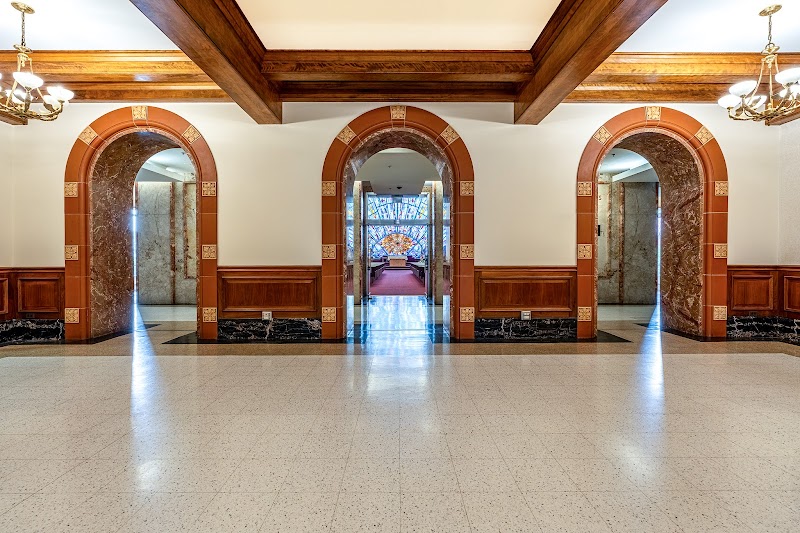
How is Citadel At Casa Scalabrini Staffed?

CMS rates CITADEL AT CASA SCALABRINI's staffing level at 3 out of 5 stars, which is average compared to other nursing homes. Staff turnover is 51%, compared to the Illinois average of 46%.

What Have Inspectors Found at Citadel At Casa Scalabrini?

State health inspectors documented 20 deficiencies at CITADEL AT CASA SCALABRINI during 2022 to 2025. These included: 1 that caused actual resident harm and 19 with potential for harm. Deficiencies causing actual harm indicate documented cases where residents experienced negative health consequences.
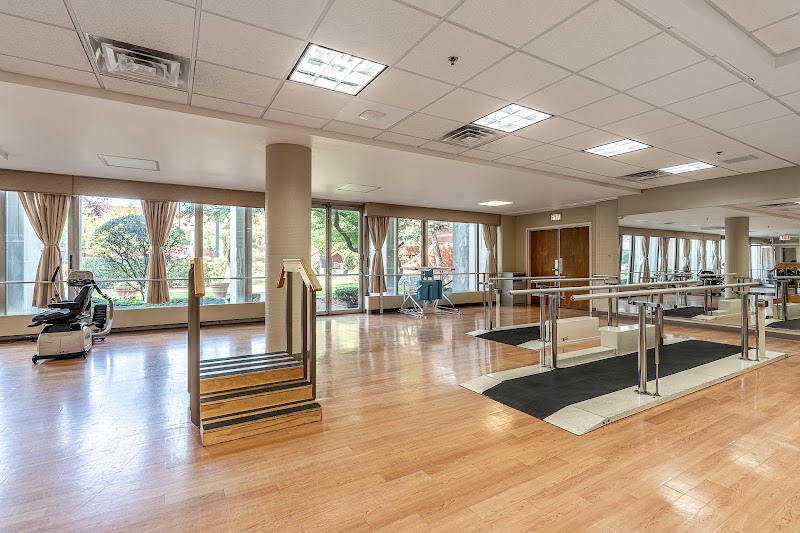
Who Owns and Operates Citadel At Casa Scalabrini?

CITADEL AT CASA SCALABRINI is owned by a for-profit company. For-profit facilities operate as businesses with obligations to shareholders or private owners. The facility is operated by CITADEL HEALTHCARE, a chain that manages multiple nursing homes. With 229 certified beds and approximately 170 residents (about 74% occupancy), it is a large facility located in NORTHLAKE, Illinois.
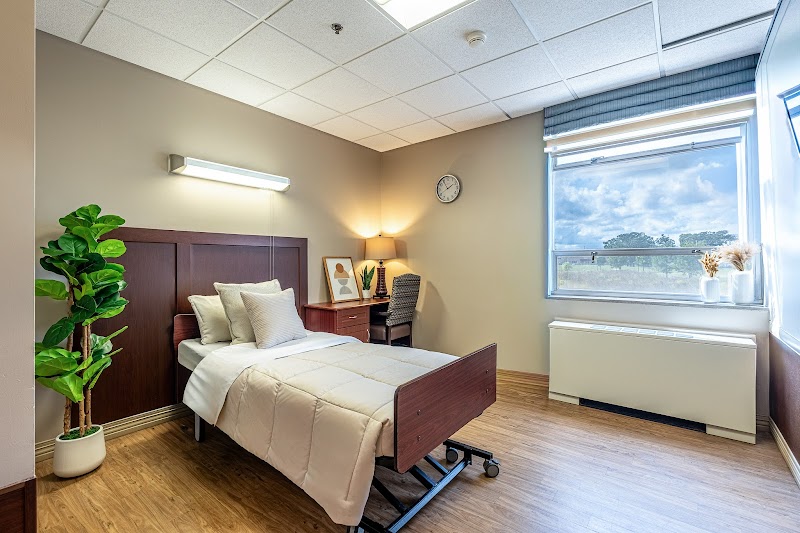
How Does Citadel At Casa Scalabrini Compare to Other Illinois Nursing Homes?

Compared to the 100 nursing homes in Illinois, CITADEL AT CASA SCALABRINI's overall rating (3 stars) is above the state average of 2.5, staff turnover (51%) is near the state average of 46%, and health inspection rating (3 stars) is at the national benchmark.

What Should Families Ask When Visiting Citadel At Casa Scalabrini?

Based on this facility's data, families visiting should ask: "Can I visit during a mealtime to observe dining assistance and food quality?" "How do you handle medical emergencies, and what is your hospital transfer rate?" "Can I speak with family members of current residents about their experience?"

Is Citadel At Casa Scalabrini Safe?

Based on CMS inspection data, CITADEL AT CASA SCALABRINI has a clean safety record: no substantiated abuse findings (meaning no confirmed cases of resident harm), no Immediate Jeopardy citations (the most serious violation level indicating risk of serious injury or death), and is not on the Special Focus Facility watch list (a federal program monitoring the lowest-performing 1% of nursing homes). The facility has a 3-star overall rating and ranks #1 of 100 nursing homes in Illinois. While no facility is perfect, families should still ask about staff-to-resident ratios and recent inspection results during their visit.

Do Nurses at Citadel At Casa Scalabrini Stick Around?

CITADEL AT CASA SCALABRINI has a staff turnover rate of 51%, which is 5 percentage points above the Illinois average of 46%. Moderate turnover is common in nursing homes, but families should still ask about staff tenure and how the facility maintains care continuity when employees leave.

Was Citadel At Casa Scalabrini Ever Fined?

CITADEL AT CASA SCALABRINI has no federal fines on record. CMS issues fines when nursing homes fail to meet care standards or don't correct problems found during inspections. The absence of fines suggests the facility has either maintained compliance or corrected any issues before penalties were assessed. This is a positive indicator, though families should still review recent inspection reports for the full picture.

Is Citadel At Casa Scalabrini on Any Federal Watch List?

CITADEL AT CASA SCALABRINI is not on any federal watch list. The most significant is the Special Focus Facility (SFF) program, which identifies the bottom 1% of nursing homes nationally based on persistent, serious quality problems. Not being on this list means the facility has avoided the pattern of deficiencies that triggers enhanced federal oversight. This is a positive indicator, though families should still review the facility's inspection history directly.