APERION CARE OAK LAWN
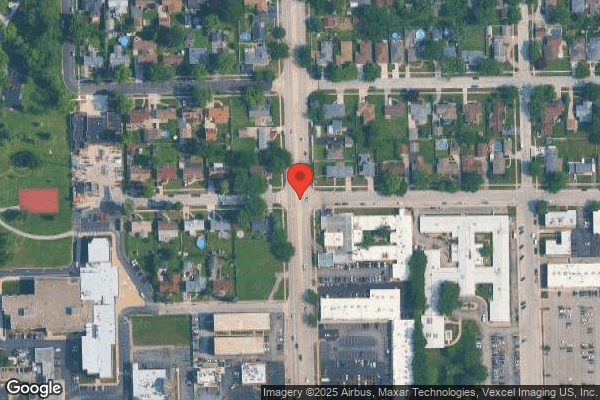
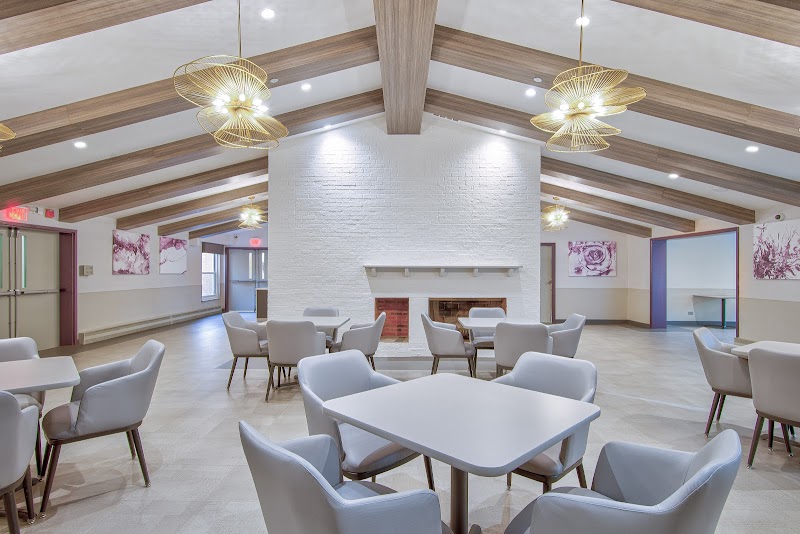
9401 SOUTH RIDGELAND AVENUE, OAK LAWN, IL 60453 (708) 599-6700
For profit - Corporation 134 Beds APERION CARE Data: November 2025
Trust Grade
0/100
#436 of 665 in IL
Last Inspection: November 2024

Within standard 12-15 month inspection cycle. Federal law requires annual inspections.

Overview

Aperion Care Oak Lawn has received a Trust Grade of F, indicating significant concerns and a poor quality of care. It ranks #436 out of 665 facilities in Illinois, placing it in the bottom half, and #145 out of 201 in Cook County, meaning only a few options in the area are worse. Despite a trend of improvement, going from 26 issues in 2024 to 8 in 2025, the facility still has serious deficiencies, including incidents where residents were not protected from abuse and were not safely transferred, resulting in injuries. Staffing is a weakness, with a low rating of 1 out of 5 stars and a turnover rate of 54%, which is around the state average. On the positive side, the nursing home has average RN coverage, which is essential for monitoring residents' health. However, $31,799 in fines suggests ongoing compliance issues, and families should weigh these strengths and weaknesses carefully when considering this facility.

Trust Score
F
0/100
In Illinois
#436/665
Bottom 35%
Safety Record
High Risk
Review needed
Inspections
Getting Better
26 → 8 violations
Staff Stability
⚠ Watch
54% turnover. Above average. Higher turnover means staff may not know residents' routines.
Penalties
✓ Good
$31,799 in fines. Lower than most Illinois facilities. Relatively clean record.
Skilled Nurses
⚠ Watch
Each resident gets only 27 minutes of Registered Nurse (RN) attention daily — below average for Illinois. Fewer RN minutes means fewer trained eyes watching for problems.
Violations
⚠ Watch
63 deficiencies on record. Higher than average. Multiple issues found across inspections.
★☆☆☆☆
1.0
Overall Rating
★☆☆☆☆
1.0
Staff Levels
★★☆☆☆
2.0
Care Quality
★★☆☆☆
2.0
Inspection Score
Stable
2024: 26 issues
2025: 8 issues

The Good

  • Full Sprinkler Coverage · Fire safety systems throughout facility
  • No fines on record

Facility shows strength in fire safety.

The Bad

1-Star Overall Rating

Below Illinois average (2.5)

Significant quality concerns identified by CMS

Staff Turnover: 54%

Near Illinois avg (46%)

Higher turnover may affect care consistency

Federal Fines: $31,799

Below median ($33,413)

Moderate penalties - review what triggered them

Chain: APERION CARE

Part of a multi-facility chain

Ask about local staffing decisions and management

The Ugly 63 deficiencies on record

7 actual harm
Jul 2025 2 deficiencies
CONCERN (D) 📢 Someone Reported This

A family member, employee, or ombudsman was alarmed enough to file a formal complaint

Potential for Harm - no one hurt, but risky conditions existed

Safe Environment (Tag F0921)

Could have caused harm · This affected 1 resident

Based on observation, interview, and record review the facility failed to provide a home like environment by not implementing an effective remedy to fix a leaking toilet, that caused water damage to t...

Read full inspector narrative →
Based on observation, interview, and record review the facility failed to provide a home like environment by not implementing an effective remedy to fix a leaking toilet, that caused water damage to the wall in the residents' room. This affects 4 of 4 (R3, R4, R9, R6) residents reviewed for sanitary home like environment.Findings include:On 7/1/25 at 8:00am V1 (Certified Nursing Assistant/CNA) said the toilet in R3 and R4's room is leaking. V1 said the bathroom is a shared bathroom between two resident rooms. V1 said she observed this on her second day working at the facility on 6/10/25.Review of the facility census and touring the facility demonstrated R3, R4, R6, and R9 share the bathroom.On 7/1/25 at 10:01am during a tour with V4 (Maintenance Director) there was a white sheet on the floor. V4 removed the sheet, flushed the toilet, the toilet is observed leaking at the base. V4 said the wall that extends into R3 and R4's room is damaged from the water leaking. V4 said he repaired that toilet in April 2025. V4 agreed that the repair was not effective because the toilet continued to leak. V4 said the leak and the wall must be repaired. On 7/2/25 at 11:30am the shared bathroom for R3, R4, R6, and R9 was observed with a puddle of water on the floor. V4 said he fixed the issue yesterday (7/1/25). The facility's Maintenance Policy, no date noted denotes in-part plumbing fixtures and pipes shall function properly and maintained in good repair. The resident rights for people living in the nursing home denotes your facility must be safe, clean, comfortable and homelike.
MINOR (B) 📢 Someone Reported This

A family member, employee, or ombudsman was alarmed enough to file a formal complaint

Minor Issue - procedural, no safety impact

Deficiency F0925 (Tag F0925)

Minor procedural issue · This affected multiple residents

Based on observation, interview and record review the facility failed to have an effective pest control program/policy for treatment of flying pest. This affected two of two residents reviewed for pes...

Read full inspector narrative →
Based on observation, interview and record review the facility failed to have an effective pest control program/policy for treatment of flying pest. This affected two of two residents reviewed for pest control practice. This failure has the ability to affect all resident utilizing the dining room.Findings include:7/1/25 at 7:58am V1 (Certified Nursing Assistant/CNA) said there was bugs in R3 and R4's bathroom. V1 said when she was providing care to R3, she saw a flying bug/pest land on R3's bed. On 7/1/25 at 10:01am during tour of R3 and R4's bathroom with V4(Maintenance Director), there were flying pest noted. The toilet was leaking water. V4 identified the flying pest to be gnats. V4 said the flying pest come in when the doors are opened. V4 said pest control service the facility twice a month and will also come out if they have concerns as needed. 7/2/25 during lunch observation, flying pest were observed in the dining room. Upon entrance of the facility, the facility has automatic doors at the entrance. Immediately entering the facility there is a foyer, then there is another set of automatic closing doors leading to the inside of the facility (where the front desk is located). During this survey tour on 7/1/25 and 7/2/25 the doors leading to the inside of the facility was observed to be left in the open position.Facility pest Control policy dated 11/28/2012 denotes in-part the environment services director will be responsible for coordinating the facility pest control. The pest control program will be conducted on a regular and as needed basis. The facility shall be kept in such condition and cleaning procedures used to prevent the harborage or feeding of insects or rodents. The outside opening shall be protected against the entrance of insects by tight-fitting, self-closing doors, closed windows, screening, controlled are currents or other means.During this survey the facility did not present any documentation denoting that the pest control was notified for an as needed appointment.
Jun 2025 1 deficiency
CONCERN (D) 📢 Someone Reported This

A family member, employee, or ombudsman was alarmed enough to file a formal complaint

Potential for Harm - no one hurt, but risky conditions existed

Free from Abuse/Neglect (Tag F0600)

Could have caused harm · This affected 1 resident

Based on interview and record review the facility failed to follow their abuse policy procedures and prevent a resident-to-resident physical abuse. This affected two of five residents (R3, R4) reviewe...

Read full inspector narrative →
Based on interview and record review the facility failed to follow their abuse policy procedures and prevent a resident-to-resident physical abuse. This affected two of five residents (R3, R4) reviewed for abuse. This failure resulted in R4 slapping R3 in the face after R3 backed into R4 with a wheelchair. Findings include: 1.)R4's diagnoses include schizoaffective disorder bipolar type. R4's (3/28/25) BIMS (Brief Interview Mental Status) determined a score of 15 (cognition intact). R4's (10/21/24) care plan states resident has the potential to be physically/verbally aggressive related to poor impulse control, interventions: when the resident becomes agitated: intervene before agitation escalates, guide away from source of distress, engage calmly in conversation. 2.) R3's diagnoses include schizophrenia. R3's (10/2/24) care plan includes risk for abuse, interventions: observe resident when in company of peers. R3's (6/3/25) BIMS determined a score of 15. The 5/2/25 initial facility reported incident states R3 was scratched by R4. Facility staff were present and intervened immediately. R3 was evaluated by Nursing staff and had minimal scratches on her right cheek with no other injuries. R3 rated her pain at a one. R4 was placed on 1:1 monitoring and petitioned out for a psychiatric evaluation. The 5/25/25 final facility reported incident affirms R3 was provided first aid for minor scratches to right cheek. On 6/10/25 at 4:12pm, surveyor inquired about the 5/2/25 incident. R3 stated (R4) was backing her wheelchair up and ran into my wheel. I said wait a minute and she (R4) hauled off and hit me in my face. I told her you ain't gonna get away with this and punched her in the face. She hit me again and I punched her in the eye as hard as I could. She grabbed a hold of my face, scratched me under my eye and on my nose. On 6/10/25 at 4:22pm, surveyor inquired about the 5/2/25 incident with R3. R4 proceeded to write the following statement (due to unintelligible garbled speech) We had a fight about a month ago. She (R3) back into me with her wheelchair and I (R4) hit her on the face. On 6/12/25 at 1:33pm, surveyor inquired about the 5/2/25 incident V6 (Activities Aide) stated The incident happened in the dining room. R4 was trying to leave the dining room but R3 was in the way. So, R4 went to push R3's wheelchair (which was facing away from R4). R3 reached back with her arm, and I think she (R3) hit R4 because R4 turned around and started scratching up her (R3) face. R3 attempted to hit her (R4) back but I intervened. Surveyor inquired if R4 scratched R3 intentionally. V6 responded Yes. On 6/16/25 at 12:04pm, surveyor inquired about potential harm to a resident that gets hit in the face. V7 (Medical Director) stated It depends on the weight of the blow and the position of the patient it's a very subjective question for me, but if it's a point-blank hit in the face it could be bad. It's very difficult to tell. The abuse prevention policy (revised 10/24/22) states in part: physical abuse is the infliction of injury on a resident that occurs other than by accidental means and that requires medical attention. This facility desires to prevent abuse by establishing a resident sensitive environment. This will be accomplished by a comprehensive quality management approach involving the following: 1) Resident Assessment: As part of the resident's life history on the admission assessment, comprehensive care plan, and MDS (Minimum Data Set) assessments, staff will identify residents with increased vulnerability for abuse, neglect, exploitation, mistreatment, history of trauma or misappropriation of resident property, who have needs, triggers and behaviors that might lead to conflict. Through the care planning process, staff will identify any problems, goals, and approaches, which would reduce the chances of abuse for these residents. Staff will continue to monitor the goals and approaches on a regular basis and update as necessary. 2.) Staff Supervision: Supervisors will monitor the ability of the staff to meet the needs of residents, including that assigned staff have knowledge of individual resident care needs.
May 2025 2 deficiencies 2 Harm
SERIOUS (G) 📢 Someone Reported This

A family member, employee, or ombudsman was alarmed enough to file a formal complaint

Actual Harm - a resident was hurt due to facility failures

Free from Abuse/Neglect (Tag F0600)

A resident was harmed · This affected 1 resident

**NOTE- TERMS IN BRACKETS HAVE BEEN EDITED TO PROTECT CONFIDENTIALITY** Based on observation, interview, and record review the facility failed to ensure a resident was free from physical abuse by anot...

Read full inspector narrative →
**NOTE- TERMS IN BRACKETS HAVE BEEN EDITED TO PROTECT CONFIDENTIALITY** Based on observation, interview, and record review the facility failed to ensure a resident was free from physical abuse by another resident for 1 of 3 residents reviewed for abuse. This failure resulted in R2 being sent out to the local hospital and sustaining a human bite to the right forearm and required treatment of antibiotics. This deficiency is past non-compliance that occurred from 5/17/2025 to 5/22/2025. Findings include: Incident report submitted to the state surveying agency for the incident of 5/17/25 in part states the incident occurred in the facility dining room at around 6:30am on 5/17/25. R5 is non-verbal with a low BIMS score. R5 stood up from his wheelchair, lost his balance and fell to the floor in a seated position. R2 was sitting at a table next to where R5 was sitting. R5 was not aware that R2's arm was stretched out along the edge of the table, so instead of grabbing on to the table, R5 grabbed on to R2's forearm to get off the floor. R2 was startled when R2 felt someone touching her arm and immediately attempted to move her arm away. In the process, R2's arm raised up and pressed against R2's mouth. R5 reacted by biting R2's arm. R2 was escorted to nurse's station and evaluated. MD (medical doctor) was notified, and orders were given to send R2 to the nearby hospital for precautionary evaluation. R5 was escorted to R5's room and placed on one-to-one monitoring. R5's MD was notified, and orders were given to transfer to hospital for psychiatric evaluation. R2 returned from hospital after being evaluated and receiving treatment for bruising to the right forearm. R5 was re-admitted to the facility after following psychiatric evaluation and treatment. R5 has been placed on temporary one-to-one monitoring to ensure his safety and the safety of residents within the facility. R5 has an admission record dated 5/27/2025 indicates that R5 has a diagnosis of delusional disorders, dysphasia, and schizophrenia, restlessness and agitation, delusional disorder, other genetic related intellectual disability, and autistic disorder. An order summary report indicates that R5 was transferred to the local hospital on 5/17/2025, a care plan revision on 4/15/2025 that indicates R5 has exhibited physical abuse to other staff and resident's related to poor impulse control. R2's Discharge summary dated [DATE] from local hospital states in part being seen and evaluated for human bite. Take antibiotics as directed. Augmentin 875-125mg (milligram) 1 tablet administered. R2's progress note dated 5/30/25 signed by V2 (Director of Nursing/DON) states IDT (interdisciplinary team) note. Attendees present: DON, Admin (Administrator), SS (Social Service), Wound Care. Summary of IDT meeting: Resident involved in resident-to-resident altercation resulting in bite to right forearm. Area cleaned, dried, and covered with DCD (dry clean dressing). MD contacted and informed of incident; order received for ER (emergency room) transfer. Family made aware. Resident returned to facility from ER, tetanus shot received abt (antibiotic) therapy initiated for 7 days. Wound care consult performed, treatment orders received and carried out. Resident pain will be managed by MD orders. Care plan reviewed and updated. On 5/27/2025 at 10:30am V1(Administrator) said it was reported by the housekeeper that was in the dining area at the time, that R5 stood up by the two tables, then fell between the tables. Upon getting up from the floor R5 tried to grab the table and grabbed R2's arm. R2 tried to pull away and R5 bit R2's arm. R5 was immediately separated from R 2. R5 was sent to the local hospital. On 5/27/2025 at 12:30pm R2 said that she was sitting in the dining area table in the early morning before breakfast and R5 was also sitting at the table next to her. He fell between the two tables, upon trying to get himself off the floor he grabbed my arm. I tried to pull away and that's when R5 bit my arm. I don't think he knew it was my arm. The housekeeper moved my wheelchair immediately. On 5/27/2025 at 12:40pm R3 said she was sitting two tables away from R2 and R5 who were both at other tables. R5 was throwing a slipper at another resident. R5 fell out his chair next to R2's table. While trying to get himself off the floor, R2's arm was in front of him. R5 tried to pull himself up by the table in turn he grabbed her arm, and when R2 tried to move her arm R5 bit her on the arm. He did it quickly. On 5/27/2025 at 1:10pm V8 (House Keeping) said she heard someone yelling and when she went into the dining area R5 was getting off the floor. I did not see R5 bite anyone. On 5/27/2025 at 1:15p V9 (Housekeeping) said I was in the dining area when R5 fell to the floor between two tables. R2 was at the table next to R5. He lost his balance fell to the floor between the two tables. Upon getting off the floor, he grabbed R2's arm. R2 tried to pull away, that's when he bit R2 on the arm. He did it so quick. I immediately called for help and moved R2 away from the table to safety. On 5/27/2025 at 2:40pm V10 (Wound Care Nurse) said I observed R2's right forearm on Monday morning. This occurred over the weekend. I classified it as penetrating trauma to the right arm. It was an open area pink and red full thickness 4.30 cm (centimeter) x 4.40 cm x 0.20cm no signs of infection to the area. Antibiotics were ordered. On 5/30/2025 at 1:30pm V2 (Director of Nursing/DON) said that R2 was bitten by R5. R5 apparently had fallen to the floor and while trying to get himself off the floor he grabbed R2's arm. R2 pulled away and he bit her arm. R5 was immediately transferred to the local hospital and remains out. R2 sustained a bite area to the right forearm 4.30 cm x 4.40 cm x 0.20cm bright pink or red drainage was noted at the time. Facility Policy: Abuse Prevention and reporting-Illinois Revisions, Reporting of crimes 11-20-17, 5-24-18, 1-22-19, 10-24-22. Guidelines: This facility affirms the right of our residents to be free from abuse, neglect, exploitation, misappropriation of property, deprivation of goods and services by staff or mistreatment. This facility therefore prohibits abuse, neglect, exploitation, misappropriation of property and mistreatment of residents. To do so, the facility has attempted to establish a resident sensitive and resident secure environment. The purpose of this policy is to assure that the facility is doing all that is within its control to prevent occurrences of abuse, neglect, exploitation, misappropriation of property, deprivation of goods and services by staff and mistreatment of residents. This will be done by: Establishing an environment that promotes resident sensitivity, resident security and prevention of mistreatment. Identifying occurrences and patterns of potential mistreatment. Resident-to-Resident abuse (Any Type): A resident-to-resident altercation should be reviewed as a potential situation of abuse. Resident-to Resident altercation that include any willful action that results in physical injury, mental anguish or pain must be reported in accordance with regulations. Protection of Residents: The facility will take steps to prevent potential abuse while the investigation is underway. Residents who allegedly abuse another resident shall be immediately evaluated to determine the most suitable therapy, care approaches and placement, considering his or her safety, as well as the safety of other residents and employees of the facility. In addition, the facility shall take steps necessary to ensure the safety of residents including but not limited to the separation of the residents. Prior to the survey date of 5/30/25, the facility had taken the following action to correct the noncompliance: 1.R2 and R5 assessed by nursing, MD informed, orders received for transfer for evaluation on 5/17/25. 2.Psychosocial Assessment completed on R2 and R5 on 5/17/25 and 5/22/25. 3.Updated Abuse and neglect screening completed on R2 and R5 on 5/17/25 and 5/22/25. 4.Families made aware of incident on 5/17/25. 5.House wide audit performed to identify residents with behaviors by Social Services on 5/19/25. 6.Facility wide audit of current residents abuse/neglect screening were reviewed and updated as needed by Social Services on 5/20/25. 7.QA Audit tool will be conducted on 5 residents a week for 4 weeks then 3 times a week for 5 months or as needed to monitor that the facility is in compliance with current resident being assessed for abuse/neglect, care plans updated, interventions are in place and residents are supervised by staff. 8. In-serviced all staff on Abuse Prevention and Reporting Policy including resident to resident altercations and supervision from date 5/17-5/18/2025. 9.In-service from date 5/17/2025 Abuse Supervision, emergency QAPI/Abuse prevention & Supervision policy revised, and care plan update. 10. Implementation of the dining room monitoring schedule for the 11pm to 7am shift. 11. Abuse Prevention and Reporting policy review by IDT with no changes made on 5/17/25. 12. Care plan of R2 and R5 updated on 5/18/25 and 5/22/25. 13. Ad hoc QAPI meeting was held to review event and action plan. Reviewed with medical director on 5/17/25.
SERIOUS (G) 📢 Someone Reported This

A family member, employee, or ombudsman was alarmed enough to file a formal complaint

Actual Harm - a resident was hurt due to facility failures

Accident Prevention (Tag F0689)

A resident was harmed · This affected 1 resident

Based on interview and record review, the facility failed to ensure a resident was free from accident hazards, by not using the mechanical lift for a dependent resident transfer for 1 (R1) of 3 reside...

Read full inspector narrative →
Based on interview and record review, the facility failed to ensure a resident was free from accident hazards, by not using the mechanical lift for a dependent resident transfer for 1 (R1) of 3 residents. This failure resulted in R1 sustaining a non-displaced oblique fracture through the lateral plateau of the right tibia and fibula. R1 was transferred to the local hospital and underwent a surgical procedure on 5/15/2025. This deficiency is past non-compliance that occurred from 5/13/2025 to 5/15/2025. Findings include: On 5/27/2025 at 1:30pm V3 (Certified Nursing Assistant/CNA) said that R1 requested to have incontinence care. V3 took R1 to the room, proceeded to retrieve the mechanical lift. R1 said no I can stand and pivot. V3 said I ask her twice and she continued to refuse the mechanical lift and insisted on the stand and pivot transfer which I had transferred R1 several times using this method. V3 said after she did the stand and pivot transfer into the bed, she completed incontinence care on R1, which R1 then complained about right leg pain she proceeded to inform the nurse that R1 wanted pain medication. V3 said I know which transfer method to use by reading the care card on the back of the closet door or in the plan of care. R1 is obese and I should have informed the nurse that she was refusing care and ask for assistance from a co-worker, I realize now that it was not a safe transfer. On 5/27/2025 at 1:50pm V7 (CNA) said R1 will ask you to use the stand and pivot transfer and I inform her that I must follow what's on her care card. She is okay with the mechanical transfer. I do not transfer a resident without checking the care card or the plan of care in the computer. I will inform the charge nurse that the resident does not want to use the transfer method recommended on their care card. On 5/27/2025 at 2:30pm V2 (Director of Nursing/DON) said I expect all certified nursing assistants to have safety awareness and use the method of transfer on the resident's care card or in the plan of care if a resident refuses, the CNA should inform myself or the nurse of that refusal so that we can contact therapy to assist in a transfer. On 5/27/2025 at 2:45pm V1 (Administrator) said R1 refused her usual method of transfer, V3 transferred her by a stand and pivot motion and should not have done that transfer. The employee has been in-serviced and now understands a proper safe transfer. An admission record indicates that R1 has a diagnosis of right knee pain, unilateral primary osteoarthritis of the right knee, morbid (severe) obesity due to excess calories, and pain in the left knee. An order summary dated 5/27/2025 indicates R1 had an order for (brand name) external gel 4% to left and right knee and bilateral shoulders. A care plan intervention dated 4/17/2024 to transfer, using a mechanical lift with 2 staff for transfer. A progress note dated 5/13/2025 that R1 was admitted to the local hospital for a non-displaced oblique fracture through the lateral plateau. A report to the state surveying agency dated 5/13/2025 states that R1 had a new onset of swelling, discoloration and complained of pain to the right ankle and emergency room transfer and X-ray scan of the right ankle was ordered with a hospital diagnosis of non-displaced oblique fracture through the lateral plateau tibia and fibula. An x-ray scan dated 5/14/2025 result of right knee and right tib-fib there is a non-displaced oblique fracture through the lateral plateau. The final report the facility submitted to the state surveying agency dated 5/21/2025 states the resident underwent surgery on 5/15/2025. Facility Policy: Transfers-Manual Gait Belt and Mechanical Lifts, Effective date 11-28-12, Revised 1-19-18. Purpose: In order to protect the safety and well-being of the staff and residents, and to promote quality care, this facility will use Mechanical Lifting devices for the lifting and movement of Resident. Responsibility: Licensed Nurse, C.N.A, Restorative, Therapy Guidelines: 1. Mechanical lifting devices shall be used by any resident needing a two person assist, to who cannot be transferred comfortably and /or safely or normal transfer technique. 2. Staff responsible for direct resident care will be trained in the use of mechanical lifting devices annually and as needed. Refer to Manufacturer's Guide for proper instructions for use of equipment for transfer and weighing. 6. Residents transferring and lifting needs shall be documented in care plans and reviewed via care plan time frame and as needed. Prior to the survey date of 5/30/25, the facility had taken the following action to correct the noncompliance: 1. On 5/14/25 an in-service for nurses and CNAs was conducted on transfers, gait belt use at all times, and to use 2-person assistance for mechanical lifts. 2. QA nursing observation from 5/14-5/29/2025 on 5 residents a week to ensure the facility is in compliance with transfers. 3. On 5/14/25 the transfer policy was reviewed by the interdisciplinary team with no changes. 4. A house wide audit was performed to monitor compliance with transfers. 5. On 5/14/25 an Ad hoc QAPI meeting was held to review the event and action plan. Reviewed with the medical director. Policy review was discussed.
May 2025 1 deficiency 1 Harm
SERIOUS (G) 📢 Someone Reported This

A family member, employee, or ombudsman was alarmed enough to file a formal complaint

Actual Harm - a resident was hurt due to facility failures

Deficiency F0687 (Tag F0687)

A resident was harmed · This affected 1 resident

**NOTE- TERMS IN BRACKETS HAVE BEEN EDITED TO PROTECT CONFIDENTIALITY** Based on observation, interview, and record review, the facility failed to follow their policy for nail care by failing to obser...

Read full inspector narrative →
**NOTE- TERMS IN BRACKETS HAVE BEEN EDITED TO PROTECT CONFIDENTIALITY** Based on observation, interview, and record review, the facility failed to follow their policy for nail care by failing to observe the condition of R2's toenails during weekly skin assessments and bathing, failed to document observations, and failed to provide podiatry services for one (R2) of three residents reviewed for foot care. This failure resulted R2 developing Onychomycosis, toe pain, toenail dystrophy with Onycholysis, subungual debris, and painful elongated toenails. Findings include: R2's current diagnoses include but are not limited to Peripheral Vascular Disease, Alzheimer's Disease, Hypertension, and chronic kidney disease. R2 was admitted to the facility on [DATE]. R2's care plan dated 3/14/2025 states in part: R2 is an older adult who scores low on the BIMS cognitive assessment and is noted to have impaired cognitive function, poor memory recall, and poor safety and environmental awareness that impact level of alertness, decision making tasks, and ability to complete tasks independently r/t dementia. I am at risk for alteration in skin integrity. Risk factors: use of anti-coagulant, h/o skin impairments, incontinence, decrease mobility, requires assist with ADLs (activities of daily living). Intervention: observe skin daily with ADL care and report changes to the nurse. 4/12/2019. I have an arterial/ischemic ulcer of the Left Lower Leg r/t Peripheral Arterial Disease, Vascular Insufficiency. Inspect the feet daily, especially between the toes. Report changes to the nurse. 3/14/2025. On 5/12/25 at 10:37 AM, V4 (Certified Nursing Assistant/CNA) assisted with removing R2's socks to observe her bilateral toenails. R2's bilateral toenails appear to have been cut recently. There is no redness, drainage, discoloration, or odor noted. R2 was inquired of her toenails. R2 said, I don't remember when the doctor came for my feet. On 5/12/25 at 12:12 PM, R2 is up in her wheelchair. She appears to be clean, well-groomed, and appropriately dressed. She is wearing socks and shoes. She is self-propelling her wheelchair. On 5/12/25 at 1:36 PM, V11 (Social Service Director/SSD) was inquired of R2's foot care by podiatry. V11 said, Residents are seen every other month and they service one side of the building. It's split every month. I get (electronic fax) documentation when the podiatrist is coming, and it lists what sides of the building he will see. The podiatrist has a list of residents when he comes to the building. We email or call the podiatry office to put residents on the list to be seen. R2 was recently seen last week. The nurse gave me report that the family requested for her to see podiatry. R2's nurse called the podiatrist to see her. She's been here longer than I've worked here. I think she's been seen every 60 days. There is no documentation of a nurse speaking with V18 (Family Member) in R2's progress notes. V2 (Director of Nursing/DON) provided the concern form she completed on 5/4/2025 regarding V18's (Family Member) concern about toenail care and discoloration of toenails. R2's podiatry care was requested for review from January 2024 to current. V11 (SSD) to provide the facility podiatry list from January 2025 to current. Upon review, R2 is not listed as being seen by the podiatrist. On 5/12/25 at 2:16 PM, V13 (Licensed Practical Nurse/LPN) was inquired of R2's foot care. V13 said, R2 got her nails clipped last week. I helped the podiatrist. I lifted her feet. She didn't complain of pain to me. No problems after it. V13 reviewed R2's medication administration record. She hasn't had any concerns with the medicine for her toes. She's been getting it at night. On 5/13/25 at 9:43 AM, V15 (LPN) was inquired of R2's foot care. V15 said, I wasn't here when her family came. It was reported to me her family had concerns with her foot care. I relayed the message to social service. I put in a request for her to be seen by the podiatrist. R2 didn't have issues with her feet prior to the request that I was aware of. On 5/13/25 at 10:31 AM, V16 (Wound Care Nurse/LPN) was inquired of R2's foot care. V16 said, V2 (DON) told me in morning meeting to see R2 and I put in a note. R2 hadn't complained to me prior to that day. I tried to call the family, but no one responded. V2 asked me to look at her feet and document what I saw. Her toenails were overgrown, hard, yellow in color, and thickened. It happens with age. There haven't been any concerns with her medicine. V11 (Social Service) contacted her podiatrist, and he came in the next day. On 5/13/25 at 11:44 AM, V2 (DON) was inquired of R2's foot care. V2 said, Prior to this visit the family or R2 didn't have concerns. I found out on 5/5/25 because there was a grievance from the family. I asked social service to see how soon we could get the podiatrist out to see her. I called the POA to let him know. I asked V16 (Wound Care/LPN) to see R2. On 5/6/25 V17 (Nurse Practitioner) assessed her. V16 ordered a topical medication to be applied at bedtime for six months. She deferred the oral medication due to possible liver damage. POA was notified as well as other family member. V11 (SSD) handles the podiatrist, I'm not sure how often they come in. I haven't seen the POA, or family come in since R2's been treated by the podiatrist. I'll check for the follow up documentation from the podiatrist. On 5/13/25 at 12:21 PM, V1 (Administrator) was inquired of R2's foot care provided by the podiatrist. V1 said, I spoke with the podiatrist's office, and they don't have any notes after July 2024 for R2. They forgot her off their list. They generate their own list from (electronic medical record) when they come in. R2 was last seen by the podiatrist on 5/9/2024 and 7/13/2024. She had not been seen for 9 months until R2's family requested for toenail care. R2's shower sheets were reviewed from January to April 2025. There is no documentation on the condition of her toenails. R2's shower days are every Wednesday and Saturday. V2 (DON) was to provide her May 2025 shower sheets for review. V2 provided R2's shower sheets with skin checks for review. The 5/6/25 sheet documents R2's family requested her to be seen for her toenails. On 5/14/25 at 9:00 AM, V2 was inquired of the resident skin assessments. V2 said, The nurses do weekly skin assessments, it should be head to toe. They check for any skin alterations. They should document it and do a follow up if needed. For R2 they should put in a podiatry consult and notify all appropriate parties. The CNAs (Certified Nurse Assistant) do showers weekly, document it on the shower sheet and notify the nurse of any skin alterations. Review of R2's weekly nursing skin assessment scheduled every day shift on Wednesday for skin integrity monitoring from January 2025 through April 2025 documents some assessments were completed, but there was no documentation of her toenail overgrowth and fungus presence. There were also multiple dates not documented as being performed. R2's progress notes on 5/5/25 by V17 (Nurse Practitioner) document R2's history of PVD (Peripheral Vascular Disease). Review of R2's progress notes state in part: On 5/6/26 at 10:25 AM, V16 (Wound Care/LPN) assessed R2's toenails as being overgrown, needing cutting, thick and yellow in color. Recommended to see podiatry. On 5/6/25 at 12:11 PM, V16 called V18 (Family Member) and left a message. On 5/6/25 at 1:03 PM, V19 (Podiatrist) scheduled to visit R2. On 5/6/25 at 1:06 PM, V17 (NP) prescribed Ciclopirox External Solution 8 % (Ciclopirox) Apply to toenails bilaterally topically at bedtime for Onychomycosis (a nail fungus causing thickened, brittle, crumbly, or ragged toenails) for 6 Months. Apply evenly over the entire nail plate and 5 mm (millimeters) of surrounding skin. Daily applications should be made over the previous coat and removed with alcohol every 7 days. This cycle should be repeated throughout the duration of treatment. On 5/6/26, time undocumented, V19 (Podiatrist) assessed R2 stating in part: Right and Left toenails: Nail dystrophy (thickened, discolored or deformed), discolored nails with Onycholysis (detachment of the nail from the nail bed), subungual (beneath the nail) debris, and painful elongated toenails. Impression: Onychomycosis (a nail fungus causing thickened, brittle, crumbly, or ragged toenails). Associated diagnosis: Toe pain. Plan: Toenail Debridement with findings. Note: R2 was seen as an emergency visit. Seen with RN (Registered Nurse) and V11 (SSD). After visit, POA (Power of Attorney) was called with V11 and informed of treatment. Risks to the liver from oral antibiotics were reviewed with POA. Patient primary physician prescribed Ciclopirox to be applied daily to toenails. Will continue to monitor and see patient again in 9 weeks. The facility assessment dated [DATE] states in part: indicate if you may accept residents with or your residents may develop the following common diseases, conditions, physical and cognitive disabilities, or combinations of conditions that require complex medical care and management. Category: Heart/Circulatory System: Peripheral Vascular Disease. Staff competencies necessary to provide the level and types of care needed for the resident population: hygiene & bathing (oral care, nail care, shaving, grooming etc.) Targeted audience: Licensed nurses and nurse aides. Staffing and Personnel: total number needed: contracted services- podiatrist (1). The 1/25/2018 Nail Care Policy states in part: 1. Observe condition of resident nails during each time of bathing. Note cleanliness, length, uneven edges, hypertrophied nails (abnormal thickening of the nail plate on the feet or hands). 6. Podiatry services may be required for residents with PVD (Peripheral Vascular Disease). 10. Document provision of care and pertinent observations.
Mar 2025 1 deficiency
CONCERN (E) 📢 Someone Reported This

A family member, employee, or ombudsman was alarmed enough to file a formal complaint

Potential for Harm - no one hurt, but risky conditions existed

ADL Care (Tag F0677)

Could have caused harm · This affected multiple residents

**NOTE- TERMS IN BRACKETS HAVE BEEN EDITED TO PROTECT CONFIDENTIALITY** Based on observation, interview, and record review, the facility failed to ensure that residents who were dependent on staff for...

Read full inspector narrative →
**NOTE- TERMS IN BRACKETS HAVE BEEN EDITED TO PROTECT CONFIDENTIALITY** Based on observation, interview, and record review, the facility failed to ensure that residents who were dependent on staff for care were provided with showers according to the facility protocol and residents' preference. This failure applied to eight (R1, R2, R3, R4, R6, R7, R9, and R12) of twelve reviewed for showers during the month of March 2025. Findings include: 1. R1 is a [AGE] year-old female originally admitted on [DATE] with medical diagnoses that include and are not limited to hemiplegia and hemiparesis, hypertension, and chronic diastolic heart failure. Per the Minimum Data Set (MDS) dated [DATE], R1 needs substantial/maximal assistance, helper does more than half the effort during shower activity. On 3/29/2025 at 10:00 am R1 wrote in a notebook, I am very unhappy because I do not receive the showers on Wednesday's, Saturday's or when I request them, I do not like to be dirty and smelly. On 3/30/2025 at 10:00 am, V2 (Director of Nursing/DON) said R1 shower schedule days are Wednesday and Saturday on 3-11 shift; per our documentation, R1 only received a shower on 3/5/2025. The other days, I do not see any documentation if the shower was given or not on the following days: 3/8, 3/12, 3/15, 3/19,3/22, 3/26, and 3/29/2025. I cannot find any documentation on those days. 2. R2 is a [AGE] year-old female originally admitted on [DATE] with medical diagnoses that include and are not limited to: hemiplegia and hemiparesis, epilepsy, and hypertensive heart disease. Per the Minimum Data Set (MDS) dated [DATE], R2 is dependent on two or more helpers for shower activity. On 3/29/2025 at 10:25 am R2 said I do not like to be filthy and with a body odor. I am used to taking a shower daily, but I am not getting that. I do not like to feel dirty. I cannot do it by myself, I need the staff to help me with my showers. On 3/30/2025 at 10:35 am, V2 (DON) said, R2 shower schedule days are Monday and Thursday during 11-7 shift. Per our documentation, R2 received a shower only on 3/10/2025. I cannot find any documentation on the other days: 3/3, 3/6, 3/13,3/17, 3/20, 3/24, and 3/27/2025. I do not know if R2 received the shower or not. I cannot find any documentation on those days. 3. R3 is a [AGE] year-old male originally admitted on [DATE] with medical diagnoses that include and are not limited to: Streptococcal arthritis left knee, diabetes, and difficulty in walking. Per the Minimum Data Set (MDS) dated [DATE], R3 needs substantial/maximal assistance, the helper does more than half the effort during shower activity. On 3/29/2025 at 10:40 am, R3 said, I am here for almost a month, and I have not received any showers. I am working very hard in therapy because I want to go home and ask my family to help me take a warm, never-ending shower. On 3/30/2025 at 10:45 am V2 (DON) said R3's shower schedule is on Tuesday and Friday 7-3 shift. I cannot find any days in our electronic medical record that R3 had received any showers. R3 was supposed to be showered on 3/4, 3/7, 3/11,3/14, 3/18, 3/21, 3/25 and 3/28/2025. I cannot find any documentation on those days. 4. R4 is a [AGE] year-old male originally admitted on [DATE] with medical diagnoses that include and are not limited to: Chronic obstructive pulmonary disease, diabetes, and anxiety disorder. Per the Minimum Data Set (MDS) dated [DATE], R4 needs partial/moderate assistance during showers, the helper provides verbal cues and contact guard assistance to complete the shower activity. On 3/29/2025 at 11:00 am R4 said, I need to take a shower, I do not go to the shower room because the floor is too slippery, and I am afraid of having a fall. I want to take a shower every day. On 3/30/2025 at 10:20 am, V2 (DON) said R4 has scheduled shower days on Monday and Thursday during 7-3 shift. Per our electronic medical record, R4 received showers on 3/3, 3/17, and 3/20/2025. R4 was supposed to be showered on 3/10, 3/13, 3/14, and 3/27/2025. I cannot find any documentation on those days. 5. R6 is an [AGE] year-old female originally admitted on [DATE] with medical diagnoses that include and are not limited to hypothyroidism, hypertension, and morbid obesity. Per the Minimum Data Set (MDS) dated [DATE], R6 is dependent on two or more helpers for shower activity. On 3/29/2025 at 12:00 pm, R6 said, I do not want to come out of the room because I had not taken a shower, and I do not want people to tell me I have a bad body odor. On 3/30/2025 at 10:12 am, V2 (DON) said R6's scheduled shower days are Tuesdays and Fridays during the 3-11 shift. Per our electronic medical record, R6 received a shower on 3/4, 3/11, 3/14, 3/18, 3/21, and 3/25. R6 was supposed to be showered on 3/7/2025. I cannot find any documentation on that day. 6. R7 is a [AGE] year-old female originally admitted on [DATE] with medical diagnosis that include and are not limited to: multiple sclerosis, chronic pulmonary disease ad hypertension. Per the Minimum Data Set (MDS) dated [DATE], R7 needs substantial/maximal assistance, the helper does more than half the effort during shower activity. On 3/29/2025 at 12:35 pm R7 said, I do not get the showers as per the schedule. On 3/30/2025 at 11:15 am, V2 (DON) said R7's scheduled shower days are Mondays and Thursdays during the 11-7 shift. Per our electronic medical record, R7 received a shower only on 3/13/2025. R7 was supposed to be showered on 3/3, 3/6, 3/10, 3/17, 3/20, 3/24, and 3/27/2025. I cannot find any documentation on those days 7. R9 is a [AGE] year-old male originally admitted on [DATE] with medical diagnoses that include and are not limited to: morbid obesity, Guillain-Barre Syndrome, and seizures. Per the Minimum Data Set (MDS) dated [DATE], R9 needs substantial/maximal assistance, the helper does more than half the effort during shower activity. On 3/29/2025 at 1:00pm, R9 said I do not get showers. I would like to take a shower to feel clean and not have oily hair and skin. On 3/30/2025 at 10:30 am V2 (DON) said R9's scheduled shower days are Wednesdays and Saturdays during 3-11 shift. Per our electronic medical record, R9 received a shower only on 3/5/2025. R9 was supposed to be showered on 3/8. 3/12, 3/15, 3/19, 3/22, 3/26 and 3/29/2025. I cannot find any documentation on those days. 8. R12 is a [AGE] year-old female originally admitted on [DATE] with medical diagnoses that include and are not limited to diabetes, Alzheimer's Disease, and spinal stenosis of the cervical region. Per the Minimum Set (MDS) dated [DATE], R12 needs substantial/maximal assistance, the helper does more than half the effort during shower activity. On 3/29/2025 at 2:00 pm, R11 (R12's family member) said, R12 does not get the showers twice a week, that is the reason R12 is not clean. R12 was observed to have oily hair and grime on her face. On 3/30/2025 at 10:35 am, V2 (DON) said R12's scheduled shower days are Wednesdays and Saturdays during 3-11 shift. Per our electronic medical record, R12 received a shower on 3/5 and 3/26/2025. R12 was supposed to be showered on 3/8, 3/15, 3/19,3/22, and 3/29/2025. I cannot find any documentation on those days. On 3/29/2025 at 9:20 am, V8 (Licensed Practical Nurse) said we have a shower schedule at the nurse station. The patients need to receive the showers as per the schedule. We will document if they refuse the shower; it is not acceptable not to give a resident a scheduled shower. On 3/29/2025 at 1:30 pm V16 (Certified Nursing Assistant) said, I am responsible to make sure to care for the residents and to provide the showers as per the schedule we have posted at the nurse station. If the resident refuses the shower, I tell the nurse and the nurse needs to follow up with the patient. I document when I give a shower in electronic medical record. Since last month, they are not using paper forms. On 3/30/2025 at 10:46 am, V2 (DON) presented the policy titled: Shower and Tub Bath dated 1/31/2018, which reads: to ensure resident's cleanliness to maintain proper hygiene and dignity. A shower will be offered according to the resident's preference two times per week or according to the resident's preferred frequency and as needed or requested. V2 said the resident's shower should be given on the days the shower is scheduled for, and if the patient refused it, the nurse must document it is unacceptable to have unsigned showers.
Mar 2025 1 deficiency
CONCERN (D) 📢 Someone Reported This

A family member, employee, or ombudsman was alarmed enough to file a formal complaint

Potential for Harm - no one hurt, but risky conditions existed

Accident Prevention (Tag F0689)

Could have caused harm · This affected 1 resident

**NOTE- TERMS IN BRACKETS HAVE BEEN EDITED TO PROTECT CONFIDENTIALITY** Based on interview and record review the facility failed to ensure resident safety by failing to have two staff members present ...

Read full inspector narrative →
**NOTE- TERMS IN BRACKETS HAVE BEEN EDITED TO PROTECT CONFIDENTIALITY** Based on interview and record review the facility failed to ensure resident safety by failing to have two staff members present when providing a mechanical lift transfer. This failure affects one (R4) of three residents reviewed for fall prevention program. Findings include: On 3/18/25 at 12:20PM, V2 (Director of Nursing) said that when alleged incident with R4 occurred V6 (Certified Nursing Assistant/CNA) had placed the Mechanical lift sling on backwards and R4 slid out onto the floor. V6 was doing a mechanical lift transfer for R4 by herself. On 3/18/25, at 12:27pm, V4 (Licensed Practical Nurse/LPN) said that he was called to the room by other staff members V5 (LPN) and V6 (CNA) and when he entered the room observed R4 on floor next to Mechanical lift machine. V4 said that Mechanical lift transfers are supposed to be a two person transfer assist. On 3/18/25 at 1:12PM, V5 (LPN) said that she was the nurse on duty for the alleged incident with R4. She heard a scream coming from R4's room and when she entered the room V5 observed R4 on the floor. R4 was with V6 (CNA) in room. V5 said the mechanical lift sling was not ripped or torn. V5 said that V6 did not ask for assistance with transfer, it was only her in the room. V5 said that when a mechanical transfer is to be done there should always be a two person assist for transfer. On 3/18/25 at 1:22PM, V6 (CNA) said that she was taking care of R4 on the day of the incident. V6 said that there was no Mechanical sling in her room not aware of what happened to her sling and used a different sling from the basement, the sling was not torn or ripped. V6 said that R4 is a two person assist for transfers and V6 did not ask for assistance when using the Mechanical lift. V6 said she works night shift and sometimes there is not enough staff to have a two-person transfer. On 3/19/25 at 10:29AM, R4 said that on alleged date of incident that V6 (CNA) put the Mechanical lift sling on backwards, when V6 lifted her up she came down, sliding off the sling onto the floor. R4 said that the lift sling was not ripped or torn, that the sling was put on backwards, said that V6 was the only one in the room doing the transfer. R4 said that there is always no help at night for transfers. R4's admission date on 5/25/24 with diagnosis listed in part but not limited to other low back pain, chronic obstructive pulmonary disease, morbid obesity, cerebral palsy, other seizures, unspecified diastolic heart failure, paraplegia, unspecified, hyperlipidemia, GERD, osteoarthritis of knee, major depressive disorder. Most recent fall assessment dated [DATE] indicated that she is at high risk for fall. MDS section C-Cognitive Patterns indicate a BIMS score of 15. MDS section GG Functional abilities and goals: GG0130 Self-Care indicated Toileting hygiene, Shower/bathe, Lower body dressing and putting on/taking off footwear were coded 01- Dependent, Helper does all of the effort. Resident does none of the effort to complete the activity or the assistance of 2 or more helpers is required for the resident to complete the activity. MDS section GG Functional abilities and goals: GG0170 Mobility indicated sit to lying, lying to sitting, lying to sitting on side of bed and Chair/bed-to-chair transfer were coded 01-Dependent, Helper does all of the effort. Resident does none of the effort to complete the activity or the assistance of 2 or more helpers is required for the resident to complete the activity. Comprehensive care plan indicates: I have an ADL self-care/mobility performance (functional abilities) deficit with Intervention: use a mechanical lift for transfer assist Mechanical lift with 2 staff. R4's fall incident report dated 03/06/2025 at 07:14AM completed by V5 (Licensed Practical Nurse) indicated: Resident stated while CNA was attempting to transfer from bed to wheelchair she slid out of Mechanical lift. Facility's policy on Transfers-Manual Gait Belt and Mechanical lifts Revised 1-19-18 Purpose: In order to protect the safety and well-being of the Staff and Residents, and to promote quality care, this facility will use Mechanical lifting devices for the lifting and movement of Residents. Guidelines: 5. The transferring needs of residents will be assessed on an ongoing basis and designated into one of the following categories: 0 =independent 1=1 person transfer (25% or less assistance from caregiver) with gait belt. 2=2 person transfer with gait belt (ONLY when use of mechanical lift is not provided) SS= Sit to Stand Lift with 2 caregivers H= Mechanical Lift with 2 caregivers. Fall Prevention Program revised 11-21-17 Purpose: To assure the safety of all residents in the facility, when possible. The program will include measures which determine the individual needs of each resident by assessing the risk of falls and implementation of appropriate interventions to provide necessary supervision and assistive devices are utilized as necessary. Quality Assurance Programs will monitor the program to assure ongoing effectiveness. Fall/Safety interventions may include but are not limited to: -Transfer conveyances shall be used to transfer residents in accordance with the plan of care.
Nov 2024 1 deficiency
CONCERN (D) 📢 Someone Reported This

A family member, employee, or ombudsman was alarmed enough to file a formal complaint

Potential for Harm - no one hurt, but risky conditions existed

Deficiency F0602 (Tag F0602)

Could have caused harm · This affected 1 resident

**NOTE- TERMS IN BRACKETS HAVE BEEN EDITED TO PROTECT CONFIDENTIALITY** Based on interview and record review, the facility failed to follow their abuse policy and employee handbook by having a staff m...

Read full inspector narrative →
**NOTE- TERMS IN BRACKETS HAVE BEEN EDITED TO PROTECT CONFIDENTIALITY** Based on interview and record review, the facility failed to follow their abuse policy and employee handbook by having a staff member accept gifts that were purchased by a resident. This affected one of three residents (R2) reviewed for abuse. Findings Include: R2 is a [AGE] year-old with the following diagnosis: cerebral palsy, paraplegia, epilepsy, neuromuscular dysfunction of the bladder, and bipolar disorder. The Police Report dated 10/22/24 documents R2 related that R2 is lending money to V12 (Certified Nursing Assistant/CNA) at the facility and that it was a verbal agreement. This is civil in nature. There are no other details on what gifts were given to the staff member or the amount of money. The Facility Reported Incident dated 10/22/24 documents R2 alleged that V12 misappropriated resident funds. R2 stated R2 was upset that V12 was not available to be the assigned CNA. R2 reported providing V12 with multiple gifts. V12 was educated by the administrator that no staff member can accept gifts of any sort from residents. R2 acknowledged understanding and agreed to no longer provide gifts to V12 or any staff member. R2's belongings were returned to R2. V12 denied the allegations regarding the money. V12 stated that R2 gave V12 several items as gifts. V12 explained that after R2 gave V12 the items, V12 immediately notified the manager on duty and turned all the items over to the administrator. The administrator confirmed that items were willingly turned in by V12 and given back to R2. The facility cannot substantiate our allegation of being given cash. On 11/19/24 at 11:42AM, R2 stated R2 has given V12 (CNA) $200-250 in cash over a period of three or four months. R2 reported giving V12 the money because V12 told R2 that V12 was facing financial hardships. R2 stated R2 bought V12 gifts to give to V12. R2 reported the gifts were a T-shirt, bag, and tumbler cup with the department V12 worked in. R2 stated these gifts were given to V12 sometime in October. R2 reported the cash was given to V12 with the understanding that V12 would pay R2 back but V12 has not given back any money to R2. R2 stated this is what prompted R2 to tell staff about the money because V12 was not giving any money back. R2 denied asking for it back but reported the total given to V12 kept increasing without anything being returned. R2 stated R2 gets an allowance from R2's family member that is $75 a month along with the $60 R2 receives from the facility. R2 reported V12 no longer takes care of R2 but still works in the facility. R2's mental status was assessed and R2 is alert and oriented times three. On 11/20/24 at 11:50AM, V11 (R2's Family Member) stated V11 visits about once a week and brings R2 a monthly allowance from another family member. V11 reported this allowance is brought in cash. V11 stated V11 was made aware that R1 was offering money to a staff member by management. V11 reported the next visit V11 spoke with R2 above the situation and R2 admitted to giving the staff member somewhere between $200-250. V11 reported R2 has a habit of trying to buy friendship. V11 denied being aware of any gifts given to V12. On 11/20/24 at 12:52PM, V12 stated R2 is attached to V12. V12 reported one day in October R2 wanted a shower, but V12 was on a different assignment and V12 was not able to give R2 a shower that day. V12 reported R2 got upset and then went to management and reported that R2 was paying V12's bills. V12 denied taking any cash from R2. V12 stated R2 did get gifts for V12 that included a shirt, a bag, and a Tumblr cup with some writing on each of the items. V12 reported R2 did have a habit of offering cash to V12 but V12 would deny the money each time. V12 denied telling any management that R2 was offering V12 any cash. V12 stated V14 talked with V12 and told V12 that staff cannot be taking gifts from anyone. V12 denied knowing why staff cannot take gifts from residents. On 11/20/24 at 1:15PM, the surveyor interviewed R2 again to confirm what was given to V12. R2 confirmed V12 was given $200-250 in cash along with physical gifts that were bought by R2. R2 stated R2 has no way to prove the cash that was given to V12 because R2 has no receipts. On 11/20/24 at 1:28PM, V13 (Social Service Director) stated R2 came to V13 in October and reported having issues with V12 that day. R2 stated V12 didn't have time to provide a certain care task and R2 was upset. V13 reported V13 brought V12 and R2 into the office to speak with each other. V13 stated after V12 left the office, R2 told V13 that R2 was giving V12 money. V13 reported R2 is at risk for abuse due to R2's past history of being abused and a diagnosis of bipolar. V13 stated staff are not allowed to accept anything from any resident. V13 reported this is a job and staff are getting paid to provide service so no gifts or tips can be accepted. On 11/20/24 at 1:49PM, V1 (Director of Nursing/DON) stated V12 came and told V1 that R2 was upset because V12 did not get the chance to give R2 a shower. V1 went to go speak with R2 and R2 commented wishing never would have given V12 any gifts. V1 reported the gifts were a mug, a shirt, and a bag. V1 denied knowing when the gifts were given to V12 but reported V12 was instructed to bring them back to the facility. V1 denied R2 mentioning anything about cash. V1 stated V12 was suspended because V12 accepted the gifts. V1 reported V12 was educated that gifts cannot be accepted from any resident because it can be considered a form of abuse. V1 stated this would be considered misappropriation of property. On 11/22/24 at 11:27AM, V14 (Administrator) stated V14 was told by V12 and V1 that R2 had been giving gifts to V12. V14 reported the gifts were a bag, a water bottle, and a shirt. V14 stated R2 told V14 that R2 was giving cash to V12. V14 stated V12 denied receiving cash. V14 reported the allegation of gifting cash could not be proved without any receipts. V14 stated R2 is at risk for abuse due to this behavior of gift giving. The Care Plan dated 3/1/24 documents R2 is an adult with chronic health conditions and comorbidities that require support to maintain stability in the highest practicable level of functioning. It is recognized that living with such conditions and requiring long-term care maybe viewed as a form of trauma, R2 maintains not having been the perpetrator and/or recipient of mistreatment, abuse, neglect, and/or exploitation. Intervention includes to ensure that R2 is in a safe and secure environment with caring professionals. The Care Plan dated 3/17/24 documents R2 has a mood problem related to bipolar disorder at times and can be attention seeking. R2 has been proven to make false allegations in regards to finances and gifting of gifts and money. The Abuse/Neglect Screening dated 9/3/24 documents a score of four indicating R2 is at moderate risk for abuse due to psychiatric history, diagnosis of depression, history of abuse and/or neglect, and factors that increase R2's vulnerability. A Social Service note dated 10/29/24 documents social services met with R2 to have a conversation about childhood and family. R2 did express that R2 thrives off attention as it was something lacking in our childhood. A discussion was had about self-love, acceptance, and building friendships. R2 emphasized that R2 does not know how to build healthy friendships. V12's employee file was reviewed. A Notice of Corrective Action dated 11/1/24 documents V12 was suspended for undocumented number of days. V12 failed to adhere to the facility policy by accepting gifts, money, and food from R2 in exchange for services. V12 will be educated on appropriation of resident funds and property as well as. V12 will also receive an abuse in-service and was presented a final warning. Progressive discipline will lead to termination if necessary. The Employee Handbook was reviewed. On page 30-32, it is documented the facility expects that each employee's conduct and performance will conform with the highest standards of professionalism and ethical practice; the requirements of their job; published and common-sense health and safety rules; and applicable, federal, state and local laws, rules and regulations. Violations of conduct standards that constitute grounds for immediate dismissal include asking a resident for money or gifts or approaching a resident within intention of soliciting money or other gifts; soliciting or accepting gifts, tips or contributions from suppliers, residents, family members or visitors, unless specifically authorized in writing by the compliance officer. On page 34, it documents all employees have an ethical and professional responsibility to support and promote the highest standards of conduct. The facility has a zero-tolerance policy for abuse and neglect. The abuse, neglect, or other mistreatment or residents in the facility is unlawful and prohibited. The Resident Rights policy is attached in the employee handbook which is reviewed by each employee upon hire. The policy includes that the residents have certain fundamental rights guaranteed by law, including, but not limited to, the following: . to be free from verbal, sexual, physical and mental abuse, corporal punishment and involuntary seclusion. On page 85 of the employee handbook, it documents staff may find that there are times a resident, family members or vendors want to show appreciation to staff by giving gifts. It is strictly prohibited to accept any gifts from any resident, family member, or vendor. If a resident or family member is insistent, please refer them to the administrator or supervisor. The New Employee General orientation was completed for V12 on 11/3/2023. Topics include: code of conduct, abuse and/or neglect, and resident rights. The policy titled, Abuse Prevention and reporting - Illinois, dated 10/24/22 documents, This facility for the right of our residents to be free from abuse, neglect, exploitation, appropriation property, deprivation of goods and services by staff or treatment. This facility, therefore prohibits abuse, neglect, exploitation, misappropriation of property, and treatment of residents . Misappropriation of resident property means the deliberate misplacement, exploitation, or wrongful, temporary, or permanent use of a resident belongings or money without the resident's consent.
Nov 2024 9 deficiencies
CONCERN (D)

Potential for Harm - no one hurt, but risky conditions existed

Resident Rights (Tag F0550)

Could have caused harm · This affected 1 resident

**NOTE- TERMS IN BRACKETS HAVE BEEN EDITED TO PROTECT CONFIDENTIALITY** 2. On 11/7/24 at 10:40AM, observed V10 and V11 (Certified Nursing Assistants) entering R50's room without knocking. On 11/7/24 ...

Read full inspector narrative →
**NOTE- TERMS IN BRACKETS HAVE BEEN EDITED TO PROTECT CONFIDENTIALITY** 2. On 11/7/24 at 10:40AM, observed V10 and V11 (Certified Nursing Assistants) entering R50's room without knocking. On 11/7/24 at 10:43AM, V10 said she did not knock on door before entering R50 room. On 11/7/24 at 10:44AM, V11 said she did not knock on door before entering R50 room. On 11/7/24 at 11:38AM, V2 (Director of Nursing) said that all staff should knock on resident door and wait for response before entering resident room. Facility's Policy on Dignity, Revised 4/23/18 Guidelines The facility shall promote care for residents in a manner and in an environment that maintains or enhances each resident's dignity and respect in full recognition of his or her individuality. Staff shall carry out activities in a manner which assists the resident to maintain and enhance his/her self-esteem and self-worth. Maintaining a resident's dignity should include but not limited to the following: -Protecting and valuing resident's private space (for example, knocking on doors and requesting permission before entering, closing doors as requested by the resident). Based on observation, interview and record review, the facility failed to respond promptly to an activated call light for one of three residents (R33) reviewed for call light in a sample of 30. The facility also failed to ensure to knock before going inside the resident's room for one of one resident (R50) observed for privacy and dignity in a sample of 30. Findings include: 1. On 11/07/2024 at 10:14AM during observation, R33 was observed lying on her bed. R33 showed R33's phone indicating the facility's phone number on the top of the list with number 3 enclosed in a parenthesis and time across it as 9:47AM, which indicates that she has called the facility three times with the last call made at 9:47AM. R33's call light was observed within R33's reach and R33 was observed activating it at 10:15AM. On 11/07/2024 between 10:15AM - 10:30AM, eight staff were observed passing by R33's room but no staff stopped by to check on R33 and what R33 needs. On 11/07/2024 at 10:25AM, R33 was observed calling R33's daughter to ask if R33's daughter can call the facility and ask if a Certified Nursing Assistant/CNA can come in to change her. On 11/07/2024 at 10:26AM, an overhead page was heard stating that a CNA is needed in R33's room. The overhead page was heard twice. On 11/07/2024 at 10:15AM, R33 stated that she has called the facility's main line three times to ask for nursing staff because she had a bowel movement and has been sitting on it since she first tried calling. R33 stated that she rarely uses the call light because no one is answering the call light. On 11/07/2024 at 10:18AM, R33 stated that R33 did not understand that being able to go to the toilet is a privilege until R33 cannot do it anymore. This statement was made by R33 three more times in a sad, regretful tone. On 11/07/2024 at 10:28AM, R33 started crying and stated that she'd rather be dead than lay on her own feces. On 11/09/2024 at 11:08AM during interview with V1 (Administrator), V1 stated that he expects any of the facility staff passing by a resident's room with a call light on to respond and check on what the resident needs. On 11/09/2024 at 11:13AM during interview with V2 (Director of Nursing), V2 stated that she expects the nursing staff to respond to call light in not more than 10 minutes. V2 also stated that if the assigned staff to the resident is doing patient care, other nursing staff can answer or respond to call light and ask what the resident needs. V2 also stated that if any staff is passing be a room with a call light on, she expects staff to answer and check on what the resident needs. Review of R33's Order Summary Report dated 11/08/2024 indicated admission date of 02/17/2022 and diagnoses of not limited to bilateral primary osteoarthritis of knee and arthropathy. Review of R33's Minimum Data Set (MDS) dated [DATE] indicated in Section C that R33 has Brief Interview Mental Status (BIMS) score of 13, in Section E that R33 did not exhibit any behavioral symptoms and rejection of care, in Section GG that R33 is dependent with toileting hygiene, and in Section H that R33 is frequently incontinent of urine and bowel. Review of R33's Care Plan revised on 10/12/2024 indicated that R33 has bowel/bladder incontinence r/t (related to) physical limitation and disease process with goal on R33 will be clean and dry, and interventions that includes ensuring call light is within reach and answer promptly and providing pericare after each incontinent episode. Review of R33's Progress Notes from 09/21/2024 up to 11/09/2024 did not indicate any behavioral symptoms, or rejection of care. Review of facility's policy entitled Call Light revised on 02/02/2018 indicated the following: Purpose: To respond to resident's requests and needs in a timely and courteous manner. Guidelines: Resident call lights will be answered in a timely manner. 2. All staff should assist in answering call lights. Nursing staff members shall go to resident room to respond to call system and promptly cancel the call light when the room is entered. 4. Requests shall be responded to in a courteous and professional manner.
CONCERN (D)

Potential for Harm - no one hurt, but risky conditions existed

Deficiency F0558 (Tag F0558)

Could have caused harm · This affected 1 resident

**NOTE- TERMS IN BRACKETS HAVE BEEN EDITED TO PROTECT CONFIDENTIALITY** Based on observation, interview, and record review the facility failed to ensure a residents call light was within reach for 2 o...

Read full inspector narrative →
**NOTE- TERMS IN BRACKETS HAVE BEEN EDITED TO PROTECT CONFIDENTIALITY** Based on observation, interview, and record review the facility failed to ensure a residents call light was within reach for 2 of 4 residents (R10 and R232) reviewed for accommodation of needs in a sample of 30. Findings include: 1. On 11/7/2024 at 10:30am R232 was heard yelling for help upon walking in the room R232 was observed with a water pitcher that was spilling over in the bed. R232 said I can't find my call light and my water is going to spill, I need help. R232 call light was observed on the floor behind the bed. On 11/7/2024 at 10:35am V9(Licensed Practical Nurse) said the R232 call light should be within reach. On 11/7/2024 at 12:30pm V2 (Director of Nursing) said all call lights should be in reach of all residents. An order summary report dated 11/8/2024 indicates that R232 has a diagnosis of dysphagia oropharyngeal phase, need for assistance with personal care. A care plan dated 10/28/2024 with an intervention of encourage fluid intake. A focus of fall related to confusion, deconditioning, gait, and balance problems incontinence, unaware of safety needs, and intervention dated 10/15/2024 be sure to keep call light is within reach and encourage the resident to use it for assistance as needed. The resident needs prompt response to all requests for assistance. 2. On 11/7/24 at 12:19PM, Observed R10 on right side lying position in bed. The water pitcher placed on top of the bedside tray table is away from her. R10 asked the surveyor to call the CNA (Certified Nurse Assistant). R10 said that she does not have her call light and she want water. Observed call light on the floor on the left side of the bed. Called V3 (Assistant Director of Nursing) and showed observation made. Informed V3 that call light was on the floor and the water pitcher is away from R10. V3 picked up the call light on the floor and clipped on top R10's top sheet accessible to R10. V3 said that call light should be placed within resident's reach. V3 moved the bedside tray table located on the foot part right side of the bed closer to R10. V3 said that water pitcher is empty. V3 said that water pitcher is placed with resident's reach and CNA should check and refill it at the beginning on the shift. V3 said that she will refill it. R10 is admitted on [DATE] with admitting diagnosis listed in part but not limited to Transient ischemic attack and Cerebral infarction, Parkinson disease, Age related physical debility, Moderate protein calorie malnutrition. Comprehensive care plan indicated that she has ADL (activity of daily living) self-care/ mobility performance (functional abilities) deficit that may fluctuate with activity throughout the day related to activity intolerance, confusion, dementia, disease process, limited mobility, limited ROM, musculoskeletal impairment, right AKA (above the knee amputation). On 11/7/24 at 1:19PM, Informed V2 (Director of Nursing) of above concerns. Facility's policy on Call light revisions: 2/18/18 Purpose: To respond to residents' requests and needs in a timely and courteous manner. Guidelines: Resident call lights will be answered in timely manner. 1. All residents that have the ability to use a call light shall have the nurse call light system available at all times and within easy accessibility to the resident at the bedside or other reasonable accessible location.
CONCERN (D)

Potential for Harm - no one hurt, but risky conditions existed

Deficiency F0578 (Tag F0578)

Could have caused harm · This affected 1 resident

**NOTE- TERMS IN BRACKETS HAVE BEEN EDITED TO PROTECT CONFIDENTIALITY** Based on observation, interview and record review, the facility failed to ensure that the advance directive is indicated in the ...

Read full inspector narrative →
**NOTE- TERMS IN BRACKETS HAVE BEEN EDITED TO PROTECT CONFIDENTIALITY** Based on observation, interview and record review, the facility failed to ensure that the advance directive is indicated in the resident's health records for one of one resident (R1) reviewed for advanced directives in a sample of 30. Findings include: On [DATE] at 12:15PM during observation, a list of residents with active DNR (Do not Resuscitate) was observed on the South nurse's station. R1's name was not observed on the active DNR list. On [DATE] at 1:00PM during record review, R1's clinical dashboard indicated R1 is full code status. R1's physician's orders indicated R1 has an order for full code. R1's care plan revised on [DATE] indicated R1 is full code, attempt resuscitation, CPR (cardiopulmonary resuscitation), including intubation and mechanical ventilation. R1's scanned documents indicated R1 has a signed DNR/Practitioner Orders for Life-Sustaining Treatment (POLST) form on [DATE] with Do Not Attempt Resuscitation/DNR and Selective Treatment marked. On [DATE] at 11:08AM during record review with V13 (Social Service Director), R1's clinical dashboard indicated R1 is full code status. R1's scanned documents indicated R1 has a signed DNR/Practitioner Orders for Life-Sustaining Treatment (POLST) form on [DATE] with Do Not Attempt Resuscitation/DNR and Selective Treatment marked. V13 reviewed R1's Social Service and Care Plan Progress Notes since her admission on [DATE] to check if there was any note indicating change on R1's advance directives. On [DATE] at 11:08AM during interview with V13, V13 stated that she cannot find any documentation indicating change on R1's advance directives. V13 also stated that if R1 has a signed DNR/Practitioner Orders for Life-Sustaining Treatment (POLST) form with Do Not Attempt Resuscitation/DNR and Selective Treatment marked, R1 should be considered DNR status and should be included on the active DNR list. V13 stated that if R1's code status in R1's electronic record shows full code and R1 is DNR, staff might accidentally attempt resuscitation on R1 against her will. Review of R1's admission Record printed on [DATE] indicated R1 has advance directive of full code. Review of R1's Order Summary Report dated [DATE] indicated R1 was admitted on [DATE], R1 has diagnoses of not limited to Chronic Diastolic (Congestive) Heart Failure, Unspecified Asthma and Chronic Obstructive Pulmonary Disease, and R1 has an order for full code with order date of [DATE]. Review of facility's policy entitled Advance Directives revised on [DATE] indicated the following: Guidelines: For the purpose of this policy and procedure Advanced Directives means a written instrument, such as living will or life prolonging procedure declaration, appointment of health care representative or power of attorney for health care purposes. These directives are established under state law and relate to the provision of medical care when the individual is incapacitated. 1. At the time of admission each resident will be asked if they have made advanced directives and provided educational information regarding state and federal law. 3. The resident, the legal representative, or the individual who has been authorized as the resident's health care representative will be asked if an Advanced Directive, as recognized under the state law, has been executed. Documentation concerning this inquiry and the individual response shall include the date the entry was made and the individual making this inquiry. This information shall then be included in the resident's medical record. 9. A written physician's order is required in response to the resident's Advanced Directive(s). Physician's orders shall be specific and address each Advanced Directive(s). 10. Advanced Directive(s) shall be included in the resident's plan of care and will be reviewed during the care plan meeting with the resident and/or the resident's legal representative when present.
CONCERN (D)

Potential for Harm - no one hurt, but risky conditions existed

Pressure Ulcer Prevention (Tag F0686)

Could have caused harm · This affected 1 resident

**NOTE- TERMS IN BRACKETS HAVE BEEN EDITED TO PROTECT CONFIDENTIALITY** Based on observation, interview, and record review the facility failed to follow standard care practice of utilizing minimal lay...

Read full inspector narrative →
**NOTE- TERMS IN BRACKETS HAVE BEEN EDITED TO PROTECT CONFIDENTIALITY** Based on observation, interview, and record review the facility failed to follow standard care practice of utilizing minimal layer of linens and not utilize a disposable brief when using low air loss mattress to resident who has stage 4 pressure ulcer. This deficiency affects one (R10) of three residents in the sample of 30 reviewed for pressure ulcer management. Findings include: On 11/7/24 at 12:19 PM, Observed R10 on right side lying position in bed. R10 is on LAL (low air loss) mattress with flat sheet and cloth pad over the mattress. Called V3 (Assistant Director of Nursing) and showed observation made. R10 is wearing disposable brief. V3 said that she is not sure what is their policy regarding multilayers of linen in using LAL mattress. On 11/7/14 at 1:19PM, Informed V2 (Director of Nursing/DON) of above observation. V2 said, resident on LAL mattress should have only flat sheet over the mattress. R10 is admitted on [DATE] with admitting diagnosis listed in part but not limited to Transient ischemic attack and Cerebral infarction, Parkinson disease, Age related physical debility, Moderate protein calorie malnutrition, Stage 4 sacral pressure ulcer, Type 2 Diabetes Mellitus, Vascular Dementia. Active physician order sheet indicates Air mattress in use, apply protective dressing to right ischial every Monday, Wednesday and Friday, Sacrum: cleanse with normal saline solution pat dry apply calcium silver cover with dry dressing daily and as needed. Comprehensive care plan indicates she has stage 4 on sacrum. Intervention: Pressure reducing mattress. Skin assessment/Braden scale indicates that she is at risk for developing pressure ulcer. R10's most recent wound assessment dated [DATE] indicated Sacrum, active stage 4 pressure ulcer, present on admission 4/19/24, 70% pink or red non-granulating tissue, 10% bright beefy red tissue, 20% slough loosely adherent, light serosanguineous exudate, distinct and attached wound edge, measures 6cmx 5cm x 1cm. R10 is currently seen by wound care physician. On 11/8/24 at 9:30AM, V2 (DON) said that they don't have policy for LAL mattress usage. Facility's policy on Pressure Ulcer Prevention revision date 1/15/28 indicates: Purpose: To prevent and treat pressure sores/pressure injury. Guidelines: 9. Pressure reducing (foam) mattresses are used for all residents unless otherwise indicated. Specialty mattresses such as low air loss, alternating pressure, etc. may be used as determined clinically appropriate. Specialty mattresses are typically used for residents who have multiple stage 4 or one or more stage 3 or stage 4 wounds.
CONCERN (D)

Potential for Harm - no one hurt, but risky conditions existed

Tube Feeding (Tag F0693)

Could have caused harm · This affected 1 resident

Based on observation, interview, and record review the facility failed to ensure physician order is followed for tube feeding administration. This deficiency affected 1 of 3 residents (R121) reviewed ...

Read full inspector narrative →
Based on observation, interview, and record review the facility failed to ensure physician order is followed for tube feeding administration. This deficiency affected 1 of 3 residents (R121) reviewed for tube feeding administration in a sample of 30. Findings include: On 11/7/2024 at 10:35 AM during facility round, observed R121 tube feeding bottle hanging on a pole but not connected to R121 and machine was off. R121 said he gets feeding during the day and staff puts it on. On 11/7/2024 at 10:37 AM, V8 (Registered Nurse) said feeding for R121 should have been on according to physician order. On 11/8/2024 at 11:15 AM, V2 (Director of Nursing) said physician order should be followed and feeding of R121 should have been on at 10AM. Order Summary Report: Diagnoses: Dysphagia, Oropharyngeal, Gastrostomy Status Enteral Feed Order every shift Administer via enteral feeding pump; (Brand Name Enteral Feeding) 1.5 70ml/hr x 20hrs; total volume 1400ml. Start at 10am Stop at 6am. Care Plan: R121 have a G tube in place and at risk for complications related to use. Intervention: Tube feeding as ordered. Policy and Procedure: Policy Title: Medication Administration General Guidelines, no revision date Medications are administered as prescribed in accordance with good nursing principles and practices and only by persons legally authorized to do so. Personnel authorized to administer medications do so only after they have been properly oriented to the facility's medication distribution system (procurement, storage, handling, and administration). Administration: 2. Medications are administered in accordance with written orders of the prescriber.
CONCERN (D)

Potential for Harm - no one hurt, but risky conditions existed

Deficiency F0761 (Tag F0761)

Could have caused harm · This affected 1 resident

Based on observation, interview, and record review the facility failed to ensure the medications are stored safely, securely, and properly following manufacturer/supplier recommendations. This deficie...

Read full inspector narrative →
Based on observation, interview, and record review the facility failed to ensure the medications are stored safely, securely, and properly following manufacturer/supplier recommendations. This deficiency affects one (1) of two (2) medication storage rooms and one (1) of three (3) medication carts reviewed for Medication Storage. Findings include: On 11/7/24 at 12:34 PM, observed East side hallway medication cart opened with keys attached to cart lock and unattended. On 11/7/24 at 12:36 PM, V15 (Licensed Practical Nurse) said that medication carts should not be opened, the medication carts should be locked when not in use. V15 said if the nurse on duty goes to break then the cart key is given to the other nurse on duty for safe keeping. On 11/7/24 at 12:37 PM, V15 opened East side medication cart and three (3) medication cups were observed with pre-poured medications unlabeled. V15 said that no pre-filled medication cups should be left inside the medication cart. On 11/7/24 at 12:42 PM, V15 opened East side medication room storage and medication room refrigerator lock was observed unlocked. V15 said that the medication refrigerator should be always locked due to some controlled substance medications are kept refrigerated and refrigerator should be kept locked. On 11/7/24 at 12:56PM, V2 (Director of Nursing) said that medication cart keys should not be left on cart and medication room refrigerators should have a lock pad and kept locked at all times. Facility's Policy on Storage of Medications Policy#4.1 Policy Medications and biologicals are stored safely, securely, and properly, following manufacturer's recommendations or those of the supplier. The medication supply is accessible only to licensed nursing personnel, pharmacy personnel, or staff members lawfully authorized to administer medications. Procedures 2. Only licensed nurses, pharmacy personnel, and those lawfully authorized to administer medications are permitted to access medications. Medication rooms, carts, and medication supplies are locked when not attended by persons with authorized access. Temperature 3. Controlled-substance that require refrigeration are stored within a locked box within the refrigerator. This box must be attached to the inside of the refrigerator. Facility's Policy on Medication Administration General Guidelines Policy#7.2 Policy Medications are administered as prescribed in accordance with good nursing principles and practices and only by persons legally authorized to do so. Personnel authorized to administer medications do so only after they have been properly oriented to the facility's medication distribution system (procurement, storage, handling, and administration). Administration 3. When medications are administered by mobile cart taken to the resident's location (room, dining area, etc.) medications are administered at the time they are prepared. Medications are not pre-poured either in advance of the med pass or for more than one resident at a time.
CONCERN (E)

Potential for Harm - no one hurt, but risky conditions existed

Accident Prevention (Tag F0689)

Could have caused harm · This affected multiple residents

**NOTE- TERMS IN BRACKETS HAVE BEEN EDITED TO PROTECT CONFIDENTIALITY** 4. On 11/7/24 at 10:17AM, a pesticide spray was observed on R23's bedside table. On 11/7/24 at 10:17AM, V7 (Restorative Nurse) s...

Read full inspector narrative →
**NOTE- TERMS IN BRACKETS HAVE BEEN EDITED TO PROTECT CONFIDENTIALITY** 4. On 11/7/24 at 10:17AM, a pesticide spray was observed on R23's bedside table. On 11/7/24 at 10:17AM, V7 (Restorative Nurse) said she unsure if pesticide spray can be at bedside. On 11/7/24 at 11:04 AM, V2 (Director of Nursing) said that no pesticide spray is allowed to be at bedside. On 11/7/24 at 11:54AM, V1 (Administrator) said that no pesticide spray should be kept at bedside table. Facility's Policy on Chemical Labeling & Storage Revised 1-31-18. Purpose: To ensure proper and safe labeling, handling and storage of chemicals used in the facility. Guidelines: 5. Hazardous chemicals shall be maintained in a locked area. Examples include, but not limited to housekeeping storage closet, Soiled Utility Room, medication room, or locked cabinet in shower room. Based on observation, interview, and record review the facility failed to ensure no intravenous medication and hazardous pesticides were left at resident's bedside. The facility also failed to follow physician order in implementing fall precaution measures. This deficiency affects all four (R10, R23, R37 and R52) residents in the sample of 30 reviewed for Residents' safety. Findings include: 1. On 11/7/24 at 12:19PM, Observed R10 on right side lying position in bed. Observed call light on the floor on the left side of the bed. No floor mat observed. R10 is admitted on [DATE] with admitting diagnosis listed in part but not limited to Transient ischemic attack and Cerebral infarction, Parkinson disease, Age related physical debility, Moderate protein calorie malnutrition, Stage 4 sacral pressure ulcer, Type 2 Diabetes Mellitus, Vascular Dementia. Fall assessment indicated she is at risk for fall. Most recent unwitnessed fall incident dated 7/29/24 in the bedroom. R10 was observed in the floor. R10 attempting to move over and slipped out of bed to the floor. Active physician order sheet indicates floor mat when resident in bed- check for placement. Comprehensive care plan indicates that she is at risk for fall/injury from weakness and tiredness related to history of falling, psychotropic medication usage, pain, contracture on left lower extremity, right above the knee amputation and behavior. Fall care plan was not updated after fall incident on 7/29/24. On 11/7/24 at 2:00PM, Observed R10 still did not have floor mat. Called V5 (Licensed Practical Nurse/LPN) and showed observation. V5 said that R10 does not used floor mat. Informed V5 that R10 has physician order of floor mat. V5 said that she will review R10's chart. On 11/7/24 at 2:18PM, Informed V2 (Director of Nursing/DON) and V7 (Restorative Nurse/Fall Coordinator) of above concerns. Both said that R10 should have floor mat as ordered by physician. On 11/8/24 at 11:08AM, Review R10's fall care plan with V2 (DON) and V7 (Restorative Nurse). Both said that R10's fall care plan was not updated when he had fall incident last 7/29/24. Both said that fall care plan should be updated after each fall incident based on root cause analysis. 2. On 11/7/24 at 12:23PM, Observed R52 lying in bed. Observed Intravenous (IV) medication (Daptomycin 500mg/100ml 0.9%) on top of the bedside table. Called V3 (Assistant Director of Nursing/ADON) and informed observation made. V3 said that no IV medication should be left at bedside. On 11/7/24 at 1:19PM, Informed V2 (DON) of above observation. V2 said that no IV medication should be left at bedside. R52 is admitted on [DATE] with diagnosis listed in part but not limited to Cellulitis of left breast, Granulomatous Mastitis left breast, Type 2 Diabetes Mellitus, Obstructive sleep apnea, Chronic obstructive pulmonary disease, Chronic respiratory failure. Active physician order indicates Cubicin solution reconstituted 500mg (Daptomycin) use 500mg intravenously every 24 hours for infection (cellulitis of left breast) for 7 days. 3. On 11/7/24 at 12:30PM, Rounds made with V3 (ADON) to R37's room. Showed observation made to V3 that R37 does not have Non-slip material in his wheelchair. Informed V3 that R37 has an order for non-slip material as part of fall preventive measures. V3 said that they should be following and implementing physician order. R37 is admitted on [DATE] with diagnosis listed in part but to limited to hemiplegia and hemiparesis following cerebral infarction affecting left non-dominant side, Hypotension, history of falling, Age-related physical debility. Active physician order sheet indicates use of non-slip material in his wheelchair. Fall assessment indicated that R37 is at risk for fall. Most recent fall unwitnessed fall dated 10/29/24 indicated that R37 was observed lying on the floor in front of wheelchair. R37 attempting to repositioned himself and slid out of chair on the floor landing on his back. Comprehensive care plan indicates he is at risk for falls related to history of falls, impaired mobility, weakness, pain, and behavior. Intervention: Nonslip material under the chair. Fall care plan was not updated after fall incident on 10/29/24. On 11/8/24 at 11:08AM, Review R37's fall care plan with V2 (DON) and V7 (Restorative Nurse). Both said that R10's fall care plan was not updated when he had fall incident last 10/29/24. Both said that fall care plan should be updated after each fall incident based on root cause analysis. On 11/8/24 at 11:15AM, V2 (DON) said that they don't have policy on resident's medication safety. Facility's policy on Fall Prevention Program revision dated 11/21/24 indicates: Purpose: To assure the safety of all residents in the facility, when possible. The program will include measures which determine the individual needs of each resident by assessing the risk of falls and implementation of appropriate interventions to provide necessary supervision and assistive devices are utilized as necessary.
CONCERN (E)

Potential for Harm - no one hurt, but risky conditions existed

Infection Control (Tag F0880)

Could have caused harm · This affected multiple residents

**NOTE- TERMS IN BRACKETS HAVE BEEN EDITED TO PROTECT CONFIDENTIALITY** Based on observation, interview, and record review the facility failed to ensure appropriate infection control practices in prop...

Read full inspector narrative →
**NOTE- TERMS IN BRACKETS HAVE BEEN EDITED TO PROTECT CONFIDENTIALITY** Based on observation, interview, and record review the facility failed to ensure appropriate infection control practices in proper handling of oxygen & respiratory equipment. The facility also failed to ensure proper hand hygiene/handwashing is performed during resident care. This deficiency affects all eleven (R15, R23, R38, R42, R50, R52, R85, R93, R105, R124, R432) residents in the sample of 30 reviewed for Infection control. Findings include: 1. On 11/7/24 at 10:17AM, observed R23's nebulizer mask hanging from drawer without plastic covering or date and nebulizer machine on floor. On 11/7/24 at 10:17AM, V7(Restorative Nurse) said she is unsure if nebulizer mask should have a plastic covering, V7 said the nebulizer mask should not be hanging from dresser or touching the floor. On 11/7/24 at 11:04AM, V2 (Director of Nurse) said that all nebulizer masks should be covered when not in use and have labeling of date when the mask was last changed. Facility's Policy on Oxygen & Respiratory Equipment-Changing/Cleaning Revised 1/7/19. Purpose: 1. To provide guidelines to employees for changing all disposable respiratory supplies. 2. To ensure the safety of residents by providing maintenance of all disposable respiratory supplies. 3. To minimize the risk of infection transmission. Procedure: Hand Held Nebulizer (HHN) and Mask, if applicable b. A clean plastic bag with a zip loc or draw string, etc. will be provided with each new set up, and will be marked with the date the set up was changed. Facility's Policy on Nebulizer- Medication Administration Revised 10/9/18. Nebulizer- Administering Medications through a Small Volume (Handheld) Nebulizer. 23. When equipment is completely dry, store in a plastic bag with the resident's name and the date on it. 2. On 11/7/24 at 10:40AM, observed V10 (Certified Nursing Assistant/CNA) removing gloves and exiting R50's room an Enhanced Barrier Protection prevention room without performing hand hygiene. On 11/7/24 at 10:41AM, V10 said that when she removed gloves and exited room, she did not perform hand hygiene, she said she forgot. On 11/7/24 at 11:04AM, V2 (Director of Nursing/DON) said that all staff should follow facility policy on hand hygiene/handwashing. V2 expectations are for staff to perform hand hygiene before and after entering room/ before and after glove usage. Facility's Policy on Hand Hygiene/Handwashing Revised 1-10-18. Definition: Hand Hygiene means cleaning your hands by using either handwashing (washing hands with soap and water), antiseptic hand wash, or antiseptic hand rub (i.e., alcohol-based hand sanitizer including foam or gel). When to perform hand hygiene (Either Alcohol Based Sanitizer or Handwashing): -Before and after having direct contact with a patient's intact skin (taking a pulse or blood pressure, performing physical examinations, lifting the patient in bed). -After glove removal. 11. On 11/7/2024 at 10:20 AM R38 nebulizer machine was on bedside table. Nebulizer is not in use. The set up, mask and tubing, were not dated and not stored in a plastic bag. R38 said he uses the machine so he can breathe better. On 11/7/2024 at 10:25 AM V8 (Registered Nurse) said nebulizer treatment set up should be in a bag when not in used and labeled with date so staff would know when to change it. Set up is changed once a week on Sunday. On 11/7/2024 at 11:40 AM V2 (Director of Nursing) said nebulizer treatment mask and tubing should be stored in a clear plastic bag when not in used to for infection control and labeled with date of when it was last changed. 8. On 11/07/2024 at 10:56AM during observation, R42's CPAP (Continuous Positive Airway Pressure) mask was observed placed on the right, upper side of the bed without any cover. On 11/07/2024 at 11:10AM during observation with V5, R42's CPAP mask was again observed placed on the right, upper side of the bed without any cover. On 11/07/2024 at 11:06AM during interview with V5 (LPN), V5 stated R42 puts on and removes her CPAP mask herself. V5 also stated that R42's CPAP mask should be placed in bag after each use. On 11/07/2024 at 11:10AM during interview with R42 while making rounds with V5, R42 stated that no staff educated her on how to store her CPAP mask after each use. On 11/08/2024 at 9:45AM during interview with V2 (Director of Nursing), V2 stated that CPAP masks are considered respiratory equipment, and it should be cleaned and placed in a bag covering it after each use. Review of R42's Order Summary Report dated 11/08/2024 indicated that R42 was admitted in the facility on 02/02/2023 and an active order for CPAP use with order date of 04/28/2023. Review of R42's Care Plan revised on 10/09/2024 indicated that R42 use a sleep apnea machine while sleeping and have a potential complication related to it, and a diagnosis of not limited to sleep apnea. Review of facility's policy entitled CPAP Therapy indicates the following: Purpose: CPAP is used to treat obstructive sleep apnea. The goals of this therapy include improve ventilation, improve quality of sleep, decrease hospitalizations, improve cognitive function, improve oxygen saturation during sleep, decrease work of breathing and improve lung compliance. 9. On 11/07/2024 at 10:42AM during observation, R93's CPAP (Continuous Positive Airway Pressure) mask was observed placed on the nightstand without any cover. On 11/07/2024 at 10:43AM during observation with V15 (Licensed Practical Nurse), R93's CPAP mask was again observed placed on the nightstand without any cover. On 11/07/2024 at 10:42AM during interview, R93 stated that R93 puts on and removes her CPAP mask herself. R93 also stated that she has not seen any staff clean her CPAP machine, and staff only puts water in it. On 11/07/2024 at 10:43AM during interview with V15, V15 stated that R93's CPAP mask should be covered after each use. On 11/08/2024 at 9:45AM during interview with V2 (Director of Nursing), V2 stated that CPAP masks are considered respiratory equipment, and it should be cleaned and placed in a bag covering it after each use. Review of R93's Order Summary Report dated 11/08/2024 indicated that R93 was admitted in the facility on 06/21/2024 with diagnoses of not limited to Obstructive Sleep Apnea and an active order for CPAP use with order date of 06/21/2024. Review of R93's Care Plan revised on 10/02/2024 indicated that R93 use a CPAP machine while sleeping r/t (related to) sleep apnea. 10. On 11/07/2024 at 10:14AM during observation, R124's CPAP (Continuous Positive Airway Pressure) mask was observed placed on the bedside table without any cover. On 11/07/2024 at 11:10AM during observation with V5, R124's CPAP mask was again observed placed on the bedside table without any cover. On 11/07/2024 at 10:14AM during interview with R124, R124 stated that R124 puts on his CPAP mask himself at night and R124 removes it himself in the morning. On 11/07/2024 at 11:06AM during interview with V5 (LPN), V5 stated that R124's CPAP mask should be placed in bag after each use. On 11/08/2024 at 9:45AM during interview with V2 (Director of Nursing), V2 stated that CPAP masks are considered respiratory equipment, and it should be cleaned and placed in a bag covering it after each use. Review of R124's Order Summary Report dated 11/08/2024 indicated that R124 was admitted in the facility on 09/21/2024 with diagnoses of not limited to Obstructive Sleep Apnea. Review of R124's Care Plan revised on 10/09/2024 indicated that R124 use a CPAP/Bi-PAP (Bi-level Positive Airway Pressure) machine while sleeping. 7. On 11/7/2024 at 10:40am R85 was observed in bed with an antibiotic intravenous tubing attached to R85 right arm midline. R85 said this IV stopped about an hour ago. On 11/7/2024 at 10:45 V9 (LPN) said I started the antibiotic at 9am. On 11/7/2024 at 10:50 this surveyor observed V9 put on gloves and disconnect the intravenous tubing and flush R85 midline with sodium chloride, then covered the resident's arm with a blanket. On 11/7/2024 at 12:30pm V2(Director of Nursing-DON) said I expect all nurses to follow the enhanced barrier precautions and wash their hands before and after removing an intravenous antibiotic and to clean the resident's midline port. An order summary report indicates that R85 has osteomyelitis in the vertebra and sacral wound. An intravenous antibiotic of piperacillin 3.375-gram last dose was administered at 9am a saline flush of sodium chloride 5 millimeters intravenously every shift and after each antibiotic. An order for enhanced barrier precautions every shift for midline and wound dated 10/24/2024. 5. On 11/7/24 at 12:23PM, Observed R52 lying in bed with oxygen at 2.5LPM (liter per minute) via nasal cannula (NC). Observed CPAP (Continuous Positive Pressure) mask on the floor. Called V3 (Assistant Director of Nursing/ADON) and informed observation made. V3 said that CPAP mask should be placed on plastic bag inside the drawer after use. V3 picked up the CPAP mask on the floor and placed it inside the bedside drawer. V3 said that she will have it clean. R52 is admitted on [DATE] with diagnosis listed in part but not limited to Obstructive sleep apnea, Chronic obstructive pulmonary disease, Chronic respiratory failure. Active physician order sheet indicated BIPAP (Bilevel positive airway pressure)/CPAP via mask with 12/5/10 CWP at bedtime for sleep apnea. Oxygen at 3LPM via NC continuous for bronchitis. Comprehensive care plan indicated use of BIPAP/CPAP machine while sleeping and risk of its use related to sleep apnea. 6. On 11/17/24 at 12:28PM, Observed R15 lying in bed. Observed CPAP nasal mask exposed and uncovered placed on top of bedside dresser. Showed observation to V3 (ADON). V3 said that CPAP should be placed on plastic bag inside the drawer after use. No IV medications should be left at bedside. R15 is admitted on [DATE] with diagnosis listed in part but not limited to Chronic Obstructive Pulmonary Disease, Acute respiratory failure with hypoxia, Morbid obesity, Congestive heart failure. Active physician order sheet indicated BIPAP/CPAP on at 10PM and off at 6AM, Pressure between 8-20cm of water every night shift. Once during the night check heart rate, respiration, and oxygen saturation. Comprehensive care plan indicates use of CPAP/BIPAP machine while sleeping. On 11/7/24 at 1:19PM, Informed V2 (DON) of above concerns. Facility's policy on CPAP Therapy indicates: Purpose: CPAP is used to treat obstructive sleep apnea. The goals of this therapy include improve ventilation, improve quality of sleep, decrease hospitalizations, improve cognitive function, improve oxygen saturation during sleep, decrease work of breathing and improve lung compliance. 3. On 11/7/24 at 10:56 AM, surveyor noted R105's canister and oxygen tube were not labeled. This was verified by V15 (Licensed Practical Nurse/LPN). On 11/8/24 at 9:00 AM, V2 (Director of Nursing) said the canister (with tubing) is dated to know when the system was changed. It is changed weekly to prevent bacteria growth. V2 said an assigned nurse will change the system weekly. On 11/7/24 at 11:00 AM, V15 (LPN) said the water canister (and oxygen tubing) is changed weekly by staff. V15 said the date is significant because it tells you how old it is and if it needs to be changed. V15 said the c-pap mask and nebulizer masks should be stored a plastic bag to prevent contamination. 4. On 11/7/24 at 10:50 AM, surveyor noted no date on R432's water canister and oxygen tubing, c-pap mask not stored in plastic bag, nebulizer mask not stored in plastic bag. These findings were verified by V15 (LPN). On 11/7/24 at 10:50 AM, R432 said he was unaware of labeling or proper storage of nebulizer and c-pap equipment. On 11/8/24 at 9:00 AM, V2 (Director of Nursing) said the canister (with tubing) is dated to know when the system was changed. It is changed weekly to prevent bacteria growth. V2 said an assigned nurse will change the system weekly. V2 said nebulizer mask and C-pap masks are stored in plastic bag when not in use to prevent contamination. On 11/7/24 at 11:00 AM, V15 (LPN) said the water canister (and oxygen tubing) is changed weekly by staff. V15 said the date is significant because it tells you how old it is and if it needs to be changed. V15 said the c-pap mask and nebulizer masks should be stored a plastic bag to prevent contamination. Oxygen & Respiratory Equipment - Changing/ Cleaning Policy (revised 1/7/19) documents: b. A clean plastic bag with a zip loc or draw string, etc. will be provided with each new set up, and will be marked with the date the setup was changed. Nebulizer-Medication Administration Policy (revised 10/9/18) documents: 23. When equipment is completely dry, store in a plastic bag with the resident's name and the date on it.
CONCERN (F)

Potential for Harm - no one hurt, but risky conditions existed

Food Safety (Tag F0812)

Could have caused harm · This affected most or all residents

2. On 11/07/2024 at 10:54AM during observation with V5 (Licensed Practical Nurse), R106's refrigerator in the room was observed with multiple unlabeled and undated plastic containers of food and opene...

Read full inspector narrative →
2. On 11/07/2024 at 10:54AM during observation with V5 (Licensed Practical Nurse), R106's refrigerator in the room was observed with multiple unlabeled and undated plastic containers of food and opened and undated container of salsa. At the same time, R106's freezer in the refrigerator was observed with thick ice surrounding it. R106's refrigerator temperature log for October 2024 indicated temperature was last checked on October 21st. On 11/07/2024 at 10:57AM during interview with V5, V5 stated that as far as V5 knows, housekeeping department are responsible for checking the temperature of R106's refrigerator. V5 also stated that maintenance department are responsible for cleaning and maintaining R106's refrigerator. V5 also stated that nursing staff do not touch anything on R106's refrigerator. V5 stated that they do not check, label, or date any of R106's food items, only if there is an unusual odor already, then they will ask permission from the R106 or R106's family to clean up R106's refrigerator. On 11/07/2024 at 11:13AM during observation with V22 (Maintenance Director), R106's refrigerator in the room was again observed with multiple unlabeled and undated containers of food, and the freezer part was observed with thick ice surrounding it. On 11/07/2024 at 11:15AM during interview with V22, V22 stated that R106's refrigerator temperature should be checked daily, and V22 tries to check the residents' refrigerators daily but it is impossible for him to do it daily that's why he checks it at least once a week. V22 also stated that R106's refrigerator needs to be de-iced and cleaned. R106's Order Summary Report dated 11/08/2024 indicated R106 was admitted in the facility on 07/04/2023 with diagnoses of not limited to Vascular Dementia and Iron Deficiency Anemia. 3. On 11/07/2024 at 10:56AM during observation, R42's refrigerator at bedside was observed with multiple unlabeled and undated plastic containers of food, and the freezer part was observed with thick ice surrounding it. R42's refrigerator temperature log for October 2024 indicated temperature was last checked on October 21st. On 11/07/2024 at 10:57AM during interview with V5, V5 stated that as far as V5 knows, housekeeping department are responsible for checking the temperature of R42's refrigerator. V5 also stated that maintenance department are responsible for cleaning and maintaining R42's refrigerator. V5 also stated that nursing staff do not touch anything on R42's refrigerator. V5 stated that they do not check, label or date any of R42's food items, only if there is an unusual odor already, then they will ask permission from the R42 or R42's family to clean up R42's refrigerator. On 11/07/2024 at 11:14AM during observation with V22 (Maintenance Director), R42's refrigerator in the room was again observed with multiple unlabeled and undated containers of food, and the freezer part was observed with thick ice surrounding it. On 11/07/2024 at 11:15AM during interview with V22, V22 stated that R42's refrigerator temperature should be checked daily, and V22 tries to check the residents' refrigerators daily but it is impossible for him to do it daily that's why he checks it at least once a week. V22 also stated that R42's refrigerator needs to be de-iced and cleaned. R42's Order Summary Report dated 11/08/2024 indicated R42 was admitted in the facility on 02/02/2023 with diagnoses of not limited to Type 2 Diabetes Mellitus with Diabetic Dermatitis and Gastro-esophageal reflux disease. Review of facility's policy entitled Food - Resident Pantry - Safe Storage revised on 6-3-19 indicated the following: Purpose: To ensure that resident food items are stored in a manner that is sanitary and safe for consumption and to prevent contamination and spoilage. Guidelines: - Other staff, such as Housekeeping will be assigned to cleaning resident's personal refrigerators and documenting refrigerator temperatures. - All resident foods and beverages, including alcoholic beverages shall be labeled with resident's name and dated. - Food items, condiments and liquids that are not in the original containers should be discarded 3 days after the date labeled on the container. - Foods which are outdated or are not labeled and dated shall be discarded daily when cleaning. Based on observation, interview, and record review, the facility failed to follow the Food Storage (Dry, Refrigerated, and Frozen) Policy by not labeling 2 bowls of gelatin with the date which has the capacity to affect 109 residents on an oral diet. The facility also failed to maintain resident personal refrigerators which affected 2 of 2 residents (R42 and R106) reviewed for refrigerators of a total sample of 30. Findings include: 1. On 11/07/24 at 10:20 AM, surveyor and V15 (Dietary Manager) observed the walk-in refrigerator and noted 2 bowls of gelatin without any label or date. V15 immediately removed the 2 bowls and said the gelatin will be discarded. On 11-8-24 at 11:00 AM, V16 (Dietary Director) said the food label indicates when the food has been made and the staff can determine how long the food is good for. V16 said the unlabeled gelatin found in the refrigerator will be discarded. V16 said the facility has 109 residents on oral diets. Food Storage (Dry, Refrigerated, and Frozen) Policy (no date) documents: a. All food items will be labeled.
Sept 2024 1 deficiency 1 Harm
SERIOUS (G) 📢 Someone Reported This

A family member, employee, or ombudsman was alarmed enough to file a formal complaint

Actual Harm - a resident was hurt due to facility failures

Pressure Ulcer Prevention (Tag F0686)

A resident was harmed · This affected 1 resident

**NOTE- TERMS IN BRACKETS HAVE BEEN EDITED TO PROTECT CONFIDENTIALITY** Based on interviews and record reviews, the facility failed to prevent one resident who was identified as moderate risk for skin...

Read full inspector narrative →
**NOTE- TERMS IN BRACKETS HAVE BEEN EDITED TO PROTECT CONFIDENTIALITY** Based on interviews and record reviews, the facility failed to prevent one resident who was identified as moderate risk for skin breakdown and is totally dependent on staff for all ADLs (activities of daily living), from developing three facility-acquired pressure ulcers. The facility also failed to provide the necessary care and services upon admission to promote healing of a left hip stage 2 pressure ulcer. This affected one of three residents (R1) reviewed for pressure sore. This failure resulted in R1 developing three facility-acquired pressure ulcers (unstageable wounds) including the coccyx area, right hip, and right lateral foot. R1's stage 2 wound to the left hip deteriorated to an unstageable wound. Findings include: R1's medical record notes R1 was admitted on [DATE] with diagnoses including, but not limited to, quadriplegia cervical spine, C1-4, complete, colostomy, neuromuscular dysfunction of bladder - indwelling catheter, left hip stage 2 pressure ulcer, history of osteomyelitis of pelvis, and history of pressure ulcer on buttocks. R1 transferred to hospital on 7/12/24 and did not return to the facility. On 9/23/24 at 11:50 AM, V4 (Wound Care Nurse) stated that V4 assesses all residents' skin on admission, re-admission, and if any skin issues arise. V4 stated that she assesses the wound, notifies physician, V5 (Wound Care Nurse Practitioner/NP), implements preventative measures such as air mattress, barrier cream, offloading - with heel boots or pillows, and notifies family. V4 stated that if the resident has wound(s), V4 does weekly skin assessments until wound(s) healed/resolved. V4 stated that if a resident's wound deteriorates, V4 will notify V5. V4 stated that when a new wound is identified, she documents wound measurements and tissue type. There is no documentation found in R1's medical record noting a weekly skin observation was completed on 6/30/24. There is also no documentation found in R1's weekly skin assessments that were completed noting other nursing measures not involving medications were documented in the weekly wound assessment per this facility's skin assessment and monitoring policy. On 9/23/24 at 1:25 PM, V5 (NP) stated that V5 ordered CRP (C-reactive protein - the liver releases this protein into the bloodstream in response to inflammation) level on 6/26/24 due to R1 developing a new wound. V5 stated that an elevated CRP level could be due to acute infection going on anywhere in the body, not just in a wound. V5 was informed R1's CRP level collected on 6/26/24 and resulted on 6/27/24 was 80.26 (normal range is 0-5). V5 was not aware of this result. On 9/23/24 at 2:00 PM, V2 (Director of Nursing/DON) stated that R1 was noncompliant turning and offloading heels. V2 presented a physician/nurse practitioner acquired wounds unavoidibility form, dated 7/3/24, noting R1's facility-acquired pressure ulcers to coccyx, right lateral foot, and right hip were unavoidable due to R1's noncompliance with pressure ulcer prevention program. This form was not signed or dated by V3 (Attending Physician) or V5 (Wound Care Nurse Practitioner). This form was also not part of R1's medical record prior to being informed of concern with R1's wound care treatments. There is no documentation found in R1's medical record, dated 5/24 - 6/19, noting R1 was noncompliant with turning or offloading heels. There is no documentation found noting R1's POA (power of attorney) was notified of R1's noncompliance. On 6/20/24, a care plan was initiated noting R1 is noncompliant/resistive to wound care treatments and turning/repositioning. R1's POS (physician order sheet), dated 5/24/24, notes an order for left hip wound treatment, cleanse with normal saline, pat dry, apply calcium, cover with dry dressing every Monday, Wednesday, Friday, and as needed. There is no physician order for wound care treatments for R1's right lateral foot wound, that was identified on 6/26/24, or R1's right hip wound, that was identified on 7/3/24, in R1's medical record until 7/11/24. R1's TARs (treatment administration records), dated May, June, and July 2024, does not have any documentation that R1's left hip dressing was changed on 5/27, 5/29, 5/31, 6/3, 6/7, 6/12, 6/14, and 6/17. There is no documentation found in R1's medical record noting R1 refused any wound care treatments. V4 documented R1 refused treatment on 6/5 after V4 provided wound care treatment and R1 tolerated it well. R1's functional ability assessment, dated 5/27/24, notes R1 is dependent for all ADLs. R1's pre-admission hospital record, dated 5/24/24, noted R1's upper extremities and lower extremities are flaccid. R1 has sensation to upper extremities but no sensation to lower extremities. R1's coccyx facility-acquired pressure ulcer was identified on 6/19/24. On 7/10/24, this wound measured 1.5cm (centimeters) x 0.5cm x 0.2cm, wound 100% pink or red non-granulating tissue, peri wound macerated (a softening and breaking down of skin resulting from prolonged exposure to moisture). On 6/19/24, R1's initial wound assessment noted wound measured 1.2cm x 0.3cm 0.2cm, 100% pink or red non-granulating tissue. This wound deteriorated as evidenced by increase in size. R1's right hip unstageable pressure ulcer, facility-acquired, was identified on 7/3/24. On 7/10/24, this wound measured 3cm x 1.8cm, wound 50% pale pink non-granulating tissue and 50% slough (yellow) loosely adherent tissue, peri wound macerated. On 7/3/24, R1's initial wound assessment noted wound measured 3.5cm x 2cm, 50% pale pink non-granulating tissue and 50% slough. This wound was unchanged. R1's right lateral foot unstageable pressure ulcer, facility-acquired, was identified on 6/26/24. On 7/10/24, this wound measured 8cm x 5cm, wound 50% pink or red non-granulating tissue and 50% necrotic (dead) soft adherent tissue, peri wound normal. On 6/26/24, R1's initial assessment noted wound measured 8cm x 6cm x 0.2cm. This wound was classified as a partial thickness wound due to abrasion. This wound deteriorated as evidenced by development of necrotic tissue. R1's left hip stage 2 pressure ulcer, present on admission on [DATE] deteriorated to an unstageable wound. On 7/10/24, this wound measured 6cm x 4cm, 60% pale pink non-granulating tissue and 40% necrotic soft adherent tissue, peri wound macerated. On 5/24/24, R1's initial wound assessment noted wound measured 0.8cm x 0.5cm x 0.1cm, 50% pale pink or red tissue and 50% pale pink non-granulating tissue. This wound deteriorated as evidenced by its increase in size and development of necrotic tissue. On 9/23/24 at 1:25 PM this surveyor requested V4 provide all of V4's (Wound Care Nurse) wound assessments for R1. V1 (Administrator) presented wound assessment details report for R1's left hip wound for 5/24/24 only; coccyx wound for 6/19/24, 6/28, 7/3, and 7/10; and right lateral foot and right hip wounds for 7/3/24 only. On 9/23/24 at 2:00 PM, this surveyor requested V2 (DON) provide all of V5's (Wound Care NP) wound care assessments for R1. V2 presented visit reports for 5/29/24, 6/19, 6/26, 7/3, and 7/10. V5's notes were not found in R1's medical record. There are no visit notes provided for 6/5 and 6/12. This facility's skin condition assessment and monitoring, pressure and non-pressure wounds, policy, revised 6/8/2018, notes pressure ulcers will be assessed and measured at least weekly by licensed nurse and documented in the resident's clinical record. Residents identified will have a weekly skin assessment by a licensed nurse. A wound assessment will be initiated and documented in the resident chart when pressure skin conditions are identified by licensed nurse. Each resident will be observed for skin breakdown daily during care and on the assigned bath day by the CNA (certified nurse aide). Changes shall be promptly reported to the charge nurse who will perform the detailed assessment. The initial observation of the ulcer will be described in the nursing progress notes. When there are weekly changes which require physician and responsible party notification, documentation of findings will be made in the clinical record. These changes include, but are not limited to, new onset of purulent drainage, new onset of odor, significant increase in wound measurements, and onset of new ulcers. Physician ordered treatments shall be initiated by the staff on the TAR (treatment administration record) after each administration. Other nursing measures not involving medications shall be documented in the weekly wound assessment or nursing progress notes.
Sept 2024 3 deficiencies 1 Harm
SERIOUS (G) 📢 Someone Reported This

A family member, employee, or ombudsman was alarmed enough to file a formal complaint

Actual Harm - a resident was hurt due to facility failures

Free from Abuse/Neglect (Tag F0600)

A resident was harmed · This affected 1 resident

**NOTE- TERMS IN BRACKETS HAVE BEEN EDITED TO PROTECT CONFIDENTIALITY** Based on interview and record review, the facility failed to prevent residents from experiencing neglect inflicted by a Certifie...

Read full inspector narrative →
**NOTE- TERMS IN BRACKETS HAVE BEEN EDITED TO PROTECT CONFIDENTIALITY** Based on interview and record review, the facility failed to prevent residents from experiencing neglect inflicted by a Certified Nursing Assistant. This failure applied to two (R3, R4) of three residents reviewed for abuse and neglect and resulted in R3 and R4 being knowingly left in soiled incontinence briefs for multiple hours by staff. R3 reported that R3 was having severe discomfort due to incontinence causing R3's skin to burn in sites of open skin areas. R4 stated he felt unappreciated, like a stepchild and left in the corner. Findings include: R3 is [AGE] years old and admitted to the facility 8/24/23 with diagnoses that include osteoarthritis, morbid obesity, and chronic respiratory failure. According to the minimum data assessment of 8/5/24, R3 is dependent on staff for activities of daily living including toileting. On 9/12/24 at 1:15pm R3 was observed to be alert and coherent sitting in bed and described an incident that occurred with a CNA (Certified Nursing Assistant) on 9/1/24. During this interview, R3 said the CNA (V4) failed to answer requests for assistance when R3 activated the call light which prompted R3 to call the front desk from R3's cell phone. R3 said that R3 waited longer and shared this complaint to a family member who also called the facility to ask for assistance on behalf of R3. R3 reported that R3 was having severe discomfort due to incontinence causing R3's skin to burn in sites of open skin areas. R3 said that V4 finally came into the room after 5pm, which is two hours from the start of the evening shift and when V4 came into the room to render care, V4 was confrontational, rude, and rough with care. R3 said, after this interaction, V4 did not return to the room to provide care to R3 or R3's roommate for the entirety of the 3-11 shift. R3 said they called out into the hall to ask for care to be given to R4 (roommate), and R3's calls were ignored. R3 said R3 overheard V4 in the hallway passing the room saying, 'I guess they are going to sit there [in excrement]- I ain't going back in that room'. R3 said that is when R3 called the manager on call. R4 is the roommate of R3 and according to Minimum data assessment, is cognitively intact, totally dependent on staff for all activities of daily living and is incontinent of bowel and bladder. On 9/12/24 at 1:50pm, R4 said that R4 witnessed the interaction between R3 and V4 from R4's bed. R4 said after V4 left the room, V4 did not come back into the room and R4 did not receive any incontinence care the entirety of the 3-11pm shift. R4 stated he felt unappreciated, like a stepchild and left in the corner. Point of Care documentation was reviewed for 9/1/24 and meaning no staff documented providing incontinence care to R3 or R4 during the 3-11pm shift. On 9/12/24 at 4:04pm V6 (Wound Care Coordinator) said on 9/2/24, V6 received a complaint from R3 via the on-call clinical phone. V6 said that when R3 was explaining the interaction that happened with V4 the previous evening, R3 mentioned that R3 felt neglected. V6 said as soon as V6 ended the call with R3, V6 reported the concern to the Administrator in Training (V2) who was in the facility at the time. On 9/16/24 at 10:31am V2 (Administrator in Training) said that V2 was notified of R3's complaint and went to speak with R3 at the bedside. V2 said V2 did not speak with R4 or any other residents to ensure other residents were not feeling or experiencing neglect. V2 said V2 relayed R3's interview and information to V1 (Administrator), and V2 was instructed to complete a concern grievance form for R3. The grievance form dated 9/1/24 lists the nature of the concern as: conduct and care of staff. The grievance did not elaborate on the concern, nor was there a progress note available to review in the health record. Corrective Actions were taken with V4 on 9/3/24, and included: Inservice of staff member, not assigned to same resident, staff member suspended for poor customer service and lack of response time in providing patient care. On 9/16/24 at 10:20am, V1 (Administrator) said V1 received a call from V2 on 9/2/24 regarding the incident with R3 and V4 that occurred on 9/1/24. V1 said V4 was suspended 9/2/24 for substantiated concerns of poor customer service. V1 said that it was not relayed that an allegation of neglect was a concern, and therefore did not investigate. V4 (CNA) was not available to be interviewed during this investigation. Facility Abuse prevention and Reporting Policy, revised 10/24/22 states in part, The facility affirms the right of our residents to be free from abuse, neglect, exploitation, misappropriation of property, deprivation of goods and services by staff or mistreatment .This will be done by: Identifying concerns of resident' allegation of deprivation of goods and services by staff; Immediately protecting residents involved in identified reports of possible abuse, neglect, exploitation, mistreatment and misappropriation of property; Filing accurate and timely investigative reports. The policy goes on to define Neglect: Neglect means the failure to provide goods and services to a resident that are necessary to avoid physical harm, pain or mental anguish. Neglect means a facility's treatment, psychiatric rehabilitation, person al care, or assistance with activities of daily living that is necessary to avoid physical harm, mental anguish, or mental illness of a resident including deprivation of goods and services by staff. Neglect may be the result of a pattern of failures or the result of one or more failures involving one resident and one staff person. Facility Employee handbook updated 1/23 states in part; under Violations of Conduct Standards That Constitute Grounds for Immediate Dismissal- Negligent or willful acts of conduct detrimental to customer service or [facility] operations. Conduct Toward Residents- All employees have an ethical and professional responsibility to support and promote the highest standards of conduct. It is the policy of [the facility] to comply with all applicable federal, state and local laws and regulations. Every employee will voluntarily assume the obligations of self-discipline, honor and integrity as set forth by [the facility]. We will not accept conduct which limits, restricts or interferes with our ability to respond to the needs of [the facility's] residents or vendors. [The facility] has a zero-tolerance policy for abuse and neglect. The abuse, neglect, or other mistreatment of residents in the facility is unlawful and prohibited. It is always imperative that every employee commit to maintaining the dignity of each resident.
CONCERN (D) 📢 Someone Reported This

A family member, employee, or ombudsman was alarmed enough to file a formal complaint

Potential for Harm - no one hurt, but risky conditions existed

Investigate Abuse (Tag F0610)

Could have caused harm · This affected 1 resident

**NOTE- TERMS IN BRACKETS HAVE BEEN EDITED TO PROTECT CONFIDENTIALITY** Based on interview and record review, the facility failed to investigate an allegation of abuse and neglect. This failure affect...

Read full inspector narrative →
**NOTE- TERMS IN BRACKETS HAVE BEEN EDITED TO PROTECT CONFIDENTIALITY** Based on interview and record review, the facility failed to investigate an allegation of abuse and neglect. This failure affected two (R3 and R4) of three residents reviewed for abuse. Findings include: R3 is [AGE] years old and admitted to the facility 8/24/23 with diagnoses that include osteoarthritis, morbid obesity, and chronic respiratory failure. According to the minimum data assessment of 8/5/24, R3 is dependent on staff for activities of daily living including toileting. On 9/12/24 at 1:15pm R3 was observed to be alert and coherent sitting in bed and described an incident that occurred with a CNA (Certified Nursing Assistant) on 9/1/24. During this interview, R3 said the CNA (V4) failed to answer requests for assistance when R3 activated the call light which prompted R3 to call the front desk from R3's cell phone. R3 said that R3 waited longer and shared this complaint to a family member who also called the facility to ask for assistance on behalf of R3. R3 reported that they were having severe discomfort due to incontinence causing their skin to burn in sites of open skin areas. R3 said that V4 finally came into the room after 5pm, which is two hours from the start of the evening shift and when V4 came into the room to render care, V4 was confrontational, rude, and rough with care. R3 said, after this interaction, V4 did not return to the room to provide care to R3 or R3's roommate for the entirety of the 3-11 shift. R3 said they called out into the hall to ask for care to be given to R4 (roommate), and R3's calls were ignored. R3 said they overheard V4 in the hallway passing the room saying, I guess they are going to sit there [in excrement]- I ain't going back in that room. R3 said that is when R3 called the manager on call. R4 is the roommate of R3 and according to minimum data assessment, is cognitively intact, totally dependent on staff for all activities of daily living and is incontinent of bowel and bladder. On 9/12/24 at 1:50pm, R4 said that R4 witnessed the interaction between R3 and V4 from R4's bed. R4 said after V4 left the room, V4 did not come back into the room. On 9/12/24 at 4:04pm V6 (Wound Care Coordinator) said V6 received a complaint from R3 via the on-call clinical phone. V6 said that when R3 was explaining the interaction that happened with V4, R3 mentioned that R3 felt neglected. V6 said as soon as V6 ended the call with R3, V6 reported the concern to the Administrator in Training (V2) who was in the facility at the time. On 9/16/24 at 10:31am V2 (Administrator in Training) said that V2 was notified of R3's complaint and went to speak with R3 at the bedside. V2 said V2 did not speak with R4 or any other residents to ensure other residents were not feeling or experiencing neglect. V2 said V2 relayed R3's interview and information to V1 (Administrator), and V2 was instructed to complete a concern grievance form for R3. The grievance form dated 9/1/24 lists the nature of the concern as: conduct and care of staff. The grievance did not elaborate on the concern, nor was there a progress note available to review in the health record. Corrective Actions were taken with V4 (CNA) on 9/3/24, and included: Inservice of staff member, not assigned to same resident, staff member suspended for poor customer service and lack of response time in providing patient care. On 9/16/24 at 10:20am, V1 (Administrator) said they received a call from V2 on 9/2/24 regarding the incident with R3 and V4 and V4 was suspended for substantiated concerns of poor customer service. V1 said that it was not relayed that an allegation of neglect was a concern, and therefore did not investigate. V4 (CNA) was not available to be interviewed during this investigation. Facility Abuse prevention and Reporting Policy, revised 10/24/22 states in part, The facility affirms the right of our residents to be free from abuse, neglect, exploitation, misappropriation of property, deprivation of goods and services by staff or mistreatment .This will be done by: Identifying concerns of resident' allegation of deprivation of goods and services by staff; Immediately protecting residents involved in identified reports of possible abuse, neglect, exploitation, mistreatment and misappropriation of property; Filing accurate and timely investigative reports. The policy goes on to define Neglect: Neglect means the failure to provide goods and services to a resident that are necessary to avoid physical harm, pain, or mental anguish. Neglect means a facility's treatment, psychiatric rehabilitation, person al care, or assistance with activities of daily living that is necessary to avoid physical harm, mental anguish, or mental illness of a resident including deprivation of goods and services by staff. Neglect may be the result of a pattern of failures or the result of one or more failures involving one resident and one staff person. Internal Reporting Requirements and Identification of Allegations: Employees are required to report any incident, allegation or suspicion of potential abuse, neglect, exploitation, mistreatment, or mi appropriation of resident property they observe, hear about, or suspect to the administrator immediately, or to an immediate supervisor who must then immediately report it to the administrator. In the absence of the administrator, reporting can be made to an individual who has been designated to act as administrator in the administrator's absence. Supervisors shall immediately inform the administrator or person designated to act as administrator in the administrator's absence of all reports of incidents allegations or suspicion of potential abuse, neglect exploitation, mistreatment of misappropriation of resident property. Upon learning of the report, the administrator or a designee shall initiate an incident investigation.
CONCERN (F) 📢 Someone Reported This

A family member, employee, or ombudsman was alarmed enough to file a formal complaint

Potential for Harm - no one hurt, but risky conditions existed

Deficiency F0919 (Tag F0919)

Could have caused harm · This affected most or all residents

Based on interview and record review, the facility failed to ensure the building's call light system was operational. This failure affected 26 residents residing on the North Hall Unit of the facility...

Read full inspector narrative →
Based on interview and record review, the facility failed to ensure the building's call light system was operational. This failure affected 26 residents residing on the North Hall Unit of the facility. Findings include: On 9/12/24 at 1:13pm R3 said that R3 activated the call light from bed and waited longer than usual before calling the front desk for assistance. A staff member then told R3 that the call light system was malfunctioning. R3 said the call lights did not begin working again until the following day. On 9/16/24 at 10:06am V5 (Maintenance Director) said that the call light system was down for the whole building when V5 arrived to work that morning of 9/2/24. V5 said V5 was not notified that the system was down the previous day on 9/1/24 and have since created a step-by-step guide for the nurses to reset the system manually should it happen again. V5 said due to the building having older systems, when a storm or power surge occurs, the call light system is at times affected and requires a fuse to be reset. On 9/12/24 at 4:05pm V6 (Wound Care Coordinator) said V6 received reports that the call light system was down on 9/1/24 and 9/2/24. V2 (Administrator in Training) was also interviewed on 9/12/24 at 10:35am and said, V2 knew that the call light system was not working and created a step by step guide for the nurses to be able to address this concern should it occur again. Work Order Maintenance binder was reviewed. A request was written on 9/1/24 and 9/2/24 indicating the North Hall call light system was down. The facility was unable to provide documentation regarding how long the system was out, and how the staff addressed the needs of the residents without the call light system being operational. Call light policy revised 2/18 states in part; 6. Call bell system defects will be reported promptly to the Maintenance Department for servicing. Check room frequently until system is repaired.
Sept 2024 4 deficiencies
CONCERN (D) 📢 Someone Reported This

A family member, employee, or ombudsman was alarmed enough to file a formal complaint

Potential for Harm - no one hurt, but risky conditions existed

Resident Rights (Tag F0550)

Could have caused harm · This affected 1 resident

**NOTE- TERMS IN BRACKETS HAVE BEEN EDITED TO PROTECT CONFIDENTIALITY** Based on interview and record review, the facility to ensure a resident was treated with dignity and respect for 1 of 3 resident...

Read full inspector narrative →
**NOTE- TERMS IN BRACKETS HAVE BEEN EDITED TO PROTECT CONFIDENTIALITY** Based on interview and record review, the facility to ensure a resident was treated with dignity and respect for 1 of 3 residents (R5) reviewed for dignity in the sample of 10. The findings include: R5's facility assessment dated [DATE] show R5 has no cognitive impairment. On 9/6/24 at 9:30 AM, R5 was sitting in her wheelchair in the dining room. R5 said V13 (Certified Nursing Assistant/CNA) ignores her request to be put to bed by 8 PM. R5 said she was up early and just wants to go to bed by 8 PM because by then she is very tired. R5 said she had requested to V13 (CNA) more than once to put her to bed but V13 still puts her to bed around 9:30 PM. R5 said it makes her feel upset that V13 does not listen to her request. This bothers me a lot. On 9/6/24 at 11:30 AM. V13 (CNA) said V13 is R5's CNA on 3PM-11PM shift. V13 said V13 puts R5 to bed after the evening meal but cannot recall the exact time. When asked if R5 had been being put to bed around 8:00 PM as per R5's request, V13 again said V13 put R5 to bed but cannot recall the time. V13 did confirm that R5 is alert and able to verbalize her needs. On 9/6/24 at 1:15 PM, V10 (CNA) said R5 is up by the time she comes to work (7 AM). R5 is a night get up and does not go to bed until after evening meal. R5 is particular with her care, and she follows R5's direction when to be changed or when care is provided. On 9/6/24 at 12:00 PM V2 (Director of Nursing) said residents should be treated with dignity and respect and honor their preferences with their care. A Resident Council Minutes dated June 26/2024 show CNAs are good, however, they ignore the residents when they ask for certain things. The Facility Policy Entitled Dignity dated 11/28/12 show, The facility shall promote care for residents in a manner and in environment that maintains or enhances each resident's dignity and respect in full recognition of his or her individuality. The facility shall consider the resident's lifestyle and personal choices identified through the assessment processes to obtain a picture of his or her individual needs and preferences.
CONCERN (D) 📢 Someone Reported This

A family member, employee, or ombudsman was alarmed enough to file a formal complaint

Potential for Harm - no one hurt, but risky conditions existed

Quality of Care (Tag F0684)

Could have caused harm · This affected 1 resident

**NOTE- TERMS IN BRACKETS HAVE BEEN EDITED TO PROTECT CONFIDENTIALITY** Based on interview and record review the facility failed to ensure a venous doppler ultrasound was performed in a timely manner ...

Read full inspector narrative →
**NOTE- TERMS IN BRACKETS HAVE BEEN EDITED TO PROTECT CONFIDENTIALITY** Based on interview and record review the facility failed to ensure a venous doppler ultrasound was performed in a timely manner for a 1 of 3 residents (R3) reviewed for quality of care in the sample of 10. The findings include: R3's Face Sheet shows that she is [AGE] years old with a diagnosis of chronic pulmonary embolism (blood clot in lungs). On 9/6/24 at 10:00 AM, R3 said that on a Friday she started having swelling in both of her legs and some pain. R3 said that she spoke to the nurse and the nurse said that she was going to have an ultrasound of her legs to make sure she did not have any blood clots since she has a history of a blood clot in her lungs. R3 said that they did not come to do the ultrasound until Tuesday and when they got results, she was sent to the hospital because the test came back showing she had a blood clot in her leg. On 9/6/24 at 10:08 AM, V14 (Licensed Practical Nurse) said that on Saturday (8/10/24), R3's legs were swollen, and she had pain in her legs. V14 said that she called the physician, and they ordered a stat ultrasound of her legs. V14 said that they did not come on Saturday, and she called them on Sunday and Monday. They kept saying they were coming out. On 9/6/24 at 11:00 AM, V14 said that on 8/10/24 she spoke to V15 (Nurse Practitioner) and a stat ultrasound of R3's lower legs was ordered due to the pain and swelling she was having. V14 said that she called the ultrasound company to order the test and they said that they could not come out until Sunday between 2 and 3 PM. V14 said that she did not call the physician/nurse practitioner back to let them know that the ultrasound company could not come out right away. V14 said that they finally came to the facility on Tuesday (8/13/24) around 11:00 AM. V14 reviewed R3's electronic medical record (EMR) and could not find any documentation that the physician or nurse practitioner was notified of R3's swelling and pain, any testing was ordered or that they were notified of the delay. V14 stated, We should always document in the medical record when we call the physician, but I do not know what happened that day. On 9/6/24 at 11:31 AM, V15 (Nurse Practitioner) said that she first heard about R3's swollen legs when she saw her on 8/13/24. V15 said that if a venous doppler was ordered to rule out a deep vein thrombosis (blood clot), she would expect it to be done right away and if it is not done within 4 hours, they should call her back and let her know that it was not performed yet so alternate plans can be made. V15 said that it is important to get the doppler right away, so the clot does not move to the lungs. On 9/6/24 at 11:58 AM, V2 (Director of Nursing) said that she is not sure the date R3's doppler was ordered but she was aware that there was a delay and V15 was notified that it was delayed. V2 said that staff should always document in the medical record when a physician/nurse practitioner is notified of changes in a resident's condition. V2 said that they should also document what orders were received due to the change. R3's EMR does not have any Nursing Notes entered about R3's swollen/painful legs between 8/10/24 and 8/13/24. R3's EMR does not document in a Nursing Note that the physician/nurse practitioner was notified of R3's swollen/painful legs or that a venous doppler was ordered. R3's EMR does not document in a Nursing Note that there was a delay in getting the doppler and the physician was notified. R3's Duplex Scan Veins, Extremity, Complete Bilateral Study report shows that the test was performed on 8/13/24 and the results show, Left profunda femoris and proximal superficial veins show deep vein thrombosis (blood clot). R3's Order Audit Report shows an order dated 8/10/24 at 3:09 PM for an atrial bilayer doppler [sic]. The report shows an order dated 8/13/24 at 2:07 PM for a venus [sic] doppler. R3's EMR did not contain any orders for a bilateral venous doppler on 8/10/24. On 9/6/24 at 1:30 PM, V2 (Director of Nursing) said that they do not have a policy on timeframes of when specific testing should be performed by and what to do if the testing in not performed in the specified time frame.
CONCERN (D) 📢 Someone Reported This

A family member, employee, or ombudsman was alarmed enough to file a formal complaint

Potential for Harm - no one hurt, but risky conditions existed

Accident Prevention (Tag F0689)

Could have caused harm · This affected 1 resident

**NOTE- TERMS IN BRACKETS HAVE BEEN EDITED TO PROTECT CONFIDENTIALITY** Based on observation, interview, and record review the facility failed to ensure a gait belt was applied while transferring a re...

Read full inspector narrative →
**NOTE- TERMS IN BRACKETS HAVE BEEN EDITED TO PROTECT CONFIDENTIALITY** Based on observation, interview, and record review the facility failed to ensure a gait belt was applied while transferring a resident safely. This applies to 1 of 3 residents (R1) reviewed for safety in the sample of 10. The findings include: R1's face sheet shows she is a [AGE] year-old female with diagnosis including schmorl's nodes lumbar region, type 2 diabetes, difficulty walking, muscle wasting and atrophy multiple sites, reduced mobility, malignant neoplasm of the breast, and personal history of radiation. On 9/6/24 at 10:10 AM, V6 (Certified Nursing Assistant) provided incontinence care to R1, she assisted her up in the bed, she stood R1 up from the bed without using a gait belt. R1 was unsteady, her right hand was holding to the right-side rail and her left hand stretched to grasping the wheelchair's arm. V6 was positioned behind the wheelchair away from R1, instructing R1 to turn, R1's feet shuffled, and her arms were shaking as she held on to the side rail and wheelchair arm, as she began to turn, she fell to the floor. V6 stated, she lost her balance. R1 said her right leg has been weak. On 9/6/24 at 10:43 AM, V5 (LPN) said R1 has been complaining of numbness to her lower legs. R1 is alert, she is a one person transfer and staff should be using a gait belt. On 9/6/24 at 12:05 PM, V2 (DON) said staff should use a gait belt when transferring a resident. R1's current care plan dated June 2024 shows she is at risk for falls, has self-care/mobility performance deficit related to fatigue, limited range of motion, pain and musculoskeletal impairment with interventions including substantial/maximum assistance for sitting to standing transfers. R1's care plan does include the use of gait belts during transfers, follow facility fall protocol. R1's Fall Prevention Program Policy revised 2017 states, safety interventions will be implemented for each resident identified at risk .transfer conveyances shall be used to transfer residents in accordance with the plan of care.
CONCERN (D) 📢 Someone Reported This

A family member, employee, or ombudsman was alarmed enough to file a formal complaint

Potential for Harm - no one hurt, but risky conditions existed

Pharmacy Services (Tag F0755)

Could have caused harm · This affected 1 resident

**NOTE- TERMS IN BRACKETS HAVE BEEN EDITED TO PROTECT CONFIDENTIALITY** Based on observation, interview, and record review the facility failed to ensure medications were administered and not left at t...

Read full inspector narrative →
**NOTE- TERMS IN BRACKETS HAVE BEEN EDITED TO PROTECT CONFIDENTIALITY** Based on observation, interview, and record review the facility failed to ensure medications were administered and not left at the bedside. This applies to 1 of 3 residents reviewed for medication administration in the sample of 10. The findings include: On 9/6/24 at 10:23 AM, R2 was not in her room, a medication cup with three pills were on her bedside table. R10 (R2's roommate) said the nurse's leave her pills at the bedside table frequently. Anyone can come in and take her medications. On 9/6/24 at 10:26 AM, V7 (Certified Nursing Assistant) said R2 is hard of hearing and forgetful. On 9/6/24 at 10:33 AM, V4 (Licensed Practical Nurse) said she is R2's nurse today. Medications should not be left at the bedside table, and nursing should make sure the resident takes the medication before leaving the room. V4 said she gave R2's medications this morning. This surveyor brought V4 to R2's room the medication cup with three pills were on her bedside table. V4 stated, I thought she took them. V4 said she charted the medications were administered. R2's face sheet shows she is [AGE] year-old female with diagnosis including hypertension, chronic embolism and thrombosis, anemia, hyperlipidemia, unspecified hearing loss, chronic pain, and severe protein-calorie malnutrition, contractures to right and left knee. R2's Medication Administration Record dated September 2024 shows orders at 9:00 AM to administer aspirin 81 mg (milligrams) daily, ferrous sulfate 325 mg twice a day, and cholecalciferol tablet 2000 units daily. On 9/6/24 at 12:05 PM, V2 (Director of Nursing) said nursing should not leave medications at the bedside table. They should ensure the resident takes the medication before leaving the room. R2's current care plan does not show she can self-administer her medications. The facility's Pharmaceutical Services Policy states, Is the policy to provide assistance with medication administration as needed or requested.
Aug 2024 2 deficiencies
CONCERN (D) 📢 Someone Reported This

A family member, employee, or ombudsman was alarmed enough to file a formal complaint

Potential for Harm - no one hurt, but risky conditions existed

ADL Care (Tag F0677)

Could have caused harm · This affected 1 resident

Based on observation, interview and record review, the facility failed to provide incontinence care at least every two hours. This affected one of three residents (R1) reviewed for incontinence care. ...

Read full inspector narrative →
Based on observation, interview and record review, the facility failed to provide incontinence care at least every two hours. This affected one of three residents (R1) reviewed for incontinence care. This failure resulted in R1 observed being soaked with urine through her pants, skin redden with indentations. Findings Include: R1's brief interview for mental status dated 4/26/24 documents a score of 15/15 which indicated cognitively intact. R1's minimum data set section H bowel and bladder dated 4/26/24 under urinary incontinence documents always incontinent. On 8/1/24 at 3:22PM, R1 who was assessed to be alert and oriented to person, place, and time, said, she was soaking wet. R1said, she had not received incontinence care since 6:00am when she got up to the wheelchair. V8 (Certified Nursing Assistant/CNA) and V9 (CNA) was observed providing R1's incontinence care. R1 was lifted via the mechanical lift. R1 was observed with a wet spot on the back of R1's pants that covered her entire buttock and a puddle of fluid that smelled of strong foul urine on R1's wheelchair pad. V8 said R1's pants are wet and that is a puddle of urine on R1's wheelchair cushion. R1's adult brief was observed saturated with a yellow-colored liquid that covered R1's entire brief. V8 and V9 both said, R1 was saturated with urine which had a strong smell. R1's bilateral posterior thighs and buttocks was observed redden with multiple indentation lines from the creases of her incontinent brief. R1 said she asked V19 (CNA) who was assigned her if she could be changed around noon, just before lunch and was ignored. R1 said V19 looked at her and walked pass. R1 said she did not refuse care. R1 said not being provided incontinence care made her feel like s**t and a dumb a** sap. On 8/1/24 at 3:37pm, V8 (CNA) said, R1 should be changed every two hours and as needed. R1 has never refused incontinence care. On 8/1/24 at 3:40pm, V9 (CNA) said, R1 should have been changed every two hours and as needed. R1 will ask to be change when she is wet. If R1 said, she asked staff, she asked. R1's care plan for incontinence revised date 9/8/21 documents to check and change resident upon awaking, ac (before meals), pc (After meals) and at bedtime. Resident Council Meeting Minutes on April 29, 2024 at 2:15pm. Reported by R1 that CNAs on 7-3 and 3-11 do not change resident in a timely manner. Resident Council Meeting Minutes on May 27, 2024 at 2PM, reported that CNAs are not changing them on time. On 8/6/24 at 9:00AM, V2 (Assistant Director of Nurses) stated regarding incontinence care, staff check the resident at least every 2 hours and as needed. If the linens and bed sheet are also wet, my expectation is for the staff to change the linens, because it is the right thing to do, for resident's dignity and resident rights. Incontinence Care with a revision date on 4/20/21, reads in part: To prevent excoriation and skin breakdown, discomfort and maintain dignity. Incontinent resident will be checked periodically in accordance with the assessed incontinent episodes or approximately every two hours and provided perineal and genital care after each episode.
CONCERN (D) 📢 Someone Reported This

A family member, employee, or ombudsman was alarmed enough to file a formal complaint

Potential for Harm - no one hurt, but risky conditions existed

Infection Control (Tag F0880)

Could have caused harm · This affected 1 resident

Based on observation, interview and record review, the facility failed to implement the Centers for Diseases Control and Prevention (CDC) practices for Covid-19 by not requiring the appropriate use pe...

Read full inspector narrative →
Based on observation, interview and record review, the facility failed to implement the Centers for Diseases Control and Prevention (CDC) practices for Covid-19 by not requiring the appropriate use personal protective equipment (PPE) for residents on contact/droplet precautions and in isolation. This affected two of two residents (R10, R11) reviewed for infection control. Findings Include: R10's hospital paperwork dated 7/29/24 documents: R10 presented on 7/26 with altered mental status (AMS) now found to have Covid. Isolation: Contact, Droplet Infection. R10's face sheet documents: Covid-19. Physician order sheet dated 8/1/24 documents: Strict Isolation-Droplet and contact precaution-Covid +, every shift for ten days. R10's care plan dated 8/1/24 documents: I have a Covid Infection. On 8/1/24 at 2:39pm, R10 who had droplet precaution signage on the door that documents keep door closed was observed with her door crack open. On 8/1/24 at 2:40pm, R11 was seen coming out of R10's isolation room. On 8/1/24 at 2:45pm, R11 who was assessed to be alert and orient to person place and time, said she was in R10's room visiting wearing a surgical mask and gown. R11 said, R10 was her friend who arrived last night. R11 said, R10 has Covid and she doesn't want to get Covid. On 8/1/24 at 2:49pm, V2 (Assistant Director of Nursing/ADON) said, R10 was Covid positive, on contact and droplet isolation and her door should be closed. V2 said, R11 should have not been in R10's room. V2 stated R11 said she was visiting R10. On 8/2/24 at 11:50am, R11 was observed in her bed with no face mask. R11 said, she was informed if she wanted to go visit R10, she would have to be placed in a semiprivate room. R11 said, R10 comes off isolation in four days and she would wait until then to visit R10. R11 said, V2 took off her mask and gown prior to her exiting R10's room. R11 said, she was not instructed to wear a mask after visiting R10, nor was she test or informed she had to be tested and she allowed to sleep in her room with her roommate R12. On 8/2/24 at 12:00 pm, R10 had red droplet precaution signage on the door that documents, keep door closed. R10's door was open about an inch wide. R10's room was located in the middle of the hallway surrounded by rooms on the left, right and across the hall. V12 (Central Supply Clerk) said, she was informed that R10 door had to stay cracked because she was a fall risk so when staff walk by R10's room they can look in. V12 said R10's door is slightly opened, that open space is more that cracked. V12 pulled R10 door closed to a crack. On 8/2/24 at 12:59pm, V2 said she informed R11 that if she wants to continue visiting R10, R11 would be placed in a semi- private room. V2 said, R11 replied, she would wait the four days until R10 is off isolation to visit again. We follow the CDC guidelines. On 8/2/24 at 3:32pm, V2 said R11 was offered a face shield when entering R10's isolation room but refused it. V2 said, R11 did not want to wear a face shield. On 8/6/24 at 11:38am, V17 (Medical Director) said the must follow the policy developed by Centers for disease control and prevention (CDC) guidelines. Nursing note dated 8/2/24 documents: Resident (R11) spoken with regarding visiting other resident (R10) who is on isolation. Writer discussed that resident (R11) has the right to visit resident (R10) on isolation, but that room changes would need to occur, and she (R11) would be in a private room. Resident (R11) stated, she does not want to change rooms at this time and will wait until resident (R10) on isolation is off isolation protocol. Video of R10's hallway watched with V1 (Administrator) and V2 (ADON) showed R11 entering R10's room which had two droplet precaution signs on the door with a surgical mask and a gown on 8/1/24 at 2:30pm. R11 did not have on a face shield. Special Droplet/Contact Precautions Signage documents: Only essential personnel should enter this room. Keep door closed. Red Zone Droplet and Contact Precautions Signage dated 6/8/22 revised on 8/2/24 documents: Full personal protective equipment (PPE) to be used prior to entering room: N95 - dispose of N95 after exiting room and between each resident. Eye protection-Goggles or face shield (always). Infection Control Policy dated 3/5/20 documents: Core principles of Covid-19 Infection Control: Appropriated use of PPE when required.
Jun 2024 3 deficiencies 1 Harm
SERIOUS (G) 📢 Someone Reported This

A family member, employee, or ombudsman was alarmed enough to file a formal complaint

Actual Harm - a resident was hurt due to facility failures

Accident Prevention (Tag F0689)

A resident was harmed · This affected 1 resident

**NOTE- TERMS IN BRACKETS HAVE BEEN EDITED TO PROTECT CONFIDENTIALITY** Failures at this level required more than one deficient practice statements. I. Based on interview and record review, the facili...

Read full inspector narrative →
**NOTE- TERMS IN BRACKETS HAVE BEEN EDITED TO PROTECT CONFIDENTIALITY** Failures at this level required more than one deficient practice statements. I. Based on interview and record review, the facility failed to monitor and supervise a resident with cognitive impairment, identified as high fall risk with a history of falls and decreased safety awareness. This affected one of three residents (R4) reviewed for falls and supervision. This failure resulted in R4 having two unwitnessed falls which resulted in a small subdural hematoma and a hematoma to right side of forehead. R4's diagnosis includes Vascular Dementia and Altered Mental Status. Brief interview for mental status dated 4/11/24 documents a score of five which indicates severe cognitive impairment. Fall risk assessment dated [DATE] documents: at risk for falls. Care plan dated 2/9/24 documents: R4 had an activity of daily living (ADL) self-care/mobility performance (functional abilities) deficits that may fluctuate with activity throughout the day related to activity intolerance, impaired balance, limited mobility/range of motion, shortness of breath and impaired cognition. Interventions documents: R4 requires substantial/maximal assistance with chair/bed to chair transfer, lying to sitting on side of bed and toilet transfer. Fall occurrence dated 11/16/23 documents: R4 had an unwitnessed fall in resident's room. Upon rounding staff, observed R4 lying on the floor on her right side next to her bed and wheelchair. R4 statement documents: she was trying to get into her wheelchair and her legs got weak, she fell to the floor and hit her head. New injury: hematoma to right side of forehead (bleeding under the skin). On 6/7/24 at 11:03AM, R7 (R4's roommate) who was assessed to be alerted and oriented to person, place, and time, said R4 went to the bathroom without staff assistance and fell. R7 said, she asked R4 to wait for staff but R4 did not. R4 is forgetful. On 6/7/24 at 12:23PM, V5 (Nurse) said, R4 needs assistance with transfers. R4 has episodes of confusion and requires reminders. On 6/7/24 at 12:48PM, V6 (Nurse) said, R4 was able to make her needs known. R4 required one-person physical assist with transfers and ambulation. R4 is forgetful and needs reminders. On 6/7/24 at 1:42PM, V2 (Director of Nursing/DON) said, R4 self-transferred from bed to wheelchair. R4 went to the bathroom. R4 loss her balance. R4 fell onto the floor. R4 required assistance with toileting. R4 will attempt to toilet self. R4 has intermittent confusion. On 6/12/24 at 11:15AM, R4 who was assessed to be alert to name and situation, said she went to the bathroom by herself, fell and hit her head. R4 could not recall what she hit her head on. R4 was apologetic and said, she was sorry she could not remember. R4 said, she forgets a lot. R4 was asked if she could use the call light, R4 replied, no she forgets. R4 said, she can call 911 but doesn't have a phone. On 6/12/24 at 12:55PM, V34 (Director of Rehab) said, R4's cognition is not consistent. R4 can follow step by step instructions when given prompts. R4 requires redirections. R4 was on physical therapy before she fell. R4's care plan initiated on 09/16/2019 documents: At risk for falls and injury related to falls. Risk factors: requires assistance with ADLs, possible medications side effects, urinary incontinence, weakness, impaired cognition, not used to being dependent to staff. Intervention: assess for altered cognition, decline in safety awareness, assist with ADL's. Anticipate and meet the resident's needs, assist with toileting upon awakening, before and after meals, during rounds, before bedtime as needed (PRN), ensure the resident's call light is within reach and encourage the resident to use it for assistance as needed. Physical therapy evaluation and plan of treatment dated 3/7/2024 documents: R4 readmitted and presents with a continued functional decline in all areas of mobility placing R4 at risk for further decline and a high risk for falls. Precaution: history of falls. Indoor Mobility (ambulation): needed some help. Functional cognition: needed some help, has patient fallen in past year: yes, does patient feel unsteady when walking: yes, does patient worry about falling: yes, reason for therapy: R4 presents with balance deficits, decreased safety awareness, safety awareness deficits, strength impairments and tremors. Assessment summary: follows one -step directions usually with prompts/cues. Diagnosis: lack of coordination and unsteadiness on feet. Nursing note dated 3/30/2024 documents: Called doctor about R4's unwitnessed fall. No new orders. Provide schedules toileting assistance. Call light in reach. Nurse Practitioner note dated 4/1/2024 documents: per nurse on duty. Dementia: alert and orient times 1-2: forgetful. History of fall. Fall/safety precaution: 1:1 transfer assistance. Urge R4 to call for assistance when transferring. Fall IDT (Intra Disciplinary Team) note dated 4/1/24 documents: R4 was transferring from the toilet to the wheelchair, while reaching (for) the wheelchair to sit (down) she slid down, she denies hitting her head. IDT fall committee meeting note dated 4/1/24 documents: root cause-attempting to transfer without assistance. New interventions and/or changes suggested by the IDT at this time: continue to encourage to ask for assistance. Hospital paperwork dated 4/2/2024 documents: R4 was seen for confusion as well as falls. R4 also had a CT of head which showed a small subdural hematoma (pool of blood between the brain and it outermost covering.) Fall prevention program dated 11/28/12 documents: to assure the safety of all residents in the facility, when possible. The program will include measures which determine the individual needs of each resident by assessing the risk of falls and implementation of appropriate intervention to provide necessary supervision and assistive devices are utilized as necessary. Residents at risk of falling will be assisted with toileting needs as identified during the assessment process and as addressed on the plan of care. II. Based on interview and record review, the facility failed to monitor and prevent one resident with a diagnosis of Alzheimer's disease with a history of exit seeking behaviors and wandering from eloping from the facility. This affected one of three residents (R1) reviewed for supervision. This failure resulted in R1 exiting the facility unauthorized and being found outside by emergency services a mile away from the facility in a yard confused with only a t-shirt and shorts in the month of January. Findings Include: R1 was admitted to the facility on [DATE] with a diagnosis of Alzheimer's disease, type II diabetes, chronic obstructive pulmonary disease, hypertension, heart disease, post-traumatic stress disorder, delirium, delusional disorders, and cocaine use. Resident brief interview for mental status sated 1/19/24 documents a score of 2/15 which indicates severe cognitive impairment. R1's referral paperwork dated 1/15/24 documents: Sitter discontinued 1/10/24. Patient at doorway when approached room today. Easily redirected. Per nurse wandered x1 last night. Patient requires 24/7 supervision for safety precautions. R1's initial elopement risk dated 1/16/24 documents: at risk for elopement and should be placed on the elopement risk protocol. R1's social service progress note dated 1/17/24 documents: social service spoke to Nurse Practitioner while visiting resident. Stated recommends for resident to be in a locked Alzheimer unit due to inability to redirect resident. R1's physician progress notes dated 1/22/24 documents under history: Resident with vascular dementia, post-traumatic stress disorder, delusional disorder, and previous cocaine use. He has been very delusional, confused, and aggressive. He is attempting to elope to meet his girlfriend and engage in previous activities. R1's police report dated 1/29/24 call received at 12:22PM from local citizen for well-being check. Address documented on the police report and where R1 was located is approximately one mile from nursing facility. (According to goggle maps, approximately a 25-minute walk from the facility) Under notes: Male in t-shirt and shorts sitting by garage/seems lost. Cold exposure. Subject transferred to local hospital. R1's ambulance report dated 1/29/24 documents under impression: confusion/delirium; under complaint Patient confused and slow to answer questions; under mental status; Patient is alert but slow at answering questions, patient unable to tell crew address, president, time or what he is doing outside in the cold. Under narrative: dispatched to above location for the male patient who seems confused. On arrival crew found patient standing outside with bystanders at his side. Bystanders stated they found this man wandering their yard and have no clue who he is. Bystanders stated patient looks like he's freezing and unsure how long he has been outside. Crew asked patient what was going on. Patient was alert but slow at answering questions. Patient could not give crew his home address or phone number and had no idea how he got to his location. Patient stated he left his house and just started walking and ended up here. Patient had no complaints besides being cold and just looking to go back home but patient could not tell crew or police his address. Patient had no phone or wallet to call family or get further information. R1's hospital record dated 1/24/24 at 1:05PM documents under chief complainant: Altered mental status. Patient was found outside in a t-shirt and shorts and unable to identify himself. Patient is confused and unable to provide any history. Resident physician spoke with nursing home who reported that they have been looking for patient. Under history: Patient was brought in by emergency medical services when found wondering in someone's yard. Patient eloped today and was unable to be stopped by staff. According to Accuweather (weather application), weather in Oak Lawn on 1/29/24 was a low of 31 degrees and high of 40 degrees. On 6/7/24 at 12:28PM, V6 (Nurse) who was identified as the nurse assigned to R1 on 1/29/24 at time of elopement. V6 said that was her first time working with R1. V6 said she wasn't familiar with R1, and staff reported R1 was combative, but they did not report he was at risk for elopement. V6 said R1 was with her most of morning following her as she did her morning medication pass between [PHONE NUMBER]AM. V6 said she last observed R1 sitting at the nursing station but unable to recall what time that occurred. V6 said she noticed R1 was gone right before lunch. V6 said she asked the staff and walked the facility and was unable to find the resident. V6 said she called the code and staff began looking for R1. V6 said she did recall hearing any alarms at time of incident. On 6/11/24 at 9:24AM, V13 (Social service director) was asked about her documentation on 1/17/24 in relation to R1 needed a locked unit. V13 said the facility is not considered a locked unit but the all the doors have alarms. V13 said they were attempting to find R1 another facility. V13 was asked what interventions were in place for R1 being at risk for elopement. V13 said making sure staff is aware R1 has a bracelet in place to trigger alarm doors upon attempting to exit. V13 was unaware of monitoring or rounding on the resident and said that would be a nursing intervention. V13 was unable to provide any documentation of the monitoring of R1's location, wandering behavior, and attempts diversional interventions in behavior log. On 6/11/24 at 10:41AM, V2 (DON) said R1 was asked about interventions R1 had in place for being on elopement risk prior to elopement. V2 said R1 had a bracelet in place to trigger alarm doors upon attempting to exit. V2 said she was unaware of the interventions (monitoring location every 15/30/60 and documenting wander behavior and identify patterns of wandering) and would not be the responsibility of nursing staff to document that information and unsure who would be responsible. V2 unable to provide any documentation of monitoring location, wandering behavior or patterns of wandering. On 6/11/24 at 11:58am, V25 (Front Desk) said V6 (nurse) called a code pink and reported R1 was missing. V25 said she received a call from local hospital if the facility was missing any residents and gave R1's description which matched and reported he would be returning to the facility. V25 said she did not hear any alarm day of elopement and said there is no system that alerts her when any door alarms. V25 said you cannot hear all the door alarms from each exit door. On 6/11/24 at 9:54AM, V10 (Certified Nursing Assistant/CNA) who was working on 1/29/24, said she did not hear any alarms that day. On 6/11/24 at 1:17pm, V27 (CNA) said staff told her R1 was missing around lunch time. V27 said she does not recall hearing any alarms. V27 said sometimes it's hard to hear the door alarms if you are in a room or another hallway. On 6/7/24 at 1:19PM, V8 (Maintenance Director) reviewed door check list tool log and said doors are checked daily. V8 was unable to locate the door checklist for the week of January 28th- January 31st. V8 said the northwest door by the oxygen room has a device that alarms when a resident wearing a bracelet is close to the doors attempting to exit. The door also has an alarm that is activated when the door is pushed with a 15 second delay prior to the door opening. The second door that leads outside does not have any alarm. On 6/11/24 5:05PM, V8 said there were no changes to the door after R1's elopement. R1's care plan for elopement documents: R1 deemed to be at risk for elopement as evidence by assessment and reassessment elopement review of risk/wanderer, unable to find what I am seeking, pacing, or roaming repeatedly. Responds poorly to staff redirection, impaired cognition. Risk factors Alzheimer's disease, delusion, on wander guard date initiated 1/23/24 revision 3/8/24. Disguise exits, cover door knobs and tape floor distract resident from wandering by offering pleasant diversions, structured activities, food, conversation, television, book; identify patterns of wandering, intervene as appropriate; monitor for fatigue; monitor location every 15/30/60 min (no time was documented) document wandering behavior and attempts diversional interventions in behavior log; wander alert right wrist initiated on 1/23/24 revised 3/8/24. Facility code pink policy reviewed 11/25/18 documents under should an employee discover that a resident is missing from the facility, they should: report missing person to nursing supervisor; review orders to determine if resident out on pass; alert staff by announcing code pink; inform staff the name and picture of resident that is missing if available; make a thorough search of the building and premises; notify administrator and director of nursing immediately if resident not found after search; administrator and director of nursing will evaluate the situation develop a plan of action based on individual resident; the following steps should occur: Nurse should notify the attending physician; notify resident legal guardian; notify the police department; provide search team with resident information; increase search by more extensive search of surrounding area, remain in contact with hospitals; complete incident report and notify the state agency according to reporting guidelines, document appropriate notifications in the medical record. Facility elopement device policy revised 9-13-19 documents: The elopement alert exit door device will be inspected for proper working daily by maintenance and manger on duty.
CONCERN (D) 📢 Someone Reported This

A family member, employee, or ombudsman was alarmed enough to file a formal complaint

Potential for Harm - no one hurt, but risky conditions existed

ADL Care (Tag F0677)

Could have caused harm · This affected 1 resident

Based on observation, interview, and record review the facility failed to follow their incontinence care policy for one resident who was identified as dependent on staff for assistance with toileting....

Read full inspector narrative →
Based on observation, interview, and record review the facility failed to follow their incontinence care policy for one resident who was identified as dependent on staff for assistance with toileting. This failure resulted in R3 being cold, wet, and uncomfortable in urine. This affected one of three residents reviewed for incontinence care. Findings Include: R3 has the diagnosis of vascular dementia, hemiplegia and hemiparesis following cerebral infarction affection left dominant side. Brief interview for mental status dated 4/5/24 documents a score of fifteen which indicate cognitively intact. Section GG (functional abilities) documents: R3 was dependent for toileting hygiene (helper does all the effort) resident does none of the effort to complete activity. R3's care plan dated 3/17/22 documents: he has bowel and bladder incontinence. Check and change per facility protocol and assist with toileting as needed. On 6/7/24 at 9:59am, R3 who was assessed to be alert and orient to person, place and time said, the last time he was provided incontinence care was on the night shift. R3 said, he has not been provided any care for the day shift. R3 said, he was wet, and the adult brief was cold and uncomfortable on his genitals. On 6/7/24 at 10:01am, V26 (Certified Nursing Assistant) said, she has not provided any care for R3. V26 said, she usually changes R3 after breakfast, but she hasn't gotten to R3 yet. R3 has a history of refusing. R3 did not refused care today. R3 normally will tell staff when he wants to be changed. On 6/11/24 at 1:52pm, V2 (Director of Nursing) said, incontinence care should be provided every two to three hours. Point of care bowel and bladder documentation dated 6/7/24 documents: Care was provided at 02:47 (2:47AM). Incontinence care policy dated 11/28/12 documents: To prevent excoriation and skin breakdown, discomfort and maintain dignity.
CONCERN (D) 📢 Someone Reported This

A family member, employee, or ombudsman was alarmed enough to file a formal complaint

Potential for Harm - no one hurt, but risky conditions existed

Quality of Care (Tag F0684)

Could have caused harm · This affected 1 resident

**NOTE- TERMS IN BRACKETS HAVE BEEN EDITED TO PROTECT CONFIDENTIALITY** Based on interview and record review, the facility failed to follow physician orders by not drawing weekly Keppra levels and fai...

Read full inspector narrative →
**NOTE- TERMS IN BRACKETS HAVE BEEN EDITED TO PROTECT CONFIDENTIALITY** Based on interview and record review, the facility failed to follow physician orders by not drawing weekly Keppra levels and failed to follow pharmacy recommendations for administrating Keppra tablets by crushing the tablets for one (R6) of three residents reviewed for medications and physician orders. Findings include: R6 was admitted to the facility on [DATE] with a diagnosis of seizures. R6's laboratory result for Keppra was documented on 4/19/24 with a level of 4.67. A level of 4.6 is considered nontherapeutic. Reference range is 10-40. Review of R6's medical record does not document any other Keppra levels. On 6/11/24 at 11:06AM, V42 (Medical Doctor) said R6's seizure medication (Keppra) levels are being monitored weekly. I would expect them to be done weekly as ordered to ensure the level is therapeutic. If the result is subtherapeutic, we would increase the dose and recheck the level to ensure it is therapeutic because she is at risk for seizures and an abnormal low result may result in seizures. V42 said she saw R6 a few days ago and saw the order for Keppra level weekly. V42 was asked if she reviewed the results of those labs and said she believed they were not available. V42 was asked if Keppra was ok to be crushed if pharmacy recommends not to crush. V42 said she would follow the pharmacy recommendation and unsure if crushing the medication would affect the medication or absorption of medication. V42 said R6 has not had any recent seizures. R6's physician order sheet dated 3/22/22 documents active order: weekly Keppra level every Wednesday. R6's Keppra medication card with a delivery date of 5/18/24 documents: Give 1500mg by mouth every 12 hours related to seizures. Do not crush. May cause drowsiness or dizziness. Avoid. On 6/11/24 at 2:28PM, V12 (Nurse) was R6's assigned nurse that shift said she administered R6's medication that morning. V12 said she crushed all R6's medication and gave it applesauce. R6 has liquid Ativan and R6 can swallow that medication. On 6/12/24 at 11:30AM, V33 (Nurse) was R6's assigned nurse that shift said she administered R6's medication that morning. V33 said she crushed all R6's medication that morning. On 6/12/24 at 10: 02AM, V30 (Pharmacist) said R6's seizure medication is recommended not to be crushed. V30 said it does not specify rationale, but it will usually affect the absorption of the medication. The medication may be released all at once and not work properly. The medication may lose its potency prior to being absorbed if crushed.
Feb 2024 3 deficiencies
CONCERN (D) 📢 Someone Reported This

A family member, employee, or ombudsman was alarmed enough to file a formal complaint

Potential for Harm - no one hurt, but risky conditions existed

Deficiency F0602 (Tag F0602)

Could have caused harm · This affected 1 resident

**NOTE- TERMS IN BRACKETS HAVE BEEN EDITED TO PROTECT CONFIDENTIALITY** Based on interview and record review the facility failed to ensure a resident was free of misappropriation of controlled medicat...

Read full inspector narrative →
**NOTE- TERMS IN BRACKETS HAVE BEEN EDITED TO PROTECT CONFIDENTIALITY** Based on interview and record review the facility failed to ensure a resident was free of misappropriation of controlled medications for 1 of 3 residents (R3) reviewed for misappropriation in the sample of 8. The findings include: R3's Face sheet dated 2/4/23 showed diagnoses to include, but not limited to alcoholic cirrhosis of the liver with ascites (swelling around the abdomen), CHF (Congestive Heart Failure), liver cell carcinoma, encounter for chemotherapy, Stage 3 chronic kidney disease, and tobacco use. R3's Census List dated 2/4/24 showed he was admitted to the facility on [DATE] and was hospitalized from [DATE] to 12/1/23. R3's Controlled Drug Administration Record for Tramadol 50 mg - 1 tablet by mouth every 6 hours PRN (As needed). There were doses signed out by V14 (Licensed Practical Nurse/LPN) on 11/24/23, 11/26/23, and 11/27/23. (R3 was not in the facility). On 2/4/24 at 2:02 PM, V14 (LPN) said controlled medications are counted before and after each shift. V14 said the nurses should count any controlled medications in the narcotic box. V14 said the nurses count the medications together and should report any discrepancies. V14 said when a controlled medication is administered the nurse should document the date, time, dose given or wasted, and sign their initials or signature to the Controlled Drug Administration Record (aka narcotic sheet). V14 said the nurse should also document the dose given on the MAR (Medication Administration Record). V14 said there is no reason why a controlled medication should be signed out if the resident is out of the facility. V14 said she was familiar with R3 and knew that he had been sent out of the facility in November 2023, but could not recall why. The surveyor told V14 that R3 was hospitalized from [DATE] to 12/1/24, the showed R3's Controlled Drug Administration Record to V14. V14 acknowledged the doses on 11/24, 11/26, and 11/27 were signed out by here. V14 then stated, I signed those out for [R8] because he was in a lot of pain and his pain medications were not coming in. (R8's Face sheet dated 2/4/24 showed R8 was admitted to the facility on [DATE]. R8 had not been admitted to the facility when the 3 doses were signed out.) V14 was unable to provide any further explanation about the 3 doses of Tramadol that were removed while R3 was hospitalized . On 2/14/24 at 2:22 PM, V22 (LPN) said the controlled substances are delivered by the pharmacy with the resident's name and the medication information. V22 said that medication belongs to the resident. On 2/14/24 at 2:57 PM, the surveyor notified V1 (Administrator) of R3's controlled medications being signed out by V14, while R3 was in the hospital. V1 replied, I will have to check with my regional team on the next steps. I'm not sure what the next steps are right now. On 2/14/24 at 3:34 PM, V2 (Director of Nursing/DON) said the controlled substances are counted at the beginning and end of each shift. V2 said if the nurses notice any discrepancies, they should notify myself or V3 (Assistant Director of Nursing) right way. V2 said she had not been notified of any issues with R3's Tramadol. V2 said accurate counts and documentation of controlled medications allow the facility to ensure the controlled medications are safe and accounted for. V2 said if a resident is out of the building, then the medications are usually removed from the narcotic box within 72 hours. V2 said R3 was hospitalized from [DATE] to 12/1/23. The surveyor asked how R3 had doses of Tramadol signed out by V14 (LPN) on 11/24, 11/26, and 11/27. V2 replied, I don't know. That shouldn't happen. If [R3's] Tramadol remained in the narcotic box, then the nurses should have been counting them at shift change. Any medications inside that narcotic box should be counted. The nurses should be aware when a resident is hospitalized and should have noticed that those doses were removed. They should have reported that to me right away. On 2/14/24 at 4:03 PM, V1 (Administrator) said V14 (LPN) had been suspended, the investigation was initiated, and the initial report would be submitted to the state agency today. V1 said any inconsistencies in the controlled medications should have been reported to the DON right away. The facility's Abuse Prevention and Reporting Policy (revised 10/24/22) showed, The facility affirms the right of our residents to be free from abuse, neglect, exploitation, misappropriation of property, deprivation of goods and services by staff or mistreatment. This facility therefore prohibits abuse, neglect, exploitation, misappropriation of property, and mistreatment of residents. In order to do so, the facility has attempted to establish a resident sensitive and resident secure environment. The purpose of this policy is to assure that the facility is doing all that is within its control to prevent occurrences of abuse, neglect, exploitation, misappropriation of property, deprivation of goods and services by staff and mistreatment of residents . This will be done by: .Orienting and training employees on how to deal with stress and difficulty situations, and how to recognize and report occurrences of abuse, neglect, exploitation, mistreatment, and misappropriation of property. Establishing an environment that promotes resident sensitivity, resident security, and prevention of mistreatment . Misappropriation of Resident Property means the deliberate misplacement, exploitation, or wrongful temporary, or permanent use of a resident's belongings or money without the resident's consent .
CONCERN (D) 📢 Someone Reported This

A family member, employee, or ombudsman was alarmed enough to file a formal complaint

Potential for Harm - no one hurt, but risky conditions existed

Pharmacy Services (Tag F0755)

Could have caused harm · This affected 1 resident

**NOTE- TERMS IN BRACKETS HAVE BEEN EDITED TO PROTECT CONFIDENTIALITY** Based on observation, interview, and record review the facility failed to ensure controlled substances were administered, docume...

Read full inspector narrative →
**NOTE- TERMS IN BRACKETS HAVE BEEN EDITED TO PROTECT CONFIDENTIALITY** Based on observation, interview, and record review the facility failed to ensure controlled substances were administered, documented, and reconciled appropriately for 1 of 3 residents (R3) in the sample of 8. The findings include: R3's Face sheet dated 2/4/23 showed diagnoses to include, but not limited to alcoholic cirrhosis of the liver with ascites (swelling around the abdomen), CHF (Congestive Heart Failure), liver cell carcinoma, encounter for chemotherapy, Stage 3 chronic kidney disease, and tobacco use. R3's Census List dated 2/4/24 showed he was admitted to the facility on [DATE] and was hospitalized from [DATE] to 12/1/23. R3's Controlled Drug Administration Record for Tramadol 50 mg - 1 tablet by mouth every 6 hours PRN (As needed). There were doses signed out by V14 (Licensed Practical Nurse/LPN) on 11/24/23, 11/26/23, and 11/27/23. (R3 was not in the facility). This document showed 30 tablets of R3's Tramadol were signed out from 11/11/23 to 12/23/23 (Only 4 doses were documented on R3's MAR). This document showed incomplete documentation 13 times Tramadol was signed, but the time was not charted. This document showed on 12/6/23 at 3 PM, zero Tramadol was used, and none was wasted, but the overall medication count decreased from 14 to 13 (this number should not have changed). On 12/13/23 it showed zero tablets were given, but the overall medication count decreased from 7 to 6 tablets. R3's November and December 2023 MARs (Medication Administration Records) showed R3 received Tramadol 50 mg - 1 tablet on 11/14, 11/17, 11/20, and 12/8. There were no other doses documented on the MAR. On 2/4/24 at 2:02 PM, V14 (LPN) said controlled medications are counted before and after each shift. V14 said the nurses should count any controlled medications in the narcotic box. V14 said the nurses count the medications together and should report any discrepancies. V14 said when a controlled medication is administered the nurse should document the date, time, dose given or wasted, and sign their initials or signature to the Controlled Drug Administration Record (aka narcotic sheet). V14 said the nurse should also document the dose given on the MAR (Medication Administration Record). V14 said there is no reason why a controlled medication should be signed out, if the resident is out of the facility. V14 said she was familiar with R3 and knew that he had been sent out of the facility in November 2023, but could not recall why. The surveyor told V14 that R3 was hospitalized from [DATE] to 12/1/24, the showed R3's Controlled Drug Administration Record to V14. V14 acknowledged the doses on 11/24, 11/26, and 11/27 were signed out by here. V14 then stated, I signed those out for [R8] because he was in a lot of pain and his pain medications were not coming in. (R8's Face sheet dated 2/4/24 showed R8 was admitted to the facility on [DATE]. R8 had not been admitted to the facility when the 3 doses were signed out.) V14 was unable to provide any further explanation about the 3 doses of Tramadol that were removed while R3 was hospitalized . V14 identified two different administered by sign outs completed by here. On 11/24, 11/26, 11/27 she used printed initials, but on other dates like 12/10, 12/11, and 12/18 she signed out with a cursive signature. V14 was unable to explain why the total pill count decreased when there was zero marked as medication given. On 2/14/24 at 2:22 PM, V22 (LPN) said the controlled substances are delivered by the pharmacy with the resident's name and the medication information. V22 said the controlled medications are delivered by pharmacy with a labeled medication packet and labeled Controlled Drug Administration Record. V22 said the nurse verifies the medication and count received and signs of on the pharmacy's electronic device. Then the controlled substance is placed in the narcotic box and the Controlled Drug Administration Record is placed in the binder on the medication cart. V22 said when a nurse gives a controlled substance, she should fill out the form completely, including the date, time, amount given or wasted, their initials/signature, and the total count of tablets remaining. This is used to ensure all the medications are accounted for. V22 said the medication should also be signed out on the MAR. On 2/14/24 at 3:34 PM, V2 (Director of Nursing/DON) said the controlled substances are counted at the beginning and end of each shift. V2 said if the nurses notice any discrepancies, they should notify myself or V3 (Assistant Director of Nursing) right way. V2 said she had not been notified of any issues with R3's Tramadol. V2 said accurate counts and documentation of controlled medications allow the facility to ensure the controlled medications are safe and accounted for. V2 said if a resident is out of the building, then the medications are usually removed from the narcotic box within 72 hours. V2 said R3 was hospitalized from [DATE] to 12/1/23. The surveyor asked how R3 had doses of Tramadol signed out by V14 (LPN) on 11/24, 11/26, and 11/27. V2 replied, I don't know. That shouldn't happen. If [R3's] Tramadol remained in the narcotic box, then the nurses should have been counting them at shift change. Any medications inside that narcotic box should be counted. The nurses should be aware when a resident is hospitalized and should have noticed that those doses were removed. They should have reported that to me right away. The surveyor pointed out the discrepancy in the total medication count on 12/6 and 12/13 when zero medications were documented as administered or wasted and asked if she could explain what happened. V2 replied, I have no idea. That should not happen, but I would have to investigate further. V2 said when a nurse administers a controlled substance it should be documented on the Controlled Drug Administration Record and the MAR. The surveyor pointed out that R3's Controlled Substance Drug Administration Record showed a count down from 30 tablets to 0 between 11/11/23 and 12/23/23, but R3's MAR only had 4 doses of Tramadol documented during the same time frame. V2 replied, Well that shouldn't happen either. I will have to look at this closer. I need to investigate. The facility's Narcotic/Controlled Substances - Counting Policy revised 11/26/17 showed, Purpose: 1. To count controlled substances with a partner to verify the accuracy of the log sheets. 2. Knowledge of correct response should an error be discovered in the controlled substance count . Procedure for Responding to Errors in a Controlled Substance Count: .18. If the count and sign-out still disagree, check the sign-out entries to detect a prior error in recording and count. 19. Check the residents' medication records and nurse's notes for doses that might have been given and not recorded. 20. Question personnel responsible for administration. 21. Enter the correct count as of this time . 25. Report the incorrect account to nursing supervisor, Director of Nursing, or administrative staff present .
CONCERN (F) 📢 Someone Reported This

A family member, employee, or ombudsman was alarmed enough to file a formal complaint

Potential for Harm - no one hurt, but risky conditions existed

Safe Environment (Tag F0921)

Could have caused harm · This affected most or all residents

Based on observation, interview, and record review the facility failed to ensure utility rooms were maintained in a safe, clean, and sanitary condition. This has the potential to affect all the facili...

Read full inspector narrative →
Based on observation, interview, and record review the facility failed to ensure utility rooms were maintained in a safe, clean, and sanitary condition. This has the potential to affect all the facility staff and residents residing in the facility. The findings include: The Facility Data Sheet signed on 2/4/24 showed there were 119 residents residing in the facility. On 2/4/24 at 1:06 PM, V1 (Administrator) said the Maintenance Director, nor the Director of Housekeeping were available for an environment tour. V1 (Administrator) accompanied the surveyor. At 1:14 PM, V1 (Administrator) unlocked the East clean utility room. There was a small sink area and countertop with 3 sets of cupboards below and one set of cupboards above the counter, to the right of the sink. The doors of all the cupboards were hanging off the bracket, in a diagonal manner. The doors of the cupboard were not closed. V1 had to maneuver each cupboard door to shut them. V1 said she will have to have Maintenance fix the doors. The upper cupboard held individual containers of resident bathing supplies. V1 closed the door and obtained the code to enter the East dirty utility room. Immediately there was a strong, foul odor of urine, feces, and trash noted. To the right of the entry door was a small, double sink. There were multiple, large clumps of gray and brown dust debris noted on both sides of the sink. The faucet was consistently leaking a small stream of water into the left side of the sink. (The staff should be performing hand hygiene in this sink, after depositing soiled items inside. There was an increased risk of cross-contamination with the unsanitary conditions in the soiled utility rooms. There was a white trash receptacle past the sink, on the right of the room. This receptacle was overflowing with small trash bags. There was no lid on this container. There was a space between the trash receptacle and the sink area. There were several bags of trash on the floor and loose gloves, that had been turned inside out (the gloves had been used and turned partially inside out, during removal). The entire room had blue, soiled gloves on the floor. Some of the gloves were sticking to the floor. The floor was covered in various colors and patterns of brown debris. Beyond the trash receptacle was hopper (a flushing, sink device that is attached to the wall and facility plumbing) covered with a flimsy, white lid. V1 said that was not a permanent cover, but the hopper was no longer in use. The cover was lifted and there was a strong, sewage odor noted. There was a thick, black/brown sludge blocking the drain of the hopper. V1 said she had not looked in there and did not know what the sludge substance was. There was an additional round, wheeled receptacle in the rear of the room. V1 acknowledged the room was dirty and said housekeeping is supposed to clean this room daily. V1 said she would have housekeeping clean the room immediately. V1 said the dirty utility rooms are used to place the trash and soiled linens. V1 said the trash should not have been on the floor. At 1:19 AM, V1 opened the [NAME] soiled utility room. There was an odor noted in this room and there was trash and used gloves on the floor. The floor had brown debris of various shapes and sizes. V22 (Licensed Practical Nurse) said housekeeping is supposed to clean the utility rooms daily. The facility's undated Housekeeping Guidelines showed, To provide guidelines to maintain a safe and sanitary environment for residents, facility staff and visitors. Standards: .2. Infection Control Procedures will be revised as necessary to maintain current infection control standards as determined by the local, state, and federal agencies. 3. Waste handling and disposal will be in accordance with local and state regulations . 6. Housekeeping personnel shall adhere to daily cleaning assignments developed so to maintain the facility in a clean and orderly manner . 9. The Administrator and Environmental Services Director will routinely make visual quality control observations to ensure that a high level of sanitation is maintained . The facility's undated Preventative Maintenance and Inspections showed, In order to provide a safe environment for residents, employees, and visitors, a preventative maintenance program has been implemented to promote the maintenance of fixtures and equipment in a state of good repair and condition. Routine inspections, testing, and replacement or repair of equipment and operational systems contribute to preservation of the facility's assets. Preventative Maintenance (PM) is the care and servicing by personnel for the purpose of maintaining fixtures, equipment, and facilities in a satisfactory operating condition by providing for systematic inspection, detection, and correction of incipient failures either before they occur or before they develop into major defects. Maintenance includes tests, measurements, adjustments, and parts replacements that are performed specifically to prevent faults from occurring .
Oct 2023 10 deficiencies 1 Harm
SERIOUS (G)

Actual Harm - a resident was hurt due to facility failures

Accident Prevention (Tag F0689)

A resident was harmed · This affected 1 resident

**NOTE- TERMS IN BRACKETS HAVE BEEN EDITED TO PROTECT CONFIDENTIALITY** Based on observations, interviews, and record reviews, the facility failed to follow their policy and procedures for fall preven...

Read full inspector narrative →
**NOTE- TERMS IN BRACKETS HAVE BEEN EDITED TO PROTECT CONFIDENTIALITY** Based on observations, interviews, and record reviews, the facility failed to follow their policy and procedures for fall prevention by not ensuring that interventions were in place per the resident's plan of care for a resident at risk for falls and they failed to ensure that a resident who is at risk for falls due to wandering and impaired safety awareness was adequately monitored to prevent injury. These failures applied to two (R24 and R95) of three residents reviewed for falls and resulted in R24 obtaining a lumbar spine fracture while receiving care and R95 not receiving adequate supervision to determine the cause of superficial skin tears and bruising. Findings include: 1.) R24 was admitted to the facility on [DATE] with past medical history of multiple sclerosis, acute respiratory failure with hypoxia, other lack of coordination, metabolic encephalopathy, flaccid hemiplegia affecting left non dominant side, foot drop left and right foot, etc. On 10/10/23 at 11:00AM, R24 was observed in his room lying on his back, noted to be on isolation with an isolation cart outside the door and a contact isolation sign on the door. R24 is on isolation for C-diff per staff. R24 was observed lying in bed in the same position from 11:00AM to 1:00PM, his bed remained high and not down to the floor, no floor mats noted on either side of the bed. On 10/11/2023 at 11:10AM, resident was observed again in his room lying on his back, bed was high, no floor mats were noted on either side of the bed. Surveyor asked resident why he went to the hospital the last time and he said that he fell while he was being changed by the certified nursing assistant (CNA), resident is still on contact isolation for C-diff. Minimum Data Set (MDS) assessment dated [DATE] section C (cognitive pattern) score R24 with a BIMs score of 15, indicating that resident is alert and oriented. Section G (functional status) of the same assessment documented that resident requires extensive to total assistance with one to two staff physical assist for all ADL needs. Fall risk assessment dated [DATE] scored R24 as being at risk for falls with a score of 11. Fall care plan initiated 2/24/2023 stated that resident is at risk for falls related to generalized weakness, intake of antidepressant medication, left upper extremity and bilateral lower extremity no mobility, right upper weakness. Goal, resident will not sustain serious injury through the review date. Interventions include bed height to be placed where my feet are flat on the floor, fall mats, be sure resident's call light is within reach, etc. Hospital record dated 7/14/2023 states in part: male with past medical history of MS with left sided hemiplegia, bedbound at baseline presents for evaluation of fall from bed at his nursing home. Patient stated that he had a fall from his bed while being changed at the nursing home he landed on his back, he was told he has been having a lot of diarrheas the past few days. CT lumbar spine without contrast revealed a right L2 transverse process fracture. Discharge instructions of the same hospital record states you presented to the hospital after falling out of bed, imaging of the lumbar spine showed a right L2 transverse process fracture which is a fracture in your lumbar spine. On 10/12/2023 at 12:13PM, V20 (LPN) said that she was the nurse assigned to R24 the day he had a fall, the CNA notified her that resident was on the floor, she went into the room and resident was in there with the CNA. V20 assessed resident and said that resident was not looking good to her, she called the ambulance and sent resident to the hospital. V20 said that the CNA told her that the resident was on the floor, she is not sure what happened before the fall, resident was on isolation for C-Diff at that time. V20 added that R24 is a fall risk and some of his interventions include bed to the lowest position, floor mats and call light within reach. On 10/11/2023 at 3:35PM, V2 (Director of Nursing/DON) said that R24 went to the hospital after his fall. V2 interviewed resident after he came back from the hospital and he said that he fell while he was in the process of getting care, he rolled over and rolled out of bed, he was trying to assist the CNA. V2 said that she did not interview the CNA during the fall investigation because she resigned. She spoke to the nurse but cannot recall what she said. Surveyor presented a facility reported incident for R24 dated 7/14/2023, stating that the resident had an unwitnessed fall. V2 said, Oh, I don't know anymore, I must have mixed them up. Fall prevention policy revised 11/21/2017 states its purpose as to assure the safety of all residents in the facility, when possible. The program will include measures which determine the individual needs of each residents assessing the risk of falls and implementation of appropriate interventions to provide necessary supervisions and assistive devices are utilized, as necessary. Quality assurance program will monitor the program to assure ongoing effectiveness. Under standards, the policy states in part that a fall risk assessment will be performed at least quarterly and with each significant change in mental or functional condition and after any fall incident. Safety interventions will be implemented for each resident identified at risk. 2.) R95's diagnoses include a history of Dementia with Behavioral Disturbance, Bipolar Disorder, Generalized Anxiety Disorder, and Ataxia. R95 was admitted to the facility on [DATE]. On 10/10/2023 at 11:45 AM observed R95 sitting on her bed with a large round dark bluish colored bruise on her right arm and large, long dark scabs on her left arm. The facility's Fall Log Report from 04/02/2023 - 10/10/2023 documents R95 had unwitnessed falls 09/13/23 at 12:00AM and 10/04/2023 at 6:54 PM. R95's progress note dated 09/13/2023 12:00 AM documents R95 had an un-witnessed fall 09/13/2023 at 12:00 AM. On initial rounds at the resident's room, nurse on duty saw R95 was sleeping on the floor shirtless with blanket as her pillow. R95 was unable to give description. Neurological checks initiated. R95 is alert and disoriented per usual baseline. Intervention includes safety checks. R95's current care plan documents she is at risk for falls related to wandering, impaired safety awareness, and medication side effects, with interventions including anticipate and meet the resident's needs; follow facility fall protocol. R95's current care plan documents she is at risk for elopement and wandering per family history, with a history of eloping from their home, R95 seeks exits when she is confused or will often pick up items that do not belong to her; and R95 likes to sit near windows/doors even when not exit seeking with interventions including distract resident from wandering by offering pleasant diversions, structured activities, food, conversation, television, or a book. R95's current care plan initiated 04/25/2022 documents she has a potential for impairment to skin integrity related to requiring assistance with activities of daily living at times, and impaired thought processing with interventions including assess/record changes in skin status; follow facility protocols for treatment of injury; report pertinent changes in skin status to physician. R95's current care plan initiated 02/22/2023 documents she has multiple bruises on bilateral arms with interventions including report bruising to nurse/physician and was revised on 10/12/2023 during the annual survey to include intervention of offering (brand name of elastic thread fabric) to arms/leg for injury prevention. R95's current care plan originally reviewed by surveyor 10/11/2023 did not include information of newly identified bruises or skin tears as of October 2023 and was revised by facility 10/12/2023 during the annual survey. On 10/11/23 at 03:06 PM V2 (Director of Nursing) stated she isn't sure where the superficial skin tears on R95's left arm came from. V2 stated a week or two ago V22 (Admissions Director) reported to her that she saw R95 in the hallway bleeding. V2 stated she cleaned the area on R95's arm and wrapped it up. V2 stated R95's skin is thin and fragile so it is vulnerable to injury and if she bumps against something her skin could tear. V2 stated she was not aware of a bruise on R95's right arm and is not sure where the bruise on her arm came from however R95 moves around a lot and wanders so it could have come from anywhere. On 10/11/23 at 03:30 PM V2 (Director of Nursing) stated she is not sure where the large bruise on R95's arm came from. V2 stated R95's bruise looks like it's healing, and a skin assessment would be done when identified and the injury of unknown source would be documented and monitored. V2 stated when the skin tear was originally observed on R95's left arm she forgot to chart the observation in R95's medical records. V2 asked how she could investigate where R95's bruise and skin tears originated from since she has dementia and it's not like R95 can tell her how it happened or can pinpoint when she did it. R95's medical records did not include documentation of identification of or monitoring of a skin tear or bruise within the last 30 days prior to the start of the annual survey 10/10/2023. R95's progress note dated 10/12/2023 08:03 AM documents she has a history of bruises due to previous falls and ambulating without assistance, according to therapy she can get fatigued and this is when she has had her previous falls and bumps into walls or doorways; R95 had a fall 10/04 and with continue ambulation she bruise, healed skin tear is most likely from fall and bumping a non-vulnerable exposed area on wall/door frame, care plan updated. On 10/12/23 at 01:30 PM V2 (Director of Nursing) stated R95's skin is being monitored consistently however the nursing staff failed to document it. V2 stated R95 is being monitored frequently by all staff in all care areas. V2 stated it's possible R95 sustained her bruise and the skin tears prior to staff being able to get to her in time. V2 could not provide an explanation as to how staff were unaware of how exactly R95 developed her bruise and skin tears although she is reportedly being constantly monitored. The facility's Fall Prevention Policy reviewed 10/12/2023 states: Purpose is to assure the safety of all residents in the facility when possible. The program will include implementation of appropriate interventions to provide necessary supervision. Safety interventions will be implemented for each resident identified at risk. Fall/safety interventions may include but are not limited to: The bed will be maintained in a position appropriate for resident's transfers. Residents will be observed approximately every two hours to ensure the resident is safely positioned in the bed or a chair and provide care as assigned in accordance with the plan of care. The facility's Skin Condition Assessment & Monitoring of Pressure and Non-Pressure Policy reviewed 10/12/2023 states: The purpose is to establish guidelines for assessing, monitoring and documenting the presence non-pressure skin conditions. On the skin's surface, bruises undergo progressive changes before they fade: 2-5 days - Blue. The resident's care plan will be revised as appropriate, to reflect alteration of skin integrity.
CONCERN (D) 📢 Someone Reported This

A family member, employee, or ombudsman was alarmed enough to file a formal complaint

Potential for Harm - no one hurt, but risky conditions existed

Deficiency F0557 (Tag F0557)

Could have caused harm · This affected 1 resident

Based on interview and record review, the facility failed to ensure that a resident's lost clothing was recovered and failed to reimburse a resident's family for the missing clothing as documented in ...

Read full inspector narrative →
Based on interview and record review, the facility failed to ensure that a resident's lost clothing was recovered and failed to reimburse a resident's family for the missing clothing as documented in the grievance form. This failure affected one (R51) of two residents reviewed for personal property. Findings include: R51 has resided at the facility since 2017, past medical history includes but not limited to essential primary hypertension, major depressive disorder, Alzheimer's disease with late onset, chronic kidney disease stage 3, dysphagia oropharyngeal phase, etc. 10/10/23 at 12:50PM, R51 was observed in her room in her wheelchair, awake and alert and stated that she is doing okay, said that she is hungry and was eating some popcorn from her drawer. Resident appears clean and appropriately dressed for the weather, staff redirected resident to go and eat at the dining room. 10/11/2023 at 10:39AM, V1 (Administrator) said that stated that one of the family members for R51 (V24) contacted her about resident's missing clothing, she believes housekeeping is looking for them, she does not have any list of missing items from the family. At 11:30PM, V1 came back to the conference room with a grievance form completed by V25 (R51's Family Member) on 9/2/2022 regarding resident's missing clothing, the resolution section of the form stated that facility will reimburse the family for the clothing, attached to the grievance form is a check request form for $200.00 dated 9/13/2022 and signed by the previous administrator, purpose of the check was documented as reimbursement for missing clothing. Surveyor requested for evidence that the check was issued and that the family received the check, V1 said that she will follow up with the corporate office. 10/12/2023 at 11:49AM, V1 (Administrator) said that the corporate office has the check request form but there is no evidence that the check was issued or that the family was reimbursed of the missing clothing.
CONCERN (D)

Potential for Harm - no one hurt, but risky conditions existed

ADL Care (Tag F0677)

Could have caused harm · This affected 1 resident

Based on interview and record review, the facility failed follow their policy and procedure for bathing residents as scheduled. This failure applied to one (R85) of one resident reviewed for assistanc...

Read full inspector narrative →
Based on interview and record review, the facility failed follow their policy and procedure for bathing residents as scheduled. This failure applied to one (R85) of one resident reviewed for assistance with activities of daily living. Findings include: R85's diagnoses include but not limited to the following: metabolic encephalopathy, pneumonia, type II DM (diabetes mellitus), severe protein calorie malnutrition, muscle wasting, difficulty walking, lack of coordination, cellulitis of abdominal wall, ESRD (end stage renal disease), and CHF (congestive heart failure). Per 85's Minimum Data Set (MDS) Section C dated 9/25/23 shows that resident has a Brief Interview for Mental Status (BIMS) of a 15, meaning resident is cognitively intact. On 10/11/23 at 10:15AM, R85 was interviewed regarding care within the facility. R85 said I have a large skin condition on my stomach that causes me pain. When I bump it or when I am moving around, my pain is between seven or eight out of ten. This skin condition happened because they did not give me a shower for three weeks. The CNAs (Certified Nursing Assistants) will tell me that they have a lot to do and that I am not the only resident that they have to take care of. R85 says I am now taking an antibiotic for this sore and the doctor told me if it does not clear up, I will have to go to the Emergency Room. This surveyor observed skin condition and noted it to be a large, red, and swollen area to lower abdomen. This surveyor requested for shower sheets and skin observations for R85 for the last 30 days. Plan of Care Response History dated 9/15/23-10/10/23 shows R85 received three showers out of nine scheduled showers. It is noted that on days R85 did not receive showers, it is charted that R85 refused, or it was not applicable. On 10/11/23 at 2:57PM, V8 (CNA) was interviewed regarding R85 and the care within the facility. V8 said on 10/6/23, R85 stopped me in the hallway to show me his new skin condition. I let V3 know that he was experiencing a new skin alteration. While we are providing residents with showers, we will complete a full body skin check during this time. At 3:15PM, V3 (Assistant Director of Nursing/Wound Care Nurse) was interviewed regarding R85's care. V3 said R85 is alert and oriented x 4 and is very good at letting us know when he is experiencing something. V3 said only one skin observation was completed over the last 30 days. This would have been a missed documentation by the nurses. The floor nurses are responsible to do weekly skin observations. Requested R85's activities of daily living (ADL) care plan, no care plan or progress notes regarding shower or skin observation refusals was noted prior to 10/11/23. Facility policy titled Bathing - Shower and Tub Bath with revision date of 1/31/18 states in part but not limited to the following: Purpose: To ensure resident's cleanliness to maintain proper hygiene and dignity. Guidelines: A shower, tub bath or bed/sponge bath will be offered according to resident's preference two times per week.
CONCERN (D)

Potential for Harm - no one hurt, but risky conditions existed

Quality of Care (Tag F0684)

Could have caused harm · This affected 1 resident

**NOTE- TERMS IN BRACKETS HAVE BEEN EDITED TO PROTECT CONFIDENTIALITY** Based on interviews and record reviews, the facility failed to follow their policy and procedures for monitoring constipation fo...

Read full inspector narrative →
**NOTE- TERMS IN BRACKETS HAVE BEEN EDITED TO PROTECT CONFIDENTIALITY** Based on interviews and record reviews, the facility failed to follow their policy and procedures for monitoring constipation for a resident with a history of constipation and fecal impaction. This failure applied to one (R2) of 26 residents reviewed for nursing care. Findings include: R2's diagnosis includes history Non-infective Gastroenteritis and Colitis, Hypothyroidism, Constipation, Polyneuropathy, Vascular Dementia, and Need for Assistance with Personal Care who was admitted to the facility 07/25/23. R2's MDS (Minimum Data Set) assessment dated [DATE], documents that R2 has a BIMS of 13 (indicating intact cognition). On 10/10/23 at 11:28 AM R2 stated she has been hospitalized [DATE]. R2 stated when she was at the hospital, they asked her how she had so many feces. R2's progress note dated 10/6/23 3:45 PM documents she was observed awake lying in bed talking to family member on the phone. R2 stated she didn't feel well. R2 complained of dizziness. Family member requesting for R2 to be sent out to the hospital. Physician notified of R2's condition and family member request and instructed to send R2 to local hospital. R2's hospital report dated 10/07/23 documents she reported having constipation for 3-4 weeks and not receiving a bowel regimen as frequently as she should have while at the nursing home. R2 was examined and diagnosed with constipation. Hospital record HPI (History and Physical) documents CT A/P wo contrast showed large amount of stool in the rectosigmoid noted .rectal stool impaction and sterocoral colitis is seen. Treatment was ordered. R2's current care plan initiated 07/26/23 documents she is at risk for constipation related to decreased mobility, history fecal impaction and receives medications including a laxative and a suppository with interventions including administer adjusted bowel protocol as ordered; auscultate (listen with a medical device) for bowel sounds and observe bowel movement for amount and consistency. R2's point of care bowel and bladder reports from 09/01/2023 - 10/10/2023 documents several missed entries across all shifts, and documents R2 had no bowel movements for several shifts for multiple days. R2's September and October 2023 Medication Administration Records does not include documentation for auscultating (listen with a medical device) for bowel sounds. On 10/12/23 from 01:30 PM - 1:42 PM V2 (Director of Nursing) stated R2's bowel movements should be monitored based on her history of constipation. V2 stated R2's point of care bowel and bladder reports is missing several entries. V2 stated if R2's point of care bowel and bladder reports are not documented thoroughly there would be no way of knowing what her bowel habits were. V2 stated that R2 should be auscultated (listen with a medical device) for bowel sounds regularly based on her history of fecal impaction and there should be an order for auscultating for bowel sounds so that the nurse remembers to do so. V2 stated if the nurses are auscultating R2 for bowel sounds it would be documented on her medication administration records. V2 stated R2 does not have an order for auscultating bowel sounds. On 10/12/23 at 02:25 PM V21 (Nurse Practitioner) stated R2 always complains of pain and narcotic pain medication increases constipation therefore when you provide narcotics there will be complaints of being constipated. V21 stated ways to prevent fecal impaction include encouraging fluids, promoting physical activity, monitoring for abdominal discomfort including asking if the residents stomach hurts, and monitoring for stomach protrusion. V21 stated it's also important to monitor if R2 had a bowel movement each day and if she hasn't, determining when the last time she did have a bowel movement. V21 stated it's very important that the Certified Nursing Assistants are consistently documenting R2's bowel movement activity. V21 stated the nurse should also provide abdominal palpations (physically examination) to determine if there is any firmness and observe for abdominal distension. At the conclusion of the survey the facility had not provided a policy for managing constipation as requested 10/12/2023.
CONCERN (D)

Potential for Harm - no one hurt, but risky conditions existed

Pressure Ulcer Prevention (Tag F0686)

Could have caused harm · This affected 1 resident

**NOTE- TERMS IN BRACKETS HAVE BEEN EDITED TO PROTECT CONFIDENTIALITY** Based on observation, interview and record review, the facility failed to follow their pressure ulcer prevention policy by not i...

Read full inspector narrative →
**NOTE- TERMS IN BRACKETS HAVE BEEN EDITED TO PROTECT CONFIDENTIALITY** Based on observation, interview and record review, the facility failed to follow their pressure ulcer prevention policy by not immediately assessing an alteration to the residents' skin. This failure applied to one (R1) of three residents reviewed for pressure ulcers and resulted in a delay of four days before R1's skin was assessed after skin alteration was identified. Findings include: R1 was admitted to the facility on [DATE], with past medical history of hemiplegia and hemiparesis following cerebral infarction affecting left non dominant side, neuromuscular dysfunction of bladder, dysphagia following other cerebrovascular disease, type 2 diabetes, acute and chronic respiratory failure with hypoxia, etc. 10/10/23, resident was observed from 11:10AM to 12:20PM in her room lying on her back. R1 was awake and alert and stated that she is doing okay, G-tube infusing at 70ml/hour, oxygen via nasal canula at 2 liters ongoing. 10/11/23 at 10:00AM, R1 was observed in her bed lying on her back, strong odor of feces and urine noted in the room. At 10:16AM, R1 was observed again being provided with incontinence care by two staff members, the Certified Nursing Assistant/CNA stated that resident had a bowel movement, this is the first time resident is being changed today. CNA was about to cover resident's bottom with a dry dressing, surveyor stopped her to look at resident's bottom and noted a large area of excoriation on resident's bottom that seem to be healed, and a quarter size open area to the resident's left buttocks. Staff stated that she is just covering the wound, the wound nurse will come to do the dressing later. Braden score assessment dated [DATE] categorized resident as at risk for alteration in skin integrity with a score of 15. Minimum Data Set (MDS) assessment section G (functional) coded R1 as requiring extensive assistance with two staff physical assist for bed mobility, transfer, dressing, toilet use and personal hygiene. Care plan initiated revised 7/19/2023 stated that resident has a potential for further impairment to skin integrity related to impaired mobility, incontinence, use of anticoagulant, disease process, scratch to my skin. Goal stated: I will not develop further alteration in skin integrity, interventions include assess for changes in skin status, avoid shearing, use lift sheet for repositioning, keep skin clean and dry, turn and reposition with care, every two hours, etc. Progress note dated 10/4/2023 documented by V11 (Licensed Practical Nurse/LPN) states, staff reported open area on the resident buttock wound care made aware. Wound round dated 10/9/2023 documented an active pressure, stage 3 facility acquired identified 10/9/2023. Pale pink non-granulating 100%, scant bloody measuring 1.00 cm x1.00 cm x 0.01 cm. 10/11/2023 at 2:40PM, V3 (ADON/Wound Care Nurse) said that R1 has one stage 3 pressure ulcer to her left buttocks. She was made aware of the pressure ulcer this weekend on 10/8/2023, she assessed it and staged it as a 3, she took a picture of the wound and made the nurse practitioner aware. V3 added that resident had old wounds that were present on admission, and they are all healed, resident is a total assist x2 for all ADLs, and mechanical lift for transfers, at risk for skin breakdown and is on air loss mattress. V3 said that other interventions in place for resident is the use heel boots, turning and repositioning, and skin checks that should be done by floor nurses. V3 said that the pressure ulcer should not be identified as a stage 3, it could have been identified as a discoloration or skin tear during skin assessment. V3 said that the previous wound care nurse was notified of the skin alteration previously, but she did not do anything about it. V3 confirmed that although facility staff were made aware of the open area on 10/4/23, V3 was not assessed until 10/8/23. No previous skin assessments were provided for the new wound on the buttocks. It is to be noted that R1 had previously healed wounds. Per facility documentation provided, 8/7/23, sacral wound now healed and remains closed. Wound care certification dated 5/5/2022 stated that V3 has successfully completed all requirements for certification, has demonstrated proficiency and mastery of essential knowledge in wound care, and entitled to use the credential. Pressure ulcer prevention policy revised 1/15/2018 states its purpose as to prevent and treat pressure sores/pressure injury. Under guidelines the policy states in part 2. Inspect the skin several times daily, during bathing, hygiene, and repositioning measures, may use lotion on dry skin. 5. Turn dependent resident approximately every two hours or as needed and position resident with pillow, or pads protecting bony prominences as indicated.
CONCERN (D)

Potential for Harm - no one hurt, but risky conditions existed

Unnecessary Medications (Tag F0759)

Could have caused harm · This affected 1 resident

Based on observation, interview, and record review, the facility failed to have a five percent (5%) or lower medication error rate. There were four medication errors out of 28 medication opportunities...

Read full inspector narrative →
Based on observation, interview, and record review, the facility failed to have a five percent (5%) or lower medication error rate. There were four medication errors out of 28 medication opportunities resulting in a 14% medication error rate. This failure affected two (R81, R115) residents reviewed during the medication administration task. Findings include: 1.) On 10/10/23 at 10:11 AM, V4 (Registered Nurse/RN) prepared medications for R81. R81's MAR Medication Administration Record indicates Folic Acid Oral Tablet 1 MG (Folic Acid). Give 1 tablet by mouth one time a day for Supplement. V4 stated, The 1,000 mg is out, so I'm giving the 800 mcg. V4 RN administered Folic Acid 800 mcg (micrograms) to R81. V4 administered the wrong dose of Folic Acid prescribed by the physician. R81's physician orders indicate Folic Acid Oral Tablet 1 MG (Folic Acid). Give 1 tablet by mouth one time a day for Supplement. R81's MAR indicates Sennosides-Docusate Sodium Tablet 8.6-50 MG. Give 1 tablet by mouth two times a day for Constipation. V4 (RN) administered Sennosides 8.6 mg only to R81. V4 did not administer the Docusate Sodium 50mg. R81's physician orders indicate Sennosides-Docusate Sodium Tablet 8.6-50 MG. Give 1 tablet by mouth two times a day for Constipation. 10/10/23 at 10:51 AM, V4 RN was inquired of administering Folic Acid 800 mcg to R81. V4 stated, I just gave the 800 mcg (micrograms) because we were out of the 1mg (milligram). V4 was inquired of not administering the Docusate Sodium 50mg to R81. V4 stated, I only gave the Senna 8.6, I didn't have it (Docusate Sodium 50mg). V4 then reopened the top of the medication cart, looked through the medications and found the bottle of Sennosides-Docusate Sodium Tablet 8.6-50 MG. 2.) 10/10/23 at 10:29 AM, medication administration was observed for R115 with V4. V4 prepared R115's medications. V4 stated, R115 is out of the Lyrica, it was ordered yesterday. V4 did not administer R115's Lyrica. V4 documented a progress note which said the Lyrica is on order. R115's physician orders indicate Lyrica Oral Capsule 150 mg (milligrams) (Pregabalin) *Controlled Drug*. Give 1 capsule by mouth two times a day related to Diabetic Neuropathy. V4 continued to prepare R115's other medications then stated, We've been out of the Sodium Bicarbonate for two days now. V4 did not administer R115's Sodium Bicarbonate. V4 documented a progress note which said the Sodium Bicarbonate is on order. R115's physician orders indicate Sodium Bicarbonate Oral Tablet 650 mg (milligrams) (Sodium Bicarbonate (Antacid). Give 2 tablet by mouth two times a day related to Acute Renal Failure. On 10/11/23 at 01:54 PM, V2 (Director of Nursing) was inquired of medication availability during administration. If the nurse does not have a house stock medication that has been prescribed for a resident, what should be done? V2 stated, They can go to the supply room to obtain it. The 1/1/2015 Medication Administration Policy states in part: II. Administration of Medications Medications must be administered in accordance with a physician's order, e.g., the right resident, right medication, right dosage, right route, and right time.
CONCERN (E)

Potential for Harm - no one hurt, but risky conditions existed

Incontinence Care (Tag F0690)

Could have caused harm · This affected multiple residents

Based on observation, interview, and record review, the facility failed to properly care and treat one resident with a urinary catheter and prevent development of repeated urinary tract infections. Th...

Read full inspector narrative →
Based on observation, interview, and record review, the facility failed to properly care and treat one resident with a urinary catheter and prevent development of repeated urinary tract infections. This failure applied to one (R59) of one resident reviewed for incontinence care. Findings include: R59 has multiple diagnoses including but not limited to the following: CHF (Congestive Heart Failure), type II Diabetes Mellitus, COPD (Chronic obstructive pulmonary disease), dysuria, UTI (Urinary Tract Infection), retention of urine, CKD (chronic kidney disease) III, and obstructive and reflux uropathy. On 10/10/23 at 11:05AM, R59 was interviewed regarding care within the facility. Observed R59 to have a catheter in place with amber colored urine draining. R59 said he is in a lot of pain in his penile area and would rate it at a nine out of ten currently. Observed R59 yelling out in pain and attempting to call the front desk to ask for his nurse on duty. R59 said he is not sure why he still has a urinary catheter in and wants it to be removed. Says he gets chronic UTI's ever since it was inserted and is constantly taking antibiotics. At 11:15AM, V4 (Registered Nurse) was interviewed regarding R59. V4 said R59 seems to get consistent UTI's. A catheter was placed a couple months ago, and he currently has the catheter in place. He is on antibiotics for a UTI currently. V4 said I am going to give him an as needed pain medication and his antibiotic now. On 10/11/23 at 2:07PM, V19 (Infectious Disease Nurse Practitioner) said R59 gets recurrent UTI's and has a chronic catheter. It seems like we are treating R59 for a UTI once a month and he always reports urinary pain. I was notified last week that he was experiencing urinary pain. I recommended a urine culture, urinalysis, Pyridium, and started him on an antibiotic. I was notified yesterday, 10/10/23, by V4 that R59 was still experiencing urinary pain. I reviewed the urine culture which noted that he has a sensitivity to the antibiotic he was receiving. I then recommended to change his antibiotic and a pain-relieving cream to put on the penile area. V19 said R59 is being followed by urology. The urologist recommended that the catheter be removed. There was an attempt to remove the catheter in the past and he has even pulled it out himself. On 10/12/23 at 3:40PM, V23 (Urology Nurse Practitioner) was interviewed regarding R59's urinary catheter and treatment. V23 said I saw him in July of 2023. R59 came in with a catheter and I discussed with him potentially removing the catheter, attempting a voiding trial, bladder scans, and to follow-up with me or another urologist. After I saw him in July, I have not seen him since. I would expect a patient with a catheter that is consistently being treated for UTI's and experiencing penile pain be following-up with a urologist. V23 said if a patient has a catheter, it should not be causing the resident that much pain or be causing all these UTI's if it is taken care of properly. When a patient has a catheter, we do not recommend to continually be treating for UTI's since their urinalysis will most likely always show that there is something growing in the urine, and it can cause antibiotic resistance. Per physician progress notes dated 6/14/23 states in part but not limited to the following: R59 notes to be that he pulled out his catheter over night because it was causing him severe pain and not draining. R59 states he has urinated in his bed since he pulled out his catheter. He reports that he does not want the catheter back in. I have endorsed his catheter removal to the nurse on duty, director of nursing, and primary nurse practitioner. Per physician progress note dated 8/18/23 which states in part but not limited to the following: R59 complaining of pain while urination. R59 had a catheter placed and requested staff to remove it. After catheter was removed R59 had relief and refused reinsertion. R59 explains that after the catheter was removed, he has had no burning, tingling, or pain with urination. Reports that he has been having episodes of urination throughout the day. Plan of care: urology on consult. Bladder scan times three weeks. Reviewed bladder scans dated 8/19/23, 8/23/23, 8/26/23, 8/28/23, 8/30/23, and 9/1/23. Reviewed urinalyses and urine cultures from 6/3/23-10/9/23. Reviewed urologist report dated 7/25/23. Facility policy titled Urinary Catheter Care with revision date of 2/14/19 shows the purpose of the policy is to reduce the risk of or prevent infection in residents with an indwelling catheter. This surveyor requested other policies related to Urinary Catheter and no other policies were provided during this survey.
CONCERN (E)

Potential for Harm - no one hurt, but risky conditions existed

Pharmacy Services (Tag F0755)

Could have caused harm · This affected multiple residents

**NOTE- TERMS IN BRACKETS HAVE BEEN EDITED TO PROTECT CONFIDENTIALITY** Based on observation interview and record review, the facility failed to ensure that staff follow their medication administratio...

Read full inspector narrative →
**NOTE- TERMS IN BRACKETS HAVE BEEN EDITED TO PROTECT CONFIDENTIALITY** Based on observation interview and record review, the facility failed to ensure that staff follow their medication administration policy of ensuring that resident have their medications available as ordered and failed to ensure that staff do not borrow medications from one resident to another. The facility also failed to properly document medication administration of medication(s) on the controlled drug records for residents. This failure affected five residents (R35, R65, R91, R102 and R115) reviewed for medication administration. Findings include: 1.) R115's current diagnoses include but are not limited to: Type 2 Diabetes Mellitus with Diabetic Nephropathy and Acute Kidney Failure with Tubular Necrosis. On 10/10/23 at 10:29 AM, medication administration was observed for R115 with V4 (Registered Nurse/RN). V4 RN prepared R115's medications. V4 stated, R115 is out of the Lyrica, it was ordered yesterday. V4 did not administer R115's Lyrica. V4 documented a progress note which said the Lyrica is on order. R115's physician orders indicate Lyrica Oral Capsule 150 mg (milligrams) (Pregabalin) *Controlled Drug*. Give 1 capsule by mouth two times a day related to Diabetic Neuropathy. V4 continued to prepare R115's other medications then stated, We've been out of the Sodium Bicarbonate for two days now. V4 did not administer R115's Sodium Bicarbonate. V4 documented a progress note which said the Sodium Bicarbonate is on order. R115's physician orders indicate Sodium Bicarbonate Oral Tablet 650 mg (milligrams) (Sodium Bicarbonate (Antacid). Give 2 tablet by mouth two times a day related to Acute Renal Failure. 2.) 10/10/23 at 11:18 AM, the medication cart was reviewed with V6 (Licensed Practical Nurse/LPN). There were discrepancies identified during the review of the controlled drugs for the following residents. R35's controlled drug administration record indicates Tramadol 50mg take 1 tablet by mouth every 6 hours for pain level of 4 or higher. The record indicates 19 tablets remain. There is handwriting on the side of the record which states, Borrowed 1 for (Name of Resident). The medication package contains 17 tablets remaining. V6 was inquired of the discrepancy. V6 stated, He takes it twice a day. V6 was not able to account for the discrepancy with R35's controlled medication. The physician orders indicate Tramadol 50mg take 1 tablet by mouth every 6 hours for pain level of 4 or higher. 3.) R91's controlled drug administration record indicates Zolpidem 5mg take 1 tablet by mouth every 24 hours as needed for difficulty sleeping. The record indicates 20 tablets remain. The medication package contains 19 tablets remaining. V6 was inquired of the discrepancy. V6 stated, I don't give this. V6 was not able to account for the discrepancy with R91's controlled medication. The physician orders indicate Zolpidem 5mg take 1 tablet by mouth every 24 hours as needed for difficulty sleeping. 4.) R102's controlled drug administration record indicates Hydrocodone-Acetaminophen Oral Tablet 7.5-325 MG *Controlled Drug*. Give 1 tablet by mouth every 6 hours as needed for pain, moderate. The record indicates 2 tablets remain. The medication package contains 1 tablet remaining. V6 was inquired of the discrepancy. V6 stated, I gave R102 a pain pill this morning, forgot to sign it out. It should be signed out right after I give it. 5.) R65 was admitted to the facility on [DATE] with past medical history of spinal stenosis cervical region, diabetes mellitus with diabetic cataract, [NAME]- barre syndrome, essential primary hypertension, etc. On 10/10/23 10:50AM, R65 was observed in his room, awake and alert and stated that he has been here since May. He stated he likes it here and gets help when needed. His main concern is his medication, the facility is always running out of his duloxetine. He went two days without any (last Sunday and Monday) and the nurse just borrowed from someone this morning to give him. R65 added that this is not the first time he has been out of other medications in the past, but the worst is the duloxetine. He said he does not know why the facility cannot reorder it on time. On 10/11/23 10:15AM, R65 was observed again in his room awake and alert, stated that he is doing okay, he received his medication this morning but not sure if the facility has received any orders for him or if they are still borrowing from someone. Physician order dated 5/22/2023 showed an active order for duloxetine (HCL) oral capsule delayed release particles, 30mg, give alternating dose of 2 capsules/1 capsule by mouth two times a day for nerve pain related to diabetes mellitus, take 2 capsules by mouth every morning and 1 capsule every evening. Resident's duloxetine has been signed off as given, yesterday morning and evening, and signed off as given since the beginning of this month except one dose that is not signed off on 10/8/2023 per medication administration record (MAR). Review of MAR for the month of September showed that resident's medication was not signed as given on September 5th, 17th, and 29th (9:00AM) and September 1st, 3rd, 5th and 29th at 1800. 10/11/23 10:20 AM, V11 (LPN) said that resident received his medicine this morning and received it yesterday, they have an emergency box that they can pull medication from in the medication room. Surveyor went to the medication room with V11 who pulled out a bag filled with bottles of medications for the resident but none of them was Duloxetine. V11 went back to the medication cart and looked throughout the cart and could not find any duloxetine for the resident. Surveyor asked V11 if she borrowed the medication from another resident and she said, I don't borrow meds, if they don't have it, they don't have it. V11 continued to search for the medication and finally said to the surveyor, I am not going to lie to you and lose my license, the medication was given but I borrowed from another resident. V11 pulled a bingo card of the same medication for R14. On 10/11/23 at 2023 at 1:50PM, V2 (Director of Nursing/DON) said that medications are supposed to be refilled at the last 8 tablets. The refill sticker is on the bingo card. Floor nurses are supposed to refill the medications. There should be no borrowing of medications from one resident to another. If a resident runs out of their medication, the facility has an emergency box, and most nurses have access to it. For nurses who do not have access, the DON and nurse supervisors all have access. V2 said that she is not sure what medications are in the emergency box. On 10/11/23 at 1:54 PM, V2 was inquired of medication availability and controlled substances. When a controlled medication is administered, when should it be documented? V2 stated, As soon as it's popped out the card. If there is any discrepancy with the controlled medication count what should be done? V2 stated, I should be notified to begin the investigation of what happened At 3:27PM V2 said that if a resident's mediation is not available in the emergency box, the nurse can call the pharmacy to send it, nurses are not supposed to borrow, if missing the medication will lead to a behavior, the nurse can contact the doctor for direction. The 1/1/2015 Medication Administration Policy states in part: II. Administration of Medications: Medications must be administered in accordance with a physician's order, e.g., the right resident, right medication, right dosage, right route, and right time. Medications supplied to one resident may not be administered to another resident. The revised 7-2/19 Medication Storage Policy states in part: Purpose: To ensure proper storage, labeling and expiration dates of medications, biologicals, syringes, and needles. 12. Controlled Substances Storage: 12.3 Facility should ensure that all controlled substances are stored in a manner that maintains their integrity and security. The revised 8-2020 Pharm Script Storage of Controlled Substances Policy states in part: Policy Medications classified by the Drug Enforcement Administration (DEA) as controlled substances are subject to special handling, storage, and disposal, and recordkeeping in the facility in accordance with federal, state, and other applicable laws and regulations. Procedures 6. Any discrepancy in controlled substance counts is reported to the Director of Nursing immediately and/or in accordance with facility policy. The director or designee investigates and makes every reasonable effort to reconcile all reported discrepancies. The Director of Nursing documents irreconcilable discrepancies per facility policy. The administrator, consultant pharmacist, and/or Director of Nursing determine whether other actions are needed (e.g., notification of police or other enforcement personnel). The medication regimen of residents using medications that have such discrepancies are reviewed to assure the resident has received all medications ordered and the goal of the therapy is met (for example, to ensure patients receiving pain medication are not complaining of unrelieved pain). 7. Controlled substance inventory is regularly reconciled to the Medication Administration Record (MAR) and documented on a Control Count Sheet (or similar form) or in accordance with facility policy.
CONCERN (E)

Potential for Harm - no one hurt, but risky conditions existed

Deficiency F0761 (Tag F0761)

Could have caused harm · This affected multiple residents

Based on observation, interview, and record review, the facility failed to appropriately date open insulin pens and multi-dose insulin vials, and dispose of expired insulin for 7 (R13, R29, R53, R82, ...

Read full inspector narrative →
Based on observation, interview, and record review, the facility failed to appropriately date open insulin pens and multi-dose insulin vials, and dispose of expired insulin for 7 (R13, R29, R53, R82, R111, R114 and R131) of seven residents reviewed during the medication storage and labeling observation. The facility failed to ensure a medication was stored in the pharmacy container with the pharmacy label while on the medication administration cart and failed to maintain the medication refrigeration temperature log to record temperatures daily. These failures have the potential to affect 31 residents on (name of unit) including the 7 residents who receive insulin. Findings include: On 10/10/23 at 11:56 AM, medication storage was reviewed with V7 (Licensed Practical Nurse/LPN). 1.) R114's Insulin Glargine Solostar Subcutaneous Solution Pen-injector 100 unit/ml (milliliters) (Insulin Glargine) is open and undated in the medication cart. V7 (LPN) stated, The date the insulin was opened is missing. The physician orders indicate inject 7 unit subcutaneously one time a day related to Type 2 Diabetes Mellitus. Review of the medication administration record indicates the insulin has been administered. 2.) R53's Novolog Flex Pen Subcutaneous Solution Pen-injector 100 unit/ml (Insulin Aspart) is open and undated in the medication cart. V7 stated, The open date is missing. The physician orders indicate inject 7 unit subcutaneously with meals related to Type 2 Diabetes Mellitus. Review of the medication administration record indicates the insulin has been administered. A second Novolog Flex Pen was also found dated 8/24 in the medication cart. V7 LPN stated, It's expired, should be thrown out. Review of the medication administration record indicates the insulin has been administered. One open vial of Insulin Aspart Injection Solution 100 unit/ml (Insulin Aspart) is open and undated in the medication cart. V7 stated, There's no open date on it. The physician orders indicate inject subcutaneously three times a day for blood sugar values do not administer if blood sugar is above 400, contact PCP Primary Care Provider. Inject as per sliding scale: if 0 - 149 = 0; 150 - 199 = 1; 200 - 249 = 2; 250 - 299 = 3; 300 - 349 = 4; 350 - 399 = 5, subcutaneously three times a day for blood sugar values do not administer if blood sugar is above 400, contact PCP. Review of the medication administration record indicates the insulin has been administered. A second open vial of Insulin Aspart Injection Solution 100 unit/ml (Insulin Aspart) was also found dated 8/22 and there is a small amount of medication remaining in the vial. V7 stated, It's outdated, they should throw it out and ask for a refill. Review of the medication administration record indicates the insulin has been administered. 3.) R29's Humalog Kwik Pen Subcutaneous Solution Pen-injector 100 unit/ml (Insulin Lispro) was dated 8/24 and there is a small amount of medication remaining in the vial in the medication cart. V7 stated, Today is October 10th, its's supposed to be discarded after 30 days. The physician orders indicate inject 3 unit subcutaneously with meals for antidiabetic hold insulin if blood sugar is 80 mg/dl or less. Review of the medication administration record indicates the insulin has been administered. 4.) R131's Insulin Glargine Subcutaneous Solution Pen-injector 100 unit/ml pen and one open vial of Insulin Glargine Solution 100 UNIT/ML were found open and undated in the medication cart. V7 stated, There's no open date. The physician orders indicate inject 8 units subcutaneously at bedtime related to Type 2 Diabetes Mellitus. Review of the medication administration record indicates the insulin has been administered. 5.) R111's Humalog Kwik Pen 100 units/ml Solution pen-injector is open and undated in the medication cart. V7 stated, The open date is missing. The physician orders indicate inject 8 unit subcutaneously before meals for Diabetes. Review of the medication administration record indicates the insulin has been administered. 6.) R13's Insulin Lispro Injection Solution 100 units/ml (Insulin Lispro) one vial is open and undated in the medication cart. V7 stated, It's not dated. The physician orders indicate inject subcutaneously four times a day related to Type 2 Diabetes Mellitus. Inject as per sliding scale: if 151 - 200 = 2 units; 201 - 250 = 3 units; 251 - 300 = 4 units; 301 - 350 = 6 units; 351 - 400 = 8 units, subcutaneously four times a day related to Type 2 Diabetes Mellitus. Review of the medication administration record indicates the insulin has been administered. 7.) R82's Novolog Solution 100 unit/ml (Insulin Aspart) one vial is open and undated in the medication cart. V7 stated, It's not dated. The physician orders indicate inject 3 unit subcutaneously three times a day for Diabetes. Inject as per sliding scale: if 0 - 149 = 0; 150 - 199 = 2; 200 - 249 = 4; 250 - 349 = 6; 350 - 399 = 8, subcutaneously before meals and at bedtime for blood sugar levels IF blood sugar above 400, contact primary physician. Review of the medication administration record indicates the insulin has been administered. One medication cup is filled with white tablets marked with a black marker sodium chloride in the top of the medication cart. V7 was inquired of the cup. V7 stated, I just seen it, someone probably borrowed it from another cart. It should be in a bottle labeled with the date opened. The medication refrigerator does not have a temperature log. There is insulin and other medications stored inside at this time. V7 was inquired of the log. V7 stated, I don't know where the temperature sheet is, it's supposed on the fridge. On 10/11/23 at 01:54 PM, V2 (Director of Nursing) was inquired of medication storage, medication refrigerator logs and insulin. When any insulin, either a vial or pen is opened, what should be done and why? V2 stated, It should be dated and with the name. It should be disposed at the recommended time frame. The general policy is to use for 28 days. Should any medication be poured into a medicine cup with handwriting on the outside while in the medication cart? V2 stated, It needs to be in the bottle it came in. It shouldn't be in a med cup. Any refrigerator that has medication stored inside should be monitored for what and why? V2 stated, Temperature, to make sure the medication is kept at the recommended temperature. The revised 7-2/19 Medication Storage Policy states in part: Purpose: To ensure proper storage, labeling and expiration dates of medications, biologicals, syringes, and needles. 10. Facility should ensure that the medications and biologicals for each resident are stored in the containers in which they were originally received. Facility should ensure that no transfers between containers are performed by non-Pharmacy personnel. The revised 8-2020 Pharm Script Storage of Medications policy states in part: Medications and biologicals are stored safely, securely, and properly, following manufacturer's recommendations or those of the supplier. The medication supply is accessible only to licensed nursing personnel, pharmacy personnel, or staff members lawfully authorized to administer medications. General Guidance 3. All medications dispensed by the pharmacy are stored in the pharmacy container with the pharmacy label. 8. Outdated, contaminated, or deteriorated medications and those in containers that are cracked, soiled, or without secure closures are immediately removed from inventory, disposed of according to procedures for medication disposal, and reordered from the pharmacy if a current order exits. II. Temperature 6. The facility should maintain a temperature log in the storage area to record temperatures at least once a day or in accordance with facility policy. III. Expiration Dating (Beyond-Use Dating) 3. Certain medications or package types, such as IV (intravenous) solutions, multiple dose injectable vials, ophthalmics, nitroglycerin tablets, and blood sugar testing solutions and strips require an expiration date shorter than the manufacturer's expiration date once opened to ensure medication purity and potency. 5. When the original seal of a manufacturer's container or vial is initially broken, the container or vial will be dated. a. The nurse shall place a date opened sticker on the medication and record the date opened and the new date of expiration. The expiration date of the vial or container will be 30 days from opening, unless the manufacturer recommends another date or regulations/guidelines require different dating. b. If a vial or container is found without a stated date opened, the date opened will automatically default to the date dispensed and the expiration date will be calculated accordingly, unless otherwise indicated in a facility-specific policy. 8. All expired medications will be removed from the active supply and destroyed in accordance with facility policy, regardless of amount remaining. The Pharm Script Vials and Ampules of Injectable Medications Policy states in part: Policy Vials and ampules of injectable medications are used in accordance with the manufacturer's recommendations or the provider pharmacy's directions for storage, use, and disposal. Procedures 1. Vials and ampules dispensed by the pharmacy are maintained in the box or container with the pharmacy label in which they are dispensed. 2. Opening a vial triggers a shortened expiration date that is unique for that product. The date opened and this triggered expiration date are both important to be recorded on multi-dose vials. At a minimum, the date opened must be recorded. 4. If a MDV (multi-dose vial) is opened and does not indicate the date opened, the date opened reverts to the date of dispensing on the container, and the use period determined from that date. If the dispensing date cannot be determined, the product should not be used and should be discarded according to the facility's policy. 6. Medication in multi-dose vials may be used until the manufacturers recommendations expiration date if inspection reveals no problems during that time. USP <797> guidelines recommend discarding multi-dose vials at 28 days after opened. The date opened and the triggered expiration date should be recorded on a label for such purpose affixed to the vial.
CONCERN (F)

Potential for Harm - no one hurt, but risky conditions existed

Food Safety (Tag F0812)

Could have caused harm · This affected most or all residents

Based on observations, interviews, and record reviews the facility failed to follow their policy and procedures for safe and sanitary food service by not ensuring kitchen area and surfaces are clean a...

Read full inspector narrative →
Based on observations, interviews, and record reviews the facility failed to follow their policy and procedures for safe and sanitary food service by not ensuring kitchen area and surfaces are clean and free of contamination, not properly storing dried food, not properly storing food handling equipment, not properly wearing hair restraints, not performing hand hygiene when necessary, and not measuring cooked food temperatures. This failure has the potential to affect all 122 of 125 residents in the facility who receive their food from the kitchen. Findings include: On 10/10/2023 at 10:00 AM observed multiple empty white containers stored in cooler with particles and unclean appearance. V12 (Dietary Manager) stated the white containers were for storing a medical supplement. Observed V12 remove white containers. V12 stated she was removing the white containers because they are not clean. Observed food prep/storage table with clean dishes to be unclean and with particles. V12 stated the food prep/storage table should be thoroughly clean. On 10/11/2023 from 10:47 AM - 11:42 AM observed the top of the dishwasher with heavy buildup of particles and the sides of the dishwasher with dust like particles. Observed hair exposed from the back and sides of V12's (Dietary Manager) hairnet. Observed storage bins containing oatmeal, flour, and sugar partially covered. Observed scoops sitting on top of sugar bin and thickener container not covered and contained. Observed heavy buildup in corners and baseboards of floor and underneath prep and storage tables in various areas of kitchen. Observed bucket of sanitizer stored under dishwasher with heavy buildup of debris/particles. V12 stated the sanitizer bucket was just pulled from the storage room. Observed V14 (Head Cook) with hair exposed from sides and back of hairnet while cooking chicken. Observed V14 doffed and donned gloves multiple times while cooking, preparing puree, and handling items in the kitchen without performing hand hygiene. Observed V14 not taking cooked temperatures of multiple large pans of cooked chicken, then using the chicken to make puree and placing chicken in the oven to be kept warm. V12 state food should be tempted and documented immediately after cooking. V14 stated she was holding the chicken and the chicken puree in the oven at 250 degrees which is a holding temp that would only keep the food warm. V14 stated she forgot to take the cook to temperatures of the chicken. Observed hair hanging from back of V17's (Dietary Aide) hairnet while preparing food trays and silverware for meal service. Observed hair exposed from back and sides of V17's hairnet while handling dishes in the kitchen. Observed V17 pick up a plastic knife from floor with gloved hands and continue preparing silverware for meal service without doffing gloves and performing hand hygiene. Observed V17 touch the back of his head with gloved hands without doffing gloves and performing hand hygiene. V12 stated she did observe V17 touch his head with gloved hands and continue wiping meal trays without doffing gloves and performing hand hygiene. Observed V13 (Cook) doff and don gloves while preparing food without performing hand hygiene. Observed V13's hair exposed from back of chef hat. V12 stated gloves should be removed and hands washed whenever touching a contaminated surface. V12 stated hair should be completely covered while working in the kitchen. V12 stated scoops should be stored and covered and should not be sitting uncovered on top of storage bins to prevent contamination. V12 stated the kitchen should be free of buildup and cleaned properly. V12 stated she has been having trouble with staffing which has affected kitchen cleaning however she has more staff and will be assigning staff to cleaning tasks. V12 stated she did observe the food storage containers to be partially covered and they should be completely covered to prevent contamination. The facility's Safe Food Handling Practices Policy reviewed 10/12/2023 states: All food is stored and prepared in a clean, safe, and sanitary manner while promoting safe food handling in compliance with state and federal guidelines. Purpose of policy is to minimize contamination and bacteria while providing nutritious meals. Poultry is cooked to an internal temperature of 165 degrees for 1 second. The facility's Proper Hand Washing and Glove Use Policy reviewed 10/12/2023 states: All employees will use proper hand washing procedures and glove usage in accordance with State and Federal sanitation guidelines. Employees will wash hands before and after handling foods, after touching any part of the face, or hair. Hands are washed before donning gloves and after removing gloves. Gloves are changed any time hand washing would be required. This includes if gloves become contaminated by touching the face, hair, or other non-food contact surface. When gloves must be changed, they are removed, hand washing procedure is followed, and a new pair of gloves is applied. Gloves are never placed on dirty hands; the procedure is always wash, glove, remove, rewash, and re-glove. The facility's Hair Restraints Policy reviewed 10/12/2023 states: Hair restraints shall be worn by all Dining Services staff when in food production areas and dishwashing areas. Hair restraints and hats shall be used to prevent hair from contacting exposed food. The facility's Food Storage Policy reviewed 10/12/2023 states: Food shall be stored on shelves in a clean, dry area free from contaminants. Food shall be stored at appropriate methods to ensure the highest level of food safety. The facility's Daily Cleaning Schedule reviewed 10/12/2023 includes wash and sanitize prep tables, countertops and sweep and mop kitchen floor.
Aug 2023 1 deficiency
CONCERN (D) 📢 Someone Reported This

A family member, employee, or ombudsman was alarmed enough to file a formal complaint

Potential for Harm - no one hurt, but risky conditions existed

Pressure Ulcer Prevention (Tag F0686)

Could have caused harm · This affected 1 resident

Based on observation, interview and record review the facility failed to follow physician orders for a coccyx and left heel treatment for one of four residents (R2) reviewed for pressure ulcers in a s...

Read full inspector narrative →
Based on observation, interview and record review the facility failed to follow physician orders for a coccyx and left heel treatment for one of four residents (R2) reviewed for pressure ulcers in a sample of four. Findings include: Facility Skin Condition Assessment and Monitoring/Pressure and Non-Pressure Policy, effective 11/28/12, documents: to establish guidelines for assessing, monitoring and documenting the presence of skin breakdown, pressure injuries and other non-pressure skin conditions and assuring interventions are implemented; dressings which are applied to pressure ulcers and wounds, shall include the date of the licensed nurse who performed the procedure and the dressing will be checked daily for placement, cleanliness and signs and symptoms of infection; and Physician ordered treatments shall be initialed by staff on the electronic Treatment Administration Record after each administration. R2's Physician Order Sheet, dated 8/26/23, documents a treatment order to R2's Coccyx (cleanse with Normal Saline Solution, pat dry, apply ointment (brand name) and cover with foam dressing, one time a day on Monday, Wednesday, and Friday, and as needed). R2's Physician Order Sheet, dated 8/26/23, documents a treatment order to R2's Left Outer Ankle (cleanse with Normal Saline Solution, pat dry, apply dressing (brand name) and cover with a dry dressing, one time a day on Monday, Wednesday, and Friday). R2's Physician Order Sheet, dated 8/26/23, documents a treatment order to R2's Left Heel (cleanse with Normal Saline Solution, pat dry, apply skin barrier (brand name) and wrap with a dry dressing (brand name), one time a day on Monday, Wednesday, and Friday). R2's Treatment Administration Record/TAR, dated 8/26/23, documents R1's scheduled treatments (Coccyx, Left Outer Ankle and Left Heel) to be completed on 8/23/23 and 8/25/23. The TAR documents the last treatments were completed on 8/23/23, and does not document a signature of completion, as ordered by R1's Physician, for the 8/25/23 scheduled date. On 8/26/23 at 8:49 am, R2 was lying in bed and V3 (Registered Nurse) was positioning R2, R2 had a large amount of bowel in R2's incontinence brief. R2's Coccyx dressing was soiled with bowel, undated and the adhesive was not secure to R2's skin. R2's Left Heel and Ankle dressing was dated 8/23/25. On 8/26/23, at 8:53 am, V3 (Registered Nurse) stated, (R2's) treatment gets done every Monday, Wednesday, and Friday) and should have been done yesterday (8/25/23), but it is dated for Wednesday (8/23/23). I do not do (R2's) treatment, (V6 Assistant Director of Nursing/Wound Nurse) does the treatments. On 8/26/23, at 11:40 am, V1 (Administrator) stated, (V6 Assistant Director of Nursing) is our wound nurse and I am not sure why that treatment did not get done yesterday. (V2 Director of Nursing) also helps do treatments. They should have signed the dressing when they did it and also should follow the Doctor's orders.
May 2023 2 deficiencies
CONCERN (D) 📢 Someone Reported This

A family member, employee, or ombudsman was alarmed enough to file a formal complaint

Potential for Harm - no one hurt, but risky conditions existed

ADL Care (Tag F0677)

Could have caused harm · This affected 1 resident

Based on observation, interview, and record review the facility failed to provide nail care to one (R1) of four residents reviewed for activities of daily living in the sample of five. Findings includ...

Read full inspector narrative →
Based on observation, interview, and record review the facility failed to provide nail care to one (R1) of four residents reviewed for activities of daily living in the sample of five. Findings include: On 5/24/23 at 3:15 PM R1 said I asked to have my toenails cut and I was told they don't cut toenails. I asked to have my fingernails cut and they never did cut them. I chewed them down. R1's fingernails are even with the ends of her fingers and jagged on the edge. Resident said that she chewed her fingernails. Toenails are all long past the ends of her toes. Left first toenail is curved over the end of her toe. The toenail measures 1.2 cm (centimeters) past the end of her toe. The right first toenail measures 0.5 cm past the end of the toe. All other toenails are 0.2-0.3 cm past the end of the toes. Measured by V2 (Director of Nursing). V2 said her nails are too long, they should have been cut. Resident's nails should be clipped as needed, usually after showers the CNAs (Certified Nursing Assistants) can clip the fingernails. A podiatrist comes in every two weeks and usually clips the toenails of all the residents on one hall. If the nurses cannot cut the toenails they are added to the list for the podiatrist. On 5/25/23 at 1:58 PM V13 (Assistant Director of Nursing) said the podiatrist comes to the facility every other week. There is one hall of residents seen on each visit. If the nurse cannot cut the nails or the resident is diabetic, they are put on the podiatrist's list. The Minimum Data Set indicates that R1 needs extensive assistance of one person for personal hygiene. Policy: Nail Care revisions 1-25-18 5. Trim toenails carefully in a straight fashion and fingernails in an oval fashion avoiding tissue after bathing or when needed. Be sure nails are soft before trimming. Additional soaking in warm soapy water may be necessary to soften nails. 6. Licensed Nurse is to trim diabetic resident's nails. Podiatry services may be required for residents with PVD (peripheral vascular disease).
CONCERN (D) 📢 Someone Reported This

A family member, employee, or ombudsman was alarmed enough to file a formal complaint

Potential for Harm - no one hurt, but risky conditions existed

Respiratory Care (Tag F0695)

Could have caused harm · This affected 1 resident

**NOTE- TERMS IN BRACKETS HAVE BEEN EDITED TO PROTECT CONFIDENTIALITY** Based on observation, interview, and record review the facility failed to maintain the oxygen flow rate for one (R2) of three re...

Read full inspector narrative →
**NOTE- TERMS IN BRACKETS HAVE BEEN EDITED TO PROTECT CONFIDENTIALITY** Based on observation, interview, and record review the facility failed to maintain the oxygen flow rate for one (R2) of three residents reviewed for oxygen administration in the sample of five. Findings include: R2 is a [AGE] year-old resident whose diagnoses include hemiplegia and hemiparesis following cerebral infarction affecting left dominant side, acute and chronic respiratory failure, unspecified whether with hypoxia or hypercapnia, and chronic obstructive pulmonary disease, unspecified, and chronic kidney disease Stage 3. On 5/24/23 at 2:40 PM R2 was seated in a wheelchair in the dining room. She was wearing a nasal cannula. The oxygen concentrator was set at a flow rate of 1.5 L/min (liters per minute). Respirations are even and unlabored. V2 (Director of Nursing) said it's set at 1-1/2 (Liters/min). It should be set at 3 (Liters/min). V2 then set the oxygen concentrator to the correct setting. V2 said that the facility does not have a policy for oxygen administration and that the physician's orders are to be followed. On 5/25/23 at 12:15 V 3 (Nurse Practitioner) said if a resident is not receiving oxygen as prescribed it could result in low oxygen saturation levels in the blood. The Physician's order dated 5/19/23 indicates; Oxygen at 3 LPM (Liter per minute) continuous every shift related to unspecified asthma, uncomplicated, acute respiratory failure, unspecified whether with hypoxia or hypercapnia.
Jan 2023 1 deficiency
CONCERN (D) 📢 Someone Reported This

A family member, employee, or ombudsman was alarmed enough to file a formal complaint

Potential for Harm - no one hurt, but risky conditions existed

Deficiency F0625 (Tag F0625)

Could have caused harm · This affected 1 resident

**NOTE- TERMS IN BRACKETS HAVE BEEN EDITED TO PROTECT CONFIDENTIALITY** Based on interview and record review, the facility failed to issue a bed hold notice to a resident who was transferred to the ho...

Read full inspector narrative →
**NOTE- TERMS IN BRACKETS HAVE BEEN EDITED TO PROTECT CONFIDENTIALITY** Based on interview and record review, the facility failed to issue a bed hold notice to a resident who was transferred to the hospital. This failure applied to one (R1) of four residents reviewed for transfer and discharge. Findings include: On 1/24/23 at 3:30PM, V7 (Family Member) said (R1) was in the hospital 2-3 weeks. They said they didn't have a room for her because she needed to be in isolation/quarantine after being in the hospital. They said she couldn't come back there. No, they didn't give us notice of bed hold or of involuntary discharge or that we could appeal it. A progress note by V14 (RN-Registered Nurse) indicates that R1 was transferred to the hospital per the family's request on 10/16/22. R1's census indicates that she was admitted to the facility on [DATE] and discharged on 10/27/22. On 1/25/23 at 10:30AM, V14 (RN) said the family requested to send R1 to the hospital because she was becoming weak and sleeping. I did not give a notice of bed hold when she went to the hospital. On 1/25/23 at 4:00PM, V19 (Admissions Director) said we communicate with the hospitals through the hospital liaison. We go over the bed hold policy during the admission process. We explain that there is a 10-day bed hold policy. I let them know after 10 days we could re-route to another facility until something becomes available. I send out the census every day to the Communications Team to let them know who is in the hospital. I call the family to reiterate what the bed hold policy is to them. I did not call R1's family about the bed hold. I usually call close to the 10-day hold is ending. The last thing that I heard was (hospital) letting us know (R1) went to another facility. Review of R1's medical record did not include any documentation that 10-day bed hold notice was provided to the resident upon transfer to the hospital.
Nov 2022 1 deficiency
CONCERN (D) 📢 Someone Reported This

A family member, employee, or ombudsman was alarmed enough to file a formal complaint

Potential for Harm - no one hurt, but risky conditions existed

Accident Prevention (Tag F0689)

Could have caused harm · This affected 1 resident

Based on observation, record review, and interview the facility failed to implement fall precautions for one resident (R1) of three residents reviewed for falls. Findings Include: The Facility's Fal...

Read full inspector narrative →
Based on observation, record review, and interview the facility failed to implement fall precautions for one resident (R1) of three residents reviewed for falls. Findings Include: The Facility's Fall Prevention Program dated 11/21/2017 documents the purpose of the policy is to assure the safety of all residents in the facility, when possible. The program will include measures which determine the individual needs of each resident by assessing the risk of falls and implementation of appropriate interventions to provide necessary supervision and assistive devices are utilized as necessary. Quality Assurance Programs will monitor the program to assure ongoing effectiveness. The Policy also documents Accident/Incident Reports involving falls will be reviewed by the Interdisciplinary Team to ensure appropriate care and services were provided and determine possible safety interventions. R1's Medical Record Documents R1's first language is French/Haitian. R1's Medical Record documents that R1 usually understands English, does speak English and French intermixed. R1 is usually able to make his needs known but there was a list of staff members who can translate and a phone number to call for immediate translation if no one is available. R1's Progress Notes document R1 was found on the floor on 10/2/22 with no apparent injuries. R1's Care Plan last dated 10/5/22 documents the use of non-slip material (brand name listed in care plan) and a special cushion (brand name listed in care plan). Order the special cushion, due to be place upon arrival to facility. On 11/19/22 V3 (Activity Aide/translator for R1) confirmed that R1 did not have any anti-slip material in the seat of his wheelchair. V3 also confirmed that there was no special cushion of any sort in R1's wheelchair. V3 denied knowledge of R1 needing either item. R1 did have his personal belonging packed into his wheelchair all around his body including behind himself which caused him to sit forward stated she did not know why R1 had so many items placed in his chair with him. V3 stated that R1 would not answer her when she asked him why he had so many belongings in his wheelchair with him. On 11/21/22 at 12:00 P.M. V1 (Administrator) stated that R1 should have had his anti-slip material and specialty cushion on at all times while he is up in the chair to aid in the prevention of falls.
Sept 2022 14 deficiencies
CONCERN (D)

Potential for Harm - no one hurt, but risky conditions existed

Resident Rights (Tag F0550)

Could have caused harm · This affected 1 resident

**NOTE- TERMS IN BRACKETS HAVE BEEN EDITED TO PROTECT CONFIDENTIALITY** 3. On 9/27/22 at 12:30 pm during medication observation, V7 (Registered Nurse) was observed administering medication to R42 in t...

Read full inspector narrative →
**NOTE- TERMS IN BRACKETS HAVE BEEN EDITED TO PROTECT CONFIDENTIALITY** 3. On 9/27/22 at 12:30 pm during medication observation, V7 (Registered Nurse) was observed administering medication to R42 in the dining room with other residents present. During an interview with V7, V7 states time is of the essence, and we have to move fast. During an interview at 1:00 pm with V2 (Director of Nursing) stated that medication should not be administered in the dining room unless with a physician order and privacy should be provided during medication administration. Based on observation, interview and record review the facility failed to provide dignity to a resident eating in his room, failed to provide privacy to a resident when performing GT (Gastrostomy Tube) flushing and starting a GT feeding and failed to provide privacy when giving medication in the dining room. This deficiency affects all three (R11, R42 and R75) residents in the sample of 25 reviewed for resident's rights. Findings include: 1. On 9/27/22 at 11:09 am V7 (Registered Nurse/RN) was observed preparing to start tube feeding for R11. V7 did not close the door and pull the curtain to provide privacy for R11. V7 flushed the GT (Gastrostomy tube) and started the tube feeding for R11. The door and curtain were open throughout the procedure leaving R11 exposed. R11 was re-admitted on [DATE] with diagnosis to include Cerebral infarction, Hemiplegia and hemiparesis, Diabetes Mellitus type 2, Dysphagia, Gastrostomy status, Epileptic seizures, Vascular Dementia. Enteral feeding order: (brand name of tube feeding) 1.5ml /hr x 20 hr, up at 10am and down at 6am or when the total 1500 ml volume is infused. Flush with 300ml water via GT every shift. Informed V7 (RN) of the above observation. V7 said that he forgot to close the door and pull the curtain for privacy. On 9/28/22 at 1:45 pm, informed V2 (Director of Nursing/DON) of the above observation. V2 said that V7 should close the door and pull the curtain to provide privacy to R11 while performing GT care. 2. On 9/28/22 at 12:35 pm, R75 was observed eating in semi side lying position in bed, his head and left shoulder is hanging from the mattress while he is eating. A urinal filled with urine next to his tray. R11's bedside tray table is on his left side of the bed. R75 was reaching for his food. R75 has oxygen via nasal cannula at 3LPM. No staff was available on the unit. Surveyor showed V7 (RN) the observation. V7 said that V13 (Certified Nurse Assistant/CNA) is assigned to R75 and provided his tray. V7 said that R75 should be in upright, sitting position in bed and staff should place the bedside table with lunch tray in front of R75. V7 said that urinal filled with urine should not be placed next to R75's lunch tray. V7 said that he will talk to V13 regarding these issues. R75 was admitted on [DATE] with diagnosis to include Chronic Obstructive pulmonary disease (COPD), Diabetes Mellitus type 2. Respiratory failure, Need for assistance with personal care, Encephalopathy, Pressure Ulcer stage 3. R75's physician order indicates regular diet with thin liquid. R75's care plan indicates he has ADL (Activity of daily living) self-care performance deficit related to general weakness. Intervention: Eating: he is able to feed self with supervision of staff. On 9/28/22 at 1:18pm informed V2 (DON) of above observation. V2 said that CNA should position resident in upright, sitting position in bed and place the bedside tray table with lunch tray in front of R75. V2 said that urinal with urine should not be placed next to R75's lunch tray. V2 said that they don't have policy in providing assistance to resident during meals. Facility's policy on Resident Rights indicates: Purpose: to promote the exercise of rights for each resident, including any who face barriers (such as communication problems, hearing problems and cognition limits) I the exercise of these rights. A resident. Even though determined to be incompetent, should be able to assert these rights based on his or her degree of capability. Facility's policy on Dignity indicates: Guidelines: the facility shall promote care for residents in a manner and in an environment that maintains or enhances each resident's dignity and respect in full recognition of his and her individuality. The facility shall consider the resident's life style and personal choices identified through the assessment processes to obtain a picture of his or her individual needs and preferences. Staff shall carry out activities in a manner which assists the resident to maintain and enhance his/her self-esteem and self-worth.
CONCERN (D)

Potential for Harm - no one hurt, but risky conditions existed

Deficiency F0578 (Tag F0578)

Could have caused harm · This affected 1 resident

Based on interview and record review, the facility failed to ensure accurate advance directives were reflected on resident's chart for one (R26) of six residents reviewed for advance directives in a s...

Read full inspector narrative →
Based on interview and record review, the facility failed to ensure accurate advance directives were reflected on resident's chart for one (R26) of six residents reviewed for advance directives in a sample of 25. Findings include: On 09/29/2022 at 3:00 pm during record review, Practitioner Order for Life-Sustaining Treatment (POLST) Form signed by R26 on 12/22/2020 and V32 (Family Nurse Practitioner) on 12/30/2020 indicated Do Not Attempt Resuscitation/DNR (Do Not Resuscitate). Care plan revised on 07/18/2022 indicated R26 signed a valid DNR. On 09/30/2022 at 9:15AM, V2 (Director of Nursing) said that Social Service informs or hands over the POLST form to the nurses or her then nursing enters the order for the specific directive indicated on the form. On 09/30/2022 at 10:38AM, V20 (Social Service Director) stated that upon admission, the resident's code status is verified, and nursing department is informed so the order is entered in the system. If the resident is already here and decided to change their advance directive, the same process is followed. R26's Order Summary Report dated 09/27/2022 indicated admission date of 04/08/2022 with diagnoses of but not limited to chronic obstructive pulmonary disease and hypertensive heart disease with heart failure and order for full code with order date 07/28/2022. Face sheet dated 09/27/2022 indicated Advance Directive of Full Code. Facility Policy: Title: Advance Directives Effective Date: 11-28-12 Department: Social Service, Admissions, Nursing Revisions: 8-14-18 Guidelines: 9. A written physician's order is required in response to the resident's Advance Directive(s). Physician's orders shall be specific and address each Advance Directive(s).
CONCERN (D)

Potential for Harm - no one hurt, but risky conditions existed

Deficiency F0661 (Tag F0661)

Could have caused harm · This affected 1 resident

Based on interview and record review, the facility failed to notify the physician and failed to document resident's discharge against medical advice in the resident's medical record for one of one res...

Read full inspector narrative →
Based on interview and record review, the facility failed to notify the physician and failed to document resident's discharge against medical advice in the resident's medical record for one of one resident R123 reviewed for discharge in a sample of 25. Findings include: During an interview on 9/29/22 at 2:00 pm, V20 (Social Services Director) stated that no discharge summary was documented in the resident's medical record. On 9/29/22 at 2:30 pm V2 (Director of Nursing) stated that when a resident leaves against medical advice, the nurses should notify the physician and document in the resident's medical record. Facility policy dated 11/28/2012 titled AMA Discharge Guidelines (Against Medical Advice) Includes Policy: it is the policy of the facility to acknowledge the right of a resident to sign him or herself out of the facility without the consent of all on order from the attending physician providing add the resident has the decision now capacity to do so. Procedure: 2. The resident's physician will be notified of the president's request to leave the facility against medical advice .
CONCERN (D)

Potential for Harm - no one hurt, but risky conditions existed

Deficiency F0687 (Tag F0687)

Could have caused harm · This affected 1 resident

**NOTE- TERMS IN BRACKETS HAVE BEEN EDITED TO PROTECT CONFIDENTIALITY** Based on observation, interview, and record review the facility failed to provide foot care and treatment to a resident to preve...

Read full inspector narrative →
**NOTE- TERMS IN BRACKETS HAVE BEEN EDITED TO PROTECT CONFIDENTIALITY** Based on observation, interview, and record review the facility failed to provide foot care and treatment to a resident to prevent medical complications from Diabetes Mellitus. The facility also failed to assist the resident in making necessary appointments with the podiatrist and failed to arrange transportation to and from the appointment. This deficiency affects one (R11) of three residents in the sample of 25 reviewed for foot care. Findings include: On 9/27/22 at 12:19 pm the surveyor observed R11's bilateral feet with long thick yellowish toenails with dark matter underneath the nails while V12 (Certified Nurse Assistant/CNA) provided personal hygiene care. V12 and V7 (Registered Nurse/RN) does not know if R11 is scheduled for a podiatrist appointment. R11 was re-admitted on [DATE] (initial admission on [DATE]) with diagnosis to include Cerebral infarction, Hemiplegia and hemiparesis, Diabetes Mellitus type 2, Dysphagia, Gastrostomy status, Epileptic seizures, Vascular Dementia. R11's comprehensive care plan does not address the resident's risk for foot problems due to Diabetes Mellitus with appropriate interventions. V2 (Director of Nursing/DON) was informed of the above observation. V2 said that they have a podiatrist who comes monthly to the facility to evaluate and provide foot treatment/care to residents. Requested for R11's most recent podiatrist notes and foot care management policy. On 9/28/22 at 9:45 am, V2 (DON) said R11 has not been seen by the podiatrist in the facility since admission because he has veterans' insurance. V2 said R11 has to go to the VA hospital for podiatrist treatment. V2 said that they have not arranged for him to go to a podiatrist appointment since admission, but they will arrange now. Facility was unable to provide policy on Foot care management, prevention and treatment.
CONCERN (D)

Potential for Harm - no one hurt, but risky conditions existed

Deficiency F0688 (Tag F0688)

Could have caused harm · This affected 1 resident

**NOTE- TERMS IN BRACKETS HAVE BEEN EDITED TO PROTECT CONFIDENTIALITY** Based on observation, interview, and record review, the facility failed to apply splints to two of two residents (R6 and R18), r...

Read full inspector narrative →
**NOTE- TERMS IN BRACKETS HAVE BEEN EDITED TO PROTECT CONFIDENTIALITY** Based on observation, interview, and record review, the facility failed to apply splints to two of two residents (R6 and R18), reviewed for splint application in a sample of 25 residents. Findings include: 1. During observation on 09/27/22 at 10:45 am, R6 was observed with left elbow, left knee, and left-hand contractures with no splint in place. During an interview on 09/27/22 at 11:00 am, V22 (Registered Nurse) and V6 (Restorative Nurse) both stated that restorative aides and Certified Nursing Assistants (CNA) are responsible for applying splints on residents. During an interview on 9/29/22 at 10:45 am, V18 (Restorative Aide) states I am responsible for the splints, maybe the CNA took it off during patient care. Physician order dated 8/25/22 reads; may apply left elbow splint on in am x 4 hours, left knee splint on in am x 4 hours and left resting hand splint on in am. Care plan revised on 3/19/22 includes CNA (Nursing Assistant) will apply left elbow splint on in am for 4 hours, left knee splint on in am for 4 hours and left resting hand splint on in am daily, and as tolerated to maintain functioning. Facility policy dated 11/28/12 Titled includes Restorative Nursing Program. Purpose: To promote each residents ability to maintain or regain the highest degree of independence as safely as possible. 2. On 9/27/22 at 10:46 am, R18 was observed propelling himself in a wheelchair using his right hand. Observed the resident's left hand was flaccid. R18 said that he cannot move his left hand. R18 said he uses a splint on his left hand, but V19 Restorative Aide (RA) is not working today, and no one applied it. R18 showed to surveyor where he kept his splint. R18 said that he cannot put it on by himself, and he does not refuse application of his splint. On 9/27/22 at 11:00 am V7 (RN) said that restorative aide is responsible for application of hand splint. On 9/27/22 at 3:15 pm, R18 was observed still not wearing his left-hand splint. On 9/28/22 at 9:45 am, the surveyor informed V2 (Director of Nursing/DON) of the above observation. V2 said the Restorative Aide is the one responsible for splint/braces application. They should follow physician order and care plan for usage of splint. V2 said that they don't have policy on splint application and following physician order. On 9/29/22 at 10:56 am, V19 (Restorative Aide) said that she is assigned for application of left and splint to R18. She said that she is off on 9/27/22 and she does not know who covers for her when she is off. R18 was admitted on [DATE] with diagnosis to include Hemiplegia affecting left non dominant side, Cerebral infarction, Cerebrovascular Accident (CVA), Unsteadiness of feet, Chronic Obstructive Pulmonary Disease (COPD). R18's physician order indicates: Apply left resting hand splint on in AM and off in PM. R18's care plan indicates he requires the use of a splint and brace related to CVA, hemiplegia affecting left dominant side. Intervention: On in AM and off before bed. R18 care plan does not indicated that he refused splint application. R18's Restorative assessment dated [DATE] indicates Paralysis of left upper and left lower extremities. Existing contracture or limited ROM: left shoulder- severe less than 50%, left wrist- severe less than 50%, left fingers- severe less than 50%, Left hip-moderate 50%, Left knee- moderate 50%, left ankle- moderate 50%.
CONCERN (D)

Potential for Harm - no one hurt, but risky conditions existed

Accident Prevention (Tag F0689)

Could have caused harm · This affected 1 resident

**NOTE- TERMS IN BRACKETS HAVE BEEN EDITED TO PROTECT CONFIDENTIALITY** Based on observation, interview, and record review the facility failed to implement physician orders and care plan interventions...

Read full inspector narrative →
**NOTE- TERMS IN BRACKETS HAVE BEEN EDITED TO PROTECT CONFIDENTIALITY** Based on observation, interview, and record review the facility failed to implement physician orders and care plan interventions to prevent a resident from pulling out his tracheostomy tube and Gastrostomy tube (GT). This deficiency affects one (R323) of three residents in the sample of 25 reviewed for Resident safety. Findings include: On 9/27/22 at 11:06 am, R323 was observed lying in bed with tracheostomy connected to oxygen concentrator at 2.5 LPM (liters per minute). No bilateral hand mittens observed. V7 (Registered Nurse/RN) said that R323 is on bolus GT (Gastrostomy tube) feeding. On 9/27/22 at 3:30pm, R323 was observed lying in bed still not wearing bilateral hand mittens as ordered to prevent pulling out of tracheostomy tube and GT. R323 was admitted on [DATE] from acute hospital with diagnosis to include Cerebral aneurysm, Dysphagia following Cerebrovascular accident, History of Traumatic brain injury, tracheostomy status, Gastrostomy status, Diabetes mellitus, Hydrocephalus. R323's physician order indicates NPO (nothing by mouth), (brand name of tube feeding) 1.5 330ml bolus GT feeding four times per day, R323 is to wear hand mitts at all times for protection. R323's care plan indicates he has tracheostomy and requires a restraint: bilateral hand mitts to prevent pulling on tracheostomy tube and GT. R323's physical restraint informed consent dated 9/24/22 indicates hand mittens to prevent form pulling on tracheostomy tube and GT. On 9/28/22 at 9:45 am, informed V2 (Director of Nursing) of above observation. V2 said that they should follow and implement physician's orders in usage of restraints for safety. V2 DON said that they don't have policy on following physician order, it's a standard practice. Facility was unable to provide R323's physical restraint assessment as indicated by their policy. Facility's policy on Restraints indicates: Purpose: to ensure residents are provided a safe environment and the use of restraints is carefully monitored to protect resident rights, personal comfort and safety, assuring the least means are used. Guidelines: 1.Resident that are admitted with physician's order for restraint use shall have a restraint use assessment performed and a physician order for the release of restraint with supervision during the assessment process, as appropriate or an order to discontinue use.
CONCERN (D)

Potential for Harm - no one hurt, but risky conditions existed

Tube Feeding (Tag F0693)

Could have caused harm · This affected 1 resident

**NOTE- TERMS IN BRACKETS HAVE BEEN EDITED TO PROTECT CONFIDENTIALITY** Based on observation, interview, and record review the facility failed to check for GT (gastrostomy tube) placement prior to sta...

Read full inspector narrative →
**NOTE- TERMS IN BRACKETS HAVE BEEN EDITED TO PROTECT CONFIDENTIALITY** Based on observation, interview, and record review the facility failed to check for GT (gastrostomy tube) placement prior to start enteral feeding. The facility also failed to stop the GT feeding while providing care to a resident lying flat in bed. This deficiency affects one ( R11) of three residents in the sample of 25 reviewed for Tube Feeding Management. Findings include: On 9/27/22 at 11:15am V7 (Registered Nurse/RN) was observed don gloves to prepare to start Gastrostomy Tube ( GT) feeding of (brand name of tube feeding) 1.5 for R11. V7 flushed GT with 10ml of distilled water without checking for patency. V7 started the feeding at 75ml /hr. V7 said that he forgot to check for placement of GT before flushing and starting with feeding. V7 said that he is supposed to flush it with 300ml of water not 10ml of distilled water. V7 said that he is in a hurry because he has a lot of assigned residents. R11 was re-admitted on [DATE] with diagnosis to include Cerebral infarction, Hemiplegia and hemiparesis, Diabetes Mellitus type 2, Dysphagia, Gastrostomy status, Epileptic seizures, Vascular Dementia. Enteral feeding order: (brand name of tube feeding) 1.5ml /hr x 20 hr, up at 10am and down at 6am or when the total 1500 ml volume is infused. Flush with 300ml water via GT every shift. On 9/27/22 at 12:19pm, V12 (Certified Nurse Assistant/CNA) was observed performing incontinence care and personal hygiene to R11. V12 provided care with GT feeding in progress. V12 did not call the nurse to stop the feeding while providing care. R11 scooted down from the bed and was lying flat on bed for the entire procedure. V12 said that she forgot to call the nurse to stop the feeding before she provided care. V12 said that she is aware that the tube feeding should be stopped while providing care because it will cause risk of aspiration. On 9/28/22 at 1:45pm, informed V2 (Director of Nurses) of the above observations. V2 said that the nurse should check GT placement prior to flushing and starting enteral feeding. V2 said that the nurse should follow enteral flushing order. V2 said that the CNA should ask the nurse to stop the feeding before providing incontinence and personal hygiene care. Requesting for clinical competency of Nurses and CNAs for taking care of resident on GT feeding. V2 said that they don't have staff clinical competency. Facility's policy on Gastrostomy Tube-Feeding and Care indicates: Purpose: to provide nutrients, fluids and medications as per physician orders, to residents requiring feeding through an artificial opening into the stomach. Procedure: 5. Position resident on his/her back with head elevated to minimal 30 degrees and preferable 45 degrees. 7. Observed for tube placement before: a. Starting feeding b. Water flushes Checking for Tube Placement: a. Aspirate to visually verify stomach contents. Gastric fluid normal appears clear or yellow with mucus or may appear, milky if residual remains form previous feeding. Aspirated contents must be returned to the stomach to maintain pH, fluid and electrolyte balance.
CONCERN (D)

Potential for Harm - no one hurt, but risky conditions existed

Pharmacy Services (Tag F0755)

Could have caused harm · This affected 1 resident

Based on observation, interview, and record review, the facility failed to record control substances in the control log after administration and failed to reconcile the narcotic log for two of six res...

Read full inspector narrative →
Based on observation, interview, and record review, the facility failed to record control substances in the control log after administration and failed to reconcile the narcotic log for two of six residents R25 and R42 reviewed for control substance. Finding include: During medication observation on 9/28/22 at 9:00 am, the control log for R25 was not reconcile. The log reads, amount remaining is nine tablets of Lacosamide and the blister cart had eight tablets left. R42's Clonazepam was not recorded for 9:00 am and 1:00 pm. The control log for R42's blister card showed 28 medications left. During an interview at 9:30 am with V23 (License Practical Nurse), V23 states it should be nine pills left in the card During an interview on 9/28/22 at 11:30 with V7 (Registered Nurse), V7 states Time is of the essence, we record at the end of the shift, we have a lot of patients During an interview with V2 (Director of Nurses) at 12:00 pm, V2 stated that control medication should be signed off as soon as it is given and should be signed off at the end of shift by two nurses. Facility policy dated 11/21/12 Titled; Narcotic/Control Substance- Counting-reads Purpose: To count controlled substance with a partner and to verify the accuracy of the log sheet . 16; sign name, time, and date of completed count .8 if medication is on a cart, observe the integrity of the card to make sure it has not been tampered with
CONCERN (D)

Potential for Harm - no one hurt, but risky conditions existed

Deficiency F0761 (Tag F0761)

Could have caused harm · This affected 1 resident

Based on observation, interview, and record review, the facility failed to date and dispose of expired medications for three of twenty-five residents (R40, R68 and R224) from the east side medication ...

Read full inspector narrative →
Based on observation, interview, and record review, the facility failed to date and dispose of expired medications for three of twenty-five residents (R40, R68 and R224) from the east side medication rooms reviewed for medication storage and labeling in one of three medication rooms. The facility also failed to maintain sanitary conditions of the medication refrigerator. Findings include: On 09/27/22 at 12 pm the medication refrigerator was observed with the following: R40's opened Humalog insulin with no opened date, R68's (Hospital) Lantus with no open date, R224's (Expired) Levemir 100 u/ml was still in the refrigerator. One vial of Tuberculin Purified Protein Derivative opened with no open date. A fruit basket was also found in the medication refrigerator and V30 (Certified Nursing Assistant/CNA) COVID swab test specimen. During an interview on 9/27/22 at 1:00 pm, both V2 (Director of Nursing and V11 (License Practicing Nurse/LPN) stated that all open vials should be dated, expired medications and expired residents' medications should be returned to the pharmacy. V2 also stated that the Covid swab and fruit basket should not also be in the medication refrigerator. Facility's policy dated 1/1/2015, Titled: Medication Administration includes; 11. Administration of Medication . Expired medication may not be administered to the resident. Return the medication to the pharmacy for a new supply. Medications supply to one resident may not be administered to another resident ., medications may not be pre poured e.g., only prepared and administered medication for one resident at a time .
CONCERN (E)

Potential for Harm - no one hurt, but risky conditions existed

Deficiency F0574 (Tag F0574)

Could have caused harm · This affected multiple residents

Based on observation, interview, and record review the facility failed to inform residents of their right to report complaints and failed to give them information on how to report to IDPH (Illinois De...

Read full inspector narrative →
Based on observation, interview, and record review the facility failed to inform residents of their right to report complaints and failed to give them information on how to report to IDPH (Illinois Department of Public Health). This failure affects five residents (R79, R86, R91, R95 and R112) of five residents reviewed for resident rights in the sample of 25. Findings include: On 9/28/22 at 4:00 pm during the resident council interview five residents (R79, R86, R91, R95 and R112) said that they had not been told that they have the right to complain to the state and had not been told how to contact IDPH. On 9/29/22 10:15 am a tour was conducted of the resident areas of the facility. There were no postings of the contact information for the IDPH hotline. On 9/29/22 at 11:33 am V24 (Activities) said, I haven't told the residents how to complain to the state. I refer them to the administrator. On 9/29/22 at 11:42 am V1 (Administrator) said, I have not told them how to complain to the state. We had the numbers posted and they took them down when they did the renovations. A policy titled Grievances indicates, the resident has the right to voice grievances to this facility or other agency or entity that hears grievances without discrimination or reprisal and without fear of discrimination or reprisal. Contact information of independent entities with whom grievances may be filed, that is, the pertinent State agency, Quality Improvement Organization, State Survey Agency and State Long-Term Care Ombudsman program or protection and advocacy system shall be posted in prominent locations throughout the facility and/or provided to residents individually.
CONCERN (E)

Potential for Harm - no one hurt, but risky conditions existed

Respiratory Care (Tag F0695)

Could have caused harm · This affected multiple residents

**NOTE- TERMS IN BRACKETS HAVE BEEN EDITED TO PROTECT CONFIDENTIALITY** 3. On 09/27/2022 at 11:00 am R53 was observed in room sitting in geriatric chair with nasal cannula connected to oxygen concentr...

Read full inspector narrative →
**NOTE- TERMS IN BRACKETS HAVE BEEN EDITED TO PROTECT CONFIDENTIALITY** 3. On 09/27/2022 at 11:00 am R53 was observed in room sitting in geriatric chair with nasal cannula connected to oxygen concentrator. The oxygen concentrator was observed turned on with flowmeter on 0 (zero). On 09/27/2022 at 11:10 am, R53's oxygen concentrator was observed with V23 (Licensed Practical Nurse) and said that flowmeter should be on 2 according to physician's order. V23 checked R53's oxygen saturation and noted at 90%. R53's Order Summary Report dated 09/27/2022 indicated admission date of 01/07/2020 and diagnoses of but not limited to diastolic (congestive) heart failure and chronic obstructive pulmonary disease. It also indicated an order date of 01/06/2022 to apply O2 (oxygen) at 2 L (liters) per nasal cannula prn (as needed) and check O2 sat (oxygen saturation) Q (every) shift for SOB (shortness of breath) notify physician if below 90%. Care plan revised on 08/04/2022 indicated R53 has oxygen therapy PRN (as needed) . r/t (related to) ineffective gas exchange. 4. On 09/27/2022 at 12:30 pm R2 was observed in room sitting in a geriatric chair with nasal cannula connected to oxygen concentrator with flowmeter at 2. R2's Order Summary Report dated 09/30/2022 indicated admission date of 05/27/2022 and diagnosis of but not limited to chronic respiratory failure and asthma. No order for oxygen was noted on R2's Order Summary Report. Admission/re-admission Observation dated 09/12/2022 indicated equipment of oxygen therapy via nasal cannula. On 09/29/2022 at 11:17 am, V2 (Director of Nursing) stated that before oxygen administration, the order should be verified, and at the start of shift, nurses are expected to check the oxygen concentrator if it is turned on and the flowmeter is at the right level according to physician's order. Based on observation, interview, and record review the facility failed to ensure that the resident receives necessary respiratory care services in accordance with professional standard of practice. This deficiency affects all four (R2 ,R29, R53 and R323) residents in the sample of 25 reviewed for Respiratory care and services. Findings include: 1. On 9/27/22 at 11:06 am, R323 lying in bed with tracheostomy connected to oxygen concentrator at 2.5 LPM(liters per minute). R323's tracheostomy connected to oxygen without trach tee adapter/connector. Suction machine at bedside with suction drainage canister fully filled with a greenish fluid. V7 (Registered Nurse/RN) said that they don't have respiratory therapist in the building, the floor nurse does the trach care and suctioning to R323. R323 was admitted on [DATE] from acute hospital with diagnosis to include Cerebral aneurysm, Dysphagia following Cerebrovascular accident, History of Traumatic brain injury, tracheostomy status, Gastrostomy status, Diabetes mellitus, Hydrocephalus. R323's physician order indicates NPO (nothing by mouth). (Brand name of tube feeding) 1.5 330ml bolus GT feeding four times per day. No order written for tracheostomy management such as for Tracheostomy type and size used, frequency of trach care/cleaning, trach suctioning, and respiratory monitoring. No order for referral to respiratory therapist. R323's care plan indicates he has tracheostomy, but no intervention indicated to provide respiratory care such as trach care, suctioning, oxygen saturation monitoring, chest auscultation. On 9/28/22 at 9:45am, V2 (Director of Nursing/DON) said that resident with tracheostomy tube should have tracheostomy management orders in the physician order sheet such as trach size, frequency of trach care and suctioning, and monitoring. On 9/28/22 at 10:06am, R323 was observed lying in bed with tracheostomy connected to oxygen concentrator at 2.5 LPM. R323's tracheostomy connected to oxygen without trach tee adapter /connector. Suction machine at bedside with suction drainage canister fully filled with a greenish fluid. V3 (Assistant DON)/Wound Care Coordinator) said that R323 is on 2.5 LPM of oxygen via trach. V3 said that V17 (Respiratory Therapist/RT) came yesterday to assess R323. V3 said that per V17, R323 is not receiving proper oxygenation for tracheostomy and recommended usage of 40% FIO2. V3 said that V17 ordered the equipment and different type of oxygen machine with high flow oxygen and humidifier. Observed V3 perform trach care with assistance of V16 (Certified Nurse Assistant/Wound Tech). V3 removed the trach pre-split dressing at trach site, cleansed with NSS (Normal saline solution) around the trach site and applied pre-split dressing. R323 coughed several times with audible congestion during the procedure. V3 did not perform chest/lung auscultate lung auscultation, did not suction resident and did not clean the inner cannula during trach care. On 9/28/22 at 12:58 pm, V3 (ADON/WCC) presented copy of notes respiratory notes of R323 dated 9/27/22. V3 said that they don't have the original notes/documentation of V17 (RT), he sent it via picture text. Review R323's Respiratory notes with V3 indicates Resident is resting with a size 8 trach with 40% FIO2. No distress noted. Standby equipment is at the bedside (Trach, ambu bag, water and suction supplies). Informed V16 regarding inconsistency of V17 RT's charting. R323 is on trach connected to oxygen concentrator at 2.5LPM. V3 said that V17 (RT) recommended a different oxygen concentrator to provide 40% FIO2 (40% FIO2 needs to have 5 LPM) . Informed V1 (Administrator) of V17 RT inconsistency in R323's respiratory assessment documentation. Tracheostomy and Respiratory Care Policies requested multiple times and were not provided. V17 (RT) unable to be reached for interview. 2. On 9/27/22 at 11:26 am, R29 was observed up in wheelchair with oxygen (O2) via nasal cannula connected to oxygen concentrator. The oxygen concentrator machine is off. R29 said she is using oxygen because she has problem with breathing. Called V10 (CNA) said that R29's O2 is on earlier this morning when she provided breakfast. V10 said that she did not know who turned off R29's O2 machine. On 9/27/22 at 11:31 am, V11 (Licensed Practical Nurse/LPN) said that R29's O2 is on earlier this morning. V11 said that she did not know who turned off her O2. V11 checked that O2 concentrator machine, noted that there is a loose contact with the electric cord. Both V10 and V11 said that V3 (ADON/WCC) probably moved the concentrator machine when she removed the air mattress of R29 early this morning. On 9/27/22 at 11:51am, informed V2 (DON) of above observation. V2 said that they should be monitoring resident on oxygen to ensure oxygen is properly working and resident is receiving oxygen as ordered. R29 was admitted on [DATE] with diagnosis to include Heart Failure, Moderate persistent Asthma, Dependence on Supplemental Oxygen, Chronic Obstructive Pulmonary Disease (COPD). R29's physician order indicates continuous oxygen via nasal cannula at 2 LPM to maintain oxygen saturation above 90%. R29's care plan indicates that she has asthma and have shortness of breathing. Facility's policy on Oxygen concentrator indicates: Purpose: to provide oxygen for therapeutic use by utilizing a concentrator that converts ambient air to a higher concentration of oxygen. It is commonly used to provide oxygen therapy. Oxygen concentrators are the least expensive, more convenient, and safer options to compressed oxygen in mental tanks. Procedure: 9. Adjust the flow meter control knob to the flow setting prescribed by the physician. The graduated line of the meter should be aligned with center of the floating ball. Facility's policy on Tracheostomy care indicates: Guidelines: To remove secretions from trachea-bronchial tree. To maintain an unobstructed airway for the maintenance of ventilation. To maintain clean environment around tracheostomy opening. Equipment: Suction equipment (machine & suction catheters), Tracheal cleaning tray ( with sterile pre-split dressing and clean tracheal ties), Disposable inner cannula of the same size ( if trach is disposable), Extra pair of sterile gloves and the non-sterile gloves, Hydrogen peroxide, Distilled water and Sterile normal saline. Procedure: 1. Explain procedure to resident and bring equipment to bedside. Screen resident. Wash hands. 2. Open tracheostomy dressing tray, pour sufficient amount of hydrogen peroxide in tray to cover inner cannula. 3.Prepare trach straps to replace the following suctioning and dressing. 4. Put on sterile gloves. (If recent tracheostomy) 5a.Disposable cannula: Remove inner cannula from tracheostomy tube and discard. 5b. Non-disposable cannula: Remove inner cannula from tracheostomy tube and place in hydrogen peroxide 6. Removed soiled tracheostomy dressing carefully. Place in plastic bag, seal bag close. 7. Clean non-disposable inner cannula thoroughly using pipe cleaners or cotton tipped applicators. Rinse well with tap water. 8. Remove gloves, discard, and wash hands. 9. Suction before replacing inner cannula. Suctioning: 10. Turn on suction machine. Put on sterile gloves. Connect sterile catheter to suction tubing keeping one gloves hand and suction catheter sterile. 11.Lubricate catheter in sterile saline. 12. Using sterile hand with vent or Y-connector open insert catheter 4-5 inches to aspirate trachea or 8-10 inches to suction bronchi 13. For tenacious secretions 1-3cc sterile saline may be instilled via syringe, with MD approval> have tissues ready to receive expelled secretions 14. Rotate catheter while withdrawing. Do not apply suction for more than 10 seconds. 15. Continue suctioning until trachea-bronchial tree is clear. Assess by listening for clear breathing by ear and by stethoscope. 17. Clean outside of outer cannula as needed before replacing inner cannula as needed before replacing inner cannula 18a. Reinsert cleaned inner cannula (if non disposable) 18B. Insert new inner cannula ( if disposable) 19. Replace gauze (without fiberfill) tracheostomy dressing under tracheostomy tibe with opening at top of tube. 20. Replace tracheostomy strap weekly and PRN for soilage 21. Disposable canister collection is intended to be discarded in biohazard trash when removed/emptied. 22. Remove gloves and place in bag with other disposables. Wash hands. 23. Document procedure in clinical record and or sign on electronic treatment record as appropriate. *If the resident has been taught self-care of tracheostomy, check to ensure availability of supplies, suctioning technique and condition of skin and dressing. Emergency care: If outer tube comes out, stay with resident and summon assistance. A rubber tipped hemostat may be used to maintain opening . If necessary, suction the resident through the opening.
CONCERN (E)

Potential for Harm - no one hurt, but risky conditions existed

Food Safety (Tag F0812)

Could have caused harm · This affected multiple residents

Based on observation, interview, and record review, the facility failed to monitor the refrigerator temperature for four (R17, R26, R40, R53) of four residents observed for refrigerator temperatures i...

Read full inspector narrative →
Based on observation, interview, and record review, the facility failed to monitor the refrigerator temperature for four (R17, R26, R40, R53) of four residents observed for refrigerator temperatures in a sample of 25. Findings include: On 09/27/2022 at 11:00 am R53's refrigerator was observed with Refrigerator Temperature Log for month of June filled out until the 20th of the month. On 09/27/2022 at 11:06 am R26's refrigerator was observed with Refrigerator Temperature Log for month of June filled out until the 20th of the month and a blank sheet for July. On 09/27/2022 at 12:15 pm R17's refrigerator was observed with Refrigerator Temperature Log for month of June filled out until the 20th of the month and a blank sheet for July. On 09/27/2022 at 12:20 pm R40's refrigerator was observed with no Refrigerator Temperature Log. On 09/27/2022 at 12:30 pm, R17's refrigerator was observed with V11 (Licensed Practical Nurse/LPN) and said that refrigerator temperature should be checked daily. On 09/27/2022 at 12:40 pm, R53's refrigerator and R26's was observed with V23 (LPN) and said that refrigerator temperature should be checked daily. At 12:42PM, R40's refrigerator was observed with V23 and said that the refrigerator's temperature should be checked daily and recorded in temperature log. On 09/29/2022 at 11:17AM, V2 (Director of Nursing) said that all refrigerator temperature logs should be checked daily by maintenance. On 09/30/2022 at 9:10AM, V15 (Maintenance) stated that he is mainly responsible in checking the resident refrigerator temperatures and he was aware of the refrigerators not being checked. R53's Order Summary Report dated 09/27/2022 indicated admission date of 01/07/2020 with diagnoses of but not limited to Hypertensive Heart Disease with heart failure and sleep apnea. R26's Order Summary Report dated 09/27/2022 indicated admission date of 04/08/2022 with diagnoses of but not limited to Chronic Obstructive Pulmonary Disease and Hypertensive Heart Disease with Heart Failure. R17's Order Summary Report dated 09/30/2022 indicated admission date of 03/17/2022 with diagnoses of but not limited to Chronic Obstructive Pulmonary Disease and Hemiplegia and Hemiparesis following cerebral infarction affecting left dominant side. R40's Order Summary Report dated 09/30/2022 indicated admission date of 10/23/2018 with diagnoses of but not limited to heart failure and peripheral vascular disease. Facility Policy: Title: Refrigerator and Freezer Temperatures Copyrighted 2020 Guideline: To ensure all perishable foods stay fresh and palatable, temperatures will be recorded on all refrigerators and freezers in use . Procedure: 4. Each refrigeration or freezer unit located outside the main kitchen is checked daily and recorded on the Refrigerator/Freezer Temperature Log
CONCERN (E)

Potential for Harm - no one hurt, but risky conditions existed

Infection Control (Tag F0880)

Could have caused harm · This affected multiple residents

**NOTE- TERMS IN BRACKETS HAVE BEEN EDITED TO PROTECT CONFIDENTIALITY** Based on observation, interview, and record review, the facility failed to observe infection control precaution guidelines on ga...

Read full inspector narrative →
**NOTE- TERMS IN BRACKETS HAVE BEEN EDITED TO PROTECT CONFIDENTIALITY** Based on observation, interview, and record review, the facility failed to observe infection control precaution guidelines on gastrostomy tube flushing, incontinence care, wound care, medication administration, medical equipment uses, personal protective equipment (PPE) use and management of new admissions and readmissions for seven (R2, R11, R25, R80, R273, R323, R324) of seven residents reviewed for infection control in a sample of 25. Findings include: On 09/27/2022 at 11:10 am V3 (Assistant Director of Nursing/Wound Care Coordinator) and V33 (Housekeeping) were observed putting on PPE before going in R2's room that had a contact precaution sign on the door. Both were observed coming out of the room with PPE still on and removed and discarded the PPE outside of the room. On 09/28/2022 at 11:20 am during wound care observation on R2, V3 observed removing and changing gloves without doing hand hygiene three times and V16 (Certified Nursing Assistant/Wound Tech) was observed removing and changing gloves without doing hand hygiene twice. On 09/27/2022 at 11:56 am, V11 (Licensed Practical Nurse) said that PPE should be removed before leaving the room. On 09/27/2022 at 2:35 pm, V3 said that putting on and removing PPE is done outside the room. On 09/28/2022 at 11:30 am, V3 stated that she failed to perform hand hygiene in between glove changes and should have done so. On 09/28/2022 at 11:32 am, V16 stated that hand hygiene should be performed in between glove changed but failed to do so. On 09/28/2022 at 12:29 pm, V2 (Director of Nursing) said that hand hygiene should be performed in between changing gloves. At 2:52 pm, V2 stated that PPE should be removed before leaving the resident's room. R2's Order Summary Report dated 09/30/2022 indicated admission date of 05/27/2022 and order for contact isolation for CRE (Carbapenem-resistant Enterobacteriaceae) urine with order date of 09/27/2022. It also indicated treatment for left sacrum with cleanse with NSS, pat dry, pack loosely with (brand name of ointment) and cover with foam dressing on Mondays, Wednesdays and Fridays and as needed with order date of 09/13/2022. Facility Policies: Title: Infection Precaution Guidelines Effective Date: 11-28-12 Department: Nursing, Environmental Services Revisions: 1-10-18 Points to Remember - All personal protective equipment (disposable gowns, mask, gloves, etc.) should be used once and discarded in either the trash or used linen receptacle before you leave the room. Title: Infection Control - Interim COVID-19 Policy Effective Date: 3/5/20 Department: Nursing, Environmental Services, Dietary, Other Revisions: 7/29/22 Managing New Admissions and Readmissions Quarantine for New Admissions & Readmissions - In general, all new admissions and readmissions who are NOT up-to-date with COVID-19 vaccinations as recommended by the CDC should be placed in 10-day quarantine, even if they have a negative test upon admission. Personal Protective Equipment (PPE): Facility HCP (Healthcare professionals) will utilize the following PPE and infection control precautions: - Hand Hygiene HCP should perform hand hygiene . before putting on and after removing PPE, including gloves Determining PPE: The following recommended guidelines should be followed to determine appropriate PPE use. Gloves - .perform hand hygiene between glove changes. - Remove and discard gloves when leaving the patient room . Gowns - Remove and discard the gown in a container for waste or linen before leaving the patient room . Title: Cleaning & Sanitizing - Wheelchairs and Other Medical Equipment Effective Date: 11-28-12 Department: Nursing Revisions: 1-25-18 Guidelines: .Equipment/devices used by more than one resident will be cleaned and sanitized between use. Examples: Splints . 5. Devices/equipment used for more than one resident shall be cleaned between each resident. 4. On 9/28/22 at 9:00 am during medication administration, V23 (LPN) took R25, R80, and R273's blood pressure (BP) without cleaning the BP cuff between residents. V23 also failed to perform hand hygiene between patient care. During an interview with V23 on 9/28/22 at 9:30 am, V23 stated that the BP cuff should have been cleaned and hand hygiene performed before providing care to the next resident. During an interview with V2 (Director of Nursing) on 9/28/22 at 10:00 am, V2 stated that BP cuff should be sanitized, and hand hygiene performed between residents. 2. On 9/27/22 at 10:46 am, V7 (Registered Nurse/RN) said that he does not have anyone on isolation on his unit. V7 said he has 2 newly admitted residents- R323 and R324 are in the same room, and they are not on isolation or quarantine. Observed the room of R323 and R324 with no isolation set up and signage at the entrance door. Review R323 and R324's physician orders with V7. Both residents do not have orders for isolation/quarantine and no care plan for isolation/quarantine. On 9/27/22 at 11:06 am V9 (Occupational Therapy Assistant/OTA) was providing treatment with R323 without proper PPE for isolation or quarantine for COVID. On 9/27/22 at 11:21 am V7 RN went inside R323's room without proper PPE for isolation or quarantine for COVID. On 9/27/22 11:51 am informed V2 (Director of Nursing/DON) of above observation. V2 said that R324 and R342 should be on isolation precaution/quarantine for 10 days for COVID- due both are newly admitted and unvaccinated. R323 is admitted on [DATE] from acute hospital with diagnosis to include Cerebral aneurysm, Dysphagia following Cerebrovascular accident, History of Traumatic brain injury, tracheostomy status, Gastrostomy status, Diabetes mellitus, Hydrocephalus. R323's physician order sheet and care plan does not indicate isolation precaution/quarantine for 10 days for COVID protocol. R324 is admitted on [DATE] from acute hospital with diagnosis to include Acute kidney failure, Injury of brachial plexus, Rhabdomyolysis, Acute cystitis. R324's physician order sheet and care plan does not indicate isolation precaution/quarantine for 10 days for COVID protocol. 2. On 9/27/22 at 11:15 am V7 (RN) donned gloves to prepare to start Gastrostomy Tube ( GT) feeding of (brand name of tube feeding) 1.5 for R11. V7 flushed 10ml of distilled water to GT and started the feeding tube. V7 provided after care and removed the gloves without performing hand hygiene. V7 went to continue his routine medication pass. V7 said that he forgot to perform hand hygiene after removing his gloves. V7 said that he is in a hurry because he has a lot of assigned residents. 3. On 9/27/22 at 12:19 pm, V12 (Certified Nurse Assistant/CNA) donned gloves in preparing for incontinence care and personal hygiene for R11. V12 went outside the room to get wash cloth from the linen cart. V12 proceeds providing care to R11 using same gloves- washing, cleaning, applying new disposable adult brief and applying body lotion to chest, arms and legs. On 9/27/22 at 12:36 pm Informed V12 of observation made. V12 said that she forgot to change gloves and wash hands in between procedures of incontinence care/personal hygiene. On 9/27/22 at 2:00 pm, Informed V2 (DON) of the above observations. V2 said that changing of gloves and hand hygiene is expected in between procedures in observance of infection control to prevent contamination. R11 was re-admitted on [DATE] with diagnosis to include Cerebral infarction, Hemiplegia and hemiparesis, Diabetes Mellitus type 2, Dysphagia, Gastrostomy status, Epileptic seizures, Vascular Dementia. Enteral feeding order: (brand name of tube feeding) 1.5ml /hr x 20 hr, up at 10am and down at 6am or when the total 1500 ml volume is infused.
CONCERN (F)

Potential for Harm - no one hurt, but risky conditions existed

Deficiency F0804 (Tag F0804)

Could have caused harm · This affected most or all residents

Based on observation, interview, and record review the facility failed to follow its policy in food service by failing to provide palatable meals and failed to ensure food temperature of hot foods on ...

Read full inspector narrative →
Based on observation, interview, and record review the facility failed to follow its policy in food service by failing to provide palatable meals and failed to ensure food temperature of hot foods on room trays was at 120F (Fahrenheit) or greater. This deficiency may potentially affect 121 residents receiving tray in the facility. Findings include: On 9/27/22 at 10:28 am V5 (Dietary Manager/DM) said they usually serve South unit last for mealtime. On 9/27/22 at 11:00 am R326 complained to surveyor that the food the facility served is awful. On 9/27/22 at 11:15 am R10 and R33 complained to surveyor that they served cold food. On 9/27/22 at 12:39 pm V13 (Certified Nurse Assistant/CNA) said that the 1st lunch cart arrived for south unit and they still waiting for the 2nd cart. At 12:42pm the 2nd cart arrived. On 9/27/22 at 12:52 pm, staff distributed all the trays in south unit. Food temperature checked for sample trays with V5 (Dietary manager): Pureed: mashed potato-117.3F, pureed vegetable-120F, pureed ham-114F; Mechanical soft: chopped ham-110.6F; General: Roasted potato-106.3F, Vegetable-114.4F and Ham- 111F. On 9/27/22 at 12:55 pm, the food tasted by V14 (Therapy Director), V5 (DM) and the surveyor said that pureed ham and mashed potatoes are not flavorful, consistency is smooth except for the ham has granules consistency. V14 said that the pureed vegetable is horrible, no taste and bland. V14 said that mechanically chopped ham is salty. All the general food consistency- ham, roasted potato and vegetable are tasty and flavorful. Both V5 (DM) and the surveyor agreed. On 9/29/22 at 1:22 pm, V5 said that there are a total of 121 residents who received meal trays and 2 NPO (Nothing by mouth). Regular diet-83, Pureed-12, Mechanical soft-24, Not specified-2. V5 said the food served should be at 120 or greater. Facility's menu for lunch on 9/27/22 indicates: [NAME] sugar glazed Ham, Fried potato, Mixed greens, Cornbread/Margarine. Chocolate pudding cake, Beverage. Facility's policy on Dining Experience: Objectives Guidelines: Resident will have an exceptional dining experience that enhance their quality of life and provides attention to the individual resident's plan of care and dining wishes. Procedure: 3. Meals will be nourishing, attractive and palatable Facility's policy on In- room dining indicates: Guideline: Although we encourage long term residents to eat in the dining rooms to encourage socialization and monitoring, in room dining is offered t o the resident that may prefer to stay in their room or who might be so critically ill or physically unable to go to the dining room. Procedure: 2. Meals will be presented attractively. 3. Meals served in rooms may be periodically checked at the point of service for palatable food temperatures. Food temperature of hot foods on room trays at the point of service are preferred to be at 120F or greater to promote palatability for the resident. If there is concern about the temperature or palatability of the meal, a new meal should be ordered from dining services.
Understanding Severity Codes (click to expand)
Life-Threatening (Immediate Jeopardy)
J - Isolated K - Pattern L - Widespread
Actual Harm
G - Isolated H - Pattern I - Widespread
Potential for Harm
D - Isolated E - Pattern F - Widespread
No Harm (Minor)
A - Isolated B - Pattern C - Widespread

Questions to Ask on Your Visit

  • "What safeguards are in place to prevent abuse and neglect?"
  • "Can I speak with families of current residents?"
  • "What's your RN coverage like on weekends and overnight?"

Our Honest Assessment

Strengths
  • • Licensed and certified facility. Meets minimum state requirements.
Concerns
  • • Multiple safety concerns identified: Federal abuse finding, 7 harm violation(s), $31,799 in fines. Review inspection reports carefully.
  • • 63 deficiencies on record, including 7 serious (caused harm) violations. Ask about corrective actions taken.
  • • $31,799 in fines. Higher than 94% of Illinois facilities, suggesting repeated compliance issues.
  • • Grade F (0/100). Below average facility with significant concerns.
Bottom line: This facility has a substantiated abuse finding. Extreme caution advised. Explore alternatives.

About This Facility

What is Aperion Care Oak Lawn's CMS Rating?

CMS assigns APERION CARE OAK LAWN an overall rating of 1 out of 5 stars, which is considered much below average nationally. Within Illinois, this rating places the facility higher than 0% of the state's 100 nursing homes. A rating at this level reflects concerns identified through health inspections, staffing assessments, or quality measures that families should carefully consider.
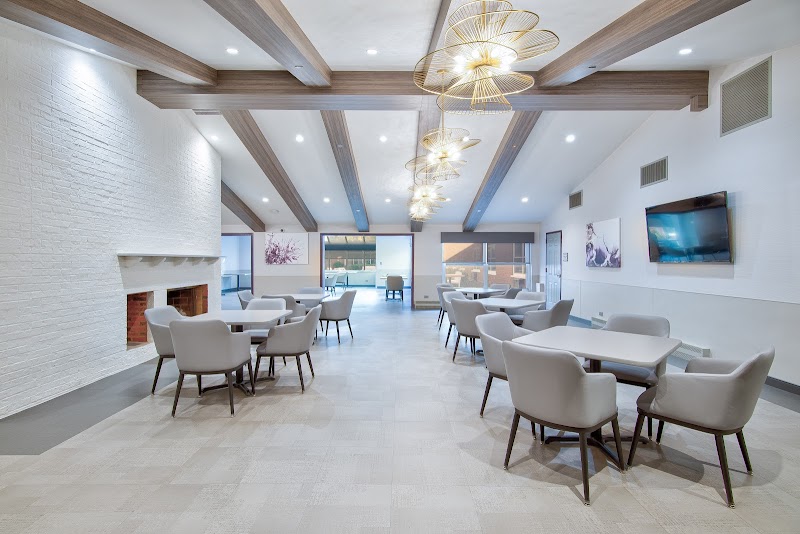
How is Aperion Care Oak Lawn Staffed?

CMS rates APERION CARE OAK LAWN's staffing level at 1 out of 5 stars, which is much below average compared to other nursing homes. Staff turnover is 54%, compared to the Illinois average of 46%.

What Have Inspectors Found at Aperion Care Oak Lawn?

State health inspectors documented 63 deficiencies at APERION CARE OAK LAWN during 2022 to 2025. These included: 7 that caused actual resident harm, 55 with potential for harm, and 1 minor or isolated issues. Deficiencies causing actual harm indicate documented cases where residents experienced negative health consequences.
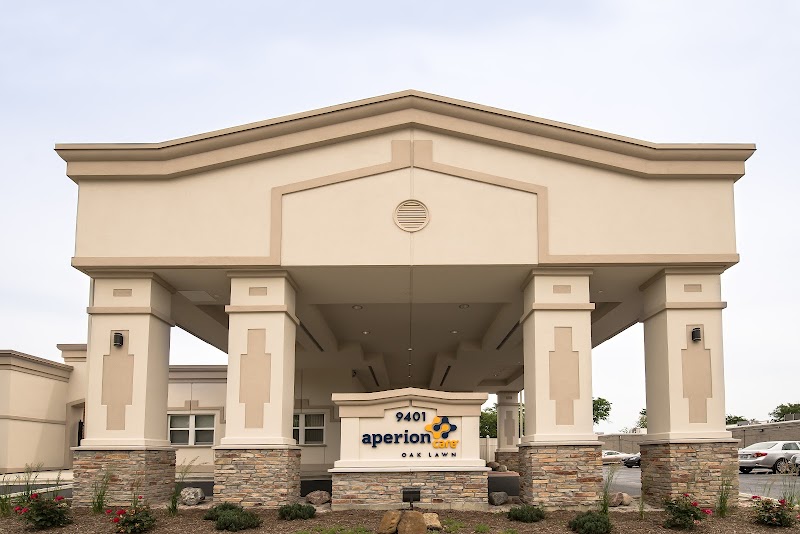
Who Owns and Operates Aperion Care Oak Lawn?

APERION CARE OAK LAWN is owned by a for-profit company. For-profit facilities operate as businesses with obligations to shareholders or private owners. The facility is operated by APERION CARE, a chain that manages multiple nursing homes. With 134 certified beds and approximately 127 residents (about 95% occupancy), it is a mid-sized facility located in OAK LAWN, Illinois.

How Does Aperion Care Oak Lawn Compare to Other Illinois Nursing Homes?

Compared to the 100 nursing homes in Illinois, APERION CARE OAK LAWN's overall rating (1 stars) is below the state average of 2.5, staff turnover (54%) is near the state average of 46%, and health inspection rating (2 stars) is below the national benchmark.

What Should Families Ask When Visiting Aperion Care Oak Lawn?

Based on this facility's data, families visiting should ask: "What safeguards and monitoring systems are in place to protect residents from abuse or neglect?" "Can you walk me through typical staffing levels on day, evening, and night shifts?" "Can I visit during a mealtime to observe dining assistance and food quality?" "How do you handle medical emergencies, and what is your hospital transfer rate?" These questions are particularly relevant given the substantiated abuse finding on record and the below-average staffing rating.

Is Aperion Care Oak Lawn Safe?

Based on CMS inspection data, APERION CARE OAK LAWN has documented safety concerns. The facility has 1 substantiated abuse finding (meaning confirmed case of resident harm by staff or other residents). The facility has a 1-star overall rating and ranks #100 of 100 nursing homes in Illinois. Families considering this facility should ask detailed questions about what corrective actions have been taken since these incidents.

Do Nurses at Aperion Care Oak Lawn Stick Around?

APERION CARE OAK LAWN has a staff turnover rate of 54%, which is 7 percentage points above the Illinois average of 46%. Moderate turnover is common in nursing homes, but families should still ask about staff tenure and how the facility maintains care continuity when employees leave.

Was Aperion Care Oak Lawn Ever Fined?

APERION CARE OAK LAWN has been fined $31,799 across 2 penalty actions. This is below the Illinois average of $33,397. While any fine indicates a compliance issue, fines under $50,000 are relatively common and typically reflect isolated problems that were subsequently corrected. Families should ask what specific issues led to these fines and confirm they've been resolved.

Is Aperion Care Oak Lawn on Any Federal Watch List?

APERION CARE OAK LAWN is not on any federal watch list. The most significant is the Special Focus Facility (SFF) program, which identifies the bottom 1% of nursing homes nationally based on persistent, serious quality problems. Not being on this list means the facility has avoided the pattern of deficiencies that triggers enhanced federal oversight. This is a positive indicator, though families should still review the facility's inspection history directly.