WARREN BARR OAK LAWN

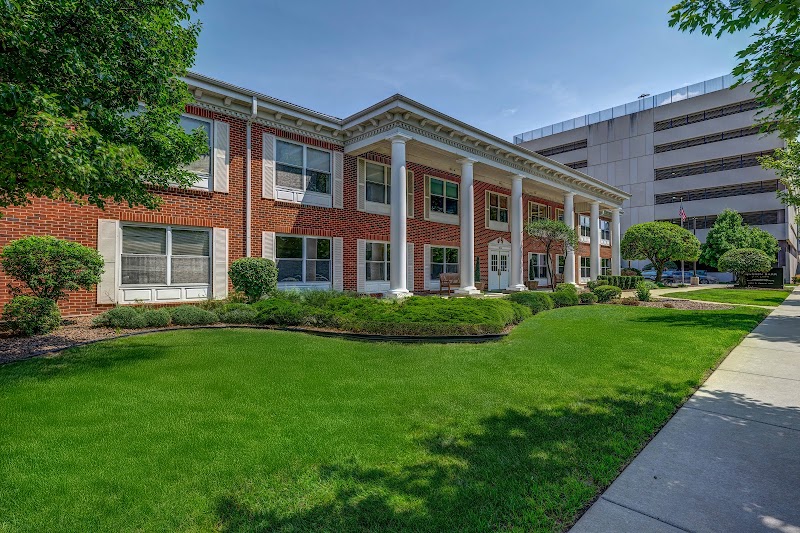
9401 SOUTH KOSTNER AVENUE, OAK LAWN, IL 60453 (708) 423-7882
For profit - Limited Liability company 122 Beds LEGACY HEALTHCARE Data: November 2025
Trust Grade
45/100
#193 of 665 in IL
Last Inspection: January 2025

Within standard 12-15 month inspection cycle. Federal law requires annual inspections.

Overview

Warren Barr Oak Lawn has a Trust Grade of D, indicating below-average performance with some significant concerns. It ranks #193 out of 665 facilities in Illinois, placing it in the top half, and #61 out of 201 in Cook County, which means there are only a few local options that perform better. The facility is improving, having reduced its issues from 13 in 2024 to none in 2025, though it still has 24 total deficiencies, with five categorized as serious. Staffing is a weakness with a 2 out of 5 rating and a turnover rate of 52%, which is close to the state average. However, the facility has not incurred any fines, which is a positive sign, and it offers better RN coverage than many other state facilities. Notably, there were serious incidents where the facility failed to recognize a resident's respiratory distress and did not implement necessary repositioning protocols, leading to new pressure injuries in residents. Overall, while there are strengths, such as no fines and some good ratings, families should carefully consider the serious deficiencies and staffing concerns.

Trust Score
D
45/100
In Illinois
#193/665
Top 29%
Safety Record
High Risk
Review needed
Inspections
Getting Better
13 → 0 violations
Staff Stability
⚠ Watch
52% turnover. Above average. Higher turnover means staff may not know residents' routines.
Penalties
✓ Good
No fines on record. Clean compliance history, better than most Illinois facilities.
Skilled Nurses
✓ Good
Each resident gets 51 minutes of Registered Nurse (RN) attention daily — more than average for Illinois. RNs are trained to catch health problems early.
Violations
⚠ Watch
24 deficiencies on record. Higher than average. Multiple issues found across inspections.
★★★★☆
4.0
Overall Rating
★★☆☆☆
2.0
Staff Levels
★★★★☆
4.0
Care Quality
★★★★☆
4.0
Inspection Score
Stable
2024: 13 issues
2025: 0 issues

The Good

  • 4-Star Quality Measures · Strong clinical quality outcomes
  • Full Sprinkler Coverage · Fire safety systems throughout facility
  • No fines on record

Facility shows strength in quality measures, fire safety.

The Bad

Staff Turnover: 52%

Near Illinois avg (46%)

Higher turnover may affect care consistency

Chain: LEGACY HEALTHCARE

Part of a multi-facility chain

Ask about local staffing decisions and management

The Ugly 24 deficiencies on record

5 actual harm
Jul 2024 3 deficiencies 2 Harm
SERIOUS (G) 📢 Someone Reported This

A family member, employee, or ombudsman was alarmed enough to file a formal complaint

Actual Harm - a resident was hurt due to facility failures

Quality of Care (Tag F0684)

A resident was harmed · This affected 1 resident

**NOTE- TERMS IN BRACKETS HAVE BEEN EDITED TO PROTECT CONFIDENTIALITY** Based on observation, interview, and record review, the facility failed to recognize an acute change in condition for a resident...

Read full inspector narrative →
**NOTE- TERMS IN BRACKETS HAVE BEEN EDITED TO PROTECT CONFIDENTIALITY** Based on observation, interview, and record review, the facility failed to recognize an acute change in condition for a resident. This failure applied to one (R5) of three residents reviewed for nursing care and resulted in a delay in care for R5 who was hospitalized for respiratory failure. Findings include: R5 is [AGE] years old and admitted to the facility on [DATE] and has diagnoses that include hydrocephalus, g-tube placement, communication deficit weakness and lack of coordination. Minimum data set (6/28/24) indicates R5 to have severe cognitive impairment and unable to make needs known to staff. The assessment data also includes that R5 is incontinent of bowel and bladder and totally dependent on staff for turning, repositioning and all other activities of daily living. On 7/15/24 at 12:51PM R5 was in the facility, observed by the Surveyor to be in bed, and appearing to be in respiratory distress. R5 was visibly and audibly gasping for air and respirations were counted at 47 breaths per minute. At 12:55PM V7 Registered Nurse said that R5 has been breathing like that all morning. It's baseline. V7 said that vital signs were taken about 15 minutes prior and documented as: blood Pressure 111/44, Temperature 97.4F, Pulse 100 beats per minute, Respirations 24 breaths per minute and Oxygen 94% on room air. At 12:58PM V7 and V8 LPN (licensed practical nurse) went to the bedside of R5 at request of the Surveyor. V8 was orienting with V7 on this day and while at the bedside, V7 and V8 agreed that R5's presentation and assessment was unchanged since earlier that morning around 9AM. Surveyor requested an immediate set of vital signs which V7 and V8 obtained. The pulse oximeter measured a pulse of 110 beats per minute and an oxygen saturation fluctuating between 80% and 97% on room air. V9 Registered Nurse entered the room at 1:07PM physically assessed R5 and agreed that R5's presentation was normal for their baseline, and that R5 periodically gets like this. At 1:08PM V7 was asked for a respiration count and said it was 28 breaths per minute. V7 said that a normal respiration count should be between 12 and 25 breaths per minute. Surveyor requested to count again together out loud, and the result was 40 breaths per minute. V7 left the room to call the medical provider for further orders. At 1:33PM, R5 was observed in bed, condition unchanged. V7 said that the provider was notified that R5 has a rate of 40 respirations and did not give any further orders. At 1:58PM V2 Director of Nursing said that a respiration rate of 40 would not be considered normal, however co-morbidities should be considered overall. V2 said, that R5's family refused hospice services upon recommendation and R5 remained full code at the moment, meaning that all measures should be taken to sustain life. V2 went to personally assess R5 and follow up with V7. Emergency Paramedics were observed on site in the facility at 2:30PM. V7 said that they called 911 due to R5 experiencing a further increase of breathing and decreased blood pressure to 89/50. R5 was transferred via Fire Department to the hospital emergency room and admitted to the neurological intensive care unit for respiratory failure and treated for sepsis. The medical group representing R5's physician and Nurse Practitioner refused an opportunity to interview R5's providers during this investigation. The facility provided Notification for Change of Condition policy revised 6/6/24 which states in part: Policy Statement: The facility will provide care to residents and provide notification of resident change in status. Procedures 1. The facility must immediately inform the resident; consult with the resident's physician; and if known, notify the resident's legal representative or an interested family member when there is: b. A significant change in the resident's physical, mental, or psychosocial status (i.e., a deterioration in health, mental, or psychosocial status in either life-threatening conditions or clinical complications); c. A need to alter treatment significantly (i.e., a need to discontinue an existing form of treatment due to adverse consequences, or to commence a new form of treatment); or d. A decision to transfer or discharge the resident from the facility as specified in §483.15 (c ) (1) (ii) as in the continued presence of the resident poses a threat to the safety and health of the resident and other individuals in the facility. Per federal definition §483.1 0(g)(14 ), a need to alter treatment significantly means a need to stop a form of treatment because of adverse consequences (e.g., an adverse drug reaction), or commence a new form of treatment to deal with a problem (e.g., the use of any medical procedure, or therapy that has not been used on that resident before). Per federal guidance under §483.10(g)(14), physician also need to be notified if resident experiences symptoms such as chest pain, loss of consciousness, or other signs or symptoms of heart attack or stroke.
SERIOUS (G) 📢 Someone Reported This

A family member, employee, or ombudsman was alarmed enough to file a formal complaint

Actual Harm - a resident was hurt due to facility failures

Pressure Ulcer Prevention (Tag F0686)

A resident was harmed · This affected 1 resident

**NOTE- TERMS IN BRACKETS HAVE BEEN EDITED TO PROTECT CONFIDENTIALITY** Based on interview and record review, the facility failed to implement turning and repositioning to prevent the development of n...

Read full inspector narrative →
**NOTE- TERMS IN BRACKETS HAVE BEEN EDITED TO PROTECT CONFIDENTIALITY** Based on interview and record review, the facility failed to implement turning and repositioning to prevent the development of new pressure injuries and complete treatment orders. This failure affected two residents (R4 and R5) who were at high risk of developing pressure ulcers and resulted in R4 and R5 developing deep tissue injuries to the sacrum. Findings include: R4 is [AGE] years old and admitted to the facility on [DATE] with diagnoses that included Protein-calorie Malnutrition, Heart failure, and metabolic encephalopathy. According to Skin Evaluation Assessment of 3/13/24, R4 was assessed to have one pressure ulcer of the right heel. Minimum Data Set (3/25/24) indicated R4 was cognitively impaired, incontinent of bowel and bladder and dependent on staff for turning, repositioning and toileting. R4 used a manual wheelchair, to which they were dependent on staff to transfer and maneuvers. R4 was able to feed self with set-up assistance from the staff. The mobility task for R4 was reviewed for March 2024. Turning and bed mobility were not documented night shift 3/17 and morning shift 3/18. According to nursing progress notes on 3/18 at 3:30PM, an open wound [was] noticed to the sacrum A significant change was noted on 3/19/24 and R4 was assessed to have a sacral deep tissue injury measuring 7cm (centimeters) length by 10cm width. The wound nurse practitioner assessed and treated R4 on 3/19 and orders were placed to cleanse with normal saline and apply bordered foam every three days. The Treatment Administration Record of March 2024 did not contain any signatures that this treatment was completed 3/22, 3/25 or 3/28. R4 was discharged from the facility on 4/1/24. R5 is [AGE] years old and admitted to the facility on [DATE] and has diagnoses that include hydrocephalus, g-tube placement, communication deficit weakness and lack of coordination. Minimum data set (6/28/24) indicates R5 to have severe cognitive impairment and unable to make needs known to staff. The assessment data also includes that R5 is incontinent of bowel and bladder and totally dependent on staff for turning, repositioning and all other activities of daily living. According to Skin Evaluation (6/22/24) R5 admitted to the facility with staple to a surgical scalp laceration and without any pressure ulcers. During assessment by the nurse practitioner on 7/10/24, R5 was noted with a sacral deep tissue injury (pressure wound) measuring 5cm length and 6.5cm width. Orders were placed to cleanse with normal saline and apply medical grade honey and silver alginate (for debridement) and secure with a hydrocolloid bandage every other day and as needed. Review of the Treatment Administration Record July 2024 indicated that this treatment was not signed as completed 7/14/24. On 7/15/24 R5 was in the facility, observed by the Surveyor to be in bed, and appearing to be in respiratory distress. Facility staff was notified, and R5 was transferred to the hospital emergency room and admitted to the neurological intensive care unit due to respiratory failure. A care plan for skin integrity was initiated 6/21/24 and included an intervention to check skin every shift and report abnormalities to the nurse. A skin observation report was requested from the facility and not provided. On 7/16/24 at 3:24PM V13 Wound Care Nurse was interviewed and said, the wound care team was alerted to R5's sacral wound after the nurse placed a wound consult. The nurses and CNA's are responsible for checking skin of high risk residents every shift and during incontinence care. R5 was high risk due to immobility, use of g-tube and general unresponsive presentation. Because of this, we ordered R5 to be on an alternating pressure relieving mattress to assist with prevention of skin breakdown, however it does not replace the need for turning, repositioning and routine skin care. By the time the wound care team assessed the sacral wound, it was a deep tissue injury with leathery eschar (dead tissue). V13 was unable to determine for certain how long the wound had developed but said that it was likely a full thickness wound under the dead tissues. V13 was not able to recall any information regarding R4's admission to the facility. Facility Policy Skin Care Regimen and Treatment Formulary revised 1/24/24 states in part: It is the policy of this facility to ensure prompt identification, documentation and to obtain appropriate treatment for residents with skin breakdown. Procedures 1. Charge nurses must document in the Electronic Health Record any skin breakdown upon assessment and identification. Furthermore, treatment must be obtained from the patient's physician. 2. Routine daily wound care treatment/ dressing change is administered by the wound care nurse or designee daily unless otherwise indicated by the patient's attending physician. a) Pressure Injuries/ Vascular Wounds (Stasis/ Arterial/ Diabetic) b) Surgical Wounds c) Other Skin Conditions 4. TAR [Treatment Administration Record] Nursing Documentation includes: a) Routine wound care completed by wound care nurse or designee. b) Ostomy care completed by the wound care nurse or designated nurse. 5. Refer any skin breakdown to the skin care team and physician including wound physician/NP (nurse pracitioner) for further review and management as indicated. 6. Residents who are not able to turn and reposition themselves will be turned and repositioned at least every 2 hours unless otherwise specified by the physician.
CONCERN (D) 📢 Someone Reported This

A family member, employee, or ombudsman was alarmed enough to file a formal complaint

Potential for Harm - no one hurt, but risky conditions existed

ADL Care (Tag F0677)

Could have caused harm · This affected 1 resident

**NOTE- TERMS IN BRACKETS HAVE BEEN EDITED TO PROTECT CONFIDENTIALITY** Based on interview and record review, the facility failed to provide timely incontinence care assistance for one of three reside...

Read full inspector narrative →
**NOTE- TERMS IN BRACKETS HAVE BEEN EDITED TO PROTECT CONFIDENTIALITY** Based on interview and record review, the facility failed to provide timely incontinence care assistance for one of three residents (R8) reviewed for incontinence care. Findings include: R8 is [AGE] years old and admitted to the facility with diagnosis that include peritonitis, difficulty walking, shingles, COPD and heart failure. R8 was also experiencing a infection of the bowels that causes frequent loose stools. Minimum Data Set 7/10/24 noted that R8 lacks any cognitive impairment, is incontinent of bowel, has an indwelling urinary catheter and requires physical assistance from staff for activities of daily living. On 7/18/24 at 10:17AM R8 was observed in bed, alert and coherent. The call light was activated, and V11 Unit Nurse Manager was observed donning an isolation gown. V11 went in to address R8, turn the light out and left. R8 requested incontinence care. At 10:25AM, R8 was interviewed and said, that the nurse came in and said that the CNA (Certified Nursing Assistant) was busy and that they would come as soon as they were done. R8 said that the staff doesn't always come timely, and due to the bowel issue, R8 needs frequent incontinence care and needs help from staff to remain clean due to inability to move independently. R8 said, you can call, and they won't answer, or they will take their time. R8 said that after a few days of admission, R8 requested to be moved closer to the nurse's station in hopes that they would be accessible to quicker help. R8 says when they don't answer the call light, R8 calls out into the hallway, but is often ignored. R8 said, since you [Surveyor}] are in the building, they will come right away. R8 pressed the call light at 10:34AM. Shortly after, V11 returned to the room, deactivated the call light, and R8 asked again to be changed. V11 firstly said that the CNA should be coming shortly. Surveyor asked if nurses were able to provide incontinence care. V11 said, yes nurses are trained to provide incontinence care, and then said they would come back to the room with supplies to provide care for R8. Surveyor left the room at 10:45AM and R8 continued to wait for staff to assist. Progress notes and census dated 7/10/24 noted that R8 requested a room change. R8 was moved from one room to another, where the nurse's station is visible from the room. Care Plan initiated 7/3/24 notes that R8 is incontinent of bowel and has an indwelling urinary catheter, however, does not incorporate associated interventions related to bowel incontinence. On 7/22/24 at 1:00PM V12 Infection Preventionist said that they have been working in the facility since November 2023 and it was noticed that the facility had increased trends related to urinary tract infections. V12 said, that once this was noted, V12 conducted an in-service with all of the nursing staff to ensure that proper procedures were conducted related to perineal cleaning and since, the incidents of residents developing urinary infections has decreased. We prevent UTIs from occurring by ensuring residents receive timely and proper incontinence care and increasing fluids. Facility Policy Incontinent and Perineal are revised 6/6/24 states in part: Policy Statement: It is the policy of the facility to provide perineal care to ensure cleanliness and comfort to the resident, to prevent infection and skin irritation, and to observe the resident's skin condition.
Apr 2024 6 deficiencies
CONCERN (D)

Potential for Harm - no one hurt, but risky conditions existed

Resident Rights (Tag F0550)

Could have caused harm · This affected 1 resident

Based on observation, interview and record review the facility failed to ensure that the urine collection bag was covered for two of two residents (R261, R264) reviewed for resident's rights in a samp...

Read full inspector narrative →
Based on observation, interview and record review the facility failed to ensure that the urine collection bag was covered for two of two residents (R261, R264) reviewed for resident's rights in a sample of 20. Findings include: 1. On 04/02/2024 at 7:22AM during unit rounds, R261 was observed lying on bed with urine collection bag placed on the side of the bed that is facing the hallway, uncovered. R261's door was also observed wide open. R261's room is a 2-bed room and has a roommate. On 04/02/2024 at 10:48AM during observation with V10 (Registered Nurse), R261 was observed sitting on his wheelchair with urine collection bag uncovered. On 04/02/2024 at 10:48AM during interview with V10, V10 stated that R261's urine collection bag should be covered. On 04/04/2024 at 9:29AM during interview with V2 (Director of Nursing), V2 stated that all urine collection bags should be covered to maintain resident's dignity. Review of R261's Order Summary Report dated 04/04/2024 indicated admission date on 03/29/2024 and diagnoses of not limited to chronic kidney disease, stage3, and retention of urine. 2. On 04/02/2024 at 7:48AM during unit rounds, R264 was observed lying on bed with urine collection bag placed on the side of the bed, uncovered. R264's room is a 2-bed room and has a roommate. On 04/02/2024 at 10:52AM during observation with V12 (Licensed Practical Nurse), R264 was again observed lying on bed with urine collection bag placed on the side of the bed, uncovered. On 04/02/2024 at 10:52AM during interview with V12, V12 stated that R264's urine collection bag should be covered for privacy. On 04/04/2024 at 9:29AM during interview with V2 (Director of Nursing), V2 stated that all urine collection bags should be covered to maintain resident's dignity. Review of R264's Order Summary Report dated 04/04/2024 indicated admission date of 3/29/2024, diagnoses of not limited to benign prostatic hyperplasia with lower urinary tract symptoms and retention of urine, order for indwelling catheter with order date of 03/29/2024. Review of facility's policy entitled Privacy and Dignity revised 7/28/2023 indicated the following: Policy Statement: It is the facility's policy to ensure the resident's privacy and dignity is respected by the staff at all times. Procedures: 4. Urine bags will be covered with the use of privacy bags.
CONCERN (D)

Potential for Harm - no one hurt, but risky conditions existed

Deficiency F0583 (Tag F0583)

Could have caused harm · This affected 1 resident

Based on observation, interview and record review the facility failed to ensure privacy was maintained while applying a pain patch for one of one residents (R54) reviewed for privacy in a sample of 20...

Read full inspector narrative →
Based on observation, interview and record review the facility failed to ensure privacy was maintained while applying a pain patch for one of one residents (R54) reviewed for privacy in a sample of 20. Findings include: On 4/3/2024 at 8:40am, V16 (Licensed Practical Nurse-LPN) was observed applying a pain patch to R54's left shoulder with the resident's shirt pulled up over her shoulder, the room door was open and the privacy curtain was not closed. R54 said I prefer the pain patch on the left shoulder instead of the right shoulder as indicated. On 4/3/2024 at 8:45am, V16 said I should have closed the privacy curtain and the door then applied the pain patch. On 4/4/2023 at 9:20am, V2 (Director of Nursing-DON) said I would expect the nurses to always provide privacy. An Order Summary report dated 4/4/24 indicates that R54 has a diagnosis of spinal stenosis, lumbar region, with neurogenic claudication and low back pain unspecified, an order dated 3/28/2024 for a Lidocaine Pain Relief 4% Patch to right shoulder topically one time a day for pain and remove per schedule. Facility Policy: Privacy and Dignity Revised 7/28/23. Policy Statement: It is the facility's policy to ensure that resident's privacy and dignity is respected by the staff at all times. Procedures 1. During care that requires privacy such as incontinence care, the resident will be placed in the bed and the privacy curtain will be drawn to provide full visual privacy. If the privacy curtain is not sufficient to provide full visual privacy, the combination of the privacy curtain and privacy screen will be used. A privacy screen may also be used by itself if it will provide full visual privacy. Door may also be closed to provide additional layer or privacy during care.
CONCERN (D)

Potential for Harm - no one hurt, but risky conditions existed

Accident Prevention (Tag F0689)

Could have caused harm · This affected 1 resident

**NOTE- TERMS IN BRACKETS HAVE BEEN EDITED TO PROTECT CONFIDENTIALITY** Based on observation, interview, and record review, the facility failed to follow the fall care plan by failing to implement a f...

Read full inspector narrative →
**NOTE- TERMS IN BRACKETS HAVE BEEN EDITED TO PROTECT CONFIDENTIALITY** Based on observation, interview, and record review, the facility failed to follow the fall care plan by failing to implement a fall intervention by not ensuring a resident's call light was in reach for a resident (assessed to be risk for fall and history of fall at the facility). This failure affected one resident (R57) of three reviewed for call lights in a total sample of 20. Findings include: On 4-2-24 at 8:05 AM, surveyors noted R57 clean, dressed, and groomed. R57 was up to her wheelchair parked at the side of her bed. Surveyors noted R57's call light in R57's side drawer and out of reach. Surveyor asked V20 (Certified Nurse Aide- Agency) to verify R57's call light and accessibility. V20 verified R57's call light inside of R57's side drawers and not in R57's reach. V20 proceeded to move tray table to retrieve R57's call light and place it in R57's reach. On 4-2-24 at 8:05 AM, R57 said she fell last week because she was reaching for her call light which was on the floor. R57 said she fell out of the bed and onto the floor. R57 denies any injury from that fall incident. R57 said she is not able to reach her call light at this time because the call light is in the side drawer and not in reach. On 4-2-24 at 8:05 AM, V20 (Certified Nurse Aide- Agency) said the call light should always be accessible for the residents. V20 said this is the first time working with R57 and is not aware of fall precautions or fall history. On 4-4-24 at 9:11 AM, V2 (Director of Nursing/ Fall Nurse) said R57 was assessed to be low risk for falls prior to the incident. V2 said fall investigation showed nurse found R57 on the floor in sitting position. V2 said no injury noted. V2 said R57 said she was reaching for something off the floor. V2 said staff asked R57 if she called for assistance. R57 said she pushed the call light after the fall. New interventions were to re-educate to ask for assistance. V2 said keeping R57's call light in reach was intervention prior to the fall incident. V2 said all staff are responsible for ensuring call light is in reach. Fall Care Plan (initiated 3-11-24) documents: Interventions: Please make sure that my call light is within my reach and encourage me to use it for assistance as needed. I would like staff to address my needs with a prompt response to all requests for assistance (initiated 3-11-24). Nursing admission assessment dated [DATE] documents R5 is low risk for falls. Fall Risk assessment dated [DATE] documents R57 is high risk for falls. Progress Note dated 3-14-24 documents: fall evaluation. Date of Service: 03/14/2024 8:17 PM Primary Chief Complaint : Fall Without Injury History Present Illness : 51yo female with MS, was reaching to pick something up off of bed and fell. No trauma or injury. No blood thinners. Patient is at risk for falls due to the following, Loss of balance.
CONCERN (D)

Potential for Harm - no one hurt, but risky conditions existed

Incontinence Care (Tag F0690)

Could have caused harm · This affected 1 resident

Based on observation, interview and record review, the facility failed to place a urine collection bag below the bladder for one of two residents (R261) reviewed for catheter use in a sample of 20. F...

Read full inspector narrative →
Based on observation, interview and record review, the facility failed to place a urine collection bag below the bladder for one of two residents (R261) reviewed for catheter use in a sample of 20. Findings include: On 04/02/2024 at 10:48AM during observation with V10 (Registered Nurse), R261 was observed sitting on his wheelchair with urine collection bag placed on the wheelchair seat on R261's left side. On 04/02/2024 at 10:48AM during interview with V10, V10 stated that R261's urine collection bag should be placed below the bladder. On 04/04/2024 at 9:29AM during interview with V2 (Director of Nursing), V2 stated that all urine collection bags should be placed below the bladder. Review of R261's Order Summary Report dated 04/04/2024 indicated admission date on 03/29/2024 and diagnoses of not limited to chronic kidney disease, stage3, and retention of urine. Review of facility's policy entitled Indwelling catheter revised on 7/28/2023 indicated the following: Procedures: 7. Indwelling catheter bag will always be positioned below the bladder region to prevent backflow if the foley (indwelling catheter) bag has no anti-backflow valve.
CONCERN (D)

Potential for Harm - no one hurt, but risky conditions existed

Tube Feeding (Tag F0693)

Could have caused harm · This affected 1 resident

Based on observation, interview and record review, the facility failed to date and label the enteral tube feeding bottle for one of one resident (R264) reviewed for tube feeding management in a sample...

Read full inspector narrative →
Based on observation, interview and record review, the facility failed to date and label the enteral tube feeding bottle for one of one resident (R264) reviewed for tube feeding management in a sample of 20 residents. Findings include: On 04/02/2024 at 7:48AM during unit rounds, R264 was observed lying on bed with unlabeled and undated tube feeding attached to gastrostomy tube. On 04/02/2024 at 10:52AM during observation with V12 (Licensed Practical Nurse), R264 was again observed lying on bed with unlabeled and undated tube feeding attached to gastrostomy tube. On 04/02/2024 at 10:52AM during interview with V12, V12 stated that R264's tube feeding bottle should be labeled and dated. On 04/04/2024 at 9:29AM during interview with V2 (Director of Nursing), V2 stated that all tube feeding bottle should be labeled and dated. Review of R264's Order Summary Report dated 04/04/2024 indicated admission date of 3/29/2024, diagnoses of not limited to encounter for attention to gastrostomy, order for enteral feeding with order date of 03/29/2024. Review of facility's policy entitled Enteral Tube Feeding Care revised 7/28/2023 indicated the following: Procedure: 3. Check that Feeding bag is properly labeled to include: a. Resident's name b. Formula (if it is not a closed system) and rate of feeding administration c. Date and time feeding was started
CONCERN (E)

Potential for Harm - no one hurt, but risky conditions existed

Deficiency F0883 (Tag F0883)

Could have caused harm · This affected multiple residents

Based on interview and record review, the facility failed to offer Influenza and Pneumococcal immunization as required for four of five residents (R25, R,27, R73 and R265) reviewed for immunization in...

Read full inspector narrative →
Based on interview and record review, the facility failed to offer Influenza and Pneumococcal immunization as required for four of five residents (R25, R,27, R73 and R265) reviewed for immunization in a sample of 20 residents. Findings include: On 4/4/24 at 11:45am, and V2 (Director of Nursing) and V22 (Infection Retentionist) both stated, all immunization given or refused should be documented. V22 stated that, she is responsible for checking that residents' s immunization are up to date once admitted into the facility. During record review on 4/4/2024 at 1:00 PM, R25, R27, R73 and R265' s immunization records did not indicate that these residents received or refused the Pneumococcal vaccine. R27's immunization record had no documentation to indicate that she received or refused the influenza vaccination. Facility policy reviewed 12/12/23 reads: Pneumococcal Vaccination. Policy statement: It is the policy of the facility to offer and administer Pneumococcal vaccination to each resident as recommended by CDC's Advisory Committee on Immunization Practices (ACIP), unless otherwise contraindicated or the resident or responsible party has refused the vaccine. Procedure. 4. Pneumococcal vaccination will be offered upon admission if recommended by ACIP. All current residents recommended by ACIP to received Pneumococcal vaccine shall received vaccination unless otherwise medically contraindicated or refused. 6. All administration and refusals will be documented. Facility policy reviewed: 8/8/2023 reads: Influenza Vaccination Policy statement: It is the policy of the facility to annually offer and administer vaccination against influenza to each resident unless otherwise medically contraindicated or the resident or responsible party has refused the vaccination. Procedure. 4. All current residents shall be offered vaccination during flu season unless otherwise medically contraindicated or the resident or responsible party refuses. All refusal will be documented.
Mar 2024 4 deficiencies
CONCERN (D) 📢 Someone Reported This

A family member, employee, or ombudsman was alarmed enough to file a formal complaint

Potential for Harm - no one hurt, but risky conditions existed

Notification of Changes (Tag F0580)

Could have caused harm · This affected 1 resident

**NOTE- TERMS IN BRACKETS HAVE BEEN EDITED TO PROTECT CONFIDENTIALITY** Based on interviews and record reviews, the facility failed to notify attending doctor of an outside consultant order/recommenda...

Read full inspector narrative →
**NOTE- TERMS IN BRACKETS HAVE BEEN EDITED TO PROTECT CONFIDENTIALITY** Based on interviews and record reviews, the facility failed to notify attending doctor of an outside consultant order/recommendations. This deficient practice affects one resident (R18) of three residents reviewed for physician notification. Findings Include: R18 is a [AGE] year old with diagnoses but not limited to: Acute Diastolic Congestive Heart Failure, Arteriosclerotic Heart Disease of Native Coronary Artery, Multiple Sub segmental Pulmunary Emboli, Acute Embolism and Thrombosis Deep Vein of Right Lower Extremity. R18 hospitalized on [DATE] for chest tightness and was diagnosed with bilateral proximal pulmonary artery emboli with right heart stain, underwent thrombectomy. Returned in the facility on 1/23/23, and was place on anticoagulant medication. R18 went to see Cardiologist on 6/1/23 and returned with an order of: May discontinue Eliquis (Anticoagulant) medication on 7/18/23 and follow up with cardiologist in 6 months. Nurse notes dated 6/1/23, reads in part: R18 returned from cardiologist. New orders to discontinue Eliquis on 7/18/23. Follow up appointment needs to be scheduled in 6 months. Orders carried out. Physician Order Sheet reviewed and on 6/1/23, the order was carried out and entered by V34 (RN). V34 did not document that Attending MD (V46) was informed and the family of R18 was informed. V34 no longer an employee of the facility and was not able to reach for an interview. On 3/8/24 at 9:40 AM, V2 (Director of Nursing) stated that upon return of any residents from outside appointment, my expectation is for the staff to notify attending physician for any new orders or recommendations and to enter the orders in the resident's chart. Staff to also document in resident's chart the attending doctor and family were informed of the changes. On 3/8/24 at 12:30 PM, V46 (Attending Physician) stated V46 does not recall if V46 was informed by staff with the medication discontinuation upon returned from cardiologist appointment on 6/1/23, and stated that usually the facility staff informs V46 for any outside consultant recommendation and V46 would then agree with the orders. Notification for Change in Condition policy is the policy provided by V2 (Director of Nursing) stating that this is the policy that the staff follows as their practice to notification and calling physician with any changes in their residents, such as fall incidents and change in medication upon return in the facility. Notification for Change in Condition Policy with a revised date of 12/17/23, reads in part: The facility will provide care to residents and provide notification of resident change in status. The facility will immediately inform the resident, consult with the resident's physician; and if known, notify the resident's legal representative or an interested family member when there is: A need to alter treatment significantly (i.e., a need to discontinue an existing form of treatment due to adverse consequences, or to commence a new form of treatment).
CONCERN (D) 📢 Someone Reported This

A family member, employee, or ombudsman was alarmed enough to file a formal complaint

Potential for Harm - no one hurt, but risky conditions existed

Quality of Care (Tag F0684)

Could have caused harm · This affected 1 resident

Based on interview and record review the facility failed to follow physician orders by not applying an antifungal cream to one resident. This affected one of three residents (R3) reviewed for medicati...

Read full inspector narrative →
Based on interview and record review the facility failed to follow physician orders by not applying an antifungal cream to one resident. This affected one of three residents (R3) reviewed for medication. Findings include: R3 readmission hospital paperwork dated 9/15/23 documents orders for: antifungal cream apply three times daily. R3's physician order dated 9/15/23 with start date of 9/16/23 for antifungal ointment apply to affected area three times a day for fungal infection R3 medication administration record for September 2023 documents: antifungal ointment apply to affected area three times a day (0600, 1400, 2100) for fungal infection with start date of 9/16/23 and discontinued on 9/19/23. The 0600 dose on 9/16/23- 9/19/23 documents NN (nurses notes) which indicates to see nursing notes. R3's nursing notes dated 9/16/23 documents: antifungal cream on order. R3's nursing notes dated 9/17/23 documents: medication unavailable. R3's nursing notes dated 9/18/23 documents order with no other documentation. R3's nursing notes dated 9/19/23 documents: medication unavailable. On 3/1/24 at 2:08PM, V13(Pharmacy tech) said R3's medicated ointment was never delivered to the facility due to needing clarification. The clarification was never received. On 3/1/24 at 12:44PM, V10 (MDS) said, R3 had an ordered for medicated ointment without a stop date on 9/16/23. V10 said, she canceled the existing order and input the order with a stop date. R3 had medical ointment ordered on 9/19/23 which was changed to an antifungal power on 9/20/23. On 3/1/24 at 1:44PM, V12 (Treatment nurse) said, during rounds R3 requested her medicated ointment be changed to an anti-fungal power. The anti-fungal power was a house stock that we need a doctor's order to implement. R3's anti-fungal powered was stated on 9/21/23. On 3/12/24 at 4:00PM, V2 (DON-Director of Nursing) said all residents readmitted from hospital will have their orders verified by nurse, one other nurse and nurse manger to ensure accuracy. The pharmacy will email nurse managers (DON, ADON, Restorative nurse) for any medication recommendation, clarifications or whatever the question. The DON or ADON would be responsible to ensure whatever the concern is addressed or changed at time email is received or within a day. V2 said all residents should have medication on hand to be administrated by staff. R3 physician order dated 9/20/23 with start date 9/21/23 documents: cleanse bilateral breasts with soap and water. Dust with house stock anti-fungal powder twice a day and as needed. Facility policy Following physician orders dated 05/2021 documents to correctly and safely receive and transcribe physician orders so correct order is followed and administrated.
CONCERN (D) 📢 Someone Reported This

A family member, employee, or ombudsman was alarmed enough to file a formal complaint

Potential for Harm - no one hurt, but risky conditions existed

Deficiency F0773 (Tag F0773)

Could have caused harm · This affected 1 resident

Based on interviews and record reviews, the facility failed to notify the attending physician of one resident's urine culture and sensitivity results noting the antibiotic the resident was receiving f...

Read full inspector narrative →
Based on interviews and record reviews, the facility failed to notify the attending physician of one resident's urine culture and sensitivity results noting the antibiotic the resident was receiving for UTI (urinary tract infection) was ineffective in treating resident's UTI. This affected one of three residents (R10) reviewed abnormal labs on the sample list of 49. Findings include: On 3/12/24 at 1:07 PM, V51 (attending physician) stated that typically V51 will order macrobid (antibiotic medication) for UTI (urinary tract infection) until the urine culture and sensitivity results are known. V51 stated that it takes 3-4 days for culture results and V51 does not want to wait to start treatment. V51 stated that macrobid treats most UTIs. V51 stated that V51 expects the nurse to call him with the urine culture and sensitivity results once results are known so antibiotic can be changed if the current antibiotic is not effective in treating UTI. V51 stated that V51 does not recall R10. V51 was informed that R10 had urine for a urinalysis collected on 9/21/23 with results noting UTI on 9/21/23. V51 was notified of results and started on macrobid by mouth for 7 days. On 9/24/23 at 9:14 AM R10's urine culture and sensitivity results were reported to this facility. These results were not reviewed by nurse until 9/25/23 at 12:17 PM. On 9/29/23, V52 (former infection prevention nurse) notified V51 that R10 completed macrobid and urine culture does not note macrobid effective in treating R10's pseudomonas aeruginosa UTI. R10 was started on ciprofloxacin (antibiotic) by mouth x 7 days at that time. V51 stated that the nurse should have notified V51 on 9/24/23 so macrobid could have been discontinued and R10 started on appropriate antibiotic to treat UTI. On 3/8/24 at 1:55 PM, V21 IP nurse (Infection Prevention nurse) stated that the IP nurse is expected to review the resident's antibiotic after the third day as well as review culture and sensitivity results to ensure resident is receiving an effective antibiotic to treat the infection. On 3/8/24 at 2:49 PM, V47 RN (Registered nurse) stated that the nurse is expected to call the physician and relay all laboratory results and obtain new orders if needed. V47 stated that the nurse is expected to check and review laboratory results daily. V47 stated that the nurse reports to the oncoming nurse laboratory tests resulted and if orders were obtained and any pending laboratory results. V47 stated that the nurse marks the laboratory result(s) has been reviewed and the computer system notes name, date, and time result(s) reviewed. V47 stated that the nurse reviewing the results is responsible for contacting the physician and relaying results, and documenting in the resident's progress notes that physician notified and any orders received. R10's urine culture and sensitivity results were reviewed with V47. V47 acknowledged that V47's name appears at the top of this report with the date and time result was reviewed. There is no documentation found in R10's medical record noting V47 notified V51 of R10's urine culture and sensitivity results on 9/25/23 after V47 reviewed results. On 3/12/24 at 3:00 PM, V1 (Administrator) stated that this facility does not have a policy specific to notifying physician of laboratory results. V1 stated that this facility follows its notification for change in condition policy. R10's medical record, dated 9/21/23, V52 (former Infection Prevention nurse) noted urinalysis with culture and sensitivity ordered for R10's complaints of dysuria (painful or difficult urination) with indwelling catheter, elevated white blood cell count result on 9/18/23. Urinalysis result called to V51 (attending physician), V51 aware culture pending. Orders recieved for macrobid 100mg (milligrams) by mouth twice daily x 7 days. 9/21, Macrobid Oral Capsule 100 MG Give 1 capsule by mouth every 12 hours for UTI for 7 Days. On 9/29/23, V52 noted report called to infectious disease nurse practitioner and V51 regarding treatment for urine culture reported on 9/24/23. R10 finished Macrobid treatment on 9/28/23 but Macrobid was not included on sensitivity culture report. V51 orders received for ciprofloxacin (antibiotic) 500mg by mouth twice daily for 7 days. There is no documentation found in R10's medical record noting V51 was informed of R10's urine culture and sensitivity results prior to 9/29/23. This facility's notification for change in condition policy, revised 12/27/23, notes the facility must immediately inform the resident, the resident's physician, and resident's family member when there is a need to alter treatment significantly (need to discontinue an existing treatment or commence a new form of treatment). The Merck manual, reviewed/revised 05/2022, notes pseudomonas species are resistant to macrobid. According to the FDA (food and drug administration) noted macrobid has no activity against Pseudomonas species.
CONCERN (E) 📢 Someone Reported This

A family member, employee, or ombudsman was alarmed enough to file a formal complaint

Potential for Harm - no one hurt, but risky conditions existed

Infection Control (Tag F0880)

Could have caused harm · This affected multiple residents

**NOTE- TERMS IN BRACKETS HAVE BEEN EDITED TO PROTECT CONFIDENTIALITY** Based on interview and record review, the facility failed to follow their covid 19 testing policy by not testing residents and s...

Read full inspector narrative →
**NOTE- TERMS IN BRACKETS HAVE BEEN EDITED TO PROTECT CONFIDENTIALITY** Based on interview and record review, the facility failed to follow their covid 19 testing policy by not testing residents and staff following a covid 19 outbreak on 9/8/23 which had the potentially to affect all the 103 residents. In addition, the facility failed to test residents and staff for covid 19 for 14 days with no new positives during an outbreak that started on 2/5/24 which had the potential to affect all 96 residents at the facility reviewed for infection control. Findings include: Facility staff covid line list dated August 1st until September 30 2023 documents: V48 (Speech) tested positive for covid 19 on 9/11/23. V49 (nurse) tested positive for covid 19 on 9/8/23. V48 (Speech) time punches document last day worked prior to positive testing was 9/7/23 8:38AM to 4:03PM. V48 provided speech services to 13 residents on 9/7/23 per daily labor report dated 9/7/23. On 3/12/24 at 12:02PM, V48 (speech) said on 9/10/23 he was symptomatic while at home and tested positive for covid using a rapid test. He informed facility on 9/11/23 of covid positive test. V49 (nurse) time punches document last day worked prior to positive testing was 9/5/23 11:00PM- 8:30AM. Facility covid line list for residents September 2023 documents: R3 tested positive for covid 19 on 9/13/23. On 3/12/24 at 330pm, V21 (Infection Preventionist nurse) said contact tracing would be tracked up to 72 hours prior to symptoms developing. Anyone who had contact would be tested for covid on day 1, 3 and 5 for contact tracing. On 3/8/24 at 3:06PM, V21(Infection Preventionist nurse) said the facility was unable to provide any contact tracing or resident testing for September. An outbreak of covid is one positive case in the facility for staff or resident. Facility census dated 9/5/23 documents: 103 residents. Facility resident covid line list documents: R48 covid positive on 2/11/24. Facility resident covid testing September 1, 2023 to March 1, 2024 documents resident testing conducted on 2/5/24 and 2/9/24. There was no other tests documented. Facility staff covid testing sheets was conducted on 2/6/24, 2/12/24 and 2/19/24 with no other testing conducted after 2/19/24 for staff. On 3/7/24 at 12:47PM, V21 (Infection Preventionist nurse) said residents were tested on [DATE], 2/9/24 and 2/16/24 with no positives test results. Staff were tested on [DATE], 2/12/24 and 2/19/24 with no positive test results. Testing was conducted for 14 days with no new positives. On 3/8/24 at 3:06PM, V21 said there was no additional testing for staff after 2/19/24 because staff are able to tell us if they are sick. V21 said the residents were all tested on [DATE] with no new positives. No additional testing was done because it was within the 14 days. On 3/12/24 at 2:09PM, V21 (Infection Preventionist nurse) said she was unable to show the resident covid testing conducting on 2/16/24 because there was computer concerns with the program and they were not able to be submitted into the tracker. V21 was asked to provide the documentation or log of the resident testing conducted on 2/23/24. V21 said she did not know why the testing for the 2/23/24 was not under testing results and that the resolution column was the last day the resident was tested. Facility was unable to provide any documentation of testing conducted on residents 2/16/24 and 2/23/24. Facility policy Covid 19 Testing plan and response revised 12/26/23 documents: For facility experiencing an outbreak or that has identified its first case, the facility must promptly report to the LHD (local health department). Outbreak testing can be done in two ways: Contact tracing is a more focused approach and starts on the unit where the positive covid-19 case was identified. Contact tracing is done and all identified as exposed based on CDC definition of close contact or prolonged exposure are going to be tested three times (Day one, Day three and Day five). Once initial testing is completed and no positives then testing will stop. If results show positive recommended to change to broad based testing to continue every 3-7 days and test everyone until there are no longer positive cases x 14 days. Broad based testing requires testing of all residents and staff in either the unit or floor or entire facility. Testing is done every 3-7 days and test everyone until there are no longer positive cases x 14 days. Facility census on 2/25/24 documents 96 residents.
Mar 2023 2 deficiencies
CONCERN (D) 📢 Someone Reported This

A family member, employee, or ombudsman was alarmed enough to file a formal complaint

Potential for Harm - no one hurt, but risky conditions existed

Deficiency F0697 (Tag F0697)

Could have caused harm · This affected 1 resident

**NOTE- TERMS IN BRACKETS HAVE BEEN EDITED TO PROTECT CONFIDENTIALITY** Based on interview and record review, the facility failed to manage resident's pain effectively for one (R2) of three residents ...

Read full inspector narrative →
**NOTE- TERMS IN BRACKETS HAVE BEEN EDITED TO PROTECT CONFIDENTIALITY** Based on interview and record review, the facility failed to manage resident's pain effectively for one (R2) of three residents reviewed for pain in the sample of 12. Findings include: R2's Physician Order Sheet (POS) shows R2 has diagnoses that include s/p ORIF (Open reduction internal fixation) of left distal femur (surgery to repair a bone). R2's facility assessment dated [DATE] shows R2 has no cognitive impairment. R2's electronic medication administration record (EMAR) shows R2 has an admitting order dated 2/10/23 for-Hydrocodone-Acetaminophen (Norco) Oral Tablet 5/325-give 1 tablet by mouth every 4 hours as needed for pain. On 2/13/23 R2's pain medication (Norco) was increased from 1 tablet to 2 tablets 5/325 mg give every 4 hours as needed for pain. On 2/20/23 R2's pain medication was again increased to Hydrocodone-Acetaminophen (Norco) Oral Tablet 7.5/300 mg give 2 tablets every 4 hours as needed for pain. On 3/17/23 at 10:34 AM, R2 said she was sent to the facility on 2/10/23 after undergoing surgery at the hospital. R2 said she was in severe pain that night (2/10/23) and was needing her pain medication (Norco). R2 said her pain was real bad! R2 said she was told that her pain medication was not yet available. R2 said she was not able to sleep that night due to severe pain to her surgical site and her left knee. R2 said it was not until the next night (2/11/23) that she was able to get her Norco. R2 said there were also other days that she was in pain due to her pain medication not being available. R2's EMAR shows that R2's Norco was not administered to R2 until 2/11/23 at 2230-10:30PM (the day after her admission). On 3/17/23 9:30 AM V8 (Registered Nurse-RN) said she was R2's regular nurse. R2 was admitted to the facility as short-term resident after falling at home. R2 had pain due to the surgical repair. V8 said there were days that R2's pain medication was not available; it needed a script from the physician before the pharmacy refills the medications. V8 said staff should get the script on time to be able to reorder the pain medication. R2's progress notes dated 2/21/23 show R2's pain scale was at 5 moderate pain (0 no pain to 10 as severe pain.) R2's Hydrocodone Tablet Norco -medication not available called pharmacy regarding medication and reordered. R2's progress noted dated 2/20/23 at 8:59 AM by V7 (Licensed Practical Nurse-LPN) show R2 received 1 pill (instead of 2) due to only having a single pill left. R2's progress notes dated 2/20/23 1500 and 1648 show [R2'] Norco was unavailable -on order. R2's progress notes dated 2/18/23 show R2's pain was at 6 moderate pain. R2's Norco on order waiting for delivery. R2's progress notes dated 2/15/23 show [R2's pain] medication unavailable .pharmacy called regarding status .it will come with morning delivery. On 3/17/23 at 12 noon, V7 (LPN) said she only gave R2 1 tablet of Norco instead of 2 tablets last 2/20/23. V7 said that R2 was having severe pain. V7 said R2 was upset due to her unrelieved pain. V7 said she called the pharmacy and they were waiting for the pain script. V7 said there were days that R2's pain meds only last 2-3 days due to her taking meds every 4 hours due to pain. R2's careplan dated 2/13/23 show, pain to left knee evidenced by verbalizing due to recent surgery with intervention to include administer pain medication per physician order.
CONCERN (D) 📢 Someone Reported This

A family member, employee, or ombudsman was alarmed enough to file a formal complaint

Potential for Harm - no one hurt, but risky conditions existed

Laboratory Services (Tag F0770)

Could have caused harm · This affected 1 resident

**NOTE- TERMS IN BRACKETS HAVE BEEN EDITED TO PROTECT CONFIDENTIALITY** Based on interview and record review, the facility failed to follow physician orders and ensure that laboratory services were ob...

Read full inspector narrative →
**NOTE- TERMS IN BRACKETS HAVE BEEN EDITED TO PROTECT CONFIDENTIALITY** Based on interview and record review, the facility failed to follow physician orders and ensure that laboratory services were obtained for a resident. This applied to one (R1) of three residents reviewed for laboratory services in the sample of 12. Findings include: R1's face sheet shows she is a [AGE] year-old female with diagnosis including unspecified dementia with psychotic disturbance and agitation, dysphagia, type 2 diabetes, mild protein calorie malnutrition, Alzheimer's, muscle wasting, altered mental status, and hypertension. R1's Physician Orders dated through February 2023 include orders on 1/31/23 for laboratory: CBC with diff (Complete Blood Count with differential) and CMP (complete metabolic panel). R1's lab report dated 1/31/23 shows the ordered was received on 1/31/23, but not collected. On 3/17/23 at 11:30 AM, V2 (DON) said, I don't know what happened; R1's labs were not done as ordered. Nursing enters the lab orders, and they should follow up with the lab company if the labs were not done.
Feb 2023 2 deficiencies
CONCERN (D) 📢 Someone Reported This

A family member, employee, or ombudsman was alarmed enough to file a formal complaint

Potential for Harm - no one hurt, but risky conditions existed

Notification of Changes (Tag F0580)

Could have caused harm · This affected 1 resident

**NOTE- TERMS IN BRACKETS HAVE BEEN EDITED TO PROTECT CONFIDENTIALITY** Based on interviews and record reviews, the facility failed to follow their policy and procedures of change in condition by not ...

Read full inspector narrative →
**NOTE- TERMS IN BRACKETS HAVE BEEN EDITED TO PROTECT CONFIDENTIALITY** Based on interviews and record reviews, the facility failed to follow their policy and procedures of change in condition by not notifying a resident's representative of a fall. This failure applied to one (R3) of three residents who were reviewed for falls. Findings include: R3 is a [AGE] year-old female with a diagnose's history of Dementia without Behavioral Disturbance, Dysphagia, Partial Paralysis following Brain Stroke affecting Left Side, Muscle Wasting and Atrophy, Abnormal Posture, Lack of Coordination, and Urinary Tract Infection who was admitted to the facility on [DATE]. R3's progress note dated 2/1/2023 documents: Resident laying on floor to left of bed on backside. Bed at lowest position. Denies pain. No redness noted. Physician made aware. Neurological checks in place. Will continue to monitor. R3's progress note dated 2/1/2023 documents: Primary Chief Complaint, Fall Without Injury, patient had an unwitnessed fall out of bed. On 02/09/2023 at 1:42 PM V9 (Family Member) stated she had not been notified when R3 fell. V9 stated she found out when one of the CNA's (Certified Nursing Assistant) mentioned it to her. V9 stated when she reported this to V2 (Director of Nursing/Registered Nurse), V2 advised she should have been notified and assured her this would never happen again. On 02/10/2023 at 4:21 V2 (Director of Nursing/Registered Nurse) stated R3's fall happened on night shift. V2 stated the nurse documented she notified physician but didn't have documentation that she notified the family. V2 stated this was an agency nurse that hasn't been back since then. V2 stated V9 should have been notified of R3's fall. Facility Policy titled Notice of Change in Condition Policy revised 8/19/22 states in part: Identify a suspected acute change in the resident; Notify the resident's family about the change in the resident's condition and the subsequent treatment plan.
CONCERN (D) 📢 Someone Reported This

A family member, employee, or ombudsman was alarmed enough to file a formal complaint

Potential for Harm - no one hurt, but risky conditions existed

Deficiency F0692 (Tag F0692)

Could have caused harm · This affected 1 resident

**NOTE- TERMS IN BRACKETS HAVE BEEN EDITED TO PROTECT CONFIDENTIALITY** Based on interview and record review, the facility failed to notify the physician of changes in nutritional status for a residen...

Read full inspector narrative →
**NOTE- TERMS IN BRACKETS HAVE BEEN EDITED TO PROTECT CONFIDENTIALITY** Based on interview and record review, the facility failed to notify the physician of changes in nutritional status for a resident and failed to offer hydration and nutritional supplements per the resident's plan of care. This failure affected one (R1) of three residents reviewed for improper nursing. Findings include: R1 is a [AGE] year old female who was admitted to the facility 12/21/22 with diagnoses that included Lung cancer with metastases to the brain, Generalized Muscle Weakness, Major Depressive Disorder and Cognitive Communication Deficit. MDS (Minimum Data Set) dated 12/27/22 indicated that R1 required one person staff assistance and supervision for eating. Progress note dated 12/27/22 said that R1's family members came to visit and notified nursing staff that R1 was not responding as usual. Nursing assessed R1 to have food pocketed in mouth, and R1 was visibly lethargic and not responsive. 911 was called and R1 was transported to the nearest hospital where she was later diagnosed with encephalopathy. On 2/10/23 at 4:05PM V8 Medical Doctor was interviewed and said, I would have expected the staff to notify me right away of R1 not eating, however, based on her condition, I don't think she was able to follow directions. If she was diagnosed with encephalopathy, this could have impacted her mental status which would have affected her intake because even though we offer food and drink, we cannot make the resident chew or swallow, even with encouragement. This could have affected her hydration status as well. On 12/11/23 at 2:00PM V2 DON said, I would have expected the nurses to inform the physician about R1 not eating or refusing meals to seek guidance or orders for labs or other interventions. The nurses don't document in the same place as the CNA, so the CNA should inform the nurse and the nurse will document in the notes and follow up. On 12/23/22 Dietary wrote a progress note indicating R1 reported decreased appetite. No significant weight change was noted in comparison to hospital record and recommended add ons with lunch and dinner meal. Physician Order Sheet dated 12/23/22 noted order for House Shake twice a day with lunch and dinner. Point of Care tasks were reviewed from 12/21/22 through 12/27/22. According to documentation, staff should have offered fluids every shift. This task was not signed out Friday 12/22 night shift, Saturday 12/24 evening shift, Sunday 12/25 day shift, Monday 12/26 night shift and 12/26 night shift. R1 should have been offered a nutritional supplement twice daily and according to documentation, was not offered Saturday 12/24 evening shift, Sunday 12/25 day shift, and 12/26 day shift. Documentation Survey Report dated 12/2022 was reviewed with concerns: On 12/22/22 R1 ate 25% of lunch with no supervision and refused dinner. On 12/23/22 R1 ate 25% of breakfast with no supervision, and at dinner at 25% with supervision. On 12/24/22 there is no documentation of meal intake for dinner. On 12/25/22 there is no meal intake documentation noted for breakfast or lunch and for dinner R1 ate 25% with limited physical assistance. On 12/26/22 R1 required total assistance but did not eat any breakfast; no documentation noted for eating lunch and refused dinner. On 12/27/22 R1 refused breakfast and did not eat any lunch. Care Plan initiated 12/23/22 for Nutritional status as evidenced by inadequate oral intake, Cancer diagnosis includes an intervention of Report signs or symptoms of diet and/or texture intolerance. Medical record documentation was reviewed and there weren't any notes that indicated that the physician was notified of R1's decreased appetite. V8 Medical Doctor wrote progress notes on 12/25/22 at 11:25 stating that R1 was alert and oriented x 1-2 and no further orders were written. On 12/27/22, nurse wrote a progress note that included vital signs Temperature 97.9, and Blood Pressure 98/58. The following day 12/27/22, V8 Medical Doctor wrote a note stating that he assessed R1, noting that vital signs were within normal limits but did not indicate nutritional status. No further orders were written. Facility Policy titled Feeding, long-term care revised 11/28/22 states in part; When the resident finishes eating, remove the meal tray .Provide oral care. Make sure that no food remains in the resident's oral cavity. Document oral intake as ordered. Facility Policy titled Notice of Change in Condition Policy revised 8/19/22 states in part: Identify a suspected acute change in the resident; Communicate the change in the resident's condition to the appropriate practitioner; Notify the resident's family about the change in the resident's condition and the subsequent treatment plan; Implement the treatment plan or initiate the resident's transfer to another health care facility; Document the procedure.
Dec 2022 6 deficiencies 2 Harm
SERIOUS (G) 📢 Someone Reported This

A family member, employee, or ombudsman was alarmed enough to file a formal complaint

Actual Harm - a resident was hurt due to facility failures

Deficiency F0726 (Tag F0726)

A resident was harmed · This affected 1 resident

**NOTE- TERMS IN BRACKETS HAVE BEEN EDITED TO PROTECT CONFIDENTIALITY** Based on observation, interview, and record review, the facility failed to ensure that nursing staff had the required competenci...

Read full inspector narrative →
**NOTE- TERMS IN BRACKETS HAVE BEEN EDITED TO PROTECT CONFIDENTIALITY** Based on observation, interview, and record review, the facility failed to ensure that nursing staff had the required competencies when transcribing physician orders for newly admitted residents to ensure that care is being provided as ordered and to meet the needs of the residents; they also failed to ensure that standards of nursing practice were being followed during the administration of medication. This failure applied to three of three (R73, R103, and R504) residents reviewed for nursing services and resulted in (R73) receiving medication that was not ordered; (R103) not having a BiPap machine upon admission, that R103 was required to wear due to history of sleep apnea and respiratory failure; and (R504) did not receive medication that were needed for the prevention of blood clots upon admission to the facility. Findings include: R103 was a [AGE] year-old male initially admitted to the facility on [DATE] and expired on [DATE]. His medical diagnoses include but are not limited to the following: respiratory failure, sleep apnea, severe protein calorie malnutrition, muscle wasting, altered mental status, history of falling, hyperlipidemia, heart failure, dementia, depression, and absence of lung, HTN, and COPD. Transition of care report from (facility) state in part but not limited to the following: Reason for hospitalization: fall, altered mental status, acute respiratory failure, and COPD. 4 liters of oxygen. Per hospital discharge records dated [DATE] state in part but not limited to the following: BiPap QHS per pulmonary recommendations Settings: 15/5, 50% FiO2. Venous blood gas improved with BiPap. Fast track report: Oxygen: 3 liters, has a BiPap from home and will bring. Physician Order Sheet dated [DATE] at 2:04 PM states in part but not limited to the following: BiPap; Oxygen 4 liters per minute; Settings: 12/5, set rate 12 breathing 25; FiO2 40% with tidal volumes 448 every evening and night shift and as needed for sleep apnea while sleeping. On [DATE] at 12:50 PM, V2 (Director of Nursing) was interviewed regarding R103's BiPap machine and orders. V2 states admissions were notified at some point from the hospital liaison that R103 needed a BiPap. At this point, admissions did order a BiPap for R103, however when the resident arrived to the facility, we did not see an order on the discharge records for the BiPap, so the BiPap was not set for R103. R103 did not receive the BiPap on [DATE]. I know that the unit manager was made aware that R103needed a BiPap the following day on [DATE] and this is how the order was obtained. I am not sure if the BiPap was one from home or the one admissions had ordered for him. I am unsure of who set the BiPap machine up for R103. On [DATE] at 1:30 PM, V35 (Unit Manager) was interviewed regarding R103's care while at the facility. V35 states on [DATE] she spoke with V27 (Family Member) about concerns V27 had about R103's care. V27 told me at this time that R103 was previously found unresponsive and needs a BiPap when he sleeps. V27 satated she came to the facility and saw R103 sleeping without the BiPap. V27 was concerned this would happen again. I ensured her we were able to care for R103. This was the first time we were made aware that R103 required a BiPap while sleeping. After this conversation, I looked into the situation and found that R103 did not have an order for the BiPap in place. I contacted the doctor, confirmed the order, and obtained a written order. I talked with the nurses on his unit to ensure he is wearing the BiPap at all times while R103 is sleeping. I am unsure of where the BiPap came from, if it was brought in by the family or it was one that we had ordered for the resident. On [DATE] at 12:10 PM, V29 (Registered Nurse) was interviewed about R103's admission to the facility. V29 says she was the admitting nurse for R103 and believes he was admitted around 3:00 PM on [DATE]. We are made aware of new admission orders and status by both the hospital discharge records and by the hospital nurse's report. I remember he came in via transport with oxygen. I also received report from the hospital nurse that he was on oxygen. I did not get report from the hospital nurse that he was using a BiPap nor was it in his hospital discharge orders. Typically, if a resident is on a BiPap the hospital nurse will report to us the settings of the BiPap or the settings will be on the discharge paperwork. I did not have any interaction with his family when he admitted , he came by himself. Asked V29 how the admission orders are reviewed after the admitting nurse puts them in, in which V29 said two nurses verify the orders upon admission, the next day the unit manager would review the admission records. From there the physician typically shows up the following day to verify the orders, notes, and to see the resident. V29 says I have been disciplined in the past for transcribing medications incorrectly. Per facility One-On-One Inservice Record, V29 (Registered Nurse) was disciplined on [DATE], [DATE], [DATE], and [DATE] for medication reconciliation and medication/treatment guidelines. Findings include: R504 was an [AGE] year-old male admitted to the facility [DATE] with diagnoses that included cerebral infarction and hypertension. Immediately prior to transfer, R504 underwent a surgical laminectomy of the spine after sustaining a fall in the home. According to the Minimum Data Set assessment dated [DATE], R504 was assessed to be totally dependent on staff for all activities of daily living, requiring extensive 2-person assistance with bed mobility, turning and toileting. R504 mobilized with a wheelchair and was not ambulatory. According to nursing progress note dated [DATE] at approximately 1:00AM, R504 was assessed by nursing staff to have multiple episodes of yellow emesis at start of the shift. During emesis R504 was observed to have fixed stare. Nurse assessed vital signs: Blood Pressure: 67/39 Heart Rate: 89 and blood glucose: 299. The nurse on duty called 911 for transport to the nearest hospital. According to hospital records dated [DATE], several hours after arriving to the Emergency Department, R504 received life resuscitation measures and expired. Death Certificate dated [DATE] lists cause of death: Cardiopulmonary Arrest and Massive Pulmonary Embolism. On [DATE] at 10:06AM V2 Director of Nursing said, we were made aware that R504 went to the hospital and passed away. When the hospital called, they asked for a medication list and the unit manager grabbed the chart and reconciled the notes. That is when she found that there was a discrepancy with how the admission medication orders were transcribed. It is possible that this could have contributed to blood clot development, and I began an investigation based off of this concern. The medication, Heparin was missed (upon admission to the facility) and was not documented on the Physicians Order Sheet. R504 did not receive Heparin at any time while in the facility. The nurse that transcribed the orders was from an agency and was asked not to return after this incident. On [DATE] at 9:58AM, V30 Medical Director and primary physician of R504 said, when patients come from the hospital, we are supposed to follow all the hospital orders. I was told by the facility that the nurses have a system in place where they call the physician and go over the medication list, and then another nurse will verify that all the medications have been ordered in the system correctly according to the discharge medication list. I round at the facility, and I also will review the hospital discharge orders when I do the initial visit. I don't know how an error could have occurred with these systems in place. Heparin is used to help prevent blood clots, such as DVT (deep vein thrombosis) and pulmonary embolism. Heparin is used to help prevent blood clots of all kinds, particularly in high-risk patients. It is possible that without the Heparin being given as ordered, a patient who is at risk of developing blood clots has a higher chance of developing them if they are unable to walk or move on their own. V30's Physician progress note dated [DATE] indicated that R504 was assessed, and all hospital records were reviewed. Hospital discharge forms and Physician Order sheet reviewed for [DATE]. Hospital discharge medication list included Heparin 5,000 units to be given every 8 hours which was not transcribed to the Physician Order Sheet at the time of admission to the facility. There is no record of R504 receiving this medication while in the facility at any time. Physician progress note dated [DATE] documented that R504 was at risk for developing DVT (deep vein thrombosis). Facility policy titled, Admission, long-term care (Revised [DATE]) includes: Ensure that a complete list of the medications the resident was taking at home is documented in the resident's medical record. Compare this list with the resident's current medications. Reconcile and document any discrepancies in the resident's medical record to reduce the risk of transition-related adverse drug events. R73 is a [AGE] year-old male admitted to the facility [DATE] with diagnoses that include End Stage Renal Disease, Diabetes, Hypertension and Spinal Stenosis. R73 is alert and oriented as assessed on [DATE], with a BIMS (Brief Interview of Mental Status) score of 14 (cognitively intact). On [DATE] V6 (RN) wrote a progress note at 4:07PM that stated, Resident accidentally taken the wrong medication family aware and MD will continually monitor resident for side effect and reaction. Facility Witness statement for the incident of [DATE] states that V6 (RN) pulled medications for R73 and the roommate and entered the room with both medication cups in hand. When she set the medication in front of R73, he ingested one pill and then stated that the medications in the cup were not his meds. V6 took the remaining medicine from R73 and gave him the other prepared medications. Prior to going into the room, the medications were labeled with the resident's names. V6 (RN) could not be reached for interview during this investigation. Review of V6's Employee file reviewed and found to contain Employee Warning Notices that indicated V6 had received written notice of three additional medication administration related incidents since being hired in the facility in 2018. On [DATE] at 10:06AM V2 Director of Nursing said, I am aware that there have been multiple medication administration errors since I've been the Director of Nursing. Medication administration errors are avoidable by utilizing the 5 rights. When an incident like this occurs, the nurses are provided education in the form of an in-service that emphasizes the Rights of Medication Administration, such as right medication, right dose, right patient, right time, and right route. I was not aware that V6 (RN) had a history of documented medication errors or incidents. R73 did not require any hospitalization after the incident, and the physician was called with no further orders but to monitor for any reactions. Facility policy titled, Medication and Treatment Administration Guidelines, Long-Term Care (no revision date) includes: Medications are administered in accordance with the following rights of medication administration or per state specific standards: Right patient, right medication, right dose, right route, right time (including duration of therapy, right documentation, right of patient to refuse, right clinical indication).
SERIOUS (G) 📢 Someone Reported This

A family member, employee, or ombudsman was alarmed enough to file a formal complaint

Actual Harm - a resident was hurt due to facility failures

Deficiency F0760 (Tag F0760)

A resident was harmed · This affected 1 resident

**NOTE- TERMS IN BRACKETS HAVE BEEN EDITED TO PROTECT CONFIDENTIALITY** Based on interview and record review, the facility failed to accurately transcribe hospital discharge orders to ensure that a ne...

Read full inspector narrative →
**NOTE- TERMS IN BRACKETS HAVE BEEN EDITED TO PROTECT CONFIDENTIALITY** Based on interview and record review, the facility failed to accurately transcribe hospital discharge orders to ensure that a newly admitted resident received all medications needed for treatment and failed to prevent a medication administration error. These failures affected two residents (R504 and R73) reviewed for medication administration and resulted in one resident (R73) receiving medication that was not ordered and resulted in (R504) not receiving medication for the prevention of blood clots upon admission to the facility and then being emergently transferred to the hospital and subsequently expiring. Findings include: R504 was an [AGE] year old male admitted to the facility [DATE] with diagnoses that included cerebral infarction and hypertension. Immediately prior to transfer, R504 underwent a surgical laminectomy of the spine after sustaining a fall in the home. According to the Minimum Data Set assessment dated [DATE], R504 was assessed to be totally dependent on staff for all activities of daily living, requiring extensive 2 person assistance with bed mobility, turning and toileting. R504 mobilized with a wheelchair and was not ambulatory. According to nursing progress note dated [DATE] at approximately 1:00AM, R504 was assessed by nursing staff to have multiple episodes of yellow emesis at start of the shift. During emesis R504 was observed to have fixed stare. Nurse assessed vital signs: Blood Pressure: 67/39 Heart Rate: 89 and blood glucose: 299. The nurse on duty called 911 for transport to the nearest hospital. According to hospital records dated [DATE], several hours after arriving to the Emergency Department, R504 received life resuscitation measures and expired. Death Certificate dated [DATE] lists cause of death: Cardiopulmonary Arrest and Massive Pulmonary Embolism. On [DATE] at 10:06AM V2 Director of Nursing said, we were made aware that R504 went to the hospital and passed away. When the hospital called, they asked for a medication list and the unit manager grabbed the chart and reconciled the notes. That is when she found that there was a discrepancy with how the admission medication orders were transcribed. It is possible that this could have contributed to blood clot development and I began an investigation based off of this concern. The medication, Heparin was missed (upon admission to the facility) and was not documented on the Physicians Order Sheet. R504 did not receive Heparin at any time while in the facility. The nurse that transcribed the orders was from an agency and was asked not to return after this incident. On [DATE] at 9:58AM, V30 Medical Director and primary physician of R504 said, when patients come from the hospital, we are supposed to follow all the hospital orders. I was told by the facility that the nurses have a system in place where they call the physician and go over the medication list, and then another nurse will verify that all the medications have been ordered in the system correctly according to the discharge medication list. I round at the facility, and I also will review the hospital discharge orders when I do the initial visit. I don't know how an error could have occurred with these systems in place. Heparin is used to help prevent blood clots, such as DVT (deep vein thrombosis) and pulmonary embolism. Heparin is used to help prevent blood clots of all kinds, particularly in high risk patients. It is possible that without the Heparin being given as ordered, a patient who is at risk of developing blood clots has a higher chance of developing them if they are unable to walk or move on their own. V30's Physician progress note dated [DATE] indicated that R504 was assessed, and all hospital records were reviewed. Hospital discharge forms and Physician Order sheet reviewed for [DATE]. Hospital discharge medication list included Heparin 5,000 units to be given every 8 hours which was not transcribed to the Physician Order Sheet at the time of admission to the facility. There is no record of R504 receiving this medication while in the facility at any time. Physician progress note dated [DATE] documented that R504 was at risk for developing DVT (deep vein thrombosis). Facility policy titled, Admission, long-term care (Revised [DATE]) includes: Ensure that a complete list of the medications the resident was taking at home is documented in the resident's medical record. Compare this list with the resident's current medications. Reconcile and document any discrepancies in the resident's medical record to reduce the risk of transition-related adverse drug events. R73 is a [AGE] year old male admitted to the facility [DATE] with diagnoses that include End Stage Renal Disease, Diabetes, Hypertension and Spinal Stenosis. R73 is alert and oriented as assessed on [DATE], with a BIMS (Brief Interview of Mental Status) score of 14 (cognitively intact). On [DATE] V6 (RN) wrote a progress note at 4:07PM that stated, Resident accidentally taken the wrong medication family aware and MD will continually monitor resident for side effect and reaction. Facility Witness statement for the incident of [DATE] states that V6 (RN) pulled medications for R73 and the roommate, and entered the room with both medication cups in hand. When she set the medication in front of R73, he ingested one pill and then stated that the medications in the cup were not his meds. V6 took the remaining medicine from R73 and gave him the other prepared medications. Prior to going into the room, the medications were labeled with the resident's names. V6 (RN) could not be reached for interview during this investigation. Review of V6's Employee file reviewed and found to contain Employee Warning Notices that indicated V6 had received written notice of three additional medication administration related incidents since being hired in the facility in 2018. On [DATE] at 10:06AM V2 Director of Nursing said, I am aware that there have been multiple medication administration errors since I've been the Director of Nursing. Medication administration errors are avoidable by utilizing the 5 rights. When an incident like this occurs, the nurses are provided education in the form of an in-service that emphasizes the Rights of Medication Administration, such as right medication, right dose, right patient, right time and right route. I was not aware that V6 (RN) had a history of documented medication errors or incidents. R73 did not require any hospitalization after the incident, and the physician was called with no further orders but to monitor for any reactions. Facility policy titled, Medication and Treatment Administration Guidelines, Long-Term Care (no revision date) includes: Medications are administered in accordance with the following rights of medication administration or per state specific standards: Right patient, right medication, right dose, right route, right time (including duration of therapy, right documentation, right of patient to refuse, right clinical indication).
CONCERN (D) 📢 Someone Reported This

A family member, employee, or ombudsman was alarmed enough to file a formal complaint

Potential for Harm - no one hurt, but risky conditions existed

Quality of Care (Tag F0684)

Could have caused harm · This affected 1 resident

**NOTE- TERMS IN BRACKETS HAVE BEEN EDITED TO PROTECT CONFIDENTIALITY** Based on interview and record review, the facility failed to accurately transcribe admission orders for one resident with a hist...

Read full inspector narrative →
**NOTE- TERMS IN BRACKETS HAVE BEEN EDITED TO PROTECT CONFIDENTIALITY** Based on interview and record review, the facility failed to accurately transcribe admission orders for one resident with a history of sleep apnea and respiratory failure to ensure that a BiPap machine was available upon admission; they also failed to set up the residents BiPap machine according to physician orders. This failure applied to one of one (R103) resident reviewed for nursing care and resulted in R103 not wearing the BiPap machine per physician orders - every evening and night shift and while sleeping. Findings include: R103 was a [AGE] year-old male initially admitted to the facility on [DATE] and expired on [DATE]. His medical diagnoses includes but are not limited to the following: respiratory failure, sleep apnea, severe protein calorie malnutrition, muscle wasting, altered mental status, history of falling, hyperlipidemia, heart failure, dementia, depression, and absence of lung, HTN, and COPD. Transition of care report from (facility) states in part but not limited to the following: Reason for hospitalization: fall, altered mental status, acute respiratory failure, and COPD. 4 liters of oxygen. Hospital discharge records dated [DATE] states in part but not limited to the following: BiPap QHS per pulmonary recommendations Settings: 15/5, 50% FiO2. Venous blood gas improved with BiPap. Fast track report: Oxygen: 3 liters, has a BiPap from home and will bring. Physician Orders Sheet dated [DATE] at 2:04 PM states in part but not limited to the following: BiPap; Oxygen 4 liters per minute; Settings: 12/5, set rate 12 breathing 25; FiO2 40% with tidal volumes 448 every evening and night shift and as needed for sleep apnea while sleeping. On [DATE] at 3:00 PM, V27 (Family Member) was interviewed regarding R103's care while at the facility. States R103 came to the facility for therapy to get stronger. I came to visit on [DATE] around 10:00 AM and R103 was sleeping in bed. I noticed he did not have his BiPap machine on while he was sleeping. He should be wearing his BiPap machine anytime he is sleeping. When I woke him up, R103 was confused and agitated. R103 has a history of respiratory failure and altered mental status when R103 does not wear his BiPap machine. At this time, I had a meeting with V35 (Unit Manager) about my concerns. I expressed my concern that R103 was not wearing his BiPap and asked if they could ensure they could provide the care R103 needed while he was a resident. V35 stated they could provide the care and would ensure R103 is wearing his BiPap anytime he is sleeping. At this time, R103's BiPap was not set up. The facility said they would set it up for R103 however, I was the one that had to program R103's settings later that day. I believe R103's death, on [DATE], was related to R103 not wearing his BiPap machine appropriately. On [DATE] at 12:50 PM, V2 (Director of Nursing) was interviewed regarding R103's BiPap machine and orders. V2 states admissions was notified at some point from the hospital liaison that R103 needed a BiPap. At this point, admissions did order a BiPap for R103, however when the resident arrived at the facility, the facility did not see an order on the discharge records for the BiPap, so the BiPap was not set for R103. R103 did not receive the BiPap on [DATE]. V2 stated she knew that the unit manager had been made aware that R103 needed a BiPap the following day on [DATE] and this is how the order was obtained. V2 stated she was not sure if the BiPap was one from home or the one admissions had ordered for R103 or who set the BiPap machine up for R103. On [DATE] at 1:30 PM, V35 (Unit Manager) was interviewed regarding R103's care while at the facility. V35 stated on [DATE] V35 spoke with V27 (Family Member) about concerns V27 had about R103's care. V27 told me at this time that R103 was previously found unresponsive and needs a BiPap when R103 sleeps. V27 stated she came to the facility and saw R103 sleeping without the BiPap. V27 was concerned this would happen again. V35 ensured V27 that the facility was able to care for R103. This was the first time we were made aware that R103 required a BiPap while sleeping. After this conversation, V35 looked into the situation and found that R103 did not have an order for the BiPap in place. V35 stated she contacted the doctor, confirmed the order, and obtained a written order. V35 stated she talked with the nurses on R103's unit to ensure R103 is wearing the BiPap at all times while sleeping. V35 stated, I am unsure of where the BiPap came from, if it was brought in by the family or it was one that we had ordered for the resident. On [DATE] at 12:10 PM, V29 (Registered Nurse) was interviewed regarding R103's admission to the facility. V29 stated she was the admitting nurse for R103 and believes R103 was admitted around 3:00 PM on [DATE]. We are made aware of new admission orders and status by both the hospital discharge records and by the hospital nurse's report. I remember R103 came in via transport with oxygen. I also received report from the hospital nurse that R103 was on oxygen. I did not get report from the hospital nurse that he was using a BiPap nor was it in his hospital discharge orders. Typically, if a resident is on a BiPap, the hospital nurse will report to us the settings of the BiPap or the settings will be on the discharge paperwork. I did not have any interaction with his family when R103 was admitted , R103 arrived by himself. Asked V29 how the admission orders are reviewed after the admitting nurse puts them in, V29 stated, two nurses verify the orders upon admission. The next day the unit manager would review the admission records, then the physician typically shows up the following day to verify the orders, notes, and to see the resident. V29 states, I have been disciplined in the past for transcribing medications incorrectly. The facility One-On-One Inservice Record, V29 (Registered Nurse) was disciplined on [DATE], [DATE], [DATE], and [DATE] for medication reconciliation and medication/treatment guidelines. Per nursing progress note written by V25 (Registered Nurse) on [DATE] at 8:45 AM states in part but not limited to the following: Approximately 2:50 AM, R103 noted on floor by side of bed, face down. Upon assessment, patient noted with skin cut on forehead with minimal bleeding, site cleansed with normal saline. Patient not responding to verbal or tactile stimuli, no carotid pulse noted, board placed, patient transferred to bed by staff, CPR (Cardiopulmonary Resuscitation) on going, 911 called, patient transferred to hospital per 911. On [DATE] at 4:30 PM, V25 was interviewed regarding the incident on [DATE]. At some time after 2 AM, I went in to check on R103 and found him face down on the floor. I called for help, there was another nurse on the floor, V26 (Registered Nurse). V26 and I both went into the resident's room; we called a code blue and I called 911. The CNA's and other nurses came in to help as well when the code was called. V26 started CPR. 911 came at some point after and took him. Asked V25 why she documented the progress note at 8:45AM in which she responded I documented at the end of my shift. On [DATE] at 10:21 AM, V2 (Director of Nursing) was interviewed regarding the incident with R103. V2 stated I did do the investigation on the incident with R103. My understanding was that V25 was on his way to the room or passing R103's room and noticed the R103 on the floor, face down. R103 had a skin tear on the forehead with minimal bleeding. R103 was found unresponsive at that time. V25 called a code blue, started CPR, and called 911. V2 states that if a resident expired in a facility unexpectedly, we notify the doctor and family. We then investigate if there were any accidents that may warrant a call to the coroner. Asked V2 for the facility policy in regard to reporting incidents, in which V2 satates she does not believe the facility has one. We did not deem this incident a reportable incident since R103 expired from cardiac arrest, not related to the fall. R103 had a small laceration to his head that did not require sutures or staples, to my knowledge. I know after R103 left our facility, he went into cardiac arrest a couple times in the emergency room and later R103 was pronounced dead. Incident/Accident log states in part but not limited to the following: [DATE] at 2:40 AM, R103, fall resulting in serious injury in patient's room. Per witness statement from V25 dated [DATE] states in part but not limited to the following: At 2:50 AM, V25 went into the room to check on R103 and observed him laying lying on the floor, face down between the bed and the door. The BiPap machine was not on the patient. V25 called for staff assistance. V26 (Registered Nurse) came in and they rolled the patient over noting a small laceration to the forehead with minimal serosanguinous drainage. V25 then performed a sternal rub, R103 was non-responsive, no spontaneous breaths and no palpable heartbeat. He was transferred into the bed. V25 left the room to call 911 and grab the crash cart. V26 initiated CPR with the backboard in place and the AED on. 911 came in and took over. emergency room records dated [DATE] at 3:47 AM state in part but not limited to the following: History of Present Illness: [AGE] year-old male with history of hyperlipidemia, heart failure, dementia, COPD, pulmonary hypertension presents in cardiac arrest. EMS (Emergency Medical Service) reports that they were called by nursing home for patient in cardiac arrest. Nursing home reported patient last seen approximately 25 to 30 minutes prior to being found in cardiac arrest. Patient in asystole on EMS arrival. EMS estimates approximately 15 minutes ACLS (Advanced Cardiovascular Life Support) performed since they arrive on scene upon arrive in the emergency department, patient in asystole throughout. Death certificate obtained for R103 lists cause of death as organic cardiovascular disease.
CONCERN (E)

Potential for Harm - no one hurt, but risky conditions existed

Unnecessary Medications (Tag F0759)

Could have caused harm · This affected multiple residents

Based on observation, interview, and record review, the facility failed to have a five percent (5%) or lower medication error rate. This failure applied to two residents (R60 and R74) and resulted in ...

Read full inspector narrative →
Based on observation, interview, and record review, the facility failed to have a five percent (5%) or lower medication error rate. This failure applied to two residents (R60 and R74) and resulted in four errors out of 27 observed medication opportunities, resulting in a 14.81% medication error rate. Findings include: 12/20/2022 at 9:20AM, V7 LPN, was observed during medication administration for R74. V7 noted that one medication, Methylphenidate 10mg, was not available in the medication cart. V7 was observed giving medications to R74 and immediately after contacted the unit manager to remove the medication from the convenience medication dispenser. The unit manager informed V7 that this medication was not available in the machine. V7 said, the medication will be missed, and I will update the pharmacy now in the system to re-order it. Upon medication reconciliation, it was noted that Polyethylene Glycol was also not administered per physician orders. This resulted in two observed medication errors. Physicians order sheet dated December 2022 lists Methylphenidate HCl Tablet 10 MG, give once daily by mouth scheduled at 8AM; Polyethylene Glycol 3350 17 Grams is ordered to be given daily at 8AM. 12/20/22 at 9:36AM, V7 LPN was observed giving morning medications to R60. After medication reconciliation, it was noted that R60 was not given two inhaler medications which were scheduled for 8AM. R60's Physician Order Sheet dated December 2022 includes orders for Fluticasone-Salmeterol Inhaler twice daily at 9AM and 9PM and Ipratropium-Albuterol Inhaler four times daily for shortness of breath at 8AM, 12PM, 4PM and 8PM. Facility Policy titled Medication and Treatment Administration Guidelines, Long-Term Care (no revision date) states in part; Medications are administered in accordance with the following rights of medication administration or per state specific standards: Right patient, right medication, right dose, right route, right time (including duration of therapy, right documentation, right of patient to refuse, right clinical indication).
CONCERN (F)

Potential for Harm - no one hurt, but risky conditions existed

Food Safety (Tag F0812)

Could have caused harm · This affected most or all residents

Based on observations, interviews, and record reviews, the facility failed to follow their policy and procedures for preparing food under safe and sanitary conditions and to prevent the spread of cont...

Read full inspector narrative →
Based on observations, interviews, and record reviews, the facility failed to follow their policy and procedures for preparing food under safe and sanitary conditions and to prevent the spread of contamination by not using hand hygiene after touching contaminated surfaces, not labeling opened food with a used by date, not ensuring stored potentially hazardous food is free of spillage, not ensuring the kitchen environment is clean and free of debris and spatter, not ensuring meat slicer was cleaned and sanitized after use, not wearing hair restraints properly, not ensuring opened containers of foods were dated and used by discard date, not preventing potential contamination when preparing puree and using thickener, not ensuring ice machine was clean and sanitary, not preventing personal food containers from being stored with the facility's food used for residents, and not ensuring the kitchen remained adequately sanitary to prevent the attraction of insects. This failure has the potential to affect all 93 residents currently in the facility and receiving food items from the kitchen. Findings include: On 12/19/22 from 09:31 AM - 10:18 AM V11 (Dietary Manager) observed walking through the kitchen wearing her mask underneath her nose and with her hair exposed from underneath her hairnet. Observed V15 (Dietary Aide) moving carts and walking through the kitchen wearing her surgical mask underneath her chin and with hair exposed from underneath her hairnet on the sides of her head. Observed V11 touch her mask and did not perform hand hygiene while in the kitchen. Observed the meat slicer sitting uncovered with debris and buildup in crevices at various spots. V12 (Cook) stated the meat slicer had been sitting uncovered since yesterday. Observed garbage bin sitting near three compartment sink mostly covered with residue and spatter. Observed drain screen underneath prep sink with heavy buildup and heavy build up on floor underneath the prep sink. V18 (Maintenance Director) stated the drain screen should not have heavy build up and needed to be cleaned. Observed sugar and flour bin with spatter on the outside. V11 stated the bin storing the flour and sugar needs to be cleaned. Observed an individual container of fried rice stored in the walk in cooler. V11 stated the fried rice was someone's personal food and should not be stored in the cooler with the food stored for residents. Observed a bin with cabbage in the walk-in cooler with red liquid on it. Observed a 33.8-ounce juice container with juice spillage on the exterior sitting in the prep cooler to be dated as prepped on 11/06/2022 but without a used by date. V11 stated the juice container should have a used by date on it and should not have spillage on it. Observed the floor in the cooler with a heavy amount of debris. Observed several spices stored in a cart with their lids open and covered with residue. Observed cart with spices stored in it with heavy buildup in crevices throughout the cart and with debris and buildup on the racks underneath the spices. Observed two opened packages of gravy and one opened package of cream not labeled. V11 stated the open containers of gravy and cream should have been labeled to ensure they were discarded properly when due. V11 stated the storage cart with the spices in it should be cleaned. Observed the lid to a small freezer with ice cream stored in it to have a large amount of build-up. V11 stated the small freezer should be cleaned. Observed the ice machine dispenser area with a large amount of residue and spillage and with a heavy build-up of black spots on the bottom of the machine where the ice falls down. Observed the ice catch screen to be missing. V18 stated he cleans the ice machine once a month and the ice catch screen is missing. V11 and V18 agreed the ice machine should be free of residue and spatter. On 12/20/22 from 09:31 AM - 10:21 AM Observed V16 (Dietary Aide) walking through and working in the kitchen with his surgical mask underneath his nose. Observed V17 (Dietary Aide) plating cakes with her surgical mask underneath her nose. Observed several gnats in the dishwashing area. Observed V16 pick up a meal ticket off the floor with gloved hands and throw it away, then handle clean dish equipment and continue working in the kitchen without removing his gloves or performing hand hygiene. Observed walls throughout the kitchen with build-up and spatter. Observed V11 walking throughout the kitchen and past kitchen staff with hair mainly exposed from underneath her hairnet and wearing her surgical mask underneath her nose. Observed V16 walking through the kitchen past other dietary staff with the top of his mask not completely covering his lips or nose. Observed food temperature log book heavily covered in build-up sitting on top of a 4.5 pound bread mix container. V12 (Cook) stated the bread mix is used to prepare food. V12 stated the build-up on the food log is grease and he is not sure why it is not cleaned from the log book. Observed V17 adjust her surgical mask with gloved hands then continue preparing desserts and grab items from the dry storage area without removing her gloves or performing hand hygiene. Observed V17 touch her head with gloved hands then grab clean utensils without removing her gloves or performing hand hygiene. Observed V12 rinse a spoon, shake it off, then scoop out thickener and place the thickener in the corn puree he was preparing then scoop more thickener and place it in the corn puree. V12 stated the pureed corn was being prepared for approximately 24 people. V12 stated he was adding the thickener to the corn puree until he reaches the desired consistency. Observed while V13 (Prep Cook) wearing her mask underneath her nose while assisting V17 with preparing food for meal trays. Observed V11 instruct V13 to place her mask over her nose, observed V13 adjust her mask over her nose with gloved hands and did not remove the gloves or perform hand hygiene then continue to continue assisting with food prep. V11 stated masks should be worn completely covering the nose and mouth. V11 stated gloves should be changed and hands washed after touching clothed body or mask and in between tasks. V11 stated if a dietary staff pick up an item off the floor with their gloves hands, they should remove the gloves and wash their hands. V11 stated hair nets should completely cover the dietary staffs hair. Observed V13 pick up an oven rack covered in heavy buildup off the floor and place in the convection oven. Observed V17 with her hair exposed from underneath her hair net in the front of her head. Observed heavy build up and debris on the floor underneath the convection oven and various areas of the kitchen. Observed the ceiling in a few areas of the kitchen with food spatter and build up. Observed the kitchen floor was sticky. V11 stated the kitchen floors and walls should be clean and free of buildup and spatter for infection control and sanitation purposes. Observed V17 don gloves, throw away two face shields that were sitting on top of table outside of the dish washer where clean dishes are set, then grab clean dish racks and store them without removing her gloves or performing hand hygiene. V11 and V17 stated they were not sure who the face shields belonged to. V11 stated V17 should have removed her gloves and washed her hands after handling the face shields. On 12/20/22 at 11:29 AM - 12:08 PM Observed V12 (Cook) rinse a spoon, shake it off, then scoop out thickener and place the thickener in the squash puree he was preparing, then scoop more thickener and place it in the squash puree. Observed V12 touch his shirt, grab gloves and set them down on the dishwashing sink, wash and rinse his hands under 20 seconds, then don the gloves. On 12/21/22 at 12:52 PM V11 (Food Service Manager) stated the spoon used for thickener and puree should have been allowed to dry before being used to make puree to prevent contamination from organisms. V11 stated sanitation and infection control would be a concern if oven equipment is left with buildup. V11 stated if an oven rack is picked up off the floor and placed in oven this would be an infection control issue. V11 stated gnats in the kitchen are from poor sanitation and infection control. V11 stated the meat slicer should have been washed, sanitized, and covered with a plastic bag after previous use. V11 stated juice stored in the cooler left with spillage can be potentially hazardous if not stored properly and spillage on the outside of the container can become contaminated. 12/21/22 01:52 PM V11 (Food Service Manager) stated grabbing a new pair of gloves after touching clothes is cross contamination. V11 stated hand washing should occur for at least 20 seconds. The facility's Hand Hygiene Policy reviewed 12/21/2022 states: Purpose: To decrease the spread of infection. The facility's Hair Restraints Policy reviewed 12/21/2022 states: Hair restraints are worn to keep hair away from food and to minimize touching or handling of hair during food production. Hair is considered to be foreign object and hair restraints help to avoid hair from falling into food. Hair restraints are worn in a manner that covers all hair including bangs and pony tails. The facility's Food Storage Policy reviewed 12/21/2022 states: Nonperishable foods are stored: In a clean, dry and cool storeroom. Label opened foods following date marking guidelines. Discard food that has exceeded the expiration date or when the use-by date is unclear. Store spices and herbs in airtight containers in cool dry places to preserve quality freshness and flavor. The facility's Cleaning Schedule Policy reviewed 12/21/2022 states: Cleaning schedules help frame a plan for cleaning tasks. Staff use and follow cleaning schedules to make sure that all areas, equipment and food contact surfaces are given a thorough cleaning on a routine basis, in addition to the clean as you go approach during day-to-day operations.
CONCERN (F)

Potential for Harm - no one hurt, but risky conditions existed

Infection Control (Tag F0880)

Could have caused harm · This affected most or all residents

Based on observation, interview and record review, the facility failed to have a COVID-19 policy and procedure in place to mitigate the spread of COVID-19 and failed to have a policy in place with gui...

Read full inspector narrative →
Based on observation, interview and record review, the facility failed to have a COVID-19 policy and procedure in place to mitigate the spread of COVID-19 and failed to have a policy in place with guidelines of how to respond during an active facility outbreak of COVID-19; failed to post visible signs or posters to notify visitors of the outbreak status; failed to ensure that staff properly wear personal protective equipment (PPE); failed to ensure that staff practice proper hand hygiene after touching contaminated substances. These failures have the potential to affect all 93 residents currently in the facility. Findings include: On 12/19/22 upon entry to the facility at 09:25 AM, observed V4 (Receptionist) not wearing a mask while at the reception desk. V4 was asked if the facility had any COVID positive residents and she said yes, but she does not know how many since she was off over the weekend and the number may have changed. There were no signs posted to indicate that the facility is in an outbreak status, several staff members were observed wearing surgical masks and no eye protection in the patient care area. 12/19/22 at 1:03PM, V1 (Administrator) entered the conference room wearing a surgical mask under her cheek. V1 was asked if the facility is in an outbreak status and she said, Oh, I'm sorry, and then pulled up her mask. 12/19/22 at 12:05PM Observed lunch on the first floor and noted staff passing lunch trays to resident's rooms. Some staff members were observed handing N95 masks and face shield to other staff and asking them to switch their surgical mask with the N95 and put on the face shield. V3 (RN) was noted entering an isolation room with a lunch tray with no PPE, came out and proceeded to pull medications from her cart without performing any hand hygiene. At 12:10PM, Surveyor asked V3 (RN) who she gave lunch in that room, and she said bed one (R83), V3 was asked if the room is an isolation room and she said yes, V3 was asked if she wore any PPE and she said no, she was supposed to wear one but just didn't. On 12/19/22 from 12:00 PM - 12:42 PM, Observed V21 (Certified Nursing Assistant) while on the 1st floor hallway remove her N95 mask then grab a new one from the PPE (Personal Protective Equipment) bin outside an isolation room without performing hand hygiene. Observed V21 touch the front of her mask and hand a straw to staff to be passed to R92 without performing hand hygiene. Observed V21 enter an isolation room with her isolation gown untied at the top. Observed V21 touch R8's clothed arm without performing hand hygiene afterwards. 12/20/22 at 12:30PM, V4 (Receptionist) was asked what type of screening she provides for visitors and she said that visitors are required to get their temperature taken, they are informed that the facility is in an outbreak status, they make sure they wash their hands, and they are provided with a screening questionnaire. V4 was asked to provide a copy of the questionnaire that visitors use, and she did not have any at the desk. V4 was asked why none of the current survey team members were properly screened for two days now and she said, no reason. 12/20/22 at 1:23PM, V1 (Administrator) was asked about the facility visitation protocol and she said that they are allowing visitors right now and they do not need to make an appointment. V1 was asked who is considered a visitor and she said, everyone including physicians, contractors and even IDPH surveyors. V1 was asked what type of screening the facility provides to the visitors and she said that they take the temperature, provide them with PPE, and have them sign screening questions provided by the receptionist. V1 was informed that the facility did not have any sign on the door regarding their COVID outbreak status when surveyors entered on Monday and none of the surveyors were screened apart from getting their temperature taken. 12/21/22 at 11:35AM, V34 (Family Member) said that she was not screened when she came in and was not informed that there is a COVID-19 outbreak in the facility. V34 also said that she has received phone calls from the facility from time to time regarding COVID-19 but she is not aware that they are in outbreak status at this time. At 1:30PM, the survey team requested to speak to the infection prevention nurse but were told that she left for the day. When contacted over the phone, V5 (Infection Prevention Nurse) stated she went home because she tested positive for COVID, she was having symptoms when she came to work this morning. On 12/21/2022 at 4:10PM, V2 (DON) said that employees with signs and symptoms of COVID-19 are screened and tested on day one, three, and, five. The facility has been in outbreak status since 12/19/2022 and currently have 25 residents that are positive and about eight staff members isolating at home. Employees are not being screened when they come in, they are just taking their temperatures. The facility is currently testing both staff and residents three times a week. The survey team requested for facility policy and procedure for COVID-19 outbreak but none was provided during the course of this survey. V1 stated that the facility does not have a policy, they are just following CDC and IDPH guidelines. She added that the facility is still supposed to inform visitors of the outbreak status and that staff are supposed to wear an N95 mask and face shield when the facility is in an outbreak. On 12/21/22 at 04:03 PM V2 (Director of Nursing) stated that staff should use hand sanitizer before and after meeting a resident, and after touching inanimate objects, clothed body, hair, face mask, face shield. V1 (Administrator) and V2 stated N95 masks and face shields should be worn by all staff during COVID outbreak status. V1 and V2 stated if a staff member enters an isolation room, their gown should be tied at the top and bottom. Document provided by V5 (Infection Prevention Nurse) titled, COVID-19 PPE Usage, (dated 10/18/2022) states in part: As community transmission levels increase, the potential for encountering asymptomatic or pre-symptomatic patients with .In these circumstances, healthcare facilities should consider implementing broader use of respirators and eye protection by health care professionals (HCP) during patient encounters. Under outbreak, employees are required to wear N95 mask and eye protection during all patient encounters in specific areas that are high risk of COVID-19 transmission.
Nov 2022 1 deficiency 1 Harm
SERIOUS (G) 📢 Someone Reported This

A family member, employee, or ombudsman was alarmed enough to file a formal complaint

Actual Harm - a resident was hurt due to facility failures

Pressure Ulcer Prevention (Tag F0686)

A resident was harmed · This affected 1 resident

**NOTE- TERMS IN BRACKETS HAVE BEEN EDITED TO PROTECT CONFIDENTIALITY** Based on interviews and records reviewed the facility failed to document a dependent resident's (R1) skin condition when initial...

Read full inspector narrative →
**NOTE- TERMS IN BRACKETS HAVE BEEN EDITED TO PROTECT CONFIDENTIALITY** Based on interviews and records reviewed the facility failed to document a dependent resident's (R1) skin condition when initially observed or reported. This failure affected 1 or 3 residents reviewed for pressure ulcer prevention. This failure resulted in R1 developing an unstageable pressure ulcer to R1's sacrum. Findings include: R1 is [AGE] years old with diagnosis including but not limited to Metabolic Encephalopathy, Dysphagia, Urinary Tract Infections, Reduced Mobility, and Altered Mental Status. R1 admitted to the facility on [DATE] and discharged to home on [DATE]. On 11/16/22 at 10:06 AM V7, Unit Manager Registered Nurse, stated R1 stayed in bed and was not active. V7 stated R1 was dependent on staff. V7 stated skin checks are done daily if a resident has wounds and weekly if the skin is clear. On 11/16/22 at 10:57AM V5, Director of Nursing, said the nurses do skin checks weekly or daily. V5 said we don't keep the skin sheets, they are not part of the medical record. V5 said the skin checks will be charted in the electronic treatment administration record (ETAR). V5 reviewed R1's ETAR and saw with the surveyor no skin checks are documented. At 12:03 PM V5 said she has no additional body audits to support that R1's skin was checked before the development of R1's pressure ulcer. At 2:45 PM V5 said the purpose of nurse documentation is for communication. V5 said I would expect a description of the alteration, if a resident had a new skin alteration, to be found in the nurses' notes. On 11/16/22 at 1:08PM V11, Certified Nursing Assistant, said she gave R1 a bed bath, when she worked on 10/31/22. V11 said after a resident receives a shower, we complete a shower sheet and the nurse will sign it. V11 said when we give a bed bath, we don't complete a shower sheet. V11 said I never saw a skin problem with R1. On 11/16/22 at 2:09PM V10, Wound Nurse Practitioner, said on 11/1/22 I was told to see R1 for a skin alteration. V10 said R1 had comorbidities that contribute to skin breakdown including limited mobility, Hypertension, Diabetes, and history of a stroke. V10 said skin checks would be a beneficial intervention. V10 said if the nurse knew of a skin alteration the nurse should have written a note. V10 said a note would have been beneficial to know what kind of wound the resident had or the progression of the wound from when it was first seen to the current time. On 11/16/22 at 2:32 PM V15, Nurse, said when a wound is reported to me, I let the wound care team know and call the doctor. V15 said for a skin impairment I make a progress note. V15 said the purpose of documenting a wound is so the facility has documentation of the skin condition. V15 was unable to recall R1's wound or why she obtained the treatment order on 10/30/22 for R1's intergluteal crease. On 11/17/22 at 10:00 AM V19, Nurse, said if she signed off a treatment on eTAR for R1, then she provided the ordered treatment. V19 was unable to remember what R1's skin or alteration looked like. R1's Braden Scale assessment dated [DATE] notes R1 is at risk for pressure ulcers, with a score of 15. R1's care plan initiated on 9/27/22 states R1 is at risk for alteration in skin integrity related to Diabetes, Urinary Tract Infection, Hypertension, Impaired Mobility, and Cerebral Vascular Accident. The goal for R1 is to decrease/minimize skin breakdown risks. Review of R1's Order Recap Report notes an order dated 10/30/22 to cleanse intergluteal crease and cover with dry dressing daily. R1's Progress Notes reviewed 10/26/22 to 11/1/22 do not have documentation related to physician order for intergluteal crease dressing. There is no skin assessment documented for R1's intergluteal crease on the day the order was received. Review of R1's Order Recap Report notes the order for the intergluteal crease was ended on 11/1/22. A new order dated 11/1/22 states Sacrum: cleanse, apply Thera-Honey and cover with dry dressing. A Medical practitioner Wound Progress Note written by V10 on 11/1/22 documents R1 needs assistance with bed mobility. Acute unstageable pressure ulcer noted to sacrum. A Skin and Wound Evaluation written by V18, Registered Nurse, documents on 11/1/22 R1 has an unstageable pressure alteration. The alteration has slough and or eschar present. The alteration is in house acquired. The alteration is 5.1 cm in length and 8.0 cm in width. It is documented noted 30% purple discoloration. [A picture of R1's wound is attached to this evaluation.] R1's Functional Status assessment dated [DATE] notes R1 requires extensive assistance with bed mobility. Skin Conditions assessment dated [DATE] notes R1 has no pressure ulcers but is at risk. R1's Functional Status assessment dated [DATE] notes R1 requires extensive assistance with bed mobility. Skin Conditions assessment dated [DATE] notes R1 has an unstageable pressure ulcer. The facility provided a document revised on 8/19/22 titled Change in Status, Identifying and Communicating, Long-Term Care. Documentation states identifying and communicating change in resident's status includes other assessment findings in the appropriate areas in the medical record, nursing interventions, and resident response. The facility provided a document titled Skin Management Guidelines dated 3/2022 which documents, in part: Skin alterations and pressure injuries are evaluated and documented by the nurse. Body audits are completed by the nurse daily for patients with pressure ulcers and documented on the eTAR; new findings are documented in a progress note. By the nurse weekly for patients without pressure injuries and documented on the eTAR; new findings are documented in a progress note. By the nursing assistant during baths/showers, and if indicated during routine daily care and documented on the Skin Worksheet. The Skin Worksheet is used by the nursing assistant to document skin observations. The worksheet is completed at least twice per week with the patient's bath/shower. Completed worksheets are given to the nurse for validation and action planning as indicated. In the event a patient experiences a new pressure injury, complete Braden Scale, PUSH Tool, and Skin Progress Note.
Understanding Severity Codes (click to expand)
Life-Threatening (Immediate Jeopardy)
J - Isolated K - Pattern L - Widespread
Actual Harm
G - Isolated H - Pattern I - Widespread
Potential for Harm
D - Isolated E - Pattern F - Widespread
No Harm (Minor)
A - Isolated B - Pattern C - Widespread

Questions to Ask on Your Visit

  • "Can I speak with families of current residents?"
  • "What's your RN coverage like on weekends and overnight?"

Our Honest Assessment

Strengths
  • • No fines on record. Clean compliance history, better than most Illinois facilities.
Concerns
  • • Multiple safety concerns identified: 5 harm violation(s). Review inspection reports carefully.
  • • 24 deficiencies on record, including 5 serious (caused harm) violations. Ask about corrective actions taken.
  • • Grade D (45/100). Below average facility with significant concerns.
Bottom line: Trust Score of 45/100 indicates significant concerns. Thoroughly evaluate alternatives.

About This Facility

What is Warren Barr Oak Lawn's CMS Rating?

CMS assigns WARREN BARR OAK LAWN an overall rating of 4 out of 5 stars, which is considered above average nationally. Within Illinois, this rating places the facility higher than 99% of the state's 100 nursing homes. This rating reflects solid performance across the metrics CMS uses to evaluate nursing home quality.
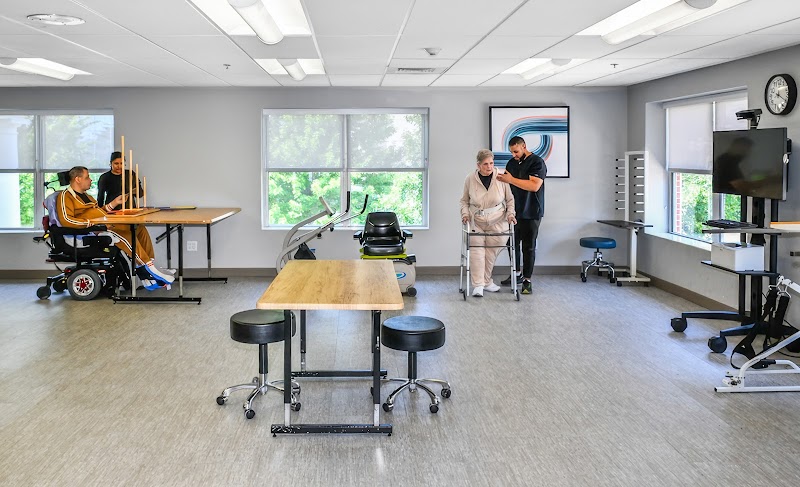
How is Warren Barr Oak Lawn Staffed?

CMS rates WARREN BARR OAK LAWN's staffing level at 2 out of 5 stars, which is below average compared to other nursing homes. Staff turnover is 52%, compared to the Illinois average of 46%.

What Have Inspectors Found at Warren Barr Oak Lawn?

State health inspectors documented 24 deficiencies at WARREN BARR OAK LAWN during 2022 to 2024. These included: 5 that caused actual resident harm and 19 with potential for harm. Deficiencies causing actual harm indicate documented cases where residents experienced negative health consequences.
Who Owns and Operates Warren Barr Oak Lawn?

WARREN BARR OAK LAWN is owned by a for-profit company. For-profit facilities operate as businesses with obligations to shareholders or private owners. The facility is operated by LEGACY HEALTHCARE, a chain that manages multiple nursing homes. With 122 certified beds and approximately 99 residents (about 81% occupancy), it is a mid-sized facility located in OAK LAWN, Illinois.

How Does Warren Barr Oak Lawn Compare to Other Illinois Nursing Homes?

Compared to the 100 nursing homes in Illinois, WARREN BARR OAK LAWN's overall rating (4 stars) is above the state average of 2.5, staff turnover (52%) is near the state average of 46%, and health inspection rating (4 stars) is above the national benchmark.

What Should Families Ask When Visiting Warren Barr Oak Lawn?

Based on this facility's data, families visiting should ask: "Can you walk me through typical staffing levels on day, evening, and night shifts?" "Can I visit during a mealtime to observe dining assistance and food quality?" "How do you handle medical emergencies, and what is your hospital transfer rate?" "Can I speak with family members of current residents about their experience?" These questions are particularly relevant given the below-average staffing rating.

Is Warren Barr Oak Lawn Safe?

Based on CMS inspection data, WARREN BARR OAK LAWN has a clean safety record: no substantiated abuse findings (meaning no confirmed cases of resident harm), no Immediate Jeopardy citations (the most serious violation level indicating risk of serious injury or death), and is not on the Special Focus Facility watch list (a federal program monitoring the lowest-performing 1% of nursing homes). The facility has a 4-star overall rating and ranks #1 of 100 nursing homes in Illinois. While no facility is perfect, families should still ask about staff-to-resident ratios and recent inspection results during their visit.

Do Nurses at Warren Barr Oak Lawn Stick Around?

WARREN BARR OAK LAWN has a staff turnover rate of 52%, which is 6 percentage points above the Illinois average of 46%. Moderate turnover is common in nursing homes, but families should still ask about staff tenure and how the facility maintains care continuity when employees leave.

Was Warren Barr Oak Lawn Ever Fined?

WARREN BARR OAK LAWN has no federal fines on record. CMS issues fines when nursing homes fail to meet care standards or don't correct problems found during inspections. The absence of fines suggests the facility has either maintained compliance or corrected any issues before penalties were assessed. This is a positive indicator, though families should still review recent inspection reports for the full picture.

Is Warren Barr Oak Lawn on Any Federal Watch List?

WARREN BARR OAK LAWN is not on any federal watch list. The most significant is the Special Focus Facility (SFF) program, which identifies the bottom 1% of nursing homes nationally based on persistent, serious quality problems. Not being on this list means the facility has avoided the pattern of deficiencies that triggers enhanced federal oversight. This is a positive indicator, though families should still review the facility's inspection history directly.