WEST SUBURBAN MEDICAL CTR
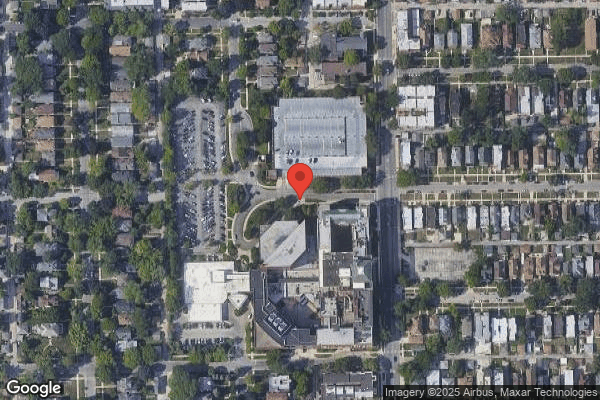
3 ERIE COURT, OAK PARK, IL 60302 (708) 763-6018
For profit - Corporation 50 Beds Independent Data: November 2025
Trust Grade
90/100
#90 of 665 in IL
Last Inspection: October 2024

Within standard 12-15 month inspection cycle. Federal law requires annual inspections.

Overview

West Suburban Medical Center in Oak Park, Illinois, has an excellent Trust Grade of A, indicating it is highly recommended and performs well compared to other facilities. It ranks #90 out of 665 facilities in Illinois, placing it in the top half statewide, and #29 out of 201 in Cook County, meaning only 28 local options are better. The facility is improving, with a decrease in issues from 7 in 2023 to 3 in 2024. Staffing, however, is a concern, receiving a low rating of 1 out of 5 stars; although turnover is impressively at 0%, indicating staff stability, the staffing quality may be lacking. Recent inspections reveal significant concerns, such as failing to follow proper medication administration processes and infection control policies, including hand hygiene, which could risk residents' safety. Overall, while the facility has strong quality measures and no fines, families should weigh the strengths against the critical areas needing attention.

Trust Score
A
90/100
In Illinois
#90/665
Top 13%
Safety Record
Low Risk
No red flags
Inspections
Getting Better
7 → 3 violations
Staff Stability
○ Average
Turnover data not reported for this facility.
Penalties
✓ Good
No fines on record. Clean compliance history, better than most Illinois facilities.
Skilled Nurses
○ Average
RN staffing data not reported for this facility.
Violations
⚠ Watch
12 deficiencies on record. Higher than average. Multiple issues found across inspections.
★★★★★
5.0
Overall Rating
★☆☆☆☆
1.0
Staff Levels
★★★★★
5.0
Care Quality
★★★★★
5.0
Inspection Score
Stable
2023: 7 issues
2024: 3 issues

The Good

  • 5-Star Quality Measures · Strong clinical quality outcomes
  • Full Sprinkler Coverage · Fire safety systems throughout facility
  • No fines on record

Facility shows strength in quality measures, fire safety.

The Bad

No Significant Concerns Identified

This facility shows no red flags. Among Illinois's 100 nursing homes, only 0% achieve this.

The Ugly 12 deficiencies on record

Oct 2024 3 deficiencies
CONCERN (D)

Potential for Harm - no one hurt, but risky conditions existed

Deficiency F0554 (Tag F0554)

Could have caused harm · This affected 1 resident

**NOTE- TERMS IN BRACKETS HAVE BEEN EDITED TO PROTECT CONFIDENTIALITY** Based on observation, interview, and record review, the facility failed to ensure that it was safe for one resident (R3) to self...

Read full inspector narrative →
**NOTE- TERMS IN BRACKETS HAVE BEEN EDITED TO PROTECT CONFIDENTIALITY** Based on observation, interview, and record review, the facility failed to ensure that it was safe for one resident (R3) to self-administer medications and did not follow doctors order and facility policy prior to leaving inhaler medication at bedside. This failure affected one resident in a total sample of 15 residents. Findings include: R3 is a [AGE] year-old resident admitted to the facility on [DATE], with diagnoses including but not limited to Chronic obstructive pulmonary disease. Order dated 09/24/2024 documents: please assess patient for appropriateness of medications at bedside, if appropriate allow designated medications at bedside. Per protocol. Order dated 09/24/2024 documents: fluticasone-vilanterol 100mcg-25mcg/inhaler inhalation powder. Inhale 1 powder inhalation daily. Care plan dated 09/24/2024 documents: Deficient knowledge: medication related to cognitive impairment or lack of information for oral medications. Resident/Caregiver/support system self-administration assessment tool subacute rehabilitation form dated 09/24/2024 shows 6 questions not answered. This document had a total of 6 questions. This document also stated: Inability to answer yes to all of the above requires removal of medications from bedside. Above form is signed by two nurses one of which was V5. In the area that stated medication name it documents none/Breo Inhaler. On 10/07/2024 at 10:38 AM, R3 had inhaler at bedside sitting on bedside table within reach. Inhaler was Breo ellipta 100mcg/25 mcg (fluticasone-vilanterol). R3 stated, I am not sure when to take it. They tell me when I should take it. I don't believe in all of them medicines. On 10/08/2024 at 2:40 PM, V5, Registered Nurse RN (Registered Nurse), stated, I signed the self-administration assessment tool sheet last week for (R3). I should not have signed the same assessment tool from admission. I should have done a whole new sheet and put the date and time. I could not find the Breo Ellipta so I ordered one and seen there were no medications on the assessment tool, so I added the Breo Ellipta. I did not get a chance to ask all questions. Usually this is done on admission. V5 stated, 09/24/2024 was the first day the Breo Ellipta was ordered. On 10/08/2024 at 2:43 PM, V2, Director of Nursing DON (Director of Nursing), stated, My expectation for all nurses regarding self administration assessment tool is that they fill out the paperwork properly and follow policy. If the assessment is not completed or indicates that resident cannot self-administer, medications should not be left at bedside. Policy dated 6/2016 with latest revision date of 03/2022 for Topical ointments, Inhalers and Nasal Spray at bedside documents: Process: 1. Physician writes an order for ointments, inhalers and or nasal spray to be kept at bedside. 2. Medications to be kept in resident's bedside drawer when not in use.
CONCERN (D)

Potential for Harm - no one hurt, but risky conditions existed

Comprehensive Care Plan (Tag F0656)

Could have caused harm · This affected 1 resident

**NOTE- TERMS IN BRACKETS HAVE BEEN EDITED TO PROTECT CONFIDENTIALITY** Based on interview and record review, the facility failed to develop a person-centered care plan and interventions that meet the...

Read full inspector narrative →
**NOTE- TERMS IN BRACKETS HAVE BEEN EDITED TO PROTECT CONFIDENTIALITY** Based on interview and record review, the facility failed to develop a person-centered care plan and interventions that meet the needs of a resident receiving dialysis treatment. This deficiency affects one (R65) of one resident in a sample of 15 reviewed for dialysis. Findings include: R65 is a [AGE] year old, female, admitted in the unit on 09/27/24, with diagnosis of End Stage Renal Disease. R65 goes to an outpatient dialysis center for hemodialysis three times a week. On 10/08/24 at 2:40 PM, R65 was observed in her room, sitting in bedside chair. R65 is alert, oriented, and verbal. R65 was asked regarding dialysis treatment. R65 replied, I go to dialysis Monday-Wednesday-Friday around 1-2 PM, for 3 and a half hours treatment. I go to outpatient dialysis center. R65's care plan read: Impaired fluid balance related to renal disease: Resident to go to Outpatient dialysis after scheduled therapy Hemodialysis - Monday, Wednesday, Friday schedule; fluid restriction. There were no other specific interventions written in R65's care plan regarding monitoring, amount of fluid to be restricted and access care. On 10/09/24 11:29 AM, V2 (Director of Nursing) was asked regarding dialysis care plan. V2 verbalized, Care plan is developed, depends on the order from doctors. If there is an order for fluid restriction or diet, it will be reflected in the care plan. Admitting nurses do the care plan. They don't usually do anything from the nursing standpoint in terms of interventions. There is not a written plan. It is not individualized. Facility was asked to present policy regarding care plan, but nothing was presented during the course of the survey period.
CONCERN (D)

Potential for Harm - no one hurt, but risky conditions existed

Deficiency F0698 (Tag F0698)

Could have caused harm · This affected 1 resident

**NOTE- TERMS IN BRACKETS HAVE BEEN EDITED TO PROTECT CONFIDENTIALITY** Based on observation, interview, and record review, the facility failed to follow its policy related to ensuring flowsheets and ...

Read full inspector narrative →
**NOTE- TERMS IN BRACKETS HAVE BEEN EDITED TO PROTECT CONFIDENTIALITY** Based on observation, interview, and record review, the facility failed to follow its policy related to ensuring flowsheets and dialysis communication forms are placed in chart on a resident on dialysis treatment. This deficiency affects one (R65) of one resident in a sample of 15 reviewed for dialysis. Findings include: R65 is a [AGE] year-old, female, admitted in the skilled unit on 09/27/2,4 with diagnosis of End Stage Renal Disease. R65 goes to an outpatient dialysis center for hemodialysis three times a week. On 10/08/24 at 2:40 PM, R65 was observed in her room, sitting in bedside chair. R65 is alert, oriented, and verbal. R65 was asked regarding dialysis treatment. R65 replied, I go to dialysis Monday-Wednesday-Friday around 1-2 PM, for 3 and a half hours treatment. I go to outpatient dialysis center. No, I don't bring anything to the dialysis center. I leave here without anything and back here without anything. No forms or papers that I need to bring to or bring back from. On 10/08/24 at 1:10 PM, V2 (Director of Nursing) was asked regarding R65's communication forms and flowsheets before and after dialysis treatment. V2 stated, She (R65) is on dialysis, goes to an outpatient dialysis unit. We don't get any communication forms from dialysis. We don't have that. We don't have the flowsheets in the chart, those were not uploaded in our system. On 10/08/24 at 3:40 PM, V3 (Director of Nursing Operations) also verbalized, We don't have her (R65) dialysis flowsheets in her chart. We don't have the communication form in her chart. Facility's policy titled, Dialysis, Residents Receiving, dated 8/2023, stated: Purpose: Resident can expect appropriate care, accurate documentation and communication between dialysis Staff and the skilled nursing (SNF) Staff. Process: 6. The dialysis communication form will be placed in the patients chart with pertinent information. 8. Copy of the dialysis flow sheet will be placed in the residents SNF chart post dialysis. 9. If dialysis sheet is not in the patients chart upon return to the unit, the SNF nurse will follow up with the dialysis unit and have them fax over a copy.
Sept 2023 7 deficiencies
CONCERN (D)

Potential for Harm - no one hurt, but risky conditions existed

Deficiency F0658 (Tag F0658)

Could have caused harm · This affected 1 resident

Based on observation and interview, the facility failed to maintain professional nursing standards of practice by not properly performing double nurse medication verification, in accordance with facil...

Read full inspector narrative →
Based on observation and interview, the facility failed to maintain professional nursing standards of practice by not properly performing double nurse medication verification, in accordance with facility protocol, while administering cancer related medication and by preparing medications in advance of administering them. These failures applied to two (R6, R171) of eight residents reviewed for medication administration. Findings include: 1. On 9/27/23 at 9:45AM, V18, RN (Registered Nurse), was observed administering anastrozole 1 milligram tablet to R6. Upon signing the medication in the mobile scanner, R18 said the scanner prompted that a second nurse verification was needed to complete the administration, because the medication was a cancer related drug. V18 was followed on the unit until the other nurse on duty (V17) was located. V17 and V18 stood at the nurse's station and verified the medication in the mobile scanner. Shortly after this interaction, at 10:30AM, V17, RN, was interviewed about the facility's procedure requiring two nurse verification and said, The verification should have taken place at the bedside. The second nurse should verify the proper medication, dosage, watch the resident taking the medication, however, because (R6) frequently stayed on the unit, the nurses were familiar with (R6's) medications. 2. On 09/27/23 at 9:51 AM, during Medication Administration observation, V18, RN, produced a plastic zip bag with a plastic medicine cup and five loose pills that were scheduled to be given to R171. V18 said the medications had been prepared prior to this observation. V18 said, the medications were removed from the dispensing machine, scanned to be given, and opened. V18 said, I knew that I was about to give them, so I just got them ready. Usually, I do this in the resident's room. Five pills were in a plastic bag unable to be identified by individual packaging. During this observation, On 9/27/23 at 1:30PM, V5, CNO (Chief Nursing Officer), said a two nurse verification was required for specific high risk medications. V5 also confirmed the proper procedure was for the nurse who is providing a second verification to stay with the medication from the time it is prepared until administered. The facility was unable to provide a list of high risk oral medications, however, a policy including the procedure for two nurse verification was presented. On 9/27/23 at 3:00PM, V5 said although the policy is for the administration of IV (intravenous) medications, the procedure and expectation of two nurse verification system applies to all medications. Policy Department of Pharmacy IV Medication Administration Policy revised December 2021 states: An Independent double check means that two nurses will check independently of one another the following factor (but are not limited to these factors): 1. Right Patient identification using two identifiers per policy, 2. Right Drug (check against eMAR and physician order), 3. Right Dose, including mathematic calculations using appropriate factors (e.g. mg/kg, mg/m^2, etc) and that is within the range for the patient population, 4. Right Route of administration, 5. Right Time/Frequency. After the 5 rights of medication administration and IV considerations are confirmed, the nurse documents the administration of the medication and indicates the name of the co-signer in the co-signature box of the eMAR. The co-signer will document in the electronic medical record that he/she has performed the independent double check. Policy titled Storage of Medications (Patient Care Areas) 01/18 states: Safe Handling of Medications from the Medication Storage Area to the Point of Administration: - Medications are removed from medication storage areas just prior to administration. Medications are taken directly from the medication storage area to the bedside for administration. Protective outer wrapper on medications and IV solutions are not removed until immediately prior to administration.
CONCERN (D)

Potential for Harm - no one hurt, but risky conditions existed

ADL Care (Tag F0677)

Could have caused harm · This affected 1 resident

Based on observation, interview, and record review, the facility failed to follow their policy and procedures for providing assistance with activities of daily living by not ensuring resident nails we...

Read full inspector narrative →
Based on observation, interview, and record review, the facility failed to follow their policy and procedures for providing assistance with activities of daily living by not ensuring resident nails were clean and cut, not ensuring a dependent resident's environment was clean and that he was was free of body odors, and failed to ensure a resident was raised out of bed for daily activities. These failures applied to five of five residents (R6, R7, R9, R18, and R68) reviewed for activities of daily living. Findings include: 1. On 09/26/23 at 11:27 AM, R6 stated her physician told her the podiatrist comes to the facility every 10 days. R6 stated she wanted her toenails cut. R6 had long unclean fingernails. R6 stated no one offered to cut her nails. R6's current subacute rehabilitation conference sheet documents she is dependent on and requires assistance with activities of daily living. 2. On 09/25/23 at 1:11 AM, R7 had a sock on his left hand, right hand was heavily contracted, his toe nails were long, thick, and yellow, R7 had a strong body odor, and R7's skin was red on his right elbow. R7 was unable to communicate, answering only with the word yeah and nodding his head. On 09/26/23 at 11:18 AM, R7 was lying in his bed on his back. R7's right contracted hand when opened by V10 (Patient Care Tech) had long and dirty fingernails. R7's left hand had long, dirty fingernails. V10 stated R7 is not diabetic. V10 stated PCT's (Patient Care Techs) cannot cut residents nails. V10 stated R7 hasn't been observed out of bed by her since she's been at the facility. On 09/26/23 at 12:02 PM R7 was lying in bed, awake and alert. R7's call light remote was on top of his bed sheets covered with a light brown dry substance, which was also on small areas of his gown and draw sheet. On 09/26/2023 at 12:12PM, V10 PCT (patient care tech) arrived in the room to provide feeding assistance and confirmed R7 had a bowel movement, which she aided with earlier in the day. When R7's call light was pointed out to V10, V10 said she hadn't noticed it earlier and was unable to determine what the brown matter was. V10 the got a paper towel dampened with water, and attempted to wipe away the brown substance. R7's current subacute rehabilitation conference sheet documents he is dependent on staff for assistance with activities of daily living. 3. On 09/25/23 at 1:28 PM, R9's nails were long and unclean. V15 (Family Member) stated she had been asking if they could cut R9's fingernails. V15 stated R9 is diabetic, and she was not aware someone could cut her nails for her. R9's current subacute rehabilitation conference sheet documents she is dependent on staff for assistance with activities of daily living. 4. On 09/26/23 at 11:16 AM, R18's nails were long and unclean. R18's current subacute rehabilitation conference sheet documents she is dependent on staff for assistance with activities of daily living. 5. On 09/26/23 at 11:39 AM, R68's nails were long. R68 stated no one offered to cut her nails for her, and her hand and toenails could use a trim. On 09/26/23 at 1:17 PM, V2 (Director of Nursing) stated there is no set schedule for the podiatrist to come and service the residents. V2 stated the podiatrist is requested when needed. At times, family members opt to cut the residents nails, and when this happens it is documented in the residents medical records. V2 stated the facility does not provide nail care. V2 stated she is unsure if the therapy staff provides nail care, and she will follow up once she verifies this information. On 09/27/23 at 9:48 AM, V2 (Director of Nursing) stated the facility does not have a policy on nail care. V2 stated, If the resident or their family would like their nails clipped, or if we notice that the resident's nails are long and are causing scratches or issues, nursing would put in a request for the podiatrist to come in. V2 stated none of the in house staff provide nail care. V5 (Chief Nursing Officer) stated, We have attempted to find the right care for (R7( because he requires custodial care vs subacute care and we are not custodial care, but we have not found anything. V2 stated, (R7) is never out of bed and he's usually just sat up in bed. We could probably get clothes for him. V2 stated she doesn't know why R7 is not out of bed. On 09/27/23 at 11:27 AM, V5 (Chief Nursing Officer) stated R7 is not raised out of bed because it was assessed by therapy he was not safe to use a wheelchair due to his body being too contracted. V5 stated they don't have geriatric chairs. On 09/27/23 at 01:30 PM, V2 (Director of Nursing) stated the issue with R7 having a sock on his hand would be restriction of his hands and not being able to observe him for circulation. V2 stated nobody knows why R7 was wearing a sock on his hand. V5 (Chief Nursing Officer) stated, Placing a sock on (R7's) hand is definitely not a practice we encourage. On 09/28/23 at 11:15 AM, V2 (Director of Nursing) stated it's everyone's responsibility to ensure R7's call light is clean and free of substances. V2 stated after incontinence care, staff should ensure there are no substances left behind, and they should be observing for any substances that shouldn't be left in a residents care area. V2 stated, All staff providing assistance with activities of daily living should be checking for unclean nails and if observed, should soak and clean them. V2 confirmed all nursing and therapy staff are responsible for ensuring residents are clean. V2 confirmed if a resident is observed with a body odor even after receiving a bath, they should be cleaned again. On 09/28/23 at 1:56 PM, V2 (Director of Nursing) stated team conferences are conducted once monthly and documented on the subacute rehabilitation conference sheet, which contain the most updated information regarding the residents care needs. On 09/28/23 at 2:28 PM, V2 (Director of Nursing) stated they plan to work on providing R7 with care equipment that will possibly allow him to be raised out of bed. On 09/28/23 at 3:12PM, V2 (Director of Nursing) could not provide any therapy or other medical record documentation that indicated R7 could not be raised out of bed in a wheelchair or geriatric chair.
CONCERN (D)

Potential for Harm - no one hurt, but risky conditions existed

Accident Prevention (Tag F0689)

Could have caused harm · This affected 1 resident

**NOTE- TERMS IN BRACKETS HAVE BEEN EDITED TO PROTECT CONFIDENTIALITY** Based on interview and record review, the facility failed to follow their fall prevention policy and procedures by not ensuring ...

Read full inspector narrative →
**NOTE- TERMS IN BRACKETS HAVE BEEN EDITED TO PROTECT CONFIDENTIALITY** Based on interview and record review, the facility failed to follow their fall prevention policy and procedures by not ensuring a chair alarm intervention was in place as required for a resident at risk for falls resulting in an unwitnessed fall. This failure applied to one of one resident (R9) reviewed for accidents/falls. Findings include: R9 is an [AGE] year-old female with a diagnosis history of Partial Paralysis due to Stroke, who was admitted to the facility 09/08/2023. On 09/25/23 at 1:28 PM, R9 was sitting in her room in her wheelchair. V15 (Family) was visiting R9. V15 stated R9 had a fall last Tuesday or so, at around 3PM. V15 stated the facility has known R9 is a fall risk since she was admitted and has provided her with a chair alarm since her admission. V15 stated during the incident, R9 was sleep in her chair. V15 stated R9 moves around a lot because in her mind she can still move. V15 stated R9 fell on her bottom. R9's physician progress note, dated 09/19/2023, documents per V15 (Family Member), R9 is debilitated with limited verbal expression; chief complaint includes impaired mobility and self-care. R9's progress note, dated 09/19/2023, documents a code was called at 3PM, per nursing R9 was calling out for help and tried to get out of her wheelchair. She was found having slid partially out of her wheelchair with her wheelchair tilted behind her. R9's Pre/Post Fall Reports, dated 09/19/2023, documents she was assessed to be at moderate risk for falls with a Morse Fall Risk Scale score of 35, she experienced an unwitnessed fall, per her report she was repositioning herself in the chair prior to the fall; V11 (Therapy Manager) was in the therapy office and heard a patient yelling out for the nurse, he responded to the patients call and observed her sitting up on the floor. Per R9 she was attempting to reposition herself in her wheelchair and slid forward out of the chair. R9's chair alarm pad was on her chair but was not plugged in. Upon further investigation, R9 was participating in group activity and was returned to her room by family. On 09/26/23 at 11:43 AM, V2 (Director of Nursing) stated when falls happen, there are reports completed and they are submitted to the Risk Manager. V2 stated she reviews these reports. V2 stated she reviewed R9's physician note from 09/19/2023, which documented she fell partially out of her wheelchair after trying to reposition herself in it. V2 stated R9's chair alarm was noted in place. V2 stated V6 (Registered Nurse) documented the pre and post fall reports for the incident, which are not located in her medical records. On 09/26/23 at 11:58 AM, V6 (Registered Nurse) stated, (R9) did have an incident last week where she slid to the floor out of her chair. (R9's) chair alarm activates if she stands up, or weight is removed from it, such as when turning or moving, or if the pad is removed from underneath her. V6 stated she believes R9 was in another room during the time of the incident. V6 stated the Physical Therapist found R9 after she had fallen, and notified everyone that it happened. V6 stated she didn't hear R9's chair alarm during her fall, possibly due to being in another location. V6 stated she may have been assisting another resident during the time of the fall. On 09/26/23 at 12:07 PM, V11 (Occupational Therapy Manger) stated he discovered R9 on the floor when she had a fall last Tuesday 09/19/2023. V11 stated this happened approximately between 1-2 PM. V11 stated while working in the Physical Therapy office, he heard R9 calling out for a nurse and responded immediately. V11 stated he found R9 on the floor in a seated position. V11 then called out a code that indicates someone has fallen. V11 stated when he asked R9 what happened, she reported she was just trying to reposition herself. V11 stated at the time, there were no other staff present in the hall or otherwise. V11 stated R9 generally doesn't use the call light, and instead has on occasion called out for assistance. V11 stated he believes R9's family and brought her back from activities and her chair alarm was not reconnected by the family. V11 stated R9's family was not present during the incident. On 09/26/23 at 12:19 PM, V6 (Registered Nurse) stated, It is requested that family communicate to staff when they return a resident back to their room. When (R9's family) left her in her room on Tuesday (09/19/2023) after activities, they did not communicate to the staff that she was back in her room. V6 stated when she contacted V15 (Family Member) to inform her about the fall, she reported V15 reported she had just left R9. V6 stated the nursing staff usually monitor residents whereabouts themselves and don't solely rely on family to inform them when a resident has been returned to their rooms. V6 stated R9 is not typically impulsive and had not been that day. V6 stated R9's chair alarm was in place during the time of her incident. It is nursing responsibility to monitor the resident's whereabouts and who they are with. The activities coordinator should notify nursing when a resident is returned to their room after activities . Whenever staff escorts a resident who uses a chair alarm back to their room, staff reconnect it, especially therapy staff. V6 stated she is not sure if the activities coordinator or any other staff was with her when she returned back to her room after activities on 09/19/2023. V6 stated whenever she conducts rounds, she makes sure residents who require chair alarms have the device correctly in place. On 09/26/23 at 12:56 PM, V12 (Activities Coordinator) stated she was with R9 on Tuesday 09/19/2023 when conducting activities. V12 stated staff would normally escort a resident from activities back to their rooms. V12 stated staff would have escorted R9 back to her room after activities due to her cognitive status and using a wheelchair. V12 stated she did not escort R9 back to her room from activities 09/19. V15 (Family Member) stated she escorted R9 back to her room from activities without any staff present on 09/19. V15 stated she escorted R9 to and from activities without any staff accompanying them. V15 stated she stayed with R9 for a brief time after, but then left, and soon after was informed that R9 fell. On 09/27/23 at 09:48 AM, V2 (Director of Nursing) stated when R9 fell 09/19/2023 her family brought her back to her room, but staff were unaware. V2 stated R9 was was adjusting herself in the wheelchair, and while scooting, lost her balance. V5 (Chief Nursing Officer) stated good collaboration between family and staffing as well would help prevent accidents such as the one R9 experienced. V5 stated V12 (Activities Coordinator) could have also alerted staff that R9 was returning to her room after activities. V2 stated during rounds, the nurse or PCT (Personal Care Tech) would notice R9 had returned to her room. V2 and V5 stated they don't expect family to reconnect the resident's chair alarm upon returning to their room, and wouldn't expect family to prevent an accident. V2 and V5 stated better communication among staff would have help prevent R9's accident and activities staff could have notified the PCT 's that a patient was returning to room. The facility's Fall Risk Assessment and Prevention Policy, reviewed 09/28/2023, states: The Fall/Injury Prevention Program is designed to: Recommend interventions intended to prevent or reduce the risk of injuries associated with falls; Enhance patient/resident, family, and staff knowledge of potential safety issues; outline the responsibilities all staff in the prevention of or response to a patient fall. Prevention of falls and injury to the patient/resident is the responsibility of every member of the staff. The facility will maintain a safe environment to reduce the risk of injury for patients/residents. An RN (Registered Nurse) is responsible for implementation and oversight of individualized patient fall prevention care as follows: Provides oversight of delegated duties to ancillary personnel in the delivery of safe care. A fall is defined as a sudden, unintentional descent, with or without injury to the patient/resident, that results in the patient/residents coming to rest on the floor, on or against some other surface. A Morse fall risk assessment score between 25-50 indicates moderate risk. Chair alarms may be utilized for patients/residents identified as high risk for falls.
CONCERN (D) 📢 Someone Reported This

A family member, employee, or ombudsman was alarmed enough to file a formal complaint

Potential for Harm - no one hurt, but risky conditions existed

Unnecessary Medications (Tag F0759)

Could have caused harm · This affected 1 resident

Based on observation, interview, and record review, the facility failed to have a five percent (5%) or lower medication error rate. There were six medication errors out of 25 medication opportunities,...

Read full inspector narrative →
Based on observation, interview, and record review, the facility failed to have a five percent (5%) or lower medication error rate. There were six medication errors out of 25 medication opportunities, resulting in a 24% medication error rate. This failure affected two of five residents observed during medication administration. Findings include: On 09/26/23 at 12:25PM, V7, RN (Registered Nurse), was observed for insulin administration for R9. V7 said the blood glucose was taken around 11:30AM, prior to lunch. V7 could not provide the exact blood glucose result, but said according to the result, R9 should have gotten some insulin according to a sliding scale as ordered by the Physician. V7 said before insulin was given to R9, she needed to be monitored for how much food was eaten. Later at 12:45PM, V7 said since R9 only ate 25% of her meal, she would be withholding the insulin, and this did not require notification of any provider, because she knows the blood sugar will decrease if given. According to results review in the electronic health record, blood glucose was not documented as taken prior to lunch. A result of 189 was documented at 12:59PM, after lunch had been served. Physician order and Medication Administration Record (MAR) included Order to administer 1 unit of insulin for a result of 189. On 9/27/23 at 1:30PM, V2, Director of Nursing (DON), and V5, Chief Nursing Officer (CNO), said although the facility does not have a policy specific to administering insulin, the nurses are expected to take blood glucose samples from residents close but prior to mealtimes, and the RN should follow the Physician order, which may include additional parameters that would also be noted within the order. The nurse is expected to provide insulin according to the sliding scale (range), not according to amount of food eaten, unless specified. On 09/27/23 at 9:42AM, V18 was observed during medication administration to R6. When completed, V18 returned to the nurse's station at 9:51 AM. V18, RN, produced a plastic zip bag with a plastic medicine cup and five loose pills that were scheduled to be given to R171. V18 said the medications had been prepared prior to this observation. V18 said, The medications were removed from the dispensing machine, scanned to be given. I knew that I was about to give them, so I just got them ready. Usually, I do this in the resident's room. Five pills were in a plastic bag unable to be identified by individual packaging. While pouring the medications from the bag into the cup, 1 oblong white pill was dropped on the floor, and needed to be replaced. V18 said they were familiar with the medications, and thought they knew which medication dropped, due to familiarity. V18 was followed into the medication room and observed to remove another pill out of the medication dispensary. V18 left the cup of all other medications unattended on the mobile computer station, and walked into the medication room to remove one atorvastatin pill. Returning to the nurse's station, V18 dropped the atorvastatin pill again, onto the nurse's station counter and computer area. It was replaced with another tablet, and the medications were verified by defining characteristics. V18 said according to the medication scanner, the medications that were being administered were Atorvastatin 40mg (milligrams), Azythromycin 250mg, Enalopril 2.5mg, Torsemide 10mg and Tamsulosin 0.4mg. V18 was observed providing medications to R171 at 9:58 AM. After exiting the room, V18 said the medication scanner required an additional scan from R171's wrist band to confirm that the medications were given, and then re-entered the room to obtain the scan. Review of Medication Administration Record notes medications were completed and given at 10:07AM. Shortly after at 10:30AM, another nurse, V17, RN, was observed passing medications to other residents without concerns. V17 said, The policy of the facility is that medications should be pulled from the medication dispensary for one resident at a time, scanned in the presence of the resident to avoid mistakes. V17 also said that prepared medications should not be left unattended for safety. On 9/27/23 at 1:30PM, V2, DON (Director of Nursing), and V5, CNO (Chief Nursing Officer), said, The nurses are expected to follow the policies for medication administration which include the procedure of removing medications immediately prior to administration and scanning resident wristband, and medications at the bedside which translates electronically to the MAR (Medication Administration Record). Medication Administration Policy, revised March 2016, states: Medication Administration Procedure: Medications are prepared for one patient at a time. Unit-dose packages remain intact until immediately prior to administration. Medications are administered immediately after the medication is prepared without a break in process by the individual who prepares the dose. Document the exact time the medication is administered. Do not document prior to administration. Policy titled Storage of Medications (Patient Care Areas) 01/18 states: Safe Handling of Medications from the Medication Storage Area to the Point of Administration: Medications are removed from medication storage areas just prior to administration. Medications are taken directly from the medication storage area to the bedside for administration. Protective outer wrapper on medications and IV solutions are not removed until immediately prior to administration. Medications may not be stored in a pocket. The medication must remain within the control of the healthcare professional until administered, wasted or returned to a secured storage area. If the individual cannot immediately administer the medication, the medication will be handled as defined in the Product Disposition section below. Product Disposition Medications removed from the labeled package or container and not administered to the patient are discarded following the hospital's Pharmaceutical Waste Management Plan.
CONCERN (D)

Potential for Harm - no one hurt, but risky conditions existed

Deficiency F0883 (Tag F0883)

Could have caused harm · This affected 1 resident

**NOTE- TERMS IN BRACKETS HAVE BEEN EDITED TO PROTECT CONFIDENTIALITY** Based on interview and record review, the facility failed to follow their vaccine policy and procedures for flu and pneumonia va...

Read full inspector narrative →
**NOTE- TERMS IN BRACKETS HAVE BEEN EDITED TO PROTECT CONFIDENTIALITY** Based on interview and record review, the facility failed to follow their vaccine policy and procedures for flu and pneumonia vaccination by not ensuring a vaccine eligible long term care resident was offered and educated on or receiving a flu or pneumonia vaccination. This failure applied to one (R7) of five residents reviewed for vaccinations. Findings include: R7 is a [AGE] year-old male, with a diagnoses history of Coronary Vascular Accident, Aphasia, Seizures, and Depression who has been residing at the facility for the past 5 years per nursing. On 09/27/23 at 12:40 PM, V16 (Infection Preventionist) stated she began working on the unit as the Infection Preventionist at the end of July, and has been working in that role a little over 2 months. V16 stated it wasn't documented R7 received any flu vaccines. V16 stated she educates the nurses on vaccines, and they handle ensuring residents are offered and educated on vaccines. V16 stated if the patient wants the vaccines, they would sign a consent, or if they refuse, it would be documented. On 09/28/23 at 1:56 PM, V2 (Director of Nursing) stated R7 has been on the Subacute Rehab Unit at least 5 years. V2 stated she reviewed R7's records as far back as she could, and he hasn't had a flu or pneumococcal vaccine and had only one COVID vaccine. V2 stated she isn't sure why he hasn't had an influenza vaccination, but he should have. R7's medical records do not include any documentation of receiving a flu or pneumonia vaccination since admission. The facility's Vaccine Policy reviewed 09/28/2023 states: The Skilled Nursing Facility (SNF) shall arrange for vaccination against influenza and pneumococcal in accordance with the recommendation of the Advisory Committee on Immunization Practices of the Centers for Disease Control and Prevention, unless the resident has refused or it is medically contraindicated. Residents admitted October through February will be assessed to determine if they have received the influenza vaccine. It will be documented in the resident's medical record that the influenza vaccine was administered, refused or medically contraindicated. Residents admitted will be assessed to determine if they have received the pneumococcal vaccine within the last five years. It will be documented in the residents medical record that the pneumococcal vaccine was administered, refused or medically contraindicated.
CONCERN (D)

Potential for Harm - no one hurt, but risky conditions existed

Deficiency F0887 (Tag F0887)

Could have caused harm · This affected 1 resident

**NOTE- TERMS IN BRACKETS HAVE BEEN EDITED TO PROTECT CONFIDENTIALITY** Based on interviews and record reviews, the facility failed to follow their COVID-19 policy and procedures for COVID vaccination...

Read full inspector narrative →
**NOTE- TERMS IN BRACKETS HAVE BEEN EDITED TO PROTECT CONFIDENTIALITY** Based on interviews and record reviews, the facility failed to follow their COVID-19 policy and procedures for COVID vaccination, by not ensuring a vaccine eligible long term care resident was offered and educated on or received a COVID vaccination. This failure applied to one (R7) of five residents reviewed for COVID vaccination. Findings include: R7 is a [AGE] year-old male with a diagnoses history of Coronary Vascular Accident, Aphasia, Seizures, and Depression, who has been residing at the facility for the past 5 years, per nursing. On 09/27/23 at 12:40 PM, V16 (Infection Preventionist) stated she began working on the unit as the Infection Preventionist at the end of July, and has been working in that role a little over 2 months. V16 stated R7 received a COVID 19 vaccine 03/16/2021, which is likely an initial dose, based on when the vaccines became available in December 2020. V16 stated she is unable to find any other COVID vaccine information for R7. V16 stated the facility does not have a COVID policy. V16 stated she educates the nurses on vaccines, and they handle ensuring residents are offered and educated on vaccines. V16 stated if the patient wants the vaccines, they would sign a consent, or if they refuse, it would be documented. R7's medical records document he received only one COVID 19 vaccine in March 2021 since admission. On 09/28/23 at 1:56 PM, V2 (Director of Nursing) stated R7 has been on the Subacute Rehab Unit at least 5 years. V2 stated she reviewed R7's records as far back as she could, andR7 had only one COVID vaccine. V2 stated R7 may have had a one dose COVID vaccine, and he should have received a booster, but he hasn't received one.
CONCERN (E)

Potential for Harm - no one hurt, but risky conditions existed

Infection Control (Tag F0880)

Could have caused harm · This affected multiple residents

Based on observation, interview, and record review, the facility failed to follow infection control policies regarding 1. hand hygiene while passing meal trays 2. Droplet Plus isolation precautions, a...

Read full inspector narrative →
Based on observation, interview, and record review, the facility failed to follow infection control policies regarding 1. hand hygiene while passing meal trays 2. Droplet Plus isolation precautions, and 3. Legionella (water contamination) prevention; and failed to have a policy which includes COVID prevention. These failures have the potential to affect all seven residents residing on the subacute rehabilitation unit. Findings include: 1. On 9/25/23 and 9/26/23, lunch was observed on the unit. Dietary staff were observed passing meals to residents in their rooms, and no hand hygiene was observed at any time during this process. While passing trays, items were manipulated on several resident's bedside tables in order to make room for the meals. Facility Hand Hygiene states; If hands are not visibly soiled, use an alcohol based hand-rub (ABHR) or wash hands with soap and water for routine decontamination in the following clinical situations: 1.5 After contact with inanimate objects (including medical equipment) in the immediate vicinity of the patient. On 9/27/23 at 1:30PM, V5, Chief Nursing Officer, said it was the expectation of staff to utilize hand sanitizer or wash hands upon entering and exiting patient rooms, and Dietary staff should be doing this while passing trays. 2. On 9/27/23 at 9:55 AM, while observing medication administration for R171, V18, RN/Registered Nurse, was seen going into the room without a face shield or eye protection. V18 said that R171 was on isolation Droplet precautions due to a positive COVID-19 result. The red isolation sign on the Door indicated: All healthcare workers entering the room must: wear a N95 mask with shield upon entry. On 9/27/23 at 12:50 PM, V16, Infection Preventionist, said the facility did not have a COVID prevention policy, but staff was expected to wear the PPE (Personal Protective Equipment) as stated on the appropriate (Droplet Plus) isolation sign. Infection Control Policy Isolation Precautions: General, revised May 2016 and reviewed August 2023, does not include isolation precautions for COVID-19 infection. 3. On 09/27/23 at 12:40 PM, V16 (Infection Preventionist) stated the facility handles Legionella monitoring and she receives a report and she reports it to the infection committee. V16 stated the water has not been tested since she began working as the Infection Preventionist. V16 stated she is responsible for reviewing the water testing report and ensuring any necessary follow up is initiated. V16 stated this is also the responsibility of the Plant Operations staff. V16 stated she did not review the most recent results because she's been busy, and she has not asked for assistance with this. V16 stated she does not know when the next test will be conducted. 09/28/23 12:53 PM V2 (Director of Nursing) reported she was not able to locate the results of Legionella Testing Reports, and she is ordering a stat test to be done. The facility's Water Management Plan, reviewed 09/28/2023, states: Control Measures for Legionella include: Regular monitoring including weekly and quarterly testing, and treatment of water as required.
Aug 2022 2 deficiencies
CONCERN (E)

Potential for Harm - no one hurt, but risky conditions existed

Deficiency F0578 (Tag F0578)

Could have caused harm · This affected multiple residents

Based on interview and record review, the facility failed to follow their policy to ensure residents had Advanced Directives in place. This failure applied to six (R6, R7, R108, R109, R110, and R159) ...

Read full inspector narrative →
Based on interview and record review, the facility failed to follow their policy to ensure residents had Advanced Directives in place. This failure applied to six (R6, R7, R108, R109, R110, and R159) of six residents reviewed for advanced directives. Findings include: R159's record review indicated no Advanced Directive in place. Noted resident to have an admission date of 08/19/2022. R7's record review indicated no Advanced Directive in place. Noted resident to have an admission date of 10/23/2020. On 08/23/22 at 2:17pm, the facility provided no documentation showing R6 was given a copy of the state law on Advanced Directives, or has Advanced Directives in place. On 08/23/22 at 2:17pm, the facility provided documentation R108 was given a copy of the state law on Advanced Directives in 08/2022. Did not provide documentation showing R108 has Advanced Directives in place. On 08/23/22 at 2:17pm, the facility provided no documentation showing R109 was given a copy of the state law on Advanced Directives, or has Advanced Directives in place. On 08/23/22 at 2:17pm, the facility provided documentation R110 was given a copy of the state law on Advanced Directives on 08/08/2022. Did not provide documentation showing R110 has Advanced Directives in place. On 08/23/22 at 1:10pm, V14 (Social Worker) stated R159 does not have an Advance Directive in place at this time and stated, I still need to see this resident. V14 also said R7 does not have an Advanced Directive in place at this time. On 08/24/22 at 10:50am, V1 (Administrator) was interviewed in regards to Advanced Directives. V1 stated, The admitting nurse is responsible to ask the resident upon admission if they have an Advance Directive in place. This is done within their admission paperwork in the EMR (electronic medical record) system. If the resident does not have an Advanced Directive in place, it is the responsibility of our Social Worker, (V14), to ensure they obtain one. On 08/24/22 at 12:23pm, V2 (Chief Nursing Officer) was interviewed in regards to Advanced Directives. V2 said it is the responsibility of the admitting nurse to obtain an Advanced Directive, or provide them with paperwork to fill out to complete an Advanced Directive. Asked V2 what is done after the resident is provided with paperwork and she said, It is then the responsibility of the Social Worker to follow up. Facility Policy titled Advance Directives, dated 03/2013 and last reviewed July 2022, stated, in part, but not limited to the following: Purpose: This policy facilitates the participation of patients, families, and legally authorized representatives in medical treatment decisions by informing and educating them regarding advance directives in accordance with state and federal law. Process: 1. Advance directives include written instructions, such as a living will, or durable power of attorney for health care related to the provision of health or medical care when an individual is incapacitated or incompetent. 3. The existence of an advance directive will be documented in the medical record.
CONCERN (F)

Potential for Harm - no one hurt, but risky conditions existed

Deficiency F0658 (Tag F0658)

Could have caused harm · This affected most or all residents

Based on observation, interview, and record review, the facility failed to have an active order for oxygen administration for one resident (R9) prior to administration; failed to follow facility polic...

Read full inspector narrative →
Based on observation, interview, and record review, the facility failed to have an active order for oxygen administration for one resident (R9) prior to administration; failed to follow facility policy and accepted standards of care related to medication administration by not pulling residents' medications at the time of administration; and failed to safely secure controlled class drug medications. These failures apply to nine of nine (R8, R9, R10, R11, R109, R158, R159, R161, R209) residents reviewed for medication administration and storage, and has the potential to affect all 22 residents currently on the unit. Findings include: On 08/23/2022 at 10:03am, observed a closed binder laid on top of V3's (Registered Nurse) mobile nursing cart. V3 (Registered Nurse) took a small cup of packaged medications from the top of her mobile cart, walked away from cart, and headed down the opposite end of hallway. Mobile cart with binder on top of cart was left unsecured, plugged into an outlet near opposite end of hallway, and not under constant surveillance by V3. At 10:07am, V3 (Registered Nurse) administered orally to R209: amlodipine 5mg, vitamin B12 1000mcg, and metoprolol tartrate 25mg. She then returned to her mobile cart, and said the morning medication pass is at 10:00am, so they have from 09:00 to 11:00am to administer. Reconciled administered medications with R209's physician's orders with active date of 08/23/2022, no discrepancies found. On 08/23/2022 at 10:38am, V3 (Registered Nurse) removed several packaged medications from a plastic bag within binder on top of cart, and then placed them into a small cup. She walked away from her cart and proceeded to head down the opposite end of the hallway. Mobile cart with binder on top of cart was left unsecured, plugged into an outlet near opposite end of hall, and not under constant surveillance by V3. At 10:41am, R9 was sitting in a high back chair next to the bed. He had a nasal cannula in place and was receiving oxygen at 2 liters per minute. At 10:42am, observed V3 (Registered Nurse) administer orally to R9: gabapentin 600mg, apixaban 5mg, pantoprazole 20mg, multivitamin tablet, thiamine 100mg, Seroquel 50mg and folic acid 1mg. On 08/23/2022 at 10:54am, V3 (Registered Nurse) returned to her mobile cart and took a nicotine patch from a small plastic bag within the binder on top of mobile cart. She then headed back down the opposite end of the hallway. Mobile cart with binder on top of cart was left unsecured, plugged into an outlet near opposite end of hallway, and not under constant surveillance by V3. At 11:00am, V3 applied a new nicotine patch 14mg to R9's left upper arm. She then checked his oxygen tubing for kinks, checked the flow rate, and informed R9 he is still receiving oxygen at 2 liters per minute. Reconciled administered medications with R9's physician's orders, with active date of 08/23/2022, showing R9 has current orders for Seroquel and Gabapentin, both of which are significant medications per regulatory body. No current order for oxygen (significant medication) at 2 liters found, no other discrepancies noted. On 08/23/2022 at 11:08 am, V3 (Registered Nurse) removed two patches, a pre-filled syringe, and several packaged medications from a plastic bag within binder on top of cart and placed the packaged medications into a small cup. She then walked away from her cart and headed down the opposite end of the hallway. Mobile cart with binder on top of cart was left unsecured, plugged into an outlet near end of hallway, and not under constant surveillance by V3. At 11:11am, V3 (Registered Nurse) applied one pain patch to R158's right knee, then a second pain patch to his left upper back. At 11:13am, V3 (Registered Nurse) administer orally to R158: atorvastatin 10mg, acetaminophen 650mg and pantoprazole 40mg. At 11:15am, observed V3 (Registered Nurse) inject Lovenox 40mg from a pre-filled syringe into R158's right abdomen. Reconciled administered medications with R158's physician's orders, with active date of 08/23/2022, no discrepancies found. On 08/23/2022 at 11:22am, V3 (Registered Nurse) walked away from her mobile nursing cart with binder on top of cart, and headed across the hallway. Mobile cart left unsecured, plugged into an outlet near end of hallway, and not under constant surveillance by V3. At 11:26am, V3 (Registered Nurse) administered orally to R161 a onetime dose of diphenhydramine 25mg. Reconciled administered medications with R161's physicians (completed and current) orders, with active date of 08/24/2022, no discrepancies found. On 08/23/2022 at 11:32am, V3 (Registered Nurse) opened the binder on top of her mobile cart, and observed multiple bags within the binder that contained packaged medications separated within chart dividers. When asked whose medications were inside the bags, V3 (Registered Nurse) said she pulls all medications for my shift at one time and keep them in here. V3 (Registered Nurse) then informed surveyor the medications within the bags were for R161's evening medications, along with Tramadol and Tylenol; R159's 12:00pm dose of vancomycin; R9's 12:00 PM nebulizer breathing treatment; R8's pre-filled syringe of insulin glargine 10 units 08:00 PM dose that pharmacy left this morning that needs to be given to R8's nurse. When asked if it was safe practice to keep the medications on top of her cart and unsecured, V3 said No, that is why I keep my cart in the locked medication storage room. Then surveyor observed V3 (Registered Nurse) proceed to push her mobile cart into the medication storage room. Reconciled R161's bagged medications with her active physician's orders, dated 08/24/2022, showing current orders for acetaminophen (Tylenol) 650mg every 4 hours as needed for pain, Tramadol 50mg (significant medication) every 6 hours as needed for pain, aspirin 325mg twice daily, metoprolol tartrate 25mg every 12 hours, and pregabalin 50mg twice daily. On 08/23/22 at 2:47pm, V2 (Chief Nursing Officer) said R9 came to facility on oxygen at 2 liters, but does not have a current active order for oxygen. She then said the facility is currently attempting to obtain an order for oxygen. On 08/23/2022 at 3:11pm, V3 (Registered Nurse) said she works every other day 7a-7p, and is currently responsible for the residents on one side of the hall. She also said there are no set sides on the unit, staff assignments vary on number of nurses present and their work schedule. V3 (Registered Nurse) said all nurses are assigned to work both sides of hallway weekly. On 08/24/2022 at 9:56am, a mobile nursing cart with a binder on top of cart was in R109's doorway. Surveyor entered room and observed V11 (Registered Nurse) at the bedside facing resident with her back towards the door. Mobile nursing cart not under constant surveillance by V11. At 9:58am, V11 (Registered Nurse) injected heparin 5000 units via syringe to R109's right upper arm. Reconciled administered medications with R109's physician's orders, with active date of 08/24/2022, no discrepancies found. On 08/24/2022 at 10:18am, observed a mobile nursing cart with a binder on top of cart in R10's doorway. Surveyor entered room and observed V11 (Registered Nurse) next to chair facing resident with her back towards the door. Mobile nursing cart not under constant surveillance by V11. At 10:20am, V11 (Registered Nurse) administered to R10: plavix 75mg, aspirin 81mg, atorvastatin 40mg, fluoxetine 20mg, gabapentin 100mg, and memantine 5mg. She then returned to her mobile cart, and said she is assigned to residents on one side of hall and that she pulls all medications for all of her residents at one time for the current scheduled medication administration time. V11 then opened the chart, and surveyor observed two plastic bags that contained medications for R8 and R11; per V11 both were 10:00 AM medications. Reconciled administered medications with R10's physician's orders, with active date of 08/24/2022, no discrepancies found. On 08/24/2022 at 12:00pm, V1 (Administrator) said his understanding and expectation is for nurses to pull the medication for each resident one at a time, because if the nurse pulls multiple residents' medication at one time, they may sit out unsecured for an undesignated period. He then said, Residents' medication should be pulled one at a time before administration, and not pulled for the entire shift. Reviewed facility's medication administration policy, last reviewed June 2022, that showed under purpose is to ensure medications are administered in a safe and timely manner to meet the needs of the patient. Policy also showed under policy that medications and biologicals are administered in accordance with state law, including scope of practice laws and regulations, and hospital policy and procedures. Policy then showed under procedure that personnel authorized to administer medications receive training during orientation and ongoing throughout employment about topics related to safe medication handling, preparation, and administration of medications. Under medication administration procedure, the policy showed medications are prepared for one patient at a time, unit-dose packages remain intact until immediately prior to administration and to return unused medications to the automated dispensing system. Reviewed facility's storage of medications (patient care areas) policy, last reviewed June 2022, that showed under purpose to ensure safe and secure handling and storage of medications in patient care units, including the storage of medication between receipt by a healthcare provider and the medication administration to the patient. Under policy showed to ensure that medications stored outside of the pharmacy department are stored safely and securely and in accordance with this policy and procedure. Under secure medication storage requirements, policy showed that all medications are stored in a secure environment that limits access to authorized personnel as defined by hospital policy; medication storage areas secured with a lock must always remain locked unless being accessed; medications not securely locked must be under constant surveillance; mobile nursing carts containing drugs or biologicals are locked in a secure area when not in use; medications received from the pharmacy are immediately placed in an approved and secure storage area or remain under constant surveillance until placed in medication storage or taken directly to the patient for immediate administration; and medications removed from a storage area must remain with the individual at all times and are not to be left unattended. Under safe handling of medications from the medication storage area to the point of administration, policy showed medications are removed from medication storage areas just prior to administration; medications are removed for only one patient at a time; medications are taken directly from the medication storage area to the bedside for administration; medications may not be stored in a pocket; and the medication must remain within the control of the healthcare professional until administered, or returned to a secured storage area.
Understanding Severity Codes (click to expand)
Life-Threatening (Immediate Jeopardy)
J - Isolated K - Pattern L - Widespread
Actual Harm
G - Isolated H - Pattern I - Widespread
Potential for Harm
D - Isolated E - Pattern F - Widespread
No Harm (Minor)
A - Isolated B - Pattern C - Widespread

Questions to Ask on Your Visit

  • "Can I speak with families of current residents?"
  • "What's your RN coverage like on weekends and overnight?"

Our Honest Assessment

Strengths
  • • Grade A (90/100). Above average facility, better than most options in Illinois.
  • • No major safety red flags. No abuse findings, life-threatening violations, or SFF status.
  • • No fines on record. Clean compliance history, better than most Illinois facilities.
Concerns
  • • 12 deficiencies on record. Higher than average. Multiple issues found across inspections.
Bottom line: Generally positive indicators. Standard due diligence and a personal visit recommended.

About This Facility

What is West Suburban Medical Ctr's CMS Rating?

CMS assigns WEST SUBURBAN MEDICAL CTR an overall rating of 5 out of 5 stars, which is considered much above average nationally. Within Illinois, this rating places the facility higher than 99% of the state's 100 nursing homes. This rating reflects solid performance across the metrics CMS uses to evaluate nursing home quality.

How is West Suburban Medical Ctr Staffed?

CMS rates WEST SUBURBAN MEDICAL CTR's staffing level at 1 out of 5 stars, which is much below average compared to other nursing homes.

What Have Inspectors Found at West Suburban Medical Ctr?

State health inspectors documented 12 deficiencies at WEST SUBURBAN MEDICAL CTR during 2022 to 2024. These included: 12 with potential for harm.

Who Owns and Operates West Suburban Medical Ctr?

WEST SUBURBAN MEDICAL CTR is owned by a for-profit company. For-profit facilities operate as businesses with obligations to shareholders or private owners. The facility operates independently rather than as part of a larger chain. With 50 certified beds and approximately 9 residents (about 18% occupancy), it is a smaller facility located in OAK PARK, Illinois.

How Does West Suburban Medical Ctr Compare to Other Illinois Nursing Homes?

Compared to the 100 nursing homes in Illinois, WEST SUBURBAN MEDICAL CTR's overall rating (5 stars) is above the state average of 2.5 and health inspection rating (5 stars) is much above the national benchmark.

What Should Families Ask When Visiting West Suburban Medical Ctr?

Based on this facility's data, families visiting should ask: "Can you walk me through typical staffing levels on day, evening, and night shifts?" "Can I visit during a mealtime to observe dining assistance and food quality?" "How do you handle medical emergencies, and what is your hospital transfer rate?" "Can I speak with family members of current residents about their experience?" These questions are particularly relevant given the below-average staffing rating.

Is West Suburban Medical Ctr Safe?

Based on CMS inspection data, WEST SUBURBAN MEDICAL CTR has a clean safety record: no substantiated abuse findings (meaning no confirmed cases of resident harm), no Immediate Jeopardy citations (the most serious violation level indicating risk of serious injury or death), and is not on the Special Focus Facility watch list (a federal program monitoring the lowest-performing 1% of nursing homes). The facility has a 5-star overall rating and ranks #1 of 100 nursing homes in Illinois. While no facility is perfect, families should still ask about staff-to-resident ratios and recent inspection results during their visit.

Do Nurses at West Suburban Medical Ctr Stick Around?

WEST SUBURBAN MEDICAL CTR has not reported staff turnover data to CMS. Staff turnover matters because consistent caregivers learn residents' individual needs, medications, and preferences. When staff frequently change, this institutional knowledge is lost. Families should ask the facility directly about their staff retention rates and average employee tenure.

Was West Suburban Medical Ctr Ever Fined?

WEST SUBURBAN MEDICAL CTR has no federal fines on record. CMS issues fines when nursing homes fail to meet care standards or don't correct problems found during inspections. The absence of fines suggests the facility has either maintained compliance or corrected any issues before penalties were assessed. This is a positive indicator, though families should still review recent inspection reports for the full picture.

Is West Suburban Medical Ctr on Any Federal Watch List?

WEST SUBURBAN MEDICAL CTR is not on any federal watch list. The most significant is the Special Focus Facility (SFF) program, which identifies the bottom 1% of nursing homes nationally based on persistent, serious quality problems. Not being on this list means the facility has avoided the pattern of deficiencies that triggers enhanced federal oversight. This is a positive indicator, though families should still review the facility's inspection history directly.