ALDEN ESTATES OF ORLAND PARK
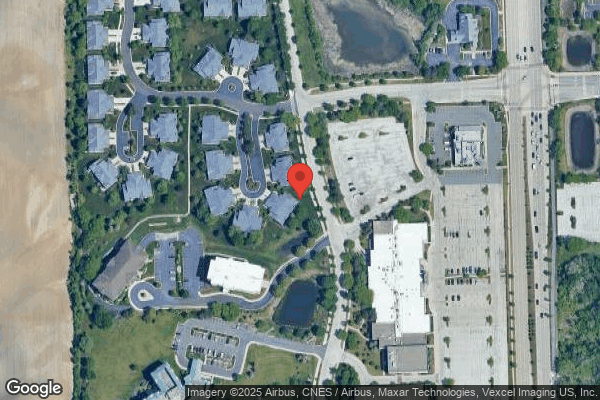
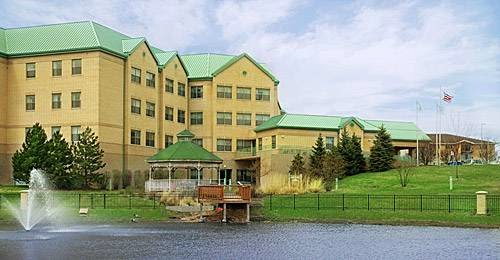
16450 SOUTH 97TH AVENUE, ORLAND PARK, IL 60467 (708) 403-6500
For profit - Corporation 200 Beds THE ALDEN NETWORK Data: November 2025 1 Immediate Jeopardy citation
Trust Grade
0/100
#423 of 665 in IL
Last Inspection: October 2024

Within standard 12-15 month inspection cycle. Federal law requires annual inspections.

Overview

Alden Estates of Orland Park has received a Trust Grade of F, indicating significant concerns about the quality of care provided. Ranking #423 out of 665 facilities in Illinois places it in the bottom half, while its county rank of #135 out of 201 suggests that there are only a few local options that are better. The facility is noted to be improving, with issues decreasing from 15 in 2024 to 6 in 2025, but it still faces serious challenges. Staffing ratings are low at 1 out of 5 stars, although the turnover rate is impressively low at 0%, which means staff stay long-term. However, $59,235 in fines is concerning, and incidents such as a cognitively impaired resident eloping from the facility unsupervised and a resident suffering a hip fracture from a fall due to inadequate supervision highlight serious safety issues that families should consider.

Trust Score
F
0/100
In Illinois
#423/665
Bottom 37%
Safety Record
High Risk
Review needed
Inspections
Getting Better
15 → 6 violations
Staff Stability
○ Average
Turnover data not reported for this facility.
Penalties
○ Average
$59,235 in fines. Higher than 69% of Illinois facilities. Some compliance issues.
Skilled Nurses
✓ Good
Each resident gets 46 minutes of Registered Nurse (RN) attention daily — more than average for Illinois. RNs are trained to catch health problems early.
Violations
⚠ Watch
60 deficiencies on record. Higher than average. Multiple issues found across inspections.
★☆☆☆☆
1.0
Overall Rating
★☆☆☆☆
1.0
Staff Levels
★★★★☆
4.0
Care Quality
★★☆☆☆
2.0
Inspection Score
Stable
2024: 15 issues
2025: 6 issues

The Good

  • 4-Star Quality Measures · Strong clinical quality outcomes
  • Full Sprinkler Coverage · Fire safety systems throughout facility
  • No fines on record

Facility shows strength in quality measures, fire safety.

The Bad

1-Star Overall Rating

Below Illinois average (2.5)

Significant quality concerns identified by CMS

Federal Fines: $59,235

Above median ($33,413)

Moderate penalties - review what triggered them

Chain: THE ALDEN NETWORK

Part of a multi-facility chain

Ask about local staffing decisions and management

The Ugly 60 deficiencies on record

1 life-threatening 6 actual harm
Sept 2025 2 deficiencies 1 Harm
SERIOUS (G) 📢 Someone Reported This

A family member, employee, or ombudsman was alarmed enough to file a formal complaint

Actual Harm - a resident was hurt due to facility failures

Accident Prevention (Tag F0689)

A resident was harmed · This affected 1 resident

**NOTE- TERMS IN BRACKETS HAVE BEEN EDITED TO PROTECT CONFIDENTIALITY** Based on interview and record review, the facility failed to ensure effective supervision and monitoring of residents in the din...

Read full inspector narrative →
**NOTE- TERMS IN BRACKETS HAVE BEEN EDITED TO PROTECT CONFIDENTIALITY** Based on interview and record review, the facility failed to ensure effective supervision and monitoring of residents in the dining room to prevent accidents. Specifically, staff failed to maintain visual supervision of a resident assessed to be at risk for falls. This affected one of three residents (R1) reviewed for falls. This failure resulted in R1 sustaining an unwitnessed fall in the dining room and being sent to the local hospital where R1 was treated for a hip fracture. This past non-compliance occurred from 8-15-2025 to 8-29-2025. Findings include:R1's face sheet shows diagnoses including chronic hepatic failure hepatic encephalopathy anemia Alzheimer's type 2 diabetes COPD depression anxiety hypertension and dementia. MDS dated [DATE] section C shows Brief Interview for Mental Status (BIMS) score of 4 (cognitive impairment).The facility final report to the State department dated 8/22/25 denotes in-part R1 is a [AGE] year-old female resident who was admitted to the facility to 2/19/25 with diagnosis that include but not limited to chronic hepatic failure hepatic encephalopathy anemia Alzheimer's type 2 diabetes COPD depression anxiety hypertension and dementia. Resident is alert and oriented times one to two spheres and requires partial to moderate assist with ADL's (activities of daily living). BIMS 4/15. Resident was observed lying on the floor in the dining room with reports of pain resident alert and oriented times one to two per baseline. Hospice notified with orders to send to ER (emergency room) for further evaluation. POA (Power of Attorney) also notify of occurrence. Resident was transported to (hospital name) then subsequently transferred to (hospital name) where she was admitted with a right femoral neck fracture. It is probable residence led to floor based on proximity of wheelchair to table. Table mates were unable to provide detail regarding incident the nurse interview reveal the resident was seated at the table properly positioned with proper footwear a few minutes prior to the incident. During this investigation abuse was not found to be a factor based on staff/ resident interviews.On 9/3/25 at 2:05pm V5, Licensed Practical Nurse (LPN) said she was covering for R1's nurse because she was on break. V5 said she walked pass the dining room where she observed R1 sitting in her wheelchair at the second table to the left (front facing when walking through the doors of the dining room) R1's back was to the door. V5 said she did not see any food trays in the dining room, lunch was over. V5 said she went and sat down at the nurse station, across from the dining room. V5 said she could not see R1 from her position. V5 said she was monitoring the dining room from the Nurse station. V5 said a couple minutes later two staff members approached her an informed her that R1 was on the floor in the dining room, V5 said this was around 1:20pm, she looked at the clock. V5 said she did not see R1 fall. She did not see what R1 was doing just before she fell. V5 said she was not aware that R1 was at risk for falls, V5 said the Nurse did not give her a report before she took her break. V5 said she assessed R1, she observed R1 laying on the floor on her right side, she was laying in between two tables, her head was toward the wall and her feet was out. V5 said she palpated R1's body and when she touched R1 back, R1 winced and complained of pain. V5 said R1 did not have pain when she palpated R1's hip. V5 said R1 was not moved from the floor, and 911 was summoned, physician notified, and R1 daughter was notified. V5 said 911 took R1 to the hospital for further evaluation. V5 said there's no solid rule that someone must be in the dining room to monitor the residents, they can be monitored from the Nurse station. V5 said she did not see R1 fall, while she was monitoring the dining room.On 9/3/25 at 2:25pm V6 (Director of Nursing) said R1 had an unwitnessed fall. V6 said the root cause of R1 fall was maybe R1 was trying to take herself back to her room after lunch as she often did. V6 said V5 was monitoring the dining room when R1 fell. V6 said if the residents are in dining room staff should be there to monitor the residents. V6 said the staff should be able to see all the residents when monitoring the dining room. V6 said if she had to do things different, she would have the staff bring the residents out of the dining room after lunch. V6 said the residents can sit near the Nurse station for observation by staff.On 9/3/25 V2 (LPN) said R1 had to often be redirected and asked to sit down in her wheelchair because she could fall.9/3/25,12:46pm V4, Certified Nursing Assistant (CNA) said R1 had to often be redirected and asked to sit down in her wheelchair because she could fall.9/4/25 at 1:32pm V7 (CNA) said he was picking up lunch trays from the resident's rooms, as he headed to the dining room R1 was observed on the floor on her back. V7 said there were no other residents in there with R1. There were no staff in there with R1. V7 said he summoned the Assistant Director of Nursing and V5 (LPN). V7 said R1 was trying to get up a few times but she couldn't, V7 said he even went downstairs to get a lift pad just incase they was going to get R1 up. V7 said R1 often stood up from her chair and sat back down, and if the wheels were not locked the chair would roll backwards. V7 said he believes that what happened. V7 said V5 did assess R1, 911 was called and R1 was sent to the hospital for further evaluation.R1's care plan with initiated date of 2/19/25 denotes in-part R1 is at risk for falls related to weakness impaired mobility use of narcotic cognitive impairment diagnosis hepatic encephalopathy and Alzheimer's disease use of assistive device, use of medications that affects GI (gastrointestinal) motility, use of psychotropics overactive bladder continent of bowel and bladder. Goal: will remain free of falls through next review. Interventions: assure resident is wearing eyeglasses. Encourage appropriate use of Walker. Encourage appropriate use of wheelchair. Ensure that the bed is inappropriate lowest position for the patient and the bed is locked as appropriate. Fall risk assessment quarterly and as needed. Monitor for changes in ability to navigate the environment. Offer resident assistance to bathroom as needed throughout the night early morning when making rounds. Orientate resident to surroundings frequently including location of bathroom dining room bedroom and activity locations. Place resident in bed if returning her to her room period do not leave in room in wheelchair without supervision/monitoring. Promote placement of call light within reach. Provide an environment clear of clutter. Provide proper well-maintained footwear. Remove resident from common areas after completion of her meal.R1 fall risk assessment dated [DATE] denotes in-part post fall assessment, unsteady gait and or use of ambulatory device, confused, 1-2 falls in the last 3 months, taking medications that have a diuretic effect, drugs that affects thought process, and drugs that effect hypotensive effect, regularly incontinent: needs assist to et to the toilet. Score is 8, at risk for falls.R1 hospital record dated 8/15/25 denotes in-part Xray, hip, there is sclerosis the femoral neck, there is suspicious for an impacted nondisplaced right femoral neck fracture. Impression, probable nondisplaced femoral neck fracture.Facility policy titled Fall management program dated 8/2020 denotes in-part the facility is committed to minimizing resident falls and or injury so as to maximize each resident physical mental cycle social well-being. While preventing all resident falls is not possible it is the facility's policy to act in a proactive manner to identify and assess those residents at risk for falls plan for preventive strategies and facilitate a safe environment.Prior to the survey date of 9/11/2025, the facility had taken the following action to correct the noncompliance:1. On 8/18/2025 the facility reviewed all residents that were a fall risk in the past 3 months and care plans were reviewed and interventions put in place.2. On 8/22/2025 thru 8/29/2025 the facility in-serviced all nursing staff on fall management program, fall prevention, and management of falls. Staff in-service on resident supervision while dining and after dining.3. On 8/18/2025 QA audit tool for dining room supervision developed and monitoring of resident started and continues to be done (8/18/2025 to 9/4/2025) audits reviewed.4. 8/29/2025 and emergency QA meeting was held by the Administrator with the interdisciplinary team and Medical Director and the team approved the past noncompliance plan.
CONCERN (F) 📢 Someone Reported This

A family member, employee, or ombudsman was alarmed enough to file a formal complaint

Potential for Harm - no one hurt, but risky conditions existed

Deficiency F0868 (Tag F0868)

Could have caused harm · This affected most or all residents

Based on interview and record review, the facility failed to ensure that the Infection Preventionist participated in the facility's QAA/QAPI programming. This failure has the potential to affect all 1...

Read full inspector narrative →
Based on interview and record review, the facility failed to ensure that the Infection Preventionist participated in the facility's QAA/QAPI programming. This failure has the potential to affect all 174 residents that reside within the facility. Findings include:On 9/09/25 at 1:49pm, V16 (Assistant Administrator) affirmed that V15 (Assistant Director of Nursing/ADON & Infection Preventionist) Became IP (Infection Preventionist) in February 2025.On 9/09/25 at 12:06pm, upon review of the Facility's Quality Assurance and Assessment (QAA) Committee meeting sign-in sheets dated 3/11/25, 4/08/25, 7/08/25, and 8/12/25 with V16 (Assistant Administrator), there was no documented signature from V15 (Assistant Director of Nursing and designated Infection Preventionist) to confirm her attendance. V16 (Assistant Administrator) confirmed that the facility's designated Infection Preventionist did not attend the Quality Assurance and Assessment (QAA) Committee meetings. V16 further acknowledged that, the Infection Preventionist is required to participate in QAA Committee meetings as a standing member. V16 confirmed that the intent of QAPI is to ensure that residents consistently receive safe, effective, and high-quality care that is subject to ongoing evaluation and continuous quality improvement.Facilities policy titled, QAPI Plan, revised date October 2019, documents, in part, . Leadership of our facility shall be ultimately responsible for the QAPI Program. The Administrator is responsible for assuring that this facility's QAPI Program complies with federal, state, and local regulatory agency requirements.Facility job description titled, Infection Preventionist Nurse, dated 7/2024, documents, in part, . Participate in staff meetings, QA meetings.Pamphlet titled, Illinois Long-Term Care Ombudsman Program Residents' Rights for People in Long-Term Care Facilities, revised date 11/18, documents, in part, Your facility must provide services to keep your physical and mental health, at their highest practical levels. Your facility must be safe, clean, comfortable, and homelike.Facility census, dated 9/08/2025, documents 174 residents residing at the facility.
Jul 2025 1 deficiency
CONCERN (D) 📢 Someone Reported This

A family member, employee, or ombudsman was alarmed enough to file a formal complaint

Potential for Harm - no one hurt, but risky conditions existed

Free from Abuse/Neglect (Tag F0600)

Could have caused harm · This affected 1 resident

**NOTE- TERMS IN BRACKETS HAVE BEEN EDITED TO PROTECT CONFIDENTIALITY** Based on observation, interview and record review, the facility failed to protect a resident's rights to be free from abuse. Th...

Read full inspector narrative →
**NOTE- TERMS IN BRACKETS HAVE BEEN EDITED TO PROTECT CONFIDENTIALITY** Based on observation, interview and record review, the facility failed to protect a resident's rights to be free from abuse. This applies to 1 of 1 resident (R1) reviewed for abuse. Findings include: R1 was admitted to the facility on [DATE] with multiple diagnoses which included encephalopathy, end stage renal disease, acquired absence of kidney, chronic obstructive pulmonary disease, hypertensive heart and chronic kidney disease. R1's MDS (Minimum Data Set) dated 05/21/25 showed R1 was cognitively intact. The facility's 06/11/25 Initial Report to the State Survey Agency showed R1 reported to V1 (Administrator) that V7 (CNA/Certified Nursing Assistant) kicked his bed while providing care to his roommate. The report stated R1 was able to identify the staff member involved. A police report was filed with the local police (report number 2025-00102089). The facility's Final Report dated 06/17/25 to IDPH showed the facility was not able to substantiate the allegation. V7 was allowed to return to work on a different unit. On 07/01/25 at 9:43 AM, R1 was in bed watching TV (Television). R1 had a camera in his room. R1 stated on 06/10/25 at 9:27 PM, V7 (CNA/Certified Nursing Assistant) was taking care of his roommate. The privacy curtain was closed. R1 stated V7 came in between the beds to turn off the call light. R1 stated he asked V7 where was the other CNA, you shouldn't be in my room. He got pissed and shook the side of my bed. R1 stated he informed V7 that he was recoding him. R1 stated he reported the situation to the Assistant Administrator and the ADON (Assistant Director of Nursing). R1 stated no other staff was present in the room when the incident occurred. On 07/01/25 at 2:00 PM, R1 showed a video that was on his laptop to the surveyor. The video had a date and time stamp of 06/10/2025 at 9:28 PM. The video showed R1 sitting upright in his bed with the privacy curtain drawn. The video began and at the 1:21 time mark, an unseen person standing on the other side of the privacy curtain, grabbed the top left side rail, and began to shake the bed continuously for three seconds. R1 pulled the privacy curtain open. The person's face was never visible in the video. The remainder of the video showed R1 arguing with the person. R1 was heard saying You had no business touching my bed like that, like an idiot because you're mad. On 07/01/25 at 2:25 PM, R2 stated he was in the room with R1 when the incident happened. R2 stated he did not see anything happen, but he heard R1 yelling. R2 stated it was only him, R1 and V7 in the room when the incident occurred. On 07/01/25 at 4:00 PM, V1 stated R1 notified her on 06/11/25, that V7 donkey kicked his bed. V1 stated R1 told her he felt the person kick his bed, he swung the curtain open and pointed the camera in V7's face. We are supposed to make sure all residents in the facility are free from abuse. If a resident is abused there could be some mental anguish or emotional feelings. The facility's Abuse Policy dated 03/25 showed, This facility affirms the right of our residents to be free from abuse, neglect, misappropriation of resident property, corporal punishment and involuntary seclusion. The facility's Abuse Prevention Program dated 03/25 showed, Orientation and training of Employees, d. How to recognize and deal with burnout, frustration and stress that may lead to inappropriate responses or abusive reactions to residents.
Jan 2025 2 deficiencies
CONCERN (D) 📢 Someone Reported This

A family member, employee, or ombudsman was alarmed enough to file a formal complaint

Potential for Harm - no one hurt, but risky conditions existed

Notification of Changes (Tag F0580)

Could have caused harm · This affected 1 resident

Based on interview and record review the facility failed to timely notify a resident's family after a fall that required transportation to a local hospital for evaluation for 1 of 3 residents (R2) rev...

Read full inspector narrative →
Based on interview and record review the facility failed to timely notify a resident's family after a fall that required transportation to a local hospital for evaluation for 1 of 3 residents (R2) review for notification of change in the sample of 6. This past non-compliance occurred from 1/9/25 to 1/14/25. The findings include: R2's Fall Investigation Report shows that on 1/9/25 at 9:30 PM, R2 had a fall from his wheelchair resulting in a bruise to the right side of his head, an abrasion to his face and blood on his lips/mouth area due to biting his lip when he fell. R2 was transported to the hospital for evaluation. The report shows that V14 (R2's Mother) was notified on 1/10/25 at 4:40 AM. R2's Nursing Notes from 1/10/25 at 3:59 AM shows, The resident was returned to the facility from [Local Hospital] at 3:30 AM .The resident had been sent out as a result of a fall at 9:30 PM on 1/9 . On 1/17/25 at 12:25 PM, V14 said that she was notified at 6:56 AM on 1/10/25 that R2 had fallen, was sent to the emergency room and had returned to the facility and was fine. V14 said that the facility never called her when he fell or notified her that he was being sent out to the hospital. On 1/17/25 at 2:49 PM, V2 (Director of Nursing) said that family should be notified immediately after a resident falls. V2 said that family should be notified if a resident is being sent out to the hospital for a change in condition. V2 said that V14 approached her on 1/10/25 and said that she was not notified that R2 had a fall and was sent to the hospital. V2 said that she spoke with V17 (Licensed Practical Nurse) and he said that he notified V14 when R2 returned from the hospital but did not notify her when he fell and was sent out to the hospital. The facility's Change of Condition (Resident) policy dated 9/20 shows, The .responsible party will be notified with changes in a resident's condition. Prior to the survey date of 1/17/25, the facility had taken the following action to correct the noncompliance: 1. On January 10, 2025- January 13, 2025 all facility nurses were educated on notification of family after a change in condition. 2. On January 14, 2025 the facility Compliance Assurance Committee developed a plan of correction regarding notification of family after a change in condition. 3. Subsequent changes in condition from 1/10/25 to 1/17/25 were determined by the Quality Assurance Tool to have been completed timely.
CONCERN (D) 📢 Someone Reported This

A family member, employee, or ombudsman was alarmed enough to file a formal complaint

Potential for Harm - no one hurt, but risky conditions existed

Quality of Care (Tag F0684)

Could have caused harm · This affected 1 resident

Based on observation, interview, and record review the facility failed to ensure a resident was assessed and monitored after a fall and failed to document that the fall occurred for 1 of 3 residents (...

Read full inspector narrative →
Based on observation, interview, and record review the facility failed to ensure a resident was assessed and monitored after a fall and failed to document that the fall occurred for 1 of 3 residents (R2) reviewed for quality of care in the sample of 6. The findings include: On 1/17/25 at 12:25 PM, V14 (R2's Mother) showed a video of R2 falling out of bed on 12/18/24. The video showed that on 12/18/24 at 10:20 AM, R2 was sitting on the floor in his room with his back up against the right side of his bed. Two staff members entered the room (identified by V14 as V15 (Wound Certified Nursing Assistant-CNA) and an unknown CNA) and picked R2 up from the floor and placed him in bed. On 1/17/25 at 4:11 PM, V15 said that on an unknown date, she was walking past R2's room and saw him on the floor. V15 said that she called for someone to help her get him back to bed. V15 said that she does not recall who helped her get him back to bed or how they got him back to bed but it was probably another aide. V15 said that she did notify the nurse but she does not recall what nurse. On 1/17/25 at 10:40 AM, V6 (Registered Nurse) said that after a resident falls, the staff should immediately notify the nurse before moving the resident so the nurse can do an assessment. V6 said that the assessment should include doing vital signs, checking for bruising, bleeding or injuries and checking the resident's range of motion and pain. V6 said that if everything appears ok, the resident is moved back into bed. V6 said that the physician should be notified along with the family and any new orders carried out. V6 said that the assessment should be documented in the resident's clinical records. On 1/17/25 at 2:49 PM, V2 (Director of Nursing) said that all falls should be documented in the medical record. V2 said that if a resident falls, the staff should not touch the resident until after the nurse does a full body assessment. V2 said that the physician, family, and herself should be notified of the fall. V2 said that new fall interventions should be immediately implemented and their care plan updated to try and prevent future falls. R2's clinical records from 12/18/24 does not document any falls or assessments from the fall that happened at 10:20 AM. On 1/17/25 at 4:30 PM, V1 (Administrator) said that the facility does not have a policy or procedure for the staff to follow after a resident falls. The facility's Fall Risk Assessment Policy dated 8/2020 shows, If a resident fall, the nurse will complete an Occurrence Report and Initiated Post-Occurrence documentation.
Jan 2025 1 deficiency
CONCERN (D) 📢 Someone Reported This

A family member, employee, or ombudsman was alarmed enough to file a formal complaint

Potential for Harm - no one hurt, but risky conditions existed

Quality of Care (Tag F0684)

Could have caused harm · This affected 1 resident

**NOTE- TERMS IN BRACKETS HAVE BEEN EDITED TO PROTECT CONFIDENTIALITY** Based on interview and record review the facility failed to schedule a resident's doctor appointments per physician's order for ...

Read full inspector narrative →
**NOTE- TERMS IN BRACKETS HAVE BEEN EDITED TO PROTECT CONFIDENTIALITY** Based on interview and record review the facility failed to schedule a resident's doctor appointments per physician's order for 1 of 3 residents (R1) reviewed for quality of care in a sample of 4. Findings include: R1's electronic health record showed that R1 admitted to the facility on [DATE] with diagnoses including major depressive disorder, chronic pain syndrome, history of traumatic brain injury, and injury to the peripheral nerves of the thorax. R1's 10/18/23 Physician's Order showed, Follow-up with V15 (R1's Pain Specialist Doctor) at Rehabilitation Hospital. R1's 1/10/24 Physician's order showed, Set appointment with V15 at Rehabilitation Hospital. On 12/31/24 at 11:02 AM V8 (Unit Manager) said that the facility did not call and schedule R1's appointments for as ordered by the physician on 10/18/23 and 1/10/24. On 12/31/24 at 3:25 PM V1 (Administrator) said that the facility did not schedule R1's doctors' appointments for the 10/18/23 physician's order and the 1/10/24 physician's order. V1 said that all physician's orders are to be followed. On 12/31/24 at 3:11 PM V14 (R1's Primary Care Physician) said that it is his expectations that the facility schedules any appointments for the residents that he writes an order for. On 12/31/24 at 3:46 pm V13 (R1's Nurse Practitioner for Pain Management) said that he wrote the 1/10/24 physician's order because R1 was seeing V15 when he was in the community, and he wanted to consult with V15 to see if there were other treatments to use for R1's pain. The facility's Appointment policy dated 9/20 showed physicians orders are received for appointments. Assistance will be given to residents in need of arranging and scheduling appointments. Resident schedules appointments by self as able or is assisted by legal representative, family, or facility in the scheduling of appointments. Arrange transportation as appropriate.
Oct 2024 13 deficiencies
CONCERN (D)

Potential for Harm - no one hurt, but risky conditions existed

Deficiency F0558 (Tag F0558)

Could have caused harm · This affected 1 resident

3. On 10/1/24 at 4:15 PM, V16 (CNA/Certified Nurse Assistant) was observed assisting R23 from her wheelchair to her bed. V16 then left R23's room without making sure her call light was within reach. R...

Read full inspector narrative →
3. On 10/1/24 at 4:15 PM, V16 (CNA/Certified Nurse Assistant) was observed assisting R23 from her wheelchair to her bed. V16 then left R23's room without making sure her call light was within reach. R23's call light was left on the floor. Surveyor asked R23 if she could reach her call light and R23 attempted to grab the cord but was unable to reach it. R23 said the CNA should have given me my call light before leaving the room. R23 said some of the CNAs leave the room without making sure she can reach her call light. R23 said it has happened before that she could not reach her call light and she had to yell out for help and still no staff came to assist her. R23's MDS (Minimum Data Set) dated 8/21/24 shows her cognition is intact and she requires staff assistance with toileting, bathing, dressing, personal hygiene, bed mobility, and transfers. R23's Care Plan initiated on 1/6/24 shows R23 is at risk for falls due to diagnoses of low back pain and weakness. Interventions include promote placement of call light within reach. Based on observation, interview, and record review, the facility failed to have call lights within reach for dependent residents. This applies to 3 of 3 residents (R23, R55, and R155) reviewed for call lights in a sample of 36. The findings include: 1. On 10/1/24 at 11:07 AM, R55 was in bed watching TV. R55 said she could not find her call light; R55's call light was on the floor. R55 said she was able to use her call light if she could just find it. Surveyor informed V3 (Certified Nurse Aide/CNA) of the call light being on the floor. V3 said R55 was able to use the call light. R55's face sheet shows the diagnoses of functional quadriplegia and cognitive communication deficit. On 10/3/24 at 10:50 AM, V2 (Director of Nursing) said call lights should be with in resident's reach so they can use it when they need it. The facility's Call Light policy (9/20) states that call lights are placed within resident reach at all times. 2. On 10/01/24 at 11:36 AM R155 was in his bed and his call light was under his bed out of his reach, at 11:37 AM V7 (Nurse) came in the room to assist R155 with his TV and then left the room and did not put the call light within R155 reach before leaving the room. At 12:25 PM R155 was in his bed and his call light was observed still under his bed out of his reach. At 01:20 PM R155 was in his bed and his call light was still on the floor under his bed out of his reach. On 10/02/24 at 08:33 AM R155 was in his bed and his call light was seen under his bed out of his reach. V6 (Nurse) was in R155's room at that time providing care for R155, and when V6 left the room, she did not put R155's call light within reach for R155. On 10/03/24 at 09:52 AM R155 was in his bed and his call light was under his bed. V4 (Nurse) was called into the room, and she said that R155 is able to use his call light and he does use it but with it under the bed he is unable to reach it or use it. On 10/03/24 at 02:33 PM V1 (Administrator) said that the call light should be within reach so that the resident can alert staff when they need assistance. R155's 6/13/24 care plan showed that R155 is at risk for falls related to weakness, hemiplegia and hemiparesis, right sided, with interventions including keep frequently used items within reach in room and promote placement of call light within reach.
CONCERN (D)

Potential for Harm - no one hurt, but risky conditions existed

Deficiency F0625 (Tag F0625)

Could have caused harm · This affected 1 resident

**NOTE- TERMS IN BRACKETS HAVE BEEN EDITED TO PROTECT CONFIDENTIALITY** 3. R146's Discharge Instructions from the hospital dated 08/21/24 showed R146 was discharged from the hospital back to the facil...

Read full inspector narrative →
**NOTE- TERMS IN BRACKETS HAVE BEEN EDITED TO PROTECT CONFIDENTIALITY** 3. R146's Discharge Instructions from the hospital dated 08/21/24 showed R146 was discharged from the hospital back to the facility on [DATE]. R146's discharge diagnoses included: fall, dislodged gastrostomy tube, severe dementia, seizure disorder, neurocognitive disorder, sinus tachycardia, hypertension, L4 vertebral fracture, and acetabulum fracture. R146's progress note dated 08/19/24 showed R146 had an unwitnessed fall with a dislodged gastrostomy tube with minimal blood drainage. R146 was sent to hospital due to blood thinners. Based on interview and record review, the facility failed to provide resident and/or family/power of attorney written documentation of bed hold notification when residents were transferred to the hospital. The facility also failed to notify the ombudsman of the transfer. This applies to 3 of 5 residents (R105, R146 and R159) reviewed for discharge and hospitalization in a sample of 36. The findings include: 1. R105's After Visit Summary shows that R105 was admitted to the hospital from [DATE] to 8/28/24 and was treated for Elevated Troponin levels. R105's progress notes of 8/25/24 at 1:20 PM states that R105 was sent to the emergency room (ER) for swelling to bilateral ankle, daughter was at the facility, and was notified of the transfer. 2. R159's Hospital record shows that R159 was admitted to the hospital from [DATE] to 9/7/24 with diagnoses of sepsis due to unspecified organism. R159's progress notes of 8/30/24 at 4:40 PM shows that R159's abnormal lab was reported to the doctor, and the ordered for R159 to be transferred to the hospital for further evaluation. On 10/2/24 and 10/3/24, V1 (Administrator) said she does not have a bed hold assessment for R105, R146 and R159 and is not sure why it was not done by the nurses. On 10/3/24 at 10:51 AM, V2 (Director of Nursing/DON) said the nurse is to complete a discharge assessment when residents are transferred to the hospital. The nurse needs to give a copy of the bed hold/ombudsman form to the resident and/or family or send a copy with them to the hospital. The form informs them that there's a hold on their bed for 10 days. The facility's Bed Hold/Ombudsman Notification Documentation policy (12/2018) states the facility will be responsible for documenting that the bed hold policy was given to the resident at the time of transfer, and to the resident representative with 24 hours. The facility will also be responsible for documenting that the Ombudsman will be notified via the monthly transfer log for all hospital transfers and therapeutic leaves.
CONCERN (D)

Potential for Harm - no one hurt, but risky conditions existed

Deficiency F0658 (Tag F0658)

Could have caused harm · This affected 1 resident

**NOTE- TERMS IN BRACKETS HAVE BEEN EDITED TO PROTECT CONFIDENTIALITY** Based on interview and record review the facility failed to ensure intravenous medications were administered by qualified staff....

Read full inspector narrative →
**NOTE- TERMS IN BRACKETS HAVE BEEN EDITED TO PROTECT CONFIDENTIALITY** Based on interview and record review the facility failed to ensure intravenous medications were administered by qualified staff. This applies to 1 of 1 resident (R165) reviewed for intravenous therapy in a sample of 36. Findings include: R165 admitted to the facility on [DATE] with diagnoses that includes orthopedic aftercare following surgical amputation, acute osteomyelitis right ankle and foot, type 2 diabetes and cellulitis of right lower limb. R165 current physician orders include Daptomycin 700 MG (Milligrams) a day until 10/09/2024 and Ceftriaxone 2GM (Grams) a day until 10/09/2024. On 10/03/24 at 05:14 PM, V13 LPN (Licensed Practical Nurse) stated she administered R165's IV (Intravenous) antibiotic at 9:30 AM. V13 stated she flushed the midline PICC (Peripherally Inserted Central Catheter) and changed the cap that morning. On 10/3/24 at 6:01 PM, V2 DON (Director of Nursing) stated only RNs (Registered Nurses) should be hanging IV's, disconnecting them or changing the dressing. The LPN should know they should not handle the IVs. Review of R165's MAR (Medication Administration Record) shows V13 administer daptomycin at 9 AM on 10/3/24. Further review the R165's MAR showed V40 LPN administered daptomycin September 5, 6, 11, 13, 14, and 15, 2024 and ceftriaxone on September 6,7,10,12, 14,15,16,19, and 20, 2024. V41 LPN administered daptomycin on September 28, 2024, and ceftriaxone on October 1, 2024. V43 LPN administered daptomycin on September 7, 8,12,17, and 20, 2024 and ceftriaxone on September 9,13,17, and 21, 2024. V42 LPN administered Daptomycin on September 30, 2024, October 1 and 2, 2024. The facility policy Central and Venous Access: Administration of Continuous or Intermittent Intravenous Fluids / Medications dated 01/2022 states administration of intravenous fluids through central venous access will be done, upon Physician's order, by a licensed nurse who has been trained in the procedure.
CONCERN (D)

Potential for Harm - no one hurt, but risky conditions existed

Quality of Care (Tag F0684)

Could have caused harm · This affected 1 resident

**NOTE- TERMS IN BRACKETS HAVE BEEN EDITED TO PROTECT CONFIDENTIALITY** Based on observation, interview, and record review, the facility failed to have a skin alteration worsening assessed by a physic...

Read full inspector narrative →
**NOTE- TERMS IN BRACKETS HAVE BEEN EDITED TO PROTECT CONFIDENTIALITY** Based on observation, interview, and record review, the facility failed to have a skin alteration worsening assessed by a physician? This applies to 1 of 1 resident (R16) reviewed for quality of care in a sample of 36. The findings include: On October 1, 2024 at 12:17 PM, R16 said she had a diaper rash. At 12:23 PM, V29 (CNA/Certified Nurse Assistant) and V30 (CNA) came to R16's room and provided incontinence care for R16, as she had a bowel movement. When R16's incontinence brief was removed, R16 had reddened and inflamed skin from her lower back to the upper thigh areas, as well as her perineal area, and her folds. V29 and V30 wiped R16's perianal area and applied a barrier cream to her perianal area but did not apply the cream to the perineal area or the folds. R16 said she felt like her skin was on fire on her bottom. On October 3, 2024 at 9:08 AM, V34 (Wound Care Coordinator) said R16 was not being seen for wound rounds. On October 3, 2024 at 4:02 PM, surveyor and V34 did a skin check for R16. V34 said R16 would benefit from vitamin A & D ointment and zinc. V34 said the CNAs should be alerting the staff nurse to evaluate the rash. V34 continued to examine R16's bottom, and R16 said she had a bump on her gluteal fold, which was visible. V34 said the bump was blanchable. R16 said the whole area really hurt and said the sores really hurt her. V34 said the area was incontinence related and it was possible the areas were burning, and boils were present because of the moisture. V34 said she would be notifying the floor nurse to contact the doctor to evaluate the treatment. V34 said if R16 was getting an ointment and her skin was not improving, they should notify the doctor so they could try something else. V34 said it was possible to make the MASD (Moisture Associated Skin Damage) area better, and it was not acceptable for the floor staff to say the area had remained the same and to not do anything. V34 said by notifying the doctor, they could determine whether the treatment needed to be changed. On October 3, 2024 at 4:33 PM, V21 (LPN/Licensed Practical Nurse) said he had taken care of R16 for a long time, and she had come to the unit with the redness on her bottom. V21 said he did not know the last time the skin was evaluated by a physician and had not notified any doctor of the skin alteration. V21 said the area had not gotten any better but had also not gotten any worse. V21 looked at the progress notes and was unable to find any notes regarding the last time the wound was evaluated. V21 said he spoke to the doctor about her medication noncompliance and about drawing labs. V21 said the doctor was aware of the rash as she had ordered the creams during that conversation. On October 3, 2024 at 4:48 PM, V34 said the facility staff should still notify the doctor about the skin alteration even if the resident was not following the interventions, and if they did not want to change the treatment, they would need to document no change. On October 4, 2024 at 10:02 AM, V44 (Wound Care Physician) said he was not consulted to see R16. V44 said he did not see any messages from the floor staff or wound care coordinator regarding R16. V44 said MASD was usually managed by the primary care provided or Nurse Practitioner, but if it did not get better, he would typically be consulted after two to three weeks. V44 said if the rash was fungal, he would be consulted to evaluate the skin. R16 was admitted to the facility with diagnoses including heart failure, Chronic Obstructive Pulmonary disease, and Type 2 diabetes mellitus. R16's MDS (Minimum Data Set) dated July 9, 2024 showed R16 was cognitively intact. R16's POS (Physician Order Sheet) dated October 3, 2024 at 4:12 PM, showed an order for Calmoseptine External Ointment ordered on August 28, 2024 with instructions to apply topically every shift as needed for skin condition and a second order to apply to buttocks and perineum topically every shift. R16 also had orders for Miconazole Nitrate ordered on July 2, 2024 Apply to bilateral thighs one time a day for skin condition, as well as Zinc Oxide Ointment 20% ordered on August 13, 2024 with instructions to apply to bilateral buttocks topically as needed for skin condition, as well as a second order to apply to bilateral buttocks topically every night shift for skin condition. R16's POS provided by the facility on October 4, 2024, showed discontinued orders for the Calmoseptine External Ointment, originally ordered on August 28, 2024, discontinued Nystatin powder, ordered on July 2, 2024, and discontinued Zinc Oxide Ointment 20%, ordered on August 13, 2024. R16's POS showed new orders for Fluconazole Oral Tablet 100 MG (Milligrams) ordered on October 3, 2024 for seven days. The POS also showed a new order dated October 3, 2024 for Miconazole Nitrate Topical Apply to buttocks topically every morning and at bedtime for Skin Condition. R16's Care Plans were reviewed, and there were no care plans in place for R16's skin condition. R16's care plan dated July 11, 2024 showed R16 had the potential for alteration in skin integrity. R16's bowel and bladder care plan dated July 12, 2024 showed to Monitor for excoriation near peri area. Notify nurse for any changes. R16's Progress Note dated August 13, 2024 showed Shearing Skin alteration with Bruise noted to Right Buttock as described above with Skin intact, shearing skin alteration with bruise noted to left buttock. Wound MD (Medical Doctor) notified, treatment orders issued and received. On August 16, 2024, a progress note written showed Spoke with [R16] and encouraged her to get up for meals today to help her bottom that burning like a fire. No other progress notes regarding R16's skin was noted after August 16, 2024. R16's Braden Scale assessment dated [DATE] showed R16 was at moderate risk for skin alterations. The facility's Prevention and Treatment of Pressure Injury and other Skin Alterations policy dated March 2, 2021 showed Implement preventative measures and appropriate treatment modalities for pressure injuries and/or other skin alterations through individualized resident care plan. Non-Pressure skin alterations ie: skin tears, abrasions, surgical wounds, MASD, lesions and rashes, will be documented weekly on a Skin Progress Note. Develop a Care Plan for either actual or potential alteration in skin integrity and change as needed. Revise Care Plan approaches as needed based on resident's response and outcomes.
CONCERN (D)

Potential for Harm - no one hurt, but risky conditions existed

Deficiency F0688 (Tag F0688)

Could have caused harm · This affected 1 resident

**NOTE- TERMS IN BRACKETS HAVE BEEN EDITED TO PROTECT CONFIDENTIALITY** Based on interview and record review, the facility failed to offer restorative services to a resident as recommended per the adm...

Read full inspector narrative →
**NOTE- TERMS IN BRACKETS HAVE BEEN EDITED TO PROTECT CONFIDENTIALITY** Based on interview and record review, the facility failed to offer restorative services to a resident as recommended per the admission restorative nursing assessment. This applies to 1 resident (R152) reviewed for restorative services in a sample of 36. The findings include: R152's Face Sheet shows he was admitted to the facility on [DATE]. On 10/1/24 at 12:27 PM, R152 said he had been in the facility for about 4 months and he was not too happy because he had just found out that he was supposed to be getting rehab services, but he had not received any therapy services at all since his admission. R152's Functional Abilities and Goals admission assessment dated [DATE] documented by V7 (Restorative Registered Nurse) shows R152 had no impairment to his upper and lower extremities, was completely dependent on staff for toileting hygiene and had a discharge goal to improve to only require substantial assistance with toileting hygiene, and was completely dependent on staff during bed mobility/rolling left and right in bed and had a discharge goal to improve to only require substantial assistance to roll left and right in bed. R152's Restorative Nursing assessment dated [DATE] completed by V7 (Restorative RN) shows R152 had a decrease in muscle strength and recommended PROM/AROM (Passive Range of Motion/Active Range of Motion) and Bed Mobility/Walking programs. R152's MDS (Minimum Data Set) dated 8/26/24 shows he received 0 days of PROM, AROM, or bed mobility in the previous 7 calendar days. On 10/3/24 at 4:37 PM, V7 (Restorative RN) said she assessed R152 for restorative therapy but he was not currently on any restorative programs. V7 said R152 came in under public aide so she knew he did not receive any physical therapy services. V7 said she last assessed R152 for restorative therapy on 8/26/24 and her priority programs for him were range of motion and bed mobility. V7 said she gave R152 different options for restorative therapy, but R152 didn't want to participate on a regular basis because he is really alert so I didn't go through with any programs. V7 said there was no documentation to show R152 refused restorative therapy services because he is alert so she didn't think to document his refusal. R152's Care Plan initiated on 6/4/24 shows he has an ADL Functional Performance Deficit and presents with weakness, impaired gait, and mobility. The goal shows resident will improve current level of functioning in ADLs. R152's Care Plan does not show any documentation of restorative therapies being offered or refused. R152's EHR (Electronic Health Record) task section does not show any tab referencing restorative therapy programs ever being ordered, offered, or refused. The facility's policy titled, Restorative Nursing Program dated 3/10/22 states, Policy: It is the policy of this facility that a resident is given the appropriate treatment and services to enable residents to maintain or improve his or her abilities and to promote the resident's ability to adapt and adjust to living as independently and safety as possible. Increased independence fosters self-esteem and promotes quality of life for residents . All residents will be assessed on admission, as change of condition warrants, and quarterly thereafter, for participation in the Restorative Nursing Program (RNP). An individualized program will be developed based on the resident's needs as appropriate. The program(s) will be reflected on the interdisciplinary care plan and consistently carried out by staff . Procedure: .9. Program goals will be documented in the POC task section, Restorative, nursing, therapy, and/or any other trained personnel will document the resident's participation .
CONCERN (D)

Potential for Harm - no one hurt, but risky conditions existed

Accident Prevention (Tag F0689)

Could have caused harm · This affected 1 resident

**NOTE- TERMS IN BRACKETS HAVE BEEN EDITED TO PROTECT CONFIDENTIALITY** 3. R142 admitted to the facility on [DATE] with diagnosis that includes failure to thrive, congestive heart failure, dementia, k...

Read full inspector narrative →
**NOTE- TERMS IN BRACKETS HAVE BEEN EDITED TO PROTECT CONFIDENTIALITY** 3. R142 admitted to the facility on [DATE] with diagnosis that includes failure to thrive, congestive heart failure, dementia, kidney disease and glaucoma. R142 MDS (Minimum Data Set) dated 9/20/24 shows BIMS (Brief Interview for Mental Status Score of 10) indicating moderate cognitive impairment. On 10/01/24 at 12:23 PM, R142 had a can of disinfectant spray in the bed with her. R142 stated she has the spray for the stink. On 10/03/24 at 11:40 AM, R142 had two 12.5 oz (Ounce) cans of disinfectant spray in reach on her overbed table. R142 stated she needed them to kill the stank. The facility policy Chemical Storage / Usage and SDS dated 1/23 states all chemicals will be always kept inaccessible to residents. Chemicals will be stored in locked carts, cabinets or rooms. During use, chemicals will be under constant supervision of staff. Based on observation, interview, and record review, the facility failed to provide a safe supervised environment. This applies to 3 of 4 residents (R221, R222, & R142) reviewed for free of accidents, hazards, supervision and devices in a sample of 36. The findings include: 1. On 10/01/24 at 01:30 PM, R221 was observed in his wheelchair by the nursing station without his shoes or eyeglasses on, and the socks he had on were not non-skid socks. R221 was observed trying to get up from his wheelchair and appeared confused and had difficulty understanding staff's request when asked to see the bottom of his feet. V37 (Nurse) said he is to have non-skid socks on. V38 CNA (Certified Nurse's Assistant) said that she was the staff that assisted him with dressing that morning and she observed him taking his shoes off, but she did not put non-skid socks on him after seeing him taking off his shoes. V38 said that she should have put the non-skid socks on R221 because he is a fall risk. R221 electronic health record showed that he was admitted on [DATE] with diagnoses including metabolic encephalopathy, and Parkinson's with dyskinesia. R221's 09/28/2024 care plan showed that he is a risk for falls with a goal to be free from injury related to falls and interventions including assure resident is wearing glasses. On 10/03/24 at 03:13 PM, V1 (Administrator) said that R221 should have had non-skid footwear on for safety. 2. On 10/01/24 at 11:19 AM R222 was in his bed with his bedrails up and on the right side of his bed, touching the mattress, was the over the bedside table, longways, and on the left side of the bed was 1 room chair pushed up against the mattress and next to the chair was R222's wheelchair pushed up to the mattress on an angle touching the mattress and the chair, leaving an approximate 1 and ½ foot by 2 foot triangular area open. Under the window was a mat setting up against the wall. R222 said that staff put the chairs and table against his mattress in case he fell. R222 said that when he gets up, he gets dizzy. R222 was asked how he would get out of the bed with all of the items around his bed and he said he would step in the hole, referring to the 1 and ½ by 2 foot triangular open area. R222's 9/25/24 care plan showed that he is at risk for falls related to cognitive deficits, functional deficits, poor balance, poor safety awareness, and unsteady gait. The interventions included floor mats to left side of his bed while in bed. R222's MDS (minimum data set) showed that R222 has long, and short term memory problems and his cognitive skills are severely impaired. On 10/03/24 at 03:18 PM V1 (Administrator) said that nothing should be cluttering the area in the resident's room and the mat should have been on the floor next to R222's bed as his care plan showed for his safety. The facility's Management of Falls policy dated 08/2020 showed that the facility will assess hazards and risks, develop a plan of care to address hazards and risks, implement appropriate resident interventions, and revise the residents plan of care in order to minimize the risk for falls incidents and or injuries to the resident.
CONCERN (D)

Potential for Harm - no one hurt, but risky conditions existed

Deficiency F0694 (Tag F0694)

Could have caused harm · This affected 1 resident

**NOTE- TERMS IN BRACKETS HAVE BEEN EDITED TO PROTECT CONFIDENTIALITY** Based on observation, interview and record review the facility failed to change a soiled PICC midline PICC (Peripherally Inserte...

Read full inspector narrative →
**NOTE- TERMS IN BRACKETS HAVE BEEN EDITED TO PROTECT CONFIDENTIALITY** Based on observation, interview and record review the facility failed to change a soiled PICC midline PICC (Peripherally Inserted Central Catheter) as needed. This applies to 1 of 1 resident (R165) reviewed for intravenous therapy in a sample of 36. Findings include: R165 admitted to the facility on [DATE] with diagnoses that includes orthopedic aftercare following surgical amputation, acute osteomyelitis right ankle and foot, type 2 diabetes and cellulitis of right lower limb. R165 current physician orders include IV (Intravenous) Midline: transparent sterile dressing change weekly and PRN (as needed). Check IV site every eight hours for unusual redness, drainage and skin irritation, site pain etcetera and document condition. On 10/01/24 at 01:43 PM, R165's showed the surveyor his left upper arm PICC line. The PICC insertion was covered by a gauze and transparent dressing dated 9/29. On 10/03/24 at 11:48 AM, R165 showed the surveyor his PICC line. The gauze under the transparent dressing had bloody drainage on it and was dated 9/29. On 10/03/24 at 05:12 PM, R165 showed the surveyor his PICC line. The gauze under the transparent dressing had bloody drainage on it and was dated 9/29. On 10/03/24 at 05:14 PM, V13 LPN (Licensed Practical Nurse) stated she did not know when his PICC line dressing was changed. V13 stated the PICC dressing is changed weekly on night shift and as needed if it is soiled, lifting or shows signs things that can cause infection like drainage. On 10/03/24 at 02:46 PM, V2 DON (Director of Nursing) stated PICC line dressings are changed once per week on Sunday unless they get dirty or have blood on it or anything that may cause infection. The gauze being in place does not change the frequency of the PICC line dressing change unless it is soiled or has blood on it. The facility provided IV (Intravenous) Care Reference Guide dated 11/21/2021 states, dressing change site covered with gauze not visible: change dressing daily. The facility provided policy Central Venous Access Catheter Device: Dressing Change dated 01/2022 states dressing changes are done one time per week and PRN (as needed).
CONCERN (D)

Potential for Harm - no one hurt, but risky conditions existed

Respiratory Care (Tag F0695)

Could have caused harm · This affected 1 resident

**NOTE- TERMS IN BRACKETS HAVE BEEN EDITED TO PROTECT CONFIDENTIALITY** Based on observation, interview and record review the facility failed to provide oxygen supplementation as ordered by the physic...

Read full inspector narrative →
**NOTE- TERMS IN BRACKETS HAVE BEEN EDITED TO PROTECT CONFIDENTIALITY** Based on observation, interview and record review the facility failed to provide oxygen supplementation as ordered by the physician. This applies to 1 of 2 residents (R42) reviewed for oxygen therapy. Findings include: R42 admitted to the facility on [DATE] with diagnosis that includes encounter for palliative care, adult failure to thrive, chronic obstructive pulmonary disease, hypertension, anxiety and dependence on supplemental oxygen. R42's Physician orders include oxygen 4 liters per minute per nasal cannula continuous. On 10/01/24 at 11:32 AM, was in bed with a nasal cannula connected to an oxygen compressor set to 0 Liters. R42 tongue was blue, and her respirations were shallow. On 10/01/24 11:47 AM, V6 RN (Registered Nurse) assigned to R42 stated she did not turn the oxygen supply off and did not know who did. V6 stated R42 physician order is for 4L (liters) per minute to be administered. On 10/03/24 at 11:35 AM, R42 had nasal cannula connected to an oxygen compressor set to 4L. R42's tongue was pink and was breathing regular. On 10/03/24 at 02:46 PM, V2 DON (Director of Nursing) stated potential problems with residents not receiving the prescribed oxygen administered is they can become short of breath, have changes in their blood gasses or develop respiratory distress. A tongue that has turned blue means there is a lack of oxygen. The nurse should make sure the oxygen is running at the correct rate. If the nursing assistant notice it is off or there is a change, they should notify the nurse. The facility policy Oxygen Concentrator dated 9/2020 states residents will be administered oxygen via concentrator upon Physician's order by an RN, LPN (Licensed Practical Nurse), or RT (Respiratory Therapist). Certified Nurse Assistants / Hab aids may adjust or reapply the nasal cannula or mask only.
CONCERN (D)

Potential for Harm - no one hurt, but risky conditions existed

Pharmacy Services (Tag F0755)

Could have caused harm · This affected 1 resident

**NOTE- TERMS IN BRACKETS HAVE BEEN EDITED TO PROTECT CONFIDENTIALITY** Based on observation, interview, and record review, the facility failed to have an accurate Record of Receipt for a controlled m...

Read full inspector narrative →
**NOTE- TERMS IN BRACKETS HAVE BEEN EDITED TO PROTECT CONFIDENTIALITY** Based on observation, interview, and record review, the facility failed to have an accurate Record of Receipt for a controlled medication. This applies to 1 of 1 resident (R324) reviewed for Record of Receipt for controlled medications. The findings include: On 10/03/24, at 10:00 AM, During the observation of the third floor (split) medication cart, a handwritten note on white copy paper was in the Controlled Drug Receipt/Record/Disposition Form book. The handwritten note contained R324's name and directions as followed: take 5 mg (0.25mL) by mouth or sublingual every hour as needed for pain, shortness of breath. May titrate in 5 mg (0.25 mL) increments up to. The handwritten note did not contain the medication's name, quantity on hand, quantity received, or licensed nurses signatures. R324 had a box of Morphine Sulfate 30 mL in the locked box on the medication cart. On 10/03/24 10:07 AM V2 (Director of Nursing) stated R324 did not have the appropriate narcotic count sheet. The medication name of Morphine Sulfate should have been on the handwritten sheet. Whenever a nurse does not receive a narcotic sheet for whatever reason, they need to create one for the resident with the resident's name, date dispensed, name of drug, dosage, route, directions for use, amount received, room for signatures, the amount given, and amount left. If medication narcotic sheets do not contain the name of the medication, the wrong medication can be given, also too much or too little can be given. A resident can stop breathing from Morphine, they could have an overdose, or go into a coma. We do a narcotic count at the beginning of each shift. I do not know why no one caught this error. My expectation is that licensed nurses create the appropriate sheet and honor the five rights of medication administration. R324 was admitted to the facility on [DATE] with the following diagnoses: encounter for palliative care, vascular dementia, atherosclerotic heart disease, atrial fibrillation, and hypertension per the Face Sheet. R324 had an active order for Morphine Sulfate (Concentrate) Solution 20 mg/mL with directions: 0.25 mL mucous membrane every two hours as needed for moderate pain. The facility's Controlled Drug Documentation Policy dated 06/22 showed: A. Purpose- To maintain control and prevent loss and/or diversion of controlled substances. B. Prerequisites: 2. Individual proof-of-use receipt/record/disposition form for each controlled medications. 3. Controlled Substance Shift Count form (997-027). C. Procedure: 1. For each controlled substance dispensed individually, pharmacy supplies a pink proof-of-use form (Controlled-Drug Receipt/Record/Disposition Form), pre-printed with resident and medication information. A. The nurse receiving the medication delivery will indicate on the quantity received and sign/date the accompanying proof-of-use form. 2. Controlled substances must be counted and verified every shift, usually at shift change, by two licensed nurses. Balances are documented on the Shift Count form and must be signed by both nurses performing the count. Any discrepancy between the number of controlled drugs on hand and the sheet's balance must be brought to the attention of the Director of Nursing immediately, following the facility's policy.
CONCERN (E)

Potential for Harm - no one hurt, but risky conditions existed

ADL Care (Tag F0677)

Could have caused harm · This affected multiple residents

**NOTE- TERMS IN BRACKETS HAVE BEEN EDITED TO PROTECT CONFIDENTIALITY** 2. On 10/01/24 at 12:43 PM R73 was sitting at the dining room table in a high back wheelchair. R73 had an accumulation of chin h...

Read full inspector narrative →
**NOTE- TERMS IN BRACKETS HAVE BEEN EDITED TO PROTECT CONFIDENTIALITY** 2. On 10/01/24 at 12:43 PM R73 was sitting at the dining room table in a high back wheelchair. R73 had an accumulation of chin hairs. On 10/03/24 at 10:45 AM R73 continued to have an accumulation of chin hairs. R73's Face Sheet showed R73 had diagnoses of Alzheimer's Disease, dementia, chronic kidney disease, senile degeneration of brain, major depressive disorder, and hypertension. R73's MDS dated [DATE] showed R73 required substantial/maximal assistance for personal hygiene. R73's ADL Functional Performance care plan showed an intervention: assist with personal hygiene as needed. 3. On 10/01/24 at 12:37 PM R108 was sitting at the dining room table in a high back wheelchair. R108's fingernails on both hands had a dark colored substance underneath. R108 stated she wanted her nails clean. On 10/03/24 at 11:00 AM R108 continued to have a dark colored substance underneath her fingernails on both hands. R108's Face Sheet showed R108 had diagnoses of senile degeneration of brain, dementia, polyarthritis, anxiety disorder, and hypertension. R108's MDS dated [DATE] showed R108 was dependent upon staff for personal hygiene. R108's ADL Self-Care Performance care plan showed interventions: assist with personal hygiene as needed. R108's Personal Grooming care plan showed interventions: assist resident with task as needed, provide supplies and necessary setup for grooming and hygiene tasks. On 10/03/24 at 10:30 AM V2 (Director of Nursing) stated female residents should not have facial hair above the lip or under the chin. Facial hairs should be plucked or shaved as needed. It is unsightly and a dignity issue for women to have facial hair. Women could be made fun of by other residents if they have facial hair. Residents fingernails should be clipped and always clean. Fingernails should he checked and cleaned on shower days and as needed. Infections can occur if residents have dirty fingernails, and they scratch themselves. CNA's (CNA/Certified Nursing Assistant) are responsible for fingernails and shaving. It is my expectation for the staff to check their residents for the appropriate ADL's when they come to work. Based on observation, interview, and record review, the facility failed to provide care to residents dependent on staff for ADL's (Activities of Daily Living). This applies to 9 of 9 residents (R16, R73, R108, R25, R155, R82, R121, R159, and R161) reviewed for ADL's in a sample of 36. The findings include: 1. On October 1, 2024 at 12:17 PM, R16 said the facility staff skips washing her perianal area during incontinence care and used wipes to clean her during incontinence care. R16 said she believed their lack of use of water caused the diaper rash. At 12:23 PM, V29 (CNA/Certified Nurse Assistant) and V30 (CNA) came to R16's room to provide incontinence care for R16, as she had a bowel movement. When R16's incontinence brief was removed, R16 was turned to her right side, and V29 and V30 wiped R16's perianal area with wipes. R16 asked the CNAs to use water on her bottom because it felt like something was there, and V29 and V30 ignored R16's request and continued to use wipes on her bottom. V29 and V30 applied a barrier cream to her perianal area. V29 and V30 told R16 to turn from her side to her bottom after applying the new brief, and closed R16's brief without providing care to her perineal area or applying the cream to the perineal area or the folds. R16 said she felt like her skin was on fire on her bottom. R16 had reddened and inflamed skin from her lower back to the upper thigh areas, as well as her perineal area, and her folds. On October 3, 2024 at 4:03 PM, V34 (Wound Care Coordinator) provided a skin check and incontinence care for R16. V34 began to wipe R16's perianal area, and R16 asked V34 to use water on the area, as it would make her feel better. V34 ignored R16's request and continued to wipe her with the wipes. R16 said the area really hurt and V34 responded by saying Okay, I'm about to put the cream and R16 responded again saying water would really help and said the sores really hurt. V34 continued to put cream on the resident. When asked, V34 said the staff should be cleaning the entire perineal and perianal area, even if the resident only appeared to have a bowel movement. V34 then said the residents should be washed with water if it was their preference, and she does not know why she chose not to, and the wipes were readily available. V34 said the redness was probably related to prolonged exposure to urine and bowel. On October 3, 2024 at 4:52 PM, V29 (CNA) said if a resident was asking for water, the staff should have put water to clean the area. V29 said they should use water if she wanted so the burning sensation was gone. V29 also said they should provide perineal care even if the resident had a bowel movement. On October 3, 2024 at 3:48 PM, V2 (DON/Director of Nursing) said the staff should use water and soap for incontinence care, not just the wipes. V2 said if the resident said their skin was burning, they need to use a mild cleanser and water and be gentle. V2 said the staff should clean the entire perineal and perianal area, even if they only had a bowel movement because the stool could travel and irritate the skin everywhere. R16 was admitted to the facility with diagnoses including heart failure, Chronic Obstructive Pulmonary disease, and Type 2 diabetes mellitus. R16's MDS (Minimum Data Set) dated July 9, 2024 showed R16 was cognitively intact. R16's MDS (Minimum Data Set) dated July 9, 2024 showed R16 was dependent on staff for toileting hygiene. The facility's Perineal Care policy dated September 2020 showed to Separate the labia. Clean downward from front to back with one stroke. Repeat until area is clean. Clean anal area. Clean from front to back. Equipment: Basin of warm water and soap or perineal washing solution. 6. On 10/1/24 at 11:27 AM, R159 was in bed resting. R159 had full black and gray beard and black dirty substance underneath his fingernails. R159 was non-interviewable. R159's Face Sheet shows the following diagnoses of hemiplegia and hemiparesis following cerebral infarction affecting right dominant side, cerebral infarction, chronic respiratory failure with hypoxia, and tracheostomy. R159's Minimum Data Set (MDS) of 7/25/24 shows that his cognition is severely impaired and was dependent for all personal hygiene. R159's Care plan (initiated 7/30/24) shows that R159 has an ADL functional and performance deficit. 7. On 10/1/24 at 11:39 AM, R161 was in bed resting. R161 had several short white hairs on her chin. R161 said she would like the hair off her chin. On 10/2/24 at 11:10 AM, resident in bed resting, facial hair still noted on chin. R161's Face Sheet shows the following diagnoses nontraumatic subarachnoid hemorrhage, epilepsy, muscle weakness and tracheostomy. R161's MDS of 8/21/24 shows that R161's cognition is moderately impaired and needs partial/moderate assistance with personal hygiene. R161's care plan (initiated 8/16/24) shows that R161 has an ADL functional and performance deficit. 8. On 10/1/24 at 12:16 PM, R82 was in bed resting. R82 had several white hairs on her chin. On 10/2/24 at 11:04 AM, R82 was seated in high back wheelchair in TV room by dining station, still noted with facial hair, said she would like it off. R82's Face Sheet shows the following diagnoses of hemiplegia and hemiparesis following cerebral infarction affecting left non-dominant side, major depressive disorder, disorder of the brain and cognitive communication deficit. R82's MDS of cognition is intact and needs substantial/maximal assistance with personal hygiene. R82's Care plan (initiated 7/23/24) shows that R82 requires ADL assistance. 9. On 10/2/24 at 10:58 AM, R121 was in bed watching TV. R121 had full white beard; R121 said he does not like his full beard and would like it shaved off. R121's Face Sheet shows the following diagnoses of myopathy, depression, muscle weakness and depression. R121's MDS of 9/4/24 shows that R121's cognition is intact and need partial/moderate assistance with personal hygiene. R121's care plan (initiated 8/28/24) shows that R121 has an ADL functional performance deficit. The facility's Shaving the Resident policy (9/2020) states that to remove facial hair and improve the resident's appearance and morale. The facility's Nails Care policy (9/2020) states all resident will have clean, well trimmed nails. 4. On 10/01/24 at 12:13 PM R25's fingernails were observed long, about 1/2 inch over the top of the fingers, with a brown substance under the nails. R25 said that it been about a week since the staff provided nail care for him and that his nails grow fast. R25 said that he would like for staff to provide nail care for him. R25's 7/31/24 MDS (Minimum Data Set) section C showed that his cognition is intact and section GG showed that he needs supervision or touching assistance from staff for personal hygiene. R25's 8/6/24 care plan showed that he has potential for ADL (Activities of Daily Living) fluctuations with interventions including assist resident with ADLs as needed. On 10/03/24 at 02:53 PM V1 (Administrator) said that nail care should be provided as needed by the CNA (Certified Nurse's Assistant) for overall cleanliness. 5. On 10/01/24 at 11:32 AM R155 was observed with his right hand and fingernails with a brown substance under the nails and on the hand. R155's right hand nails were long and jagged about 1/2 inch long. On 10/02/24 at 08:33 AM, R155's the nails on his right hand were observed long and jagged. On 10/03/24 at 09:52 AM R155 was in his bed and his fingernails were observed long and with a brown substance under the nails and on the top of the fingers. V4 (Nurse) was in the room at the time and said that the brown substance under his nails and on his fingers should have been cleaned. R155's 7/17/24 MDS section GG showed that R155 is dependent on staff for personal hygiene. R155's 6/20/24 care plan showed R155 has an ADL functional performance deficit with interventions including assist with ADL tasks as needed. On 10/03/24 at 03:00 PM, V1 (Administrator) said that nail care, cutting, filing, and cleaning should be done as needed.
CONCERN (E)

Potential for Harm - no one hurt, but risky conditions existed

Deficiency F0761 (Tag F0761)

Could have caused harm · This affected multiple residents

**NOTE- TERMS IN BRACKETS HAVE BEEN EDITED TO PROTECT CONFIDENTIALITY** Based on observation, interview, and record review, the facility failed properly store mediations and remove expired medications...

Read full inspector narrative →
**NOTE- TERMS IN BRACKETS HAVE BEEN EDITED TO PROTECT CONFIDENTIALITY** Based on observation, interview, and record review, the facility failed properly store mediations and remove expired medications from stock. This applies to 5 of 5 residents (R115, R121, R138, R148, R165) reviewed for medication storage. The findings include: 1. On 10/03/24 at 9:30 AM During the observation of the first floor (split) medication cart, R115 oral and Proctosol-HC 2.5 % rectal medications were stored together in the drawer. The rectal medication was not bagged or separated from the oral medications. On 10/03/24 at 11:41 AM V10 (Assistant Director of Nursing) stated rectal medications should not be stored with oral medications. Two routes should not be mixed. There could be an infection control issues with the rectal medication mixed with the oral medication. On 10/03/24 at 12:08 PM V4 (Registered Nurse) stated R115 has an active as needed order for Proctosol rectally. Rectal medications should not be stored with oral medications. That is an infection control issue. Rectal medications should be stored in the treatment cart. R115 was admitted to the facility on [DATE] with the following diagnoses: metabolic encephalopathy, altered mental status, hypertension, muscle weakness, and osteoporosis per the Face Sheet. R115 had an active order for Anusol-HC External Cream 2.5% apply to rectal area topically every 12 hours as needed for hemorrhoids per the physician's orders. 2. On 10/03/24 at 9:05 AM During observation of the first floor medication room with V10, R165 had a bag of Daptomycin 700 mg in normal saline 100 mL, intravenous antibiotic, stored in the refrigerator. The bag of Daptomycin was stored with other bags of the same medication. The expiration date for the one bag of Daptomycin was 10/01/24. On 10/03/24 at 11:41 AM V10 stated R165 was still receiving Daptomycin intravenous for osteomyelitis to the right ankle and foot. V10 said R165 was admitted on [DATE] with orders for the medication. The medication stop date is 10/09/24. V10 said I do not know why the medication was not discarded. We send expired medications back to the pharmacy. V10 stated intravenous antibiotics get mixed and are only good for so long. The medications come with an expiration date and is not effective after a certain time. I expect the nurses to send all expired medications back to the pharmacy. R165 was admitted to the facility on [DATE] with the following diagnoses: osteomyelitis of right ankle and foot, acquired absence of right toes, diabetes, morbid obesity, and hypertension. R165 had an active order for Daptomycin-Sodium Chloride Intravenous Solution 700-0.9 mg/100 mL daily until 10/09/24. The facility's Storage/Labeling/Packaging of Medications Policy dated 01/2022 showed: A. Purpose: To store medications and biologicals under proper conditions of temperature, light, and security. B. Policy: 1. Resident specific medications are placed in a locked cabinet or cart that is affixed to a wall, in close proximity to a nursing station, or in a locked, well-illuminated room accessible only to licensed nursing personnel, licensed pharmacy personnel, or staff members lawfully authorized to administer medications. 8. All medications for external use are kept in a separate section from internal use medications. 5. On 10/1/24 at 12:05 PM, there was a bottle of Nystatin Powder 100, 000 units per gram on the shelve in R121's room. On 10/2/24 at 10:58 AM, the Nystatin powder still in R121's room; R121 said he uses the Nystatin powder. R121's Physician Order shows an order for Nystatin External Powder 100, 000 unit/gram apply to groin and abdominal folds topically two times a day for skin condition. R121 does not have an order for the medication to be stored in resident room. On 10/3/24 at 10:48 AM V2 (Director of Nursing/DON) said residents needs to have an order to have medications at the bedside, medications should be secured, residents needs to be alert and oriented and understand the reason why they are on the medications. They need to be aware of medications residents are taking to ensure that there are no adverse effects with medications being provided by the facility. 3. On 10/01/24 at 12:05 PM, R138 was observed in her room and on her over the bedside table there was a medication cup with 4 pieces of nicotine gum 4 milligrams in the cup. R138 said, I can have it. I am not smoking. I do 4 pieces a day probably every 2 to 3 hours. I have a piece in the morning and a piece after my meals, maybe it is 4 or 5, I don't know. R138's 11/7/2023 Physician order showed Nicorette Mouth/Throat Gum 4mg. Give 1 gum by mouth every 4 hours as needed for smoking cessation, unsupervised self-administration. On 10/03/24 at 02:45 PM V1 (Administrator) said that the pieces of 4mg nicotine gum are medications, and they should be safely stored. 4. On 10/01/24 at 01:22 PM, V39 (R148's Daughter-in-law) picked up a 2oz tube of Zinc Oxide 20 % off R148's bedside table and said that the staff put the medication there so the staff and herself can apply it to R148's buttocks after they provide incontinence care for him. R148's 4/12/24 physician order showed, apply to sacrum topically every shift for MASD (moisture associated skin damage), cleanse with NS (normal saline), apply zinc oxide to site and cover with foam dressing. R148's 4/12/24 physician order showed, apply to sacrum as needed for MASD (moisture associated skin damage), cleanse with NS (normal saline), apply zinc oxide to site and cover with foam dressing. R148's 4/8/24 care plan showed R148 has a potential for alteration in skin integrity with interventions including treatment as ordered. On 10/03/24 at 02:36 PM, V1 (Administrator) said that the zinc oxide 20% is for the nurse to give and it should be locked and stored in the medication cart.
CONCERN (E)

Potential for Harm - no one hurt, but risky conditions existed

Infection Control (Tag F0880)

Could have caused harm · This affected multiple residents

**NOTE- TERMS IN BRACKETS HAVE BEEN EDITED TO PROTECT CONFIDENTIALITY** Based on observation, interview, and record review, the facility failed to follow infection control practices during blood gluco...

Read full inspector narrative →
**NOTE- TERMS IN BRACKETS HAVE BEEN EDITED TO PROTECT CONFIDENTIALITY** Based on observation, interview, and record review, the facility failed to follow infection control practices during blood glucose monitoring and dining service. This applies to 5 of 5 residents (R16, R5, R98, R133, R221) reviewed for infection control in a sample of 36. The findings include: 1. On October 1, 2024 at 11:57 AM, V45 (LPN/Licensed Practical Nurse) went from R29's room and performed a blood glucose test on R29. V45 left R29's room after getting the blood glucose results and returned to her nurse cart. V45 inputted R29's blood glucose level into the computer, then grabbed her supplies again and went to R16's room. V45 did not clean the glucometer before testing R16's blood glucose level. On October 3, 2024 at 2:15 PM, V19 (LPN) said she would wipe down the blood glucose monitor after each resident as it was a precaution for infection control. On October 3, 2024 at 2:34 PM, V21 (LPN) said he would wipe down the glucometer between residents with the wipes. V21 said the wipes container also told them how long they should let the glucometer dry for. V21 said the staff should not go from one room to the next with the same glucometer as that could cause cross contamination. On October 3, 2024 at 3:48 PM, V2 (DON/Director of Nursing) said the staff were supposed to clean the glucometer after each resident using the instructions on the container of wipes. V2 said the container told you how long the glucometer also needed to dry for. V2 said this was done for infection control, because there was blood involved, and it could be on the glucometer. R16 was admitted to the facility with diagnoses including heart failure, Chronic Obstructive Pulmonary disease, and Type 2 diabetes mellitus. R16's MDS (Minimum Data Set) dated July 9, 2024 showed R16 was cognitively intact. R16's MDS (Minimum Data Set) dated July 9, 2024 showed R16 was dependent on staff for toileting hygiene. The facility's Assure Platinum Blood Glucose Monitoring policy dated August 2024 showed After each use clean/disinfect outside of the meter with disinfectant wipes. 2-6 On 10/01/24 at 12:27 PM during lunch service in the dining room, V5 CNA (Certified Nurse's Assistant) was observed touching R221's plate of food that he was eating from and picked up the empty glass that R221 had drank from, using both her left and right hands. V5 refilled R221's glass with thickened water that she got off a cart that contained fluids for all the residents. V5 said that the carton of thickened water was for everyone. After filling R221's glass, V5 returned the carton of thickened water to the cart and went to the serving window and picked up R5's tray without cleaning her hands first. V5 put R5's plate in front of her and then went back to the window and picked up R133's tray and served R133 her plates again with her dirty ungloved hands. Then V5 went back to the window again and picked up R98's tray and served R98 her food. V5 went back to the window and picked up R28's tray brought the tray to R28's table. V5 placed the food on the table, opened up R28's napkin, setup his utensils, and cut up the food on his plate. V5 did all of this still with her dirty ungloved hands. R221's EHR (Electronic Health Record) showed he was admitted to the facility on [DATE] with diagnoses including urinary tract infection, Proteus Mirabilis (bacterial infection), & pseudomonas (bacterial infection). R5's EHR showed she was admitted to the facility on [DATE]. R133's EHR showed she was admitted to the facility on [DATE]. R98's EHR showed she was admitted to the facility on [DATE]. R28's EHR showed that he was admitted to the facility on [DATE]. On 10/03/24 at 02:18 PM, V1 (Administrator) said that V5 should have cleaned her hands after touching the first resident's cup and plate and before touching the thickener. V1 said that V5 should have cleaned her hands before moving or touching residents' plates or before setting up their utensils for infection control. The facility's Hand Washing and hand Hygiene policy dated 6/4/2020 showed that appropriate hand hygiene is essential in preventing the spread of infectious organisms in health care settings. The guidelines show hand hygiene must be performed after touching body fluids and contaminated items including but not limited to items or surfaces that may be contaminated with body fluids, after caring for residents, and between contact with different residents.
CONCERN (F)

Potential for Harm - no one hurt, but risky conditions existed

Food Safety (Tag F0812)

Could have caused harm · This affected most or all residents

**NOTE- TERMS IN BRACKETS HAVE BEEN EDITED TO PROTECT CONFIDENTIALITY** Based on observation, interview and record review the facility failed to maintain the kitchen facility in a manner to prevent fo...

Read full inspector narrative →
**NOTE- TERMS IN BRACKETS HAVE BEEN EDITED TO PROTECT CONFIDENTIALITY** Based on observation, interview and record review the facility failed to maintain the kitchen facility in a manner to prevent foodborne illness. This applies to 152 residents in the facility receiving dietary services. Findings include: On 10/03/24 11:15 AM V1 Administrator confirmed 152 residents were being served from dietary services on 10/01/24. 1. On 10/01/24 at 10:45 AM, the walk-in cooler contained: Shredded yellow and white cheese in a bag without a label or date. Fifteen clear bags identified by V9 Kitchen Supervisor as liquid eggs stored above cooked pureed and mechanical processed food items. Six silver metal pans identified by V9 as pureed bread without a label or dates. Six silver metal pans identified by V9 as pureed eggs without a label or dates. Six silver metal pans identified by V9 as pureed sausage without a label or dates. Three silver metal pans identified by V9 as mechanical ground sausage without a label or dates. V9 identified four large metal containers without identifying labels as pureed sausage, pureed eggs, mechanical ground sausage and two with pureed bread. Pureed beef with an expiration date of 9/28. Mechanical sausage with an expiration date of 9/19/24. Open packaged hot dog with an expiration date 9/28. A clear facility container with Jalapeno dated 9/12/24. V9 stated he was not sure when they expire. On 10/03/24 at 03:35 PM, V9 Kitchen Supervisor stated it is important to have both an open on and use by date on food items to know when to throw them away. It is not good for residents to eat expired food. The thawing eggs should have been stored under the cooked prepared food items for safety. V9 stated he uses an app on his phone to tell him how long food items are good for from the day of purchase, but the app does not tell him how long food items are good for after they are opened. V9 sated food should be dated and labeled when it is transferred from its original container. We should know what the ingredients are for residents with allergies. Food expires in either 3 or 7 days after opening or preparation. V9 could not verbalize what food items expire in 3 or 7 days or how staff should know which food items expire in 3 or 7 days. The facility policy Food Storage dated 3/24 states food taken from the original container will be labeled by common name. Raw foods will be stored below cooked ready to eat foods. The facility did not provide a policy regarding how foods should be dated once opened or the expiration date. 2. On 10/01/24 at 10:13 AM, the dry storage contained: Six dented 6lb (pound) 9 oz (ounce)cans of sliced pears. Two dented 6lb 10oz cans of fruit cocktail. One dented 7lb can of chocolate pudding Three dented 6lb 10oz cans of tomato sauce. On 10/03/24 at 12:34 PM, V15 Corporate Executive [NAME] stated dented cans should be separated to make sure they are not served to the residents. Food items should be labeled with its contents, opened on and use by dates. We should assure residents aren't served foods they are allergic to, there is no cross contamination, and we know how long foods are good to use. On 10/03/24 at 03:35 PM, V9 Kitchen Supervisor stated We should not use dented cans because the metal can mix with the food item and the resident can ingest it. Also, residents may get sick if they eat food from dented cans, they teach us this. The facility policy Dented Cans dated 3/24 states canned foods with swelled top or bottom, leakage, flawed seals rust or dents will be rejected. Compromised cans will be stored on a shelf marked do not use. 3. On 10/01/24 at 10:34 AM, the walk-in freezer contained: Four packages of five count deep dish pie crust without any dates. Pastries identified by V9 as apple Danish. The 10-count package did not have an identifying label and was dated only 9/27. Pastries identified by V9 as cinnamon Danish. Eight Danish remained in the open package. The package did not have an identifying label and was only dated 9/24 An 8 count of waffles without a label, open on or use by date. An open package identified by V9 as chicken tenders without a label, open on or use by date. On 10/03/24 at 04:06 PM, V36 [NAME] was observed entering the freezer. V9 was requested to translate for V36 non-English speaking. V36 was asked questions regarding how to store, label and date food items. V36 looked confused and was unable to answer surveyor questions. 4. On 10/01/24 at 11:15 AM, under the kitchen counter a 5.5 L (Liter) clear container containing white powder identified by V9 Kitchen Supervisor as thickener. The container did not have a label identifying contents, open on or use by dates. A squirt bottle containing thick yellow liquid identified by V9 as butter alternative did not have a label identifying its contents opened on or use by dates. On 10/03/24 at 04:15 PM, V12 Dietary Supervisor stated cooked or opened food items expire in either 3 or 7 days. The facility does not have a chart or policy to reference for the kitchen staff to refer to on which food items expire in 3 or 7 days. V12 stated V9 or himself go through the refrigerator and throw out expired food items. 5. On 10/01/24 at 11:06 AM, V9 tested the sanitization level in the three-compartment sink and two red buckets in use. V9 stated they should test between 200 and 300 ppm (Parts Per Million) On 10/01/24 at 04:54 PM, the facility provided the sanitization log for the three-compartment sink for July and September 2024 and a sanitization log for the sanitization bucket dated August 2024. V1 Administrator stated the facility only uses one log for testing the three-compartment sink because the red sanitization buckets are filled from the three-compartment sink and do not require a separate log. V1 stated V9 should only use the log for the three-compartment sink. On 10/01/24 at 04:57 PM, V9 stated only the three-compartment sink sanitization level is tested and the red sanitization buckets are filled that sink. V9 stated he did not know how the sanitization level was different for the two sanitization buckets. On 10/03/24 at 12:34 PM, V15 Corporate Executive [NAME] stated the red sanitization buckets are filled from the three-compartment sink, but there should still be separate logs for the sanitization buckets and the three-compartment sink. If the sanitization buckets had two different readings it may be because the solution settled in the sink and needed to be stirred or it had sat for too long. On 10/03/24 at 04:10 PM, V14 Dietary Aide stated he does the three-compartment sink documentation of sanitization level on one log. There is one sanitization log that covers the three-compartment sink and the red sanitization bucket. The facility policy Sanitization Bucket / Spray dated 5/24 states test the solution with the chemical test strip to ensure the proper ppm has been met. Record the results of the sanitizing solution on the appropriate log each time the bucket and or spray bottle is prepared. The facility policy Operation of the Three Compartment sink dated 5/22 states test the sanitizing solution with a test strip. Record the ppm in log.
Sept 2024 1 deficiency 1 IJ
CRITICAL (J) 📢 Someone Reported This

A family member, employee, or ombudsman was alarmed enough to file a formal complaint

Immediate Jeopardy (IJ) - the most serious Medicare violation

Accident Prevention (Tag F0689)

Someone could have died · This affected 1 resident

**NOTE- TERMS IN BRACKETS HAVE BEEN EDITED TO PROTECT CONFIDENTIALITY** Based on observation, interview, and record review, the facility failed to implement safety measures for residents at risk for w...

Read full inspector narrative →
**NOTE- TERMS IN BRACKETS HAVE BEEN EDITED TO PROTECT CONFIDENTIALITY** Based on observation, interview, and record review, the facility failed to implement safety measures for residents at risk for wandering, to prevent a cognitively impaired resident from eloping from a locked unit and exiting the facility without supervision on two separate occasions. This failure resulted in R1 eloping from the facility without staff knowledge or supervision, walking past a pond and across a thoroughfare to a movie theater parking lot where R1 remained for an hour. R1 eloped from the facility a second time in the afternoon six days later when she walked past the receptionist and into the parking lot. This failure resulted in Immediate Jeopardy. The Immediate Jeopardy began on 09/04/2024 at 8:03 PM when R1 eloped from the facility unwitnessed by staff. This failure effects 1 of 5 residents (R1) reviewed for elopement risk in the sample of 8. V1 (Administrator) and V18 (Nursing Consultant) were notified of the Immediate Jeopardy on 09/18/24 at 9:29 AM and the IJ template was provided. V1 provided an Immediacy Removal Plan at 10:45 AM on 9/18/2024, which was rejected and returned to V1 at 11:55 AM. The facility's second Immediacy Removal Plan was provided by V1 at 1:30 PM and it was accepted at 1:55 PM. The Surveyor confirmed the immediacy was removed on 09/19/2024 at 2:38 PM, however the facility remains out of compliance at a Severity Level II due to the need to evaluate the implementation of new procedures and Quality Assurance monitoring. Findings include: 1. On 9/13/2024 at 10:45 AM, R1 was in her bed on the locked dementia unit with the head of her bed elevated. R1 was asked a few questions to which she provided short answers or shook her head yes or no. R1 was asked if she remembered leaving the facility and being at the movie theater parking lot and she shook her head no; R1 shook her head no when asked if she knew the name of the facility; and R1 answered she had been at the facility for 15 days (R1's Face Sheet showed she was admitted [DATE], five months earlier) when she was asked. R1 answered no when asked if she knew where she lived before, and stated she was not sure what town her daughter lived in. R1 answered she doesn't know if she had ever left the facility unsupervised before. R1 answered yes to using the elevator before, but wasn't sure of how she got there, or where she was going. R1 responded slowly to questions and her voice was very quiet. R1's Face Sheet showed her diagnoses include moderate vascular dementia, unspecified psychosis, and major depressive disorder, single episode, severe with psychotic features. On 9/13/2024 at 12:15 PM, V1 (Administrator) showed and explained facility video covering R1 leaving the facility unattended on 9/4/2024. V1 stated video was timestamped as 8:03 PM when R1 was noted descending the concrete stairs in front of the building and then walking off to the right, out of the frame. V1 stated the facility received a call from the movie theater at 9:11 PM (over an hour later) that R1 was in their parking lot. V1 stated R1 was gone from the facility for over an hour and she did not know how R1 was able to get off the locked unit. On 9/13/2024 at 2:00 PM, V7 (Operations Manager at local movie theater) showed the theater's security video from the evening of 9/4/2024, explaining it as it was viewed. V7 stated R1 is first seen on camera at 8:17 PM (14 minutes after leaving the facility). V7 stated there was one car parked behind a tree in the north parking lot and R1 walked up to it and waited. At 9:03 PM (45 minutes after R1 coming into view), two movie patrons exited the theater and went to their car and found R1 waiting there. V7 explained that one [NAME] stayed near the car and the other went back into the theater to get the manager and security. V7 stated that at 9:06 PM, security and the manager came out to talk to R1, and R1 was only able to tell them her name and that she was thirsty. V7 explained that a Police car drove by and theater staff flagged him down. V7 stated that an item R1 was carrying had the facility name on it. V7 stated a call was placed to the facility at 9:11 PM, notifying them that R1 was at the theater. V7 stated at 9:17 PM, facility staff members arrived at the theater parking lot to escort R1 back to the facility. On 09/13/24 at 1:50 PM, Surveyor drove in a car from the facility to the movie theater. The GPS (GPS/Global Positioning System) showed if walking along the roads to the theater, the distance from the facility to the movie theater was 900 feet. There was a thoroughfare between the facility and the movie theater and a retention pond between the facility and the movie theater. On 9/13/2024 at 12:35 PM, V13 (Therapy Director) stated she had worked directly with R1 and R1 had confusion and diminished safety awareness. V13 stated R1 had problems with task segmentation and higher-level tasks where there is more complexity and difficulty. R1's 7/22/2024 Minimum Data Set showed R1 was moderately cognitively impaired. R1's 4/16/2024 Exit Seeking/Wandering/Elopement Risk Assessment showed R1 had the physical ability to leave unit/facility, cognitive impairment with a diagnosis of dementia, and history/current behavior of elopement attempts and exit-seeking. The Assessment category showed R1 was At Risk for elopement. R1's 4/22/2024 Behavior/Interventions progress note showed she was attempting to exit the stairwell doors. R1's 8/9/2024 Social Services progress note showed Noted to be standing by elevator frequently, attempting to board elevator . R1's 8/15/2024 Behavior progress note showed Noted to be standing by elevator she was attempting to board elevator and becoming aggressive with staff . R1's 8/20/2024 Behavior note showed R1 was standing by the elevator, attempting to push button to open the door . R1's 9/5/2024 Exit Seeking/Wandering/Elopement Risk Assessment (the day after R1's 9/4/2024 elopement) continued to show R1 was At Risk for elopement. On 09/13/2024 at 9:34 AM, V15 (Memory Care Director) stated we are not sure how R1 was able to get out of the building. V15 stated R1 was scored as high risk for elopement when she was admitted on [DATE]. On 9/13/2024 at 1:15 PM, V10 (RN-Registered Nurse) stated If people mistakenly push 3rd floor on the elevator, the elevator goes up to 3rd floor. On 9/18/2024 at 12:05 PM, V1 stated at 8:00 PM, the Receptionist is to deactivate the front door to be opened if someone tries to enter from outside, and it then alarms any time it opens at all. V1 stated the Receptionist punched out at 8:11 PM the night of 9/04/2024 and did not set the door alarm before leaving work. On 09/19/24 at 12:34 PM, V22 (Medical Doctor) stated he is the primary Physician for R1 while she resides in the facility. V22 stated he was aware of R1 eloping from the facility two times. V22 stated R1 has diagnoses of dementia and psychosis and R1 is not decisional due to her diagnoses. R1's 9/8/2024 Nursing progress note showed Resident was standing by elevator. [Certified Nursing Assistant-CNA] tried redirecting resident to room. Resident became aggressive and tried to punch CNA. R1's 9/9/2024 Social Service note showed Per [night shift] staff, [R1] was agitated, attempting to get onto elevator all shift, attempting .to enter the elevator by using force to move staff out of the way . On 9/13/2024 at 9:34 PM, V15 (Memory Care Director) stated that on 09/10/2024, R1 was found in the parking lot and was brought back to the unit by a staff member around 3:30 PM. V15 stated we do not know how R1 was able to get on the elevator a second time. V15 stated R1 walked past the receptionist and went outside on 9/10/2024. V15 stated our receptionist sits at the desk from 8:00 AM to 8 PM. V15 stated a resident with dementia that leaves a locked unit unsupervised could have a fall, leave the grounds where they can't be located, and put themselves in dangerous situations. V15 stated it is all staff members responsibility to make sure the residents are safe and in the building. On 9/13/2024 at 12:30 PM, V1 (Administrator) showed and explained facility video surveillance for R1's second elopement on 09/10/24. V1 stated R1 walked out of the main entrance of the facility at 2:53 PM, and then leaves the video frame. V3 (Receptionist) is then seen outside the front door at 3:17 PM (24 minutes later), looking toward the parking lot. V1 explained V3 got V4 (Human Resources/Business Office Manager-HR/BOM) and V5 (Activity Aide) for help and at 3:33 PM, R1 was brought back in the facility in a wheelchair. On 09/13/2024 at 3:50 PM, V3 (Receptionist) verified she was the receptionist on duty on 09/10/24 when R1 eloped from the facility the second time. V3 stated she was sitting at the reception desk and she did not see R1 go past her and leave. V3 stated a family member called the facility and said, a lady was trying to get into her car and I think she's one of your residents. V3 stated she went outside and saw R1 in the parking lot. V3 stated she informed V4 (HR/BOM) that R1 was outside in the parking lot. V3 stated she did not call a code green for resident elopement. On 09/13/24 at 12:55 PM, V14 (Speech Language Pathologist) stated R1 was not oriented to time and place and had moderate to severe dementia. V14 stated while R1 was receiving therapy, the sessions were cut short due to R1 always having somewhere to go. R1's Elopement care plan (initiated 4/16/2024) showed a focus of .at-risk for elopement related to cognitive impairment, physical ability to leave unit/facility. She will also stand in front of the elevator, attempt to push the button. An intervention from 4/16/2024 showed Monitor behaviors. The facility's 3/28/2023 Elopement and Management of Missing Resident Policy defined elopement as .a dependent (cognitively impaired, non-decisional) resident leaving a facility without staff awareness and under circumstances that place the resident's health, safety, or welfare at risk. The policy further showed 2. i. The Administrator and Director of Nursing will evaluate the situation and develop a plan of action based on the individual resident . The Immediate Jeopardy that began on 9/4/2024 was removed on 9/19/2024 when the facility took the following actions: Allegations of non-compliance #1 * Lack of supervision of a cognitively impaired resident who wanders. Corrective Action Taken: * Resident was reassessed for elopement risk on 9/5/2024 after the elopement occurred and deemed an elopement risk. The resident elopement risk assessment was reviewed on 9/11/2024 by Memory Care Director with no changes warranted. * Resident was located and returned to the facility on 9/4/2024 and on 9/10/2024. A head-to-toe assessment was completed (by the assigned nurses), with no signs of injury on either occurrence. * The Resident care plan was updated pertaining to the elopement that occurred on 9/4/2024, (by the Memory Care Director - MCD) and further reviewed and updated on 9/10/2024 (by the MCD). * On 9/10/2024 the DON, Administrator, ADON, and Medical Director reviewed the facility policies related to the occurrence: Elopement, Routine Resident Checks, Exit Seeking, and Incidents/Accidents. No changes were made. * Starting on 9/5/2024, the Memory Care Director and Social Service Director updated the assessments and care plans for elopement risk residents. The assessments were completed on 9/11/2024. On 9/10/2024 the Administrator initiated further education that a resident exhibiting exit seeking behaviors should be placed on enhanced monitoring including 15 minute checks and 1:1 supervision until the behavior subsides or alternate measures are put into place. Staff were educated to alert the nurse of exit seeking behaviors who would then implement increased intervention. This was completed on 9/11/2024. Identifying other residents having the potential to be affected by the same deficient practice: * All residents were reassessed for elopement risk on 9/5/2024 and completed on 9/11/2024. A further review was conducted by Social Services Director and Memory Care Director on 9/11/2024 to determine if there were any changes and there were none. * All new admissions will have an elopement risk assessment that will be completed within 24 hours upon admission and interim care plan will be initiated based off the assessment, and will be reassessed every three months, and as needed (by MCD). * All residents that are identified as-risk for elopement during admission had a review of their care plan and updates were made where applicable, completed on 9/10/2024 and further reviewed on 9/11/2024. Pictures of at-risk residents were placed in a binder on all nursing stations (1st,2nd,3rd floors) and the receptionist desk which was completed on 9/10/2024 and reviewed on 9/11/2024 (by MCD). * All residents determined to be at-risk for elopement and with active exit-seeing behaviors will be evaluated for a possible room change to the secured unit on the third floor to limit access to the front entrance door on the first floor. * Beginning on 9/4/2024, interviews were conducted (by the Administrator) with staff to determine further potential risk and completed on 9/5/2024. Additional interviews were initiated on 9/10/2024 and completed on 9/11/2024 to further identify any potential risk factors. Measures taken to ensure that the problem is corrected and will not recur: * All staff and managers are being reeducated on routine resident checks, exit seeking, incidents/accidents, elopement policy and procedure and where to locate the at risk of elopement binders. The reeducation was provided on 9/5/2024 and was completed on 9/10/2024. * All staff and managers are being reeducated on elopement risk and reporting behaviors or changes in factors related to elopement risk to appropriate discipline. This was started on 9/5/2024 and completed by 9/10/2024. * All reception staff were reeducated on monitoring the front doors and resident safety and proper procedure for code green completed on 9/11/2024 * Exit doors will be monitored by staff when unalarmed. The receptionist will monitor the front entrance door 8am-8pm. From 8pm-8am door will be armed by receptionist and monitored by 1st floor nurses through the duration of that time. * Exterior door alarms will be checked daily by the maintenance director and EVS Supervisor to ensure they are in working order and secured. Completed 9/5/2024 and checked again on 9/11/2024. * After initial elopement on 9/4/2024 resident was placed on 15 minute checks for 24 hours. During that time the facility met with daughter and discussed new interventions. A plan was established and implemented. * 1:1 Visual monitoring was initiated (by staff) for the resident (9/11/2024). Intervention will remain in place until the facility's wandering management system is installed and determined to be effective to prevent further incident. * Elevator monitor was initiated for 3rd floor (9/11/2024). Elevator will remain monitored 24 hours a day until wandering management system is installed and determined to be effective to prevent further incident. Measures or systems the facility will alter to ensure that the problem will be corrected and will not recur. * A review of compliance using Quality Assurance Audit tool for elopement started (by the Administrator) on 9/5/2024. The Audits will be done daily for two weeks then twice weekly for four weeks, then monthly x 3 months, and evaluated at the monthly QAPI meeting to determine compliance. Audits to be completed by members of the IDT team and turned into Administrator who will ensure audits are being completed. * A review of results of audit regarding elopement and door alarm working condition with the facility's interdisciplinary team started on 9/5/2024. Audits will be done weekly for four weeks, then monthly x 3 months, and then randomly by Administrator/designee until goal is attained. Results of these audits will be reviewed at the monthly QAPI to determine compliance. * Administrator to Audit daily that exterior front door alarm is being activated each day by receptionist at 8pm prior to leaving. * A facility wandering management system install was initiated 9/10/2024. * During orientation of new hires, the facility (Business Office Manager) will educate newly hired staff on elopement and conduct competency quizzes. Quality Assurance Plans to monitor facility performance: * The facility Quality Assurance Team/ IDT (including Medical Director, Administrator, Social Services, DON, ADON and facility consultant) shall meet at least monthly to review elopement risk residents, trends, patterns and develop and implement action steps as necessary. * The QA meeting is held monthly for three months, then quarterly and as needed. An emergency QA meeting was held on 9/5/2024 and 9/10/2024 by the Administrator with the Interdisciplinary Care Team and Medical Director. The Elopement from the facility on 9/4/2024 and 9/10/24 were discussed along with the Removal Plan. The Medical Director and Interdisciplinary Care Team approved this Removal Plan. This will be monitored by the Administrator, DON, ADON, and Social Services.
May 2024 1 deficiency 1 Harm
SERIOUS (G) 📢 Someone Reported This

A family member, employee, or ombudsman was alarmed enough to file a formal complaint

Actual Harm - a resident was hurt due to facility failures

Accident Prevention (Tag F0689)

A resident was harmed · This affected 1 resident

**NOTE- TERMS IN BRACKETS HAVE BEEN EDITED TO PROTECT CONFIDENTIALITY** Based on interview and record review, the facility failed to provide stand-by assistance to a resident who required assistance t...

Read full inspector narrative →
**NOTE- TERMS IN BRACKETS HAVE BEEN EDITED TO PROTECT CONFIDENTIALITY** Based on interview and record review, the facility failed to provide stand-by assistance to a resident who required assistance to ambulate. This failure led to R1 falling and fracturing her nasal bone. This applies to 1 of 3 residents (R1) reviewed for accidents and supervision in a sample of 7. Findings include: R1's Hospital Records showed Clinical Summary: [AGE] year-old female had a fall easily agitated and restless developed sundowning [she] had epistaxis from her right nare that was repaired. Patient had cauterization as well as a rhino rocket since patient is on Eliquis and thus contributed to her bleeding. The Record also showed on May 13, 2024 at 07:04 PM, a CT (Computed Tomography) of the maxillofacial bones, orbits, and paranasal sinuses without contrast was taken with results showing Bilateral comminuted nasal bone fractures are visualized. R1's Incident Report dated May 13, 2024 at 12:42 PM showed a statement written by V3, which showed the following: Writer heard a loud noise went into the dining area, noted resident on the floor lying on her left side of the face. Resident was trying to get up. Writer noticed blood on the floor. Resident was bleeding from her nose. [Abdominal] pads applied to stop bleeding. Vital signs taken and 911 called. Family informed as well as NP (Nurse Practitioner) [Name] informed as well. Paramedic came and transfer resident to [Hospital]. The Incident Report also showed a statement by V2, which showed the following: On 5/13/24 at approximately 12 noon resident was ambulating in dining room with her rolling walker and was witnessed to have tripped either on her foot or the wheel of the walker and fell on her left side striking her nose on the floor per witness statements. Discoloration noted to bridge of nose with swelling along with copious amount of bleeding from nares. First aid rendered with ice packs to nose. Complete body check done no other injuries observed, 911 called. MD (Medical Doctor) and family aware of occurrence. Resident taken to [Hospital] for further evaluation. Resident stated that she fell. Resident stated that no one caused her to fall when asked. Based on staff statements any occurrence of abuse was ruled out due to residents seating prior to fall and the fact that no other residents were around or nearby [R1] at time of fall. Report called to ER (Emergency Room). The EMR (Electronic Medical Record) shows diagnoses including hypertension, Alzheimer's disease, atrial fibrillation, type 1 diabetes mellitus, chronic obstructive pulmonary disease, and fall from chair. R1's discharge MDS (Minimum Data Set) dated May 13, 2024 showed R1 had modified independence with daily decision making. R1 required set up assistance for eating, oral hygiene, toileting hygiene, shower/bathing, upper body dressing, putting on/taking off footwear, and personal hygiene. R1 required supervision for lower body dressing. R1 required supervision or touching assistance to ambulate 10 feet, 50 feet, and 150 feet. R1's care plan initiated on May 9, 2024 had a focus which showed R1 was at risk for falls. R1's admitting interventions included Monitor for changes in ability to navigate the environment. Promote placement of call light within reach. Provide an environment clear of clutter. Provide proper, well-maintained footwear. On May 11, 2024, the following interventions were included after R1 fell: Encourage appropriate use of wheelchair . Walk along side of resident when walking. On May 21, 2024 at 8 AM, V13 (Family Member) said R1 had fallen but she had heard multiple stories about what happened. V13 said she was told her mother had been walking and fell; another story was she had fallen and hit her head on the table; and lastly R1 told her she had been pushed. V13 said she was trying to figure out what had happened, and the facility did not have cameras to confirm. V13 said R1 broke her nose, had two black eyes, and at first could not even open her eyes. V13 said R1 used a rollator to walk. V13 said R1 had fallen first on May 11, 2024. V13 said she was told R1 tripped and fell to her knees. V13 said the second fall was on May 13, 2024 and she had received a call about it from V3 (LPN) at 11:54 AM. On May 21, 2024 at 1:20 PM, V4 (CNA/Certified Nurse Assistant) said he had seen R1 ambulating around the unit using a walker by herself. On May 22, 2024 at 2:20 PM, V4 said V6 had said someone needed to walk behind R1 but R1 usually walked by herself from her room to the dining room and back. V4 said R1 was independent with walking. On May 21, 2024 at 1:25 PM, V17 (Memory Care Aide) said the residents were in the dining room because they had finished the morning group activities. V17 said she told the residents who could ambulate by themselves to find their seats for lunch, which included R1. V17 said she saw R1 stumble and fall forward to the ground. V17 said she was not sure if R1 tripped on her shoes or the walker. V17 said V16 (Memory Care Aide) was the first person to get to her. V17 said there were no residents behind her and the closest resident to her was farther up in front of her. V17 said R1 had a bloody nose and a bump on her forward in between her eyebrows and was sent out to the hospital. On May 22, 2024 at 02:05 PM, V17 said she was not notified R1 needed assistance to walk and had asked V18 (Memory Care Aide) if R1 had any changes, and V18 said R1 was able to ambulate on her own. On May 21, 2024 at 1:43 PM, V3 (LPN) said according to the activity aides, they had told R1 to sit somewhere else. V3 said he did not see R1 fall but heard her fall and went to assess her. V3 said R1 fell onto her face and was bleeding uncontrollably. V3 said he brought the treatment cart as well as the crash carts, put abdominal pads on R1's face and applied pressure to get the bleeding to stop. On May 23, 2024 at 9:43 AM, V3 said he was aware R1 had fallen in the facility prior to her fall on May 13, 2024, but he was not clear on what had happened. V3 said he thought it had something to do with the walker, but he was aware R1 was a fall risk. V3 said during the stand up meeting held every morning, he was told to closely monitor R1, keep her bed low, make sure she was using her walker correctly, and fall mats when she was in bed. V3 said no one had notified him that R1 required stand by assistance to ambulate. V3 said he had not notified the staff about it either but said everyone knew she was a fall risk. On May 22, 2024 at 3:10 PM, V20 (Medical Doctor) said R1 had a history of falls. V20 said he was notified R1 had fallen on May 11, 2024 and he said he would expect the staff to follow their interventions. V20 said if R1 required assistance for transporting, the staff should be walking with her because she would be at a higher risk of falling. V20 said R1 did fall, which caused her to fall on her face, requiring her to go to the hospital. On May 22, 2024 at 9:22 AM, V16 (Memory Care Aide) said she was working on May 13, 2024 when R1 fell. V16 said they had just finished their regular morning group and needed to rearrange the residents back into their regular seats for lunchtime. V16 said the residents were sitting in a circle with the tables behind them. V16 said there were some residents that were able to ambulate by themselves, and R1 was someone who walked by herself. V16 said V17 asked R1 to go back to her table for lunch. V16 said she and V17 were moving the residents who needed assistance to their tables when they heard another resident yell and saw that R1 had fallen. V16 said she did not see R1 fall but she was the first person to get to her when she fell. V16 said R1 was face down on the side and when she got to her, and R1 was freaking out. V16 said there were no other residents near her close enough to touch her or push her. V16 said R1 was known to stumble a bit. V16 said prior to her fall on May 13, 2024, she had notified V5 (LPN) how R1 stumbled when she walked and had told R1's daughter her shoes seemed too heavy for her to walk with. V16 said the staff often had to tell R1 to slow down because she walked fast. On May 23, 2024 at 09:06 AM, V16 said she was walking alongside R1 on May 11, 2024 when she stumbled. V16 said she tried to grab R1 from falling and they both fell down, with R1 falling onto her knees. V16 said she had another CNA (Certified Nurse Assistant) help get R1 back up and she notified the nurse. V16 said none of the staff notified her after her fall on May 11, 2024 that R1 needed to be in a wheelchair or needing stand-by assistance to ambulate. V16 said R1 had also walked to the dining hall by herself on May 13, 2024. On May 22, 2024 at 2:15 PM, V18 said she was working on May 13, 2024, but did not witness R1 falling as she was in the TV room. V18 said she was never given any instructions about R1 needing someone to walk with her. V18 said she went to the stand-up meeting that morning, and she did not remember hearing them instruct on that. On May 22, 2024 at 1:24 PM, V5 (LPN) said she did not witness R1's fall on May 11, 2024, but an activity aide had. V5 said it sounded like R1 had tripped on her shoes and went down on her knees but did not get hurt. V5 said R1 used the walker pretty well. V5 said there were no changes to R1's care after her fall because she was fine, so no changes were made. At 1:40 PM, V5 came to the Surveyor to clarify R1's care had changed, and she needed someone to walk with her to assist her. V5 said she had just asked V6 (Restorative Nurse) and V6 told her the intervention was to standby assist R1 during ambulation. On May 22, 2024 at 1:52 PM, V6 (Restorative Nurse) said she assessed R1 when R1 was admitted , and again when she tripped on May 11, 2024. V6 said she had told the staff they needed to walk by her side at all times but was still safe to walk using the rollator. V6 said she mentioned it to the nurse taking care of R1, as well as during the stand-up meeting, so the staff were made aware of the changes. V6 said the staff should be assisting her from one seat to another seat. On May 22, 2024 at 3:52 PM, V21 (Physical Therapy Aide) said when a resident requires stand-by assistance, it means whoever is assisting the resident did not need to touch the resident but had to walk with the resident. V21 said if a resident needed stand-by assist, it meant there was a risk the resident could fall. On May 23, 2024 at 9:25 AM, V22 (CNA) said R1 was independent, and she was not notified R1 needed stand by assistance to walk. On May 23, 2024 at 12:03 PM, V7 (Patient Care Coordinator) said if a resident needed stand by assistance, any time they were up, the staff needed to stand by them to ambulate with them just in case they lost their balance. V7 said if the resident needing stand by assistance was not given assistance, they could possibly fall. The facility's Management of Falls policy dated August 2020 showed The facility will assess hazards and risks, develop a plan of care to address hazards and risks, implement appropriate resident interventions, and revise the resident's plan of care in order to minimize the risks for fall incidents and/or injuries to the resident. Develop a plan of care to include goals and interventions which address resident's risk factors. Risk factors may include but are not limited to the following .history of fall incidents .assistance required with ADL's (Activities of Daily Living), gait/transfer/balance issues, behaviors, and/or cognitive status. Review and/or modify the resident's plan of care at least quarterly and as needed in order to minimize risk for fall incidents and/or injury.
Dec 2023 1 deficiency
CONCERN (D) 📢 Someone Reported This

A family member, employee, or ombudsman was alarmed enough to file a formal complaint

Potential for Harm - no one hurt, but risky conditions existed

Deficiency F0558 (Tag F0558)

Could have caused harm · This affected 1 resident

Deficiency Text Not Available

Read full inspector narrative →
Deficiency Text Not Available
Dec 2023 3 deficiencies
CONCERN (D) 📢 Someone Reported This

A family member, employee, or ombudsman was alarmed enough to file a formal complaint

Potential for Harm - no one hurt, but risky conditions existed

ADL Care (Tag F0677)

Could have caused harm · This affected 1 resident

**NOTE- TERMS IN BRACKETS HAVE BEEN EDITED TO PROTECT CONFIDENTIALITY** Based on observation, interview, and record review, the facility failed to ensure residents received assistance with dressing an...

Read full inspector narrative →
**NOTE- TERMS IN BRACKETS HAVE BEEN EDITED TO PROTECT CONFIDENTIALITY** Based on observation, interview, and record review, the facility failed to ensure residents received assistance with dressing and changing soiled clothing. This applies to 2 of 3 residents (R2 and R6) reviewed for improper nursing care in the sample of 10. The findings include: 1. The EMR (Electronic Medical Record) shows R2 was admitted to the facility on [DATE]. R2 has multiple diagnoses including, heart failure, acute kidney failure, atrial fibrillation,, dysphagia, gastrostomy, Takotsubo syndrome (stress cardiomyopathy), right knee laceration, incontinence, sacral pressure ulcer, COPD (Chronic Obstructive Pulmonary Disease), anemia, aortic stenosis, and diverticulosis of the large intestine. R2's MDS (Minimum Data Set) dated November 7, 2023 shows R2 is cognitively intact, has a colostomy, and is frequently incontinent of urine. R2's MDS continues to show R2 requires partial/moderate assistance with upper body dressing and is dependent on facility staff for lower body dressing. R2's care plan, initiated February 10, 2023 shows R2 has an ADL (Activities of Daily Living) functional performance deficit related to her multiple medical conditions. Multiple interventions initiated on R2's care plan, dated February 10, 2023 include, Assist resident to select clean, comfortable clothing daily when dressing. Assist resident with personal hygiene as needed. Provide needed level of assistance and support to complete Activities of Daily Living. On November 27, 2023 at 11:27 AM, R2 was lying in bed in her room wearing a hospital gown. R2 said, I am usually dressed by this time in the day. It is almost lunchtime. I really want to go to lunch in the dining room, but I won't feel comfortable or warm enough unless someone helps me get dressed. I cannot do it myself. They don't have enough people working here to help us all get dressed. 2. The EMR shows R6 was admitted to the facility on [DATE]. R6 was sent to the local hospital on October 19, 2023 and returned to the facility on October 21, 2023. R6 has multiple diagnoses including cerebral infarction, malignant tumor of the oropharynx, chronic respiratory failure, tracheostomy, muscle weakness, abnormal gait, gastrostomy, pleural effusion, dysphagia, dental caries, COPD, atrial fibrillation, dependence on oxygen, and radiation therapy. R6's MDS dated [DATE] shows R6 has moderate cognitive impairment, is totally dependent on facility staff for eating, requires substantial/maximal assistance with oral hygiene, toilet hygiene, showering/bathing, and lower body dressing, and is frequently incontinent of bowel and bladder. R6's MDS continues to show R6 has a feeding tube and receives 51 percent or more of his total proportion of calories from tube feeding. On November 29, 2023 at 9:48 AM, R6 was lying in bed in his room wearing a hospital gown. The room felt chilly. R6 was not able to answer questions due to his medical condition. R6 appeared disheveled, with long, greasy, messy hair. His moustache appeared long and untrimmed, covering his upper and lower lips. R6 had a gastrostomy tube with tube feeding running through a feeding pump. R6 had a tracheostomy in place and was breathing room air through the tracheostomy. Copious amounts of thick, white mucous was draining from R6's tracheostomy onto the front of his hospital gown and clear mucous was draining from R6's nostrils, over his moustache and down the front of his face, onto his hospital gown. R6's hospital gown was caked with a dried, brownish yellow colored substance from the neck area of his gown to his mid-chest, approximately ten inches in diameter. On November 29, 2023 at 12:57 PM, R6 was sitting at the side of his bed wearing the same soiled hospital gown. R6's feet were uncovered and resting on the tile floor. Stool was covering R6's bare legs. R6's tube feeding was not running. A large amount of brown stool was on the floor, next to R6's bed. R6 appeared confused and was not able to answer questions. V18 (RN-Registered Nurse) said R6 had disconnected his tube feeding and had a bowel movement on the floor next to his bed. V18 and V19 (CNA-Certified Nursing Assistant) were asked why R6 was still wearing the same soiled hospital gown from earlier in the day and V19 said she had not had a chance to change him. R6 was taken to the shower room by V18 and V19 in order to clean the resident. On November 29, 2023 at 2:00 PM, R6 was sitting in his room in a wheelchair. R6 was wearing black sweat pants and a black t-shirt with a motorcycle logo on the shirt. On November 30, 2023 at 9:38 AM, R6 was sitting in a wheelchair in his room. R6 was wearing the same clothes he was observed wearing on November 29, 2023. The front of R6's shirt and pants were caked with a white, dried substance. V20 (Restorative CNA) came to R6's room to weigh the resident. V20 said she was not assigned to R6 and was not responsible for dressing the resident. R6's care plan, initiated September 8, 2023 shows R6 has an ADL (Activities of Daily Living) functional performance deficit related to his medical condition. He exhibits exacerbation of decrease in strength, decrease in transfers, reduced ability to safely ambulate, reduced balance, reduced functional activity tolerance. Multiple interventions initiated on R6's care plan, dated September 8, 2023 include, Assist with ADL tasks as needed. On November 30, 2023 at approximately 4:00 PM, V2 (DON-Director of Nursing) said residents should be changed into hospital gowns in the evening, prior to going to sleep, and should be changed into clean clothing in the morning upon rising, or when their clothing becomes soiled.
CONCERN (D) 📢 Someone Reported This

A family member, employee, or ombudsman was alarmed enough to file a formal complaint

Potential for Harm - no one hurt, but risky conditions existed

Deficiency F0692 (Tag F0692)

Could have caused harm · This affected 1 resident

**NOTE- TERMS IN BRACKETS HAVE BEEN EDITED TO PROTECT CONFIDENTIALITY** Based on observation, interview, and record review, the facility failed to follow physician orders to record the total volume of...

Read full inspector narrative →
**NOTE- TERMS IN BRACKETS HAVE BEEN EDITED TO PROTECT CONFIDENTIALITY** Based on observation, interview, and record review, the facility failed to follow physician orders to record the total volume of tube feeding infused each shift to ensure a resident received tube feeding administration as ordered. This applies to 1 of 3 residents (R6) reviewed for tube feeding use and weight loss in the sample of 10. Findings include: The EMR (Electronic Medical Record) shows R6 was admitted to the facility on [DATE]. R6 was sent to the local hospital on October 19, 2023 and returned to the facility on October 21, 2023. R6 has multiple diagnoses including cerebral infarction, malignant tumor of the oropharynx, chronic respiratory failure, tracheostomy, muscle weakness, abnormal gait, gastrostomy, pleural effusion, dysphagia, dental caries, COPD (Chronic Obstructive Pulmonary Disease), atrial fibrillation, dependence on oxygen, and radiation therapy. On November 29, 2023 at 9:48 AM, R6 was lying in bed in his room wearing a hospital gown. R6 was not able to answer questions due to his medical condition. R6 appeared thin and frail. The temple area of his head appeared sunken, and his cheek bones and collar bones were protruding. R6 had a gastrostomy tube with tube feeding running through a feeding pump. The tube feeding formula bag was labeled Nutren 2.0. The feeding tube bag was labeled 11/29 0600 (6:00 AM). The tube feeding rate on the feeding pump was 85 ml (milliliters)/hour, and the total amount fed to the resident showed 296 ml. On November 29, 2023 at 12:57 PM, R6 was sitting at the side of his bed. R6's tube feeding was not running. R6 appeared confused and was not able to answer questions. V18 (RN-Registered Nurse) said R6 had disconnected his tube feeding. R6's MDS (Minimum Data Set) dated September 15, 2023 shows R6 has moderate cognitive impairment, is totally dependent on facility staff for eating. R6's MDS also documents R6 has a feeding tube and receives 51 percent or more of his total proportion of calories from tube feeding. The EMR shows the following weights for R6: September 9, 2023 163.2 pounds September 11, 2023 169.6 pounds October 1, 2023 172.4 pounds October 19, 2023 174.0 pounds October 19, 2023 to October 21, 2023 - Resident hospitalized for dislodged tracheostomy tube. Hospital weights documented as 138 pounds upon admission, 149 pounds, and 150 pounds upon discharge. November 15, 2023 168.8 pounds On November 29, 2023 at 12:57 PM, V18 (RN) weighed R6. The scale showed R6 weighed 143.6 pounds. The weight of 143.6 pounds would be a 14.93 percent weight loss since November 15, 2023. On November 30, 2023 at 9:32 AM, V20 (Restorative Aide) re-weighed R6 on the same scale R6 was weighed on November 29, 2023. R6 weighed 145.0 pounds. The EMR shows the following order for R6 dated November 22, 2023 and discontinued on November 29, 2023: In the evening tube feeding start at 8:00 PM - Nutren 2.0 to infuse 1000 ml/hr. (Milliliters/Hour). Start TF (Tube Feeding) at 75 ml/hr. and increase 5 ml. every 12 hours as tolerated to reach goal rate of 100 ml/hour. On November 29, 2023 at 1:07 PM, V16 (Dietitian) clarified that the order was transcribed incorrectly and the total volume of Nutren infused should have been 1000 ml per day. The facility does not have documentation to show R6's tube feeding was increased as ordered by the physician to reach a rate of 100 ml/hour. The facility does not have documentation to show R6 had concerns regarding tolerating his tube feeding. The EMR also shows the following order for R6 dated November 22, 2023 and discontinued November 29, 2023: Enteral Feed order every shift Tube Feeding: Type: Peptamen AF (Advanced Formula) to infuse 1800 ml/day at 75 ml/hour. The EMR shows the following order for R6 dated November 22, 2023: Nsg (Nursing) to record total volume infused per 12 hrs. every shift. The facility does not have documentation to show the total volume of tube feeding R6 received from November 22, 2023 to November 28, 2023 as ordered by the physician. On September 13, 2023 at 6:32 PM, V22 (LPN-Licensed Practical Nurse) documented, Resident very confused, pulling out his feeding tube and taking his trach (tracheostomy) oxygen off. Resident tried to go out the emergency exit and was redirected. Resident had to be redirected numerous times today and educated on how important his feeding and oxygen are and not to remove them. On October 1, 2023 at 5:25 PM, V22 (LPN) documented, Resident unhooking his feeding tube, put his soiled [incontinence brief] in the toilet. On November 27, 2023 at 2:20 AM, V21 (LPN) documented, Resident tied a knot in his gtube (gastrostomy tube) and the feeding line allowing feeding to cover the floor. V21 continues to document she reconnected the feeding tube line. V21 did not document the amount of feeding R6 received or if the resident required a bolus to make up for any tube feeding he missed. On November 29, 2023 at 1:07 PM, V16 (Dietitian) said, I was not aware [R6's] weight had dropped to 143.6 pounds. He keeps disconnecting his tube feeding so we do not know how much tube feeding he is getting. I recommended starting Nutren 2.0 because it has more calories in a higher concentration, so he does not need as much tube feeding or to run as long. I recommended starting him at 75 ml/hour and wrote the recommendation to increase the tube feeding by 5 ml. every 12 hours to reach a total of 100 ml/hour to reach 1800 calories per day and the total volume of 1000 ml/day. I even recommended they get an order to write the total volume [R6] received every nursing shift so we can determine how much tube feeding he is getting. I was not aware there were two different tube feeding orders. I do not know which tube feeding he was getting, but I recommended the Nutren 2.0. I do not see that nursing is documenting how much tube feeding the resident is getting. The only thing I can do then is look at the feeding history on the pump but that would not be accurate if the tube feeding is running onto the floor and the resident is not getting the prescribed amount. I cannot tell how much tube feeding the resident has been receiving even though there is an order in the medical record to record the amount every shift. On November 29, 2023 at 4:13 PM, V2 (DON-Director of Nursing) said, I expect nurses to follow physician orders for documenting the volume of tube feeding infused each shift. On November 30, 2023 at 11:18 AM, V24 (Physician) said, It is my expectation nursing documents the tube feeding volume and follows the order. If there is an issue, I expect them to tell me.
CONCERN (E) 📢 Someone Reported This

A family member, employee, or ombudsman was alarmed enough to file a formal complaint

Potential for Harm - no one hurt, but risky conditions existed

Deficiency F0725 (Tag F0725)

Could have caused harm · This affected multiple residents

**NOTE- TERMS IN BRACKETS HAVE BEEN EDITED TO PROTECT CONFIDENTIALITY** Based on observation, interview, and record review, the facility failed to provide sufficient nursing staff to ensure residents'...

Read full inspector narrative →
**NOTE- TERMS IN BRACKETS HAVE BEEN EDITED TO PROTECT CONFIDENTIALITY** Based on observation, interview, and record review, the facility failed to provide sufficient nursing staff to ensure residents' needs were met. This applies to 4 of 4 residents (R1, R2, R6, and R7) reviewed for lack of staff in the sample of 10. Findings include: 1. The EMR (Electronic Medical Record) shows R1 was admitted to the facility on [DATE] and was sent to the local hospital, per R1's request, on November 17, 2023. R1 did not return to the facility. R1 had multiple diagnoses including, chronic ulcerative pancolitis with complications, ileostomy care, hemiplegia and hemiparesis following cerebral infarction, heart failure, acute kidney failure, muscle weakness, abnormal gait, urine retention, recurrent depressive disorders, atrial flutter, cardiomyopathy, epilepsy, and anxiety disorder. R1's MDS (Minimum Data Set) dated October 4, 2023 shows R1 had moderate cognitive impairment, was able to eat independently, required supervision with toilet hygiene and bed mobility, and required partial/moderate assistance with oral hygiene, showering, personal hygiene, and transfers between surfaces. R1 was occasionally incontinent of urine and has an ileostomy device to collect stool. On November 17, 2023 at 11:59 PM, V5 (RN-Registered Nurse) documented, Nurse answered resident's call light. Resident stated he needed to be changed and that his colostomy bag needed to be emptied. Both nurses were tending to resident in next room, and asked resident to be patient that he would be next. Resident yelled that he is calling 911 who arrived before staff could tend to resident. Aide and nurse cleaned resident who still insisted on going to the hospital. Resident was taken to [local hospital] per police officer. Documents for resident given to officer. On November 27, 2023 at 11:31 AM, V5 (RN) said, she and V6 (RN) were in the room next to R1 providing care. V6 said no CNAs (Certified Nursing Assistants) showed up for their shift and V5 and V6 were the only staff available to care for the 52 residents residing on the second floor. No other care staff was present on the floor. V5 continued to say R1 pressed his call light and requested to have his ileostomy bag changed. [V6] explained to the resident we would be with him as soon as we were finished caring for the other resident, and he said he would call 911. His ostomy bag came halfway off. He needed to be cleaned up. We could not address him because there was just the two of us. On November 27, 2023 at 11:40 AM, V6 (RN) said, On November 17, 2023, I started at 7:00 PM. At 10:00 PM, all of the CNAs left for the night. It was just me and the other nurse working on the floor at the time [R1] called for help. He called and said his colostomy bag needed to be emptied. I told him we would be in to care for him as soon as we finished with the other resident, and that we were coming. Other resident's call lights were going off, and we needed to make sure none of those lights were an emergency, so we quickly checked those lights before assisting [R1]. I did not feel his colostomy was an emergency. He called 911. By the time we got to him the police were there. On November 20, 2023 at 9:47 AM, V8 (Police Officer) said, On November 17, 2023 at 11:38 PM, [R1] called 911 stating he needed to get his colostomy bag changed. He stated the bag was not changed when he asked two to three hours before the [local police department] and [local fire department] arrived on the scene. When I spoke to the nurses on the floor, they informed they were short staffed. They stated there are supposed to be three nurses and four nurse's aides on the floor during the night shift. There were only two nurses on the floor . 2. The EMR shows R2 was admitted to the facility on [DATE]. R2 has multiple diagnoses including, heart failure, acute kidney failure, atrial fibrillation, dysphagia, dysphagia, gastrostomy, Takotsubo syndrome (stress cardiomyopathy), right knee laceration, incontinence, sacral pressure ulcer, COPD (Chronic Obstructive Pulmonary Disease), anemia, aortic stenosis, and diverticulosis of the large intestine. R2's MDS dated [DATE] shows R2 is cognitively intact, has a colostomy, and is frequently incontinent of urine. R2's MDS continues to show R2 requires partial/moderate assistance with upper body dressing and is dependent on facility staff for lower body dressing. On November 27, 2023 at 11:27 AM, R2 was lying in bed in her room wearing a hospital gown. R2 said, I am usually dressed by this time in the day. It is almost lunchtime. I really want to go to lunch in the dining room, but I won't feel comfortable or warm enough unless someone helps me get dressed. I cannot do it myself. They don't have enough people working here to help us all get dressed. I pressed the call light, and someone answered the call light and said they would come back, but they never did. They are very short of staff and sometimes we wait hours for help. I have waited three hours to get changed when I am wet. 3. The EMR shows R6 was admitted to the facility on [DATE]. R6 was sent to the local hospital on October 19, 2023 and returned to the facility on October 21, 2023. R6 has multiple diagnoses including cerebral infarction, malignant tumor of the oropharynx, chronic respiratory failure, tracheostomy, muscle weakness, abnormal gait, gastrostomy, pleural effusion, dysphagia, dental caries, COPD, atrial fibrillation, dependence on oxygen, and radiation therapy. R6's MDS dated [DATE] shows R6 has moderate cognitive impairment, is totally dependent on facility staff for eating, requires substantial/maximal assistance with oral hygiene, toilet hygiene, showering/bathing, and lower body dressing, and is frequently incontinent of bowel and bladder. R6's MDS continues to show R6 has a feeding tube and receives 51 percent or more of his total proportion of calories from tube feeding. On November 29, 2023 at 9:48 AM, R6 was lying in bed in his room wearing a hospital gown. The room felt chilly. R6 was not able to answer questions due to his medical condition. R6 appeared disheveled, with long, greasy, messy hair. His moustache appeared long and untrimmed, covering his upper and lower lips. R6 had a gastrostomy tube with tube feeding running through a feeding pump. R6 had a tracheostomy in place and was breathing room air through the tracheostomy. Copious amounts of thick, white mucous was draining from R6's tracheostomy onto the front of his hospital gown and clear mucous was draining from R6's nostrils, over his moustache and down the front of his face, onto his hospital gown. R6's hospital gown was caked with a dried, brownish yellow colored substance from the neck area of his gown to his mid-chest, approximately ten inches in diameter. On November 29, 2023 at 12:57 PM, R6 was sitting at the side of his bed wearing the same soiled hospital gown. R6's feet were uncovered and resting on the tile floor. Stool was covering R6's bare legs. R6's tube feeding was not running. A large amount of brown stool was on the floor, next to R6's bed. R6 appeared confused and was not able to answer questions. V18 (RN) said R6 had disconnected his tube feeding and had a bowel movement on the floor next to his bed. V18 and V19 (CNA- Certified Nursing Assistant) were asked why R6 was still wearing the same soiled hospital gown from earlier in the day and V19 said she had not had a chance to change him. R6 was taken to the shower room by V18 and V19 in order to clean the resident. On November 29, 2023 at 2:00 PM, R6 was sitting in his room in a wheelchair after receiving a shower. R6 was wearing clean black sweat pants and a clean black t-shirt with a motorcycle logo on the shirt. On November 30, 2023 at 9:38 AM, R6 was sitting in a wheelchair in his room. R6 was wearing the same clothes he was observed wearing on November 29, 2023. The front of R6's shirt and pants were caked with a white, dried substance. A bedpan with a yellowish liquid substance filling the bottom of the it was on the floor appropriately one foot away from R6's right foot. V20 (Restorative CNA) came to R6's room to weigh the resident. R6 was weighed by V20 and returned to his room without assisting him to change his clothing. V20 said she was not assigned to R6 and was not responsible for dressing the resident. On November 30, 2023 at 4:00 PM, V2 (DON-Director of Nursing) said residents should be changed into hospital gowns in the evening, prior to going to sleep, and should be changed into clean clothing in the morning upon rising, or when their clothing becomes soiled. 4. The EMR shows R7 was admitted to the facility on [DATE] with multiple diagnoses including bilateral primary osteoarthritis of the knee, atrial fibrillation, diabetes, heart disease, generalized anxiety disorder, major depressive disorder, morbid obesity, left leg pain, and hypertension. R7's MDS dated [DATE] shows R7 is cognitively intact, requires substantial/maximal assistance with showering, toilet hygiene, dressing, personal hygiene, bed mobility, and transfers between surfaces. R7 is dependent on facility staff for toilet transfers. R7 is frequently incontinent of bowel and bladder. On November 29, 2023 at 10:10 AM, R7 was lying in bed in her room. R7 was wearing a hospital gown and a soiled incontinence brief. R7 said she keeps notes in her phone when she has issues with the care she receives at the facility. R7 said her notes show on the evening of November 17, 2023 she waited many hours to receive assistance with incontinence care. R7 said, We press the call light, and no one ever comes, or if they do come, they tell us they are busy and will come back. Actual worked staffing schedules were provided by the facility to show all staff scheduled and working on site, from November 1, 2023 to November 29, 2023. On November 27, 2023 at 10:51 AM, the staffing schedules provided by the facility were reviewed with V3 (ADON-Assistant Director of Nursing) and V4 (Scheduler). V3 said nursing staff work 12-hour shifts. Day shift nursing staff start at 7:00 AM and work until 7:30 PM, and night shift nursing staff work 7:00 PM to 7:30 AM. V3 continued to say CNAs work 8-hour shifts. Day shift CNAs work from 6:00 AM to 2:00 PM, evening shift CNAs work from 2:00 PM to 10:00 PM, and night shift CNAs work from 10:00 PM to 6:00 AM. V3 said the facility has three floors and nurse staffing should be as follows: three nurses on each floor for the day shift, and three nurses on the first and second floor, and two nurses on the third floor for night shift. V3 said CNA staffing should be as follows: four CNAs on each floor for the day and evening shift, and three CNAs on each floor for the night shift. V3 said, We do not use agency to fill our staffing shortages. On November 17, 2023 we were short-staffed. The second floor of the facility was short a nurse on both the day and night shift, and we were short CNAs on the night shift. The second floor had approximately 55 to 57 residents. About 12 of those residents are on ventilators or have tracheostomies. Based on the interview with V3 (ADON) on November 27, 2023 at 10:51, where resident census and adequate staffing numbers were discussed, staffing schedules for the period of November 1, 2023 to November 29, 2023 were reviewed and showed staffing shortages on multiple dates, including November 13, 16, 17, 18, and 23, 2023. The staffing schedules show the majority of staffing shortages were related to a shortage of CNAs and occurred on the night shift for the entire facility.
Nov 2023 1 deficiency
CONCERN (D) 📢 Someone Reported This

A family member, employee, or ombudsman was alarmed enough to file a formal complaint

Potential for Harm - no one hurt, but risky conditions existed

Quality of Care (Tag F0684)

Could have caused harm · This affected 1 resident

**NOTE- TERMS IN BRACKETS HAVE BEEN EDITED TO PROTECT CONFIDENTIALITY** Based on interview and record review the facility failed to ensure a resident was transported to a radiation/oncology appointmen...

Read full inspector narrative →
**NOTE- TERMS IN BRACKETS HAVE BEEN EDITED TO PROTECT CONFIDENTIALITY** Based on interview and record review the facility failed to ensure a resident was transported to a radiation/oncology appointment in a timely manner and family and physician were notified for 1 of 3 residents (R1) reviewed for quality of care on the sample list of 6. Findings include: R1's Face Sheet shows that he admitted to the facility on [DATE] with diagnoses of: malignant neoplasm of oropharynx, chronic respiratory failure, tracheostomy, klebsiella pneumoniae, atrial fibrillation, chronic obstructive pulmonary disease, pleural effusion, dysphagia and gastrostomy. R1's After Visit Summary dated 10/4/23 shows that his last radiation treatment was on 10/4/23 and had a follow up scheduled with V13 (Oncologist) on 11/1/23 at 2:30 PM. On 11/21/23 at 1:00 PM, V13's office staff verified that R1 had scheduled appointments with V13 on 11/1, 11/8, and 11/16 but did not show up to any of them. R1's Nursing Notes dated 11/1/23 at 11:30 AM shows, Resident miss appointment today due to transportation issues, will re-schedule. R1's Nurse Practitioner Notes dated 11/7/23 shows, Per staff, he missed his oncology appointment on 11-1 but it has been rescheduled for tomorrow at 1pm. No notes were documented regarding what happened regarding the 11/8/23 or 11/16/23 appointment or that a new appointment was scheduled. No documentation was found showing that R1's physician and family member was notified of the missed appointments. On 11/21/23 at 12:33 PM, V6 (Registered Nurse) said that transportation did not show up for R1 on 11/1/23 for his appointment so he let the scheduler know so they could notify the family and reschedule the appointment. V6 said that he did not notify V12 (R1's Power of Attorney). On 11/21/23 at 11:41 PM, V5 (Interim Appointment/Transportation Scheduler) said that the previous scheduler was terminated about one week ago so the only thing that she knows of for appointments for R1 is the one that was on 11/16/23. V5 said that she had an escort scheduled to go with R1 to his appointment on 11/16/23 but the escort did not show up so they canceled the appointment. On 11/21/23 at 2:39 PM, V2 (Director of Nursing) said that if an outside physician appointment was missed, the nurse should notify the physician and the family right away and reschedule the appointment. The information should be documented in the resident's medical record. V2 said that she did not find anything in R1's medical record showing that R1's physician and family was notified of the missed appointments. V2 said if a resident needs an escort, one will be provided by the facility. V2 said that if the scheduled escort was not available, the nurse should have notified her and she would have found someone else to go with to the appointment to ensure that R1 made it to his appointment. V2 said that an appointment should not be missed just because the scheduled escort was not available. There is always someone at the facility that would be able to go with to the appointment. The facility's Appointments Policy dated 9/20 shows, Physician's orders are received for appointments. Assistance will be given to residents in need of arranging and scheduling appointments. Resident, family member, responsible part, or physician notifies facility of resident appointment needed Arrange transportation as appropriate. Staff member sent along with resident to appointment if medically necessary and family or responsible party is unable to accompany.
Nov 2023 11 deficiencies
CONCERN (D)

Potential for Harm - no one hurt, but risky conditions existed

Deficiency F0567 (Tag F0567)

Could have caused harm · This affected 1 resident

**NOTE- TERMS IN BRACKETS HAVE BEEN EDITED TO PROTECT CONFIDENTIALITY** Based on interview and record review the facility failed to ensure that residents have access to their trust fund money when req...

Read full inspector narrative →
**NOTE- TERMS IN BRACKETS HAVE BEEN EDITED TO PROTECT CONFIDENTIALITY** Based on interview and record review the facility failed to ensure that residents have access to their trust fund money when requested. This failure affects 1 of 2 residents (R36) reviewed for personal funds in a sample list of 33. The findings include: Review of R36 face sheet documents R36 admitted to the facility on [DATE] with diagnoses including Congestive Heart Failure, morbid obesity, Type 2 Diabetes, and Myocardial Infarction. On 11/6/23 at 11:38 AM, R36 stated that the facility takes his money right away, but they take a long time to give him his 30 dollars every month. R36 states sometimes it takes weeks to get his money and it is not consistent. The following are the dates and amounts R36 signed for trust fund money according to the Trust Fund Signature Forms: 2/9/23, $30 3/1/23, $100 4/17/23, $30 5/4/23, $30 6/28/23, $60 8/2/23, $30 9/21/23, $30 10/12/23, $30 11/6/23, $30 On 11/8/23 10:57 AM, V21 (Business Office Manager) stated she has a list of residents who always want their $30 every month. V21 stated that R36 is on the list of residents who want their $30 dollars every month. V21 stated they focus on those residents and distribute their funds on 1st of the month. V21 stated, if the 1st of the month lands on a weekend, they will distribute the funds on the next business day. V21 stated it takes 48 hours to get money after she requests it. V21 stated she makes a list monthly of who needs funds. V21 stated corporate only gives her Three Hundred and Fifty Dollars ($350) at a time. V21 stated she cashes the checks and distributes it in $30 increments. R36 stated she has a ticket with the money and on the ticket, they put the date distributed, the amount distributed, and the resident signs for it. After V21 and surveyor reviewed R36's disbursements, surveyor asked why the dates are not consistent. V21 stated that corporate does not give her enough money to fund everyone that gets trust fund money monthly. On 11/8/2023 at 2:31 PM, Review of R36's trust fund statement shows a current balance of $483.31. On 11/9/2023 at 8:31 AM, reviewed the list of residents who typically request funds each month and R36's name appears on the list of eight residents. According to the list there are 83 residents who have trust fund accounts at the facility.
CONCERN (D)

Potential for Harm - no one hurt, but risky conditions existed

Accident Prevention (Tag F0689)

Could have caused harm · This affected 1 resident

Failures at this level required more than one deficient practice statement. A. Based on observation, interview and record review, the facility failed to identify a resident who actively smokes and sec...

Read full inspector narrative →
Failures at this level required more than one deficient practice statement. A. Based on observation, interview and record review, the facility failed to identify a resident who actively smokes and secure smoking paraphernalia. This failure affects one of two residents (R149) reviewed for accidents and supervision on the sample list of 33. B. Based on observation, interview and record review, the facility failed to ensure safe positioning of a resident and required number of staff for safety while providing care for one of two residents (R136) reviewed for accidents and supervision on the sample list of 33. Findings include: a.) R149's face sheet included diagnoses of chronic obstructive pulmonary disease with (acute) lower respiratory infection, acute bronchitis, unspecified, pneumonia, unspecified organism, acute respiratory failure with hypoxia, dependence on supplemental oxygen. R149's admission MDS (Minimum Data Set) dated 8/4/23 showed that R149 was cognitively intact. R149's POS (Physician Order Sheet) included order for Oxygen per nasal cannula at 3 liters per minute continuous every shift (start date 7/31/23). On 11/6/23 at 11:17 AM, during initial visit, R149's was seated up in bed with a nasal cannula receiving continuous oxygen from a floor concentrator. At the bedside, within reach of 146's right hand, there was a partially open drawer of the nightstand which contained a packet of cigarette. No lighter was seen in the drawer. R149 stated, I smoke outside once in a while. Why would I smoke in the room. R149 did not want to talk more on the subject. V7 (Certified Nursing Assistant) who was in the vicinity was called to the room and V7 stated that the cigarette packet should not be in his drawer. V7 stated I will report this. His family takes him out to smoke. On 11/6/23 at 02:46 PM, on return to R149's room, he was asked who lights his cigarettes for him when he goes out to smoke. R149 stated I do. When asked where he gets the lighter from, R149 pointed to a bag near his arm on the bed and stated, I had it with me. R149 started getting upset and remarked They came and took it from me this morning. R149 also added that his family members take him outside to smoke and he has gone out with the oxygen concentrator but puts it several feet away while he's smoking. R149 stated that on admission to the facility when his brother filled the paperwork, and he had marked yes to the question that asks if R149 smokes. On 11/6/23 at 02:48 PM, R149's nurse V8 (Registered Nurse) stated that she notified the social services about the packet of cigarettes found in R149's drawer in R149's room that morning and they came and took the lighter and cigarettes from R149. On 11/6/23 at 3:03 PM, V9 (Social Service Director) and V10 (Social Services) stated that they both are new to their positions and wasn't aware that R149 smoked. We just found out today. The whole facility is unaware that he smokes. We don't have an initial assessment as he said he wasn't a smoker. If they are a smoker, an assessment is done on admission, quarterly and annually with a progress note. We did another assessment today and he is deemed unsafe due to his use of oxygen. Unfortunately, we are unaware who brings his lighter and cigarettes. For unsafe smokers, the cigarettes and lighter should be at the nurse's station. Facility Policy and procedure titled Smoking Policy (revised August 2023) included as follows: Policy: The facility will assess hazards and risk factors associated with smoking, develop a plan of care to address hazards and risks, implement appropriate resident interventions, and revise the residents plan of care to minimize the risks of incidents/accidents associated with smoking. Procedure: 2. The smoking Agreement will be used to identify the resident as a smoker or non-smoker. 3. If the resident is a smoker, a smoking risk assessment will be completed upon admission, annually, significant changes, and upon any change in resident's smoking behavior. Assessment is scored and used to categorize resident as a safe or unsafe smoker. b.) R136's Face Sheet showed R136 has multiple medical diagnoses which include anoxic brain damage, morbid obesity, personal history of cardiac arrest. R136's admission Minimum Data Set (MDS dated ) dated 9/30/23 shows that R136 is totally dependent with hygiene and grooming and requires total assistance with repositioning or bed mobility of two staff. On 11/06/23 at 1:18 PM, R136 was lying in bed, she was not alert and non-verbally responsive. V22 (Certified Nursing Assistant/CNA) provided a bed bath to R136 by V22's self. V22 turned R136 on the right side by pushing R136's body away from her (V22). R136's left thigh and leg fell forward dangling along the side of the bed. R136's lower trunk was not in proper alignment, to her upper trunk. There was only the upper side rail that was keeping the upper trunk from rolling off the bed. V22 stated that there should be 2 staff assisting R136. V22 repeated the same technique when she turned R136 on the left side. R136's right thigh and leg fell forward dangling along the side of the bed. On 11/08/23 at 12:06 PM, V26 (Restorative Nurse) stated R136 requires total assistance by 2 staff with all ADL (activities of daily living) care because R136 is immobile. R136 requires 2 staff to assist for safety to prevent R136 prevention from potentially rolling out of bed.
CONCERN (D)

Potential for Harm - no one hurt, but risky conditions existed

Deficiency F0692 (Tag F0692)

Could have caused harm · This affected 1 resident

Based on observation, interview and record review, the facility failed to ensure that a resident identified as having a significant weight loss received his gastrostomy tube feeding as ordered by the ...

Read full inspector narrative →
Based on observation, interview and record review, the facility failed to ensure that a resident identified as having a significant weight loss received his gastrostomy tube feeding as ordered by the physician to prevent further weight loss. This failure affects 1 of 3 residents (R148) reviewed for nutrition on the sample list of 33. Findings include: R148's Face Sheet documents R148 has multiple diagnoses including nontraumatic intracerebral hemorrhage, chronic respiratory failure with hypoxia, encephalopathy, dependence on respirator (ventilator) status, gastrostomy, dysphasia (oropharyngeal phase), type 2 diabetes mellitus. R148's electronic vital signs documentation showed the following weights: 8/14/2023 - 178.4 lbs (pounds); 9/20/2023 - 176.8 lbs; 9/23/2023 - 164.0 lbs; 10/1/2023 - 166.2 lbs; 11/2/2023 -157.8 lbs. Based on the above documented weights, R148 had an 8.4 lbs weight loss, equivalent to 5.05% significant weight loss in one month, from 10/1/23 to 11/2/23. R148 had a 20.6 lbs significant weight loss, equivalent to 11.54% weight loss in less than three months, from 8/14/23 to 11/2/23. R148's Registered Dietitian (RD) enteral/significant weight change review dated 10/24/23 created by V15 (Registered Dietitian) showed that the resident was on NPO (nothing by mouth) oral intake status. This review showed R148 is receiving Diabetisource AC (Advanced Control) 75 ml/hr (milliliter per hour). Current TF (tube feeding) provide 1800 kcal/d (kilocalories/day), 90 gm/d (grams/day) protein, 1227 ml formula FW (free water) + 600 ml flush (+ 180 ml water flush [with] med passes). The RD review also showed, Wt(weight): 166.2# (Lbs), BMI (body mass index) 25.3 classified as normal wt. [Resident] triggered for significant wt loss 6.0% x 1 month. Wt fluctuated 164-178# since admission [with] initial wt 8/14 178.4#. UBW (usual body weight) unavailable. No edema noted per chart review. [Resident] has experienced significant wt loss. Wt stabilization desired -See Rec. (recommendation) . [Recommend] to switch TF to Glucerna 1.5 to infuse 1400 ml/d (milliliters/day) at 75 ml/hr. Flush: every 4 hours flush feeding tube with 150 ml [water]. TF as above [recommendation] provide 2100 kcal/d, 115 gm/d protein, 1062 ml formula FW + 900 ml flush (+ 180 ml water flush [with] med passes). TF meets 100% DRIs (dietary reference intake). Continue to monitor TF tolerance, will monitor and adjust TF as needed. R148's active order summary report showed an order dated 9/11/23 for, NPO (Nothing By Mouth) diet. The same active order report showed an order dated 11/3/23 for, Enteral feed order in the evening for Per Dietary Recommendations tube feeding: start at 8 PM. Type Glucerna 1.5 to infuse at 75 ml/hour, 20 hours/daily, 1400 ml daily. On 11/6/23 at 12:59 PM, R148 was in bed, he was able to open and close his eyes and was fully supported by a ventilator. R148's TF (tube feeding) was labeled Diabetisource AC and was being administered at 75 ml/hour with water flushing of 150 ml every 4 hours as set by the feeding pump. The Diabetisource AC label showed that this tube feeding bottle was started on 11/6/23 at 6:00 AM. On 11/7/23 at 12:41 PM , R148 was in bed, he was able to open and close his eyes and was fully supported by a ventilator. R148's family were at the bedside. R148 was receiving Diabetisource AC at 75 ml/hour with water flushing of 150 ml every 4 hours as set by the feeding pump through R148's gastrostomy tube. The Diabetisource AC label showed that this tube feeding bottle was started on 11/6/23 at 8:58 PM. On 11/8/23 at 9:18 AM, R148 in bed awake alert but non-verbal. R148 was fully supported by a ventilator. R148 R148 was receiving Diabetisource AC at 75 ml/hour with water flushing of 150 ml every 4 hours as set by the tube feeding pump. The Diabetisource AC label showed that this tube feeding bottle was started on 11/7/23 at 8:00 PM. During the same observation, R148 was re-weighed by V16 (Certified Nursing Assistant) and V17 (wound care nurse) using a full body mechanical lift scale, with V6 (Assistant Director of Nursing) present. R148's weight was 154.0 Lbs. According to V6, she was normally assigned to weigh R148, and the facility uses the same full body mechanical lift scale to weigh R148 each time. Based on the weight of 154.0 lbs obtained on 11/8/23 compared to the last documented weight of 157.8 Lbs on 11/2/23, R148 had a weight loss of 3.8 Lbs in 6 days. On 11/8/23 at 9:55 AM, V14 (Licensed Practical Nurse) confirmed while at R148's bedside that R148's tube feeding formula was Diabetisource AC at 75 ml/hour and not the Glucerna 1.5 as recommeneded by the RD and ordered by the physician. After this observation, V14 went to the unit supply room and there was no Glucerna 1.5 available. R148's MAR (medication administration record) showed nurses' documentation that the resident's tube feeding of Glucerna 1.5 at 75 ml/hour was started at 8:00 PM on 11/6/23 and 11/7/23. On 11/8/23 at 10:06 AM, V18 (Activity/Supply Director) showed central supply room located on the lower level of the facility. There were 9 boxes, containing 8 bags (each box) of 1000 ml Glucerna 1.5. According to V18, the Glucerna 1.5 tube feeding bags had been inside the central supply for a while, those feeding (referring to the Glucerna 1.5 cal) bags had been here about a month prior to today. It is available for use. On 11/8/23 at 10:14 AM, V15 (Registered Dietitian) went to room R148's room and confirmed that the tube feeding that was being delivered to the resident was Diabetisource AC. On 11/8/23 at 10:17 AM, V15 stated that she made the comprehensive nutritional assessment of R148 on 10/24/23 due to significant weight loss. V15 stated that she had recommended to change the tube feeding from Diabetisource AC to Glucerna 1.5 to increase calories and protein for the resident to gain weight and/or maintain weight, and to prevent further weight loss. According to V15 she had officially wrote the recommendation to change the tube feeding on 10/31/23 to ensure that the Glucerna 1.5 was available at the facility. V15 stated that based on the physician order, the recommendation was made into the order on 11/3/23. V15 was informed of the weight obtained by the staff that morning and the additional weight loss of 3.8 Lbs compared to the 11/2/23 weight. According to V15 she will inform the nurse to immediately change R148's tube feeding to Glucerna 1.5 to maintain weight and to prevent further weigh loss. R148's care plan initiated on 8/11/23 showed that R148 requires nutritional support. The same care plan showed multiple interventions including, Monitor for compliance with prescribed diet. R148's active care plan initiated on 8/11/23 showed that the resident requires tube feeding with multiple interventions including, Administer tube feeding per [Physician's] order. The facility's policy and procedure regarding enteral feeding dated 9/2020 showed, 1. Verify M.D. (Physician) orders for feeding . 18. Document on M.A.R. (Medication administration record) with initials verifying that feeding was running on that shift.
CONCERN (D)

Potential for Harm - no one hurt, but risky conditions existed

Deficiency F0694 (Tag F0694)

Could have caused harm · This affected 1 resident

**NOTE- TERMS IN BRACKETS HAVE BEEN EDITED TO PROTECT CONFIDENTIALITY** Based on observation, interview and record review, the facility failed to change the resident's midline dressing to ensure integ...

Read full inspector narrative →
**NOTE- TERMS IN BRACKETS HAVE BEEN EDITED TO PROTECT CONFIDENTIALITY** Based on observation, interview and record review, the facility failed to change the resident's midline dressing to ensure integrity of the catheter and to prevent potential intravenous site infection. The facility also failed to document the midline site/location, as well as the baseline external midline catheter length and mid-arm circumference per policy and procedure. This applies to 1 of 2 residents (R213) reviewed for intravenous lines on the sample list of 33. Findings include: R213 was originally admitted to the facility on [DATE]. R213's Face Sheet documents R213 has multiple diagnoses including hemiplegia and hemiparesis following cerebral infarction affecting right dominant side, adult failure to thrive, gastrostomy infection, dysphasia following cerebral infarction and type 2 diabetes mellitus. R213's change in condition evaluation showed that the resident was transferred to the hospital on [DATE] due to concerns with R213's intravenous line. R213's hospital records dated 10/29/23 showed, (R213) had a PICC (peripherally inserted central catheter) line, PICC line fell off. R213's initial nursing assessment dated [DATE] showed that the resident was readmitted back to the facility from the hospital with a midline (vascular access device/IV line). Further review of R213's initial nursing assessment and progress notes upon admission showed no documentation of the midline site/location, no base line measurement of the external midline catheter length and no baseline measurement of the mid-arm circumference. On 11/06/23 at 11:45 AM, R213 was in bed, sleeping. R213 had a double lumen IV line on his left upper arm which according to V19 (Licensed Practical Nurse) was a midline. V19 stated that R213 was using the midline for administration of IV antibiotic medication due to a gastrostomy infection after it was pulled out by the resident. R213's left upper arm midline had a transparent dressing dated 10/30/23. The said midline transparent dressing was rolled up on the upper right side and was not secure to ensure the integrity of the IV line and to prevent potential contamination of the insertion site. R213's order summary report showed an order dated 11/6/23 for IV midline: Measure and document external length weekly and PRN and Transparent sterile dressing change weekly and PRN. This order does not provide the location of the midline catheter. R213's electronic record including the progress notes, MAR (medication administration record) and TAR (treatment administration record) from 11/5/23 through 11/8/23 showed no documentation of the site/location of the midline catheter and there was also no documentation that the transparent dressing on the resident's left upper arm (midline site) was changed. Further review of the same documents showed no documentation that the midline's external catheter length and R213's mid-arm circumference were measured by the facility. On 11/8/23 at 2:37 PM, V2 (Director of Nursing) stated that for a midline, if the dressing was rolled up, it should be changed to ensure the integrity of the IV line and to prevent potential infection of the IV site. V2 also stated that after admission of R213 on 11/5/23, the nurse should measure the external catheter length of the midline and measure the mid-arm circumference of the resident to establish baseline, to use as comparison for the succeeding weekly measurements to ensure that the midline was not traveling or coming off. The facility's policy and procedure regarding specific maintenance care for PICC (peripherally inserted central catheter)/Midline catheters dated 2005-2018 showed under purpose, To maintain integrity of the catheter per proper assessment procedures and documentation of the catheter and catheter site. The same policy under procedure showed in-part, 6. Measure mid-arm circumference at baseline and PRN (as needed). Note: Measure the mid-arm halfway between PICC/midline insertion site and the tip of the shoulder. Alternatively, measure two finger-breadth distance above insertion site. [NAME] appropriate mid-arm site for consistent measurement. Measure in centimeters, and 7. Measure external PICC/midline length at baseline, weekly and PRN with dressing changes. Measure in centimeters. Note: Correct measure is the amount of catheter existing from the insertion site to the base of the IV line hardware.
CONCERN (D)

Potential for Harm - no one hurt, but risky conditions existed

Unnecessary Medications (Tag F0759)

Could have caused harm · This affected 1 resident

Based on observation, interview, and record review, the facility failed to ensure medications were administered according to the physician's orders. There were 2 medication errors out of 25 opportunit...

Read full inspector narrative →
Based on observation, interview, and record review, the facility failed to ensure medications were administered according to the physician's orders. There were 2 medication errors out of 25 opportunities, resulting in an 8% medication error rate. This applies to 1 of 8 residents (R148) reviewed during medication administration on the sample list of 33. Findings include: On 11/7/23 at 1:15 PM, V25 (Nurse) administered multiple medications to R148 which include Hydralazine (Vasodilator) 100 milligram (mg) tablet and Isosorbide (Nitrate) 20 mg tablet. These medications were crushed and diluted in water to be administered via R148's gastric tube. During medication administration, V25 accidentally knocked over the Isosorbide and spilled about 1/2 of the diluted medication. V25 immediately picked it up and poured additional water to the cup then he administered it. V25 did not obtain a full dose of Isosorbide to ensure a full dose was administered as ordered. After V25 administered the Isosorbide, he administered the Hydralazine without stirring the cup. There was Hydralazine sediment stuck at the bottom of the cup. V25 poured the Hydralazine into R148's gastric tube, then he flushed it with water. The sediments remained stuck in the cup. V25 was about to throw the medicine cup away when surveyor asked him to administer remaining sediments of Hydralazine to ensure that complete dose was administered. On 11/8/23 at 2:02 PM, V2 (Director of Nursing/DON) stated that when administering medications, the nurse must ensure the right dose, right time, right medication, right resident, right route. V2 further stated V25 did not give the right dose, he should have ensured the right dose was given to R148. Facility's Policy and Procedure for Medication Administration dated 09/2020 indicates: Procedure: 1. Drugs must be administered in accordance with the written orders of the attending physician.
CONCERN (D)

Potential for Harm - no one hurt, but risky conditions existed

Deficiency F0761 (Tag F0761)

Could have caused harm · This affected 1 resident

Based on observation, interview and record review, the facility failed to label and date medications after it was opening and failed to remove/dispose of used/open medications of residents that no lon...

Read full inspector narrative →
Based on observation, interview and record review, the facility failed to label and date medications after it was opening and failed to remove/dispose of used/open medications of residents that no longer resided in the facility. This applies to 2 of 5 residents (R133, R148) reviewed for labeling, storage, and expiration of drugs in the sample of 33. The findings include: On 11/8/23 at 12:32 PM medication cart (cart #3) inspection was conducted with V14 (Nurse) on the 2nd floor unit of the facility. The following were observed: -R148's Insulin Glargine Pre-filled pen was opened and not dated. This medication should be discarded 28 days after it was opened according from pharmacy recommendation. - There was a Fluticasone Propionate Nasal Spray (Corticosteroid) in this cart that was opened, not dated and was not labeled with resident's name. On 11/8/23 at 12:47 PM, the medication room on the 2nd floor was inspected with V35 (Nurse). The following medications were stored in the refrigerator on the 2nd floor: - R133's Insulin Lispro Kwik Pen was opened and not dated. The pharmacy recommended to discard Insulin 28 days after it was opened. - One Insulin Lispro Kwik Pen which was opened, not dated, and was not labeled with a resident's name. - One Humulin Kwik Pen which was opened, not dated, and was not labeled with a resident's name. The pharmacy recommended to discard this medication 31 days after it was opened. - One Insulin Lispro Kwik Pen which was opened on 3/17/23 and was not labeled with a resident's name. - There were also Insulins of discharged residents that were opened and not dated such as an Insulin Lispro Kwik Pen, Basaglar Kwik Pen. There was also a discharged resident's Novolog (Insulin) Flex Pen which was opened on 4/7/23. - A discharged resident's Latanoprost Solution (opthalmic solution) 0.005% was opened and not dated. The pharmacy recommended to discard Latanoprost eye medication 6 weeks after opening. The above medications were mixed with sealed and active medications in a tray inside the refrigerator. On 11/8/23 at 2:10 PM, V2 (Director of Nursing/DON) stated that the nurses must ensure that medications are labeled with resident's name, and the date it was opened, so they could determine expiration dates. Facility's Policy and Procedure for Storage/Labeling/Packaging of medications dated 03/2018 indicates: Policy: 5. Individual resident's medications are stored and labeled according to legal requirements, including requirements of acceptable manufacturing requirements. 7. Each resident's medications are stored in original containers and must be properly labeled. 10. Medication containers that are damaged, soiled contaminated, or outdated are immediately removed and either returned or disposed of according to procedure.
CONCERN (D)

Potential for Harm - no one hurt, but risky conditions existed

Deficiency F0808 (Tag F0808)

Could have caused harm · This affected 1 resident

Based on observation, interview and record review, the facility failed to implement therapeutic diets as per physician orders. This applies to 2 of 2 residents (R43, R133) reviewed for dining on the s...

Read full inspector narrative →
Based on observation, interview and record review, the facility failed to implement therapeutic diets as per physician orders. This applies to 2 of 2 residents (R43, R133) reviewed for dining on the sample list of 33. The findings include: 1. R43's diagnoses on face sheet included dysphagia, oropharyngeal phase, gastro-esophageal reflux disease without esophagitis, chronic obstructive pulmonary disease with (acute) exacerbation, chronic respiratory failure with hypoxia. R43's POS (Physician Order Sheet) showed diet order of General diet, Mechanical Soft texture, Thin Liquids consistency, No Straws (start date 10/17/23). On 11/7/23 at 12:20 PM, R43 was seated up in bed and eating lunch from a bedside table. R43 received a mechanical soft consistency meal with a glass of lemonade with a straw. R43 had no meal ticket by her meal tray. V12 (R43's son) who came into the room stated She always uses a straw. It comes down with the meal and she puts it in there [in cup of lemonade]. R43 then remarked that the doctor had told her that it is not good to use the straw. R43's dietary care plan (revised 10/30/23) showed that R43 has a swallowing problem noted related to Dysphagia with interventions including to [serve] diet per Physician order. 2. R133's face sheet documents diagnoses including dysphagia, oropharyngeal phase, cognitive communication deficit, chronic respiratory failure, unspecified whether with hypoxia or hypercapnia, encounter for attention to tracheostomy, gastro-esophageal reflux disease without esophagitis. R133's POS showed No Concentrated Sweets (NCS) diet, Pureed texture, thin liquid consistency, Thin liquids via spoon, swallow-cough-swallow technique for swallow with thin liquids. Pleasure feeding diet: Pureed texture, Honey consistency (start date 11/6/23). On 11/7/23 at 12:45 PM, R133 was seen seated in bed in his room with a lunch meal tray consisting of pureed food. R133 also had a disposable cup of thickened juice and a 8 ounce carton of milk with a straw that was not thickened. R133 did not touch his juice but drank 100% of the milk. R133 was heard clearing his throat and noted to have a tracheostomy tube. R133 stated I drank the milk. They just brought it. I didn't order it. R133's meal ticket for lunch showed diet order of Puree, No concentrated sweets, pleasure feedings, fluids: Honey thick. A signage across the wall from R133's bed showed spoon with all liquids, multiple swallows, slow rate, alternate liquids and solids. On 11/7/23 at 12:48 PM, V11 (Speech Language Therapist) was called to the room and asked to clarify R133's diet order for liquids based on what he received. V11 stated that R133 had a video fluoroscopy swallow study during a recent hospital stay and had passed for pureed diet and thin liquids by teaspoon. V11 stated that although the swallow study showed no aspiration, she plans to keep R133 on nectar thick liquids to be on the cautious side since he has a tracheostomy tube.
CONCERN (E)

Potential for Harm - no one hurt, but risky conditions existed

ADL Care (Tag F0677)

Could have caused harm · This affected multiple residents

**NOTE- TERMS IN BRACKETS HAVE BEEN EDITED TO PROTECT CONFIDENTIALITY** Based on observation, interview, and record review the facility failed to provide timely ADL (Activities of Daily Living) care t...

Read full inspector narrative →
**NOTE- TERMS IN BRACKETS HAVE BEEN EDITED TO PROTECT CONFIDENTIALITY** Based on observation, interview, and record review the facility failed to provide timely ADL (Activities of Daily Living) care to residents that required staff assistance. The facility also failed to completely rinse off the soap from a resident's body during provisions of care. This applies to 4 of 6 residents (R84, R113, R131, R136) reviewed for activities of daily living on the sample list of 33. Findings include: 1. R84's EMR (Electronic Medical Record) showed R84 admitted to the facility on [DATE] with diagnoses that included unspecified dementia with anxiety, major depression, chronic obstructive pulmonary disease, atrial fibrillation, and spondylosis with radiculopathy. R84 admitted to hospice care on 9/29/22. R84's MDS (Minimum Data Set) dated 10/13/23 showed R84 had severely impaired cognition for decision making. R84's annual MDS on 9/26/23 showed R84 required one staff physical assistance for transfers and toilet use. R84's Care Plan showed R84 has an ADL self-care performance deficit secondary to weakness, activity intolerance, falls risk, and impaired cognition. R84's interventions included staff are to assist with ADL care tasks, personal hygiene, and toileting. On 11/7/23 at 12:04 PM, R84 was in the dining room eating lunch. Continuous observation started. At 12:30 PM, R84 finished lunch. Staff were assisting and observing residents in the dining room. At 1:00 PM, R84 was sitting in a high-back wheelchair with his head tilted forward with his chin to his chest and appears to be asleep. At 1:30 PM, continuous observations continued and R84 remains at a table in the dining room with his head tilted forward. At 2:00 PM, staff started moving other residents to an area where they were going to play bingo. R84 was left at his same spot, sitting with his head tilted forward. At 2:20 PM, R84 lifted his head and was looking around. No staff interaction observed. Bingo was started and R84 was not included in activity. At 2:59 PM, Surveyor asked V24 (CNA/Certified Nurse Assistant) to take R84 to his room to be checked and changed. At 3:02 PM, V27 (CNA) noticed V24 pushing R84's wheelchair towards his room. V27 was the assigned CNA and asked V24 what did R84 need. V24 told V27 that R84 needs to be checked and changed. V27 grabbed the mechanical lift to help lift him out of his wheelchair and onto the toilet. Once R84 was in the bathroom standing in front of the toilet, V27 pulled R84's pants down. The incontinence brief was bulging in the front. Once the brief was unfastened and removed from R84, urine saturation from the front to the back was noted. R84 was placed on the toilet and encouraged to try to use the bathroom, when R84 said he was done; incontinence care was provided, and a new incontinence brief was placed on R84. V24 and V27 could not say when R84 was last assisted with toileting but said R84 should have been checked and changed by the day shift before they left for the day. 2. R113's EMR showed R113 was admitted to the facility with diagnoses including cerebral infarction (stroke), encephalopathy, epilepsy, chronic kidney disease stage 3, gastrostomy, dysphasia following stroke, cerebral amyloid angiopathy, and other diagnoses. According to the most recent MDS (minimum data set), dated 8/21/23, shows R113 is totally dependent on the assistance of two persons for all transfers and needs extensive assistance from two persons for toileting. R113 receives all nutrition through the gastrostomy tube. On 11/7/23 at 9:39 AM, R113 was in a wheeled reclining chair, reclined, in the TV room on the 3rd floor Memory Unit. R113 was observed continuously from 9:39 AM until 10:26 AM. During this observation, no staff approached R113. Observation was resumed for R113 at 12:04 PM when R113 was in the same location, in the same position, in a wheeled reclining chair, in a reclined position. Observation was maintained continuously until 3:14 PM. During the three hours and ten minutes of continuous observation, no staff approached or interacted with R113. On 11/7/23 at 3:01 PM, surveyor asked V28 (Registered Nurse) about R113 and her being in the chair unattended for so long. V28 approached R113 and asked R113 if they needed to be changed. R113 said, I guess so, and nodded. V28 stated she would get a CNA to assist R113. On 11/7/23 at 3:14 PM, V27 (CNA - Certified Nurse Assistant) pushed the wheeled chair containing R113 to the room and, with V24 (CNA), transferred R113 to the bed. V24 removed R113's incontinence brief, that was soaked throughout with urine. On 11/8/23 at 11:41 AM, V2 (Director of Nurses) stated it is her expectation that all dependent residents are repositioned at least every two hours whether in bed or in a chair. The Care Plan for R113 shows R113 is at risk for skin breakdown related to a history of having a pressure ulcer and being dependent on staff for assistance with offloading pressure, and includes the intervention, Turn and reposition every two hours and as needed. 3. R136's Face Sheet showed that R136 has multiple medical diagnoses which include anoxic brain damage, morbid obesity, and candidiasis (Candida Auris). R136's admission's Minimum Data Set (MDS) dated [DATE] shows that R136 is totally dependent with hygiene and grooming. On 11/6/23 at 1:18 PM, V22 (Certified Nursing Assistant/CNA) provided bed bath to R136. V22 used a regular liquid soap (Dove), a towel and one basin with water to clean R136. V22 applied soap to R136's body and used the same water from one basin to soap and rinse R136. V22 patted R136's with a dry towel without final rinsing. V22 used the same water throughout R136's bed bath, without providing clean/non-soapy water to thoroughly clean and rinse R136. On 11/8/23 at 1:38 PM, V2 (Director of Nursing/DON) stated that staff must rinse the skin appropriately. They should use a different basin and water for soaping and rinsing to ensure that soap is properly rinsed off to prevent drying of skin. 4. R131's face sheet shows R131 has multiple medical diagnoses which include anoxic brain damage, brief dermatitis, and encounter for attention to colostomy. R131's Quarterly Minimum Data Set (MDS) dated [DATE] shows that R131 requires total assistance for toileting, hygiene, and grooming. On 11/7/23 at 12:35 PM, V23 and V24 (Both Certified Nursing Assistants/CNA) provided incontinence care to R131 who had a large bowel movement from his colostomy. R131's colostomy bag was half detached, with fecal matter dripping and oozing onto R131's abdomen, pubic area, left side, backside, and left thigh. V23 used regular liquid soap ([NAME] Spring), and a basin with water to clean R131. V23, CNA used the same water from the basin to wash R131 with soap and rinse R131. V23 patted R131 dry without a final rinse to remove soap that was applied. V23 used the same water throughout R131's incontinence care. On 11/8/23 at 1:38 PM, V2 (Director of Nursing/DON) stated that staff must rinse the skin appropriately. They should use a different basin and water for soaping and rinsing to ensure that soap is properly rinsed off to prevent drying of skin.
CONCERN (E)

Potential for Harm - no one hurt, but risky conditions existed

Respiratory Care (Tag F0695)

Could have caused harm · This affected multiple residents

**NOTE- TERMS IN BRACKETS HAVE BEEN EDITED TO PROTECT CONFIDENTIALITY** Based on observation, interview, record review, the facility failed ensure residents received oxygen therapy as ordered by the p...

Read full inspector narrative →
**NOTE- TERMS IN BRACKETS HAVE BEEN EDITED TO PROTECT CONFIDENTIALITY** Based on observation, interview, record review, the facility failed ensure residents received oxygen therapy as ordered by the physician during multiple observations. This applies to 2 of 2 resident (R5, R149) reviewed for oxygen therapy on the sample list of 33. Findings include: 1. R5's face sheet documents R5 admitted to the facility on [DATE] with diagnoses that include Respiratory failure, Chronic Obstructive Pulmonary Disease, Anxiety Disorder, and Chronic Diastolic Heart Failure. R5's physician order summary shows the following order dated 11/5/2023: Respiratory: oxygen per nasal cannula at 3 liters per minute continuous every shift. On 11/06/23 at 02:59 PM, R5 was sitting and crying out at the nurse's station and appeared uncomfortable. R5's nasal cannula was partially in R5's nose and it did not sound like the oxygen tank was on. Surveyor asked V24 Certified Nursing Assistant (CNA) if she could check oxygen (O2) tank. The oxygen tank was empty. V37 Licensed Practical Nurse (LPN) checked R5's O2 saturation and it was at 74%. V24 came back with a full tank of oxygen and put R5's oxygen on at 3:04 PM. At 3:05 PM, R5's O2 saturation rose to 81%. On 11/07/23 at 11:49 AM, R5 was sitting in dining room slumped to the side breathing hard and using accessory muscles. R5 stated she feels short of breath. Surveyor went and informed V4 (LPN) and asked if she could check R5's O2 saturation. R5's O2 saturation was at 90%, and set at 3 Litters, however the tank was empty. V4 confirmed the tank was empty and then went and got a new oxygen tank that was full and replaced it. V4 stated that the CNA who brought R5 out of her room should have checked the oxygen before she connected it and brought the resident out of her room. On 11/08/23 at 12:40 PM, R5 was sitting at nurse's station on reclining wheelchair. R5 was slumped down and was breathing hard and using accessory muscles. R5 was moaning and crying out and her eyes were watery, and darker pink. R5 appeared very tired, as if she was going to fall asleep. When R5 spoke she was short of breath. R5 stated she was not feeling well. R5's nasal cannula was partially in her nose. Surveyor informed V4 (LPN) who was nearby who went to get an oxygen saturation monitor. V36 (CNA) checked the resident's oxygen tank, and it was on 2L and halfway full. V4 came back and checked R5's oxygen saturation and it was at 81%. V4 then got the attention of V20 Advanced Practice Nurse (APN) who was near the nurse's station. V20 stated she wants the staff to keep an eye on R5 because R5 was just hospitalized for hypoxia and if she gets detached from her oxygen, she will get anxious because she is having a hard time breathing. R5's oxygen was raised, and nasal cannula adjusted by V20, and the resident's oxygen saturation began to rise. They wheeled R5 back to her room and she appeared exhausted. On 11/08/23 01:01PM, V20 (APN) stated R5 was high risk because she just came from the hospital with chest pain and hypoxia. V20 stated she has told staff to watch R5 more closely and make sure her nasal cannula is securely in her nose. V20 stated she just ordered a stat x-ray of R5's chest just to be sure. V20 expects R5's oxygen tank to be full when in use. V20 stated that R5 will get more anxious if she can't breathe and will panic. On 11/08/23 04:28 PM, V2 Director of Nursing (DON) stated she expects oxygen therapy to be administered per order. V2 stated that she expects oxygen tanks to be full to accommodate resident's needs. 2. R149's face sheet included diagnoses of chronic obstructive pulmonary disease with (acute) lower respiratory infection, acute bronchitis, unspecified, pneumonia, unspecified organism, acute respiratory failure with hypoxia, dependence on supplemental oxygen. R149's admission MDS (Minimum Data Set) dated 8/4/23 showed that R149 was cognitively intact. R149's POS (Physician Order Sheet) included order for oxygen per nasal cannula at 3 liters per minute continuous every shift (start date 7/31/23). R149's care plan revised 8/10/23 showed that R149 requires oxygen therapy related to chronic obstructive pulmonary disease, recent history of acute respiratory failure with hypoxia, acute pulmonary edema, acute bronchitis, and pneumonia. Interventions included to administer oxygen per physician orders. On 11/6/23 at 11:17 AM, during initial visit, R149's was seated up in bed receiving continuous oxygen via nasal cannula tubing. The nasal cannula tubing was connected to an oxygen concentrator on the floor with the dial showing set at 4 liters. R149 stated that he gets oxygen continuously but was not aware of what the oxygen setting should be. On 11/7/23 at 01:41 PM, R149 was lying in bed and was seen again receiving oxygen via a nasal cannula tubing that was connected to a floor oxygen concentrator with the dial setting showing 4 liters. On 11/7/23 at 01:45 PM, V8 (Registered Nurse) was called to R149's room to verify the oxygen setting based on Physician order. Upon seeing the floor concentrator set at 4 liters, V8 remarked Oh no, he is at 3 liters. I don't know who adjusted it.
CONCERN (E)

Potential for Harm - no one hurt, but risky conditions existed

Infection Control (Tag F0880)

Could have caused harm · This affected multiple residents

**NOTE- TERMS IN BRACKETS HAVE BEEN EDITED TO PROTECT CONFIDENTIALITY** 4. R3's face sheet documents R3 admitted to the facility on [DATE] with diagnoses that include Enterocoloitis due to Clostridium...

Read full inspector narrative →
**NOTE- TERMS IN BRACKETS HAVE BEEN EDITED TO PROTECT CONFIDENTIALITY** 4. R3's face sheet documents R3 admitted to the facility on [DATE] with diagnoses that include Enterocoloitis due to Clostridium Difficile (C-DIFF), Epilepsy, Left Femur fracture, Congestive Heart Failure, and Muscle weakness. R3's physician order dated 10/31/2023 showed: Isolation: Contact Precautions for C-DIFF. On 11/07/23 at 01:10 PM, V17 (Wound Care Nurse) and V29 (CNA/Wound Care assistant) were going to complete a treatment to R3's contact dermatitis. R3 had a bowel movement and needed to be cleaned up. R3 was turned onto his left side and V29, used her gloved hands to wipe stool from R3's perianal area. V29 did not remove her gloves or perform hand hygiene after providing incontinence care to R3's perianal area. V29 then used the same soiled/contaminated gloves and grabbed and opened R3's tall brown wood cabinet to the left of her to put his incontinence pads in it. V29 used the same soiled gloves and covered R3 with his blanket after providing R3's wound treatment. V29 then went to the other side of R3's bed and with the same gloves and handed R3 his call light. V17, Wound Care Nurse said that V29 should have removed her gloves after cleaning R3, washed her hands, and applied clean gloves. Based on observation, interview, and record review, the facility failed to implement infection prevention control measures and follow facility policy related to hand hygiene while providing care and during medication administration. This applies to 4 of 7 residents (R3, R131, R136, R148) reviewed for infection prevention in the sample of 33. The findings include: Facility's Policy and Procedure for Hand Washing and Hand Hygiene dated 6/4/20 indicates: Purpose: Appropriate hand hygiene is essential in preventing the spread of infectious organisms in healthcare settings. Guidelines: 1. Hand hygiene must be performed after touching blood, body fluids, secretions, excretions, and contaminated items. Specific examples include: c. Before touching medication or food to be given to a resident. e. Before and after providing personal care to a resident. f. After removing gloves. g. After touching any item or surface that may have been contaminated with blood or body fluids, excretions, or secretions. 1. R136's Face Sheet showed R136's diagnoses including unspecified candidiasis (Candida Auris), and resistance to anti-fungal drugs. R136 was placed on Enhanced Barrier Precaution (EBP). On 11/6/23 at 1:18 PM, V22 (Certified Nursing Assistant/CNA) provided bed bath to R136. V22 provided bed bath including perineal-care to R136. After completing the bed bath, she (V22) removed the soiled linen and placed it directly on the floor. V22 applied a new disposable brief, incontinence pad, new linen, and barrier cream, and dressed R136 while wearing same gloves throughout the tasks and cares for R136. V22 picked the soiled linen from the floor and placed it in a bag. V22 removed her gloves and left R136's bedroom without washing V22's hands/performing hand hygiene. ` 2. On 11/7/23 at 12:35 PM, V23 and V24 (Both Certified Nursing Assistants/CNA) provided incontinence care to R131 who had a large bowel movement from the colostomy. V23 wiped the feces from R131's body. V23 changed her gloves and sanitized hands, then she continued to clean R131's body which still had fecal matter on his abdominal area and left side. V23 placed a new flat sheet and incontinence brief for R131 while wearing the same gloves used to remove feces from R131's body. 3. On 11/7/23 at 1:15 PM, V25 (Nurse) administered prepared medications to R148 which include Hydralazine and Isosorbide. V25 opened the medication cart and took these medications from the cart. V25 touched Hydralazine with his bare hands without performing hand hygiene. He (V25) then placed the Hydralazine into a small plastic medication bag to crush it. On 11/8/23 at 1:31 PM, V2 (Director of Nursing/DON) stated that the staff must wash hand before and after providing care to residents. During provisions of care, the staff change gloves and perform hand hygiene from dirty to clean task. Nurses are not supposed to touch medications with their bare hands. Dirty linens are not supposed to be placed directly on the floor. These are supposed to be done to prevent potential spread of infection.
CONCERN (E)

Potential for Harm - no one hurt, but risky conditions existed

Deficiency F0883 (Tag F0883)

Could have caused harm · This affected multiple residents

**NOTE- TERMS IN BRACKETS HAVE BEEN EDITED TO PROTECT CONFIDENTIALITY** Based on interview and record review the facility failed to offer the influenza and pneumonia vaccines to residents residing in ...

Read full inspector narrative →
**NOTE- TERMS IN BRACKETS HAVE BEEN EDITED TO PROTECT CONFIDENTIALITY** Based on interview and record review the facility failed to offer the influenza and pneumonia vaccines to residents residing in the facility. This applies to 5 of 5 residents ( R3, R15, R56, R76, R148) reviewed for influenza and pneumonia vaccines in the sample of 33. Findings include: 1. R3's EMR (Electronic Medical Record) showed R3 was admitted to the facility on [DATE] with diagnoses including chronic systolic (congested) heart failure, hypertensive heart disease with heart failure, atrial fibrillation, and nonrheaumatic aortic valve stenosis. R3's immunization record provided by the facility showed there was no pneumonia vaccine offered. 2. R15's EMR showed R15 was admitted to the facility on [DATE] with diagnoses that included quadriplegia, post traumatic seizures, gastrostomy tube, chronic respiratory failure, chronic obstructive pulmonary disease, protein-calorie malnutrition, dependence on supplemental oxygen, personal history of traumatic brain injury, and encephalopathy. R15's immunization record provided by the facility showed one refusal for Pneumovax, one refusal of Prevnar 23, and seven refusals of the influenza vaccine. R15 has been in the facility for five years. The facility was unable to provide any dates of refusals, documentation to show influenza and/or pneumonia vaccines were offered more than one time, or documentation showing the resident/resident's representative was provided education on the risks and benefits of the pneumonia and influenza vaccines. 3. R56's EMR showed R56 was admitted to the facility on [DATE] with diagnoses that included paraplegia, immobility syndrome, asthma, chronic pain, anxiety, depression, hypertension, and methicillin resistant staphylococcus aureus (MRSA). R56's immunization record provided by the facility showed R56 had one refusal documented for the influenza vaccine and the Pneumovax 23. Facility was unable to provide documentation to show the vaccines were offered more than once, the dates of refusals, or any education provided to the resident/resident representative. 4. R76's EMR showed R76 was admitted to the facility on [DATE] with diagnoses that included chronic respiratory failure, gastrostomy tube, hypertension, personal history of sudden cardiac arrest, and dependence on supplemental oxygen. R76's immunization record provided by the facility showed he was not eligible for Prevnar 23 or the influenza vaccine. There were no dates or documentation to show when or why R76 was not eligible for either vaccine. There were no dates of refusals and no documentation showing there was any education provided to the resident/resident representative of the risks and benefits of the immunizations. 5. R148's EMR showed R148 was admitted to the facility on [DATE] with diagnoses that included sequelae of nontraumatic intracerebral hemorrhage, chronic respiratory failure, encephalopathy, dependence on respiratory ventilator, tracheostomy, type 2 diabetes, diastolic (congestive) heart failure, and myocardial infarction type 2. R148's immunization record provided by the facility showed there was a refusal for the influenza vaccine without a date or documentation to show any education was provided to the resident representative. On 11/8/23 at 3:48 PM, V6 (Infection Prevention Nurse), V5 (Assistant Director of Nursing, ADON), and V2 (DON) were interviewed. V6 said the facility had an influenza clinic recently and it was run by V5. V5 said all consents and refusals have been verbal, there is nothing written. V5 said she asks once and if they refuse that is it, unless a resident says they want to think about it. The education for the residents/resident representatives is also given verbally. There is no written literature provided with the vaccine information to the resident/resident representative. V2 (DON) said anyone receiving a vaccine should sign a written consent and be provided with the written education that she believes comes with the vaccines. V2 also said when a resident/resident representative refuses a vaccine, they should discuss with them the risks and benefits to make sure they understand the information provided. V6 thought they offered Prevnar 23 but wasn't sure if /or what other pneumonia vaccines are offered. V6 said the pneumonia vaccine is offered by V2 (DON/Director of Nursing). V2 said she believes they have Prevnar 23 and 20 but she does not offer the pneumonia vaccines because offering the pneumonia vaccines is part of (V6) the Infection Preventionist job. Facility provided their Infection Prevention and Control Manual: Resident Immunizations and Vaccines dated 2020. The section titled Influenza Vaccine Program showed under Policy it is recognized that influenza is a serious risk for the elderly; therefore, residents will be encouraged to have the vaccine .Nursing Procedure .4. Before offering the influenza vaccine, each resident or resident's representative will receive education regarding the benefits and potential side effects of the vaccine 9. Documentation in the resident's medical record will include: b. The resident received the influenza vaccine: (i.) temperature and symptoms (ii) date and time administered .(iv) site administration. c. The resident did not receive the influenza vaccine and the reason: (i) medically contraindicated (ii) refusal). The section titled Pneumoccocal Vaccine Program showed under Vaccine Guidelines .2. There are two pnuemococcal vaccines .13 valent pneumococcal conjugate vaccine (PCV13) and 23-valent pneumococcal polysaccharide vaccine (PPSV23). 3. The Advisory Committee on immunization Practices (ACIP) for the CDC (Centers for Disease Control and Prevention) recommends two vaccines be given in a series to municipalized adults age greater than or equal to [AGE] years of age. 4.adults greater than or equal to [AGE] years of age who have not received a pneumococcal vaccine receive PCV13 followed after at least one year by PPSV23 5. For municipalized adults who previously received PPSV23 when less than 65 years and for whom an additional dose of PPSV23 is indicated when greater than or equal to [AGE] years of age, this subsequent PPSV23 dose should be given greater than or equal to one year after PCV13 or greater than or equal to five years after most recent PPSV23 7 .adults aged greater than or equal to [AGE] years of age with municipalized conditions .the recommended interval between PCV13 and followed by PPSV23 is greater than or equal to eight weeks .Nursing procedure .3.provide education to the resident or the resident's representative 6 .after the education is provided, order the vaccine .9. Document in the resident's medical record .a. Chart the education provided, medication, route of administration, site of injection, and time vaccine was given 11. Document resident refusal and education of risks and benefits.
Oct 2023 3 deficiencies 1 Harm
SERIOUS (G) 📢 Someone Reported This

A family member, employee, or ombudsman was alarmed enough to file a formal complaint

Actual Harm - a resident was hurt due to facility failures

Deficiency F0760 (Tag F0760)

A resident was harmed · This affected 1 resident

Based on interview and record review, the facility failed to remove a transdermal narcotic pain medication patch before applying a new transdermal narcotic pain medication patch. This failure resulted...

Read full inspector narrative →
Based on interview and record review, the facility failed to remove a transdermal narcotic pain medication patch before applying a new transdermal narcotic pain medication patch. This failure resulted in R1 being transferred to the emergency room with shortness of breath and altered mental status. This applies to 1 of 2 residents (R1) reviewed for fentanyl patch use. The findings include: On 10/24/23 at 10:41 AM, V28 (Family Member) said R1 was admitted to the hospital and was intubated and on a ventilator. V28 said the hospital found two fentanyl patches on her, one dated 10/15/23 and the second dated 10/18/23. V28 said R1 was overdosed. V28 said R1 was also given sleeping pills. V28 said they should have pulled off the old fentanyl patch before applying a new one. R1's History and Physical Reports from [hospital] dated 10/21/23 showed pt [patient] arrives with EMS (Emergency Medical Services) for SOB (Shortness of Breath) and AMS (Altered Mental Status) from [facility]. 2 fentanyl patches found on pt back, Narcan administered per EMS with increased response from pt. R1's ED (Emergency Department) Nurse Record dated 10/21/23 at 07:52 AM documented the following: pt arrived from [facility], upon arrival with EMS, pt was having SOB and confusion. EMS found 2 fentanyl patches on pt back, dated 10/15 and 10/18. EMS administered Narcan and report that pt became more alert afterward. RN (Registered Nurse) called [facility] to ask about pt baseline. [Facility] staff states pt is normally alert and oriented times 4 and wheelchair bound with assistance. RN asked when pt last known norm was and they did not know. [Facility] RN stated that pt expressed SOB and difficulty talking earlier in the night. This RN asked [Facility] RN what she meant by difficulty talking whether pt was having difficulty talking due to SOB vs difficulty forming words. [Facility] RN did not answer question. This RN, again, asked when pt LKN [Last Known Normal] was and [Facility] RN stated around 8 PM when she spoke to family on the phone. This RN asked about pt fentanyl patches that were found on her back, and [Facility] RN reported that they are to be removed every 72 hours. This RN informed them about the 2 that were found on pt. R1's EMR (Electronic medical Record) showed R1 had diagnoses including chronic obstructive pulmonary disease, heart failure, type 2 diabetes mellitus, dependence on supplemental oxygen, and insomnia. R1's MDS (Minimum Data Set) dated 10/13/23 showed R1 was cognitively intact, but the rest of the MDS was in progress. R1's POS (Physician Order Sheet) showed an order for fentanyl patch 72 hours 50 mcg (Micrograms) with instructions to apply transdermally at bedtime every three days for pain and remove per schedule. The POS also shows an order for melatonin 1 mg (Milligram) every 24 hours as needed at bedtime for insomnia, and zolpidem 5 mg every 24 hours as needed at bedtime for insomnia. R1's October MAR (Medication Administration Record) showed R1 received a fentanyl patch on 10/15/23 and 10/18/23. The MAR showed melatonin was not administered on 10/20/23 and zolpidem was discontinued on 10/17/23. On 10/26/23 at 03:25 PM, V20 (NP/Nurse Practitioner) said the residents should only have one fentanyl patch on at a time because it can potentially cause respiratory suppression. On 10/24/23 at 03:57 PM, V12 (LPN/Licensed Practical Nurse) said she applied a new fentanyl patch on R1, and when applying the fentanyl patch, the nurses have to rotate the sites. On 10/25/23, during separate interviews, V15 (RN), V16 (LPN), and V19 (LPN) said they would remove the old fentanyl patch before applying the new fentanyl patch. On 10/26/23 at 03:12 PM, V2 (DON/Director of Nursing) said the nurses should look for the old fentanyl patch and remove it before applying a new patch. V2 said the effect of having two fentanyl patches could cause slowed breathing, unresponsiveness, or even death. The facility's Medication Administration Policy dated 09/20 showed Medications will be administered in accordance with the established policies and procedures. Drugs must be administered in accordance with the written orders of the attending physician.
CONCERN (E) 📢 Someone Reported This

A family member, employee, or ombudsman was alarmed enough to file a formal complaint

Potential for Harm - no one hurt, but risky conditions existed

ADL Care (Tag F0677)

Could have caused harm · This affected multiple residents

**NOTE- TERMS IN BRACKETS HAVE BEEN EDITED TO PROTECT CONFIDENTIALITY** Based on observation, interview, and record review, the facility failed ensure resident's care needs were met. This applies to 4...

Read full inspector narrative →
**NOTE- TERMS IN BRACKETS HAVE BEEN EDITED TO PROTECT CONFIDENTIALITY** Based on observation, interview, and record review, the facility failed ensure resident's care needs were met. This applies to 4 of 5 residents (R2, R3, R4, R8) reviewed for ADLs (Activities of Daily Living)on the sample list of 8. The findings include: 1. The EMR (Electronic Medical Record) shows R2 had diagnoses including chronic respiratory failure, dysphagia, hydrocephalus, intracerebral hemorrhage, epilepsy, encephalopathy, gastrostomy status, tracheostomy, diabetes mellitus, anemia, hypertension, aphonia, and cerebrospinal fluid drainage device. R2's MDS (Minimum Data Set) dated 7/25/23 showed R2 had severe cognitive impairment and was dependent on staff for oral hygiene, toileting, showering/bathing, dressing, bed mobility, and transferring. R2's care plans showed to turn and reposition R2 every two hours and as needed due to risk of alteration in skin integrity secondary to impaired mobility/totally dependent on staff. On 10/26/23 at 12:51 PM, R2 was in bed. R2 was facing towards the door. R2 had wedges offloading him towards the door. R2 had a turn schedule behind his bed that showed R2 was supposed to be positioned to face the window. On 10/19/23 at 08:15 AM, V27 (Family Member) said R2 does not get his every 2 hour turns and when she calls to ask, is told We're feeding a patient, so we don't have anyone to do that. On 10/26/23 at 12:28 PM, V22 (CNA/Certified Nurse Assistant) said she had not been able to check on R2 because of the care she needed to give to her other residents. V2 said the other CNAs were assisting with R2. On 10/26/23 at 12:53 PM, V5 said she did not go into R2's room and had not repositioned R2. At 12:58 PM, V22 said she did not reposition R2 during her shift from 6 AM to 2 PM. 2. The EMR shows R4 was admitted to the facility with diagnoses including ulcerative pancolitis, attention to ileostomy, surgical aftercare following surgery on the digestive system, hemiplegia and hemiparesis following cerebral infarction, congestive heart failure, muscle weakness, abnormalities of gait and mobility, type 2 diabetes mellitus, epilepsy, peripheral vascular disease, retention of urine, and anxiety disorder. R4's MDS dated [DATE] showed R4 had modified independence with decision making and required partial/moderate assistance for showering/bathing and personal hygiene. R4's care plan showed to change ostomy bag as needed. Inspect stoma and peristomal skin area with each pouch change. Report/note irritation, bruises (dark, bluish color), rashes, or blistering around stoma to nurse. On 10/19/23 at 11:47 AM, R4 was laying in bed and his blanket appeared wet and dirty around his stomach. R4 said his ileostomy pouch had broken and he had notified the nurse at around 8 or 9 AM. R4 said the nurse said she would return but had not, and it had been several hours. R4 said there was stool all over him. At 11:50 AM, V4 (LPN/Licensed Practical Nurse) entered the room with V5 (CNA) and began caring for R4's ileostomy bag. When V5 lowered R4's blankets, R4's gown and incontinence pad were also soaked with contents from R4's ileostomy bag. V4 began wiping R4's abdomen and R4 was wincing. R4's skin on his abdomen was bright red and irritated. R4 had a second drain on the left lower quadrant of the abdomen, and the dressing was soaked with the contents of the ileostomy bag. R4 told V4 he was worried the second drain site would get infected since it was soaked with fluid. At 11:59 AM, R4 was observed itching his skin and said his skin itches and burns. At 12:59 PM, R4 was observed itching the skin on his abdomen. On 10/20/23 at 09:07 AM, R4 said his skin was still red and irritated. On 10/19/23 at 10:51 AM, V4 (LPN) said she was so busy and had been going nonstop since 06:30 AM. V4 said she had sent someone to the hospital, and it had set her back. At 11:45 AM, R4 told V4 he had asked her for assistance four or five hours earlier and V4 said she had a busy morning. 3. The EMR (Electronic Medical Record) shows R3 was admitted with diagnoses including malignant neoplasm of larynx, acute respiratory failure, paralysis of vocal cords and larynx, myocardial infarction, tracheostomy, cardiomyopathy, epilepsy, hypercholesterolemia, hypertension, history of falling, gastrostomy status, congestive heart failure and neuromuscular dysfunction of bladder. R3's MDS dated [DATE] showed R3 was cognitively intact, but other sections of the MDS were incomplete. R3's care plans showed to provide peri-care after incontinent episodes. On 10/19/23 at 11:32 AM, R3 was observed in bed. R3 said he needed to be changed. V26 (Family Member) said R3 had a rash on his bottom. At 11:59 AM, R3 had his call light answered by V29 (CNA). V26 asked V29 to change R3's incontinence brief and V29 said she needed to go get a bucket. At 12:16 PM, R3 and V26 said the CNA did not return to provide incontinence care and as a result, was not able to go down to get PT (Physical Therapy). At 12:26 PM, V26 walked to the nurse's station to speak to staff to request R3 to be changed and that he had diarrhea. At 12:30 PM, V26 told V30 (Occupational Therapist) that R3 needed to be changed before PT and V30 went to look for an aide. At 12:45 PM, V4 asked R3 if he needed to be changed, and R3 nodded yes. At 12:47 PM, R3 said he needed to be changed at 11:32 AM, but the call light was not working for him to call for assistance. At 12:53 PM, V31 (Wound Care Technician) enters room and V26 requests if she can change R3. V31 said she was looking for someone and leaves the room. At 01:03 PM, V30 (OT) re-enters room and V26 notified her that R3 had still not been changed. At 01:18 PM, R3 was provided incontinence care by V8 (Wound Care Nurse) and V31. On 10/19/23 at 01:22 PM, V29 (CNA) said she had answered R3's call light and told him she would be back but did not return. V29 said incontinent residents should be changed every two hours. 4. The EMR (Electronic Medical Record) shows R8 was admitted with diagnoses including respiratory failure, pneumonia, pulmonary edema, chronic obstructive pulmonary disease, atrial fibrillation, anemia, hyperlipidemia, and dependence on supplemental oxygen. R8's MDS (Minimum Data Set) dated 10/25/23 was in progress. R8's care plan dated 10/18/23 showed he required assistance with ADLs due to a functional performance deficit and to assist with ADL tasks and personal hygiene as needed. On 10/26/23 at 12:24 PM, the second floor shower sheets were reviewed. R8 was due for a shower on 10/26/23 during the 6 AM to 2 PM shift. At 1 PM, R8 said he had not gotten a shower or a bed bath. R8 said he wanted a shower but was not offered one yet. R8 was wearing clothes that appeared dirty and R8 said he had not received a shower or bed bath since being admitted to the facility on [DATE]. At 02:33 PM, R8 said he did not get a shower. On 10/26/23 at 02:36 PM, V5 (CNA) said V22 (CNA) had R8 and she had left for the day. V5 said V24 (CNA) took over V22's assignment. At 02:46 PM, V24 said she received report from V22, but was not notified about any residents from the 6 AM to 2 PM shift still requiring showers. On 10/20/23 at 02:43 PM, V2 (DON/Director of Nursing) said if the ileostomy bag is broken or stool is leaking onto the resident, they should change the bag and clean the resident up. V2 said this should be done as soon as the nurse becomes aware of it. V2 said the skin can become excoriated from the feces. V2 said residents who are requesting incontinence care should be addressed right away. V2 said she expected her staff to return within 5 minutes as stool can excoriated the skin and urine can cause MASD (Moisture Associated Skin Damage). On 10/26/23 at 03:12 PM, V2 said residents should be turned every two hours and as needed. V2 also said showers and baths are offered twice a week. V2 said if the staff was unable to provide a shower or bath, they should explain it to the resident, notify the nurse and see if it can be given during the other shifts or the following day. V2 said the residents should be offered a shave and their nails trimmed. V2 said the staff should offer personal hygiene, and if the residents refuse, it should be documented. The facility's Prevention and Treatment of Pressure Injury and Other Skin Alterations policy dated 03/02/21 showed to Implement preventative measures and appropriate treatment modalities for pressure injuries and/or other skin alterations through individualized resident care plan. The facility's Bath, Tub or Shower police dated 09/20 showed To provide cleanliness and comfort to the resident. To assist the resident in bathing. The facility's Colostomy and Ileostomy Care (Changing and Emptying) policy dated 09/20 showed To prevent infection and skin irritation. The facility was unable to provide an ADL policy.
CONCERN (E) 📢 Someone Reported This

A family member, employee, or ombudsman was alarmed enough to file a formal complaint

Potential for Harm - no one hurt, but risky conditions existed

Deficiency F0725 (Tag F0725)

Could have caused harm · This affected multiple residents

**NOTE- TERMS IN BRACKETS HAVE BEEN EDITED TO PROTECT CONFIDENTIALITY** Based on observations and interviews, the facility failed to provide sufficient nursing staff to meet the residents' needs. Thi...

Read full inspector narrative →
**NOTE- TERMS IN BRACKETS HAVE BEEN EDITED TO PROTECT CONFIDENTIALITY** Based on observations and interviews, the facility failed to provide sufficient nursing staff to meet the residents' needs. This applies to 4 of 4 residents (R2, R3, R4, R8) reviewed for staffing on the sample list of 8. The findings include: 1. On 10/26/23 at 12:51 PM, R2 was not repositioned according to his turn schedule posted behind his bed. V22 (CNA/Certified Nurse Assistant) said she had not turned R2 during her shift. V22 said she had been unable to turn R2 according to the turn schedule during her shift from 6 AM to 2 PM because of the care she had needed to provide to other residents. R2's MDS (Minimum Data Set) dated 7/25/23 showed R2 had severe cognitive impairment and was dependent on staff for ADLs (Activities of Daily Living). 2. On 10/19/23 at 11:32 AM, R3 said he needed incontinence care. V26 (Family Member) said R3 had a rash on his bottom. At 11:59 AM, R3 had his call light answered by V29 and R3 and V26 requested incontinence care. At 01;18 PM, R3 was provided incontinence care by V8 (Wound Care Nurse) and V31 (Wound Care Tech). On 10/19/23 at 01:22 PM, V29 said she told him she would return, but had not because she needed to attend to residents who required feeding assistance. R3's MDS dated [DATE] showed R3 was cognitively intact, but other sections of the MDS were incomplete. 3. On 10/19/23 at 11:47 AM, R4 said his ileostomy bag had broken and he had notified his nurse at around 8 or 9 AM. At 11:50 AM, V4 (LPN/Licensed Practical Nurse) entered R4's room to assist with changing the bag. On 10/19/23 at 10:51 AM, V4 said she was so busy and had been going nonstop since 06:30 AM. V4 said she had to send someone to the hospital and there were no other staff available to assist with caring for the other residents. On 10/26/23 at 02:38 PM, V4 said she had to get everything done to protect her nursing license, but it meant she missed her two 15-minute breaks and did not stop for lunch. V4 said she would come in 30 minutes early and stayed 30 minutes late for every shift. R4's MDS dated [DATE] showed R4 had modified independence with decision making and required partial/moderate assistance for showering/bathing and personal hygiene. 4. On 10/26/23 at 1 PM, R8 said he had not received a shower or a bath, and he would want one. R8 said he had not received a shower or a bed bath since admission to the facility on [DATE]. At 02:33 PM, R8 said he did not get a shower or bed bath from the CNA. The facility's shower sheets showed R8 was due for a shower during the 6 AM to 2 PM shift. On 10/26/23 at 02:36 PM, V24 (CNA) said at times the work is too much and she cannot always get her showers done. R8's MDS dated [DATE] showed R8 was cognitively intact, but other sections of the MDS were incomplete. On 10/19/23 at 10:56 AM, V5 (CNA) said she did not feel like there was enough time to get all her tasks done for her residents. V5 said the facility kept adding more tasks for the floor staff to do, making it harder to care for her residents. On 10/26/23 at 12:53 PM, V5 said the CNAs on the second floor have between 17-18 residents each. V5 said there are several residents who need to be fed, they have to pass the trays one by one, give showers, and make sure residents who need therapy are up and dressed by a certain time. V5 said with everything that needed to get done, it was not possible to provide incontinence care or turn and reposition residents every two hours. On 10/24/23 at 4 PM, V13 (RN/Registered Nurse) said the facility was really short on staffing and the number of staff does not account for the acuity of the patients. On 10/26/23 at 12:56 PM, V23 (CNA) said meals take 1.5 hours so during the AM shift, it's three hours of time. V23 said she was not able to provide incontinence care and turn and reposition them every two hours. V23 said she was unable to get everything done and sometimes there was not enough time to get showers done. On 10/26/23 at 01:20 PM, V6 (CNA) said if they were supposed to perform ADLs exactly to protocol, they would not be able to get everything done. V6 said there was not enough time to get all her residents repositioned, or to provide incontinence care every two hours. V6 also said they were assigned another task of walking each resident's tray to their room one by one, which made her even more late. On 10/24/23 at 02:25 PM, V11 (Scheduler) said they have recently been having staffing issues because they have lost quite a few aides and nurses. On 10/24/23 at 02:40 PM, V1 (Administrator) said he had been getting complaints about being short staffed from both the residents and the staff.
Oct 2023 1 deficiency
CONCERN (D) 📢 Someone Reported This

A family member, employee, or ombudsman was alarmed enough to file a formal complaint

Potential for Harm - no one hurt, but risky conditions existed

Deficiency F0760 (Tag F0760)

Could have caused harm · This affected 1 resident

Based on interview and record review the facility failed to administer intravenous antiviral medications to 1 resident (R1) as ordered by the physician. This failure affects 1 of 3 residents (R1) revi...

Read full inspector narrative →
Based on interview and record review the facility failed to administer intravenous antiviral medications to 1 resident (R1) as ordered by the physician. This failure affects 1 of 3 residents (R1) reviewed for medication administration in the sample of 3. The findings include: R1 was admitted to the facility 1/19/23 and was discharged from the facility 1/22/23 per the admission face sheet. The physician order sheet dated 1/19/23 showed R1's diagnoses including arthrodesis of the spine, severe kidney disease stage 4, pain in the back, metabolic encephalitis, coronary artery disease and history of falls. The physician order sheet dated 1/20/23 showed that on 1/21/23 R1 was to start getting intravenous antiviral medication once every 12 hours for prophylaxis. The MAR (Medication Administration Record) showed that R1 was only given one dose on 1/22/23 at 6:00am. The doses for 1/21/23 at 6am and 6pm were not given. There is no documentation in R1's progress notes to explain why. There is no documentation of a physician's order to hold the medication on those dates/times. On 10/12/23 at 3:30pm V6 MD (Medical Doctor/Medical Director) stated, R1 had severe encephalitis and metabolic encephalopathy. I was not aware that the drug was not being given as directed or the drug was not available. On 10/11/23 at 9:45am V2 DON (Director of Nursing) stated, the staff have to document on the MAR if they gave the drug or not. If they did not give the drug, then an explanation needs to be documented in the progress notes as well. There are codes at the bottom of MAR for instructions as what to document. If a nurse writes 9 instead of a checkmark it needs to be followed up with a progress note explaining why that medication was not given. On 10/12/23 at 3:50pm V2 stated, I talked with the nurse who did not give the dose on 1/21/23 PM dose. He could not remember the resident, but said that if he wrote a 9 for that dose then the medication was not available. I could not find any documentation as to why the drug was not given or that the pharmacy was called, or the doctor notified of R1 missing any doses.
Apr 2023 1 deficiency
CONCERN (D) 📢 Someone Reported This

A family member, employee, or ombudsman was alarmed enough to file a formal complaint

Potential for Harm - no one hurt, but risky conditions existed

Deficiency F0760 (Tag F0760)

Could have caused harm · This affected 1 resident

Based on interview and record review the facility failed to provide anti-hypertensive medications as ordered. This applies to 1 of 3 residents (R1) reviewed for medications in a sample of 7. Findings ...

Read full inspector narrative →
Based on interview and record review the facility failed to provide anti-hypertensive medications as ordered. This applies to 1 of 3 residents (R1) reviewed for medications in a sample of 7. Findings include: R1's admission Record documents R1 was admitted to the facility with diagnoses to include Stroke and Hypertension. On 4/14/2023 at 10:15 AM, V3 (Director of Nursing) confirmed R1's arrival to the facility at approximately 5 PM on 3/15/2023. R1's 3/17/2023 Nurse Practitioner Progress Note documents R1 with a medical history to include bilateral strokes and Myamoya Disease (a progressive cerebrovasular disorder caused by blocked arteries at the base of the brain) with a recent hospitalization for revascularization of the blockages (to improve blood flow to the brain). This note documents R1 with persistent hypertension immediately after the procedure which required close monitoring and the addition of anti-hypertensive medications. R1's Hospital Transfer Quick Review Facility Transfer Report dated 3/15/2023 documents R1 with medications to include Captopril 6.25 milligrams (mg) three times per day with the last administered dose as 3/15/2023 at 6:05 AM. The March 2023 Medication Administration Record documents an order dated 3/15/2023 for Captopril 6.25 mg three times a day at 9 AM, 2 PM, and 9 PM. This MAR shows R1's first dose provided by the facility was 2 PM on 3/16/2023. On 4/12/2023 at 2:21 PM V8 (Nurse) stated on the morning of 3/16/2023 R1's Captopril had still not been delivered from pharmacy so R1 had not received her Captopril since admission the prior day. V8 stated R1's blood pressure was elevated around 12-1 PM (198/98) and V5 (Nurse Practitioner) was contacted. V5 ordered a one time dose of a substitute anti-hypertensive medication which was ordered and provided promptly. V8 stated R1's Captopril arrived from pharmacy shortly after 2 PM on this date and it was initiated. On 4/14/2023 at 10:53 AM V5 stated, R1 was admitted after a series of multiple strokes and was found with unstable blood pressure. V5 confirmed R1 should have received her blood pressure medications as ordered, and if they were not available a practitioner should have been contacted timely for further orders, including a potential substitute medication. V5 denied any harm occurred further stating R1's blood pressure was elevated, but not to a point of causing harm, and the nurses had been monitoring her blood pressure closely.
Apr 2023 3 deficiencies 2 Harm
SERIOUS (G) 📢 Someone Reported This

A family member, employee, or ombudsman was alarmed enough to file a formal complaint

Actual Harm - a resident was hurt due to facility failures

Free from Abuse/Neglect (Tag F0600)

A resident was harmed · This affected 1 resident

**NOTE- TERMS IN BRACKETS HAVE BEEN EDITED TO PROTECT CONFIDENTIALITY** Based on observation, interview and record review the facility failed to keep a resident free from neglect when they failed to p...

Read full inspector narrative →
**NOTE- TERMS IN BRACKETS HAVE BEEN EDITED TO PROTECT CONFIDENTIALITY** Based on observation, interview and record review the facility failed to keep a resident free from neglect when they failed to provide routine provider visits, make timely identification, and notification to the physician of a change in status, provide initial and ongoing nursing assessments, and provide care meeting profession standards leading to a cumulative effect and resident decline. This applies to 1 of 6 residents (R1) reviewed for change in condition. This failure resulted in R1 receiving delayed care and hospitalization which lead to R1 declining sooner than anticipated and being placed on hospice care. Findings include: R1's admission Record dated 4/7/2023 documents R1 as an [AGE] year old resident with diagnoses to include Myelodysplastic Syndrome, Pancytopenia, Dementia, Multiple Myeloma in Remission, Anemia, and Waldenstrom Macroglobulinemia. R1's admission Record 4/7/2023 documents R1 with an initial admission date of 3/13/2021 and V16 (Medical Director), V17 and V28 (Nurse Practitioner) as R1's Providers. R1's Progress and Provider Notes October 2022-March 31, 2023 document one provider visit by V17 on 10/11/2022, one by V28 on 11/22/2022, and no visits by V16. R1's Provider Note dated 11/22/2022 documents to monitor R1's lab. There are no provider visits after 11/22/2022. R1's Laboratory Report completed and reviewed by V17 on 10/13/2022 shows abnormalities, including an elevated blood urea nitrogen, and low hemoglobin, hematocrit and platelet counts. There are no further laboratory reports in R1's Electronic Medical Record. R1's Physician Order Report October 2022-March 2023 document no lab orders to monitor R1's abnormal lab or overall status of his medical comorbidities. On 4/4/2023 at 11:34 AM V8 (Director of Rehabilitation) stated an unknown staff member noted a decline earlier the week of 3/27/2023 and asked for therapy to complete an evaluation. V8 stated she also noticed the decline stating he did not present as himself, his demeanor had changed and he was not initiating conversation as usual. On 4/5/2023 at 2:40 PM V22 (Nurse) stated stated he worked 3/28/2023 from 7 PM-7 AM. V22 reported that evening he noticed R1 may have been a little lethargic which he explained as R1 did not refuse his medications as usual and he was not talking as he normally did. On 4/4/2023 at 1:15 PM V11 (Nursing Assistant) stated R1 was not in his assigned group, but 2-3 days before he was sent to the hospital (3/30/2023) V11 noticed R1 was declining and not interacting as he usual did. V11 stated R1 was not eating well and he required staff to assist him to eat his lunch when he usually fed himself. On 4/5/2023 9:45 AM V13 (Nursing Assistant) stated he was R1's normal assigned Nursing Assistant on the day shift and he worked 3/29 and 3/30/2023. V13 stated R1 was normally active and talks a lot, but those 2 days before he went to the hospital he appeared tired, wasn't eating well and appeared weak. V13 stated nursing was aware. On 4/7/2023 at 9:38 AM V20 (Nursing Assistant) stated, R1 was in her assigned group on 3/29/2023. V20 stated R1 usually talks a lot and was quieter that day, didn't eat and was out of it. V20 clarified this by saying it was like someone had given him something to calm down and he was not acting like himself. R1's Progress Notes 3/27-3/31/2023 do not document any resident assessments or physician notification of changes. R1's Weight and Vital Summary Report document only one set of vitals between 3/28-29/2023 on 3/28/2023 at 5:33 AM. On 4/4/2023 at 12:35 PM, V7 (Nurse) stated on 3/30/2023 R1 was not his usual self when she first saw him around 8 AM, describing him as quieter. V7 stated R1 was assisted up to his wheelchair before lunch and she noticed he wasn't eating lunch, only taking sips of chocolate milk, and his left hand was tinged blue. V7 checked his oxygen saturation level which registered at 70% and she started oxygen; R1 was not short of breath. V7 sent a message to V17 (Nurse Practitioner) at 12:39 PM and was instructed to monitor R1. V7 stated she was concerned with that direction so she sent a copy of the text conversation with V17 to V16 (R1's Primary Care Physician/Medical Director) hoping V16 would instruct her to send R1 to the hospital-R1's oxygen saturation level was at 74% at that time. V16 instructed V7 to continue to monitor which she did. V7 shared the texts and pictures with the surveyor and both of R1's hands appear blue but the left was significantly worse. V7 stated she continued to be concerned and she called V15 (Transitional Care Nurse) who was unable to come at that time so V7 continued to monitor R1. Then at around 3:45 PM V4 (Assistant Director of Nursing) was contacted because V7 was unable to get a pulse oxygen saturation reading and R1 had become lethargic and was sweating. V7 stated both V4 and V15 arrived around the same time, 911 was called and R1 was sent to the hospital. On 4/5/2023 at 10:29 AM V15 stated V7 called and she was unable to assist at that time, but arrived to the unit about 45 minutes later. V15 stated she was aware V17 had already been contacted and instructed V7 to monitor R1 and did not realize the urgency. V15 stated she immediately called 911 because of the way R1 looked- his skin color was blue, mainly his hands stating it was obvious he was not perfusing. On 4/5/2023 at 11:45 AM V4 stated V7 contacted her to assess R1 and when she arrived R1 was sitting with his head down, alert to his name, but his fingers were blue and they couldn't get a good temperature on him. V4 stated 911 was called because his appearance, especially the coloring of his fingers, indicated he need to go out right away. On 4/5/2023 11:25 AM V3 (Director of Nursing) stated, when a status change is identified the physician should be notified and the resident monitored, including a thorough assessment and vitals signs to be documented in progress notes minimally every shift. V3 also stated, if a practitioner does not give orders appropriate to their clinical presentation, the primary care physician should be contacted, if that is not effective, call the Medical Director. V3 further stated the nurses should notify her or one of the nurse managers if they are not comfortable with the orders provided, time is of the essence. 4/5/2023 3:57 PM V16 stated he should have been notified of R1's changes timely and then basic labs could have been drawn to see what was going on and the issue may have been identified earlier. V16 stated the outcome was likely the same due to R1's age and multiple comorbidities, but if they had notified him timely the decline may not have been as drastic. V16 confirmed the facility should have quickly identified R1's change in status and notified him of the changes. On 4/6/2023 at 9:30 AM V16 stated, I do understand the value of routinely seeing them (residents) and I agree that seeing them regularly I can monitor and identify issues that may not get picked up by staff. R1's Hospital emergency room Physician Notes document R1 arriving at the hospital via ambulance on 3/30/2023 at 4:59 PM with a chief complaint of altered mental status. The Hospital Discharge summary dated [DATE] documents R1 with diagnoses to include acute kidney failure with severe metabolic acidosis (too much acid in the blood) requiring an emergent hemodialysis catheter placement, limb ishemia (no blood flow) with arterial occlusions to the left lower extremity, and severe hypernatriema (high sodium blood level) and hyperkalemia (high potassium blood level). A Consultation Report, completed by V27 (Vascular Surgeon), dated 3/30/2023 at 7:46 PM, documents R1 with a clear altered mental status and multiple significant and life-threatening metabolic derangements, including a potassium of 7.9 (Normal 3.5-5.1) and creatinine of 17 (Normal 0.7-1.3). V27's report documents V18 noted threat R1's left leg was cold and pulseless and testing found no meaningful blood flow at the level below the knee. V27's Physical exam documents R1 laying in mild distress with the left lower extremity mottled from the foot to the ankle and ice cold to touch up to the knee with no palpable pedal pulses. V27's Assessment/Plan documents R1 with severe acute renal failure, life-threatening hyperkalemia and severe lactic acidosis and acidemia. V27 documents R1 as critically ill and not a surgical candidate for open revascularization for R1's limb ishemia which would be best resolved with an emergency left knee amputation to remove the source of ishemia and acidosis. All of these notes document R1's prognosis as poor and the family opting to not initiate emergent dialysis or perform the amputation and hospice was consulted. On 4/6/2023 at 5:45 PM V18 (emergency room Physician) stated, Our concern was there was extensive neglect. He came to us with limited history, altered mental status and they could not tell us how long this had been going on. I haven't seen lab values like that in a very long time, definitely not at that level with those specific abnormalities. He was very hypernatrimic with a sodium level of 165 and had a pulseless leg, needing immediate dialysis. V18 further stated, he probably didn't need to get to that point if he received good care where he came from. V18 stated R1's condition definitely did not develop in just a few hours and his renal failure did not occur quickly, likely occurring over several days. V18 stated his pulseless leg can occur quickly over a few hours, but he definitely had concerning skin changes which were caught immediately in the emergency room. V18 also stated, if R1 was being monitored and receiving good care the changes should have been noted and identified. R1's Minimum Data Set, dated [DATE] documents R1 as moderately cognitively impaired and requiring only set up assistance and supervision for eating. R1's Occupational Evaluation and Plan of Treatment dated 3/30/2023 documents R1 evaluated due to a significant decline with activities of daily living (ADL), transfers and cognition. The clinical impression includes R1 as exhibiting decreased ADL, decreased balance, and decreased cognition. The policy Physician Visits dated 9/2020 documents physician visits are required upon admission, every 30 days for the first 90 days after admission, and then every 60 days. The Physician, Nurse Practitioner or Physician's Assistant shall review each residents total plan of care including medications and treatments and monitor for changes in the resident medical status every 30 days. The Abuse Policy dated 09/2020 documents Neglect as the failure of the facility, its employees, or service providers to provide goods and services necessary to avoid physical harm, pain, mental anguish or emotional distress.
SERIOUS (G) 📢 Someone Reported This

A family member, employee, or ombudsman was alarmed enough to file a formal complaint

Actual Harm - a resident was hurt due to facility failures

Quality of Care (Tag F0684)

A resident was harmed · This affected 1 resident

**NOTE- TERMS IN BRACKETS HAVE BEEN EDITED TO PROTECT CONFIDENTIALITY** Based on observation, interview and record review the facility failed to identify, monitor, and report a resident change in cond...

Read full inspector narrative →
**NOTE- TERMS IN BRACKETS HAVE BEEN EDITED TO PROTECT CONFIDENTIALITY** Based on observation, interview and record review the facility failed to identify, monitor, and report a resident change in condition timely. This applies to 1 of 3 residents (R1) reviewed for condition changes in a sample of 6. This failure resulted in R1 receiving delayed care and hospitalization which lead to R1 declining sooner than anticipated and being placed on hospice care. Findings include: R1's admission Record dated 4/7/2023 documents R1 as an [AGE] year old resident with diagnoses to include Myelodysplastic Syndrome, Pancytopenia, Dementia, Multiple Myeloma in Remission, Anemia, and Waldenstrom Macroglobulinemia. On 4/4/2023 9:47 AM V6 (emergency room Nurse) stated on 3/30/2023 R1 was received in the emergency room (ER) due to reported shortness of breath for an hour. V6 stated R1 arrived lethargic with a rectal temp of 92.5, and no pulse below his knee on the left leg. V6 stated her concern was R1's changes should have been identified sooner. On 4/4/2023 at 11:34 AM V8 (Director of Rehabilitation) stated an unknown staff member noted a decline earlier the week of 3/27/2023 and asked for therapy to complete an evaluation. V8 stated she also noticed the decline stating he did not present as himself, his demeanor had changed and he was not initiating conversation as usual. V8 could not indicate who requested the consultation nor the date of this request. On 4/5/2023 at 2:40 PM V22 (Nurse) stated stated he worked 3/28/2023 from 7 PM-7 AM. V22 reported that evening he noticed R1 may have been a little lethargic which he explained as he did not refused his medications as usual and he was not talking as he normally did. On 4/4/2023 at 1:15 PM V11 (Nursing Assistant) stated R1 was not in his assigned group but 2-3 days before he was sent to the hospital (3/30/2023) V11 noticed R1 was declining. V11 stated R1 was not eating well and V11 had to assist him with to eat when he usually fed himself. V11 additionally stated R1 was not interacting and acting like himself. On 4/5/2023 9:45 AM V13 (Nursing Assistant) stated he was R1's normal assigned Nursing Assistant on the day shift and he worked 3/29 and 3/30/2023. V13 stated R1 was normally active and talks a lot but those 2 days before he went to the hospital he appeared tired, wasn't eating well and appeared weak. V13 stated nursing was aware. On 4/7/2023 at 9:38 AM V20 (Nursing Assistant) stated, R1 was in her assigned group on 3/29/2023. V20 stated R1 usually talks a lot and was quieter that day, didn't eat and was out of it. V20 clarified this by saying it was like someone had given him something to calm down and he was not acting like himself. R1's Progress Notes 3/15-3/31/2023 do not document any resident assessments or physician notification of changes. R1's Weight and Vital Summary Report document only one set of vitals between 3/28-29/20203 at 5:33 AM on 3/28/2023. On 4/4/2023 at 12:35 PM V7 (Nurse) stated on 3/30/2023 R1 was not his usual self in the morning when she first saw him around 8 AM, describing him as quieter. V7 stated R1 was assisted up to his wheelchair before lunch and she noticed he wasn't eating lunch, only taking sips of chocolate milk, and his left hand was tinged blue. V7 checked his oxygen saturation level which as 70% and and started oxygen; R1 was not short of breath. V7 sent a message to V17 (Nurse Practitioner) at 12:39 PM and was instructed to monitor R1. V7 stated she was concerned with that direction so she then sent a copy of the conversation with V17 to V16 (R1's Primary Care Physician/Medical Director) hoping V16 would instruct her to send R1 out, stating R1's oxygen saturation level was at 74% at that time. V16 instructed V7 to continue to monitor which she did. V7 shared the texts and pictures with the surveyor and both of R1's hands appear blue but the left was significantly worse. V7 stated she continued to be concerned so she at some point called V15 (Transitional Care Nurse) who was unable to come at that time and V7 continued to monitor R1. Then at around 3:45 PM V4 (Assistant Director of Nursing) was contacted because V7 was unable to get a pulse oxygen saturation reading and R1 had become lethargic and was sweating. V7 stated both V4 and V15 arrived around the same time, 911 was called and R1 was sent to the hospital. On 4/5/2023 at 10:29 AM V15 stated V7 called and she was unable to assist her at that time but arrived to the unit about 45 minutes later. V15 stated she did not realize it was urgent, V17 had already been contacted and instructed V7 to monitor R1. V15 stated she immediately called 911 because R1's skin color was blue, mainly his hands and it was obvious he was not perfusing. On 4/5/2023 at 11:45 AM V4 stated V7 asked her to come and assess R1 indicating she had been monitoring R1 per V17's instructions. V4 stated R1 was sitting with his head down, alert to his name, but his fingers were blue and they couldn't get a good temperature on him. V4 stated 911 was called, further stating his appearance, especially his fingers, indicated he need to go out right away. On 4/5/2023 11:25 AM V3 (Director of Nursing) stated, when a status change is identified the physician should be notified and the resident monitored, including a thorough assessment and vitals signs and documented in progress notes minimally every shift. V3 also stated, if a practitioner does not give orders appropriate to their clinical presentation, the primary care physician should be contacted and if that is not effective, then call the Medical Director. V3 further stated the nurses should notify her or one of the nurse managers if they are not comfortable with the orders provided, time is of the essence. 4/5/2023 3:57 PM V16 stated he should have been notified of R1's changes timely and then basic labs could have been drawn to see what was going on and the issue may have been identified earlier. V16 stated the outcome was likely the same due to his age and multiple comorbidities, but if they had notified him the decline may not have been as drastic. V16 confirmed the facility should have quickly identified R1's change in status and notified him of the changes. R1's 3/30/2023 Hospital emergency room Physician Notes document R1 arriving at the hospital via ambulance on 3/30/2023 at 4:59 PM with a chief complaint of altered mental status. The Hospital Discharge summary dated [DATE] documents R1 with diagnoses to include acute kidney failure with severe metabolic acidosis (too much acid in the blood) requiring an emergent hemodialysis catheter placement, limb ishemia (no blood flow) with arterial occlusions to the left lower extremity, and severe hypernatriema (high sodium blood level) and hyperkalemia (high potassium blood level). A Consultation Report, completed by V27 (Vascular Surgeon), dated 3/30/2023 at 7:46 PM, documents R1 with a clear altered mental status and multiple significant and life-threatening metabolic derangements, including a potassium of 7.9 (Normal 3.5-5.1) and creatinine of 17 (Normal 0.7-1.3). V27's report documents V18 noted threat R1's left leg was cold and pulseless and testing found no meaningful blood flow at the level below the knee. V27's Physical exam documents R1 laying in mild distress with the left lower extremity mottled from the foot to the ankle and ice cold to touch up to the knee with no palpable pedal pulses. V27's Assessment/Plan documents R1 with severe acute renal failure, life-threatening hyperkalemia and severe lactic acidosis and acidemia. V27 documents R1 as critically ill and not a surgical candidate for open revascularization. V27 documents R1's limb ishemia would be best resolved with an emergency left knee amputation to remove the source of ishemia and acidosis. All of these notes document R1's prognosis as poor and the family opting to not initiate emergent dialysis or perform the amputation and hospice was consulted. On 4/6/2023 at 5:45 PM V18 (emergency room Physician) stated, Our concern was there was extensive neglect. He came to us with limited history, altered mental status and they could not tell us how long this had been going on. I haven't seen lab values like that in a very long time, definitely not at that level with those specific abnormalities. He was very hypernatrimic with a sodium level of 165 and had a pulseless leg, needing immediate dialysis. V18 further stated, he probably didn't need to get to that point if he received good care where he came from. V18 stated R1's condition definitely did not develop in just a few hours and his renal failure did not occur quickly, likely occurring over several days. V18 stated his pulseless leg can occur quickly over a few hours, but he definitely had concerning skin changes which were caught immediately in the emergency room. V18 also stated, if R1 was being monitored and receiving good care the changes should have been noted and identified. R1's Minimum Data Set, dated [DATE] documents R1 as moderately cognitively impaired and requiring only set up assistance and supervision for eating. R8's Occupational Evaluation and Plan of Treatment dated 3/30/2023 documents R1 evaluated due to a significant decline with activities of daily living (ADL), transfers and cognition. The clinical impression includes R1 as exhibiting decreased ADL, decreased balance, and decreased cognition. The Change in Condition policy dated 09/2020 documents to notify the practitioner of any resident changes in condition.
CONCERN (E) 📢 Someone Reported This

A family member, employee, or ombudsman was alarmed enough to file a formal complaint

Potential for Harm - no one hurt, but risky conditions existed

Deficiency F0712 (Tag F0712)

Could have caused harm · This affected multiple residents

Based on interview and record review the facility failed to perform routine physician visits. This applies to 4 of 6 residents (R1, R4-R6) reviewed for physician visits in a sample of 6. Findings incl...

Read full inspector narrative →
Based on interview and record review the facility failed to perform routine physician visits. This applies to 4 of 6 residents (R1, R4-R6) reviewed for physician visits in a sample of 6. Findings include: 1. R4's admission Record dated 4/7/2023 documents R4 with an initial admission date of 12/21/2022 and V16 (Medical Director), V17 (Nurse Practitioner) and V28 (Nurse Practitioner) as R4's Providers. R4's Progress and Provider Notes December 21,2022-April 4, 2023 document V17 visits on 12/28/2022 and 1/18/2023, a visit with V28 on 3/24/2023 and no visits from V16. On 4/6/2023 12:29 PM, R4 stated he has not seen V16 since admission, but has seen other physicians since his admission after left hip surgery, including his orthopedic physician on 4/5/2023. R4's Brief Interview of Mental Status dated 3/27/2023 documents R4 as cognitively intact. 2. R1's admission Record dated 4/7/2023 documents R1 with an initial admission date of 3/13/2021 and V16, V17 and V28 as R1's Providers. R1's Progress Notes and Provider Notes October 2022-March 31, 2023 document a provider visit by V17 on 10/11/2022, V28 on 11/22/2022 and no visits from V16. 3. R6's admission Record dated 4/7/2023 documents R6 with an initial admission date of 12/12/2022 and V16, V17 and V28 as R1's Providers. R6's Progress and Provider Notes December 12, 2022-April 4, 2023 document V17 visits on 2/1/2023, 1/25 and 1/11/2023, 12/28 and 12/21/2022, and a visit with V28 on 3/7/2023. These notes document V16 visits on 12/16, 12/24, and 12/30/2022, and 1/13/2023. 4. R5's admission Record dated 4/7/2023 documents R5 with an initial admission date of 12/10/2022 and V16, V17 and V28 as R5's Providers. R5's Progress and Provider Notes December 10, 2022-April 4, 2023 document V17 visits on 12/14, 12/21, and 12/28/2022, a visit with V28 on 1/10/2023 and no visit notes from V16. On 4/5/2023 at 3:57 PM V16 stated he sees all residents, including residents on public aid, but he does not document on these residents because it is not required by public aid. On 4/6/2023 at 1:16 PM V2 (Assistant Administrator) stated physician visits are required upon admission, every 30 days for the first 90 days after admission, and then every 60 days. V2 confirmed these visits are to be documented. The policy Physician Visits dated 9/2020 documents physician visits are required upon admission, every 30 days for the first 90 days after admission, and then every 60 days. The physician's progress notes will be kept in the medical record.
Mar 2023 1 deficiency
CONCERN (D) 📢 Someone Reported This

A family member, employee, or ombudsman was alarmed enough to file a formal complaint

Potential for Harm - no one hurt, but risky conditions existed

Infection Control (Tag F0880)

Could have caused harm · This affected 1 resident

Based on observations, interviews, and record reviews, the facility failed to maintain infection control practices and provide proper hand hygiene while providing wound care for one resident (R5) in a...

Read full inspector narrative →
Based on observations, interviews, and record reviews, the facility failed to maintain infection control practices and provide proper hand hygiene while providing wound care for one resident (R5) in a sample of 13 reviewed for infection control. Findings include: On 3/9/23 at 12:15pm V13 (Nurse) put on clean gloves, removed R5's soiled dressings from R5's right and left thighs, cleaned R5's wounds with normal saline, removed her soiled gloves, (didn't clean her hands), put on clean gloves, applied medicated ointment to right and left thighs, placed dressings on R5's wounds, and then repositioned R5's bed to a low position. V13 did not remove her gloves and clean her hands before applying medication and dressings to R5's wounds and before returning R5's bed to a low position. On 3/9/23 at 2:36pm V1 (Administrator) said that V13 should have removed her gloves and washed her hands after going from a dirty area and before going to a clean area while performing wound care. V1 said V13 should have removed her gloves and cleaned her hands after she was done with patient care and before lowering R5's bed to prevent infections. The facility's Hand Washing and Hand Hygiene policy date 6/4/2020 showed that appropriate hand hygiene is essential in preventing the spread of infectious organisms. The policy showed that hand hygiene must be performed before and after providing personal care for residents, & before and after touching wounds of any kind.
Mar 2023 1 deficiency
CONCERN (D) 📢 Someone Reported This

A family member, employee, or ombudsman was alarmed enough to file a formal complaint

Potential for Harm - no one hurt, but risky conditions existed

ADL Care (Tag F0677)

Could have caused harm · This affected 1 resident

Based on interview and record review, the facility failed to ensure that timely incontinence care was provided to residents who required extensive assistance with toileting. This applies to 3 of 3 re...

Read full inspector narrative →
Based on interview and record review, the facility failed to ensure that timely incontinence care was provided to residents who required extensive assistance with toileting. This applies to 3 of 3 residents (R4, R6, R7) reviewed for ADL (Activities of Daily Living) cares. The findings include: 1. R4 was admitted to the facility June 27, 2018 according to his Face Sheet. R4's Face Sheet showed diagnoses of infection and inflammation reaction due to internal left hip prosthesis, bilateral artificial hip joints, rheumatoid arthritis, diabetes, adrenocortical insufficiency, and history of falling. R4's most recent MDS (Minimum Data Set) documented he was cognitively intact, and required extensive assistance of one staff for most ADLS, including toileting, hygiene and is frequently incontinent of bowels. R4's care plan documented a focus problem initiated on December 28, 2022, (R4) has ADL selfcare performance deficit, with interventions including, assist with toileting needs as necessary, and encourage use of call light for assistance when needed. On March 2, 2023 at 2:50PM, R4 was noted in bed watching television, with his urinal and call light within reach. R4 stated he uses his call light as soon he feels the need for a bowel movement. He stated he requires staff assistance for toileting for bowel movements because he requires staff to assist him onto the bedpan. He stated he uses the urinal for voiding. R4 explained he activates the call light and waits for an hour or more. He stated he can hold it for up to 45 minutes, but no longer. He stated this results in him being incontinent of stool in the bed. He reported this has happened at least twice, including a couple of days ago. R4 stated he feels embarrassed at being incontinent of stool, and believes it is not necessary if he did not have to wait so long for assistance. 2. R7's December 21, 2022 MDS showed he was cognitively intact and required extensive assistance of two people for toilet use. R7's December 21, 2022 ADL care plan showed he has an ADL self-care performance deficit due to diagnoses of lower extremity weakness, general debility and back problems. A December 21, 2022 intervention includes assist with toileting as necessary. R7's December 28, 2022 constipation care plan (due to decreased mobility, neurological disorder, and hemorrhoids) showed a goal of will have regular bowel movements. On March 6, 2023 at 11:15AM, R7 reported it took 45 minutes to an hour for staff to assist him for toilet use. R7 stated he uses his call light to go to the bathroom. R7 explained that when he was admitted to the facility, he required staff assistance to the toilet and now, I try to do things myself. R7 stated he did not have an incontinence accident due to the long response time but instead he, would hold [his bowels] to the next day and (he) could feel the gurgle in (his) stomach, and would feel uncomfortable for holding it. 3. R6's December 21, 2022 MDS showed he is cognitively intact and requires extensive assistance of one person for toilet use. R6's October 21, 2021 ADL care plan showed interventions of assist with ADL tasks as needed and provide needed level of assistance and support to complete Activities of Daily Living . On March 6, 2023 at 2:05 PM, R6 was in his room, in the wheelchair, call light and urinal noted within reach. R6 reported he uses the call light and stated, They come too late. R6 stated, They'll come in and shut it off .couple times I had a bowel movement accident because of it .Yesterday I put the call light on and waited, and I had a [bowel movement] in bed .Made me feel p***ed off. R6 reported it can take one-half hour to two hours for assistance. The facility's September 2020 Call light, Use of policy showed: Purpose: 1. To respond promptly to resident's call for assistance. Procedure: 1. All facility personnel must be aware of call lights at all times. 2. Answer all call lights promptly whether or not the staff person is assigned to the resident or not. 3. Answer all call lights in a prompt, calm, courteous manner . 4. Never make the resident feel you are too busy to give assistance .
Jan 2023 2 deficiencies
CONCERN (E) 📢 Someone Reported This

A family member, employee, or ombudsman was alarmed enough to file a formal complaint

Potential for Harm - no one hurt, but risky conditions existed

Grievances (Tag F0585)

Could have caused harm · This affected multiple residents

**NOTE- TERMS IN BRACKETS HAVE BEEN EDITED TO PROTECT CONFIDENTIALITY** Based on observation, interview, and record review, the facility failed to ensure grievances regarding call light response times...

Read full inspector narrative →
**NOTE- TERMS IN BRACKETS HAVE BEEN EDITED TO PROTECT CONFIDENTIALITY** Based on observation, interview, and record review, the facility failed to ensure grievances regarding call light response times and resident nail care were resolved in a timely manner. This applies to 6 of 6 residents (R1, R2, R6, R7, R8, and R9) reviewed for grievances in the sample of 9. The findings include: 1. On January 26, 2023 at 2:20 AM, R5's call light was continuously observed illuminated and audibly alarming. V13 (LPN-Licensed Practical Nurse) was standing next to the medication cart in R5's hallway and did not respond to R5's call light. R5's call light alarmed for 20 minutes and 26 seconds before V2 (DON-Director of Nursing) answered the call light to assist the resident. R5 said he turned on the call light because his wheelchair leg support was not engaged, and he wanted to elevate his right leg on the wheelchair leg support but was not able to do so without assistance. R5 continued to say it is not uncommon for his call light to go unanswered for long periods of time. The EMR (Electronic Medical Record) shows R5 was admitted to the facility on [DATE]. R5 has multiple diagnoses including, cerebral infarction, hemiplegia and hemiparesis following cerebral infarction affecting his left non-dominant side, dysphagia, acquired absence of larynx, COPD (Chronic Obstructive Pulmonary Disease), bronchiectasis, diabetes, insomnia, history of falling history of larynx cancer, heart failure, chronic kidney disease, and GERD (Gastro-Esophageal Reflux Disease). R5's MDS (Minimum Data Set) dated November 2, 2022 shows R5 is cognitively intact, is able to eat independently, requires extensive assistance with bed mobility, transfers between surfaces, dressing, toilet use, and personal hygiene, and is totally dependent on facility staff for bathing. R5's MDS continues to show R5 has a functional limitation in range of motion on one side of his body for both the upper and lower extremities and uses a wheelchair for mobility. 2. On January 26, 2023 at 9:43 AM, R1 was sitting in a wheelchair in his room. R1's fingernails were 1/4-inch to 1/2-inch long and caked with a dark brown substance. R1 was not able to answer questions due to his cognitive status. On January 26, 2023 at 12:12 PM, R1 was sitting in a wheelchair in his room. R1's fingernails continued to be long and caked with a dark brown substance. V15 (CNA-Certified Nursing Assistant) came to R1's room and said, I started at 6:00 AM this morning. When I got to the facility this morning, the call light was going in R1's room. R1's roommate was in the bathroom and needed assistance. I saw R1 was covered in stool from head-to-toe. There was stool everywhere. The EMR shows R1 was admitted to the facility in September 2016. R1 has multiple diagnoses including, diabetes, venous insufficiency, chronic venous hypertension, non-pressure chronic ulcer of the right calf with fat layer exposed, PVD (Peripheral Vascular Disease), dementia without behaviors, non-pressure chronic ulcer of the left calf with fat layer exposed, incontinence, aphasia following cerebral infarction, and history of prostate cancer. R1's MDS dated [DATE] shows R1 has severe cognitive impairment, is totally dependent on facility staff for bathing, requires limited assistance with bed mobility, transfers between surfaces, dressing, toilet use, and personal hygiene. R1 can eat independently with staff setup help. R1 is occasionally incontinent of urine and frequently incontinent of stool. A grievance dated January 5, 2023 shows: Nature of concern: Nail Care. The follow up action dated January 6, 2023 shows: Offered to cut and trim nails and agreed - done. As of January 26, 2023, R1's fingernails continued to be long, with a dark brown substance caked underneath his fingernails. 3. On January 26, 2023 at 1:30 PM, R2 was sitting in a wheelchair in his room. R2 said the facility's call light response time is approximately 45 minutes to 1-1/2 hours. R2 continued to say the CNA will come to the room, say she will come back to help, but never returns to the room. R2 also said he does not feel the grievance regarding call light response times was taken seriously by the facility since the problem is ongoing and continues to the present day. The EMR shows R2 was admitted to the facility on [DATE]. R2 has multiple diagnoses including, polyneuropathy, chronic anemia, left knee cyst, lumbar disc degeneration, spinal stenosis, muscle weakness, difficulty walking, alcohol abuse, diverticulosis, esophagitis, and paresthesia of the skin. R2's MDS dated [DATE] shows R2 is cognitively intact, is able to eat independently, and requires extensive assistance for bed mobility, transfers between surfaces, dressing, toilet use, personal hygiene, and bathing. R2 is occasionally incontinent of urine and always continent of stool. The facility's undated grievance form for R2 shows: Nature of Concern: Call light response time. Follow-up action taken: Call light QA (Quality Assurance) tool, educated [R2] and wife on use of call light. On January 30, 2023 at 1:56 PM, V1 (Administrator) said the undated grievance form was from early December 2022. 4. The facility's grievance dated November 22, 2022 for R6 shows: Nature of Concern: Call light response time. Follow-up action taken: QA tool in place to monitor call light response time . The EMR shows R6 was admitted to the facility in October 2021. R6's MDS dated [DATE] shows R6 has severe cognitive impairment and it totally dependent on facility staff for all ADLs (Activities of Daily Living). On January 31, 2023 at 10:58 AM, V14 (Spouse of R6) said, [R6] is not able to push the call light himself, so when we go to visit him, we will push the call light if he has care needs such as incontinence care. If they do not come in a reasonable amount of time, which for me can be 30 minutes to an hour, then I will go out in the hallway and look for someone. We complained about the call light response time, but it has not improved. I do not know what a QA tool is. 5. The facility's grievance dated November 28, 2022 for R7 shows: Nature of Concern: Response time to call lights. Follow-up action: Call light QA tool . 6. The facility's grievance dated November 29, 2022 for R8 shows: Nature of Concern: Call lights. Follow-up action taken: Call light QA tool utilized; this writer provided education on use of call light. 7. The facility's grievance dated November 29, 2022 for R9 shows: Nature of Concern: Call lights. Follow-up action taken: Call light QA tool utilized; this writer provided education on use of call light. On January 26, 2023 at 3:00 PM, V1 (Administrator) said the facility has a QA tool in place for monitoring call light response time. V1 could not say how the QA tool referred to on the resident and family grievance forms helped residents and family members feel their grievance was resolved. The facility's Grievance/Complaint Policy revised 1/17 shows: Policy: The facility assists residents, their legal representatives, other interested family members, or resident advocates in filing grievances or complaints when such requests are made. Procedure: .5. Upon receipt of a grievance and/or complaint, the Administrator and/or designee will investigate the allegations. As necessary, immediate action will be taken to prevent further potential violations of any resident rights while the alleged violation is being investigated. 6. The Administrator will review the findings with the appropriate department head to determine what corrective actions, if any, need to be taken.
CONCERN (E) 📢 Someone Reported This

A family member, employee, or ombudsman was alarmed enough to file a formal complaint

Potential for Harm - no one hurt, but risky conditions existed

ADL Care (Tag F0677)

Could have caused harm · This affected multiple residents

**NOTE- TERMS IN BRACKETS HAVE BEEN EDITED TO PROTECT CONFIDENTIALITY** Based on observation, interview, and record review, the facility failed to ensure residents received assistance with repositioni...

Read full inspector narrative →
**NOTE- TERMS IN BRACKETS HAVE BEEN EDITED TO PROTECT CONFIDENTIALITY** Based on observation, interview, and record review, the facility failed to ensure residents received assistance with repositioning and ADLs (Activities of Daily Living), including nail care, grooming, and showers. This applies to 6 of 6 residents (R1, R2, R3, R4, R5, R6) reviewed for improper nursing care in the sample of 9. The findings include: 1. On January 26, 2023 at 9:43 AM, R1 was sitting in a wheelchair in his room. R1's fingernails were 1/4-inch to 1/2-inch long and caked with a dark brown substance. R1 was not able to answer questions due to his cognitive status. On January 26, 2023 at 12:12 PM, R1 was sitting in a wheelchair in his room. R1's fingernails continued to be long and caked with a dark brown substance. V15 (CNA-Certified Nursing Assistant) came to R1's room and said, I started at 6:00 AM this morning. When I got to the facility this morning, the call light was going in R1's room. R1's roommate was in the bathroom and needed assistance. I saw R1 was covered in stool from head-to-toe. There was stool everywhere. The EMR (Electronic Medical Record) shows R1 was admitted to the facility in September 2016. R1 has multiple diagnoses including, diabetes, venous insufficiency, chronic venous hypertension, non-pressure chronic ulcer of the right calf with fat layer exposed, PVD (Peripheral Vascular Disease), dementia without behaviors, non-pressure chronic ulcer of the left calf with fat layer exposed, incontinence, aphasia following cerebral infarction, and history of prostate cancer. R1's MDS (Minimum Data Set) dated January 1, 2023 shows R1 has severe cognitive impairment, is totally dependent on facility staff for bathing, requires limited assistance with bed mobility, transfers between surfaces, dressing, toilet use, and personal hygiene. R1 is able to eat independently with staff setup help. R1 is occasionally incontinent of urine and frequently incontinent of stool. The facility's undated 2nd Floor Shower Schedule shows R1 should receive a shower on Wednesdays between 6:00 AM and 2:00 PM, and Saturdays between 2:00 PM and 10:00 PM. The facility does not have documentation to show when R1 last received a shower or bed bath. On January 30, 2023 at 1:57 PM, V9 (CNA) said, Documenting in POC (Point of Care) does not mean the resident got a shower. For instance, on January 19, 2023, I documented three times R1 needs assistance with showering. That does not mean he got a shower or bed bath three times that day. It just means that is the level of care he would need. We do not have a place to document if the resident received a bed bath or shower specifically. On January 26, 2023 at 9:55 AM, V11 (CNA) said, CNAs are supposed to cut fingernails and clean underneath the nails, but we do not cut toenails. 2. On January 26, 2023 at 1:30 PM, R2 was sitting in a wheelchair in his room. R2 said, I was on the second floor of the facility and my shower schedule was Wednesday and Saturday. I received one shower by two female staff members. My second shower was given to me by one male staff member. I was moved to the first floor. I asked for a shower on a Tuesday and was told it was not my shower day. I never received a shower after that request. The facility's shower schedule shows R2 should receive a shower on Tuesdays between 6:00 AM and 2:00 PM, and Fridays between 2:00 PM and 10:00 PM. The facility does not have documentation to show R2 received a bed bath or shower. On January 30, 2023 at 1:33 PM, V9 (CNA) said, On January 21, 2023, [R2] was upset that day. He did not want to take the shower. Even though I documented in POC that he needs help, he did not really get the shower. POC does not show when the resident got a shower, it only shows if he needs help. The EMR shows R2 was admitted to the facility on [DATE]. R2 has multiple diagnoses including, polyneuropathy, chronic anemia, left knee cyst, lumbar disc degeneration, spinal stenosis, muscle weakness, difficulty walking, alcohol abuse, diverticulosis, esophagitis, and paresthesia of the skin. R2's MDS dated [DATE] shows R2 is cognitively intact, is able to eat independently, and requires extensive assistance for bed mobility, transfers between surfaces, dressing, toilet use, personal hygiene, and bathing. R2 is occasionally incontinent of urine and always continent of stool. 3. On January 26, 2023 at 1:30 PM, R3 was lying in bed in his room. R3 said, I received one bed bath when I first got here and one shower. No other bed baths or showers, and I have been here three weeks. The EMR shows R3 was admitted to the facility on [DATE]. R3 has multiple diagnoses including, left femur fracture, left shoulder pain, Parkinson's Disease, anxiety disorder, surgical wound dressing care, history of falling, muscle weakness, abnormal gait, and depression. R3's MDS dated [DATE] shows R3 is cognitively intact, is able to eat independently, requires physical help, limited to transfer only for bathing, and extensive assistance with all other ADLs, including, bed mobility, transfers between surfaces, locomotion on the unit, dressing, toilet use, and personal hygiene. R3 is occasionally incontinent of urine and frequently incontinent of stool. The facility's shower schedule shows R3 should receive a shower on Tuesdays between 6:00 AM and 2:00 PM, and Fridays between 2:00 PM and 10:00 PM. The facility does not have documentation to show R3 received a bed bath or shower. 4. On January 26, 2023 at 9:55 AM, R4 was lying in bed in her room. R4 had long, painted fingernails, caked with a light brown substance underneath her fingernails. R4 said, My nails were painted in activities, but they don't clean under our nails. No one has come to get me out of bed this morning. It was the same yesterday until I insisted that they get me up or I would not eat lunch. I have been having a problem getting a shower or bath. I am supposed to be Monday and Thursday, but I don't get one. I have not had a bed bath or shower for over a month before my recent hospitalization. I ask and they say I can't get one because I'm not on the list. The EMR shows R4 was admitted to the facility on [DATE]. R4 was sent to the local hospital on December 31, 2022 and returned to the facility on January 6, 2023. R4 has multiple diagnoses including, congestive heart failure, atrial fibrillation, diabetes, COPD (Chronic Obstructive Pulmonary Disease), osteoporosis, pressure ulcer of the sacral region, anxiety disorder, insomnia, and abdominal hernia. R4's MDS dated [DATE] shows R4 is cognitively intact, requires supervision with eating, limited assistance with locomotion on the unit, extensive assistance with bed mobility, dressing, toilet use and personal hygiene, and is totally dependent on facility staff for transfers between surfaces and bathing. R4 has range of motion limitation bilaterally on her upper and lower extremities and uses a wheelchair for mobility. R4 is always incontinent of bowel and bladder. R4's care plan for ADL self-care performance deficit, initiated June 6, 2022 shows multiple interventions, initiated June 6, 2022 including, provide needed level of assistance and support to complete Activities of Daily Living. Document in POC. The facility's shower schedule shows R4 should receive a shower on Mondays between 6:00 AM and 2:00 PM and Thursdays between 2:00 PM and 10:00 PM. The facility does not have documentation to show R4 received a shower or bed bath. 5. On January 26, 2023 at 2:20 PM, R5's call light was observed illuminated and audibly alarming. R5 said he turned on the call light because his wheelchair leg support was not engaged, and he wanted to elevate his right leg on the wheelchair leg support but was not able to do so without assistance. R5's right wheelchair leg was freely swinging from side to side and not locked into position. R5 made multiple attempts to lock the leg support into position but was unable to do so without staff assistance. R5's call light was continuously observed and alarmed for 20 minutes and 26 seconds before V2 (DON, Director of Nursing) answered the call light to assist the resident. R5 appeared unkempt, with heavy beard growth, and a brown substance present under his fingernails. The EMR shows R5 was admitted to the facility on [DATE]. R5 has multiple diagnoses including, cerebral infarction, hemiplegia and hemiparesis following cerebral infarction affecting his left non-dominant side, dysphagia, acquired absence of larynx, COPD (Chronic Obstructive Pulmonary Disease), bronchiectasis, diabetes, insomnia, history of falling history of larynx cancer, heart failure, chronic kidney disease, and GERD (Gastro-Esophageal Reflux Disease). R5's MDS dated [DATE] shows R5 is cognitively intact, is able to eat independently, requires extensive assistance with bed mobility, transfers between surfaces, dressing, toilet use, and personal hygiene, and is totally dependent on facility staff for bathing. R5's MDS continues to show R5 has a functional limitation in range of motion on one side of his body for both the upper and lower extremities and uses a wheelchair for mobility. The facility's shower schedule shows R5 should receive showers on Mondays between 6:00 AM and 2:00 PM, and Thursdays between 2:00 PM and 10:00 PM. The facility does not have documentation to show R5 received a shower or bed bath as shown on the facility's schedule. 6. On January 26, 2023 at 10:32 AM, R6 was lying in bed. R6 could not be interviewed due to his cognitive status. R6 had long fingernails. The EMR shows R6 was admitted to the facility in October 2021. R6's MDS dated [DATE] shows R6 has severe cognitive impairment and it totally dependent on facility staff for all ADLs. On January 31, 2023 at 10:58 AM, V14 (Spouse of R6) said, she frequently trims R6's fingernails because the facility does not trim his nails or keep his hands clean. The facility's policy entitled, Shaving the Resident, dated 9/2020 shows: Purpose: To remove facial hair and improve the resident's appearance and morale. The facility's policy entitled, Nails (Care of), dated 9/2020 shows: Policy: All residents will have clean, well-trimmed nails. The facility's policy entitled Use of Call Light, dated 9/20 shows: Purpose: To respond promptly to resident's call for assistance. Procedure: 1. All facility personnel must be aware of call lights at all times. 2. Answer call lights promptly whether or not the staff person is assigned to the resident or not.
Jan 2023 3 deficiencies 1 Harm
SERIOUS (G) 📢 Someone Reported This

A family member, employee, or ombudsman was alarmed enough to file a formal complaint

Actual Harm - a resident was hurt due to facility failures

Pressure Ulcer Prevention (Tag F0686)

A resident was harmed · This affected 1 resident

**NOTE- TERMS IN BRACKETS HAVE BEEN EDITED TO PROTECT CONFIDENTIALITY** Based on observation, interview, and record review, the facility failed to implement preventative measures to promote the healin...

Read full inspector narrative →
**NOTE- TERMS IN BRACKETS HAVE BEEN EDITED TO PROTECT CONFIDENTIALITY** Based on observation, interview, and record review, the facility failed to implement preventative measures to promote the healing of pressure injuries. This applies to 1 of 3 residents (R13) reviewed for pressure injuries in a sample of 15. This failure resulted in R13 receiving untimely care causing a delay in healing, exposing wounds to infectious organisms and potentially delaying the resolution of the current wound infection. Findings include: On 1/14/2023, during continuous observations between 10:35 AM-12:10 PM, R13 laid in bed with a pillow under her left shoulder on an air mattress. V20 and V21, were the only assigned Nursing Assistants present until 12 PM and no care was provided to R13, including incontinence care or positioning. V26 (Nursing Assistant) arrived to this unit at 12:00 PM. On 1/14/2023 at 11:30 AM V20 stated he began working at 6 AM and has not changed or provided any care to R13 since he arrived. On 1/14/2023 at 12:05 PM V21 stated R13 was last provided care, including positioning and incontinence care, at approximately 7 AM. V21 confirmed care is to be provided approximately every 2 hours and confirmed she has not changed or turned R13 since 7 AM. At this time V20 checked R13's incontinence brief and confirmed she needed changed. At 12:10 PM V26 and V20 provided incontinence care to R13 who had liquid stool in her brief that had soaked into her left buttock and sacral wound dressings. V26 removed these dressings and stool was seen under the dressings and around and in the open pressure injuries. R13's Care Plan dated 1/11/2023 documents R13 with existing pressure injuries with interventions to include completion of incontinence care after an incontinent episode and turn and reposition every 2 hours. On 1/14/2023 at 12:40 PM V26, V12 (Wound Care Nurse) and V28 (Nurse) changed R13's dressings. R13 was noted with wounds to her sacrum, right knee, upper thigh, foot and shin; left buttock, knee, medial leg and hip. V12 stated R13 had wounds previous to her 11/29/2022 hospital admission but returned from the hospital on [DATE] with more new wounds. R13's sacral and left hip wounds were large and open. R13's 12/15/2022 Wound Care Report, completed by V31 (Wound Care Physician), documented the initial evaluation of R13's new pressure injuries on 12/15/2023 to include: unstageable pressure injuries to her right medial shin/ankle, right upper thigh, left knee, and left hip; and a Stage 3 to the left buttock (2 areas), and right knee. This report also documents R13 with existing wounds to include a Stage 4 to her sacrum date of 6/30/2022 and the presence of several arterial wounds. R13's 12/29/2022 Wound Care Report documents V31 ordering R13 sent to the hospital for debridement of the left hip pressure injury. R13's hospital Discharge summary dated [DATE] documents R13 returning and as being treated for osteomyelitis of the coccyx and with infected stage 4 pressure injuries to her buttock (left hip) and coccyx area and undergoing debridement of those wounds on 12/29/2023. R13's Wound Progress Note dated 1/9/2023 documents R13's wound assessment to include a sacral pressure injury measuring 6.5 x 5 x 2.4 cm and the left hip pressure injury measuring 18 x 8 x 3.8 cm upon readmission. This note also documents a wound vacuum being used and applied to the left hip pressure injury. R13's Infectious Disease initial evaluation on 1/10/2023 documents R13 returning to the facility on 1/9/2023 with orders for 6 weeks of intravenous antibiotics to treat osteomyelitis of the coccyx. On 1/17/2023 at 2:59 PM V31 stated, R13's wounds are not preventable due to multiple comorbidities including, Diabetes, End Stage Renal Failure receiving dialysis, significant contractures, and Peripheral Artery Disease. V31 stated most of R13's pressure injuries occurred during hospitalization and were noted after her return on 12/9/2022. V31 stated R13 is declining and the wounds are difficult to heal for multiple reasons, including sitting in a dialysis chair for hours. V31 stated she has recommended hospice, but the family has not consented. V31 stated R13 did not have gangrene while hospitalized , but was diagnosed with and is being treated for osteomyelitis. V31 stated the facility should turn and reposition her regularly and provide timely incontinence care. V31 stated further, I agree, healing will be delayed if she is not repositioned timely and sitting in a wet or soiled brief. In addition, it is not good if she is not receiving timely care and her dressings were soiled with stool. She has open wounds which are already infected and it puts her at risk for further infection and possible delay in resolving the current infection . R13's admission Record dated 1/18/2023 documents R13 hospitalized 11/29-12/9/2022, 12/29/2022-1/9/2023, and 1/16/2023-present. This document also shows R13 with Malnutrition, Diabetes, and Peripheral Vascular Disease. The facility policy Prevention and Treatment of Pressure Injuries and other Skin Alterations dated 3/2/2021 documents implement preventative measures and other treatment modalities through individualized care plans.
CONCERN (D) 📢 Someone Reported This

A family member, employee, or ombudsman was alarmed enough to file a formal complaint

Potential for Harm - no one hurt, but risky conditions existed

ADL Care (Tag F0677)

Could have caused harm · This affected 1 resident

**NOTE- TERMS IN BRACKETS HAVE BEEN EDITED TO PROTECT CONFIDENTIALITY** Based on observation, interview and record review the facility failed to assist a resident to change clothes. This applies to 1 ...

Read full inspector narrative →
**NOTE- TERMS IN BRACKETS HAVE BEEN EDITED TO PROTECT CONFIDENTIALITY** Based on observation, interview and record review the facility failed to assist a resident to change clothes. This applies to 1 of 3 residents (R2) reviewed for ADL (Activities of Daily Living) assistance in a sample of 15. Findings include: On 1/10/2023 at 11:10 AM R2 sat in his wheelchair with noted right Hemiplegia and confirmed he needs staff to assist him with clothing changes. On 1/10/2023 at 11:35 AM V5 (R2's Daughter) stated the facility does not consistently provide for R2's needs, further stating the week prior R2 arrived at his radiology appointment 2 days in a row wearing the same clothing. On 1/10/2023 at 12:09 PM V17 (Hospital Radiology Nurse) stated R2 comes to the clinic for radiation treatments every day Monday through Friday. V17 stated on January 3rd and 4th R2 arrived for his radiation treatment with exact same clothes on which included a blue and purple sweatshirt and Christmas themed socks. R2's Physician Orders dated 12/15/2022 document R2 is to attend radiation therapy 12/13/2022-1/26/2023 for a malignant neoplasm of the larynx. R2's Minimum Data Set, dated [DATE] documents R2 requiring the assistance of 2 staff for dressing assistance. R2's ADL Care Plan dated 11/1/2022 documents R2 with diagnoses to include stroke affecting his right side and requiring the assistance staff for ADL's.
CONCERN (D) 📢 Someone Reported This

A family member, employee, or ombudsman was alarmed enough to file a formal complaint

Potential for Harm - no one hurt, but risky conditions existed

Deficiency F0678 (Tag F0678)

Could have caused harm · This affected 1 resident

**NOTE- TERMS IN BRACKETS HAVE BEEN EDITED TO PROTECT CONFIDENTIALITY** Based on interview and record review the facility failed to honor advance directives by not ensuring a Do Not Resuscitate (DNR) ...

Read full inspector narrative →
**NOTE- TERMS IN BRACKETS HAVE BEEN EDITED TO PROTECT CONFIDENTIALITY** Based on interview and record review the facility failed to honor advance directives by not ensuring a Do Not Resuscitate (DNR) order was put in place. This applies to 1 of 3 residents (R1) reviewed for advanced directives in a sample of 15. Findings include: R1's admission Record dated 1/11/2023 documents R1 admitted on [DATE] with diagnoses to include Bipolar Disorder, Non-Alcoholic Liver Sclerosis, Diabetes, Atrial Fibrillation and a pacemaker. R1's Order Summary Report dated 1/11/2023 documents R1 with an order for a full code status at admission. On 1/10/2023 at 12:51 PM V4 (R1's Sister) stated R1 was a DNR per her wishes. V4 stated she communicated this information to V19 (Social Services) on 11/4/2022 and V19 said she would assist with obtaining the correct paperwork. R1's Advanced Directive assessment form dated 11/4/2022 documents R1's current status as a full code with information obtained by R1 and her family for this assessment. This form further documents R1 indicating she is a DNR but does not have the POLST form (Physician Orders for Life Sustaining Treatment) and assistance will be provided to obtain the paperwork (POLST form). R1's Health Care Surrogate Act Physician Documentation and Certification Form dated 11/9/2022 documents R1 as lacking the decisional capacity to understand and appreciate the nature and consequences of a decision regarding medical treatment or forgoing life-sustaining treatment and the ability to reach and communicate an informed decision due to Bipolar Disorder, and cognitive communication deficits and scoring as moderately cognitively impaired on the Brief Interview of Mental Status (BIMS). This form documents V4 (R1's Sister) was placed as R1's surrogate decision maker. 1/10/2023 1:44 PM V19 stated after admission and an initial evaluation for advanced directives is completed. At the time advanced directives were discussed with R1 and V4, they indicated R1 wishes to be a DNR. V19 confirmed R1 remained a full code status despite instructing the facility she wished to be a DNR. On 1/10/2023 at 4:10 PM V6 (Palliative Care Nurse Practitioner) confirmed he evaluated R1 for palliative and hospice services on 11/29/2022. V6 stated during the meeting R1 and V4 were both present and after a detailed explanation decided they wanted R1 to be a full code status. The 11/4/2022 BIMS documents R1 with moderate cognitive impairments.
Jan 2023 8 deficiencies
CONCERN (D)

Potential for Harm - no one hurt, but risky conditions existed

Deficiency F0561 (Tag F0561)

Could have caused harm · This affected 1 resident

**NOTE- TERMS IN BRACKETS HAVE BEEN EDITED TO PROTECT CONFIDENTIALITY** Based on observation, interview and record review, the facility failed to accommodate a resident's choice to be relocated to ano...

Read full inspector narrative →
**NOTE- TERMS IN BRACKETS HAVE BEEN EDITED TO PROTECT CONFIDENTIALITY** Based on observation, interview and record review, the facility failed to accommodate a resident's choice to be relocated to another unit within the facility. This applies to 1 of 1 resident's (R92) reviewed for choices in a sample of 32. The Findings Include: R92 was observed on 1/3/23 at 1:23 pm sitting at a dining table reading a book. Resident was noted to be clean and well dressed. On 1/3/23 at 1:23 pm R92 stated she did not belong on the memory care unit. R92 stated, she had resumed smoking again because being on that unit caused her stress and boredom. R92 stated smoking was the only way for her to get fresh air and a change of scenery. R92 stated she was placed there to get herself together, but she had improved and no longer needed to be on a locked unit. R92 stated she does not have any freedoms or anyone to converse with on that unit. R92 stated she is unable to sleep at night because the other residents are up all night yelling. R92 stated she does not participate in the activities because they are childish and don't appeal to her. R92 stated, she has wanted to transfer from the memory care unit for several months. R92 stated she had informed V22 (Memory Care Director / Social Worker) months prior and another social worker today. On 1/4/23 at 10:37 am R92 stated she remembered this surveyor and still wanted to be relocated off the memory care unit. On 1/4/23 at 10:40 am V21 LPN (Licensed Practical Nurse) stated, she did not know if the memory care unit was appropriate for R92. On 1/4/23 V2 DON (Director of Nursing) stated, she did not know if R92 was appropriate to be on the memory care unit and the resident would need to have a BIMS (Brief Interview for Mental Status) reassessment. On 1/4/23 at 11:41am V22 (Memory Care Director/ Social Worker) stated R92 had mentioned she wanted to be moved from the memory care unit. V22 stated R92 had a neuro-psych evaluation done mid-year 2022 but has not been re-evaluated since. V22 stated she requested a referral for a neuro-psych evaluation 12/22 but has not heard back from the insurance company. On 1/4/22 at 3:01 pm V1 (Administrator) stated there was no progress note regarding R92's request to be relocated from the memory care unit. V1 stated the documentation of R92s request to relocate was on a concerns form. V1 stated even though R92 had a high BIMS score the facility would like her to have a new neuro-psych evaluation prior to moving her from the memory care unit. V1 could not say when the neuro-psych re-evaluation would be scheduled. On 1/5/23 at 9:37 am V1 stated there was no facility policy nor was it a requirement to have another neuro-psych assessment. V1 stated it was her decision and she felt safer having one done prior to transferring R92 to an unsecured unit. On 1/6/23 at 8:46 am V23 (Doctor-Psychiatrist) stated the last time he saw R92 was April 6, 2022. V23 could not comment on R92's current condition. On 1/6/23 at 11:05 am V26 (family member of R92) stated, R92 has been out on overnight pass multiple times with herself and other family members without incident of attempted elopement. V26 stated R92 has had a noted improvement and is high functioning. V26 stated R92 has wanted to leave the memory care unit since summer 2022 but was more appropriate to transfer to a new unit October 2022. V26 stated R92 is frustrated, lonely and has no one to talk to on the locked unit. V26 stated she and R92 told V22 about two weeks prior they wanted to relocate out of the memory care unit. R92's EMR (Electronic Medical Record) shows she was admitted [DATE]. R92's BIMS (Brief Interview for Mental Status) score on March 15, 2022 was a seven which is suggestive of severe impairment. On May 19, 2022, R92's BIMS score was thirteen which indicates the resident is cognitively intact. On August 18th and November 17th, 2022, R92 was assessed to have a BIMS score of fourteen indicating R92 is cognitively intact. R92's care plan was reviewed. R92 can structure own leisure time. R92 is dependent on staff for activities, cognitive stimulation and social interaction. R92 has depressive symptoms / symptoms of depression. Interventions include but are not limited to, provide activities that are compatible with capabilities and that have attendees that have similar interest and abilities. Assess and record resident's activity preferences. Staff will encourage R92 to go outside and enjoy the sunlight when possible. Staff will encourage R92 to make as many independent choices as possible and will accommodate preferences. The concerns form was reviewed was noted to be initiated on 12/5/22. R92 and V26 were updated on 12/20/22 of follow up action taken. Facility awaiting insurance to assist with making appointment for neuro-psych re-evaluation. Social service progress note dated 12/7/22 at 12:24 pm stated referral sent to [NAME] memory care for re-evaluation. No other progress notes regarding R92's neuro-psych evaluation was noted. No progress note regarding V26 or R92's request to relocate out of memory care unit was noted. On 1/6/23 at 10:45 am facility provided R92's initial neuro-psych evaluation that was conducted on April 5th-6th 2022. Recommendations included, but not limited to: Increased social interaction is encouraged as brain healthy activity, Cognitive engagement can aid in retaining cognitive function over the life span, A neuropsychological re-evaluation in one year or in the presence of changes is suggested in order to monitor functioning over time and in response to treatment.
CONCERN (D)

Potential for Harm - no one hurt, but risky conditions existed

Quality of Care (Tag F0684)

Could have caused harm · This affected 1 resident

Based on observation, interview, and record review, the facility failed to follow standards of care and their gastrostomy tube (GT) policy by not flushing between medication administrations for reside...

Read full inspector narrative →
Based on observation, interview, and record review, the facility failed to follow standards of care and their gastrostomy tube (GT) policy by not flushing between medication administrations for residents with G-Tubes. This applies to 2 of 2 residents (R81 and R88) reviewed for GT medication administrations. Findings include: 1. On 01/04/23 at 1:01 PM, during medication pass, observed V6 (Registered Nurse) administering GT medications to R88. V6 administered Midodrine 10 milligram (mg), Metoprolol 50 mg, and Bromocriptine Mesylate 5 mg via GT without flushing between each medication. 2. On 01/04/23 at 1:15 PM, during medication pass, observed V6 (Registered Nurse) administering GT medications to R81. V6 administered Gabapentin 900 mg/18 milliliter (ml) and Reglan 10mg/10ml via GT without flushing between medications. On 01/04/23 at 1:10 PM, V6 stated that the resident would get too much fluid if he flushed in between medications; hence, he doesn't need to flush between medications. On 01/04/23 at 02:00 PM, V2 (Director of Nursing) stated that Staff is supposed to flush between GT medication administration to prevent medication interactions and to prevent clogging the G-Tube. Record review on Physician Order Sheet (POS) for R81 and R88 indicates that both residents were not on any fluid restriction. POS for R81 and R88 indicate to flush GT every 4 hours with 200 ml water. On 01/05/23 at 11:22 AM, V16 (Nurse for R81 and R88) stated that both R81 and R88 are not on any fluid restriction. On 01/04/23 at 2:40 PM, V24 (Pharmacist) stated, It's the facility's standard to flush between GT medications. I can't tell from the top of my head any medication interaction when Staff administers Midodrine, Metoprolol, and Bromocriptine Mesylate without flushing between medication administrations. The tube can get clogged if don't flush between medications. The facility presented Pharmacy Standard Operating Policies and procedures for Medication Pass Guidelines for GT dated 09/2022 document: Always rinse/flush the tube after administering each medication, with sufficient water to clear it.
CONCERN (D)

Potential for Harm - no one hurt, but risky conditions existed

Deficiency F0688 (Tag F0688)

Could have caused harm · This affected 1 resident

Based on observations, interviews, and record reviews, the facility failed to apply hand splints/palm protectors to 2 residents (R79 & R84) that were reviewed for limited Range of Motion (ROM) to prev...

Read full inspector narrative →
Based on observations, interviews, and record reviews, the facility failed to apply hand splints/palm protectors to 2 residents (R79 & R84) that were reviewed for limited Range of Motion (ROM) to prevent contractures in the sample of 32. Findings include: 1 On 1/3/23 at 11:05am, R84 was observed in his bed with no splint/palm protector to his left hand. His left hand was observed contracted. On 1/4/23 at 11:21am R84 was observed in the TV room with no splint/palm protector on his left hand. R84's 5/24/22 physician order showed, palm protector to left hand. R84's 11/27/22 care plan showed R84 is to wear a palm protector to his left hand for restorative care. 2 On 1/3/23 at 11:48am R79 was observed in bed with no splints/palm protectors on his hands. R79's 2/26/20 physician order showed, apply palm protectors to left hand and apply soft pro grip wrist hand finger orthotic to right hand. R79's 8/16/22 care plan showed R79 requires palm protectors to both hands secondary to contracture. On 1/5/23 V2 DON (Director of Nursing) said R79 should have had splint/palm protectors on while he was in bed. V2 said anybody could put them on R79. V2 said R84 should have had his splint on, and that staff should have put it on him. The facility's Splint policy dated 9/2020 showed under Policy: Adaptative devices will be used as ordered by the physician/NP to prevent deformities or further contractures. Procedures: #4 Splints will be applied per physician's/NP orders.
CONCERN (D)

Potential for Harm - no one hurt, but risky conditions existed

Incontinence Care (Tag F0690)

Could have caused harm · This affected 1 resident

**NOTE- TERMS IN BRACKETS HAVE BEEN EDITED TO PROTECT CONFIDENTIALITY** Based on observations, interviews, and record reviews, the facility failed to provide proper catheter care for 2 residents (R286...

Read full inspector narrative →
**NOTE- TERMS IN BRACKETS HAVE BEEN EDITED TO PROTECT CONFIDENTIALITY** Based on observations, interviews, and record reviews, the facility failed to provide proper catheter care for 2 residents (R286 & R336) that were reviewed for catheter care in a sample of 32. Findings include: 1 On 1/4/23 at 11:52am V9 (Nurse) was providing catheter care for R336. V9 wiped the left and right side of R336's thighs and R336's perineal area but did not wipe or clean R336's catheter tubing. On 1/4/23 at 11:59am V9 said she didn't clean R336's catheter tubing because she was nervous. V9 said she should have cleaned the tubing because of infection control. On 1/5/23 at 12:53pm V2 DON (Director of Nursing) said the nurse should clean the catheter tubing because it can cause urinary tract infections, yeast infections, or any bacteria that's on the catheter tubing. The facility Catheter Care policy dated September 2020 shows under Policy, Daily and PRN catheter care will be done to promote comfort and cleanliness. Procedure: #12 Wash catheter itself by holding onto catheter at insertion site washing with one stroke downward . 2. On 1/3/23 at 11:29 AM, R286 was observed in her bed with a strong odor and an indwelling catheter tube on the floor having sediments. On 1/3/23 at 11:35 AM, V16 (Licensed Practical Nurse - LPN) checked on R286 for incontinence as per the surveyor's request and stated, R286 doesn't have any bowel movement; the odor could be from the urinary bag. I never noticed any sediments with her indwelling catheter tube. On 1/3/23 at 12:35, V2 (Director of Nursing) stated, The indwelling catheter tube shouldn't touch the floor, and the bag should be confined in a privacy bad. I will in-service staff to make sure they maintain the catheter tube and bag off the floor. R286 is a new admission on [DATE], and I don't know if anybody noticed sediments with tubing. Record review on indwelling catheter care plan dated 12/29/22 document interventions, including monitoring signs and symptoms of UTI (e.g., flank pain, a strong odor of urine, increased temperature, and decreased output). Record review on clinical progress note and Physician Order Sheet (POS) indicates that the facility didn't monitor or notify the physician on sediments with catheter tubing. A review of POS indicates that the physician ordered Bactrim DS tablet 800-160 milligram (mg) two times a day for ten days for UTI starting on 1/5/23. Record review on hospice note dated 1/5/23 document that family stated R286 was talkative several days ago, then quiet and lethargic a couple of days later and foley draining cloudy amber urine, elevated heart rate 110, and lethargic with these combined symptoms.
CONCERN (D)

Potential for Harm - no one hurt, but risky conditions existed

Tube Feeding (Tag F0693)

Could have caused harm · This affected 1 resident

**NOTE- TERMS IN BRACKETS HAVE BEEN EDITED TO PROTECT CONFIDENTIALITY** Based on observation, interview and record review, the facility failed to appropriately position a resident during G-tube (Gastr...

Read full inspector narrative →
**NOTE- TERMS IN BRACKETS HAVE BEEN EDITED TO PROTECT CONFIDENTIALITY** Based on observation, interview and record review, the facility failed to appropriately position a resident during G-tube (Gastrostomy Tube) infusion to minimize the risk of aspiration. This applies to 1 of 1 residents (R123) reviewed for positioning with G-tubes in the sample of 32. The findings include: R123's face sheet showed R123 was admitted to the facility on [DATE] and his diagnoses include tracheostomy, ventilator dependent, and gastrostomy dependent. R123's MDS (Minimum Data Set) dated 12/16/22, showed R123 had severe cognitive impairment and was totally dependent on staff for activities of daily living. On 1/3/23 at 11:25 AM, R123 was lying flat in bed with a G-tube feed on and infusing. On 1/4/23 at 9:26 AM, R123's head of bed was at 10 degrees with the G-tube feed infusing at a rate of 50 ml/hr (Milliliters/Hour). On 1/4/23 at 2:02 PM, V19 (CNA/Certified Nurse Assistant) said the head of the bed should be up while the G-tube is running because the resident could choke. On 1/4/23 at 2:10 PM, V6 (RN/Registered Nurse) said the head of the bed should be 30 to 45 degrees because they can aspirate when the G-tube feed is infusing. R123's G-Tube care plan dated 12/30/22 showed an intervention to elevate the head of the bed while the G-tube feed is infusing. The facility's Enteral Nutritional Feeding dated 9/2020 said 6. Place resident in Semi-Fowler's position, unless contraindicated. Position resident with head of bed elevated at least 30-45 degrees. 19. If a resident needs to temporarily lie flat, the feeding should be paused. The feeding may be resumed after resident's position is changed back to at least 30 degrees.
CONCERN (E)

Potential for Harm - no one hurt, but risky conditions existed

ADL Care (Tag F0677)

Could have caused harm · This affected multiple residents

**NOTE- TERMS IN BRACKETS HAVE BEEN EDITED TO PROTECT CONFIDENTIALITY** 9. On 1/4/23 at 11:23 am R84 was observed in the TV room with no splints on his hands and his left hand had long jagged nails. R...

Read full inspector narrative →
**NOTE- TERMS IN BRACKETS HAVE BEEN EDITED TO PROTECT CONFIDENTIALITY** 9. On 1/4/23 at 11:23 am R84 was observed in the TV room with no splints on his hands and his left hand had long jagged nails. R84 did not know the last time his nails were cut. On 1/5/23 at 12:53 V2 DON (Director of Nursing) said that the residence nails should be cut and cleaned, and staff should do nail care every time they see it is needed. R84's 11/23/22 MDS (minimum data set) Section G showed under personal hygiene, extensive assistance is needed with one person physical assist. 10. On 01/04/23 at 10:12am V9 observed R336's colostomy bag completely full and seeping stool on to R336's skin. R336's skin around the dressing was observed reddened. V9 said she could not change R336's colostomy bag right away because she had to wait for assistance from another nurse. At 11:42am V9 and V6 (Nurses) were observed finishing changing R336's colostomy bag. There was a small amount of bright red substance seen under R336's stoma site. On 1/4/23 at 11:48 am, V9 said, There is a small amount of fresh blood under the stoma. I wiped it off. On 1/5/23 at 12:53PM V2 said that R336's colostomy bag should not have been full. It should be watched every shift and emptied when it is 1/3 or ½ full. V2 said waiting 1 1/2 hours is not acceptable. V2 said R9 should have done something right then because stool on skin for even 1 hour would cause skin break down. R336's 12/20/22 physician orders showed, colostomy care: empty pouch when half full. 11. On 1/5/23 at 9:21 AM, R58 was observed in his room with long dirty nails on both hands and dirt under the nails. Observed left middle fingernail is broken and remains only 1/4th of the nail. On 1/5/23 at 9:21 AM, R58 stated, I need to cut my nails. Nobody came yet after I told staff. Record review on Minimum Data Set (MDS) dated [DATE] documents one person physical assistance to personal hygiene. On 1/5/22 at 9:50 AM, V2 (Director of Nursing) stated that nurses and certified nursing assistants (CNAs) are supposed to provide nail trimming /grooming. The facility presented guidelines on dressing/grooming dated 3/10/22 document: Bathing, dressing, and grooming techniques and interventions may include shaving and trimming nails. Based on observation, interview, and record review, the facility failed to assist residents with ADLs (Activities of Daily Living) who require assistance for personal hygiene, showers, and toileting. This applies to 11 of 11 resident's (R9, R25, R28, R43, R50, R58, R84, R89, R121, R336, R433) reviewed for activities of daily living in the sample of 32. The findings include: 1. On 1/5/23, R121 smelled strongly of urine, and his fingernails were half an inch long with dirt underneath them. R121 is nonverbal but nodded 'yes' when asked if he wanted his nails cut. R121 shook his head 'no' when asked if anyone had offered to cut his nails. The MDS (Minimum Data Set) dated 11/14/22 showed R121 requires limited assist of one with toileting and personal hygiene. R121's Care Plan dated 11/10/22 shows R121 requires assist with daily care needs. 2. On 1/3/23, R28 observed with long facial hair and nails that were dirty, jagged, and some one inch in length. R28 stated he wanted his nails cut and his facial hair removed. On 1/4/23 at 3:40 PM, R28 observed with same dirty, jagged, and long nails. R28 stated again he wanted them to be cut. On 1/4/23 at 3:46 PM, V8 (CNA/Certified Nurse Assistant) stated nails should be cut every two to three weeks but couldn't remember the last time R121 had his nails cut. The MDS dated [DATE] showed R28 requires limited assist of one with personal hygiene. R28's Care Plan dated 12/6/22 shows R28 requires assist with daily care needs. 3. On 1/3/23 at 1:45 PM, R89 observed with two-inch-long facial hair. On 1/4/23 at 3:37 PM, R89 stated he wanted his facial hair removed. The MDS dated [DATE] showed R89 requires extensive assist of one with personal hygiene. R89's Care Plan dated 11/7/22 shows R89 requires assist with daily care needs. 4. On 1/4/22 at 9:12 AM, R9 stated the following: I have urinated on myself because I wasn't taken to the bathroom when I pressed my call light. I was pissed. It shouldn't be like that. The MDS dated [DATE] showed R9 requires limited assist of one with toileting. R9's Care Plan dated 12/14/22 shows R9 requires assist with daily care needs. 5. On 1/3/23 at 11:07 AM, R433 stated the following: I have waited a long time to get assistance from the staff when I needed to go to the bathroom. A few times I couldn't wait any longer and I ended up peeing in my brief, most recently was last week. I felt very uncomfortable. I don't usually wet my pull up because I was able to go on the toilet when I'm at home. The admission MDS dated [DATE] showed R433 requires extensive assist of one with toileting and personal hygiene. R433's baseline Care Plan dated 12/21/22 shows R433 requires assist with daily care needs. 6. On 1/3/23 at 1 PM, R50 stated the following: I have waited two or more hours for them to answer the call light. I sat in stool and urine, and nobody came in to help me. I was in such agony. The MDS dated [DATE] showed R50 requires limited assist of one with toileting. R50's Care Plan dated 12/27/22 shows R50 requires assist with daily care needs. On 1/5/23 at 9:48 AM, V2 (DON/Director of Nursing) said the CNA's, restorative aides, and nurses are all able to provide nail care. At 12:59 PM, V2 also said nails should be cut every time staff see that they are long or dirty. 7. R43's face sheet documents the following diagnoses: morbid (severe) obesity with alveolar hypoventilation and polyosteoarthritis. R43's MDS (Minimum Data Set) dated 12/21/2022 documents that he is cognitively intact. For bathing, R43 needs physical help with a two person physical assist. R43's ADL (Activities of Daily Living) care plan documents that he has an ADL Self Care Performance Deficit secondary to weakness, pain, activity intolerance, morbidity obesity, arthritis, and chronic pain. The goal for R1 is to improve his current level of functioning in ADL's with an intervention of assisting with ADL tasks as needed. On 1/4/2023 at 10:07 AM, R43 was sitting in his wheelchair in his room. R43 had a foul body odor. Surveyor asked R43 when he last had a shower. R43 stated that he hasn't had a shower in 3 weeks. R43 stated that the facility does not have enough staff and that when he asks for a shower the CNA's (Certified Nursing Assistants) come up with an excuse that they don't have time now. R43 stated he knows that he smells bad and wants to have a shower right away. R43 also stated that his hair smells because it hasn't been washed and that his body is itching is all over. On 1/5/23 at 10:53 AM, surveyor went back to R43's room. R43 stated that he has still not received his shower. R43 continued to have a strong foul body odor. 8. R25's face sheet documents the following diagnoses: spondylosis without myelopathy or radiculopathy, cervical region, chronic embolism and thrombosis of deep veins of left upper extremity, polyosteoarthritis, presence of right artificial knee joint and systemic inflammatory response syndrome (SIRS) of non-infectious origin without acute organ dysfunction. R25's MDS dated [DATE] shows that R25 is cognitively intact. For bathing, R25 needs physical help in part of bathing activity with two person physical assist. R25's care plan documents that she has an ADL Self Care Performance Deficit related to weakness, impaired mobility, activity intolerance, diagnosis of cervical spondylosis, history of all, and osteoarthritis. R25 requires assistance in completing her ADL's. R25's goal is to demonstrate appropriate use of adaptive device with ADL's. R25's intervention is assist her with set up for supplies of bathing as needed and assist with ADL tasks as needed. 01/05/23 10:58 AM, R25 was observed itching her arms. Surveyor asked her why she's itching. R25 said the itching started last week and she has not told anyone. R25 said I haven't told the nurse yet, but I will tell her today. I have not gotten any sort of showers or bed baths for the past month. The CNA's are always so busy. I also have a lot of itching in my perineal area. Maybe it's because I didn't get a shower. On 1/5/23 at 9:53 AM, V2 (DON-Director of Nursing) stated, Residents are supposed to get showers twice a week, one in the morning and one in the evening. Their hair should be washed if they request it. Facility's policy Bathing Documentation (Electronic Health Record) (4/2020) documents minimally once a week on resident's bath/shower day the skin will be checked.
CONCERN (E)

Potential for Harm - no one hurt, but risky conditions existed

Accident Prevention (Tag F0689)

Could have caused harm · This affected multiple residents

Based on observation, interview, and record review, the facility failed to provide a hazard-free environment by insecurely storing metal oxygen tanks in the resident rooms. This applies to 5 of 6 resi...

Read full inspector narrative →
Based on observation, interview, and record review, the facility failed to provide a hazard-free environment by insecurely storing metal oxygen tanks in the resident rooms. This applies to 5 of 6 residents (R288, R289, R129, R287, and R290) reviewed for accidents and hazards in a sample of 32. Findings include: On 1/3/23 at 12:18 PM, R288 was observed in his bed and a metal oxygen tank unsecurely stored at the bedside without a holder stand or chained to the wall to prevent cylinder from tipping over. The surveyor observed R289 sharing the room with R288. On 1/3/23 at 12:40 PM, the surveyor observed V13 (Director of Nursing) removing the metal oxygen tank from the resident room and stated, Oxygen tanks can be stored in the resident room, but it should be secured with a stand. On 1/3/23 at 12:30 PM, observed R129, R287, and R290's rooms in close proximity to R288's room. The facility presented an oxygen storage policy dated 09/2020: All oxygen containers (compressed tanks and liquid cylinders) will be restrained while in storage.
CONCERN (E)

Potential for Harm - no one hurt, but risky conditions existed

Infection Control (Tag F0880)

Could have caused harm · This affected multiple residents

2. On 1/5/23 at 8:47 AM, V17 (Respiratory Therapist) was observed in R106's room providing suctioning to the tracheostomy, wearing gloves and a regular face mask. Outside of R106's room, signage was p...

Read full inspector narrative →
2. On 1/5/23 at 8:47 AM, V17 (Respiratory Therapist) was observed in R106's room providing suctioning to the tracheostomy, wearing gloves and a regular face mask. Outside of R106's room, signage was posted for Enhanced Barrier Precautions. An isolation cart was outside the room with PPE (Personal Protective Equipment). V17 said she should be wearing a gown and gloves while suctioning the resident because it could risk the spread of infection to other residents. On 1/5/23 at 9:48 AM, V2 (DON/Director of Nursing) said for residents on Enhanced Barrier Precautions, PPE should be worn when providing care. V2 said while suctioning a resident with a tracheostomy, staff should wear a gown, gloves, mask, and a face shield. The facility's Enhanced Barrier Precautions policy dated 8/2022, shows a. Gown and gloves prior to the high-contact care activity, b. face protection may be needed if performing activity with risk of splash or spray. Based on observations, interviews, and record reviews, the facility failed to maintain infection control practices while providing care to 4 residents (R336, R106, R292 and R283) that were reviewed for infection control in a sample of 23. Findings include: 1. On 1/4/24 at 11:52 am V9 (Nurse) was providing catheter care for R336. R336 is on enhanced barrier precautions requiring staff to wear gowns and gloves when providing patient care. R336 has diagnoses including osteomyelitis, local infection of the skin, open wounds to the lower back, and Proteus Mirabilis (bacterial infection). V9 only donned gloves, she did not don a gown. While V9 was providing catheter care for R336, V9 removed her dirty gloves after cleaning R336's perineal area, put new gloves on but did not wash her hands. V9 then emptied R336's catheter bag, touched the package of disposable wipes, emptied the urine in the toilet, and flushed the toilet with her unclean hands. V9 then picked up the wipes that had been touched with her unclean hands and put the disposable wipes on her medication cart. On 1/4/23 at 11:59 V9 said she should have worn a gown because of infection control. On 1/5/23 at 12:53pm V2 DON (Director of Nursing) said the nurse should have worn a gown while providing patient care, the nurse could have possibly cause transmission of infection by bringing the wipes back to the nurse's medication cart with unclean hands. On 1/6/23 at 11:45am, V2 said V9 should have washed her hands after cleaning R336's perineal area and before putting the new gloves on. V2 said this should be done to prevent cross contamination because you are transferring bacteria. The facility's Enhance Barrier Precaution policy dated August 2022 shows under Policy, In addition to standard precautions enhanced barrier precautions will be implemented during high contact resident care activities when caring for residents with wounds, indwelling medical devices Procedures 2. a. Gown and gloves prior to high contact care activities changing . The facilities Catheter Care policy dated September 2020 shows under Policy, Daily and PRN and catheter care will be done to promote comfort and cleanliness. Procedure #10 put on gloves. #11 clean area of catheter. #15 remove and discard gloves perform hand hygiene. The facilities Infection Control program showed under Hand Hygiene, Purpose For appropriate hand hygiene is essential in preventing transmission of infectious agents. The policy showed hand hygiene must be performed after touching bloody bodily fluids secretions excretions and contaminated items, immediately after gloves are removed and when otherwise indicated to avoid transfer of microorganisms to other residents' personnel equipment and or the environment. #5 before and after providing personal care for a resident peri-care, bathing, oral care. #6 after removing gloves #7 after touching an item or surface that may have been contaminated with bloody or body fluids excretions or secretions after caring for residents with an active infection. 3. On 1/3/23 at 2:06 PM, R292 was observed in his room with enhanced barrier precaution signage at the door side. Observed V25 (Housekeeping) changing old linen with new ones without wearing a gown. On 01/05/23 9:50 AM V2 (DON) stated, For enhanced barrier precaution residents, staff should wear gloves and gown while changing linen. 4. On 1/3/23 at 12:48 PM, R283 was observed on her bed with nasal cannula wrapped around on the bed side rail (right) and then put it back on her nares. On 1/4/23 at 8:30 AM, during medication pass observation, observed R283 with nasal cannula wrapped around the bed side rail (right) and nebulizer mouthpiece in the drawer without containment in a bag. On 01/05/23 at 9:50 AM, V2 (DON) stated that oxygen tubing (nasal cannula) and nebulizer mouthpiece should be stored in a zip lock bag.
Understanding Severity Codes (click to expand)
Life-Threatening (Immediate Jeopardy)
J - Isolated K - Pattern L - Widespread
Actual Harm
G - Isolated H - Pattern I - Widespread
Potential for Harm
D - Isolated E - Pattern F - Widespread
No Harm (Minor)
A - Isolated B - Pattern C - Widespread

Questions to Ask on Your Visit

  • "What changes have you made since the serious inspection findings?"
  • "Can I speak with families of current residents?"
  • "What's your RN coverage like on weekends and overnight?"

Our Honest Assessment

Strengths
  • • Licensed and certified facility. Meets minimum state requirements.
Concerns
  • • Multiple safety concerns identified: 1 life-threatening violation(s), 6 harm violation(s), $59,235 in fines, Payment denial on record. Review inspection reports carefully.
  • • 60 deficiencies on record, including 1 critical (life-threatening) violation. These warrant careful review before choosing this facility.
  • • $59,235 in fines. Extremely high, among the most fined facilities in Illinois. Major compliance failures.
  • • Grade F (0/100). Below average facility with significant concerns.
Bottom line: Trust Score of 0/100 indicates significant concerns. Thoroughly evaluate alternatives.

About This Facility

What is Alden Estates Of Orland Park's CMS Rating?

CMS assigns ALDEN ESTATES OF ORLAND PARK an overall rating of 1 out of 5 stars, which is considered much below average nationally. Within Illinois, this rating places the facility higher than 0% of the state's 100 nursing homes. A rating at this level reflects concerns identified through health inspections, staffing assessments, or quality measures that families should carefully consider.
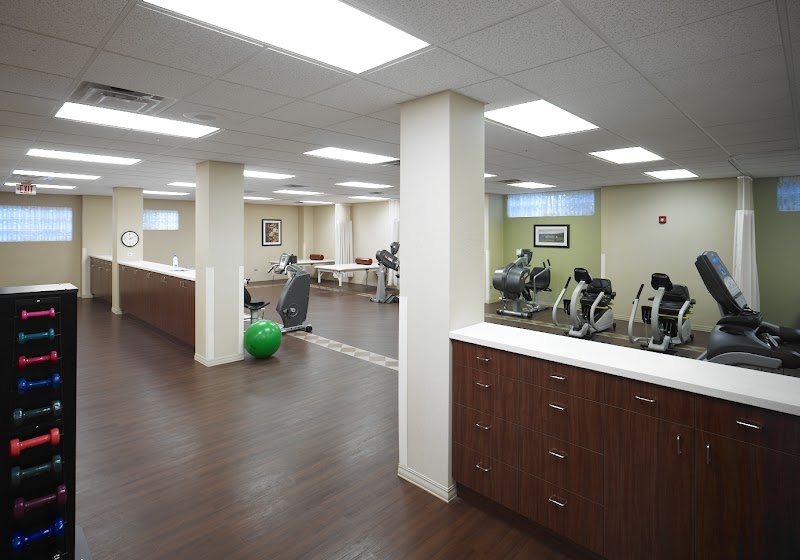
How is Alden Estates Of Orland Park Staffed?

CMS rates ALDEN ESTATES OF ORLAND PARK's staffing level at 1 out of 5 stars, which is much below average compared to other nursing homes.

What Have Inspectors Found at Alden Estates Of Orland Park?

State health inspectors documented 60 deficiencies at ALDEN ESTATES OF ORLAND PARK during 2023 to 2025. These included: 1 Immediate Jeopardy (the most serious level, indicating potential for serious harm or death), 6 that caused actual resident harm, and 53 with potential for harm. Immediate Jeopardy findings are rare and represent the most serious regulatory concerns. They require immediate corrective action.
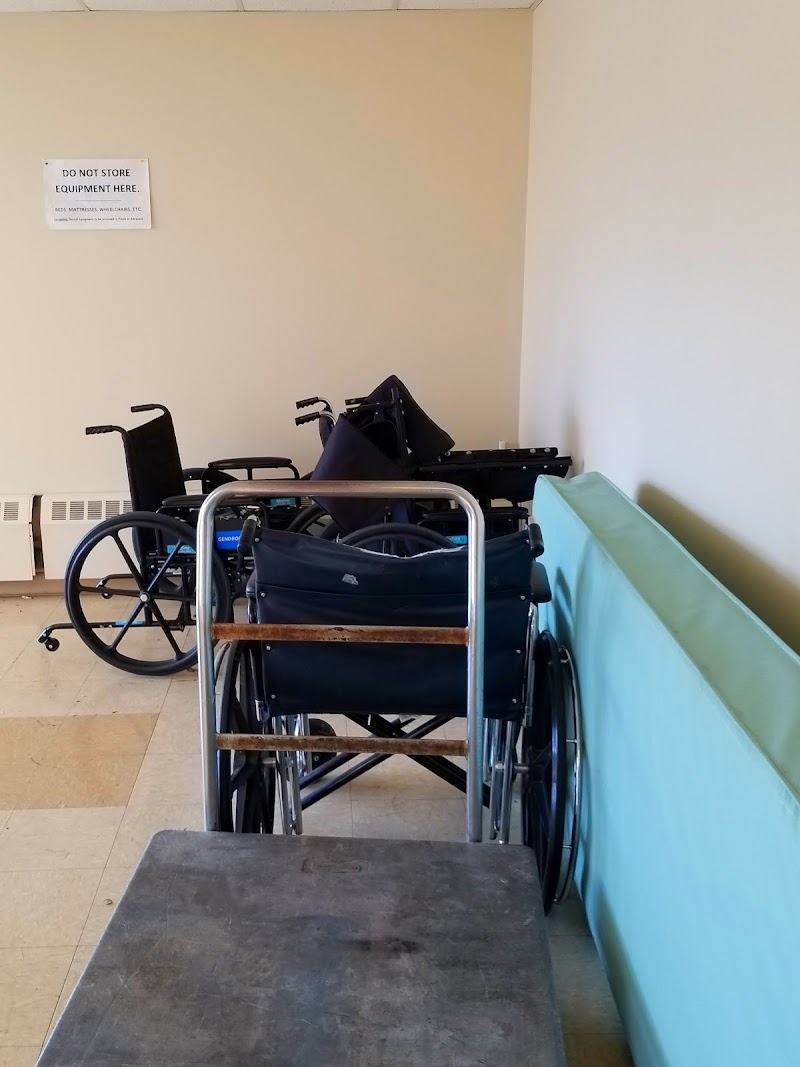
Who Owns and Operates Alden Estates Of Orland Park?

ALDEN ESTATES OF ORLAND PARK is owned by a for-profit company. For-profit facilities operate as businesses with obligations to shareholders or private owners. The facility is operated by THE ALDEN NETWORK, a chain that manages multiple nursing homes. With 200 certified beds and approximately 173 residents (about 86% occupancy), it is a large facility located in ORLAND PARK, Illinois.

How Does Alden Estates Of Orland Park Compare to Other Illinois Nursing Homes?

Compared to the 100 nursing homes in Illinois, ALDEN ESTATES OF ORLAND PARK's overall rating (1 stars) is below the state average of 2.5 and health inspection rating (2 stars) is below the national benchmark.

What Should Families Ask When Visiting Alden Estates Of Orland Park?

Based on this facility's data, families visiting should ask: "What changes have been made since the serious inspection findings, and how are you preventing similar issues?" "Can you walk me through typical staffing levels on day, evening, and night shifts?" "Can I visit during a mealtime to observe dining assistance and food quality?" "How do you handle medical emergencies, and what is your hospital transfer rate?" These questions are particularly relevant given the facility's Immediate Jeopardy citations and the below-average staffing rating.

Is Alden Estates Of Orland Park Safe?

Based on CMS inspection data, ALDEN ESTATES OF ORLAND PARK has documented safety concerns. Inspectors have issued 1 Immediate Jeopardy citation (the most serious violation level indicating risk of serious injury or death). The facility has a 1-star overall rating and ranks #100 of 100 nursing homes in Illinois. Families considering this facility should ask detailed questions about what corrective actions have been taken since these incidents.

Do Nurses at Alden Estates Of Orland Park Stick Around?

ALDEN ESTATES OF ORLAND PARK has not reported staff turnover data to CMS. Staff turnover matters because consistent caregivers learn residents' individual needs, medications, and preferences. When staff frequently change, this institutional knowledge is lost. Families should ask the facility directly about their staff retention rates and average employee tenure.

Was Alden Estates Of Orland Park Ever Fined?

ALDEN ESTATES OF ORLAND PARK has been fined $59,235 across 5 penalty actions. This is above the Illinois average of $33,671. Fines in this range indicate compliance issues significant enough for CMS to impose meaningful financial consequences. Common causes include delayed correction of deficiencies, repeat violations, or care failures affecting resident safety. Families should ask facility leadership what changes have been made since these penalties.

Is Alden Estates Of Orland Park on Any Federal Watch List?

ALDEN ESTATES OF ORLAND PARK is not on any federal watch list. The most significant is the Special Focus Facility (SFF) program, which identifies the bottom 1% of nursing homes nationally based on persistent, serious quality problems. Not being on this list means the facility has avoided the pattern of deficiencies that triggers enhanced federal oversight. This is a positive indicator, though families should still review the facility's inspection history directly.