WARREN BARR ORLAND PARK
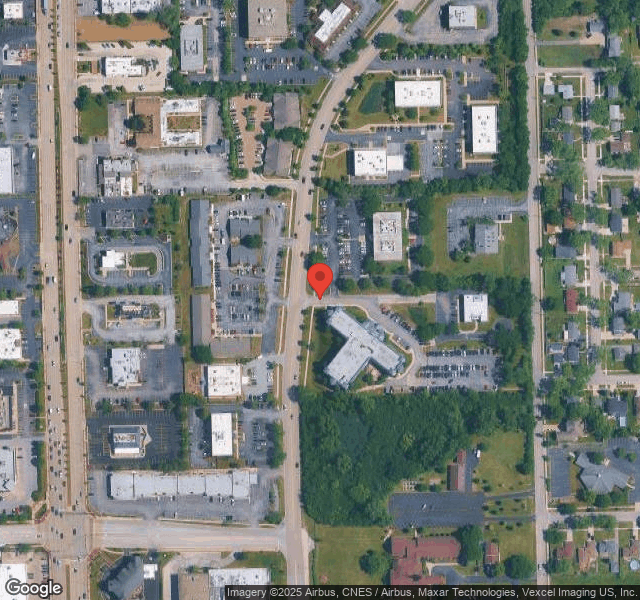
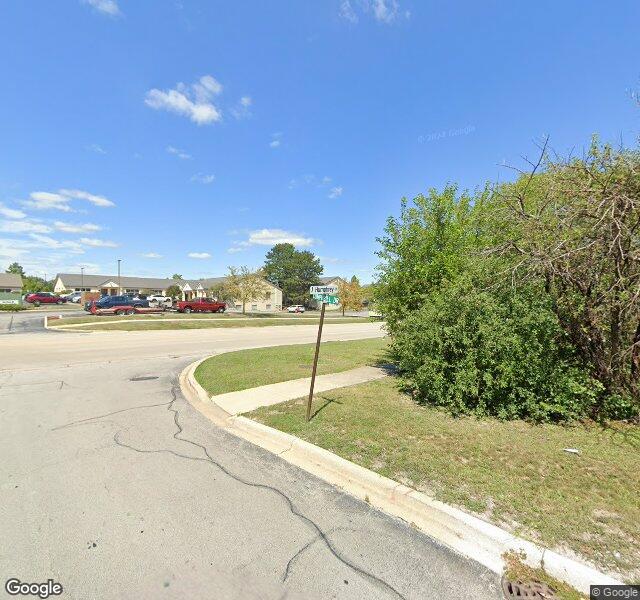
14601 SOUTH JOHN HUMPHREY DR, ORLAND PARK, IL 60462 (708) 349-8300
For profit - Limited Liability company 275 Beds LEGACY HEALTHCARE Data: November 2025
Trust Grade
25/100
#299 of 665 in IL
Last Inspection: April 2025

Within standard 12-15 month inspection cycle. Federal law requires annual inspections.

Overview

Warren Barr Orland Park has received a Trust Grade of F, indicating significant concerns about the quality of care provided. It ranks #299 out of 665 facilities in Illinois, placing it in the top half, but the low trust grade raises alarms. The facility is improving, as it reduced its issues from 15 in 2024 to 12 in 2025. Staffing is a concern, with a rating of 2 out of 5 stars and a high turnover rate of 61%, indicating that many staff members leave, which can affect continuity of care. While the facility does have average RN coverage, it has been fined $60,348, which is concerning and suggests ongoing compliance issues. Specific incidents reported include a resident suffering a femur fracture due to improper handling during a bed transfer, another resident experiencing significant weight loss due to inadequate nutritional monitoring, and a case where a resident was hospitalized for dehydration because the facility failed to provide adequate hydration. These findings reflect serious weaknesses in care, but the improving trend offers a glimmer of hope for better practices in the future.

Trust Score
F
25/100
In Illinois
#299/665
Top 44%
Safety Record
High Risk
Review needed
Inspections
Getting Better
15 → 12 violations
Staff Stability
⚠ Watch
61% turnover. Above average. Higher turnover means staff may not know residents' routines.
Penalties
○ Average
$60,348 in fines. Higher than 63% of Illinois facilities. Some compliance issues.
Skilled Nurses
✓ Good
Each resident gets 48 minutes of Registered Nurse (RN) attention daily — more than average for Illinois. RNs are trained to catch health problems early.
Violations
⚠ Watch
35 deficiencies on record. Higher than average. Multiple issues found across inspections.
★★★☆☆
3.0
Overall Rating
★★☆☆☆
2.0
Staff Levels
★★☆☆☆
2.0
Care Quality
★★★☆☆
3.0
Inspection Score
Stable
2024: 15 issues
2025: 12 issues

The Good

  • Full Sprinkler Coverage · Fire safety systems throughout facility
  • No fines on record

Facility shows strength in fire safety.

The Bad

3-Star Overall Rating

Near Illinois average (2.5)

Meets federal standards, typical of most facilities

Staff Turnover: 61%

15pts above Illinois avg (46%)

Frequent staff changes - ask about care continuity

Federal Fines: $60,348

Above median ($33,413)

Moderate penalties - review what triggered them

Chain: LEGACY HEALTHCARE

Part of a multi-facility chain

Ask about local staffing decisions and management

Staff turnover is elevated (61%)

13 points above Illinois average of 48%

The Ugly 35 deficiencies on record

4 actual harm
Jun 2025 2 deficiencies 1 Harm
SERIOUS (G) 📢 Someone Reported This

A family member, employee, or ombudsman was alarmed enough to file a formal complaint

Actual Harm - a resident was hurt due to facility failures

Accident Prevention (Tag F0689)

A resident was harmed · This affected 1 resident

**NOTE- TERMS IN BRACKETS HAVE BEEN EDITED TO PROTECT CONFIDENTIALITY** Based on observation, interview, and record review, the facility failed to safely turn a resident in bed for cares. This failure...

Read full inspector narrative →
**NOTE- TERMS IN BRACKETS HAVE BEEN EDITED TO PROTECT CONFIDENTIALITY** Based on observation, interview, and record review, the facility failed to safely turn a resident in bed for cares. This failure resulted in R1 rolling off the bed and sustaining a right femur fracture. This applies to 1 of 3 residents (R1) reviewed for falls. The findings include: R1's Face Sheet showed she was originally admitted to the facility on [DATE]. R1's Face Sheet included diagnoses of functional quadriplegia, reduced mobility, muscle wasting and atrophy, morbid (severe) obesity, body mass index (BMI) 50-59.9, anxiety disorder, and need for personal care. R1's Activities of Daily Living (ADL) care plan focus statement (last revised 3/2023) showed R1 has an ADL Self Care Performance Deficit and Impaired Mobility [related to] impaired balance, weakness, decreased strength and endurance [due to] recent hospital stays. Needs assistance with self care and mobility; extensive assistance of 2 staff with mobility and transfers .May use full body lift machine with total assist of 2 staff .non ambulatory at this time. An intervention (last revised 10/1/2022, over two years ago) showed May require 2 staff assist with mobility and transfers depending on her level of participation and endurance. Another intervention (also not revised since 10/1/2022) showed BED MOBILITY: [R1] requires extensive assist of 1 staff participation to reposition and turn in bed, and scooting towards head of bed [due to bilateral lower extremity] weakness. A 3/20/2023 intervention showed TOILET USE: [R1] requires extensive assist of 2 staff participation with toileting needs. R1's 5/4/2025 nursing note from 9:16 AM (late entry) showed, At approximately 5:28 AM, writer responded to staff calling for nurse and resident was observed with right hand and knee on the floor, left leg was on the bed, and left arm was holding on to bed. [R1] let go of bed rail and placed left hand/leg onto floor. She then rolled onto right side, then onto her back to floor .the resident stated 'My leg slid over the bed while the CNA [Certified Nursing Assistant] was turning me and I rolled off the bed.' .resident remained on the floor .[R1] assisted to stretcher by 6 paramedics and was sent to [local] hospital. Under History of Present Illness in R1's 5/5/2025 Hospital admission note, it showed, Patient is a [AGE] year-old bedbound, non-ambulatory female with a BMI of 55 who presented after a fall from bed .she has a complex medical history, notably a severe COVID-19 infection three years ago that led to prolonged hospitalization, deconditioning, and eventual complete loss of ambulatory status. She has not stood or walked in over a year and has since experienced significant weight gain and progressive immobility. On presentation, radiographs and a CT (computed tomography) scan of the right lower extremity revealed a comminuted, supracondylar distal femur fracture with intra-articular extension into the lateral condyle . The Objective section in R1's 5/5/2025 hospital note showed R1 is 5' 9 tall and weighs 380 pounds. R1's 2/28/2025 Minimum Data Set (MDS) showed her cognition was moderately impaired. R1's April/May 2025 POC Response History 30-day lookback (from 4/29/2025 forward) asks for the amount of assistance needed to Roll left and right: The ability to roll from lying on back to left and right side, and return to lying on back on the bed. Seven documented staff entries were available up to R1's fall, one showing R1 needed Substantial/maximal assistance- helper does MORE THAN HALF the effort. Helper lifts or holds trunk or limbs and provides more than half the effort. The other six entries showed R1 was Dependent- Helper does ALL the effort. Resident does none of the effort to complete the activity. Or, the assistance of 2 or more helpers is required for the resident to complete the activity. R1's 2/18/2025 MDS showed R1 was also dependent for toileting hygiene. On 5/28/2025 at 8:31 AM, R1 was in her bed wearing a hospital gown. R1 was alert and in a bariatric bed with a gel overlay. R1 stated staff took her stiches out the day before, and she was told there were three screws in her right knee. On 5/28/2025 at 9:36 AM, R1 stated V4 (CNA) was changing her by herself, when R1 fell. R1 stated when V4 was going to change R1's incontinent brief, V4 was standing on the right side of R1's bed, and V4 turned R1 away from her. R1 stated she told V4 her leg is going to fall. R1 stated V4 stood there and removed the soiled brief, and her leg slid off the bed. R1 stated she fell on her knees with her butt sticking up in the air. R1 stated 6-7 people came to her room after she fell. R1 stated her left leg has arthritis, and now her right knee was broken. On 5/28/25 at 2:51 PM, V4 (CNA) stated she worked on 5/4/2025 night shift, and she was taking care of R1 when she fell. V4 stated R1 turned herself towards the door. V4 stated as R1 was turning herself, one of her legs pulled out of the bed and R1 was on the floor. V4 stated she did not touch R1. V4 stated she yelled for the nurse. V4 stated R1 became a two person assist after she fell. V4 stated R1 never told her her leg is going to fall. On 5/29/2025 at 1:45 PM, V10 (Restorative LPN- Licensed Practical Nurse) stated R1 has never been on a bed mobility program, and she believed R1 has used a full-body mechanical lift for transfers for around two years. On 5/29/2025 at 2:25 PM, V3 (Therapy Director) stated R1 had a fall from bed resulting in a fracture. V3 stated, Staff should not roll residents away from them. V3 stated, If (R1's) leg started going off the side of her bed, she couldn't have stopped it .at 380 pounds the momentum would carry her leg over. On 5/29/2025 at 3:10 PM, V8, ADON (Assistant Director of Nursing), stated she completed the investigation into R1's fall. V8 stated R1 has full ROM (Range of Motion) to her arms, but not a whole lot of ROM to her legs as R1's baseline. V8 stated, You should not push a resident away from you in bed. You have more control of the patient if you roll them toward you. V8 stated the root cause of R1's fall was Resident stated, my leg slid over the bed and I rolled off the bed. V8 stated nobody was on that opposite side of the bed. The facility's General Care policy (revised 7/30/2024) showed, Policy Statement- It is the facility's policy to provide care for every resident to meet their needs 1 Physical needs would include, but are not limited to ADL .2. The facility will assist the resident to meet those needs .
CONCERN (D) 📢 Someone Reported This

A family member, employee, or ombudsman was alarmed enough to file a formal complaint

Potential for Harm - no one hurt, but risky conditions existed

Deficiency F0602 (Tag F0602)

Could have caused harm · This affected 1 resident

**NOTE- TERMS IN BRACKETS HAVE BEEN EDITED TO PROTECT CONFIDENTIALITY** Based on interview and record review, the facility failed to protect a resident's right to be free from theft. This applies to ...

Read full inspector narrative →
**NOTE- TERMS IN BRACKETS HAVE BEEN EDITED TO PROTECT CONFIDENTIALITY** Based on interview and record review, the facility failed to protect a resident's right to be free from theft. This applies to 1 of 3 residents (R3) reviewed for abuse/theft in the sample. The findings include: R3's Face Sheet showed he was admitted to the facility on [DATE]. The Face Sheet showed his diagnoses include cerebral infarction, abnormalities of gait and mobility, need for assistance with personal care, and sepsis. On April 29, 2025, R3's 4/29/25 Minimum Data Set showed his cognition was severely impaired. The facility's 5/26/25 Abuse Report Final Form showed, On May 20, 2025 .[R3's Son] reported .that his father's debit card is missing and that he received a notification that someone tried to use the card. [R3's Son] mentioned that he brought his father's wallet on Sunday and today 5/20/2025 he received the notification that someone tried to use the card. The charge to the card was declined. The Abuse Report Final Form continued to show Interview with [V7] Orientee CNA [Certified Nursing Assistant- former]: .[V7] admitted taking the debit card, but stated none of the transactions she attempted went through. [V7] mentioned that when she went to the gas station with the debit card that attempt was declined. [V7] refused to answer any other questions from the Administrator. The Form ended with Through the investigation and collaboration with the (city) Police Department it was determined that [V7] is the perpetrator. The allegation of theft was confirmed by the (city) Police Department . On 5/29/25 at 12:55 PM, V9 (Human Resources Director) stated V7 had finished her training modules and was assigned to work on the floor on the 2 PM- 10 PM shift. V9 stated, It was [V7's] very first day on the floor when this happened she didn't even finish her first day. On 5/29/25 at 1:05 PM, V1 (Administrator) stated she interviewed V7 after the theft, and initially V7 denied the incident. V1 stated she told V7 she could see her on video, and V7 answered none of the transactions went through. V1 stated she asked V7 how she accessed R3's debit card, and V7 hung up on her. The Abuse Final Report Form showed (city) Police identified [V7] as the perpetrator through video footage from the gas station where the debit card was attempted to be used. The Abuse Final Report Form showed, (city) Police identified [V7] as the perpetrator through video footage from the gas station where the debit card was attempted to be used. The facility's Abuse and Neglect policy (revised 7/12/2024) showed, Financial/Misappropriation of Property: Financial abuse includes, but is not limited to deliberate misplacement, misappropriation, exploitation or otherwise taking advantage of a resident's money or property temporarily or permanently
Apr 2025 10 deficiencies
CONCERN (D)

Potential for Harm - no one hurt, but risky conditions existed

Deficiency F0625 (Tag F0625)

Could have caused harm · This affected 1 resident

**NOTE- TERMS IN BRACKETS HAVE BEEN EDITED TO PROTECT CONFIDENTIALITY** 3. A review of R80's electronic health record showed a 4/3/25 at 07:53 AM progress note that R80 was sent to the local community...

Read full inspector narrative →
**NOTE- TERMS IN BRACKETS HAVE BEEN EDITED TO PROTECT CONFIDENTIALITY** 3. A review of R80's electronic health record showed a 4/3/25 at 07:53 AM progress note that R80 was sent to the local community hospital for a dislodged G-tube (gastric tube). On 04/09/25 at 4:33 PM, V2, DON (Director of Nursing), said the family representative and R80 were not given the facility's Bed Hold policy because R80 was not admitted to the hospital, he was only sent to the ER (emergency room). V2 said both the resident and family are to get written notification of the transfer and the reason for transfer and the bed hold policy, along with notifying the Ombudsman. V2 said the facility's Bed Hold policy that is given to the resident and representatives does not notify about the facility's reserve bed payment. The facility's Bed Hold policy, dated 7/26/24, showed it is the facility's policy to adhere to the federal regulation on bed hold and on re-admission of resident transferred out of the facility. The Bed Hold policy did not show the facility's reserve bed payment. Based on interview and record review, the facility failed to provide the resident and/or their representative of the facility's policy for bed hold in writing. This applies to 3 of 3 residents (R33, R54, and R80) reviewed for discharge in a sample of 33. The findings include: 1. R33's Face Sheet showed R33 was admitted to the facility on [DATE]. R33 had multiple diagnoses which included monoplegia of upper limb, Alzheimer's Disease, cerebral ischemia, diabetes, vascular dementia, and hypertension. R33's Change in Condition with SBAR (Situation, Background, Assessment, Recommendation) Form, dated 12/20/24, showed R33 was observed sitting on the floor, next to her bed. The same form showed R33 was transferred to the hospital via emergency medical transport on 12/20/24. The form showed the facility's bed hold policy was not given to the resident and or/representative. The EMR (Electronic Medical Record) contained no documentation showing the bed hold policy was given to R33 and/or the representative. The facility was unable to provide documentation that the bed hold policy was given prior to the hospital transfer or after. 2. R54's Face Sheet showed R54 was admitted to the facility on [DATE]. R54 had multiple diagnoses which included Parkinson's Disease with dyskinesia, weakness, muscle disorders, dementia, orthostatic hypotension, seizures, and congestive heart failure. R54's MDS (Minimum Data Set), dated 04/09/25, showed R54 had severe cognitive impairment. R54's Change in Condition with SBAR Form, dated 12/27/24, showed R54's change in condition was altered mental status. The same form showed R54 was transferred to the hospital via emergency medical transport on 12/27/24. The EMR contained no documentation showing the bed hold policy was given to R54 and/or the representative. The facility was unable to provide documentation of the bed hold policy being given prior to the hospital transfer or after.
CONCERN (D)

Potential for Harm - no one hurt, but risky conditions existed

Accident Prevention (Tag F0689)

Could have caused harm · This affected 1 resident

Based on observation, interview, and record review, the facility failed to ensure resident beds were kept at a safe height. This applies to 2 of 4 residents (R167 and R173) reviewed for accidents in a...

Read full inspector narrative →
Based on observation, interview, and record review, the facility failed to ensure resident beds were kept at a safe height. This applies to 2 of 4 residents (R167 and R173) reviewed for accidents in a sample of 33. Findings include: 1. On 04/10/25 11:59 AM, R167's bed and over bed table were in a very high elevated position. On 04/10/25 at 12:00 PM, R167 stated his bed was dangerous. V35, PTA (Physical Therapy Assistant/Therapy Director), entered R167's room and stated, The bed should not have been left that high. If (R167) had fallen from bed the impact of an injury would be worse. R167's diagnoses includes sequelae of cerebral infarction, hypertension, muscle wasting and atrophy. R167's care plan showed R167 was at risk for falls, with interventions include to provide a safe environment. 2. On 04/08/25 at 12:55 PM, R173's bed and over bed table were in a high position. On 04/08/25 at 12:57 PM, V29, Certified Nursing Assistant/CNA, stated R173 was a high fall risk. V29 stated she left R173's bed in the high position. R173's diagnoses includes displaced intertrochanteric fracture of left femur, type 2 diabetes, wedge compression fracture of fifth lumbar vertebra and dementia. R173's current care plan showed R173 is risk for falls related to recent falls. Interventions include to provide a safe environment. Resident is at risk for altered thought process related to her diagnosis of Lewy body dementia. The facility policy Fall Occurrence, dated 7/26/24, states those identified as high risk for falls will be provided fall intervention.
CONCERN (D)

Potential for Harm - no one hurt, but risky conditions existed

Deficiency F0761 (Tag F0761)

Could have caused harm · This affected 1 resident

2. R119's face sheet shows diagnoses of multiple sclerosis, muscle wasting and atrophy, not elsewhere classified, unspecified lower leg, unspecified severe protein calorie malnutrition. On 4/8/25, rev...

Read full inspector narrative →
2. R119's face sheet shows diagnoses of multiple sclerosis, muscle wasting and atrophy, not elsewhere classified, unspecified lower leg, unspecified severe protein calorie malnutrition. On 4/8/25, review of R119's POS (Physician Order Sheet) shows no order for the Biofreeze and the Vitamin C. On 4/8/25 at 12:12 PM, R119 was in bed. On her dresser, there was a Biofreeze (Menthol-Pain Relieving Gel) roll on and Vitamin C 750 MG (Milligrams) Gummies. R119 stated, It's always kept here. I brought them from home. R119's MDS (Minimum Data Set), dated 3/18/25, shows she is cognitively intact. On 4/9/25 at 12:09 PM, V2 (DON-Director of Nursing) stated, All medications that are stored in resident rooms need an order by the doctor. If the resident and/or family wants them to take it or be at the bedside, it's the same thing. You need an order from the physician.3. On 04/08/25 at 11:33 AM, a tube of diclofenac sodium gel 1% 3.35 oz (Ounces) with R379's name was on her overbed table. On 04/09/25 at 3:39 PM, R379 stated she still had the diclofenac. R379 showed the tube of diclofenac gel 1% 3.35 oz in her wash basin. R379 stated a nurse gave it to her, and she applies it for a sciatic nerve problem. R379 stated she may use it twice a day as she needs it. On 04/10/25 at 11:04 AM, V32, LPN (Licensed Practical Nurse), assigned to R379, stated he did not have any residents assessed to keep medications at the bed side. V32 confirmed R379 was prescribed diclofenac topical, but it was not scheduled for administration during his shift. On 04/10/25 at 12:38 PM, V32 confirmed R379 had kept the tube of diclofenac at her bedside. Facility's policy titled Medication Storage, Labeling and Disposal (8/16/24) shows: It is the facility's policy to comply with federal regulations in storage, labeling, and disposal of medications. 4. Medications will be secured in a locked storage area. Based on observation, interview, and record review, the facility failed to store medications securely. This applies to 3 of 3 residents (R125, R119, R379) reviewed for medication storage in a sample of 33. The findings include: 1. R125's face sheet showed R125 was admitted to the facility with diagnoses muscle wasting and atrophy, abnormalities of gait and mobility, aftercare following joint replacement surgery, intervertebral disc disorders with radiculopathy lumbar region, rheumatoid arthritis, unilateral primary osteoarthritis right knee, and osteoarthritis. R125's POS (Physician Order Sheet) did not have an order for Biofreeze Roll On Pain Relieving Gel. On 4/8/25 at 11:43 AM, R125's had a Biofreeze Roll On Pain Relieving Gel sitting on her bedside table. On 4/10/25 at 10:19 AM, R125's bedside table had the Biofreeze Roll On Pain Relieving Gel on it. R125 said she used the Biofreeze on her knees when she had pain. R125 said she puts the Biofreeze on, and she had put it on a few days ago. On 4/10/25 at 1:03 PM, V16 (Agency RN/Registered Nurse) said she did not have any residents who were allowed to keep medications at bedside, and if she saw a resident with medication at the bedside, she would remove them and report it to administration.
CONCERN (E)

Potential for Harm - no one hurt, but risky conditions existed

Transfer Notice (Tag F0623)

Could have caused harm · This affected multiple residents

**NOTE- TERMS IN BRACKETS HAVE BEEN EDITED TO PROTECT CONFIDENTIALITY** 5. A review of R80's electronic health record showed a 4/3/25 at 07:53 AM progress note that R80 was sent to the local community...

Read full inspector narrative →
**NOTE- TERMS IN BRACKETS HAVE BEEN EDITED TO PROTECT CONFIDENTIALITY** 5. A review of R80's electronic health record showed a 4/3/25 at 07:53 AM progress note that R80 was sent to the local community hospital for a dislodged G-tube (gastric tube). On 04/09/25 at 4:33 PM, V2, DON (Director of Nursing), said the family representative and R80 did not get the notice of transfer in writing, because R80 was not admitted to the hospital he was only sent to the ER (emergency room). V2 said both the resident and family are to get written notification of the transfer and the reason for transfer and the bed hold policy, along with notifying the Ombudsman. The facility's Transfer and Discharges policy, dated 8/19/24, showed notify the resident, family, or legal representative of the transfer or discharge and the reason for the move in writing. Based on interview and record review, the facility failed to provide residents and/or their representatives written notification of the reason for transfer to the hospital, and failed to notify the Ombudsman of the transfers. This applies to 5 of 5 residents (R29, R33, R37, R54, and R80) reviewed for discharge in a sample of 33. The findings include: 1. R29's Face Sheet showed R29 was admitted to the facility on [DATE]. R29 had multiple diagnoses which included cerebral ischemia, chronic obstructive pulmonary disease, psychotic disorder, mood disorder, and dementia. R29's MDS (Minimum Data Set), dated 03/03/25, showed R29 was cognitively impaired. R29's Change in Condition with SBAR (Situation, Background, Assessment, Recommendation) Form, dated 02/13/25, showed R29 had a fall. The same form showed R29 was transferred to the hospital via emergency medical transport on 02/13/25. The form showed written notice for reason of transfer was not given to the resident and or/representative. R29's Change in Condition with SBAR Form, dated 02/25/25, showed R29 had a fall. The same form showed R29 was transferred to the hospital via emergency medical transport on 02/25/25. The EMR (Electronic Medical Record) contained no documentation of written notice for reason of transfer or discharge to the hospital provided to R29 and/or the representative for the hospital transfer dated 02/13/25. The EMR contained no notice sent to the Ombudsman for transfer or discharge to hospital for either transfer. The facility was unable to provide documentation for written notification of the reason for transfer to the hospital and ombudsman notification. 2. R33's Face Sheet showed R33 was admitted to the facility on [DATE]. R33 had multiple diagnoses which included monoplegia of upper limb, Alzheimer's Disease, cerebral ischemia, diabetes, vascular dementia, and hypertension. R33's Change in Condition with SBAR Form, dated 12/20/24, showed R33 was observed sitting on the floor, next to her bed. The same form showed R33 was transferred to the hospital via emergency medical transport on 12/20/24. The form showed written notice for reason of transfer was not given to the resident and or/representative. The EMR contained no documentation of written notice for reason of transfer or discharge to the hospital. The EMR contained no notice sent to the Ombudsman for transfer or discharge to hospital. The facility was unable to provide documentation for written notification of the reason for transfer to the hospital and ombudsman notification. 3. R37's Face Sheet showed R37 was admitted to the facility on [DATE]. R37 had multiple diagnoses which included disorders of the brain, dementia, Alzheimer's Disease, chronic kidney disease, diabetes, hemiplegia, and hemiparesis. R37's MDS, dated [DATE], showed R37 had moderate cognitive impairment. R37's Change in Condition with SBAR Form, dated 01/24/25, showed R37's change in condition was an abnormal lab, potassium 6.7. The same form showed R37 was transferred to the hospital via emergency medical transport on 01/24/25. The EMR contained no notice sent to the Ombudsman for transfer or discharge to hospital. The facility was unable to provide documentation for ombudsman notification. 4. R54's Face Sheet showed R54 was admitted to the facility on [DATE]. R54 had multiple diagnoses which included Parkinson's Disease with dyskinesia, weakness, muscle disorders, dementia, orthostatic hypotension, seizures, and congestive heart failure. R54's MDS, dated [DATE], showed R54 had severe cognitive impairment. R54's Change in Condition with SBAR Form, dated 09/15/24, showed R54's change in condition was more lethargic and less responsive. The same form showed R54 was transferred to the hospital via emergency medical transport on 09/15/24. R54's Change in Condition with SBAR Form, dated 12/27/24, showed R54's change in condition was altered mental status. The same form showed R54 was transferred to the hospital via emergency medical transport on 12/27/24. The form showed written notice for reason of transfer was not given to R54 and/or the representative. R54's Change in Condition with SBAR Form, dated 12/31/24, showed R54's change in condition was resident fell forward on dining room table, hitting head. The same form showed R54 was transferred to the hospital via emergency medical transport on 12/31/24. The EMR contained no documentation of written notice for reason of transfer or discharge to the hospital given to the resident and/or the representative for the transfer dated 12/27/24. The EMR contained no notice sent to the Ombudsman for transfer or discharge to hospital. The facility was unable to provide documentation for written notification of the reason for transfer to the hospital and ombudsman notification. On 04/09/25 at 4:10 PM, V1 (Administrator) stated, The Ombudsman wasn't notified of the hospital transfers of the residents who returned to the facility starting September 2024 through March 2025. The Ombudsman should have been notified. It a regulation that they are notified.
CONCERN (E)

Potential for Harm - no one hurt, but risky conditions existed

ADL Care (Tag F0677)

Could have caused harm · This affected multiple residents

**NOTE- TERMS IN BRACKETS HAVE BEEN EDITED TO PROTECT CONFIDENTIALITY** Based on observation, interview, and record review, the facility failed to provide ADL (Activities of Daily Living) care to resi...

Read full inspector narrative →
**NOTE- TERMS IN BRACKETS HAVE BEEN EDITED TO PROTECT CONFIDENTIALITY** Based on observation, interview, and record review, the facility failed to provide ADL (Activities of Daily Living) care to residents who require assistance with their ADLs. This applies to 7 of 7 residents (R23, R29, R33, R68, R75, R96, R116) reviewed for personal hygiene in a sample of 33. The findings include: 1. On 4/8/25 at 10:59 AM, R96 was lying in bed. His hair was disheveled and greasy. V33 (R96's wife) was beside him and she stated, They never wash or comb his hair. R96 confirmed what V33 had said. R96's care plan, dated 3/4/25, shows she has a ADL self care performance deficit and impaired mobility related to disease process. Intervention: Dressing and grooming (R96) .groom self and wash body and comb hair daily. R96's face sheet shows diagnoses of major depressive disorder, single episode, unspecified and suicidal ideations. 2. On 4/8/25 at 11:37 AM, R116 was lying in bed. He had a full beard and very long nails with a dark substance underneath on both hands. R116 stated, I've been asking to be shaved but the CNAs (Certified Nursing Assistants) say they don't have time. I don't know what my face looks like. I wanted to be shaved and I want my nails cut. R116's face sheet shows diagnoses of generalized anxiety disorder, spinal stenosis, cervicothoracic region, other cervical disc degeneration at C6-C7 level, encounter for orthopedic aftercare following surgical amputation, other reduced mobility, need for assistance with personal care. R116's care plan, dated 1/31/25, requires assistance with ADL's. Goal-(R116) will be assisted with ADL's as needed. Encourage participation in ADL's and help with grooming. 3. On 4/8/25 at 12:12 PM, R23 was lying in bed. R23's hair was not combed, and it was greasy. R23 stated, They are not washing my hair. Can't you see? It's greasy. I had a bed bath only a week ago. And I smell. R23's face sheet shows diagnoses of lymphedema, sepsis, lack of coordination, depression, morbid (severe) obesity due to excess calories, anxiety disorder. R23's care plan, dated 7/7/22, shows she has ADL self care performance and impaired mobility. Personal Hygiene-she requires extensive assist of 1 staff participation with personal hygiene. On 4/09/25 at 12:09 PM, V2 (DON-Director of Nursing) stated, CNA's under the supervision of the nurse are responsible for shaving, cutting nails, and washing the residents' hair. 6. On 4/8/25 at 2:26 PM, R68's fingernails were long, jagged, and with a brown substance under them. V11 & V12 (R68's daughters) were present at the time, and they both said that R68's nails always look like that, and they ask staff to provide nail care for R68, and it is still not provided. V11 and V12 said because staff does not provide nail care for R68, they do it for her, because they are afraid she will get and infection because she will scratch her skin to the point of bleeding. Then V11 and V12 provided nail care for R68. R68's 3/18/25 MDS showed her cognition is severely impaired, and she needs partial/moderate assistance with personal hygiene. On 04/10/25 at 12:10 PM, V2, DON (Director of Nursing), said he expects nail care to be provided regularly to prevent infection and overall cleanliness to the resident. V2 said the facility policy says ADL (Activities in Daily Living) care should be given daily as needed. The facility's Nail Care policy, dated 8/16/24, showed the purposes of the procedure are to clean the nail bed, to keep nails trimmed, and to prevent infections. 7. On 4/8/25 at 12:21 PM, R75 had fingernails which were 1.5 inches long on all her fingers, and had a brown substance underneath them. R75 said the facility staff do not ask her if she needs them cut, and she would want the staff to cut them for her. On 4/10/25 at 10:02 AM, R75's fingernails remeined the same length, and still had a brown substance underneath them. On 4/10/25 at 10:40 AM, V23 (LPN/Licensed Practical Nurse) said the residents' nails should not be long and the residents should be offered clipping weekly. V23 said the residents' nails should be cleaned daily. V23 said the residents should have short nails to prevent scratching, which could cause infections. On 4/10/25 at 12:46 PM, V19 (CNA/Certified Nurse Assistant) said she had cared for R75 on 4/7/25 and had provided her a bed bath, but had not provided nail care. V19 said the residents' nails should be short and clean so they do not scratch themselves. V19 said long nails can cause skin breakdown, which can create a wound. On 4/10/25 at 12:54 PM, V18 (CNA) said every time the staff provide a bath, they should cut their nails if they are long. V18 said the nails should also be cleaned if they are dirty. V18 said long nails can cause the resident to scratch and cause infections. R75's face sheet showed diagnoses including osteoarthritis, anxiety disorder, and hypertension. R75's MDS, dated [DATE], showed she had moderate cognitive impairment. R75's care plan showed R75 has potential for impairment to skin integrity. R75's care plan showed she requires assistance with ADL's (Activities of Daily Living) (bed mobility, transfers, dressing, walking, personal hygiene, eating and toileting). Facility's policy titled General Care (7/30/24) shows: It is facility's policy to provide care for every resident to meet their needs. 1. Upon admission or readmission, the facility will evaluate the resident for physical needs. Physical needs would include, but are not limited to ADL .2. The facility will assist the resident to meet these needs. 4. On 04/09/25 at 10:00 AM, R29 was sitting in the dining room in a wheelchair. R29 was seated on a mechanical lift sling. R29 had a foul odor. V25 (CNA) and V26 (CNA) transferred R29 via mechanical lift from the wheelchair to the bed. V25 and V26 provided incontinence care to R29, assisted by V13, RN (Registered Nurse/Nurse Manager). R29's mechanical lift sling and wheelchair cushion had a strong foul odor. R29's incontinence brief was minimally wet. R29's Face Sheet showed R29 was admitted to the facility on [DATE]. R29 had multiple diagnoses which included cerebral ischemia, chronic obstructive pulmonary disease, psychotic disorder, mood disorder, and dementia. R29's MDS (Minimum Data Set), dated 03/03/25, showed R29 was cognitively impaired. The same MDS showed R29 required partial/moderate assistance with toileting hygiene and was dependent with transfers. R29's ADL care plan initiated 09/24/23 showed R29 requires assistance with ADL's (transfers and toileting). The ADL care plan goal showed resident will be assisted with ADL's as needed. On 04/09/25 at 10:00 AM, V13 (RN) stated, The resident should have not been placed on a soiled mechanical transfer sling. The slings should be changed when they are soiled, dirty, or smell like urine. The wheelchair cushions should be cleaned and wiped down twice per week. V13 stated R29's mechanical lift sling and the wheelchair cushion smelled like urine. 5. On 04/09/25 at 9:40 AM, R33 was sitting at the dining room table. R33's fingernails on both hands were long, jagged, and had a dirty substance underneath. R33 stated she would like her nails clipped and cleaned. On 04/10/25 at 2:26 PM, R33's fingernails remained long, jagged, with a dirty substance underneath. R33's Face Sheet showed R33 was admitted to the facility on [DATE]. R33 had multiple diagnoses which included monoplegia of upper limb, Alzheimer's Disease, cerebral ischemia, diabetes, vascular dementia, and hypertension. R33's ADL care plan, initiated 11/04/24, showed R33 requires assistance with ADL's (personal hygiene). The ADL care plan goal showed resident will be assisted with ADL's as needed. On 04/10/25 at 2:26 PM, V13 stated, Tesidents nails should not be long and jagged. Nails should not have a dirty substance underneath. Nails should be clipped on shower days and as needed.
CONCERN (E)

Potential for Harm - no one hurt, but risky conditions existed

Quality of Care (Tag F0684)

Could have caused harm · This affected multiple residents

Based on interview and record review, the facility failed to obtain vital information regarding residents' pacemakers, and ensure it was readily available in the resident's medical record. This appli...

Read full inspector narrative →
Based on interview and record review, the facility failed to obtain vital information regarding residents' pacemakers, and ensure it was readily available in the resident's medical record. This applies to out 5 of 5 residents (R20, R81, R96, R136, R529) reviewed for pacemakers in a sample of 33. The findings include: 1. R81's face sheet documents an admission date of 6/15/23. R81's POS (Physician Order Sheet) shows an order (6/16/23) for Pacemaker-Check for functionality and effectiveness. Check pulse rate and blood pressure daily and as needed. R81's face sheet documents the following diagnoses: presence of cardiac pacemaker, chronic combined systolic (congestive) and diastolic (congestive) heart failure, pure hypercholesterolemia, hyperlipidemia, unspecified, unspecified dementia, unspecified severity, without behavioral disturbance, psychotic disturbance, mood disturbance, and anxiety, essential (primary) hypertension, and hypertensive heart disease with heart failure. R81's medical record was reviewed. R81's progress notes, admission assessment, and care plan do not document the pacemaker serial and model number. It was also unknown as to when the pacemaker was last assessed. R81's care plan on pacemakers shows: Check upon admission/readmission and every 3 to 6 months in accordance to my physician's order. Check and document in chart: Heart rate, Rhythm, and Battery check. On 4/10/25 at 10:01 AM, V2 (DON-Director of Nursing) stated, The model and serial number should be in the care plan. It's notoriously difficult to get that information. I've tried myself. The families and residents don't know. The admission nurse is the first person who should try to get it. I'm the second person who follows up and tries to get that information. I've tried calling cardiology offices. There should be an order in the POS and how often it should be checked. The model and serial number of the pacemaker should be in the care plan. 2. R96's face sheet documents an admission date of 3/1/25. R96's face sheet documents the following diagnoses: presence of cardiac pacemaker, paroxysmal atrial fibrillation, acute on chronic systolic (congestive) heart failure, and hypotension. R96's POS did not have any orders for the pacemaker, or how often it should be checked. R96's medical record was reviewed. R96's progress notes, admission assessment, and care plan do not document the pacemaker serial and model number. It was also unknown as to when the pacemaker was last assessed. R96's care plan on pacemakers shows: Check for functionality and effectiveness. Check pulse rate and blood pressure daily and as needed. Check upon admission/readmission and every 3 to 6 months in accordance with physician's order. Checks per facility protocol and document in chart: Heart rate, Rhythm, Battery check.3. R529's face sheet documents an admission date of 10/21/24. R529's face sheet showed diagnoses of presence of cardiac pacemaker, hypertensive heart disease with heart failure, hypertensive urgency, cardiomyopathy, chronic diastolic heart failure, acute on chronic diastolic heart failure, and syncope and collapse. R529's EMR (Electronic Medical Record) was reviewed. R529's POS (Physician Order Sheet) did not include any orders for a pacemaker. R529's care plan, dated 10/22/24, showed to Check upon admission/readmission and every 3 to 6 months in accordance to physician's order. 4. R20's face sheet documents an admission date of 7/14/22. R20's face sheet shows diagnoses of presence of cardiac pacemaker, hypertension, and heart failure. R20's EMR was reviewed, and R20's POS did not show the serial or model number of the pacemaker. R20's care plan also did not show a serial or model number. 5. R136's face sheet documents an admission date of 6/26/23. R136's face sheet showed diagnoses of presence of cardiac pacemaker, acute on chronic diastolic heart failure, hypertensive heart disease with heart failure, atherosclerotic heart disease, paroxysmal atrial fibrillation, personal history of transient ischemic attack, and cerebral infarction without residual deficits. R136's EMR was reviewed, and R136's POS did not show the serial or model number of the pacemaker. R136's care plan also did not show a serial or model number. Facility's policy titled Pacemakers (8/16/24) shows: Procedures-1. Residents who have pacemakers must have the following documented in their medical record: a. The date of insertion, physician who inserted it, and the place where it was inserted. b. Make, model and serial number of the pacemaker. c. Orders in the POS for how often the pacemaker is to be checked and by whom (physician office, cardiology clinic, by telephone, etc.). 2. The pacemaker remote follow-up/check should be done every 3-12 months for depending on the physician's orders .
CONCERN (E)

Potential for Harm - no one hurt, but risky conditions existed

Deficiency F0813 (Tag F0813)

Could have caused harm · This affected multiple residents

**NOTE- TERMS IN BRACKETS HAVE BEEN EDITED TO PROTECT CONFIDENTIALITY** Based on observation, interview, and record review, the facility failed to remove expired items from resident refrigerators. Thi...

Read full inspector narrative →
**NOTE- TERMS IN BRACKETS HAVE BEEN EDITED TO PROTECT CONFIDENTIALITY** Based on observation, interview, and record review, the facility failed to remove expired items from resident refrigerators. This applies to 4 of 4 residents (R36, R38, R47, R84) reviewed for refrigerators in a sample of 33. The findings include: 1. On 4/08/25 at 12:07 PM, inside R38's fridge, she had two cartons of yogurt (113 grams). One carton was raspberry flavored which expired on 12/3/24, and the other one was strawberry flavored that expired on 10/13/24. There was a carton of (gelatin) with a best by date of 10/8/24. R38 stated, I didn't know those were expired. You can throw those out. I won't eat those. I don't wanna get sick. R38's face sheet shows diagnoses of dysphagia, prediabetes, impaired glucose tolerance, cachexia and hemiplegia and hemiparesis following cerebral infarction affecting right dominant side. R38's MDS (Minimum Data Set), dated 1/10/25, showed R38 is cognitively intact. 2. On 4/08/25 at 12:30 PM, inside R36's fridge, there were 2 cartons of yogurt (113 gram) mixed berry flavor that expired on 3/25/25, a bottle of freshly squeezed orange juice with a sell by date of 3/24/25, and a bottle of freshly squeezed mint, lemon, sugar alkaline water with a sell by date of 3/27/25. R36 stated, I didn't know they were not good. You can toss them out. It's not worth it to get food poisoning. R36's face sheet shows diagnoses of dysphagia, unspecified, mild protein-calorie malnutrition, and extended spectrum beta lactamase (ESBL) resistance. R36's MDS, dated [DATE], shows R36 is cognitively intact. On 4/09/25 at 12:09 PM, V2 (DON-Director of Nursing) stated, Housekeeping, nurses or CNA's (Certified Nursing Assistants) are responsible for removing expired food items from the residents' personal refrigerators.3. On 4/8/25 at 1:09 PM, R84's personal room fridge had a packet of pepperoni that expired on 3/16/25, and a packet of cracker barrel sharp white cheese which expired on 3/13/25. R84's face sheet showed she was admitted to the facility with diagnoses including nutritional deficiency, type 2 diabetes mellitus, osteoarthritis, muscle wasting and atrophy, and need for assistance with personal care. R84's MDS/ dated 3/26/25, showed she was cognitively intact. 4. On 4/8/25 at 11:41 AM, R47's personal room fridge had a blueberry yogurt/ which had a best by date of 3/26/25. R47's face sheet showed she was admitted to the facility with diagnoses including hemiplegia and hemiparesis, muscle wasting, neuralgia and neuritis, hallucinogen use, and psychoactive substance abuse. R84's MDS, dated [DATE], showed she was cognitively intact. On 4/10/25 at 10:49 AM, V22 (CNA/Certified Nurse Assistant) said the housekeeping staff are supposed to throw away expired food and clean out the fridge. On 4/10/25 at 12:39 PM, V21 (Assistant Director of Housekeeping) said the housekeeping staff were the ones who should check the fridges. V21 said the staff are supposed to make sure everything was dated and if there was anything outdated, they should throw the food out. V21 said the housekeeping staff are supposed to clean the fridge out every week to make sure nothing was spoiled or rotten. On 4/10/25 at 12:40 PM, V20 (Director of Housekeeping) said the housekeeping staff are supposed to throw away expired food. V20 said there were no logs which showed the housekeeping staff had cleaned out the fridge. Facility's policy titled Food from the Outside Policy dated 7/26/24 shows: The facility will comply with sanitary food practices in storing, handling, and consumption of food brought by family and visitors from the outside of the facility 3. After 3-5 days, these food items will be discarded. 4. All undated food items will be discarded to ensure safety of the residents .
CONCERN (E)

Potential for Harm - no one hurt, but risky conditions existed

Infection Control (Tag F0880)

Could have caused harm · This affected multiple residents

Based on observation, interview, and record review, the facility failed to follow infection control measures. These failures apply to 5 of 5 residents (R27, R5, R529, R383, & R63) reviewed for infect...

Read full inspector narrative →
Based on observation, interview, and record review, the facility failed to follow infection control measures. These failures apply to 5 of 5 residents (R27, R5, R529, R383, & R63) reviewed for infection control practices in a sample of 33 residents. The findings include: 1. On 04/08/25 at 12:35 PM, V3 (Restorative) was sitting at a table; R529 was to V3's left, and R63 was to her right. V3 was feeding R529 with her right hand, and then put down R529's fork, and V3 got up to move R63's wheelchair, touching the wheelchair. V3 then touched R63's lunch tray that R63 was eating his lunch from. After touching R63's wheelchair with both hands and touching R63's tray with her right hand, V3 then opened R529's mustard and ketchup packets with R529's fork, and then put a forkful of hamburger into R529's mouth. V3 never cleaned her hands between handling R63's wheelchair and tray and then feeding R529. At 12:54 PM, V3 was still feeding R529 with her right hand, and she reached over with her right hand and handed R63 his drink, and then turned back to R529 and put a forkful of hamburger in R529's mouth. V3 then picked up R63's coffee cup to give him a refill. V3 refills R63's cup, then cleans her hands with sanitizer and brings the cup of coffee back to the table and adds cream to the cup, and then hands the cup to R63 with her right hand. Then after handing the cup to R63, V3 touches the arm of R63's wheelchair with her right hand, and then picks up R529's fork and puts a forkful of hamburger into R529's mouth. On 04/10/25 at 12:15 PM, V2, DON (Director of Nursing), said his expectations are if staff is interacting with 2 residents, they should perform hand hygiene in-between the residents to prevent cross-contamination. 2. On 04/08/25 at 01:51 PM, V8, CNA (Certified Nurse's Assistant), was assisting R5 with toileting. V8, with gloved hands, pulled R5's pants down and removed her soiled brief, and then assisted R5 with sitting on the toilet. V8 then, with her dirty gloved hands, went to R5's closet, open the closet, got a new brief out of the closet, and brought the new brief back to the bathroom. V8, then with the same dirty gloved hands, cleaned R5's buttocks, had R5 stand, and V8 attached the new brief on R5. Then V8 pulled up R5's pants and R5 began to yell that her pants were wet. V8 then removed the soil pants from R5, removed the glove from her right hand, opened R5's closet with her bare right hand, then removes her left glove, picked up a clean pair of pants, came back to R5 in the bathroom, and put the clean pair of pants on R5 with her ungloved and unwashed hands. V8 then assisted R5 into her wheelchair and moved R5 out of the bathroom, and then V8 with her dirty ungloved hands, received R5's water pitcher from V9 (Restorative Aide), and hands it to R5, still with her bare and unwashed hands. On 04/10/25 at 12:07 PM, V2, DON (Director of Nursing), said his expectations of staff are once they have done a dirty task, they are to remove their gloves and perform hand hygiene and put on new gloves before doing the new task. V2 said this should be done to prevent infections. 3. On 04/08/25 at 1:51 PM, after V8 assisted R5 with toileting, V8 (CNA) and V9 (Restorative Aid) provided incontinence care for R27. V8 removed R27's saturated brief, wiped R27's buttocks, placed a clean brief under R27, then applied barrier cream to R27's buttocks wearing the soiled gloves, then opened R27's closet with her dirty gloved hands and put the barrier cream in the closet. V8 never removed her gloves, cleaned her hands, or put on new gloves after leaving a dirty area and before going to a clean area. On 04/10/25 at 12:03 PM, V2 (DON) said his expectations of staff are once they touch a soiled brief, they are to remove their gloves, clean their hands, and put on new gloves before going to a clean area. V2 said staff are to also clean their hands after removing their gloves and before putting on clean gloves and they are to perform hand hygiene. V2 said staff must do this to prevent potential infections. The facility's Hand Hygiene policy, dated 7/30/24, showed hand hygiene is important in controlling infections. The policy shows hand hygiene should be done before and after direct resident contact, before and after assisting a resident with meals, before and after assisting a resident with toileting, and before moving from work on a soiled body site to a clean body site on the same resident.4. On 04/09/25 at 3:48 PM, R383's bedroom door was wide open. V31, Guest Services, entered R383 Covid isolation room with a surgical mask and gown. V31 exited R383 isolation room, removed gown, and did not change her mask and did not perform hand hygiene. V31 did not close R383's bedroom door. On 04/09/25 at 4:16 PM, V31 stated R383 was in isolation for Covid. V31 stated she had been educated on PPE (Personal Protective Equipment). V31 stated when she enters a covid isolation room, she should wear protective eye covering or face shield, mask, gown, and gloves. V31 stated she guesses she should have worn an N95 mask, but didn't remember. V31 states she changes her surgical mask every three hours. V31 stated she did not change the mask she had worn into R383's room until she went up to the second floor. V31 stated after she left R383's room, she went to the admissions office to retrieve a folder, then went to the second floor to see other residents. V31 stated she did hand hygiene when she went to the second floor, but did not do hand hygiene when she left R383's room. V31 stated she did not follow the proper procedure because she was in the middle of doing something and got distracted. On 04/08/25 at 3:01 PM, V30, CNA (Certified Nursing Assistant), stated, If a resident is in isolation for Covid, their bedroom door should be closed. On 04/10/25 at 1:14 PM, R383's bedroom door was left wide open. V36, Repair Vendor, was observed entering R383's room wearing a surgical mask and gown. V36 stated he was there to work on the call light. No one educated him on PPE use. On 04/10/25 at 2:30 PM, V15 (IP/Infection Preventionist) stated, Covid isolation room door should be closed to stop the spread of disease. Staff entering a Covid isolation room should ware an N95 mask. Vendors going into a Covid isolation room should be stopped and directed by staff to put on an N95 mask. Staff should be doing hand hygiene before the leave the isolation room to stop the spread of the disease. They should wear a shield or protective eye wear to keep the disease from getting inside the eye socket or conjunctiva and masks should be changed when they leave the room. It's an unsafe practice if they are not wearing the proper PPE and not doing hand hygiene. It puts other residents and staff at risk. The facility policy Covid 19 Guidelines and Emergency Preparedness Plan states the facility can place the positive resident in a single room with isolation signage. With staff wearing full Covid PPE (N95, face shield, gown and gloves) upon entering the room.5. On 4/8/25 at 11:48 AM, V18 (CNA/Certified Nurse Assistant) was in R63's room providing care to R63 with just gloves on for PPE (Personal Protective Equipment). R63's room door had signage which showed he was on EBP (Enhanced Barrier Precautions). V18 provided incontinence care, then changed his clothing and linen. At 11:58 AM, V24 (CNA) also entered R63's room with just gloves on for PPE to assist V18 with transferring R63 from the bed into his wheelchair using the mechanical lift. On 4/10/25 at 12:54 PM, V18 (CNA) said for EBP, gloves, gown, and a mask are worn for direct care for the residents. V18 said the PPE was worn to protect the staff and the residents. On 4/10/25 at 10:30 AM, V23 (LPN/Licensed Practical Nurse) said for residents on EBP, the staff need to wear PPE during patient care including toileting, dressing, and transferring. V23 said gloves and a gown need to be worn. On 4/10/25 at 10:49 AM, V22 (CNA) said for residents on EBP, a gown, gloves and a mask are worn. On 4/10/25 at 2:03 PM, V15 (IP/Infection Preventionist) said the staff would need to wear a gown and gloves when having direct contact with the patient. R63's face sheet showed he was admitted to the facility with diagnoses including hemiplegia and hemiparesis, cellulitis of the right lower limb, acute bronchitis, need for assistance with personal care, and chronic kidney disease. R63's POS (Physician Order Sheet) showed R63 had an order for Insertion of PICC (Peripherally Inserted Central Catheter) ordered 4/3/25. R63's MDS (Minimum Data Set), dated 3/21/25, showed R63 had moderate cognitive impairment and required supervision for personal hygiene, partial assistance for upper body dressing, substantial assistance for shower/bathing, and was dependent on staff for toileting hygiene, lower body dressing, and putting on/taking off footwear. The facility's Enhanced Barrier Precautions policy, dated 7/26/24 showed EBP involves the use of gowns and gloves to reduce transmission of resistant organisms during high-contact resident care activities for residents known to be colonized or infected with MDROs (Multi-Drug Resistant Organisms) as well as residents with wounds and/or indwelling medical devices. The EBP requires the use of gown and gloves during high-contact resident care activities that provide opportunities for transfer of MDROs to staff hands and clothing .Examples of high-contact resident care activities requiring gown and glove use among residents that trigger EBP use include: a) Dressing .c) Transferring d) Providing hygiene e) Changing linens f) Changing briefs or assisting with toileting.
CONCERN (F)

Potential for Harm - no one hurt, but risky conditions existed

Food Safety (Tag F0812)

Could have caused harm · This affected most or all residents

Based on observation, interview, and record review, the facility failed to maintain the kitchen facility in a manner to prevent foodborne illness. This applies to 162 residents in the facility receivi...

Read full inspector narrative →
Based on observation, interview, and record review, the facility failed to maintain the kitchen facility in a manner to prevent foodborne illness. This applies to 162 residents in the facility receiving dietary services. Findings include: On 04/09/25 at 01:11 PM, V2, DON (Director of Nursing), confirmed 162 residents were being served from dietary services on 04/08/25. 1. On 04/08/25 at 10:24 AM, the coffee station drainpipe in the kitchen was wrapped in black tape that looked like electrical tape. The pipe was dripping over a silver container that had brown liquid with a gray furry film floating on top and white unidentifiable chunks. The stand mixer was covered with plastic. The mixer had white and yellow crusted drips. The vents over the stove cook top had a layer of dust. On 04/10/25 at 01:47 PM, V6, Dietary Director, stated the vents over the stove are cleaned by an outside company that comes out quarterly. They came out February 2025, and will return in May this year. V6 stated administration is responsible for setting up those visits, but he can put in a request for them to come out if needed. V6 stated the person who last used the stand mixer should have cleaned it thoroughly before covering it up. V6 stated he would inform maintenance about repairs needed in the kitchen. V6 stated he did not know the coffee station drainpipe was leaking prior to the survey. 2. On 04/08/25 at 10:24 AM, the ice machine did not have a log. V6 (Dietary Director) stated he was not responsible for the ice machine, and he was unaware of a log for its cleaning schedule. On 04/09/25 at 1:38 PM, V1, Administrator, stated the facility did not have a policy for the ice machine or cleaning logs for the ice machine. On 04/09/25 at 02:30 PM, V27, Executive Director, stated an outside company comes to the facility to clean the ice machines. V27 did not have documentation of services from the outside company. 3. On 04/08/25 at 10:03 AM, the walk-in cooler contained: *A 48 fl. (fluid) oz bottle of prune juice with a use by date of 4/7/25. *A 5lb container of cottage cheese with a use by date of 4/7/25. *A 5lb container of sour cream partially used without an open on or use by date. *A silver metal pan with viscous dark orange liquid and a thick dark orange frothy foam labeled JL identified by V6 as orange juice. *A 5lb container of cottage cheese with a manufacture best by date of 3/30/25. The plastic seal and lid were bubbled out. V6 stated it should not be used because it is past the date printed on the container. On 04/10/25 at 1:47 PM, V6, Dietary Director, stated, Food should be labeled with a received date, opened on date, and use by date to assure no one becomes ill form eating outdated food. Food items are good for seven days in the cooler. Dry storage goods are good for six months and freezer items are good for up to a year. We wouldn't use food items past the best by date because that is the date set by the manufacturer. 4. On 04/10/25 at 11:13 AM, the first-floor unit refrigerator was reviewed with V33, Social Services. A bag of someone's personal food did not have any dates. No temperature log was on the refrigerator. On 04/10/25 at 11:19 AM, the second-floor unit refrigerator was reviewed with V34, Social Services, and it did not have a temperature log. On 04/10/25 at 11:25 AM, the third-floor unit refrigerator was reviewed with V38, LPN (Licensed Practical Nurse), and it did not have a temperature log. On 04/10/25 at 03:27 PM, V27, Executive Director, stated Housekeeping does the refrigerator logs for the unit refrigerator and some logs were missing. Three months of unit temperature logs were requested for each unit. V27 provided one temp log for each unit. The first-floor refrigerator on January 26, 2025, PM a reading of 42 degrees was logged with no documented corrective action provided. The third floor February 2025 had fifteen shifts with temperature log of 42 degree with no documented corrective action. 5. On 04/08/25 at 09:57 AM, the kitchen tour began in the dry storage withV6, Dietary Director. *A 5lb (Pound) bag of baking cocoa was open to air *A 6lb 10 oz (ounce) can of cream corn was dented *A 6lb 9oz can of pizza sauce was dented *A 25lb box of food thickener in clear plastic bag was open to air. On 04/10/25 at 01:47 PM, V6, Dietary Director, stated, Dented cans should be discarded to prevent food borne illness related to botulism. Food items should be wrapped up and sealed tight to prevent moisture, mold development, foreign object or pest contamination. The facility policy Maintenance, dated 8/16/24, states it is the facility policy to maintain equipment and the building environment. Any equipment that cannot be fixed will be replaced accordingly. The facility policy Food Handling, dated 7/26/24, states all food service equipment and utensils will be sanitized according to current guidelines and manufactures recommendations. The facility policy Kitchen, dated 8/16/24, states food should be free of slime mold. Refrigerated food should be covered, dated labeled and shelved to allow air circulation. Open containers or potentially hazardous food or leftovers should be dated and used within 3-5 days in the refrigerator. Dented cans will be returned to the food company and will not be utilized and served to residents The facility policy Food Handling, dated 7/26/24, stated functioning of the refrigeration and food temperatures will be monitored at designated intervals throughout the day and documented according to state specific requirement. Federal standards require that refrigerated food be stored below 41 degrees Fahrenheit. The facility policy Food from the Outside, dated 7/26/24, states all food brought in by visitors and family members from outside of the facility will be labelled with the date it was brought to the facility. All undated food items will be discarded to ensure safety of the residents.
CONCERN (F)

Potential for Harm - no one hurt, but risky conditions existed

Deficiency F0887 (Tag F0887)

Could have caused harm · This affected most or all residents

Based on interview and record review, the facility failed to have documentation that staff were educated and offerred the Covid-19 immunization. This applies to all 168 residents in the facility revi...

Read full inspector narrative →
Based on interview and record review, the facility failed to have documentation that staff were educated and offerred the Covid-19 immunization. This applies to all 168 residents in the facility reviewed for immunizations in the sample of 33. The findings include: The CMS (The Centers for Medicare and Medicaid Services) form 671 titled Long-Term Care Facility Application for Medicare and Medicaid, dated 4/8/25, shows the facility has a census of 168 residents. On 4/9/25 at 3:01 PM, V15 (RN-Registered Nurse /Infection Control Nurse) stated, I don't have the documentation that shows where I offered the vaccine to staff. I think they offer the covid vaccines to staff through an outside company. They are not required to have covid boosters. I personally have not offered to them. I have to check with Human Resources if they have a log of it. On 4/10/25, V15 was unable to provide surveyor any logbook showing that the facility offered staff Covid-19 vaccines. V15's infection control binders did not have any documentation staff were educated regarding the benefits and potential side effects of the Covid-19 vaccine. The binders also did not contain any documentation staff accepted and/or received the vaccine, and there was no documentation to show the vaccination status of staff. On 4/11/25 at 12:49 PM, V1 (Administrator) emailed surveyor saying (V2-Director of Nursing) enters Covid data on employees into a tracker. She stated V2 would provide his staff covid vaccine tracker. As of 3:11 PM on 4/11/25, no tracker had been provided by the facility. Facility's policy titled Covid 19 Vaccination Policy (7/16/24) shows: The facility will comply with the applicable CMS, CDC (Centers for Disease Control and Prevention), and/or IDPH (Illinois Department of Public Health guidance on Covid-19 vaccination. As CMS had rescinded the mandatory Covid 19 vaccine requirement for staff and resident, the facility will continue to promote and provide Covid-19 vaccination whenever the vaccine is available, and individuals consent to Covid vaccination
Jul 2024 1 deficiency
CONCERN (D) 📢 Someone Reported This

A family member, employee, or ombudsman was alarmed enough to file a formal complaint

Potential for Harm - no one hurt, but risky conditions existed

Quality of Care (Tag F0684)

Could have caused harm · This affected 1 resident

Based on interview and record review, the facility failed to follow the physician's orders for obtaining a urinalysis in a timely manner. This applies to 1 of 3 residents (R1) reviewed for care delay...

Read full inspector narrative →
Based on interview and record review, the facility failed to follow the physician's orders for obtaining a urinalysis in a timely manner. This applies to 1 of 3 residents (R1) reviewed for care delay. The findings include: R1's diagnoses included metabolic encephalopathy, unspecified fracture of the right pubis, muscle weakness, dementia, depression, scoliosis, and altered mental status. R1 was cognitively impaired per the MDS (MDS/Minimum Data Set), dated 04/04/24. The same MDS showed R1 was dependent upon staff for toileting. Per the EMR's (EMR/Electronic Medical Record) progress notes, dated 06/18/24, R1 had urine collected for urinalysis, and culture & sensitivity. R1's preliminary results were received on 06/19/24 and an oral antibiotic (Cefdinir) was started pending the final urine culture & sensitivity. Per the physician's order sheet, Cefdinir was discontinued on 06/21/24 and another oral antibiotic (Macrobid) was started. R1's final urine culture dated 06/21/24 showed Klebsiella pneumoniae ESBL. On 06/16/24, per the EMR (EMR/Electronic Medical Record) physician's orders, an order was written to collect urine for a UA (Urinalysis) and C&S (Culture and Sensitivity). There was no documentation in the progress notes that explained the reason or symptoms for the UA/C&S. The progress notes, dated 06/18/24, showed R1's urine was collected and called in to the lab, to be picked up the next day 06/19/24. There was no documentation in the progress notes that explained why the urine sample had not been collected prior to 06/18/24. On 6/27/24 at 11:25 AM, V3, LPN (Licensed Practical Nurse), stated he straight-catheterized R1 on 6/18/24, the lab collected the urine specimen on 6/19, and an antibiotic was started on 6/20/24. On 06/28/24 at 11:03 AM, V2 (Director of Nursing) said R1's daughter reached out to her on 6/16/24. She said (R1) was tired and had a headache and asked if we could check her out. We got an order for STAT (immediately) labs and a regular urinalysis on 06/16/24. V2 stated she did not put in a note in the medical record about the conversation that she had with the residents daughter, and she should have. V2 verified there was no documentation in the medical record for the reason why the urinalysis was not collected until 06/18/24, but it should have been, adding, if we get an order for a UA, it should have been collected as the order states. On 06/28/24 at 9:47 AM, V7 (Medical Doctor) said, (R1's) family requested a UA, and the NP (Nurse Practitioner) gave the order for the UA on 06/16/24. If an order was put in on 6/16/24 for a UA, it is expected that the nurses follow the orders and collect the urine as ordered. The urine should not have been collected two to three days later. The facility's Infection Prevention and Control Policy, reviewed 06/06/24, showed 4. If a resident develops signs or symptoms of infection, the nurse will notify the Director of Nursing or designee, so that the occurrence of infection can be recorded and monitored. The resident's attending physician will be notified to obtain treatment for the infection.
Apr 2024 1 deficiency
CONCERN (E) 📢 Someone Reported This

A family member, employee, or ombudsman was alarmed enough to file a formal complaint

Potential for Harm - no one hurt, but risky conditions existed

ADL Care (Tag F0677)

Could have caused harm · This affected multiple residents

Based on observation, interview, and record review, the facility failed to provide ADLs (Activity of Daily Living) care to residents. This applies to 4 of 16 residents (R8, R9, R14 and R19) reviewed ...

Read full inspector narrative →
Based on observation, interview, and record review, the facility failed to provide ADLs (Activity of Daily Living) care to residents. This applies to 4 of 16 residents (R8, R9, R14 and R19) reviewed for ADL care. The findings include: 1. On 4/4/24 at 12:12 PM, R8 was in bed in his room watching TV. R8 had short beard on his face. R8 said he does not like his beard; he would like it shaved and staff has not assisted him with shaving. R8's Minimum Data Set (MDS) of 2/29/24 shows his cognition is intact and R8 needs partial to moderate assistance with hygiene. R8's care plan (initiated 2/26/24) shows R8 requires assistance with ADLs (bed mobility, transfers, dressing, walking, personal hygiene and toileting). 2. On 4/4/24 at 12:32 PM, R9 was sitting in her wheelchair in the dining room during lunch. R9 had several white hairs on her chin. R9 said she wants the facial hair off. She said staff used to take care of it, but they have not done it recently. The next day on 4/5/24 at 1:03 PM, R9 was in bed watching TV; the facial hair still noted on her chin. R9's MDS of 3/27/24 shows R9's cognition is moderately impaired, and R9 needs partial to moderate assistance with personal hygiene. R9's care plan (initiated 7/16/21) shows R9 requires assistance with ADLs (bed mobility, transfers, dressing, walking, personal hygiene and toileting). 3. On 4/4/24 at 1:05 PM, R14 was sitting in reclining chair in dining room eating lunch. R14 had dirty nails, had brownish/black substance on her nail bed. The next day on 4/5/24 at 12:38 PM, R14 was still noted with dirty fingernails. R14's MDS of 3/25/24 shows R14's cognition is severely impaired and R14 needs substantial to maximal assistance with personal hygiene. R14's care plan (initiated 12/20/22) shows R14 requires assistance with ADLs (bed mobility, transfers, dressing, walking, personal hygiene and toileting). 4. On 4/5/24 at 1:06 PM, R19 was sitting in her wheelchair in the dining room eating lunch. R19 had several white hairs on her upper lip and chin. R19 said she did not like the facial hair and staff has not assisted with taking it off. R19's MDS of 2/12/24 shows R19's cognition is intact, and R19 needs partial to moderate assistance with personal hygiene. R19's care plan (initiated 8/7/23) shows R19 requires assistance with ADLs (bed mobility, transfers, dressing, walking, personal hygiene and toileting). On 4/5/24 at 11:28 PM, V16 (Certified Nurse Aide) said CNAs were responsible for shaving and nail care, and it is done during the resident's shower days. On 4/9/24, V1 (Administrator) and V2 (DON/Director of Nursing) said CNAs are responsible for ADL care, which includes, showers/bathing, grooming, shaving and nail care. They said shaving and nail care are done on residents' shower days. The facility's Nail Care policy (revised 7/28/23) shows nursing staff to check residents' nails care which includes cleaning and regular trimming. The facility's Shower and Hygiene policy (Revised 7/28/23) states that any resident who needs hygienic care will be provided care to promote hygiene (facial, body and perineal care).
Mar 2024 1 deficiency
CONCERN (D) 📢 Someone Reported This

A family member, employee, or ombudsman was alarmed enough to file a formal complaint

Potential for Harm - no one hurt, but risky conditions existed

Deficiency F0558 (Tag F0558)

Could have caused harm · This affected 1 resident

**NOTE- TERMS IN BRACKETS HAVE BEEN EDITED TO PROTECT CONFIDENTIALITY** Based on observation, interview, and record review, the facility failed to promptly answer resident call lights. This applies to...

Read full inspector narrative →
**NOTE- TERMS IN BRACKETS HAVE BEEN EDITED TO PROTECT CONFIDENTIALITY** Based on observation, interview, and record review, the facility failed to promptly answer resident call lights. This applies to 3 of 16 residents (R3, R6, R7) reviewed for call lights in a sample of 17. Findings include: 1. The admission Record documents R3 as a [AGE] year old admitted to the facility on [DATE], with diagnoses to include left femur fracture, anxiety, history of falls and diverticulosis. A Progress Note, dated 3/25/2024, documents R3 as alert and oriented and able to make needs known to staff. On 3/26/2024 at 10:12 AM, R3's call light was already activated. V7 (Nurse Manager) entered R3's room to respond to the call light, and R3 stated she needed assistance to the bathroom to have a bowel movement. V7 informed R3 she would notify her Certified Nursing Assistant (CNA) to assist her to the bathroom and left the room. At 10:13 AM, R3 stated her call light was on for approximately 10-15 minutes prior to V7 entering her room. R3 stated, I have issues with them answering my light. At 10:15 AM, V8 (Guest Services) entered R3's room, and also left after asking R3 what she needed. At 10:18 AM, V8 approached V10 (Nurse) who was passing medications 3 rooms away from R1's room and informed V10 that R3 needed assistance to the bathroom. V10 told V8 that R3's CNA was assisting another resident in the shower and I will help her when I am done. At 10:21 AM, V8 was again in and out of R3's room, and R3 still had not been assisted to the bathroom. At 10:25 AM, V8 and V7 entered R3's room again; V7 left and V8 stayed stating, I am not a CNA and I cannot change you. V8 told R3 she would stay with her until she receives help. R3 responded with, See this is what they say. They will say they will come back and they don't for at least 30 minutes. At 10:31 AM, V9 (CNA) entered room to assist R3 to the toilet. At 10:33 AM, V9 completed a gait belt stand pivot transfer to the wheelchair and wheeled R3 into the bathroom. At 10:34 AM, V12 (CNA) entered R3's room to assist V9; R1 was transferred to the toilet. R3 had been incontinent of bowel, but urinated while she was on the toilet. R3's Response History, dated 3/25-27/2024, shows R3 has been both continent and incontinent of her bowels since admission. On 3/27/2024 at 1:48 PM, V2 (Assistant Administrator) confirmed R3's call light and toileting needs should have been attended to sooner than they were during the observed incident of 3/26/2024. 2. R6's Minimum Data Set (MDS), dated [DATE], documents R6 as cognitively intact. On 3/26/2024 at 11:19 AM, R6 stated at night it takes to long for staff to respond to his light, upwards of an hour at times. 3. R7's MDS, dated [DATE], documents R7 with moderate cognitive impairments. On March 26, 2024 at 11:46 AM, R7 stated call lights are an issue, and it takes too long at times for staff to answer. The Call Light Policy, dated 7/27/2023, documents it is the policy of the facility to ensure there is a prompt response to the resident's call for assistance. The facility is to respond to call lights promptly.
Mar 2024 11 deficiencies 1 Harm
SERIOUS (G)

Actual Harm - a resident was hurt due to facility failures

Deficiency F0692 (Tag F0692)

A resident was harmed · This affected 1 resident

**NOTE- TERMS IN BRACKETS HAVE BEEN EDITED TO PROTECT CONFIDENTIALITY** Based on observation, interview, and record review, the facility failed to maintain resident nutritional status and monitor weig...

Read full inspector narrative →
**NOTE- TERMS IN BRACKETS HAVE BEEN EDITED TO PROTECT CONFIDENTIALITY** Based on observation, interview, and record review, the facility failed to maintain resident nutritional status and monitor weights as ordered. These failures resulted in R33 experiencing a significant weight loss. This applies to 1 resident (R33) reviewed for weight loss in a sample of 34. The findings include: R33 was admitted originally admitted to the facility on [DATE]. R33 was readmitted on [DATE] per the Face Sheet. R33's MDS (Minimum Data Set), dated 03/13/24, showed no BIMS score for R33, but showed R33's cognitive skills for daily decision making were severely impaired. The same MDS showed R33 was dependent upon staff for most ADL's (Activities of Daily Living). The same MDS showed R33 received nutrition through a feeding tube. The facility's Weights and Vitals Summary showed R33 had a -10% change [comparison weight 10/15/23, 94.6 pounds, -10.1%, -9.6 pounds]. R33's recorded weight on 10/15/23 was 94.6 pounds. R33's recorded weight on 03/19/24 was 85 pounds. R33's enteral feed orders were flush Gtube with 120 ml of water every six hours, every day shift total volume infused in 24 hours (feeding: 1260 ml, flush 480 ml), every shift tube feeding Jevity 1.2 via Gtube continuous @70 ml/hr to total volume of 1260 ml, one time a day turn on tube feeding at 5 PM daily. R33 had orders for daily weights written 11/24/23. The Weights and Vitals Summary showed multiple dates where no weights were obtained. R33's Enteral Feeding care plans, dated 10/16/23, showed R33 receives enteral feedings as the primary source of nutrition due to malnutrition and weight loss. Interventions included enteral nutrition prescription as ordered and monitor weights. R33's tube feeding care plan, dated 10/30/23, showed weight loss. Interventions included R33 is dependent with tube feeding and water flushes, see MD (Medical Doctor) orders for current feeding orders. Weight will be obtained as ordered by MD. R33's progress notes from 10/15/23 through 03/22/24 were reviewed. R33 had one episode of vomiting on 11/17/24, and was admitted to the hospital. No other episodes of vomiting were documented. Registered Dietitian's notes, dated 12/24/23, was reviewed. Dietitian stated, nursing reports resident tolerating tube feeding well, no vomiting reported. The same note showed an increase in the tube feeding to 65 ml/hr and the total volume to be infused was 1040 ml in a 24-hour period. The Dietitian's note, dated 01/18/24, showed a trigger for significant weight loss of 8.2% in one month. The tube feeding was increased to 70 ml/hr, with a total volume to be infused was 1260 ml in a 24-hour period. On 03/19/24 at 11:53 AM, R33 was not in R33's room. R33's tube feeding pump was in the room, next to the bed. R33's tube feeding pump did not have any formula hanging. On 03/20/24 at 10:09 AM, R33 was sitting in her wheelchair, awake and alert, but confused. R33's tube feeding pump was in her room, with no feeding hanging. On 03/20/24 at 5:07 PM, R33 was in bed. V33 (Licensed Practical Nurse) was in R33's room preparing for her Gtube (Gastrostomy tube) feeding and water flushes. R33's pump was set for Jevity 1.2 @70 ml/hr. with 120 ml of water for flush. R33's Gtube placement was verified, and the tube feeding was started. R33 tolerated the Gtube feeding without difficulty. On 03/21/24 at 8:43 AM, R33 was in the bed. R33's Gtube feeding of Jevity 1.2 @70 ml/hr continued to infuse. The tube feeding pump showed 1208 ml total volume had already infused. 1000 ml of Jevity was left in the bag. The tube feeding pump showed the water flush of 120 ml every six hours. 800 ml of water was left in the bag. On 03/21/24 at 8:56 AM, V34 (RN, Unit Supervisor) said there is no set time for R33's feeding to be turned off. V34 said the feeding is completed once the total volume is infused. V34 said R33 received the Gtube in October 2023, and became NPO (nothing by mouth) in October 2023. On 03/21/24 at 12:33 PM, V35 (Dietitian) said if residents tube feeding orders are for 70 ml/hr to infuse 1260 ml, the resident should be receiving the feedings for 18 hours. V35 said if residents are not receiving the feedings as ordered, it can lead to weight loss or a decrease in nutritional status. V35 said the weight loss R33 has had could be from her not getting the full amount of the tube feeding. V35 said she was not aware of R33 having an order for daily weights. V35 said she did not know there were any missing weights for R33. On 03/21/24 at 12:38 PM, V2 (Director of Nursing) said, (R33) should be receiving the tube feeding starting at 5 PM and ending at 11 AM, or 18 hours. (R33) is at risk for weight loss if she is not receiving the tube feeding for the correct amount of time. V2 said he does not know why R33's feeding was turned off before 11 AM. V2 said nurses should follow the orders as written. V2 said he was not aware of R33 having orders for daily weights, and the weights were not being done daily. On 03/22/24 at 3:21 PM, V44 (Palliative Nurse Practitioner) said he visits R33 every week or every other week. V44 said R33 has esophageal stricture. V44 said R33 used to have vomiting when she was eating by mouth. V44 said since R33 receives tube feedings and is NPO, she has not had any vomiting. V44 said he was not aware of R33 not getting the correct amount of feeding. V44 said he had documented in his notes the weight loss R33 had. V44 said his expectation is that the resident receives the correct amount of feeding that is ordered. V44 said if R33 is not getting the feeding as ordered, and she is not receiving oral foods, she can lose weight.
CONCERN (D)

Potential for Harm - no one hurt, but risky conditions existed

Deficiency F0604 (Tag F0604)

Could have caused harm · This affected 1 resident

**NOTE- TERMS IN BRACKETS HAVE BEEN EDITED TO PROTECT CONFIDENTIALITY** Based on observation, interview, and record review, the facility failed to ensure two residents were free from physical restrain...

Read full inspector narrative →
**NOTE- TERMS IN BRACKETS HAVE BEEN EDITED TO PROTECT CONFIDENTIALITY** Based on observation, interview, and record review, the facility failed to ensure two residents were free from physical restraints. This applies to 2 of 2 residents (R77, R86) reviewed for restraints in a sample of 34. The findings include: 1. R77's face sheet showed diagnoses including cerebral infarction, non-Hodgkin lymphoma, chronic kidney disease, polyneuropathy, type 2 diabetes mellitus, and history of falling. R77's MDS (Minimum Data Set), dated 3/4/24, showed R77 had severe cognitive impairment and was dependent on staff for all activities of daily living. R77's Restorative Side Rail/Other Devices Evaluation, dated 3/13/24, showed, Indicate the type of Side Rail used: 2 half rails. On 3/19/24 at 12:31 PM, R77's full length side rails were both up. On 3/20/24 at 2:29 PM, R77's full length side rails were both up. At 2:29 PM, V15 (CNA/Certified Nurse Assistant) entered R77's room to assist R77 with changing her gown. V15 lowered R77's left full length side rail, and removed R77's blankets and changed her gown and linen. At 2:34 PM, R77 said she was given the bed with the full-length side rails. At 2:39 PM, V15 raised the left full length side rail and went to the right side of the bed. V15 did not lower the side rail on the right while providing care, and exited R77's room with both side rails up. At 2:59 PM, R77's side rails were both up. On 2/20/24 at 2:46 PM, V15 said she kept both side rails up just in case, so R77 did not fall. On 3/20/2/4 at 2:49 PM, V16 (LPN/Licensed Practical Nurse) said R77's side rails were full length side rails, and both were supposed to be up. V16 said she got the bed with these side rails from hospice. On 3/20/24 at 3:09 PM, V2 (DON/Director of Nursing) said full length side rails are side rails that are the length of the bed. V2 said the restorative staff do assessments to figure out the use of side rails. V2 said if both full-length side rails are up, it is a restraint. V2 said the resident could try to climb over the side rail to get out of bed and fall from a greater height. 2. R386 was admitted to the facility on [DATE], with diagnoses that include idiopathic peripheral autonomic neuropathy, diabetes, right below the knee amputation depression and anxiety. R386's MDS (minimum Data Set), dated 3/13/24, shows she is cognitively intact with a BIMS (Brief Interview for Mental Status) Score of 15. R386's admission assessment, completed on 3/12/24, documented elopement interventions of frequent monitoring and bed alarms. On 3/19/24 at 12:16 PM, R386 was observed with a position change alarm on her bed and chair. R386 stated the bed alarm was aggravating. She was told the alarm is mandatory in the facility. R386 stated she did not know why she needed an alarm. R386 stated she puts her prosthesis on independently and can walk by herself. R386 stated she will not move or get from the bed because she knows it will set the alarm off. On 3/19/24 at 12:25 PM, V11, CNA (Certified Nursing Assistant), stated R386 has a bed and chair alarm in use. V11, CNA, stated the alarms are a part of R386's plan of care. On 3/20/24 at 3:39 PM, R386 stated she had previously told staff she did not want the alarms in place, but was told when she's laying down the alarm turns off. R386 stated she would call them for assistance and had not attempted to get out of bed independently. On 3/20/24 at 4:01 PM, V39, COTA (Certified Occupational Therapy Assistant), stated R386's was independent with ambulation and transfers, but required staff supervision/stand by assistance for longer distances. On 3/20/24 at 4:13 PM, V38, RN (Registered Nurse), stated R386 bed and chair alarms were not discontinued. V38 stated R386 reoriented well and could follow directions. V38 stated a physician's order was not required for position change (mobility) alarms, it was a nursing judgement. On 3/21/24 at 9:42 AM, V2, DON (Director of Nursing), stated the use of a position change alarm was determined by an assessment. On 3/21/24 at 1:16 PM, V2, DON, stated, (R386) did not have an assessment or care plan completed for the use of a bed alarm. The admitting nurse may have put it in place. The purpose of the alarm is to alert the staff is the residents attempting to transfer independently. The alarm the alarm may also alert the resident to stay and await assistance. On 3/21/24 at 3:24 PM, V2, DON, stated R386 was decisional, and was not an elopement risk because she could leave the facility anytime she wanted. V2 stated a mobility alarm could be a restraint if it ultimately keeps them from moving. R386's EMR (Electronic Medical Record) was reviewed. No physicians' orders, care plan, or restraint or alarm assessments were in place for the use of mobility alarms. The facility's Side Rail policy reviewed on 7/28/23 showed, It is the facility's policy to comply with the federal requirements on the use of side rails. The facility's Restraints policy reviewed on 7/28/23 showed, It is the facility's policy to ensure that each resident is not restrained for the purposes of discipline or convenience .Physical Restraint is defined as any manual method, physical or mechanical device, equipment or material that meets ALL of the following criteria: . B) that the individual cannot intentionally remove easily, and C) restricts freedom of movement or normal access to one's body .Any device including mobility alarms that may have a restraining effect on a resident should be assessed and evaluated to determine it is a restraint or an enabler. In the event the resident's condition warrants the use of restraint, a restraint device assessment will be done to determine if the device is appropriate for the resident. Once the assessment determines that the device or intervention is a restraint a physician order will be obtained indicating the type of device to be used. The order may be accompanied by the indication / reason for the device, the duration of use and how often it is supposed to be released. If this information is not reflected in the POS (Physician Order Sheet), these should be specified in the device assessment, in the progress notes or in the care plan. Any device including mobility alarms that may have a restraining effect on a resident should be assessed and evaluated to determine if it is a restraint or an enabler.
CONCERN (D)

Potential for Harm - no one hurt, but risky conditions existed

Quality of Care (Tag F0684)

Could have caused harm · This affected 1 resident

Based on interview and record review, the facility failed to administer medications timely as per the physician's orders. This applies to 1 resident (R82) in a sample of 34 residents reviewed for med...

Read full inspector narrative →
Based on interview and record review, the facility failed to administer medications timely as per the physician's orders. This applies to 1 resident (R82) in a sample of 34 residents reviewed for medication pass timing. R82's MDS (Minimum Data Set), dated 2/14/24, shows her cognition is intact. R82's POS (Physician Order Sheet) shows order, dated 3/14/24: Maintain at all times: Strict contact isolation precautions due to an active infection (ESBL urine) single room. R82's Care Plan, dated 3/14/24, shows resident is on contact isolation precautions related to positive ESBL in urine. Interventions include provide antibiotic therapy per the physician's orders. On 3/19/24 at 3:27 PM, R82 said she had been at the facility for 5-6 weeks, and on 2 occasions, the staff did not bring her medications. R82 said the most recent occasion was on 3/15/24, when she was moved into an isolation room after being diagnosed with a contagious bladder infection. R82 said she arrived into her new room at 4pm on 3/15/24. R82 said around 6pm, she asked her CNA (Certified Nurse Assistant) to ask her nurse why she had not received her medications, and no one came back. R82 said finally at 10pm on 3/15/24, the head nurse came into her room and R82 told her she never received her evening medications, and that nurse walked out and never came back. R82 said that was her fourth request of staff for her evening medications, and the medications were not brought in until right before midnight on 3/15/24. R82 said the medications that were due were antibiotics, blood thinners, about nine different pills that I take between 6 and 7 PM. R82 said she is taking oral antibiotics for her bladder infections, and that was one of the pills that she was given late. R82 said, They move me over here because I have a bladder infection, and then they don't bring me my antibiotic. On 3/21/24 at 1:41, V2 (DON/Director of Nursing) said nurses have one hour before and one hour after the time a medication is scheduled to pass the medications to residents. V2 said it is not appropriate to give insulins, antibiotics, heart rhythm pills, blood pressure pills, cholesterol pills, blood thinners, etc. late unless the doctor is notified and is okay with it. V2 said giving these medications late can cause issues because either they are being doubled up too soon (given too close to the next dose) or are being given too late. V2 said medications are scheduled at specific times for a reason. V2 said insulin is important to give when scheduled because the patient's blood sugar can drop or become uncontrollably high. R82's Medication Administration Audit Report shows on 3/15/24, she received 12 medications scheduled for 5PM late, and 4 medications scheduled for 9PM late. All of these medication, 16 total, were not given until 11:55-11:56 PM. The medication due at 5 PM, and their indication were as follows: Insulin Lispro for Diabetes, Metoprolol for blood pressure, Lactulose for constipation, Amiodarone for heart rhythm, Atorvastatin for cholesterol, Eliquis for thinning blood, Gabapentin for anticonvulsant, Entresto for heart failure, Lactobacillus for probiotic, magnesium oxide for antacid, Senna-Plus for laxative, and Nystatin powder for antifungal. These 12 medication were given six hours late, accounting for the one hour after window for medication pass timing. The medications due at 9 PM and their indication were as follows: melatonin for sleep, macrobid for Klebsiella urinary tract infection with ESBL in the urine, Humulin 70/30 insulin for Diabetes, and Insulin Lispro for Diabetes. These four medications were given 2 hours late, accounting for the one hour after window for medication pass timing. R82's Progress Notes and POS do not show R82's doctor was notified and/or okay with her receiving medications late on 3/15/24. The facility's policy titled, Medication Pass last reviewed 7/28/23 states, Policy Statement: It is the policy of the facility to adhere to all Federal and State regulations with medication pass procedures .
CONCERN (D)

Potential for Harm - no one hurt, but risky conditions existed

Accident Prevention (Tag F0689)

Could have caused harm · This affected 1 resident

**NOTE- TERMS IN BRACKETS HAVE BEEN EDITED TO PROTECT CONFIDENTIALITY** Based on observation, interview, and record review, the facility failed adjust the mattress and bed frame so the exposed metal f...

Read full inspector narrative →
**NOTE- TERMS IN BRACKETS HAVE BEEN EDITED TO PROTECT CONFIDENTIALITY** Based on observation, interview, and record review, the facility failed adjust the mattress and bed frame so the exposed metal frame was not a hazard. This applies to 1 resident R63 reviewed for accidents hazards in a sample of 34. Findings include: R63 was admitted to the facility on [DATE], with diagnoses that include cord compression, weakness, dementia, cerebral ischemia, rhabdomyolysis, cervical disc degeneration, and abnormality of gait and mobility. R63's MDS (Minimum Data Set), dated 2/29/24, shows he is cognitively impaired with a BIMS (Brief Interview for Mental Status) score of 1. R63 is staff dependent for transfers and requires partial / moderate staff assistance to reposition in the bed. R63's care plan for memory deficit, poor safety awareness and difficulty understanding others, dated 2/29/24, sets the goal of resident being free of any injury related to accidents with interventions that include keeping environment uncluttered and any potentially harmful items out of reach. On 3/19/24 at 12:34 PM, R63 was observed lying in bed. The metal bed frame was exposed on the right side of his bed and at the foot of his bed where it was not covered by the mattress. On 3/20/24 at 4:30 PM, R63's metal bed frame was still exposed. On 3/21/24 at 10:54 AM, R63's was in bed being assisted by V39, COTA (Certified Occupational Therapist). The right middle section of the bed frame was exposed and sticking out not covered by the mattress. Surveyor asked V39 if that section of the bed was adjustable. V39 repositioned the exposed middle section of the bed frame so that it was positioned under the mattress and no longer exposed. On 3/21/24 at 1:58 PM, V37, Director of Maintenance, stated, Anyone can adjust the bed frame. There are clips on either side of the bed to adjust the frame. If they were having difficulty, they could contact maintenance for assistance. On 3/21/24 at 1:38 PM, V2, DON (Director of Nursing), stated metal parts of the bed frame sticking out are a potential hazard because R63 could bump it and cause a skin tear. The facility policy Hazards, dated 7/28/23, states it is the facility's policy to ensure the safety of each resident in the building and remove hazardous items and correct situations to prevent accidents.
CONCERN (D)

Potential for Harm - no one hurt, but risky conditions existed

Medication Errors (Tag F0758)

Could have caused harm · This affected 1 resident

**NOTE- TERMS IN BRACKETS HAVE BEEN EDITED TO PROTECT CONFIDENTIALITY** Based on interview and record review, the facility failed to evaluate for gradual dose reductions (GDR) for a resident receiving...

Read full inspector narrative →
**NOTE- TERMS IN BRACKETS HAVE BEEN EDITED TO PROTECT CONFIDENTIALITY** Based on interview and record review, the facility failed to evaluate for gradual dose reductions (GDR) for a resident receiving psychotropic medications. This applies to 1 of 1 resident (R68) reviewed for antipsychotic medications in a sample of 34. The findings include: R68's face sheet showed she was admitted to the facility on [DATE], with diagnoses including dementia and depression. R68's face sheet showed R68 was not being followed by a psychiatrist. R68's MDS (Minimum Data Set), dated 1/1/24, showed R68 had severe cognitive impairment, required substantial assistance from staff for eating, oral hygiene, toileting hygiene, upper body dressing, and personal hygiene, and was dependent on staff for shower/bathing, lower body dressing, and putting on/taking off footwear. R68's POS (Physician Order Sheet) showed R68 was prescribed Prozac 10 milligrams at bedtime for anti-depressant and trazadone hydrochloride 50 milligrams at bedtime for insomnia. On 3/21/24 at 3:01 PM, V2 (DON/Director of Nursing) said a GDR was not done for R68 since her admission to the facility on [DATE]. At 3:08 PM, V2 said there were no specific notes written by a psychiatrist, and she was overdue for a GDR. At 3:24 PM, V2 said the residents on antipsychotic medications do not need a psychiatrist, and the medical doctor could make recommendations for the resident's antipsychotic usage. On 3/22/24 at 10:35 AM, V42 (Nurse Practitioner) said R68's primary care physician would be responsible for the GDR. V42 said the GDR should be completed every six months, and this was important for residents on antipsychotics to evaluate whether the medication was necessary or not. V42 also said the nursing staff should be documenting the resident's behaviors to evaluate for the effectiveness of the medication. V42 said without monitoring the behaviors, the medical staff would not know whether the resident needed an increase or decrease of the medication, or additional medications to treat the behaviors. The facility's Psychotropic Medications policy reviewed on July 24, 2023 showed, Check that all antipsychotics and antidepressants have gradual dose reduction (GDR) within the 1st year or after initiation of initial dose in 2 quarters within the 1st year. If no reduction was done, there should be a psychiatric note why GDR is contraindicated specifically saying that the GDR is contraindicated because it increased the target behavior or that the psychiatrist had documented the rationale that GDR is likely to impair resident's function and increase the distress behavior. Make sure that there is an annual GDR after the 1st year.
CONCERN (D)

Potential for Harm - no one hurt, but risky conditions existed

Unnecessary Medications (Tag F0759)

Could have caused harm · This affected 1 resident

Based on observation, interview, and record review, the facility failed to administer medications in the appropriate form and as ordered per physician. There were 29 opportunities with 3 errors, resul...

Read full inspector narrative →
Based on observation, interview, and record review, the facility failed to administer medications in the appropriate form and as ordered per physician. There were 29 opportunities with 3 errors, resulting in a 10.34% error rate. This applies to 2 (R47 and R121) of the 5 residents observed in medication pass. 1. On 3/20/24 at 9:15 AM, V24 (Agency LPN/Licensed Practical Nurse) administered Norco 5/325 mg to R47. When V24 told R47 she was giving her Norco, R47 said, I already had Norco, didn't I? to which V24 replied, That was yesterday. V24 did not go check the computer to look at the doctor's order or see what time R47 last received Norco. R47 then swallowed the Norco pill. R47's POS (Physician Order Sheet) shows order: Norco oral tablet 5/325 mg give 1 tablet by mouth three times a day for pain. R47's MAR (Medication Administration Record) shows the Norco is scheduled at 6AM, 2PM, and 10PM. There is no dose scheduled when V24 administered Norco to R47. R47's POS does not show an order for PRN Norco. R47's MAR shows a PRN order, dated 8/4/23: May give pain medication Norco oral tablet 5/325 mg 30-60 minutes prior to wound care. V24 did not document administration for the 9:15 AM dose that she gave under either the scheduled Norco or the PRN Norco before wound care on the MAR. On 3/20/24 at 2:45 PM, V24 (Agency LPN) said the Norco order she saw for R47 was the PRN order for prior to wound care. R47 then said, I can't tell you what time or when she got wound care. On 3/20/24 at 3:37 PM, V26 (Wound Care Coordinator) said he did not do wound care on R47 today. On 3/20/24 at 4:10 PM, V26 said R47 had a skin tear to her right forearm that the dressing was last changed for on 3/18/24, but it is now healed so he is going to discontinue the wound care orders. V26 confirmed again, the dressing change/wound care was not done today for R47. V26 said that was the only wound that R47 had, and it is now healed. 2. On 3/20/24 at 9:39 AM, V25 (Agency LPN) removed a Metoprolol 50mg ER (Extended Release) tablet and a Potassium Chloride 20 meq (milliequivalents) ER tablet from her medication cart in preparation to give R121. V25 crushed these medications and mixed them with some apple sauce in a medication cup and administered them to R121. R121's POS shows and order: May crush appropriate medication and mix with food or liquid as needed. There is no physician order allowing the crushing of extended release medications. On 3/20/24 at 2:45 PM, V24 (LPN) said you cannot crush extended release medications because the medication is supposed to break down inside the body, not outside the body. On 3/20/24 at 3:08 PM, V27 (RN/Registered Nurse) said you cannot crush extended release medications because the patient can have a reaction to the medication and the medication will not work the right way. On 3/21/24 at 1:41 PM, V2 (DON/Director of Nursing) said extended release medications cannot be crushed because it can interfere with the absorption of the medication and cause interactions. V2 said the nurse should check before administering Norco to see when the previous dose was given to make sure the narcotic is being given within the appropriate time period. V2 said is Norco is scheduled to be given at 6AM, 2PM, and 10PM, a dose should not be given at 9AM unless there is a PRN order. V2 said if the PRN order states before wound care, the nurse would need to call the doctor and clarify if it could be given PRN in other cases of pain and not just prior to wound care. V2 said V24 should have called and spoken with the doctor and obtained a PRN Norco order for breakthrough pain prior to administering Norco to R47. The facility's undated, ISMP Do Not Crush List shows both Potassium Chloride and Metoprolol ER are medications that are not to be crushed. The facility's policy titled, Medication Pass last reviewed on 7/28/23 shows, Policy Statement: It is the policy of the facility to adhere to all Federal and State regulations with medication pass procedures. Procedures: .2. Crushed Meds: .b. Makes sure to check before crushing meds. Some meds should not be crushed (extended release meds, K-dur, etc.) .7. PO meds: .e. After medication is administered to each resident, sign MAR that it was given .
CONCERN (D)

Potential for Harm - no one hurt, but risky conditions existed

Infection Control (Tag F0880)

Could have caused harm · This affected 1 resident

Based on observation, interview, and record review, the facility failed to apply PPE (Personal Protective Equipment) and perform handwashing for a resident who was on contact isolation for C. Diff. (C...

Read full inspector narrative →
Based on observation, interview, and record review, the facility failed to apply PPE (Personal Protective Equipment) and perform handwashing for a resident who was on contact isolation for C. Diff. (Clostridium Difficile). The facility also failed to This applies to 2 of 2 residents (R21, R147) reviewed for infection control in a sample of 34. The findings include: 1. R147's face sheet showed diagnoses including Parkinson's disease, muscle wasting, need for assistance with personal care, and a history of falling. R147's MDS (Minimum Data Set), dated 2/7/24, showed R147 had moderate cognitive impairment. R147 required moderate assistance for toileting hygiene and personal hygiene, substantial assistance for oral hygiene, and was dependent on staff for eating, shower/bathing, upper and lower body dressing, and putting on/taking off footwear. R147's POS (Physician Order Sheet) showed, Strict Contact Isolation (C.Diff). R147's care plan, dated 3/13/24, showed, Resident requires strict Contact Precautions related to: C. diff. with interventions including, Observe isolation precautions as clinically indicated, use appropriate protective equipment, and utilize proper hand washing technique. On 3/20/24 at 09:27 AM, V4 (CNA/Certified Nurse Assistant) was in R147's room. R147's room door had signage posted for contact isolation PPE to be worn when in R147's room. V4 exited R147's room and went to another resident's room without performing hand hygiene after leaving R147's room, or before entering the next resident's room. At 09:58 AM, V4 provided incontinence care for R147. V4 removed R147's dirty incontinence brief and flat sheet, and applied the clean incontinence brief and flat sheet without changing gloves or performing hand hygiene. At 10:16 AM, V4 said R147 was on contact isolation for C. Diff. V4 said she should have worn a gown, gloves, and mask if needed. V4 said PPE was worn any time you went into R147's room, and staff should wash or sanitize hands after removing PPE so that there was no cross contamination. On 3/21/24 at 09:24 AM, V18 (Director of Housekeeping) was in R147's room without any PPE on. V18 touched R147's fridge and then walked out of the room, without performing hand hygiene. V18 said R147 had C. Diff. and was on contact precautions. V18 said staff can spread C. Diff, and he should wear a gown and gloves in the room. On 3/21/24 at 09:42 AM, V21 (Wound Care Tech) and V22 (Wound Care Tech) were in R147's room without any PPE on. V22 said R147 had C. Diff., and she was supposed to wear a gown and gloves. V21 said she should sanitize her hands and a gown and gloves should be worn any time you need to enter the room. V22 said the staff need to wash their hands with soap and water. V21 said the PPE and handwashing was done so as not to transfer the infection to themselves, staff, or other residents. On 3/21/24 at 10:36 AM, V23 (Wound Care LPN/Licensed Practical Nurse) was assisting V26 (Wound Care Coordinator) with providing wound care for R147. V23 and V26 were wearing a gown and gloves. V23 removed his gown and gloves after assisting V26, performed hand hygiene only using alcohol-based hand sanitizer, and left R147's room to gather supplies. At 10:42 AM, V20 (CNA) entered R147's room with the gown and gloves on and was carrying linen and an incontinence brief. At 10:43 AM, V20 removed her gown and gloves and left R147's room, without washing her hands with soap and water. On 3/20/24 at 4:14 PM, V2 (DON/Director of Nursing) said the staff should wear a gown, gloves, and a mask in R147's room. V2 also said hand hygiene should be done before and after residents are given any kind of care. V2 said staff should be washing their hands with soap and water as they are at risk for spreading the infection to themselves or other residents. 2. R21's EMR (Electronic Medical Record) shows the following diagnoses of respiratory failure, asthma, weakness, unsteadiness on feet and need for assistance with personal care. R21's current Physician Order Sheet (POS) shows the following orders for continuous oxygen at 3 liters per minute via nasal cannula. On 3/19/24 at 12:20 PM, V28 (Agency CNA/Certified Nurse Assistant) was completing bed bath on R21. R21 requested for some ice water, V28 left the room to get the water. R21 had oxygen concentrator and the nasal cannula was on the floor; R21 did not have her oxygen on during care. After V28 left, R21 appeared short of breath, and asked surveyor for her oxygen to be placed on her. R21's call light pad was on her bed side table, which was not within reach. At 12:27 PM, surveyor pushed the call light, at 12:29 PM, V29 (Restorative Aide) came in the room, and picked up the nasal cannula from the floor and placed the nasal cannula on R21. On 3/21/24 at 8:51 AM, V1 (Administrator) said nasal cannula should be placed inside a bag to keep it clean as a preventative measure for infection control. The facility's Infection Prevention and Control policy, revised on 10/23/23, showed, Hand hygiene will be performed by staff before and after direct patient contact and after each situation that necessitates hand hygiene. Alcohol-based hand rubs or hand washing x 20 seconds will be used . Contact Precautions- Intended to prevent transmission of infectious agents spread by direct or indirect contact with patient or the environment. Examples of infectious organisms requiring contact precautions are C. Difficile . Use of gown and gloves is necessary prior to room entry. Face protection may be necessary if performing activity with risk of splashing or spraying (Standard Precaution).
CONCERN (E)

Potential for Harm - no one hurt, but risky conditions existed

Deficiency F0554 (Tag F0554)

Could have caused harm · This affected multiple residents

**NOTE- TERMS IN BRACKETS HAVE BEEN EDITED TO PROTECT CONFIDENTIALITY** 5. R388 is a [AGE] year-old male admitted on [DATE] with diagnoses that includes wedge compression fracture of first lumbar vert...

Read full inspector narrative →
**NOTE- TERMS IN BRACKETS HAVE BEEN EDITED TO PROTECT CONFIDENTIALITY** 5. R388 is a [AGE] year-old male admitted on [DATE] with diagnoses that includes wedge compression fracture of first lumbar vertebra, subsequent encounter for fracture with routine healing, Chronic Obstructive pulmonary disease, chronic kidney disease, and atrial fibrillation. According to R388's MDS (Minimum Data Set), dated 2/8/24, he is cognitively intact. On 3/19/24 at 1:01 PM, R388 was observed to have a budesonide / glycopyrrolate formoterol fumarate 160mcg/9mcg/4.8mcg inhaler on his bedside table. R388 stated he's had the inhaler the entire time he's been at the facility because the staff was not bringing it to him. R388 stated staff would get the medication off the table and hand it to him to use. On 3/19/24 at 1:21 PM, V36, RN (Registered Nurse) assigned to R388, stated she did not have any residents with assessments or orders to keep medications at the bedside to self-administer. On 3/22/24 at 8:52 AM, V2, DON (Director of Nursing), stated R388's inhaler was started on 2/8/24. The assessment and order for R388 to keep the inhaler at the bedside for self-administration was obtained on 3/19/24. V2, DON, stated he completed the assessment when V40, Nurse Manager, made him aware the inhaler was being left at the bedside. V2, DON, stated the assessment and Physician's order should have been obtained prior to nursing staff leaving the inhaler at the bedside. The assessment is required to assure (R388) was safely administering the medication and taking the correct dose. R388's care plan, physician orders and assessment for self- administration of inhaler were reviewed. R388 has an order for budesonide / glycopyrrolate formoterol fumarate inhaler; start date was 2/8/24. R388's care plan, physician orders, and assessment for self- administration of inhaler were completed on 3/19/24. Based on observation, interview, and record review, the facility failed to assess residents for self-administration of medications, and failed to obtain physician order for resident to self-administer medications and to have medications stored in resident rooms. This applies to 5 of 5 residents (R3, R10, R17, R123 and R388) reviewed for medications in a sample of 34. The findings include: 1. On 3/19/24 at 11:19 AM, there was bottle of Tums Calcium Carbonate 1000mg Antacid on R10's bedside dresser. On 3/21/24 at 1:05 PM, R10 said, The gas medicine is mine, I use it ever so often, once in a while, when I get heartburn. R10's current Physician Order Sheet (POS) was reviewed. R10 did not have an order for Tums Calcium Carbonate, to self-administer medications, or to have medications stored at the bedside. R10's care current care plan was reviewed; R10 was not care planned for self-administration of medication. 2. On 3/19/24 at 11:29 AM, there was tube of Sooth and Cool Antifungal cream Miconazole Nitrate 2% and a bottle of Antifungal Powder Miconazole Nitrate 2% on R13's bedside cabinet. On 3/21/24 at 10:29 AM, there was a tube of Clotrimazole and Betamethasone Dipropionate Cream 1%/0.05% on R13's bedside table. At 1:04 PM, R13 said the Clotrimazole cream and the antifungal cream and powder were his; he said, I use them for my toes and feet; the Clotrimazole does not work, but the antifungal cream works for me. R13's current Physician Order Sheet (POS) was reviewed. R13 did not have an order for Antifungal Cream, Antifungal powder, or Clotrimazole cream. R13 did not have an order to self-administer medications or to have medications stored at the bedside. R13's care current care plan was reviewed. R13 was not care planned for self-administration of medication. 3. On 3/19/24 at 12:03 PM, on R17's bedside cabinet, there was a bottle of Nystatin Powder 100,000 unit/gram, lubricant eye drops Carboxymethyl Cellulose Sodium 0.5%, and Chloraseptic fast acting sore throat spray. R17 said they were all hers; she uses the Nystatin powder for rash that was under her breast, the eye drops because her eyes get dry, and the Chloraseptic sore throat spray because her throat gets dry. On 3/20/24 at 10:19 AM, there was a medicine cup that had two round white pills on R17's bedside table. R17 said she was dosing off when the nurse gave them to her. At 10:33 AM, V23 (Wound care LPN/Licensed Practical Nurse) came in to R17's room; V23 said medications should not be left on the resident's bedside table, and he was not the nurse assigned to R17. V23 left the room to get R17's nurse. At 10:25 AM, V24 (Agency LPN) came in to R17's room. V24 said she was the nurse assigned to R17, and does not know who left the medications on R17's bedside table. V24 asked R17 who left the medications. R17 said the nurse did; V24 said she gave R17 her medications earlier and threw away the medicine cup after. R17 still had the Nystatin Powder, the lubricant eye drops and the Chloraseptic sore throat spray in her room. On 3/21/24 at 10:31 AM, the Nystatin Powder, the lubricant eye drops, and the Chloraseptic sore throat spray were in her room. R17's current Physician Order Sheet (POS) was reviewed. R17 had on order to apply antifungal powder to bilateral breast twice a day for MASD (Moisture Associated Skin Disease), order for drops Carboxymethyl Cellulose Sodium 0.5% 1 drop both eyes three times a day. R17 did not have an order for Chloraseptic sore throat spray. R17 did not have an order to self-administer medications, or to have medications stored at the bedside. R17's care current care plan was reviewed. R17 was not care planned for self-administration of medication. On 3/21/24 at 8:53 AM, V1 (Administrator) said medications should not be left at residents bedside; the nurse needs to observe the resident take their medications to ensure it is properly administered. At 12:41 AM, V1 said residents are to be assessed for self-administration of medication to see if they are cognitively able to self-administer medications. After the assessment, there needs to be an order for self-administration and to have medications stored in resident rooms. On 3/21/24 at 9:42 AM, V2 (DON/Director of Nursing) provided list of residents that can self-administer medications and have medications stored in their rooms; R3, R10, and R17 were not on the list. The facility's Self-Administration of Medication policy (revised 7/28/23) documents, The IDT (Interdisciplinary Team) will assign a staff to evaluate resident's ability to safely administer medications. A self-administration evaluation will be filled out to determine capability. The resident may store the medication at bedside if there is a physician order to keep it at bedside. 4. R123's face sheet shows diagnoses of major depressive disorder, weakness, and generalized anxiety disorder. R123's POS (Physician Order Sheet) shows an order of Fluticasone Propionate Suspension 50 MCG (Micrograms)/ACT-1 spray in each nostril one time a day for allergies/congestion that was ordered on 2/27/24. R123's MDS (Minimum Data Set), dated 2/28/24, shows a BIMS (Brief Interview for Mental Status) score of 11, which means he is moderately impaired in cognition. On 3/19/24 at 11:19 AM, R123 was sleeping in his wheelchair and in the presence of V41 (R1's son) and daughter. On his end table, there was a bottle of Fluticasone Propionate Nasal Spray. V41 stated, Those are (R123)'s nasal drops. They (Facility) never have them in stock. I brought it last week and it's kept in his room. He takes it by himself. On 3/20/24 at 9:31 AM, V2 (DON-Director of Nursing) stated, We only have one resident that can self-administer medications and it's not R123. When families bring medications from home, they are supposed to show the nurse and it has to be in the medication cart. If the resident is using it in his room, there should be an order from the doctor and medication self-administration form. Review of R123's electronic medical record shows there was no order by the physician for the medication to be at the bedside. There was also no self-administration of medication assessment form completed. Facility policy titled Self-Administration of Medication (7/28/23) shows: Procedures: 1. The IDT (Interdisciplinary Team) will assign a staff to evaluate resident's ability to safely administer medication. A self-administration evaluation will be filled out to determine capability. A return demonstration will be done to accurately evaluate resident's ability after the health teaching. 2. The resident may store the medication at bedside if there is a physician's order to keep it at bedside. 3. The nurse on duty will document administration of medication in the MAR (Medication Administration Record). 5. The resident's ability to self-administer medication will be assessed regularly by the facility to coincide with the MDS assessment or any notable change in status.
CONCERN (E)

Potential for Harm - no one hurt, but risky conditions existed

Deficiency F0558 (Tag F0558)

Could have caused harm · This affected multiple residents

**NOTE- TERMS IN BRACKETS HAVE BEEN EDITED TO PROTECT CONFIDENTIALITY** 2. R8's face sheet showed R8 was admitted to the facility with diagnoses including hemiplegia and hemiparesis affecting left non...

Read full inspector narrative →
**NOTE- TERMS IN BRACKETS HAVE BEEN EDITED TO PROTECT CONFIDENTIALITY** 2. R8's face sheet showed R8 was admitted to the facility with diagnoses including hemiplegia and hemiparesis affecting left non-dominant side, hypertension, malnutrition, epilepsy, restlessness and agitation, and adult failure to thrive. R8's MDS (Minimum Data Set), dated 2/23/24 showed R8 had moderate cognitive impairment. R8 required moderate assistance for eating and was dependent on staff for oral hygiene, toileting hygiene, shower/bathing, upper and lower body dressing, putting on/taking off footwear, and personal hygiene. R8's ADL (Activities of Daily Living) care plan dated 9/21/21 showed to keep call lights within reach when in bedroom or bathroom. On 3/19/24 at 12:06 PM, R8 was lying in bed. His call light was not visible on his bed, and was out of reach. At 2:53 PM, R8's call light was still not visible or within reach of the resident. On 3/20/24 at 09:44 AM, R8's call light was not visible and not within reach of the resident. At 09:46 AM, V4 (CNA/Certified Nurse Assistant) and V14 (LPN/Licensed Practical Nurse) entered R8's room and repositioned R8. V14 gave R8 his television remote and left the room. On 3/20/24 at 3:21 PM, R8's call light was out of reach of the resident. On 3/21/24 at 09:36 AM, R8's room call light was on. V19 (CNA) said R8's roommate had pressed the call light, but R8 had requested V19 to pick up his television remote and room phone he had dropped on the ground. V19 said R8 was able to eat by himself. R8's call light was not within reach. R8 said he was able to use the call light, and the staff do not give him the call light. R8 then asked where the call light was, and said it was a round ball. At 09:40 AM, V19 said before she leaves the room, she should make sure the resident had the call light. V19 brought the call light within reach, and R8 was able to press the adaptive call light. 3. R77's face sheet showed diagnoses including cerebral infarction, non-Hodgkin lymphoma, chronic kidney disease, polyneuropathy, type 2 diabetes mellitus, and history of falling. R77's MDS, dated [DATE], showed R77 had severe cognitive impairment and was dependent on staff for all activities of daily living. R77's ADL care plan, dated 7/22/22, showed to place call light within accessible reach. R77's high risk for falls care plan, dated 8/19/22, showed to, Ensure that I will be able to use the call light. If the light is difficult to press, consider giving me a foam pad call light or other adaptive call lights. Please make sure that my call light is within my reach and encourage me to use it for assistance as needed. On 3/20/24 at 2:37 PM, R77 was in bed, and V15 (CNA) was providing care. At 2:39 PM, V15 completed providing care, and asked R77 if she needed anything else and exited the room. R77's call light was not within reach of the resident. At 2:42 PM, R77 said she used a squeeze button to call for help. R77 said if the call light was out of reach, then she was out of luck. 4. R147's face sheet showed diagnoses including Parkinson's disease, muscle wasting, need for assistance with personal care, and a history of falling. R147's MDS, dated [DATE], showed R147 had moderate cognitive impairment. R147 required moderate assistance for toileting hygiene and personal hygiene, substantial assistance for oral hygiene, and was dependent on staff for eating, shower/bathing, upper and lower body dressing, and putting on/taking off footwear. R147's risk for alteration of bowel and bladder functioning care plan, dated 2/7/23, showed to keep call light within reach. On 3/19/24 at 2:46 PM, R147's call light was on the ground on the right side. R147's call light was not within reach of the resident. On 3/21/24 at 8:51 AM, V1 (Administrator) said call light should be within reach so residents can call for assistance when needed. The facility's Call Light Policy (reviewed 7/27/23) states to be sure call lights are placed with reach of residents who are able to use it at all times. Based on observation, interview, and record review, the facility failed to have call lights accessible to dependent residents. This applies to 4 of 4 residents (R8, R21, R77 and R147) reviewed for accommodation of needs in a sample of 34. The findings include: 1. R21's EMR (Electronic Medical Record) shows the following diagnoses of respiratory failure, asthma, weakness, unsteadiness on feet and need for assistance with personal care. R21's MDS (Minimum Data Set) of 1/15/24 shows R21's cognition is moderately impaired and needs partial to moderate assistance with toileting, shower and bathing. R21's care plan (initiated 7/15/22) shows R21 is at risk for falls with interventions to keep call light within reach when in bedroom or bathroom. On 3/19/24 at 12:20 PM, V28 (Agency CNA/Certified Nurse Assistant) was completing bed bath on R21. R21 requested for some ice water. V28 left the room to get the water. R21 had oxygen concentrator in the room, but did not have her oxygen on during care. After V28 left, R21 appeared short of breath, and asked surveyor for her oxygen to be placed on her. R21's call light pad was on her bed side table which was not within reach; the table was pushed away from her bedside. At 12:27 PM, surveyor pushed the call light; at 12:29 PM, V29 (Restorative Aide) came in the room and placed the nasal cannula on R21, and moved the call light pad and placed it next to R21.
CONCERN (E)

Potential for Harm - no one hurt, but risky conditions existed

Deficiency F0813 (Tag F0813)

Could have caused harm · This affected multiple residents

3. On 3/19/24 at 10:51 AM, R94 was in bed resting in her room. R94 had a personal refrigeration in the room. There were 6 cans of Pepsi, chicken salad, unlabeled half of sandwich in a clear zip lock b...

Read full inspector narrative →
3. On 3/19/24 at 10:51 AM, R94 was in bed resting in her room. R94 had a personal refrigeration in the room. There were 6 cans of Pepsi, chicken salad, unlabeled half of sandwich in a clear zip lock bag. There was no thermometer in the refrigerator, and there was no temperature log. R94 said that her daughter takes care of refrigerator. 4. On 3/19/24 at 11:07 AM, R2 was in bed in his room; R2 had personal refrigerator in the room. There were 2 cans of Pepsi, 2 cans of Coca Cola, and 1 loaf of sliced bread that expired on 1/23/24; the bread was hard. 5. On 3/19/24 at 11:36 AM, R1 was in bed resting; R1 had a personal refrigerator in the room. R1 had 6 Actvia yoghurts in the refrigerator, 2 of which expired on 3/17/24. R1 said her daughter brings in the food for her. On 3/21/24 at 8:54 AM, V1 (Administrator) said that housekeeping staff keeps the temperature log for personal refrigerators, and nursing staff and housekeeping staff were responsible for taking care of resident's personal refrigerator. On 3/21/24 at 1:20 PM, V18 (Housekeeping Supervisor) said he could not find the temperature log for R94's personal refrigerator, he said the temperature log was not done. R18 was able to provide temperature logs for R1 and R2 personal refrigerator. Facility's policy titled Refrigerator and Resident Appliance Maintenance Service (7/28/23) shows: Procedures: 1. The maintenance department or facility designee is responsible for maintaining that resident appliance e.g. refrigerators are safe, clean and operable at all times. A. Refrigerator in resident room. 2. The facility will perform the following refrigerator checks: a. Refrigerator in resident room. 2. The facility will perform the following refrigerator checks: b. Monitor that refrigerators are utilized for storage of resident food and supplements are intended exclusively for resident use. c. Temperature is maintained below 41 degrees Fahrenheit and above 32 degrees Fahrenheit using a thermometer with + -3 degrees temperature variance. d. Proper labeling, storage, and disposition of food items. e. Ensure proper dating and disposition of outdated food items including food brought by family and resident from the outside. Facility's policy titled Food from the Outside Policy (7/28/23) shows: Procedures: 1.) All food brought by visitors and family members from the outside of the facility will be labeled with the date it was brought to the facility. 3. After 3-5 days, these food items will be discarded. 4. All undated food items will be discarded to ensure safety of the residents. Based on observation, interview, and record review, the facility failed to have thermometers and complete temperature logs for residents' personal refrigerators. They facility also failed to remove expired items, label food, and clean refrigerators. This applies to 5 of 5 residents (R1, R2, R53, R62, R94) reviewed for refrigerators in a sample of 34. The findings include: 1. On 3/19/24 at 10:55 AM, during initial tour, R62 was not in his room. Inside R62's fridge, there was no thermometer. Inside, there were also 2 sandwiches with no date as to when they were prepared. There was orange juice, cola, and drinks with electrolytes. The fridge and freezer had orange stains from drinks inside. 2. On 3/19/24 at 11:02 AM, inside R53's fridge, there was no thermometer. Inside there was cream cheese, milk, apple sauce, bars of chocolate, crackers, and a bag of slices of bread with mold, with a sell through date of 2/28/24. R53 was asked by surveyor if the facility staff is taking temperatures of his fridge and if he had any concerns with his fridge. R53 couldn't understand surveyor because his primary language was Polish. R53 just stated, Everything ok, everything is ok. On 3/20/24 at 9:31 AM, V2 (DON-Director of Nursing) stated, I believe you are supposed to have resident temperature logs and thermometers in resident refrigerators. I wanna say it's housekeeping job to check the fridges. When housekeeping or the CNAs (Certified Nursing Assistants) clean the residents' rooms, they should also remove expired food. On 03/20/24 at 9:39 AM, V1 (Administrator) stated, Housekeeping and nursing is responsible for removing expired items and clean the fridge. Each fridge should have a thermometer and temp log. On 3/21/24 at 11:41 AM, V18 (Housekeeping Director) stated, Me and the housekeepers are responsible for checking the fridge. We are to remove expired items and there should be thermometers in the fridge. If it's stained,we would clean them. I'm not done with the March temperature logs. At 11:52 AM, V18 brought in a second binder and he did not have the March refrigerator temperature logs for R53 and R62.
CONCERN (F)

Potential for Harm - no one hurt, but risky conditions existed

Food Safety (Tag F0812)

Could have caused harm · This affected most or all residents

**NOTE- TERMS IN BRACKETS HAVE BEEN EDITED TO PROTECT CONFIDENTIALITY** Based on observation, interview, and record review, the facility failed to provide food services in a manner that prevents food ...

Read full inspector narrative →
**NOTE- TERMS IN BRACKETS HAVE BEEN EDITED TO PROTECT CONFIDENTIALITY** Based on observation, interview, and record review, the facility failed to provide food services in a manner that prevents food borne illness. This applies to all 166 residents that receive food services from the facility. Findings include: On 3/19/24 at 10:29 AM, the kitchen tour was conducted with V7 (Assistant Dietary Manager) On 3/19/24 at 10:33 AM, the dry storage was observed. A storage bin with contents identified as oatmeal by V7 was not labeled with contents and had a date of 3/8/24. V7 stated the bin should be labeled with the contents, in date and expiration date sot that staff are not serving outdated food items. An open box 25 LB (pounds) containing a clear plastic bag of instant food thickener was open to air. V7 stated the bag should have been sealed to protect it from contamination. V7 stated she had taken a food certification course. Items should be labeled with contents in date and expiration date. It is important so that we don't serve expired food items to residents. Using expired food can cause food borne illness. Bag of navy beans volume not observed open to air. V7 stated dry goods are good for three months. The use by date should be followed. Dry goods can develop mold or grow weevils when they are kept too long. Bin identified by V7 as brown sugar was not labeled with contents open on or use by date. On 3/19/24 at 10:56 AM, the walk-in freezer was observed. A 20 LB box of unbaked chocolate chip cookies was open to air and without a use by date. V7 stated residents can get sick if they eat freezer burned food. A silver pan of facility prepared mostaccioli, dated 2/13, sealed with plastic wrap was covered with frost and freezer burn. A silver pan of barbeque ribs, dated 2/22, covered with plastic wrap was covered with freezer burn and frost. Frozen pancakes 10.8 LB was open to air. Hamburger patties 10 LB box was open to air. Cauliflower 20LB box was open to air and covered in frost. On 3/19/24 at 11:05 AM, the walk in cooler #1 was observed. Chunky white cheese was identified by V7 as shredded mozzarella did not have an opened on or use by date. The bag was loosely wrapped in plastic and had a red substance in the bag. V7 stated it looks like they left it sitting out and it melted. Yellow cheese slices were in a zippered bag open to air. Six hot dogs with white specks on them were in an open plastic bag and leaking on to other packages of hotdogs. Metal pan of cooked cream of wheat with a use by date of 3/18/24. On 3/19/24 at 11:24 AM, walk in cooler #2 was observed. A metal pan with pureed mandarin orange is expired 3/17. Flour tortillas in plastic wrapping was open and exposed to air. Meat in a metal pan identified by V7 as three ham roasts butts were gray, dated 3/7. Pan labeled Sandia. V7 stated Sandia means watermelon in Spanish. The watermelon was cut in to chunks that appeared mushy and were sitting in a cloudy liquid. 16 cups identified by V7 as fortified pudding had lids that did not fit and were falling into the pudding. 14 [NAME] peppers that had a gray furry growth and blackened soft spots. Personal food contained with a spaghetti pasta in white sauce with specks of green and a red substance on top did not have a label or date. A chocolate cup type pastry in factory wrapper did not have a label or date. On 3/19/24 at 11:48 AM, The microwave had food splatters and crusty inside and had grease smears on the outside. Red sanitization bucket #2 in use with disinfectant tested at 500 ppm (Parts Per Million). Red sanitization bucket #3 was changed by V10 (Dietary Cook). V10 was observed to pour disinfectant into bucket without measuring it. V10 tested disinfectant level which measured at 500 ppm in front of surveyor and V7. V10 took sanitization bucket #3 to the food prep area. On 3/19/24 at 11:48 AM, V10 (Dietary Cook) stated she changes the sanitization buckets every two hours. V10 stated sanitization bucket #3 was ready to use. V10 stated the disinfectant dispenser on the wall was not operational. V10 stated she stirred the bucket but did not measure out the disinfectant. V10 the disinfectant should be at 200 ppm. On 3/19/24 at 11:50 AM, V7 stated kitchen staff should be using the wall unit not pouring in the disinfecting solution. V7 stated she was not informed the dispenser was broken. V7 stated using too much disinfectant can make someone sick and contaminate the food. On 3/19/24 at 4:50 PM, V8 (Dietary Aide) walked into the kitchen and directly the food preparation line without washing his hands. On 3/19/24 at 4:55 PM, V9 (Dietary Aide) touched her hair and was not wearing a hair net while preparing food trays. On 3/20/24 at 11:50 AM, V7 tested the sanitization level for the sanitization side of the three-compartment sink that was in use. The disinfectant was 0 ppm. On 3/20/24 at 11:57 AM V10 dropped the oven mitt on the floor and used it to remove a pan from the oven. On 3/21/24 at 10:16 AM, V14, LPN (Licensed Practical Nurse), inspected 2nd floor pantry with surveyor. There was no thermometer or temperature log. V14 stated housekeeping is supposed to maintain the unit refrigerator and discard items that are undated or expired. The refrigerators contain residents and staff food items. The freezer section of the small refrigerator was filled with ice buildup. A bag with a white Styrofoam bowl labeled chicken soup had a dried yellow substance on the lid and did not have a date or name. A container with apple pie was dated 3/10/24. A takeout container with brown sliced meat, baked beans with ground meat, spaghetti with meat, green beans, mac and cheese had no name or date. A clear bowl with wilted mix salad in white dressing labeled RM [ROOM NUMBER] was undated. On 3/21/24 at 10:22 AM, V14 LPN (Licensed Practical Nurse) inspected 2nd floor Servery refrigerator. A container with had broccoli, green beans, large cut of bacon and a white and brown substance. The food was covered with a furry substance. The container did not have a date. A container with two and ½ pieces of partially eaten chicken parts with a creamy substance had no name or date. A facility prepared egg sandwich expired on 3/20. A takeout container with four chunks of fried boneless wings covered in a reddish-brown glaze had not name or date. A pizza box without a name or date had two slices of pepperoni pizza and two slices of sausage and green pepper pizza slices that were dried out. On 3/20/24 at 2:55 PM, V6 (Dietary Manager) stated, Food items are identified when they come in, and are placed in the appropriates storage area. The food items are labeled with the date they come in using a marker or stamping gun. Newer items are rotated to the back. Staff know how long to keep food items by the use by or manufactures date. Fresh fruits and produce are monitored daily and before we reorder, twice per week. Using outdated food can cause food poisoning and illness if it is improperly maintained or stored. Food not properly sealed can become contaminated. It can be exposed to pests and loose it's freshness. The outcome of consuming those foods can cause sickness, especially when you are dealing with an elderly population that has compromised immune systems. Food with frost and frost burn will lose its quality, throw off the flavor and texture. Foods should be labeled in English so that everyone know what the product is. Moldy food should be tossed out every day. Staff should not store personal food in the facility kitchen because of cross contamination. We don't know what they have in their homes or what it touched. We don't want that coming in contact with the residents' food. The appropriate range for the sanitization is 200 ppm to 400ppm, with a max of 75 degrees water temperature. It is the same for the three compartments sink as we use the same disinfectant. If the disinfectant level is too low, it will not disinfect the food contact surfaces. If the disinfectant is too high, it becomes a chemical poisoning and will also cause illness. Staff should wash their hands frequently every time they change gloves, if their hands become soiled, if they go the restroom or if they leave the immediate work area and return. If they don't wash their hands they can spread germs, pathogens, compromise residents and possibly infect their coworkers when they touch high touch surfaces. Staff should have their hair covered because it can have dirt, grease, germs and contaminate the food. They should not be touching their face, body or hair while preparing foods. The process is still the same they would need to wash their hands before continuing to handle food to prevent food contamination. If an oven mitt hits the floor it needs to be washed. The floor is disgusting and there are a lot of germs on the floor, and you don't want to take a chance and contaminate the food. The facility did not provide temperature logs for the 2nd floor unit refirgerators. The facility did not provide product concentration information for their their quat sanitizer or directions for their testing strips. Email confirmation of the number of residents served by dietary services received from V1 (Administrator) on 3/22/24 at 10:57 AM. The facility policy Kitchen, dated 7/23/23, states the facility will comply with state and federal regulations in operating facility's kitchen. Refrigerated foods should be covered, dated, labeled. Open containers or potentially hazardous food o leftovers should be dated and used within 3-5 days in the refrigerator. Dry storage large bulk items like rice flour etc. are labeled. Hair restraint is required except for those who are bald. Staff will wash hands prior to handling food for 15-20 seconds. Before using kitchen rages on food prep surfaces, the sanitizer bucket level will be checked for proper level of sanitizer present. The kitchen staff will not use rags from sanitizer bucket unless the sanitizer is at the right level. Food brought by the resident's family will be labelled to identify the date the food from outside was brought in by the representative. Perishable food items brought in by the resident's representative will be discarded in 3-5 days after brought in and refrigerated in the resident's room. The facility Food Handling Policy, dated 7/28/23, states food will be stored, prepared, handled and served so that the risk of foodborne illness is minimized.
Mar 2024 1 deficiency
CONCERN (D) 📢 Someone Reported This

A family member, employee, or ombudsman was alarmed enough to file a formal complaint

Potential for Harm - no one hurt, but risky conditions existed

Infection Control (Tag F0880)

Could have caused harm · This affected 1 resident

**NOTE- TERMS IN BRACKETS HAVE BEEN EDITED TO PROTECT CONFIDENTIALITY** Based on observation, interview, and record review, the facility failed to follow infection control guidelines provided by IDPH ...

Read full inspector narrative →
**NOTE- TERMS IN BRACKETS HAVE BEEN EDITED TO PROTECT CONFIDENTIALITY** Based on observation, interview, and record review, the facility failed to follow infection control guidelines provided by IDPH (Illinois Department of Public Health) after a resident tested positive for Legionnaire's Disease. The facility's policy for Legionnaire's Disease was also incorrect according to CDC (Centers for Disease Control and Prevention) guidelines. The facility also failed to ensure staff wore appropriate PPE (Personal Protective Equipment) in a COVID-19 positive resident's room. This applies to 2 of 4 residents (R3, R4) reviewed for infection control in the sample of 4. The findings include: 1. On March 14, 2024 at 10:36 AM, V24 (IDPH Environmental Health) said she had sent the facility an email on March 7, 2024 to notify them of a positive case of Legionnaire's Disease for a resident (R1) who had resided in the facility prior to hospitalization. V24 said the email included instruction for the facility to restrict all water use or install a 0.2-micron biological filter to the faucet in the room where R1 stayed in. V24 said she did an on-site visit at the facility on March 11, 2024. V24 said during the visit, she told the facility the toilet in R1's room could be used, but an alternative measure for handwashing needed to be in place. At 11:56 AM, V24 said the water in the handwashing sink could not be used until the sample results came back because handwashing could still create aerosolized water. On March 13, 2024 at 2:38 PM, R2 (R1's roommate from February 17, 2024 to February 28, 2024) and R3 (R2's roommate from March 1, 2024 to present) had a sign on their bathroom mirror saying, This sink is for handwashing only. Please use bottled water for anything else including drinking. Thank you! At 2:38 PM, R3 said he used the toilet and washed his hands in the bathroom. On March 14, 2024 at 10:56 AM, R2 and R3's bathroom mirror had the same sign posted. R3 said he used the bathroom in the morning and washed his hands in the sink. On March 14, 2024 at 11:24 AM, V15 (Director of Maintenance) said none of the faucets had 0.2-micron biological point-of-use filters. V15 said there was no filters in any of the faucets. V15 said they had not applied the filters because they only needed to apply the filters if the tests came back positive for legionella. On March 14, 2024 at 11:19 AM, V1 said the email from V24 showed to install new filters or to restrict the use, so the facility was using the sink only for handwashing. R3's face sheet showed R3 was admitted to the facility with diagnoses including emphysema, chronic obstructive pulmonary disease, pneumonitis, pleural effusion, weakness, and need for assistance with personal care. R3's Minimum Data Set (MDS), dated [DATE] showed R3 was cognitively intact. R3 required substantial assistance with toileting hygiene and shower/bathing. The CDC's March 25, 2021 Legionella Things to Consider: Healthcare-associated Cases and Outbreaks guidelines showed Examples of immediate control measures include: Restricting showers (using sponge baths instead) .Avoiding use of water from sink/tub faucets in patient rooms to avoid creating aerosols .Installing point-of-use ([NAME]) microbial filters with an effected pore size of 0.2 microns or less .Correct location selection is critical to Legionella exposure prevention across the water system. 2. R4's face sheet shows R4 was admitted to the facility with diagnoses including COVID-19, metabolic encephalopathy, dementia, pneumonitis, and interstitial pulmonary diseases. R4 was newly admitted to the facility and the MDS was incomplete. On March 13, 2024 at 10:15 AM, R4's room had a droplet and contact isolation sign on the doorway. V6 (Restorative Aide) was in R4's room without a face shield on. At 10:18 AM, V6 came out of R4's room and said R4 was positive for COVID-19. V6 said she had an N-95, the gown, and gloves on. On March 14, 2024 at 2:25 PM, V20 (CNA/Certified Nurse Assistant) said for a resident on COVID-19 isolation guidelines, the staff should wear a gown, gloves, N95 face mask, and a face shield. V20 said if they do not wear all the PPE, it's possible to catch COVID-19. On March 14, 2024 at 2:31 PM, V28 (CNA) said R4 was on isolation for COVID-19. V28 said the staff need to wear a gown, N95, face shield, and gloves in her room. On March 14, 2024 at 2:34 PM, V29 (LPN/Licensed Practical Nurse) said the staff should wear a gown, gloves, an N95 mask, and goggles. V29 said the staff could get exposed to the virus if they do not wear the appropriate PPE. On March 14, 2024 at 2:42 PM, V2 (DON/Director of Nursing) said the staff are supposed to wear a gown, gloves, N-95 face mask, and a face shield in the COVID-19 positive rooms. V2 said the staff are supposed to wear all the PPE going into the isolation rooms. V2 said it can cause the staff to be exposed or expose the other residents to the virus. The facility's undated Basic PPE and COVID Guidance showed to Use N95 and Face shield plus Gown and Gloves when caring for residents on quarantine or isolation.
Nov 2023 1 deficiency
CONCERN (D) 📢 Someone Reported This

A family member, employee, or ombudsman was alarmed enough to file a formal complaint

Potential for Harm - no one hurt, but risky conditions existed

ADL Care (Tag F0677)

Could have caused harm · This affected 1 resident

**NOTE- TERMS IN BRACKETS HAVE BEEN EDITED TO PROTECT CONFIDENTIALITY** Based on observation, interview, and record review, the facility failed to provide timely ADL (Activities of Daily Living) care ...

Read full inspector narrative →
**NOTE- TERMS IN BRACKETS HAVE BEEN EDITED TO PROTECT CONFIDENTIALITY** Based on observation, interview, and record review, the facility failed to provide timely ADL (Activities of Daily Living) care to residents that required staff assistance. This applies to 3 of 4 residents (R1, R2, R3) reviewed for activity of daily living in the sample of 4. The findings include: 1). R1's EMR (Electronic Medical Record) showed R1 was admitted to the facility on [DATE], with diagnoses that included rheumatoid arthritis, cervical disc disorder, muscle wasting and atrophy, type 2 diabetes, and other symptoms and signs involving cognitive function and awareness. R1's MDS (Minimum Data Set), dated November 3, 2023, showed R1 had moderately impaired cognition and was shown to be independent with self-care prior to being hospitalized . R1 used a walker at home. R1 required substantial/maximal assistance with toilet use, showering/bathing, lower body dressing, putting on footwear, and needs partial/ moderate assistance with upper body dressing. R1's care plan, dated October 27, 2023, showed R1 was at potential for impairment to skin. Interventions included keep skin clean and dry, use lotion, apply house stock barrier cream to buttock and perineal area after each incontinence episode, turn and reposition every 2 hours as needed. R1 required assistance with ADLs (Activities of Daily Living) including bed mobility, transfers, dressing, walking, personal hygiene, and toilet use. Assist with showering. Interventions included assist with application of appliances if needed (Hearing aid, dentures, eyeglasses). Provide DME (Durable Medical Equipment) if needed (wheelchair, cane, walker, etc). R1's shower sheets showed R1 received his first shower on October 31, 2023, which was five days after he was admitted to the facility. R1 was scheduled to receive showers every Tuesday and Thursday. R1 went from November 9, 2023, to November 16, 2023, without receiving a shower. On November 15, 2023, at 11:01 AM, R1 was sitting up in his wheelchair; he was wearing sweatshirt and black sweatpants. R1's pants were covered with what looked like crumbs. On November 16, 2023, at 10:02 AM, V19 (CNA/Certified Nurse Assistant) V19 was preparing to clean R1 up and get him ready to go to PT (Physical Therapy). V19 unfastened and opened R1's incontinence brief and it was notably wet and full of stool. R1's groin, scrotum, and around the rectal area were excoriated and painful per R1. Cream was applied to scrotum and perineal area. Surveyor noticed dark substance under R1's nails and around the nail beds, and asked V19 to clean R1's hands. V19 asked R1 if he was scratching again? R1 said not that he was aware of. V19 wiped R1's palms and back of hands with a disposable wipe. V5 said, Every day we come in and his hearing aids and partial dentures are left sitting on the bedside table, no one puts them in or helps him. R1's nails were not cleaned, and the dark substance was still surrounding his nail beds. On November 15, 2023 at 11:01 AM, V4 (Family Member) and V5 (POA/Power of Attorney) were both in the room visiting at this time. V4 said she visited R1, and when she returned to the facility the next day, R1 was still wearing the same clothes he had on the day before. V4 said she asked the CNA (Certified Nurse Assistant) if someone could get him dressed; V4 said she even pulled clean clothes out of the closet and laid them on the bed. The CNA supervisor came to the room and said she would get the assigned CNA to come help R1. V4 left the facility around at about 4:00 PM that day, and V5 (POA/Power of Attorney) said she arrived at 6:00 PM. V5 said R1 was still wearing the same clothes from the day before, and the clean clothes that were laid by V4 was still on the bed. V5 said the staff have left him in the same undershirt for days, and the way they know is because when they have taken off R1's sweatshirt, there are coffee stains on it, so they know it is not a clean shirt. V5 said, (R1) is supposed to get a shower on Tuesday and Thursday, and this Tuesday he did not get a shower. We had a family member come to visit and they said (R1) smelled, so they went to the desk to see if someone could come help (R1). The family members said no one ever came. V5 said they are concerned with the fact R1 has had a dark substance under his nails, and around the nail beds, and no one has washed or cleaned his hands. On November 20, 2023, at 9:36 AM, V3 (DON/Director of Nursing) said it is his expectation that on a daily basis, the staff check and change a resident every two hour and/or as needed, provide oral care as needed, nail care as needed, and pass waters to the residents. V3 said even if it is not a resident's shower day, the staff still provide oral care and nail care. V3 said, Part of cleaning the resident up or getting ready for the day also includes washing face and hands, arm pits. Residents should not be in same clothes two days in a row, and anytime during the day if a resident's clothes become soiled, the staff should change the resident's clothing. The negative effects of a resident not getting cleaned up regularly would include risk skin breakdown, MASD (Moisture Associated Skin Damage), infection control issues, UTI (Urinary Tract Infection), comfort, also safety, because it can lead to resident squirming or trying to get up out of bed on their own. It is also a dignity issue. V3 said we don't want the resident to smell. 2). R2's EMR (Electronic Medical Record) showed R2 was admitted to the facility on [DATE] with diagnoses that include hemiplegia and hemiparesis following cerebral infarction affecting right dominant side, speech, and language deficits, encounter for gastrostomy (G-tube), type 2 diabetes, metabolic encephalopathy, and chronic kidney disease stage 3. R2's MDS (Minimum Data Set), dated September 4, 2023, showed R2 had severely impaired cognition and required one staff's limited assistance for bed mobility, one staff extensive assistance for dressing, toileting, and personal hygiene. MDS showed transfers did not occur for R2. R2's care plan showed R2 has an ADL self-care performance deficit and impaired mobility. Interventions showed R2 requires one to two staff extensive assistance for repositioning, toileting, and bathing. R2 required one staff extensive assistance for personal hygiene and oral care. R2 has frequent bowel and bladder incontinence and interventions included check and change every two hours and as needed. On November 15, 2023, at 3:26 PM, R2 was in bed wearing a hospital gown. R2 had facial hair and long jagged nails. On November 16, 2023, at 9:06 AM, R2 was in bed wearing a hospital gown laying sideways in the bed. When asked if his gown had been changed since yesterday, he shook his head no. R2's mouth had a thick white substance covering both upper lip, lower lips, and skin surrounding the mouth. R2 has long nails with a dark substance under them. R2 nodded his head yes when asked if he wanted his nails cut. R2 has a lot of whiskers/facial hair and when asked if he wanted shaved, R2 shook his head no. On November 16, 2023 at 10:46 AM, R2 lying in the bed, still turned sideways with his legs over the side rail. Mouth is still coated with a thick white substance; teeth are coated with a thick white substance. When asked if they staff brushed his teeth, he shook his head no. On November 16, 2023, at 12:43 PM, R2 was still in the same position, laying crooked in the bed. Surveyor asked R2 if he was uncomfortable, he shook his head yes, when asked if he wanted to get up out of bed, he shook his head yes. Mouth and skin around the mouth were covered with a thick white substance. V1, Administrator, and V2, Executive Director, went into R2's room with the surveyor. They agreed R2 was in a poor position and should not be crooked in the bed like he was. V1 and V3, Director of Nursing, repositioned him to the center of the bed. V1 grabbed a wet paper towel and used it to wipe the thick white substance off R2's mouth. The substance was dried on and it took several wipes to get it cleaned off. V1 said, We will get some sponge tipped swabs to clean his mouth with. V1 went and asked a CNA (Certified Nursing Assistant), to get some for her. When she returned, V1 used a sponge tipped swab to clean his mouth. R2's teeth were also covered with a thick white substance.Incontinence brief was opened, and front of brief was dry. Once R2 was turned on his side, the incontinence brief was noted to be saturated with urine, and R2 also had a bowel movement. It took several wipes to clean the stool off his skin. V1 and V2 along with V17, CNA assigned to take care of R2, finished cleaning R2 up. When R2 was turned onto his right side, there was something in the bed; V1 picked it up and said it was a folded piece of gauze with tape on it, like they put on your arm after a blood draw. No one was sure when his last blood draw was. V13, Restorative CNA, came into the room to help V17 get R2 dressed into clothes and into his wheelchair. R2 was transferred with a mechanical lift. R2 was taken out to the dining room. R2's mattress had an indentation in the middle of the mattress where R2's bottom rested. It remained in that shape even after R2 was out of the bed for several minutes. 3). R3's EMR (Electronic Medical Record) showed R3 was admitted to the facility on [DATE], with diagnoses that included cerebral infarction, mild protein-calorie nutrition, Type 2 diabetes, seizures, nontraumatic intracranial hemorrhage, chronic kidney disease stage 3, encounter for gastrostomy, and weakness. R3's MDS (Minimum Data Set), dated September 20, 2023, showed R3 had moderately impaired cognitive skills for daily decision making and required one staff extensive assistance for bed mobility, transfers, and toilet use. R3 required one staff limited assistance for dressing and personal hygiene. R3's care plan showed R3 has potential for impairment of skin. Interventions included to keep clean and dry, turn and reposition every 2 hours and as needed, and apply lotion. R3 required assistance with ADLs (bed mobility, transfers, dressing, walking, personal hygiene, eating, and toileting) On November 15, 2023 at 11:23 AM, R3 was sitting in high backed wheelchair wearing a burgundy sweatshirt and had splints to bilateral hands. On November 15, 2023, at 3:00 PM, R3 was still sitting in high backed wheelchair wearing a burgundy sweatshirt. Splints to bilateral hands. On November 16, 2023, at 9:01 AM, R3 was lying in bed wearing the same burgundy sweatshirt as yesterday. The sweatshirt had flaky substance all over it. On November 16, 2023, at 10:44 AM, R3 was lying in bed on his back, wearing the same sweatshirt as mentioned above. On November 16, 2023 at 11:13 AM, V9 (CNA) and V10 (CNA) came into the room, followed by V15 (PTA/ Physical Therapy Assistant). V15 said she was there to take R3 to physical therapy, and said she had asked a CNA about getting R3 up and out of the bed close to two hours ago. V9 said they were here now and were going to get him dressed and up out of bed. When V9 pulled down the covers, R3's lower legs were very dark in color and had the appearance of tree bark. There was a dry, dark, flaky substance all over the bed surrounding R3's lower legs. V8 said she has complained to the staff before about his dirty linen, and said if they used the lotion like there were supposed to, then the bed wouldn't look like this. V8 (Family Member) said she is the one who cuts R3's fingernails because the CNAs have told her they are not allowed to cut fingernails. V9 (CNA) said they have been told they cannot cut resident fingernails. At 11:23 AM, V16 (LPN/Licensed Practical Nurse) came into the room to disconnect the IV and the G-Tube. V8 (Family member) asked V16 if he knew when R3 had a shower last. V16 said he believed it was on Tuesday when R3 was in the other hallway. When V16 was done disconnecting R3, V9 and V10 started to provide care. R3 was not able to help turn or help at all with care being provided. R3's incontinence brief was saturated with urine; V9 said he was last changed at 6:00 AM. Perineal care was provided When R3 was turned onto his left side, R3 was noted to have had a bowel movement. Care was provided. There was a dressing to his sacral area with the date 11/13 written on it. V10 (CNA) removed R3's hand splints. V9 and V10 were wondering why R3 was in a sweatshirt, and not pajamas or hospital gown. The CNAs removed his shirt and put on a new one. V9 only washed R3's face. V8 commented on R3's dry lips and peeling skin flakes on R3's lips. V8 asked the CNAs if they were going to put on the special lotion on R3's legs, and V9 said it should be in his drawer. When V9 looked it was not in there. V9 said she would go ask V16 (LPN) if he had the lotion. A short time later, V16 returned to the room with the lotion; he said it was ammonia lactate, and could be kept in the room, but V16 left the room with the lotion. V9 and V10 used the mechanical lift and placed R3 into his high-backed wheelchair and V8 (Family member) took R3 to physical therapy.
Sept 2023 1 deficiency 1 Harm
SERIOUS (G) 📢 Someone Reported This

A family member, employee, or ombudsman was alarmed enough to file a formal complaint

Actual Harm - a resident was hurt due to facility failures

Deficiency F0692 (Tag F0692)

A resident was harmed · This affected 1 resident

Based on observation, interview, and record review, the facility failed to provide R1 adequate hydration resulting in R1 being admitted to the hospital for hypernatremia (high sodium). This applies to...

Read full inspector narrative →
Based on observation, interview, and record review, the facility failed to provide R1 adequate hydration resulting in R1 being admitted to the hospital for hypernatremia (high sodium). This applies to 1 of 6 residents (R1) reviewed for hydration. Findings Include: R1's September Physician's Order Sheet list the following diagnoses including: cerebral infarction, dementia, diabetes, hyperlipidemia, sleep apnea, atrial fibrillation, hyperlipidemia, dysphagia, and aphasia. Physician, order dated 9/26/23, documents enteral feeding Glucerna 1.2 at 65 ML/HR (Milliliters per hour) continuous to 1040 ML water flush 350 ML six times per day total volume 2100 ML in 24hour period. R1's MDS (Minimum Data Set), dated 9/17/23, show resident is completely dependent upon staff for (Activities of Daily Living). R1 was hospitalized for hypernatremia due to dehydration from 9/17/23 to 9/26/23 per progress notes. R1's shows critical lab results indicating severe dehydration was reported to the facility on 9/16/23 at 3:55 PM. Blood Urea Nitrogen elevated at 102 MG/DL (Milligram per Deciliter) (Normal 7-28). Creatine elevated at 1.96 MG/DL (Normal 0.44-1.32), Sodium elevated at 177 mEq/L (Normal 138-147). Hospital progress note, dated 9/20/23 at 3:11 PM, physician assessment and plan identified sodium lab value related water deficit nearly 10L probably due to limited intake of water through the feeding tube. Dehydration and high sodium probably associated with worsening mental status and brain damage (encephalopathy). On 9/28/23 at 9:20 AM, R1 was gowned and in bed with feeding tube running. R1's feeding tube solution, Glucerna 1.2, was being delivered by pump at 65 ML/HR (milliliter per hour) with water flushes preset at 350 ML every four hours. The feeding pump showed 926 ML of feeding delivered and 350 ML of water flushes delivered. The volume of feeding that remained in the bag was approximately 300 ML. The amount of water flush that remained in the bag was approximately 800 ML. R1 lips appeared dry. The urine in R1's collection chamber was amber and cloudy. On 9/28/23 at 9:58 AM, V17 (Licensed Practical Nurse) observed R1 tube feeding, flush, and pump. Tube feeding total volume delivered at that time was 961 ML. Total water volume delivered 350 ML. V17, LPN, stated 350 ML of water should have automatically been delivered by the feeding pump since she last saw R1. V17, LPN, manually pushed a button to deliver 350 ML of water to R1. On 9/28/23 at 10:27 AM, V16, DON (Director of Nursing), stated by looking at the reading on R1's feeding pump and the amount of feeding and flush remaining in the bag, R1's water flush had not been delivered. On 9/27/23 at 2:08 PM, V15, MD (Medical Doctor), stated R1 does not have any medical condition that would cause her to become dehydrated. V15 stated was R1 was rehydrated in the hospital within 48 hours, and her IV (Intravenous) fluids had been stopped 2 to 3 days before she was discharged , and her labs stayed stable. On 9/27/23 at 2:30 PM, V14, Dietician, stated, The total amount of fluid (R1) receives in a 24-hour period is 3,072 ML. R1 should not have become dehydrated if she was receiving that amount of fluid. V14 did not know of any medical condition that would cause R1 to become so severely dehydrated.
Jun 2023 2 deficiencies 1 Harm
SERIOUS (G) 📢 Someone Reported This

A family member, employee, or ombudsman was alarmed enough to file a formal complaint

Actual Harm - a resident was hurt due to facility failures

Accident Prevention (Tag F0689)

A resident was harmed · This affected 1 resident

**NOTE- TERMS IN BRACKETS HAVE BEEN EDITED TO PROTECT CONFIDENTIALITY** Based on interview and record review, the facility failed to ensure that a resident did not fall out of bed during staff provisi...

Read full inspector narrative →
**NOTE- TERMS IN BRACKETS HAVE BEEN EDITED TO PROTECT CONFIDENTIALITY** Based on interview and record review, the facility failed to ensure that a resident did not fall out of bed during staff provision of care. This applies to 1 of 3 residents (R2) reviewed for fall incidents in the sample of 12. This failure resulted in R2 sustaining lacerations on the head, requiring emergency care treatment and staples at the hospital. The findings include: R2 was admitted to the facility on [DATE]. R2 has multiple diagnoses which includes encephalopathy, type 2 diabetes mellitus, fibromyalgia, muscle wasting and atrophy, lack of coordination, abnormal gait and mobility, abnormal posture, and history of falling, based on the face sheet. R2's fall risk evaluation, dated April 28, 2023, showed the resident was high risk for fall. R2's side rail evaluation, dated April 30, 2023, showed, Bilateral ½ side rails are being utilized for bed mobility and repositioning, to assist resident's independence and to serve as enabler from lying to seated at bedside during transfer. Provides a hand hold for getting into or out of bed. R2's admission MDS (Minimum data set), dated May 1, 2023, shows the resident is cognitively intact. R2's MDS shows the resident requires extensive assistance with one staff physical assist during bed mobility, dressing, toilet use and personal hygiene, and total dependence with two or more staff physical assist during transfer. The same MDS shows R2 is always incontinent of both bowel and bladder functions. R2's documented weight as of June 7, 2023 was 218.8 pounds, based on the resident's weights and vitals summary. R2's fall incident report, dated June 11, 2023, showed the resident had a fall during staff provision of incontinence care. The fall incident report documented, At approximately 9pm writer was called to room by CNA (Certified Nursing Assistant) supervisor. When entering writer observed patient laying on the floor on her back on the right side of the bed near the dresser. Writer asked staff what happened, and staff stated that she was providing toileting needs on the resident, she asked the resident to turn towards her to pull the bed pan from up under her, then she asked her to turn to her left side, when she turned, she crossed her right leg to far and slid off the bed, staff attempted to catch her but was unable to. Patient stated, I messed up this time. The same fall incident report documented R2 sustained a laceration to the back of the head. R2's facility incident report initially reported to the State Agency on June 12, 2023 via email, showed on June 11, 2023 at approximately 9:00 PM, while the resident was receiving incontinence care from staff, R2 turned to her side, and she (R2) slid off the bed to the floor. The initial report documented two half rails were in place for positioning and bed mobility at the time of the fall incident. The same initial report showed the CNA (Certified Nursing Assistant) notified the nurse of the fall incident, and the resident was assessed and assisted by the staff. R2 did not verbalize pain, ROM (range of motion) of all extremities were within baseline, no loss of consciousness was observed, and neuro checks were initiated with normal findings. R2 sustained laceration with bleeding on the left posterior area of her head. A pressure dressing was applied to the site with ice pack to control the bleeding. R2's responsible party and physician were notified of the fall incident. R2's physician ordered for the resident to be sent out to the hospital for further evaluation and treatment. R2 was sent to the hospital via 911. R2's final incident report was sent to the State Agency on June 16, 2023 via email. The final incident report showed, Upon resident's return to the facility, resident noted to have two staples to the rear left side of her head. R2's active care plan, initiated on April 28, 2023, shows the resident is at risk for falls related to current medication use, poor safety awareness, unsteady gait, pain, seizure disorder, use of narcotics and history of fall. This care plan showed multiple interventions initiated on April 28, 2023 which includes, side rails to prevent rolling out of bed. The same at risk for fall care plan had an added intervention dated June 12, 2023 (post fall) for, When giving patient care, please provide me 2 CNAs (Certified Nursing Assistants). On June 22, 2023 at 11:16 AM, R2 was in bed, alert, oriented, and verbally responsive. R2 stated she came to the facility from the hospital after a fall at home. R2 stated she was admitted to the facility to receive rehab to gain her strength, and then eventually go back home. According to R2, her stay at the facility was going well, until she had a fall that caused her to be sent to the hospital due to bleeding from her head. R2 does not remember the exact date and time of her fall at the facility, but believes that it was approximately between the first and second week of June 2023. According to R2, when she had the fall incident, a female staff was attending to her. R2 could not remember what care was being provided to her, but remembered while in bed with both upper side rails raised, she (R2) was asked by the female staff to turn on her side (could not be certain which side), and when she placed one of her leg on top of the other leg to turn (could not be certain which leg), she felt a push from behind her where the female staff was, and she rolled out of the bed and fell on the floor. According to R2, I remember seeing blood everywhere and they took me to the hospital. During the same interview, R2 was asked where she was positioned in bed before turning on her side. R2 responded she does not believe she was in the center of the bed, and commented, I think I was closer to the side where I turned and fell, definitely not in the center. R2 added, I know I went over the rail, I felt a push, I can't move too much in bed, and I will not throw myself off the bed. According to R2, prior to her fall (on June 11, 2023), she remembers at least two staff assisting her while in bed during incontinence care. On June 22, 2023 at 12:36 PM, V21 (agency CNA, Certified Nursing Assistant) stated she was the assigned staff for R2 on June 11, 2023, when the resident had a fall incident. V21 stated on June 11, 2023 between 8:50 PM and 9:00 PM, R2 activated her call light and asked to use the bed pan. V21 stated she placed the bed pan under the resident, left the room for several minutes, and when R2 was ready she went back to the room to remove the bed pan. According to V21, after she had removed the bed pan, she noticed R2's brief was wet, so she decided to change the resident. V21 stated while R2 was on her back in the center of the bed, she provided incontinence care to the resident, while she (V21) was at the left side (towards the door) of the resident. She then instructed R2 to turn on her right side (towards the window), and while she (V21) was walking towards the right side of the resident, she saw R2's left leg overthrown, it passed the right leg that caused the resident to roll out of bed and landing on the floor between the bed and the closet/dresser by the window side. According to V21, during the entire care, including the turning/repositioning, R2's bilateral upper side rails were in place (raised). V21 stated when R2 overthrew her left leg over her right leg, it caused the resident's left leg to pass the edge of the bed, causing R2's lower body to fall out of the bed first, then her upper body followed. V21 stated, It was very quick. By the time V21 reached the right side of the bed, R2 was already on the floor. V21 stated she had positioned R2's bed during the above mentioned care, about her waist level for easy accessibility, which according to V21 was not too high. V21 stated when R2 fell on the floor, the resident did not lose consciousness, but there was blood all over the floor especially on the head area of the resident. V21 stated she immediately called the nurse to inform of the fall, and the nurse had assessed R2. On June 22, 2023 at 2:08 PM with V2 (Director of Nursing), R2's bed was moved to simulate the same bed and room orientation when the resident had a fall on June 11, 2023, since R2 was occupying a different room at the time of this interview. R2 verbalized, It is not easy to remember everything because it was a traumatic experience. R2 stated she remembered being attended by one female staff when she fell out of bed, however, she cannot remember what care was being provided to her at the time of the fall incident. R2 stated -her bilateral upper side rails were raised, and the female staff asked her to turn on her side (was not certain which side it was). R2 remembered lifting her leg to go over her other leg (was not certain which leg) to turn on her side and felt a push from her back side where the female staff was standing. R2 stated, I did not jump out of bed, but I felt that I was pushed out of bed. I remember, I went flying out of bed to the floor and she (referring to the female staff) was behind me. According to R2, she was not in the center of the bed when she was asked to turn on her side. R2 stated, I know I was not in the middle of the bed. She (referring to the female staff) was on my back side, and I was further away from her, closer to the side of the bed where I turned towards. R2 also stated, When I turned away from her (referring to the female staff) to turn on my side, I fell out of the bed. On June 27, 2023 at 9:53 AM, V20 (Nurse) stated she was the nurse assigned to R2 on June 11, 2023, and she was the staff who sent R2 to the emergency room via 911 after the fall. V20 stated she was told by V21 (agency CNA) that she (V21) was changing R2's brief, and while turning R2 to her side, R2 placed one of her leg on top of the other leg (does not know which leg), overthrew her leg to the side (does not know which specific side), and fell out of bed with both upper bilateral 1/3 side rails up. According to V20, V21 has a short stature and V21 told her she (V21) was not able to catch/reach R2 before the resident fell out of bed to the floor. V20 stated when she entered R2's room, the resident was on her back on the floor on the right side of the bed (window side), between the bed and the closet/dresser. There was a pool of blood on the floor, especially on the head part of R2. According to V20, she could not determine where exactly the blood was coming from, so she applied pressure dressing on the entire head of R2 to stop the bleeding until 911 came and transported the resident to the hospital emergency room. V20 stated the staff did not move R2 after the fall, and the resident did not lose consciousness. V20 stated it was the hospital who saw exactly on which side of the head R2 had sustained the laceration. On June 26, 2023 at 3:20 PM, V19 (Physician) stated he does not know how R2 moves in bed and how many staff assistance she may need during turning and repositioning and during incontinence care while in bed. V19 stated R2 may require one or more staff assistanc,e depending on the day and the status of R2 at the time the care was being provided, as well as the staff comfort. According to V19, it is concerning R2 fell out of bed during staff provision of care, and sustaining laceration on the head because of the fall.
CONCERN (D) 📢 Someone Reported This

A family member, employee, or ombudsman was alarmed enough to file a formal complaint

Potential for Harm - no one hurt, but risky conditions existed

ADL Care (Tag F0677)

Could have caused harm · This affected 1 resident

Based on observation, interview, and record review, the facility failed to assist a resident identified as needing assistance with incontinence care. This applies to 1 of 6 residents (R1) reviewed for...

Read full inspector narrative →
Based on observation, interview, and record review, the facility failed to assist a resident identified as needing assistance with incontinence care. This applies to 1 of 6 residents (R1) reviewed for incontinence care in the sample of 12. The findings include: R1 has multiple diagnoses which includes cerebral infarction due to occlusion or stenosis of small artery, drug or chemical induced diabetes mellitus with hyperglycemia, type 2 diabetes mellitus with diabetic neuropath,y and chronic obstructive pulmonary disease, based on the face sheet. R1's quarterly MDS (minimum data set), dated April 8, 2023, shows the resident is cognitively intact and requires extensive assistance from two or more staff during bed mobility, transfer, and toilet use. The same MDS shows R1 is frequently incontinent of bladder, and always incontinent of bowel functions. R1's active bowel and bladder care plan, initiated on October 15, 2022, showed multiple interventions which includes, Check and assist every two hours and assist with toileting as needed and Offer and assist with toileting upon getting up in AM (morning), after meals, before bedtime and as needed. On June 21, 2023 at 1:57 PM, R1's call light was going off. V4 (Nurse) answered R1's call light. While V4 was coming out of R1's room, V4 was asked what the resident needed. V4 responded, She wanted to be changed. I will call her CNA (Certified Nursing Assistant). Inside the room, R1 was sitting in her wheelchair, watching television. R1 was alert, oriented, and verbally responsive. R1 stated she needed to be changed, because she was last changed between 8:00 AM and 9:00 AM that morning. According to R1, she had activated her call light several times that morning to ask to be changed, however, every time the staff responded to her call light, They would say, I will get your CNA. But nobody came to check and change me since this morning, and I am wet. According to R1, the staff does not check and change her on a regular basis, which also happens at night. At 2:00 PM, while conversing with R1, V5 (CNA) entered the resident's room. V5 stated she was the assigned CNA for R1. V5 admitted she last changed R1 between 8:00 AM and 9:00 AM that morning, and had not checked and/or changed R1 since then. V5 was asked why she had not checked and/or changed R1 since that morning. V5 responded, She (R1) did not put her light on. I am not her usual CNA, because I work on the other side. R1, who was listening on the conversation, stated, You (referring to V5) have been my CNA in the morning for the past week now, to which V5 confirmed. In the presence of V5, R1 stated, I used the call light and the staff answered. They said they will call the CNA, but no one came, and now I am wet, and I need changing. V5 responded she was not informed by any staff about R1 wanting to be changed. V5 was asked if it is part of the resident's care to be checked and changed at least every two hours, especially for those residents needing assistance, and who are incontinent. V5 did not respond. At 2:06 PM, with the assistance of V5, V17 (Restorative Nursing aide) attempted to transfer R1 from the wheelchair to bed using the sit to stand mechanical lift to change the resident, but was unsuccessful, because the resident was so weak to stand. V5 and V17 had to use the full body mechanical lift to transfer R1 to bed. While in bed, V5 and V17 removed R1's pants, which were observed wet with urine. R1 was wearing double disposable incontinent brief, which according to the resident was her request, because per R1, I urinate a lot because I have UTI (urinary tract infection). When R1's disposable brief was removed, R1 had urine odor and the first layer of the brief was saturated with dark yellow urine. R1's order summary report showed an active order, dated June 15, 2023, for, Bactrim DS (double strength) 800-160 mg. Give 1 tablet by mouth every 12 hours for Proteus UTI (urinary tract infection) for 7 days. R1's June 2023 MAR (medication administration record) showed the resident started her ordered Bactrim antibiotic on June 15, 2023, and completed on June 22, 2023. On June 22, 2023 at 11:07 AM, V18 (CNA) was asked if she remembered going inside R1's room on June 21, 2023. V18 stated she remembered going inside R1's room on June 21, 2023 at around 10:00 AM to ask the resident if she needed something, and during that time, R1 said she did not need anything. V18 was asked three times if she again went back to check on R1 after 10:00 AM, and V18 responded during those times, no. V18 commented, After I saw her (referring to R1) at around 10:00 AM, I did not check on her again because I had to take care of my residents (referring to the residents assigned to her). According to V18, she was not the assigned CNA for R1 on June 21, 2023 during the morning shift. On June 22, 2023 at 3:00 PM, V1 (Administrator) presented a recorded video, dated June 21, 2023, with time stamped of 1:29 PM showing V18 (CNA) going inside R1's room and coming out at 1:31 PM. This video does not show which bed (bed 1 or bed 2) V18 went. This video does not include audio recording. Based on the facility's resident roster, dated June 21, 2023, there was another resident (bed 2) residing inside R1's room. On June 27, 2023 at 9:27 AM, V2 (Director of Nursing) stated the nursing staff should follow the resident's plan of care for incontinence care. According to V2, if the plan of care indicated to check and change every two hours and as needed, this should be followed to ensure timely assistance with incontinence care.
May 2023 4 deficiencies
CONCERN (D)

Potential for Harm - no one hurt, but risky conditions existed

Deficiency F0558 (Tag F0558)

Could have caused harm · This affected 1 resident

**NOTE- TERMS IN BRACKETS HAVE BEEN EDITED TO PROTECT CONFIDENTIALITY** Based on observation, interview, and record review, the facility failed to place calls light within residents reach. This appli...

Read full inspector narrative →
**NOTE- TERMS IN BRACKETS HAVE BEEN EDITED TO PROTECT CONFIDENTIALITY** Based on observation, interview, and record review, the facility failed to place calls light within residents reach. This applies to 3 residents (R74, R117 and R159) in a sample size of 33. 1. On May 3, 2023, at 3:54 pm, R117 was on his bed, awake and dressed. R117's call light was clipped to itself between the nightstand and the wall. R117 stated he would like to have his call light, and thought it would be provided to him. R117's MDS (Minimum Data Set), dated April 10, 2023, indicates resident requires staff supervision with ADLs (Activities of Daily Living). R117's EHR (Electronic Health Record) care plan includes Resident is at risk for altered cardiovascular function related to hypertension, coronary artery disease and hyperlipidemia. Resident requires supervision to limited assistance with ADLs. At risk for falls related to unsteadiness on feet with impaired mobility. Care plan interventions include to keep call light within reach when in bedroom or bathroom. 2. On May 3, 2023, at 3:52 pm, R74 was sleeping in bed. R74's call light was tightly wrapped around the bottom of the right bed rail near the floor, out of her reach. On May 3, 2023, at 4:19 pm, V7, CNA (Certified Nursing Assistant) for R74, stated the call light was out of place after repositioning the resident. V7 stated she did not look back to assure the call light was accessible to the resident. R74's MDS, dated [DATE], indicates resident requires extensive staff assistance with ADLs. R74's EHR care plan includes resident requires assistance with ADLs and at risk for falls related to current medication use, poor safety awareness, unsteady gait, disease process of dementia. Care plan interventions include to keep call light within reach when in bedroom or bathroom. 3. On May 3, 2023, at 3:56 pm, R159 was sleeping in bed. R159's call light was tightly wrapped around the bottom of the left bed rail near the floor out of her reach. R159's MDS, dated [DATE], indicates resident requires extensive to total staff assistance with ADLs. R159's EHR care plan includes R159 requires assistance with ADLs and care plan interventions include to place R159's call light within accessible reach. The facility call light policy, revised date 7/27/22, states it is the policy of this facility to ensure the prompt response to the resident's call for assistance Be sure call lights are placed within reach of residents who are able to use it at all times .
CONCERN (D)

Potential for Harm - no one hurt, but risky conditions existed

Deficiency F0697 (Tag F0697)

Could have caused harm · This affected 1 resident

Based on observation, interview, and record review, facility failed to ensure resident's pain was assessed and managed. This applies to 1 of 4 residents reviewed for pain in a sample of 33. Findings...

Read full inspector narrative →
Based on observation, interview, and record review, facility failed to ensure resident's pain was assessed and managed. This applies to 1 of 4 residents reviewed for pain in a sample of 33. Findings include: On 5/2/23 at 12:22 pm, V14 (Wound Care Nurse) was doing skin assessment and dressing change on R68. R68 complained of pain at 7/10. On 5/3/23 at 11:25 am, R68 complained of pain at 8/10. R68 stated nobody checked on him if he is in pain or not, and he was hurting. R68 states, They don't care. On 5/3/23 at 11:30 am, V11 (LPN-Licensed Practical Nurse) stated she gave pain medicine to R68 at 11:00 am, but did not sign it on the MAR (Medication Administration Record). On 5/4/23 at 12:55 pm, V2 (DON-Director of Nursing) stated the MAR must be signed when a nurse administers a medication to a resident, and this signature confirms the resident actually received the medication. R68's MAR, printed on 5/3/23 at 12:42 pm, showed Hydrocodone-Acetaminophen 5-325 1 tablet every 6 hours as needed for pain and 1 tab as needed prior to wound care. The MAR showed no signatures on 5/2/23 and 5/3/23 for these orders. On 5/4/23 at 10:30 am, R68's Face Sheet, dated 5/4/23, showed diagnoses to include fracture of left tibia-fibula, gout, low-back pain, and diabetes. R68's nursing assessment, dated 4/5/23, showed R68 was cognitively intact. R68's care plan, dated 4/15/23, showed R68 is at risk for pain related to the fracture with interventions to administer analgesics as ordered and to notify physician for inadequate pain relief.
CONCERN (E)

Potential for Harm - no one hurt, but risky conditions existed

ADL Care (Tag F0677)

Could have caused harm · This affected multiple residents

**NOTE- TERMS IN BRACKETS HAVE BEEN EDITED TO PROTECT CONFIDENTIALITY** . 4. On 5/3/23 at 12:49 pm, R44 was leaning to her right side and verbally calling for help. R44 stated her aide left without co...

Read full inspector narrative →
**NOTE- TERMS IN BRACKETS HAVE BEEN EDITED TO PROTECT CONFIDENTIALITY** . 4. On 5/3/23 at 12:49 pm, R44 was leaning to her right side and verbally calling for help. R44 stated her aide left without completing the tasks. R44 stated V13 (CNA) did perineal care for her and placed a wedge onto her left side, but left without supporting R44 with a pillow on her right side, and without giving R44's neck pillow R44 wanted for comfort. R44's neck pillow was lying at the foot end of her bed. On 5/3/23 at 1:00 pm, V13 (CNA) stated she left the room to throw the garbage away. On 5/4/23 at 12:55 pm, V2 (DON-Director of Nursing) stated, After applying the wedge on (R44's) left side, (V13) should have positioned (R44) comfortably before leaving the room. Otherwise the ADL cares provided are incomplete. On 5/4/23 at 11:00 am, R44's Face Sheet, dated 5/4/23, showed diagnoses to include pulmonary hypertension, congestive heart failure, acute kidney failure and diabetes. R44's nursing assessment, dated 4/5/2,3 showed R44 had severe cognitive impairment and needs total assist for ADLs. R44's care plan, dated 4/2/23, showed R44 required assistance with ADLs with interventions to assist with application of appliances if needed. Based on observation, interview, and record review, the facility failed to follow to ensure resident ADL (Activities of Daily Living) needs were met for residents who require assistance for transferring, incontinence care, and positioning. This applies to 4 of 8 residents (R27, R44, R70, and R324) reviewed for activities of daily living (ADL) in a sample of 33. Findings include: 1. On 05/03/23 at 10:54 am, V9 (CNA-Certified Nursing Assistant) and V10 (CNA) applied a gait belt around R70's waist and lifted resident onto the bed holding onto the gait belt. R70's both arms were contracted and in splints. After perineal care was provided, V9 and V10 together lifted R70 from the bed holding onto the loops of R70's pants and transferred R70 to her wheelchair. On 5/3/23 at 11:15 AM, V9 stated she transferred R70 holding onto R70's pants so R70's pants don't slide down. V9 stated she usually transferred R70 using gait belt. V9 stated gait belts are used to ensure fall prevention. On 5/4/23 at 12:55 PM, V2 (DON-Director of Nursing) stated R70 has an order for transfer using a mechanical lift and the mode of transfer is care-planned. V2 stated R70 must be transferred using a mechanical lift. V2 (DON) stated no resident must be transferred holding onto their pants. On 5/4/23 at 10:50 am, R70's Face Sheet, dated 5/4/23, showed diagnoses to include hypertension, dementia and diabetes. R70's nursing assessment, dated 4/5/23, showed R70 had severe cognitive impairment and needs total assist for ADLs (Activities of Daily Living). R70's care-plan, dated 4/15/23, showed R70 required assistance with ADLs with interventions to transfer using full mechanical lift and 2 persons assist. 2. On 5/2/23 at 11:05 am, R324 was on her bed and stated, The facility changed me around 5:30 am. Last night was terrible. I had a bowel movement and urinated. It was miserable to stay on my feces for two hours. I put the call light on three times. Somebody showed up, and I told them I needed to be changed. It takes another 20-30 minutes to change me. It was hurting. Record review on MDS, dated [DATE], documents R324 requires two-person extensive assist to toilet use. On 5/3/23 at 9:35 am, V2 (Director of Nursing) stated, Our staff supposed to check resident on every two hours to provide incontinent care. The facility's incontinence and perineal care policy (revised 7/28/22) documented: Do rounds at least every 2 hours to check for incontinence during shift. 3. On 5/2/23 at 10:52 am, R27 was observed on her bed and stated, They take time to change me. They didn't change me yet. They changed me around 5:30 am by the night shift. I am getting water pills and frequently urinate. On 5/2/23 at 10:55 am, V6 (Certified Nursing Assistant - CNA) stated, I didn't change (R27) yet. She didn't ask me to change. R27's Minimum Data Set (MDS), dated [DATE], documents R27 requires two-person extensive assist to toilet use. On 5/2/23 at 11:00 am, (over five hours later) when V6 provided incontinent care to R27, R27's incontinent brief was heavy with urine.
CONCERN (E)

Potential for Harm - no one hurt, but risky conditions existed

Deficiency F0804 (Tag F0804)

Could have caused harm · This affected multiple residents

Deficiency Text Not Available

Read full inspector narrative →
Deficiency Text Not Available
Understanding Severity Codes (click to expand)
Life-Threatening (Immediate Jeopardy)
J - Isolated K - Pattern L - Widespread
Actual Harm
G - Isolated H - Pattern I - Widespread
Potential for Harm
D - Isolated E - Pattern F - Widespread
No Harm (Minor)
A - Isolated B - Pattern C - Widespread

Questions to Ask on Your Visit

  • "Why is there high staff turnover? How do you retain staff?"
  • "Can I speak with families of current residents?"
  • "What's your RN coverage like on weekends and overnight?"

Our Honest Assessment

Strengths
  • • Licensed and certified facility. Meets minimum state requirements.
Concerns
  • • Multiple safety concerns identified: 4 harm violation(s), $60,348 in fines, Payment denial on record. Review inspection reports carefully.
  • • 35 deficiencies on record, including 4 serious (caused harm) violations. Ask about corrective actions taken.
  • • $60,348 in fines. Extremely high, among the most fined facilities in Illinois. Major compliance failures.
  • • Grade F (25/100). Below average facility with significant concerns.
Bottom line: Trust Score of 25/100 indicates significant concerns. Thoroughly evaluate alternatives.

About This Facility

What is Warren Barr Orland Park's CMS Rating?

CMS assigns WARREN BARR ORLAND PARK an overall rating of 3 out of 5 stars, which is considered average nationally. Within Illinois, this rating places the facility higher than 99% of the state's 100 nursing homes. This mid-range rating indicates the facility meets federal standards but may have areas for improvement.
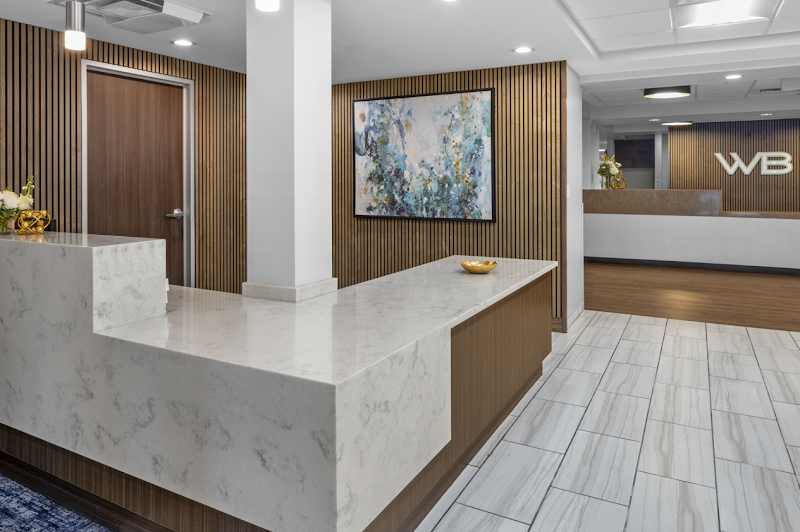
How is Warren Barr Orland Park Staffed?

CMS rates WARREN BARR ORLAND PARK's staffing level at 2 out of 5 stars, which is below average compared to other nursing homes. Staff turnover is 61%, which is 15 percentage points above the Illinois average of 46%. High turnover can affect care consistency as new staff learn residents' individual needs.

What Have Inspectors Found at Warren Barr Orland Park?

State health inspectors documented 35 deficiencies at WARREN BARR ORLAND PARK during 2023 to 2025. These included: 4 that caused actual resident harm and 31 with potential for harm. Deficiencies causing actual harm indicate documented cases where residents experienced negative health consequences.
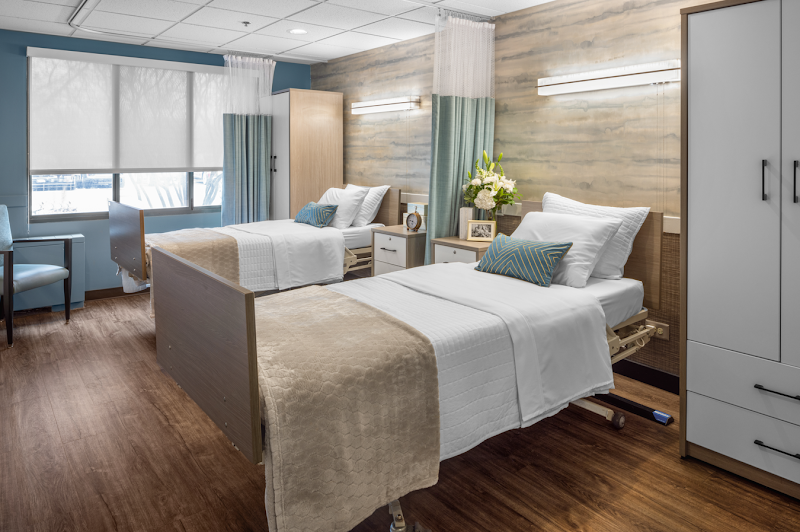
Who Owns and Operates Warren Barr Orland Park?

WARREN BARR ORLAND PARK is owned by a for-profit company. For-profit facilities operate as businesses with obligations to shareholders or private owners. The facility is operated by LEGACY HEALTHCARE, a chain that manages multiple nursing homes. With 275 certified beds and approximately 168 residents (about 61% occupancy), it is a large facility located in ORLAND PARK, Illinois.

How Does Warren Barr Orland Park Compare to Other Illinois Nursing Homes?

Compared to the 100 nursing homes in Illinois, WARREN BARR ORLAND PARK's overall rating (3 stars) is above the state average of 2.5, staff turnover (61%) is significantly higher than the state average of 46%, and health inspection rating (3 stars) is at the national benchmark.

What Should Families Ask When Visiting Warren Barr Orland Park?

Based on this facility's data, families visiting should ask: "How do you ensure continuity of care given staff turnover, and what is your staff retention strategy?" "Can you walk me through typical staffing levels on day, evening, and night shifts?" "Can I visit during a mealtime to observe dining assistance and food quality?" "How do you handle medical emergencies, and what is your hospital transfer rate?" These questions are particularly relevant given the facility's high staff turnover rate and the below-average staffing rating.

Is Warren Barr Orland Park Safe?

Based on CMS inspection data, WARREN BARR ORLAND PARK has a clean safety record: no substantiated abuse findings (meaning no confirmed cases of resident harm), no Immediate Jeopardy citations (the most serious violation level indicating risk of serious injury or death), and is not on the Special Focus Facility watch list (a federal program monitoring the lowest-performing 1% of nursing homes). The facility has a 3-star overall rating and ranks #1 of 100 nursing homes in Illinois. While no facility is perfect, families should still ask about staff-to-resident ratios and recent inspection results during their visit.

Do Nurses at Warren Barr Orland Park Stick Around?

Staff turnover at WARREN BARR ORLAND PARK is high. At 61%, the facility is 15 percentage points above the Illinois average of 46%. High turnover means new staff may not know residents' individual needs, medications, or preferences. It can also be disorienting for residents, especially those with dementia who rely on familiar faces. Families should ask: What is causing the turnover? What retention programs are in place? How do you ensure care continuity during staff transitions?

Was Warren Barr Orland Park Ever Fined?

WARREN BARR ORLAND PARK has been fined $60,348 across 3 penalty actions. This is above the Illinois average of $33,682. Fines in this range indicate compliance issues significant enough for CMS to impose meaningful financial consequences. Common causes include delayed correction of deficiencies, repeat violations, or care failures affecting resident safety. Families should ask facility leadership what changes have been made since these penalties.

Is Warren Barr Orland Park on Any Federal Watch List?

WARREN BARR ORLAND PARK is not on any federal watch list. The most significant is the Special Focus Facility (SFF) program, which identifies the bottom 1% of nursing homes nationally based on persistent, serious quality problems. Not being on this list means the facility has avoided the pattern of deficiencies that triggers enhanced federal oversight. This is a positive indicator, though families should still review the facility's inspection history directly.