PEARL AT THE TILLERS
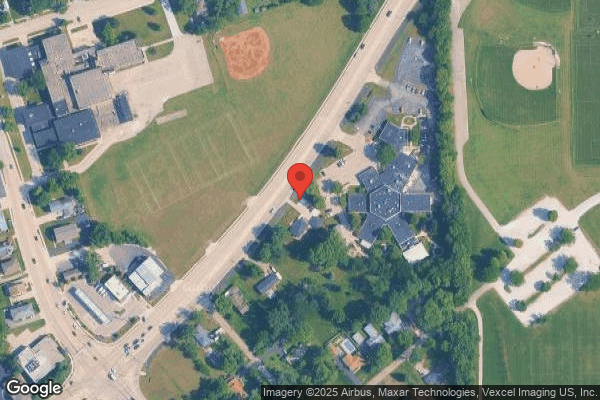
4390 ROUTE 71, OSWEGO, IL 60543 (630) 554-1001
For profit - Limited Liability company 105 Beds PEARL HEALTHCARE Data: November 2025
Trust Grade
80/100
#75 of 665 in IL
Last Inspection: March 2025

Within standard 12-15 month inspection cycle. Federal law requires annual inspections.

Overview

The Pearl at the Tillers has a Trust Grade of B+, indicating it is recommended and above average compared to other nursing homes. It ranks #75 out of 665 facilities in Illinois, placing it in the top half, and is the best option among the two facilities in Kendall County. The facility is improving, with issues decreasing from eight in 2024 to five in 2025. Staffing has a lower rating of 2 out of 5 stars, with a turnover rate of 46%, which is on par with the state average, suggesting some instability in staff. While the nursing home has no fines on record and more RN coverage than 92% of facilities in Illinois, there have been concerns regarding sanitation in the kitchen and food preparation practices, such as failing to maintain sanitary conditions and not serving food properly to prevent cross-contamination.

Trust Score
B+
80/100
In Illinois
#75/665
Top 11%
Safety Record
Low Risk
No red flags
Inspections
Getting Better
8 → 5 violations
Staff Stability
⚠ Watch
46% turnover. Above average. Higher turnover means staff may not know residents' routines.
Penalties
✓ Good
No fines on record. Clean compliance history, better than most Illinois facilities.
Skilled Nurses
✓ Good
Each resident gets 73 minutes of Registered Nurse (RN) attention daily — more than 97% of Illinois nursing homes. RNs are the most trained staff who catch health problems before they become serious.
Violations
⚠ Watch
24 deficiencies on record. Higher than average. Multiple issues found across inspections.
★★★★★
5.0
Overall Rating
★★☆☆☆
2.0
Staff Levels
★★★★★
5.0
Care Quality
★★★★☆
4.0
Inspection Score
Stable
2024: 8 issues
2025: 5 issues

The Good

  • 5-Star Quality Measures · Strong clinical quality outcomes
  • Full Sprinkler Coverage · Fire safety systems throughout facility
  • No fines on record

Facility shows strength in quality measures, fire safety.

The Bad

Staff Turnover: 46%

Near Illinois avg (46%)

Higher turnover may affect care consistency

Chain: PEARL HEALTHCARE

Part of a multi-facility chain

Ask about local staffing decisions and management

The Ugly 24 deficiencies on record

Mar 2025 5 deficiencies
CONCERN (D)

Potential for Harm - no one hurt, but risky conditions existed

Incontinence Care (Tag F0690)

Could have caused harm · This affected 1 resident

Based on observation, interview, and record review, the facility failed to perform urinary catheter and perineal care in a manner that would prevent urinary tract infection (UTI). This applies to 2 of...

Read full inspector narrative →
Based on observation, interview, and record review, the facility failed to perform urinary catheter and perineal care in a manner that would prevent urinary tract infection (UTI). This applies to 2 of 3 residents (R13, R18) reviewed for incontinence and catheter care in the sample of 16. Findings include: 1. R18's Care Plan shows: R18 has an indwelling catheter due to obstructive uropathy. The same care plan shows multiple interventions which include the following: ·Catheter care provided during routine peri-care. ·Keep urine collection container below bladder level at all times to prevent reflux or stasis of urine. On March 4, 2025, at 1:34 PM, R18 was lying in bed which was wet with urine due to leaking indwelling urinary catheter. R18 stated that she has not been changed all day. On March 4, 2025, at 1:50 PM, V13 (Certified Nursing Assistant/CNA) provided perineal care to R18. V13 cleaned R18's peri-area but did not clean the indwelling urinary catheter tube. The anchor was almost detached from R18. As R18 turned on to her left side the anchor completely detached and the urinary bag slipped, and was hanging loosely at the foot of the bed, causing the catheter to pull during provision of care. While R18 was turned from side to side during provision of care V13 lifted the urinary bag multiple times above the bladder, causing some of the urine with sedimentation to backflow towards R18's bladder. The incontinence brief was saturated with urine which turned dark brown and had strong urine odor. V13 stated that she (V13) was busy the whole shift and she last checked R18 to see if she was dry at the beginning of her (V13) shift. 2. On March 5, 2025, at 9:35 AM, V13 and V14 (CNAs) provided incontinence care to R13 who was wet with urine and had a bowel movement. V14 wiped R13's outer labial in a downward stroke on the left and right side twice then she asked R13 to turn on her right side. V14 continued to clean the back peri-area. V14 completed the care without cleaning R13's abdominal folds, inner groin, and labial folds. On March 5, 2025, at 2:34 PM, V2 (Director of Nursing) stated that when providing peri-care the staff must clean from front to back. For female resident wipe the labia, labial folds, inner groins, pubic area, and abdominal folds to prevent a Urinary Tract Infection (UTI.) If a resident has indwelling urinary catheter the staff must clean/wipe the catheter tube near the peri-area away from the body, the tube must always be secured, the catheter must always be below the bladder to prevent backflow which can cause infection. Facility's Policy and Procedure for Perineal Care with review date of April 18, 2024, showed under intent, Perineal care is provided to clean the perineum, prevent infection and odors, and provide comfort. The same policy under guideline showed, 7. Ensure [indwelling] catheter is positioned correctly and secured. Wipe down tubing using downward stroke with a clean cloth. Support and secure tubing during procedure.
CONCERN (D)

Potential for Harm - no one hurt, but risky conditions existed

Deficiency F0697 (Tag F0697)

Could have caused harm · This affected 1 resident

Based on observation, interview and record review, the facility failed to evaluate and manage a resident's chronic pain. This applies to 1 of 1 resident (R26) reviewed for pain management in the sampl...

Read full inspector narrative →
Based on observation, interview and record review, the facility failed to evaluate and manage a resident's chronic pain. This applies to 1 of 1 resident (R26) reviewed for pain management in the sample of 16. Findings include: R26's Physician's (V5) progress notes dated November 22, 2024 showed that the resident has diagnosis of trigeminal neuralgia. R26's quarterly MDS (minimum data set) dated January 16, 2025 showed that the resident was cognitively intact. On March 3, 2025 at 10:24 AM, R26 was in bed, alert and oriented. While rubbing on her right cheek, R26 complained that she has nerve pain on the area. R26 stated that she last had her pain medication Tramadol at 9:00 AM and wanted to be given pain medication because she was still in pain. R26 scored her pain to be 8 out of 10 (10 being the worst). V15 (Registered Nurse) was notified of R26's complaint of pain. R26's active order report showed multiple orders including an order dated September 20, 2024 for, Gabapentin 100 milligrams (mg), to give 200 mg by mouth two times a day for nerve pain. An order dated December 23, 2023 for, Tramadol HCl (hydrochloride), to give 1 tablet by mouth every 6 hours as needed for moderate to severe pain and an order dated February 2, 2024 for, Acetaminophen 500 mg, to give 1000 mg by mouth every 8 hours as needed for pain. R26's medication administration audit report for March 3, 2025 showed that the ordered Gabapentin 200 mg for nerve pain scheduled to be administered at 9:00 AM, was administered at 10:31 AM by V15. This medication was administered after R26 was observed at 10:24 AM and one and a half hour after the scheduled administration time. On March 4, 2025 at 11:09 AM, R26 was in bed, alert and oriented. R26 was rubbing her right cheek and stated that she had pain. R26 scored the pain on her right cheek to be 10 out of 10 (10 being the worst). According to R26 she had received Tramadol medication between 9:00 AM and 9:30 AM. V4 (Licensed Practical Nurse) was immediately notified of R26's complaint of pain. At 11:10 AM, R26 told V4 that she has pain on her right cheek while rubbing the area. R26 again scored her pain to be 10 out of 10. V4 stated that R26, received her ordered Tramadol and Gabapentin that morning at around 9:30 AM. V4 offered Tylenol medication to R26 for her right cheek pain and the resident stated that Tylenol does not work to relieve her nerve pain. V4 offered to give R26 cold water but resident refused stating that her mouth hurts when she would open it. V4 told R26, that she (V4) will wait for 15 minutes and go back to the resident, to again assess the pain. On March 4, 2025 at 11:30 AM, with V2 (Director of Nursing) present by the hallway, V4 was asked if she had re-assessed R26 for pain on her right cheek, since she stated that she will go back to the resident after 15 minutes to re-assess. V4 stated that she had not re-assessed R26 yet. V2 and V4 went inside R26's room. V2 asked R26 how she was doing, and the resident was observed rubbing her right cheek and verbalized that she was in pain. V2 asked the resident to score her pain and R26 stated 10 out of 10. R26 was again offered Tylenol, and the resident stated. It does not work for me. V2 stated that the facility will call the Physician to inform of the right cheek pain and to obtain any other additional orders. While walking out of R26's room, V2 was told that according to V4, the resident had received her ordered Tramadol and Gabapentin that morning at around 9:30 AM. V2 stated that V4 should have called the Physician earlier and did not have to wait to reassess R26's pain after 15 minutes when the resident complained of 10 out of 10 pain because the resident already verbalized not being relieved of pain after receiving her ordered medications earlier. R26's printed MAR (medication administration record) dated March 4, 2025 showed that R26 received her ordered Gabapentin at 9:00 AM. The March 4, 2025 pain assessment during the day shift showed a score of 10. The same MAR showed that the Tramadol 50 mg, one tablet was administered at 9:30 AM and there was no documentation of the effectiveness of the medication. The MAR was printed by the facility on March 4, 2025 at 10:38 AM. R26's progress notes dated March 4, 2025 at 9:30 AM showed that the Tramadol medication was administered due to face pain. R26's active care plan last revised by the facility on January 28, 2025 showed that the resident was at risk for alteration in comfort. With generalized aches and pains, and reported pain on her lower back, facial, and general aches and pains. The care plan showed that R26 was receiving scheduled Tylenol and as needed pain medication. The same care plan showed multiple interventions including, administering of medication as ordered and to monitor for effectiveness of relief and screen for pain when conversing with resident. On March 4, 2025 at 12:35 PM, V2 stated that if a resident complained of pain, ordered PRN (as needed) pain medication should be administered and she expects the nurses to reassess the resident for the effectiveness of the PRN pain medication, after 15 to 30 minutes, then document. V2 added that non-pharmacological interventions should also be offered such as positioning, ice pack or warm pack to be applied on the area. If the resident declined and the resident was not relieved of the pain after 15-30 minutes of administering the PRN pain medication post re-assessment, the Physician should be notified for further orders or any additional intervention, because the goal is to manage and/or relieve the resident of pain. V2 stated that when R26 complained of right cheek pain at 11:10 AM that morning, and after V4 offered to give Tylenol which according to the resident does not help, V4 should have called the Physician to obtain further orders, especially when R26 verbalized that her pain was 10 out of 10 on her right cheek, even though she had previously received pain medication (Tramadol) and Gabapentin at around 9:30 AM. According to V2 she spoke to R26's primary care physician (V5) about the resident's right cheek pain, at around 12:00 noon that day. V5 informed her that R26 had chronic trigeminal neuralgia, and that Tramadol pain medication does not relieve nerve pain. V2 stated that V5 increased R26's current scheduled order of Gabapentin from 200 mg twice a day to 300 mg twice a day and added an order to give Gabapentin 300 mg, right away as one dose for pain on the right cheek. On March 5, 2025 at 2:24 PM, V5 (Physician) stated that R26 have chronic right sided pain on her face due to trigeminal neuralgia. V5 stated that R26 was started on a low dose of Gabapentin and had gradually increased the dosage due to the resident's complaint of increasing pain. According to V5, R26's trigeminal neuralgia pain cannot be completely rid of, because only surgery could help but because of R26's age, it was not recommended. V5 stated that Tramadol pain medication is not the recommended medication for nerve pain because it is not 100% effective and that Gabapentin is the effective and appropriate treatment to manage the increasing pain of R26 due to trigeminal neuralgia. According to V5, R26's action of rubbing the right side of her face probably meant that the pain was severe and to help manage the nerve pain on her face she ordered to increase the Gabapentin from 200 mg twice a day to 300 mg twice a day and also ordered to give one time dose of Gabapentin 300 mg on March 4, 2025 when she was informed of R26's 10 out of 10 pain on her right face. The facility's pain management policy last reviewed by the facility on December 17, 2024 showed, The facility shall provide adequate management of pain to ensure that resident's attain or maintain the highest practicable physical, mental and psychosocial well-being. The pain management policy showed in-part under procedure, 2. Behavioral signs and symptoms that may suggest the presence of pain include but are not limited to: . e. Bracing, guarding or rubbing. 3. Assessment and evaluation by the appropriate members of the interdisciplinary team may include: a. Asking the patient to rate the intensity of his/her pain using a numerical scale or a verbal or visual descriptor that is appropriate and preferred by the resident. b. Review of the resident's diagnoses or conditions and any additional factors that may be causing or contributing to pain. 4. If the resident's pain is not controlled by the current treatment regimen, the practitioner should be notified. 12. If when re-evaluation, findings indicate pain is not adequately controlled, revise the pain management regimen and plan of care as indicated.
CONCERN (D)

Potential for Harm - no one hurt, but risky conditions existed

Infection Control (Tag F0880)

Could have caused harm · This affected 1 resident

Based on observation, interview, and record review, the facility failed to follow standard infection control practices related to hand hygiene and gloving during provisions of ADL (activities of daily...

Read full inspector narrative →
Based on observation, interview, and record review, the facility failed to follow standard infection control practices related to hand hygiene and gloving during provisions of ADL (activities of daily living) care. This applies to 2 of 16 residents (R13, R27) reviewed for infection control in the sample of 16. Findings include: Facility's Hand Hygiene Policy and Procedure with review date of June 2, 2024, showed, It is the policy of the facility to perform hand hygiene in accordance with national standards from the Centers for Disease Control and Prevention and the World Health organization. The same policy under procedure showed, Alcohol-based hand rub may be used for all other hand hygiene opportunities (e.g., when soap and water is not indicated) Hand hygiene is to be performed: .c. When moving from one contaminated body site to a clean body site such as when changing brief or wound dressing. d. After caring for a resident including after removing gloves. 1. On March 3, 2025, at 2:35 PM, V12 (Certified Nursing Assistant/CNA) performed perineal care to R27. V12 cleaned R27 from front to back, changed incontinence brief, repositioned R27, adjusted the pillow under his head, and the pillow under his lower extremities, and straightened his clothes, while wearing the same soiled gloves. On March 5, 2025, at 2:28 PM, V2 (Director of Nursing) stated that staff must perform hand hygiene and change gloves before starting care, from dirty to clean task, after care or before leaving the resident's bedroom, to prevent spread of infection. 2. On March 5, 2025, at 9:35 AM, V13 and V14 (both CNAs) rendered incontinence care to R13 who was wet with urine and bowel movement. V13 and V14 assisted R13 to wash her face and upper trunk and assisted in dressing her. After completing the task V14 removed her gloves, picked up the soiled items and carried it to the hallway without performing hand hygiene. On March 5, 2025, at 2:28 PM, V2 (Director of Nursing) stated that staff must perform hand hygiene and change gloves before starting care, from dirty to clean task, after care or before leaving the resident's bedroom, to prevent the spread of infection.
CONCERN (E)

Potential for Harm - no one hurt, but risky conditions existed

Menu Adequacy (Tag F0803)

Could have caused harm · This affected multiple residents

Based on observation, interview, and record review, the facility failed to provide pureed corn bread as per planned menu to residents on pureed diets. This applies to 4 of 4 residents (R7, R15, R24, R...

Read full inspector narrative →
Based on observation, interview, and record review, the facility failed to provide pureed corn bread as per planned menu to residents on pureed diets. This applies to 4 of 4 residents (R7, R15, R24, R273) reviewed for pureed diets in the sample of 16. Findings include: Facility Week at a Glance menu showed that the lunch meal for March 3, 2025 included Country Chicken and Dumplings, Glazed Carrots, Cornbread and Diced Pears. Facility Menu Extension sheet for pureed consistency included 2 #8 scoops of Country Chicken and Dumplings, #8 scoop of Glazed Carrots, #16 scoop of Cornbread, and #8 scoop of Diced Pears. Facility Dipper/Ladle Equivalents chart showed that #8= 4 fluid oz/ounce, #16 =2 fluid oz. On March 3, 2025 at 12:32 PM, the pureed meal preparation by V6 (Food Service Manager) was observed in the facility kitchen. V6 pureed the cooked Country Chicken and Dumplings first and then the cooked Glazed Carrots and transferred the items to pans to be placed at the steam table. During this pureed meal observation, the corn bread was not pureed. On March 3, 2025 at 12:41 PM, during meal service, R7, R15, R24 and R273 received 8 oz of pureed Country Chicken and Dumplings, 4 oz of Glazed Carrots, 4 oz of apple sauce (given on request). R7, R15, R24 and R273 did not receive pureed cornbread. V6 was made aware and he acknowledged that the pureed corn bread was not served. On March 5, 2025 at 3:20 PM, V11 (Dietitian) stated that she had originally worked with the menu's and signed off the adequacy of the same to provide daily nutrients for the day. V11 stated that the facility should provide the serving portions as shown on the spreadsheet or else the nutrition adequacy will not be met. V11 stated that the pureed cornbread provided the bread serving for the meal. The Facility resident listing of diet orders showed that R7, R15, R24 and R273 receive a pureed diet.
CONCERN (F)

Potential for Harm - no one hurt, but risky conditions existed

Food Safety (Tag F0812)

Could have caused harm · This affected most or all residents

Based on observation, interview, and record review, the facility failed to maintain sanitary conditions in the facility kitchen and during meal service. This applies to 58 residents that received food...

Read full inspector narrative →
Based on observation, interview, and record review, the facility failed to maintain sanitary conditions in the facility kitchen and during meal service. This applies to 58 residents that received foods prepared in the facility kitchen. Findings include: The facility's Long Term Care Facility Application for Medicare and Medicaid dated March 3, 2025 showed the facility census was 59 residents. The facility provided information that there was one resident on NPO (nothing by mouth) status. On March 3, 2025 starting at 9:15 AM, during initial tour of the facility kitchen the following observations were made: The sanitizer bucket (that was placed on the kitchen counter) when tested with a QUART (Quaternary Ammonium) test strip by V6 (Food Service Manager), the test strip remained white color showing 0 ppm (parts per million) on the color scale of the test strip. V7 (Cook) stated that he had just filled the bucket a few minutes ago at the 3-compartment sink. V6 stated that V7 is new and that the color on the test strip should change from white to orange/green registering between 150-200 ppm. V8 (Dietary Aide) was at the dish machine washing dishes at the soiled side of the machine. The gauge on the dish machine showed between 150-155 degrees Fahrenheit at the wash setting and 130 degrees Fahrenheit at the Rinse setting. V6 who had come into the area confirmed that it is a high temperature dish machine. When asked why the rinse setting shows 130 and not 180 degrees Fahrenheit, V6 stated that the dish machine works fine and that it's the gauge that was not working. V6 added that the piping connection at the base of the dish machine was also loose, and he had notified the dish machine services regarding the same about a week ago. V6 stated that the facility uses the 180-degree test strips to test the sanitation of the high temperature dish machine. When a test strip was ran through the machine, the black line on the test strip turned dark gray and V6 gave the impression that since the color had changed, it was sufficient. V6 was showed the instructions on the test strip that the line should change from black to bright orange. On request, V6 sent the test strip once again through the dish machine and the test strip remained black. V6 was notified that the dishes that were just washed were not able to be used for meal service as there was no proof of the dishes being sanitized with the gauge not working and test strip not changing color. V6 stated that he will notify the services for dish machine maintenance. On March 3, 2025 at 3:58 PM, V9 (representative of Dish Machine Service Company) was seen working on the dish machine. V9 stated that he was made aware a week ago about the loose drain body pipe at the base of the dish machine. V6 stated that during his visit to the facility thereafter, he noted that the drain body pipe was stripped, so the pipe will not stay connected long and that he placed an order for the same. V6 stated that the loose connection mainly affects the water drainage as the leaked water will seep into the dish area. V6 stated that he was not aware of the gauge not working. V6 stated that for high temperature dish machines, most facilities depend on the gauge to show that the temperature has reached 180 degrees Fahrenheit [for sanitation of the dishes]. Facility dish machine logs for breakfast, lunch and dinner for the past one week (February 24 to March 2, 2025) and March 3, 2025 breakfast recorded Wash/Rinse as 160/180 Fahrenheit. Signatures for most of these dates that were shown on the logs of these recordings were that of V10 (Dietary Aide). On March 3, 2025 at 4:01 PM, V10 stated that she starts at 8:00 AM. When V10 was asked how she recorded 160/180 when the gauge was not working during the past one week and whether the test strip had changed color during the dish washing procedure. V10 stated that she does not use the test strip and only looks at the gauge. V10 stated that she assumed that the temperature was 160/180 as she thought that it was the gauge that was not working and not the dish machine. On March 3, 2025 at 1:14 PM, two free standing carts with room trays were seen parked next to the nursing station. These carts did not have a cover over it and the dessert (fruit cup) was seen open to air. The tray card tickets showed that the meal trays belonged to R25, R29, R30, R69, R173, R174 and R274. Multiple staff and visitors were seen walking by the carts. V1 (Administrator) who was also walking past the carts was notified of the open carts. On March 3, 2025 at 1:17 PM, V6 stated that it is the responsibility of the dietary staff to cover the meal cart before delivery to the nurses station. On March 4, 2025 at 11:20 AM, the facility walk in Freezer (located outside) was noted to have ice built up over prepared foods stored in pans that were covered with a silver foil wrap. Parts of the silver foil on the pan were broken in showing ice seeping onto the food inside. There was ice built up on the floor at the base of these pans which included formation of a vertical shaft of icicle that was about a foot tall. These pans were inspected in presence of V6 and contents identified by V6 as follows: a large pan contained cooked ribs dated 12/16 (December 16, 2024), another pan contained bratwurst dated 1/17 (January 17, 2025), a pan contained fish that was completely covered with ice and no label was therefore visible. V6 stated that these dates were when the food was prepared. V6 stated that the recent weather fluctuations in the last two weeks triggered the condensations drips and ice built up. Facility Policy titled Cloths, Pads, Mops and Buckets (undated) included as follows: Policy: Cleaning tools will be maintained in clean, fresh, odor free condition. Procedure: 2. Cleaning cloths should be kept in a container of clean sanitized solution between uses. Facility Policy titled Sanitizer-Strength and Immersion Times (undated) included as follows: Procedure: 3. Quaternary Ammonium a. 150-200 ppm Facility Policy titled Dish machine Temp (undated) included as follows: Policy: Dishes, pots, pans, utensils, cups, mugs, bowls, etc will be washed using procedures, chemical and equipment that results in clean, sanitized items. Procedure: Machine Washing 3. Dish machine temperatures are logged at after each meal on the Dish machine Temperature Log. a. High temperature machine: Temperatures as required by the manufacturer. WASH 160, Rinse 180, Final Rinse 180-195. -If temperature reads incorrectly: Notify Department head and/or inform maintenance department (usually by work order form). - maintenance will determine if the malfunction is repairable -If unable to repair, maintenance will contact customer service company to schedule a date to properly restore operation of machine - If unable to repair dish machine by next mealtime the meal maybe served on disposable plates with plastic utensils OR the dishes and flatware maybe washed in the 3-compartment sink. Dishwasher temperature test strips for single use Food and Drug Administration (FDA) Food Code Compliance 180 degrees Fahrenheit/82 degrees Celsius included the following directions in summary: Attach the test strip to utensil or rack. Wash the item. If color bar has turned bright orange the dishwasher is maintaining the correct temperature. Facility Policy titled Freezers (undated) included as follows: Policy: Freezers will be defrosted monthly or as needed (when frost is 1/4 inch thick, freezer should be defrosted). Procedure: Remove all food from the freezer. Sort out and throw away all that is not usable .
Oct 2024 1 deficiency
CONCERN (D) 📢 Someone Reported This

A family member, employee, or ombudsman was alarmed enough to file a formal complaint

Potential for Harm - no one hurt, but risky conditions existed

Respiratory Care (Tag F0695)

Could have caused harm · This affected 1 resident

**NOTE- TERMS IN BRACKETS HAVE BEEN EDITED TO PROTECT CONFIDENTIALITY** Based on interview and record review the facility failed to follow physician's order for oxygen administration. This applies to ...

Read full inspector narrative →
**NOTE- TERMS IN BRACKETS HAVE BEEN EDITED TO PROTECT CONFIDENTIALITY** Based on interview and record review the facility failed to follow physician's order for oxygen administration. This applies to 1 of 3 residents (R1) reviewed for oxygen use in the sample of 4. Findings include: R1's EHR (Electronic Health Record) documents R1 is a [AGE] year old female who was admitted to the facility on [DATE], with diagnoses that include Chronic Respiratory Failure with Hypoxia, Morbid obesity, Muscle Weakness, Heart Failure, Obstructive Sleep Apnea, shortness of Breath and Pulmonary Arterial Hypertension. R1's MDS (Minimum Data Set) dated September 30, 2024, shows R1 is alert and oriented and was cognitively intact. R1's EHR also shows a physician's order dated September 27, 2024, to administer Oxygen 2 Liters continuously for hypoxemia. On October 8, 2024, at 9:52 AM and October 9, 2024, at 3:30 PM, R1 stated on the day she was admitted to the facility, the oxygen concentrator they had for her did not work properly so they put her on a portable oxygen tank. R1 stated, the oxygen tank ran out of oxygen in a couple hours, and someone came and put her on a second oxygen tank. In the meantime, another concentrator was delivered. R1 stated that the second oxygen tank was running out and the nurse needed to come and put her on the oxygen concentrator. R1 stated V3 (Certified Nursing Assistant/CNA) could not hook her up to the oxygen concentrator. R1 stated she could not get up to do it by herself. R1 stated the CNA (V3) was very nice and kept telling the nurse that the oxygen was going to run out and eventually it did. R1 stated, the nurse still did not come. R1 stated she panicked because she did not have oxygen for over 2 hours. R1 stated she then called a family member who lives nearby and asked him to come over to put her oxygen on and he did come around 9:00 PM. R1 stated her family member took the concentrator out of the wrapping, adjusted the settings, switched her nasal cannula from the portable oxygen tank to the oxygen concentrator, and plugged it into the wall. R1 stated V4 (her assigned nurse) did not come in until after her family had left. On October 8, 2024, at 12:17 PM and on October 9, 2024, at 3:30 PM, V3 (CNA) stated she remembers R1 and the issue with her oxygen on October 9, 2024. V3 stated R1 needed some oxygen. V3 stated the CNAs are not allowed to do anything with the oxygen, they can't turn on or adjust it. V3 stated she told V4 (Registered Nurse) and V5 (Nursing Manager) several times that R1 needed oxygen. They both said they will go do it, but they never did. V3 stated she felt bad for the resident and kept checking on R1. V3 stated R1's oxygen was off for a long time, but she was not sure for how many hours the oxygen was off. V3 stated later that evening a gentleman came in to see R1. V3 stated he came and put R1's oxygen concentrator on. V3 stated, he said he just unwrapped it and plugged it in. V3 stated that the oxygen concentrator that her family put on her worked fine. R1's grievance dated September 28, 2024, showed that R1's oxygen concentrator that was ordered was not functioning properly, and R1 was put on an oxygen tank. On October 8, 2024, at 5:15 PM, V2 (Director of Nursing) stated they she expects staff to follow the physician's orders.
Feb 2024 7 deficiencies
CONCERN (D)

Potential for Harm - no one hurt, but risky conditions existed

Resident Rights (Tag F0550)

Could have caused harm · This affected 1 resident

Based on observation, interview, and record review, the facility failed to provide a dignified dining experience. This applies to 1 of 2 residents (R18) reviewed for dignity in a sample of 69. The fin...

Read full inspector narrative →
Based on observation, interview, and record review, the facility failed to provide a dignified dining experience. This applies to 1 of 2 residents (R18) reviewed for dignity in a sample of 69. The findings include: On 2/6/24 at 12:16 PM (during lunch), in the dining room, R18 was sitting in a motorized wheelchair. Both of her hands were contracted. She was unable to talk. R18 was sitting at the same table as R34. At 12:18 PM, V3 (CNA-Certified Nursing Assistant) placed 2 glasses of juice and 2 small bowels of banana pudding on the table for R18 and R34. R18 was not able to hold the glass of juice and bowel of banana pudding by herself. R34 was able to drink the juice and eat her banana pudding independently, which she was doing in front of R18. There were several other residents in the dining room that were drinking their juice and eating their banana pudding independently. V3 did not assist R18 with drinking her juice or eating her banana pudding. At 12:20 PM, V3 gave R34 a tray of scrambled eggs and bread. R34 started eating her food in the presence of R18 who did not get her tray. Surveyor asked R18 if it bothered her that she didn't get her tray, even though R34 did. R18 did not reply because she was nonverbal and just stared at R34. At 12:35 PM, R18 received her tray of pureed food and was finally fed by V3 at 12:38 PM. On 2/7/24 at 12:28 PM, R18 was sitting in the dining room. She was sitting at a table by herself for a few minutes alone. At 12:30 PM, staff passed out juice to R18 and other residents in the dining room. No one assisted R18 to drink her juice. It was not until 12:41 PM that V4 (CNA) came and assisted her with feeding and helped her drink the juice. On 2/7/24 at 3:14 PM, V1 (Administrator) stated, They (residents) need to eat together so that's why they should be served at the same time. It's a dignity issue. A resident shouldn't just watch while another resident is eating or drinking while waiting for their tray. R18's face sheet shows an admission date of 2/14/2018. R18's face sheet shows the following diagnoses: unspecified dementia, unspecified severity, without behavioral disturbance, psychotic disturbance, mood disturbance, and anxiety, degenerative disease of nervous system, stiffness of left/right hand, polyneuropathy, and polyosteoarthritis. R18's POS (Physician Order Sheet) shows an order of General diet, Pureed texture, Regular (Thin) consistency. R18's MDS (Minimum Data Set) dated 1/9/2024 shows a blank score for her BIM's (Brief Interview for Mental Status) score because she is rarely or never understood. It also shows that she is severely impaired in making decisions. She has impairment on both sides of her upper and lower extremity. Under eating she is dependent on staff to use utensils to bring food and/or liquid to her mouth and swallow food and/or liquid once the meal is placed before R18. R18's care plans show that she is nonverbal, has a swallowing problem related to holding food in her mouth/cheeks (pocketing) and intervention to assist resident with feeding. Facility's policy tiled Meal Service (12/2023) documents the following: 9. Trays are delivered to the residents at the same table at the same time. 11. Residents are encouraged to eat by all facility staff. If a resident needs to be fed, they are fed.
CONCERN (D)

Potential for Harm - no one hurt, but risky conditions existed

Deficiency F0688 (Tag F0688)

Could have caused harm · This affected 1 resident

Based on observation, interview and record review, the facility failed to ensure that anti-contracture devices were applied as ordered. This applies to 1 of 3 residents (R34) reviewed for anti-contrac...

Read full inspector narrative →
Based on observation, interview and record review, the facility failed to ensure that anti-contracture devices were applied as ordered. This applies to 1 of 3 residents (R34) reviewed for anti-contracture devices in a sample of 23. The findings include: On 2/6/24 at 10:18 AM, R34 was sitting in the wheelchair by the window in her room. R34's left hand was on her lap, and it was contracted into a fist. No device was in place. R34's 1/18/2024 MDS (Minimum Data Set) showed that her cognition was intact. R34 said that she fell at home, and she hurt her arms and legs. At 12:50 PM, R34 was observed eating lunch in the dining room. Her left hand remained in a fist position, and no device was in place. On 2/7/24 at 9:51 AM, R34 was sitting in her wheelchair in room. R34's left hand continued to be in fist position without a device in place. At 2:16 PM, R34 was sitting up in bed, still with her left hand in fist position and no device in place. R34 said staff does not provide any exercises for her left hand. R34 stated she used to have a splint on the left hand, but she has not had one on for months. On 2/8/24 at 9:20 AM, R34 was sitting up in bed with her left hand contracted and no device. R34 said her left hand feels weak, and staff cannot find the splint for her hand. R34's EMR (Electronic Medical Record) shows the following diagnoses of hemiplegia and hemiparesis following cerebral infarction affecting left non-dominant side. R34's February 2024 POS (Physician Order Sheet) showed an order for a cone splint to her left hand when she is up in a chair. Review of R34's February 2024 MAR (Medication Administration Review) showed that staff were documenting they were applying R34's cone splint every shift. On 2/7/24 at 2:17 PM, V4 (CNA/Certified Nurse Aide) said she is not aware of R34 having a splint, and she does not have one on when she works with R34. On 2/7/24 at 2:40 PM, V12 (Restorative Aide) said R34 is not currently on any restorative programs. V12 stated R34 used to be on a passive range of motion program, but since they switched companies, residents are no longer on any restorative programs except for ambulation. V12 said R34 has a cone splint for the left hand, and the CNAs are supposed to put it on her when she's sitting up in the chair. On 2/7/24 at 2:51 PM, V1 (Administrator) provided surveyor the list of residents that use anti-contracture devices. R34 was on the list. On 2/8/24 at 11:25 AM, V2 (DON/Director of Nursing) said R34 has a cone splint for her left hand, and she should have it on when she's up in the chair. The splint is used to prevent contractures or worsening of contractures. The facility's Managing Residents with Impaired Physical Mobility policy (review date 3/16/23) states that the facility will provide care and management of physical mobility impairment and will provide programs to prevent contractures and or further decline.
CONCERN (D)

Potential for Harm - no one hurt, but risky conditions existed

Incontinence Care (Tag F0690)

Could have caused harm · This affected 1 resident

**NOTE- TERMS IN BRACKETS HAVE BEEN EDITED TO PROTECT CONFIDENTIALITY** Based on observation, interview, and record review, the facility failed to position indwelling urinary catheters in a manner to ...

Read full inspector narrative →
**NOTE- TERMS IN BRACKETS HAVE BEEN EDITED TO PROTECT CONFIDENTIALITY** Based on observation, interview, and record review, the facility failed to position indwelling urinary catheters in a manner to prevent leakage, failed to cleanse urinary catheter tubing after residents are incontinent, and failed to ensure incontinent residents were changed in a timely manner to prevent infections. This applies to 3 of 5 residents (R3, R23, and R25) reviewed for bladder and bladder incontinence care in a sample of 23. The findings include: 1. The EMR (Electronic Medical Record) showed R3 had multiple diagnoses including neuromuscular dysfunction of the bladder, chronic kidney disease, and chronic pain. The MDS dated [DATE] showed R3 was cognitively intact, incontinent of bowel, and had a urinary indwelling catheter. The MDS continued to show R3 was dependent on staff with toileting hygiene and required substantial to maximal assistance with bed mobility from facility staff. On 2/07/2024 at 11:34 AM, R3 was in bed. V9 (Wound Care Nurse) and V12 (CNA) were positioning R3 after completing wound care. R3's incontinence brief was soiled with urine and her urinary catheter was positioned underneath her leg, unsecured. V12 said R3's urinary catheter was leaking urine. V9 started to provide incontinence care to R3, and wiped R3's perineal area from front to back. Then V9 and V12 turned R3 on her right side and continued to wipe R3's buttock area, and turned R3 on her back and applied a new incontinence brief. Urinary catheter care was not performed and R3's urinary catheter tubing was left positioned underneath her leg and unsecured. 2. The EMR showed R23 had multiple diagnoses including urogenital implants, urinary tract infections, hydronephrosis with renal and ureteral calculous obstruction, neuromuscular dysfunction of the bladder, and multiple sclerosis. The MDS dated [DATE] showed R23 was cognitively intact, incontinent of bowel, and had a urinary indwelling catheter. The MDS showed R23 was dependent on staff for toileting and hygiene and required substantial to maximal assistance with bed mobility from facility staff. On 2/07/2024 at 3:18 PM, R23 was transferred into bed by V17 (CNA) and V18 (CNA). When V17 and V18 pulled down R23's pants down, the pants were stained with fecal material and R23's incontinence brief was saturated with stool. V17 started to provide incontinence care to R23 and wiped R23's perineal area. Then V17 and V18 turned R23 on her right side and continued to wipe R23's buttocks area, then turned her on her back and continued to clean R23's perineal area again. V17 and V18 applied a new incontinence brief and did not provide urinary catheter care. 3. The EMR showed R25 had multiple diagnoses including recurrent urinary tract infections, calculus of the kidney, and weakness. The MDS (Minimum Data Set) dated 12/16/2023 showed R25 was cognitively intact and had urinary and bowel incontinence. The MDS to showed R25 was dependent on staff for toileting hygiene and required substantial to maximal assistance with bed mobility. On 2/07/2024 at 9:54 AM, R25 was in bed. R25 said she was last changed around 6:00 AM and needed to be changed again. At 11:35 AM V8 (Infection Preventionist Nurse) and V11 (Certified Nursing Assistant Supervisor/CNA) entered R25's room to provide incontinence care. V14 and V11 started to provide incontinence care, and R25's incontinent brief was saturated with urine. They proceeded to turn R25 on her right side, and R25 had two incontinent cloth pads underneath her. The top pad was soiled with urine. On 2/08/2024 at 9:39 AM, V2 (Director of Nursing/DON) said nursing staff should change residents after each incontinence episode to prevent infections and skin breakdown. V2 continued to say those residents with urinary catheters should be provided catheter care if visible soiled after each incontinence episode. V2 said when nursing staff provide catheter care, they should use wipes to clean the catheter away from the urethra, and when done, they should place the urinary catheter over the resident's leg below the bladder and secure it with an anchoring device. V2 said failure to provide proper catheter care can also lead to urinary tract infections. The facility's Perineal Care policy with a review date of 5/21/2023, showed Intent: Perineal care is provided to clean the perineum, prevent infection and odors, and provide comfort .Guideline: 1. Perineal care is done daily and for all residents requiring assistance and/or those residents with a Foley catheter .4. Wash perineal area and around catheter (if applicable) with Peri wash and water using a washcloth .7. Ensure foley catheter is positioned correctly and secure. Wipe down tubing using downward stroke with clean cloth. Support and secure tubing during procedure .
CONCERN (D)

Potential for Harm - no one hurt, but risky conditions existed

Respiratory Care (Tag F0695)

Could have caused harm · This affected 1 resident

**NOTE- TERMS IN BRACKETS HAVE BEEN EDITED TO PROTECT CONFIDENTIALITY** Based on observation, interview, and record review, the facility failed to ensure emergency tracheostomy supplies were available...

Read full inspector narrative →
**NOTE- TERMS IN BRACKETS HAVE BEEN EDITED TO PROTECT CONFIDENTIALITY** Based on observation, interview, and record review, the facility failed to ensure emergency tracheostomy supplies were available and failed to maintain sterile handling of a resident's sterile tracheostomy supplies. This applies to 1 of 2 (R38) reviewed for tracheostomy care. The findings include: The EMR (Electronic Medical Record) showed R38 was admitted to the facility on [DATE] with diagnoses including tracheostomy, acute and chronic respiratory failure with hypoxia, pneumonia, acute bronchitis, chronic obstructive pulmonary disease with acute exacerbation, and history of COVID-19. The MDS (Minimum Data Set) dated 1/16/2024 showed R38 was cognitively intact. The MDS continued to show R38 required respiratory treatments of continuous oxygen and tracheostomy care. On 2/06/2024 at 10:22 AM, R38 was sitting up in her wheelchair in her room. R38 was receiving six liters of oxygen therapy via her transtracheal catheter. R38 had a clear container box with opened sterile transtracheal kits that contained transtracheal catheters and cleaning rods on top of her bedside table. The box also contained other non-respiratory personal items. R38 also had an uncovered nebulizer mask connected to a nebulizer machine on top of her nightstand table. R38 said she had her trach for a few years and cares for it herself at the facility. On 2/08/2024 at 9:18 AM, R38 was in bed and her bedside table still had the clear container box with opened transtracheal sterile kits. There were trach cleaning rods mixed in with non-respiratory personal items. R38 said she cleans her trach by squirting saline inside it and using the rod cleaner from her transtracheal kit to get out mucous plugs. R38 said she changed her transtracheal catheter a week ago by herself without any staff supervision. R38 said she used the transtracheal supplies she brought from home and does not think the facility could provide them. R38 continued to say she was started on an antibiotic for a lung infection. On 2/08/2024 at 9:24 AM, V2 (Director of Nursing/DON) said she completed a resident and family education with R38 regarding her transtracheal care on 2/07/2024 (during the survey). V2 said R38 takes a normal saline bullet and squirts it inside and then clears any occlusions or mucous. V2 said facility staff does not supervise R38 when performing her trach care. V2 said R38 was instructed to alert facility staff if any concerns. V2 said to her knowledge, R38 does not change her own trach catheter. V2 continued to say they provide R38 with saline and were not aware if R38 required other supplies for her trach care. V2 said the respiratory therapist evaluates R38's respiratory care. On 2/09/2024 at 8:56 AM, V2 said she was not aware R38 was exchanging her transtracheal catheter and R38 does not have an order for the catheter exchange. V2 continued to say the facility does not have transtracheal catheters or kits that R38 requires, and she was going to investigate what trach supplies R38 was using and how she was storing them in her room. On 2/08/2024 at 9:24 AM, V15 (Respiratory Therapist) said R38 was totally independent with her trach care because she has had the trach stoma for years. V15 said she tells R38 the process of flushing the trach. V15 said she was aware of R38 keeping the sterile saline and transtracheal kits in a plastic container in her room but has not looked at them recently. V15 said she thought the last time R38 exchanged her transtracheal catheter was before her last discharge to home and was not aware she recently exchanged it. V15 continued to say improperly stored respiratory equipment must be discarded, including sterile respiratory supplies. R38's EMR progress note dated 2/01/2024 at 7:02 AM, showed at 5:00 AM, R38 was complaining of shortness of breath and her oxygen saturation dropped to 79% while receiving four liters of oxygen via her transtracheal catheter. R38's progress note continued to show that R38 received an as needed breathing nebulizer treatment and inhaler, and her oxygen was increased to six liters. R38's oxygen saturation increased between 86-92%. The progress note continued to show the nurse notified the telehealth physician and received orders to keep R38 on six liters of oxygen. R38's EMR progress note dated 2/01/2024 at 9:07 AM, showed R38's physician was updated on R38's status and ordered an immediate (STAT) chest x-ray and laboratory testing. R38's Radiology Results Report dated 2/01/2024, showed R38 had early interstitial infiltrates in the right lung base. R38's EMR progress note dated 2/01/2024 at 5:04 PM, showed R38's physician reviewed the chest x-ray results and ordered R38 to continue with the antibiotic treatment. R38's EMR respiratory note dated 2/02/2024 at 6:58 PM, showed a respiratory assessment was done and a chart review which showed a new diagnosis of bronchitis. The respiratory note continued to show R38 was reiterated on breathing and cough techniques to help open her airway and no new recommendations. R38's care plan dated 2/08/2024, showed a focus problem for tracheostomy and for R38 to perform trach care and staff assist as needed. The care plan had multiple interventions including Oxygen (O2) @ 4Liters/Minute per transtracheal tube .Transtracheal care-may irrigate as needed, irrigation may be performed with either saline or sterile water to dislodge any mucus occlusion. The care plan did not show any interventions for providing, storing, or maintain tracheostomy supplies, transtracheal catheter exchange, or resident education process on maintain proper care of a transtracheal tracheostomy. The facility's Transtracheal Catheter policy undated, showed Purpose: This policy outlines the guidelines and procedures for the insertion, maintenance, and removal of transtracheal catheters to ensure patient safety and quality of care. Scope: This policy applies to healthcare providers involved in the placement and management of transtracheal catheters within the facility .Procedure: .3. Monitoring and Maintenance: .-Educate patients on proper care, including cleaning and securing the catheter. 5. Staff Training: -Ensure that healthcare providers involved in transtracheal catheterization are adequately trained and competent in the procedure. 6. Equipment and Supplies -Maintain a sufficient supply of sterile equipment and ensure proper function of oxygen delivery systems. 7. Documentation: -Thoroughly document all aspects of transtracheal catheterizations, including patient assessment, procedure details, and follow-up care. The facility's Care and Cleaning of Respiratory Equipment policy with a review date of 12/18/2023, showed Equipment Change .Procedure: .IX. Tracheostomies A. Tracheostomy tubes will be changed every 90 days, per physician order and per manufacturer recommendations .XII. Additional equipment .Respiratory tubing, catheters, masks, cleaning kits will be secured or placed in a container, original package or bag. Facility policies for tracheostomy care did not provide guidance on resident education on self-management of transtracheal for residents with tracheostomy.
CONCERN (D)

Potential for Harm - no one hurt, but risky conditions existed

Deficiency F0757 (Tag F0757)

Could have caused harm · This affected 1 resident

Based on interview and record review, the facility failed to prevent the use of unnecessary antibiotic medications. This applies to 1 of 4 residents (R25) reviewed for antibiotics in a sample of 23. T...

Read full inspector narrative →
Based on interview and record review, the facility failed to prevent the use of unnecessary antibiotic medications. This applies to 1 of 4 residents (R25) reviewed for antibiotics in a sample of 23. The findings included: The EMR (Electronic Medical Record) showed R25 had diagnoses including recurrent urinary tract infections (UTI), calculus of the kidney, and weakness. The MDS (Minimum Data Set) dated 12/16/2023 showed R25 was cognitively intact. The MDS showed R25 was receiving a high-risk drug of antibiotic. R25's Order Summary Report dated 2/07/2024, showed an order for an antibiotic Macrodantin Oral Capsule 50 MG (Nitrofurantoin Macrocrystal) to give 50 mg by mouth (PO) one time a day for recurrent UTI with no stop date. R25's Care Plan dated 2/07/2024, showed R25 was receiving antibiotic therapy Macrobid (Nitrofurantoin) related to recurrent UTIs for indefinite time, prophylactically. The care plan showed multiple interventions, including reporting pertinent lab results to the physician. R25's Medication Administration Record (MAR) for November 2023, showed R25 was started on Macrobid (Nitrofurantoin) antibiotic on 11/30/2023 for urinary discomfort and UTI for seven days. R25's 11/29/2023 urinalysis laboratory results (reported 12/05/2023) showed the urine culture grew Citrobacter freundii bacteria, which was sensitive to Nitrofurantoin, and Providencia rettgeri bacteria, which was resistant to Nitrofurantoin. R25's MAR for December 2023 showed R25 received Nitrofurantoin until 12/05/2023. The MAR showed R25 received three doses of Invanz intravenous (IV) antibiotic starting on 12/7/2023 for the abnormal urine culture. R25's 12/12/2023 urinalysis laboratory results (reported 12/16/2023) showed the sample did not grow significant bacteria required for a culture. R25's December MAR showed R25 was restarted on Nitrofurantoin 12/27/2023 for recurrent UTI, and R25's January 2024 MAR showed R25 received Nitrofurantoin antibiotic until 1/31/2024 for recurrent UTI. R25's 11/11/2024 laboratory urinalysis results (reported 1/15/2024) showed the urine culture grew Proteus mirabilis and Providencia rettgeri bacteria, which were both resistant to Nitrofurantoin antibiotic. R25's 2/5/2024 urinalysis laboratory results (reported 2/08/2024) showed the urine culture continued to grow Proteus mirabilis bacteria and was resistant to Nitrofurantoin antibiotics. R25's MAR for February 2024, showed R25 continues to receive Nitrofurantoin antibiotic for recurrent UTI. On 12/08/2024 at 9:35 AM, V2 (Director of Nursing/DON) and V8 (Infection Preventionist Nurse) said R25 was receiving a Macrobid antibiotic prophylactic because she was prone to getting UTIs. They said R25 was being treated by the Infectious Nurse Practitioner and they were aware R25 was now resistant to the antibiotic Macrobid. They continued to say they did not agree with R25 antibiotic treatment. On 12/08/2024 at 9:45 AM, V14 (Infectious Nurse Practitioner) said she was treating R25 for recurrent UTIs. V14 said she uses urine culture results and allergies to determine which antibiotic to prescribe, but with R25 it was difficult. V14 said R25 refused to take any other antibiotic except Macrobid. V14 said her goal for treating R25 was to reduce her UTIs, and the treatment selected might not be ideal, but they are working with what they have. The facility document titled Infection Control ABT monitoring form dated 12/26/2023, showed R25 was started on Macrobid for an indefinite time for recurrent UTI prophylaxis. The document continued to show R25's antibiotic treatment did not meet the McGreers Criteria for antibiotic use and the physician was not notified of the identified inappropriate use of the antibiotic. The facility's Antibiotic Stewardship Review and Surveillance of Antibiotic Use and Outcomes policy with a review date of 4/18/2023, showed Procedure: .2. The IP, or designee, will review antibiotic utilization as part of the antibiotic stewardship program and identify specific situations that are not consistent with the appropriate use of antibiotics. a. Therapy may require further review and possible changes if: 1. The organism is not susceptible to antibiotic chosen; 2. The organism is susceptible to narrower spectrum antibiotic; 3. Therapy was ordered for prolonged surgical prophylaxis; or 4. Therapy was started awaiting culture, but culture results and clinical findings do not indicate continue need for antibiotics. 3. At the conclusion of the review, the provider will be notified of the review findings
CONCERN (D)

Potential for Harm - no one hurt, but risky conditions existed

Infection Control (Tag F0880)

Could have caused harm · This affected 1 resident

3. The EMR (Electronic Medical Record) showed R25 had multiple diagnoses including recurrent urinary tract infections, calculus of the kidney, and weakness. The MDS (Minimum Data Set) dated 12/16/2023...

Read full inspector narrative →
3. The EMR (Electronic Medical Record) showed R25 had multiple diagnoses including recurrent urinary tract infections, calculus of the kidney, and weakness. The MDS (Minimum Data Set) dated 12/16/2023 showed R25 had urinary and bowel incontinence. The MDS continued to show R25 was dependent on with toileting hygiene and required substantial to maximal assistance with bed mobility from facility staff. On 2/06/2024 at 12:55 PM, V10 (Certified Nurse Assistant/CNA) was leaving R25's room and walking down the hallway towards the soiled utility room. V10 was holding a soiled incontinence cloth pad with an ungloved hand and the pad was not bagged. V10 proceeded to enter the soiled utility room and dispose of the soiled incontinence cloth pad. V10 said she performed incontinence care for R25 and had just disposed of the R25's soiled incontinence cloth pad in the soiled utility room. On 2/08/2024 at 9:39 AM, V2 (Director of Nursing/DON) said soiled items should be bagged and disposed of accordingly, and soiled items should be handled with gloved hands for infection control. The facility's Linen Management policy with a review date of 5/18/2023, showed It is the policy of the facility to ensure linens are handled in a way to prevent cross contamination and the spread of infection in accordance with State and Federal Regulations, and national guidelines. Procedure .6. Dirty linens are contained in a closed container or bag. 7. Dirty linen are not to come in contact with staff clothing. The facility's Handwashing/Hand Hygiene policy with a review dated 4/18/2023, showed This facility considers hand hygiene the primary means to prevent the spread of infection .9. Single-use disposable gloves should be used: Before aseptic procedure; When anticipating contact with blood or body fluid . Based on observation, interview and record review, facility failed to contain, handle, and transport soiled linen in a manner to prevent cross-contamination. This applies to 2 of 2 (R55 and R25) residents reviewed for infection control in a sample size of 23. Findings include: 1) On 2/6/24 at 11:15 AM, observed V7 (CNA-Certified Nursing Assistant) changing the bed linen for R55. She threw the dirty linen on the floor, wiped down the bed, changed her gloves, and put fresh linen on the bed. V7 picked up the loose soiled linen, unbagged, and carried it to the soiled linen room. V7 (CNA) stated, that's what she always does and that she didn't know she had to bag the dirty linen before transporting it to the soiled utility room. On 2/7/24, observed V5 (CNA) in the hallway, holding unbagged soiled linen that was touching her body and transported it to the dirty utility room. V5 (CNA) stated, she bags the soiled linen when resident is in isolation, otherwise she just rolls it up and takes it to the soiled utility room. V5 (CNA) stated, this is how they are taught in the in service. V5 (CNA) agreed that holding the soiled linen close to her body could cause contamination / infection to herself and others. On 2/7/24 at 9:42 AM, V6 (LPN) stated, Soiled linen should be bagged before bringing it out of the resident's room and taken to the dirty utility room to avoid cross contamination. On 2/8/24 at 10:43 AM, V2 (DON-Director of Nursing) stated, soiled linen should not be placed on the floor. It must be put into a plastic bag and be bagged before transporting it to the soiled utility room.
CONCERN (D)

Potential for Harm - no one hurt, but risky conditions existed

Deficiency F0919 (Tag F0919)

Could have caused harm · This affected 1 resident

Based on observation, interview, and record review, the facility failed to have functional call lights. This applies to 2 of 3 residents (R8 and R266) reviewed for call lights in a sample of 23. The ...

Read full inspector narrative →
Based on observation, interview, and record review, the facility failed to have functional call lights. This applies to 2 of 3 residents (R8 and R266) reviewed for call lights in a sample of 23. The findings include: On 2/6/24 at 10:51 AM, R266 was in bed watching TV. R266 said he needed to be changed and asked Surveyor to change him. Surveyor asked R266 to use his call light to call facility staff; R266's call light did not light up outside R266's room. At 10:57 AM, Surveyor pushed R266's call light and it still did not light up outside the room. At 11:00 AM, V12 (Restorative Aide) was walking down the hallway, Surveyor asked which CNA (Certified Nurse Aide) was assigned to R266 and that the call light was not working, V12 was not aware that R266's call light was not working. V12 said she would inform the CNA assigned and would check on the call light. V10 (CNA) came in to R266's room and said she was not aware that the call light was not working. V12 returned to R266's room, said Maintenance staff said there's a bell in the room for the resident to use. V10 and V12 searched for the bell in R266's room and found it in the bedside drawer. V10 and V12 were not aware that the bell was in R266's room. R8 was R266's roommate and when Surveyor pushed R8's call light, that call light did not work either. R8 had a call bell on his bedside table and the bedside table was not within R8's reach. On 2/7/24 at 9:53 AM, R266's and R8's call lights were still not working. R266 was sitting in his wheelchair with the call bell on his bedside table, within reach. R266's call light was on the bed. R266 said he knew how to use the call light but was not aware of why there was a call bell on his bedside table. R8 was in bed resting at this time. R266's MDS (Minimum Data Set) of 2/1/24 shows that R266's cognition was moderately impaired. R8's MDS of 12/30/23 shows that R8's cognition was severely impaired. On 2/7/24 at 3:41 PM, V1 (Administrator) said the call light should be in working condition and residents should be educated on how to use the bell or alternate call system when the call light is down so residents can notify staff when they need help. The facility's Call Light Use policy (reviewed date 7/6/23) states the call system is utilized to alert staff of resident's needs.
Mar 2023 1 deficiency
CONCERN (E) 📢 Someone Reported This

A family member, employee, or ombudsman was alarmed enough to file a formal complaint

Potential for Harm - no one hurt, but risky conditions existed

Safe Environment (Tag F0584)

Could have caused harm · This affected multiple residents

Based on observation, interview, and record review, the facility failed to ensure resident rooms were maintained as sanitary, odor-free, and homelike environments. This applies to 4 of 4 residents (R...

Read full inspector narrative →
Based on observation, interview, and record review, the facility failed to ensure resident rooms were maintained as sanitary, odor-free, and homelike environments. This applies to 4 of 4 residents (R1, R2, R3, and R4) reviewed for dignified care in a sample of 4. Findings include: 1. On 3/22/23 at 9:20 AM, R1 was on his bed with a urinal with urine on the bedside table. R1 stated, The urinal with urine was sitting there for more than 30 minutes, causing the smell. On 3/22/23 at 9:30 AM, V4 (R1's Nurse) stated, The urinal with urine shouldn't be on the bedside table We will continue to educate residents not to put them on the bedside table 2. On 3/22/23 at 9:55 AM, R2 was on his bed. An uncovered, foul-smelling urinal with no date/label was on his bedside table near a glass of juice and a coffee mug. At 9:58 AM, R2 stated that he doesn't recall how long he has been using that urinal. R2 drank from the juice glass, stating I have my medication in it. 3. On 3/22/23 at 10:20 AM, R3 was on his bed. A strong odor of urine was present upon entering R3's room. At the surveyor's request, V7 CNA (Certified Nursing Assistant) checked on R3 for incontinence. R3 was wearing two incontinence briefs. The inner brief was soaked with urine, causing a strong urine odor. V7 stated that she would change R3, and he should not be wearing two incontinence briefs. 4. On 3/22/23 at 12:50 PM, R4's call light was going off and a urinal with urine was on the bedside table. R4 stated he had been waiting more than ten minutes for staff to empty his urinal. On 3/22/23 at 10:45 AM, V2 (Director of Nursing) stated, The urinals shouldn't be on the bedside tables .they should be on the side rails. We are educating residents not to put urinals on the bedside tables .The residents should have an odor-free environment .and it's not acceptable to have double briefs on residents. The facility presented guidelines on Disposable Patient Care Items document : 2. Bedpans and urinals will be emptied and rinsed out after each use. They will be replaced as needed.
Jan 2023 10 deficiencies
CONCERN (D)

Potential for Harm - no one hurt, but risky conditions existed

Deficiency F0658 (Tag F0658)

Could have caused harm · This affected 1 resident

**NOTE- TERMS IN BRACKETS HAVE BEEN EDITED TO PROTECT CONFIDENTIALITY** Based on interview and record review the facility failed to verify a physician's order for pain medication for a resident who ha...

Read full inspector narrative →
**NOTE- TERMS IN BRACKETS HAVE BEEN EDITED TO PROTECT CONFIDENTIALITY** Based on interview and record review the facility failed to verify a physician's order for pain medication for a resident who had a post-operative procedure and failed to follow the physician's order and plan of care with regards to administration of steroid medication to a resident who receives chemotherapy. This applies to 2 of 19 residents (R56, R214) reviewed for care and treatment in the sample of 19. The findings include: 1. R214's EMR (Electronic Medical Record) showed R214's admitting diagnoses included injury in collision between other specified motor vehicles (traffic), weakness, non-displaced fracture of seventh cervical vertebra, fracture of second lumbar vertebra, and unspecified fracture of shaft of left femur subsequent encounter for open fracture. R214's MDS (Minimum Data Set) dated December 30, 2022, showed R214 had moderately impaired cognition. R214's POS (Physician Order Set) showed on January 3, 2023 Tramadol HCL Tablet. Give one tablet by mouth every 8 hours for moderate to severe pain. There was no dosage in the written order or on the MAR (Medication Administration Record). R214's MAR (Medication Administration Record) showed Tramadol HCL Tablet. Give one tablet by mouth every 8 hours for moderate to severe pain. On January 3, 2023, R214 received one dose of Tramadol. Between January 4, 2023, and January 8, 2023, R214 received Tramadol three times a day for a total of 16 doses. On January 9, 2023, R214 was given 1 dose of Tramadol. In total from January 3, 2023, to January 9, 2023, R214 was given 18 doses of Tramadol without anyone verifying the dosage with the physician. On January 10, 2023, at 2:37 PM, V2 (DON/Director of Nursing) was asked to pull R214's Tramadol medication card to see what dosage the nurses were administering. V2 looked in the locked controlled substance drawer on the medication cart but could not find R214's Tramadol medication card. V2 looked for the signed controlled substance proof of use sheet but it was not in the binder on the medication cart where the controlled substances get signed out. V2 went to see if the medication was pulled from the automated medication dispensing system. V2 reported she did not see the medication pulled from the automated medication machine, so she called the nurse who had signed the MAR indicating they administered the medication. The nurse admitted to borrowing a Tramadol pill from R8's medication card. R8 had been a resident in the facility but had been transferred to another facility on January 6, 2023. R8's medication card was left in the locked narcotic drawer. V2 stated, Nurses cannot borrow medication from another resident. The nurse can check the automated medication system to see if any is available or they need to call the pharmacy to have them provide the facility with the ordered medication. On January 12, 2023, V10 (Regional Nurse Consultant) provided a Controlled Substance Proof of Use Sheet to show on December 30, 2022, R214 was prescribed Tramadol 50 mg (milligrams) every 6 hours as needed for pain. V10 could not say why the nurse had not entered the order into the computer. V10 also stated when signing the MAR if there was no dosage/amount (Milligrams) written then the nurses should have verified the order in the computer or with the physician. The pharmacy had sent the medication card, and this is where the nurses were getting R214's Tramadol dosage. R214's medication card was empty, no one called the physician or the pharmacy to reorder the medication. On January 10, 2023, at 6:00 AM there was no Tramadol in the controlled substance drawer for R214, so the nurse borrowed from a discharged resident's medication card, this is not a good practice. 2. R56's EMR showed R56's diagnoses included spondylolysis lumbar region, spinal stenosis lumbar region, malignant neoplasm of unspecified part or unspecified bronchus or lung, malignant neoplasm of peritoneum. R56's MDS dated [DATE], showed R56 was cognitively intact. R56 required extensive assistance for bed mobility, transfers, dressing, and personal hygiene. R56 required one staff extensive assistance for toilet use. R56's POS dated December 15, 2022, showed Dexamethasone 4 mg, Give 2 tablets by mouth one time a day for prophylaxis, Take 8 (mg) on days 2 and 3 of treatment (chemo). R56's MAR for December 18 to December 29, 2022, shows R56 was given 8 mg of Dexamethasone daily. On January 11, 2023, at 2:10 PM, V12 (Physician) stated R56's Dexamethasone (steroid) was entered as Dexamethasone 4 mg (milligram) tablet, give 2 tablets by mouth one time a day for prophylaxis. Take 8 [mg] on days 2 and 3 of treatment was an entry error. The medication was supposed to be ordered as Dexamethasone 4 mg tablet, give 2 tablets on day 2 and 3 after chemo treatment. This was a medication error because it was entered incorrectly and but not a significant medication error. Facility provided policy titled Medication Administration dated November 2021 showed 5. check medication administration record prior to administering medication for the right medication, dose, route, patient, time, reason, response, and documentation . 8. If there is a discrepancy between the MAR and the label, check the orders before administering the medications . 9 . if the MAR is wrong, reenter the order . 23. If medication is ordered but not present, check to see if it was misplaced and then call the pharmacy to obtain the medication. If available obtain from the emergency or convenience box.
CONCERN (D)

Potential for Harm - no one hurt, but risky conditions existed

Quality of Care (Tag F0684)

Could have caused harm · This affected 1 resident

Based on observation, interview, and record review, the facility failed to assess and provide an intervention for a resident who has a history of Moisture-Associated Skin Damage (MASD). This applies t...

Read full inspector narrative →
Based on observation, interview, and record review, the facility failed to assess and provide an intervention for a resident who has a history of Moisture-Associated Skin Damage (MASD). This applies to 1 of 19 residents (R30) reviewed for care and treatment in the sample of 19. The findings include: 1. The Face sheet shows that R30 is 79 years-old with multiple medical diagnoses including weakness and history of pressure ulcer in the sacral region. R30's MDS (Minimum Data Set) dated 12/18/22 shows that R30 is alert and oriented and requires extensive assistance for mobility and toileting. On 1/9/23 at 2:15 PM, R30 was sitting in her wheelchair. She (R30) stated that she has been waiting for a staff to assist her back to bed and to change her incontinence brief. R30 also said that the last time they changed her was after breakfast between 8:30 AM and 9:00 AM. R30 felt that she was forgotten, and she also felt some pain and discomfort on her buttocks. On 1/9/23 at 2:32 PM, V24 (Certified Nursing Assistant/CNA) and V26 (Nurse) transferred R30 from the wheelchair to the bed. At 2:37 PM, V24 rendered incontinence care to R30 who was wet with urine and had a bowel movement. There was an open wound on the left buttock. R30 asked V24 how was her wound on her left buttock doing, to which V24 responded Not too bad. The wound bed was pink in color and surrounding area of the wound was pale and skin was peeling. V24 (CNA) proceeded to provide incontinence care. On 1/9/23 at 2:45 PM, V17 (Wound Care Nurse) came into the room and asked R30 how she felt in her buttock region. R30 said that she has a burning sensation with a pain of 7 out of 10 (Pain scale of 0 to 10, 0 means no pain and 10 means the worst pain possible). V17 said she has been watching R30's skin on the buttocks because R30 has a moisture-associated skin damage (MASD) which opened just now. V17 measured it as Length (L) 1 centimeter (cm) x Width 1.1 cm x Depth 0.1 cm. V17 cleansed the wound with normal saline solution (NSS) then she applied Z-guard. V17 also stated that R30's daughter told her that R30's skin is thin and sensitive and tends to breakdown easily. On 1/9/23 at 3:33 PM, R30 stated that she had known that she had a sore on her left buttock for 2 weeks because she felt it and the staff has been telling her too. On 1/9/23 at 3:37 PM, V24 (CNA) stated that he's not sure when R30's wound started but it has been there since last week. On 1/10/23 at 1:56 PM, V23 (CNA) stated that the wound on R30's left buttock has been there a while. It was a wound that was re-opened but it re-opened a while ago. V23 was unable to recall when it exactly opened, but it was already there since last week. On 1/11/23 at 3:55 PM, V2 (Director of Nursing) stated that the staff are to do unit rounds every 2 hours to check for incontinence and change as needed. R30's record does not have evidence to show that R30 was assessed prior to the observation on 1/9/23, even though V17, V23, and V24 knew that she has MASD. In addition, R30 also waited almost 5 hours before she was checked and changed for incontinence.
CONCERN (D)

Potential for Harm - no one hurt, but risky conditions existed

Unnecessary Medications (Tag F0759)

Could have caused harm · This affected 1 resident

Based on observation, interview and record review, the facility failed to administer medications as ordered by the physician. There were 27 opportunities with 2 errors, resulting in a 7.41% medication...

Read full inspector narrative →
Based on observation, interview and record review, the facility failed to administer medications as ordered by the physician. There were 27 opportunities with 2 errors, resulting in a 7.41% medication error rate. This applies to 1 of 4 residents (R28) observed during the medication pass in the sample of 19. The findings include: On January 10, 2023, at 9:25 AM, V4 (Licensed Practical Nurse) prepared and administered multiple medications to R28, including Metoprolol Succinate ER (extended release) 50 mg, 1 tablet and Losartan Potassium 100 mg, 1 tablet. R28 has multiple diagnoses which included essential (primary) hypertension, presence of cardiac pacemaker, chronic diastolic (congestive) heart failure, dementia without behavioral disturbance and Alzheimer's disease, based on the face sheet. R28's physician order report shows an active order dated January 6, 2023, for Metoprolol Succinate ER 25 mg, 1 tablet by mouth one time a day related to hypertension and Losartan Potassium 50 mg, 1 tablet by mouth one time a day related to hypertension. R28's MAR (medication administration record) dated January 10, 2023, showed documentation created by V4 that she administered Metoprolol Succinate ER 25 mg, 1 tablet by mouth and Losartan Potassium 50 mg, 1 tablet by mouth during the 9:00 AM medication pass. On January 10, 2023, at 2:40 PM, V4 showed the available used blister packs of Metoprolol Succinate ER 50 mg and Losartan Potassium 100 mg for R28, which were both filled by the pharmacy on December 16, 2022. V4 stated that she gave one tablet of Metoprolol Succinate ER 50 mg and one tablet of Losartan Potassium 100 mg to R28 during the 9:00 AM medication pass while being observed by the State agency representative. V4 was informed that based on the active physician order report, R28 had different dosage orders for the above-mentioned medications. V4 reviewed the electronic order report for R28 and admitted that she gave the wrong dosage for the Metoprolol and Losartan medications. On January 11, 2023, at 12:16 PM, V12 (Physician) stated that she was informed about the double dosing of the Metoprolol and Losartan for R28 on January 10, 2023. V12 stated that the medication error was not acceptable. V12 further stated that she expects the facility to follow her ordered medications for R28. The facility's medication administration guideline dated October 2003 showed, All medications are administered safely and appropriately to aid residents to overcome illness, relieve and prevent symptoms and help in diagnosis. The same medication administration guideline showed multiple guidelines which includes, 1. An order is required for administration of all medication. 5. Check medication administration record prior to administering medication for the right medication, dose, route, patient time, reason, response, and documentation. 6. Read each order entirely. 7. Remove medication from drawer and read label three times. 8. If there is a discrepancy between the MAR (medication administration record) and label, check orders before administering medications. 14. Document as each medication is prepared on the MAR.
CONCERN (D)

Potential for Harm - no one hurt, but risky conditions existed

Deficiency F0760 (Tag F0760)

Could have caused harm · This affected 1 resident

Based on observation, interview, and record review, the facility failed to administer a steroid inhaler as ordered by the physician for a resident who has Chronic Obstructive Pulmonary Disease (COPD)....

Read full inspector narrative →
Based on observation, interview, and record review, the facility failed to administer a steroid inhaler as ordered by the physician for a resident who has Chronic Obstructive Pulmonary Disease (COPD). This applies to 1 of 19 residents (R34) reviewed for medications in the sample of 19. The findings include: On 1/11/23 at 10:44 AM, V8 (Nurse) administered multiple medications to R34 which included Wixela Fluticasone-Salmeterol 100-50 microgram (mcg)/actuation (act). Prior to administration, state agency representative checked each of R34's medication to reconcile what was being given. It was noted that the Fluticasone-Salmeterol was opened on 12/30/22. This same medication has a total of 60 actuations (dosages) if unopened. The actual remaining doses (actuations) on 1/11/23 at 10:40 AM was 55 (according to the counter window), which means that only 5 doses were used by or administered to R34. When V8 administered the Fluticasone-Salmeterol to R34, he (R34) frowned and stated that he doesn't care much for this medication. State agency representative noted that this Wixela (Fluticasone-Salmeterol) is round, it has a lever/indentation to open the mouthpiece, which is the opening of the medication container. Beside the mouthpiece, there is another lever which needs to be pulled down to release the powdered medication. On 1/11/23 at 2:35 PM, R34 clarified what he meant about the above comment he made. R34 stated that he doesn't like this Wixela medication (Fluticasone-Salmeterol) because sometimes he could taste it coming in and sometimes, he cannot, he is not sure if this medication is really working for him. The pharmacy receipt shows that the Wixela Inhub Inhalation Aerosol Powder Breath Activated 100-50 mcg/act (Fluticasone-Salmeterol 100-50 mcg/act) was ordered on 12/15/22 with a start date of 12/16/22 at 10:00 AM. This medication was delivered by the pharmacy on 12/16/22 at 3:41 AM with an instruction to administer 1 puff orally once a day for Chronic Obstructive Pulmonary Disease. R34's most recent physician order (POS) of Wixela Inhub Inhalation Aerosol Powder Breath Activated 100-50 mcg/act (Fluticasone-Salmeterol) dated 1/5/23 shows to administer 1 puff inhale orally two times a day for COPD. The Medication Administration Record (MAR) dated December 2022 shows that this Wixela Inhub was started on 12/22/22 and was signed as given daily. While the MAR dated January 2023 shows that this medication was signed as given daily from 1/1/23 through 1/4/23 and from 1/5/23 it was signed as given twice daily. R34 should have received 32 doses of the inhaler but only 5 doses were given as per the counter window. On 1/11/23 at 1:16 PM, V2 (Director of Nursing/DON) stated that R34 came from the hospital. R34 had no medications with him when he arrived at the facility. R34's medications were all delivered by the pharmacy. On 1/11/23 at 4:15 PM, V2 also said that she was not sure why there were 55 doses remaining in the container of Wixela, the only reason that she could think of was that the staff did not slide the second lever of the Wixela which releases the medication to R34. On 1/11/23 at 2:14 PM, V12 (Physician) stated that she increased the dose of R34's Wixela (Fluticasone-Salmeterol) inhaler because she discontinued his Symbicort inhaler. V12 prescribed R34 the Wixela due to diagnosis of COPD. The facility has a protocol for COPD. They prescribe inhaler with long-acting effect and an inhaler as rescue dose. There is also steroid inhaler which is prescribed only for those people with serious COPD to keep the inflammation down. R34 has serious COPD that is why he was prescribed the Wixela.
CONCERN (D)

Potential for Harm - no one hurt, but risky conditions existed

Deficiency F0883 (Tag F0883)

Could have caused harm · This affected 1 resident

**NOTE- TERMS IN BRACKETS HAVE BEEN EDITED TO PROTECT CONFIDENTIALITY** Based on interview and record review, the facility failed to follow physician's order to administer a pneumococcal vaccine. Thi...

Read full inspector narrative →
**NOTE- TERMS IN BRACKETS HAVE BEEN EDITED TO PROTECT CONFIDENTIALITY** Based on interview and record review, the facility failed to follow physician's order to administer a pneumococcal vaccine. This applies to 1 of 5 residents (R36) reviewed for pneumococcal vaccinations in a sample of 19. The findings include: The EMR (Electronic Medical Record) showed R36 was admitted to the facility on [DATE], with multiple diagnoses including diabetes, rheumatoid arthritis, and long term steroid use. R36's MDS (Minimum Data Set) dated December 25, 2022, showed R36 was cognitively intact. On January 11, 2023, at 1:08 PM, V3 (ADON/Assistant Director of Nursing) said, [R36] consented for the Prevnar 20 pneumococcal vaccine on January 4, 2023. We did not have the vaccine at that time, but we have it now. On January 11, 2023, at 1:47 PM, V2 (DON/Director of Nursing) said, We received the Prevnar 20 vaccine on January 6, 2023. All floor nurses are able to administer the vaccine. [R36] should have received her Prevnar 20 vaccine sooner. The facility document titled, Consent for Pneumonia Vaccine . showed R36 consented to vaccination on January 4, 2023. R36's order dated January 4, 2022, showed Prevnar 20 Suspension Prefilled Syringe 0.5 mL (milliliter). Inject one dose intramuscularly one time only for pneumonia vaccine . The facility provided R36's January 2023 MAR (Medication Administration Record) on January 11, 2023, at 4:40 PM. R36's January 2023 MAR did not show documentation R36 received the Prevnar 20 pneumococcal vaccine. The facility policy titled, Pneumococcal Vaccination reviewed on 6/22 showed, General: The most effective way to treat pneumococcal disease it to prevent it through immunization. Responsible Party: admission Department, Nursing. Guideline: . 2. Nurse will provide education regarding pneumococcal vaccination, and administer the vaccine when indicated .
CONCERN (E)

Potential for Harm - no one hurt, but risky conditions existed

ADL Care (Tag F0677)

Could have caused harm · This affected multiple residents

**NOTE- TERMS IN BRACKETS HAVE BEEN EDITED TO PROTECT CONFIDENTIALITY** 5. The EMR (Electronic Medical Record) showed R35 was admitted to the facility on [DATE], with multiple diagnoses including deme...

Read full inspector narrative →
**NOTE- TERMS IN BRACKETS HAVE BEEN EDITED TO PROTECT CONFIDENTIALITY** 5. The EMR (Electronic Medical Record) showed R35 was admitted to the facility on [DATE], with multiple diagnoses including dementia, dysphagia, and pubic fracture. R35's MDS (Minimum Data Set) dated November 9, 2022, showed R35 has severe cognitive impairment and required extensive assistance from facility staff for personal hygiene. On January 9, 2023, at 10:37 AM, R35 was sitting in her wheelchair in her room. R35's nails were long, cracked, and jagged. R35 said I do not like my nails long, I would like them cut. On January 10, 2023, at 3:50 PM, R35 was sitting in her wheelchair in the hallway. R35's nails were long, cracked, and jagged. R35 said, I got my hair washed, but my nails are not cut. 6. The EMR showed R264 was admitted to the facility on [DATE], with multiple diagnoses including morbid obesity, diabetes, congestive heart failure, lymphedema, and cellulitis of buttock. R264's MDS dated [DATE], showed R264 was cognitively intact. The MDS continued to show R264 has a limitation in range of motion on both lower extremities, was not steady and only able to stabilize with staff assistance when making surface-to-surface transfers and uses a wheelchair for mobility. The MDS showed R264 required extensive assistance of facility staff for personal hygiene and bathing did not occur during the MDS observation period. On January 9, 2023, at 11:08 AM, R264 was in his room, lying in bed. R264 appeared unkempt and R264's hair had a wet, greasy appearance. R264 said, My hair is not wet, it is greasy. I do not get showers, I get bed baths, and they have a hard time washing my hair when I am in bed. I do not get bed baths twice a week and sometimes I do not get them once a week. I would like to be bathed at least twice a week, I am supposed to get them on Wednesdays and Saturdays. I would like to take a shower, but I was told I cannot get into the shower room because I require a [full body mechanical lift]. On January 11, 2023, at 1:02 PM, V2 (DON/Director of Nursing) said, [R264] can have a shower if he wants one, there is no reason he cannot have one. The facility provided documentation dated January 11, 2023, to show R264 received baths on the following dates: October 26, 2022 November 2, 2022 November 5, 2022 November 9, 2022 November 18, 2022 November 23, 2022 November 26, 2022 November 30, 2022 December 7, 2022 December 10, 2022 December 20, 2022 December 21, 2022 December 24, 2022 January 4, 2023 January 7, 2023 The facility does not have documentation to show R264 received two showers and/or bed baths a week as per the facility policy and as per R264's preference. The facility policy titled, BATHING, revised on 5/21 showed Responsible Party: RN (Registered Nurse), LPN (Licensed Practical Nurse), and Certified Nursing Assistant. Guideline: 1. All residents are given a bath or shower at least once per week, based on resident preference, by the Certified Nursing Assistant. 2. If a resident requires a bed bath, a complete bed bath is given two times per week, and a partial bed bath the other days. Based on observation, interview, and record review the facility failed to assist residents identified as needing assistance with personal hygiene. This applies to 6 of 6 residents (R9, R13, R15, R35, R42 and R264) reviewed for ADL (activities of daily living) in the sample of 19. The findings include: 1. R9 has multiple diagnoses which includes chronic obstructive pulmonary disease, type 2 diabetes mellitus with diabetic neuropathy, osteoarthritis, Parkinson's disease and dementia without behavioral disturbance, based on the face sheet. R9's quarterly MDS (Minimum Data Set) dated November 10, 2022, showed that the resident is moderately impaired with cognition. The same MDS showed that R9 required extensive assistance from the staff with most of her ADLs, including personal hygiene. On January 9, 2023, at 12:21 PM, R9 was in bed, alert and verbally responsive. R9's fingernails were long with black substances underneath. R9 stated that she wants the staff to clean and trim her fingernails. V4 (LPN/Licensed Practical Nurse) was informed of the condition of R9's fingernails. V4 stated, Resident would scratch herself, she should have her fingernails short. R9's active care plan showed that the resident has an ADL self-care performance deficit. 2. R13 has multiple diagnoses which includes senile degeneration of brain and osteoarthritis, based on the face sheet. R13's significant change in status MDS dated [DATE], showed that the resident is severely impaired with cognition. The same MDS showed that R13 required extensive assistance with most of her ADL, including personal hygiene. On January 9, 2023, at 10:56 AM, R13 was sitting in her wheelchair inside her room. R13 was alert but confused and would respond to simple questions only. R13's fingernails were long, jagged with black substances underneath. V5 (CNA/Certified Nursing Assistant) was present during the observation. R13's active care plan showed that the resident has an ADL self-care performance deficit. 3. R15 has multiple diagnoses which includes chronic diastolic (congestive) heart failure, dysphagia (oral phase), protein-calorie malnutrition, developmental disorder of scholastic skills, cerebrovascular disease and dementia without behavior disturbance, based on the face sheet. R15's significant change in status MDS dated [DATE], showed that the resident is severely impaired with cognitive skills for daily decision making. The same MDS showed that R15 required extensive assistance from the staff with most of her ADLs including personal hygiene. On January 9, 2023, at 11:18 AM, R15 was in bed, awake but non-verbal. R15's fingernails were long, jagged and with black substances underneath. V4 (LPN) who was present during the observation stated that R15's fingernails needed cleaning and trimming. R15's active care plan showed that the resident has an ADL self-care performance deficit. 4. R42 has multiple diagnoses which includes type 2 diabetes mellitus with diabetic nephropathy, giant cell arteritis with polymyalgia rheumatica and morbid (severe) obesity due to excess calories, based on the face sheet. R42's annual MDS dated [DATE], showed that the resident is cognitively intact. The same MDS showed that R42 required extensive assistance from the staff with most of his ADLs, including personal hygiene. On January 9, 2023, at 10:44 AM, R42 was in bed, alert and verbally responsive. R42's fingernails were long, jagged with black substances underneath. R42 stated that he wants the staff to clean and trim his fingernails. V3 (Assistant Director of Nursing) was informed of R42's fingernails and the request of the resident. R42's active care plan showed that the resident has an ADL self-care performance deficit. On January 11, 2023, at 11:14 AM, V2 (Director of Nursing) stated that it is part of the facility's nursing care to clean and trim all residents' fingernails, especially for those residents' needing assistance, to maintain personal hygiene. The facility's fingernail care guideline dated September 2013 showed in-part, 1. Resident fingernails will be inspected during morning and evening ADL care, for cleanliness, length, and that no sharp or jagged edges are present. 2. Hand hygiene will be performed with ADL care and as needed to ensure nails are clean. 3. If nails are long or have sharp/jagged edges, the nails are to be trimmed.6. Clean the resident's nails.
CONCERN (E)

Potential for Harm - no one hurt, but risky conditions existed

Incontinence Care (Tag F0690)

Could have caused harm · This affected multiple residents

**NOTE- TERMS IN BRACKETS HAVE BEEN EDITED TO PROTECT CONFIDENTIALITY** Based on observation, interview, and record review, the facility failed to provide perineal and indwelling urinary catheter care...

Read full inspector narrative →
**NOTE- TERMS IN BRACKETS HAVE BEEN EDITED TO PROTECT CONFIDENTIALITY** Based on observation, interview, and record review, the facility failed to provide perineal and indwelling urinary catheter care in a manner that would promote hygiene and prevent urinary tract infection. The facility also failed to ensure that a catheter bag and catheter tubing was not touching the floor. This applies to 4 of 6 residents (R15, R19, R30, R114) reviewed for perineal and urinary catheter in the sample of 19. The findings include: 1. On 1/10/23 at 12:54 PM, V23 (Certified Nursing Assistant/CNA) rendered incontinence care to R30 who was wet with urine and had a small bowel movement. V23 wiped R30's outer labia but did not open the labial folds to clean the inner area. 2. R19 is 80 years-old with multiple medical diagnoses including obstructive and reflux uropathy, urinary tract infection (UTI), infection and inflammatory reaction to indwelling urethral catheter, subsequent encounter, and retention of urine. On 1/10/23 at 1:03 PM, V23 (CNA) rendered perineal and indwelling urinary catheter care to R19. The urinary tubing showed amber colored urine with sedimentation. V23 lifted R19's urinary bag above the resident's body to check R19's urine output. The urine in the catheter tube moved, flowing downward towards R19. On 1/10/23 at 1:12 PM, V23 rendered peri-care. V23 cleaned R19 from front to back. However, V23 did not clean the catheter from the point of entry down to his thigh by the anchor. 3. R15 has multiple diagnoses which includes obstructive and reflux uropathy, chronic diastolic (congestive) heart failure, developmental disorder of scholastic skills, cerebrovascular disease, and dementia without behavior disturbance, based on the face sheet. R15's significant change in status MDS (minimum data set) dated November 29, 2022, showed that the resident is severely impaired with cognitive skills for daily decision making. The same MDS showed that R15 required extensive assistance from the staff with most of her ADL (activities of daily living), including toilet use and personal hygiene. On January 9, 2023, at 11:18 AM, R15 was in bed, alert but non-verbal. R15 had a strong urine odor. R15's bed was on the lowest position. Part of R15's urinary catheter tubing and the resident's privacy bag containing the urinary catheter drainage bag was resting on the floor. V4 (LPN/Licensed Practical Nurse) was present during this observation. On January 10, 2023, at 12:24 PM, R15 was in bed. R15's had a strong urine odor. R15's bed was on the lowest position. Part of R15's urinary catheter tubing and the resident's privacy bag containing the urinary catheter drainage bag was resting on the floor. On January 10, 2023, at 12:34 PM, V6 (CNA/Certified Nursing Assistant) stated that R15 has a strong urine odor. According to V6 she last checked and changed R15 at around 10:30 AM that morning and during that time, she also noticed that R15's brief was slightly wet with urine. V6 proceeded to check R15's disposable brief and noted that the brief was wet with urine. V6 unfastened the resident's disposable brief, then proceeded to turn R15 on her left side (towards the window). V6 with her gloved hands, cleaned R15's anal and buttock areas using disposable cleansing cloths. R15 had a small amount of stool. After cleaning R15's anal and buttock areas and while R15 was turned on her left side, V6 applied a new disposable brief under the resident, turned R15 on her back, cleaned R15's left and right groin and thigh areas. V6 did not clean R15's pubic area and did not separate the resident's labial folds to clean. V6 also did not clean the resident's catheter insertion site. 4. R114 was admitted to the facility on [DATE]. R114 has multiple diagnoses which includes wedge compression fracture of the first lumbar vertebrae, chronic kidney disease (stage 3) and history of UTI (urinary tract infection), based on the face sheet. R114's skilled service documentation dated January 9, 2023, showed that the resident is cognitively intact. The same skilled service documentation showed that R114 required extensive assistance from the staff with toilet use. On January 10, 2021, at 9:04 AM, R114 requested to use the bedpan. V4 (LPN) offered the bedpan to the resident. At 9:06 AM, with her (V4) gloved hands, while removing the bed pan, some of the urine spilled on R114's folded sheets underneath the resident. While R114 was turned on her left side, V4 used disposable cleansing cloths and cleaned R114's back and buttock areas. V4 then applied and fastened the new disposable brief on R114 without cleaning the resident's front perineal area. On January 11, 2023, at 11:18 AM, V2 (Director of Nursing) stated that for all resident's needing assistance for toilet use, whether continent or not, should be cleaned from front to back, including the entire perineal area and back/buttocks areas. For residents with indwelling urinary catheter, the nursing staff should clean from the insertion site going outwards and for female residents, the labial folds should be separated. According to V2, all of the above procedures should be performed to maintain the resident's hygiene and prevent urinary infection. On January 11, 2023, at 5:05 PM, V2 stated that the resident's urinary catheter tubing and the privacy bag containing the urinary drainage bag should not be touching and/or resting on the floor to prevent infection. The facility's incontinence care guideline dated October 2003 showed, Incontinence care is provided to keep residents as dry, comfortable and odor free as possible. The facility's undated tool for validation of competency regarding perineal care showed in-part, For female resident: Wash in the direction of the pubis toward the perineum and dry from to bottom. The facility's indwelling catheter care and maintenance guideline dated September 2013 showed in-part under care of indwelling catheter, 2. Keep the drainage bag below the level of resident's bladder and 3. Keep the drainage bag off of the floor.
CONCERN (E)

Potential for Harm - no one hurt, but risky conditions existed

Infection Control (Tag F0880)

Could have caused harm · This affected multiple residents

**NOTE- TERMS IN BRACKETS HAVE BEEN EDITED TO PROTECT CONFIDENTIALITY** Based on observation, interview, and record review the facility failed to follow their policy on changing gloves and hand hygien...

Read full inspector narrative →
**NOTE- TERMS IN BRACKETS HAVE BEEN EDITED TO PROTECT CONFIDENTIALITY** Based on observation, interview, and record review the facility failed to follow their policy on changing gloves and hand hygiene when providing care to residents and when exiting isolation rooms. The facility failed to ensure isolation and non-isolation rooms are not cleaned using the same cleaning supplies. This applies to 7 of 19 residents (R3, R15, R26, R43, R114, R166, R216) reviewed for infection control practices in a sample of 19. The findings include: 1. R3's EMR (Electronic Medical Record) showed R3's diagnoses included weakness, chronic obstructive pulmonary disease, congestive heart failure, and peripheral vascular disease. The physician order showed an order dated January 3, 2023, for Contact isolation due to c-diff (Clostridium Difficile) On January 10, 2023, at 8:11 AM, V14 (Housekeeper) was observed standing in the doorway of R3's room wearing an isolation gown, gloves, face shield, and surgical mask. The signage on the room door showed R3 was in Contact Isolation. There was an over the door caddy containing gowns and gloves. V14's housekeeping cart was in the open doorway and V14 was observed coming to the doorway to get cleaning supplies off the cart. V14 grabbed the toilet brush out of the caddy it was sitting in, used it in the bathroom, and returned it to the caddy hanging on the cart. V14 was observed removing her isolation gown and gloves, V14 came out of the room and used the hand sanitizer from the container hanging on the wall outside of R3's room. V14 was then observed entering R26's room to clean. R26's room was not an isolation room. V14 used the same cleaning supplies that were used in R3's isolation room. V14 then went into R216's room which was not and isolation room and cleaned the bathroom and room using the same cleaning supplies used in R3's isolation room. V14 then went into R43's room after putting on an isolation gown and gloves. V14 was already wearing a surgical mask and face shield. R43's room door signage showed R43 was in Contact Isolation and there was an over the door caddy containing gowns and gloves. V14 used the same cleaning supplies used in at the last three rooms. V14 finished cleaning R43's room, removed her isolation gown and gloves. V14 came out of the room and used the hand sanitizer from the container hanging on the wall outside of R43's room. V14 Never changed the mop water or disinfected the equipment used to clean the isolation rooms before entering a non-isolation room. R43's EMR showed R43's diagnoses included weakness, type 2 diabetes, enterocolitis due to clostridium difficile recurrent, acute kidney failure, and chronic pain. The physician orders dated December 19, 2022 Contact isolation due to c-diff . On January 10, 2023, at 8:48 AM, V14 (Housekeeper) reported she cleans the resident rooms using the same duster mop for three rooms and then will change. The mop that is used is a flat cloth pad that fastens to the bottom of the mop, the cloth pad gets changed after every room. V14 reported she sprays all the rooms with a diluted bleach solution, empty the garbage, and then wipes down the room with her cloth rag. When residents are in isolation V14 reported she uses diluted bleach to clean the bathroom and sprays areas in the room such as the television remote, the nurse call button and over the bed tray table. V14 reported she dumps the toilet brush caddy every fourth rooms. V14 reported she looks at the sign on the door to know what kind of isolation the resident is in. On January 10, 2023, at 8:58 AM, V13 (Environmental Supervisor) reported Covid isolation rooms get cleaned after all other rooms are cleaned and get cleaned twice a day. All other isolation rooms get cleaned first before non-isolation rooms and get cleaned twice a day. If the resident is in isolation for C-Diff (Clostridium Difficile) the room should get cleaned with bleach wipes. V13 reported generally the flat cloth mop gets changed every two to three rooms and then they get sent to laundry. Ideally, they would get changed after every room, but they have a lot of missing flat mop pads and had to order more which have not come in yet. V13 also reported she does not like that the same toilet brush is used in the same rooms but the caddy it sits in has germicidal bleach in it. If the resident is in isolation of c-diff, the housekeeper needs to use soap and water to wash hands and not used hand sanitizer. 2. On January 11, 2023, at 8:37 AM, V6 (CNA/Certified Nurse Assistant) went into R43's room wearing and isolation gown, gloves, face shield, mask. She came out after she discarded the PPE (Personal Protective Equipment) inside the room including surgical mask and face shield. V6 was carrying a breakfast tray, V6 set the tray on top of treatment cart, used the hand sanitizer from the container on the wall and picked up tray and walked off the unit. On January 11, 2023, at 8:44 AM, V6 put on an isolation gown, gloves, face shield, and surgical mask. V6 went into R43's room with a bedpan and new incontinent brief. V6 removed the gown, gloves, and mask, in the room. V6 exited the room and used the hand sanitizer in the container on the wall. On January 11, 2022, at 8:52 AM, V6 came out of room R43's room. R43 was in contact isolation for c-diff. V6 removed the gown and gloves in the room. V6 used hand sanitizer in hallway. V6 reported she does not know why R3 or R43 are in isolation, but knows they are in contact isolation. V6 also reported if the isolation is c-diff you have to use soap and water and not hand sanitizer to clean hands after care and when exiting the room. 3. On January 11, 2023, at 8:54 AM, V8 (LPN/Licensed Practical Nurse) went into R3's room wearing gown, gloves, face shield and mask, when she came out of the room, she had removed the gown and gloves in the room and used the hand sanitizer in room. V8 reported R3 and R43 are both in isolation for c-diff and she should use soap and water for hand hygiene and not hand sanitizer. On January 11, 2023, at 9:11 AM, V2 (Director of Nursing) reported if a resident is in isolation for c-diff, the staff have to use soap and water, they cannot use hand sanitizer. The CNAs and nurses need to communicate what kind of isolation the resident is in. If a resident is placed into isolation, the nurse needs to let the CNAs know. If the CNA does not know why someone is in isolation, they need to ask the nurse. Facility provided their undated policy titled Isolation Room Cleaning Procedures showed . 10. mop water MUST be changed after completing the isolation room procedure. Disinfect all tools utilized to clean the room using EPA approved solution. Wash hands and arms using the proper hand washing technique. Facility provided their policy titled Clostridiodes Difficile (formally Clostridium Difficile) with revision date of November 2021. The policy showed the facility promotes a safe environment through the Infection Control Program designed to prevent the spread of infectious disease . Spores of Clostridium difficile can be acquired from the environment or by fecal-oral transmission (unwashed hands) from colonized or infected individuals . 5. Following hand hygiene practices, including before seeing a resident and after removal of gloves (with soap and water). 4. On 1/11/23 at 9:37 AM, V8 and V22 (Both Nurses) rendered incontinence care to R166. V22 cleaned R166 from front to back. After providing peri-care, V22 applied clean incontinence brief, pushed the wet wipes that was sticking out back into its container, and adjusted R166's shirt while wearing same soiled gloves. On 1/11/23 at 3:28 PM, V2 (DON) stated that when providing incontinence care, the staff must wash hands before starting and after providing care. During provision of care, the staff should wear clean gloves, remove gloves, and perform hand hygiene prior to proceeding to clean task. 5. R15 has multiple diagnoses which includes obstructive and reflux uropathy, chronic diastolic (congestive) heart failure, developmental disorder of scholastic skills, cerebrovascular disease, and dementia without behavior disturbance, based on the face sheet. R15's significant change in status MDS (minimum data set) dated November 29, 2022, showed that the resident is severely impaired with cognitive skills for daily decision making. The same MDS showed that R15 required extensive assistance from the staff with most of her ADL (activities of daily living), including toilet use and personal hygiene. On January 10, 2023, at 12:34 PM, V6 stated that R15 smelled of strong urine odor. R15 had an indwelling urinary catheter. V6 checked R15's disposable brief and noted that R15's disposable brief was wet with urine. V6 stated that she will change R15's brief before feeding R15 for lunch. V6 unfastened the resident's disposable brief, then proceeded to turn R15 on her left side (towards the window). V6 with her gloved hands, cleaned R15's anal and buttock areas using disposable cleansing cloths. R15 had a small amount of stool. After cleaning R15's anal and buttock areas and while R15 was turned on her left side, V6 applied a clean disposable brief under the resident using the same soiled gloves that she used to clean the resident. After applying the clean disposable brief, V6 turned R15 on her back, cleaned R15's left and right groin and thigh areas using disposable cleansing cloths, fastened the disposable brief and repositioned R15 in bed while still wearing the same soiled gloves. After this procedure, V6 removed her soiled gloves and with her bare hands she took the plastic garbage bag (containing the used disposable brief and used disposable cleansing cloths) from the trash can, tied the garbage bag, throw the garbage bag inside the housekeeping cart, and stated that she will call another staff to help with raising R15 in bed. V6 did not perform hand hygiene (hand washing or use of hand sanitizer). V6 went to the office area and asked the assistance of V7 (Nurse Consultant). V6 and V7 went inside R15's room, put on new pair of gloves and repositioned R15 in bed. After repositioning R15, V6 removed her gloves, used hand sanitizer then started feeding R15. 6. R114 was admitted to the facility on [DATE]. R114 has multiple diagnoses which includes wedge compression fracture of the first lumbar vertebrae, chronic kidney disease (stage 3) and history of UTI (urinary tract infection), based on the face sheet. R114's skilled service documentation dated January 9, 2023, showed that the resident is cognitively intact. The same skilled service documentation showed that R114 required extensive assistance from the staff with toilet use. On January 10, 2021, at 9:04 AM, R114 requested to use the bedpan. V4 (Licensed Practical Nurse) offered the bedpan to the resident. At 9:06 AM, with her (V4) gloved hands, while removing the bed pan, some of the urine spilled on R114's folded sheets underneath the resident. While R114 was turned on her left side, V4 used disposable cleansing cloths and cleaned R114's back and buttock areas. V4 then applied the clean disposable brief on R114 while still wearing the same gloves. V4 proceeded to assist R114 in repositioning while in bed, used the bed control to slightly raise the head of the resident's bed and placed the resident's phone on top of the overbed table, while still wearing the same gloves that she used to clean R114. V4 then removed her gloves, took the plastic garbage bag (containing the used disposable brief and used disposable cleansing cloths) from the trash can, tied the said bag and proceeded to leave the room without performing hand hygiene. V4 used her bare right hand to turn the room doorknob and then used her bare hand to turn the soiled utility room doorknob. V7 went inside the soiled utility room and discarded the garbage bag. On January 11, 2023, at 11:18 AM, V2 (Director of Nursing) stated that during provision of care from dirty to clean, the staff's used/soiled gloves should be removed, hand hygiene either hand washing, or use of hand sanitizer should be performed and then re-gloved to continue the care. V2 stated that the staff should not use the same used or soiled gloves (after cleaning the resident) to reposition the resident, to handle clean supplies like brief or equipment like phone and bed control. V2 stated that to perform hand hygiene, the staff should wash their hands after removing gloves and before re-gloving after soiling their gloves. According to V2, the staff may use hand sanitizer if the resident does not have C-diff (Clostridium difficile) and if their gloves or hands are not soiled. V2 stated that before the staff started feeding R15, the staff should have washed her hands and should have washed her hands in between perineal/ incontinence care from dirty to clean procedure, for infection control and to prevent cross contamination. V2 further stated that hand hygiene (either hand washing or use of hand sanitizer) should have been performed before the staff touched the doorknob after removing her gloves and touching the trash bag for infection control and to prevent cross-contamination. The facility's hand hygiene guideline dated June 17, 2022, showed, Infection prevention practices centered on hand hygiene protocols can save lives across all healthcare facilities. Facility supports practicing hand hygiene, which includes the use of alcohol-based hand rub or handwashing to prevent the spread of pathogens and infections in healthcare settings. The guideline showed in-part that during routine patient care, the use of an alcohol-based hand sanitizer or washing hands with soap and water should be performed, v. Before moving from work on a soiled body site to a clean body site on the same patient and ix. Immediately after glove removal. The guideline under when and how to perform hand hygiene it showed, Multiple opportunities for hand hygiene may occur during a single care episode. The same guideline showed in-part under glove use, b. Gloves are not substitute for hand hygiene. If your task requires gloves, perform hand hygiene prior to donning gloves, before touching the patient or the patient environment. Perform hand hygiene immediately after removing gloves. c. Change gloves and perform hand hygiene during patient care, if gloves become visibly soiled with blood or body fluids following a task, moving from work on a soiled body site to a clean body site on the same patient or if another clinical indication for hand hygiene occurs.
CONCERN (E)

Potential for Harm - no one hurt, but risky conditions existed

Deficiency F0887 (Tag F0887)

Could have caused harm · This affected multiple residents

**NOTE- TERMS IN BRACKETS HAVE BEEN EDITED TO PROTECT CONFIDENTIALITY** Based on interview and record review, the facility failed to follow their policy to offer residents the COVID-19 vaccine. This ...

Read full inspector narrative →
**NOTE- TERMS IN BRACKETS HAVE BEEN EDITED TO PROTECT CONFIDENTIALITY** Based on interview and record review, the facility failed to follow their policy to offer residents the COVID-19 vaccine. This applies to 4 of 5 residents (R31, R215, R36, and R4) reviewed for COVID-19 vaccinations in a sample of 19. The findings include: 1. R31's EMR (Electronic Medical Record) showed R31 was admitted to the facility on [DATE]. The facility does not have documentation to show the facility offered R31 the COVID-19 vaccine. 2. R215's EMR showed R215 was admitted to the facility on [DATE]. The facility does not have documentation to show the facility offered R215 the COVID-19 vaccine. 3. R36's EMR showed R36 was admitted to the facility on [DATE]. The facility does not have documentation to show the facility offered R36 the COVID-19 vaccine. 4. R4's EMR showed R4 was admitted to the facility on [DATE]. The facility does not have documentation to show the facility offered R4 was offered the COVID-19 vaccine. On January 11, 2023, at 12:23 PM, V1 (Administrator) said, The last COVID-19 vaccination clinic the facility had was in May 2022. The clinics in October 2022 and November 2022 were canceled because the facility was in COVID-19 outbreak status, and most residents had COVID-19. We do not offer the COVID-19 vaccine to residents until 24 to 48 hours before the COVID-19 vaccine clinic. The facility policy titled Coronavirus Vaccine - Residents revised on 2.14.2022 showed Purpose: Maximizing COVID-19 vaccination rates in the facility will help reduce the risk residents and staff have of contracting and spreading COVID-19. The purpose of this policy and procedure (P and P) is to outline the facility approaches to encourage residents to receive a COVID-19 vaccine. Responsibility: Nursing home leadership is responsible for developing, implementing, and maintaining these policies and procedures . Obtaining COVID-19 Vaccine: -COVID-19 vaccine will be ordered from either our LTC (Long Term Care) pharmacy or local or state public health agency or arrangements will be made with a vaccine provider to administer the vaccine to residents. -In case of lack of availability of the COVID-19 vaccine, or other issue with the availability leading to an inability to implement the COVID-19 vaccine program, the facility will demonstrate that attempts to order vaccines have been exhausted, including LTC pharmacies and the state health department. Educating Residents on the COVID-19 Vaccine: -COVID-19 vaccination will be offered to all residents (or their representative if they cannot make health care decisions) unless such immunization is medically contraindicated per CDC (Center for Disease Control and Prevention) guidance, or the individual has already been immunized .
CONCERN (F)

Potential for Harm - no one hurt, but risky conditions existed

Food Safety (Tag F0812)

Could have caused harm · This affected most or all residents

Based on observation, interview, and record review the facility failed to serve food in a sanitary manner to prevent cross contamination. This applies to all 70 residents that consume meals orally. Th...

Read full inspector narrative →
Based on observation, interview, and record review the facility failed to serve food in a sanitary manner to prevent cross contamination. This applies to all 70 residents that consume meals orally. The Findings include: The facility census list of January 9, 2023, documents 71 residents in the facility. V2 (Director of Nursing/DON) stated during an interview of January 12, 2023, at 3:55PM that only one resident is NPO (Nothing Per Oral) in the facility. On January 9, 2023, at 12:09 PM, V16 (Cook) was observed preparing and plating food from the steam table. The menu was Tuscan chicken breast, spaghetti noodles, mixed vegetables, garlic toast. V16 was observed using tongs for the spaghetti noodles and then using his gloved hand to place noodles on the plate. At times V16 was noted to use his gloved hands to pick up the chicken and move the noodles onto to the plate. V16 was observed to garnish the plate of chicken, noodles, and vegetables by dipping his hand into the container of parmesan cheese. V16 would wipe his gloved hands on his soiled apron and adjust his facial mask throughout the lunch meal. V16 did not change his gloves or wash his hands during this observation. V15 (Food Service Director) confirmed during interview of January 11, 2023, at 12:50 PM that when serving food, staff must use serving utensils for each food item to prevent cross contamination. V15 also added that using gloved hands to serve food in not an appropriate technique.
Understanding Severity Codes (click to expand)
Life-Threatening (Immediate Jeopardy)
J - Isolated K - Pattern L - Widespread
Actual Harm
G - Isolated H - Pattern I - Widespread
Potential for Harm
D - Isolated E - Pattern F - Widespread
No Harm (Minor)
A - Isolated B - Pattern C - Widespread

Questions to Ask on Your Visit

  • "Can I speak with families of current residents?"
  • "What's your RN coverage like on weekends and overnight?"

Our Honest Assessment

Strengths
  • • Grade B+ (80/100). Above average facility, better than most options in Illinois.
  • • No major safety red flags. No abuse findings, life-threatening violations, or SFF status.
  • • No fines on record. Clean compliance history, better than most Illinois facilities.
Concerns
  • • 24 deficiencies on record. Higher than average. Multiple issues found across inspections.
Bottom line: Generally positive indicators. Standard due diligence and a personal visit recommended.

About This Facility

What is Pearl At The Tillers's CMS Rating?

CMS assigns PEARL AT THE TILLERS an overall rating of 5 out of 5 stars, which is considered much above average nationally. Within Illinois, this rating places the facility higher than 99% of the state's 100 nursing homes. This rating reflects solid performance across the metrics CMS uses to evaluate nursing home quality.

How is Pearl At The Tillers Staffed?

CMS rates PEARL AT THE TILLERS's staffing level at 2 out of 5 stars, which is below average compared to other nursing homes. Staff turnover is 46%, compared to the Illinois average of 46%. This relatively stable workforce can support continuity of care.

What Have Inspectors Found at Pearl At The Tillers?

State health inspectors documented 24 deficiencies at PEARL AT THE TILLERS during 2023 to 2025. These included: 24 with potential for harm.

Who Owns and Operates Pearl At The Tillers?

PEARL AT THE TILLERS is owned by a for-profit company. For-profit facilities operate as businesses with obligations to shareholders or private owners. The facility is operated by PEARL HEALTHCARE, a chain that manages multiple nursing homes. With 105 certified beds and approximately 69 residents (about 66% occupancy), it is a mid-sized facility located in OSWEGO, Illinois.

How Does Pearl At The Tillers Compare to Other Illinois Nursing Homes?

Compared to the 100 nursing homes in Illinois, PEARL AT THE TILLERS's overall rating (5 stars) is above the state average of 2.5, staff turnover (46%) is near the state average of 46%, and health inspection rating (4 stars) is above the national benchmark.

What Should Families Ask When Visiting Pearl At The Tillers?

Based on this facility's data, families visiting should ask: "Can you walk me through typical staffing levels on day, evening, and night shifts?" "Can I visit during a mealtime to observe dining assistance and food quality?" "How do you handle medical emergencies, and what is your hospital transfer rate?" "Can I speak with family members of current residents about their experience?" These questions are particularly relevant given the below-average staffing rating.

Is Pearl At The Tillers Safe?

Based on CMS inspection data, PEARL AT THE TILLERS has a clean safety record: no substantiated abuse findings (meaning no confirmed cases of resident harm), no Immediate Jeopardy citations (the most serious violation level indicating risk of serious injury or death), and is not on the Special Focus Facility watch list (a federal program monitoring the lowest-performing 1% of nursing homes). The facility has a 5-star overall rating and ranks #1 of 100 nursing homes in Illinois. While no facility is perfect, families should still ask about staff-to-resident ratios and recent inspection results during their visit.

Do Nurses at Pearl At The Tillers Stick Around?

PEARL AT THE TILLERS has a staff turnover rate of 46%, which is about average for Illinois nursing homes (state average: 46%). Moderate turnover is common in nursing homes, but families should still ask about staff tenure and how the facility maintains care continuity when employees leave.

Was Pearl At The Tillers Ever Fined?

PEARL AT THE TILLERS has no federal fines on record. CMS issues fines when nursing homes fail to meet care standards or don't correct problems found during inspections. The absence of fines suggests the facility has either maintained compliance or corrected any issues before penalties were assessed. This is a positive indicator, though families should still review recent inspection reports for the full picture.

Is Pearl At The Tillers on Any Federal Watch List?

PEARL AT THE TILLERS is not on any federal watch list. The most significant is the Special Focus Facility (SFF) program, which identifies the bottom 1% of nursing homes nationally based on persistent, serious quality problems. Not being on this list means the facility has avoided the pattern of deficiencies that triggers enhanced federal oversight. This is a positive indicator, though families should still review the facility's inspection history directly.