HILLSIDE REHAB & CARE CENTER
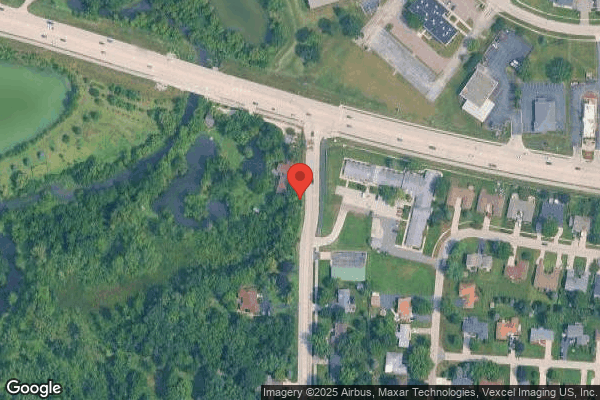

1308 GAME FARM ROAD, YORKVILLE, IL 60560 (630) 553-5811
For profit - Limited Liability company 79 Beds HELIA HEALTHCARE Data: November 2025
Trust Grade
40/100
#250 of 665 in IL
Last Inspection: March 2025

Within standard 12-15 month inspection cycle. Federal law requires annual inspections.

Overview

Hillside Rehab & Care Center received a Trust Grade of D, indicating below average quality with some significant concerns. It ranks #250 out of 665 facilities in Illinois, placing it in the top half, but it is the only option available in Kendall County. Unfortunately, the facility is worsening, with issues increasing from 10 in 2024 to 13 in 2025. Staffing is a weakness, rated at 2 out of 5 stars with a turnover rate of 46%, which is concerning as it indicates difficulty in retaining staff. The facility has faced substantial fines totaling $119,240, higher than 80% of Illinois facilities, suggesting ongoing compliance issues. Specific incidents include a failure to follow a nurse practitioner's orders for wound care, resulting in a resident's wounds worsening, and another incident where food safety protocols were not followed, as staff did not wear hair restraints or properly label food items. Although there is some RN coverage, it remains average, meaning that while there are RNs available, they may not always catch issues that less trained staff might miss. Overall, while there are areas for improvement, families should weigh both the facility's strengths and weaknesses carefully.

Trust Score
D
40/100
In Illinois
#250/665
Top 37%
Safety Record
High Risk
Review needed
Inspections
Getting Worse
10 → 13 violations
Staff Stability
⚠ Watch
46% turnover. Above average. Higher turnover means staff may not know residents' routines.
Penalties
✓ Good
$119,240 in fines. Lower than most Illinois facilities. Relatively clean record.
Skilled Nurses
○ Average
Each resident gets 38 minutes of Registered Nurse (RN) attention daily — about average for Illinois. RNs are the most trained staff who monitor for health changes.
Violations
⚠ Watch
27 deficiencies on record. Higher than average. Multiple issues found across inspections.
★★★☆☆
3.0
Overall Rating
★★☆☆☆
2.0
Staff Levels
★★☆☆☆
2.0
Care Quality
★★★☆☆
3.0
Inspection Score
Stable
2024: 10 issues
2025: 13 issues

The Good

  • Full Sprinkler Coverage · Fire safety systems throughout facility
  • No fines on record

Facility shows strength in fire safety.

The Bad

3-Star Overall Rating

Near Illinois average (2.5)

Meets federal standards, typical of most facilities

Staff Turnover: 46%

Near Illinois avg (46%)

Higher turnover may affect care consistency

Federal Fines: $119,240

Well above median ($33,413)

Significant penalties indicating serious issues

Chain: HELIA HEALTHCARE

Part of a multi-facility chain

Ask about local staffing decisions and management

The Ugly 27 deficiencies on record

1 actual harm
Jun 2025 4 deficiencies 1 Harm
SERIOUS (G) 📢 Someone Reported This

A family member, employee, or ombudsman was alarmed enough to file a formal complaint

Actual Harm - a resident was hurt due to facility failures

Pressure Ulcer Prevention (Tag F0686)

A resident was harmed · This affected 1 resident

**NOTE- TERMS IN BRACKETS HAVE BEEN EDITED TO PROTECT CONFIDENTIALITY** Based on observation, interview, and record review, the facility failed to follow the nurse practitioner's orders to consult a w...

Read full inspector narrative →
**NOTE- TERMS IN BRACKETS HAVE BEEN EDITED TO PROTECT CONFIDENTIALITY** Based on observation, interview, and record review, the facility failed to follow the nurse practitioner's orders to consult a wound care doctor for treatment of a new acquired wound. The facility also failed to reposition a resident who was at risk for pressure ulcers. This applies to 2 of 3 residents (R1 and R8) reviewed for pressure ulcers in the sample of 8. This failure resulted in the R1's wounds declining, enlarging and developing into full thickness injuries. The findings include: 1. R1's electronic medical record showed R1 was originally admitted to the facility on [DATE]. R1's medical record also showed he was discharged to the hospital on May 21, 2025 and readmitted to the facility on [DATE]. R1's medical record showed R1 had medical diagnoses that included encephalopathy, malignant melanoma of the skin/shoulder, end stage renal disease, epilepsy, chronic congestive heart failure, and dementia. R1's Minimum Data Set, dated [DATE] showed that R1 required substantial/maximal assistance to reposition in the bed. R1's Braden scale for predicting pressure sore risk dated May 19, 2025 showed that R1 was confined to the bed and was a high risk for developing pressure sores. R1's nursing progress note and admission assessment written by V12 (Registered Nurse/RN) dated May 29, 2025 showed that R1 had redness to his buttocks. There was no mention in the assessments of the condition of R1's heels. On June 17, 2025 at 12:22 PM, V12 (RN) stated R1 was readmitted on [DATE] around shift change, and she did a head to toe assessment on him and charted it. V12 stated R1 had redness to buttocks on both sides, but there was no open area noted. V12 stated she looked at R1's whole body and his heels were also red. V12 stated R1's red heels were not a new issue. V12 stated she forgot to document the heel assessment. V12 stated she only told the next shift of the redness to R1's buttocks because the redness to R1's heels was not a new issue. R1's nursing progress note written by V2 (Licensed Practical Nurse) dated June 2, 2025 showed the following: Resident is having skin breakdown on both buttocks, redness and open areas of about 0.1 x 0.1 cm (centimeter). Cleaned with wound cleanser, used calcium alginate and covered with bordered gauze. On June 16, 2025 at 4:55 PM, V2 (Licensed Practical Nurse) stated that on June 2, 2025, he found that R1 had redness to his buttocks with an open area. V2 stated he notified the doctor by leaving a message via their messaging system. V2 stated he does not remember if the doctor gave him orders or not. V2 stated he did not put any orders in the computer nor did he record the wound in wound rounds. R1's Progress note dated June 5, 2025 showed that R1 was sent to the hospital via 911 related to shallow breathing, faint pulse and not responding to name or touch. R1's history and physical from the hospital dated June 5, 2025 showed that R1 was admitted to the hospital with a diagnosis of sepsis and pressure wounds to his feet and sacrum. R1's hospital medical records dated June 5, 2025 described R1's feet wounds as follows: 1). Location: left heal, full thickness, pressure injury. Present on admission Wound type: evolving deep tissue pressure injury. Wound description: red moist tissue 100% Wound size: 7 centimeters (cm) x 7 cm x 0.2 cm Wound edges: defined, unattached epidermal tissue Drainage Moderate serous on dressing 2). Location: Right heal, full thickness, pressure injury. Present on admission Wound type: evolving deep tissue pressure injury Wound description: Maroon/violet tissue 90%, Red moist tissue 10% Wound size: 5 cm x 6 cm x 0.3 cm Wound edges: defined, unattached epidermal tissue Drainage: none The picture of R1's sacrum/buttocks taken on June 5, 2025 at the hospital showed a very large area of redness that extends from the middle of R1's buttocks to the top of his sacrum where there was a large purple discoloration. There was some exudate, different degrees of redness, some open areas and loose scabs/crust. On June 17, 2025 at 12:32 PM, V7 (Nurse Practitioner) stated she was contacted by a nurse on June 2, 2025 regarding R1's wound. V7 stated she told him to consult with wound care for treatment orders. V7 stated she expected wound care to be contacted immediately and for the wound to be treated. V7 stated she knows her order was not put in the computer, and therefore, they were not providing treatment to the resident (R1). V7 stated the risk of not following provider's orders is harmful to resident. The wound could get worse, the resident can become septic, or the resident could lose a limb. On June 18, 2025 at 11:14 AM, V7 (Nurse Practitioner) stated she was aware that R1 also had redness to his heels. V7 stated R1's lack of treatment and the facility not following her order caused the worsening of the R1's skin and sacrum/buttocks wounds. V7 stated the big issue at the facility is there is a communication problem and no one is following up on orders. On June 18, 2025 at 3:10 PM, V11 (Regional Clinical Director) stated that she expects staff to put doctor's order in the computer, and carry out the orders as prescribed. V11 stated she expect nurses to follow up with doctor and resident to make sure wounds are not progressing. Residents who have skin breakdown or who are at risk for skin issues should have a skin care plan. R1's care plan was absent of any skin or wound care plan. R1 had no treatment orders nor a wound care consult for his sacral/buttocks wound or for heel redness. (May 29, 2025 through June 5, 2025) R1's name does not appear on the facility's in-house or discharged list of residents identified with facility acquired wounds from January 2025 through June 2025. The facility's wound management program policy dated January 20, 2023 showed the following: Physician orders should be obtained and followed for each resident. Resident's identified as risk on the Braden scale will have this addressed on their care plan and will have interventions put in place for preventative measure. The nurse will call physician to obtain appropriate treatment order. 2. R8's electronic medical record showed R8 was admitted to the facility on [DATE] with diagnoses that included rhabdomyolysis, acute embolism and thrombosis of unspecified deep veins of the lower extremity, chronic kidney disease, fatigue, and muscle weakness. R8's Minimum Data Set, dated [DATE] showed that R8 required substantial/maximal assistance to reposition in the bed. R8's Braden scale for predicting pressure sore risk dated May 19, 2025 showed that R8 was a moderate risk for developing pressure sores. R8' name appeared on the facility's list of residents with facility acquired pressure wounds. The list showed R8 has an ulcer to her coccyx identified on May 4, 2025. R8's first wound doctor note identifying the coccyx/sacral wound was on June 6, 2025 and the doctor described it as an unstageable deep tissue injury. R8 was observed on June 17, 2025 at 9:30 AM, 10:40 AM, and 11:59 AM, 1:44 PM and 3:26 PM lying in the same position which was partially on the right side and right back. On June 17, 2025 at 3:26 PM, observed R8 with a pressure wound to her coccyx/sacrum. V14 (LPN) stated that R8 is bed bound and bed bound residents should be repositioned every 2 hours to prevent pressure ulcers. V14 was informed that R8 has been observed in the same position multiple times throughout the day. V14 stated they keep R8 on her right side to keep her off her coccyx pressure ulcer. R8's care plan was absent of any skin or wound care plan. The facility's Repositioning of Resident policy dated May 2, 2019 showed the following. Repositioning is critical for a resident who is immobile or dependent upon staff or repositioning. Residents who are in bed should be on an every 2 hour turning schedule.
CONCERN (D) 📢 Someone Reported This

A family member, employee, or ombudsman was alarmed enough to file a formal complaint

Potential for Harm - no one hurt, but risky conditions existed

Deficiency F0573 (Tag F0573)

Could have caused harm · This affected 1 resident

**NOTE- TERMS IN BRACKETS HAVE BEEN EDITED TO PROTECT CONFIDENTIALITY** Based on interview and record review, the facility failed to ensure that a resident who requested medical records were provided ...

Read full inspector narrative →
**NOTE- TERMS IN BRACKETS HAVE BEEN EDITED TO PROTECT CONFIDENTIALITY** Based on interview and record review, the facility failed to ensure that a resident who requested medical records were provided the records in a timely manner. This applies to 1 of 2 resident's (R2) reviewed for medical records in the sample of 8. The findings include: R2's electronic medical record showed R2 was admitted to the facility on [DATE] with diagnoses that included myopathy, inflammatory and immune myopathies, pain in leg, anxiety, atherosclerotic heart disease of native coronary artery with unspecified angina pectoris, and history of falling. On June 16, 2025 at 11:33 AM, R2 stated she asked V15 (Director of Rehab) several times to give her some therapy medical records. R2 stated, V15 said multiple times she would get the medical records for R2 but she still has not received the medical records she requested. On June 17, 2025 at 2:40 PM, V1 (Administrator) stated she received a written request for medical records from R2 on June 5, 2025. V1 stated that V10 (Business Office Manager) told V1 later that day that the R2 no longer needed the paper work. V1 stated therefore, she did not provide the paperwork to R2. On June 17, 2025 at 2:48 PM, V10 stated, she spoke to R2 on June 5, 2025 after V1 asked her to go see R2. V10 stated she talked to R2 and R2 did not want V10 to explain or go over the medical records her. V10 stated R2 wanted paper copies of the medical records to give it to her attorney. V10 stated she notified V1 about R2's request for medical records. V10 stated she was then waiting for V1 to give her the medical records for R2. V10 stated she documented it in the progress notes under the social services tab. R2's progress note dated June 5, 2025 written by V10 showed the following: Writer discussed with resident the request for occupational discharge. Informed resident I can go over the document with her, however she stated she does not want to go over such document. She just wants to have the document to send to her attorney. Writer informed resident that when document is available to give to her I will bring it down to her and go over it with her. On June 18, 2025 at 12:32 AM , V15 (Director of Rehab) stated that R2 did request medical records from her and she spoke to her supervisor and her supervisor stated those requests are handled by the facility. V15 stated she did not inform R2 that she needed to request the medical records from the facility. V15 stated the facility was in communication with R2, therefore, she assumed they were handling R2's request for medical records. R2's request for medical records form was not dated, however, on June 17, 2025 at 2:40 PM, V1 stated this form was submitted to V1 on June 5, 2025 by R2.
CONCERN (D) 📢 Someone Reported This

A family member, employee, or ombudsman was alarmed enough to file a formal complaint

Potential for Harm - no one hurt, but risky conditions existed

Notification of Changes (Tag F0580)

Could have caused harm · This affected 1 resident

**NOTE- TERMS IN BRACKETS HAVE BEEN EDITED TO PROTECT CONFIDENTIALITY** Based on interview and record review, the facility failed to notify a resident's family/POA (Power of Attorney) of a new wound t...

Read full inspector narrative →
**NOTE- TERMS IN BRACKETS HAVE BEEN EDITED TO PROTECT CONFIDENTIALITY** Based on interview and record review, the facility failed to notify a resident's family/POA (Power of Attorney) of a new wound to the resident's sacrum. This applies to 1 of 4 residents (R1) reviewed for change of condition notification in the sample of 8. The findings include: R1's electronic medical record showed R1 was originally admitted to the facility on [DATE]. R1's medical record also showed he was discharged to the hospital on May 21, 2025 and returned to the facility on May 29, 2025. R1's medical record showed R1 had medical diagnoses that included encephalopathy, malignant melanoma of the skin/shoulder, end stage renal disease, epilepsy, chronic congestive heart failure, and dementia. R1's progress note dated June 2, 2025 written by V2 (Licensed Practical Nurse) showed the following: Resident is having skin breakdown on buttocks, redness, and open areas of about 0.1 x 0.1 centimeters. Cleaned with wound cleanser, used calcium alginate and covered it with a boarded gauze. On June 16, 2025 at 1:04 PM, V8 (R1's family, POA) stated the facility never notified him that R1 had any wounds to his heels or buttock/sacrum. R1 stated he found out R1 had wounds when he saw R1 in the hospital on June 5, 2025. On June 16, 2025 at 4:55 PM, V2 stated he did not notify R1's family of the new wound that he found on June 2, 2025. V2 stated they should notify the doctor and the family of any change in resident condition like this new wound that was found. V2 stated that notification of the doctor and the family representative should be documented in the progress notes. There was no documentation in the progress notes that showed that V2 or anyone else notified R1's family that R1 had a new wound. The facility's Change in a Resident's Condition or Status policy showed the following: the facility will immediately notify the resident's family or representative of a significant change in the resident's physical, mental, or psychosocial status or deterioration of the resident's physical, mental, or psychosocial status.
CONCERN (D) 📢 Someone Reported This

A family member, employee, or ombudsman was alarmed enough to file a formal complaint

Potential for Harm - no one hurt, but risky conditions existed

Accident Prevention (Tag F0689)

Could have caused harm · This affected 1 resident

**NOTE- TERMS IN BRACKETS HAVE BEEN EDITED TO PROTECT CONFIDENTIALITY** Based on interview and record review, the facility failed to properly transfer a resident who required hands-on assistance to as...

Read full inspector narrative →
**NOTE- TERMS IN BRACKETS HAVE BEEN EDITED TO PROTECT CONFIDENTIALITY** Based on interview and record review, the facility failed to properly transfer a resident who required hands-on assistance to ascend stairs of a transport van. This applies to 1 of 3 residents (R2) reviewed for transfers in the sample of 8. The findings include: R2's electronic medical record showed R2 was admitted to the facility on [DATE] with diagnoses that included myopathy, inflammatory and immune myopathies, pain in leg, anxiety, atherosclerotic heart disease of native coronary artery with unspecified angina pectoris, and history of falling. On June 16, 2025 at 11:33 AM, R2 was crying and stated V9 (Certified Nursing Assistant/CNA) came without a wheelchair to take her to a doctor's appointment. R2 stated she told V9 she could not walk that far to the van and he had to get a wheelchair. R2 stated V9 then returned with a wheelchair. R2 stated V9 wheeled her to the van, but could not put her in the back of the van where residents in wheelchairs normally sit because he said there was a bunch of equipment back there and told her to get in the front seat. R2 stated she told V9 she didn't have the strength in her arms and legs to go up the stairs and into the front seat. R2 stated V9 told her he would help her. R2 stated V9 did not have a gait belt around her. R2 stated V9 then helped her stand up. R2 stated she turned and told him again she would not be able to lift her foot up and V9 said try and he would help her. R2 stated so she lifted her 1st foot up on put it on the grate and tried to put pressure on it and her legs gave out. R2 stated her legs felt like noodles and were flopping and hitting things all around. R2 was crying while telling the story. R2 stated then V9 pushed her from her back up into the seat. R2 stated, the same thing happened when she tried to get into the van on the way back to the facility. R2 stated she told R2 she could not get up and he said again he would help her up. R2 stated again her legs gave out and he put his knee up to catch her and she was sitting on his knee. R2 stated while she was sitting on his knee he pushed her up and into the seat. R2 stated that V9 kept on saying he was sorry. R2 stated when they got back to the facility V9 went to get help and V10 (CNA) came to help V9. R2 stated V13 (Former Director of Nursing) came right away the next morning. R2 stated her bilateral knees and her lower legs were bruised. R2 stated she had x-rays done the next day but there was no fractures found. R2's progress note written by V13 dated May 16, 2025 showed the following: Administrator notified this nurse at approximately 12:30 PM that resident was complaining of some bruising secondary to her knee giving out while being transferred into the building van. Bruising noted to right medial ankle, extending down into the heel, left lateral foot into heel, left anterior knee, and small 2 cm bruise to her right middle axillary chest. The nurse practitioner was notified and orders for STAT imaging received. R2's progress note dated May 17, 2025 written by V12 (Registered Nurse) showed the following: R2 is alert and oriented x4. R2 complained of aching throughout her body and back. Received x-ray results for left and right ribs, spine, right and left foot, left ribs, right ankle, and left knew. Results showing no acute fracture or dislocation. The nurse practitioner was notified. R2 stated as needed acetaminophen was ineffective. R2 requires 1 person assist with transferring. Able to walk short distances. On June 17 20225 at 12:45 PM, V9 (CNA) stated he took R2 on Thursday May 15th in the afternoon to a doctor's appointment. V9 stated he asked the CNA and nurse on duty how she transferred and they told him R2 used a walker with one assist. R2 told him she could not walk to the van. V9 then retrieved a wheelchair for the R2 and took R2 to the facility's van. V9 stated there was stuff in the back of the van so he could not put R2 back there where the residents in wheelchairs usually ride. V9 stated R2 tried to stand up to get into the front seat. V9 stated R2 grabbed the handle of the door and V9 assisted her into the van. V9 stated he did not have a gait belt with him. V9 stated on the way back when R2 attempted to go up the stairs of the van again. V9 stated when R2 took her first step up onto the stair and her legs gave out. V9 stated he immediately put his leg underneath R2 to keep her from falling. V9 stated he picked R2 up like a groom holds his wife going over the threshold and her knee hit the dashboard when he was putting her in the van. V9 demonstrated how he carried R2 when he placed her in the van. V9 stated R2 could have gotten the bruising to her legs when he was putting her in the van. R2's physical therapy note dated May 14, 2025 showed the following: R2 to be a fall risk and R2 gets dizzy when ambulating. R2 performed stair training going up/down 2 steps with contact guard assist. R2's physical therapy note dated May 15, 2025 showed the following: R2 is a fall risk and gets dizzy when ambulating. The therapist instructed the resident on stair training going up/down 3 steps with bilateral upper extremity support and contact guard assistance. The resident required verbal cues on the proper technique and increased safety awareness. On June 17, 2025 at 1:52 PM, V16 (Physical Therapy Assistant) stated that on June 14, 2025 R2 came to therapy in a wheelchair and they used contact guard assist with the therapist holding on to her while practicing going up and down two stairs. V16 stated on June 15, 2025 they saw R2 earlier in the day. V16 stated R2 came in a wheelchair and practiced walking up and down three stairs with contact guard assist. V16 stated a gait belt was used going up stairs for R2's safety because she complained of weakness. V16 stated R2 can verbally tell staff what she needs. V16 stated R2 required bilateral upper extremity support and contact guard assist (CGA) to go upstairs. V16 stated CGA means that the therapist is holding onto the resident using a gait belt. V20 (Occupational Therapy) stated you never know when someone may have periods of dizziness so they recommend a gait belt when ambulating residents. V15 (Director of Rehab) stated R2 had a history of vertigo. V15 stated R2 gets dizziness during therapy. On June 18, 2025 at 3:10 PM, V11 (Regional Clinical Director) if a staff CNA is transferring a resident who requires assistance, then she expects the staff to use a gait belt when ambulating or transferring the resident for the resident's safety. The facility's safe handling program showed the following: Gait and transfer belts will be used where manual assistance is required for ambulation and transfer activities.
Mar 2025 9 deficiencies
CONCERN (D)

Potential for Harm - no one hurt, but risky conditions existed

Quality of Care (Tag F0684)

Could have caused harm · This affected 1 resident

3. R30's face sheet shows an admission date of 4/10/23. R30's face sheet shows the following diagnoses: presence of cardiac pacemaker, essential primary hypertension, and hyperlipidemia. R30's hospit...

Read full inspector narrative →
3. R30's face sheet shows an admission date of 4/10/23. R30's face sheet shows the following diagnoses: presence of cardiac pacemaker, essential primary hypertension, and hyperlipidemia. R30's hospital notes (5/1/23) from the medical doctor indicates: Past medical history 8. status post pacemaker. Past surgical history: 1). Pacemaker implantation. R30's MDS (Minimum Data Set) dated 1/17/25 shows a BIMS (Brief Interview for Mental Status) score of 12, which means moderate impairment in cognition. R30's care plan (3/1/25) shows: Problem: History and active hypertension. R30 has pacemaker. R250's medical record was reviewed. There was no physician order documenting the pacemaker and how often it should be checked. There was nothing in the progress notes, admission assessment or care plans that document the manufacturer, model, and serial number of the pacemaker. It was also unknown as to when the pacemaker was last assessed. On 3/6/25 at 9:42 AM, V2 (DON-Director of Nursing) stated, Here is a care plan for the pacemaker. I don't see a model or serial number. There should be a model and serial number on the care plan. If something were to happen, the hospital needs to know that information for trouble shooting and they need to know what kind of pacemaker it is. It is the admitting nurse's responsibility to get all that information at the time of admission. Based on interview and record review, the facility failed to obtain vital information regarding residents' pacemakers and implanted defibrillator and ensure that it was readily available in the resident's medical record. This applies to 3 out of 3 residents (R3, R27, R30) reviewed for pacemakers in a sample of 16. Findings include: 1. R3's face sheet documents an admission date of 7/12/2024. R3's face sheet documents the following diagnoses: atrial fibrillation, hypertension, and presence of automatic implantable cardiac defibrillator. R3's medical record was reviewed. There was no physician order documenting the defibrillator and how often it should be checked. There was nothing in the progress notes, admission assessment or care plans that document the manufacturer, model, and serial number of the defibrillator. It was also unknown as to when the defibrillator was last assessed. On 3/6/2025 at 2:44 PM, V2 (DON-Director of Nursing) said facility does not have a Policy on Pacemakers and Defibrillators. 2. R27's face sheet documents an admission date of 8/24/2024. R27's face sheet document the following diagnoses: atrioventricular block, paroxysmal atrial fibrillation, hypertension, and presence of cardiac pacemaker. R27's medical record was reviewed. There was no physician order documenting the pacemaker and how often it should be checked. There was nothing in the progress notes, admission assessment or care plans that document the manufacturer, model, and serial number of the pacemaker. It was also unknown as to when the pacemaker was last assessed. Facility Policy titled Cardiac Pacemaker Monitoring dated July 2014 does not indicate that information regarding pacemaker/defibrillator should be obtained. The policy stated the following: Purpose: To monitor cardiac pacemaker function on a regular basis to detect malfunction prior to clinical symptoms. Procedure: A physician/ cardiologist will rite an order for the pacemaker check and frequency of subsequent pacemaker check if they choose to monitor pacemaker and battery function.
CONCERN (D)

Potential for Harm - no one hurt, but risky conditions existed

Deficiency F0688 (Tag F0688)

Could have caused harm · This affected 1 resident

**NOTE- TERMS IN BRACKETS HAVE BEEN EDITED TO PROTECT CONFIDENTIALITY** Based on observation, interview, and record review, the facility failed to follow physician orders and apply restorative devices...

Read full inspector narrative →
**NOTE- TERMS IN BRACKETS HAVE BEEN EDITED TO PROTECT CONFIDENTIALITY** Based on observation, interview, and record review, the facility failed to follow physician orders and apply restorative devices to prevent further worsening of contractures. This applies to 1 of 2 residents (R23) reviewed for restorative in a sample of 16. The findings include: On 3/4/25 at 10:55 AM, R23 was sleeping. Both of her hands were severely contacted. She had no assistive restorative devices on her hands. On 3/5/25 at 12:30 PM, surveyor went with V8 (RN-Registered Nurse) inside R23's room. R23 is nonverbal. R23 still did not have any splint, carrot or other assistive device in both of her hands. Surveyor asked V8 where they were. V8 stated, I don't know. They should be here. She used to have a carrot but, it's soiled. V8 looked around and found one of the rolled up towels under the bed. She put the rolled up towel into the left contracted hand. She stated she will make another one for R23's right hand. On 3/5/25 at 1:10 PM, V1 (Administrator) said, (V7-Former RN) was our MDS (Minimum Data Set) nurse and she oversaw our restorative program. She left us and is at another facility. We currently have no restorative nurse. We have no restorative aides. The CNA's (Certified Nursing Assistants) are supposed to do restorative therapy. Resident # 23's husband removes the carrot. I will try to find documentation on that. He does the restoratives exercises on her. On 3/6/25 at 9:50 AM, V2 (DON-Director of Nursing) stated, (R23) is supposed to have rolled towels in both her hands to prevent worsening of her contractures. She used to have carrots, but her husband took them out. On 3/6/25, at 11:49 AM, V2 stated that she was unable to find any documentation in the progress notes that R23's husband removes the carrots. She said that her husband's behavior of removing them are not care planned. R23's face sheet shows the following diagnoses: other disorders of the brain in diseases classified elsewhere, nontraumatic intracerebral hemorrhage, multiple localized. R23's POS (Physician Order Sheet) shows orders of: Restorative therapy program for PROM (Passive Range of Motion) 6-7 times a week twice a day and splint to affected extremity-carrot inside hand twice a day-7am to 11am, 3pm to 6 pm. R23's care plan (1/23/25) shows she is in a restorative program and requires total dependence. She is in a comatose state. R23's MDS dated [DATE] shows R23 was assessed as 1, which means she is dependent on staff for all functional abilities such as personal hygiene, putting on/taking off footwear, upper/lower body dressing, showering/bathing self, toileting hygiene and oral hygiene. R23's BIMS (Brief Interview for Mental Status) score was left as blank. R23 was triggered as 3, which means she is severely impaired in cognitive skills for decision making. She is also impaired on both sides of her upper and lower extremities. R23's care plan dated 7/22/22 shows: Approach: ensure carrot/washcloth is in the palm of hands. Facility's policy titled Restorative Nursing (August 2023) shows: 1. Restorative nursing services are provided by restorative nursing assistants, certified nursing assistants and other staff trained in restorative techniques. 2. Restorative nursing is under nursing supervision a. Range of Motion-active and passive. d. splint or brace assistance.
CONCERN (D)

Potential for Harm - no one hurt, but risky conditions existed

Incontinence Care (Tag F0690)

Could have caused harm · This affected 1 resident

Based on observation, interview, and record review, the facility failed to ensure proper positioning of indwelling catheters. This applies to 1 of 3 residents (R33) who were reviewed for catheter care...

Read full inspector narrative →
Based on observation, interview, and record review, the facility failed to ensure proper positioning of indwelling catheters. This applies to 1 of 3 residents (R33) who were reviewed for catheter care in a sample of 16. The findings include: On 03/04/25 at 12:40 PM, R33 was observed in his bed with an indwelling catheter leg bag on his right leg. R33 said that he wears his leg bag all day, every day, including when he is in the bed during the day. R33 said that the staff only puts the large drainage bag on at night before he goes to bed for the night. On 03/05/25 at 09:59 AM, V2 DON (Director of Nursing) said that R33 should not have the leg bag on when in bed. V2 said that the catheter bag should be lower than the level of the bladder to prevent back flow into the bladder, UTIs (Urinary tract infections,) and improper drainage. R33's diagnoses include history of UTIs, and benign prosthetic hyperplasia with lower urinary tract symptoms. R33's 9/4/24 care plan showed that R33 is at risk for UTIs due to catheterization secondary to a diagnosis of urinary retention with approaches including observe for signs and symptoms of UTI - pain, cloudy urine, odor, bladder distention, burning sensation, dysuria, and observe for urinary retention. R33's 4/8/24 care plan showed that R33 has an indwelling catheter and is at risk for UTI, obstructive and reflux uropathy. The care plan shows approaches including assess urine color/odor/clarity, provide good perineal and catheter care every shift and as needed. On 03/06/25 at 01:19 PM, V2 DON (Director of Nursing) said that the catheter leg bag should not be on R33 when he is in bed because the drainage bag should be below the level of the bladder. V2 said that if the catheter drainage bag does not hang below the level of the bladder it can cause UTIs and cause urine to back up and retain in the bladder. V2 said that wearing a leg bag all day long can cause skin break downs. The facility's Catheter Care, Urinary policy dated February 2012 showed that the urinary drainage bag must be held or positioned lower than the bladder at all times to prevent the urine in the tubing and drainage bag from flowing back into the urinary bladder.
CONCERN (D)

Potential for Harm - no one hurt, but risky conditions existed

Tube Feeding (Tag F0693)

Could have caused harm · This affected 1 resident

Based on observation, interview, and record review, the facility failed to follow current standards for checking proper placement when administering medications through a g-tube (gastrostomy). This ap...

Read full inspector narrative →
Based on observation, interview, and record review, the facility failed to follow current standards for checking proper placement when administering medications through a g-tube (gastrostomy). This applies to 1 of 1 resident (R23) reviewed for g-tubes in a sample of 16. The findings include: On 3/5/25 At 12:58 PM, V8 (RN-Registered Nurse) wiped port of g-tube with alcohol pad. She checked for placement by instilling about 10 cc of air and then auscultated with her stethoscope. Surveyor asked V8 how she checks for placement. V8 said, I check for placement by instilling air and auscultating by listening with my stethoscope. Surveyor asked her if she ever checks for residual. She said, In the morning, I checked for residual. V8 administered three medications of Keppra, Claritin, and Miralax via g-tube to R23. On 3/6/25 at 9:42 AM, V2 (DON-Director of Nursing) stated, I think the regulation says the proper way to check for g-tube placement is by checking for residual. You probably shouldn't check placement by putting air into the g tube and listening. The nurse should follow what the regulation says. R23's face sheet shows diagnoses of dysphagia, oropharyngeal phase, gastro-esophageal reflux disease with esophagitis, without bleeding, other mechanical complication of surgically created arteriovenous shunt, sequela. R23's POS (Physician Order Sheet) had the following orders: Enteral Feeding: Check Tube Placement by aspirating stomach contents before meals: 7:30 AM to 1:00 PM, 2:00 PM to 10:00 PM, 10:00 PM to 6:00 AM. Enteral Feeding: Check Tube Placement by auscultating air passage every shift. R23's MDS (Minimum Data Set) dated 1/24/25 shows: Section GG Functional Abilities: Eating (The ability to use suitable utensils to bring food and/or liquid to the mouth and swallow food and/or liquid once the meal is placed before the resident). R23 was assessed as 88, which means it was not attempted due to resident's medical condition or safety concerns. R23's care plan (1/23/25) shows: Problem-(R23) requires feeding tube related to aphasia. Approach: Check placement and patency of feeding tube before each feeding or medication administration. Facility's policy titled Enteral Feeding Tubes: Confirming Placement (2/2012) shows: 3. Attach a 60 cc syringe (empty if aspirating contents or with 30 cc air in it) to the end of the tube. 4. If tube is clamped, unclamp tube. 5. Draw back on plunger to aspirate stomach content. 6. Verification of placement of tube is complete when stomach content is visualized. 7. If tube feedings are not continuous, clamp the tube.
CONCERN (D)

Potential for Harm - no one hurt, but risky conditions existed

Respiratory Care (Tag F0695)

Could have caused harm · This affected 1 resident

**NOTE- TERMS IN BRACKETS HAVE BEEN EDITED TO PROTECT CONFIDENTIALITY** Based on observation, interview, and record review, the facility failed to contain and secure respiratory equipment. This applie...

Read full inspector narrative →
**NOTE- TERMS IN BRACKETS HAVE BEEN EDITED TO PROTECT CONFIDENTIALITY** Based on observation, interview, and record review, the facility failed to contain and secure respiratory equipment. This applies to 4 of 4 residents (R29, R30, R32, R41) reviewed for oxygen equipment in sample of 16. The findings include: 1. On 3/4/25 at 10:38 AM, R32's nebulizer mask on her dresser was not covered. R32 stated it's never kept in a bag. R32's face sheet shows the following diagnoses: COPD (Chronic Obstructive Pulmonary Disease), Unspecified bacterial pneumonia, respiratory syncytial virus, and nasal congestion. R32's POS (Physician Order Sheet) shows an order for Ipratropium-albuterol solution for nebulization; 0.5 MG (Milligrams)-3 MG (2.5 MG base)/ 3 ML (Milliliters) every 4 hours as needed for congestion for SOB (Shortness of Breath) R32's MDS (Minimum Data Set) dated 2/28/25 shows a BIMS (Brief Interview for Mental Status) score of 3, which means she is severely cognitively impaired. 2. On 3/4/25 at 11:38 AM, R30's nebulizer mask was on his dresser and was not covered. R30 stated his nurse never gave him a bag for it. R30's face sheet shows diagnoses of Parkinson's disease, presence of cardiac pacemaker and acute sialoadenitis. R30's POS shows an order for Ipratropium-albuterol solution for nebulization; 0.5 MG (Milligrams)-3 MG (2.5 MG base)/ 3 ML (Milliliters)-Administer one breathing treatment every 6 hours as needed due to nonproductive cough and congestion. R30's MDS dated [DATE] shows a BIMS score of 12 which means he is cognitively intact. 3. On 3/4/25 at 12:08 PM, R29's nebulizer face mask was lying on top of her dresser. It was not contained in a bag. R29 stated that the nurses never put it in a bag. R29's face sheet shows diagnoses of acute respiratory disease, iron deficiency anemia, anxiety disorder, morbid (severe) obesity due to excess calories, acute upper respiratory infection, nasal congestion, and cough. R29's POS shows an order for Albuterol Sulfate: solution for nebulization; 2.5 MG/3 ML (0.083%) amount 2.5 MG; inhalation. Take 2.5 MG by nebulization every 6 hours as needed for wheezing. R29's MDS dated [DATE] shows a BIMS score of 15, which means she is cognitively intact. 4. On 3/4/25 at 11:09 AM, R41's nebulizer tubing was noted touching the floor and the mask was unbagged and undated. R41's floor was sticky with a lot of debris on the floor. R41 said the housekeeper did not clean his room yet. R41's face sheet shows and admission date of 10/10/2024. Physician Order Sheet documents that an order for nebulization solution for cough/shortness of breath. On 3/6/2025 at 9:30 AM, V2 (DON-Director of Nursing) said respiratory equipment like oxygen tubing and mask and nebulizer tubing and mask should be labeled and bagged. He said equipment should be dated so staff knows when it should be replaced. She said respiratory equipment should be bagged for infection control. Facility's Policy on Respiratory Tubing dated February 2012 stated that tubing should be in the bag when not in use and plastic should be dated and taped to the oxygen canister/concentrator or nebulizer.
CONCERN (D)

Potential for Harm - no one hurt, but risky conditions existed

Deficiency F0761 (Tag F0761)

Could have caused harm · This affected 1 resident

3. On 03/04/25 at 11:45 AM, R20 was in his room in his wheelchair and inside a bag attached to R20's wheelchair was 2 bottles of fluticasone 0.54 oz (nasal spray for allergies). R20 said that the nurs...

Read full inspector narrative →
3. On 03/04/25 at 11:45 AM, R20 was in his room in his wheelchair and inside a bag attached to R20's wheelchair was 2 bottles of fluticasone 0.54 oz (nasal spray for allergies). R20 said that the nurse gave the bottles to him. R20's 7/1/24 Physician's order showed Flonase spray 50 mcg/actuation 1 spray bilateral nostrils 2 times a day as needed. On 03/06/25 at 12:51 PM, V2 (DON) said that R20 cannot have medications in his room because the facility can't insure R20 will follow the doctor's order. V2 said that her expectations are that the staff secure the medications in a locked place. 2. On 03/04/25 at 11:49 AM, R2 had a 15 gm (Gram) bottle of prescription Nystatin powder on her over bed table. On 03/06/25 at 10:51 AM, R2 had a 15-gm bottle of Nystatin powder on her overbed table. R2 stated she puts the powder on her breast and abdominal folds but did not remember if it was to be applied once or twice per day. R2 stated she did not recall the identity of the nurse who left the medications with her. R2's current physician orders includes Nystatin powder 100,000 units / gram. apply to folds topically two times per day for excoriation. Place under bilateral breast, groin and abdominal folds On 03/06/25 at 11:42 AM, DON (Director of Nursing) stated there are no residents in the facility assessed to keep medications at the bedside. Nurses should not be leaving medications at the bedside for residents to self-administer. They need to stay at the bedside to physically watch the resident take the medication then take the medication with them. Based on observation, interview, and record review the facility failed to properly secure medications. This applies to three out of three residents (R2, R3, R20) reviewed for medications in a sample of 16. The findings include: 1. On 3/4/2025 at 11:20 AM, a bottle of Preservision AREDS 2, 1 bottle of Nasal Mist, 1 bottle of ABC Plus Senior Multivitamin, and 1 bottle of Magnesium with Zinc was observed on R3's bed side table and nightstand. R3 said her friend brought the medications in a long time ago. She said she has all the medications on her table for some time and does not seem to bother the nurses. On 3/4/2025 at 11:24 AM, this surveyor and V8 (RN-Registered Nurse) reviewed R3's medication list. R3 has no order for medication to stay at the bedside, no order for R3 to self-medicate and had no order for Preservision AREDS 2, Nasal Mist, ABC Plus Senior Multivitamin, and Magnesium with Zinc. V8 said R3 did not trust staff to administer medication to her and wanted to keep the medication at the bedside. On 3/6/2025 at 9:30 AM, V2 (DON-Director of Nursing) said no resident is allowed to keep medication by the bedside. She said nurses should immediately remove the medication from bedside and call the doctor to ask for order for medication. She said the medication should be promptly returned to family members and educate them of facility's policy. R3's face sheet documents and admission date of 7/12/2024. Diagnoses includes chronic obstructive disease, congestive heart failure, atrial fibrillation, cardiomyopathy, hypertension, hyperlipidemia, and polyneuropathy. R3's MDS (Minimum Data Sheet) dated 1/22/2025 documents her BIMS (Brief Interview for Mental Status) as 9 which means she has moderate cognitive impairment. Facility's Policy on Storage of Medications dated 5/12/2018 stated the following: Policy: Medications and Biologicals are stored safely, securely, and properly, following manufacturer's recommendations or those of the supplier. The medication supply is accessible only by licensed nursing personnel, pharmacy personnel, or staff members lawfully authorized to administer medications. Procedures: B. Only licensed nurses, pharmacy personnel, and those lawfully authorized to administer medications ( such as medication aides) permitted to access medications. Medication rooms, carts, emergency kits/boxes, and medication supplies are locked when not attended by persons with authorized access.
CONCERN (E)

Potential for Harm - no one hurt, but risky conditions existed

ADL Care (Tag F0677)

Could have caused harm · This affected multiple residents

**NOTE- TERMS IN BRACKETS HAVE BEEN EDITED TO PROTECT CONFIDENTIALITY** 3. On 3/04/25 at 11:11 AM, R8 was in bed. Her hair was greasy and was not combed. R8 had facial hair above her upper lip. R8 sta...

Read full inspector narrative →
**NOTE- TERMS IN BRACKETS HAVE BEEN EDITED TO PROTECT CONFIDENTIALITY** 3. On 3/04/25 at 11:11 AM, R8 was in bed. Her hair was greasy and was not combed. R8 had facial hair above her upper lip. R8 stated, I've not gotten a bath or shower yet since I have been here. They have never washed my hair. I told the CNA's (Certified Nursing Assistants) to shave me, but they never have any time. On 3 /05/25 at 12:06 PM, R8 still had facial hair on her upper lip. Her hair was still greasy and not combed. R8 stated, I still have not got my shower or bed bath. At 12:10 PM, her CNA (V6) said, We shave as needed, when it's visible and if is she is ok with it. Showers are supposed to be twice a week. We don't give (R8) showers because the nurse told me her oxygen is dropping. (R8) said, But you see my oxygen tank is right there. They are supposed to take my oxygen tank with me to the shower room and give me a shower. They don't even do that or give me bed baths. R8's face sheet shows the following diagnoses: chronic obstructive pulmonary disease with acute lower respiratory infection, chronic respiratory failure with hypoxia, shortness of breath, chronic congestive heart failure, anxiety disorder, depression. R8's POS (Physician Order Sheet) shows an order: Oxygen: Continuous 5 liters/minute per nasal cannula. Maintain SPO2 (oxygen rate) greater than 90%. R8's MDS (Minimum Data Set) dated 2/20/25 shows a BIMS (Brief Interview for Mental Status) score of 9, which means she is moderately impaired in cognition. Section GG Functional Abilities. R8 was as 3 for shower/bathe self, which means she is partial/moderate assistance. Staff does less than half the effort. Staff lifts, holds, or supports trunk or limbs, but provides less than half the effort. For tub/shower transfer, R8 was 2, which means she is substantial/maximal assistance which means the staff does more than half the effort. Staff lifts or hold trunk or limbs and provides more than half the effort. Facility was unable to provide any shower sheets for R8. 4. On 3/04/25 at11:11 AM, V17 (R21's fiancée) was sitting next to R21 while she was in bed. V17 stated that the last two Thursdays, R21 received no showers. V17 stated that Monday and Thursday are her shower days. V17 said, This past Friday, I told the nurse that (R21) didn't get a shower and if she could get one. The nurse said, Oh well, at least they forgot. Our make-up day is Sunday, so I can't give her a shower until then. V17 said that R21 finally got the shower on Monday. R21 confirmed to surveyor that what V17 said was true. R21's face sheet shows diagnoses of cerebral infarction due to embolism of unspecified cerebral artery, unspecified combined systolic (congestive) and diastolic (congestive) heart failure and acute respiratory failure, unspecified whether with hypoxia or hypercapnia. R21's MDS dated [DATE] shows a BIMS score of 8, which means she has moderate impairment in cognition. R21's baseline care plan (3/1/25) shows that she needs assistance with bathing. R21's shower sheet shows she only received showers on 3/3 and 3/6/25 for this month. On 3/6/25 at 9:42 AM, V2 (DON-Director of Nursing) stated, Residents should get showers twice a week. (R8) should have had a shower in the shower room because she has a portable oxygen tank. That's standard. Sometimes, the doctor will write an order that residents can be off oxygen for a short period of time too. 2. On 03/04/25 at 11:08 AM, R22 was observed with long jagged nails over a ½ inch long and facial hair on her upper lip and chin. R22 said that she wanted to be shaved that the facial hair bothers her, and she could not remember the last time she was shaved. R22 said that her long jagged nails bothered her, and she wanted staff to provide nail care for her. R22's 2/7/25 MDS (Minimum Data Set) showed that R22's cognition is intact and that she is dependent on staff for personal hygiene. On 03/06/25 at 12:53 PM, V2 DON (Director of Nursing) said that staff should provide personal hygiene including shaving facial hair and grooming of fingernails daily and as needed. The facility provided Quality of Life - Accommodation of Needs policy dated February 2012 when asked for their ADL (Activities of Daily living) The Quality of Life - Accommodation of Needs policy shows the facility's environment and staff behaviors are dedicated towards assisting the residents in maintaining and or achieving independent functioning, dignity and well-being. The resident's individual needs and preferences shall be accommodated to the extent possible, except when the health and safety of the individual or residents would be endangered. The facility provided their Shaving policy dated July 2014 and the policy showed that shaving promotes cleanliness and provides skin care. Based on observation interview and record review the facility failed to provide hygiene and grooming care assistance to dependent residents. This applies to 4 of 4 residents (R8, R17, R21, R22) reviewed for ADL (Activities of Daily Living) in a sample of 16. Findings include: 1. On 03/04/25 at 11:07 AM, R17 was sleeping in bed lying on his right side facing the wall. R17's undergarment was exposed and was saturated. R17's top bed sheet and bottom bed pad and bed sheets were saturated with urine. On 03/04/25 at 11:09 AM, V11 CNA (Certified Nursing Assistant) was called in by surveyor to provide incontinence care assistance to R17. V11 stated he provided incontinence care at 6 AM. V11 stated he had not changed or provide incontinence care since 6 AM. On 03/06/25 at 11:42 AM, V2 DON (Director of Nursing) stated residents need to be checked every two hours and as needed. The expectation is for hourly rounding can be done by a nurse or CNA. Even if a resident is sleeping, staff should be checking them and providing incontinence care. R17 does not have any history or documentation of refusing incontinence care. The facility policy Perineal Care dated July 2017 states the purpose of the procedure is to provide cleanliness and comfort to the resident to prevent infections and skin irritation and to observe the resident's skin condition.
CONCERN (F)

Potential for Harm - no one hurt, but risky conditions existed

Food Safety (Tag F0812)

Could have caused harm · This affected most or all residents

Based on observation, interview, and record review, the facility failed to properly label/date/store food items, maintain proper levels for sanitation bucket, and wear hair restraint while preparing a...

Read full inspector narrative →
Based on observation, interview, and record review, the facility failed to properly label/date/store food items, maintain proper levels for sanitation bucket, and wear hair restraint while preparing and serving food from facility kitchen. This applies to all residents that receive oral nutrition and foods prepared in the facility kitchen. Findings include: The facility's Long-Term Care Facility Application for Medicare and Medicaid (Form CMS-Centers for Medicare and Medicaid Services-671) dated 3/4/25 documents the total census was 45 residents. On 3/5/25 at 1:30 PM, V2 (DON-Director of Nursing) said there is only one resident on NPO (Nothing by Mouth); all other residents eat from the facility kitchen. On 3/4/25 starting at 9:53 AM, the facility kitchen was toured in the presence of V9 (Culinary Director), and the following was found: V9 and V15 (Cook) were not wearing hair covering. V15 was preparing food items for lunch. In the dry storage room, the following food items were found opened and undated: two bags of gravy mixes, one bag of panko , and one big jar of peanut butter. There were also two cans of 106 oz (ounces) corn and one can of 106 oz mandarin orange that were dented. In the preparation counter, there was an opened and undated bag of potato chips that was half full. In the freezer, there were two bags of opened and undated tater tots and one bag of opened and undated potato wedges. In the chiller, there was half a pitcher of opened and undated orange juice and almost consumed jug of cranberry juice. On 3/4/25 during the kitchen tour, V9 tested the sanitation bucket. V9 put a test strip into the bucket. The test strip appeared very light in color and was zero ppm (parts per million). The manufacturer's guidelines posted on the wall document that the test strip should have read 12.5 ppm. V9 was unable to explain why the sanitation bucket was that way. On 3/5/25 at 10:30 AM, V9 and V16 (Cook) were observed preparing mechanical and pureed food without wearing hair covering. V16 had thick and long facial hair that was not covered. On 3/5/25 at 11:45 AM, V9 tested the sanitation bucket. The testing strip's color was orange instead of green meaning there was no sanitation chemical in it. Again, V9 was not able to say why the sanitation bucket was that way. On 3/6/25 at 10:50 AM, V9 said all staff in the kitchen should wear hair restraints covering all their hair including facial hair. He said hair restraint is needed to avoid hair falling into resident food causing contamination. He said all opened foods should be labeled and dated for food safety, so staff knows how long it was opened and when to throw them out. He said food cans should be inspected upon delivery to make sure there is no leakage or dents that may be a sign of contamination. He said sanitation buckets should be at the proper level to prevent contamination of food preparation areas. Facility's Food and Supply Storage Policy dated January 2012 stated the following: 6. All foods will be covered, labeled, and dated. Facility's Personal Hygiene & Uniform Appearance Policy dated January 2012 stated the following: Policy: Hair nets or hair coverings shall be worn while in the kitchen or storage areas. Facial hair shall be covered with a beard cover. Facility's Sanitizing and Disinfectant Solutions Policy dated 2020 stated the following: Guideline: Employee shall refer to the manufacturing guidelines for the proper use of sanitizer and disinfectant solutions. Procedures: 1. The employee will prepare sanitizer solution or disinfectant solution in accordance with manufacture guidelines.
CONCERN (F)

Potential for Harm - no one hurt, but risky conditions existed

Infection Control (Tag F0880)

Could have caused harm · This affected most or all residents

10. On 3/4/25 at 10:55 AM, there was no EBP (Enhanced Barrier Precautions) sign outside of R23's room. On 3/5/25 at 12:30 PM, there was no EBP sign outside of R23's room. On 3/6/25 at 10:30 AM, there ...

Read full inspector narrative →
10. On 3/4/25 at 10:55 AM, there was no EBP (Enhanced Barrier Precautions) sign outside of R23's room. On 3/5/25 at 12:30 PM, there was no EBP sign outside of R23's room. On 3/6/25 at 10:30 AM, there was still no EBP sign outside of R23's room. Throughout the survey, R23 was observed to have a g-tube and catheter. On 3/5/25 at 12:58 PM, V8 (RN-Registered Nurse) wiped port of g-tube with alcohol pad. She checked for placement by instilling about 10 cc of air and then auscultated with her stethoscope. V8 administered three medications of Keppra, Claritin, and Miralax via g-tube to R23. R23 did not wear a gown. R23's face sheet shows diagnoses of: other mechanical complication of surgically created arteriovenous shunt, sequela and neuromuscular dysfunction of bladder R23's POS (Physician Order Sheet) shows orders of Change indwelling catheter monthly and PRN (As Needed). Special instructions: Foley catheter size: 16 FR (French)/ 10 cc once a day on the 21st of the month days 6 AM to 2 PM. Enteral Feeding: Formula-Isosource, Strength 1.5, Flow Rate 40: Special Instructions-Isosource 1.5 at 40 ML (Milliliters) x 22 hour until or until 881 ML infused. Check Tube Placement by auscultating air passage. There was no order for EBP precautions on R23's POS. R23's care plan shows a problem which documents: (R23) requires an indwelling urinary catheter related to neurogenic bladder (1/23/25). R23's care plan (1/23/25) shows: Problem-(R23) requires feeding tube related to aphasia. Approach: Check placement and patency of feeding tube before each feeding or medication administration. R23 did not have a care plan for EBP precautions. On 3/6/25 at 9:42 AM, V2 (DON-Director of Nursing) stated, There should be signs on the doors of residents who are on EBP (Enhanced Barrier Precautions). The nurse should wear a gown, eye protection, gloves and masks when taking care of things like catheter and g-tube. Based on observation, interview and record review the facility failed to review and update the Infection Control Policy Annually, Implement a system of surveillance to identify infections or communicable diseases, appropriately handle and store linens, wear appropriate Personal Protective Equipment, prevent cross contamination during wound care and incontinence care, perform appropriate hand hygiene and implement Enhanced Barrier Precautions. This affects all 45 residents in the facility during the time of this survey. The findings include: 1. The facility's Long-Term Care Facility Application for Medicare and Medicaid (Form CMS-Centers for Medicare and Medicaid Services-671) dated 3/4/25 documents that the total census was 45 residents. On 3/5/25 at 12:02 PM, V2 (DON) provided the state surveyor the facility's current copy of their Infection Control policy with a date of August 2018. V2 and V18 (IP) both confirmed that it was the facility's current Infection Control policy. On 3/6/25 at 12:41 PM V2 said that the Infection Control policy should be reviewed an updated annually to keep compliant with the most recent or current CDC (Center for Disease Control) or local health departments regulations. 2. On 3/5/25 at 12:02 PM, V2 DON (Director of Nursing) and V18 IP (Infection Preventionist) were being interviewed for infection control. V18 said that it was her 1st day at being the facility's IP. V2 said that the facility has not been doing infection surveillance since October 2024 and V18 was unable to provide documents showing a surveillance plan for the facility after October 2024. V2 said that since the facility has stopped doing infection surveillance after October 2024, they do not know where the infections are, and they cannot track infections and put prevention measures in place. 3. On 3/4/25 at 12:21 PM, there was a bag of dirty linen on the floor in the shower room. V12 CNA (Certified Nurse's Assistant) said that it is left on the floor and when the bag is full it is taken out. V12 said they do not have a cart to put the dirty linen in. At 12:24 PM, V11 (CNA) was in the soiled utility room and several bags of clean linen bags were observed on the floor of the soiled utility room. V11 said that the facility does not have a cart to put the soil linen in, and when he removes the bag of soil linen, he puts it in a trash can, and he takes it out to the shed outside and empties the trash can into the shed for pick up on Fridays. V11 said that the clean linen bags are stored in the soiled linen room on the floor. On 3/5/25 at 12:02 PM V18 (IP) said the clean soiled linen bags are to be kept in the clean linen room, not on the floor in the soiled linen room because of cross contamination and infection. On 3/5/25 at 12:02 PM V2 (DON) said the soiled linen should not be on the floor, they should be in a hamper or container with a lid that closes. V2 said that the soiled linen should not be on the floor for infection prevention and contamination. 4. On 3/4/25 at 12:00 PM, V12 (CNA) went into R16's room to deliver R16 his lunch tray, there was a sign on the wall next to R16 door showing that R16 was on contact precautions and staff are to wear gowns and gloves before entering the room. V12 left out of the room and came back into the room with crackers for R16, again no gown or gloves on. Then V12 went back to the cart of lunch trays and grabbed R7's tray and delivered R7 his lunch tray. V12 did not clean her hands after leaving R16's room before grabbing R7's tray. On 3/6/25 at 12:02 PM, V2 (DON) said that if a resident is on contact precautions the staff delivering trays must put on gloves and gowns at minimum and should clean their hands before delivering trays to the next resident to prevent infections from spreading. 5. On 3/6/25 at 11:26 AM, V13 (Nurse) was providing wound care for R35's right foot. V13 carried a wash basin into the room with his supplies and placed it on R35's over the bed side table. V13 needed to cut a piece of calcium alginate but did not have scissors. R35 gave V13 a pair of scissors from his drawer. V13 cut open the sterile 6.5-inch x 6.5-inch package of calcium alginate and cut a 1-inch x 1- inch piece off it and then placed the remainder back in the opened packaged. V13 then placed the piece of calcium alginate on R35' wound. At V13 was done with wound care, V13 carried the basin with the supplies back out to the wound cart and placed it on the top of the wound cart but did not clean the basin first. Then V13 gathered supplies into the basin for R16. R16 is on contact precautions. V13 entered R16's room at 11:16 AM. V13 placed the same basin on R16's over the bed side table. V13 cut a 1.5-inch x 1.5-inch piece of calcium alginate from the same 6.5-inch x 6.5-inch calcium alginate he had left from R35. V13 then place the 1.5 x 1.5 piece of calcium alginate on R35's wound to his left foot. After V13 finished wound care on R35, V13 took the cart into the clean utility room and put an adhesive dressing back into the lower drawer of the cart. V13 did not clean the basin that he had brought into both R35 and R16's rooms. On 03/06/25 at 01:04 PM, V2 (DON) said that the nurse shouldn't have used R35's scissors for infection control measures, the scissors were not cleaned, the nurse should have cleaned the wash basin after leaving R35' room before placing it on the wound cart and then bringing back into R16's room. V2 said that her expectations are that the nurse cleans the basin after leaving 1st room before placing on cart for infection control purposes. V2 said that the nurse should not have used the opened calcium alginate that was used for R35 because he cut it with the unclean scissors, this is an infection control issue. V2 said that the adhesive dressing is contaminated and since he did not clean it, he should have disposed of it and not put it in the drawer with stock because it is contaminated and now, he has contaminated the clean stock. V2 said that this could possibly spread bacteria, viruses or any other organisms. The facility's Infection Prevention and Control Program Policies and Procedures General Statement dated August 2018 shows that the organization has made a commitment to prudent infection prevention and control measures by promoting the concept of compassionate, common-sense resident and patient care, with an emphasis on cleanliness and infection prevention strategies. The organization has an established infection prevention and control program designed to provide a safe, sanitary, and comfortable environment and to help prevent the development and transmission of disease and infection. We strive to implement evidence-based approaches to infection prevention. The infection prevention and control program: investigates, controls, and prevents infections in the organization, decides what procedures such as isolation should be applied to the individual resident, maintains a record of incidents and corrective actions related to infections, has written procedures as a basis of determination for isolation transmission based precautions to help prevent the spread of infection, has an employee health directive to prevent the spread of communicable diseases through work restriction and hand hygiene. Hand hygiene general statement good hand hygiene is requirement of standard precautions. Wash and sanitize hands before and after each care contact for which hand hygiene is indicated and acceptable professional practice, utilizing designated time frames and products. Hands should be washed with soap and water when they are visibly soiled, or if they have come in contact with blood or body fluids, before or after eating or handling food, and time specified by other applicable regulations. The facility's Isolation Precautions/Enhanced Barrier Precaution policy dated April 1st 2024 showed that Standard precautions are required by healthcare workers to eliminate the degree of risk associated with a given task or plan for appropriate personal protective equipment. Enhanced barrier precautions are used in combination with standard precautions to expand the use of personal protective equipment (PPE) to donning of gown and gloves during high contact resident care activities. 6. On 03/04/25 at 11:09 AM, during incontinence care for R17, V11 CNA (Certified Nursing Assistant) placed a plastic bag with a urine-soaked brief on the floor. V11 then removed his soiled gloves put them in the garbage bag and pulled another pair of gloves from his pants pocket and put them on without performing hand hygiene. V11 turned on the room light switch with his gloved hand and continued to provide incontinance care to R17. V11 placed a clean brief on R17 and went to his closet to look for items without removing his gloves or performing hand hygiene. With the same gloves V11 placed a gait belt on R17 and placed him in his wheelchair. V11 then removed his gloves and loosed bed sheets from the corner of R17's bed. V11 then put a new pair of gloves from his pocket and partially bagged the soiled linen. V11 picked the bag with the soiled undergarment on R17's bed and finished bagging the soiled bed linens. V11 then removed the glove from his left hand and opened the room door with his soiled gloved right hand. V11 then took the bagged soiled linen and garbage bag to the soiled utility room. V11 placed the soiled linen in the in the cart and soiled undergarment in the large can and removed his remaining glove. V11 then reached in the garbage can with his ungloved gloved hands opened the bag with the soiled undergarment and sifted through the contents. V11 stated he was making sure he didn't throw away a washcloth. 7. On 03/05/25 at 09:36 AM, with ungloved hands V12 CNA (Certified Nursing Assistant) placed soiled linen on the foot of R8's bed. V12 dropped a washcloth with brown stains on the floor. With ungloved hands V12 picked the soiled washcloth off the floor and put it on R8's bed. Without performing hand hygiene V12 then went to the soiled utility room took out a soiled linen cart. V12 then walked to the clean linen closet and removed a clean flat sheet. V12 then took the soiled linen cart and flat sheet back to R8's bedroom. V12 placed the soiled from R8s bed in the soiled linen cart. V12 then placed the flat sheet on R8's. On 03/06/25 at 11:42 AM, V2 DON (Director of Nursing) stated staff should not place soiled items and garbage on residents' bed. If staff handle soiled linen and garbage they should do hand hygiene. They should do hand hygiene before moving to next care area. Staff should not touch door handles with soiled hands. Staff should not handle clean linen with soiled hands. V2 stated staff should perform hand hygiene before and after removing gloves and providing care. The facility policy Linen Handling dated April 2015 states linen will be handled in a manner to prevent infection and spread of disease. The facility policy Incontinence Brief Disposal dated April 2015 states incontinence briefs are disposed of properly to prevent odors and spread of infection. The facility policy Handwashing dated December 2020 states all staff thoroughly cleanses hands with friction, soap and water to control infection and reduce transmission of organisms. Hands should be thoroughly washed before and after providing resident care. Proper hand washing techniques must be followed at all times. Hand antiseptic / sanitizer is a supplement or alternative to the use of soap and water when hands are not visibly soiled. 8. On 3/4/2025 at 11:20 AM, R3 was observed to have indwelling Foley catheter. R3 said she has a wound on her left lower leg. No signage for EBP (Enhanced Barrier Precaution) was observed on the door, no PPE (Personal Protective Equipment) bin noted by R3's door. On 3/5/2025 at 9:39 AM, transfer was observed. R3 is transferred using a mechanical lift. R3 was assisted by V12 (CNA-Certified Nurse Assistant) and V22 (CNA). V12 and V22 were only wearing gloves during transfer. Both CNAs were handling and repositioning R3's indwelling urinary catheter during the transfer. R3's EHR (Electronic Health Record) documents she has indwelling urinary catheter for neurogenic bladder and has a surgical wound on her left lower leg. R3's POS (Physician Order Sheet) does not show any order for EBP. R3 had no care plan for EBP. 9. On 3/4/2025 at 11:45 PM, R27 observed to have indwelling urinary catheter. R27 stated she has a wound on her right heel. No signage for EBP was observed on the door, no PPE bin noted by R27's door. On 3/4/2025 at 12:30 PM, wound care was observed. Wound care was provided by V8 (RN-Registered Nurse). While providing care, V8 was only wearing gloves and surgical mask. R27's EHR documents she has indwelling urinary catheter for urine retention and has an unstageable diabetic wound on her right heel. R27's POS does not show any order for EBP. R27 had no care plan for EBP. On 3/6/2025 at 9:30 AM, V2 (DON-Director of Nursing) said EBP should be observed for residents with colonized infection, indwelling urinary catheters, feeding tubes and wounds. She said she expects staff to wear proper PPE when providing care to residents under EBP. She said proper PPE includes gown, gloves, face mask and eye protection if there is risk for spray. She said wearing proper PPE protects staff and residents and for infection control. Facility's Isolation Precautions/Enhanced Barrier Precaution (EBP) Policy dated April 1, 2024 sated the following: Policy: It is the policy of Helia Healthcare to make every effort to prevent the spread of infection in the facility. Enhanced Barrier Precautions is used in combination with Standard Precautions and expand the use of Personal Protective Equipment (PPE) to donning of gown and gloves during high-contact resident care activities that provide opportunities for transfer of MDROs to staff hands and clothing. Procedure: EBP will be used for any resident who meets the following criteria: Chronic wounds, such as, pressure ulcer, venous stasis ulcers, diabetic ulcers, unhealed surgical wounds. Indwelling medical devices, such as, central lines, urinary catheters, feeding tubes, and tracheostomies.
Nov 2024 1 deficiency
CONCERN (D) 📢 Someone Reported This

A family member, employee, or ombudsman was alarmed enough to file a formal complaint

Potential for Harm - no one hurt, but risky conditions existed

Quality of Care (Tag F0684)

Could have caused harm · This affected 1 resident

Based on observation, interviews and record review, the facility failed to follow physician orders to hold a blood thinner before a scheduled procedure, resulting in the procedure being re-scheduled. ...

Read full inspector narrative →
Based on observation, interviews and record review, the facility failed to follow physician orders to hold a blood thinner before a scheduled procedure, resulting in the procedure being re-scheduled. This applies to 1 of 4 residents (R1) reviewed for quality of care. Findings include: Review of R1's face sheet showed she last admitted to facility on 05/24/2024 and has a past medical history not limited to: chronic congestive heart failure, bariatric surgery status, open wound of abdominal wall, morbid (severe) obesity due to excess calories, chronic kidney disease (stage 3), major depressive disorder, peripheral vascular disease, lymphedema, body mass index 70 or greater, type 2 diabetes mellitus, hypertension, cellulitis, hypokalemia, streptococcal sepsis, and respiratory failure. Review of R1's Brief Interview for Mental Status (BIMS) score dated 09/27/2024 documented score of 15/15 that indicated no cognitive impairment. On 11/23/2024 at 10:24 AM, R1 said over the past weekend, nurses attempted to administer two injectable medications that she knew were on hold for an upcoming surgical procedure. R1 added that her blood thinner was supposed to be on hold for three days prior to her procedure on the 19th but no one put the order in so now her procedure had to rescheduled for 01/17/2025. R1 became emotionally distraught and frustrated then said she has been trying since last year to have this procedure done, and this was the third time her procedure has been rescheduled. R1 was visibly emotional and said that she may have cancer so having to reschedule her procedure again will further delay the findings. R1 added that she's been checking her electronic hospital chart for any new information that she can provide to the facility to avoid any issues with the next scheduled procedure. Review of R1's surgery clearance paperwork dated 11/15/2024 that was faxed to facility on same day at 01:12 PM documented (page 2/4) anticoagulants (blood thinners) will be held for 72 hours prior to surgery. Review of R1's resident calendar log showed a surgical procedure was scheduled for 11/19/2024. Review of R1's ambulance transfer request form signed by V5 (Environmental Services Director) documented a request for transportation on 11/19/2024 for an ovarian surgical procedure. Review of R1's progress notes from August 2024 to current showed no documentation for preoperative orders or to hold any medications prior to her surgical procedure on 11/19/2024. On 11/23/24 at 1:12 PM, review of R1's physician's orders showed no documentation to hold any of R1's medications. Review of R1's current physician's orders provided by facility on 11/23/2024 at 7:38 PM showed: insulin glargine 20 units subcutaneous daily 07:00 PM - 09:00 PM (08/11/2022-open ended). Order on hold from 11/18/2024 to 11/20/2024; semaglutide 1 milligram (mg) subcutaneous once a day on Tuesdays at 05:00 AM (08/13/2024-open ended). Order on hold from 11/07/2024 to 11/20/2024; rivaroxaban (blood thinner) 20 mg tablet by mouth (11/20/2022-open ended). Special instructions: give one tablet daily in the evening at bedtime 07:00 PM - 10:00 PM. No orders or special instructions were documented that indicated to hold rivaroxaban (blood thinner) for 72 hours prior to surgical procedure on 11/19/2024. Review of R1's medications administration history from 11/01/2024 - 11/23/2024 showed the (semaglutide) injection was on hold and not administered on the 12th and 19th; the insulin glargine injection of 20 units was on hold and not administered on the 18th, 19th, or 20th; and rivaroxaban 20 mg tablet was administered on the 16th and 17th which are both within the 72 hour preoperative timeframe. On 11/23/2024 at 01:36 PM, V1 (Administrator) said R1 had an ovarian procedure scheduled for 11/19/2024 but during the morning meeting on 11/18/2024, she and V2 (Director of Nursing) were informed that an order wasn't initiated to hold R1's blood thinners for 72 hours prior to this procedure. On 11/23/2024 at 01:40 PM, V2 (Director of Nursing) said she is newer to the facility and was not aware of R1's procedure until a week prior when the physician's office called about preoperative labs not being done for R1's procedure on the 19th. V2 said the issue was resolved and R1 had the ordered preoperative electrocardiogram and labs both done on 11/14/2024, and her transport was confirmed for the 19th. V2 (Director of Nursing) then said during the morning meeting on 11/18/2024 that V8 (MDS Coordinator) had informed V2 and V1 (Administrator) about her (V8) conversations with R1 regarding her upcoming procedure and receiving verbal preoperative orders while speaking with the physician's office for that would be faxed to the facility on the 15th. V8 (MDS Coordinator) then informed V1 and V2 that she had not communicated to anyone or documented any progress notes regarding her correspondence with R1 or the physician's office, and/or about any anticipated preoperative orders being faxed to the facility. V8 (MDS Coordinator) told V1 that she did not put an order in to hold the blood thinner and admitted it was her fault that the procedure would have to be rescheduled. On 11/23/2024 at 1:56 PM, V1 (Administrator) said the facility informed R1's physician that her blood thinner was not held for the full 72 hours prior to the procedure date. V1 said the physician's office called back and left a message that R1's procedure was rescheduled for 01/17/2024. On 11/23/2024 at 2:21 PM, V8 (MDS Coordinator) said R1 has been trying to have this procedure done for quite some time then said that R1's procedure was cancelled due to her blood thinner not being held. V8 also said that R1 talked to her about three weeks ago regarding her upcoming procedure and about her weekly injection and insulin would need to be held. V8 (MDS Coordinator) said R1 did not mention anything at that time about her blood thinner being held, then said she was informed by R1 that she was seen by the physician who was going to send a fax to facility to hold the blood thinner for three days prior. V8 said she called the physician's office to clarify and was waiting for the fax to come through but never received it. Then during the morning meeting on the 18th, V1 (Administrator) said she received the fax and sent it to V2 (Director of Nursing) on the 16th. V8 (MDS Coordinator) then said that she doesn't recall whether she communicated with nursing or documented anything regarding R1's procedure, speaking to the physician or about any perioperative orders but said it should have been documented. V8 added that if she would have received the fax from R1's physician, she would have entered the orders and documented in R1's progress notes about the new orders received. On 11/23/2024 at 03:05 PM, V1 (Administrator) said on the morning of the 16th, she saw that a fax came through on the 15th from R1's physician's office so she and emailed it to V2 (Director of Nursing) without looking at the content of the fax. At 03:07 PM, V2 said she did not see the fax until the morning of the 18th when V8 (MDS Coordinator) inquired about the fax during their morning meeting. At 03:08 PM, V1 (Administrator) said we dropped the ball on this and feel terrible that the procedure had to be rescheduled. V1 then said that she instructed V8 to inform R1 of the issue because she admitted not communicating pertinent information about R1's preoperative orders and the pending fax. Review of Obtaining and Following Physician Orders policy last revised July 2014 reads in part: Policy: It is the policy of Helia Healthcare that physician orders will be obtained by licensed personnel and followed. If the licensed professional does not in his/her best judgement think that the order is not in the best interest of the resident, he/she has the obligation to further investigate prior to fulfilling the order. If those orders are not followed for any reason, the physician and director of nursing will be promptly notified. Procedure: Physician orders may be obtained by the physician visiting and writing the order, the physician visiting and giving a verbal order, the facility contacting the physician via phone, the facility contacting the physician via fax. Obtain the order. Complete a telephone order slip for verbal or telephone orders. Follow the telephone order policy and procedure. Policy not provided.
Apr 2024 8 deficiencies
CONCERN (D)

Potential for Harm - no one hurt, but risky conditions existed

Quality of Care (Tag F0684)

Could have caused harm · This affected 1 resident

**NOTE- TERMS IN BRACKETS HAVE BEEN EDITED TO PROTECT CONFIDENTIALITY** Based on observation, interview, and record review the facility failed to notify the physician of new skin wound, obtain orders ...

Read full inspector narrative →
**NOTE- TERMS IN BRACKETS HAVE BEEN EDITED TO PROTECT CONFIDENTIALITY** Based on observation, interview, and record review the facility failed to notify the physician of new skin wound, obtain orders for treatment, and update the care plan. This applies to 1 of 1 residents (R34) reviewed for skin assessment in the sample of 14. The findings include: R34 is an [AGE] year-old male admitted to the facility on [DATE], with diagnoses that include cerebrovascular disease, vascular dementia, atrial fibrillation, and anxiety. Per the MDS (Minimum Data Set) Assessment of March 11, 2024, R34 is severely cognitively impaired and requires substantial to maximal assistance with bed mobility and movement. On April 15, 2024, 11:47 AM, R34 was sleeping with left arm side against his left bed rail. On, April 16, 2024, at 9:00 AM, R34 was observed with V7 (Hospice Certified Nurse Aide). R34 was lying in bed wearing only an incontinence brief and was noted with a bruise to his forearm (lower left arm), and a deep red, open, and bleeding wound to his upper left arm. V7 stated that there was no dressing on the wound today. V7 stated the wound to the left upper arm was there last Friday when she saw R34, but it was a little smaller and not open. V7 stated that she doesn't know how R34 got the bruise to his left upper arm, but he is always lying against the railing on his left side, and she assumed that is how he got it. Later at 9:08 AM, V7 stated that she wrote a note in the book at the front desk about R34's wound. V7 also stated that V12 (RN-Registered Nurse) was notified about the wound. On April 17, 2024, at 8:28 AM, V12 stated that he was not informed of the bruising or wound to R34's upper left arm. On April 16, 2024, at 10:11 AM, CNA's V10 and V11 stated the R34 is always lying against his bed railing on the left side. On April 16, 2024, at 10:30 AM, V9 (Hospice Nurse) today is the first time she has seen the left upper arm bruising and skin tear. V9 stated no one contacted her Friday or any other day before today to report R34's bruising or a skin tear to his left upper arm. V9 stated if there is any change with the resident the CNA should contact her and tell the facility nurse about the bruising. V9 stated R34 is always on the railing. V9 nurse stated she believes the upper left forearm bruising is probably from leaning on the railing. On April 17, 2024, at 2:08 PM, V13 (Regional Director/Registered Nurse) stated, if someone identifies a wound whether it is a facility employee or contract staff, they should let the nurse at the facility know. V13 stated the nurse should then assesses it, notify doctor, and put interventions in place. V13 stated that the hospice CNA should have notified the facility's nurse at the time she first found the bruising to R34's left upper arm. On April 16, 2024, at 1:34 PM, V6 (Primary Physician/Medical Director) stated it is possible that bruising to R34's left upper arm came from leaning against the bed rail. V6 stated he was not aware of the bruising or skin tear. V7 stated had he known about the bruising, he would have wanted R34 repositioned more often, and the wound covered to prevent further damage. On April 16, 2024, at 4:24 PM, R34 was observed in the bedroom with V2 (Director of Nursing), R34's left upper arm was observed with a bloody area about the size of a quarter. The left upper arm wound measured 4.5 cm (centimeters) by 6.6 cm by 1.3 x1.5 cm. The bruising to R34's left forearm was noted to measure 2.8 cm x 5.5 cm. Skin assessments from 4/1/2024 through 4/15/2024 did not mention the left upper arm bruise/wound. As of April 18, 2024, at 9:00 AM, R34 did not have a skin-care care plan. There is no documentation in R34's progress notes of the left upper arm wound until April 16, 2024, at 1:50 PM. The Facility's wound care policy dated January 20, 2023, shows the following: It is the policy of [the facility] to manage resident skin integrity through prevention, assessment, and implementation and evaluation of interventions. 5. The facility will assess residents weekly for current skin conditions. c. If any new areas are identified, write a nurse's note describing the area found and the protocol followed to treat it, Skin Tear Protocol (NUR1225) or New Skin Condition Protocol (NUR1230). Assessments for EHR are assigned. f. The nurse will measure the area; call physician to obtain appropriate treatment order, call the guardian/family member to inform him/her, document the area on the T.A.R. (Treatment Administration Records), and initiate the treatment.
CONCERN (D)

Potential for Harm - no one hurt, but risky conditions existed

Deficiency F0688 (Tag F0688)

Could have caused harm · This affected 1 resident

Based on observation, interview and record review the facility failed to assess and provide proper adaptive device to resident, to prevent further reduction in ROM (range of motion). This applies to ...

Read full inspector narrative →
Based on observation, interview and record review the facility failed to assess and provide proper adaptive device to resident, to prevent further reduction in ROM (range of motion). This applies to 1 of 2 residents (R30) reviewed for range of motions in the sample of 14. The findings include: R30 is 50 years-old who has multiple medical diagnoses which include non-traumatic intracerebral hemorrhage, multiple localized, altered mental status, cognitive communication deficit, lack of coordination, and aphasia. R30's MDS (minimum data set) dated February 19, 2024, showed that the resident was severely impaired with cognition. R30's MDS showed that she has functional limitation in ROM on both side of both upper and lower extremities. The same MDS showed that R30 required maximum to total assistance from the staff with most of her ADLs (activities of daily living). R30 was observed multiple times from April 15, 2024, through April 17, 2024 and during these observations, R30 was observed in bed with both hands tightly clenched. Hand rolls were noted lying on each side of her arms, but they were not placed inside R30's hands. The hands rolls were noted to be too large for R30. On April 16, 2024, at 10:15 AM R30 was lying in bed. There were hand rolls lying on each side of her hands which were not in placed. Both of R30's hands were clenched tightly. On April 16, 2024, at 12:11 PM, V16 (Rehab Director) stated that she will refer R30 to the evaluator. V16 stated that the hand roll was too big for R30's hands and R30 needed a smaller size. On April 16, 2024, at 12:25 PM. V16 stated that they saw R30 and just put a smaller hand roll in place that fit R30. V16 also stated that she could not locate a documented rehab evaluation for R30 and there was nothing done by the occupational therapist. On April 16, 2024, at 12:29 PM, V17 (Husband) stated that R30 has never been assessed or evaluated by rehab for potential use of splint and prevention of contracture. V17 was observed giving passive range of motion (PROM) exercises to R30. R30's was observed opening at times when V17 was massaging it. V17 was worried that hand contracture will fully develop if he does not continue to give PROM. V17's friend who was a therapist recommended the hand roll splint because he noticed that when he visited R30, there was no splints on her hands and informed V17 that contracture will develop if there is nothing on her hands. On April 16, 2024, at 2:36 PM, V3 (Nurse) stated that they don't have admission therapy assessment/evaluation for R30. On April 17, 2024, at 11:55 AM, V13 (Regional Director/RN) stated that during admission, it is part of the routine that the resident should be evaluated by the therapist to determine if the resident requires physical/occupational therapy or restorative. When they determine what is needed, they would refer it to the physician for order. This is for the resident who needs extensive assistance or totally dependent to staff for care. It is done to maintain and improve mobility or prevent decline.
CONCERN (D)

Potential for Harm - no one hurt, but risky conditions existed

Medication Errors (Tag F0758)

Could have caused harm · This affected 1 resident

**NOTE- TERMS IN BRACKETS HAVE BEEN EDITED TO PROTECT CONFIDENTIALITY** Based on observation, interview, and record review, the facility failed to document the reason for the use of an antipsychotic m...

Read full inspector narrative →
**NOTE- TERMS IN BRACKETS HAVE BEEN EDITED TO PROTECT CONFIDENTIALITY** Based on observation, interview, and record review, the facility failed to document the reason for the use of an antipsychotic medication and develop interventions for dose reduction for this medication. This applies to 1 of 5 residents (R38) reviewed for unnecessary medications in the sample of 14. The findings include: Face sheet shows that R38 is 76 years-old who has multiple medical diagnoses which include unspecified psychosis not due to substance or known physiological condition, and depression unspecified. R38 was admitted from home on February 24, 2024. R38's Census record shows that R38 was initially admitted to the facility on [DATE], for a short-term rehab and was discharged home on May 23, 2023. R38 was re-admitted to the facility on [DATE]. On April 17, 2024, at 1:29 PM, V1 (Administrator) stated that R38 was re-admitted to the facility for a long-term care because her husband could not take care of her anymore. On April 16, 2024, at 3:25 PM, R38 was resting on her recliner. R38 was alert and oriented and stated that sometimes she forgets recent events. R38's active Physician Order Summary (POS) shows multiple medications including Risperidone 0.5 milligrams (mg) tablet at bedtime. This medication indicates that it was ordered on April 5, 2023. Review of the physician notes from February 2024 to present does not have documentation addressing the use of Risperidone. There was no psychiatric evaluation. Facility presented a psychotropic care plan which was dated April 6, 2023, and in this care plan there was no targeted behavior which addressed the use of the Risperidone (anti-psychotic) medication. On April 16, 2024, at 3:33 PM, V22 (Social Service Director) stated that R38 has periods of forgetfulness. She (R38) does not have any aggressive behavior or unusual behavior such as auditory/visual hallucinations or paranoia. On April 17, 2024, at 10:25 AM, V18 (Certified Nursing Assistant/CNA) stated that she is familiar with R38. R38 frequently gets confused especially when she's tired. She's a very nice lady. V18 has never seen R38 displayed hallucinations and delusions. There was never an acting out behavior. She is a high risk for fall, sometimes she loses her balance. On April 17, 2024, at 12:04 PM, V13 (Regional Director/RN) stated that R38 should be seen by a psychiatrist for the appropriateness of the medication. Care plan should be done within 21 days. They should have reviewed the care plan and adjusted the time.
CONCERN (D)

Potential for Harm - no one hurt, but risky conditions existed

Menu Adequacy (Tag F0803)

Could have caused harm · This affected 1 resident

Based on observation, interview and record review, the facility failed to follow recipe for butternut squash during pureed meal preparation. This applies to 2 of 2 residents (R14 and R34) reviewed for...

Read full inspector narrative →
Based on observation, interview and record review, the facility failed to follow recipe for butternut squash during pureed meal preparation. This applies to 2 of 2 residents (R14 and R34) reviewed for pureed diets in the sample of 14. The findings include: On April 15, 2024 at 11:08 AM, V4 (Dietary Manager) stated that the facility currently only have R14 and R34 on pureed diets. On April 15, 2024, at 11:09 AM, the pureed lunch meal prep of Roasted Squash Butternut by V5 (Cook) was observed in the facility kitchen. V5 had a recipe in front of him that showed serving portion for one serving and V5 stated that he is preparing for 2 residents. V5 measured two #8 scoops (4 ounce/scoop) of cooked butternut squash into a blender and added three ladles (2 ounce/ladle) of broth into the same blender and pureed the mixture. This showed that V5 used total of 6 oz of broth to prepare 2 servings of roasted butternut squash. When V5 opened the lid of the blender the product appeared to be a watery loose consistency. V5 added 1 tablespoon of thickener to this mixture and blended it again to form a more cohesive form and poured the mixture into two bowls and placed it on the steam table. Production recipe for Squash Butternut Roasted Pureed Thick per serving listed ingredients as 1 (one) #8 scoop of roasted butternut squash, 1/8 teaspoon of low sodium chicken base and 1 tablespoon of hot water, 3/8 teaspoon of food thickener. Instructions for the recipe included as follows: 1. Remove portions required from regular prepared roasted butternut squash recipe. 2. Add to a food processor and process until fine consistency. 3. Combine base and hot water and gradually add hot broth to mixture while processing to a smooth homogeneous consistency. All liquids may not be required. 4. Add food thickener and process briefly until mixed On April 17, 2024 at 01:11 PM, V21(Dietitian) stated that the recipe should be followed during meal preparation in order the nutrient values are not compromised. Facility diet manual (undated) for pureed diets included that if liquids and other items are added during pureeing, a standardized recipe should be used. Facility scoop size equivalent chart showed that #8 scoop = 4 ounces R14 and R34's meal ticket showed that they were on pureed diets.
CONCERN (D)

Potential for Harm - no one hurt, but risky conditions existed

Deficiency F0805 (Tag F0805)

Could have caused harm · This affected 1 resident

Based on observation, interview and record review, the facility failed to serve pureed braised beef in desired consistency for pureed diets. This applies to 2 of 2 residents (R14 and R34) reviewed for...

Read full inspector narrative →
Based on observation, interview and record review, the facility failed to serve pureed braised beef in desired consistency for pureed diets. This applies to 2 of 2 residents (R14 and R34) reviewed for pureed diets in the sample of 14. The findings include: On April 15, 2024 at 11:08 AM, V4 (Dietary Manager) stated that the facility currently only have R14 and R34 on pureed diets. On April 15, 2024 at 11:13 AM, the pureed lunch meal prep of Braised Beef done by V5 (Cook) was observed in the facility kitchen. V5 stated that he is preparing the pureed beef for two residents. V5 placed two 6 oz/ounce scoops of cooked braised beef into the blender along with 1 oz of beef broth and pureed the mixture for about a minute. V5 opened the container and stated that the mixture was ready to be served. The pureed product had shreds of beef at the side of the blender and the contents of the blender appeared granular. V4, who was in the vicinity, was seen scraping down the shreds of beef from the sides of the blender into the pureed mixture before platting it into bowls. When taste tested, the pureed beef had shreds of beef that needed to be chewed. V4 and V5 were notified that the pureed beef was not safe to be served due to the irregular consistency. V4 agreed and pointing to another blender, stated that the other blender pureed food better. Recipe titled Beef Tips Braised Pureed Thick included as follows: 1. Place prepared Braised Beef Tips in the food processor and process until smooth in texture. 2. Add thickener and process briefly until mixed. Scrape down sides with spatula and reprocess . On April 17, 2024 at 01:11 PM, V21(Dietitian) stated that the consistency of pureed products should be smooth and close to pudding consistency to be easily swallowed without chewing. Facility directives (undated) listed under titles Basis of a Therapeutic diet and Review of Pureed diet included as follows: The pureed diet changes the regular diet to a soft pudding-like consistency and is for patients or residents with chewing or swallowing difficulties or with a condition of dysphagia. This diet consists of food which may be swallowed without chewing . R14 and R34's meal ticket showed that they were on pureed diets.
CONCERN (E)

Potential for Harm - no one hurt, but risky conditions existed

Deficiency F0638 (Tag F0638)

Could have caused harm · This affected multiple residents

**NOTE- TERMS IN BRACKETS HAVE BEEN EDITED TO PROTECT CONFIDENTIALITY** Based on interview and record review, the facility failed to ensure the quarterly MDS (Minimum Data Set) assessments were comple...

Read full inspector narrative →
**NOTE- TERMS IN BRACKETS HAVE BEEN EDITED TO PROTECT CONFIDENTIALITY** Based on interview and record review, the facility failed to ensure the quarterly MDS (Minimum Data Set) assessments were completed in the required time. This applies to 5 of 5 residents (R14, R20, R21, R34, R39) reviewed in the sample of 14. The findings included: 1. R14's EMR (Electronic Medical Record) showed R14 was admitted to the facility on [DATE]. R14's MDS (Minimum Data Set) showed her ARD (Assessment Reference Date) was March 1, 2024. R14's quarterly MDS was transmitted on April 12, 2024, making it 132 days late. 2. R20's EMR showed R20 was admitted to the facility on [DATE]. R20's MDS showed her ARD was March 13, 2024. R20's MDS was transmitted on April 15, 2024, making it 123 days late. 3. R21's EMR showed R21 was admitted to the facility on [DATE]. R21's MDS showed his ARD was February 22, 2024. R21's quarterly MDS was transmitted on April 12, 2024, making it 140 days late. 4. R34's EMR showed R34 was admitted to the facility on [DATE]. R34's MDS showed his ARD was March 11, 2024. R34's quarterly MDS was transmitted on April 15, 2024, making it 125 days late. 5. R39's EMR showed R39 was admitted to the facility on [DATE]. R39's MDS showed her ARD as March 1, 2024. R39's quarterly MDS was transmitted on April 12, 2024, making it 132 days late. On April 15, 2024, V3 (MDS Coordinator) said she has been a little behind because she has been helping out the acting DON (Director of Nursing) with her responsibilities. V3 said she knows these quarterly MDS assessments were all late and should have been submitted in timely manner. V3 confirmed the transmission date of all five residents' quarterly MDS assessments. Facility provide policy their titled, Resident Assessment Schedule with a date of May 2022. Their policy showed, the purpose of the policy: Assessment schedule presented below is to be followed by the facility. The policy showed the assessments to be done on admission and when those assessments were to be completed. The policy then showed the assessments were to be completed again in 90 days.
CONCERN (E)

Potential for Harm - no one hurt, but risky conditions existed

Incontinence Care (Tag F0690)

Could have caused harm · This affected multiple residents

**NOTE- TERMS IN BRACKETS HAVE BEEN EDITED TO PROTECT CONFIDENTIALITY** 5. R9's EMR (Electronic Medical Record) showed she was admitted to the facility on [DATE], with diagnoses that included Cerebral...

Read full inspector narrative →
**NOTE- TERMS IN BRACKETS HAVE BEEN EDITED TO PROTECT CONFIDENTIALITY** 5. R9's EMR (Electronic Medical Record) showed she was admitted to the facility on [DATE], with diagnoses that included Cerebral palsy, dementia, anxiety, deaf, rheumatoid arthritis, and major depression. R9's MDS (Minimum Data Set) dated February 23, 2024, showed R9 had severely impaired cognitive skills for daily decision making. R9 was dependent on staff for toileting hygiene and all ADLs (Activities of Daily Living). R9's Care plan showed the facility identified the following for R9. She was at risk for skin breakdown or pressure ulcers/pressure injury related to decreased mobility, at risk for UTI's (urinary tract infections) related to history if UTIs and alteration in elimination of bladder and bowel incontinence. Interventions included keeping her skin clean and dry, providing incontinence care for episodes of incontinence, and assisting/providing perineal care as needed by applying facility approved cleaning and perineal care products after each incontinence episode. On April 17, 2024, at 12:45 PM, V14 (CNA/Certified Nurse Assistant) and V11 (CNA) used hand sanitizer and put on gloves before using a mechanical lift to transfer R9 from her wheelchair into her bed. Wearing the same gloves, V14 pulled down R9's pants and opened her incontinence brief which was saturated with urine and appeared to have some brown stool on it when she pulled it through her legs. V14 used a wet rag she put soap on and wiped the inner thigh area and then the outer labia going from both front to back and back to front. V14 did not spread the labia to clean in-between. V14 used a wet rag and wiped down the inner thighs and outer labia. R9 was turned onto her left side. Wearing the same gloves, R9 wiped between her buttocks and then around on her butt cheeks. Wearing the same gloves she placed a new incontinence brief under resident, fastened it, and while wearing same gloves pulled her pants back up. 6. R14's EMR showed she was admitted to the facility June 20, 2019 and her diagnoses included cerebral infarction, transient ischemic attack, hypothyroidism, altered mental status and multiple wounds. R14's MDS dated [DATE] showed R14 had severe cognitive impairment and was dependent on staff for all ADLs. R14's care plan showed R14 was at risk for skin breakdown or pressure ulcers related to decreased mobility and R14 has incontinence of both bowel and bladder. Interventions included keeping skin clean and dry, and provide incontinence care for episodes of incontinence. On April 17, 2024, at 1:04 PM, V14 removed gloves after cleaning R14's roommate (R9) and put on new gloves without using hand sanitizer. V14 opened up R14's incontinence brief, it was wet with urine. Wound care physician was present for wound rounds. R14 had several wounds to be looked at. Incontinence brief was pulled out and away from resident by V14. Wound care physician asked V14 to help hold resident during wound care. After wound care was completed, V14 left the room and did not return. Surveyor asked V2 if anyone was going to provide incontinence now that wound care was completed and V2 (DON/Director of Nursing) said yes, and she went and got V18 (CNA). V2 and V18 used hand sanitizer and put on gloves. No one provided incontinence/perineal care. V2 used a protective ointment and applied it to R9's inner thighs and then applied ointment on her vaginal area by going back and forth from front to back and back to front. Facility provided policy titled, Perineal Care and dated July 2017. The purposes of this procedure are to provide cleanliness and comfort to the resident, to prevent infection and skin irritation, and to observe the resident's skin condition .Steps in procedure 9. For a female resident: (1) separate the labia and wash area downward from front to back. (Note: If the resident has an indwelling catheter, gently wash the juncture of the tubing from the urethra down and the catheter about 3 inches. Gently rinse and dry the area.) (2) Continue to wash the perineum moving from the inside outward to and including the thighs, alternating from side to side and using downward strokes. Based on observation, interview, and record review, the facility failed to provide peri-care in a manner that would prevent urinary tract infection (UTI). The facility also failed to ensure that an indwelling urinary catheter was secured to the resident who was wearing it. This applies to 6 of 7 residents (R1, R9, R14, R26, R30, R38) reviewed for perineum and catheter care in the sample of 14. The findings include: 1. Face sheet shows that R26 is 67 years-old who has multiple medical diagnoses which include, irritable bowel syndrome, end stage renal disease and urinary tract infection (UTI). Minimum Data Set (MDS) dated [DATE], shows that R26 requires extensive assistance for toileting care. On April 16, 2024, at 9:44 AM, V14 (Certified Nursing Assistant/CNA) rendered incontinence care to R26 who was wet with urine. V14 cleaned R26 with a wet washcloth from front to back. V14 cleaned the pubic area, however, she did not separate the labia to clean its inner corners and the urethra. V14 proceeded to wipe the back peri-area with a wet washcloth from inner to outer area (starting from rectal going outward to the buttocks). 2. Face sheet shows that R30 is 53 years-old who has multiple medical diagnoses which include non-traumatic intracerebral hemorrhage, multiple localized, and neuromuscular dysfunction of the bladder, acute cystitis without hematuria, urinary tract infection, and presence of urogenital implants. MDS dated [DATE], shows that she is totally dependent from others for toileting hygiene. On April 15, 2024, 10:24 AM, R30 was resting in bed, she was non-verbal. R30 has an indwelling urinary catheter, with the catheter tubing not secured to R30. On April 16, 2024, at 10:27 AM, R30 was transferred from bed to shower chair. The indwelling urinary catheter remained unsecured; it was pulling during transfer. On April 16, 2024, at 12:29 PM V17 (R30's Husband) stated that R30 used to have a leg strap to secure her catheter but the facility lost it. On April 17, 2024, at 12:52 PM, V13 (Regional Director/RN) stated that an indwelling urinary catheter should be secured or anchored to the resident to prevent from getting pulled or cause trauma. 3. Face sheet shows that R1 is 86 years-old who has multiple medical diagnoses which include unspecified acute kidney failure and acute pyelonephritis. MDS dated [DATE], shows that R1 requires extensive assistance with toileting hygiene. On April 16, 2024, at 12:45 PM, V14 (CNA) rendered incontinence care to R1 who was wet with urine and had a bowel movement. V14 wiped R1 from front to back. However, V14 did not clean the inner labia and the groins. 4. Face sheet shows that R38 is 76 years-old who has multiple medical diagnoses which include Diabetes Mellitus. On April 17, 2024, at 10:55 AM, V18 and V19 (Both CNA) assisted R38 to the bathroom for toileting. R38's incontinence pad was heavily saturated with urine. V18 and V19 assisted R38 to stand up, while V18 cleaned R38 from behind, wiping and/or reaching under from front to back. However, V18 did not clean the pubic area, groins and was not able to clean the inner labia of R38. On April 17, 2024, at 12:00 PM, V13 (Regional Director/RN) stated that when staff provide incontinence care the staff must clean perineal area from front to back. For female, they should clean inner labia, groins, pubic area, the whole perineum to prevent infection.
CONCERN (E)

Potential for Harm - no one hurt, but risky conditions existed

Infection Control (Tag F0880)

Could have caused harm · This affected multiple residents

**NOTE- TERMS IN BRACKETS HAVE BEEN EDITED TO PROTECT CONFIDENTIALITY** 4. R9's EMR (Electronic Medical Record) showed she was admitted to the facility on [DATE], with diagnoses that included Cerebral...

Read full inspector narrative →
**NOTE- TERMS IN BRACKETS HAVE BEEN EDITED TO PROTECT CONFIDENTIALITY** 4. R9's EMR (Electronic Medical Record) showed she was admitted to the facility on [DATE], with diagnoses that included Cerebral palsy, dementia, anxiety, deaf, rheumatoid arthritis, and major depression. R9's MDS (Minimum Data Set) dated February 23, 2024, showed R9 had severely impaired cognitive skills for daily decision making. R9 was dependent on staff for toileting hygiene and all ADLs (Activities of Daily Living). R9's Care plan showed the facility identified the following for R9. She was at risk for skin breakdown or pressure ulcers/pressure injury related to decreased mobility, at risk for UTI's (urinary tract infections) related to history if UTIs and alteration in elimination of bladder and bowel incontinence. Interventions included keeping her skin clean and dry, providing incontinence care for episodes of incontinence, and assisting/providing perineal care as needed by applying facility approved cleaning and perineal care products after each incontinence episode. On April 17, 2024, at 12:45 PM, V14 (CNA/Certified Nurse Assistant) and V11 (CNA) used hand sanitizer and put on gloves before using a mechanical lift to transfer R9 from her wheelchair into her bed. Wearing the same gloves, V14 pulled down R9's pants and opened her incontinence brief which was saturated with urine and cleaned R9's perineal area. Wearing the same gloves, R9 was turned onto her left side and V14 wiped R9 between her buttocks and then around on her butt cheeks. Wearing the same gloves she placed a new incontinence brief under resident, fastened it, and while wearing same gloves pulled her pants back up. 5. R14's EMR showed she was admitted to the facility June 20, 2019 and her diagnoses included cerebral infarction, transient ischemic attack, hypothyroidism, altered mental status and multiple wounds. R14's MDS dated [DATE], showed R14 had severe cognitive impairment and was dependent on staff for all ADLs. R14's care plan showed R14 was at risk for skin breakdown or pressure ulcers related to decreased mobility and R14 has incontinence of both bowel and bladder. Interventions included keeping skin clean and dry and provide incontinence care for episodes of incontinence. On April 17, 2024, at 1:04 PM, V14 (CNA) removed her gloves after providing incontinence care to R14's roommate (R9) and put on new gloves without using hand sanitizer. V14 opened up R14's incontinence brief, it was wet with urine. V20 (Wound Care Physician) was present for wound rounds. V2 (DON/Director of Nursing) was providing the wound care. R14 had several wounds to be looked at. V2 removed a dressing from R14's sacral area and stepped out of the way so V20 could measure the wound. Without changing gloves, V2 picked up her pen and clipboard and wrote the measurements down. V20 said she was documenting, V2 said she would like to document for her records. After writing down measurements, with the same gloves on, V2 started to grab supplies that were laid out on the over the bed tray table. V20 (Physician) reminded V2 she needed to remove her gloves and use hand sanitizer before moving on. V2 did as V20 asked and then put on a new pair of gloves. Wound care continued. V2 removed her gloves and hand sanitized after cleaning and applying treatment to foot wounds and put on new gloves. V2 picked up her pen that she used earlier without changing her gloves and wrote down measurements. After V2 removed the dressing to the left heel wound, and while V20 was measuring the wound, V2 pulled off old gloves and without hand sanitizer, V2 put on new gloves. V2 cleaned R14's right heel and was told by V20, she wanted a different treatment and dressing applied to this wound. V2 said she needed to go get the supplies needed. V2 removed her gloves, left the room, and returned with more dressing supplies. Facility provided policy titled, Infection Control: Nursing Services, dated April 2015 showed, Emptying urinary catheter bags .wear gloves to empty a catheter bag because it is to avoid getting urine on your hands. Facility provided policy titled, Infection Prevention and Control Program Policies and Procedures: General Statement, dated August 2018 showed Hand Hygiene General Statement. Good hand hygiene is a requirement of standard precautions. Wash or sanitize your hands before and after each care contact for which hand hygiene is indicated by acceptable professional practice, utilizing designated time frames and products. Hands should be washed with soap and water when they are visibly soiled, or if they have come in contact with blood or other body fluids, before or after eating or handling food, and times specified by other applicable regulations. Based on observation, interview, and record review, the facility failed to follow standard infection control practices with regards to hand hygiene and gloving during provisions of perineum and catheter care. This applies to 5 of the 14 residents (R1, R9, R14, R26, R30) reviewed for infection control in the sample of 14. The findings include: 1. On April 16, 2024, at 9:44 AM, V14 (Certified Nursing Assistant/CNA) rendered incontinence care to R26 who was wet with urine. V14 wiped R26 from front to back using a wet towel and a peri-care cleansing spray. After V14 wiped the back peri-area, V14 changed gloves without hand hygiene, she applied barrier cream, clean incontinence brief, and she assisted to dressed R26. V14 removed her gloves and left the room to get the mechanical lift for transfer. V14 completed the care without hand hygiene and without sanitizing the peri-care cleansing spray after she used it. On April 16, 2024, at 10:01 AM, V14 and V15 (CNA) transferred R26 from bed to wheelchair via mechanical lift. V14 and V15 were not wearing gloves. After they transferred R26 to the wheelchair, V15 stripped the old bed sheet, he left the bedroom and carried the old linens in his arms to the hallway without a plastic bag and without hand hygiene. V15 came back to the room to place new set of linens on the bed, then V15 picked the soiled linen and incontinence brief from the garbage bin, he placed a new plastic lining bag inside the garbage bin, he left the bedroom and carried the soiled items to the hallway without hand hygiene. 2. On April 16, 2024, at 10:27 AM, V14 emptied the indwelling urinary catheter bag of R30. V14 flushed the urine in the toilet bowl, she changed her gloves without hand hygiene and helped reposition R30. Then V14 left the bedroom without hand hygiene. 3. On April 16, 2024, at 12:45 PM, V14 rendered incontinence care to R1 who was wet with urine and had a bowel movement. V14 wiped R1 from front to back, applied barrier cream, clean incontinence brief, and straightened R1's clothing. V14 changed her gloves in between dirty to clean tasks without hand hygiene all throughout the care. On April 17, 2024, at 11:52 AM, V13 (Regional Director/RN) stated that when staff provided care or any procedure to the resident, the staff must wash hands, wear gloves, change gloves when soiled or when they are working from dirty to clean tasks. The staff should also wash hands or sanitize hands in between changes of gloves and perform hand hygiene before leaving the room. When staff use an item during care and they touched it with soiled gloves, the staff should disinfect it after using it. These are to be done to prevent spread of infection.
Feb 2024 1 deficiency
CONCERN (D) 📢 Someone Reported This

A family member, employee, or ombudsman was alarmed enough to file a formal complaint

Potential for Harm - no one hurt, but risky conditions existed

Deficiency F0760 (Tag F0760)

Could have caused harm · This affected 1 resident

**NOTE- TERMS IN BRACKETS HAVE BEEN EDITED TO PROTECT CONFIDENTIALITY** Based on interview, and record review, the facility failed to administer her IV (Intravenous) antibiotic as ordered by the physi...

Read full inspector narrative →
**NOTE- TERMS IN BRACKETS HAVE BEEN EDITED TO PROTECT CONFIDENTIALITY** Based on interview, and record review, the facility failed to administer her IV (Intravenous) antibiotic as ordered by the physician. This applies to 1 of 3 residents (R1) reviewed for IV antibiotic use in the sample of 3. The findings included: R1's EMR (Electronic Medical Record) showed R1 was admitted to the facility on [DATE], with diagnoses that included malignant neoplasm of the left breast, chronic obstructive pulmonary disease, conversion disorder with seizures, acute respiratory failure with hypoxia and hypercapnia, type 2 diabetes, repeated falls, and ESBL (Extended Spectrum Beta Lactamase) in the blood and urine. R1 tested positive for Covid-19 on February 8, 2024. R1's MDS (Minimum Data Set) dated January 26, 2024, showed that R1 had moderately impaired cognition. R1's POS (Physician Order Set) showed Ertapenem 1 gram once a day (7:00 AM - 11:00 AM) for ESBL (Extended Spectrum Beta Lactamase). R1's progress notes were reviewed and showed the chest wall medication port needle had come out of R1's medication port on January 30, 2024. The facility did not have the needle needed to access her port and had to order more needles from the pharmacy. R1's MAR (Medication Administration Record) showed R1 missed doses on January 30, 2024 with no reason identified. R1 missed her dose on January 31, 2024, not administered waiting for needle. February 1, 2024, not administered waiting for access needle from pharmacy.and February 2, 2024, not administered needle not available. On February 9, 2024, at 12:55 PM, R1 was in contact isolation for ESBL in the urine and blood. R1 tested positive for Covid-19 on February 8, 2024, and was also placed in contact and droplet isolation. R1 said she feels very tired. R1 stated she was not given her IV antibiotics for 3 or 4 days until she went to the hospital, and they put a new needle into her port. R1 said since then she has been getting her IV antibiotics daily. On February 9, 2024, at 9:49 AM, (V4) (Hospital Social Worker) said that R1 had been in their hospital from [DATE], until January 24, 2024, when she was transferred back to the nursing home on IV (Intravenous Antibiotics). R1 came to the ER (Emergency Room) on February 2, 2024, after a fall at the nursing home. When R1's family member came to the ER he said that her port access had been, accidentally dislodged and R1 had not received her IV (Intravenous) antibiotic for 2-3 days. V4 said the ER nurse called the facility to get more information. V6 (RN/Registered Nurse) at the facility said R1 had not received her antibiotic because they did not have the supplies to access her port. V6 told the ER nurse that the supplies were supposed to have been delivered on February 2, 2024, but they had not received them. V4 said the ER accessed the port and sent R1 back to the facility with the port accessed and ready to be used for medication administration. On February 9, 2024, at 1:18 PM, V5 (RN/Registered Nurse), said she was working the day shift on January 30, 2024, when she went into R1's room, and the needle to her chest wall medication port was out and lying on R1's chest. R1 said she thought she might have pulled the needle out while she was sleeping. V5 said she cleaned the chest wall medication port site and covered the area with dry dressing. V5 said she called the night shift nurse who had no idea the needle was out. V5 said there were no chest wall medications port needles in the facility, so V5 said she called the pharmacy to see if they could send her one. V5 said V8 (Pharmacist) told her these needles are a house stock item and would need an authorization form signed by the facility acknowledging they would pay for these needles before he could send them. V5 said V8 faxed over the form and V2 (DON/Director of Nursing) signed the form and faxed it back to the pharmacy the same day. V5 said she endorsed to the evening shift, that if the chest wall medication port needle came from pharmacy, R1 would still need her IV antibiotic which was ordered to be given once a day. V5 said they were unable to start a peripheral IV due to R1 having a history of breast cancer on the left breast, and there was a lot of swelling to her right hand/arm. V5 said she was off for a couple of days and when she came back there was still no needle. V5 said she called the pharmacy back and spoke to V8 who told her that they were out of the needles and had to order them, V8 also said he had spoken to someone from the facility the night before. V5 said this was when she called V7 (Physician) to make him aware she had missed 3-4 doses. V7 said to give her the antibiotic as soon as they get the needle. R1 ended up going out to the hospital on February 2, after a fall at the facility and when she returned the same day, the hospital had accessed her chest wall medication port it was usable to administer R1's IV antibiotic on February 3, 2024. On February 9, 2024, at 2:30 PM, V2 (Director of Nursing) said R1 is the first resident she was aware of that had been in this facility with a chest wall medication port. V2 said when R1's medication port needle came out and when it was realized they did not have the special needles in stock to re-access the site, the physician should have been called. V2 said she was notified they needed to order the needles and she signed the authorization form but thought the nurse had contacted the physician. V2 said she called the pharmacy the day after they faxed the authorization form because they had not received the needles. V2 said she was told by V8 that the pharmacy did not have any and had ordered more needles. Once the pharmacy received their order of needles, they would deliver the facility their order. V2 said when they found out the needles were not going to be available right away, the nurse should notified the physician. On February 9, 2024, at 2:51 PM, V7 (Physician) said he was not aware that R1's chest wall medication port needle had come out and was not aware that the facility did not have the special needles that were needed to access the chest wall medication port. V7 said he was not aware that she was not getting her IV antibiotic and definitely did not know she had missed four doses. V7 said this was a significant concern because of the infection she had and the need for her to get this antibiotic to prevent the infection from worsening. V7 said had if he had known R1's chest wall medication port needle had come out, and the facility didn't have the supplies to access the port, he would have sent R1 to the hospital to have it accessed. On February 9, 2024, at 2:43 PM, V8 (Pharmacist) said he was contacted by the facility needing more needles used to access a chest wall medication port. V8 said the proper authorization was received on January 30, 2024, and he said they would send them the needles. V8 said he spoke with someone from the facility on February 1 and told them they could not fill the order immediately because they were out of their supply of chest wall medication port needles and they needed to be reordered. V8 said they order their supplies on an as needed basis so whoever used the last box of those needles, needed to order more. V8 said the needles were delivered to the facility on February 3, 2024. V8 said it is concerning that a resident went four days without her IV antibiotic. On February 9, 2024, at 2:19 PM, V6 (RN/Registered Nurse) said she was working the evening shift on February 2, 2024, and R1 had been sent to the hospital earlier in the day after she had a fall. V6 said the ER nurse called and asked about her chest wall medication port and V6 said she told the ER nurse that they did not have the needles needed to access her port and R1 had missed four doses of her IV antibiotic. V6 said she told the ER nurse, the needles had been ordered and were supposed to have come on February 2, but they had not arrived. V6 said the ER nurse told her they were sending R1 back to the facility with her port accessed and it would be useable to administer her IV antibiotic. Facility provided their undated policy titled, Medication Administration. This policy showed B. Administration .2. Mediations are administered in accordance with the written orders of the prescriber .D. Documentation . 6. If a dose of a regularly scheduled medication is withheld, refused, not available, .Nursing documents the notification and physician response.
Jun 2023 4 deficiencies
CONCERN (D)

Potential for Harm - no one hurt, but risky conditions existed

Pressure Ulcer Prevention (Tag F0686)

Could have caused harm · This affected 1 resident

Based on observation, interview and record review, the facility failed to ensure that a facility-acquired stage III pressure ulcer had a treatment in place as ordered by the physician. This applies to...

Read full inspector narrative →
Based on observation, interview and record review, the facility failed to ensure that a facility-acquired stage III pressure ulcer had a treatment in place as ordered by the physician. This applies to 1 out of 6 residents (R22) reviewed for pressure ulcer in a sample of 13. The findings include: On June 20, 2023, at 10:13 AM, R22 stated she was not feeling well because she was sitting in poop. V4 and V5 (Certified Nursing Assistants/CNA) came in to provide incontinence care. When V4 removed R22's incontinence brief, R22 had been incontinent of stool, and R22's sacral wound was visualized. No pressure wound dressing was in place for R22's wound. R22's June 2023 Physician Order Sheet showed a June 9, 2023, order stage 3 pressure wound sacrum leptospermum honey apply 3x per week and cover with foam with border . On June 20, 2023, at 10:20 AM with V6 (Registered Nurse/RN) stated that she did not know R22's Stage III pressure ulcer on sacrum did not have a dressing. V6 stated she had changed the dressing the day before, and maybe the wound dressing came off. V6 said that if a wound dressing comes off, the nurse should apply new dressing. V7's (Wound Physician) December 28, 2022, Initial Wound Evaluation and Management Summary showed R22 acquired a stage II pressure ulcer on her sacrum while in the facility. V7's Wound Evaluation and Management Summary from March 29, 2023, showed R22's sacral wound had healed. V7's April 12, 2023, Wound Evaluation and Management Summary dated showed R22's sacral wound reopened and was at Stage III. On June 22, 2023, at 9:10 AM, V7 (Wound Doctor) stated she had seen R22 on and off and the wound on R22's sacrum had healed and re-opened a couple of times. V7 stated that a wound needs to always have a dressing to aide in healing and she expects nurses to follow treatment orders for wounds. Review of R22's June 21, 2023, Pressure Ulcer care plan (created during the survey) showed Provide treatment as ordered. Facility's Wound Care Program Policy dated July 2014 stated the following: . If the wound is on the buttocks and may become soiled by incontinence: 4. Cleanse and re-apply PRN, until healed .
CONCERN (D)

Potential for Harm - no one hurt, but risky conditions existed

Deficiency F0761 (Tag F0761)

Could have caused harm · This affected 1 resident

Based on observation, interview, and record review the facility failed to store and dispose of medications in a secure manner. This applies to 2 of 2 residents (R8, R29) in a sample size of 13. Findin...

Read full inspector narrative →
Based on observation, interview, and record review the facility failed to store and dispose of medications in a secure manner. This applies to 2 of 2 residents (R8, R29) in a sample size of 13. Findings include: 1.) On June 21, 2023, at 10:20 AM, during the medication administration observation R8 brought his Incruse Ellipta inhaler out of his room and handed it to V2 (Director of Nursing/DON). R8 stated Someone left this in my room and now I don't know if I got it. When they leave it there, I'm not sure if I got it or not. On June 22, 2023, at 12:19 PM, V2 stated R8 does not have an assessment to keep medications at his bedside. V2 stated, The nurse should have taken it with them after it was administered. (R8) could have taken too much since he didn't remember if he had taken it or not. Another resident could have wandered into the room and taken it by mistake. Review of R8's physician orders include Incruse Ellipta one puff by mouth daily [DX (diagnosis): Chronic Obstructive Pulmonary Disease] 04:00 AM - 05:45 AM. 2.) On June 21, 2023, at 4:52 PM, during the medication cart review, V2 (DON) and V7 (Licensed Practical Nurse) were observed conducting the electronic narcotic count. Tramadol 50 MG (Milligrams) for R29's electronic count was 103 and the actual count was 104. The medication card showed the blister pack for one pill was opened. V2 (DON) stated R29 had refused the medication so he placed it back in the blister pack. V2 stated the proper procedure is to waste the medication with two nurses by dissolving it in water, adding kitty litter and placing it in a red biohazard bag for disposal. Review of R29's physician orders include Tramadol 50mg one tablet oral [DX: Alcohol- induced chronic pancreatitis] every 12 hours 08:00 AM, 08:00 PM. Facility Policy Controlled Substances dated July 2014 states, unless otherwise instructed by the Director of Nursing Services, when a resident refuses a non-unit dose medication or it is not given, or receives partial tablets or single dose ampules, or it is not given, the medication shall be destroyed, and may not be returned to the container. The facility undated policy General Medication Administration Procedures states, open the packaged medication only when administering medication directly to the resident. Removing the medication from its packaging in advanced lessens the ability to positively identify the medication and increases the chance of drug administration errors and contamination.
CONCERN (D)

Potential for Harm - no one hurt, but risky conditions existed

Deficiency F0813 (Tag F0813)

Could have caused harm · This affected 1 resident

**NOTE- TERMS IN BRACKETS HAVE BEEN EDITED TO PROTECT CONFIDENTIALITY** Based on observation, interview, and record review, the facility failed to have thermometers and failed to monitor temperatures ...

Read full inspector narrative →
**NOTE- TERMS IN BRACKETS HAVE BEEN EDITED TO PROTECT CONFIDENTIALITY** Based on observation, interview, and record review, the facility failed to have thermometers and failed to monitor temperatures in residents' personal refrigerators. This applies to 3 out 5 residents (R3, R16, R27) reviewed for refrigerators in a sample of 13. Findings include: 1.) On June 20, 2023, at 10:24 AM, R3's refrigerator had therapeutic nutrition shakes and several bottles of salad dressing. There was no thermometer inside. There was no temperature log outside of the refrigerator. R3 stated she does not recall staff ever checking the temperature in her fridge. R3's MDS (Minimum Data Set) dated 5/5/23 documents a BIMS (Brief Interview for Mental Status) score of 15, which means she is cognitively intact. On June 21, 2023, at 10:56 AM, surveyor went with V3 to R3's room. R3's fridge still did not have a thermometer. R3 told V3, I never had a thermometer here. 2.) On June 20, 2023, at 10:38 AM, R16's refrigerator had several containers of yogurt, protein shakes, and a package of peaches. There was no thermometer inside. There was no temperature log outside of the refrigerator. R16 stated she does not recall staff ever checking the temperature in her fridge. R16's MDS dated [DATE] documents a BIMS score of 15, which means she is cognitively intact. On June 21, 2023, at 11:02 AM, surveyor went with V3 to R16's room. R16 still did not have a thermometer. 3.) On June 20, 2023, at 10:44 AM, R27's refrigerator was not turned on and there was no thermometer inside. R27 stated that she received the new fridge not too long ago. R27 was unable to remember when exactly she received the fridge. R27 stated, It's not set up. I told somebody here to set it up and they still haven't done it. I can't even put my food in here because it's not set up yet. R27's MDS dated [DATE] documents a BIMS score of 13, which means she is cognitively intact. On June 21, 2023, at 11:00 AM, surveyor went with V3 to R27's room. R27's fridge still was not turned on and did not have a thermometer. R27 stated, My fridge has not been turned on yet. I can't put any food in there. V3 stated she will have someone turn on her fridge. On June 21, 2023, at 10:48 AM, V3 (Housekeeping Supervisor) stated, Yes, the residents are supposed to have thermometers in their refrigerators. The temperature logs are kept here with me. I check the thermometer of some of the resident's refrigerators and log them here. Some of the other housekeepers do it as well. If I'm not here, someone else is supposed to do it. The nurses and CNAs (Certified Nursing Assistants) never told me to check R16 or R27's refrigerators. I don't have temperature log sheets for them. As for R3, I only have log sheets until March 2023. I don't have anything after March. V3 submitted R3's temperature monitoring system sheet for her refrigerator. The last time it was checked was on March 31st. V3 was unable to provide any temperature logs for R16 and R27. On June 21, 2023, at 11:45 AM, V1 (Administrator) said, Yes, every resident who has a refrigerator needs a thermometer inside. And it should be monitored, and the temperature should be logged on a sheet. The housekeeping department is responsible for this. Facility's policy Food and Supply Storage (January 2012) shows 8. Each nursing unit with a refrigerator/freezer unit will be supplied with thermometers and monitored for appropriate temperatures. Facility's policy Personal Refrigerators in Resident Rooms (April 2015) shows Family members who decide to bring in a refrigerator must daily check the temperature and record it on the log that is on the outside of the refrigerator. The refrigerator must be maintained at a temperature of 41 degrees or lower.
CONCERN (F)

Potential for Harm - no one hurt, but risky conditions existed

Deficiency F0804 (Tag F0804)

Could have caused harm · This affected most or all residents

Based on observation, interview, and record review, the facility failed to ensure residents receive their meals tasty, appetizing and at the required temperatures that affect palatability. This applie...

Read full inspector narrative →
Based on observation, interview, and record review, the facility failed to ensure residents receive their meals tasty, appetizing and at the required temperatures that affect palatability. This applies to 10 of 45 residents (R8, R10, R15, R16, R19, R23, R27, R28, R36 and R40) reviewed for food temperatures in the sample of 13. This deficiency has the potential to affect 45 out of 46 residents. The findings include: Facility Resident Census and Conditions of Residents (Form CMS - Centers for Medicare and Medicaid Services - 672), dated 6/20/23, documents the total census was 46 residents. Form CMS 672 also showed, there was 1 resident with GT (gastrostomy tube) feeding. Facility policy on 'Safe food preparation and handling' dated January 2012 showed 'Foods will be held at proper temperatures - Hot food will be a minimum of 135 F and cold food will be a maximum of 41 F. During initial tour, concerns regarding cold and unappetizing food was heard from the following residents: On 6/20/23 at 10:38 AM, R16 stated, Food does not taste good. It is always cold. On 6/20/23 at 10:44 AM, R27 stated, Food is cold mostly all the time. On 6/20/23 at 11:10 AM, R36 stated, Food is always cold. On 6/21/23 at 10:00 AM, resident council group meeting was held. Group included R8, R10, R15, R19, R23, R28 and R40. Facility Minimum Data Set assessment, section C, showed, R8, R10, R19, R23 and R28 were cognitively intact. R40 had moderate impairment and R15 had severe cognitive impairment. All the attendees of the group verbalized that food is always served cold. On 6/21/23 at 11:45 AM, lunch was served. Lunch included spaghetti and meatball, steamed vegetables, and garlic bread. The last tray on one of the carts was tested for food temperature by V6 (Dietary Manager): meatball 100 degrees F (Fahrenheit), vegetables 97 F and garlic bread 90 F. On 6/22/23 at 9:47 AM, V2 (Director of Nursing) stated, residents have complained about the food temperatures a lot. V2 stated, she had tried to help them distribute the trays so that food is not cold when it reaches the residents. V2 stated, facility is trying to get a portable steam table in the dining room & get residents to eat in there. V2 stated, that plan has not been in effect yet. Facility policy on 'Safe food preparation and handling' dated January 2012 showed 'Foods will be held at proper temperatures - Hot food will be a minimum of 135 F and cold food will be a maximum of 41 F.
Understanding Severity Codes (click to expand)
Life-Threatening (Immediate Jeopardy)
J - Isolated K - Pattern L - Widespread
Actual Harm
G - Isolated H - Pattern I - Widespread
Potential for Harm
D - Isolated E - Pattern F - Widespread
No Harm (Minor)
A - Isolated B - Pattern C - Widespread

Questions to Ask on Your Visit

  • "Can I speak with families of current residents?"
  • "What's your RN coverage like on weekends and overnight?"

Our Honest Assessment

Strengths
  • • Licensed and certified facility. Meets minimum state requirements.
Concerns
  • • Multiple safety concerns identified: 1 harm violation(s), $119,240 in fines. Review inspection reports carefully.
  • • 27 deficiencies on record, including 1 serious (caused harm) violation. Ask about corrective actions taken.
  • • $119,240 in fines. Extremely high, among the most fined facilities in Illinois. Major compliance failures.
  • • Grade D (40/100). Below average facility with significant concerns.
Bottom line: Trust Score of 40/100 indicates significant concerns. Thoroughly evaluate alternatives.

About This Facility

What is Hillside Rehab &'s CMS Rating?

CMS assigns HILLSIDE REHAB & CARE CENTER an overall rating of 3 out of 5 stars, which is considered average nationally. Within Illinois, this rating places the facility higher than 99% of the state's 100 nursing homes. This mid-range rating indicates the facility meets federal standards but may have areas for improvement.

How is Hillside Rehab & Staffed?

CMS rates HILLSIDE REHAB & CARE CENTER's staffing level at 2 out of 5 stars, which is below average compared to other nursing homes. Staff turnover is 46%, compared to the Illinois average of 46%.

What Have Inspectors Found at Hillside Rehab &?

State health inspectors documented 27 deficiencies at HILLSIDE REHAB & CARE CENTER during 2023 to 2025. These included: 1 that caused actual resident harm and 26 with potential for harm. Deficiencies causing actual harm indicate documented cases where residents experienced negative health consequences.

Who Owns and Operates Hillside Rehab &?

HILLSIDE REHAB & CARE CENTER is owned by a for-profit company. For-profit facilities operate as businesses with obligations to shareholders or private owners. The facility is operated by HELIA HEALTHCARE, a chain that manages multiple nursing homes. With 79 certified beds and approximately 47 residents (about 59% occupancy), it is a smaller facility located in YORKVILLE, Illinois.

How Does Hillside Rehab & Compare to Other Illinois Nursing Homes?

Compared to the 100 nursing homes in Illinois, HILLSIDE REHAB & CARE CENTER's overall rating (3 stars) is above the state average of 2.5, staff turnover (46%) is near the state average of 46%, and health inspection rating (3 stars) is at the national benchmark.

What Should Families Ask When Visiting Hillside Rehab &?

Based on this facility's data, families visiting should ask: "Can you walk me through typical staffing levels on day, evening, and night shifts?" "Can I visit during a mealtime to observe dining assistance and food quality?" "How do you handle medical emergencies, and what is your hospital transfer rate?" "Can I speak with family members of current residents about their experience?" These questions are particularly relevant given the below-average staffing rating.

Is Hillside Rehab & Safe?

Based on CMS inspection data, HILLSIDE REHAB & CARE CENTER has a clean safety record: no substantiated abuse findings (meaning no confirmed cases of resident harm), no Immediate Jeopardy citations (the most serious violation level indicating risk of serious injury or death), and is not on the Special Focus Facility watch list (a federal program monitoring the lowest-performing 1% of nursing homes). The facility has a 3-star overall rating and ranks #1 of 100 nursing homes in Illinois. While no facility is perfect, families should still ask about staff-to-resident ratios and recent inspection results during their visit.

Do Nurses at Hillside Rehab & Stick Around?

HILLSIDE REHAB & CARE CENTER has a staff turnover rate of 46%, which is about average for Illinois nursing homes (state average: 46%). Moderate turnover is common in nursing homes, but families should still ask about staff tenure and how the facility maintains care continuity when employees leave.

Was Hillside Rehab & Ever Fined?

HILLSIDE REHAB & CARE CENTER has been fined $119,240 across 1 penalty action. This is 3.5x the Illinois average of $34,271. Fines at this level are uncommon and typically indicate a pattern of serious deficiencies, repeated violations, or failure to correct problems promptly. CMS reserves penalties of this magnitude for facilities that pose significant, documented risk to resident health or safety. Families should request specific documentation of what issues led to these fines and what systemic changes have been implemented.

Is Hillside Rehab & on Any Federal Watch List?

HILLSIDE REHAB & CARE CENTER is not on any federal watch list. The most significant is the Special Focus Facility (SFF) program, which identifies the bottom 1% of nursing homes nationally based on persistent, serious quality problems. Not being on this list means the facility has avoided the pattern of deficiencies that triggers enhanced federal oversight. This is a positive indicator, though families should still review the facility's inspection history directly.