ELEVATE CARE PALOS HEIGHTS
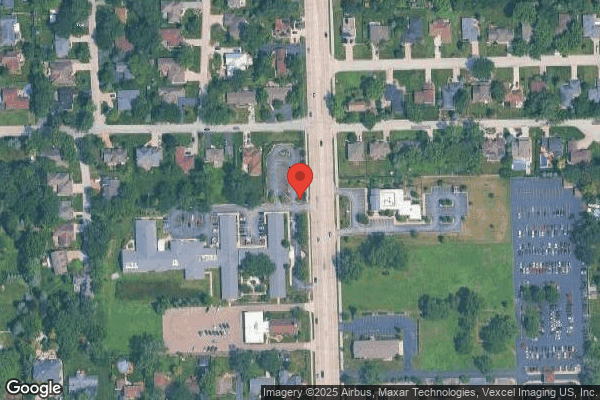
12550 SOUTH RIDGELAND AVENUE, PALOS HEIGHTS, IL 60463 (708) 597-9300
For profit - Limited Liability company 111 Beds ELEVATE CARE Data: November 2025
Trust Grade
0/100
#510 of 665 in IL
Last Inspection: January 2025

Within standard 12-15 month inspection cycle. Federal law requires annual inspections.

Overview

Elevate Care Palos Heights has received a Trust Grade of F, indicating significant concerns about the quality of care provided. With a state rank of #510 out of 665 facilities in Illinois, they fall in the bottom half, and they rank #168 out of 201 in Cook County, meaning there are many better options available nearby. The trend is worsening, with the number of issues increasing from 7 in 2024 to 8 in 2025. Staffing is a serious concern, rated at 1 out of 5 stars, with a high turnover rate of 59% compared to the state average of 46%, suggesting instability among staff. The facility has faced notable incidents, including one where a staff member inappropriately touched a resident, leading to feelings of violation and distress. Another incident involved a resident experiencing mental abuse from staff, causing her to feel unsafe. While the facility has some average quality measures, these serious issues highlight significant weaknesses that families should carefully consider.

Trust Score
F
0/100
In Illinois
#510/665
Bottom 24%
Safety Record
High Risk
Review needed
Inspections
Getting Worse
7 → 8 violations
Staff Stability
⚠ Watch
59% turnover. Above average. Higher turnover means staff may not know residents' routines.
Penalties
○ Average
$32,975 in fines. Higher than 51% of Illinois facilities. Some compliance issues.
Skilled Nurses
⚠ Watch
Each resident gets only 22 minutes of Registered Nurse (RN) attention daily — below average for Illinois. Fewer RN minutes means fewer trained eyes watching for problems.
Violations
⚠ Watch
20 deficiencies on record. Higher than average. Multiple issues found across inspections.
★☆☆☆☆
1.0
Overall Rating
★☆☆☆☆
1.0
Staff Levels
★★★☆☆
3.0
Care Quality
★★☆☆☆
2.0
Inspection Score
Stable
2024: 7 issues
2025: 8 issues

The Good

  • Full Sprinkler Coverage · Fire safety systems throughout facility
  • No fines on record

Facility shows strength in fire safety.

The Bad

1-Star Overall Rating

Below Illinois average (2.5)

Significant quality concerns identified by CMS

Staff Turnover: 59%

13pts above Illinois avg (46%)

Frequent staff changes - ask about care continuity

Federal Fines: $32,975

Below median ($33,413)

Moderate penalties - review what triggered them

Chain: ELEVATE CARE

Part of a multi-facility chain

Ask about local staffing decisions and management

Staff turnover is elevated (59%)

11 points above Illinois average of 48%

The Ugly 20 deficiencies on record

4 actual harm
Sept 2025 2 deficiencies 1 Harm
SERIOUS (G) 📢 Someone Reported This

A family member, employee, or ombudsman was alarmed enough to file a formal complaint

Actual Harm - a resident was hurt due to facility failures

Free from Abuse/Neglect (Tag F0600)

A resident was harmed · This affected 1 resident

Based on interview and record review the facility failed to ensure staff obtained the resident permission prior to checking for incontinence, and inappropriately touched a resident in her vaginal area...

Read full inspector narrative →
Based on interview and record review the facility failed to ensure staff obtained the resident permission prior to checking for incontinence, and inappropriately touched a resident in her vaginal area. This affected one of three residents reviewed for abuse. This failure resulted under the reasonable person concept, in R1 expressing she felt angry, violated, she felt like V1 took something from her emotionally, she wanted to fight. R1 BIMs completed on 9/15/25 denotes in-part R1 was able to report correct year, R1 was able to report correct day of the week, R1 was able to repeat three words after first attempt. R1 face sheet shows diagnosis of fracture of shaft of left femur, chronic congestive heart failure, type two diabetes, atrial fibrillation, chronic kidney disease, COPD, history of DVT, anxiety disorder, major depression disorder, obesity, and GERD.R1's police report dated 9/19/25, denotes in-part report number 2xxx-xxxxx, offense criminal sexual abuse, R1 briefly spoke about this incident, in summary: R1 woke up to a male black fondling her vagina along the outside of her diaper. R1 told him to stop and get out, to which the CNA left. R1 wished to proceed with this incident criminally.On 9/22/25 at 11:28am R1, interviewed at hospital, R1 observed alert to person, place, and time. R1 described V1 as the alleged perpetrator. R1 said on 9/19/25 she was sleeping and something told her to wake up, R1 said she observed V1(CNA) hand between her legs under her brief touching her vagina. R1 described it like V1 was massaging her brief, and V1 hand touched her vagina. R1 describes that her brief was loose in the area where it gathers between the legs. R1 said she grabbed V1's hand and pushed it away. R1 said she asked V1 what he was doing and V1 said he was looking for some chicken. R1 said she told V1 to get the Fxxx out of her room. R1 said V1 left the room. R1 said she called her friend and daughter. R1 said her daughter called the police. R1 said she did not want to work with V1. R1 said she did not inform the Nurse, the Director of Nursing, the supervisor or the Administrator, that she did not want to work with V1. R1 said she would hold her urine when she worked with V1 because she did not want to work with V1. R1 said she did not want to work with V1 after she thought V1 got upset with her because he had to change her twice when she had diarrhea episode. R1 said she felt angry, violated, she fell like V1 took something from her emotionally, she wanted to fight.On 9/21/25 at 10:08am V1 (CNA) said he upon start of his shift he completed rounds informing all residents that he was their aide, including R1 and R1's daughter. V1 said throughout the shift he was checking on R1 to see if R1 needed anything. V1 said R1's daughter told him that R1 did not need anything every time. V1 said around 7:45pm he went to do rounds on R1. R1 was sleeping, he touched R1 lower leg to wake her. R1 woke up. V1 said he told R1 that I was there to make sure she is dry, R1 replied I think I'm dry, V1 said he told R1 I would like to check to make sure she was dry. V1 said he patted R1's brief, R1 was dry. V1 said he always let the residents know what he is about to do. V1 said he asked R1 if she needed anything and to have a good night. V1 said he did not round on R1 anymore after that. V1 said he did not provide incontinent care to R1 that shift, V1 said he figured that R1 family provided incontinent care to R1. V1 said he didn't think it was odd that R1 did not urinate that shift because he worked with R1 in the past and R1 did not urinate. V1 omitted getting permission to check R1's brief for incontinent episode. V1 said R1 is alert and orient, R1 is incontinent and in the past R1 would put the call light on if she needed to be changed of bowel movement. V1 said he worked with R1 a few times in the past.9/23/25 at 11:21am V9 (CNA) said when checking for incontinence and providing incontinence care, you should knock on the door, get permission to enter, announce yourself, inform the resident that you want to check and change their brief. V9 said if the resident is alert and orient, you should ensure to get permission before you touch them. If the resident refuses inform the nurse for guidance. V9 said if the resident is not alert and or has dementia, you should still announce yourself, inform the resident of the care you are planning to provide and keep them informed during the task. V9 said you check the brief by opening the Velcro, check the front, and also have the resident to turn to check the back because sometimes the resident brief looks dry in the front, and the brief is wet in the back. V9 said sometimes the brief is visibly soiled and you can see from the outside that it is wet. V9 said it is not the practice to pat/ massage or squeeze a brief.9/22/25 at 9:51am V5 (Director of Nursing) stated that the facility practice is to check the resident for incontinence, sometimes residents are not alert and orient, staff should announce themselves, inform the resident of what they are about to do. V5 said if a resident is alert and orient staff should get permission before touching a resident.9/22/25 at 3:35pm V11 (Social Service) stated she assessed R1's BIMS, V11 said R1 was alert and orient and forgetful of a few words during her assessment. 9/22/25 at 2:45pm V12 (Rehab Director) said R1 was dependent of staff for toileting, R1 needed one person assist with toileting, R1 could assist with turning.R1 care plan dated 9/16/25 denotes the resident denies having been exposed to trauma abuse/neglect prior to admission and denies having been the perpetrator of mistreatment, abuse, neglect, and/exploitation. The resident does not present with unusual risk in these areas at this time. The resident however does experience frailty/weakness. The resident will be treated with respect, dignity, and reside in the facility free of mistreatment (i.e., abuse/neglect) through the next review. Interventions are to conduct an Abuse/Trauma/Substance History assessment (as needed) to promote knowledge and understanding of residents past including social support system and coping mechanisms, and any history that may be useful towards the persons plan of care. Please encourage resident to maintain strong friendships and community involvement so that they are less likely to be isolated or lonely. Utilize person-centered care models that provide as much initiative, control, and self-determination as possible to address the persons physical, psychological, and social needs within a trusting, open, supportive and nonjudgmental professional relationship.R1 base line care plan dated 9/16/25 shows toileting not assessed.Facility policy titled Incontinence care with last revision date 4/20/2021, denotes in part to prevent excoriation and skin breakdown, discomfort and maintain dignity. Incontinent resident will be checked periodically in accordance with the assessed incontinent episode or appropriately every two hours and provided perineal and genital care after each episode. Explain the procedures to resident and bring equipment to bedside. Provide for privacy. perform hand hygiene and put on non sterile gloves. Facility policy abuse prevention and reporting effective date 11/28/2026 last revision date 10/24/22 denotes in-part; the facility affirms the right of our residents to be free from abuse, neglect, exploitation, misappropriation of property, deprivation of goods and services by staff or mistreatment. This facility therefore prohibits abuse, neglect, exploitation, misappropriation of property, and mistreatment of the residents. In order to do so, the facility has attempted to establish a resident sensitive and resident secure environment. The purpose of this policy is to assure that the facility is doing all that is within its control to prevent occurrence of abuse neglect, exploitation, misappropriation of property, deprivation of goods and services by staff or mistreatment of the residents. Abuse means any physical or mental injury or sexual assault inflicted upon a resident other than by accidental means abuse is the willful infliction of injury unreasonable confinement intimidation or punishment with resulting physical harm pain or mental anguish to a resident.
CONCERN (D) 📢 Someone Reported This

A family member, employee, or ombudsman was alarmed enough to file a formal complaint

Potential for Harm - no one hurt, but risky conditions existed

Report Alleged Abuse (Tag F0609)

Could have caused harm · This affected 1 resident

Based on interview and record review the facility failed to follow their policy to report an allegation of abuse within two hours of receiving an allegation for one of three resident (R1) reviewed for...

Read full inspector narrative →
Based on interview and record review the facility failed to follow their policy to report an allegation of abuse within two hours of receiving an allegation for one of three resident (R1) reviewed for abuse reporting. Findings include: 9/21/25 at 2:25pm V2 (LPN) stated that R1 and R1 family alleged abuse by staff on 9/19/25 around 10:30pm. V2 said the administrator was made aware that night.9/22/25 1:55pm V4 (VP of Operations) stated the administrator did not report the allegation of abuse to the state department with 2 hours of receiving the allegation. V4 said an allegation of abuse should be reported within two hours of receiving the allegation. 9/22/25 at V5 (Director of Nursing) stated she reported an allegation of sexual abuse on 9/20/25.Review of the reportable submitted to the state department, report date is 9/20/25 at 1:43pm for sexual abuse.Facility policy abuse prevention and reporting effective date 11/28/2026 last revision date 10/24/22 denotes in-part; Abuse means any physical or mental injury or sexual assault inflicted upon a resident other than by accidental means abuse is the willful infliction of injury unreasonable confinement intimidation or punishment with resulting physical harm pain or mental anguish to a resident. Any allegation of abuse or any incident that results in serious bodily injury will be reported to the department of public health immediately, but not more than two hours after the allegation of abuse. Any incident that does not involve abuse and does not result in serious bodily injury shall be reported within 24 hours. Internal reporting requirements and identification of allegation: any allegation of abuse or any incident that results in serious bodily injury will be reported to the department of public heath immediately, but not more than two hours after the allegation of abuse. Any incident that does not involve abuse and does not result in serious bodily injury shall be reported within 24 hours.
Jul 2025 4 deficiencies
CONCERN (D) 📢 Someone Reported This

A family member, employee, or ombudsman was alarmed enough to file a formal complaint

Potential for Harm - no one hurt, but risky conditions existed

Deficiency F0568 (Tag F0568)

Could have caused harm · This affected 1 resident

**NOTE- TERMS IN BRACKETS HAVE BEEN EDITED TO PROTECT CONFIDENTIALITY** Based on the interview and record review, the facility failed to establish and maintain a system for recording and releasing res...

Read full inspector narrative →
**NOTE- TERMS IN BRACKETS HAVE BEEN EDITED TO PROTECT CONFIDENTIALITY** Based on the interview and record review, the facility failed to establish and maintain a system for recording and releasing resident funds based on generally accepted accounting principles. This applies to 1 of 3 residents (R1) reviewed for the resident fund in a sample of 8.R1 was an [AGE] year-old male admitted on [DATE] with moderate cognitive impairment as per the Minimum Data Set (MDS) dated [DATE].On 7/10/25 at 9:10 AM, V10 (R1's granddaughter) stated, After my grandpa (R1) passed away on 6/7/25, my mom received a phone call from the nurse that R1 had $200 cash and a cashier's check of $400 to be picked up. When my mom and my grandma (who passed away one week after my grandpa) stopped by to collect money, V1 (administrator) told them that the money had already been released. But we never received that money. They are saying my grandma (who passed away) picked it up in April (4/7/25). But my grandma doesn't even drive. Somebody must have driven her to the facility, and we would know if that happened.On 7/10/25 at 12:15 PM, V2 (Director of Nursing/DON) stated, A Couple of months ago, the administrator gave money to the wife and daughter. He might have forgotten to record it. On 7/10/25 at 1:12 PM, V1 (Administrator) stated, R1's wife showed up at the nurses' station on 4/17/25 (before R1's death) to collect the money which was in an envelope in V2's office. I texted V2 asking for money. The money was in V2's safe, and since V2 wasn't available that day, I instructed V13 (Staffing Coordinator) to retrieve it from V2's office. The money was in an envelope, which V13 was to hand over to R1's wife. Our normal process of releasing resident funds is to have the responsible party sign the receipt for the money. Somehow, I don't have any proof available that the fund was released to the family.A review of the grievance form documented that the facility filed a grievance form on 6/10/25 in regards to R1's granddaughter's inquiry about R1's fund ($240 in cash and check). A review of the clinical records and documentations for April 2025 indicates that no documentation stating that the fund was released to R1's family.
CONCERN (D) 📢 Someone Reported This

A family member, employee, or ombudsman was alarmed enough to file a formal complaint

Potential for Harm - no one hurt, but risky conditions existed

Safe Environment (Tag F0584)

Could have caused harm · This affected 1 resident

**NOTE- TERMS IN BRACKETS HAVE BEEN EDITED TO PROTECT CONFIDENTIALITY** Based on observation, interview, and record review, the facility failed to provide residents with a clean, comfortable, home-lik...

Read full inspector narrative →
**NOTE- TERMS IN BRACKETS HAVE BEEN EDITED TO PROTECT CONFIDENTIALITY** Based on observation, interview, and record review, the facility failed to provide residents with a clean, comfortable, home-like interior. This applies to 5 of 8 residents (R4, R5, R6, R7, and R8) reviewed for the sanitary, comfortable, home-like environment.On 7/10/25 at 10:20 AM, observed 300 hallways with urine and feces smell, and a common shower room with a dirty/foul smell.On 7/10/25 at 10:22 AM, V12 (Housekeeping) stated that he doesn't know where the foul smell is coming from, and he is on his way to clean the common shower room. 1.R4 is a [AGE] year-old female having mild cognitive impairment as per the Minimum Data Set (MDS) dated [DATE]. The MDS also documents that R4 is dependent on toileting hygiene.On 7/10/25 at 10:28 AM, observed R4 in her bed with an intense urine and feces smell. On 7/10/25 at 10:30 AM, V3 (Certified Nursing Assistant/CNA) checked on R4 for incontinence and was found with urine and feces-soaked brief with urine and feces leaked onto pads and then to linen with brownish discolored linen. 2.R5 is a [AGE] year-old female having severe cognitive impairment as per the MDS dated [DATE]. The MDS also documents that R4 is dependent on toileting hygiene.On 7/10/25 at 10:28 AM, observed R5 in her bed with an intense urine and feces smell. On 7/10/25 at 11:00 AM, V3 checked on R5 for incontinence and was found with feces-soaked incontinent brief with feces leaked onto incontinent pad and linen with brownish discolored linen. 3.R6 is an [AGE] year-old female with moderate cognitive impairment as per the MDS dated [DATE]. The MDS also documents that R4 is dependent on toileting hygiene.On 7/10/25 at 11:10 AM, observed the hallway close to R6's room with an intense urine and feces smell. On 7/10/25 at 11:10 AM, V3 checked on R6 in the presence of V2 (Director of Nursing), V4 (Nurse/LPN), and V13 (staffing coordinator). R6 was observed with smelly urine and feces-soaked dark brownish incontinent briefs that leaked on the incontinent padding and then onto linen. 4&5R7 is a [AGE] year-old female admitted on [DATE] with cognition intact as per the MDS dated [DATE].On 7/10/25 at 10:25 AM, R7 was in the hallway (just outside her room) and stated, Sometimes the hallways are smelly, my room is smelly because they just changed my roommate (R8)The facility presented an undated Housekeeping Services Policy document: it is the policy of the facility to maintain a clean, odor-free, comfortable, and orderly environment in all health care and public areas, which meets the sanitation needs of the facility and residents' right to a safe, clean, comfortable homelike environment.
CONCERN (D) 📢 Someone Reported This

A family member, employee, or ombudsman was alarmed enough to file a formal complaint

Potential for Harm - no one hurt, but risky conditions existed

ADL Care (Tag F0677)

Could have caused harm · This affected 1 resident

**NOTE- TERMS IN BRACKETS HAVE BEEN EDITED TO PROTECT CONFIDENTIALITY** Based on observation, interview, and record review, the facility failed to provide timely incontinent care to dependent resident...

Read full inspector narrative →
**NOTE- TERMS IN BRACKETS HAVE BEEN EDITED TO PROTECT CONFIDENTIALITY** Based on observation, interview, and record review, the facility failed to provide timely incontinent care to dependent residents. This applies to 3 of 3 residents (R4, R5, and R6) reviewed for activities of daily living (ADL) care in a sample of 7. 1.R4 is a [AGE] year-old female having mild cognitive impairment as per the Minimum Data Set (MDS) dated [DATE]. The MDS also documents that R4 is dependent on toileting hygiene. On 7/10/25 at 10:28 AM, observed R4 in her bed with an intense urine and feces smell. On 7/10/25 at 10:30 AM, V3 (Certified Nursing Assistant/CNA) checked on R4 for incontinence and was found with urine and feces-soaked brief with urine and feces leaked onto pads and then to linen with brownish discolored linen. A review of R4's bowel and bladder care plan document with interventions including cleaning the peri-area with each incontinent episode. Check upon rising, before, and after each meal, bedtime, and as needed (PRN). 2.R5 is a [AGE] year-old female having severe cognitive impairment as per the MDS dated [DATE]. The MDS also documents that R5 is dependent on toileting hygiene. On 7/10/25 at 10:28 AM, observed R5 in her bed with an intense urine and feces smell. On 7/10/25 at 11:00 AM, V3 checked on R5 for incontinence and was found with feces-soaked incontinent brief with feces leaked onto incontinent pad and linen with brownish discolored linen. A review of R5's bowel and bladder care plan document, which includes interventions such as reminding, offering, and assisting with toileting needs as needed. 3.R6 is an [AGE] year-old female with moderate cognitive impairment as per the MDS dated [DATE]. The MDS also documents that R6 is dependent on toileting hygiene. On 7/10/25 at 11:10 AM, observed the hallway close to R6's room with an intense urine and feces smell. On 7/10/25 at 11:10 AM, V3 checked on R6 in the presence of V2 (Director of Nursing), V4 (Nurse/LPN), and V13 (staffing coordinator). R6 was observed with smelly urine and feces-soaked dark brownish incontinent briefs that leaked on the incontinent padding and then onto linen. A review of R6's bowel incontinence care plan document to provide peri care after each incontinence episode. On 7/10/25 at 11:20 AM, V3 stated that she started her shift at 6:00 AM, and didn't get a chance to change some of her assigned residents including R4, R5, and R6. On 7/10/25 at 11:15 AM, V2 stated that the residents should get incontinent care at least every two hours and should have an odor-free environment. The facility presented an incontinence policy revised on 04/20/21document:Guidelines: Incontinent residents will be checked periodically per the assessed incontinent episodes or approximately every two hours and provided perineal and genial care after each episode.
CONCERN (F) 📢 Someone Reported This

A family member, employee, or ombudsman was alarmed enough to file a formal complaint

Potential for Harm - no one hurt, but risky conditions existed

Safe Environment (Tag F0921)

Could have caused harm · This affected most or all residents

Based on observation, interview, and record review, the facility failed to maintain a working kitchen exhaust fan and failed to replace the broken tiles. This applies to all 92 residents consuming foo...

Read full inspector narrative →
Based on observation, interview, and record review, the facility failed to maintain a working kitchen exhaust fan and failed to replace the broken tiles. This applies to all 92 residents consuming food from dietary services.On 7/10/25 at 11:25 AM, observed kitchen with broken floor tiles (ceramic) throughout the kitchen. Observed that the exhaust fan above the stove is not working and the temperature around the stove area was unusually hot. On 7/10/25 at 11:32 AM, V6 (Dietary Aide) stated, I have been working in this kitchen for one and a half years. The kitchen floor tiles have been broken since I started here. On 7/10/25 at 11:35 AM, V7 (Cook) stated, Our exhaust fan was not working yesterday either. Air is working with two window units. The kitchen floor tiles were broken when I started here five years ago. It's not comfortable and safe to have uneven kitchen floors with floor tiles missing throughout the kitchen floor.On 7/10/25 at 11:30 AM, V5 (Dietary Manager) stated, Our exhaust fan over the stove is not working today and is not taking the heat out. Our maintenance is checking on the exhaust fan. Our maintenance is in the process of replacing broken tiles. It shouldn't be like that.On 7/10/25 at noon, V8 (Maintenance Director) stated, The exhaust fan failed this morning. We are in the process of renovating the whole place. On 7/10/25 at 12:45 PM, V8 added, As a maintenance director, I focus mainly on the heating/air conditioning system. We are in the process of replacing the broken tiles all over the kitchen floor. The facility presented Environmental Services Policy (undated) document: It is the policy of the facility that it is constructed, equipped and maintained to carry out the functions of all services and to promote the health and safety of residents, personnel, public, and in compliance with all applicable Federal, State and Local regulations.On 7/11/25 at 11:01 AM, V2 (in an email communication) stated that 92 residents consume food from the dietary service.
Jan 2025 2 deficiencies
CONCERN (D)

Potential for Harm - no one hurt, but risky conditions existed

Deficiency F0558 (Tag F0558)

Could have caused harm · This affected 1 resident

On 1/21/2025 at 11:30am R 34 was observed in bed asking for her call light, R34 call light was observed on the floor under her bed out of reach. On 1/21/2025 at 11:35am V11(Nurse) said her call light ...

Read full inspector narrative →
On 1/21/2025 at 11:30am R 34 was observed in bed asking for her call light, R34 call light was observed on the floor under her bed out of reach. On 1/21/2025 at 11:35am V11(Nurse) said her call light should be in reach and attached the call light to the bed in reach. On 1/23/2025 at 12:40pm V2(Director of Nursing-DON) said R34 has multiple sclerosis and she expect her call light to be always in reach. An admission record dated 1/23/2025 indicated that R34 has a diagnosis of multiple sclerosis. A care plan dated 1/13/2023 indicates that R34 has a focus of at risk for falls related to deconditioning an intervention to keep call light and desired personal items within reach. Based on observation, interview, and record review the facility failed to ensure call light is within reach affecting 2 of 2 (R2, R34) residents reviewed for Accommodation of Needs in a sample of 20 Findings Include: On 1/21/2025 at 11:20 AM, R2 in bed, call light not within reached. V6 (Certified Nursing Assistant/CNA) said R2 uses a custom call light that V6 was not able to find within R2's reach. On 1/23/2025 at 10:45 AM, V2 (Director of Nursing/DON) said call light should be within reach of resident. admission Record: Diagnosis Information Cerebral Palsy, Unspecified Contracture, Unspecified Joint Care Plan: Encourage R2 to use custom call light r/t contractures of all extremities for staff assistance. Policy and Procedure: Call Light, Revisions: 2-2-18 Purpose: To respond to residents' requests and needs in a timely and courteous manner. Guidelines: Resident call lights will be answered in timely manner. 1. All residents that have the ability to use a call light shall have the nurse call light system available at all times and within easy accessibility to the resident at the bedside or other reasonable accessible location.
CONCERN (D)

Potential for Harm - no one hurt, but risky conditions existed

Infection Control (Tag F0880)

Could have caused harm · This affected 1 resident

On 1/21/2025 at 11:35 AM R6's CPAP machine on the nightstand with mask/cannula not stored in a plastic/zip lock bag. V5 (Licensed Practical Nurse) said CPAP mask/cannula should be in the bag when not ...

Read full inspector narrative →
On 1/21/2025 at 11:35 AM R6's CPAP machine on the nightstand with mask/cannula not stored in a plastic/zip lock bag. V5 (Licensed Practical Nurse) said CPAP mask/cannula should be in the bag when not in use. On 1/23/2025 at 10:45 AM V2 (Director of Nursing) said CPAP mask/cannula should be stored in a plastic/zip lock bag when not in use. admission Record: Diagnosis Information: Sleep Apnea, Unspecified; Obstructive Sleep Apnea (Adult) (Pediatric) Order Summary Report: CPAP to be worn at bedtime Care Plan: Interventions: CPAP to be worn at bedtime Policy and Procedure: Oxygen & Respiratory Equipment - Changing/Cleaning Review/Revisions: 1-7-19 Guidelines: Purpose: 1. To provide guidelines to employees for changing all disposable respiratory supplies. 2. To ensure the safety of residents by providing maintenance of all disposable respiratory supplies. 3. To minimize the risk of infection transmission. Procedure: 2. Nasal Cannula c. A clean plastic bag with a zip lock or draw string, etc. will be provided to store the cannula when it is not in use. Based on observation, interview, and record review the facility failed to ensure appropriate infection control practices in proper handling of respiratory equipment. This deficiency affects two (R6, R23) of four residents in the sample of 20 reviewed for Infection control. Findings include: On 1/21/25 at 11:05 AM, R23 observed in wheelchair alert and responsive. R23 nebulizer mask observed on top of dresser uncovered and tubing with no date or label. On 1/21/25 at 11:10 AM, V5(Licensed Practical Nurse) made aware of above findings and said that nebulizer mask should be covered in a plastic bag with date on tubing, V5 said nebulizer mask should not be left on top of dresser uncovered. On 1/22/25 at 2:00 PM, V2 (Director of Nursing) said that her nebulizer masks should be placed inside a plastic bag with tubing labeled and dated for infection control purposes. Facility's Policy on Nebulizer- Medication Administration revision: 10-9-18 Guidelines 23. When equipment is completely dry, store in a plastic bag with the resident's name and date on it. 24. Change equipment and tubing weekly.
Oct 2024 1 deficiency
CONCERN (D) 📢 Someone Reported This

A family member, employee, or ombudsman was alarmed enough to file a formal complaint

Potential for Harm - no one hurt, but risky conditions existed

Laboratory Services (Tag F0770)

Could have caused harm · This affected 1 resident

Based on interview and record review the facility failed to ensure a proper blood draw from a resident with limb precautions. This failure affected 1 resident (R1) of 3 reviewed for laboratory service...

Read full inspector narrative →
Based on interview and record review the facility failed to ensure a proper blood draw from a resident with limb precautions. This failure affected 1 resident (R1) of 3 reviewed for laboratory services. Findings include: On 10-22-24 at 9:55 AM, V8 (Concerned Party) said 3rd Party Company came to facility and drew blood from R1's wrong arm despite the right arm precaution bracelet and sign at head of the bed. V8 said POA was present and POA told V2 (Director of Nursing) and primary nurse. V8 said V2 and primary nurse said they were not aware of lab coming to draw labs on 10-10-24. V8 said R1's arm was swollen as a result of the incorrect blood draw. On 10-24-24 at 9:29 AM, V1 (Administrator) said V2 reported the incorrect blood draw to him. V1 said V1 and V2 went to R1's room and visualized limb R1's alert signage above the bed and R1's limb alert bracelet. On 10-23-24 at 10:23 AM, V2 (Director of Nursing) said R1 had a bracelet and sign above the bed indicating right arm precautions (no blood draws and blood pressures). V2 said all staff was aware because of bracelet, sign, physician orders, and possible CNA tasks (computer charting). V2 said lab tech came to draw labs from R1's right arm despite right arm precautions. V2 said R1's family said R1's arm was already swollen. V2 said she did not notice any additional swelling to R1's arm after the blood draw. V2 said it would be best practice for lab tech to get minimal report (precautions) from the nurse. V2 said she encourage staff to engage lab tech if they have any questions. Family made concern of improper lab draw. DON notified MD and received order for Doppler study to right arm. V2 called 3rd party lab and the 3rd party lab liaison came to facility to meet R1 and family. V2 said liaison verified R1's bracelet and limb alert sign above bed. On 10-22-24 at 10:20 AM, V3 (Licensed Practical Nurse) said she was aware of no blood draws or blood pressures to R1's right arm. V3 said this was charted in resident record, stated in communication report, wrist band stating right arm restriction, and sign found in the resident room. V3 said family was present and would be able to remind staff. V3 said she recalls R1's right arm swollen after the blood draw. V3 said she does not recall R1 complaining of pain. V3 said she is not aware of any further issue. On 10-22-24 at 10:57 AM, V4 (Licensed Practical Nurse) said she was aware of R1's right arm restriction because she admitted R1 with orders for right arm precautions, V4 saw R1's bracelet, and facility made sign indicating right limb precaution. V4 said she did not work when R1 blood was drawn. V4 said she is not aware of any adverse reaction after blood draw and did not notice any changes. V4 said R1 should have no blood draws from right arm because it is ordered and stated by bracelet and sign in R1's room. V4 said the phlebotomist or lab technicians should check with primary nurse if they have any questions. On 10-23-24 at 1:52 PM, V8 (Director of Phlebotomy Services) said on 10-11-24 she was made aware of a blood draw on R1's wrong side. V8 said the usual phlebotomist was not on duty and a covering phlebotomist drew blood from R1's wrong (right) side. V9 said phlebotomist told V8 that he did not see R1's bracelet or any sign above R1's bed. V8 said lab account manager came to facility and verified R1 had a right arm precaution sign above R1's bed. V8 said phlebotomist was re-educated on policy of communication with staff. On 10-23-24 at 2:12 PM, V9 (Registered Nurse) said residents will come with bracelet (limb precaution) from the hospital and the facility would not remove the bracelet. V9 said she was the admitting nurse and became aware of limb precautions from the family who instructed no blood draw or blood pressures to R1's right arm. V9 said she did not know phlebotomist was at the facility to draw blood. V9 said R1's family made concern of improper blood draw. V9 said V1 and V2 spoke with R1's family. V9 said she assessed R1 with no new findings. V9 said MD gave orders for Doppler study and there was no findings and no change in R1's arm swelling. Physician Order Summary documents Right Limb precaution: NO B/P, blood draw in right arm. Laboratory Services form dated 10-12-24 documents: This is a record that serves as written proof of completion of training. Tech has been retrained on verifying draw site before completing the draw. As well as communicating with staff members when he has questions. R1's Alteration in Hematological Status Care Plan documents: Interventions: Monitor and document vital signs B/P only to legs. Blood draws to left arm only. Phlebotomy General Guidelines Policies and Procedures (dated 9-15-22) documents: Introduction: Phlebotomists play a critical role in the collection of blood samples. This requires using skillful techniques in communication and correct site selection for collecting the samples.
Sept 2024 4 deficiencies 1 Harm
SERIOUS (G) 📢 Someone Reported This

A family member, employee, or ombudsman was alarmed enough to file a formal complaint

Actual Harm - a resident was hurt due to facility failures

Free from Abuse/Neglect (Tag F0600)

A resident was harmed · This affected 1 resident

**NOTE- TERMS IN BRACKETS HAVE BEEN EDITED TO PROTECT CONFIDENTIALITY** Based on interview and record review, the facility failed to prevent one resident (R1) from mental abuse caused by a staff membe...

Read full inspector narrative →
**NOTE- TERMS IN BRACKETS HAVE BEEN EDITED TO PROTECT CONFIDENTIALITY** Based on interview and record review, the facility failed to prevent one resident (R1) from mental abuse caused by a staff member and failed to ensure the staff member had limited access to R1. This failure applied to one (R1) of three residents reviewed for abuse and resulted in R1 feeling on guard, untrusting and unsafe while living in the facility. Findings include: R1 is a [AGE] year old female who admitted to the facility 2/16/24. R1 has diagnoses that include Conversion disorder (functional neurological system disorder) and Generalized Anxiety Disorder for which she is receiving treatment in the facility. R1 is cognitively intact and uses a wheelchair for mobility according to the minimum data assessment dated [DATE]. On 8/21/24 at 8:34PM, R1 was observed resting in bed, alert and coherent. R1 was interviewed and expressed an incident with a staff member (V3) that occurred a few weeks ago. R1 said that one evening, she went to the kitchen because she was hungry and asked V3 Dietary Aid for some food. V3 refused to give any food or snacks and called R1 a beggar. R1 said that she believed V3 was upset with her because she offered V3 soda pops from her personal refrigerator, but later stopped. R1 said, when she was refused food and V3 called her a name, she reported it to V1 administrator and V4 Dietary Manager via a letter. After the letter was received, the administrator had a meeting with R1, R1's family member and V4 Dietary Manager to discuss the incident. The end result led to V3's termination. R1 continued and said that about three weeks later, V1 came to R1's room insisting that R1 give V3 another chance because V3 was remorseful, and she should forgive V3 as [R1 is] a good Christian woman. R1 began crying as she continued. R1 said V1 then brought V3 into her room to make V3 apologize to R1, however he just said a general apology, not anything that he did wrong. V1 rehired V3 to be a CNA (Certified Nursing Assistant). R1 said, I was okay thinking that I wouldn't see V3 much because V3 was working in the kitchen, but now as a CNA, I see V3 all over and V3 even comes in my room to drop off the meals and take the tray. R1 said I feel so guarded around V3 because I don't trust V3. There have even been times that V3 has backed me up into a wall away from the cameras where no one could see and say ugly things to me. R1 continued to cry and said I thought I did all the things right by reporting and I don't feel safe and secure when V3 is around. I am also concerned if what he is doing to me, he can be doing to others that can't defend themselves. On 9/21/24 at 1:10pm V4 Dietary Manager said they received a letter from R1 that said that while working as a dietary aid, V3 was coming to her room drinking her personal drinks and watching television. V4 said 'there is no reason for any dietary aid to be going into a resident's room. When R1 told V3 she didn't want him to come into her room anymore V3 refused R1 snacks such as cereal and sandwiches. These things are allowed to be given when the kitchen is open by any kitchen staff.' After V4 received the letter, Guest Services Manager, the Administrator and V4 had a meeting with R1 and R1's family member. After the meeting, V4 said that V1 Administrator initiated an investigation into the issue and V3 was let go by Human Resources a day or two after. V4 found out V3 was terminated when V4 was told to remove V3 from the schedule. On 9/21/24 at 1:23pm V5 Human Resources Director said that V5 was aware of an incident with R1 who stated that V3 called her a beggar. I spoke with V1, who followed up with V3 and I was told to terminate V3 for discourteous behavior which is based off the handbook and facility policies. Employee Disciplinary Report reviewed for V3 dates the incident 9/2/24 with facts: Employee displayed improper conduct and discourteous behavior with patient which has resulted in termination. The report was dated 9/5/24 by V5. V3 was interviewed via phone on 9/19/24 and 9/21/24. During both interviews, V3 was evasive, omissive and unprofessional. During the interview on 9/19/24 at 10:16pm V3 said that V3 was irritated about being questioned by this Surveyor. When V3 was asked about any incident that occurred involving R1 and V3, V3 said he was told about it by an unknown staff member, and that there was no allegation brought against him. V3 also said that he had never been suspended or terminated. On 9/21/24 at 4:05pm, V3 said that there was a day that R1 came to the kitchen to ask for food, but the staff were about to leave and V3 told R1 the kitchen was closed. V3 said R1 always come to the kitchen asking for food, and V3 didn't give her any when she asked. V3 said V1 investigated an allegation against him but V3 didn't take the accusation seriously. Then V3 said I got fired for some b*****t. V3 said V1 Administrator asked V3 to come back as a CNA and was asked to apologize to R1. V3 said, he went to R1's room with V1 but said, I didn't apologize, I just said I'm sorry. On 9/21/24 at 2:45pm V1 Administrator said V1 was unaware that R1 was emotionally upset that V3 became a CNA and is giving direct care in the facility because V1 believed that after V3 issued an apology, R1 had forgiven V3. V1 said V3 should not be going into R1's room or giving care to R1, however it's possible that R1 would see V3 working elsewhere in the facility. Concern form dated 9/2/24 taken by V1 Administrator stated, Resident stated a dietary aide went into her room and took a beverage. Corrective actions taken: Writer interview the dietary aide (V3) Dietary aide stated he removed the dietary tray after mealtime. Offer to replace beverage declined. Abuse Prevention and Reporting policy revised 4/22 states in part; The resident has the right to be free from abuse, neglect, misappropriation of resident property, and exploitation. Abuse is the willful infliction of injury, unreasonable confinement, intimidation, or punishment with resulting physical harm, pain or mental anguish. Abuse also includes the deprivation by an individual, including a caretaker, of goods or services that are necessary to attain or maintain physical, mental, and psychosocial well-being. Instances of abuse of all residents, irrespective of any mental or physical condition, cause physical harm, pain or mental anguish. It includes verbal abuse, sexual abuse, physical abuse, and mental abuse including abuse facilitated or enabled through the use of technology. Willful, as used in this definition of abuse, means the individual must have acted deliberately, not that the individual must have intended to inflict injury or harm. The abuse policy was acknowledged and electronically signed by V3 on 8/27/24 at 4:10PM.
CONCERN (D) 📢 Someone Reported This

A family member, employee, or ombudsman was alarmed enough to file a formal complaint

Potential for Harm - no one hurt, but risky conditions existed

Deficiency F0602 (Tag F0602)

Could have caused harm · This affected 1 resident

**NOTE- TERMS IN BRACKETS HAVE BEEN EDITED TO PROTECT CONFIDENTIALITY** Based on interview and record review, the facility failed to protect a resident from misappropriation of resident property. This...

Read full inspector narrative →
**NOTE- TERMS IN BRACKETS HAVE BEEN EDITED TO PROTECT CONFIDENTIALITY** Based on interview and record review, the facility failed to protect a resident from misappropriation of resident property. This failure applied to one (R1) of three residents reviewed for misappropriation of property. Findings include: R1 is a [AGE] year old female who admitted to the facility 2/16/24. R1 has diagnoses that include Conversion disorder (functional neurological system disorder) and Generalized Anxiety Disorder for which she is receiving treatment in the facility. R1 is cognitively intact and uses a wheelchair for mobility according to the minimum data assessment dated [DATE]. On 8/21/24 at 8:34PM, R1 was observed resting in bed, alert and coherent. R1 was interviewed and expressed an incident with a staff member (V3) that occurred a few weeks ago. R1 said at one time, she was friendly with V3 Dietary Aid and offered some of her own personal soda from her refrigerator. R1 said she began to get uncomfortable when V3 would come into her room while she was napping and asked V3 to stop coming to the room. At the time, R1 didn't have a roommate, and then she got a roommate, R1 told V3 he couldn't come into the room anymore out of respect for the roommate. On 9/21/24 at 2:45pm V1 Administrator said, R1 informed them of a concern that V3 was taking and drinking her drinks. Concern form dated 9/2/24 taken by V1 Administrator stated, Resident stated a dietary aide went into her room and took a beverage. Corrective actions taken: Writer interview the dietary aide (V3) Dietary aide stated he removed the dietary tray after mealtime. Offer to replace beverage declined. According to V3's personnel file, V3 was terminated 9/5/24, related to this incident. Employee Disciplinary Report reviewed for V3 dates the incident 9/2/24 with facts: Employee displayed improper conduct and discourteous behavior with patient which has resulted in termination. The report was dated 9/5/24 by V5. Abuse Prevention and Reporting policy revised 4/22 states in part; The resident has the right to be free from abuse, neglect, misappropriation of resident property, and exploitation. The abuse policy was acknowledged and electronically signed by V3 on 8/27/24 at 4:10PM
CONCERN (D) 📢 Someone Reported This

A family member, employee, or ombudsman was alarmed enough to file a formal complaint

Potential for Harm - no one hurt, but risky conditions existed

Report Alleged Abuse (Tag F0609)

Could have caused harm · This affected 1 resident

**NOTE- TERMS IN BRACKETS HAVE BEEN EDITED TO PROTECT CONFIDENTIALITY** Based on interview and record review, the facility failed to report an allegation of misappropriation of property for a resident...

Read full inspector narrative →
**NOTE- TERMS IN BRACKETS HAVE BEEN EDITED TO PROTECT CONFIDENTIALITY** Based on interview and record review, the facility failed to report an allegation of misappropriation of property for a resident and failed to timely report an allegation of physical abuse for one resident to the Illinois Department of Public Health (IDPH). These failures applied to two (R1, R3) of three residents reviewed for abuse. Findings include: R1 is a [AGE] year old female who admitted to the facility 2/16/24. R1 has diagnoses that include Conversion disorder (functional neurological system disorder) and Generalized Anxiety Disorder for which she is receiving treatment in the facility. R1 is cognitively intact and uses a wheelchair for mobility according to the minimum data assessment dated [DATE]. Concern form dated 9/2/24 taken by V1 Administrator stated, Resident stated a dietary aide went into her room and took a beverage. Corrective actions taken: Writer interview the dietary aide (V3) Dietary aide stated he removed the dietary tray after mealtime. Offer to replace beverage declined. On 9/19/24 at 10:49pm, V1 Administrator said (V1) did not report the incident with R1 to Illinois Department of Public Health because (V1) didn't recognize the allegation as misappropriation of resident property. An initial investigation was reported to IDPH the following day on 9/20/24. R3 is a [AGE] year old female who admitted to the facility 6/18/24 with diagnoses that include multiple fractures and autism. On 9/20/24 at 3:56pm V3 was observed in bed alert and coherent. V3 called their representative and POA (Power of Attorney) on speaker phone during this interview. V8 (R3's Family member) said sent an email regarding concerns that R3 shared about V6 CNA (Certified Nursing Assistant) roughly providing care. V8 also notified nursing staff but was unable to recall who (V8) spoke to. V1 Administrator provided the email confirming that V8 communicated the allegation on 9/14/24. On 9/19/24 at 10:49pm, V1 Administrator said (V1) did not report the incident to IDPH until 9/16/24, because (V1) didn't check the email over the weekend. According to V8's time sheets, V6 was on duty and provided care 9/14/24 and 9/15/24 after V8 reported the allegation to V1. Abuse Prevention and Reporting policy revised 4/22 states in part; The resident has the right to be free from abuse, neglect, misappropriation of resident property, and exploitation. All resident, visitors, volunteers, family members or other are encouraged to report their concerns or suspected incidents of potential abuse, neglect, exploitation, mistreatment, or misappropriation of resident property to the administrator or an immediate supervisor who must then immediately report it to the administrator or the person acting as administrator in the administrator's absence. Such reports may be made without fear of retaliation. Anonymous reports will also be thoroughly investigated. Reports should be documented, and a record kept of the documentation. Employees of this facility who have been accused of abuse, neglect, exploitation, mistreatment or misappropriation of resident property will be removed from resident contact immediately until the results of the investigation have been reviewed by the administrator.
CONCERN (D) 📢 Someone Reported This

A family member, employee, or ombudsman was alarmed enough to file a formal complaint

Potential for Harm - no one hurt, but risky conditions existed

Investigate Abuse (Tag F0610)

Could have caused harm · This affected 1 resident

Based on interview and record review, the facility failed to provide evidence that an allegation of misappropriation of property was thoroughly investigated for a resident. This failure applied to one...

Read full inspector narrative →
Based on interview and record review, the facility failed to provide evidence that an allegation of misappropriation of property was thoroughly investigated for a resident. This failure applied to one (R1) of three residents reviewed for misappropriation of property. Findings include: On 9/21/24 at 2:45pm V1 Administrator said, R1 informed (V1) of a concern that V3 Dietary Aid was taking and drinking R1's personal drinks. V1 said (V1) did not ask any other residents or staff about this allegation and V1 was unable to provide any written documents related to a related investigation. Concern form dated 9/2/24 taken by V1 Administrator stated, Resident stated a dietary aide went into her room and took a beverage. Corrective actions taken: Writer interview the dietary aide (V3) Dietary aide stated he removed the dietary tray after mealtime. Offer to replace beverage declined. Abuse Policy revised 4/22 states in part; Investigation Procedures: Residents to whom the accused has regularly provided care, and employees with whom the accused has regularly worked, will be interviewed to determine whether any one has witnessed any prior abuse, neglect, exploitation, mistreatment or misappropriation of resident property by the accused individual. Confidentiality: .Even if the facility investigation is not complete, the administrator will cooperate with any Department of Public Health investigation in the matter.
Aug 2024 1 deficiency
CONCERN (E) 📢 Someone Reported This

A family member, employee, or ombudsman was alarmed enough to file a formal complaint

Potential for Harm - no one hurt, but risky conditions existed

Pharmacy Services (Tag F0755)

Could have caused harm · This affected multiple residents

**NOTE- TERMS IN BRACKETS HAVE BEEN EDITED TO PROTECT CONFIDENTIALITY** Based on interview and record review, the facility failed to maintain a record of controlled substances proof of use accounting ...

Read full inspector narrative →
**NOTE- TERMS IN BRACKETS HAVE BEEN EDITED TO PROTECT CONFIDENTIALITY** Based on interview and record review, the facility failed to maintain a record of controlled substances proof of use accounting for each dose of narcotic medications given and disposed. This failure affected 15 of 15 residents (R6-R21) who were reviewed for disposition of controlled drugs. Findings include: This survey was conducted on-site in the facility from [DATE] to [DATE]. On [DATE] at 2:43pm V2 Director of Nursing and V3 Nursing Supervisor were interviewed regarding reconciliation and destruction of controlled medications. V3 and V4 said that they, along with V4 Assistant Director of Nursing were responsible for disposing controlled medications that were discontinued or not sent home with the residents. V3 said that they were unable to provide documentation in any of the resident's health record that accounted for each dose of controlled medication used and/or disposed. V3 said that once the medications were disposed under witness, the individual Resident Controlled Drug Receipt/Record/Disposition Form was disposed in the shredder and not uploaded into the electronic record. V3 was unable to provide explanation for this practice or how discrepancies were able to be reviewed without the sheet accounting for each dose. On [DATE] at 9:37AM V1 Administrator said that the facility did not have a policy stating that the forms needed to be preserved in the resident records. During this investigation, the facility provided two versions of forms used by nursing staff to record use of controlled substance medications: Controlled Substances Proof of Use and Controlled Drug Receipt/Record/Disposition Form. Both forms state which both state in part: Every dose must be accounted for. Facility policy titled Medication/Narcotic Destruction revised 11/17 states in part: 8. The drug disposition record must contain, as a minimum, the following: a. Resident's name, b. Date drug destroyed, c. Name of drug, d. Strength of drug, e. Prescription number, f. Quantity destroyed, g. Method of destruction, h. Signatures of witnesses. On [DATE] at approximately 3:00pm V2 Director of Nursing provided Drug Disposition Records from [DATE], [DATE] and [DATE]. These forms provided by V2 did not include the method of destruction as stated in the policy. V2 said that the forms were kept for their own records in the office and said the form was personally taken from the Internet. V2 said they were unaware that the disposal of medications should be reflected on the resident's individual record which is accompanied with the medication supplied by the pharmacy. The following are the residents reviewed for not having a complete accounting for each dose of controlled medications: R6 admitted to the facility on [DATE] and discharged [DATE]. Active medications at the time of discharge included hydrocodone/acetaminophen 5-325mg (milligrams), Pregabalin 75mg and alprazolam 1mg. V3 documented disposal on [DATE] of seven tablets (tabs) of pregabalin, 11 tabs of hydrocodone/acetaminophen 5-325mg, and 14 tabs of alprazolam. R7 admitted to the facility [DATE] and discharged [DATE]. Active medications at the time of discharge included oxycodone/acetaminophen 10/325mg. V3 recorded four tablets were disposed on [DATE]. R8 was admitted [DATE] and discharged [DATE]. Active medications at the time of discharge included acetaminophen/Codeine 300-30mg, clonazepam 0.5mg and hydrocodone/acetaminophen 5-325mg. V3 documented disposal on [DATE] of 30 tabs of hydrocodone/acetaminophen, 19 tabs of acetaminophen/codeine and 10 tabs of clonazepam. R9 was admitted [DATE] and discharged [DATE]. Active medications at the time of discharge included hydrocodone/acetaminophen 5-325mg. V3 documented disposal on [DATE] of 26 tablets. R10 was admitted [DATE] and still resides in the facility at this time. Physician order sheet includes clonazepam 0.5mg ordered [DATE] and discontinued [DATE]. V3 documented disposal of 30 tabs on a Drug disposition record dated [DATE]. R11 was admitted [DATE] and still resides in the facility. Physician Order Sheet includes an active order for tramadol 50mg. According to R11's orders, tramadol was discontinued [DATE] due to R11 being hospitalized and the order was reinstated upon return to the facility on [DATE]. V3 documented 29 tabs of tramadol 50mg disposed on [DATE]. R12 was admitted [DATE] and expired in the facility with hospice services on [DATE]. Active orders at the time of expiration included lorazepam 2mg/ml (milliliter) dispensed as 30ml bottle. This medication was ordered [DATE] and discontinued [DATE]. Alprazolam 0.25mg tablets ordered [DATE] and discontinued [DATE]. Other orders active at the time of discharge included morphine sulfate oral solution 20mg/5ml dispensed as 30ml bottle and hydrocodone/acetaminophen 5-325mg tables. V3 documented on [DATE] disposition record: morphine 100mg/5ml 29ml (disposed), morphine 100mg/5ml 22ml (disposed) as well as alprazolam 0.25mg three tablets, hydrocodone/acetaminophen 5-325mg 29 tabs, lorazepam 2mg/ml- 22ml (disposed). R13 was admitted [DATE] and still resides in the facility. Physician's order sheet includes an original order for hydrocodone/acetaminophen 5/325mg as needed for pain on [DATE]. R13 was admitted to the hospital on [DATE] and returned to the facility [DATE] with an order to reinstate the medication. V3 documented disposal of 3 tabs of hydrocodone/acetaminophen 5-325mg on [DATE]. R14 admitted to the facility [DATE], discharged to the hospital [DATE] and did not return. Physician's order sheet included tramadol 50mg ordered [DATE] and discontinued [DATE]. V3 documented 28 tabs disposed on [DATE]. R15 admitted to the facility [DATE] and discharged [DATE]. Physician order sheet included zolpidem ER (extended release) 12.5mg tablet. V3 documented disposal of six tablets of zolpidem 12.5mg on [DATE]. V3 also documented zolpidem 10mg five tabs disposed for R15, however this order history could not be identified on the Physician's Order Sheet. R16 was [DATE] and still resides in the facility. Physicians order sheet indicates that hydrocodone Acetaminophen 5-325mg was ordered [DATE] and discontinued when R16 was hospitalized on [DATE]. The medication was reinstated on return to the facility [DATE]. V3 documented disposal of 11 tablets [DATE]. R17 admitted to the facility [DATE] and discharged [DATE]. Physician Orders at the time of discharge included hydrocodone acetaminophen 5-325mg tablets and morphine sulfate 30mg tablet. No Proof of use forms were identified in the electronic health record. V3 documented disposal of morphine 30mg six tablets on [DATE]. No documentation was provided for acetaminophen 5-325mg tablets. R18 was admitted to the facility [DATE] and discharged to sister facility [DATE]. Physician's Order Sheet at the time of discharge included tramadol hydrochloride 50mg tablet ordered [DATE]. This medication was discontinued [DATE], three weeks after R18 was discharged from the facility. V3 documented disposal of 19 tramadol 50mg tabs on [DATE]. R19 admitted to the facility [DATE] and discharged [DATE] to a long-term care facility. Physician's Order Sheet at the time of discharge included order for Hydrocodone-Acetaminophen 5-325mg. V3 documented disposal of 22 tablets on [DATE]. R20 admitted to the facility and still resides in the facility. On [DATE], V3 documented disposing six tablets of alprazolam 0.5mg tablets. Physician's Order Sheet reviewed indicated that alprazolam 0.5mg was an active order at the time of disposition, and the control proof of use is not available to review for reconciliation. R21 admitted to the facility [DATE] and still resides in the facility. Physician's order sheet reviewed 8/24 indicates that tramadol 50mg was originally ordered [DATE] and continues to be an active medication. On [DATE], V3 documented disposition of two tramadol 50mg medicine cards- 30 tablets on one and 10 tablets on another. On [DATE] at 10:05AM V5 Pharmacist said the nurses are expected to document the count of each medication using the count sheet that is accompanied with the medication dispensed. The expectation of the facility is that they are responsible for maintaining and carrying out their own policy for destruction of controlled substances. [DATE] at 10:22AM V6 Medical Director said the nurses should be accounting for each pill on the count form and the Medication Administration Record. This form should be a part of the Resident's medical record so that it could be referenced in the future for review such as now.
Jun 2024 1 deficiency 1 Harm
SERIOUS (G) 📢 Someone Reported This

A family member, employee, or ombudsman was alarmed enough to file a formal complaint

Actual Harm - a resident was hurt due to facility failures

Accident Prevention (Tag F0689)

A resident was harmed · This affected 1 resident

**NOTE- TERMS IN BRACKETS HAVE BEEN EDITED TO PROTECT CONFIDENTIALITY** On 6/8/2024 at 11:45am V18 (LPN) stated, when there is a fall or injury we have to document in the electronic medical record and...

Read full inspector narrative →
**NOTE- TERMS IN BRACKETS HAVE BEEN EDITED TO PROTECT CONFIDENTIALITY** On 6/8/2024 at 11:45am V18 (LPN) stated, when there is a fall or injury we have to document in the electronic medical record and complete risk management section. We get a statement from the CNA and follow the fall protocol, we document in the medical record. There is a lot of documentation that we have to do if there is a fall. We call the doctor, the POA, and the DON. On 6/8/2024 at 11:56am surveyor continued interview with V18 and asked V18 if a resident sustains an injury when the CNA is using a mechanical lift, what is supposed to occur. V18 stated, the CNA has to tell the nurse right away. The nurse has to come and assess right away and make sure the resident if okay and safe. I would have the resident put back in the bed or stop the transfer depending on my assessment. I would do a full body assessment, get vitals, contact the doctor, family and DON. I would have to get a statement from the CNAs that were there, follow the fall policy, and fill out the risk management information which is in the computer. There is also a fall packet with questions that have to be completed. The nurse has to be involved in assessing the resident, documenting in the nurses note, notify the doctor, and family member. The DON has to be notified for any resident that has a fall, injury or abuse. Surveyor asked V18 what is the purpose of having 2 people present when using a mechanical lift. V18 stated, to make sure the resident does not get injured and does not fall. One person controls the mechanical lift and the other person makes sure the resident does not sustain any injury like hit their arm, leg or head. We know how to transfer because of the colored dot on the door by the residents name. On 6/8/2024 at 12:16pm surveyor asked V20 (CNA) if she had training on how to use mechanical lift. V20 stated, yes we have to use 2 people, put a pad underneath and lift mechanical lift. One person does the mechanical lift and the other person makes sure the resident does not move because the resident's head could get hit or legs. If the resident falls or gets injured when using the mechanical lift, I call the nurse and let them know what happened. I have to tell the nurse what happened because we are supposed to let the nurse or supervisor know what happened. The nurse will come and check the resident and does an assessment and will ask the resident of they are okay and I follow the directions of the nurse. On 6/8/2024 at 12:51pm surveyors asked V1 about the incident that occurred on 4/26/24. V1 stated, we talked to both CNAs, but they did not tell us everything. V1 stated V13 (CNA) and V14 (CNA) received discipline after the 4/26/24 incident and were in-serviced, but shortly after that they both quit so the discipline did not mean anything. Surveyor asked if they have been able to get in touch with V13 or V14. V1 stated, no. On 6/8/2024 at 1:02pm V19 stated, when a resident falls or is injured when using a mechanical lift, the nurse has to assess the patient, check range or motion, do vital signs and head to toe assessment, call doctor, if the resident is on blood thinners, the resident will be sent to the hospital, call family. We have to fill out risk assessment and complete the fall protocol and document in nursing notes what happened. Surveyor asked if the nurse is required to document in the medical record. V19 stated, Yes, if not documented, it was not done. We have to also notify DON, supervisor, and family. Surveyor attempted to call V13 and V14 on 6/8/2024 without a response. During the course of the survey, V13 and V14 failed to returned surveyor's call. During course of survey, facility did not produce any evidence/documentation regarding staff training/education regarding the use of mechanical lift/injury prevention. Based on interview and record review, the facility failed to safely transfer a resident with a mechanic lift. This failure resulted in staff transferring R2 to bed from wheelchair via mechanical lift, during the transfer R2's left foot bumped the footboard which resulted in fracture to the left distal tibia. This failure affected 1 resident (R2) in a sample of 5 reviewed for accidents. Findings include, Facility's reportable to state agency (4/29/24) documents in part: R2 was observed by floor nurse exhibiting s/s (signs and symptoms) of pain. PRN (as needed) pain medication given and effective. MD (doctor) made aware and gave an order for x-ray. The X-ray showed a fracture to the left distal tibia. Family and MD made aware, orders received to transfer resident to the ED (emergency department) for further evaluation and treatment. Family made aware of transfer. Upon investigation it was found that on 4/26/24 V14 (CNA) stated that as she and V13 (CNA) were transferring R2 to bed from wheelchair via mechanical lift. During the transfer, R2's weight shifted causing her left foot to bump the footboard. R2 was safely positioned in bed, and V12 (LPN) was summoned to assess R2. V12-V14 all stated that R2 did not complain of pain or discomfort at this time. V12 stated that she assessed R2 and noted no visible signs of injury no bruising, redness or swelling and no skin alterations to that area. V13 and V14 went on to assist R2 with ADL (incontinence care) care in bed and R2 still did not display any signs of discomfort. R2 rested comfortably in bed for the rest of their shift. R2 was assessed for pain every shift, daily, with out change until 4/29/24. On 4/29/24 Staff nurse noticed the area to be tender to touch. PRN pain medications given with effectiveness. Ice pack applied and leg elevated. MD made aware with order for x-ray. Family notified. X-ray results showed fracture of distal tibia. MD made aware with order to send R2 out to hospital for evaluation and treatment. Family made aware. R2 remains in the hospital at this time and plan of care will be updated upon her return. R2 was alert and oriented with a BIMS (Brief Interview for Mental Status) of 9 (meaning moderately impaired). R2's diagnosis included but are not limited to: Altered Mental Status, History of Falling, Difficulty in Walking, Muscle Weakness. On 6/8/24 at 9:25 am, V12 (Licensed Practical Nurse ) said she recalls the incident. V12 said, on 4/26/24 she (V12) and V14 (Certified Nursing Assistant) were assigned to R2. V12 said, V14 came and got her and said that upon transferring R2, her foot hit the foot board, she assessed the resident and there was no pain, no bruising was noted and that was it. V12 said, she does not recall writing a progress note about this incident. V12 said, with mechanical lifts there needs to be 2 people. When asked V12 should this incident be reported to V2 (Director of Nursing), V12 said no, because R2 didn't complain of pain, she was normal upon inspection, there was nothing alarming for V12 to go further. V12 said, she has been working in the facility for little over 3 years. Review of R2's progress notes affirms V12 did not document R2 hitting her leg on the foorboard on 4/26/24. On 6/8/24 at 10:20 am V2 (Director of Nursing) said on 4/29 V17 (LPN) asked for V2 to go and see R2's left ankle as the resident was complaining of pain. V2 said, facility sent R2 to the hospital, at that point V2 started to ask questions to what happened and she got many witness statements. V2 said, her investigation revealed that V14 (Certified Nursing Assistant) and V13 (Certified Nursing Assistant) were transferring R2 via mechanical lift and the pad shifted, as they were lowering her down R2 hit her foot on the foot board, it has a wood foot board. R2's assigned CNA was V14 and V13 was orienting. V2 said, V13 was a cna who just started working at the facility and just needed a 3 day orientation. V2 said, both V13 and V14 could not explain how the mechanical lift pad shifted. V2 said, per their statements, V13 was guiding the lift while V14 was operating the mechanical lift. V2 said both staff said they hooked the pad on the lift, when they were lowering R2 down, the pad shifted and when she hit her foot, they got the nurse immediately. V2 said, staff could not explain how the pad shifted causing the injury, that it jsut happened. V2 said, regarding procedure for a resident incident it, there should be an incident report opened from that, and V2 should have been made aware of the incident. V2 said regarding operationg a mechanical lift, it should be 2 people, staff need to make sure the pad is placed correctly under the resident, and all rings are secured on the mechanical lift, than once all is secure that the resident can be transfered. V2 said, the purpose of 2 person assist with mechanical lifts is to prevent injury. V2 again said, V13 and V14 both said the mechanical lift pad shifted and they could not explain how that happened. V2 said, after this incident, all cna's got mechanical lift hand on training and V13 and V14 also got a written test on mechanical lifts. V2 said, she has been working in the facility since March 2024 and she does not know what kind of mechanical lift training staff received prior to the incident. V2 said, regarding V13 and V14, they no longer work here and facility has not been able to get in touch with them, they do not answer their phone. V2 said, the root cause of R2's injury was improper transfer. On 6/8/24 at 11:30 am V2 (DON) said the facility schedule for 4/26/24 shows V16 (CNA) as assigned to R2 but it was V14 (CNA) and she was training V13. On 6/8/24 at 12:32 V2 said, she did not fill out risk management regarding R2 and root cause was shifting of the hoyer pad, however she would not explain how that happened. On 6/10/24 V2 provided document stating V13 (CNA) started working in the facility on 4/24/24 and her last day was 5/21/24. Facility's time care report affirms V13 and V14 were on duty on 4/26/24. V12's (LPN) statement regarding R2 dated 4/30/24 documents in part: I (V12) was the nurse on duty. I was called to the room to assess patient after being transfer to bed via mechanical lift. Per cna's pt's foot hit footboard upon transferring to bed. Noticed no signs of pain/bruising/redness. Pt was continue to monitor throughout shift. V13's (CNA) statement regarding R2 dated 5/2/24 documents in part: V13 was training with another cna and we were putting resident to bed with a mechanical lift and she hit her foot on the bed. Cna went to get the nurse and then I helped cna finish getting resident comfortable in bed. V14's (CNA) statement regarding R2 dated 4/30/24 documents in part: I (V14) worked with R2 on 4/26. As me and another cna were putting her back to bed with a mechanical lift. The mechanical pad shifted as we were lowering her down to bed and her foot hit the foot board. Resident did not show any signs of pain. I assisted her with ADL's (activity of daily living) and made her comfortable for the night. R2's care plan documents in part: R2 Requires use of full body lift for transfer. Diagnosis includes: impaired mobility, generalized weakness (Date Initiated: 08/27/2021, Revision on: 06/08/2024) Interventions: Full body lift with 2 person assist for all transfers (Date Initiated: 08/27/2021, Revision on: 06/08/2024). Ensure the full body lift legs are adequately spread for increased base of support (Date Initiated: 08/27/2021, Revision on: 06/08/2024), Ensure resident is in the center of the full body lift pad before beginning transfer (Date Initiated: 08/27/2021, Revision on: 06/08/2024), Staff to support [NAME] body and legs during full body lift transfer (Date Initiated: 08/27/2021, Revision on: 06/08/2024). Facility policy Transfers- Manual Gait Belt and Mechanical Lifts (Effective Date: 11-28-12, Revisions: 1-19-18) documents in part: Purpose: In order to protect the safety and well-being of the Staff and Residents, and to promote quality care, this facility will use Mechanical lifting devices for the lifting and movement of Residents. Guidelines: 1. Mechanical lifting devices shall be used for any resident needing a two person assist, or who cannot be transferred comfortably and/or safely by normal transfer technique. Except during emergency situations or unavoidable circumstances, manual lifting is not permitted. 2. Staff responsible for direct resident care will be trained in the use of mechanical lifting devices annually and as needed. Refer to Manufacturer ' s Guide for proper instructions for use of equipment for transfer and weighing.
Mar 2023 5 deficiencies 1 Harm
SERIOUS (G)

Actual Harm - a resident was hurt due to facility failures

Free from Abuse/Neglect (Tag F0600)

A resident was harmed · This affected 1 resident

**NOTE- TERMS IN BRACKETS HAVE BEEN EDITED TO PROTECT CONFIDENTIALITY** Based on observations, interviews and record review, the facility failed to protect a cognitively impaired resident from physica...

Read full inspector narrative →
**NOTE- TERMS IN BRACKETS HAVE BEEN EDITED TO PROTECT CONFIDENTIALITY** Based on observations, interviews and record review, the facility failed to protect a cognitively impaired resident from physical and emotional abuse by a staff member who forcefully pushed the resident in her wheelchair and shouted at the resident out of frustration which caused the resident to be fearful of the staff member, emotionally distraught and intimidated; and facility failed to follow their policy on abuse prevention. This failure affected one (R81) of 5 residents reviewed for abuse from a sample of 37 residents. Findings include: R81 is a [AGE] year-old female with birth date of [DATE]. She admitted to the facility on [DATE] and has a past medical history not limited to Weakness, Lack of Expected Normal Physiological Development in Childhood, Non-ST Elevation Myocardial Infarction, Syncope and Collapse, and Difficulty in Walking. On [DATE] at 11:54 AM while outside of R81's room, surveyor overheard V8 (Certified Nursing Assistant/CNA) being verbally abusive to R81 regarding a telephone cord being tangled up in her wheelchair. Surveyor then observed V8 (CNA) forcefully push R81, who was seated in her wheelchair, from next to her bed forward towards the room door. V8 (CNA) then said loudly and with continued frustration, I'm still trying to get the cord untangled, went behind R81's wheelchair, then proceeded to lift the wheelchair from behind and turned it so R81 was now facing the doorway. Surveyor observed R81 at this time while sitting near doorway and she appeared frightened. At 11:57 AM, V8 (CNA) then moved R81 from the area near the doorway back to the area next to her bed. Upon leaving R81's room, when asked if staff should talk to a resident in that manner with such frustration, V8 (CNA) said no and I'm sorry. V8 (CNA) was informed that she should apologize to the resident and not to the surveyor. V8 again apologized to surveyor but did not observe V8 (CNA) apologize to R81. At 11:58 AM, surveyor reported incident to V9 (Licensed Practical Nurse) who was working on the unit. At 12:15 PM, observed V8 (CNA) assisting other staff members pass lunch trays on this same unit. On [DATE] at 12:22 PM, V1 (Administrator) said abuse protocol is for the alleged perpetrator to be removed immediately. V1 then said regarding the alleged incident with V8 (CNA), that she was just told about it and V8 is now gone. At 1:21 PM, V1 (Administrator) provided R81's initial abuse report submitted to the department that indicated surveyor reported V8 seemed frustrated and was not speaking to R81 appropriately. Report stated that V8's (CNA) statement was taken but was not included within the report. Received V8's statement from V1 (Administrator) which indicated V8 was having a hard time getting cords loose from R81's wheelchair. Statement also indicated V8 could not recall speaking inappropriately to R81, but was probably speaking loudly because she could not hear R81. On [DATE] at 1:55 PM, interviewed R81 in her room. When asked if she had ever experienced poor staff treatment and/or abuse prior to today, R81 said I just wanted to get it done. Then added, I was scared of that one that was in here, there's one that always yells but so long as they help me, I'm not going to say anything. At 2:03 PM, R81 who appeared frustrated added if they want to yell, then I just let them go ahead and yell. On [DATE] at 2:15 PM, V1 (Administrator) said that she knows V8 (CNA) from a previous facility and V8 personally took care of her loved ones. V1 added that she knows V8 talks loudly because she is hard of hearing but has never know of V8 (CNA) to speak in this alleged manner. Reviewed V8's personal file which showed a physician assessment dated [DATE] that documented, patient denies any hearing loss. Reviewed V8's (CNA) training logs that showed she last completed abuse and neglect training on [DATE]. On [DATE], reviewed R81's MDS Section C - Cognitive Patterns dated [DATE] that showed her Brief Interview for Mental Status (BIMS) score was 11 out of 15 which indicated moderate cognitive impairment. Also reviewed R81's current plan of care which did not show an implemented care plan to prevent R81 from being abused. On [DATE] at 11:21 AM, when talking with R81 regarding the incident with V8 (CNA) from previous day, R81 said they come in and don't tell us who they are. They make me want to not care anymore. On [DATE] at 11:31 AM, V12 (Licensed Practical Nurse) said she started working at facility one month ago and completed abuse training during her orientation. When asked to name specific types of abuse, V12 said verbal, financial, and physical are the only ones I know of. On [DATE] at 01:39 PM, V19 (Certified Nursing Assistant) said she had just completed abuse training a week ago. When asked to name specific types of abuse, V19 said verbal, physical and that's all I know of. On [DATE] at 01:49 PM, V20 (Certified Nursing Assistant) who was assigned to the 400 unit said, her last abuse in-service was last night and types of abuse are verbal, sexual, physical, and abuse done to others. Reviewed Facility Reported Incident Final Abuse Reports for the last year until present and noted the following: On [DATE], a male (deceased ) resident complained of being physically abused by a certified nursing assistant. Report indicated the staff member was interviewed and denied physically abusing the resident. The allegation of physical abuse was not substantiated by V1 (Administrator). Reviewed resident's MDS Section C - Cognitive Patterns while at facility dated [DATE] that showed his Brief Interview for Mental Status (BIMS) score was 11 out of 15 which indicated moderate cognitive impairment. On [DATE], a surveyor reported an allegation of verbal abuse made by R75's spouse. Report indicates the residents involved were not interviewed due to cognition and the staff member involved denied verbally abusing any resident during her interview. The allegation of verbal abuse was not substantiated by V1 (Administrator). On [DATE], when interviewed by a surveyor about an incident that occurred on [DATE], R37 said she was verbally and physically abused by V28 (Certified Nursing Assistant). R37 then stated that she was informed V28 was no longer employed at the facility. Report indicated the facility attempted to contact V28 for an interview but was unable to reach her. The allegation of verbal and physical abuse was not substantiated by V1 (Administrator). R37's Brief Interview for Mental Status (BIMS) score dated [DATE] showed 14 out of 15 which indicated no cognitive impairment. On [DATE], R37 complained of being physically abused by a certified nursing assistant. Report indicated the staff member was interviewed and denied physically abusing R37. The allegation of physical abuse was not substantiated by V1 (Administrator). On [DATE], R29 (hospitalized since [DATE]) complained of being verbally abused by a certified nursing assistant. R29's Brief Interview for Mental Status (BIMS) score dated [DATE] showed 15 out of 15 which indicated no cognitive impairment. Report indicated the staff member was interviewed and denied verbally abusing R29. The allegation of verbal abuse was not substantiated by V1 (Administrator). On [DATE] at 09:50 AM, V1 (Administrator) was interviewed by the survey team regarding the outcome of her abuse investigations reviewed during survey. When asked how V1 concluded the allegations were all unsubstantiated, including those allegations made by residents who were cognitively intact, V1 (Administrator) said it's their word versus the staff because that's how I was trained. On [DATE], V1 provided final investigation report for R81 that did not indicate the result of investigation findings, whether abuse was substantiated or not. Report indicated surveyor reported to V9 (LPN) that V8 (CNA) was speaking loudly to R81 and indicated that V8 did not mean to sound frustrated she was trying to get her wheelchair untangled. Report also indicated V8 (CNA) was not frustrated with the resident but only with the cords restricting the wheelchairs mobility and that V8 did not intend to show any willful frustration towards R81. Report concluded with, the facility will do one on one abuse and customer service training with V8 prior to her return to work, will closely monitor V8 upon return by conducting random checks on residents she cares for. On [DATE] at 1:35 PM, requested R81's initial and most recent abuse/neglect screen and abuse care plan from V7 (Social Services Director) who said screenings should be completed upon admission, quarterly and with any allegations. At 2:39 PM V7 said the facility began screening residents for abuse or neglect and implementing abuse care plans as of [DATE]. At 2:44 PM, V7 (Social Services Director) said R81 was not screened for, or care planned for abuse upon her admission on [DATE]. V7 then provided R81's abuse/neglect screen dated [DATE] and abuse care plan with revision date or [DATE]. On [DATE] at 1:48 PM, when asked if there is required training to be the abuse coordinator, V1 (Administrator) said no, but I do yearly abuse training courses on-line. When asked when she last completed abuse training, V1 said I'll have to get back to you with the date. At 2:00 PM, V1 indicated her last abuse prevention and reporting training was completed on [DATE]. Reviewed Abuse Policy last revised [DATE] that showed the facility prohibits abuse and neglect by staff done by orientating and training employees on how to deal with stress and difficult situations. Policy defines abuse as any physical or mental injury or sexual assault inflicted upon a resident other than by accidental means and provides examples of mental and verbal abuse include but not limited to yelling or hovering over a resident, with the intent to intimidate. Policy indicated under establishing a resident sensitive environment will be accomplished through: Resident Assessment: as part of the resident's life history on the admission statement, comprehensive care plan, and MDS assessments, staff will identify residents with increased vulnerability for abuse, neglect, exploitation, mistreatment, history of trauma or misappropriation of resident property, who have needs, triggers and behaviors that might lead to conflict. Through the care planning process, staff will identify any problems, goals, and approaches, which would reduce the chances of abuse, neglect, exploitation, mistreatment, or misappropriation of resident property for these residents. Staff will continue to monitor the goals and approaches on a regular basis and update as necessary.
CONCERN (D)

Potential for Harm - no one hurt, but risky conditions existed

Accident Prevention (Tag F0689)

Could have caused harm · This affected 1 resident

**NOTE- TERMS IN BRACKETS HAVE BEEN EDITED TO PROTECT CONFIDENTIALITY** Based on observation, interview, and record review the facility failed to prevent an accidental hazard for 1 (R69) out of reside...

Read full inspector narrative →
**NOTE- TERMS IN BRACKETS HAVE BEEN EDITED TO PROTECT CONFIDENTIALITY** Based on observation, interview, and record review the facility failed to prevent an accidental hazard for 1 (R69) out of resident reviewed for accident hazards in the sample of 37. Findings include: R69 is a [AGE] year-old male admitted to the facility on [DATE] with diagnosis including but not limited to Hemiplegia and Hemiparesis following unspecified Cerebrovascular Disease affecting unspecified side; Cerebral Infarction; Unspecified Dementia; Osteomyelitis; Tybe 2 Diabetes Mellitus; and Peripheral Vascular Disease. On 03/06/23 at 11:07 AM Surveyor observed straight needle with initiated safety cover, laying on the R69's comforter. Surveyor asked R69 if he was aware that the needle was there, R69 stated, No, I didn't know the needle was laying here, it was probably left this morning when they draw my blood. I'm not sure what time she was here. On 03/06/2023 at 11:11 AM Surveyor interviewed V12 (Licensed Practical Nurse), V12 stated, Nurses don't collect blood here at the facility, there is a contracted phlebotomy lab that sends their staff to collect blood. Leaving unattended straight needle on residents' linens has a potential to harm resident, staff, or visitor for variety of reasons. The biggest one, is the risk of contamination. Additionally, safety is a concern. Resident, staff, or visitors could get stuck by the needle. V12 (LPN) proceeded to remove straight needle form R69'scomforter and placed it in the sharps container available in R69's room. On 03/06/23 at 11:14 AM Surveyor interviewed V5 (Unit Manager), V5 stated, Phlebotomist is the one who must have left the straight needle on R69's comforter. We use contracted phlebotomy lab to collect our residents' blood samples. Phlebotomist was here this morning, between 8.30a-9.00a. Leaving straight needle on R69's comforter, poses risk of contamination to the resident, staff, and visitors. That's the biggest concern. Phlebotomy General Guidelines Policies and Procedures dated 9/15/2022 reads in part, When removing the needle; Immediately discard needle and tube holder in sharps container as one unit; Do not leave/place needle on patients bed side; Always discard used needles in sharps container immediately after blood draw; Always double check that al waste and equipment is not left behind (tourniquet, needles, etc.).
CONCERN (F)

Potential for Harm - no one hurt, but risky conditions existed

Food Safety (Tag F0812)

Could have caused harm · This affected most or all residents

Based on observation, interview and record review, the facility failed to follow their policy on hand washing during food preparation and failed to properly wear hair nets during food preparation in t...

Read full inspector narrative →
Based on observation, interview and record review, the facility failed to follow their policy on hand washing during food preparation and failed to properly wear hair nets during food preparation in the kitchen. This failure has the potential to affect all 97 residents who receive oral meals from the facility's kitchen. On 03/06/23 at 10:30 AM, during the kitchen observation, V17 [NAME] noted with a large amount of hair outside the back of her hair net while preparing food over the stove. V17 was inquired of her hair net. V17 [NAME] stated, Oh I thought it was all in. V17 [NAME] attempted to fix her hairnet by pushing the hair up into the net while standing at the stove and was instructed by V15 Dietary Manager to go over to the hand washing sink area away from the food. On 03/07/23 at 10:47 AM, V17 [NAME] observed touching the garbage can lid during preparation of pureed food. V17 [NAME] then rinsed her hands in the food preparation sink. V16 District Manager instructed V17 [NAME] to go to the hand washing sink. V17 [NAME] then rinsed her hands for less than 15 seconds and returned to preparing pureed food. V17 [NAME] was inquired of when to perform hand hygiene. V17 [NAME] stated, Sometimes I forget, it should be in the other sink. I should wash my hands for 15 seconds. V16 District Manager Yona Solutions stated, V17 only rinsed her hands off, she didn't wash her hands in it (food preparation sink). Dietary staff did not clean and sanitize the food preparation sink after V17 [NAME] rinsed her hands in it after touching the garbage can lid during puree food preparation. V17 [NAME] had previous in-service training for hand washing and infection control from 12/14/22, in-service training for infection control and hand washing from 1/18/2023. The Food & Nutrition Services Staff Attire Policy dated 9/1/21 states in part: Standard: All employees wear approved attire for the performance of their duties. Guidelines: 1. All staff members will have their hair off the shoulders, confined in a hair net or cap, and facial hair properly restrained. The Food & Nutrition Services Hand Washing Policy dated 9/1/21 states in part: Standard: Only wash your hands in sinks designated for handwashing. Do not wash your hands in utensil, food preparation or service sinks. 3. The entire process must last at least 20 seconds. 4. When to wash your hands, wash your hands as often as possible. It is important to wash your hands: -After handling soiled utensils and equipment. -As often as needed during food preparation and when changing tasks.
CONCERN (F)

Potential for Harm - no one hurt, but risky conditions existed

Infection Control (Tag F0880)

Could have caused harm · This affected most or all residents

Based on observation, interview and record review facility failed to follow isolation procedures and usage of PPE's (Personal Protective Equipment) for Enhanced Barrier Precautions for 5 (R12, R30, R3...

Read full inspector narrative →
Based on observation, interview and record review facility failed to follow isolation procedures and usage of PPE's (Personal Protective Equipment) for Enhanced Barrier Precautions for 5 (R12, R30, R37, R43, R58) residents; failed to post signage alerting visitors of active Covid case in the facility. This failure has a potential to affect all 98 residents currently residing in the facility. Findings include: On 03/06/2023 at 09:35 AM Surveyor noted there are no signs in the entrance nor reception area informing of an active Covid case in the facility. On 03/06/2023 at 10:00 AM V1 (Administrator) confirmed that there is one active Covid case in the facility of a total census of 98 residents. On 03/07/23 at 10:35 AM Surveyor observed V13 (Certified Nursing Assistant) and V14 (Certified Nursing Assistant) perform incontinence care for R37. Surveyor observed Enhanced Barrier Precautions sign on R37's room door. Surveyor observed that V13 (CNA) and V14 (CNA) did not wear appropriate PPE, both V13 (CNA) and V14 (CNA) did not wear gown nor goggles or protective shield while performing R37's direct patient care. On 03/07/23 at 11:00 AM Surveyor interviewed V13 (CNA), V13 unable to explain what Enhanced Barrier Precautions are, when they are applied, and what kind of Personal Protective Equipment is required to wear under Enhanced Barrier Precautions; however, V13 confirmed that she and V14 provided direct patient care to R12, R30, R37, R43, R58. On 03/07/23 at 11:45 AM Surveyor interviewed V2 (Director of Nursing), V2 stated, Enhanced Barrier Precautions are somewhat new, they have been around for about a year, but staff was trained on how to apply them and what kind of Personal Protective Equipment is required to wear under Enhanced Barrier Precautions about eight months ago. 03/08/23 09:13 AM Surveyor interviewed V14 (CNA), V14 stated, Enhanced Barrier Precautions are a way to protect yourself and residents from pathogens. Staff should wear gown, gloves, mask, face shield or goggles, and wash their hands often. Surveyor asked why was V14 (CNA) wearing only mask and gloves while performing direct patient care on 03/07/23 to R12, R30, R37, R43, R58, V14 (CNA) stated, I don't know what happened yesterday. On 03/08/23 at 10:42 AM Surveyor interviewed V2 (DON), V2 stated, When we are in outbreak there is a sign in the reception area notifying residents of an outbreak. I don't know if one positive Covid-19 case would require a sign for visitors, I would have to check the policy. Surveyor and V2 verified/observed that there no signs in the entrance nor reception area informing of an active Covid case in the facility at this time. Infection Control - Interim Covid-19 policy dated 3/5/2020, revised 10/31/2022 reads in part, Communication to Residents, Representatives and Families. Inform residents, their representatives, and families of those residing in the facilities by 5 p.m. the next calendar day following the occurrence of a single confirmed infection of Covid-19. Personal Protective Equipment Preventative Approach Guideline dated 07/13/2022 reads in part, Enhanced Barrier Precautions expand the use of PPE and refer to the use of gown and gloves during high-contact resident care activities that provide opportunities for transfer of MDROs (Multi-Drug Resistant Organisms) to staff hands and clothes. MDROs may be indirectly transferred from the resident-to-resident during these high-contact care activities. Examples of high-contact resident care activities requiring gown and glove use for Enhanced Barrier Precautions include: Providing hygiene; Changing briefs or assisting with toileting.
CONCERN (F)

Potential for Harm - no one hurt, but risky conditions existed

Deficiency F0885 (Tag F0885)

Could have caused harm · This affected most or all residents

Based on interview and record review facility failed to inform residents, their representative, and families of confirmed Covid-19 case in the facility. This failure has a potential to affect all 98 r...

Read full inspector narrative →
Based on interview and record review facility failed to inform residents, their representative, and families of confirmed Covid-19 case in the facility. This failure has a potential to affect all 98 residents currently residing in the facility. Findings include: On 3/6/23 at 10:00 AM, V1 (administrator) provided the facility matrix census data showing 98 current residents in the facility. On 03/08/23 at 10:42 AM Surveyor interviewed V2 (Director of Nursing), V2 stated, When there is an outbreak in the facility, we notify residents, their representative, and families of an outbreak by mailers and phone calls. We didn't notify residents, their representative, and families of the one active Covid-19 case that we have right now at the facility. I don't know if one positive Covid-19 case would be considered an outbreak, I would have to check the policy. Infection Control - Interim Covid-19 policy dated 3/5/2020, revised 10/31/2022 reads in part, Communication to Residents, Representatives and Families. Inform residents, their representatives, and families of those residing in the facilities by 5 p.m. the next calendar day following the occurrence of a single confirmed infection of Covid-19. This information must include any cumulative updates for residents, their representatives, and families at least weekly or by 5 p.m. the next calendar day following the subsequent occurrence of each time a confirmed infection of Covid-19 is identified.
Understanding Severity Codes (click to expand)
Life-Threatening (Immediate Jeopardy)
J - Isolated K - Pattern L - Widespread
Actual Harm
G - Isolated H - Pattern I - Widespread
Potential for Harm
D - Isolated E - Pattern F - Widespread
No Harm (Minor)
A - Isolated B - Pattern C - Widespread

Questions to Ask on Your Visit

  • "What safeguards are in place to prevent abuse and neglect?"
  • "Why is there high staff turnover? How do you retain staff?"
  • "Can I speak with families of current residents?"
  • "What's your RN coverage like on weekends and overnight?"

Our Honest Assessment

Strengths
  • • Licensed and certified facility. Meets minimum state requirements.
Concerns
  • • Multiple safety concerns identified: Federal abuse finding, 4 harm violation(s), $32,975 in fines, Payment denial on record. Review inspection reports carefully.
  • • 20 deficiencies on record, including 4 serious (caused harm) violations. Ask about corrective actions taken.
  • • $32,975 in fines. Higher than 94% of Illinois facilities, suggesting repeated compliance issues.
  • • Grade F (0/100). Below average facility with significant concerns.
Bottom line: This facility has a substantiated abuse finding. Extreme caution advised. Explore alternatives.

About This Facility

What is Elevate Care Palos Heights's CMS Rating?

CMS assigns ELEVATE CARE PALOS HEIGHTS an overall rating of 1 out of 5 stars, which is considered much below average nationally. Within Illinois, this rating places the facility higher than 0% of the state's 100 nursing homes. A rating at this level reflects concerns identified through health inspections, staffing assessments, or quality measures that families should carefully consider.

How is Elevate Care Palos Heights Staffed?

CMS rates ELEVATE CARE PALOS HEIGHTS's staffing level at 1 out of 5 stars, which is much below average compared to other nursing homes. Staff turnover is 59%, which is 13 percentage points above the Illinois average of 46%. High turnover can affect care consistency as new staff learn residents' individual needs.

What Have Inspectors Found at Elevate Care Palos Heights?

State health inspectors documented 20 deficiencies at ELEVATE CARE PALOS HEIGHTS during 2023 to 2025. These included: 4 that caused actual resident harm and 16 with potential for harm. Deficiencies causing actual harm indicate documented cases where residents experienced negative health consequences.
Who Owns and Operates Elevate Care Palos Heights?

ELEVATE CARE PALOS HEIGHTS is owned by a for-profit company. For-profit facilities operate as businesses with obligations to shareholders or private owners. The facility is operated by ELEVATE CARE, a chain that manages multiple nursing homes. With 111 certified beds and approximately 93 residents (about 84% occupancy), it is a mid-sized facility located in PALOS HEIGHTS, Illinois.
How Does Elevate Care Palos Heights Compare to Other Illinois Nursing Homes?

Compared to the 100 nursing homes in Illinois, ELEVATE CARE PALOS HEIGHTS's overall rating (1 stars) is below the state average of 2.5, staff turnover (59%) is significantly higher than the state average of 46%, and health inspection rating (2 stars) is below the national benchmark.

What Should Families Ask When Visiting Elevate Care Palos Heights?

Based on this facility's data, families visiting should ask: "What safeguards and monitoring systems are in place to protect residents from abuse or neglect?" "How do you ensure continuity of care given staff turnover, and what is your staff retention strategy?" "Can you walk me through typical staffing levels on day, evening, and night shifts?" "Can I visit during a mealtime to observe dining assistance and food quality?" These questions are particularly relevant given the substantiated abuse finding on record, the facility's high staff turnover rate, and the below-average staffing rating.

Is Elevate Care Palos Heights Safe?

Based on CMS inspection data, ELEVATE CARE PALOS HEIGHTS has documented safety concerns. The facility has 1 substantiated abuse finding (meaning confirmed case of resident harm by staff or other residents). The facility has a 1-star overall rating and ranks #100 of 100 nursing homes in Illinois. Families considering this facility should ask detailed questions about what corrective actions have been taken since these incidents.

Do Nurses at Elevate Care Palos Heights Stick Around?

Staff turnover at ELEVATE CARE PALOS HEIGHTS is high. At 59%, the facility is 13 percentage points above the Illinois average of 46%. High turnover means new staff may not know residents' individual needs, medications, or preferences. It can also be disorienting for residents, especially those with dementia who rely on familiar faces. Families should ask: What is causing the turnover? What retention programs are in place? How do you ensure care continuity during staff transitions?

Was Elevate Care Palos Heights Ever Fined?

ELEVATE CARE PALOS HEIGHTS has been fined $32,975 across 1 penalty action. This is below the Illinois average of $33,409. While any fine indicates a compliance issue, fines under $50,000 are relatively common and typically reflect isolated problems that were subsequently corrected. Families should ask what specific issues led to these fines and confirm they've been resolved.

Is Elevate Care Palos Heights on Any Federal Watch List?

ELEVATE CARE PALOS HEIGHTS is not on any federal watch list. The most significant is the Special Focus Facility (SFF) program, which identifies the bottom 1% of nursing homes nationally based on persistent, serious quality problems. Not being on this list means the facility has avoided the pattern of deficiencies that triggers enhanced federal oversight. This is a positive indicator, though families should still review the facility's inspection history directly.