ACCOLADE PAXTON SENIOR LIVING
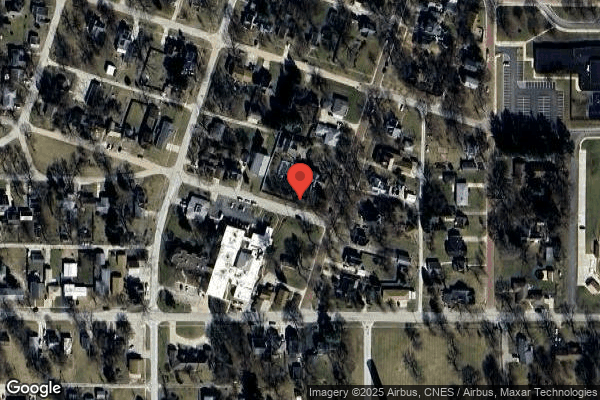
450 FULTON STREET, PAXTON, IL 60957 (217) 379-2116
For profit - Limited Liability company 75 Beds ACCOLADE HEALTHCARE Data: November 2025
Trust Grade
80/100
#1 of 665 in IL
Last Inspection: February 2025

Within standard 12-15 month inspection cycle. Federal law requires annual inspections.

Overview

Accolade Paxton Senior Living has received a Trust Grade of B+, indicating it is above average and recommended for families considering care options. It ranks #1 out of 665 facilities in Illinois, placing it at the top of the state, and #1 out of 4 in Ford County, meaning it has no local competitors that are rated higher. The facility shows improvement in its trend, having decreased issues from 7 in 2024 to none in 2025, although it currently has a below-average staffing rating of 2 out of 5 stars, with a turnover rate of 52%, which aligns closely with the state average. There have been no fines, which is a positive sign, and the facility has average RN coverage, ensuring some level of oversight for residents. However, there are notable weaknesses: a serious incident involved a resident suffering second-degree burns from hot liquids due to inadequate safety assessments, and concerns have been raised about the sanitation of dishware and the lack of required cleaning for CPAP equipment. Families should weigh these strengths and weaknesses when considering this facility for their loved ones.

Trust Score
B+
80/100
In Illinois
#1/665
Top 1%
Safety Record
Moderate
Needs review
Inspections
Getting Better
7 → 0 violations
Staff Stability
⚠ Watch
52% turnover. Above average. Higher turnover means staff may not know residents' routines.
Penalties
✓ Good
No fines on record. Clean compliance history, better than most Illinois facilities.
Skilled Nurses
✓ Good
Each resident gets 45 minutes of Registered Nurse (RN) attention daily — more than average for Illinois. RNs are trained to catch health problems early.
Violations
⚠ Watch
16 deficiencies on record. Higher than average. Multiple issues found across inspections.
★★★★★
5.0
Overall Rating
★★☆☆☆
2.0
Staff Levels
★★☆☆☆
2.0
Care Quality
★★★★★
5.0
Inspection Score
Stable
2024: 7 issues
2025: 0 issues

The Good

  • Full Sprinkler Coverage · Fire safety systems throughout facility
  • No fines on record

Facility shows strength in fire safety.

The Bad

Staff Turnover: 52%

Near Illinois avg (46%)

Higher turnover may affect care consistency

Chain: ACCOLADE HEALTHCARE

Part of a multi-facility chain

Ask about local staffing decisions and management

The Ugly 16 deficiencies on record

1 actual harm
Mar 2024 7 deficiencies
CONCERN (D)

Potential for Harm - no one hurt, but risky conditions existed

Resident Rights (Tag F0550)

Could have caused harm · This affected 1 resident

**NOTE- TERMS IN BRACKETS HAVE BEEN EDITED TO PROTECT CONFIDENTIALITY** Based on observation, interview and record review the facility failed to provide dignity while obtaining a respiratory assessmen...

Read full inspector narrative →
**NOTE- TERMS IN BRACKETS HAVE BEEN EDITED TO PROTECT CONFIDENTIALITY** Based on observation, interview and record review the facility failed to provide dignity while obtaining a respiratory assessment for one (R46) resident out of one resident reviewed for dignity in a sample list of 33 residents. Findings include: R46's undated Medical Diagnosis List documents medical diagnoses of Respiratory Failure with Hypoxia, Chronic Obstructive Pulmonary Disease (COPD), Protein Calorie Malnutrition, Shortness of Breath and Disorders of Electrolyte and Fluid Imbalance. R46's Minimum Data Set (MDS) dated [DATE] documents R46 as cognitively intact. R46's Care Plan intervention dated 11/20/2023 documents R46 transfers with the assist of one person and a walker. On 3/6/24 at 12:00 PM R46 was sitting at a dining room table eating the lunch meal. V14 Registered Respiratory Therapist (RRT) walked up to R46 while R46 was eating lunch meal and stated 'Put your finger out so I can get your Oxygen saturation (O2 sat)'. V14 RRT obtained R46's O2 sat, Pulse, Respirations and Blood Pressure at dining room table in front of table mates. V14 stated to R46 Lean forward so I can listen to your lungs. V14 removed V14's stethoscope from around V14's neck and placed it on the front and back of R46's lung fields while R46 was sitting at dining room table. V14 instructed R46 to take a deep breath and cough three times. R46 produced three separate deep coughs without covering her mouth while sitting at dining room table with table mates. On 3/6/24 at 12:20 PM V14 Registered Respiratory Therapy (RRT) stated I was scheduled to see (R46) today. If I don't see (R46) when I can then I will have to leave without seeing her. (R46) is being weaned off of her Oxygen. I should have asked (R46) to cover her mouth too. (R46) just coughed so hard over those other residents. Next time I will be sure to complete the respiratory assessments in the residents' room and be sure to tell them to cover their mouths when they cough. On 3/6/24 at 1:15 PM R46 stated I really didn't care for that nurse (V14) Registered Respiratory Therapist (RRT) interrupting my lunch. We had tacos today and mine got cold while waiting for (V14) to get done. I don't see why (V14) couldn't have just done that in my room. On 3/6/24 at 12:50 PM V2 Director of Nurses (DON) stated V14 Registered Respiratory Therapist (RRT) should have completed (R46's) respiratory assessment in a private area. V2 DON stated the dignity of R46 was compromised by V14's actions. The facility policy titled 'Resident Privacy and Dignity' dated 8/2/2017 documents it is the responsibility of all staff to ensure that all residents have privacy and dignity. Medically necessary procedures will be conducted in the resident's room or private setting.
CONCERN (D)

Potential for Harm - no one hurt, but risky conditions existed

Deficiency F0655 (Tag F0655)

Could have caused harm · This affected 1 resident

**NOTE- TERMS IN BRACKETS HAVE BEEN EDITED TO PROTECT CONFIDENTIALITY** Based on interview and record review the facility failed to complete a Baseline Care Plan timely for one (R266) resident out of ...

Read full inspector narrative →
**NOTE- TERMS IN BRACKETS HAVE BEEN EDITED TO PROTECT CONFIDENTIALITY** Based on interview and record review the facility failed to complete a Baseline Care Plan timely for one (R266) resident out of one resident reviewed for Baseline Care Plans in a sample list of 33 residents. Findings include: The facility policy titled '24 Hour Interim Care Plan' revised 2/2021 documents the purpose is to provide guidelines for completion of a 24 hour (Interim) Plan of Care for newly admitted residents. The policy states a 24 Hour Care Plan guides provision of care from the time of the resident transfer/admission until the Interdisciplinary Care Plan is completed and to provide a [NAME] with the Electronic Medical Record (EMR) for resident care direction. R266's undated Face Sheet documents R266 admitted to facility on 3/1/24. R266's undated medical diagnosis list documents R266's medical diagnoses of Local Infection of the Skin and Subcutaneous Tissue, Cellulitis Unspecified, Diabetes Mellitus Type II, Chronic Venous Hypertension with Ulcer and Inflammation of Bilateral Lower Extremities, Atrial Fibrillation, Chronic Congestive Heart Failure, Acute Kidney Failure, Peripheral Venous Insufficiency and Hypertension. R266's Electronic Medical Record (EMR) documents R266's Baseline Care Plan was initiated on 3/5/24. On 3/6/24 at 2:00 PM V17 Care Plan Coordinator (CPC) stated every resident should have a baseline care plan completed within 48 hours of admission. V17 CPC stated the admission nurse is supposed to start a baseline admission care plan when the resident admits. V17 CPC stated (R266) was admitted on [DATE] and his baseline care plan was not initiated until 3/5/24.
CONCERN (D)

Potential for Harm - no one hurt, but risky conditions existed

Pressure Ulcer Prevention (Tag F0686)

Could have caused harm · This affected 1 resident

**NOTE- TERMS IN BRACKETS HAVE BEEN EDITED TO PROTECT CONFIDENTIALITY** Based on observation, interview, and record review the facility failed to prevent cross contamination of pressure ulcers during ...

Read full inspector narrative →
**NOTE- TERMS IN BRACKETS HAVE BEEN EDITED TO PROTECT CONFIDENTIALITY** Based on observation, interview, and record review the facility failed to prevent cross contamination of pressure ulcers during pressure ulcer wound care and failed to complete wound treatments for two (R45, R266) residents out of four residents reviewed for Pressure Ulcers in a sample list of 33 residents. Findings include: 1.) R45's undated Face Sheet documents R45 admitted to the facility on [DATE]. This same Face Sheet documents R45's medical diagnoses of Right Hip Pressure Ulcer Stage IV, Morbid Obesity, Acute Respiratory Failure with Hypoxia, Sepsis, Diabetes Mellitus Type II, Cognitive Communication Deficit, and Embolism and Thrombosis of Deep Veins of Right Lower Extremity. R45's Physician Order Sheet (POS) dated March 2024 documents a physician order to cleanse Right Lateral Hip wound with gauze and 1/4 strength bleach solution, apply Gentamicin Sulfate 0.1% topical ointment to periwound and in wound tunnel. Soak roll gauze in 1/4 strength bleach solution and pack into wound after Gentamicin placed into wound. DO NOT USE GAUZE-IT MUST BE CONTINUOUS ROLL GAUZE. Once hole is packed, cut roll gauze leaving tail on the outside to cover the peri wound. Apply two absorbent pads and retention tape to secure. change twice daily and every two hours as needed for wound management. R45's Minimum Data Set (MDS) dated [DATE] documents R45 as cognitively intact. This same MDS documents R45 requires maximum assistance for bed mobility and is dependent on staff for assistance with bathing and dressing. R45's Treatment Administration Record (TAR) dated March 2024 documents R45's Right Hip Stage IV Pressure Ulcer dressing change was not completed as ordered by the Physician on 3/1/24 night shift and 3/5/24 night shift. On 3/6/24 at 3:00 PM V12 Licensed Practical Nurse (LPN) completed wound care for R45's Stage IV Right Hip Pressure Ulcer. As R45 turned to his Left side, the fitted sheet underneath where R45's dressing was touching was smeared in multiple areas with a brown substance, food particles and unknown debris. V12 LPN removed the undated bandage from R45's Right Hip. The bandage was overly saturated with brown, foul smelling drainage that was dripping from the bandage onto R45's open wound, Right Hip area and flat sheet. R45's Right Hip Stage IV Pressure Ulcer was a half dollar sized hole with reddened edges. V12 LPN inserted a long cotton tipped applicator into R45's Right Hip wound to approximately half the length of the cotton tipped applicator. V12 stated Wow. This wound is really tunneled at the 5-6 o'clock area. I can stick half this stick in there. R45 moved the contaminated sheet back over R45's Stage IV Pressure Ulcer after V12 LPN had cleansed the wound causing the contaminated sheet to directly touch the open area of the wound. V12 LPN did not re-cleanse R45's open wound after the contaminated sheet touched it. V12 LPN used her contaminated Right hand to push R45's flat sheet off of the open wound and did not perform hand hygiene after moving contaminated sheet before continuing wound care. On 3/6/24 at 3:40 PM V12 Licensed Practical Nurse (LPN) stated R45's Stage IV Pressure Ulcer to Right Hip should not be laying on soiled sheets. V12 LPN stated R45's wound had a copious amount of drainage. V12 LPN stated I can't be sure when (R45's) Right Hip Pressure Ulcer dressing was changed because there was no date, time or initials on the old bandage. (R45's) bed is a mess. That brown substance was probably the chocolate ice cream (R45) had for lunch and I am not sure what the rest of that debris was. V12 LPN stated V12 cross contaminated R45's Pressure Ulcer by not cleansing his wound again after R45 put the sheet directly on it and by not performing hand hygiene after V12 used her Right hand to move the sheets. V12 LPN stated Cross contaminating an open wound could cause bacteria to get into wound and cause an infection or make an infection worse. On 3/6/24 at 4:00 PM R45 stated They (facility) change my dressing to my Right Hip sometimes. They have missed a few times too. They did not change it last night. I don't know why. 2.) R266's undated Face Sheet documents R266 admitted to facility on 3/1/24. R266's undated medical diagnosis list documents R266's medical diagnoses of Local Infection of the Skin and Subcutaneous Tissue, Cellulitis Unspecified, Diabetes Mellitus Type II, Chronic Venous Hypertension with Ulcer and Inflammation of Bilateral Lower Extremities, Atrial Fibrillation, Chronic Congestive Heart Failure, Acute Kidney Failure, Peripheral Venous Insufficiency and Hypertension. R266's Physician Order Sheet (POS) dated March 2024 documents a physician order to cleanse Left Leg (Knees to Toes) with (antiseptic soap) 4.0 % and gauze, then allow to dry. Paint with (povidone-iodine), cover with abdominal pads, wrap with roll gauze, wrap with elastic gauze wrap from toes up. DO NOT PULL ELASTIC GAUZE WRAP OR ROLL GAUZE TIGHT change daily and as needed (PRN) for soilage. This same POS does not document a specific order for R266's Stage II Left Heel Pressure Ulcer. R266's Pressure Ulcer Risk assessment dated [DATE] documents R266 is at risk for Pressure Areas. R266's Facility Wound Rounds report dated 3/4/24 documents R266's Left Heel wound as a Stage II Pressure Ulcer. R266's Care Plan intervention dated 3/5/24 documents R266 requires assistance with bathing, dressing, bed mobility and full mechanical lift for transfers and to follow facility protocols for treatment of injury. This same careplan does not include any pressure relief interventions prior to 3/5/24. On 3/6/24 at 3:55 PM V12 Licensed Practical Nurse (LPN) and V13 Registered Nurse (RN)/Wound Care Certified (WCC) completed wound care for R266's Stage II Left Heel Pressure Ulcer. V12 LPN removed a partially filled urinal from R266's bedside table. R266's bedside table had several areas where unknown liquid had been spilled. V13 RN/WCC observed V12 remove the urinal, then V13 placed bottles of wound supplies (wound cleanser, (antiseptic soap) and (providone-iodine)) directly on the contaminated bedside table. V12 LPN and V13 RN/WCC positioned R266 with a pillow under R266's knees for the dressing change. On R266's Left Heel was a nickel sized open area with red drainage. R266 rested the Left Heel Pressure Ulcer directly on the contaminated fitted sheet three separate times during wound care after V12 cleansed wound. A dime sized red area of drainage was observed on fitted sheet directly under where R266's Left Heel was laying. V12 LPN continued to dress R266's Left Heel contaminated Pressure Ulcer without re-cleansing the wound. On 3/6/24 at 5:45 PM V12 Licensed Practical Nurse (LPN) stated V12 cross contaminated R266's Stage II Left Heel Pressure Ulcer by not cleansing it after R266 had laid his Left Heel directly on the contaminated sheet. V12 LPN stated a clean field should have been provided prior to starting wound care for R266. V12 LPN stated I usually make sure I have a clean area to start with but (R266) just didn't have any room for all the supplies. I saw (R266) lay his Left Heel on the sheet but didn't think to reclean it. I should have. I have never met (R266) before this wound change so I didn't know what to expect. On 3/7/24 at 11:00 AM V10 Infection Preventionist (IP)/Registered Nurse (RN) stated cross contaminating a wound during wound care could introduce bacteria to the resident's wound and possibly cause an infection. V10 IP stated We (facility) have a few policies on Pressure Ulcers but I don't think we (facility) have a policy on this but it should be considered a standard of care to not cross contaminate open wounds. The facility policy titled 'Preventative Skin Care' revised April 2023 documents the facility should maintain wrinkle free, clean, dry bed linen.
CONCERN (D)

Potential for Harm - no one hurt, but risky conditions existed

Accident Prevention (Tag F0689)

Could have caused harm · This affected 1 resident

Based on observation, interview, and record review, the facility failed to provide a safe environment for use of oxygen in the presence of electrical heating devices and flammable materials in the fac...

Read full inspector narrative →
Based on observation, interview, and record review, the facility failed to provide a safe environment for use of oxygen in the presence of electrical heating devices and flammable materials in the facility beauty shop. This failure affects two residents (R11 and R48) out of nine reviewed for accidents and safety on a sample list of 33. Findings include: On 3/5/24 at 10:40 AM, R11 was in the beauty shop wearing oxygen tubing on her face and nose and actively receiving oxygen therapy from a portable liquid oxygen tank flowing at 2 liters per minute through a nasal cannula (tube connecting the oxygen tank to the resident's nose). V7, Beauty Shop Operator, was in the process of drying R11's hair with a hand-held electric blow dryer (glowing orange electrical coils and an electric fan motor which produces sparks, ignition source) approximately one foot from R11's head. R48 was seated in a wheelchair inside the beauty shop approximately 6 feet away from R11 and the hair dryer being used by V7. R48 was also wearing oxygen tubing on her face and nose and actively receiving oxygen therapy from a portable liquid oxygen tank through a nasal cannula flowing at 2 liters per minute. In the beauty shop there were flammable products present such as aerosol hair spray. On 3/5/24 at 10:41 AM, V1, Administrator, removed R48 from the beauty shop, and instructed V7 to remove the oxygen tubing from R11's face and turn R11's portable liquid oxygen tank to the off position. V7 stated, I have only been told not to use the large commercial hair dryers that the residents sit under when a resident is wearing oxygen. V7 stated, I have not been told about not using hand-held hair dryers when residents are wearing oxygen. On 3/5/24 at 11:05 AM, the door of the beauty shop was closed and R11 remained inside the beauty shop. R11 was then again wearing oxygen tubing on her face and nose and actively receiving oxygen therapy from the portable liquid oxygen tank flowing at 2 liters per minute through the nasal cannula. V7 again stated, I have not been informed about not using a curling iron (internal glowing orange electrical coils, ignition source) when a resident is wearing oxygen, only not to use the large hair dryers. On 3/5/24 at 11:10 AM, V1 stated, I would need to look up the facility policy and go over that policy with (V7). The current (3/5/24) American Lung Association guidelines for safe use of oxygen document, Do not use any electrical appliances such as hair dryers, curling irons, heating pads, and electric razors while wearing oxygen. The facility policy Oxygen Safety dated 2/2000 documents, spark producing devices shall be prohibited in oxygen storage. Refer to manufacturer recommendations as needed. The facility provided a piece of copy paper (untitled and undated) which was a manipulated copy of pages labeled 2, 3, 14, and 15. The provided page 2 was a picture of liquid oxygen portable tanks. Page 3 was a list of hazards and safety measures related to the use of oxygen concentrators (room air concentrators) and not related to the liquid oxygen portable tanks. Page 14 was related to care of the tubing associated with oxygen administration (cannulas). Page 15 was blank except for a handwritten manufacture (sic, manufacturer) reccommendations (sic, recommendations) for safety. The safety measures for room air concentrators listed on the page 3 did include statements such as, Keep all flammable materials away from your oxygen. Do not use your oxygen around space heaters (glowing orange electrical coils). It takes 15 minutes for oxygen to leave your clothing, hair, and skin once you take off your oxygen. Be careful around anything that produces a spark such as a hair dryer or electric razor. On 3/6/24 at 11:05 AM, V11, Life Safety Architect, confirmed, Oxygen in a beauty shop is a no-no. First you have pure oxygen along with flammable materials like hair spray, then a blow dryer is an ignition source. Upon request, V1, Administrator, provided the (Oxygen Supply Company) complete manufacturer education pamphlet dated 2/2021. This education pamphlet included additional cautionary statements such as, Keep the liquid oxygen tank at least 5 feet away from electrical appliances. Keep the liquid oxygen away from any flammable material.
CONCERN (D)

Potential for Harm - no one hurt, but risky conditions existed

Incontinence Care (Tag F0690)

Could have caused harm · This affected 1 resident

Based on observation, interview, and record review, the facility failed to provide complete perineal care for one resident (R8) of one resident reviewed for perineal care in the sample list of 33. Fin...

Read full inspector narrative →
Based on observation, interview, and record review, the facility failed to provide complete perineal care for one resident (R8) of one resident reviewed for perineal care in the sample list of 33. Findings include: R8's undated Face Sheet documents R8's diagnosis as: Chronic Kidney Disease, Stage 2. R8's Care Plan dated 2/15/24, documents R8 is incontinent of bowel and bladder, clean perineal area with each incontinent episode. On 3/7/24 at 11:00 AM, V18 Certified Nursing Assistant (CNA) provided perineal care to R8. During this care, V18 wiped R8's outer labia and failed to spread the labia to wipe the inner labia. At this same time, V18 cleansed R8 buttocks but failed to clean R8's anal area. On 3/7/24 at 11:20 AM, V2 Director of Nursing (DON) stated V18 should be following the perineal care policy. The facility's Perineal Care policy dated Revised 12/22, documents cleanse the outer skin folds, open all skin folds, cleanse from front to back, cleanse the anal area.
CONCERN (D)

Potential for Harm - no one hurt, but risky conditions existed

Respiratory Care (Tag F0695)

Could have caused harm · This affected 1 resident

**NOTE- TERMS IN BRACKETS HAVE BEEN EDITED TO PROTECT CONFIDENTIALITY** 3. R21's undated Face Sheet documents an admission date of 6/20/2022. R21's undated medical diagnoses list documents medical di...

Read full inspector narrative →
**NOTE- TERMS IN BRACKETS HAVE BEEN EDITED TO PROTECT CONFIDENTIALITY** 3. R21's undated Face Sheet documents an admission date of 6/20/2022. R21's undated medical diagnoses list documents medical diagnoses of Alveolar and Parieto-Alveolar Conditions, Morbid Obesity, Portal Hypertension, Cardiomegaly, Obstructive Sleep Apnea, Lack of Coordination, Carpal Tunnel Syndrome, Essential Tremor and Weakness. R21's Minimum Data Set (MDS) dated [DATE] documents R21 as cognitively intact. R21's Physician Order Sheet (POS) dated March 2024 documents a physician order starting 3/5/24 for R21 to wear Continuous Positive Airway Pressure (CPAP) every night and remove every morning. This same POS does not document any orders for R21's use of the CPAP prior to 3/5/24. This same POS does not document Physician orders to clean R21's CPAP machine as per manufacturer guidelines. On 3/5/24 at 11:20 AM R21's CPAP machine was setting on top of the bedside dresser with tubing extending down the front of the dresser and CPAP mask attached to end of the tubing was placed in the top drawer of R21's bedside dresser with other personal items. R21's CPAP machine water reservoir contained water and had visible debris on the inside wall of the water reservoir. R21's CPAP tubing was not contained in a plastic bag. On 3/5/24 at 11:22 AM R21 stated I admitted here (facility) over a year and a half ago with the CPAP. I have used it every night since I admitted . The mask has been cleaned two times since I admitted . The machine has never been cleaned. The staff here do a pretty good job. I don't want to complain but that air from the CPAP goes directly into my lungs. On 3/6/24 at 8:35 AM V10 Infection Preventionist (IP) stated all of the devices that residents use should be cleaned regularly. V10 IP stated R21's Continuous Positive Airway Pressure (CPAP) machine should be cleaned by the manufacturer guidelines. V10 stated R21's orders for administering the CPAP were entered on 3/5/24. V10 IP stated (R21) admitted to the facility with his own CPAP machine a year or so ago. (R21) should have had orders entered as soon as he admitted . The CPAP machines have reservoirs that hold the water and that can be a source for bacterial growth. If (R21's) CPAP machine has not been cleaned that that could definitely present a health risk for (R21). On 3/6/24 at 10:00 AM V2 Director of Nurses (DON) stated every resident that utilizes Oxygen or Continuous Positive Airway Pressure (CPAP) should have orders in place to instruct nursing staff on the resident usage. V2 DON stated the orders should include the specific settings for each resident and the cleaning of the mask and the CPAP machines. V2 DON stated resident orders for their CPAP's were not entered for the use of the CPAP nor for the cleaning of the machine. V2 DON stated I am working on cleaning up all the Oxygen and CPAP orders today. All residents receiving Oxygen or use a CPAP will have their orders reviewed and adjusted for accuracy today. The facility provided Continuous Positive Airway Pressure (CPAP) machine undated manufacturer guidelines documents Cleaning: Daily-Empty the humidifier tub and wipe it thoroughly with a clean disposable cloth. Allow it to dry out of direct sunlight. Refill the standard humidifier with distilled water only or the cleanable water tub with potable drinking quality water. Weekly-Wash the components as described: air tubing-in warm water using a mild dishwashing liquid. humidifier tub-in warm water using a mild dishwashing liquid OR in a solution with a ration of one part vinegar and nine parts water at room temperature. Outlet connector-in warm water using a mild dishwashing liquid OR in a solution with a ration of one part vinegar and nine parts water at room temperature. Components should not be washed in temperatures higher than 131 degrees Fahrenheit (F). Rinse each component thoroughly in water. Allow to dry out of direct sunlight or heat. Wipe the exterior of the device with a dry cloth. The facility policy titled 'Oxygen Administration Continuous Positive Airway Pressure (CPAP)/Bilevel Positive Airway Pressure (BIPAP)' revised 8/2018 documents all orders for CPAP and/or BIPAP must be ordered by the Physician. All orders include the following: Type of unit (CPAP or BIPAP), Pressure settings, Oxygen order (if applicable), deliver device and size (mask, nasal prongs), frequency of therapy (continuous, at bedtime) and need for humidifier. When using a mask, advice resident not to eat two to three hours prior to using unit. The facility's Nebulizer Therapy policy dated Revised 9/2018, documents store in plastic bag when not in use. 2. R17's undated Face Sheet, documents R17's diagnoses as Shortness of Breath, Insomnia due to medical condition, Chronic Obstructive Pulmonary Disease (COPD), moderate, persistent Asthma, and Snoring. R17's Medication Administration Record (MAR) dated 3-1-24 - 3-31-24, documents Ipratropium-Albuterol Inhalation Solution 0.5-2.5 (3) milligrams (mg)/3 Milliliters (ml) (Ipratropium-Albuterol) 3 ml inhale orally every 6 hours related to COPD. R17's Treatment Administration Record (TAR) dated 3-1-24 - 3-31-24, documents Continuous Positive Airway Pressure (CPAP) Pressure: 4-20 pressure centimeters (cm) water autosense 11 or 10 pap with oxygen bled into CPAP if needed in the evening related to COPD, place CPAP at night, remove in the morning. R17's Care Plan dated 1/11/24, documents utilize a CPAP machine secondary to COPD, Asthma, Alveolar / Parieto-Alveolar Conditions. On 03/05/24 at 10:06 AM, R17's nebulizer tubing was observed on the floor. R17's Continuous Positive Airway Pressure (CPAP) was observed on the dresser by the bed, not in plastic bag. On 3/5/24 at 3:45 PM, R17 stated R17 has used a nebulizer and CPAP for about a year and a half. On 03/06/24 at 10:29 AM, R17's nebulizer face mask and tubing observed not in a bag, out in the open on the nebulizer machine. Based on observation, interview, and record review, the facility failed to obtain and implement physician orders for Continuous Positive Airway Pressure (CPAP) machine settings and cleaning schedules and failed to properly store Nebulizer tubing. These failures have the potential to affect three residents (R12, R17, R21) out of three reviewed for respiratory care on a sample list of 33. Findings include: 1. On 3/5/24 at 10:06 AM, there was a CPAP machine in R12's room next to R12's bed. On 3/5/24 at 10:20 AM, R12's Care plan focus area initiated 7/15/22 documents (R12) has OSA (Obstructive Sleep Apnea) and utilizes a CPAP machine. This Care Plan focus area documents nursing interventions for the CPAP machine include, Clean CPAP per orders. R12's medical record including R12's Physician Order Sheet, Treatment Administration Record, and Care Plan, did not contain any specific orders for pressure settings to be utilized for the CPAP machine during use, nor a cleaning schedule for R12's CPAP. On 3/5/24 at 12:54 PM, R12's Physician Order Sheet was revised to include a physician order for CPAP- use during sleep hours, place CPAP at HS (hour of sleep), remove in the morning. There was not a physician order for CPAP cleaning schedule, nor for pressure settings to be utilized during the CPAP operation. On 3/5/24 at 1:14 PM, R12's Physician Order Sheet was revised to include a physician order for CPAP- use during sleep hours, place CPAP at HS, remove in the morning and in the morning for remove. There was not a physician order for CPAP cleaning schedule, nor for pressure settings to be utilized during CPAP operation. On 3/6/24 at 11:58 AM, R12's Physician Orders were revised to include a physician order for Dream Station CPAP set to a pressure of 14- use during sleep hours, place CPAP at HS, remove in the morning and in the morning for remove. There was not a physician order for CPAP cleaning schedule, nor for the low end of the pressure settings to be utilized for CPAP operation. On 3/6/24 at 12:03 PM, R12's Physician Order Sheet was revised to include a physician order for Dream Station CPAP set to a pressure of 8 - 14- use during sleep hours, place CPAP at HS, remove in the morning and in the morning for remove. There was not a physician order for CPAP cleaning schedule. On 3/6/24 at 1:29 PM, R12's Physician Order Sheet was revised to include a physician order for CPAP cleaning to be conducted every Sunday night and as needed. On 3/7/24 at 1:09 PM, R12's CPAP tubing was stretched out across the floor beside R12's bed. The tubing on the floor was the portion of tubing that was designed to connect to R12's face mask. At that time, R12's face mask was stored in a plastic bag on the window sill. V20, Registered Nurse, stated, The tubing should not be on the floor. V20 further stated, (R12) can not take care of her own CPAP and tubing.
CONCERN (F)

Potential for Harm - no one hurt, but risky conditions existed

Food Safety (Tag F0812)

Could have caused harm · This affected most or all residents

Based on observation, interview, and record review, the facility failed to monitor the dishwasher rinse temperatures to ensure sanitation of service wares and utensils utilized to serve meals to the r...

Read full inspector narrative →
Based on observation, interview, and record review, the facility failed to monitor the dishwasher rinse temperatures to ensure sanitation of service wares and utensils utilized to serve meals to the residents. This failure affects nearly all (62 of 63) residents residing in the facility. Findings include: On 3/5/24 at 8:57 AM, V3, Dietary Manager, stated the commercial dishwasher utilized to wash the resident dishes, wares, and utensils, was a hot water sanitizing dishwasher. At this time, while the facility commercial dishwasher was in operation, the final rinse temperature was not displaying as designed on the digital display on the front of the dishwasher. When asked how the kitchen staff are monitoring the final rinse temperature to ensure the wares are being properly sanitized, V3 replied, I will have to look for test strips. V3 could not locate the temperature sensitive test strips. V3 questioned a Dietary Aid (V4) who likewise could not identify the location of the test strips. V4 also stated, I don't know how long the display has not been showing the final rinse temperature. V3 then stated, I will get maintenance in here to look at it. On 3/5/24 at 09:25 AM, V9, Maintenance Assistant, stated, I'm not sure but I think something like a knife or spoon may be stuck in the drain outlet because the drain is releasing water while the wash cycle is going. On 3/5/24 at 9:35 AM, V5, Dietary Aid, stated, The final rinse temperature display has not been working since they came and repaired the dishwasher about 2 weeks ago. V3 confirmed (the dishwasher repair company) had worked on the dishwasher about 2 weeks prior. On 3/6/24 at 8:25 AM, V9, Maintenance Assistant, stated, I think it may be the rinse thermostat not working but I will need to get with my boss because I don't want to start tearing this dishwasher apart. On 3/6/24 at 8:32 AM, V3, Dietary Manager, provided the dishwasher temperature recording log for January 2024, which was the log in place on the clipboard in the dishwashing room. This temperature log documented 3 columns for recording the final dishwashing rinse temperature once for each of the three daily mealtimes, breakfast, noon, and evening. This temperature log documented the final dishwashing rinse temperature had not been recorded for 1/25/24 all three meals, 1/26/24 for breakfast and noon, 1/27/24 through 1/30/24 all three meals each day, and 1/31/24 breakfast and evening. On 3/6/24 at 10:12 AM, V3 provided the dishwasher temperature recording log for February 2024. This log documented the dishwasher final temperature was not being monitored from 2/24/24 though 2/29/24 all three meals each day. V3 confirmed, The temperature has not been monitored for about the past 2 weeks since the repair company worked on the dishwasher. The facility's Form 671 Long Term Care Facility Application for Medicare and Medicaid dated 3/5/24 documents 63 residents reside in the facility, all of whom, with one exception (R31 who receives nothing by mouth), consume food prepared by the facility kitchen.
Aug 2023 2 deficiencies 1 Harm
SERIOUS (G) 📢 Someone Reported This

A family member, employee, or ombudsman was alarmed enough to file a formal complaint

Actual Harm - a resident was hurt due to facility failures

Accident Prevention (Tag F0689)

A resident was harmed · This affected 1 resident

**NOTE- TERMS IN BRACKETS HAVE BEEN EDITED TO PROTECT CONFIDENTIALITY** Based on observation, interview, and record review, the facility failed to ensure safety of a resident by failing to ensure R1 ...

Read full inspector narrative →
**NOTE- TERMS IN BRACKETS HAVE BEEN EDITED TO PROTECT CONFIDENTIALITY** Based on observation, interview, and record review, the facility failed to ensure safety of a resident by failing to ensure R1 was assessed for independent safe handling of extremely hot liquids. This resulted in R1 sustaining 2nd degree burns to R1's left thigh. The facility also failed to implement an intervention for an adaptive cup for one (R1) of three residents reviewed for accidents in the sample list of three. Findings include: R1's Minimum Data Set, dated [DATE] documents R1 has Dementia with moderate cognitive impairment and requires setup and supervision assistance for eating. R1's Care Plan dated 8/14/23 documents (R1) has a skin burn of the left lateral thigh/groin r/t (related to) burn from hot coffee spilled at dinner. This care plan includes an intervention to use a spill proof cup for hot liquids during meals. R1's Skin Report dated 8/13/23 at 4:30 PM recorded by V11 (Licensed Practical Nurse/LPN) documents a Certified Nursing Assistant (CNA) alerted V11 that R1 had a skin concern to the left outer thigh and R1 stated R1 had spilled coffee on R1's self during dinner. This report documents the area was assessed and describes the wound as a burn on the left hip, but there is no description of the wound or measurements of this burn until 8/14/23. The interdisciplinary team (IDT) note dated 8/14/23 documents the root cause of R1's burn was determined to be R1 spilled hot coffee on R1's lap during dinner and the new intervention was for R1 to use a spill proof container for hot liquids during meals. R1's Skin assessment dated [DATE] at 5:00 PM documents a 6 (centimeter) by 6 by 0.1 new open area to the left hip. V18 (Certified Nursing Assistant/CNA) written statement dated 8/14/23 documents at 4:30 PM (on 8/13/23) a dietary staff member reported that R1 had spilled coffee and R1's pants may be wet. V18's statement documents V18 went to the dining room and did not notice R1's pants to be soiled. There is no documentation that R1's pants were changed or that R1's skin was immediately assessed for injury. V13 (Certified Nursing Assistant/CNA) written statement dated 8/13/23 documents at 10:30 PM V13 was assisting R1 with toileting and noticed what appeared to be a burn to R1's left thigh. V13 reported this to the nurse. V8 (LPN) written statement dated 8/13/23 documents at 10:30 PM V8 was notified that R1 had a wound to R1's left upper thigh/groin, and R1's wound appeared to be a scald burn. R1 reported that R1 had spilled coffee on herself. V11's Written Statement, dated 8/13/23, documents at 11:03 PM V8 reported that R1 had blistered, red areas to R1's left upper thigh and groin area. R1's medical record does not document R1 was assessed to determine R1's ability to safely handle hot liquids prior to R1's incident. The 8/13/23 Evening Meal Food Temperature Log documents the coffee temperature was 170 degrees Fahrenheit. On 8/15/23 at 9:25 AM, V21 (Certified Nursing Assistant/CNA) written transferred R1 onto the toilet and there was a large, reddened area with peeling skin to R1's left upper thigh. V21 stated V21 was told by V2 (Director of Nursing/DON) that R1 burned herself with coffee. V21 stated R1 usually feeds herself and requires only setup assistance. V21 stated R1 has spilled drinks when R1 is really tired. On 8/15/23 at 10:53 AM, V7 (Registered Nurse/RN) administered R1's left thigh wound treatment. There was a large reddened, raised area from R1's outer thigh that extended across the thigh and down to R1's groin. The center of the wound contained a large, circular, open, moist, shallow wound that contained white, red, and pink tissue. R1 asked V7 what did I (R1) do there. V7 (RN) told R1 that R1 had spilled coffee there. On 8/15/23 at 11:11 AM, R1 was sitting in the dining room. V21 (CNA) poured R1 coffee that was served in a ceramic coffee mug that did not contain a lid. There was no staff sitting with R1 providing assistance. At 11:15 AM, V23 (Dietary Aide) poured R1's coffee out of the mug and into an adaptive cup with a sipper lid. At 11:24 AM, V21 stated staff were given education following R1's coffee burn, but it did not say anything specific other than dietary is supposed to check the coffee temperature prior to serving. V21 stated R1 does not use any specialized or adaptive cups and V21 was unsure what interventions were implemented to prevent R1's burn injury from reoccurring. V21 stated V21 had added ice to R1's coffee today prior to serving. On 8/15/23 at 11:36 AM, V18 (CNA) stated on 8/13/23 around 4:30 PM, V22 (Dietary Aide) told V18 that R1 spilled coffee on R1's pants. V18 stated V18 went to the dining room and R1 was sitting at the table eating, V18 didn't think anything of it at the time, because V18 thought R1's coffee spilled onto the table and then onto R1's pants. V18 did not think about the coffee burning R1. V18 did not physically check R1's pants nor report the coffee spill to a nurse. V18 stated V18 did not provide any care for R1 that evening. V18 stated R1 does not need assistance with eating, staff just need to keep an eye on R1. On 8/15/23 at 11:42 AM, V9 (Certified Nursing Assistant/CNA) written stated R1 feeds herself, requires cues, and sometimes R1 places R1's coffee mug between her legs while wandering the facility in R1's wheelchair. V9 stated sometimes R1 would spill coffee while wandering. On 8/15/23 at 12:18 PM, V3 RN stated R1 feeds herself, but occasionally spills food onto her clothes. On 8/15/23 at 1:22 PM V10 CNA stated R1 spills liquids all the time and R1 does not use any type of special cups. On 8/15/23 at 12:39 PM, V22 (Dietary Aide) stated on 8/13/23 around 4:30 PM/5:00 PM V22 saw that R1 had spilled coffee on R1's lap and V22 reported this to a CNA. V22 stated R1's coffee is always served in a standard coffee mug and R1 does not use any type of specialized cups. V22 stated V22 did not realize the coffee was hot enough to burn R1 and was unsure what the temperature of the coffee was that evening and that they generally start serving coffee around 4:00 PM. V22 stated we now have to check the temperature of the coffee when the first cup is poured and record it on the log. V22 was unsure of any other interventions implemented after R1's incident. On 8/15/23 at 2:27 PM, V8 (LPN) stated V8 came on duty at 6:00 PM on 8/13/23 and around 10:30 PM V9 (CNA) reported R1's wound. V8 stated R1 had what appeared to be a splash burn on R1's left thigh that extended to R1's groin, and the top part had broken skin where the initial contact was made. V8 stated the burn appeared to be a 2nd degree, that was red and blistered. V8 confirmed R1 has spilled liquids previously and stated it was related to R1's age and shaky hands. V8 stated we should either monitor residents while they are drinking coffee or add ice cubes to the coffee. On 8/15/23 at 12:31 PM, V11 (LPN) stated V11 worked 6:00 PM to 6:00 AM on 8/13/23 and at 11:00 PM V8 (LPN) reported that R1 had an apparent burn with blisters to R1's left upper thigh. V11 stated R1 reported that R1 had spilled coffee at breakfast, but R1's time perception is not always accurate. V11 stated R1's left thigh wound was red with small, raised blisters and one open circular wound. V11 stated none of the staff on evening shift were aware that R1 had spilled coffee on herself earlier that day until the wound was identified. On 8/15/23 at 12:24 PM, V19 (Social Services Director/Former Dietary Manager) stated V19 was the Dietary Manager for 4 years up until a few weeks ago. V19 stated prior to R1's incident the facility had been checking the coffee temperatures when dispensed from the machine and from the carafe when taken to the dining room, and now we are checking the temperature when the first cup is poured from the carafe. The coffee temperature dispensed from the machine was 180 degrees Fahrenheit (F) and the temperature from the carafe was between 160-170 degrees F. V19 stated on 8/14/23 R1 was provided a spill proof cup to use during meals. V19 stated V19 was not aware if the facility has a policy regarding assessing residents for safe handling of hot liquids. V19 stated if residents are noted to have safety concerns it is brought up in the interdisciplinary team meetings, the resident is then assessed to determine if safety interventions are needed. V19 denied that R1 had a history of spilling food/liquids prior to R1's incident. On 8/15/23 at 12:00 PM, V2 (DON) stated V2 is unsure if the facility has a policy regarding the provision of hot liquids and assessing residents for safe handling of hot liquids. V2 stated nursing does not conduct any kind of assessment for that, but maybe dietary does. At 1:35 PM, V2 stated V11 (LPN) reported on the evening of 8/13/23 that R1 had what appeared to be a burn wound to the left thigh/groin area, and R1's incident happened at supper. V2 stated V2 was informed that staff had witnessed R1 spill coffee at dinner, and confirmed this was the cause of R2's burn. V2 stated the incident was reviewed with IDT and we implemented for R1's hot liquids to be in a spill resistant cup. On 8/15/23 at 1:05 PM, V1 (Administrator) stated we prefer the coffee from the dispensary machine to temp between 180-190 F. V1 stated there is no routine assessment done to assess residents for ability to safely handle hot liquids, it is just done on an as needed basis when concerns have brought them to IDT. V1 stated there had been no prior reported concerns that R1 has spilled hot liquids and R1 has not had any burns previously. On 8/16/23 at 2:37 PM, V6 (Physician) stated V6 was notified that R1 had a burn on 8/13/23 caused from a coffee spill. V6 stated a burn like that could happen instantly and the damage would have happened within the first few seconds to minutes of the spill. V6 stated V6 thought the facility did ongoing assessments of resident's spill risk. V6 stated it hadn't been reported to V6 that R1 had a history of spilling food/liquids, and if R1 had repeated spilling V6 may have recommended the use of lids or keeping the coffee temperature below a certain range. The facility's Food Safety: Preventing Burns policy dated 2017 documents the following: Hot food and beverages will be served at a safe temperature that prevents burns. Hot beverages will be served at 160 (degrees Fahrenheit) F to 185 (degrees) F, the optimum temperature for patient satisfaction. Hot beverages will be handled carefully during food delivery and meal set-up in an attempt to avoid spills that could cause burns. Appropriate supervision to obtain hot beverages and/or reheat foods in a microwave will be provided to any individual demonstrating decreased safety awareness and/or anyone who is at risk for burns or scalds based on clinical assessments. Lap trays, slip guards, or cup holders on wheelchairs may be used to help hot liquids remain upright. This policy includes a chart that documents the following estimated time to receive a 2nd degree and 3rd degree burns based on water temperature: less than 1 second for 2nd degree and 1 second for 3rd degree for 150 degrees, 3 seconds for 2nd degree and 5 seconds for 3rd degree at 140 degrees, 17 seconds for 2nd degree and 30 seconds for 3rd degree at 131 degrees, 2 minutes for 2nd degree and 4.2 minutes for 3rd degree at 124 degrees, and 8 minutes for 2nd degree and 10 minutes for 3rd degree at 120 degrees.
CONCERN (D) 📢 Someone Reported This

A family member, employee, or ombudsman was alarmed enough to file a formal complaint

Potential for Harm - no one hurt, but risky conditions existed

Quality of Care (Tag F0684)

Could have caused harm · This affected 1 resident

**NOTE- TERMS IN BRACKETS HAVE BEEN EDITED TO PROTECT CONFIDENTIALITY** Based on observation, interview, and record review, the facility failed to timely assess a resident for injury following a coff...

Read full inspector narrative →
**NOTE- TERMS IN BRACKETS HAVE BEEN EDITED TO PROTECT CONFIDENTIALITY** Based on observation, interview, and record review, the facility failed to timely assess a resident for injury following a coffee spill, document an initial wound assessment, and ensure a wound was covered with a protective dressing for one resident (R1) of three residents reviewed for accidents in the sample list of three. Findings include: R1's Minimum Data Set, dated [DATE] documents R1 has Dementia with moderate cognitive impairment. R1's Care Plan dated with an initiated date of 8/14/23 documents (R1) has a skin burn of the left lateral thigh/groin r/t (related to) burn from hot coffee spilled at dinner. V18 (Certified Nursing Assistant/CNA) written Statement dated 8/14/23 documents at 4:30 PM (on 8/13/23) a dietary staff member reported that R1 had spilled coffee and R1's pants may be wet. V18's statement documents V18 went to the dining room and did not notice R1's pants to be soiled. There is no documentation that R1's pants were changed or that R1's skin was immediately assessed for injury or that V18 reported this incident to a nurse. V13 (Certified Nursing Assistant/CNA) Written Statement dated 8/13/23 documents at 10:30 PM V13 was assisting R1 with toileting and noticed what appeared to be a burn to R1's left thigh. V13 reported this to the nurse. V8 LPN Written Statement dated 8/13/23 documents at 10:30 PM V8 was notified that R1 had a wound to R1's left upper thigh/groin, and R1's wound appeared to be a scald burn. R1 reported that R1 had spilled coffee on herself. V11's Written Statement dated 8/13/23 documents at 11:03 PM V8 reported that R1 had blistered, red areas to R1's left upper thigh and groin area. The 8/13/23 Evening Meal Food Temperature Log documents the coffee temperature was 170 degrees Fahrenheit. R1's Skin Report dated 8/13/23 at 4:30 PM recorded by V11 (Licensed Practical Nurse/LPN) documents a CNA alerted V11 that R1 had a skin concern to the left outer thigh and R1 stated that R1 had spilled coffee on R1's self during dinner. This report documents the area was assessed and describes the wound as a burn on the left hip, but there is no description of the wound or measurements of this burn until 8/14/23. There is no documentation in R1's medical record that R1 spilled coffee on R1's self during the evening meal on 8/13/23, that R1's clothes were changed, or that R1 was immediately assessed for injury following the incident. The interdisciplinary team (IDT) note dated 8/14/23 documents the root cause of R1's burn was determined to be that R1 spilled hot coffee on R1's lap during dinner. R1's Skin assessment dated [DATE] at 5:00 PM documents a 6 (centimeter) by 6 by 0.1 new open area to the left hip. R1's August 2023 Treatment Administration Record documents a treatment to apply a petroleum-based gauze and cover with an abdominal pad secured with tape, changed daily, to R1's left upper thigh/groin wound initiated on 8/14/23. On 8/15/23 at 9:25 AM, V21 (Certified Nursing Assistant/CNA) transferred R1 onto the toilet and there was a large, reddened area with peeling skin to R1's left upper thigh/groin. R1's wound was partially covered with a petroleum-based gauze but was not covered with a protective outer dressing. V21 stated R1's wound dressing has been like that since earlier this morning, and V21 had reported it to the nurse who said it would be changed after breakfast. On 8/15/23 at 10:53 AM, V7 (Registered Nurse/RN) administered R1's left thigh wound treatment. There was a large, reddened area from R1's outer thigh that extended across the thigh and down to R1's groin. The center of the wound contained an open, moist, shallow, circular wound that contained white, red, and pink tissue. There was a petroleum-based gauze on the wound, but it was not covered with an abdominal pad. V7 cleansed the wound, applied petroleum-based gauze, covered with an abdominal pad, and secured with tape. V7 confirmed R1's wound should be covered with an abdominal pad. At 11:05 AM, V7 stated no one had reported that R1's dressing was dislodged. On 8/15/23 at 11:36 AM, V18 (CNA) stated on 8/13/23 around 4:30 PM, V22 (Dietary Aide) told V18 that R1 spilled coffee on R1's pants. V18 stated V18 went to the dining room and R1 was sitting at the table eating, V18 didn't think anything of it at the time because V18 thought R1's coffee spilled onto the table and then onto R1's pants. V18 did not think about the coffee burning R1. V18 stated R1 did not appear to be in any pain/discomfort, and V18 did not physically check R1's pants nor report the coffee spill to a nurse. V18 stated V18 did not provide any care for R1 that evening and looking back, V18 should have reported the coffee spill to a nurse. On 8/15/23 at 12:38 PM, V3 (RN) stated V3 worked on 8/13/23 from 6:00 AM until 6:00 PM and was R1's nurse. V3 stated nothing was reported during V3's shift that R1 had spilled coffee or that R1 had any sign of injury to R1's thigh. On 8/15/23 at 12:39 PM, V22 (Dietary Aide) stated on 8/13/23 around 4:30 PM/5:00 PM, V22 saw that R1 had spilled coffee on R1's lap/groin and V22 reported this to a CNA. V22 stated V22 did not realize the coffee was hot enough to burn R1 and was unsure what the temperature of the coffee was that evening. On 8/15/23 at 2:27 PM, V8 (LPN) stated V8 came on duty at 6:00 PM on 8/13/23 and around 10:30 PM V9 (CNA) reported R1's wound. V8 stated R1 had what appeared to be a splash burn on R1's left thigh that extended to R1's groin, and the top part had broken skin where the initial contact was made. V8 stated the burn appeared to be a 2nd degree, that was red and blistered. V8 stated R1's coffee spill was not reported prior to that night. On 8/15/23 at 12:31 PM, V11 (LPN) stated V11 worked 6:00 PM to 6:00 AM on 8/13/23 and at 11:00 PM V8 LPN reported that R1 had an apparent burn with blisters to R1's left upper thigh. V11 stated R1 reported that R1 had spilled coffee at breakfast, but R1's time perception is not always accurate. V11 stated R1's left thigh wound was red with small, raised blisters and one open circular wound. V11 stated V11 did not document V11's assessment of R1's burn/wound. V11 stated none of the staff on evening shift were aware that R1 had spilled coffee on herself earlier that day until the wound was identified. On 8/15/23 at 1:22 PM, V10 (CNA) stated V10 was assigned to R1's care on 2nd shift on 8/13/23. V10 stated no one had reported that R1 had spilled coffee that evening and V10 was not aware that R1 had a skin injury to the left thigh. V10 stated V10 had toileted R1 prior to supper and did not provide any care for her until R1 was checked for incontinence around 9:00 PM/9:30 PM and R1 was dry. V10 stated V10 rolled R1 over in bed to check the back of R1's incontinence brief. V10 confirmed V10 did not observe R1's groin or thighs when V10 checked R1 for incontinence. On 8/15/23 at 1:35 PM, V2 (Director of Nursing/DON) stated V11 (LPN) reported on the evening of 8/13/23 that R1 had what appeared to be a burn wound to the left thigh/groin area, and R1's incident happened at supper. V2 stated V2 was informed that staff had witnessed R1 spill coffee at dinner, and confirmed this was the cause of R2's burn. V2 stated the facility is currently educated staff that when a coffee spill occurs, they should notify a nurse or CNA so that the clothing can promptly be removed, and the area assessed for injury. V2 stated an investigation should be initiated and the physician and family notified of the incident. V2 confirmed that staff should have assessed R1's skin at the time of the coffee spill. V2 confirmed that when hot liquids are left in contact with skin it can potentially worsen the burn. V2 stated staff should notify the nurse when a dressing is dislodged so that the dressing can be replaced. At 2:50 PM, V2 confirmed there is no documented assessment of R1's burn until 8/14/23. V2 stated V2 had instructed the nurses to do a general assessment of the wound, and that should had been documented in an assessment or progress note. The facility's Treatment Administration policy dated April 2023 documents to administer treatments as ordered, record treatments on the Treatment Administration Record, and record significant observations in the electronic medical record. The facility's Accidents & Incidents policy dated as revised March 2021 documents employees who witness an incident or accident must report the incident to their supervisor as soon as practical. This policy documents to notify the charge nurse, examine the resident, provide medical attention, report the incident/accident to the resident's physician, and document follow up assessments on the accident/incident form. The facility's Food Safety: Preventing Burns policy dated 2017 documents hot liquids will be served between 160 and 185 degrees Fahrenheit and will be served at safe temperatures in order to prevent burns. This policy includes a chart that documents the following estimated time to receive a 2nd degree and 3rd degree burns based on water temperature: less than 1 second for 2nd degree and 1 second for 3rd degree for 150 degrees, 3 seconds for 2nd degree and 5 seconds for 3rd degree at 140 degrees, 17 seconds for 2nd degree and 30 seconds for 3rd degree at 131 degrees, 2 minutes for 2nd degree and 4.2 minutes for 3rd degree at 124 degrees, and 8 minutes for 2nd degree and 10 minutes for 3rd degree at 120 degrees. The facility's Burns Clinical Guidelines dated 4/2023 documents all burns and scalds are investigated to prevent reoccurrence and treated to provide comfort and prevent infection. Further documents nursing staff should do the following: Remove resident from danger if it is present and remove or cut away clothing that has been soaked in a chemical or boiling fluid. If clothing is stuck, do not force. Assess resident and induration of burn. a. Extreme pain at the site of injury (deep burns may be less painful due to damage of the nerve endings) b. Swelling that develops rapidly in the burned area c. Redness around the burn d. small fluid filled blisters under the top layer of skin. If possible, hold the burned part under cold running water for 10 - 20 minutes. Protect the area with a sterile dressing large enough to cover burned area completely. Never use wool or an adhesive dressing. Notify the physician or nurse practitioner for treatment orders or transfer to the hospital if necessary. Notify the resident representative. Document in the progress notes and complete an incident report in Risk Management Notify the DON and Wound Care Nurse of the incident.
Apr 2023 5 deficiencies
CONCERN (D)

Potential for Harm - no one hurt, but risky conditions existed

Deficiency F0625 (Tag F0625)

Could have caused harm · This affected 1 resident

**NOTE- TERMS IN BRACKETS HAVE BEEN EDITED TO PROTECT CONFIDENTIALITY** Based on interview and record review, the facility failed to provide a notice of bed-hold to a resident nor the resident's repr...

Read full inspector narrative →
**NOTE- TERMS IN BRACKETS HAVE BEEN EDITED TO PROTECT CONFIDENTIALITY** Based on interview and record review, the facility failed to provide a notice of bed-hold to a resident nor the resident's representative upon transfer of the resident to the hospital. This failure affects one(R16) of three residents reviewed for hospitalization/discharge on the sample list of 33. Findings include: R16's Census List printed 4/13/23 documents R16 was hospitalized [DATE], and 11/10/22. R16's Electronic Medical Record does not have documentation that bed hold notification was provided to R16 nor V17 (R16, Family Representative) on 2/2/23 or 11/10/22. On 4/13/23 at 1:20 pm, V1 (Administrator) acknowledged that there is no documentation found in R16's electronic medical records to indicate that a bed hold notice was sent with R16 to the hospital or that V17 was provided written bed hold notices. V1 stated V1 had the medical records department check through documents that had not been scanned to R16's chart. V1 also stated the medical records department was not able to find any documentation to support that the facility provided bed hold/written notices. The facility undated, blank policy form Statement of Resident Rights Regarding Bed Hold documents the following: 1. When a resident of the nursing home is transferred to a hospital (,) when the resident leaves on therapeutic leave, the resident has the right to request that his or her bed be held (,) continuously available for the residents return to the nursing home. Such request is called bed hold. The same Statement of Resident Rights Regarding Bed Hold from documents 10. The undersigned (no evidence of this documentation for R16) state that this notice was provided to the resident or handed to or mailed to a member of the resident's family or legal representative on the dates (form is a blank copy) indicated below. On 4/14/23 at 8:05 am, V6 (Social Service Director/SSD) confirmed V6 is responsible for sending the resident family representatives a copy of the bed hold. V6 also stated the family are notified by the nurses by phone, and a hard copy of the form is supposed to be sent with the resident. V6 also stated V6 has been busy and cannot remember if the bed hold forms were mailed 2/2/23 or 11/10/22 to R16's family. V6 also stated V6 recognizes that if V6 does not document, there is no way to confirm if the bed hold forms were sent to a residents' family representative. I know I am supposed to chart that I sent the resident families (representative) a copy of the bed hold. I just don't always have time to.
CONCERN (D)

Potential for Harm - no one hurt, but risky conditions existed

Pressure Ulcer Prevention (Tag F0686)

Could have caused harm · This affected 1 resident

Based on observation, interview and record review, the facility failed to transcribe and implement R32's physician ordered pressure ulcer treatment. R32 is one of five residents reviewed for pressure ...

Read full inspector narrative →
Based on observation, interview and record review, the facility failed to transcribe and implement R32's physician ordered pressure ulcer treatment. R32 is one of five residents reviewed for pressure ulcers on the sample list of 33. Findings include: On 4/12/23 3:00 pm - 4:30 pm, V12 (Wound Physician) was in the facility completing wound assessments on numerous residents. V12 updated R32's physician's order for pressure ulcer treatment while in the facility. V12 (Wound Physician) completed R32's Specialty Physician Wound Evaluation and Management Summary dated 4/12/23, which documents the following assessment and order: Left lateral calf, full thickness, Stage IV pressure ulcer measurements: Wound Size (L x W x D) (Length by width by depth): 0.6 x 0.3 x 0.3 cm (centimeters) Surface Area: 0.18 cm Undermining (depth under the wound surface): 0.5 cm. at 12 o'clock Exudate: Moderate Serous Slough: 30. R32's same Specialty Physician Wound Evaluation and Management Summary note documents R32's Stage IV, pressure ulcer wound treatment plan order as follows: DRESSING TREATMENT PLAN, PRIMARY DRESSING FREQUENCY LENGTH OF TX (treatment) (DAYS) NOTE, Add (wound treatment order) Pack wound cavity with collagen powder (enzymatic debridement agent used inside wound), once daily 30 (days). Discontinue (wound treatment order) Pack wound cavity and tunnel with collagen powder mixed with TAO (triple antibiotic ointment). SECONDARY DRESSING FREQUENCY LENGTH OF TX (DAYS), NOTE, Continue Tape (Retention) once daily 30 (days), ABD (large absorbent cotton pad), once daily 30 (days) PERIWOUND DRESSING FREQUENCY LENGTH OF TX (DAYS) NOTE, Continue Skin Prep (protective liquid film dressing to protect the healthy surrounding tissue), Once Daily 16 (days). R32's Physician Order dated 4/13/23, new treatment order was transcribed incorrectly as follows: Left lateral calf-remove old dressing, remove old collagen (powder), clean with wound cleaner, pack wound cavity and tunnel with collagen powder, cover with abd, secure with tape daily. (R32's transcribed treatment order did not include the peri wound for skin prep ordered by V12 as noted above). On 4/13/23 at 2:00 pm, R32 was lying in bed on an air mattress with feet elevated to float heels. V8 (Registered Nurse/ Wound Nurse) and V14 (Certified Nursing Assistant/CNA) entered R32's room, provided privacy, completed hand hygiene, and donned a protective gown and clean gloves, for enhanced precaution during wound treatment. V8 set-up a clean field and opened treatment dressing packages. There was not a skin prep package present with the treatment supplies. V8 and V14 repositioned R32 on R32's back, with R32's left leg positioned slightly inward. V8, washed hands and donned new gloves to remove a soiled. There was a moderate amount of serous drainage noted. R32's Stage IV pressure ulcer wound bed was moist and red. V8 disposed of the soiled wound dressing and again completed hand hygiene and donned new gloves. V8 cleansed the Stage IV pressure ulcer with wound cleaner and a four-by-four-inch gauze pad. V8 applied collagen powder by rolling a cotton tip applicator one time, across the surface of R32's wound and surrounding healthy skin. A scant amount of collagen powder adhered to the surface. V8 did not pack R32's wound cavity with collagen powder. V8 did not apply skin prep to the surrounding healthy peri wound area, as V12 (Wound Physician) ordered. V8 (RN/ Wound Nurse) stated, I didn't do (apply collagen powder) the undermining (tissue) that V12 said R32 had. (V12, documented in the above evaluation note. 'Undermining (depth under the wound surface: 0.5 cm. at 12 o'clock'). I did not probe (check with a cotton tip swab) to find it though. I thought rolling the collagen powder over the top was enough. I did forget the skin prep. I guess I didn't follow V12's order exactly, as I should have. The facility policy Treatment Administration dated 4/2023 documents the following: Procedure: 1. Administration of Treatment: a. Review the physician orders in the EHR (electronic health record) and place all necessary supplies in treatment cart. Treatments may require supplies such as, dressing, solutions, ointment, eye drops, enemas, suppositories, catheters, oxygen, IV (intravenous, sterile, occlusive dressing) tube feeding equipment, etc. c. Complete treatment as ordered (physician order) utilizing stringent infection prevention and control measures.
CONCERN (D)

Potential for Harm - no one hurt, but risky conditions existed

Accident Prevention (Tag F0689)

Could have caused harm · This affected 1 resident

**NOTE- TERMS IN BRACKETS HAVE BEEN EDITED TO PROTECT CONFIDENTIALITY** Based on interview and record review, the facility failed to maintain equipment in safe working order and failed to develop and ...

Read full inspector narrative →
**NOTE- TERMS IN BRACKETS HAVE BEEN EDITED TO PROTECT CONFIDENTIALITY** Based on interview and record review, the facility failed to maintain equipment in safe working order and failed to develop and implement fall interventions for two of four residents (R34, R68) reviewed for falls on the sample list of 33. Findings include: The facility's Fall Prevention Program dated [DATE] documents staff are to initiate and provide ongoing risk reducing interventions. 1. R34's Medical Diagnoses list dated [DATE], documents R34 is diagnosed with Dementia, Muscle Wasting and Atrophy, Muscle Weakness, Unsteadiness on Feet, and Abnormal Posture. R34's Minimum Data Set, dated [DATE], documents R34 is totally dependent on at least two staff members for transfers. R34's Fall Risk Assessment, dated [DATE], documents R34 is at High Risk for falls related to Intermittent Confusion, Three or More Falls in the Past Three Months, Chair Bound, Decreased Muscular Coordination, and Requires Assistive Devices. R34's Care Plan, dated [DATE], documents R34 has a Self-care Performance Deficit due to Activity Intolerance, Fatigue, Impaired Balance, and Stroke. R34 has a Limited Physical Mobility related to Trans-Metatarsal Amputation of Right Foot. R34 is at High Risk for Falls related to Actual Falls, Weakness, Drowsiness, Decreased Safety Awareness, and Impaired Balance. R34's Post Fall Evaluation dated [DATE] documents R34 had an unwitnessed fall out of bed at approximately 3:00 AM. The same Evaluation documents the reason for the fall was that R34's air mattress was only partially inflated. R34 sustained a bloody nose and complained of pain to her right arm. The same evaluation documents a contributing factor to the fall was a Bed Malfunction. R34's Fall Incident Investigation dated [DATE] documents the Root Cause of R34's [DATE] fall was that R34's Air Mattress malfunctioned. On [DATE] at 9:42 AM, V2 (Director of Nursing/DON) confirmed the root cause for R34's fall out of bed on [DATE] was determined to be because R34's air mattress's Cardio-Pulmonary Resuscitation (CPR) cord was pulled and the mattress was only partially inflated, leaving it unstable. V2 confirmed staff should be familiar with the air mattress' functions and recognize when a CPR cord is pulled unnecessarily. Staff should have made sure R34's air mattress was properly inflated in order to ensure R34's safety. 2. The facility care plan dated [DATE] for R68 documents R68 was admitted to the facility on [DATE]. The care plan documents the following diagnoses for R68: History of Falling, Difficulty in walking and Repeated falls. The Minimum Data Set (MDS) dated [DATE] documents R68 requires two plus persons assist for all activities of daily living to include toileting, transfers, and personal hygiene. The MDS documents R68 functional abilities for mobility requires two plus person physical assist. for bed mobility, transfers and for locomotion. R68 uses a wheelchair to help her move within the facility. The facility fall report dated [DATE], document R68 had a fall at 8:20 PM. The fall report documents R68 was observed lying face down. Right leg bent at the knee drawn up towards abdomen. Left leg was straight. Wearing no socks. No call light on at this time. Only light on was above the sink. R68 states, I was trying to walk home. I fell and hit my head and need to go to the hospital R68 had a Hematoma on the top of her scalp. The fall report lists the predisposing environmental factors as: Poor lighting, Confused, Incontinent, Weakness, Gait imbalance and impaired memory. R68 was also wearing improper footwear and was ambulating without assistance. Progress note dated [DATE] at 2:29 AM for R68 documents R68 being admitted to the hospital for acute encephalopathy and a closed head injury. Nurse from hospital reported R68 continues to be hypertensive and due to her being on blood thinners, MD wants to monitor closely for intracranial bleeding. R68's undated baseline care plan does not document where the facility develops and implement fall interventions for R68 to help prevent falls. V2 (DON) stated on [DATE] at 1:11 PM, The baseline care plan did not have any interventions for falls. R68 was transferred to another facility when R68 was discharged from the hospital.
CONCERN (D)

Potential for Harm - no one hurt, but risky conditions existed

Medical Records (Tag F0842)

Could have caused harm · This affected 1 resident

**NOTE- TERMS IN BRACKETS HAVE BEEN EDITED TO PROTECT CONFIDENTIALITY** Based on interview and record review, the facility failed to maintain complete medical record by failing to document that a res...

Read full inspector narrative →
**NOTE- TERMS IN BRACKETS HAVE BEEN EDITED TO PROTECT CONFIDENTIALITY** Based on interview and record review, the facility failed to maintain complete medical record by failing to document that a resident was transferred to the hospital. The facility also failed repeatedly to document three additional days that the resident remained out of the facility, in the hospital. These failures affected one of three residents (R16) reviewed for hospitalization/discharge on the sample list of 33. Findings include: R16's Census List printed 4/13/23 documents the following: On 2/2/23 at 7:45 am R16's Status: Hospital, unbillable leave transferred to (the) hospital. On 2/6/23 at 8:05 pm R16's Status: Active, return from leave.(R16 was out of the facility four days, twelve hours, and twenty minutes) R16's Progress Alert Note dated 02/2/23 at 3:02 am documents the following: Note Text: Resident NPO (nothing by mouth) for surgical appointment. R16 medical record does not document R16 went to the hospital for a surgical procedure 02/2/23. R16's Progress Notes do not document R16's whereabouts until R16 was re-admitted to the facility four days, twelve hours, and twenty minutes after leaving the facility. R16 Hospital ICU (Intensive Care Unit) Progress Note dated 2/2/23 documents a Brief HPI (History Physical) note as follows: R16 was admitted to ICU for closer observation of hemodynamic stability post- elective right ureter stent removal, resulting in hypotension and tachycardia. (There is no documentation in the facility progress notes of R16's condition change from one day surgery to an ICU hospitalization). R16's facility admission Summary note dated 2/6/2023 at 9:05 pm documents the following: Time and Method of Arrival (ambulance service): (hospital) ambulance Was Admit/Readmit Assessment Completed: yes Were All Departments Notified? yes Was Physician Notified and Orders Verified: Yes prior to pt. (patient R16) arrival by 0600-1800 (6:00 am- 6:00 pm) nurse (unidentified). R16 admission Note dated the same 2/6/2023 at 9:05 pm documents the following: Destination: (Long-term care facility). On: (Date and time): 2/6/23 at 2005 (8:05 pm). Arrived via: (facility van, family transport, ambulance): (Hospital) Ambulance. Vitals: (Temp, Pulse, Respirations, Blood Pressure): b/p-110/50, pulse- 04, 02 (blood oxygen concentration) - 93% (on) room air, respirations-16, temp (temperature)-97.3 F (Fahrenheit) forehead. Orientation: (oriented to room, roommate, call system, etc.): re-oriented to room and call light. Assessments (further assessments completed?): head to toe assessment completed. On 4/14/23 at 11:00 am V1 (Administrator) and V2 (Director of Nursing/DON) stated R16 was admitted to the hospital on [DATE] for a pre-scheduled surgery. V1 and V2 confirmed R16 return to the facility from the surgical procedure hospitalization on 02/6/23. V1 and V2 acknowledged there is no documentation in R16's medical record of R16 being discharged on 02/2/23 to the hospital and no subsequent nurses notes to indicate R16 remained in the hospital. V2, DON stated Nurse (facility) staff will be re-educated to completely document discharge events. The facility policy Contents of the Medical Record dated August 2017 directs staff to ensure that all medical records are maintained according to regulations and guidelines. The same policy direct staff to describe nurse care provided and ongoing notation describing significant observations and development regarding each resident's condition.
CONCERN (E)

Potential for Harm - no one hurt, but risky conditions existed

Respiratory Care (Tag F0695)

Could have caused harm · This affected multiple residents

**NOTE- TERMS IN BRACKETS HAVE BEEN EDITED TO PROTECT CONFIDENTIALITY** 7. V67's Facilities Census documents R67 was admitted to the facility on [DATE] with the following medical diagnoses, Obstructiv...

Read full inspector narrative →
**NOTE- TERMS IN BRACKETS HAVE BEEN EDITED TO PROTECT CONFIDENTIALITY** 7. V67's Facilities Census documents R67 was admitted to the facility on [DATE] with the following medical diagnoses, Obstructive Sleep Apnea, and Insomnia. R67's Physician's Order Sheet (POS) has no order for R67's CPAP mask and tubing to be cleaned weekly. R67's Care Plan updated on 3/21/23 does not document R67's CPAP (Continuous Positive Airway Pressure) device to be cleaned weekly. On 4/11/23 at 9:46 am, R67 was lying in bed wearing a positive airway pressure device (CPAP). R67 said, no one cleans the mask or tubing, and it should be cleaned weekly. R67 said R67 is not able to clean the mask or tubing. On 4/14/23 at 9:15am, V2 (Director of Nursing/DON) said the nurses should clean the CPAP masks and tubing weekly. V2 said that R67 uses a CPAP, and there should be orders for the cleaning of the CPAP mask and tubing. V2 said it should be documented in R67's Treatment Administration Record (TAR) that the tubing and mask are cleaned weekly. V2 said, I'm not sure why R67 doesn't have an order for R67's CPAP mask and tubing to be cleaned weekly. The (Positive Airway Pressure Device) manufacturer's instructions for use dated November 2017 documents: Wash the CPAP nasal mask or nasal pillows with a mild detergent soap and warm water in the sink weekly. Wash the CPAP tubing weekly in the same manner. Wash the humidifier chamber in soap and water weekly. Disinfect the humidifier chamber with one part vinegar and up to five-parts water. The humidifier chamber should be disinfected to prevent buildup of bacteria. Replace disposable filters once a month and non-disposable filters once a year. Based on observation, interview and record review, the facility failed to: maintain residents respiratory equipment in clean and sanitary condition, follow the facility oxygen policy to obtain physician orders for oxygen administration, monitor blood oxygen saturation (SATS) level as ordered by the physician, provide physician ordered oxygen tubing bags to keep excess tubing off the floor, fill and/or replace oxygen humidifiers and nasal cannula, record the date and initial the oxygen tubing and humidifier bottles, and failed to obtain a physician order for care of a resident's positive airway pressure device (CPAP). These failures affected seven of seven residents (R3, R4, R12, R21, R39, R60, R67) reviewed for respiratory treatment on the sample list of 33. Findings include: 1. R3's Medical Diagnosis sheet updated 3/29/23 documents the following diagnoses: CHRONIC RESPIRATORY FAILURE WITH HYPOXIA, CHRONIC OBSTRUCTIVE PULMONARY DISEASE, UNSPECIFIED, SHORTNESS OF BREATH, History ATELECTASIS (collapsed lung). R3's Minimum Data Set (MDS) documents dated 4/03/23 documents R3's Brief Interview of Mental Status (BIMS) score of nine out of a possible 15, indicating moderate cognitive impairment at the time of the assessment. R3's Physician Order Sheet (POS) 4/12/23 documents: O2 (oxygen) AT 2-5L/MIN (liters per minute) PER N/C (nasal cannula), TO KEEP SATS (>) greater 90% (percent), as needed for Shortness of Breath. Oxygen per NC 2-5L as needed to keep o2 Sat>90%. AND every shift related to CHRONIC OBSTRUCTIVE PULMONARY DISEASE, UNSPECIFIED Active 4/4/2023. R3's same POS documents the following: Change 02 humidifier 500cc and 02 tubing every Sunday, no directions specified for order. and O2 TUBING/NEB EQUIPMENT CHANGE, no directions specified for order. On 4/12/23 at 10:24 am, R3 was seated in R3's wheelchair bedside. On the opposite side of the bed, R3's oxygen tubing was coiled under R3's oxygen concentrator. The refillable oxygen humidifier bottle and tubing were undated. R3 stated, It is always on the floor like that, and I do not know if anybody ever changes it. On 4/12/23 at 10:28 am, V10 (Registered Nurse/RN) observed R3's oxygen equipment and stated There is no date on anything, and the tubing (oxygen) should not be on the floor. I will be getting plastic bags for storing them, like they are supposed to be. R3's 4/1/23- 4/30/23 Medication Administration and Treatment Administration record does not document R3's blood oxygen saturation level or oxygen equipment changes. 2. R4's Physician Order Sheet (POS) dated 4/1/23- 4/30/23 documents the following: Contact Isolation form Metapneumovirus (Upper Respiratory infection) through 4/14/23. The same POS does not document an order for oxygen administration. R4's Diagnoses Sheet updated 4/11/23 documents the following: Acute Upper Respiratory Infection, Unspecified, and Other Alveolar and Parieto-Alveolar Conditions. R4's Medication Administration Record and Treatment Administration Record dated 4/1/23- 4/30/23 does not document O2 administration or equipment change. On 04/12/23 at 10:52 am, R4 was lying in bed. R4 had oxygen administration through a nasal cannula at two liters. R4's oxygen tubing and oxygen pre-filled humidifier bottle were dated of 4/3/23. V10 (RN) confirmed observation and stated R4's oxygen tubing and humidifier bottle were not changed either. I see there is a theme here. I will get these (oxygen issues) taken care of. 3. R12's Medical Diagnoses sheet updated 2/27/23 documents the following diagnoses: Covid-19 Pulmonary 2/27/2023, Shortness of Breath, and Other Alveolar and Parieto-Alveolar Conditions. R12's Physician Order Sheet dated 4/1/23-4/30/23 documents the following: O2 tubing equipment change: Date and initial tubing. Place tubing in plastic bag at bedside when not in use. On 04/12/23 at 10:32 am, R12 was seated in her wheelchair. R12's oxygen/nasal cannula tubing was attached to a portable oxygen tank. R12's oxygen/nasal cannula tubing was dated 4/3/23. V10 (RN) confirmed the observation and stated R12's tubing (oxygen/nasal cannula) should have been changed on 4/10/23. 4. R21's Medical Diagnoses Sheet updated 7/27/22 documents the following diagnoses: Other Alveolar and Parieto-Alveolar Conditions. R21's Physician Order Sheet 4/12/23 does not document an order for oxygen administration until after observation documented below. R21's Minimum Data Set, dated [DATE] document R21's Brief Interview of Mental Status score of 15 out of a possible 15, indicating no cognitive impairment. On 04/12/23 at 10:50 am, R21 was lying in bed. Oxygen was being administration per nasal cannula at two liters per minute. There were no date or initials on refillable humidifier bottle or oxygen tubing. R21 stated I am not sure of the date the last time it was changed, maybe a week ago. V10 (RN) confirmed the observation that R21's oxygen tubing and humidifier bottle were not dated. V10 stated, R21's oxygen tubing and humidifier bottle should have been changed and dated Sunday. 5. R39's Diagnoses Sheet dated 12/29/22 documents the following diagnoses: Centrilobular Emphysema, Chronic Obstructive Pulmonary Disease with Acute Exacerbation, Chronic Respiratory Failure with Hypoxia, Personal History of Other Diseases of the Respiratory System, Pleural Effusion, Not Elsewhere Classified, Abnormal Pulmonary Function Studies, Shortness of Breath, Other Nonspecific Abnormal Findings in Lung Field, and Dyspnea. R39's Physician Order Sheet (POS) dated 3/17/23 documents the following: Hospice provider RN (Registered Nurse) or HHA (Home Health Aide) visit per hospice schedule. The same POS documents the following: Oxygen: May use two to four liters (per minute) to maintain blood oxygen saturation above 93 percent. If more than three liters needed, notify physician. Oxygen (administer) at three liters per nasal cannula continuous. The same POS documents: Change 02 humidifier 500 cc (cubic centimeter capacity) and 02 tubing every Sunday. No directions specified for order. The same POS documents: O2 tubing /neb (nebulizer) equipment change tubing and neb weekly, and prn (as needed). R39's Medication Administration Record (MAR) and Treatment Administration Record (TAR) dated 4/1/23- 4/12/23 does not document that R39's O2 tubing or refillable humidifier have been changed this month. The same MAR and TAR do not document R39's blood oxygen level was measured in April 2023. On 4/11/23 at 10:30 am, R39 was lying in bed. Oxygen concentrator running at three liters per minute via nasal cannula. Tubing was appropriately labeled as changed 4/10/23 (not documented on MAR or TAR). R39's oxygen concentrator humidifier bottle was completely empty and undated. R39's oxygen tubing was coiled on the floor between R39's bed and oxygen concentrator. R39 stated, I asked them (unidentified) to fill the humidifier bottle this morning. They are aware it is dry. On 04/12/23 10:10 am R39 was lying in bed. R39's oxygen concentrator refillable humidifier bottle remained completely empty and undated. R39's oxygen tubing continued coiled between the bed and the bedside oxygen concentrator. R39 stated, I still haven't gotten the new bottle of water on my oxygen. I asked yesterday, they did nothing. My nose is very dry and irritated. On 04/12/23 at 10:15 am, V10 (RN) stated, R39's humidifier bottle should have been changed and dated. He is on 3-4 litters and requires his humidifier bottle to be filled more frequently than most. The O2 (oxygen) tubing should never be on the floor. 6. R60's Physician Order Sheet dated 4/12/23 does not document an order to administer oxygen. R60's Medical Diagnoses Sheet dated 2/27/23 documents the following diagnoses: Other Alveolar and Parieto-Alveolar Condition and COVID-19 Pulmonary. R60's Minimum Data Set, dated [DATE] documents R60's Brief Interview of Mental Status score as 15 out of a possible 15, indicating no cognitive impairment. On 4/12/23 at 10:47 am, R60 was lying in bed with oxygen concentrator administering oxygen at two liters per minute via a nasal cannula. R60's oxygen tubing and empty refillable humidifier bottle were both dated 4/3/23. V10 (RN) confirmed R60's oxygen tubing and empty humidifier bottle were both dated 4/3/23. V10 stated, R60's tubing should have been changed 4/10/23. R60's humidifier bottle should be changed at the same time, or more frequently. It should never run completely dry. R60 then pulled her nasal cannula out of her nares and directing the oxygen tubing towards her eyes. R60 stated, My nose tube (nasal cannula) has not been putting out the air like it is supposed to. I can usually test it like this, but the air isn't coming out like it should. That bottle of water has been emptying since yesterday. On 4/12/23 at 1:30 pm, R60 stated, A nurse (unidentified) put oxygen (no physician order) on me (R60) about a month ago, because I had some shortness of breath. I thought it was because of my allergies. I guess I need it. V10 (RN) confirmed R60 does not have an order for oxygen. V10 stated, I will have to call V11 (Nurse Practitioner/NP) and get an order. That could be why the tubing and humidifier bottle had not been changed. It wouldn't be on the MAR without an order. The facility policy Oxygen Administration updated 02/2021 documents the following: PURPOSE: The purpose of this procedure is to provide guidelines for oxygen administration. To administer oxygen to the resident when insufficient oxygen is being carried by the blood to the tissues. POLICY: Oxygen therapy will be administered to the resident only upon the written order of a licensed physician. It will be administered by way of an oxygen mask, nasal cannula and/or a nasal catheter. RESPONSIBILITY: It is the responsibility of the Charge Nurse to ensure that residents who have an order for oxygen are receiving the proper amount via the proper way, per physician order. EQUIPMENT: A. Portable oxygen tank/O2 tank. Concentrator B. Nasal cannula, nasal catheter, mask (as ordered) C. Humidifier bottle PROCEDURE: 14. CARE AND USE OF PREFILLED DISPOSABLE HUMIDIFIERS: A. PREFILLED disposable humidifiers will be changed when necessary. G. Set the flow meter to the rate ordered by the physician. I. Label humidifier with date opened. Tubing will be changed as needed. 15. CARE AND USE OF REUSABLE HUMIDIFIERS: A. Remove humidifier from sterile wrapper. B. Fill with sterile distilled or sterile deionized water to fill line. C. Attach humidifiers to flow meter by screwing nut onto the flow meter. This fit must be tight to ensure accurate flow of oxygen to the resident. D. Attach mask or cannula tubing to humidifier. E. Set the flow meter to the rate ordered by the physician. F. Place mask or cannula on resident as indicated above. G. Label humidifier with date opened. Tubing will be changed as needed. 15. CARE AND USE OF REUSABLE HUMIDIFIERS; A. Remove humidifier from sterile wrapper. B. Fill with sterile distilled or sterile deionized water to fill line. C. Attach humidifiers to flow meter by screwing nut onto the flow meter. This fit must be tight to ensure accurate flow of oxygen to the resident. D. Attach mask or cannula tubing to humidifier. E. Set the flow meter to the rate ordered by the physician. F. Place mask or cannula on resident as indicated above. G. Label humidifier with date opened. Tubing will be changed as needed. 18. PRECAUTION: CONSTANT FLOW OF OXYGEN CAN CAUSE DRYING AND THICKENING OF NORMAL SECRETIONS RESULTING IN LARYNGEAL ULCERATION.
Nov 2022 2 deficiencies
CONCERN (D) 📢 Someone Reported This

A family member, employee, or ombudsman was alarmed enough to file a formal complaint

Potential for Harm - no one hurt, but risky conditions existed

Deficiency F0554 (Tag F0554)

Could have caused harm · This affected 1 resident

**NOTE- TERMS IN BRACKETS HAVE BEEN EDITED TO PROTECT CONFIDENTIALITY** Based on interview and record review the facility failed to assess for the ability to safely self-administer medications for one...

Read full inspector narrative →
**NOTE- TERMS IN BRACKETS HAVE BEEN EDITED TO PROTECT CONFIDENTIALITY** Based on interview and record review the facility failed to assess for the ability to safely self-administer medications for one of three residents (R3) reviewed for medication errors in the sample list of 14. Findings include: The facility's Administration of Medications policy with a revised date of 10/2021 documents, Purpose: To provide licensed personnel with guidelines for proper administration of medications. Residents shall receive their medications on a timely basis in accordance with state and federal guidelines, and within established facility (policies). Procedure: 1. Drugs and biologicals may be administered only by licensed physicians, licensed registered or practical nursing personnel, and must be administered in accordance with the written orders of the attending physician. 9. Self-administration of medications is permitted when approved by the interdisciplinary team, with a written order from the primary attending physician. R3's electronic diagnoses list includes Dementia with Agitation, Atrial Fibrillation, Legal Blindness, Cognitive Communication Deficit and Essential Hypertension. R3's Medication Administration Record dated 10/1/22 through 10/31/22 documents R3 is to receive Amlodipine Besylate 5 mg (milligrams) (calcium channel blocker/blood pressure), Bisoprolol-Hydrochlorothiazide 5-6.25 mg (beta blocker/diuretic), Cetirizine HCL (Hydrochloride) 10 mg (antihistamine), Potassium Chloride ER (Extended Release) 20 MEQ (milliequivalent) four tablets, Torsemide 15 mg (diuretic), Acetaminophen 1000 mg (pain reliever), Apixaban 5 mg (anticoagulant) and Sennosides 8.6 mg (laxative) at the morning medication pass. R3's Minimum Data Set (MDS) dated [DATE] documents R3 is severely cognitively impaired, requires extensive assistance of one staff member for eating and has range of motion impairment in both upper extremities. On 11/7/22 the facility provided a grievance log with a grievance documented for R3 related to medications with a date reported documented 10/23/22. On 11/7/22 at 1:00 PM, V10 R3's family member stated that on 10/23/22 V10 came to visit R3 and V10 stated there was a cup of pills on R3's bedside table that had not been taken. V10 stated that V10 took the pills to the nurse and complained that they were left in R3's room and not given to R3. V10 stated that R3 is blind and can't hear very well and is confused and should not have had R3's pills just left on the bedside table. On 11/7/22 at 12:13 PM, V2 Director of Nursing confirmed the nurse that left the medications at R3's bedside was V11 Registered Nurse. V2 confirmed the medications should not have been left with R3. V2 stated V11 should have made sure R3 took the medications. V2 confirmed R3 does not have a self-administration of medication assessment. V2 stated that V2 completed an inservice with the nurses after this incident.
CONCERN (D) 📢 Someone Reported This

A family member, employee, or ombudsman was alarmed enough to file a formal complaint

Potential for Harm - no one hurt, but risky conditions existed

Pharmacy Services (Tag F0755)

Could have caused harm · This affected 1 resident

Based on interview and record review the facility failed to accurately dispense a resident's medication upon discharge for one of three residents (R1) reviewed for medication administration in the sam...

Read full inspector narrative →
Based on interview and record review the facility failed to accurately dispense a resident's medication upon discharge for one of three residents (R1) reviewed for medication administration in the sample list of 14. Findings include: The facility's Release of Medications policy dated 8/2017 documents, Purpose: To establish uniform guidelines concerning the release of medications to residents upon their discharge or absence from the facility. 2. Release of Medications-Resident discharge: A. Drugs which have been dispensed for individual resident use and are labeled in conformance with State and Federal law may be furnished to a resident upon his/her discharge provided that: 1) The attending physician orders such medications be sent with the resident. 2) The resident is discharged by his/her attending physician or a physician on the facility's staff. 3) The resident is discharged to a related facility. C. The staff/charge nurse will be responsible for documenting in the resident's medical record which medications were provided upon discharge. On 11/7/22 at 10:37 AM, V12 R1's family stated when R1 was picked up from the facility on 10/29/22 that the nurse that completed R1's discharge prior to V12 arriving, placed all of the medications in a clear garbage bag and gave them to R1. V12 stated that there was another resident in the facility with the same first and last name as R1 and the facility sent the other resident's medication home with R1. V12 stated that V12 knew one of the medications was to treat diabetes and R1 does not have diabetes. R1's Receipt of Medications Upon Discharge From a Certified Medicare A Stay form documents R1 was sent home with Atorvastatin 10 mg (milligram) (cholesterol medication), Tamsulosin 0.4 mg RX#7***** (urinary retention medication), Tamsulosin 0.4 mg RX# ****, Metoprolol Suc 25 mg ER (beta blocker), Digoxin 0.125 mg (antiarrhythmic), Metoprolol Suc 100 mg ER, Metformin HCL 500 mg (anti diabetic medication), Finasteride 5 mg (urinary retention medication), ), Nitrofurantoin 100 mg (antibiotic), a second Finasteride 5 mg and Dabigatran 150 mg (blood thinner). This form is signed by V7 Registered Nurse. R1's Order Summary Report dated 10/28/22 and provided by V1 Administrator on 11/7/22 documents diagnoses including Cerebral Infarction, Chronic Respiratory Failure with Hypoxia, Hemiplegia, Chronic Obstructive Pulmonary Disease, Anxiety Disorder, Atrial Fibrillation and Cervicalgia. This Order Summary does not document a diagnosis of Diabetes. R1's Order Summary does not document an order for Atorvastatin 10 mg or Metformin 500 mg. R1's Order Summary does have an order for Tamsulosin 0.4 mg but the RX# 7038738 is not R1's prescription number. This RX number matches R2's prescription number on R2's Tamsulosin medication card provided by the facility on 11/7/22. On 11/7/22 at 12:23 PM, V7 Registered Nurse confirmed on 10/29/22 V7 discharged R1 to R1's family and gave R1 the medications that were in the medication cart. V7 stated that V7 works very little at the facility and had never taken care of R1 before that day. V7 stated that V7 was not aware that there were two residents with the same name in the facility or in the same medication cart. V7 stated that when V7 came into work on 11/30/22 someone told V7 that V7 sent the wrong medications home with R1. V7 stated V7 did not remember who told V7 that information. On 11/7/22 V2 Director of Nursing provided a Medication Error Form for R1 documenting R1 was discharged home and was noted to have Metformin in R1's medications which was not R1's. This form documents R1 called the facility and notified them of the error. This form documents that the facility completed an inservice on medication reconciliation upon discharge and reporting medication errors. This form also documents that the facility will attempt to avoid the same name residents being on the same medication cart. On 11/7/22 at 4:07 PM, V2 confirmed there were three of R2's medications that were sent home with R1 upon discharge by mistake.
Understanding Severity Codes (click to expand)
Life-Threatening (Immediate Jeopardy)
J - Isolated K - Pattern L - Widespread
Actual Harm
G - Isolated H - Pattern I - Widespread
Potential for Harm
D - Isolated E - Pattern F - Widespread
No Harm (Minor)
A - Isolated B - Pattern C - Widespread

Questions to Ask on Your Visit

  • "Can I speak with families of current residents?"
  • "What's your RN coverage like on weekends and overnight?"

Our Honest Assessment

Strengths
  • • Grade B+ (80/100). Above average facility, better than most options in Illinois.
  • • No fines on record. Clean compliance history, better than most Illinois facilities.
Concerns
  • • 16 deficiencies on record, including 1 serious (caused harm) violation. Ask about corrective actions taken.
Bottom line: Generally positive indicators. Standard due diligence and a personal visit recommended.

About This Facility

What is Accolade Paxton Senior Living's CMS Rating?

CMS assigns ACCOLADE PAXTON SENIOR LIVING an overall rating of 5 out of 5 stars, which is considered much above average nationally. Within Illinois, this rating places the facility higher than 99% of the state's 100 nursing homes. This rating reflects solid performance across the metrics CMS uses to evaluate nursing home quality.

How is Accolade Paxton Senior Living Staffed?

CMS rates ACCOLADE PAXTON SENIOR LIVING's staffing level at 2 out of 5 stars, which is below average compared to other nursing homes. Staff turnover is 52%, compared to the Illinois average of 46%.

What Have Inspectors Found at Accolade Paxton Senior Living?

State health inspectors documented 16 deficiencies at ACCOLADE PAXTON SENIOR LIVING during 2022 to 2024. These included: 1 that caused actual resident harm and 15 with potential for harm. Deficiencies causing actual harm indicate documented cases where residents experienced negative health consequences.

Who Owns and Operates Accolade Paxton Senior Living?

ACCOLADE PAXTON SENIOR LIVING is owned by a for-profit company. For-profit facilities operate as businesses with obligations to shareholders or private owners. The facility is operated by ACCOLADE HEALTHCARE, a chain that manages multiple nursing homes. With 75 certified beds and approximately 61 residents (about 81% occupancy), it is a smaller facility located in PAXTON, Illinois.

How Does Accolade Paxton Senior Living Compare to Other Illinois Nursing Homes?

Compared to the 100 nursing homes in Illinois, ACCOLADE PAXTON SENIOR LIVING's overall rating (5 stars) is above the state average of 2.5, staff turnover (52%) is near the state average of 46%, and health inspection rating (5 stars) is much above the national benchmark.

What Should Families Ask When Visiting Accolade Paxton Senior Living?

Based on this facility's data, families visiting should ask: "Can you walk me through typical staffing levels on day, evening, and night shifts?" "Can I visit during a mealtime to observe dining assistance and food quality?" "How do you handle medical emergencies, and what is your hospital transfer rate?" "Can I speak with family members of current residents about their experience?" These questions are particularly relevant given the below-average staffing rating.

Is Accolade Paxton Senior Living Safe?

Based on CMS inspection data, ACCOLADE PAXTON SENIOR LIVING has a clean safety record: no substantiated abuse findings (meaning no confirmed cases of resident harm), no Immediate Jeopardy citations (the most serious violation level indicating risk of serious injury or death), and is not on the Special Focus Facility watch list (a federal program monitoring the lowest-performing 1% of nursing homes). The facility has a 5-star overall rating and ranks #1 of 100 nursing homes in Illinois. While no facility is perfect, families should still ask about staff-to-resident ratios and recent inspection results during their visit.

Do Nurses at Accolade Paxton Senior Living Stick Around?

ACCOLADE PAXTON SENIOR LIVING has a staff turnover rate of 52%, which is 6 percentage points above the Illinois average of 46%. Moderate turnover is common in nursing homes, but families should still ask about staff tenure and how the facility maintains care continuity when employees leave.

Was Accolade Paxton Senior Living Ever Fined?

ACCOLADE PAXTON SENIOR LIVING has no federal fines on record. CMS issues fines when nursing homes fail to meet care standards or don't correct problems found during inspections. The absence of fines suggests the facility has either maintained compliance or corrected any issues before penalties were assessed. This is a positive indicator, though families should still review recent inspection reports for the full picture.

Is Accolade Paxton Senior Living on Any Federal Watch List?

ACCOLADE PAXTON SENIOR LIVING is not on any federal watch list. The most significant is the Special Focus Facility (SFF) program, which identifies the bottom 1% of nursing homes nationally based on persistent, serious quality problems. Not being on this list means the facility has avoided the pattern of deficiencies that triggers enhanced federal oversight. This is a positive indicator, though families should still review the facility's inspection history directly.