LAKEWOOD NRSG & REHAB CENTER
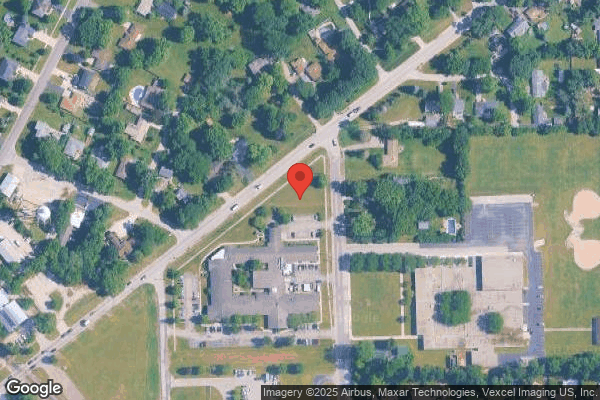
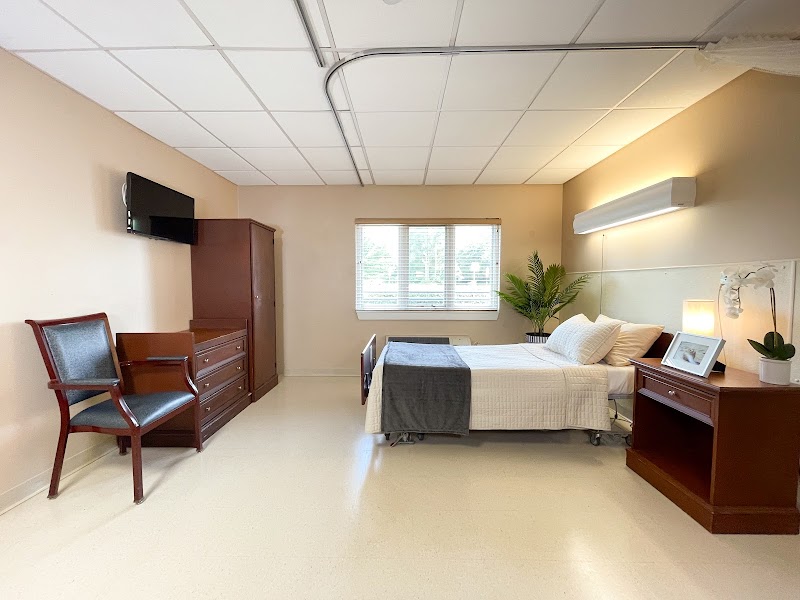
14716 S EASTERN AVENUE, PLAINFIELD, IL 60544 (815) 436-3400
For profit - Limited Liability company 131 Beds EXTENDED CARE CLINICAL Data: November 2025
Trust Grade
50/100
#256 of 665 in IL
Last Inspection: April 2025

Within standard 12-15 month inspection cycle. Federal law requires annual inspections.

Overview

Lakewood Nursing and Rehab Center has a Trust Grade of C, indicating an average level of care and performance compared to other facilities. They rank #256 out of 665 nursing homes in Illinois, placing them in the top half, and #7 out of 16 in Will County, meaning there are only a few local options that perform better. Unfortunately, the facility is trending worse, with reported issues increasing from 6 in 2024 to 15 in 2025. Staffing is a concern, rated at 2 out of 5 stars, with a turnover rate of 44%, which is slightly below the state average. While there have been no fines reported, which is a positive sign, there were serious incidents noted in inspections. For example, one resident did not receive proper care for a urinary catheter, leading to hospitalization for a urinary tract infection. Another resident required timely tracheotomy care that was neglected, resulting in severe respiratory distress and hospitalization. Additionally, residents reported concerns about long response times to call lights and fear of retaliation for voicing care issues. Overall, while the facility has strengths, such as no fines and average RN coverage, there are significant weaknesses that families should consider carefully.

Trust Score
C
50/100
In Illinois
#256/665
Top 38%
Safety Record
Moderate
Needs review
Inspections
Getting Worse
6 → 15 violations
Staff Stability
○ Average
44% turnover. Near Illinois's 48% average. Typical for the industry.
Penalties
✓ Good
No fines on record. Clean compliance history, better than most Illinois facilities.
Skilled Nurses
○ Average
Each resident gets 40 minutes of Registered Nurse (RN) attention daily — about average for Illinois. RNs are the most trained staff who monitor for health changes.
Violations
⚠ Watch
33 deficiencies on record. Higher than average. Multiple issues found across inspections.
★★★☆☆
3.0
Overall Rating
★★☆☆☆
2.0
Staff Levels
★★★★☆
4.0
Care Quality
★★★☆☆
3.0
Inspection Score
Stable
2024: 6 issues
2025: 15 issues

The Good

  • 4-Star Quality Measures · Strong clinical quality outcomes
  • Full Sprinkler Coverage · Fire safety systems throughout facility
  • No fines on record
  • Staff turnover below average (44%)

    4 points below Illinois average of 48%

Facility shows strength in quality measures, fire safety.

The Bad

3-Star Overall Rating

Near Illinois average (2.5)

Meets federal standards, typical of most facilities

Staff Turnover: 44%

Near Illinois avg (46%)

Typical for the industry

Chain: EXTENDED CARE CLINICAL

Part of a multi-facility chain

Ask about local staffing decisions and management

The Ugly 33 deficiencies on record

2 actual harm
Jun 2025 1 deficiency 1 Harm
SERIOUS (G) 📢 Someone Reported This

A family member, employee, or ombudsman was alarmed enough to file a formal complaint

Actual Harm - a resident was hurt due to facility failures

Incontinence Care (Tag F0690)

A resident was harmed · This affected 1 resident

Based on interview and record review, the facility failed to assess the urinary status of a resident with an indwelling urinary catheter. This failure resulted in the resident experiencing urinary ret...

Read full inspector narrative →
Based on interview and record review, the facility failed to assess the urinary status of a resident with an indwelling urinary catheter. This failure resulted in the resident experiencing urinary retention and being hospitalized with a diagnosis of UTI (Urinary Tract Infection). This applies to 1 of 3 residents (R1) reviewed for catheters in a sample of 3. The findings include: R1's face sheet shows an admission date to the facility on 2/24/25. R1's face sheet showed his diagnoses chronic kidney disease, benign prostatic hyperplasia without lower urinary tract symptoms, and neuromuscular dysfunction of bladder. R1's 4/30/2025 MDS (Minimum Data Set) showed he was severely cognitively impaired and had an indwelling urinary catheter. R1's progress note from 5/17/25 at 12:21 PM showed [R1] being discharged to another nursing home .Ambulance here to transfer [R1] during transport with paramedic staff informed writer that due to vital signs and resident's mentality status, they were diverting [R1] to [local hospital] . R1's 5/17/2025 History of Present Illness ER note from 2:07 PM showed he had his [indwelling urinary catheter] changed out with doing this there was frank pus in the [catheter] and he had about 1.9 liters of brisk urine output with replacement of the [catheter]. On 5/28/25 at 9:52 AM, V3 LPN (Licensed Practical Nurse) stated she was R1's nurse on 5/17/2025 and she couldn't remember anything about his catheter. V3 stated the CNA (Certified Nursing Assistant) most probably emptied it out and the CNAs performed catheter care on R1. V3 stated if something was wrong with his catheter, I would attempt to irrigate it. If that doesn't work, I will change it. R1's 5/17/2025 emergency room (ER) notes showed Diagnosis: Urinary Tract Infection associated with indwelling urethral catheter. On 5/17/25 at 12:26 PM, Bladder exceptionally full unable to fully measure on bedside ultrasound. He does have chronic indwelling Foley catheter . however it is dry, there is no urine in the bag. Suspect, [it] has been displaced. At this point, high suspicion for urosepsis due to urinary retention, likely [acute kidney injury] and electrolyte disturbance present .will reassess .once his bladder is decompressed . Imaging studies: CT (Computerized Tomography) abdomen pelvis with IV Contrast-Final Result . Bilateral urothelial thickening suspicious for ascending urinary tract infection . R1's Electronic Medical Record (EMAR) showed the order Catheter: Record output from urinary catheter every shift. R1's last recorded output was 300 cc at 10:30 PM on 5/16/2025, with nothing documented at the end of night shift (approximately 6:30 AM on 5/17), or prior to R1 discharging the facility around noon on 5/17/2025 (approximately 13 hours after the last documented output). On 5/28/25 at 9:29 AM, V2 (DON-Director of Nursing) stated the following: Catheter care is done daily and as needed by the CNA's (Certified Nursing Assistants) or nurses. On 5/30/25 at 12:16 PM, V2 stated nurses are to assess the resident's catheter to see if it's patent and draining. V2 stated they should look at the bag and at the urine color and see if it's normal. V2 stated nurses should check the abdomen for distention and should feel the abdomen and assess for discomfort. V2 stated nurses should change the tubing when the urine is cloudy or when it's not draining, adding nurses have to do a basic nursing assessment. V2 stated as long as the CNAs see the catheter draining and they empty it, they don't consider there is a blockage anywhere. V2 stated there are not specific times when the staff empty the catheters, but it should be per shift. V2 stated normally, CNAs empty catheters at the end of the shift. V2 verified there was no documentation of R1's urinary output on 5/17/2025. On 5/30/25 at 12:30 PM, V6 (Nurse Practitioner) stated she did not see R1's catheter on the day he was discharged . V6 stated that as long as there is urine output and the catheter is draining, then the catheter is functioning. V6 stated there should be urine that's not bloody or cloudy in the tubing. V6 stated nurses should look to see if the catheter is draining appropriately. R1's POS (Physician Order Sheet) shows orders for Indwelling Catheter: Catheter Care daily and as needed. Catheter: Record output from urinary catheter every shift. The facility's Catheter Care, Urinary (revised September 2005) policy showed The purpose of this procedure is to prevent infection of the resident's urinary tract 7. Maintain an accurate record of the resident's daily output, per facility policy and procedure . 12. Empty the collection bag at least every eight (8) hours . 14. Observe the resident for signs and symptoms of urinary tract infection and urinary retention . Report findings to the supervisor immediately .
Apr 2025 13 deficiencies
CONCERN (D)

Potential for Harm - no one hurt, but risky conditions existed

Deficiency F0657 (Tag F0657)

Could have caused harm · This affected 1 resident

Based on observation, interview and record review, the facility failed to do a smoking assessment and revise the plan of care when a resident resumed smoking. This applies to 1 of 1 residents (R71) r...

Read full inspector narrative →
Based on observation, interview and record review, the facility failed to do a smoking assessment and revise the plan of care when a resident resumed smoking. This applies to 1 of 1 residents (R71) reviewed for smoking in the sample of 23. The findings include: R71's EMR (electronic medical records) showed diagnoses of type 2 diabetes mellitus with hyperglycemia, cerebral infarction, difficulty in walking, not elsewhere classified, need for assistance with personal care, history of falling. R71's POS (Physician Order Sheet) admitted to Hospice on February 6, 2025 with diagnoses of liver cancer. R71's Significant Change MDS (minimum data set) dated February 7, 2025 showed that R71 was cognitively intact. On March 31, 2025 at 10:10 AM, R71 stated I am a smoker. I smoke outside depending on the weather. My CNA (Certified Nursing Assistant) or somebody takes me. Review of R71's EMR on March 31, 2025 did not show any current Smoking Assessment or current plan of care for smoking. The same EMR showed that R71 had signed a smoking contract on April 19, 2024. Facility also provided an initial Smoking Assessment and care plan done for R71 on April 16, 2024. On April 1, 2025 at 9:57 AM, V11 (Social Service Assistant) stated that the facility fills out a smoking contract and also does an assessment and plan of care for resident's who smoke. V11 stated that he is not aware that R71 currently smokes. V11 stated that he will look into the matter and provide information. On April 1, 2025 at 10:12 AM, V11 returned with V10 (Social Service Director) who stated that V11 had done an evaluation in February 2025 and at that time R71 stated that she is not smoking. V10 stated that R71 has had a previous smoking contact in place on April 19, 2024 and an assessment and plan of care was done then. V10 stated We are hearing from nursing that she is wanting to smoke again and we are going to update her contract and review the smoking policy with R71 and do an assessment and plan of care. V10 stated that the contract is renewed and assessment and care plan done during an Annual, quarterly, significant change and as needed if the resident decides to smoke. On April 1, 2025 at 11:12 AM, R71 was seen smoking outside the facility in enclosed courtyard seated beside V16 (Hospice Volunteer). R71 had a lighter and cigarette and was able to light the cigarette by herself. R71 stated that her son provides the cigarettes and lighter. V16 stated that she visits every Friday and for the past 4 Fridays has taken R71 out to smoke. V16 stated that counting April 1, 2025, she has accompanied R71 five times. V16 stated that she gets a pouch containing cigarettes and a lighter from nursing staff as they keep the pouch in a cart. On April 2, 2025 at 11:53 AM, V24 (Registered Nurse) stated that he recalls that R71 has been smoking after she was moved to the current unit and has been more than one month. V24 stated that R71's pouch with cigarettes and lighter is kept in the cart near the nurses station. Facility policy titled Resident Smoking (effective date November 1, 2023) included as follows: Standards: It is the policy that smoking is allowed in designated smoking areas. Responsible Party: All facility personnel, residents and visitors. 2. All residents who desire to smoke will have a smoking assessment performed by a member of the Social Services Department an/or nursing department to determine if they are safe to smoke independently. The assessments will be reviewed by the interdisciplinary team for determination of appropriate interventions, if needed as well as care plan development. 3. Smoking risk assessment's are performed upon admission and quarterly or with any changes which could affect the safety of the resident. These assessments are reviewed by the interdisciplinary team for agreement and planning of interventions including adaptive devices, safety precautions and or further evaluation by therapy.
CONCERN (D)

Potential for Harm - no one hurt, but risky conditions existed

Deficiency F0687 (Tag F0687)

Could have caused harm · This affected 1 resident

**NOTE- TERMS IN BRACKETS HAVE BEEN EDITED TO PROTECT CONFIDENTIALITY** Based on observation, interview, and record review, the facility failed to ensure that foot care is provided for a resident who ...

Read full inspector narrative →
**NOTE- TERMS IN BRACKETS HAVE BEEN EDITED TO PROTECT CONFIDENTIALITY** Based on observation, interview, and record review, the facility failed to ensure that foot care is provided for a resident who needs total assistance for personal care. This applies to 1 of 1 resident (R56) reviewed for foot care in the sample of 23. The findings include: Face sheet shows R56 is 74 years-old who has multiple medical diagnoses including needs for assistance with personal care, Alzheimer's disease with late onset. Minimum Data Set (MDS) dated [DATE], shows that R56 has severe cognitive impairment and requires total care for all her activities of daily living. On April 1, 2025, at 1:45 PM, R56 was lying in her bed, she was non-verbal and displayed flat affect. V13 (Nurse/LPN), removed R56's socks and revealed skin flakes and very dry skin on the feet. R56's toenails were noted to be overgrown on both feet. V13 measured. R56's toes were all in its proper upright position, however, all her left and right toenails grew sideways each measuring 0.5 centimeter (cm) in length on the small toes. The left big toenail which was also overgrown was slightly misaligned from the toe. The bottom left side of the left big toenail separated from the nail matrix and cuticle creating a gap with unknown black substance in between. While the right big toenail was sticking sideway as well measuring 1.8 cm in length. On April 1, 2025, at 2:04 PM, V13 (Nurse/LPN) stated that the facility certified nursing assistants (CNA) or the hospice CNA staff should notify the nurses for R56's needs of podiatry consult for toenail clipping. It should have been clipped because it can snag into the socks which can cause discomfort or misalignment of the nails, or it can cause the nail to get pulled off the nail bed. V13 was unable to tell when R56 was last seen by the podiatrist. On April 1, 2025, at 3:04 PM, V2 (Director of Nursing (DON) stated that toenails should be assessed by the staff. If the toenails needed clipping, the staff should refer it and obtain consent from either the resident or family member for podiatry consult as needed. Care of Fingernails/Toenails Policy and Procedure dated April 2007: Purpose: The purpose of this procedure is to clean the nail bed, to keep nails trimmed, and to prevent infections. General Guidelines: 1. Nail care includes daily cleaning and regular trimming. 2. Proper nail care can aid in the prevention of skin problems around the nail bed. 4. Trimmed and smooth nails prevent the resident from accidentally scratching and injuring his or her skin
CONCERN (D)

Potential for Harm - no one hurt, but risky conditions existed

Respiratory Care (Tag F0695)

Could have caused harm · This affected 1 resident

Based on observation, interview and record review, the facility failed to follow physician's order for oxygen administration. The facility also failed to change the oxygen tubing and maintain water le...

Read full inspector narrative →
Based on observation, interview and record review, the facility failed to follow physician's order for oxygen administration. The facility also failed to change the oxygen tubing and maintain water level in humidifier bottle per facility's policy and procedure. This applies to 1 of 1 resident (R81) reviewed for oxygen therapy in the sample of 23. The findings include: R81 has multiple diagnoses including acute and chronic respiratory failure with hypoxia, chronic obstructive pulmonary disease, and dependence on supplemental oxygen based on the face sheet. On March 31, 2025, at 9:52 AM, R81 was observed sitting in his wheelchair. R81 had oxygen via nasal canula at one liter per minute using an oxygen concentrator. The oxygen tubing was dated March 23, 2025. The water in the humidifier bottle was almost empty and there were no bubbles noted. There was no date on the humidifier bottle. On April 1, 2025, at 9:30 AM, R81 was sitting in his wheelchair. V2 (Director of Nursing) was present during this observation. V2 was asked to look at the oxygen concentrator. She acknowledged that the tubing was dated March 23, 2025, and the patient was receiving one liter per minute of oxygen. V2 stated the oxygen tubing is changed weekly every Wednesday and as needed. R81's current physician's order dated February 26, 2025, showed an order for continuous oxygen at two liters per minute via nasal canula. R81's current care plan initiated on February 19, 2025, showed R81 has chronic obstructive pulmonary disease, obstructive sleep apnea, and hypoxia. Under interventions, it showed oxygen to be administered as directed. On April 2, 2025, at 9:41 AM V2 (Director of Nursing) acknowledged physician orders need to be followed for oxygen administration since oxygen is a medication. The oxygen tubing is to be changed weekly and as needed for infection control purposes. V2 also acknowledged humidifier bottles on oxygen concentrators need to have appropriate water level and it should be bubbling when in use to provide moisture to the residents. The facility's policy for oxygen administration last revised in March 2004 showed under preparation, 1. Verify that there is a physician's order for this procedure. Review the physician's orders or facility protocol for oxygen administration. 2. Review the resident's care plan to assess for any special needs of the resident. Under steps in the procedure showed in-part, 11. Periodically re-check water level in humidifying jar.
CONCERN (D)

Potential for Harm - no one hurt, but risky conditions existed

Unnecessary Medications (Tag F0759)

Could have caused harm · This affected 1 resident

Based on observation, interview, and record review, the facility failed to follow physician's order during medication administration. There were 26 medication opportunities with 2 errors resulting to ...

Read full inspector narrative →
Based on observation, interview, and record review, the facility failed to follow physician's order during medication administration. There were 26 medication opportunities with 2 errors resulting to 7.69% medication error rate. This applies to 1 of 4 residents (R15) reviewed for medication administration in the sample of 23. The findings include: On March 31, 2025, at 5:05 PM, V8 (Nurse/RN) prepared and administered multiple medications to R15 including, 10 milliliters (ml) of Lactulose Solution (10 mg/15/ml) orally and 6 units of Novolog (Aspart) to R15 subcutaneously. Prior to medication administration R15's blood sugar level was checked, and the result showed 213 mg/dl (milligrams per deciliter). R15's Medication Administration Record (MAR) dated March 2025, showed that R15 is supposed to receive Lactulose 30 ml (20 grams) and the Novolog sliding scale shows that R15 is supposed to receive 4 units based on his blood sugar reading of 213. On April 1, 2025, at 12:21 PM, V2 (Director of Nursing/DON) stated the nurse must administer medication per physician order. They should follow the 5 rights of administering medications which include right dose. Facility's medication administration policy and procedure with effective date of October 25, 2014, shows: Medications are administered in accordance with written orders of the prescriber.
CONCERN (D)

Potential for Harm - no one hurt, but risky conditions existed

Deficiency F0806 (Tag F0806)

Could have caused harm · This affected 1 resident

Based on observation, interview and record review, the facility failed to provide lunch meal options of similar nutritive value to the main entree. This applies to 2 of 2 residents (R32, R266) review...

Read full inspector narrative →
Based on observation, interview and record review, the facility failed to provide lunch meal options of similar nutritive value to the main entree. This applies to 2 of 2 residents (R32, R266) reviewed for dining in the sample of 23. The findings include: Week at a glance menu for week 2 (Monday) lunch meal included Lemon Baked Tilapia, Wild [NAME] Blend and Sliced Zucchini. Facility Alternate Menu listing included grilled cheese sandwich. On March 31, 2025 on 12:12 PM and 12:24 PM during lunch meal service, R32 and R266 received a grilled cheese sandwich with a side of zucchini. R32 and R266 meal tickets showed that they had ordered the grilled cheese sandwich in substitute for the main meal. V6 (Cook) who prepared the sandwiches stated that he used 2 slices of American cheese with 2 slices of bread to make the grilled cheese sandwich. Nutrition facts for American cheese slices included that 1 slice has 3 grams protein. On April 2, 2025 at 2:10 PM, V18 (Dietitian) stated that Lemon Baked Tilapia is a 3 oz/ounce portion. V18 stated that 1 oz =7 grams of protein and that 3 oz portion=21 grams of protein. V18 agreed that since only 2 slices of cheese was used to make the grilled cheese sandwich, the item only had 6 grams of protein. V18 also agreed that the facility should have offered an additional item to provide 21 gram of protein for the substitute meal to meet the nutrition needs for the meal. Facility policy titled Selective Menus (effective June 2023) included as follows: Policy: It is the Policy of [facility] if selective meals are offered, selections will be provided within allowed dietary modifications Purpose: The purpose of this policy is to create nutritious menus and portion control in which will be freshly prepared and served by culinary chefs at the communities and to identify the basic factors involved in menu planning.
CONCERN (D)

Potential for Harm - no one hurt, but risky conditions existed

Deficiency F0810 (Tag F0810)

Could have caused harm · This affected 1 resident

Based on observation, interview and record review the facility failed to assess and provide appropriate adaptive eating equipment to maintain ability to eat independently for a resident identified wit...

Read full inspector narrative →
Based on observation, interview and record review the facility failed to assess and provide appropriate adaptive eating equipment to maintain ability to eat independently for a resident identified with limited range of motion on the upper extremities. This applies to 1 of 1 resident (R51) reviewed for adaptive eating equipment in the sample of 23. The findings include: R51 had multiple diagnoses including dementia without behavioral disturbance, cerebral infarction, cerebral ischemia and cognitive communication deficit, based on the face sheet. R51's quarterly MDS (minimum data set) dated January 8, 2025 showed that the resident was severely impaired with cognition. The same MDS showed that R51 had functional limitation to both upper extremities and required setup or clean-up assistance from the staff with eating. On March 31, 2025 at 12:58 PM, R51 was sitting in her recliner wheelchair inside the first floor main dining room. R51 was eating her lunch meal independently. R51 was not able to move her left arm and hand and uses only her right hand to eat using a fork. While attempting to get/scoop her food consisting of baked fish and rice, most of the food fell out of her plate to the table and while eating, some of her food fell on the resident's protective clothing because, R51 was having a hard time bringing the fork with food to her mouth. No staff assisted R51 during this meal observation. During the same meal observation V21 (Restorative Nurse) removed a chunk of fish from R51's protective clothing, but no assistance was provided to the resident to ensure that the resident consumes the rest of her meal. On April 1, 2025 at 12:48 PM, R51 was sitting in her recliner wheelchair inside the first floor main dining room. R51 was eating her lunch meal independently. R51 was not able to move her left arm and hand and uses only her right hand to eat using a fork. While attempting to get/scoop her food consisting of stuffed cabbage roll, two chunks of meat fell on the floor and while eating the cabbage, some of it fell on the resident's protective clothing. R51 was observed getting the cabbage that fell on her protective clothing using her right hand fingers and eating it. During this meal observation, no staff assistance was provided. At 1:02 PM, V22 (Restorative Certified Nursing Assistant) removed the cabbage from R51's protective clothing and started to assist R51 with eating. During this time, V2 (Director of Nursing) was called to the main dining room. It was pointed to V2 that two chunks of meat from the stuffed cabbage roll fell on the floor while R51 was attempting to get/scoop her food. V2 was also informed of R51's lunch meal observation on March 31, 2025. V2 was asked if R51 was assessed for the need to use any adaptive equipment for eating. V2 stated that she will ask the restorative department or the therapy department to assess R51. R51's restorative nursing program documentation dated April 1, 2025 at 3:26 PM created by V21 (Restorative Nurse) showed, that eating restorative program was assessed. The restorative nursing program documentation showed that R51 had limited ability to feed self independently. The goal was for R51 to feed self, using a scoop plate as adaptive equipment and the staff to assist R51 as needed daily. The same program documentation showed, She participates with occasional cueing and staff assist as needed. Resident continues to spill food occasionally during self-feed but does benefit from a scoop plate. On April 2, 2025 at 9:28 AM, V21 stated that she assessed R51 on April 1, 2025 after lunch, for the need for adaptive eating equipment to aide in resident self-feeding. V21 stated that based on her assessment, R51 needed a scoop plate as an adaptive eating equipment to prevent her food from spilling out of her plate and to improve her ability to eat independently. V21 added that R51 can grip the regular utensils like fork or spoon and the resident does not need a special utensil. During the same interview, V21 stated that the staff should provide cueing and/or assistance to R51 as needed to ensure nutritional intake. On April 2, 2025 at 9:43 AM, V2 (Director of Nursing) stated that as part of the nursing care and services, the nursing staff are expected to report to the nurse or to the therapy or restorative department any resident needing adaptive eating equipment or utensils, to ensure that the resident is assessed appropriately and promptly, so that needed adaptive eating equipment or utensils could be provided to ensure nutritional intake.
CONCERN (E)

Potential for Harm - no one hurt, but risky conditions existed

Grievances (Tag F0585)

Could have caused harm · This affected multiple residents

**NOTE- TERMS IN BRACKETS HAVE BEEN EDITED TO PROTECT CONFIDENTIALITY** Based on interview and record review the facility failed to ensure residents felt safe voicing grievances without fear of retali...

Read full inspector narrative →
**NOTE- TERMS IN BRACKETS HAVE BEEN EDITED TO PROTECT CONFIDENTIALITY** Based on interview and record review the facility failed to ensure residents felt safe voicing grievances without fear of retaliation. This applies to 10 of 10 residents (R31, R36, R45, R48, R49, R50, R63, R79, R82, R167) reviewed for grievances in the sample 23. The findings include: On March 31, 2025 at 10:10 AM, R48 stated she has had other residents tell her not to say anything about the care for fear of retaliation. R48 is a [AGE] year old admitted to the facility on [DATE]. R48 Minimum Data Set (MDS) dated [DATE] showed her to be cognitively intact. On March 31, 2025, at 11: 00 AM, R167 stated it takes 2 hours for them to answer call lights. R167 stated, If you complain you get hurt. R167 stated she has reported to the staff regarding how long it takes to get help. R167 stated after she complained the help got worse. R167 stated the staff were rough-handling her and she had even longer times to wait for assistance. On March 31, 2025 at 11:16 AM, R63 stated she had a Certified Nursing Assistant (CNA) tell her they can't change R63 every time she urinates. R63 stated they are not nice when you tell them you need something. R63 stated, I'm not here because I want to be here. I'm tired of their attitudes. R79 is [AGE] years old and was admitted to the facility on [DATE]. R79 care plan dated August 12, 2024 showed she had a self-care performance deficit. On March 31, 2025 at 11:42 AM, R79 stated when she calls for help, if they don't want to come they don't come. R79, she doesn't complain because there is no use. 2. On April 1, 2025, at 12:54 PM, a resident council meeting was held during the facility's annual survey. In attendance were R31, R36, R45, R49, R50, R82, and R167. R31's EMR (Electronic Medical Record) showed R31 was admitted to the facility on [DATE], with diagnoses that included Guillain-Barre syndrome, weakness, disorder of muscle unspecified, and muscle atrophy. R31's MDS dated [DATE], showed R31 was cognitively intact. R31 required moderate staff assistance for toileting, showering, and dressing. R36's EMR showed R36 was admitted to the facility on [DATE], with diagnoses that included chronic obstructive pulmonary disease, muscle wasting, and phantom limb syndrome with pain. R36's MDS dated [DATE], showed R36 was cognitively intact. R36 required set-up or clean up assistance for eating and showering. R45's EMR showed R45 was admitted to the facility on [DATE], with diagnoses that included rheumatoid arthritis, morbid obesity, muscle wasting and atrophy. R45's MDS dated [DATE], showed R45 had moderate cognitive impairment. R45 required moderate staff assistance with toileting, showering, and lower body dressing. R49's EMR showed was admitted to the facility on [DATE], with diagnoses that included chronic atrial fibrillation, chronic obstructive pulmonary disease, muscle wasting and atrophy of multiple sites. R49's MDS dated [DATE], showed R49 was cognitively intact and required staff moderate assistance for toileting, showering, and dressing. R50's EMR showed R50 was admitted to the facility on [DATE], with diagnoses that included disorder of the muscles, history of falls, dizziness and giddiness, weakness, and chronic obstructive pulmonary disease. R50's MDS dated [DATE], showed R50 was cognitively intact. R50 was dependent on staff for toileting, maximal assistance for showering, dressing, and personal hygiene. R82's EMR showed R82 was admitted to the facility on [DATE] with diagnoses that included rheumatoid arthritis without rheumatoid factor, unspecified acquired deformity of right and left hands, and muscle weakness. R82's MDS dated [DATE], showed R82 was cognitively intact. R82 was dependent on staff for toileting, and lower body dressing. R82 required maximal assistance for showering and personal hygiene. During the resident council meeting, all residents in attendance stated they were afraid to report a grievance to anyone in the facility because of fear of retaliation by the staff members. R82 said her roommate (R79) wanted to come to the resident council meeting but refused to come because she was afraid of retaliation. R167 said her roommate also refused to come to the meeting for fear of retaliation. R167 said there is retaliation by the staff members which included the staff not answering the call lights timely, not assisting them with care, and being rough with them when they do assist with care. R49 said retaliation from staff is always in the back of her mind when she has concerns and R31, R36, R45, R50, and R82 all agreed with R49. The facility's Resident Rights given at admission, show the following: The facility must ensure that you are free from retaliation and discrimination in exercising your rights. The facility's resident rights guideline revised October/2023 showed that residents have, the right to voice grievances to the staff of the facility, or any other person, without fear of discrimination or reprisal. Based on interview and record review the facility failed to ensure residents felt safe voicing grievances without fear of retaliation. This applies to 10 of 10 residents (R31, R36, R45, R48, R49, R50, R63, R79, R82, R167) reviewed for grievances in the sample 23. The findings include: On March 31, 2025 at 10:10 AM, R48 was able to be interviewed and stated she has had other residents tell her not to say anything about the care for fear of retaliation. R48 is a [AGE] year old admitted to the facility on [DATE]. R48 Minimum Data set (MDS) dated [DATE] showed her to be cognitively intact. On March 31, 2025, at 11: 00 AM, R167 stated it takes 2 hours for them to answer call lights. R167 stated, If you complain you get hurt. R167 stated she has reported to the staff regarding how long it takes to get help. R167 stated after she complained the help got worse. R167 stated the staff were rough-handling her and she had even longer times to wait for assistance. R167 stated, It puts some fear in you. On March 31, 2025 at 11:16 AM, R63 was able to be interviewed and stated she had a Certified Nursing Assistant (CNA) tell her they can't change R63 every time she urinates. R63 stated they are not nice when you tell them you need something. R63 stated, I'm not here because I want to be here. I'm tired of their attitudes. R79 is [AGE] years old and was admitted to the facility on [DATE]. R79 care plan dated August 12, 2024 showed she had a self-care performance deficit. On March 31, 2025 at 11:42 AM, R79 was able to be interviewed and stated when she calls for help, if they don't want to come they don't come. R79, said she doesn't complain because there is no use. It is not good for us. They will take actions on us. They will gang up on you. I don't want to say anything because I will get problems. They will gang up on you and we suffer. The facility's Resident rights given at admission show the following: The facility must ensure that you are free from retaliation and discrimination in exercising your rights. The facility's resident rights guideline revised 10/2023 showed that residents have, the right to voice grievances to the staff of the facility, or any other person, without fear of discrimination or reprisal.
CONCERN (E)

Potential for Harm - no one hurt, but risky conditions existed

ADL Care (Tag F0677)

Could have caused harm · This affected multiple residents

**NOTE- TERMS IN BRACKETS HAVE BEEN EDITED TO PROTECT CONFIDENTIALITY** Based on observation, interview and record review, the facility failed to assist residents, who were identified as needing assis...

Read full inspector narrative →
**NOTE- TERMS IN BRACKETS HAVE BEEN EDITED TO PROTECT CONFIDENTIALITY** Based on observation, interview and record review, the facility failed to assist residents, who were identified as needing assistance, with hygiene and grooming. This applies to 5 of 5 residents (R54, R81, R86, R366, R368) reviewed for ADL (activities of daily living) in the sample of 23. The findings include: 1.R81 has multiple diagnoses including disorder of the muscle and need for assistance with personal care based on the face sheet. R81's admission MDS (minimum data set) dated February 25, 2025, showed the resident is cognitively intact. The same MDS showed the resident has functional limitation in range of motion on both sides of his upper extremities and he needs assistance with personal hygiene. On March 31, 2025, at 9:52 AM, R81 was observed sitting in his wheelchair. He is alert, oriented, and verbally responsive. He was observed to have long and unkempt facial hair. When asked, R81 stated he wanted the staff to shave him. On April 1, 2025, at 9:30 AM, R81 was sitting in his wheelchair and still had long and unkempt facial hair. R81 stated he wants the staff to trim his facial hair. V2 (Director of Nursing) was present during this observation. He said to V2 food gets stuck in the hair. V2 acknowledged the resident needs facial hair grooming. R81's current care plan initiated on February 21, 2025, showed he has ADL self-care performance deficit due to decreased mobility, weakness, and other disease processes. The same care plan states R81 requires staff assistance for all ADLs. The facility's policy for ADL effective February 2023 showed under guidance, In accordance with the comprehensive assessment, together with respect for individual resident needs and choices, our facility provides care and services for the following activities: Hygiene: bathing, dressing, grooming and oral care. 5. R86's EMR (Electronic Medical Record) showed R86 was admitted to the facility on [DATE], with diagnoses that included acute and chronic respiratory failure, chronic obstructive pulmonary disease, type 2 diabetes, morbid obesity, weakness, dependence on supplemental oxygen, and dependence on other enabling machines and devices. R86's MDS (Minimum Data Set) dated March 12, 2025, showed R86 was cognitively intact and was dependent on staff for toileting, showering/bathing, and personal hygiene. R86 was incontinent of bowel. R86's care plan showed R86 had an ADL (Activity of Daily Living) self-care performance deficit related to decreased mobility and weakness, related to respiratory failure, morbid obesity, pain, weakness and disease process. The interventions included staff are to provide assistance as needed for transfers, walk in room, walk in corridor, bathing dressing, eating, toileting hygiene, and oral hygiene ADLs. On March 31, 2025, at 9:52 AM, R86 was in bed and there was a foul odor noted when standing next to the bed. R86 had long facial whiskers and said he needs help to shave because he cannot see to do it himself. R86 said he prefers bed baths and his scheduled days are Monday and Thursday. R86 said his last bed bath was last Monday (March 24, 2025). R86 said if it is not his shower day, they do not offer to provide any care at all. R86's urinal with 800 ml (Milliliters) was sitting on his over the bed tray table. R86 said was sitting there when the staff brought his breakfast tray. He said the staff just set his breakfast next to the urinal. At 12:07 PM, urinal with 400 ml sitting on his over the bed tray table. At 12:55 PM, Resident was eating lunch in his room, tray was on the over the tray table next to his urinal which had 400 ml of urine. Resident said this bottle has been sitting for a while, since before they brought my lunch tray. R86 said he is not able to get out of bed to use the bathroom and that is why he has the urinal and not able to empty it himself. On April 2, 2025, at 10:03 AM, V2 (DON/Director of Nursing) stated that on non-shower days the expectation is that the CNAs (Certified Nurse Assistants) still provide hygienic care to the resident and that includes washing face, hands, perineal care, underarms, oral hygiene, combing hair, and dressing. V2 added that normally residents get shaved on shower days, but it can be done whenever needed. V2 stated that nail care should be done when needed and that staff from activities will also go around and help with nail care for the residents. V2 stated that emptying the urinal is part of R86's toileting care. 2. R54 had multiple diagnoses including displaced intertrochanteric fracture of the left femur and muscle wasting and atrophy, based on the face sheet. R54's admission MDS dated [DATE] showed that the resident was moderately impaired with cognition. The same MDS showed that R54 had functional limitation in range of motion to both upper extremities and required total assistance from the staff with personal hygiene. On March 31, 2025 at 10:22 AM, R54 was sitting in her wheelchair inside her room. R54 was alert and oriented. R54's fingernails were long and jagged. According to R54 she had asked the staff several times for her fingernails to be trimmed and no one had assisted her with the trimming. On April 1, 2025 at 9:38 AM, R54 was sitting in her wheelchair inside her room. R54 was alert and oriented. R54's fingernails were long and jagged. R54 stated that she wanted the staff to trim her fingernails. V2 (Director of Nursing) was present during the observation and acknowledged that R54's fingernails were long and needed to be trimmed. R54's active care plan initiated on March 12, 2025 showed that the resident has ADL self-care performance deficit related to decreased mobility, weakness, and other disease processes. The same care plan showed that R54 required staff assistance for all ADLs. 3. R366 had multiple diagnoses including acute respiratory failure with hypoxia, and muscle wasting and atrophy, based on the face sheet. R366's admission MDS dated [DATE] showed that the resident was cognitively intact. The same MDS showed that R366 had functional limitation in range of motion to both upper extremities and required assistance from the staff with personal hygiene. On March 31, 2025 at 11:34 AM, R366 was sitting in her wheelchair inside her room. R366 was alert and oriented. R366's fingernails were long, jagged with black substances under some of her fingernails. R366 wanted the staff to trim and clean her fingernails. On April 1, 2025 at 9:16 AM, R366 was in bed, alert and oriented. R366's fingernails were long, jagged with black substances under some of her fingernails. In the presence of V2, R366 stated that she wants the staff to trim and clean her fingernails. V2 acknowledged that R366's fingernails needed trimming and cleaning. R366's active care plan initiated on March 26, 2025 showed that the resident has ADL self-care performance deficit related to decreased mobility, weakness, and other disease processes. The same care plan showed that R366 required staff assistance for all ADLs. 4. R368 had multiple diagnoses including multiple sclerosis, muscle wasting and atrophy, stiffness of the left and right hand, and functional quadriplegia, based on the face sheet. R368's admission MDS dated [DATE] showed that the resident was cognitively intact. The same MDS showed that R368 had functional limitation in range of motion to both upper extremities and required assistance from the staff with personal hygiene. On March 31, 2025 at 10:53 AM, R368 was sitting in his motorized wheelchair inside his room. R368 was alert and oriented. R368's fingernails were long and jagged. The resident wanted the staff to trim his fingernails. On April 1, 2025 at 9:46 AM, R368 was in bed, alert and oriented. R368's fingernails were long and jagged. R368 stated that he wants the staff to trim his fingernails. V2 was present during the observation and acknowledged that the resident needs assistance with fingernails trimming. R368's active care plan initiated on February 10, 2025 showed that the resident has ADL self-care performance deficit related to multiple sclerosis, decreased mobility, weakness, and other disease processes. The same care plan showed that R368 requires staff assistance for all ADLs. On April 2, 2025 at 9:35 AM, V2 stated that it is part of the nursing care and service, and the staff are expected to assist residents needing assistance with ADL including trimming of facial hair and nail care to ensure and maintain resident's good hygiene and grooming.
CONCERN (E)

Potential for Harm - no one hurt, but risky conditions existed

Pharmacy Services (Tag F0755)

Could have caused harm · This affected multiple residents

Based on observation, interview, and record review the facility failed to ensure accurate and timely accounting of controlled medications, and failed to ensure that narcotic medication is stored in a ...

Read full inspector narrative →
Based on observation, interview, and record review the facility failed to ensure accurate and timely accounting of controlled medications, and failed to ensure that narcotic medication is stored in a sealed packaging. This applies to 4 of 5 residents (R5, R32, R91, R315) reviewed for controlled medications in the sample of 23. The findings include: 1. On April 1, 2025, at 4:12 PM, controlled medication was counted with V9 (Nurse) of the 700 hallway's medication cart. R315's blister pack of Tramadol HCl 50 mg (milligrams) with 16 tablets remaining that were intact and sealed. R315's controlled drug receipt/record/disposition form for the Tramadol showed that there should be 17 remaining in the blister pack. V9 stated that he gave a tablet of Tramadol to R315 earlier and he forgot to sign it out. 2. On April 1, 2025, at 4:41 PM, controlled medication was counted with V25 (Nurse) of the 600 hallway's medication cart. R5's blister pack of Tramadol HCl 50 mg has 1 tablet remaining (tablet number 1). The seal of the packaging of tablet number 1 was broken and taped over. On April 1, 2025, at 5:10 PM, controlled medication was counted with V8 (Nurse) of the 100 hallway's medication cart and the following were observed: 3. R91's blister pack of Lorazepam 0.5 mg number 15 tablet was torn. 4. R32's blister pack of Methylphenidate 10 mg with 10 tablets remaining that were intact and sealed. R32's controlled drug receipt/record/disposition form for the Methylphenidate showed that there should be 11 remaining in the blister pack. V8 stated that she gave a tablet of Methylphenidate earlier to R32. On April 2, 2025, at 1:46 PM, V2 (Director of Nursing/DON) stated that as soon as the nurse pulls out a narcotic medication from the container, the nurse must sign it out at the controlled drug receipt/record/disposition form for accurate tracking or inventory of the medication. If a narcotic packaging is torn, the nurse should not tape it over, but instead they should discard it with another nurse as witness to prevent potential diversion of drugs. The facility's Policy and Procedure for Controlled Substances dated October 25, 2014, shows: Policy: Medications included in the Drug Enforcement Administration (DEA) classification as controlled substances are subject to special handling, storage, disposal, and record keeping in the facility, in accordance with federal and state laws and regulations. Procedures: D. Accurate accountability of the inventory of all controlled drugs is maintained at all times. When controlled substance is administered, the licensed nurse administering the medication immediately enters the following information on the accountability record and the administration record (MAR): 1. Date and time of administration. 2. Amount administered. 3. Remaining quantity. 4. Initial of the nurse administering the dose, completed after the medication is actually administered. E. When a dose of a controlled medication is removed from the container for administration but refused by the resident or not given for any reason, it is not placed back in the container. It must be destroyed according to facility policy and the disposal documented on the accountability record on the line representing that dose.
CONCERN (E)

Potential for Harm - no one hurt, but risky conditions existed

Deficiency F0761 (Tag F0761)

Could have caused harm · This affected multiple residents

**NOTE- TERMS IN BRACKETS HAVE BEEN EDITED TO PROTECT CONFIDENTIALITY** Based on observation, interview, and record review, the facility failed to label medication for the date it was opened to determ...

Read full inspector narrative →
**NOTE- TERMS IN BRACKETS HAVE BEEN EDITED TO PROTECT CONFIDENTIALITY** Based on observation, interview, and record review, the facility failed to label medication for the date it was opened to determine expiration date. The facility also failed to remove medication upon its used by date. This applies to 4 of 6 residents (R4, R32, R33, R315) reviewed for labeling and storage of medication in the sample of 23. The findings include: On April 1, 2025, from 3:56 PM to 5:10 PM, medication carts and medication room inspection was conducted with V8, V9, and V25 (All Nurses) and the following were observed: 1. R315's Trelegy Ellipta (Fluticasone furoate, umeclidinium, and vilanterol inhalation powder) 100 mcg/62.5 mcg/ 25mcg was opened and not dated. The Pharmacy Audit Assistance Service ([NAME]) form shows to discard 6 weeks after this medication was opened. 2. R32's Trelegy 200 mcg/62.5 mcg/25 mcg was opened and not dated. [NAME] form shows to discard 6 weeks after this medication was opened. 3. R4's Fluticasone propionate/Salmeterol Inhaler 250 mcg-50 mcg showed that it was opened on 1/20/25 and used by 2/20/25. [NAME] shows to discard 1 month after it was opened. In addition, R4's Incruse Ellipta 62.5 mcg opened and not dated. [NAME] shows to discard this medication 6 weeks after it was opened. 4. R33's Arnuity Ellipta 100 mcg (Fluticasone Furoate) was opened and not dated. [NAME] shows to discard 6 weeks after this medication was opened. On April 2, 2025, at 1:36 PM, V2 (Director of Nursing/DON) stated the staff must date all insulin, inhalers, eye drops, upon opening to determine expiration date based on manufacturer's guidelines.
CONCERN (E)

Potential for Harm - no one hurt, but risky conditions existed

Menu Adequacy (Tag F0803)

Could have caused harm · This affected multiple residents

Based on observation, interview and record review, the facility failed to follow the menu extension sheet to provide portions as shown for mechanical soft and pureed consistency diets. This applies t...

Read full inspector narrative →
Based on observation, interview and record review, the facility failed to follow the menu extension sheet to provide portions as shown for mechanical soft and pureed consistency diets. This applies to 6 of 6 residents (R2, R14, R17, R19, R33, and R34) reviewed for dining. The findings include: Week at a glance menu for week 2 (Monday) lunch meal included Lemon Baked Tilapia and Sliced Zucchini, Dinner roll. Facility menu extension sheet for mechanical soft diets showed to serve 1 each [piece] of Lemon Baked Tilapia. The extension sheet for pureed diets showed to provide 1/2 cup pureed Lemon Baked Tilapia and 1/3 cup pureed zucchini. Facility Portion Control Chart for scoops showed as follows in cups or oz (ounce) capacity. #16=1/4 cup or 2 oz, #12 =1/3 cup , #10 =3 oz, #8 =1/2 cup or 4 oz On March 31, 2025 at 12:07 PM, V6 (Cook) was platting the food for the lunch meal service in the facility kitchen. V6 used a #16 scoop to serve ground Lemon Baked Tilapia and R2, R14, R17, R33, and R34 who were on mechanical soft diets received the same. V6 used two #16 scoops to serve pureed Lemon Baked Tilapia and one #16 scoop pureed zucchini to R19 who was on a pureed diet with double protein. R19 did not receive pureed soup nor pureed bread. On March 31, 2025 at 12:50 PM, V5 (Dietary Manager) was asked how many ounces one piece of Lemon Baked Tilapia was and why the scoop size for mechanical soft Lemon Baked Tilapia was not listed on the menu. V5 responded I have no idea. I am not a big fan of this menu program. The lady who helps with the program is on vacation. V5 was shown the scoop sizes used on the tray line for above diets observed, V5 stated that V6 should have provided the portion sizes as shown on the menu for pureed diets. V5 stated that she will consult with the menu services to report back on serving portions for mechanical soft diets. V5, on checking with V6, stated that the pureed soup and pureed bread was not prepared. V5 added that soup is an always available item served on the menu for all consistency diets. On April 2. 2025 at 9:50 AM and 2:10 PM, V18 (Dietitian) stated that Lemon Baked Tilapia is 3 oz portion and that the facility should have used a #10 scoop instead of the #16 scoop for the mechanical soft diets in order to receive 3 oz portions. V18 stated that the facility should have used #8 scoop to provide 1/2 cup portion of pureed Lemon Baked Tilapia instead of using #16 scoop and that for double portions protein the resident should receive two #8 scoops. V18 stated that the facility should have used a #12 scoop to serve 1/3 cup of pureed zucchini instead of using the #16 scoop. V18 added that the Pureed diets should receive whatever is offered to other residents. Facility Diet Type Report listing diet orders of residents printed on March 31, 2025, showed that R2, R14, R17, R33, and R34 were on mechanical soft consistency diets, and R19 was on pureed diet with double protein.
CONCERN (E)

Potential for Harm - no one hurt, but risky conditions existed

Infection Control (Tag F0880)

Could have caused harm · This affected multiple residents

**NOTE- TERMS IN BRACKETS HAVE BEEN EDITED TO PROTECT CONFIDENTIALITY** 5. R365 had multiple diagnoses including sacral region pressure injury, and acute local infection of the skin and subcutaneous t...

Read full inspector narrative →
**NOTE- TERMS IN BRACKETS HAVE BEEN EDITED TO PROTECT CONFIDENTIALITY** 5. R365 had multiple diagnoses including sacral region pressure injury, and acute local infection of the skin and subcutaneous tissue, based on the face sheet. On March 31, 2025 at 11:02 AM, R365 was in bed, alert, oriented and verbally responsive. While donning a gown and a pair of gloves, V15 (Licensed Practical Nurse) handled the urinary catheter bag of R365 to check for sediments and then reposition the said catheter bag. While using the same pair of gloves, V15 was about to touch R365's right upper arm PICC (Peripherally Inserted Central Catheter) line. V15 had to be prompted to remove his used gloves, perform hand hygiene and put on a new pair of gloves before touching/handling R365's PICC line. On April 1, 2025 at 2:33 PM, V2 (DON) stated that V15 should remove his gloves after handling R365's urinary catheter bag, perform hand hygiene then put on a new pair of gloves, before touching/handling the resident's PICC line. V2 added that this is performed to prevent cross contamination and prevent infection. 6. On April 1, 2025 at 8:59 AM, V7 (Registered Nurse) prepared R366's medications, including Aspirin. V7 poured three Aspirin tablets inside the said medication container cap/lid, then she (V7) used her ungloved finger to get one of the Aspirin tablet out of the container cap, transferred it inside the medication cup and then administered the Aspirin tablet and the rest of the medications to R366. After administering the medications (consisting of tablets and capsule) to R366, V7 put on a pair of gloves and touched R366's left arm to check for edema. V7 then removed R366's socks and palpated both of the resident's lower extremities to check for edema. After the procedure, using the same gloved hands, V7 picked up the medication cup containing R366's Nystatin suspension medication and handed the said medication cup to the resident to take. On April 2, 2025 at 9:38 AM, V2 stated that nurses should not touch a resident's medications using bare hands or fingers. V7 should use a spoon or put on gloves to take the medication out from the container cap/lid to ensure not touching the medication with bare finger. V2 also stated that V7 should remove her gloves after touching R366 to check for edema on the arm and lower extremities. After removing the gloves, V7 should perform hand hygiene, either use of alcohol rub or washing hands, then re-gloved, before handling R366's Nystatin suspension medication cup. According to V2, this is to prevent cross contamination and to maintain infection control. The facility's glove use guideline last revised on August 2024 showed in-part, Sterile gloves and examination gloves are removed and placed into appropriate waste containers: .d. Before moving from a contaminated surface/area to an uncontaminated surface/area. 3. On March 31, 20225, at 5:11 PM, V8 (Nurse/RN) administered insulin to R15. V8 removed the cap of R15's insulin needle and dropped the syringe causing the needle to make direct contact to R15's blanket. V8 picked up the syringe and proceeded to administer the medication to R15 without discarding the old syringe and drawing a new insulin syringe. 4. On April 1, 2025, at 9:00 AM, V9 (Nurse/LPN) prepared 9 different medications and vitamins in a tablet form. V9 placed the medications in a medicine cup and handed it to R111. R111's hands were unsteady, and she dropped the medicine cup. The medicines spilled all over her lap and wheelchair. V9 picked the medications with bare hands and handed it back to R111. Again, R111 took the medicine cup from V9 and accidentally dropped it and V9 picked it up again bare handed and gave it to R111 to take. R111 was able to eventually take all the same medications all over her lap and wheelchair and touched by V9's bare hands. On April 1, 2025, at 12:28 PM, V2 (DON) stated that when a nurse accidentally dropped an open insulin syringe and the needle contacted an object or surface, the nurse must discard the contaminated syringe and must prepare a clean a new one. If the oral medications were dropped on the resident's lap, wheelchair or floor, the nurse must clean it up and prepare new set of medications. This must be done because the medications were potentially contaminated. 2. R265's face sheet included diagnoses including extended spectrum beta lactamase (ESBL) resistance, neuromuscular dysfunction of bladder, unspecified, urinary tract infection, site not specified, encounter for fitting and adjustment of urinary device, other abnormalities of gait and mobility. R265's POS (Physician Order Summary) showed EBP (Enhanced Barrier Precautions) due to indwelling urinary catheter. On April 1, 2025 at 10:41 AM, R265's doorway had a signage of Enhanced Barrier Precautions. Signage included directives that providers and staff should wear gloves and gown for following high contact resident care activities including transferring. Outside the room door there was a bin that contained PPE (personal protective equipment) that included gloves and gown. Two staff members (V19 Occupational Therapist and V20 Physical Therapist) were noted going into R265's room and after applying gloves was seen holding R265 by the gait belt and arm while walking R265 back and forth in the room, guiding R265 as he used his walker. R265 had an indwelling catheter and was wearing a hospital gown. R265's nurse V17 (Registered Nurse), who was in the hallway, stated that V19 and V20 are from therapy. V17 stated that R265 is on EBP related to his indwelling catheter and his roommate R2 is also on EBP for having a colostomy bag. V2 (DON) who also was in the vicinity stated that V19 and V20 should be wearing gloves and gown when providing physical therapy as R2 is on EBP. Facility policy titled Enhanced Barrier Precautions (revised March 21, 2024) included as follows: It is the practice of this facility to implement enhanced barrier precautions for prevention of transmission of multi drug-resistant organisms. Definitions: Enhanced barrier precautions refer to use of gown and gloves for use during high-contact resident care activities for residents to be colonized or infected with MDRO [multi drug-resistant organisms] as well as those at increased risk of MDRO acquisition (Example: residents with wounds or indwelling medical devices). Enhanced barrier precautions should be followed outside the residents room . when working with residents in the therapy gym, specially when anticipating close physical contact while assisting with transfers and mobility, or high contact activity. Based on observation, interview, and record review, the facility failed to follow infection control practices during provisions of ADL (Activities of Daily Living) care, medication pass, or while providing therapy services. This applies to 6 of 6 residents (R15, R86, R111, R265, R365, R366) reviewed for infection control in the sample of 23. The findings include: 1. R86's EMR (Electronic Medical Record) showed R86 was admitted to the facility on [DATE], with diagnoses that included acute and chronic respiratory failure, chronic obstructive pulmonary disease, type 2 diabetes, morbid obesity, weakness, dependence on supplemental oxygen, and dependence on other enabling machines and devices. R86's MDS (Minimum Data Set) dated March 12, 2025, showed R86 was cognitively intact and was dependent on staff for toileting, showering/bathing, and personal hygiene. R86 was incontinent of bowel. R86's care plan showed R86 had an ADL (Activity of Daily Living) self-care performance deficit related to decreased mobility and weakness, related to respiratory failure, morbid obesity, pain, weakness and disease process. The interventions included staff are to provide assistance as needed for transfers, walk in room, walk in corridor, bathing dressing, eating, toileting hygiene, and oral hygiene ADLs. On March 31, 2025, at 9:52 AM, R86 was in bed with his over the bed tray table in front of him. He had a urinal with 800 ml (milliliters) of urine sitting on his over the bed tray table. R86 said it was sitting there since before breakfast. R86 said the staff delivered his tray and just left the urinal with urine sitting next to his breakfast tray. At 12:07 PM, R86 had a urinal with 400 ml of urine in it sitting on his over the bed tray table. At 12:55 PM, R86 was eating his lunch in bed and his urinal with 400 ml urine in it was sitting next to his lunch tray. R86 said this was the same urine from earlier. On April 2, 2025, at 8:04 AM, R86 had 450 ml of urine in his urinal sitting on his over the bed tray table next to his breakfast tray. On April 2, 2025, at 8:15 AM, V2 (DON/Director of Nursing) went into R86's room with surveyor and saw the urinal on the over the bed tray table next to his breakfast tray. V2 said the staff should be emptying the urinal and not leaving a urinal with urine on the over the bed tray table especially when eating meals.
CONCERN (E)

Potential for Harm - no one hurt, but risky conditions existed

Room Equipment (Tag F0908)

Could have caused harm · This affected multiple residents

**NOTE- TERMS IN BRACKETS HAVE BEEN EDITED TO PROTECT CONFIDENTIALITY** Based on observation, interview and record review, the facility failed to ensure that the electronic monitoring alarm control pa...

Read full inspector narrative →
**NOTE- TERMS IN BRACKETS HAVE BEEN EDITED TO PROTECT CONFIDENTIALITY** Based on observation, interview and record review, the facility failed to ensure that the electronic monitoring alarm control panel was functioning. This applies to 4 of 4 resident (R48, R58, R70, R95) reviewed for use of electronic monitoring devise in the sample of 23. The findings include: 1. R58 had multiple diagnoses including dementia without behavioral disturbance and Alzheimer's disease, based on the face sheet. R58's admission MDS (minimum data set) dated February 26, 2025 showed that the resident was cognitively impaired. On March 31, 2025 at 11:17 AM, R58 was in bed and had an electronic monitoring device on his left ankle. According to V15 (Licensed Practical Nurse), the resident had the monitoring device because R58 would attempt to leave the facility, especially at night. R58's progress notes dated March 13, 2025 at 5:18 PM, created by Social Service showed in-part, Social Service informed by [Director of Nursing] that [R58] was exit-seeking. Social Service completed elopement risk assessment. Upon completion of assessment, it is noted that the resident is high risk for elopement. An [electronic monitoring device] was placed for monitoring on [R58's] left ankle. Advised representative [family] of resident exit seeking behaviors and monitoring device being placed on the resident. Family verbalized understanding and reason for elopement monitoring. R58's elopement risk assessment dated [DATE] showed that the resident is high risk for elopement. R58 had an active physician order dated March 13, 2025 for an electronic monitoring device. On April 1, 2025 at 9:53 AM, R58 was observed with an electronic monitoring device on his left ankle. At 3:23 PM, the facility was requested to test the electronic monitoring device to ensure that it was functioning. V2 (Director of Nursing) stated that the facility checks the electronic monitoring device for functioning by bringing the resident to the exit doors. R58 was walking independently with V1 (Administrator) to the front lobby/main door to test the electronic monitoring device. When R58 reached the main door, the electronic monitoring alarm control panel did not activate, and no alarm sounded. The electronic monitoring alarm control panel that was mounted on the wall close to the main door was not lit to indicate that there was power on it. V23 (Maintenance Director) checked the alarm control panel and confirmed that there was no power on it, which was why it was not alarming when R58 was close to the front lobby/main exit door. At 3:45 PM, V23 stated that he spoke to the electronic monitoring device company and was informed that the transformer of the alarm control panel was not working, and it needs to be replaced. On April 2, 2025 at 9:45 AM, V2 (Director of Nursing) stated that the facility has four residents (R48, R58, R70 and R95) identified as high risk for elopement. V2 stated that the facility expects for the electronic monitoring device and alarm control panels on all exit doors to be always functioning, to ensure the safety of the residents who are elopement risk. 2. R48 had multiple diagnoses including dementia with other behavioral disturbance, restlessness and agitation and cognitive communication deficit, based on the face sheet. R48's quarterly MDS dated [DATE] showed that the resident was moderately impaired with cognition. The same MDS showed that R48 uses wheelchair for mobility and can also ambulate with moderate assistance from the staff. On April 2, 2025 at 12:09 PM, R48 was observed sitting in her wheelchair inside the main dining room. R48 had an electronic monitoring device on her left ankle. V2 stated that R48 uses her wheelchair for locomotion. According to V2, R48 is high risk for elopement. R48's elopement risk assessment dated [DATE] showed that the resident is high risk for elopement. R48 had an active physician order dated June 27, 2024 for an electronic monitoring device. 3. R70 had multiple diagnoses including vascular dementia without behavioral disturbance, based on the face sheet. R70's quarterly MDS dated [DATE] showed that the resident was severely impaired with cognition. The same MDS showed that R70 uses wheelchair for mobility. On April 2, 2025 at 12:08 PM, R70 was observed sitting in her wheelchair inside the main dining room. R70 had an electronic monitoring device on her right ankle. V2 stated that R70 uses her wheelchair for locomotion. According to V2, R70 is high risk for elopement. R70's elopement risk assessment dated [DATE] showed that the resident is high risk for elopement. R70 had an active physician order dated February 28, 2025 for an electronic monitoring device. 4. R95 had multiple diagnoses including dementia without behavioral disturbance, based on the face sheet. R95's quarterly MDS dated [DATE] showed that the resident was moderately impaired with cognition. The same MDS showed that R95 uses wheelchair for mobility and can also ambulate with supervision or touching assistance from the staff. On April 2, 2025 at 12:10 PM, R95 was observed sitting in a regular chair inside the main dining room. R95's rolling walker was beside her. R95 had an electronic monitoring device on her right ankle. V2 stated that R95 ambulates using a rolling walker. According to V2, R95 is high risk for elopement. R95's elopement risk assessment dated [DATE] showed that the resident is high risk for elopement. R95 had an active physician order dated February 28, 2025 for an electronic monitoring device. The facility's elopement and search guideline revised on September 4, 2024 showed in-part, 5. Residents who have been identified as cognitively impaired and who have been assessed as an elopement risk will be provided with an elopement prevention device (arm or ankle bracelet). 6. Bracelets will be observed for placement and checked for function daily. Facility exit door alarms are checked daily for function. All personnel are responsible for promptly reporting/replacing malfunctioning elopement prevention devices. Maintenance is responsible for fixing/replacing any exit doors that do not alarm.
Feb 2025 1 deficiency 1 Harm
SERIOUS (G) 📢 Someone Reported This

A family member, employee, or ombudsman was alarmed enough to file a formal complaint

Actual Harm - a resident was hurt due to facility failures

Respiratory Care (Tag F0695)

A resident was harmed · This affected 1 resident

**NOTE- TERMS IN BRACKETS HAVE BEEN EDITED TO PROTECT CONFIDENTIALITY** Based on interviews and record reviews, the facility failed to provide timely tracheotomy (trach) care to a resident with a trac...

Read full inspector narrative →
**NOTE- TERMS IN BRACKETS HAVE BEEN EDITED TO PROTECT CONFIDENTIALITY** Based on interviews and record reviews, the facility failed to provide timely tracheotomy (trach) care to a resident with a tracheotomy that required suctioning as needed to maintain the airway and Oxygen levels. This failure has caused severe respiratory distress, oxygen desecration, and the need for hospitalization. This applies to 1 of 3 residents (R1) reviewed for respiratory care and treatment in a sample of 3. The findings include: R1 is a [AGE] year-old male admitted on [DATE] with an admitting diagnosis including cerebral infraction, hemiplegia, chronic respiratory failure, tracheotomy (trach), and gastrostomy. On 2/4/25 at 12:10 PM, V12 (Licensed Practical Nurse/LPN) stated that she cared for the trach resident R1 last week, who is admitted to the hospital now. V12 said R1 requires a lot of care, including oral and trach suctioning, and that she had to suction R1 thrice during her shift. V12 added that R1 was nonverbal but could nod or thump up with the caregiver's questions. The health status progress note dated 1/27/25 at 2:33 AM documents that R1 was noticed with breathing difficulty using the accessory muscle at 01:50 AM, having oxygen saturation of 86% (low levels) with oxygen delivery at 10 liters per minute. 911 was called, and R1 was transported to the nearest hospital. On 2/4/25 at 1:50 PM, V10 (Registered Nurse/RN) stated, I took care of R1 during the afternoon shift on 1/26/25. I can't tell how many times I suctioned his trach during my shift on 1/26/25. R1 is a difficult resident to care for, and we had to provide oral and trach suction as needed. I really take care of him during my shift. We have so many agency nurses working here. The nurse I endorsed R1's care on the 1/26/25 night shift was also from the agency (V11). On 2/5/25 at 11:10 AM, V8 (R1's Certified Nursing Assistant/CNA on the 1/26/25 night shift) stated, The nurse (V11) is the one who found R1 with respiratory distress. I made my rounds at 1:00 AM, and he was sleeping with little breathing noise from the trach. But he was fine as that was his normal. I don't know if V11 suctioned him after she found him in respiratory distress. She called 911 to send him out to the local hospital. On 2/4/25 at 11:35 AM, V3 (Fire Department EMS coordinator) stated, I got a report from my crews. According to my crews, R1 was in severe respiratory distress and was struggling for breath with low oxygen saturations. R1 was a trach patient who was taken to hospital via 911 two times in two weeks. We need to provide extensive suctioning at both times. He had so much mucus and secretion, and the suction wasn't done properly. On 1/27/25, R1's roommate said that R1 was struggling for almost an hour and thirty minutes, and nobody made rounds or cared for him. On 2/5/25 at 1:35 PM, V4 (Fire Department Lieutenant) stated, When we got there, no staff was present in R1's room. It was just R1 and his roommate. R1 was in poor condition with respiratory distress. The nurse told us that R1 had difficulty breathing for five minutes, but the roommate said R1 had been struggling to breathe for an hour to an hour and thirty minutes. We suctioned R1 and a significant amount of secretions came out. His oxygen saturation improved from the low 70s to the mid-90s. I did not see a mucus plug, but I heard from colleagues verbalizing it. On 2/5/25 at 12:00 PM, V5 (Fire Department Crew) stated that R1 was in respiratory distress when he arrived. R1 had been struggling so long that he looked tired of breathing. V5 continued that he didn't think the nurse had suctioned his trach and mouth, and she wasn't even there in R1's room when his team arrived. V5 also stated that the facility seemed disorganized, and V5 and his team suctioned R1's trach; a good amount of secretion came out. As soon as they suctioned him, he was much improved, and a mucus plug came out when they suctioned R1 in the ambulance. V5 added that R1's oxygen saturation improved from below 80 to over 95%, and R1's skin color returned to normal. On 2/5/25 at 1:10 PM, V6 (Fire Department Crew) stated, The nurse (V11) was not even in his room. R1 had a very difficult time breathing, and his right leg was hanging on the right side of his bed. His oxygen saturation was only mid-70s. He was breathing through the mouth; his trach was occluded. There were blood-tangled secretions on his pillow, and his trach mask was not connected to the oxygen tubing; it was disconnected. The nurse didn't mention anything about whether she had suctioned R1 or not. She said R1 had breathing difficulty for 5 minutes, and she left after handing over the paperwork. R1 roommate told my colleagues that R1 had been struggling to breathe for 60-90 minutes. On 2/5/25 at 2:45 PM, V9 (Nurse Practitioner/NP) stated, R1 has been on trach, ventilated, and had respiratory issues. He requires mouth and trach suction. Staff should suction as needed. If a trach resident is having breathing difficulties and oxygen is below 90, I would expect staff to suction his trach and mouth and call 911, as he is in respiratory distress. On 2/4/25 at 1:05 PM, V2 (Director of Nursing/DON) stated that R1 was producing a lot of secretions, and they had suction set up at the bedside to suction him. V2 continued that on 1/26/25, at midnight, an agency nurse (V11) took over R1's care, and a couple of hours later, V11 called my ADON (Assistant Director of Nursing) and called 911 due to R1 being tachycardic and using accessory muscles to breathe. V2 added that she didn't have any documentation proving that V11 suctioned R1 while he struggled to breathe. The order was to suction as needed. On 2/5/25 at 11:50 AM, V2 also stated that if she sees a resident with a trach is having breathing difficulties and if oxygen is below 90%, she will suction him to improve his oxygen level. R2 (R1's roommate on 1/26/25) is a [AGE] year-old male admitted on [DATE] with cognition intact as per the MDS dated [DATE]. On 2/4/25 at 12:30 PM, R2 stated, R1 was his roommate on 1/26/24 when he transferred to the hospital. R1 was gaging and choking that night. Sometimes they suction him, and sometimes they don't. The afternoon shift nurse (V10) tried to suction him. He was coughing with bloody sputum. The night nurse was from an agency, and she was not qualified to suction R1. She called 911. R1 might have had that breathing difficulty for 30-90 minutes. On 2/5/25 at 10:00 AM, R2 added, When R1 was having breathing difficulty on 1/27/25 in the early morning, the CNA (V8) called the nurse (V11), and she came in, and I don't remember if V11 suctioned R1. R1 was making some specific unusual sounds with a mouthful of phlegm. The night nurse (V11) was from the agency. R1 was suctioned during the previous shift by V10. V11 told the EMS (Emergency Medical Service) that R1 had breathing difficulty for 10 minutes. But he had that difficulty for 30-60 minutes. A review of R1's care plan documents that R1 was care planned for shortness of breath related to respiratory failure, with interventions including maintaining a clear airway by encouraging the resident to clear their own secretions with effective coughing. If secretions cannot be cleared, suction as needed to clear them. The facility provided Tracheotomy Care policy (revised June 2005) document: Provide tracheotomy care as often as needed, at least once per shift, and PRN. On 2/5/25 at 10:40 AM, V13 (Ombudsman) stated that she receives many complaints from residents. The fire department called her and reported that the facility was not suctioning R1, causing severe respiratory distress and hospitalization.
Oct 2024 1 deficiency
CONCERN (D) 📢 Someone Reported This

A family member, employee, or ombudsman was alarmed enough to file a formal complaint

Potential for Harm - no one hurt, but risky conditions existed

Quality of Care (Tag F0684)

Could have caused harm · This affected 1 resident

**NOTE- TERMS IN BRACKETS HAVE BEEN EDITED TO PROTECT CONFIDENTIALITY** Based on interview and record review, the facility failed to monitor a resident who was having a decline in health condition. T...

Read full inspector narrative →
**NOTE- TERMS IN BRACKETS HAVE BEEN EDITED TO PROTECT CONFIDENTIALITY** Based on interview and record review, the facility failed to monitor a resident who was having a decline in health condition. This applies to 1 of 3 residents (R1) reviewed for change in health condition. The findings include: R1 face sheet documents that R1 is a [AGE] year old admitted to the facility July 13, 2024 with multiple diagnoses including: unspecified, benign prostatic hyperplasia with lower urinary tract symptoms, heart failure, sepsis, end stage renal disease, dependence on renal dialysis, colostomy status, cutaneous abscess of abdominal wall, psoas muscle abscess, methicillin susceptible staphylococcus aureus infection as the cause of diseases classified elsewhere, elevated prostate specific antigens, cognitive communication deficit, chronic kidney disease, unspecified, pressure ulcer of sacral region and muscle wasting. R1's history of present illness shows that R1 was sent from the nursing home on September 25, 2024 with progressive lethargy and loss of consciousness and found to have seizures, in status, and was intubated. R1's EEG report dated September 27th shows that R1 has multiple episodes of generalized electrographic abnormality consistent with electrographic seizures. The findings were consistent with electrographic status epilepticus. Marked diffused slowing into delta range was noted. This constellation of findings can be seen in encephalopathy due to metabolic/toxic etiology, medication effects or diffuse cerebral injury. The physical therapy treatment notes dated October 10, 2024, shows R1 was diagnosed with UTI, acute respiratory failure, encephalopathy, and seizures. R1 was intubated on September 26, 2024, for airway protection and was extubated on October 3rd. Progress Note dated 9/25/24 shows that R1 was sent to the hospital for change in condition status. R1's hospital medical records shows: R1 was seen in the emergency department from the nursing home, and was admitted in the hospital on September 25, 2024, due to altered mental status, less oral intake, and sleeping all day. On October 29, 2024, at 11:26 AM, V4 (Nurse) stated R1's normal baseline condition was that he was alert and oriented, he was able to talk to the staff, was able to eat on his own, and he usually likes to sit on his wheelchair. V4 added that on the morning of September 23, R1 was sleeping, had no energy and could not feed himself. According to V4, the staff fed him for breakfast and lunch but R1 had a poor appetite. R1 went out for dialysis in the afternoon and continued to be lethargic. V4 stated that R1 remained lethargic the next day and reported the change to V2 (RN-Director of Nursing). V2 instructed V4 to contact the physician, V3. V4 could not confirm if the physician was called September 24 about R1's status. V4 stated that R1 continued to be sleepy and needed assistance with meals. V4 stated she endorsed R1's status to V5 (Nurse) who was working the evening shift to monitor R1 closely due to change in condition On October 29, 2024, at 3:07 PM, V11 (Certified Nursing Assistant/CNA) stated that R1 was alert and oriented, he was able to verbalize his needs. He was able to eat by himself and usually had small appetite. According to V11, R1 did not eat his lunch on September 23, 2024, and she notified V4 about it. On September 24, 2024 R1 refused dinner and refused to drink water. He slept majority of the time, he was very lethargic, and V11 notified V5 about his change On October 29, 2024, at 3:25 PM, V5 (Nurse) stated that R1's baseline condition was alert and oriented, he could feed himself, and a lot of the times he doesn't like the food, so he ate 75% or less. On the 23rd of September, when V5 came in on the evening shift, R1 was already in the dialysis center He was alert when they picked him up. On October 30, 2024, at 8:12 AM, V10 (CNA) stated that R1 was a lively person, she had a good rapport with R1, and she was familiar with R1's condition. V10 usually assisted R1 to his wheelchair every morning after breakfast. R1 could stand and pivot for transfer. Usually, R1 would come back weak from dialysis but he would always bounce back. On September 23, 2024, V10 recalled that R1 came back a little bit later than usual from the dialysis center and he was very weak. The next day (September 24th), V10 remembers that she did not get R1 up to the wheelchair because he was very lethargic. He didn't eat breakfast, and he barely touched his lunch, he notified V4 about this change in R1. V10 stated that on September 25, 2024, R1 remained weak and needed additional support. V10 stated that R1 was confused and unable to remember V10's name. R1 did not eat breakfast and did not eat his lunch. V10 stated she notified the nurse and then R1 was sent to the hospital. On October 30, 2024, at 09:54, V3 (Primary Physician) stated that R1 has chronic dialysis, he was immuno-compromised, he has pressure ulcer, and has a colostomy. V3 was notified of R1's change in condition on September 24, 2024. V3 instructed the staff to monitor R1's condition closely. When V3 ordered to monitor the patient closely, that means the staff should monitor their vital signs, do neurocheck, when there is a change in mentation, do assessments and document everything. On October 29, 2024, at 10:04 AM, V14 (R1's Sister) stated that she visits R1 every other day. V14 said that she visited R1 on September 22, 2024 (Sunday) and he was semi awake. When she came to visit the next day Monday (September 23, 2024) to check his condition, R1 was still in the dialysis center. As they were driving back to the facility R1 was very lethargic, he could barely open his eyes and could barely talk. According to V14, the staff nurse (V5) said that he would document R1's condition. V14 stated that the next day (Tuesday), R1 was still in the same lethargic state, they could barely wake him up. By Wednesday (September 25, 2024), the staff couldn't arouse him, they finally decided to send him to the hospital. R1 was admitted to the hospital ICU (Intensive Care Unit). R1 was in the hospital from [DATE] to October 12, 2024. A review of nursing notes and progress noted show no evidence of documentation that nursing staff monitored and documented R1's condition and mentation as ordered by V3 (Medical Doctor). Vital signs log shows R1's vital signs were checked on September 23, 2024 at 8:28 AM and 9:36 PM, and on September 24, 2024 at 11:03 AM, and 7:46 PM. There was no record of vital signs on September 25, 2024.
May 2024 5 deficiencies
CONCERN (D)

Potential for Harm - no one hurt, but risky conditions existed

Deficiency F0578 (Tag F0578)

Could have caused harm · This affected 1 resident

Based on observation interview and record review the facility failed to update physician orders to reflect residents' resuscitation choice of DNR (Do Not Resuscitate) This applies to 1 of 2 residents ...

Read full inspector narrative →
Based on observation interview and record review the facility failed to update physician orders to reflect residents' resuscitation choice of DNR (Do Not Resuscitate) This applies to 1 of 2 residents (R56) reviewed for code status in a sample of 27 residents. Findings include: R56 diagnoses that includes dementia, anxiety, dysphagia, morbid obesity, hypertension, bradycardia, pain and weakness. R56 was admitted to hospice on 4/22/24. R56's has a signed POLST (Practitioner Order for Life Sustaining Treatment) dated 5/6/24 request comfort focused treatment, allow a natural death. R56's current physician ordered code status in the EMR (Electronic Medical Record) is full code. R56 current care plan goal for hospice is to experience death with dignity and physical comfort. Advanced directive wishes to be honored. On 05/23/24 at 9:32 AM, V16 LPN (Licensed Practical Nurse) stated R56 was on hospice and is comfort care only. V16 looked at R56 physician orders that listed her as a full code. V16 stated the physicians order should be DNR. V16 stated all staff should be looking at the residents advanced directives for their code status. On 05/23/24 at 9:20 AM, V12 C.N.A. (Certified Nursing Assistant) stated the resident code status can be found in the computer and on the crash cart. V12 stated she did not have access to the code status so she would ask the nurse. On 05/23/24 at 9:53 AM, V17 Restorative aid / C.N.A. stated she reviews the residents code status in the computer. V17 attempted to look up a resident's code status in the orders section of the EMR. V17 stated residents code status could also be found in a binder on the crash cart. On 05/23/24 at 1:40 PM, V2 DON (Director of Nursing) stated the residents code status can be found in the advanced directives uploaded into the computer, on the demographics page in the EMR, in the binder on the crash cart. The code status is also entered as a physician order. On 05/23/24 at 2:34 PM, V1 Administrator stated all residents should have a physician's order for their code status, full code or DNR. The physician's order should be consistent with the residents' choice on the POLST. The facility policy Advanced Directives dated November 2016 states if changes or revisions are required, the care plan team will initiate the necessary process to modify the status change in the resident's record, including contact of the resident's attending physician so that appropriate orders to reflect the status change is secured.
CONCERN (D)

Potential for Harm - no one hurt, but risky conditions existed

Tube Feeding (Tag F0693)

Could have caused harm · This affected 1 resident

**NOTE- TERMS IN BRACKETS HAVE BEEN EDITED TO PROTECT CONFIDENTIALITY** Based on observation, interview, and record review, the facility failed to verify G tube (gastric tube) placement for 1 resident...

Read full inspector narrative →
**NOTE- TERMS IN BRACKETS HAVE BEEN EDITED TO PROTECT CONFIDENTIALITY** Based on observation, interview, and record review, the facility failed to verify G tube (gastric tube) placement for 1 resident (R71) in a sample of 27. Findings include: R71's electronic records showed that R71 is a [AGE] year old male admitted to the facility on [DATE] with diagnoses including chronic respiratory failure, type 2 diabetes, tracheostomy, and gastrostomy. R71's 02/19/2024 physician order showed, Reglan 10mg (metoclopramide) via gastric tube every 8 hours 8am 2pm and 10pm. R71's 12/27/2023 physician order showed, acetaminophen extra strength 500 milligram 2 tablets every eight hours, 8am, 2pm & 10pm. On 5/21/24 at 2:07 PM V14 (Nurse) was giving medication to R71, via his G tube. V14 attached the syringe to R71's G tube and flushed the G tube with 60CC's of water. V14 did not check for residual or verify G tube placement before giving the flush. V14 then gave 2 acetaminophen 500 milligram crushed tablets with 20cc's of water, then flushed with 10cc of water, then gave Reglan 10mg (metoclopramide) with 10cc of water. R71 was coughing while V14 was giving the medications. On 5/21/24 at 2:07am, V14 said, I did not check for placement. When I do check for placement, I push a little bit of air. V14 said she did not verify placement before giving R71 his medication, but she should have. V14 said that if you don't check for placement, fluids and medications can go to the lungs. On 5/24/24 at 12:15pm V2 DON (Director of Nursing) said that the nurse should verify placement before starting a feeding, giving medications, or giving flush in a resident's G tube. The facility's Enteral Tube Medication Administration policy dated 10/25/2014 showed, the facility assures the safe and effective administration of enteral formulas and medications via enteral tubes.
CONCERN (D)

Potential for Harm - no one hurt, but risky conditions existed

Respiratory Care (Tag F0695)

Could have caused harm · This affected 1 resident

**NOTE- TERMS IN BRACKETS HAVE BEEN EDITED TO PROTECT CONFIDENTIALITY** 4. On 05/21/24 at 11:49 AM R5 was in her room, resting in bed. R5's mouthpiece for the nebulizer machine was not contained. On 0...

Read full inspector narrative →
**NOTE- TERMS IN BRACKETS HAVE BEEN EDITED TO PROTECT CONFIDENTIALITY** 4. On 05/21/24 at 11:49 AM R5 was in her room, resting in bed. R5's mouthpiece for the nebulizer machine was not contained. On 05/23/24 at 09:08 AM R5's mouthpiece for the nebulizer continued to not be contained. R5's Face Sheet showed R5 had diagnoses of atherosclerotic heart of disease of native coronary artery, chronic obstructive pulmonary disease, acute sinusitis, weakness, polyarthritis, chronic pain, major depressive disorder, anxiety, diabetes, chronic respiratory failure with hypoxia, and peripheral autonomic neuropathy. R5's physician orders dated 05/01/24 showed an order for nebulizer treatments every four hours as needed. R5's MDS dated [DATE] showed R5 had moderate cognitive impairment. 3. On 5/21/24 at 10:47 AM, R97's BIPAP (bilevel positive airway pressure device) mask was observed on his bed side table uncovered. R97's electronic health records showed that R97 is a [AGE] year old male, admitted to the facility on [DATE] with diagnoses including morbid obesity, chronic obstructive pulmonary disease, obstructive sleep apnea, dependence on supplemental oxygen, and need for assistance with personal care. R97's 4/18/24 physician order showed, BIPAP O2 at bedtime. R97's 3/11/24 MDS (minimum data set) Section C showed that 97's cognition is intact. On 5/23/24 at 12:15pm V2 DON (Director of Nursing) said that all respiratory equipment including BIPAP masks should be stored in a bag to prevent contamination and that there is a high risk of spreading bacteria if it is not done. Based on observation, interviews and record reviews the facility failed to provide oxygen therapy to resident dependent on continuous oxygen and contain reusable nebulizer treatment masks, and BIPAP masks (two levels of air pressure machine). This applies to 4 of 4 residents (R5, R97, R165 and R167 ) reviewed for respiratory care in a sample of 27. The Findings include: 1. On 05/21/24 at 03:42 PM observed V22 (OTA-Occupational Therapy Assistant) wheeling R167 down the hallway from her room to the therapy room with oxygen cannula in her nostrils & the tubing in V22's hand, not connected to an oxygen cylinder or any source of O2. R167 was out of breath & gasping for breath. R167 stated, she cannot do the therapy without oxygen. V22 (OTA) stated, there was oxygen in the therapy room. On 5/21/24 at 11:40 AM, R167's nebulization mask with the medicine container (used) was on the bedside table, not covered. On 5/21/23 at 2:10 PM, R167's nebulization mask with med container (used) was on the bedside table, not covered. R167's face-sheet showed R167 is admitted on [DATE]. R165's diagnoses included chronic obstructive pulmonary disease with (acute) exacerbation. R167's POS (Physician Order Sheet) included albuterol sulfate solution for nebulization; 1.25 mg /3 mL, inhalation four times a day as needed and ipratropium-albuterol solution for nebulization; 0.5 mg-3 mg (2.5 mg base)/3 mL; inhalation, three times a day. 2. On 5/21/24 at 10:30 AM, observed R165's nebulization mask with the nebulization medicine container with couple drops of the medicine left in it, on the bedside table uncovered. V23 (R165's son) stated, the facility staff never cleans it or changes it. On 5/22/24 at 9:34 AM, observed R165's nebulization mask with the nebulization medicine container on the bedside table uncovered. On 05/23/24 at 8:40 AM, observed R165's nebulization mask with the nebulization medicine container on the bedside table uncovered. On 5/23/24 at 10:15 AM, V3 (ADON- Assistant Director of Nursing) stated, they should wash and dry the nebulization container for the next use. Also that all respiratory masks should be bagged when not in use. On 05/23/24 at 10:15 AM, V2 (DON- Director of Nursing) stated, the nebulization mask should be stored in a plastic bag to avoid contamination by dust and potential infection. V2 stated, they don't have a policy that specifies how the nebulization mask should be stored. R165's face-sheet showed R165 is admitted on [DATE]. R165's diagnoses included chronic obstructive pulmonary disease with (acute) exacerbation. R165's POS (Physician Order Sheet) included albuterol sulfate solution for nebulization 3 ml; inhalation every 6 hours as needed.
CONCERN (D)

Potential for Harm - no one hurt, but risky conditions existed

Deficiency F0805 (Tag F0805)

Could have caused harm · This affected 1 resident

Based on observation, interview and record review the facility failed to provide thickened drinks as ordered by the physician for a resident with swallowing difficulties. This applies to one resident ...

Read full inspector narrative →
Based on observation, interview and record review the facility failed to provide thickened drinks as ordered by the physician for a resident with swallowing difficulties. This applies to one resident R56 reviewed for diet in a sample of 27. Findings include: R56 diagnoses that includes dementia, anxiety, dysphagia, morbid obesity, hypertension, bradycardia, pain and weakness. R56 physician orders includes puree diet with nectar thick liquids NCS (No Concentrated Sweets) NAS (No Added Salt). R56's MDS (Minimum Data Set) dated 4/19/24 shows R56 requires staff set up assistance for eating. R56's assessment for swallowing show loss of liquids / solids from mouth when eating or drinking. R56 also had coughing or choking during meals or swallowing medications. R56 was assessed to require a mechanically altered diet of pureed food and thickened liquids. The facility undated Dietary Services Policy states diets are prepared and served as prescribed by the attending physician. On 05/21/24 at 11:31 AM, R56 was receiving feeding assistance from V4 family member. V56 had a cup of unthicken coffee and cup of unthicken red juice drink. Both cups were half emptied. R56 and V4 Family Member did not know who the staff member was that provided the drinks. On 05/23/24 at 9:32 AM, V16 LPN (Licensed Practical Nurse) stated R56 is on a pureed diet with nectar thickened liquids and should not be given thin liquids. On 05/23/24 at 1:40 PM, V2 DON (Director of Nursing) stated she was aware R56 had been given thin liquids but did not discover who had given it to her. V2 stated R56 should not be given thin liquids. On 05/23/24 at 11:49 AM V24 Dietician stated residents who have been assessed to require thickened liquids should not be served thin liquids like coffee and juice because thin liquids pose a risk of aspiration.
CONCERN (E)

Potential for Harm - no one hurt, but risky conditions existed

ADL Care (Tag F0677)

Could have caused harm · This affected multiple residents

**NOTE- TERMS IN BRACKETS HAVE BEEN EDITED TO PROTECT CONFIDENTIALITY** 6. On 05/21/24 at 11:28 AM R64 was in her room, resting in the bed. R64's fingernails on her right hand were long with a dark co...

Read full inspector narrative →
**NOTE- TERMS IN BRACKETS HAVE BEEN EDITED TO PROTECT CONFIDENTIALITY** 6. On 05/21/24 at 11:28 AM R64 was in her room, resting in the bed. R64's fingernails on her right hand were long with a dark colored substance underneath. R64's fingernails to her left hand were long with a dark colored substance underneath. R64 said she wanted her nails cleaned and clipped. On 05/23/24 at 09:12 AM R64 was resting in the bed. R64's fingernails to her right hand continued to be long with a dark colored substance underneath. R64's fingernails to her left hand continued to be long. R64 said I do not refuse to get my nails cut, any qualified person can cut and clean my nails. On 05/23/24 at 09:29 AM V7 (Registered Nurse) said the nursing department is responsible for cleaning and cutting residents fingernails. V7 said residents nails should be short and clean. V7 said fingernails should be filed so they are not sharp and cut the skin. If nails are long, residents can get skin tears and possible infections. On 05/23/24 at 09:50 AM V3 (Assistant Director of Nursing) said all residents nails should be trimmed and clean. The staff should check the residents nails every day while doing morning care. V3 said if the residents nails are long and dirty, they can scratch themselves, tear their skin or get an infection. The staff are expected to clean and trim nails if they are long, dirty, and or jagged. R64's Face Sheet showed R64 had diagnoses of peripheral vascular disease, mood disorder, neuromuscular dysfunction of bladder, weakness, unspecified fracture of T11-T12 vertebra, T12 compound fracture, polyarthritis, unilateral post traumatic osteoarthritis, right hip post-surgical, diabetes, and hypertension. R64's MDS dated [DATE] showed R64 was cognitively intact. The same MDS showed R64 required partial to moderate assistance with personal hygiene. R64's ADL care plan dated 02/06/24 showed provide staff assistance as needed for transfers, walk in room, walk in corridor, dressing, eating, toileting, and maintaining personal hygiene ADL's as an intervention. Based on observation, interview, and record review, the facility failed to provide personal hygiene for 6 residents (R25, R97, R73, R3, R37 & R64), who are dependent on ADL care (Activities of daily living) in a sample of 27. Findings include: 1. On 05/21/24 at 10:36 AM, R25 was observed with long jagged curling fingernails. R25's electronic health record showed that R25 is an [AGE] year old male admitted to the facility on [DATE] with diagnoses including Parkinson's disease, difficulty walking, lack of coordination, legally blind, dementia, and need for assistance with personal care. R25's 5/2/24 MDS (Minimum Data Set) section C showed that R25's cognition is severely impaired, and section GG for personal hygiene showed that R25 is dependent for care (helper does all the effort, & resident does none of the effort to complete the activity). R25's 4/28/2023 care plan for ADLs showed, self-care performance deficit related to decreased mobility, weakness, lack of coordination, dementia, and legally blind. R25 requires assistance for all ADL's. The approach showed, provide supervision, setup, and assistance as needed for hygienic cares. 2. On 5/21/24 at 10:47 AM, R97 was observed with long oily hair and severely dry flaking skin on his feet. R97 said that he receives a sponge bath once or twice a week and has not received any lotion to his body in a couple of months. R97 said that he has been asking for someone to come to his room to cut his hair because he cannot get out of bed. R97 said that he has asked staff, but he has not received an answer. R97's health records showed that R97 is a [AGE] year old male admitted on [DATE] with diagnoses including morbid obesity, chronic obstructive pulmonary disease, dependence on supplemental oxygen, and need for assistance with personal care. R97's 3/11/24 MDS section C showed that R97's cognition is intact, and section GG showed under personal hygiene that R97 is dependent for care, (resident does none of the effort to complete the activity). R97's 1/9/24 ADL care plan showed, self-care performance deficit related to decreased mobility, weakness related to respiratory failure, morbid obesity, pain, weakness, and other disease process. The care plan approaches included, provide staff assistance as needed for maintaining personal hygiene. 3. On 5/21/24 at 11:34 AM, R73 was observed with oily hair. R73 said that the last time she received a shower was last Wednesday 5/15/24, 6 days past. R73 said that she is to get showers on Wednesdays and Saturdays, but she did not get a shower on last Saturday 5/17/24, because there was no help. R73's electronic health record showed that R73 is a [AGE] year old female admitted to the facility on [DATE] with diagnosis including chronic kidney disease, major depressive disorder, lack of coordination, mononeuropathy of left lower limb, weakness, and need for assistance with personal care. R73's 03/22/2024 MDS section C showed that R73's cognition is intact and section GG, Personal Hygiene showed that R72 needs supervision or touching assistance help, provides verbal cues and or touching steady and or contact guard assistance as resident completes activity. Assistance may be provided throughout the activity or it intermittently. R73's 12/22/2023 ADL care plan showed, activities of daily living self-care performance deficit related to decreased mobility, weakness, mononeuropathy of left lower limb, difficulty walking, and other disease processes. Require staff assistance for all ADL's. The approaches included provide staff assistance as needed for maintaining personal hygiene ADLs. 4. On 5/21/24 at 12:10 PM, R3 was observed with long jagged nails. R3's electronic health record showed that R3 is a [AGE] year old female admitted to the facility on [DATE] with diagnoses including polyarthritis, osteoporosis with current pathological fractures, weakness, hemiplegia and hemiparesis affecting right dominant side, and muscle wasting and atrophy. R3's 2/29/2024 MDS section C showed that R3's cognition is intact, and section GG personal hygiene showed that R3 need substantial maximal assistance, (helper does more than half the effort). R3's 3/10/2023 ADL care plan showed, ADL self-care performance deficit related to decreased mobility, weakness, osteoarthritis, and hemiparesis hemiplegia affecting her right dominant side. 5. On 5/21/24 at 12:13pm R37 was observed with long jagged nails. R37 said that she did not know the last time her nails were cut but she would like for someone to cut them. R37's electronic health record showed that R37 is a [AGE] year old female admitted to the facility on [DATE] with diagnoses including chronic obstructive pulmonary disease, hemiplegia and hemiparesis affecting right dominant side, muscle wasting and atrophy, and need for assistance with personal care. R37's 03/05/2024 MDS section C showed that R37's cognition is intact, section GG personal hygiene showed that R37 needs substantial maximal assistance for personal hygiene, (helper does more than half the effort.) R37's 03/09/2023 ADL care plan showed a self-care deficit related to history of CVA (cerebral vascular accident) with hemiparesis hemiplegia to right dominant side, dementia, weakness, and requires extensive assist. R37's 02/07/2024 care plan showed, resident has a splint/brace to right hand related to hemiplegia and hemiparesis affecting right dominant side and requires a restorative splint/brace program. The approaches include provide hygiene to appropriate extremity before applying splint. On 5/23/24 at 12:15pm, V2 DON (Director of Nursing) said that all ADLs should be done when it is needed. V2 said that nails should be trimmed and cleaned for infection control and so the resident doesn't injure himself or others. V2 said that lotion should be applied to skin and hair should be washed for infection control. The facility's Activity of Daily Living policy dated 2/2023 showed under Purpose: Based on comprehensive assessment of the resident and consistent with the residence needs and choices, our facility provides necessary care and services to ensure that our residents mobility and activities of daily living do not diminish . The policy showed under Guidelines: In accordance with the comprehensive assessment, together with respect for individual residents needs and choices, our facility provides care and services for the following activities: hygiene, bathing, dressing, grooming, oral care, and elimination - toileting.
Apr 2023 12 deficiencies
CONCERN (D)

Potential for Harm - no one hurt, but risky conditions existed

Deficiency F0688 (Tag F0688)

Could have caused harm · This affected 1 resident

**NOTE- TERMS IN BRACKETS HAVE BEEN EDITED TO PROTECT CONFIDENTIALITY** Based on observation, interview and record review the facility failed to assess and provide adaptive equipment and services to r...

Read full inspector narrative →
**NOTE- TERMS IN BRACKETS HAVE BEEN EDITED TO PROTECT CONFIDENTIALITY** Based on observation, interview and record review the facility failed to assess and provide adaptive equipment and services to residents, to prevent further reduction in mobility and ROM (range of motion). This applies to 2 of 3 residents (R36 and R82) reviewed for mobility and range of motion in the sample of 27. The findings include: 1. R36 has multiple diagnoses which includes hemiplegia and hemiparesis following cerebral infarction affecting right dominant side and dementia without behavioral disturbance, based on the face sheet. R36's quarterly MDS (minimum data set) dated March 16, 2023 shows that the resident is modified independence (some difficulty in new situations only) with cognitive skills for daily decision making and required extensive assistance from the staff with most of her ADLs (activities of daily living.) The same MDS shows that R36 has functional limitations in range of motion on both sides of her upper and lower extremities. On April 10, 2023 at 1:19 PM, R36 was sitting in her wheelchair inside her room. R36 was alert, oriented and verbally responsive. R36 had weakness on her right arm and right hand. R36's right hand was contracted and was not able to open her right hand without the help of her left hand. No adaptive device was observed on R36's right hand. According to R36, she never had any device applied on her right arm and right hand for the weakness. On April 11, 2023 at 8:49 AM, R36 was sitting in her wheelchair inside her room. R36 was alert, oriented and verbally responsive. R36 had weakness on her right arm and right hand. R36's right hand was contracted, and the resident was having difficulty opening her right hand, even with the help of her left hand. No adaptive device was observed on R36's right hand. V2 (Director of Nursing) was present during the observation and was prompted to have the OT (occupational therapist) screen R36 for the need for an adaptive equipment/device. On April 11, 2023 at 3:01 PM, V17 (Occupational Therapist) stated that she had screened R36 per nursing request and based on her screening she is recommending for the resident to use a right resting hand splint to prevent further contracture. R36's occupational therapy screening dated April 11, 2023 created by V17 shows, Provided resident with resting hand splint [right] to prevent further contracture. 2. R82 has multiple diagnoses which includes right hand contracture and weakness, based on the face sheet. R82's quarterly MDS dated [DATE] shows that the resident is moderately impaired with cognition and required extensive assistance from the staff with most of her ADLs. The same MDS shows that R82 has functional limitations in range of motion on both sides of her upper and lower extremities. On April 10, 2023 at 12:31 PM, R82 was sitting in her wheelchair inside her room. R82 was alert, oriented and verbally responsive. R82 had right hand contracture. R82 cannot fully open her right hand even with the help of her left hand. R82 cannot open/extend her 3rd, 4th and 5th right fingers. No adaptive device was observed on R82's right hand. During the same observation, when R82 attempted to open her right hand, indentations caused by her long fingernails were observed on her right palm. On April 11, 2023 at 8:46 AM, R82 was sitting in her wheelchair inside her room. R82 was alert, oriented and verbally responsive. R82's right hand was contracture. The resident cannot fully open her right hand even with the help of her left hand. R82 cannot open/extend her 3rd, 4th and 5th right fingers. No adaptive device was observed on the resident's right hand. On April 11, 2023 at 9:00 AM, R82 was being wheeled to the beauty shop by a staff. During that time, V2 (Director of Nursing) was informed about the right hand contracture. V2 saw the condition of the R82's right hand. V2 was prompted to have the OT (occupational therapist) screen R82 for the need for an adaptive equipment/device. On April 11, 2023 at 3:03 PM, V17 (Occupational Therapist) stated that she had screened R82 per nursing request and based on her screening she is recommending for the resident to use a right hand palm protector to prevent further finger contracture. R82's occupational therapy screening dated April 11, 2023 created by V17 shows, Resident could benefit from [right] palm protector to prevent further contracture.
CONCERN (D)

Potential for Harm - no one hurt, but risky conditions existed

Accident Prevention (Tag F0689)

Could have caused harm · This affected 1 resident

**NOTE- TERMS IN BRACKETS HAVE BEEN EDITED TO PROTECT CONFIDENTIALITY** Based on observation, interview, and record review, the facility failed to follow their policy on using a gait belt when transfe...

Read full inspector narrative →
**NOTE- TERMS IN BRACKETS HAVE BEEN EDITED TO PROTECT CONFIDENTIALITY** Based on observation, interview, and record review, the facility failed to follow their policy on using a gait belt when transferring a resident. This applies to 1 of 2 residents (F306) reviewed for transfers. The findings include: R306's EMR (Electronic Medical Record) showed R306 was admitted to the facility on [DATE] with diagnoses that included weakness, unspecified abnormalities of gait and mobility, localized edema- chronic (swelling) to bilateral lower extremities, unspecified dementia, morbid obesity due to excess calories, and peripheral vascular disease. R306's MDS (Minimum Data Set) dated April 5, 2023 showed R306 was cognitively intact and required two staff extensive assistance for transfers from bed to wheelchair. R306's care plan dated April 12, 2023 showed R306 had an ADL (Activity of Daily Living) self-care performance deficit and staff were to provide supervision, set-up and assistance as needed for transfers. On April 12, 2023 at 10:52 AM, V20 (PT/Physical Therapist), said staff always need to use a gait belt when transferring a resident. [R306] is going home today per the family's request, but I think he could have benefited from more rehab but they wanted him to go back to the facility he came from. On April 12, 2023 at 9:21 AM V2 (DON/Director of Nursing) said when transferring a resident, the use of a gait belt depends on the resident and their transfer status. Surveyor asked V2 about [R306] whose MDS showed he was a 2 staff extensive assistance for transfers. V2 said maybe the MDS assessment has not caught up with resident current status. On April 11, 2023 at 9:20 AM, V23 (CNA/Certified Nurse Assistant) had finished assisting R306 with personal hygiene. R306 was sitting on the side of his bed. V23 did not apply a gait belt or ask for any staff assistance. V23 placed R306's walker in front of him and stood next to R306 as he stood and pivoted into his wheelchair. Facility provided undated policy titled Safe Patient Lifting Policy showed, Gait belt usage is mandatory for all resident handling.
CONCERN (D)

Potential for Harm - no one hurt, but risky conditions existed

Incontinence Care (Tag F0690)

Could have caused harm · This affected 1 resident

**NOTE- TERMS IN BRACKETS HAVE BEEN EDITED TO PROTECT CONFIDENTIALITY** 2. R72's EMR (Electronic Medical Record) showed R72 was admitted to the facility on [DATE] with diagnoses that included unspecif...

Read full inspector narrative →
**NOTE- TERMS IN BRACKETS HAVE BEEN EDITED TO PROTECT CONFIDENTIALITY** 2. R72's EMR (Electronic Medical Record) showed R72 was admitted to the facility on [DATE] with diagnoses that included unspecified intracranial injury without loss of consciousness encephalopathy, weakness, traumatic subdural hemorrhage without loss of consciousness fracture of unspecified phalanx of right thumb, need for personal care, and history of falling. R72's MDS (Minimum Data Set) dated March 17, 2023 showed R72 had severe cognitive impairment and required one staff extensive assistance for personal hygiene. R72's care plan dated March 20, 2023 showed R72 had an ADL (Activity of Daily Living) self-care performance deficit related to weakness, decreased mobility, pain, incontinence, and fracture of right thumb. Staff are to check R72 every two hours and as needed for incontinence. On April 12, at 10:48 AM V6 (LPN/Licensed Practical Nurse) and V6 (CNA/Certified Nursing Assistant) both put on gloves to provide incontinence care for R72. V5 used a disposable wipe and cleaned from front to back the left side of groin, and right side of groin, R27's penis was in between legs, V5 lifted it up so it rested more on top of his legs. The side of penis on top was wiped down but the underside or the meatus (tip of penis) did not get cleaned. 3. R307's EMR showed she was admitted to the facility on [DATE], was sent to the hospital on March 23, 2023 and returned to the facility on April 3, 2023. R307's diagnoses included neoplasm of uncertain behavior and other specified sites, chronic diastolic (congestive) heart failure, pneumonitis due to inhalation of food and vomit, ascites, acute respiratory failure, altered mental status, hemiplegia and hemiparesis following cerebral infarction affecting right dominant side, and weakness. R307's MDS dated [DATE] showed R307 had severe cognitive impairment and required extensive two staff assistance for personal hygiene. R307's care plan dated March 27, 2023 showed R307 had an ADL self-care performance deficit related to weakness, loss of vision, and incontinence. On April 10, 2023 at 1:36 PM surveyor asked V5 (CNA) to come check R307's incontinence brief. V5 (CNA) pulled down the covers and opened her incontinence brief. V5 used a wipe to the outside of the labia, cleaning from front to back, when she was at the bottom or closest to the incontinence brief, there was stool on the wipe. V5 did not spread the labia and clean in between or make sure there was no stool in between the labia. V5 used a new wipe to clean in the right side of groin and then left side of groin. V5 turned R307 onto her left side and there was blood and stool in the incontinence brief. Stool was dried on her buttocks. V5 wiped stool off and then there was an outer ring where stool was dried onto her skin, and was not coming off. V5 wiped the area several times before the stool came off. On April 12, 2023 at 9:21 AM, V2 (DON/Director of Nursing) said when staff are providing incontinence care to a female resident, the staff need to clean the female from front to back, spread the labia and clean from front to back before turning to clean the back side. When providing incontinence care to a male resident, the staff need to clean the penis from top to bottom, if uncircumcised, they need to pull the foreskin back and clean the meatus, and then pull the foreskin forward, if circumcised start at the top and clean down the shaft. Based on observation, interview, and record review, the facility failed to provide incontinence care in a manner that would prevent urinary tract infection. In addition, the facility failed to ensure that an indwelling urinary catheter is secured or anchored to the resident to prevent from potential pulling. This applies to 3 of 7 residents (R72, R96, R307) observed for incontinence and catheter care in the sample of 27. The findings include: 1. On 4/11/23 at 12:56 PM, V26 (Certified Nursing Assistant/CNA) rendered catheter care to R96. R96's catheter had no anchor to secure the catheter tube in place as R96 was being given peri-care and catheter care, and while being repositioned. The tube was hanging loosely and without security. On 04/12/23 at 2:20 PM, V2 (Director of Nursing/DON) stated that the indwelling urinary catheter should have an anchor to prevent from pulling. R96's urinary catheter care plan shows that R96 requires an indwelling urinary catheter related to neuromuscular dysfunction of the bladder. The goal is to provide urinary catheter care managed appropriately as evidenced by not exhibiting signs of infection and urethral trauma. Facility's Policy and Procedure for Urinary Catheter indicates: 15. Ensure that the catheter remains secured with a leg strap to reduced friction and movement at the insertion site. (Note: Catheter tubing should be strapped to the resident's inner thigh).
CONCERN (D)

Potential for Harm - no one hurt, but risky conditions existed

Deficiency F0694 (Tag F0694)

Could have caused harm · This affected 1 resident

**NOTE- TERMS IN BRACKETS HAVE BEEN EDITED TO PROTECT CONFIDENTIALITY** Based on interview and record review the facility failed to ensure that a resident receives the intravenous medication as ordere...

Read full inspector narrative →
**NOTE- TERMS IN BRACKETS HAVE BEEN EDITED TO PROTECT CONFIDENTIALITY** Based on interview and record review the facility failed to ensure that a resident receives the intravenous medication as ordered by the physician. This applies to 1 of 1 resident (R156) reviewed for intravenous medication in the sample of 27. The findings include: R156 was admitted to the facility on [DATE] from the hospital. R156 has multiple diagnoses which includes orthopedic aftercare following surgical amputation-4th metatarsal head resection, acute osteomyelitis of the left ankle and left foot metatarsal, type 2 diabetes mellitus with diabetic chronic kidney disease and hyperglycemia and dependence on renal dialysis. R156's social service progress notes dated April 10, 2023 showed that the resident is cognitively intact. On April 10, 2023 at 11:30 AM, R156 was in bed, alert, oriented and verbally responsive. R156 stated that he is new to the facility and over the weekend (no specific date given) his ordered IV (intravenous) antibiotic which was to run for 4 hours was administered by the nurse only within 1 hour. On April 11, 2023 at 8:57 AM, R156 was in bed, alert, oriented and verbally responsive. V2 (Director of Nursing) was in the room to start R156's IV antibiotic. V2 stated that when R156 was admitted , she was the nurse on duty who verified and received the order to administer/run the reconstituted piperacillin-tazobactam IV antibiotic over four hours. V2 stated that the IV antibiotic order was based on the hospital medication list for R156 to continue taking. According to V2 on April 8, 2023 at around 12:00 AM, she administered R156's reconstituted piperacillin-tazobactam IV antibiotic within an hour, because the pharmacy had labeled the IV antibiotic to run for one hour, instead of four hours. Review of R156's hospital medication list dated April 7, 2023 showed that the resident should take multiple medications including, piperacillin-tazobactam 4.5 [grams]. Next dose due: [April 7] tonight at midnight. The same medication list indicated instructions to administer the piperacillin-tazobactam 4.5 grams every 12 hours for 22 days. Administer over 4 hours. R156's physician prescription order received, created and verified by V2 on April 7, 2023 at 4:17 PM showed an order for, Piperacillin-Tazobactam [reconstituted solution]: 4.5 grams, intravenous, every 12 hours [12:00 AM and 12:00 PM]. The same prescription order showed the special instruction to, Administer over 4 hours. Review of the event report dated April 8, 2023 (12:00 AM) created by V2 showed that the IV antibiotic piperacillin-tazobactam was administered to R156 over one hour. The event report documented that it was an incorrect medication rate. The event report showed that the IV antibiotic was supposed to be administered over four hours. The same event report showed that the physician was notified, the pharmacy was contacted and correct label for the IV antibiotic medication was provided by the pharmacy for future doses. R156's progress notes dated April 8, 2023 (12:59 AM) recorded as a late entry by V2 showed in-part, Resident IV administered over 1 hour, MD (Medical Doctor) notified. Resident in no distress. Vitals WNL (within normal limits). On April 12, 2023 at 10:58 AM, V19 (Physician) stated that the facility should always follow the physician's orders for medication administration. The facility's medication administration policy and procedure dated October 25, 2014 shows in-part under policy, Medications are administered as prescribed in accordance with good nursing principles and practices and only by persons legally authorized to do so. The same policy and procedure shows in-part, 4) Five rights - Right resident, right drug, right dose, right route and right time, are applied for each medication being administered. A triple check of these 5 rights is recommended at three steps in the process of preparation of a medication for administration: (1) when the medication is selected, (2) when the dose is removed from the container and finally (3) just after the dose is prepared and the medication put away. a. Check #1: Select the medication- label, container and contents are checked for integrity, and compared against the medication administration record (MAR) by reviewing the 5 rights. b. Check #2: Prepare the dose - the dose is removed from the container and verified against the label and the MAR by reviewing the 5 rights. c. Check #3: Complete the preparation of the dose and re-verify the label against the MAR by reviewing the 5 rights. 5) Prior to administration, the medication and dosage schedule on the resident's medication administration record (MAR) are compared with the medical label. If the label and MAR are different and the container is not flagged indicating a change in directions or if there is any other reason to question the dosage or directions, The physician's orders are checked for the correct dosage schedule.
CONCERN (D)

Potential for Harm - no one hurt, but risky conditions existed

Medication Errors (Tag F0758)

Could have caused harm · This affected 1 resident

**NOTE- TERMS IN BRACKETS HAVE BEEN EDITED TO PROTECT CONFIDENTIALITY** Based on observation, interview and record review the facility failed to follow the plan of care for behavior monitoring for a r...

Read full inspector narrative →
**NOTE- TERMS IN BRACKETS HAVE BEEN EDITED TO PROTECT CONFIDENTIALITY** Based on observation, interview and record review the facility failed to follow the plan of care for behavior monitoring for a resident receiving psychotropic medication. This applies to 1 of 5 residents (R61) reviewed for psychotropic's in the sample of 27. The findings include: R61's EMR (Electronic Medical Records) included diagnoses of unspecified dementia, unspecified severity, without behavioral disturbance, psychotic disturbance, mood disturbance, and anxiety, restlessness and agitation, major depressive disorder, single episode. R61's Quarterly MDS (Minimum Data Set) dated 1/19/23 showed that R61 is moderately impaired in cognition. R61's POS (Physician Order Sheet) included Seroquel 25 mg, 12.5 mg/milligram twice a day (start date 01/05/23) for Restlessness and Agitation. R61's care plan initiated 01/26/23 showed that R61 is at risk for adverse side effects related to routine use of antipsychotic medication utilized to assist in managing diagnoses of anxiety, depression, and dementia. The same care plan included that diagnosis for restlessness/agitation added on 01/05/23. Goal with target Date 04/26/2023 for the same care plan included that resident will not have adverse side effects related to antipsychotic medication use through next review date. Interventions with approach start date 1/26/23 included as follows: Assess if the residents behavioral symptoms present a danger to the resident and/or others. Intervene as needed. Assess/record effectiveness of drug treatment. Monitor and report signs of sedation, anticholinergic and/or extrapyramidal symptoms. On 04/10/23 at 9:24 AM, R61 was sitting quietly in a wheel chair in his room. R61 stated that his only concern is that staff are more engrossed in their own work and do not heed his personal wishes. When asked to clarify, V61 stated, They ignore me when I want to be moved around and want to go out of my room. V28 (Licensed Practical Nurse) who was in the area was notified of the same. V28 stated that R61 prefers to be outside his room. V28 added that R61 likes to go outdoors and family does so when they visit and sometimes the staff take him out when they are available. On 04/12/23 at 10:14 AM, V22 (Restorative Nurse) stated that she oversees the use of Psychotropic's. V22 continued He [R61] was admitted on [DATE] and around June-July 2022, he had a lot of behaviors and his wife requested for him to start a medication that would calm him down. At first, we tried other measures. He likes to go outside and be near people, so we made accommodations for the same. Activity staff take him out when its nice outside and take him to activities and we moved him closer to nursing station to be around people. Psych [Psychiatry and Psychology services] started seeing him on 6/11/22. He came [admitted ] with escitalopram oxalate [Lexapro] 10 mg 1 tablet which was increased to 2 tablets in 11/30/22. Seroquel was added on 1/05/23 by Psychotropic Nurse Practitioner for restlessness and agitation and he has calmed down and only has had a few moments of anger and lashing out. V22 added that she was able to verify who ordered Seroquel by checking the order date. V22 also stated that Psychotropic Nurse Practitioner rounds weekly and sees patients as needed and that Psychiatric Medical Doctor sees residents every quarter. Psychiatric Progress notes of Psychotropic Nurse Practitioner with service dates on 01/31/2023 and 02/28/2023 (edited 03/09/2023) listed current Psychotropic Medications: Lexapro 20mg daily. Facility reported that behavior monitoring was recorded by CNA's (Certified Nursing Assistants) in Point of Care History. Review of the same showed that behaviors were not recorded to current date since the addition of Seroquel on 01/05/23. Facility Psychotropic Medication Policy (effective date February 2014) included as follows: Policy: To establish the process for monitoring the use of and the reduction of doses of psychotropic medications without compromising the resident's health and safety, ability to function appropriately, or the safety of others. Definitions: Psychotropic medication: medication that is used for or listed as used for antipsychotic, antidepressant, anti-maniac, or anti-anxiety behavior modification for behavior management purposes. Psychopharmacologic drug use procedure: Procedure: To assure that appropriate monitoring is provided to residents receiving psychopharmacologic drugs, that the lowest possible dose necessary for the benefit of the resident to improve or control mood, mental status and/or behavior is utilized, and to reduce or eliminate the usage of these medications. 5. Documentation of behaviors and conditions requiring the use of these medications must be done on a routine basis including resident response to the medication.
CONCERN (D)

Potential for Harm - no one hurt, but risky conditions existed

Food Safety (Tag F0812)

Could have caused harm · This affected 1 resident

Based on observation, interview, and record review, the facility failed to serve milk prior to the expiration date and ensure that the milk provided was not spoiled. This applies to 2 of 2 residents (...

Read full inspector narrative →
Based on observation, interview, and record review, the facility failed to serve milk prior to the expiration date and ensure that the milk provided was not spoiled. This applies to 2 of 2 residents (R30, R51) observed during dining experience in the sample of 27. The findings include: 1. On 4/11/23 at 12:20 PM, lunch observation was conducted. R51 was eating lunch in his room. R51 held out a carton of milk (Vitamin A & D 2% reduced fat milk) to surveyor and stated, I think this is spoiled, I drank it, and it was sour. They just gave it to me a few minutes ago. The milk was curdled and appeared to be like cottage cheese floating in a whitish colored fluid. The carton of milk showed an expiration date of 4/8/23. On 4/11/23 at 1:20 PM, V27 (Certified Nursing Assistant/CNA is the staff who passed the tray to R51) stated that the milk was already on the tray when she served it to R51. The milk came from the kitchen. 2. On 4/11/23 at 1:28 PM, there was a carton of milk (Vitamin A &D 2% reduced fat milk) in R30's lunch tray which was opened and was full. It showed curdled milk. The carton showed an expiration date of 4/8/23. On 4/12/23 at 2:40 PM, V14 (Food Service Director) stated that the staff must check the dates of the expiration of the milk prior to serving to residents. Expired milk should be discarded or thrown away.
CONCERN (E)

Potential for Harm - no one hurt, but risky conditions existed

Deficiency F0583 (Tag F0583)

Could have caused harm · This affected multiple residents

**NOTE- TERMS IN BRACKETS HAVE BEEN EDITED TO PROTECT CONFIDENTIALITY** 2. R72's EMR (Electronic Medical Record) showed R72 was admitted to the facility on [DATE], with diagnoses that included unspeci...

Read full inspector narrative →
**NOTE- TERMS IN BRACKETS HAVE BEEN EDITED TO PROTECT CONFIDENTIALITY** 2. R72's EMR (Electronic Medical Record) showed R72 was admitted to the facility on [DATE], with diagnoses that included unspecified intracranial injury without loss of consciousness encephalopathy, weakness, traumatic subdural hemorrhage without loss of consciousness fracture of unspecified phalanx of right thumb, need for personal care, and history of falling. R72's MDS (Minimum Data Set) dated March 17, 2023, showed R72 had severe cognitive impairment and required one staff extensive assistance for personal hygiene. R72's care plan dated March 20, 2023, showed R72 had an ADL (Activity of Daily Living) self-care performance deficit related to weakness, decreased mobility, pain, incontinence, and fracture of right thumb. Staff are to check R72 every two hours and as needed for incontinence. On April 10, 2023, at 12:00 PM R306 reported the staff did not pull the privacy curtain between the beds when they were providing incontinence care to R72. R306 said he was able to see R72's exposed buttocks. On April 11, 2023 at 10:39 AM, R72 was in the bed closest to the door. R72 was in bed, laying on his back. He had kicked off all the covers and pulled his pants down to his feet, with one leg out, and the pants bunched up around his other foot. R72 was visible to anyone walking past the door. R72 was rubbing the front of his incontinence brief. Several staff walked by and did nothing. R306 was R72's roommate and was in the bed furthest away from the door. R306 was brought back to the room in a wheelchair by a therapy staff member. The therapy staff member left the room and returned with R306's walker. The therapy staff walked past R72 multiple times and did nothing to provide R72 privacy. At 10:43 Social Service Director notified V6 (LPN/Licensed Practical Nurse) that R72 was half undressed and uncovered in his bed. V6 went and asked V5 (CNA/Certified Nurse Assistant) to help her. At 10:48 AM, V6 and V5 entered R72's room to provide care. 3. R307's EMR showed she was admitted to the facility on [DATE], was sent to the hospital on March 23, 2023, and returned to the facility on April 3, 2023. R307's diagnoses included neoplasm of uncertain behavior and other specified sites, chronic diastolic (congestive) heart failure, pneumonitis due to inhalation of food and vomit, ascites, acute respiratory failure, altered mental status, hemiplegia and hemiparesis following cerebral infarction affecting right dominant side, and weakness. R307's MDS dated [DATE], showed R307 had severe cognitive impairment and required extensive two staff assistance for personal hygiene. R307's care plan dated March 27, 2023, showed R307 had an ADL self-care performance deficit related to weakness, loss of vision, and incontinence. On April 10, 2023, at 1:36 PM surveyor asked V5 (CNA) to come check R307's incontinence brief. R307 is in the bed next to the window. V5 started to pull blankets down to provide care and surveyor stopped V5 and asked her if she wanted to close the blinds. V5 said yes, and then went and closed the blinds. 4. R309's EMR showed R309 was admitted to the facility on [DATE], with diagnoses that included unspecified fracture of left pelvis, dementia, need for assistance with personal care, long term and current use of insulin, diabetes mellitus with hyperglycemia, and anxiety. R309's MAR (Medication Administration Record) showed Insulin lispro, 100 units per ml (milliliter). amount to administer 10 units, subcutaneous before meals and at bedtime. On April 12, 2023, at 10:32 AM, observed V11 administering insulin to resident. After checking R309's blood sugar and preparing the insulin, V11 went into R309's room and lifted up R309's shirt with the door wide open and the window blinds open. There was a confused resident in next room who kept trying to push the nurse's medication cart out of the way so she could get to into the room. Insulin was injected into the abdomen. On April 12, 2023, at 9:21 AM, V2 (DON/Director of Nursing) said when providing care, the staff need to pull the curtain between beds, close the room door, and close the window blinds. Based on observation, interview, and record review, the facility failed to provide privacy during provisions of personal care and medical treatments to residents. This applied to 4 of the 27 residents (R40, R72, R307, R309) observed for privacy during care and treatment in the sample of 27. The findings include: 1. On 4/11/23 at 5:27 PM, V25 (Nurse), provided gastrostomy-tube (g-tube) care to R40 who was sitting in her wheelchair and facing the doorway. V25 lifted R40's blouse exposing R40's right breast to clean the surrounding area of the g-tube, change the dressing, and to check for patency. Throughout the care, the door was wide open, the privacy curtain was not drawn, and the window blinds were closed. On 4/12/23 at 2:30 PM, V2 (Director of Nursing/DON) stated that when staff provide any form of care, the staff must close the door, draw privacy curtain, and close window shades to provide privacy.
CONCERN (E)

Potential for Harm - no one hurt, but risky conditions existed

ADL Care (Tag F0677)

Could have caused harm · This affected multiple residents

**NOTE- TERMS IN BRACKETS HAVE BEEN EDITED TO PROTECT CONFIDENTIALITY** Based on observation, interview and record review the facility failed to assist residents identified as needing assistance with ...

Read full inspector narrative →
**NOTE- TERMS IN BRACKETS HAVE BEEN EDITED TO PROTECT CONFIDENTIALITY** Based on observation, interview and record review the facility failed to assist residents identified as needing assistance with oral care, bathing/shower and personal hygiene. This applies to 10 of 11 residents (R10, R30, R41, R57, R67, R72, R82, R89, R306, R307) reviewed for ADL (activities of daily living) in the sample of 27. Findings include: 1. R57 has multiple diagnosis which includes, dementia with agitation, weakness, and need for assistance with personal care, based on the face sheet. R57's annual MDS (minimum data set) dated February 22, 2023, indicates the resident is cognitively impaired and requires extensive assistance from the staff with most of her ADLs including personal hygiene. On April 10, 2023 at 10:55 AM, R57 was observed sitting in her wheelchair in the 400 hallways, propelling the wheelchair with her feet. R57 was observed with patches of long, curly chin hair. V8, (Nurse) was present and made aware of the chin hair. R57 has an active care plan initiated on April 11, 2023, which shows that the resident has ADL self- care performance deficit and requires extensive staff assistance for all ADLs, including hygienic care. 6. The EMR (Electronic Medical Record) showed R10 was admitted to the facility on [DATE], with multiple diagnoses including heart failure, breast cancer, colon cancer, and diabetes. The MDS (Minimum Data Set) dated January 18, 2023, showed R10 had severe cognitive impairment. The MDS continued to show R10 required extensive assistance of facility staff for personal hygiene. R10's care plan dated January 25, 2023, showed, Resident has ADL (Activity of Daily Living) self-care performance deficit related to decreased cognition, decreased safety awareness, weakness, and requires assistance for ADL's to be met. On April 10, 2023, at 12:22 PM, R10 was eating lunch in the dining room. R10 had multiple curling chin and upper lip hairs. On April 10, 2023, at 1:08 PM, R10 was in her wheelchair, sitting in her room. R10 had multiple curling chin and upper lip hairs. On April 11, 2023, at 1:32 PM, R10 was in her wheelchair, sitting in her room. R10 had multiple curling chin and upper lip hairs. On April 11, 2023, at 4:34 PM, R10 was in her wheelchair, sitting in her room. R10 had multiple curling chin and upper lip hairs. On April 12, 2023, at 1:28 PM, R10 was in her wheelchair, sitting in her room. R10 had multiple curling chin and upper lip hairs. Facility documentation for R10's April showers showed R10 was not shaved during showers on April 4, April 8, or April 11. 7. The EMR showed R67 was admitted to the facility on [DATE], with multiple diagnoses including dementia, weakness, delirium, and stroke. R67's MDS dated [DATE], showed R67 had severe cognitive impairment. The MDS continued to show R67 required extensive assistance of facility staff for personal hygiene and was totally dependent on facility staff for bathing. R67's care plan dated April 12, 2023, showed, ADL: [R67] has ADL self-care performance deficit related to decreased mobility, weakness, unsteadiness on feet, need for assistance with personal care, unspecified dementia, unspecified severity, with other behavioral disturbance, and other disease process. She requires assists for all ADLs. On April 10, 2023, at 1:06 PM, R67 was in her wheelchair, sitting in her room. R67's hair had appeared to have a greasy texture. On April 11, 2023, at 1:39 PM, R67 was in her wheelchair, sitting in her room. R67's hair had appeared to have a greasy texture. On April 12, 2023, at 9:40 AM, R67 was in her wheelchair, sitting in her room. R67's hair had appeared to have a greasy texture. 8. R72's EMR (Electronic Medical Record) showed R72 was admitted to the facility on [DATE] with diagnoses that included unspecified intracranial injury without loss of consciousness encephalopathy, weakness, traumatic subdural hemorrhage without loss of consciousness fracture of unspecified phalanx of right thumb, need for personal care, and history of falling. R72's MDS (Minimum Data Set) dated March 17, 2023 showed R72 had severe cognitive impairment and required one staff extensive assistance for personal hygiene. R72's care plan dated March 20, 2023 showed R72 had an ADL (Activity of Daily Living) self-care performance deficit related to weakness, decreased mobility, pain, incontinence, and fracture of right thumb. On April 10, 2023 at 11:46 AM, R72 had a thick brown substance between several of his upper teeth that was visible when talking. R72 was asked if gets help brushing his teeth and he said no but that would be nice. Staff had just finished incontinence care. In addition to R72's teeth, hair is standing up all over his head, and he has facial whiskers. On April 11, 2023 at 10:47 AM, R72 still had a thick brown substance between his teeth, hair uncombed, and whiskers. On April 11, 2023 at 10:48 AM, R72 continues to have thick brown stuff in between his teeth. 9. R306's EMR showed R306 was admitted to the facility on [DATE] with diagnoses that included weakness, unspecified abnormalities of gait and mobility, localized edema- chronic (swelling) to bilateral lower extremities, unspecified dementia, morbid obesity due to excess calories, and peripheral vascular disease. R306's MDS dated [DATE] showed R306 was cognitively intact and required one staff extensive assistance for personal hygiene. R306's care plan dated April 12, 2023 showed R306 had an ADL (Activity of Daily Living) self-care performance deficit and staff were to provide supervision, set-up and assistance as needed for hygienic care. On April 10, 2023 at 12:00 PM, R306 said he has been here 11 days and has not had a bath or shower, has not brushed his teeth. R306's family was present and they pulled out the supplies provided by the facility to R306 on admission. The tooth brush and tooth paste provided by the facility have not been opened. R306 said one day he had to ask for a wash cloth because he could no longer stand the smell of himself. Incontinence care has been the only care provided by the staff. 10. R307's EMR showed she was admitted to the facility on [DATE], was sent to the hospital on March 23, 2023 and returned to the facility on April 3, 2023. R307's diagnoses included neoplasm of uncertain behavior and other specified sites, chronic diastolic (congestive) heart failure, pneumonitis due to inhalation of food and vomit, ascites, acute respiratory failure, altered mental status, hemiplegia and hemiparesis following cerebral infarction affecting right dominant side, and weakness. R307's MDS dated [DATE], showed R307 had severe cognitive impairment and required extensive two staff assistance for personal hygiene. R307's care plan dated March 27, 2023 showed R307 had an ADL self-care performance deficit related to weakness, loss of vision, and incontinence. On April 10, 2023 at 11:57 AM R307 is in bed, yelling out, there is a foul odor noticed when close to R307 in bed. R307's hair is greasy, stringy, and matted to her head. R307's gown had several stains on it. On April 10, 2023 at 1:21 PM, V24 (R307's family member) was in the room with R307, she was combing R307's hair. V24 said she comes every day after 11:00 AM and [R307] has not been given a shower, bed bath., or had her hair washed since she came here. R24 said [R307] is always in a stained hospital gown, with foul odor noted, and resident is always restless. On April 11, 2023 at 1:36 PM, surveyor asked V5 (CNA/Certified Nursing Assistant) to come check on R307. V5 unfastened and opened R307's incontinence brief, it was wet and soiled. Stool was dried onto her buttocks. V5 wiped several times to clean the stool off of R307's skin. There was an outer ring where stool was dried onto her skin, and V5 had to wipe the area several times before stool coming off of her skin. On April 12, 2023 at 9:21 AM, V2 (DON/Director of Nursing) ADL (Activity of Daily Living) and grooming care is done every day. Showers are twice a week and on non-shower days the staff are still expected to assist the resident as needed with washing face, hands, armpits, and groin area. The staff are to help the resident get dressed if needed, assist with oral care, nail care, and shaving if needed. 4. R41's diagnoses in EMR included unspecified dementia, unspecified severity, without behavioral disturbance, psychotic disturbance, mood disturbance, and anxiety, unspecified osteoarthritis, unspecified site, need for assistance with personal care, encounter for palliative care. R41's Quarterly MDS dated [DATE] included that R41 is moderately impaired in cognition and requires extensive assistance of one person for personal hygiene. On 04/10/23 at 01:30 PM, R41 was seen lying in bed and had very long (about 1 inch) fingernails with some nails jagged and multiple long (greater than 1 inch) chin hairs. R41's appeared very thin with hands contracted with arthritis. R41 stated that she needs help from staff and would like to have nails trimmed and facial hairs removed. R41's roommate R94 remarked, Everyone who comes in here says that her nails need to be cut but no one does it. On 04/11/23 at 9:44 AM, the above observation was relayed to V13 (Certified Nursing Assistant) who stated that she is aware that R41 needs her nails trimmed and facial hairs removed. 5. R89's diagnoses in EMR included presence of artificial hip joint, bilateral, need for assistance with personal care, weakness, iron deficiency anemia secondary to blood loss. R89's Annual MDS dated [DATE] included that R89 was cognitively intact and required extensive assistance of one person for personal hygiene. 04/11/23 09:30 AM, R89's had very long (about one inch) fingernails with some of them jagged and with blackish substance underneath most of the nails. R89 stated that she doesn't want them cut, but the jagged ones filed down and nails cleaned. R89 remarked, They need to be soaked. This information was relayed to V13. 2. R30 has multiple diagnoses which includes fracture of lower end of the left humerus, weakness, macular degeneration and need for assistance with personal care, based on the face sheet. R30's admission MDS dated [DATE] shows that the resident is cognitively intact and required extensive assistance from the staff with most of her ADLs including personal hygiene. On April 10, 2023 at 12:20 PM, R30 was sitting in her wheelchair inside her room. R30 was alert, oriented and verbally responsive. R30 had accumulation of long and curling chin hair. R30's fingernails were long, jagged with black substances underneath. R30 stated that she wants the staff to remove her facial hair and to clean and trim her fingernails. V7 (Director of customer experience) was informed of R30's request to have her facial hair removed, and fingernails trimmed and cleaned. R30 has an active care plan initiated on February 10, 2023 that shows that the resident has impaired ADLs related to decreased mobility related to left humerus fracture. The same care plan showed that the goal is for R30 to complete ADLs with the assistance of staff. 3. R82 has multiple diagnoses which includes right hand contracture and weakness, based on the face sheet. R82's quarterly MDS dated [DATE] shows that the resident is moderately impaired with cognition and required extensive assistance from the staff with most of her ADLs including personal hygiene. On April 10, 2023 at 12:31 PM, R82 was sitting in her wheelchair inside her room. R82 was alert, oriented and verbally responsive. R82 had right hand contracture. R82's fingernails were long and jagged. When R82 attempted to open her right hand with the help of her left hand, indentations caused by the long fingernails were observed on her right palm. V8 (Nurse) was made aware of R82's fingernails. R82 has an active care plan initiated on April 11, 2023 that shows that the resident has ADL self-care performance deficit related to decreased mobility, weakness and contracture of the right hand. On April 12, 2023 at 9:50 AM, V2 (Director of Nursing) stated that the nursing staff are expected to assist all residents that needs assistance with trimming and cleaning of fingernails because it is part of the nursing care. V2 stated that the nursing staff are also expected to assist all residents, male or female that needs assistance or wants to be assisted with shaving or removal of facial hair, because it is part of the nursing care.
CONCERN (E)

Potential for Harm - no one hurt, but risky conditions existed

Menu Adequacy (Tag F0803)

Could have caused harm · This affected multiple residents

Based on observation, interview and record review, the facility failed to follow recipe for pureed breaded fish and cheese sandwich and failed to use scoop sizes as shown on menu spread for pureed and...

Read full inspector narrative →
Based on observation, interview and record review, the facility failed to follow recipe for pureed breaded fish and cheese sandwich and failed to use scoop sizes as shown on menu spread for pureed and mechanical soft diets. This applies to 9 of 9 residents (R16, R24, R36, R40, R57, R72, R96, R256, R308) observed for dining in the sample of 27. 1. On 04/10/23 at 11:55 AM, V14 (Dietary Manager) was at the steam table during lunch meal service in the facility kitchen platting foods for the pureed diets. V14 used a #8 scoop to serve pureed Beef Stroganoff to R57, R72, R96, R256). R57 was served pureed diet in bowls and ate in dining room. R256, R96, and R72 received room trays. Facility Menu Daily Spreadsheet for week 1, Monday showed to use #6 scoop of pureed Beef Stroganoff for pureed diets. On 04/10/23 at 2:17 PM, V14 stated that she did not notice that the pureed diet serving portions on the menu spreadsheets and that the above residents should have received #6 scoop of the same. Facility Portion Control Chart showed that #8 scoop is = 4 ounces/scoop and that #6 scoop = 6 ounces/scoop. 2. On 04/11/23 09:47 AM, during the pureed meal prep in the facility kitchen, V15 (Cook) stated that he is preparing total of 7 servings. V15 pureed 7 pieces of already cooked breaded fish along with 1 cup broth in a blender and transferred the mixture into a pan to reheat in a steamer. V15 was not following a recipe. Recipe for Pureed Breaded Fish and Cheese Sandwich for one serving showed ingredients of 1 each with 2 slices cheese (2 oz protein) and 2 tablespoons of broth. The same recipe included to place fish and cheese portion and hot broth in a food processor and blend until a smooth consistency. On 04/11/23 at 11:38 AM, V15 was platting the lunch meal in the facility kitchen. V15 used #8 (gray) scoop to serve pureed fish (without cheese) to R72, R96, and R308. V15 used #12 (green) scoop to serve mechanical soft breaded fish with 1 slice cheese inside a bun and R16, R24, R36 and R40 received the same. Facility Menu Daily Spreadsheet for Week 1, Tuesday showed to use 2 #8 scoops of ground breaded fish and cheese for mechanical soft diets. The same spread sheet showed to use 2 #10 scoops of pureed fish with cheese for pureed diets. Facility Portion Control Chart showed that #12 scoop = 2.5 oz/ounce, #10 scoop = 3.25 oz and #8 scoop = 4 oz. On 04/11/23 at 12:15 PM, V14 (Dietary Manager) stated that the above scoop sizes were used for the lunch meal service as she felt that the portion sizes were too large when using the scoop sizes as shown on the menu spread sheet. On 04/11/23 at 1:11 PM, V16 (Dietitian Consultant) stated that the facility should follow the menu spreadsheets that are written by a contracted menu company based on regulations established by the State of Illinois to meet the protein needs. V16 stated that when it's a breaded item like the breaded fish, larger portions are served to meet the estimated protein needs. Facility Client List Type report printed on 4/10/23 included that R16, R24, R36 and R40 were on Mechanical Soft diets and R57, R72, R96, R256, R308 were on Pureed diets.
CONCERN (E)

Potential for Harm - no one hurt, but risky conditions existed

Deficiency F0805 (Tag F0805)

Could have caused harm · This affected multiple residents

Based on observation, interview and record review, the facility failed to serve mechanical soft consistency fruit for the lunch meal. This applies to 5 of 5 residents (R14, R25, R39, R41, R81) observe...

Read full inspector narrative →
Based on observation, interview and record review, the facility failed to serve mechanical soft consistency fruit for the lunch meal. This applies to 5 of 5 residents (R14, R25, R39, R41, R81) observed for dining in the sample of 27. The findings include: On 04/10/23 starting at 11:55 AM, during the lunch meal service in the facility main dining room, R14, R25, R39, R41 and R81 who were on mechanical soft diets, received pineapple tidbits for dessert. These residents were seated on an area that needed assistance by staff and noted to have poor dentition and/or were edentulous and did not eat the pineapple tidbits. Facility menu spreadsheet for week 1 Monday included 1/2 cup (#8 scoop) of soft canned fruit for mechanical soft diets. On 04/10/23 at 2:17 PM, Dietary Manager stated mechanical soft diets should have received diced peaches. On 04/11/23 at 1:11 PM, V16 (Dietitian Consultant) stated that the facility policies and guidelines for diets are listed in a book provided by the menu service providers. V16 added that the facility should follow the policy which shows that for mechanical soft diets, pineapple should not be served. Facility Menu Hand Book (revised September 2021) for Mechanical Soft -Dysphagia Level -3 diets included as follows: Stringy high pulp fruits such as mango, pineapple and papaya will be avoided.
CONCERN (E)

Potential for Harm - no one hurt, but risky conditions existed

Infection Control (Tag F0880)

Could have caused harm · This affected multiple residents

**NOTE- TERMS IN BRACKETS HAVE BEEN EDITED TO PROTECT CONFIDENTIALITY** 3. R72's EMR (Electronic Medical Record) showed R72 was admitted to the facility on [DATE], with diagnoses that included unspeci...

Read full inspector narrative →
**NOTE- TERMS IN BRACKETS HAVE BEEN EDITED TO PROTECT CONFIDENTIALITY** 3. R72's EMR (Electronic Medical Record) showed R72 was admitted to the facility on [DATE], with diagnoses that included unspecified intracranial injury without loss of consciousness encephalopathy, weakness, traumatic subdural hemorrhage without loss of consciousness fracture of unspecified phalanx of right thumb, need for personal care, and history of falling. R72's MDS (Minimum Data Set) dated March 17, 2023, showed R72 had severe cognitive impairment and required one staff extensive assistance for personal hygiene. R72's care plan dated March 20, 2023, showed R72 had an ADL (Activity of Daily Living) self-care performance deficit related to weakness, decreased mobility, pain, incontinence, and fracture of right thumb. Staff are to check R72 every two hours and as needed for incontinence. On April 12, at 10:48 AM V6 (LPN/Licensed Practical Nurse) and V5 (CNA/Certified Nursing Assistant) both entered R72's room and put on gloves without doing hand hygiene. V5 gathered supplies to provide incontinence care for R72. V5 used a disposable wipe and cleaned the left groin from front to back and then the right side of groin from front to back. R27's penis was tucked in between is legs. V5 lifted it up so it rested more on top of his legs. V5 used a new wipe and wiped only the side of penis on top. V5 did not lift the penis to clean the underside and did not clean the meatus (tip of penis). V6 and V5 rolled R72 onto his to left side. V5 did not remove her gloves, do hand hygiene, or put on new gloves before cleaning R72's back side. R72 was rolled to the other side to adjust the new incontinence brief that was placed under him and remove the old incontinence brief. V6 removed her gloves and left the room without doing hand hygiene. 4. R307's EMR showed she was admitted to the facility on [DATE], was sent to the hospital on March 23, 2023, and returned to the facility on April 3, 2023. R307's diagnoses included neoplasm of uncertain behavior and other specified sites, chronic diastolic (congestive) heart failure, pneumonitis due to inhalation of food and vomit, ascites, acute respiratory failure, altered mental status, hemiplegia and hemiparesis following cerebral infarction affecting right dominant side, and weakness. R307's MDS dated [DATE], showed R307 had severe cognitive impairment and required extensive two staff assistance for personal hygiene. R307's care plan dated March 27, 2023, showed R307 had an ADL self-care performance deficit related to weakness, loss of vision, and incontinence. On April 10, 2023, at 1:36 PM surveyor asked V5 (CNA) to come check R307's incontinence brief. V5 (CNA) pulled down the covers and opened her incontinence brief. V5 used a wipe to the outside of the labia, cleaning from front to back, when she was at the bottom or closest to the incontinence brief, there was stool on the wipe. V5 did not spread the labia and clean in between or make sure there was no stool in between the labia. V5 used a new wipe to clean in the right side of groin and then left side of groin. V5 turned R307 onto her left side without removing gloves, doing hand hygiene, and putting on new gloves. Stool was dried on her buttocks. V5 wiped stool off and then there was an outer ring where stool was dried onto her skin, and it is not coming off. V5 wiped the area, several times before coming off. V5 removed her gloves and left the room without doing hand hygiene. 5. R308's EMR showed R308 was admitted to the facility on [DATE], with diagnoses that included chronic respiratory failure, tracheostomy status-capped, gastrostomy, neuromuscular dysfunction of bladder, type 2 diabetes, and chronic systolic (congestive) heart failure. R308's MDS was requested from the facility. The facility said R308 did not have an MDS due to recent admission. R308 was alert and oriented and able to answer all questions appropriately. R308's care plan dated April 10, 2023, showed R308 is at risk for adverse consequences related to tracheostomy. R308's POS (Physician Order Set) dated April 2, 2023, showed tracheostomy care every shift and as needed. On April 11, 2023, at 2:17 PM, V21 (Regional Nurse Consultant) was providing tracheostomy care to R308. 1. cleaned table with disinfectant wipe, watched for area to dry and continued to wipe for 3 minutes, placed paper towels on over the bed tray table. 2. hand sanitizer - new gloves 3. lungs auscultated anteriorly, asked if resident could sit forward, she said if you help me, V21 asked surveyor if could help, told him no, he told resident I cannot lift you. When auscultated anteriorly V21 said he heard, just a little bit gurgle coming from upper, nothing swimming in there. 4. removed gloves, hand hygiene, new gloves 5. laid out of supplies: hydrogen peroxide packet with water, new tracheostomy cannula, gauze dressing 6. removed gloves, hand hygiene, new gloves 7. removed old dressing, small amount of yellowish green discharge. 8. removed old tracheostomy cannula 9. removed gloves, hand sanitizer, new gloves 10 open new bottle of saline and filled small square tray, checked suction functioning, 11. opened sterile glove packet and placed on tray table 12. removed old gloves, hand sanitizer, new gloves, opened new tracheostomy cannula 13. removed old gloves, put on new gloves (non-sterile) and put the sterile gloves on over the non-sterile gloves. 14, suctioned resident 15 removed gloves, hand sanitizer, new gloves 16, hydrogen peroxide poured on to gauze, cleaned around right side of tracheostomy stoma 17, removed gloves, hand sanitizer, new gloves 18. poured hydrogen peroxide on gauze, cleaned around left side of tracheostomy stoma 19. removed gloves, hand sanitizer, new gloves, 20. auscultated lungs anteriorly- said expiratory junk upper respiratory system 21. removed gloves, hand sanitizer, new gloves 22. opened new tracheostomy cannula, open new suction kit and removed sterile gloves and placed on tray table 23. removed old tracheostomy cannula 24. put on sterile gloves over the non-sterile gloves. 25. inserted new tracheostomy cannula correctly 26, removed sterile gloves, non-sterile glove broke 27. removed hand sanitizer, new gloves 28. new sponge dressing put on, and tracheostomy ties in place. On April 12, 2023, at 9:21 AM, V2 (DON/Director of Nursing) said during tracheostomy care, before putting on sterile gloves, you have to remove the old gloves, do hand hygiene, and using sterile technique you put one sterile glove on at a time. You should not put sterile gloves over regular gloves. When staff are providing incontinence care, they need to remove old gloves, use hand hygiene, and put on new gloves after cleaning a soiled area and before moving to another area or anytime when moving from soiled to clean area. Facility provided undated policy titled Tracheostomy Care showed under Miscellaneous 3 .Sterile gloves must be used during aseptic procedures. Facility provided policy with revision date of June 2005, titled Protective Equipment- Using Gloves showed under Procedure Putting on gloves 1. wash hands .3. open package and do not touch gloves. 4. grab one glove on the inside of the cuff. Insert opposite hand into the glove, leave the cuff turned down. 5. Pick up the remaining glove with the gloved hand. Insert ungloved hand into the second glove Facility provided policy titled, Handwashing/Hand Hygiene Policy Effective date of March 2020 showed, It is the policy of this facility to assure staff practice recognized hand-washing/hand hygiene procedures as a primary means to prevent the spread of infection among residents, personnel and visitors. Alcohol based hand rubs (ABHR) can be used when hands are not visibly soiled with blood or bodily fluids. Based on observation, interview, and record review, the facility failed to follow infection control process related to hand hygiene and gloving during provisions of care. This applies to 5 of the 7 residents (R51, R72, R96, R307, R308) observed for infection control during provisions of care in the sample of 27. The findings include: 1. 04/11/23 09:16 AM, V26 (Certified Nursing Assistant/CNA) rendered incontinence care to R51 who was wet with urine and a small bowel movement. V26 cleaned R51 from front to back, applied incontinence brief, and V26 touched the beddings while wearing same soiled gloves. On 4/11/23 09:30 AM, after the incontinence care was completed, V29 (Nurse) came to the room to apply Zinc ointment to R51's buttocks. V29 opened the incontinence brief, applied, the ointment, then she closed the brief, removed her gloves, and left the room without hand hygiene. 2. On 4/11/23 at 12:56 PM, V26 rendered catheter and incontinence care to R96 who had a bowel movement. V26 then adjusted the clean blanket without changing gloves. V26 then positioned R96 to left side and clean his back peri-area. R96 had a bowel movement she cleaned it up. Repositioned R96, adjusted his pillow while wearing same soiled gloves. On 4/12/23 at 2:17 PM, V2 (Director of Nursing/DON) stated that hand hygiene and change of gloves should be performed anytime the hands are soiled, before and after care, and in between care if you're going from dirty to clean task or when you're going to touch a different part of the body. this is to prevent spread of infection and prevent contamination.
CONCERN (E)

Potential for Harm - no one hurt, but risky conditions existed

Deficiency F0883 (Tag F0883)

Could have caused harm · This affected multiple residents

**NOTE- TERMS IN BRACKETS HAVE BEEN EDITED TO PROTECT CONFIDENTIALITY** Based on interview and record review, the facility failed to offer residents the influenza and pneumococcal vaccine. This applie...

Read full inspector narrative →
**NOTE- TERMS IN BRACKETS HAVE BEEN EDITED TO PROTECT CONFIDENTIALITY** Based on interview and record review, the facility failed to offer residents the influenza and pneumococcal vaccine. This applies to 5 of 5 residents (R10, R5, R17, R45, and R78) reviewed for immunizations in the sample of 27. The findings include: 1. The EMR (Electronic Medical Record) showed R10 was admitted to the facility on [DATE], with multiple diagnoses including heart failure, breast cancer, colon cancer, and diabetes. The facility documentation titled, Informed Consent for Vaccinations, dated September 2015, showed R10 consented to the pneumococcal vaccine on October 1, 2020. The facility does not have documentation to show R10 had received the pneumococcal vaccine. On April 12, 2023, at 10:33 AM, V2 (DON/Director of Nursing) said the expectation is R10 should have received the pneumococcal vaccine when she consented to receiving the vaccine. 2. The EMR showed R5 was admitted to the facility on [DATE], with multiple diagnose including urinary tract infection, bilateral lung granulomas, and pulmonary embolism. On April 12, 2023, at 10:33 AM, V2 said the expectation of staff is to offer the pneumococcal vaccine within 48 hours of a resident's admission to the facility. The facility does not have documentation to show R5 had received or was offered the pneumococcal vaccine prior to February 12, 2023. 3. The EMR showed R17 was admitted to the facility on [DATE], with multiple diagnoses including chronic obstructive pulmonary disease, atrial fibrillation, morbid obesity, pulmonary embolism, and heart disease. On April 12, 2023, at 10:33 AM, V2 said the facility follows CDC (Centers for Disease Control and Prevention) guidelines for pneumococcal vaccination timing. The facility does not have documentation to show R17 was offered the pneumococcal vaccine within 48 hours of admission. The facility does not have documentation to show R17 had received or was offered a second pneumococcal vaccine. 4. The EMR showed R45 was admitted to the facility on [DATE], with multiple diagnoses including type 2 diabetes, chronic kidney disease, and morbid obesity. The facility does not have documentation to show R45 had received or was offered the influenza or pneumococcal vaccine within 48 hours of admission. 5. The EMR showed R78 was admitted to the facility on [DATE], with multiple diagnoses including stroke, heart failure, pulmonary embolism, chronic obstructive pulmonary disease, and end stage renal disease. On April 12, 2023, at 10:33 AM, V2 said if a resident refuses the pneumococcal vaccine because they do not want the vaccine, the facility will offer the pneumococcal vaccine monthly. The facility does not have documentation to show R45 had received or was offered the pneumococcal vaccine within 48 hours of admission to the facility. The facility does not have documentation to show R45 was offered a second pneumococcal vaccine after October 2021. The facility policy titled Influenza and Pneumococcal Immunizations, dated November 2016, showed, Policy: To assure that each resident receives education regarding the benefits and potential side effects before being offered influenza and pneumococcal immunizations and securing their informed consent for administration of these immunizations. Policy Specifications: 1. Each resident, or when appropriate their resident representative, will be educated regarding the benefits and potential side effects of both influenza and pneumococcal immunizations and will be provided the opportunity to accept or refuse them . 5. The facility will assure that an on-going process exists to educate and provide new residents or their representative with the opportunity to accept or refuse both the pneumococcal and influenza immunizations, the latter of which will be offered during the annual influenza season. The Pneumococcal Vaccine Timing for Adults on the cdc.gov website, dated April 1, 2022, showed CDC recommends pneumococcal vaccination for adults [AGE] years old and older. For those who previously received PPSV23 (23-valent pneumococcal but who have not received any pneumococcal conjugate vaccine, you may administer one dose of PCV15 (15-valent Pneumococcal conjugate vaccine) or PCV20 (20-valent Pneumococcal Conjugate Vaccine). Regardless of which vaccine is used (PCV15 or PCV20): the minimum interval is at least one year. Pneumococcal vaccine timing for adults who previously received PCV13: CDC recommends one dose of PPSV23 at age [AGE] years or older. Administer a single dose of PPSV23 at least one year after PCV13 was received.
Understanding Severity Codes (click to expand)
Life-Threatening (Immediate Jeopardy)
J - Isolated K - Pattern L - Widespread
Actual Harm
G - Isolated H - Pattern I - Widespread
Potential for Harm
D - Isolated E - Pattern F - Widespread
No Harm (Minor)
A - Isolated B - Pattern C - Widespread

Questions to Ask on Your Visit

  • "Can I speak with families of current residents?"
  • "What's your RN coverage like on weekends and overnight?"

Our Honest Assessment

Strengths
  • • No fines on record. Clean compliance history, better than most Illinois facilities.
  • • 44% turnover. Below Illinois's 48% average. Good staff retention means consistent care.
Concerns
  • • 33 deficiencies on record, including 2 serious (caused harm) violations. Ask about corrective actions taken.
  • • Grade C (50/100). Below average facility with significant concerns.
Bottom line: Mixed indicators with Trust Score of 50/100. Visit in person and ask pointed questions.

About This Facility

What is Lakewood Nrsg & Rehab Center's CMS Rating?

CMS assigns LAKEWOOD NRSG & REHAB CENTER an overall rating of 3 out of 5 stars, which is considered average nationally. Within Illinois, this rating places the facility higher than 99% of the state's 100 nursing homes. This mid-range rating indicates the facility meets federal standards but may have areas for improvement.
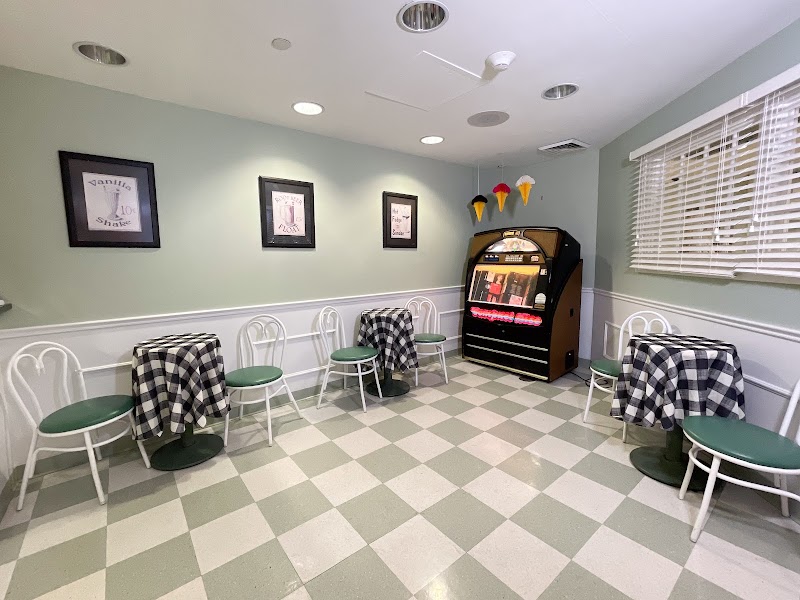
How is Lakewood Nrsg & Rehab Center Staffed?

CMS rates LAKEWOOD NRSG & REHAB CENTER's staffing level at 2 out of 5 stars, which is below average compared to other nursing homes. Staff turnover is 44%, compared to the Illinois average of 46%. This relatively stable workforce can support continuity of care.

What Have Inspectors Found at Lakewood Nrsg & Rehab Center?

State health inspectors documented 33 deficiencies at LAKEWOOD NRSG & REHAB CENTER during 2023 to 2025. These included: 2 that caused actual resident harm and 31 with potential for harm. Deficiencies causing actual harm indicate documented cases where residents experienced negative health consequences.
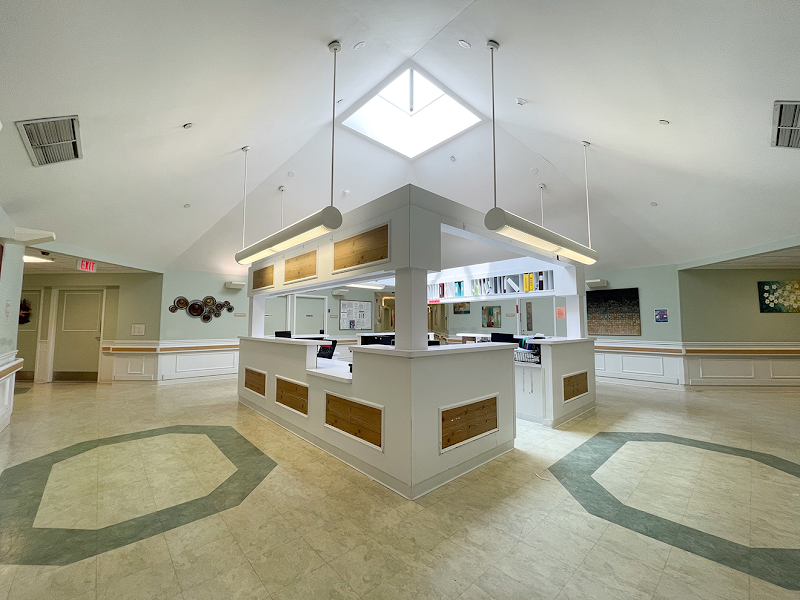
Who Owns and Operates Lakewood Nrsg & Rehab Center?

LAKEWOOD NRSG & REHAB CENTER is owned by a for-profit company. For-profit facilities operate as businesses with obligations to shareholders or private owners. The facility is operated by EXTENDED CARE CLINICAL, a chain that manages multiple nursing homes. With 131 certified beds and approximately 116 residents (about 89% occupancy), it is a mid-sized facility located in PLAINFIELD, Illinois.
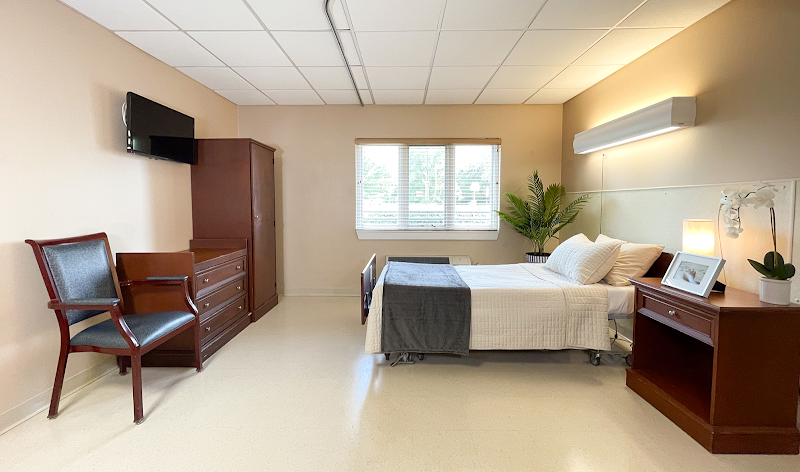
How Does Lakewood Nrsg & Rehab Center Compare to Other Illinois Nursing Homes?

Compared to the 100 nursing homes in Illinois, LAKEWOOD NRSG & REHAB CENTER's overall rating (3 stars) is above the state average of 2.5, staff turnover (44%) is near the state average of 46%, and health inspection rating (3 stars) is at the national benchmark.

What Should Families Ask When Visiting Lakewood Nrsg & Rehab Center?

Based on this facility's data, families visiting should ask: "Can you walk me through typical staffing levels on day, evening, and night shifts?" "Can I visit during a mealtime to observe dining assistance and food quality?" "How do you handle medical emergencies, and what is your hospital transfer rate?" "Can I speak with family members of current residents about their experience?" These questions are particularly relevant given the below-average staffing rating.

Is Lakewood Nrsg & Rehab Center Safe?

Based on CMS inspection data, LAKEWOOD NRSG & REHAB CENTER has a clean safety record: no substantiated abuse findings (meaning no confirmed cases of resident harm), no Immediate Jeopardy citations (the most serious violation level indicating risk of serious injury or death), and is not on the Special Focus Facility watch list (a federal program monitoring the lowest-performing 1% of nursing homes). The facility has a 3-star overall rating and ranks #1 of 100 nursing homes in Illinois. While no facility is perfect, families should still ask about staff-to-resident ratios and recent inspection results during their visit.

Do Nurses at Lakewood Nrsg & Rehab Center Stick Around?

LAKEWOOD NRSG & REHAB CENTER has a staff turnover rate of 44%, which is about average for Illinois nursing homes (state average: 46%). Moderate turnover is common in nursing homes, but families should still ask about staff tenure and how the facility maintains care continuity when employees leave.

Was Lakewood Nrsg & Rehab Center Ever Fined?

LAKEWOOD NRSG & REHAB CENTER has no federal fines on record. CMS issues fines when nursing homes fail to meet care standards or don't correct problems found during inspections. The absence of fines suggests the facility has either maintained compliance or corrected any issues before penalties were assessed. This is a positive indicator, though families should still review recent inspection reports for the full picture.

Is Lakewood Nrsg & Rehab Center on Any Federal Watch List?

LAKEWOOD NRSG & REHAB CENTER is not on any federal watch list. The most significant is the Special Focus Facility (SFF) program, which identifies the bottom 1% of nursing homes nationally based on persistent, serious quality problems. Not being on this list means the facility has avoided the pattern of deficiencies that triggers enhanced federal oversight. This is a positive indicator, though families should still review the facility's inspection history directly.