ELEVATE CARE RIVERWOODS
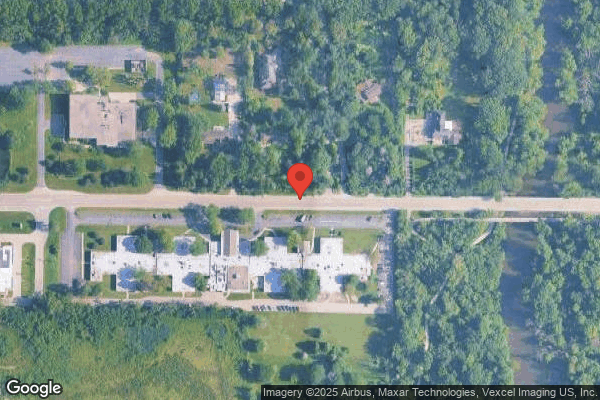

3705 DEERFIELD ROAD, RIVERWOODS, IL 60015 (847) 947-9000
For profit - Corporation 240 Beds ELEVATE CARE Data: November 2025 2 Immediate Jeopardy citations
Trust Grade
11/100
#232 of 665 in IL
Last Inspection: July 2024

Within standard 12-15 month inspection cycle. Federal law requires annual inspections.

Overview

Elevate Care Riverwoods has a Trust Grade of F, which indicates significant concerns about the facility's operations and care. Ranking #232 of 665 in Illinois places it in the top half of facilities statewide, but being #14 of 24 in Lake County suggests there are better local options available. The facility is improving, with issues decreasing from 12 in 2023 to 8 in 2024, though it still has notable weaknesses. Staffing is a concern, rated 2 out of 5 stars with a turnover rate of 41%, which is better than the state average but indicates instability. However, RN coverage is good, with more available than 76% of Illinois facilities, which is a positive sign for resident care. Specific incidents from inspections raise alarms, such as a resident experiencing significant weight loss due to a delay in dietary assessments and another receiving a critical medication without a physician's order. Additionally, there were serious failures in preventing and treating pressure ulcers, with one resident developing a severe stage 3 ulcer. While the facility has strengths, including decent RN coverage and an improving trend, these critical issues highlight serious areas for concern that families should consider.

Trust Score
F
11/100
In Illinois
#232/665
Top 34%
Safety Record
High Risk
Review needed
Inspections
Getting Better
12 → 8 violations
Staff Stability
○ Average
41% turnover. Near Illinois's 48% average. Typical for the industry.
Penalties
✓ Good
$121,312 in fines. Lower than most Illinois facilities. Relatively clean record.
Skilled Nurses
✓ Good
Each resident gets 52 minutes of Registered Nurse (RN) attention daily — more than average for Illinois. RNs are trained to catch health problems early.
Violations
⚠ Watch
28 deficiencies on record. Higher than average. Multiple issues found across inspections.
★★★☆☆
3.0
Overall Rating
★★☆☆☆
2.0
Staff Levels
★★★★☆
4.0
Care Quality
★★★☆☆
3.0
Inspection Score
Stable
2023: 12 issues
2024: 8 issues

The Good

  • 4-Star Quality Measures · Strong clinical quality outcomes
  • Full Sprinkler Coverage · Fire safety systems throughout facility
  • No fines on record
  • Staff turnover below average (41%)

    7 points below Illinois average of 48%

Facility shows strength in quality measures, fire safety.

The Bad

3-Star Overall Rating

Near Illinois average (2.5)

Meets federal standards, typical of most facilities

Staff Turnover: 41%

Near Illinois avg (46%)

Typical for the industry

Federal Fines: $121,312

Well above median ($33,413)

Significant penalties indicating serious issues

Chain: ELEVATE CARE

Part of a multi-facility chain

Ask about local staffing decisions and management

The Ugly 28 deficiencies on record

2 life-threatening 2 actual harm
Jul 2024 7 deficiencies 1 Harm
SERIOUS (G)

Actual Harm - a resident was hurt due to facility failures

Pressure Ulcer Prevention (Tag F0686)

A resident was harmed · This affected 1 resident

**NOTE- TERMS IN BRACKETS HAVE BEEN EDITED TO PROTECT CONFIDENTIALITY** Based on observation, interview, and record review the facility failed to identify pressure ulcers prior to becoming advanced st...

Read full inspector narrative →
**NOTE- TERMS IN BRACKETS HAVE BEEN EDITED TO PROTECT CONFIDENTIALITY** Based on observation, interview, and record review the facility failed to identify pressure ulcers prior to becoming advanced stages for 2 residents (R47, R97). This failure resulted in R97 developing a stage 3 pressure ulcer. The facility failed to have preventative measures in place for a resident (R8) with a stage 4 pressure ulcer, failed to implement wound treatment for 2 residents (R26, R47), failed to provide pressure ulcer prevention measures for a resident (R35), failed to accurately assess a wound for 1 resident (R97), failed to assess a reopened, advanced stage pressure ulcer for 1 resident (R26). These failures apply to 5 of 9 residents reviewed for pressure ulcers in the sample of 30. The findings include: 1. R97's electronic face sheet printed on 7/25/24 showed R97 has diagnoses including but not limited to hypertensive chronic kidney disease, end stage renal disease, dependence on renal dialysis, type 2 diabetes, morbid obesity, peripheral vascular disease, and pressure ulcer of left buttock stage 3. R97's facility assessment dated [DATE] showed R97 has no pressure ulcer injuries. R97's skin risk assessment dated [DATE] showed R97 is at risk for skin breakdown. R97's Wound Assessment Details Report dated 7/16/24 showed, Trauma/Abrasion, facility acquired, left buttocks, 1x1x0cm (centimeters). R97's Wound Assessment Details Report dated 7/19/24 showed, Pressure Ulceration Stage 3, facility acquired, left buttocks, 1x2.3x0.2cm, light serosanguinous (thin, yellow/pink) drainage. On 7/25/24 at 1:18PM, V4 (Wound care nurse) stated, (R97's) pressure ulcer is new for her, it is not a reopened pressure ulcer. I wasn't the one who assessed her wound. The person who assessed it is no longer here. I don't think she really knew how to assess wounds very well. (R97) should have never developed a stage 3 pressure ulcer. She is very compliant with offloading and repositioning and gets her showers regularly so this definitely should have been identified prior to a stage 3. I know that she was having some loose stools for a bit but I can't even say that is an excuse for her developing the ulcer. Hers should have been identified prior to a stage 3 for sure. It was initially assessed as an abrasion which was incorrect. Once the wound physician saw (R97) it was correctly assessed and proper treatment was initiated. There is no way this was ever an abrasion. It is clearly on an area where there is pressure so it should have been assessed as that 'from the get go.' Skin assessments should be done during perineal care, dressing, bathing, etc. Anytime they are able to observe skin they should be checking it. Shower days are best days because they have a whole view of the resident's body. It is important to identify wounds early for the best chance to heal a wound. New wounds need to have treatment initiated immediately to prevent worsening or infection or delay. The facility's policy titled, Pressure Injury and Skin Condition Assessment dated 1-17-18 showed, Purpose: To establish guidelines for assessing, monitoring, and documenting the present of skin breakdown, pressure injuries and other ulcers and assuring interventions are implemented .3. A wound assessment will be initiated and documented in the resident chart when pressure and/or other ulcers are identified by licensed nurse .11. A wound assessment for each identified open area will be completed and will include .c. stage of pressure ulcer . 2. R26's electronic face sheet printed on 7/25/24 showed R26 has diagnoses including but not limited to chronic embolism and thrombosis of left femoral vein, peripheral vascular disease, alcoholic cirrhosis of liver, morbid obesity, and dementia without behaviors. R26's facility assessment dated [DATE] showed R26 has 1 stage 3 pressure injury. R26's physician's orders from (local wound center) dated 5/14/24 showed, Pressure injury posterior thigh and right buttock Stage 3 cleanse with normal saline, apply skin prep and Enluxtra, cover with mepilex border foam daily. R26's May 2024 physician's orders showed, 5/21/24 Wound care: right buttock-cleanse with normal saline, pat dry, apply Enluxtra/skin pep to peri-wound, cover with mepilex bordered foam dressing. (7 days after R26's wound physician ordered the treatment) R26's wound assessment dated [DATE] showed, Pressure ulceration stage 3, right buttock, facility acquired, 0.5x0.5cm with scant, serous (clear/yellow) drainage. (This assessment was completed 6 days after R26's wound reopened). On 7/25/24 at 1:18PM, V4 (wound care nurse) stated, (R26) has 2 pressure wounds- 1 is on his posterior right thigh and 1 on his right buttock. He doesn't follow recommendations, and these are both ongoing pressure wounds. His right buttock has healed and reopened. Staging for a reopened wound has to be staged as it was before. His was a stage 3 and reopened so we had to stage it as a stage 3. The nurse that received the orders and assessment from the wound center should have notified the wound team right away when his buttocks was determine to have reopened so that we could do an assessment and implement orders. 3. R47's face sheet showed she was admitted to the facility on [DATE] with diagnoses to include hypertensive chronic kidney disease, dementia with behavioral disturbance, generalized osteoarthritis, osteoporosis, hyperlipidemia, and peripheral vascular disease. R47's facility assessment dated [DATE] showed she has severe cognitive impairment and is dependent on staff for all cares. R47's care plan initiated 12/31/24 showed, [R47] has pressure injury to sacrum, is at risk for delayed wound healing, and is at risk for further alteration in skin integrity related to: Dementia, Chronic Kidney Disease, Hypertensive Chronic Kidney Disease, bradycardia, generalized osteoarthritis, osteoporosis . contractures, fragile skin, immobility, incontinence of bowel, and incontinence of urine . Interventions . Treatments as ordered by provider . R47's initial wound assessment dated [DATE] showed a facility acquired stage 3 pressure ulcer to R47's sacrum measuring 1.5 cm x 1.0 cm x 0.1 cm. R47's December 2023 eTAR (electronic Treatment Administration Record) showed an order started 12/31/23 showed Wound Treatment to Sacrum; cleanse area with normal saline pat dry and apply medihoney and cover with foam dressing every 24 hours as needed. This order was not documented as completed on 12/31/23 on the December 2023 eTAR. R47's January 2024 eTAR showed a new order dated 1/5/24 for Wound Treatment to Sacrum; cleanse area with normal saline, pat dry and apply medihoney and cover with foam dressing every day shift for wound care. There was no evidence of dressing changes being completed for R47's sacral wound from 1/1/24 through 1/4/24. On 7/25/24 at 11:12 AM, V2 DON (Director of Nursing) said to identify new skin issues the staff should be doing skin assessments with all cares such as incontinence care, showers, and activities of daily living. On 7/25/24 at 2:10 PM, V4 RN (Registered Nurse) said it is important to identify wounds quickly and get interventions and treatments added immediately so the wound does not get worse. 4. On 7/24/24 at 7:58 AM, R8 was sitting up in bed, with the head of her bed at 90 degrees. R8 had an over the bed tray table in front of her. At 8:50 AM and 11:54 AM, R8 was sitting up in bed with her head of the bed at 90 degrees. There weren't any positioning devices in place. At 11:54 AM, R8 was asked if anyone had turned her or repositioned her in bed today and she replied, No. At 12:56 PM, R8 will in the same position she was in at 7:58 AM, 8:50 AM, and 11:54 AM. R8's alert and oriented roommate (R27) stated no one had been in to reposition R8 all morning. On 7/24/24 at 2:11 PM, V4 RN (Registered Nurse/Wound Care Director) stated R8 has a pressure ulcer to her sacrum and should be repositioned every two hours. The Wound Assessment Details Report dated 7/19/24 for R8 showed she has a stage 4 pressure ulcer to the sacrum that is 1 cm x 4 cm x 1.50 cm (L x W x D). R8's Care Plan dated 5/29/24 showed, R8 has a pressure injury to her sacrum Foam wedges for proper offloading. Turn and position the resident per physician's orders. The MDS (Minimum Data Set) dated 5/29/24 for R8 showed moderate cognitive impairment; substantial/maximal assistance needed for rolling left and right; dependence for transfers. The facility's Pressure Ulcer Prevention (1/15/18) showed, turn dependent resident approximately every two hours or as needed and position resident with pillow or pads protecting bony prominences as indicated. 5. On 7/24/24 at 8:48 AM, R35 was dressed and sitting in her wheelchair in her room with a tray table in front of her. R35 had a thin pressure relief cushion in place to her wheelchair. The cushion did not come to the front edge of wheelchair seat; the cushion was approximately 1 inch back from the edge. On 7/24/24 at 12:00 PM, R35 was sitting in her wheelchair at the dining room table for lunch. R35 had a thin pressure relief cushion in place to her wheelchair. The cushion did not come to the front edge of wheelchair seat; the cushion was approximately 1 inch back from the edge. V20 (R35's daughter) was feeding R35 and stated, she has not been notified of any pressure ulcers. After lunch they will lay her down due to her pressure ulcers in the past. R35 usually gets pressure to her buttocks. V20 stated she would appreciate it if they would call her and let her know when R35 has a pressure ulcer. On 7/24/24 at 1:20 PM, V9 LPN (Licensed Practical Nurse/Wound Nurse) changed the dressing to R35's left buttock wound. There was scarring to R35's left buttock and a small, slit like opening to her left buttock. V9 stated the pressure ulcer was either a stage one or stage two and is open. V9 stated she would need to look in the computer for the stage of the pressure ulcer. V9 was shown the pressure relief cushion in R35's chair that was flattened, worn in appearance, and positioned approximately 1 inch back from the edge of the wheelchair. V9 measured the cushion and stated it was 4 cm thick. R35 stated the wheelchair cushion should come out to the edge of the chair and should be thicker. On 7/24/24 at 1:59 PM, V4 RN (Registered Nurse/Wound Care Director) stated for pressure relief cushions in wheelchairs the staff should be looking for signs of wear and replace the cushion. The cushion should fit the chair. The Wound Care Physician Note dated 7/18/24 for R35 showed, follow up left buttock wound - re-opened; stage 3 pressure; 0.5 cm x 1.2 cm x 0 cm; 100 % non granulating tissue with defined margins. Date reported - 7/18/24. Preventative measures in place - low air loss mattress, heel offloading being done, turning schedule present, wheelchair cushion. Assessment and Plan: Pressure ulcer of left buttock, stage 3. Clean with normal saline, apply medicated petroleum dressing and dry dressing. Plan of care: Upright incline limit to 30-45 degrees for prolonged period of time, when there is a risk for ischial pressure, unless patient can reposition. Wheelchair cushion or custom molding when sitting and re positioning as needed. Please limit wheelchair for maximum of 2 hours at a time. The Nurse Pressure Injury assessment dated [DATE] showed a left posterior stage 3 pressure ulcer that was first identified on 7/16/24 when bathing/showering. The Face Sheet dated 7/25/24 for R35 showed diagnoses including Parkinson's disease, hypertension, diabetes mellitus, hyperlipidemia, osteoarthritis, and hypothyroidism. The MDS (Minimum Data Set) dated 5/28/24 for R35 showed moderate cognitive impairment; dependence for transfers; and substantial/maximal assistance for rolling left and right.
CONCERN (D)

Potential for Harm - no one hurt, but risky conditions existed

Deficiency F0657 (Tag F0657)

Could have caused harm · This affected 1 resident

**NOTE- TERMS IN BRACKETS HAVE BEEN EDITED TO PROTECT CONFIDENTIALITY** Based on interview and record review, the facility failed to offer and perform care plan conferences for 1 resident (R26) review...

Read full inspector narrative →
**NOTE- TERMS IN BRACKETS HAVE BEEN EDITED TO PROTECT CONFIDENTIALITY** Based on interview and record review, the facility failed to offer and perform care plan conferences for 1 resident (R26) reviewed for care plans in the sample of 30. The findings include: R26's electronic face sheet printed on 7/25/24 showed R26 has diagnoses including but not limited to chronic embolism and thrombosis of left femoral vein, peripheral vascular disease, alcoholic cirrhosis of liver, morbid obesity, and dementia without behavior. R26's facility assessment dated [DATE] showed R26 has no cognitive impairment. On 7/24/24 at 10:23AM, R26 stated, I have only had 1 care plan meeting within the past year and it was mainly about physical therapy. I would like to have regular meetings to discuss my care. Surveyor requested all of R26's care plan conference meeting summaries for the past year and the facility provided 1 document titled, IDT (Interdisciplinary Team) Care Conference Summary dated 11/10/23 and both R26 and his mother attended the conference. On 7/25/24 at 9:48AM, V17 (social services) stated, (R26's) last care plan meeting was 11/10/23. He attends his meetings with his mother. Currently, the only concerns are that he has a lot of extra items in his room. Care plan meetings are held every 3 months for all residents and they are invited as well as their power of attorney/guardian. I usually ask (R26's) mother if she wants one and the last time she said she didn't need one right now. (R26) has a surrogate decision maker who is his mother so she decides everything for him. When the time came to have a meeting I asked them both and they didn't want a meeting from what I remember. I didn't document it anywhere. I kept asking him but I never documented it so I can't show you anywhere that I offered the meeting. We didn't meet as a team to discuss his care either. I'm not sure if that's a problem or not. On 7/25/24 at 1:00PM, V2 (Director of Nursing) stated, We are in communication with (R26) and his mother frequently. I know I have offered a care plan meeting to both of them but I don't see where I documented the conversations. We haven't met as an IDT to discuss his care in a long time. I didn't realize we still needed to meet even when the resident and family declined to meet. The facility's policy titled, Comprehensive Care Plan dated 11-17-17 showed, Purpose: To develop a comprehensive care plan that directs the care team and incorporates the resident's goals, preferences, and services that are to be furnished to attain or maintain the resident's highest practicable physical, mental, and psychological well-being .The resident and/or resident representative shall be invited to review the plan of care with the interdisciplinary team either in person, via telephone or video conference (if available) at least quarterly .
CONCERN (D)

Potential for Harm - no one hurt, but risky conditions existed

Quality of Care (Tag F0684)

Could have caused harm · This affected 1 resident

**NOTE- TERMS IN BRACKETS HAVE BEEN EDITED TO PROTECT CONFIDENTIALITY** Based on observation, interview, and record review the facility failed to ensure a resident's heels were offloaded and failed to...

Read full inspector narrative →
**NOTE- TERMS IN BRACKETS HAVE BEEN EDITED TO PROTECT CONFIDENTIALITY** Based on observation, interview, and record review the facility failed to ensure a resident's heels were offloaded and failed to identify a wound to a resident's heel for 1 of 4 residents (R8) reviewed for wounds in the sample of 30. The findings include: On 7/23/24 at 10:41 AM, R8 was laying on her right side in bed with her left heel laying on her bed and her right heel laying on a pillow. R8 had offloading boots sitting in the window of her room. V3 CNA (Certified Nursing Assistant) was asked to come inside R8's room. V3 lifted R8's right heel up and there was a dressing in place. V3 lifted R8's left heel up, a black area was present to her heel. R8's skin to her left foot was dry and cracked with large flakes of skin present. V3 stated she was not aware of the area to R8's left heel. V3 stated R8's heels were to be elevated off the mattress when she is in bed. V3 was asked to check with the nurse to see if she was aware of the discoloration to R8's left heel. At 10:51 AM, V3 came back to R8's room and stated the wound nurse was going to check and see if anyone knew about the area to R8's left heel. V4 RN (Registered Nurse/Wound Care Director) came into R8's room and stated they are doing a preventative dressing to R8's right heel that is changed every 3 days. V4 stated she was not aware of any problem to R8's left heel. V4 stated there is dry eschar present to R8's left heel. V4 stated she V8 should have the offloading boots on for prevention. V4 stated staff are to let her or the primary nurse know immediately when there are changes to a resident's skin. The Wound assessment dated [DATE] at 11:20 AM for R8 showed a vascular wound to her left heel; tissue type - necrotic, firm, and adherent; 2 cm (centimeter) x 2 cm x unknown (L x W x D). The Care Plan initiated on 7/23/24 for R8 showed, R8 has an arterial wound to her left heel. Offload bony areas using pillows, foam wedges, and/or offloading devices. Offload heels using heel protecting devices. The Order Summary Report dated 7/24/24 for R8 showed an active order that started on 1/6/24 to offload heels with foam boots/pillows while in bed, every shift for prevention. The Face Sheet dated 7/24/24 for R8 showed diagnoses including stage 4 pressure ulcer of the sacral region, protein-calorie malnutrition, vascular dementia, hypertension, peripheral vascular disease, major depressive disorder, residual schizophrenia, anemia, osteoarthritis, and hyperlipidemia. The Care Plan initiated on 7/25/24 for R8 showed, R8 has a diagnosis of peripheral vascular disease. Keep skin on extremities well lubricated with lotion in order to prevent dry skin and cracking of the skin. Monitor for any signs and/or symptoms of skin problems related to peripheral vascular disease including redness, edema, blistering, itching, burning, bruises, cuts, other skin lesions. Monitor the extremities for, document and notify the physician of any signs and/or symptoms of injury, infection or ulcers. The MDS (Minimum Data Set) dated 5/29/24 for R8 showed moderate cognitive impairment; substantial/maximal assistance needed for rolling left and right; dependence for transfers. The facility's Pressure Injury and Skin Assessment policy (1/17/18), Each resident will be observed for skin breakdown daily during care and on the assigned bath day by the CNA. Changes shall be promptly reported to the charge nurse who will perform a detailed assessment. Care givers are responsible for promptly notifying the charge nurse of skin breakdown.
CONCERN (D)

Potential for Harm - no one hurt, but risky conditions existed

Tube Feeding (Tag F0693)

Could have caused harm · This affected 1 resident

2. R125's face sheet printed on 7/25/24 showed diagnoses including but not limited to cervical fracture, dysphagia (difficulty swallowing), and encounter for attention to gastrostomy (surgery to inser...

Read full inspector narrative →
2. R125's face sheet printed on 7/25/24 showed diagnoses including but not limited to cervical fracture, dysphagia (difficulty swallowing), and encounter for attention to gastrostomy (surgery to insert a tube through the abdominal wall and into the stomach for liquid nutrition). R125's July 2024 order summary report showed orders start dated 7/15/24 for NPO (nothing by mouth) and liquid nutritional formula four times a day at 355 milliliters via the gastrostomy tube. On 7/25/24 at 9:46 AM, V10 (Registered Nurse) administered R125's liquid nutrition via the gastrostomy tube (G-tube). V10 inserted the piston syringe into the end of the G-tube and flushed with 50 milliliters of water. V10 gave the 355 milliliters of liquid nutrition and closed the G-tube. V10 did not check for placement prior to administering the liquid nutrition and did not flush the tube after administration. V10 said he gives R125 his medications and liquid nutrition twice per shift, once in the morning and again at noon. On 7/25/24 at 12:21 PM, V2 (Director of Nurses) stated feeding tubes should be checked for proper placement prior to anything going into it. It is important to ensure it is the right place in the stomach. There is the potential for infection and improper infusion. The flushes are important to ensure the tube has nothing left in it and the full quantity of nutrition or medication is received. The facility's Gastrostomy Tube-Feeding and Care policy last revision dated 8/3/20 states under the bolus feeding section: 1. Check placement and residual .3. Administer the prescribed feeding .4. Flush tube with approximately 30 milliliters of water. Based on observation, interview, and record review the facility failed to check placement prior to starting feeding, failed to flush after tube feeding, and failed to ensure a resident received tube feeding as ordered for 2 of 2 residents (R43 & R125) reviewed for tube feeding in the sample of thirty. The findings include: 1. On 7/24/24 at 8:44 AM, R43 was not in her room; R43 was at dialysis. R43's opened tube feeding bottle was hanging on a pole with the tubing attached to the pump and the pump turned off. On 7/24/24 at 1:05 PM, R43 was back in her room, in her bed and the tube feeding was no longer hanging on the pole. V8 LPN (Licensed Practical Nurse) was out in the hallway at her medication cart. V8 stated, the order for her tube feeding is to turn it off at 12:00 PM. The night nurse gets her ready and off to dialysis. She was over at dialysis at 7 AM and did not have the tube feeding with her. I was questioning it myself; not sure why they don't change either her dialysis time or her tube feeding time around dialysis. It would make more sense to do do dialysis from noon to 4:00 PM. R43's tube feeding starts at 6:00 PM and is to run until 12:00 PM the next day. Tube feeding isn't given during dialysis. I know her tube feeding was not going while she was at dialysis today. The Order Listing Report for R43 dated 7/25/24 showed on 7/10/24 R43 had an order for tube feeding to infuse at 55 ml per hour for 18 hours from 6:00 PM to 12:00 PM. The order was revised on 7/24/24. After the interview with V8 LPN on 7/24/24 at 1:05 PM, the Order Summary for R43 showed a new order was entered at 3:00 PM changing the enteral feeding time to start at 12:00 PM and end at 6:00 AM for the tube feeding that provided a carbohydrate steady feeding with 0.08 gram-1.8 Kcal./ml liquid (55 ml /hr) x 18 hours. On 7/25/24 at 11:15 AM, V2 DON (Director of Nursing) stated she changed R43's orders yesterday so R43 would get the tube feeding around her dialysis schedule. The Dietary Note dated 7/8/24 for R43 showed, R43 had been receiving mixed nutrition orally and enterally but was change to nothing by mouth due to difficulties swallowing. R43's enteral feeding was increased to meet her needs. Tube feeding at 55 ml x 18 hours (990 ml total formula). Will coordinate care with dialysis. The Face Sheet dated 7/25/24 for R43 showed diagnoses including hypertensive chronic kidney disease, end stage renal disease, dependence on renal dialysis, gastrostomy, atherosclerotic heart disease, seizures, hyperlipidemia, functional quadriplegia, polyosteoarthitis, and peripheral vascular disease. The Care Plan dated 5/15/24 for R43 showed she requires enteral feeding Enteral feeding is related to pneumonia and diagnosis of dysphagia. Enteral nutrition per physician's order. The facility's Tube - Feeding and Care policy (8/3/20) showed, Methods of administration: continuous: Prescribed amount of formula volume is given over a specific period of time that is usually less than 24 hours. Licensed nurse will review physician's order for type of formula, concentration, rate of flow, and method of administration.
CONCERN (D)

Potential for Harm - no one hurt, but risky conditions existed

Pharmacy Services (Tag F0755)

Could have caused harm · This affected 1 resident

**NOTE- TERMS IN BRACKETS HAVE BEEN EDITED TO PROTECT CONFIDENTIALITY** Based on observation, interview and record review, the facility failed to ensure narcotics for discharged residents were removed...

Read full inspector narrative →
**NOTE- TERMS IN BRACKETS HAVE BEEN EDITED TO PROTECT CONFIDENTIALITY** Based on observation, interview and record review, the facility failed to ensure narcotics for discharged residents were removed from the medication cart in 1 of 6 medication carts reviewed for the medication storage task. The findings include: On [DATE] at 10:22 AM, the far-west medication cart was reviewed with V11 (Registered Nurse-RN). In the narcotic box of the medication cart, two medication cards along with their reconciliation sheets were behind a box of tissues. V11 RN said the cards belonged to two residents that have been discharged from the facility. One medication card contained Tramadol (a narcotic used to treat moderate to severe pain) for R307. V11 said she thinks R307 was discharged about a week prior. The other medication card contained Morphine (a narcotic used to treat moderate to severe pain) 30 mg tablets for R308. V11 said R308 was discharged from the facility about a month prior. V11 said the medications for R307 and R308 should not be in the medication cart; they should have been given to V2 (Director of Nursing-DON) when R307 and R308 left the facility. On [DATE] at 12:28 PM, V2 (DON) said when a resident is discharged from the facility, the resident's medications should be discontinued. V2 said the facility's policy is to send the narcotics back to the pharmacy as soon as possible. If the pharmacy will not take the medications back, the pills should be destroyed. V2 said this should happen as soon as possible to eliminate any issues or risks. R307's admission Record, provided by the facility on [DATE], showed he was admitted to the facility on [DATE] and discharged on [DATE]. R307's Order Summary Report, provided by the facility on [DATE], showed an order for Tramadol 50 mg (milligram) tablets. Give one tablet every six hours as needed for pain. The report showed another order for Tramadol 50 mg tablet. Give half a tablet every six hours as needed for moderate pain. The report also showed an order dated [DATE] for R307 to be discharge to home on [DATE]. R308's admission Record, provided by the facility on [DATE], showed he was admitted to the facility on [DATE] and discharged on [DATE]. R308's Order Summary Report, provided by the facility on [DATE], showed an order for Morphine Sulfate ER extended release 30 mg tablet. Give one tablet at bedtime for pain/pain management. The report showed an order dated [DATE] to discharge R308 to home on [DATE]. The report also showed an order dated [DATE] to discontinue all current orders upon discharge or 24 hours after hospitalization. The facility's policy and procedure titled Medication Storage, with a revision date of [DATE], showed 15. Facility should ensure that medications and biologics for expired or discharged residents are stored separately, away from use, until destroyed or returned to the provider.
CONCERN (E)

Potential for Harm - no one hurt, but risky conditions existed

Deficiency F0809 (Tag F0809)

Could have caused harm · This affected multiple residents

Based on interview and record review, the facility failed to offer snacks for 4 of 4 residents (R68,R98,R109,R130). This applies to 1 of 1 residents reviewed for HS (bedtime) snacks in the sample of 3...

Read full inspector narrative →
Based on interview and record review, the facility failed to offer snacks for 4 of 4 residents (R68,R98,R109,R130). This applies to 1 of 1 residents reviewed for HS (bedtime) snacks in the sample of 30 and 3 residents outside of the sample. The findings include: On 7/24/24 at 11:00AM, the resident council meeting was held on the main dining area. R68, R98, R109 and R130 were present in the meeting and stated they are not offered bedtime snacks. R130 stated if she goes and finds someone they will give her a snack but they are not routinely offered. All 4 residents stated they would like to be offered a snack before bed as they get hungry between dinner and breakfast. R68, R98, R109, and R130's facility assessments were reviewed and showed all residents have no cognitive impairment and no documentation was present in their chart regarding snacks being offered, refused, or accepted. On 7/24/24 at 12:45PM, V6 (Dietary Manager/Registered Dietician) stated, We provide snacks such as cookies, fresh fruit, sandwiches, and yogurt to all the units and they are to be passed out by the aides on each unit. Residents only get HS snack if they request them. We leave 10 -12 packages of snacks on each unit and when I check the trays there are maybe 1 or 2 packages gone. It's never all gone or even half of the items. On 7/25/24 at 1:00PM, V2 (Director of Nursing) stated, We have snacks available at all nurse's stations. The residents just have to ask for a snack and we will provide one for them. We do not go around and offer a snack nor do we document it. We don't need to monitor every single thing our resident's ingest. If they want a snack, they know where we keep them. The facility's policy titled, Fortified Foods, Supplements, and Snacks dated 2020 showed, d. Snacks: regular food items that are available on the units or can be specified to be served at designated times (such as HS for a diabetic) and generally not required to be ordered by the physician .9. The resident's acceptance and tolerance of fortified foods, med pass, and other supplements/snacks is monitored for resident tolerance and acceptance by the dining services manager and registered dietician. Acceptance observational data may be included in a progress note, care planning summary documentation, or by other members of the interdisciplinary team in designated locations in the medical record such as nursing or therapy notes .
CONCERN (F)

Potential for Harm - no one hurt, but risky conditions existed

Food Safety (Tag F0812)

Could have caused harm · This affected most or all residents

Based on observation, interview, and record review the facility failed to ensure hairnets were worn correctly, failed to ensure staff were knowledgeable in the use of the dishwasher, and failed to ens...

Read full inspector narrative →
Based on observation, interview, and record review the facility failed to ensure hairnets were worn correctly, failed to ensure staff were knowledgeable in the use of the dishwasher, and failed to ensure expired foods were destroyed. This applies to all residents residing in the facility. The findings include: The CMS 671 form dated 7/23/24 showed 153 residents residing in the facility. 1. On 7/23/24 at 10:35 AM, V13 (DA-Dietary Aide) was seated in the kitchen office wearing her hairnet only covering the bun on top of her head. At 11:41 AM, V13 was standing at the food service tray line and her hairnet was only on her top bun. At 1:01 PM, V13 tested the dishwasher sanitation level. The hairnet was only covering half of her head. On 7/24/24 at 1:35 PM, V13 was seated in the kitchen office and her hairnet was only covering her top bun. On 7/24/24 at 1:15 PM, V12 (Food Service Director/Registered Dietician) stated hairnets are require by everyone in the kitchen. They are important to prevent cross contamination. Hairnets keep hair out of resident food. Staff need to be sure their hair is fully covered to keep food safe. The facility's undated Hair Restraints policy states: 1. Staff shall wear hair restraints in all food production, dishwashing, and serving areas. 2. On 7/23/24 at 10:39 AM, V14 (DA-Dietary Aide) was operating the dishwasher and running coffee cups through it. V14 was asked how he knows if the dishwasher is sanitizing the dishes correctly. V14 pointed to a temperature dial at the front of the machine. V15 (DA) was called over and translated for V14. Both dietary aides explained the temperature dial is watched during use to be sure it reaches 100 degrees. A test tray was run and V14 pointed to the dial and showed it was at 100 degrees. The dietary aides said the temperature is recorded in the logbook to show the 100 degrees was reached. The aides said the machine is checked that way before every meal and all kitchen staff are responsible for doing it whenever they are assigned the dishwasher. The facility dishwasher log for July 2024 was reviewed and showed the entire month readings at exactly 100 for everyday and every mealtime. The log had an area at the top that read: Required PPM: (blank). Under the required PPM was: minimum 50 PPM. On 7/23/24 at 11:06 AM, V12 (Food Service Manager) stated he was unsure how the dishwasher sanitizes the dishes. V12 supplied a typed document that showed the dishwasher has three stages. The third stage rinses the dishes at temperatures between 170-180 degrees Fahrenheit to sanitize them at the high heat level. On 7/23/24 at 11:16 AM, V16 (DA) stated the dishwasher is tested using test strips that show the sanitizer solution level. V16 said the test strip changes to a dark purple to show the level. V16 ran a test load and used the strip to test the sanitizer level. The strip did not change color in anyway and read less than 10 ppm (parts per million). V16 did a second test and again the strip read less than 10 ppm. V16 said we will notify the maintenance staff right now to determine what is going wrong. On 7/23/24 at 11:35 AM, V21 (Maintenance) stated the hose into the sanitizer solution was not reaching down into the solution all the way. It was not sanitizing the dishes correctly. If it can't reach the solution, the dishes are not properly sanitized. It needs to test between 50 and 100 ppm to be sure it is working correctly. V21 clarified the machine was not a high temperature type machine and sanitized items using the chemical disinfectant type process. On 7/24/24 at 1:01 PM, V12 (Food Service Manager) said the dishwasher testing is done before every use. Staff need to use strips to see if the concentration is correct. It needs to test at 50 ppm or higher to be sure it is working correctly. The log should show the PPM and not the temperature. All kitchen staff need to know how to test it. Food borne illness is a big risk if dishes are not cleaned and sanitized the right way. The facility's undated Dishwashing: Machine Operation policy states:1. All dishwashing machines should be operated according to manufacturer recommendations (all items) should be cleaned and sanitized in either a high-temperature dishwashing machine .or a chemical-sanitizing dishwashing machine that uses a chemical sanitizing solution. 3. On 7/23/24 at 11:50 AM the walk-in refrigerator had a pan of cooked rice in it and the dating on the pan was not legible. A container of beef flavored base had a use by date of 5/31 written on it. A second one next to it did not have any date on it. Both containers were 90% used. The same refrigerator had three open, one-gallon containers of salad dressing in it. All three were open and without any type of use by date on them. On 7/23/24 at 12:05 PM, the dry storage room had several large bins of dry food items. A bin of a thickener had a use by date of by 5/8/24 and the flour use by date of 2/26/24. The oatmeal had a prep date of 7/6 and the use by date was blank. The sugar had a prep date of 4/24/22 and the use by date was blank. A bin of uncooked rice had no date on it at all. Bins of barley, lentils, and dry green split peas did not have any dates on them. On 7/24/24 at 1:07 PM, V12 (Food Service Manager) was shown the expired and undated food items. V12 said dates should be checked by staff on a daily basis. It is important to ensure the quality and high standards. Dates show the food is not spoiled or outdated. All expired foods should be thrown away. There is the potential for resident illness if expired food is used. Everything needs a use by or expiration date on it. The facility's undated Labeling and Dating Food (Date Marking) policy states: All foods stored will be properly labeled according to the following guidelines. Expiration dates on commercially prepared, dry storage food items will be followed. Once a package is opened, it will be re-dated with the date the item was opened and shall be used by the safe food storage guidelines or by the manufacturer's expiration date.
Jul 2024 1 deficiency
CONCERN (D) 📢 Someone Reported This

A family member, employee, or ombudsman was alarmed enough to file a formal complaint

Potential for Harm - no one hurt, but risky conditions existed

Pharmacy Services (Tag F0755)

Could have caused harm · This affected 1 resident

Based on observation, interview and record review the facility failed to ensure medications were administered per facility's policy and procedure for 2 of 5 residents (R2, R3) reviewed for medication ...

Read full inspector narrative →
Based on observation, interview and record review the facility failed to ensure medications were administered per facility's policy and procedure for 2 of 5 residents (R2, R3) reviewed for medication administration in the sample of 8. The findings include: 1. On 7/1/24 at 8:38 AM, R2 was seated in her room, eating breakfast. On R2's breakfast tray was a medicine cup that contained thirteen different pills in various shapes and colors. When R2 was asked about the cup of pills, R2 stated, Those are my morning meds (medications). The nurse normally leaves them here for me to take after breakfast. I don't like to take them before I eat. I am not sure what the meds are. On 7/1/24 at 8:48 AM, V7 Licensed Practical Nurse (LPN) stated she left (R1's) meds with (R1) to take when she ate. It was just a few minutes ago. V7 stated, I should have stayed with her to make sure she took them. 2. On 7/1/24 at 9:10 AM, as this surveyor was walking into R3's room, R3 was actively swallowing an unknown number of pills/medications, that he was pouring out of a medicine cup, directly into his mouth. No staff were noted in R3's room. When R3 was asked what he was doing, R3 stated, Just taking my medications. They (staff) leave my pills here (bedside table) around 7 AM every day for me to take when I eat breakfast. They don't watch me take my meds anymore. When I first got here, they watched me take them a couple of times. Now they leave them here for me to take in the morning. On 7/1/24 at 9:25 AM, V10 Registered Nurse was asked about R3's medications. V10 stated, Those were his morning meds. I left them for him to take. I should have watched him take them so I can make sure they are taken as ordered. V10 stated R3 had no physician order to self-administer his medications. The facility's Medication Administration policy dated 10/25/2014 showed, Medications are administered only by licensed nursing, medical, pharmacy or other personnel authorized by state laws and regulations to administer medications . The person who prepares the dose for administration is the person who administers the dose . The resident is always observed after administration to ensure the dose was completely ingested .
Sept 2023 12 deficiencies 2 IJ (1 affecting multiple)
CRITICAL (J)

Immediate Jeopardy (IJ) - the most serious Medicare violation

Deficiency F0760 (Tag F0760)

Someone could have died · This affected 1 resident

**NOTE- TERMS IN BRACKETS HAVE BEEN EDITED TO PROTECT CONFIDENTIALITY** Based on interview and record review the facility failed to ensure a residents medication was given as prescribed and failed to ...

Read full inspector narrative →
**NOTE- TERMS IN BRACKETS HAVE BEEN EDITED TO PROTECT CONFIDENTIALITY** Based on interview and record review the facility failed to ensure a residents medication was given as prescribed and failed to ensure medication orders were transcribed correctly to avoid a significant medication error. This failure resulted in six of R9's medications being mistakenly discontinued without a physicians order. As a result of this failure R9 developed worsening psychiatric symptoms (paranoia) and was sent to the emergency room for evaluation. This applies to 1 of 7 residents (R9) reviewed for physician orders in the sample of 31. This failure resulted in an Immediate Jeopardy. The Immediate Jeopardy began on 8/1/23, when the facility discontinued R1's medications without a physician order. V1 (Administrator) was informed of the Immediate Jeopardy on 8/30/23 at 2:21 PM. This surveyor confirmed by observation, interview and record review that the Immediate Jeopardy was removed on 8/31/23 however, noncompliance remains at a level 2 because additional time is needed to evaluate the implementation and effectiveness of the in-service training. The findings include: R9's face sheet shows she was admitted to the facility on [DATE] and has diagnoses including: Type 2 diabetes with diabetic neuropathy, migraine without migrainosus, depression, adjustment disorder with depressed mood, vascular dementia unspecified severity, without behavioral disturbance, psychotic disturbance, mood disturbance and anxiety. R9's 8/3/23 minimum data set shows she has on going pain and depression. R9's active care plan initiated on 11/30/22 shows R9 has a severe mental illness and has symptoms of delusions, paranoia and poor insight and judgement. R9's care plan also shows she has potential for pain due to migraines and a history of a fracture. R9's physician order summary (p.o.s) show the following medication orders were all discontinued on 8/1/23 : Effexor XR (Venlafaxine HCl ER-extended release) (Anti-depression and anxiety medication) 150 milligrams (MG.) 1 tablet per day start date 10/26/22, bupropion HCL ER (SR) 150 MG. (Anti-depressant) 1 time per day start date 10/26/22, lamotrigine 25 MG. 3 times per day, (anti-seizure medication and also mood stabilizer) start date 10/26/22, Topiramate 25 MG./ Topamax 1 time per day, (medication to treat epilepsy and migraines) start date 10/25/22. Duloxetine (Anti-depressant/anti-anxiety) 60 MG. 1 time per day start date 6/9/23, and Gabapentin 400 MG. (used for neuropathy pain) 1 capsule 3 times a day start date 6/8/23. There are no notes in R9's electronic medical record indicating who discontinued the medications or why. A consultation report completed by V26 (Psychiatric Nurse Practitioner) on 6/30/23, shows he saw R9 and made no medication adjustments. The report identifies R9 is on the following psychotropic medications: Venlafaxine for depression and anxiety, Bupropion and duloxetine for depression, Lamictal and Topamax for mood stabilizers. The consultation report also says a gradual dose reduction of those medications are contraindicated and R9 is not a candidate at that time due to on going symptoms. R9's 8/1/23 9:13 PM, nursing progress note shows R9 had returned from a doctor appointment and the doctor will fax a consultation report to the nurses station. The consultation report from a pain doctor on 8/1/23 at 3:16 PM, shows a prescription to increase R9's Gabapentin order to 600 MG. 3 times a day for neuropathy pain, and to change/ add Cymbalta 30 MG every 12 hours or two times a day. R9's MAR and pos show those ordered were not carried out. A consultation report completed by V26 (Psych NP) on 8/29/23 states the following: Patient was last seen by writer on 6/30/23 and no medication changes were made. Cymbalta, Wellbutrin, Effexor, Lamictal, Topamax and Melatonin were discontinued on 8/1/23 for unknown reason. The report shows that R9 is having depression an increased episodes of inappropriate behaviors, insomnia, anxiety and agitation. R9's Medication Administration Summary (MAR) from 8/1/23 to 8/31/23 show she received 1 dose of Effexor, bupropion, Duloxetine, and Topiramate on 8/1/23 and then it was discontinued and no further doses were received in August. R9 missed 30 doses of each of those medications in the month of August. The MAR also shows R9 received 3 doses of each of Gabapentin and lamotrigine on 8/1/23 (ordered to be given 3 times a day) and then it was discontinued and no further doses were given in August. In total R9 missed 90 doses of each of those medications. R9's Nurse Practitioner Progress Note completed by V27 (Nurse Practitioner/NP) on 8/8/23 at 9:47 AM, shows R9 is having an increase in paranoid symptoms. Nursing progress notes for 8/29-8/30/23 show R9 was increasingly paranoid and was calling 911 to report feeling unsafe and seeing people with a knife hidden being their ear. Police arrived at the facility and R9 made an allegation of an assault occurring. R9 was sent to the emergency room for evaluation. Medication orders were obtained for R9 to be started on a mood stabilizer (Depakote) and a anti psychotic medication (Seroquel) due to her psychotic symptoms. R9 returned from the emergency room on 8/30/23. On 8/30/23 at 9:05 AM, V2 (Director of Nursing) said she was not aware why R9's psychotropic and pain medications were stopped abruptly but she will investigate it. At 9:56 AM, V2 said what happened with R9's medication was R9 had went out for a doctor appointment to the pain clinic on 8/1/23 and then returned to the facility. The nurse on duty ( V22-Nurse Supervisor) mistakingly thought R9 had went to the hospital so she discontinued all of R9's medications. When R9 returned to the facility later that evening V22 tried to add the medications back and missed a few. V2 said V22 should not have discontinued R9's medications and she also did not call the physician to verify any of the pain doctors new orders. On 8/30/23 at 9:33 AM, V26 (Psych NP) said he was called to see R9 on 8/29/23. He said he could not figure out who stopped and why her psychiatric medications were stopped. He verified he was not the one who had given orders to discontinue those medications. V26 said he would say that R9 was having an increase in her paranoia from the last time he saw her until yesterday. At 12:56 PM, V26 said the obvious effect of R9 being off her medications would be an increase in psychiatric symptoms including mood, paranoia, and hallucinations. On 8/30/23 at 10:22 AM, (V22) said she made a huge mistake with R9's medication orders. She said she was told by another nurse that R9 was in the hospital so automatically I discontinued the medication orders and then when R9 returned and I learned she only went to a medical appointment I tried to reinstate her orders and I thought I had gotten everything but I missed a few. No one ever questioned it until now why all of R9's psychotropic medications and some of her pain medications were stopped. V22 said she did not call any physicians to verify any of the orders after R9 returned from the pain appointment. V22 said she should not have discontinued the medications, and it is protocol that after appointments or hospital stays the medication orders are verified with the physician and carried out but she missed the new orders also. On 08/30/23 11:56 AM - V27 (NP) said her office was not called to discontinue R9's psychiatric or pain medications and she believes R9's topamax and lamotrigine medications were being used more for migraines. She said she would be even more concerned if R9 had a active seizure disorder and if the medications were for seizures then missing them would put her at risk for an increase in seizures. V27 said by R9 missing her other medications there could be changes in mood and behaviors and increased pain. V27 said the facility should contact their office if a resident goes out and comes back to verify medication orders. On 8/31/23 at 9:11 AM, R9 said she does not recall making any accusations to anyone. She was paranoid about talking with this surveyor and stated, Maybe I need my family here I don't know what you are up too. R9 said she has diabetic neuropathy and has pain all the time. On 8/31/23 9:08 AM, V31 (Licensed Practical Nurse/LPN) said R9 been asking for increased amounts of PRN (as needed) norco (pain medication) this past week and has an increase in paranoia. He said he was there on 8/29/23 in the evening when R9 called 911 and was later sent to the hospital. R9 was seeing people with pocket knives, and saying she doesn't feel safe in facility. On 8/31/23 9:13 AM- V24 (Certified Nursing Assistant/CNA) said R9 has had increase in paranoia over this past month and has been hallucinating seeing children, cats, and monkeys. The facility provided Transcription of Physician Orders- Procedure effective date 11-3-22 says nurses should review the discharge summaries or records from other facilities and verify with the residents physician of any new or changes in medication orders. All orders should be checked to verify they were entered into the electronic medical record correctly. The Immediate Jeopardy that began on 8/1/23 was removed on 8/31/23 when the facility took the following actions to remove the immediacy: 1. Staff involved and all Nurses on the AM and PM shifts were in-serviced on 8/30/23 about discontinuing physician orders, medication administration policy and transcription of orders. 2. The Nurse Consultant/DON will perform chart audits for all discontinued medication orders for the month of August 2023. 3. The Nurse Consultant will provide in-servicing and training for licensed nurses including agency and prn nurses who are on vacation or medical leave. They will be required to completed the in-servicing before the start of their shift. All nurses will receive the in-servicing by 9/9/23. 4. The Nurse Consultant/ DON will train all newly hired nurses will also receive education regarding the new policy on a second double check system where new orders are verified by two nurses. This will be completed by in house nurses by 8/30/23. Any staff on vacation or on leave will be notified via telephone. On going education for new hires and agency staff will continue prior to the start of their shift for all new hires. 5. The Nurse Consultant and DON will conduct char audits for all charts of all residents who have had appointments or hospital stays in the month of August 2023. These audits will be done by 9/1/23. Future audits will be completed daily for two weeks, then two times per week for four weeks, followed by weekly for six weeks. 6. The medical director and attending physician were notified of the medication error on 8/30/23. 7. An emergency QA meeting was held by the facility on 8/30/23. The audit findings will continue to be reviewed during QA meetings. Findings of the QA audit will be used during QAPI review and will determine compliance level and additional follow up as needed.
CRITICAL (K)

Immediate Jeopardy (IJ) - the most serious Medicare violation

Deficiency F0692 (Tag F0692)

Someone could have died · This affected multiple residents

**NOTE- TERMS IN BRACKETS HAVE BEEN EDITED TO PROTECT CONFIDENTIALITY** 4.) R9's face sheet shows she was admitted to the facility on [DATE] and has diagnoses including: Type 2 diabetes with diabetic ...

Read full inspector narrative →
**NOTE- TERMS IN BRACKETS HAVE BEEN EDITED TO PROTECT CONFIDENTIALITY** 4.) R9's face sheet shows she was admitted to the facility on [DATE] and has diagnoses including: Type 2 diabetes with diabetic neuropathy, depression, anxiety, adjustment disorder with depressed mood, vascular dementia unspecified severity, without behavioral disturbance, psychotic disturbance, mood disturbance and anxiety. R9's electronic medical record shows she had a dietary assessment completed on 10/27/23 on admission, a quarterly dietary evaluation/assessment was completed on 2/1/23 (both completed by a former dietary manager). The next dietary evaluation was not completed until 8/29/23 after V6 Registered Dieitican (RD) was made aware of R9's significant weight loss by the surveyor. R9's weight and vitals summary shows she weighed 245 lbs. on 6/8/23 and weighed 220.5 lbs. on 7/19/23 a 10% - 24.5 lb weight loss in one month. R9's 8/11/23 weight was 223 lbs. R9's electronic medical records dated 5/1/23-8/29/23 were reviewed. These records showed no documentation R9 was ever assessed by V6 (RD) even after R9 sustained a significant weight loss. 8/29/23 1:07 PM, V7 (non-certified Dietary Manager)- said he is responsible for the quarterly dietary assessments and then gets the RD involved after he sees the resident. He said he was not aware of R9's significant weight loss and that there really is no process in place for notifying him of significant weight loss for residents. V7 said now that he is aware of R9's significant weight loss he will notify V6 and let her know because she would be the person to recommend interventions. On 8/29/23 at 1:41 PM, V6 (RD) said R9's weight loss should have triggered in the computer for a significant weight loss. She said it was towards the end of the month when she got the resident weights for July so she decided to wait to see Augusts weights. She said she can't speak for the programmers, but this is pretty concerning that PCC (electronic medical record/EMR) is not triggering significant weight loss. V6 said she does not believe she has done any assessment on R9, the last quarterly assessment was last done in 2/1/2023. (No quarterly assessment was done in May or August of 2023 no significant weight loss assessment has been done as of today). V6 said the computer should have also triggered for a quarterly assessment and then V7 should completed those, but if the computer does not trigger it then he would not know to do one and quarterly assessments are being missed. On 8/29/23 at 2:01 PM, V1 (Administrator) said V6 (RD) is responsible to be reviewing weights to see who triggers for significant weight loss. 5.) R79's face sheet shows he was admitted to the facility on [DATE] and has diagnoses including: end stage renal disease, type 2 diabetes, congestive heart failure and acquired absence of below the knee amputation. R79 had a dietary evaluation completed on admission on [DATE], and again on 3/20/23. R79's 3/20/23 assessment completed by V6 (RD) shows he had a recent unplanned weight loss a current pressure injury. R79 went to the hospital for a medical procedure and a dietary re-assessment was completed on 5/1/23 upon his return. R79's EMR shows There are no additional quarterly or significant change dietary assessments or evaluations done on R79 after 5/1/23. R79's weights and vitals summary showed on 4/1/23 he weighed 366.3 pounds. On 8/6/23 he weighed 324 pounds. A total weight loss of 42.3 pounds (11.55%) in 4 months. On 8/28/23 at 10:53 AM, R79 said he has lot a lot of weight loss, over 85 lbs. and no one from dietary is seeing him that he is aware of. On 8/28/23 at 1:14 PM, V7 (non-certified Dietary Manager) said he is unaware if the facility follows the 3 month weight loss if it is 7.5%, he thinks the facility just follows the 5% and 10% weight loss to determine significant weight loss. V7 said R79 was last seen by him on 4/24/23 and he was not aware of significant weight loss for R79. On 8/8/23 at 1:35 PM, V6 (RD) said she was not aware of significant weight loss for R79 and she last saw him on 5/1/23. V6 said he also should have triggered in the computer for significant weight loss and a quarterly assessment but for some reason did not. The facility's Weight Assessment and Intervention policy dated 2020 showed, The goal is to ensure adequate parameters of nutritional status are maintained by preventing unintentional weight loss . Any weight change of 5% of more since the previous weight assessment shall be re-taken the next day to confirm. If the weight is verified, nursing will notify the appropriate designated individuals such as the physician, Registered Dietician, Dining Services Manager, or other members of the interdisciplinary team within 24 hours. Verbal notification must be writing . The policy defined significant weight loss as a loss of 5% of a resident's weight in one month, 7.5% in three months, or 10% in six months. The facility's Registered Dietician Roles and Responsibilities policy dated 2020 showed, The Registered Dietician will provide routine scheduled consultations to monitor compliance with state and federal regulations and plan nutritional care for residents. The policy showed the Registered Dietician (RD) will assess/monitor the nutritional needs of residents and keep the physician and appropriate staff informed of the nutritional status of residents. The policy showed the RD will provide nutrition documentation for residents according to established schedules and guidelines including assessment and changes in resident nutritional plans . The Immediate Jeopardy that began on 3/27/23 was removed on 9/1/23, when the facility took the following actions to remove the immediacy: 1. R144's dietary orders have been updated to reflect current recommendations including Ensure (7/31/23) and frozen nutritional treats (8/1/23). Weights are currently being monitored-monthly weight increase of 3 lbs in August. R144 will be reassessed by Dietician on 9/1/23. 2. R9's dietary orders have been updated to reflect current recommendations including Glucerna (8/30/23). Weights are currently being monitored-monthly weight increase of 2.5 lbs. Reviewed by Dietician on 8/29/23. Resident will be reassessed by Dietician on 9/1/23. 3. R37's dietary plan has been updated to reflect current recommendations. Weights are currently being monitored-monthly weight increase of 2.3 lbs. Reviewed by dietician on 8/29/23. Resident will be reassessed by Dietician on 9/1/23. 4. R79's dietary orders have been updated to reflect current recommendations including Glucerna (8/30/23). Weights are currently being monitored. Reviewed by the Dietician on 8/30/23. Resident will be reassessed by Dietician on 9/1/23. 5. R69's dietary orders have been updated to reflect current recommendations including frozen nutritional treats (8/29/23) and calorie count for 3 days (8/30/23). Weights are currently being monitored-monthly weight increase of 2.5 lbs. Reviewed by the Dietician on 8/28/23. Resident will be reassessed by Dietician on 9/1/23. 6. Medical Director was notified of Immediate Jeopardy 8/31/23 at 1:32 PM. 7. Facility will audit current residents and all new admissions in the last 30 days to ensure required dietary assessments are completed by a Registered Dietician by 9/7/23. 8. All residents' weights will be obtained by nursing and the restorative team by 9/1/23. 9.The facility Weight Policy was updated to include that losses greater than 5 lbs in one calendar month will be referred to RD and MD will be informed. The DON, ADON, and/or Designee will monitor weights to discover loss prior to it becoming significant. 10. Facility nurses and CNAs will be educated on reporting changes in intake, changes in diet preferences, and changes in condition to the DON, ADON, and/or designee. 11. The facility held an emergency QAPI meeting on 8/31/23 to discuss the policy relating to dietary assessments, quarterlies, and significant changes, along with interventions for residents with significant weight loss. 12. The Nurse Consultant, Director of Nursing, and/or designee will conduct chart audits to review that residents who have had significant weight loss will have interventions implemented starting 8/28/23. 13. The Nurse Consultant, Director of Nursing, and/or designee will audit to ensure that all required admission, readmission, quarterly, annual, and significant change assessments are completed by a Registered Dietician. Future audits will be completed daily for two weeks, then two times per week for four weeks, followed by weekly for 6 weeks. Any findings of noncompliance will be immediately reported to the Attending Physician and Family. 14. Findings of the QA audit shall be used to determine the level of compliance and need for additional training will be completed immediately and shall be submitted to the QAPI Committee for review and follow-up. Based on interview and record review the facility failed to complete quarterly and significant change dietary assessments on residents. The facility failed to ensure dietary assessments were completed by the Registered Dietician. The facility failed to identify resident weight loss prior to the weight loss becoming significant. The facility failed to ensure weight loss treatment interventions were initiated in a timely manner, once resident weight loss was identified. These failures resulted in R37, R69, R144, R9, and R79 sustaining a significant weight loss. These failures apply to 5 of 10 (R37, R69, R144, R9, R79) residents reviewed for weight loss in the sample of 31. These failures resulted in an Immediate Jeopardy. The Immediate Jeopardy began on 3/27/23, when the facility's Registered Dietician (V6) failed to assess and complete a dietary assessment on R37, upon her admission to the facility. V1 (Administrator) was notified of the Immediate Jeopardy on 8/31/23 at 12:46 PM. This surveyor confirmed by observation, interview and record review that the Immediate Jeopardy was removed on 9/1/23 however, noncompliance remains at a Level 2 because additional time is needed to evaluate the implementation and effectiveness of the in-service training. The findings include: 1. R37's admission Record dated 3/27/23, showed R37 was admitted to the facility with diagnoses of dementia and a left hip wound related to recent hip surgery. An admission dietary profile for R37, dated 4/13/23, showed the profile was completed by V7, a non-certified Dietary Manager. R37's electronic medical records dated 3/27/28-4/25/23 were reviewed and showed no admission dietary assessment was completed by V6 Registered Dietician (RD). R37's Weight Report dated 8/29/23 showed R37 weighed 119.4 pound (lbs) upon admission to the facility. The record showed R37 weighed 118 lbs on 4/4/23 and 89 lbs on 4/25/23 which resulted in a significant weight loss of 24.5 % (29 lbs) in 21 days. R37's dietary note date 4/26/23, showed V6 RD's first visit/assessment of R37. The note showed R37 was not assessed by V6 RD until 28 days after admission and not until after R37 had sustained significant weight loss. A Dietary Note for R37, dated 5/15/23, showed R37 was assessed by V6 RD. The note showed, unintended weight loss . The note showed R37 was started on a diuretic on 4/21/23 but R37 had only been on the medication three days prior to the significant weight loss being discovered. On 8/29/23 at 10:00 AM, V6 RD stated, I am not full time or part time in the facility. I work in the facility on a consulting basis. I don't complete the admission, quarterly (every 3 months), or annual dietary assessments on the residents. The CDM (certified dietary manager) does those assessments. I don't routinely see residents unless they have significant weight loss, pressure wounds, are on dialysis, or require tube feeding. A resident could potentially be in the facility for months to years before I would need to see them. I don't see residents with dementia or with surgical wounds unless they have significant weight loss. Dementia and surgical wounds can put residents at risk for weight loss but those are not reasons or triggers for me to see a resident. The goal is to intervene before weight loss becomes significant. I did not see (R37) until after she had already had significant weight loss. I don't know why her admission dietary assessment was not completed until 4/13/23. I don't know exactly why she had such a significant weight loss. V6 RD stated she was aware V7 was not a certified Dietary Manager. On 8/29/23 at 1:12 PM, V7 Dietary Manager stated he was not certified in dietary management but, he was currently enrolled in school for dietary management. V7 stated he had no certifications in food service management, did not have an associate's degree, and had no past work experience in long term care facilities. V7 stated, I do the admission, quarterly, and annual dietary assessments on residents. The admission assessment should be done within 48 hours of admission. I am not sure why I did (R37's) admission assessment so late. I must have overlooked it. Nursing should be monitoring residents for weight loss. I only look at weights when I am doing a residents' quarterly assessments . V7 stated he did not routinely complete residents' dietary assessments collaboratively with V6 RD, despite him not being a certified dietary manager. V7 stated he had never completed a dietary assessment on a resident prior to him being hired by the facility. On 8/31/23 at 8:23 AM, V13 Nurse Practitioner (NP) stated the expectation is that the Registered Dietician assesses residents upon admission and quarterly to monitor residents for weight loss, weight gain, or any changes in nutritional needs. V13 stated any changes need to be reported to the physician or nurse practitioner immediately. V13 stated, If a Registered Dietician is not assessing residents at least quarterly, changes in a resident's condition could get missed which includes not catching a resident's weight loss. If weight loss is not caught in time, residents could develop malnutrition and/or wounds. On 8/31/23 at 8:23 AM, V1 Administrator stated V6 RD should be completing admission, quarterly, annual, and significant change dietary assessments on all residents. V1 stated she was notified on 8/30/23, that V6 RD was not completing the necessary dietary assessments on all residents. V1 stated, I didn't know, until yesterday, that (V6 RD) was not doing all the assessments. Nursing is responsible for monitoring residents for weight loss. (V6 RD) is responsible for running the weekly weights to see who triggers for significant weight loss or is losing weight. We want to stop the weight loss before it become significant. The Registered Dietician is also responsible for making sure the residents get the proper nutrition, proper diet, and for noticing any changes in weight. V1 stated because V7 (Dietary Manager) was not certified, he was not to be completing any resident dietary assessments, on his own. On 8/30/23 at 10:55 AM, V32 Regional Director of Operations stated, We have some concerns about (V6 RD's) job performance. We are in the process of letting her go. All resident admission, quarterly, annual, and significant change dietary assessments should be completed by the Registered Dietician. V32 stated he was aware V7 Dietary Manager was not certified. 2. R69's admission Record dated 2/11/22 showed R69 had diagnoses including Parkinson's disease, dementia, dysphagia, and muscle wasting/atrophy. R69's electronic medical records dated 8/1/22-8/27/23 were reviewed. The records showed the last dietary profile/assessment completed on R69 was 2/21/23, done by the previous CDM. No quarterly dietary assessment dated on or around 5/21/23 was noted for R69. R69's Weight Report printed 8/29/23 showed R69 weighed 143.2 lbs in May 2023 and 129.9 lbs in August 2023. This showed R69 sustained a significant weight loss of 9.3% (13.3 lbs) in three months. A Dietician Evaluation for R69, was completed by V6 Registered Dietician on 8/28/23, after R69 had sustained significant weight loss. The note showed, Unintended weight loss . V6 RD started R69 on nutritional supplements/weight loss treatment interventions on 8/28/23. On 8/29/23 at 10:00 AM, V6 RD stated, I didn't see (R69) until yesterday (8/28/23). Her last dietary assessment was completed on 2/21/23. I am not sure why she did not have as assessment done in May 2023. No one called me from the facility to tell me she was losing weight. I ran the facility's weight reports sometime during the middle of July (2023). I knew about (R69's) weight loss in July (2023) but did not put any interventions or supplements in place until yesterday. It was an oversight on my part. It got overlooked. That was my responsibility. On 8/29/23 at 1:01 PM, V13 Nurse Practitioner (NP) stated she was not aware of R69's significant weight loss from May 2023-August 2023. V13 stated, We should have been notified of (R69's) weight loss as soon as it was discovered so we could have implemented interventions. If (V6 RD) was aware of (R69's) weight loss in July (2023), she should have implemented interventions immediately. 3. R144's admission Record dated 4/5/23 showed R144 was admitted to the facility with diagnoses of a stroke (CVA/cerebral infarction), dementia, aphasia (inability to verbally communicate), and subdural hemorrhage (brain bleed). An admission dietary profile for R144, dated 4/16/23, showed the profile was completed by V7, the non-certified Dietary Manager. R144's electronic medical records dated 4/5/23-7/27/23 were reviewed and showed no admission dietary assessment completed by V6 RD. R144's Weight Report dated 8/31/23 showed R144 weighed 135 lbs in June 2023 and 120 lbs in July 2023. This showed R144 sustained a significant weight loss of 11.1 % (15 lbs) in one month. A Dietician Evaluation for R144, was completed by V6 RD on 7/28/23, after R144 had sustained significant weight loss. The note showed, Unintended weight loss related to decreased PO (oral) intakes as evidenced by chart review . On 8/31/23 at 9:18 AM, V6 RD stated she was unaware R144's oral intake had decreased until after R144 had sustained significant weight loss. V6 stated, I didn't assess her until after she had significant weight loss. I did not see her upon admission because she wasn't on dialysis, tube fed, and didn't have any pressure wounds.
SERIOUS (G)

Actual Harm - a resident was hurt due to facility failures

Accident Prevention (Tag F0689)

A resident was harmed · This affected 1 resident

**NOTE- TERMS IN BRACKETS HAVE BEEN EDITED TO PROTECT CONFIDENTIALITY** Based on interview and record review the facility failed to safely transfer a resident (R69) via wheelchair. This failure result...

Read full inspector narrative →
**NOTE- TERMS IN BRACKETS HAVE BEEN EDITED TO PROTECT CONFIDENTIALITY** Based on interview and record review the facility failed to safely transfer a resident (R69) via wheelchair. This failure resulted in R69 sustaining a fall with injury which included a laceration to her forehead that required sutures. The facility failed to ensure a resident was safely transferred from wheelchair to bed. These failures apply to 2 of 31 residents (R69, R37) reviewed for resident safety/supervision in the sample of 31. The findings include: 1. R69's care plan dated February 2022, showed R69 was cognitively impaired with poor judgement and poor safety awareness related to her diagnosis of dementia. The care plan showed R69 also had a diagnosis of Parkinson's disease which put her at risk for falls due to her impulsive behavior movements while sitting in her wheelchair. The care plan showed staff will continue to monitor how resident is sitting in her wheelchair . R69's Nurses Notes dated August 13, 2023, showed a certified nursing assistant (CNA) was pushing R69 in her wheelchair. The CNA suddenly stopped pushing R69 in her wheelchair which caused R69 to fall forward out of her wheelchair, onto the floor. The note showed R69 sustained a 2.5 cm (centimeter) laceration on her left forehead with bleeding due to the fall. 911 was called. R69 was sent to the hospital, via ambulance, for an evaluation. R69 returned to the facility, from the hospital, on August 13, 2023, after receiving five sutures to repair her forehead laceration. On August 29, 2023, at 11:51 AM, V10 CNA stated, An agency CNA was pushing (R69) down the hall in her wheelchair. I was walking next to them. (R69) was in her wheelchair. I had taken the leg rests off her wheelchair earlier that day. A resident that was walking in front of (R69) stopped suddenly so the CNA, pushing (R69), had to stop. When he stopped, (R69) went forward out of her wheelchair. She hit her head on the floor. She had a cut on her head. She was not scooted back in the seat of her wheelchair before she fell. I kept telling her to scoot back in her wheelchair, but she didn't listen. On August 29, 2023, at 12:29 PM, V12 Restorative Nurse stated, (R69) has dementia and is very confused. She has no safety awareness. She has a high-back, reclining wheelchair because she tends to lean forward in her chair. She has poor trunk control. When she is up in her wheelchair, the leg rests should be on the chair, with her legs on the rests, to help position her back in the seat of the chair. If she is leaning forward in her chair, staff need to direct her to sit back. Staff should make sure she is not leaning forward in her wheelchair when transporting her. If she is not positioned correctly in her chair, she could fall forward out of the chair. On August 29, 2023, at 1:01 PM, V13 Nurse Practitioner stated R69 has a high-back, reclining wheelchair because she has a tendency to lean forward and has slid out of her wheelchair before. V13 stated, (R69) is very confused and has poor safety awareness. If she is scooted forward in her wheelchair or leaning forward in her chair, staff should reposition her towards the back of the wheelchair to make sure she's safe when transporting her. 2. R37's assessment dated [DATE], showed R37 was severely cognitively impaired. The assessment showed R37 required the extensive assistant of 2 staff for transfers. On August 28, 2023, at 12:15 PM, R37 was seated in a wheelchair next to her bed as V3 CNA stood next to her. V3 CNA transferred R37, from her wheelchair to the bed, by holding onto R37's pants with her right hand. No gait belt was used during the transfer. V3 CNA was the only staff in the room. On August 29, 2023, at 12:38 PM, V12 Restorative Nurse stated R37 should be transferred by 1-2 staff, with the use of a gait belt. V12 stated gait belts should be used when transferring all residents. The facility's Manual Gait Belt and Mechanical Lifts policy dated January 19, 2018, showed, Use of gait belt for all physical assist transfers is mandatory.
CONCERN (D)

Potential for Harm - no one hurt, but risky conditions existed

Report Alleged Abuse (Tag F0609)

Could have caused harm · This affected 1 resident

**NOTE- TERMS IN BRACKETS HAVE BEEN EDITED TO PROTECT CONFIDENTIALITY** Based on observation, interview and record review the facility failed to ensure an allegation of abuse was immediately reported ...

Read full inspector narrative →
**NOTE- TERMS IN BRACKETS HAVE BEEN EDITED TO PROTECT CONFIDENTIALITY** Based on observation, interview and record review the facility failed to ensure an allegation of abuse was immediately reported to the state agency. This applies to 1 of 31 residents (R4) reviewed for abuse in the sample of 31. The findings include: R4's face sheet shows she is [AGE] year old female, date of birth [DATE] with diagnosis including COPD, chronic kidney disease stage 3, congestive heart failure, osteoarthritis, anxiety, major depressive disorder and bipolar disorder. R4's Minimum Data Set assessment dated [DATE] shows her cognition is mildly impaired, no behaviors of delusions or hallucinations, no rejection of cares, and total dependent with two person assist for transfers. On 8/28/23 at 9:45 AM, R4 said today is my 94th birthday. She said one day last week either Thursday or Friday a staff member grabbed her arm while transferring her using the mechanical lift. A oval shaped light purple bruise was observed to mid inner forearm. She said during the transfer her right lower leg was bumped on the mechanical lift arm as well. A foam dressing dated 8/25/23 to her right lower leg was in place. She said I screamed and told the staff member to get out of here. I reported this to V16 (Activity Director). On 8/29/23 at 12:27 PM, V16 confirmed R4 reported a staff member was being rough during transferring her last week. She said someone hurt her and was being rough. V16 said R4 is mostly oriented and confirmed she transfers using the mechanical lift. V16 said he reported the alleged abuse to V1 (Administrator). On 8/29/23 at 1:40 PM, V18 (Hospice Nurse) said on 8/24/23 she said R4 was crying in the room, she said a new CNA (Certified Nursing Assistant) was rude during care. R4 can be a handful at times and gets anxious but if you make her feel comfortable she is less anxious. She did report an injury with the transfer and had a skin tear that was consistent with her story. She reported this to R4's nurse V17 (Registered Nurse-RN). On 8/29/23 at 1:08 PM, V17 said V18 reported the skin tear to R4's right lower leg. She went home and forget to document or report the incident. V17 denied any allegations of abuse were reported to her by V18. She said R4 always accuses staff of being rough. R4's nurses note dated 8/24/23 documents by V18, R4 in room crying she reported that a staff member that had been working with her earlier was rude to her and unkind. R4 is noted with a skin tear to her right lower extremity. V17 (RN- Registered Nurse) alerted. On 8/29/23 at 11:20 AM, V1 confirmed on 8/25/23, V16 reported R4 said a staff member was being rough during cares. Confirmed she did not report to the state agency because R4 makes false allegations about staff. The facility's Initial Report dated 8/29/23 ( 4 days later) documents on 8/25/23, V1 received an allegation of verbal and physical abuse and report of bruises against V20 (Certified Nursing Assistant) on 8/24/23. The facility's Abuse Prevention and Reporting Policy revised 10/22 states, The facility affirms the right of our residents to be free from abuse, neglect, exploitation, misappropriation of property, deprivation of good and services by staff or mistreatment .this will be done by .identifying concerns of residents allegations of deprivation of goods and services by staff .filling accurate and timely investigative reports .any allegation of abuse or any incident that results in serious bodily injury will be reported to the Department of Public Health immediately, but not more than two hours after the allegation of abuse .
CONCERN (D)

Potential for Harm - no one hurt, but risky conditions existed

Investigate Abuse (Tag F0610)

Could have caused harm · This affected 1 resident

**NOTE- TERMS IN BRACKETS HAVE BEEN EDITED TO PROTECT CONFIDENTIALITY** Based on observation, interview and record review the facility failed to ensure an alleged allegation of abuse was investigated....

Read full inspector narrative →
**NOTE- TERMS IN BRACKETS HAVE BEEN EDITED TO PROTECT CONFIDENTIALITY** Based on observation, interview and record review the facility failed to ensure an alleged allegation of abuse was investigated. This applies to 1 of 3 residents (R4) reviewed for abuse in the sample of 31. The findings include: R4's face sheet shows she is [AGE] year old female, date of birth [DATE] with diagnosis including COPD, chronic kidney disease stage 3, congestive heart failure, osteoarthritis, anxiety, major depressive disorder and bipolar disorder. R4's Minimum Data Set assessment dated [DATE] shows her cognition is mildly impaired, no behaviors of delusions or hallucinations, no rejection of cares, and total dependent with two person assist for transfers. On 8/28/23 at 9:45 AM, R4 said today is my 94th birthday. She said one day last week either Thursday or Friday a staff member grabbed her arm while transferring her using the mechanical lift. A oval shaped light purple bruise was observed to mid inner forearm. She said during the transfer her right leg was bumped on the mechanical lift arm as well. A foam dressing dated 8/25/23 to her right lower leg was in place. She said I screamed and told the staff member to get out of here. I reported this to V16 (Activity Director). On 8/29/23 at 12:27 PM, V16 confirmed R4 reported a staff member was being rough during transferring her last week. She said someone hurt me and was being rough. V16 said R4 is mostly oriented and confirmed she transfers using the mechanical lift. V16 said he reported the alleged abuse to V1 (Administrator). On 8/29/23 at 11:20 AM, V1 confirmed on 8/25/23 V16 reported R4 said a staff member was being rough during cares. Confirmed she did not investigate the allegation because R4 has a history of making false allegations. Typically she would investigate all allegations of abuse. The facility's Initial Report dated 8/29/23 ( 4 days later) documents on 8/25/23, V1 received an allegation of verbal and physical abuse and report of bruises against V20 (Certified Nursing Assistant) on 8/24/23. The facility's Abuse Prevention and Reporting Policy revised 10/22 states, The facility affirms the right of our residents to be free from abuse, neglect, exploitation, misappropriation of property, deprivation of good and services by staff or mistreatment .this will be done by .identifying concerns of residents allegations of deprivation of goods and services by staff .implementing systems to promptly and aggressively investigate all reports and allegations of abuse .filling accurate and timely investigative reports .Any incidents will be documented, whether or not abuse, neglect, exploitation, mistreatment or misappropriation of resident properly occurred, was alleged or suspected. Any incident or allegation involving abuse .will result in an investigation .
CONCERN (D)

Potential for Harm - no one hurt, but risky conditions existed

Quality of Care (Tag F0684)

Could have caused harm · This affected 1 resident

**NOTE- TERMS IN BRACKETS HAVE BEEN EDITED TO PROTECT CONFIDENTIALITY** Based on observation, interview and record review the facility failed to ensure a treatment orders was provided to a resident wi...

Read full inspector narrative →
**NOTE- TERMS IN BRACKETS HAVE BEEN EDITED TO PROTECT CONFIDENTIALITY** Based on observation, interview and record review the facility failed to ensure a treatment orders was provided to a resident with a non-pressure wound. This applies to 1 of 31 (R4) residents reviewed for quality of life in the sample of 31. The findings include: R4's face sheet shows she is a [AGE] year old female with diagnosis including peripheral vascular disease, Chronic Obstructive Pulmonary Disease, chronic kidney disease, long term use of anticoagulants, anxiety and congestive heart failure. R4's Minimum Data Set assessment dated [DATE] show no behaviors of delusions or hallucinations, no rejection of cares, and total dependent with two person assist for transfers. R4's Treatment Administration Record dated August 2023 shows orders for wound treatment to right lower leg cleanse with saline, pat dry, apply xeroform and foam dressing daily. The T.A.R. shows the treatment was signed off as performed on 8/26/23, 8/27/23, and documented R4 refused on 8/28/23. On 8/28/23 at 9:45 AM, R4 was lying in bed. A foam dressing dated 8/25/23 was observed to her right lower extremity. She said her leg was bumped during a transfer with the mechanical lift. On 8/29/23 at 9:10 AM, R4 was lying in bed. The dressing to her right lower extremity was dated 8/25/23. On 8/29/23 at 9:33 AM, V14 (Wound Nurse) said R4's dressing should be done according to the physician's order. V14 said V15 (Wound Nurse) should be performing R4's treatment as ordered. On 8/29/23 at 1:55 PM, V14 confirmed R4's dressing was dated 8/25/23 and should be changed daily. On 8/30/28 at 10:28 AM, V15 (Wound Nurse) said he provides wound treatment to R4. Confirmed he dates the dressing the date it was changed and if resident refuses the dressing it should be offered again at a later time. R4's Wound Assessment Report dated 8/25/23 documents an abrasion trauma wound measuring 1.0 cm (centimeters) x 1.0 cm x 0.10 cm .bumped leg during transfer. The facility's Skin Condition Assessment & Monitoring -Pressure and Non Pressure revised 6/2018 states, To establish guidelines for assessing, monitoring and documenting the presence of skin breakdown, pressure injuries and other non-pressure skin conditions and assuring interventions are implemented .dressings which are applied to pressure ulcers, skin tears, wounds or lesions or incisions shall include the date of the licensed nurse who performed the procedure. Dressing will be checked daily for placement, cleanliness and signs and symptoms of infection.
CONCERN (D)

Potential for Harm - no one hurt, but risky conditions existed

Incontinence Care (Tag F0690)

Could have caused harm · This affected 1 resident

Based on observation, interview, and record review the facility failed to ensure urinary catheter tubing was below the level of the bladder and failed to ensure urinary catheter drainage bags were pla...

Read full inspector narrative →
Based on observation, interview, and record review the facility failed to ensure urinary catheter tubing was below the level of the bladder and failed to ensure urinary catheter drainage bags were placed in a manner to prevent infection for 2 of 6 residents (R56, R108) reviewed for urinary catheters in the sample of 31. The findings include: 1. On 08/28/23 at 10:48 AM, R56's urinary catheter tubing was coming from the resident and placed up over a wedge cushion next to R56 on the bed. R56's catheter tubing had clear yellow urine in tubing that was unable to drain. On 08/28/23 at 12:15 PM, R56's urinary catheter tubing remained up over the wedge cushion and had and increased amount of urine in the tubing that was unable to drain. On 08/28/23 01:40 PM, R56's urinary catheter tubing was still draped over wedge cushion with increased urine moving back and forth in the tubing, unable to flow into the drainage bag. On 08/29/23 at 01:21 PM, V2 Director of Nursing said urinary catheter drainage bags should not be on floor for infection control reasons. V2 said urinary catheter tubing should not be kinked, it should be able to flow into the bag to prevent urine from backing up into the bladder which could cause infection. R56's Physician Orders dated 8/28/23 shows an order indwelling urinary catheter. Diagnosis: retention of urine. 2. On 08/29/23 at 12:27 PM, R108's urinary catheter bag was laying on floor next to R108's bed. R108's Physician Orders dated 8/23/23 shows insert urinary catheter. Diagnosis: coccyx wound. The facility's Urinary Catheter Care Policy dated 2/14/19 shows Catheters shall be positioned to maintain a downhill flow of urine to prevent a back flow of urine into the bladder or tubing, during transfer, ambulation and body positioning. Urinary drainage bags and tubing shall be positioned to prevent either from touching the floor directly.
CONCERN (D)

Potential for Harm - no one hurt, but risky conditions existed

Tube Feeding (Tag F0693)

Could have caused harm · This affected 1 resident

Based on observation, interview, and record review the facility failed to ensure tube feedings orders were followed for a resident who has fed exclusively by tube feed for 1 of 2 residents (R108) in t...

Read full inspector narrative →
Based on observation, interview, and record review the facility failed to ensure tube feedings orders were followed for a resident who has fed exclusively by tube feed for 1 of 2 residents (R108) in the sample of 31. The findings include: On 08/28/23 at 10:35 AM, R108's tube feeding pump was not connected to R108. There was a bottle of glucerna 1.2 hanging on the pump. On 08/28/23 at 01:47 PM, R108's tube feeding pump was not connected and the pump was not on. On 08/29/23 at 09:00 AM, R108's tube feed pump was not connected and there was no bottle of tube feeding hanging on the pump. On 08/29/23 at 09:05 AM, V21 Licensed Practical Nurse stated I told R108's feeding was off at 6, but let me check in Medication Administration Record. Oh it's supposed to be off at 5 AM and on at 8 AM. Oh, I need to start it. It's scheduled off for 3 hours only. R108 is NPO (nothing by mouth). I will start it now. R108's Physician Orders shows an order dated 5/11/23 NPO (nothing by mouth) and an order dated 6/5/23 enteral feed order every shift Glucerna 1.2 cal/ml tube feeding run at 75 cc/hr x 21 ours per g-tube. Off at 5 AM and ON at 8 AM. On 08/29/23 at 01:21 PM, V2 Director of Nurses said nurses should follow tube feeding orders to make sure the resident is getting the needed nutrition. The facility's Gastrostomy Tube Feeding and Care Policy dated 8/3/20 shows to provide nutrients, fluids and medications, as per physician orders, to residents requiring feeding through an artificial opening into the stomach.
CONCERN (D)

Potential for Harm - no one hurt, but risky conditions existed

Respiratory Care (Tag F0695)

Could have caused harm · This affected 1 resident

Based on observation, interview, and record review the facility failed to ensure a resident had prescribed oxygen therapy orders and failed to ensure a resident's nasal cannula tubing was changed and ...

Read full inspector narrative →
Based on observation, interview, and record review the facility failed to ensure a resident had prescribed oxygen therapy orders and failed to ensure a resident's nasal cannula tubing was changed and labeled according to professional standards of practice for 1 of 12 residents (R96) reviewed for oxygen in the sample of 31. The findings include: On 08/28/23 at 10:59 AM, R96 was in bed sleeping wearing a nasal cannula. R96 had an oxygen concentrator at the bedside running at 2.5 liters. There was no date on the nasal cannula tubing or humidifier bottle. On 08/28/23 at 12:25 PM, R96 stated I wear oxygen at night or when I'm sleeping. I used to have to wear cpap at night but I lost weight and now just wear oxygen. On 08/29/23 at 01:21 PM, V2 Director of Nursing said for residents on oxygen there is supposed to be an order for oxygen including how many liters, whether it's as needed or continuous, and how the oxygen is to be administered. V2 said the oxygen tubing should be changed weekly and dated, the nurses should change tubing. R96's Physician Orders show R96 has diagnoses of chronic respiratory failure, obstructive sleep apnea, dependence on other enabling machines and devices, and dependence of supplemental oxygen. There are no orders for oxygen via nasal cannula only orders for cpap every evening and night shift related to obstructive sleep apnea, take off at 7AM R96's Care Plan dated 8/12/2019 shows R96 has oxygen therapy related to congestive heart failure, ischemic cardiomyopathy and respiratory failure with interventions of oxygen therapy as ordered. The facility's Oxygen and Respiratory Equipment- Changing/ Cleaning Policy dated 1/7/19 shows Nasal cannulas are to be changed once a week and as needed to minimize the risk of infection transmission and to ensure the safety of residents by providing maintenance of all disposable respiratory supplies.
CONCERN (D)

Potential for Harm - no one hurt, but risky conditions existed

Pharmacy Services (Tag F0755)

Could have caused harm · This affected 1 resident

2.) On 8/28/23 at 10:01 AM, R9 was in bed. On her bedside table was her breakfast tray and a clear plastic pill container with 5 pills inside of it. R9 said to the surveyor Oh those are my medications...

Read full inspector narrative →
2.) On 8/28/23 at 10:01 AM, R9 was in bed. On her bedside table was her breakfast tray and a clear plastic pill container with 5 pills inside of it. R9 said to the surveyor Oh those are my medications. V24 Certified Nursing Assistant (CNA) entered the room to provide care to R9. R9 told V24 she was having pain and needed a pain pill. At 10:14 AM, V23 Licensed Practical Nurse (LPN) came into R9's room to give her pain medication. V23 had to walk past the plastic pill container that still had R9's medication in it. V23 gave R9 the pain medication and left the room without ensuring R9 took her medication. On 8/29/23 at 8:35 AM, V25 (LPN) said there are no residents who have orders to be able to self administer their medications and all residents should be supervised taking their medications. R9's 8/1/23-8/31/23 Medication Administration Record shows she receives the following medication scheduled for 9:00 AM : Saccharomyces boulardii (probiotic), Docusate Sodium (stool softener)100 milligrams (Mg.), Metoprolol Tartrate (anti-hypertension) 25 Mg, Metformin 1000 Mg. (diabetes medication), Ashwagandha 1 capsule (herbal supplement) and Potassium Chloride 20 milliequivalants (potassium supplement). R9's physicians order sheet does not show any order for her to self-administer medications. A assessment was requested from the facility for R9's ability to self-administer her medication and was not provided during the survey. Based on observation, interview and record review the facility failed to ensure residents were supervised during medication administration for 2 of 31 residents (R54, R9) reviewed for pharmacy services in the sample of 31. The findings include: 1. R54's current care plan showed R54 was severely cognitively impaired related to her diagnoses of dementia and Alzheimer's disease. On August 28, 2023, at 9:50 AM, R54 was seated in her room with her V5 (Family of R54) next to her. On the bedside table, in front of R54, was a medicine cup filled with applesauce that was mixed with multiple small pill fragments of varying size and color. A spoon was sticking out of the cup. When V5 was asked about the contents of the cup, V5 stated, Those are her 9:00 AM medications. She takes them with applesauce. They left them here for me to give to her. At 9:58 AM, R54's full medicine cup was shown to V4 Licensed Practical Nurse (LPN). V4 LPN stated, Those are her 9:00 AM meds. It's her Plavix, Xanax, Sertaline, and some other meds. I should not have left them there for (V5 Family of R54) to give to (R54). I should have administered her medications myself and watched her take them. R54's August 2023 Medication Administration Record showed R54's scheduled 9:00 AM medications included Levetiracetam (anti-seizure/pain medication), Vitamin D3, Sertaline (antidepressant), Famotidine (GI reflux medication), Plavix (blood thinning medication), and Xanax (anti-anxiety medication). The facility's Medication Administration policy dated January 1, 2015, showed, Only a licensed nurse is permitted to administer medications to residents. Medications shall always be prepared, administered, and recorded by the same licensed nurse . Medications must be administered in accordance with a physician's order, e.g., the right resident, right medication, right dosage, right route and right time .
CONCERN (D)

Potential for Harm - no one hurt, but risky conditions existed

Deficiency F0801 (Tag F0801)

Could have caused harm · This affected 1 resident

**NOTE- TERMS IN BRACKETS HAVE BEEN EDITED TO PROTECT CONFIDENTIALITY** Based on interview and record review the facility failed to ensure residents' dietary assessments were completed by qualified di...

Read full inspector narrative →
**NOTE- TERMS IN BRACKETS HAVE BEEN EDITED TO PROTECT CONFIDENTIALITY** Based on interview and record review the facility failed to ensure residents' dietary assessments were completed by qualified dietary staff for 3 of 31 residents (R37, R144, R139) reviewed for qualified dietary staff in the sample of 31. The findings include: 1. R37's admission Record dated 3/27/23, showed R37 was admitted to the facility with diagnoses of dementia and a left hip wound related to recent hip surgery. An admission dietary profile for R37, dated 4/13/23, showed the profile was completed by V7, the non-certified Dietary Manager. R37's electronic medical records dated 3/27/28-4/25/23 were reviewed and showed no admission dietary assessment was completed by V6 Registered Dietician (RD). A Dietary Note for R37, dated 4/26/23, showed a brief, initial dietary note documented by V6 RD. The note showed R37 was not assessed by V6 RD until 28 days after admission and not until after R37 had sustained significant weight loss. On 8/29/23 at 1:12 PM, V7 (non-certified) Dietary Manager stated he was not certified in dietary management but, he was currently enrolled in school for dietary management. V7 stated he had no certifications in food service management, did not have an associate's degree, and had no past work experience in long term care facilities. V7 stated, I do the admission, quarterly, and annual dietary assessments on residents. The admission assessment should be done within 48 hours of admission. I am not sure why I did (R37's) admission assessment so late. I must have overlooked it. V7 stated he did not routinely complete residents' dietary assessments collaboratively with V6 RD, despite him not being a certified dietary manager. V7 stated he had never completed a dietary assessment on a resident prior to him being hired by the facility. On 8/29/23 at 10:00 AM, V6 RD stated, I am not full time or part time in the facility. I work in the facility on a consulting basis. I don't complete the admission, quarterly (every 3 months), or annual dietary assessments on the residents. The CDM (certified dietary manager) does those assessments . V6 RD stated she was aware V7 was not a certified Dietary Manager. On 8/31/23 at 8:23 AM, V1 Administrator stated V6 RD should be completing admission, quarterly, annual, and significant change dietary assessments on all residents. V1 stated she was notified on 8/30/23, that V6 RD was not completing the necessary dietary assessments on all residents. V1 stated, I didn't know, until yesterday, that (V6 RD) was not doing all the assessments . V1 stated because V7 (Dietary Manager) was not certified, he was not to be completing any resident dietary assessments, on his own. On 8/30/23 at 10:55 AM, V32 Regional Director of Operations stated, All resident admission, quarterly, annual, and significant change dietary assessments should be completed by a Registered Dietician. V32 stated he was aware V7 Dietary Manager was not certified. 2. R144's admission Record dated 4/5/23 showed R144 was admitted to the facility with diagnoses of a stroke (CVA/cerebral infarction), dementia, aphasia (inability to verbally communicate), and subdural hemorrhage (brain bleed). An admission dietary profile for R144, dated 4/16/23, showed the profile was completed by V7, the non-certified Dietary Manager. R144's electronic medical records dated 4/5/23-7/27/23 were reviewed and showed no admission dietary assessment was completed by V6 RD. R144's initial Dietician Evaluation was completed by V6 RD on 7/28/23, after R144 had sustained significant weight loss. The note showed, Unintended weight loss related to decreased PO (oral) intakes as evidenced by chart review . 3. R139's Facesheet printed 8/31/23 showed R139 was originally admitted to the facility on [DATE]. R139's initial Dietary Assessment was completed on 5/22/23 by V7 (non-certified) Dietary Manager. R139's next Dietary Assessment was completed on 8/29/23 by V7 (non-certified) Dietary Manager. R139's first Dietician Assessment, completed by V6 Registered Dietitian, was done on 8/28/23, which referred to R139 already having significant weight loss. The facility's Organizational Plan and Roles of Key Staff policy dated 2020 showed the Dining Services Manager (certified Dietary Manager) reports directly to the Administrator, in addition to receiving frequently scheduled scheduled consultations and guidance from the Registered Dietitian . The policy showed the Registered Dietician will assess and monitor the nutritional status of residents.
CONCERN (E)

Potential for Harm - no one hurt, but risky conditions existed

Deficiency F0805 (Tag F0805)

Could have caused harm · This affected multiple residents

Based on observation, interview, and record review, the facility failed to ensure the lunch meal was a smooth pureed consistency for four of four residents (R29, R82, R6, R53) reviewed for pureed diet...

Read full inspector narrative →
Based on observation, interview, and record review, the facility failed to ensure the lunch meal was a smooth pureed consistency for four of four residents (R29, R82, R6, R53) reviewed for pureed diets in the sample of 31. The findings include: The list of pureed diets provided by the facility on August 30, 2023 shows that R29, R82, R6, and R53 were on pureed diets. On August 28, 2023 at 10:10 AM, V33 [NAME] pureed small chunks of chicken with gravy. V33 did not sample the pureed chicken. At 10:23 AM, V33 pureed frozen peas and carrots mixture. V33 did not sample the pureed frozen peas and carrots mixture. At 12:35 PM, a lunch test tray was sampled. The pureed peas and carrots were not smooth consistency and had pea shells in it. The pureed chicken had small chunks of chicken. The pureed chicken was not a smooth pureed consistency. At 12:43 PM, V7 Dietary Manager sampled the same test tray and said the pureed peas and carrots could be pureed more. V 7 said pureed foods should be smooth and pudding consistency. The facility's Pureed Food Preparation policy dated 2020 shows, Pureed foods will be prepared using standardized recipes to ensure quality, flavor, palatability, and maximum nutritive value. Pureed foods will be the consistency of applesauce or smooth, mashed potatoes. Staff will be in-serviced on proper preparation of pureed foods.
Dec 2022 8 deficiencies
CONCERN (D)

Potential for Harm - no one hurt, but risky conditions existed

ADL Care (Tag F0677)

Could have caused harm · This affected 1 resident

**NOTE- TERMS IN BRACKETS HAVE BEEN EDITED TO PROTECT CONFIDENTIALITY** Based on observation, interview, and record review the facility failed to provide assistance to a resident that needed extensive...

Read full inspector narrative →
**NOTE- TERMS IN BRACKETS HAVE BEEN EDITED TO PROTECT CONFIDENTIALITY** Based on observation, interview, and record review the facility failed to provide assistance to a resident that needed extensive assist with Activity of Daily Living (ADLs) for 1 of 32 residents (R162) reviewed for ADLs in the sample of 32. The findings include: R162's facility assessment dated [DATE] show R162 needs extensive assist of 1-person physical assist for eating. On 12/5/22 at 9:45 AM, R162 was lying in bed. R162's breakfast tray was on R162's overbed table. R162 was pointing to the carton of milk and glass of orange juice. R162's milk was unopened. The glass of orange juice was out of reach. There was no staff noted in the room and at the hallway. This surveyor looked for staff to assist R162. V9 (Certified Nursing Assistant-CNA) said R162's milk should have been opened and the the orange juice should be within reach. R162 also expressed she wanted warm milk. On 12/6/22 at 8:45 AM, R162 was lying flat in bed sideways facing her breakfast tray that was in the overbed table but was almost an arm length. R162 was trying to feed herself with her hot cereal. The hot cereal was all over her tray. R162 was pointing to her breakfast tray. No staff was around. V11 (License Practical Nurse) was by R162's room in the hallway and said she was an Agency Nurse and was not familiar with R162. At 9 am, V10 (CNA) entered R162's room and said she was surprised that R162 was not set up properly for meals. R162 should be positioned better in bed to be able to eat. R162's milk should be open and warmed for R162. V10 said R162 need to be assisted during meals. At 10 am V3 (Assistant Director of Nursing) said R162 is total care with ADLs and assistance needed to be provided. R162's care plan dated 9/29/22 show, Resident has an ADL Self Care Performance Deficit related to generalized weakness secondary dx: .arthritis, squamous cell CA.
CONCERN (D)

Potential for Harm - no one hurt, but risky conditions existed

Quality of Care (Tag F0684)

Could have caused harm · This affected 1 resident

**NOTE- TERMS IN BRACKETS HAVE BEEN EDITED TO PROTECT CONFIDENTIALITY** Based on interview and record review the facility failed to provide transportation for a resident to a urology appointment. This...

Read full inspector narrative →
**NOTE- TERMS IN BRACKETS HAVE BEEN EDITED TO PROTECT CONFIDENTIALITY** Based on interview and record review the facility failed to provide transportation for a resident to a urology appointment. This applies to 1 of 32 residents (R8) reviewed for necessary care and services in the sample of 32. The findings include: R8's electronic medical record shows she was discharged to the hospital on October 29, 2022, with a diagnosis of septic kidney stone. She returned to the facility on November 6, 2022. R8's progress notes dated November 6, 2022,shows, Cephalexin tablet 500 mg (milligram), give 500 mg by mouth two times a day for urine anti-infective, do not discontinue without discussing with MD (medical doctor) and urology (doctor). R8's progress notes dated November 7, 2022, from the Nurse Practitioner shows, HPI (History of Present Illness): [AGE] year old female with personal medical history of CVA (cerebral vascular accident), diabetes, and breast cancer among other comorbidities, long-term resident of facility . She was hospitalized [DATE]-[DATE] with sepsis secondary to nephrolithiasis. Patient was brought to the ED (emergency department) due to abdominal pain; noted with 8 mm (millimeter) renal calculus (kidney stone) in right proximal ureter; underwent cystoscopy, right ureteral stent placement, c/b (complicated by) labile BP (blood pressure). admitted to ICU (intensive care unit) . When stable discharged back to this facility with urology follow up . R8's current order summary report dated November 6, 2022 shows, In one week schedule appointment with urology On December 7, 2022 at 11:01 AM, V1 Administrator stated, R8's first appointment with the urologist was scheduled for November 28, 2022. R8's progress notes dated November 28, 2022 shows, Rescheduled appointment (Urology Doctor) of R8 on December 5, 2022 at 10:00 AM. On December 6, 2022, 2:20 PM, V16 Licensed Practical Nurse (LPN) stated, R8 did not go to her appointment that was scheduled on December 5, 2022. She was not sure why R8 did not go to the appointment. The family had called and asked why R8 did not go to her appointment, V16 informed them she didn't know and would find out. R8's current order summary dated December 6, 2022, shows, follow up appointment with urologist rescheduled for 12/28/22, @ 9:45 AM. (The third appointment scheduled for urologist). On December 7, 2022, at 11:01 AM, V1 Administrator stated, R8 was scheduled to go to the urologist on November 28, 2022. The facility staff were not able to take R8 because they had too many people scheduled to go out and not enough staff to take her. They re-scheduled her appointment for the second time on December 5, 2022. They were not able to take R8 then because staff called in that day. They have re-scheduled the appointment for the third time to December 28, 2022. The facility's transportation for residents policy last reviewed on November 17, 2017, shows, Guidelines: 5. Designated personnel shall assist residents in obtaining transportation when it is necessary to obtain medical, dental, diagnostic, or other services outside the facility.
CONCERN (D)

Potential for Harm - no one hurt, but risky conditions existed

Deficiency F0688 (Tag F0688)

Could have caused harm · This affected 1 resident

Based on observation, interview, and record review the facility failed to provide a splint for a resident with a contracture for 1 of 12 residents (R158) reviewed for restorative cares in the sample o...

Read full inspector narrative →
Based on observation, interview, and record review the facility failed to provide a splint for a resident with a contracture for 1 of 12 residents (R158) reviewed for restorative cares in the sample of 32. The findings include: R158's Restorative Contracture Observation form dated November 7, 2022, showed R158 had a contracture to his left hand. The form showed, Resident will be using left resting hand splint . R158's physician order dated November 7, 2022, showed, Apply LUE (left upper extremity/hand) splint on all day and off at night as tolerated . On December 5, 2022, at 10:10 AM, R158 was seated in bed with his left hand contracted into a fist-like position. No splint was noted to R158's left hand. R158 stated, I can't move my left hand. I had a splint for my hand but they didn't like that one I had so they said they were getting me another one. I haven't worn or had a splint for my left hand for a while. I don't even have one in my room. On December 5, 2022 at 12:53 PM, R158 was seated in his room. No hand splint was noted to R158's contracted left hand. R158 stated, I told you I don't even have a splint here in my room. On December 6, 2022, at 10:39 AM, V5 Restorative Nurse stated, (R158) has contractures to his left hand and left lower extremity. He has a splint for his left hand to keep his contracture from getting worse. I am not sure why he didn't have a splint for his left hand. I was just told by staff yesterday that his splint had been missing . R158's November 2022 Medication Administration Record showed R158's splint was not placed on R158's left hand from November 8-30, 2022 because the splint was not available. R158's December 2022 showed R158's splint was not placed on R158's left hand from December 1-5, 2022 because the splint was not available. The facility's Restorative Nursing Program policy dated January 4, 2019, showed, Purpose: To promote each resident's ability to maintain or regain the highest degree of independence as safely as possible. Includes, but is not limited to, programs in walking/mobility, dressing and grooming, eating and swallowing, transferring, bed mobility, communication, splint or brace assistance, amputation care and continence programs .
CONCERN (D)

Potential for Harm - no one hurt, but risky conditions existed

Incontinence Care (Tag F0690)

Could have caused harm · This affected 1 resident

Based on observation interview and record review the facility to provide incontinence care in a manner to prevent infection to 1 of 32 residents (R25) reviewed for incontinence care in the sample of 3...

Read full inspector narrative →
Based on observation interview and record review the facility to provide incontinence care in a manner to prevent infection to 1 of 32 residents (R25) reviewed for incontinence care in the sample of 32. The findings include: On 12/5/22 at 10:18 am- V9 (Certified Nursing Assistant-CNA) provided incontinence care to R25. R25 was incontinent of urine. V9 (CNA) removed R25's incontinent pad saturated with urine. V9 wiped R25's fontal area twice using incontinent wipes. Then V9 turned R25 to her side and wiped back area once. V9 then applied new incontinent brief and no further cleansing was provided to R25 R25's latest care plan dated 7/20/22 show R25 has bladder and bowel incontinence . r/t deconditioning from osteomyelitis R ankle CKD, DM2, UTI, Klebsiella, bilateral legal blindness, peripheral neuropathy. With intervention to include: incontinent Check q2hours and as required for incontinence. Wash, rinse and dry perineum. On 12/7/22 at 8:55 am, V12 (Registered Nurse) said thorough incontinence care needs to be provided for residents including groin, thigh areas front and back for comfort and to prevent urinary tract infections. The facility policy entitled Incontinence Care dated 11/28/22 show, a. wash labia first then groin areas. b. Rinse with remaining cloth using clean surfaces .c. clean/rinse upper thigh areas to remove urine moisture
CONCERN (D)

Potential for Harm - no one hurt, but risky conditions existed

Deficiency F0692 (Tag F0692)

Could have caused harm · This affected 1 resident

Based on interview and record review the facility failed to implement weight loss interventions for residents with significant weight loss for 3 of 10 (R133, R119, R122) residents reviewed for weight ...

Read full inspector narrative →
Based on interview and record review the facility failed to implement weight loss interventions for residents with significant weight loss for 3 of 10 (R133, R119, R122) residents reviewed for weight loss in the sample of 32. The findings include: 1. R133's admission Record dated October 20, 2022 showed R133 was admitted to the facility with diagnoses including dementia, dysphagia, and Parkinson's disease. R133's Order Summary Report dated December 6, 2022 showed no physician orders for dietary supplements related to weight loss. The report also showed no prescribed diuretic medications which could cause fluctuations in weight. R133's Weights and Vitals Summary record printed December 6, 2022 showed R133 weighed 211 lbs (pounds) on October 20, 2022 and weighed 193 lbs on December 1, 2022 which is a significant weight loss of 8.53 % over 6 ½ weeks. The record showed R133 weighed 207.3 lbs on November 4, 2022 and weighed 193 lbs on December 1, 2022 which is a significant weight loss of 6.9% in one month. On December 6, 2022 at 12:00 PM, V7 Registered Dietician (RD) stated she was aware of R133's weight loss documented on November 22, 2022 and December 1, 2022. V7 stated, (R133) does have a diagnosis of Parkinson's disease so is at risk for weight loss .He is not on any dietary supplements currently .I started a dietary assessment on him on November 28, 2022 but have not completed it yet or had a chance to implement any interventions on him. When V7 RD was asked why she had not completed her dietary assessment on R133, V7 stated, Honestly, I am prioritizing resident weight loss. I have been dealing with weight loss for residents that are tube fed first so I haven't been able to complete (R133's) assessment I started on November 28, 2022. As of today, I will start him on a supplement for his weight loss. The facility's Weight Assessment and Intervention policy undated showed, The goal is to ensure adequate parameters of nutritional status are maintained by preventing unintentional weight loss . The threshold for significant unplanned and undesired weight loss shall be based on the following criteria: 1 month = significant weight loss is a weight loss of 5%, severe weight loss is greater than 5% ; 3 months = significant weight loss is a weight loss of 7.5%, severe weight loss is greater than 7.5% . 3. R122's electronic medical records (EMR) lists her diagnoses to include: dysphagia, gastrostomy, intellectual disabilities, dementia, moderate protein, calorie malnutrition, muscle wasting and atrophy, and senile degeneration of brain. R122's EMR lists her weights: 8/26/22, 77.8 lbs (pounds), 8/28/22, 77.8 lbs, 9/2/22, 78.2 lbs, 9/9/22, 78.4 lbs, 9/16/22, 78.5 lbs, 9/20/22, 78.5 lbs, 9/27/22, - 76.0 lbs, 10/4/22, 78.5 lbs, 10/7/22, 73.8 lbs, 10/12/22,-73 lbs, 10/25/22, 78.5 lbs, 11/1/22,-78.5 lbs, 11/4/22, 76 lbs, 11/8/22,-78.5 lbs, 11/15/22, 78.5 lbs, 11/21/22, 77 lbs, 11/22/22, 78 lbs, 11/29/22, 78.5 lbs, 12/6/22, 80.2 lbs R122's progress notes written by V7 Dietician dated November 21, 2022 shows, Significant weight change/enternal nutrition note R122 is NPO (nothing by mouth) on enteral feeding . At current weight 35 kg (77 lbs), provides 48 kcal/kg (calories per kilogram), 2.0 g protein/kg (grams of protein per kilogram), 38 ml/kg (militer per kilogram). Meets and exceeds estimated needs. Tolerating flow rate 40 ml/hr (militers per hour) per chart review. Can try to advance to 45 ml/hr x 21 hours . Weight history: 10/12- 73 lbs, 8/5- 79.1 lbs, 5/11- 93.1 lbs. Weight changes of +5.5% x 1 month, -2.7% x 3 months, -17.3% x 6 months . Nutrition diagnosis: unintended weight loss potentially related to medical condition as evidenced by weight loss with new PEG (percutaneous endoscopic gastrostomy). Intervention: Two cal at 45 ml/hr x 21 hours via g-tube pump off 9 AM on 12 noon . The dietary recommendations for R122 dated November 23, 2022 shows, Concern: Tube feeding/weight loss, Recommendation: Two cal at 45 ml/hr x 21 hours via g-tube pump off 9 AM on 12 noon = 945 ml. R122's current order summary report shows, Enteral feed order every shift Two cal at 45 ml/hr x 21 hours via g-tube pump off 9 AM on 12 noon= 945 ml. Order start date December 2, 2022. 9 days after dietician recommendation. On December 7, 2022. at 10:45 AM, V3 Assistant Director of Nursing (ADON) stated, I have to admit I missed that. As soon as he saw it (9 days later) he sent it to the doctor to verify if it was ok and put the order in. R122's tube feeding was not increased until December 2, 2022 (9 days after recommendation). The facility's weight assessment and intervention policy (no date) show Guideline: Weights are monitored monthly or more often as recommended by the interdisciplinary care team. The goal is to ensure adequate parameters of nutritional status are maintained by preventing unintentional weight loss. Weight data will used as one step in determining if changes to the nutritional plan of care are needed to prevent or slow unintentional weight loss within the limits of the resident's clinical condition. 2. On 12/5/222 R119 was sitting in her wheelchair with her back to the wall in the common area of the unit. R119 was looking through magazines placed on the table next to her and occasionally would start a conversation with no one else present. On 12/6/22 R119 was seated in in wheelchair in the dining room talking with another resident sitting across the table from her. R119 was appropriate and pleasant with her conversation. R119 ate 100% of her breakfast and then maneuvered her chair out of the dining room. R119's Physician's Order Sheet shows that R119 has diagnoses including Schizophrenia, Dementia, Chronic Kidney Disease, Congestive Heart Failure and Fractured Left Patella. R119's Monthly Weight Record printed on 12/7/22 shows that R119 weighed 133.8 lbs in September 2022, 126.1 lbs in October 2022 and 125.0 lbs on November 4, 2022. R119's Dietary Progress Note dated 10/18/22 states, (R119) has had significant weight loss x 1 month potentially related to increased psychiatric symptoms/behaviors recently . Nutrition Dx: Unintended weight loss potentially related to psychiatric diagnosis as evidenced by weight loss -6.0% x 1 month, -9.3% x 6 months. Intervention: Glucerna 237 ml three times a day. On 12/6/22 R119's December 2022 Medication Administration Record (MAR) showed no orders for Glucerna 3 times a day. (An order was added to the MAR on 12/6/22 after surveyor spoke to V7(Dietician)). On 12/06/22 at 3:21 PM V7 stated, My best guess is that when she discharged on 11/5 (to the hospital after a fall) and came back on 11/9, they did not carry the order over because they only carry over the medication orders from the hospital. R119 should still be on Glucerna. R119 hallucinates and she is very active. When R119 is triggered for significant weight loss, that is when I would see her. I would follow up on my interventions as time permits. On 12/7/22 at 12:03 PM V4 (Dietary Manager) stated, I would do a screening when they come back from the hospital, but I honestly don't know if I did one for her. If there was no weight then I would document that on my screening. Nursing is responsible for the weights and ordering of the Glucerna. On 12/7/22 at 12:12 PM V4 stated, She didn't trigger (in the computer) for me to look at when she came back from the hospital, so there was no dietary assessment done.
CONCERN (D)

Potential for Harm - no one hurt, but risky conditions existed

Respiratory Care (Tag F0695)

Could have caused harm · This affected 1 resident

**NOTE- TERMS IN BRACKETS HAVE BEEN EDITED TO PROTECT CONFIDENTIALITY** Based on observation, interview, and record review the facility failed to initiate infection control measures when providing car...

Read full inspector narrative →
**NOTE- TERMS IN BRACKETS HAVE BEEN EDITED TO PROTECT CONFIDENTIALITY** Based on observation, interview, and record review the facility failed to initiate infection control measures when providing cares to a resident with a tracheostomy for 1 of 9 (R469) residents reviewed for respiratory care in the sample of 32. The findings include: R469's admission Record printed December 6, 2022 showed R469 was admitted to the facility on [DATE] with a tracheostomy in place. R469's Order Summary Report dated December 6, 2022 showed no physician orders for isolation precautions and/or enhanced barrier precautions when providing tracheostomy cares to R469. On December 5, 2022 at 10:03 AM, R469 was seated on the side of her bed with a tracheostomy in place. V8 Respiratory Therapist (RT) stood next to R469, suctioning secretions out of R469's tracheostomy and changing the inner cannula of the tracheostomy. R469 was repeatedly coughing during cares. V8 wore a face shield, gloves, and an N95 mask. V8 did not have an isolation gown on. The door to R469's room was wide open. No isolation sign was posted on R469's door. No isolation cart was noted by R469's room. On December 5, 2022 at 10:50 AM, V8 Respiratory Therapist stated, I just got done suctioning (R469) and changing the inner cannula of her trach (tracheostomy). She isn't on isolation for anything. We don't put her on isolation for any respiratory procedures. On December 6, 2022 at 9:15 AM, V6 Infection Preventionist stated, (R469) has a tracheostomy in place and should be on enhanced barrier precautions when staff are doing any aerosol generating procedures. When staff are doing generating procedures on her which include nebulizer treatments and trach suctioning, staff are to wear a gown, gloves, face shield, and an N95 mask. The facility's Enhanced Barrier Precautions policy undated showed, Purpose: To prevent the spread of infection during high contact resident care activities that provide opportunities for transfer of MDRO's (multi-drug resistant organisms) to staff hands and clothing .Enhanced Barrier Precautions (also known as Colonized Contact Precautions) are used with all residents with each of the following: Wounds and/or indwelling medical devices e.g., central line, urinary catheter, feeding tube, tracheostomy/ventilator regardless of MDRO colonization status . The policy showed staff will wear a gown, gloves, and face protection when providing trach care to a resident under Enhanced Barrier Precautions. The policy showed, Implementation of Enhanced Barrier Precautions is critical to ensure that staff have awareness of the facility's expectations about hand hygiene and gown/glove use: Post the Enhanced Barrier Precaution sign outside the resident room indicating the type of Precautions and required PPE/personal protective equipment (e.g., gown and gloves). Ensure PPE, including gowns and gloves are available within close proximity of the resident room .
CONCERN (D)

Potential for Harm - no one hurt, but risky conditions existed

Deficiency F0761 (Tag F0761)

Could have caused harm · This affected 1 resident

**NOTE- TERMS IN BRACKETS HAVE BEEN EDITED TO PROTECT CONFIDENTIALITY** Based on observation, interview, and record review the facility failed to ensure open medications were labeled with opened and e...

Read full inspector narrative →
**NOTE- TERMS IN BRACKETS HAVE BEEN EDITED TO PROTECT CONFIDENTIALITY** Based on observation, interview, and record review the facility failed to ensure open medications were labeled with opened and expirations dated which applies to 1 of 7 (R124) reviewed for medication storage in a sample of 32 The findings include: R124's Facility assessment dated [DATE] showed R124 is a [AGE] year-old female admitted to the facility on [DATE] with diagnoses which include diabetes mellitus and long-term use of insulin. R124's physician orders dated 12/2022 showed R124 has an order for Admelog 100 units/milliliter (insulin) solution inject per sliding scale . On 12/05/22 at 12:10 PM, V13 Registered Nurse removed R124's Admelog insulin vial from the medication cart. The vial was approximately half full and had no opened or expiration date written on the vial. V13 stated when a medication is opened the date it was opened, and the expiration date (28 days later) should be written on the medication. On 12/7/22 at 10:00 PM, V2 Director of Nursing stated when an insulin vial is opened the nurse should write the date opened and the expiration date (28 days later) on the vial. The facility's Medication Storage Policy revised 7/2/19 showed Once any medication of biological package is opened, Facility should follow manufactured/supplier guidelines with respect to expiration dates for opened medications Facility staff should record the date opened on the medication container when the medication has a shortened expiration date once opened.
CONCERN (E)

Potential for Harm - no one hurt, but risky conditions existed

Infection Control (Tag F0880)

Could have caused harm · This affected multiple residents

The facility floor plan dated December 6, 2022 showed both COVID positive residents (R468, R470) and COVID negative residents (R19, R120, R133) resided on the designated COVID wing of the facility. 2....

Read full inspector narrative →
The facility floor plan dated December 6, 2022 showed both COVID positive residents (R468, R470) and COVID negative residents (R19, R120, R133) resided on the designated COVID wing of the facility. 2. R468's SARS COV-2 laboratory result dated December 1, 2022 showed R468 tested positive for COVID-19. On December 5, 2022 at 10:25 AM, the door to R468's room was wide open with a contact/droplet isolation sign on the door. R468 was lying bed, coughing up sputum through his tracheostomy. Directly across the hall from R468's room, was R120, lying in bed in his room. The door to R120's room was wide open. R120 wore no mask. R120's SARS COVID PCR laboratory result dated December 5, 2022 showed R120 tested negative for COVID-19. On December 6, 2022 at 9:15 AM, V6 Infection Preventionist stated, We follow the CDC (Centers for Disease Control) and IDPH (Illinois Department of Public Health) guidance for COVID-19. We are currently have been in outbreak status since November 28, 2022 due to a resident testing positive. Our county Community Transmission level is high . We do have some residents on the COVID wing that are not COVID positive. The COVID positive residents are to stay in their rooms with their doors shut to prevent COVID exposure. (R468) has a tracheostomy and needs to be closely monitored by staff so can't close his door. With that said, we shouldn't have a COVID negative resident (R120) in a room directly across the hall from a resident that is COVID positive (R468) if we can't close his door. (R120) has not had COVID in the last 90 day and is currently testing negative . 3. R470's SARS COVID PCR laboratory report dated December 2, 2022 showed R470 tested positive for COVID-19. On December 5, 2022 at 12:18 PM, the door to R470's room was open with a contact/droplet isolation sign on the door. R470 was lying in bed. R470 wore no mask. Directly across the hall from R470's room, was R19, seated in a wheelchair in her room. The door to R19's room was wide open. R19 wore no mask. R19's COVID PCR laboratory result dated December 5, 2022 showed R19 was negative for COVID-19. On December 6, 2022 at 9:15 AM, V6 Infection Preventionist stated, (R470) is COVID positive and should have the door to his room closed. He shouldn't have a COVID negative (R19) resident directly across the hall from him. V6 stated R19 had not tested positive for COVID-19 in the past 90 days. 6. On December 5, 2022 at 10:37 AM, R133 was seated in a wheelchair at the nurse's station of the COVID wing. R133 wore a surgical mask that was pulled down below his nose. R133's SARS COVID PCR laboratory result dated December 5, 2022 showed R133 was negative for COVID-19 On December 6, 2022 at 9:49 AM, V2 Director of Nursing stated, (R133) is not on isolation and does not have COVID. He does have a room on the COVID wing but he is a fall risk. Staff put him at the nurse's station to watch him closely. If he is going to be out of his room, he needs to wear a surgical mask over his nose and mouth. The facility's Interim COVID-19 policy dated October 31, 2022 showed doors to rooms of COVID-19 positive residents should be kept closed (if safe to do so). Based on observation, interview, and record review the facility failed to ensure staff followed transmission based precaution procedures (TBP) for doffing personal protective equipment (PPE) when testing residents for COVID-19. The facility failed to ensure COVID-19 positive residents were separated from COVID-19 negative residents. These failures apply to 13 of 32 residents (R7, R19, R55, R57, R63, R86, R97, R102, R120, R133, R163, R468, R470) reviewed for Infection Control in a sample of 32. The findings include: 1. On 12/5/22 at 10:00 AM, R55's room had an isolation cart outside the doorway, and a contact isolation sign posted on the door. On 12/5/22 at 10:35 AM, V14 (Lab Technician) entered R55's room to collect a COVID-19 swab for the facility's outbreak testing. V14 did not remove any PPE (gloves and gown) or performing hand hygiene prior to exiting R55's room. V14 handed R55's swab to V15 (Lab Technician) for processing. V14 entered 4 more resident's rooms to collect specimens (R7, R57, R63, R86, R97, R102, R133) without removing the same gown worn in R55's room. On 12/5/22 at 11:30 AM, V13 Registered Nurse stated R55 had been on contact isolation ever since she had come back from the hospital (11/2/22). V13 stated before leaving an isolation room you need to remove your PPE and wash your hands. On 12/6/22 at 11:15 AM, V6 Infection Control Preventionist (ICP) stated staff should wear the appropriate PPE for what type of TBP a resident is on. Prior to leaving an isolation room, staff need to remove the PPE and perform hand hygiene. The facility's Infection Precaution Guidelines revised on 1/10/19 showed .Wash hands with soap and water before and after each resident contact, and after contact with resident belongings and equipment .All personal protective equipment (disposable isolation gowns, mask, gloves, etc.) should be used one and discard in either the trash or used linen receptacle before you leave the room.
Understanding Severity Codes (click to expand)
Life-Threatening (Immediate Jeopardy)
J - Isolated K - Pattern L - Widespread
Actual Harm
G - Isolated H - Pattern I - Widespread
Potential for Harm
D - Isolated E - Pattern F - Widespread
No Harm (Minor)
A - Isolated B - Pattern C - Widespread

Questions to Ask on Your Visit

  • "What changes have you made since the serious inspection findings?"
  • "Can I speak with families of current residents?"
  • "What's your RN coverage like on weekends and overnight?"

Our Honest Assessment

Strengths
  • • 41% turnover. Below Illinois's 48% average. Good staff retention means consistent care.
Concerns
  • • Multiple safety concerns identified: 2 life-threatening violation(s), 2 harm violation(s), $121,312 in fines, Payment denial on record. Review inspection reports carefully.
  • • 28 deficiencies on record, including 2 critical (life-threatening) violations. These warrant careful review before choosing this facility.
  • • $121,312 in fines. Extremely high, among the most fined facilities in Illinois. Major compliance failures.
  • • Grade F (11/100). Below average facility with significant concerns.
Bottom line: Trust Score of 11/100 indicates significant concerns. Thoroughly evaluate alternatives.

About This Facility

What is Elevate Care Riverwoods's CMS Rating?

CMS assigns ELEVATE CARE RIVERWOODS an overall rating of 3 out of 5 stars, which is considered average nationally. Within Illinois, this rating places the facility higher than 99% of the state's 100 nursing homes. This mid-range rating indicates the facility meets federal standards but may have areas for improvement.

How is Elevate Care Riverwoods Staffed?

CMS rates ELEVATE CARE RIVERWOODS's staffing level at 2 out of 5 stars, which is below average compared to other nursing homes. Staff turnover is 41%, compared to the Illinois average of 46%. This relatively stable workforce can support continuity of care.

What Have Inspectors Found at Elevate Care Riverwoods?

State health inspectors documented 28 deficiencies at ELEVATE CARE RIVERWOODS during 2022 to 2024. These included: 2 Immediate Jeopardy (the most serious level, indicating potential for serious harm or death), 2 that caused actual resident harm, and 24 with potential for harm. Immediate Jeopardy findings are rare and represent the most serious regulatory concerns. They require immediate corrective action.
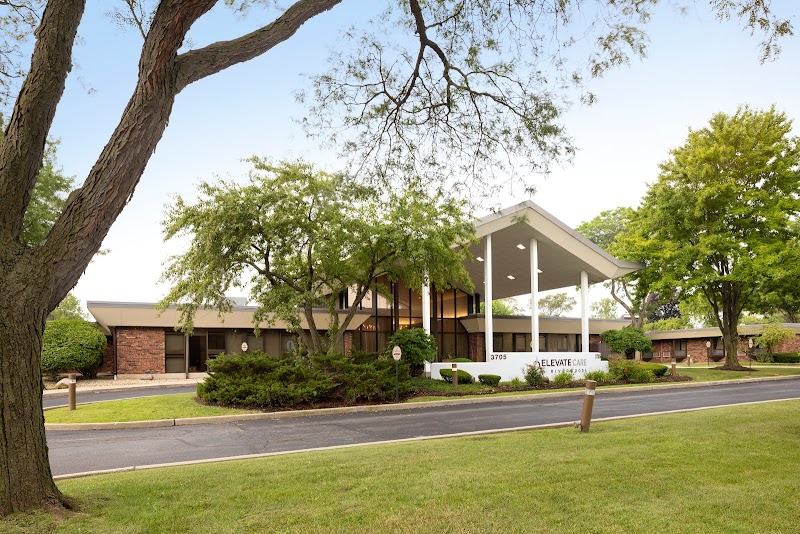
Who Owns and Operates Elevate Care Riverwoods?

ELEVATE CARE RIVERWOODS is owned by a for-profit company. For-profit facilities operate as businesses with obligations to shareholders or private owners. The facility is operated by ELEVATE CARE, a chain that manages multiple nursing homes. With 240 certified beds and approximately 141 residents (about 59% occupancy), it is a large facility located in RIVERWOODS, Illinois.

How Does Elevate Care Riverwoods Compare to Other Illinois Nursing Homes?

Compared to the 100 nursing homes in Illinois, ELEVATE CARE RIVERWOODS's overall rating (3 stars) is above the state average of 2.5, staff turnover (41%) is near the state average of 46%, and health inspection rating (3 stars) is at the national benchmark.

What Should Families Ask When Visiting Elevate Care Riverwoods?

Based on this facility's data, families visiting should ask: "What changes have been made since the serious inspection findings, and how are you preventing similar issues?" "Can you walk me through typical staffing levels on day, evening, and night shifts?" "Can I visit during a mealtime to observe dining assistance and food quality?" "How do you handle medical emergencies, and what is your hospital transfer rate?" These questions are particularly relevant given the facility's Immediate Jeopardy citations and the below-average staffing rating.

Is Elevate Care Riverwoods Safe?

Based on CMS inspection data, ELEVATE CARE RIVERWOODS has documented safety concerns. Inspectors have issued 2 Immediate Jeopardy citations (the most serious violation level indicating risk of serious injury or death). The facility has a 3-star overall rating and ranks #1 of 100 nursing homes in Illinois. Families considering this facility should ask detailed questions about what corrective actions have been taken since these incidents.

Do Nurses at Elevate Care Riverwoods Stick Around?

ELEVATE CARE RIVERWOODS has a staff turnover rate of 41%, which is about average for Illinois nursing homes (state average: 46%). Moderate turnover is common in nursing homes, but families should still ask about staff tenure and how the facility maintains care continuity when employees leave.

Was Elevate Care Riverwoods Ever Fined?

ELEVATE CARE RIVERWOODS has been fined $121,312 across 5 penalty actions. This is 3.5x the Illinois average of $34,292. Fines at this level are uncommon and typically indicate a pattern of serious deficiencies, repeated violations, or failure to correct problems promptly. CMS reserves penalties of this magnitude for facilities that pose significant, documented risk to resident health or safety. Families should request specific documentation of what issues led to these fines and what systemic changes have been implemented.

Is Elevate Care Riverwoods on Any Federal Watch List?

ELEVATE CARE RIVERWOODS is not on any federal watch list. The most significant is the Special Focus Facility (SFF) program, which identifies the bottom 1% of nursing homes nationally based on persistent, serious quality problems. Not being on this list means the facility has avoided the pattern of deficiencies that triggers enhanced federal oversight. This is a positive indicator, though families should still review the facility's inspection history directly.