APOSTOLIC CHRISTIAN HOME
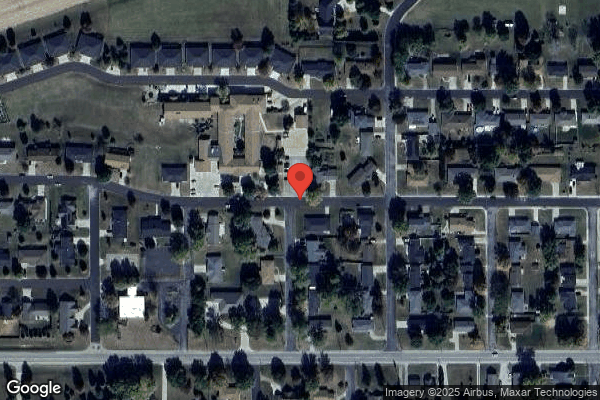
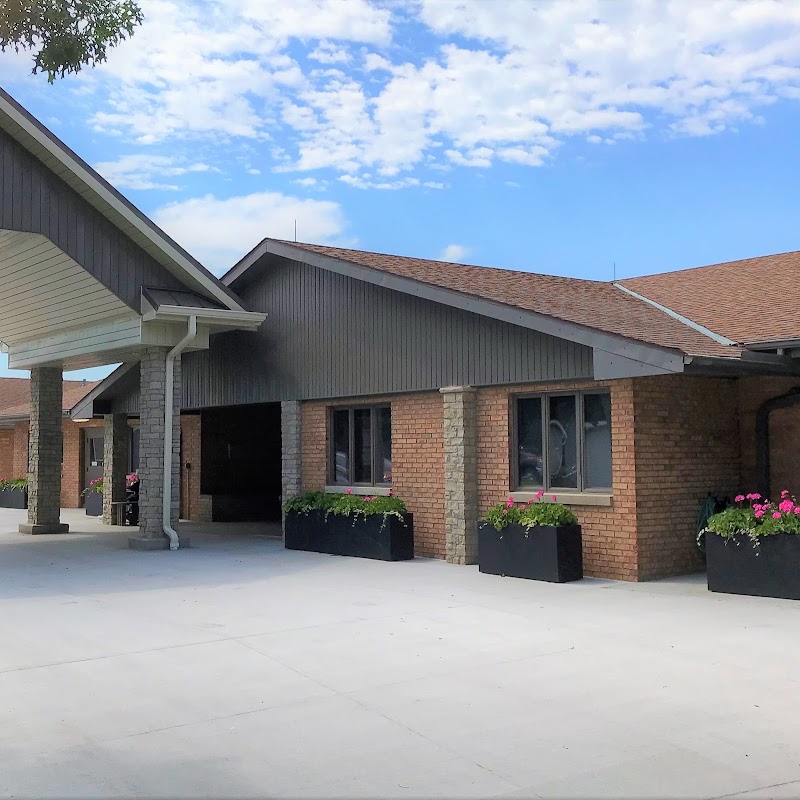
1102 WEST RANDOLPH, ROANOKE, IL 61561 (309) 923-2071
Non profit - Church related 60 Beds Independent Data: November 2025
Trust Grade
90/100
#10 of 665 in IL
Last Inspection: January 2025

Within standard 12-15 month inspection cycle. Federal law requires annual inspections.

Overview

Apostolic Christian Home in Roanoke, Illinois has received a Trust Grade of A, indicating it is highly recommended and performs excellently among nursing homes. It ranks #10 out of 665 facilities in Illinois, placing it in the top tier of state options, and is the best facility among 5 in Woodford County. The facility is improving, with the number of issues reported decreasing from 4 to 3 over the past year. Staffing is a relative strength with a rating of 4 out of 5 stars; the turnover rate at 43% is lower than the state average, indicating that staff are generally stable and familiar with residents. There have been no fines reported, which is a positive sign, but there have been some concerns, such as issues with monitoring skin care for residents and ensuring proper antibiotic use, highlighting areas for improvement despite the overall strong performance.

Trust Score
A
90/100
In Illinois
#10/665
Top 1%
Safety Record
Low Risk
No red flags
Inspections
Getting Better
4 → 3 violations
Staff Stability
○ Average
43% turnover. Near Illinois's 48% average. Typical for the industry.
Penalties
✓ Good
No fines on record. Clean compliance history, better than most Illinois facilities.
Skilled Nurses
✓ Good
Each resident gets 46 minutes of Registered Nurse (RN) attention daily — more than average for Illinois. RNs are trained to catch health problems early.
Violations
○ Average
7 deficiencies on record. Average for a facility this size. Mostly minor or procedural issues.
★★★★★
5.0
Overall Rating
★★★★☆
4.0
Staff Levels
★★☆☆☆
2.0
Care Quality
★★★★★
5.0
Inspection Score
Stable
2024: 4 issues
2025: 3 issues

The Good

  • 4-Star Staffing Rating · Above-average nurse staffing levels
  • Full Sprinkler Coverage · Fire safety systems throughout facility
  • No fines on record
  • Staff turnover below average (43%)

    5 points below Illinois average of 48%

Facility shows strength in staffing levels, fire safety.

The Bad

Staff Turnover: 43%

Near Illinois avg (46%)

Typical for the industry

The Ugly 7 deficiencies on record

Jan 2025 3 deficiencies
CONCERN (D)

Potential for Harm - no one hurt, but risky conditions existed

Quality of Care (Tag F0684)

Could have caused harm · This affected 1 resident

**NOTE- TERMS IN BRACKETS HAVE BEEN EDITED TO PROTECT CONFIDENTIALITY** Based on observation, interview and record review the Facility failed to follow the policy for documenting and monitoring a skin...

Read full inspector narrative →
**NOTE- TERMS IN BRACKETS HAVE BEEN EDITED TO PROTECT CONFIDENTIALITY** Based on observation, interview and record review the Facility failed to follow the policy for documenting and monitoring a skin issue for one of 14 Residents (R7) reviewed for skin issues in a sample of 14. Findings include: The Facility Policy and Procedure for Assessment and Treatment of Skin Wounds, reviewed 2/1/24, documents: skin assessments will be done on admission, weekly by tub room and Certified Nursing Assistant (CNA) will call in the Director of Nursing (DON) or nurse on duty if changes and daily by CNA's providing care; all treatments will be monitored daily by the charge nurse and/or skin nurse and documented in the Electronic Treatment Record (ETAR); if a new skin breakdown is first noticed by the CNA, they will obtain a Skin Incident Report sheet found at the nurse's stations; they will fill out the appropriate portion of the form with the Resident name, description of skin issue, signature, date and shift, this form is then given to their nurse or directly reported to the nurse on duty; obtain a baseline measurement and assess the area then complete the remaining questions and initiate wound care; place the completed form in the DON/Skin Nurse folder; also notify the Physician and Resident's family; chart in Progress Notes (new skin observed, overall appearance of the wound, interventions taken and that the Family, Physician and Skin Nurse have been notified; a wound management will be initiated to track and provide weekly documentation; this documents ongoing assessments during healing until the wound or skin issues is healed or resolves; a photo of the wound will be taken at the discretion of the Charge Nurse/Skin Nurse; document overall condition of wound surrounding skin, warmth, edema, pain, drainage amount, color and any odor in the progress notes; and the Skin Treatment Nurse will measure and document on all skin wounds weekly in the Wound Management tab of the electronic medical record. The Facility Wound Summary Report, dated 1/21/25, does not document R7's Right Foot measurements or wound description. R7's Progress Notes, dated 12/10/24 through 1/21/25, does not document R7's Right Foot measurements or wound description. R7's Treatment Record, dated 12/10/24 through 1/21/25, does not document R7's Right Foot measurements or wound description. R7's Skin Incident Report, dated 12/22/24, documents a Right Heel skin incident that measures 3.0 centimeters/cm by 4.0 cm. The Skin Incident Report does not document that R7's Physician or Family were notified of the skin issue or care plan interventions. On 1/23/25 at 11:22 am, V15 (Licensed Practical Nurse/LPN) stated, I am a night shift nurse, and on the night of 12/22/24, we discovered a quarter size, dark brown with hard center area on (R7's) Right Heel/Calcaneous Heel Bone), I was not sure if it was a pressure ulcer or callous. I wanted to get a treatment on it, so I put some barrier ointment (Skin Prep) and gave (R7) some pressure ulcer boots to wear while in bed, to prevent any further skin breakdown. V15 confirmed that no documentation was entered in to R7's medical record at that time. I was the only nurse working and I got so busy, that I never went back and measured or documented the area on (R7's) Right Heel. We are supposed to fill out a Skin Incident Report, I put (R7's) name at the top of one and never went back and filled it out. I am so sorry, I know that I should have measured it and documented the skin area in the R7's chart, but I forgot. I cannot even remember how big it was or anything anymore. I did not notify (R7's) Responsible Party of the new area found. On 1/22/25 at 11:25 am, V8 (License Practical Nurse/LPN/Wound Nurse) performed wound care (skin barrier) to R7's Right Foot (Calcaneous Heel Bone). R7's Calcaneous Heel Bone had an approximate quarter size, intact black scabbed area, with no drainage. V8 stated, There is no Right Heel skin documentation in (R7's) progress notes. We classified this as a callous, and I do not do weekly skin measurements on any skin issue unless it is a pressure ulcer. On 1/23/25 at 11:35 am, V2 (Director of Nursing/DON) stated, We do not have any documentation in the Nursing Progress Notes on (R7's) Right Heel. Regardless that (R7) admitted on [DATE], to the Facility for a Right Hip fracture, required staff assistance for bed mobility and developed this skin breakdown on 12/22/24, I still classified this as a callous. We do not track measurements or wound description on any skin issues other than pressure ulcers, we can tell just by looking at it week to week, if it getting better or worse.
CONCERN (D)

Potential for Harm - no one hurt, but risky conditions existed

Infection Control (Tag F0880)

Could have caused harm · This affected 1 resident

**NOTE- TERMS IN BRACKETS HAVE BEEN EDITED TO PROTECT CONFIDENTIALITY** Based on observation, interview, and record review, the facility failed to ensure hand sanitation after glove changes were compl...

Read full inspector narrative →
**NOTE- TERMS IN BRACKETS HAVE BEEN EDITED TO PROTECT CONFIDENTIALITY** Based on observation, interview, and record review, the facility failed to ensure hand sanitation after glove changes were completed during pressure ulcer dressing changes for one resident (R4) of three residents reviewed for pressure ulcers in a sample of 14. Findings include: The facility's policy titled Standard Precautions, revised 11/3/2025, documents, Purpose: Standard Precautions refer to the infection prevention practices that apply to all residents, regardless of suspected or confirmed diagnosis or presumed infection status. Standard precautions are based on the principle that all blood, body fluids, secretions, visible blood, non-intact skin, and mucous membranes may contain transmissible infectious agents. Furthermore, equipment or items in the resident's environment likely to have been contaminated with infectious body fluids must be handled in a manner to prevent transmission of infectious agents. Standard precautions include hand hygiene, proper selection and use of personal protective equipment, safe injection practices, respiratory hygiene/cough etiquette, environmental cleaning and disinfection, and reprocessing of reusable resident medical equipment. 1. Wash your hands or use hand sanitizer each time you remove your gloves. R4's resident face sheet documents R4's date of admission to the facility was 8/7/23 and diagnosis on admission include: Metabolic Encephalopathy, non-pressure chronic ulcer of buttock limited to breakdown of skin-Moisture Associated Skin Damage (MASD inner gluteal clef, Type 2 Diabetes Mellitus with Foot Ulcer of Right Heel, Pressure Ulcer of Right Heel Stage Three-from Deep Tissue Injury (DTI)/Diabetic Ulcer, and Chronic Kidney Disease Stage Three B. R4's Minimum Data Set assessment (MDS), dated [DATE], documents R4 has one Stage Three Pressure Ulcer, Diabetic Foot Ulcer, and Moisture Associated Skin Damage (MASD). On 1/22/25, at 10:15 am, R4 was lying in bed in a prone position. V8 (Wound Nurse/Licensed Practical Nurse) and V9 (Certified Nursing Assistant/CNA) entered room, performed hand hygiene and donned gown and gloves. V8 (Licensed Practical Nurse/LPN) cleaned the over the bed table and prepared treatment supplies to perform suprapubic catheter site care, wound care to bilateral Buttocks and Right Heel. V8 removed R4's suprapubic catheter dressing, scant amount of brownish drainage present on dressing and insertion site reddened and disposed of soiled dressing. V8 (LPN) removed soiled gloves and donned a new pair of gloves but did not perform hand hygiene in between glove change. V8 (LPN) cleansed suprapubic site, kept gloves on and placed a new dry dressing. V9 (CNA) positioned R4 onto R4's left side and V8 (LPN) then proceeded to remove soiled dressings to bilateral buttocks/gluteal folds with the same gloves V8 (LPN) wore prior, when cleansing and placing the suprapubic dressing. V8 disposed of the soiled dressings from buttocks, removed gloves, and donned a new pair without performing hand hygiene. V8 (LPN) proceeded to cleanse moisture associated skin damage (MASD) to bilateral buttocks, place sure prep around wounds, removed gloves, disposed of them and donned new gloves without performing hand hygiene. V8 (LPN) then measured wounds (left buttock measured 1.5 cm (centimeters) x 1.5 cm and right buttock measured 4.0 cm x 2.5 cm), placed collagen sheet to wound beds on bilateral buttocks and applied foam dressings. V8 (LPN) removed gloves, disposed of them and placed new gloves on without performing hand hygiene. V4 (CNA) removed R4's right sock and held right leg/foot while V8 (LPN) removed soiled dressing, small amount of yellowish drainage noted on dressing, then measured right heel wound (1.5 cm x 3.0 cm), applied skin prep to peri-wound, removed soiled gloves, and donned a new pair of gloves without performing hand hygiene. V8 (LPN) placed collagen sheet to wound bed, applied barrier cream to peri-wound and then dressing. V8 removed gloves, gown and proceeded to wash hands. On 1/22/25, at 10:40 am, V8 (LPN) stated that she gets confused about when hand hygiene should be performed but agreed that it probably should be done with every glove change. V8 (LPN) also stated that gloves should be changed between performing treatments to different body sites to prevent cross contamination. On 1/22/25, at 10:49 am, V2 (Director of Nursing/DON) stated, our wound care policy does not indicate the need to wash hands between glove changes, however I'm hanging myself here by giving you this (hands over Facility Standard Precautions Policy) because it does state this (V2/DON points to section in Standard Precautions Policy that documents, Wash hands or use hand sanitizer each time you remove your gloves.).
CONCERN (F)

Potential for Harm - no one hurt, but risky conditions existed

Antibiotic Stewardship (Tag F0881)

Could have caused harm · This affected most or all residents

Based on record review and interview the facility failed to utilize a set standard to determine infections. This failure has the potential to affect all 48 residents who currently reside in the facili...

Read full inspector narrative →
Based on record review and interview the facility failed to utilize a set standard to determine infections. This failure has the potential to affect all 48 residents who currently reside in the facility. Findings Include: The Facility's Antibiotic Stewardship policy dated 1/3/25 documents Antibiotic stewardship refers to a set of commitments and activities designed to optimize the treatment of infections while reducing the adverse events associated with antibiotic use. The medical director, pharmacist and the DON (Director of Nursing_ will demonstrate support and commitment to safe and appropriate antibiotic use at the (facility)_ The physicians, nursing staff and pharmacy will be responsible for promoting and overseeing antibiotic stewardship activities at the (facility) . This process will be in place for a review of antibiotics by the IP (Infection Preventionist) on a weekly basis. Was an antibiotic event filled out by the nurse taking the MD (Doctor) order? If any of the below questions can't be answered the IP will contact the MD ordering the antibiotic in question. 1. Does the resident have a bacterial infection that will respond to antibiotics? 2. If so, is the resident on the most appropriate antibiotic, dose and route of administration? 3. Can the spectrum of the antibiotic be narrowed, or the duration of therapy shortened? 4. Would the resident benefit from the additional infectious disease antibiotic expertise to ensure optimal treatment of the suspected or confirmed infection? The facility's Infection Control monitoring logs for January 2024 through December 2024 do not include any documentation of use of McGeers Data for the determination of infections. On 01/22/25 at 10:00 AM V2 (Director of Nursing) stated that she reviews medications at the end of the month off of a pharmacy report and makes sure that there was documentation for the reasoning of the antibiotic. After V2 (DON) ensures that there is a diagnosis then V8 (Licensed Practical Nurse/Infection Preventionist) reviews the antibiotic orders to ensure that all antibiotics were warranted per McGeers Criteria. On 1/22/25 at 10:10 AM V8 (LPN/Infection Preventionist) stated the nurses are supposed to be using McGeers Criteria when communicating with the doctors about infections. V8 stated Some of our infections have not met the criteria to be considered infections. On 01/22/25 at 10:20 AM V2 (DON/Infection Preventionist) confirmed that she had been notified that some of the antibiotic medication orders were obtained for residents who did not meet the criteria for an infection. V2 confirmed that there was no documentation of any McGeers Criteria being followed for any of the facility's infections. I need to educate the floor nurses on the McGeers Criteria because by the time we (V2/DON and Infection Preventionist and V8 LPN and Infection Preventionist) review the antibiotics the residents have already been started on them. The facility's Application for Medicare and Medicaid dated 01/21/25 documents that 48 residents currently reside in the facility.
Mar 2024 4 deficiencies
CONCERN (D)

Potential for Harm - no one hurt, but risky conditions existed

Quality of Care (Tag F0684)

Could have caused harm · This affected 1 resident

Based on observation, interview, and record review the facility failed to follow a physician ordered wound treatment and ensure cross contamination did not occur during a surgical wound dressing chang...

Read full inspector narrative →
Based on observation, interview, and record review the facility failed to follow a physician ordered wound treatment and ensure cross contamination did not occur during a surgical wound dressing change for one (R18) of three residents reviewed for wound care in the sample of 21. Findings include: The facility's Clean Dressing Change Policy, reviewed 2/1/24, documents: To protect open wound from contamination; prevent infection and spread of infection; provide for optimal healing; wash hands; place plastic bag/waste basket near foot of bed to receive soiled dressing; position the bag to avoid reaching across the sterile field or the wound when disposing of soiled articles; form a cuff by turning down the top of the trash bag to provide a wide opening and to prevent contamination of instruments or gloves by touching the bags edge; slowly remove soiled dressing; discard soiled dressing in the plastic bag; wash hands, put on new gloves; use (Brand) Wound Cleanser if no solution is specifically ordered; always wipe from clean area toward the less clean area; use each gauze pad for only one stroke; apply prescribed medication if ordered; follow Physicians order for type of dressing; secure dressing edge with tape or method as ordered by Physician; remove gloves and place in plastic bag; wash hands; assist Resident to comfortable position; return equipment to designated area; discard bag containing dressings in infectious waste container; and wash hands. The facility's Physicians Order policy and procedure, revised 7/7/23, documents Responsibility: Licensed Nurse, Place new orders into (electronic charting system) as appropriate making sure to discontinue any previous orders no longer being used and All new telephone orders, e-mailed orders, and verbal orders are to be directly entered into (electronic charting system) and the Dr (doctor) will e-sign them. The facility's undated Personal Protective Equipment for Nurses and CNA's (Certified Nursing Assistant's) policy and procedure documents Procedures when disposable gloves are used: Anytime there is a possibility of being splashed or that you or your clothes may come into contact with possible infectious bodily fluids: urine, stool, emesis, blood, airborne infectious pathogens, and sputum. Examples listed when to use gloves include: All treatments/dressing changes, When cleaning up any bodily fluids and/or blood, and At any time you deem it necessary to prevent the spread of possible infectious disease. The facility's Handwashing policy and procedure, reviewed 1/26/2024, documents Purpose: To prevent conditions that allow pathogens to live, multiply, and spread. General Considerations when hand washing must be done include: Before and after direct or indirect resident contact, Before preparing or administering medications, and After direct or indirect contact with a resident's excretions, secretions, or blood. Hand washing it the single most important way to prevent the spread of infection and disease. The Face Sheet for R18 documents the following diagnoses: Complete traumatic amputation at level between knee and ankle, right lower leg subsequent encounter 9/25/23; History of right leg amputations with Gangrene, Sepsis and Osteomylitis to right leg. Delayed surgical wound healing; PVD (Peripheral Vascular Disease); Idiopathic Peripheral Autonomic Neuropathy; Long-Term use of antibiotics; Paroxysmal A-fib; Heart-Valve Replacement; CHF (Congestive Heart Failure), A-flutter (Superventricular Arrhythmia - fast rate); Ischemic Cardiomyopathy (damaged heart muscle from lack of blood flow); Atherosclerotic Heart Disease (damage to heart's major blood vessels limiting blood flow to the heart); Acquired absence of right leg below knee amputation; Gangrene right leg status post BKA (below the knee amputation); Presence of Aortocoronary Bypass Graft (heart surgery to restore blood flow to the heart) in 12/2001. The current Physician Orders documents the following dated orders: 3/20/24 Doxycycline 100 milligrams twice daily due to suspected soft tissue infection to right leg wound. Culture pending; 3/12/24 Cleanse stump wound. Apply collagen silver to stump. On open areas on lower leg apply collagen powder, cover with oil emulsion gauze. Cover entire lower leg with non-bordered foam dressing and secure with tape to form a sleeve to cover entire lower leg from knee down. Do not tape to skin. Secure in place with (compression dressing), first layer over the knee, apply ring and fold over pulling (compression stocking) up to knee. Change daily. Once a day; 10/31/23 Elevate leg at all times! On 3/19/24 at 4:14 pm, R18 was sitting up in a wheelchair with visible below the knee amputation. R18 raised his right pant leg revealing a bandaged stump. Legs were not elevated at this time. R18 stated he has had multiple surgeries, has had infections, and the doctors just keep cutting more of his leg off which started with his toes. On 3/20/24 at 8:35 am, V2 DON (Director of Nursing) stated We will be culturing (R18's) stump today per doctor order and then he will start the antibiotic for suspected infection to wound. On 3/20/24 at 10:18 am, R18 was sitting on the side of his bed with his pant leg pulled up. Legs were not elevated at this time, On the seat of R18's wheelchair held a white basket that contained treatment supplies, including a package of gauze, wound cleanser, wound treatments, dressings, and tape. V3 LPN (Licensed Practical Nurse) and V2 DON entered R18's room to perform wound measurement and treatment to R18's right stump. V3 LPN pulled a bottle of hand sanitizer from her uniform pocket, applied it to her hands, put the bottle of hand sanitizer back into her uniform pocket, pulled gloves out of the same uniform pocket and applied the gloves to her hands. V3 LPN squatted down in front of R18 with R18's wheelchair to the left and behind her. V3 LPN removed the compression stocking and the soiled dressing which held yellow/tan wet drainage. R18's right stump surgical wound bed was covered with gray sloughing and yellow/tan drainage. With soiled gloves V3 LPN pulled the white basket closer to her, retrieved the wound cleanser, reached into the package of gauze and retrieved gauze pads. V3 LPN sprayed the gauze pads with the wound cleanser, put the wound cleanser back into the white basket and wiped R18's surgical wound bed. V3 LPN repeated this same process three times and a fourth time. V3 LPN retrieved a gauze pad and wiped R18's wound bed dry. With same soiled gloves, V3 LPN reached into the white basket and retrieved a wound culture kit which contained a red cap with two swabs and the vial to hold the swabs. V3 LPN opened the kit by holding the red cap with swabs in her right soiled gloved hand and the vial container with her left soiled gloved hand and pulled them apart. V3 LPN then rubbed the two swabs onto R18's wound bed to obtain wound culture, placed the red cap with the swabs back into the vial, and pushed them together to close the kit. V3 LPN reached back into the white basket, retrieved gauze from the package of gauze, and the wound cleanser, sprayed the cleanser onto the gauze, put the wound cleanser back into the white basket and wiped R18's peri wound area. V3 LPN repeated this same step one more time. V3 LPN then removed her soiled gloves, reached into her right uniform pocket, retrieved the hand sanitizer, squeezed the liquid onto her left hand, and put the hand sanitizer back into her uniform pocket and retrieved another pair of gloves from the same uniform pocket. V3 LPN reached into the white basket, retrieved a bottle of (water-free moisturizer), sprayed R18's peri wound with the (water-free moisturizer) and with gloved hands rubbed the moisturizer over R18's peri wound area. Without performing hand hygiene V3 LPN reached into the white basket and retrieved a package containing collagen silver, opened the package and pulled the collagen silver out, applied the collagen silver to R18's wound bed, and pulled off the excess edges. V3 LPN reached back into the white basket, retrieved a non bordered dressing, placed it around R18's stump wound, reached back into the basket retrieving tape and began securing dressing with the tape and placed the tape back into the basket. After applying the compression dressing to R18's dressing, V3 LPN removed her gloves by retrieving the hand sanitizer from her uniform pocket and after use put the hand sanitizer back into the same uniform pocket. V3 LPN picked up the white basket and the wound culture kit and exited R18's room, walked to the nurse's station, set the basket on the desk, grabbed the culture kit by the red cap, filled out the label, logged into the nurse's station computer using the computer mouse and keyboard. V3 LPN opened the medication room door, picked up the biohazard laboratory bag, handed the bag to V2 DON who held the bag open for V3 LPN to place the culture kit into the bag. V3 LPN walked up to the medication cart, logged into medication cart computer to look up R18's medication orders, opened a medication cart drawer, retrieved R18's card of antibiotic, pushed the medication into a medication cup, closed medication cart drawer, walked out of med room, closed medication room door, walked to R18's room, and administered the antibiotic to R18. V3 LPN exited R18's room, went back to medication room, opened the medication room door, logged back into the computer and signed off R18's antibiotic, exited the medication room, closed the door and walked to the nurse's station desk and picked up the white basket. On 3/20/24 at 10:45 am, V3 LPN stated the white basket contains treatment supplies for R18 only, not for anyone else and after the wound treatment is done the basket goes into the medication room so the next nurse just grabs the basket and will have all R18's supplies together. V3 LPN stated V10 LPN is the wound nurse and recommended trying the (water-free moisturizer) instead of the collagen powder to prevent the dressing from sticking to R18's leg. V3 LPN stated V10 LPN did not get a physician order for the moisturizer but stuck a note in R18's basket and she said she would get the order if it worked. On 3/21/24 at 10:01 am, V3 LPN stated, We are supposed to use hand sanitizer every time our hands get contaminated and before putting on gloves and after taking them off. On 3/21/24 at 11:30 am, V2 DON stated, All employees should be performing hand hygiene before and after glove removal, or when they touch contaminated objects. On 3/21/24 at 2:00 pm, V2 DON confirmed V3 LPN contaminated treatment supplies during R18's surgical wound treatment and should have performed hand hygiene between dirty and clean. V2 DON also confirmed there is no physician order for the use of the (water-free moisturizer) to be used for R18 because the facility wanted to try it first to see if it would work.
CONCERN (D)

Potential for Harm - no one hurt, but risky conditions existed

Pressure Ulcer Prevention (Tag F0686)

Could have caused harm · This affected 1 resident

Based on observation, interview and record review the Facility failed to perform hand hygiene and maintain adequate infection control during a Pressure Ulcer dressing change for one Resident (R7) of t...

Read full inspector narrative →
Based on observation, interview and record review the Facility failed to perform hand hygiene and maintain adequate infection control during a Pressure Ulcer dressing change for one Resident (R7) of two Residents reviewed for Pressure Ulcers in a sample of 21. Findings include: Facility Procedure for Clean Dressing Change Policy, reviewed 2/1/24, documents: to protect open wound from contamination; prevent infection and spread of infection; provide for optimal healing; wash hands; place plastic bag/waste basket near foot of bed to receive soiled dressing; position the bag to avoid reaching across the sterile field or the wound when disposing of soiled articles; form a cuff by turning down the top of the trash bag to provide a wide opening and to prevent contamination of instruments or gloves by touching the bags edge; slowly remove soiled dressing; discard soiled dressing in the plastic bag; wash hands, put on new gloves; use (brand name) wound cleanser if no solution is specifically ordered; always wipe from clean area toward the less clean area; use each gauze pad for only one stroke; apply prescribed medication if ordered; follow Physicians order for type of dressing; secure dressing edge with tape or method as ordered by Physician; remove gloves and place in plastic bag; wash hands; assist Resident to comfortable position; return equipment to designated area; discard bag containing dressings in infectious waste container; and wash hands. R7's Physician Order Sheet/POS, dated 1/21/24 through 3/21/24, documents R7's Right Heel treatment of cleanse, sure prep (skin protectant) surrounding wound, apply medication (collagen silver) cut to fit open area only, cover with non-bordered dry dressing and wrap with dry dressing (Kerlix) and change daily. R7's POS also documents an order to ensure heels are off loaded with heel boots and pillow, please remove heel boots and put on (don) gripper socks for stand aid transfers. R7's Multi Wound Chart Details, dated 2/28/24, documents: Wound One (Right Heel Pressure Ulcer) acquired on 9/13/23, and measuring 3.2 centimeters/cm by 1.4 cm by 0.2 cm with moderate, serosanguineous drainage. The wound charting documents a right heel treatment order of collagen sheet silver, cover with super absorbent non-bordered four by four, wrap with stretch gauze bandage and reinforce with silk tape. R7's current Care Plan, documents on 2/9/24, a Physician Order for Antibiotic (Cephalexin) for a resolved right heel infection. On 3/19/24 (at 9:35 am, 10:10 am and 12:45 pm) and on 3/20/24 (at 10:04 am and 12:10 pm) and 3/21/24 (at 9:25 am and 10:30 am) R7 was in R7's recliner with legs elevated on the footrest, with no heel boots on. R7's heel boots were on the floor and at the foot of R7's bed. On 3/20/24 at 10:04 am, V3 (Licensed Practical Nurse/LPN) entered R7's room, with R7's wound supply bin/basket, to perform right heel pressure ulcer care. R7 was in recliner with legs elevated on footrest, with no heel boots on. R7's heel boots were on the floor, at the foot of R7's bed. V3 removed R7's soiled dressing and continued to clean R7's right heel pressure ulcer with wound cleanser by spraying the wound cleanser onto R7's heel, then placed the bottle of wound cleanser onto the floor at R7's recliner footrest, then with gauze, cleansed/wiped R7's right heel with approximately five strokes, with the same gauze in a circular motion, red drainage and contaminated wound cleaner dripped onto the floor, at R7's footrest. V3 then picked up the bottle of wound cleanser off of the floor again, sprayed R7's Right Heel and continued to cleanse/wipe R7's right heel and placed the wound cleanser back onto the floor. V3 then picked up the bottle of wound cleanser off the floor and placed it onto the window ledge, next to R7's wound supply bin/basket. V3 then removed and disposed the contaminated gloves into R7's waste basket across the room (over five feet). V3 hand sanitized and put on clean gloves. When V3 was retrieving new wound supplies from R7's wound care bin/basket, V3 could not locate a non-border dry dressing, so V3 removed V3's gloves and exited R7's room to retrieve a new non-border dry dressing. When V3 re-entered R7's room, V3 placed the new non-border dry dressing package onto R7's recliner footrest and the clean package fell onto the floor. V3 picked up the package off the floor and placed it back onto R7's recliner footrest. V3 then put a new pair of gloves on, without performing hand hygiene, and completed R7's treatment. V3 did not apply sure prep (skin protectant) to R7's peri wound area. V3 was kneeling on the floor at R7's recliner footrest, and as V3 opened the wound supply packages, V3 placed them onto V3's right leg, instead of into the waste basket. V3 then removed the contaminated gloves and tossed them towards the waste basket and the gloves fell onto the floor. V3 then walked over to pick up the soiled gloves off the floor and placed them in the waste basket. V3 then placed R7's right sock back on and re-positioned R7's Right Foot, then covered R7's foot with R7's blanket and placed the bottle of wound cleanser back into the wound supply bin/basket. On 3/21/24 at 10:01 am, V3 (LPN) stated, We are supposed to hand sanitize every time our hands get contaminated and before putting on gloves and after taking them off. I did toss the gloves over to the garbage can, and I probably should have cleaned my hands after picking them up off the floor and not a good idea that I put that wound cleanser bottle onto the floor and should have wiped up the drainage on the floor. I did not even think about it when I was picking up the clean dressing package off of the floor. On 3/21/24 at 11:30 am, V2 (Director of Nursing) verified that V2 entered R7's room after wound care was almost completed and stated, I did see (V3) toss the gloves onto the floor and pick them up and (V3) should have not done that. All employees should be performing hand hygiene before and after glove removal, or when they touch contaminated objects. V2 also verified that V3 (LPN) should not have placed the wound cleanser onto the floor and stated, (V3) should have put down a towel or wound dressing pad before starting the treatment to avoid the drainage and wound cleanser from dripping onto the floor.
CONCERN (D)

Potential for Harm - no one hurt, but risky conditions existed

Respiratory Care (Tag F0695)

Could have caused harm · This affected 1 resident

Based on observation, interview, and record review the facility failed to obtain a physician order for the use of oxygen, follow the manufacturers guidelines for tubing changes, and store oxygen tubin...

Read full inspector narrative →
Based on observation, interview, and record review the facility failed to obtain a physician order for the use of oxygen, follow the manufacturers guidelines for tubing changes, and store oxygen tubing per facility policy and procedure for one (R20) of two residents reviewed for oxygen in the sample of 21. Findings include: The facility's Oxygen Administration policy and procedure, revised 2/22/2024, documents A physician's order is required to use O2 (oxygen). The standing orders may be used in an emergency situation, but the physician must be notified after oxygen is initiated. Be sure to enter O2 use in the Treatment MAR (Medication Administration Record). The oxygen tubing will be discarded and replaced every 90 days. Please label oxygen tubing with date changed if possible. If a humidifier bottle is being used, this is required to be emptied, cleaned and refilled with distilled water every twice weekly. Replace humidifier bottle per annual recommendations. When resident is not using the O2 cannula, store in cloth bags provided. The (Brand/Company) Oxygen Manufacture Guidelines for nasal cannula, dated 2024, documents Check with your healthcare provider for your prescribed airflow setting when choosing the proper nasal cannula. You'll find (Brand/Company) offers a variety of nasal cannulas to fit most airflow needs. And to ensure the best oxygen delivery possible, remember to replace your nasal cannula at least once every 14 days. The facility's Physicians Order policy and procedure, revised 7/7/23, documents Responsibility: Licensed Nurse, Place new orders into (electronic charting system) as appropriate making sure to discontinue any previous orders no longer being used and All new telephone orders, e-mailed orders, and verbal orders are to be directly entered into matrix and the Dr (doctor) will e-sign them. The current Physicians Orders documents the following dated Physician Orders: 1/9/24 If on oxygen change tubing every 90 days, Special Instructions: Change cannula and tubing every 90 days while on oxygen; and 1/9/24 Check behind ears to monitor skin daily if on continuous oxygen therapy, once a day. As of 3/21/22 at 3:00 pm, there was no physician order for the administration of oxygen for R20. The TAR's (Treatment Administration Record) and the MAR's, dated 1/1/24 through 3/22/24, do not include oxygen orders. The January TAR, documents physician order, dated 1/9/24 Check behind ears to monitor skin daily if on continuous oxygen therapy every shift and Check oxygen saturations q (each) shift on continuous oxygen ever shift prn (as needed). The admission MDS (minimum data set) assessment for R20, dated 1/15/24 documents oxygen therapy was used during the look back period. On 3/19/24 at 4:00 pm, R20 stated she only uses the oxygen when she needs it, and it has been a while. An oxygen sign was noted on the outside of R20's door. R20 was lying in bed on her back with eyes open and without oxygen infusing. An oxygen concentrator was next to R20's nightstand, plugged into a wall electrical outlet with a humidifier bottle and oxygen cannula tubing attached. The undated humidifier bottle was half full of clear liquid and the undated nasal cannula tubing was resting stretched out over the top of the oxygen concentrator. There were no dates on the humidifier bottle or the oxygen nasal cannula tubing to indicate when they were initiated. On 3/20/24 and 3/21/24 between 8:00 am and 4:00 pm, R20's oxygen concentrator was unchanged, without dates on oxygen tubing and humidifier bottle, and oxygen tubing stretched out over the top of the concentrator and not in a cloth bag. On 3/22/24 at 9:23 am, V9 (Brand/Company) Customer Service Representative stated all oxygen tubing should be changed every two weeks. On 3/22/24 at 3:00 pm, V2 DON confirmed R20 did not have a physician order for oxygen and should have and she called and clarified the order for oxygen administration for R20 the afternoon of 3/22/24.
CONCERN (F)

Potential for Harm - no one hurt, but risky conditions existed

Deficiency F0868 (Tag F0868)

Could have caused harm · This affected most or all residents

Based on record review and interview the facility failed to conduct quarterly Quality Assurance/QA Performance Improvement meetings and assure the required Committee Members were present for the last ...

Read full inspector narrative →
Based on record review and interview the facility failed to conduct quarterly Quality Assurance/QA Performance Improvement meetings and assure the required Committee Members were present for the last calendar year. This failure has the potential to affect all 47 Residents who currently reside in the facility. Findings Include: Facility Census and Condition Report, dated 3/19/24, documents 47 Residents residing in the Facility. The Facility's Quality Assurance Performance Improvement/QAPI Guidance Plan, revised 1/5/24, documents: the purpose of the QAPI is to take proactive approach to continually improve the way we caré for and engage with our Residents, Caregivers and other partners; to do this, all employees will participate in ongoing QAPI efforts which support our mission by meeting the physical, mental and spiritual needs of the residents of this home.; QAPI includes all employees, all departments and all services provided; the Governance and Leadership will be integrated into the responsibilities and accountabilities of top-level management by including them in quarterly QAPI meetings; QAPI leadership team will be comprised of the Administrator, and Director of Nursing who together will provide ongoing leadership to the QAPI team; and the QAPI team will meet quarterly and will be facilitated by the Director of Nursing. Facility Employee Roster, dated 2/27/24, documents V6 (Infection Control Coordinator) as the Facility designated Infection Control Preventionist. The Facility Quality Assurance Meeting Attendance Sheet, dated 4/20/23, documents V1 (Administrator), V2 (Director of Nursing), V4 (Medical Director), V7 (Abuse Coordinator/Social Services) and V8 (Environmental Services) in attendance. The Facility Quality Assurance Meeting Attendance Sheet, dated 7/20/23, documents V1 (Administrator), V2 (Director of Nursing), V4 (Medical Director), V5 (Human Resources) and V6 (Infection Control Nurse) in attendance. The Facility Quality Assurance Meeting Attendance Sheet, dated 10/19/23, documents V1 (Administrator), V2 (Director of Nursing), V4 (Medical Director), V6 (Infection Control Nurse) and V7 (Abuse Coordinator/Social Services) in attendance. The Facility Quality Assurance Meeting Attendance Sheet, dated 1/18/24, documents V1 (Administrator), V2 (Director of Nursing), V4 (Medical Director), V6 (Infection Control Nurse) and V7 (Abuse Coordinator/Social Services) in attendance. On 3/21/24 at 11:35 am, V2 (Director of Nursing) stated, We usually meet quarterly, on the third Thursday of the month, at 7:00 am in the morning. (V1/Administrator), myself (V2) and V4/Medical Director) are all in attendance and I invite all other Department Heads to attend, only if they can make it. It is not mandatory for them. Before COVID, we used to hold the 'QA' meetings and they would take all morning and everyone would attend, but that all changed since COVID. I did not realize that a Medical Director, Administrator, Director of Nursing, Infection Preventionist and two other staff were required to attend the QA meetings.
Understanding Severity Codes (click to expand)
Life-Threatening (Immediate Jeopardy)
J - Isolated K - Pattern L - Widespread
Actual Harm
G - Isolated H - Pattern I - Widespread
Potential for Harm
D - Isolated E - Pattern F - Widespread
No Harm (Minor)
A - Isolated B - Pattern C - Widespread

Questions to Ask on Your Visit

  • "Can I speak with families of current residents?"
  • "What's your RN coverage like on weekends and overnight?"

Our Honest Assessment

Strengths
  • • Grade A (90/100). Above average facility, better than most options in Illinois.
  • • No major safety red flags. No abuse findings, life-threatening violations, or SFF status.
  • • No fines on record. Clean compliance history, better than most Illinois facilities.
  • • 43% turnover. Below Illinois's 48% average. Good staff retention means consistent care.
Concerns
  • • No significant concerns identified. This facility shows no red flags across CMS ratings, staff turnover, or federal penalties.
Bottom line: Generally positive indicators. Standard due diligence and a personal visit recommended.

About This Facility

What is Apostolic Christian Home's CMS Rating?

CMS assigns APOSTOLIC CHRISTIAN HOME an overall rating of 5 out of 5 stars, which is considered much above average nationally. Within Illinois, this rating places the facility higher than 99% of the state's 100 nursing homes. This rating reflects solid performance across the metrics CMS uses to evaluate nursing home quality.

How is Apostolic Christian Home Staffed?

CMS rates APOSTOLIC CHRISTIAN HOME's staffing level at 4 out of 5 stars, which is above average compared to other nursing homes. Staff turnover is 43%, compared to the Illinois average of 46%. This relatively stable workforce can support continuity of care.

What Have Inspectors Found at Apostolic Christian Home?

State health inspectors documented 7 deficiencies at APOSTOLIC CHRISTIAN HOME during 2024 to 2025. These included: 7 with potential for harm.

Who Owns and Operates Apostolic Christian Home?

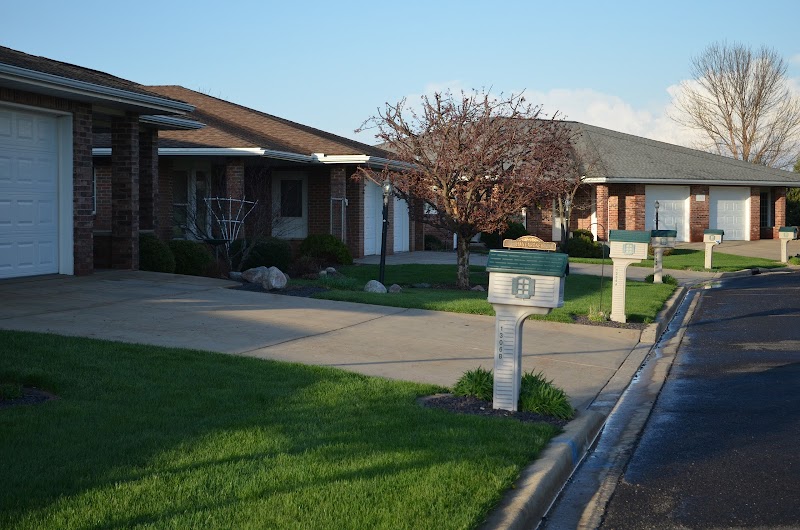
APOSTOLIC CHRISTIAN HOME is owned by a non-profit organization. Non-profit facilities reinvest revenue into operations rather than distributing to shareholders. The facility operates independently rather than as part of a larger chain. With 60 certified beds and approximately 45 residents (about 75% occupancy), it is a smaller facility located in ROANOKE, Illinois.
How Does Apostolic Christian Home Compare to Other Illinois Nursing Homes?

Compared to the 100 nursing homes in Illinois, APOSTOLIC CHRISTIAN HOME's overall rating (5 stars) is above the state average of 2.5, staff turnover (43%) is near the state average of 46%, and health inspection rating (5 stars) is much above the national benchmark.

What Should Families Ask When Visiting Apostolic Christian Home?

Based on this facility's data, families visiting should ask: "Can I visit during a mealtime to observe dining assistance and food quality?" "How do you handle medical emergencies, and what is your hospital transfer rate?" "Can I speak with family members of current residents about their experience?"

Is Apostolic Christian Home Safe?

Based on CMS inspection data, APOSTOLIC CHRISTIAN HOME has a clean safety record: no substantiated abuse findings (meaning no confirmed cases of resident harm), no Immediate Jeopardy citations (the most serious violation level indicating risk of serious injury or death), and is not on the Special Focus Facility watch list (a federal program monitoring the lowest-performing 1% of nursing homes). The facility has a 5-star overall rating and ranks #1 of 100 nursing homes in Illinois. While no facility is perfect, families should still ask about staff-to-resident ratios and recent inspection results during their visit.

Do Nurses at Apostolic Christian Home Stick Around?

APOSTOLIC CHRISTIAN HOME has a staff turnover rate of 43%, which is about average for Illinois nursing homes (state average: 46%). Moderate turnover is common in nursing homes, but families should still ask about staff tenure and how the facility maintains care continuity when employees leave.

Was Apostolic Christian Home Ever Fined?

APOSTOLIC CHRISTIAN HOME has no federal fines on record. CMS issues fines when nursing homes fail to meet care standards or don't correct problems found during inspections. The absence of fines suggests the facility has either maintained compliance or corrected any issues before penalties were assessed. This is a positive indicator, though families should still review recent inspection reports for the full picture.

Is Apostolic Christian Home on Any Federal Watch List?

APOSTOLIC CHRISTIAN HOME is not on any federal watch list. The most significant is the Special Focus Facility (SFF) program, which identifies the bottom 1% of nursing homes nationally based on persistent, serious quality problems. Not being on this list means the facility has avoided the pattern of deficiencies that triggers enhanced federal oversight. This is a positive indicator, though families should still review the facility's inspection history directly.