ALDEN DEBES REHAB & HCC
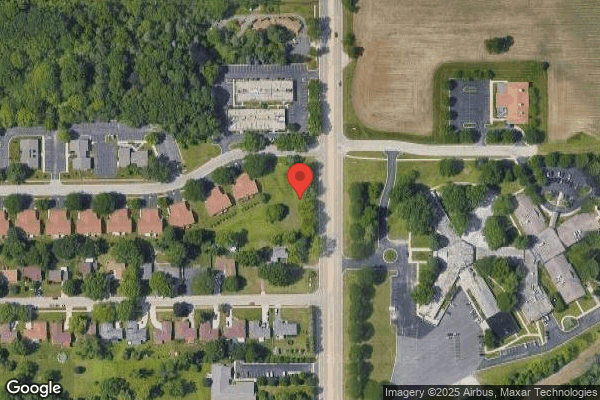
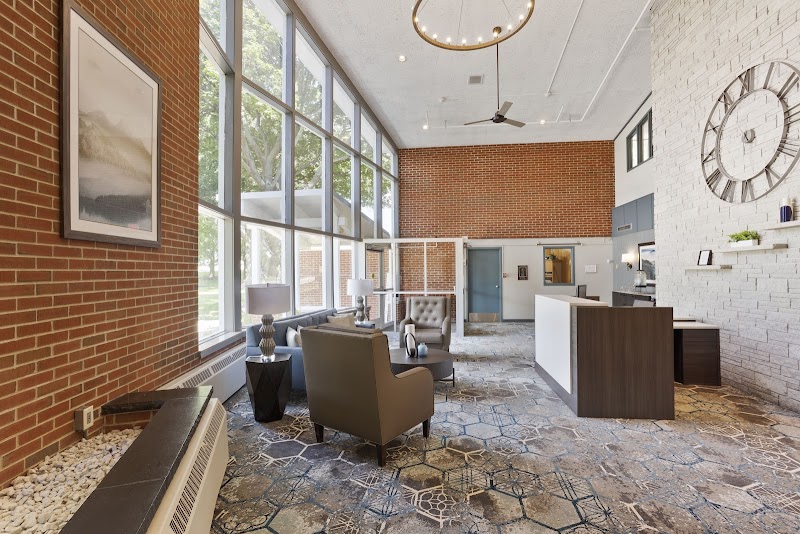
550 SOUTH MULFORD AVENUE, ROCKFORD, IL 61108 (815) 484-1002
For profit - Corporation 268 Beds THE ALDEN NETWORK Data: November 2025 1 Immediate Jeopardy citation
Trust Grade
8/100
#304 of 665 in IL
Last Inspection: June 2024

Within standard 12-15 month inspection cycle. Federal law requires annual inspections.

Overview

Alden Debes Rehab & HCC has received a Trust Grade of F, indicating significant concerns about the facility's care quality. It ranks #304 out of 665 nursing homes in Illinois, placing it in the top half, but this should be considered with caution due to its poor grade. The facility is on an improving trend, having reduced issues from 10 in 2024 to 3 in 2025, which is a positive sign. Staffing is a weakness, with a low rating of 1 out of 5 stars, though the turnover rate is 0%, which is well below the state average. Significant fines of $150,690 raise concerns about compliance, and while RN coverage is average, recent inspections revealed serious incidents, including a resident developing a severe pressure wound due to neglect and another resident suffering burns from hot food due to a lack of supervision. Overall, while there are some improvements in the facility, families should weigh these serious issues carefully.

Trust Score
F
8/100
In Illinois
#304/665
Top 45%
Safety Record
High Risk
Review needed
Inspections
Getting Better
10 → 3 violations
Staff Stability
○ Average
Turnover data not reported for this facility.
Penalties
✓ Good
$150,690 in fines. Lower than most Illinois facilities. Relatively clean record.
Skilled Nurses
○ Average
Each resident gets 33 minutes of Registered Nurse (RN) attention daily — about average for Illinois. RNs are the most trained staff who monitor for health changes.
Violations
⚠ Watch
34 deficiencies on record. Higher than average. Multiple issues found across inspections.
★★☆☆☆
2.0
Overall Rating
★☆☆☆☆
1.0
Staff Levels
☆☆☆☆☆
0.0
Care Quality
★★★☆☆
3.0
Inspection Score
Stable
2024: 10 issues
2025: 3 issues

The Good

  • Full Sprinkler Coverage · Fire safety systems throughout facility
  • No fines on record

Facility shows strength in fire safety.

The Bad

2-Star Overall Rating

Below Illinois average (2.5)

Below average - review inspection findings carefully

Federal Fines: $150,690

Well above median ($33,413)

Significant penalties indicating serious issues

Chain: THE ALDEN NETWORK

Part of a multi-facility chain

Ask about local staffing decisions and management

The Ugly 34 deficiencies on record

1 life-threatening 3 actual harm
Apr 2025 2 deficiencies
CONCERN (D) 📢 Someone Reported This

A family member, employee, or ombudsman was alarmed enough to file a formal complaint

Potential for Harm - no one hurt, but risky conditions existed

Abuse Prevention Policies (Tag F0607)

Could have caused harm · This affected 1 resident

Based on interview and record review the facility failed to implement their Abuse Prevention Policy by failing to immediately remove the accused employee from resident contact for 1 of 3 residents (R1...

Read full inspector narrative →
Based on interview and record review the facility failed to implement their Abuse Prevention Policy by failing to immediately remove the accused employee from resident contact for 1 of 3 residents (R1) reviewed for Abuse in the sample of 3. Findings include: The Facility's Abuse Policy dated 3/25 documents, 5. Protection of Residents. The facility will take steps to prevent mistreatment while the investigation is underway. c. Employee of this facility who have been accused of mistreatment will be removed from resident contact immediately until the results of the investigation has been reviewed by the administrator or designee. On 4/9/25 at 9:45 AM, V5 (Step daughter) and V6 (ex wife) said they were at the facility last Sunday 4/6/25. R1 told them that V7 (Certified Nurse Assistant CNA) had hit R1. V5 and V6 said they reported to V4 (Operations Manager) that Sunday, specifically telling V4 that R1 said he was hit by V7 (CNA). V5 said on Monday (4/7/25) she tried to get hold of the Director of Nursing (V2-DON) and left a message for V2 to call her back. V5 said she wanted to make sure V7 was not taking care of R1. The DON (V2) never called back. On 4/9/25 at 11:12 AM, V4 (Operation Manager) said she was the Weekend Manager working last Sunday 4/6/25. It was after 3PM, R1's step daughter (V5) and R1's ex wife (V6) informed her that R1 said V7 (CNA) was rough when taking care of R1. V4 said she did not speak or clarify to R1 what rough meant. V4 said she reported the allegation to V3 (Assistant Administrator.) I told [V3] that V7 was rough to R1 per family On 4/9/25, V3 (Asst Administrator) said V4 did not inform her that R1's family (step daughter and ex wife) had an allegation of V7 being rough to R1 that Sunday. V4 said V7 should have not worked with R1 that Monday (4/7/25) then. V3 confirmed that V7 (the alleged CNA) was R1's CNA last Monday (4/7/25) On 4/9/25 at 10:55 AM, V7 (alleged-CNA) said she came in to work last Monday for day shift. V7 said she was R1's CNA and worked the whole day with R1. V7's timecard show on 4/7/25 (a day after the allegation) V7 worked from 6:04 AM to 2:27 PM. V7 was R1's CNA. On 4/9/25 at 11:55 AM, V2 (DON) said she got a message last Monday morning around 8AM to call V5, R1's step daughter back but V2 said she did not call back.
CONCERN (D) 📢 Someone Reported This

A family member, employee, or ombudsman was alarmed enough to file a formal complaint

Potential for Harm - no one hurt, but risky conditions existed

Report Alleged Abuse (Tag F0609)

Could have caused harm · This affected 1 resident

Based on interview and record review the facility failed to report to the State Agency in a timely manner an allegation of Physical Abuse for 1 of 3 residents (R1) reviewed for Abuse in the sample of ...

Read full inspector narrative →
Based on interview and record review the facility failed to report to the State Agency in a timely manner an allegation of Physical Abuse for 1 of 3 residents (R1) reviewed for Abuse in the sample of 3. The findings include: On 4/9/25 at 9:45 AM, V5 (R1's Step daughter) and V6 (R1's ex wife) said they were at the facility last Sunday 4/6/25. V5 and V6 said they reported to V4 (Operations Manager) that Sunday, specifically telling V4 that R1 said he was hit by V7 (CNA). On 4/9/25 at 11:12 AM, V4 (Operation Manager) said she was the Weekend Manager working last Sunday 4/6/25. It was after 3PM last Sunday 4/6/25. R1's step daughter (V5) and R1's ex wife (V6) informed her that R1 said V7 (CNA) was rough when taking care of R1. V4 said she reported the allegation to V3 (Assistant Administrator.) but did not report the allegation to V1 (Abuse Coordinator) On 4/9/25, V3 (Asst Administrator) said V4 did not report to her that R1's family (step daughter and ex wife) had an allegation of a CNA V7 being rough to R1 that Sunday. All V4 reported was that there was an issue going on at the facility with R1's family V5 and V6. V4 said when she got to the facility V5 and V6 were gone. On 4/9/25 at 2:50 PM, V1 (Administrator and Abuse Coordinator) said he was the Abuse Coordinator. V1 said the allegation of R1 to V7 (CNA) was not reported to him last Sunday. V1 said all staff know (including V4) that all allegations of Abuse have to be reported to him immediately. The Facility Reported Incident (initial) sent to the state agency dated 4/8/25 timed at 12:29 PM, documents a family member of [R1] reported that a CNA has hit R1 . The [alleged] CNA was suspended pending investigation This report was sent to the State Agency approximately 48 hours after the allegation was made. The facility's Abuse Policy dated 3/25 show, Initial Reporting of Allegation shall be completed immediately upon the notification of allegation. The written reports shall be sent to the Department of Public Health
Feb 2025 1 deficiency
CONCERN (D) 📢 Someone Reported This

A family member, employee, or ombudsman was alarmed enough to file a formal complaint

Potential for Harm - no one hurt, but risky conditions existed

Accident Prevention (Tag F0689)

Could have caused harm · This affected 1 resident

Based on observation, interview, and record review the facility failed to ensure residents at risk for falls had their call lights within reach for 3 of 6 residents(R3, R5, R7) reviewed for safety in ...

Read full inspector narrative →
Based on observation, interview, and record review the facility failed to ensure residents at risk for falls had their call lights within reach for 3 of 6 residents(R3, R5, R7) reviewed for safety in the sample of 8. Findings include: 1. On 2/5/25 at 10:02 AM, R3 was sitting up in a chair on the right side of the bed. R3's call light was clipped to the mattress on the left side of the bed (across the bed). R3 said she uses the call light when she needs help to go to the bathroom. R3's most recent Care Plan shows R3 is at risk for falls due to weakness and lists the intervention: promote placement of call light with in reach. 2. On 2/5/25 at 10:20 AM, R5 was sitting up in his wheelchair near the end of the bed watching TV. R5's soft touch call light was clipped to the head of the bed behind R5. R5's most recent Care Plan shows R5 is at risk for falls due to generalized weakness and lists the intervention: promote placement of call light with in reach. 3. On 2/5/25 at 10:49 AM, R7 was awake and sitting up in bed. R7's call light was coiled up, clipped to itself and hanging over the call light outlet on the wall behind R7's bed. V5 Certified Nursing Assistant said R7 is able to use her call light and took the call light from the wall, unclipped and uncoiled it, and then clipped it to R7's bedding near R7's hands. V5 said call light should be within the resident's reach so they are able to use them to get help. R7's most recent Care Plan shows R7 is at risk for falls due to generalized weakness and lists the intervention: promote placement of call light with in reach. On 2/5/254 at 2:18 PM, V2 Assistant Administrator said call lights should be within reach so the residents are able to call for assistance. The facility's Management of Falls Policy dated 8/2020 shows The facility will assess hazards and risks, develop a plan of care to address hazards and risk, implement appropriate resident interventions, and revise there resident's plan of care in order to minimize the risk for fall incidences and/or injuries to the resident.
Jun 2024 9 deficiencies
CONCERN (D)

Potential for Harm - no one hurt, but risky conditions existed

Free from Abuse/Neglect (Tag F0600)

Could have caused harm · This affected 1 resident

**NOTE- TERMS IN BRACKETS HAVE BEEN EDITED TO PROTECT CONFIDENTIALITY** Based on observation, interview and record review, the facility failed to ensure a resident remained free from resident-to-resid...

Read full inspector narrative →
**NOTE- TERMS IN BRACKETS HAVE BEEN EDITED TO PROTECT CONFIDENTIALITY** Based on observation, interview and record review, the facility failed to ensure a resident remained free from resident-to-resident abuse for two of two residents (R30, R58) reviewed for abuse in the sample of 38. Findings include: R30's admission Record, provided by the facility on 6/27/24, showed he had diagnoses including schizophrenia, bipolar disorder, cataract-unspecified, and cognitive communication deficit. R30's facility assessment dated [DATE] showed he was cognitively intact, had behaviors that were not directed towards others, and had hallucinations. The assessment showed R30 needed supervision or touching assistance with walking. R58's admission Record, provided by the facility on 6/27/24, showed he had diagnoses including schizoaffective disorder, generalized anxiety disorder, metabolic encephalopathy (a brain condition caused by a chemical imbalance in the blood due to an illness or organ dysfunction), and cognitive communication deficit. R58's facility assessment dated [DATE] showed he had moderate cognitive impairment, had verbal behaviors directed towards others, had hallucinations and delusions. The assessment showed R58's behaviors significantly intruded on the privacy or activity of othersm abd significantly disrupted care or living environment. The assessment showed R58 needed supervision or touching assistance with walking. On 6/25/24 at 10:22 AM, R30 was observed walking up an down the hall repeatedly on the A unit behavioral wing of the facility. R30 did not stop or reply when this surveyor greeted him and tried initiating a conversation. On 6/25/24 at 12:29 PM, R58 was in the dining room, sitting at a table. R58 would yell out occasionally and sang I will put a gun against your head, pull the trigger now your dead. At 12:58 PM, R58 got up from his chair and said loudly Warning, Get out of my way. Staff moved over to let R58 through. R58 walked up the hall. A minute later, R58 came back down the hall and said Hey, where is my room? Staff told R58 they would show him where his room was. The staff member said, Remember you were moved? R58 said he knew, but he could not find his room. R58's Progress note dated 6/9/24 showed Writer made aware from activity staff that she believed the resident (R58) had just hit another resident that had fallen to the ground, The Progress note showed a counselor reviewed the facility cameras and saw that as a peer was walking by, R58 shoved him, and then punched him in the face causing that peer to fall to the ground. The note showed R58 then stood over peer watching him before going into the TV room. The note showed when R58 was asked why he hit his peer, R58 denied hitting peer, even after being told that it was on camera and staff witnessed the event. R58 was removed from the area and placed on 15-minute checks. Psychiatric services were called, and an order was given to send R58 out for evaluation related to physical aggression initiated. R30's Progress note dated 6/9/24 showed Writer made aware resident had fallen .Writer then made aware that resident (R30) was walking up the hall and was hit unprovoked by a peer causing him to fall to the ground .Related to punch, resident unable to give description related to aphasia (difficulty talking) .resident skin assessment clear .No signs or symptoms of pain or injuries noted. On 6/27/24 at 11:18 AM, V20 (Activity Aide) said she was at the nurse's station and heard a commotion behind her. She turned and saw R30 on the floor. V20 said she told V22 (Certified Nursing Assistant-CNA) that R30 was on the floor. V20 said she and V22 asked R30 what happened. He (R30) kept saying nothing, nothing, nothing. V20 said V22 and V21 (Licensed Practical Nurse-LPN) checked the cameras and told her that R58 hit R30. V20 said she is not aware of any previous incidents between R58 and R30. V20 said R58 is quite verbally aggressive. V20 said R58 is loud, and his voice is jarring. He will scream out. On 6/27/24 at 11:38 AM, V23 (Behavioral Counselor on A unit) said he was in his office when the incident happened on 6/9/24 between R30 and R58. V23 said the incident happened right outside the resident lounge area, in the hallway. V23 said R30 paces up and down the hall. R58 went into the lounge area and as he was coming out R30 and R58 met. V23 said R58 does not like people in his space. V23 said he thinks R58 thought R30 was in his space. V23 said R58 pushed R30, and then hit him in the neck or face. V23 said it wasn't like a punch to the face, more like hitting R30 with his arm, making him (R30) lose his balance. On 6/27/24 at 11:44 AM, V21 (LPN) said she was the nurse on duty on 6/9/24 when the incident happened between R30 and R58. V21 said she did not see the actual incident. V21 said she reviewed the camera. V21 said R30 was walking up the hallway and R58 was coming down the hallway. V21 said R58 had not been agitated prior to the incident. V21 said she did not understand why, but R58 hit R30. V21 said she could not tell where R58 hit R30 at. V21 said she did an assessment on R30 and did not see any red marks or bruising on R30's buttocks, neck, face, or chest. V21 said R30 was not able to explain what happened, and R58 claimed he did not do anything. On 6/27/24 at 11:54 AM, V23 (Behavioral Counselor Unit A) said he did not see any injuries on R30 after the incident and R30 did not complain of pain anywhere. V23 said R58 has poor insight. V23 said he could not get R58 to tell him why he did that. V23 said R58 can be impulsive. V23 said R58 had a previous small altercation with another resident one or two years ago. V23 said it was the other resident that was being aggressive. Staff intervened and the residents were separated. V23 said R58 is bipolar and when he is in the manic phase, he is loud and impulsive. V23 said he is not aware of any other altercations/incidents with R58. On 6/27/24 at 12:13 PM, V14 (Behavioral Unit Coordinator) provided an incident dated 10/16/2022 where another resident was walking out of the dining room. R58 unexpectedly turned and made open handed contact with the other resident on the back. V14 said she thinks it was just R58 saying hi buddy to the other resident. V14 said they (the facility) even debated on whether to send it in as an incident because it wasn't like R58 was agitated or being physically inappropriate. V14 said R58 said he was just saying hi to the other resident. V14 said she thinks it was just R58 not respecting the other resident's boundaries. V14 said there have not been any other reportable incidents since 2019, at least involving R58. R58's Progress notes were reviewed from 3/1/24 through 6/26/24. The notes showed on 3/4/24 R58 was behavioral, presenting with agitation and mania as evidenced by yelling, cursing at staff, being verbally inappropriate and pacing up and down the hallway throughout the morning shift. R58 cycled between being redirectable and difficult to redirect. R58's progress note dated 3/8/24 showed R58 became behavioral when another resident accidently ran over his foot with his wheelchair. R58 raised his fist as if to hit the other resident. The note showed the residents were immediately separated and redirected. The notes from 3/8/24 showed around two hours later, R58 became aggressive towards a staff member, asking staff if the individual wanted to fight and threatening the staff member. R58's Progress notes showed on 3/13/24 R58 was displaying inappropriate language, yelling at staff, and disrupting breakfast. The note showed one of the counselors spoke with R58 and was able to settle him down and redirect him. The same day at 10:20 AM R58's Progress note showed R58 was displaying inappropriate socially, delusional thinking, and was aggressive with staff members several times. R58's progress notes showed on 3/16/24 R58 was being verbally aggressive and inappropriate towards staff. R58 continued yelling and disturbing the unit and proved difficult to redirect. Progress note dated 3/30/24 showed R58 was yelling and cussing at staff and peers. R58's progress notes showed many other dates where he displayed behaviors of yelling, cursing, making inappropriate comments and gestures at staff, urinating in the garbage can and on the floor, being difficult or unable to redirect at times. The notes showed on 5/12/24 R58 threatening staff periodically, telling them not to touch him or he will inflict physical harm to them. R58 was able to be redirected but remained agitated and continued to raise his voice. R58's care plan initiated on 12/27/2019 showed he often yells out at random times during groups, leisure times, meals and medication times. R58's risk for abuse care plan, initiated 7/1/2019, showed he can be verbally and physically aggressive. R58's care plan initiated on 6/30/2020 showed he has displayed physically aggressive behaviors towards his staff and peers. The facility reported incident of 6/9/24, provided by the facility showed behavioral health resident (R58) exited a common area into the hallway of the unit and became aggressive towards a fellow behavioral health resident (R30). Physical contact was made. The residents were immediately separated. R58 was placed on one-to-one supervision until he was transported to a behavioral hospital for evaluation and staabilization of his acute schizoaggective symptoms. The report showed no injuries were noted to R30. The facility's September 2020 Abuse policy showed This facility affirms the right of our residents to be free from abuse .This facility is committed to protecting our residents from abuse by anyone including, but not limited to, facility staff, other residents, consultants, volunteers, and staff from other agencies providing services to the individual, family members, or legal guardians, friends, or any other individuals. The policy identifies the definition of abuse as any physical or mental injury or sexual assault inflicted upon a resident other than by accidental means in a facility. Abuse is the willful infliction of injury .Willful means the individual acted deliberately, not that the individual must have intended the injury or harm .Physical abuse includes hitting, slapping, pinching, kicking, and controlling behavior through corporal punishment. The policy showed Prevention .d. As part of the social service assessment, staff will identify residents with increased vulnerability for abuse or who have needs and behaviors that might lead to conflict. Through the care planning process, staff will identify any problems, goals and approaches which would reduce the chances of mistreatment for these residents. Staff will continue to monitor the goals on a regular basis.
CONCERN (D)

Potential for Harm - no one hurt, but risky conditions existed

Deficiency F0658 (Tag F0658)

Could have caused harm · This affected 1 resident

**NOTE- TERMS IN BRACKETS HAVE BEEN EDITED TO PROTECT CONFIDENTIALITY** Based on interview and record review, the facility failed to ensure nursing staff were documenting the resident's Physician, or ...

Read full inspector narrative →
**NOTE- TERMS IN BRACKETS HAVE BEEN EDITED TO PROTECT CONFIDENTIALITY** Based on interview and record review, the facility failed to ensure nursing staff were documenting the resident's Physician, or Nurse Practitioner was notified when a resident's blood glucose levels were out of the parameters ordered by the physician for 1 of 1 resident (R133) reviewed for insulin medication use in the sample of 38. Findings include: R133's admission Record, provided by the facility on 6/27/24, showed he had diagnoses including type II diabetes mellitus, schizoaffective disorder-depressive type, encephalopathy (a broad term for any brain disease that alters brain function or structure. Declining ability to concentrate, memory loss, personality changes, seizures, and twitching are common symptoms). R133's diagnoses also included generalized anxiety disorder, and adult failure to thrive. R133's facility assessment dated [DATE] showed he had moderate cognitive impairment and receives hypoglycemic medications including insulins. The assessment showed R133 did not have behaviors. R133's Medication Review Report, provided by the facility on 6/27/24, showed an order dated 11/14/23 for Blood glucose monitoring: As needed call physician for results less than 60 or greater than 400. The report showed in addition to orders for two oral antidiabetic medications (metformin and glipizide), R133 had orders for Levemir (a long-acting insulin) 10 units at bedtime, 25 units in the morning. The report showed an order dated 12/11/23 for Novolog (a short-acting insulin) per sliding scale, three times daily based on the results of the glucose testing. The order showed 400 or above give 12 units and call NP (Nurse Practitioner-V19). R133's Weights and Vitals Summary, printed by the facility on 6/26/24, showed R133's blood glucose levels were out of the parameters set by the Physician's order on the following dates: 6/15/24: 55 mg/dL (milligrams per deciliter) 6/14/24: 55 mg/dL 6/12/24: 59 mg/dL at 5:31 PM and 423 mg/dL at 11:04 AM 5/30/24: 455 mg/dL 5/24/24: 470 mg/dL 5/10/24: 427 mg/dL 5/8/24: 52 mg/dL 4/27/24: 58 mg/dL 4/25/24: 46 mg/dL 4/19/24: 52 mg/dL 4/15/24: 453 mg/dL at 9:36 AM and 453 mg/dL at 9:44 AM 4/3/24: 59 mg/dL 4/1/24: 54 mg/dL 3/29/24 43 mg/dL 3/26/24: 36 mg/dL 3/25/24: 54 mg/dL 3/23/24: 47 mg/dL 3/22/24: 54 mg/dL 3/21/24: 443 mg/dL 3/19/24: 496 mg/dL 3/18/24: 453 mg/dL 3/9/24: 417 mg/dL 3/6/24: 59 mg/dL and 3/5/24: 54 mg/dL R133's Nurse Progress Notes showed no documentation of V19 (Nurse Practitioner-NP) or R133's Physician being notified of R133's blood glucose levels on the following dates: 6/12/24, 5/8/24, 4/27/24, 4/25/24, 4/19/24, 4/15/24, 4/3/24, 4/1/24, 3/29/24, 3/25/24, 3/22/24, and 3/5/24. On 6/27/24 at 9:25 AM, V2 (Director of Nursing-DON) said the nurses have been reporting R133's blood sugar levels to V19 (Nurse Practitioner-NP). V2 said the nurses are just not documenting that they have reported it. V2 said if the nurses are reporting R133's blood sugar levels to V19, they should be documenting it. V2 said without the nurse documenting that they reported it, there is no way to know for sure that it was reported to V19 or R133's Physician. V2 said it is important to report so that V19 is aware and can guide them as to what steps should be taken. So they can get new orders on how to proceed. On 6/27/24 at 9:58 AM, V19 (NP) said she knows R133 very well. V19 said R133 is on hospice, and he gets to eat what he wants. He is a brittle diabetic. V19 said when we (the facility) decrease his insulin dose, he goes higher. If we overcorrect, he goes low. V19 said R133 tends to swing pretty far if we make a change in his medications for his diabetes. R133's care plan, initiated on 3/20/22, showed he has the potential for hypo/hyperglycemic reactions secondary to diagnosis of diabetes mellitus. The care plan showed blood glucose monitoring as ordered. Report results that are outside of ordered parameters to MD (Doctor). Monitor/document report to MD as needed signs and symptoms of hypoglycemia. The facility's 5/28/2020 policy and procedure titled Assure Platinum Blood Glucose Monitoring showed 13. Notify Physician if results are outside of parameters given.
CONCERN (D)

Potential for Harm - no one hurt, but risky conditions existed

ADL Care (Tag F0677)

Could have caused harm · This affected 1 resident

**NOTE- TERMS IN BRACKETS HAVE BEEN EDITED TO PROTECT CONFIDENTIALITY** Based on observation, interview and record review the facility failed to ensure care was provided for a resident's right hand co...

Read full inspector narrative →
**NOTE- TERMS IN BRACKETS HAVE BEEN EDITED TO PROTECT CONFIDENTIALITY** Based on observation, interview and record review the facility failed to ensure care was provided for a resident's right hand contracture and nails for 1 of 1 residents (R32) reviewed for activities of daily living in the sample of 38. Findings include: On 6/25/24 at 9:59 AM, R32 was sitting up in a low bed with a mat on the floor to her right side of the bed. R32's right hand was contracted with a long, slightly curved thick nail on her right thumb. R32 stated staff do not clean her right hand. R32 stated her nails hurt and were cutting into her hand. On 6/26/24 at 7:51 AM, R32 was in bed and V9 CNA (Certified Nursing Assistant) was providing morning care and incontinence care for the resident. R32's right hand was contracted with a long, slightly curved thick nail on her right thumb. V9 stated R32's nail was so thick that it is hard to cut that nail. V9 stated she did not think regular nail clippers would cut the nail. V9 stated the nurse's have to cut R32's nails. V9 stated R32's right hand is contracted and that she refused to have it cleaned today. V9 stated R32 has the right to refuse and she does what she can. V9 stated she takes care of R32 9 days out of a 14 day pay period. On 6/27/24 at 7:34 AM, R32 was sitting up in a low bed with a mat on the floor to her right side of the bed. R32's right hand was contracted with a long, slightly curved thick nail on her right thumb. On 6/27/24 at 9:13 AM, V2 DON (Director of Nursing) stated, R32 refuses a lot of care. R32 doesn't let people sometimes take care of her. Naturally she is clean so we are able to provide care; staff should re-approach later when care is refused. V2 stated no one has talked to her about her nails in a very long time. On 6/27/24 at 11:00 AM, V2 DON (Director of Nursing) stated R32's nail was cut today. V2 stated she discontinued the order today for the nurse's to cut R32's nails weekly because it should have never been in there. V2 stated the order had been in there for the nurse's to cut R32's nails before today. V2 stated she did not know how often the nurses were documenting that they had cut R32's nails; she would have to look. The TAR (Treatment Administration Record) dated June 2024 showed R32's nails were to be cut weekly by the nurse on night shift, was signed off as being completed on 6/26/24, and was not done. The Face Sheet dated 6/27/24 for R32 showed medical diagnoses including type 2 diabetes mellitus, parkinson's disease, schizoaffective disorder, cellulitis of right lower limb, spastic hemiplegia, adult failure to thrive, and history of falling. The Minimum Data Set, dated [DATE] for R32 showed a BIMS (Brief Interview for Mental Status) score of 13; cognitively intact. R32 needs substantial/maximal assistance for personal hygiene. The Facility's Nails (Care Of) policy (9/2020) showed, All residents will have clean, well-trimmed nails. Fingernails of diabetic residents are to be cut by the nurse.
CONCERN (D)

Potential for Harm - no one hurt, but risky conditions existed

Quality of Care (Tag F0684)

Could have caused harm · This affected 1 resident

**NOTE- TERMS IN BRACKETS HAVE BEEN EDITED TO PROTECT CONFIDENTIALITY** Based on observation, interview, and record review, the facility failed to ensure a resident's dressings were in place for a res...

Read full inspector narrative →
**NOTE- TERMS IN BRACKETS HAVE BEEN EDITED TO PROTECT CONFIDENTIALITY** Based on observation, interview, and record review, the facility failed to ensure a resident's dressings were in place for a resident (R20) with venous stasis ulcers. This applies to 1 of 6 residents reviewed for skin conditions in the sample of 38. Findings include: R20's electronic face sheet printed on 6/27/24 showed R20 has diagnoses including but not limited to venous insufficiency, Parkinson's disease with dyskinesia, non-pressure chronic ulcer of other part of left lower leg, alcoholic cirrhosis, bipolar disorder, peripheral vascular disease, and heart failure. R20's physician's orders dated 10/2/23 showed, (multipurpose support bandage): apply knee high to bilateral lower extremities in the morning and remove at bedtime. R20's facility assessment dated [DATE] showed R20 has no cognitive impairment. R20's care plan dated 9/25/23 showed, (R20) has actual alterations in skin integrity related to venous stasis to left lower extremity and peripheral vascular disease. (R20) is also noted to pick at her skin and remove dressings when ordered. Noncompliant with skin interventions. Refuses to allow staff to complete treatment and consistent use of compression stockings as ordered. R20's physician's orders dated 6/20/24 showed, medihoney/maxorb apply to left leg topically every day shift for skin condition. R20's physician's orders dated 10/2/23 showed, (multipurpose support bandage): apply knee high to bilateral lower extremities in the morning and remove at bedtime. On 6/25/24 at 12:14PM, R20 was up in her wheelchair, dressed for the day. R20 had multiple open sores to her lower left leg that had drainage coming out of them. R20 stated, They are supposed to put dressings on my legs every morning but it's not done yet. It's supposed to be done every day but there have been many times where it's not getting done. R20's treatment administration record for June 2024 was reviewed on 6/26/24 and showed R20's leg wound dressing and support bandage were not completed on 6/25/24. R20's treatment administration record also shows that the staff have not had to use any as needed treatment orders for R20 taking her dressings off. On 6/26/24 at 2:08PM, V15 (Licensed Practical Nurse) stated, (R20) has vascular wounds on her legs. She is very noncompliant with her dressings because she will take the dressings off and pick at them. She denies doing it but we have caught her doing it. It would be safe to assume that her dressing wasn't done if it's not documented since that's the only way to know for sure if it was done or not. If it's not on and she took it off we should be re-wrapping her leg and documenting that she took it off and it was re-wrapped. The same goes for her (support bandage). On 6/27/24 at 12:15PM, V2 (Director of Nursing) stated, If (R20) is taking her dressings off the nurse's should be documenting refusals for those and for her (support bandage). If the nurse's know that her dressings are off then they should be documenting that as well as PRN (as needed) documentation that shows the dressings were replaced. Her wounds will not heal without the correct treatment being administered. The facility's policy titled, Prevention and treatment of pressure injury and other skin alterations dated 03/02/21 showed, Policy: 3. Implement preventative measures and appropriate treatment modalities for pressure injuries and/or other skin alterations through individualized resident care plan .
CONCERN (D)

Potential for Harm - no one hurt, but risky conditions existed

Deficiency F0688 (Tag F0688)

Could have caused harm · This affected 1 resident

Based on observation, interview and record review the facility failed to provide services to prevent a resident's Range of Motion from declining. This applies to 1 of 1 resident (R23) reviewed for Ran...

Read full inspector narrative →
Based on observation, interview and record review the facility failed to provide services to prevent a resident's Range of Motion from declining. This applies to 1 of 1 resident (R23) reviewed for Range of Motion in a sample of 38 residents. Findings include: R23's Facesheet shows her diagnoses to include hemiparesis (muscle weakness or partial paralysis) and hemiplegia (full paralysis) affecting her left side following a cerebral infarction in January of 2022. R23's Careplan shows she requires Activities of Daily Living (ADL) assistance secondary to her cerebral infarction. The intervention dated 1/24/22 shows the facility is to provide ROM to affected extremities as ordered. R23's 5/9/24 MDS (Minimum Data Set) shows she is cognitively intact with a BIMS (Brief Interview for Mental Status) of 15. On 06/26/24 at 11:23 AM, R23 was in bed, with her left arm bent and her elbow close to her body. R23's hand was close to her neck. Her left hand had a rolled up washcloth in it. On 06/26/24 at 11:23 AM, R23 said, the facility is not providing Range of Motion (ROM) therapy, and she has lost mobility in her left arm. R23 said, her left arm wasn't like that before her stroke. On 06/27/24 at 12:21 PM, V18 (Restorative Nurse) said, R23 was on a restorative ROM program for her left arm, but it was stopped in February of 2024. V18 was not sure why that was removed from R23's restorative program. On 06/27/24 at 12:21 PM, V2 DON (Director of Nursing) said, she thought that dressing the resident counted for ROM therapy. R23's 1/9/22 Initial Nursing Assessment upon admission shows her left arm is flaccid but not rigid. R23's 2/11/24 Restorative Nursing Assessment shows section 5. Restorative Program Quarterly Progress Notes, have questions that are not answered, such as, what is the goal,? Objective, measurable documentation indicating progress, maintenance or regression towords the goal? Has the resident's self performance improved in the last 90 days? If there was a decline, explain the contributing factors, and based on these answers are there changes that need to be made to the restorative plan of care? The same section was left blank for the 5/8/24 and the 6/26/24 Restorative Nursing Assessment. R23's Task Sheet does not show ROM under the category of Restorative.
CONCERN (D)

Potential for Harm - no one hurt, but risky conditions existed

Accident Prevention (Tag F0689)

Could have caused harm · This affected 1 resident

**NOTE- TERMS IN BRACKETS HAVE BEEN EDITED TO PROTECT CONFIDENTIALITY** Based on observation, interview and record review the facility failed to safely transfer a resident using a mechanical lift. Thi...

Read full inspector narrative →
**NOTE- TERMS IN BRACKETS HAVE BEEN EDITED TO PROTECT CONFIDENTIALITY** Based on observation, interview and record review the facility failed to safely transfer a resident using a mechanical lift. This applies to one of one residents (R71) reviewed for safety in the sample of 38. Findings include: The facility face sheet for R71 shows she was admitted to the facility with diagnoses to include morbid obesity, osteoarthritis, and congestive heart failure. The facility assessment dated [DATE] shows R71 to be cognitively intact and is dependent on staff for transfers. The care plan dated 6/5/24 shows R71 requires the use of a mechanical lift for transfers. The interventions include to provide two staff assistance for transfers. On 6/26/24 at 10:45 AM, R71 was sitting in her room and a bruise was observed to her right eye. R71 said she was being transferred from her bed into her recliner by one CNA (Certified Nursing Assistant). R71 said as she was being lowered into the recliner , the CNA was at the end of the lift controlling the lift. R71 said it happened quickly when the arm of the lift hit her in the eye. R71 said it was the arm of the lift that holds the straps in place. R71 said she yelled out loudly because it hurt. R71 said the nurse came to see her right away and applied ice. R71 said the facility staff just told her the CNA was being fired for doing the transfer by herself and to never let just one staff person transfer her. On 6/26/24 at 3:30 PM, V3 RN (Registered Nurse) said she was at the nursing station when V6 CNA came to her and said that R71 was hit by the arm of the lift when she was being transferred to her recliner. V3 said V6 told her the arm bar that holds the sling hit R71 in the eye as she was releasing the sling from the bar. V3 said she went to R71 and noticed swelling to R71's eye. V3 said she only saw V6 in the room and wasn't sure if any other CNA had been in the room to help. V3 said she was working with three CNA's that shift and they were V6-V8 all CNA's. V3 said all mechanical lift transfers are to be done with two staff. Calls were made to the three CNA's working that shift and no contact could be made. On 6/27/24 at 10:47 AM, V2 Director of Nursing said she was notified of the incident after it happened. V2 said she talked to V7 and V8 CNA's and they stated they were not in the room when it happened. V2 said she reached out to V6 and has been unable to talk to her. V2 said all staff are expected to always use two staff for transfers using the mechanical lift for the residents safety. On 6/27/24 at 9:45 AM, V5 CNA said she was trained to use the mechanical lift with two staff assistance. One CNA is to guide the residents and keep them safe and the second CNA runs the mechanical lift. V5 said it's not ever safe to do a mechanical lift alone. The schedule for 6/23/24 shows three CNA's on the 400 wing were V6-V8 CNA's and V3 RN. The nursing progress note for R71 dated 6/23/24 shows the resident was being transferred back to her chair after being changed in bed. While the mechanical lift was being lowered to her chair, the resident leaned forward and hit her eye on the arm of the lift resulting in a bruised eye. The facility policy dated 1/14/21 for total mechanical lift shows two caregivers are required to operate the mechanical lift.
CONCERN (D)

Potential for Harm - no one hurt, but risky conditions existed

Incontinence Care (Tag F0690)

Could have caused harm · This affected 1 resident

Based on observation, interview and record review the facility failed to ensure there were physicians orders for a suprapubic catheter and it's care. This applies to 1 of 1 resident (R5) reviewed for ...

Read full inspector narrative →
Based on observation, interview and record review the facility failed to ensure there were physicians orders for a suprapubic catheter and it's care. This applies to 1 of 1 resident (R5) reviewed for catheters in a sample of 38 residents. Findings include: R5's 3/29/24 Nurse Practitioner notes shows his diagnoses to include a neurogenic bladder, anxiety, agitation, and paranoia. On 6/26/24 at 8:53 AM, R5 was sitting in the wheelchair with his urine bag on his lap. On 6/27/24 at 11:45 AM, V2 DON (Director of Nursing) said, R5 came back from the hospital in March of 2023 and his catheter orders were never re-wrote. V2 said they re-wrote them today. V2 said there should be an order from the Physician or Nurse Practitioner for those things, and the order for care should be on the TAR (Treatment Administration Record) to remind staff it should be done, and to document that it was done. R5's POS (Physician Order Sheet) shows no orders for the suprapubic catheter or the care of it prior to 6/26/24. R5's Care Plan shows he requires the use of an Indwelling Supra pubic Catheter related to Neuromuscular bladder secondary to Paraplegia. The Care Plan Interventions include: Catheter care per orders, and change Foley according to facility protocol. The 2/2011 Suprapubic Catheter Care Policy and Procedure does not clarify when to change the suprapubic catheter other than when it becomes dislodged and pulls out. The policy shows it is to be replaced by a Physician or a Nurse Practitioner. The April and May 2024, MAR's (Medication Adminitration Record) TAR's do not include treatments for the suprapubic catheter. The June TAR does include suprapubic catheter starting on 6/26/24.
CONCERN (D)

Potential for Harm - no one hurt, but risky conditions existed

Deficiency F0692 (Tag F0692)

Could have caused harm · This affected 1 resident

**NOTE- TERMS IN BRACKETS HAVE BEEN EDITED TO PROTECT CONFIDENTIALITY** Based on observation, interview, and record review the facility failed to ensure a resident with significant weight loss was ass...

Read full inspector narrative →
**NOTE- TERMS IN BRACKETS HAVE BEEN EDITED TO PROTECT CONFIDENTIALITY** Based on observation, interview, and record review the facility failed to ensure a resident with significant weight loss was assisted and encouraged with meals. The facility failed to ensure a residents supplement intake was accurately documented for 1 of 1 residents (R93) reviewed for significant weight loss in the sample of 38. Findings include: The Weight Log for R32 showed: 12/1/23 - 118.4 pounds; 1/4/24 - 123.6 pounds; 2/2/24 - 12:39 pounds; 3/8/24 - 117.5 pounds; 4/4/24 - 110.7 pounds; 5/4/24 - 111 pounds; and 6/5/24 - 108.6 pounds. R32 had a 7.5% significant weight loss from March 2024 to June 2024. On 6/26/24 at 8:09 AM, R93 was sitting on the side of her bed with her breakfast tray on the over the bed table in front of her. R93 had an egg, sausage, and cheese sandwich, fortified hot cereal in a bowl with a lid on it, milk, coffee and juice. On 6/26/24 at 12:42 PM, R93 was laying on her back in bed with her lunch sitting on the tray table next to her. R93 stated she ate the meat and cheesecake from her lunch tray. The lid on her tray was lifted and showed R93 did not eat the broccoli or fortified potatoes. The fortified pudding was in a small container that was full with the lid intact. R93's bread was till in the wax paper bag and butter packs were not opened. R93's meal ticket on her tray showed a regular texture, general diet. Thin Fluids. Standing orders for: > 1/2 cup fortified potatoes and > 4 oz fortified pudding. R93's room mate, R32 was not in her room being assisted by staff with dining. At 12:48 PM, V9 CNA (Certified Nursing Assistant) picked up R93's meal tray from her room. R93's fortified pudding, fortified potatoes, broccoli, bread, and butter had not been touched and/or eaten. On 6/26/24 the task documentation for R93 and her fortified potatoes showed it was documented at 1:38 PM that the resident ate 75 - 100% of her fortified potatoes; R93 did not eat any of them. On 6/27/24 at 7:53 AM, V9 CNA (Certified Nursing Assistant) delivered R93's breakfast tray to her room and sat on the tray table in front of her. No assistance in opening/or setting the tray up was offered. V9 then brought in R93's room mate's (R32) Tray. The curtain between the residents was closed; V9 fed R32 her meal. At 8:00 AM the curtain was still closed between the residents while R93 ate alone and R32 was being fed. The lid was on R93's fortified hot cereal. At 8:06 AM, V9 left R93/R32's room with R32's tray. V9 did not check to see if R93 was eating or provide any verbal cuing. The Nutrition assessment dated [DATE] for R93 showed, General/Regular texture-thin liquids. Magic cup twice a day at lunch and dinner, fortified cereal at breakfast, fortified potatoes at lunch, and fortified pudding at dinner. Recent weight history (in pounds): 4/4/24-111; 3/8/24-117.5; 2/2/24-116.4; 1/4/24-123.6; 9/1/23-121; and 5/4/23-130.7. Significant weight loss was marked for the past 1 month, 3 months and 6 months. Set up to be provided as needed. Nutrition goals to maintain hydration, accept supplements', weight stability, comfort care, and oral intake >50%. Continue to monitor oral intake and weights; offer snacks. The MDS (Minimum Data Set) dated 5/2/24 for R93 showed the resident needs supervision or touching assistance for eating. The Care Plan dated 5/2/24 for R93 showed, R93 receives a General/Regular texture diet and chooses to eat meals in her room. Gradual wt loss is noted x 6 months. R93 receives supplement for additional calorie and protein intake to enhance oral intake. Weight stability is desired. R93 will intake adequate nutrition to meet needs through next review. R93 will tolerate diet as ordered. Meal monitoring and recording as indicated. Monitor for compliance with prescribed diet, inform doctor of non compliance. Provide supplements as order. Set up tray and provide assist at meals as needed. Weigh R93 per facility protocol. The Physician Orders for R93 showed orders on the following dates: 6/12/24 fortified potatoes for nutritional supplement given with lunch and dinner; 2/8/24 fortified pudding for nutritional supplement give with dinner; and 3/8/23 fortified cereal one time a day for nutritional supplement - give with breakfast. The Face Sheet dated 6/27/24 for R93 showed diagnoses including dementia, hypertension, parkinson's disease, essential tremor, and hyperlipidemia. On 6/27/24 at 9:13 AM, V2 DON (Director of Nursing) stated, For a resident that has a significant weight loss the staff should offer something alternative at meals, talk to the nurse, talk to management, get the dietician involved, and offer supplements. If the resident is not eating supplements then we can change them up. Documentation should be accurate. Staff can document under tasks in the computer how much of the supplement was eaten and how much of the meal was eaten. If a resident that has significant weight loss eats in their room, staff should set up tray, open everything and assist them with eating. Staff should encourage them to eat. On 6/27/24 at 12:17 PM, V12 RD (Registered Dietician) stated she has seen R93 in the last 6 months. V12 stated if she saw R93 it was probably because she needs a supplement added and she does have supplements. V12 stated when a resident lacks interest in meals and starts to lose weight they will offer alternatives, fortified food, and liquid supplements for the extra calories. V12 stated the resident has the right to refuse/ask for something else. V12 stated for a resident like R93 she would expect staff to provide set up and supervision. V12 stated verbal cueing would be appropriate for R93. V12 stated she looks at the task documentation for food and supplement intake to see what staff say R93 is consuming and if staff help set her up or assist her etc. V12 stated she uses the information from the task documentation in her evaluation of the resident. The facility's Nutrition Care Significant Weight Loss policy (1/2018) showed, Resident with a significant weight loss will be assessed by the Licensed Dietician. Purpose: To reduce the risk of resident malnutrition. Procedure: Residents with with significant weight loss will be discussed with member(s) of the interdisciplinary team (IDT). A significant weight loss is 5% one month, 7 1/2 % in 3 months, and 10% in 6 months. The Licensed Dietician (LD) will evaluate the cause of the weight loss and recommend nutrition interventions to prevent further weight loss or enhance weight gain. Interventions may include supplements such as snacks, favorite foods, referral to other member of health care team for evaluation, diet liberalization, etc. The LD will document findings and recommendations in the medical record. Recommendations will be discussed with the resident, member(s) of the IDT, and forwarded to the physician via nursing services.
CONCERN (D)

Potential for Harm - no one hurt, but risky conditions existed

Infection Control (Tag F0880)

Could have caused harm · This affected 1 resident

**NOTE- TERMS IN BRACKETS HAVE BEEN EDITED TO PROTECT CONFIDENTIALITY** Based on observation, interview and record review the facility failed to remove contaminated gloves after providing incontinence...

Read full inspector narrative →
**NOTE- TERMS IN BRACKETS HAVE BEEN EDITED TO PROTECT CONFIDENTIALITY** Based on observation, interview and record review the facility failed to remove contaminated gloves after providing incontinence care and failed to place soiled linen in a plastic bag. This failure applies to two of seven residents (R32 and R74) reviewed for infection control in the sample of 35. Findings include: 1. The facility face sheet for R74 shows he was admitted to the facility with diagnoses to include hemiplegia after a stroke and congestive heart failure. The facility assessment dated [DATE] shows him to have severe cognitive impairment and is dependent on staff for all activities of daily living. On 6/25/24 at 11:07 AM, V4 Certified Nursing Assistant (CNA) and V5 CNA were observed providing incontinence care to R74. As V4 was providing care and removing soiled linens from R74, she was throwing the linen onto a chair in the room. When V4 was finished providing incontinence care, she did not remove her gloves, and assisted R74 with putting on a clean gown and turning him side to side to place the mechanical lift sling under R74. V4 then removed her gloves and washed her hands. V4 said she didn't throw the wet linens onto the floor because she knew that was wrong, and decided to throw in the chair since she did not have a plastic bag to put them in. V4 said dirty linen should be thrown in a garbage bag. On 6/27/24 at 9:45 AM, V5 CNA said dirty linen should not be placed on a chair but should be placed in a plastic bag and taken from the room. V5 said this is to prevent cross contamination. On 6/27/24 at 10:47 AM, V2 Director of Nursing said dirty linen should never be placed in a chair in the room, it should be placed in a garbage bag. V2 said the staff should change their gloves when they are soiled before moving onto the next task. V2 said this is for infection control practices. The facility policy with a revision date of 6/18 for soiled linen processing shows linen shall be transported to the laundry using closed impermeable bags. The facility policy with a revision date of 6/4/20 for hand washing shows appropriate hand hygiene is essential in preventing the spread of infectious organisms in healthcare setting. Hand hygiene must be preformed after touching blood, body fluids, secretions, excretions and contaminated items. Examples include before and after providing personal care and after removing gloves. 2. The Face Sheet dated 6/27/24 for R32 showed medical diagnoses including type 2 diabetes mellitus, parkinson's disease, schizoaffective disorder, cellulitis of right lower limb, spastic hemiplegia, adult failure to thrive, and history of falling. The Minimum Data Set, dated [DATE] for R32 showed a BIMS (Brief Interview for Mental Status) score of 13; cognitively intact. R32 needs substantial/maximal assistance for personal hygiene. On 6/26/24 at 7:51 AM, R32 was in bed laying on her left side while V9 was putting a clean incontinence brief on the resident. On the floor next to R32's bed was the hospital type night gown, top sheet, and wash cloths. After V9 was done providing care for the resident she picked the items up from the floor, put them in a clear plastic bag, removed her gloves, tied the bag shut and left the room with the bag. On 6/27/24 at 8:27 AM, V13 RN (Registered Nurse/Infection Preventionist) stated linen should not go on the floor. V13 stated they don't want the germs getting on the floor and tracked through the facility. V13 stated they don't want cross contamination. The facility's Soiled Linen Processing policy ( 6/2018) showed , soiled linen will be handled safely and processed in a manner to provide clean linen in adequate numbers to meet the needs of the facility. All soiled linen will be transported either by hand, cart, or chute in closed impermeable bags to the soiled linen room in the facility. The policy does not show where soiled linen should be placed when providing care. On 6/27/24, by the end of the survey this was the only policy received from the facility specifically for the concern identified of soiled linen on the floor.
Mar 2024 1 deficiency 1 IJ
CRITICAL (J) 📢 Someone Reported This

A family member, employee, or ombudsman was alarmed enough to file a formal complaint

Immediate Jeopardy (IJ) - the most serious Medicare violation

Pressure Ulcer Prevention (Tag F0686)

Someone could have died · This affected 1 resident

**NOTE- TERMS IN BRACKETS HAVE BEEN EDITED TO PROTECT CONFIDENTIALITY** Based on interview and record review the facility failed to identify a declining pressure wound, reassess a declining pressure w...

Read full inspector narrative →
**NOTE- TERMS IN BRACKETS HAVE BEEN EDITED TO PROTECT CONFIDENTIALITY** Based on interview and record review the facility failed to identify a declining pressure wound, reassess a declining pressure wound, document changes of a declining pressure wound, and notify the decline to a care provider. This applies to 1 of 5 residents (R1) reviewed for pressure injuries in a sample of 6. These failures resulted in R1's (unstaged) pressure injury declining to a larger unstageable pressure injury, which required R1's hospitalization and extensive surgical debridement of the pressure injury. The findings include: The Immediate Jeopardy began on [DATE] when R1's coccyx pressure injury was identified. V1 Administrator was notified of the Immediate Jeopardy on [DATE] at 9:10 AM. The surveyor confirmed by observation, interview, and record review that the Immediate Jeopardy was removed on [DATE], but noncompliance remains at Level Two because additional time is needed to evaluate the implementation and effectiveness of the in-service training. R1's Facility assessment dated [DATE] showed R1 was a [AGE] year-old female cognitively impaired resident who was at risk for developing pressure injuries. This assessment showed R1 needing maximal assistance and/or dependent on staff for bed turning, transfers, bathing, and personal hygiene. R1's Progress Note dated [DATE] at 8:39 PM showed V4 (Wound Care Nurse) documented on R1's new onset coccyx pressure injury. The measurements documented were 3 centimeters (cm) by 2.5 cm by 0.5 cm, serosanguinous drainage, and a brown/yellow wound bed. This progress note showed no staging classification for the wound, or if the wound had any signs of infection present. On [DATE] at 12:30 PM, V4 stated she could not remember who or how she was notified of R1's pressure wound. V4 stated she put the progress note in, contacted the Nurse Practitioner (NP), received new orders, and placed the dressing on R1. V4 stated she was never notified of R1's wound declining after she had seen it on [DATE]. V4 stated she planned to see R1's wound on [DATE] to take new measurements, but R1 was already discharged out of the facility. V4 stated if there are changes to a pressure wound (bigger, odor, infection, etc.) the nursing staff should notify myself or a provider for new orders. On [DATE] at 3:50 PM V17 (Licensed Practical Nurse/LPN) stated if a wound is new it needs to be assessed and documented. The physician/NP should be notified for orders. V17 stated if a dressing change was new the nurse should check the last wound notes to see if there were any problems with the wound. If it is worse or has signs of infection (odor or discharge) the physician/NP and wound nurse need to be notified to update the treatment orders. The orders may include cultures or labs to verify infection. The changes should be documented in a wound assessment, wound progress note, and/or a progress note of who was being notified. On [DATE] at 10:30 AM, V12 (Certified Nursing Assistant/CNA) stated she remembered R1 had a wound on her butt near the top. The rest of her bottom was red and looked rough. The dressing was wet and fallen off. The wound was white and with a little blood on it. The nurse had to put a new dressing on. V12 stated she did not remember who the nurse was on that day. On [DATE] at 1:00 PM, V10 (CNA) stated when rounding on R1 there was a smell of something coming from R1's room. V10 stated she checked to see if R1 needed to be changed several times due to the odor. V10 stated the smell was one of those fleshy infected smells. V10 stated she let the nurse know at that time. V10 could not remember who the nurse was she reported to. The facility's working schedule dated [DATE]-[DATE] showed V12 worked [DATE] and [DATE] on R1's unit. This showed V10 worked [DATE] on R1's unit. R1's Treatment Administration Record (TAR) printed on [DATE] showed V28 (Agency Nurse) provided R1's dressing change on [DATE] and [DATE]. R1's medical record has no progress notes, wound notes, or documentation completed by V28 referring to R1's wound condition for these dressing changes. On [DATE] at 10:14 AM V28 (Agency Nurse) stated she performed a lot of dressing changes when she worked at the facility. V28 stated if the TAR is checked off it means the dressing change was completed by her. V28 stated she did not remember any specific residents dressing changes. V28 stated if a wound is bad it needs to be documented at the time of the dressing change. Look at the previous wound notes, and if it's different or infected the wound nurse needs to be notified. On [DATE] at 3:40 PM V13 (CNA) stated R1 did have a wound at the top of her bottom before she left. V13 stated at first it was about the size of a quarter. V13 stated later in the week it was bigger, and it had a dark ring around it like it was bruised. The facility's working schedule dated [DATE]-[DATE] showed V13 worked [DATE], [DATE], and [DATE] on R1's unit. R1's TAR printed on [DATE] showed V29 (LPN) provided R1's dressing changes for [DATE] and [DATE]. R1 medical record has no progress notes, wound notes, or documentation completed by V29 referring to R1's wound condition for this dressing change. During the survey, multiple attempts were made to contact V29 by phone. Messages were left to call the facility or surveyor's office. V29 did not call back at any time during the survey. On [DATE] at 1:27 PM, V11 (CNA) stated she worked the night shift the day before R1 was sent to the hospital ([DATE]). V11 stated she was cleaning up R1, and R1's dressing had come off. V11 stated the wound was located at the top R1's buttocks. The wound was about 2 inches across, and the center of the wound was black in color. V11 stated she let V14 (LPN) know the dressing needed to be changed. V11 stated she had turned R1 so V14 could place a dressing on R1's wound. V14 was the only male nurse working that unit at the time. The facility's working schedule showed on [DATE] V14 (LPN) was the night nurse working R1's unit. On [DATE] at 1:22 PM, V14 stated he did not remember a replacing a dressing on R1 during the night shifts. V14 stated if there is a new or worsening wound you check the previous notes and orders. If there is a problem the wound care nurse, following physician/NP, and/or the director of nursing should be notified. The oncoming day shift nurse should be told about the wound to make sure it would be followed up on during the day shift. R1's medical record showed no documentation (assessments, progress notes, wound notes) by V14 referencing R1's wound condition or reapplying a dressing during the [DATE] night shift. On [DATE] at 1:15 PM, V20 (Wound Nurse Practitioner/NP) stated when we get to the facility, we are provided a list of residents with wounds we need to round on. Residents with new wounds should be added to the list. V20 stated I was in the facility on [DATE] but was not notified R1 needed to be seen. V20 stated R1 is a resident they had seen in the past, but she had not seen her since August of 2023. V20 stated she was informed about seeing R1 the next week, but R1 was already admitted to the hospital before I could see her. V20 stated she was not contacted for any wound orders for R1. V20 stated if there are changes to the size of a wound, odor, darkening of color, signs, and symptoms of infection, or increase in discharge somebody should be notified so something can be done for the wound care. V48's (R1's NP) Provider Progress Note dated [DATE] showed V48 was notified of R1's new leg wound, and wound care would be managing the wound care orders. This progress note makes no references to R1 having a new coccyx wound. V48 was unavailable for interview during the survey. On [DATE] at 7:55 PM, V15 (LPN) stated in the early morning ([DATE]) she was notified by a CNA that R1 was not doing well. V15 stated when she assessed R1 she was clammy, slightly short of breath and had swelling on the right side of her neck. V15 stated R1 had a history of parotid gland (neck saliva gland) infections. V15 sent R1 out to a local hospital where she was previously treated. V15 stated it was reported to her R1 had a coccyx wound, but she did not have to change or replace R1's dressing. On [DATE] at 11:50 AM, V9 (Advanced Practice Registered Nurse/APRN at the Emergency Department/ED) stated she was the provider who took care of R1 when R1 arrived to the ED. R1 was symptomatic for sepsis in the ED. When we went to turn R1 on their sides a foul odor started coming from R1. R1 had a 2-3-inch round pressure wound on her coccyx. V9 stated when she placed her finger in the edge of the wound, she could touch bone. The wound had purulent dark drainage, and the bottom of the wound was black. R1 had lab values correlating with being septic. R1's white cell count was just over 25.1 (high) and a lactic acid of 4.8 (very high). V9 stated she admitted R1 to the hospital's Intensive Care Unit (ICU) due to the level of infection. R1 was consulted with a general surgeon for a wound debridement. R1's hospital records dated [DATE] showed R1 was seen in the Emergency Department (ED) on [DATE] at 4:36 AM. These records showed R1's ED skin notes having a large unstageable coccyx decubitus pressure ulcer present, with copious purulent drainage and tunneling present. In the ED R1 was started on Cefepime (Maxipime) 2 Grams IV and Clindamycin 900 mg IV antibiotics for sepsis. R1's hospital records showed R1 was admitted to the hospital with the diagnoses: 1. Sepsis, due to unspecified organism, unspecified whether acute organ dysfunction present 2. Atrial flutter with rapid ventricular response. 3. Pressure injury of contiguous region involving back and buttock, unstageable, unspecified laterality. R1's hospital records dated [DATE] showed R1 had a wound debridement procedure on [DATE]. The surgical procedure summary showed: The tissue was dead down to the bone. The wound was 30cm x 10cm x 4cm deep. Approximately 25% of this wound was down to the bone. The other 75% was taken down to the muscle fascia. R1's Death certificate dated [DATE] showed R1 expired on [DATE] with causes of death listed as: Multiple organ failure, sepsis, and coccyx decubitus pressure ulcer. The facility's Pressure Injury Policy dated [DATE] showed Pressure and other injuries will be assessed weekly or as needed by facility staff or consulting clinician by utilizing a WASA (assessment tool) or other consulting clinician's evaluation. A comprehensive pressure injury evaluation will be completed for identified pressure injuries. Also, at lease daily, staff should remain alert for potential changes in the skin condition during resident care. R1's medical record had no entries of any WASAs, or Comprehensive Pressure Injury Evaluations done at the time or after R1's coccyx wound was found on [DATE]. R1's medical record showed no documentation of R1's care plan being reviewed or having updated interventions placed after R1's coccyx wound was found on [DATE]. The Immediate jeopardy that began on [DATE] was removed on [DATE] when the facility took the following actions to remove the immediacy: The Interdisciplinary team (IDT) conducted a Facility wide skin sweep to identify any new or declining pressure injuries. Results of the skin sweep will be reviewed by the IDT. Care providers will be notified of any new or worsened wounds identified during the sweep. Any orders obtained will be implemented immediately. The DON or designee will provide education for Nurses and Agency nurses on new skin alteration documentation- Completed [DATE] for all nursing staff on duty, all other nursing staff to receive education by [DATE] PRN and Agency nurses will be educated prior to starting their next shift. In-house CNA staff were educated on weekly skin checks, new/worsening wounds during care, wound prevention and interventions, wound care policy (interventions), signs and symptoms of declining wounds, notification to nurse, and documentation. Goal-CNA staff not on duty on [DATE] will be educated prior to [DATE]. Agency staff will be educated prior to starting their next shift. In-house nursing staff were educated on new skin documentation, interventions for newly identified wounds, wound care policy, wound documentation, provider notification for new/worsening wounds, signs, and symptoms of declining wounds. Goal- Nursing staff not on duty on [DATE] will be educated prior to [DATE]. Agency staff will be educated prior to starting their next shift. The Medical Director has been notified of immediate jeopardy by the Administrator on [DATE]. Responsible staff: V1 Administrator, V2 Director of Nursing, Education: ongoing designee A QA/QI tool has been implemented to ensure compliance with this plan of correction and is monitored by the Administrator and/or designee. The tools are reviewed in monthly QA/QI meetings by the IDT. The results of the monitoring completed under this POC are submitted to the QA/QI Committee for review and follow up. Interventions are identified will be carried out as needed when problems are identified. An impromptu QA meeting is scheduled for [DATE]. Actions to be taken: On going audits of daily wound treatment audits to ensure treatments are being completed and documented appropriately. Daily wound care audits conducted by the DON or designee to visualize completion of treatments. Audit information will be added to the QA/QI tool and reviewed at the next meeting scheduled meetings to review the pressure injury data [DATE]. This program will remain ongoing. Interviews with staff working on [DATE] showed staff have received the education provided by the facility. Staff were able to verbalize the education they received which matched the facility's abatement plan.
Oct 2023 1 deficiency 1 Harm
SERIOUS (G) 📢 Someone Reported This

A family member, employee, or ombudsman was alarmed enough to file a formal complaint

Actual Harm - a resident was hurt due to facility failures

Quality of Care (Tag F0684)

A resident was harmed · This affected 1 resident

**NOTE- TERMS IN BRACKETS HAVE BEEN EDITED TO PROTECT CONFIDENTIALITY** Based on interview and record review the facility failed to ensure the necessary care and services were provided to one of ten r...

Read full inspector narrative →
**NOTE- TERMS IN BRACKETS HAVE BEEN EDITED TO PROTECT CONFIDENTIALITY** Based on interview and record review the facility failed to ensure the necessary care and services were provided to one of ten residents (R1) reviewed for quality of care by not monitoring R1's blood glucose levels and by not administering insulin as ordered. This failure contributed to R1 experiencing an elevated blood glucose level which required an admission to the local hospital. The findings include: R1's Face Sheet shows she was admitted to the facility on [DATE] with diagnoses including end stage renal disease, peripheral vascular disease, dependence on renal dialysis, cognitive communication deficit, and type two diabetes mellitus with diabetic neuropathy. R1's discharge/admitting orders from the local hospital to the facility dated August 30, 2023 shows, Check blood sugar fasting, before meal, and bedtime. (Continuous blood glucose monitoring device) receive-Lantus 22 units every day, Humalog three times a day per sliding scale: 9 units bgm 150-250, 11 units 251-350, 13 units blood sugar >350. Adjust mealtime dose per blood glucose level. Insulin syringe-needle-use with Lantus nightly. R1's Medication Administration Record (MAR) dated August 1, 2023-August 31, 2023 shows no insulin was ordered or administered nor was any blood glucose levels performed. R1's Initial Nursing assessment dated [DATE] does not show any continuous blood glucose monitoring machine was noted. R1's electronic MAR notes dated August 31, 2023 shows the (continuous blood glucose monitoring device) was pending delivery. R1's MAR dated September 1, 2023-September 30, 2023 shows no insulin was ordered or administered with the exception of September 5, 2023 (Day that R1 was transferred to the local hospital) when a STAT order for insulin was obtained due to an elevated blood glucose level. There were no blood glucose levels documented. R1's Lab Results Report dated September 5, 2023 shows R1's glucose level was 383. R1's Nurses notes dated September 5, 2023 at 3:18 PM, entered by V6 LPN (License Practical Nurse) shows she placed a call to the provider via telephone related to R1's laboratory results and accucheck of high. R1's Nurses notes dated September 5, 2023 at 3:22 PM, entered by V6 shows the ambulance company was contacted and will send a crew over to transport R1. STAT insulin was given at this time. R1's Progress Notes dated September 5, 2023 at 5:18 PM, entered by V6 shows, This writer placed the (Continuous blood glucose monitoring device) this PM as it arrived evening of August 31, 2023 at change of shift. Same applied initial reading was high. R1's Progress Notes dated September 5, 2023 at 9:47 PM, entered by V6 shows R1 was admitted to the local hospital for hyperglycemia. On October 23, 2023 at 11:28 AM, V6 LPN (Nurse taking care of R1 on the day she was transferred to the local hospital with an elevated blood glucose level.) said that she could not remember taking blood glucose levels on R1 nor did she remember any glucose reading numbers. V6 said that she did not remember the day that V6 sent R1 to the hospital. V6 said she did not remember getting an order for a stat insulin. (This was all found in R1's progress notes entered by V6 on 9/5/23). V6 could not recall any events from the day that she transferred R1 out to the hospital. On October 24, 2023 at 9:05 AM, V14 NP (Nurse Practitioner) said R1 had an order for a continuous blood glucose monitoring device, but V14 did not know if R1 had the device on. V14 said that R1 had a (continuous blood glucose monitoring device) placed at some point because it gave a reading of high. V14 said she gave the nurse a one-time order of insulin STAT and to recheck R1's blood sugar. V14 said that after the insulin, R1's blood sugar still read high. V14 said R1's original admission orders should have been clarified when R1 was admitted to the facility on [DATE]. V14 said if the orders had been clarified she would have ordered Lantus long-acting insulin daily and Humalog sliding scale insulin three times per day with blood glucose monitoring four times per day. At 12:00 PM V14 said if a resident's blood sugar gets too high, diabetic ketoacidosis can occur which could place a resident in a coma. On October 23, 23 at 10:29 AM, V2 (Director of Nursing) said the orders from the hospital did not have blood sugar checks on there or anything about insulin on there. R1's sister mentioned to V2 that R1 wasn't getting blood glucose monitoring done. V2 said she did not know if R1 was admitted to the facility with the (continuous blood glucose monitoring system). V2 said if residents are admitted with (continuous blood glucose monitoring device), blood glucose levels should be checked before meals and at bedtime. V2 said if the nurse performs a blood glucose level for a resident, then it should be documented in the residents' medication administration record. On October 24, 2023 at 12:00 PM, V2 said if a resident's blood glucose level is higher than 450, the machine will read high but not give a numerical value. R1's local hospital emergency room Records dated September 5, 2023 at 7:14 PM shows, Patient apparently has not had blood sugar checks done on a routine basis at the nursing facility. R1's blood glucose level in the local emergency room on 9/5/23 was 591 and required insulin treatment. The facility's Diabetes Management policy dated September 2020 shows, Recognize signs and symptoms of hyperglycemia or hypoglycemia. Recognize, treat or prevent complication commonly associated with diabetes. The facility's New admission policy dated March 2021 shows, Medications for newly admitted residents are ordered, provided by the pharmacy if they are not brought in by the resident, and initiated on a timely basis. The facility nurse will verify all admission/move-in orders provided with the attending physician before they are submitted to pharmacy or entered into an electronic system, per facility policy. For facilities using electronic medication administration records for which pharmacy entered orders automatically transmit through an interface to the facility's electronic system, the nurse will sign and date the admission orders, noting that the order were verified with the attending physician.
Oct 2023 1 deficiency
CONCERN (D) 📢 Someone Reported This

A family member, employee, or ombudsman was alarmed enough to file a formal complaint

Potential for Harm - no one hurt, but risky conditions existed

Pressure Ulcer Prevention (Tag F0686)

Could have caused harm · This affected 1 resident

Deficiency Text Not Available

Read full inspector narrative →
Deficiency Text Not Available
Aug 2023 7 deficiencies
CONCERN (D)

Potential for Harm - no one hurt, but risky conditions existed

Quality of Care (Tag F0684)

Could have caused harm · This affected 1 resident

**NOTE- TERMS IN BRACKETS HAVE BEEN EDITED TO PROTECT CONFIDENTIALITY** Based on observation, interview, and record review the facility failed to ensure weights were monitored for a resident with cong...

Read full inspector narrative →
**NOTE- TERMS IN BRACKETS HAVE BEEN EDITED TO PROTECT CONFIDENTIALITY** Based on observation, interview, and record review the facility failed to ensure weights were monitored for a resident with congested heart failure for 1 of 35 residents (R110) in the sample of 35. The Findings Include: R110's face sheet printed on 8/8/23 showed he was admitted to the facility on [DATE] with diagnoses to include but not limited to chronic diastolic congestive heart failure, end stage renal disease, hypertensive heart, and chronic kidney disease with heart failure and with stage 5 chronic kidney disease or end stage renal disease. R110's physicians order sheet (POS) printed on 8/8/23 showed to check weights x4 every shift on Wednesday for screening for 4 weeks. R110's after visit summary dated 7/11/23 showed for your congestive heart failure to check your weight every day. R110's minimum date sheet dated 7/18/23 showed no cognitive impairment and requires the assistance of two (2) staff for cares. R110's weight summary printed on 8/8/23 showed R110 was weighed from 7/12/23 to 8/3/23 five (5) time with no weight recorded after 8/3/23. R110's weight has increased from 285.9 pounds (LBS) to 318.9 (LBS) total of 32.1 LBS. R110's Medical Administration Record (MAR) for July and August showed R110 receives Lasix 80 milligrams (mg) two (2) times a day and Vancomycin 500mg intravenously (IV) three (3) times a week. R110's care plan printed on 8/8/23 showed R110's body weight will remain within normal limits. On 8/8/23 at 8:49 AM, R110 was sitting on side the bed looking out the doorway of his room. On 8/9/23 at 8:33 AM, V3 (Director of Nursing) said, The doctor does give the orders for the parameters for the patient with congestive heart failure (CHF) for weights. V3 said We have doctors rounding 2-3 days a week and we keep them informed. We also have weekly weight meetings with our dietician. 8/9/23 at 8:52 AM, V27 (Registered Nurse/RN) said, the parameters are if they gain more than 3lbs in a week then we let the provider know. V27 said they watch them over here (subacute unit) a little closer and the parameter is two (2) pounds (lbs.) a day for the more acute. He is on dialysis, and he does not pee a lot, he gains a lot of wt. V27 said I don't see any parameters for him. He is a daily weight since he is dialysis. On the 3rd he weighed 318 from the dialysis flow sheet, he should have weights in their daily. Requested the dialysis flow sheets none provided. The facility's weight policy showed residents will be weighed to establish baseline weights and identify trends of weight loss or weight gain.
CONCERN (D)

Potential for Harm - no one hurt, but risky conditions existed

Accident Prevention (Tag F0689)

Could have caused harm · This affected 1 resident

**NOTE- TERMS IN BRACKETS HAVE BEEN EDITED TO PROTECT CONFIDENTIALITY** Based on observation, interview, and record review the facility failed to safely transfer residents at risk for falls for two of...

Read full inspector narrative →
**NOTE- TERMS IN BRACKETS HAVE BEEN EDITED TO PROTECT CONFIDENTIALITY** Based on observation, interview, and record review the facility failed to safely transfer residents at risk for falls for two of 35 residents (R140, R217) reviewed for safety in the sample of 35. The findings include: 1. R217's admission Record shows she was admitted to the facility on [DATE] with diagnoses including right femur fracture, polyosteoarthritis, other abnormalities of gait and mobility, muscle weakness, unsteadiness on feet, and history of falling. R217's MDS (Minimum Data Set) dated August 2, 2023 shows R217 is not cognitively intact and requires extensive assistance with transferring. R217's Fall Risk assessment dated [DATE] shows R217 is at risk for falls. R217's Care Plan initiated August 2, 2023 shows [R217] has an ADL (Activities of Daily Living) performance deficit related to displaced intertrochanteric fracture of right femur, polyosteoarthritis, chronic obstructive pulmonary disease, history of falling, other forms of dyspnea. [R217] is noted to not follow his weight bearing status. On August 7, 2023 at 11:47 AM, V7 (Certified Nursing Assistant/CNA) stood R217 up from his bed to transfer him to his wheel chair. R217 was unsteady and almost lost his balance onto the bed. V7 had to steady R217 by his arm. R217 took a few steps to sit into his wheelchair. V7 did not put a transfer belt around R217's waist. 2. R140's admission Record shows she was admitted to the facility on [DATE] with diagnoses including multiple fractures of ribs, anxiety disorder, muscle weakness, lack of coordination, cognitive communication deficit, and repeated falls. R140's MDS dated [DATE] shows R140 is not cognitively intact and requires extensive assistance with transferring. R140's Fall Risk assessment dated [DATE] shows she is at risk for falls. R140's Care Plan initiated May 2, 2023 shows, [R140] is at risk for falls: Cognitive deficits, diagnoses and/or disorder, history of falls. On August 7, 2023 at 11:47 AM, V8 (CNA/Unit Manager) walked with R140 to the bathroom. R140 had a shuffling gait. R140 did not have a transfer belt around her waist. V8 was guiding R140 by holding onto R140's arm. The facility's Safe Resident's Transfer policy dated February 2020 shows, To promote a safe working and living environment, residents will be assessed for their appropriate method of transfer and employees will perform the transfers as recommended. 1-person transfer; Resident can assist; has full weight bearing ability and is able to sit without support. Resident is cooperative. Stand/pivot transfer using gait belt. The facility's Gait Belt/Transfer Belt policy dated September 2020 shows, To assist with transfer or ambulation. A gait belt will be used with weight-bearing residents who require hands on assistance. On August 8, 2023 at 1:21 PM, V7 said residents should have transfer belts on if they are transferring to make sure they are safe.
CONCERN (D)

Potential for Harm - no one hurt, but risky conditions existed

Incontinence Care (Tag F0690)

Could have caused harm · This affected 1 resident

**NOTE- TERMS IN BRACKETS HAVE BEEN EDITED TO PROTECT CONFIDENTIALITY** Based on observation, interview, and record review, the facility failed to maintain a urinary drainage bag below the level of th...

Read full inspector narrative →
**NOTE- TERMS IN BRACKETS HAVE BEEN EDITED TO PROTECT CONFIDENTIALITY** Based on observation, interview, and record review, the facility failed to maintain a urinary drainage bag below the level of the bladder for two of eight residents (R143, R211) reviewed for catheters in the sample of 35. The findings include: 1. R143's Order Summary Report dated August 8, 2023 shows he was admitted to the facility on [DATE] with diagnoses including generalized anxiety disorder, post-traumatic stress disorder, history of falling, acute kidney failure, muscle weakness, urinary retention, and neuromuscular dysfunction of bladder. On August 7, 2023 at 10:47 AM, R143 was lying in his bed. V5 (Certified Nursing Assistant/CNA) repositioned R143 in bed and lifted his urinary drainage bag over R143's body to move it to the other side of the bed. V5 lifted R143's urinary drainage bag above the level of his bladder. There was urine in the tubing and in the urinary drainage bag. R143's Care Plan initiated April 8, 2023 shows, [R143] requires the use of an indwelling catheter. Position collection bag below the level of the bladder. 2. R211's Order Summary Report dated August 7, 2023 shows he was admitted to the facility on [DATE] with diagnoses of need for assistance with personal care, urinary tract infection, weakness, anxiety disorder, retention of urine, malignant neoplasm of prostate, and bladder neck obstruction. On August 7, 2023 at 10:53 AM, R211 was lying in bed. V5 and V6 (CNAs) provided incontinence care to R211. After positioning R211 on his right side, V5 lifted R211's urinary drainage bag above the level of his bladder. There was urine in the tubing and in the urinary drainage bag. R211's Care Plan Initiated July 24, 2023, shows, [R211] requires the use of an indwelling catheter. On August 8, 2023 at 1:21 PM, V8 (CNA/Unit Manager) said the urinary drainage bag should be maintained below the level of the resident's bladder because if it is lifted above, then the urine can drain back and cause infection. The facility's Catheter Care policy dated September 2020 does not include information in regard to maintaining the urinary drainage bag below the level of the bladder.
CONCERN (D)

Potential for Harm - no one hurt, but risky conditions existed

Deficiency F0697 (Tag F0697)

Could have caused harm · This affected 1 resident

**NOTE- TERMS IN BRACKETS HAVE BEEN EDITED TO PROTECT CONFIDENTIALITY** Based on observation, interview, and record review, the facility failed to ensure pain management for a resident complaining of ...

Read full inspector narrative →
**NOTE- TERMS IN BRACKETS HAVE BEEN EDITED TO PROTECT CONFIDENTIALITY** Based on observation, interview, and record review, the facility failed to ensure pain management for a resident complaining of pain for one of 35 residents (R211) reviewed for pain in the sample of 35. The findings include: R211's Order Summary Report dated August 7, 2023, shows he was admitted to the facility on [DATE] with diagnoses including need for assistance with personal care, urinary tract infection, weakness, dysphagia, anxiety disorder, malignant neoplasm of prostate, encounter for palliative care, and bladder neck obstruction. The report shows and order for morphine sulfate 5 mg by mouth every three hours as needed for pain management/respiratory symptoms. On August 7, 2023 at 10:53 AM, V5 and V6 CNAs (Certified Nursing Assistants) provided incontinence care to R211. R211 said he had pain to his kidneys. R211 said Ow with each movement that V5 and V6 did. R211's MAR (Medication Administration Record) dated August 1, 2023-August 31, 2023 shows R211 did not receive any pain medication on August 7, 2023. On August 8, 2023 at 1:21 PM, V8 CNA said if a resident complains of pain, then she reports it to the nurse right away, so that the nurse can give the resident pain medication. On August 8, 2023 at 10:50 AM, V9 LPN (Licensed Practical Nurse) said she was not notified that R211 was experiencing pain on August 7, 2023. V9 said she gives residents pain medications mostly based on behavior if the resident is unable to vocalize it. If the CNAs tell me the residents have pain, then I give the residents pain medication. I don't recall the CNAs letting me know R211 had pain on August 7, 2023. If they told me he had pain, I would have given him something for pain. The facility's Pain Management Evaluation policy dated September 2020 shows, Our mission is to facilitate resident independence, promoted resident comfort and preserve resident dignity. Residents shall be evaluated for pain upon admission, re-admission, post fall with significant change, quarterly, annually and re-assessment as needed.
CONCERN (D)

Potential for Harm - no one hurt, but risky conditions existed

Deficiency F0806 (Tag F0806)

Could have caused harm · This affected 1 resident

Based on observation, interview, and record review the facility failed to honor a resident's food preference. This applies to 1 of 35 residents (R89) reviewed for preferences in the sample of 35. The...

Read full inspector narrative →
Based on observation, interview, and record review the facility failed to honor a resident's food preference. This applies to 1 of 35 residents (R89) reviewed for preferences in the sample of 35. The findings include: On 8/7/23 at 10:06 AM, R89 said he had not been receiving a grilled cheese sandwich with lunch as requested. R89 said he ordered a grilled cheese sandwich for lunch on 8/7/23 and hopes to receive it. R89's diet card from 8/7/23 shows a handwritten gc for lunch. On 8/9/23 at 8:24 AM, V2 (Assistant Administrator/Dietary Manager) said certified nursing assistants or activity aides will go around with a weekly menu and ask residents what they would like to eat for meals. That information is given to the kitchen and then written onto the diet cards for the corresponding days and meals. V2 said that when a resident requests a grilled cheese sandwich, it will show up on the diet card as gc. V2 said if the diet card shows gc then a grilled cheese sandwich should have been served. On 8/7/23 at 12:51 PM, R89 was served spaghetti with meatballs, green beans, and garlic bread. R89 did not receive a grilled cheese sandwich with his lunch. R89's Care Plan Focus initiated on 5/21/21 states, R89 requires nutritional support. Low BMI is noted, supplements added for additional calorie and protein intake. Wt (weight) fluctuations are noted overall stable . Interventions/Tasks: Honor food preferences .
CONCERN (D) 📢 Someone Reported This

A family member, employee, or ombudsman was alarmed enough to file a formal complaint

Potential for Harm - no one hurt, but risky conditions existed

Deficiency F0825 (Tag F0825)

Could have caused harm · This affected 1 resident

Based on interview and record review the facility failed to ensure a resident was evaluated for occupational and physical therapy needs after returning from a hospital stay. This applies to 1 of 8 res...

Read full inspector narrative →
Based on interview and record review the facility failed to ensure a resident was evaluated for occupational and physical therapy needs after returning from a hospital stay. This applies to 1 of 8 residents (R62) reviewed for therapy in the sample of 35. The findings include: R62's face sheet shows she has diagnoses including acute and chronic respiratory failure, pneumonia, and cellulitis. On 8/7/23 at 10:24 AM, R62 said she had a recent episode where she passed out and was sent to the hospital. She said she woke up and had a breathing tube in. R62 said she recovered and was sent back to the facility. R62 was asked if she was receiving any physical therapy after returning and she said she had received therapy at the facility in the past but nothing recently. R62's nursing progress notes show she was sent to a local emergency room on 6/25/23 due to vomiting, shortness of breath and decreased oxygen saturation levels and was admitted to a local community hospital with a diagnosis of respiratory failure. Nursing progress notes show R62 returned to the facility on 6/30/23. A physician transfer note from a local community hospital dated 6/29/23 shows that R62 was recommended to have a physical and occupational therapy evaluation completed upon return to the facility. On 8/8/23 occupational and physical therapy notes were requested from the facility for R62. The notes provided for R62 show her last physical therapy dates of service was from 4/25/23 to 5/23/23 with no evaluation done for her after her return to the facility on 6/30/23. There were no occupation therapy notes provided for R62. On 8/9/23 at 10:43 AM, V14 (Therapy Director) confirmed there were no physical (PT) or occupational therapy (OT) evaluations done for R62 for upon her return from the hospital. The last time R62 received treatment from physical therapy was 5/23/23. V14 said she was unaware that R62 had these physician transfer orders, and nursing should have informed us that there were recommendations for her to have an OT/PT evaluation and treat. V14 said she also participates in stand-up meetings and manager meetings, and someone should have informed her of the recommendation for R62 to have therapy evaluations done. V14 said once R62 has an assessment it will determine if she qualifies for therapy. V14 said the therapy department will go screen R62 now and see where she is at. On 08/09/23 10:47 AM, V15 (Licensed Practical Nurse/LPN) said when a resident returns from the hospital their orders upon transfer are reviewed and they let therapy know if someone needs to have an evaluation done. V15 said the facility has a system in the computer to input resident data or they can privately message people. She said she would go tell V14 about an order for therapy and put it into the computer. V15 said usually the nurses review the hospital discharge summary form and this therapy recommendation order could have been missed by the nurse if it was not also on that form. V15 was showed the transfer note completed by the hospital and she said, That is too bad she could use it (referring to therapy).
CONCERN (E)

Potential for Harm - no one hurt, but risky conditions existed

Infection Control (Tag F0880)

Could have caused harm · This affected multiple residents

**NOTE- TERMS IN BRACKETS HAVE BEEN EDITED TO PROTECT CONFIDENTIALITY** Based on observation, interview and record review the facility failed to ensure the required personal protective equipment was w...

Read full inspector narrative →
**NOTE- TERMS IN BRACKETS HAVE BEEN EDITED TO PROTECT CONFIDENTIALITY** Based on observation, interview and record review the facility failed to ensure the required personal protective equipment was worn for a resident on contact isolation precautions and failed to ensure enhanced barrier precautions were implemented for 4 of 35 (R9, R110, R117, R118) residents reviewed for infection control. Findings include: 1. R110's face sheet showed he was admitted to the facility on [DATE] with diagnoses to include but not limited to osteomyelitis left ankle and foot, sepsis due to Methicillin resistant staphylococcus aureus infection (MRSA), type 2 diabetes mellitus. R110's physicians order sheet printed 8/8/23 showed isolation: contact precautions related to staph sepsis. R110's minimum data set (MDS) printed 8/8/23 showed he has no cognitive impairment and requires assistance of 2 staff for cares. R110's care plan printed on 8/8/23 showed (R110) is with isolation precautions: contact related to staph and sepsis with draining wounds. Monitor isolation supplies and replenish as needed. Provide ample soap and paper towels for hand washing, provide appropriate isolation supplies and set up. Use principles of infection control and universal/standard precautions. Post appropriate isolation outside of the room for staff and visitors. On 8/7/23 at 11:34 AM, V26 (Certified Nursing Assistant in training/CNAT) went into R110's room without gown and gloves. R110 is on contact isolation. On 8/7/23 at 11:38 AM, the sign on R110's door showed contact precautions everyone must clean their hands, including before entering and when leaving the room. Providers and staff must also put on gloves before entry discard gloves before room exit. Put on gown before room entry, discard gown before exit room. Do not wear the same gown and gloves for the care of more than one person. Use dedicated disposable equipment. Clean and disinfect reusable equipment before use on another person. On 8/7/23 at 11:38 AM, V26 (CNAT) said Yes, I know he is supposed to be on contact isolation. I was getting his chair to take him to dialysis. But I did not put on the gown and gloves, and I did not wash my hands. On 8/7/23 at 11:42 AM, V24 (Registered Nurse/RN) said Yes, (R110) is on isolation another nurse said [he has MRSA in the wound.] Yes, the CNA should be wearing isolation contact precaution personal protective equipment (PPE) when entering the room. She should also wash her hands even though she is not doing anything with the wound. They kept him on contact isolation because his wound was weeping. On 8/7/23 at 12:30 PM, V3 (Director of Nursing/DON) approached this surveyor and said We did not change the sign but because his wound is not weeping it should have been changed. The CNAs do not have to wear gloves or PPE as long as they are no touching his wound. On 8/8/23 at 11:51 AM, V4 (Infection Preventionist) said I am familiar with most of the residents. He (R110) is on isolation because of his wounds they were weeping. He was on contact. I am not sure when the weeping stopped, I would have to look at it. But he does have some drainage that is contained to the bandage. He is on Vancomycin that he gets in dialysis on Monday, Wednesday, and Friday. V4 said if they are coming in contact with him or his furnishings such as his bedside table, personal items and equipment they should be wearing gown and gloves. Even with the drainage that is contained on the dressing. V4 said with contact we are protecting ourselves from him and we don't want to take it into the rooms of others. When they (staff) go in his room if it is contact, and the dressing has drainage they should always be in PPE because they (staff) won't be looking to see if the wound is draining. 2.) On 8/7/23 at 9:48 AM, R118 was lying in bed. There was no (EBP) Enhanced Barrier Precaution sign posted outside of her door and there was no isolation cart with PPE (Personal Protective Equipment) outside of her doorway. A mechanical pump in her room was powered off and sitting beside her bed. R118 said she does have a feeding tube inserted her stomach. On 8/7/23 at 12:20 PM, V10 (Registered Nurse/RN) confirmed that R118 does have a Gastrostomy tube (G-tube) in her stomach. V10 was asked by this surveyor if R118 was on enhanced barrier precautions since she has a G- tube and V10 responded she was not sure exactly what enhanced barrier precautions are but no one on the unit has any isolation precautions. R118's active physician order summary dated 7/13/23 shows she should be on EBP (Enhanced Barrier Precautions) for use of feeding tube. 3.) On 8/7/23 at 11:35 AM, R9 was in her room. There was no (EBP) sign posted outside of her door and there was no isolation cart with PPE outside of her doorway. The facility provided skin and wound list shows R9 has an open pressure wound on her sacral area. R9's active physician order summary dated 6/6/23 shows she should be on EPB for chronic wound. 4.) On 8/7/23 at 12:15 PM, R117 was sitting in his room. There was no (EBP) sign posted outside of his door and there was no isolation cart with PPE outside of his doorway. On 8/7/23 at 2:00 PM, V11 (Licensed Practical Nurse/LPN) said R117 does have an open wound to his left lower extremity that is draining. The facility provided wound list shows R117 has an active venous ulcer to his left leg. R117's active physician order summary dated 6/6/23 shows he should be on EPB for having a wound. On 8/8/23 between 8:30 AM and 10:00 AM, during morning rounds of the patient units, isolation carts and enhanced barrier precaution signs were now observed by the survey team to be posted outside of R9, R117 and R118's rooms. On 8/8/23 at 3:15 PM, V3 (Director of Nursing) said the facility does follow an enhanced barrier policy and residents who have indwelling urinary catheters, tube feedings, intravenous lines, nephrostomy tubes, and tracheostomies should be on enhanced barrier precautions. V3 said it is a work in progress and they are currently working on educating staff and trying to post signs and carts out for all residents who should be on enhanced barrier precautions. On 8/8/23 at 3:20 PM, V4 (Assistant Director of Nursing/Infection Preventionist) said the facility uses enhanced precautions to prevent spreading infections into residents with openings in their skin. V4 additionally said gowns and gloves should be worn by staff when providing care to residents on enhanced barrier precautions. The facility provided enhanced barrier precaution list shows R9, R117 and R118 should have been on enhanced barrier precautions on 8/7/23. The facility provided Enhanced Barrier Precautions (EBP) dated 8/22/22 states, In addition to standard precautions, enhanced barrier precautions, will be implemented during high-contact resident care activities when caring for residents with a novel or targeted MDRO (Multi-Drug Resistant Organism), chronic wounds or indwelling medical devices. Procedure: Identify residents requiring Enhanced Barrier Precautions. A.) novel or targeted MDRO's, b.) Chronic wounds c.) Indwelling medical devices. 2. Post clear signage on the door/wall outside resident room indicating Enhanced Barrier Precautions are needed when providing high-contact activities along with what personal protective equipment is required.
Jun 2023 1 deficiency
CONCERN (D) 📢 Someone Reported This

A family member, employee, or ombudsman was alarmed enough to file a formal complaint

Potential for Harm - no one hurt, but risky conditions existed

Deficiency F0697 (Tag F0697)

Could have caused harm · This affected 1 resident

**NOTE- TERMS IN BRACKETS HAVE BEEN EDITED TO PROTECT CONFIDENTIALITY** Based on interview and record review the facility failed to ensure that a resident's pain medication was administered when a res...

Read full inspector narrative →
**NOTE- TERMS IN BRACKETS HAVE BEEN EDITED TO PROTECT CONFIDENTIALITY** Based on interview and record review the facility failed to ensure that a resident's pain medication was administered when a resident complained of pain for 1 of 8 residents (R2) reviewed for pain management in the sample of 8. The findings include: R2's admitting Physician Order Sheet (POS) dated 4/6/23 show R2 was admitted to the facility on [DATE] after undergoing surgery for total hip replacement left hip. The same POS show R2 has an order for Oxycodone 5 mg every 4 hours as needed for moderate or severe pain. R2's pain assessment dated [DATE] at 8:28 AM, show R2 had a pain level of 8 (from scale of 1-10). R2's electronic medication administration record (MAR) dated 4/7/23 show R2 had a pain rating of 8; however, no pain medication was administered to R2. On 6/14/23 at 11:06 AM, V2 (Director of Nursing) said R2 was admitted to the facility on [DATE] after undergoing left hip replacement. V2 said a rating of pain at an 8 means R2 was in severe pain. V2 said R2 should have been administered his pain medication, Oxycodone to relieve his severe pain. V2 said R2's nurse on 4/7/23 was an agency nurse and has not work at the facility since. R2's initial care plan dated 4/7/23 show, (R2) with potential pain- with intervention to include administer pain strategies according to MAR. The facility Policy entitled Pain Management Evaluation dated 9/2020 show Our mission is to facilitate resident independence, promote resident's comfort and preserve resident's dignity.
May 2023 1 deficiency
CONCERN (D) 📢 Someone Reported This

A family member, employee, or ombudsman was alarmed enough to file a formal complaint

Potential for Harm - no one hurt, but risky conditions existed

Incontinence Care (Tag F0690)

Could have caused harm · This affected 1 resident

**NOTE- TERMS IN BRACKETS HAVE BEEN EDITED TO PROTECT CONFIDENTIALITY** Based on interview and record review the facility failed to ensure a resident's indwelling catheter drainage bag was emptied on ...

Read full inspector narrative →
**NOTE- TERMS IN BRACKETS HAVE BEEN EDITED TO PROTECT CONFIDENTIALITY** Based on interview and record review the facility failed to ensure a resident's indwelling catheter drainage bag was emptied on a regular basis to prevent the bag from becoming too heavy and causing discomfort to the resident. This applies to 1 of 3 residents (R2) reviewed for catheters in a sample of 12. The findings include: On 5/30/23 at 11:00 AM R2 stated, They haven't been emptying the catheter bag and it keeps backing up into the tubing. They only empty the bag every couple of days. It feels so heavy and it pulls when it is not emptied. It feels much better when the bag is not so heavy. Last night it was so full she (V5 Certified Nurse Assistant/CNA) had to empty it into a wash basin because she was afraid it was going to pop or spray all over when she released the valve. It was completely full, and it was causing my stomach to hurt. R2 continued, I have a serious skin condition that causes wounds. I have several in my groin and buttocks. The catheter irritates the wounds too. V21 (R2's sister- present at the time of interview with R2) stated, It is usually pretty full when we come in. We usually come in the evening; this is rare that I am here during the day. They don't pay much attention to the bag unless we bring it up to them. Like the one time it was leaking on the floor. Even then they were not too prompt at getting to her. R2's Physician's Order Sheet dated 5/30/23 shows that R2 was last admitted to the facility on [DATE] with diagnoses including Cellulitis of the Groin, Hidradenitis Suppurativa (Chronic inflammatory skin condition) and Retention of Urine. R2's Minimum Data Set assessment dated [DATE] shows that R2 has no cognitive impairment. R2's Record of Urine Output shows only 5 entries for the month of May. 5/17/23- 2200 (ml), 5/26/23- 300(ml), 400(ml), 5/29/23- 220 (ml), 1800 (ml). On 5/30/23 at 4:20PM V5 (CNA) stated, I don't work that hall very often. Yesterday I went to empty it around 7:30 PM and I documented what was in it. The bag felt like it was about to pop. It was so full I had to empty it into a wash basin. I charted what I saw. (R2) was complaining of pain to her abdomen and she said it was better after I emptied it. I documented 2200 (ml). It was like that one other time when I worked over there too. I told (R2) it should not be this way. On 5/30/23 at 11:20AM V10 (CNA) stated, Absolutely I have seen that bag over-full. I find it excessively full all the time. She says it is pulling all the time and then when it gets heavy it is even worse. We document (output) here in the computer. There is only one space, so I add it up throughout the day and enter the total at the end of my shift. On 5/30/23 at 3:50PM V1 (Administrator) and V2 (Director of Nursing) stated, The charting for the catheter output is not coming up on the POC (CNA computerized documentation). It comes up as PRN (as needed), not routine. We will be fixing that now that we are aware of it. We talked to the (V5 CNA) and she said it should have been 220(ml) not 2200(ml). It was the nurse manager that told us that, but we are going to have (V5) change it. It can't be 2200 (ml) because the bag only holds 2000 (ml). The facility policy entitled Indwelling Catheter dated 9/2020 states, Empty drainage bag at least once each shift and as needed.
May 2023 2 deficiencies 1 Harm
SERIOUS (G) 📢 Someone Reported This

A family member, employee, or ombudsman was alarmed enough to file a formal complaint

Actual Harm - a resident was hurt due to facility failures

Accident Prevention (Tag F0689)

A resident was harmed · This affected 1 resident

**NOTE- TERMS IN BRACKETS HAVE BEEN EDITED TO PROTECT CONFIDENTIALITY** Based on observation, interview, and record review the facility failed to supervise a confused resident with a hot tray for 1 of...

Read full inspector narrative →
**NOTE- TERMS IN BRACKETS HAVE BEEN EDITED TO PROTECT CONFIDENTIALITY** Based on observation, interview, and record review the facility failed to supervise a confused resident with a hot tray for 1 of 3 residents (R1) reviewed for safety and supervision in the sample of 5. This failure resulted with the resident sustaining first and second degree burns to her neck and chest. The findings include: R1's admission record shows she was admitted to the facility on [DATE] with multiple diagnoses including schizophrenia and dementia. R1's 4/5/23 quarterly assessment documents she has severe cognitive impairment. She requires extensive assistance of two persons for bed mobility and transfers between surfaces. She also requires supervision with eating and drinking after setting up her tray. R1's nursing progress notes for 2/27/23 at 6:29 PM documents R1 had a dinner tray containing hot bouillon broth and was at on the bedside table next to the bed and she was laying down and attempted to drink the broth and spilled on her neck and chest area. The area was the right side of the neck to center part of her chest just above the right breast line was red in color with a small open area, no bleeding noted. On 5/4/23 at 10:30 AM, R1 said she did not recall the incident or if she had any pain associated with the burn. She said V4 (Certified Nursing Assistant/CNA) helped her with breakfast this morning. She had hot coffee but not too hot. And she needs to sit up straight in the bed to eat or drink. R1 was observed sitting up in her geriatric chair with a bedside table next to her. She reached out and picked up her coffee cup from the table and was able to drink on her own. On 5/4/23 at 10:30, V4 said R1 needs to be sitting up straight in bed to eat or drink, and the meal tray is put on the bedside table in front of her. V4 said if she has foods or liquids that are too hot, the tray should be held back until it is cooled down because she is able to reach out and grab at the tray. On 5/4/23 at 2:10 PM, V10 (CNA) said on the evening of 2/27/23 she was passing meal trays and placed R1's tray on the bedside table. She thought the tray was out of R1's reach. She said the tray was placed at a distance because R1 requires supervision when she is eating and needs to be placed in an upright position in bed. V10 said shortly after placing the tray in R1's room she could hear a voice calling out for the nurse. She found R1 had somehow reached out, grabbed her soup, and had spilled it over herself. V10 said she was passing all the trays to the residents and planned on returning to R1 to assist her with the meal, but she had already grabbed and spilled her soup before she could get back to her. On 5/4/23 at 10:45 AM, V5 (Registered Nurse/RN) said R1 can feed herself, after she is positioned straight up in the bed or chair. She recalls the incident of 2/27/23 occurring at the end of her shift. She could hear a voice yelling for the nurse, and she found R1 in bed calling out. V5 said R1 had reached out and grabbed hot liquid from the meal tray and spilled it over her chest. V5 said upon assessment the skin was reddened but no open areas were visible and no blistering. On 3/2/23, V11 (Nurse Practitioner) documents she saw R1 following a nursing report of a new burn injury that occurred when she was in bed and spilled her soup onto her chest. She reached for it off her tray. The assessment shows R1 to have a first degree and area of second degree burn on her anterior (front) chest, blistered and open with pink area. The facility's 9/2020 policy for meal service documents 4. To assure that each resident receives the amount of assistance necessary. Procedure: 1. Assist resident to a comfortable position.
CONCERN (D) 📢 Someone Reported This

A family member, employee, or ombudsman was alarmed enough to file a formal complaint

Potential for Harm - no one hurt, but risky conditions existed

Quality of Care (Tag F0684)

Could have caused harm · This affected 1 resident

**NOTE- TERMS IN BRACKETS HAVE BEEN EDITED TO PROTECT CONFIDENTIALITY** Based on observation, interview, the facility failed to assess and monitor a burn injury for 1 of 3 residents (R1) reviewed for ...

Read full inspector narrative →
**NOTE- TERMS IN BRACKETS HAVE BEEN EDITED TO PROTECT CONFIDENTIALITY** Based on observation, interview, the facility failed to assess and monitor a burn injury for 1 of 3 residents (R1) reviewed for resident injuries in the sample of 5. The findings include: R1's admission record shows she was admitted to the facility on [DATE] with multiple diagnoses including schizophrenia and dementia. R1's 4/5/23 quarterly assessment documents she has severe cognitive impairment. She requires extensive assistance of two persons for bed mobility and transfers between surfaces. She also requires supervision with eating and drinking after setting up her tray. R1's nursing progress notes for 2/27/23 at 6:29 PM documents R1 had a dinner tray containing hot bouillon broth and was at on the bedside table next to the bed and she was laying down and attempted to drink the broth and spilled on her neck and chest area. The area was the right side of the neck to center part of her chest just above the right breast line was red in color with a small open area, no bleeding noted. On 2/28/23, nursing noted an open area to the chest and right lateral neck area. The next nursing note regarding the open area was on 3/7/23, and shows she was uncomfortable from the burn on her chest. The nursing notes were reviewed for 2 weeks following the incident and no nursing assessments were documented of the burn. On 3/2/23, V11 (Nurse Practitioner) assessed R1 and found her to have a fist degree and area of second degree burn on her anterior (front) chest, blistered and open with pink area. On 5/4/23, V5 (Registered Nurse) said when a resident has a non-pressure injury or wound, the nurses should be assessing the area and entering progress notes every shift when any treatment is completed. On 5/4/23, V9 (Wound Nurse) said she observed the burn the day after it occurred. She said the area was reddened and not open at the time, so she washed the area with soap and water. V9 said the floor nurses should have been assessing the area twice a day with the treatment. V9 said she was not made aware of any changes to the wound including blistering and opening of the skin. She said if she was aware, she would have assessed the wound. V9 said she did not make any notes regarding her assessment of the burn, but the floor nurses should have entered a skin progress note. On 5/4/23, R1 was observed sitting in her geriatric chair. She was alert, but confused and unable to recall the incident. The facility's 3/2/21 policy for Prevention and treatment of pressure injury and other skin alterations documents 4. Non-Pressure skin alterations i.e.: skin tears, abrasions, surgical wounds, MASD (Moisture Associated Skin Damage), lesion and rashes will be documented weekly on a skin progress note.
Apr 2023 1 deficiency
CONCERN (D) 📢 Someone Reported This

A family member, employee, or ombudsman was alarmed enough to file a formal complaint

Potential for Harm - no one hurt, but risky conditions existed

Deficiency F0694 (Tag F0694)

Could have caused harm · This affected 1 resident

**NOTE- TERMS IN BRACKETS HAVE BEEN EDITED TO PROTECT CONFIDENTIALITY** Based on observation, interview, and record review the facility failed to ensure orders were entered for intravenous (IV) sites,...

Read full inspector narrative →
**NOTE- TERMS IN BRACKETS HAVE BEEN EDITED TO PROTECT CONFIDENTIALITY** Based on observation, interview, and record review the facility failed to ensure orders were entered for intravenous (IV) sites, failed to monitor intravenous sites, and failed to ensure an intravenous site was discontinued as ordered for three of three residents (R1, R2, R3) reviewed for IV therapy in the sample of six. The findings include: 1. R1's Order Summary Report shows he was admitted to the facility on [DATE] with diagnoses including heart disease, anxiety disorder, morbid obesity, encounter for adjustment and management of vascular access device, uropathy, prostate cancer, urinary tract infection, and cellulitis of back. R1's Order Summary Report does not include any orders for monitoring R1's IV access site or dressing changes. R1's Hospital Records dated 3/21/23 from the local hospital shows, IV meropenem every eight hours until 4/1/23. PICC (Peripherally inserted central catheter) to be removed after antibiotics. On 4/12/23 at 4:00 PM, V4 (Register Nurse/RN) from local hospital said when R1 came to the local hospital on 4/11/23, R1's PICC line still had the original dressing on it that was dated 3/21/23 from the previous hospitalization. R1's Treatment Administration record does not contain any orders/documentation regarding R1's PICC line dressing changes. R1's record does not include any documentation regarding removal of R1's PICC line. On 4/13/23 at 2:45 PM, V7 (RN) said she has hung R1's IV antibiotics in the past. V7 said she never changed the dressing to R1's PICC line. V7 said that R1 still had his PICC line when he went to his doctor's appointment on 4/11/23. V7 said she was surprised that R1 still had his PICC line in place because she hung his last ordered antibiotic on 4/1/23. V7 said that the floor nurse should put in the orders for IV access when residents have them. 2. R2's Order Summary Report dated 4/14/23 shows R2 was admitted to the facility on [DATE] with diagnoses including personal history of other infectious and parasitic diseases, enterocolitis due to clostridium difficile, infection and inflammatory reaction due to indwelling urethral catheter, urinary tract infection, and Parkinson's disease. R2's Order Summary Report did not have any orders regarding his IV access prior to this investigation that occurred on 4/13/23. R2's TAR (Treatment Administration Record) shows an order for PICC line treatment was entered during this investigation on 4/13/23. R2 does not have a PICC line in place. R2 has a short peripheral line in place. R2's TAR does not contain any documentation regarding the monitoring of R2's peripheral line. On 4/13/23 at 10:55 AM, R2 had a peripheral line (INT) in place to his left elbow area. The date on R2's peripheral line dressing was dated 4/7/23. On 4/13/23 at 1:50 PM, V3 (Director of Nursing/DON) said she was not sure when peripheral lines should be changed. V3 said it is based on the facility's policy. On 4/13/23 at 2:20 PM, V5 (RN) said she is unsure on how often peripheral lines should be in place before they need to be changed. 3. R3's Order Summary Report dated 4/14/23 shows R3 was admitted to the facility on [DATE] with diagnoses including anemia, morbid obesity, infection, and inflammatory reaction due to internal left hip prosthesis, chronic kidney disease, methicillin susceptible staphylococcus aureus infection, management of vascular access device, and need for assistance with personal care. R3's Order Summary Report shows that orders were entered for R3's IV access (PICC) line care on 4/13/23, during this investigation. R3's TAR (Treatment Administration Record) does not contain any documentation regarding dressing changes or the monitoring of R3's PICC line. On 4/13/23 at 11:00 AM, a PICC line was observed to R3's right upper arm. The date was illegible. R3 said the last time her PICC like dressing was last changed when she was in the hospital. (10 days ago) On 4/13/23 at 2:20 PM, V5 (RN) said she noticed that R3 did not have PICC line orders entered, so she entered them on 4/13/23. V5 said that R3's nurse told her that R3's PICC line dressing needed to be changed. V5 said she doesn't know when R3's PICC line dressing was changed last. V5 said resident's PICC line dressings should be changed at least every seven days. The facility's IV Care Reference Guidelines dated 11/21/21 shows short peripheral line sites should be changed every four days and as needed. If dwell must be extended, obtain order and document reason. PICC lines: document baseline, total length, external length, and mid upper arm circumference. Check external length with dressing change and as needed. Dressing change: PICC line-upon admission and every seven days and as needed.
Sept 2022 7 deficiencies 1 Harm
SERIOUS (G)

Actual Harm - a resident was hurt due to facility failures

Deficiency F0688 (Tag F0688)

A resident was harmed · This affected 1 resident

**NOTE- TERMS IN BRACKETS HAVE BEEN EDITED TO PROTECT CONFIDENTIALITY** Based on observation, interview, and record review the facility failed to provide services, equipment, and assistance to maintai...

Read full inspector narrative →
**NOTE- TERMS IN BRACKETS HAVE BEEN EDITED TO PROTECT CONFIDENTIALITY** Based on observation, interview, and record review the facility failed to provide services, equipment, and assistance to maintain mobility and range of motion (ROM) for 1 of 4 residents (R64) reviewed for ROM/mobility in the sample of 32. This failure resulted in R64 developing left foot drop and experiencing tightness in her left shoulder and left hand. The findings include: On 9/6/22 at 10:52 AM, R64 was sitting up in her wheelchair, visiting with her roommate (R59). R64's left arm was flaccid and resting in her lap. R64's fingers on her left hand were curled in towards the palm of her hand. R64 stated, I had a stroke, and my left side doesn't work anymore. They call this a rehab facility, but they don't do much rehab here. Nobody has done anything with my hand or arm in a while. I asked to speak to OT (Occupational Therapy) a while ago and I never got to see her. I wanted to ask if there were any tricks make it easier to use just one hand for things. My shoulder socket is getting stuck like this. (Resident demonstrated that her left arm is tight against her left side). And my hand keeps going into a claw, but they won't give me a brace for it. I will tell them about it, and they say, We'll see. My left arm is so tight to my side now. It barely moves. I painfully, open my left hand every day with my right hand and massage it. I don't think I have a Restorative Program. My left ankle is freezing up in one spot. When my shoes are off, it feels like I would walk on the outside of my foot. It's getting really tight. If it curls up at night, then I just use my right foot to straighten out the left foot. Nobody comes in here to do exercises with me. I try to do some myself. I can wheel myself around in this chair, but it's very tiring and hard. I use my right arm to move the wheel and guide with my right leg. I had a doctor at the other rehab facility, and he said that I would be walking again with time. I don't see that happening now. It's very disappointing. It's been 1-2 months since I had PT (Physical Therapy) or OT. I think they check us quarterly for that. I've asked for a walker to practice getting up and sitting down to strengthen my legs, but he wouldn't leave it. I'm not sure why. Maybe because I'm just too weak. If they worked with me, then I would do the exercises. It's the only way to get better. I was hoping to go home, but they said I have to stay here because I need 24-hour care. I was in my own apartment before I had the stroke. On 9/07/22 at 11:36 AM, R64 said she was surprised she wasn't getting more therapy. R64 stated, I was getting it every day at the other place and that doctor told me that I would walk again. Here they tell me I can't walk. R64's lunch tray was in front of her. R64 was having difficulty opening the plastic lid, on a styrofoam cup. R64 became frustrated and stated, I can't get that lid off! The edges of the plastic lid were bent, but the lid was still intact on top of the cup. R64 stated, It's so hard with one hand. I have a lot of trouble. R64's Face sheet dated 9/8/22 showed diagnoses to include, but not limited to stroke with left sided hemiplegia and hemiparesis; dysarthria; chronic obstructive pulmonary disease; dysphagia; diabetes; Crohn's Disease; schizoaffective disorder, bipolar type; depression; anxiety; Post-Traumatic Stress Syndrome (PTSD); congestive heart failure; fibromyalgia; and chronic kidney disease (Stage 3). R64's facility assessment dated [DATE] showed she had moderate cognitive impairment; did not exhibit rejection of care behaviors; required extensive assistance of two or more staff for bed mobility and transfers; required extensive assistance of one staff for dressing, toilet use, and personal hygiene; required supervision of one staff for eating; and had impairment to one upper extremity and both lower extremities. R64's Post-acute Rehabilitation paperwork dated 12/20/21 showed an estimated length of stay (LOS) of 2-3 weeks at the facility and the resident should be able to return home with home health care and assistance in the community. These documents showed R64 had good rehab and medical prognosis. R64 had left hemiparesis and was very focused on improving facility of left-side motor return as well as incorporation with left extremity in daily tasks. R64 had a deficit in mobility, self-care, and safety. R64 should work with PT and OT to improve bed mobility, transfer, ambulation, and self-care activity. The plan included PT comprehensive evaluation and goal setting to include the following: energy-strength, balance, ROM, and endurance; improve mobility skills in bed, transfer skills, wheelchair, bed, commode, mat activities, weight training with and without assistive device, carpeted surfaces, indoors, outdoors, stair climbing; improve static and dynamic sitting and standing balance; family/caregiver training; and equipment. The plan included OT to include the following: comprehensive evaluation, goal setting; instruct patient on energy conservation, joint-protection skills, upgrade upper limb strength, balance, ROM, and endurance; improve self-care skills including oral/facial hygiene; upper and lower limb dressing, bathing, feeding, toileting; upgrade homemaking and meal prep skills; home-environment evaluations; and family care giver training. R64 was agreeable to all forms of therapy (PT, OT, ST) at post-acute rehab facility. R64's Physical Therapy Notes started 1/8/22 showed, . Patient goals: I want to be functionally independent to get to (assisted living facility). Potential for Achieving Goals: Patient demonstrates excellent rehab potential as evidenced by high PLOF (Prior Level of Function), stable medical condition, motivated to participate and motivation to return to PLOF . Reason for referral: Patient is . admit from (post-acute rehab facility) due to acute multiple left infarct involving [NAME], corpus callosum, external capsule resulting in left sided weakness. Patient referred to PT due to new onset of decrease strength, decrease in functional mobility, increased need for assistance from others and reduced ADL participation placed resident at risk for decreased ability to return to prior level of assistance, falls, further decline in function and increased dependency on caregivers . Prior Living Environment = Patient resided in private residence . Strength/Manual Muscle Testing: LLE strength = 2/5 (Part moves partial range on a gravity eliminated plane). LUE Strength 2/5 . Balance: Static Sitting = Fair (maintains balance unsupported without LOB (loss of balance) or UE (upper extremity) support); Dynamic Sitting = Fair (maintains balance with minimal assist or UE support . Tone and Posture . LE Muscle Tone = Normal (hypotonic muscle tone on LLE) . Gross Motor Coordination = Intact . Clinical Impressions: Patient has new onset left sided weakness due to stroke and is currently needing max-dep assistance in all aspects of mobility and ADLs, currently unable to transfer and ambulate due to impairments, and will be needing skilled services to address needs . Risk Factors: Due to documented physical impairments and associated functional deficits, the patient is at risk for: compromised general health, contracture(s), decreased ability to return to prior level of assistance, decrease in level of mobility, decreased participation with functional tasks, decreased skin integrity, falls, further decline in function, increased dependency upon caregivers and limited out-of-bed activity . R64's Physical Therapy Discharge summary dated [DATE] showed, .Prognosis to Maintain CLOF (Current Level of Function) = Good with consistent staff follow-through . Discharge recommendations: 24-hour care. R64's Physical Therapy Notes started 7/9/22 showed, Resident is in SNF (Skilled Nursing Facility) with a history of CVA (stroke) resulting in left sided hemiplegia since January 2022, referred to PT for quarterly evaluation and treatment due to risk for further functional decline, increased caregiver burden, and decreased ability to transfer . Strength/Manual Muscle Testing . LLE (left lower extremity) = 1/5 (Tension is palpated in muscle or feeble contraction is felt but no visible motion occurs in joint). Static Sitting - Poor (maintains balance with max assist and upper extremity support); Dynamic Sitting: Unable (total dependence).Static Standing = Unable (total dependence) . Tone and Posture . LE (Left Extremity) Muscle Tone = Flaccid . Gross Motor Coordination = Impaired . Clinical Impressions: Patient is currently below baseline level of function and has shown significant decline in functional mobility, reduced participation in OOB (out of bed) activities, and increased need for caregiver assistance . (These notes showed a decrease in mobility and ROM from R64's initial Therapy notes). R64's Physical Therapy Discharge summary dated [DATE] showed, Prognosis to Maintain CLOF = Good with consistent staff follow-through . Discharge Recommendations: Patient discharged to LTC (long-term care) with referral to restorative nursing for continued daily bed to/from wheelchair transfers using sit to stand machine . R64's OT Discharge summary dated [DATE] - 2/22/22 showed, . Discharge Recommendations: Assistive device for safe functional mobility, elevated toilet seat/3 in 1 commode, environmental modifications, reacher and long handled sponge. RNP (Restorative Nursing Program): To facilitate patient in maintaining current level of performance and in order to prevent decline, development and instruction in the following RNPs has been completed with the IDT (Interdisciplinary Team): bed mobility, dressing, transfers, ROM (Active) and ROM (Passive). R64's Task List printed on 9/8/22 showed the only Restorative Programs R64 had were Bed mobility and Dressing. R64's Restorative Nursing assessment dated [DATE] was not completed. (This would have been a quarterly assessment). R64's Restorative Nursing assessment dated [DATE] showed R64 required a mechanical sit to stand lift for transfers; did not have any orthotic or adaptive equipment in place; and had ROM (Range of Motion) limitations to her left shoulder, wrist, hand, and ankle. This assessment showed, Based on the assessment the Residents priority programs will be: c. Bed mobility/walking . e. dressing/grooming . (the options a. PROM/AROM. b. Splint or Brace Assistance . and d. transfers were not chosen for R64.) This assessment showed no changes were made to R64's Restorative Program. R64's Nursing Rehab: Bed Mobility: R64 will roll side to side during cares and repositioning with use of 1/4 side rails and staff cues and assist as needed Task from 8/10/22 - 9/8/22 showed this program was not documented on 8/20, 8/25, 9/3, or 9/4. R64's Nursing Rehab: Dressing: R64 will dress in clean pants and shirt daily and PRN with staff cues and assist PRN Task from 8/10/22 - 9/8/22 showed this program was not documented on 8/20, 8/25, 9/3, or 9/4. R64's Task did not include AROM or PROM. R64's Care Plan initiated 1/24/22 showed, R64 requires ADL assistance secondary to CVA (stroke) . Interventions/Tasks: . Provide range of motion (ROM) to affected extremity as ordered . Refer to therapies as indicated . R64's Care Plan initiated 1/16/22 showed, R64 requires assist from staff to dress daily . Interventions/Tasks: . Monitor for changes in ROM when dressing extremities . R64's Provider Notes dated 8/2/22 showed, . The resident is able to express their needs, wants, and answers questions appropriately . Left hemiplegia/hemiparesis with footdrop (this was not present on 4/8/22 provider note) .Alert, oriented to person, place, time, speech is clear . Calm, cooperative . Mood and affect at baseline . Assessment: . Hemiplegia and hemiparesis following cerebral infarction affecting left non-dominant side. Chronic. Continue supportive care. Ok for restorative program and therapy as indicated . R64's Progress Notes were reviewed since admission [DATE]). There was no documentation of refusals of therapy or Restorative Nursing Programs. On 9/8/22 at 11:42 AM, V12 (CNA - Certified Nursing Assistant) said R64 is alert and oriented but can have some episodes of confusion. R64 is able to make her needs know and uses her call light. R64 isn't able to use her left side because of her stroke, but she does use the right side. R64 uses her right leg to move her left leg. She can't move her left leg. She can't open her left hand herself, but I can open it. I've never seen any splints on R64. She can't lift up her left arm either. I have to lift it up for her, when she gets dressed. The Restorative Aide does the exercises, ROM, and Restorative Programs with the residents. They should chart it in the Tasks. I haven't had R64 refuse any care for me. On 9/8/22 at 11:51 AM, V8 (Restorative Nurse) said Restorative Assessments are completed on admission, 7 days after admission, quarterly, and with any significant change. I'm not sure why R64's 4/14/22 (Quarterly) Restorative Assessment wasn't completed. These assessments are done to evaluate the resident's progress and make changes to their programs, as needed. R64 is a LTC (long-term care) resident. Every resident on LTC should have at least two restorative programs. If a resident is having an issue with a specific ADL or mobility issue, then I will try to tailor their restorative program to their needs the best I can. The restorative programs can improve or maintain the residents' functional abilities. When a resident is discharged from therapy, then I will follow the therapy recommendations. I take their recommendations to heart. This is their lane. I'm going to listen to what they say. I don't know why I didn't place R64 on transfer, AROM or PROM programs (as recommended by OT). AROM and PROM programs would be important for stroke residents with hemiplegia. The goal is to keep their strength on their good side and prevent contracture on the bad side. The Restorative Aide isn't the only staff that can perform ROM exercises. All programs should be completed at least daily, but the more the better. The additional training will help with muscle memory and the repetition keeps it locked. I was not aware of R64's request for a brace. Braces are usually ordered by therapy for contractures. I don't determine what a contracture is and/or the proper treatment. That is beyond my scope. A hand splint may be appropriate if I notice a contracture, or a closed fist is starting to develop. If I notice this, then we can place a washcloth in the resident's hand without a physician order and get an evaluation for a brace. AROM and PROM are helpful for residents with hemiplegia (R64) to prevent development of contractures and maintain joint mobility. If a resident has foot drop, then a foot/ankle brace may be necessary. I was not aware that R64 had foot drop. (Documented by NP on 8/2/22). The surveyor informed V8 of R64's complaints of, tightness in my hand, shoulder, and ankle; feels like her arm is pinned to her side; and her foot curls out and feels like she would walk on the outside of her foot, especially when her shoe is off. On 9/8/22 at 12:54 PM, V13 (Therapy Director/PTA) said when residents are discharge from therapy, the therapist will make recommendations for Restorative Nursing Programs (RNPs). I'm not familiar with R64, but I can review her records. V13 said R64's notes showed that R64 wished to be independent and got to (an assisted living facility). I don't see any reports of refusal of therapy or non-compliance in R64's therapy notes. R64 saw therapy for a long time after admission. I would assume she was seen so long because she was working. R64 would definitely have a better chance of maintaining her strength and abilities if her RNP programs were implemented and performed. It would be difficult for a resident to perform PROM without assistance. I'm not aware of R64 being evaluated for splints or braces. That information would be in the EMR, not in the therapy computer system. Decreased ROM is a precursor to contractures. R64's left sided flaccidity puts her at risk for contractures, bed sores, and an overall decline in transfer status. I would expect the RNP recommendations from the therapists to be implemented by the Restorative Nurse. On 9/8/22 at 3:07 PM, V14 (Nurse Practitioner) said R64 had left footdrop and tightness in her arm is developing. We talked about stretching and exercises. She acknowledges an understanding, but not sure if she does exercises. I don't remember anyone asking me about braces or splints for R64. I noticed R64's footdrop a few months ago. R64 is on a Restorative Program, and I would expect it to be completed. The residents should be evaluated quarterly by Restorative. If a resident is unable to meet therapy goals, then it is important to do RNPs. It provides the resident with more time to develop a tolerance point to do more therapy. R64's goal was to return home. R64's mobility and functional ability may have been affected by the facility's failure to follow therapy recommendations and complete RNP programs as ordered. The facility's Restorative Nursing Program Policy dated 3/10/22 showed, It is the policy of this facility that a resident is given the appropriate treatment and services to enable residents to maintain or improve his or her abilities and to promote the resident's ability to adapt and adjust to living as independently and safely as possible. Increased independence fosters self-esteem and promotes quality of life for residents . Policy Interpretation: 1. The purpose of a Restorative Nursing Program is to: a. Restore to original status or improve level of independence after a decline in Activities of Daily Living (ADLs), and/or b. Stabilize the primary problem, and/or c. Prevent secondary complications, and/or d. Maintain or improve functional abilities in ADLs, and/or e. Promote ability and wellness and where possible, prevent decline or loss of independence, and/or f. Enable residents to attain or maintain their highest practicable level of functioning. 2. A Restorative Nursing Program may be established: .b. When restorative needs arise during the course of a longer-term stay, or c. In conjunction with formalized rehabilitation therapy. 3. Activities provided by restorative nursing staff include: a. Range of Motion: i. Passive; ii. Active. b. Splint or Brace Assistance; c. Bed mobility; d. transfer; e walking; f. Dressing and/or Grooming . Procedure: 1. admission and periodic functional assessment (via the RAI schedule) will be conducted by IDT. Findings will assist in determining the resident's potential for maintaining or increasing their functional capabilities . 7. The restorative nurse will review the functional assessment and care plan with involved nursing staff and therapy to assure specific needs are identified, plan implemented, and resident placed in the appropriate restorative program(s) . 9. Program goals will be documented in POC task section. Restorative, nursing, therapy, and/or any other trained personnel will document the resident's participation . 11. The restorative nurse will complete a periodic evaluation at least quarterly that will reflect the resident's tolerance and progress towards goals .
CONCERN (D)

Potential for Harm - no one hurt, but risky conditions existed

Deficiency F0604 (Tag F0604)

Could have caused harm · This affected 1 resident

**NOTE- TERMS IN BRACKETS HAVE BEEN EDITED TO PROTECT CONFIDENTIALITY** Based on observation, interview, and record review the facility failed to ensure a resident was not physically restrained for 1 ...

Read full inspector narrative →
**NOTE- TERMS IN BRACKETS HAVE BEEN EDITED TO PROTECT CONFIDENTIALITY** Based on observation, interview, and record review the facility failed to ensure a resident was not physically restrained for 1 of 1 resident (R90) reviewed for restraints in the sample of 32. The findings include: On 9/6/22 at 10:14 AM, R90 was lying in the fetal position on her left side. R90 had a positioning wedge behind her back, on the right side. The right side of R90's bed was against the wall and a 3/4 length side rail was up on the left side of R90's bed. R90 had her feet through one of the bars on the side rail. R90 was awake but did not respond verbally. The side rail release was on the outside of the bed frame. R90 would not be able to remove the side rail herself, nor could she safely exit the bed. R90's Face Sheet dated 9/8/22 showed diagnoses to include, but not limited to lack of coordination, skin cancer, dementia, anxiety, depression, hypertension, hypothyroidism, insomnia, orthostatic hypotension, history of falling, and syncope/collapse. R90's facility assessment dated [DATE] showed she had severe cognitive impairment; required extensive assistance of 1 staff for bed mobility, toilet use, and personal hygiene; was totally dependent on staff for transfers; and physical restraints in bed were not used. R90's Physician's Order Sheet dated 9/8/22 did not contain orders for restraints. R90's Care Plan initiated 5/17/19 showed, R90 requires assistance from staff for bed mobility related to weakness and decreased strength. Unable to turn and reposition self in bed without physical assistance from staff. Dementia/impaired cognition, weakness, and deconditioning. R90's care plan did not include the use of 3/4 side rails. R90's Initial Side Rail Assessment completed 8/10/18 showed the decision regarding side rails use was one full length side rail. This was the only side rail assessment in R90's EMR (Electronic Medical Record). R90's Restorative Nursing assessment dated [DATE] showed R90 had a significant change. R90's adaptive equipment included 1/4 side rail and a wheelchair. On 9/8/22 at 11:31 AM, V11 (Certified Nursing Assistant - CNA) said R90 can turn side to side. We usually position her with a wedge to prevent her rolling out of bed. The 3/4 side rail should not be up. She wouldn't be able to put the side rail down herself. On 9/8/22 at 11:51 AM, V8 (Restorative Nurse) said restorative assessments should be completed on admission, quarterly, and with any significant changes. We are a restraint free facility. We have zero restraints. If R90's bed is against the wall and the other side had a 3/4 side rail up, then that would be considered a restraint. The use of side rails varies based on the resident assessment and should be included in the care plan. R90 would not be able to put the 3/4 side rail down herself and she would not be able to get out of bed safely. She would have to scoot to the end of the bed and try to get out that way. The only side rail assessment I see in R90's chart is the one from 2018. The admitting nurse will do this initial assessment. I don't do any more side rails assessments, just the Restorative Assessments. The facility's Restraint (Physical/Devices) Policy dated 9/2020 showed, It is the philosophy of this facility to support a restraint free environment . the use of the device will only be considered when determined to be necessary through the assessment and care planning process. CMS definition: Physical Restraints are defined as any manual method or physical or mechanical device, material, or equipment attached or adjacent to the resident's body that the individual cannot remove easily which restricts freedom of movement . Procedure: 1. Physical restraints shall be used to treat the resident's medical symptoms or as a therapeutic interventions and/or when the assessment and care planning process demonstrate the restraint will allow the resident to attain or maintain the highest level of functioning. 2. Restraints will be: a. Ordered by a physician. b. Based on the assessment of resident capabilities. c. Based on consultation with health professionals. d. Demonstrated by the care planning process as a therapeutic interventions . 3. When it is determined through the assessment process that a device will assist the resident, conduct the following: a. Complete the physical restraint assessment. b. Consult with appropriate health professional such as physicians, occupational therapist, physical therapist or restorative nurse in the use of restraints. c. Use the least restrictive device for the shortest period of time possible . e. Obtain consent from resident (if appropriate) or from the responsible party . 4. Document at least quarterly on the resident's response to the restraint use .Some examples of a device may include a recliner, side rails used for positioning, a belt that can be removed by a resident. This is not an all-inclusive list.
CONCERN (D)

Potential for Harm - no one hurt, but risky conditions existed

Pressure Ulcer Prevention (Tag F0686)

Could have caused harm · This affected 1 resident

**NOTE- TERMS IN BRACKETS HAVE BEEN EDITED TO PROTECT CONFIDENTIALITY** Based on observation, interview, and record review the facility failed to ensure pressure reducing interventions were in place f...

Read full inspector narrative →
**NOTE- TERMS IN BRACKETS HAVE BEEN EDITED TO PROTECT CONFIDENTIALITY** Based on observation, interview, and record review the facility failed to ensure pressure reducing interventions were in place for a resident with a history of pressure ulcers for 1 of 7 residents (R55) reviewed for pressure ulcers in the sample of 32. The findings include: On [DATE] at 10:21 AM, R55 was lying in bed with her head of bed slightly elevated. R55's air bed was not turned on. There were no lights on the display lit up to show that air cycling therapy was being provided and the switch was turned to the off position. R55 stated, The air comes out of my mattress all the time. It's out right now, in fact. I can't fix that myself. I have to call for help and hopefully I can find someone that actually knows what to do with it. I don't think I have any open areas right now. They tell me I have a red spot on my butt that doesn't seem to go away. I'm not sure why the air mattress isn't working right today. I asked for help, and no one knows what's going on with it. Sometimes a hose or something will pop up here by my head and the bed will deflate. (The CPR pull tabs, to quickly deflate the air bed, were located in the right upper corner of the mattress, where R55 pointed). When the air mattress isn't working, then I'm lying on hard steel. On [DATE] at 11:43 AM, R55 was lying in air bed. R55 stated the bed keeps alarming. I think they are going to call the company to come fix it. The air pump display is turned on today and set with appropriate weight for the resident and 15 minutes cycle times. There is a red flashing light that showed, alternate failure. I don't think it's the hose problem this time. One time the air went out and it took them 45 minutes to refill the bed. I was laying on hard steel the entire time. On [DATE] 8:17 AM, R55 said the bed seems to be working better today. The equipment lady put a different motor on it yesterday. She was here around 5:00 PM. R55's Face sheet dated [DATE] showed diagnoses to include, but not limited to diabetes, stage 3 chronic kidney disease, morbid obesity, anxiety, depression, antiphospholipid syndrome, and obstructive sleep apnea. R55's facility assessment dated [DATE] showed she was cognitively intact; showed no rejection of care behaviors; required extensive assistance of 2 or more staff for bed mobility; was totally dependent on 2 or more staff for transfers; was at risk for pressure ulcers; and had a pressure reducing device for her bed. R55's Care Plan initiated [DATE] showed, R55 has an actual alteration in skin integrity . R55 has a history of pressure ulcer to right upper face from Cpap . R55 spends most of her day in bed. Prefers to not be turned to her right side and is regularly incontinent . R55 also has a history of diabetes, generalized weakness, and morbid obesity. Low air loss mattress in place for pressure reduction. R55's Braden Scale (Pressure Ulcer Risk Assessment) dated [DATE] showed R55 was at mild risk for skin breakdown with a score of 16. (Mild Risk - Total Score 15-18). On [DATE] at 8:20 AM, V6 (Wound Care Nurse) I did hear that there was a problem with R55's bed. I checked on it and I let V10 (Medical Records) know. The rental company should come out to check the bed soon. R55 doesn't have any pressure wounds at this time. The air mattress can be used as a pressure relieving device to prevent pressure ulcer development. The mattress should be functioning properly to provide pressure relief. On [DATE] at 1:28 PM, V10 (CNA - Certified Nursing Assistance/Medical Records) said she handles equipment rentals for the facility. Yesterday R55's bed kept beeping, so I put in a repair request for it. We can troubleshoot issues, but if it's beyond our abilities, then we call the rental company to provide repairs. I did change the pump on R55's bed yesterday because it was making it difficult to sleep. The company will come out for service. The mute button would only turn off the alarm sound, not the entire pump. The facility's Prevention and Treatment of Pressure Injury and Other Skin Alterations Policy dated [DATE] showed, Policy: 1. Identify residents at risk for developing pressure injuries . 3. Implement preventative measures and appropriate treatment modalities for pressure injuries and/or other skin alterations through individualized resident care plan .
CONCERN (D)

Potential for Harm - no one hurt, but risky conditions existed

Accident Prevention (Tag F0689)

Could have caused harm · This affected 1 resident

**NOTE- TERMS IN BRACKETS HAVE BEEN EDITED TO PROTECT CONFIDENTIALITY** Based on observation, interview, and record review the facility failed to implement fall precautions for 1 of 5 residents R149 r...

Read full inspector narrative →
**NOTE- TERMS IN BRACKETS HAVE BEEN EDITED TO PROTECT CONFIDENTIALITY** Based on observation, interview, and record review the facility failed to implement fall precautions for 1 of 5 residents R149 reviewed for safety and supervision in the sample of 32. The findings include: R149's face sheet showed she was admitted to the facility on [DATE] with diagnoses to include acute on chronic congestive heart failure, chronic respiratory failure, atrial fibrillation, emphysema, anxiety disorder, bipolar disorder, chronic obstructive pulmonary disease, history of falling, and dementia without behavioral disturbance. R149's facility assessment dated [DATE] showed she has severe cognitive impairment and requires the assistance of 2 staff for bed mobility, transfers, dressing, and using the toilet. The same assessment showed R149 is unsteady at all times without staff assistance. R149's care plan initiated 5/24/22 showed, [R149] has an ADL (activities of daily living) self-care performance deficit . assist with ADL tasks as needed . Assist with toileting needs as necessary, assist with transfers as needed. R149's care plan initiated 8/22/22 showed, [R149] requires assistance from staff for bed mobility; unable to turn and reposition self in bed without physical assistance from staff. R149's care plan initiated 5/23/22 showed, [R149] is at risk for falls due to weakness, history of falls . Interventions: 8/3/22 Send to ED for evaluation, 8/29/22 Encourage appropriate use of wheelchair, ensure call light is attached to bed side rail and within reach, 8/31/22 Evaluate multiple falls for trends and similarities . On 9/7/22 at 10:58 AM, R149 was laying in her bed in her room. R149 had a bruise to the right side of her forehead and her left shoulder had a large bruise visible. On 9/08/22 at 11:29 AM, V18 LPN (Licensed Practical Nurse) said she is working R149's hall today. V18 said she would have to go look up what fall preventions are done for R149. On 9/8/22 at 1:20 PM, V8 (Restorative Nurse) said R149 is only alert to herself. V8 reviewed R149's fall care plan and read the interventions off to the surveyor. R149 said, Encourage call don't fall, encourage call light, ensure call light is in reach, environmental check, frequently used items within reach, call light in reach, will maintain call light in reach, monitor and evaluate falls for similarity. R149 said even though R149 is considered severely cognitive impaired the staff can still educate and encourage her. R149 said they can tell her to hit the red button and let her know that someone will come in and help her. On 9/08/22 at 11:33 AM, R149 was observed coming out of her bathroom in her wheelchair. There were no staff present in her room or bathroom. R149 transferred herself out of the wheelchair and into the bed. R149 said the bruises on her head and shoulder are from an accident. R149 said she fell on the floor. R149's fall log showed she has had 11 falls since her admission on [DATE]. R149's fall incident report dated 7/13/22 showed, .Received report from night nurse that resident reported she had a raised area to the back of head, and it was getting bigger. Noted small, raised area to back of head. Resident reports area tender to touch. Resident reported she had fallen does not remember when and she did not tell anyone . Injury type: Hematoma . Frequently reminded not to self-transfer and use call light but transfers anyway. [R149] is responsible for herself. [R149] reports does not have any family to notify. Reminded of the potential serious risks of her continued self-transfers. [R149] agreed she is putting herself at risk for bleeding - head injury- especially because she is on blood thinner and also could result in a fracture-possible lead to pain up to possibly death .IDT reviewed the fall; environmental check will be done. R149's fall incident report dated 8/2/22 showed, .Patient observed on the floor . patient stated 'I slipped out of my chair when tried to get my pants out of the closet off the hanger' . Vitals measured, patient placed back, call light within reach, bed placed in lowest position . Other info: . To ER for evaluation per facility protocol due to an anticoagulant. Is impulsive with poor safety awareness. Instructed [R149] to ask for staff assist with obtaining pants . IDT reviewed recent fall. Resident was sent to ED for evaluation. R149's fall incident report dated 8/21/22 showed, . Resident was observed on the floor next to bed. Oxygen tubing, call light cord, and bed control cord was under resident. Resident stated she dropped her call light on the floor and was trying to pick it up . Resident was assisted by this nurse and CNA back into bed . Predisposing Physiological factors: Recent Illness, weakness, gait imbalance, poor safety awareness . IDT reviewed [R149]'s recent fall. [R149] will have her call light attached to the bed. [R149] will be evaluated for a reacher. R149's fall incident report dated 8/22/22 showed, .CNA notified writer that resident has fallen. Resident was observed with head down on the floor and legs on the bed on the left side of the bed. Resident reported that she was trying to pick up the call light from the floor On call NP notified. 911 called. Remained with the resident until paramedic arrived at 4:00 AM R149's fall incident report dated 8/29/22 showed, . Resident found on the floor next to her bed. Resident denies hitting her head. Resident description: Resident was trying to transfer to her wheelchair and slipped . Transfer resident to (name of hospital) for evaluation, due to resident on Eliquis (blood thinner) . Other info: . Educated on the proper use of her wheelchair but that she was reminded not to continue to attempt self-transfers. [R149] said I know I'm sorry this happens, but I really want to be able to get up and move around whenever I want to . Education on proper use of wheelchair and wheelchair safety. R149's fall incident report dated 8/30/22 showed, . Resident roommate notified this nurse that resident was on the floor. Noted resident laying on her left side on floor with folded up wheelchair next to her at end of her bed . Sent to ER due to being on blood thinner No new injury noted at this time old bruising noted to left side of face from eye to forehead . Reminded of the potential risks with continued self-transfer .Evaluate falls for trends and similarities looking for root cause. R149's fall incident report dated 9/3/22 showed, . Nursing Assistant called into room and resident was sitting on the floor with a pillow under her legs next to bed. There was blood on her left arm also noted blood on wall across the room on wall. It appeared that resident hit the wall with arm and crawled next to bed. She states she was coming out of the bathroom walking herself and she stumbled to the left and hit her arm on the wall, small skin tear noted on right arm. Resident denies hitting her head she was transported to [acute care hospital] due to being on Eliquis On 9/5/22 spoke at length with [R149] concerning her frequent falls and the risks of potential serious injuries. [R149] agreed and that she knows she is taking a big risk by doing this. R149 has been to the acute care hospital for evaluation 5 times from 8/2/22 to 9/3/22.
CONCERN (D)

Potential for Harm - no one hurt, but risky conditions existed

Incontinence Care (Tag F0690)

Could have caused harm · This affected 1 resident

**NOTE- TERMS IN BRACKETS HAVE BEEN EDITED TO PROTECT CONFIDENTIALITY** Based on observation, interview, and record review the facility failed to ensure catheter care was performed in a manner to prev...

Read full inspector narrative →
**NOTE- TERMS IN BRACKETS HAVE BEEN EDITED TO PROTECT CONFIDENTIALITY** Based on observation, interview, and record review the facility failed to ensure catheter care was performed in a manner to prevent cross contamination for one of two residents (R40) reviewed for catheters in the sample of 32. The findings include: R40's face sheet printed 9/8/22 shows diagnoses including but not limited to right side paralysis following stroke, stage 3 kidney disease, neuromuscular bladder, and urinary tract infection. R40's facility assessment dated [DATE] shows moderate cognitive impairment and requires extensive staff assistance for bed mobility, locomotion, dressing, toilet use, and personal hygiene. The same assessment shows R40 uses a urinary catheter and is always incontinent of bowel. R40's September 2022 physician orders show an order start dated 9/5/22 for an indwelling urinary catheter due to urinary retention. 1. On 9/8/22 at 9:39 AM, V4 and V5 (CNAs-Certified Nurse Assistants) donned gloves and began catheter and peri care for R40. V4 knelt at the bedside to empty the catheter drainage bag into a plastic beaker. V4 held the tubing against the side of the beaker while the urine drained then inserted the tubing back into the collection bag. A secondary urine collection box was attached to the bag and V4 held the tubing against the side of the beaker while the urine drained. V4 inserted the tubing back into the collection box. V4 did not disinfect the contaminated tubes before reinserting them into the catheter bag. 2. V4 and V5 uncovered R40 to change the soiled incontinence brief. R40 was wearing two briefs. V5 stated, No, he should not be wearing two incontinence briefs. It is not allowed. It is considered laziness by the night shift staff. It is not our facility's policy to double brief residents. 3. V4 wore gloves and cleansed R40's catheter tubing, penis, groin area, and inner thighs. V4 continued wearing the contaminated gloves while rolling R40 to the side. V4 touched the bed linens, side rail, night gown, and R40's thighs several times with the soiled gloves. On 9/8/22 at 10:12 AM, V4 (CNA) stated she was not sure of the policy for emptying foley bags. V4 stated she should have used alcohol to disinfect the tubing before reinserting it. V4 said she just forgot to change her gloves once they were contaminated, and she should have put new ones on before touching anything. V4 said it spreads germs and contamination when dirty gloves are used. On 9/8/22 at 10:42 AM, V2 (DON/Nurse Consultant) stated there is no formal policy regarding double briefing residents. It is a resident specific thing. It may be okay for a super heavy wetter (R40 uses a catheter). V2 said our company preference is only one brief and the CNAs are trained to use only one. Our practice is less is better. V2 said gloves should be changed when they become soiled with urine or bowel movement. There is the potential for the transmission of germs if they are not changed. On 9/8/22 at 1:11 PM, V3 (Infection Control Preventionist) stated used or urine contaminated gloves should be removed before touching other items. It is important to do in order to stop the contamination of other surfaces. Catheter bag drainage tubing should be cleaned prior to insertion back into the bag. Dirty tubing can allow germs to enter the bladder and cause UTIs (urinary tract infections) or other infections. V3 said we do not use two incontinence briefs on residents unless they are heavy wetters or having very loose stools. It is not done on a routine basis. It hinders air flow and can cause groin infections. It increases the risk of skin breakdown. R40's care plan did not show any focus area or interventions related to the use of a catheter or double briefs. The facility was unable to provide any policy related to the use of incontinence briefs or cleaning the catheter tubing during care. The facility Catheter Care policy dated 09/20 states: 11. Cleanse area of catheter insertion site, using soap and water or premoistened wipes .12. Wash catheter itself by holding on to catheter at insertion site, wash with one stroke downward, using same procedure if rinsing is needed. 15. Remove and discard gloves. Perform hand hygiene. The facility Glove Use policy dated 09/2020 states: Gloves will be used to prevent the spread of infection and disease to other residents, personnel, and visitors. The procedure section states: 1. Disposable single-use examination gloves are worn when: a. Hand contact with blood, other potentially infectious materials . The procedure section states: 4. Used gloves are discarded into appropriate waste containers.
CONCERN (D)

Potential for Harm - no one hurt, but risky conditions existed

Deficiency F0692 (Tag F0692)

Could have caused harm · This affected 1 resident

**NOTE- TERMS IN BRACKETS HAVE BEEN EDITED TO PROTECT CONFIDENTIALITY** Based on observation, interview, and record review the facility failed to provide a resident with a diet that meets their nutrit...

Read full inspector narrative →
**NOTE- TERMS IN BRACKETS HAVE BEEN EDITED TO PROTECT CONFIDENTIALITY** Based on observation, interview, and record review the facility failed to provide a resident with a diet that meets their nutritional needs and failed to have interventions in place for weight loss for 1 of 5 residents (R64) reviewed for weight loss in the sample of 32. The findings include: On 9/6/22 at 10:52 AM, R64 was sitting in her wheelchair, visiting with her roommate (R59). I've been losing weight. I think I lost about 30 pounds since I came here (admitted [DATE]). They say I can't have potatoes and I love them. They give me rice instead and I hate it. I've told the CNAs (certified nurse assistants) that I want to talk to the dietician. I haven't seen her since I got here. I'm not even sure why I'm on the diet they have me on. It's the same one as my roommate and she's on dialysis. I don't know why I'm on a dialysis diet. I don't even know if they told her that I wanted to see here. I've asked and they never answer me. They have never offered me any protein shakes or anything for weight loss. On 9/6/22 at 11:48 AM, R59 (R64's roommate) said R64 received the same diet as her and she is on dialysis. Believe me, this diet is no fun. On 9/7/22 at 11:54 AM, R64 had her lunch tray in front of her. R64 held up her menu ticket and stated, Look at this, they added fortified pudding and (nutritional shake) on here. I've never had that before. They don't send me fortified cereal in the morning either. I usually get oatmeal. R64's lunch tray had meatloaf with gravy, broccoli, white rice, chicken noodle soup, and a small piece of cheesecake. R64 pointed to the cup containing the nutritional shake. The shake is definitely new. R59 was served the same meal, except she did not have the nutritional shake. R64 handed her meal ticket to this surveyor. On 9/8/22 at 8:12 AM, R64 had her breakfast tray in front of her. There was coffee cake, oatmeal, scrambled eggs, sausage, orange juice, apple juice, and milk. There was no fortified cereal on her tray. R64 handed her meal ticket to this surveyor. R64's Face sheet dated 9/8/22 showed diagnoses to include, but not limited to stroke with left sided hemiplegia and hemiparesis; dysarthria; chronic obstructive pulmonary disease; dysphagia; diabetes; Crohn's Disease; schizoaffective disorder, bipolar type; depression; anxiety; Post-Traumatic Stress Syndrome (PTSD); congestive heart failure; fibromyalgia; and chronic kidney disease (Stage 3). R64's facility assessment dated [DATE] showed she had moderate cognitive impairment; did not exhibit rejection of care behaviors; required supervision of one staff for eating; and had a weight loss of 5% or more in the last month or loss of 10% or more in the last 6 months. This showed that R64 was not on a physician-prescribed weight-loss program. R64's Physician Order Sheet dated 9/8/22 showed R64 was on a general diet. This document showed the following dietary supplements were ordered: Fortified cereal daily (6/16/22) and Fortified pudding with dinner (9/8/22). There was no order for a nutritional shake. R64's Meal Ticket for lunch on 9/7/22 showed, NAS/Liberal Renal/Regular Texture (diet); Breakfast: Apple Juice; Lunch: Fortified pudding and (nutritional shake); Supper: (blank). Dislike: No tomato, no potato, no banana, no oranges . R64's Meal Ticket for breakfast 9/8/22 showed, NAS/Liberal Renal/Regular Texture (diet); Breakfast: Apple Juice, Fortified cereal (was written in). Lunch and Supper were blank. No tomato, no potato, no banana, no oranges . Nutrition Assessments completed on 1/17/22, 4/13/22, and 7/13/22 showed R64 was on a General diet/Regular Texture. R64's 7/13/22 Nutrition Quarterly Assessment showed, Weight History: 6/30/22 = 176, -7.5% x 2 months. 5/5/22 = 192. 4/5/22 = 198 . Weight loss noted. Significant weight change in past 1, 3, and 6 months . Recommendations: Receive oral nutritional supplement BID, med pass,(names of nutritional shakes/supplement). (This recommendation was ordered). R64's Medication Administration Records (MARs) for July, August, and September 2022 showed no evidence of R64 receiving a nutritional supplement. (Dietician recommended on 7/13/22). R64's Progress Notes showed no evidence of R64's Provider being notified of significant weight loss and recommendations for nutritional supplements. R64's Nutrition Note on 8/28/22 showed resident triggered significant weight change -7.5% x 3 months . receives fortified cereal B (at breakfast) and fortified pudding D (at dinner) . The fortified pudding order was not entered until 9/8/22 (1 month after Dietician recommendations). R64's Care Plan initiated 1/9/22 showed, R64 is receiving a general/regular texture (diet) . Interventions/Tasks: Nutritional assessment initially and quarterly. Obtain food preferences and update at least annually. On 9/8/22 at 9:20 AM, V16 (Assistant Dietary Manager) said the physician orders the resident's diet. The order goes into the EMR, and she can print a report from there. The diet the physician orders for the resident is the diet the resident should receive. The diets are ordered based on each resident's needs. The surveyor showed V16 the meal tickets and diet orders for R64. V16 said she was not sure how this happened, and she would look into the error. At 10:00 AM, V16 returned with a new meal ticket for R64. There was a problem with her dietary card. We fixed it to reflect a general diet. The surveyor informed V16 that R64 hasn't been getting potatoes and she loves potatoes. V16 replied, Oh, I'm sorry. I'll get her extra potatoes today. V16 said R64 should have received fortified cereal this morning (it was not on R64's breakfast tray). V16 replied, I will check on that. The fortified food and nutritional supplements are meant to compliment the resident's meals and provide added nutrition for residents with weight loss. If they are ordered, then they should be provided to the resident. The facility's Diet Order Policy reviewed 4/17 showed, Each resident will have a diet ordered by the physician that reflects the standardized diets provided by the facility. Purpose: To provide the residents with the nutrition prescription ordered by the physician.
CONCERN (D)

Potential for Harm - no one hurt, but risky conditions existed

Respiratory Care (Tag F0695)

Could have caused harm · This affected 1 resident

**NOTE- TERMS IN BRACKETS HAVE BEEN EDITED TO PROTECT CONFIDENTIALITY** Based on observation, interview, and record review the facility failed to ensure appropriate respiratory services were identifie...

Read full inspector narrative →
**NOTE- TERMS IN BRACKETS HAVE BEEN EDITED TO PROTECT CONFIDENTIALITY** Based on observation, interview, and record review the facility failed to ensure appropriate respiratory services were identified, ordered, and implemented for a resident with obstructive sleep apnea for 1 of 3 residents (R64) reviewed for respiratory services in the sample of 32. The findings include: On 9/6/22 at 10:52 AM, R64 was sitting up in her wheelchair, visiting with her roommate. R64 had a C-pap machine sitting on the nightstand, next to the left side of her bed. There was no distilled water visible in R64's room. I'm supposed to wear that every night, but I haven't been wearing it here. The CNAs (Certified Nursing Assistants) tell me they aren't allowed to touch it. I can't get up by myself and put the water in it. I can't move my left side, it doesn't work. One time they left the water in the reservoir too long and the water got all black and moldy. I had to beg a CNA to clean it for me. If someone would put the water in the C-pap machine and hand it to me, then I would wear it. I think they are short on help and that's why a lot of things don't get done. We seldom see a nurse, except when it's time to pass medications. I've asked the nurse to help me put on my C-pap and they tell me their passing medications and they will come back, but they never do. I wore my C-pap regularly at home. R64's Face sheet dated 9/8/22 showed diagnoses to include, but not limited to: stroke with left sided hemiplegia and hemiparesis; dysarthria; chronic obstructive pulmonary disease; dysphagia; diabetes; Crohn's Disease; schizoaffective disorder, bipolar type; depression; anxiety; Post-Traumatic Stress Syndrome (PTSD); congestive heart failure; fibromyalgia; and chronic kidney disease (Stage 3). R64's facility assessment dated [DATE] showed she had moderate cognitive impairment; did not exhibit rejection of care behaviors; required extensive assistance of two or more staff for bed mobility and transfers; required extensive assistance of one staff for dressing, toilet use, and personal hygiene; required supervision of one staff for eating; and had impairment to one upper extremity and both lower extremities. This assessment did not have list C-pap under special treatments, procedures, and programs. R64's Physician Order Sheet dated 9/8/22 did not contain orders for a C-pap that included: indication for use, when to use equipment, settings, or routine care of equipment. R64's Post-acute Rehabilitation paperwork dated 12/20/21 showed, History and Physical . Clinical Management . 20. Obstructive Sleep Apnea. Patient to continue with C-pap. R64's Patient Discharge Instructions dated 1/7/22 showed, Continue to use your C-pap 19 cwp with sleep per home orders . R64's entire Care Plan was reviewed. Obstructive Sleep Apnea and/or C-pap use were not addressed. R64's Care Plan initiated on 1/24/22 showed, R64 is noted with potential for respiratory difficulty secondary to diagnosis of COPD. Unable to lie flat due to shortness of breath. R64's Provider Notes dated 1/19/22, 2/23/22, 4/8/22, and 8/2/22 showed no evidence of R64's obstructive sleep apnea and treatment with C-pap. On 9/8/22 at 11:42 AM, V12 (CNA) said she was regularly assigned to R64's end of the hall. R64 is mostly alert and oriented with some episodes of confusion. She is able to make her needs known. She can move her right side, but not her left. R64 has never refused care for me. On 9/8/22 at 11:51 AM, V8 (Restorative Nurse) said he is working the floor today and is assigned to R64's hall. V8 said he doesn't know if R64 has a C-pap, and he would have to look at the chart. V8 reviewed R64's Physician Order Sheet and Care Plan and stated, I don't see anything about R64 having a C-pap. The nurse should have reviewed R64's discharge paperwork from the previous facility and enter any orders into the EMR. If R64 used a C-pap prior to admission, then I would expect there to be an order for it. We usually follow the recommendations. There are no Respiratory Therapists (RTs) on-site at this facility. The nurses can manage a C-pap. R64 has left sided weakness from her stroke and would definitely need assistance with her C-pap. On 9/8/22 at 3:07 PM, V14 (Nurse Practitioner) said if R64 has sleep apnea then she should be using a C-pap. The purpose of a C-pap is to provide positive pressure ventilation to avoid apnea episodes while sleeping. This surveyor informed V14 that R64 had a C-pap in her room and the discharge paperwork from the previous facility showed, Obstructive Sleep Apnea. Continue to use C-pap. V14 said she was not aware that R64 used a C-pap. V14 stated, I don't see anything about sleep apnea in my notes. I don't see anything specifically addressing it. They will need to enter the orders and make sure all the follow through is done. On 9/8/22 at 3:39 PM, V15 (CNA) said she mostly works second shift. R64 can't move her left side, she uses her right side to move the left side. I've never seen her wear the C-pap. The facility's CPAP Policy dated 9/20 showed, CPAP therapy will be administered by a Respiratory Therapist, or Nurse upon order of a physician. Procedure: CPAP Set Up: 1. Obtain physician's order for CPAP . 3. The nurse is responsible for placing the resident on the CPAP unit daily per the physician's order. Care of the CPAP Unit: . 2. Either the resident or the nursing staff should rinse and wipe down the mask on a daily basis to eliminate facial oil buildup and prolong the life of the mask . 4. Tubing will be changed every 3 months and prn (as needed). 5. Mask will be changed every 6 months and prn. 6. If a humidifier compartment is being used wash and rinse monthly and prn with mild soap and water or vinegar. Humidifier is to be filled with distilled water. Equipment: 1. Physician order with one therapy pressure .
Understanding Severity Codes (click to expand)
Life-Threatening (Immediate Jeopardy)
J - Isolated K - Pattern L - Widespread
Actual Harm
G - Isolated H - Pattern I - Widespread
Potential for Harm
D - Isolated E - Pattern F - Widespread
No Harm (Minor)
A - Isolated B - Pattern C - Widespread

Questions to Ask on Your Visit

  • "What changes have you made since the serious inspection findings?"
  • "Can I speak with families of current residents?"
  • "What's your RN coverage like on weekends and overnight?"

Our Honest Assessment

Strengths
  • • Licensed and certified facility. Meets minimum state requirements.
Concerns
  • • Multiple safety concerns identified: 1 life-threatening violation(s), 3 harm violation(s), $150,690 in fines, Payment denial on record. Review inspection reports carefully.
  • • 34 deficiencies on record, including 1 critical (life-threatening) violation. These warrant careful review before choosing this facility.
  • • $150,690 in fines. Extremely high, among the most fined facilities in Illinois. Major compliance failures.
  • • Grade F (8/100). Below average facility with significant concerns.
Bottom line: Trust Score of 8/100 indicates significant concerns. Thoroughly evaluate alternatives.

About This Facility

What is Alden Debes Rehab & Hcc's CMS Rating?

CMS assigns ALDEN DEBES REHAB & HCC an overall rating of 2 out of 5 stars, which is considered below average nationally. Within Illinois, this rating places the facility higher than 0% of the state's 100 nursing homes. A rating at this level reflects concerns identified through health inspections, staffing assessments, or quality measures that families should carefully consider.
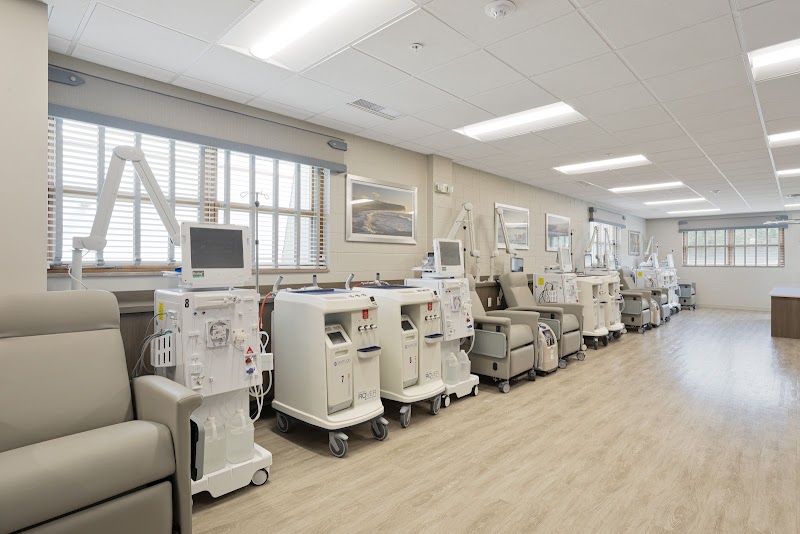
How is Alden Debes Rehab & Hcc Staffed?

CMS rates ALDEN DEBES REHAB & HCC's staffing level at 1 out of 5 stars, which is much below average compared to other nursing homes.

What Have Inspectors Found at Alden Debes Rehab & Hcc?

State health inspectors documented 34 deficiencies at ALDEN DEBES REHAB & HCC during 2022 to 2025. These included: 1 Immediate Jeopardy (the most serious level, indicating potential for serious harm or death), 3 that caused actual resident harm, and 30 with potential for harm. Immediate Jeopardy findings are rare and represent the most serious regulatory concerns. They require immediate corrective action.
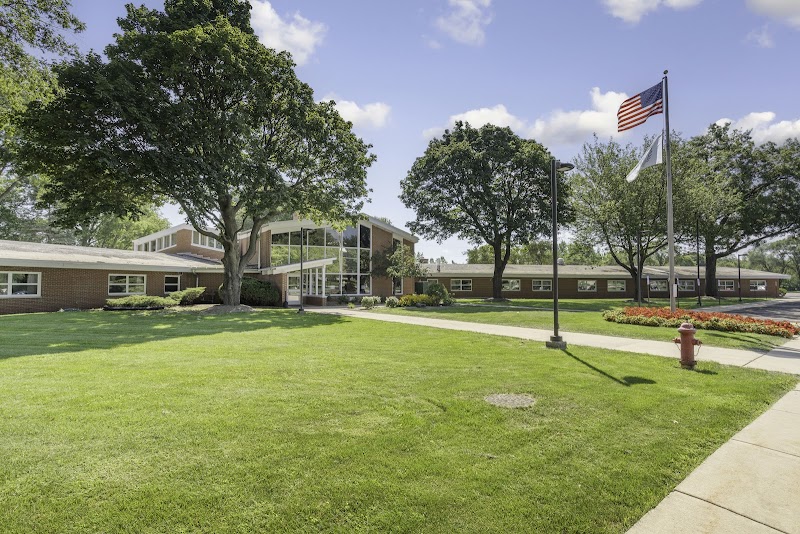
Who Owns and Operates Alden Debes Rehab & Hcc?

ALDEN DEBES REHAB & HCC is owned by a for-profit company. For-profit facilities operate as businesses with obligations to shareholders or private owners. The facility is operated by THE ALDEN NETWORK, a chain that manages multiple nursing homes. With 268 certified beds and approximately 178 residents (about 66% occupancy), it is a large facility located in ROCKFORD, Illinois.
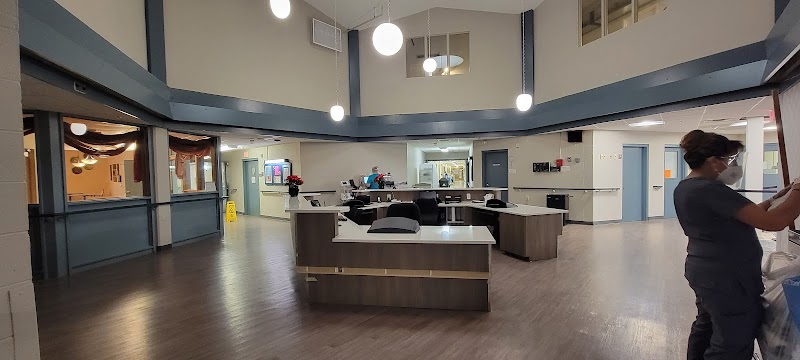
How Does Alden Debes Rehab & Hcc Compare to Other Illinois Nursing Homes?

Compared to the 100 nursing homes in Illinois, ALDEN DEBES REHAB & HCC's overall rating (2 stars) is below the state average of 2.5 and health inspection rating (3 stars) is at the national benchmark.

What Should Families Ask When Visiting Alden Debes Rehab & Hcc?

Based on this facility's data, families visiting should ask: "What changes have been made since the serious inspection findings, and how are you preventing similar issues?" "Can you walk me through typical staffing levels on day, evening, and night shifts?" "Can I visit during a mealtime to observe dining assistance and food quality?" "How do you handle medical emergencies, and what is your hospital transfer rate?" These questions are particularly relevant given the facility's Immediate Jeopardy citations and the below-average staffing rating.

Is Alden Debes Rehab & Hcc Safe?

Based on CMS inspection data, ALDEN DEBES REHAB & HCC has documented safety concerns. Inspectors have issued 1 Immediate Jeopardy citation (the most serious violation level indicating risk of serious injury or death). The facility has a 2-star overall rating and ranks #100 of 100 nursing homes in Illinois. Families considering this facility should ask detailed questions about what corrective actions have been taken since these incidents.

Do Nurses at Alden Debes Rehab & Hcc Stick Around?

ALDEN DEBES REHAB & HCC has not reported staff turnover data to CMS. Staff turnover matters because consistent caregivers learn residents' individual needs, medications, and preferences. When staff frequently change, this institutional knowledge is lost. Families should ask the facility directly about their staff retention rates and average employee tenure.

Was Alden Debes Rehab & Hcc Ever Fined?

ALDEN DEBES REHAB & HCC has been fined $150,690 across 3 penalty actions. This is 4.4x the Illinois average of $34,586. Fines at this level are uncommon and typically indicate a pattern of serious deficiencies, repeated violations, or failure to correct problems promptly. CMS reserves penalties of this magnitude for facilities that pose significant, documented risk to resident health or safety. Families should request specific documentation of what issues led to these fines and what systemic changes have been implemented.

Is Alden Debes Rehab & Hcc on Any Federal Watch List?

ALDEN DEBES REHAB & HCC is not on any federal watch list. The most significant is the Special Focus Facility (SFF) program, which identifies the bottom 1% of nursing homes nationally based on persistent, serious quality problems. Not being on this list means the facility has avoided the pattern of deficiencies that triggers enhanced federal oversight. This is a positive indicator, though families should still review the facility's inspection history directly.