ALDEN PARK STRATHMOOR

5668 STRATHMOOR DRIVE, ROCKFORD, IL 61107 (815) 229-5200
For profit - Limited Liability company 189 Beds THE ALDEN NETWORK Data: November 2025 1 Immediate Jeopardy citation
Trust Grade
8/100
#308 of 665 in IL
Last Inspection: May 2025

Inspected within the last 6 months. Data reflects current conditions.

Overview

Alden Park Strathmoor has received a Trust Grade of F, indicating significant concerns and a poor overall reputation. In Illinois, it ranks #308 out of 665 facilities, placing it in the top half, but its county rank of #9 out of 15 suggests that there are better local options available. The facility's trend is stable, with the same number of issues reported in both 2024 and 2025. Staffing is a notable weakness, with a low rating of 1 out of 5 stars but an impressive turnover rate of 0%, meaning staff stay long-term; however, this is contrasted by the low staffing quality. The facility has been fined $164,774, which is average but indicates some compliance problems. Specific incidents of concern include a resident suffering a serious burn from a radiator due to inadequate safety measures and another resident experiencing a delay in medical attention during a respiratory crisis. Additionally, there was a failure to provide necessary assistance during meals, leading to significant weight loss for another resident. Overall, while the facility has some strengths, such as long-term staff retention, the serious safety and care deficiencies are major red flags for families considering this nursing home.

Trust Score
F
8/100
In Illinois
#308/665
Top 46%
Safety Record
High Risk
Review needed
Inspections
Holding Steady
10 → 10 violations
Staff Stability
○ Average
Turnover data not reported for this facility.
Penalties
✓ Good
$164,774 in fines. Lower than most Illinois facilities. Relatively clean record.
Skilled Nurses
○ Average
Each resident gets 30 minutes of Registered Nurse (RN) attention daily — about average for Illinois. RNs are the most trained staff who monitor for health changes.
Violations
⚠ Watch
28 deficiencies on record. Higher than average. Multiple issues found across inspections.
★★☆☆☆
2.0
Overall Rating
★☆☆☆☆
1.0
Staff Levels
★★★★★
5.0
Care Quality
★★☆☆☆
2.0
Inspection Score
Stable
2024: 10 issues
2025: 10 issues

The Good

  • 5-Star Quality Measures · Strong clinical quality outcomes
  • Full Sprinkler Coverage · Fire safety systems throughout facility
  • No fines on record

Facility shows strength in quality measures, fire safety.

The Bad

2-Star Overall Rating

Below Illinois average (2.5)

Below average - review inspection findings carefully

Federal Fines: $164,774

Well above median ($33,413)

Significant penalties indicating serious issues

Chain: THE ALDEN NETWORK

Part of a multi-facility chain

Ask about local staffing decisions and management

The Ugly 28 deficiencies on record

1 life-threatening 3 actual harm
Aug 2025 3 deficiencies
CONCERN (D) 📢 Someone Reported This

A family member, employee, or ombudsman was alarmed enough to file a formal complaint

Potential for Harm - no one hurt, but risky conditions existed

Resident Rights (Tag F0550)

Could have caused harm · This affected 1 resident

Based on interview and record review, the facility failed to treat a resident in a dignified manner by not ensuring an incontinent resident was changed for 1 of 1 resident (R1) reviewed for dignity in...

Read full inspector narrative →
Based on interview and record review, the facility failed to treat a resident in a dignified manner by not ensuring an incontinent resident was changed for 1 of 1 resident (R1) reviewed for dignity in the sample of 3. The findings include: R1's face sheet, printed on 8/1/25, showed diagnoses including but not limited to paraplegia, pressure ulcer of the sacral region stage 4 (lower area of the spine), third degree burns to the left and right lower legs, clostridium difficile (bacterial infection of the colon), neuropathic bladder, and chronic embolism/thrombosis of deep veins of right lower extremity. R1's facility assessment, dated 7/23/25, showed total staff dependence for toileting hygiene, dressing lower body, rolling, and transfers. The same assessment showed R1 is always incontinent of bowel. On 8/1/25 at 9:10 AM, R1 was seated in bed in her room. R1 was alert, oriented, and talkative. R1 stated she is a paraplegic and needs help from staff with brief changes. R1 said she had terrible diarrhea a few nights ago and needed her brief changed multiple times in one evening. R1 said around 9:45 PM, she put on her call light and was told by the CNA (Certified Nursing Assistant) her shift was ending and the next aide on duty would come in to change her. R1 said no staff checked on her or changed her until around 6:15 AM the next morning. R1 said V2 (Wound Care Nurse) was the person who finally came into her room that morning and got her cleaned up. On 8/1/25 at 9:35 AM, V3 (Certified Nurse Aide) stated, (R1's) mental cognition is good. She is totally with it. (R1) is paralyzed from the waist down and needs to be checked for incontinence several times each shift. (R1) cannot feel if she is wet or soiled. On 8/1/25 at 11:05 AM, V2 (Wound Care Nurse) stated R1 is alert and oriented times four. V2 said she did see R1 that morning, and she did have stool in her brief. V2 said R1 was complaining that it had been a long wait to be changed, but did not recall the exact length of time. V2 said R1 had diarrhea overnight and a smell was present in the room. V2 said the sheets had stool on them and looked like they needed to be changed. V2 said, It is important to keep residents clean. Stool can cause infection and is gross to lay in. Staff should be checking residents at least every two hours, especially those that are bed bound and need help turning. On 8/1/25 at 1:26 PM, V1 (Director of Nurses) stated staff do overnight bed checks for safety and incontinence every two hours. V1 said R1 does need bed checks during the night. Residents should be changed immediately to stop wound infections and to stop skin break down. It is a dignity thing too. No one wants to be laying in a dirty brief.The facility's Routine Resident Checks policy, dated 9/2020, states: 1. To ensure the safety and well being of our residents, a resident check will be made at least every two (2) hours throughout each 24-hour shift by nursing service personnel.
CONCERN (D) 📢 Someone Reported This

A family member, employee, or ombudsman was alarmed enough to file a formal complaint

Potential for Harm - no one hurt, but risky conditions existed

Quality of Care (Tag F0684)

Could have caused harm · This affected 1 resident

Based on observation, interview, and record review, the facility failed to ensure burn wound treatment orders were performed as ordered for 1 of 1 resident (R1) reviewed for non-pressure wounds in the...

Read full inspector narrative →
Based on observation, interview, and record review, the facility failed to ensure burn wound treatment orders were performed as ordered for 1 of 1 resident (R1) reviewed for non-pressure wounds in the sample of 3. The findings include: R1's face sheet, printed on 8/1/25, showed diagnoses including but not limited to paraplegia, pressure ulcer of the sacral region stage 4 (lower area of the spine), third degree burns to the left and right lower legs, clostridium difficile (bacterial infection of the colon), neuropathic bladder, and chronic embolism/thrombosis of deep veins of right lower extremity. R1's facility assessment, dated 7/23/25, showed total staff dependence for toileting hygiene, dressing lower body, rolling, and transfers. The same assessment showed R1 is always incontinent of bowel. R1's weekly wound assessment, dated 8/1/25, showed a stage 4 sacral pressure ulcer measuring 4.7 x 4 x 0.5 centimeters (length x width x depth). The assessment showed a right, lower extremity burn measuring 6.9 x 1.9 x 1.1 (length x width x depth). The assessment showed the left, lower extremity burn was resolved as of 8/1/25. On 8/1/25 at 9:10 AM, R1 was seated in bed in her room. R1 was alert, oriented, and talkative. R1 stated she has a pressure ulcer on her back side and burns on her lower legs. R1 said the burns on both of her lower legs were from a heating blanket she was using at home (prior to facility admission). R1 said, The staff are not changing the dressings on any of the wounds like they should be doing. They should be changed on a daily basis and that is not happening. R1's sacral area was observed with a Certified Nurse Aide (V3) assisting her to turn. R1's sacral area had a dressing on it, which was not dated or initialed. R1's left and right calves were observed and had dressings on them. Again, neither area was dated or initialed.R1's July 2025 physician orders showed an order, start dated 7/26/25, for wound care to the right and left lower extremities to be done on a daily basis. R1's July 2025 treatment administration record showed wound care was not performed on either extremity for 7/28 or 7/30/25. On 8/1/25 at 9:35 AM, V3 (Certified Nurse Aide) stated, (R1's) mental cognition is good. She is totally with it.On 8/1/25 at 11:05 AM, V2 (Wound Care Nurse) stated, (R1) is alert and oriented times four. She has to keep her wounds clean to avoid infection. She has orders for wound care on a daily basis. It is important to treat wounds as ordered. It is a basic nursing thing. Not treating wounds as ordered can cause them to worsen and slow healing.On 8/1/25 at 1:26 PM, V1 (Director of Nurses) stated, Wound care should be documented as soon as it is performed. No documentation means either the nurse forgot to document, or it was not done. There is the potential for wounds to heal slower or get infected when care is not given as ordered. The facility's Prevention and Treatment of Pressure Injury and Other Skin Alterations policy, dated 3/2/21, states: 3. Implement preventative measures and appropriate treatment modalities for pressure injuries and/or other skin alterations through individualized resident care plan. 24. Document the dressing change on the TAR or EHR (treatment administration record or electronic health record).
CONCERN (D) 📢 Someone Reported This

A family member, employee, or ombudsman was alarmed enough to file a formal complaint

Potential for Harm - no one hurt, but risky conditions existed

Pressure Ulcer Prevention (Tag F0686)

Could have caused harm · This affected 1 resident

Based on observation, interview, and record review, the facility failed to ensure pressure ulcer treatments were performed as ordered for 1 of 1 resident (R1) reviewed for pressure ulcers in the sampl...

Read full inspector narrative →
Based on observation, interview, and record review, the facility failed to ensure pressure ulcer treatments were performed as ordered for 1 of 1 resident (R1) reviewed for pressure ulcers in the sample of 3. The findings include: R1's face sheet, printed on 8/1/25, showed diagnoses including but not limited to paraplegia, pressure ulcer of the sacral region stage 4 (lower area of the spine), third degree burns to the left and right lower legs, clostridium difficile (bacterial infection of the colon), neuropathic bladder, and chronic embolism/thrombosis of deep veins of right lower extremity. R1's facility assessment, dated 7/23/25, showed total staff dependence for toileting hygiene, dressing lower body, rolling, and transfers. The same assessment showed R1 is always incontinent of bowel. R1's weekly wound assessment, dated 8/1/25, showed a stage 4 sacral pressure ulcer measuring 4.7 x 4 x 0.5 centimeters (length x width x depth). The assessment showed a right, lower extremity burn measuring 6.9 x 1.9 x 1.1 (length x width x depth). The assessment showed the left, lower extremity burn was resolved as of 8/1/25. On 8/1/25 at 9:10 AM, R1 was seated in bed in her room. R1 was alert, oriented, and talkative. R1 stated she has a pressure ulcer on her back side and burns on her lower legs. R1 said the burns on both of her lower legs were from a heating blanket she was using at home (prior to facility admission). R1 said, The staff are not changing the dressings on any of the wounds like they should be doing. They should be changed on a daily basis and that is not happening. R1's sacral area was observed with a Certified Nurse Aide (V3) assisting her to turn. R1's sacral area had a dressing on it which was not dated or initialed. R1's left and right calves were observed and had dressings on them. Again, neither area was dated or initialed.R1's July 2025 physician orders showed an order, start dated 7/26/25, for wound care to the sacrum to be done on a daily basis. R1's July 2025 medication admission record showed wound care was not performed on 7/28 and 7/30. On 8/1/25 at 9:35 AM, V3 (Certified Nurse Aide) stated, (R1's) mental cognition is good. She is totally with it.On 8/1/25 at 11:05 AM, V2 (Wound Care Nurse) stated, (R1) is alert and oriented times four. She has to keep her wounds clean to avoid infection. She has orders for wound care on a daily basis. It is important to treat wounds as ordered. It is a basic nursing thing. Not treating wounds as ordered can cause them to worsen and slow healing.On 8/1/25 at 1:26 PM, V1 (Director of Nurses) stated wound care should be documented as soon as it is performed. No documentation means either the nurse forgot to document, or it was not done. There is the potential for wounds to heal slower or get infected when care is not given as ordered. The facility's Prevention and Treatment of Pressure Injury and Other Skin Alterations policy, dated 3/2/21, states: 3. Implement preventative measures and appropriate treatment modalities for pressure injuries and/or other skin alterations through individualized resident care plan. 24. Document the dressing change on the TAR or EHR (treatment administration record or electronic health record).
May 2025 6 deficiencies
CONCERN (D)

Potential for Harm - no one hurt, but risky conditions existed

Resident Rights (Tag F0550)

Could have caused harm · This affected 1 resident

**NOTE- TERMS IN BRACKETS HAVE BEEN EDITED TO PROTECT CONFIDENTIALITY** Based on observation, interview, and record review, the facility failed to ensure a resident who was contact isolation was allow...

Read full inspector narrative →
**NOTE- TERMS IN BRACKETS HAVE BEEN EDITED TO PROTECT CONFIDENTIALITY** Based on observation, interview, and record review, the facility failed to ensure a resident who was contact isolation was allowed to leave her own room. This applies to 1 of 31 residents (R143) reviewed for resident rights in the sample of 31. The findings include: R143's face sheet shows she is a [AGE] year old female, with diagnoses including type 2 diabetes, fibromyalgia, generalized anxiety, chronic pain, restless leg syndrome, major depression, and urinary tract infection (UTI). R143's Urinalysis Culture Report, dated 4/29/25, shows Klebsiella pneumonia (MDRO). R143's Physician Order Sheets shows orders on 5/1/25 for Isolation: Contact Precautions: E Coli Urine. On 5/12/25 at 9:42 AM, R143 said last week she was placed on isolation for seven days for a urinary tract infection. At first, the staff said she could leave the room as long as she washed her hands. Then they changed their mind and said she had to stay in her room with the door closed, the last four to five days of her isolation. When she asked the staff why she couldn't leave they responded, It's (Facility) policy. She spoke to several staff including V4 (Assistant Administrator) and V8 (previous Director of Nursing-DON). R143 said, They did this so they could exert their power over me. It was rude, barbaric, and controlling. R143 said she is independent with cares, ambulates and toilets herself. She was compliant with hand washing, but they did not let me leave my room. R143 said she carries a small bottle of hand sanitizer with her and they told her no, she could not leave the room. On 5/13/25 at 7:49 AM, V7 (Unit Manager) said R143 was on contact isolation and could not leave her room. If they are on contact or droplet precautions residents remain in their room until the isolation time is discontinued. (R143) was upset she could not leave her room. On 5/13/25 at 9:03 AM, V6, Registered Nurse (RN), said, (R143) is very independent, and she is alert and oriented. She was moved to a private room and placed on isolation for Klebsiella (MDRO-multi drug resistant organism). (R143) was upset she could not leave her room, she does not like to be alone. Residents who are on contact isolation should remain in their room until isolation is completed, and practice hand hygiene when leaving the room. On 5/13/25 at 11:02 AM, V4 (Assistant Administrator) said R143 was on isolation, and she was told R143 could not leave her room. (R143) was asking why she couldn't leave her room, and the nurse on A wing said she has to stay in room. She notified V8 (previous Director of Nursing-DON) about R143's isolation concern. On 5/13/25 at 12:43 PM, V8 (previous Director of Nursing-DON) said, (R143) was on contact isolation and was not allowed to leave her room. She was educated on hand hygiene and educated to stay in her room. (R143) was independent, she could toilet herself, she could wash her hands and use appropriate infection control measures. We really wanted to make sure the organism was contained, and told (R143) she needed to remain in her room. On 5/13/25 at 10:25 AM, V14 (Corporate RN) said, If a resident is on contact isolation for an UTI, they can leave their room if they perform hand hygiene on their own, and as long as they are not touching other residents or residents food.
CONCERN (D)

Potential for Harm - no one hurt, but risky conditions existed

Tube Feeding (Tag F0693)

Could have caused harm · This affected 1 resident

Based on observation, interview, and record review, the facility failed to set a resident's tube feeding pump to the Dietitian's recommended infusion setting for 1 of 4 residents (R30) reviewed for tu...

Read full inspector narrative →
Based on observation, interview, and record review, the facility failed to set a resident's tube feeding pump to the Dietitian's recommended infusion setting for 1 of 4 residents (R30) reviewed for tube feedings in the sample of 31. The findings include: R30's Face Sheet, printed on 5/12/25, indicated R1 had a gastrostomy (tube feeding). On 5/12/25 at 11:00 AM, R30 was in bed connected to her tube feeding. The tube feeding pump showed an infusion rate of 55 milliliters (ml) per hour. The pump indicated the total volume to be infused was 1100 ml. On 5/13/25 at 8:28 AM, R30 was in bed, connected to her tube feeding. The tube feeding pump showed an infusion rate of 55 ml per hour. The pump indicated the total volume to be infused was 1100 ml. R30's Order Summary Report, dated 5/12/25, showed two orders for R30's tube feeding. One order was for a rate of 55 ml per hour, with a total volume of 1100 ml. The second order was for a rate of 60 ml per hour, with a total volume of 1200 ml. Both orders had a start date of 5/6/25. R30's Medication Administration Record for May 2025 showed, on 5/6/25 - 5/11/25, R30's tube feeding pump was infusing at 55 ml per hour, with a total infused volume of 1100 ml, and at 60 ml per hour with a total infused volume of 1200 ml. R30's Progress Notes, dated 5/12/25, 5/11/25, 5/10/25, 5/9/25, and 5/8/25, showed the tube feeding was infusing at a rate of 55 ml per hour, with a total volume of 1100 ml. On 5/13/25 at 8:28 AM, V12 (Registered Nurse) looked at R30's tube feeding orders and said, That's not right. V12 confirmed there were two tube feeding orders, and she would need to contact the Dietitian for clarification. V12 added there should only be one order. R30's Nutrition note, dated 5/1/25 entered by V13 (Dietitian), showed R30's previous weight loss was related to fluid and current weight loss was undesirable. The recommendation was to increase the tube feeding rate to 60 ml per hour, with a total infusion rate of 1200 ml, to increase caloric intake and promote weight stability. On 5/13/25 at 10:17 AM, V13 said R30 had weight loss that was fluid related, and on 5/1/25 she recommended to increasing R30's tube feeding rate to 60 ml per hour, with a total volume of 1200 ml to maintain R30's weight. V13 confirmed R30's tube feeding rate should be at 60 ml per hour, with a total volume 1200 ml. R30's Care Plan, with an initiated date of 2/6/25, showed R30 required tube feeding. Listed under interventions was to administer tube feeding as ordered. The facility's Enteral Nutritional Feeding, dated 9/2020, showed to verify orders for feeding.
CONCERN (D)

Potential for Harm - no one hurt, but risky conditions existed

Infection Control (Tag F0880)

Could have caused harm · This affected 1 resident

**NOTE- TERMS IN BRACKETS HAVE BEEN EDITED TO PROTECT CONFIDENTIALITY** Based on observation, interview, and record review, the facility failed to perform hand hygiene and change gloves in a manner to...

Read full inspector narrative →
**NOTE- TERMS IN BRACKETS HAVE BEEN EDITED TO PROTECT CONFIDENTIALITY** Based on observation, interview, and record review, the facility failed to perform hand hygiene and change gloves in a manner to prevent cross contamination for one of 31 residents (R94) reviewed for infection control in the sample of 31. The findings include: R94's admission Record, dated 5/13/25, shows he was admitted to the facility on [DATE], with diagnoses including Alzheimer's Disease, narcolepsy, anemia, adult failure to thrive, dementia, and history of falling. R94's Care Plan, initiated 10/1/21, shows R94 experiences bladder incontinence and is incontinent of bowel. On 5/12/25 at 10:42 AM, V22, Certified Nursing Assistant (CNA), transferred R94 onto the toilet. R94 urinated and had a large bowel movement in the toilet. R94 used toilet paper to wipe the stool from R94's buttocks multiple times. V22 then pulled up R94's clean incontinence brief and R94's clean pants. R94 then flushed the toilet and pushed R94's wheelchair in front of the sink. V22 did not perform hand hygiene, nor did she wash her hands. On 5/13/25 at 10:27 AM, V14, Corporate Registered Nurse, said, Staff should change their gloves when they are dirty. Gloves should be changed prior to touching anything clean. The facility's Hand Hygiene Policy, dated October 2024, shows, It is the policy of the facility that hand hygiene is to be performed to reduce the potential spread of pathogens. There are two methods for hand hygiene: Alcohol based hand sanitizer (ABHS) is the preferred method of use in most clinical situation. ABHS should be used: When caring for a resident, when moving from a soiled body site to a clean body site of the same resident.
CONCERN (D)

Potential for Harm - no one hurt, but risky conditions existed

Deficiency F0887 (Tag F0887)

Could have caused harm · This affected 1 resident

**NOTE- TERMS IN BRACKETS HAVE BEEN EDITED TO PROTECT CONFIDENTIALITY** Based on interview and record review, the facility failed to screen residents for, educate them on, or offer the COVID-19 vaccin...

Read full inspector narrative →
**NOTE- TERMS IN BRACKETS HAVE BEEN EDITED TO PROTECT CONFIDENTIALITY** Based on interview and record review, the facility failed to screen residents for, educate them on, or offer the COVID-19 vaccine/booster to residents upon admission to the facility for 3 of 5 residents (R137, R144, R145) reviewed for the COVID-19 vaccination in the sample of 31. The findings include: 1. R137's admission record showed R137 was admitted to the facility on [DATE]. R137's immunization record, dated 5/13/25, showed no documentation R137 was ever screened for, educated on, or offered the COVID-19 vaccine/booster. The record showed no documentation R137 ever received the vaccine. 2. R144's admission record showed R144 was admitted to the facility on [DATE]. R144's immunization record, dated 5/13/25, showed no documentation R144 was ever screened for, educated on, or offered the COVID-19 vaccine/booster. The record showed no documentation R144 ever received the vaccine. 3. R145's admission record showed R145 was admitted to the facility on [DATE]. R145's immunization record, dated 5/13/25, showed no documentation R145 was ever screened for, educated on, or offered the COVID-19 vaccine/booster. The record showed no documentation R145 ever received the vaccine. On 5/13/25 at 11:47 AM, V8, Infection Preventionist, stated the facility had no documentation to support R137, R144, and R145 had ever been screened for, educated on, or offered the COVID-19 vaccine/booster while in the facility. V8 stated all residents should be screened for and offered the COVID-19 vaccine upon admission to the facility by nursing staff. The facility's COVID-19 Vaccinations policy, dated 2/2025, showed, When recommended vaccines are available, the facility will ensure COVID-19 vaccines are readily accessible to both residents and staff . The residents medical record includes documentation that indicates, at a minimum the following: a. That the resident or resident representative was provided education regarding the benefits and potential risks associated with the COVID-19 vaccine: and b. Each dose of COVID-19 vaccine administered to the resident; or c. If the resident did not receive the COVID-19 vaccine due to medical contraindications or refusal .
CONCERN (E)

Potential for Harm - no one hurt, but risky conditions existed

Deficiency F0883 (Tag F0883)

Could have caused harm · This affected multiple residents

**NOTE- TERMS IN BRACKETS HAVE BEEN EDITED TO PROTECT CONFIDENTIALITY** Based on interview and record review, the facility failed to screen residents for and offer the influenza vaccine to residents d...

Read full inspector narrative →
**NOTE- TERMS IN BRACKETS HAVE BEEN EDITED TO PROTECT CONFIDENTIALITY** Based on interview and record review, the facility failed to screen residents for and offer the influenza vaccine to residents during influenza season; failed to screen residents for and offer the pneumococcal vaccine to residents upon admission; and failed to administer the pneumococcal vaccine to a resident who consented to receive the vaccine. These failures apply to 5 of 5 residents (R84, R137, R144, R145, R360) reviewed for influenza and pneumococcal vaccines in the sample of 31. The findings include: 1. R84's admission record showed R84 was admitted to the facility on [DATE]. R84's consent for the pneumococcal vaccine, dated 9/3/24, showed R84 consented to receive a pneumococcal vaccine. On 5/13/25 at 11:47 AM, V8, Infection Preventionist, stated R84 had never received a pneumococcal vaccine in the facility. 2. R137's admission record showed R137 was admitted to the facility on [DATE]. R137's immunization record, dated 5/13/25, showed no documentation R137 was ever screened for or educated on the influenza or pneumococcal vaccines. The record showed no documentation R137 ever received either vaccine. 3. R144's admission record showed R144 was admitted to the facility on [DATE]. R144's immunization record, dated 5/13/25, showed no documentation R144 was ever screened for or educated on the influenza or pneumococcal vaccines. The record showed no documentation R144 ever received either vaccine. 4. R145's admission record showed R145 was admitted to the facility on [DATE]. R145's immunization record, dated 5/13/25, showed no documentation R145 was ever screened for or educated on the influenza or pneumococcal vaccines. The record showed no documentation R145 ever received either vaccine. 5. R360's admission record showed R360 was admitted to the facility on [DATE]. R360's immunization record, dated 5/13/25, showed no documentation R360 was ever screened for or educated on the influenza or pneumococcal vaccines. The record showed no documentation R360 ever received either vaccine. On 5/13/25 at 11:47 AM, V8, Infection Preventionist, stated the facility had no documentation to support R137, R144, R145, and R360 had ever been screened for, educated on, or offered the influenza or pneumococcal vaccines while in the facility. V8 stated all residents should be screened for and offered the influenza vaccine from October-March annually. V8 stated all residents should be screened for and offered the pneumococcal vaccine upon admission to the facility by nursing staff. The facility's Influenza Vaccination policy, dated 12/14/2023, showed, The facility follows recommendations of the Center of Disease Control and Prevention (CDC) and Advisory Committee on Immunization Practices (ACIP) for influenza vaccinations to be offered October 1 through March 31 annually unless the immunization is medically contraindicated; the resident is already immunized; or after the provision of education on risks and benefits is reviewed with the resident/and or responsible party or chooses to refuse . All new admissions will be offered the influenza vaccine during October 1st through March 31st unless ordered otherwise or has already received the influenza vaccine . The facility's Pneumococcal Vaccination policy dated 12/2023 showed, It is the policy of this facility that residents will be offered immunization against pneumococcal disease in accordance with The Advisory Committee on Immunization Practices (ACIP) recommendations .
CONCERN (F)

Potential for Harm - no one hurt, but risky conditions existed

Food Safety (Tag F0812)

Could have caused harm · This affected most or all residents

Based on observation, interview, and record review, the facility failed to ensure dietary aides handled dishware in a manner to prevent cross-contamination. This failure has the potential to affect al...

Read full inspector narrative →
Based on observation, interview, and record review, the facility failed to ensure dietary aides handled dishware in a manner to prevent cross-contamination. This failure has the potential to affect all 156 residents in the facility, The findings include: The facility's Long-Term Care Facility Application for Medicare and Medicaid form, dated 5/12/25, showed a resident census of 156. On 5/12/25 at 9:05 AM, V16, Dietary Aide, placed a rack of dirty cups into the facility's dishwasher. After placing the cups into the dishwasher, V16 immediately walked over to a rack of clean pots, and began placing the pots on a kitchen shelf. V16 did not wash her hands after loading the dirty cups into the dishwasher. V16 wore no gloves. On 5/12/25 at 9:15 AM, V15, Dietary Aide, placed dirty breakfast dishes on a shelf by a kitchen sink. At 9:16 AM, V15 walked over to a rack of clean food trays, and placed the trays on a kitchen cart. V15 did not wash his hands after handling the dirty breakfast dishes. V15 wore no gloves. On 5/13/25 at 12:07 PM, V17, Certified Dietary Manager (CDM), stated, Staff should not be touching clean dishes after touching anything dirty to avoid cross-contamination. Staff should wash their hands when they are dirty and prior to touching clean dishes. The facility's Cross Contamination policy, dated 8/2018, showed, The Food & Nutrition Services staff will employ measures to prevent cross contamination . to reduce the risk of food borne illness . Practice good hand hygiene, hand washing, and glove use .
Feb 2025 1 deficiency 1 IJ (1 facility-wide)
CRITICAL (L) 📢 Someone Reported This

A family member, employee, or ombudsman was alarmed enough to file a formal complaint

Immediate Jeopardy (IJ) - the most serious Medicare violation

Accident Prevention (Tag F0689)

Someone could have died · This affected most or all residents

⚠️ Facility-wide issue

Based on observation, interview, and record review, the facility failed to ensure a resident's safety and prevent a resident from being burned by the heater (radiator) in her room. This failure result...

Read full inspector narrative →
Based on observation, interview, and record review, the facility failed to ensure a resident's safety and prevent a resident from being burned by the heater (radiator) in her room. This failure resulted in R2 sustaining a deep partial-thickness burn to her right foot when she fell against the radiator mounted on the wall in her room. The facility failed to monitor temperatures of hot beverages prior to serving to residents. This failure resulted in R3 sustaining full thickness burns to her right thigh, left thigh, and buttock after spilling tea on her lap. These failures have the potential to affect all 160 residents in the facility. These failures resulted in an Immediate Jeopardy. The Immediate Jeopardy began on 1/17/25 when R2 burnt her foot on the radiator in her room; sustaining a deep partial thickness burn to her right foot. The Immediate Jeopardy was identified on 2/13/25. V1 Administrator was notified of the Immediate Jeopardy on 2/13/25. This surveyor confirmed by observation, interview and record review that the Immediate Jeopardy was removed on 2/13/25 and the deficient practice was corrected on 2/12/25 however noncompliance remains at a Level 2 because additional time is needed to evaluate the implementation and effectiveness of the in-service training. The findings include: The Facility Data Sheet, dated 2/11/25, showed a resident census of 160. On 2/11/25, V1, Administrator, stated every resident room in the facility had a wall mounted radiator. 1. R2's Post Occurrence Documentation note, dated 1/17/25 at 8:04 PM, showed R2 was found, by staff, on the floor of her room with her right leg stuck under the heater. The note showed R2 was found to have a burn to her dorsal area (top) of her foot. R2's Nurses Note, dated 1/17/25 at 8:33 PM, showed facility staff were notified of abnormal lab results on R2. R2 was sent to a local hospital for an evaluation due to her abnormal labs. R2's hospital records, dated 1/17/25-1/27/25, showed R2 was subsequently hospitalized with diagnoses of a high blood potassium level, Influenza A, urinary tract infection (UTI), and a second-degree burn to her right foot. The records showed R2's right foot burn required wound debridement during her hospitalization. R2 was discharged from the hospital on 1/27/25 and was readmitted to the facility. R2's readmission medical provider/nurse practitioner note, dated 2/3/25, showed R2 was seen today for readmission. She was recently hospitalized due to shortness of breath, cough, and a fall out of bed. She was admitted for sepsis due to UTI as well as bacterial . She was found to have a deep partial-thickness contact burn of the right dorsum of the foot and underwent bedside debridement . R2's wound note, dated 1/31/25, showed R2 was assessed by the facility's wound physician upon her readmission to the facility. The note showed, Report new wound to right foot. Burnt her foot via radiator . The note showed R2's burn covered the top (dorsal area) of her right foot and the first two toes of her right foot. The note showed R2's burn measured 9 cm (centimeters) x 5.5 cm x 0.1 cm. On 2/11/25 at 11:25 AM, R2 was in bed with her right foot propped up on a pillow. A large gauze dressing was noted around R2's right foot and ankle. When R2 was asked what happened to her foot, R2 stated, I got burned. I fell and my foot got stuck under the heater. My bed used to be over by the wall with the heater. I stuck in between there (between her bed and wall/radiator) when I fell. I couldn't get up. My foot was burning. On 2/11/25 at 9:52 AM, V14, Registered Nurse (RN), stated, That night (1/17/25), (R2) had a fall. I heard her calling for help. I found her on the floor of her room, stuck between the bed and the radiator on the wall. Her right foot had gotten stuck in the radiator. When I pulled her foot out from under the radiator, the top of her foot was bright red . On 2/11/25 at 1:55 PM, V12, Wound Physician, stated he was currently treating R2 for a second degree burn to her right foot caused by the radiator in her room. On 2/11/25 at 11:30 AM, V9, Maintenance Director, stated the facility currently did not have a process in place to monitor the temperatures heat produced by the wall radiators and/or the temperature of the radiator covers. V9 stated wall radiators were located in every resident room in the facility. V9 stated, We don't check the temperatures of the radiators. We can't control the wall radiators. They just kick in when the forced air heating system of the facility has trouble maintaining room temperatures. When it's colder outside and the forced air system has trouble keeping the temperatures up, the wall radiators will work longer and harder to help keep the room temperatures where they need to be. V9 also stated the facility did not monitor the outdoor daily temperatures. On 2/11/25, V1, Administrator, stated the facility did not have a policy or process on monitoring the temperatures of the wall mounted radiators. 2. A facility incident report, dated 1/23/25, showed R3 sustained burns to her right thigh, left thigh, and buttock area after spilling hot tea in her lap on 1/19/25. R3's wound note, dated 1/24/25, showed R3 was evaluated by V12 Wound Physician for burns to her bilateral thighs and buttocks caused by scalding of hot water. R3's right thigh burn measured 3.5 cm x 1.8 cm x 0.1 cm. R3's left thigh burn measured 6.0 cm x 4.0 cm x 0.1 cm. The note showed no measurements for R3's burn to her buttocks but showed the skin to R3's buttocks appeared red. On 2/11/25 at 2:34 PM, R3 was seated in bed. R3 stated on 1/19/25, the aide had just gotten a cup of hot water for my tea. I eat in my room. She put the cup on my table. I went to pick up the cup. My hand started shaking and spilled the whole cup all over my lap. It was hot. Not sure how hot it was but it burnt my legs. On 2/11/25 at 1:23 PM, V10, Dietary Manager ,stated it is the policy of the facility that no hot beverages leave the kitchen until the temperature of the beverage is at 120 degrees Fahrenheit (F) or below. V10 stated, We would get hot water for tea either by boiling tap water on the stove or getting it out of the coffee machine. We pour the hot water and/or coffee into separate insulated carafes and wait for the temperatures to drop before taking the carafes to the floor or dining room. The dietary aides are responsible for monitoring the beverage temperatures before beverages leave the kitchen. Once the temperatures are ok, the activity aides come down and get the drinks to pass out to residents while they are waiting for the food to come. On the day of the incident, I believe it was a Sunday, the activity aide ran out of hot water for tea. My understanding is that she came down and refilled the carafe with hot water by herself. I am not sure where she got the hot water from, but she did not check the temp of the water before she poured it for a resident . On 2/11/25 at 1:43 PM, V11, Activity Aide, stated on 1/19/25, I was serving coffee, cocoa, and tea to the residents before dinner. I ran out of the coffee and hot water I had in the containers I had gotten from the aides in the kitchen. I quick ran down to kitchen to refill my containers. I got the hot water for the tea out of the pot that was on the stove. The stove wasn't on, but the pot of hot water on the stove was steaming. I poured some of the hot water into my container and went back up to the floor. I have no idea what the temp of the water was. (R3) asked for a cup of hot water for her tea. I poured her a cup and put the cup on her table. We didn't put lids on the cups at that time. I was just walking out of her room when I heard her start yelling. She spilled her tea on her lap. On 2/11/25 at 1:55 PM, V12, Wound Physician, stated R3 had full thickness burns to her thighs from being scalded by water. The facility's AT RISK Hot Food and Beverage Temperature Service policy, dated 12/2024, showed, Food will be served at a temperature that is safe and palatable . Hot beverages to include coffee, tea, hot chocolate, hot water, cappuccino will be served at an ideal temperature of 120 degrees . The Immediate Jeopardy that began on 1/17/24 was removed 2/13/25, when the facility took the following actions to remove the immediacy: On 01/21/2025, education listed below was reinforced by the Administrator and Director of Nursing, with all staff that were working and those that were scheduled to work upcoming shifts thereafter. Education will continue to be conducted prior to the start of the next shift for each nursing, housekeeping, and dietary staff member and on an ongoing basis until all employees scheduled to work have been educated and demonstrate understanding of the education through pop quizzes and/or return demonstration of competency. Education will focus primarily on maintenance, nursing, dietary, and housekeeping staff with the potential to be impacted by non-compliance and not limited to staff involved in the actual incident. 1. All residents' heaters were reviewed for conditions that may make them unsafe. All resident beds were visually inspected to ensure they were not touching or within a close distance of the heaters. 2. All staff were educated on room safety checks and notifications to appropriate parties/vendors of equipment malfunction. Completed 01/21/2025 and ongoing for all incoming staff not on duty this day. 3. The [NAME] President of Facilities Environmental Services and Life Safety was called in on 01/21/2025 to verify that all resident's heaters are in good repair and functioning properly. 4. All staff were educated on updated hot beverage and temperature policy. Completed 1/23/2025 and ongoing for all incoming staff not on duty this day. 5. Coded door knobs were replaced on both kitchen doors to ensure only kitchen staff are to enter and exit from the kitchen, and have access to kitchen equipment and supplies. 6. A crowd control belt was added at the kitchen entrance at the elevator to remind any staff other than Dietary to ask for dietary's assistance. 7. Resident Council Meeting held on 2/12/25 to educate residents on the updated hot beverage policy 8. Resident Council Meeting held on 2/12/2025 to educate residents on room safety and keeping themselves away from thermal surfaces. 9. On 01/21/2025, the facility Administrator and IDT (interdisciplinary team) reviewed related policies and procedures. The following policies were reviewed: Incident/Accidents; Fall Management; Dietary Food and Beverage temperatures 10. The Administrator initiated a QA (Quality Assurance) audit tool for environmental safety checks to ensure that environmental hazards are resolved. Heaters in residents' rooms and common areas shall be maintained in a manner to prevent residents from prolonged contact with thermal surfaces. Weekly temperature checks of the radiator's thermal surface will be conducted with an Infrared Thermometer and placed on a log. Random room audits will be conducted 1 time per week for the duration of the heating season, and then on an as needed basis to ensure residents are safely placed away from the radiators. The results of the QA Audits shall be reviewed monthly by the Facility QAPI team to determine any necessary changes. Initiated 2/12/2025 and ongoing for QA monitoring. 11. The Administrator initiated a QA audit tool for hot beverage serving and temperature taking, to ensure that dietary staff are preparing hot liquids and taking temps of liquids as per the policy and ensure that hot beverages are served at the appropriate temperature. All resident wings will be reviewed 2 times a week for 30 days, then 1 time a week for 30 days, and then on an as needed basis until ongoing compliance is achieved The results of the QA audits shall be reviewed monthly by the Facility QAPI team to determine any necessary changes. Initiated 1/23/2025 and ongoing for QA monitoring. 12. An emergency QA meeting was held by the Administrator with the Interdisciplinary Care Team and Medical Director on 01/21/2025 and 2/12/25 to review the removal plan. The QA committee shall meet monthly thereafter and review the results of the QA audits. Changes to the policy and procedure shall be made as indicated by the QA results. The Medical Director and Interdisciplinary Care Team approved this Removal Plan. This will be monitored by the Administrator. Completed 02/12/2025 and ongoing for QA monitoring.
Jun 2024 1 deficiency
CONCERN (D) 📢 Someone Reported This

A family member, employee, or ombudsman was alarmed enough to file a formal complaint

Potential for Harm - no one hurt, but risky conditions existed

Deficiency F0761 (Tag F0761)

Could have caused harm · This affected 1 resident

Based on observation, interview, and record review, the facility failed to store medication in a manner to prevent diversion for 2 residents (R8, R9) in 5 med rooms reviewed for medication storage in ...

Read full inspector narrative →
Based on observation, interview, and record review, the facility failed to store medication in a manner to prevent diversion for 2 residents (R8, R9) in 5 med rooms reviewed for medication storage in the sample of 13. The findings include: On 6/5/24 at 10:15 AM, all five medication rooms were checked for medication storage compliance. V5, Registered Nurse (RN), unlocked the A wing medication room door. This surveyor opened the unlocked refrigerator. The refrigerator contained an unopened bottle of morphine sulfate liquid on the top shelf. The bottle label showed it was issued for R8. The C wing medication room was unlocked by V6, RN. This surveyor opened the unlocked refrigerator. The refrigerator contained two ABHR suppositories in a clear plastic baggie on a shelf. The label on the baggie showed it was issued for R9. At 10:20 AM, V6 was asked what ABHR stood for. V6 looked the information up on his phone and said it stood for Ativan, Benadryl, Haldol and Reglan. On 6/6/24 at 8:55 AM, V2, Director of Nursing (DON), said morphine and lorazepam should be stored under two locks. It's a controlled drug and could be misused or abused. R8's 5/30/24 hospice record showed a physician signed order for morphine concentrate 100 milligram (mg)/5 milliliter (ml) (20mg/ml) oral solution. Administer 0.25ml (5 mg) orally or sublingually every 1-2 hours as needed. For pain or dyspnea. R8's record showed she was a current facility resident. The facility's 9/2022 Medication Pass Guidelines showed Schedule II controlled substances must be kept double locked. It is a good practice to keep all controls under double lock. The Drug Enforcement Administration (DEA) website showed morphine was a Schedule II narcotic under the Controlled Substances Act. R9's 11/30/23 hospice orders showed a physician signed order for ABHR suppository (Ativan 0.5 mg; Benadryl 25 mg; Haldol 0.5 mg; Reglan 10 mg;), 1 suppository rectally, every four hours as needed for nausea or vomiting. R9's record showed he passed away in the facility on 4/5/24. A lorazepam (Ativan) controlled drug storage policy and recommendations was requested and not received. The National Institutes of Health (NIH) website showed lorazepam concentrate had a risk of abuse, misuse, and addiction. This drug was a Schedule IV medication with a potential for abuse and addiction and should be refrigerated. This site showed lorazepam was a federally controlled substance because it can be abused or lead to dependence. The facility's 9/2020 Medication Storage Policy showed after 30 days, if the patient has not returned to the facility, medications should be returned to the pharmacy.
Apr 2024 1 deficiency 1 Harm
SERIOUS (G) 📢 Someone Reported This

A family member, employee, or ombudsman was alarmed enough to file a formal complaint

Actual Harm - a resident was hurt due to facility failures

Quality of Care (Tag F0684)

A resident was harmed · This affected 1 resident

Based on interview and record review, the facility failed to ensure a complete assessment was completed with R2's initial change in condition and immediately notify the physician of the change in cond...

Read full inspector narrative →
Based on interview and record review, the facility failed to ensure a complete assessment was completed with R2's initial change in condition and immediately notify the physician of the change in condition. The facility failed to obtain physician orders for an increase in oxygen per nasal cannula. This failure resulted in R2 being transported to the local emergency department on 3/25/24, 4.5 hours after her intial change in condition. R2 was in respiratory distress and failure upon arrival to the emergency department. This applies to 1 of 4 residents (R2) reviewed for quality of care in the sample of 12. The findings include: The Face Sheet, dated 4/29/24, for R2 showed medical diagnoses including acute respiratory failure, pneumonia, neuromuscular dysfunction of bladder, muscle weakness, unspecified abnormalities of gait, cognitive communication deficit, chronic obstructive pulmonary disease, low back pain, cardiomegaly, gastroesophageal reflux disease, obstructive sleep apnea, transient ischemic attack, dependence on supplemental oxygen, edema, hypertension, nicotine dependence, osteoporosis, allergic rhinitis, muscle spasm, intervertebral disc displacement, spondylosis, neuralgia and neuritis, fibromyalgia, heart failure, disease of pancreas, solitary pulmonary nodule, opioid dependence, non-rheumatic aortic valve insufficiency, disorders of kidney and ureter, history of Covid 19, congestive heart failure, moderate protein calorie malnutrition, cervicalgia, and chronic pain syndrome. The Pulmonary Consult, dated 3/4/24 for R2 showed, (R2) seen today for in-house pulmonary consultation. Resting comfortable in bed and in no acute distress. (R2) denies any shortness of breath, chest pain, fever or chills, cough. Does report chronic oxygen use. Pulse 72 beats per minute; oxygen saturation 93% on 3 liters per nasal cannula; respiratory rate 18 breaths per minute. Lungs: diminished to auscultation bilaterally, no wheeze, crackles, or rhonchi. Nonlabored respirations. Plan: severe COPD (chronic obstructive pulmonary disease). On supplemental oxygen by nasal cannula. Albuterol, 2 puffs every 4 hours as needed. Breztri, 2 puffs twice daily. Plan/Recommendations: continue current management. Please call pulmonary for any changes to patient respiratory status. The Physician Orders, dated 3/1/24 for R2 showed, Oxygen per nasal cannula @ 2-4 liters per minute continuous every shift. The Care Plan, dated 3/14/24, for R2 showed R2 in on antibiotic Cefdinir and doxycycline related to pneumonia. Monitor/document/report to MD (medical doctor) signs/symptoms of delirium: changes in behavior, altered mental status, wide variation in cognitive function throughout the day, communication decline, disorientation, periods of lethargy, restlessness, and agitation, and altered sleep cycle. R2 is noted with potential for respiratory difficulty secondary to sleep apnea. Administer oxygen as ordered. Monitor for any changes in respiratory status and notify MD as needed. R2 is noted with potential for respiratory difficulty secondary to diagnosis of chronic obstructive pulmonary disease. Unable to lie flat due to shortness of breath. Administer oxygen per MD orders. Monitor for signs of acute respiratory insufficiency: anxiety, confusion, restlessness, shortness of breath at rest, cyanosis, somnolence. R2 requires oxygen therapy secondary to respiratory failure and chronic obstructive pulmonary disease. Adjust oxygen to maintain saturation within adequate parameters (no parameters given). Administer oxygen per MD orders. Monitor for changes in respiratory status. Report any acute changes to MD. Monitor for signs and symptoms of respiratory distress and report to MD as needed. Respirations, pulse oximetry, increased heart rate, restlessness, diaphoresis, headaches, lethargy, confusion, atelectasis, hemoptysis, cough, pleuritic pain, accessory muscle usage, and skin color. The Nurse's Notes, dated 3/15/24 for R2 showed, at 12:55 AM, receiving oxygen at 3 liters per nasal cannula; head of bed elevated to prevent shortness of breath. At 6:34 AM resident was diagnosed with pneumonia on 3/14/24 by chest x-ray. Resident was started on levofloxacin 500 mg per day and received the first dose last night. Resident on 3 liters oxygen continuously by nasal cannula. Resident oxygen saturations monitored at 2:30 AM and (oxygen) saturation was 93% on 3 liters; upon next round at 4:00 AM resident saturation was 88% and resident was given breathing treatment. Resident's head was lowered to change her adult brief and resident's saturation dropped to 77%. Resident oxygen temporarily increased to 5 liters and oxygen saturation increased back up to 88%. There was not a complete assessment documented or notification to the doctor of a change in condition when R2's oxygen saturations started to drop, continued to stay lower than normal, and oxygen was increased to 5 liters. The Resident's Vitals Record for R2, dated 3/15/24, showed at 2:29 AM, her oxygen saturation was 93% (no liters of oxygen documented). At 6:05 AM, R2 was 88 % on 5 liters of oxygen per nasal cannula. At 8:34 AM, R2's oxygen saturation was 84% (no liters of oxygen documented). The Change in Condition Evaluation form completed and dated 3/15/24 at 8:32 AM (4.5 hours after her initial change in condion) showed, Respiratory evaluation - other respiratory changes. Specify other: pneumonia. The assessment did not include if there was shortness of breath present or lung sounds. The Transfer Form completed by V12, RN (Registered Nurse), and dated 3/15/24 at 8:38 AM for R2 showed R2 was sent to the hospital on 3/15/24 at 8:25 AM for respiratory arrest. Pulse 102, respirations 20, oxygen saturation 84% via nasal cannula. Devices/treatments: oxygen at 6 liters per minute by nasal cannula/mask. The Nurse's Note written by V12, RN, and dated 3/15/24 at 1:53 PM for R2 showed resident oxygen saturation dropped to the low 80's while on 6 liters of oxygen with a continuous pulse oximeter on. R2 was sent to the emergency room. The Emergency Department Provider Note, dated 3/15/24 for R2 showed, (R2) .presents with altered mental status. The patient currently resides at a nursing home. The paramedics state the patient was noted to be altered over the past two days. The patient was noted to be hypoxic on room air today. As such, she has been transferred to the ED (emergency department) for evaluation. On arrival to the ED, the patient was in severe respiratory distress, with altered mental status, and unable to provide a medical history. Physical exam: blood pressure 143/46; pulse 124; temperature 102.7 degrees Fahrenheit; respiratory rate 38. Pulmonary: tachypnea, accessory muscle usage and respiratory distress present. Decreased breath sounds present. Neurological: she is unresponsive. Medical decision-making: On arrival the patient was unresponsive, hypoxic and in respiratory failure. As such, the patient was emergently intubated. On 4/26/24 at 11:57 AM, V13, RN, stated shortly before R2 went to the hospital, her oxygen saturation dropped some, so he bumped her up while he tried to contact the doctor. V13 stated R2 was maintaining her oxygen saturation in range, his shift ended, and another nurse came in. V13 stated if R2's baseline oxygen stauration was in the mid 90's on 3-4 liters and she dropped to 88%, that would be a change in condition for the resident. V13 stated he would have called the doctor. V13 stated he normally documents he contacted the doctor or that the doctor was contacted. V13 stated R2 was alert and talking to him. On 4/26/24 at 11:37 AM, V12, RN, stated she received report at 6:00 AM on 3/15/24 from V13, RN, who told her R2 had been diagnosed with pneumonia and was maintaining her oxygen saturation. V12 stated V13 told her he bumped up R2's oxygen to maintain her oxygen saturation at 88%. V12 stated V13 said he had put a continuous pulse oximeter on R2 because she had been de-satting (oxygen saturation level was dropping). V12 stated R2 de-satted quickly later. V12 stated after she spoke to the doctor, she put R2 on 6 liters. V12 stated she was told by the physician to send R2 out. V12 stated they have to follow the phsycians orders for oxygen. V12 was not sure if having an oxygen saturation of 88%-92% for somone with chronic obstructive pulmonary disease was in the policy or not. V12 stated she did not remember if she wrote the order from the doctor to increase R2's oxygen to 6 liters or not. On 4/26/24 at 12:20 PM, V11, NP (Pulmonology Nurse Practitioner), stated R2's baseline oxygen saturation was 93% - 96% on 3 liters of oxygen. V11 stated R2 's oxygen saturation of 88% on 5 liters of oxygen would be a change in condition for her, and the provider should be updated. V11 stated if the nurse could not titrate the oxygen back down and go to R2's basline oxygen saturation, that should be relayed to the provider. If R2 needed more oxygen and was at 6 liters then R2 needed to be sent out; she was unstable. V11 stated if they knew R2 had severe chronic obstructive pulmonary disease, had pneumonia, and needed an increase in oxygen, then the provider should have been notified right away On 4/26/24 at 1:54 PM, V15, CNA (Certified Nursing Assistant), stated R2 was not her resident on the day she was sent out, but she helped the other CNA with her. R2 was breathing heavily, had her oxygen on, and a full oxygen tank next to her that was working. V15 stated they reported it to the nurse. On 4/26/24 at 1:59 PM, V16, CNA, stated R2 had continuous oxygen. R2's oxygen saturation was unstable and it started at night and was lower than it should have been. When (R2's) oxygen saturation monitor beeped, I got the nurse. (R2's) pulse oximetry was on the lower end before I came in. (R2) wasn't speaking; she mumbled, but it wasn't clear. (R2's) breathing did not sound right. (R2) sounded more congested, a heavier sound. V16 stated R2's oxygen was at 5 liters before the pulse oximeter machine started alarming The facility's Oxygen Titration policy (9/2020) showed, oxygen will be titrated to maintain oxygen saturation levels greater than or equal to 92% unless prescribed otherwise. The facility's Change of Condition (Resident) policy (9/2020) showed, attending physicians or physician on call/NP (nurse practitioner) and responsible party will be notified of all changes in condition. Document time of call, physician or nurse practitioner or other person spoken to; reason for call and result or orders received.
Apr 2024 8 deficiencies 1 Harm
SERIOUS (G)

Actual Harm - a resident was hurt due to facility failures

Deficiency F0692 (Tag F0692)

A resident was harmed · This affected 1 resident

**NOTE- TERMS IN BRACKETS HAVE BEEN EDITED TO PROTECT CONFIDENTIALITY** Based on observation, interview, and record review, the facility failed to provide assistance at meals or implement intervention...

Read full inspector narrative →
**NOTE- TERMS IN BRACKETS HAVE BEEN EDITED TO PROTECT CONFIDENTIALITY** Based on observation, interview, and record review, the facility failed to provide assistance at meals or implement interventions for a resident with significant weight loss for 1 of 5 residents (R48) reviewed for nutrition in the sample of 31. This failure resulted in R48 having a 10.22% weight loss in one month. The findings include: R48's face sheet showed a [AGE] year old female with diagnosis of Alzheimer's Disease, cerebrovascular disease, dementia, osteoarthritis, and chronic kidney disease. A diagnosis of failure to thrive was added 3/14/24. R48's weights showed a 2/1/24 weight of 107.6 pounds, and a 3/4/24 weight of 96.6 pounds. R48's 3/16/24 nutrition note showed R48's weight of 96.6 pounds was a 5% weight change in one month. This note showed a failure to thrive diagnosis was added, and the weight loss was contributed to a recent illness. No new interventions were added or recommended. R48's care plan showed she was at risk for dehydration and weight loss due to variable intake, history of dementia, and history of dehydration. This plan of care showed to monitor and encourage fluid intake, offer substitutes as needed and provide assistance or cueing for meals as needed. R48's physician order sheet (POS) showed a a 5/20/20 order for fortified potatoes, a 5/21/20 order for fortified cereal, a 2/7/22 order for a nutritional supplement twice daily, and a 12/5/23 order for fortified pudding. R48's 2/16/24 Nutrition Quarterly Assessment showed she required supervision with meals. On 04/02/24 at 12:36 PM, R48 was in a wheelchair at a table in the dining room. R48's food was in front of her. Staff were present in the room assisting other residents. R48 was not assisted, cued to eat, or prompted by staff. At 12:45 PM, R48 repeatedly moved away from the dining table by self propelling and moving the wheelchair away from the table. Staff would push her wheelchair back into place at the table . No attempts to assist or encourage R48 to eat were done. At 12:56 PM, R18, who was seated to R48's right at the dining table, pulled R48's plate of food away from R48 and toward herself. R18 ate some of R48's food with her fingers. R48 showed indifference at her food being taken. At 12:58 PM, V4, Memory Care Director, moved R48 in her wheelchair back to the dining table without noticing there was no food plate in front of her. R48 continued to attempt to move away from the table. At 1:01 PM, V4 pushed R48 in her wheelchair from the dining room and down the hall to her room. On 04/03/24 at 08:44 AM, R48 was in a wheelchair at the dining table. Minimal food was gone from her plate. There was no staff assisting R48. There was no cueing, supervision, or prompting her to eat. On 4/4/24 at 9:15 AM, V14, Dietician, said she was familiar with R48, and R48 is to be supervised during meals. I would expect the staff to be watching the residents, assisting them as needed, and to intervene if another resident is removing food from her tray. Due to her diagnosis of dementia, some days she eats well on her own, and other days she just stares off and needs staff assistance to eat. It's variable. I expect the staff to ensure they are meeting her needs each day. Cueing is an important aspect of meal supervision. Her PO (oral) intake is variable between 50-100%. On 4/4/24 at 10:42 AM, V2, Director of Nursing (DON), said R48 was diagnosed with shingles on 2/12/24, and was isolated in her room. V2 said, That's the reason for her weight loss.
CONCERN (D)

Potential for Harm - no one hurt, but risky conditions existed

Resident Rights (Tag F0550)

Could have caused harm · This affected 1 resident

Based on observation, interview, and record review, the facility failed to treat a resident with dignity while in the dining room. This failure applies to one of one residents (R79) reviewed for digni...

Read full inspector narrative →
Based on observation, interview, and record review, the facility failed to treat a resident with dignity while in the dining room. This failure applies to one of one residents (R79) reviewed for dignity in the sample of 31. The findings include: The facility face sheet shows R79 was admitted to the facility with diagnoses to include hemiplegia (paralysis to one side), type 2 Diabetes, and depression. The facility assessment, dated 3/14/24, shows R79 to be cognitively intact and requires set up assistance with eating. The Physician orders, dated April 2024, for R79 shows an order for no concentrated sweets, mechanical soft texture and thin liquids. R79's care plan for activities of daily living shows an intervention to allow enough time for completion of tasks. On 4/2/24 between the hours of 12:15 PM and 1:15 PM, R79 was observed feeding himself lunch in the dining room with the others residents. As many of the residents were finished eating, they were asking the staff to take them back to their rooms. The staff could be heard telling the residents they had to wait until all the residents were done eating. At approximately 1:10 PM, V16, Certified Nursing Assistant, could be heard saying to the residents they had to wait until R79 and other residents were done eating before the residents could be taken to their rooms. At 1:13 PM, R79 was asked if he was finished. R79 said yes and he was taken back to his room. There was half of R79's meal left on his plate, and the only beverage he drank was his coffee. At 1:23 PM, R79 was asked by this surveyor if he had gotten enough to eat, and he said no. R79 said he overhears the staff telling the other residents they have to wait until he is done eating before they can be taken back to their rooms. R79 said, I didn't realize I was such a deterrent to the others. On 4/3/24 at 12:28 PM, V16 said a staff member has to stay in the dining room while the residents are eating, so the other residents have to wait until everyone is done eating. V16 said she would never mention another residents name as a reason why she could not help them. On 4/4/24 at 10:07 AM, V2, Director of Nursing, said the residents should be allowed the time they need to finish eating. V2 said there are plenty of staff available to help the residents get back to there rooms. V2 said the staff should not mention another residents name as a reason why they have to wait. The facility care plan, with a revision date of 6/2023, shows the facility will promote care for residents in a manner and in an environment that maintains or enhances each residents dignity and respect in full recognition of his or her individuality.
CONCERN (D)

Potential for Harm - no one hurt, but risky conditions existed

Incontinence Care (Tag F0690)

Could have caused harm · This affected 1 resident

**NOTE- TERMS IN BRACKETS HAVE BEEN EDITED TO PROTECT CONFIDENTIALITY** Based on observation, interview, and record review, the facility failed to ensure a urinary catheter drainage bag remained below...

Read full inspector narrative →
**NOTE- TERMS IN BRACKETS HAVE BEEN EDITED TO PROTECT CONFIDENTIALITY** Based on observation, interview, and record review, the facility failed to ensure a urinary catheter drainage bag remained below the level of the bladder during a transfer for 1 of 2 residents (R81) reviewed for urinary catheters in the sample of 31. The findings include: R81's admission record shows she was admitted to the facility on [DATE], with multiple diagnoses including retention of urine and chronic kidney disease. The facility quarterly assessment of 1/26/24 documents R81 to have an indwelling catheter. On 4/3/24 at 9:35 AM, V24 and V25, CNA's (Certified Nursing Assistants), said they were transferring R81 from her geriatric chair into bed. V25 widened the base of the mechanical lift while V24 was standing by R81, and removed the urinary drainage bag from the side of the chair. While removing the drainage bag, V24 raised the drainage bag over the level of the bladder and placed it on R81's lap in the mechanical lift sling. V26, LPN (Licensed Practical Nurse), was at the doorway supervising the transfer, and advised V24 to remove the drainage bag and put it below the bladder. V24 removed the drainage bag and placed it on the side of the bed. On 4/3/24 at 9:50 AM, V26 said V24 should not have raised the drainage bag above the level of bladder because it will cause the urine to flow back towards the bladder, and that could cause a urinary infection.
CONCERN (D)

Potential for Harm - no one hurt, but risky conditions existed

Respiratory Care (Tag F0695)

Could have caused harm · This affected 1 resident

**NOTE- TERMS IN BRACKETS HAVE BEEN EDITED TO PROTECT CONFIDENTIALITY** Based on observation, interview, and record review, the facility failed to to ensure a resident's breathing treatment equipment ...

Read full inspector narrative →
**NOTE- TERMS IN BRACKETS HAVE BEEN EDITED TO PROTECT CONFIDENTIALITY** Based on observation, interview, and record review, the facility failed to to ensure a resident's breathing treatment equipment was stored in a manner to prevent cross contamination for 1 of 5 residents (R117) reviewed for respiratory in the sample of 31. The findings include: R117's face sheet showed a [AGE] year old male with diagnosis of acute and chronic respiratory failure, dependence on supplemental oxygen, dementia, heart failure, hypertension, diabetes, heart failure, and chronic kidney disease. R117's physician order sheet (POS), dated 10/24/23, showed to administer a medicated breathing treatment solution every six hours using the breathing treatment machine for respiratory symptoms related to acute and chronic respiratory failure with hypoxia. R117's Medication Administration Record (MAR) showed the breathing treatment was administered on 4/2/24 at 5:00 AM. On 04/02/24 at 09:52 AM, R117's breathing treatment (nebulizer) mask and tubing was inside the top drawer of his bedside table. The mask and tubing were not dated or covered. On 4/4/24 at 9:15 AM, V2, Director of Nursing (DON), said, Nebulizer and oxygen tubing and masks should be dated when first used and stored in a plastic bag when not in use for infection control and to prevent cross contamination. Used nebulizer masks should not be stored uncovered in a bedside table drawer. Oxygen and nebulizer treatment masks are changed weekly. After you left on 4/2/24 we did a sweep and switched out all the tubings, dated them, and made sure they were in plastic bags. A facility policy on storage of resident breathing treatment/oxygen equipment was requested and none was received.
CONCERN (D)

Potential for Harm - no one hurt, but risky conditions existed

Pharmacy Services (Tag F0755)

Could have caused harm · This affected 1 resident

**NOTE- TERMS IN BRACKETS HAVE BEEN EDITED TO PROTECT CONFIDENTIALITY** Based on observation, interview, and record review, the facility failed to safely administer medications as ordered by the physi...

Read full inspector narrative →
**NOTE- TERMS IN BRACKETS HAVE BEEN EDITED TO PROTECT CONFIDENTIALITY** Based on observation, interview, and record review, the facility failed to safely administer medications as ordered by the physician for one of one residents (R74) reviewed for medication administration in the sample of 31. The findings include: The facility face sheet for R74 shows diagnoses to include hemiplegia (paralysis to one side of the body), hypertension, delusional disorders and anxiety. The facility assessment dated [DATE] shows R74 to be cognitively intact and is dependent on staff for activities of daily living. On 4/2/24 at 9:30 AM, R74 was in her room and a medication cup containing 5 pills was observed on her bedside table. R74 said, Oh I forgot, I need to take those. The nurse assigned to the unit was not observed near R74's room. On 4/4/24 at 9:10 AM, V15, Licensed Practical Nurse (LPN), said she delivered medications to R74 that morning, and said R74 refuses to take her medications when staff are in the room. V15 said she will take the prescribed narcotic while she is observed, but not the other medications. V15 said R74 will take the medications right after she leaves the room. On 4/4/24 at 10:07 AM, V2, Director of Nursing, said unless care planned, a resident is to be observed taking the medications, and the medications should not be left at the bedside. The Physician orders, dated 4/4/24, does not show any orders for self administration of medications. The current care plan for R74 does not show any interventions for self administration of medications. The medication administration record, dated April 2024, shows 5 medications were administered to R74 on 4/2/24 during the 8 AM medication administration. The facility policy, dated 3/2021, for medication administration shows to ensure that medications are administered safely as prescribed. 3. medications are prepared and administered by the same staff. Administrations should occur at the time of preparation.
CONCERN (E)

Potential for Harm - no one hurt, but risky conditions existed

Pressure Ulcer Prevention (Tag F0686)

Could have caused harm · This affected multiple residents

**NOTE- TERMS IN BRACKETS HAVE BEEN EDITED TO PROTECT CONFIDENTIALITY** Based on observation, interview, and record review, the facility failed to ensure pressure ulcer interventions were in place, re...

Read full inspector narrative →
**NOTE- TERMS IN BRACKETS HAVE BEEN EDITED TO PROTECT CONFIDENTIALITY** Based on observation, interview, and record review, the facility failed to ensure pressure ulcer interventions were in place, residents were turned and repositioned, and residents at risk for pressure had prevention measures in place for 5 of 12 residents (R146, R2, R11, R36, R75) reviewed for pressure ulcers in the sample of 31. The findings include: 1.R146's Facesheet, dated 4/4/24, showed diagnoses to include, but not limited to: chronic respiratory failure, stroke with right sided weakness, disorder of the brain, acute necrotizing hemorrhagic encephalopathy, generalized edema, dysphagia, sacral pressure ulcer, neuromuscular dysfunction of the bladder, gastrostomy tube, and patent foramen ovale. R146's facility assessment, dated 1/20/24, showed he had severe cognitive impairment and was dependent on staff for all ADLs (Activities of Daily Living). R146's Care plan, iniated 3/14/24, showed, [R146] has an ADL functional performance deficit related to chronic respiratory failure, hemiplegia, HTN (hypertension), brain disorders, diabetes, dysphagia, edema, and muscle weakness . R146's Care Plan, initiated 3/14/24, showed, Actual alteration in skin integrity related to a stage 3 pressure injury on his sacrum, present on admission. Also has a healing tracheostomy . Pressure reduction foam mattress or pressure redistribution support (low air or alternation air) in bed. R146's Physician Order Sheet, dated 4/4/24, showed, low air loss mattress. R146's Weight on 4/1/24 showed 176.9 pounds. R146's Wound Assessment, dated 3/29/24, showed R146 had a sacral wound measuring 8 cm x 3 cm x 0.3 cm with 60% granulations; 20% necrotic/brown eschar; and 20% epithelialization. The note showed to continue offloading (proper use of the air mattress and turning/repositioning) and providing pericare. On 4/2/24 at 10:43 AM, R146 was lying on an air mattress, with the head of his bed elevated. The air mattress control panel was attached to the foot of the bed. The number on the weight display showed 270 pounds. R146's air mattress model had a digital display that showed the weight in numbers. At 1:29 PM, R146 was observed lying on the air mattress. The weight display showed 270. On 4/3/24 at 10:43 AM, R146 was lying in bed and the tube feeding pump was alarming. The air mattress weight display now showed 180. On 4/4/24 at 8:40 AM, V11 (Licensed Practical Nurse - LPN), V10 (Unit Manager), V3 (Wound Care Nurse), and V13 (Certified Nursing Assistant - CNA) entered R146's room to provide wound care. V13 (CNA) assisted R146 with turning to the left side. V11 (LPN) used hand on hand to assist R146 in turning further on his side. V11 removed an old foam dressing to R146's sacral wound. R146's entire sacral area had redness, and there were two open areas noted, one at the top of the gluteal cleft and one just to the right of this area. V3 (Wound Care Nurse) said she rounds with the Wound Care Nurse Practitioner, and she had assessed this area as one pressure wound. V11 completed the R146's dressing change. R146 remained on the air mattress with the weight display at 180. The surveyor asked V3 (Wound Care Nurse) what the settings on the air mattress display meant. V3 replied, I'm not an expert on the beds, but [V10] received the training and she knows how they work. V10 (Unit Manager) stepped up and said the 180 was the weight setting. V10 said the resident's weight is obtained and the bed is set with the correct information. V10 said she would have to check R146's weight and left the room. V10 returned and said R146's weigh was 176. The surveyor asked V10 if there was any reason R146's weight would have been set at 270. V10 stared blankly and replied, No, it should not have been set at that. I have no idea how it would have been. V10 said the display panel on R146's model did not lock, someone could have changed it. V3 (Wound Care Nurse) said the air distribution and firmness of the bed would be based on the resident's weight. V3 said the bed would be more firm with a higher weight setting. V3 said it's important to ensure the air beds are set properly for wound healing and prevention of pressure wounds. V3 stated, I don't know who is responsible for ensuring the beds are set properly, but someone should be rounding daily to check that. 2. R2's Facesheet, dated 4/4/24, showed diagnoses to include, but no limited to: chronic respiratory failure, diabetes, dependence on ventilator, osteoarthritis, hypertension, gastrostomy tube, congestive heart failure, unspecified convulsions, disorder of adrenal gland, aphasia, schizophrenia, hydrocephalus, and stroke. R2's Physician Order sheet, dated 4/4/24, showed low air loss mattress. R2's Weight on 4/1/24 was 161.8 pounds. R2's Care Plan, initatied 2/28/20, showed, [R2] has an ADL self care performance deficit related to limited mobility, CVA (stroke), chronic respiratory failure, HTN (hypertension), GERD, gastrostomy, type 2 diabetes, and osteoarthritis . R2's Care Plan, initated 2/10/20, showed, [R2] has the potential for alteration in skin integrity secondary to incontinence, assist required with bed mobility, and presence of medical equipment which may cause pressure. Has chronic moisture in skin folds causing rashes. MASD (Moisture Associated Skin Disorder) from loos stools related to antibiotic use . Pressure reduction foam mattress or pressure redistribution support (low air or alternating) in bed . On 4/2/24 at 10:44 AM, V29 (Registered Nurse - RN) entered R2's room to administer medications. R2 was lying in an air bed. R2's elbows, wrists, knees, and hips were contracted. R2's arms were tucked tight against her chest, and her legs were pulled up toward her bottom. R2 was nonverbal and totally dependent on staff for care. R2 was receiving mechanical ventilation. V29 said R2 is contracted all over and is at risk for developing pressure ulcers. V29 said she is completely dependent on staff for all ADLs and doesn't communicate with the staff. R2's air mattress display had several green hash marks that displayed the weight setting. R2's showed that her bed was set at 340. At 1:19 PM, V30 (Respiratory Therapist - RT) entered R2's room to provide a nebulizer treatment. R2 was lying on her back, in the air bed. The weight setting remained at 340. On 4/4/24 at 8:32 AM, R2 was lying in her air bed. The setting had been changed to 180. On 4/4/24 at 8:16 AM, the surveyor took V10 into R2's room. V10 said R2's air mattress a different model than R146's. V10 said R2's model showed the green hashes lit up to the weight setting. V10 stated, Right now it's set at 180. The surveyor asked why it would be set at 340. V10 replied, It should not have been set at 340. I don't even know how that would happen. This display has a lock button on it. When the beds are delivered, I set them at the correct settings. I don't know how they would have been set incorrectly. This is ridiculous. On 4/4/24 at 8:28 AM, V3 (Wound Care Nurse) said she didn't know why R2 was on an air bed. At that time, V12 (CNA) walked by and replied, Because she's on a vent. All our vents are on an air mattress. V3 said she would review R2's care plan and past assessments because she wasn't familiar with R2. V3 said R2's care plan showed she is at risk for skin breakdown due to her diagnoses and dependence on staff for movement. 3. R11's admission record shows she was admitted to the facility on [DATE]. Her care plan for potential alteration in skin integrity documents a history of stage 3 pressure injuries to her sacrum. The interventions include a pressure reduction foam mattress or redistribution support (low air or alternating air)in bed. The facility resident matrix shows R11 currently has a Stage 3 pressure injury. On 4/2/24, the air mattress on R11's bed was a Proactive 4000/5000XD and was set at 210 pounds. On 4/3/24 the bed was set at 240 pounds. The weights and vitals summary sheet shows on 4/1/24, R11 weighed 186 pounds. 4. On 4/2/24, R36 was observed at frequent intervals between the hours of 10:00 AM and 2:30 PM, and during those observations, she was found to be lying on her back in bed. She had no pillows for repositioning or heels elevated during the observations. On 4/2/24, the air mattress was a Proactive Protekt 6000 and set to a weight of 280 pounds. On 4/3/24, the bed setting was 180 pounds. The weights and vitals summary sheet shows on 4/3/24, R36 weighed 157 pounds. On 4/4/24 at 9:50 AM, V27, CNA, said R36 has to be repositioned by staff at least every 2 hours as she is unable to move on her own. She said R36 has a pressure wound on her buttocks, and she needs to be moved so it can heal. 5. R75's 3/29/24 skin evaluation for R75 documents she has a stage 3 pressure ulcer to her sacrum. The same document shows a plan of care of off loading her torso, lower extremity, and general body. On 4/2/24, R75 was observed at frequent intervals between the hours of 10:00 AM and 2:30 PM, and during those observations R75 was sitting up in the same position in her bed. She was not out of bed for the noon meal or activities. R75 appeared to be a petite, frail woman. She had an air mattress Proactive 4000/5000XD on her bed set at 180 pounds. On 4/3/24 the bed setting was at 150 pounds. The weight and vitals summary shows on 4/1/24, R75 weighed 91 pounds. On 4/4/24 at 9:00 AM, V28 RN (Registered Nurse) said R75 has to be turned every 2 hours to relieve the pressure to the sacrum. She has a dressing change daily to her wound already on that area. The facility's Prevention and Treatment of Pressure Injury and Other Skin Alterations Policy, dated 3/2/21, showed, Policy: 1. Identify residents at risk for developing pressure injuries. 2. Identify the presence of pressure injuries and/or other skin alterations. 3. Implement preventative measures and appropriate treatment modalities for pressure injuries and/or other skin alterations through individualized resident care plan. The undated Air Mattress Operation Manual showed this mattress had individualized, customized settings. The manual showed, This product is designed to provide maximum comfort to patients. Make sure that you operate this product in a proper way optimizing its value . Weight/Pressure set up: Users can adjust air mattress to a desired firmness according to patient ' s weight or the suggestion from a health care professional .
CONCERN (E)

Potential for Harm - no one hurt, but risky conditions existed

Deficiency F0761 (Tag F0761)

Could have caused harm · This affected multiple residents

**NOTE- TERMS IN BRACKETS HAVE BEEN EDITED TO PROTECT CONFIDENTIALITY** 3 R127's face sheet showed a [AGE] year old female with diagnosis of dementia, severe protein calorie malnutrition, depression, ...

Read full inspector narrative →
**NOTE- TERMS IN BRACKETS HAVE BEEN EDITED TO PROTECT CONFIDENTIALITY** 3 R127's face sheet showed a [AGE] year old female with diagnosis of dementia, severe protein calorie malnutrition, depression, Raynaud's syndrome, Systemic Lupus Erythematosus, functional quadriplegia, coronary artery dissection, heart failure and rheumatoid arthritis. On 04/03/24 at 08:51 AM, the medication storage task was done on the facility's memory care wing. This surveyor was assisted by V4, Memory Care Director. V4 was looking through keys to unlock the medication refrigerator in the medication room. This surveyor reached down and opened the unlocked door. Inside the refrigerator was an unopened bottle of lorazepam with R127's name on it. On 04/03/24 at 1:40 PM, V23, Nurse Consultant/ Pharmacy, said, Liquid lorazepam should be stored under 2 locks. It is considered controlled drug and has potential for abuse. V23 said she would check to see if there's a policy. The refrigerator should be locked for safety. That's not stored properly. A lorazepam controlled drug storage policy and recommendations was requested and not received. R127's physician order sheet (POS) showed a 3/27/24 order for lorazepam concentrate (liquid) to be given every four hours as needed. The National Institutes of Health (NIH) website showed lorazepam concentrate had a risk of abuse, misuse, and addiction. This drug was a Schedule IV medication with a potential for abuse and addiction and should be refrigerated. This site showed lorazepam was a federally controlled substance because it can be abused or lead to dependence. Based on observation, interview, and record review, the facility failed to ensure multi-dose vials were labeled when opened (R16, R13), failed to dispose of an expired medication (R56), and failed to double lock a controlled medication (R127) for four of four residents reviewed for medication storage in the sample of 31. The findings include: 1. R16's April 2024 order summary report showed an order start, dated 11/2/20, for fluphenazine decanoate (antipsychotic) to be administered intramuscularly at 37.5 milligrams every 21 days for schizophrenia. R13's April 2024 order summary report showed an order start, dated 6/7/17, for fluphenazine decanoate (antipsychotic) to be administered intramuscularly at 25 milligrams/milliliter every 28 days for schizophrenia and bipolar disorder. On 4/3/24 at 9:51 AM, R16 and R13's medications were in the B wing medication room. Both multi-dose vials were opened, and half of the medication had been dispensed. The vials were not dated with any open date or staff identification. 2. On 4/3/24 at 9:51 AM, the B wing medication room contained eight multi-dose vials of haloperidol (antipsychotic), which was labeled with R56's name. All eight vials were sealed and showed expiration dates of January 2024. R56's April 2024 order summary report was reviewed, and there was no order for the haloperidol. On 4/3/24 at 10:00 AM, V22 (Registered Nurse) stated she would guess the open multi-dose vials for R16 and R13 were only good for 30 days. V22 said after that it needs to be dumped. V22 said, The vials are undated and there is no way of knowing how long they are usable. They should have been dated so staff know when they are expired. V22 stated, The haloperidol is expired and needs to be discarded. It cannot be used after the expiration date. There is no need for it to be in the medication room. It should have been given to the Director of Nurses already. There is the potential to accidentally give it to the resident. It could cause a fatal mistake or not work as well. On 4/3/24 at 2:19 PM, V23 (Nurse Consultant Pharmacy) stated multi-dose vials need to be labeled with the open date, and are only good for so many days. V23 said the fluphenazine manufacturer determines how long the vials are usable after being open. V23 stated expired medication could become less potent and be less effective. V23 said there should not be expired medications in the medication room. There is the potential for nurses to give it to the resident by mistake, and it needs to be disposed of as soon as it is expired. At 3:05 PM, V23 verified the fluphenazine vials were usable for 28 days after being opened. V23 said there is no way of knowing when to disposed of the vials when the dates are missing. The facility's Storage/Labeling/Packing of Medication policy, dated 1/2022, states: 4. Medication requiring refrigeration are stored in a refrigerator located in a locked room accessible only to licensed staff. 5. Individual resident's medications are stored and labeled according to legal requirements, including requirements of acceptable manufacturing practices. 10. Medication containers that are damaged, soiled, contaminated, or outdated are immediately removed and either returned or disposed of according to procedure.
CONCERN (F)

Potential for Harm - no one hurt, but risky conditions existed

Food Safety (Tag F0812)

Could have caused harm · This affected most or all residents

Based on observation, interview, and record review, the facility failed to maintain sanitization logs, and failed to ensure food was covered during transportation. This applies to all residents residi...

Read full inspector narrative →
Based on observation, interview, and record review, the facility failed to maintain sanitization logs, and failed to ensure food was covered during transportation. This applies to all residents residing in the facility. The findings include: The CMS 671 form, dated 4/2/24, showed 155 residents residing in the facility. 1. On 4/2/24 at 9:53 AM, staff were observed using the facility dishwasher after the breakfast meal. V18 (Dietary Aide) stated, The dishwasher sanitizing temperature is tested with a heat strip before every use. It is tested before every meal to be sure it is running hot enough to clean the dishes correctly. The test results are documented on the log after each test. At 10:20 AM, V20 (Dietary Aide) tested random sanitizer buckets for the proper chemical levels. V20 said the buckets are tested three times each day, and the results are documented on the log. The March and April 2024 dishwasher and sanitation bucket logs were reviewed with V17 (Dietary Manager) present. The March dishwasher log was missing eight temperature test results. The March sanitation bucket log was missing 34 sanitation level test results. On 4/3/24 at 2:50 PM, V17 stated, It is important to test and document the results, so we know the dishes and surfaces are being sanitized correctly. Staff should be checking and documenting test results three times per day. Residents are at risk of food borne illness if dishes and surfaces are not clean. The facility's Mechanical Washing Sanitation Testing policy revision, dated 3/18, states: Before dishes are washed, the sanitation temperature or chemical sanitizer in the dish machine should be tested with the correct test strip . 2. On 4/2/24 at 11:31 AM, V19 (Dietary Aide) was observed transporting resident food carts from the basement kitchen to the first-floor kitchenette area. The carts came up from the basement via a common elevator used by staff and visitors. The dessert cakes on every cart were uncovered. On 4/3/24 at 11:39 AM, the resident lunch carts were observed in the first-floor kitchenette and C wing dining room. The chocolate puddings on every cart were uncovered. Dietary staff were observed exiting the elevator with additional lunch carts. All puddings were uncovered. At 2:48 PM, V17 (Dietary Manager) stated he was not sure why the desserts are not covered prior to leaving the kitchen. V17 said the foods are covered before being transported onto the resident units, but not on the way up to the kitchenette for plating. V17 said all food should be covered to prevent dust and other particles from falling on top of the food. V17 stated the desserts should have been covered prior to being transported upstairs. The facility's Transportation of Food policy revision dated 8/18 states: .Food will be transported in a covered container as quickly as possible.
Jun 2023 7 deficiencies 1 Harm
SERIOUS (G)

Actual Harm - a resident was hurt due to facility failures

Deficiency F0692 (Tag F0692)

A resident was harmed · This affected 1 resident

Based on observation, interview, and record review, the facility failed to identify a significant weight loss and failed to ensure interventions were in place for a resident with significant weight lo...

Read full inspector narrative →
Based on observation, interview, and record review, the facility failed to identify a significant weight loss and failed to ensure interventions were in place for a resident with significant weight loss. This failure resulted in R86 sustaining a 21.6 pound (16.41%) weight loss in one month. This applies to 2 of 2 residents (R86, and R117) reviewed for weight loss in the sample of 28. The findings include: 1. R86's admission Record (Face Sheet) shows her diagnoses to include, metabolic encephalopathy, type 1 diabetes mellitus with ketoacidosis, chronic kidney disease, congestive heart failure, non-pressure chronic ulcers of bilateral ankles/feet, and peripheral vascular disease. R86's 3/15/23 POS (Physician Order Sheets) shows fortified cereal was ordered for every morning. There were no more intervention until 6/22/23. R86's Progress notes shows on 3/18/2023 at 7:00 PM, V19,RD (Registered Dietitian) wrote R86 triggered for significant weight loss of 5% in 30 days. R86's weight was 132 pounds at that time. V19's suggested an intervention of fortified cereal, and to continue to monitor R86's weight. The progress notes from 3/15/23 to present shows the Nurse Practitioner documented R86 is well nourished. R86's electronic medical record shows on 4/3/23, R86's weight was 131.6 pounds, and on 5/9/23, her weight was 110.0 pounds, for a weight loss of 21.6 pounds, or 16.41% in one month. R86's BMI (Body Mass Index) at that weight (110 pounds) is 20.1. R86's weight on 6/5/23 was 102.5 pounds, which makes her BMI 18.7. According to the CDC (Centers for Disease Control) web site, the BMI is calculated by an adults weight in kilograms by they're height in meters squared. A healthy BMI is between 18.5 and 24.9. R86's Care Plan shows she requires Nutritional Support, and the goal is for her to adhere to her therapeutic diet. There is no weight loss care plan. R86's 5/22/23 MDS (Minimum Data Set) shows she is cognitively intact. Section G shows R86 needs supervision for eating. R86's weights: 1/2/23 147 pounds; 2/8/23 132 pounds; 3/15/23 131.2 pounds; 4/3/23 131.6 pounds, 5/9/23 110 pounds; 6/5/23 102.5 pounds. The 5/21/23 Nutritional Quarterly/Reassessment Assessment shows R86's weight on 5/9/23 (110 pounds) and 4/3/23 (132 pounds). This same document shows significant weight loss. The interventions suggested were to continue to monitor food intake and weights. The Summery shows the current diet meets nutritional needs. V19's weight notes shows all the residents who triggered from April to May 2023, and R86's name is not printed on the notes, however, her name (R86's) is hand written on the notes with a down arrow. On 6/21/23 at 8:30 AM, R86 ate half of her breakfast and only a few bites of her super cereal. On 6/21/23 at 12:30 PM, R86 said, she was not hungry. R86 said, I don't always eat because I'm not hungry. I don't want to stuff myself and be uncomfortable. 6/22/23 12:30 PM, V19, RD (Registered Dietitian), said, The process is the CNA's (Certified Nursing Assistants) gets the weights on the residents monthly and put those weights into our electronic medical records, which automatically triggers a significant weight loss for a resident who lost a lot of weight. These weights go to V10, DM (Dietary Manager), and then we have a monthly meeting to discuss the residents with weight loss and possible interventions. For some reason, (R86) did not trigger for weight loss between April and May 2023. Her (R86's) weight loss is severe from April 2023 to May 2023, and she would have put in additional interventions if I had been aware. V19 said she doesn't see month to month weight comparisons on residents unless they trigger for weight loss, so she doesn't know how she could have known. V19 said she is not sure why R86 did not trigger. V19 said R86's weight loss could impact her health in a negative way. On 6/22/23 1:00 PM, V3, DON (Director of Nursing), said he looks at all the weights every month, and if he thinks the weight is wrong, he will re-weigh the resident. V3 said he did not re-weigh R86 in May 2023. V3 said he is not sure how he missed that. V3 said the system didn't flag R86 for weight loss, and he believes it was an error of the Dietitian for not clicking a certain box. V3 said, That is too much weight to loss in a month, and could be detrimental to R86's health. On 06/22/23 1:30 PM, V10, DM (Dietary Manager), said he goes over all the weights that triggered for weight lose with V19, RD, every month. V10 said he doesn't know why R86 did not trigger for weight loss. V10 admitted , That's a lot of weight to lose. V10 said he enters all the weights the CNA's take, so V19 can review them and make recommendations. V10 didn't notice the change because he depends on the electronic medical record to trigger weight loss for that resident. V10 said, That could impact her health in a negative way. (R86) had significant weight loss between April and May. 2. R117's The Nutrition Quarterly/Reassessment/Assessment, dated 5/26/23, showed she is to have fortified potatoes twice a day, nutritional supplement shake twice a day and fortified pudding at lunch. The weight history included: 5/2/23-129 lbs (pounds); 4/3/23-130 lbs; 3/2/23-145 lbs, 2/10/23-146 lbs, 1/4/23-146 lbs, and 12/5/22-150 lbs. Significant weight change in past 6 months and past 3 months. Variable intake. Dining skills: supervision. Nutrition goals: maintain hydration, increase intake, and oral intake greater than 50%. R117's MDS (Minimum Data Set) Assessment, dated 5/29/23, showed moderately impaired cognition; supervision and set up needed for eating. R117's Dietary Care Plans, dated 6/5/23, showed, requires nutritional support related to dysphagia following cerebral infarction; has the potential for hypo/hyper glycemic reactions secondary to diagnosis of diabetes mellitus; (R117) has potential for altered cardiac function related to diagnoses of hypertension. R117 did not have a care plan in place for a significant weight loss. R117's admission Record (Face Sheet), dated 6/22/23, showed medical diagnoses including right sided hemiplegia following cerebral infarction, aphasia, dysphagia, atrial fibrillation, type 2 diabetes mellitus, polyosteoarthritis, adjustment disorder with depressed mood, vascular dementia, and hypertension. R117's Physician Orders, dated 6/22/23, showed fortified pudding in the afternoon for a nutritional supplement On 6/21/23 at 12:27 PM, R117 was sitting in her wheelchair at the dining room table. R117 had a general diet that consisted of rice, mixed vegetables, cake, and chicken with mushrooms and a sauce. R117 had an unopened container of fortified chocolate pudding on the table near her plate. At 12:43 PM, R117 wheeled herself away from table after eating her chicken, some vegetables, and cake. R117's container of fortified pudding remained unopened and untouched on the table. Staff were not observed providing verbal cues to R117 during her meal; no one encouraged R117 to eat her fortified pudding. On 6/22/23 at 7:49 AM, V3, DON (Director of Nursing), stated, (R117) has had weight loss and we put interventions in place. (R117) goes to the dining room to eat, is monitored at meals, and receives supplements to help with her weight loss. The supplements are important because they are to help her gain weight. Staff are to assist with opening supplements and encourage the resident to eat the supplement. The facility's Nutrition Care Significant Weight Loss policy (1/2018) showed, Policy: Residents with significant weight loss will be assessed by the Licensed Dietician. Purpose: To reduce the risk of malnutrition. Procedure: Residents with significant weight loss will be discussed with members of the interdisciplinary team (IDT). A significant weight loss is 5% in one month, 7.5% in 3 months, and 10% in 6 months. The Licensed Dietician (LD) will evaluate the cause of the weight loss and recommend nutrition interventions to prevent further weight loss or enhanced weight gain. Interventions may include supplements, snacks, favorite foods, referral to other member of the health care team for evaluation, diet liberalization, etc. The LD will document findings and recommendations in the medical record. Recommendations will be discussed wit the resident, member(s) of the IDT, and forwarded to the physician via nursing services. Upon change in diet order (physician order) or other intervention the care plan will be updated. The facility's Nutrition Assessment policy (12/2017) showed, Policy: A nutrition assessment will be completed for each resident admitted into the building. Purpose: To reduce the risk of malnutrition. Care plans are developed to identify nutrition problems/strengths, goals, and approaches. The Nutrition Intervention & Monitoring policy (1/2018) showed, Policy: The Licensed Dietician (LD) will evaluate assessment data and develop nutrition interventions as appropriate. Purpose: To reduce the risk of altered nutrition. Procedure: Upon evaluation of the assessment data the LD will determine if a nutrition intervention recommendation is required. Interventions may be required for such things as significant changes in oral intake, weight, abnormal labs, increased nutrient needs, referral to other IDT (interdisciplinary team) member, and so forth. The LD will document the recommendation in the medical record and the dietician recommendation form. The LD will provide a copy of the Dietitian Recommendation form to the Director of Nursing or designee for a decision by the physician. After implementation of the intervention the nutrition status of the resident will be reviewed at a minimum of quarterly. When status is not improving the LD will offer alternative interventions or indicate why current interventions continue to be appropriate.
CONCERN (D)

Potential for Harm - no one hurt, but risky conditions existed

Resident Rights (Tag F0550)

Could have caused harm · This affected 1 resident

Based on observation, interview, and record review, the facility failed to ensure resident dignity was maintained during personal care for 3 of 3 residents (R240, R25, R26) reviewed for dignity in the...

Read full inspector narrative →
Based on observation, interview, and record review, the facility failed to ensure resident dignity was maintained during personal care for 3 of 3 residents (R240, R25, R26) reviewed for dignity in the sample of 28. The findings include: 1. R240's face sheet, printed on 6/22/23, showed diagnoses including, but not limited to: encephalopathy, Alzheimer's disease, and obstructive uropathy. R240's initial nursing assessment, dated 6/12/23, showed R240 was alert and oriented with some confusion. The same assessment showed the use of an indwelling catheter. On 6/21/23 at 1:22 PM, V12 and V13 (CNAs-Certified Nurse Aides) transferred R240 from the wheelchair to the bed, and began providing personal care. The CNAs removed R240's pants and provided catheter cleansing. R240 was incontinent of bowel, and was rolled side to side for cleansing. R240's window blinds were open and looked directly out to the parking lot. A delivery truck pulled into the parking lot, and the driver exited the vehicle. Multiple cars were also parked directly outside of the window. V12 exited the room to alert the nurse of reported buttock's pain. R240 remained naked from the waist down and exposed to the outside. At 1:44 PM, V14 (Registered Nurse) entered the room and pulled the window curtain closed. V14 stated window blinds should be closed during personal care. 2. R25's face sheet, printed on 6/22/23, showed diagnoses including, but not limited to: dementia and anxiety. R25's facility assessment, dated 5/4/23, showed R25 had severe cognitive impairment, and total staff assistance was required for toilet use. The assessment showed R25 is always incontinent. On 6/21/23 at 1:55 PM, V12 and V13 (CNAs) transferred R25 from the wheelchair to the bed. R25 was incontinent of urine and her wet brief was removed. R25's roommate was lying on the bed next to her, and the curtain between the beds was not pulled. The CNAs began pericare, and V12 exited the room to get more supplies. The door to the room was left half open, and R25 remained naked from the waist down, visible to the hallway. At 2:09 PM, V3 (DON-Director of Nursing) entered the room. V3 pulled the curtain between the beds, and questioned why it was not pulled closed earlier. On 6/22/23 at 9:14 AM, V5 (CNA Supervisor) stated, Window blinds and room curtains should be closed to maintain dignity and privacy. It should be done prior to any care. Mental cognition has nothing to do with it. All residents should be getting the same private care. No one wants to be seen undressed or in an embarrassing position. On 6/22/23 at 9:20 AM, V3 (DON) said, Resident dignity is ensured by closing room doors and pulling curtains before any care is started. Personal care should be provided the same as at home. Staff should always be providing care in a dignified manner. The facility Residents' Rights policy, revision dated 11/17, states: 1. The resident or their representative will be notified of their rights as a resident living in a long-term facility upon admission and will be provided a copy of the state-issued residents' rights pamphlet indicating such rights. The State of Illinois Residents' Rights for People in Long-term Care Facilities pamphlet states: Your medical and personal care are private. 3. The admission Record (Face Sheet), dated 6/22/23 for R26, showed medical diagnoses including cerebral infarction, hemiplegia and hemiparesis, anxiety, depression, aphasia, congestive heart failure, diabetes mellitus, hyperlipidemia, obstructive sleep apnea, and atrial fibrillation. The MDS (Minimum Data Set) Assessment, dated 5/26/23 for R26, showed severe cognitive impairment; extensive assistance needed for bed mobility, transfers, dressing, toilet use, and personal hygiene; total dependence for bathing. On 6/21/23 at 9:54 AM, V17, CNA (Certified Nursing Assistant), was giving R26 a bath in his padded reclining wheelchair that was next to his bed. The curtain between R26 and his room mate's side of the room was pulled closed; but, the curtain at the end of the bed was not closed, leaving R26 exposed. R26's room mate. R191 was in the room sitting at the end of his bed and was ambulatory with his walker. V17 stated she wished there was a curtain at the end of R26's bed that could be closed. V17 was shown there was a curtain that was next to the wall on R191's side of the room that could be pulled close for either resident, due to the way the track was on the ceiling. On 6/21/23 at 1:02 PM, V3, DON (Director of Nursing), stated, If resident was getting a bath or care, the curtains around the resident should be closed for privacy. If there are two people in the room, then the curtain should definitely be closed. On 06/21/23 at 3:15 PM, V5, CNA (Certified Nursing Assistant/CNA Supervisor), stated the curtain should be closed around the resident when care is being given for the dignity and privacy of the resident. The facility's Residents Rights policy (11/2017) showed, The facility will respect and uphold residents' rights. The resident or their representative will be notified of their rights as a resident living in a long term care facility upon admission and will be provided a copy of the state-issued residents' rights pamphlets indicating such rights. The Residents' Rights for People in Long-Term Care Facilities pamphlet (3/2017) showed, privacy - your medical and personal care are private.
CONCERN (D)

Potential for Harm - no one hurt, but risky conditions existed

Quality of Care (Tag F0684)

Could have caused harm · This affected 1 resident

Based on observation, interview, and record review, the facility failed to ensure leg wraps were applied correctly for 1 of 1 resident (R108) reviewed for skin conditions in the sample of 28. The fin...

Read full inspector narrative →
Based on observation, interview, and record review, the facility failed to ensure leg wraps were applied correctly for 1 of 1 resident (R108) reviewed for skin conditions in the sample of 28. The findings include: R108's face sheet, printed on 6/22/23, showed diagnoses including, but not limited to: lymphedema (swelling of extremity due to blocked drainage of fluids), dementia, major depression, anxiety, diabetes mellitus, and gout. R108's facility assessment, dated 5/17/23, showed severe cognitive impairment. R108's June 2023 TAR (Treatment Administration Record) showed an order, start dated 1/14/23: Right posterior leg: cleanse (with normal saline), cover with ABD pad, wrap with gauze followed by ace wrap. Every day shift. The TAR showed a second order, start dated 2/3/23: Left lower leg: cleanse (with normal saline), cover with ABD pad, wrap with gauze followed by ace wrap. Every day shift. R108's care plan focus area for skin integrity, initiated on 7/21/22, states: bilateral lower extremity edema that weeps at times and treatment as ordered. R108's care plan focus area for lymphedema and all interventions showed an initiation date of 6/20/23 (day of survey observations). On 6/20/23 at 2:05 PM, V14 (Registered Nurse) gathered supplies and performed the skin treatments to R108's right and left lower legs. V14 individually cleansed the legs and wrapped them. V14 applied the leg wraps by starting just below each knee and wrapping downward to the ankle areas. V14 stated she wraps the gauze from the top down and then back up again if the ABD pad seems to be loose underneath. V14 said, Honestly, I don't really know if there is a right way or wrong way to be wrapping the legs. V14 stated she floats to different areas and usually works on second shift. V14 said the leg wraps are scheduled for the day shift, so she doesn't do them all that much. On 6/22/23 at 9:37 AM, V3 (Director of Nursing) stated, Residents with lymphedema are treated according to the physician orders. Nurses should be following those orders. The leg wraps need to be put on from the feet upward. It is done that way to get edema to go up. It helps with circulation and promotes venous return. Applying wraps from the top down has the potential for skin breakdown and can cause the blood not to return properly. It is a basic standard of care to work from the bottom up unless the physician specifies differently. An order that only states to wrap the legs means to go from the bottom up. On 6/22/23 at 11:01 AM, V3 (DON) stated there is no facility policy related to the application of leg wraps.
CONCERN (D)

Potential for Harm - no one hurt, but risky conditions existed

Tube Feeding (Tag F0693)

Could have caused harm · This affected 1 resident

**NOTE- TERMS IN BRACKETS HAVE BEEN EDITED TO PROTECT CONFIDENTIALITY** Based on observation, interview, and record review, the facility failed to ensure a resident with a history of aspiration pneumo...

Read full inspector narrative →
**NOTE- TERMS IN BRACKETS HAVE BEEN EDITED TO PROTECT CONFIDENTIALITY** Based on observation, interview, and record review, the facility failed to ensure a resident with a history of aspiration pneumonia had the head of the bed elevated during infusion of the tube feeding (R116), and failed to ensure a resident received a tube feeding bolus after consuming less than 50% of the meal (R131). This applies to 2 of 5 residents (R116, R131) reviewed for tube feedings in the sample of 28. The findings include: 1. R116's Facesheet, printed 6/22/23, showed diagnoses to include, but not limited to: MS (Multiple Sclerosis); acute on chronic respiratory failure; presence of a tracheostomy and feeding tube; paraplegia; dystonia; ventilator dependent; aspiration pneumonia; sepsis; ESBL in the urine; peripheral vascular disease; CHF (congestive heart failure); protein-calorie malnutrition; unspecified lung disorder; kyphosis; and scoliosis. R116's facility assessment, dated 5/25/23, showed she had severe cognitive impairment and was totally dependent on staff for bed mobility, eating, and personal hygiene. R116's Physician's Order Sheet, dated 6/22/23, showed R116 is NPO (nothing by mouth) and received tube feeding infusions at 70 ml/hr. This document showed R116's HOB (head of bed) should be elevated at least 30 degrees while feeding unless contraindicated. (There was no evidence of any clinical contraindications in R116's medical record). R116's Provider Visit, dated 5/22/23, showed R116 was sent for a hospital follow-up. The note showed, [R116 . with a history of severe MS complicated by chronic paralysis of the BLE (bilateral lower extremities) and BUE, dysphonia, neurogenic bladder, and restrictive lung physiology, severe cervical dystopia, scoliosis, and HTN (hypertension). She (originally) present to the hospital due to acute hypoxic respiratory failure requiring intubation. She was treated with IV abx (antibiotics) for aspiration pneumonia and was later extubated but required intubation. She underwent tracheostomy placement on 9/12/22. She also had a PEG (feeding tube) placed at this time . Patient seen today for hospital follow up. She was sent to the hospital due to respiratory distress, fevers. She was treated for PNA (pneumonia), bacteremia with IV abx. She underwent bronchoscopy with removal of mucus plugs . R116's Care Plan, initiated 12/11/22, showed, [R116] requires tube feeding and stoma site care. She is NPO secondary to dysphagia . Interventions . Administer tube feeding per MD order . Elevate HOB while feeding is infusing . On 6/20/23 at 11:10 AM, R116 was lying in bed on her back, with her neck contracted toward her left shoulder. The head of R116's bed was only elevated to 5-10 degrees. R116's tube feeding was infusing by a feeding pump at 70 ml/hr (milliliters/hour). On 6/22/23 at 8:43 AM, V5, CNA (Certified Nursing Assistant) Supervisor, was providing care to R116. V9 (Registered Nurse) entered R116's room with a foam, border dressing to apply to R116's left ear. R116's bed was flat, and her tube feeding was turned off. R116 was on her back and her neck was contracted toward her left shoulder. V5 (CNA Supervisor) said, She's always so tight on that side, but she can tolerate having her head of the bed up at 30 degrees (V5 pointed out how R116's neck was stiff toward her left shoulder). She does have that curve to her neck, so we have to elevate the head of the bed and watch to make sure she's maintaining her airway. R116 had oxygen attached to her tracheostomy (opening in the neck allow for air exchange). We just have it down to provide care. V9 (RN) said that is why R116's tube feeding was on hold. At 8:48 AM, V4, MDS (Minimum Data Set) Coordinator/Wound Care Nurse, entered the room to discuss R116's wound care. V5 and V9 boosted R116 up in the bed, and elevated the head of the bed to 10 degrees before exiting the room. V6 turned R116's tube feeding infusion on, as evidenced by the green light flashing on the front of the pump. V9 remained at R116's bedside, discussing R116's wounds. V9 said R116 is in and out of the hospital a lot, but she couldn't recall why. The surveyor asked if R116 can tolerate having her HOB (head of bed) elevated to 30 degrees. V9 looked at R116 and said, Oh, yes. We just have to keep an eye on her airway. She should be up more in the bed. I'll have to get her moved up. The surveyor pointed to the feeding pump and asked, Should the tube feeding be infusing? V4 replied, No, it should not. She could aspirate from getting her tube feeding while the HOB the lower like this. The facility's Enteral Nutritional Feeding Policy, dated 9/2020, showed, Purpose: Alternate form of feeding that involves passing a tube into the gastrointestinal tract to allow instillation of the appropriate formulas. Enteral Feeding Includes: 1. Gastrostomy tube feeding, [NAME] tube feeding, nasogastric tube feeding, PEG tube, Jejunostomy or Duodenostomy tube feeding . Procedure: 1. Verify MD orders for feeding . 6. Place resident in Semi-Fowler's position, unless contraindicated. Position resident with head of bed elevated at least 30-45 degrees .19. If resident needs to temporarily lie flat, the feeding should be paused. The feeding may be resumed after resident's position is changed back to at least 30 degrees . Complications Related to Feeding Tube: 1. Aspiration (tube feeding entering the lungs) . 2. R131's Face Sheet, dated 6/22/23, showed she was admitted to the facility on [DATE], with medical diagnoses including encephalopathy, cardiac arrest, acute respiratory failure with hypoxia, congestive heart failure, hemiplegia on right side, hypertension, epilepsy, Type 2 diabetes mellitus, generalized edema, dysphagia, and rhabdomyolysis. R131's Physician Order Sheet, dated 6/22/23, showed, enteral feed - after meals peptamen (tube feeding) 1.5, 250 ml bolus. Give only if patient consumes less than 50 % of meal. R131's Care Plan, dated 5/14/23, showed, R131 requires tube feeding and stoma site care. Administer tube feeding per medical doctors order. R131's MDS (Minimum Data Set) Assessment, dated 5/8/23, showed severely impaired cognition; supervision and set up help needed for eating. On 6/21/23 at 12:38 PM, R131 was sitting in her wheelchair at the dining room table. R131 had a general diet with rice, mixed vegetables, chicken with mushrooms and sauce on it, an unopened health shake, chocolate fortified pudding in a container with a lid, lemonade and water. On 6/21/23 at 12:44 PM, R131 wasn't eating her lunch, and stated the rice needed to be cooked more. R131 stated she did not like the chocolate puddin,g and likes the vanilla flavor instead. V10 (Dietary Manager) was standing near R131's table, and was asked for vanilla fortified pudding. At 12:48 PM, V10 gave R131 her fortified pudding with a lid on it. No one had opened her fortified pudding or health shake. R131 was not encouraged by staff to drink her health shake. When the surveyor pointed the health shake out to R131, she struggled to open it, and when she did get it open, she took a couple of sips, stated she didn't like the taste, and wasn't going to drink it. At the end of R131's meal, she had eaten 3/4 of her vegetables, none of her rice, two bites of chicken, some cake, none of her fortified pudding, and only a few sips of the health shake. On 6/22/23 at 7:49 AM, V3, DON (Director of Nursing), stated they give bolus tube feeding to supplement R131, and are attempting to wean her off tube feeding. Based on what (R131) eats, there are orders as to how much they give her. It's in orders to give a tube feeding bolus if she consumes less than 50 % of her meal. (R131's) meal intake is documented in the computer. The nurse and CNA (Certified Nursing Assistant) will communicate about how much (R131) eats, then the nurse will give a bolus. V3 looked at the CNA task documentation, and stated it was documented R131 ate 51-75% of her meal on 6/21/23 at lunch. V3 stated, It has to be at least half of the meal tray including supplements, drinks, and food that has to be consumed. V3 stated based on the surveyors observation of R131's meal on 6/21/23 at lunch, It did not sound like (R131) ate over 50 % of her meal and should have received the tube feeding bolus. (R131) has the tube feeding so she doesn't lose weight when she doesn't eat enough of her meals. On 6/22/23 at 1:50 PM, R131's alert, oriented, and cognitively intact roommate, R7, stated R131 did not receive any tube feeding yesterday (6/21/23). R7 stated she was in the room for lunch and after lunch, and R131 did not receive tube feeding. R7 stated R131 only gets the tube feeding if she doesn't eat 50 percent or more of her meals. The facility's Enteral Nutritional Feeding policy (9/2020) showed, Alternate form of feeding that involves passing a tube into the gastrointestinal tract to allow instillation of the appropriate formulas. Verify M.D. orders for feeding. Administer the amount of feeding to be given by holding the syringe 12 to 14 inches above the level of the stomach. Allow the feeding to flow into the stomach very slowly.
CONCERN (E)

Potential for Harm - no one hurt, but risky conditions existed

Deficiency F0583 (Tag F0583)

Could have caused harm · This affected multiple residents

Based on observation, interview, and record review, the facility failed to protect residents personal health information. This applies to 80 residents residing on the A, B, and C wings of the facility...

Read full inspector narrative →
Based on observation, interview, and record review, the facility failed to protect residents personal health information. This applies to 80 residents residing on the A, B, and C wings of the facility reviewed for confidentiality of personal health information. The findings include: The Resident Roster provided by the facility on 6/20/22 showed there were 30 residents on the A-wing, 22 residents on the B-wing, and 28 residents on the C-wing. The undated facility Worksheets from A, B, and C wings included the residents names and room assignments; diet; medications; blood glucose monitoring; weights; vital signs; shower days; bowel movements; labs; and an other section. On 6/21/23 at 8:19 AM, the C-wing medication cart was parked at one end of the hall, unattended. The C-wing report sheet was facing up and was visible. The form contained resident names, diets, meds, catheter status, and other notes regarding the residents medical needs. There were residents in the hallway and other facility staff. V6 (Licensed Practical Nurse/LPN) was in the shower room with a resident, and returned to the medication cart at 8:22 AM. The surveyor observed V6 prepare medications, administer medications, and push a resident to the dining room. The report sheet remained on top of the medication cart, face up and visible. At 9:01 AM, the medication cart was left unattended, and the report sheet continued to face up and be visible to residents, visitors, and staff passing by. On 6/21/23 at 8:32 AM, the A-wing medication cart was parked outside a resident room, unattended. The room door was closed. The A-wing report sheet was facing up with resident medical information visible. At 8:35 AM, V7 (Agency LPN) exited the resident room, prepared medications for R18. V7 entered R18's room to administered medications and left the report sheet, unattended, facing up, on top of the medication cart. On 6/21/23 at 11:18 AM, V8 (Restorative Nurse) said she's very familiar with B-wing. While the surveyor was waiting for V8 to prepare blood glucose testing supplies, numerous residents were self-ambulating past the medication cart. There was a B-wing report sheet facing up, with resident health information visible. V8 prepared supplies to check R19's blood sugar and entered R19's room. The report sheet was left on the medication cart. V8 obtained a falsely high reading, and decided to recheck the blood sugar. V8 returned to the medication cart to obtain another lancet and alcohol swab. V8 returned to R19's room and left the report sheet on top of the medication cart. On 6/22/23 at 9:12 AM, V8 (Restorative Nurse) said she worked the unit for 8 years before taking a promotion, but still works the floor about 3 days a week. The residents are very active on this unit. All but 2 of the residents on this wing are up and about. They're either visiting, getting snacks, eating meals, having group sessions, or going outside to smoke. On 6/22/23 at 10:21, V3 (Director of Nursing) said, The report sheets are used for the nurses to give shift to shift report and discuss resident-specific medical needs. The report sheets contains personal medical information that should be confidential. The report sheet should not be visible and left unattended. It's a privacy and confidentiality issue. The facility's Resident Health Records Policy, dated 7/20/15, showed, It is the facility's policy to maintain residents' health records in accordance with legal and professional standards to ensure the integrity of health information in order to provide health car planning for residents, timely and appropriate care, and effective coordination and continuity of such care. Definitions: Confidential Information - Includes legal and medical record components and designated record set components. Also, includes any directory type information or any document that contains resident-related and personal information . Record - Any information that includes protected health information and is maintained, collected, used, or disseminated by the facility . Security and Storage: 1. The facility must reasonably safeguard all protected health information from any intentional or unintentional use or disclosure, and must limit incidental uses or disclosures made in the course of providing an otherwise permitted or required use of disclosure. 2. All paper health records must be maintained in secured areas. The files, cabinets, or storage areas must be locked after hours or when staff is not present. Areas in which resident information is stored must not be left unlocked and unattended. Resident information should not be readily accessible to the general public, or to other individuals who do not have a need to view such information, such as laying on desks or counters, on fax machines, copy machines, etc .
CONCERN (E)

Potential for Harm - no one hurt, but risky conditions existed

Accident Prevention (Tag F0689)

Could have caused harm · This affected multiple residents

Based on observation, interview, and record review, the facility failed to ensure a housekeeping supply room was locked for 1 of 1 resident (R108) reviewed for safety in the sample of 28 and 4 residen...

Read full inspector narrative →
Based on observation, interview, and record review, the facility failed to ensure a housekeeping supply room was locked for 1 of 1 resident (R108) reviewed for safety in the sample of 28 and 4 residents (R113, R64, R49, R59) outside the sample. The findings include: On 6/20/23 at 9:50 AM, the dementia unit (D wing) housekeeping supply room was unlocked, and directly inside the door was a gallon bottle of floor cleaner, an open container of bleach mix, and several wall mounted cleaning solutions. A set of keys, labeled D wing, were on a shelf. A multi-colored bag was hanging on a hook and contained several vials of prescription medications. V15 (Licensed Practical Nurse/ Unit Director) entered the room and identified the medication vials as belonging to the unit housekeeper. V15 stated, The closet needs to be locked at all times. Residents on the unit are confused and could get in here if it is unlocked. At 6/20/23 at 10:02 AM, V16 (Housekeeper/translated by V15) stated she forgot to lock the storage closet. V16 said the keys open a soiled utility room, a barber shop, a bathroom, and another storage closet. V16 said the room should be kept locked at all times because dementia residents could go in there and eat or drink something. On 6/20/23 at 11:52 AM, the dementia unit nurse station room was unlocked. Inside the room were multiple power cords and push pins on a bulletin board. A pair of scissors and nail clippers were on top of the desk. An operational microwave and fan were present. At 11:58 AM, V15 stated the room is never locked on the dementia unit. On 6/20/23 and 6/21/23, dementia unit residents R49, R59, R64, R108, and R113 were observed ambulating alone on the unit. Staff were not in direct view of the residents, the housekeeping room, or the nurse station room. On 6/22/23, the facility provided a list of dementia unit residents able to ambulate or propel independently. The list entitled Ambulates with [NAME] (D-Wing) included 13 residents. The list entitled Propels with a Wheelchair (D-Wing) included 11 residents. The facility Housekeeping Policy and Procedure policy revision dated 1/23 states: 2. All chemicals and other hazardous items will be kept inside the (housekeeping) cart with the cart door locked unless attended or stored in a locked utility room, janitor's closet, or storage room.
CONCERN (F)

Potential for Harm - no one hurt, but risky conditions existed

Food Safety (Tag F0812)

Could have caused harm · This affected most or all residents

Based on observation, interview, and record review, the facility failed to ensure milk was disposed of prior to use when the date printed on the milk container had passed, and the facility failed to d...

Read full inspector narrative →
Based on observation, interview, and record review, the facility failed to ensure milk was disposed of prior to use when the date printed on the milk container had passed, and the facility failed to develop a policy for dairy products based on best practices and science based research. These failures have the potential to affect all residents in the facility. The findings include: The facility provided CMS-672, dated 6/20/23, showed 138 residents reside in the facility. On 6/21/23 at 10:04 AM, the facility's walk-in refrigerator had an opened gallon of fat-free milk. The milk had a hand written open date of 6/18/23; however, the date printed on the milk was 6/17/23. On 6/21/23 at 10:04 AM, V10, Dietary Manager, stated milk can be used 7 days after the sell by date on the container. V10 said this guidance came from his Regional Director. V10 then pointed to a facility generated posting in the refrigerator regarding milk disposal. V10 stated the opened milk was last used on 6/21/23 to make fortified pudding. On 6/21/23 at 10:04 AM, the posting in the walk-in the cooler showed Milk Cartons can be used up to 7 days past the sell by date. If the milk label says sell by 3/7/23 we can use the milk up until 3/13/23 as long as the milk carton is not open!!! Any questions please see me. [V10] -Food Services Supervisor On 6/21/23 at 10:30 AM, the facility provided an untitled document prepared by V11, Corporate Dietary Coordinator. The document stated the sell by date is how long to display the product for sale. The document does not indicate evidence regarding the seven day time frame. The document provided a link to the U.S Department of Agriculture (USDA) website titled Food Product Dating (Last Updated 10/2/2019). The website did not indicate dairy products could be used for 7 days past the sell by date. The website showed food items past the printed date could be donated to food shelters and charitable organizations. The webiste stated food items past their date during home storage may still be safe. On 6/21/23 on 1:44 PM, V11, Corporate Dietary Coordinator, stated the date on the milk container is a sell by date, and the milk may be consumed past that date. V11 stated she has documentation stating milk is acceptable to be used for 7 days past the sell by date. On 6/22/23 at 8:20 AM, the facility provided a website article in regards to the request for documentation of the usage of dairy products for 7 days past the sell by date on the milk. The document provided was a website link to a well-known online and magazine publication. The online publication states its purpose is to give homeowners peace of mind and save them money. The website provided was titled Here's How Long Milk Really Lasts-and How to Make it Last Longer (updated 5/23/23). The authors byline states she is journalist with experience writing about entertainment, pop culture, travel, and lifestyle topics .road trip guides to Star Wars location . The byline does not indicate a background in food safety. The article states it estimates that unopened milk will last two to five days past the sell by date. The articles author interviewed a dairy expert, without evidence or studies to support his statement, that milk is usually good for seven days after the printed date. (The milk was opened and used three days past the date it was opened and 4 days after the sell by date.) The facility's policy Labeling and Dating (revised or reviewed on 11/2022) showed .individual half-pint cartons can be consumed up to 7 days after sell by date then discard . On 6/22/23 at 8:45 AM, documentation was requested regarding half-pint containers (school lunch type milk cartons) being able to be used for 7 days past the sell by date. On 6/22/23 at 9:25 AM, V10 stated they have no new information to provide regarding the half-pint milk containers. V10 stated the half-pint milk containers are for use by all of the residents in the facility. On 6/22/23 at 8:45 AM, V10 stated, Milk is disposed of because there is a risk of food-borne illness. The policy does indicate only cartons of milk may be used 7 days after the sell by date. Cartons of milk pertains to the school sized cartons of milk. V10 stated he did not read the online publications article. V10 stated he does not know if the article pertains to home use or for commercial/long-term care. V10 said, There is a difference for home use of dairy products and using dairy products in the long-term care setting. Regulations regarding safe food handling are strict in long-term care given the age of the population and the residents' accumulation of numerous health problems. I have to prepare food with the least healthy resident in mind. V10 stated he does not know if the food code allows milk to be used past the sell-by date. Prior to the conclusion of the survey on 6/23/23, the facility was unable to provide USDA, food code, or peer-reviewed journal article stating milk may be used for 7 days past the sell by date.
Mar 2023 1 deficiency
CONCERN (D) 📢 Someone Reported This

A family member, employee, or ombudsman was alarmed enough to file a formal complaint

Potential for Harm - no one hurt, but risky conditions existed

Deficiency F0806 (Tag F0806)

Could have caused harm · This affected 1 resident

**NOTE- TERMS IN BRACKETS HAVE BEEN EDITED TO PROTECT CONFIDENTIALITY** Based on interview and record review, the facility failed to ensure a resident's dietary preferences/allergy restrictions were h...

Read full inspector narrative →
**NOTE- TERMS IN BRACKETS HAVE BEEN EDITED TO PROTECT CONFIDENTIALITY** Based on interview and record review, the facility failed to ensure a resident's dietary preferences/allergy restrictions were honored for 1 of 3 residents (R4) reviewed for dietary preferences and allergies in the sample of 7. The findings include: R4's Minimum Data Set, dated [DATE], shows she is cognitively intact. On 3/7/23 at 9:02 AM, V4, Activities, was passing out breakfast trays. V4 said R4 refused her breakfast today, and upon request, showed R4's meal tray to surveyor 40798 along with the tray ticket. The tray ticket shows R4's name, room number, General/Lactose intolerant meal type with ****Allergic to peas**** listed under Allergy and ****No Milk**** listed under Dislikes. On 3/7/23 at 9:08 AM, R4 said she told the head kitchen guyshe cannot have milk or peas. R4 said she told staff she has a pea allergy and she received a tray over the weekend with mixed vegetables, including peas, on it. R4 said she could not eat the meal due to her pea allergy. On 3/7/23 at 8:33 AM, V3, Dietary Supervisor, said they print a tray ticket for each resident prior to each meal. V3 presented a copy of R4's tray ticket which shows her name and room number, General diet, and nothing listed under Allergy or Dislikes. On 3/7/23 at 10:15 AM, V3, said R4's printed meal ticket for R4 shows the general diet, and he is not sure why there is a discrepancy between that tray ticket and the one found on her meal tray today. V3 said the general diet is in the system in the computer, and that is what diet they are providing for R4. V3 said carrots, green beans, corn and peas are in the vegetable blend, so R4 would have gotten the vegetable blend on her tray Saturday (3/4/23) for dinner. V3 said he is guessing the meal ticket showing the Pea allergy and milk dislike is an old one. V3 said he must have taken the pea allergy and milk dislike off R4's tray ticket because the pea allergy was not in the system. V3 said he thinks he talked to R4 about her food allergies when she was admitted and put them on the tray ticket, but when nursing submitted their diet information for R4, the pea allergy was not listed, so a new tray ticket was generated with the general diet. V3 said somehow the original tray ticket must have been printed, but R4's current/correct meal tray ticket should be for a general diet with no allergies. V3 said they are currently on week 1 of the Fall & Winter 2022-2023 menu and just completed week 4. On 3/7/23 at 12:09 PM, V3 said he did not follow up with nursing to verify R4's food allergies. The facility's Week 4 menu for Fall & Winter 2022-2023 shows the Saturday dinner meal includes vegetable blend.
Understanding Severity Codes (click to expand)
Life-Threatening (Immediate Jeopardy)
J - Isolated K - Pattern L - Widespread
Actual Harm
G - Isolated H - Pattern I - Widespread
Potential for Harm
D - Isolated E - Pattern F - Widespread
No Harm (Minor)
A - Isolated B - Pattern C - Widespread

Questions to Ask on Your Visit

  • "What changes have you made since the serious inspection findings?"
  • "Can I speak with families of current residents?"
  • "What's your RN coverage like on weekends and overnight?"

Our Honest Assessment

Strengths
  • • Licensed and certified facility. Meets minimum state requirements.
Concerns
  • • Multiple safety concerns identified: 1 life-threatening violation(s), 3 harm violation(s), $164,774 in fines. Review inspection reports carefully.
  • • 28 deficiencies on record, including 1 critical (life-threatening) violation. These warrant careful review before choosing this facility.
  • • $164,774 in fines. Extremely high, among the most fined facilities in Illinois. Major compliance failures.
  • • Grade F (8/100). Below average facility with significant concerns.
Bottom line: Trust Score of 8/100 indicates significant concerns. Thoroughly evaluate alternatives.

About This Facility

What is Alden Park Strathmoor's CMS Rating?

CMS assigns ALDEN PARK STRATHMOOR an overall rating of 2 out of 5 stars, which is considered below average nationally. Within Illinois, this rating places the facility higher than 0% of the state's 100 nursing homes. A rating at this level reflects concerns identified through health inspections, staffing assessments, or quality measures that families should carefully consider.
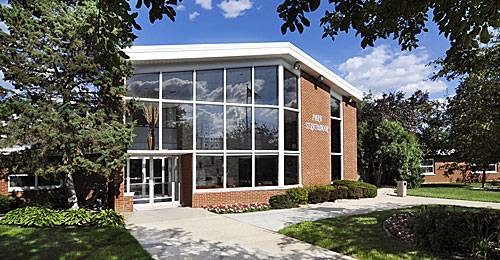
How is Alden Park Strathmoor Staffed?

CMS rates ALDEN PARK STRATHMOOR's staffing level at 1 out of 5 stars, which is much below average compared to other nursing homes.

What Have Inspectors Found at Alden Park Strathmoor?

State health inspectors documented 28 deficiencies at ALDEN PARK STRATHMOOR during 2023 to 2025. These included: 1 Immediate Jeopardy (the most serious level, indicating potential for serious harm or death), 3 that caused actual resident harm, and 24 with potential for harm. Immediate Jeopardy findings are rare and represent the most serious regulatory concerns. They require immediate corrective action.

Who Owns and Operates Alden Park Strathmoor?

ALDEN PARK STRATHMOOR is owned by a for-profit company. For-profit facilities operate as businesses with obligations to shareholders or private owners. The facility is operated by THE ALDEN NETWORK, a chain that manages multiple nursing homes. With 189 certified beds and approximately 154 residents (about 81% occupancy), it is a mid-sized facility located in ROCKFORD, Illinois.
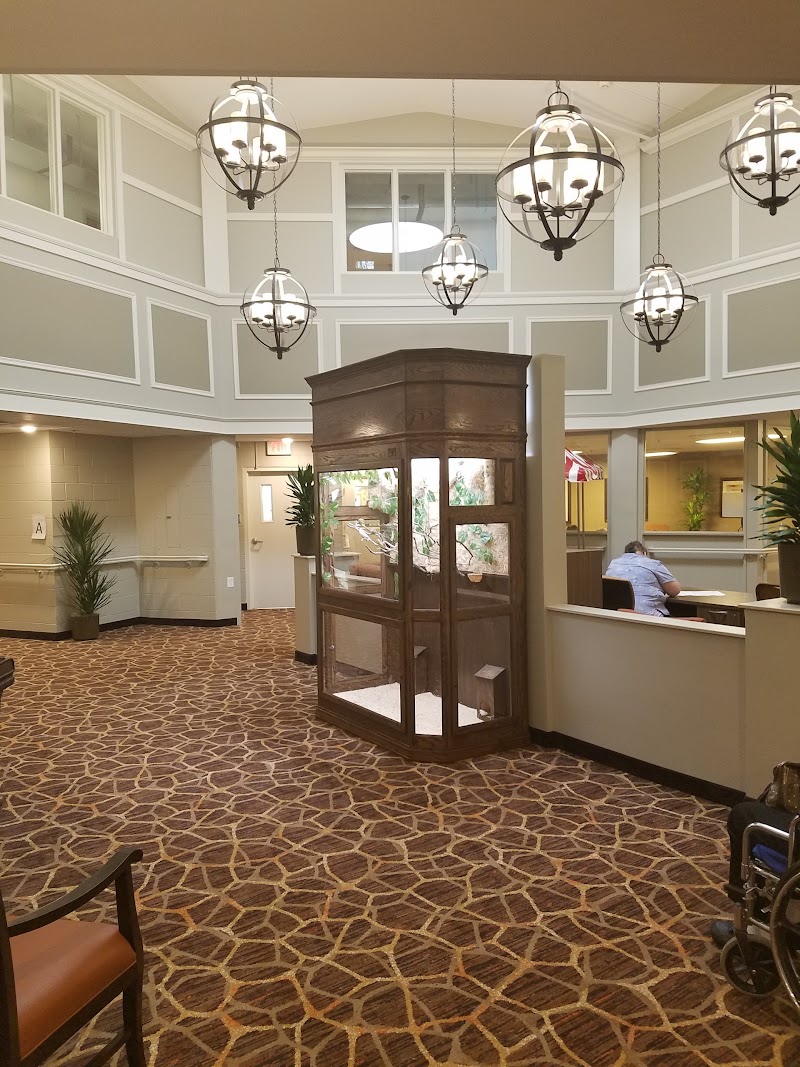
How Does Alden Park Strathmoor Compare to Other Illinois Nursing Homes?

Compared to the 100 nursing homes in Illinois, ALDEN PARK STRATHMOOR's overall rating (2 stars) is below the state average of 2.5 and health inspection rating (2 stars) is below the national benchmark.

What Should Families Ask When Visiting Alden Park Strathmoor?

Based on this facility's data, families visiting should ask: "What changes have been made since the serious inspection findings, and how are you preventing similar issues?" "Can you walk me through typical staffing levels on day, evening, and night shifts?" "Can I visit during a mealtime to observe dining assistance and food quality?" "How do you handle medical emergencies, and what is your hospital transfer rate?" These questions are particularly relevant given the facility's Immediate Jeopardy citations and the below-average staffing rating.

Is Alden Park Strathmoor Safe?

Based on CMS inspection data, ALDEN PARK STRATHMOOR has documented safety concerns. Inspectors have issued 1 Immediate Jeopardy citation (the most serious violation level indicating risk of serious injury or death). The facility has a 2-star overall rating and ranks #100 of 100 nursing homes in Illinois. Families considering this facility should ask detailed questions about what corrective actions have been taken since these incidents.

Do Nurses at Alden Park Strathmoor Stick Around?

ALDEN PARK STRATHMOOR has not reported staff turnover data to CMS. Staff turnover matters because consistent caregivers learn residents' individual needs, medications, and preferences. When staff frequently change, this institutional knowledge is lost. Families should ask the facility directly about their staff retention rates and average employee tenure.

Was Alden Park Strathmoor Ever Fined?

ALDEN PARK STRATHMOOR has been fined $164,774 across 2 penalty actions. This is 4.7x the Illinois average of $34,727. Fines at this level are uncommon and typically indicate a pattern of serious deficiencies, repeated violations, or failure to correct problems promptly. CMS reserves penalties of this magnitude for facilities that pose significant, documented risk to resident health or safety. Families should request specific documentation of what issues led to these fines and what systemic changes have been implemented.

Is Alden Park Strathmoor on Any Federal Watch List?

ALDEN PARK STRATHMOOR is not on any federal watch list. The most significant is the Special Focus Facility (SFF) program, which identifies the bottom 1% of nursing homes nationally based on persistent, serious quality problems. Not being on this list means the facility has avoided the pattern of deficiencies that triggers enhanced federal oversight. This is a positive indicator, though families should still review the facility's inspection history directly.