ALPINE FIRESIDE HEALTH CENTER
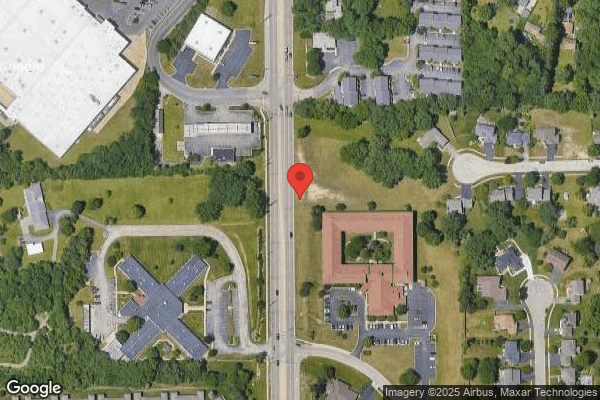
3650 NORTH ALPINE ROAD, ROCKFORD, IL 61114 (815) 877-7408
For profit - Corporation 66 Beds Independent Data: November 2025
Trust Grade
50/100
#317 of 665 in IL
Last Inspection: October 2024

Within standard 12-15 month inspection cycle. Federal law requires annual inspections.

Overview

Alpine Fireside Health Center has a Trust Grade of C, which means it is average compared to other facilities, neither standing out as particularly good nor bad. It ranks #317 out of 665 facilities in Illinois, placing it in the top half, and #10 out of 15 in Winnebago County, indicating only a few local options are better. The facility is improving, having reduced its issues from 12 in 2023 to 4 in 2024. However, staffing is a concern with a low rating of 1 out of 5 stars and a turnover rate of 52%, which is higher than the state average. Notably, there were serious issues found regarding food safety practices, including uncovered open wounds on staff while preparing food and unsanitary conditions in the kitchen that could affect residents’ health. Despite these weaknesses, the facility did not incur any fines, which is a positive aspect.

Trust Score
C
50/100
In Illinois
#317/665
Top 47%
Safety Record
Moderate
Needs review
Inspections
Getting Better
12 → 4 violations
Staff Stability
⚠ Watch
52% turnover. Above average. Higher turnover means staff may not know residents' routines.
Penalties
✓ Good
No fines on record. Clean compliance history, better than most Illinois facilities.
Skilled Nurses
○ Average
RN staffing data not reported for this facility.
Violations
⚠ Watch
18 deficiencies on record. Higher than average. Multiple issues found across inspections.
★★☆☆☆
2.0
Overall Rating
★☆☆☆☆
1.0
Staff Levels
★☆☆☆☆
1.0
Care Quality
★★★★☆
4.0
Inspection Score
Stable
2023: 12 issues
2024: 4 issues

The Good

  • Full Sprinkler Coverage · Fire safety systems throughout facility
  • No fines on record

Facility shows strength in fire safety.

The Bad

2-Star Overall Rating

Below Illinois average (2.5)

Below average - review inspection findings carefully

Staff Turnover: 52%

Near Illinois avg (46%)

Higher turnover may affect care consistency

The Ugly 18 deficiencies on record

1 actual harm
Oct 2024 4 deficiencies
CONCERN (D)

Potential for Harm - no one hurt, but risky conditions existed

Quality of Care (Tag F0684)

Could have caused harm · This affected 1 resident

**NOTE- TERMS IN BRACKETS HAVE BEEN EDITED TO PROTECT CONFIDENTIALITY** Based on interview and record review, the facility failed to ensure a resident's physician was notified when blood glucose level...

Read full inspector narrative →
**NOTE- TERMS IN BRACKETS HAVE BEEN EDITED TO PROTECT CONFIDENTIALITY** Based on interview and record review, the facility failed to ensure a resident's physician was notified when blood glucose levels were out of the set parameters ordered by the physician for 1 of 1 resident (R5) reviewed for blood glucose levels in the sample of 14. The findings include: R5's Physician's Orders, provided by the facility on 10/10/24, showed an order dated 5/21/24 for Accucheck (blood glucose check) twice daily. Call doctor if greater than 250 or less than 70. R5's Plan of Care, provided by the facility on 10/10/24, showed she has the potential for hyperglycemic or hypoglycemic (high and low blood glucose level episodes secondary to diabetes). The plan of care showed to Monitor blood sugar levels per MD/NP (Doctor/Nurse Practitioner) order, notify MD/NP of abnormal findings with follow up as indicated. R5's facility assessment dated [DATE] showed she had short-term and long-term memory problems, moderately impaired cognitive skills, was dependent on staff for all activities of daily living, except eating, and had a diagnosis of type II diabetes mellitus. R5's Blood Glucose Report from July 9, 2024, through October 9, 2024 were reviewed. The report showed the following days with blood glucose levels outside the parameters set by R5's physician: 7/15/24 290 7/16/24 281 7/17/24 288 7/20/24 270 7/21/24 301 8/5/24 322 8/13/24 371 9/1/24 321 9/23/24 292 10/8/24 318 10/9/24 273 On 10/9/24, R5's Nurse Progress notes and mediprocity notes (communication portal between the facility and the physicians/nurse practitioner) were requested for the above listed days. The notes showed no documentation of R5's doctor or the nurse practitioner being notified of R5's blood sugar levels on 7/15/24, 7/16/24, 7/17/24, 7/20/24, 9/1/24, 9/23/24, 10/8/24, or 10/9/24. On 10/10/24 at 8:20 AM, V1 (Administrator) was provided the list of days showing blood glucose levels out of the parameters order by R5's physician, and asked to show documentation that R5's Doctor or the NP (nurse practitioner) was notified. V1 said she thinks what was already provided is all they found; however they would keep looking. At 1:21 PM, V1 said no further information showing that the doctor or the nurse practitioner had been updated had been provided to her. At 1:58 PM, V1 said she spoke with the nurse's that were working on the days listed, to see if they could find any documentation. V1 said V2 (Director of Nursing-DON) and the nurses did not provide her with any further documentation than what she already provided this surveyor. V1 said she expects the nurse on duty to call the doctor, not use mediprocity to communicate, and to report blood glucose levels above 250 for R5, adding, that is what her orders say-to call the doctor. The facility's undated policy and procedure titled Hypoglycemia/Hyperglycemia showed, Hyperglycemia-resident: 1. Check the victim's [sic] capillary blood glucose level with an accu-check. Assess resident condition for signs and symptoms of hyperglycemia .2. Be aware of any infections, or changes that would be useful information to share with the physician. 3. Notify physician of condition change and follow orders .5. document condition, interventions and response in resident's record.
CONCERN (D)

Potential for Harm - no one hurt, but risky conditions existed

Pressure Ulcer Prevention (Tag F0686)

Could have caused harm · This affected 1 resident

**NOTE- TERMS IN BRACKETS HAVE BEEN EDITED TO PROTECT CONFIDENTIALITY** Based on observation, interview, and record review the facility failed to assess pressure wounds weekly for 2 of 4 residents (R2...

Read full inspector narrative →
**NOTE- TERMS IN BRACKETS HAVE BEEN EDITED TO PROTECT CONFIDENTIALITY** Based on observation, interview, and record review the facility failed to assess pressure wounds weekly for 2 of 4 residents (R23, R15) reviewed for pressure ulcers in the sample of 14. The findings include: 1. R23's face sheet showed he was admitted to the facility on [DATE]. R23's client diagnoses report printed 10/10/24 showed R23 had diagnoses of orthopedic aftercare following surgical amputation, atrial fibrillation, atherosclerotic heart disease, peripheral vascular disease, chronic obstructive pulmonary disease, and Alzheimer's disease. R23's care plan initiated 6/26/24 showed, Resident has a Stage 3 Pressure Injury to right hip . Observe for changes in pressure ulcer, report to MD if there is an increase in size or stage and follow up as indicated . R23's 6/25/24 wound assessment showed a wound to R23's right hip was identified on 6/24/24 and the first assessment was completed 6/25/24. R23's next wound assessments were completed as follows: 7/7/24 (11 days between assessments), 7/31/24 (24 days between assessments), 8/9/24 (9 days between assessments), 8/28/24 (19 days between assessments), 9/8/24 (12 days between assessments), 9/17/24 (9 days between assessments), and 9/29/24 (12 days between assessments). On 10/09/24 at 1:59 PM, V4 (Wound Care Nurse) said, I usually do the measuring once a week. I document on paper sheets and we scan them into the residents record under documents. If am off like I was this summer, our Infection Preventionist nurse did them. They would all be in the record under documents. I do weekly assessments monitor the progress of the wound and see if there is anything that needs to be changed. [R23]'s wound assessments were done 6/25/24, 7/7/24, 7/31/24, 8/9/24, 8/28/24, 9/8/24, 9/17/24, 9/29/24, and 10/6/24. On 10/10/24 at 9:27 AM, V2 DON (Director of Nursing) said they typically assess and measure wounds weekly. [V4] does them but if she is not here our floor nurses are very good with wounds too and we ask the floor nurse to measure. The facility's undated policy titled Wound Management Policy showed, Responsibility: Charge Nurse, or Director of Nursing or designee . Residents with pressure sores, skin lesions/wounds will be monitored and documented . 2. R15's Client Diagnostic Report, provided by the facility on 10/10/24 showed she had diagnoses including, but not limited to, chronic diastolic (congestive heart failure, chronic kidney disease, venous insufficiency, anemia, ulcerative (chronic) pancolitis, diarrhea, acute kidney failure, essential tremor, Alzheimer's disease, and dementia. R15's facility assessment dated [DATE] showed she had short-term and long-term memory problems, and moderate cognitive impairment. The assessment showed R15 was dependent on staff for toileting and bathing and was at risk of developing pressure injuries. R15's Physician's Orders show apply calmoseptine to buttocks and coccyx twice daily for protection. The orders also show Proheal (protein supplement) Give 30 milliliters twice daily to support improved skin integrity. R15's Plan of Care, provided by the facility on 10/10/24 showed she is at risk for skin breakdown related to bowel/bladder incontinence. The plan of care showed to monitor the skin for any changes i.e. dry spots, red areas. The plan of care showed R15 needs extensive assistance with two staff for bed mobility and toilet use related to weakness and deconditioning. On 10/10/24 at 9:59 AM, incontinence care was observed for R15. R15 had dark discoloration on both her left and right buttocks that blanched when pressure was applied during care. No open areas were observed during care. The untitled document provided by the facility on 10/10/24, showed on 7/21/24 six open areas were identified on R15's left buttocks (3), right buttocks (2) and coccyx area (1). The document showed the open areas were all stage II pressure injuries. R15's wound assessments were reviewed showing assessments were completed on 7/21/24 and 7/24/24. R15's progress notes showed she had been sent out to the hospital on 7/24/24 (not related to the pressure injuries) and returned to the facility on 7/31/24. The next assessment provided by the facility of R15's wounds was on 7/31/24. There was no assessment provided by the facility to show any assessments done on R15's pressure wounds, after the 7/31/24 assessment until 8/13/24 (13 days later). The next assessment provided by the facility for R15's pressure wounds was on 8/29/24 (16 days later). The next assessment provided by the facility of R15's pressure wounds was on 9/8/24 (10 days later). the next assessment provided by the facility of R15's pressure wounds was on 9/17/24 (9 days later). The next assessment provided by the facility of R15's pressure wounds was on 9/30/24 (13 days later). R15's Interdisciplinary Progress Notes (IPN) and Mediprocity Notes (communication portal between the facility and the doctors/nurse practitioner) were reviewed from 7/21/24 through 9/30/24. Assessments for R15's pressure wounds in Mediprocity Notes were on 7/21/24, 7/31/24, 8/13/24. There were no wound assessments in R15's Interdisciplinary Progress Notes, other than to document when one of the six pressure wounds was resolved. The other existing wound assessments were not documented on those days in the IPN notes. On 10/10/24 at 9:03 AM, V4 (RN/Wound Nurse) said R15 had bad diarrhea and she thinks that contributed to the skin breakdown. V4 said R15 was sent out to the hospital on 7/24/24 and returned to the facility on 7/31/24. V4 said the six pressure injuries were identified on 7/21/24. V4 said interventions had been in place prior to R15 developing the pressure injuries. V4 said she had been on vacation from 7/13/24-8/25/24. V1 (Administrator) was present during the interview and at 9:14 AM, she said R15 had high comorbidities. V1 said R15 had a decline at the time she developed the pressure injuries. V1 (Administrator) said R15 was sent out to the hospital and came back to the facility more deconditioned than when she left. On 10/10/24 at 9:26 AM, V4 said It does not look the assessments were done weekly after they were identified. It is important to make sure they are done to monitor progress and deterioration of the wound, and to update the Doctor, to see if new orders are needed. This surveyor requested a copy of all the assessments for the pressure injuries for R15 from 7/21/24-9/30/24 (when the last of the pressure injuries were resolved). On 10/10/24 at 10:44 AM, V1 (Administrator) brought the assessments for R15's pressure injuries to her buttocks/coccyx areas. The assessments provided to surveyor were dated: 7/21/24; 7/24/24; 7/31/24; 8/13/24; 8/29/24; 9/8/24; 9/17/24; and 9/30/24. On 10/10/24 at 1:21 PM, V1 said she believes she has provided all of the assessments that the facility has to provide for R15's pressure injuries. The facility's undated policy and procedure titled Wound Management Policy showed Residents with pressure sores, skin lesions/wounds will be monitored and documented. The policy showed 3. Documentation of pressure sores and other skin conditions must include A. Characteristics (i.e. size, shape, depth, color, slough, presence of granulation tissue, necrotic (non-viable skin) tissue). B. Treatment.
CONCERN (D)

Potential for Harm - no one hurt, but risky conditions existed

Infection Control (Tag F0880)

Could have caused harm · This affected 1 resident

**NOTE- TERMS IN BRACKETS HAVE BEEN EDITED TO PROTECT CONFIDENTIALITY** 3. R18's face sheet showed she was admitted to the facility on [DATE] with diagnoses to include congestive heart failure, Type 2...

Read full inspector narrative →
**NOTE- TERMS IN BRACKETS HAVE BEEN EDITED TO PROTECT CONFIDENTIALITY** 3. R18's face sheet showed she was admitted to the facility on [DATE] with diagnoses to include congestive heart failure, Type 2 Diabetes, hyperlipidemia, and hypertension. On 10/10/24 at 8:16 AM, V5 LPN (Licensed Practical Nurse) was passing medications in the dining room. V5 was preparing R18's medications at the cart. V5 pushed each individual medication from the residents medication card directly into her hand and then dropped the pills into the medication cup. On 10/10/24 at 9:21 AM, V2 DON (Director of Nursing) said the nurses should never touch any medication, it should be put directly into the medication cup because you never know what is on your hands. The facility's undated policy and procedure titled Medication Administration showed, . 12. Remove medication from source, taking care not to touch medication with bare hand . Based on observation, interview, and record review the facility failed to perform incontinence care in a manner to prevent cross contamination (R15), failed to initiate enhanced barrier precautions for a resident with an indwelling catheter and open wounds (R25), and failed to administer medications in a manner to prevent cross contamination (R18) for 3 of 3 residents (R15, R25, and R18) reviewed for infection control in the sample of 14. The findings include: 1. R15's Client Diagnostic Report, provided by the facility on 10/10/24 showed she had diagnoses including, but not limited to, chronic diastolic (congestive heart failure, chronic kidney disease, venous insufficiency, anemia, ulcerative (chronic) pancolitis, diarrhea, acute kidney failure, essential tremor, Alzheimer's disease, and dementia. R15's facility assessment dated [DATE] showed she had short-term and long-term memory problems, and moderate cognitive impairment. The assessment showed R15 was dependent on staff for toileting and bathing and was at risk of developing pressure injuries. R15's Physician's Orders show apply calmoseptine to buttocks and coccyx twice daily for protection. The orders also show Proheal (protein supplement) Give 30 milliliters twice daily to support improved skin integrity. R15's Plan of Care, provided by the facility on 10/10/24 showed she is at risk for skin breakdown related to bowel/bladder incontinence. The plan of care showed to monitor the skin for any changes i.e., dry spots, red areas. The plan of care showed R15 needs extensive assistance with two staff for bed mobility and toilet use related to weakness and deconditioning. On 10/10/24 at 9:59 AM, V10 and V11 (Certified Nursing Assistants-CNAs) provided incontinence care for R15. V10 and V11 rolled R15 onto her right side to remove her pants and incontinent brief. Stool was observed above the top of R15's brief in the back. V10 and V11 rolled R15 onto her back side and removed the soiled brief. non-formed liquid stool was also observed in R15's pubic and groin areas. V10 used a wet wipe to wipe across R15's pubic area, then down her left groin area in one motion. V10 grabbed another wet wipe and wipe R15's pubic area, then down her right groin in one motion. V10 grabbed a wet wipe and wiped R15's left groin, then her vaginal area using the same wet wipe, the same side of the wipe. V10 and V11 rolled R15 back onto her right side. V10 grabbed a few wet wipes from the package and wiped the stool from R15 in a back to front motion. repeating this direction two more times using the same wet wipes. At 10:19 AM, V11 was asked if she would have done anything different during care. V11 said she she would have used a different wipe for each area, and she would have wiped front to back, not back to front to prevent cross-contamination and prevent infection. At 10:23 AM, V10 said she should have used a clean wipe for each area, and she should have wiped front to back, so she did not spread bacteria to the opening of R15's vaginal area. The facility's undated policy and procedure titled Perineal Care showed Prolonged exposure to urine and feces produces excessive hydration of the sin which causes increased coefficient of friction, increased epidermal permeability and increased microbial flora. the interaction of urine and feces increases the ph of the skin. All these factors compromise skin integrity/Infections. The policy and procedure showed Procedure: Wash all areas that may come in contact with urine and/or stool. Wash with soap and water. Wipe skin gently using a front to back motion. Repeat if necessary. Always remember that when you touch dirty, you must change your gloves. 2. R25's record of admission shows she was admitted to the facility on [DATE]. Her physician order sheet for October 2024 shows an order for a right heel wound dressing daily, and an indwelling catheter. The orders do not include enhanced barrier precautions. On 10/8/24, R25 was observed sitting in her room with her husband. Her wheelchair had a catheter drainage dignity bag hanging below her seat. The door to her room did not have any signs for enhanced barrier or contact isolation requirements. R25's husband stated there was a catheter present, and a wound to R25's foot. On 10/10/24 at 9:14 AM V9 CNA said she was responsible for R25's care for her shift. She said R25 was not on any type of isolation, and she did not need to put on any PPE (Personal Protective Equipment) such as a gown. She said R25 has an indwelling catheter and is changed to a leg bag everyday. V9 went to the desk to refer to a list of residents and isolation requirements, and said R25 was not on the list. On 10/10/24 at 10:30 AM, V1 said the doctors will determine what type of isolation a resident requires. We do have enhanced barrier precautions, we went ahead and placed residents on contact isolation, such as those with wounds and catheters. The facility's undated policy for Enhanced Barrier Precautions documents it is the policy of this facility to implement enhanced barrier precautions for the prevention of transmission of multi-drug-resistant organisms. 2. Initiation of Enhanced Barrier Precautions: b. An order for enhanced barrier precautions will be obtained for residents with any of the following: i. Wound ( such as pressure ulcers) and/or indwelling medical devices (e.g. urinary catheters) even if the resident is not known to be infected or colonized with a MDRO (Multi-drug-resistant organism).
CONCERN (F)

Potential for Harm - no one hurt, but risky conditions existed

Food Safety (Tag F0812)

Could have caused harm · This affected most or all residents

Based on observation, interview and record review, the facility failed to ensure staff covered an open wound, and failed to ensure food was prepared and served in a sanitary manner. These failures ha...

Read full inspector narrative →
Based on observation, interview and record review, the facility failed to ensure staff covered an open wound, and failed to ensure food was prepared and served in a sanitary manner. These failures have the potential to affect all of the residents in the facility. The findings include: The CMS Long-Term Care Facility Application for Medicare and Medicaid form CMS-671 dated 10/8/24 showed 39 residents resided in the facility. The facility's undated list of residents' Diet Orders, provided by the facility on 10/10/24 showed all 39 residents take food by mouth. No residents on the list had a feeding tube. On 10/8/24 at 9:57 AM, V6 (Dietary Manager) was preparing the lunch meal. V6 said he and V12 (Cook) were both preparing the lunch meal. V6 had an open wound to his right inner forearm that was not covered. There was a small smear next to the open wound that appeared to be blood. At 12:11 PM V6 obtained the food temperatures prior to serving. V6 still had the open wound uncovered. At 12:27 PM, V6 was asked about the wound on his right inner forearm. V6 said he scratched himself on something. V6 was asked what the facility's policy was on open wounds, and if he should cover the area. V6 said he could cover it. On 10/8/24 at 12:11 PM, V12 (Cook) was asked to take the temperatures of the foods on the steam table. V6 (Dietary Manager) walked up and said he (V6) would check the food temperatures. V6 grabbed a sanitation bucket and placed in on the steam table. V6 picked up the food thermometer and dipped it into the sanitation bucket, then ran the thermometer across the washcloth that was on the side of the sanitation bucket. V6 took the temperatures of the 5 different chicken food consistencies, then dipped the thermometer back into the sanitation bucket and ran the thermometer across the washcloth. V6 took the temperatures of the regular noodles and the pureed noodles and then dipped the thermometer back into the sanitation bucket and across the washcloth. V6 repeated this process to clean the thermometer 4 more times in between different food items. On 10/08/24 At 12:24 PM, V6 was asked to test the chemical sanitation level in the sanitation bucket. V6 used a Hydrion QT-40 test strip to test the sanitation level. The test strip was yellow after dipping into the bucket. V6 said the test result was between 150 ppm (parts per million) and 200 ppm. V6 was asked if he was sure about that because the test strip was yellow. V6 insisted that the results were between 150 ppm (parts per million)-200 ppm, adding that he could see a hint of green on the test strip. V7 (dietary aide) was walking by. This surveyor asked V6 if V7 had worked at the facility a long time. V6 said yes. V7 was asked to look at the test strip that V6 had against the test strip container, and asked if it looked light green in color, or close to the 150 ppm color. V7 said No, not at all, it is yellow. (For reference: The first color on the chart to compare the test strip to is orange, which is zero ppm; the second color on the chart is a light green, which is 150 ppm; the remaining three colors on the chart are darker shades of green showing 200 ppm-500 ppm of chemical sanitation). On 10/10/24 at 9:41 AM, V6 was said the facility's policy for open wound is to have the wound covered while working. Needs to be covered without draining. V6 said he did not have the area on his arm covered the other day. V6 said he should have had it covered to make sure that no bodily fluids contaminate the area or the food. At 9:46 AM, V6 was asked about dipping the thermometer into the sanitation bucket to clean between taking the temperatures of the food items on the steam table on 10/8/24. V6 said in previous inspections the facility used alcohol wipes for cleaning the thermometer and was advised to do it differently. V6 said that was years ago, so we went to using the sanitation bucket with quat (quaternary Ammonium Compound) sanitizer. V6 said he should have checked the sanitation level of the bucket prior to using. On 10/10/24 the facility provided their undated policy and procedure titled Quat Sanitizer Testing Policy. the policy showed Quat sanitizing solution dispenser will be tested daily by dietary manager .Quat sanitizer solution for surface sanitizing will be changed every four hours or when visibly soiled to assure effective concentration. The facility also provided instructions for the hydrion QT-40 test strip. The instructions showed EPA-registered sanitizer for use on hard, non-porous food prep surfaces and wares, kills foodborne organisms as listed on product label. The instructions showed uses for the sanitizer were for a three-comparment sink sanitizer and food contact surface sanitizer. The facility's undated policy titled Dietary Staff Wound Policy showed Dietary staff will cover any open wound with adequate dressing to avoid contact and/or seepage. Additional coverage may be required and provided dependent on location of wound, i.e. finger cut, wrapping, etc.
Dec 2023 3 deficiencies
CONCERN (D)

Potential for Harm - no one hurt, but risky conditions existed

Pressure Ulcer Prevention (Tag F0686)

Could have caused harm · This affected 1 resident

Based on observation, interview, and record review, the facility failed to ensure pressure ulcer preventions were in place and failed to ensure ordered treatments were in place for one of four residen...

Read full inspector narrative →
Based on observation, interview, and record review, the facility failed to ensure pressure ulcer preventions were in place and failed to ensure ordered treatments were in place for one of four residents (R89) reviewed for pressure injuries in the sample of 15. The findings include: R89's Physician Orders Sheet dated December 1, 2023-December 31, 2023 shows orders were entered on December 11, 2023 for: Float heels every shift, discoloration to left heel-paint with betadine, cover with foam dressing every evening shift, and buttocks wound area-cleanse with wound cleanser, apply A & D ointment, cover with abdominal dressing every evening shift. R89's Care Plan effective December 11, 2023 shows, Resident has stage I pressure injury to right buttocks and stage II pressure injury to coccyx. Treatment as order, monitor and report if ineffective. December 18, 2023-float heels with heel protectors or pillow when in bed as needed. R89's Body Check form dated December 11 & 13, 2023 shows R89 had wounds to her buttock and left and right heel. On December 18, 2023 at 1:26 PM, V4 CNA (Certified Nursing Assistant) and V3 CNA supervisor transferred R89 from her chair and into the bed. R89 had white canvas tennis shoes on. When V4 removed R89's tennis shoes, R89 said ouch. There were multiple open areas to R89's buttocks/sacral areas. There was no dressing present to R89's buttocks. V4 said R89 has been up in her chair since about 8:00 AM. R89 complained of pain to her buttocks when V4 cleansed it. V3 placed A & D ointment to R89's buttocks, but did not place a dressing on it. R89's clean incontinence brief was applied. V3 placed a pillow under R89's calves. R89's heels were on the mattress. There was a heel boot on R89's dresser. On December 19, 2023 at 10:06 AM, R89 did not have dressings in place to her left heel or buttocks. V5 CNA said she had just put R89 into the bed. V5 said that R89 was wearing the white tennis shoes. V6 WCN (Wound Care Nurse) came into R89's room to perform dressing changes to R89's pressure injuries. There was no dressing in place to R89's left heel or buttocks. V5 said she removed the dressings when she had R89 in the shower before breakfast. V6 said he was not aware that R89 did not have dressings in place. Treatments were performed. There was a new dark red area to the tip of R89's left big toe. V6 said that was a new area V6 said the area looks like a new deep tissue injury. V5 CNA placed a pillow under R89's legs. R89's heels were still on R89's bed. There was a heel boot on R89's dresser. On December 20, 2023 at 9:21 AM, V19 CNA said that R89 does not wear heel boots. V19 said that R89 wears the white tennis shoes everyday. At 9:32 AM, V3 said R89's heels should not be touching the bed when they are floating. V3 said they do not use heel boots for R89. V13's NP (Nurse Practitioner) note dated December 20, 2023 shows, Stage II pressure injury to coccyx. Wound is 2.5 cm (centimeter) X 1.0 cm X 1.0 cm. Defined edges with surrounding skin 4 cm X 5 cm non-blanching area. Cleanse area with wound cleanser, apply A & D ointment to wound and surrounding area, cover with foam dressing daily. Deep tissue injury left heel: Continue to paint area with betadine, cover with foam dressing daily. Float heels while in bed. Left great toe deep tissue injury: Cleanse area, apply betadine to toe, cover with foam dressing until resolved. Staff informed to call family to bring in soft shoes. The facility's undated Wound Care Policy shows, To promote wound healing of various types of wounds, it is the policy of this facility to provide evidence-based treatments in accordance with current standards of practice and physician orders. Wound treatments will be provided in accordance with physician orders, including the cleansing method, type of dressing, and frequency of dressing change.
CONCERN (F)

Potential for Harm - no one hurt, but risky conditions existed

Food Safety (Tag F0812)

Could have caused harm · This affected most or all residents

Based on observation, interview and record review the facility failed to ensure food was stored, prepared and distributed in a manner to prevent cross-contamination, failed to ensure food items in the...

Read full inspector narrative →
Based on observation, interview and record review the facility failed to ensure food was stored, prepared and distributed in a manner to prevent cross-contamination, failed to ensure food items in the refrigerator and freezer were labeled and dated with an open date and failed to ensure that kitchen was kept in sanitary condition. This applies to all 36 residents residing in the the facility. The findings include: The Resident Roster printed on 12/18/23 shows there are 36 residents residing at the facility. On 12/18/23 at 8:37 AM, there was an open bag of cranberry sauce and an unlabelled bag of a half angel food cake in the freezer. In the refrigerator there was a dried pink substance splattered on a bag of mozzarella cheese and on the lid of a mayonnaise container. There was a dried pink substance on the shelf of the refrigerator. There was a white liquid under the jar of mayonnaise and food debris scattered throughout the bottom of the refrigerator. In the walk in refrigerator there was an unlabeled plastic bag of roast beef, an unlabeled, uncovered tray of apple crisp, an unlabeled, uncovered tray of chocolate cake and a tray of unlabeled, uncovered small cups of salad dressing. In the dry storage are there were boxes of food on the floor. V17 (Dietary Manager) said that they were delivered on Friday (3 days prior). There was multiple fruit flies observed in the dishwasher area and near the juice machine. The juice machine drip pan was half filled with juice. There was dried sticky juice on the floor beneath the juice machine. There was multiple areas of food debris seen on the floor throughout the kitchen. There was a canister vacuum with white powdered substance on the top of it sitting next to the food preparation table. On 12/18/23 at 10:30 AM, V17 prepared the pureed lunch. After pureeing the noodles, V17 placed the noodles from the food processor bowl into a container. While he was transferring the noodles, liquid from the underside of the food processor was dripping into the container. V17 then pureed the carrots and when he was transferring them from the food processor bowl to the container, liquid was dripping into the container. V17 said, That's just sanitizer agent from the dish machine dripping out. On 12/18/23 at 12:00 PM, V17 started serving the noon meal from the steam table in the kitchen Above the steam table were three fans. The grille of the fans had a thick layer of brown/gray debris on them with strings of the debris blowing out of them. Four ceiling tiles in front of the fans had multiple pieces of brown/gray debris or them. V17 plated and served the noon meal using multiple (more than 10) chipped plates. The chips were observed on the top serving surface of the plates. On 12/18/23 at 2:00 PM, V17 said that food in the refrigerator or freezer should be covered or in a closed container or bag and the food should be labeled with the date it was prepared and the item name. V17 said that chipped plates should not be used especially if the chip is on the serving surface. V17 said that they do have a cleaning schedule and a different area of the kitchen is cleaned weekly but he does not have a log of when it was cleaned. The facility's undated Food Safety Requirements Policy shows, Dry food storage-keep foods/beverages in a clean, dry area off the floor .Safe refrigerated storage include: .Labeling, dating, and monitoring refrigerated food Keeping foods covered or in tight containers All equipment used in the handling of food shall be cleaned and sanitized, and handled in a manner to prevent contamination The facility's undated Kitchen Sanitation Policy shows, All food service areas shall be kept clean, sanitary and free from liter and rubbish .
CONCERN (F)

Potential for Harm - no one hurt, but risky conditions existed

Infection Control (Tag F0880)

Could have caused harm · This affected most or all residents

**NOTE- TERMS IN BRACKETS HAVE BEEN EDITED TO PROTECT CONFIDENTIALITY** 2. The facility's December 2023 Infection Log showed R21 was on droplet isolation precautions. On 12/18/23 at 8:40 AM, there wa...

Read full inspector narrative →
**NOTE- TERMS IN BRACKETS HAVE BEEN EDITED TO PROTECT CONFIDENTIALITY** 2. The facility's December 2023 Infection Log showed R21 was on droplet isolation precautions. On 12/18/23 at 8:40 AM, there was a droplet isolation sign on the door of R21's room. The sign indicated staff were to wear the following personal protective equipment (PPE): mask, gown, and gloves. On 12/18/23 at 8:48 AM, V10 (Certified Nursing Assistant- CNA) entered R21's room to deliver a meal tray and set R21 up to eat. The only PPE V10 had on when entering R21's room was a surgical mask. V10 came within 3 feet of R21 when setting up R21 to eat. R21 did not have a mask on. On 12/18/23 at 2:21 PM, V11 (CNA) entered R21's room to get vital signs. The only PPE V11 had on was a N95 mask. R21 did not have a mask on. On 12/18/23 at 2:36 PM, V8 (Infection Control Nurse) said staff should wear the following PPE when entering R21's room: N95 mask with a surgical mask covering the N95 mask, isolation gown, and gloves. The facility's Droplet Precaution policy showed gowns should be used whenever giving direct care to the resident or being within three feet unless the resident is masked. 3. R89's Physician Orders Sheet dated December 1, 2023-December 31, 2023 shows she was admitted to the facility on [DATE] with diagnoses including weakness, urinary tract infection, polyosteoarthritis, congestive heart failure. On December 19, 2023 at 10:06 AM, V5 CNA (Certified Nursing Assistant) provided incontinence care to R89. R89 had a large amount of soft stool in her incontinence brief. V5 wiped R89's front peri area of the stool, then touched the resident's body to help her turn, touched the resident's dresser drawer, and R89's clean incontinence brief. V5 then wiped R89's buttocks area of the large stool and place the clean incontinence brief under R89. V5 did not change her gloves or perform hand hygiene prior to touching clean surfaces. On December 20, 2023 at 9:03 AM, V12 CNA said gloves should be changed when going from dirty to clean items so that germs do not get transferred. 4. R32's Physician Orders Sheet dated December 1, 2023-December 31, 2023 shows R32 was admitted to the facility on [DATE] with diagnoses including urinary tract infection, metabolic encephalopathy, and acute kidney failure. An order was entered on October 12, 2023 for maintain contact isolation precautions for ESBL (Extended spectrum beta-lactamases-Escherichia Coli) in urine every shift. An order was entered on December 6, 2023 for Macrodantin 50 mg once daily. (antibiotic used to treat urinary tract infections). R32's Care Plan Effective September 7, 2023 shows resident is on contact isolation precautions related to ESBL in urine. Protective personal equipment to be worn only if splash of bodily fluids are anticipated. On December 18, 2023 at 9:28 AM, there was a sign on R32's door that showed contact isolation: gloves and gown required. On December 19, 2023 at 9:41 AM, V4 CNA walked out of R32's room. V4 did not know why R32 was on isolation but had to find out from the nurse. V4 said that R32 was on contact isolation for ESBL in her urine. V4 said she had just helped R32 to use the restroom and R32 urinated in the toilet. V4 said R32 can be incontinent at times. R32 said staff do not wear gowns when they toilet her. V4 said that staff only wear gloves to take care of R32. V4 said, We just wear gloves, she's only on contact isolation. On December 20,2023 at 9:03 AM, V12 CNA said masks, shoe covers, goggles, gloves, down, and head cover should be worn when a resident is on contact isolation so that the bacteria does not stick to her and give the bacteria to another resident. On December 20, 2023 at 9:32 AM, V3 CNA Supervisor said when residents are on contact isolation, Staff do not have to gown up unless we anticipate spitting projectiles, normally they just wear gloves. We never worn gowns unless we anticipate splashing of urine and we don't wear gowns when taking residents to the bathroom. The facility's Contact Isolation Policy dated August 6, 2023 does not include information on wearing gowns during resident care. 5. The facility's Infection Log for December 2023 shows R90 is on droplet isolation precautions due to respiratory illness symptoms. On December 28, 2023 at 11:30 AM, there was a sign on R90's door that reflected Droplet Isolation. Upon donning PPE, V4 CNA said, I'm not going to put a N95 mask on because I already have one on. V4 did not place an extra barrier over her current N95 mask. V4 CNA went into R90's room to attempt to toilet her. V4 stood next to R90's bed while R90 was lying in it and asked R90 if she needed to be toileted. V4 was less than three feet away from R90. R90 was actively coughing while V4 was interacting with R90. V4 did not change her N95 masks upon exiting R90's room and prior to interacting with other residents. On December 20, 2023 at 9:03 AM, V12 CNA said N95 masks should be changed when exiting a resident's room when they are on droplet isolation. Based on observation, interview, and record review the facility failed to ensure staff used required personal protective equipment (PPE) when entering an isolation room, failed to perform hand hygiene to prevent cross contamination and failed to ensure residents and staff were tested for COVID-19 to prevent the spread of infection. This applies to all 36 residents residing in the facility. The findings include: 1. A Resident Roster dated 12/18/23 shows that there are 36 residents residing in the facility. An undated facility provided list of residents who were COVID positive shows that a resident on the 200 Hall tested positive for COVID-19 on 11/13/23. The list shows that 20 residents on the 100 Hall and 200 Hall tested positive between 11/13/23 and 11/24/23. The list shows that by 11/16/23 there were residents on all hallways testing positive. On 12/19/23 at 10:30 AM, V1 (Administrator) said that the COVID-19 outbreak started on 11/13/23 and all staff and residents were tested on the 11/14/23 and 11/15/23. V1 said that there were multiple staff and residents throughout the facility that tested positive on those days. V1 said that they originally started contact tracing for testing but then resident and staff were coming up positive facility wide so they started testing facility wide. V1 said that they test all agency staff prior to their work day but the facility's staff do not get routinely tested because they wear N95 masks while working. On 12/19/23 at 1:08 PM, V2 (Director of Nursing) said that after a resident tested positive on 11/13/23, they tested all of the residents twice in that week and then after that, they have been testing them if they develop any COVID symptoms but have not done any routine testing on them besides the first week. V2 said that she is not sure if the staff were being tested on a routine basis. On 12/19/23 at 1:45 PM, V14 (Licensed Practical Nurse) said that she tested for COVID-19 the other day due to cold like symptoms and it was negative but besides that she has not done any routine testing during the current COVID-19 outbreak. V14 said that in the past (many months ago) they had to test on a routine basis but she has not with this current outbreak. On 12/19/23 at 3:54 PM, V15 and V16 (Activity Aides) both said that they work with residents throughout the facility. V15 and V16 both said that they have not tested positive for COVID-19 within the last three months. V15 and V16 both said that their boss told them last week that they had to test for COVID-19 and did a test but that is they only test that they have done recently. V15 and V16 both said that they have not had any additional COVID-19 testing done in months. On 12/19/23 at 12:23 PM, V18 (Local Health Department Infection Control Coordinator) said that once a facility identifies a positive resident or staff member, they should be testing all residents and staff every 3-5 days until they have had no new cases for 14 days if the outbreak is facility wide. The facility was unable to provide evidence that all residents and staff that were not COVID positive after the initial testing were tested every 3-7 days after a facility wide outbreak was identified. The facility's undated Coronavirus (COVID-19) Testing Plan and Response Strategy shows, Outbreak Scenario: Facility wide testing of employees and residents will take place if deemed appropriate by facility administration or facility medical director or as directed by [Local Health Department] or the [State Health Department] If one or more resident or employee tests positive for COVID-19, contact tracing will be conducted. Baseline testing for possibly exposed persons will be conducted. Monitoring and testing of residents and employees will continue until no new resident or employee cases are identified for a period of atleast 14 days since the most recent positive result, then weekly testing, or as mandated by local health department or [State Health Department] per positivity rate or facilities discretion after contact tracing is done.
Mar 2023 9 deficiencies
CONCERN (D)

Potential for Harm - no one hurt, but risky conditions existed

Resident Rights (Tag F0550)

Could have caused harm · This affected 1 resident

**NOTE- TERMS IN BRACKETS HAVE BEEN EDITED TO PROTECT CONFIDENTIALITY** Based on observation, interview, and record review the facility failed to respect a resident's dignity by covering a urinary dra...

Read full inspector narrative →
**NOTE- TERMS IN BRACKETS HAVE BEEN EDITED TO PROTECT CONFIDENTIALITY** Based on observation, interview, and record review the facility failed to respect a resident's dignity by covering a urinary drainage bag. This applies to one of two residents (R4) reviewed for dignity in the sample of 13. The findings include: The facility face sheet for R4 shows diagnoses to include orthopedic aftercare, hip fracture, and orthostatic hypotension. R4's March 2023 Physician order sheet shows an order for a urinary catheter. The facility assessment dated [DATE] shows R4 to be cognitively intact and requires assistance with all activities of daily living. On 3/13/2023 at 7:30 PM, R4's urinary drainage bag was observed hanging on the side of his bed and was not in a dignity bag. The urinary drainage bag could be seen from the hallway. On 3/14/2023 at 2:00 PM, V11 Certified Nursing Assistant (CNA) said all urinary drainage bags are to be covered with a dignity bag at all times. On 3/16/23 at 10:07 AM, V2 Director of Nursing (DON) said a urinary dignity bag should be used at all times for the residents privacy and dignity. The undated facility policy for resident dignity shows it is the practice of this facility to protect and promote resident rights and treat each resident with respect and dignity as well as care for each resident in a manner and in an environment that maintains or enhances residents' quality of life. 1. all staff members are involved in providing care to residents to promote and maintain resident dignity and respect resident rights.
CONCERN (D)

Potential for Harm - no one hurt, but risky conditions existed

Deficiency F0604 (Tag F0604)

Could have caused harm · This affected 1 resident

**NOTE- TERMS IN BRACKETS HAVE BEEN EDITED TO PROTECT CONFIDENTIALITY** Based on observation, interview, and record review, the facility failed to reassess a resident with a physical restraint, and fa...

Read full inspector narrative →
**NOTE- TERMS IN BRACKETS HAVE BEEN EDITED TO PROTECT CONFIDENTIALITY** Based on observation, interview, and record review, the facility failed to reassess a resident with a physical restraint, and failed to enter a physician's order for a physical restraint into a resident's medical record. These failures apply to 1 of 1 resident (R10) reviewed for physical restraints in the sample of 13. The findings include: R10's electronic face sheet printed on 3/16/23 showed R10 has diagnoses including but not limited to dementia, heart failure, and atrial fibrillation. R10's facility assessment dated [DATE] showed R10 has short and long term memory impairment, brief interview for mental status could not be conducted due to resident is rarely understood, and R10 utilizes bed and chair alarms. R10's physician orders for March 2023 showed R10 had no physician's orders for a lap buddy to be used. R10's nursing care plan dated 6/9/22 showed, Resident currently has a lap buddy in place, use lap buddy on wheelchair while resident is in it with supervision from staff. R10's Initial Restraint Assessment Form dated 6/9/22 showed, Resident leans forward and likes to fidget with items. Resident can't remove table tray-but can remove lap buddy, more of a psychosocial need for trunk support and uses as a table to fidget-other interventions attempted: table tray but resident can't remove, type of restraint recommended: lap buddy. Physician in fall meeting and gave verbal consent. No order was placed into R10's medical record and R10 has not been reassessed for restraints since 6/9/22. (9 months since last assessment) R10's fall risk assessment dated [DATE] showed R10 is a high risk for falls and uses a lap buddy for trunkal support and R10 can release the lap buddy herself. R10 has not received an assessment for her lap buddy since 8/9/22. (7 months) On 3/14/23 at 8:57AM, R10 was up in her wheelchair in her room with her lap buddy placed across her. R10 was sleeping with her head resting on the lap buddy. On 3/16/23 at 8:57AM, V2 (Director of Nursing) stated, If a resident is using a lap buddy then we need to make sure we have a physician's order for that. I'm not sure what she is using hers for. V2 then escorted surveyor to R10's room. R10 was sitting up in her wheelchair with her lap buddy in place. V2 asked R10 several times if she could remove her lap buddy and R10 stated, No. R10 made no attempt to remove her lap buddy when requested by V2. V2 stated R10 refused to remove her lap buddy. At 9:59AM, V2 stated, (R10's) lap buddy is for trunk support and resident is able to remove it herself but refused when (surveyor) was present. The facility's undated policy titled, Physical Restraint Usage showed, Procedure. 2. Contact physician concerning nursing assessment for specific medical condition related to specific least restrictive restraint order. This order shall either be written by physician on order sheet, as a telephone order, or fax or Mediprocity. (An internal communication system that is not part of the resident's medical record).
CONCERN (D)

Potential for Harm - no one hurt, but risky conditions existed

ADL Care (Tag F0677)

Could have caused harm · This affected 1 resident

**NOTE- TERMS IN BRACKETS HAVE BEEN EDITED TO PROTECT CONFIDENTIALITY** Based on observation, interview, and record review, the facility failed to provide nail care for 1 of 1 resident's (R26) reviewe...

Read full inspector narrative →
**NOTE- TERMS IN BRACKETS HAVE BEEN EDITED TO PROTECT CONFIDENTIALITY** Based on observation, interview, and record review, the facility failed to provide nail care for 1 of 1 resident's (R26) reviewed for activities of daily living in the sample of 13. The findings include: R26's facility assessment dated [DATE] showed R26 has no cognitive impairment and requires 1 staff assist for personal hygiene. R26's shower sheets for March 2023 showed no documentation of R26 receiving nail care. On 3/13/23 at 6:32PM, R26 stated, Nobody touches my nails, they never clean them. R26's fingernails had a black substance underneath them. On 3/14/23 at 10:24AM, R26 stated, There was an agency girl in here the other day who started to cut my nails but then she left and never came back so only a few of them got done. R26 continued to have a black substance underneath her nails. On 3/15/23 at 12:37PM, V9 (Certified Nursing Assistant) stated, (R26) doesn't really refuse care unless she doesn't want to change her clothes. She does a lot for herself so we don't really have to provide much for her. We don't do her showers on our shift so I haven't really paid attention to her nails. That's when nail care is usually done is with each resident's shower day. Of course we would clean or cut them in between if we noticed that it needed to be done. On 3/16/23 at 8:57AM, V2 (Director of Nursing) stated, Nail care is done with activities but the aides do look at resident nails during the shower time and do cut them unless they are diabetic or refusing & combative. The facility's undated policy titled, Activities of Daily Living (ADLs) showed, The facility will, based on the resident's comprehensive assessment and consistent with the resident's needs and choices, ensure a resident's abilities in ADL's do not deteriorate unless deterioration is unavoidable. 3. A resident who is unable to carry out activities of daily living will receive the necessary services to maintain good nutrition, grooming, and personal and oral hygiene.
CONCERN (D)

Potential for Harm - no one hurt, but risky conditions existed

Pressure Ulcer Prevention (Tag F0686)

Could have caused harm · This affected 1 resident

**NOTE- TERMS IN BRACKETS HAVE BEEN EDITED TO PROTECT CONFIDENTIALITY** Based on observation, interview, and record review, the facility failed to assess a resident's pressure ulcer for 1 of 6 residen...

Read full inspector narrative →
**NOTE- TERMS IN BRACKETS HAVE BEEN EDITED TO PROTECT CONFIDENTIALITY** Based on observation, interview, and record review, the facility failed to assess a resident's pressure ulcer for 1 of 6 resident's (R21) reviewed for pressure ulcers in the sample of 13. The findings include: R21's electronic face sheet printed on 3/16/23 showed R26 has diagnoses including but not limited to congestive heart failure, obesity, anxiety disorder, hypertension, and dementia with behaviors. R21's facility assessment dated [DATE] showed R21 has moderate cognitive impairment, has no current pressure injuries, and is not at risk for pressure ulcers/injuries. R21's care plan dated 3/4/23 showed, Resident has stage 2 pressure injury identified on 3/1/23. R21's Health Care Body Check Form dated 3/4/23 showed, Identified on 3/1/23 Stage 2 PI (Pressure Injury) to left buttock (upper) 0.7x1.0cm irregular shape, granulation tissue. Stage 2 PI to left buttock (lower) 0.8cmx2.0cm irregular shape, granulation tissue. No previous wound assessments were documented in R21's medical record for the wounds identified on 3/1/23. (Wound assessment was documented 3 days following the identification of R21's wounds). The facility provided an internal document dated 3/1/23 showing assessment of ONE of R21's pressure wounds that was not part of R21's medical record. R21's second pressure wound had no assessment completed prior to 3/4/23. The same internal document dated 3/2/23 showed a statement from V16 (Nurse Practitioner) stating, 2 Stage 2 with surrounding denuded skin. On 3/14/23 at 1:48PM, V6 (Licensed Practical Nurse) stated, Wounds are assessed as soon as they are identified and we notify the physician to obtain treatment orders. When I first saw (R21's) wound I thought it was just one wound and assessed that but I found out later that the nurse practitioner said it was 2 wounds when I sent her a picture through our internal communication system. On 3/16/23 at 8:57AM, V2 (Director of Nursing) stated, I cannot answer for (V3-Assistant Director of Nursing) if she assessed (R21's) 2nd wound or not. Obviously, if the wound was there she would have assessed it so it's probably just a documentation issue. I can't speak for whether or not anyone assessed the wound prior to 3/4/23 but if that is the only documentation we have then I can't really say anything occurred prior to that. V3 is not in the facility today so maybe she has it somewhere else and it hasn't been scanned into the medical record. Any new wound is assessed and treatment initiated immediately. This is to prevent any worsening of the wound and to get preventative measures in place as soon as possible. A wound assessment for R21's second wound was requested on 3/16/23 and was not received. A wound assessment policy was requested from the facility on 2 separate occasions and was not received.
CONCERN (D)

Potential for Harm - no one hurt, but risky conditions existed

Accident Prevention (Tag F0689)

Could have caused harm · This affected 1 resident

**NOTE- TERMS IN BRACKETS HAVE BEEN EDITED TO PROTECT CONFIDENTIALITY** Based on observation, interview, and record review, the facility failed to ensure fall prevention measures were in place for 2 o...

Read full inspector narrative →
**NOTE- TERMS IN BRACKETS HAVE BEEN EDITED TO PROTECT CONFIDENTIALITY** Based on observation, interview, and record review, the facility failed to ensure fall prevention measures were in place for 2 of 4 residents (R28, R30) reviewed for safety and supervision in the sample of 13. The findings include: 1) R28's electronic face sheet printed on 3/16/23 showed R28 has diagnoses including but not limited to acute kidney failure, anxiety disorder, sepsis, urinary retention, and dementia without behaviors. R28's facility assessment dated [DATE] showed R28 has no cognitive impairment. R28's fall risk assessment dated [DATE] showed R28 is a high risk/potential risk for falls due to resident being blind or with inadequate vision. On 3/13/23 at 6:44PM, R28 was being assisted to bed by V8 (Certified Nursing Assistant). V8 completed night cares on R28 and left his room. R28's electronic bed alarm was unplugged and not on. R28's bed was in the neutral position (not low to the floor). On 3/13/23 at 7:33PM, V3 (Assistant Director of Nursing) stated, When a bed alarm is not functioning it will beep. I'm not sure if it will work if it's not plugged in. I think the alarm is supposed to be plugged in to alert us if he tries to get up. All residents with alarms should have them on and functioning to try and prevent falls which could lead to injury. V3 then plugged R28's bed alarm in and a beeping sound was heard and a green light flashed indicating the bed alarm had been turned on. The facility's policy titled, Fall Prevention Policy revised on 1-12-23 showed, 2. Interventions will be implemented for those residents assessed at risk for falls. 2) R30's electronic face sheet printed on 3/16/23 showed R30 has diagnoses including but not limited to hypertension, major depressive disorder, acquired absence of leg below knee, encephalopathy, anxiety disorder, delusional disorders, and psychotic disorder w/ hallucinations due to known physiological condition. R30's facility assessment dated [DATE] showed a brief interview for mental status was unable to be conducted, short term memory problem, and total dependence with transfers. R30's care plan dated 11/5/22 showed, At risk for falls due to poor balance, related to decreased strength and cognition. Resident needs extensive assistance with one person support for transfers. Alarms on chair and bed to alert staff of unplanned movement. R30's care plan dated 10/19/22 showed, Resident has video monitor in room to alert staff of any unplanned movements- to prevent fall and any injuries related to falls. Make sure camera is plugged in for charging, face the camera on the other side while giving care to resident. On 3/13/23 at 7:15PM, R30 was wheeling herself out into the hallway. R30 had a tab alarm on her wheelchair and the clip was hanging off of her wheelchair. At 7:20PM, V8 (Certified Nursing Assistant) arrived to assist R30 to bed. V8 stated R30's tab alarm should be clipped onto R30 because she's a fall risk. V8 then transferred R30 to bed, placed her on the bedpan and left the room. R30's bed alarm connection was hanging off the side of R30's bed and was not plugged in to the alarm box. R30's bed was not lowered to the floor nor was her fall mat placed next to the bed. R30's fall mat was folded up against her dresser at the end of her bed. R30's monitor was facing towards the other bed in R30's room, not monitoring R30. On 3/13/23 at 7:33PM, V3 stated, (R30) doesn't really try to get up but has been having a lot more behaviors. Her fall mat should be down to protect her in case she does try to get up and has a fall. She also has the monitor in her room so when staff are at the desk they can monitor her movements.
CONCERN (D)

Potential for Harm - no one hurt, but risky conditions existed

Incontinence Care (Tag F0690)

Could have caused harm · This affected 1 resident

**NOTE- TERMS IN BRACKETS HAVE BEEN EDITED TO PROTECT CONFIDENTIALITY** Based on observation, interview, and record review, the facility failed to provide catheter care in a manner to prevent infectio...

Read full inspector narrative →
**NOTE- TERMS IN BRACKETS HAVE BEEN EDITED TO PROTECT CONFIDENTIALITY** Based on observation, interview, and record review, the facility failed to provide catheter care in a manner to prevent infections, and failed to position a urinary catheter drainage bag in a position to prevent infections. These failures apply to 1 of 2 residents (R28) reviewed for catheter care in the sample of 13. The findings include: R28's electronic face sheet printed on 3/16/23 showed R28 has diagnoses including but not limited to acute kidney failure, chronic kidney disease stage 3, anxiety disorder, sepsis, urinary retention, and dementia without behaviors. R28's facility assessment dated [DATE] showed R28 has no cognitive impairment and has an indwelling catheter. R28's care plan dated 6/6/22 showed, At risk for complications related to use of indwelling urinary catheter .will remain free of urinary tract infection, will remain free from catheter related trauma, privacy bag intact & is located below bladder for proper drainage, catheter care as ordered by a physician. On 3/13/23 at 6:44PM, V8 (Certified Nursing Assistant) provided catheter care to R28. V8 applied clean gloves, cleansed R28's catheter insertion site, and then grabbed R28's hand with her soiled gloves to assist him with turning in bed. With the same soiled gloves on, V8 obtained R28's bedside drainage bag (with no cap on the tubing). V8 separated the leg bag from the catheter tubing with the same gloves and inserted the tubing of the bedside drainage bag into the catheter tubing. V8 did not apply any alcohol or wash either end of the catheter tubing prior to connecting them. V8 then placed the bedside drainage bag onto the floor with no privacy bag over it. V8 put each of her hands on either side of R28's pillow with the same soiled gloves she used to provide catheter care. V8 then leaned down to talk to R28 and while doing so, stepped directly onto R28's urinary drainage bag that was one the floor. On 3/13/23 at 7:33PM, V3 (Assistant Director of Nursing) stated, Catheter bags should not be left on the floor due to infection control concerns. When the staff are changing (R28) from a leg bag to a bedside drainage bag they are to make sure the bag that is stored has a cap on it to prevent bacteria from getting into the bag and tubing. They should make sure they are wiping the end of the catheter tubing with alcohol and the end of the new bag with alcohol prior to connecting them to prevent infections. The facility's policy titled, Urinary Drainage Collection Unit revised on 6-8-22 showed, A resident who has an indwelling Foley catheter will be connected to a closed urinary drainage collection unit. This system provides a sterile collection unit for urinary drainage. 2. Wipe the distal end of the catheter with the alcohol swab. 3.Remove sterile cap from urinary drainage tube maintain sterile technique and connect tubing to catheter.
CONCERN (D)

Potential for Harm - no one hurt, but risky conditions existed

Deficiency F0698 (Tag F0698)

Could have caused harm · This affected 1 resident

**NOTE- TERMS IN BRACKETS HAVE BEEN EDITED TO PROTECT CONFIDENTIALITY** Based on interview, and record review, the facility failed to assess a resident's dialysis site for 1 of 1 resident's reviewed f...

Read full inspector narrative →
**NOTE- TERMS IN BRACKETS HAVE BEEN EDITED TO PROTECT CONFIDENTIALITY** Based on interview, and record review, the facility failed to assess a resident's dialysis site for 1 of 1 resident's reviewed for dialysis in the sample of 13. The findings include: R17's electronic face sheet printed on 3/15/23 showed R17 has diagnoses including but not limited to pneumonia, type 2 diabetes, congestive heart failure, hypertension, chronic kidney disease stage 4, dependence on renal dialysis, and Alzheimer's disease. R17's facility assessment dated [DATE] showed R17 has mild cognitive impairment and receives dialysis. On 3/13/23 at 6:14PM, R17 showed the surveyor her dialysis access site to her left upper arm. A pressure was in place and R17 stated she is unsure of what assessments the facility does of her dialysis site. R17 stated she can only remember that they take the dressing off for her the day after dialysis. R17's care plan dated 11/3/21 showed, (R17) is on dialysis and has potential for fluid & electrolyte imbalance due to dialysis and renal failure. Do not do blood pressure or venipuncture on arm with shunt, assess shunt for signs/symptoms of infection and document results, auscultate and palpate shunt for slushing sound (bruit) and pulse sound (thrill). On 3/14/23 at 1:48PM, V6 (Licensed Practical Nurse) stated, (R17) goes to dialysis on Monday, Wednesday, and Friday every week. We check for thrill & bruit on every shift and sign off that we completed it. She has an order in her chart for that assessment. We monitor her blood pressure but I'm not sure how often and then the morning after dialysis we remove the dressing from her access site. R17's physician's orders for March 2023 showed no orders for assessment of R17's dialysis site to include assessing for bruit and thrill. (An assessment to check for patency of a resident's dialysis access) On 3/15/23 at 1:50PM, V6 (Licensed Practical Nurse) stated, (R17) is our only resident here who receives dialysis. She goes to an outpatient facility to get her treatments. When she returns, we check for bruit and thrill to ensure the patency of the fistula and we do this on every shift. I thought we had an order in the medication administration record for (R17) to check off but I don't see anything in the computer. The order looks like it was discontinued at one point when she went to the hospital and was never reinstated when she came back to the facility. (R17 was hospitalized in August 2022). On 3/16/23 at 8:57AM, V2 (Director of Nursing) stated, The dialysis center sends us the vitals and if there are any issues during dialysis they will call us and let us know. When she comes back, the nurse takes her vitals and removes the dressing the next day. Her access site is assessed for bleeding, swelling, or other complications. The nurses should be checking for bruit and thrill but somehow her order got dropped off when she went to the hospital and was never put back on her chart. It doesn't mean they didn't do it. Everyone is so concerned about documentation that it takes away from my nurse's giving care. It doesn't mean it shouldn't be documented, it's an easy fix but I trust that my nurses were doing it. We don't have any emergency supplies in her room in case she has a bleeding episode but the treatment cart is located at the nurse's station and is on wheels so we can get to her fast. The facility's undated policy titled, Dialysis showed, This facility will provide the necessary care and treatment, consistent with professional standards of practice, physician's orders, the comprehensive person-centered care plan, and the resident's goals and preferences, to meet the special medical, nursing, mental, and psychosocial needs of residents receiving dialysis. The facility will assure that each resident receives the care and services for the provision of dialysis consistent with professional standards of practice. This will include: The ongoing assessment of the resident's condition and monitoring for complications of dialysis treatments received at a certified dialysis facility.
CONCERN (E)

Potential for Harm - no one hurt, but risky conditions existed

Infection Control (Tag F0880)

Could have caused harm · This affected multiple residents

**NOTE- TERMS IN BRACKETS HAVE BEEN EDITED TO PROTECT CONFIDENTIALITY** Based on observation, interview, and record review the facility failed to prevent the spread of infection by doffing used PPE (P...

Read full inspector narrative →
**NOTE- TERMS IN BRACKETS HAVE BEEN EDITED TO PROTECT CONFIDENTIALITY** Based on observation, interview, and record review the facility failed to prevent the spread of infection by doffing used PPE (Personal Protective Equipment) in the resident room and failed to sanitize hands after caring for a resident with COVID-19. This applies to the 17 residents who reside on the 200 hall, 6 residents (R2,R4,R8, R20,R36 and R94) in the sample and 11 residents (R 13, R15, R16, R22, R25, R33, R35, R37, R38, R92, R93) outside the sample reviewed for infection control. The findings include: On 3/14/2023 at 9:30 AM a sign on R20's room showed droplet and contact isolation. A cart containing PPE and a bin for dirty PPE was observed next to each other in the hall outside R20's room. A COVID-19 test result dated 3/14/2023 shows R20 to be positive. The face sheet for R20 shows him to be residing in room [ROOM NUMBER] and a diagnosis of congestive heart failure and encephalopathy. The facility assessment dated [DATE] shows R20 to have severe cognitive impairment and requires limited assistance of one staff for care. On 3/14/2023 at 1:30 PM, V11 Certified Nursing Assistant (CNA) was observed passing trays to the residents in their rooms. As V11 was donning her PPE. V11 then entered R20's room to deliver his lunch tray and then came out of R20's room still wearing her PPE and then removed the dirty PPE in the hall outside R20's room. V11 then entered an occupied resident room to wash her hands. On 3/14/2023 at 1:55 PM, R20 was observed out of his room and in another resident's room. V14 was observed pushing R20 back into his room, getting him settled and then walked out of the room without sanitizing her hands. V14 then walked to the end of the hall and entered the physical therapy room to start work with another resident. V14 was asked about when she should have washed her hands and said, Oh I was nervous because you were watching me, I'll go wash them now. They should be washed after leaving an isolation room. On 3/14/2023 at 2:00 PM, V11 said she should be removing dirty PPE in the resident room. V11 said because the waste bin was out in the hall, she just went there to take it off. V11 said she just washed her hands in the closest bathroom. On 3/14/2023 at 2:10 PM, V12 Registered Nurse (RN) said the PPE should be removed in the room to prevent the spread of infection. 03/16/23 at 10:07 AM, V2 Director of Nurses (DON) said PPE should be removed in the residents room and hands should be sanitized or washed to prevent the spread of infection. V2 said hand sanitizer is available on all the PPE carts. The facility roster dated 3/13/2023 shows there were 17 residents on the 200 hallway (R2,R4,R8, R20,R36,R94, R13, R15, R16, R22, R25, R33, R35, R37, R38, R92, R93) The undated facility policy for personal protective equipment shows this facility promotes appropriate use of personal protective equipment to prevent the transmission of pathogens to residents, visitors and staff. Perform hand hygiene before and after using PPE. Dispose of PPE in the appropriate waste receptacle.
CONCERN (F)

Potential for Harm - no one hurt, but risky conditions existed

Food Safety (Tag F0812)

Could have caused harm · This affected most or all residents

Based on observation, interview, and record review the facility failed to ensure food was stored, prepared, and distributed in a manner to prevent cross contamination, failed to ensure food items in t...

Read full inspector narrative →
Based on observation, interview, and record review the facility failed to ensure food was stored, prepared, and distributed in a manner to prevent cross contamination, failed to ensure food items in the refrigerator and freezer were labeled and dated with an open date, failed to dispose of expired food, and failed to ensure hair restraints were used properly. This applies to all 37 residents residing in the facility. The findings include: The facility Census and Condition of Residents from #672 dated 3/14/23 documents there are 37 residents residing in the facility. On 3/13/23 at 5:58 PM, during review of the reach in refrigerator there were steamed tomatoes labeled as expiring on 1/10/23 (over 2 months prior) and pork gravy expiring on 2/3/23 (over 1 month prior). Upon review of the reach in freezer there were cinnamon rolls, green peas, donuts, and biscuits in clear unlabeled and undated bags. There was a container of stewed tomatoes in the walk in cooler that expired 3/8/23. On 3/13/23 V13 (Dietary Aide) said, I'm throwing these away, these are obviously expired. On 3/13/23 at 6:27 PM, V5 Dietary Aide was in the dining room and kitchen. V5 had 2 hair nets on his hair covering both the left and right side of his head. V5 had long hair hanging out of the back of his hairnet and hair exposed from the front of his hair net. He was wearing gloves that were visibly wet, pushing a food cart through the dining room with oatmeal cookies on a tray. V5 was touching his mask, the food cart, and his clothing as he was passing cookies on small individual plates to each resident in the dining room. At 6:32 PM, V5 removed his soiled gloves and performed no hand hygiene before donning new gloves. V5 was waiting for V4 (Dietary Manager) to finish serving the room trays. While V4 was waiting he was rubbing his hands on his clothes, fidgeting with his mask, and was leaning across the steam table. When V4 was done serving the room trays V5 took the cart and left the kitchen wearing the same gloves. On 3/13/23 on 6:40 PM, V4 (Dietary Manager) was preparing room trays in the kitchen with plastic gloves on. V4 would touch the dietary tickets, use a marker to write on each styrofoam container, he then picked up the prepared sandwiches with his gloved hands and cut each one in half, he then went to the reach in refrigerator and touched the refrigerator door handle, then went to the walk in cooler and touched that door handle, he returned to the serving station and picked up the cookies off the cookie tray with the same gloves and placed them on the residents tray. V4 completed serving the room trays before removing his gloves. V4 did not perform hand hygiene. On 3/13/23 on 6:45 PM, the stove and grill had food debris accumulated and brushed into a crevice at the front edge of the grill. The kitchen floor was visibly dirty with grease and debris. The kitchen walls had what appeared to be splashes of food debris. There was dirt and food products on the floor, under the steam table, around the ice machine, and throughout the kitchen on the floor. On 3/13/23 at 6:54 PM, V4 accompanied the surveyor into the walk in refrigerator. There was roast beef on the bottom shelf of the refrigerator that was not labeled and dated. V4 said this beef was taken out of the freezer to be used at a later date. V4 said he does not need to date food items in the walk in refrigerator because he has his own tracking system. V4 said he did not need to date and label the beef when it is removed from the freezer because the roast beef is precooked. V4 said he knows when food has to be used by using a data tracking system. V4 said he keeps the last 60 days of menus and he tracks and traces the food item's open dates by reviewing the menus to determine when the last time it was on the menu to be served. V4 said food products do not need to be labeled when opened but can be tracked by when the food item was delivered to the facility and that way he can trace back to see if it is good. On 3/14/23 at 10:09 AM, breakfast cups were being run through the dishwasher. V5 would take the tray of cups as they came out of the dishwasher and stack them directly behind him on a rolling rack approximately 6 inches off the floor. As the V4 and V5 would walk through the area between the stack of cups and the dishwasher and water from the bottom of their shoes would splash as they walked by. On 3/14/23 at 10:15 AM, V15 (Cook) was preparing pureed consistency food items with no beard cover. V15 was wearing an N95 mask with his beard protruding from the mask. On 3/14/23 at 10:33 AM, The clean pots and pans were stored under the food preparation station and there was a powdery substance spilled on the shelf and single salt packets on the shelf. On 3/14/23 at 10:47 AM, V4 said he has a cleaning schedule for the kitchen staff to follow and he assigns them a certain area to clean each day. V4 said he does not have any of the assignments because this is something he is just starting and is reformatting the form. V4 said the cooks should maintain the equipment and the grill should be cleaned after each use. When asked about the substance on the floor, down the front of the deep fryer, and on the wall near the grill and deep fryer, V4 said it was grease. The facility's undated policy and procedure titled Food Thawing Policy showed, Purpose: Frozen items will be thawed for later use within guidelines outlined by US Food code, IDPH Food Code, and WCHD (Winnebago County Health Department) Municipal Code. The facility's undated policy and procedure titled Food Labeling Policy showed, Purpose: Food items will be labeled appropriately within guidelines outlined by US Food Code, IDPH Food Code, and WCHD Municipal Code. Procedure: Food items received will retain label with reception date as required by food code . Potentially hazardous food or opened food product will be labeled in accordance with above agencies rules and regulations. The facility's undated policy and procedure titled Food Storage Policy showed, Purpose: To assure foods received; are stored in accordance with US Food Code, IDPH Food code, and WCHD Municipal Code. Procedure: [The Facility] will store foods in compliance with guidelines outlined by the above regulatory bodies. The facility's undated policy and procedure titled Hair Restraint Policy showed, Purpose: To assure hair restraints are utilized by food service staff as outlined by US Food Code, IDPH Food code, WCHD Municipal code. Procedure: Hair restraints will be worn by dietary staff during the course of their duties. A form of hair restraint will be utilized as outlined by US Food Code: CHapter 2 sub section 402.
Dec 2022 2 deficiencies 1 Harm
SERIOUS (G) 📢 Someone Reported This

A family member, employee, or ombudsman was alarmed enough to file a formal complaint

Actual Harm - a resident was hurt due to facility failures

Transfer Requirements (Tag F0622)

A resident was harmed · This affected 1 resident

Deficiency Text Not Available

Read full inspector narrative →
Deficiency Text Not Available
CONCERN (D) 📢 Someone Reported This

A family member, employee, or ombudsman was alarmed enough to file a formal complaint

Potential for Harm - no one hurt, but risky conditions existed

Pharmacy Services (Tag F0755)

Could have caused harm · This affected 1 resident

**NOTE- TERMS IN BRACKETS HAVE BEEN EDITED TO PROTECT CONFIDENTIALITY** Based on interview and record review the facility failed to ensure medications were not left unattended and taken by the wrong r...

Read full inspector narrative →
**NOTE- TERMS IN BRACKETS HAVE BEEN EDITED TO PROTECT CONFIDENTIALITY** Based on interview and record review the facility failed to ensure medications were not left unattended and taken by the wrong resident and failed to ensure the correct dose of a narcotic medication was given to a resident for 2 of 3 residents (R4 & R5) reviewed for medications in the sample of 7. The findings include: 1. The facility's Resident Incident Report dated 12/24/22 for R4 showed, Date of incident: 12/23/22; Time of incident: 6:30 PM; Resident took the wrong medications. We sent her to the hospital to be monitored. The Nurse's Note dated 12/24/22 at 1:15 AM for R4 showed, R4 sent to the hospital for an episode of increasing hypotension. Departing blood pressure 78/38, heart rate 65, oxygen saturation 92 percent. Fluids were encouraged but unable to maintain a stable blood pressure. Daughter and POA (power of attorney) informed. Nurse practitioner and director of nursing informed as well. Sent to the hospital at 11:40 PM via ambulance. The Client Diagnosis Report dated 12/29/22 for R4 showed diagnoses including chronic obstructive pulmonary disease, congestive heart failure, aortic valve disorder, atherosclerotic heart disease, asthma, atrial fibrillation, venous insufficiency, hypothyroidism, dementia, dizziness and giddiness. The Medication Received to other Resident dated 12/29/22 showed R4 received the following medications that were R8's medications: aspirin 81mg (non-steroidal anti-inflammatory), atorvastatin calcium 20mg (high cholesterol), clopidogrel 75mg (blood thinner), vitamin B complex, donepezil HCL 23mg (dementia), amlodipine besylate/benazepril hydrochloride 5mg-10mg (blood pressure), Remeron 15 mg (antidepressant), buspirone 15 mg (anxiety), Zyprexa 7.5mg (antipsychotic), and a Culturelle capsule. On 12/29/22 at 8:43 AM, V1 (Administrator) stated, R4 was having an off moment with some confusion before going to the dining room. V9 RN (Registered Nurse) was in the middle of medication pass when she had to help R4. V9 put the cup of medications for R8 on the table while she was assisting R4 and R4 took the medications. R8's medications were blood pressure and psychotropic medications. I don't know what time of the day it was. I am assuming it was at night. V2 DON (Director of Nursing) has the information. V9 should not have sat that medication on the table and she knows that. On 12/29/22 at 11:25 PM, V2 DON stated, The nurse said R4 was confused and sitting by the door and saying her daughter was picking her up. R4 wouldn't budge from there. The nurse was concerned for R4's safety and wheeled her to the dining room. As the nurse was adjusting R4 in her chair she set the medications on the table. R4 grabbed the medications and took them. They were for another resident. On 12/29/22 at 4:05 PM, V9 RN stated, I had R4 and it was in the middle of dinner and I noticed she wasn't there. R4 was in the lobby and I wanted her to come into the dining room. I had a cup of medications for another resident in my hand when I went to get R4. I had to help R4 get positioned at the table. I sat the cup of medications on the table. I walked away from the table and R4 thought the medications were hers and took them. I called the nurse practitioner and she said to monitor R4 and send her out if needed. I sent R4 out to the hospital. I realized she had taken blood pressure medication and some psychotropic medications. R4's blood pressure kept going down. it got to a point where it was too low so I sent her out. R4 came back the next day. 2. The facility's Incident Audit form for September 2022 dated 12/22/22 showed there was a medication error made for R5 on 9/22/22. The Nurse's Notes for R5 for her stay from 9/19/22 to discharge on [DATE] did not show any documentation regarding R5 receiving the wrong dose of oxycodone. The Physician Orders for R5 showed on 9/19/22 she was prescribed oxycodone HCL 40 mg extended release at 8:00 AM and 8:00 PM; oxycodone 10 mg by mouth every 4 hours as needed for moderate or severe pain. The Client Diagnoses Report dated 12/29/22 for R5 showed diagnoses including acute posthemorrhagic anemia, displaced intertrochanteric fracture of the right femur, functional implant, opioid dependence, hyperlipidemia, depression, age related osteoporosis, lupus and fibromyalgia. On 12/29/22 at 11:25 AM, V2 DON (Director of Nursing) stated, We did not do a report to IDPH (Illinois Department of Public Health). It was an agency nurse that gave R5 oxycodone extended release 40 mg at 8:00 AM and then at 10:00 AM the agency nurse gave R5 40 mg of her regular dose of oxycodone instead of the 10 mg. The agency nurse gave the wrong dose. We follow the five rights of medication administration in the facility. That is just basic nursing. R5 should not have received the wrong dose of medication. The facility's Medication Administration policy (no date) showed, Medications are administered by licensed nurses, or other staff who are legally authorized to do so in this state, as ordered by the physician and in accordance with professional standards of practice, in a manner to prevent contamination or infection. Compare medication source with MAR (medication administration record) to verify resident name, medication name, form, dose, route, and time. Observe resident consumption of medication.
Understanding Severity Codes (click to expand)
Life-Threatening (Immediate Jeopardy)
J - Isolated K - Pattern L - Widespread
Actual Harm
G - Isolated H - Pattern I - Widespread
Potential for Harm
D - Isolated E - Pattern F - Widespread
No Harm (Minor)
A - Isolated B - Pattern C - Widespread

Questions to Ask on Your Visit

  • "Can I speak with families of current residents?"
  • "What's your RN coverage like on weekends and overnight?"

Our Honest Assessment

Strengths
  • • No fines on record. Clean compliance history, better than most Illinois facilities.
Concerns
  • • 18 deficiencies on record, including 1 serious (caused harm) violation. Ask about corrective actions taken.
  • • Grade C (50/100). Below average facility with significant concerns.
Bottom line: Mixed indicators with Trust Score of 50/100. Visit in person and ask pointed questions.

About This Facility

What is Alpine Fireside's CMS Rating?

CMS assigns ALPINE FIRESIDE HEALTH CENTER an overall rating of 2 out of 5 stars, which is considered below average nationally. Within Illinois, this rating places the facility higher than 0% of the state's 100 nursing homes. A rating at this level reflects concerns identified through health inspections, staffing assessments, or quality measures that families should carefully consider.
How is Alpine Fireside Staffed?

CMS rates ALPINE FIRESIDE HEALTH CENTER's staffing level at 1 out of 5 stars, which is much below average compared to other nursing homes. Staff turnover is 52%, compared to the Illinois average of 46%.

What Have Inspectors Found at Alpine Fireside?

State health inspectors documented 18 deficiencies at ALPINE FIRESIDE HEALTH CENTER during 2022 to 2024. These included: 1 that caused actual resident harm and 17 with potential for harm. Deficiencies causing actual harm indicate documented cases where residents experienced negative health consequences.
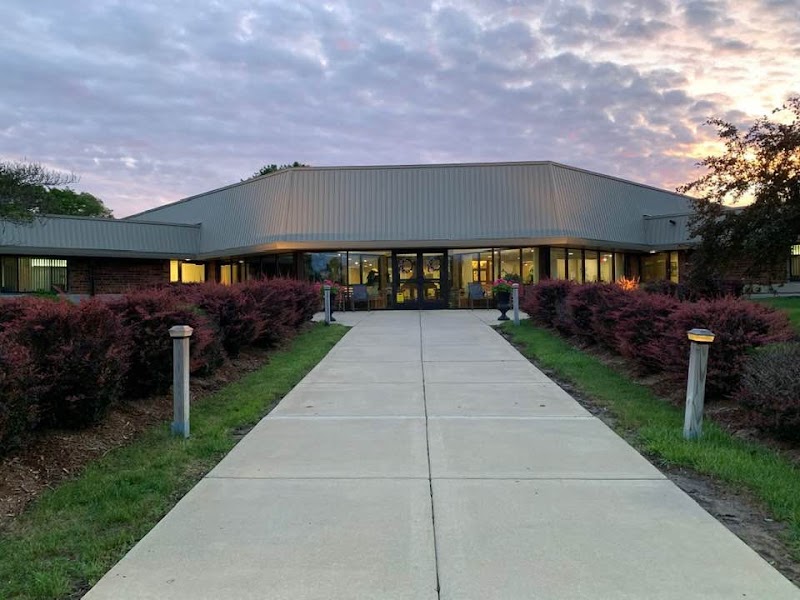
Who Owns and Operates Alpine Fireside?

ALPINE FIRESIDE HEALTH CENTER is owned by a for-profit company. For-profit facilities operate as businesses with obligations to shareholders or private owners. The facility operates independently rather than as part of a larger chain. With 66 certified beds and approximately 34 residents (about 52% occupancy), it is a smaller facility located in ROCKFORD, Illinois.
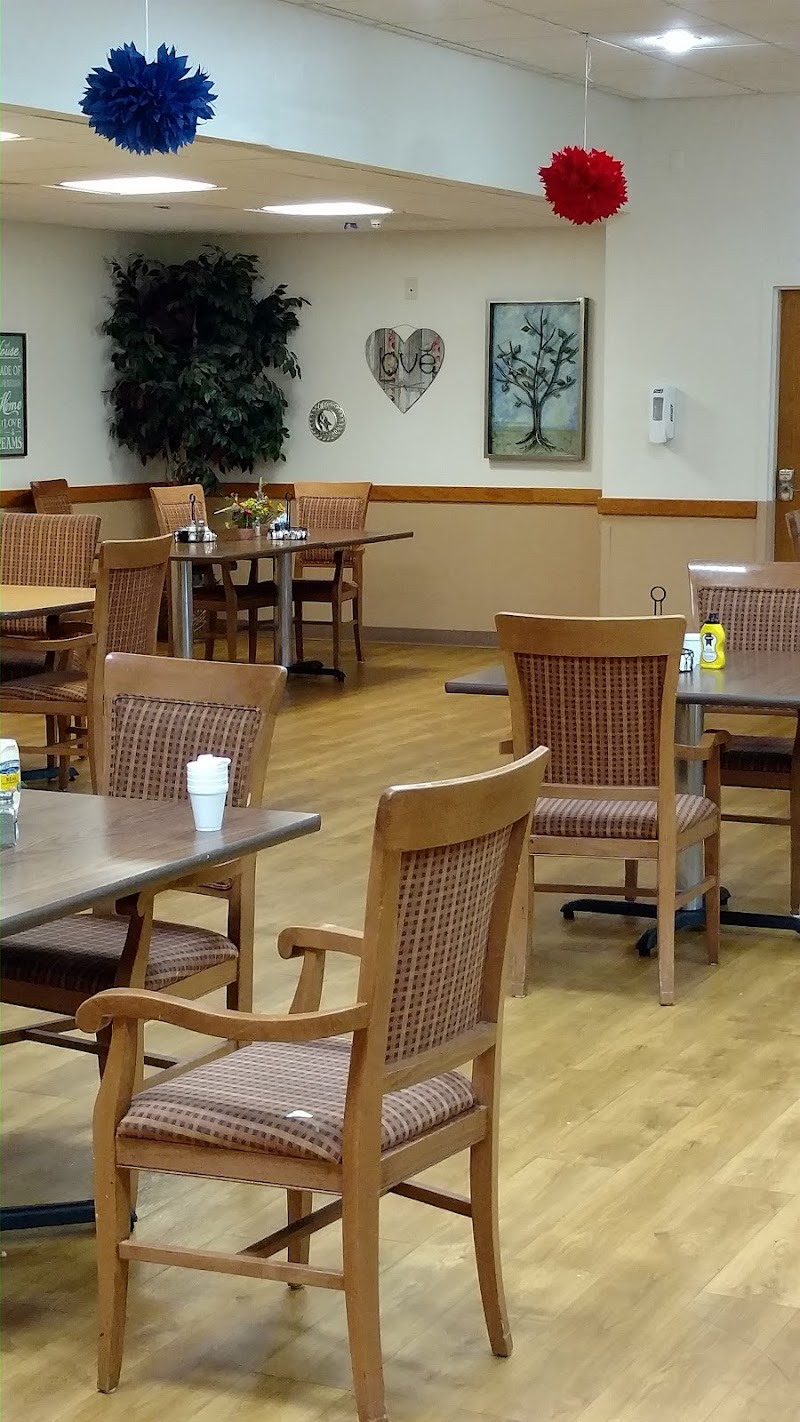
How Does Alpine Fireside Compare to Other Illinois Nursing Homes?

Compared to the 100 nursing homes in Illinois, ALPINE FIRESIDE HEALTH CENTER's overall rating (2 stars) is below the state average of 2.5, staff turnover (52%) is near the state average of 46%, and health inspection rating (4 stars) is above the national benchmark.

What Should Families Ask When Visiting Alpine Fireside?

Based on this facility's data, families visiting should ask: "Can you walk me through typical staffing levels on day, evening, and night shifts?" "Can I visit during a mealtime to observe dining assistance and food quality?" "How do you handle medical emergencies, and what is your hospital transfer rate?" "Can I speak with family members of current residents about their experience?" These questions are particularly relevant given the below-average staffing rating.

Is Alpine Fireside Safe?

Based on CMS inspection data, ALPINE FIRESIDE HEALTH CENTER has a clean safety record: no substantiated abuse findings (meaning no confirmed cases of resident harm), no Immediate Jeopardy citations (the most serious violation level indicating risk of serious injury or death), and is not on the Special Focus Facility watch list (a federal program monitoring the lowest-performing 1% of nursing homes). The facility has a 2-star overall rating and ranks #100 of 100 nursing homes in Illinois. While no facility is perfect, families should still ask about staff-to-resident ratios and recent inspection results during their visit.

Do Nurses at Alpine Fireside Stick Around?

ALPINE FIRESIDE HEALTH CENTER has a staff turnover rate of 52%, which is 6 percentage points above the Illinois average of 46%. Moderate turnover is common in nursing homes, but families should still ask about staff tenure and how the facility maintains care continuity when employees leave.

Was Alpine Fireside Ever Fined?

ALPINE FIRESIDE HEALTH CENTER has no federal fines on record. CMS issues fines when nursing homes fail to meet care standards or don't correct problems found during inspections. The absence of fines suggests the facility has either maintained compliance or corrected any issues before penalties were assessed. This is a positive indicator, though families should still review recent inspection reports for the full picture.

Is Alpine Fireside on Any Federal Watch List?

ALPINE FIRESIDE HEALTH CENTER is not on any federal watch list. The most significant is the Special Focus Facility (SFF) program, which identifies the bottom 1% of nursing homes nationally based on persistent, serious quality problems. Not being on this list means the facility has avoided the pattern of deficiencies that triggers enhanced federal oversight. This is a positive indicator, though families should still review the facility's inspection history directly.