AMBERWOOD CARE CENTRE
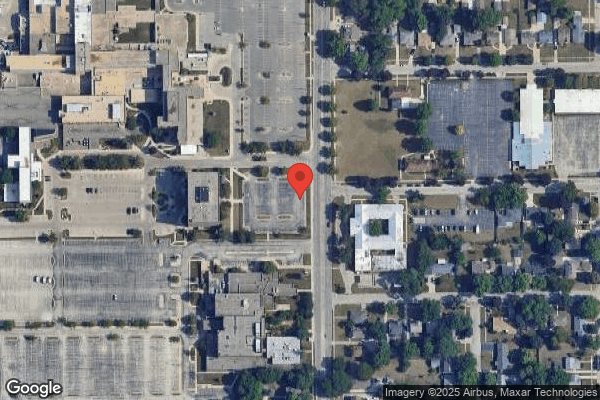
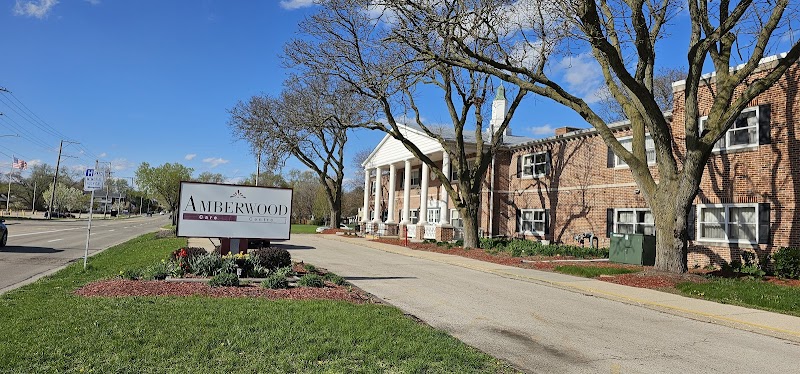
2313 NORTH ROCKTON AVENUE, ROCKFORD, IL 61103 (815) 964-2200
For profit - Limited Liability company 135 Beds CITADEL HEALTHCARE Data: November 2025
Trust Grade
60/100
#214 of 665 in IL
Last Inspection: September 2024

Within standard 12-15 month inspection cycle. Federal law requires annual inspections.

Overview

Amberwood Care Centre in Rockford, Illinois, has a Trust Grade of C+, which indicates it's slightly above average but not exceptional. It ranks #214 out of 665 facilities in Illinois, placing it in the top half, and #5 out of 15 in Winnebago County, meaning only four local options are higher ranked. The facility is showing an improving trend, with the number of reported issues decreasing from 9 in 2024 to 6 in 2025. Staffing is a concern, rated at 2 out of 5 stars with a turnover rate of 39%, which is better than the state average but still below ideal standards. Notably, there have been some worrying incidents, such as failing to ensure the facility maintained a comfortable temperature during an air conditioning outage and not properly managing food safety, including expired items in the refrigerator. While there are strengths like having no fines on record, families should weigh these issues when considering Amberwood Care Centre.

Trust Score
C+
60/100
In Illinois
#214/665
Top 32%
Safety Record
Low Risk
No red flags
Inspections
Getting Better
9 → 6 violations
Staff Stability
○ Average
39% turnover. Near Illinois's 48% average. Typical for the industry.
Penalties
✓ Good
No fines on record. Clean compliance history, better than most Illinois facilities.
Skilled Nurses
⚠ Watch
Each resident gets only 26 minutes of Registered Nurse (RN) attention daily — below average for Illinois. Fewer RN minutes means fewer trained eyes watching for problems.
Violations
⚠ Watch
42 deficiencies on record. Higher than average. Multiple issues found across inspections.
★★★☆☆
3.0
Overall Rating
★★☆☆☆
2.0
Staff Levels
★★★☆☆
3.0
Care Quality
★★★☆☆
3.0
Inspection Score
Stable
2024: 9 issues
2025: 6 issues

The Good

  • Full Sprinkler Coverage · Fire safety systems throughout facility
  • No fines on record
  • Staff turnover below average (39%)

    9 points below Illinois average of 48%

Facility shows strength in fire safety.

The Bad

3-Star Overall Rating

Near Illinois average (2.5)

Meets federal standards, typical of most facilities

Staff Turnover: 39%

Near Illinois avg (46%)

Typical for the industry

Chain: CITADEL HEALTHCARE

Part of a multi-facility chain

Ask about local staffing decisions and management

The Ugly 42 deficiencies on record

Jul 2025 2 deficiencies
CONCERN (F) 📢 Someone Reported This

A family member, employee, or ombudsman was alarmed enough to file a formal complaint

Potential for Harm - no one hurt, but risky conditions existed

Safe Environment (Tag F0584)

Could have caused harm · This affected most or all residents

**NOTE- TERMS IN BRACKETS HAVE BEEN EDITED TO PROTECT CONFIDENTIALITY** Based on observation, interview, and record review the facility failed to ensure the facility was at a comfortable temperature a...

Read full inspector narrative →
**NOTE- TERMS IN BRACKETS HAVE BEEN EDITED TO PROTECT CONFIDENTIALITY** Based on observation, interview, and record review the facility failed to ensure the facility was at a comfortable temperature and failed to accurately assess and monitor ambient room temperatures during an outage of the air conditioning system. This applies to all residents residing in the facility. The findings include: The facility provided a resident roster dated 6/23/25 showing 121 residents were residing in the facility. R2's face sheet showed he was admitted to the facility 11/2/23 with diagnoses to include dysarthria, hemiplegia and hemiparesis, muscle weakness, depression, congestive heart failure, and atherosclerotic heart disease. R7's face sheet showed he was admitted to the facility 9/5/23 with diagnoses to include Multiple sclerosis, venous insufficiency, muscle spasm, hyperlipidemia, muscle weakness, hypertension, and activated protein c resistance. R8's face sheet showed he was admitted to the facility 9/7/23 with diagnoses to include Chronic Obstructive Pulmonary Disease, cognitive communication deficit, anxiety disorder, depression, radiculopathy, polyneuropathy, Type 2 Diabetes, spinal stenosis, and low back pain. R8's facility assessment dated [DATE] showed he has no cognitive impairment. R9's face sheet showed he was admitted to the facility 6/24/22 with diagnoses to include spinal stenosis, atrial fibrillation, emphysema, chronic kidney disease, anxiety disorder, and hyperlipidemia. R9's facility assessment dated [DATE] showed she has no cognitive impairment. R10's face sheet showed he was admitted to the facility on [DATE] with diagnoses to include anxiety disorder, paroxysmal atrial fibrillation, congestive heart failure, muscle weakness, acute kidney failure, presence of prosthetic heart valve, hypertension, anemia in chronic kidney disease, and seizures. R10's facility assessment dated [DATE] showed he has moderate cognitive impairment. On 6/24/25 at 12:46 PM, R7 was lying in bed. R7 said he was doing good except the heat issue which has been going on since Friday (6/20/25). R7 said the facility is working on the issue but it is taking forever. R7 said,They have a maintenance guy working on it. It affects my MS (multiple sclerosis). I spent Friday, Saturday, Sunday, and Monday in bed to not take any chances. I get really weak with heat due to my MS (Multiple Sclerosis). At first they were checking temperatures, it was 86 degrees in here and that is way too hot for me. They had the air conditioning working at one point but then it broke down completely. On 6/24/25 at 12:32 PM, R8 said, They have to fix this air conditioning. Its been really hot . On 6/24/24 at 3:01 PM, V5 CNA (Certified Nursing Assistant) said, . I didn't work this past weekend but I worked yesterday (6/23/25). It was drastically hot. I was sweating . A lot of them stayed in their rooms with the fans on . On 6/25/25 at 1043, R10 said, The staff have been encouraging water but they haven't offered a room change. I would have moved rooms if there was one cooler available. This heat made me sleep more because I have been trying to ignore it. I guess it is not too bad right now but it sure could be cooler. I wasn't offered a fan. A fan would probably help. On 6/25/25 at 10:50 AM, R2 said, . I'm just trying to stay cool. Our room was hot last night. Today (6/25/25) and yesterday (6/24/25) for sure were hot in here. Its hotter in here today than it was yesterday. My eyes are watering and my nose is stopped up . The facility's temperature log dated 6/21/25 at 2:50 PM showed 24 of 26 temperatures recorded throughout areas of the facility were out of range. The out of range temperatures were between 80.1 degrees through 83.5 degrees Fahrenheit. The facility's temperature log dated 6/21/25 at 3:29 PM showed 17 of 23 temperatures recorded were out of range. The out of range temperatures were between 80.2 degrees and 86.9 degrees. The facility's temperature log dated 6/21/25 at 4:21 PM showed 11 of 28 temperatures recorded throughout areas of the facility including resident rooms and common areas were out of range. The out of range temperatures were between 80.1 degrees and 85.5 degrees. The facility's temperature log dated 6/21/25 at 5:19 PM showed 14 of 29 temperatures recorded throughout areas of the facility including hallways and resident rooms were out of range. The out of range temperatures were between 80.4 degrees and 86.2 degrees. The facility's temperature log dated 6/21/25 at 10:30 PM showed 20 of 21 temperatures recorded throughout areas of the facility were out of range. The out of range temperatures were between 80.1 degrees and 84.5 degrees. The facility's temperature log dated 6/22/25 and titled 3rd shift showed 28 of 44 temperatures recorded throughout areas of the facility were out of range. The out of range temperatures were between 80.4 degrees to 86.2 degrees. The facility's temperature log dated 6/22/25 at 7:00 AM showed 20 of 26 temperatures recorded throughout areas of the facility including hallways and resident rooms were out of range. The out of range temperatures were between 80.1 degrees and 88.6 degrees. The facility's temperature log dated 6/22/25 at 9:00 AM showed 30 of 62 temperatures recorded throughout areas of the facility remained out of range. The out of range temperatures were between 80.1 degrees and 86.4 degrees. The facility's undated and untimed temperature log showed 13 of 28 temperatures recorded throughout the facility were out of range. The out of range temperatures were between 80.6 degrees and 85.3 degrees. The facility's temperature log dated 6/22/25 at 12:02 PM showed 19 of 46 temperatures recorded throughout areas of the facility including resident rooms were out of range. The out of range temperatures were between 80.3 degrees and 84.8 degrees. The facility's temperature log dated 6/22/25 at 12:44 PM showed 3 of 22 temperatures recorded throughout the facility were out of range. This log sheet showed a notation that R7's room had no air at all. The out of range temperatures were between 80.0 degrees through 91.0 degrees. The facility's temperature log dated 6/22/25 between 3:30 and 4:00 PM showed 26 of 41 temperatures recorded throughout areas of the facility were out of range. The out of range temperatures were between 80.3 degrees and 85.4 degrees. The facility's temperature log dated 6/22/25 at 5:00 PM showed 17 of 37 temperatures recorded throughout areas of the facility including resident rooms remained out of range. The out of range temperatures were between 81.0 degrees and 85.8 degrees. The facility's temperature log dated 6/22/25 and titled 2nd shift showed 23 of 35 temperatures recorded throughout areas of the facility were out of range. The out of range temperatures were between 80.2 degrees and 86.5 degrees. The facility's temperature log dated 6/22/25 at 10:00 PM showed 31 of 37 temperatures recorded were out of range. The out of range temperatures were between 80.2 degrees and 88.0 degrees. The facility's temperature log dated 6/22/25 at 11:30 PM showed 28 of 43 temperatures recorded throughout areas of the facility were out of range. The out of range temperatures were between 80.1 degrees and 86.5 degrees. The facility's temperature log dated 6/23/25 at 3:30 AM showed 17 of 46 temperatures recorded were out of range. The out of range temperatures were between 80.2 degrees and 85.8 degrees. The last temperature log kept by the facility was dated 6/23/25 at 9:30 AM and showed 23 temperatures were recorded and all within range. No logs were presented for 6/24/25 and 6/25/25. On 6/25/25 at 2:28 PM, V1 Administrator and this surveyor entered R7's room and used a thermometer that is capable to checking ambient room air temperatures. R7's room was 81 degrees. On 6/25/25 at 10:54 AM, V10 (Maintenance Director) said, Right now we have a technician from [a local heating and air repair company] working on cleaning the compressors. The outage was reported to me on Saturday (6/21/25) around 1:40 PM by the nurse who was on call . I called and verified the problem. They confirmed it was hotter in some areas of the building than others. I told them to check the rest of the units on 2nd floor. At that moment I called [a local heating and air conditioning repair company] and opened a ticket telling them we had no air conditioning and that it was an emergency because we are a healthcare place. I notified the Administrator and Director of Nursing that the air conditioning was not working. Around 3:30 PM, I called [the heating and air conditioning repair company] again since I hadn't heard anything from them and reiterated this was a very emergency and we had 127 residents in the building with no air conditioning. Give or take 10-20 minutes later I received a call from the technician saying he was already on his way over here. We got the air conditioning up and running on Saturday (6/21/25). Our air conditioning system has 2 chillers, a stage 1 and a stage 2. He was able to put stage 1 back up and running. The technician here now came back Sunday (6/22/25) in the early morning to work on stage 2 . Monitoring was put in place of temperatures. We were doing all surface temperatures. V10 showed the thermometer to the surveyor. V10 said, This is the only thermometer we use. I did the first monitoring of temperatures and we were doing the temps almost every hour of different areas of the facility. We were also taking temperatures in the hallways and in the rooms to make sure what temperature both hallways and rooms were. I turned all those log sheets into the administrator as well. We are still monitoring temperatures at this time. I haven't done any since yesterday (6/24/25).We can not be any higher than 80 degrees so the temperatures that we are normally at are around 74-76 degrees. This is for hallway temperature and room temperature as well. The technician yesterday put the replacement parts in. Today he arrived around 7:00 AM and he is cleaning the condenser on the roof. He did have to shut the system down to clean the compressor. On 6/25/25 at 11:00 AM, V10 used the thermometer and checked the temperature in the hallway. The temperature of the hallway was 81.5 degrees. On 6/24/25 at :44 PM V1 (Administrator) said, The air conditioning issues started on Saturday (6/21/25). We got the people out and they got it back up and going but it had a hard time keeping up. We ordered portable units in to supplement, they were here Saturday (6/21/25) and Sunday (6/22/25). Sunday there were temporary parts put in. We got more portable units yesterday. Today they were back in and put the permanent parts in. Everything is up and running at this time . We were rounding with extra water passes. monitoring residents, and monitoring temperatures. There were some rooms that were in the low to mid 80 degrees. We offered room moves . On 6/25/25 at 12:30 PM, V1 said she has obtained thermometers that read ambient air temperatures and would be checking temperatures throughout the facility. V1 said she was not aware that surface temperatures were not sufficient for monitoring room temperatures. The facility's policy and procedure effective 4/1/24 showed, Summer Temperature Monitoring Guidelines, Purpose: to provide a safe and comfortable environment for residents. To determine if the Extreme Hot weather Guidelines need to be implemented. Person Responsible: Facility Administrator. Guidelines: Routine temperature and humidity monitoring of the facility will occur at minimum of two times per day during daylight hours. For example, 10:00 AM and 4:00 PM. These temperatures/humidity's are to be taken in the warmest areas of facility identified through base-line monitoring. Should the combined value fall in the shaded area of the chart the Hot Weather Policy must be implemented . Should it be determined that the high temperatures procedures do not sufficiently maintain resident safety for an extended period of time determined by facility Administrator in concert with the [NAME] President of Clinical Operations. The facility will consult with Public Health regarding next steps to ensure resident well being . The facility's policy and procedure with revision date of 4/15/24 showed, Extreme Hot Weather Guidance . Purpose: Provide guidance to facility in times of unseasonably hot weather and/or cooling system malfunction. Responsible Party: Facility staff . Should the temperature index for relative humidity and temperature in this facility rise above 80 degrees, the facility shall implement the appropriate high temperature procedures. Should a specific area of the facility rise above 80 degrees, it may be necessary to relocate residents to a cooler section of the facility .
CONCERN (F) 📢 Someone Reported This

A family member, employee, or ombudsman was alarmed enough to file a formal complaint

Potential for Harm - no one hurt, but risky conditions existed

Deficiency F0838 (Tag F0838)

Could have caused harm · This affected most or all residents

Deficiency Text Not Available

Read full inspector narrative →
Deficiency Text Not Available
Jul 2025 1 deficiency
CONCERN (F) 📢 Someone Reported This

A family member, employee, or ombudsman was alarmed enough to file a formal complaint

Potential for Harm - no one hurt, but risky conditions existed

Food Safety (Tag F0812)

Could have caused harm · This affected most or all residents

Based on observation, interview, and record review the facility failed to ensure foods were dated, expired foods were discarded, and kitchen temperature logs were complete. This applies to all residen...

Read full inspector narrative →
Based on observation, interview, and record review the facility failed to ensure foods were dated, expired foods were discarded, and kitchen temperature logs were complete. This applies to all residents residing in the facility. The findings include: The facility census report dated 6/30/25 showed 123 residents resided in the facility. On 7/1/25 at 9:29 AM, the reach-in refrigerator had multiple food items missing dates. The items included five plated lettuce salads, half a brick of open butter, open cheese slices, a plastic container of fruit cocktail, an open bag of shredded cheese, an opened and browning bag of shredded lettuce. The same refrigerator had a plastic container of puree bread dated 6/23 and a cut up watermelon dated 6/25. A stainless-steel pan held an undated turkey breast in the same refrigerator. At 9:39 AM, V5 (Dietary Aide) stated any undated food needs to be tossed out. No date means it must go in the garbage. The dates tell us when it is too old to serve and when the food has gone bad. On 7/1/25 at 9:45 AM, the walk-in refrigerator had approximately 28 individual size cups of pudding which were all undated. The same refrigerator had a tub of cottage cheese that showed best by 6/28/25. The refrigerator had a tub of sour cream with an expiration date of 4/21/25. On 7/1/25 the five temperature logs for all the refrigerators and freezers were reviewed by this surveyor. Each log was posted on the unit doors and reflected the month of June 2025. Multiple days were missing on every log. Dietary staff were questioned for the location of the current day's temperatures and were unable to locate any of them. On 7/1/25 the food temperature logs were reviewed with V4 (Dietary Manager) present. Multiple food temperatures were missing from the logs, including multiple days at a time for the evening meals. On 7/1/25 at 9:50 AM, V4 (Dietary Manager) stated the July 2025 refrigerator and freezer logs have not been put out yet. They have not even been started. They should be done every day and somebody didn't do it right. The storage units (refrigerators and freezers) need temperature checks at least two times each day. It ensures the units are working correctly and keeps resident food safe. Bad storage temperatures can spoil food and make residents sick. V4 was questioned about the multiple missing temperatures on the June logs and said there is no way to know if the units were working right if the temperatures aren't on the logs. V4 said every food needs a date to show when it comes in and when it was opened. Old food is dangerous to eat. Any food that is expired or not dated should be thrown out. All the kitchen staff are responsible for dating food and checking the dates. V4 said the cooks are responsible for taking and documenting final cooking temperatures. It should be done every meal to be sure the food is hot and cooked to the proper temperature. No temperatures mean someone is forgetting to do it and that is a problem. On 7/1/25 at 10:58 AM, R2 and R4 were interviewed together. Both residents stated the food is up and down. Some days it is cold and just recently they got served burnt chicken. Both stated it was so tough and overcooked it was hard to chew. On 7/1/25 at 11:14 AM, R3 said the food is terrible and the kitchen messes up a lot. V3 stated she eats outside food a lot because it is so bad. On 7/1/25 at 11:20 AM, R1 stated the food is not edible and gets delivered cold most of the time. At 11:52 AM, R1 was seated in her room with her lunch tray and said this turkey burger and fries are cold today too. On 7/1/25 at 11:50 AM, R7 was eating his lunch in his bed and said this food is super cold. On 7/1/25 at 12:07 PM, R5 and R6 were interviewed together. Both residents said it is cold or else overcooked many times. R6 had an untouched lunch tray next to him and said this arrived ice cold today. On 7/1/25 at 12:13 PM, V7 (Certified Nurse Aide) said residents complain about the food all the time. They don't like it and many of them leave their food uneaten. On 7/1/25 at 12:15 PM, V8 (Certified Nurse Aide) said the kitchen makes a lot of errors and we must take time away from our duties to correct them. Residents say the food is bad and cold a lot. The facility's June 2025 food temperature logs were reviewed and showed missing temperature documentation for every day except June 17 and June 24. The facility's undated Food Temperatures Correct Use of the Thermometer policy states: Food temperatures are taken and recorded on the temperature monitoring log which indicates the correct temperature for each item .Corrective action is taken for foods not meeting the temperature standard. The facility's undated Storage of Food and Supplies policy states: 4. Prepared foods stored in the refrigerator until service will be covered, labeled, and dated with an expiration date. 6. All foods will be covered, labeled, and dated.
May 2025 2 deficiencies
CONCERN (D) 📢 Someone Reported This

A family member, employee, or ombudsman was alarmed enough to file a formal complaint

Potential for Harm - no one hurt, but risky conditions existed

Report Alleged Abuse (Tag F0609)

Could have caused harm · This affected 1 resident

**NOTE- TERMS IN BRACKETS HAVE BEEN EDITED TO PROTECT CONFIDENTIALITY** Based on interview and record review, the facility failed to report an injury of unknown origin for 1 of 3 residents (R1) review...

Read full inspector narrative →
**NOTE- TERMS IN BRACKETS HAVE BEEN EDITED TO PROTECT CONFIDENTIALITY** Based on interview and record review, the facility failed to report an injury of unknown origin for 1 of 3 residents (R1) reviewed for accidents in the sample of 3. The findings include: On 5/14/25 at 10:38 AM, V2, Director of Nursing (DON), said R1 did not fall on 4/30/25, the last time he fell prior to 4/30/25 was on 4/23/25. V2 agreed that her report to IDPH dated 5/1/25 could be misleading since it shows the date of incident is 4/30/25 at 6:00 PM, then describes R1 being found on the floor. V2 said they attributed R1's rib fractures (discovered on 4/30/25) to his fall from 4/23/25. V2 said she did not do an additional report on R1's rib fractures as an injury of unknown origin. On 5/14/25 at 11:09 AM, V3, Licensed Practical Nurse (LPN), said R1 fell on (Wednesday) 4/23/25. R1 was found at the end of his roommate's bed on the floor on his bottom, he was not in a weird position, and no objects were present that he would have fallen onto. V3 said R1's roommate said R1 was walking to the bathroom and fell to the floor onto his butt. V3 said she assessed R1, checked his range of motion and vital signs. V3 said R1 had no pain, bruising, or complaints. V3 said two CNAs (certified nursing assistants) used a gait belt and assisted R1 to a standing position and walked him to the bathroom. R1 did not have any complaints while walking and was not guarding. V3 said she took care of R1 again the following Monday (4/28/25) and noted nothing out of the ordinary. R1 did not complain of anything, he was quiet and did not complain of pain. V3 said V4, LPN, was R1's nurse on 4/30/25 from 7:00 AM until 7:00 PM and R1 complained of pain in his side. V3 said R1 did not have a new injury or accident between 4/23/25 and 4/30/25. On 5/14/25 at 11:46 AM, V4 said the CNA, V5, reported that R1 was guarding his right side and saying ow when she was toileting him on 4/30/25. V4 said she did a body check and R1 complained of pain with movement, especially bending to the side. R1 was grimacing and saying ouch. V4 said she informed V2, and the nurse practitioner (NP) and an X-ray was ordered. V4 said she is one of R1's primary nurses and R1 had no complaints of pain prior to 4/30/25, and his pain was noticeable that day with grimacing. V4 said nothing happened to him on 4/30/25; she looked at his record and saw his last fall was on 4/23/25. R1 had no other accidents, incidents, or injuries and there was no bruising or deformity noted on his skin check. V4 said it does not seem like R1's rib fractures happened when he fell on 4/23/25 because he did not have pain until 4/30/25, and that is what made her so concerned about his pain. V4 said she has no idea what could have triggered R1's rib pain on 4/30/25. On 5/14/25 at 12:48 PM, V5, said R1 is on her permanent assignment. V5 said on 4/30/25 when she returned from being off work for four or five days, R1 started complaining of pain and was grabbing his right side every time she moved him. V5 said R1 didn't know what was wrong and she notified V4 right away. V5 said no one had reported any injuries or falls or that R1 was having pain when she started her shift on 4/30/25; nothing was reported of which she knows. V5 said R1 was not having any pain the previous time she had cared for him. On 5/14/25 at 2:41 PM, V7, LPN, said she came in to work (night shift) and got report from (evening shift) V3, on 4/30/25. V7 said she works almost every night on R1's floor. V7 said she was told V4 discovered R1 started having right sided pain that day. V7 said R1 did not have any pain the night before when she cared for him. V7 said it was completely new, nothing happened to R1 the night before (4/29/25) when she cared for him. V7 said he was himself; he had no injuries and no falls. V7 said R1's pain was, a total shock to her. On 5/14/25 at 1:15 PM, V6, Physician, said it seems odd that R1 fell on 4/23/25 and began having pain on 4/30/25. V6 said she would think R1 would have had pain immediately after falling on 4/23/25 if he sustained rib fractures as rib fractures can be very painful. V6 said it's difficult to attribute R1's rib fractures found on 4/30/25 with his fall on 4/23/25. V6 said it's hard to believe R1's fall on 4/23/25 could have caused his rib fractures identified on 4/30/25 since he had no pain immediately. V6 said she saw R1 on 5/1/25 and R1 was splinting his ribs, grimacing in pain with movement, and there was even a little tear coming from his eye. V6 said she prescribed him stronger medications to help with his pain. R1's Progress Notes show documentation on 4/23/25 at 9:43 PM that R1 was found on the floor in his room with no injury noted. The very next progress note documented was on 4/30/25 at 10:30 AM which shows R1 complained of pain to his right rib area and was noted to be holding his side and grimacing. R1's admission Record dated 5/14/25 shows R1's diagnoses include, but are not limited to cognitive communication deficit, dementia, and metabolic encephalopathy. R1's Minimum Data Set, dated [DATE] shows R1 has severe cognitive impairment. R1's Medication Administration Record for 4/1/25 to 4/30/25 shows R1 had a pain rating of 0 for the entire month until 4/30/25 when he had a pain rating of 5. R1's Radiology Results obtained 4/30/25 at 2:08 PM and resulted on 5/1/25 at 12:06 AM show R1 has acute minimally displaced right lateral fractures of his 10th and 11th ribs. The facility's Incidents by Incident Type log for the period of 3/1/25 to 5/14/25 show R1 fell on 4/23/25 and no other incidents were listed for R1 between his fall on 4/23/25 and 4/30/25. The facility was unable to provide a report regarding R1's injury of unknown origin discovered on 4/30/25. The facility's Abuse and Prevention Program shows the facility will file accurate and timely investigative reports. An injury should be classified as an injury of unknown source when the source of the injury was not observed by any person, or the source of the injury could not be explained by the resident and the injury is suspicious because of the extent of the injury. The Department of Public Health will be notified of an injury of unknown source.
CONCERN (D) 📢 Someone Reported This

A family member, employee, or ombudsman was alarmed enough to file a formal complaint

Potential for Harm - no one hurt, but risky conditions existed

Investigate Abuse (Tag F0610)

Could have caused harm · This affected 1 resident

Deficiency Text Not Available

Read full inspector narrative →
Deficiency Text Not Available
Jan 2025 1 deficiency
CONCERN (D) 📢 Someone Reported This

A family member, employee, or ombudsman was alarmed enough to file a formal complaint

Potential for Harm - no one hurt, but risky conditions existed

Pharmacy Services (Tag F0755)

Could have caused harm · This affected 1 resident

**NOTE- TERMS IN BRACKETS HAVE BEEN EDITED TO PROTECT CONFIDENTIALITY** Based on interview and record review the facility failed to ensure pain and anxiety medications were documented on the Medicatio...

Read full inspector narrative →
**NOTE- TERMS IN BRACKETS HAVE BEEN EDITED TO PROTECT CONFIDENTIALITY** Based on interview and record review the facility failed to ensure pain and anxiety medications were documented on the Medication Administration Record for 1 of 3 residents (R1) reviewed for medications. The findings include: R1's face sheet showed he was admitted to the facility 2/14/23 with diagnoses to include Type 2 Diabetes Mellitus without complications, Chronic Obstructive Pulmonary Disease, Chronic Respiratory Failure, Depression, hyperlipidemia, chronic kidney disease, anxiety disorder, dysphagia, anemia, atherosclerotic heart disease, abdominal aortic aneurysm, and peripheral vascular disease. R1's facility assessment dated [DATE] showed he has severe cognitive impairment. R1's January 2025 Physician Order Sheet showed, Ativan 0.5 mg give 0.25 tablet by mouth every 12 hours as needed for anxiety .Norco 5-325 mg Give 1 tablet by mouth every 8 hours as needed for pain . Tylenol Extra Strength Oral Tablet 500 mg . Give 2 tablets by mouth every 6 hours as needed for pain . R1's January 2025 eMAR (electronic Medication Administration Record) showed no documentation of administration of Ativan, Tylenol, or Norco. R1's Narcotic Count Sheet for Lorazepam (Ativan) 0.25 mg tablets showed doses signed out 1/3/25 at 8:00 PM and 1/5/25 at 4:30 PM. R1's Narcotic Count Sheet for Norco 5-325 mg showed doses signed out 1/2/25 and 1/3/25. On 1/10/25 at 9:35 AM, V3 (Licensed Practical Nurse-LPN) said she gave R1 a dose of Ativan on 1/3/25 due to his behaviors of yelling out, being restless, and anxious. V3 said controlled medications should be documented when administered on the eMAR and on the narcotic sign out sheet. On 1/10/25 at 11:24 AM, V6 (LPN) said she gave a dose of Ativan to R1 on 1/5/25 when he was anxious while not feeling well. On 1/10/25 at 10:20 AM, V2 (Director of Nursing-DON) said the nurses are expected to be signing controlled medications out on the eMAR (electronic Medication Administration Record) and on the narcotic sign out sheet. V2 said it is important for the nurses to sign the medication out on the eMAR so other nurses can easily see when the resident last received each medication. The facility's policy and procedure with revision date of April 2007 showed, Documentation of Medication Administration; Policy: The facility shall maintain a medication administration record to document all medications administered. Procedure: A Nurse or Certified Medication Aide (where applicable) shall document all medications administered to each resident on the resident's medication administration record (MAR). 2. Administration must be documented immediately after it is given .
Sept 2024 7 deficiencies
CONCERN (D)

Potential for Harm - no one hurt, but risky conditions existed

Quality of Care (Tag F0684)

Could have caused harm · This affected 1 resident

Based on interview and record review the facility failed to provide the necessary care and services for a resident that required a sleep study for 1 of 25 residents (R28) reviewed for necessary care a...

Read full inspector narrative →
Based on interview and record review the facility failed to provide the necessary care and services for a resident that required a sleep study for 1 of 25 residents (R28) reviewed for necessary care and services in the sample of 25. The findings include: R28's admission Record dated 9/29/23 showed R28 was admitted to the facility with diagnoses of insomnia, dysarthia (difficulty speaking), dysphagia, and CVA (cerebrovascular accident) with right arm/leg hemiplegia (weakness). R28's current care plan showed R28 was dependent on staff for toileting, repositioning, mobility, and transfers. On 9/9/24 at 10:00 AM, V7 (Power of Attorney (POA) for R28) was in the facility, visiting R28. V7 stated, He (R28) was supposed to have a sleep test done months ago but it was never done. They said it was because they didn't have a way to transport him (to the test) after 5 PM. I can't take him myself. He's dead weight. I can't lift him in and out of the car. I also live an hour away. R28's Nurse Practitioner (NP) note dated 12/4/23 showed, Sleep medicine study if ok with PCP (primary care physician) . A physician order for R28, dated 12/5/23, showed, Sleep study, r/o OSA (rule out obstructive sleep apnea). R28's nurses notes and appointment notes dated 12/6/23-3/16/24 were reviewed and showed a sleep study was never completed on R28. R28's nurses note dated 3/16/24 showed, Resident states he is not sleeping well at night. Resident states that current sleep regimen is not working. He was found with his head down on the table sleeping in the dining room. R28's nurses notes and appointment notes dated 3/17/24-5/2/24 were reviewed and showed a sleep study was never completed on R28. R28's nurses note dated 5/2/24 showed, Resident had an appointment today and needs to call to schedule for a sleep study . R28's appointment note dated 6/17/24 showed R28's outpatient sleep study, that had been scheduled for 6/17/24, was canceled by the facility due to the POA (V7) not being able to provide care to R28 during his sleep study testing. R28's notes dated 6/18/24-8/2/24 were reviewed and showed R28 a sleep study was never completed on R28. A physician order for R28, dated 8/2/24, showed V3 Assistant Director of Nursing (ADON), canceled R28's order for a sleep study. On 9/10/24 at 9:20 AM, V3 ADON stated R28's sleep study, ordered in December 2023, was ordered because R28 was having trouble sleeping. When V3 was asked why she canceled R28's sleep study order in August 2024, V3 stated, I am not sure. I might have been going through resident's charts and cleaning up old orders. V3 stated she canceled R28's order for a sleep study without contacting R28's physician. V3 stated, I know we attempted to schedule his study but there was some issue he couldn't go. No family to go with. He still needs the study. We could check to see if it could be done in-house or maybe a staff member could go with him. On 9/10/24 at 9:35 AM, V2 Director of Nursing (DON) stated any outpatient testing or studies ordered on residents should be scheduled as soon as possible. V2 stated, We have had residents go out (out of the facility) for a sleep study before. We have also had residents that have had sleep studies done in-house (in the facility). V2 stated, If family can't go to the test with the resident, I would see if the test could be done here (in the facility) or see if a staff member could go with the resident. The facility's Lab and Diagnostic Test Results-Clinical Protocol policy dated 9/2012 showed, The physician will identify and order diagnostic and lab testing based on diagnostic and monitoring needs. The staff will process test requisitions and arrange for test .
CONCERN (D)

Potential for Harm - no one hurt, but risky conditions existed

Pressure Ulcer Prevention (Tag F0686)

Could have caused harm · This affected 1 resident

Based on observation, interview and record review the facility failed to identify a resident's pressure injury prior to the injury becoming a Stage 2. The facility also failed to implement pressure in...

Read full inspector narrative →
Based on observation, interview and record review the facility failed to identify a resident's pressure injury prior to the injury becoming a Stage 2. The facility also failed to implement pressure injury prevention interventions and pressure relieving interventions. These failures apply to 2 of 6 residents (R28, R120) reviewed for pressure injuries in the sample of 25. The findings include: 1. R28's admission Record dated 9/29/23 showed R28 was admitted to the facility with diagnoses of dysarthia (difficulty speaking), dysphagia, diabetes mellitus, and CVA (cerebrovascular accident) with right arm/leg hemiplegia (weakness). R28's care plan dated 9/21/24 showed R28 was dependent on staff for toileting, repositioning, mobility, and transfers. The plan showed, Check all of body for breaks in skin and treat promptly as ordered by doctor. R28's Monthly Summary report dated 8/10/24 showed R28 had no pressure injuries or impairments to his skin. R28's nurse notes dated 8/11/24-9/8/24 showed no documentation of R28 having any pressure injuries or wounds. On 9/9/24 at 10:00 AM, V7 (Power of Attorney (POA) for R28) was in the facility, visiting R28. R28 was seated in a wheelchair. R28 appeared sleepy. When R28 was asked if he had any pain, R28 stated, My butt. R28 was unable to state when the pain to his buttocks started. V7 stated, I don't think he has any wounds to his butt. No one has reported that to me, but they get him up in the morning and don't lay him down again until after lunch. Some days, he is up in his wheelchair for hours. On 9/9/24 at 10:50 AM, R28 remained seated in a wheelchair. On 9/9/24 at 11:30 AM, R28 remained seated in a wheelchair. On 9/9/24 at 1:11 PM, V6 and V8 Certified Nursing Assistants (CNA) wheeled R28 into his room to provide cares to R28. V6 CNA was asked when she last toileted or provided incontinence care to R28, V6 stated, When I got him up this morning, around 8 AM. V6 and V8 transferred R28 via mechanical lift from his wheelchair to bed. V6 and V8 repositioned R28 in bed and removed R28's incontinence brief. R28's incontinence brief was saturated with urine. Multiple, large, creases were noted to the skin of R28's buttocks. A large, reddened area was noted to R28's sacral area with a quarter-sized, fluid-filled blister noted to R28's right inner sacral area. V6 CNA stated, His bottom is a little red, but he's had that. R28's Wound Assessment Report dated 9/10/24 showed R28 had a new, facility-acquired Stage 2 pressure injury to his sacrum, measuring 4.0 centimeters (cm) x 8.0 cm x unknown. On 9/10/24 at 10:15 AM, V9 Wound Nurse stated R28 is wheelchair bound and dependent on staff for most cares due to his CVA. V9 stated R28 is unable to reposition himself and is incontinent of bowel and bladder. V9 stated she initially assessed R28's sacral wound, on 9/9/24, as a MASD (moisture associated skin damage) that was caused by R28 most likely being wet with urine for periods of time. He is someone who need to be kept clean and dry. He needs to be repositioned every two hours. V9 stated that when she reassessed R28's sacral area on 9/10/24, she staged R28's sacral injury as a Stage 2 pressure injury due to her finding an opened blister to R28's sacrum. The facility's Prevention of Pressure Ulcers/Injuries policy dated 7/2017 showed, The purpose of this procedure is to provide information regarding identification of pressure ulcer/injury risk factors and interventions for specific risk factors . Inspect the skin on a daily basis when performing or assisting with personal care or ADLs (activities of daily living) . Keep the skin clean and free of exposure to urine and fecal manner . At least every two hours, reposition residents who are reclining and dependent on staff for repositioning . 2. On 9/9/24 the facility provided the Pressure Report List. The document show, R120 with an admit date of 6/4/24, has pressure injuries present on admission: stage 4 pressure injury to right hip and stage 3 pressure injury to sacral area. R120's Braden Scale dated 9/9/24 show R120 was a high risk for pressure injuries. R120's careplan date initiated 6/12/24 show Apply pressure reduction or low air loss therapy pressure relieving cushion when up in wheelchair. On 9/9/24 at 9:10 AM, R120 was in bed, a regular mattress was noted in her bed. R120 had a regular foam cushion to her wheelchair. On 9/10/24 at 8AM, (V9) Wound Nurse assessed and provided wound treatment to R120's pressure injuries to right hip stage 4 measuring 1.0 centimeters x1.0 cm x 0.30 cm and sacral area.sacral area stage 3- 2.5cm x.0.5cm x0.10cm V9 said R120's pressure injuries were in advanced stages of stage 3 and stage 4. V9 confirmed that R120 just have a regular mattress. This regular mattress is not indicated for stage 3 or 4. V9 said the facility will order a lo air loss mattress today. V9 said R120 prefers to stay in bed most of the time but will also get a better relieving cushion to R120's wheelchair On 9/10/24 at 1:25 PM, V2 (Director of Nursing) said the facility regular mattress is a pressure relieving mattress indicated only for up to stage 2, not appropriate for R120 who has stage 3 and stage 4 pressure injuries. The facility policy on Prevention of Pressure Ulcers/Injuries dated 2017 show, Support Surfaces and pressure redistribution, Select appropriate support surfaces based on residents mobility, continence, skin moisture and perfusion body size, weight and overall risk factors.
CONCERN (D)

Potential for Harm - no one hurt, but risky conditions existed

Deficiency F0688 (Tag F0688)

Could have caused harm · This affected 1 resident

**NOTE- TERMS IN BRACKETS HAVE BEEN EDITED TO PROTECT CONFIDENTIALITY** 2. R34's Restorative: ROM (range of motion): AROM (active range of motion) to all extremities/all joints x10 reps twice daily do...

Read full inspector narrative →
**NOTE- TERMS IN BRACKETS HAVE BEEN EDITED TO PROTECT CONFIDENTIALITY** 2. R34's Restorative: ROM (range of motion): AROM (active range of motion) to all extremities/all joints x10 reps twice daily do PROM (passive range of motion) if unable to preform AROM. Look Back 30 days. On 8/18/2024, 8/22/2024, 9/1/2024, 9/8/2024 R34 only received AROM one time on those days. On 9/10/2024 at 9:46AM, V4 Registered Nurse Previous Restorative Nurse stated [R34] is part of restorative services. V4 said [R34] should be seen twice a day for restorative AROM or PROM. V4 said the restorative services provided should be documented in the computer twice a day. V4 said if a resident is unavailable staff should follow up with the resident another time to make sure the resident receive services twice a day. The facility's Restorative Nursing Services policy revised July 2017 states residents will receive restorative nursing care as needed to help promote optimal safety and independence. Based on observation, interview and record review the facility failed to provide treatment and services to residents with limited range of motion to to 2 of 10 residents (R120, R34) reviewed for limited range of motion in the sample of 25. The findings include: 1.R120's diagnoses include stroke and transient ischemic attack (TIA) with right sided limitations. R120's admit date [DATE]. On 9/9/24 on 9:10 AM, R120 was in bed. R120 was alert and smiling but aphasic (inability to express herself/communicate) R120's right hand was contracted closed fist and whole right hand curled inward. R120's latest Restorative assessment dated [DATE] show R120 has limitations to extremities including R120's upper extremities. On 9/10/24 at 8:25 AM- (V4) previous Restorative Nurse said R120 was admitted from home due to stroke (admit date [DATE]), with right hand contractures. R120 was assessed at that time due to limited range of motion to her right hand but R120 was not on any Restorative Program (range of motion-ROM). R120 also has no device to her contracted right hand. ROM should have been implemented to prevent further decline. V4 said she will have therapy assessed R120 today. On 9/10/24 at 11 AM, V4 said R120 was just now placed on passive ROM to right hand and AROM to left hand. On 9/10/24 V4 and V12 (present Restorative Nurse) presented this surveyor an Occupational Therapy note dated 9/10/24 (today) documenting, R120 will now have right hand splint. The facility policy entitled Restorative Nursing Services dated 7/2017 show, Residents will receive restorative nursing care as needed to help promote optimal safety and independence.
CONCERN (D)

Potential for Harm - no one hurt, but risky conditions existed

Accident Prevention (Tag F0689)

Could have caused harm · This affected 1 resident

**NOTE- TERMS IN BRACKETS HAVE BEEN EDITED TO PROTECT CONFIDENTIALITY** Based on observation, interview, and record review the facility failed to ensure a resident did not attempt to exit the facility...

Read full inspector narrative →
**NOTE- TERMS IN BRACKETS HAVE BEEN EDITED TO PROTECT CONFIDENTIALITY** Based on observation, interview, and record review the facility failed to ensure a resident did not attempt to exit the facility out a fire exit door, and failed to transfer a resident with a gait belt which applies to 2 of 25 residents (R39, R104) reviewed for safety in a sample of 25. The findings include: 1. R39's Facility assessment dated [DATE] showed R39 to be a [AGE] year old male male with moderate cognitive deficits. This Assessment showed R39 was admitted to the facility with diagnoses which include: cognitive communication deficit, hemiplegia an hemiparesis following a cerebral infarction, and history of traumatic brain injury. On 9/9/24 at 12:10 PM, R39 was attempting to go out the South East fire exit door in his wheelchair at the end of the hallway. The exit door is adjacent to R39's room. R39 pushed the release bar to open the door. The door alarm was not going off when the door was opened. There was no staff in the hallway at the time R39 opened the door. R39 was in his wheelchair having difficulty exiting the door. V14 Human Resources Manager was alerted by this writer to check on R39 as he attempted to exit the doorway. V14 was able to stop R39 from exiting the door. V14 redirected R39 into his room. V14 stated the alarm should have gone off for the door being opened. At the top of the metal doorway the door sensor was hanging down and a wire was sticking out approximately 6 inches. On 9/9/24 at 12:20 PM, V5 Maintenance director arrived at the doorway. V5 opened the door, and the alarm did not go off. V5 pointed to a yellow light on the ceiling. V5 stated that light should flash, and it should have an alarm go off. V5 stated he did not know what happened to the alarm sensor. V5 stated the alarm had been working during morning rounds this morning. V5 stated the sensor may have been damaged and wire looked like it had been hit or pulled by something. V5 stated they had brought in some of the personal protective equipment (PPE) boxes this morning from the storage container (pointed to container in the parking area), and it could have been hit by one of the bigger boxes. V5 stated the alarms should be working all the time. On 9/9/24 at 12:45 PM, V15 (R39 Family) was interviewed with R39 present. V15 stated R39 used to garden a lot, and they have tomato plants we check on. V15 asked R39 if he was trying to go see the tomato plants. R39 nodded yes to the question. On 9/10/23 at 11:35 AM, V2 Director of Nursing stated R39 has had no previous exit seeking behaviors. V2 stated the door alarm should have activated when R39 attempted to go out the door. The facility Door Alarm Policy dated 12/2023 showed .the door alarm system needs to be maintained in proper repair and equipment is functioning appropriately 2. On 09/9/24 at 9:25 AM, V11 (Ccertifide Nursing Assistant-CNA) was in R104's room to transfer R104 from the bed to the wheelchair. R104 scooted himself at the edge of the bed and tried to boost himself up by putting both of his hands in the wheelchair arms in front of him. R104 tried to stand up but then sits back down unable to pull himself up. R104 tried again but still unable to pull himself to standing position, then said to V11, I think I need help V11 (CNA) applied a gait belt around R104 waist, then pulled R104 up by pulling the back of R104's pants then placed R104 in his wheelchair. V11 did not use the gaitbelt that was already in R104's waist to transfer R104 to his wheelchair. R104's careplan dated 6/8/24 show, (R104) has terminal diagnosis of Multiple Sclerosis-hospice services . R104 has intention tremor, nystagmus, other tremors, poor coordination, ataxia, (poor muscle control that causes clumsy movements) history of falls. On 9/10/24 at 1:25 PM, V2 (Director of Nursing) said staff should use gait belt for safe transfers for both staff and the resident. The facility policy entitled Safe Lifting and Movement of Residents dated 7/17 show, In order to protect the safety and well being of staff and residents and to promote quality care, this facility uses appropriate techniques and devices to lift and move residents. 4. Staff responsible for direct resident care will be trained in the use of .(gait/transfer belts.)
CONCERN (D)

Potential for Harm - no one hurt, but risky conditions existed

Incontinence Care (Tag F0690)

Could have caused harm · This affected 1 resident

Based on observation, interview, and record review the facility failed to maintain resident catheters below the level of the bladder and keep the drainage bag off the floor. This applies to 3 of 8 (R6...

Read full inspector narrative →
Based on observation, interview, and record review the facility failed to maintain resident catheters below the level of the bladder and keep the drainage bag off the floor. This applies to 3 of 8 (R66, R90, R39) residents reviewed for catheters in the sample of 25. The findings include: 1. On 9/9/2024 at 11:09AM, R66's urinary catheter drainage bag was observed hanging on the resident's walker level with the resident's bladder. Urine was observed sitting in the catheter tubing with sediment present in the tubing. On 9/10/2024 at 11:53AM, V2 Director of Nursing (DON) said catheter bags should be kept below the level of the resident's bladder to prevent infections. R66's Order Summary Report dated 9/9/2024 shows an order for Foley Catheter, change monthly and PRN (as needed). 3. R39's admission Record dated 5/31/24 showed R39 was admitted with diagnoses of a urinary tract infection and benign prostatic hyperplasia with lower urinary tract symptoms. R39's care plan dated 6/5/24 showed R39 had a urinary catheter placed to drain his urine. On 9/9/24 at 9:03 AM, as this surveyor entered R39's room, V6 Certified Nursing Assistant (CNA) was repositioning R39 in his wheelchair. V6 then placed R39's (uncovered) urinary catheter drainage bag directly on the floor, underneath the seat of R39's wheelchair. On 9/10/24 at 9:35 AM, V2 Director of Nursing stated urinary catheter bags are to be kept off the floor for to prevent infection. The facility's Catheter Care Urinary policy revised September 2014 states, the urinary drainage bag must be held or positioned lower than the bladder at all times to prevent the urine in the tubing and drainage bag from flowing back into the urinary bladder. The facility policy entitled Catheter Care Urinary revised 9/2013 show, The purpose of this procedure is to prevent catheter- associated urinary tract infections. 3. The urinary drainage bag must be held or positioned lower than the bladder at all times to prevent the urine in the tubing and drainage bag from flowing back into the urinary bladder. 2. On 9/9/24 at 11:00 AM, R90 was sitting in his reclined wheelchair in his room. R90's urinary catheter drainage bag was tucked to R90's right side hip level above the level of the bladder. At 12: 15 pm- R90 was still in his room watching TV, catheter bag remained in the same position, tucked on his right side hip level above the level of the bladder, urine was noted backflowing in the tube. V10 (Registered Nurse) who was with this surveyor said the catheter bag needs to be lowered, below the level of the bladder to prevent from urine backing flow to prevent infection. R90's latest careplan show, The resident has a Foley Catheter 16fr 10cc Balloon: Neurogenic bladder, has history of Urinary Tract Infections (UTI's.)
CONCERN (D)

Potential for Harm - no one hurt, but risky conditions existed

Infection Control (Tag F0880)

Could have caused harm · This affected 1 resident

2. The facility's Residents on Enhanced Barrier Precautions list dated 9/9/24 showed R39 was on Enhanced Barrier Precautions (EBP) due to having a urinary catheter in place. On 9/9/24 at 9:03 AM, an ...

Read full inspector narrative →
2. The facility's Residents on Enhanced Barrier Precautions list dated 9/9/24 showed R39 was on Enhanced Barrier Precautions (EBP) due to having a urinary catheter in place. On 9/9/24 at 9:03 AM, an EBP sign hung on the door to R39's room. As this surveyor entered R39's room, V6 Certified Nursing Assistant (CNA) was repositioning R39 in his wheelchair. V6 then placed R39's urinary catheter drainage bag on the floor, underneath the seat of R39's wheelchair. V6 CNA wore gloves but no gown. V6 stated, I just did catheter care and peri-care (incontinence care) on (R39). When V6 was asked if R39 was on Enhanced Barrier Precautions, V6 stated, No, (R39) is not. His roommate is because he (the roommate) has a (urinary) catheter. On 9/10/24 at 9:35 AM, V2 Director of Nursing stated, Anyone with wounds, IV lines (intravenous), or someone that has a (urinary) catheter should be on Enhanced Barrier Precautions. Staff are to wear gowns and gloves when providing cares to residents. The facility's Enhanced Barrier Precautions (EBP) policy dated 3/2023 showed, EBP may be indicated (when Contact Precautions do not otherwise apply) for residents with any of the following: Indwelling medical devices, regardless of MDRO (multidrug-resistant organisms) colonization status (central lines, urinary catheters, feeding tubes, hemodialysis catheters, tracheostomies and ventilators) . The policy showed staff are to don a gown and gloves prior to providing high-contact activities, such as urinary catheter care or incontinence care, to residents. Based on observation, interview and record review the facility failed to wash hands and change gloves and failed to implement Enhance Barrier Precaution (EBP) for 2 of 25 residents ( R104, R39) reviewed for infection control in the sample of 25. The findings include: 1. On 9/9/24 at 9:10 AM, V11 (Certified Nursing Assistant-CNA) was providing incontinence care to R104. R104 had a bowel movement. After providing incontinence care and without changing her soiled gloves, V11 turned R104 side to side and applied new incontinent brief, applied R104's blanket, pulled the privacy curtain, opened R104's closet looking for clothings then said she needs to go out and get something. V11 then removed her soiled gloves and left R104's room without washing her hands. On 9/11/24 at 8:10 AM, V3 (Assistant Director of Nursing -ADON) said staff should change their gloves and wash their hands when completing dirty task to clean task, when the gloves is visibly soiled and when a tasks was completed wash hands to prevent the spread of infection. The Facility Policy entitled Personal Protective Equipment dated 9/2010 -Using gloves, Purpose the use of gloves, 1. To prevent the spread of infection. Handwashing/Hand Hygiene dated 8/2015 show, This facility considers hand hygiene the primary means to prevent the spread of infections.
CONCERN (E)

Potential for Harm - no one hurt, but risky conditions existed

Safe Environment (Tag F0584)

Could have caused harm · This affected multiple residents

Based on observation, interview and record review the facility failed to provide a clean, comfortable, homelike environment to 4 of 25 residents (R92, R28, R19, R84) reviewed for clean, comfortable, h...

Read full inspector narrative →
Based on observation, interview and record review the facility failed to provide a clean, comfortable, homelike environment to 4 of 25 residents (R92, R28, R19, R84) reviewed for clean, comfortable, homelike environment in the sample of 25. The findings include: 1. On 9/9/24 at 8:31 AM, R92 was seated in a wheelchair in his room. Multiple areas of chipped paint were noted on the walls of R92's room. Large, grease-like stains were noted across the walls of R92's room. Large black scuff marks were noted on the wall behind R92's bed. A urinal, half-filled with urine, sat on the floor, by R92's bed. A strong odor of urine was noted in R92's bathroom. R92 stated, My bathroom stinks. My room is dirty looking. I don't live like this. I am a clean person. I have to empty that (urinal). They don't. 2. On 9/9/24 at 10:00 AM, V7 (Power of Attorney (POA) for R28) was in the facility, visiting R28. V7 stated, This place is filthy. The walls are chipped and dirty. V7 pointed to the wall by R28's bathroom. The wall had multiple scuff marks with missing, chipped paint. On 9/9/28 at 11:38 AM, V7 was seated in the first-floor dining room of the facility with R28. V7 pointed to ceiling tiles in the dining room. Two ceiling tiles, located on the northwest part of the dining room ceiling, were covered with a black-like substance. V7 stated, That's mold. On 9/10/24 at 11:30 AM, V5 Maintenance Director stated the facility recently hired a painter due to complaints about the chipped, scuffed walls located throughout the facility. V5 stated he was unsure when the last time the interior of the facility was painted. V5 stated, I took down two moldy ceiling tiles in the first-floor dining room this morning. I need to get better about monitor the ceiling tiles for mold. The facility's Quality of Life-Homelike Environment policy dated 5/2017 showed, The facility staff and management shall maximize, to the extent possible, the characteristics of the facility that reflect a personalized, homelike setting. These characteristics include: Clean, sanitary and orderly environment . 3. On 9/10/24 at 10:15 AM, during the Resident Council Meeting, R19 and R84 stated they had problems with water dripping out of their air/heating units. R19 stated the thermostat in her room cover has been off for a long time. R19 stated the wires and innards are just sticking out. R19 stated the heat/air unit took a long time to change the temperature in the room. R19 and R84 stated the air conditioner/heater units would have water pool under them when they were running. R19 and R84 stated this has happened multiple times. R19 stated a pink basin was placed under the unit to catch the water and needed to be dumped once in a while. R84 stated housekeeping has had to place towels under the unit to collect the water. R84 stated she first time she knew about it was when she stepped in water walking around the end of the bed on the way to the bathroom. On 9/10/24 at 10:35 AM, R19's thermostat did not have a cover on it which had the internal wiring and controls exposed. The cover was not seen in R19's room. R19's air unit was running. The bottom edge of the unit felt damp with a few droples of water on it. On 9/10/24 at 10:45 AM, V5 Maintenance Director translated the interview with V13 Housekeeper. V13 stated R19 and R84's air/heating units have had problems with dripping water when they are running. V13 stated sometimes when they are running we have needed to leave towels and mop up the water when it happens. When it gets hotter out it is worse. On 9/11/24 at 10:30 AM, V5 stated the units in R19 and R84's rooms have had issues with lots of condensation when the air units are running. We need to make sure the drain tubes on the units are clear to drain the water outside which should stop the water dripping on the floor. The water should not be on the floor. We have used towels in R84's room. In R19's room we were using a basin to collect the water dripping from the unit. When it is hotter outside the units work longer which causes more condensation to occur. With the cooler weather it has not been an issue.
Jun 2024 1 deficiency
CONCERN (F) 📢 Someone Reported This

A family member, employee, or ombudsman was alarmed enough to file a formal complaint

Potential for Harm - no one hurt, but risky conditions existed

Menu Adequacy (Tag F0803)

Could have caused harm · This affected most or all residents

Based on observation, interview, and record review the facility failed to ensure the residents received the correct portion size of fried potatoes, mixed vegetable, and pureed Italian sausage during t...

Read full inspector narrative →
Based on observation, interview, and record review the facility failed to ensure the residents received the correct portion size of fried potatoes, mixed vegetable, and pureed Italian sausage during the lunch meal for all residents receiving meals in the facility. The findings include: The facility data sheet dated 6/15/24 shows 126 residents reside in the facility. On 6/15/24 at 12:06PM, V5 (Dietary Aide) was plating the lunch meal. There were three large pans on the steam table: one with Italian sausage, one with mixed vegetable, one with shredded potatoes. There were four smaller pans, one with chopped/ground Italian sausage, pureed Italian sausage and bun, mashed potatoes, and pureed vegetables. The large pan of mixed vegetables had a spoodle with a white handle resting in it. V5 verified this spoodle was a 3 ounce serving size (not the recommended 4 ounce). V5 used the spoodle to scoop up a level serving size of the mixed vegetables and put it on the plates. V5 used his gloved hand to measure a handful of shredded potatoes and put the handful of potatoes on the plate. V5 filled several plates with an Italian sausage and bun, spoodle of vegetables, and a handful of potatoes. V5 was asked how much the serving size of potatoes should be and said, I just give them a handful. I give them a little more than I'm supposed to. The pureed mixed vegetable, mashed potatoes, and chopped Italian sausage had a blue ice cream like scoop in it that V5 used to plate the servings. The pureed bread and Italian sausage had a green handled ice cream like scoop that V5 used to serve this item. V5 said all the residents received the shredded potatoes, except the pureed diets who got mashed potatoes. All the residents got the mixed vegetable except those on pureed diet, who received the pureed mixed vegetable. On 6/15/24 at 12:22PM, V3 (Certified Dietary Manager) looked at the food items on the steam table and the utensils being used to measure the items. V3 verified the pureed vegetables had a blue scoop, measuring 2 ounce (1/4 cup)of vegetable, the meat had a green scoop measuring 2 2/3 ounce of meat/bread, and the spoodle in the regular vegetables measured 3 ounces. V3 said they should be following the recommended serving size listed in the book provided, which also included the menu and recipes for the food items. V3 looked in the book and said the serving size should have been 4 ounces, or 1/2 cup, for the mixed vegetables (not 3 ounces). The pureed mixed vegetables should have been 4 ounces (not the 2 ounces served). V3 said the pureed Italian sausage serving size should be two ounces. V3 said the pureed italian sausage also had the bun pureed with it. V3 was asked if the 2 ounce portion included adding the bun to the meat and serving them together? V3 said no, I'm not sure what the serving size would be then. On 6/15/24 at 12:35PM, V3 said [V5] should not have been measuring the shredded potatoes with his hand. He should be using the recommended scoop. V3 said yes the 2 ounce scoop would be the wrong size for the pureed sausage and bun because the bread was added to the meat and pureed together. The total volume of food changed. On 6/15/24 at 12:40PM, V5 said he should have followed the book to determine how much the serving size of each lunch item should have been. V5 said there is also a sheet hanging on the the wall that tells the serving sizes of utensils. V5 verified he pureed the bun and meat together, and verified he used the 2 ounce scoop (green handle) to dish the pureed meat and bread. V3 (Dietary Manager) was present and looked at the meat and bun pureed mixture. V3 looked at the scoop used for meal service and said it was 2 and 3/4 ounce. V3 said the correct serving size of the pureed Italian sausage and bun should have been 5 and 2/3 ounce or 3/4 cup. On 6/15/24 at 1:40PM, V4 (Registered Dietician) said the menus provided to the facility are created by a dietician. The menu and serving size is designed to ensure the recommended nutrients are given. The serving size is listed for each menu item and is contained in a book in the kitchen. The facility is expected to follow the menu, and the expected serving size. The facility is also supposed to serve food with the appropriate utensil. Utensils are consistent for portion control, hands would not be. V4 said if the facility pureed the Italian sausage and bun together, they would add the serving sizes for each item together, and this would tell them how much of the combined food item should be served. In this case, they would add the recommended portion size of the protein (Italian sausage), with the recommended serving size of the starch (bun) to determine how many ounces to give. V4 said, no 2 ounces would not be an appropriate serving size for the pureed Italian sausage and bun. The goal of the recommended serving size is to meet the nutritional needs, including the recommended vitamins, mineral, and protein needs of the resident. On 6/15/24 at 3:12PM, V2 (Director of Nursing) said yes, they should be following the recommenced serving sizes for the food items based off the menu recommendations. The menu dated 6/15/24 shows the lunch meal consisted of Italian sausage, fried potatoes with onions, seasoned zucchini, chilled pears, hot dog bun, ketchup/mustard, coffee/tea, condiments. The pureed bread serving recommendation in the dietary book shows pureed bread- serving size, 2 slices = # 8 scoop. The pureed Italian sausage serving recommendation in the dietary book shows serving size #12 scoop. This also includes directions to add liquid and thickener when pureeing. It does not include directions to add bread. The fried potatoes and onions serving recommendation in the dietary book shows serving size #8 scoop = 1/2 cup. The seasoned zucchini serving recommendation in the dietary book shows serving size: #8 scoop = 1/2 cup. The pureed seasoned zucchini serving recommendation in the dietary book shows serving size: #8 scoop (1/2 cup). The facility provided a dietary list printed 6/15/24, that showed all residents received regular, ground, or pureed lunch except R20 who is NPO. The facility policy dated 9/26/23 Menu & Nutritional Adequacy pureed Food Preparation shows 2. Standardized recipes will be sued to produce pureed food to maintain nutrient content. 6. Proper scoop sizes will be used. The facility policy dated 9/26/23 Portion Control shows: 1. Dietary staff will serve portions to residents based on planned menus that list the portion size for each food item. 3. Proper serving utensils (ie, scoops, ladles, or spoons) are used to assure accurate portions are served. The facility policy dated 9/25/23 Menu Requirements shows: Menus are developed to meet the Daily Recommended Intake national guidelines, regional food preferences, resident input, and regulatory parameters.
Jan 2024 1 deficiency
CONCERN (D) 📢 Someone Reported This

A family member, employee, or ombudsman was alarmed enough to file a formal complaint

Potential for Harm - no one hurt, but risky conditions existed

Pharmacy Services (Tag F0755)

Could have caused harm · This affected 1 resident

**NOTE- TERMS IN BRACKETS HAVE BEEN EDITED TO PROTECT CONFIDENTIALITY** Based on observation, interview and record review the facility failed to have a narcotic pain patch available for a resident as ...

Read full inspector narrative →
**NOTE- TERMS IN BRACKETS HAVE BEEN EDITED TO PROTECT CONFIDENTIALITY** Based on observation, interview and record review the facility failed to have a narcotic pain patch available for a resident as ordered. This failure applies to one of three residents (R1) reviewed for pain medications in the sample of ten. The findings include: The facility face sheet for R1 shows he was admitted to the facility on [DATE] with diagnoses to include spinal stenosis, bipolar disorder, emphysema, and encephalopathy. The facility assessment dated [DATE] shows R1 to be cognitively intact and is dependent on staff for his care. The December 2023 Physician orders shows an order for a narcotic pain patch to be applied and replaced every 72 hours. The medication administration record for December 2023 shows no pain patch was applied on 12/24/23 or 12/25/23. On 1/10/24 at 1:00PM, R1 said he went without his pain patches for two days and was told the pharmacy had run out of them. On 1/10/24 at 9:30 AM, V9 Licensed Practical Nurse (LPN) said she had placed a pain patch on R1 on 12/26/23, the day the patches were delivered by the pharmacy. V9 said the patches had been reordered but not delivered. V9 said when one pain patch is left in his supply, they should be reordered from the pharmacy. On 1/10/24 at 12:25 PM, V11 LPN said when the pain patches need to be reordered when the supply is down to two to ensure they are delivered in time from the pharmacy. On 1/10/24 at 10:15 AM, V2 Director of Nursing (DON) said the patches were delayed at being delivered due to an insurance issue. V2 said she was unable to see when the pain patches were reordered. V2 said the facility will pay for the patches for R1 until the insurance authorizes them. V2 said the patches should be available for the residents use. On 1/10/24 at 11:09 AM, V10 facility pharmacist said they needed to get prior authorization from R1's insurance company and Physician when they were alerted R1 needed more pain patches. V10 said more patches can not be issued until they get the prior authorization from the insurance or the facility agrees to pay for them. The facility controlled drug receipt form shows the facility used the last pain patch for R1 on 12/21/23 and a new refill was not received until 12/26/23. The facility policy dated July 2016 for Medication and Treatment Orders shows orders for medications and treatments will be consistent with principles of safe and effective order writing. 11. Drugs and biological's that are required to be refilled must be reordered from the issuing pharmacy not less than 3 days prior to the last dosage being administered to ensure that refills are readily available.
Nov 2023 2 deficiencies
CONCERN (D) 📢 Someone Reported This

A family member, employee, or ombudsman was alarmed enough to file a formal complaint

Potential for Harm - no one hurt, but risky conditions existed

Deficiency F0583 (Tag F0583)

Could have caused harm · This affected 1 resident

**NOTE- TERMS IN BRACKETS HAVE BEEN EDITED TO PROTECT CONFIDENTIALITY** Based on observation, interview, and record review the facility failed to provide privacy to a resident while providing personal...

Read full inspector narrative →
**NOTE- TERMS IN BRACKETS HAVE BEEN EDITED TO PROTECT CONFIDENTIALITY** Based on observation, interview, and record review the facility failed to provide privacy to a resident while providing personal care. This applies to one of three residents (R1) reviewed for privacy in the sample of 16. Findings include: The facility face sheet for R1 shows diagnosis to include spinal stenosis, benign prostatic hyperplasia with lower urinary tract symptoms and schizoaffective disorder. The facility assessment dated [DATE] for R1 shows him to have severe cognitive impairment and requires maximum assistance with all care. On 11/15/23 at 11:00 AM, R1 was being provided perineal care by V8 and V9 both Certified Nursing Assistants (CNA). R1 was completely naked and being turned side to side. The privacy curtain between the two beds was not pulled. R1's room mate and V3 Hospice Registered Nurse (RN) were both in the room and had a clear view of the care being provided to R1. On 11/15/23 at 11:10 AM, V3 Hospice RN said she wished the staff had closed the privacy curtain while providing care to R1. V3 said the situation made her uncomfortable. On 11/15/23 at 11:05 AM, V8 CNA said she should have pulled the privacy curtain while providing care to R1 for his privacy. On 11/15/23 at 11:30 AM, V9 CNA said the privacy curtain should have been pulled while providing care to R1. On 11/15/23 at 1:10 PM, V2 Assistant Director of Nursing said she would expect the staff to close the privacy curtain while providing care to a resident to protect the residents privacy. The facility policy with a revision date of 10/2017 for personal privacy shows the facility will strive to protect the resident's privacy regarding his or her personal care.
CONCERN (D) 📢 Someone Reported This

A family member, employee, or ombudsman was alarmed enough to file a formal complaint

Potential for Harm - no one hurt, but risky conditions existed

Deficiency F0760 (Tag F0760)

Could have caused harm · This affected 1 resident

**NOTE- TERMS IN BRACKETS HAVE BEEN EDITED TO PROTECT CONFIDENTIALITY** Based on interview and record review the facility failed to continue an ordered antibiotic when a resident returned from the hos...

Read full inspector narrative →
**NOTE- TERMS IN BRACKETS HAVE BEEN EDITED TO PROTECT CONFIDENTIALITY** Based on interview and record review the facility failed to continue an ordered antibiotic when a resident returned from the hospital. This applies to one of three residents (R1) reviewed for medications on the sample list of 16. Findings inlcude: The facility face sheet for R1 shows diagnosis to include spinal stenosis, benign prostatic hyperplasia with lower urinary tract symptoms and schizoaffective disorder. The facility assessment dated [DATE] for R1 shows him to have severe cognitive impairment and requires maximum assistance with all cares. The hospital records for R1 show he was in the hospital from [DATE] to 10/27/23 with a diagnosis of pyelonephritis (Kidney infection). The final discharge medication list from R1's 10/27/23 hospital discharge shows an order for cefdiner (antibiotic) to be given twice a day for the next 5 days starting on 10/27/23. The October Medication Administration Record (MAR) shows the medication was not started until 10/31/23. (4 days after the ordered start date) The Physician Order Sheet for R1 dated October 2023 shows the order for the antibiotic was not started until 10/31/23. On 11/15/23 at 10:35 AM, V2 Assistant Director of Nursing said when R1 came back from the hospital on [DATE] the order for the antibiotic was not transcribed onto the current orders and R1 did not receive his antibiotic right away. On 11/15/23 at 1:10 PM, V2 said she expects the staff to transcribe all ordered medications. On 11/16/23 at 1:30PM, V19 R1's Physician said the nurses should have started the antibiotic for R1 when he came back from the hospital as it was ordered. The facility policy with a revision date of July 2017 for reconciliation of medications on admission shows 2. Medication reconciliation reduces medication errors and enhances resident safety by ensuring that the medications the resident needs and has been taking continue to be administered without interuption, in the correct dosages and routes, during the admission/tranfer process.
Sept 2023 1 deficiency
CONCERN (D) 📢 Someone Reported This

A family member, employee, or ombudsman was alarmed enough to file a formal complaint

Potential for Harm - no one hurt, but risky conditions existed

Accident Prevention (Tag F0689)

Could have caused harm · This affected 1 resident

**NOTE- TERMS IN BRACKETS HAVE BEEN EDITED TO PROTECT CONFIDENTIALITY** Based on observation, interview, and record review the facility failed to ensure the safety of a resident while sitting unsuperv...

Read full inspector narrative →
**NOTE- TERMS IN BRACKETS HAVE BEEN EDITED TO PROTECT CONFIDENTIALITY** Based on observation, interview, and record review the facility failed to ensure the safety of a resident while sitting unsupervised outside on a patio for 1 of 3 residents (R1) reviewed for safety on the sample list of 6. The findings include: R1's admission Record printed 9/16/23 shows she was admitted on [DATE] with diagnoses including Type 2 Diabetes Mellitus, Hemiplegia and Hemiparesis (partial paralysis on one side of the body) affecting Right side, Aphasia (inability to understand or express speech) following Cerebral Infarction, and Dysphagia (difficulty swallowing food or liquid). R1's facility assessment dated [DATE] shows R1 had severe cognitive impairment. This assessment shows she required extensive assistance of 2 staff with bed mobility, transfers, dressing, and toileting. R1 was not steady with moving from a seated to standing position, walking, turning around, moving on and off the toilet, and with surface-to-surface transfers. R1's cognition care plan initiated 8/5/23 shows she has impaired cognitive function, has poor self and environmental awareness .has difficulty understanding information presented, and difficulty being able to respond to such communications appropriately. This care plan has an intervention to provide me with the supervision that I require and provide me with assistance in decision making tasks. R1's Activity of Daily Living Care Plan initiated 7/31/23 shows R1 requires a max assist of 2 for toileting and transferring. R1's Care Plans also document R1 requires the use of Plavix (antiplatelet) medication due to a history of Cerebral Infarction (Stroke) with interventions including to avoid activities that could result in injury and take precautions to avoid falls. R1's fall assessment dated [DATE] shows she is a moderate risk for falls. R1's admission noted on 7/29/23 shows she speaks Swahili, has poor trunk control-leans to the right, and requires support. R1's progress notes dated 9/12/23 at 5:06PM, shows this nurse informed by other nurse that resident was on the ground in the courtyard. Resident was lying face down per nurse. No bumps or discolorations noted on head. Resident able to do ROM [range of motion] as her usual. Resident pointed to head and frowned Nurse was able to translate her language through phone (language barrier) and resident said she got dizzy and fell out of chair. Resident thinks she hit her head .Order to send to ER for evaluation. R1's progress noted dated 9/13/23 at 5:24 AM shows returned to facility from hospital . On 9/16/23 at 2:06PM there was an outdoor, circular patio courtyard. The patio had doors accessing it from the edge of the dining room hallway, the first floor hallway, and in the sitting room across from the lobby. The patio had a sidewalk made from [NAME] bricks, in a circle, with landscaping planted in the center of the circle, and along the perimeter. The center area had shrubs and a tree. There was a long table located behind the landscaping in the center, toward the back of the patio. The area where the table was located only had an unobstructed view from the doors off the dining room hallway. The view where the table was located, was obstructed from the other two doors, by the shrubs and tree. At 2:10PM, V2, Director of Nursing (DON) said R1 fell by the back table and chairs (behind the circular landscaped area). On 9/16/23 at 10:10AM, V4 (Licensed Practical Nurse) said she was R1's nurse. V4 said R1 had a stroke and had right side weakness. R1's right side is flaccid. R1 speaks very limited English and does not initiate conversation. She will point when she wants something. They have a language line they use to translate, but she does better if they call the family and the family translates over the phone. V4 said R1 is definitely a fall risk. V4 said she heard the day shift CNA took her outside on the day she fell. V4 said that was the first she heard about R1 going out by herself. Usually, her family would take her out and bring her back inside. On 9/16/23 at 11:35AM, V6 (Certified Nurse Assistant- CNA) said she was assigned to care for R1 on the day she fell outside. V6 said R1 is alert and oriented but communicates with hand gestures and pointing. She understands yes/no questions and will nod her head and reach for things when asked. V6 said R1 is total care with transfers and getting in and out of her wheelchair. V6 said R1 can be in the chair by herself but cannot be up for a long period of time. V6 said she did not know R1 was outside (the day she fell). V6 thinks the day shift CNA took her out. V6 said she thinks this was the first time staff had taken her outside. They (staff) should tell us if they take the resident outside. She cannot sit up by herself for long periods of time. On 9/16/23 at 11:45AM, V2 (Director of Nursing-DON) said she did an investigation into R1's fall. V2 said R1 was outside on the patio sitting by herself. A staff member for the dementia care unit and residents from the dementia care unit had been out there earlier, but had gone inside. R1 was the only person outside at the time she fell. A nurse was walking by the patio and saw her on the ground. If a resident wants to go outside, the CNA assigned to the resident should be making frequent checks/rounds on them. They should be checking on them if they are outside. The staff should report off at shift change and let the next shift know if someone is sitting outside. V2 said if a resident had frequent falls and dementia, they would not be appropriate to sit out by themselves. On 9/16/23 at 1:50 PM, V4 and V6 were interviewed together. V4 said R1 can go outside but she would have someone sit outside with her. She could yell for help, but who would hear her? There is no call light and we can't hear if she needs something. V4 said R1 can self-propel in her wheelchair on the smooth floor with her good leg. It's a slow process and 99% of the time staff intervenes to help her. V6 said she was working afternoon shift that day and started at 2:30PM. V6 said she did not know R1 was outside and was not checking on her. (R1 was found at approximately 5:00PM, at least 2.5 hours after being taken outside.) V6 said the day shift CNA took her out (sometime before 2:30PM when V6 started her shift). On 9/16/23 at 2:00PM, V2, DON said R1 was outside by herself. She does not know if anyone knew she was out there. The facility Fall and risk, Managing Policy dated March 2018 shows: Based on previous evaluations and current data, the staff will identify interventions related to the resident's specific risks and causes to try to prevent the resident from falling and to try to minimize complications from falling. 1. The staff with the input of the attending physician, will implement a resident-centered fall prevention plan to reduce the specific risk factor(s) of falls for each resident at risk or with a history of falls.
Aug 2023 1 deficiency
CONCERN (D) 📢 Someone Reported This

A family member, employee, or ombudsman was alarmed enough to file a formal complaint

Potential for Harm - no one hurt, but risky conditions existed

Safe Environment (Tag F0584)

Could have caused harm · This affected 1 resident

Based on observation, interview, and record review, the facility failed to ensure holes in a resident's room were repaired and exposed wires were concealed for 1 of 5 residents (R4) reviewed for homel...

Read full inspector narrative →
Based on observation, interview, and record review, the facility failed to ensure holes in a resident's room were repaired and exposed wires were concealed for 1 of 5 residents (R4) reviewed for homelike environment in the sample of 9. The findings include: On 8/30/23 at 9:58 AM, R4's room had a wall above the TV with two cords/wires dangling from an outlet box opening and a cable going to the TV. There was another round hole in the wall above the TV as well. R4 said it, It looks like a piece of junk and it sure doesn't look like a professional job; it could be done right to look nice. On 8/30/23 at 10:12 AM, V3, Maintenance Director, went to R4's room and said he can put a plate cover over the outlet hole. V3 said the other hole is from a previous TV mount and he could mud it and cover the hole. V3 said he does not think the exposed wires/cords are a safety issue, but he could cover the hole to make it appear nicer. The Residents' Rights for People in Long-Term Care Facilities handbook (rev November 2018) shows, Your facility must be safe, clean, comfortable, and homelike.
Jun 2023 9 deficiencies
CONCERN (D)

Potential for Harm - no one hurt, but risky conditions existed

Resident Rights (Tag F0550)

Could have caused harm · This affected 1 resident

Based on observation, interview, and record review the facility failed to protect a resident's dignity by knocking prior to entering a resident's room and failed to change soiled linens. This applies ...

Read full inspector narrative →
Based on observation, interview, and record review the facility failed to protect a resident's dignity by knocking prior to entering a resident's room and failed to change soiled linens. This applies to 1 of 2 residents (R14) reviewed for dignity in the sample of 25. The findings include: R14's admission Record (Face Sheet) showed an original admission date of 12/26/2020 with diagnoses to include: anxiety, altered mental status, and muscle weakness. R14's 4/10/23 Minimum Data Set (MDS) showed he had moderate cognitive impairment with a brief interview for mental status score of 12 out 15. The MDS showed he was totally dependent on two staff for bed mobility and transfers. On 6/27/23 at 9:38 V12 Certified Nursing Assistant (CNA) entered R14's room without knocking or announcing who she was. V12 made several paces into the room, observed the State surveyor in the room, said whoops, sorry and exited the room. V12 then knocked on the door, said patient care and entered the room. V12 opened the resident's closet without permission, grabbed an unknown item, then left. On 6/27/23 at 9:38 AM R14 stated AM, I'm so used to them not knocking I don't even know what to think about it. It would be nice if they knocked before they came in, this is my room. On 6/28/23 at 3:31 PM, V2 Director of Nursing (DON) stated, staff should knock prior to entering a resident's room. V2 stated the residents' rooms are their homes and should be treated as such. The facility's Quality of Life - Dignity policy (Revised August 2009) showed Residents will be treated with dignity and respect at all times .Residents' private space and property shall be respected at all times .Staff will knock and request permission before entering residents' rooms. Staff will not handle or move a resident's personal belongings without the resident's permission .
CONCERN (D)

Potential for Harm - no one hurt, but risky conditions existed

ADL Care (Tag F0677)

Could have caused harm · This affected 1 resident

**NOTE- TERMS IN BRACKETS HAVE BEEN EDITED TO PROTECT CONFIDENTIALITY** Based on observation, interview, and record review the facility failed to provide incontinent care prior to the resident develop...

Read full inspector narrative →
**NOTE- TERMS IN BRACKETS HAVE BEEN EDITED TO PROTECT CONFIDENTIALITY** Based on observation, interview, and record review the facility failed to provide incontinent care prior to the resident developing inflamed skin; failed to provide oral care; and failed to provide handwashing. This applies to 4 of 4 (R2, R14, R72, & R16) residents reviewed for activities of daily living in the sample of 25. The findings include: 1. R2's admission Record (Face Sheet) showed an original admission date of 11/22/2017 with diagnoses to include: stroke, epilepsy, diabetes, and quadriplegia. R2's 5/4/23 Minimum Data Set (MDS) showed she had severe cognitive impairment with a brief interview for mental status score of 6 out of 15. R2's MDS showed she was totally dependent on two staff for bed mobility and transfers. R2's Cognition Care Plan from (revision 9/26/2021) showed she has impaired cognitive function, has poor self and environmental awareness .has difficulty being able to respond to such communications appropriately . R2's Care Plan also showed she is at risk for impaired skin integrity. On 6/27/23 at 8:54 AM, R2 was in bed and asleep on her back. R2's groin area had a dried and dark yellow/brown ring around her groin area. Receding from the dark ring was a wet and lighter colored amber colored area. The area in total was approximately 7 inches in diameter. V13 and V15 Certified Nursing Assistants (CNAs) entered the room to provide care. V13 and V15 Certified Nursing Assistants entered R2's room to provide care. R2 was laying on top of two under pads as well as a top sheet that had been folded in quarters. R2's top sheet had been in contact with her bowel movement which lead to the dark ring around the sheet. R2 had a large, loose bowel movement that extended from her mid back down to her knees; R2's under pads and top sheet were saturated. R2's skin that was in contact with her bowel movement was bright red and inflamed. R2's bowel movement had soaked through a fitted sheet, two under pads, and then the fitted sheet. During care R2 would make eye contact; however, she would not speak or respond to staff statements or questions. On 6/28/23 at 3:31 PM, V2 Director of Nursing (DON) stated based on the dried ring around R2's groin; and her red and inflamed skin she had been laying in the bowel movement she should have been provided care prior to her reaching that condition. V2 said timely incontinence care is important for hygiene and to prevent skin breakdown. The facility's Perineal Care Policy (reviewed 2/2018) showed The purposes of this procedure are to provide cleanliness and comfort to the resident, to prevent infections and skin irritation . 2. R14's admission Record (Face Sheet) showed an original admission date of 12/26/2020 with diagnoses to include: anxiety, altered mental status, and muscle weakness. R14's 4/10/23 Minimum Data Set (MDS) showed he had moderate cognitive impairment with a brief interview for mental status score of 12 out 15. The MDS showed he was totally dependent on two staff for bed mobility and transfers. The MDS showed he was totally dependent on one person for eating and personal hygiene. On 6/27/23 at 9:38 AM, R14 was in bed watching television. R2's lower teeth, between his gum line and his teeth, had a build-up of old food debris. R2's hands also had food debris from lunch as well as a layer of sticky/syrupy substance. On 6/27/23 at 11:57 AM, R14 was eating lunch. R14's hands were still sticky and they had the food debris from before on them. R14 stated the staff did not offer to provide him with hand hygiene prior to lunch. R14 said, .it would make sense if they offered to wash my hands before lunch. It would be nice to have clean hands to eat with. On 6/28/23 at 1:04 PM, R14 had the same layer of food at his gum line. R14 said, he would like his teeth brushed; however, he is unable to brush his teeth without assistance. R14 I like having my teeth brushed. It makes me feel clean. Sometimes my wife helps me with my teeth brushing. On 6/28/23 at 1:09 PM, V11 CNA stated R14's teeth needed to be brushed. V11 was unable to find a toothbrush for R14. On 6/28/23 at 1:13 PM, V11 returned with a toothbrush and toothpaste. V11 provided R14 with oral care. The debris around R14's teeth was removed. R14's gum line, where the debris had accumulated, was red and inflamed. V11 stated oral care should be provided 2 to 3 times a day and as needed. V11 said handwashing should be provided to the residents before and after meals because it feels good to have a clean hands and face before you eat. On 6/28/23 at 3:31 PM, V2 Director of Nursing stated oral care should be provided at least twice a day and R2 should have been offered oral care prior to it becoming inflamed. V2 said oral care is important to prevent dental infections and other health issues. V2 said resident should be offered to have their hands washed prior to every meal. V2 said resident handwashing is important to promote hygiene, infection control, and .it feels good to have clean hands before they eat. The facility's Mouth Care Policy (revision 2/2018) showed The purpose of this procedure are to keep the resident's lips and oral tissues moist, to cleanse and freshen the resident's mouth, and to prevent oral infection . 3. On 6/27/23 at 11:03 AM, R72 had slid down in bed and his head was at the bend in the head of the bed (HOB). R72 had tube feeding infusing via feeding pump at 70 ml/hr (milliliters/hour). R72 said his neck hurt and his mouth was very dry. R72's lips were dry, scaly and cracked. R72's oral cavity was dry with crusted skin and his tongue appeared firm, dry, and crusted. R72's speech was slurred, but he could make his needs known. R72 said he couldn't drink water because he might choke. R72 said he doesn't get his teeth brushed. He pointed to a cup of blue liquid sitting on the windowsill and stated, They put that stuff on a swab for me once a day, but my mouth gets so dry. At 2:19 PM, R72 was sitting across from the nurses' station. R72 stated, My mouth got the best care it's ever had today. It was so nice. Thank you for whatever you did to make that happen. R72's Facesheet dated 6/29/23 showed diagnoses to include, but not limited to: stroke; hemiplegia and hemiparesis; aphasia; dysphagia; gatrostomy; hypercalcemia; cardiomegaly; osteoarthritis; dysarthria; and abnormalities of gait and mobility. R72's Physician Order Sheet dated 6/29/23 showed R72 was NPO (received nothing by mouth) and was receiving tube feeding via a continuous feeding pump. R72's facility assessment dated [DATE] showed severe cognitive impairment; did not rejected care; and was totally dependent on staff for dressing, eating, and personal hygiene. R72's Care Plan initiated 3/20/23 showed R72 had an ADL (Activities of Daily Living) self-care performance deficit and required the assistance of one staff member for personal hygiene and oral care. R72's Personal Hygiene history showed on 6/27/23 he received personal hygiene, including oral care, at 12:17 AM (11 hours before the surveyor observed R72's dry mouth and lips), 4:29 PM, and 8:18 PM. On 6/29/23 at 8:27 AM, V14 (Restorative CNA) said oral care should be done by the CNAs. V14 stated, If a resident is on a tube feeding then we swab their mouth with sponges once a day, on our shift. The resident's (R72) mouth shouldn't be dry and crusty. We have green swabs that an be used with water to clean the NPO resident's mouth. On 6/29/23 at 8:27 AM, V19 (RN) said R72 had a continuous tube feeding and is NPO. Oral care can be completed by nurses and CNAs. V19 stated, I don't believe there is a specific directive on how often we provide oral care to NPO residents, but we should try to do it every 1-2 hours. The tongue, lips, and inside of the mouth should not be dry, cracked, and crusted. Mouth breathing may increase the drying out of the mucous membranes. We use the green swabs and if a resident can tolerate the lemon glycerin swabs, I prefer to use those. Oral care is done to improve resident comfort, reduce the risk of skin issues, and reduce the risk of infections. The facility's Mouth Care Policy (revised in [DATE]) showed, The purposes of this procedure are to keep the resident's lips and oral tissues moist, to cleanse and freshen the resident's mouth and to prevent oral infection . Steps in the Procedure: .12. Thoroughly wipe the roof of the resident's mouth, inside the cheeks, the tongue, and the teeth with the applicator. (Note: Change the applicator frequently) . 14. Rinse the resident's mouth by using fresh water on the applicators . 16. Moisten the inside of the resident's mouth, tongue, and lips. Use a prepared swab or water-soluble lubricant . 4. On 6/27/23 at 9:30 AM, R16 was laying on her back in bed. R16's hands were contracted, her fingers were closed into her palms and her nails were long. A foul odor was present to her hands. At 9:33 AM, V5 CNA (Certified Nursing Assistant) came into R16's room and confirmed there was a foul odor coming from R16's hands. There was skin built up and a white substance to R16's palms. V5 stated R16's hands were to be cleaned every day and her nails should be trimmed. On 6/28/23 at 12:46 PM, V2 DON (Director of Nursing) stated staff were expected to keep R16's hands clean and nails trimmed. V2 stated if a there was a foul odor and build up of skin and other substance to R16's contracted hands that would indicate a fungal infection and that her hands were not being cleaned. The admission Record (Face Sheet) dated 6/28/23 for R16 showed medical diagnoses including spinal stenosis, osteoporosis, major depressive disorder, anxiety disorder, schizoaffective disorder, altered mental status, and rheumatoid arthritis. The MDS (Minimum Data Set) assessment dated [DATE] for R16 showed severe cognitive impairment; extensive assistance needed for bed mobility, transfers, dressing, eating and bathing; total dependence on staff for personal hygiene. The Care Plan dated 4/25/23 for R16 showed, R16 has an activity of daily living self-care performance deficit related to impaired balance. Bathing/showering: check nail length and trim and clean on bath day and as necessary. R16 requires moderate assist of 1 staff with personal hygiene and oral care. The facility's Activities of Daily Living policy (3/2018) showed, Appropriate care and services will be provided for residents who are unable to carry out ADL's (activities of daily living) independently, with the consent of the resident and in accordance with the plan of care, including appropriate support and assistance with: hygine (bathing, dressing, grooming, and oral care); The facility's Fingernails/Toenails, Care of policy (2/2018), Nail care includes daily cleaning and regular trimming.
CONCERN (D)

Potential for Harm - no one hurt, but risky conditions existed

Quality of Care (Tag F0684)

Could have caused harm · This affected 1 resident

**NOTE- TERMS IN BRACKETS HAVE BEEN EDITED TO PROTECT CONFIDENTIALITY** 3. On 6/27/23 at 11:17 AM, R27 was sitting up in her wheelchair, next to her bed. There was a dressing visible to R27's left stu...

Read full inspector narrative →
**NOTE- TERMS IN BRACKETS HAVE BEEN EDITED TO PROTECT CONFIDENTIALITY** 3. On 6/27/23 at 11:17 AM, R27 was sitting up in her wheelchair, next to her bed. There was a dressing visible to R27's left stump, after a recent amputation. R27 did not have an immobilizer on her left leg. On 6/28/23 at 11:25, R27 was sitting up in her wheelchair with her back to the door. R27 was wearing an immobilizer on her left leg, covering the left stump dressing. R27 stated, This thing keeps my leg straight. I had my foot taken off and now I have to wear this thing. R27's face dated 6/29/23 sheet showed diagnoses to include, but not limited to left below the knee amputation, diabetes; acute on chronic respiratory failure; CHF (congestive heart failure); PVD (peripheral vascular disease; CAD (coronary artery disease); rheumatoid arthritis; and depression. R27's Physician's Order Sheet dated 6/29/23 showed R27 was to wear a knee immobilizer to her left leg at all times, may remove for bathing and therapy. R27's facility assessment dated [DATE] showed R27 had moderate cognitive dysfunction; had not rejected care; and was totally dependent on staff for transfers. R27's Progress Notes dated 6/26/23 at 2:40 PM showed R27 came back from the doctor's appointment and the left leg immobilizer is to remind the resident to keep her leg straight. The immobilizer may now be removed for bathroom and therapy. R27's NP Note dated 6/26/23 at 11:23 AM, showed R27 had deconditioning and gait instability. The patient is a high risk for functional impairment without therapy and adequate pain control. The patient has a high risk for developing contractures, pressure ulcers, poor healing, or a fall if not receiving adequate therapy and pain control. On 6/29/23 at 8:40 AM, V19 (RN) said R27's knee immobilizer is on to keep her left leg straight. She had an amputation to that foot and she was developing a contracture in the hospital. So the hospital decided R27 needed the knee immobilizer to keep her left leg straight. She came back from the hospital on 6/14/23 and she is supposed to wear it at all times, except bathing and therapy. V19 stated, I don't think I've ever seen it off her. The facility's Medication and Treatment Orders Policy (reviewed July 2019) showed, Orders for medications and treatments will be consistent with principles of safe and effective order writing . The facility's Assistive Devices and Equipment Policy (reviewed [DATE]) showed, Our facility provides, maintains, trains, and supervises the use of assistive devices and equipment for residents. Policy Interpretation and Implementation: 1. Devices and equipment that assist with resident mobility, safety, and independence are provided for residents. These include, but are not limited to: .e. Braces . Based on observation, interview, and record review the facility failed to monitor resident weights per physician request and failed to ensure a knee immobilizer was applied per physician order for 3 of 5 residents (R13, R38, and R27) reviewed for quality of care in the sample of 25. The findings include: 1. R13's face sheet showed he was admitted to the facility on [DATE] with diagnoses to include Type 2 Diabetes, obesity, chronic gout, chronic ischemic heart disease, hypertension, and hemiplegia and hemiparesis following cerebral infarction. R13's June 2023 physician order sheet showed no orders for routine weight monitoring. R13's 3/24/23 Cardiology NP (Nurse Practitioner) note showed, . Chief Complaint: Routine Cardiology follow-up CHF (Congestive Heart Failure) . Plan: 1. Chronic diastolic heart failure: Fluid status appears stable . Will continue current doses of hydrochlorothiazide, lisinopril, and Carvedilol as ordered. Please notify cardiology of any 3 pound weight gain overnight or 5 pounds in 1 week . R13's 5/19/23 Nephrology NP progress note showed, . Chief Complaint . Renal-Medical Necessity: Follow up for renal medication reconcile, titrating renal medications, lab follow up, following volume status, adjusting diuretics as needed, monitoring hemodynamics/symptoms during and post physical therapy and increased risk for renal re-admission . Plan: CKD (Chronic Kidney Disease) . suggest monitor weights weekly . R13's 6/9/23 Nephrology NP progress note showed, . Chief Complaint Follow up . Physical Exam: . Extremities: BLE (bilateral lower extremity) tight edema (swelling) .Plan: . suggest monitor weights weekly . R13's 6/23/23 Cardiology NP progress note showed, . Chief Complaint: Routine cardiology follow up - congestive heart failure, coronary artery disease, hypertension . Plan: Chronic diastolic (congestive) heart failure . Please notify cardiology of any 3 pound weight gain overnight or 5 pounds in 1 week . R13's Weight Record in the electronic medical record showed he was weighed weekly from December 2022-January 2023. R13's was weighed twice during the month of February, weighed 3 times in March 2023, 2 times in April 2023, one time in May 2023 and once in June 2023. 2. R38's face sheet showed he was admitted to the facility on [DATE] with diagnoses to include respiratory syncytial virus pneumonia, chronic obstructive pulmonary disease, acute respiratory failure, chronic diastolic heart failure, acute pulmonary edema, chronic kidney disease, and hypertension. R38's June 2023 physician order sheet showed no order for routine weight monitoring. R38's 3/17/23 Cardiology NP progress note showed, . Chief Complaint: Routine cardiology follow up . Plan: . Please notify cardiology of any 3 pound weight gain overnight or 5 pounds in 1 week . R38's 4/6/23 Nephrology NP progress note showed, . Follow up nephrology . Plan: . Recommend monitoring weights weekly x 3 (currently doing monthly), BLE (bilateral lower extremity edema, legs wrapped . R38's 4/21/23 Cardiology NP progress note showed, . Chief Complaint: Routine cardiology follow up . Plan: . Please notify cardiology of any 3 pound weight gain overnight or 5 pounds in 1 week . R38's 5/12/23 Nephrology NP progress note showed, . Follow up nephrology . Plan: . Recommend monitoring weights weekly x 3 (currently doing monthly), BLE (bilateral lower extremity edema, legs wrapped . R38's 6/9/23 Nephrology NP progress note showed, . Follow up nephrology . Plan: . Recommend monitoring weights weekly x 3 (currently doing monthly), BLE (bilateral lower extremity edema, legs wrapped . R38's Weight Record in the electronic medical record showed he was weighed weekly in November 2022. R38 was weighed monthly starting December 2022. On 6/29/23 at 10:50 AM, V7 RN (Registered Nurse) said weekly and daily weights would be on the MAR (Medication Administration Record). V7 said, We have a cardiologist that comes into the facility and they look over the residents with cardiac conditions in the building. They do give us new orders sometimes. Most of the time they write them down and give them to the DON (Director of Nursing). The progress notes that show their monitoring suggestions would usually be written down and given to the DON. We would have to do daily weights to be able to determine if there is a 3 lb weight gain in one day. On 6/29/23 at 11:58 AM, V2 DON said, The nurses make a list for the CNAs (Certified Nursing Assistants) every day to show who needs vitals and to be weighed. It appears [R13] is a monthly weight. All weights are documented under the weights and vitals tab on the electronic record. Nephrology and Cardiology are here weekly and see residents based on their needs. They don't write new orders very often. They write the orders out and give them to the nurse that is working the floor. When they have recommendations in the progress notes they would usually write the order and give it to us. I'm assuming they did not. There would be an order under the orders for daily weight. We don't review the cardiologist or the nephrologist's notes, the resident's primary doctor reviews those notes. If they want any changes they give the new orders to the nurse. I don't know why it wasn't done for [R13] and [R38]. The facility's policy with review date of July 2019 showed, Heart Failure- Clinical Protocol . Treatment/Management, 1. The physician will review and make recommendations for relevant aspects of the nursing care plan; for example, what symptoms to expect, how often and what to monitor (weights, renal function .), when to report findings to the physician, etc .
CONCERN (D)

Potential for Harm - no one hurt, but risky conditions existed

Incontinence Care (Tag F0690)

Could have caused harm · This affected 1 resident

**NOTE- TERMS IN BRACKETS HAVE BEEN EDITED TO PROTECT CONFIDENTIALITY** 2. On 6/27/23 at 11:17 AM, R27 was sitting up in her wheelchair. R27's catheter tubing was hanging down in a loop, from the bott...

Read full inspector narrative →
**NOTE- TERMS IN BRACKETS HAVE BEEN EDITED TO PROTECT CONFIDENTIALITY** 2. On 6/27/23 at 11:17 AM, R27 was sitting up in her wheelchair. R27's catheter tubing was hanging down in a loop, from the bottom of her right pant leg. There was cloudy yellow urine in the tubing. On 6/28/23 at 11:25 AM, R27 said she wasn't sure how long she's had the catheter. R27's Facesheet dated 6/26/23 showed diagnoses to include, but no limited to: left below the knee amputation; diabetes; acute and chronic respiratory failure; CHF (congestive heart failure); anemia; depression; CAD (coronary artery disease); PVD (peripheral vascular disease); and rheumatoid arthritis. R27's facility assessment dated [DATE] showed R27 had moderate cognitive dysfunction; had not rejected care; was totally dependent on staff for toilet use; and had an indwelling catheter in place. R27's Physician's Order Sheet dated 6/29/23 did not contain an order for the Foley catheter, nor did it contain orders for changing the drainage system and/or the catheter. The only order regarding the catheter was to provide catheter care every shift. R27's Catheter Care Plan initiated 5/17/23 showed R1 had an atonal bladder. There was no information about the size of the catheter or the balloon size, nor was there any information regarding changing the catheter or drainage system. On 6/29/23 at 10:10 AM, V2 (DON) said there should be an order for catheters in place. The care plan is where the staff would enter the size of the catheter and the balloon size. I don't seen an order for R27's catheter and the care plan doesn't have the proper information. V2 said the only catheter order she could see in the EMR was for the catheter care every shift. V2 said she thinks R27's catheter was placed during her last hospital stay in June, but she'd have to review the hospital records to be sure. The admitting nurse should review the hospital records and ensure all the needed information is entered into the orders and care plan for R27's catheter. The orders and care plan inform the nurses of the catheter care that R27 requires. The facility's Catheter Care Policy (reviewed Sept. 2019) showed, The purpose of this procedure is to prevent catheter-associated urinary tract infections. Preparation: 1. Review the resident's care plan to assess for any special needs of the resident . Based on observation, interview, and record review the facility failed to ensure a catheter bag was maintained in a way to prevent cross contamination and failed to ensure catheter orders and maintenance interventions were in place for 2 of 4 residents (R46) reviewed for catheters in the sample of 25. The findings include: 1. R46's face sheet showed he was admitted to the facility on [DATE] with diagnoses to include unspecified wound of left buttock, neuromuscular dysfunction of bladder, retention of urine, spinal stenosis, major depressive disorder, and presence of urogenital implants. R46's facility assessment dated [DATE] showed he has moderate cognitive deficits, has an indwelling catheter in place, and requires extensive assistance for all cares. On 6/28/23 at 11:08 AM, R46 was in his bed, positioned in the mechanical lift sling, and had his catheter drainage bag sitting in between his legs in his lap and above the level of his bladder. Urine with sediment was visible in the catheter tubing. R46's care plan initiated 10/4/2021 showed, [R46] has a suprapubic catheter for neurogenic bladder . Interventions: . Position catheter bag and tubing below the level of the bladder . On 6/29/23 at 8:36 AM, V14 CNA (Certified Nursing Assistant) said, During a hoyer transfer, because there is two of us, we would keep the catheter bag towards the resident's feet. We have to keep the bag below the level of the bladder or urine will go back into his bladder and cause a bladder infection. We don't ever put the catheter bag on the residents lap between their legs because the urine will go back in. On 6/29/23 at 12:12 PM, V2 DON (Director of Nursing) said, The catheter bag should have been kept below the level of the bladder to prevent infections. The facility's policy with revision date of September 2014 showed, Catheter Care, Urinary; Purpose: The purpose of this procedure is to prevent catheter-associated urinary tract infections . Maintaining Unobstructed Urine Flow . 3. The urinary drainage bag must be held or positioned lower than the bladder at all times to prevent the urine in the tubing and drainage bag from flowing back into the urinary bladder .
CONCERN (D)

Potential for Harm - no one hurt, but risky conditions existed

Tube Feeding (Tag F0693)

Could have caused harm · This affected 1 resident

**NOTE- TERMS IN BRACKETS HAVE BEEN EDITED TO PROTECT CONFIDENTIALITY** Based on observation, interview, and record review the facility failed to ensure a resident with a continuous tube feeding was i...

Read full inspector narrative →
**NOTE- TERMS IN BRACKETS HAVE BEEN EDITED TO PROTECT CONFIDENTIALITY** Based on observation, interview, and record review the facility failed to ensure a resident with a continuous tube feeding was in the proper position for 1 of 3 residents (R72) reviewed for tube feeding in the sample of 25. The findings include: On 06/27/23 at 11:03 AM , R72 was lying in bed. The R72's head of the bed (HOB) was at 20-30 degrees. R72 had slid down in the bed and his neck was resting at the bed in the bed. R72's head was bent forward and almost flat on the bed. R72 stated, My neck is hurting. I always slid down and when I get like this for too long, it hurts my neck. R72 had tube feeding infusing via a feeding pump at 70 ml/hr (milliliters/hour). On 6/29/23 at 8:19 AM, R72 was in the same position. The HOB was elevated at 20-30 degrees, but R72 had slid down in the bed and his head was bent forward and to the left at the bend in the bed. R72's feet were against the foot of the bed and his knees were bent up in the air. R72 stated, I think I need a new position. I always slid down like this. R72's tube feeding was infusing at 70 ml/hr via the feeding pump. V20 (Wound Care Nurse) was finishing the dressing change for R72's roommate. The surveyor asked V20 if R72 was positioned properly. V20 replied, Oh he always slides down like this. I'll need to get some help to boost him up. The surveyor asked if R72's head should be that low during his tube feeding infusion. V20 said the HOB is elevated to 30 degrees, but his head is not. This can lead to aspiration of the feeding. R72's Facesheet dated 6/29/23 showed diagnoses to include, but not limited to: stroke; hemiplegia and hemiparesis; aphasia; dysphagia; gatrostomy; hypercalcemia; cardiomegaly; osteoarthritis; dysarthria; and abnormalities of gait and mobility. R72's Physician Order Sheet dated 6/29/23 showed R72 was NPO (received nothing by mouth) and was receiving tube feeding (at 70 ml/hr) via a continuous feeding pump. R72's facility assessment dated [DATE] showed severe cognitive impairment; did not rejected care; required extensive assistance from staff for bed mobility; and was totally dependent on staff for dressing, eating, and personal hygiene. On 6/29/23 at 8:27 AM, V14 (Restorative Aide) said residents with a tube feeding running should always have their heads upright, so they don't choke. On 6/29/23 at 10:40 AM, V19 (RN) said R72 receives a continuous tube feeding. R72's HOB should be elevated at or above 30 degrees at all times to prevent aspiration. If R72 needs to be flat for cares, then the tube feeding should be placed on hold. The facility's Enteral Feedings - Safety Precautions Policy revised (may 2014) showed, To ensure the safe administration of enteral nutrition . Preparation: .2. The facility will remain current in and follow accepted best practices in enteral nutrition Preventing aspiration: .3. Always elevate the head of the bed (HOB) at least 30-45 degrees during tube feeding and at least 1 hour after .
CONCERN (D)

Potential for Harm - no one hurt, but risky conditions existed

Respiratory Care (Tag F0695)

Could have caused harm · This affected 1 resident

**NOTE- TERMS IN BRACKETS HAVE BEEN EDITED TO PROTECT CONFIDENTIALITY** Based on observation, interview, and record review the facility failed to ensure the filter on a resident's oxygen concentrator ...

Read full inspector narrative →
**NOTE- TERMS IN BRACKETS HAVE BEEN EDITED TO PROTECT CONFIDENTIALITY** Based on observation, interview, and record review the facility failed to ensure the filter on a resident's oxygen concentrator was clean, a nasal canula was not left laying on the floor, and oxygen was administered as needed for a resident (R21) reviewed for oxygen in the sample of 25. The findings include: On 6/28/23 at 7:53 AM, R21 was not in his room. His oxygen concentrator was turned on and running; his nasal cannula was on the floor on the far side of his bed and out of his reach. The oxygen tubing was not marked as to when it was last changed. The bubbler on R21's oxygen concentrator was a disposable kind, that was a quarter full and not dated. The filter on the back of the oxygen concentrator was buckled and filled with thick layers of gray dust. On 6/28/23 at 8:51 AM, R21 was sitting in his wheelchair in his room and appeared a little short of breath. R21's nasal canula was on the floor, on the far side of his bed, and out of reach. R21 stated he had come back from breakfast a little while ago and did not have his oxygen on at breakfast. R21 stated he didn't know why he did not have any portable oxygen while he was at breakfast. R21 stated he would wear portable oxygen if he had it. On 6/28/23 at 8:53 AM, V7 RN (registered Nurse) stated R21 doesn't have to wear oxygen all of the time. V7 stated R21's oxygen was to be worn to keep his oxygen level above 90% and when he is short of breath. V7 went into R21's room, saw the nasal cannula on the floor and stated it should not be on the floor for infection control and cross contamination. V7 stated the nasal cannula should be in a bag when not being used. On 6/28/23 at 12:46 PM, V2 DON (Director of Nursing) stated, oxygen tubing and the nasal cannula should be in a bag and not on the floor to prevent cross contamination and for infection control. V2 stated the oxygen concentrator filter was to be cleaned monthly and as needed. V2 stated it is not documented when staff clean the filter but they should be checking it weekly when they change the oxygen tubing and bubbler. V2 stated the changing of the oxygen tubing and bubbler is not documented in the resident's medical record. V2 stated the tubing and the bubbler were to be dated when they are changed. V2 stated R21's order is for oxygen as needed and to keep oxygen level above 90%. The admission Record dated 6/28/23 for R21 showed medical diagnoses including chronic obstructive pulmonary disease, dementia, chronic atrial fibrillation, hypertension, morbid obesity, and congestive heart failure. The MDS dated [DATE] for R21 showed moderate cognitive impairment; limited assistance needed for bed mobility, transfers, dressing, toilet use, and personal hygiene. The Care Plan dated 5/23/23 for R21 showed he is on hospice with a terminal prognosis. There was no care plan in place for the use of oxygen. The facility's Departmental (Respiratory Therapy) - Prevention of Infection policy (November 2018) showed, Change the oxygen cannulae and tubing every 7 days, or as needed. Keep the oxygen cannulae and tubing used as needed in a plastic bag when not in use. Wash filters from oxygen concentrators every seven days with soap and water. Rinse and squeeze dry.
CONCERN (D)

Potential for Harm - no one hurt, but risky conditions existed

Pharmacy Services (Tag F0755)

Could have caused harm · This affected 1 resident

**NOTE- TERMS IN BRACKETS HAVE BEEN EDITED TO PROTECT CONFIDENTIALITY** Based on interview and record review the facility failed to ensure medications were available for 1 of 1 resident (R13) reviewed...

Read full inspector narrative →
**NOTE- TERMS IN BRACKETS HAVE BEEN EDITED TO PROTECT CONFIDENTIALITY** Based on interview and record review the facility failed to ensure medications were available for 1 of 1 resident (R13) reviewed for medications in the sample of 25. The findings include: R13's face sheet showed he was admitted to the facility on [DATE] with diagnoses to include Type 2 Diabetes, obesity, chronic gout, chronic ischemic heart disease, hypertension, and hemiplegia and hemiparesis following cerebral infarction. R13's care plan initiated 5/16/22 showed, The resident has hypertension related to inappropriate diet, lifestyle choices, and stroke . Interventions: . Give anti-hypertensive medications as ordered . R13's record included another care plan initiated 5/16/22 that showed, The resident has coronary artery disease related to hypercholesterolemia, hypertension . Interventions: . Give all cardiac medications as ordered by the physician. Monitor and document for side effects. Report adverse reactions to MD (physician) PRN (as needed) . Give medications for hypertension . R13's June 2023 eMAR (electronic Medication Administration Record) showed an order started on 5/13/23 for Carvedilol Tablet, 25 mg, Give 1 tablet by mouth two times a day for Hypertension. On 6/15/23, 6/16/23, 6/19/23, and 6/20/23 this eMAR showed the medication was not given and to see the progress notes. The same eMAR showed an order started on 3/20/23 for lisinopril-hydrochlorothiazide, 20-25 mg, Give 1 tablet by mouth two times a day for antihypertensive drug. On 6/26/23 and 6/27/23 this eMAR showed the medication was not given and to see the progress notes. R13's nursing progress notes dated 6/15/23, 6/16/23, 6/19/23, and 6/20/23 all showed the Carvedilol was on order. R13's 6/26/23 and 6/27/23 nursing progress notes showed the lisinopril-hydrochlorothiazide was on order. R13's 6/23/23 Cardiology NP (Nurse Practitioner) progress note showed, Chief Complaint: Routine cardiology follow up - CHF (Congestive Heart Failure, Coronary Artery Disease, Hypertension . blood pressure was a bit elevated this morning, but prior trends are more controlled. We will monitor for now. Okay to continue lisinopril-hctz (hydrochlorothiazide, Carvedilol, and amlodipine as ordered . On 6/29/23 at 10:50 AM, V7 RN (Registered Nurse) said, Normally we order refills within a day or two of the medication running. If the medication is not here we look in the [emergency supply] to see if we have the medication available here. If we don't have the medication and I know that I had already ordered it from the pharmacy, I would call the pharmacy to see what the hold up is. I would usually contact the NP (Nurse Practitioner) and let them know that the resident is missing the medication. We would monitor the patients blood pressure and if anything arises then together we go from there. On 6/29/23 at 11:58 AM, V2 DON (Director of Nursing) said, Medications are ordered by the nurses when the supply is running low. I would expect them to order the medication when there is a 5-7 day supply left. If the medication shows in the progress notes that it is on order that means there was no medication given because it is not here. I would expect the nurse to check the [emergency supply] and get it from there if it is available. If it is not available I would expect the nurse to call the pharmacy and let me know if it still doesn't show up. The nurse should notify the provider if they miss a dose. The facility's policy dated December 2017 showed, Medication Administration, Purpose: To administer all medications safely and appropriately to aid residents to overcome illness, relieve and prevent symptoms and help in diagnosis . Procedure: . 23. If medication is ordered but not present, call the pharmacy or supervisor to obtain the medication .
CONCERN (D)

Potential for Harm - no one hurt, but risky conditions existed

Infection Control (Tag F0880)

Could have caused harm · This affected 1 resident

**NOTE- TERMS IN BRACKETS HAVE BEEN EDITED TO PROTECT CONFIDENTIALITY** Based on observation, interview, and record review the facility failed to handle soiled linens and change gloves after providing...

Read full inspector narrative →
**NOTE- TERMS IN BRACKETS HAVE BEEN EDITED TO PROTECT CONFIDENTIALITY** Based on observation, interview, and record review the facility failed to handle soiled linens and change gloves after providing incontinence care to prevent cross-contamination. This applies to 2 of 2 residents (R2 &R32) reviewed for infection control in the sample of 25. The findings include: 1. R2's admission Record (Face Sheet) showed an original admission date of 11/22/2017 with diagnoses to include: stroke, epilepsy, diabetes, and quadriplegia. R2's 5/4/23 Minimum Data Set (MDS) showed she had severe cognitive impairment with a brief interview for mental status score of 6 out of 15. R2's MDS showed she was totally dependent on two staff for bed mobility and transfers. R2's Cognition Care Plan from (revision 9/26/2021) showed she has impaired cognitive function, has poor self and environmental awareness .has difficulty being able to respond to such communications appropriately . R2's Care Plan also showed she is at risk for impaired skin integrity. On 6/27/23 at 8:54 AM, R2 was in bed and asleep on her back. V13 and V15 Certified Nursing Assistants (CNAs) entered the room to provide incontinence care. V13 and V15 Certified Nursing Assistants entered R2's room to provide care. R2 had a large and loose bowel movement that saturated a top sheet and two under pads. Below the saturated under pads, R2's fitted sheet was wet. V13 and V15 did not replace the fitted sheet and placed new under pads on top of the wet area of the fitted sheet. After care was completed, V13 was placed the soiled linens in a garbage bag. V13 held the soiled linens tight to her chest prior to placing the linens in a garbage bag. V13 was not wearing an isolation gown. On 6/28/23 at 3:31 PM, V2 Director of Nursing (DON) stated V13 should not have held the linens against her chest. V13 stated this increased the risk of cross-contamination to R2 and other residents. V2 said, linens should be changed when they are visibly dirty and on shower days. V2 said, it's important to change linen for the residents' hygiene and to prevent infections. 2. On 6/27/23 at 10:58 AM, R32 was laying on his back in bed. V5 CNA (Certified Nursing Assistant) was at his bedside to provide incontinence/peri care. V5 had gloves on, took a wet wash cloth with no rinse soap on it and folded the washcloth over each time she cleaned an area on R32's groin and penis. V5 discarded the soiled wash cloth in a plastic bag. V5 picked up a towel and patted R32's groin dry. V5 discarded the towel in a clear plastic bag. V5 asked the resident to turn over onto his side. V5 was having trouble getting onto his side. V5 helped push R32 over onto his side with her soiled gloves on and touching his clean shirt. V5 did not change her gloves, used no rinse soap to wash his buttocks. V5 discarded the wash cloth in a plastic bag. V5 picked up a towel and patted his buttocks dry. V5 stated stated she was told to change her gloves when going from clean to dirty. V5 stated gloves should be changed after care and before touching anything else for infection control. On 6/28/23 at 12:46 PM, V2 DON (Director of Nursing) stated staff are to change gloves when they are dirty and before they touch anything clean. V2 stated this was important for infection control and to prevent cross contamination. The admission Record (Face Sheet) dated 6/28/23 for R32 showed diagnoses including type 2 diabetes mellitus, peripheral vascular disease, urethral stricture, amputation of left leg, protein-calorie malnutrition, hyperlipidemia, colostomy, shortness of breath, anemia, polyneuropathy, spondulosis, dysphagia, hypertension, and transient ischemic attack. The MDS (Minimum Data Set) assessment dated [DATE] for R32 showed moderate cognitive impairment; extensive assistance needed for bed mobility, transfers, and dressing; Total dependence for toilet use and personal hygiene. The Care Plan dated 3/28/23 for R32 showed he had activity of daily living self care performance deficit and needed two staff to assist him with toileting. The facility's Perineal Care policy (2/2018) showed gloves are to be removed after providing perineal care; hands are to be washed and dried. The policy stated gloves should be discarded before making the resident comfortable. The policy did not state how to prevent cross contamination.
CONCERN (E)

Potential for Harm - no one hurt, but risky conditions existed

Accident Prevention (Tag F0689)

Could have caused harm · This affected multiple residents

**NOTE- TERMS IN BRACKETS HAVE BEEN EDITED TO PROTECT CONFIDENTIALITY** 5. On 6/27/23 at 10:28 AM, R12 was self-propelling his wheelchair from the activity (in the first floor dining room) back to his...

Read full inspector narrative →
**NOTE- TERMS IN BRACKETS HAVE BEEN EDITED TO PROTECT CONFIDENTIALITY** 5. On 6/27/23 at 10:28 AM, R12 was self-propelling his wheelchair from the activity (in the first floor dining room) back to his room (on the second floor). R12 was wearing regular white socks, with a grey color on the bottom. R12's socks were not gripper socks, nor did he have shoes on. At 10:40 AM, R12 left his room and started self-propelling his wheelchair down the hallway toward the back elevator. R12 still had regular socks on. R12's foot would slip on the floor and his progress was slow, as he self-propelled down the hall. At 1:33 Pm, R12 self-propelled his wheelchair from the second floor down tot he first floor dining room for the afternoon activity. R12 continues to have regular socks on. R12 has a foot pedal on the right side of his wheelchair, but not on the left side. On 6/28/23 at 10:25 AM, R12 was taken to the activity room in his wheelchair. R12 had regular socks on. On 6/29/23 at 8:02 AM, R12 was slowly self-propelling his wheelhcair from the dining room to his room. His left foot slipped several times on the floor and he wouldn't move forward. R12 passed V18 (RN) and this surveyor to enter his room. At 8:15 AM, R12 was sitting in his wheelchair, in his room, with regular socks on. R12's left foot was resting on the floor and his right foot was resting on the foot rest. R12 stated, I don't wear shoes because I have gout and it hurts to wear shoes. I used to have those gripper socks, but not anymore. Those would be nice to have. They kept my foot from sliding so much. Sometimes it's hard to get my wheelchair moving because my foot slips. I can tough it out though. R12's Fachesheet dated 6/29/23 showed diagnoses to include, but not limited to: pneumonia; sclerosis with lung involvement; chronic respiratory failure; COPD (chronic obstructive pulmonary disease); dysphagia; stroke; cardiomegaly; obiesity; depression; and convulsions. R12's facility assessment dated [DATE] showed R12 had moderate cognitive impairment; required extensive assistance for transfers and locomotion on the unit; and was totally dependent on staff for toilet use, personal hygiene, and bathing. Fall Risk Screen completed 5/7/23 showed R12 was at moderate risk for falls. R12's Fall Care Plan revised 4/3/2018 showed, [R12] is at moderate risk for falls r/t unaware of safety needs and incontinence . Interventions: Anticipate and meet [R12] needs . Educated [R12] on asking for assistance and using call light for his needs. Re-educate [R12] on safety awareness and the need to always have assistance with adls and to not attempt to weigh himself without assistance in the future. (Fall on 7/29/16); [R12] needs a safe environment with: even floors. free from spills and/or clutter; adequate, glare-free light; a working and reachable call light, the bed in low position at night; handrails on walls, personal items within reach. On 6/29/23 at 8:36 AM, V14 (Restorative Aide) said R12 is alert and oriented mostly. He can be forgetful at times. V14 said R12 is not a fall risk. He wheels himself around the facility in the wheelchair. We use an easy stand lift to transfer him. The surveyor asked if R12 should be wearing regular socks. V14 replied, He can't wear shoes. The surveyor asked if the facility has gripper socks. V14 replied, Yes, we have gripper socks here. I'll get him some. On 6/29/23 at 8:40 AM, V19 (RN) said all residents should have proper foot wear in place (shoes or gripper socks) when they are out of bed. This is to help prevent the risk of a full and injury. The facility's Managing Falls and Fall Risk Policy (revised March 2018) showed, Based on previous evaluations and current data, the staff will identify interventions related to the resident's specific risks and causes to try to prevent the resident from falling and to try to minimize complications from falling. 4. R77's face sheet showed he was admitted to the facility on [DATE] with diagnoses to include metabolic encephalopathy, chronic obstructive pulmonary disease, dependence on supplemental oxygen, tobacco use, personal history of other malignant neoplasm of bronchus and lung, and acute respiratory failure. R77's care plan initiated 5/17/22 showed, [R77] requires support, care, and services of a long term care facility and has been determined by community access assessment to be able to access the community with supervision . Obtain a physician's order for outside pass privilege. Inform me of any restrictions placed by my physician . R77's care plan initiated 5/19/22 showed, The resident is a smoker . Instruct resident about the facility policy on smoking: locations, times, safety concerns . The resident requires supervision while smoking . R77's facility assessment dated [DATE] showed he has no cognitive impairments and requires limited assistance of one staff member for bed mobility and transfers. R77's undated Safe Smoking Assessment Form uploaded into R77's electronic health record on 6/26/23 (during the survey period) showed R77 requires 1:1 supervision while smoking and was assessed as unsafe to smoke unsupervised. R77's Smoking Behavior Contract signed 12/9/22 by R77 and facility staff showed, Smoking will be permitted in designated areas assigned by the facility . Procedures: Any resident wishing to smoke must comply with the following safety measures: Smoking is only permitted in designated areas. All smoking materials are to be locked and secured in either the activity office or in the nurse's medication cart when activity staff is not available . Residents will not be permitted to keep their own smoking materials . Residents must be supervised while smoking . On 6/27/23 at 1:46 PM, R77 was observed leaving the facility through the front door in his wheelchair and proceeding through the parking lot and across the street to the adjacent sidewalk. R77 was observed sitting across the street smoking cigarettes. On 6/29/23 at 7:35 AM, R77 said, They used to lock our cigarettes and lighter up in that office at the end of the hall. We were given two cigarettes to smoke during the smoke time. Awhile ago they said we didn't have to do that and they said they didn't have to keep our cigarettes and lighter. They said we can smoke out back at the smoking times at 9:15 AM, 1:00 PM and 2:30 PM. They said we couldn't smoke on the property so I asked the priest next door if I could go over there and smoke. It's across the street. He said it was fine as long as I don't put the cigarette butts on the ground so I got filterless cigarettes so there are no butts. Yesterday they said we can't smoke out front anymore, they are supposed to lock up the cigarettes and lighter so some people wont smoke in their rooms, and they would get kicked out if they did. I can go get my own cigarettes because I can go out in the community. They never check your stuff to see if you have them. The facility Smoking Schedule showed, . Each smoke break is 15 minutes long, 9:15 AM, 1:00 PM, 2:30 PM . Location: Out building in the back of the facility . Based on observation, interview and record review the facility failed to ensure the designated smoking area was kept clean and safe for smoking. The facility failed to ensure residents were supervised when smoking, fall interventions were implemented, and extension cords were not being used for 4 of residents (R82, R21, R77, & R12) reviewed for safety and supervision in the sample of 25 and 1 resident (R3) outside of the sample. The findings include: 1. On 6/27/23 at 9:42 AM, R82 was sitting on the side of her bed and stated she wanted to talk about the smoking [NAME] at the facility. R82 stated, We used to have a metal can for an ashtray in the smoking [NAME]. It was like a metal soup can. The maintenance guy took it away and said it was a fire hazard. We all sit inside the [NAME] and smoke 2-3 cigarettes in 15 minutes and we don't have anywhere to put them so we have to throw them on the floor. At least having the can was safer because it kept the cigarettes and ashes contained. Staff go out there with drinks and snacks and they smoke. They (staff) leave their garbage in the [NAME] on the floor and on the ledge. It is not us that do it but we seem to get blamed. Go out there right now and you can see what I mean. There is garbage on the floor and cigarettes butts all over the floor. No one cleans it. We used to have a broom out there so we could sweep it up but they took that away too. It would be better if we had an actual ashtray inside there since we smoke in there. Our smoke times are 9:15 AM, 1:00 PM, and 2:30 PM. There is only 4 of us that smoke. At 9:45 AM, R82 took the surveyor to the back door of the facility, entered the code to unlock the door, and went out behind the facility to a small building with an open doorway and metal bench inside. There were two cans and a plastic bottle on the wall ledge inside the building. There were empty cigarettes packs, papers, empty popcorn bag, window screen, trash bag, plastic grocery bag, napkins, and cigarette butts all over the floor. R82 stated, It is disgusting there. There shouldn't be cigarette butts and paper on the floor that's not safe. It also looks bad. I wouldn't do that at home; would you? I don't like it. Why cant they clean the area up on a regular basis. There is a red garbage can over there and a tall ashtray. The tall ashtray with lid on it that R82 pointed to was right next to the back door of the facility. There was a red metal garbage can with a foot pedal on it and garbage inside of it that was sitting next to the ashtray. On 6/27/23 at 10:42 AM, V1 (Administrator) stated she had just found out from staff that R82 knew the code to the back door and was able to get out the door on her own. V1 stated residents should not know the code to the door. V1 stated the smoking [NAME] should not look the way it did. V1 stated the ashtray and red metal garbage can were supposed to be in the smoking [NAME]. V1 stated having codes on the doors, keeping the smoke [NAME] clean, and having the ash tray and metal garbage can were all measures that should be in place to keep residents safe. On 6/27/23 at 11:13 AM, V4 (Maintenance Director) stated, V1 (Administrator) told me about it; I saw the smoke shed. We have an ashtray with a cover but it was outside the back door on the way to the smoke shed. The red metal garbage can wasn't in the smoke shed either. It was next to the ashtray outside. Both are supposed to be in the smoke shed. The black ash tray gets emptied into the red metal trash can until all the cigarettes' are out. I will then dump water on them to make sure they are out. I throw the butts in a plastic bag and into the garbage. The last time I was out there to check it (smoke [NAME]) and clean it up was maybe 2-3 weeks ago. I don't know where the window screen came from that is in there. V4 stated that trash and cigarettes should not be on floor. V4 stated the ash tray and red metal trash can were supposed to be used in the smoke [NAME] for the resident's safety and for fire prevention. On 6/27/23 at 12:07 PM, V2 DON (Director of Nursing) went to the maintenance office to obtain any checklists for the maintenance of the smoking area including the smoking [NAME] at the facility. V4 (Maintenance Director) came to his office and stated he doesn't have any checklists or monitoring tools for the smoke area including the smoking [NAME] behind the facility. On 6/28/23 at 1:18 PM, V8 (Activity Director) stated she was in charge of the smoking program at the facility. V8 stated there is an area behind the facility that is designated as the only place for residents to smoke. V8 stated there should be an ashtray and red covered metal garbage can in the smoking area. V8 stated she was not aware of the condition of the smoking [NAME]. V8 stated having cigarette butts and trash on the floor was a fire hazard and not safe. On 6/29/23 at 9:15 AM, V10 (Activity Aide) went to the back door leading outside to the designated smoking area behind the facility. V10 entered the wrong code for the door. R82 was standing behind V10 and was substantially taller than V10. R82 told V10 that she entered the wrong code and that it had been changed the day before. V10 entered another code to unlock the door in plain view of R82, R77 and R3. V10 grabbed the fire extinguisher and fire blanket, had an ice cream bucket with cigarettes inside, held the door open for the residents, and went outside. When R82, R77 and R3 were in the smoking [NAME], V10 gave R82 and R77 cigarettes and a lighter. R3 pulled his own cigarettes and lighter from the zippered pouch he was wearing, lit his cigarette and started smoking. V10 stated smoking materials were supposed to be kept in the bucket but R3 had his own. V10 stated the only area residents were to smoke was behind the facility in the smoking area. The admission Record (Face Sheet) dated 6/28/23 for R82 showed medical diagnoses including congestive heart failure, peripheral vascular disease, neuropathy, hyperlipidemia, type 2 diabetes mellitus, hypercalcemia, alcohol abuse, acute kidney failure, dehydration, acute pancreatitis, anemia, agoraphobia, schizoaffective disorder, hypertension, and gastro-esophageal reflux disease. The MDS (Minimum Data Set) assessment dated [DATE] for R82 showed no cognitive impairment; supervision needed for bed mobility, walking in a corridor, and eating; limited assistance needed for transfers, dressing, toilet use, and personal hygiene. The Safe Smoking Assessment (no date) for R82 showed she was not safe to smoke unsupervised, required 1:1 supervision for smoking, and all smoking materials would be kept at the front desk. The Smoking Behavior Contract dated 12/9/22 for R82 showed, Smoking is only permitted in designated areas. All smoking materials are to be locked and secured in either the activity office or in the nurse's medication cart when activity staff is not available. All butts and trash will be discarded in approved receptacles. Residents will not be permitted to keep their own smoking materials. Residents must be supervised while smoking. The facility's Smoking Policy (no date) attached to R82's smoking assessment showed, It is the policy of the facility that all residents wishing to smoke do so in a safe and supervised manner. Smoking will be permitted for residents and staff in designated areas only. Outside smoking must be at least 15 feet from any doorway, window or vent system of the facility. Smoking will only be in designated areas. Residents will be supervised whenever smoking on the facility property. All residents smoking materials will be secured in either a locked office (such as the Activity Office) or nurse's medication cart. Resident's may not store or hold their own smoking materials. Smoking is prohibited within 15 feet of any entrance/exit. All smoking remnants will be discarded in approved receptacles. Residents will be screened/assessed for safe smoking behavior upon admission, upon change in health status, and at least annually thereafter. The facility's Smoking Policy - Residents policy (7/2017) showed, Smoking is only permitted in designated resident smoking areas, which are located outside of the building. Metal containers with self-closing cover devices, are available in smoking areas. Ashtrays are emptied only into designated receptacles. 2. On 06/27/23 at 12:45 PM, R3 was sitting in his wheelchair in front of the building wearing a t-shirt, flannel pants, shoes and a zippered pouch. R3 had cigarettes and a lighter in his pouch. R3 was smoking a cigarette in front of the building, not in the designated smoking area. No staff were present to supervise the smoking. On 6/27/23 at 1:14 PM, V1 (Administrator) stated She saw R3 outside earlier smoking in front of the facility. V1 stated R3 was only to smoke in the designated area in the back of the facility. On 6/28/23 at 12:46 PM, V2 DON (Director of Nursing) stated V8 (Activity Director) was the person that was responsible for the smoking program at the facility. V2 stated V8 was the one that did the smoking assessments for residents. V2 stated someone from the activity department is to dispense smoking materials to residents, supervise smoking, and make sure residents smoke in the designated smoking area. V2 stated residents are not to keep their smoking materials. V2 stated she did not know how R3 had his own smoking materials in his possession and stated he goes out on pass. On 6/28/23 at 1:18 PM, V8 (Activity Director) stated she is over the smoking program at the facility. V8 stated when there is a new smoker at the facility the management team and doctor have to agree that it would be okay for the resident to smoke. V8 stated she does a smoking assessment for the resident. V8 stated she goes over the smoking assessment, smoking policy and procedure and has the resident sign a smoking contract. V8 stated she offers the resident a copy of the smoking contract. V8 stated there are scheduled times that the activity staff take residents outside to smoke. V8 stated she initially asks residents to hand over their smoking materials which are then locked up in her office. V8 stated residents are not to have their own smoking materials but they do have some residents that go out on a pass. The admission Record (Face Sheet) dated 6/28/23 for R3 showed medical diagnoses including opiod dependence, low back pain, major depressive disorder, chronic viral hepatitis, difficulty walking, legal blindness, alcohol abuse, gastro-esophagela reflux disease, psychoactive substance abuse, chronic pain, hypothyroidism, and hypertension. The MDS assessment dated [DATE] for R3 showed moderate cognitive impairment; limited assistance needed for bed mobility, transfers, and toilet use; extensive assistance needed for locomotion on and off unit, dressing, and personal hygiene. The Safe Smoking Assessment (no date) for R3 showed he was not safe to smoke unsupervised, required 1:1 supervision for smoking, and all smoking materials would be kept at the front desk. The Smoking Behavior Contract dated 12/9/22 for R3 showed, Smoking is only permitted in designated areas. All smoking materials are to be locked and secured in either the activity office or in the nurse's medication cart when activity staff is not available. All butts and trash will be discarded in approved receptacles. Residents will not be permitted to keep their own smoking materials. Residents must be supervised while smoking. R3's Care Plan dated 5/4/23 showed, Community Access - R3 requires the support, care, and services of a long term care facility demonstrating symptoms of cognitive impairment and has been determined by community access assessment to be able to access the community with supervision. Smoking - Instruct me about smoking risks and hazards and about smoking cessation aids that are available to me and make sure that I do not have smoking materials in my possession. The facility's Smoking Policy (no date) that was attached to R3's smoking assessment showed, It is the policy of the facility that all residents wishing to smoke do so in a safe and supervised manner. Smoking will be permitted for residents and staff in designated areas only. Outside smoking must be at least 15 feet from any doorway, window or vent system of the facility. Smoking will only be in designated areas. Residents will be supervised whenever smoking on the facility property. All residents smoking materials will be secured in either a locked office (such as the Activity Office) or nurse's medication cart. Resident's may not store or hold their own smoking materials. Smoking is prohibited within 15 feet of any entrance/exit. All smoking remnants will be discarded in approved receptacles. Residents will be screened/assessed for safe smoking behavior upon admission, upon change in health status, and at least annually thereafter. 3. On 6/28/23 at 7:53 AM, R21 had a red and white extension cord plugged into the wall near the end of his bed. The extension cord had a battery pack, charger cord and his air mattress plugged into the extension cord. The cords were all tangled, laying on the floor in the walk way area next to his bed. On 6/28/23 at 8:53 AM, V7 RN (Registered Nurse)went into R21's room, observed the extension cord and other cords were on the floor and it was a safety hazard for the resident. R21 was present and sitting in his wheelchair in his room and stated he is still able to walk with his walker. R21 stated he did not know why the extension cord was there or what it was being used for. On 6/28/23 at 12:46 PM, V2 DON (Director of Nursing) stated extension cords are not to be used in the facility. V2 stated residents should not have extension cords because they can be a fall, trip and safety hazard. On 6/29/23 at 12:50 PM, V1 (Administrator) stated it was the facilities policy not to use extension cords at all for the safety of the residents. The admission Record dated 6/28/23 for R21 showed medical diagnoses including chronic obstructive pulmonary disease, dementia, chronic atrial fibrillation, hypertension, morbid obesity, and congestive heart failure. The MDS dated [DATE] for R21 showed moderate cognitive impairment; limited assistance needed for bed mobility, transfers, dressing, toilet use, and personal hygiene. A letter dated 3/14/23 from the facility to Families and Friends showed, Life Safety - Skilled Nursing Facilities have many safety-related rules that we must abide by. Some of the most common are: 1. No extension cords are allowed in patient rooms - electric devices must be plugged directly into the wall outlets.
Jan 2023 1 deficiency
CONCERN (F) 📢 Someone Reported This

A family member, employee, or ombudsman was alarmed enough to file a formal complaint

Potential for Harm - no one hurt, but risky conditions existed

Room Equipment (Tag F0908)

Could have caused harm · This affected most or all residents

Based on observation, interview and record review the facility failed to ensure the dryer vents and ductwork were clean and did not have lint built up on or inside of the equipment. This has the poten...

Read full inspector narrative →
Based on observation, interview and record review the facility failed to ensure the dryer vents and ductwork were clean and did not have lint built up on or inside of the equipment. This has the potential to affect all 120 residents in the facility. The findings include: The Resident Roster dated 1/3/23 showed there were 120 residents residing in the facility. On 1/3/23 at 11:45 AM V1 (Administrator) and V2 (Vice President of Operations) stated, This morning a laundry girl said she saw smoke where the washers and dryers are located. The fire alarm went off and we went running downstairs. In the laundry room there was a lot of smoke. V2 stated she grabbed the fire extinguisher and sprayed everywhere in the laundry room including overhead in the duct work for dryer 2 that was on fire. V2 stated the fire was contained and there was just smoke in the basement and first floor. V1 stated they started to evacuate residents from the first floor and the second-floor residents sheltered in place behind the fire doors. V2 stated V3 (District Fire Chief) had recommended the second-floor resident shelter in place. On 1/3/23 at 12:07 PM, the laundry room had a white substance from the fire extinguisher on the floor and the floor was wet. The overhead (near ceiling) ductwork for dryer two had three large square metal boxes which connected the ductwork at intervals. The large metal boxes had black marks on the outside with the middle of the three boxes showing the most damage. All three boxes were open. The metal box on the ductwork closest to dryer two showed a build up of lint inside of the box. The front, bottom lint cover of dryer two was opened and showed wet lint inside that was caked in some areas. There was lint caked up on the backside of the dryers. The lint was thick and covered the metal surfaces of the dryers as well as the hoses connected to the dryers. On 1/3/23 at 12:17 PM, V5 (Maintenance Director) stated, I am over housekeeping, laundry and maintenance. We sweep and clean every day in laundry. The lint is supposed to be cleaned every two hours. They are to clean the baskets under the door of the dryers. One of my dryers, dryer 2, doesnt have a lint screen; it has a cover. That is how it is made. The cover has to be taken off every two hours and the area inside cleaned. The metal boxes on the ductwork overhead is what connects the ductwork together. The ductwork is cleaned every 6 months. We try to clean the back of the dryers once a day. We try to clean the back and front of the dryers once a day. V5 stated the lint on the exterior of the dryers and hoses looks like the dryers have not been cleaned in a while. V5 stated he doesn't have checklists for cleaning of laundry he only has a checklist for the cleaning of the lint baskets on the dryers. V5 stated he tries to check on the laundry depeartment cleaning/maintenance as often as he can. On 1/3/23 at 12:34 PM, V6 (laundry) stated, I was hearing a loud noise in the laundry room. I went and checked, opened the door and saw a fire in the middle box on the ceiling. I pulled the fire alarm. I told the receptionist and she called a code red. Everyone helped the first-floor residents outside. I clean the lint every two hours. There is a log in the basement for all three dryers. The dryers themselves, I use a towel and wipe down everything and make sure there is no lint. We all try to do it as much as we can for cleaning of the back of the dryers. It doesn't always get done. We get pretty busy in there and it gets hectic. On 1/3/23 at 1:07 PM, V3 (District Fire Chief) stated the fire was contained to the laundry room. V3 stated they got the call and when they arrived, they saw smoke coming out the exit door of the basement. V3 stated water tanks were used on the hot spots and that the chemical fire extinguisher had been used before they got there to put out the fire. V3 stated lint in the dryer vents or traps were the cause of the fire and that a fire investigation was done. The facility's Laundry Policy (12/17) showed, All surfaces in the assigned laundry area including the furniture, walls sinks and floors will be cleaned/disinfected with designated appropriate cleaners. In addition to normal daily assigned area cleaning - laundry room will be kept in good repair. The facility did not have a specific checklist or policy to show what needed to be cleaned in the laundry room, when the cleaning was to be done and by whom. The facility did not have a policy for cleaning and maintenance of the laundry equipment. The dryer manufacturers operation and maintenance manual (1/2020) showed, Always clean the lint filter daily. Keep area around the exhaust opening and adjacent surrounding area free from the accumulation of lint, dust and dirt. The interior of the tumble dryer and the exhaust duct should be cleaned periodically by qualified service personnel. Monthly: Clean lint filter to maintain proper airflow and avoid overheating. Inspect fan, removing any accumulated lint or debris from fan to maintain proper airflow, avoid overheating and prevent vibration.
Apr 2022 13 deficiencies
CONCERN (D)

Potential for Harm - no one hurt, but risky conditions existed

Resident Rights (Tag F0550)

Could have caused harm · This affected 1 resident

Based on observation, interview, and record review the facility failed to treat residents in a dignified manner. This applies to 2 of 25 residents (R26 and R18) reviewed for dignity in the sample of 2...

Read full inspector narrative →
Based on observation, interview, and record review the facility failed to treat residents in a dignified manner. This applies to 2 of 25 residents (R26 and R18) reviewed for dignity in the sample of 25. The findings include: 1. On April 4, 2022, at 12:08PM, R26 was being fed lunch by V11 Certified Nursing Assistant (CNA). V11 stated we have two feeders here today. R26 was in the same room as R18. 2. On April 4, 2022, at 12:08PM, R18 was being fed lunch by V12 CNA. V11 stated we have two feeders here today. R18 was in the same room as R26. On April 5, 2022, at 12:16PM, V2 (Director of Nursing) said residents should be called by their preferred name and it is not acceptable to call residents names such as feeders. The facility's Quality of Life - Dignity policy last revised on 2009 shows staff shall speak respectfully to residents at all times. and not labeling or referring to residents by his or her. care needs.
CONCERN (D)

Potential for Harm - no one hurt, but risky conditions existed

Deficiency F0583 (Tag F0583)

Could have caused harm · This affected 1 resident

Based on observation, interview, and record review, the facility failed to provide privacy for a resident during personal cares for one of 25 residents (R2) reviewed for privacy in the sample of 25. T...

Read full inspector narrative →
Based on observation, interview, and record review, the facility failed to provide privacy for a resident during personal cares for one of 25 residents (R2) reviewed for privacy in the sample of 25. The findings include: On 4/4/22 at 10:45 AM, V6 CNA (Certified Nursing Assistant) was providing personal peri care to R2. V6 did not pull R2's privacy curtain closed. R2's roommate was sitting in the room in his wheel chair facing R2 on R2's left side. R2 was laying in his bed, V6 was standing on R2's right side. V6 removed R2's incontinence brief and exposed R2's genital area. R2's genital area was visible to R2's roommate. On 4/5/22 at 10:23 AM, R2 said he would like the privacy curtain to be closed during personal cares. R2 said one time the CNA had to ask R2's roommate to quit looking at R2 during personal care. On 4/5/22 at 10:46 AM, V9 CNA said that the resident's curtain should be closed during incontinence care to provide the resident with privacy. On 4/05/22 at 12:18 PM, V2 DON (Director of Nursing) said staff should pull the resident's privacy curtain closed during incontinence care. The facility's Resident Rights policy revised 12/16 Employees shall treat all residents with kindness, respect, and dignity. Federal and state laws guarantee certain basic rights to all residents of this facility. These rights include the resident's right to privacy and confidentiality. The facility's Confidentiality of Information and Personal Privacy policy revised 10/2017 shows, Our facility will protect and safeguard resident confidentiality and personal privacy. The facility will strive to protect the resident's privacy regarding his or her personal care. The facility's Quality of Life-Dignity policy revised 8/2009 shows, Staff shall promote, maintain and protect resident privacy, including bodily privacy during assistance with personal care and during treatment procedures.
CONCERN (D)

Potential for Harm - no one hurt, but risky conditions existed

Grievances (Tag F0585)

Could have caused harm · This affected 1 resident

Based on interview and record review the facility failed to implement a policy for the recording of grievances for 1 of 25 residents (R6) reviewed for grievances in the sample of 25. The findings inc...

Read full inspector narrative →
Based on interview and record review the facility failed to implement a policy for the recording of grievances for 1 of 25 residents (R6) reviewed for grievances in the sample of 25. The findings include: 1. On April 4, 2022, at 2:45PM, V1 Administrator said there was a complaint on January 15, 2022, from R6's family member regarding staff speaking disrespectfully to her in front of R6. V1 said there was no grievance form completed after the grievance was received from R6's family member. V1 said she wasn't aware a grievance form needed to be completed for this incident. The facility's Grievance Policy does not ensure that all written grievance decisions include the date the grievance was received, a summary statement of the resident's grievance, the steps taken to investigate the grievance, a summary of the pertinent findings or conclusions regarding the resident's concerns(s), a statement as to whether the grievance was confirmed or not confirmed, any corrective action taken or to be taken by the facility as a result of the grievance, and the date the written decision was issued.
CONCERN (D)

Potential for Harm - no one hurt, but risky conditions existed

Quality of Care (Tag F0684)

Could have caused harm · This affected 1 resident

**NOTE- TERMS IN BRACKETS HAVE BEEN EDITED TO PROTECT CONFIDENTIALITY** 3. On 04/04/22 at 09:19 AM, R74 was sitting on the commode. V15, Certified Nursing Assistant (CNA), assisted R74 to a standing p...

Read full inspector narrative →
**NOTE- TERMS IN BRACKETS HAVE BEEN EDITED TO PROTECT CONFIDENTIALITY** 3. On 04/04/22 at 09:19 AM, R74 was sitting on the commode. V15, Certified Nursing Assistant (CNA), assisted R74 to a standing position and provided complete frontal peri-care with gloved hands. R74 asked for some tissue to wipe her nose. V15 took some toilet paper off the roll and, without changing her gloves or performing hand hygiene, wiped R74's nose. R74's Face Sheet dated 4/6/22 shows her diagnoses include, but are not limited to Dementia and Parkinson's Disease. R74's MDS dated [DATE] shows she has severe cognitive impairment and requires extensive assistance with toileting and personal hygiene. The facility's Handwashing/Hand Hygiene Policy (revised 8/2015) shows the following: This facility considers hand hygiene the primary means to prevent the spread of infections. 7. Use an alcohol-based hand rub .or soap and water for the following situations: e. Before and after handling an invasive device (e.g. urinary catheters .) g. Before handling clean or soiled dressings, gauze pads, etc. h. Before moving from a contaminated body site to a clean body site during resident care, and j. After contact with blood or bodily fluids. Based on observation, intervention, and record review the facility failed to change gloves and perform hand hygiene to prevent cross contamination for three of 25 residents (R79, R2, R4) reviewed for infection control in the sample of 25. The findings include: 1. R79's Order Summary Report dated 4/5/22 shows R79 was admitted to the facility on [DATE] with diagnoses including weakness, personal history of covid-19, major depressive disorder, dysphonia, pressure ulcer of sacral region stage 4, multiple sclerosis, convulsions, infection and inflammatory reaction due to other urinary catheter, and spinal stenosis. On 4/4/22 at 10:59 AM, V6 CNA (Certified Nursing Assistant) wiped R79's front peri area and buttock area. There was a small amount of stool to R79's buttock. V6 touched R79's sink knobs, R79 urinary catheter bag, touched R79's body to reposition her, touch R79's head and arms all without changing her gloves or performing hand hygiene. 2. On 4/4/22 at 10:45 AM, V6 CNA performed incontinence care for R2. V6 cleansed R2's front peri area and buttock. V6 touched R2's privacy curtain, R2's pillow, and clean incontinence brief all without changing her gloves or performing hand hygiene.
CONCERN (D)

Potential for Harm - no one hurt, but risky conditions existed

Pressure Ulcer Prevention (Tag F0686)

Could have caused harm · This affected 1 resident

**NOTE- TERMS IN BRACKETS HAVE BEEN EDITED TO PROTECT CONFIDENTIALITY** Based on observation, interview, and record review the facility failed to ensure pressure injury prevention interventions were i...

Read full inspector narrative →
**NOTE- TERMS IN BRACKETS HAVE BEEN EDITED TO PROTECT CONFIDENTIALITY** Based on observation, interview, and record review the facility failed to ensure pressure injury prevention interventions were in place and failed to identify a deep tissue injury (DTI) for two of four residents (R79, R2) reviewed for pressure injuries in the sample of 25. The findings include: 1. R79's Order Summary Report dated 4/5/22 shows R79 was admitted to the facility on [DATE] with diagnoses including weakness, personal history of covid-19, major depressive disorder, dysphonia, pressure ulcer of sacral region stage 4, multiple sclerosis, convulsions, and spinal stenosis. On 4/4/22 at 10:02 AM, V7 Wound Care Nurse said that R79 has a stage four pressure injury located to her sacrum. V7 did not state that R79 had a pressure injury to her right foot. On 4/4/22 at 10:59 AM V6 CNA (Certified Nursing Assistant) was performing incontinence care for R79. R79 had a large dressing located to her sacral area. The bottom of R79's dressing towards her rectum was not intact. There was gauze packing that was falling out of the dressing. V6 pushed the gauze packing back under the dressing to R79's sacrum. R79's right leg was contracted. R79's right foot was on the bed towards R79's buttocks. There was a dark purplish/maroon colored area to R79's right foot on the bony prominence below the great toe. On 4/4/22 at 2:02 PM, V4 LPN (Licensed Practical Nurse) (R79's nurse) said she has not changed R79's sacral dressing. V4 said she did was not aware that R79's sacral dressing was not intact. V4 said that she was passing medications so she was going to ask V7 to change the dressing. On 4/4/22 at 2:15 PM, V7 changed R79's dressing to her sacral area. V7 was informed of the area on R79's right foot. V7 said the area to R79's right foot was new. R79's Wound Assessment Details Report dated 4/4/22 shows R79 has a facility acquired deep tissue pressure injury to her right toe area that was identified on 4/4/22. R79 has a stage four pressure injury to her sacrum. On 4/5/22 at 10:30 AM, V8 LPN (Licensed Practical Nurse) said pressure injury prevention interventions include repositioning, offloading, and dressing changes. V8 said that if a dressing is no longer intact, then she applies a new dressing. V8 said dressings provide protection from infections and helps prevent the wound from getting worse. V8 said if a new skin alteration area is found, she lets the wound care nurse know so that she can come assess it. On 4/5/22 on 10:46 AM,V9 CNA said she lets the nurse know right away if a residents dressing on their pressure injury is not longer intact. V9 said if a new skin alteration is found, then she lets the nurse know. On 4/5/22 at 12:18 PM V2 DON (Director of Nursing) said the CNAs should notify the nurses if a dressing is coming off of a pressure injury so that it could be replaced. The dressings are in place for infection control. V2 said that nurses assess residents skin based on their pressure injury risk and it is documented in the resident's TAR (Treatment Administration Record). CNAs should be assessing residents' skin each time they are performing cares on the residents and tell the nurse right away if a new skin alteration is noted. R79's Care Plan initiated on 5/21/21 shows, Daily skin checks and off load heels. 2. R2's Order Summary Report dated 4/5/22 shows R2 was admitted to the facility on [DATE] with diagnoses including: Acquired absence of leg below knee, neuralgia and neuritis, macular degeneration, heart disease, polyneuropathy, chronic obstructive pulmonary disease, chronic respiratory failure, and sepsis. R2's Wound Assessment Details Report dated 4/4/22 shows R2 has a facility acquired stage two pressure injury to his left amputate site that was identified on 3/28/22 and R2 is high risk for developing pressure injuries. R2's Care Plan created on 4/5/22 shows, [R2] has an alteration in skin integrity-offload left stump as tolerated. On 4/5/22 at 10:23 AM R2's left stump was directly on the pillow. R2 was complaining of pain to his left leg. At 10:45 AM, V7 Wound Care Nurse said that R2's left stump should not be directly on the pillow. V7 said it hurts R2 to have his left stump directly on the pillow. On 4/5/22 at 12:18 PM, V2 DON (Director of Nursing) said pressure injury prevention interventions include turning and re-positioning with pillows or wedges and using pillows or boots to offload areas. On 4/5/22 at 10:46 AM, V9 said R2's stump should be elevated off of the bed. On 4/5/22 at 10:30 AM, V8 LPN (Licensed Practical Nurse) said if R2 requests his stump to be offloaded, then staff off load it. The facility's Wound Care policy revised 10/10 shows, The purpose of this procedure is to provide guidelines for the care of wound to promote healing. Reporting: Report other information in accordance with facility policy and professional standards of practice. The facility's Pressure Ulcers/Injuries Overview policy revised 7/2017 shows, Stage four pressure injury-appears as full thickness skin and tissue loss with exposed or directly palpable fascia, muscle, tendon, ligament, cartilage or bone in the ulcer. Deep Tissue Pressure Injury; persistent non-blanchable deep red, maroon, purple discoloration due to damage of underlying soft tissue. This injury results from intense and/or prolonged pressure and shear forces at the bone-muscle interface.
CONCERN (D)

Potential for Harm - no one hurt, but risky conditions existed

Deficiency F0687 (Tag F0687)

Could have caused harm · This affected 1 resident

**NOTE- TERMS IN BRACKETS HAVE BEEN EDITED TO PROTECT CONFIDENTIALITY** Based on observation, interview, and record review, the facility failed to ensure 1 of 8 residents (R104) reviewed for foot care...

Read full inspector narrative →
**NOTE- TERMS IN BRACKETS HAVE BEEN EDITED TO PROTECT CONFIDENTIALITY** Based on observation, interview, and record review, the facility failed to ensure 1 of 8 residents (R104) reviewed for foot care received toenail care in the sample in 25. The findings include: On 4/4/22 at 11:05 AM R104 was lying in bed without socks. R104 said he needs his toenails trimmed. R104 said the guy that comes to trim toenails doesn't take his insurance. R104's toenails were long and thick with debris under & around them. R104's Face Sheet dated 4/6/22 shows R104's diagnoses include, but are not limited to, Type 2 Diabetes. R104's Minimum Data Set (MDS) dated [DATE] shows he is cognitively intact. R104's Current Care Plan (Review last completed 2/11/22) shows R104 has an ADL (Activities of Daily Living) Self Care performance deficit and requires limited assistance by one staff member participation with personal hygiene. R104's Current Care plan also shows he has Diabetes and should be referred to the podiatrist/foot care nurse to monitor/document foot care needs and to cut long nails. R104's Physician Order Sheets dated 4/6/22 shows an active order for the podiatrist to see and treat him. On 04/05/22 at 01:03 PM, V2, Director of Nursing (DON), said the CNAs (Certified Nursing Assistants) and nurses can perform nail care; we do not want CNAs doing diabetic toenail care, but the nurse can. V2 said a podiatrist comes to the facility monthly and any resident can see the podiatrist. V2 said before the podiatrist comes, the facility faxes a census to the podiatrist and he/she will see all residents in a given area, but everyone gets seen every two months, unless there is a concern which needs to be addressed sooner. On 04/05/22 at 10:30 AM V8, Licensed Practical Nurse (LPN), said the nurse cuts fingernails and toenails for residents who are not diabetics. If a resident has diabetes, the podiatrist cuts their fingernails and toenails. The facility's Fingernails/Toenails, Care of Policy (revised 2/2018) shows the purposes of this procedure are to clean the nail bed, to keep nails trimmed, and to prevent infections.
CONCERN (D)

Potential for Harm - no one hurt, but risky conditions existed

Accident Prevention (Tag F0689)

Could have caused harm · This affected 1 resident

**NOTE- TERMS IN BRACKETS HAVE BEEN EDITED TO PROTECT CONFIDENTIALITY** Based on observation, interview, and record review, the facility failed to ensure fall prevention interventions were in place fo...

Read full inspector narrative →
**NOTE- TERMS IN BRACKETS HAVE BEEN EDITED TO PROTECT CONFIDENTIALITY** Based on observation, interview, and record review, the facility failed to ensure fall prevention interventions were in place for three of 25 residents (R2, R72, R39) reviewed for safety in the sample of 25. The findings include: 1. R2's Order Summary Report dated 4/5/22 shows R2 was admitted to the facility on [DATE] with diagnoses including: Acquired absence of leg below knee, neuralgia and neuritis, macular degeneration, heart disease, polyneuropathy, chronic obstructive pulmonary disease, chronic respiratory failure, and sepsis. R2's Fall Risk assessment dated [DATE] shows R2 has a high risk for falling. R2's Care Plan initiated 7/1/16 shows, [R2] is high risk for falls related to BLE (bilateral lower extremity) amputation. [R2] needs a safe environment with even floors free from spills and or clutter, adequate, glare free light, a working and reachable call light, the bed in low position at night, handrails on walls, and personal items within reach. [R2] uses chair/bed electronic alarm. Ensure the device is in place and functioning as needed. Be sure [R2's] call light is within reach and encourage [R2] to use it for assistance as needed. On 4/4/22 at 10:34 AM, R2 was heard yelling for help from the hallway. R2's call light was not on. At 10:44 AM, this surveyor ask if R2 pressed his call light. R2 said, I have no idea where my call light is! R2 asked this surveyor to untangle his right arm from the bed controllers cord. R2 had the cord wrapped around his wrist multiple times. V6 CNA (Certified Nursing Assistant) came into R2's room and untangled his wrist from the cord. On 4/5/22 at 10:45 AM, R2 did not have a bed alarm in place and did not have floor mats on both sides of his bed. 2. R72's Order Summary Report dated 4/5/22 shows R72 was admitted to the facility on [DATE] with diagnoses including: Adult failure to thrive, adjustment disorder, heart disease, history of falling and long term use of antithrombotics/antiplatelets. R72's Fall Risk assessment dated [DATE] shows R72 has a high risk of falling. R72's Care Plan initiated 2/9/22 shows, The resident is high risk for falls .Be sure the resident's call light is within reach and encourage the resident to use it. On 4/4/22 at 9:04 AM, R72 stated to this surveyor that she was hungry. R72's call light was on the other side of her privacy curtain on the dresser. R72's call light was not within reach. 3. R39's Order Summary Report dated 4/5/22 shows she was admitted to the facility on [DATE] with diagnoses including: Hemiplegia, alcohol abuse, Covid-19, and cerebral infarction. R39's Fall Risk Screen effective 1/21/22 shows R39 has a high risk of falling. R39's Care Plan created on 6/13/17 shows, [R39] is high risk for falls related to cerebral vascular accident with right sided paralysis. Be sure [R39's] call light is within reach and encourage [R39] to used it for assistance as needed. On 4/4/22 at 10:22 AM, R39's call light was on the floor, out of R39' reach. On 4/5/22 at 10:30 AM, V8 LPN (Licensed Practical Nurse) said some fall prevention interventions include call light within reach, floor mats, and bed and chair alarms. On 4/5/22 at 10:46 AM, V9 CNA said residents' beds should be in the low position, mats should be on the floor, call lights should be within reach, and bed alarms should be on. On 4/5/22 at 12:18 PM, V2 DON (Director of Nursing) said floor mats should be on both sides of residents' beds.
CONCERN (D)

Potential for Harm - no one hurt, but risky conditions existed

Incontinence Care (Tag F0690)

Could have caused harm · This affected 1 resident

**NOTE- TERMS IN BRACKETS HAVE BEEN EDITED TO PROTECT CONFIDENTIALITY** Based on observation, interview, and record review the facility failed to keep a urinary drainage bag below the level of the bla...

Read full inspector narrative →
**NOTE- TERMS IN BRACKETS HAVE BEEN EDITED TO PROTECT CONFIDENTIALITY** Based on observation, interview, and record review the facility failed to keep a urinary drainage bag below the level of the bladder for one of three residents (R79) reviewed for catheters in the sample of 25. The findings include: R79's Order Summary Report dated 4/5/22 shows R79 was admitted to the facility on [DATE] with diagnoses including: Weakness, neuropathic bladder, convulsions, neuromuscular dysfunction of bladder, multiple sclerosis, and infection and inflammatory reaction due to other urinary catheter. An order for ertapenem sodium solution daily for ESBL in urine. R79's Care Plan initiated 9/21/21 shows she has been on antibiotics a multiple different times due to urinary tract infections. On 4/4/22 at 10:59 AM, V6 CNA (Certified Nursing Assistant) lifted R79's urinary drainage bag above the level of her bladder multiple times to reposition the urinary drainage bag. The urinary drainage bag and tubing had urine in it. On 4/5/22 at 10:30 AM, V8 LPN (Licensed Practical Nurse) said urinary drainage bags should be kept below the level of the bladder so that the urine does not go back into the bladder and cause infection. On 4/5/22 at 10:46 AM, V9 CNA said urinary drainage bags should be lower than the bladder because urine can go back and cause urinary tract infections. The facility's Urinary Catheter Care policy revised 9/14 shows, The purpose of this procedure is to prevent catheter associated urinary tract infections. The urinary drainage bag must be held or positioned lower than the bladder at all times to prevent the urine in the tubing and drainage bag from flowing back into the urinary bladder.
CONCERN (D)

Potential for Harm - no one hurt, but risky conditions existed

Deficiency F0694 (Tag F0694)

Could have caused harm · This affected 1 resident

**NOTE- TERMS IN BRACKETS HAVE BEEN EDITED TO PROTECT CONFIDENTIALITY** Based on observation, interview, and record review the facility failed to maintain a residenta midline intravenous access (IV) s...

Read full inspector narrative →
**NOTE- TERMS IN BRACKETS HAVE BEEN EDITED TO PROTECT CONFIDENTIALITY** Based on observation, interview, and record review the facility failed to maintain a residenta midline intravenous access (IV) site based upon professional standard of practice by not changing the dressing for one of one resident (R79) reviewed for IV access in the sample of 25. The findings include: On 4/4/22 at 10:28 AM, R79 had a midline IV access site to her left upper arm. The date on the dressing was 3/28/22. R79 stated she did not know when the dressing was last changed. The edges of the dressing were peeling up. On 4/5/22 at 1:39 PM, the same dressing was present to R79's left upper arm. The dressing was still peeling up at the edges. The dressing was dated 3/28/22. R79 said she was not sure how often they change the dressing. (Same dressing on for eight days). R79's Order Summary Report dated 4/5/22 shows she was admitted to the facility on [DATE] with diagnoses including: weakness, personal history of covid-19, convulsions, sciatica, pressure injury of sacral region stage four, multiple sclerosis, cellulitis of left lower limb, and infection and inflammatory reaction due to other urinary catheter. R79's Order Summary Report does not include an order to change the IV access dressing. R79's Treatment Administration Record (TAR) does not include an intervention to change R79's midline dressing. R79's Care Plan does not include an intervention to change R79's midline dressing. On 4/5/22 at 1:39 PM, V8 LPN (Licensed Practical Nurse) said the midline dressings are changed every seven days. V8 said she notified another staff member that R79's midline dressing needed to be changed. On 4/05/22 at 2:23 PM, V2 DON (Director of Nursing) said midline dressings should be changed every seven days and as needed if the dressing is soiled, coming off, or if the edges of the dressing were peeling off. V2 said orders for midline dressing changes are placed in the resident's TAR. V2 said the admitting nurse would place the order. Registered nurses have to change midline dressings. The facility's Midline Dressing Changes Policy revised 4/2016 shows, The purpose of this procedure is to prevent catheter-related infections associated with contaminated, loosened or soiled catheter-site dressings. Change Midline catheter dressing 24 hours after catheter insertion, every 5-7 days, or if it is wet, dirty, not intact, or compromised in any way.
CONCERN (D)

Potential for Harm - no one hurt, but risky conditions existed

Respiratory Care (Tag F0695)

Could have caused harm · This affected 1 resident

**NOTE- TERMS IN BRACKETS HAVE BEEN EDITED TO PROTECT CONFIDENTIALITY** Based on observation, interview, and record review, the facility failed to ensure a CPAP (continuous positive airway pressure) m...

Read full inspector narrative →
**NOTE- TERMS IN BRACKETS HAVE BEEN EDITED TO PROTECT CONFIDENTIALITY** Based on observation, interview, and record review, the facility failed to ensure a CPAP (continuous positive airway pressure) machine was obtained for one resident (R104) with obstructive sleep apnea out of 5 reviewed for respiratory care in the sample of 25. The findings include: On 04/04/22 at 10:42 AM, R104 said he has not had his CPAP machine since being admitted to the facility. No CPAP machine was seen in R104's room. On 04/05/22 at 01:03 PM, V2, Director of Nursing (DON), said she believes R104's CPAP has broken parts which have been on backorder. V2 said they wouldn't take a patient if they could not meet their needs. On 04/05/22 at 01:19 PM, V1, Administrator, said she knows R104's CPAP machine which he brought from home was infested with bedbugs and has been bagged up since he arrived in August [2021]. V1 said she believes V3, Assistant DON (ADON) might be working on getting a new CPAP machine for R104. On 04/05/22 at 01:28 PM, V3 said R104 brought an infested CPAP machine with him when he was admitted . V3 said she checked with their durable medical equipment (DME) company about getting a new machine when R104 was admitted and was unable to get one. V3 said R104 has a diagnosis of sleep apnea, so they would get orders to continue the CPAP. V3 said R104 was admitted to the facility from the hospital and the discharge packet says he has obstructive sleep apnea. V3 said she does not know off hand if there are any other options to obtain a CPAP machine for R104; she has not looked into other options and she does not know the last time anyone tried to get a new machine for R104. V3 said R104 was going to reach out to his cardiologist to try to get a new machine. V3 said V10, Central Supply, told her he was not aware that a CPAP was needed for R104. V10, Central Supply, said he does all the ordering of supplies and DME. V10 said the Admissions Director, V2, or V3 will email or call him with all supplies needed for a resident, including a CPAP or BIPAP (Bi-level positive airway pressure) machine. V10 said he never received a request to obtain a CPAP or BIPAP machine for R104. R104's Face Sheet dated 4/6/22 shows R104 was admitted to the facility on [DATE]. R104's Face Sheet also shows his diagnoses include, but are not limited to, Obstructive Sleep Apnea. R104's Minimum Data Set (MDS) dated [DATE] shows he is cognitively intact. R104's Discharge Packet (printed 8/18/21) shows R104's medical history includes Obstructive Sleep apnea on CPAP. The facility's Nursing: Clinical Screen 2.0 (effective date of 8/18/21) shows R104's admitting diagnoses include, but are not limited to, Obstructive Sleep Apnea. R104's Progress Notes show documentation on 9/17/21 whereby a staff member at the facility left a message in regards to getting R104 a new CPAP machine and spoke with a company on 9/21/21 in regards to getting R104 a new CPAP machine. There is no further documentation the facility attempted to order, rent, or obtain a CPAP machine for R104 between 9/22/21 and 4/4/22.
CONCERN (D)

Potential for Harm - no one hurt, but risky conditions existed

Deficiency F0697 (Tag F0697)

Could have caused harm · This affected 1 resident

**NOTE- TERMS IN BRACKETS HAVE BEEN EDITED TO PROTECT CONFIDENTIALITY** Based on observation, interview, and record review the facility failed to implement pain management interventions for one of 25 ...

Read full inspector narrative →
**NOTE- TERMS IN BRACKETS HAVE BEEN EDITED TO PROTECT CONFIDENTIALITY** Based on observation, interview, and record review the facility failed to implement pain management interventions for one of 25 residents (R79) reviewed for pain in the sample of 25. The findings include: R79's Order Summary Report dated 4/5/22 shows R79 was admitted to the facility on [DATE] with diagnoses including weakness, personal history of covid-19, major depressive disorder, dysphonia, pressure ulcer of sacral region stage 4, multiple sclerosis, convulsions, and spinal stenosis. On 4/4/22 at 10:28 AM, R79 complained of pain to her right shoulder and asked V4 LPN (Licensed Practical Nurse) for an ice pack. V4 told R79 she would get an ice pack. On 4/4/22 at 10:59 AM, during incontinence care and repositioning, R79 complained of pain and discomfort to her right shoulder. R79 told V6 CNA (Certified Nursing Assistant) that she had asked V4 for an ice pack. On 4/4/22 at 2:15 PM, R79 did not have an ice pack to her right shoulder. V4 came into R79's room to help with repositioning and R79 asked V4 again if she could have an ice pack for her right shoulder. V4 told R79 yes. On 4/05/22 at 10:30 AM, V8 LPN said some pain management interventions include as needed pain medications, repositioning, and ice/hot packs. V8 said an order is needed if a resident requests an ice pack. V8 said that R79 does not have an order for an ice pack. V8 said she couldn't think of a reason as to why R79 could not have an ice pack. On 4/5/22 at 10:46 AM, V9 CNA said some pain management interventions include ice packs. V9 said that the nurse has to order the ice pack. On 4/05/22 at 12:18 PM, V2 DON (Director of Nursing) said that staff do not need an order for an ice pack if a resident requests an ice pack. V2 said the facility has instant ice packs that can be used. R79's Medication Administration record shows that at 9:00 AM, R79 rated her pain at a 4/10. R79's Care Plan initiated 5/25/21 shows, The resident has multiple sclerosis. Pain management as needed. Provide alternative comfort measure as needed. The facility's Pain Assessment and Management policy revised 3/15 shows, The purposes of this procedure are to help the staff identify pain in the resident, and to develop interventions that are consistent with the resident's goals and needs and that address the underlying causes of pain. Pain management is defined as the process of alleviating the resident's pain to a level that is acceptable to the resident and is based on his or her clinical condition and established treatment goals. Pain management is a multidisciplinary care process that includes developing and implementing approaches to pain management. Staff will provide the elements of a comforting environment and appropriate physical and complementary interventions; for example, local heat of ice, repositioning, massage, and the opportunity to talk about chronic pain.
CONCERN (D)

Potential for Harm - no one hurt, but risky conditions existed

Unnecessary Medications (Tag F0759)

Could have caused harm · This affected 1 resident

**NOTE- TERMS IN BRACKETS HAVE BEEN EDITED TO PROTECT CONFIDENTIALITY** Based on observation, interview, and record review, the facility failed to administer medications as ordered. There were 27 oppo...

Read full inspector narrative →
**NOTE- TERMS IN BRACKETS HAVE BEEN EDITED TO PROTECT CONFIDENTIALITY** Based on observation, interview, and record review, the facility failed to administer medications as ordered. There were 27 opportunities with 9 errors resulting in a 33.33% error rate. This applies to 2 of 3 residents (R79, R104) observed in the medication pass. 1. R79's Order Summary Report dated 4/5/22 shows an order for Arginaid packet two times daily for wound healing, Ascorbic Acid 500 mg (milligram) two times daily, cholecalciferol 1000 units two times per day, enulose solution (lactulose) give 15 ml (milliliters) one time a day for constipation, keppra tablet 1000 mg two times a day for seizures, morphine sulfate ER (extended release) 15 mg every 12 hours for pain, senna S 8.6 mg-50 mg two tablets two times a day for bowel management, and sodium chloride table 1 gram two tablets by mouth three times per day for low sodium. It shows R79 was admitted to the facility on [DATE] with diagnoses including weakness, personal history of covid-19, major depressive disorder, dysphonia, pressure ulcer of sacral region stage 4, multiple sclerosis, convulsions, and spinal stenosis. R79's Medication Administration Record dated 4/1/22-4/30/22 shows lactulose solution is scheduled at 8:00 AM, arginaid is scheduled at 8:00 AM and 5:00 PM, ascorbic acid is scheduled at 8:00 AM and 5:00 PM, cholecalciferol is scheduled at 8:00 AM and 5:00 PM, keppra is scheduled at 8:00 AM and 5:00 PM, morphine is scheduled at 9:00 AM and 9:00 PM, senna S is scheduled at 8:00 AM and 5:00 PM, and sodium chloride is scheduled at 9:00 AM, 2:00 PM, and 9:00 PM. On 4/4/22 at 10:28 AM, V4 LPN (Licensed Practical Nurse) was preparing medications for R79. V4 said that she did not have lactulose available to give R79. On 4/5/22 at 10:30 AM, V8 LPN said medications should be administered one hour before scheduled time through one hour after scheduled time. V8 said that if medications are not administered on time, the there could be a change in the resident's vital signs. 04/05/22 12:18 PM V2 DON (Director of Nursing) said medications should be given a hour before scheduled time through a hour after. V2 said medications should be reordered when there is about seven days left. V2 said lactulose is used for constipation or liver failure. 2. R104's Order Summary Report dated 4/5/22 shows an order for senna tablet 8.6 mg one time daily for constipation to start 3/24/22. Its shows R104 was admitted to the facility on [DATE] with diagnoses including: neuralgia, macular degeneration, heart disease, polyneuopathy, and chronic respiratory failure. On 4/5/22 at 7:52 AM V5 LPN administered senna plus senna 8.6 mg/docusate 50 mg to R104. On 4/05/22 at 8:18 AM, V5 said the facility only has senna plus in stock. V5 said, I guess we could get some. On 4/5/22 at 12:30 PM V2 DON said senna and senna Plus are different. Senna plus has an added med to it. The facility's Administering Medications policy revised 12/12 shows, Medications shall be administered in a safe and timely manner, and as prescribed. Medications must be administered in accordance with the orders, including any required time frame. Medications must be administered within one hour of their prescribed time, unless otherwise specified.
CONCERN (D)

Potential for Harm - no one hurt, but risky conditions existed

Food Safety (Tag F0812)

Could have caused harm · This affected 1 resident

Based on observation, interview and record review the facility failed to ensure food processing equipment was properly sanitized before using for 3 of 3 residents (R18, R21 and R26) reviewed for sanit...

Read full inspector narrative →
Based on observation, interview and record review the facility failed to ensure food processing equipment was properly sanitized before using for 3 of 3 residents (R18, R21 and R26) reviewed for sanitization in the sample of 25. The findings include: The facility provided list shows that R18, R21 and R26 are on a pureed diet. On 4/4/22 at 10:44 AM, V13 (Dietary Supervisor) pureed hot dogs. V13 brought the mixing bowl, blade, lid and spatula to the 3 compartment sink to clean. V13 dipped the equipment into the sanitization sink and then removed. V13 then immediately used it to make pureed bean. At 10:52 AM, V13 brought the same equipment to the 3 compartment sink after pureeing beans. V13 submerged the equipment for 30 seconds and then immediately used to make pureed broccoli. On 4/4/22 at 10:57 AM, V14 (Dietary Manager) said that equipment should be fully submerged in the sanitizer for 1 minute and then air dried before using it. The facility's Manual-Sanitizing in Three-Compartment Sink Policy revised on 5/20/14 shows,After washing and rinsing utensils or equipment are sanitized in the third sink by immersion in either: Hot water Chemical sanitizing solution used according to manufacturer's instructions .Utensils and equipment are air-dried. The manufacturer's instructions show, Immerse pre-cleaned .cooking utensils and other similarly sized food processing equipment for at least 1 minute .Allow sanitized surfaces to adequately drain and then air dry before contact with food
Understanding Severity Codes (click to expand)
Life-Threatening (Immediate Jeopardy)
J - Isolated K - Pattern L - Widespread
Actual Harm
G - Isolated H - Pattern I - Widespread
Potential for Harm
D - Isolated E - Pattern F - Widespread
No Harm (Minor)
A - Isolated B - Pattern C - Widespread

Questions to Ask on Your Visit

  • "Can I speak with families of current residents?"
  • "What's your RN coverage like on weekends and overnight?"

Our Honest Assessment

Strengths
  • • No major safety red flags. No abuse findings, life-threatening violations, or SFF status.
  • • No fines on record. Clean compliance history, better than most Illinois facilities.
  • • 39% turnover. Below Illinois's 48% average. Good staff retention means consistent care.
Concerns
  • • 42 deficiencies on record. Higher than average. Multiple issues found across inspections.
Bottom line: Mixed indicators with Trust Score of 60/100. Visit in person and ask pointed questions.

About This Facility

What is Amberwood Care Centre's CMS Rating?

CMS assigns AMBERWOOD CARE CENTRE an overall rating of 3 out of 5 stars, which is considered average nationally. Within Illinois, this rating places the facility higher than 99% of the state's 100 nursing homes. This mid-range rating indicates the facility meets federal standards but may have areas for improvement.
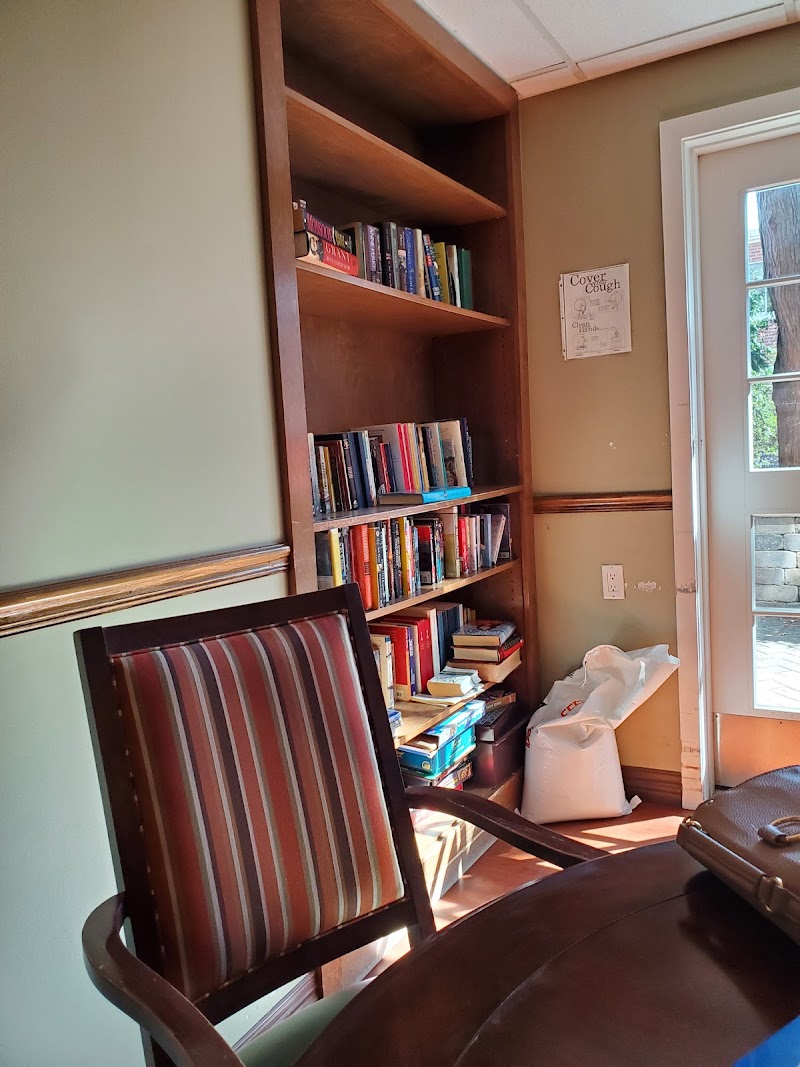
How is Amberwood Care Centre Staffed?

CMS rates AMBERWOOD CARE CENTRE's staffing level at 2 out of 5 stars, which is below average compared to other nursing homes. Staff turnover is 39%, compared to the Illinois average of 46%. This relatively stable workforce can support continuity of care.

What Have Inspectors Found at Amberwood Care Centre?

State health inspectors documented 42 deficiencies at AMBERWOOD CARE CENTRE during 2022 to 2025. These included: 42 with potential for harm.
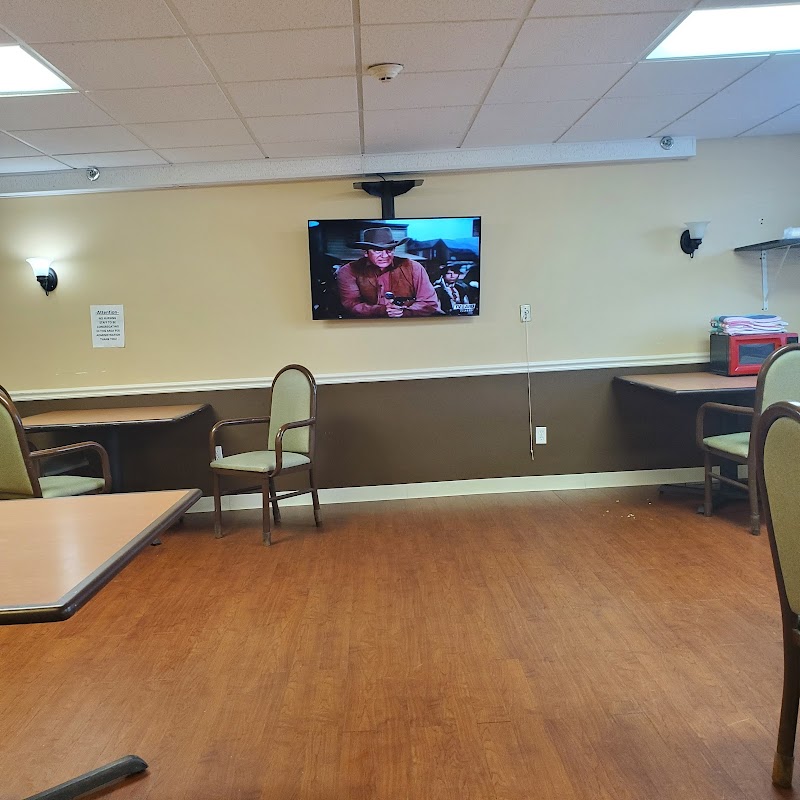
Who Owns and Operates Amberwood Care Centre?

AMBERWOOD CARE CENTRE is owned by a for-profit company. For-profit facilities operate as businesses with obligations to shareholders or private owners. The facility is operated by CITADEL HEALTHCARE, a chain that manages multiple nursing homes. With 135 certified beds and approximately 123 residents (about 91% occupancy), it is a mid-sized facility located in ROCKFORD, Illinois.
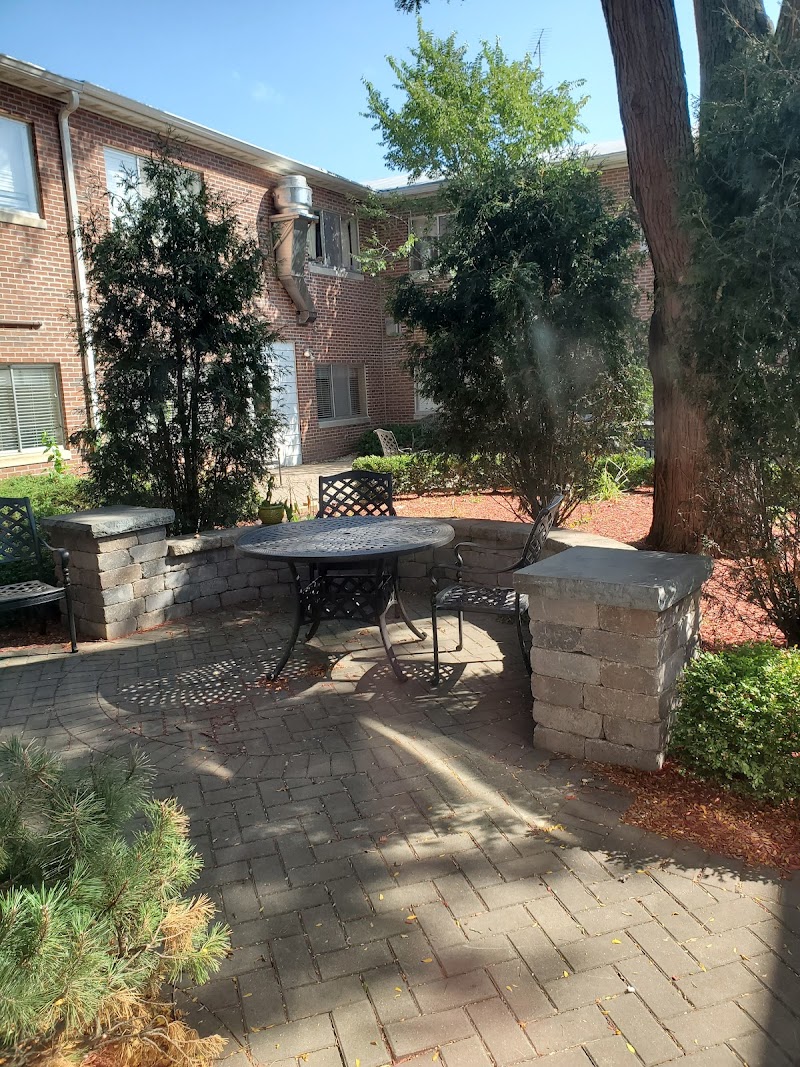
How Does Amberwood Care Centre Compare to Other Illinois Nursing Homes?

Compared to the 100 nursing homes in Illinois, AMBERWOOD CARE CENTRE's overall rating (3 stars) is above the state average of 2.5, staff turnover (39%) is near the state average of 46%, and health inspection rating (3 stars) is at the national benchmark.

What Should Families Ask When Visiting Amberwood Care Centre?

Based on this facility's data, families visiting should ask: "Can you walk me through typical staffing levels on day, evening, and night shifts?" "Can I visit during a mealtime to observe dining assistance and food quality?" "How do you handle medical emergencies, and what is your hospital transfer rate?" "Can I speak with family members of current residents about their experience?" These questions are particularly relevant given the below-average staffing rating.

Is Amberwood Care Centre Safe?

Based on CMS inspection data, AMBERWOOD CARE CENTRE has a clean safety record: no substantiated abuse findings (meaning no confirmed cases of resident harm), no Immediate Jeopardy citations (the most serious violation level indicating risk of serious injury or death), and is not on the Special Focus Facility watch list (a federal program monitoring the lowest-performing 1% of nursing homes). The facility has a 3-star overall rating and ranks #1 of 100 nursing homes in Illinois. While no facility is perfect, families should still ask about staff-to-resident ratios and recent inspection results during their visit.

Do Nurses at Amberwood Care Centre Stick Around?

AMBERWOOD CARE CENTRE has a staff turnover rate of 39%, which is about average for Illinois nursing homes (state average: 46%). Moderate turnover is common in nursing homes, but families should still ask about staff tenure and how the facility maintains care continuity when employees leave.

Was Amberwood Care Centre Ever Fined?

AMBERWOOD CARE CENTRE has no federal fines on record. CMS issues fines when nursing homes fail to meet care standards or don't correct problems found during inspections. The absence of fines suggests the facility has either maintained compliance or corrected any issues before penalties were assessed. This is a positive indicator, though families should still review recent inspection reports for the full picture.

Is Amberwood Care Centre on Any Federal Watch List?

AMBERWOOD CARE CENTRE is not on any federal watch list. The most significant is the Special Focus Facility (SFF) program, which identifies the bottom 1% of nursing homes nationally based on persistent, serious quality problems. Not being on this list means the facility has avoided the pattern of deficiencies that triggers enhanced federal oversight. This is a positive indicator, though families should still review the facility's inspection history directly.