PA PETERSON AT THE CITADEL
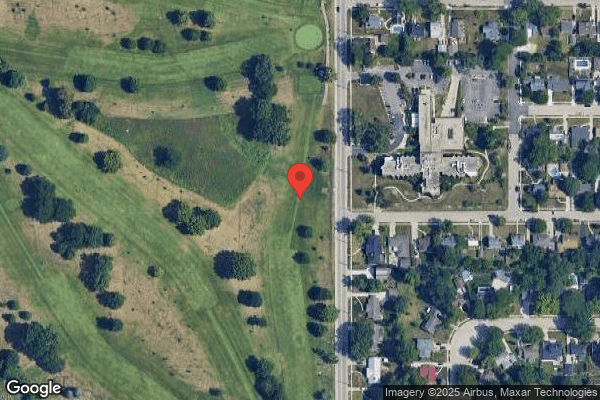

1311 PARKVIEW AVENUE, ROCKFORD, IL 61107 (815) 399-8832
For profit - Partnership 129 Beds CITADEL HEALTHCARE Data: November 2025
Trust Grade
0/100
#597 of 665 in IL
Last Inspection: May 2025

Inspected within the last 6 months. Data reflects current conditions.

Overview

PA Peterson at the Citadel has received a Trust Grade of F, indicating poor performance and significant concerns about the quality of care provided. It ranks #597 out of 665 nursing homes in Illinois, placing it in the bottom half of facilities in the state, and #14 out of 15 in Winnebago County, meaning only one local option is better. The facility's trend is improving, with the number of reported issues decreasing from 36 to 12 over the past year, but it still has a long way to go. Staffing is a concern, with a rating of 1 out of 5 stars and a turnover rate of 53%, which is higher than the state average. Additionally, the facility has accumulated $46,985 in fines, which is average, but it reflects ongoing compliance issues. Specific incidents of concern include a resident developing an infected ankle due to a lack of proper monitoring and care, resulting in hospitalization for surgical treatment. Another resident suffered from stage III and stage II pressure injuries because the facility failed to implement necessary prevention measures. Lastly, a resident experienced significant weight loss without proper dietary assessment and monitoring, leading to further health complications. While there are some improvements, families should weigh these serious deficiencies against any positives when considering this facility for their loved ones.

Trust Score
F
0/100
In Illinois
#597/665
Bottom 11%
Safety Record
High Risk
Review needed
Inspections
Getting Better
36 → 12 violations
Staff Stability
⚠ Watch
53% turnover. Above average. Higher turnover means staff may not know residents' routines.
Penalties
✓ Good
$46,985 in fines. Lower than most Illinois facilities. Relatively clean record.
Skilled Nurses
○ Average
Each resident gets 36 minutes of Registered Nurse (RN) attention daily — about average for Illinois. RNs are the most trained staff who monitor for health changes.
Violations
⚠ Watch
63 deficiencies on record. Higher than average. Multiple issues found across inspections.
★☆☆☆☆
1.0
Overall Rating
★☆☆☆☆
1.0
Staff Levels
★★☆☆☆
2.0
Care Quality
★★☆☆☆
2.0
Inspection Score
Stable
2024: 36 issues
2025: 12 issues

The Good

  • Full Sprinkler Coverage · Fire safety systems throughout facility
  • No fines on record

Facility shows strength in fire safety.

The Bad

1-Star Overall Rating

Below Illinois average (2.5)

Significant quality concerns identified by CMS

Staff Turnover: 53%

Near Illinois avg (46%)

Higher turnover may affect care consistency

Federal Fines: $46,985

Above median ($33,413)

Moderate penalties - review what triggered them

Chain: CITADEL HEALTHCARE

Part of a multi-facility chain

Ask about local staffing decisions and management

The Ugly 63 deficiencies on record

4 actual harm
May 2025 12 deficiencies
CONCERN (D)

Potential for Harm - no one hurt, but risky conditions existed

Resident Rights (Tag F0550)

Could have caused harm · This affected 1 resident

**NOTE- TERMS IN BRACKETS HAVE BEEN EDITED TO PROTECT CONFIDENTIALITY** Based on observation, interview and record review the facility failed to ensure a resident was treated with dignity and respect ...

Read full inspector narrative →
**NOTE- TERMS IN BRACKETS HAVE BEEN EDITED TO PROTECT CONFIDENTIALITY** Based on observation, interview and record review the facility failed to ensure a resident was treated with dignity and respect for 1 of 24 residents (R88) reviewed for resident's rights in the sample of 24. The findings include: R88's facility assessment dated [DATE] documents R88 has no cognitive impairment. On 5/19/25 at 8:45 AM, during the initial tour, R88 said there was one main concern that had been bothering him. R88 said the staff that was taking care of them at midnight does not treat them well. R88 stated one day last week, I requested her to make sure my wheelchair was by me when I am in bed in case, I need my wheelchair in the middle of the night to go to the bathroom, she instead placed the wheelchair across the room, that made me so upset. Another time, I needed help with my covers (blankets) she said, you can do that yourself. R88 said the reason why he was here was he needed help. R88 said he just wanted to be treated right. R88 said they reported all these concerns to V2 (Director of Nursing-DON) On 5/19/25 at 11 AM, V2 (DON) said R88 had brought a concern to her about V10 (Certified Nursing Assistant-CNA) regarding R88 wanting his pants on at night and V10 did not do as what R88 had requested since it was in the middle of the night. V2 said R88 did not report to her about the wheelchair and blanket issues. V2 said R88 was also a fall risk and R88 should put his light on when he needed to go to the bathroom instead of transferring himself. V2 said she will look into those issues. On 5/20/25, at 1 PM, V2 said she had spoken with R88 after this surveyor brought the concerns yesterday. V2 said she had spoken to V10, and education had been provided to V10 also. V10 will not be assigned to R88, and R88 agreed. All residents should be treated with dignity and respect. The facility policy on Dignity (undated) documents, Each resident shall be cared for in a manner that promotes and enhances his or her sense of well- being, level of satisfaction with life feeling of self worth and self esteem.
CONCERN (D)

Potential for Harm - no one hurt, but risky conditions existed

Deficiency F0605 (Tag F0605)

Could have caused harm · This affected 1 resident

**NOTE- TERMS IN BRACKETS HAVE BEEN EDITED TO PROTECT CONFIDENTIALITY** Based on interview and record review, the facility failed to ensure as needed anti-anxiety medications had a stop date for two o...

Read full inspector narrative →
**NOTE- TERMS IN BRACKETS HAVE BEEN EDITED TO PROTECT CONFIDENTIALITY** Based on interview and record review, the facility failed to ensure as needed anti-anxiety medications had a stop date for two of five residents (R66, R104) reviewed for chemical restraints in the sample of 24. The findings include: 1. R66's admission Record shows she was admitted to the facility on [DATE], with diagnoses including dementia, major depressive disorder, Alzheimer's disease, anxiety disorder, unspecified psychosis, insomnia, and difficulty walking. R66's Order Summary Report dated May 19, 2025, shows an order for clonazepam 0.5 mg by mouth every eight hours as needed (PRN) for anxiety ordered on December 27, 2024, and an order for lorazepam give 0.25ml by mouth every four hours as needed for anxiety ordered on January 2, 2025. Neither order has a stop date. 2. R104's admission Record shows she was admitted to the facility on [DATE], with diagnoses including Alzheimer's disease and insomnia. R104's Order Summary Report dated May 20, 2025, shows an order for lorazepam 0.25ml by mouth every four hours as needed for agitation/restlessness started on May 3, 2025. There is no stop date for this medication. On May 29, 2025, at 10:02 AM, V2 Director of Nursing said as needed psychotropics should have a 14 day stop date. V2 said herself and the Assistant Director of Nursing monitor the psychotropic medications for stop dates. The facility's Psychotropic Medications Policy not dated shows, Chemical restraint-a psychotropic medication that is clinically indicated to treat identified medical symptoms. This medication is usually in PRN form.
CONCERN (D)

Potential for Harm - no one hurt, but risky conditions existed

ADL Care (Tag F0677)

Could have caused harm · This affected 1 resident

**NOTE- TERMS IN BRACKETS HAVE BEEN EDITED TO PROTECT CONFIDENTIALITY** Based on observation, interview, and record review the facility failed to ensure activities of daily living (ADL) assistance was...

Read full inspector narrative →
**NOTE- TERMS IN BRACKETS HAVE BEEN EDITED TO PROTECT CONFIDENTIALITY** Based on observation, interview, and record review the facility failed to ensure activities of daily living (ADL) assistance was provided for dependent residents for three of 24 residents (R16, R34, R93) reviewed for incontinence care in the sample of 24. The findings include: 1. R16's admission Record dated May 19, 2025, shows she was admitted to the facility on [DATE], with diagnoses including unspecified psychosis, Meniere's disease, and osteoarthritis. R16's Care Plan initiated March 17, 2025, shows, Clean peri-area with each incontinence episode. Keep skin clean and dry. R16's Minimum Data Set (MDS) dated [DATE], shows she is occasionally incontinent of bladder and frequently incontinent of stool. R16 is dependent on staff for toileting hygiene and mobility. On May 19, 2025, at 9:39 AM, V14 (Certified Nursing Assistant) CNA said that R16 was not cleaned up for the day yet. V14 said that R16 had breakfast in bed. R16's incontinence brief was completely saturated with dark urine. 2. R34's admission Record dated May 19, 2025, shows she was admitted to the facility on [DATE], with diagnoses including dementia, unspecified psychosis, Alzheimer's disease, and major depressive disorder. R34's Care Plan initiated December 21, 2023, shows R34 has an ADL self-care performance deficit related to activity intolerance. R34's MDS dated [DATE], shows R34 is frequently incontinent of bowel and bladder. R34 requires substantial/maximal staff assistance for toileting hygiene, personal hygiene, and bed mobility. On May 19, 2025, at 9:21 AM, R34 self propelled her wheelchair into her doorway. V14 CNA wheeled R34 back into her room and said she will clean R34 up for the day. V14 said R34 has not been cleaned up for the day yet. There was a strong urine odor in R34's doorway and bathroom. V14 said R34 must have urinated on the floor as there was a liquid noted on the bathroom floor. V14 placed R34 onto the toilet after wiping the liquid from the floor. R34's incontinence brief was completely saturated with dark urine. R34's incontinence pad that was on her bed was damp with a dark urine circle on it. V14 said her pad had urine on it. R34 did not show any aggressive behaviors or refusals while V14 was assisting R34 with toileting and dressing. 3. R93's admission Record dated May 19, 2025, shows she was admitted to the facility on [DATE], with diagnoses including epilepsy, unspecified psychosis, muscle weakness, unsteadiness on feet, cognitive communication deficit, dementia, and mixed incontinence. R93's Care Plan initiated August 30, 2024, shows R93 is at risk for incontinence related to activity intolerance and to clean peri-area with each incontinence episode. R93's MDS dated [DATE], shows R93 is always incontinent of urine and frequently incontinent of stool. R93 requires substantial/maximal staff assistance for toileting hygiene. On May 19, 2025, at 10:08 AM, R93 was laying in her bed. At 10:12 AM, V14 CNA said that R93 will need to get cleaned up. At 10:14 AM V14 went into R93's room to provide incontinence care to R93. V14 said incontinence care has not been performed on R93 yet. R93's incontinence brief was saturated with urine. On May 21, 2025, at 10:52 AM, V13 CNA said incontinence care is done at least every two hours or more. On May 20, 2025, at 1:59 PM, V2 Director of Nursing said incontinence care should be done every two hours or more because its best for the residents' skin and it can decrease infection. The facility's Urinary Incontinence Clinical Protocol dated April 2018 shows, As appropriate, based on assessment of the category and causes of incontinence, the staff will provide scheduled toileting, prompted voiding, or other interventions to try to improve the individual's continence status.
CONCERN (D)

Potential for Harm - no one hurt, but risky conditions existed

Pressure Ulcer Prevention (Tag F0686)

Could have caused harm · This affected 1 resident

**NOTE- TERMS IN BRACKETS HAVE BEEN EDITED TO PROTECT CONFIDENTIALITY** Based on interview and record review, the facility failed to assess and implement treatment interventions for pressure wounds, a...

Read full inspector narrative →
**NOTE- TERMS IN BRACKETS HAVE BEEN EDITED TO PROTECT CONFIDENTIALITY** Based on interview and record review, the facility failed to assess and implement treatment interventions for pressure wounds, and failed to ensure pressure relieving interventions were in place for 3 of 8 residents (R77, R365, R362), reviewed for pressure wounds in the sample of 24. The findings include: R365's admission Record dated 5/19/25 shows he was most recently admitted to the facility on [DATE]. R365's After Hospital Care Plan dated 5/16/25 shows an order under the heading How Should You Care for your Wound as follows: Buttocks: zinc paste apply daily and as needed. R365's Nursing Admission/re-admission assessment dated [DATE] at 4:38 PM shows R365 has a pressure wound of his sacrum. R365's TAR (treatment administration record) for 5/1/25 to 5/31/25 shows no treatment was initiated for R365's sacral wound as of 5/21/25. R365's Order Summary Report dated 5/19/25 shows no wound treatment/care orders for R365's sacrum. R362's admission record dated 5/19/25 shows he was admitted to the facility on [DATE]. R362's After Hospital Care Plan dated 5/16/25 shows an order under the heading How Should You Care for your Wound as follows: Left posterior thigh healing stage 3 pressure ulcer- clean with saline wound wash and pat dry, cover wound with cut to fit aquacel Ag, secure with allevyn foam, change Tuesday, Thursday, Saturday and Right posterior thigh healed- leave open to air. R362's Nursing: Admission/re-admission assessment dated [DATE] at 11:53 AM shows R362 has a pressure wound to his groin, sacrum, and right and left posterior thighs. R362's Order Summary Report dated 5/20/25 shows no wound treatment orders and R362's TAR for 5/1/25 to 5/31/25 shows R362's thighs had no treatment initiated until 5/21/25 (day six of his admission). R362's groin and sacrum were not addressed on the TAR. On 5/20/25 at 1:32 PM, V4, Wound Care Nurse, said when a resident is admitted the floor nurse does the full head to toe body assessment and includes any skin alteration. The wound care nurse will then assess the wound(s) within 24 hours. V4 said the wound care nurse's assessment includes the site, type of wound with sub-classification, location, tissue type, amount and type of exudate, measurements (length, width, and depth), pain, description of the peri-wound, if there is odor, and if tunneling or undermining is present. V4 said all wound care assessments are in Wound Rounds in the patient's EMR (electronic medical record). V4 said upon arrival to the facility any skin alterations are to be treated with the orders that came with the patient and treatment begins that day. V4 said she has no wound assessment available for R365, she does not know what kind of wound he has. V4 said she just saw R362 today. On 5/19/25 at 12:33 PM, V6, Registered Nurse said when a resident is admitted the floor nurse will do the assessment and if the resident has wounds, they inform the wound care nurse. V6 said a new admission would come from the hospital with discharge orders for wound treatments. V6 said wound care treatment would begin on the day of admission or the next day and the wound care treatment is documented on the TAR (treatment administration record). The facility was unable to provide wound care nurse assessments for R362 and R365 which were completed prior to 5/20/25. The facility's Pressure/Non-Pressure Skin Breakdown Clinical Protocol (effective January 2024) shows, The nurse shall assess and document/report the following: Full assessment of skin condition .and current treatments . The facility's Admission/re-admission Checklist dated 7/24/24 shows physician orders must be transcribed onto the TAR within one hour of admission for every admit/readmit. On 05/19/25 at 12:55PM, R77 was lying in bed on her back. R77 looked like she was sleeping. R77 had a wound vacuum on the floor by the foot of her bed. The tubing extended from the vacuum to the dressing on her LEFT heel. R77 had a pressure reduction boot on her RIGHT foot. Another pressure reduction boot was on a chair in her room. R77's left heel was resting on the bed. On 05/19/25 at 1:04 PM, V12 CNA-Certified Nursing Assistant said, R77 has a wound vacuum to her left heel. The pressure reduction boot is only applied to one foot. R77 current Physicians Order on 05/19/25 at 1:24 PM, shows, offload heels. R77 current Care Plan on 05/19/2025 shows, put protective boots on when in bed. On 05/20/25 at 2:18PM, R77 was sitting up in bed. R77's left heel was resting on the bed. R77's pressure reduction boot was in the dresser drawer. On 05/20/25 at 2:18 PM, R77 stated, I have 2 boots, I do not know why I only have one on. On 05/20/25 at 2:23 PM, V22 RN-Registered Nurse said, the pressure reduction boot keeps pressure off the heel. On 05/20/25 at 2:45 PM, V4 Wound Care Nurse said, it is a standard of care to off load heels to ensure the heel does not have direct pressure with a surface. If there are heel boots, they should be used, if no heel boots, we should use a pillow or wedge to off load the heels. The facility Pressure/Non-Pressure Skin Breakdown policy effective January 2024 shows, the physician will authorize pertinent orders related to wound treatments, including pressure redistribution surfaces .
CONCERN (D)

Potential for Harm - no one hurt, but risky conditions existed

Deficiency F0688 (Tag F0688)

Could have caused harm · This affected 1 resident

**NOTE- TERMS IN BRACKETS HAVE BEEN EDITED TO PROTECT CONFIDENTIALITY** Based on observation, interview and record review the facility failed to ensure splints were in place for residents with contrac...

Read full inspector narrative →
**NOTE- TERMS IN BRACKETS HAVE BEEN EDITED TO PROTECT CONFIDENTIALITY** Based on observation, interview and record review the facility failed to ensure splints were in place for residents with contractures for 2 of 5 residents (R30, R12) reviewed for limited range of motion in the sample of 24. The findings include: 1. R30's Physician Order Sheet (POS) show R30 has diagnoses of stroke with left sided paralysis. R30's facility assessment dated [DATE] show R30 is alert and able to verbalize his needs. R30 has limited range of motion due to history of CVA (stroke). The same assessment show R30 has no behaviors of rejection of care. On 5/19/25 at 10 am, R30 was sitting in his wheelchair in his room. R30's contracted left hand- (fingers were all curled/clenched towards the palm) was in his lap. R30 said no one does anything to his left hand, then used his right hand to lift his contracted left hand to show this surveyor. R30 said he has a splint that no one applies. R30 said no one exercises his contracted left arm. At 1:12 PM, R30 was sitting in his wheelchair in his room watching TV. R30 had no splint to his left hand. On 5/20/21 at 8AM, R30 was in the dining room just finished his breakfast. R30 had no splint to his contracted left hand. R30's care plan dated 5/20/21 documents-The resident has limited physical mobility r/t contracted left hand. R30 has left side hemiplegia, due to recent CVA with intervention of, Splint to be worn on Left hand daily as tolerated. On 5/20/25 at 9:44 AM, V2 (Director of Nursing-DON) said she is also the Restorative Nurse at this time. R30 had stroke so he has left hand contractures. R30 should wear his left hand splint as ordered. The splint is to prevent further contractures. If R30 refused to wear his splint, the refusals should be documented in progress notes, if there was no documentation, that means that it was not done. V2 (DON) said R30 will be referred to therapy. R30's progress notes as confirmed by V2 DON did not document that R30 had refused wearing his left hand splint. R30's tasks (for Certified Nursing Assistant-CNA) that show application of splint to be done for the month of May (2025) was also blank as confirmed by V2. On 5/20/25 at 1PM, V11 (Occupational Therapy-OT) said R30 was referred for therapy today (5/20/25) due to R30's contractures and splint need. 2. R12's admission Record dated April 4, 2025, shows R12 was admitted to the facility on [DATE], with diagnoses including hemiplegia and hemiparesis following cerebral infarction affecting left non dominant side and reduced mobility. R12's Order Summary Report dated May 19, 2025, does not include any orders for splint placement to R12's left arm. R12's Care Plan initiated August 9, 2024, shows R12 refuses to wear splint sometimes. Remind resident on importance to wear splint. Approach again if resident refuses splint. There is no other documentation found to reflect R12's refusals. R12 Minimum Data Set (MDS) dated [DATE], shows R12 did not have any behaviors of rejecting evaluation or care that is necessary to achieve the resident's goals for health and wellbeing. R12's MDS shows he received brace or splint assistance three days of the last seven days. R12's MDS also shows that he has no impairment to either upper extremity for functional range of motion. On May 19, 2025, at 10:29 AM, R12 was sitting in his room. R12 left arm was out of his long sleeve zip up shirt and was pressed against his abdomen. R12 said he wears a splint sometimes. R12 said it is too hard for him to put it on and if staff would help him, he would wear it. R12 did not have a splint to his left hand or arm. R12's Certified Nursing Assistant tasks in the electronic charting does not contain a task for the CNAs to apply R12's splint. On May 20, 2025, at 9:44 AM, V2 Director of Nursing/Restorative nurse said R12 has a brace that staff put on and take off to his left arm/hand. V2 said R12 wears the splint everyday and sometimes takes it off at mealtimes. V2 said staff put the splint on. V2 said she does not know if there is an actual time limit for having the splint on. V2 said R12 should wear it for at least one hour per day. V2 said splints are used for residents with contractures. Splints help the limbs from contracting, it can help keep the shape of the limb, and helps the contractures from getting worse as long as the splints are worn. V2 said staff document under the tasks tab and in the medication administration record or the treatment administration record. Refusals are documented by the nurse in a progress note. V2 said if there is no documentation that a splint is applied, then it means it was not done. The facility's Application of Splints policy dated November 2023 shows, Purpose: To properly apply a splint for support, comfort, or aid in contractures prevention. Equipment: Physician's order, specific splint for the resident. Note the time the splint was applied, and time splint is to be removed per physician order.
CONCERN (D)

Potential for Harm - no one hurt, but risky conditions existed

Accident Prevention (Tag F0689)

Could have caused harm · This affected 1 resident

**NOTE- TERMS IN BRACKETS HAVE BEEN EDITED TO PROTECT CONFIDENTIALITY** Based on observation, interview, and record review, the facility failed to ensure a resident was transferred safely for 1 (R66) ...

Read full inspector narrative →
**NOTE- TERMS IN BRACKETS HAVE BEEN EDITED TO PROTECT CONFIDENTIALITY** Based on observation, interview, and record review, the facility failed to ensure a resident was transferred safely for 1 (R66) of 24 residents reviewed for safety/supervision in the sample of 24. The findings include: R66's admission Record dated May 19, 2025, shows R66 was admitted to the facility on [DATE], with diagnoses including dementia, major depressive disorder, primary generalized osteoarthritis, Alzheimer's disease, anxiety disorder, fatigue, displaced right femur fracture, difficulty walking, and non displaced fracture of right and left little finger. R66's Fall Scale dated March 17, 2025; shows she is a high risk for falling. R66's Care Plan last revised on April 12, 2022, shows R66 has an activities of daily living (ADL) self-care performance deficit related to impaired mobility, impaired cognition. R66's care plan shows R66 requires a limited one assist for bed mobility and transferring. R66's Minimum Data Set (MDS) dated [DATE], shows R66 requires substantial/maximal assistance for transferring and sit to lying. On May 19, 2025, at 12:53 PM, V13 and V14 Certified Nursing Assistants (CNAs) transferred R66 from her chair to her bed by holding her underneath her arms and by holding onto the waistband of her pants. R66 did not bear any weight to her legs. On May 20, 2025, at 1:59 PM, V2 Director of Nursing said if a resident is being transferred with two staff members, then the staff should use a gait belt and stand on each side of the resident. If the resident is not standing, then they could give the resident a break and try again. Otherwise, staff could use a mechanical lift. If a resident is transferred using their arms and waist bands, then the resident could be injured. On May 21, 2025, at 10:52 AM, V13 CNA said a gait belt should be used when transferring a resident. If the resident is not standing, then the resident should be transferred via a mechanical lift. The facility's Gait Belt/Transfer Guideline revised February 2023 shows, A gait belt is a safety device made of cloth that buckles securely around a resident's waist. The device provides a secure grasping surface to aid during transfer and ambulation. Commonly used for resident who are at risk for falls and those who require assistance during transfer. Securely apply the gait belt around the resident waist positioning the buckle on the anterior side of the resident over the top of the clothing. Assist residents to stand and allow them to gain balance. If the resident is morbidly obese and cannot bear weight, consider using lift equipment to transfer the resident instead of a gait belt to ensure safety and prevent caregiver injury.
CONCERN (D)

Potential for Harm - no one hurt, but risky conditions existed

Respiratory Care (Tag F0695)

Could have caused harm · This affected 1 resident

Based on observation, interview, and record review the facility failed to ensure R44's steel oxygen cylinders were stored to prevent damage to the cylinders for 1 of 5 residents (R44) reviewed for res...

Read full inspector narrative →
Based on observation, interview, and record review the facility failed to ensure R44's steel oxygen cylinders were stored to prevent damage to the cylinders for 1 of 5 residents (R44) reviewed for respiratory services in the sample of 24. The findings include: On 05/19/25 at 12:04 PM, R44 was lying in bed. There was an oxygen tank leaning against the wall in her closet area. The oxygen tank was not secured to keep the cylinder upright. Leaning against the bedside table, near the head of R44's bed, was a second oxygen tank. The oxygen tank was not secured to keep the cylinder upright. On 05/19/25 at 12:05PM, V8 LPN-Licensed Practical Nurse said, when R44 is up in her wheelchair the oxygen tank is attached to the back of the wheelchair. When the oxygen tank is not in use it should be stored in the oxygen cylinder storage room. The facility's Oxygen Safety Policy effective date February 2019 shows, all oxygen cylinders must be stored in racks with chains, sturdy portable carts, or approved stands and never left free-standing or in any resident room or living area.
CONCERN (D)

Potential for Harm - no one hurt, but risky conditions existed

Deficiency F0761 (Tag F0761)

Could have caused harm · This affected 1 resident

**NOTE- TERMS IN BRACKETS HAVE BEEN EDITED TO PROTECT CONFIDENTIALITY** Based observation, interview and record review the facility failed to ensure medications were legibly labeled and dated when ope...

Read full inspector narrative →
**NOTE- TERMS IN BRACKETS HAVE BEEN EDITED TO PROTECT CONFIDENTIALITY** Based observation, interview and record review the facility failed to ensure medications were legibly labeled and dated when opened for 2 of 2 residents (R24 R18) reviewed for medication storage in the sample of 24. The findings include: On [DATE] at 8:10 AM, this surveyor and V8 (License Practical Nurse-LPN) checked the medication cart on the east ground floor. R24's pain medication-Morphine Sulfate 100 mg/5 ml was opened but not dated when it was opened. The controlled drug receipt shows R24's date of delivery from the pharmacy was [DATE]. V8 said R24 is on palliative care and needs the morphine for pain. V8 said she will call R24's physician and reorder R24's Morphine. At 8:20 AM, this surveyor and V9 (LPN) checked the medcart on the west ground floor. R18 had a medication of Diazepam 1 ml (5mg) every 10 minutes for seizure. The label of the medication was not legible and was almost falling off. The medication was opened but not dated when it was opened. The medication expiration date was [DATE]. (approximately 4 months ago.) The Controlled drug receipt show the medication delivery date was [DATE] (almost 2 years ago). V9 (LPN) said R18's has seizures and needs the medication and V9 will update R18's physician to renew the medication. V2 (Director of Nursing) who was also on the ground floor said the medication should have been dated when it was opened. All medications labels should be legible. Expired meds should be renewed. The morphine and diazepam were both outdated. V2 said R24's physician will be updated to renew R24's pain medication. R18's physician will be updated to renew R18's anti seizure medications
CONCERN (D)

Potential for Harm - no one hurt, but risky conditions existed

Deficiency F0883 (Tag F0883)

Could have caused harm · This affected 1 resident

**NOTE- TERMS IN BRACKETS HAVE BEEN EDITED TO PROTECT CONFIDENTIALITY** Based on interview and record review the facility failed to offer a resident the pneumonia vaccination which applies to 1 of 5 r...

Read full inspector narrative →
**NOTE- TERMS IN BRACKETS HAVE BEEN EDITED TO PROTECT CONFIDENTIALITY** Based on interview and record review the facility failed to offer a resident the pneumonia vaccination which applies to 1 of 5 residents (R36) reviewed for vaccinations in a sample of 24 The findings include: R36's Facility assessment dated [DATE] showed R36 is a seventy-seven-year-old male resident admitted to the facility on [DATE]. R36's electronic medical record showed R36 refused the pneumococcal polysaccharide vaccine (PPSV) 23 and the pneumococcal conjugate vaccine (PCV) 13 on 6/2/21. On 5/20/25 at 11:20 AM, V25 Infection Control Preventionist (ICP) stated the facility follows the Centers for Disease Control (CDC) guidelines for vaccinations which included the pneumonia vaccine. V25 stated the current pneumonia vaccinations the facility offers is the PCV 20. Residents should be offered immunizations upon admission and when they are eligible to receive a vaccination. V25 stated they had not talked with R36 prior to this interview. The facility did not produce any documentation R36 had been offered a current pneumonia vaccination. The facility's Pneumococcal Vaccine Policy dated 11/2022 showed residents will be offered pneumococcal vaccines admission and when a resident is eligible to receive the pneumococcal vaccine when indicated. This policy showed vaccinations will be made in accordance with current CDC recommendations at the time of the vaccination.
CONCERN (E)

Potential for Harm - no one hurt, but risky conditions existed

Quality of Care (Tag F0684)

Could have caused harm · This affected multiple residents

**NOTE- TERMS IN BRACKETS HAVE BEEN EDITED TO PROTECT CONFIDENTIALITY** Based on observation, interview, and record review, the facility failed to have orders in place for non-pressure wounds, failed ...

Read full inspector narrative →
**NOTE- TERMS IN BRACKETS HAVE BEEN EDITED TO PROTECT CONFIDENTIALITY** Based on observation, interview, and record review, the facility failed to have orders in place for non-pressure wounds, failed to have interventions in place for non-pressure wound healing, and failed to ensure a resident received a specialist consult for vaginal pain for three of 24 residents (R93, R362, R365) reviewed for quality of care in the sample of 24. The findings include: 1. R93's admission Record dated May 19, 2025, shows she was admitted to the facility on [DATE], with diagnoses including epilepsy, unspecified psychosis, muscle weakness, unsteadiness on feet, cognitive communication deficit, dementia, and mixed incontinence. On May 19, 2025, at 10:14 AM, V14 Certified Nursing Assistant provided peri care to R93. R93 complained of a lot of pain when V14 wiped her front peri area. There was some type of growth to R93's peri area. R93 asked V14 to place the cream in a white bottle onto her vaginal area. V14 said there is no cream in a white bottle and all V14 had was Vaseline. R93 said Vaseline does not do anything for her pain. V14 placed Vaseline onto R93's buttocks. No cream was applied to R93's vaginal area. V14 did not ask R93's nurse to come and assess R93 while V14 was providing cares to R93. R93's Order Summary Report dated May 19, 2025, shows an order for A and D ointment to labia three times a day and as needed every two hours entered on December 3, 2024, and an order for lidocaine external cream 4% apply to labia topically three times a day for pain entered on December 10, 2024. R93's Order Summary Report dated May 19, 2025, shows an order for gynecology consult due to labia growth was entered on December 10, 2024. On May 21, 2025, at 9:52 V2 Director of Nursing (DON) said she could not find any evidence to show that R93's gynecology consult was done or followed through. V2 said R93's son is sometimes difficult to get a hold of. V2 said R93 does have something to her labia. V2 said lidocaine cream is scheduled and as needed. V2 said the CNA should have gotten the nurse to put cream onto R93's vaginal area. The Illinois Long Term Care Ombudsman Program Residents' Rights dated November 2018 shows, Your facility must provide equal access to quality care regardless of diagnosis, condition, or payment source. Your facility must provide services to keep your physical and mental health at their highest practical levels. You should receive the services and/or items included in the plan of care. 2. On 5/19/25 at 10:11 AM, R365 had a foam dressing to his right elbow dated 5/12. R365's admission Record dated 5/19/25 shows he was most recently admitted to the facility on [DATE]. R365's After Hospital Care Plan dated 5/16/25 shows an order under the heading How Should You Care for your Wound as follows: Right elbow: aquacel AG, allevyn foam. R365's Nursing Admission/re-admission assessment dated [DATE] at 4:38 PM shows R365 has a skin tear on his right elbow. R365's TAR (treatment administration record) for 5/1/25 to 5/31/25 shows no treatment was initiated for R365's elbow wound until 5/19/25, day four of his admission. 3. On 5/19/25 at 9:17 AM, R362 had a foam dressing (undated) to his bottom. R362's admission record dated 5/19/25 shows he was admitted to the facility on [DATE]. R362's After Hospital Care Plan dated 5/16/25 shows an order under the heading How Should You Care for your Wound as follows: Gluteal cleft MASD (moisture associated skin damage, healed- clean with moisture barrier wipes and gently pat dry, apply zinc cream two times a day and as needed. Leave open to air, can cover with ABD if needed, but do not cover cream with allevyn foam as this can trap moisture and create further skin breakdown. Groin/abdomen/breast folds MASD-clean with moisture barrier wipes and gently pat dry, apply Interdry Ag to folds and change out daily. R362's Nursing: Admission/re-admission assessment dated [DATE] at 11:53 AM shows R362 has a skin tear to his abdomen and vascular wounds of his right and left inner ankles. No MASD is noted on the assessment. R362's Order Summary Report dated 5/20/25 shows no wound treatment orders and R362's TAR for 5/1/25 to 5/31/25 shows R362's gluteal cleft and MASD of R362's abdomen did not have any treatment until the evening of 5/20/25 (day five of his admission). On 5/20/25 at 1:32 PM, V4, Wound Care Nurse, said when a resident is admitted the floor nurse does the full head to toe body assessment and includes any skin alteration. The wound care nurse will assess the wound(s) within 24 hours. V4 said the wound care nurse's assessment includes the site, type of wound with sub-classification, location, tissue type, amount and type of exudate, measurements (length, width, and depth), pain, description of the peri-wound, if there is odor, and if tunneling or undermining is present. V4 said all wound care assessments are in Wound Rounds in the patient's EMR (electronic medical record). V4 said upon arrival to the facility any skin alterations are to be treated with the orders that came with the patient and treatment begins that day. V4 said she has no wound assessment available for R365, she does not know what kind of wound he has. V4 said she just saw R362 today. On 5/19/25 at 12:33 PM, V6, Registered Nurse said when a resident is admitted the floor nurse will do the assessment and if the resident has wounds, they inform the wound care nurse. V6 said a new admission would come from the hospital with discharge orders for wound treatments. V6 said wound care treatment would begin on the day of admission or the next day and the wound care treatment is documented on the TAR (treatment administration record). The facility's Pressure/Non-Pressure Skin Breakdown Clinical Protocol (effective January 2024) shows, The nurse shall assess and document/report the following: Full assessment of skin condition .and current treatments . The facility's Admission/re-admission Checklist dated 7/24/24 shows physician orders must be transcribed onto the TAR within one hour of admission for every admit/readmit.
CONCERN (E)

Potential for Harm - no one hurt, but risky conditions existed

Deficiency F0725 (Tag F0725)

Could have caused harm · This affected multiple residents

Based on observation, interview, and record review, the facility failed to ensure an adequate amount of staff were scheduled to meet the needs of residents. This failure has the potential to affect al...

Read full inspector narrative →
Based on observation, interview, and record review, the facility failed to ensure an adequate amount of staff were scheduled to meet the needs of residents. This failure has the potential to affect all 36 residents residing on the third floor of the facility. The findings include: The facility roster that was provided by the facility on May 19, 2025, shows there was 36 residents residing on the third floor of the facility. On May 19, 2025, at 9:02 AM, there were two CNAs working with 36 residents on the third floor. V17 LPN (Licensed Practical Nurse) said that is quite a bit of residents for two CNAs to work. V13 and V14 CNAs said the third CNA got pulled from the third floor to work on another floor because the other floor was short. Incontinence care was observed on R34 at 9:21 AM. R34's incontinence brief was saturated, and V14 CNA said this was the first time peri care was provided for R34 on day shift. Incontinence care was observed on R16 at 9:39 AM. R16's incontinence brief was saturated. This was the first time incontinence care was provided to R16 on the day shift. Incontinence care was observed on R93 at 10:14 AM. R93's incontinence brief was saturated. On May 19, 2025, at 9:15 AM, V13 CNA said CNAs are not able to get everything done when there are only two CNAs on the unit. V13 said there are four showers scheduled for that day and only two have been done. V14 CNA said there are still some residents in bed that usually get up for breakfast. On May 21, 2025, at 11:00 AM V19 Staffing Scheduler said the third Certified Nursing Assistant (CNA) was pulled from the third floor on May 19, 2025, because there was a call off on the first floor. The facility tries to staff the ground floor with four CNAs, the first floor two CNAs, the second floor three CNAs, and the third floor three CNAs. V19 said the third floor will work with two CNAs at times. On May 20, 2025, at 10:30 AM during the resident meeting that occurred during the facility's annual certification survey, R42 (attends the resident council meetings regularly) said many residents complain of waiting one-two hours for staff to answer call lights. R88 (attends the resident council meetings regularly) said he has had the staff shut off his call light and never ask what he needs. R56 Resident council president said she has sat by the nurse's station and has seen staff shut the call lights off at the nurse's station. R56 said staff can ask what the residents need through the call light system at the nurses' station. R56 said there is a note above the call light system that says do not talk to the residents over the call light system. Staff are to go to the residents' rooms. R56 said there are days when there are two CNAs working when there should be four. R56 said ice water is not passed everyday. Most of the time you have to ask for ice water. On May 21, 2025, at 10:23 AM, V14 CNA said there are times that she works a double shift. V14 said if there is a call off and no staff pick up the extra shift then only two CNAs work. V14 said showers cannot get done and some residents cannot get up for breakfast. At 10:32 AM, V17 LPN said she helps the CNAs when she can. It is hard to care for all the residents when the unit runs with two CNAs. The CNAs are able to be more attentive when there are three CNAs. At 10:38 AM, V18 Unit Manager said staffing depends on the day. V18 said the facility tries to run the unit with one nurse and three CNAs for 36 residents. V18 said there are times when there are call offs and the unit has two CNAs for 36 residents if the facility cannot replace the call off. V18 said she helps when she can. At 10:52 AM, V13 CNA said staffing is up and down. V13 said when the unit is staffed with three CNAs, the workload is comfortable. V13 said they have ran the unit with two CNAs. V13 said the day shift is harder because the staff doesn't know right away if there is going to be two CNAs or three CNAs. V13 said it is difficult to get all the showers done, get residents up, and toilet all the residents. On May 21, 2025, at 11:25 AM, V15, R74's Daughter said the unit needs more CNAs. V15 said there are times when residents are yelling and there's no staff around. At 11:26 AM, V16, R80's spouse said there is not enough staff in the facility. V16 said there are times when he calls the unit, and no one answers the phone and there are times when there are residents in the dining room and there are no staff in the dining room. At 11:39 AM, R10 said there are times when her bed is not made. R10 said the unit could use an extra CNA. R10 said the CNAs run around a lot. The facility's Working staff schedule dated May 5, 2025, shows the second and third floor had one CNA on the night shift. On May 8, 2025, there were two CNAs on the second shift for the third floor. May 9, 2025, there were two CNAs on the schedule for third floor second shift and one CNA for third shift on the third floor. On May 10, 2025, there was no one written in the working staff schedules that was provided by the facility. On May 11, 2025, there were two CNAs on the schedule for the third floor and one CNA for the second floor for day shift and second shift. On May 16, 2025, there was two CNAs for the third floor during day shift on the third floor. The facility's Resident Council minutes dated December 11, 2024, shows, Call lights not being answered in a timely manner. February 12, 2025, one resident stated on the night of February 11, 2025, her roommates' call light was on for over two hours before a nurse or CNA came into her room. Two other residents stated their beds have not been made in two days. March 12, 2025, Residents are still concerned about the delay in answering call lights. Two residents reported their beds not being made. April 9, 2025, Residents state that they believe they sometimes have to wait longer than they would like when they need assistance. May 14, 2025, Residents state that they believe they sometimes have to wait longer than they would like when they need assistance. No specific situation was brought up, infrequent, but annoying.
CONCERN (E)

Potential for Harm - no one hurt, but risky conditions existed

Infection Control (Tag F0880)

Could have caused harm · This affected multiple residents

**NOTE- TERMS IN BRACKETS HAVE BEEN EDITED TO PROTECT CONFIDENTIALITY** Based on observation, interview, and record review, the facility failed to don personal protective equipment (PPE) for residents...

Read full inspector narrative →
**NOTE- TERMS IN BRACKETS HAVE BEEN EDITED TO PROTECT CONFIDENTIALITY** Based on observation, interview, and record review, the facility failed to don personal protective equipment (PPE) for residents on Enhanced Barrier Precautions (EBP) and failed to change gloves and perform hand hygiene in a manner to prevent cross contamination for five of 24 residents (R66, R93, R34 R16, R362) reviewed for infection control in the sample of 24. The findings include: 1. R66's admission Record dated May 19, 2025, shows R66 was admitted to the facility on [DATE], with diagnoses including dementia, major depressive disorder, primary generalized osteoarthritis, Alzheimer's disease, anxiety disorder, fatigue, displaced right femur fracture, difficulty walking, and non displaced fracture of right and left little finger. R66's Order Summary Report dated May 21, 2025, shows an order for EBP related to wounds ordered on February 17, 2025. On May 19, 2025, at 12:53 PM, the was a sign on R66's door that showed R66 was on enhanced barrier precautions. V14 Certified Nursing Assistant (CNA) performed incontinence care on R66. There was urine and stool in R66's incontinence brief. V14 wiped R66's front peri area, helped R66 turn onto her side, wiped the small amount of stool from R66's buttocks, placed the clean brief underneath R66 and then helped R66 turn back onto her back. V14 did not perform hand hygiene nor change her gloves when going from dirty to clean surfaces. V14 did not wear a gown during these cares. 2. R93's admission Record dated May 19, 2025, shows she was admitted to the facility on [DATE], with diagnoses including epilepsy, unspecified psychosis, muscle weakness, unsteadiness on feet, cognitive communication deficit, dementia, and mixed incontinence. On May 19, 2025, at 10:15 AM, V14 performed incontinence care to R93. R93's incontinence brief was saturated with dark urine. R93's vaginal area was reddened. V14 wiped R93's front peri area, helped R93 to turn onto her right side, wiped R93's buttocks, place the clean incontinence brief and helped R93 turn back onto her back. V14 did not change her gloves or perform hand hygiene. 3. R34's admission Record dated May 19, 2025, shows she was admitted to the facility on [DATE], with diagnoses including dementia, unspecified psychosis, Alzheimer's disease, and major depressive disorder. On May 19, 2025, at 9:28 AM, V14 took R34 to the bathroom. R34's incontinence brief was saturated with dark urine. There was a strong urine odor. V14 removed R34's incontinence brief, cleaned R34's front and back peri area, placed and new incontinence brief onto R34, and applied a clean dress onto R34. V14 did not change her gloves or perform hand hygiene. 4. R16's admission Record dated May 19, 2025, shows she was admitted to the facility on [DATE], with diagnoses including unspecified psychosis, Meniere's disease, and osteoarthritis. R16's Care Plan initiated March 17, 2025, shows, Clean peri-area with each incontinence episode. Keep skin clean and dry. R16's Minimum Data Set (MDS) dated [DATE], shows she is occasionally incontinent of bladder and frequently incontinent of stool. R16 is dependent on staff for toileting hygiene and mobility. On May 19, 2025, at 9:39 AM, V14 performed incontinence care to R16. R16's incontinence brief was saturated with dark urine. V14 wiped R16's front peri area, help her turn onto her side, wiped R16's buttocks, and then placed Vaseline onto R16 buttocks. V14 placed the clean incontinence brief onto R16 and did not change her gloves or perform hand hygiene. On May 21, 2025, at 10:52 AM, V13 CNA said gloves should be changed right after touching soiled items and before touching clean items. On May 20, 2025, at 1:59 PM, V2 Director of Nursing said gloves should be changed after touching dirty items and before touching clean to reduce risk of infection. 5. On 5/19/25 at 9:08 AM R362's room had a sign showing he was on Enhanced Barrier Precautions (EBP). On 5/19/25 at 9:17 AM, V5, Certified Nursing Assistant was in R362's room. With bare hands and no gown, V5 changed R362's gown and said his oxygen tubing was backwards, so she took it out of his nose and turned it around. V5 the applied gloves, but no gown and assisted R362 to turn onto his side. On 5/20/25 at 1:50 PM, V23, Infection Prevention Nurse, said staff need to use EBP for residents with chronic wounds. R362's Nursing: Admission/re-admission assessment dated [DATE] at 11:53 AM shows R362 has a pressure wound to his groin, sacrum, and right and left posterior thighs. The facility's Enhanced Barrier Precautions Policy (effective 1/20/24) shows it is the practice of the facility to implement EBP for the prevention of transmission of multidrug-resistant organisms (MDRO). EBP refer to the use of gown and gloves for use during high-contact resident care for residents known to be colonized or infected with a MDRO as well as those at increased risk of MDRO acquisition (e.g., residents with wounds or indwelling medical devices). EBP are implemented for residents with wounds (pressure ulcers, diabetic foot ulcers, unhealed surgical wounds and chronic venous stasis ulcers) and/or indwelling medical devices such as urinary catheters. Gowns and gloves are to be available immediately outside of the resident's room. High contact resident care activities include bathing, dressing, providing hygiene and changing briefs/assisting with toileting. The facility's Hand Washing/Hand Hygiene Policy (effective March 2023) shows it is the policy of the facility to assure staff practice recognized hand washing/hygiene procedures as a primary means to prevent the spread of infections. When hands are not visibly soiled, employees may use an alcohol-based hand rub containing at least 60% alcohol before moving from a contaminated body site to a clean body site during resident care.
Dec 2024 1 deficiency
CONCERN (D) 📢 Someone Reported This

A family member, employee, or ombudsman was alarmed enough to file a formal complaint

Potential for Harm - no one hurt, but risky conditions existed

ADL Care (Tag F0677)

Could have caused harm · This affected 1 resident

**NOTE- TERMS IN BRACKETS HAVE BEEN EDITED TO PROTECT CONFIDENTIALITY** Based on observation, interview, and record review, the facility failed to provide assistance with oral and/or denture care for ...

Read full inspector narrative →
**NOTE- TERMS IN BRACKETS HAVE BEEN EDITED TO PROTECT CONFIDENTIALITY** Based on observation, interview, and record review, the facility failed to provide assistance with oral and/or denture care for one (R7) of three residents reviewed for activities of daily living (ADL); and the facility failed to follow its policy and procedures by not ensuring that a resident with a self-care deficit (R7) received the necessary assistance to maintain oral hygiene. The findings include: Review of R7's face sheet indicated resident admitted to the facility on [DATE] with a past medical history not limited to: dementia, type 2 diabetes mellitus, peripheral vascular disease, mild cognitive impairment, anxiety, hypertension, and history of infectious and parasitic diseases. Review of R7's Minimum Data Set, Section C for Cognitive Patterns (page 9) dated 11/15/2024 documented Brief Interview for Mental Status (BIMS) score of 5/15 which indicates impaired cognition. Section GG for Functional Abilities (page 21) dated 11/15/2024 documented that resident requires partial to moderate assistance with oral hygiene, to insert and remove dentures into and from the mouth and manage dentures soaking and rinsing with use of equipment. On 12/12/2024 at 10:51 AM, observed R7 in his room seated in a wheelchair. Observed R7's upper and lower dentures in place that appeared unclean. R7 indicated that his dentures have been in for about week now and he himself has not brushed them and no staff have taken his dentures out to clean them either. On 12/12/2024 at 10:56 AM, V9 (Licensed Practical Nurse) who was R7's nurse said he wears dentures, and she has helped him a few times in the past remove his dentures at night and has brushed them for him. She added that dentures should be removed daily, usually at night to be cleaned and soaked overnight. V9 added that when a resident refuses to remove their dentures, staff should reattempt multiple times and the refusal is documented in their progress notes. On 12/12/2024 at 2:15 PM, V2 (Director of Nursing) said she just talked to R7, and he refused to remove his dentures at this time. R7 was then educated by V2 on the importance of removing dentures and receiving oral care. Per V2 (DON), R7 verbally agreed to allow staff to remove dentures this evening. V2 then provided one shower sheet for the last thirty days dated 12/10/2024 that documented R7 refused denture care. Review of R7's progress notes for the last 30 days showed no documented refusals of R7 not taking out his dentures and/or refusing oral care. On 12/12/2024 at 3:10 PM, V2 (Director of Nursing) said that oral care should be provided daily to each resident and is usually done with morning cares but can be performed at any time throughout the shift. Activities of Daily Living (ADLs) policy last revised 03/2018 reads in part: Policy Statement: Residents will be provided with care, treatment and services as appropriate to maintain or improve their ability to carry out activities of daily living (ADLs). Residents who are unable to carry out activities of daily living independently will receive the services necessary to maintain good nutrition, grooming and personal and oral hygiene. Policy Interpretation and Implementation: Residents will be provided with care, treatment and services to ensure that their activities of daily living (ADLs) do not diminish unless the circumstances of their clinical condition(s) demonstrate that diminishing ADLs are unavoidable. Appropriate care and services will be provided for residents who are unable to carry out ADLs independently, with the consent of the resident and in accordance with the plan of care, including appropriate support and assistance with: Hygiene (bathing/showering, dressing, grooming, and oral care); Mobility (transfer and ambulation, including walking); Elimination (toileting); Dining (meals and snacks); and Communication (speech, language, and any functional communication systems). If residents with cognitive impairment or dementia resist care, staff will attempt to identify the underlying cause of the problem and not just assume the resident is refusing or declining care. Approaching the resident in a different way or at a different time or having another staff member speak with the resident may be appropriate. Interventions to improve or minimize a resident's functional abilities will be in accordance with the resident's assessed needs, preferences, stated goals and recognized standards of practice. The resident's response to interventions will be monitored, evaluated and revised as appropriate.
Dec 2024 1 deficiency
CONCERN (D) 📢 Someone Reported This

A family member, employee, or ombudsman was alarmed enough to file a formal complaint

Potential for Harm - no one hurt, but risky conditions existed

Safe Environment (Tag F0584)

Could have caused harm · This affected 1 resident

Based on observation, interview, and record review the facility failed to ensure a homelike environment by having wallpaper falling down that had a black substance on it for 2 of 4 residents (R1 and R...

Read full inspector narrative →
Based on observation, interview, and record review the facility failed to ensure a homelike environment by having wallpaper falling down that had a black substance on it for 2 of 4 residents (R1 and R6) reviewed for homelike environment in the sample of 4. The findings include: On 12/10/24 at 8:20 AM, R1 and R6 were roommates and were in their room. There was a rectangular piece of wallpaper next to the window that was falling down. The piece of wallpaper was visible from the hallway and was not obstructed by the window curtains. The wallpaper was white and ran from the top of the window to the bottom of the window. The width was approximately 17 inches, and the height was approximately 4 feet. The top of the wallpaper was no longer attached to the wall. The unattached portion ran the length of the window (about 4 feet) and was folded over onto itself. Roughly half of the piece of wallpaper was unattached and folded over on itself. The unattached part of the wallpaper would have been next to the window. The loose part of the wallpaper had a black substance that ran along the edge of the wallpaper about 4 feet in length. There was also black areas on the loose folded over wallpaper. The black area covered about half of the unattached wallpaper. There was also black areas on the wall where the wallpaper would have been attached. The black substance had areas that appeared to be raised with a fuzzy appearance. A facility assessment done on 12/3/24 showed R1's mental status was moderately impaired. On 12/10/24 at 8:20 AM, R1 said the wallpaper and black areas had been like that for 10-14 days. R1 said it looked bad and should be cleaned up/repaired. R1 added the black areas could be mold. A facility assessment done on 11/26/24 showed R6's mental status was with severe cognitive impairments. On 12/10/24 at 12:55 PM, V9 (R6's Daughter) said she or another family member visits R6 daily. V9 said the wallpaper in R6's room has looked the same (falling down with a black substance on it) ever since R6 transferred into the room over 10 days ago. On 12/10/24 at 12:10 PM, V10 (Maintenance Director) said he was not made aware of the issue in R1 and R6's room until today (12/10/24) at 9:00 AM. V10 said staff should have informed him sooner so it could have been fixed. V10 said most repairs take place within 24 hours. V10 said he looked at R1's and R6's room and was not sure if the black substance was mold. V10 said they would be cleaning the area, treating the black substance as mold, and repainting the wall.
Nov 2024 5 deficiencies
CONCERN (D) 📢 Someone Reported This

A family member, employee, or ombudsman was alarmed enough to file a formal complaint

Potential for Harm - no one hurt, but risky conditions existed

Deficiency F0602 (Tag F0602)

Could have caused harm · This affected 1 resident

Based on interview and record review, the facility failed to ensure misappropriation of medications did not occur for 1 of 3 residents (R2) reviewed for misappropriation of medications in the sample o...

Read full inspector narrative →
Based on interview and record review, the facility failed to ensure misappropriation of medications did not occur for 1 of 3 residents (R2) reviewed for misappropriation of medications in the sample of 13. The findings include: R2's admission Record, printed by the facility on 11/19/2024, showed he had diagnoses including, but not limited to, methicillin resistant staphylococcus aureus infection, a stage 4 pressure ulcer of left heel, personal history of malignant neoplasm of bladder, peripheral vascular disease, weakness, and localized edema. R2's Medication Administration Records (MARs) for August 2024 and September 2024 showed an order for Levaquin 750 mg daily for wounds, for seven days. The MARs showed R2 received the Levaquin as ordered. On 11/19/2024 at 8:48 AM, V4 (Registered Nurse/RN) was observed at the medication cart preparing medications for a resident. On 11/19/2024 at 10:45 AM, V1 (Administrator) said the only allegation the facility received regarding a nurse taking residents' medications involved V4. V1 said V5 (RN) and V9 (Nurse) reported to him on 10/2/2024 that they thought V4 took medications. V1 said he tried to call V4, however, V4 had already left for the day. V1 said he notified V3 (VP of Clinical Operations) and V3 said she would follow up in the morning. On 11/19/2024 at 11:03 AM, V3 said V1 told her about the allegation on 10/2/2024 around 7:00 PM. V3 said she asked V1 if it was something that she could follow up on in the morning as long as there was no danger to any residents. V3 said the next morning (10/3/2024), V5 and V9 came up to her and said they reported the allegation to V1 the previous night. V3 said she asked V5 and V9 what they saw. V3 said they were both talking and said they saw V4 with a medication card, popping out the medications and putting them in his pocket. V3 identified the medication as R2's Levaquin (an antibiotic). V3 said she called the pharmacy to see when the antibiotic was ordered and delivered. V3 said it turned out that 2 medication cards of Levaquin had been delivered. V3 said the first card was signed for by one of the nurses on 8/30/2024. V3 said on 9/1/2024, the nurse on duty called the pharmacy to get more antibiotics, because the nurse could not find the medication. V3 said she thought V4 may have been going through the medication cart on 10/2/2024 and found the card from 8/30/2024. V3 said she interviewed V4, and he said he did not put any medications into his pocket, and he felt the staff member that made the allegation was trying to get him fired. V3 said she informed V4 that she was going to put the allegation and her follow up in his file. V3 said she discussed with V4 that if a nurse takes a resident's medication, it would be drug diversion. V3 said V4 told her that he did not take any medications and told her that he would send any leftover medications to the facility pharmacy. V3 said she spoke with R2 and asked him if he had been on an antibiotic, and if he received all his ordered medication. V3 said it had been 20 some days after R2's antibiotic medications had been given. V3 said V5 has issues with other male nurses at the facility. V3 said there was no actual evidence of diversion. V3 said if a resident's medication is changed or discontinued, the medication is put in a tote in the medication room and sent back to the pharmacy. V3 said the facility does not document when a medication is sent back to the pharmacy. On 11/19/2024 at 12:08 PM, V4 (RN) said he was called to the office to discuss an antibiotic that was discontinued for a resident. V4 said he took the pills. V4 said it was no more than 5 pills. V4 said initially, since the pills were discontinued, he was going to take them and keep them for himself, in case he got sick. V4 said later, he did not feel comfortable taking them, so he flushed them down the toilet at his home. V4 said he did not tell V3 that he took the pills home, he just told her that he destroyed them. V4 said that is never supposed to happen. V4 said he regrets doing it, but he cannot go back in time. On 11/19/2024 at 12:59 PM, V3 said she spoke with V4 prior to this interview and asked him to read the conversation from her investigation. V3 said V4 read the interview and agreed that had been their conversation. V3 said she asked V4 if he told this surveyor something else. V3 said V4 told her that he informed this surveyor that he flushed the medications that were in his pocket down the toilet. V3 said she asked V4 if he flushed them down the toilet at the facility or at his home. V3 said V4 said I don't know, I don't know. V3 said V4 was physically shaking in V1's office. On 11/19/2024 at 1:29 PM, V5 (RN) said he saw V4 pop about seven pills out of a medication card, put the pills in a plastic pouch used to put pills in to crush them, staple the pouch and put the pills in his pocket. V5 said V4 put the empty medication card into the shred bin and walked away. V5 said he grabbed the medication card out of the bin, and it was R2's medication card. V5 said he reported the incident to V1 right away. V5 said he was the only one that witnessed V4 doing it, however, there was a camera right by V4's cart when he did it. V5 said he told V1 he could look at the camera footage. On 11/19/2024 at 3:55 PM, V1 said the facility does have video surveillance cameras. V1 was asked if anyone checked the camera footage to see if V4 put anything in his pocket, V1 said he would get back to this surveyor with the answer. V1 provided a report to the Illinois Division of Professional Regulations, dated 11/19/2024, in which he reported the incident involving V4. At 4:32 PM, V1 said no one reviewed the video footage to see if it showed V4 putting medications in his pocket. The facility's undated Abuse policy and procedure showed The objective of the Abuse Prevention Program is to comply with the seven-step approach to abuse and neglect detection and prevention .II.B. Internal Reporting. Employees are required to report any allegation of potential abuse, neglect, exploitation, mistreatment or misappropriation of resident property they observe, hear about, or suspect to the Administrator immediately, to an immediate supervisor who must then immediately report it to the Administrator. In the absence of the Administrator, reporting can be made to an individual who has been designated to act in the Administrator's absence .IV. Investigation. As soon as possible after an allegation of abuse, neglect, mistreatment, misappropriation of resident property, or exploitation, the Administrator or designee will initiate an investigation into the allegation which may include the following elements: Interviewing all persons who may have knowledge of the alleged incident, including, but not limited to: All persons who reported the suspicion, allegation or incident; The alleged victim .The alleged perpetrator .Any witnesses or potential witnesses to the alleged occurrence or incident; Any staff having contact with the resident during the period of the alleged incident; Roommates, other residents, family or visitors. The investigation shall conclude whether the allegation of abuse, neglect, mistreatment, misappropriation of resident property, or exploitation can likely be sustained. Records of the investigation shall be maintained.
CONCERN (D) 📢 Someone Reported This

A family member, employee, or ombudsman was alarmed enough to file a formal complaint

Potential for Harm - no one hurt, but risky conditions existed

Report Alleged Abuse (Tag F0609)

Could have caused harm · This affected 1 resident

Based on interview and record review, the facility failed to report an allegation of misappropriation of medications to the Illinois Department of Public Health for 1 of 3 residents (R2) reviewed for ...

Read full inspector narrative →
Based on interview and record review, the facility failed to report an allegation of misappropriation of medications to the Illinois Department of Public Health for 1 of 3 residents (R2) reviewed for misappropriation of medications in the sample of 13. The findings include: On 11/19/2024 at 10:45 AM, V1 (Administrator) said an allegation was made on 10/2/2024 by V5 (Registered Nurse-RN) and V9 (Nurse) that V4 (RN) had taken medications. V1 said he tried calling V4, however, V4 had already left for the day. V1 said he notified V3 (VP of clinical operations), and she followed up with the investigation. On 11/19/2024 at 11:03 AM, V3 said V1 informed her of the allegation on 10/2/2024 around 7:00 PM. V3 said she asked V1 if she could follow-up on the allegations the next morning as long as no residents were in danger. V3 said she interviewed V5 and V9 regarding the allegations. V3 identified the medication as R2's Levaquin (an antibiotic) V3 said she spoke with V4 who said he did not take any medication. V3 said she did not report the allegation to IDPH (Illinois Department of Public Health) because it turned out that two orders of the Levaquin had been delivered; one on 8/30/2024, and another on 9/1/2024 due to the nurse on duty not being able to find R2's Levaquin in the medication cart. V3 said the facility paid for the second card of Levaquin that was delivered, not Medicare or Medicaid, so it was not the resident's property that was alleged to have been taken. V3 said R2 received all his ordered Levaquin. V3 said there was no evidence of drug diversion, so she did not report the allegation to IDPH. V3 also said it is her understanding that according to the regulations that they are to notify IDPH of any serious incident or accident that causes physical harm or injury to a resident. On 11/19/2024 at 12:08 PM, V4 (RN) told this surveyor that he had taken the antibiotic pills, and later flushed them down the toilet at his home, because he did not feel comfortable taking them. On 11/19/2024 at 12:59 PM, V3 said V4 was being suspended and V1 was reporting the incident to the Illinois Division of Professional Regulation. A copy of the report to the Illinois Division of Professional Regulation was provided by the facility and reviewed. V3's investigation regarding the 10/2/2024 allegation was reviewed. The facility's undated Abuse policy and procedure showed V. Reporting and Response .C. Initial Report. An initial report to the State licensing agency, Illinois Department of Public Health, shall be made immediately after the resident has been assessed and the alleged perpetrator has been removed . i. Report contents. The initial report shall include the name of the resident allegedly harmed; when the allegation was received; the time and date of the alleged incident; who was notified and when; and the steps the facility has taken in response to the allegation, including the steps to protect the resident. A copy of this initial report shall be maintained.
CONCERN (D) 📢 Someone Reported This

A family member, employee, or ombudsman was alarmed enough to file a formal complaint

Potential for Harm - no one hurt, but risky conditions existed

Investigate Abuse (Tag F0610)

Could have caused harm · This affected 1 resident

Based on observation, interview and record review, the facility failed to conduct a thorough investigation of an allegation of misappropriation of medication for 1 of 3 residents (R2) reviewed for mis...

Read full inspector narrative →
Based on observation, interview and record review, the facility failed to conduct a thorough investigation of an allegation of misappropriation of medication for 1 of 3 residents (R2) reviewed for misappropriation of medications in the sample of 13. The findings include: On 11/19/2024 at 10:45 AM, V1 (Administrator) said on 10/2/2024 V5 (Registered Nurse-RN) and V9 (Nurse) reported an allegation of V4 (Registered Nurse-RN) taking medications. V1 said he tried calling V4, however, V4 had already left for the day. V1 said he informed V3 (VP of Clinical Operations) about the allegation and she was going to follow-up with the investigation the following morning. On 11/19/2024 at 11:03 AM, V3 (VP of Clinical Operations) said V1 informed her of the allegation on 10/2/2024 around 7:00 PM. V3 said she asked if she could follow up on the allegation the next morning as long as there was no danger to any residents. V3 said she interviewed V5 and V9 the next morning and they told her that they thought they saw V4 popping pills out of a medication card and putting them in his pocket. V3 said V5 and V9 identified the medication as R2's Levaquin. V3 said she spoke with V4, and he said he did not take the medications. V3 said she contacted the facility's pharmacy to see when the medication was ordered and dispensed. V3 said it turned out that R2's Levaquin was sent twice, once on 8/30/2024 and again on 9/1/2024 because the nurse on duty on 9/1/2024 could not find the medication. V3 said she spoke with R2 and asked him if he had been on an antibiotic, and if he had received all his prescribed doses. V3 said it had been 20 some days after the medication had been given. V3 said R2 received all his prescribed medication. V3 said she asked other residents if they had any concerns receiving all their medications, however, there were no resident interviews other than R2 documented in the investigation. The investigation did not show any other staff that were interviewed, other than V4, V5, V9, and the facility's pharmacy. On 11/19/2024 at 12:08 PM, V4 (RN) told this surveyor that he initially took the pills to keep for himself, in case he got sick. V4 said later, he did not feel comfortable about taking the pills and flushed them down the toilet at his home. On 11/19/2024 at 1:29 PM, V5 (RN) said on 10/2/2024 he saw V4 pop, he thinks about 7 pills out of a medication card, put them in a plastic pouch used to crush medications, staple the pouch and put the pills into his pocket. V5 said he reported the incident to V1 right away. V5 said there was a video camera by where V4 was when he put the pills in his pocket. V5 said he told V1 he could look at the video footage to see V4 taking the pills. V5 said after V4 put the pills in his pocket, he threw the medication card in the shred bin and walked away. V5 said he (V5) went to the bin and picked up the medication card and saw that it was R2's medication. On 11/19/2024 at 3:55 PM, V1 (Administrator) said the facility has video surveillance cameras. V1 was asked if anyone looked at the video footage to see if it showed V4 putting the pills in his pocket. At 4:32 PM, V1 said no one looked at the video footage to see if it showed V4 putting medications in his pocket. The facility's undated Abuse Prevention policy and procedure showed The objective of the Abuse Prevention Program is to comply with the seven-step approach to abuse and neglect detection and prevention .II.B. Internal Reporting. Employees are required to report any allegation of potential abuse, neglect, exploitation, mistreatment or misappropriation of resident property they observe, hear about, or suspect to the Administrator immediately, to an immediate supervisor who must then immediately report it to the Administrator. In the absence of the Administrator, reporting can be made to an individual who has been designated to act in the Administrator's absence .IV. Investigation. As soon as possible after an allegation of abuse, neglect, mistreatment, misappropriation of resident property, or exploitation, the Administrator or designee will initiate an investigation into the allegation which may include the following elements: Interviewing all persons who may have knowledge of the alleged incident, including, but not limited to: All persons who reported the suspicion, allegation or incident; The alleged victim .The alleged perpetrator .Any witnesses or potential witnesses to the alleged occurrence or incident; Any staff having contact with the resident during the period of the alleged incident; Roommates, other residents, family or visitors. The investigation shall conclude whether the allegation of abuse, neglect, mistreatment, misappropriation of resident property, or exploitation can likely be sustained. Records of the investigation shall be maintained.
CONCERN (D) 📢 Someone Reported This

A family member, employee, or ombudsman was alarmed enough to file a formal complaint

Potential for Harm - no one hurt, but risky conditions existed

Deficiency F0761 (Tag F0761)

Could have caused harm · This affected 1 resident

Based on observation, interview and record review, the facility failed to ensure controlled medications were stored under a double lock in the medication room for 2 of 9 residents (R6 and R13) reviewe...

Read full inspector narrative →
Based on observation, interview and record review, the facility failed to ensure controlled medications were stored under a double lock in the medication room for 2 of 9 residents (R6 and R13) reviewed for controlled medications in the sample of 13. The findings include: On 11/19/2024 at 9:34 AM, the refrigerator in the medication room containing controlled medications was not locked. The lock to the refrigerator was resting on the latch, however, the lock was open. 10 ml (milliliters) of Lorazepam 2 mg/ml (milligrams per milliliter) for R6 were in the unlocked refrigerator as well as an opened bottle containing 1.5 ml of Lorazepam 2 mg/ml for R6. A container with 30 ml of Lorazepam 2 mg/ml was in the unlocked refrigerator for R13, as well as 2 ABHR suppositories (a compounded product using four different medications: lorazepam, diphenhydramine, haloperidol and metoclopramide (used to treat nausea and vomiting). Lorazepam is a schedule IV-controlled medication. V4 said the refrigerator should be kept locked when a nurse is not in the medication room. On 11/19/2024 at 9:43 AM, V2 (Director of Nursing) said the refrigerator in the medication room should be locked when there is not a nurse in the room because there are controlled medications in the refrigerator. On 11/19/2024 at 11:54 AM, V6 (RN) said the refrigerator in the medication rooms should be locked at all times when a nurse is not in the room. It is storing medications that are controlled and should be under a double lock. The facility's December 2017 policy and procedure titled Medication Storage in the Facility showed Medications and biologicals are stored safely, securely, and properly following the manufacture or supplier recommendations. the medication supply is accessible only to licensed nursing personnel, pharmacy personnel, or staff members lawfully authorized to administer medications .9. All drugs classified as schedule II of the Controlled Substances Act will be stored under double locks. Schedule II-IV medications must be maintained in separately locked, permanently affixed compartments and cannot be stored with other non-scheduled medications.
CONCERN (E) 📢 Someone Reported This

A family member, employee, or ombudsman was alarmed enough to file a formal complaint

Potential for Harm - no one hurt, but risky conditions existed

Pharmacy Services (Tag F0755)

Could have caused harm · This affected multiple residents

Based on observation, interview, and record review, the facility failed to ensure controlled medications were documented as administered in the narcotic reconciliation binder for 8 of 9 residents (R4,...

Read full inspector narrative →
Based on observation, interview, and record review, the facility failed to ensure controlled medications were documented as administered in the narcotic reconciliation binder for 8 of 9 residents (R4, R6-R12) reviewed for controlled medications in the sample of 13. The findings include: On 11/19/2024 at 8:48 AM, V4 (Registered Nurse-RN) said he was preparing the medications for the last resident in his AM medication pass. On 11/19/2024 at 9:18 AM, this surveyor conducted a medication reconciliation count with V4 (Registered Nurse-RN) for the controlled medications in the ground floor east medication cart. During the medication count, the following residents' medications were not documented as administered in the narcotic reconciliation binder on 11/19/2024: R4's Tramadol Hydrochloride 50 mg (milligram)(for moderate to severe pain), the narcotic binder showed 25 pills, and the medication card had 24 pills in the card. R6's Norco 5/325 mg (pain medication), the narcotic binder showed 28 pills and there were 27 pills in the medication card. R6's Clonazepam 0.5 mg (anti-anxiety medication), the binder showed 28 pills and there were 27 pills in the medication card. R6's Pregabalin 50 mg (pain medication), the binder showed 11 capsules and there were 10 capsules in the medication card. R7's Pregabalin 25 mg (pain medication), the binder showed 30 capsules and there were 29 capsules in the medication card. R8's Norco 10/325 mg (pain medication), the binder showed 20 pills and there were 19 pills in the medication card. R8's Pregabalin 100 mg (pain medication), the binder showed 23 capsules and there were 22 capsules in the medication card. R9's Pregabalin 75 mg (pain medication), the binder showed 7 capsules and there were 6 capsules in the medication card. R10's Norco 5/325 mg (pain medication), the binder showed 4 pills and there were 3 pills in the medication card. R11's Morphine Sulfate 15 mg (medication for severe pain), the binder showed 25 pills and there were 24 pills in the medication card. R12's Tramadol 50 mg (for moderate to severe pain), the binder showed 18 pills and there were 17 pills in the medication card. Between 9:18 AM and 9:36 AM, during the medication reconciliation count, V4 said he had not documented the pills that were given during the AM medication pass yet in the narcotic reconciliation binder. V4 asked the surveyor twice if he could just sign the medications off that he gave during the AM medication pass so the numbers would be the same. At 9:30 AM, V4 said controlled medications should be signed off in the narcotic binder when they are administered. On 11/19/2024, V2 (Director of Nursing) said the nurses are supposed to sign the narcotics out in the binder once they take them out of the cart and put them in the medication cup. It is important to do that because they need to be accounted for. On 11/19/2024 at 11:54 AM, V6 (RN) said controlled medications/narcotics should be documented in the narcotics binder right after they are administered to a resident. V6 said it is not acceptable to wait for the end of the medication pass to document all of the narcotics/controlled medications given. V6 said that is when medication errors can occur. The facility's policy and procedure titled Administering Medications, with a revision date of April 2019, showed 22. The individual administering the medication initials the resident's MAR (medication administration record) on the appropriate line after giving each medication and before administering the next ones. R4, and R6-R12's Controlled Drug Receipt/Record/Disposition Forms for the above listed medications showed Each dose signed for here requires charting on the medication record.
Oct 2024 2 deficiencies
CONCERN (D) 📢 Someone Reported This

A family member, employee, or ombudsman was alarmed enough to file a formal complaint

Potential for Harm - no one hurt, but risky conditions existed

Abuse Prevention Policies (Tag F0607)

Could have caused harm · This affected 1 resident

Based on interview and record review the facility failed to ensure that staff follow the Abuse Prevention Policy. This applies to 2 of 3 residents (R1 and R2) reviewed for abuse in the sample of 3. ...

Read full inspector narrative →
Based on interview and record review the facility failed to ensure that staff follow the Abuse Prevention Policy. This applies to 2 of 3 residents (R1 and R2) reviewed for abuse in the sample of 3. The findings include: The undated facility policy entitled Abuse Prevention Training Program Protocol states, The objective of the Abuse Prevention Program is to comply with the seven step approach to abuse and neglect detection and prevention. This same policy also states, The direct care staff is responsible for reporting the appearance of suspicious bruises, lacerations, or other abnormalities of an unknown origin as soon as it is discovered. On 10/17/24 at 11:40 AM V4 (Corporate Nurse) stated, (V4- Activity Aide) had a suspicion but she didn't come to us right away. She told (V3- Activity Aide) about it. On 10/17/24 at 9:44 AM, V4 (Activity Aide) stated, I went in (R1's) room to get him for the activity and (R2) was next to (R1). (R1) was in the bed. I asked if (R1) was going to go to the activity and (R2) said, 'No (R1) wants to take a nap.' (R2) was acting strange as he was tucking the blankets in around (R1)- like he had just been caught doing something he shouldn't. When (R2) saw me, he quickly threw the blanket over (R1). I did not try to get (R2) away from (R1). I left and (R2) came down to the activity about 15 minutes later. V4 stated Administration was upset because I didn't report it right away. At 2:10 PM V4 stated, I saw (R1) up in his chair (on 10/15/24) about 9:20 AM, I was surprised when I came back up at 9:45 AM that he was not waiting at the elevator like he normally is, so I went to find him in his room. That is when I saw (R2) in there with him. (R1) did not go to the morning activity .We reported it to Administration about 2:30-3:00PM. (About 5 hours later)
CONCERN (D) 📢 Someone Reported This

A family member, employee, or ombudsman was alarmed enough to file a formal complaint

Potential for Harm - no one hurt, but risky conditions existed

Report Alleged Abuse (Tag F0609)

Could have caused harm · This affected 1 resident

Based on interview and record review the facility failed to ensure that staff report suspicions of sexual abuse to administration in a timely manner. This applies to 2 of 3 residents (R1 and R2) revi...

Read full inspector narrative →
Based on interview and record review the facility failed to ensure that staff report suspicions of sexual abuse to administration in a timely manner. This applies to 2 of 3 residents (R1 and R2) reviewed for abuse in the sample of 3. The findings include: The facility Reported Incident dated 10/15/24 states, Activity Staff alleged that when they checked on resident (R1) to see if he was attending an activity, staff observed (R2) putting a blanket over (R1) and tucking in the blanket . The activity staff were suspicious of the gesture and reported to the administrator that (R2) may have touched (R1) in his private areas. Staff denied seeing (R1) touch (R2). Both residents were fully clothed with pants on. On 10/17/24 at 9:44 AM, V4 (Activity Aide) stated, I went in (R1's) room to get him for the activity and (R2) was next to (R1). (R1) was in the bed. I asked if (R1) was going to go the activity and (R2) said, 'No (R1) wants to take a nap.' (R2) was acting strange as he was tucking the blankets in around (R1)- like he had just been caught doing something he shouldn't. When (R2) saw me, he quickly threw the blanket over (R1). I did not try to get (R2) away from (R1). I left and (R2) came down to the activity about 15 minutes later. (R2) and (R1) got close during activities, he is always touching (R1) on the arm and whispering things in his ear. (R2) is too friendly with other residents too. (R2's) relationship with (R1) is just weird. Before the nail activity that day, (R2) had (R1) were in the corner and he was talking to him. (R1) has episodes where he freaks out and (R2) is always right there trying to help. A lot of times after about 10 minutes (R1) is ready to get away from (R2). Yesterday (R1) was freaking out in the dining room and worried that (R2) would be coming around in the activity. (R1) told the psychiatrist (V8- Psych Nurse Practitioner) that my friend is touching me and the psychiatrist wanted to talk to me. Administration was upset because I didn't report it right away. (R2) is really a good guy, highly intelligent. It was a few hours before we reported anything because I really didn't see anything. (R1) went on his own and told (V1- Administrator) everything. As far as I know both residents were fully dressed. The police came and interviewed (R1) and said we should have reported it right away. They feel that nothing happened. Now they can be together in activities, but they have to be watched. On 10/17/24 at 9:20 AM, V3 (Activity Aide) stated, I didn't see anything. (V4) came out of the room and told me you know how someone acts when they get caught doing something they are not supposed to- that is how (R2) was acting. (R1) was in bed-he got in by himself. He is not supposed to, but he can. (R1) has the mind of a child and (R2) is very intelligent. That whole day (R2) was very connected to (R1) and wouldn't leave his side. When he finally did, I asked (R1) if (R2) has been touching him in his private area and (R1) said 'yes'. I went to (V1) and (R1) went there too. (R1) started telling (V1) that (R2) had touched him in his private area. Then (V1) went to the Nurses on the third floor and told them not to let (R2) come up there. Yesterday was really bad and (R1) kept saying that he did not want (R2) up there. He is like a child, and I had to ask him the right question to get the answer. He had never reported it before. I know they talked to (R2), but I don't know what (R2) said. He is very smart and sneaky. (V5- Corporate Nurse) and V1 talked to R2. (V4) didn't see under the covers if (R1) was dressed or not. Once (V4) came in the room (R2) covered (R1) up really quick. On 10/17/24 at 11:40 AM, V5 (Corporate Nurse) stated, (V4) had a suspicion but she didn't come to us right away. She told (V3) about it. When I interviewed (R1) he said the staff downstairs told me that my friend was touching me inappropriately. (V3) said (R2) is a sexual predator. (R2) is autistic and doesn't really hang out with other residents . We were told about this last Tuesday. (V3) and (R1) came together. By that time a lot of people knew about this situation . On 10/17/24 at 2:10 PM V4 stated, I saw (R1) up in his chair (on 10/15/24) about 9:20 AM and he asked me what we were doing in activities, and he waved at me as I went downstairs. I was surprised when I came back up at 9:45 AM that he was not waiting at the elevator like he normally is, so I went to find him in his room. That is when I saw (R2) in there with him. (R1) did not go to the morning activity. Then he went down for the 2pm activity- nails- and his face looked different, so I asked him what was wrong? (R2) was right there and asked (R1) if I was taking good care of him. Then (R2) left and (R1) went to (R3) and she asked him about (R2) touching him and he told her yes. We reported it to Administration about 2:30-3:00PM. The undated facility policy entitled Abuse Prevention Training Program- Protocol states, The direct care staff is responsible for reporting the appearance of suspicious bruises, lacerations, or other abnormalities of an unknown origin as soon as it is discovered. The report is to be documented on a facility incident report and provided to the nursing supervisor, administrator or designated individual.
Oct 2024 1 deficiency
CONCERN (D) 📢 Someone Reported This

A family member, employee, or ombudsman was alarmed enough to file a formal complaint

Potential for Harm - no one hurt, but risky conditions existed

Notification of Changes (Tag F0580)

Could have caused harm · This affected 1 resident

Based on observation, interview, and record review the facility failed to notify a resident's Power of Attorney regarding a reported fall, new onset of right ankle swelling, and an Xray order. This ap...

Read full inspector narrative →
Based on observation, interview, and record review the facility failed to notify a resident's Power of Attorney regarding a reported fall, new onset of right ankle swelling, and an Xray order. This applies to 1 of 3 residents (R1) reviewed for nursing care in the sample of 4. The findings include: On 10/15/24 at 11:20 AM, R1 was sitting at a dining table waiting for the noon meal. R1 was pleasant and oriented to person and place. R1's right ankle was swollen when compared to the left ankle. R1's 8/22/24 Quarterly Minimum Data Set (MDS) showed she had severe cognitive impairment with a Brief Interview for Mental Status score of 7 out of 15. The MDS showed she required supervision for ambulating 150 feet. On 10/15/24 at 11:20 AM, R1 stated her ankle was swollen as a result of a fall. R1 stated the fall happened a few months prior. On 10/15/24 at 3:00 PM, V5 stated she was notified, on 10/9/24, that R1 had a swollen right ankle. V5 stated she noted R1 did have a swollen ankle and she asked R1 the cause of the swelling to which R1 replied she had fallen the day prior (10/8/24). V5 stated she notified R1's nurse practitioner and the Director of Nursing of R1's swelling and the reported fall. V5 stated she directed the day nurse to notify the family. V5 stated the nurse did not notify the family. V5 stated the Nurse Practitioner also ordered and X-ray of the ankle and the family was not notified of this test either. V5 stated the importance of notifying the power of attorney (POA) is so they can be informed of the resident's condition and therefore, make better decisions for the resident. V5 stated any notifications should be documented and there is not documentation of the family being notified. On 10/15/24 at 10:15 AM, V8 R1's Power of Attorney stated she was not notified by the facility of R1 falling, R1 having a new onset swollen ankle, or an X-ray being done of R1's ankle. V8 stated she was aware of the X-ray because she received the invoice. V8 stated she was frustrated with the lack of communication by the facility, and she is routinely notified of the care R1 receives by the bills she receives in the mail. V8 stated she would expect to be notified of R1 falling, having a change in condition, or receiving an X-ray. V8 stated she should be notified so she can make better decisions regarding R1's care. V8 stated, during this interview, she had received two phone calls from the facility. V8 stated she would call the facility to determine the purpose of the phone calls. On 10/15/24 at 10:29 AM, V8 stated she called the facility, and they notified her of R1's fall. (6 days after the facility was notified.) On 10/15/24 at 9:10 AM, V9 R1's Son stated he was not notified, by the facility, that R1 had fallen or there was an Xray being done. On 10/15/24 at 12:35 PM, V2 Director of Nursing (DON) stated, after a resident falls, the provider, herself, and the family should be notified. V2 said the family should also be notified of changes such as a swollen ankle and imaging orders such as an X-ray. R1's 10/9/24 Health Status note from 2:31 PM showed, This writer was informed of swelling to [R1's] foot and notified NP (nurse practitioner) and DON (Director of Nursing). (The note does document a reported fall, or the family was notified.) R1's 10/11/24 Health Status Note from 4:26 PM, showed Radiology reviewed. No foot or ankle fracture or dislocation. (No health status notes between the 10/9/24 and 10/11/24 note.) The facility's Change in Condition policy (dated 6/2024) showed, Requirements for notification of resident, the resident representative, and their physician: .A need to alter treatment significantly .An accident involving the resident, which results in injury and has the potential for requiring physician intervention. The policy continued, Notification is provided to residents and/or the resident representative(s) to promote the right to make informed decisions regarding choices for care and treatment while keeping them informed about their current health status.
Oct 2024 2 deficiencies
CONCERN (D) 📢 Someone Reported This

A family member, employee, or ombudsman was alarmed enough to file a formal complaint

Potential for Harm - no one hurt, but risky conditions existed

Quality of Care (Tag F0684)

Could have caused harm · This affected 1 resident

**NOTE- TERMS IN BRACKETS HAVE BEEN EDITED TO PROTECT CONFIDENTIALITY** Based on observation, interview, and record review the facility failed to ensure a resident who had a change of condition receiv...

Read full inspector narrative →
**NOTE- TERMS IN BRACKETS HAVE BEEN EDITED TO PROTECT CONFIDENTIALITY** Based on observation, interview, and record review the facility failed to ensure a resident who had a change of condition received services timely for suspected urinary tract infection. This applies to 1 of 4 residents (R1) reviewed for quality of care in the sample of 4. The findings include: R1's face sheet shows she is a [AGE] year-old female with diagnosis including congestive heart failure, anorexia, type 2 diabetes, major depressive disorder, atrial fibrillation, hearing loss, generalized anxiety, kyphosis, and history of pulmonary embolism. On 10/7/24 at 12:54 PM, V11 (R1's POA) said her mom (R1) has had a change in the last couple of weeks. She has been more lethargic and not her normal self. On 9/23/24 a care conference was held, and she expressed her concerns regarding the change in her mom. She requested labs and urinalysis (UA). She followed up with V3 (Ground Floor Manager) regarding the labs and was told they were not done yet. No one seems to know when my mom started to have this change of condition. She was not notified when the physician ordered the antibiotic. On 10/7/24 at 2:00 PM, V3 (Unit Manager) said R1 is alert to self, with periods of confusion, she is overall cooperative but has her moments. R1's POA reported she was more lethargic, requested labs and UA because she was concerned she had an infection. On 9/25/24 she reported to the floor the nurse to enter orders for R1 for labs and UA. When she came back over the weekend, she checked the orders, and they were not entered. On 9/30/24 she entered the orders herself. R1 was refusing straight catheterization to obtain the UA. After the lab results returned, and based on her symptoms an order was received for an antibiotic. On 10/7/24 at 10:56 AM, V6 (Licensed Practical Nurse-LPN) said R1 had a change of increased confusion, lethargy, and agitation last week. She was started on an antibiotic for treatment of urinary tract infection and improved over the weekend to her baseline. Nursing should notify the POA new medications are ordered. A calendar copy dated 9/23/24 shows R1's care plan was held at 1:30 PM with R1's POA concerns listed include urine test, CBC, and CMP (lab tests). A grievance form dated 9/25/24 documents R1's POA has concerns her mom is sleepier then normal. The form shows Labs & UA ordered. R1's Physician Order Summary Report dated September 2024 shows orders dated 9/30/24 to collect UA via straight cath and CBC/CMP. R1's physician progress note dated 10/2/24 documents R1 seen today at request due to increased confusion and fatigue, labs reviewed, refused straight cath will empirically treat for suspected UTI. R1's nurses note dated 10/2/24 does not show R1's POA was notified regarding treatment for the UTI.
CONCERN (D) 📢 Someone Reported This

A family member, employee, or ombudsman was alarmed enough to file a formal complaint

Potential for Harm - no one hurt, but risky conditions existed

Deficiency F0692 (Tag F0692)

Could have caused harm · This affected 1 resident

**NOTE- TERMS IN BRACKETS HAVE BEEN EDITED TO PROTECT CONFIDENTIALITY** Based on observation, interview and record review the facility failed to ensure a resident with significant weight loss received...

Read full inspector narrative →
**NOTE- TERMS IN BRACKETS HAVE BEEN EDITED TO PROTECT CONFIDENTIALITY** Based on observation, interview and record review the facility failed to ensure a resident with significant weight loss received the recommended nutritional supplements. This applies to 1 of 4 residents (R1) reviewed for weight loss in the sample of 4. The findings include: R1's face sheet shows she is a [AGE] year-old female with diagnosis including congestive heart failure, anorexia, type 2 diabetes, major depressive disorder, atrial fibrillation, hearing loss, generalized anxiety, kyphosis, and history of pulmonary embolism. On 10/7/24 at 8:27 AM, R1 was observed in bed with her eyes closed. She did not respond to stimuli after several attempts of calling out her name. An empty water mug was on her bedside table. The meal tray cart was located in the hallway. R1's breakfast tray with her diet card was on the cart, with an unopened milk carton, serving of eggs, toast and bowl of oatmeal. R1's meal tray appeared not eaten and there was no signs of spillage around the bowl. There was not another breakfast tray with R1's name located on the meal cart. On 10/7/24 at 11:43 AM, R1 was observed in the dining room. She was served turkey with gravy on toast, mashed potatoes, and mixed vegetables, and milk. R1's diet card did not list ice cream. At 11:53 AM, staff assisted her with noon meal, and she exhibited no behaviors of agitation. At 12:06 PM, V11 arrived and assisted her with the noon meal. V11 said R1 did not get her ice cream. V11 notified staff and requested for her ice cream. V11 said R1 has not been getting her ice cream, they say they don't have any. She has to request the staff get her ice cream because she has not been receiving it on her tray. On 10/7/24 at 8:42 AM, V7 (Certified Nursing Assistant) said R1 needs assistance with meals, she did not eat her breakfast, she threw her tray on the floor, and spit on me. She refused her meal. On 10/7/24 at 2:00 PM, V3 (Ground Floor Manager) said R1 is alert to self, with periods of confusion. She is overall cooperative but has her moments. She does not have behaviors, but she heard today R1 got upset and threw her tray, she's not an aggressive resident. She doesn't think R1 could pick up the tray and throw it on the floor. Staff should be assisting her meals. On 10/7/24 at 2:28 PM, V1 (Dietitian) said she started at the facility the end of August. R1 triggered for significant weight loss from August to September, her weights had been fairly stable prior to that. She recommended weekly weights, health shake, milk with meals, ice cream with her noon meal, and staff should be assisting her meals. She emails the recommendations to the V2 (DON) and the dietary manager. The dietary manager should update the meal cards. On 10/7/24 at 4:20 PM, V1 (Administrator) said the facility did not have ice cream today and food deliveries come on Wednesday. He was not aware of this and did not know how long they have been out of ice cream. R1's Dietary progress note dated 9/25/24 documents R1 triggers for a significant weight loss of 11% in one month. Current weight 162.4 lb. (pounds), R1's previous weight was stable in the 180's in the last year. Weight History x 1 month: 180.6 lb., x 3 months: 181.6 lb., x 6 months: 182.4 lb. Recommendations for milk with meals, ice cream daily with lunch, and house shake daily to prevent further weight loss. V11 (R1's POA/daughter) reports R1 enjoys milk and ice cream and V11 would like to ensure R1 is receiving assistance at meals. R1's weight recorded 9/30/24 shows 159.2 lb. R1's current care plan shows R1 has periods of refusing care and hitting revised on 10/7/24, with no updated interventions. R1's care plan also shows her cognition is impaired, she has difficulty understanding information, and difficulty being able to respond to such communication. Provide R1 with cues, prompts, and remainders to maintain safety. The facility's Weight Assessment and Intervention Policy states, The nursing staff and the Dietitian will be cooperative to prevent, monitor and intervene for undesirable weight loss .significant weight changes are defined as more or less than 5% withing 30 days; interventions for undesirable weight loss or gain should focus first on food (extra food, snacks, calorie-dense food etc.). Liquid nutritional supplements per facility formulary, may be considered if resident caloric intake remains inadequate to stabilize or increase weight .
Sept 2024 1 deficiency
CONCERN (D) 📢 Someone Reported This

A family member, employee, or ombudsman was alarmed enough to file a formal complaint

Potential for Harm - no one hurt, but risky conditions existed

Pharmacy Services (Tag F0755)

Could have caused harm · This affected 1 resident

**NOTE- TERMS IN BRACKETS HAVE BEEN EDITED TO PROTECT CONFIDENTIALITY** Based on interview and record review the facility failed to ensure an intravenous antibiotic was administered and failed to admi...

Read full inspector narrative →
**NOTE- TERMS IN BRACKETS HAVE BEEN EDITED TO PROTECT CONFIDENTIALITY** Based on interview and record review the facility failed to ensure an intravenous antibiotic was administered and failed to administer medication at the scheduled times for 1 of 3 residents (R1) reviewed for pharmacy services in the sample of 10. The findings include: On 9/24/24 at 10:36 AM, R1 was lying in bed. R1 said he had major surgery on his back and was on antibiotics for an infection. R1 said there were issues with the IV (intravenous) antibiotics. R1 said the IV was removed yesterday and he had completed the medications, but not without issues. R1 said his antibiotics were late multiple times, the nurse would leave the IV connected long after the medication was finished, and there were times that he didn't even know if he got the antibiotic. R1's Facesheet printed 9/24/24 showed diagnoses to include, but not limited to: chronic blood clots in his femoral artery; generalized muscle weakness; bacteremia; extradural and subdural abscesses; osteomyelitis of the thoracic vertebrae (spine); opioid dependence; psychoactive substance abuse; and surgical aftercare. R1's facility assessment dated [DATE] showed he was cognitively intact and did not have behaviors, delusions, or hallucinations. R1's Alteration in Musculoskeletal status Care Plan initiated 8/5/24 showed he had orders for cefazolin 2 grams for osteomyelitis of his thoracic vertebrae. R1's August 2024 MAR (Medication Administration Record) showed he had Cefazolin (antibiotic) ordered IV every 8 hours from 8/6/24 until 9/20/24. This document showed 9 documented on the 8/18/24 and 8/19/24 doses scheduled for 12:00 AM. The document showed 9 means Other/See Progress Notes. R1's Progress Notes dated 8/18/24 and 8/19/24 did not contain an explanation for the 9. R1's Cefazolin Administration History for 8/6/24 to 9/20/24 showed R1's antibiotic was administered late 30 times. On 9/24/24 at 11:03 AM, V4 (RN-Registered Nurse/Unit Manager) the nurses have 1 hour before and 1 hour after the scheduled medication time to administer medications. V4 said it's important that the nurses follow the physician's orders, especially with timed medications like antibiotics. V4 said 9 on the MAR is a non-administration category on the MAR. It means the medication was not given and the nurse should enter a progress note. V4 reviewed R1's progress notes for 8/18/24 and 8/19/24 12:00 AM doses. V4 said V5 (LPN - Licensed Practical Nurse) did not enter an explanation, but she should have. V4 said everyone knows if it wasn't documented, then it wasn't done. V4 said V5 is an LPN and R1 had a PICC (Peripherally Inserted Central Line), so an RN (Registered Nurse) had to administer the antibiotic. V4 said some of the LPNs will document 9, and enter a note that a specific RN administered it. The surveyor asked R1 why the LPNs are signing out the IV antibiotic, if the RN is administering it? V4 replied, I'm not sure. That is best practice. V4 said R1 was on antibiotics for osteomyelitis of his vertebrae, and it is important for his antibiotics to be administered correctly to monitor the effectiveness, evaluate the progression of treatment, and to treat his infection. On 9/24/24 at 12:52 PM V2 (DON-Director of Nursing) said the RN administering the medication should sign it out in the MAR, but some of the LPNs will use the 9. V2 stated, I think it's just a personal choice. V2 said if the nurse documents 9 on the MAR, then there should be an explanation in the progress notes. V2 said she did not see an explanation for R1's missed doses on 8/18/24 or 8/19/24. V2 said there is no documentation to prove that the antibiotic was administered. V2 said the nurses have a window of time, 1 hour before and 1 hour after the scheduled time, to administered medications. V2 said it's important that antibiotics are administered as ordered. The facility's Medication Administration Policy dated July 2024 showed, Purpose: To administer all medications safely and appropriately to aid residents to overcome illness, relieve and prevent symptoms, and help in diagnosis .
Sept 2024 3 deficiencies
CONCERN (D) 📢 Someone Reported This

A family member, employee, or ombudsman was alarmed enough to file a formal complaint

Potential for Harm - no one hurt, but risky conditions existed

Quality of Care (Tag F0684)

Could have caused harm · This affected 1 resident

Based on observation, interview, and record review the facility failed to ensure daily dressing changes were completed as ordered, and failed to ensure as needed dressing changes were completed when a...

Read full inspector narrative →
Based on observation, interview, and record review the facility failed to ensure daily dressing changes were completed as ordered, and failed to ensure as needed dressing changes were completed when a dressing was loose for 2 of 3 residents (R3 & R4) reviewed for dressings in the sample of 8. The findings include: 1. On 9/10/24 at 3:18 PM, V7 (Registered Nurse/RN-Wound Nurse) went into R4's room with the surveyor to do a check on R4's right calf skin tear and dressing. R4's dressing was coming off around some of the edges and was wrinkled up on one side. V7 stated R4's dressing was coming undone and was dated 9/8/24. V7 removed R4's dressing and she had a small skin tear to the calf area of her right leg. V7 stated dressings should be done as ordered and documented on the TAR (Treatment Administration Record). The Physician Orders dated 9/11/24 for R4 showed an order entered on 9/4/24, skin tear right posterior leg - cleanse with wound cleanser. Pat dry. Apply skin prep peri wound. Apply xeroform to wound bed. Cover with a transparent film dressing. Complete treatment three times per week and as needed for soilage or looseness. The TAR (Treatment Administration Record) dated September 2024 for R4 showed, skin tear right posterior leg - cleanse with wound cleanser. Pat dry. Apply skin prep peri wound. Apply xeroform to wound bed. Cover with a transparent film dressing. Complete treatment three times per week and as needed for soilage or looseness. R4's TAR did not show any as needed dressing changes completed for her on 9/10/24 or 9/11/24 until the wound nurse was notified by the surveyor of R4's loose dressing. On 9/11/24 at 11:36 AM, V2 (Director of Nursing/DON) stated dressing changes are on the residents' TARs. There would be an order for dressing changes. Dressing changes need to be done as ordered. The Face Sheet dated 9/11/24 for R4 showed diagnoses including chronic kidney disease, moderate protein calorie malnutrition, chronic obstructive pulmonary disease, osteomyelitis of vertebra, muscle weakness, dysphagia, unsteadiness on feet, anemia, anxiety, adult failure to thrive, and hypertension. R4's Care Plan dated 8/16/24 showed R4 has the potential/actual impairment to skin integrity related to localized swelling, mass and lump, to lower bilateral limbs. Avoid scratching and keep hands and body parts from excessive moisture. Keep fingernails short. Educate resident/family/caregivers of causative factors and measures to prevent skin injury. R4's care plan did not have any information related to her skin tears and treatments. The facility's Dressings Non-Sterile (Aseptic) policy (no date) showed, Purpose: The purpose of this procedure is to provide guidelines for application of non-sterile dressings. Verify there is a physician's order for this procedure. Review the resident's care plan, current orders, and diagnoses to determine if there are special resident needs. Check treatment record. Assemble equipment and supplies. Documentation: If the resident is non-adherent with treatment, the reason for refusal and the resident's response to the explanation of the risks of refusing the procedure, the benefits of accepting and available alternatives. 2. On 9/10/24 at 3:30 PM, R3 was sitting in his bed watching television. R3 stated he has a dressing on his right elbow from a fall that he had at home before coming to the facility for his fractures. R3 stated his elbow dressing gets changed but it is not done every day. The Physician Orders for R3 dated September 2024 showed, cleanse skin tear to right elbow with wound wash, cover with xeroform, thick pad, and secure with kerlix. Change daily and as needed for strikethrough drainage. The TAR (Treatment Administration Record) for R3 for September 2024 showed, skin tear right elbow - cleanse with normal saline, pat dry. Apply xeroform to wound bed. Cover with bordered gauze dressing. Change daily and as needed for looseness or soilage. R3's TAR showed on 9/1/24, 9/4/24, and 9/5/24 his dressing was not changed. On 9/11/24 at 11:36 AM, V2 (DON) stated dressing changes are on the residents' TARs. There would be an order for dressing changes. If there is a blank spot on the TAR, then the nurse did not sign it out and we can't assume that the dressing was done. Dressing changes need to be done as ordered. The Face Sheet dated 9/11/24 for R3 showed diagnoses including acute kidney failure, alcoholic cirrhosis of the liver, ascites, muscle weakness, anemia, coagulation defect, osteoporosis, and ulnar fracture. The facility's Dressings Non-Sterile (Aseptic) policy (no date) showed, Purpose: The purpose of this procedure is to provide guidelines for application of non-sterile dressings. Verify there is a physician's order for this procedure. Review the resident's care plan, current orders, and diagnoses to determine if there are special resident needs. Check treatment record. Assemble equipment and supplies. Documentation: If the resident is non-adherent with treatment, the reason for refusal and the resident's response to the explanation of the risks of refusing the procedure, the benefits of accepting and available alternatives.
CONCERN (D) 📢 Someone Reported This

A family member, employee, or ombudsman was alarmed enough to file a formal complaint

Potential for Harm - no one hurt, but risky conditions existed

Respiratory Care (Tag F0695)

Could have caused harm · This affected 1 resident

**NOTE- TERMS IN BRACKETS HAVE BEEN EDITED TO PROTECT CONFIDENTIALITY** Based on interview and record review the facility failed to give a resident an as needed nebulizer treatment when he was wheezin...

Read full inspector narrative →
**NOTE- TERMS IN BRACKETS HAVE BEEN EDITED TO PROTECT CONFIDENTIALITY** Based on interview and record review the facility failed to give a resident an as needed nebulizer treatment when he was wheezing for 1 of 3 residents (R1) reviewed for medications and respiratory treatments in the sample of 8. The findings include: On [DATE] R1 could not be observed at the facility; R1 died on [DATE]. The admission summary dated [DATE] at 5:46 PM for R1 showed, Wife called back at 5:26 PM and gave verbal consent to treat patient. Patient lung sounds clear with light wheezing bilaterally, patient unaware & disoriented x 4 (person, place, time, & situation) On [DATE] at 8:33 AM, V2 (Director of Nursing/DON) stated, if R1 was wheezing she would have first assessed him, then obtained vital signs, he had oxygen so she would have asked him how he feels. V2 stated she would have given as needed nebulizer treatments if it was warranted. V2 stated if R1 had been wheezing he should have been given a nebulizer treatment. V2 stated she would have continued to monitor R1 to make sure he did not have any more wheezing or had any shortness of breath. V2 stated the documentation for R1 did not support ongoing monitoring. On [DATE] at 12:25 PM, V6 (Licensed Practical Nurse/LPN) stated R1 looked sick when he came back from the hospital like he should not have been discharged . V6 stated R1 was not with it and was staring off into space. V6 stated wheezing was not normal for R1. V6 stated if a resident has wheezing, she can see if the resident has an asthma pump or nebulizer treatment. V6 stated she thought R1 had nebulizer treatments as ordered. V6 stated R1 did not have any medication for nebulizer treatments at the facility. V6 stated medications that are not available can be obtained from the medication dispensing machine. V6 stated she did not think she had access to the medication dispensing machine at the time, but another nurse could have obtained the medications for her. R1's medical record did not show any additional assessments after the [DATE] assessment at 5:46 PM until a note was documented on [DATE] at 4:37 AM that R1 had no complaints this shift, blood pressure 101/75, pulse 96, respiratory rate 20, and oxygen saturation 99%. The Physician Orders dated [DATE] for R1 showed, albuterol sulfate nebulization solution (2.5 mg (milligrams)/3 ml (milliliters) 0.083%; 3 ml inhale orally via nebulizer every 4 hours as needed for wheezing and shortness of breath. Ipratropium-albuterol solution 0.5-2.5 (3) mg/ml - 3 ml inhale orally every 4 hours as needed for shortness of breath or wheezing via nebulizer. The [DATE] MAR (Medication Administration Record) for R1 showed on [DATE] he did not receive any as needed nebulizer treatments. The Face Sheet dated [DATE] for R1 showed diagnoses including acute on chronic respiratory failure with hypoxia, congestive heart failure, pneumonia, obstructive sleep apnea, hypertension, myocardial infarction, atherosclerotic heart disease, hyperparathyroidism, cardiac pacemaker, sepsis, end stage renal disease, and dependence on renal dialysis. R1's Care Plan dated [DATE] did not show any documentation related to nebulizer treatments. The facility's Medication Administration policy (7/2024) showed, Purpose: To administer all medications safely and appropriately to aid residents to overcome illness, relieve and prevent symptoms, and help in diagnosis. The facility's Inhalation (oral and nasal) Administration policy ([DATE]) showed oral and nasal inhalation medication will be administered according to the physician's orders using safe and sanitary practices. The facility's list (no date) of medications available in the medication dispensing machine showed they have Ipratropium-albuterol solution 0.5-2.5 (3) mg/ml available.
CONCERN (D) 📢 Someone Reported This

A family member, employee, or ombudsman was alarmed enough to file a formal complaint

Potential for Harm - no one hurt, but risky conditions existed

Pharmacy Services (Tag F0755)

Could have caused harm · This affected 1 resident

**NOTE- TERMS IN BRACKETS HAVE BEEN EDITED TO PROTECT CONFIDENTIALITY** Based on interview and record review the facility failed to give a resident his evening medications for 1 of 3 residents (R1) re...

Read full inspector narrative →
**NOTE- TERMS IN BRACKETS HAVE BEEN EDITED TO PROTECT CONFIDENTIALITY** Based on interview and record review the facility failed to give a resident his evening medications for 1 of 3 residents (R1) reviewed for medications and respiratory treatments in the sample of 8. The findings include: On [DATE] R1 could not be observed at the facility; R1 died on [DATE]. The admission summary dated [DATE] at 3:03 PM for R1 showed, Patient arrived at facility from the hospital at 2:00 PM; patient is mentally altered. Tried contacting POA (power of attorney) at 2:34 PM for consent to treat. POA unavailable; left voicemail. The Medication Administration Record dated [DATE] for R1 showed on [DATE] at 5:00 PM, R1 was to receive the following medications: Entresto Oral Tablet 24-26 mg (milligrams), Metoprolol Tartrate 25 mg, and Hydralazine HCI 10 mg. R1's [DATE] MAR showed the medications were not signed of as being given. On [DATE] at 8:33 AM, V2 (Director of Nursing/DON) stated if R1 came in a 2:00 PM they would have put medication orders in after he arrived. V2 stated staff are to try to put the orders in within the first hour after the resident's arrival and can ask for assistance if needed. V2 stated the pharmacy delivers medications 3 times per day during the week and twice a day on Sundays. V2 stated medications are delivered between 10:00 AM - 11:00 AM, 4:00 PM - 5:00 PM, and 10:00 PM - 12:00 AM. V2 stated R1's medications should have come in on [DATE] between 10:00 PM - 12:00 AM. V2 stated if R1 had medications due at 5:00 PM and the medications were not here then staff could pull the medications from the medication dispensing machine. V2 stated there is a standing order to give medications when they arrive from pharmacy if they are not in the medication dispensing machine. On [DATE] at 12:25 PM, V6 (Licensed Practical Nurse/LPN) stated she did not enter R1's medication orders into the system when he returned to the facility on [DATE]. V6 stated V5 (Registered Nurse/RN) entered R1's orders for her. V6 stated R1 did not receive any medications from her on [DATE]. V6 stated R1 was not given his 5:00 PM medications on [DATE] because he did not have any medications at the facility. V6 stated she was not sure if she had access to the medication dispensing machine, but another nurse could have obtained the medication for her. On [DATE] at 12:56 PM, V5 (RN) stated, all she did with R1 on [DATE] was enter his medications orders into the system. V5 stated orders have to be entered within 1 hour of being admitted to the facility. V5 stated if a medication is not available, or it is taking too long for pharmacy then they can get some medications from the medication dispensing machine. The Face Sheet dated [DATE] for R1 showed diagnoses including acute on chronic respiratory failure with hypoxia, congestive heart failure, pneumonia, obstructive sleep apnea, hypertension, myocardial infarction, atherosclerotic heart disease, hyperparathyroidism, cardiac pacemaker, sepsis, end stage renal disease, and dependence on renal dialysis. The facility's list of medications (no date) contained in the medication dispensing machine at the facility showed hydralazine 10 mg and metoprolol tartrate 25 mg is stocked in the machine. The Pharmacy Oder Form dated [DATE] at 11:28 PM for delivery tracking showed the facility received R1's medications including Entresto Oral Tablet 24-26 mg, Metoprolol Tartrate 25 mg, and Hydralazine HCI 10 mg at 11:25 PM. The facility's Ordering Medications policy ([DATE]) showed, Policy: Medications and related products are ordered from the pharmacy on a timely basis. New medication order requests can be faxed to the pharmacy's main fax number, sent via electronic health records, electronic health record system, electronically prescribed by the prescriber, and/or called in by the appropriate personnel according to state laws and regulations.
Aug 2024 1 deficiency
CONCERN (D) 📢 Someone Reported This

A family member, employee, or ombudsman was alarmed enough to file a formal complaint

Potential for Harm - no one hurt, but risky conditions existed

Deficiency F0744 (Tag F0744)

Could have caused harm · This affected 1 resident

**NOTE- TERMS IN BRACKETS HAVE BEEN EDITED TO PROTECT CONFIDENTIALITY** Based on observation, interview and record review the facility failed to ensure a resident with a diagnosis of dementia had indi...

Read full inspector narrative →
**NOTE- TERMS IN BRACKETS HAVE BEEN EDITED TO PROTECT CONFIDENTIALITY** Based on observation, interview and record review the facility failed to ensure a resident with a diagnosis of dementia had individualized interventions with behaviors of agitation/restlessness while in bed. This applies to 1 of 3 residents (R1) reviewed for dementia care in the sample of 3. The findings include: R1's face sheet shows he is an [AGE] year-old male admitted to the facility on [DATE], with diagnosis including unspecified dementia with other behavioral disturbance, unsteadiness on feet, weakness, hypertension, heart disease, and systemic lupus. R1's Physician Order Sheets dated August 2024 shows orders for clonazepam 0.5 mg (milligrams) every 12 hours as needed for restlessness and agitation, Plavix 75 mg (antiplatelet) daily, and aspirin 81 mg daily. On 8/30/24 at 8:33 AM, R1 was observed in the dining room during the breakfast meal. R1 is thin, frail, with bony arms with multiple bruises and dark spots to his forearms. A foam dressing to his left elbow, a dark purple bruise above his left eyebrow area and light purple bruising to the inner eye near the nose bridge was observed. R1 is Spanish speaking, when asked what happened he replied, estay bien (I'm okay). On 8/30/24 at 8:44 AM, R1 was in his wheelchair in his room. V12 (Dietary Supervisor) translated for this surveyor. V12 asked R1 what happened, R1 could not explain what happened to cause the bruise on his face. V12 asked if someone hurt him, R1 said no one touched him. On 8/30/24 at 8:47 AM, V3 (Unit Manager) entered the room, she said R1's left eye bruise was reported to her yesterday (8/29/24). R1 has had no falls, she talked to the staff, and they are not sure what happened. She padded the side rails after this because maybe he hit himself on the side rail when he was in bed. R1 is confused and cannot communicate what happened. On 8/30/24 at 8:40 AM, V4 (Licensed Practical Nurse-LPN) said V7 (Certified Nursing Assistant-CNA) reported the bruise on Wednesday 8/28/24, she was one of the nurses working that day. R1 had a bruise to his left eye, he is confused, unable to answer questions, he tries to get up without assistance. She's seen him before with his head on the side rail, he's a wiggle worm when he's in bed. On 8/30/24 at 9:57 AM, V6 (Wound Nurse) said she was notified about R1's bruise to his left eye. When she went in to go assess R1, she saw him resting his head on the left side rail. She said she 99% sure it was caused by the side rail. On 8/30/24 at 10:34 AM, V7 (CNA) said R1 is confused, he likes to lay down after meals, he lays his head down near side rail, he tries to get out of bed. She reported the bruise to V4. On 8/30/24 at 12:30 PM, V9 (CNA) said R1 can be resistive with cares at times, it's better to have two staff to transfer and assist with cares, he moves a lot in bed, and attempts to get up from the bed. On 8/30/24 at 12:39 PM, V13 (CNA) said she works 2nd shift, R1 is a two person assist with transfers and cares because he can resist a lot. On 8/30/24 at 1:23 PM, V11 (Registered Nurse-RN) said she was R1's night nurse the day before the bruise was reported. She did not notice the bruise, but he gets squirrely in bed and gets twisted in bed, he'll lay cock-eyed. She has seen his head lay near the left side of the side rail. We used to place pillows near the rails in the past. When he is awake, we keep a close eye on him because he is fall risk and impulsive. On 8/30/24 at 11:08 AM, V1 (Administrator) said the bruise was reported as an injury from the side rail due to a behavior. Known behaviors should be monitored and have interventions in place to prevent or reduce injury. R1's shower sheets dated 8/15/24, 8/19/24, and 8/22/24 shows no bruises documented on the face. R1's nurse's note dated 8/28/24 at 1:33 PM, documents CNA noticed a bruise in the corner of the (R1's) left eye, bruise is a small circle. R1's nurse's note dated 8/28/24 documented by V6 (Wound Nurse) this nurse noted a 1.5 cm (centimeter) x 3 cm bruise on the lateral left eye. Staff is unaware of the cause of the bruise; it appears that this bruise may come from contact with side rail on his bed when he is laying down. R1's current care plan shows his cognition his severly imparied, is at risk for falls last unwinessed fall dated 8/16/24. R1's care plan does not show behaviors of agitation/restlessness, resistive of cares with interventions in place. The facility's Dementia/Alzheimer's Care and Behavior Management Policy dated 1/2023 states, It is the policy of this facility that all residents shall be assisted and monitored for mental, emotional, and behavioral changes as well as physical condition and appropriate interventions initiated. Staff actions will be directed toward symptom awareness, symptom description and monitoring in order to identify goals interventions and approaches.
Aug 2024 1 deficiency
CONCERN (D) 📢 Someone Reported This

A family member, employee, or ombudsman was alarmed enough to file a formal complaint

Potential for Harm - no one hurt, but risky conditions existed

Quality of Care (Tag F0684)

Could have caused harm · This affected 1 resident

**NOTE- TERMS IN BRACKETS HAVE BEEN EDITED TO PROTECT CONFIDENTIALITY** Based on interview and record review the facility failed to clarify conflicting admitting orders for a resident who was re-admit...

Read full inspector narrative →
**NOTE- TERMS IN BRACKETS HAVE BEEN EDITED TO PROTECT CONFIDENTIALITY** Based on interview and record review the facility failed to clarify conflicting admitting orders for a resident who was re-admitted to the facility after hospitalization to ensure necessary care and services were provided. This applies to 1 of 3 (R1) reviewed for quality of care in the sample of 4. The findings include: R1's face sheet shows he is a [AGE] year old male re-admitted to the facility on [DATE] with diagnoses including critical illness myopathy, sepsis, unspecified protein calorie malnutrition, end stage renal disease, dependence on renal dialysis, chronic congestive heart failure, pneumonia, personal history of malignant neoplasm of prostate, history of venous thrombosis and embolism, multiple myeloma not having achieved remission, heart disease, presence of cardiac pacemaker, gastrostomy status and dysphagia. R1's Hospital After Visit Summary dated 8/3/24 shows he was hospitalized from [DATE] to 8/3/24, diagnosis: multifocal pneumonia likely due to aspiration. R1's medications list shows orders for his medications to be administered by mouth and through the g-tube including Acetaminophen 325 mg (milligrams) take 3 tablets by mouth three times a day, Ambien 5 mg take by mouth nightly, omeprazole take 40 mg by mouth every evening, guaifenesin 100 mg/5 ml take 10 ml by mouth every 6 hours, atorvastatin 10 mg daily, calcitriol 1 MCG/ML solution take 0.5 ml per g-tube daily. R1's Hospital Records dated 8/2/24 documents plan: dysphagia: (R1) unable to tolerate secretions at this time, very weak. Status post PEG tube placement on 7/31/24. Tolerating tube feedings, swallow study once stronger at rehab facility .continue current tube feedings order for Nepro @ 45 ml (milliliters)/hr (hour) with 185 ml free water flush every 4 hours. DIET order NPO. R1's Physician Order Sheets dated August 3, 2024, shows he is a full code, orders for NPO (nothing by mouth), medications ordered shows to be given by mouth. The P.O.S. does not show orders to administer his gastric tube feeding orders. R1's nurses note dated 8/3/24 documents he arrived at the facility at 2:00 PM. At 5:46 PM, R1's admission note documents R1 unaware and disoriented x4, complaints of pain with turning. NPO medications need to go through peg tube on continuous tube feeding. On 8/19/24 at 10:52 AM, V3 (Licensed Practical Nurse-LPN) said she was R1's nurse when he was admitted to the facility. He did not look stable; he was fatigued and week and looked as he was starring off into space. R1 was NPO and had a g-tube. She called the hospital to confirm if he was able to have anything by mouth and they said no. She entered the order for NPO but did not change the route of the medications. NPO means nothing by mouth, nursing should crush the medications and give through the peg-tube. V4 reported to her she had given R1's pills by mouth because that is what the order said. V3 said R1's tube feedings were not entered in the orders, and he did not receive his tube feedings. On 8/19/24 at 11:26 AM, V4 (LPN) said she was R1's nurse on 8/3/24. She administered R1's medications by mouth with yogurt. She said he had a peg tube but was taking his pills by mouth. There was no order for NPO, she did not see the order, the orders said to give the medications by mouth, I did the best I could. He didn't get much for medications one or two meds. Nothing happened. On 8/19/24 at 1:00 PM, V2 (Director of Nursing) said R1 was recently hospitalized and returned to the facility on 8/3/24. He returned with a peg tube. If a resident is NPO and medications are ordered to be given nursing should clarify which route to administer the medications. If nursing is unclear about orders, they should call the physician to clarify the orders. V2 confirmed R1's tube feedings orders were not transcribed into his EMR (electronic medical record). On 8/20/24 at 3:32 PM, V13 (Nurse Practitioner) said staff should clarify orders if the orders are not clear. If a resident is NPO, he would expect the resident to be seen by speech to evaluate their swallowing ability. On 8/20/24 at 9:28 AM, V12 (R1's wife) said she went to the facility the evening on 8/3/24 after he was admitted . R1 was tired and quiet she thought it was because of him being transferred that day. R1 did not have the tube feeding infusing when she went to visit. R1 did not pass the swallow study while at the hospital and they placed a peg tube for his nutrition. While R1 was in the hospital he was NPO and receiving his medications thru the tube. She returned to the facility in the morning and R1 still did not have his nutritional feedings on. R1's Medication Administration Record Dated August 2024 shows orders administered on 8/3/24 at 8:00 PM included Ambien 5 mg by mouth at bedtime, omeprazole 40 mg by mouth at bedtime, guaifenesin 10 ml by mouth every 6 hours given at 8:00 PM and 2:00 AM. R1's M.A.R. does not shows orders for his tube feedings infusing. The facility's Medication and Treatment Orders Policy dated 2014 states, if an order is determined to be incomplete, illegible, or unclear, the licensed personal must clarify the order with transferring institution and/or the prescribing provider.
Jul 2024 1 deficiency
CONCERN (E) 📢 Someone Reported This

A family member, employee, or ombudsman was alarmed enough to file a formal complaint

Potential for Harm - no one hurt, but risky conditions existed

Infection Control (Tag F0880)

Could have caused harm · This affected multiple residents

**NOTE- TERMS IN BRACKETS HAVE BEEN EDITED TO PROTECT CONFIDENTIALITY** Based on observation, interview, and record review, the facility failed to implement Enhanced Barrier Precautions (EBP) for 4 of...

Read full inspector narrative →
**NOTE- TERMS IN BRACKETS HAVE BEEN EDITED TO PROTECT CONFIDENTIALITY** Based on observation, interview, and record review, the facility failed to implement Enhanced Barrier Precautions (EBP) for 4 of 4 residents (R1, R2, R3, and R4) reviewed for infection control in the sample of 4. The findings include: R1's admission Record dated 7/18/24 shows R1 was admitted to the facility on [DATE] and her diagnoses include, but are not limited to, acute osteomyelitis right ankle and foot, aftercare following surgery on the circulatory system, local infection of the skin and subcutaneous tissue, infection following a procedure, cellulitis of right lower limb, and surgical wound. R1's Order Summary Report dated 7/18/24 shows an order for treatment of R1's right inner thigh wound and orders for care of R1's right foot wound both dated 5/22/24. R2's admission Record dated 7/18/24 shows R2 was admitted to the facility on [DATE]. R2's Order Summary Report dated 7/18/24 shows R2 has open wounds to his right lateral ankle and right lateral lower leg. R3's admission Record dated 7/18/24 shows she was admitted to the facility on [DATE] and her diagnoses include, but are not limited to, resistance to multiple antibiotics. R3's Order Summary Report dated 7/18/24 shows R3 has wounds of her right heel, left heel, and right posterior foot. R4's admission Record dated 7/18/24 shows R4 was admitted to the facility on [DATE]. R4's Order Summary Report shows he has open wounds of his anterior left thigh. As of 11:30 AM on 7/18/24, R2, R3, and R4 did not have signs on their respective doors to indicate any isolation precautions nor was any PPE (personal protective equipment) placed outside of their rooms. On 7/18/24 at 10:43 AM, R2 said the nurses wear gloves when they do his dressing change, but do not wear a gown. On 7/18/24 at 11:13 AM, V4 (Wound Care Nurse) assisted by V7, Certified Nursing Assistant (CNA), was observed doing a dressing change to R3's right inner ankle. V4 and V7 wore gloves (no gown) during the wound treatment. On 7/18/24 at 12:05 PM, V3, Infection Prevention Nurse/Assistant Director of Nursing, said once an organism is identified, they put in an order for isolation, put the PPE carts outside the resident room, and place signs on the door which shows the type of isolation and what PPE is required to be worn in the room. The staff know to follow the signs on the residents' door for isolation. V3 said they are in the process of rolling out EBP. V3 said anyone with a device, catheter, IV, port, Foley, trach, MDRO (multidrug resistance organism) or chronic wounds need to be placed on EBP to make sure staff cannot introduce any microorganisms to anyone who is susceptible. V3 said PPE creates an extra barrier from any bacteria being introduced to others. V3 said the facility has no EBP in place at this time. The facility's list of residents currently on isolation dated 7/18/24 does not show any residents on EBP. The facility's Enhanced Barrier Precautions Policy (revised 3/21/24) shows, Guideline: It is the practice of this facility to implement enhance barrier precautions for the prevention of transmission of multidrug-resistant organisms. Definitions: Enhanced barrier precautions refer to the use of gown and gloves for use during high-contact resident care activities for residents known to be colonized or infected with a MDRO (multidrug resistance organism) as well as those at increased risk of MDRO acquisition (e.g., residents with wounds or indwelling medical devices). 2. Initiation of enhanced barrier precautions: b. Implement enhanced barrier precautions for residents with any of the following: i. Wounds (e.g., chronic wounds such as pressure ulcers, diabetic foot ulcers, unhealed surgical wounds, and chronic venous stasis ulcers) and/or indwelling medical devices (e.g., central lines, hemodialysis catheters, urinary catheters, feeding tubes, tracheostomy/ventilator tubes) even if the resident is not known to be infected or colonized with a MDRO.
Jul 2024 13 deficiencies 3 Harm
SERIOUS (G)

Actual Harm - a resident was hurt due to facility failures

Quality of Care (Tag F0684)

A resident was harmed · This affected 1 resident

**NOTE- TERMS IN BRACKETS HAVE BEEN EDITED TO PROTECT CONFIDENTIALITY** Based on observation, interview, and record review the facility failed to assess and monitor a resident's(R94) ankle. This failu...

Read full inspector narrative →
**NOTE- TERMS IN BRACKETS HAVE BEEN EDITED TO PROTECT CONFIDENTIALITY** Based on observation, interview, and record review the facility failed to assess and monitor a resident's(R94) ankle. This failure resulted in R94 developing an infected ankle that caused a post-surgical screw to protrude out of her ankle and be admitted to the local hospital for surgical cleaning and repair. The facility failed to identify, assess and implement treatment interventions for a resident(R24) with new wounds. This applies to 2 of 25 residents (R24 and R94) reviewed for quality of care in the sample of 25. The findings include: 1. R94's Minimum Data Set assessment dated [DATE] shows that her cognition is intact. On 7/8/24 at 9:27 AM, R94 was self propelling down the hallway in her wheelchair. R94's right lower leg was swollen. There was a gauze wrap around her ankle. Above the wrap, R94's skin was reddened and had dry peeling skin present. R94 said that her right ankle is very painful because she has a screw sticking out of her ankle that has been like that for a while and she is waiting to see an orthopedic doctor. On 7/9/24 at 12:00 PM, R94 was lying in bed. R94 did not have a dressing on her right ankle. R94 had a surgical screw protruding through her skin on her right medial ankle. The screw was protruding out 1 centimeter (cm). R94's right leg was swollen and had a 9.5 cm x 7.5 cm reddened area around the screw. On 7/9/24 at 12:16 PM, V21 (Registered Nurse-RN) said that she did a dressing change to R94's ankle yesterday along with V20 (RN). This surveyor asked V21 if R94's ankle was like that yesterday as well and she responded with, yes. On 7/10/24 at 2:32 PM, V21 said that when she did the dressing change on 7/8/24 with V20, R94's leg was swollen and there was redness present. V21 said that she did not report the findings to anyone because she was just following the treatment order and wounds have redness. V21 said that she had not seen R94's ankle before so she is not sure if it was red in the past. R94's Nursing Notes documented for 7/8/24 as a late entry by V20 shows, This nurse with a second RN completed treatment to right ankle. No swelling or redness present. pt (patient) had no CO (complaints of) pain. R94's Hospital History and Physical dated 7/9/24 shows, The patient states that her pain started about 4 days ago when she noticed her right medial ankle red and with a screw poking out of the skin . R94's Orthopedic consult dated 7/9/24 shows, Presents from [local extended care facility (ECF)] with several day complaint of worsening right ankle pain .Patient states she noted worsening redness and pin-point prominence over her medial ankle. 4 days ago, she states she informed ECF a screw had popped through the skin. Patient notes global pain and erythema around her medial ankle and hardware is exposed ankle diffusely tender, noted medial screw with purulence (pus-like drainage), induration and erythema along medial ankle Plan for operative intervention-Incision, irrigation and excisional debridement of right ankle, removal of hardware, bone biopsy, possible antibiotic bead placement, possible wound vac by [orthopedic surgeon] 7/10/24. R94's Operative Report dated 7/10/24 shows, Procedure .Removal of plate and screws distal medial tibia in contact with obvious purulent infection. Irrigation and debridement skin subcutaneous tissues muscle fascia and bone associated with chronic postoperative infection and likely osteomyelitis. The last Wound Assessment Details Report of R94's right medial ankle was from 6/20/24 that showed that her vascular wound that was present on admission on her right inner ankle had closed. R94 still had swelling of her bilateral lower legs with no redness and stated, my ankle is painful, when she moves it . The last shower sheet that was provided was from 7/1/24 that showed no skin alterations. R94's Nurse Practitioner Note dated 6/21/24 shows, X-ray to right foot/ankle? Septic arthritis/osteomyelitis of lateral malleolus with recommendation for joint aspiration. Ortho (Orthopedic) consult for possible aspiration and cultures. R94's Nurse Practitioner Note dated 6/26/24 shows, She has chronic intermittent aching pain to right foot that worsens with therapy, Norco (narcotic pain medication) and rest helps relieve .Plan. Norco started per physiatry on 6/12/24.scheduled ES (extra strength) Tylenol BID (twice a day). Diclofenac (anti-inflammatory drug). R94's Physiatry Notes dated 7/6/24 shows, She reports continued right ankle pain. She reports that her BLE (bilateral lower extremities) has gotten very swollen. On 7/10/24 at 10:43 AM, V7 (Physiatry-Nurse Practitioner) said that he saw R94 on 7/6/24. V7 said that when he saw R94 on 7/6/24 she had [rolled gauze] wrapped around her right ankle and her leg was swollen. V7 said that R94 always had swollen legs but when he saw her that day, her right leg was a little more swollen than usual and she was still having pain in her right ankle. On 7/10/24 at 12:52 PM, V30 (Hospitalist) said that he saw R94 in the emergency room on 7/9/24. V30 said that based on the way R94's right ankle looked (screw sticking out with yellow crusted drainage around it, redness and swelling) that he would estimate that it has been protruding out of the skin anywhere between 48 hours to a week. V30 said that R94 gave him a pretty good history and said that she noticed it about 4 days ago. 2. On 7/8/24 at 1:50 PM, V18 and V19 (Certified Nursing Assistants) provided incontinence care to R24. R24 did not have any dressings to her posterior thighs, buttock or groin area. R24's bilateral posterior thighs and buttock area was bright red with multiple open, bleeding wounds present. R24's front groin and upper thigh area was bright red and had open, bleeding areas on each upper thigh. On 7/8/24 at 1:50 PM, V18 said that R24's thighs and groin areas have looked like that for a few weeks. On 7/09/24 at 2:14 PM, V9 (Wound Nurse) said that according to R24's clinical records, R24 has a pressure ulcer on her left heel, a venous ulcer on her left lower leg and MASD (Moisture Associated Skin Damage) on her left thing and nothing else. V9 said that if a resident develops new skin alterations, the CNA should notify the nurse and the nurse should do an assessment, call the physician for appropriate treatments and document their findings in the medical record. V9 said that she was not aware of any new skin alterations for R24. V9 went into R24's room to do a skin check. Multiple wounds were observed on R24's left and right posterior thighs and her left and right groin area. R24 did not have any dressings on her thighs or groin area wounds. R24's Skin/Wound Note dated 7/10/24 shows that R24 has a broken blister on her right medial thigh near her groin measuring 1 centimeter (cm) x 2.2 cm x 0.1 cm, a broken blister on her left medial thigh measuring 0.5 cm x 0.4 cm x 0.1 cm, a superior right posterior thigh trauma measuring 1.3 cm x 1.2 cm x 0.1 cm, a right distal posterior thigh trauma measuring 0.5 cm x 6.5 cm area of redness with a 0.5 cm x 1.2 cm wound with a firm yellow wound bed and a left superior posterior thigh reddened area measuring 7.5 cm x 8 cm with scattered open areas with pale pink wound beds. R24's Wound assessment dated [DATE] shows that she has MASD (Moisture Associated Skin Damage) to her left back thigh measuring 15 centimeters (cm) x 9 cm x 0.1 cm. No wound notes were documented regarding R24's right posterior thigh or groin/thigh areas until 7/9/24. R24's Physician's Order Sheet (POS) printed on 7/9/24 shows an order initiated 6/19/24 for, Clean wounds left posterior thigh with wound cleaner, apply xeroform (petroleum dressing), then cover with bordered foam gauze dressing, change daily and as needed. The POS did not contain any additional orders for wounds on her posterior thighs or groin area. The facility's Measurement of Alterations in Skin Integrity Policy dated January 2017 shows, At first observation of any skin condition, the charge nurse or treatment nurse is responsible to measure and/or describe skin condition in the clinical record Skin conditions such as bruises, skin tears, abrasion, rashes, and moisture/incontinence associated dermatitis will be described upon initial observation and documented in the clinical record. The facility's Perineal Care Policy revised February 2018 shows, The purpose of this procedure are to observe the resident's skin condition documentation .any discharge, odor, bleeding, skin care problems or irritation Report other information in accordance with facility policy and professional standards of practice. The facility's Shower/Skin Sheets Policy revised on November 2009 shows, Body inspection is to begin at the head and with the feet. Look at all areas of the body. Pay special attention to back, buttocks, peritoneal area, feet and between the toes and heels Report any skin alteration or reddened areas to the nurse immediately while the resident is still undressed so it can be clinically assessed, treated and appropriately documented When appropriate, the family and doctor are to be notified. If applicable, treatment orders are obtained from the physician.
SERIOUS (G)

Actual Harm - a resident was hurt due to facility failures

Pressure Ulcer Prevention (Tag F0686)

A resident was harmed · This affected 1 resident

**NOTE- TERMS IN BRACKETS HAVE BEEN EDITED TO PROTECT CONFIDENTIALITY** Based on observation, interview, and record review the facility to report new pressure injuries. The facility failed to ensure p...

Read full inspector narrative →
**NOTE- TERMS IN BRACKETS HAVE BEEN EDITED TO PROTECT CONFIDENTIALITY** Based on observation, interview, and record review the facility to report new pressure injuries. The facility failed to ensure pressure injury prevention interventions were in place. The facility failed to identify a resident's pressure injury prior to the injury becoming a Stage III injury. These failures resulted in R101 developing a Stage III pressure injury to her coccyx and Stage II pressure injuries to each of her buttocks. The facility failed to ensure pressure treatment interventions were in place and failed to complete weekly assessments on residents(R82, R24) with pressure injuries. This applies to 3 of 11 residents (R101, R82, R24) reviewed for pressure injuries in the sample of 25. The findings include: 1. R101's admission Record showed R101 was admitted to the facility on [DATE] with diagnoses of a compression fracture of her spine, morbid obesity, Type 2 Diabetes Mellitus, and congestive heart failure. R101's care plan dated 5/15/24 showed R101 was at risk for alterations in skin integrity. The plan showed facility staff were to monitor and document any skin injuries on R101 and keep skin clean and dry. R101's resident assessment dated [DATE] showed R101 required staff assistance for repositioning and toileting/incontinence care. R101's last shower sheet/skin assessment dated [DATE] showed no wounds, no redness, and no excoriation to R101's buttocks/lower back. On 7/8/24 at 9:05 AM, R101 was in bed, lying on her back. A urinary catheter bag hung off the side of R101's bed. R101 complained of pain to her buttocks and lower back. At 9:09 AM, V3 Certified Nursing Assistant (CNA) repositioned R101 on her side. V3 CNA pulled down the side of R101's incontinence brief, exposing R101's buttocks. R101's buttocks appeared red with multiple open areas noted to the skin of her buttocks. A nickel-sized wound was noted to R101's coccyx area with a scant amount of bleeding noted from the wound. Large, irregular shaped wounds were noted to each of R101's buttocks. R101's incontinence brief was soiled with a small amount of stool and urine as R101's indwelling urinary catheter appeared to be leaking onto R101's brief. R101 again complained of pain to her buttocks. V3 CNA then applied zinc oxide cream to R101's buttocks and secured R101's soiled brief back in place. V3 stated, I know I haven't been in to change you yet today. I will be back shortly to get you cleaned up. V3 exited R101's room. On 7/9/24 at 8:27 AM, V9 Wound Care Nurse stated R101 did not have any pressure injuries. V9 stated, Nothing new has been reported to me. V9 stated staff are to notify her and the resident's physician when any new wounds or skin alterations are found. On 7/9/24 at 1:38 PM, V10 Licensed Practical Nurse (R101's nurse) stated, No one has told me that (R101) has any new wounds. On 7/9/24 at 1:50 PM, V3 CNA was asked about the cares she provided to R101 on 7/8/24. V3 CNA stated, Yea, I saw that her catheter had been leaking a little. I didn't report her open areas (to R101's buttocks) to anyone. I'm pretty sure they already knew about it. On 7/9/24 at 3:10 PM, V9 Wound Care Nurse stated, I evaluated (R101) this morning. She has a new Stage III to her coccyx and Stage II's to each buttock. According to the documentation, it looks like she went from having no wounds to a Stage III and Stage II's. She did tell me she had a history of having wounds to those areas previously. She has a catheter (urinary) but if the catheter is leaking the wounds could be caused by her laying in urine and/or stool. She is one that needs to be cleaned up immediately if she is incontinent. She also can't reposition herself. Her wounds don't appear to be infected These should have been caught prior to becoming Stage II and III's. R101's Wound Notes/Wound Assessment Report dated 7/9/24 showed R101 had a Stage III pressure injury to her coccyx measuring 1.51 cm (centimeters) x 0.8 cm x 0.3 cm, a Stage II to her right buttock measuring 4 cm x 3 cm x 0.1 cm, and a Stage II to her left buttock measuring 4 cm x 3 cm x 0.1 cm. On 7/10/24 at 9:25 AM, V11 Nurse Practitioner stated, I saw (R101) yesterday and saw the wounds to her buttocks, but I don't do any staging of wounds . I know she has a history of MASD (moisture associated skin damage) to that area. Her catheter has been leaking and we are trying to treat that. She can't move on her own. She is someone who would need frequent changing (of her incontinence brief). I would say that if she is being changed frequently and repositioned, the development of these pressure injuries most likely would not happen . The facility's Shower/Skin Sheets policy dated 11/2009 showed, Report any skin alteration or reddened area(s) to the nurse immediately while the resident is still undressed so it can be clinically assessed, treated and appropriately documented . The facility's Perineal Care policy dated 2/2018 showed, The purposes of this procedure are to provide cleanliness and comfort to the resident, to prevent infections and skin irritation, and to observe the resident's skin condition . The policy showed facility staff are to document any discharge, odor, bleeding, skin care problems or irritation, complaints of pain or discomfort. 2. On 07/08/24 at 12:29 PM, R82's left, and right heels were resting on the bed while the resident was lying on his back. On 07/08/24 at 12:30PM, R82 said, I usually wear the heel boots, they are in the closet. I had them on yesterday, the night shift did not put them on last night. I must ask for them to be put on. I ended up falling asleep before I could ask anyone to help me. On 07/09/24 at 3:16 PM, V9 Wound Nurse said, heel boots protect the wound. When in bed R82 should have his heels off-loaded. R82's ankles should be suspended so there is no pressure to the heels. R82's Wound Notes dated 07/03/2024 at 10:14AM, shows, left heel stage 3 pressure ulceration 0.4 x1.0 x 0.1 centimeters. R82's current Care Plan on 07/08/2024 shows, put protective boots on when in bed initiated: 04/15/2024. R82's Physician's Order on 07/08/2024 shows, off-loading heel boots to be worn in bed. Every day and night shift for wound care. Initiated: 04/15/2024. 3. On 7/9/24 at 11:44 AM, R24 was lying in bed. R24 did not have an air mattress in place. R24's Wound Assessment Details Report dated 6/19/24 shows that she has a facility acquired left heel pressure ulcer measuring 5 centimeters (cm) x 4.5 cm x 0.2 cm that was identified on 6/13/24. No additional wound assessments of R24's left heel pressure ulcer after the 6/19/24 assessment was documented until 7/10/24 (21 days later). V2 (Director of Nursing) verified that no additional assessments after 6/19/24 of her left heel pressure ulcer were in R24's clinical records. R24's Physician's Order Sheet printed on 7/9/24 shows an order for an air mattress dated 6/14/24. R24's Skin Integrity Care Plan shows that she has a blister pressure injury of her left heel with an intervention added of an air mattress on 6/14/24. On 7/10/24 at 12:07 PM, V2 (Director of Nursing) said that wound assessments including measurements should be done weekly on all pressure wounds to ensure the pressure wound is getting better and not getting worse. The facility's Pressure Ulcer/Skin Breakdown Clinical Protocol revised April 2018 shows, Treatment/Management-The physician will order pertinent wound treatments, including pressure reduction surfaces The facility's Measurement of Alterations in Skin Integrity Policy dated January 2017 shows, All wounds/ulcers (i.e., pressure, arterial, diabetic, venous) will be measured weekly and results recorded in the clinical record.
SERIOUS (G)

Actual Harm - a resident was hurt due to facility failures

Deficiency F0692 (Tag F0692)

A resident was harmed · This affected 1 resident

Based on observation, interview, and record review the facility failed to ensure a resident (R121) was assessed, in-person, by a Certified Dietary Manager or Registered Dietician, upon admission to th...

Read full inspector narrative →
Based on observation, interview, and record review the facility failed to ensure a resident (R121) was assessed, in-person, by a Certified Dietary Manager or Registered Dietician, upon admission to the facility. The facility failed to obtain and monitor a resident's (R121) weight as per physician order. These failures resulted in R121 sustaining a significant weight loss of 20.3 % (49.4 pounds) in 25 days. This applies to 1 of 10 residents (R121) reviewed for weight loss in the sample of 25. The findings include: R121's hospital record dated 5/20/24-6/14/24 showed R121 was admitted to the hospital with a diagnosis of a GI (gastrointestinal) bleeding on 5/20/24. While hospitalized , R121 underwent radiologic imaging which revealed a new, malignant mass in R121's colon. R121 subsequently underwent surgery to remove the mass in her colon as well as to have a colostomy placed. Post surgery, R121's records showed R121 required an appetite stimulant medication and TPN (intravenous nutritional feeding) due to her poor appetite and diagnosis of severe protein malnutrition and caloric deficit. R121's hospital discharge medical records showed R121 weighed 243 pounds (lbs) on 6/13/24. R121 was discharged to the facility on 6/14/24 for skilled therapy services and rehab. R121's admission care plan dated 6/15/24 showed R121 was at risk for weight loss. The plan showed R121 will not have unplanned significant weight loss/gain through next review. The plan showed R121 was cognitively intact. A physician order for R121 dated 6/15/24 showed, On admission, weekly weights x 4 (weeks) and then per protocol. On 7/8/24, R121's Weights and Vitals Summary was reviewed and showed R121 weighed 243 lbs upon admission to the facility on 6/14/24. The record showed no documented weights for R121 from 6/15/24-7/8/24. On 7/8/24 at 1:01 PM, R121 was asleep in bed. An uneaten roast beef sandwich was on the table in front of R121. On 7/9/24 at 7:55 AM, R121 was seated in bed. R121 was asked if she had ever been weighed in the facility. R121 stated, They have never weighed me here. They have never asked if they could weigh me. The uneaten roast beef sandwich remained on the table in front of R121. R121 pointed at the sandwich and stated, My son brought that in. I haven't been hungry. On 7/9/24 at 9:44 AM, this surveyor asked V3 Certified Nursing Assistant (CNA) to weigh R121. R121 was weighed by V3 CNA, with this surveyor present. The facility's scale showed R121's weight as 193.2 (lbs). On 7/9/24 at 10:13 AM, V4 Registered Dietician (RD) and V5 Certified Dietary Manager (CDM) were interviewed. V4 RD stated new admissions (residents) are weighed once a week for the first four weeks, after admission, to monitor residents for any weight changes. V4 RD stated she does not see all new admissions to the facility but only the resident's that have wounds, are on dialysis, or are at high risk for weight loss. V4 RD stated, All residents are to be assessed by me or (V5 CDM) within 72 hours of their admission. (V5) sees and does the nutritional assessments on the new admissions that are non-high risk for weight loss. V4 stated she had never seen or evaluated R121 in the facility. V4 stated she was not aware of R121's medical history or diagnoses. R121's weight record, showing only R121's weight of 6/14/24, and R121's recent hospital records were then reviewed with V4 RD. V4 RD was also informed R121 was weighed by facility staff that morning which showed R121's weight as 193.2 lbs. V4 RD stated, I don't see where her weekly weights were done. She should have had weights done weekly. I had no idea what her history was. I should have assessed her upon admission. R121's nutritional assessment, documented as being completed by V5 CDM on 6/15/24, was then reviewed with V4 RD and V5 CDM. V5 CDM stated, I didn't actually see (R121) in-person and assess her myself. I had one of my dietary aides go see her to see if she had any concerns. I completed the (dietary) assessment on (R121) based on what I read in her nurses notes and what the dietary aide told me. V5 CDM stated, I should be doing the dietary assessments on new admissions myself, but it just depends on my workload. If the resident doesn't have any concerns, I don't always do see them in-person. V5 stated he was aware R121 had a diagnosis of protein calorie malnutrition upon admission to the facility but stated he was not aware that R121 also had diagnoses of colon cancer and colostomy placement. On 7/9/24 at 12:45 PM, V4 RD stated R121 had been reweighed by V4 and facility staff. V4 stated R121's re-weight was 193.6 lbs which confirmed R121 had sustained a significant weight loss of 20.3 % (49.4 lbs) in 25 days (6/14/24-7/9/24). V4 stated she had just completed her evaluation on R121. V4 stated R121's significant weight loss was likely avoidable if she had assessed R121 upon admission and had R121 been weighed weekly. V4 stated, I should have assessed her upon admission based on her diagnoses. V4 stated if R121 had been weighed weekly, her weight loss could have potentially been caught sooner. V4 stated, It is not okay for a dietary aide to do any assessments on residents. I wasn't aware that (V5 CDM) was not assessing all new admissions in-person. V4 stated she had just spoken with R121's son who stated he had been bringing in food for R121 because R121 had not been eating well in the facility and he was trying to get her to eat. On 7/9/24 at 2:26 PM, V11 Nurse Practitioner (NP) for R121 stated R121 should have been weighed weekly for the first four weeks she was in the facility. V11 NP stated it was the expectation that each newly admitted resident was seen and assessed by either a registered dietician or certified dietary manager. V11 NP stated that R121's weight loss was substantial however, she stated the cause of R121's significant weight loss was multi-factorial as it was related to R121's cancer diagnosis, prolonged hospitalization, poor appetite, and R121 not being weighed weekly as ordered. V11 NP stated had R121 been weighed weekly, they could have seen her weights trending down and intervened. The facility's Weight Assessment and Intervention policy dated 12/2009 showed, The multidisciplinary team will strive to prevent, monitor, and intervene for undesirable weight loss for our residents .The threshold for significant unplanned and undesired weight loss will be based on the following criteria: 1 month- 5% weight loss is significant; greater than 5% is severe. 3 months- 7.5% weight loss is significant; greater than 7.5% is severe. 6 months- 10% weight loss is significant; greater than 10% is severe .
CONCERN (D)

Potential for Harm - no one hurt, but risky conditions existed

Deficiency F0688 (Tag F0688)

Could have caused harm · This affected 1 resident

Based on observation, interview, and record review the facility failed to ensure a splint was applied to a resident's left hand contracture for 1 of 2 residents (R11) reviewed for splints in the sampl...

Read full inspector narrative →
Based on observation, interview, and record review the facility failed to ensure a splint was applied to a resident's left hand contracture for 1 of 2 residents (R11) reviewed for splints in the sample of 25. The findings include: On 7/8/24 at 8:40 AM, R11 was in the dining room for breakfast. R11 had a contracted left hand and there was no splint on his hand. R11 had a splint sitting on his windowsill in his room. There was a piece of paper on R11's wall that showed, On in AM and off at noon. At 9:58 AM, R11 was in his room. R11 did not have a splint on his left hand contracture. R11 stated, I'm supposed to wear it (splint), but they don't help me put it on. I haven't used in a long time. On 7/9/24 at 8:38 AM, R11 had no splint on his left hand contracture. On 7/10/24 at 9:10 AM, R11 was in his room and had no splint on his left hand. The splint was still sitting in the windowsill. On 7/10/24 at 9:10 AM, V17 (Certified Nursing Assistant) said that R11 does not have a splint for his hand, and she has never seen him wearing a splint. V17 said that typically therapy tells them if the resident needs to be wearing a splint. V17 went into R11's room and asked him if he wanted the splint on and he responded, yes. V17 asked him why he has never had it on before and he responded, I don't know how to put it on, and you guys never help me. On 7/10/24 at 8:51 AM, V29 (Restorative Registered Nurse) said that typically residents who have a contracture are assessed by therapy to determine if a splint is appropriate for them. V29 said that then the staff is notified of therapy's recommendation and orders for the splint are put into the computer system. V29 said that the CNAs would document the application and removal of the splint under tasks in the computer system. V29 said that he does not know if R11 has a splint or not but does have a contracted left hand. V29 said that R11 does not have an order for a splint, and it is not under tasks in the computer. R11's Occupational Therapy Discharge Summary shows he was discharged to the Restorative Nursing Program on 7/28/23. R11 had diagnoses of: cerebral infarction, stiffness of left hand, stiffness of left wrist, contracture. R11's Long-Term Goals show, Pt (patient) will be compliant with L (Left) hand splint contracture wearing (day) program in order to facilitate intact skin integrity, improve skin integrity and hygiene, achieve proper joint alignment, enhance comfort, promote adequate hygiene, maintain joint integrity, reduce tone/promote mobility, facilitate joint mobility and prevent contractures. R11's baseline assessment shows, Pt will benefit from a resting hand splint. R11's discharge assessment shows, pt compliant-tolerates at most 4 hrs (hours). With assist to donn (put on) R11's discharge recommendations are for a restorative program for contracture management with a left hand/wrist splint and PROM (Passive Range of Motion) to his left upper extremity with a good prognosis with consistent staff follow-through. R11's Physician's Order Sheet does not show any orders for splint usage. R11's Tasks section does not document the application or removal of a splint. R11's Care Plan does not document any interventions for application of a splint or passive ROM.
CONCERN (D)

Potential for Harm - no one hurt, but risky conditions existed

Accident Prevention (Tag F0689)

Could have caused harm · This affected 1 resident

**NOTE- TERMS IN BRACKETS HAVE BEEN EDITED TO PROTECT CONFIDENTIALITY** 2. R83's admission Record showed R83 was admitted to the facility on [DATE] with diagnoses including Parkinson's Disease and gas...

Read full inspector narrative →
**NOTE- TERMS IN BRACKETS HAVE BEEN EDITED TO PROTECT CONFIDENTIALITY** 2. R83's admission Record showed R83 was admitted to the facility on [DATE] with diagnoses including Parkinson's Disease and gastro-esophageal reflux disease. R83's admission care plan dated 6/20/24 showed R83 was at risk for aspiration pneumonia. A physician order for R83, dated 6/22/24, showed, Change diet to honey thick liquids and mechanical soft textured foods. R83's Speech Therapy Evaluation and Plan of Treatment report dated 6/22/24 showed R83 had a new diagnosis of dysphagia, oropharyngeal phase. The report showed nursing staff reported R83 had begun coughing significantly after each meal. The report showed R83 exhibited impaired lingual (tongue) function and impaired swallowing of regular foods and thin liquids. A physician order for R83, dated 7/6/24, showed, Change diet to honey thick liquids and pureed textured foods. On 7/8/24 at 8:37 AM, R83 was seated in his room with four plastic containers of chocolates and candy noted on the table next to R83. A cup of thickened water with a straw was also noted on the table. No staff were present in R83's room. On 7/8/24 at 8:42 AM, V16 Certified Nursing Assistant (CNA) entered R83's room. V16 placed R83's breakfast tray of pureed foods and thickened liquids on the table in front of V16. V16 uncovered R83's food, handed R83 utensils, and exited the room. R83 began feeding himself. No staff were present in the room. On 7/8/24 at 8:55 AM, R83 remained in his room, eating breakfast. No staff were present in R83's room. On 7/9/24 at 9:04, V14 Speech Therapist stated, I have told the staff that any residents on modified diets need to be supervised when eating. (R83) is currently on honey thickened liquids and pureed foods. We have had to downgrade his diet a couple of time recently due to him coughing when eating or swallowing. He has Parkinson's so the muscles in his throat are not working correctly. He was coughing just trying to clear the phlegm from the back of his throat. He should be sitting upright when eating. Staff should be watching him eat . Based on observation, interview, and record review the facility failed to ensure residents were supervised while smoking. The facility also failed to ensure residents with a risk for aspiration pneumonia were supervised while eating. This applies to 2 of 25 residents (R5 and R83) reviewed for safety/supervision in the sample of 25. The findings include: 1. On July 8, 2024, at 3:40 PM, R5 was sitting approximately 6 feet from the front door of the facility smoking a cigarette. There were no staff supervising him while he was smoking. On July 9, 2024, at 9:41 AM, R5 stated, the facility knows he smokes. He goes out front to smoke most of the time. No one is out there with him when he is smoking. He also keeps his cigarettes and lighter with him. At the same time, R108 stated, R5 was not to be doing that. You'll get our smoking privileges taken away. You can't have your lighter on you, it has to be turned in. It's a fire hazard. On July 9, 2024, at 11:24 AM, V27 Activity Director stated, the residents can smoke on the patio on the ground floor at the designated smoking times. There is no other place that the residents can smoke. The smoking times are 9AM, 1 PM and 4 PM. On July 9, 2024, at 1:06 PM, V28 Social Services stated, the policy of the facility is that residents smoke with staff at the designated times and place for safety reasons. R5's Nursing admission Smoking: Safety Screen dated January 1, 2024, shows, he is safe to smoke with supervision. R5's care plan dated June 7, 2024, shows, Focus: The resident is a smoker. R5's Minimum Data Set, dated [DATE], shows, he is cognitively intact. R108's Minimum Data Set, dated [DATE], shows, she is cognitively intact. The facility's smoking policy- resident dated July 2017 shows, Policy statement: This facility shall establish and maintain safe resident smoking practices. Policy Interpretation and Implementation: 2. Smoking is only permitted in designated resident smoking areas, which are located outside of the building.
CONCERN (D)

Potential for Harm - no one hurt, but risky conditions existed

Incontinence Care (Tag F0690)

Could have caused harm · This affected 1 resident

**NOTE- TERMS IN BRACKETS HAVE BEEN EDITED TO PROTECT CONFIDENTIALITY** 2. R103's admission Record showed R103 was readmitted to the facility on [DATE] with diagnoses of infection and inflammatory rea...

Read full inspector narrative →
**NOTE- TERMS IN BRACKETS HAVE BEEN EDITED TO PROTECT CONFIDENTIALITY** 2. R103's admission Record showed R103 was readmitted to the facility on [DATE] with diagnoses of infection and inflammatory reaction due to indwelling urinary catheter, obstructive uropathy, urinary retention, and dementia. R103 was readmitted to the facility with a urinary catheter in place. On 7/8/24 at 9:24 AM, R103 was asleep in bed with a urinary catheter bag hanging off his bed. On 7/8/24 at 10:22 AM, V3 Certified Nursing Assistant (CNA) and V15 Registered Nurse (RN) began providing incontinence care to R103 as he was incontinent of a large amount of mushy stool. Prior to beginning cares on R103, V3 CNA repositioned R103's bed in a manner where R103's legs and lower body were slightly higher than R103's head. As V3 and V15 repositioned and provided cares to R103, V3 CNA lifted R103's urinary catheter bag up and over R103's bed and laid the bag on R103's bed, by his feet. An obvious back-flow of cloudy urine, from the urinary catheter tubing back towards R103, was noted. R103's urinary catheter bag remained on the bed until V3 CNA and V15 RN had completed cares on R103. On 7/9/24 at 12:51 PM, V2 Director of Nursing stated urinary catheters are to remain below the level of a resident's bladder to prevent a back flow of urine. The facility's Urinary Catheter Care policy dated 9/2014 showed, The urinary drainage bag must be held or positioned lower than the bladder to prevent the urine in the tubing and drainage bag from flowing back into the urinary bladder. 3.On 07/08/24 at 9:30 AM, R58's indwelling urinary catheter was laying on the floor. The drain tube was on the floor. On 07/08/24 at 9:51AM, R58 said, I have a catheter because of bed sores on my butt. I have had them off and on. I do not have any right now. Sometimes the staff will hang the urine bag from the bed other times the staff will lay it on the floor. I can feel it pulling on my urethra as the bag fills with urine. On 07/08/24 at 11:40 AM, V8 CNA-Certified Nursing Assistant said, urinary collection is placed on the bed frame. Should not be on floor, it can get pulled or contaminated. R58's Physician's Orders start dated 04/13/24 shows, nitrofurantoin monohydrate macro 100miligrams (anti-biotic). Give 100 milligrams by mouth in the morning for infection prophylactic for 90 days. The facility's Urinary Catheter Care policy dated 01/2010 shows, be sure the catheter tubing and drainage bag are kept off the floor. Based on observation, interview, and record review the facility failed to ensure incontinence care was performed in a manner to prevent infections and failed to ensure indwelling urinary catheter bags were kept below the level of the bladder and off of the ground to prevent infection for 3 of 9 residents (R24, R103 and R158) reviewed for incontinence care and catheters in the sample of 25. The findings include: 1. On 7/8/24 at 1:50 PM, V18 and V19 (Certified Nursing Assistants) provided incontinence care to R24. R24's incontinence brief contained a large amount of stool. V18 sprayed perineal wash onto R24's front perineal area. V18 took a washcloth and cleaned R24's perineal area by wiping from the back to the front of the perineum. The washcloth had stool present on it after wiping. V18 did this multiple times while providing the incontinence care to R24. On 7/9/24 at 12:52 PM, V2 (Director of Nursing) said that when providing incontinence care, staff should always clean the front perineal area from back to front to prevent infections. The facility's Perineal Care Policy revised February 2018 shows, The purpose of this procedure is to provide cleanliness and comfort to the resident, to prevent infections and skin irritation Wash perineal area, wiping from front to back.
CONCERN (D)

Potential for Harm - no one hurt, but risky conditions existed

Unnecessary Medications (Tag F0759)

Could have caused harm · This affected 1 resident

Based on observation, interview, and record review the facility failed to administer medications as ordered. There were 24 opportunities with 7 errors resulting in a 24.14% error rate. This applies to...

Read full inspector narrative →
Based on observation, interview, and record review the facility failed to administer medications as ordered. There were 24 opportunities with 7 errors resulting in a 24.14% error rate. This applies to 2 of 9 residents (R105, R113) observed in the medication pass. The findings include: 1. On 7/9/24 at 8:05 AM, V10 Licensed Practical Nurse (LPN) placed one tablet (tab) of Iron 325 mg (milligram), one tab of Loratadine 10mg, one tab of Furosemide 40mg, one tab of Lisinopril 10mg, and one tab of Potassium Chloride 20 meq (milliequivalents) into a medication (med) cup. V10 opened the package of a Lidocaine 5% patch, picked up the med cup of pills, and walked into R105's room. V10 LPN handed the cup of pills and Lidocaine patch to R105. R105 stated to V10, I put the patch on myself. V10 LPN then exited R105's room, without applying R105's Lidocaine patch or watching R105 take his medications. On 7/9/24 at 12:51 PM, V2 Director of Nursing (DON) stated there are no residents on the second floor (R105's floor) that can self-administer their medications. V2 stated nurses must watch residents take their medications to make sure the medications are taken as directed and not spilled on the floor. 2. A physician order dated 7/8/24 showed R113 was to receive 5 drops of Debrox Solution 6.5 % in both ears, two times a day. On 7/9/26 at 8:25 AM, V10 LPN stated she was unable to locate R113's Debrox ear drops in her medication cart. V10 LPN checked the computer and stated, I can't give (R113) his ear drops. We don't have them yet. They are on order. He's supposed to get them at 8:00 AM and 8:00 PM. R113's July 2024 Medication Administration Record (MAR) showed 113's Debrox ear drops were not given at 8:00 AM on 7/9/24 due to the facility not having the medication. The facility's Administering Medications policy dated April 2019 showed, Medications are administered in a safe and timely manner, and as prescribed . Medications are administered in accordance with prescriber orders . The individual administering the medication initials the resident's MAR on the appropriate line after giving each medication and before administering the next ones . Residents may self-administer their own medications only if the Attending Physician, in conjunction with the Interdisciplinary Care Planning, has determined that they have the decision-making capacity to do so safely .
CONCERN (D)

Potential for Harm - no one hurt, but risky conditions existed

Deficiency F0761 (Tag F0761)

Could have caused harm · This affected 1 resident

Based on observation, interview, and record review the facility failed to label a multi dose insulin pen with an open and/or expiration date for one of one resident (R32) reviewed for medication label...

Read full inspector narrative →
Based on observation, interview, and record review the facility failed to label a multi dose insulin pen with an open and/or expiration date for one of one resident (R32) reviewed for medication labeling in the sample of 25. The findings include: R32's Order Summary Report dated July 10, 2024, shows an order for Lantus Solostar pen- 10 units at bedtime. On July 8, 2024, at 1:04 PM, there was a Lantus insulin pen that belonged to R32 that was delivered on June 1, 2024, with 200/300 units left, not labeled with an open date in the unit's medication cart. On July 9, 2024, at 8:26 AM, V20 RN (Registered Nurse) said the insulin pen should be labeled with the date it was opened. At 12:52 PM, V2 DON (Director of Nursing) said insulin pens should be labeled with an open date when they are opened. The facility's Insulin Reference Chart shows insulin Lantus pen is good for 28 days at room temperature.
CONCERN (D)

Potential for Harm - no one hurt, but risky conditions existed

Deficiency F0883 (Tag F0883)

Could have caused harm · This affected 1 resident

**NOTE- TERMS IN BRACKETS HAVE BEEN EDITED TO PROTECT CONFIDENTIALITY** Based on interview and record review the facility failed to offer residents the pneumonia vaccine. This applies to 3 of 5 reside...

Read full inspector narrative →
**NOTE- TERMS IN BRACKETS HAVE BEEN EDITED TO PROTECT CONFIDENTIALITY** Based on interview and record review the facility failed to offer residents the pneumonia vaccine. This applies to 3 of 5 residents (R22, R82 and R113) reviewed for immunizations in the sample of 25. The findings include: R22's current immunization records show, she had the pneumococcal conjugate vaccine (PCV13) on June 15, 2015. The same record shows, she has had no other pneumonia vaccines. R82's current immunization records show, he had the pneumococcal conjugate vaccine on February 3, 2023. The same record shows, he has had no other pneumonia vaccines. R113's electronic medical record shows, no vaccines have ever been given. He was admitted on [DATE]. On July 10, 2024, at 8:48 AM, V26 Infection Preventionist stated, the facility offers both pneumonia (PNA) vaccines (PCV13 and Pneumococcal polysaccharide vaccine (PPSV23)). Both vaccines make up the PNA vaccine series. When a resident is admitted to the facility, they are offered the PNA vaccines. R22 can have PPSV23 anytime. She has not been offered or given it yet. R82 could have the PPSV23 as well. He was due for it in February of this year. No reason why he can't have it. She didn't know what vaccines R113 has had because there was no record of his vaccines. The facility's pneumococcal vaccine policy dated November 2022 shows, Policy Statement: All residents will be offered pneumococcal vaccines to aid in preventing pneumonia/pneumococcal infections. Policy Interpretation and Implementation: 1. Prior to or upon admission, residents will be assessed for eligibility to receive the pneumococcal vaccine series, and when indicated, will be offered the vaccine series to the facility unless medically contraindicated or the resident has already been vaccinated. 2. Assessments of pneumococcal vaccination status will be conducted on admission and in an ongoing basis .
CONCERN (E)

Potential for Harm - no one hurt, but risky conditions existed

ADL Care (Tag F0677)

Could have caused harm · This affected multiple residents

**NOTE- TERMS IN BRACKETS HAVE BEEN EDITED TO PROTECT CONFIDENTIALITY** Based on observation, interview, and record review the facility failed to provide ADL (activities of daily living) assistance to...

Read full inspector narrative →
**NOTE- TERMS IN BRACKETS HAVE BEEN EDITED TO PROTECT CONFIDENTIALITY** Based on observation, interview, and record review the facility failed to provide ADL (activities of daily living) assistance to residents that required staff assistance for toileting and incontinence care for 7 of 25 residents (R101, R121, R113, R103, R9, R78, R24) reviewed for activities of daily living in the sample of 25. The findings include: 1. R101's resident assessment dated [DATE] showed R101 required staff assistance for repositioning, toileting, and toileting hygiene. On 7/8/24 at 9:05 AM, R101 was in bed, lying on her back. A urinary catheter bag hung off the side of R101's bed. R101 complained of pain to her buttocks and lower back. At 9:09 AM, V3 Certified Nursing Assistant (CNA) repositioned R101 on her side. V3 CNA pulled down the side of R101's incontinence brief, exposing R101's buttocks. R101's buttocks appeared red with multiple open areas noted to the skin of her buttocks. A nickel-sized wound was noted to R101's coccyx area with a scant amount of bleeding noted from the wound. Large, irregular shaped wounds were noted to each of R101's buttocks. R101's incontinence brief was soiled with a small amount of stool and urine as R101's indwelling urinary catheter appeared to be leaking onto R101's brief. R101 again complained of pain to her buttocks. V3 CNA then applied zinc oxide cream to R101's buttocks and secured R101's soiled brief back in place. V3 stated, I know I haven't been in to change you yet today. I will be back shortly to get you cleaned up. V3 exited R101's room. 2. R121's resident assessment dated [DATE] showed R121 was dependent on staff for toileting and toileting hygiene. R121 required staff assistance for repositioning. On 7/8/24 at 9:15 AM, R121 was in bed. A strong odor of urine was noted in R121's room. On 7/8/24 at 10:00 AM, V3 CNA entered R121's room to provide cares. V3 stated, I haven't had a chance to change her yet today. V3 CNA stated she began her shift at 6:00 AM. As V3 CNA began cares on R121, a colostomy bag was noted to R121's abdomen. A small amount of liquid stool was noted in the colostomy bag. R121's incontinence brief with saturated with urine and a small smear of liquid stool. The skin to R121's buttocks, groin area, and vaginal area appeared bright red in color. 3. R113's resident assessment dated [DATE] showed R113 required staff assistance with toileting and toileting hygiene related to his diagnoses of bilateral, above the knee, leg amputations. The assessment showed R113 had a history of bladder and bowel incontinence. On 7/8/24 at 9:38 AM, R113 was in bed. A urinal, containing a small amount of urine, hung of the side rail of the bed. R113 stated, I can use the urinal, but I can't use the toilet on my own. I just need someone to clean me up so I can get up and be on my way. When I used the urinal, I also went #2 (bowel movement). The last time someone cleaned me up good (incontinence care) was around 6:00 AM. On 7/8/24 at 10:35 AM, V3 CNA provided incontinence care to R113 as his incontinence brief was soiled with urine and stool. 4. R103's resident assessment dated [DATE] showed R103 required staff assistance with toileting and repositioning. The assessment showed R103 was incontinent of bowel. On 7/8/24 at 9:24 AM, R103 was asleep in bed with a urinary catheter bag hanging off the bed. On 7/8/24 at 10:07 AM, R103 remained asleep in bed. An odor of stool was noted in R103's room. On 7/8/24 at 10:22 AM, V3 CNA and V15 Registered Nurse (RN) entered R103's room to render cares. V3 CNA stated, This is my first time doing incontinence care on (R103) today. V3 and V15 RN removed R103's brief as R103 was incontinent of a large amount of mushy stool. R103's scrotum and buttocks appeared red in color. Multiple skin creases, from R103's incontinence brief, were noted to R103's buttocks. 5. R9's resident assessment dated [DATE] showed R9 required staff assistance with toileting, toileting hygiene, and repositioning. On 7/8/24 at 9:18 AM, V3 CNA entered R9's room to provide cares. When asked when R9 was last changed, V3 stated, I don't know. I started at 6 AM. This is my first time doing cares of (R9) today. V3 removed R9's incontinence brief as it was soiled with urine and stool. R9's vaginal area and buttocks appeared red and excoriated. 6. R78's care plan dated 6/10/24 showed R78 required staff assistance with toileting due to his risk of falls and recent spine surgery. On 7/8/24 at 1:38 PM, R78 was in bed with a large, wet circular stain noted to the groin area of R78's shorts. V12 (Family of R78) sat in a chair next to R78's bed. R78 stated, I peed. V12 stated, I have been here since 9 AM. No one has come and offered to take him to the bathroom. He can't go by himself. On 7/9/24 at 12:51 PM, V2 Director of Nursing stated staff are to toilet or provide incontinence care every two hours to residents that require assistance. 7. R24's Minimum Data Set assessment dated [DATE] shows that she has moderate cognitive impairment and is dependent on staff for toileting hygiene. On 7/8/24 at 12:01 PM, R24 was sitting up in her wheelchair in the dining room. V18 (CNA) said that the last time R24 was changed was when she got R24 up around 9:00 AM before breakfast and will change her again after lunch. V18 said that was R24's typical routine. At 1:50 PM, V18 and V19 (CNA) provided incontinence care to R24. R24's incontinence brief contained a large amount of stool. R24's posterior bilateral thighs and buttock area were bright red with open, bleeding wounds present. R24's front groin area was bright red and had open, bleeding areas on each upper thigh. On 12:52 PM, V2 (Director of Nursing) said that all incontinent residents should be provided incontinence care and repositioned every two hours to prevent skin issues. R24's Wound assessment dated [DATE] shows that she has MASD (Moisture Associated Skin Damage) to her left back thigh measuring 15 centimeters (cm) x 9 cm x 0.1 cm. The current plan shows, Encourage to turn and reposition every two hours, and to lay on bed after a meal. No other wound notes were documented regarding R24's right posterior thigh or groin/thigh areas. R24's Skin Integrity Care Plan shows that on 6/19/24 she had MASD to her left posterior thigh with interventions to include: Ensure patient turns and repositions per facility protocol, as needed, and as requested .clean peri-area with each incontinence episode .Keep skin clean and dry .
CONCERN (E)

Potential for Harm - no one hurt, but risky conditions existed

Infection Control (Tag F0880)

Could have caused harm · This affected multiple residents

**NOTE- TERMS IN BRACKETS HAVE BEEN EDITED TO PROTECT CONFIDENTIALITY** 2. R101's admission Record showed R101 was admitted to the facility on [DATE] with a urinary catheter in place. R101's physicia...

Read full inspector narrative →
**NOTE- TERMS IN BRACKETS HAVE BEEN EDITED TO PROTECT CONFIDENTIALITY** 2. R101's admission Record showed R101 was admitted to the facility on [DATE] with a urinary catheter in place. R101's physician order, dated 6/25/24, showed R101 was on contact isolation precautions for VRE (Vancomycin-resistant Enterococci) and MRSA (Methicillin-resistant Staphylococcus aureus) infections in her urine. On 7/8/24 at 9:04 AM, a contact isolation sign hung on the door to R101's room. An isolation cart, containing PPE (personal protective equipment), was noted in the hallway by R101's door. On 7/8/24 at 9:09 AM, V3 Certified Nursing Assistant (CNA) entered R101's room, wearing only a face mask and gloves, and repositioned R101 on her side. V3 CNA removed one side of R101's soiled incontinence brief and applied zinc oxide cream to R101's buttocks. R101's brief was soiled with a small amount of stool and urine as R101's urinary catheter appeared to be leaking. 3. R9's physician order, dated 5/25/24, showed R9 was on contact isolation precautions for a MRSA infection in her urine. On 7/8/24 at 8:57 AM, a contact isolation sign hung on the door to R9's room. On 7/8/24 at 9:30 AM, V13 Nurse Practitioner entered R9's room wearing only a face mask. On 7/9/24 at 12:51 PM, V2 Director of Nursing stated any staff entering a resident's room that is on contact isolation must don gloves, a protective gown, and a face mask prior to entering the room. The facility's Isolation-Categories of Transmission-Based Precautions policy dated 10/2018 showed, Contact Precautions may be implemented for residents known or suspected to be infected with microorganisms that can be transmitted by direct contact with the resident or indirect contact with environmental surfaces or resident-care items in the resident's environment. The policy showed facility staff are to don gloves and a protective gown prior to entering the room of a resident on contact isolation. Based on observation, interview, and record review the facility failed to ensure staff removed their gloves and washed their hands to prevent cross contamination, failed to don personal protective equipment before entering an isolation room, and failed to implement Enhanced Barrier Precautions (EBP) for 6 of 25 residents (R9, R24, R58, R82, R101 and R103) reviewed for infection control in the sample of 25. The findings include: 1. On 7/8/24 at 1:50 PM, V18 and V19 (Certified Nursing Assistants) provided incontinence care to R24. R24 was turned to her side and there was a large amount of stool in her brief. V18 cleaned stool from R24's buttock area. R24 applied a cream to R24's buttock area and thighs that had open wounds present. R24 was then turned onto her back and incontinence care was provided to her front perineal area. V18 cleaned R24's front perineal area and applied cream to her bilateral groin area that had open wounds present. V18 then applied a new brief, adjusted R24's skirt, attached the mechanical lift sling to the mechanical lift, adjusted R24 wheelchair and held the lift sling while lowering R24 into the wheelchair. V18 had the same gloves on during the entire incontinence care and transfer procedure. On 7/9/24 at 12:52 PM, V2 (Director of Nursing) said that gloves should be changed, and hands should be washed between dirty and clean tasks to prevent infections and cross contamination. V2 said that gloves should be removed, and new ones applied before applying any type of cream if they are soiled. The facility's Handwashing/Hand Hygiene Policy revised August 2019 shows, Use an alcohol-based hand rub containing at least 62% alcohol; or, alternatively, soap and water for the following situations. Before moving from a contaminated body site to a clean body site during resident care After contact with blood or bodily fluids. 4. During the course of the survey there were no residents observed on enhanced barrier precautions. The facility's isolation list provided by the facility on July 10, 2024, does not show anyone on enhanced barrier precautions. On July 10, 2024, at 8:48 AM, V26 Infection Preventionist stated, they have not rolled out their enhanced barrier precautions yet. R103's current physician order sheet shows, he has open wounds to his right heel, right thigh and left medial thigh. His physician order sheet does not show he has a drainage bag however, observations done during the survey showed he also has a urinary drainage bag. His face sheet shows a diagnosis of infection and inflammatory reaction due to indwelling urethral catheter. R24's current physician order sheet shows, she has open wounds to her left heel, right heel, left lower leg, right lower leg, and left posterior thigh. R82's current physician order sheet shows, he has open wound to his left heel and right lower buttock. R58's current physician order sheet shows, she has a urinary drainage bag. The facility's enhanced barrier precautions dated March 21, 2024, shows, Guideline: It is the practice of this facility to implement enhance barrier precautions for the prevention of transmission of multidrug-resistant organisms. Definitions: Enhanced barrier precautions refer to the use of gown and gloves for use during high-contact resident care activities for residents known to be colonized or infected with a MDRO (multidrug resistance organism) as well as those at increased risk of MDRO acquisition (e.g., residents with wounds or indwelling medical devices). 2. Initiation of enhanced barrier precautions: b. Implement enhanced barrier precautions for residents with any of the following: i. Wounds (e.g., chronic wounds such as pressure ulcers, diabetic foot ulcers, unhealed surgical wounds, and chronic venous stasis ulcers) and/or indwelling medical devices (e.g., central lines, hemodialysis catheters, urinary catheters, feeding tubes, tracheostomy/ventilator tubes) even if the resident is not known to be infected or colonized with a MDRO.
CONCERN (E)

Potential for Harm - no one hurt, but risky conditions existed

Deficiency F0887 (Tag F0887)

Could have caused harm · This affected multiple residents

**NOTE- TERMS IN BRACKETS HAVE BEEN EDITED TO PROTECT CONFIDENTIALITY** Based on interview and record review the facility failed to ensure a resident was provided the COVID-19 vaccine. This applies to...

Read full inspector narrative →
**NOTE- TERMS IN BRACKETS HAVE BEEN EDITED TO PROTECT CONFIDENTIALITY** Based on interview and record review the facility failed to ensure a resident was provided the COVID-19 vaccine. This applies to 1 of 5 residents (R113) reviewed for immunizations in the sample of 25. The findings include: R113's COVID-19 questionnaire dated March 20, 2024, shows, he was offered the COVID-19 vaccine. He accepted the offer and wanted the vaccine. R113's electronic medical record shows, he has not received the COVID-19 vaccine yet. He was admitted on [DATE] (4 months ago). On July 10, 2024, at 8:48 AM, V26 Infection Preventionist stated, R113 wanted the COVID-19 vaccine but has not been given it yet. She was not sure why. The facility's COVID-19 policy dated May 28, 2023, shows, Policy: The facility will conduct education, surveillance and infection control and prevention strategies to reduce the risk of transmission of COVID-19. The facility will follow and implement recommendations and guidelines in accordance with the Centers for Disease Control and Prevention (CDC), the State Department of Public Health and County Health Department of Public Health to include identification and isolation of any suspected cases . Encourage everyone to remain stay up to date with COVID-19 vaccines/CDC with all recommended COVID-19 vaccine doses. HCP (health care professionals), residents, and visitors should be offered resources and counseled vaccines for COVID-19/CDC about the importance of receiving the COVID-19 vaccine .
CONCERN (F)

Potential for Harm - no one hurt, but risky conditions existed

Menu Adequacy (Tag F0803)

Could have caused harm · This affected most or all residents

Based on observation, interview, and record review the facility failed to follow the chili recipe for the noon meal. This applies to all 127 residents. The findings include: The CMS 671 Long-Term Car...

Read full inspector narrative →
Based on observation, interview, and record review the facility failed to follow the chili recipe for the noon meal. This applies to all 127 residents. The findings include: The CMS 671 Long-Term Care Facility Application for Medicare and Medicaid dated July 8, 2024, shows, there are 127 residents residing in the facility. On July 8, 2024, at 11:38 AM, the chili was in the steam table to serve for the noon meal. The chili had ground beef, diced tomatoes and kidney beans in it. The chili had a beef broth base, soup like rather than a tomato base. At 11:48 AM, V25 [NAME] stated, she made the chili how she makes it at home. She did not put any tomato sauce in the chili because that is not how she makes her chili. She only put the meat, beans and diced tomatoes. V5 Dietary Manager stated, No, you have to follow the menu. On July 8, 2024, at 12:20 PM, R108 stated, the chili was watery. On July 8, 2024, at 12:32 PM, a test tray was provided to this surveyor. The chili looked like a soup with a beef broth. The chili tasted like a beef broth like soup and there were no green peppers, tomato sauce, or onions. The facility's homemade chili recipe lists the following ingredients: vegetable salad oil, chopped onion, diced green peppers, thawed ground beef, diced tomatoes, tomato sauce, beef broth, chili powder, ground cumin, garlic powder, salt, black pepper, brown sugar and kidney beans. The facility's standardized recipes policy dated April 2017 shows, Policy: Standardized recipes will be available in the kitchen and used for food preparation. Procedure: All foods will be prepared using standardized recipes on the menu cycle spreadsheets.
Jun 2024 3 deficiencies
CONCERN (D) 📢 Someone Reported This

A family member, employee, or ombudsman was alarmed enough to file a formal complaint

Potential for Harm - no one hurt, but risky conditions existed

Notification of Changes (Tag F0580)

Could have caused harm · This affected 1 resident

**NOTE- TERMS IN BRACKETS HAVE BEEN EDITED TO PROTECT CONFIDENTIALITY** Based on interview and record review, the facility failed to notify a resident's (R1) representative of a change in condition an...

Read full inspector narrative →
**NOTE- TERMS IN BRACKETS HAVE BEEN EDITED TO PROTECT CONFIDENTIALITY** Based on interview and record review, the facility failed to notify a resident's (R1) representative of a change in condition and need to alter treatment. This applies to 1 of 5 residents reviewed for change in condition in the sample of 5. The findings include: R1's electronic face sheet printed on 6/10/24 showed R1 has diagnoses including but not limited to Parkinsonism, acute respiratory failure, pneumonia, chronic obstructive pulmonary disease, and hallucinations. R1's facility assessment dated [DATE] showed R1 has moderate cognitive impairment and no behaviors. R1's care plan dated 6/6/24 showed, (R1) is noted to have a problem with cognition related to confusion. (R1) has used inappropriate verbal, and physical behaviors with facility personnel and residents at times, pushing walker into staff and residents around him. Patient will at times use foul language towards staff during caregiving, or redirection when behavior is happening. (R1) has been observed to engage in a variety of other behavioral symptoms including refusing care at times or taking medications. Patient becomes verbally aggressive with staff at times after he has wandering episodes, or incontinence R1's nursing progress notes showed, 6/7/24 Resident exited room and came to nurse's station swearing. Staff attempted to redirect by offering snacks/beverages which were all denied. When taking resident back to room he grabbed nurse by the necklace and broke it as he would not let go. (Nurse Practitioner) notified and 2mg Haldol shot ordered and administered with assistance from staff. 6/8/24 CNA's (Certified Nursing Assistants) attempting to change resident pants and pull up in his room because he was wet. Resident initially resisted this but eventually complied. As CNA's were attempting to change his pull up, resident became more aggressive and began kicking, scratching, kicking them and calling CNA's derogatory names. CNA's left room at that point. Writer called (Nurse Practitioner) who ordered to give Haldol 2mg IM (intramuscular), which writer did. DON (Director of Nursing) confirmed that resident family has given consent to her for staff to give resident any medications that nurse practitioner recommends for circumstances like this. On 6/10/24 at 12:17PM, V10 (R1's daughter) stated, I was notified of my dad's behaviors on 6/7/24 around 10:00AM. They told me there had been 2 instances and one of them occurred earlier Thursday evening and he had his cane, and he was pushing his wheelchair and trying to run into them. They said they were able to get him to his room and calmed down until around 2:30AM; and he got up again and was sitting in his wheelchair and trying to hit people with his cane. I don't know how but they told me he broke a nurse's necklace. They told me they gave him Haldol and he slept the rest of the night. I was told he did not have any injuries but when I came to see him on 6/8/24 I saw he had a bandage on each forearm. I did ask him what happened, and he wasn't sure. I did tell them they could give him whatever the doctor orders for him in a time like this, but they never even notified me of the first incident when they gave him Haldol until several hours later. I didn't even give consent for him to have Haldol the first time but after they explained everything to me, I was okay with it. Shouldn't they have at least called me to tell me he had this episode? They never even told me he had an additional dose of Haldol on 6/8 and I was here later that day! I would expect for them to at least let me know when he's having these episodes as this is new for him. He used to live with me and would get irritable but nothing like these episodes. This is definitely a change for him that I would like to be notified about. On 6/10/24 at 1:30PM, V2 (Director of Nursing) stated, We did talk to (V10) about (R1), but it was later in the day on 6/7/24 after his first incident. I would expect the nurses to call her to report the change as this was a change in behavior and the need to alter treatment. The facility's undated policy titled, Change in Resident's Condition or Status showed, Our facility shall promptly notify the resident, his or her attending physician, and representative (sponsor) of changes in the resident's medical/mental condition and/or status .4. Unless otherwise instructed by the resident, a nurse will notify the resident's representative when: a. the resident is involved in any accident or incident that results in an injury including injuries of an unknown source; b. there is a significant change in the resident's physical, mental, or psychosocial status .
CONCERN (D) 📢 Someone Reported This

A family member, employee, or ombudsman was alarmed enough to file a formal complaint

Potential for Harm - no one hurt, but risky conditions existed

Free from Abuse/Neglect (Tag F0600)

Could have caused harm · This affected 1 resident

**NOTE- TERMS IN BRACKETS HAVE BEEN EDITED TO PROTECT CONFIDENTIALITY** Based on interview and record review, the facility failed to protect 2 residents (R2, R3) from physical abuse by another residen...

Read full inspector narrative →
**NOTE- TERMS IN BRACKETS HAVE BEEN EDITED TO PROTECT CONFIDENTIALITY** Based on interview and record review, the facility failed to protect 2 residents (R2, R3) from physical abuse by another resident. This applies to 2 of 5 residents reviewed for abuse in the sample of 5. The findings include: 1. R2's electronic face sheet printed on 6/10/24 showed R2 has diagnoses including but not limited to hemiplegia and hemiparesis following cerebral infarction, emphysema, alcohol abuse, and repeated falls. R2's facility assessment dated [DATE] showed R2 has no cognitive impairment and no behaviors. R2's nursing progress notes dated 3/13/24 showed, Resident in dining room and told his roommate, (R4), that he was wearing his coat. (R4) walked over to (R2) and punched him in the right side of his face three times, while swearing and calling (R2) names. Staff separated residents. (R2) had a small amount of blood in the bottom of his mouth but was cleaned with water and the bleeding stopped. Administrator notified and both residents separated for the night. R4's facility assessment dated [DATE] showed R4 has moderate cognitive impairment and has verbal behaviors directed towards others. R4's care plan dated 1/18/21 (revised 3/20/24) showed, (R4) has a behavior problem related to Alzheimer's disease, dementia with behaviors. Patient will at times yell, swear, and call other residents or staff personnel names. Aggressive behavior towards other residents of physical nature related to space, objects, food, and clothing. The facility's IDPH (Illinois Department of Public Health) Incident Report Form dated 3/12/24 showed, R4 and R2 are roommates and reside on dementia unit. R4 was wearing R2's coat. R2 noticed this when he was eating dinner in the dining room and yelled at R4 for wearing his coat. R4 then hit R2. Staff immediately intervened. Staff offered R4 his own coat and R4 removed R2's coat when asked and did not seem to recall the incident. R2 was provided a room change. R2 was also counseled to reach out to staff for any issues with roommates or any conflicts as opposed to yelling at people . On 6/7/24 at 12:38PM, R2 stated, R4 and I used to share a room together and he was always stealing my stuff. I don't even have dementia, so I have no idea why I was even put on the dementia unit. We had been in altercations before but nothing too bad until he hit me. I finally moved rooms after he hit me. All I said to him was that he was wearing my coat because he took it from me. Then he came over to me and punched me in the face. I feel safe now that I got to move off of that unit but that just made me feel crazy being up there. 2) R3's electronic face sheet printed on 6/7/24 showed R3 has diagnoses including but not limited to dementia without behaviors, muscle weakness, osteoarthritis, major depressive disorder, and adult failure to thrive. R3's facility assessment dated [DATE] showed R3 has moderate cognitive impairment and has no behaviors. On 6/7/24 at 12:56PM, R3 stated, There was a man that's not here anymore. He hit me in the face and the arm. My arm and face were black and blue, and my face was bruised over my right eye. I don't feel safe here because of the way people are. This happened a month or so ago, maybe more. I can't really tell you anything else because my memory isn't that great, but I would know him if I saw him again. R3's nursing progress notes dated 3/14/24 showed, CNA (Certified Nursing Assistant) was responding to call light and observed a peer walking out of her room. Upon answering call light, resident noted to have an abrasion to left side of eye and bruised chin. Resident stated, Peer was laying in roommate's bed alone, I asked what he wanted, and he put his fist up and punched me. Nurse on duty assessed resident from head to toe .resident also noted to have bruise to right chin, and bruise to right arm . The facility's IDPH Incident Report Form dated 3/13/24 showed, R3 stated she yelled at R5 stating, Go away, what are you doing over here. R5 walked over and hit her. R3 stated she alerted staff. R5 was sent out for a psychiatric evaluation R3 remains at baseline participating in facility activities and states she feels safe in the facility. Abrasion to eyebrow is resolving. On 6/7/24 at 2:45PM, V6 (Licensed Practical Nurse) stated, I don't really know what happened between (R3) and (R5). I was doing my medication pass and asked the CNA where (R5) was because he had a lot of behavioral issues and I wanted to keep an eye on him. I was told he was in his room, so I continued my medication pass. I guess (R5) came out of (R3's) room when the CNA was answering the call light and (R3) had a laceration to her right eye and a bruise on her arm. (R5) had prior issues of being aggressive with staff and residents. We had to keep a close eye on him. On 6/7/24 at 3:22PM, V2 (Director of Nursing) stated, Both of these instances are definitely considered resident to resident abuse. It is our policy in this facility to do everything we can to prevent any abuse from occurring. (R5) definitely had more psychiatric issues than we could handle here so we sent him for a psychiatric evaluation, and he has not returned to our facility. I'm not sure why (R2) was on the dementia unit to begin with, maybe that was the only male bed we had available at that time. I really can't speak to that, but he is now out of the dementia unit and seems much happier with his current roommate. The facility's policy titled, Abuse and Neglect-Clinical Protocol dated 12/2009 showed, a. Abuse means the willful infliction of injury, unreasonable confinement, intimidation, or punishment with resulting physical harm, pain, or mental anguish.
CONCERN (D) 📢 Someone Reported This

A family member, employee, or ombudsman was alarmed enough to file a formal complaint

Potential for Harm - no one hurt, but risky conditions existed

Deficiency F0740 (Tag F0740)

Could have caused harm · This affected 1 resident

**NOTE- TERMS IN BRACKETS HAVE BEEN EDITED TO PROTECT CONFIDENTIALITY** Based on interview and record review, the facility failed to monitor, document, and respond to behaviors for 1 of 5 residents (R...

Read full inspector narrative →
**NOTE- TERMS IN BRACKETS HAVE BEEN EDITED TO PROTECT CONFIDENTIALITY** Based on interview and record review, the facility failed to monitor, document, and respond to behaviors for 1 of 5 residents (R1) reviewed for behavior management in the sample of 5. The findings include: R1's electronic face sheet printed on 6/10/24 showed R1 has diagnoses including but not limited to Parkinsonism, hallucinations, pneumonia, and acute respiratory failure. R1's facility assessment dated [DATE] showed R1 has moderate cognitive impairment and has no behaviors. R1's care plan dated 4/17/24 showed, Resident has a diagnosis of hallucinations. Administer medications as ordered. No further interventions were listed in R1's care plan. R1's care plan dated 4/18/24 showed, The resident has a mood problem related to anxiety. Administer medications as ordered. No further interventions were listed in R1's care plan. R1's behavior and mood task documentation were reviewed for the past 30 days and showed no documentation until 6/8/24 of any behaviors for R1. R1's nursing progress notes showed, 6/6/24 Resident came out of room using wheelchair for a walker and was calm at first. When he came near others, he attempted to run his chair into them. Staff intervened immediately. Resident not redirectable as he took his cane and attempted hitting staff. Resident did go into his room and shut the door. 6/7/24 Resident exited room and came to nurse's station swearing. Staff attempted to redirect by offering snacks/beverages which were all denied. When taking resident back to room he grabbed nurse by the necklace and broke it as he would not let go. (Nurse Practitioner) notified and 2mg Haldol shot ordered and administered with assistance from staff. 6/8/24 CNA's (Certified Nursing Assistants) attempting to change resident pants and pull up in his room because he was wet. Resident initially resisted this but eventually complied. As CNA's were attempting to change his pull up, resident became more aggressive and began kicking, scratching, kicking them and calling CNA's derogatory names. CNA's left room at that point. Writer called (Nurse Practitioner) who ordered to give Haldol 2mg IM (intramuscular), which writer did. On 6/7/24 at 2:45PM, V6 (Licensed Practical Nurse) stated, (R1) had some behaviors last night into this morning. First, he came out of his room, walking with his wheelchair past the nurse's station then I heard him say, I'm going to beat your a**. I got him to sit at the nurse's station, but he wouldn't take his medication. There were other family members visiting other residents and he tried hitting them with his wheelchair. I approached him and he grabbed my chain around my neck and wouldn't let go. Then he went into his room and slammed the door. Around 2:30AM he came out and I had the nurse practitioner give me an order for Haldol. I don't really remember what happened or why I asked for the order, but I know he started coming after the staff. I remember we almost fell to the ground when he came after me. I did let the nurse practitioner know and she wanted me to give him Seroquel, but he wouldn't take it, so I called another nurse practitioner who gave me the Haldol order. There wasn't anything else that happened, and I'm not used to (R1) having any behaviors so I didn't know what else to do with him. On 6/7/24 at 3:03PM, V7 (Certified Nursing Assistant-CNA) stated, (V6) called me upstairs because (R1) was being combative and she needed to give him an injection and I was the only male working. I was trying to get him not to move when she was giving him the injection so I held his hands down so he wouldn't move but as soon as he felt the needle, he started elbowing us with the needle in his arm. I had to hold his hands and arms down so she could give him the injection but as soon as it was done, I let him go. I don't know about anything else that happened or why he needed the injection, I was just doing what she told me to do. On 6/7/24 at 3:11PM, V8 (Certified Nursing Assistant) stated, When I came out of the utility room around 4AM, (R1) had a hold of (V6's) necklace, she was trying to get away from him and I intervened. They did fall to the ground, and he got a skin tear to his arm. We got him into the room and calm and he was sitting on the bed. I asked him if he needed anything, and he said no. (V6) then came in and she gave him a shot of Haldol while I held one of his hands down and (V7) held the other hand down. We let him go as soon as the shot was given. On 6/7/24 at 3:22PM, V2 (Director of Nursing) stated, (R1) has been having a lot of behaviors lately and gets agitated and doesn't want assistance from staff. It was reported to me that last night he went after a nurse, she redirected him, and he went to his room. A few hours later, he had another episode around 2AM and he broke the nurse's necklace, and she gave him Haldol. I was not aware of anything else that occurred or him being injured. I would expect staff to intervene if resident was a danger to themselves or others but there seems to be something missing with this case. Staff have been trained to redirect as much as possible, provide a quiet environment, and not egg the resident's on when they are agitated. Perhaps, holding him down and going into his personal space agitated him even more. It was not reported to me that (R1) fell to the ground or got injured in this situation. On 6/7/24 at 4:16PM, V9 (CNA in training) stated, I have been waiting for someone to call me about this. I was sitting in the common area studying and I heard a bunch of commotion by (R1's) door. (V6) was yelling at (R1) to let go of her. When I got up and looked around the corner, (R1) was on his knee on the ground and it looked like (V6 and V8) were helping him off the ground. I'm a CNA in training so I'm not even trying to get involved with anything they were doing with him. I was told when I got on shift to leave him alone because he was agitated. I didn't like that because he was on my assignment, so I felt like I wasn't taking care of him. He spent hours in his room with the door shut and I was told not to open it. When this incident occurred, I left to go on my break because I didn't want to get in trouble for something before, I even get my certification. I know (R1) did have a cut on his arm after this incident, but I don't know how he got it. The facility's policy titled, Behavioral Assessment, Intervention and monitoring dated December 2016 showed, 7. Interventions will be individualized and part of an overall care environment that supports physical, functional and psychosocial needs, and strives to understand, prevent or relieve the resident's distress or loss of abilities. 8. Interventions and approaches will be based on a detailed assessment of physical, psychological and behavioral symptoms and their underlying causes, as well as the potential situational and environmental reasons for the behavior. The care plan will include, at a minimum: a. A description of the behavioral symptom, including frequency, intensity, duration, outcomes, location, environment, precipitating factor of situations. B. targeted and individualized interventions for the behavioral and/or psychosocial symptoms .9. Non-pharmacologic approaches will be utilized to the extent possible to avoid reduce the use of antipsychotic medications to manage behavioral symptoms .
Jan 2024 1 deficiency
CONCERN (D) 📢 Someone Reported This

A family member, employee, or ombudsman was alarmed enough to file a formal complaint

Potential for Harm - no one hurt, but risky conditions existed

ADL Care (Tag F0677)

Could have caused harm · This affected 1 resident

**NOTE- TERMS IN BRACKETS HAVE BEEN EDITED TO PROTECT CONFIDENTIALITY** Based on observation, interview, and record review, the facility failed to provide activities of daily living (ADL) care for a d...

Read full inspector narrative →
**NOTE- TERMS IN BRACKETS HAVE BEEN EDITED TO PROTECT CONFIDENTIALITY** Based on observation, interview, and record review, the facility failed to provide activities of daily living (ADL) care for a dependent resident. This applies to 1 of 3 residents (R1) reviewed for ADLs in the sample of 4. The findings include: R1's electronic face sheet printed on 1/30/24 showed R1 has diagnoses including but not limited to periorbital cellulitis, hypertension, hypothyroidism, type 2 diabetes, and major depressive disorder. R1's facility assessment dated [DATE] showed R1 has severe cognitive impairment and is dependent on staff for personal hygiene. On 1/30/24 at 8:30AM, V4 (R1's daughter) stated, I've been going every day to see her and now they are getting her up every day. She wasn't up for a month and a half. Her hair is so matted I'm going to have to cut it .They literally do nothing for her .There's nothing else to say except she gets horrible care at that place. On 1/30/24 at 8:35AM, R1 was sitting up in her reclining wheelchair sleeping. R1's hair was matted and tangled in the back. R1 opened her eyes to name but did not answer any questions from this surveyor. On 1/30/24 at 8:46AM, V6 (Certified Nursing Assistant-CNA) stated, I have no idea what happened to her hair, but it's been like that for a while now. I try to brush it, but she gets physically aggressive sometimes and the tangles are so bad I don't know what to do with it. I haven't let anyone know about not being able to brush her hair, but I feel like it's pretty obvious that we can't. On 1/30/24 at 8:52AM, V7 (CNA) stated, (R1) does get agitated when we try to brush her hair but it's so matted, I don't even know what to do with it. There's no way we can just brush that out, it might need to be cut. It's been like that for a while now, but I don't know what else to do with it. On 1/30/24 at 9:07AM, V8 (Hospice CNA) stated, I haven't been able to brush (R1's) hair at all. I'm going to try and get her in the shower tomorrow, but I don't know what to do with it, it's so tangled. It's been like that for quite a while so I'm not exactly sure the last time it was brushed or washed. R1's facility shower sheets showed, 12/28/23 Hospice showers twice a week. 1/2/24 refused. 1/29/24 bed bath given. R1's hospice CNA documentation dated 1/15/24 showed, shampoo/hair style. No documentation was present from the facility from 1/15/24-1/31/24 of any facility staff attempting to shampoo R1's hair. The facility was unable to provide any documentation of R1 having any behaviors related to having her hair combed of washed. On 1/31/24 at 8:05AM, V2 (Director of Nursing) stated, I don't think (R1's) hair has been like that for very long. I think it was just before her hospital stay when someone washed her hair and didn't brush it and then they put her to bed, and it stayed like that. We are going to try to get it fixed so we will have someone go get some products today .at 11:54AM, V2 stated, There isn't any documentation of why (R1's) hair hasn't been washed but if it was an issue technically, I should have been notified so we could have tried to fix it. I hope her daughter doesn't cut it because she's not the power of attorney so she can't do that. The facility's policy titled, Activities of Daily Living dated 2001 showed, Residents will be provided with care, treatment, and services as appropriate to maintain or improve their ability to carry out ADL's. Residents who are unable to carry out activities of daily living independently will receive the services necessary to maintain good nutrition, grooming and personal and oral hygiene .2. Appropriate care and services will be provided for residents who are unable to carry out ADL's independently, with the consent of the resident and in accordance with the plan of care, including support and assistance with: a. hygiene (bathing, dressing, grooming, and oral care) .4. If residents with cognitive impairment or dementia resist care, staff will attempt to identify the underlying cause of the problem and not just assume the resident is refusing or declining care. Approaching the resident in a different way or at a different time, or having another staff member speak with the resident may be appropriate .
Oct 2023 1 deficiency
CONCERN (F) 📢 Someone Reported This

A family member, employee, or ombudsman was alarmed enough to file a formal complaint

Potential for Harm - no one hurt, but risky conditions existed

Food Safety (Tag F0812)

Could have caused harm · This affected most or all residents

Based on interview and record review the facility failed to ensure food temperatures were obtained prior to serving the meals. This failure has the potential to affect all 122 residents residing in th...

Read full inspector narrative →
Based on interview and record review the facility failed to ensure food temperatures were obtained prior to serving the meals. This failure has the potential to affect all 122 residents residing in the facility. The findings include: The Facility Data Sheet dated October 31, 2023, shows the facility census was 122 on October 31, 2023. The facility's Service Line Checklist for steam table #1 shows that food temperatures were taken on August 31, 2023, for breakfast and lunch and September 16, 2023, for breakfast and lunch. There were no other food temperatures logged from August 1, 2023-October 31, 2023. There were no temperatures taken on the steam table #2 Service Line Checklist from August 1, 2023-October 31, 2023. On October 31, 2023, at 9:00 AM, V10 Dietary Manager said if the facility is short staffed, they may not use steam table #2. Steam table #2 is for the first and second floor. Steam table #1 is for the ground floor and third floor of the facility. V10 said the steam table #2 was used this morning but there were no logs for temperatures taken. V10 said that temperatures should be taken with every meal to make sure the steam table is functioning properly and maintaining the food temperatures above the danger zone. Danger zone is to prevent pathogen growth in the food. V10 and V11 Dietary Supervisor said they were unable to find food temperature logs for the above dates. The Facility's Food Safety and Sanitation policy developed April 2023 shows, Cook/Dietary aide will take temperature of food items to assure that the food is cooked outside of the danger zone and food temps are being held below 41 degrees Fahrenheit and above 135 degrees Fahrenheit when on steam table.
Oct 2023 2 deficiencies
CONCERN (D) 📢 Someone Reported This

A family member, employee, or ombudsman was alarmed enough to file a formal complaint

Potential for Harm - no one hurt, but risky conditions existed

Safe Environment (Tag F0584)

Could have caused harm · This affected 1 resident

Based on observation, interview, and record review the facility failed to maintain a homelike environment. This applies to 1 of 4 residents (R1) reviewed for homelike environment in the sample of 17. ...

Read full inspector narrative →
Based on observation, interview, and record review the facility failed to maintain a homelike environment. This applies to 1 of 4 residents (R1) reviewed for homelike environment in the sample of 17. The findings include: On 10/10/2023 at 11:00AM, observations of R1's room were made. R1's room had an approximately 10 inch gouge on the back of the main door going into the room. The bathroom door at the bottom had damage as well. From the right corner of the bathroom door going towards the center of the door there was damage along the bottom of the door approximately six inches wide. Walking into the room on the right-hand side of the room on the wall closer to the windows there were 3 deep gouges in the drywall and paint, approximately one to two inches long and approximately a quarter inch deep behind the recliner. There were stains visible on the window curtains in the room. On the right window curtain there were two rust-colored stains approximately a half inch wide. On the left window curtain there was discoloration and circular stain marks present approximately 5 to 6 millimeters in diameter. There was a 2 inch by 2 inch section of paint missing below the call light which extended to the wall where approximately 75% of that area was missing the paint from the wall. On 10/9/2023 at 11:23AM, V17 R1's Niece/POA said R1 was moved to the 1st floor because R1's room on the 2nd floor had blood stains on the curtains, walls were damaged, doors were damaged, and the room was poorly maintained. On 10/10/2023 at 11:07AM, V2 Director of Nursing (DON) said R1 was admitted to the original room and later transferred to R1's current room per family request. V2 said a resident's room should appear clean and the walls should not have holes in them. V2 said facility staff round on residents every two hours and should be reporting repair issues to maintenance staff. On 10/10/2023 at 11:23AM, V13 Maintenance Director said the walls should look painted and clean. V13 said the doors should look solid with no holes in them. V13 said housekeeping changes out the curtains in the rooms if they are dirty. V13 said the normal response time is one to two days for a simple repair. V13 said facility staff put in requests for maintenance to fix things in the computer. On 10/10/2023 at 1:11PM, V13 provided a copy of the Work Orders for R1's room from September 10th to October 9th and said there were no other issues reported by facility staff to maintenance. The facility provided Work Orders documentation for R1's room showing only one request for a bariatric bed for a male resident and no additional requests for repair. Grievance/Concern Form dated 9/23/2023 shows a room readiness concern for R1 and a subsequent room transfer. The facilities Quality of Life - Homelike Environment Policy, revised May 2017, states the facility staff and management shall maximize, to the extent possible, the characteristics of the facility that reflect a personalized, homelike setting. These characteristics include: Clean, sanitary and orderly environment.
CONCERN (D) 📢 Someone Reported This

A family member, employee, or ombudsman was alarmed enough to file a formal complaint

Potential for Harm - no one hurt, but risky conditions existed

Quality of Care (Tag F0684)

Could have caused harm · This affected 1 resident

Based on interview and record review the facility failed to ensure neurological assessments were done after a fall for 1 of 3 residents (R1) reviewed for post fall care in the sample of 17. The findin...

Read full inspector narrative →
Based on interview and record review the facility failed to ensure neurological assessments were done after a fall for 1 of 3 residents (R1) reviewed for post fall care in the sample of 17. The finding include: On 10/9/23 at 11:23 AM, V17 (R1's Niece and Power of Attorney) said R1 fell, and the staff did not assess R1 after the fall. R1's Progress Note dated 9/27/23 showed R1 had an unwitnessed fall and R1 did not know what she was doing prior to the fall. On 10/10/23 at 10:54 AM, V3 (Licensed Practical Nurse- LPN) said she was taking care of R1 when R1 fell. V3 said R1 had an unwitnessed fall. V3 said R1 reported R1 did not hit her head however it was unclear if R1 did because R1 had periods of confusion. V3 said neurological assessments were started. On 10/10/23 at 12:05 PM, V8 (Restorative Nurse) said he oversaw falls at the facility. V8 said if a resident had an unwitnessed fall neurological assessments are done. V8 said R1 should of had neurological assessments done because the fall was unwitnessed, and it was not clear if R1 hit her head. V8 looked at a Neurological Evaluation Flowsheet and confirmed the assessments were to be done every 30 minutes x 4, followed by every hour x 4, followed by every 8 hours x 9. R1's Neurological Evaluation Flowsheet showed an assessment was to be done at 5:00 AM and the following assessment was to be done 8 hours later at 1:00 PM. The 1:00 PM assessment was blank/missing. The following assessment after the missing 1:00 PM assessment was done at 9:00 PM. Under the directions portion of the document, it showed the assessments were to be done every 30 minutes x 4, followed by every hour x 4, followed by every 8 hours x 9. On 10/10/23 at 12:15 PM, V3 looked at R1's Neurological Evaluation Flowsheet and verified the missing assessment at 1:00 PM was for 9/28/23 (not 9/29/23 that was documented). V3 said she did not do the 1:00 PM assessment. V3 said the 1:00 PM assessment was not needed because after the hourly assessments were completed the assessments were to be done once a shift. V3 said nurses worked 12 hour shifts. On 10/10/23 at 12:05 PM, V8 looked at R1's Neurological Evaluation Flowsheet and confirmed the 1:00 PM assessment was missing, and it should have been done. The facility's Fall Management Program (undated) showed neurological assessments were to be done if a head injury was sustained, the fall was unwitnessed, and or the resident is on an anticoagulant medication. R1's Order Summary Report showed R1 was on an anticoagulant medication.
Aug 2023 1 deficiency
CONCERN (D) 📢 Someone Reported This

A family member, employee, or ombudsman was alarmed enough to file a formal complaint

Potential for Harm - no one hurt, but risky conditions existed

Safe Environment (Tag F0584)

Could have caused harm · This affected 1 resident

**NOTE- TERMS IN BRACKETS HAVE BEEN EDITED TO PROTECT CONFIDENTIALITY** Based on observation, interview, and record review the facility failed to maintain comfortable water temperatures for 8 of 8 res...

Read full inspector narrative →
**NOTE- TERMS IN BRACKETS HAVE BEEN EDITED TO PROTECT CONFIDENTIALITY** Based on observation, interview, and record review the facility failed to maintain comfortable water temperatures for 8 of 8 residents (R1, R2, R3, R4, R5, R6, R7, R8) reviewed for water temperatures in the sample of 15. The findings include: R1's face sheet showed she was admitted to the facility on [DATE] with diagnoses to include bilateral primary osteoarthritis of the knee, mild protein calorie malnutrition, wedge compression fracture of the 4th lumbar vertebra, hypertension, atherosclerotic heart disease, and late onset Alzheimer's dementia. R1's facility assessment dated [DATE] showed she has severe cognitive impairment and is dependent on staff for bathing and requires extensive assistance of staff for all other cares. R2's face sheet showed she was admitted to the facility on [DATE] with diagnoses to include unspecified convulsion, dementia with behavioral disturbance, osteoarthritis, major depressive disorder, hypertension, and hypokalemia. R2's facility assessment dated [DATE] showed she has severe cognitive impairment and is dependent on staff for all cares. R3's face sheet showed she was admitted to the facility on [DATE] with diagnoses to include chronic obstructive pulmonary disease, weakness, morbid obesity, Type 2 Diabetes, polyneuropathy, neuromuscular dysfunction of bladder, major depressive disorder, lymphedema, and heart failure. R3's facility assessment showed she has no cognitive impairments and requires extensive assistance of staff for all cares. R4's face sheet showed she was admitted to the facility on [DATE] with diagnoses to include intervertebral disc degeneration, hyperlipidemia, and acute kidney failure. R4's facility assessment showed she requires extensive assistance of staff for all cares. R5's face sheet showed she was admitted to the facility on [DATE] with diagnoses to include hemiplegia and hemiparesis following cerebral infarction, rheumatoid arthritis, dysphagia, aphasia, and acute kidney failure. R5's facility assessment dated [DATE] showed she has no cognitive impairment and is dependent on staff for all cares. R6's face sheet showed she was admitted to the facility on [DATE] with diagnoses to include sepsis, asthma, Type 2 Diabetes, acute kidney failure, hyperlipidemia, and anxiety disorder. R6's facility assessment dated [DATE] showed she has no cognitive impairment and requires extensive assistance of staff for all cares. R7's face sheet showed she was admitted to the facility on [DATE] with diagnoses to include fibromyalgia, asthma, acute respiratory failure, Type 2 Diabetes, hypothyroidism, and acute kidney failure. R7's facility assessment dated [DATE] showed she has no cognitive impairment and requires extensive assistance of staff for most cares. R8's facility assessment showed he was admitted to the facility on [DATE] with diagnoses to include acute kidney failure, solitary pulmonary nodule, hyperlipidemia, and repeated falls. R8's facility assessment dated [DATE] showed he has no cognitive impairment and requires extensive assistance of staff for all cares. On 8/9/23 at 9:57 AM, R3 said, The water in the daytime is good sometimes but at night it is ice cold. I complained to one of the girls. This has been going on for a couple of months now. When they go into the bathroom to get water to clean me up it is cold. I get bed baths. On 8/9/23 at 10:11 AM, R4 said, Cold water, wiped on your privates, how would you like that? You put up with it because they are at least cleaning you up. On 8/9/23 at 10:15 AM, R5 said, We have problems with the sink in here, its cold water all the time. Mostly every day. 75% of the time they are using cold water to clean me up. When the CNAs (Certified Nursing Assistants) are getting ready to clean me up they complain about it too. They tell me, 'this is gonna be cold'. They warn me before they touch me with it. On 8/9/23 at 10:21 AM, R6 said, When they clean me up in bed most of the time the wash clothes are cold. When it's cold it is uncomfortable, but I'd rather be clean than warm I guess. On 8/9/23 at 10:24 AM, R7 said, Yeah I have concerns. They never let the water get warm. They use cold water all the time. It's been this way since around February. On 8/9/23 at 10:30 AM, R8 said, The water is cool a lot. It is uncomfortably cool when they are getting me cleaned up. Its miserable. On 8/9/23 at 11:00 AM, V4 CNA (Certified Nursing Assistant) said, Some of the rooms have issues with the water. Some of the rooms will eventually get warm but some won't. They work on the water and that helps for a while, but it goes right back. On 8/9/23 at 11:13 AM, V6 LPN (Licensed Practical Nurse) said, Sometimes there is a hard time getting hot water. A couple of days ago we were having trouble, I think maintenance looked at it. On 8/9/23 at 9:42 AM, V8 (Hospice Nurse) said she comes into the facility in the evenings to see R1 and R2. V8 said the water will not get warm for her when she is trying to provide personal cares such as washing R1 and R2 up. V8 said this has been going on for at least the last 5 weeks and she has reported this concern to the facility CNAs, nurses, Director of Nursing, and also someone from maintenance. V8 said R1 and R2 are unable to communicate but when she has to wash them up it is obvious, they are uncomfortable with the temperature of the water by the way they react. V8 said R1's family has complained to her about the water temperatures as well. On 8/9/23 at 1:20 PM, V2 DON (Director of Nursing) said, I know you have to let the water run for a little bit to get warm water and some of the newer staff don't know you have to run it for a while. I let it run while I'm gathering supplies. I've been trying to educate the newer staff to let the water run. They should try another room to see if the problem is isolated to a single room before they use cold water.
Jun 2023 6 deficiencies
CONCERN (D)

Potential for Harm - no one hurt, but risky conditions existed

Notification of Changes (Tag F0580)

Could have caused harm · This affected 1 resident

**NOTE- TERMS IN BRACKETS HAVE BEEN EDITED TO PROTECT CONFIDENTIALITY** Based on observation, interview and record review the facility failed to communicate a resident change in condition to the Physi...

Read full inspector narrative →
**NOTE- TERMS IN BRACKETS HAVE BEEN EDITED TO PROTECT CONFIDENTIALITY** Based on observation, interview and record review the facility failed to communicate a resident change in condition to the Physician and to other staff in the facility. This facility failure resulted in R70 being fed a meal when he could not safely swallow the food. This applies to one of one resident (R70) reviewed for notification in the sample of 23. The findings include: The facility face sheet for R70 shows diagnoses to include acute kidney disease, Bell's palsy, acute respiratory failure, adult failure to thrive and hypertension. R70's Physician Order Sheet shows R70 was under hospice care and was a Do Not Resuscitate. The facility assessment dated [DATE] shows R70 has severe cognitive impairment, requires staff assistance for most activities of daily living, and has complaints of pain and difficulty swallowing. The hospice RN visit note dated 6/5/23 shows collaboration with [V3 (Unit Manager, Licensed Practical Nurse)]. The note shows [V3] telling [V5] (Hospice Nurse) that R70 is not doing well and thinks he is going downhill. [V3] said R70 is no longer safe to be fed, he is unable to swallow and feeding him will only be a choking hazard. The note also shows that a CNA reported to the hospice nurse that R70 is no longer eating and R70 was not being fed any more due to not swallowing food. On 6/6/23 between 12:30 PM and 1:13 PM, V4 Licensed Practical Nurse (LPN) was observed assisting R70 with his lunch. V4 was observed spooning food into R70's mouth and R70 was observed holding food in his mouth and food was running back out of his mouth. At 1:12 PM, V4 was observed trying to get R70 to swallow some juice and it was observed running out of his mouth. V4 then attempted to clean the food from R70's mouth. V4 used several wipes and was bringing food out of R70's mouth. V4 then walked away from R70, leaving him with his head tilted back in the common area where he was being fed. R70 was then observed by this surveyor coughing and large amounts of food shot out of his mouth. At 1:15 PM, V9 Certified Nursing Assistant (CNA) walked over to R70 and said, Look at all the food in his mouth!. V9 then grabbed a cup and a spoon and began scooping food from his mouth. V4 then returned to the side of R70 and V9 asked V4 to help her lay him down. R70 was pushed down the hall and food was observed in his open mouth. When R70 arrived too his room, V4 looked down at R70 and realized he was no longer breathing. Food could still be observed in the back of his mouth. On 6/6/23 at 2:29 PM, V5 Hospice Nurse said when she visited R70 yesterday she was told by V3 Unit Director that R70 was no longer able to swallow, and it was not safe to continue to feed him. On 6/6/23 at 2:40 PM, V3 said the hospice team decides when a resident should no longer be fed and should get the order from the physician. V3 felt the discussion about R70 swallowing was just a discussion and not a directive from hospice. V3 said he never notified the Physician with R70's swallowing concerns. On 6/7/23 at 9:00AM, V6 CNA in training said she had fed R70 his breakfast on Tuesday morning, 6/6/23, and he was not swallowing his food. V6 said at one-point R70's eyes rolled back in his head. V6 said she refused to feed him anymore and went and told V4 what was happening and that R70 did not seem right. On 6/7/23 at 9:45 AM, V7 CNA said on Monday 6/5/23, R70 was not swallowing his food and kept holding it in his mouth. V7 said she tried to give him a drink of juice and R70 just coughed. V7 said she told V3 and the Hospice Nurse (V5) when she came to visit R70. On 6/7/23 at 10:40 AM, V8 Medical Doctor (MD) said a nurse can determine if a resident is capable of swallowing food safely. V8 said it's common sense to notify the MD or hospice if a resident is having trouble swallowing food and not to continue to feed them. On 6/7/2023 at 10:51 AM, V2 DON said when a resident is having a change in condition, such as not swallowing, the Physician should be notified. The facility care plan for R70 shows a goal for the resident will have clear lungs, no signs and symptoms of aspiration, and the resident will have no choking episodes when eating. The interventions included: all staff to be informed of resident's special dietary and safety needs and check mouth after meals for pocketed food and debris. Provide oral care to remove debris. R70's Physician orders shows an order for a general pureed consistency texture and nectar-mildly thick consistency for liquids. R70's nursing progress notes shows documentation regarding his inability to swallow foods on 6/5/2023. The facility policy dated 11/2022 for change in a resident's condition or status shows: Our facility shall promptly notify the resident, his or her attending physician and representative of changes in the resident's medical/mental condition . The nurse will notify the resident's attending Physician when there has been: d. significant change in the resident's physical/emotional condition, e. need to alter the resident's medical treatment significantly. A significant change of condition is a major decline or improvement in the resident's status that: will not normally resolve itself without intervention by staff . The nurse will record in the resident's medical record information relative to changes in the resident's medical/mental condition or status.
CONCERN (D)

Potential for Harm - no one hurt, but risky conditions existed

Quality of Care (Tag F0684)

Could have caused harm · This affected 1 resident

Based on observation, interview, and record review, the facility failed to perform surgical wound care in a manner to prevent infection for 1 of 1 resident (R325) reviewed for non-pressure skin care i...

Read full inspector narrative →
Based on observation, interview, and record review, the facility failed to perform surgical wound care in a manner to prevent infection for 1 of 1 resident (R325) reviewed for non-pressure skin care in the sample of 23. The findings include: R325's electronic face sheet printed on 6/8/23 showed R325 has diagnoses including but not limited to severe sepsis with septic shock, colostomy, surgical aftercare, diverticulitis of large intestine with perforation and abscess, and peritonitis. R325's physician's orders dated 5/31/23 showed, Wound vac (vacuum) to abdomen running at 125mmhg .change dressing to abdominal wound vac 3 times weekly, change colostomy bag and appliance one time a day every 7 days. R325's care plan dated 5/31/23 showed, (R325) was admitted with dehisced surgical wound on abdomen (with wound vac), due to perforated bowel. She is at risk for additional alterations in skin integrity related to impaired mobility, impaired nutrition, and surgical wound. R325's care plan dated 6/5/23 showed, The resident has infection of the wound, 5/30/23 Piperacillin Sod- Tazobactam (antibiotic). On 6/7/23 at 9:38AM, V14 (Assistant Director of Nursing/Unit Manager) provided wound care and colostomy care to R325. V14 removed R325's colostomy and cleansed the area then applied clean gloves with no hand hygiene in between and removed the surgical dressing from R325's abdomen. V14 applied clean gloves with no hand hygiene in between glove changes. V14 then cleansed R325's abdominal wound then cleansed around R325's stoma (opening in the abdomen) with the same pair of gloves. V14 then removed her gloves, did not perform hand hygiene, and proceeded to apply R325's abdominal dressing and colostomy bag with a new pair of gloves. V14 stated she should be changing her gloves between cleaning a wound and then applying a new dressing and also should be changing gloves between the surgical wound care and colostomy care to prevent cross contamination. Her wound is new and very fresh & she's on an antibiotic right now for infection. The facility's policy titled, Wound Care dated October 2010 showed, The purpose of this procedure is to provide guidelines for the care of wounds to promote healing .Steps in the procedure .4. Put on exam glove. Loosen tape and remove dressing. 5. Pull glove over dressing and discard into appropriate receptacle. Wash and dry hands thoroughly. 6. Put on clean pair of gloves to dress wound.
CONCERN (D)

Potential for Harm - no one hurt, but risky conditions existed

Incontinence Care (Tag F0690)

Could have caused harm · This affected 1 resident

**NOTE- TERMS IN BRACKETS HAVE BEEN EDITED TO PROTECT CONFIDENTIALITY** Based on observation, interview, and record review, the facility failed to perform urinary catheter care in a manner to prevent ...

Read full inspector narrative →
**NOTE- TERMS IN BRACKETS HAVE BEEN EDITED TO PROTECT CONFIDENTIALITY** Based on observation, interview, and record review, the facility failed to perform urinary catheter care in a manner to prevent infection for 1 of 5 residents (R88) reviewed for urinary catheters in the sample of 23. The findings include: R88's electronic face sheet printed on 6/8/23 showed R88 has diagnoses including but not limited to congestive heart failure, asthma, type 2 diabetes, encephalopathy, neuromuscular dysfunction of bladder, and edema. R88's facility assessment dated [DATE] showed R88 has no cognitive impairment. R88's physician's orders showed, 8/12/22 Consult urology for chronic dysuria, frequent UTI (urinary tract infection), and chronic colonization of drug resistant organisms in the urine. R88's physician's orders dated 4/25/23 insert Foley catheter for suspected urinary retention, change Foley drainage bag as needed, Foley catheter care every shift and as needed. R88's care plan dated 5/16/22 showed, (R88) requires an indwelling urinary catheter related to diagnosis of neurogenic bladder. 5/4/23, the resident has a UTI related to positive lab result. Treating with nitrofurantoin (antibiotic). On 6/6/23 at 1:46PM, R88 stated she is unsure of the last time the staff really cleaned her catheter insertion site and that it is definitely not done every shift. On 6/7/23 at 10:19AM, V6 (Certified Nursing Assistant in training) stated, I can't do (R88's) catheter care by myself because I don't have any experience, so I have to get help. V17 (Certified Nursing Assistant in training) then came into the room to assist V6. V6 applied clean gloves and began providing catheter care to R88. V6 wiped 4 times down the front of R88's vaginal area with the same side of the washcloth, then rotated to a new area of the washcloth and wiped an additional 3 times down R88's vaginal area with the same side of the washcloth. V6 then cleansed R88's catheter tubing by wiping the washcloth 6 times with the same side and going towards R88's catheter insertion site. V6 then removed R88's soiled incontinence brief that had feces in it. V6 provided incontinence care and applied a clean incontinence brief and cream to R88's buttocks with the same pair of gloves. V6 then covered R88 with clean linens, continuing to wear the same soiled gloves. V6 stated glove changes should be changed before and after catheter care, and after completing a dirty task and going to a clean one. V6 stated she should not be wiping the same area with the same side of the washcloth because that's not how she was taught but is unsure why she is not supposed to do that. On 6/8/23 at 12:44PM, V2 (Director of Nursing) stated, When staff are providing incontinence care it is common knowledge for them to be cleaning with a different part of the washcloth going from top to bottom of the perineal area and then cleaning from the catheter insertion site and going away from the body. Not cleaning in that manner or not cleaning the entrance point of the catheter puts residents at increased risk for infection. The facility's policy titled, Catheter Care, Urinary dated September 2019 showed, The purpose of this procedure is to prevent catheter-associated urinary tract infections .13. With nondominant hand separate the labia of the female resident .15. For a female resident: use washcloth with warm water and soap to cleanse the labia. Use one area of the washcloth for each downward, cleansing stroke. Change the position of the washcloth with each downward stroke. Next, change the position of the washcloth and cleanse around the urethral meatus. Do not allow the washcloth to drag on the resident's skin or bed linen. With a clean washcloth, rinse with warm water using the above technique .17. Use a clean washcloth with warm water and soap to cleanse and rinse the catheter from insertion site to approximately 4 inches outward 20. Discard disposable items into designated containers. Remove gloves and discard into designated container. Wash and dry your hands thoroughly.
CONCERN (D)

Potential for Harm - no one hurt, but risky conditions existed

Deficiency F0698 (Tag F0698)

Could have caused harm · This affected 1 resident

Based on interview and record review, the facility failed to identify a significant weight loss for a resident (R109) receiving dialysis. This applies to 1 of 4 residents reviewed for dialysis in the ...

Read full inspector narrative →
Based on interview and record review, the facility failed to identify a significant weight loss for a resident (R109) receiving dialysis. This applies to 1 of 4 residents reviewed for dialysis in the sample of 23. The findings include: R109's electronic face sheet printed on 6/8/23 showed R109 has diagnoses including but not limited to cerebral infarction, hemiplegia and hemiparesis, type 2 diabetes, systemic sclerosis w/ lung involvement, end stage renal disease, and occlusion and stenosis of bilateral carotid arteries. R109's physician orders dated 5/11/23 showed, Peritoneal dialysis (PD) site care, continue current PD order 9.5hours, 5 fills, 2.5L each (total 12.5L-3 bags of 1.5% yellow) needed with 5.5L wasted per treatment. No last fill. Document cycler information and vitals/weight on flowsheet in (local dialysis center) binder daily. (Local dialysis center) will visit resident every 2 weeks, assess and collect flowsheets. R109's weight record showed on 6/4/23 R109 weighed 175.1 lbs. On 06/8/23, R109 weighed 153 pounds which is a 12.62% weight loss over a 4-day period. R109's care plan dated 5/11/23 showed, 5/11/23 The resident needs dialysis related to renal failure. Peritoneal dialysis every night: 9.5 hours, 5 fills, 2.5L each, 12.5L total, no last fill. 5/10/23: 3 bags 1.5% (yellow) H. Check and change dressing daily at PD catheter insertion site following treatment completion. Monitor intake and output. Monitor vital signs before and after treatment. On 6/7/23 at 9:35AM, V18 (Registered Nurse) stated, Residents receiving dialysis should be weighed before and after dialysis. If a discrepancy is noted, then the resident should be reweighed immediately to ensure an accurate weight because this can tell us if they are retaining fluid or not. On 6/8/23 at 12:44PM, V2 (Director of Nursing) stated, Weight discrepancies should be addressed immediately with a resident on dialysis. One night I went to weigh (R109), and she refused so I called (local dialysis center) and they told me to perform her dialysis anyway. They should be notified of significant weight changes as well because they are in charge of her dialysis orders. The Nurse Practitioner should have been notified and dialysis; and see what we want to continue with and get a reweight on her right away. After dialysis, the nurse cleans the site and changes the dressing, checks for signs of infection. We don't weigh (R109) after dialysis, only before. The facility's policy titled, Peritoneal Dialysis dated October 2022 showed, The purpose of this procedure is to provide continuous ambulatory peritoneal dialysis that is safe and consistent with physician orders and instructions from the contracted dialysis facility .Steps in the Procedure: Assessment .5. Obtain the resident's baseline weight and vital signs .Documentation .7. Document the resident's weight before and after the procedure.
CONCERN (D)

Potential for Harm - no one hurt, but risky conditions existed

Infection Control (Tag F0880)

Could have caused harm · This affected 1 resident

Based on observation, interview and record review, the facility failed to ensure incontinent care was provided in a manner to prevent cross-contamination for 1 of 8 residents (R45) reviewed for infect...

Read full inspector narrative →
Based on observation, interview and record review, the facility failed to ensure incontinent care was provided in a manner to prevent cross-contamination for 1 of 8 residents (R45) reviewed for infection control in the sample of 23. The findings include: R45's admission Record, printed by the facility on 6/7/23, showed he had diagnoses including hemiplegia and hemiparesis (paralysis and weakness to one side of the body) following a cerebral infarction (stroke), and polyneuropathy (the malfunction of many peripheral nerves throughout the body). R45's 4/27/23 facility assessment showed he required extensive assist from staff for bed mobility, toileting, personal hygiene and dressing. The assessment showed R45 was frequently incontinent of bowel and bladder. R45's Cognition care plan, with a target date of 7/9/23, showed he had poor self and environmental awareness, difficulty understanding information being provided, and difficulty being able to respond to such communication appropriately. R45's visual function care plan, with a revision date of 3/15/23, showed he had impaired visual function related to diabetes. R45's ADL (activities of daily living) care plan, with a target date of 7/9/23, showed he had an ADL self-care performance deficit related to impaired mobility and comorbidities. On 6/6/23 at 1:11 PM, V7 (Certified Nursing Assistant-CNA) was providing incontinent care for R45, who had been incontinent of stool. After incontinent care, V7 left the soiled gloves on that were used to provide incontinent care to R45 and picked up the remote control to R45's television, touched R45's right leg, the pressure-relieving boot on R45's right foot, the clean pad she was placing under him, his right upper leg, his gown, the door handle to both the bathroom and the door handle to exit R45's room. V7 walked out of R45's room and put the bags containing the soiled items into a cart halfway down the hall. V7 removed the soiled gloves and walked down the left hallway to let the nurse on duty know that the wound dressing on R45's buttocks had stool on it and needed to be changed. At 1:29 PM the nurse came in to change the soiled dressing. R45 had been incontinent of stool again. V7 cleaned the stool from R45 again. V7 left the soiled gloves on and touched R45's gown, the left and right pressure-relieving boots on R45's bilateral feet, his sheet, and the door handle to exit R45's room. V7 walked down the hall and put the bag containing the soiled items in a cart halfway down the hall. V7 removed the soiled gloves and then performed hand hygiene. On 6/8/23 at 8:47 AM, V2 (Director of Nursing-DON) said V7 should have removed her gloves after providing incontinent care and washed her hands, before she touched the resident or anything in the environment, to prevent cross contamination. On 6/8/23 at 9:08 AM, V13 (CNA) said soiled gloves must be removed after incontinent care or you will contaminate anything you touch with the soiled gloves on. The facility's policy and procedure titled Perineal Care, with a reviewed date of February 2018, showed m. Wash and rinse the rectal area thoroughly .n. Dry area thoroughly. 9. Discard disposable items into designated containers. 10. Remove gloves and discard into designated container. 11. Wash and dry your hands thoroughly. 12. Reposition the bed covers. Make the resident comfortable. 13. Place the call light within easy reach of the resident. 14. Clean wash basin and return to designated storage area. 15. Clean the bedside stand. 16. Wash and dry your hands thoroughly.
CONCERN (F)

Potential for Harm - no one hurt, but risky conditions existed

Pharmacy Services (Tag F0755)

Could have caused harm · This affected most or all residents

Based on observation, interview, and record review, the facility failed to dispose of expired medications. This failure has the potential to affect all residents in the facility. The findings include...

Read full inspector narrative →
Based on observation, interview, and record review, the facility failed to dispose of expired medications. This failure has the potential to affect all residents in the facility. The findings include: On 6/7/23 at 9:35AM, V18 (Registered Nurse) stated, We should be keeping track of the expiration dates for medications as much as we can and discarding them as soon as they are expired. Medications that are expired have the potential to lose their efficacy over time. On 6/7/23 at 1:31PM, a review of the third floor medication cart showed: a bottle of Atropine belonging to a discharged resident that expired 4/11/23, Saccharomyces Boulardii Probiotic expired 02/23, Tums expired 12/22, Fish Oil expired 2/23, Acidophilus expired 06/22, and B-complex expired 02/23. On 6/7/23 at 1:52PM, a review of the second floor medication cart and medication storage room showed: nephro vitamin expired 03/23 and 3 bottles of Oscal expired 04/23. On 6/7/23 at 2:15PM, a review of the first floor medication cart showed: nephro vitamin expired 03/23, zinc 50mg expired 04/23, and oyster shell calcium expired 04/23. On 6/8/23 at 12:44PM, V2 (Director of Nursing) stated, Medications should be discarded when they are past the expiration date. Our nurse's know this and should be keeping an eye on the dates so they aren't administering expired medications to our residents. The facility's policy titled, Storage of Medications dated April 2022 showed, The facility shall store all drugs and biologicals in a safe, secure, and orderly manner .4. The facility shall not use discontinued, outdated, or deteriorated drugs or biologicals. All such drugs shall be returned to the dispensing pharmacy or destroyed.
May 2023 1 deficiency
CONCERN (D) 📢 Someone Reported This

A family member, employee, or ombudsman was alarmed enough to file a formal complaint

Potential for Harm - no one hurt, but risky conditions existed

Accident Prevention (Tag F0689)

Could have caused harm · This affected 1 resident

**NOTE- TERMS IN BRACKETS HAVE BEEN EDITED TO PROTECT CONFIDENTIALITY** Based on observation, interview, and record review the facility failed to weigh a resident in a manner to prevent a resident fal...

Read full inspector narrative →
**NOTE- TERMS IN BRACKETS HAVE BEEN EDITED TO PROTECT CONFIDENTIALITY** Based on observation, interview, and record review the facility failed to weigh a resident in a manner to prevent a resident fall. The facility failed to ensure residents were transferred in a safe manner. These failures apply to 3 of 4 residents (R1-R3) reviewed for safety and supervision in the sample of 4. The findings include: 1. R1's admission Record showed R1 was admitted to the facility on [DATE], with diagnoses of sepsis and end-stage renal disease. The record showed R1 required renal dialysis. R1's fall assessment dated [DATE], showed R1 was at high risk for falling due to her overall physical weakness. R1's fall incident report dated May 24, 2023, showed, CNA (certified nursing assistant) taking patient from dialysis to weight station. Wheel of chair got caught on the ramp of the weight station. Chair lifted up and patient went onto the floor. The report showed R1's nose was bleeding and she was complaining of right knee pain. R1 was emergently sent by ambulance to the hospital for an evaluation. R1's hospital discharge summary notes dated May 24, 2023, showed R1 was evaluated in the emergency room and discharged back to the facility, with a diagnosis of a fall resulting in bruising to both knees. The notes showed R1's sustained no fractures or lacerations from the fall. On May 30, 2023, at 8:41 AM, R1 was in bed, eating breakfast. Bruising was noted to both of R1's knees. R1 stated, I had a fall last week after dialysis. I was in my wheelchair. (V3 CNA) tried to push me up the ramp, to the scale, to weigh me. When she tried to push the wheelchair up the ramp, the wheels (of the chair) hit something, and the chair began to tip forward. I went forward, out of the chair, onto the ground. I had a bloody nose and bruised up my knees. Nothing is broken though . On May 30, 2023, at 8:55 AM, V3 CNA stated, (R1) was in the wheelchair. I needed to weigh her after dialysis. The first time I tried to wheel her, up the ramp, onto the scale, I met resistance. Like the wheels wouldn't go any further. When I tried to wheel her up the ramp a second time, I again hit resistance. The wheels of the chair got caught on the ramp. The wheelchair tipped forward. (R1) face-planted onto the floor. She did have a pillow behind her back, when she was seated in the wheelchair, so I am not sure if she was seated as far back in the wheelchair as she could have been . 2. R3's admission Record showed R3 was admitted to the facility on [DATE], with multiple diagnoses including quadriplegia. R3's Restorative assessment dated [DATE], showed R3 required the assistance of two staff and a mechanical (hoyer) lift for all transfers. R3's current care plan showed R3 was dependent on two staff and a mechanical lift for all transfers. On May 30, 2023, at 9:20 AM, R3 was seated in a wheelchair, by his bed. R3 was slumped forward in the wheelchair. R3 stated, I just want to go to bed. V4 CNA placed a gait belt around R3's waist. V4 and V5 CNAs transferred R3 from the wheelchair to his bed. V4 CNA used the gait belt to transfer R3. V5 CNA stood behind R3, holding onto R3's waist, not the gait belt. R3 was slumped forward during the entire transfer. R3 was unable to bear any weight with his legs during the transfer. On May 30, 2023, at 12:10 PM, V8 Restorative Nurse stated, (R3) is a quadriplegic. He has had falls in the facility. He is to be transferred via a hoyer (mechanical) lift, by two staff, because he can't bear any weight on his legs. He is not to be transferred by two staff with a gait belt. If staff are not sure how to transfer a resident, they should review the resident's [NAME] in the computer prior to transferring a resident . 3. R2's admission Record showed R2 was readmitted to the facility on [DATE], with diagnoses including Parkinson's disease, colon cancer, sepsis, heart failure, and weakness. R2's fall assessment dated [DATE], showed R2 was at high risk for falling. R2's resident assessment dated [DATE], showed R2 required the extensive assistance of one staff for transfers and toileting. On May 30, 2023, at 9:05 AM, V3 CNA transferred R2 from his bed to a wheelchair, holding onto R2's waist. No gait belt was used for the transfer. R2 transferred very slowly. R2 stated, I'm weak. V3 CNA stated, (R2) has Parkinson's so it takes a while for his feet to do what he wants them to do. Once seated in the wheelchair, V3 CNA then wheeled R2 into the bathroom. V3 transferred R2 onto the toilet by placing her arm under R2's left armpit. No gait belt was used. On May 30, 2023, at 10:15 AM, V2 Director of Nursing stated, Gait belts are to be used for all resident transfers or when walking any resident. The facility's Safe Lifting and Movement of Residents policy dated July 2017 showed, Resident safety, dignity, comfort and medical condition will be incorporated into goals and decisions regarding the safe lifting and moving of residents . Manual lifting of residents shall be eliminated when feasible .Staff will document resident transferring and lifting needs in the care plan .
Apr 2023 1 deficiency
CONCERN (D) 📢 Someone Reported This

A family member, employee, or ombudsman was alarmed enough to file a formal complaint

Potential for Harm - no one hurt, but risky conditions existed

Accident Prevention (Tag F0689)

Could have caused harm · This affected 1 resident

Based on observation, interview, and record review, the facility failed to keep bleach wipes from resident access on a memory care unit for 2of 3 residents (R4, R5) reviewed for chemical storage in th...

Read full inspector narrative →
Based on observation, interview, and record review, the facility failed to keep bleach wipes from resident access on a memory care unit for 2of 3 residents (R4, R5) reviewed for chemical storage in the sample of 8. The findings include: On 4/20/23 at 10:30 AM, R5's room had no closet door on the closet. The room door was open, and a container of bleach wipes was visible on a shelf in the closet as this surveyor walked by. A second container of bleach wipes was on the sink in the bathroom. This room was on the locked memory care unit. R4 was observed wandering into another resident's room, taking a drink out of their water jug, and lying in their bed. R4 was observed with frequent wandering from his room to the dining room area. R4's room was located two doors down from R5's room. On 4/20/23 at 9:30 AM, V2 Housekeeping/Laundry Director, said cleaning chemicals should be stored in locked closets when not in use. There should not be chemicals in resident areas. At 11:18 AM, V1 Director of Nursing (DON) said chemicals should not be accessible to residents on the memory care unit. Some residents have impulse control and memory issues and could drink or misuse the chemicals. This could cause injury and death. At 12:16 PM, V4 Memory Care Unit Director said R5 had a history of grabbing stuff from medication carts and the nurse's desk. Residents on this unit should not have unsupervised access to chemicals. A facility policy for chemical storage was requested twice and not received. The Safety Data Sheet for the bleach wipes in the closet (microdot) showed contact with the eyes causes moderate eye irritation and ingestion may cause gastrointestinal irritation and upset. The Safety Data Sheet for the bleach wipes on the bathroom sink (Micro-Kill) showed contact causes serious eye damage and severe skin burns. If ingested, obtain emergency medical attention. R4's 2/6/23 Elopement Risk Assessment showed he was cognitively impaired with impaired decision-making skills and can ambulate independently. R4's care plan showed he had poor self and environmental awareness. R5's 3/3/23 Elopement Risk Assessment showed she was cognitively impaired with impaired decision-making skills and can ambulate independently. R5's care plan showed she had been observed to be disoriented to place, have impaired safety awareness and wander aimlessly throughout the facility.
Mar 2023 1 deficiency
CONCERN (D) 📢 Someone Reported This

A family member, employee, or ombudsman was alarmed enough to file a formal complaint

Potential for Harm - no one hurt, but risky conditions existed

Infection Control (Tag F0880)

Could have caused harm · This affected 1 resident

Based on observation, interview and record review the facility failed to ensure a system was followed for the prevention and remediation of lice for 2 of 3 residents (R1 & R2) reviewed for lice in the...

Read full inspector narrative →
Based on observation, interview and record review the facility failed to ensure a system was followed for the prevention and remediation of lice for 2 of 3 residents (R1 & R2) reviewed for lice in the sample of eight. The findings include: On 3/22/23 at 8:17 AM, R1 and R2 were in their room and a contact precautions signs was on the door. R1 had a red stuffed animal on her bed and personal items on her nightstand. R1 and R2 had a shared closet without any doors on the closet. There was linen hanging off the shelves in the closet, an open box on the floor with clothing and other items in it. There was a black and white blanket in an open bag on a shelf. R2 had a picture, vase and other personal items on her nightstand and dresser. V3 CNA (Certified Nursing Assistant) went into R1 and R2's room to answer the call light and did not apply PPE (personal protective equipment). V3 came out of R1 and R2's room and stated she needed to get linen to clean R1 up. V3 stated R1 has lice, and she was the person that found the lice yesterday when she was fixing R1's hair. V3 stated R1 had lice two weeks ago and that she was the person that found it then. V3 stated she reported the lice to V6 (Infection Control Preventionist/floor manager) who was looking into how to treat R1 for lice. V3 stated R2 was checked and did not have lice. V3 stated she is to wear a shower cap and gown when going into R1's room. V3 assisted R1 from her bed to a wheelchair; she transferred R1 into R2's wheelchair. On 3/22/23 at 8:29 AM, R1 stated she was treated a couple of weeks ago for lice and doesn't think the lice ever went away. R1 stated she has been itching since she was treated for lice. R1 stated her hair was checked again yesterday and they found lice. R1 stated her room was not cleaned yesterday (3/21/23) and her linen was not changed on her bed. On 3/22/23 at 8:36 AM, R2 was lying in bed; no head covering in place. V3 transferred R2 from her bed into R1's wheelchair because R1 was already sitting in R2's wheelchair. R1 asked V3 why she was putting R2 in R1's wheelchair and V3 stated she did that because R1 was sitting in R2's wheelchair. R2 was itching her head while sitting in the wheelchair. On 3/22/23 at 9:03 AM, V5 LPN (Licensed Practical Nurse/Floor manager) stated R1 was treated for lice a week or two ago and active lice was found on R1 again yesterday (3/21/23). V5 stated R1 was treated on 3/8/23 for lice. V5 stated Ivermectin was started today to treat R1 for lice. V5 stated an assessment was done by V6 (Infection Control Preventionist /Floor manager) yesterday. V5 stated she was not here yesterday but there was a note in R1's medical record that stated her belongings were bagged and a deep clean of R1's room was done. V5 stated the note said dialysis was cleaned as well but she wasn't sure why because R1 is not a dialysis resident. V5 stated the facility follows CDC (Centers for Disease Control) guidelines for lice. V5 stated belongings should be bagged for seven days and the resident should be treated. V5 stated a deep cleaning of the resident's room is done, the resident is showered and placed on contact isolation. V5 stated R2 was placed on contact isolation as a precaution because she is R1's roommate. V5 stated she thinks they had R2 wearing a shower cap as protection. V5 stated R1 and R2 should not share any items in their room including wheelchairs because the lice could spread. On 3/22/23 at 9:20 AM, V4 LPN went to R1 and R2's room to see if it had been deep cleaned. V4 saw R1 had a red stuffed animal on her bed and personal items on her nightstand. R1 and R2 had a shared closet without any doors on the closet. There was linen hanging off the shelves in the closet, an open box on the floor with clothing and other items in it. There was a black and white blanket in an open bag on a shelf. R2 had a picture, vase and other personal items on her nightstand and dresser. V4 stated R1 and R2's room looked as if it hadn't been deep cleaned. On 3/22/23 at 9:30 AM, V6 (Infection Control Preventionist/floor manager) stated on 3/7/23 R1 had moving lice on her head. R1 and R2 are roommates and were placed on contact isolation. R1 and R2 were treated with a shampoo for lice. V6 stated R2 was treated prophylactically. V6 stated it takes 6-9 days for lice to hatch and move so she checked all staff for lice that had worked with these residents during that time period. V6 stated personal belongings were washed, R1 and R2's room was deep cleaned, vacuumed and their pillows were thrown away. V6 stated she checked R1's spouse for lice and he didn't have any. V6 stated R1 was found to have lice again on 3/21/23 and the doctor decided to treat her with Ivermectin. V6 stated R2 was still negative for lice. V6 stated they were unable to move R2 out of the room because there were no open beds available. V6 stated R1 and R2's room was re-cleaned, linens stripped, clothes washed and anything that couldn't be washed was bagged up. V6 stated there were no stuffed animals in R1 and R2's room. V6 stated all of the cleaning should have been done last night (3/21/23). V6 stated she never actually verified if the deep cleaning was done. V6 stated R1 and R2 should not share any items for infection control reasons because R2 could get lice. On 3/22/23 at 9:48 AM, V6 went to R1 and R2's room and stated it did appear that the room had not been deep cleaned. V6 stated items in the room were not bagged like they should have been. R1's Progress Note showed on 3/7/23 she complained of itching, an assessment was done, lice was observed, and a red rash on R1's neck. R1's Progress Notes from 3/8/23 through 3/20/23 did not show ongoing monitoring of R1 for lice. R1's Progress Note dated 3/21/23 showed R1 complained that her head was itching, and lice was observed. R1's MAR (Medication Administration Record) for March 2023 showed one date only that R1 was re-checked for lice and that was on 3/14/23. R1's Care Plan dated 1/2/23 did not show that it had been reviewed or revised for the focus area of head lice. The facility's policy for head lice printed from the CDC website on 3/22/23 showed treatment for head lice is recommended for persons with an active infestation. All other household members and other close contacts should be checked. Hats, scarves, pillowcases, bedding, clothing, and towels worn or used by the infested person in the two day period just before treatment is started can be machine washed and dried using the hot water and hot air cycles because lice are killed by exposure for 5 minutes to temperatures greater than 128.3 degrees Fahrenheit. Items that cannot be laundered may be dry cleaned or sealed in a plastic bag for two weeks. Vacuuming furniture and floors can remove infested person's hairs that may have viable nits attached.
Feb 2023 1 deficiency 1 Harm
SERIOUS (G) 📢 Someone Reported This

A family member, employee, or ombudsman was alarmed enough to file a formal complaint

Actual Harm - a resident was hurt due to facility failures

Quality of Care (Tag F0684)

A resident was harmed · This affected 1 resident

Based on observation, interview, and record review the facility failed to ensure a resident received the necessary emergency care and services in a timely manner after a fall with a fracture, while di...

Read full inspector narrative →
Based on observation, interview, and record review the facility failed to ensure a resident received the necessary emergency care and services in a timely manner after a fall with a fracture, while displaying signs of facial grimacing and yelling out in pain. This applies to 1 of 3 resident (R4) reviewed for falls. The findings include: R4's Face Sheet shows she was admitted on hospice on 12/23/22. The same document shows R4's diagnoses included encephalopathy, myocardial infarction, dementia, anxiety, depression, occlusion and stenosis of carotid artery, chronic kidney disease, and disorientation. On 2/16/23 at 12:30 PM, V15 RN said R4 had an unwitnessed fall on the morning of 1/2/23. V15 said she assessed R4 and found her to be without injuries so V15 (and staff) used a mechanical lift to put R4 in a wheelchair and called V10 NP (Nurse Practitioner) and the POA (Power of Attorney). V15 said R4's pain increased so she called V10 again and she (V10) ordered a STAT (to be done immediately) X-ray. On 2/16/23 at 2:00 PM, V10 said when a resident experiences an unwitnessed fall, the nurse should do an assessment that includes active and passive range of motion, assess for point tenderness, observe if one leg is shorter than the other, and note any rotation of the limbs. V10 said it's possible that R4's hip displaced after being placed in the wheelchair. V10 said R4 had a very small dose of morphine ordered. V10 said it would have been reasonable for the nurse to call her back when the X-ray company didn't show in a timely manner, while R4 was still experiencing pain. V10 said, I could have sent her (R4) to the emergency room or ordered more pain medication. On 2/16/23 at 3:00 PM, V2 DON (Director of Nursing) said if the stat X-ray has not been performed within 4 hours the company should be called, and the NP should be called to see if the resident needs to go to the Emergency Room. On 2/17/23 at 9:30 AM, V11 Hospice CNA (Certified Nursing Assistant) said, on 1/2/23 at 10:00 AM, she saw R4 in a wheelchair. V11 said R4 was grimacing in pain. V11 said R4 refused a shower because she was in too much pain. R4's MAR (Medication Administration Record) shows she had an order for Morphine Sulfate Oral solution 10 mg (milligram)/5 ml (milliliters) and could receive 0.25 ml by mouth (0.5 mg) every 2 hours for pain as needed. R4 had an order for Hydrocodone/Acetaminophen 7.5/325, 1 tablet every 12 hours for moderate to severe pain but it was never dispensed for the length of her stay. R4's Progress notes and MAR (Medication Administration Record) shows the following timeline: On 12/23/22 at 11:25 AM, R4 was admitted to the facility on hospice for long term care placement. On 1/2/23 at 7:54 AM, R4 was found on the floor of her room. V15 did an assessment of R4's injuries and determined R4 had no limitation. R4 was transferred to a wheelchair using a mechanical lift. V15 then notified V9 POA (Power of Attorney), V10 NP, and V2 DON (Director of Nursing). On 1/2/23 at 9:48 AM, R4 was experiencing pain at an 8 on the pain scale (based on the pain scale, where 1 is mild, 5 is moderate, and 10 is the worst pain ever). Morphine was given at a dose of 0.5 mg. On 1/2/23 at 10:37 AM, R4 showed facial grimacing and showing signs of pain, and screaming help me to V15. V15 called V10 in regard to R4'S pain and to see if R4 could get an order for an X-ray. On 1/2/23 at 3:39 PM, R4 was experiencing pain at a 9 on the pain scale. Morphine was given at a dose of 0.5 mg. On 1/2/23 at 5:48 PM, R4 was experiencing pain at a 9 on the pain scale. Morphine was given at a dose of 0.5 mg. On 1/2/23 at 9:42 PM, the X-ray company arrives and X-rays R4's left femur, which showed a left femoral neck fracture. V10 was informed and ordered R4 out to the local emergency room. The time between the X-ray order and when it was performed was 11 hours and 5 minutes. On 1/2/23 at 10:08 PM, R4's hospital documentation shows R4 was complaining of severe pain. On 1/2/23 at 10:21 PM, R4's hospital documentation shows staff gave R4 Morphine 4 mg for pain. On 1/9/23 at 9:29 AM, R4 experienced another fall. On 1/9/23 at 4:00 PM, the Physician ordered morphine sulfate 10 mg every 4 hours (regular scheduled), and morphine 10 mg every 4 hours PRN (as needed for pain). On 1/11/23 at 2:26 PM, R4 had no heart sounds upon auscultation. The DON and hospice were notified, the family was present with R4. R4's 12/26/22 Interim Care plan shows she was a high fall risk. R4's 12/26/22 Morse Fall scale shows a score of 75 which indicates a high fall risk. The 1/2/23 X-ray report shows R4 suffered an acute displaced femoral neck fracture of her left femur. R4's 12/29/22 MDS (Minimum Data Set) shows she needs extensive assistance with the help of 2 people to transfer. R4's 1/2023 POS (Physician Order Sheets) shows her morphine went from 0.5 mg every 2 hours to 10 mg every 4 hours on 1/9/23. R4's 1/7/23 IDT (Interdisciplinary Team) notes shows, the root cause for R4's fall was poor safety awareness related to her dementia and other comorbidities. The intervention will be to keep R4's bed in a low position at all times and frequent reminders to ask for help with getting up. IDT will reassess for effectiveness and update POC (plan of care) as indicated. The Policy and Procedure, Assessing Falls and Their Causes (revised 3/2018) shows, after a fall: 1. If a resident has just fallen or is found on the floor without a witness to the event, evaluate for possible injuries to the head, neck, spine and extremities. 3. If there is evidence of injury, provide appropriate first aid and/or obtain medical treatment immediately. 5. Notify the resident's attending physician and family in an appropriate time frame. a. When a fall results in a significant injury or condition change, notify the practitioner immediately by phone. 6. Observe for delayed complications of a fall for after an observed or suspected fall and will document findings in the medical record. 7. Document any observed signs or symptoms of pain, swelling, bruising, deformity, and/or decreased mobility; and any changes in level of responsiveness/consciousness and overall function. Note the presence or absence of significant findings. A Policy and Procedure was requested for in house, stat X-rays and V2 said the facility doesn't have one.
Jan 2023 1 deficiency
CONCERN (D) 📢 Someone Reported This

A family member, employee, or ombudsman was alarmed enough to file a formal complaint

Potential for Harm - no one hurt, but risky conditions existed

Quality of Care (Tag F0684)

Could have caused harm · This affected 1 resident

**NOTE- TERMS IN BRACKETS HAVE BEEN EDITED TO PROTECT CONFIDENTIALITY** Based on observation, interview, and record review the facility failed to check R3 for incontinence every two hours and report t...

Read full inspector narrative →
**NOTE- TERMS IN BRACKETS HAVE BEEN EDITED TO PROTECT CONFIDENTIALITY** Based on observation, interview, and record review the facility failed to check R3 for incontinence every two hours and report the finding of a new sacral skin wound for one of three residents (R3) reviewed for Quality of Care in the sample of 12. The findings include: On 01/18/2023 at 9:30AM, R3 was laying on his back in bed. The head of the bed was at a 30-degree angle. R3's breakfast tray was pushed away from him on the overbed table. At 9:32AM, R3 pushed his call light. At 9:40AM, V4 CNA-Certified Nursing Assistant and V5 CNA entered the room and turned off the call light. R3 requested to use bathroom. V4 CNA removed R3's meal tray, and V4 CNA and V5 CNA left the room. At 9:45AM, R3 continually began pressing the call light. At 9:51AM, R3 pulled the call light out of the wall and moved both legs over the side of the bed. At 9:52AM, V6 CNA came to R3's room and re-attached the call light to the wall and turned it off and left the room. At 10:00AM, R3 had a wet and soiled brief saturated with urine and a large loose stool. R3 had a four-inch diameter deep red circular area around his rectum. The deep red circular area blanched to white then took longer than three seconds for the capillaries in the area to refill with blood. Inside the deep red four-inch circular area were two bloody irregular shaped one-centimeter circular open areas that were bleeding. Blood from the wounds were present on the peri-area wipe. Around the two irregular shaped open areas was skin that was peeling off. On 01/18/2023 at 9:30AM, R3 said, can you help me? I need to go to the bathroom. At 9:43AM, R3 said, my butt is really hurting, I do not have any wounds on my butt. This will be the first time I can go to the bathroom today. At 9:49AM, R3 stated, I go through this every day, I got to go now! At 9:57AM, R3 states, ouch, a Half hour. On 01/18/2023 at 9:58AM, V6 CNA said, R3 was last changed by the night shift. Day shift starts at 6:00AM, this is R3's first incontinence check. R3 came from the second floor with an open sacral wound. I do not know what the wound nurse does for R3's wound. On 01/18/2023 at 10:00AM, R3 said, ouch! My butt hurts, as he was cleaned. I have never had a wound on my bottom, this is the first I have heard of a wound on my bottom. On 01/18/2023 at 10:22AM, V7 RN-Registered Nurse (R3's Nurse) said, R3 is bed bound. I do not think he has any wounds. I have not had any reports of open areas. On 01/18/2023 at 11:07AM, V3 Wound Care Nurse said, R3 has a wound to the right foot and toes. The wound doctor is here right now, when I am finished rounding with the doctor, I will have time to provide R3 with his treatment orders. On 01/18/23 at 2:48PM, V5 CNA said, it is after 2:00PM, we are into the evening shift now, V4 CNA and V6 CNA are not around anymore. On 1/18/23 at 2:52PM, V3 Wound Care Nurse said, I was not told about R3's sacral wound. The CNA reports to the resident's nurse, the nurse reports it to me. On 01/18/23 at 3:00PM, V3 Wound Care Nurse said, R3 has MASD-Moisture Acquired Skin Damage. The skin is peeling with denuded skin (where the skin is off). MASD is caused by moisture. R3 is incontinent, his brief is soaked right now. R3 is supposed to be turned every two hours and checked for incontinence. On 01/18/2023 at 3:05PM, R3 said, the last time I was changed was this morning. R3's Minimum Data Set, dated [DATE] shows, Brief Interview for Mental Status-Cognitively Intact Bed Mobility moderate assistance of one person. Toileting extensive assistance of one person. R3's Pressure Ulcer Risk Score dated 11/18/2022 at 1:36PM, shows, VERY HIGH RISK. R3's Skin Check sheet shows, on 01/10/2023 no new wounds found, the anterior and posterior body map is clear in all areas, including the sacral area.
Understanding Severity Codes (click to expand)
Life-Threatening (Immediate Jeopardy)
J - Isolated K - Pattern L - Widespread
Actual Harm
G - Isolated H - Pattern I - Widespread
Potential for Harm
D - Isolated E - Pattern F - Widespread
No Harm (Minor)
A - Isolated B - Pattern C - Widespread

Questions to Ask on Your Visit

  • "What safeguards are in place to prevent abuse and neglect?"
  • "Can I speak with families of current residents?"
  • "What's your RN coverage like on weekends and overnight?"

Our Honest Assessment

Strengths
  • • Licensed and certified facility. Meets minimum state requirements.
Concerns
  • • Multiple safety concerns identified: Federal abuse finding, 4 harm violation(s), $46,985 in fines. Review inspection reports carefully.
  • • 63 deficiencies on record, including 4 serious (caused harm) violations. Ask about corrective actions taken.
  • • $46,985 in fines. Higher than 94% of Illinois facilities, suggesting repeated compliance issues.
  • • Grade F (0/100). Below average facility with significant concerns.
Bottom line: This facility has a substantiated abuse finding. Extreme caution advised. Explore alternatives.

About This Facility

What is Pa Peterson At The Citadel's CMS Rating?

CMS assigns PA PETERSON AT THE CITADEL an overall rating of 1 out of 5 stars, which is considered much below average nationally. Within Illinois, this rating places the facility higher than 0% of the state's 100 nursing homes. A rating at this level reflects concerns identified through health inspections, staffing assessments, or quality measures that families should carefully consider.

How is Pa Peterson At The Citadel Staffed?

CMS rates PA PETERSON AT THE CITADEL's staffing level at 1 out of 5 stars, which is much below average compared to other nursing homes. Staff turnover is 53%, compared to the Illinois average of 46%. RN turnover specifically is 65%, which is notably high. RNs provide skilled clinical oversight, so turnover in this role can affect medical care quality.

What Have Inspectors Found at Pa Peterson At The Citadel?

State health inspectors documented 63 deficiencies at PA PETERSON AT THE CITADEL during 2023 to 2025. These included: 4 that caused actual resident harm and 59 with potential for harm. Deficiencies causing actual harm indicate documented cases where residents experienced negative health consequences.

Who Owns and Operates Pa Peterson At The Citadel?

PA PETERSON AT THE CITADEL is owned by a for-profit company. For-profit facilities operate as businesses with obligations to shareholders or private owners. The facility is operated by CITADEL HEALTHCARE, a chain that manages multiple nursing homes. With 129 certified beds and approximately 121 residents (about 94% occupancy), it is a mid-sized facility located in ROCKFORD, Illinois.

How Does Pa Peterson At The Citadel Compare to Other Illinois Nursing Homes?

Compared to the 100 nursing homes in Illinois, PA PETERSON AT THE CITADEL's overall rating (1 stars) is below the state average of 2.5, staff turnover (53%) is near the state average of 46%, and health inspection rating (2 stars) is below the national benchmark.

What Should Families Ask When Visiting Pa Peterson At The Citadel?

Based on this facility's data, families visiting should ask: "What safeguards and monitoring systems are in place to protect residents from abuse or neglect?" "Can you walk me through typical staffing levels on day, evening, and night shifts?" "Can I visit during a mealtime to observe dining assistance and food quality?" "How do you handle medical emergencies, and what is your hospital transfer rate?" These questions are particularly relevant given the substantiated abuse finding on record and the below-average staffing rating.

Is Pa Peterson At The Citadel Safe?

Based on CMS inspection data, PA PETERSON AT THE CITADEL has documented safety concerns. The facility has 1 substantiated abuse finding (meaning confirmed case of resident harm by staff or other residents). The facility has a 1-star overall rating and ranks #100 of 100 nursing homes in Illinois. Families considering this facility should ask detailed questions about what corrective actions have been taken since these incidents.

Do Nurses at Pa Peterson At The Citadel Stick Around?

PA PETERSON AT THE CITADEL has a staff turnover rate of 53%, which is 7 percentage points above the Illinois average of 46%. Moderate turnover is common in nursing homes, but families should still ask about staff tenure and how the facility maintains care continuity when employees leave.

Was Pa Peterson At The Citadel Ever Fined?

PA PETERSON AT THE CITADEL has been fined $46,985 across 2 penalty actions. The Illinois average is $33,549. While any fine indicates a compliance issue, fines under $50,000 are relatively common and typically reflect isolated problems that were subsequently corrected. Families should ask what specific issues led to these fines and confirm they've been resolved.

Is Pa Peterson At The Citadel on Any Federal Watch List?

PA PETERSON AT THE CITADEL is not on any federal watch list. The most significant is the Special Focus Facility (SFF) program, which identifies the bottom 1% of nursing homes nationally based on persistent, serious quality problems. Not being on this list means the facility has avoided the pattern of deficiencies that triggers enhanced federal oversight. This is a positive indicator, though families should still review the facility's inspection history directly.