RIVER BLUFF NURSING HOME
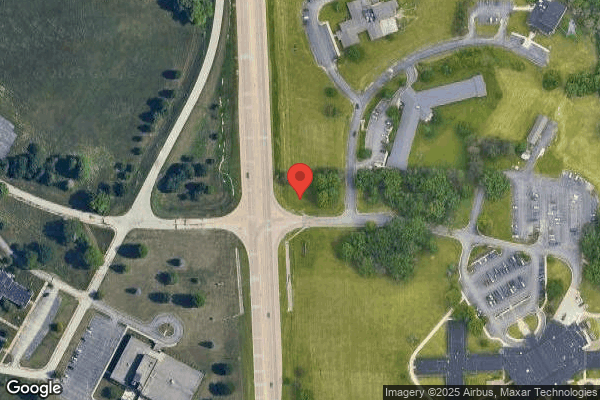
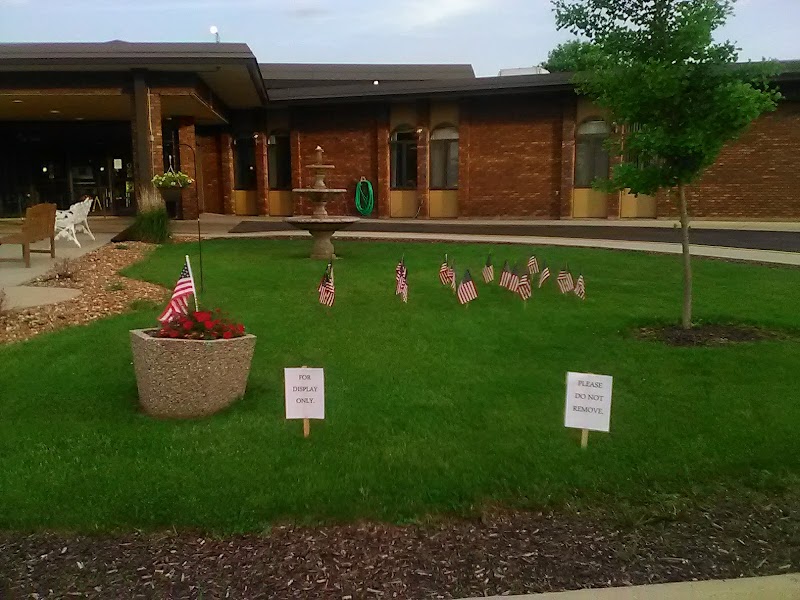
4401 NORTH MAIN STREET, ROCKFORD, IL 61103 (815) 921-9200
For profit - Corporation 304 Beds Independent Data: November 2025
Trust Grade
40/100
#281 of 665 in IL
Last Inspection: April 2025

Within standard 12-15 month inspection cycle. Federal law requires annual inspections.

Overview

River Bluff Nursing Home has a Trust Grade of D, indicating below-average quality and some concerns about care. It ranks #281 out of 665 facilities in Illinois, placing it in the top half, and #7 out of 15 in Winnebago County, meaning only six local options are better. The facility shows an improving trend, with issues decreasing from 9 in 2024 to 8 in 2025. Staffing is rated at 4 out of 5 stars, which is a strength, although turnover is average at 50%. However, the facility has incurred $45,856 in fines, which is concerning as it suggests repeated compliance issues. Specific incidents include a resident suffering serious pressure injuries due to a lack of proper care and monitoring, another resident experiencing significant weight loss because staff did not address decreased food intake, and a resident who had to wait approximately 12 hours for hospital care after dislocating their shoulder. While the facility has strengths in staffing and is improving, these serious deficiencies raise concerns about the quality of care provided to residents.

Trust Score
D
40/100
In Illinois
#281/665
Top 42%
Safety Record
High Risk
Review needed
Inspections
Getting Better
9 → 8 violations
Staff Stability
⚠ Watch
50% turnover. Above average. Higher turnover means staff may not know residents' routines.
Penalties
✓ Good
$45,856 in fines. Lower than most Illinois facilities. Relatively clean record.
Skilled Nurses
✓ Good
Each resident gets 47 minutes of Registered Nurse (RN) attention daily — more than average for Illinois. RNs are trained to catch health problems early.
Violations
⚠ Watch
31 deficiencies on record. Higher than average. Multiple issues found across inspections.
★★★☆☆
3.0
Overall Rating
★★★★☆
4.0
Staff Levels
★☆☆☆☆
1.0
Care Quality
★★★★☆
4.0
Inspection Score
Stable
2024: 9 issues
2025: 8 issues

The Good

  • 4-Star Staffing Rating · Above-average nurse staffing levels
  • Full Sprinkler Coverage · Fire safety systems throughout facility
  • No fines on record

Facility shows strength in staffing levels, fire safety.

The Bad

3-Star Overall Rating

Near Illinois average (2.5)

Meets federal standards, typical of most facilities

Staff Turnover: 50%

Near Illinois avg (46%)

Higher turnover may affect care consistency

Federal Fines: $45,856

Above median ($33,413)

Moderate penalties - review what triggered them

The Ugly 31 deficiencies on record

3 actual harm
Jul 2025 1 deficiency
CONCERN (D) 📢 Someone Reported This

A family member, employee, or ombudsman was alarmed enough to file a formal complaint

Potential for Harm - no one hurt, but risky conditions existed

Deficiency F0925 (Tag F0925)

Could have caused harm · This affected 1 resident

**NOTE- TERMS IN BRACKETS HAVE BEEN EDITED TO PROTECT CONFIDENTIALITY** Based on interview and record review the facility failed to follow their policy and procedure for bed bug prevention and managem...

Read full inspector narrative →
**NOTE- TERMS IN BRACKETS HAVE BEEN EDITED TO PROTECT CONFIDENTIALITY** Based on interview and record review the facility failed to follow their policy and procedure for bed bug prevention and management. This failure resulted in bed bugs being found in R2 and R3's shared room. This failure applies to 2 of 3 residents (R2 & R3) reviewed for bed bugs in the sample of 4.1. The Progress Notes dated 7/4/2 for R2 did not show any documentation regarding bed bugs being found in his room, and care and/or procedures done related to the bed bugs.On 7/15/25 at 9:02 AM, V1 Administrator stated if the facility suspects or see any bed bugs, they try to capture the bug for the exterminator. The exterminator is called. The room is checked. The resident is removed from the room. Everything is bagged and the room is taped off. The bathroom is taped off from the inside if it's connected to an adjacent room. V1 stated maintenance calls the exterminator; the facility uses pest control company B. The facility also uses pest control company A and they have a dog that is able to detect bed bugs in a facility. V1 stated on 4th of July she received a picture of a bed bug from V15 Nursing Supervisor. V1 stated she told V15 to remove the residents from the room, give them a shower, bag the belongings, leave the belongings in the room, keep the bug, and have maintenance seal off the room. V1 stated that families of the residents affected by the bed bugs were notified. V1 stated the facility did not send out notification to all family members of residents on the dove unit. V1 stated everything should have been documented in the residents' chart including the showers, room change, notification etc. V1 stated she told staff they were to notify the family/power of attorney about the bed bugs. On 7/15/25 at 9:19 AM, V3 Director of Nursing stated their policy after a bug is found is to call the exterminator, have the area treated, and have housekeeping do a deep cleaning after treatment. One bug was found last week then someone said they found another one. V3 stated she went to check, and she found two more bed bugs in R2's bed. V3 stated she placed the bugs in a cup, the exterminator was called, and the room was resealed. All the belongings had been bagged. Laundry and housekeeping oversaw that. V3 stated the affected residents' families were to be notified of the bed bugs and room change. On 7/15/2 at 9:34 AM, V5 Maintenance Director stated on Saturday (7/5/25) V22 maintenance employee taped the room off. V5 stated he called pest control company B on Saturday, but they don't come out on weekends. On Monday he called them again and the facility was placed on the list for treatment. On 7/15/25 at 10:02 AM, V6 Power of Attorney (POA)stated she was called by the facility and they stated R2 was moved because they were doing something to his room and that i was under maintenance. They did not notify her that there were bed bugs in his room and that was the reason for a move to a different room. V6 stated she is the power of attorney and stated that her mother did not receive a call regarding bed bugs. V6 stated when she went to see him on 7/8/25 none of his stuff had been moved to his new room. V6 stated she did not know why they did not tell her the truth and she was frustrated because she doesn't know anything.On 7/15/25 at 10:55 AM, V3 DON stated she did not know when the residents were moved. The family/POA should have been notified and it should be documented in the chart. Showers are documented on shower sheets. Staff should document what they are doing, should notify the family, tell them we are moving, and why we are moving to be transparent. Staff should and let them know how we are handling/eradicate it, and the timeframe when they can go back to their room etc. On 7/15/25 at 10:58 AM, V1 stated she talked to V10 RN because she was the nurse that documented in residents record that families were called about the room change. V10 stated she didn't tell the families because maintenance didn't have confirmation that it was a bed bug. V1 stated the facility should have called the POA/family of the residents on 7/9/25 when they had confirmation of the bed bugs. V1 stated the residents were showered on 7/4/25 and moved to a new room on 7/5/25. The Skin Check Note dated 7/5/25 at 9:22 PM for R2 showed, skin issues note small red marks noted to left lower extremity, hip, and thigh.The Communication Note dated 7/5/25 at 9:56 AM for R2 showed the power of attorney was called and notified that R2 would be moving to room [ROOM NUMBER] for maintenance. No additional Progress and/or Communication Notes were documented from 7/5/25 to the date of the survey on 7/15/25 that showed the POA was notified of the bed bugs in R2's room. R3's Progress Notes from 7/6/25 through the survey investigation date of 7/15/25 did not show the power of attorney was notified that bed bugs were found in R3's room.The Census List for R2 dated 7/15/25 showed on 7/5/25 he was moved from 395-1 to 350-1.The Face Sheet for R2 dated 7/15/25 showed diagnoses including Alzheimer's disease, hyperlipidemia, dementia, hearing loss, hypertensive heart disease, gout, osteoarthritis, and benign prostatic hyperplasia. The facility's Bed Bug Prevention and Management policy (7/8/25) showed, facility staff will implement measures to prevent, eradicate, and contain bed bugs as part of the facility's overall pest control program. 1. The facility shall take a systematic approach to bed bug prevention and management, including monitoring and detection, treatment of affected resident(s), eradication of pests, and prevention of recurrence. 3.e. Document in the medical record for each resident affected: Physician and family notification. Intervention and treatments. Notifications regarding any room changes. Response to treatment, and any monitoring efforts. 4. Eradication of pests: a. If a bug is found that meets the description of a bed bug, maintenance will notify pest control company for verification and eradication. B. [NAME] personal protective equipment, including gown, gloves, mask, hair, and shoe coverings. C. Check resident rooms adjacent to the room in which the bug was found. Check at night with a flashlight when bed bugs are most active. d. Tightly bag belongings, do not remove items or furniture from room. i. remove resident from room, shower, and get clothing from storage. ii. Place resident in a new room until treatment is completed. 5. Prevention of Recurrence: b. Monitor for bed bugs. Consider increase in housekeeping/cleaning efforts during this timeframe. c. Consider sealing cracks and crevices to remove hiding places. d. Follow up on treatment in the recommended timeframe. e. Maintain documentation of actions taken for treatment, eradication, and prevention.2. The Progress Noes dated 7/4/25 for R3 did not show any documentation regarding bed bugs being found in his room, and care and/or procedures done related to the bed bugs. The Skin Check Note dated 7/5/25 at 6:19 AM showed, resident had a shower today; scattered red marks noted on the top of his head, left hip, and right lower extremity.The Progress Notes/Communication Note dated 7/5/25 for R3 showed the power of attorney was called and notified that R3 would be moving to room [ROOM NUMBER] temporarily for maintenance. She advised the pacemaker (transmitter for pacemaker) was in the windowsill. This writer notified staff to move pacemaker (transmitter) to room [ROOM NUMBER]. On 7/15/25 at 11:35 AM, V7 POA stated she was not told R3 was moved because of bed bugs. V7 stated she was told they were doing some thins to his room and he would be moved back eventually. R3's Progress Notes from 7/6/25 through the survey investigation date of 7/15/25 did not show the power of attorney was notified that bed bugs were found in R3's room.The Census List for R3 dated 7/15/25 showed on 7/5/25 he was moved from 395-2 to 350-2.The Face Sheet for R3 dated 7/15/25 showed diagnoses including Alzheimer's disease, abdominal aortic aneurysm, hypercholesterolemia, cataract, anemia, macular degeneration, hypertensive and chronic kidney disease, atherosclerotic heart disease, atrial fibrillation, sarcopenia, ataxia, cardiac pacemaker, and dementia. The Care Plan dated 6/6/25 for R3 showed he requires moderate to extensive assistance for bathing, showering, bed mobility, dressing, personal hygiene, and toilet use.The facility's Bed Bug Prevention and Management policy (7/8/25) showed, facility staff will implement measures to prevent, eradicate, and contain bed bugs as part of the facility's overall pest control program. 1. The facility shall take a systematic approach to bed bug prevention and management, including monitoring and detection, treatment of affected resident(s), eradication of pests, and prevention of recurrence. 3.e. Document in the medical record for each resident affected: Physician and family notification. Intervention and treatments. Notifications regarding any room changes. Response to treatment, and any monitoring efforts. 4. Eradication of pests: a. If a bug is found that meets the description of a bed bug, maintenance will notify pest control company for verification and eradication. B. [NAME] personal protective equipment, including gown, gloves, mask, hair, and shoe coverings. C. Check resident rooms adjacent to the room in which the bug was found. Check at night with a flashlight when bed bugs are most active. d. Tightly bag belongings, do not remove items or furniture from room. i. remove resident from room, shower, and get clothing from storage. ii. Place resident in a new room until treatment is completed. 5. Prevention of Recurrence: b. Monitor for bed bugs. Consider increase in housekeeping/cleaning efforts during this timeframe. c. Consider sealing cracks and crevices to remove hiding places. d. Follow up on treatment in the recommended timeframe. e. Maintain documentation of actions taken for treatment, eradication, and prevention.
Apr 2025 7 deficiencies
CONCERN (D)

Potential for Harm - no one hurt, but risky conditions existed

ADL Care (Tag F0677)

Could have caused harm · This affected 1 resident

**NOTE- TERMS IN BRACKETS HAVE BEEN EDITED TO PROTECT CONFIDENTIALITY** Based on observation, interview, and record review the facility failed to provide timely incontinence care for one of one reside...

Read full inspector narrative →
**NOTE- TERMS IN BRACKETS HAVE BEEN EDITED TO PROTECT CONFIDENTIALITY** Based on observation, interview, and record review the facility failed to provide timely incontinence care for one of one residents (R83) reviewed for activities of daily living in the sample of 43. Findings include: R83's face sheet printed 4/10/25 showed diagnoses including but not limited to mental disorders due to known physiological condition, chronic kidney disease stage 3, malnutrition, palliative care, insomnia, anxiety, and irritable bowel disease. R83's facility assessment dated [DATE] showed severe cognitive impairment and total to substantial staff assistance needed for toileting hygiene, personal hygiene, dressing, and transfers. The same assessment showed R83 is always incontinent of urine and bowel. The assessment showed R83 is at risk for skin breakdown. On 4/8/25 at 10:34 AM, V17 (Certified Nurse Aide) entered R83's room and said the resident was asking to be changed. V17 said she was not assigned to the hall, but answers call lights whenever she sees them on. V17 said she did not know when R83 was last checked or changed for incontinence. V17 removed R83's bed linens and said these are all wet. V17 opened R83's incontinence brief and it was completely saturated through with urine. The thick blue pad under R83 was saturated. The bed sheet under the pad had a three-foot-wide urine ring on it. The bed alarm safety pad under the sheet was completely saturated. The mattress under the alarm pad was also saturated with urine. V17 said everything is so wet with urine that she needs a complete bed change now. R83 was lightly moaning and stated she was cold and uncomfortable. R83 was questioned regarding when she was last changed and said it was long ago so she could not remember. V17 stated the aides check all incontinent residents every two hours or more. V17 said it is not appropriate that R83 is so saturated. This should have been noticed sooner. There are some newer staff and they may not know to check her often. At 10:54 AM, V4 (Registered Nurse) entered the room to provide medication. V4 said R83 just came to the unit from the other side of the building. Staff are still getting familiar with her needs. V4 said incontinent residents have the potential for the development of moisture associated skin disorders, wound development, and urinary tract infections. R83's care plan showed a focus area related to ADLs (activities of daily living) initiated dated 3/24/25. Interventions included staff to check, change and complete peri/incontinence care upon waking, before & after meals, before bed, during the nighttime bed checks, per her request, and as needed. On 4/9/25 at 2:41 PM, V3 (Director of Nurses) stated residents are at risk for skin breakdown and infections if they are left in urine. They should be checked a minimum of every two hours. It is a dignity issue too. They should be changed right away. There is no reason someone should be found soaked with urine. Staff are not checking enough if they are so wet they need a complete bed change. The facility's Activities of Daily Living policy dated 3/24/25 states under the guidelines section: 3. A resident who is unable to carry out activities of daily living will receive the necessary services to maintain good nutrition, grooming, and personal and oral hygiene.
CONCERN (D)

Potential for Harm - no one hurt, but risky conditions existed

Pressure Ulcer Prevention (Tag F0686)

Could have caused harm · This affected 1 resident

**NOTE- TERMS IN BRACKETS HAVE BEEN EDITED TO PROTECT CONFIDENTIALITY** Based on observation, interview and record review, the facility failed to ensure a physician ordered pressure ulcer dressing/tre...

Read full inspector narrative →
**NOTE- TERMS IN BRACKETS HAVE BEEN EDITED TO PROTECT CONFIDENTIALITY** Based on observation, interview and record review, the facility failed to ensure a physician ordered pressure ulcer dressing/treatment was in place for one of seven residents (R21) reviewed for pressure ulcers in the sample of 43. Findings include: R21's admission Record, provided by the facility on 4/9/2025 showed she had diagnoses including, but not limited to, cerebral palsy, chronic obstructive pulmonary disease, polyneuropathy (a disorder that causes multiple nerves throughout the body to malfunction simultaneously. Symptoms include numbness, pain, tingling, or burning), pain in left shoulder, obesity, generalized osteoarthritis, seizures, peripheral vascular disease, and heart failure. R21's Order Summary Report, provided by the facility on 4/9/2025 showed an order to cleanse the wound with wound cleanser, apply an oil emulsion external gauze pad to wound bed, apply skin prep to periwound, and cover with a bordered gauze dressing three times a week and as needed. The report showed the order date was 4/2/2025 to start on 4/4/2025. R21's Treatment Administration Record (TAR), provided by the facility on 4/9/2025, showed the dressing change was to be done every Monday, Wednesday and Friday, and as needed. The TAR showed the treatment was signed off as being completed on 4/7/2025 on the day shift. On 4/8/2025 at 10:08 AM, V16 and V7 (Certified Nursing Assistants-CNAs) entered R21's room to provide incontinent care for R21. When R21 was rolled onto her right side, no dressing was in place to the pressure wound on her coccyx area and no dressing was in the brief. V16 verified that no dressing was on R21. V16 said this was the first time since she started her shift on 4/8/2025 that incontinence care was provided to R21. V16 said she checked R21 at 7:00 AM to see if she needed changed. R21 was dry, so no incontinent care was provided at 7:00 AM. On 4/09/2025 at 8:45 AM, V6 (Unit Manager/Registered Nurse-RN) said staff should make sure the dressing is in place so no bacteria can enter the wound and cause an infection. R21's wound assessment dated [DATE] showed she had a stage III pressure ulcer to her sacrum measuring 1.1 centimeters (cm) x 0.7 cm x 0.3 cm, with 70% granulation tissue, and 20% slough (white or yellowish non-viable tissue). The assessment showed the treatment in place was skin prep periwound, xeroform gauze, bordered gauze 3x/week (three times per week). R21's ADL (activities of daily living) care plan, with a revision date of 10/29/2024, showed she needed assistance with ADLs related to a self-care performance deficit. The care plan showed R21 needed substantial/maximal assistance from 1-2 staff members to reposition in bed, utilizing the use of the single-grab bar on her bed to participate and complete task. The care plan showed R21 required extensive assistance from one staff member to dress and undress daily. The ADL care plan showed R21 does not use the toilet. Staff will offer to check, change her and provide incontinent care upon waking, before and after meals as needed, before bed, and during the nighttime bed checks. R21's pressure ulcer care plan showed she has the potential for developing pressure ulcers related to impaired mobility and physical functioning, cerebral palsy, heart failure, arthritis, and incontinence. The care plan showed R21 had a stage III pressure ulcer on her coccyx. The care plan showed, Administer treatments as ordered and monitor for effectiveness. R21's 2/19/2025 facility assessment showed she is cognitively intact, is dependent on staff for toilet hygiene and transfers, is always incontinent of bowel and bladder, and is at risk of developing pressure ulcers. The facility's 3/25/2024 policy and procedure titled Pressure Injury Prevention Guidelines showed To prevent the formation of avoidable pressure injuries and to promote healing of existing pressure injuries, it is the policy of this facility to implement evidence-based interventions for all residents who are assessed at risk or who have a pressure injury present .3. Interventions will be implemented in accordance with physician orders, including the type of prevention devices to be used and, for tasks, the frequency for performing them .6. c. When physician orders are present, the facility will follow the specific physician orders. 7. Interventions will be documented in the care plan and communicated to all relevant staff.
CONCERN (D)

Potential for Harm - no one hurt, but risky conditions existed

Accident Prevention (Tag F0689)

Could have caused harm · This affected 1 resident

**NOTE- TERMS IN BRACKETS HAVE BEEN EDITED TO PROTECT CONFIDENTIALITY** 3. R84's admission Record, printed by the facility on 4/9/2025, showed she had diagnoses including, but not limited to, hemipleg...

Read full inspector narrative →
**NOTE- TERMS IN BRACKETS HAVE BEEN EDITED TO PROTECT CONFIDENTIALITY** 3. R84's admission Record, printed by the facility on 4/9/2025, showed she had diagnoses including, but not limited to, hemiplegia and hemiparesis following a cerebral infarction (paralysis and weakness on one side of the body after a stroke) affecting her left non-dominant side, unspecified dementia, disorder of muscle, weakness, iron deficiency anemia, type II diabetes mellitus with hyperglycemia, major depressive disorder, diastolic (congestive) heart failure, aphasia (language disorder) following cerebral infarction, dysphagia (difficulty swallowing), chronic obstructive pulmonary disease, and stage 3 chronic kidney disease. R84's Order Summary Report, printed on 4/9/2025, showed an order dated 2/24/2025 for occupational therapy three times a week for 12 weeks for ADL (activities of daily living) training, therapeutic exercises, therapeutic activities, transfer training, patient/caregiver education safety training and modalities as needed. R84's ADL self-care deficit care plan created on 10/3/2024 showed she requires two staff assist with transfers using a mechanical stand lift. R84's care plan created on 10/3/2024 showed she is at risk for falls related to gait/balance problems, non-ambulatory status, poor trunk control, incontinence, decreased strength and mobility, cognitive loss, and is dependent on staff for completion of bed mobility, transfers, and locomotion. The care plan showed Bed alarm when in bed. R84's facility assessment dated [DATE] showed she has a bed and chair alarm that monitors her movement and alerts staff when movement is detected. On 4/8/2025 at 10:00 AM, R84 was lying in bed. R84's eyes were closed, and she appeared to be sleeping. R84 did not respond when this surveyor knocked on the door. A bed alarm was at the end of R84's bed, on top of the blankets. There was no bed alarm under R84 at the time of observation. On 4/9/2025 at 8:48 AM, V6 (Unit Manager) said the pad alarm should have been under R84 because she is a fall risk. R84's 4/4/2025 Fall Risk Evaluation showed she had 1-2 falls in the past three months, had intermittent confusion, and 1-2 predisposing conditions that may affect her risk for falls, such as a stroke. R84's 3/19/2025 Fall incident report showed R84 had an unwitnessed fall in her room. The report showed R84 was found lying on her back on the floor in front of her bed. The report also showed R84's bed alarm was not on, or not activated. R84's communication note dated 3/19/2025 showed communication with Physician - Situation: Notified NP (Nurse Practitioner) that (R84) had an unwitnessed fall and is on Plavix and aspirin. Requested order to send to emergency department (ED). Order received to send out to ED for evaluation and treatment. The communication notes of 3/19/2025 showed R84 returned to the facility the same day with no injuries. The facility's policy and procedure titled Fall Prevention Program, with a revision date of 2/13/2025, showed each resident will be assessed for fall risk and will receive care and services in accordance with their individual level of risk to minimize the likelihood of falls. The policy showed 3. The nurse will indicate in the care plan the resident's fall risk and initiate interventions on the resident's care plan, in accordance with the resident's level of risk. Based on observation, interview, and record review the facility failed to ensure fall interventions were in place. This failure applies to three of seven residents (R95, R38, R84) reviewed for falls in the sample of 43. Findings include: 1. R95's admission Record (Face Sheet) showed an admission date of 5/3/24 with diagnoses of dementia, stroke, and weakness. On 4/8/25 at 10:02 AM, R95 was in his bed and alone in his room. R95's call light was lying on the empty bed next to him. The call light was not in R95's reach. On 4/8/25 at 10:02 AM, R95 stated he had fallen while getting up in his room. R95 said he did not know where his call light was. R95 then called out of his room for V7 Certified Nursing Assistant. R95 asked V7 a question regarding previous hospital admissions. V7 stated he would get the nurse. V7 did not provide R95 with his call light prior to exiting the room. R95's Care Plan says he is .at risk for falls .Be sure [R95's] call light is within reach and encourage him to use it for assistance .[R95] needs a safe environment with: even floor free from spills and/or clutter; adequate, glare free light; a working and reachable call light . R95's care plan showed no interventions regarding him removing his call light. 2. R38's Face Sheet showed he was admitted to the facility on [DATE]. On 4/8/25 at 11:07 AM, R38 was in his room, alone and lying in bed. R38's call light was out of his reach on the bed next to him. R38 said he did not know where his call light was. R38 stated, If I needed something, I guess I would just tell the staff the next time they came around. On 4/9/25 at 9:02 AM, R38's call light was on the floor between his bed and the empty bed next to him. The call light was not in reach and the door was shut. On 4/9/25 at 1:09 PM, V7 (Certified Nursing Assistant) stated R38 can use his call light. On 4/9/25 at 1:40 PM, V6 (Unit Manager/Registered Nurse) stated staff should ensure all safety measures are in place prior to exiting a room including resident access to call lights. V6 stated she was not aware of any residents who had a behavior or removing call lights from their bed and if there were she should be aware. V6 said the behavior of removing call lights should be care planned. R38's Care Plan says he is .at risk for falls .Be sure [R38's] call light is within reach and encourage him to use it for assistance . R38's care plan showed no interventions regarding him removing his call light. The facility's Call Lights: Accessibility and Timely Response (reviewed 12/18/24) .Staff will ensure the call light is within reach of the resident and secured, as needed. The call system will be accessible to residents while in their bed or other sleeping accommodations within the resident's room . The facility's Fall Prevention Program (Reviewed 2/13/25) showed, Each resident will be assessed for fall risk and will receive care and services in accordance with their individualized level of risk to minimize the likelihood of falls .Implement standard environmental interventions that decrease the risk of resident falling, including, but not limited to .call light and frequently used items in reach .
CONCERN (D)

Potential for Harm - no one hurt, but risky conditions existed

Incontinence Care (Tag F0690)

Could have caused harm · This affected 1 resident

Based on observation, interview, and record review, the facility failed to ensure a resident's indwelling catheter was below the level of the resident's bladder. This applies to one of two residents (...

Read full inspector narrative →
Based on observation, interview, and record review, the facility failed to ensure a resident's indwelling catheter was below the level of the resident's bladder. This applies to one of two residents (R127) reviewed for indwelling urinary catheters in the sample of 43. Findings include: R127 admission Record (Face Sheet) showed an admission date of 3/3/25 with diagnoses including stroke, dementia and a stage IV pressure injury. On 4/10/25 at 10:30 AM, V15 Licensed Practical Nurse (LPN) entered R127's room to provide wound care. V6 (Unit Manager/Registered Nurse) was present for positioning assistance. R127 was in bed and on her back. R127's feet were elevated, and her indwelling urinary catheter bag was attached to the frame of her footboard. R127's catheter drainage bag was even with her feet and above the level of her bladder. R127's drainage tubing was on her bed. During wound care, especially when R127 was moved, urine in R127's tubing was flowing back toward her and away from the bag. At the conclusion of wound care V15 and V6 exited R127's room and they did not move her urinary drainage bag and tubing below the level of her bladder. On 4/10/25 at 11:20 AM, V15 stated, while observing R127's catheter bag, Oh god no, it should not be hanging there. It's too high. It's going to flow back to her bladder. I didn't put it there, one of the CNAs (certified nursing assistants) must have. It should be hanging lower, off the bed frame. It (having the catheter above the level of the bladder) could cause all sorts of problems like a UTI (Urinary Tract Infection). R127's Care Plan showed, [R127] has an indwelling [urinary] catheter .position catheter bag and tubing below the level of the bladder . The facility's Catheter Care policy (reviewed 3/19/25) showed, .Ensure drainage bag is located below the level of the bladder to discourage backflow of urine .
CONCERN (D)

Potential for Harm - no one hurt, but risky conditions existed

Tube Feeding (Tag F0693)

Could have caused harm · This affected 1 resident

**NOTE- TERMS IN BRACKETS HAVE BEEN EDITED TO PROTECT CONFIDENTIALITY** Based on observation, interview and record review the facility failed to verify tube placement of a gastric tube using an approv...

Read full inspector narrative →
**NOTE- TERMS IN BRACKETS HAVE BEEN EDITED TO PROTECT CONFIDENTIALITY** Based on observation, interview and record review the facility failed to verify tube placement of a gastric tube using an approved method prior to giving medications and a bolus feeding. This applies to one of one resident (R62) in the sample of 43 reviewed for feeding tubes. Findings include: The facility face sheet for R62 shows he was admitted to the facility with diagnoses to include colon cancer, cerebral infarction (stroke), high blood pressure and hemiplegia (loss of motor skills on one side of the body). The facility assessment dated [DATE] for R62 shows him to have short and long term memory problems and is dependent on staff for all care. The same assessment shows R62 is fed by staff through a feeding tube. The care plan for R62 regarding his feeding tube shows to check for tube placement and gastric/residual volume per facility protocol. On 4/9/2025 at 7:09 AM, V4 (Registered Nurse - RN) was observed preparing to give R62 his morning medications and feeding into his feeding tube. V4 attached a large syringe onto the feeding tube and pushed air into the tube while listening with a stethoscope placed near the feeding tube. V4 then proceeded to give R62 his medications and feeding. On 4/9/2025 at 12:50 PM, V4 said she wasn't sure of the facility policy for checking for placement prior to administering medications and feedings, and usually just did what the nurse before her did. V4 said she looked for the policy and only found to check placement per facility policy. V4 said she asked another nurse (V5) for help and she was not able to find the policy either. On 4/9/2025 at 12:56 PM, V5 (RN) said V4 had come to her and had asked for help finding the policy for checking tube placement, but she was not able to find one. On 4/9/2025 at 1:36 PM, V3 (Director of Nursing) said the policy for tube feedings is very vague and it is being updated now. V3 said air installation is not the best practice anymore for checking tube placement. The Physician Order Sheet (POS) for R62 dated 4/9/2025 shows orders for nothing by mouth, all medications and feedings to be given by the feeding tube. The facility Medication Pass guideline dated 9/2022 shows check tube placement before the administration of medications or feedings. (The guideline does not show how this is to happen.) The care and treatment of feeding tubes provided by the facility with a revision date of 3/15/2025 shows, In accordance with facility protocol, licensed nurses will monitor and check that the feeding tube is in the right location (eg stomach) A. tube placement will be verified before beginning a feeding and before administering medications. (The policy does not show how tube placement is to be verified.)
CONCERN (D)

Potential for Harm - no one hurt, but risky conditions existed

Pharmacy Services (Tag F0755)

Could have caused harm · This affected 1 resident

**NOTE- TERMS IN BRACKETS HAVE BEEN EDITED TO PROTECT CONFIDENTIALITY** Based on observation, interview, and record review the facility failed to ensure physician prescribed medications were administe...

Read full inspector narrative →
**NOTE- TERMS IN BRACKETS HAVE BEEN EDITED TO PROTECT CONFIDENTIALITY** Based on observation, interview, and record review the facility failed to ensure physician prescribed medications were administered as ordered for two of two residents (R30, R62) reviewed for medication administration in the sample of 43. Findings include: 1. R30's face sheet printed on 4/9/25 showed diagnoses including but not limited to dementia with other behavioral disturbance, diabetes mellitus, depressive episodes, anxiety disorder, hypertensive heart disease, chronic kidney disease, and chronic obstructive pulmonary disease. On 4/9/25 at 9:00 AM, R30 was in bed and alone in the room. Four assorted colored pills were on her bedside table. An empty medication cup was next to the tablets. R30 stated the pills were her morning medicines. She gets around 16 pills total each morning and she had already taken the other pills. R30 said the nurse just leaves them with her and she takes them when she gets around to it. R30 was not able to identify what the tablets were and why she needed them. R30's Medication Administration Record (MAR) was reviewed and showed 15 medications scheduled to be given between 8 AM and 9 AM daily. The medical record did not reflect any assessment or screening to ensure R30 was capable to self-administer her own medications. On 4/9/25 at 1:04 PM, V1 (Administrator) and V3 (Director of Nurses) were interviewed together. V1 and V3 said residents can take medications on their own after the nursing department does an assessment to ensure they are capable. The assessment is needed to ensure safety. Residents need to show they understand when, how much, and what the medicine is for. The assessment should be done before any resident is left with medications. V3 reviewed R30's electronic medical record and was unable to provide any assessment to self-administer her medications. V3 said the care plan should reflect it too, but there is nothing there. Leaving medications with a resident increases the potential of someone else taking them or the resident may not take it and lose out on the therapeutic effects of the medications. The facility's Resident Self-Administration of Medication policy dated 3/19/25 states: 4. Nursing will perform a Self-Administration of Medication Assessment within the Electronic Health Record (EMR) upon desire to self-administer medications and quarterly. 5. Upon notification of the use of beside medication by the resident, the medication nurse records the self-administration on the Medication Administration Record (MAR) 7. The care plan will reflect resident self-administration and storage arrangements for such medications. 2. The facility face sheet for R62 shows he was admitted to the facility with diagnoses to include colon cancer, cerebral infarction (stroke), high blood pressure and hemiplegia (loss of motor skills on one side of the body). The facility assessment dated [DATE] for R62 shows him to have short and long term memory problems and is dependent on staff for all care. On 4/9/2025 at 7:09 AM, V4 Registered Nurse (RN) was observed preparing R62's morning medications and tube feeding to be given into his feeding tube. V4 prepared six different medications into six different medication cups and added small amounts of water to the pills to help dissolve them. The six medications were amlodipine (blood pressure medication), clopidogrel (platelet inhibitor), furosemide (water pill), lansoprazole (decrease acid in the stomach), simethicone (gas relief) and acetaminophen (pain reliever). V4 gave the medications and the tube feeding formula to R62. The Medication Administration Record (MAR) dated April 2025 shows in addition to the above medications, R62 has an order for Lisinopril (blood pressure medication) was to be given with the morning medication pass. On 4/9/2025 at 12:50 PM, V4 said she was sure she had given the lisinopril to R62. Later at 1:00 PM, V4 said she had been thinking about the lisinopril, and realized the lisinopril was usually being given at 6 PM, and someone had changed the time. V4 said she really wasn't sure is she had given the lisinopril to R62 or not. V4 said a nurse who does not usually work this unit must have changed the time. V4 said she knows what medications to give based on what is on the MAR. On 4/9/2025 at 1:36 PM, V3 Director of Nursing said the MAR needs to be referenced when giving the medications to ensure all medications are given as ordered. V3 said she could not determine why R62's lisinopril was changed to a different time. The Physician orders for R62 dated 4/9/2025 shows an order for lisinopril 20 mg one time a day. The MAR for April 2025 shows on 4/9/25 the lisinopril was scheduled to be given at 8 AM and was not signed as given. Review of the same MAR shows the time was changed for the lisinopril on 4/7/25 from 10 mg at 6 PM to 20 mg at 8 AM. The MAR shows no lisinopril was given to R62 on that day, 4/7/25. The facility policy for Medication Administration with a revision date of 3/14/25 shows to review the MAR to identify medications to be administered. Compare the medication with the MAR to verify resident name, medication name, form, does, route and time.
CONCERN (D)

Potential for Harm - no one hurt, but risky conditions existed

Infection Control (Tag F0880)

Could have caused harm · This affected 1 resident

**NOTE- TERMS IN BRACKETS HAVE BEEN EDITED TO PROTECT CONFIDENTIALITY** Based on observation, interview and record review, the facility failed to ensure staff wore the appropriate personal protective ...

Read full inspector narrative →
**NOTE- TERMS IN BRACKETS HAVE BEEN EDITED TO PROTECT CONFIDENTIALITY** Based on observation, interview and record review, the facility failed to ensure staff wore the appropriate personal protective equipment (PPE) while providing incontinent care and doing a dressing change for one of six residents (R21) reviewed for infection control in the sample of 43. Findings include: R21's admission Record, provided by the facility on 4/9/2025 showed she had diagnoses including, but not limited to, cerebral palsy, polyneuropathy (a disorder that causes multiple nerves throughout the body to malfunction simultaneously. Symptoms include numbness, pain, tingling, or burning), obesity, generalized osteoarthritis, seizures, peripheral vascular disease, and heart failure. R21's care plan dated 4/8/2025 showed she was on enhanced barrier precautions for a sacral wound. The care plan showed staff/family/visitors should wear a disposable gown and gloves during physical contact with R21. On 4/8/2025 at 10:08 AM, V7 and V16 (Certified Nursing Assistants-CNAs) performed hand hygiene and entered R21's room to provide incontinence care. Signage on the wall outside of R21's room showed R21 was on enhanced barrier precautions. V7 and V16 donned gloves, then performed incontinent care for R21, who had been incontinent of urine and stool. At 10:19 AM, V15 (Licensed Practical Nurse-LPN) entered R21's room to do a dressing change for the pressure wound on R21's coccyx area. V15 put gloves on and did the dressing change to R21's coccyx area. At no time during the observed incontinent care, or the dressing change, did V7, V16, or V15 wear a gown while providing high-contact resident care for R21. The signage on the wall outside of R21's room showed Enhanced Barrier Precautions. Everyone must clean their hands, including before entering and when leaving the room. Providers and Staff must also wear gloves and a gown for high-contact resident care activities. The signage showed the following high-contact activities: dressing, bathing/showering, transferring, changing linens, providing hygiene, changing briefs or assisting with toileting, Device care or use, and wound care: any skin opening requiring a dressing. On 4/09/25 at 8:39 AM, V6 (Unit Manager-Registered Nurse-RN) said if a resident is on enhanced barrier precautions (EBP) and staff go in to provide incontinent care they need to wear a gown and gloves. V6 said if the nurse is doing a dressing change, the nurse needs to wear a gown and gloves if the resident is on EBP precautions. V6 said it is important to wear a gown and gloves, so staff do not transmit organisms to other residents. R21's Order Summary Report, provided by the facility on 4/9/2025 showed an order to cleanse the wound with wound cleanser, apply an oil emulsion external gauze pad to wound bed, apply skin prep to periwound, and cover with a bordered gauze dressing three times a week and as needed. The report showed the order date was 4/2/2025, to start on 4/4/2025. R21's wound assessment dated [DATE] showed she had a stage III pressure ulcer to her sacrum measuring 1.1 centimeters (cm) x 0.7 cm x 0.3 cm. The facility's 2/5/2025 policy and procedure titled Clean Dressing Change showed It is the policy of (the facility) to provide wound care in a manner to decrease potential for infection and/or cross-contamination .1. [NAME] appropriate personal protective equipment (PPE) such as gown, gloves, mask and face shield if appropriate. Ensure Enhanced Barrier Precautions (EBP) are in place for residents having an open wound. The facility's 7/15/2024 policy and procedure titled Enhanced Barrier Precautions showed, It is the policy of this facility to implement enhanced barrier precautions for the prevention of transmission of multidrug-resistant organisms .Enhanced barrier precautions (EBP) refer to an infection control intervention designed to reduce transmission of multidrug-resistant organisms that employs targeted gown and gloves use during high-contact resident care activities .1. a. All staff receive training on enhanced barrier precautions upon hire and at least annually and are expected to comply with all designated precautions. b. all staff receive training on high-risk activities and common organisms that require enhanced barrier precautions.
Dec 2024 1 deficiency
CONCERN (D) 📢 Someone Reported This

A family member, employee, or ombudsman was alarmed enough to file a formal complaint

Potential for Harm - no one hurt, but risky conditions existed

Free from Abuse/Neglect (Tag F0600)

Could have caused harm · This affected 1 resident

**NOTE- TERMS IN BRACKETS HAVE BEEN EDITED TO PROTECT CONFIDENTIALITY** Based on observation, interview and record review the facility failed to ensure a resident was free from physical abuse for 1 of...

Read full inspector narrative →
**NOTE- TERMS IN BRACKETS HAVE BEEN EDITED TO PROTECT CONFIDENTIALITY** Based on observation, interview and record review the facility failed to ensure a resident was free from physical abuse for 1 of 4 residents (R3) reviewed for abuse in the sample of 5. The findings include: R3's Face Sheet shows that he is a [AGE] year old who admitted to the facility on [DATE] with diagnoses of: Alzheimer's disease, seizures, severe dementia with agitation, depression and anxiety. R3's Care Plan shows, has potential to be physically aggressive r/t (related to) anger, dementia, poor impulse control .Interventions: Give [R3] as many choices as possible about care. If/When [R3] becomes agitated: Intervene before agitation escalates; Guide away from source of distress; Engage calmly in conversation; If response is aggressive, staff to walk calmly away, and approach later. On 12/23/24, R3 was walking the hallways with a slow shuffled gait. R3 had tremors to both of his hands. R3 was unable to answer questions with logical answers. R3 was easily re-directed away from other residents and resident rooms by V17, (Certified Nursing Assistant/CNA). On 12/23/24 at 9:01 AM, V5 (CNA) said that she was doing 1:1 supervision with R3 on 12/17/24. V5 said that she walked with him out to the nurse's station where he has a reclining chair that he sits in and asked him to have a seat in the chair. V5 said that R3 did not sit in the chair and kept walking around the area. V5 said that V9 (Housekeeper) came up to R3 and asked him to sit down and R3 attempted to hit V9. V5 said that R3 had his fist raised so V9 grabbed his fists and walked him backwards in a fast manner in the direction of R3's recliner and that is when he fell. V5 said that she thinks that V9 was trying to defend himself but went about it in the wrong way. V5 said that V9 should have just walked away once R3 attempted to hit him. V5 said that if R3 is combative, walking around usually helps him calm down. V5 said that there were no other residents in the area when the incident occurred. On 12/23/24 at 11:51 AM, V7 (Licensed Practical Nurse/LPN) said that she was at her medication cart when she looked to her left and saw V9 holding onto R3's wrists and walking him backwards. V7 said that she could see that R3 was having trouble walking backwards. V7 said that she yelled, [V9], you can't do that, he is going to fall. V7 said that R3 appeared scared during the incident. V7 said that she then saw R3 fall to the ground and V9 still had a hold of R3's wrists. V7 said that she then told V9 that he could not be doing what he did and he responded with, Well, I am not going to let him hit me. V7 said that V9's face was reddened. V7 said that the incident that occurred would be considered abuse because he was physically forcing him to sit down in a chair by grabbing his wrist and forcefully guiding him backwards. V7 said that if R3 is agitated, the best thing to do is let him walk around, talk to him about his family or re-direct him to a different activity. V7 said that R3 gets agitated if you want him to do something that he does not want to do. On 12/23/24 at 9:30 AM, V6 (Unit Attendant) said that she witnessed the incident on 12/17/24 between R3 and V9. V6 said that she saw V9 holding R3's wrists and walking him backwards and it was kinda forceful. V6 said that R3 then fell to the ground while V9 was still holding his wrists. On 12/23/24 at 10:09 AM, V8 (Housekeeper) said that he was cleaning the bathroom at the nurse's station area and he heard V7 say, [V9], let him go so he turned around and saw V9 holding both of R3's wrists and moving him backwards towards a chair and then he fell. V8 said that if a resident tries to hit him, he is supposed to back away and let the nurse know. V8 said that housekeepers should never touch a resident. On 12/23/24 at 11:31 AM, V17 (CNA) said that R3 likes to walk around the unit and tinker with things. V17 said that R3 also likes to talk about his family. V17 said that R3 will sometimes get agitated but it is usually provoked by something. V17 said that R3 has signs that he is becoming agitated. V17 said that his tone of voice changes and his answers to questions changes. V17 said that R3 does not like to be told what to do and he will get combative if you tell him what to do or do something to him that he does not want to do. V17 said that if he is combative, the best thing to do is walk away and give him a minute to calm down and then re-approach him and talk with him. V17 said that if R3 does not want to sit down, they find something else that R3 wants to do. On 12/23/24 at 8:45 AM, V3 (Registered Nurse-Unit Manager) said that he heard there was an incident between R3 and V9 while he was in a morning meeting. V3 said that he left the meeting and went to investigate what had happened. V3 said that as he was walking to the unit, he saw V9 and V9 said that he was in trouble. V3 said that he asked him why and he said that R3 was trying to hit him so he grabbed his wrists and tried to direct him to his chair and he fell. V3 said that he knew he was in trouble because staff should never put their hands on a resident like that. V3 said that if a resident tries to hit them, they should just walk away. The facility provided Abuse Investigation shows that V9 was interviewed on 12/17/24 at 10:15 AM and V9 stated, I was at nurses' station when [R3] attempted to hit me in my privates. I grabbed his wrists to prevent him from striking me. Holding him by his hands I walked him backwards towards the recliner, to sit him in the recliner. [R3] lost his footing and started to fall backwards. I continued to hold on to [R3's] wrists and he landed on his butt on the floor then laid down on his back and side. The facility provided Abuse Investigation shows that V4 was interviewed on 12/17/24 at 1:00 PM and stated, [V9] walked past me, he was visibly upset, stated I am getting fired today. On 12/23/24 at 12:59 PM, V2 (Director of Nursing) said that she does not feel that V9 acted appropriately to the situation. V2 said that V9 should have just walked away from R3 if he tried to hit him and not grab him in self-defense and force him back to the chair. V2 said that she does feel that what V9 did to R3 was abuse. On 12/23/24 at 3:00 PM, V1 (Administrator) said that during her investigation, it was found that V9 grabbed R3's wrists and walked him backwards towards his chair and he fell. V1 said that V9 was terminated due to the incident. The location of the incident was observed. The incident was re-enacted by V7 (LPN). After V9 grabbed R3's wrists, he was forcefully walked backwards approximately 11 feet before he fell. The facility's Abuse, Neglect and Exploitation Policy revised 11/14/24 shows, This facility is committed to protecting our residents from abuse, neglect, exploitation, misappropriation of property and mistreatment by anyone including, but not limited to, facility staff .Abuse means any physical or mental injury or sexual assault inflicted upon a resident other than by accidental means. Abuse is the willful infliction of injury, unreasonable confinement, intimidation, or punishment with resulting physical harm, pain or mental anguish to a resident .Willful, as used in this definition of abuse, means the individual must have acted deliberately, not that the individual must have intended to inflict injury or harm.
Nov 2024 1 deficiency
CONCERN (D) 📢 Someone Reported This

A family member, employee, or ombudsman was alarmed enough to file a formal complaint

Potential for Harm - no one hurt, but risky conditions existed

Report Alleged Abuse (Tag F0609)

Could have caused harm · This affected 1 resident

Based on interview and record review, the facility failed to ensure allegations of resident-to-resident abuse were immediately reported for 2 of 5 residents (R2, R3) reviewed for abuse in the sample o...

Read full inspector narrative →
Based on interview and record review, the facility failed to ensure allegations of resident-to-resident abuse were immediately reported for 2 of 5 residents (R2, R3) reviewed for abuse in the sample of 5. The findings include: On 11/13/24 at 10:32 AM, V3 (Licensed Practical Nurse/LPN), said she was the nurse when (V5) the Unit Attendant (UA) reported R2 hit R3 a couple of months ago in September. V3 said everyone wrote statements and V19 (the former Director of Nursing/DON) and V18 (the former Assistant DON), came around and took statements. On 11/13/24 at 10:54 AM, V5 (UA) said R2 has hit other residents and she saw R2 hit R3 a couple months ago. V5 said V18 spoke to her about the incident. On 11/13/24 at 3:47 PM, V6 (Unit Manager/RN) said R2 was walking through the dining room on 9/24/24 with his one-to-one assigned caregiver and R2 struck out at R3. V6 said V18 came around and took resident and staff interviews. V6 said he assumed the nurse on duty reported the incident. On 11/13/24 at 11:27 AM, V7 (CNA) said R2 tried to hit V5, then he went around and punched R3 by her belly. V7 said R3 was just sitting in her wheelchair at the time. V7 said V18 might have done an investigation because she was asked to write a statement about what happened. On 11/13/24 at 11:47 AM, V11 (CNA) said she was on the unit and heard R2 hit R3, but she did not see it happen. V11 said no one ever came and spoke to her about the incident. On 11/13/24 at 9:53 AM, V1 (Administrator) said there have been no abuse allegations or investigations in the past two months. On 11/13/24 at 2: 26 PM, V1 said she is not aware of any incidents between R2 and another resident in the last couple of months. V1 said V18 was in the facility for about a month, and she never received any abuse allegations from V18. V1 said if her ADON is doing interviews with staff about potential abuse, she should be informing her about it; she needs to do an investigation and reporting of any allegations. On 11/13/24 at 3:21 PM, V2 (DON) said she is not aware of R2 hitting a resident in the last couple of months. V2 said if she had been told about R2 hitting another resident, she would report it to the Abuse Coordinator (V1), then the abuse coordinator is responsible to do an investigation. The facility's Abuse Policy dated 4/12/21 showed, This facility prohibits mistreatment .or abuse of its residents Employees are required to report any incident, allegation or suspicion of potential abuse . they observe, hear about, or suspect to the administrator immediately, or to an immediate supervisor who must then immediately report it to the administrator .Supervisors shall immediately inform the administrator or designee of all reports of incidents, allegations or suspicion of potential abuse. The facility was unable to provide any reports or documentation of an investigation regarding the 9/24/24 incident between R2 and R3.
Jun 2024 1 deficiency
CONCERN (D) 📢 Someone Reported This

A family member, employee, or ombudsman was alarmed enough to file a formal complaint

Potential for Harm - no one hurt, but risky conditions existed

Grievances (Tag F0585)

Could have caused harm · This affected 1 resident

**NOTE- TERMS IN BRACKETS HAVE BEEN EDITED TO PROTECT CONFIDENTIALITY** Based on interview and record review, the facility failed to ensure a resident received a written grievance decision for one of ...

Read full inspector narrative →
**NOTE- TERMS IN BRACKETS HAVE BEEN EDITED TO PROTECT CONFIDENTIALITY** Based on interview and record review, the facility failed to ensure a resident received a written grievance decision for one of three residents (R1) reviewed for grievances in the sample of 7. The findings include: R1's face sheet showed a [AGE] year-old with diagnosis of peripheral neuropathy, Type 2 diabetes, obesity, heart failure, chronic kidney disease stage 3, and peripheral vascular disease. On 6/20/24 at 10:39 AM, R1 was in his room in a recliner. He stood up and walked across the room without any assistive devices and unlocked a drawer. He retrieved copies of grievances he had filed. R1 was calm, alert, and oriented. His speech was clear, and he had good eye contact. On 6/20/24 at 10:30 AM, V1 said she personally had given R1 verbal grievance resolutions. R1 didn't request a written response but V1 will make sure he gets a written response. At 10:39 AM, R1 said when I file a grievance, I do not receive a response in writing. I get it verbally. I talked to V1 Administrator. I still don't think I did anything wrong. I told her (V1) I wanted to know what (V4 Restorative Aide and V10 Restorative Nurse) said. (V2 Director of Nursing (DON)) told me they don't give grievance resolutions in writing. R1's grievance dated 6/9/24 showed an incident occurred on 6/7/24 involving rude and disrespectful conversation with V4. This grievance requested a verbal and written response. The facility's 10/23/23 Resident and Family Grievance Policy showed the grievance official is responsible for issuing written grievance decisions to the resident. In accordance with the resident's right to obtain a written decision regarding his or her grievance, the grievance official will issue a written decision on the grievance to the resident or representative at the conclusion of the investigation. The written decision will include at a minimum: the date the grievance was received, the steps taken to investigate the grievance, a summary of pertinent findings or conclusions regarding the resident's concern, a statement as to whether the grievance was confirmed or not confirmed, any corrective action taken by the facility as a result of the grievance, and the date the written decision was issued.
Mar 2024 6 deficiencies 2 Harm
SERIOUS (G)

Actual Harm - a resident was hurt due to facility failures

Pressure Ulcer Prevention (Tag F0686)

A resident was harmed · This affected 1 resident

**NOTE- TERMS IN BRACKETS HAVE BEEN EDITED TO PROTECT CONFIDENTIALITY** Based on observation, interview, and record review the facility failed to identify a pressure injury prior to becoming a deep ti...

Read full inspector narrative →
**NOTE- TERMS IN BRACKETS HAVE BEEN EDITED TO PROTECT CONFIDENTIALITY** Based on observation, interview, and record review the facility failed to identify a pressure injury prior to becoming a deep tissue injury, failed to obtain treatment orders for a new pressure injury, and failed to implement pressure relieving interventions for a resident with multiple pressure injuries for 1 of 7 residents (R117) reviewed for pressure injury in the sample of 31. These failures resulted in R117 suffering a deep tissue injury to the right heel, a Stage 2 pressure injury to the right buttock, and a Stage 1 to the left lateral ankle. The findings include: R117's face sheet showed a [AGE] year-old male admitted to the facility on [DATE] with diagnoses of fracture of the right femur, weakness, polyneuropathy, heart failure, foot drop of the left and right feet, and chronic obstructive pulmonary disease. On 03/05/24 at 12:21 PM, R117 was in a wheelchair in his room. There were ace wraps to both legs and feet. R117 had black shoes on his feet and his feet were on the foot pedals. V15 Certified Nursing Assistant-CNA and V12 CNA transferred R117 from the wheelchair to bed using a mechanical lift. R117 grimaced in discomfort during the transfer and his right leg rotated internally. V12 stated he fractured his right hip about 2 months ago and doesn't think he had surgery. V12 and V15 discussed if heel boots should be on when he was in the chair or in the bed. They were uncertain. At 2:21 PM, V41, R117's son in law stated R117 fell at home on 2/4/24 and fractured his right hip. V41 stated R117 was not a candidate for surgery to repair the fracture due to the location of a plate in his leg. V41 stated R117 did not have any skin breakdown at the time of admission and cannot lift his leg. 03/06/24 12:25 PM, V2 Director of Nursing- DON stated if a new skin condition is found the nurse should obtain treatment orders and notify the provider and family. Pressure interventions should be put into place as soon as we can but getting a treatment started is more important. The provider determines if the resident is referred to wound care. It's important that interventions are in place to avoid new injury and prevent worsening of current pressure wounds. On 3/5/24, this surveyor requested to observe R117's wounds with wound rounds on 3/6/24. On 3/6/24, R117's wound round was completed when this surveyor arrived at the facility. On 3/6/24, this surveyor asked V42 wound doctor to speak with this surveyor when his rounds were done and before he left the facility. V42 left the facility without speaking to this surveyor. At 1:08 PM, V2 assisted to observe R117's right heel wound. R117 was in bed with heel boots on, and both feet resting on the mattress. The offloading pillow was on the floor. V2 asked staff why the heels were not offloaded; they responded because he was eating. R117's right lateral heel had a non-blanchable red purple irregularly shaped area approximately the size of a quarter. On 3/7/24 at 10:00 AM, V17 Unit Coordinator and V18 Registered Nurse-RN assisted to observe R117's left lateral ankle wound. R117 was in a wheelchair in his room. R117 had bilateral foam heel boots on with both feet resting on the foot pedals of the chair. There were inflatable boots with the heels open on the top shelf of the closet. V17 said those were from the hospital. R117's left foot was positioned outward allowing the left lateral ankle to rest on the heel boot. The left lateral ankle had non-blanchable red-purple area approximately the size of a dime. R117's (late entry) skin concern notes effective 3/4/24 at 1:16 PM showed discoloration to bilateral heels. This note showed to float heels when in bed, ace wraps to bilateral legs, apply in the morning and remove at night, medical doctor will be in the facility tomorrow to assess wounds and power of attorney gave consent for wound care to follow. R117's 3/4/24 wound weekly observation tool showed a right heel suspected deep tissue injury measuring 3 centimeters (cm) X 4 cm. Float heels in bed/chair, wound care to see 3/6/24. R117's wound doctor notes showed no mention of the heel wound being assessed. The note showed a Stage 1 pressure injury to the left lateral ankle measuring 2.5 X 0.6 cm and a Stage 2 pressure wound to the right upper medial buttock measuring 0.9 X 1.1 X 0.1 cm. This note showed to offload the wounds. A 3/5/24 nursing note showed the medical doctor ordered heel lift boots while in wheelchair and a wedge when in bed. R117's physician order sheet printed 3/6/24 at 1:10 AM showed orders dated 3/5/24 to float heels while in bed at all times and heel lift boots while up in wheelchair for pressure relief. An order for a gel dressing to the right upper medial buttock was ordered on 3/6/24 and to start on 3/8/24. An order for skin prep to the left lateral ankle was dated 3/6/24 and to start 3/8/24 (wound found 3/4/24). There were no treatment orders for the heel wound found 3/6/24 until 3/7/24. The facility's 4/12/2021 Pressure Ulcer Prevention Policy showed interventions necessary to maintain skin integrity or promote healing will be incorporated into the plan of care based on each resident's individual needs and risks. This policy was less than a page and a half in length. Additional pressure injury policies and/or procedures was requested twice, and none was received. The facility's 10/12/2023 Wound Treatment Management Policy showed wound treatments will be provided in accordance with physician's orders. In the absence of treatment orders, the licensed nurse will notify the physician to obtain treatment orders. Treatments will be documented on the Treatment Administration Record or in the electronic health record. R117's 2/9/24 pressure injury risk assessment showed he was bedfast and completely immobile (does not make even slight changes in body or extremity position without assistance). R117's care plan showed impaired mobility related to cognitive loss, incontinence, pain, visual deficit, inconsistent motivation to participate in his care, and required hands on assist with repeated verbal directions to participate in and to complete bed mobility and repositioning. R117's care plan showed he required assistance from 2 staff members using a total mechanical lift for all transfers, was non-weight bearing and non-ambulatory. R117's 2/9/24 care plan showed a closed right hip fracture related to a fall. The 2/16/24 potential for pressure development related to decreased mobility care plan was updated 3/4/24 to show 2 new bilateral heel deep tissue injuries. Interventions dated 3/5/24 showed to apply heel lift boots and off load heels while in bed. R117's 2/15/24 facility assessment showed severe cognitive impairment and bilateral lower extremity range of motion impairment. This assessment showed dependence for toileting, bathing, lower body dressing, putting on and taking off footwear, roll left and right, sit to lying, and lying to sitting on side of bed.
SERIOUS (G)

Actual Harm - a resident was hurt due to facility failures

Deficiency F0692 (Tag F0692)

A resident was harmed · This affected 1 resident

Based on observation, interview, and record review the facility failed to identify decreased food intake for residents and implement interventions to prevent a significant weight loss for 2 of 6 resid...

Read full inspector narrative →
Based on observation, interview, and record review the facility failed to identify decreased food intake for residents and implement interventions to prevent a significant weight loss for 2 of 6 residents (R50 & R87) reviewed for nutrition in the sample of 31. These failures resulted in a 5% weight loss in one month for R50 and R87. The findings include: 1. On 3/5/24 at 10:03 AM, R50 was in bed with the head of her bed raised. R50 had her tray table in front of her with her breakfast tray sitting on it. R50 had a sausage patty, hardboiled egg, roll, french toast, water, and chocolate milk. The french toast was cut in half and did not have any syrup on it. R50 picked up the hardboiled egg, looked at it and sat it back down on the tray table. R50 did not eat any of her breakfast. R50 was talking gibberish to herself and when asked questions. No staff were observed assisting R50 with breakfast. On 3/5/24 at 1:06 PM, R50 was sitting in her bed with the head of her bed elevated. R50 had her tray table in front of her with her lunch sitting on it. R50 had au gratin potatoes, broccoli, cake, beef a Roni, water, and juice. R50 did not eat any of her food; lunch was served at around 12:15 PM. R25 CNA (Certified Nursing Assistant) came into the room to assist R50's roommate and stated R50 hasn't been eating but will drink her fluids and then left the room. The Care Plan dated 2/7/24 for R50 showed, R50 has an ADL (activity of daily living) self-care performance deficit related to cognitive loss, episodes of impaired balance, resistive with staff during care, bi-lateral lower extremity edema, incontinence, alteration in endurance, new to facility, and requires repeated verbal directions, coaxing, encouragement and hands on assist to participate in and to complete daily care and tasks. Eating: R50 is able to feed herself after staff assist with set up of meal. Provide finger foods when R50 has difficulty using utensils. Provide milkshakes or liquid food supplements when R50 refuses or has difficulty with solid food or provide nutritious foods that can be taken from a cup or a mug where appropriate. R50 has potential nutritional problem. Provide, serve diet as ordered. Monitor intake and record every meal. Registered dietician to evaluate and make diet change recommendations as needed. The Nutrition/Dietary Note dated 2/15/24 for R50 showed, Diet: Regular with regular texture and thin liquids. Per Nursing notes, resident requires cues and intermittent 1:1 assist to stay on task with meals. The weights for R50 documented in the electronic medical record as of 3/6/24 showed on 2/1/24 her weight was 163. 4 pounds and on 3/1/24 her weight was 152.4 pounds. R50 had an 11-pound weight loss in one month = 6.7% weight loss. On 3/6/24 at 3:30 PM, V40 RN (Registered Nurse/Unit Coordinator) stated, significant weight changes come up in the weights section of the computer charting. V40 stated they meet every Thursday for a meeting to discuss weight changes. V40 stated she did want to get a re-weigh for R50 to see if the weight was accurate. V40 stated if there was a weight loss the doctor and power of attorney would be notified. V40 stated she would discuss the weight change with the registered dietician, and she will see the resident and make recommendations. V40 stated she believes R50's weight is accurate because she looks like she has lost some weight. Staff should be encouraging her to eat. V40 stated she thinks R50 might be needing more help and that it hasn't been brought to her attention yet by staff. V40 stated if a resident refuses to eat staff can offer a supplement, come back later, and try to get the resident to eat, and try to find out why the resident is not eating. V40 stated that no one has said anything to her about R50 not eating. On 3/7/24 at 8:37 AM, V23 CNA (Certified Nursing Assistant) stated, if the resident is not eating, we will let the nurse know. We assist if they need help eating. If not eating with assistance, then let nurse know. V23 stated she would offer the resident something else like fruit or if they can tell her what they want she will get that. V23 stated they can offer supplement shakes. V23 stated if there were a big weight change for a resident, she would let the nurse know. On 3/7/24 at 9:18 AM, V20 RD (Registered Dietician) stated she is at the facility 8 times per month so usually twice per week on Mondays and Thursdays. V20 stated she was on vacation and had V21 RD filling in for her remotely this last Monday. V20 stated she typically is the one that goes through the weights to look for weight changes. V20 stated the facility has weekly weight meetings and will bring stuff to her attention as well. V20 stated she printed off a list of residents and weight concerns from home and circled the residents that she needs reweighs on and have questions about. V20 stated she would talk to the unit coordinator to see if they thought the weights in question were legitimate or not. V20 stated V21 listed R50 as needing to be re-weighed on Monday (3/4/24) to make sure the weight was accurate. As of last night (3/6/24) she did not see that R50 had been reweighed. V20 stated typically when she asks for a reweigh, she would have to wait for the new weight to know if it is accurate before she makes recommendations. V20 stated if the reweigh is not in there then apparently nothing was done. V20 stated she would have looked through R50's notes to see if she was refusing to eat and/or not feeding herself. If R50 was not feeding herself then staff could assist her. Staff could do verbal cueing. V20 stated she would expect a note in R50's chart saying she prefers liquids over food. V20 stated if the staff know R50 is declining in eating then they should be there to assist the resident with eating and verbal cues. V20 stated R50 eating in her room alone would not be good; it would be better to be out at a table. The Nutrition/Dietary Note dated 3/7/24 at 9:49 AM for R50 showed, RD Weight Review; Principal diagnosis: unspecified dementia, severe, with other behavioral disturbances. Comfort care in place & do not hospitalize per family preference. Notified of reweigh per unit coordinator of 154.2#. Weight reflecting a significant weight loss of 5.6% (9.2 pounds) x/times 30 days. Meal intake remains variable, however, appears to have declined. Per records, resident requires cues and intermittent 1:1 assist to stay on task with meals. Noted Resident was fed per staff times 1 meal on 2/10, 2/17, 2/18, 2/29 & 3/2 per records. No labs to review. Discussed weight loss with unit coordinator and she will notify the power of attorney and primary care physician. Unit coordinator reports resident likes milk and has been taking fluids well. Will recommend supplement shakes twice a day to assist with calorie & protein needs. Monitor acceptance of supplement. Continue to cue & assist resident at meals as needed. Recommend weekly weight monitoring. Monitor intake & weight. The Face Sheet dated 3/8/24 for R50 showed medical diagnoses including unspecified dementia, severe, with other behavioral disturbance, macular degeneration, history of anxiety disorder, hypertension, unspecified psychosis, polyneuropathy, hypothyroidism, hypercholesterolemia, vitamin D deficiency, and gastroesophageal reflux disease. 2. The Weights and Vitals Summary Sheet dated 3/7/24 for R87 showed on 2/1/24 his weight was 202.6 pounds and on 3/1/24 his weight was 186 pounds. R87 had a significant weight loss of 16.6 pounds in one month that equals and 8.2% weight loss. The Face Sheet dated 3/7/24 for R87 showed diagnoses including alzheimer's disease, muscle weakness, protein-calorie malnutrition, generalized arthritis, hypertension, vitamin D deficiency, mixed hyperlipidemia, bilateral hearing loss, atherosclerotic heart disease, paroxysmal atrial fibrillation, cerebrovascular disease, gastro-esophageal reflux disease, benign prostatic hyperplasia, and type 2 diabetes mellitus. The Progress Notes from 2/1/24 through 3/7/24 at 8:57 AM did not show any documentation related to R87's weight loss. The Nutrition Intake Documentation for R87 from 2/7/24 through 3/6/24 showed staff documented the resident ate 76-100% of his meals except for 3 meals where he ate 51-75%. On 3/7/24 at 8:41 AM, R22 LPN (Licensed Practical Nurse) reviewed R87's weights in the electronic medical record and stated usually when the weight loss is like R87's the dietician will come in and see the resident, have the resident re-weighed and go from there. R22 stated R87 eats really well and usually has a weight gain. R22 stated she was not aware of R87's weight loss and would have him re-weighed. On 3/7/24 at 8:59 AM, V3 RN (Registered Nurse/Unit Coordinator) stated they have meetings every week about weights. V3 stated that the dietician was on vacation. V3 reviewed R87's weight in the computer and stated he is going to have R87 re-weighed because doesn't think the weight is accurate. V3 stated R87 usually eats great and has no eating problems that he is aware of. V3 stated the dietician goes through the building. There is a meeting that the unit coordinators go to, to talk about weight losses and gains. They re-weigh residents if needed. V3 stated if the documented weight is something ridiculous then it is brought to his attention. V3 stated R87's weight loss was kind of ridiculous. The Weights and Vitals Summary Sheet dated 3/7/24 for R87 showed at 10:56 AM he was re-weighed, and his weight was 186.4 which was a 16.2-pound weight loss. This was an 8% significant weight loss in one month from his 2/1/24 weight of 202.6 pounds. The Care Plan dated 1/25/24 for R87 showed R87 is able to feed himself independently, staff assist with set up as and if needed. R87 has a potential nutritional problem related to his weight being higher than recommended for his height. Monitor intake and weight. Monitor/record/report as needed any signs/symptoms of malnutrition: emaciation (cachexia), muscle wasting, significant weight loss: 3 pounds in 1 week, >5% in 1 month, >7.5% in 3 months, and >10% in 6 months. The Nutritional Management policy (10/12/23) showed, the facility provides care and services to each resident to ensure the resident maintains acceptable parameters of nutritional status in the context of his or her overall condition. A systematic approach is used to optimize each resident's nutritional status: a. Identifying and assessing each resident's nutritional status and risk factors; b. Evaluating/analyzing the assessment information; c. Developing and consistently implementing pertinent approaches; d. Monitoring the effectiveness of interventions and revising them as necessary. A comprehensive nutritional assessment will be completed by a dietician within 72 hours of admission, annually, and upon significant change in condition. Care Plan implementation: Interventions will be individualized to address specific needs of resident. Examples include but are not limited to iii. Weight related interventions; iv. Environmental interventions; vi. Physical assistance or provision of assistive devices. The physician will be notified of i. significant changes in weight, intake, or nutritional status Nutritional recommendations may be made by dietician based on resident's preferences, goals, clinical condition, or other factors and followed up with the physician/practitioner for orders as per facility policy, if indicated.
CONCERN (D)

Potential for Harm - no one hurt, but risky conditions existed

Respiratory Care (Tag F0695)

Could have caused harm · This affected 1 resident

**NOTE- TERMS IN BRACKETS HAVE BEEN EDITED TO PROTECT CONFIDENTIALITY** Based on observation, interview, and record review, the facility failed to ensure a resident's oxygen tank was not empty and fai...

Read full inspector narrative →
**NOTE- TERMS IN BRACKETS HAVE BEEN EDITED TO PROTECT CONFIDENTIALITY** Based on observation, interview, and record review, the facility failed to ensure a resident's oxygen tank was not empty and failed to ensure a resident's nebulizer mask was changed as ordered for 1 of 1 resident (R7) reviewed for respiratory care in the sample of 31. The findings include: R7's face sheet showed a [AGE] year-old male with diagnoses of dementia, chronic obstructive pulmonary disease, interstitial lung disease, dependence on supplemental oxygen, Type 2 Diabetes, hypertensive heart disease, and osteoarthritis. On 03/05/24 at 11:35 AM, R7 was in a recliner in his room. The oxygen cannula in his nose was connected to a portable oxygen tank attached to the back of a wheelchair positioned in front of him. The gauge on the oxygen tank showed the tank was empty. The flow meter was set at 4 liters per minute. R7 asked if anything was coming out of the tubing and said he did not adjust the oxygen. There was a nebulizer mask lying on a table next to the recliner. The mask was not covered and was in direct contact with the table. The mask was dated 2/25/24. There was an oxygen concentrator in the room with long tubing attached and lying on the bed. At 11:41 AM, R7 self-transferred from the recliner to the wheelchair and an alarm sounded. At 11:45 AM, V15 Certified Nursing Assistant-CNA responding to the chair alarm. V15 assisted R7 to the toilet. R7 asked V15 to check his oxygen tank to see if there was any in there. V15 left and came back with returned with V16 Licensed Practical Nurse-LPN. V16 checked and asked R7 to not turn the oxygen up as it should be set at 2 liters per minute. V16 replaced the tank with a full one. V16 said R7 had three different lung diseases and gets short of breath very easily. V16 said R7 receives breathing treatments using the nebulizer once per shift. V16 said he had one at 5:00 AM and the next one is scheduled for 1:00 PM. R7 said he did receive his morning breathing treatment. V15 assisted R7 back to the recliner and R7 was moderately short of breath. On 03/06/24 at 12:25 PM, V2 Director of Nursing-DON said nebulizer treatment masks should be changed weekly to avoid contamination. They get dirty and should be stored in a bag when not in use. We don't want residents getting sick from inhaling any contaminants. It's important that a resident's oxygen supply is not empty so they don't suffer from hypoxia (low oxygen level) which could cause organ failure, death or harm. R7's physician order sheet-POS showed a 3/5/24 order for oxygen to be administered continuously at 2-4 liters via nasal cannula. R7's care plan showed he was on oxygen therapy related to respiratory illness and showed to administer oxygen. R7's March 2024 Medication Administration Record-MAR showed he received the medicated nebulizer treatments three times a day daily. The facility's 10/7/23 Oxygen Administration Policy showed oxygen is administered under orders of a physician. Staff shall change oxygen tubing and mask/cannula weekly and as needed if it becomes soiled or contamination. Keep delivery services covered in plastic bag when not in use. Oxygen warning signs must be placed on the door of the resident's room where oxygen is in use.
CONCERN (D)

Potential for Harm - no one hurt, but risky conditions existed

Infection Control (Tag F0880)

Could have caused harm · This affected 1 resident

**NOTE- TERMS IN BRACKETS HAVE BEEN EDITED TO PROTECT CONFIDENTIALITY** Based on observation, interview, and record review, the facility failed to provide incontinence care in a manner to prevent cros...

Read full inspector narrative →
**NOTE- TERMS IN BRACKETS HAVE BEEN EDITED TO PROTECT CONFIDENTIALITY** Based on observation, interview, and record review, the facility failed to provide incontinence care in a manner to prevent cross contamination, failed to ensure a CNA removed contaminated gloves and appropriately performed hand hygiene after providing incontinent care for two of four (R103, R111) residents reviewed for infection control in a sample of 31. Findings include: 1. R103's face sheet printed on 3/7/24 showed R103 was admitted to the facility on [DATE]. R103 has diagnoses including but not limited to dementia, hypertensive heart and chronic kidney disease, peripheral vascular disease, and palliative care. R103's physicians order sheet printed on 3/7/24 showed side rail use per assessment and resident/agent's choice. R103's Minimum Data Set (MDS) printed on 3/7/24 showed R103 is dependent with 2 or more assist required. R103's care plan printed on 3/7/24 showed R103 has cognitive loss, staff will check, change and provide peri/incontinent care upon awakening, before and after meals as needed, before bed, during nighttime bed checks as indicated. On 03/07/24 at 10:24AM, R103 was sitting in her reclining chair in the unit dining room. She was resting her head on a pile of folded bandanas that were on the table. V38 (Certified Nursing Assistant) CNA encouraged R103 to lay down and was then transported to her room and put in bed via mechanical lift. V38 said She (R103) is totally dependent care. On 3/7/24 at 10:38AM, V38 and V37 (Certified Nursing Assistant) CNA provided incontinent care after putting R103 to bed. R38 was wiping the fecal matter from R103's buttock area then turned off the bed alarm with her gloved hand while doing incontinent care when the alarm began to sound off. She did not remove her gloves or wash her hands. The alarm sounded again, and she turned off the alarm again without removing her gloves or washing her hands. V38 then touched R103's hand when R103 reached up and grabbed V38's hand while V38 was still cleaning the fecal matter from the R103's buttock area. When V38 was finish she pulled up the side rail, grabbed a walker that was in front of the floor mat leaning against the wall, and then gave R103 a call light cord. V38 moved the garbage can and placed the floor mat in front of the bed. V38 did not remove the soiled gloves that was being used to clean up R103. V38 then set the white rectangular shaped alarm on the floor mat that was in front of the bed. She adjusted, the wheelchair and turned off the light, walked out of room, and put the dirty brief that was in a plastic bag into the trash barrel that was outside the room and removed her gloves, threw them in the trash and then sanitized hands. On 3/7/24 at 10:48AM, V38 said no I did not change my gloves and wash my hands, but I usually do. Yes, I touched her, her chair, and the floor mat, I also touched the curtain bed alarm and the walker. I know it is not sanitary, I could spread germs. (R103) can get sick yes, she has a roommate and she could get sick from the germs. The staff could be affected also by the germs. On 03/07/24 at 10:53 AM, V39 (License Practical Nurse) LPN said they should change gloves and wash their hand after doing peri care and touching the dirty or soiled brief. They should not be touching the clean environment when in the room. They could spread the fecal matter and germs. It affects (R103) by her touching the things the CNA has already touch and she can get sick. On 03/07/24 at 10:59 AM, V40 (Registered Nurse/Unit Director) RNUD said they should be changing gloves and washing hand and wiping front to back making sure not to put dirty gloves on the (R103) or any other items in the room. If there is fecal matter it is a big infection control issue. It could get the (R103) sick especially on this unit. It is basically spreading germs. V40 said if they (residents) touch the dresser, or any item tin the room then put their hands in the mouth they could get sick. On 03/07/24 at 11:08 AM, V2 (Director of Nursing) and V1 (Administrator) ADM said they should practice hand hygiene. They should be washing their hands and gloving. It could cause contamination to and the (R103) and the environment. V2 said we don't want them (CNA's) to get the sheets and bed rails dirty. They (CNA's) should not be touching bed alarm or anything in the room. There could be contamination from the fecal matter. (R103) could get sick. V1 (Administrator) ADM said we could have GI issues or pink eye if they touch their eyes. The facility's infection control policy dated 4/12/21 showed the facility's written program is for the implementation of systems that provide a safe, sanitary, and comfortable environment and helps prevent the development and transmission of communicable disease and infections . 6) Hand hygiene is utilized to reduce the spread of germs to residents and the risk of the health care provider's colonization of infection by germs acquired from a resident. The facility utilizes hand hygiene via hand washing and alcohol-based hand sanitizers . 2. On 3/6/24 at 9:08 AM, R111 was lying in bed on her left side for a dressing change to the pressure ulcer on her sacrum. V39 LPN (Licensed Practical Nurse) and V37 CNA (Certified Nursing Assistant) was at bedside for care, and both had gloves on. V37 removed R111's incontinence brief, discarded the brief an changed her gloves. V37 took a wet washcloth and washed R11's rectum, buttocks, and lower back. V37 draped the soiled washcloth over the bed rail. V37 grabbed the towel and patted R111's buttocks dry and draped the towel over the bed rail. R111 did not change her gloves and had her hands on R111's back to keep her on her right side while V39 changed the dressing. V37 removed the soiled linen from R111's side rail and laid it on top of her night stand next to the resident's drink. V37 then repositioned the resident in bed and pulled her sheet up. V39 stated gloves are to be changed after you clean an area that was dirty and before going to a clean area. V39 stated gloves should be removed then, hand sanitizer used, and new gloves put on for infection control. V37 stated she normally has a bag and basin with her. V37 stated the dirty linen should not be on nightstand because it is unsanitary. The Face Sheet for R111 showed diagnoses including alzheimer's disease, major depressive disorder, muscle weakness, parkinson's disease, anorexia, dementia, type 2 diabetes, hyperlipidemia, hypertension, and anxiety. The Care Plan dated 12/20/23 for R111 showed she has an activity of daily living self-care performance deficit related to dementia, confusion, weakness, depression, hypertension, language barrier and type 2 diabetes mellitus. She requires extensive assistance by 1-2 staff for toileting. R111 is totally dependent on 1 staff for personal hygiene and oral care. Toilet use: staff will assist to complete peri/incontinence care to maintain good skin integrity. Wears incontinence briefs. The facility's Incontinence Care policy (4/12/22) showed, place soiled linens and clothing in the appropriate linen containers. The facility's Personal Protective Equipment policy (10/12/23) showed, change gloves and perform hand hygiene between clean and dirty tasks, when moving from one body part to another, when heavily contaminated, or when torn.
CONCERN (E)

Potential for Harm - no one hurt, but risky conditions existed

Accident Prevention (Tag F0689)

Could have caused harm · This affected multiple residents

**NOTE- TERMS IN BRACKETS HAVE BEEN EDITED TO PROTECT CONFIDENTIALITY** 2. The facility face sheet for R24 shows diagnoses to include dementia, anxiety and heart failure. The facility assessment dated...

Read full inspector narrative →
**NOTE- TERMS IN BRACKETS HAVE BEEN EDITED TO PROTECT CONFIDENTIALITY** 2. The facility face sheet for R24 shows diagnoses to include dementia, anxiety and heart failure. The facility assessment dated [DATE] shows moderate cognitive impairment and requires set-up assistance with eating. On 3/6/24 at 9:05 AM, R24 was observed lying flat in her bed trying to drink her thickened juice. R24's breakfast tray was in front of her and contained the crusts from her toast. R24 had egg's all over her chest. R24 was observed raising and lowering the head of her bed. On 3/6/24 at 12:56 PM, R24 was observed lowering the head of her bed to the flat position and attempted to feed herself. No staff were observed on the hallway. On 3/06/24 at 2:30,V30 Unit manager, said R24 has days where she is more alert and oriented than other days. R24 requests the thickened liquids and mechanical soft foods. R24 will focus and obsess on different things and right now that is she says she has hot urine and needs to lay flat in her bed. V30 said she has spoken to R24 about this and educated on not laying flat while eating. On 3/07/24 at 9:20 AM, V31 Licensed Practical Nurse (LPN) said R24 is oriented to person and her room but can't remember anything extensive. V31 said R24 can feed herself and prefers to eat in bed. V31 said R24 will use the bed control to lower her head of bed and has also raised her legs higher than her head. V31 said if she saw R24 lying flat in bed eating she would quickly raise her head of the bed for safety reasons. On 3/7/24 at 9:30 AM, V32 Certified Nursing Assistant (CNA) said R24 is mostly alert and oriented. V32 said when a resident is eating in bed, the head of their bed must be in the upright position since it is not safe to eat in bed while lying flat. On 3/7/24 at 9:35 AM, V2 Director of Nursing (DON) said he expects the staff to have residents in the upright position for eating in bed to protect them from choking. V2 said R24 needs supervision when she is lowering her head of the bed. The nursing progress notes dated 11/10/23, 11/26/23, 11/28/23 and 12/6/23 showed R24 was adjusting her bed into unsafe positions and the staff were educating her on safety and removing the bed controls from her. The facility care plan for R24 shows it was updated on 3/6/24, after concerns were reported to facility management. The care plan showed R24 will at times place herself flat and eat/drink. An intervention of encouraging her to have the head of her bed elevated while eating was added. The care plan for activities of daily living was also updated on 3/6/24 to show a new intervention of providing education to R24 regarding the risk of choking while eating lying flat in bed. No interventions for supervision were added to R24's care plan. The facility policy for meal supervision and assistance dated 10/12/23 shows the resident will be prepared for a well balanced meal in a calm environment, location of her choice and will adequate supervision and assistance to prevent accidents . The undated policy for in-room dining shows residents will be monitored when dining in their rooms by nursing staff. Based on observation, interview, and record review the facility failed to supervise a resident with behaviors (R131) and failed to supervise a resident during meals (R24) for 2 of 9 residents reviewed for safety in the sample of 31. The findings include: 1. R131's face sheet printed on 3/5/24 showed diagnoses including but not limited to alzheimer's Disease, dementia with agitation, anxiety disorder, and insomnia. R131's facility assessment dated [DATE] showed severe cognitive impairment and the ability to walk independently. The same assessment showed rejection of care and wandering behaviors. On 3/5/24 at 11:19 AM, R131 was in the group lounge area. R131 was able to speak but was confused and used short yes/no answers. R84's face sheet printed on 3/7/24 showed diagnoses including but not limited to dementia and cognitive communication deficit. R84's mental assessment dated [DATE] showed severe cognitive impairment. On 3/6/24 at 9:42 AM, R84 was seated in a wheelchair and had a chair alarm attached to the back of her shirt. R84 was confused and unable to answer questions. On 3/5/24 at 10:35 AM, V11 (Unit Clerk) said R131 has good and bad days. He gets moody and needs redirection. V11 said R131 likes to push other residents in the wheelchair and does wander around the unit. On 3/5/24 at 12:00 PM, V8 (Licensed Practical Nurse) said R131 has behaviors which vary day to day. R131 continually takes off his shoes and socks, wanders the unit, and touches things. R131 needs to be led away from areas he does not belong in. On 3/6/24 at 9:45 AM, V5 (Registered Nurse) said R131 is very confused and needs constant redirection. He enters other resident rooms and tries to push residents around in their wheelchairs. He requires supervision when he is out of bed. It is not safe for him to be wandering around the unit alone. On 3/6/24 at 9:54 AM, V12 (CNA-Certified Nurse Aide) stated R131 walks continually around the unit. He wanders aimlessly and needs supervision when he is awake. He doesn't always know what he is doing, and we never know when his behaviors are going to kick in. On 3/5/24 at 2:10 PM, V10 (CNA) stated he was in the unit dining room after dinner on the evening of 2/22/24. V10 said R84 was seated in her wheelchair at the table and finishing her meal. There were no other residents present other than R131. V10 said R131 was aimlessly wandering which was a typical behavior for him. V10 said R131 was also known to frequently try to assist other residents with pushing their wheelchairs around for them. V10 said he saw R131 behind R84's wheelchair and was trying to help push her wheelchair. V10 said he turned his back for a short time and when he looked again, he saw R131 pulling on the alarm cord that was attached to R84's shirt. V10 said R131 was yanking the cord and the front of R84's shirt was pulling tight against her throat. R84 did not yell out or react physically. R84 did start coughing and spilled her juice down the front of her. V10 said he immediately went to R131 and had to pull the cord out of R131's hand to stop the interaction. V10 said V6 (RN-Registered Nurse) was down the hallway and responded when she heard V10 yelling at R131 to stop. On 3/6/24 at 10:10 AM, V6 (RN) said she did not witness the incident between R131 and R84 but did hear it. V6 said she was down the hall prior and saw V10 going in and out of the dining room to clear away dinner dishes. V6 said she heard V10 telling R131 to stop, stop. V6 said she immediately went to the dining room and saw V10 directing R131 away from R84's wheelchair. V6 said V10 told her R131 had been trying to pull on the alarm cord attached to the wheelchair. V6 said R131 is confused and does normally wander around the facility. R131 needs close monitoring and a constant eye on him. He tries to assist residents with pushing them in their wheelchairs. Staff know all about his behaviors and should immediately interject when he tries. He needs redirection when he is displaying his confused behaviors. On 3/7/24 at 9:00 AM, V9 (CNA) said R131 has low cognition, and it has been declining progressively. R131 begins sundowning (behaviors that start when sunset begins setting) every day after lunch. We are all aware of it and know he is escalating. We keep away from directly touching him but know to watch him. Everybody should be watching him and be ready to redirect right away. On 3/7/25 at 9:25 AM, V2 (Director of Nurses) said R131 and R84 should have been separated immediately when staff noticed them. R131 needs constant monitoring and redirection. Staff should have intervened right away. It is unsafe for demented residents to be assisting others and it is a safety issue. The facility's Resident with Dementia policy dated 4/22 states: 9. Analyze behaviors which are symptomatic of dementia and how the behavior reflects the individual resident's dementia losses and anticipate potential triggers which may precipitate behavior reactions.
CONCERN (E)

Potential for Harm - no one hurt, but risky conditions existed

Deficiency F0761 (Tag F0761)

Could have caused harm · This affected multiple residents

Based on observation, interview, and record review the facility failed to properly label an opened vial of Tuberculin solution (31 residents residing on Cardinal Unit) and an insulin pen (R93) reviewe...

Read full inspector narrative →
Based on observation, interview, and record review the facility failed to properly label an opened vial of Tuberculin solution (31 residents residing on Cardinal Unit) and an insulin pen (R93) reviewed during the medication storage and labeling task. The findings include: 1. The facility Resident Census report dated 3/5/24 showed 31 residents reside on Cardinal unit. On 3/7/24 at 8:47 AM, V3 (Unit Coordinator) opened the medication room and unlocked the small padlock on the refrigerator. Inside the door of the refrigerator was an unopened vial of tuberculin solution and an opened 5 ml vial of Tuberculin 5 TN/ml, containing 5 ml (vial showed for 50 doses). The opened vial did not have an opened date written on the vial or the box. V3 said the opened vial should have been labeled with the open date, so the staff know when it expires. V3 said he wasn't sure how long the vial was good for, then immediately said, Maybe 30 days? I'm going to need to throw that out. V3 said each unit has their own house stock vial of Tuberculin and this vial was used for new admissions and any residents needing TB testing on the unit. On 3/7/24 at 11:32 AM, V2 (DON - Director of Nursing) said whenever a vial of Tuberculin is opened, it should be labeled with an open date. V2 said once the vial is open it is only good for 30 days. V2 said it's important to label the medication vial with an open date to ensure residents are not receiving meds that are expired or beyond their shelf life. The FDA (Food and Drug Administration) Package Insert for the Tuberculin vial showed that an opened vial that is in use should be discarded after 30 days. The facility's Storage/Labeling/Packing of Medications Policy dated 12/2023 showed, To store medications and biologicals under proper conditions of temperature, light, and security . 5. Individual resident's medications are stored and labeled according to legal requirements of acceptable manufacturing practices. 6. Each resident's medications are kept separately from others. 7. Each resident's medications are stored in original containers and must be properly labeled . 2. On 3/7/24 at 10:50 AM, V19 (RN - Registered Nurse) opened her medication cart. In the top drawer was a glargine insulin pen. This pen was not labeled with the resident's name, nor did it have an open date or expiration date written on it. The surveyor asked who the glargine insulin pen belonged to and V19 replied, Oh, that's for [R93]. I know it's his because he's the only resident on that medication. The medications that are sent by our pharmacy are labeled with the resident's name, but I think this pen was filled by his insurance. It's from an outside pharmacy, so it didn't come with a label. It should have been labeled when it arrived. R93's Face sheet printed 3/7/24 showed diagnoses to include idiopathic peripheral autonomic neuropathy, non-pressure chronic leg ulcers, diabetes, obesity, heart failure, peripheral vascular disease, and long term use of insulin. R93's Physician Order Sheet showed an order for glargine insulin pen. Inject 86 Units two times a day. On 3/7/24 at 11:32 AM, V2 (DON) said the insulin pen should be labeled with the resident name and open date. V2 said insulin is usually good for 28 days, once it is used. V2 said the open is date is important, so we know when to discard the medicine.
Oct 2023 1 deficiency
CONCERN (D) 📢 Someone Reported This

A family member, employee, or ombudsman was alarmed enough to file a formal complaint

Potential for Harm - no one hurt, but risky conditions existed

Pressure Ulcer Prevention (Tag F0686)

Could have caused harm · This affected 1 resident

Based on observation, interview, and record review, the facility failed to administer pressure ulcer treatment as ordered for 1 of 3 residents (R2) reviewed for pressure ulcers in the sample of 4. Th...

Read full inspector narrative →
Based on observation, interview, and record review, the facility failed to administer pressure ulcer treatment as ordered for 1 of 3 residents (R2) reviewed for pressure ulcers in the sample of 4. The findings include: R2's Wound Evaluation & Management Summary dated 10/11/23 shows R2 has a Stage 3 Pressure Wound of the Left Heel. The dressing treatment plan for the wound is to discontinue betadine and add Santyl with a gauze island with border dressing. R2's Care Plan created on 9/20/23 shows nursing staff is to administer treatments as ordered for R2's deep tissue injuries to her heels and toes. On 10/16/23 at 11:16 AM, V6, Licensed Practical Nurse (LPN), was changing R2's right and left heel pressure wound dressings. V6 removed the gauze from both heels, used wound cleanser to moisten and loosen the bandage from each wound prior to removing the soiled bandage, cleaned each wound with betadine, and applied a non-adherent bandage to each wound and wrapped each heel with gauze. On 10/16/23 at 2:00 PM, V5, Wound Care Physician, said he sees residents in the facility each week and writes the wound care orders in his progress notes. On 10/16/23 at 3:20 PM, V2, Director of Nursing, said V5 does his progress note for the date he saw the resident, then the floor nurses process the orders according to the treatment plan. The facility's Wound Treatment Management policy (implemented 8/15/23) shows wound treatments will be provided in accordance with physician orders, including the cleansing method, type of dressing and frequency of dressing change.
Jun 2023 1 deficiency
CONCERN (D) 📢 Someone Reported This

A family member, employee, or ombudsman was alarmed enough to file a formal complaint

Potential for Harm - no one hurt, but risky conditions existed

Safe Environment (Tag F0584)

Could have caused harm · This affected 1 resident

Based on observation, interview, and record review the facility failed to ensure R2's floor was kept clean and free of debris for one of sixteen residents (R2) reviewed for homelike environment in the...

Read full inspector narrative →
Based on observation, interview, and record review the facility failed to ensure R2's floor was kept clean and free of debris for one of sixteen residents (R2) reviewed for homelike environment in the sample of sixteen. The findings include: On 06/07/23 at 11:00AM, R3 was observed laying in bed on his back. R3's floor felt sticky when walked on. Surveyor observed the base of R3's over bed table had food debris on it and R3's floor had food and debris on it. At 3:10PM, R3's floor was sticky when walked on and food and debris could be seen on the floor and the base of the over bed table. On 06/08/23 at 9:15AM, R3 was observed laying in bed. The hospice nurse and hospice nurse practitioner were in the room. The floor had debris and felt sticky when walked on, the base of R3's over bed table had food debris on it. On 06/07/23 at 1:00PM, V20 Housekeeping said, resident rooms are supposed to be mopped daily. When I am mopping the floor, I will clean the base of the over bed table with the mop. I am assigned to clean two halls of resident rooms. We are short a housekeeper, I am cleaning all four halls on the unit. I do not know how long we have been short a housekeeper. On 06/08/23 at 9:15AM, V23 RN-Registered Nurse Hospice stated, I have been here to see R3 three times this week and the floor was sticky. The facility's Daily Cleaning of Resident Rooms policy dated 04/12/23 shows, dust mop and wet mop hard floors.
Apr 2023 10 deficiencies
CONCERN (D)

Potential for Harm - no one hurt, but risky conditions existed

Deficiency F0604 (Tag F0604)

Could have caused harm · This affected 1 resident

**NOTE- TERMS IN BRACKETS HAVE BEEN EDITED TO PROTECT CONFIDENTIALITY** Based on observation, interview, and record review, the facility failed to ensure a resident was free from restraints for 1 of 1...

Read full inspector narrative →
**NOTE- TERMS IN BRACKETS HAVE BEEN EDITED TO PROTECT CONFIDENTIALITY** Based on observation, interview, and record review, the facility failed to ensure a resident was free from restraints for 1 of 1 residents (R103) reviewed for restraints in the sample of 29. The findings include: R103's electronic face sheet printed on 4/27/23 showed R103 has diagnoses including but not limited to dementia with other behaviors, insomnia, major depressive disorder, peripheral vascular disease, and chronic kidney disease. R103's facility assessment dated [DATE] showed R103 has severe cognitive impairment, requires two plus staff assistance for transfers, and does not utilize restraints. On 4/25/23 at 9:28AM, R103 was observed in her reclining wheelchair that was laid all the way back with the footrest elevated all the way. R103 was holding onto either side of the chair and was scooting forward trying to get up. R103's legs were observed hanging over the left side of the chair. R103 then fell back into the chair as she was unable to keep herself up independently. On 4/25/23 at 12:01PM, R103's chair remained in the reclined position with the footrest elevated. R103 was scooting her buttocks forward in the chair with her legs over the left side of the footrest. V7 (Certified Nursing Assistant) asked R103 to lay back in the chair and R103 refused. V7 then left R103 while she was attempting to scoot forward in the chair. At 12:07PM, R103 continued to try to exit the reclining wheelchair. V9 then placed her hands on R103's shoulders, pushing her back into a lying position. R103 then sat back up and V9 told her to lay back down so she wouldn't fall and walked away. At 12:13PM, R103 was sitting back up in her chair with the chair reclined. R103 was able to scoot and pull herself to sit on the footrest of the reclining chair until her alarm was triggered and staff came to assist her back into her chair and placed her in a lying position. On 4/26/23 at 11:34AM, R103 was observed out in the common area with her legs over the left side of her reclining wheelchair. The wheelchair had the feet elevated all the way up and the wheelchair was reclined all the way back. R103 was attempting to pull herself into a sitting position and was unable to do so. V5 and V9 (Certified Nursing Assistants-CNA's) went over to R103 and sat her back in the wheelchair. V9 then placed her hands on R103's shoulders and gently pushed her back into a laying position while stating lay back (R103). At 11:43AM, R103 took the blankets off her legs and put her legs over the left side of the wheelchair. R103's wheelchair remained in the reclining position. At 11:48AM, R103 scooted herself forward in her wheelchair and swung her legs over the left side of the chair. V5 then provided companionship for R103 until her lunch was served. V5 stated R103 transfers with one staff assist. V5 stated she has not seen R103 walk but has heard from other staff members that R103 can walk. V5 stated R103 received a reclining wheelchair because she was leaning forward a lot in her regular wheelchair. On 4/27/23 at 8:27AM, R103 was observed in the small dining room in her reclining wheelchair that was laid all the way back with the feet elevated all the way. R103 was sitting up in her chair, holding onto either side to keep herself up. R103 was trying to put her legs over the left side of the chair but a stationary chair had been placed next to her chair, preventing her from putting her legs over the side of her chair. V5 (Certified Nursing Assistant) was sitting with her back turned to R103 and was providing feeding assistance to another resident. On 4/27/23 at 9:03AM, V11 (Registered Nurse/Unit Coordinator) stated, R103's (reclining wheelchair) was put into place by a group of us. She has some chronic back pain and tries to get up a lot, so we placed her in that for comfort. If a resident is in a (reclining wheelchair) and trying to get up and they can't because of the head being laid back and feet are up I have never thought of that as a restraint, if a dining chair is there then I would consider that a safety issue. I never thought of these as a restraint before, but I can see how you might consider it that way. On 4/27/23 at 9:27AM, V3 (Director of Nursing) stated, The (reclining wheelchair) positioning that (R103) has been placed in could definitely be considered a restraint especially with putting a chair next to it. The staff know not to try to get them to lay back down and they should be sitting the chair up or repositioning. The facility's policy titled, Physical Restraints dated 11/8/12 showed, In accordance with Federal and State laws, this facility has a very stringent policy regarding the use of physical devices on residents. Our philosophy of providing residents with the highest possible quality of care and life is reflective of our belief that it is essential for our residents to maintain their dignity and independence by being permitted to take the normal risks of everyday life. Devices used in an attempt to remove these normal risks of living violate the rights of residents, greatly reduce their quality of life, and present significant physical and psychological risks .The following devices are listed as the most common restraints used. Restraints are not limited to these devices .8. reclining chair .
CONCERN (D)

Potential for Harm - no one hurt, but risky conditions existed

Deficiency F0676 (Tag F0676)

Could have caused harm · This affected 1 resident

**NOTE- TERMS IN BRACKETS HAVE BEEN EDITED TO PROTECT CONFIDENTIALITY** Based on observation, interview, and record review, the facility failed to ensure a resident's activities of daily living (ADL) ...

Read full inspector narrative →
**NOTE- TERMS IN BRACKETS HAVE BEEN EDITED TO PROTECT CONFIDENTIALITY** Based on observation, interview, and record review, the facility failed to ensure a resident's activities of daily living (ADL) function did not decline for 1 of 1 residents (R103) reviewed for ADL's in the sample of 29. The findings include: R103's electronic face sheet printed on 4/27/23 showed R103 has diagnoses including but not limited to dementia with other behaviors, insomnia, major depressive disorder, peripheral vascular disease, and chronic kidney disease. R103's facility assessment dated [DATE] showed R103 had severe cognitive impairment and required one staff assist for transfers. R103's most recent facility assessment dated [DATE] showed R103 has severe cognitive impairment and requires two plus staff assistance for transfers. R103's nursing progress notes showed, 1/25/23 Resident continues on 1:1 supervision, sleeping on the recliner, up and walking a few times today. 1/29/23 Call to hospice .asking for a (reclining wheelchair) as resident sits in recliner a lot and leans forward in regular chair and in recliner. 2/13/23 Resident continues on 1:1 supervision, sleeping most of the day, but arousable. Needs two assist during transfers, attempting to get up from (reclining wheelchair) a few times only, easily redirected. 2/27/23 .doesn't walk alone anymore, in (reclining wheelchair). R103's nursing care plan with a revision date of 3/1/23 showed, (R103) activities of daily living self-care performance deficit related to cognitive loss, impaired balance, and requires hands on assist and verbal directions from staff to complete daily care and admitted to hospice care .(R103) is provided with supervision to stand by assist to complete stand pivot transfers. R103's certified nursing assistant tasks showed R103 completed a walk in her room on 4/17/23. No other exercises had been documented for R103 for the past 30 days. On 4/26/23 at 10:17AM, V6 (Licensed Practical Nurse) stated R103 has not walked in quite some time but she used to. On 4/27/23 at 11:48AM, V5 (Certified Nursing Assistant) stated she heard that R103 can walk but has not seen her walk in a few months, so she is unsure if she is able to or not. V5 stated R103 currently transfers with 1 assist from staff. On 4/27/23 at 9:03AM, V11 (Registered Nurse/Unit Coordinator) stated, (R103) was walking before and stopped walking around last summer or last fall, I think. Very recently she became a (mechanical lift) transfer and before that she was a stand pivot transfer. Her power of attorney requested us to try and toilet her and it took about three of us to hold her up on the toilet. If I remember correctly, she was leaning to the side and leaning forward a lot. The (reclining wheelchair) was put into place by a group of us. She has some chronic back pain and tries to get up a lot so that's why we put her in the (reclining wheelchair). She does not receive restorative therapy or any exercises anymore because she is now on hospice. (V11 then provided surveyor with documentation showing R103 was walking on 1/25/23 prior to being placed in a reclining wheelchair). On 4/27/23 at 9:27AM, V3 (Director of Nursing) stated, I don't know a lot about (R103), but I can tell you that just because a resident is placed on hospice does not mean that we take their restorative therapy away. We have residents on hospice that still receive skilled therapy at times so being on hospice does not take all of their benefits away. If (R103) is still attempting to get up and walk, then we should be paying attention to that and providing that service to her. If she is no longer able to walk, then we can at least provide her with exercises or something to keep her moving. There is no reason why she would not receive these services. If she was walking before she received the reclining wheelchair, then they should have still been ambulating her as much as possible to keep that strength and skill up. The facility was unable to provide a policy regarding a decline in activities of daily living.
CONCERN (D)

Potential for Harm - no one hurt, but risky conditions existed

ADL Care (Tag F0677)

Could have caused harm · This affected 1 resident

Based on observation, interview, and record review the facility failed to change soiled linen after providing care for a resident that required extensive assistance for activities of daily living for ...

Read full inspector narrative →
Based on observation, interview, and record review the facility failed to change soiled linen after providing care for a resident that required extensive assistance for activities of daily living for 1 of 2 residents (R36) reviewed for activities of daily living in the sample of 29. The findings include: On 4/25/23 at 1:40 PM, R36 was observed lying in bed incontinent of stool and urine. V17 CNA (Certified Nursing Assistant) and V12 CNA rolled R36 from side to side to clean her buttocks. V17 and V12 put the cloth incontinence pad under the resident had a brown substance smeared across it and small brown balls of some substance. V17 and V12 put a clean incontinence brief on R36 and positioned her on her back in bed. V17 and V12 did not remove or change the soiled linen on her bed. V12 stated linen should be changed when it is soiled and on the resident's shower day. The admission Record for R36 printed on 4/27/23 showed diagnoses including prediabetes, hypertensive heart disease, chronic kidney disease stage 3, hypo-osmolality and hyponatremia, muscle spasm, dementia, osteoporosis, atrial fibrillation, cataract, atherosclerotic heart disease, heart failure, chronic obstructive pulmonary disease, vitamin D deficiency, hypokalemia, gastroesophageal reflux disease, pain, insomnia, anxiety disorder, osteoarthritis, hyperlipidemia, depressive episodes, hypothyroidism, cerebral infarction, hemiplegia and hemiparesis of the left side, non-pressure chronic ulcers. R36's Care Plan dated 1/31/23 showed she has and ADL (activity of daily living) self- care performance deficit and requires assist from 1-2 staff members to complete daily care and tasks. The MDS (Minimum Data Set) dated 1/23/23 for R36 showed extensive assistance needed for bed mobility, dressing, personal hygiene, and bathing. On 4/26/23 at 10:24 AM, V13 (Registered Nurse/Unit Coordinator) stated linen should be changed when they are visibly soiled. V13 stated the resident should have clean linen for dignity and infection control reasons. The facility's Incontinence Care policy (4/12/22) showed, Change briefs, pads, and linen promptly when they are wet or soiled.
CONCERN (D)

Potential for Harm - no one hurt, but risky conditions existed

Pressure Ulcer Prevention (Tag F0686)

Could have caused harm · This affected 1 resident

**NOTE- TERMS IN BRACKETS HAVE BEEN EDITED TO PROTECT CONFIDENTIALITY** R382's electronic face sheet printed on 4/27/23 showed R382 has diagnoses including but not limited to dementia with behaviors, ...

Read full inspector narrative →
**NOTE- TERMS IN BRACKETS HAVE BEEN EDITED TO PROTECT CONFIDENTIALITY** R382's electronic face sheet printed on 4/27/23 showed R382 has diagnoses including but not limited to dementia with behaviors, cellulitis, hypertensive heart disease, chronic obstructive pulmonary disease, anxiety disorder, overactive bladder, and psychotic disorder with delusions. R382's facility assessment dated [DATE] showed R382 has severe cognitive impairment and has 1 unstageable pressure injury. R382's physicians orders dated 4/10/23 showed, monitor left heel discoloration until healed. (7 days after R382's admission to the facility) R382's nursing care plan dated 4/10/23 showed, (R382) has pressure development on her left heel related to decreased mobility .left heel: paint with betadine & offload heels as tolerated every evening shift. R382's nursing progress notes dated 4/10/23 showed, Noted dark discoloration to left heel during skin assessment. Notified physician and power of attorney of new skin issue. R382's wound physician noted dated 4/27/23 showed, Unstageable deep tissue injury of the left heel, partial thickness. 1.5x3.1cm (centimeters). On 4/27/23 at 1:52PM, V4 (Assistant Director of Nursing) stated, We just had the wound physician see (R382's) wound today because he forgot to look at it yesterday. She has had it for a few weeks but our nurses are not able to stage wounds or diagnose them so we had to wait for the wound physician to diagnose it and tell us exactly what it was. With the characteristics described in her chart, I would call it an unstageable wound and that is how we found it. This wound was not present on admission. The facility face sheet for R48 shows diagnoses to include dementia, malignant neoplasm of the prostate and chronic kidney disease. The facility assessment dated [DATE] shows R48 to have moderate cognitive impairment and requires supervision and set-up with transfers. On 4/26/23 at 10:15 AM and 1:55 PM no pressure relieving cushion was observed in R48's recliner. On 4/27/23 at 9:50 AM, R48 was observed sitting in his recliner in his room and no pressure relieving cushion was observed. R48 said he has a sore on his bottom that hurts, and the staff were to bring him a cushion to help relieve the pressure but never did. R48's wife agreed he has never been given a pressure relieving cushion. On 4/27/23 at 9:55 AM, V13 Registered Nurse/Unit Manager said the wound was found to R48's coccyx on 4/10/23. R48 should have a pressure relieving cushion to his chair and an air mattress on his bed. V13 said R48 is very thin. On 4/27/23 at 10:00 AM, V12 Certified Nursing Assistant said R48 is to have a pressure relieving cushion in his recliner and thought he did have one in place. A skin evaluation tool for R48 dated 4/10/2023 shows a stage two pressure injury was identified to his coccyx. The weekly wound observation tool for R48 dated 4/10/2023 shows the coccyx wound was discovered that day and was facility acquired. The facility Braden scale for predicting pressure ulcer risk dated 4/10/2023 shows R48 to be at risk for developing pressure. The wound physician note dated 4/26/2023 for R48 shows a stage two pressure injury to the coccyx. The recommendations included off load pressure to wound. The facility care plan for R48's coccyx pressure injury shows the intervention for cushion in recliner at all times. This intervention was dated 4/10/2023. The facility policy for pressure ulcer prevention dated 4/12/2021 shows to follow the resident plan of care based on individual needs. Based on observation, interview and record review the facility failed to identify a pressure injury prior to becoming an unstable deep tissue injury, prior to becoming a stage 2, and failed to have interventions in place for 2 of 7 residents (R14, R382) reviewed for pressure injuries in the sample of 29 and 1 resident (R48) outside the sample. The findings include: R14's admission record form documents she was admitted to the facility on [DATE]. The diagnosis information lists the primary diagnosis for admission was a fracture of the left lower leg with routine healing. R14's 3/8/23 care plan documents she has physical limitations with her ability with bed movement and needs assist from staff to safely complete bed mobility and repositioning. The same care plan notes R14 to have a suspected deep tissue injury to the ball of the left foot on 3/27/23, and another deep tissue injury to the heel of the left foot on 3/29/23. On 4/26/23 at 10:04 AM, R14 stated she had a fall at home and broke her left ankle. She was not able to have surgery and the foot was placed in a splint for healing. R14 stated she does have pain to the foot when anyone touches it. She is going to the orthopedic doctor and now has an appointment at a wound clinic for her left foot. She stated she did not have the wounds on her foot when she came into the facility, but now has heel wounds from her foot lying on the bed. The wound evaluation and management summary of 3/29/23 documents R14 to have an unstageable deep tissue injury of the left, distal, plantar medial (ball) foot for at least 4 days. The report documents a new wound of less than 4 days of an unstageable (due to necrosis) of the left heel measuring 2.7 cm (length) by 2.5 cm (width). On 4/26/23 at 10:04 AM, R14 was observed sitting up in bed. Her left foot had a large, padded boot, and was lying on the bed, and her right foot was lying directly on the bed. The left foot was wrapped in an ace wrap and upon removal of the ace wrap a large blacken area of skin is noted below the big toe on the ball of the foot. The area is approximately the size of a silver dollar. The left heel appears very dry and blackened in color. On 4/27/23 at 8:54 AM, V21 LPN (Licensed Practical Nurse) stated R14's left foot should be up on pillows at all times. On 4/27/23 at 9:09 AM, V20 RN (Registered Nurse) and unit manager said R14 came in with a removable boot and skin check should have been completed. V20 stated the left foot should have been off loaded on pillows at all times from admission. She stated R14 remembers the morning of 3/27/23 when complaining of pain, that is when the pressure injuries were first observed. V20 stated at that time the wounds were already deep tissue injuries. V20 reviewed the nursing skin checks and said the nurse completed a skin assessment on 3/24/23 and documents no findings. She said any pressure injury should be identified prior to becoming a deep tissue injury or a stage 2. The facility's 4/12/21 policy for pressure ulcer prevention documents 4. Intervention necessary to maintain skin integrity or to promote healing will be incorporated into the plan of care based on each resident's individual needs and risks, which may include: A. Daily skin checks conducted by either the CNA (Certified Nursing Assistant) or Licensed Nurse to ensure early identification of potential problem areas.
CONCERN (D)

Potential for Harm - no one hurt, but risky conditions existed

Pharmacy Services (Tag F0755)

Could have caused harm · This affected 1 resident

Based on observation, interview, and record review the facility failed to dispose of expired insulin prior to being administered to a resident. This applies to 1 of 1 (R39) residents reviewed for expi...

Read full inspector narrative →
Based on observation, interview, and record review the facility failed to dispose of expired insulin prior to being administered to a resident. This applies to 1 of 1 (R39) residents reviewed for expired medications in the sample of 29. The findings include: R39's Physician Order Sheet showed an active order to inject 8 units of Humalog insulin three times a day when R39's blood sugar is greater than 150. The order showed, .Discard in 28 days after 1st (first) use . The order was initiated on 2/16/22. On 4/25/23 at 3:10 PM, R39's Humalog insulin was in the medication cart on her unit. The insulin showed an open date of 3/25/23 and an expiration date of 4/21/23. R39 had no other Humalog insulation in the medication cart. On 4/25/23 at 3:10 PM, V16 Registered Nurse stated R39 doesn't get Humalog very often so she probably hasn't had it in the last few days. R39's Blood Sugar documentation showed the following blood sugars: 1.) 4/22/23 at 4:35 PM blood sugar was 165 2.) 4/23/23 at 11:43 AM blood sugar was 160 3.) 4/24/23 at 11:27 AM blood sugar was 193 4.) 4/25/23 at 11:20 AM blood sugar was 179. R39's Medication Administration Record showed Humalog insulin was documented as being given for the above blood sugars which were greater than 150. (Four doses of expired Humalog insulin.) On 4/26/23 at 3:01 PM, V3 Director of Nursing (DON) stated insulin is to be disposed of on the expiration date and/or prior to administration. V3 stated insulin should be disposed of 28 days after opening. V3 stated insulin should be disposed of due to the insulin breaking down over time and being less effective.
CONCERN (D)

Potential for Harm - no one hurt, but risky conditions existed

Infection Control (Tag F0880)

Could have caused harm · This affected 1 resident

**NOTE- TERMS IN BRACKETS HAVE BEEN EDITED TO PROTECT CONFIDENTIALITY** Based on observation, interview, and record review, the facility failed to provide incontinence care in a manner to prevent infe...

Read full inspector narrative →
**NOTE- TERMS IN BRACKETS HAVE BEEN EDITED TO PROTECT CONFIDENTIALITY** Based on observation, interview, and record review, the facility failed to provide incontinence care in a manner to prevent infection for 1 of 1 residents (R382) reviewed for bowel and bladder in the sample of 29 and 1 resident (R83) outside of the sample. The findings include: R382's electronic face sheet printed on 4/27/23 showed R382 has diagnoses including but not limited to dementia with behaviors, cellulitis, hypertensive heart disease, chronic obstructive pulmonary disease, anxiety disorder, overactive bladder, and psychotic disorder with delusions. R382's facility assessment dated [DATE] showed R382 has severe cognitive impairment and requires one staff assist for personal hygiene. R382's nursing care plan dated 4/3/23 showed, (R382) has bladder incontinence related to activity intolerance, confusion, dementia, impaired mobility, physical limitations, psychoactive meds, neurogenic bladder and requires staff assist for completion of toileting and perineal/incontinent care. On 4/25/23 at 10:23AM, V7 (Certified Nursing Assistant) was observed providing incontinence care to R382. V7 took a wet washcloth and wiped down the center of R382's vaginal area four times with the same side of the washcloth. V7 turned R382 to her left side and R382 had feces on her buttocks and in her incontinence brief. V7 took the soiled incontinence brief out from under R382, cleansed her buttocks, and applied barrier cream and a clean incontinence brief with the same pair of soiled gloves. V7 then put clean linens and blankets on R382 without changing her soiled gloves. V7 stated she should be changing her gloves after moving from a dirty to clean area and she is unsure of why she did not do this. On 4/27/23 at 9:03AM, V11 (Registered Nurse/Unit Coordinator) stated, The aides are aware of how they are supposed to be performing incontinence care. They know they should be using a different side of the washcloth when cleaning a resident's perineal area and changing their gloves between dirty and clean tasks for infection control purposes. This is basic knowledge for the nursing staff. On 4/27/23 at 9:28AM, V3 (Director of Nursing) stated, Washing your hands, changing your gloves, and using separate sides of the washcloth during incontinence care is training we provide to all of our aides. There is no reason why they shouldn't be doing this as it is an infection control concern. The facility's policy titled, Incontinence Care dated 4/12/22 showed, Wear gloves when providing perineal care of changing briefs or pads. The facility's policy titled, Perineal Hygiene dated 3/23/18 showed, Purpose: to provide cleanliness and comfort for the resident, minimize risk of infections and skin irritations, and observe the residents skin condition .Implementation steps .5. Put on gloves .7. Females: Clean perineal area, wiping from front to back. R83's electronic face sheet printed on 4/27/23 showed R83 has diagnoses including but not limited to alzheimer's disease, dementia with behaviors, peripheral vascular disease, and generalized anxiety disorder. R83's facility assessment dated [DATE] showed R83 has severe cognitive impairment and is frequently incontinent of bowel and bladder. R83's nursing care plan dated 11/4/22 showed, (R83) has functional bladder incontinence related to cognitive loss, visual deficit with no eyeglasses, dependent on assist from 1-2 staff members for toileting .(R83) uses disposable briefs. Change as needed. Clean perineal area with each incontinence episode. On 4/25/23 at 12:42PM, V7 provided incontinence care to R83. V7 removed R83's soiled incontinence briefs with no gloves on. V7 then applied gloves without performing hand hygiene and wiped R83's vaginal and rectal area in a back-and-forth motion to cleanse the area. V7 did not change sides of the washcloth. V7 then applied a clean incontinence brief and clean pants to R83 with the same soiled gloves on.
CONCERN (E)

Potential for Harm - no one hurt, but risky conditions existed

Accident Prevention (Tag F0689)

Could have caused harm · This affected multiple residents

**NOTE- TERMS IN BRACKETS HAVE BEEN EDITED TO PROTECT CONFIDENTIALITY** Based on observation, interview, and record review, the facility failed to ensure fall prevention measures were in place for 3 r...

Read full inspector narrative →
**NOTE- TERMS IN BRACKETS HAVE BEEN EDITED TO PROTECT CONFIDENTIALITY** Based on observation, interview, and record review, the facility failed to ensure fall prevention measures were in place for 3 residents, failed to ensure the integrity of a mechanical lift sling was safe for a resident transfer for 1 resident. These failures apply to 3 of 9 residents (R46, R112, R381) reviewed for safety and supervision in the sample of 29 and 1 resident (R16) outside of the sample. The findings include: R46's electronic face sheet printed on 4/27/23 showed R46 has diagnoses including but not limited to dementia without behaviors, alzheimer's disease, and traumatic hemorrhage of cerebrum. R46's facility assessment dated [DATE] showed R46 has severe cognitive impairment, 1 staff assist for transfers, and utilizes bed alarm & chair alarm daily. R46's fall risk assessment date 2/2/23 showed R46 is at risk for falls. R46's nursing care plan dated 1/30/23 showed, (R46) is at risk for falls related to confusion, gait/balance problems, incontinence, and poor communication/comprehension .3/27/23 removed walker that resident was using to ambulate. This walker did not belong to resident, staff educated. Identify (R46) with yellow id to inform staff that (R46) should not transfer or ambulate alone. On 4/25/23 at 9:56AM, R46 was transferring himself into bed. V10 (housekeeper) observed R46 transferring himself into bed, shut his chair alarm off, and walked out of his room. R46 was in bed with his bed alarm not plugged in or functioning. On 4/25/23 at 10:17AM, V6 (Licensed Practical Nurse) stated, The only way to ensure the alarms are functioning is when you see the green light blinking on the front of the alarm box. If the alarm is not plugged in, then it obviously won't work and is ineffective as it will not alert us when the resident tries to get up on their own. On 4/25/23 at 12:55PM, R46 again transferred himself into bed and V8 (Licensed Practical Nurse) observed him doing so. V8 did not check R46's bed alarm. R46's bed alarm was still not plugged in or functioning. On 4/26/23 at 8:40AM, R46 was lying in his bed. R46's pressure alarm to his bed was not plugged in and there was no cord available to plug into the bed alarm. 2) R112's electronic face sheet printed on 4/27/23 showed R112 has diagnoses including but not limited to Alzheimer's disease, adjustment disorder, suicidal ideations, major depressive disorder, anxiety disorder, dementia without behaviors, and nontraumatic chronic subdural hematoma. R112's facility assessment dated [DATE] showed R112 has severe cognitive impairment, requires set up help for transfers, and utilizes a bed alarm & chair alarm daily. R112's fall risk assessment dated [DATE] showed R112 is at risk for falls. R112's nursing care plan revised on 4/24/23 showed, (R112) is at risk for falls related to cognitive loss, episodes of impaired balance, limited mobility, alteration in endurance, hearing & visual deficit and does not wear his glasses daily, unaware of his own safety needs, has rare episodes of incontinence, history of falls, and needs verbal directions and varied levels of hands-on assist from staff to complete activities of daily living and ambulation .chair alarm when up in chair/wheelchair, bed alarm whenever (R112) is in bed. R112's nursing progress notes dated 4/21/23 showed, Resident was attempting to come through double doors, following behind a peer and his wife. Wife of peer states while she was holding the door, this resident was attempting to propel out and reach to hold the door and leaned forward too far and went out of the chair landing on his knees . On 4/25/23 at 9:46AM, R112 was standing up in his bathroom with no walker, wheelchair, or staff present. R112 ambulated independently from his bathroom to his wheelchair. R112's bed and wheelchair alarm were not sounding to alert staff he had gotten up on his own. R112's bed alarm was in place on the right-side rail of his bed and was unplugged. V8 (Licensed Practical Nurse) then entered R112's room and stated he is supposed to have bed and chair alarms at all times, but he unplugs them on his own sometimes. V8 stated the alarms should not be within eyesight of R112 to prevent him from unplugging them. On 4/26/23 at 8:30AM, R112 was propelling his wheelchair into his room. R112's chair alarm was not plugged in on the back of his wheelchair. At 10:14AM, R112 was sitting up in his wheelchair in his room and the chair alarm was not plugged in. On 4/26/23 at 11:55AM, R112 was propelling his wheelchair off the unit to go to the main dining room with his chair alarm still disconnected and not functioning. R381's electronic face sheet printed on 4/27/23 showed R381 has diagnoses including but not limited to dementia without behaviors, bronchitis, hypertensive heart & chronic kidney disease, and anxiety disorder. R381's facility assessment dated [DATE] showed R381 has severe cognitive impairment. R381's nursing care plan dated 4/9/23 showed, (R381) is at risk for falls related to cognitive loss, absence of balance, incontinence, not always fully cooperative with staff during care, inconsistent ability to follow directions and to participate in her own care, alteration in endurance, dependent on staff to complete all transfers using a mechanical lift, requires repeated verbal directions with extensive hands on assist to participate in and to complete bed mobility & locomotion .Be sure (R381's) call light is within reach and encourage (R381) to use it for assistance as needed. (R381) needs prompt response to all requests for assistance. R381's nursing progress notes showed R381 experienced a fall on 4/9/23 out of her wheelchair. R381's fall risk assessment dated [DATE] showed R381 is at risk for falls. On 4/25/23 at 9:34AM, R381 was lying in bed with her call light laying underneath the head of her bed on the floor. On 4/25/23 at 10:17AM, V6 (Licensed Practical Nurse) stated R381 is able to utilize her call light and if it is on the floor then she is unable to reach it. V6 observed R381's call light on the floor at this time and stated this is inappropriate for (R381) as she is not able to reach it and could fall trying to reach her call light. On 4/26/23 at 8:28AM and 4/27/23 at 8:34am, R381 was lying in her bed with her call light on the floor behind the head of her bed out of her reach. On 4/27/23 at 9:03AM, V11 (Registered Nurse/Unit Coordinator) stated, Alarms should be plugged in and checked for proper functioning at least every shift. If a staff member is in a resident's room, they should be looking at the alarm to check that it is plugged in and on by making sure the green light is blinking. (R46 and R112) both have a habit of unplugging their alarms and self-transferring. This is not an excuse for them to not have the alarms on. For these specific residents, the alarm box should be placed out of reach to attempt to prevent them from unplugging their alarms. Whenever a resident is in their room, their call light should be accessible to them regardless of their cognitive status, so they are able to call staff for help if needed. On 4/27/23 at 9:28AM, V3 (Director of Nursing) stated, All alarms should be plugged in and checked for functioning throughout the shift. If a staff member identifies an alarm that is unplugged or not functioning, then they should correct the issue immediately so that staff are aware of when a resident attempts to get up on their own. The facility's policy titled, Fall Reduction Program dated 04/2022 showed, It is the policy of this facility to have a fall reduction program that promotes the safety of residents in the facility. The program's intent is to assist clinical staff in determining the needs of each resident through the use of standard assessments, the identification of each resident's individual risks, and the implementation of appropriate interventions, supervision, and/or assistive devices deemed appropriate .4. Assigned nursing personnel are responsible for ensuring that the ongoing precautions are put in place and consistently maintained per the individual's plan of care. Alarms may be a useful method of alerting staff of a resident's movement which may pose a risk to their safety; the use of alarms does not substitute for supervision. The use of alarms requires on-going monitoring to determine functionality; alarms shall be checked for placement every shift and functioning to be tested weekly. On 4/25/23 at 10:30 AM, V18 CNA (Certified Nursing Assistant) and V19 CNA went into R16's room to transfer her from her bed to a motorized wheelchair. V18 and V19 grabbed a sling for the mechanical lift and put it under R16. When V19 was getting ready to hook the sling up to the mechanical lift she stated the blue loop at the bottom of the sling was torn. V18 looked at the blue loop at the bottom of the sling on her side and stated it was torn also. The blue loops at the bottom of the sling were torn in half. V18 and V19 hooked the sling up to the mechanical lift using different loops. V18 and V19 transferred R16 to her wheelchair. V18 and V19 did not check the sling for any other problems with the sling prior to the transfer. On 4/26/23 at 10:24 AM, V13 RN (Registered Nurse/Unit Coordinator) stated mechanical lift slings are checked over after they come out of laundry. V13 stated staff are supposed to inspect the slings before they use the sling. The sling shouldn't be used if it is frayed, worn, has any tears. If the sling looks like it would not be safe to use then it should be removed for the safety of the resident. V13 stated the sling should not be used if any of the loops are torn or frayed in half. They definitely should check the straps to see if they are frayed. They should check if there is anything wrong with the mesh of the sling. V13 stated the sling should be checked so it doesn't rip when a resident is lifted into the air; it's for resident safety. The admission Record for R16 printed on 4/27/23 showed medical diagnoses including morbid obesity, weakness, type 2 diabetes with polyneuropathy, hyperlipidemia, spondylosis with myelopathy, hypertensive heart and chronic kidney disease, peripheral vascular disease, idiopathic acute pancreatitis, and hyperglycemia. R16's Care Plan dated 3/14/23 showed she has impaired physical mobility related to alteration in endurance, affected left side, incontinence, non-ambulatory status and requires the use of a mechanical lift to complete all transfers. The MDS dated [DATE] for R16 showed total dependence on staff for transfers. The facility's Safe Lifting and Movement of Residents, Including Mechanical Lifts Policy (6/8/18) showed, Make sure that all necessary equipment (slings, hooks, straps and supports) is on hand and in good condition. The facility's Mechanical Lift Policy and Procedure (4/12/22) showed the straps are to be checked for wear and removed if worn or damaged. All equipment should be inspected before use.
CONCERN (E)

Potential for Harm - no one hurt, but risky conditions existed

Food Safety (Tag F0812)

Could have caused harm · This affected multiple residents

Based on observation, interview, and record review the facility failed to ensure the cooling of meat and steam table temperatures to minimize the potential for possible pathogen growth. These failures...

Read full inspector narrative →
Based on observation, interview, and record review the facility failed to ensure the cooling of meat and steam table temperatures to minimize the potential for possible pathogen growth. These failures apply to 7 of 7 residents (R107, R114, R17, R8, R103, R78, R382) reviewed for dietary services in the sample of 29 and 41 residents (R68, R36, R40, R67, R33, R119, R27, R47, R75, R125, R11, R73, R88, R52, R15, R122, R128, R31, R2, R92, R25, R53, R71, R100, R113, R109, R21, R14, R56, R43, R28, R74, R12, R54, R105, R94, R19, R32, R23, R99 and R51) outside of the sample. The findings include: On 4/25/23 at 9:20 AM, the Meat walk-in cooler had seven covered containers. There were four containers labeled ground breakfast sausage and three containers labeled pureed breakfast sausage. The containers were labeled done on 4/22/23. On 4/25/23 at 9:20 AM, V14 Assistant Dietary Manager stated the ground and pureed breakfast sausages were prepared ahead of time on Saturday (4/22/23) then placed in either the freezer or the walk-in cooler for breakfast service at a later date. On 4/25/23 at 9:50 AM, V14, while looking through temperature log binder, stated there were no cooling logs for the ground or pureed breakfast sausage. V14 stated there should be cooling logs for the ground and pureed breakfast sausage. V14 stated the temperature binder is the only place the cooling logs should be maintained. V14 stated proper cooling of food is important to prevent food borne illnesses. On 4/26/23 at 12:29 PM, V14 stated the pureed breakfast sausage and ground breakfast sausage in the cooler were to be served at breakfast on 4/26/23. V14 stated the purpose of monitoring and documenting temperatures as a food cools is to ensure that it cools quickly through danger zone, which is the temperature at which bacteria can grow rapidly. V14 stated the danger zone is 70 degrees Fahrenheit to 135 degrees Fahrenheit. The facility's Cooking and Cooling policy showed, .Cool foods using a two-step process: 135F (Degrees Fahrenheit) to 70F in the first two hours, and then 70F to 41F in the next four hours. Food must be cooled quickly to keep bacteria from growing and spreading . The facility provided list showed the following residents were on either ground or pureed diet: R2, R103, R92, R78, R25, R53, R71, R382, R100, R113, R109, R21, R14, R56, R43, R28, R74, R12, R54, R105, R94, R19, R32, R51, R23, and R99. On 4/25/23 at 12:22 PM during the noon meal service on Cardinal Unit, V15 Server measured the temperature of the teriyaki steak on the steam table. The temperature was 119 degrees Fahrenheit. V15 stated she measures the temperature of all the foods on the steam table prior to service. On 4/26/23 at 12:29 PM, V14 Assistant Dietary manager stated foods on the steam table should be above 135 degrees Fahrenheit. V14 stated below 135 degrees Fahrenheit bacteria can grow rapidly and potentially cause food borne illness. V14 stated the steak should have been brought back to the kitchen and reheated to 165 degrees Fahrenheit to kill any pathogens. V14 stated the steak was available to all the residents on the cardinal unit. The facility's recipe care for Teriyaki Steak showed, the steak should be maintained greater than 140 degrees Fahrenheit. The facility's provided list of residents showed R107, R68, R36, R40, R67, R33, R119, R114, R27, R17, R47, R8, R75, R125, R11, R73, R88, R52, R15, R122, R128, and R31 routinely eat on the Cardinal Unit and are on a regular diet.
CONCERN (F)

Potential for Harm - no one hurt, but risky conditions existed

Deficiency F0886 (Tag F0886)

Could have caused harm · This affected most or all residents

Based on interview and record review the facility failed initiate a COVID-19 outbreak investigation following a staff member testing positive and failed to track symptomatic COVID-19 negative test res...

Read full inspector narrative →
Based on interview and record review the facility failed initiate a COVID-19 outbreak investigation following a staff member testing positive and failed to track symptomatic COVID-19 negative test results. These failures have the potential to affect all residents residing in the facility. The findings include: The facility Resident Census and Conditions of Residents (Form CMS-672) dated 4/25/23, showed 136 residents reside in the facility. On 4/25/23 at 9:12 AM a list of staff who tested positive for COVID-19 in the previous 4 weeks was requested. The list was to be provided within one hour. On 4/27/23 at 8:25 AM, the facility failed to provide a list of COVID-19 positive staff. On 4/27/23 at 8:25 AM, V2 Assistant Administrator/Infection Preventionist stated there were no staff who tested positive in the previous 4 weeks. V2 stated, while looking at her computerized testing logs, V22 Dietary Supervisor was the last staff member to test positive for COVID-19. V2 stated she believed V22 tested positive on 3/10/22. (The date on the computerized testing log was blank.) On 4/27/23 at 8:54 AM, V2 stated V22 tested positive for COVID-19 on 3/30/22. V2 stated she had to check an email to get the date. V2 stated V22 did not work for a couple of days prior to her testing positive. V2 stated when V22 tested positive it did not place the facility in an outbreak status and no additional staff were tested. V2 stated she does not track the results of negative COVID-19 tests for staff. On 4/27/23 at 9:51 AM, V22 stated, she tested positive for COVID-19 on Friday, March 31, 2023. V22 stated, while reviewing her calendar on her desk, she was certain of the date. V22 stated she worked Tuesday, Wednesday, Thursday, and Friday that week. V22 stated, I worked the 30th. I felt tired and I had a headache I could not shake. V22 stated on Friday 3/31/23 she was .here at work; it was one of the nurses that tested me. I came in and was doing paperwork. I was sitting at my desk and the boss asked me if I was okay and I stated no I need to be tested. V22 stated she was not feeling well, and she had later discovered she had a fever. V22 stated, That week I was wearing a mask .but when I was in my office, I would take my mask off. I heard they only tested a couple of kitchen staff as far as I know, I heard they tested the kitchen staff that were not feeling well. V22 stated symptomatic staff are tested in the facility and it would be a good idea to test staff in the parking lot. (V22 shared an office with V14 Assistant Dietary supervisor and the office was attached to the facility's kitchen) V22's timecard showed Tuesday March 28, 2023, through Friday March 31, 2023. V22's timecard showed she worked from 5:24 AM through 7:02 AM (Over 90 minutes) on 3/31/23. On 4/27/23 at 10:31 AM, V2 stated when V22 tested positive the facility should have been in outbreak status. V2 stated she has no documentation of any contact tracing (the process of identifying individuals who have been in the proximity of a person diagnosed with an infectious disease) or testing for V22's COVID-19 positive test result. V2 stated, if V22 removes her mask in her office, any staff that entered her office after her would be at risk for exposure. V2 stated, if V22 removed her mask in her office, she would test any kitchen staff who entered the office and/or test all kitchen staff. V2 stated she has no test results for symptomatic kitchen staff who were tested as a result of V22's positive test results. V2 stated the purpose of contact tracing and COVID-19 is to limit the spread of COVID-19. V2 stated the facility lifted its surgical mask requirement on 4/1/22. (The day after V22 tested positive.) The Facility COVID Testing Guidance policy (revision 10/2022) showed, Newly identified COVID-19 positive staff or resident in a facility that can identify close contacts: Test all staff, regardless of vaccination status, that had a higher-risk exposure with a COVID-19 positive individual. The policy also showed, Newly identified COVID-19 positive staff or resident in a facility that is unable to identify close contacts: Test all staff regardless of vaccination status, facility wide or at a group level if staff are assigned to a specific location where the new case occurred . The policy showed, The facility will initiate an outbreak investigation when a single new case of COVID-19 occurs among residents or staff to determine if others have been exposed .Upon identification of a single new case of COVID-19 infection in any staff or residents the facility will begin testing immediately (but no earlier than 24 hours after the exposure, if known). The facility will determine and choose whether to perform outbreak testing through one of two approaches, either contract tracing or broad-based testing. If the facility has the ability to identify close contacts of the individual with COVID-19, they can choose to conduct focused testing based on known close contacts. If the facility does not have the ability to identify all close contacts, they will instead investigate the outbreak at a facility-wide or group-level. The policy continued, Documentation of Testing: For symptomatic resident and staff, the facility will maintain documentation of the date(s) and time(s) of the identification of signs or symptoms, when testing was conducted, when results were obtained, and the actions the facility took based on the results.
MINOR (C)

Minor Issue - procedural, no safety impact

Deficiency F0888 (Tag F0888)

Minor procedural issue · This affected most or all residents

Based on interview and record review the facility failed to track the vaccination status of contracted staff. This failure has the potential to affect all residents in the facility. The findings incl...

Read full inspector narrative →
Based on interview and record review the facility failed to track the vaccination status of contracted staff. This failure has the potential to affect all residents in the facility. The findings include: The facility Resident Census and Conditions of Residents (Form CMS-672) dated 4/25/23, showed 136 residents reside in the facility. On 4/25/23 at 9:12 AM the facility's COVID-19 staff vaccination matrix was requested. The document was to be provided within 4 hours. On 4/26/23 at 3:45 PM a meeting was held with V1 Administrator and V2 Assistant Administrator/Infection Preventionist. V2 stated she knows the survey is behind because of not having the infection control information. V2 state, the vaccination files were corrupt. V1 stated the files were backed up. V2 then stated, she just wanted to make sure everything looked good, was readable, and in also in order so she was just redoing the information that was in the corrupt files for infection control/COVID. On 4/27/23 at 8:10 AM, V2 provided staff vaccination matrix. V2 stated agency staff are not on the matrix. V2 stated the facility requires a copy of the agency staff vaccination card or exemption prior to starting. V2 stated the copy is kept in a filing cabinet with all other contracted staff. On 4/27/23 at 8:54 AM, V2 stated agency staff were not on the COVID-19 vaccination matrix. V2 agreed that photocopies of vaccination cards and exemptions that are put in a filing cabinet is not consistent with tracking of staff vaccination status. V2 stated physical therapy staff, occupation therapy staff, and speech therapy staff were also not on the matrix and not being tracked. V2 stated she is aware of physical therapy staff for whom she does not have vaccination status documentation. V2 stated it is important to track the vaccination status of staff so if an outbreak with residents would occur, vaccinated staff would be the primary care givers for those residents to prevent the spread of COVID-19. The facility provided list of contracted staff showed there were a total of 40 contracted staff to include nurses, Certified Nursing Assistants, Physical Therapists, Physical Therapy Assistants, Occupational Therapy Assistants, and Speech Therapists.
Jan 2023 1 deficiency
CONCERN (D) 📢 Someone Reported This

A family member, employee, or ombudsman was alarmed enough to file a formal complaint

Potential for Harm - no one hurt, but risky conditions existed

Deficiency F0760 (Tag F0760)

Could have caused harm · This affected 1 resident

**NOTE- TERMS IN BRACKETS HAVE BEEN EDITED TO PROTECT CONFIDENTIALITY** Based on interview and record review the facility failed to ensure a resident's medication was properly verified prior to admini...

Read full inspector narrative →
**NOTE- TERMS IN BRACKETS HAVE BEEN EDITED TO PROTECT CONFIDENTIALITY** Based on interview and record review the facility failed to ensure a resident's medication was properly verified prior to administration to prevent a significant medication error for 1 of 3 residents (R1) reviewed for medication errors. The finding include: R1's face sheet printed on 1/12/23 showed R1 was a [AGE] year-old female admitted to the facility on [DATE] with diagnoses which include: cancer of the bronchus, lung, chronic pain, left femur fracture, and palliative care. R1's physician order sheets dated for 12/1/22-12/31/22 showed R1 having orders for Morphine Sulfate tablets 30 milligrams (mg) extended release (ER) to give 1 tablet twice daily (12 hours) for pain, and an order for Morphine Sulfate solution 100 mg/5 milliliters (ml) give 0.5 ml (10 mg) every hour as needed (PRN) for shortness of breath and breakthrough pain. Both orders were initiated on R1's admission [DATE]). On 1/12/23 at 11:15 AM, V7 stated R1 was having increased pain after receiving the scheduled dose of Morphine 30 mg ER at 10:00 PM on 12/28/22. V7 stated I gave R1 four additional doses of Morphine as PRN doses at 11:30 PM (12/28), 12:30 AM, 1:30 AM, and at 2:30 AM (12/29). V7 stated she did not realize she gave the wrong medication dose at that time. On 1/12/23 at 11:00 AM, V4 (Hospice Physician) stated R1 had a long history of opioid use for chronic pain, cancer, and a recent fracture. R1's tolerance from her opioid use allowed her to be minimally affected by the dosage of Morphine R1 received. V4 stated R1 did have two separate orders for Morphine which should have been administered as they were ordered. R1's Individual Controlled Substance Record initiated on 12/28/22 showed a dose of Morphine 30 mg tablets was given on 12/28/22 at 11:30 PM, and on 12/29/22 at 12:30 AM, 1:30 AM, and 2:30 AM. On 1/17/23 at 9:45 AM, V2 Director of Nursing stated during our investigation we confirmed V7 gave R1 four doses of the wrong Morphine doses as R1's PRN order. V7 should have made sure she was giving the correct medication and dosage prior to giving it to R1. The facility's Medication Administration Policy dated 3/2018 showed .To ensure that mediations are administered safely as prescribed .4. Prior to administration, the nurse must verify medications and orders by comparing the medication label with the physician's order on the MAR/eMAR .
Nov 2022 1 deficiency 1 Harm
SERIOUS (G) 📢 Someone Reported This

A family member, employee, or ombudsman was alarmed enough to file a formal complaint

Actual Harm - a resident was hurt due to facility failures

Quality of Care (Tag F0684)

A resident was harmed · This affected 1 resident

**NOTE- TERMS IN BRACKETS HAVE BEEN EDITED TO PROTECT CONFIDENTIALITY** Based on observation, interview, and record review the facility failed to provide the necessary care and services for a resident...

Read full inspector narrative →
**NOTE- TERMS IN BRACKETS HAVE BEEN EDITED TO PROTECT CONFIDENTIALITY** Based on observation, interview, and record review the facility failed to provide the necessary care and services for a resident with a dislocated shoulder for 1 of 3 residents (R1) reviewed for quality of care in the sample of 3. This failure resulted in resident (R1) waiting approximately 12 hours to be transferred to the hospital for acute intervention of a dislocated shoulder. The findings include: On 11/22/22 at 11:21 AM, R1 was observed in a wheelchair at the dining room table with a sling on her right shoulder. R1's right arm was immobilized by the sling. R1 stated she went to the bathroom, washed her hands, and when she came out of the bathroom, she couldn't lift her arm. R1 stated the Certified Nursing Assistant (CNA) was in there with her and nothing happened. R1 stated she didn't fall or bump anything with her arm. R1 stated Oh my God yeah was it painful, the pain was a 10. They told me I had to wait for the X-ray. I had to wait a long time. Why they didn't send me sooner is a good question. I had to wait for X-ray in all that pain. I couldn't lift my arm. On 11/22/22 at 11:45 AM, V4 CNA stated R1 was in the hall in her wheelchair and told her Oh my arm hurts. V4 stated R1 told her that her arm was out of the socket. V4 stated R1 was putting pressure on her right shoulder with her left hand to try to relieve the pain. On 11/22/22 at 12:35 PM, V6 CNA stated she took R1 to the bathroom in the morning and nothing happened out of the ordinary. V6 stated after she wiped R1, pulled up R1's pants, assisted R1 to sit and then R1 washed her own hands in the sink. V6 stated 10-15 minutes after this, R1 was complaining that her arm hurt, and she couldn't lift it. V6 stated she left at 2:00 PM and R1 was still waiting for her X-ray and kept saying she couldn't lift her arm. On 11/22/22 at 1:09 PM, V7 Registered Nurse stated R1 came out into the hallway and said she couldn't move her arm. V7 stated R1 told her this happened to her before when she lived at home. V7 state she asked the CNA what happened and was told nothing happened during care. V7 stated she did an assessment and R1 could squeeze with both hands, but when she barely touched R1's right arm, she cried out Ouch. V7 stated she was unable to do range of motion or any further assessment on R1's right arm due to pain. V7 stated she called the Nurse Practitioner (NP) and relayed her findings. V7 stated the NP ordered and X-ray of the shoulder. V7 stated she called and ordered the X-ray to be done that day. V7 stated R1 acted normal unless R1 tried to move her arm and then she had pain. V7 stated she gave R1 her morning scheduled pain medication and did give R1 Tylenol later on in the afternoon. V7 stated when she left for the day the X-ray still had not been done. V7 said R1 kept her arm by her side and was not moving it. V7 stated had R1 been screaming or looked like she was in agony, I would have sent her out. On 11/22/22 at 1:16 PM, V8 NP stated she received the call from the nurse about R1's shoulder dislocation. V8 stated the nurse did tell her about R1's history of R1's shoulder popping out, R1's pain with palpation, and that the nurse was not able to do a further assessment due to R1's pain. V8 stated she ordered a STAT X-ray to determine if the shoulder was dislocated. V8 stated she didn't receive any results from the X-ray during the rest of her shift, the next NP on call received them. V8 stated if she would have received the results, she would have sent R1 to the ER/emergency room . R1's Minimum Data Set, dated [DATE] shows R1 is cognitively intact. R1's Progress Noted dated 11/19/22: At 8:35 AM, shows resident in hallway, sitting in her wheelchair, yelling out I can't lift my right arm, nurse noted hand grasps strong and equal, attempt to check range of motion (ROM), resident yelled out when nurse held wrist, refused ROM, stated it hurt when she tries to lift her arm. No distress noted with rest, no movement to right upper extremity (RUE), resident stating my shoulder is out of socket, I have to go get it pushed back in like before at the hospital, it happened like that when I lived in town. Resident states she was in the bathroom with CNA without any problems .sat back into her wheelchair, washed her hands, came out of her room and noticed she could no longer lift her RUE. Resident denies injury .states it just happened. At 8:49 AM, shows resident states she is unable to lift RUE, has pain when she tries. Message for on call NP. Awaiting call back. At 9:03 AM, shows V8 NP returned call, reported residents' complaint, and nursing assessment to RUE. New order received, 2 view X-ray to right shoulder, portable. At 9:10 AM, shows spoke with X-ray service, set up portable X-ray for today. At 4:00 PM , shows X-ray of right shoulder taken, 2 views. Resident continues to complain of pain and inability to raise her harm. She is able to move her hand and fingers .Medication given for pain. At 6:55 PM notified family of dislocation and they want her sent to hospital for evaluation and treatment. At 8:30 PM, (approximately 12 hours after the injury was reported) shows transferred by stretcher to local hospital. R1's Physician Orders date 11/9/22 shows X-ray 2 views right shoulder portable (not written as STAT). R1's Radiology Report Shoulder Complete, Right dated 11/19/22 at 5:00 PM shows acute anterior medial dislocation involving the humeral component of the reverse total shoulder arthroplasty. On 11/22/22 at 12:48 PM, V2 Director of Nursing stated if the X-ray is taking too long, they can call back and check the status. V1 Administrator stated she was aware of R1's incident and the ordered X-ray. V1 stated I do agree, it was a long time to wait for the X-ray and they could have sent R1 out without the X-ray or an order. On 11/22/22 at 1:45 PM, R1 stated they should have sent me out to the hospital sooner, it was something else. The pain got worse thru the day. They told me I had to have an X-ray before I go. Now my arm only aches once in a while, I have to follow up with the doctor on Monday. R1's Hospital After Visit Summary dated 11/19/22 shows you were seen .shoulder injury diagnosis: dislocation of prosthetic joint of shoulder.
Understanding Severity Codes (click to expand)
Life-Threatening (Immediate Jeopardy)
J - Isolated K - Pattern L - Widespread
Actual Harm
G - Isolated H - Pattern I - Widespread
Potential for Harm
D - Isolated E - Pattern F - Widespread
No Harm (Minor)
A - Isolated B - Pattern C - Widespread

Questions to Ask on Your Visit

  • "Can I speak with families of current residents?"
  • "What's your RN coverage like on weekends and overnight?"

Our Honest Assessment

Strengths
  • • Licensed and certified facility. Meets minimum state requirements.
Concerns
  • • Multiple safety concerns identified: 3 harm violation(s), $45,856 in fines, Payment denial on record. Review inspection reports carefully.
  • • 31 deficiencies on record, including 3 serious (caused harm) violations. Ask about corrective actions taken.
  • • $45,856 in fines. Higher than 94% of Illinois facilities, suggesting repeated compliance issues.
  • • Grade D (40/100). Below average facility with significant concerns.
Bottom line: Trust Score of 40/100 indicates significant concerns. Thoroughly evaluate alternatives.

About This Facility

What is River Bluff's CMS Rating?

CMS assigns RIVER BLUFF NURSING HOME an overall rating of 3 out of 5 stars, which is considered average nationally. Within Illinois, this rating places the facility higher than 99% of the state's 100 nursing homes. This mid-range rating indicates the facility meets federal standards but may have areas for improvement.
How is River Bluff Staffed?

CMS rates RIVER BLUFF NURSING HOME's staffing level at 4 out of 5 stars, which is above average compared to other nursing homes. Staff turnover is 50%, compared to the Illinois average of 46%.

What Have Inspectors Found at River Bluff?

State health inspectors documented 31 deficiencies at RIVER BLUFF NURSING HOME during 2022 to 2025. These included: 3 that caused actual resident harm, 27 with potential for harm, and 1 minor or isolated issues. Deficiencies causing actual harm indicate documented cases where residents experienced negative health consequences.
Who Owns and Operates River Bluff?

RIVER BLUFF NURSING HOME is owned by a for-profit company. For-profit facilities operate as businesses with obligations to shareholders or private owners. The facility operates independently rather than as part of a larger chain. With 304 certified beds and approximately 144 residents (about 47% occupancy), it is a large facility located in ROCKFORD, Illinois.
How Does River Bluff Compare to Other Illinois Nursing Homes?

Compared to the 100 nursing homes in Illinois, RIVER BLUFF NURSING HOME's overall rating (3 stars) is above the state average of 2.5, staff turnover (50%) is near the state average of 46%, and health inspection rating (4 stars) is above the national benchmark.

What Should Families Ask When Visiting River Bluff?

Based on this facility's data, families visiting should ask: "Can I visit during a mealtime to observe dining assistance and food quality?" "How do you handle medical emergencies, and what is your hospital transfer rate?" "Can I speak with family members of current residents about their experience?"

Is River Bluff Safe?

Based on CMS inspection data, RIVER BLUFF NURSING HOME has a clean safety record: no substantiated abuse findings (meaning no confirmed cases of resident harm), no Immediate Jeopardy citations (the most serious violation level indicating risk of serious injury or death), and is not on the Special Focus Facility watch list (a federal program monitoring the lowest-performing 1% of nursing homes). The facility has a 3-star overall rating and ranks #1 of 100 nursing homes in Illinois. While no facility is perfect, families should still ask about staff-to-resident ratios and recent inspection results during their visit.

Do Nurses at River Bluff Stick Around?

RIVER BLUFF NURSING HOME has a staff turnover rate of 50%, which is about average for Illinois nursing homes (state average: 46%). Moderate turnover is common in nursing homes, but families should still ask about staff tenure and how the facility maintains care continuity when employees leave.

Was River Bluff Ever Fined?

RIVER BLUFF NURSING HOME has been fined $45,856 across 2 penalty actions. The Illinois average is $33,537. While any fine indicates a compliance issue, fines under $50,000 are relatively common and typically reflect isolated problems that were subsequently corrected. Families should ask what specific issues led to these fines and confirm they've been resolved.

Is River Bluff on Any Federal Watch List?

RIVER BLUFF NURSING HOME is not on any federal watch list. The most significant is the Special Focus Facility (SFF) program, which identifies the bottom 1% of nursing homes nationally based on persistent, serious quality problems. Not being on this list means the facility has avoided the pattern of deficiencies that triggers enhanced federal oversight. This is a positive indicator, though families should still review the facility's inspection history directly.