ROCK RIVER HEALTH CARE
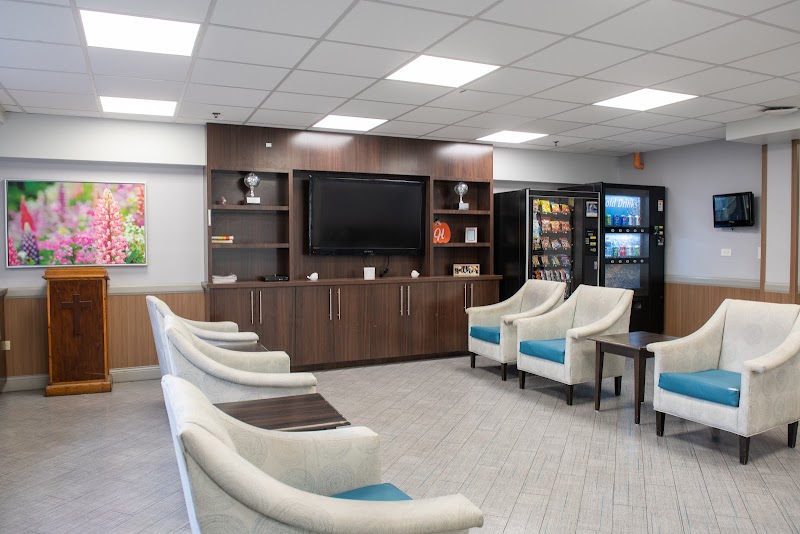
707 WEST RIVERSIDE BOULEVARD, ROCKFORD, IL 61103 (815) 877-5752
For profit - Limited Liability company 130 Beds SABA HEALTHCARE Data: November 2025 1 Immediate Jeopardy citation
Trust Grade
0/100
#398 of 665 in IL
Last Inspection: October 2024

Within standard 12-15 month inspection cycle. Federal law requires annual inspections.

Overview

Rock River Health Care has a Trust Grade of F, indicating significant concerns about the facility's quality of care. They rank #398 out of 665 nursing homes in Illinois, placing them in the bottom half of all facilities in the state, and #12 out of 15 in Winnebago County, meaning only a few local options are worse. While the facility is trending towards improvement, having reduced reported issues from 16 in 2024 to 8 in 2025, it still has a long way to go. Staffing is a relative strength, with a turnover rate of 34%, which is better than the state average, but their overall staffing rating remains at 2 out of 5 stars. However, the facility has faced serious incidents, including a failure to follow hospital discharge orders for a resident, resulting in serious health complications, and a lack of pain management for another resident that led to a return to the hospital. Overall, while there are some positives, the significant deficiencies and troubling incidents present substantial risks for potential residents.

Trust Score
F
0/100
In Illinois
#398/665
Bottom 41%
Safety Record
High Risk
Review needed
Inspections
Getting Better
16 → 8 violations
Staff Stability
○ Average
34% turnover. Near Illinois's 48% average. Typical for the industry.
Penalties
○ Average
$72,260 in fines. Higher than 55% of Illinois facilities. Some compliance issues.
Skilled Nurses
⚠ Watch
Each resident gets only 26 minutes of Registered Nurse (RN) attention daily — below average for Illinois. Fewer RN minutes means fewer trained eyes watching for problems.
Violations
⚠ Watch
45 deficiencies on record. Higher than average. Multiple issues found across inspections.
★★☆☆☆
2.0
Overall Rating
★★☆☆☆
2.0
Staff Levels
★★☆☆☆
2.0
Care Quality
★★☆☆☆
2.0
Inspection Score
Stable
2024: 16 issues
2025: 8 issues

The Good

  • Full Sprinkler Coverage · Fire safety systems throughout facility
  • No fines on record
  • Staff turnover below average (34%)

    14 points below Illinois average of 48%

Facility shows strength in fire safety.

The Bad

2-Star Overall Rating

Below Illinois average (2.5)

Below average - review inspection findings carefully

Staff Turnover: 34%

12pts below Illinois avg (46%)

Typical for the industry

Federal Fines: $72,260

Well above median ($33,413)

Moderate penalties - review what triggered them

Chain: SABA HEALTHCARE

Part of a multi-facility chain

Ask about local staffing decisions and management

The Ugly 45 deficiencies on record

1 life-threatening 3 actual harm
Aug 2025 1 deficiency
CONCERN (D) 📢 Someone Reported This

A family member, employee, or ombudsman was alarmed enough to file a formal complaint

Potential for Harm - no one hurt, but risky conditions existed

Deficiency F0557 (Tag F0557)

Could have caused harm · This affected 1 resident

**NOTE- TERMS IN BRACKETS HAVE BEEN EDITED TO PROTECT CONFIDENTIALITY** Based on observation and interview the facility failed to ensure a resident and their personal property was treated with respect...

Read full inspector narrative →
**NOTE- TERMS IN BRACKETS HAVE BEEN EDITED TO PROTECT CONFIDENTIALITY** Based on observation and interview the facility failed to ensure a resident and their personal property was treated with respect. This applies to 1 of 3 residents (R1) reviewed for resident rights in the sample of 3.The findings include:R1's face sheet shows he is a [AGE] year-old male with diagnoses including COPD, asthma, tobacco use, anxiety, hypertension and schizoaffective disorder.On 8/19/25 at 8:53 AM, R1 was in his room wearing oxygen, a laptop and other personal items were on his bedside table. R1's bedside table located next to his bed including his cigarettes, personal hygiene products and personal mail. R1 said on 8/13/25, he went out to the hospital for shortness of breath. When he came back from the hospital, R2 (R1's roommate) told him female staff went through his belongings and took $40.00 and two jars of hemp. R1 showed this surveyor the text to V1 (Administrator) Your people went through my belongings. I'm calling the police. I'm missing $40.00. R1 said he felt violated and disrespected, the staff waited till he left the facility and searched through my things without my permission.On 8/19/25 at 9:07 AM, R2 said after R1 left for the hospital three female staff came into his room. Two were African American. The staff were going through R1's belongings and R2 questioned what they were doing going thru his stuff without him being present. They told him to leave the room. R2 said R1 was not smoking anything in the room and the room did not smell like marijuana. On 8/19/25 at 9:12 AM, V5 (Certified Nursing Assistant-CNA) said if there's a reasonable cause they are allowed to search a resident's room, but we should inform the resident we are conducting a search. V5 said on 8/13/25, she searched R1's belongings because there was a smell of marijuana coming from the hallway. R1 was not in the building he was out in the hospital when she smelt the marijuana. No, she did not ask him for his permission to search his room. V5 and V6 removed several items from his top drawer.On 8/19/26 at 9:35 AM, V6 (CNA) said we should not go through residents' belongings without their permission. She said she did not search R1's property, she searched the facility's property. The drawers are not the residents. We smelt marijuana in his room. R1 was not in the room he had left to go out to the hospital. She said R2 was in the room and later left. V5 (CNA), V7 (CNA) and V3 (Social Services) were in the room during the room search. We removed several contraband items including a scale from his room and several bags of weed.On 8/19/25 at 12:35 PM V8 (LPN) said on 8/13/25, R1 was short of breath, she had been in out of his room to assess him. He agreed to be sent out to the local hospital. There was no smell of marijuana in his room or coming from his room. It's a distinct smell, and I did not smell anything. She heard staff had gone through his things after he left to the hospital and was not sure why.On 8/19/25 at 12:36 PM, V7 (CNA) said she is not sure if they are allowed to search a resident's property without consent or permission. On 8/13/25, she was R1's CNA. R1 was sent out to the hospital for shortness of breath. V5 and V6 (Both CNA's) were working on the first floor. They came up stairs and said they were going to search R1's room. They said R1 was acting suspicious, and they needed to search his room. I'm not sure if they smelt marijuana on him or if someone said anything to them. V5 and V6 were going thru his top drawer, and she was at the end of R1's bed. They removed stuff from his room and placed in a bag. She could not see if there was money in his drawer. R2 was in the room saying something about privacy. If she suspected a concern, she would report it V1 or her nurse. She did not report or notice any concerns prior to V5 and V6 coming upstairs wanting to search his room.On 8/19/25 at 9:22 AM, V4 (LPN) said she is not sure what caused the staff to search his room or what gave them a reason. If she suspected a concern regarding a resident that a room search should be conducted, she would contact V1 and V3 (Social Services) and not have the CNA's conduct a room search without management present.On 8/19/25 at 11:06 AM, V3 said staff are allowed to conduct a room search if they have a suspicion, they will hurt themselves or others. It's their private property and consent is needed to go through their things. If a room search should be conducted, she notifies V1 and she never goes alone during the room search. On 8/13/25, V5 called her and reported a odor on the 2nd floor. She said she could not go in the room because she was with the podiatrist at the time. V3 said she was never in R1's room when his room was searched by the CNA's. Afterwards she went upstairs and saw V5-V6 and told them no one should be going through residents' personal property. R1 has an independent community pass and has never had any violations.On 8/19/25 at 12:09 PM, V1 (Administrator) said if there's a reasonable cause or safety concern they can search a resident's room without their consent. A CNA reported they smelled marijuana and went in and searched R1's room without him there. He was told R2 was not in the room. V5-V7 (All CNA's) searched R1's room and removed items from his room. V1 showed this surveyor the items removed from his room including one small zip lock baggie with two small buds of weed, two jars of cannabis, vaping devices, two marijuana pipes and there was no scale in the bag. V1 said R1 reported he was missing $40.00, and we are still looking into it. R1 has no history of smoking in the building, he has community pass privileges and had never been reprimanded for violating his privileges. V1 said he did not talk to R1's nurse regarding the circumstance that day and not sure who gave the CNA's consent to conduct a room search.The facility schedule dated 8/13/25 shows V5 and V6 were scheduled as staff on the 1st floor.The facility's roster shows R1 resides on the 2nd floor.R1's current care plan shows he is an independent smoker, with no smoking violations, he has an independent community access pass. There has been no documentation of any pass violations.The facility did not provide a policy on residents' rights and conducting a room search policy upon request.
Jul 2025 1 deficiency
CONCERN (D) 📢 Someone Reported This

A family member, employee, or ombudsman was alarmed enough to file a formal complaint

Potential for Harm - no one hurt, but risky conditions existed

Safe Environment (Tag F0584)

Could have caused harm · This affected 1 resident

Based on observation, interview, and record review the facility failed to maintain a comfortable temperature by not keep a resident's room below 81 degrees Fahrenheit for 1 of 3 residents (R1) reviewe...

Read full inspector narrative →
Based on observation, interview, and record review the facility failed to maintain a comfortable temperature by not keep a resident's room below 81 degrees Fahrenheit for 1 of 3 residents (R1) reviewed for comfortable homelike environment in the sample of 3.The Findings include:R1's Face Sheet printed on 7/28/25 indicated R1 had the diagnosis of chronic obstructive pulmonary disease.A facility assessment done on 7/24/25 showed R1's mental status was intact. On 7/28/25 at 8:43 AM, R1 said the temperature in his room was too hot and had been uncomfortable for the last few days. R1 had a built-in wall air conditioner in his room. There was no portable air conditioner in R1's room. On 7/28/25 at 8:43 AM, the surveyor used a thermometer that had been calibrated in an ice bath to check R1's room temperature. R1's room temperature was 81.7 degrees Fahrenheit. The air coming out of the wall air conditioner's vent was 81.6 degrees Fahrenheit.On 7/28/25 at 10:26 AM, R1's room temperature was 81.5 degrees Fahrenheit. The air coming out of the wall air conditioner's vent was 81.3 degrees Fahrenheit. On 7/28/25 at 12:19 PM, V1 (Administrator) used the facility's thermometer and checked R1's room temperature. R1's room was 81.3 degrees Fahrenheit and the air coming out of the wall air conditioner's vent was 81 degrees Fahrenheit.On 7/28/25 at 9:04 AM, V1 said two out of the four compressors for the facility's air conditioner were not working and the air conditioner was running at 50%. V1 said they were waiting for parts to be delivered to repair/replace the compressors. V1 said the facility was using portable air conditioner units along with the facility's air conditioner to keep the room temperatures comfortable. V1 said the portable units were placed strategically throughout the building. The National Oceanic and Atmospheric Administration website forecasted for 7/28/25 a heat index of 104 degrees Fahrenheit. The facility's Hot Weather policy (undated) showed the purpose was to ensure the well-being and comfort of the residents throughout the hot weather months.
Jul 2025 1 deficiency
CONCERN (D) 📢 Someone Reported This

A family member, employee, or ombudsman was alarmed enough to file a formal complaint

Potential for Harm - no one hurt, but risky conditions existed

Deficiency F0760 (Tag F0760)

Could have caused harm · This affected 1 resident

**NOTE- TERMS IN BRACKETS HAVE BEEN EDITED TO PROTECT CONFIDENTIALITY** Based on observation, interview and record review the facility failed to ensure a resident was free from significant medication ...

Read full inspector narrative →
**NOTE- TERMS IN BRACKETS HAVE BEEN EDITED TO PROTECT CONFIDENTIALITY** Based on observation, interview and record review the facility failed to ensure a resident was free from significant medication error. This applies to 1 of 3 residents (R1) reviewed for medications in the sample of 3. The findings include: R1's face sheet shows he is a [AGE] year-old male with diagnoses including post traumatic seizures, COPD, major depressive disorder, anxiety, and personal history of traumatic brain injury.On 7/21/25 at 8:42 AM, R1 was in his room lying in bed, V5 (Licensed Practical Nurse-LPN) was in his room taking his vitals. At 8:43 AM, the emergency services arrived and entered R1's room. At 8:46 AM, R1 left the building with emergency services.On 7/21/25 at 8:46 AM, V6 (Certified Nursing Assistant-CNA) said R1 is alert and oriented x3, he was fine this morning when he got up and ate breakfast. After breakfast he wanted to lay down and usually, he refuses to lay down and stays up in his wheelchair till after dinner. He transferred R1 back in bed and R1's body started jerking in bed, repeatedly.On 7/21/25 at 8:50 AM, V5 (LPN) said R1 got up in his wheelchair this morning and after breakfast he wanted to get back in bed. That was unusual for him, R1 won't lay down for nothing. V6 notified me of R1's seizure activity this morning and she called 911. R1 takes several seizure medications and night shift staff administers his medications. R1 refuses his medications at times when he's aggravated, but we try to re-approach him when he calms down.On 7/21/25 at 10:24 AM, V3 (Registered Nurse-RN) showed this surveyor R1's medication cards. R1's Phenytoin 100 mg (milligrams) shows to give one tablet three times a day for seizures. This card shows 24 out of 30 tablets remained. Divalproex 500 mg three tablets three time a day for seizures. This card shows 13 out of 30 tables remained. Levetiracetam tablet 1000 mg one tablet twice a day for seizures. This card shows 14 out of 30 tablets remained.On 7/21/25 at 12:35 PM, V9 (Ombudsman) said she talked to R1 on 6/26/25 and he expressed concerns about not receiving his seizure medications. R1 said he was only getting one seizure medication, and the nursing staff were not bringing him his medication. She spoke with V1 regarding this concern, and he said R1 is refusing his medication. V9 said she is aware of V1 being on vacation this week.R1's Medication Administration Record (M.A.R.) dated July 2025 shows orders for Aptiom 800 mg give one tablet in the evening daily. The M.A.R. shows this medication was not administered three out of nineteen days. Dilantin 100 mg give three times a day. The M.A.R. shows this medication was not administered three doses out of 30 days.Divalproex Sodium tablet delayed release give three tablets by mouth. The M.A.R. shows six doses out of thirty days the medication was not administered.R1's M.A.R for June 2025 shows Aptiom 800 mg daily. The M.A.R. shows 2 refusals out of 30 days. Three doses of refusals out of thirty days the medication was not administered. Dilantin 100 mg three times a day. The M.A.R. shows five doses of refusals in thirty days. The M.A.R. shows this medication was not administered seven doses in thirty days. Levetiracetam tablet 1000 mg give one tablet twice a day. The M.A.R. shows two doses of refusals in thirty days. The M.A.R. shows this medication was not administered five doses in thirty days.On 7/21/25 at 1:11 PM, V2 said R1 is alert and oriented. He can be non-complaint with everything it depends on his mood. If he refuses medication, we try to re-approach. If the medication is not signed off in the M.A.R. it was not given.On 7/22/25 at 11:00 AM, V2 said the day the medication is dispensed to the facility does not reflect when they start using the medication card. The facility does not document when the nurses start using a new card and sometimes, we have multiple cards of the same medication. V2 said the same medication card is used for the morning and evening doses.The facilities grievance log for June 2025 and July 2025 did not show a grievance for R1's medications.The facilities Administering Medication Policy and Procedure revised 2024 states, To ensure safe and effective administration of medication in accordance with physician orders and state/federal regulations.Should a medication be withheld or refused, the physician will be notified when three consecutive doses or a pattern of frequent withholding or refusal is noted. Documentation identifying the explanation of withholding or reason for refusal will be documented in the medical record.
Jul 2025 1 deficiency
CONCERN (D) 📢 Someone Reported This

A family member, employee, or ombudsman was alarmed enough to file a formal complaint

Potential for Harm - no one hurt, but risky conditions existed

Pressure Ulcer Prevention (Tag F0686)

Could have caused harm · This affected 1 resident

**NOTE- TERMS IN BRACKETS HAVE BEEN EDITED TO PROTECT CONFIDENTIALITY** Based on observation, interview, and record review the facility failed to identify a new skin alteration for a resident who is a...

Read full inspector narrative →
**NOTE- TERMS IN BRACKETS HAVE BEEN EDITED TO PROTECT CONFIDENTIALITY** Based on observation, interview, and record review the facility failed to identify a new skin alteration for a resident who is at risk for developing pressure wounds which applies to 1 of 3 residents (R1) reviewed for pressure wounds in a sample of 3. The findings include: R1 facility assessment dated [DATE] showed R1 is a [AGE] year-old cognitive male resident admitted to the facility on [DATE] with diagnoses which include a history of traumatic brain injury, bilateral lower leg amputation, lack of coordination, and unspecified dementia. This assessment showed R1 is dependent or needs maximum assistance with activities of daily living which include transferring, bed mobility, showering/bathing, and getting dressed. On 7/1/25 at 10:30 AM, V2 Director of Nursing performed a skin check on R1. During the skin check, two open areas were identified. One on the right and left lower buttocks. The right open area was measured at 1.2 x 0.5 x 0.1 centimeters (cm). The left buttock open area was measured at 0.75 x 2.0 x 0.1 cm. Both open areas were light red with slight, thin, clear exudate. Both open areas were over previously healed pressure wounds. The facility's undated list of residents with pressure wounds provided on 7/1/25 did not have R1 listed as a resident with current pressure wounds. The facility's scheduling calendar and sign out log show R1 had an appointment with a new primary care provider (PCP) on 6/26/25. These documents showed R1 left the faciity on 6/26/25 at 9:30 AM and returned to the facility at 12:12 PM. R1's shower sheet dated 6/26/25 showed R1 received a complete bed bath with discoloration on buttocks. This document showed no new identified open areas. On 7/1/25 at 10:15 AM, V12 PCP office nurse stated during R1's office visit (6/26/25) two open areas were identified on R1 lower buttocks. R1's medical record showed no new orders, skin assessments, or progress notes related to new open skin areas. R1's current care plan showed R1 is at risk for skin breakdown with interventions which include routine skin checks being done daily with cares and weekly with bath or shower schedules. Any new skin issues or concerns should be relayed to the charge nurse for further assessments and or treatments. On 7/1/25 at 3:00 PM, V2 stated when providing cares for a resident staff should be looking for skin changes/alterations. When a new skin alteration is found they should be notified so they can get the new treatment orders. The facility's wound policy dated 1/2025 showed the purpose of the policy is to promote a systemic approach and monitoring process for the care of residents with existing wounds and for those who are at risk for skin breakdown.
Jun 2025 1 deficiency
CONCERN (E) 📢 Someone Reported This

A family member, employee, or ombudsman was alarmed enough to file a formal complaint

Potential for Harm - no one hurt, but risky conditions existed

Respiratory Care (Tag F0695)

Could have caused harm · This affected multiple residents

**NOTE- TERMS IN BRACKETS HAVE BEEN EDITED TO PROTECT CONFIDENTIALITY** Based on observation, interview, and record review the facility failed to maintain resident's continuous positive airway pressur...

Read full inspector narrative →
**NOTE- TERMS IN BRACKETS HAVE BEEN EDITED TO PROTECT CONFIDENTIALITY** Based on observation, interview, and record review the facility failed to maintain resident's continuous positive airway pressure (CPAP) machines or supplies which applies to 5 of 5 residents (R1, R2, R3, R4, R5) reviewed for respiratory treatments in a sample of 5. The findings include: On 6/4/25 the facility provided a list of residents using CPAP machines in the facility which included R1-R5. 1. R1's Facesheet printed on 6/4/25 showed R1 is a [AGE] year old male admitted to the facility on [DATE] with diagnoses which included: acute respiratory failure and obstructive sleep apnea. On 6/4/25 at 9:30 AM, R1 was in his room watching television. R1's CPAP machine was sitting on the nightstand next to the bed. R1 stated he has used the same mask, water tank, and tubing (heated coil tubing) for the machine for over a year. R1 stated prior to coming here he would get supplies delivered every 3-6 months depending on what the item was. R1 stated he had lung issues and did not want to get sick. R1 stated he used a pillow pad mask when using the CPAP machine. R2 stated this was the only mask which had worked for him. The facility has brought other masks, but they are the ones that sit over your nose. R1 stated he had attempted to us that kind of mask before, but they do not seal well on R1's face. R1 stated he cannot sleep if he does not use the CPAP at night. R1 stated he has been washing the same tubing and mask using the sinks tap water which is probably not good for the plastic. R1's machine usage log showed R1 has used the machine consistently for the last 30 days. R1's current careplan printed on 6/4/25 showed R1's CPAP careplan was initiated on 3/9/23. There is no reference to CPAP supplies time frames in the careplan. R1's Physician Order Summary printed on 6/4/25 showed no orders for new CPAP supplies. This Summary showed a start date order for R1 to use a CPAP device on 5/31/23. 2. R2's Facesheet printed on 6/4/25 showed R2 was admitted to the facility on [DATE] with diagnoses which included obstructive sleep apnea. R2's Facility assessment dated [DATE] showed R2 to be cognitively intact. On 6/4/25 at 8:35 AM, R2 was in their room eating breakfast. R2's CPAP machine was sitting on the nightstand next to the bed with the tubing and mask laying across R2's pillow. The tubing for R2's machine had a brownish discoloration about halfway along the tubing. R2 stated the tubing or mask has not been changed since she got to the facility. R2 stated she brought the machine with her from home. R2's machine had droplet marks of an unknown liquid on it. R2's machine's usage log showed R2 had used the machine consistently for the last 30 days. R2's order summary showed no orders for a CPAP device or reordering for CPAP supplies. R2's current careplan printed on 6/4/25 showed no care areas related to R2 using a CPAP device. 3. R3's Facesheet printed on 6/4/25 showed R3 was admitted to the facility on [DATE] with diagnoses which included sleep apnea. On 6/4/25 at 10:30 AM, R3 was in their room. R3's CPAP machine was on the bedside table with new tubing in its bag. R3 stated they had just brought in the tubing. R3 stated he had not used the CPAP in a while. R3 stated he needed a new mask, and the masks the facility provided were not sealing appropriately so he stopped using the machine. R3's machine usage log had no entries for the last 30 days. R3's Physician Orders printed on 6/4/25 showed R1 had an order for using an AutoPAP (self adjusting air pressure) with a start date of 6/20/24. These orders showed no order to replace AutoPAP supplies. R3's Careplan printed on 6/4/25 showed no focus for sleep apnea or utilization of the AutoPAP device. 4. On 6/4/25 at 8:45 AM R4 and R5's CPAP devices were on their nightstands. R4 and R5's CPAP machines were covered in a dust film. R4's tubing was hanging down the front of the nightstand with the mask resting on the floor. R5s machine water tank was sitting on top of the machine with a white crusted substance inside the tank. R5's tubing was wrapped up on the nightstand. R4 and R5's devices usage logs showed no machine usage for the last 30 days. On 6/4/25 at 8:40 AM, V4 Licensed Practical Nurse stated the CPAP machines are cleaned by the night shift staff. V4 stated they were not sure what cleaning supplies are used to clean the machines. V4 stated the machines need to be cleaned, but did not know when CPAP supplies (masks, tank, tubing) should be exchanged. On 6/4/25 at 10:00 AM, V6 Infection Control Preventionist stated they should be exchange per the manufacturer's guidelines to reduce the infection risk for those residents. V6 stated replacing old or dirty equipment would reduce the resident's risk for respiratory infections. On 6/4/25 at 11:30 AM, V7 Nurse Practitioner stated the facility does have a pulmonology Nurse Practitioner who comes to the facility. V7 said, they had not written any orders for reapplying CPAP supply items. V7 stated over a year is too long to wait to exchange CPAP supplies. CPAP supplies should be exchanged to prevent infections. On 6/4/25 at 12:10 PM, V8 Pulmonary Nurse Practitioner stated they rounded on residents with lung diagnoses. V8 stated he has not written orders for CPAP usage or supplies. CPAP masks and hoses should be changed to reduce the infection risk of the resident. On 6/4/25 at 12:30 PM, V1 Administrator stated they use an online ordering site for CPAP supplies. V1 stated they order more when the residents or staff let them know they need something. V1 was not sure how often CPAP supplies should be exchanged. The facility uses a third party company to acquire machines if the residents need a machine. The facility's CPAP Policy dated 11/2022 showed no time frame for exchanging masks, tubing, or water tanks. The 3rd party medical equipment company's CPAP replacement schedule for CPAP equipment showed masks should be replaced every 3-6 months and as needed (PRN), mask cushions 1-2 per month, tubing every 3 months, and water chambers every 6 months. The facility's Infection Control Policy dated 1/2024 showed the policy is to establish methods and criteria, necessary within the facility and its operation, to prevent and control infections and communicable diseases.
Mar 2025 1 deficiency 1 Harm
SERIOUS (G) 📢 Someone Reported This

A family member, employee, or ombudsman was alarmed enough to file a formal complaint

Actual Harm - a resident was hurt due to facility failures

Free from Abuse/Neglect (Tag F0600)

A resident was harmed · This affected 1 resident

**NOTE- TERMS IN BRACKETS HAVE BEEN EDITED TO PROTECT CONFIDENTIALITY** Based on interview and record review the facility failed to ensure a resident was free from physical abuse for 2 of 3 residents ...

Read full inspector narrative →
**NOTE- TERMS IN BRACKETS HAVE BEEN EDITED TO PROTECT CONFIDENTIALITY** Based on interview and record review the facility failed to ensure a resident was free from physical abuse for 2 of 3 residents (R1, R2) reviewed for abuse in the sample of 6. This failure resulted in R1 being kicked in the genitals and R2 being pushed to the ground and sustaining a fracture of his left femur. The findings include: R1's face sheet showed he was admitted to the facility 4/23/2021 with diagnoses to include acute kidney failure, obstructive uropathy, benign prostatic hyperplasia, and major depressive disorder. R1's medical record showed he had an inguinal hernia repair 3/13/25 and could return to normal activity 3/17/25. R1's 2/17/25 assessment showed he has no cognitive impairment and exhibits no behaviors. On 3/22/25 at 10:12 AM, R1 was sitting in his room watching television. R1 was calm and pleasant. R1 declined to discuss the incident with the surveyor. R1's 3/20/25 Nursing Progress Note showed, Resident [R1] states [R2] kicked him, and he pushed him back and resident [R2] fell down. [R2] denied all treatment and said he was not hurt. R2's face sheet showed he was admitted to the facility 6/19/23 with diagnoses to include alcohol dependence, epilepsy, Wernicke's encephalopathy, and mood disorder. R2's facility assessment dated [DATE] showed he has severe cognitive impairment and exhibits hallucinations and delusions. R2's care plan initiated 3/14/24 showed, The resident requires psychotropic medication to help manage and alleviate: Agitation and aggressive behavior . R2's 3/22/25 Nursing Progress Note showed, Late entry on 3/20/25, I heard an altercation went to observe resident laying on the floor when resident tried to sit notice his left leg was awkwardly placed. 911 called and the DON (Director of Nursing), ED (Emergency Department) and brother, other resident stated that resident kicked him, and he pushed him back. R2's acute care hospital notes dated 3/20/25 showed, . CT (Diagnostic Scan) of the left hip showed: Displaced fracture of the proximal femoral shaft . On 3/22/25 at 10:15 AM, V3 CNA (Certified Nursing Assistant) said, . [R2] gets confused and doesn't understand why he is here. [R2] is ambulatory and roams the halls . He gets aggressive with other residents but usually just verbally . If you don't intervene fast enough a fight could start because he won't back down from anybody . On 3/22/25 at 12:45 PM, V7 CNA (Certified Nursing Assistant) said, . My coworker was screaming my name to help, [R2] was on the floor in pain . I've never seen him yell at or be physical with other residents. He says a lot of things but never seen him be physical . On 3/22/25 at 12:24 PM, V6 CNA (Certified Nursing Assistant) said, [R2] was on the floor. I asked [R1] what happened, and he said [R2] kicked him in the balls, so he hit him . [R1] said he punched him . On 3/22/25 at 10:22 AM, V4 LPN (Licensed Practical Nurse) said, On that day [R2] was agitated . I tried to redirect him but towards the end of the day he starts sundowning (period of increased behaviors in the evening hours) . I heard yelling, usually when you got yelling, there is something going on, by the time I got out there I saw [R1] standing up and [R2] was on the floor. I asked what happened and [R1] said [R2] kicked him . [R2] said 'I did something I shouldn't of' . when he started trying to get up, he started yelling about his leg . I have never seen [R2] hit but he is verbally aggressive . I think since [R1] just had that hernia repair it was a reaction to get getting kicked. [R1] told me it was a reaction . When [R2] gets verbally aggressive you have to intervene as quickly as possible . The facility's policy with issue date of 01/24 showed, Abuse Prevention Program . Policy: Residents have the right to be free from abuse, neglect, exploitation, misappropriation of property or mistreatment .
Mar 2025 2 deficiencies
CONCERN (D) 📢 Someone Reported This

A family member, employee, or ombudsman was alarmed enough to file a formal complaint

Potential for Harm - no one hurt, but risky conditions existed

Pharmacy Services (Tag F0755)

Could have caused harm · This affected 1 resident

Based on interview and record review the facility failed to ensure the accuracy of medication administration records (MAR) for 3 of 3 residents (R1, R2, and R3) reviewed for pharmacy services in the s...

Read full inspector narrative →
Based on interview and record review the facility failed to ensure the accuracy of medication administration records (MAR) for 3 of 3 residents (R1, R2, and R3) reviewed for pharmacy services in the sample of 3. The findings include: 1. R1's MAR printed on 3/5/25 had blank spots for 2/8/25 and 2/9/25 for the following medications: aspirin, budesonide-formoterol fumarate inhaler, cholestyramine, colchicine, flecainide acetate, folic acid, glipizide, furosemide, pregabalin, metoprolol, pantoprazole sodium, apixaban, and hyoscyamine sulfate. On 3/5/25 at 1:10 PM, R1 said to the best of her recollection she did receive her medications on 2/8/25 and 2/9/25. A facility assessment done on 3/4/25 showed R1's mental status was intact. 2. R2's MAR printed on 3/5/25 had blank spots for 2/8/25 and 2/9/25 for the following medications: aripiprazole, atorvastatin, cholecalciferol, clonazepam, donepezil hydrochloride, fenofibrate, fluoxetine, furosemide, Humalog insulin, Lantus insulin, miconazole, polyethylene glycol, montelukast sodium, multivitamin, mirabegron, nystatin powder, olanzapine, oxybutynin chloride, clopidogrel bisulfate, cholestyramine, Humalog insulin, apixaban, hydroxyzine pamoate, metoprolol tartrate, potassium chloride, vitamin c, carbidopa-levodopa, and gabapentin. R2's Controlled Drug Receipt document showed R2 received clonazepam on 2/8/25 and 2/9/25. On 3/5/25 at 1:20 PM, R2 said she received her medications on 2/8/25 and 2/9/25. A facility assessment done on 1/5/25 showed R2's mental status was moderately impaired. 3. R3's MAR printed on 3/5/25 had blank spots for 2/9/25 for the following medications: cholecalciferol, escitalopram oxalate, lispro insulin, lantus insulin, multivitamin, clopidogrel bisulfate, pantoprazole sodium, sevelamer HCL, vitamin C, and loratadine. On 3/5/25 at 1:15 PM, R3 said he did receive his medications on 2/9/25. A facility assessment done on 1/30/25 showed R3's mental status was intact. On 3/5/25 at 1:53 PM, V10 (Licensed Practical Nurse) said she took care of R1, R2, and R3 on 2/8/25 and 2/9/25 during the time frame that corresponded with the blank spots on the MARs. V10 said she gave R1, R2, and R3 all their scheduled medications but forgot to document on the MAR that the medications were given. On 3/5/25 at 1:41 PM, V4 (Registered Nurse) said once a nurse gives a medication it should be documented as given on the MAR. V4 added that the MAR is documented proof medications were given to the residents. V4 said, if there were blank spots on the MAR it could lead to confusion if a medication was given. On 3/5/25 at 12:13 PM, V1 (Administrator) said there should be no blank spots on the MAR. V1 said blank spots on a MAR indicates the medication was not given.
CONCERN (D) 📢 Someone Reported This

A family member, employee, or ombudsman was alarmed enough to file a formal complaint

Potential for Harm - no one hurt, but risky conditions existed

Infection Control (Tag F0880)

Could have caused harm · This affected 1 resident

Based on observation, interview, and record review the facility failed to ensure staff followed enhanced barrier precautions by not wearing the required personal protective equipment (PPE) when emptyi...

Read full inspector narrative →
Based on observation, interview, and record review the facility failed to ensure staff followed enhanced barrier precautions by not wearing the required personal protective equipment (PPE) when emptying an indwelling urinary catheter drainage bag for 1 of 2 residents (R1) reviewed for infection control in the sample of 3. The findings include: R1's Order Summary Report printed on 3/5/25 showed R1 was on enhanced barrier precautions because of an indwelling urinary catheter. R1's Care Plan with an initiated date of 6/27/24 showed R1 was at high risk for infection because of a catheter. Listed under interventions was, PPE to be worn during high contact activities: gown, and gloves and shield when risk of splash is present (i.e. emptying a catheter, working with feeding tube, etc.). R1's name appeared on the December 2024 infection control log. The log indicated R1 received an antibiotic for a urinary tract infection. On 3/5/25 at 8:12 AM, on the door of R1's room was a sign indicating R1 was on enhanced barrier precautions. R1 had an indwelling urinary catheter drainage bag hanging on the bedframe that contained urine. V3 (Certified Nursing Assistant) was emptying R1's indwelling urinary catheter drainage bag. V3 had on gloves. V3 did not have on a gown or a splash guard. On 3/5/25 at 11:50 AM, V7 (Infection Control Nurse) said enhanced barrier precautions are an infection control intervention. V7 added that when staff empty an indwelling urinary catheter drainage bag, they should wear the following PPE: gloves, gown, and a splash guard. The facility's Enhanced Barrier Precautions policy with a revision date of 8/15/24 showed the purpose is to reduce the transmission of novel or targeted multi-drug-resistant organisms .Enhanced Barrier Precautions require the use of gown and glove during high contact resident care activities. High contact resident care activities include Device care and use of an indwelling medical device such as urinary catheter . the same policy showed gowns and gloves are the minimum level of PPE. Additional PPE may be required depending on the situation/resident (e.g., face shield may be used when splashes and sprays are likely to occur).
Oct 2024 12 deficiencies 1 Harm
SERIOUS (G)

Actual Harm - a resident was hurt due to facility failures

Deficiency F0697 (Tag F0697)

A resident was harmed · This affected 1 resident

**NOTE- TERMS IN BRACKETS HAVE BEEN EDITED TO PROTECT CONFIDENTIALITY** Based on observation, interview and record review the facility failed to perform a pain assessment on R42 who was admitted for a...

Read full inspector narrative →
**NOTE- TERMS IN BRACKETS HAVE BEEN EDITED TO PROTECT CONFIDENTIALITY** Based on observation, interview and record review the facility failed to perform a pain assessment on R42 who was admitted for a left tibia and fibula fracture. They also failed to provide R42 with her prescribed hospital discharge pain medications, this failure resulted in R42 having to return to the hospital to be treated for uncontrolled pain for 1 of 2 residents (R42) reviewed for pain in the sample of 20. The findings include: On 10/07/24 at 9:00 AM, R42 was lying in bed with her left lower leg wrapped with an elastic dressing. On 10/07/24 at 9:01 AM, R42 said, I fell and broke my tibia and fibula close to the foot. I am currently non-weight bearing. The doctor told me he was going to wrap it for now and will eventually place me in a cast .a walking cast, I hope. I was admitted [DATE]. I did not get my medications. The facility's pharmacy is in a city two hours away. On 09/14/24, I still did not have my pain meds or regular meds by the evening. I was in so much pain I had to return to the hospital. I was provided with pain meds at the hospital and sent back. My medications are late today. I brought my medications from home to ensure compliance, but the facility took them away. My medication routine is off compared to how I take them at home. Some of my medication I take on an empty stomach, others I must take with food. I will not get my 7:00AM, medication until 10:00AM-10:30AM. On 10/09/24 at 11:29 AM, V2 DON (Director of Nursing) said, some of R42's medication had not arrived. At 2:00 PM (09/14/24) R42 was sent to hospital. On 09/15/24 at 1:37 PM, R42 received her oxycodone. We only had hydrocodone/acetaminophen in our backup pharmacy, the hospital did not send a prescription with the discharge instruction. R42's hand signed prescription from the hospital uploaded into R42's electronic medical record on 09/13/24 shows, September 13, 2024, at 9:29AM, oxycodone hydrochloride 5 milligrams dispense 30 tablets, take 1 tablet by mouth every 8 hours as needed for pain. On 10/09/24 at 11:54 AM, R42 said, hydrocodone/acetaminophen does not work as well as oxycodone. I did not get the hydrocodone/acetaminophen until Sunday. When I went to the hospital they gave me the oxycodone. When I returned from the hospital, the facility still did not have my medication. They explained they had access to other medication and then provided me with hydrocodone/acetaminophen. The pain started about 4:00PM, on Friday (09/13/24). I reported pain 10/10, I think they gave me acetaminophen. I could not get my medications because they had to order it from a pharmacy two hours away. I did not get my regular medications until Monday. The pain is from my broken foot, ankle, leg area from my fall. On 10/09/24 at 12:46 PM, V12 NP (Nurse Practitioner) said, the facility called me when R42 was first admitted . I put in my note, waiting for oxycodone to be delivered. On September 14, 2024, I wrote the prescription for the hydrocodone/acetaminophen and oxycodone. Everybody is different so I cannot say one works better than the other, it depends on the individual what will work to relieve pain. I provided hydrocodone/acetaminophen because I knew the facility had it on hand. I sent the prescription to the facility on 9/14/2024, if notified on the 9/13/24 that R42 was in pain I would have sent the prescription in right away. When I saw R42's requested to go to the Emergency Room, I was in the facility at 7:00AM, by 2:00PM, R42 wanted to go to the emergency room for Pain. R42 did not have any complaints after. R42's progress note dated 9/13/2024 shows, R42 admission Date/Time: 9/13/2024 3:00 PM admitted From: Hospital Primary Admitting Dx: fracture left fibula Vitals: Weight 367.6 lb - 9/16/2024 10:27 Scale: Mechanical Lift Blood Pressure 118/64 - 9/13/2024 15:48 Position: Sitting Right arm Temperature 98 - 9/13/2024 17:49 Route: Forehead (non-contact) Pulse 72 - 9/13/2024 17:49 Pulse Type: Regular R 20 - 9/13/2024 17:50 Height 67.5 inches - 9/13/2024 16:22 Method: Lying down , skin issues: No, Diet: No Added Salt, Psychotropics Anticoagulants Hypoglycemic Opioid. (NO PAIN ASSESSMENT PERFORMED) R42's admission assessment dated [DATE] at 4:13PM, shows, In Progress. R42's Pain Assessment was blank. R42's first pain assessment in facility, found in the Vital Sign Record dated 09/14/2024 at 9:01 AM, shows, PAIN 10/10. R42's progress note dated 9/14/2024 shows, This writer alerted to resident room. Resident lying flat in bed, face flush and sobbing. Resident requests ER-emergency room transport for uncontrolled pain.
CONCERN (D)

Potential for Harm - no one hurt, but risky conditions existed

Resident Rights (Tag F0550)

Could have caused harm · This affected 1 resident

**NOTE- TERMS IN BRACKETS HAVE BEEN EDITED TO PROTECT CONFIDENTIALITY** Based on observation, interview and record review the facility failed to dress a resident in a dignified manner. This applies to...

Read full inspector narrative →
**NOTE- TERMS IN BRACKETS HAVE BEEN EDITED TO PROTECT CONFIDENTIALITY** Based on observation, interview and record review the facility failed to dress a resident in a dignified manner. This applies to 1 of 20 (R2) residents reviewed for dignity in the sample of 20. The findings include: On 10/7/2024 at 10:20 AM, R2 was observed sitting up in his wheelchair near the nursing station with pink and green colored pants on with a plaid or checker pattern on them. On the left inner thigh area there was approximately a 4-5-inch rip in the pants with another rip on the right inner thigh area of about 2 inches. On 10/7/2024 at 10:20 AM, R2 said he was embarrassed about his pants. On 10/7/2024 at 11:35 AM, V7 Certified Nursing Assistant (CNA) said [R2] was given a shower that morning and was put in those pants by facility staff before she came in. V7 said you wouldn't dress your mother or grandmother in ripped clothes. V7 said she wouldn't dress a resident in clothes that are ripped or [NAME]. V7 said [R2] is unable to dress himself, he needs assistance with that. R2's current Care Plan states . [R2] has a self-care deficit (ADL's/mobility) . interventions . moderate to max assist with dressing/grooming tasks. On 10/8/2024 at 11:24 AM, V2 Director of Nursing (DON) said residents clothing should be clean, well kept, comfortable, with no holes in the clothing. The facility's Dignity policy, dated 1/2023, states . each resident shall be cared for in a manner that promotes and enhances quality of life, dignity, respect and individuality.
CONCERN (D)

Potential for Harm - no one hurt, but risky conditions existed

Safe Environment (Tag F0584)

Could have caused harm · This affected 1 resident

Based on observation, interview and record review the facility failed to maintain a clean, clutter free shower, and maintain a resident's room in need of repairs. This applies to 2 of 20 (R48, R39) re...

Read full inspector narrative →
Based on observation, interview and record review the facility failed to maintain a clean, clutter free shower, and maintain a resident's room in need of repairs. This applies to 2 of 20 (R48, R39) residents reviewed for clean comfortable homelike environment in the sample of 20. The findings include: 1. On 10/7/2024 at 9:34 AM, R48 said the shower room on the second floor is dirty and cluttered. On 10/7/2024 at 10:02 AM, the second-floor shower room had a towel on the floor, a pink basin on the floor with a towel in it, a razor face down in the corner of the room, a rolled up blue gown on the floor, cracked or peeling caulk along the edges of the shower room, and no drain cover on the drain for the shower on the right. On 10/8/2024 at 11:24 AM, V2 Director of Nursing (DON) said the facility's shower room should be a homelike environment, organized, clutter free, clean, no towels on floor, no old clothing, and no soap scum should be in there. 2. On 10/7/24 at 9:23 AM, R39 was lying in her bed. Her room appeared to be dirty and in need of repairs. The baseboard along the bottom wall around the corner from the bathroom, was pulling away from the wall. The floor had a black substance lining the corners of the room and baseboard. In the same corner of the room her wall appeared to be heavily stained with what appeared to be spilled liquids. R39 said they come and clean once in a while but the room has been in this condition for a long time. On 10/8/24 at 2:52 PM, V1 (Administrator) and V6 (Maintenance Director) said they wait for rooms to become empty and then do the repairs. The facility provided, not dated, Safe, Clean, Comfortable Homelike Environment policy states, The facility will provide a safe, clean, comfortable homelike environment to the residents. The facility will be kept clean and well-maintained through regular cleaning schedule, preventative maintenance program, and repair or enhancement of existing structures, systems, and fixtures.
CONCERN (D)

Potential for Harm - no one hurt, but risky conditions existed

Pressure Ulcer Prevention (Tag F0686)

Could have caused harm · This affected 1 resident

Based on observation, interview and record review the facility failed to provide wound care for R56's stage 4 pressure ulcer on the weekend shift for 1 of 5 residents (R56) reviewed for pressure ulcer...

Read full inspector narrative →
Based on observation, interview and record review the facility failed to provide wound care for R56's stage 4 pressure ulcer on the weekend shift for 1 of 5 residents (R56) reviewed for pressure ulcers in the sample of 20. The findings include: On 10/07/24 at 9:30AM, R56 was lying in bed on his left back side. On 10/07/24 at 9:30 AM, R56 said, I have a wound to my left upper buttocks. The wound nurse comes 5 days a week. If the wound nurse is not here, the dressing is not done. If it falls off over the weekend, the nurse will not change it. On 10/09/24 at 11:21 AM, V2 DON (Director of Nursing) said, wound care is documented in the MAR (Medication Administration Record). The floor nurse performs the dressing change on the weekend. Monday through Friday the wound nurse performs the dressing change. The empty box on the MAR denotes the dressing change was not performed. R56's MAR dated September 2024 shows, Wound Care: Left buttock: wound cleanser, skin prep to peri-wound, silver sulfadiazine, cover with gauze island once daily and as needed if becomes soiled or dislodged. every night shifts every Saturday, Sunday for wound care. Empty boxes show Wound Care was not performed for R56 on Saturday 09/07/24, Sunday 09/08/24, Sunday 09/15/24, Saturday 09/21/24, and Sunday 09/22/24.
CONCERN (D)

Potential for Harm - no one hurt, but risky conditions existed

Accident Prevention (Tag F0689)

Could have caused harm · This affected 1 resident

Based on observation, interview and record review the facility failed to supervise residents to prevent a resident from giving food to another resident on a specialized diet for 1 of 20 residents (R38...

Read full inspector narrative →
Based on observation, interview and record review the facility failed to supervise residents to prevent a resident from giving food to another resident on a specialized diet for 1 of 20 residents (R38) reviewed for safety supervision in the sample of 20. The findings include: On 10/7/24 at 9:16 AM, R38 was sitting in the dining area falling asleep and slowly feeding herself a breakfast tray that had pureed food on it. At 9:32 AM, R38 was in the same spot in the dining area, she had a package of [Name Brand] snack cakes with doughnut like consistency and was opening the package and began to eat them. V9 (Licensed Practical Nurse/LPN) was sitting at the nurse's station directly across from where R38 was eating the snack cakes and did not question R38 about them or seem concerned she was eating them. R38 told the surveyor another male resident gave them to her. R38's Physician Order Summary shows an order dated 10/4/24 for her to have a pureed diet. A Nursing Progress note on 9/27/24 at 1:34 PM shows that R38 was having trouble swallowing possibly due to phlegm in her throat and was placed on a pureed diet. Additional nursing notes show that on 9/27/24, R38 was sent to the emergency room due to her having issues with sputum and swallowing difficulty. On 10/8/24 at 12:14 PM, V5 (LPN) said that R38 was downgraded to a pureed diet because she has spinal stenosis and her head leans forward which is causing her trouble with swallowing and clearing her airway, and she was having a lot of phlegm in her throat also. On 10/8/24 at 2:03 PM, V11 (Dietitian) said R38 was downgraded to a pureed diet due to swallowing concerns and that [Name Brand] snack cakes are not part of a pureed diet and she should not have been eating those while on a pureed diet. On 10/9/24 8:42 AM, V8 (Director of Therapy/ Speech Therapist) said she is seeing R38 due to her having things getting caught in her throat. V8 said R38 was having a lot of coughing up phlegm and food getting stuck, so she was downgraded to a pureed diet for that reason. V8 said R38 will remain on a pureed diet for now and it was probably not a good idea for R38 to have been given and consumed the snack cakes. The facility provided a document titled Explanation of Diets Pureed that shows cake consistency desserts should be soaked in milk for residents on a pureed diet.
CONCERN (D)

Potential for Harm - no one hurt, but risky conditions existed

Pharmacy Services (Tag F0755)

Could have caused harm · This affected 1 resident

Based on observation, interview and record review the facility failed to monitor a resident (R20) while taking their medications and failed to provide and/or document provision of medication to a resi...

Read full inspector narrative →
Based on observation, interview and record review the facility failed to monitor a resident (R20) while taking their medications and failed to provide and/or document provision of medication to a resident (R33) on the MAR (Medication Reconciliation Record). This applies to 2 of 5 (R20, R33) reviewed for mediations in the sample of 20. The findings include: 1. On 10/8/2024 at 8:09 AM, V5 Licensed Practical Nurse (LPN) was observed passing morning medications to R20. V5 put 400 milligrams (mg) of Magnesium Oxide x1, 25 mg Atenolol x1 tab, and a multivitamin tab in a medication cup for R20. V5 brought R20 his medications in a cup, left them in front of the resident on his meal tray, and left without watching him take the medication. V5 then returned to R20's room with an 81 mg Aspirin tab and put that in his medication cup with the first three pills. R20 had not taken the first 3 medications. V5 walked back out of the room and did not monitor R20 taking his medications. On 10/8/2024 at 8:09 AM, V5 said she leaves his medications with him because he won't take them if you are standing over him. On 10/8/2024 at 12:07 PM, V2 Director of Nursing (DON) said residents should be watched while they take their medications unless they have an order to self-administer medication. V2 said R20 does not have an order to self-administer medication. R20's Physician Orders did not list an order for self-administration of medications for R20. The facility's Administering Medications policy, revised, 3/2024, states . Medications may be self-administered by residents who have been assessed and determined to be safe and upon physician order. 2. On 10/08/24 at 9:27 AM, R33 was receiving a dialysis treatment. On 10/08/24 at 9:27 AM, R33 said, on Sunday (10/06/2024) the facility forgot to give me my evening medications. On 10/08/24 at 2:21 PM, V2 DON (Director of Nursing) said, the nurse should sign the resident's MAR (Medication Administration Record) when the medication is provided to the resident. R33's MAR dated October 2024 shows, Diltiazem 60 mg (milligrams) by mouth in the evening related to hypertension was not provided on 10/2/2024, 10/4/2024, and 10/06/2024. R33's cilostazol 50 milligrams 2 tablets by mouth at bedtime for symptoms of intermittent claudication was not provided on 10/04/2024. R33's furosemide 40 mg by mouth in the evening for edema was not documented as being provided on 10/02/2024, 10/04/2024, 10/06/2024. R33's Gabapentin 300 mg by mouth at bedtime related to type 2 diabetes mellitus with diabetic polyneuropathy was not documented as being provided 10/04/2024 or Gabapentin 300 mg by mouth in the evening related to type 2 diabetes mellitus with diabetic polyneuropathy was not documented as being provided on 10/04/2024. R33's Hydralazine 100 mg by mouth in the evening for hypertension was not documented as being provided on 10/02/2024, 10/04/2024, 10/06/2024. R33's Clopidogrel 75 mg for peripheral arterial disease was not provided on 10/02/2024, 10/04/2024, 10/06/2024.
CONCERN (D)

Potential for Harm - no one hurt, but risky conditions existed

Deficiency F0925 (Tag F0925)

Could have caused harm · This affected 1 resident

Based on observation, interview, and record review the facility failed to report and keep a resident's room free of bugs/pest. This applies to 1 of 20 residents (R43) reviewed for pest control in the ...

Read full inspector narrative →
Based on observation, interview, and record review the facility failed to report and keep a resident's room free of bugs/pest. This applies to 1 of 20 residents (R43) reviewed for pest control in the sample of 20. The findings include: On 10/7/2024 at 12:20PM, R43 observed telling V9 Licensed Practical Nurse (LPN) she had wasps in her room. On 10/7/2024 at 12:22PM, approximately 5 black and red bugs were observed on the interior portion of R43's room window. On 10/8/2024 at 12:03PM, approximately 3 black and red bugs were observed on the interior portion of R43's room window. On 10/9/2024 at 11:19PM, one black and red bug was observed on the interior portion of R43's room window. On 10/8/2024 at 12:07PM, V2 Director of Nursing (DON) said resident's rooms should not have bugs in them. On 10/8/2024 at 2:52PM, V6 Maintenance said he was not made aware of any issues with [R43's] room regarding bugs. V6 said an outside pest control company was on site this morning (10/8/2024) but was not here for R43's room. The facility's Pest Control Policy reviewed 11/2022, states . employees are instructed to promptly report all observations of pests to their department heads.
CONCERN (E)

Potential for Harm - no one hurt, but risky conditions existed

Deficiency F0761 (Tag F0761)

Could have caused harm · This affected multiple residents

Based on observation, interview and record review the facility failed to ensure controlled substances were double locked. This applies to 4 of 4 residents (R11, R14, R34, & R62) reviewed for controlle...

Read full inspector narrative →
Based on observation, interview and record review the facility failed to ensure controlled substances were double locked. This applies to 4 of 4 residents (R11, R14, R34, & R62) reviewed for controlled substances in the sample of 20. The findings include: On October 7, 2024, at 10:09 AM, the medication refrigerator in the second floor medication room was opened with the lock sitting on top of the refrigerator. R11, R14, R34 & R62's liquid lorazepam (anti-anxiety/Scheduled IV controlled substance) was in the door of the medication refrigerator. V2 Director of Nursing (DON) stated, the refrigerator should have been locked. R11, R14, R34 & R62's order entries show, an order for lorazepam oral concentrate 2 mg (milligrams)/ml (milliliter). The facility's medication storage in the facility dated February 2024 shows, Policy: Medications and biologicals are stored safety, securely, and properly following the manufacture or supplier recommendations. The medication supply is accessible only to licensed nursing personnel, pharmacy personnel, or staff members lawfully authorized to administer medications. Procedure: 9. All drugs classified as Schedule II of the Controlled Substances Act will be stored under double locks. Schedule II-V medications must be maintained in separately locked, permanently affixed compartments and cannot be stored with other nonscheduled medications.
CONCERN (E)

Potential for Harm - no one hurt, but risky conditions existed

Deficiency F0804 (Tag F0804)

Could have caused harm · This affected multiple residents

Based on observation and interview the facility failed to provide the residents with an appetizing and appealing meal for 8 of 8 (R16, R32, R35, R45, R56, R66, R69, & R72) residents reviewed for appea...

Read full inspector narrative →
Based on observation and interview the facility failed to provide the residents with an appetizing and appealing meal for 8 of 8 (R16, R32, R35, R45, R56, R66, R69, & R72) residents reviewed for appearance, palatability and preferred temperature in the sample of 20. The findings include: On 10/07/24 at 9:41 AM, R56 said, what is cold is warm, what is hot is cold. The food they make is hard to identify. They do not inform you about the food. There are no alternatives. On 10/07/24 at 11:59 AM, R32 said, there is no menu. There is no alternative menu. I'm allergic to pork, in that case they will provide PB&J (peanut butter and jelly). But I have my own food I make. Having a substitution menu sounds like a good Idea, I don't think it will happen here. On 10/07/24 at 12:16 PM, R16 lying in bed on back with head of bed low. R16's roommate was eating lunch. We are not provided a menu for meals. I cannot request substitutions. I have requested mashed potatoes for lunch multiple times, they cannot even bring me that. I don't like meat; I like vegetables. The vegetables are usually so poorly cooked I can't chew them. I just drink a canned nutrition shake. On 10/07/24 at 12:23 PM, R72 said, I am not provided with a menu. They do not have alternates; it would be a Christmas miracle if we had any choice in the food we eat. On 10/07/24 at 2:24 PM, R45 the food is always cold, we complain about it but nothing changes. They tell us the food they serve is the food the state requires us to serve. We've asked for hotdogs, brats, polish sausage, they say we can't have it. We used to get bacon but now it's too expensive. We had a microwave waffle and fake sausage this morning. On 10/07/24 at 2:30 PM, R66's family member said, it is hit and miss with food. I bring him food every day. I tried to bring in a microwave, but they said it was a fire hazard. The refrigerator works out well. He eats the biscuits and gravy or mashed potatoes, otherwise he will eat what I bring. He did not eat that microwave waffle and fake sausage for breakfast, he ate the food I brought him. There is no variety, they just had mostaccioli and now there serving it again. On 10/07/24 at 3:02 PM, R35 said, the food here is POOP! My kids bring me food. The oatmeal is always cold. They make the same food over and over and over. On 10/08/24 at 8:30 AM, residents were seated in the dining area. Residents were provided scrambled eggs and a slice of toast pressed down into a plate with plastic wrap. The toast was not crispy. On 10/08/24 at 9:37 AM, R69 said, the food is bad, the facility always has people asking for more food. There is no choice of what you want. We got a very small bowl of chili and a little piece of corn bread. Almost all the residents were requesting more food, but there was nothing left, the residents went hungry. Between the poor taste and small portions, we are hungry. On 10/08/24 at 12:45 PM, V5 LPN (Licensed Practical Nurse) said, we use to have steam tables on the floor and served from those. The kitchen does not do that anymore. The food is cold, and the residents all complain .
CONCERN (E)

Potential for Harm - no one hurt, but risky conditions existed

Deficiency F0807 (Tag F0807)

Could have caused harm · This affected multiple residents

Based on observation, interview and record review the facility failed to provide residents with available drinks when requested by the resident for 6 of 11 residents (R2, R12, R17, R24, R31, and R27) ...

Read full inspector narrative →
Based on observation, interview and record review the facility failed to provide residents with available drinks when requested by the resident for 6 of 11 residents (R2, R12, R17, R24, R31, and R27) reviewed for drinks available to meet needs/hydration in the sample of 20. The findings include: On 10/08/24 at 12:30 PM, R2, R12, R17, R24, R31, and R27 requested milk during their noon meal. The facility did not provide them with milk. On 10/08/24 at 12:45 PM, V5 LPN (Licensed Practical Nurse) said, the staff called down for milk and was told by the kitchen that only 5 milks can come up to the floor. They (kitchen staff) told us milk is not for lunch. Milk was handed out to 5 residents, but 6 residents were not given milk. The kitchen tells us it's not for lunch, only dinner. On 10/08/24 at 2:19 PM, V4 (Dietary Manager) said, I give one milk at dinner, a lot of residents want milk. We have plenty of milk, 18 cases of milk. If they want milk they can have it. I don't know why they said that about not sending it to them. On 10/08/2024 V5 (LPN) provided a list showing, R2, R12, R17, R24, R31, and R27 did not receive milk. On 10/08/2024, R2, R12, R17, R24, R31, and R27's diet orders allowed for thin liquids and no restrictions to dairy.
CONCERN (F)

Potential for Harm - no one hurt, but risky conditions existed

Deficiency F0727 (Tag F0727)

Could have caused harm · This affected most or all residents

Based on interview and record review the facility failed to have an RN (Registered Nurse) for 8 hours per day 7 days a week. This applies to all 74 residents residing in the facility. The findings inc...

Read full inspector narrative →
Based on interview and record review the facility failed to have an RN (Registered Nurse) for 8 hours per day 7 days a week. This applies to all 74 residents residing in the facility. The findings include: The CMS-671 long-term care facility application for Medicare and Medicaid dated October 7, 2024, shows, there are 74 residents residing in the facility. The facility's daily assignment sheet dated April 28, 2024, shows, there was only an RN in the building from 7:00 AM-11:00AM (4 hours and not 8 hours). The facility's daily assignment sheets dated June 2, 2024, and October 6, 2024, shows, there were no RNs working. On October 9, 2024, at 1:30 PM, V2 Director of Nursing (DON) confirmed there were no RNs working 8 hours per day on April 28, June 2 and October 6, 2024. She stated, there should be an RN that works every day for at least 8 hours per day. The facility's Registered Nurse Staffing policy dated January 2024 shows, Policy: The facility shall ensure that a Registered Nurse is available for supervision in the facility . Procedure: 1. The facility must use the services of a registered nurse for at least 8 consecutive hours a day, 7 days a week, except when waived. (The facility does not have a waiver).
CONCERN (F)

Potential for Harm - no one hurt, but risky conditions existed

Menu Adequacy (Tag F0803)

Could have caused harm · This affected most or all residents

Based on observation, interview and record review the facility failed to follow the recipe and menu for the noon meal. This applies to all 74 residents in the facility. The findings include: The faci...

Read full inspector narrative →
Based on observation, interview and record review the facility failed to follow the recipe and menu for the noon meal. This applies to all 74 residents in the facility. The findings include: The facility's week 1 food menu for the noon meal on October 7, 2024, shows, cheesy chicken baked penne, Italian blend vegetables, mandarin oranges, coffee/tea and condiments. On October 7, 2024, at 10:23 AM, V13 (Cook) was preparing lunch for the residents on puree diets. She had chicken, noodles and broth in a pan on the stovetop. She stated, that was what the puree diet was getting for lunch and proceeded to puree that for them. She also pureed carrots for them. On October 7, 2024, at 11:41 AM, V13 (Cook) was starting to plate the noon meal for all residents. There was a pan of penne pasta in a red sauce and Italian blend vegetables on the steam table. All of the residents on a regular diet were served that. She stated, the pasta had chicken, onion and some cheese in it. She stated, she did the regular diets fresh that was why the pureed diets didn't get the same thing. She just simmered the pasta on the stovetop instead of baking. The recipe also called for green peppers, but they did not have any. The recipe for cheesy chicken baked penne provided on October 7, 2024, shows, Ingredients: Mostaccioli, vegetable salad oil, diced green peppers, chopped onion, thawed diced chicken, chopped garlic, chicken broth, salt, black pepper, garlic powder, spaghetti sauce, grated parmesan cheese and shredded mozzarella cheese. The recipe shows, to mix all ingredients and bake with cheese on top. The spreadsheet for the noon meal on October 7, 2024, shows, regular and pureed diet should have been served the same thing. On October 7, 2024, at 2:12 PM, V4 (Dietary Manager) stated, they should be following the menus and recipes for all meals. The facility's standardized recipes dated October 2, 2023, shows, Policy: Standardized recipes for menu items will be used to help ensure consistent quality, portion size, and cost control. Procedure: 4. All recipes will be followed as written.
Jun 2024 1 deficiency
CONCERN (D) 📢 Someone Reported This

A family member, employee, or ombudsman was alarmed enough to file a formal complaint

Potential for Harm - no one hurt, but risky conditions existed

Pharmacy Services (Tag F0755)

Could have caused harm · This affected 1 resident

Based on interview and record review the facility failed to ensure a resident received their scheduled/routine pain medication and failed to document that medications were given on the Medication Admi...

Read full inspector narrative →
Based on interview and record review the facility failed to ensure a resident received their scheduled/routine pain medication and failed to document that medications were given on the Medication Administration Record (MAR) for 2 of 3 residents (R1 and R3) reviewed for pharmacy services in the sample of 3. The findings include: 1. R3's face sheet showed R3 had the diagnosis of pain. On 6/4/24 at 10:30 AM, R3 said he missed one dose of his scheduled pain medication of hydrocodone-acetaminophen. R3's Medication Administration Record (MAR) showed on 5/29/24 that his scheduled bedtime pain medication was not given because it was not available. The facility's Patient Centered (PCC) Pass Times policy showed bedtime medications were to be given between 8:00 PM-11:59 PM. On 5/30/24 at 12:56 PM, V6 (Licensed Practical Nurse-LPN) said she took care of R3 on 5/29/24 from 7:00 PM to 7:00 AM on 5/30/24. V6 said she did not give R3 his scheduled bedtime pain medication on 5/29/24 because she was waiting for the pharmacy to deliver the medication. V6 said she waited for the 1:00 AM pharmacy delivery on 5/30/24 and the pain medication was not included in the delivery. V6 said after the 1:00 AM pharmacy delivery did not include R3's pain medication she contacted pharmacy. According to V6, pharmacy said the pain medication was delivered 5/29/24 at 6:28 PM. V6 said she was unable to locate R3's pain medication and called V1 (Administrator). V6 said she did not give R3 his pain medication during her shift. On 6/4/24 at 10:44 AM, V1 (Administrator) said R3's pain medication was delivered on 5/29/24 and placed in the narcotic overflow storage area. On 6/4/24 at 12:57 PM, V2 (Director of Nursing) said V6 should have contacted pharmacy when R3's pain medication was due to get authorization to remove the pain medication from the facility's medication dispensing machine. The facility's MAC Rx Pharmacy Policies and Procedures Manual with an effective date of 10/25/14 showed regular and reliable pharmaceutical service is available to provide residents with prescription medications. 2. R3's MAR was blank for 5/26/24 and 5/27/24 for the following medications: hydrocodone-acetaminophen, hydralazine (blood pressure) melatonin (sleeping medication), renal vitamin, and clonazepam (anxiety medication). R3's Controlled Drug Receipt indicated R3 received his hydrocodone-acetaminophen on 5/26/24 and 5/27/24. A count of R3's hydrocodone-acetaminophen indicated the Controlled Drug Receipt was correct. A facility assessment done on 5/6/24 showed R3's mental status was intact. On 6/4/24 at 10:30 AM, R3 said he received all of his medications on 5/26/24 and 5/27/24. 3. R1's MAR for 5/1/24 and 5/3/24 was blank for the following medications: amlodipine (blood pressure), fluoxetine (anxiety), furosemide (water pill), roflumilast (chronic obstructive pulmonary disease), diclofenac (pain cream), and gabapentin (pain). A facility assessment done on 5/13/24 showed R1's mental status was intact. On 6/4/24 at 10:40 AM, R1 said she received all of her medications on 5/1/24 and 5/3/24. On 6/4/24 at 11:13 AM, V4 (Registered Nurse) said she was the nurse that was taking care of R1 on 5/1/24 and 5/3/24. V4 said she gave the medications to R1 on 5/1/24 and 5/3/24 that were blank on the MAR. V4 added that she forgot to sign off that the medications were given on the MAR. On 6/4/24 at 10:46 AM, V3 (LPN) said the MAR should not be blank. Medications should be checked off on the MAR as given or indicate why a medication was not given. The facility's Administrating Medication Policy and procedure showed the individual administering the medication shall initial the residents MAR on the appropriate line for the date for the specific day before administering the medications.
May 2024 1 deficiency
CONCERN (E) 📢 Someone Reported This

A family member, employee, or ombudsman was alarmed enough to file a formal complaint

Potential for Harm - no one hurt, but risky conditions existed

Pharmacy Services (Tag F0755)

Could have caused harm · This affected multiple residents

Based on observation, interview and record review the facility failed to ensure medications were reconciled for 4 of 4 residents (R2, R3, R4 and R5) reviewed for pharmacy services in the sample of 17....

Read full inspector narrative →
Based on observation, interview and record review the facility failed to ensure medications were reconciled for 4 of 4 residents (R2, R3, R4 and R5) reviewed for pharmacy services in the sample of 17. The findings include: On 5/21/24 at 9:40 AM, inside the medication room on the second floor sitting in a box were 20, 2nd floor residents' individual packages of various medications. The dates on these medications were for 5/12/24 at time to be given listed as BED. V6 (Licensed Practical Nurse/LPN) was inside the medication room with the surveyor and said those medications should have been given on 5/12/24 at bedtime. V6 said she has found medications still inside the cart when she comes on duty the next morning that should have been given the evening prior. An individual packet of medication for R2 was one of the 20 resident medications still inside the medication which was Levetiracetam (seizure prevention medication). R2's Medication Administration Record shows the following medications were not signed off as given on 5/12/24 Depakote 500 Milligrams (MG.) to be given in EVE, Flomax 0.4 MG. to be given in EVE, Gabapentin 300 MG. to be given at BED, Levetiracetam 750 MG to be given at BED, Melatonin 5 MG. to be given at BED, Phenytoin Sodium 100 MG 1 capsule to be given in EVE and BED (seizure prevention medication), Pepcid 1 tablet to be given at BED, and Xarelto 20 MG to be given at EVE. On 5/21/24 at 11:35 AM, R2 said he has had issues where he is not getting all of his medications. R2 said he has concerns because some of those medications are seizure medications, and he needs them. He said he has started to write down the dates when this happens but was unable to find the date of 5/12/24 written on any of his papers. R3's medications dated 5/12/24 that were still in the medication room and were listed to be given at BED include Trazadone 50 MG, Atorvastatin 20 MG QD, and Levetiracetam 750 MG. R3's MAR shows those medications were not signed off as given on 5/12/24 at bedtime. In addition, other medications were not initialed as given for that day including Melatonin 10 MG to be given at BED, Glipizide 10 MG, and Metformin 500 both to be given EVE. On 5/21/24 at 11:55 AM, R3 said she was unable to recall any times she had not gotten all her meds. She said, thinks she gets them. R4's medications dated 5/12/24 that were still in the medication room and listed to be given at BED include Eliquis (Apixaban) 5 MG, and Trazadone 100 MG. Neither of those medications were signed off as given in R4's MAR. In addition to those medications other medications not signed off as given on 5/12/24 include: Clonazepam 0.5 MG to be given at BED, Quetiapine 150 MG to be given EVE, Levetiracetam 500 MG to be given EVE, Metoprolol 12.5 MG to be given EVE. On 5/21/24 at 11:30 AM, R4 was unable to recall what medications she takes and just said yes when asked if she receives them. R4's 2/21/24 Minimum Data Set shows she has a mild cognitive deficit. R5's medications dated 5/12/24 that were still in the medication room and listed to be given at BED include Rosuvastatin Calcium 20 MG and Glipizide 10 MG. Neither of those medications were signed off as given in R5's MAR. In addition to those medications other medications not signed off as given on 5/12/24 include: Calcium 600 plus to be given at BED, Crestor 20 MG to be given at BED, Depakote 250 MG to be given at BED, Finasteride 5 MG to be given at BED, and Haloperidol 5 MG to be given at BED. R5's MAR shows Senna 8.6-50 MG to be given in the EVE was not signed off as given. R5 has been discharged from the facility and was not available to interview. R2, R3, and R4 active care plans were reviewed and show no refusals of medications. R5's care plan showed no refusals of medication as a problem when he was a resident at the facility. The facility provided Patient Centered Pass Times policy reviewed date 9/18/23 shows medications scheduled for EVE should be given between 4:00 PM and 7:59 PM, and those scheduled BED should be given between 8:00 PM and 11:59 PM. Staffing schedules show V5 (LPN) was scheduled to be working part of the evening and night shift on 5/12/24 on the 2nd floor. On 5/21/24 at 10:40 AM, V2 (Director of Nursing) verified V5 would be the nurse responsible for the 5/12/24 EVE and BED medications for the 2nd floor residents. V2 said she had received a phone call from V4 (RN) on 5/13/24 about medications still being in the cart and should have been given on 5/12/24. V2 said she contacted V5, and she told her she passed her meds but may have missed a few medications. V2 said she is aware that there is a problem at the facility with nurses not signing off medications in the MAR. V2 said that V5 is newer to the facility, and she has found issues with her knowing what med pass is considered hers and getting medications passed out. V2 said if a resident goes out to the hospital and comes back there could potentially be duplicate medications sent from pharmacy and some medications also come as duplicates in punch cards. On 5/21/24 at 12:32 PM, V5 said I would have passed my meds, I haven't had any issues getting them passed but I have forgotten to sign off some medications after the fact. V5 explained the 20 residents' medications still inside the medication room from 5/12/24 as maybe there were extra strips of medications in the cart that I used. V5 said there were no unusual incidents that she can recall that happened on 5/12/24. On 5/21/24 at 1:40 PM, V4 (RN) said she followed V5 on 5/13/24 and when she went into the cart and started pulling the strips of resident medications there were numerous medications still in the cart from 5/12/24 that V5 had not given. V4 said she could not give those medications to the residents now it was too late, but she did give numerous residents early morning medications that were still in the cart and not given by V5. V4 said sometimes the pharmacy can send out duplicate medications if a resident is hospitalized but that was not the case for these 20 residents and their medications. V4 said she took the 5/12/24 medications and put them in the 2nd floor medication room and reported the incident to V2. V4 also said she did follow up with V5 to see the status of those medications because V5 had left. She said she believes one resident R2 may have told her he did not get his medications the night prior (5/12/24) but she did not ask residents if they got their medications or not. On 5/22/24 at 8:31 AM, V11 (Pharmacy- Director of Clinical Services) said she had the pharmacy pull a list of all the residents on the 2nd floors 5/12/24 medications and check if duplicate meds were sent and they were not. V11 verified that some medications come in blister packs and some in strips and V2 alerted her that sometimes medications are coming in both, so they are working on a system to see why that is happening. On 5/22/24 at 10:01 AM, V6 (LPN) showed the surveyor the medication cart on the 2nd floor and explained that there are times where some medications can come in both a pull strip and punch card and that typically happens with antibiotics, and sometimes psychiatric medications as well as Dilantin. V6 said the system can be very confusing and you have to pay close attention to what resident medications are in punch card and what ones are in pull strips. V6 said the expectation is to sign off the MAR as soon as the medication is given. V6 said the pharmacy has sent duplicate medications in pull strips but not 20 residents worth of medications. V6 said when a medication is not signed off and still in the cart you assume it was not given but with the duplicate medications it can be tricky to know for sure. On 5/22/24 at 11:15 AM, V2 said if medications are not signed off you have to assume they are not given, and with the 20 residents medications from 5/12/24 she has no way to know what was given or not. V2 said there is an issue with medications being sent in both punch cards and strips, but nurses should still be able to read the MAR and given the medication. V2 said she has had issues with V5 as well as other nurses not signing off the MAR. V2 said she has had issues with V5 in the past not giving all the scheduled medications and has given her an oral reprimand. The facility provided Pharmacy Policies and Procedures Manual effective 10/25/14 shows that all medications should be packaged according to facility and resident needs, and medications should be dispensed according to Prescriber orders. The facility provided Administering Medications policy revised 3/2024 states, The individual administering the medication shall initial the resident's Medication Administration Record (MAR) on the appropriate line and date for that specific day before administering the medication. The same policy also shows that if a MAR is not signed off the supervisor will notify the proper person to investigate if the medication. treatment was administered/performed.
Mar 2024 1 deficiency
CONCERN (D) 📢 Someone Reported This

A family member, employee, or ombudsman was alarmed enough to file a formal complaint

Potential for Harm - no one hurt, but risky conditions existed

Incontinence Care (Tag F0690)

Could have caused harm · This affected 1 resident

Based on observation, interview, and record review the facility failed to provide catheter care in a manner to prevent cross contamination. This applies to 1 of 3 residents (R3) reviewed for catheter ...

Read full inspector narrative →
Based on observation, interview, and record review the facility failed to provide catheter care in a manner to prevent cross contamination. This applies to 1 of 3 residents (R3) reviewed for catheter care in the sample of 6. The findings include: R3's admission Record (Face Sheet) showed an original admission date of 10/28/16 with diagnoses to include enlarged prostate, dementia, and schizoaffective disorder. R3's 2/13/24 Quarterly Minimum Data Set (MDS) showed he had moderate cognitive impairment. The MDS showed he had catheter. On 3/6/24 at 9:49 AM, V6 Certified Nursing Assistant (CNA) began catheter care for R3. V6 gathered his supplies, removed R3's incontinence brief, and soaked a wet washcloth in soapy water. V6 wiped R3's penis, starting at the base and going towards the tip, with a wet washcloth. V6 repeated this process several times. V6 also washed R3's buttocks and applied ointment to R3's perineal area. V6 then laid R3's urine collection bag on the floor. V6 then put a folded blanket on the floor, picked up the collection bag off the floor, and placed it on the folded blanket. While bent over and picking up the collection bag, V6 placed his gloved hands on the floor and did not remove the gloves. V6 then drained the collection bag, wiped the drainage tube with alcohol, and placed the drainage tube in its holder. During catheter care, V6 did not wipe the catheter tubing. On 3/7/24 at 9:20 AM, V2 Director of Nursing stated, during catheter care, CNAs should start at the tip of the penis and wipe towards the base. V2 said wiping towards the tip of the penis could introduce bacteria into the urinary tract. V2 said the catheter tubing should also be wiped clean. V2 said the catheter tubing is exposed and it could become contaminated. V2 said wiping the catheter tubing could remove the contaminates and prevent infection. V2 said V6 should have replaced his gloves after touching the floor and prior to handling the urine bag collection tube. V2 said changing gloves would minimize cross contamination. V2 said R3's drainage bag should not have been put on the exposed floor. V2 said placing the bag on the floor could lead to cross contamination of the urine bag. The facility's Catheter Care policy (issue 10/31/18) .Urinary drainage bags and tubing shall be positioned to prevent from touching the floor .
Feb 2024 1 deficiency 1 Harm
SERIOUS (G) 📢 Someone Reported This

A family member, employee, or ombudsman was alarmed enough to file a formal complaint

Actual Harm - a resident was hurt due to facility failures

Tube Feeding (Tag F0693)

A resident was harmed · This affected 1 resident

**NOTE- TERMS IN BRACKETS HAVE BEEN EDITED TO PROTECT CONFIDENTIALITY** Based on observation, interview, and record review the facility failed to follow the dietitian's recommendation for free water f...

Read full inspector narrative →
**NOTE- TERMS IN BRACKETS HAVE BEEN EDITED TO PROTECT CONFIDENTIALITY** Based on observation, interview, and record review the facility failed to follow the dietitian's recommendation for free water flushes for a resident with a gastrostomy tube (g-tube) for 1 of 1 resident (R1) reviewed for g-tubes in the sample of 3. This failure resulted in R1 becoming dehydrated, requiring hosptilization. The findings include: R1's admission record showed R1 was a [AGE] year old female that was diagnosed with esophageal obstruction. The same document showed R1 was admitted to the facility on [DATE]. On 2/28/24 at 8:45 AM, R1 was in bed with her g-tube connected to a tube feeding. On 2/28/24 at 10:25 AM, V3 (Dietitian) said R1 is completely dependent on her g-tube for nutrition/hydration and R1 has been dehydrated. V3 said she assessed R1's hydration needs on 11/15/23 (two days after being admitted to the facility) and made the recommendation for free water flushes of 200 milliliters (ml) every 6 hours. V3 said she did not know why R1 was getting dehydrated because the free water flushes of 200 ml every 6 hours that she recommended would meet R1's hydration needs. V3 said the recommendations that she makes are given to V2 (Director of Nursing) who then contacts the doctor and if the doctor agrees with the recommendation the order is placed. V3 said the process normally takes 24 hours. R1's Nutrition Recommendations document dated 11/15/23 showed V3 recommended free water flushes of 200 ml every 6 hours to meet R1's fluid need for hydration. The bottom portion of the form was dated 11/28/23 indicating the doctor agreed with the recommendation and an order was entered. On 2/28/24 at 1:10 PM, V2 said R1 was hospitalized from [DATE]-[DATE] and that is why there was a delay in contacting the doctor regarding the recommendation for the free water flushes. On 2/28/24 at 12:15 PM, V8 (Registered Nurse) said R1's free water flushes were documented on the Medication Administration Record (MAR). R1's November MAR indicated R1 started receiving free water flushes on 11/21/23 of 100 ml every 6 hours. There was no documented free water flushes from 11/13/23 (admission) thru 11/18/23 (sent to the hospital). There was no indication on the November MAR that R1 received the 200 ml free water flushes that V3 recommended. The December MAR showed R1 started to receive 200 ml free water flushes every 6 hours on 12/1/23. On 2/28/23 at 1:40 PM, V2 said R1 returned from the hospital on [DATE] without a tube feeding or water flush order. V2 said the nurse practitioner was contacted for a tube feeding and free water flush order that was started 11/21/23. The water flush order was for 100 ml four times a day. On 2/28/23 at 11:18 AM, V6 (Nephrology Nurse Practitioner) said R1 is prone to dehydration because of her comorbidities. According to V6, getting free water flushes would help prevent dehydration. V6 added that getting even an extra 200 ml of free water would help R1's hydration status. V6 said hypernatremia (elevated/high sodium level) would indicate dehydration. R1's progress note dated 11/18/23 (three days after V3 made the recommendation for free water flushes) showed R1 was lethargic and sent to the emergency room. R1's hospital paperwork indicated R1 was admitted to the hospital from [DATE]-[DATE]. R1's hospital Admitting Note indicated R1's sodium level was high at 155 and was being admitted for , hypernatremia - lack of free water intake, and volume depletion. R1's Hospitalist Note dated 11/19/23 showed R1 had, Acute metabolic encephalopathy: due to dehydration, hypernatremia.
Sept 2023 1 deficiency
CONCERN (D) 📢 Someone Reported This

A family member, employee, or ombudsman was alarmed enough to file a formal complaint

Potential for Harm - no one hurt, but risky conditions existed

Accident Prevention (Tag F0689)

Could have caused harm · This affected 1 resident

**NOTE- TERMS IN BRACKETS HAVE BEEN EDITED TO PROTECT CONFIDENTIALITY** Based on interview and record review the facility failed to ensure fall interventions and fall assessments were updated after a ...

Read full inspector narrative →
**NOTE- TERMS IN BRACKETS HAVE BEEN EDITED TO PROTECT CONFIDENTIALITY** Based on interview and record review the facility failed to ensure fall interventions and fall assessments were updated after a resident experienced a fall for one of three residents (R1) reviewed for falls in the sample of three. The findings include: R1's face sheet printed on 9/19/23 showed diagnoses including but not limited to cerebral palsy, Barrett's Esophagus, cardiomyopathy, depression, anxiety, obesity, and quadriplegia. R1's facility assessment dated [DATE] showed moderate cognitive impairment and requires extensive staff assistance with bed mobility, dressing, toilet use, and personal hygiene. The same assessment showed R1 requires total assistance with transfers. R1's progress note dated 9/13/23 at 3:50 AM, showed: Resident observed on floor next to bed positioned on his back. Resident alert and verbally responsive. Resident states that he woke up and was on the floor. The note showed R1 did not have any outward signs of injury and vitals were within normal limits, but he was complaining of neck pain. The 9/13/23 progress notes showed R1 was sent to the local emergency room for further evaluation and returned the same day. On 9/19/23 at 10:30 AM, R1's care plan was reviewed in the EMAR (electronic medical record). The fall focus area was initiated 11/7/22 and stated: Resident is at risk for falls R/T (related to). There was nothing showing what the risks were related to and no care plan revision dates. Three fall interventions were listed with start dates of 11/7/22. A fourth intervention had a start date of 3/6/23. There were no updated interventions after the recent fall on 9/13/23. On 9/19/23 at 12:01 PM, V4 (Registered Nurse/Fall Coordinator) stated falls are investigated and the root cause determines what new interventions are used. Fall interventions need to be resident specific and put in place immediately to prevent more falls. V4 listed examples of fall interventions including increased rounds, referral to therapy, education on call light use, fall mats, or bed alarms. V4 said residents have a high risk of injury when fall interventions are not used. V4 said residents are assessed for fall risks at admission, quarterly, and with a change in condition. Residents are also reassessed after an actual fall. The fall assessment helps determine what interventions should be used. R1's most recent fall assessment was dated 7/18/23 and showed at risk for falls. There was no assessment in the EMAR after the 9/13/23 fall. On 9/19/23 at 12:15 PM, V4 (RN/Fall Coordinator) stated she just realized today that R1's fall care plan was never updated after he fell out of bed. V4 said she just added the new interventions today, but the EMAR reflects they were added the day of his fall. V4 stated it should have been done sooner to reduce his risk of falling again. On 9/19/23 at 1:55 PM V1 (Administrator/Fall Coordinator) said fall interventions need to be put in place within 24 to 48 hours after a fall. Sooner versus later is important to prevent more falls. V1 said residents should be reassessed after an actual fall. It determines what is going on and if they are at an even greater risk for more falls. The facility's Fall Risk and Post Fall Assessment policy revision dated 10/2022 states: A post fall assessment will be performed after each fall and additional interventions promptly initiated to prevent future falls, when possible. The policy further states: 7. IF THE FALL PREVENTION PLAN FAILED INITIATE AN IMMEDIATE NEW INTERVENTION.
Sept 2023 8 deficiencies 1 IJ
CRITICAL (J)

Immediate Jeopardy (IJ) - the most serious Medicare violation

Quality of Care (Tag F0684)

Someone could have died · This affected 1 resident

**NOTE- TERMS IN BRACKETS HAVE BEEN EDITED TO PROTECT CONFIDENTIALITY** Based on observation, interview, and record review the facility failed to ensure a resident's discharge hospital orders were fol...

Read full inspector narrative →
**NOTE- TERMS IN BRACKETS HAVE BEEN EDITED TO PROTECT CONFIDENTIALITY** Based on observation, interview, and record review the facility failed to ensure a resident's discharge hospital orders were followed for medication administration, and discharge procedures and appointments. The facility failed to assess and monitor a resident with a known vision impairment, and a known facial infection on antibiotic therapy. The facility failed to monitor and assess a central venous catheter site. This failure resulted in a resident with a vitreous hemorrhage having no surgical intervention and follow up care, and the resident continuing to complain of decreased vision, facial pain, and swelling. This applies to 1 of 17 residents (R59) reviewed for quality of care in the sample of 17. This failure resulted in an Immediate Jeopardy. The Immediate Jeopardy began on 6/12/23 when R59 was re-admitted to the facility with a vitreous hemorrhage. V1 Administrator was notified of the Immediate Jeopardy on 9/12/23 at 3:55 PM. The surveyor confirmed by observation, interview, and record review, the Immediate Jeopardy was removed on 9/12/23; however, noncompliance remains at a Level Two because additional time is needed to evaluate the implementation and effectiveness of the in-service training. The findings include: On 09/10/23 01:45 PM, R59 was walking down the hall with his walker, looking upward. R59 said he had right cheek pain pointing from his right cheek by his nose to his ear. R59 pointed to his right upper chest and said he had an infection, and they were supposed to change his line. R59's right cheek was swollen with some slight redness as compared to R59's left cheek. R59 had a central venous catheter (CVC) on his right upper chest covered with a transparent dressing. The dressing was not dated, and the ends of the catheter were exposed. R59 said he had an infection in his ear and teeth and finished his medications 2 months ago. R59 said the doctor said he was supposed to have this (pointing to his chest) out a month ago, but the nurse doesn't know anything. R59's Progress Notes dated 6/5/23 at 10:03 AM, shows writer called to dialysis den by staff. Upon entering room, R59 is visibly shaking and crying. R59 reports a headache that has increased pressure and pain. R59 stated the pain was radiating into his jaw, down his neck, and into his chest. Given cardiac history 911 was called. R59's After Hospital Care Plan dated 6/12/23 shows Active Issues Needing Follow UP: Follow up appointment for Intraocular Pressure check. Please schedule a follow up appointment with your Primary Care Provider. This appointment should take place within 2 weeks of your hospital discharge. Appointments Scheduled: 7/7/23, Procedure with V21 (Ophthalmology) at hospital inpatient operating room. 7/8/23 at 9:30 AM, Office Visit with V21. This same Care Plan shows R59 is to start 6 new eye drop medications (acetazolamide daily for acute angle-closure glaucoma, brimonidine tartrate three times a day for increased intraocular pressure, dorzolamide hcl three times a day for increased ocular pressure, latanoprost at bedtime for open-angle glaucoma, rhopressa at bedtime for ocular hypertension, and timolol maleate twice a day for increased ocular pressure). R59's Hospital Progress Note dated 6/8/23 shows intraocular pressure greatly elevated on admission with hyphema and unreactive pupil. Discussed at length with cardiology and anesthesia the possibility of doing bedside versus operating room glaucoma procedure to lower the pressure. Both teams agree that this would be very high risk given R59's pulseless electrical activity arrest after cataract surgery but before developing a vitreous hemorrhage. Therefore, it is possible that he still has overall good vision potential even if we do not operate on his left eye urgently. Vitreous hemorrhage: both eyes, right eye greater than left eye, will plan for vitrectomy with V21. R59's Progress Notes dated 6/12/23 at 6:30 PM, written by V2 Director of Nursing (DON) shows R59 was admitted from the hospital with a diagnoses: increased intraocular pressure, bilateral vitreous hemorrhage. This same note does not contain documentation of follow up appointments or procedures needed or an assessment of R59's vision or pain. R59's Progress Notes dated 6/19/23 written by V13 Registered Nurse (RN) shows patient requesting to go to emergency room with complaints of headache, ear pain, and jaw pain. Tylenol administered patient persistent on going to emergency room. Ambulance called patient sent to hospital for further eval. R59's Hospital Discharge Packet dated 6/29/23 shows R59's admission diagnoses: mastoiditis of right side, facial cellulitis, infection of external ear, right, and chronic renal failure. The same packet shows a Central Venous Tunneled Catheter was inserted 6/29/23. The discharge medication list in this packet shows Meropenem 1 gram intravenous every 24 hours for 21 days and Vancomycin 500 mg intravenously every Monday, Wednesday, Friday for 20 days. R59's After Hospital Care Plan in this same packet shows Appointments Scheduled: 7/7/23 Procedure with V21, 7/8/23 at 9:30 AM post op with V21 and 7/18/23 at 1:30 PM office visit with V16 Infectious Disease Doctor. R59's Progress Noted dated 6/29/23 at 5:30 PM, written by V13 shows admitted from hospital, diagnosis Mastoiditis of right side. This same note does not contain an assessment of R59's pain, or R59's right cheek and does not show follow up appointments. R59's Infectious Disease Progress Notes dated 6/28/23 and faxed to the facility on 7/14/23 shows Catheter Care line maintenance per protocol: Normal saline flush 5 ml pre/post use. R59's Infectious Disease Progress Note dated 7/18/23 shows Completed antibiotic treatment for mastoiditis, Follow up with V21 Ophthalmology, Follow up with Ear Nose and Throat Doctor, will schedule removal of central line on Friday 7/21/23. R59's Instructions for Procedure 8/16/23 (CVC removal) was faxed to facility on 8/10/23 and shows tunneled central line catheter has been scheduled for Wednesday, 8/16/23. Pre-admissions nurse will call by 3 PM the business day before the procedure. On 9/11/23 at 11:40 AM, R59 was in his room in bed. R59 stated I need to go to the eye doctor. My right eye has a little bit of shadows, and my left eye sees shadows only. I have pain to my right cheek and ear (motioning with his hand on the right cheek from his nose to his ear) No doctor has seen me here. My eyes are getting worse. I'm supposed to get this line out (touching his right upper chest), but no one knows nothing. I'm not sure if its set up, they don't tell me. The nurses don't touch the catheter except for today. The doctor said when I finished the medicine it's supposed to come out (touching the catheter on his right chest). I gave the papers from the doctor to them. It was supposed to come out the 16th. When the 16th came, I asked, and they don't know. I can't see well. I can't see TV. I walk with a walker, but I have to look for the light and I remember the path. R59's CVC had a new transparent dressing dated 9/11/12 with gauze dressing over the catheter ports. R59's Minimum Data Set, dated [DATE] shows R59 is cognitively intact, has moderately impaired vision, and requires supervision for activities of daily living. On 9/11/23 at 8:15 AM, V10 RN said she was not sure who makes appointments or schedules transportation for residents. V10 said she didn't know anything about R59's catheter and had not assessed it. On 9/11/23 at 8:18 AM, V11 Certified Nursing Assistant (CNA) Supervisor said the nurses are supposed to make resident appointments and transportation. On 9/11/23 at 8:21 AM, V12 Social Services said the nurses schedule appointments and transportation. V12 said nurses review the resident's discharge paperwork and orders for medications and appointments. V12 said sometimes V2 Director of Nursing (DON) helps with the orders. V12 said resident appointments are on the home screen of the computer so nurses and CNAs can see. On 9/11/23 at 8:30 AM, V10 RN, with this surveyor, viewed the computer home screen and R59 had an appointment listed for 9/20/23 at 12 PM for his CVC removal (2 months after finishing the antibiotics) and a hearing screening on 10/12/23 at 11 AM. There were no other appointments listed for R59. On 9/11/23 at 9:06 AM, V13 RN said she vaguely recalled R59's hospitalization and didn't remember making any appointments for R59 or could not recall doing anything with R59's CVC. V13 said V9 Facility Physician is R59's doctor and either V9 or V17 Nurse Practitioner (NP) sees R59. V13 said when a doctor or NP see a resident, they document in the progress notes. V13 said R59 is alert and oriented and not a big complainer, so if he complains something is wrong. V13 said R59 has no chronic pain, but has vision problems, he can only see out of one eye. V13 said nurses set up appointments and communicate via shift to shift report if they need to arrange appointments or transport. On 9/11/23 at 9:15 am, V14 Ophthalmology Surgery Clinic Scheduler said R59 had surgery scheduled for his eyes, but it was canceled due to resident not getting a surgical clearance. V14 said R59 didn't go for his preop surgical clearance that had been scheduled locally. V14 said she had reached out to the physician's office where the surgical clearance was scheduled and R59's appointment had never been rescheduled. V14 said R59 was seen urgently in the hospital and was scheduled for a vitrectomy of his right eye due to a vitreous hemorrhage. V14 said R59 was supposed to have this surgery within 2-8 weeks from hospital discharge (6/12/23). V14 said R59 does not have an appointment scheduled currently. V14 said she would have V21 Ophthalmology Doctor call this surveyor. R59's July Medication Administration Record (MAR) shows R59 missed antibiotic (Meropenem) doses on 7/10/23, 7/12/23, and 7/19/23. The same MAR shows acetazolamide eye drop was missed on 7/12/23, 7/17/23, 7/17/23, and 7/19/23; latanoprost eye drop missed on 7/2/23, 7/6/23, 7/15/23, 7/16/23, 7/19/23, 7/24/23, and 7/28-7/30/23; rhopressa eye drop missed on 7/2/23, 7/6/23, 7/15/23, 7/16/23, 7/19/23, 7/24/23, and 7/28-7/30/23; timolol eye drop missed on 7/2/23, 7/6/23, 7/15/23, 7/16/23, 7/19/23, 7/24/23, and 7/28-7/30/23; brimonidine tartrate eye drops missed on 7/2/23, 7/6/23, 7/12/23, 7/10/23, 7/12/23, 7/15-7/17/23, 7/19/23, 7/24/23, and 7/28-7/30/23 and Dorzolamide eye drop missed on 7/2/23, 7/6/23, 7/10/23, 7/12/23, 7/15-7/17/23, 7/19/23, 7/24/23, and 7/28-7/30/23. R59's Progress Notes from 6/19/23 to 9/11/23 do not contain any progress notes from V9 (R59's facility Physician) or V17 Nurse Practitioner. These same notes do not contain any documentation on R59's appointment or procedures with V21, or R59's CVC removal or any assessments on R59's CVC or assessments of R59's vision or face or missed medication doses. On 9/11/23 at 12:51 PM, V17 NP said she had not seen R59, V9 (MD) sees him. V17 said the facility has a policy on CVC care and they should be monitoring/assessing for signs of infection of the site. V17 said orders for medications including intravenous antibiotics and eye drops should be followed as prescribed and if medications are not given as ordered or doses are missed it should be reported to the physician. V17 said if antibiotics are not given as ordered there is a risk of the infection not being treated correctly, the resident can develop antibiotic resistance. On 9/11/23 at 1:27 PM, V13 RN said she had never set up eye appointments for R59 and she was not sure why R59's CVC removal appointment on 8/18/23 was missed. V13 said the hospital called to reschedule the CVC removal for 9/20/23 and she put the appointment in the home screen of the computer, not in the progress notes. V13 said there is usually a doctor's order regarding catheter care, when to flush, monitoring for signs and symptoms of infection and dressing change. V13 said there wasn't any orders for R59's CVC and she didn't know why. V13 said if a medication is missed or not given the doctor should be called and there should be a progress note. On 9/11/23 at 1:37 PM, V1 Administrator and V4 Nurse Consultant reviewed R59's progress notes and said R59 was seen by physiatrist and psychology, but they didn't see any physician notes. V1 said physicians should see the resident within one week of re-admission to the facility. V1 said nurses should review the discharge orders and appointments and put them in the computer. V1 said there is facility policy for CVC care and the nurses should follow the policy. V1 was not sure why there were no orders for CVC care for R59 until today. V1 said he was not sure why R59 missed his appointments including the 8/16/23 CVC removal, it wouldn't have been a transportation issue because the facility bus would transport R59. V1 said nurses should follow physician orders as prescribed. V1 said floor nurses review the hospital discharge papers when the resident is admitted , and the DON should review the orders as well. V4 said the Interdisciplinary team should look at this, this is a process problem. On 09/11/23 at 01:04 PM, V9 MD said he couldn't recall R59 without looking him up and he would be in the facility tomorrow. V9 said he is at the facility almost weekly to see residents. V9 said residents should be seen within a few days when re-admitted from the hospital and should be seen at least every two months. On 09/12/23 at 08:03 AM, V21 Ophthalmology was called, and a second message left to speak with V21. There was no return call from V21. On 9/12/23 at 9:20 AM, V1 Administrator said R59 had his CVC catheter out last night (26 days after it was scheduled to be removed). V9 MD walked into V1's office and said he located his notes and shook papers in the air. V9 said he was behind due to medical problems and was catching up. V9 said he would put his notes into the computer that day and said he did see R59 after his hospitalization. V9 said he was not aware of R59 missing any appointments or medications doses. On 09/12/23 at 10:50 AM, V6 Licensed Practical Nurse said R59 gets eye drops for glaucoma. V6 said R59 had cataract surgery and his vision was better for a while, but now it is worse again. V6 said you have to guide R59 with the walker, R59 doesn't see well at all. On 9/12/23 at 11:50 am, V2(DON) said R59 was supposed to go to a preop appointment and didn't because he was in the hospital, so R59's surgery was canceled. V2 said she was unaware of R59's surgery even though she admitted R59 on 6/29/23 and the appointments were in the hospital discharge paperwork. V2 said the nurses should review admission orders, enter the orders, and look at follow up appointments. V2 said R59's eye surgery had not been rescheduled and there was no follow up appointment to the eye doctor scheduled for R59. V2 said she was not sure why R59's catheter was not removed on 8/16/23, but the hospital had called, and it was rescheduled for 9/20/23. V2 said V9 MD saw R59 today and asked to get R59 sent out to hospital as a precaution for his right cheek. V2 said we are looking into doing a 24 hour audit and they currently don't know why R59's appointments were missed. V2 stated they generally double check; we're going to work on that. There is no admission/re-admission procedure in place until now for the nurses. Today and moving forward we will have a plan. V2 said V9 had not documented his June visits for R59 yet, and she had discussed R59's missed eye appointments and CVC with him. V2 said there was no order for CVC care, and she was not sure if there ever was, she hadn't dug that far yet. V2 said a CVC should have an order for flushes, dressings changes weekly, and to monitor for signs and symptoms of infections every shift. V2 was not aware of any missed IV medications or eye drops for R59, but she spoke to V9 about it, and she was investigating it. V2 said physician orders are to be followed and if medications are missed the doctor should be called and documented. On 09/12/23 at 10:34 AM, V18 RN for V16 Infectious Disease Physician, said R59 was treated for mastoiditis and there was destruction of the bone involved. V16 said the importance of intravenous antibiotics is to stop the spread of infection and the length of treatment is important to get rid of infection so there is no more destruction of the bone. V16 said she would expect the nurses to call the doctor if doses of treatment are missed. V16 stated as long as a CVC is in, they should be doing catheter care and assess for signs and symptoms of infection and doing dressing care. R59's CVC is a tunneled catheter and should be surgically removed. R59 was scheduled for 8/16/23 but I'm not sure why it was not done. The area around the catheter should be maintained and assessed, and they should call the doctor and inform us of any right side swelling or pain to R59's face. They should monitor R59's face for increased redness, tenderness, pain or warmth to touch and report it to us. The complication of not receiving catheter care is infection and the line is a straight shot to the heart, so there is an increased risk for sepsis. R59's Physician Orders from June to Current 2023 shows CVC to right upper chest: weekly dressing changes and as needed if becomes soiled or dislodged every day shift every Monday for Catheter Care, IV Type: Right CVC, IV: flush all ports with 10 ml normal saline every 24 hours when not in use, with a start date of 9/11/23. (Order was placed 74 days after R59 was admitted with a CVC). R59's Progress Note dated 9/11/23, written by V3 Wound RN shows this writer has completed weekly and as needed dressing changes to the CVC right chest site since the antibiotic was discontinued. There have not been any signs or symptoms of infection, no redness, no pain, or complications. On 09/13/23 09:23 AM, V2 DON said V3 did not document catheter care in the medical record and there were no documents to provide showing catheter care was done. V2 said catheter care should be documented in the medical record when it is completed, and resident appointments should be documented in the resident's progress notes. R59's Physician Progress Note dated 9/13/23 at 12:26 PM, shows asked to see resident 9/12/23 due to new complaint of right face tingling and swelling. Resident in dialysis, comfortable and in no distress. Resident with recent history of right face cellulitis and mastoiditis treated with intravenous antibiotics. Right side of face with mild swelling compared to left side, no erythema. Due to acute change and the history of right face cellulitis and mastoiditis, resident transferred to emergency room for workup and further care. R59's Progress Note dated 9/13/12 at 11:58 AM, shows R59 has been admitted for facial swelling. R59's Physical Examination dated 9/11/23 from V9 shows examined 7/11/23, hx of right face cellulitis, treated with 2 IV antibiotics, plan- continue the IV antibiotics per Infectious Disease, continue supportive care, meds reviewed please note: pharmacy able to remove the line for the antibiotics 9/11/23 without complication, blood loss or difficulty, monitor. R59's Physician Note dated 9/11/2 shows late entry. examined 8/1/23 for long term care, plan-continue current supportive care, increase activity, meds reviewed. R59's Care Plan does not address R59's assessment and care needs after R59's hospitalization for vitreous hemorrhage or right cheek mastoiditis and treatment with antibiotics. The facility's Physician Orders Policy dated 11/22 shows to provide guidance to ensure physician orders are transcribed and implemented in accordance with professional standards. The facility's Central Venous Catheter Policy dated 11/8/22 shows to provide guidance in the care of central venous access devices: monitor site for signs of infection (e.g., inflammation, purulent drainage at catheter insertion site, tenderness, erythema, and duration; flush catheters at regular intervals to maintain patency and dressing changes. The facility's admission and Assessments Policy dated 4/2022 shows a primary purpose of our admission policies is to establish uniform guidelines for personnel to follow in admitting residents to the facility. The facility's Frequency of physician visits policy dated 12/20 shows a physician visit is considered timely if it occurs not later than 10 days after the date the visit was required. The facility's Medication Administration Policy dated 3/2022 shows medications must be administered in accordance with a physician's order, e.g., the right resident, right medication, right dosage, right route, and right time. R59's Vascular Access Solutions Consult Note shows R59's CVC was removed on 9/11/23 at 6:16 PM without difficulty. The facility's unlabeled document dated 9/13/23 show R59 is scheduled for a prep screening on 10/20/23 for surgery with V21 on 11/14/23 and post op appointments scheduled 11/15/23 and 11/22/23. The Immediate Jeopardy that began on 6/12/23 was removed on 9/12/23 when the facility took the following actions to remove immediacy. R59 was sent to the hospital on 9/12/2023 as a precaution, due to a medically complex history regarding swelling to the right cheek. Tunneled IJ catheter was removed by Pxxxxxx on 9/11/2023 at approximately 18:16 and was successfully removed; R59 tolerated the procedure well without complications. An appointment for ophthalmology surgery was made for November 14, 2023, with V21. Time to be determined. Careplan has been updated and will be revised upon anticipated return to the facility. All licensed nursing staff, certified nursing staff, administrative nursing staff and Administrator were re-educated on the following topics: 1. Ensuring a residents discharge hospital orders were followed for medications and discharge procedures and appointments. 2. Ensuring a resident is assessed and monitored with a known vision impairment, a known facial infection on antibiotic therapy and monitor and assess a central venous catheter site. 3. Ensure the residents receive treatment for vitreous hemorrhage and increased intraocular pressure and red swollen cheek. 4. Ensure Residents central venous catheter is assessed and removed as ordered. 5. Ensure all residents follow up appointment are scheduled and arranged and prescribed medications are administered. 6. Ensure policies and procedures are in place for new admissions and readmission orders are carried out. Education initiated on 9/12/2023 and completed on 9/12/23 by the Administrator, DON and MDS RN. All licensed nursing staff and C.N.As were educated via phone with the same training as the staff educated in person, however, the staff who received training over the phone were notified that they will also be required to attend an in-person training prior to the beginning of the next shift worked. Upon completion of this in-person training, staff will sign education sheets. Evidence for education that took place over the phone is provided by specifying the name of the employee educated, the time the employee educated was called, and who conducted the training. This will include staff on vacation or out due to illness. Spot education will continue to ensure compliance. Licensed nursing staff new hires will be educated during orientation. A baseline house audit was completed on 9/12/2023 to ensure compliance with monitoring a resident, discharge hospital orders were followed for medications and discharge procedures and appointments. Ensuring a resident is assessed and monitored with a known vision impairment, a known facial infection on antibiotic therapy and monitor and assess a central venous catheter site. Ensure the residents receive treatment for vitreous hemorrhage and increased intraocular pressure and red swollen cheek. Ensure Residents central venous catheter is assessed and removed as ordered. Ensure all residents follow up appointments are scheduled and arranged and prescribed medications are administered. Ensure policies and procedures are in place for new admissions and readmission orders are carried out. A QA tool was developed to ensure all admission and readmissions will be completed by the Director of Nursing or designee to ensure compliance to ensure orders are carried out to include: Ensuring a residents discharge hospital orders were followed for medications and discharge procedures and appointments. Ensuring a resident is assessed and monitored with a known vision impairment, a known facial infection on antibiotic therapy and monitor and assess a central venous catheter site. Ensure the residents receive treatment for vitreous hemorrhage and increased intraocular pressure and red swollen cheek. Ensure Residents central venous catheter is assessed and removed as ordered. Ensure all residents follow up appointment are scheduled and arranged and prescribed medications are administered. Ensure policies and procedures are in place for new admissions and readmission orders are carried out. QAPI audits will be completed for 3 months. All audits will be analyzed and reviewed in monthly QAPI. This is overseen by the Medical Director and Administrator. Audits will continue for no less than 3 months. The QAPI committee will determine if the audits will continue at that time. Medical Director is aware and in agreement with the abatement plan.
CONCERN (D)

Potential for Harm - no one hurt, but risky conditions existed

Investigate Abuse (Tag F0610)

Could have caused harm · This affected 1 resident

Based on observation, interview, and record review the facility failed to investigate an alleged allegation of financial abuse for 1 of 17 residents (R50) reviewed for abuse in the sample of 17. The f...

Read full inspector narrative →
Based on observation, interview, and record review the facility failed to investigate an alleged allegation of financial abuse for 1 of 17 residents (R50) reviewed for abuse in the sample of 17. The findings include: A progress note dated 7/8/2023 timed at 11:00 AM shows, resident visitor/niece called the facility requesting to speak with resident (R50), when informed that resident was eating at this time, visitor/niece stated she would call resident back later. When this writer informed (R50) that his visitor will be back, R50 stated that he did not want to see her at this time. He stated that he had already gave her 50.00 late last night and 100.00 on Thursday and was not gonna give her any more money. This writer then informed Administrator of the situation. This writer also attempted to call resident 2nd and 3rd emergency contacts to inform them of this lady stating she's related to resident and taking him across the street to the a ATM to withdraw money. On 09/12/23 at 9:43 AM R50 was sitting in his wheelchair by his room. R50 said someone had asked him for money in the past but does not want them doing that, he does not have much money to give away. On 9/12/23 at 9:30 AM, V5 (License Practical Nurse LPN) said she was the Nurse of R50 when this incident happened. V5 (LPN) said last July, there was a lady that came and brought R50 to an ATM machine to withdraw some money. V5 said R50 informed her that this lady took money from him and that R50 said he would not give any more money to this lady and does not want to see or talk to this lady again. V5 said this bothered her because R50 was blind and cannot see the amount of money he would be giving to this lady. V5 said she does not want R50 to be mistreated or being taken advantage of financially. R50's son said the lady was an uncle's girlfriend's daughter and R50's son was not even aware this lady was at the facility visiting R50. V5 said she reported the incident to V1 Administrator so this can be investigated. V5 said V1 said he will look into this matter. On 9/12/23 at 12 PM, V1 (Administrator) said he did not think this was abuse but confirmed to this surveyor that there was no investigation done to rule out financial abuse for R50. The Abuse Prevention Program Facility Policy and Procedure dated 1/4/18 under-, VII- Internal Investigation show. 1. Incidents will be reviewed, investigated and documented, whether or not abuse, neglect exploitation, mistreatment or misappropriation of resident property occurred, was alleged or suspected.
CONCERN (D)

Potential for Harm - no one hurt, but risky conditions existed

Pressure Ulcer Prevention (Tag F0686)

Could have caused harm · This affected 1 resident

**NOTE- TERMS IN BRACKETS HAVE BEEN EDITED TO PROTECT CONFIDENTIALITY** Based on observation, interview, and record review the facility failed to ensure prescribed treatment orders were in place for r...

Read full inspector narrative →
**NOTE- TERMS IN BRACKETS HAVE BEEN EDITED TO PROTECT CONFIDENTIALITY** Based on observation, interview, and record review the facility failed to ensure prescribed treatment orders were in place for residents with pressure ulcers and failed to ensure pressure relieving interventions were in place. This applies to 2 of 6 residents (R17, R45) reviewed for pressure ulcers in the sample of 17. The findings include: 1. R17's Physician Order Sheets show he is a [AGE] year old male with diagnosis including stage 4 pressure ulcer of left buttock, paraplegia, end stage renal disease, dependence of renal dialysis, and neuromuscular dysfunction of the bladder. R17's Wound Physician Progress note dated 9/5/23 documents he has a stage 4 pressure wound of the left ischium measuring 0.4 cm (centimeters) x 0.3 cm x 1.0 cm. Wound progress: not improved. Treatment orders include to cleanse with wound cleanser, xeroform gauze, antibiotic ointment and bordered foam dressing. On 09/10/23 at 1:39 PM, R17 was observed lying in bed. V8 (Certified Nursing Assistant) assisted R17 to his side. An open area was observed to his left hip/buttock area without a dressing in place. V8 said looks like someone took off the dressing and forgot to put it back on. On 9/10/23 at 1:54 PM, V3 (Wound Nurse) said she removed R17's dressing twenty five minutes ago and did not place a new dressing on yet. On 9/10/23 at 2:01 PM, R17 said V3 was not in his room earlier today. On 9/10/23 at 2:06 PM, V3 said R17 has a stage 4 left ischium pressure ulcer. She is usually here Monday thru Friday, and the night nurses should be doing the treatments on the weekend. On 9/10/23 at 2:24 PM, V3 said R17 is alert and oriented and can make his needs known. 2. R45's Physician Order Sheets shows he is a [AGE] year old male with diagnosis including cerebral palsy, quadriplegia, cardiomyopathy and anxiety. R45's Wound Physician Progress note dated 9/5/23 documents he has a stage 3 pressure ulcer to the left ischium measuring 0.4 cm x 0.5 cm x 0.3 cm with treatment orders to apply medicated cream and gauze foam dressing daily. On 9/10/23 at 2:41 PM, R45 was observed lying in bed on a regular mattress. V3 (Wound Nurse) provided wound care to R45. R45 did not have a dressing on to his left lower hip/buttock area. V3 cleansed the wound and applied the medicated cream and did not apply the gauze dressing. On 9/11/23 at 2:31 PM, V3 said she did not know R45 needed a gauze dressing on his wound. V3 confirmed R45 has an order for an air mattress but does not have one on his bed. I don't know what happened. R45's Physician Orders Sheets dated September 2023 shows orders for air mattress on 8/22/23 and orders for wound care to left ischium apply medicated cream daily but does not show to apply the gauze foam dressing. The facility's Pressure Ulcer Prevention Policy dated 2021, states, To prevent and treat pressure sores .equipment: individualized: as applicable .low air loss mattress . The policy did not include treatment of pressure sores. \
CONCERN (D)

Potential for Harm - no one hurt, but risky conditions existed

Accident Prevention (Tag F0689)

Could have caused harm · This affected 1 resident

**NOTE- TERMS IN BRACKETS HAVE BEEN EDITED TO PROTECT CONFIDENTIALITY** Based on observation, interview, and record review the facility failed to implement fall interventions for a resident with a his...

Read full inspector narrative →
**NOTE- TERMS IN BRACKETS HAVE BEEN EDITED TO PROTECT CONFIDENTIALITY** Based on observation, interview, and record review the facility failed to implement fall interventions for a resident with a history of falls (R16) and failed to ensure safety smoking precautions were in place for a resident (R38). These failures apply to two of seventeen residents reviewed for safety and supervision in the sample of seventeen. Findings include: 1. On 9/12/23 at 10:45 AM, R16 was in his wheelchair on the unit and propelled himself into his room and made several attempts to propel himself toward the bathroom entry way. R16 was removed from his room via wheelchair by the assist of V19 (Certified Nursing Assistant) CNA and taken out to the unit. R16's Face sheet printed on 9/11/23 showed diagnoses to include but not limited to epilepsy, dysphagia, dementia, hypertension, hemiplegia, intellectual disabilities, and cognitive communication deficit. R16's Care plan showed R16 is at risk for falls related to impaired mobility, balance, and decrease safety awareness. R16's Minimum data set (MDS) dated [DATE] showed R16 has severe cognitive impairment. Bed mobility and transfers are limited assist and one person physical assist. Toileting is extensive assist and one person physical assist. R16's progress note dated 8/10/23 at 2:28 PM, showed (R16) walked across the hall from his bedroom to another .bathroom. The CNA went into the room to assist (R16), he was standing in front of the toilet urinating on the toilet and floor. (R16) refused to sit down and attempted to walk .When (R16) slipped and fell to the ground on his buttocks. (R16) complained of left hip pain . (R16) was sent to local hospital ER for evaluation via two attendants with local ambulance service . R16's Progress note dated 8/26/23 at 11:43 PM, showed CNA informed this nurse (R16) was on the floor. This nurse noted resident sitting on his buttock on the floor next to his bed. (R16) checked for injury. None was noted. Resident denied pain. Assisted up with 2 assist and back into bed. Neuro checks initiated. Full body check assessment done. POA, DON and MD notified. R16's Fall Risk Review dated 8/10/23 showed no history of falls in the last three month. R16' Post Fall assessment dated [DATE] is unclear to the accuracy documented due to the 72 hour post fall follow up day one showed vital signs dated 8/01/23 with face redness and swelling noted. The facility's fall log printed on 9/12/23 at 1:32 PM, showed R16 to have fallen on 8/10/23 at 5:04 PM, and 8/10/23 at 1:24 AM. R16's Fall Risk Review dated 8/26/23 at 11:15 PM, showed R16 history of falls within last 3 months 1-2 falls. R16's Post Fall assessment dated [DATE] showed no skin issues. R16's fall incident report dated 8/26/23 at 8:45 PM, showed note as previously mentioned in progress note above. On 9/12/23 at 8:20 AM, V5 (License Practical Nurse) LPN said he should have a chair and bed alarm and placed close to nurse's station. He has fallen in various places. His bed alarm should be on his bed but it's not on there I don't see it. He does not have a chair alarm in his chair I don't see that either. I put in for his alarms 6-8 months ago. He could fall and get injured which he has before. On 9/12/23 at 8:36 AM, V19 (Certified Nursing Assistant) CNA said I think the only thing he really has is a low bed. He does not have a chair alarm or a bed alarm if they (interventions) aren't in place he could fall more. On 9/12/23 8:42 at AM, V2 (Director of Nursing) DON said if the intervention that they are supposed to have in place are not in place they could fall. They could also sustain an injury. When they have a fall, they should have a new intervention put in place after each fall. We don't generally do low bed or bed and chair alarms because IDPH sees them as restraints. On 9/12/23 at 10:43 AM, V5 LPN said I am not aware of what happen when he was found sitting on the floor next to his bed on 8/26/23 I was not here. On 9/12/23 at 10:53 AM, V2 DON said the root cause of him (R16) sitting on the floor next to the bed is I fell. V2 said yes, he would benefit from having a bed alarm. V2 said The report you have is not finalized we do not have all the signatures and we have not gone over it to put interventions in place. We generally go over them pretty quickly in a matter of day. I don't know why this one has not been addressed by the IDT team. That one is too long to have gone on. If he were to fall again there is a possibility that he could become injured. With any fall there is always a possibility of a serious injury. 2. R38's electronic face sheet printed on 9/11/23 showed R38 has diagnoses to include but not limited to acute respiratory failure, chronic obstructive pulmonary disease, nicotine dependence, dependence on supplemental oxygen shortness of breath, dementia severity without behaviors. R38's Minimum Data Set, dated [DATE] showed R38 has moderate cognition impairment, bed mobility independent no physical help from staff, transfer with supervision with one person physical assist. Toileting independent no physical assist required. R38's Care Plan dated 9/1/23 showed R38 is a supervised smoker and will not be allowed to hold any of their own smoking materials. R38's smoking risk review dated 8/21/23 showed if .cognitively impaired and 2 or 3 is coded the resident should be placed on supervision or not permitted to smoke. R38 may not be capable of handling/carrying any smoking materials and requires supervision when smoking. On 9/11/23 at 11:33AM, R38 had an empty cigarette pack and an orange lighter in her left chest pocket. R38 said, I usually will pick up the cigarette butts that they throw away and keep in this pack. We go out four times a day. We buy them and they keep them . We are supposed to hand in the lighter, but a lot of people don't. We go at 8:30 AM, 11:30 AM, 1:30 PM, and 3:30 PM. 9/11/23 11:45 AM, V19 (Certified Nursing Assistant) CNA said they are not allowed to keep their cigarettes or their lighter on them. Activities keeps hold of their lighters and cigarettes. We have to notify social service to come take the items if we find them on them. Yes, she (R38) is a smoker, and she is not supposed to keep her lighter or cigarettes on her person. 9/11/23 11:50 AM, V20 (Activity Aid) AA said the only ones that are able to hold their cigarettes and lighters are the ones that are independent and know what is going on. (R38) is not independent so we keep her cigarettes and lighter down here in the office. We have a caddy that we keep the items in. 09/12/23 11:50 V1 (Administrator) said she is not supposed to have the lighter and we will be checking a few times a week. The facility's policy titled Safety and Supervision of Residents: System approach to Safety. 1. The facility-oriented and resident-oriented approaches to safety are used together to implement systems approach to safety, which considers the hazards identified in the environment and individual resident risk factors, and then adjusts interventions accordingly. The facility's Smoking policy not dated showed 2. Our facility policy requires staff to hold all resident smoking material during the duration of their stay at RRHC. No residents are allowed to hold their own cigarettes or lighters.
CONCERN (D)

Potential for Harm - no one hurt, but risky conditions existed

Deficiency F0692 (Tag F0692)

Could have caused harm · This affected 1 resident

**NOTE- TERMS IN BRACKETS HAVE BEEN EDITED TO PROTECT CONFIDENTIALITY** Based on observation, interview, and record review the facility failed to ensure nutritional supplements were provided to reside...

Read full inspector narrative →
**NOTE- TERMS IN BRACKETS HAVE BEEN EDITED TO PROTECT CONFIDENTIALITY** Based on observation, interview, and record review the facility failed to ensure nutritional supplements were provided to residents with significant weight loss and failed to ensure a nutritional assessment was performed for a resident who was re-admitted to the facility with multiple wounds and history of significant weight loss. This applies to 2 of 17 residents (R46, R62) reviewed for weight loss in the sample of 17. The findings include: 1. R46's Physician Order Sheets (P.O.S.) shows he is a [AGE] year old male with diagnoses including unspecified dementia, schizophrenia, anxiety and hypertension. The P.O.S. shows orders for ice cream in the afternoon and evening. R46's Dietary Progress note dated 9/9/23 documents R46's current weight is 140 lb (pounds) he triggered for significant weight loss at three months at 8.1 % (12.4 pound weight loss) and six months at 16.4% (16.4 pound weight loss). Regular diet with milk at all meals and ice cream twice a day and med pass (nutritional shake) three times a day. On 9/10/23 at 5:34 PM, during the dinner meal in the dining room. R46 was served grilled cheese, fries and watermelon. Ice cream was not provided during the dinner meal. On 9/11/23 at 1:26 PM, V7 (Dietitian) said R46 has significant weight loss and should be receiving supplements. Ice cream twice a day and that should be provided by dietary. If resident's do not receive their supplements, they could have continued weight loss. 2. R62's Physician Order Sheets shows he is [AGE] year old male admitted to the facility on [DATE] with diagnoses including pressure ulcer of unspecified site, type 2 diabetes with foot ulcer, acute embolism and thrombosis of deep veins and lower extremity. The P.O.S. shows orders for pureed diet and double portions with lunch and did not include orders for dietary supplements until 9/11/23 (17 days after admission). R62's Wound Physician Progress notes dated 9/5/23 documents he has a stage 3 pressure ulcer to the right heal and unstageable necrotic pressure ulcer to the left heel. R62's Weight Report Summary dated from March 2023 to September 2023: 3/17/23- 178 lb 4/27/23 - 155.4 lb 6/1/23 - 151.6 lb 9/5/23- 152 lb On 9/11/23 at 10:15 AM, R62 was lying in bed. V22 (R62's POA) said her son has lost a lot of weight and said I don't know if he's receiving any supplements for his weight loss. On 9/11/23 at 12:20 PM, R62 was observed is his room during the noon meal. He was served single portions of a pureed diet. His diet card did not include double portions for the noon meal. On 9/11/23 at 1:26 PM, V7 said she comes to the facility twice a month. R62 was a re-admission to the facility on 8/25/23, (17 days ago) and has a history of weight loss and pressure ulcers. She confirmed she has not done his nutritional assessment yet. Maybe I should have come in sooner. He had supplements on his previous admission and that is something I would recommend for wound healing. He should have been receiving supplements and that's what I'm going to do today. R62's most recent Nutritional assessment dated [DATE] documents he triggered for weight for significant weight loss at three months with supplements including proheal twice a day and house nutritional supplements twice a day. Protein supplements remain in place to aid in wound healing. The facility's Weighing Residents Policy dated 2014, does not include the frequency of dietary assessments and does not include nutritional interventions.
CONCERN (D)

Potential for Harm - no one hurt, but risky conditions existed

Deficiency F0761 (Tag F0761)

Could have caused harm · This affected 1 resident

Based on observation, interview, and record review the facility failed to ensure insulin pens were labeled and dated when opened. This applies to 2 of 4 residents (R40, R44) reviewed for medication la...

Read full inspector narrative →
Based on observation, interview, and record review the facility failed to ensure insulin pens were labeled and dated when opened. This applies to 2 of 4 residents (R40, R44) reviewed for medication labeling in the sample of 17. The findings include: 1. On 9/10/23 at 4:47 PM, V6 (Licensed Practical Nurse) administered R40's insulin. R40's Apidra pen (rapid acting insulin) was not dated or labeled. V6 confirmed R40's insulin pen was not labeled and dated and said Insulin pens should be dated when opened and are good for 29 days. R40's Physician Orders dated September 2023 shows orders for Apidra Subcutaneous solution Pen-Injector inject per sliding scale. 2. On 9/10/23 at 4:55 PM, the first floor medication cart was checked. R44's Lantus pen (long acting insulin) was not labeled or dated. R44's Physician Order Sheets dated thru September 2023 shows order for Lantus inject 8 units subcutaneously in the morning. On 09/13/23 at 8:34 AM, V2 (Director of Nursing) said Insulin pens are usually good for 28 dates after opening and should be dated. The facility's undated Medication Storage In The Facility Policy, states, Medications and biologicals are stored safely, securely, and properly following the manufacture or supplier recommendations . The facility's Insulin Reference Chart documents Apidra pen expires in 28 days after opened. Lantus pen expires in 28 after opened.
CONCERN (D)

Potential for Harm - no one hurt, but risky conditions existed

Deficiency F0883 (Tag F0883)

Could have caused harm · This affected 1 resident

**NOTE- TERMS IN BRACKETS HAVE BEEN EDITED TO PROTECT CONFIDENTIALITY** Based on interview and record review, the facility failed to offer pneumococcal vaccination series per CDC guidelines for 2 of 5...

Read full inspector narrative →
**NOTE- TERMS IN BRACKETS HAVE BEEN EDITED TO PROTECT CONFIDENTIALITY** Based on interview and record review, the facility failed to offer pneumococcal vaccination series per CDC guidelines for 2 of 5 residents (R14, R38) reviewed for immunizations in the sample of 17 The findings include: R14's ([AGE] years old (y/o)) immunization record showed R14 had received pneumovax dose 1 on 11/2/21 but did not specify what kind of pneumonia vaccination R14 received. R38's (72 y/o) immunization record showed R38 had received pneumonia dose 1 on 11/3/2021 but did not specify what kind of pneumonia vaccination R38 received. On 9/12/23 at 9:30 AM-V3 (Infection Control Nurse) handed this surveyor a handwritten note that dose 1 was prevnar 23 (PPSV23). V3 said there was no follow thru or additional series of pneumonia vaccine that has been offered to these residents. V3 said Pneumonia vaccination is important since long term care residents are in a communal living. Pneumonia shot will protect them against lung infections. The CDC (Centers for Disease Control and Prevention) guidelines dated February 2013 shows states, the CDC recommends pneumococcal vaccination for all adults 65 years or older. The tables below provide detailed information .For adults 65 years or older who have only received prior doses of PPSV 23, CDC recommends to Give 1 dose of PCV 15 or PCV20 at least 1 year after the last dose of PPSV 23.
CONCERN (F)

Potential for Harm - no one hurt, but risky conditions existed

Infection Control (Tag F0880)

Could have caused harm · This affected most or all residents

Based on observation, interview, and record review the facility failed to ensure Enhanced Barrier Precautions were implemented and failed to develop an Enhanced Barrier Precautions Policy and Procedur...

Read full inspector narrative →
Based on observation, interview, and record review the facility failed to ensure Enhanced Barrier Precautions were implemented and failed to develop an Enhanced Barrier Precautions Policy and Procedures. The facility's Resident Census and Conditions Report (CMS) dated 9/11/23 show there were 67 residents residing at the facility. This report also shows that there are 2 residents with indwelling catheters and 5 residents with pressure ulcers. None of these residents were placed on Enhanced Barrier Precautions. R59, a resident in this facility with a central intravenous catheter was not placed on Enhanced Barrier Precautions. On 9/11/23 at 12:33 PM, V3 (Infection Control) said the facility has not implemented Enhanced Barrier Precautions. V3 said she does not know anything about this and no one has told me about that. On 9/11/23 at 2 PM V4 (Nurse Consultant) said Enhanced Barrier Precautions are additional precautions for residents aside from the normal precautions already in place. V4 said the facility Enhanced Barrier Precautions program including the Policies and Procedures will be put into place starting today 9/11/23. The CDC's Implementation of Personal Protective Equipment (PPE) Use in Nursing Homes to Prevent Spread of Multidrug-resistant Organism (MDROs) dated July 12, 2022, shows: Enhanced Barrier Precaution (EBP) are an infection control interventions designed to reduce transmission of resistant organism that employs targeted gown and glove use during high contact resident care activities. EBP may be indicated (when Contact Precaution do not otherwise apply) for residents with any of the following: Wounds or indwelling medical devices, regardless of MDRO colonization status and or Infection or colonization with an MDRO.
Feb 2023 1 deficiency
CONCERN (D) 📢 Someone Reported This

A family member, employee, or ombudsman was alarmed enough to file a formal complaint

Potential for Harm - no one hurt, but risky conditions existed

Deficiency F0742 (Tag F0742)

Could have caused harm · This affected 1 resident

**NOTE- TERMS IN BRACKETS HAVE BEEN EDITED TO PROTECT CONFIDENTIALITY** Based on observation, interview, and record review, the facility failed to reassess and update a resident's care plan for behavi...

Read full inspector narrative →
**NOTE- TERMS IN BRACKETS HAVE BEEN EDITED TO PROTECT CONFIDENTIALITY** Based on observation, interview, and record review, the facility failed to reassess and update a resident's care plan for behavioral management for 3 residents following verbal altercations with residents and staff. This applies to 3 of 3 residents (R1, R2, R3) reviewed for behavioral management in the sample of 13. The findings include: 1) R1's electronic face sheet printed on [DATE] showed R1 has diagnoses including but not limited to cerebral infarction, vascular dementia, major depressive disorder, acquired absence of left leg above knee, and morbid obesity. R1's facility assessment dated [DATE] showed R1 has moderate cognitive impairment. R1's nursing care plan dated [DATE] showed, (R1) has a history of behaviors that include attempting to smoke in her room and getting agitated when staff redirect. She has also been witnessed dumping her medications in the garbage can. Facility psychiatrist to evaluate and treat as indicated for behavioral symptoms. Intervene if inappropriate behavior is observed. Communicate assertively to resident that resident must exercise control over impulses and behavior. The facility's initial incident report dated [DATE] showed, (R2) and (R1) involved in verbal altercation in dining room. Both residents immediately separated. On [DATE] at 9:33AM, V1 (Administrator) stated, (R2) came out of the shower room in swimming shorts and (R1) told him to put clothes on and (R2) told (R1) to shut the f*ck up. (V3-Social Services) went and spoke with (R2) and he said the next person that talks to him about his weight he's going to punch them in the face. We immediately called the police, but nothing was done because no crime had occurred. (R2) is a sex offender and gets easily agitated. R1's nursing progress notes showed no documentation related to the incident on [DATE]. R1's nursing care plan showed no documentation or updated interventions as a result of the incident on [DATE]. On [DATE] at 10:11AM, V4 (Certified Nursing Assistant) stated, I don't know anything about (R1) being involved in any altercation. We aren't doing anything differently for her that I am aware of. We just try to keep any eye on everybody the best that we can. On [DATE] at 10:31AM, R1 stated, I don't really remember the altercation with (R2), but I know something happened between us because my daughter tells me about it. She was here after it happened so the staff told her about it. I don't acknowledge (R2), and he shouldn't be here because he's a sex offender. He's a sick person and I don't want anything to do with him. We are together when we go outside to smoke but no staff are present during those times. I'm not fearful of him because when he does do something to me, the cameras will catch it. On [DATE] at 12:46PM, V3 (Social Services) stated, I spoke with (R1) after the altercation, but I didn't document anything. There isn't really anything different that we can do for her other than try to keep her away from (R2) the best we can. They are both independent smokers, so they are around each other at times without supervision. The facility's policy titled, Behavior Management dated [DATE] showed, Purpose: to identify residents who exhibit behaviors that decrease their physical and psychosocial well-being. The interdisciplinary team will address resident behaviors in the resident's comprehensive plan of care .2. Develop care plan interventions to reduce and/or eliminate the cause of behavioral symptoms .5. Communicate to caregivers initiations of behavior interventions .7. Reassess resident identified with behavioral symptoms and/or with the development of behavioral symptoms at least quarterly, annually, significant change or more frequently if deemed necessary by the interdisciplinary team. 2) R2's electronic face sheet printed on [DATE] showed R2 has diagnoses including but not limited to heart failure, encephalopathy, morbid obesity, atrial fibrillation, and insomnia. R2's facility assessment dated [DATE] showed R2 has no cognitive impairment. R2's behavior tracking showed R2 had 13 behaviors of abusive language, wandering, and yelling/screaming from [DATE] to [DATE]. R2's nursing care plan dated [DATE] showed, (R2) has a history of behaviors that include yelling at staff when things go wrong in his day (ex: no orange juice for breakfast). Facility psychiatrist to evaluate as needed. If resident exhibits agitation during redirection, make sure resident is safe, and allow resident time to calm self and then re-approach. Intervene if inappropriate behavior is observed. Communicate assertively to resident that resident must exercise control over impulse and behaviors. R2's nursing care plan dated [DATE] showed, (R2) has a history of criminal behavior. The resident has demonstrated stability during the admissions process, does not appear to present an unusual risk .Due to precautions and safety, (R2) will be in his own room with his own bathroom close to the nurse's station and Administrator's office. Evaluate the resident's ability to control impulses. Document accordingly. Teach impulse control strategies. Provide supportive group or 1:1 interventions. Refer to mental health professional. R2's nursing progress notes dated [DATE] showed, Social Services was speaking with (R2) outside and he was very upset. A visitor came into the building and was announcing that there is a molester in here very loudly at the desk. (R2) was visibly upset and said he was calling the state. Social Services notified Administrator and he is going to speak with (R2). Social Services will monitor and assist. R2's nursing progress notes dated [DATE] showed, Social Services was notified by another resident that he is feeling threatened because (R2) and another resident were calling him a snitch. The resident now wants to stay in his room. Social Services will continue to monitor and assist. (No documentation was present regarding R2 being approached or counseled following this allegation). R2's nursing progress notes dated [DATE] showed, Resident was noted walking down the hall without his shirt on coming from the shower. He yelled at another resident to the dining room to shut the f*ck up with her fat a** and to take her fat a** upstairs. Social Services went in to talk to him now. He stated that he will be doing whatever the f*ck he wants to do. R2's nursing progress notes dated [DATE] showed, Social Services went to talk to (R2) because he was calling a resident a fat a** and to shut the f*ck up as he was walking back to his room half naked from the shower. Social Services told him that this is not an appropriate behavior and he stated she called him fat first. He stated that the next time someone calls him something he is going to punch them in the face, man or woman. Social Services will continue to monitor and assist. No documentation was present in R2's medical record regarding follow up from this incident, updated care plan interventions, or follow up counseling for R2. On [DATE] at 10:42AM, R2 stated, I did have a verbal exchange with (R1). I came out of the shower room, and she told me to put a shirt on. She's twice as big as I am so I told her to shut the f*ck up. The next thing I know the cops are here and social services is here. There wasn't anything the cops could do anyway, so I don't know why they got called. On [DATE] at 12:46PM, V3 (Social Services) stated, We just try to keep an eye on (R2) and (R3) as much as we can. There isn't anything more we can be doing for either of them. He's one of those resident's that is just going to do what he wants no matter what we say. (R3) is out of control most of the time and literally does whatever he wants. Honestly, I could take his community pass away, but it wouldn't do anything. He would just leave anyway and do what he wants. On [DATE] at 1:10PM, V1 (Administrator) stated, (R2) and (R3) basically do whatever they want and won't listen to anyone so we just keep an eye on them the best we can. I do see where there are concerns with their behaviors and we need to be more proactive with them. I agree it is a safety issue for other resident's if their behaviors aren't managed and we don't start coming up with new interventions to keep everyone safe. 3) R3's electronic face sheet printed on [DATE] showed R3 has diagnoses including but not limited to end stage renal disease, major depressive disorder, complete traumatic amputation at knee level, and anxiety disorder. R3's facility assessment dated [DATE] showed R3 has no cognitive impairment. R3's nursing care plan dated [DATE] showed, (R3) has a history of criminal behavior .moderate risk .fits criterial for identified offender. R3's nursing care plan dated [DATE] showed, (R3) has a history of behaviors including aggressively driving his wheelchair, threatening staff that he has something on them and states he smokes marijuana with the administrator. R3's nursing progress notes dated [DATE] showed, Writer was standing by the nursing cart when resident rode past writer. He went out lobby door and to the human resources (HR) office and told the HR manager that he didn't feel well. HR called to advise writer of what the resident stated. When resident came back in from outside smoking, writer asked resident how he was feeling. Resident then began yelling stating that Maybe if you were where the f*ck you were supposed to be you would know. Resident than begin rolling down the hallway yelling louder that writer was a fat lazy Mexican c*nt, maybe if you get off your lazy piece of sh*t a** and do something you would know what is wrong with me, he screamed several times for writer to do your f*cking job, also that writer can suck his d*ck. He then stated that writers 3 small Children got what they deserve when there father died in a recent motorcycle accident. Resident threatened to call state and 'I will have your licenses'. Administrator notified. Writer stayed away from the resident for the rest of the shift to allow him to calm down. No documentation was present in R3's medical record showing any follow-up visits or updated interventions regarding behavior management or counseling for R3. R3's nursing progress notes dated [DATE] showed, This nurse was at the first floor nurses station talking with another nurse and 2 other staff members. (R3) approached next to the nurse's station and started to yell and curse at this nurse. (R3) stated mother f*cker you didn't check my blood sugar and continued with more statements like that. Resident continued to yell and curse at the nurse and this nurse backed away with other staff trying to redirect (R3). (R3) made threats at this nurse repeatedly while getting closer to the nurse's station stating, I will f*ck you up mother f*cker, I'm going to have two guys waiting outside for you, just wait and see I'm going to f*ck you up. (R3) came closer to the nurse in the nurse's station continuing to make threats towards the nurse and staff trying to redirect him. This nurse called 911 and (R3) stopped coming closer to this nurse. The 911 call dropped, and nurse left the building to get away from (R3). Nurse called the administrator and notified him of the incident. Administrator encouraged this nurse to chart the incident along with the other nurse to chart the incident as well. No progress notes or updated care plan interventions were present in R3's medical record following this incident.
Jan 2023 1 deficiency
CONCERN (D) 📢 Someone Reported This

A family member, employee, or ombudsman was alarmed enough to file a formal complaint

Potential for Harm - no one hurt, but risky conditions existed

Notification of Changes (Tag F0580)

Could have caused harm · This affected 1 resident

Based on interview and record review the facility failed to ensure a resident's power of attorney (POA) was notified following a change in condition. This applies to 1 of 4 residents (R1) in the sampl...

Read full inspector narrative →
Based on interview and record review the facility failed to ensure a resident's power of attorney (POA) was notified following a change in condition. This applies to 1 of 4 residents (R1) in the sample of 4. The findings include: R1's hospital records showed R1 was sent to the emergency room (ER) on 12/6/2022 following a hypotensive episode where her blood pressure precipitously dropped to the 70s systolic. On 1/25/2023, the facility was asked to provide documentation showing the POA was notified of the resident being sent to the ER for hypotension. The facility was unable to provide any documentation showing the POA was notified. R1's progress notes from 12/19/2022, showed the resident (R1) had a malfunctioning dialysis catheter and was subsequently sent to the ER for evaluation of her dialysis catheter with a possible exchange. On 1/25/2023, the facility was asked to provide documentation showing the POA was notified of the resident being sent to the ER for dialysis catheter malfunction on 12/19/22. The facility was unable to provide any documentation showing the POA was notified. On 1/25/2023, V1 Administrator said nursing staff should notify a resident's POA when there is a change in condition. V1 said nursing staff should document the notification in the resident's progress notes. On 1/25/2023, V2 Director of Nursing (DON) said a resident's POA should be notified as soon as the change in condition is identified. V2 said the residents change in condition and notification should be documented in the progress notes. V2 said it is not normal for R1 to have hypotension and this would be considered a change in condition for R1. The facility's Change In Resident Condition policy, reviewed on 1/22, states It is the policy of the facility, except in a medical emergency, to alert the resident, resident's physician/NP and resident's responsible party of a change in condition . The communication with the resident and their responsible party . will be documented in the resident's medical record or other appropriate documentation.
Dec 2022 5 deficiencies
CONCERN (D) 📢 Someone Reported This

A family member, employee, or ombudsman was alarmed enough to file a formal complaint

Potential for Harm - no one hurt, but risky conditions existed

Abuse Prevention Policies (Tag F0607)

Could have caused harm · This affected 1 resident

Based on interview, and record review the facility failed to implement abuse policies after an allegation of abuse was made for one of three residents (R3) reviewed for abuse in the sample of 9. The f...

Read full inspector narrative →
Based on interview, and record review the facility failed to implement abuse policies after an allegation of abuse was made for one of three residents (R3) reviewed for abuse in the sample of 9. The findings include: On 12/27/22 at 9:30 AM, R3 said V15 Certified Nursing Assistant (CNA) had a talking to and apologized about being brutal with me. She tossed me around like a rag doll. She was rough with me. I told one of the other CNAs (V6) and they told V5 CNA supervisor. V5 came in and talked to me about it. V15 still takes care of me. I told V6 Certified Nursing Assistant (CNA) that V15 was rough with me. She (V15) lifted me up in bed under my (right) arm by herself and dug her fingers into my thigh while turning me. I'm a bag of bones. You don't have to use so much force. R3 did not remember the date of the incident. On 12/27/22 at 12:20 PM, V2 Director of Nursing (DON) said she was not aware of any resident complaints of staff being rough with them or requests to not have certain staff care for them. If I was aware of this, the staff person would be sent home and it would be investigated. If they did abuse, you don't want them in the building. At 12:50 PM, V1 Administrator said he didn't do an abuse investigation when R3 said V15 Certified Nursing Assistant was rough with her. I wasn't aware of it. On 12/28/22 at 9:30 AM, V3 Social Services Director said she isn't sure what the concern identification procedure was, but it was not the same as grievances. V3 said grievances are for anything lost or missing. At 10:35 AM, V1 said if a resident alleges a staff person was rough with them the staff person should be removed from resident care to keep the residents safe and call me. For the safety of the residents, we need to follow our policies. At 10:35 AM, V2 Director of Nursing (DON) said, new employees are given three days of orientation. The orientation checklist shows they demonstrated competency in all areas. At 10:40 AM, V1 Administrator said V15 passed her CNA certification schooling but hasn't taken her exam yet. V15's competency checklist in her personnel file was blank. V15's time report showed she worked 12/17/22-12/24/22 second and some third shifts (double shifts). V15's personnel file had a re-education form dated 12/17/22 and signed by V5. This form showed V15 was talked to and to get help when pulling someone up in bed. If this happens again you will be suspended or even let, go. It was explained how to pull the resident up in bed. The facility's 1/4/18 Abuse Policy and Procedure showed resident concerns will be recorded, reviewed, addressed, and responded to using the facility's concern identification procedures. Supervisors will monitor the ability of staff to meet the needs of residents, including that assigned staff have knowledge or individual care needs. Situations such as inappropriate language, insensitive handling or impersonal care will be corrected as they occur. The facility will take steps to prevent potential abuse while the investigation is underway. Employees of this facility who have been accused of abuse, neglect, exploitation, mistreatment or misappropriation of resident property will be removed from resident contact immediately until the results of the investigation have been reviewed by the Administrator. Incidents will be reviewed, investigated and documented, whether abuse, neglect, exploitation, mistreatment or misappropriation of resident property occurred, was alleged or suspected. These incidents or allegations will be reviewed by Administration and shall be investigated, as indicated and appropriate.
CONCERN (D) 📢 Someone Reported This

A family member, employee, or ombudsman was alarmed enough to file a formal complaint

Potential for Harm - no one hurt, but risky conditions existed

Report Alleged Abuse (Tag F0609)

Could have caused harm · This affected 1 resident

Based on interview and record review, the facility failed to report an allegation of abuse for one of three residents (R3) reviewed for abuse in the sample of 9. The findings include: On 12/27/22 at 9...

Read full inspector narrative →
Based on interview and record review, the facility failed to report an allegation of abuse for one of three residents (R3) reviewed for abuse in the sample of 9. The findings include: On 12/27/22 at 9:30 AM, R3 said V15 had a talking to and apologized about being brutal with me. She tossed me around like a rag doll. She was rough with me. I told one of the other CNAs (Certified Nursing Assistants) (V6) and they told V5 CNA supervisor. V5 came in and talked to me about it. V15 still takes care of me. I told V6 Certified Nursing Assistant (CNA) that V15 was rough with me. She (V15) lifted me up in bed under my (right) arm by herself and dug her fingers into my thigh while turning me. I'm a bag of bones. You don't have to use so much force. On 12/27/22 at 12:00 PM, V5 said V6 told her that R3 said a night shift CNA had been rough with her. I went in and talked to her (R3), and she didn't remember V15 being rough. V15 had cared for her the prior shift. On 12/27/22 at 12:05 PM, V6 said R3 told me someone on the night shift was rough with her and she'd rather not have her care for her. I reported it to V6. R3 didn't say who it was. V6 said she talked to V15 and told her she should never lift a resident alone. I asked her to try and get help to pull her up. At 12:20 PM, V2 Director of Nursing (DON) said she was not aware of any resident complaints of staff being rough with them or requests to not have certain staff care for them. On 12/28/22 at 10:35 AM, V1 Administrator said V6 should have called me immediately when R3 said someone was rough with her. It's not for V5 to determine if something was abusive. It's for me to determine. The facility's 1/4/18 Abuse Prevention Policy and Procedure showed employees are required to report any incident, allegation, or suspicion of potential abuse, neglect, exploitation, mistreatment or misappropriation of resident property they observe, hear about or suspect to the Administrator immediately or to an immediate supervisor who must then immediately report it to the Administrator. Supervisors shall immediately inform the Administrator of all reports of incidents, allegations or suspicion of potential abuse, neglect, exploitation, mistreatment or misappropriation of resident property. Upon learning of the report, the Administrator or designee shall initiate an incident investigation. V15's personnel file had a re-education form dated 12/17/22 and signed by V5. This form showed V15 was talked to and to get help when pulling someone up in bed. If this happens again you will be suspended or even let, go. It was explained how to pull the resident up in bed.
CONCERN (D) 📢 Someone Reported This

A family member, employee, or ombudsman was alarmed enough to file a formal complaint

Potential for Harm - no one hurt, but risky conditions existed

Quality of Care (Tag F0684)

Could have caused harm · This affected 1 resident

**NOTE- TERMS IN BRACKETS HAVE BEEN EDITED TO PROTECT CONFIDENTIALITY** Based on interview and record review the facility failed to weigh and take vital signs as ordered for a newly admitted resident ...

Read full inspector narrative →
**NOTE- TERMS IN BRACKETS HAVE BEEN EDITED TO PROTECT CONFIDENTIALITY** Based on interview and record review the facility failed to weigh and take vital signs as ordered for a newly admitted resident with malnutrition and hypertension for one of three residents (R3) reviewed for nursing care in the sample of 9. The findings include: R3's face sheet showed a [AGE] year-old female admitted on [DATE] with diagnosis of hypomagnesemia, severe protein calorie malnutrition, fistula of the intestine, perforation of the intestine, and hypertension. On 12/27/22 at 9:30 AM, R3 said she had lost about 115 pounds in the past year. I came here three weeks ago and haven't had my vital signs checked since I first got here. On 12/28/22 between 10 and 10:35 AM, R3 said she was weighed today and lost three more pounds. R3's physician order sheet showed a 12/12/22 order to monitor vital signs and symptoms every day and night shift and an order for weekly weights for four weeks. R3's 12/13/22 Dietary note showed to obtain weekly weights for four weeks for monitoring to ensure resident meeting estimated nutritional needs. R3's 12/19/22 facility assessment showed R3 was cognitively intact. R3's weight record showed one weight documented on 12/16/22 (123.6 pounds). R3's blood pressure and pulse records showed blood pressure, respiration and pulse checks only on 12/12/22, 12/20/22, and 12/26/22. R3's temperature record showed no checks on 12/14 or 12/15/22 and once a day temperature on 12/13, 12/16, 12/19, 12/24, and 12/25/22. R3's oxygen saturation record showed no checks on 12/14 or 12/15/22 and once a day oxygen saturation on 12/13, 12/16, 12/19, 12/24, and 12/25/22.
CONCERN (D) 📢 Someone Reported This

A family member, employee, or ombudsman was alarmed enough to file a formal complaint

Potential for Harm - no one hurt, but risky conditions existed

Tube Feeding (Tag F0693)

Could have caused harm · This affected 1 resident

**NOTE- TERMS IN BRACKETS HAVE BEEN EDITED TO PROTECT CONFIDENTIALITY** Based on observation, interview, and record review, the facility failed to ensure a resident with a diagnosis of malnutrition re...

Read full inspector narrative →
**NOTE- TERMS IN BRACKETS HAVE BEEN EDITED TO PROTECT CONFIDENTIALITY** Based on observation, interview, and record review, the facility failed to ensure a resident with a diagnosis of malnutrition received an ordered tube feeding for one of one resident (R3) reviewed for tube feeding in the sample of 9. The findings include: R3's face sheet showed a [AGE] year-old female admitted on [DATE] with diagnosis of hypomagnesemia, severe protein calorie malnutrition, fistula of the intestine, perforation of the intestine, acute pancreatitis, anxiety disorder, and hypertension. On 12/27/22 at 9:30 AM, R3 was in bed on her right side. R3 was pale, thin, alert and oriented. There was a tube feeding pump next to the bed. The container of tube feeding was empty. There was no resident information or date on it. The tubing has residual formula in it and the tip (end) of the tubing was uncovered and open to air. On 12/27/22 at 9:30 AM, R3 said she gets a tube feeding at night but one night she didn't get it. R3 was unsure the date of the missed feeding. R3 said the nurse didn't notice it (tube feeding) wasn't running until she went to disconnect it in the morning. On 12/27/22 at 1:05 PM, V10 Licensed Practical Nurse (LPN) said R3's tube feeding is started at 4:00 PM (day shift) and stopped at 6:00 AM (night shift). The nurses worked 12-hour shifts; 7:00 AM-7:00 PM. On 12/27/22 at 10:26 PM, V9 Registered Nurse (RN) said I do remember. The nurse reported to me that R3's tube feeding was started. I did not check on it until I went to disconnect it in the morning and saw it was never started. I reported the incident to the nurse on the next shift. I didn't submit a report or omission error report or tell the Director of Nursing. I'm not sure if both the nurse who starts the feeding documents it and the nurse who stops the feeding documents it. V9 said they did not remember the date of the incident and was uncertain of the other nurses involved. On 12/28/22 between 10 and 10:35 AM, R3 said she was weighed today and lost three more pounds. At 11:45 AM, V2 Director of Nursing said she was not made aware of any incidents with R3's tube feeding until this surveyor began investigating. V2 said she notified the Dietician today. R3's physician orders showed a 12/14/22 order to administer Jevity 1.2 at 50 milliliters (ml) per hour for 12 hours to a total volume (TV) of 600ml in 24 hours. R3's 12/19/22 facility assessment showed she was cognitively intact. R3's care plans do not show a care plan for the gastrostomy tube or tube feeding. R3's 12/13/22 Dietician note showed a current weight of 144 pounds and prior to her illness a weight of 250 pounds. This note showed R3 was receiving supplemental tube feedings at night to meet her nutritional needs and required 1963-2290 kcal (kilocalorie) a day. The note showed the tube feeding, water and protein supplement order provided 1020 kcal per day and additional calories to come from oral intakes. R3's weight record showed one weight on 12/16/22 as 123.6 pounds.
CONCERN (F) 📢 Someone Reported This

A family member, employee, or ombudsman was alarmed enough to file a formal complaint

Potential for Harm - no one hurt, but risky conditions existed

Deficiency F0726 (Tag F0726)

Could have caused harm · This affected most or all residents

Based on interview and record review the facility failed to ensure staff demonstrated competency prior to providing direct resident care. This failure has the potential to affect all 72 facility resid...

Read full inspector narrative →
Based on interview and record review the facility failed to ensure staff demonstrated competency prior to providing direct resident care. This failure has the potential to affect all 72 facility residents. The findings include: The facility's 12/27/22 data sheet showed 72 residents in the facility. Numerous attempts to interview V15 Certified Nursing Assistant (CNA) were unsuccessful. On 12/27/22 at 9:30 AM, R3 said V15 had a talking to and apologized about being brutal with me. She tossed me around like a rag doll. She was rough with me. At 10:57 AM, R1 said V15 is bad about not changing me when I want her to. She leaves and never comes back. On 12/28/22 between 10:04 AM and 10:35 AM, V5 CNA Supervisor said competency checklists are done during orientation of new employees to make sure they can safely do their job. The checklist is filled out during one-to-one training, and it then goes in their file. V6 CNA nods in affirmation. At 10:35 AM, V2 Director of Nursing (DON) said new hires are given a copy of the employee handbook. The handbook is gone through with them and the employee signs that they received the education. New employees are given three days of orientation. The orientation checklist shows they demonstrated competency in all areas. At 10:40 AM, V1 Administrator said V15 passed her CNA certification schooling but hasn't taken her exam yet. V15's personnel file showed a certificate of completion of a basic nurse assistant training program on 10/17/22. The Illinois Department of Public Health website shows no current certifications or competencies. V15's personnel record showed a blank competency checklist. The competency checklist has an area for the new hire's initials and the instructor's initials for subject areas including: swallow precautions, hand washing, abuse/neglect policy, care documentation, turning and repositioning, ostomy care, gait belt and lift use. The facility was unable to provide evidence V15 demonstrated competency prior to providing unsupervised care to the residents. The 4/13/22 Facility Assessment staff training/education and competencies portion showed staff training and education is based upon required care and services of patient population being serviced based upon the facility assessment as well as State and Federal requirements for continuing education, competency, certification, and licensure. The facility's 12/14-12/27/22 staff schedule/assignment sheet showed V15 was assigned to work both floors in the facility.
Nov 2022 1 deficiency
CONCERN (D) 📢 Someone Reported This

A family member, employee, or ombudsman was alarmed enough to file a formal complaint

Potential for Harm - no one hurt, but risky conditions existed

Deficiency F0692 (Tag F0692)

Could have caused harm · This affected 1 resident

**NOTE- TERMS IN BRACKETS HAVE BEEN EDITED TO PROTECT CONFIDENTIALITY** Based on observation, interview and record review the facility failed to implement a dietary intervention for a resident with a ...

Read full inspector narrative →
**NOTE- TERMS IN BRACKETS HAVE BEEN EDITED TO PROTECT CONFIDENTIALITY** Based on observation, interview and record review the facility failed to implement a dietary intervention for a resident with a significant weight loss for 1 of 3 residents (R2) reviewed for weight loss in the sample of 3. The findings include: R2's Minimum Data Set assessment dated [DATE] shows that her cognition is intact. R2's Weights and Vitals Summary shows that on 7/11/22 her weight was 234.5 pounds (lbs.). On 8/10/22 her weight was 235 lbs. On 9/12/22 her weight was 220 lbs. (6.38% loss in 1 month). R2's Dietary Notes dated 9/13/22 shows that she had a significant weight loss, and the recommendation was to increase her magic cup (nutritional supplement) to twice daily. R2's Weights and Vitals Summary shows that on 10/12/22 her weight was 207.6 lbs. (5.64% in one month and 11.47% in three months). R2's Dietary note dated 10/7/22 shows to increase the magic cup to three times a day for weight management. R2' Physician's Order Sheet printed on 11/9/22 shows an order dated 9/14/22 for a magic cup in the afternoon and another order dated 9/14/22 for a magic cup in the evening. On 11/9/22 R2's Meal Card shows that she is to receive a magic cup for supper and no additional times. On 11/9/22 during the noon meal, R2 was served her lunch tray. There was no magic cup on her tray. On 11/9/22 at 10:55 AM, R2 said that she has lost a significant amount of weight and feels that it is due to her only eating about 25% of her meals due to not liking them. R2 said that she has been served a magic cup one time during her stay at the facility. On 11/9/22 at 12:45 PM, V4 (Dietitian) said that she saw R2 due to a significant weight loss and recommended an additional magic cup due to her weight loss. V4 said that it is important to get the interventions started right away to prevent additional weight loss. V4 said that when she has a recommendation for a resident, she emails the director of nursing, the restorative nurse and the dietary manager with the recommendations. On 11/9/22 at 10:00 AM, V3 (Dietary Manager) said that if the dietitian makes a recommendation, it is emailed to the director of nursing and himself. V3 said that if it is a magic cup, he will add the recommendation to their meal ticket card, so the dietary staff know to give it. V3 said that the dietary department is responsible for providing the ordered magic cups. V3 said that if the magic cup is not listed on the meal card, the staff would not know to give it. R2's current Care Plan does not document her significant weight loss or interventions to prevent further weight loss. The facility's undated Weighing Residents Policy shows, Monthly weights shall be measured and recorded according to schedule. Undesired or unanticipated weight gain/loss of 5%-30 days, 7.5%-three months, 10%-six months: shall be reported to the physician, Dietary Manager and or R.D. (Registered Dietitian).
Aug 2022 4 deficiencies
CONCERN (D)

Potential for Harm - no one hurt, but risky conditions existed

Quality of Care (Tag F0684)

Could have caused harm · This affected 1 resident

Based on observation, interview and record review the facility failed to ensure a wound was assessed and treatment orders were obtained and failed to ensure wound care treatment was completed for 2 of...

Read full inspector narrative →
Based on observation, interview and record review the facility failed to ensure a wound was assessed and treatment orders were obtained and failed to ensure wound care treatment was completed for 2 of 20 residents (R45, R64) reviewed for quality of care in the sample of 20. The findings include: 1.) On 8/8/2022 at 10:14 AM, R45 was lying in his bed. His left foot was sticking out under the covers. R45's left great and 2nd toe had blackish purple heavily scabbed areas over both toes. There was no dressing on either of his toes. R45 said his toes had been like that for a week or two and he is not exactly sure what happened to cause the wounds. R36 (R45's roommate and spouse) said she has told several nurses about R45's toe wounds and they tell her that they will report it to wound care, but no one has come to look at his toes. R36 said she is sure it has been at least a week since R45's toes have had the sores on them. She said she believes R36 may have banged his toes on something, but she is not sure. On 8/9/2022 at 10:11 AM, V5 (Wound Care Nurse) said she had not been notified by anyone that there were any wounds on R45's toes. V5 said it should have been reported to her sooner so she could assess the wounds and begin treatment. V5 said all nurses are able to call a physician to get an order for treatment to any wound and start treating them. On 8/9/2022 at 11:51 AM, V2 (Director of Nursing) said residents' skin is assessed during showers and documented on shower sheets. V2 said any abnormal findings should be reported to the nurse and the nurse should call the wound care nurse and the physician and get an order for treatment to begin as soon as possible. On 8/10/2022 at 9:45 AM, V7 (Certified Nursing Assistant/CNA) said she believes R45's toes have had the wounds on them for a couple weeks and she is not sure if anyone reported it to the nurse or not. V7 said residents with new wounds or skin issues should be reported immediately. R45's Care Plan revised on 9/1/2021 shows he is at risk for altered skin integrity due to diabetes. R45's Nursing Progress Notes do not show any documented wounds to R45's toes. R45's Order Summary Report shows the first order obtained for treatment to R45's toes was not until 8/9/2022. R45's Bath and Skin Report show the first time his toes were documented as having a skin issue was 8/9/2022. R45's Physician Wound Care Telemedicine Evaluation completed on 8/9/2022 shows that R45 has diabetic wounds to his first and second toes that measure 0.6 x 0.7 cm. (centimeters) and 0.7 x 0.7 cm. The recommended treatment is betadine solution daily for 30 days. The facility provided wound care policy revised on 7/22 states, .Nurse's Aides should complete a shower sheet on all residents when they are bathed or showered and given to the charge nurse. A. Additionally, CNAs should observe the skin integrity during the daily provision of routine cares and report an impairment to the charge nurse for appropriate follow-up . 2.) On 8/8/2022 at 9:36 AM, R64 was sitting in his room he had a large raised scabbed area to his right scalp. It was not covered with any dressing. R64 said he has had the head wound for a long time; he would rub the area as he was speaking with the surveyor. On 8/8/2022 at 12:30 PM, R64 was out in the dining area and his wound was still not covered with any bandage. R64's Care Plan revised on 3/22/22 shows that he has a head wound that is being followed by wound care. The same care plan shows that wound care treatment should be administered as prescribed. R64's Wound Evaluation and Management Summary dated 8/2/2022 shows he has a partial thickness wound to his right scalp measuring 0.9 x 1.2 cm. The same report shows the treatment is betadine to his scalp and a gauze island with border dressing. R64's Order Summary Report shows a treatment for wound care to be completed daily (and as needed if loose or soiled) with betadine and covered with bordered gauze. On 8/9/2022 at 10:08 AM, V5 (Wound Care Nurse) said R64 should have a dressing on his head at all times or he constantly scratches at that area. On 8/9/2022 at 11:53 AM, V2 (Director of Nursing) said she is pretty sure R64 is supposed to always have a dressing on his head wound. .
CONCERN (D)

Potential for Harm - no one hurt, but risky conditions existed

Accident Prevention (Tag F0689)

Could have caused harm · This affected 1 resident

**NOTE- TERMS IN BRACKETS HAVE BEEN EDITED TO PROTECT CONFIDENTIALITY** Based on observation, interview, and record review the facility failed to ensure a resident with wandering behaviors was supervi...

Read full inspector narrative →
**NOTE- TERMS IN BRACKETS HAVE BEEN EDITED TO PROTECT CONFIDENTIALITY** Based on observation, interview, and record review the facility failed to ensure a resident with wandering behaviors was supervised to prevent them from entering other resident rooms, which applies to 1 of 20 (R37) residents reviewed for safety in a sample of 20. The findings include: R37's facility assessment dated [DATE] showed R37 is an [AGE] year old female with severe cognitive impairment and diagnoses which include: Alzheimer's and dementia with behavioral disturbances. This assessment showed R37 having wandering behaviors 1-3 days a week. On 8/8/22 between 9:35 AM and 9:50 AM R37 was wandering in first floor hallway. R37 attempted to enter the dialysis treatment area. R37 needed to be redirected multiple times before going back down the hall. At 10:10 AM R37 was sitting in R15's room. On 8/8/22 at 10:10 AM, R15 stated R37 comes into the room a couple of times a day. R15 stated once or twice a week she will come in sit down and fall asleep in the chair. R15 stated unless he tells the staff she is in here it can take a while for them to come and get her. On 8/8/22 at 10:35 AM, V10 Certified Nursing Assistant assisted R37 back to her room from R15's to lay down. R37's careplan printed on 8/9/22 showed R37 having issues with safety awareness and behaviors (removing clothes, hitting, biting) relate to Alzheimer's and cognitive impairment. During separate interviews, on 8/9/22 between 10:00 AM and 11:30 AM, V4 Registered Nurse, V9 Licensed Practical Nurse, and V10 stated R37 is known to wander into resident rooms including R15's. V9 and V10 stated R37 sits near the nurse's station to be watched to reduce her wandering. V4, V9, and V10 stated R15 was on the identified offenders list but did not know what for. R15's Facesheet printed on 8/9/22 showed R15 is a [AGE] year old male admitted to the facility on [DATE]. The facility's identified offenders list printed on 8/9/22 listed R15 as an identified offender. R15's Careplan printed on 8/9/22 showed R15 is an identified offender, whom has had a previous sexual offender charge. On 8/9/22 at 12:45 PM, V2 Director of Nursing stated R37 should be redirected prior to entering residents' rooms.
CONCERN (D)

Potential for Harm - no one hurt, but risky conditions existed

Pharmacy Services (Tag F0755)

Could have caused harm · This affected 1 resident

Based on observation, interview and record review the facility failed to ensure a resident was monitored during medication administration. This applies to 1 of 20 residents (R17) reviewed for medicati...

Read full inspector narrative →
Based on observation, interview and record review the facility failed to ensure a resident was monitored during medication administration. This applies to 1 of 20 residents (R17) reviewed for medications in the sample of 20. The findings include: On 8/9/2022 at 9:20 AM, R17 was in his room in bed. On his bedside stand was a white and blue pill inside a plastic medication cup. R17 said the medication in the cup was his Gabapentin and he did not take it this morning because he was a little bit groggy. R17 said the nurses usually just hand him his pill cup and do not stay to make sure he takes them. On 8/9/22 at 9:40 AM, V6 (Licensed Practical Nurse/LPN) said nurses are supposed to observe residents during med pass to make sure they take their medications. V6 said R17 does not have any order to self- administer his own medications, and normally R17 is not one who they need to watch he usually takes the medications. V6 said she was not aware R17 did not take all of his morning medications. On 8/9/2022 at 11:53 AM, V2 (Director of Nursing) said medications should not be left for a resident to take and nurses should visually observe residents during medication pass unless they have an order to self- administer their medications. R17's Order Summary Report shows there is no active order for him to self- administer his medications. The same Order Summary Report shows R17 is supposed to receive Gabapentin 100 milligrams (mg.) in the morning.
CONCERN (E)

Potential for Harm - no one hurt, but risky conditions existed

Deficiency F0805 (Tag F0805)

Could have caused harm · This affected multiple residents

Based on observation, interview, and record review, the facility failed to ensure pork was pureed to a smooth consistency for 4 of 4 residents (R14, R60, R63, and R47) reviewed for pureed diets in the...

Read full inspector narrative →
Based on observation, interview, and record review, the facility failed to ensure pork was pureed to a smooth consistency for 4 of 4 residents (R14, R60, R63, and R47) reviewed for pureed diets in the sample of 20. The findings include: On 8/8/22 at 10:19 AM, V12, Cook, said the facility prepares pureed foods for 6 of their residents. V12 said everyone gets the same menu and the pureed foods should be baby food consistency. V12 was observed preparing the pureed pork and a portion was sampled. The pork was not smooth and still had texture which had to be chewed. The survey team requested a sample tray, and all members found the pureed pork to have a gritty texture. On 8/8/22 at 10:22 AM, V11, Dietary Director, affirmed the facility is using the Week 4 2022 Menu. The facility's Week 4 Menu for 2022 (dated 7/28/22) shows Lunch on Monday is Dijon Herb Pork Roast, Garlic Mashed Potatoes, Seasoned Mixed Vegetables, Peanut Butter Cookie, Coffee/Tea, and Condiments. The facility's Diet Type Report (dated 8/8/22) shows R14, R60, R63, and R47 each require a Pureed Diet texture. The facility's Dietary Department Food Preparation Guidelines for Pureed Preparation (not dated) provided by the facility shows .The pureed diet provides food with a semi-liquid to semi-solid consistency (i.e., pudding-like) .
Understanding Severity Codes (click to expand)
Life-Threatening (Immediate Jeopardy)
J - Isolated K - Pattern L - Widespread
Actual Harm
G - Isolated H - Pattern I - Widespread
Potential for Harm
D - Isolated E - Pattern F - Widespread
No Harm (Minor)
A - Isolated B - Pattern C - Widespread

Questions to Ask on Your Visit

  • "What changes have you made since the serious inspection findings?"
  • "What safeguards are in place to prevent abuse and neglect?"
  • "Can I speak with families of current residents?"
  • "What's your RN coverage like on weekends and overnight?"

Our Honest Assessment

Strengths
  • • 34% turnover. Below Illinois's 48% average. Good staff retention means consistent care.
Concerns
  • • Multiple safety concerns identified: Federal abuse finding, 1 life-threatening violation(s), 3 harm violation(s), $72,260 in fines, Payment denial on record. Review inspection reports carefully.
  • • 45 deficiencies on record, including 1 critical (life-threatening) violation. These warrant careful review before choosing this facility.
  • • $72,260 in fines. Extremely high, among the most fined facilities in Illinois. Major compliance failures.
  • • Grade F (0/100). Below average facility with significant concerns.
Bottom line: This facility has a substantiated abuse finding. Extreme caution advised. Explore alternatives.

About This Facility

What is Rock River Health Care's CMS Rating?

CMS assigns ROCK RIVER HEALTH CARE an overall rating of 2 out of 5 stars, which is considered below average nationally. Within Illinois, this rating places the facility higher than 0% of the state's 100 nursing homes. A rating at this level reflects concerns identified through health inspections, staffing assessments, or quality measures that families should carefully consider.
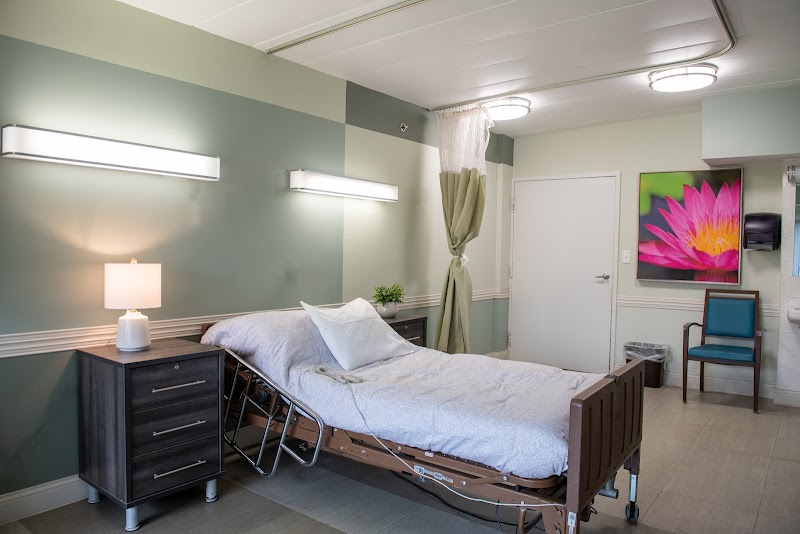
How is Rock River Health Care Staffed?

CMS rates ROCK RIVER HEALTH CARE's staffing level at 2 out of 5 stars, which is below average compared to other nursing homes. Staff turnover is 34%, compared to the Illinois average of 46%. This relatively stable workforce can support continuity of care.

What Have Inspectors Found at Rock River Health Care?

State health inspectors documented 45 deficiencies at ROCK RIVER HEALTH CARE during 2022 to 2025. These included: 1 Immediate Jeopardy (the most serious level, indicating potential for serious harm or death), 3 that caused actual resident harm, and 41 with potential for harm. Immediate Jeopardy findings are rare and represent the most serious regulatory concerns. They require immediate corrective action.
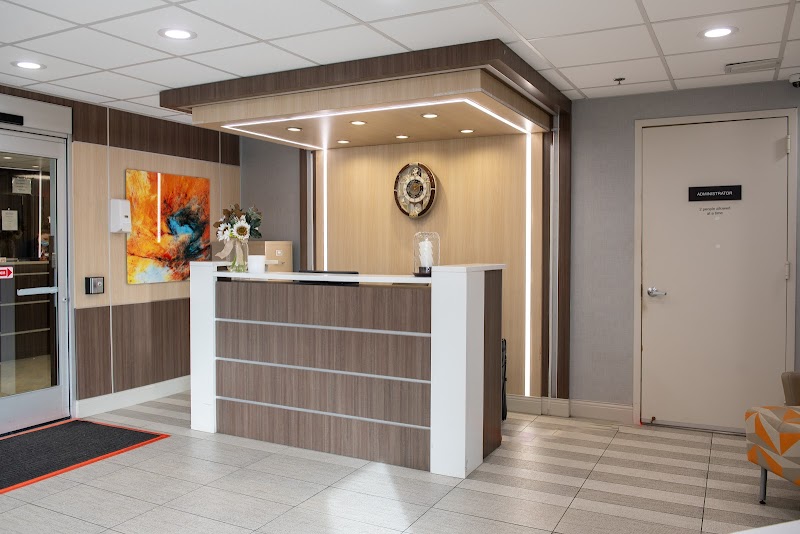
Who Owns and Operates Rock River Health Care?

ROCK RIVER HEALTH CARE is owned by a for-profit company. For-profit facilities operate as businesses with obligations to shareholders or private owners. The facility is operated by SABA HEALTHCARE, a chain that manages multiple nursing homes. With 130 certified beds and approximately 78 residents (about 60% occupancy), it is a mid-sized facility located in ROCKFORD, Illinois.
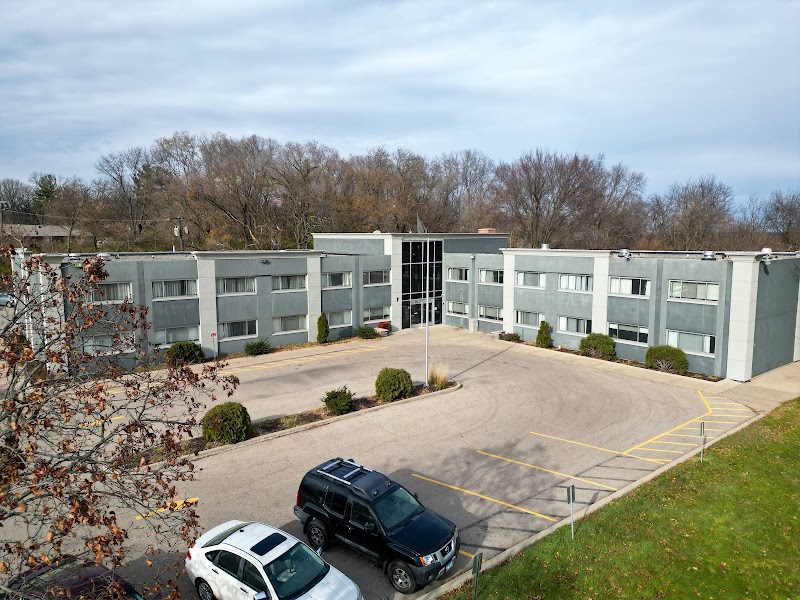
How Does Rock River Health Care Compare to Other Illinois Nursing Homes?

Compared to the 100 nursing homes in Illinois, ROCK RIVER HEALTH CARE's overall rating (2 stars) is below the state average of 2.5, staff turnover (34%) is significantly lower than the state average of 46%, and health inspection rating (2 stars) is below the national benchmark.

What Should Families Ask When Visiting Rock River Health Care?

Based on this facility's data, families visiting should ask: "What changes have been made since the serious inspection findings, and how are you preventing similar issues?" "What safeguards and monitoring systems are in place to protect residents from abuse or neglect?" "Can you walk me through typical staffing levels on day, evening, and night shifts?" "Can I visit during a mealtime to observe dining assistance and food quality?" These questions are particularly relevant given the facility's Immediate Jeopardy citations, the substantiated abuse finding on record, and the below-average staffing rating.

Is Rock River Health Care Safe?

Based on CMS inspection data, ROCK RIVER HEALTH CARE has documented safety concerns. The facility has 1 substantiated abuse finding (meaning confirmed case of resident harm by staff or other residents). Inspectors have issued 1 Immediate Jeopardy citation (the most serious violation level indicating risk of serious injury or death). The facility has a 2-star overall rating and ranks #100 of 100 nursing homes in Illinois. Families considering this facility should ask detailed questions about what corrective actions have been taken since these incidents.

Do Nurses at Rock River Health Care Stick Around?

ROCK RIVER HEALTH CARE has a staff turnover rate of 34%, which is about average for Illinois nursing homes (state average: 46%). Moderate turnover is common in nursing homes, but families should still ask about staff tenure and how the facility maintains care continuity when employees leave.

Was Rock River Health Care Ever Fined?

ROCK RIVER HEALTH CARE has been fined $72,260 across 3 penalty actions. This is above the Illinois average of $33,801. Fines in this range indicate compliance issues significant enough for CMS to impose meaningful financial consequences. Common causes include delayed correction of deficiencies, repeat violations, or care failures affecting resident safety. Families should ask facility leadership what changes have been made since these penalties.

Is Rock River Health Care on Any Federal Watch List?

ROCK RIVER HEALTH CARE is not on any federal watch list. The most significant is the Special Focus Facility (SFF) program, which identifies the bottom 1% of nursing homes nationally based on persistent, serious quality problems. Not being on this list means the facility has avoided the pattern of deficiencies that triggers enhanced federal oversight. This is a positive indicator, though families should still review the facility's inspection history directly.