PEARL OF ROLLING MEADOWS,THE
4225 KIRCHOFF ROAD, ROLLING MEADOWS, IL 60008 (847) 397-2400
For profit - Individual 155 Beds PEARL HEALTHCARE Data: November 2025
Trust Grade
50/100
#274 of 665 in IL
Last Inspection: March 2025

Within standard 12-15 month inspection cycle. Federal law requires annual inspections.

Overview

Pearl of Rolling Meadows has a Trust Grade of C, indicating it is average compared to other nursing homes. It ranks #274 out of 665 facilities in Illinois, which places it in the top half of the state, and #86 out of 201 in Cook County, meaning there are only a few local options that rank higher. The facility appears to be improving, having reduced its issues from 11 in 2024 to 7 in 2025. Staffing is a concern, with a rating of 2 out of 5 stars and a turnover rate of 38%, which is better than the state average but still indicates some instability. While there have been no fines recorded, which is a positive sign, there have been serious incidents, including a resident suffering a head injury after falling out of bed due to inadequate supervision and another resident sustaining a hip fracture from multiple unwitnessed falls, raising questions about resident safety. Overall, while the facility has strengths, such as no fines, there are significant weaknesses in monitoring and supervision that families should consider.

Trust Score
C
50/100
In Illinois
#274/665
Top 41%
Safety Record
Moderate
Needs review
Inspections
Getting Better
11 → 7 violations
Staff Stability
○ Average
38% turnover. Near Illinois's 48% average. Typical for the industry.
Penalties
✓ Good
No fines on record. Clean compliance history, better than most Illinois facilities.
Skilled Nurses
✓ Good
Each resident gets 46 minutes of Registered Nurse (RN) attention daily — more than average for Illinois. RNs are trained to catch health problems early.
Violations
⚠ Watch
31 deficiencies on record. Higher than average. Multiple issues found across inspections.
★★★☆☆
3.0
Overall Rating
★★☆☆☆
2.0
Staff Levels
★★★★☆
4.0
Care Quality
★★★☆☆
3.0
Inspection Score
Stable
2024: 11 issues
2025: 7 issues

The Good

  • 4-Star Quality Measures · Strong clinical quality outcomes
  • Full Sprinkler Coverage · Fire safety systems throughout facility
  • No fines on record
  • Staff turnover below average (38%)

    10 points below Illinois average of 48%

Facility shows strength in quality measures, fire safety.

The Bad

3-Star Overall Rating

Near Illinois average (2.5)

Meets federal standards, typical of most facilities

Staff Turnover: 38%

Near Illinois avg (46%)

Typical for the industry

Chain: PEARL HEALTHCARE

Part of a multi-facility chain

Ask about local staffing decisions and management

The Ugly 31 deficiencies on record

2 actual harm
Aug 2025 1 deficiency
CONCERN (D) 📢 Someone Reported This

A family member, employee, or ombudsman was alarmed enough to file a formal complaint

Potential for Harm - no one hurt, but risky conditions existed

Deficiency F0628 (Tag F0628)

Could have caused harm · This affected 1 resident

Based on interview and record review the facility failed to notify the local emergency room hospital of a resident's transfer for 1 of 1 resident (R1) reviewed for admission, transfer and discharge. F...

Read full inspector narrative →
Based on interview and record review the facility failed to notify the local emergency room hospital of a resident's transfer for 1 of 1 resident (R1) reviewed for admission, transfer and discharge. Findings include:On 8/12/2025 at 11:30am V4(Nurse) said that R1 had an unwitnessed fall and was found on the bedroom floor with a pillow under his head, V4 said that R1 is alert and oriented times one and unable to say what happened R1 was assisted to the bed and the nurse practitioner gave orders to send to the local emergency room for an evaluation. V4 said that she gave report to the oncoming nurse of the incident, prepared documents, while R1 was waiting for the ambulance to arrive, V4 said she did not notify the local emergency room hospital of R1 transfer because she did not know when the ambulance would arrive, V6(Nurse) expressed understanding. On 8/12/2025 at 1:00pm V6(Nurse) said that he received report from the ongoing nurse of R1 fall and that R1 is alert but confused and would not be able to say what happened to him. V6 said when the ambulance arrived, he gave documents to the ambulance, and he did not notify the local emergency room of R1 arrival for an evaluation of a fall that is for the ambulance driver to do we don't do that here. On 8/12/2025 at 1:10pm V2 (Director of Nursing-DON) said I expect all nurses to notify the receiving facility of a transfer even if they can advocate for themselves or not, R1 is confused and cannot speak for himself the local emergency room hospital should have been notified.On 8/12/2025 at 1:15pm V1(Administrator) said I expect all nurses to give a full report to the receiving facility of any resident transferring. An admission Record dated 8/12/2025 indicates R1 has a diagnosis of Delirium due to know physiological condition, cognitive functions and abnormalities of the gait and mobility, a care plan dated 8/12/2025 for impaired cognitive function/dementia or impaired thought processes. Facility Policy:Transfer or Discharge, Emergency revised 2/28/2025Policy Statement:Emergency transfers or discharges may be necessary to protect the health and /or well -being of the resident. Procedure:4. Should it become necessary to make an emergency transfer or discharge to a hospital or other related institution, our facility will implement the following procedures. b. notifies the receiving facility that the transfer is being made.
Mar 2025 5 deficiencies 1 Harm
SERIOUS (G)

Actual Harm - a resident was hurt due to facility failures

Accident Prevention (Tag F0689)

A resident was harmed · This affected 1 resident

**NOTE- TERMS IN BRACKETS HAVE BEEN EDITED TO PROTECT CONFIDENTIALITY** Based on observations, interviews, and record reviews, the facility failed to provide adequate supervision for residents at high...

Read full inspector narrative →
**NOTE- TERMS IN BRACKETS HAVE BEEN EDITED TO PROTECT CONFIDENTIALITY** Based on observations, interviews, and record reviews, the facility failed to provide adequate supervision for residents at high risk for falls and failed to implementing interventions for a resident with wandering behaviors. These failure applied to three of five residents (R52, R56, and R61) reviewed for falls and resulted in R52 sustaining a right hip fracture and a head injury requiring medical treatment. Findings include: Per the facility's incident log from 09/01/2024 - 03/24/2025 the facility has had 73 unwitnessed falls with 18 of them involving memory care residents, R52 had a fall each month from December 2024 - March 2025 with two of them being unwitnessed, and R61 had four falls within three weeks of admission with three of them being unwitnessed. 1. R52 is a [AGE] year-old female with a diagnosis history of Dementia with Behavioral Disturbance, Anxiety Disorder, Age Related Cataracts, and Stroke who was admitted to the facility 02/06/2019. The facility's incident log from 09/01/2024 - 03/24/2025 documents R52 had a witnessed fall on 12/18/2024 at 9:13 AM, and unwitnessed falls on 01/12/2025 at 4:30 AM, and on 02/09/2025 at 6:55 AM Per the facility's reportable event log received 03/24/2025 R52 had a fall on 12/18/2024 that resulted in a right hip fracture and a fall on 01/12/2025 that resulted in a laceration of her head. R52's quarterly Minimum Data Set, dated [DATE] documents she requires supervision or touching assistance for walking 10-150 ft. R56's fall risk assessments dated 12/18/2024 and 12/24/2024 documents she is at high risk for falls. R52's current care plan created 02/18/2019 documents she exhibits behavioral symptoms as evidenced by wandering and at times can be difficult to redirect and unaware of her safety needs with an intervention implemented 02/18/2029 of approaching/speaking in a calm manner and an intervention implemented 05/17/2019 of walking with R52 when she is wandering to ensure safety. R52's current care plan created 04/20/2019 documents she is at risk for falls related to diagnosis of dementia, confusion, poor communication/comprehension, poor safety awareness, wandering, and behaviors of feeling around door joints and attempting to open the door and leave the unit with intervention implemented 04/20/2019 including follow facility fall protocol, interventions implemented 03/21/2024 including staff to assist her in the dining room when meals are ready, allow her more sleep instead of having her wait in the dining room for meals; and intervention implemented 02/09/2025 of ensuring there is adequate supervision in the dining room. R52's current care plan created 12/19/2024 documents she has had an actual fall on 12/18/2024 which resulted in a fracture with interventions including staff checking her location and activity to ensure if she is properly and safely positioned in bed or chair/wheelchair. R52's current care plan initiated 01/12/2025 documents she had a fall on 01/12/2025 which resulted in a laceration on her left temple. Fall Risk Management report dated 12/18/2024 documents R52 was observed walking down the hall after breakfast towards the door and when she was getting close by the door the nurse called her trying to redirect her and she turned around quickly, lost her balance and fell landing on the right side of her hip. The facility's reportable event investigation report dated 12/19/2024 documents on 12/18/2024 R52 was observed walking towards the door and when she was getting close to it, the nurse called her and tried to redirect her, she turned around quickly, lost her balance, had a change in plain and was sent to the emergency room for further evaluation and treatment and was admitted with a right hip fracture. Fall Risk Management report dated 01/12/2025 documents at 4:30 PM R52 was found on the floor with a laceration on her head and was bleeding, while V20 (Nurse) was passing medications with her cart she turned around for a second and the next thing she heard behind her was the sound of a fall; contributing factors to R52's fall included confusion, impulsiveness, need for two person assistance with transfers, history of falls, observations of attempts at getting up without assistance recently, recently having surgery on her right hip, and diagnosis of fracture of right lower leg. R52's hospital discharge report dated 01/12/2025 documents she was diagnosed with a closed head injury, and scalp laceration and received laceration repair. The facility's reportable event investigation report dated 01/18/2025 documents R52 had an unwitnessed fall at approximately 4:40 PM on 01/12/2025 and sustained an approximately 3-centimeter laceration to her head, was sent to the emergency room for further evaluation and treatment and returned the same day to the facility with three staples to be removed in 7 days. Fall Risk Management report dated 02/09/2025 documents R52 had an unwitnessed fall and was observed sitting on the floor in front of her wheelchair by the dining room with the root cause being losing her balance and falling when attempting to stand up from her wheelchair. On 03/26/25 at 03:28 PM V18 (Restorative Nurse) stated he is the fall coordinator. V18 stated R52 has always been able to walk, and she fell on [DATE] due to suddenly turning around. V18 stated R52 had a fall at 4:30 PM on 01/12/2025. V18 stated R52 was sitting in the dining room and trying to stand. V18 stated a nurse was present and tried to catch her but didn't make it in time. V18 stated he believes the nurse was administering medications at the time. V18 stated there are usually a lot of residents in the memory care dining room. V18 stated usually there are two aides in the dining room at mealtimes and at that time there was not two aides possibly due to passing trays. V18 stated at least two aides are needed in the dining room for proper supervision. V18 stated on 02/09/2025 R52 was near the dining room in her wheelchair and attempted to stand up and loss her balance and fell. V18 stated this was an unwitnessed fall so there weren't any staff present. V18 stated there should be some staff present to monitor residents. On 03/27/2025 at 8:47 AM V2 (Director of Nursing) stated if there are several residents in the dining room, they would be sending more than one staff to supervise but it is not always their protocol to always assign and/or station two nurses or CNAs (Certified Nursing Assistant) at all times when residents are present in the dining room. V2 stated she understands that residents need supervision. V2 stated she was the one who conducted and completed the investigation after R52's fall incident and the nurse was by the dining room door beside her med cart where she can see the resident, but unfortunately, she wasn't able to get to the resident as fast as she could to prevent her fall. On 03/27/2025 at 10:19 AM V2 (Director of Nursing) stated on 01/12/2025 when R52 had a fall there were 36 total residents in the memory care unit. V2 reported there are 12 residents in the memory care unit that are at high risk for falls. In response to the surveyor asking if a nurse is the only staff in the dining room with multiple residents on the memory care unit, and she is passing medications while someone is falling, doesn't that make it difficult to assist the resident who begins to fall or even monitor all the residents present in the dining room; V2 replied that on 01/12/2025 the CNA (Certified Nursing Assistant) was asked to assist another resident with toileting and a nurse was in the dining room to oversee the residents while the other was helping with bringing residents to the dining room for dinner. On 03/27/25 at 03:03 PM V18 (Restorative Nurse) confirmed R52 and the nurse that witnessed her fall on 12/18/24 were inside the unit during the incident. V18 stated R52 and the other memory care residents usually roam around the memory care unit and wont usually attempt to leave and when they reach the exit door they turn back around. V18 stated if staff saw R52 approaching the memory care unit exit door they can monitor her to ensure she's ok and they usually just let the residents walk around. V18 stated in R52's particular situation on 12/18/2024 he can't think of anything the nurse could have done differently to prevent her fall because staff weren't expecting her to fall the way she did. V18 stated he doesn't think the nurse calling out to R52 could have startled her. V18 agreed the nurse was likely not close by R52 when she was approaching the door and therefore her voice calling out to R52 would not have been soft and low and agreed that the nurse would have had to call out to R52 loudly enough to be heard and get R52's attention. When asked by surveyor if the nurse could have just guided R52 away from the door rather than calling out to redirect her V18 could not provide any information. 2. R56 is a [AGE] year-old female with a diagnoses history of Alzheimer's, Dementia, Generalized Anxiety Disorder, Restlessness and Agitation who was admitted to the facility 04/12/2023. The facility's incident log from 09/01/2024 - 03/24/2025 documents R56 had an unwitnessed fall 03/21/2025 at 5:15 PM R56's current care plan created 04/25/2023 documents she is at risk for falls related to confusion, gait/balance problems, incontinence, poor communication/comprehension, and poor safety awareness with interventions implemented 04/25/2023 including follow facility fall protocol. R56's quarterly fall assessment dated [DATE] documents she is at high risk for falls. Fall Risk Management report dated 03/21/2025 documents R56 had an unwitnessed fall and was observed sitting on the floor on her right-side by the dining room and the root cause of the fall being she most likely fell asleep in her wheelchair while waiting for dinner. On 03/26/25 at 03:28 PM V18 (Restorative Nurse) stated according to the investigation of R56's fall on 03/21/2025 the nurse reported R56 fell asleep while sitting in her wheelchair and fell forward in the dining room. V18 stated this was an unwitnessed fall. V18 stated staff were likely passing trays and unable to catch R56. On 03/27/2025 at 10:19 AM V2 (Director of Nursing) reported the facility does have enough staff to assist the residents in the dining room. V2 reported the facility usually has nursing and activity staff present in the dining room during meals. In response to surveyor asking should there be multiple staff in the memory care dining room during mealtimes or when multiple residents are present; V2 reported they usually have 2 Nurses, 3 CNAs and 1 Activity Aide to assist with the residents. In response to surveyor asking why should there be multiple staff present in the memory care dining room during meal times or when there are multiple residents; V2 responded they have nursing to assist with feeding the residents and activities assist with passing the trays and just rounding to make sure residents have what they need. 3. R61 is a [AGE] year-old male with a diagnoses history of Dementia with Behavioral Disturbance, Encephalopathy, and Depression who was admitted to the facility 02/10/2025. On 03/24/25 at 10:57 AM Observed R61 in his room in his bed wearing a gown and protective sleeves over both his arms. Observed R61's right arm with multiple scabs and his right-hand knuckles with multiple scabs with dry blood sticking to the sleeve, a bruise, and a small bandage. The Facility's incident log from 09/01/2024 - 03/24/2025 documents R61 had a witnessed fall on 03/04/2025 at 8:30 AM, and unwitnessed falls on 02/13/2025 at 5:11 AM, 02/22/2025 at 2:30 PM, and 03/08/2025 at 11:05 AM. R61's admission Fall Risk assessment dated [DATE] documents he is at high risk for fall. R61's current care plan created 02/11/2025 documents he is at risk for falls related to generalized weakness, increased confusion, impaired cognition, altered mental status, and multiple medical conditions including activity intolerance and has exhibited behaviors of putting himself on the floor with intervention implemented 02/11/2025 of ensuring his call light is within reach and encouraging him to use it for assistance as needed, assessing and anticipating his personal needs and needs of activities of daily living such as toileting, incontinence care, eating etc. during rounds, ensuring he is centered in bed and bed bolsters are properly secured as appropriate and trunk and extremities are properly aligned and supported; intervention implemented 03/04/2025 of placing him in the dining room in the morning if he is observed up and awake if he will allow. R61's current care plan created 02/19/2025 documents he exhibits poor safety awareness and attempted to get out of chair/bed without staff monitoring and has difficulty comprehending redirection. Fall Risk Management report dated 02/13/2025 documents R61 had an unwitnessed fall in his room and was observed laying on the floor on his right side with his head at the foot of the bed and mattress halfway off the bed and tilted; R61 reported he slid off the bed; Contributing factors include being admitted to facility due to fall and increased confusion, observed with agitation and confusion, and having diagnoses including pneumonia and altered mental status; Root causes of the fall include R61 moving on his bed and the mattress tilted and he slid off to the floor. Fall Risk Management report dated 02/22/2025 documents R61 had an unwitnessed fall and was found on the floor in the hallway lying on his right side and his wheelchair behind him with the root cause being R61 making his way to the room from the dining room, wanting to go to the toilet, attempting to self-transfer without assistance, and losing his balance and falling. Fall Risk Management report dated 03/04/2025 documents R61 had an unwitnessed fall in his room and was observed sitting on the floor and reported he put himself on the floor; he was observed to have small scratches on both his knees with the root cause including attempting to get out of bed. Fall Risk Management report dated 03/08/2025 documents R61 had an unwitnessed fall and was observed lying on the floor on his right side by the hallway close to the nurses station and was observed with a bump on the right side of his forehead, skin discoloration, skin tears on multiple fingers on his left hand, skin tears on his right hand and right elbow and was sent to the emergency room for evaluation; R61 reporting he wheeled himself on his wheelchair and slipped from the wheelchair; the root cause of the fall includes R61 sliding down from his wheelchair. On 03/26/25 at 03:28 PM V18 (Restorative Nurse) stated R61 is very impulsive and has had previous attempts to get out of bed on his own before falling 02/13/2025 and interventions for this would include low bed, floor mats, encourage toileting, offering to get him up in the wheelchair when already awake, offering activities, and trying to redirect him. V18 stated R61 needs frequent supervision, and should be somewhere he can be monitored. V18 stated if R61 has been sitting in a place for a while he'll try to wheel himself somewhere. V18 stated R61's falls o 02/22 and 03/08 were due to him attempting to ambulate himself in the wheelchair and he will attempt to stand up. V18 stated interventions for this behavior is to have R61 close by staff for monitoring. On 03/27/2025 at 1:34 PM in response to surveyor asking would lack of supervision or insufficient supervision cause of fall to be unavoidable; V2 (Director of Nursing) replied that the need for supervision or level of supervision is a factor, depending on the resident and a high-risk resident that is not adequately supervised is more likely to have a fall than a more mobile resident. The facility's Fall Prevention and Management Policy received/reviewed 03/25/2025 states: The facility is committed to its duty of care to residents and patients in reducing risk, the number and consequences of falls including those resulting in harm and ensuring that a safe patient environment is maintained. High-Risk Precautions will be implemented to residents and patients whose scores on Resident/Family Notification fall Risk screen shows high risk with interventions including but not limited to meaningful and or scheduled rounds.
CONCERN (D)

Potential for Harm - no one hurt, but risky conditions existed

Incontinence Care (Tag F0690)

Could have caused harm · This affected 1 resident

**NOTE- TERMS IN BRACKETS HAVE BEEN EDITED TO PROTECT CONFIDENTIALITY** Based on observation, interview, and record review, the facility failed to ensure that staff provide incontinence care in a time...

Read full inspector narrative →
**NOTE- TERMS IN BRACKETS HAVE BEEN EDITED TO PROTECT CONFIDENTIALITY** Based on observation, interview, and record review, the facility failed to ensure that staff provide incontinence care in a timely manner for a resident assessed as dependent on staff for Activities of Daily Living (ADL). This failure affected one (R24) of one resident reviewed for incontinence care. Findings include: R24 is [AGE] years old and have resided at the facility since 2016, past medical history includes hemiplegia and hemiparesis following nontraumatic intracranial hemorrhage affecting right dominant side, chronic obstructive pulmonary disease, chronic kidney disease stage 1, pain in left leg, etc. On 03/24/25 at 10:20AM, R24 was observed in her room, awake and alert and stated that she has been at the facility for a while, she has issue with showers because it seems like they do not have enough people to do the showers. R24 said that she has not been changed today and have been waiting to be changed. R24 said that she is very wet right now, she was not changed during the night shift, the last time she was changed was yesterday before she went to bed. R24 stated that she does not have any wounds that she is aware of, but her bottom feels raw, and she cannot see back there, it is usually painful when she sits for a long time. On 03/24/25 at 11:30AM, observed incontinence care for R24. Upon entering the room, noted a very strong urine odor, and observed two adult brief that were both soaked with urine and brownish in color. Resident's bed pad and sheet were noted to be wet with brownish colored ring like stain in the middle. V5 (C.N.A) confirmed that resident's bed she and the bed pad are wet with urine. with urine. R24 was noted with redness and excoriation all over her bottom, with some whitish substances. V 5 stated that they apply barrier cream to resident's bottom after every incontinence brief change. Regarding the two adult briefs, V5 said that R24 have that because he gets wet very often, but she is not the one that put the two adult briefs on her. Care plan dated 1/2/2025 states that resident has urinary incontinence related to functional incontinence, impaired mobility, and physical limitations. Goal states that resident will have no complications related to incontinence. Interventions: Provide assistance with toileting, provide incontinence care as needed, report changes in amount and frequency, use absorbent pads/ briefs as needed. On 03/26/25 at 03:00 PM, V2 (DON) said that residents can wear two incontinence briefs at a time if it is their preference and it will be care planned. V2 added that R24 gets upset if she does not get two incontinence briefs. Surveyor asked V1(Administrator), V2 (DON) and V17 (CNO) if having two incontinence briefs justify leaving resident soaking wet, and whether it is acceptable for a resident to wait a whole day before their incontinence brief is changed and they all said that it is not acceptable, residents should be changed as needed. Urinary incontinence care policy revised 2/13/2025 states in part; Our facility will ensure and provide appropriate services and treatment to help residents restore or improve bladder function and prevent urinary tract infections to the extent possible. Incontinence care will be provided by nurse or C.N.A every shift based on incontinence needs of resident. Staff will ensure that incontinence needs are met.
CONCERN (D)

Potential for Harm - no one hurt, but risky conditions existed

Pharmacy Services (Tag F0755)

Could have caused harm · This affected 1 resident

**NOTE- TERMS IN BRACKETS HAVE BEEN EDITED TO PROTECT CONFIDENTIALITY** Based on observation, interview, and record review, facility staff failed to follow facility medication administration policy of...

Read full inspector narrative →
**NOTE- TERMS IN BRACKETS HAVE BEEN EDITED TO PROTECT CONFIDENTIALITY** Based on observation, interview, and record review, facility staff failed to follow facility medication administration policy of ensuring that staff document the administer narcotic medications in the narcotic count sheet, and failed to ensure that the narcotic medications are properly reconciled by staff. These failures affected three (R39, R43 and R70) of five residents reviewed for psychotropic medications and have the potential to affect residents in the North wing, TCU, and memory care units of the facility. Findings include: R39 is [AGE] years old and has resided at the facility since 2026, past medical history includes, but not limited to malignant neoplasm of unspecified kidney, except renal pelvis, chronic pancreatitis, unspecified dementia, type 2 diabetes, anemia, etc. Physician order dated 6/7/2024 showed the following: Morphine Sulfate (Concentrate) Solution 20 MG/ML *Controlled Drug* Give 0.25 ml sublingually every 2 hours as needed for pain; sob. 03/25/25 11:15AM, reviewed the standard even medication storage cart on the second floor with V7 (LPN) and noted the following: R39 had one bottle of morphine sulfate, 20mg/ml solution. the narcotic administration sheet documented 5ml as the amount left, review of the medication bottle showed 3.5ml on hand. V7 said that she is not sure what happened but will follow up with the director of nursing. R43 is [AGE] years old and has resided at the facility since 2028, past medical history listed include, but not limited to restlessness and agitation, generalized anxiety disorder, personal history of malignant neoplasm of breast, vitamin D deficiency, anemia, etc. Physician order dated 11/13/2023 showed the following: Ativan Solution 2 MG/ML (Lorazepam) *Controlled Drug*Give 0.5 milliliter sublingually three times a day related to restlessness and agitation (R45.1) may use Ativan prn (as needed) in between scheduled if needed hold if RR <12, then call NP/MD. On 03/25/25 11:45AM, reviewed the odd cart in the memory unit with V8 (LPN) and noted the following: R43 had a bottle of Lorazepam 2mg/ml solution in the refrigerator. The narcotic count sheet documented on that the resident had 17.5ml left, review of the bottle showed more than 30ml remaining. V8 said that there is still a lot left because the medication comes full when it is received. The amount documented as received on 3/16/2025 in the narcotic count sheet is 30ml. R70 is 88 years and has resided at the facility since 2024, past medical history includes, but not limited to primary osteoarthritis right and left shoulder, type 2 diabetes, ocular pain left eye, legal blindness, etc. Physician order dated 3/21/2025 show the following: Morphine Sulfate 20mg/ml *Controlled Drug*Give 0.25 ml by mouth two times a day for pain/SOB Hold for drowsiness and/or for respirations less than 14 and Give 0.25 ml by mouth every 4 hours as needed for pain/ SOB Hold for drowsiness and/or for respirations less than 14. On 03/25/25 11:15 AM, reviewed the TCU unit medication cart with V9 (RN) and noted the following, R70 had one bottle of morphine sulfate 20mg/5ml solution in the refrigerator. Narcotic count sheet documented 28.5 mg as the quantity remaining, the actual medication on hand was 25mg. This observation was presented to V9, and she said that she does not know why the quantity on hand is less that the amount documented in the narcotic count sheet. On 03/26/25 9:39 AM, V2 (DON) said that she investigated and found out that some nurses were giving the medication to V9, but were not documenting in the narcotic sheet but document in the medication administration record (MAR). Nurses are supposed to sign both the narcotic sheet and the MAR whenever medication is administered. For R43, V2 said that the resident still has a lot of medication remaining because the medication comes full, moving forward, the facility will start documenting the actual amount received to help with accurate reconciliation. Facility protocol on controlled substances dated 8/13/2023 under documentation guideline started in part: complete documentation in the narcotic book prior to administering controlled substances to the resident. Check the count with each administration to ensure accuracy. Initial the Medication administration record (MAR) after administering medication. Counting: All controlled substances including the ER narcotic kit and medications in the refrigerator must be counted at each shift change. Both the oncoming and outgoing nurse should look at the card and narcotic book to ensure accuracy.
CONCERN (E)

Potential for Harm - no one hurt, but risky conditions existed

ADL Care (Tag F0677)

Could have caused harm · This affected multiple residents

**NOTE- TERMS IN BRACKETS HAVE BEEN EDITED TO PROTECT CONFIDENTIALITY** Based on observation, interview, and record review, the facility failed to ensure that staff provide shower and grooming for res...

Read full inspector narrative →
**NOTE- TERMS IN BRACKETS HAVE BEEN EDITED TO PROTECT CONFIDENTIALITY** Based on observation, interview, and record review, the facility failed to ensure that staff provide shower and grooming for residents who are dependent on staff for Activities of Daily Living (ADL). This failure affected four (R16, R24, R28, and R86) of five residents reviewed for ADL care. Findings include: R24 is [AGE] years old and has resided at the facility since 2016, past medical history includes hemiplegia and hemiparesis following nontraumatic intracranial hemorrhage affecting right dominant side, chronic obstructive pulmonary disease, chronic kidney disease stage 1, pain in left leg, etc. On 03/24/25 10:20AM, R24 was observed in her room, awake and alert and stated that she has been at the facility for a while, R24 said that she has issue with showers because it seems like they do not have enough people to do the showers. R24 said that she does not receive her showers two times a week as scheduled. Resident stated that she does not have any wounds that she is aware of, but her bottom feels raw, and she cannot see back there. Resident cannot recall the last time she was showered, added that she mostly gets bed bath. Shower schedule for the second floor documented that R24 is supposes to get shower on Monday and Friday on day shift. Review of shower sheets from January to March showed that R24 received about 4 showers. Restorative care plan initiated 4/30/2016 states that R24 that has ADL Self-care deficit related to physical limitations. Interventions include Assist to bathe/shower as needed. Shower Tues-Fridays. Assist with daily hygiene, mobility task, toileting, grooming, dressing, oral care and eating as needed, Resident is totally dependent on 1 staff for showering/bathing, etc. R86 is [AGE] years old and have resided at the facility since 2021, past medical history includes unspecified cord compression spinal stenosis cervical region, lymphedema, bilateral primary osteoarthritis of knee, hypothyroidism, etc. 03/24/25 10:45AM, R86 was observed in her room with her husband, awake, alert and oriented and stated that she has been here for three years, everything is going wrong, she is supposed be transferred with a sit to stand machine, the facility still has her marked as a being transferred by a mechanical lift. R86 added that she does not get her scheduled showers, only bed baths, and has only received three showers since admission to the facility. R86 is scheduled for showers on Tuesday and Friday, shower sheets for January through March 2025 showed that R86 received about three showers and mostly bed baths. Care plan initiated 12/21/2021 states, R86 has an ADL self-care performance deficit r/t dx of Spinal Stenosis, Cord Compression, Lymphedema, Morbid Obesity. Interventions: BATHING/SHOWERING: The resident requires substantial assistance by 1 staff with bathing/showering. Provide sponge bath when a full bath or shower cannot be tolerated. The resident requires partial assistance by 1 staff to turn and reposition in bed. The resident requires partial assistance by 1 staff for upper body dressing and substantial assistance for lower body dressing. R28 is 62 years and has resided at the facility since 2024, past medical history includes type 2 diabetes, chronic respiratory failure, dependence on renal dialysis, absence of right leg below the knee, acquired absence of left leg below the knee, end stage renal disease, etc. 03/24/25 10:45AM, R28 was observed in her room, awake and alert and stated that she is doing okay. Resident said that she does not get out of bed, do not get showers only bed baths. R28 was asked if she would like to get showers and she said that will be fine for a change. R28 is scheduled for showers on Tuesday and Saturday on second shift. Review of shower sheet from January to March showed that R28 received one shower, a couple of bed baths. Care plan initiated 2/16/2024 states: The resident has an ADL self-care performance deficit r/t bilat BKA, needs assistance with personal care. Interventions: The resident requires substantial assistance with showering/bathing. The resident requires supervision by 2 staff to turn and reposition in bed. The resident requires partial moderate assist with 1 staff with personal hygiene and oral care. The resident is totally dependent on (2) staff for toilet use. R16 is 82 years and has resided at the facility since 2019, past medical history includes but not limited to malignant neoplasm of colon, morbid (severe) obesity, frontotemporal neurocognitive disorder, anxiety disorder, history of falling, etc. On 03/24/25 11:06AM, R16 was observed in his room sleeping but awakes to greetings. R16 was noted wearing a hospital gown and looked very dirty, resident's room was cluttered with clothes and garbage. R16 have lots of facial hair and overgrown hair, brownish substances noted on long fingernails. 03/25/25 10:58AM, R16 was observed in his room sleeping but responds to greeting, stated that he is doing okay and noted with long dirty fingernails on both hands, overgrown hair, and lots of facial hair, still wearing a hospital gown. R16 is scheduled for showers on Monday and Thursday second shift. Shower sheets for January to March documented about four showers for the resident. Restorative care plan dated 8/27/2019 states R16 has an ADL self-care performance deficit r/activity Intolerance, Fatigue, Limited Mobility. Intervention include Check nail length and trim and clean on bath day and as necessary. Report any changes to the nurse. The resident requires supervision by x1 staff with showering as necessary. The resident requires supervision by x1 staff to turn and reposition in bed as necessary. On 03/26/25 03:00 PM, V1 (Administrator) said that some residents refuse their shower, when a resident refuses shower, they offer a bed bath and if resident still refuses, the staff is supposed to go back different time to see if resident will accept. Shower refusals are supposed to be documented in medical record by staff. Surveyor requested any progress notes documented for shower refusal for any of the residents, but none was provided. Activity of daily living support with showers policy reviewed 5/22/2024 states in part: residents will be provided with care, treatment, and services as appropriate to maintain or improve their ability to carry out activities of daily living (ADL). Residents who are unable to carry out ADL independently will receive the services necessary to maintain good nutrition, grooming and personal oral hygiene. Under procedure 2 (g). Showers will be offered and encouraged twice a week. If resident refuses alternative bed bath/sponge bath with perineal care will be given as option. If resident continues to refuse, MD/POA will be notified if a pattern has been established weekly and as indicated.
CONCERN (E) 📢 Someone Reported This

A family member, employee, or ombudsman was alarmed enough to file a formal complaint

Potential for Harm - no one hurt, but risky conditions existed

Deficiency F0804 (Tag F0804)

Could have caused harm · This affected multiple residents

Based on interview and record review, the facility failed to provide residents with palatable and attractive food. This failure affected 13 of 13 residents (R20, R24, R28, R38, R32, R84, R70, R41, R11...

Read full inspector narrative →
Based on interview and record review, the facility failed to provide residents with palatable and attractive food. This failure affected 13 of 13 residents (R20, R24, R28, R38, R32, R84, R70, R41, R117, R126, R69, R78, and R35) reviewed for dining. Findings include: On 3/24/2025 at 10:17AM, R20 said that the food is very bad, she does not eat anything from the facility and has to order food from outside all the time. At 10:20AM, R24 said the food is not good and they do not really have a lot of alternatives to choose from. At 10:45AM, R28 said she does not like the food and has her family bring her food from outside. At 10:50AM, R38 said the food is not good. At 10:54AM, R32 stated he hasn't had a warm breakfast in months. At 11:15AM, R84 and R70 said the food is always cold. At 11:35AM, R41 said the food is horrible. I have to have my family grocery shop for me, and I eat what I have in my refrigerator. It is to be noted that R41 had her own refrigerator in her room with multiple various food items for meals and dry storage goods stored. At 11:40AM, R117 said the good is very poor quality and when you ask for extra items, they do not give it to you. At 11:48AM, R126 said the food is not good. Said the waffles are always hard. At 11:56AM, R69 said I do not like the food, and it is too bland. On 3/26/2025 at 1:15PM, R78 said the food is terrible. I believe they have a really low budget and serve us cheap food products. R35 said at this time that the food is always cold. It is to be noted that there were seven grievances dated 1/1/2025-3/22/2025 showing a concern related to the food being served including but not limited to food being served cold and disliking the food. Resident Council Meeting Minutes dated 1/23/2025 states in part but not limited to the following: The cake is not frosted enough, some of the dishes did not have enough sauce or spices. The food is sometimes cold. On 3/26/2025 at 10:50AM, V12 (Dietary Director) was interviewed regarding resident food concerns. V12 said I do not always attend the resident council meetings. Said when residents express food concerns the staff should be letting me know so that I can follow-up with them.
Mar 2025 1 deficiency
CONCERN (D) 📢 Someone Reported This

A family member, employee, or ombudsman was alarmed enough to file a formal complaint

Potential for Harm - no one hurt, but risky conditions existed

Quality of Care (Tag F0684)

Could have caused harm · This affected 1 resident

Based on interview and record review the facility failed to provide Quality of Care/Treatment related to clinical management of Urinary Tract Infection (UTI) affecting 1 of 4 (R3) residents reviewed f...

Read full inspector narrative →
Based on interview and record review the facility failed to provide Quality of Care/Treatment related to clinical management of Urinary Tract Infection (UTI) affecting 1 of 4 (R3) residents reviewed for Quality of Care/Treatment. Findings Include: On 3/11/2025 at 11:05 AM V3 (Assistant Director of Nursing/IP) stated on 1/13/2025, he received an order from V18 (Nurse Practitioner) to start R3 with antibiotic Bactrim twice a day for 3 days. V3 stated he entered the order into the electronic medication administration (EMAR) to reflect first dose in 1800 to be administered by nurse on duty. Bactrim antibiotic was ordered STAT from Pharmacy and delivered on 1/14/2025 at 12:31AM to facility. V3 stated first dose of antibiotic can be obtained in the facility convenience box (also known as pixes, capsca). V16 (Licensed Practical Nurse/LPN) nurse to give the first dose acknowledged she did not give the Bactrim as ordered on 1/13 at 1800 to R3. V13 (Licensed Practical Nurse), AM shift nurse on 1/14/25, verbally stated she gave the antibiotic Bactrim on 1/14/2025 at 0900 but acknowledged not signing the EMAR. V13 said EMAR is signed as soon as medication is given, I should have signed the EMAR. On 3/13/2025 at 11AM, V2 (Director of Nursing) said medication should be given as ordered and nurse to sign off on the EMAR for record administration. Review of R3's Electronic Medication Administration (EMAR) dated 1/1/2025 - 1/31/2025 indicated no nursing signature of administration on 1/13/2025 in 1800 and 1/14/2025 at 0900. Review of Progress Note Effective date 1/11/2025 at 11:54 Type: Medical Practitioner Note (Physician/NP) read: Late Entry: received a call from nurse that patient is complaining of pain with urination. Okay to collect UA with culture reflex. Nurse to call with results. Review of V14 (Licensed Practical Nurse/LPN) 1/11/2025 Progress Note read: Received new order to collect UA, may straight cath if necessary. Review of Order Summary Report, Order date 1/11/2025 read: Culture, Urine. No other order reviewed for UA (Urinalysis) on 1/11/2025. On 3/13/2025 at 11:28 AM, V18 said she was not aware that the order put in by the nurse on 1/11/25 was only for culture and UA was not done. On 3/11/2025 at 12:32 PM, V6 (Restorative Nurse) denied the allegation of R3 sustaining a fall due to urinary tract infection (UTI). V6 stated R3's Fall incident on 12/18/24 investigated with root cause analysis of R3 going to bathroom unassisted. On 12/22/24 R3 sustained another fall with root cause of transferring without assist. V6 stated care plan was updated on both fall incident and R3 has not had any fall since the last one in December. Reviewed R3's medical record: Fall Assessments (on Admission, Quarterly, Other) and Care Plan, no concern. Rounds to facility conducted. No resident complaint about Quality of Care/Treatment. Reviewed Facility Policies and Procedure: Fall Prevention and Management, revised 4/8/2024, Medication Administration, revision date 8/1/24, Antibiotic Stewardship, dated reviewed 8/20/22, Resident Change in Condition Notification, date revised 12/18/23, no concern.
Dec 2024 3 deficiencies
CONCERN (D) 📢 Someone Reported This

A family member, employee, or ombudsman was alarmed enough to file a formal complaint

Potential for Harm - no one hurt, but risky conditions existed

Free from Abuse/Neglect (Tag F0600)

Could have caused harm · This affected 1 resident

**NOTE- TERMS IN BRACKETS HAVE BEEN EDITED TO PROTECT CONFIDENTIALITY** Based on interview and record review the facility failed to ensure a resident was free from physical abuse to 1 of 9 resident (R...

Read full inspector narrative →
**NOTE- TERMS IN BRACKETS HAVE BEEN EDITED TO PROTECT CONFIDENTIALITY** Based on interview and record review the facility failed to ensure a resident was free from physical abuse to 1 of 9 resident (R4) reviewed for physical abuse in the sample of 9. The finding include: R4's face sheet show R4 79 y/o that has diagnoses that includes dementia, wanderer, restlessness and agitation. R4's facility assessment dated [DATE] show R4 is severely cognitively impaired. The same assessment under section E (Behavioral Symptoms and frequency) show: [R4 has] Physical behavioral symptoms directed towards others (e.g., hitting, kicking, pushing, scratching, grabbing, abusing others .) behavior of this type occurred 1-3 days Wandering . behavior of this type occurred 4-6 days R4's careplan with initiated date of 6/10/24 shows, R4 exhibits physically aggressive behaviors. R/t: cognitive deficit, dx of dementia, poor comprehension. Resident becomes combative unprovoked. He has bitten a staff members arm that required medical attention. He has grabbed a CNA who was trying to change him causing 2 broken finger nails. He will swing at staff when trying to provide care. He has attempted to take glasses off staff member and break them, he has hit staff on multiple occasions R/t: cognitive deficit, dx of dementia, poor comprehension The Facility Reported Incident sent to the state agency as final dated 11/6/24, (incident date 11/4/24) show, R4 (79 y/o) with dementia and behavioral disturbances. R3 (90 y/o) with Alzheimer and dementia .it was reported by the CNA (V4), R4 was trying to maneuver R3's wheelchair to fix as he does based on the history of his professional work. In the interaction, R4's right hand accidentally made contact with R3's face .The staff immediately separated both residents . On 12/20/24 at 9:20 AM, R4 was in dining room sitting in a chair agitated. R4 was spitting everywhere in the dining room. V13 ( Certified Nursing Assistant CNA) who was also in the dining room said R4 was like this, with behaviors-agitated, spits all over, can be aggressive and when R4 wanders, R4 was hard to redirect. V13 said R4 needed to be monitored closely. In the same dining room, R3 was quietly sitting in her wheelchair alert and pleasant. R3 said she was fine. On 12/20/24 at 9:35 AM, V3 (License Practical Nurse-LPN) said she was the Nurse working last 11/4/24 when the incident happened between R4 and R3. V3 (LPN) said she was in the Nurses station and can hear R4 and R3 yelling at each other at the opposite end of the hallway. Then she heard R3 screamed he hit me! he hit me! repeatedly. V3 said she went to check on them immediately, R3's left side of her face was reddened. They were both immediately separated. R4 was placed on 1:1. Both of their Physicians and family were notified. Facial X-ray's was ordered for R3 with no fractures noted. R4 was sent out to the hospital. R4 has behaviors of physical aggression. R4 should have been monitored closely and not get near R3. When a resident hit another resident that is abuse. At 9:50 AM, V4 (CNA) said R4 was up and about and wanders. R3 was in her wheelchair and able to wheel herself around the unit. On 11/4/24, both R4 and R3 were noted to be at the end of the hallway arguing and yelling at each other. R4 was wanting to push R3's wheelchair, R3 was saying no!, no! to R4. V4 said that was all that she can recall. V4 confirmed R4 has history of physical aggression towards others. V4 said when a resident hit another resident that is abuse. V4's signed statement dated 11/6/24 show I witnessed both residents arguing, over the chair (R3's wheelchair) R4 was wanting R3's wheelchair that she was using- she said no but he (R4) tried to push the chair swinging his arms and touched her face. I separated both residents, R4's hospital records dated 11/4/24 show, The patient (R4) is a 79 y/o who has significant dementia and does not talk, . had physical aggression and hit someone at the SNF (skilled Nursing Facility). Apparently, he always have aggressive behavior, Patients family had refused medications. He is over here for clearance so he can start on medications. On 11/4/24 at 11:30AM, both V1 (Administrator) and V2 (Director of Nursing) said due to R4's aggressive behavior towards R3, the family now had agreed to medicate R4's physical aggressions. The facility facility on Abuse dated 10/24/22 show, Residents have the right to be free from abuse, neglect, exploitation, misappropriation of property or mistreatment. This includes but is not limited to corporal punishment, involuntary seclusion and any physical and chemical restraints not required to treat the residents medical symptoms. Physical Abuse-is the infliction of injury on a resident that occurs other than by accidental means and that require medical attention. Physical Abuse including hitting, slapping, pinching, kicking and controlling behavior through corporal punishment.
CONCERN (D) 📢 Someone Reported This

A family member, employee, or ombudsman was alarmed enough to file a formal complaint

Potential for Harm - no one hurt, but risky conditions existed

Deficiency F0602 (Tag F0602)

Could have caused harm · This affected 1 resident

Based on interview and record review the facility failed to return a resident's personal belongings after discharge from the facility for 1 of 3 residents (R1) reviewed for misappropriation of propert...

Read full inspector narrative →
Based on interview and record review the facility failed to return a resident's personal belongings after discharge from the facility for 1 of 3 residents (R1) reviewed for misappropriation of property in the sample of 9 . The findings include: R1's EMR (Electronic Medical Record) shows that R1 discharged from the facility on 10/10/24 after calling 911 for himself, going to the hospital and being admitted to another facility. On 12/20/24 at 9:45 AM V5 (Social Service Director) stated, He went to another facility and I think he has transferred to another facility since then. Someone came from the other facility and picked up his mail and a store brand box (mail item.) He has called several times about his belongings- everything we had was in my office and that was just his mail. The only thing I know he had in his room was a lot of books. He had different shirts on while he was here so I know he had clothes. He was given the opportunity to come pick up his stuff. I had several phone calls with him and would say he is coming on Tuesday and then it would be Thursday. I even called (Social Service Agency) because they had some involvement with him while he was here. I got a call from the police on Monday because he called the police about his stuff. They said he needs to deal with the facility he is at now to get his belongings. It's been over 2 months now so his stuff has gotten discarded. After so long- usually 30 days, his stuff gets discarded- all we had for him was his mail and someone came and picked that up. On 12/20/24 at 9:55 AM V6 (Housekeeping Supervisor) stated, The stuff we had - after 30 days we throw it away. I never had any conversations with (R1). He had like 3 big boxes of books and we discarded them in mid November. On 12/20/24 at 11:05 AM, V1 (Administrator) stated, We found 2 boxes of his stuff (just now) and I called him- so as soon as he calls me back I will let you know. There is some crayons and papers and stuff in the box- I didn't want to go through all of his stuff. But I called him and let him know it is here. (Surveyor asked about the 3 boxes of books and his clothes) I don't know about those but we found 2 boxes and I called him and let him know. V1 stated that the facility did not have an inventory list for R1's belongings. The Facility Concern Form dated 12/16/24 (same date as the complaint) states, Resident discharged from the facility in October. Never picked up belongings. Several phone calls about picking up belongings with no follow-through. Informed items needed to be picked up due to unable to store. The resolution states, Items he had via mail kept and picked up by new facility. Resident content with (?). This form also shows the staff involved with this concern as V1, V5 and V6. The facility policy entitled Abuse Policy and Procedure dated 11/15/24 states, Misappropriation of resident property means the deliberate misplacement, exploitation, or wrongful temporary or permanent use of a resident's belongings or money without the resident's consent.
CONCERN (D) 📢 Someone Reported This

A family member, employee, or ombudsman was alarmed enough to file a formal complaint

Potential for Harm - no one hurt, but risky conditions existed

Quality of Care (Tag F0684)

Could have caused harm · This affected 1 resident

**NOTE- TERMS IN BRACKETS HAVE BEEN EDITED TO PROTECT CONFIDENTIALITY** Based on interview, record review the facility failed to ensure the prescribed treatment was performed for a resident's surgical...

Read full inspector narrative →
**NOTE- TERMS IN BRACKETS HAVE BEEN EDITED TO PROTECT CONFIDENTIALITY** Based on interview, record review the facility failed to ensure the prescribed treatment was performed for a resident's surgical wound and failed to ensure medical information was sent with a resident's surgical follow up appointment. This applies to 1 of 3 residents (R2) reviewed for quality of care in the sample of 9. The findings include: R2's face sheet shows he was a [AGE] year old male with diagnoses including orthopedic aftercare following surgical amputation, acute hematogenous osteomyelitis left foot and ankle, cellulitis of left lower limb, complete traumatic amputation of one left toe, type 2 diabetes with foot ulcer, diabetic neuropathy, congestive heart failure, heart disease, dependence of renal dialysis, non-pressure of chronic ulcer of left foot with necrosis of muscle, and occlusion and stenosis of bilateral cardiac arteries. On 12/20/24 at 10:41 AM, V14 (ADON) said residents who are sent out on appointments should be sent with the face sheet, physician orders, and labs. This is the way we communicate care of the resident. R2 was re-admitted on [DATE], he had a follow up with his surgeon on 11/14/24. V4 said he received a call from the wound clinic reporting R2 arrived without any paperwork V15 (R2's surgeon) reported there was no paperwork, he was pretty upset. V15 also reported his wound dressing were not being changed. I don't know why he would think that. Nursing should document when the resident leaves for an appointment including paperwork provided. R2's cognition was impaired, he's not able to answer questions and did not have an escort or family present with him for his appointment. V8 (LPN) was R2's nurse that day and she claimed she sent the paperwork, but V15 called and reported there was no paperwork sent. On 12/20/24 at 11:05 AM, V8 (LPN) said she was R2's nurse when he was sent out on his appointment on 11/14/24. There was a concern R2's paperwork was not sent with him to his follow up appointment. V8 reported she gave it the driver, but V15 reported there was no paperwork sent. Maybe the driver did not give it to R2. I don't understand. Paperwork should be sent out including face sheet, medication list, physician orders and labs. On 12/20/24 at 11:11 AM, V7 (Wound Nurse) said treatments should be followed and documented according to the physician's order. R2 had a post surgical left foot wound. V7 said R2 had follow up appointment on 11/14/24 and his dressing was changed prior to his appointment. On 12/20/24 at 2:00 PM, V15 (R2's Surgeon) said R2 arrived at his follow up appointment on 11/14/24, two days after being discharged from the hospital. R2 arrived with no paperwork which is major problem. R2's dressing looked exactly the same as he left the hospital. V15 said he placed R2's dressing on at the hospital. I could tell it was not changed. R2's alginate dressing which is an absorbate turns jelly and clumpy if it's been there too long and that's how his dressing presented. V15 said he spoke with V14 (ADON) regarding R2's dressing and no paperwork sent with him. V14 claimed R2's dressing was changed, but the dressing should not appear in that manner if it was. R2' Treatment Administration Record for November 2024 shows orders collagenase ointment apply application topically daily to left lateral foot post normal saline cleanse with betadine to eschar area and calcium alginate, cover with absorbate and kerlix daily and as needed if soiled or dislodged one time a day to left foot. The TAR shows there was no documentation on 11/13/24, the treatment was performed. R2's After Visit Summary dated 11/14/24 by V15 documents contacted the facility and spoke with V14 (ADON) and informed him patient was dropped off without any documentation of any medical information as well informed him that appears the wound dressing has not been changed since his discharge two days ago. The facility's Wound Prevention and Healing Policy reviewed 2024 states, To provide wound care treatment/services based on evidence -based standards of care under the direction of a physician. The facility's Appointments and Transportation Policy reviewed 2024 states, Prior to the appointment, the staff or designee will gather the necessary paperwork to send the resident to the appointment. This includes, but is not limited to a face sheet, and required documentation from the EMR system .all paperwork should be given to the family or driver for the appointment .
Oct 2024 1 deficiency
CONCERN (D) 📢 Someone Reported This

A family member, employee, or ombudsman was alarmed enough to file a formal complaint

Potential for Harm - no one hurt, but risky conditions existed

Deficiency F0558 (Tag F0558)

Could have caused harm · This affected 1 resident

**NOTE- TERMS IN BRACKETS HAVE BEEN EDITED TO PROTECT CONFIDENTIALITY** Based on observation, interview, and record review, the facility failed to ensure residents were provided with enough bath towel...

Read full inspector narrative →
**NOTE- TERMS IN BRACKETS HAVE BEEN EDITED TO PROTECT CONFIDENTIALITY** Based on observation, interview, and record review, the facility failed to ensure residents were provided with enough bath towels. This failure affected two of two (R1, R2) residents reviewed for supplies. Findings include: 1. R1 is a [AGE] year-old female originally admitted on [DATE], with medical diagnoses that include and are not limited to: chronic obstructive pulmonary disease, radiculopathy sacral, and sacrococcygeal region and anemia. On 10-26-2024 at 11:00am, R1 said, The big problem that I have encountered here since I came in December 2023 is the lack of supplies. I need to wait for the staff to give me the shower supplies such as towels, soap, and a gown. Many times I need to ask many times before I get the supplies because we do not have available towels; they only bring a few towels that the staff take for the patients that are in the bed. I saw you going into the linen room; as you can see it is empty. That makes me feel very unhappy and sad. I do not like to have a bad body odor. I cannot take a daily shower because I do not have towels to dry myself with. 2. R2 is a [AGE] year-old female originally admitted on [DATE], with medical diagnoses that include and are not limited to: chronic obstructive pulmonary disease, Atrial Fibrillation, seizures, and liver disease. On 10-26-2024 at 11:45am, R2 said, I need to talk to you about the issue with the towels. I take a shower independently. The only thing I need to ask the staff is for the towels, but all the time, the staff does not have any towels available for me to use. The linen room is empty all the time, and if I need any supplies after 5:30pm, the laundry room is closed. The staff leaves at 5:30pm until the following day at 6:00am. I do not like to feel unwashed, unkempt, dirty, or having a body odor because I cannot get a towel to take a shower. On 10-26-2024 at 8:55am ,V3 (Activity Director) said the census is currently 127 residents. On 10-26-2024 at 9:45am, V4 (Laundry Aide) said, I wash the dirty linen; towels, gowns, and bed linen, and before the end my shift at 5:30pm, I make sure to take it to the clean linen rooms. I have not taken any linen today because the person (V5, Laundry Aide/Housekeeping) that was supposed to start in the laundry today at 7am was assigned to clean the resident rooms and she did not wash any linen. On 10-26 at 9:50am, observation of the first-floor linen room completed: V4 said, I can see four pillows, a few fitted sheets, and many slings for the mechanical transfer machines. I do not see any available towels. On 10-26-2024 at 9:57am, observation of second floor room [ROOM NUMBER]: V4 said, I can see the room have some bed linen: fitted sheets and pillowcases, but we do not have any towels. On 10-26-2024 at 10:01am, observation of second floor room [ROOM NUMBER]: V4 said, I can see they have incontinent supplies, disposable diapers, but we do not have any linen. I do not see any available towels. On 10-26-2024 at 10:15am, V5 (Laundry Aide/Housekeeping) said, We do not have any extra towels in the laundry room; the only towels we have are the ones we received from the floor. We wash and return them to the clean linen rooms. Many times staff and patients go to the laundry room asking for linen/towels. If we have available linen, we give it to them, otherwise, they will have to wait until we wash and dry them. The laundry room is open until 5:30pm; we do not have anyone working after that time. On 10-26-2024 at 10:55am, V9 (Registered Nurse) said, In regard to the linen, we have a big problem. We do not have enough towels and bed linen in the clean linen room. The residents complain about having to wait for the towels because we do not have enough on the floors or in the linen room. On 10-26-2024 at 12:20pm, V2(Assistant Director of Nursing) said, We have the linen that is in circulation on both floors; in the laundry room observed only a few gowns, no towels are available. I can only say we can use more linen in circulation to supply the floors. On 10-26-2024 at 1:40pm, V6 (Housekeeping), said, I have a key to open the locked supply rooms. V6 opened a locked area in the first floor by the laundry room, and presented some housekeeping supplies such as bags, mops, paper towel. Housekeeping supplies, we have some new towels here: 45 face towels, now we can go to the second floor storage area. Observation of the other room: V6 said, We have fitted sheets: 4 bags each one has a dozen of fitted sheets, 12 shower towels; these are the big towels and we also have 45 face towels. I am not aware of how many dozens we need to have as backup. I know we need more because we are low in supply. I will need to ask the person that helps putting the order. On 10-27-2024 at 11:40am, V1 (Director of Nursing) said, We do not have any laundry/housekeeping supervisor. (V6) is acting as one until we hire a new person. On 10-27-2024 at 4:05pm, V6 (Housekeeping/Laundry Aide-Acting Supervisor) said, I am in housekeeping, but we do not have a supervisor. I am the acting supervisor since April 2024. I do not do any order for supplies. I have (V17, Floor Tech/Housekeeping); he writes the list of the supplies that we need and gives it to the Administrator to place the order. I am not aware that we need to have any extra towels/linen supplies. The laundry is open from 5:30am to 5:30pm; we do not have anyone working after 5:30pm. We only have two shifts in the laundry. The first person that comes from 5:30am to 11:00am, and the second one comes at 8:30am and closes the laundry at 5:30pm. We put 15 to 20 towels per linen room; total 45-60 towels in the three linen rooms. I do not have any number of linens that I need to put in circulation; we take out new supplies if the people on the floor complain that they need more. The residents the census is 127. On 10-28-2024 at 7:30am, V17 (Floor Tech/Housekeeping) said, I write the list of the supplies we need in the building and give it to the Administrator to place the order. The administrator is the housekeeping/laundry supervisor. On 10-28-2024 at 1:30pm V1, Director of Nursing, stated, My expectation is for the staff to go to the laundry and obtain more linen if we do not have any in the linen rooms. The laundry closes 6:00pm, but they leave all supplies for the second and third shifts. Having 15 to 20 towels per linen room are not enough. We have a current census of 127 residents in house. V1 (Director of Nursing) presented policy title: Safe Environment, dated: 02/25/2024, reads: The facility will provide a safe, clean, comfortable, and homelike environment, clean bed and bath linens that are in good condition.
Aug 2024 1 deficiency 1 Harm
SERIOUS (G) 📢 Someone Reported This

A family member, employee, or ombudsman was alarmed enough to file a formal complaint

Actual Harm - a resident was hurt due to facility failures

Accident Prevention (Tag F0689)

A resident was harmed · This affected 1 resident

**NOTE- TERMS IN BRACKETS HAVE BEEN EDITED TO PROTECT CONFIDENTIALITY** Based on interview and record review, the facility failed to properly monitor/supervise a high fall risk resident and ensure saf...

Read full inspector narrative →
**NOTE- TERMS IN BRACKETS HAVE BEEN EDITED TO PROTECT CONFIDENTIALITY** Based on interview and record review, the facility failed to properly monitor/supervise a high fall risk resident and ensure safety during incontinence care. This affected one of three (R2) residents reviewed for safety during care. This failure resulted in R2 rolling out of bed suffering a laceration to the head which required six sutures at the hospital. Findings Include: R2 is a [AGE] year old with the following diagnosis: malignant neoplasm of the stomach, dementia, anxiety disorder, and repeated falls. An Incident note dated 6/5/24 documents the CNA (V10 - Former CNA) called the nurse's attention to R2's room. R2 was observed lying on R2's left side on the floor with a red substance noted on the floor. R2 stated that R2 rolled out of bed. Pressure was applied to the head by wrapping with gauze to stop the bleeding. 911 was called. The Hospital Records dated 6/5/24 document R2 presented to the emergency department with a fall. R2 reportedly was reaching for an item and fell off the bed, striking the left side of the head on the ground. R2 was found in a pool of blood and complaining of pain in the left arm. A 2 cm x 2 cm laceration was noted over the left temple with a large hematoma and was pulsating blood. The laceration was closed with six sutures. A CT scan of the head was negative as well as a left forearm x-ray. R2's family member refused for R2 to return to the facility so R2 was admitted for placement. On 7/30/24 at 3:06PM, V6 (Nurse) stated V10 called V6 into R2's room due to R2 falling from the bed. V6 reported R2 had a laceration to the left side of the head and blood was coming out of the wound. V6 stated asking R2 what happened to which R2 replied that R2 rolled out of bed. V6 stated R2 was asked first what occurred before asking V10. V6 reported V10 also stated that R2 rolled out of bed while V10 was providing incontinence care. V6 stated R2 was able to move around the bed but needed staff assistance to completely turn over. V6 reported the bed was not in the lowest position at the time of the fall due to R2 being changed so R2 fell from a higher level. On 7/30/24 at 3:40PM, V7 (Restorative Nurse) stated R2 was a high fall risk due to having multiple falls, poor safety awareness, confusion, and not being physically able to move as normal. V7 reported the fall on 6/5 was due to R2 rolling out of the bed while R2 was being changed. V7 stated per V10's statement, R2 was being restless and V10 turned to grab something and when V10 turned back around R2 was rolling out of bed. V7 confirmed an intervention of bed bolsters should have been in place at the time of the fall. V7 reported R2 was a one person maximum assist with bed mobility. V7 stated once R2 was turned to the side, R2 was able to hold the side rail and assist, but R2 wasn't able to turn R2's self. V7 reported a resident should never be left unattended while they are laying on their side for safety reasons. V7 said, The proper positioning in the bed and monitoring is just safer for the resident and helps prevent any falls. On 7/31/24 at 9:56AM, V8 (DON) stated first speaking with V6 who told V8 that R2 rolled off the bed while being changed. V8 reported to the speaking with V10 about the incident. V8 stated V10 said V10 was changing R2's brief and turned R2 to the right side and V10 then began reaching for a new brief. V8 reported not being sure of V10's exactly location but was somewhere along the bedside. V8 said, She (V10) let go of the resident for a second. The resident rolled over onto her back then off of the bed. V8 stated R2 lost R2's balance after R2 rolled to R2's back and fell off the bed. V8 reported R2 is a high fall risk due to poor safety awareness, needing assistance with ADL care, lack of mobility, and previous falls. V8 stated R2 is alert and oriented times two with confusion. V8 reported R2 is a substantial/maximum assist with bed mobility but is able to move some and grab onto the grab bar when turned. V8 described the positioning device that is mentioned in the reportable is like a side rail, but it's a quarter of the size. V8 stated the positioning aide helps the resident hold on when they're being turned. V8 reported V10 did walk out during the interview due to getting flustered and resigned at that time. V8 stated R2 was sent to the hospital and ended up getting sutures to the laceration. On 7/31/24 at 11:08AM, V9 (Primary Physician) stated R2 had a laceration to R2's head from a fall. V9 reported R2 was being changed and fell from the bed. V9 stated R2 is a one assist. V9 reported the CNA was reaching over for a brief and during this time, R2 somehow fell from the bed. V9 stated R2 only had the capacity to hold R2's body to the side. V9 was unaware if R2 was on R2's side or R2's back when R2 rolled out the back. V9 reported V10 just went to grab something and R2 ended up rolling off the bed. V9 said, I'm not exactly sure how this would happen. She probably lost her balance somehow. On 8/1/24 at 9:09AM, V8 was unaware if the bolsters were on the bed at the time of the fall but stated if they were on the care plan then they should have been on the bed. V8 said, I think she just turned too quickly over to her back then rolled to her side off the bed. V8 confirmed R2 did roll off the same side the CNA was standing on. V8 stated the CNA was grabbing a brief to put on R2 but never left the bedside per V10's interview. When asked how R2 was able to roll so quickly to R2's back, left side, and then over the bolster before V10 stopped R2, V8 responded, I don't know how she was able to roll onto her back and then onto the floor so quickly without the CNA stopping her. I don't know. V8 reported R2 is a substantial/maximum assist with bed mobility but R2 can begin to roll R2's self to the side. On 8/1/24 at 9:17AM, V6 stated both R2 and V10 confirmed R2 rolled out of the bed causing the fall but V6 was unsure of the exact manner to which R2 fell out of the bed. V6 was not able to recall if the bed bolsters were in place. V6 reported R2 was lying on R2's left side but was on the right side of the bed if you are facing the bed at the foot. V6 said, When you are changing a resident everything you need should be at the bedside. If you need to go get something you forgot then the resident should be put back in the middle of the bed and the bed lowered to the floor. You shouldn't be grabbing for things even if they are closer because it takes your attention away from the resident and then accidents like this can happen. The surveyor called V10 throughout the survey to obtain an interview regarding the incident but a call was never returned. The Fall Event dated 6/5/24 documents R2 fell in R2's room. R2 was lying in the bed getting R2's brief changed immediately prior to the fall. R2 reported that R2 rolled out of bed. R2 is able to respond verbally per baseline. An injury to the top of the scalp was noted with a red substance coming from the scalp. The SBAR Communication Form dated 6/5/24 documents R2 was transferred to the hospital due to a fall. The Fall Investigation Report dated 6/5/24 documents at 6:45 PM, the CNA called the nurse to R2's room. R2 was observed lying on R2's left side next to the bed. R2 was bleeding from the face head area on the left side where R2 was lying. Pressure was applied with gauze bandages. R2 stated that R2 rolled out of bed. 911 was called. R2 was oriented to person and place per baseline. Predisposing factors of the fall are poor safety awareness, periods of agitation and restlessness, weakness, and use of psychotropic medication. The root cause of the fall documents after further investigation, staff was providing incontinence care to R2. R2 was lying on the right side in bed. As the CNA was reaching for the incontinent brief, R2 abruptly turned over onto R2's back. R2 then continued turning and was not able to grab the positioning device for control to stabilize R2's balance causing R2 to roll out of bed and onto the floor. The Final Incident Report dated 6/11/24 documents R2 is a long-term resident that resides on the dementia unit. R2 is alert and oriented times two with periods of confusion. R2 is able to move in bed with the help of the positioning device and one staff assist. R2 was observed on the floor next to R2's bed with a laceration to the left temple with bleeding. R2 was sent to the hospital and was admitted with a hematoma to the left temple and required six sutures to the laceration to the left temporal area. The CNA that was providing care at that time of the fall reported R2 was lying on the right side in the bed and the CNA was standing behind R2 on the other side of the bed. As the CNA was reaching for the incontinence brief at the bedside, R2 abruptly turned over onto R2's back. R2 continued turning to the left side and was not able to grab the positioning device to stabilize R2's balance. This caused R2 to fall onto the floor on the same side where the CNA was standing. The x-ray and CT of the cervical spine and head were done at the hospital and showed no acute abnormality. The Fall Assessment 4/26/24 documents a score of 24 indicating R2 is at high risk for falls. R2 has a history of multiple falls, has poor memory and recall ability, is totally incontinent of both bowel and bladder, has agitated behavior, requires hands on assistance to move from place to place, and has a decrease in muscle coordination. The Fall Risk assessment dated [DATE] documents a score of 27 indicating R2 is a high fall risk. A score of 16 or above indicates a resident is at high risk for falls. The Restorative Nursing Program Documentation dated 4/26/24 documents R2 has impaired mobility due to decreased range of motion related to generalized weakness, poor trunk control, and poor safety awareness. The Care Plan dated 5/24/20 documents R2 is at risk for falls due to poor safety awareness related to cognitive impairment, impaired mobility, and generalized weakness. An intervention on 5/12/23 documents bed bolsters were put in place. The Care Plan dated 8/10/22 documents R2 has had an actual fall with no injury. An intervention documented on 5/12/23 documents staff will ensure that R2 is centered in bed, positioning device is functional and up as appropriate, floor mats are in place as appropriate, and trunk and extremities are properly aligned and supported. The Care Plan dated 8/24/23 documents R2 has had an actual fall on 8/24/23, 9/2/23, 9/10/23, and 9/14/23 with no injury. An intervention documented on 9/14/23 documents staff will ensure that R2 is centered in the bed, position device is functional and up as appropriate, bed bolsters are properly secured as appropriate, and trunk and extremities are properly aligned and supported. The care plan with no date documents R2 is challenged by dementia and mental illness which impedes on R2's safety awareness and judgment. This care plan also documents R2 has an ADL self-care performance deficit related to weakness. An intervention documents R2 requires limited to extensive assist by one staff to turn and reposition in the bed as necessary. The Minimum Data Set (MDS) Section GG dated 4/26/24 documents R2 is a substantial/maximal assist indicating the staff member does more than half of the effort. The staff member lifts or holds the resident's trunk or limbs, and provides more than half the required effort. R2 is dependent when going from a sitting to a lying position indicating the staff member does all of the effort. R2 is not ambulatory. The facility provided the surveyor with a drawing of the incident to describe where the CNA was standing in relation to R2, the bed, and how close the bedside table was to the bed. According to the description of the incident and drawing, R2 should not have been able to turn from R2's right side to R2's back and over to R2's left side before being stopped or assisted by the CNA that was allegedly standing directly next to the bed. With the description of the incident and drawing, it can be determined that R2 was not properly monitored or supervised while the CNA was providing incontinent care if R2 had enough time to roll from R2's right side to R2's back then continue rolling onto R2's left side over the bed bolsters and then out of the bed. The policy titled, Fall Prevention and Management, dated 4/8/24 documents, Policy Statement: the facility is committed to its duty of care to residence and patients in reducing risk, the number and consequences of falls, including those resulting in harm and ensuring that a safe patient environment is maintained .Fall Interventions: a. Universal fall precautions/facility fall protocol will be implemented to all residents and admitted to the facility, regardless of risk scores.
Jun 2024 1 deficiency
CONCERN (E) 📢 Someone Reported This

A family member, employee, or ombudsman was alarmed enough to file a formal complaint

Potential for Harm - no one hurt, but risky conditions existed

Deficiency F0558 (Tag F0558)

Could have caused harm · This affected multiple residents

Based on observation, interview, and record review, the facility failed to ensure call light cords were within reach for 4 residents (R6, R7, R8, and R9) out of 9 residents reviewed for call light acc...

Read full inspector narrative →
Based on observation, interview, and record review, the facility failed to ensure call light cords were within reach for 4 residents (R6, R7, R8, and R9) out of 9 residents reviewed for call light accessibility. Findings include: 1. R7's call light ability screen, dated 5/22/24, notes R7 is able to use the call light. On 6/10/24 at 11:00 AM, R7 was observed lying in bed. There was no call light cord observed near R7's bed. On 6/10/24 at 11:05 AM, V3, RN (Registered Nurse) was unable to locate R7's call light cord. After searching R7's room, V3 found R7's call light cord under the blanket of R7's roommate's bed. V3 stated R7's call light cord should be within reach of R7. 2. R8's call light ability screen, dated 5/16/24, notes R8 is able to use the call light. On 6/10/24 at 11:10 AM, R8 was observed lying in bed. R8's call light cord was observed between R8's mattress and bed frame. R8's call light cord was not within reach. 3. R9's call light ability screen, dated 5/15/24, notes R9 is able to use the call light. On 6/10/24 at 11:13 AM, R9 was observed lying in bed. R9's call light cord was observed tangled in R9's bed frame. R9's call light cord was not within reach. 4. R6's call light ability screen, dated 5/17/24, notes R6 is able to use the call light. On 6/10/24 at 11:15 AM, R6 was observed lying in bed with call light cord wrapped around lamp on nightstand and dangling behind the nightstand. Call light cord was not within reach of R6. On 6/10/24 at 10:30 AM, V4 (nurse) stated the resident's call light cord should be within easy reach at all times. On 6/11/24 at 2:30 PM, V1 (Administrator) stated when the residents are in their rooms, staff should clip the call light cord to the resident's shirt so it can easily be reached by resident. The facility's call light use policy, dated 6/19/2020, notes a call light ability screen will be completed for each resident to determine the ability to use the call light. Residents capable of using the call light appropriately will have their call lights accessible at all times.
Feb 2024 5 deficiencies
CONCERN (D)

Potential for Harm - no one hurt, but risky conditions existed

Accident Prevention (Tag F0689)

Could have caused harm · This affected 1 resident

Based on observation, interview, and record review, the facility failed to ensure the resident's environment is free from accident hazards and each resident receives adequate supervision to prevent ac...

Read full inspector narrative →
Based on observation, interview, and record review, the facility failed to ensure the resident's environment is free from accident hazards and each resident receives adequate supervision to prevent accidents for 1 of 3 residents (R35) in a sample of 27 residents reviewed for medication safety. Findings include: admission Record indicated R35 has a diagnosis of End Stage Renal Disease and Dependence on Renal Dialysis. An Order Summary Report indicated Sevelamer Carbonate Oral Tablet. Give 1 tablet by mouth with meals related to End Stage Renal Disease. On 02/06/24 at 12:34 PM, R35 had medication at bedside, which had not been consumed. R35 said it is her medication for dialysis that she takes with meals. No food or meal tray was seen at this time. R35 said it is their practice to leave such medication, and assume for her to take it when her food arrives. On 02/06/24 at 12:39 PM, V17 (License Practical Nurse -LPN) said medication should be given when food arrives, and medication should not be left at bedside. V17 identified the medication as dialysis medication, Sevelamer. On 02/06/24 at 3:45 PM, V2 (Director of Nursing -DON) said no medication should be left at bedside, and the Nurse is to stay with the resident to ensure medication is taken. Facility Policy and Procedure: Medication Administration - 3/20/2020 Intent: All medications are administered safely and appropriately to aid residents to overcome illness, relieve and prevent symptoms and help in diagnosis. Level of Responsibility: RN, LPN Guideline: 2. Medications are administered by licensed personnel only. 17. Remain with the resident to ensure that the resident swallows the medication. 26. Medications will not be left at bedside unless with order from physician.
CONCERN (D)

Potential for Harm - no one hurt, but risky conditions existed

Tube Feeding (Tag F0693)

Could have caused harm · This affected 1 resident

**NOTE- TERMS IN BRACKETS HAVE BEEN EDITED TO PROTECT CONFIDENTIALITY** Based on observation, interview, and record review, the facility failed to check for GT (gastrostomy tube) placement prior to ad...

Read full inspector narrative →
**NOTE- TERMS IN BRACKETS HAVE BEEN EDITED TO PROTECT CONFIDENTIALITY** Based on observation, interview, and record review, the facility failed to check for GT (gastrostomy tube) placement prior to administration of medication and enteral feeding. This deficiency affects one (R71) of one resident in the sample of 27 reviewed for tube feeding management. Findings include: R71 was re-admitted on [DATE], with diagnoses listed in part but not limited to Dysphagia, Gastrostomy, and Encephalopathy. Physician order sheet indicates: Glucerna 1.2 150 ml every 4 hours. Flush with 120ml water every 6 hours. Flush enteral tube with 30ml water pre/post medication administration and 5-10ml water between each medication. On 2/6/24 at 3:35PM, V20, LPN (Licensed Practical Nurse), prepared R71's medication. V20 mixed and crushed medication with 5ml water in a medicine cup. V20 prepared 2 medicine cups and placed 5 ml of water each. R71 was lying in semi-sitting position. V20 took the GT 60ml syringe and removed the plunger. V20 connected the syringe into R71's gastric tube and poured the 5ml water for flushing, then the prepared medication, then 5ml water for flushing. V20 then connected the GT feeding of Glucerna 1.2 with 500ml remaining at 150ml/hr. V20 said that she does not have to check for GT placement, just need to flush with water. On 2/6/24 at 4:10PM, V2 DON (Director of Nursing) said they have to check for GT placement prior to administration of medication or enteral feeding. Facility's policy on Enteral tube medication administration, effective date 10/25/14, indicates: Policy: The facility assures the safe and effective administration of enteral formulas and medications via enteral tubes. Selection of enteral formulas, routes and methods of administration and the decision to administer medications via enteral tubes are based on nursing assessment of the resident's condition, in consultation with the physician, dietitian and consultant pharmacist. Procedures: 8). With gloves on, check for proper tube placement using air and auscultation only. Never check placement with water. Facility's policy on General guidelines for administering medication via enteral tube, effective date 10/25/14, indicates: Policy: The facility assures the safe and effective administration of enteral formulas and medications via enteral tubes. Selection of enteral formulas, routes and methods of administration and the decision to administer medications via enteral tubes are based on nursing assessment of the resident's condition, in consultation with the physician, dietitian and consultant pharmacist. Procedures: F. Enteral tubes are flushed with at least 30ml of water before administering medications and after all medications have been administered.
CONCERN (D)

Potential for Harm - no one hurt, but risky conditions existed

Infection Control (Tag F0880)

Could have caused harm · This affected 1 resident

Based on observation, interview, and record review, the facility failed to disinfect/sanitize medical equipment (digital blood pressure monitor and pulse oximeter) used after each resident during medi...

Read full inspector narrative →
Based on observation, interview, and record review, the facility failed to disinfect/sanitize medical equipment (digital blood pressure monitor and pulse oximeter) used after each resident during medication administration. This deficiency affects two (R86 and R112) of six residents in the sample of 27 reviewed for Infection control. Findings include: On 2/6/24 at 10:17AM, V13, Registered Nurse (RN), took the digital blood pressure monitor from the medication cart and placed it on R112's left upper arm. V13 placed the pulse oximeter on R112's left index finger. V13 scanned R112's forehead to check for her body temperature. After taking vital signs, V13 placed all the medical equipment used on top of the medication cart without disinfecting/sanitizing them. V13 prepared scheduled medications and administered to R112. On 2/6/24 at 10:27AM, V13, RN, took the vital signs equipment (digital BP monitor, Pulse oximeter and thermometer) from the medication cart, without disinfecting it. V13 placed the digital BP monitor on R86's left upper arm. V13 placed pulse oximeter on left middle finger. After taking vital signs, V13 placed all the medical equipment used on top of the medication cart without disinfecting/sanitizing. V13 prepared scheduled medications and administered to R86. On 2/6/24 at 10:51AM, V13, RN, said she does not need to disinfect or sanitize the digital BP equipment and pulse oximeter after each resident use. V13 said she will sanitize/disinfect them at the end of each shift or after morning and noon time med pass, not after each resident usage. On 2/6/24 at 2:09PM, V3, Assistant Director of Nursing (ADON)/Infection Preventionist, said medical equipment such digital BP monitor and pulse oximeter should be sanitized/disinfected after each resident use. V3 added they use the disinfectant wipes to clean the medical equipment. Facility's policy on Cleaning and disinfection of Resident-Care items and Equipment, reviewed 5/28/23, indicates: Policy statement: Resident-care equipment, including reusable items and durable medical equipment will be cleaned and disinfected according to current CDC (Centers for Disease Control and Prevention) recommendations for disinfection and the OSHA (Occupational Safety and Health Administration) Bloodborne Pathogens Standard. Procedure: 1. The following categories are used to distinguish the levels of sterilization/disinfection necessary for items used in resident care: d. Reusable items are cleaned and disinfected or sterilized between residents (e.g., stethoscopes, durable medical equipment (DME)) 3. DME must be cleaned and disinfected before reuse by another resident.
CONCERN (E)

Potential for Harm - no one hurt, but risky conditions existed

Deficiency F0761 (Tag F0761)

Could have caused harm · This affected multiple residents

Based on observation, interview, and record review, the facility failed to keep the controlled substance medications in the refrigerator per pharmaceutical/manufacturer's recommendation. This deficien...

Read full inspector narrative →
Based on observation, interview, and record review, the facility failed to keep the controlled substance medications in the refrigerator per pharmaceutical/manufacturer's recommendation. This deficiency affects four (R36, R41, R97 and R98) of four residents reviewed for Medication Storage. Findings include: On 2/6/24 at 11:14AM, Checked narcotic medications in medication cart with V14, LPN (Licensed Practical Nurse). Observed the following medications with pharmaceutical instruction to store in refrigerator as written in medication container. V14 said those medications- morphine and lorazepam liquids should be kept in the refrigerator after administration. V14 said they should follow pharmaceutical recommendation. The following medications were found: 1)R41's Morphine sulfate 20mg /ml solution ( 5ml), left 4.25ml and Lorazepam 2mg/ml oral solution ( 5ml ), left 4.5ml. 2)R36's Morphine sulfate solution 20mg/ml ( 5ml), left 4.5ml. 3)R97's Morphine sulfate 20mg /ml ( 30ml) unopened; Morphine sulfate 20mg/ml ( 5ml), left 1.75ml and Lorazepam 2mg/ml( 5ml), left 2ml. 4)R98's Morphine sulfate 20mg/ml ( 5ml ) unopened and Lorazepam 2mg/ml ( 5ml) unopened. On 2/6/24 at 11:40AM, V2 DON (Director of Nursing) said morphine and lorazepam solution should be kept in refrigerator after using. Facility's policy on Storage of Medications, revision date 5/1/2018, indicates: Policy: Medication and biological are stored safely, securely, and properly, following manufacturer's recommendation of those of supplier. The medication supply is accessible only by licensed personnel, pharmacy personnel or staff members lawfully authorized to administer medications. Procedures: C. Medications requiring refrigeration are kept in a refrigerator at temperatures between 2C (36F) and 8C(46F) with a thermometer to allow temperature monitoring. Medications requiring storage in a cool place are refrigerated unless otherwise directed on the label. Controlled substances that require refrigeration are stored within a locked box within refrigerator or locked refrigerator at or near the nurses' station to in a refrigerator within locked medication room per IL Administrative Code Section 300.1640 d) Labeling and Storage of Medication.
CONCERN (F)

Potential for Harm - no one hurt, but risky conditions existed

Food Safety (Tag F0812)

Could have caused harm · This affected most or all residents

Based on observation, interview, and record review, the facility failed to ensure facility kitchen staff are wearing hair restraints (e.g., hairnet, hat and/or beard restraint) while preparing food to...

Read full inspector narrative →
Based on observation, interview, and record review, the facility failed to ensure facility kitchen staff are wearing hair restraints (e.g., hairnet, hat and/or beard restraint) while preparing food to prevent hair from contacting food. This deficiency has potential to affect 127 residents who consumes meal from the kitchen. Findings include: On 02/06/24 at 10:05 AM, During initial round in the kitchen, V10, Dietary Director (DD), and V27, Cook, did not have a hair restraint. V27 was in the process of preparing food and cutting off ham meat. V27 was wearing a hairnet, and hair was exposed while preparing food. V10 came into the kitchen just wearing a hat with exposed long hair and beard, but no restraint. Rounded the kitchen with V10 who was not wearing hair restraint. On 02/07/24 at 10:10 AM, V10, DD, was wearing a hat with exposed long hair while cutting the carrots. V10 said he's wearing a hat. Surveyor asked if he is aware his hair is not fully restrained with just the hat on. V10 shrugged his shoulders On 02/07/24 at 10:15 AM, V1, Administrator, said kitchen staff should wear a hair restraint while in the kitchen. Facility Policy: TITLE: HAIR RESTRAINTS/JEWELRY/NAIL POLISH - No date Policy: Food and nutrition services employees shall wear hair restraints and beard guards. Employees shall avoid wearing excessive jewelry, nail polish or acrylic nails. Procedure: Hairnet, hat, or hair restraint will be worn at all times in the kitchen. [NAME] guards or masks will be worn as indicated.
Oct 2023 2 deficiencies
CONCERN (D) 📢 Someone Reported This

A family member, employee, or ombudsman was alarmed enough to file a formal complaint

Potential for Harm - no one hurt, but risky conditions existed

Deficiency F0808 (Tag F0808)

Could have caused harm · This affected 1 resident

**NOTE- TERMS IN BRACKETS HAVE BEEN EDITED TO PROTECT CONFIDENTIALITY** Based on observation, interview, and record review, the facility failed to follow diet ordered by the physician. This deficiency...

Read full inspector narrative →
**NOTE- TERMS IN BRACKETS HAVE BEEN EDITED TO PROTECT CONFIDENTIALITY** Based on observation, interview, and record review, the facility failed to follow diet ordered by the physician. This deficiency affects one (R2) of three residents reviewed for Therapeutic diets prescribed by physician. Findings include: On 10/25/23 at 9:40AM, R2 had just finished eating breakfast. Her dietary card indicated she is on Consistent Carbohydrate (CCHO) NAS (No added Salt). R2 was readmitted on [DATE], with diagnosis listed in part but not limited to Acute cholecystitis, Esophagitis, Gastroesophageal Reflux, Type 2 Diabetes Mellitus. Physician order sheet indicates: Mechanical soft, low fiber regular diet. R2 was not evaluated by Dietitian upon readmission from hospital. On 10/25/23 at 1:10PM, V25, Registered Dietitian, said she comes to the facility weekly to evaluate newly admitted or readmitted residents for appropriate diet. She said she has not seen or evaluated R2 since she was readmitted on [DATE]. She said they should follow physician diet ordered. Facility's policy on Nutritional assessment timeline indicates: Procedure: New admission or readmission nutrition assessment will be completed as soon as possible within 7 days. Facility's policy on Diabetic Management 6/8/23 indicates: Intent: to provide guidelines to manage residents with Diabetes and prevent hypoglycemia, hyperglycemia, and other complications. Procedures: 2. Diet orders will be followed as ordered.
CONCERN (E) 📢 Someone Reported This

A family member, employee, or ombudsman was alarmed enough to file a formal complaint

Potential for Harm - no one hurt, but risky conditions existed

Accident Prevention (Tag F0689)

Could have caused harm · This affected multiple residents

**NOTE- TERMS IN BRACKETS HAVE BEEN EDITED TO PROTECT CONFIDENTIALITY** Based on observation, interview, and record review, the facility failed to implement and develop fall preventive interventions t...

Read full inspector narrative →
**NOTE- TERMS IN BRACKETS HAVE BEEN EDITED TO PROTECT CONFIDENTIALITY** Based on observation, interview, and record review, the facility failed to implement and develop fall preventive interventions to residents who are at risk for falls. This deficiency affects all four (R1, R2, R3 and R4) residents reviewed for Fall Prevention Management. Findings include: 1. R3 is admitted on [DATE], with diagnosis listed in part but not limited to Traumatic Subarachnoid Hemorrhage, fall encounter, Abnormalities of gait and mobility, Need assistance with personal care, Dementia, Psychosis. Fall admission assessment indicated at high risk for fall. Care plan indicates she is at high risk for fall due to poor safety awareness related to cognitive impairment, Gait/ imbalance problems, use if psychotropic medications. Intervention: Be sure the resident's call light is within reach and encourage the resident to use it for assistance as needed. The resident needs prompt response to call request for assistance. The resident has had an actual fall on 10/2/23 Laceration to the right temple with 3 staples, Subarachnoid Hemorrhage. R3 was re-admitted on [DATE]. On 10/25/23 at 9:42AM, R3 was laying on low bed pushed against the wall, with bed mattress on the floor on the right side of the bed. Her blanket was on the foot part of the bed. Call light is hanging by the wall away from her and not within reach. Breakfast tray at bedside untouched. R3 was sleeping. V22, LPN (Licensed Practical Nurse), was shown observation made. V22 said the call light should be within resident reach. V22 took the call light hanging from the wall and attached within resident reach. 2. R4 is re-admitted on [DATE] with diagnosis listed in part but not limited to Alzheimer's disease, anxiety disorder, history of falls. Quarterly fall assessment indicated at high risk for fall. R4 has several unwitnessed fall incidents in the facility. Care plan indicates she is at risk for falls due to unsteady balance and gait, poor safety awareness, attempts to get up unassisted, restless at times, potential, education side effects, Anxiety disorder, Pseudobulbar affect. Intervention: Bed in low position. On 10/25/23 at 9:48AM, R4 was laying on bed with floor mat on both sides of the bed. The bed was not in the lowest position. Her call light was hanging by the wall, away from her, and not within reach. V22, LPN, was shown observation made. V22 said that call light should be within resident reach. V22 took the call light hanging from the wall and attached within resident reach. V22 said the bed should be in the lowest position. V22 took the bed control and placed the bed to the lowest position. On 10/25/23 at 10:53AM, V22, LPN, said she made rounds earlier to both residents (R3 and R4), but did not pay attention to their call lights. She said both residents are at risk for falls. V22 does not know where the list of residents on fall prevention program located. V22 called V23, LPN, and asked for the list. V23, LPN, took the list posted by the nursing station wall. V23 said some of fall prevention interventions are placing call light within reach, placing bed in the lowest position and frequent rounding. Both V22 and V23 said R3 and R4 are at risk for falls, both have floor mat/bed mattress on the floor. R3 is not included in the list for resident on fall monitoring list. On 10/25/23 at 10:02AM, V2, DON (Director of Nursing), said, The call light should be placed within resident reach. Bed should be in the lowest position when resident is on bed. V2 was informed that residents on fall monitoring list is not updated. V2 said V7, Restorative /Fall coordinator, is responsible for updating the residents list. 3. R1 is admitted on [DATE] with diagnosis listed in part but not limited to Osteoarthritis (OA) of left knee, Pain in left knee, Mild cognitive impairment, Generalized anxiety disorders. Fall admission assessment indicated that she is at high risk for falls. Care plan indicates she has impaired mobility due to decreased range of motion to both lower extremities related to generalized weakness, activity intolerance, poor safety awareness, cognitive impairment, muscular impairment and decline in activity of daily living (ADL) secondary to OA of left knee, pain on left knee, chronic obstructive pulmonary disease, Anemia and Anxiety. No fall care prevention initiated since admission. On 10/24/23 at 11:39AM, R1 was propelling her wheelchair in her room. She said she needs assistance with her ADLs and transfers, but she can transfer herself into the bathroom at times. She said she was admitted to the facility 5 months ago. On 10/25/23 at 10:16AM, V2, DON, and V24, LPN, said R1 was admitted on [DATE] with fall admission assessment score of 22, indicating at high risk for fall. No Fall prevention care plan was formulated. V2 said fall prevention care plan is initiated upon admission, and when resident is at high risk for fall. 4. R2 is re-admitted on [DATE], with diagnosis listed in part but not limited to Syncope and collapse, Sign and symptoms of cognitive functioning following Cerebrovascular disease, Psychosis, Anxiety disorder. Fall assessment indicated that she is at risk for falls. She has history of fall in the facility. Care plan indicates she is at risk for falls related to weakness and cognitive deficit, psychotropic use. On 10/24/23 at 11:04AM, R2 was laying on the bed. The bed was in the high position, approximately 32 inches from the floor. On 10/24/23 at 11:10AM, V14, Registered Nurse, said the resident bed should be in the lowest position when the resident is in bed. On 10/25/23 at 10:32AM, V7 Restorative /Fall coordinator, said he formulates fall prevention care plans to all residents regardless of fall assessment score. Fall prevention care plan is initiated as part of fall preventive measures. If fall assessment indicates at high risk of fall, fall care plan should be initiated after assessment. V7 said the call light should be within resident reach, bed should be on the lowest position when resident in on the bed, and Fall care plan should be formulated to resident who is at high risk fall, as indicated in admission fall assessment. Informed V7 list of residents on fall prevention program is not updated. V7 said the list in the unit was from July 2023. He said he just updated the list. The list was not updated; R3 was not included in the list. V7 said R3 should be included in the list. Facility's policy on Fall Prevention and Management 11/10/22 indicates: Policy statement: Facility is committed to its duty of care to residents and patients reducing risk, the number and consequences of falls including those resulting in the harm and ensuring that a safe patient environment is maintained. Procedures: 1. Fall risk screening: c. All residents and patients will be considered at risk for falling, regardless of fall score. Universal fall precaution (Facility protocol) interventions will be implemented to all. d. High risks residents and patients for falls will receive individualized interventions as appropriate to risk factors. 2. Fall Interventions: a. Universal Fall Precautions/Facility Fall Protocol will be implemented to all residents admitted to the facility regardless of risk scores. 1. Universal fall precaution interventions may not reflect on fall risk care plan as facility uses this standard nursing practice/protocol to prevent falls and injuries. b. High-Risk Precautions will be implemented to residents and patients whose scores on resident/family notification fall risk screen shows high risk will be considered on this precaution. 6. Development of plan of care: b. A comprehensive fall care plan is developed. c. Development of the fall interventions plan is based on results of the falls assessment as well as investigation of all circumstances and related resident outcomes.
Jul 2023 1 deficiency
CONCERN (D) 📢 Someone Reported This

A family member, employee, or ombudsman was alarmed enough to file a formal complaint

Potential for Harm - no one hurt, but risky conditions existed

Accident Prevention (Tag F0689)

Could have caused harm · This affected 1 resident

**NOTE- TERMS IN BRACKETS HAVE BEEN EDITED TO PROTECT CONFIDENTIALITY** Based on interview and record review, the facility failed to monitor and supervise the whereabouts of a cognitively impaired dem...

Read full inspector narrative →
**NOTE- TERMS IN BRACKETS HAVE BEEN EDITED TO PROTECT CONFIDENTIALITY** Based on interview and record review, the facility failed to monitor and supervise the whereabouts of a cognitively impaired dementia resident who eloped from the facility and was discovered by local police. This failure affects 1 (R1) of 3 residents in the sample. Findings include: R1 is a [AGE] year old resident with diagnosis of Alzheimer's disease, anxiety disorder, diabetes, reduced mobility and heart failure. On 7/25/23 at 10:30 AM, V1(Administrator) was asked about R1's elopement from the facility that occurred on Sunday 5/7/23. V1 indicated he received a call over the weekend that R1 was discovered by the local police over a mile away at a community college. (The actual distance from facility to this community college was 2.9 miles away). Per V1, the sister visited R1 and they both sat outside in the patio area of the facility. An argument ensued between R1 and his sister whereupon the sister left R1 sitting in the outdoor patio area. When V1 got the call from the facility that the police found R1 walking on the road and at the community college, he immediately went in to work, along with V2 (Director of Nursing) and V11 (Social Worker) to go to the community college. The police and paramedics assessed R1 and determined he was able to make sound decisions, so they had apparently left him where they found him. Upon V1, V2, and V11's arrival to the community college, R1 was nowhere to be found on the premises of the community college, but was soon discovered at a nearby gas station. V1 indicated R1 did not want to return to the facility so a staff member presented R1 with an AMA (Against Medical Advice) form to sign to release the facility from any liability. V1 indicated R1 stated he would go home from there, and would visit a clinic the next morning to be checked out. V1 was asked the means of transportation R1 used to get home, or if they offered to take him back to his home, and V1 indicated R1 was decisional, so they just had him sign the AMA release form, and left R1 at the gas station, as he indicated he no longer needed their assistance. On 7/25/23 at 2:30 PM, V2 (DON/director of Nursing) stated, (R1) is up and about and was in our dementia unit which is a locked unit. He has visitors that come and he is also independent with ambulation without any assistive devices such as a walker. He has behaviors at times and gets mad when you try to redirect him and is resistive to care. He used to be a lawyer and his behavior has always that he wants to go home and go out and when you tell him no he gets upset. He always told us from day of his admission that he wants to go home and says he doesn't belong here. V2 was asked if someone with this behavior requires constant supervision, V2 stated, Yes, that is why he was placed in our dementia unit. Surveyor asked what happened the day of R1's elopement, V2 stated, The sister was here and they were eating in the patio. Based on what the sister said, it was a on a weekend and they (R1 and sister) had an argument and then they separated. She went the other way, but he was trying to follow her, and he went to the front of the facility on the main road. When the staff noticed he was missing, they called a code. V2 was asked what code they called, V2 stated, I don't know the code. The staff then called me, the Administrator (V1) and Social Worker (V11)so we all came in that Sunday. (V11, Social Worker) called the sister, and that's how we found out what happened. (V1, Administrator) got a call from the police that he was found near the community college, I think it was over a mile, and so we drove there, but he wasn't there and neither were the police. We kept searching and we just thought to look at the gas station and found (R1) there. He refused to come back to the facility, so the Social Worker went back to the facility to get an AMA form to sign and came back. (R1) signed the AMA form so we left him there because he said he was going to go home. On 7/25/23 at 2:48 PM, V11 (Social Service Director) stated, (R1) comes off with a very strong personality. He has tendency to be socially inappropriate, but redirectable overall a pleasant man. I did a BIMs (Brief Interview of Mental Status) score evaluation on him and he scored a 12, so that's considered slight impairment. 13-15 is intact. A score of 12 from, sorry, I don't know, but a 12 means slight impairment. Severe starts at 8 or below that would be severe impairment. (Actual score of 12 signifies Moderate Impairment per BIMS guidelines). V11 was asked about the elopement incident. V11 stated, I wasn't there so when I talked to the family, his sister had met (R1) on patio and they got into argument and sister didn't want to deal with it, and so she just walked away and assumed he was cooling off and would walk in the building. I don't know if she signed him out or not. V11 was asked what the facility's procedures were for visiting. V11 stated, If they are visiting in house they don't sign out to my knowledge. V2 was asked to continue with incident details. V11 stated, I came in after I was called. It was dark out already so it was in the evening. Police ended up finding him at the community college and he told the police that he does not want to come back and they believed he was lucid enough to make decisions. I did not see the police assess the resident and how they came up with that determination, but (R1) never came back and we went to him at the community college and drove there but he wasn't at the college. We looked everywhere but we finally found him at the gas station. Policy, dated 7/25/23, titled Signing Residents Out reads in part (but not limited to): It is the facility's policy to ensure residents leaving the premises will be signed out. A physician order is required if resident or patient may go out on pass or go out on therapeutic leave. Each resident leaving the premises (excluding transfers/discharges) will be signed out. A sign out register is located at each nurses station or reception area. Staff observing a resident leaving the premises, and having doubts about the resident being properly signed out, should notify their supervisor at once.
May 2023 1 deficiency
CONCERN (D) 📢 Someone Reported This

A family member, employee, or ombudsman was alarmed enough to file a formal complaint

Potential for Harm - no one hurt, but risky conditions existed

Accident Prevention (Tag F0689)

Could have caused harm · This affected 1 resident

**NOTE- TERMS IN BRACKETS HAVE BEEN EDITED TO PROTECT CONFIDENTIALITY** Based on observation, interview, and record review, the facility failed to implement fall interventions for 2 of 3 residents (R4...

Read full inspector narrative →
**NOTE- TERMS IN BRACKETS HAVE BEEN EDITED TO PROTECT CONFIDENTIALITY** Based on observation, interview, and record review, the facility failed to implement fall interventions for 2 of 3 residents (R4 and R5) reviewed for fall interventions and supervision in a sample of 14 residents. Findings include: The Face Sheet documents R4 was admitted to the facility on [DATE], with a diagnosis of cognitive communication deficit and unsteadiness of gait and mobility. The care plan on admission documents R4 was at high risk for falls. The interventions in place were to anticipate the resident's needs, have call light in place along with commonly used items, and initiate the facility's fall protocol. R4's Care plan, revised 4/10/23,/ reads; floor mats while patient is in bed, may remove for ADL care and mealtimes or as patient requested. R5's care plan, revised 2/17/23, reads, low bed, and floor mats. Keep extra blankets within easy reach. Positioning: staff will ensure that resident is centered in bed, positioned device is functional and up as appropriate, floor mats are in place as appropriate, and trunk and extremities are properly aligned and supported. The incident report, dated 4/7/23, documents R4 is alert and oriented to person and place but has some confusion. At 9:00pm, R4 was observed sitting on the edge of the bed and trying to get up. R4 was confused and thought there were ants on the floor. R4 was redirected and assisted to the bathroom then put back to bed. At 10:00pm, R4 was found on the floor next to the bed. R4 was confused and was bleeding from the bridge of the nose. R4 was sent to the local hospital and diagnosed with a fractured nasal bone. R4 returned to the facility on 4/10/23, with floor mats added to the care plan. On 5/9/23 at 12:35pm, R4 and R5 were observed in bed with no floor mats at the bedside, and bed not in the lowest position. R5's floor mats were observed, one leaning on R5's wheelchair, and the other leaning on R5's drawer. Surveyor observed V12 (Registered Nurse/RN) and V13 (RN) adjust R4 and R5's bed to the lowest position. Surveyor and V1 (Administrator) observed R4 and R5's room with no floor mats at the bedside. On 5/9/23 at 12:45pm, V12 (RN) stated R5's bed should be in the lowest position and floor mats at both sides of the bed. On 5/9/23 at 1:00pm, V13 (RN) stated R4 should have floor mats at the bedside and the bed should be in the lowest position. On 5/10/23 at 1:40pm, V2 (DON) stated the bed should be in the lowest position and floor mats at the bedside for resident with high fall risk. Facility policy dated 11/10/22 reads Policy Statement: facility is committed to its duty of care to residents and patients in reducing risk, the number and consequences of fall including those resulting in ham and ensuring that a safe patient environment is maintained. Procedure: 1.Fall Risk Screening. d. High risk residents and patients for falls will receive individualized interventions as appropriate to risk factors. 2. Fall interventions c. Interventions will depend on identified and assessed risk factors, including root cause/every after fall or when a pattern has been identified. 7. Fall Interventions Monitor. a. facility will initiate monitoring of intervention for residents who fall in the facility and with history of fall, who trigger the falls CAA, and when a resident falls. Frequency and duration of monitoring of intervention will be based on current risks.
Dec 2022 5 deficiencies
CONCERN (D)

Potential for Harm - no one hurt, but risky conditions existed

Deficiency F0692 (Tag F0692)

Could have caused harm · This affected 1 resident

Based on interview, observation, and record review, the facility failed to follow recommended dietary interventions and physician order for one resident (R33) in a sample of 24 residents reviewed for ...

Read full inspector narrative →
Based on interview, observation, and record review, the facility failed to follow recommended dietary interventions and physician order for one resident (R33) in a sample of 24 residents reviewed for nutrition. Findings include: R33's nutrition/dietary progress note, dated 6/30/2021, reads in part: Recom (Recommendation): Add ½ PB (peanut butter) and Jelly sandwich with every dinner meal and vanilla or berry flavored (nutritional supplement) with every lunch meal for encouraged adequate nutrition and wt (weight) maint (maintenance). R33's nutrition/dietary progress note, dated 9/29/2021, reads in part: Recom: Increase ½ PB and Jelly sandwich to BID (twice daily) with every lunch and dinner meal for encouraged adequate nutrition and wt maint. R33's physician order summary reads in part: Start date, 6/21/2022, Enhanced diet mechanical soft texture, regular consistency, ADD ½ PB&J (peanut butter and jelly) sandwich with every lunch and dinner meal; ADD vanilla or berry flavored (nutritional supplement) with every lunch meal. On 12/13/2022, surveyor observed R33's lunch meal. There was no half peanut butter and jelly sandwich, and no vanilla or berry flavored (nutritional supplement) on the tray. On 12/15/2022, surveyor observed R33's lunch meal. There was no half peanut butter and jelly sandwich, and no vanilla or berry flavored (nutritional supplement) on the tray. On 12/15/22 at 1:09 PM, V8 (Dietary Manager) stated A (nutritional supplement) is a frozen nutritional treat. A (nutritional supplement) is not the same as pudding. We use (electronic dietary system). (Electronic dietary system) does not show that (R33) gets a half peanut butter and jelly sandwich or a (nutritional supplement). The order has to be in (electronic dietary system to be on the resident's tray. There must have been a breakdown in communication between either nursing and the Dietician or the Dietician and (electronic dietary system). 12/15/22 at 1:21 PM, V28 (Registered Dietician) stated The Dietary tech ordered the half peanut butter and jelly sandwich and (nutritional supplement) in 6/2021. The half peanut butter and jelly sandwich was increased in 9/2021. A (nutritional supplement) and pudding is not the same thing. Facility policy, Food and Nutrition Services, reviewed 6/20/2022, documents in part: 6. The residents will receive and consume foods in the appropriate form and/or the appropriate nutritive content as prescribed by the physician and/or assessed by the interdisciplinary team, which maintains acceptable parameters of nutritional status, such as body weight and protein levels, unless the resident's clinical condition demonstrates that it is not possible and received a therapeutic diet when there is a nutritional problem.
CONCERN (D)

Potential for Harm - no one hurt, but risky conditions existed

Pharmacy Services (Tag F0755)

Could have caused harm · This affected 1 resident

Based on interview and record review, the facility failed to ensure the timely reordering of a routine medication, and failed to ensure the availability of routine medication to enable continuity of c...

Read full inspector narrative →
Based on interview and record review, the facility failed to ensure the timely reordering of a routine medication, and failed to ensure the availability of routine medication to enable continuity of care for one (R97) resident. Findings include: R97's facesheet documents R97 has diagnoses not limited to chronic kidney disease stage 3, benign prostatic hyperplasia (BPH), type 2 diabetes mellitus, GERD, Anemia, Essential hypertension, gout, cerebral infarction R97's POS (Physician Order Sheet) documents the following order: start date- 11/03/2022 Tadalafil tablet 5mg- Give 5mg by mouth one time a day for BPH. R97's medication administration record documents medication is scheduled at 9:00am daily. On 12/13/2022 at 12:00 PM, R97 stated, I have not been receiving my medication that helps with my frequent urination. It's been a while since I've received it, and the facility keeps saying that they ordered it from the pharmacy, but the medication still has not arrived. On 12/13/2022 at 12:07 PM, V5 (Registered Nurse/RN) stated, There is a problem with (R97's) insurance and that's why (R97's) medication (identified as Tadalafil) is delayed by the pharmacy. V5 observed checking R97s' electronic medication record, and verbalized R97s' medication was last administered on 11/30/2022. On 12/15/2022 at 7:10 AM during a telephone interview, V24 (Pharmacy [NAME] Technician) stated, The last time (R97's) medication (identified as Tadalafil) was ordered was on 11/07/2022. The amount ordered was a 30-day supply. A medication re-order was received on 12/07/2022, but (R97's) insurance is not covering it. We sent a notice of non coverage to the facility to inform them of this on the following dates: 12/07/2022, 12/08/2022, 12/09/2022, 12/12/2022, 12/13/2022, and 12/14/2022. The notification was emailed and faxed to the facility. The facility paid for (R97's) medication (identified as Tadalafil) on 12/14/2022. Facility policy, dated 01/20/2021, titled Medication Administration states in part Intent: All medications are administered safely and appropriately to aid residents to overcome illness, relieve and prevent symptoms and help in diagnosis.
CONCERN (D)

Potential for Harm - no one hurt, but risky conditions existed

Deficiency F0760 (Tag F0760)

Could have caused harm · This affected 1 resident

Based on observation, interview, and record review, the facility failed to ensure a medication was administered as ordered by the residents physician for one (R97) resident out of sample of 24 residen...

Read full inspector narrative →
Based on observation, interview, and record review, the facility failed to ensure a medication was administered as ordered by the residents physician for one (R97) resident out of sample of 24 residents reviewed. Findings Include: R97s' facesheet documents R97 has diagnoses not limited to: chronic kidney disease stage 3, benign prostatic hyperplasia (BPH), type 2 diabetes mellitus, GERD (Gastroesophageal Reflux Disease), Anemia, Essential hypertension, gout, and cerebral infarction. R97s' POS (Physician Order Sheet) documents the following order: start date- 11/03/2022 Tadalafil tablet 5mg- Give 5mg by mouth one time a day for BPH. R97s' medication administration record documents medication is scheduled at 9:00am daily. On 12/15/2022 at 11:07 AM, V25, Registered Nurse/RN stated, Yes, I am the nurse assigned to care for (R97) today. Yes (R97's) medication was received from pharmac,y but I did not administer (R97's) medication (identified as Tadalafil) today. V25 observed checking R97's electronic medication administration record and stated, (R97's) medication was scheduled to be given at 9:00 AM today. On 12/15/2022 at 11:12 AM, V25 was observed entering R97's room to administer R97's medication (identified as Tadalafil). V25 exited R97's room and stated, I know you realized my huge mistake. I did not administered (R97's) medication because it was located in a different area of the medication cart. I located (R97's) medication approximately 10 minutes ago in the medication cart. It was my fault, I did not see the medication. (R97's) medication was supposed to be given between 9 AM and 10 AM today. I should have given (R97's) medication to (R97) because I know that (R97) needs it. Facility policy, dated 01/20/2021, titled Medication Administration states in part Check medication administration record prior to administering medication for the right medication, dose, route, patient, and time.
CONCERN (E)

Potential for Harm - no one hurt, but risky conditions existed

Deficiency F0761 (Tag F0761)

Could have caused harm · This affected multiple residents

Findings include: On 12/13/2022 at 11:20 AM, surveyor observed a medication cart (identified as Total Care Unit Cart) unlocked and unattended. Approximately 3 minutes elapsed, and surveyor observed V1...

Read full inspector narrative →
Findings include: On 12/13/2022 at 11:20 AM, surveyor observed a medication cart (identified as Total Care Unit Cart) unlocked and unattended. Approximately 3 minutes elapsed, and surveyor observed V12 (RN) walking down the hallway towards surveyor and Total Care Unit medication cart. On 12/13/2022 at 11:23 AM, V12 stated I didn't know that I left the medication cart open. V12 observed locking the medication cart and stated, A resident or anyone could have gotten access to the medication, and could potentially be harmed from taking the medications. Facility census, dated 12/13/2022, documents that 52 residents reside on the 1st floor of the facility. Facility Document, dated 05/01/2018, titled Storage of Medications Policy states in part Medication rooms, carts, emergency kits/boxes, and medication supplies are locked when not attended by persons with authorized access. Based on observation, interview and record review, the facility failed to: 1. label opened inhalers, multidose vials of Insulin and nasal sprays with open and discard dates used by residents and stored in 4 of 4 carts in a sample of 7 carts reviewed for medication storage; 2. ensure no food items are kept inside the medication refrigerator; 3. ensure narcotics are counted at the beginning and end of each shift; 3. discard medications of expired and discharged residents; and 3. ensure medication cart is secure. These failures affect 27 residents (R88, R11, R31, R46, R86, R38, R22, R78, R68, R83, R6, R75, R35, R9, R99, R371, R369, R370, R372, R2, R373, R97, R111, R55, R30, R91, and R16) and have the potential to affect all 89 residents who reside in the 1st and 2nd floor of the facility. Findings include: On 12/13/22 10:49 AM, with V3, Registered Nurse, the following were observed on the 1st floor Medicare Cart 2: *R41's open Albuterol Sulfate HFA 90 mcg 8.5 gram inhaler has no label for open and discard date V3 stated, Once you open it, it should be labeled on when it was opened. The HFA (hydrofluoroalkane) expires based on manufacturer expiration date. Since it's not dated, I'll keep out and and tell my Director of Nursing (DON). I am not sure what to do with it. *R88's open vial of Lantus 100 units/ ml, has no label for no open and discard dates *R88's open vial of Insulin Glargine 100 units/ml open vial, has no label for open and discard dates V3 stated, I will give it to my DON. *R11's open bottle of Fluticasone Propionate nasal spray, has no label for no open and discard dates *R31's open vial of Novolog 100 units/ml, has no label for no open and discard dates. V3 stated, This will be discarded and I will check if she has another vial. *R46's open Albuterol Sulfate HFA 90 mcg inhaler, has no label for open and discard dates *R86's open Insulin Glargine 100 units/ml vial, has no label for open and discard dates *R38's open vial of Tresiba 100 units/ml, has no label for open and discard dates *R22's open Ventolin HFA, has no resident name, has no label for open and discard dates. V3 stated, It's for (R22) because it's in her section, but not totally sure since there is no label for resident name. I will talk to DON first; it will probably discarded. *R78's open Albuterol Sulfate HFA 90 mcg inhaler, has no label for open and discard dates *R78's open Anoro Elipta 62.5 mcg/25 mcg inhaler, has no label for open and discard dates *Narcotic and Controlled Substance Shift-to-Shift Count Sheets were reviewed. Several dates did not have a nurse signature. V3 stated, We do the Narcotic count at the beginning of the shift and at the end of the shift. We did it this morning, I probably forgot to sign the form. The glucose calibration, quality control, I don't know who does this. On 12/13/22 at 11:30 AM, with V4, Registered Nurse, the following were observed on the 1st floor Medicare Cart 1: *R68's open Anoro Elipta 62.5 mcg/25 mcg inhaler, has no label for open and discard dates. V4 stated, It should be labeled with an open and discard dates, I will order a new one. *R83's open Albuterol Sulfate HFA 90 mcg inhaler, has no label for open and discard dates. V4 stated, The nurse who opened it, should date it. *R6's open Insulin Lispro Kwik pen, has no label for open and discard dates. V4 stated, I cannot use it anymore because I don't know when they opened it. *R6's open Albuterol Sulfate HFA 90 mcg inhaler, has no label for open and discard dates. *R6's open Anoro Elipta 62.5 mcg/25 mcg inhalation, has no label for open and discard dates. *R75's open Insulin Lispro 100 units/ml vial, has no label for open and discard dates. *R35's open Albuterol Sulfate HFA 90 mcg inhaler , has no label for open and discard dates. *R35's open Stiolto Respimat inhaler has no label for open and discard dates. *R35's open Anoro Elipta 62.5 mcg/25 mcg inhalation, has no label for open and discard dates. *R9's open Fluticasone Propionate nasal spray, has no label for open and discard dates. *R99's open Fluticasone Propionate nasal spray, has no label for open and discard dates. Narcotic and Controlled Substance Shift-to-Shift Count Sheets were reviewed, some dates were not signed by the nurses. V4 stated, Shift to shift narcotic count is done at the start and at the end of the shift. On 12/13/22 at 12:21 PM, V1, Administrator, stated, I have sensors on all refrigerators in the building and I monitor those throughout the day. If the temperature falls below or above the norm, they get adjusted. On 12/13/22 at 11:53 AM, with V4, Registered Nurse, the following were observed inside the 1st floor Medication Room refrigerator: *3 vials of Multidose Aplisol has no label for open and discard dates. *Influenza vaccine 5 ml Multi dose vial has no label for open and discard dates. *R371's Calcitonin nasal spray 2 bottles. V4 stated R371 is already discharged from the facility. *R369's Insulin Lispro KwikPen and Semglee KwikPen. V4 stated R369 is already discharged from the facility. *R370's Insulin Lispro KwikPen. V4 stated R370 is already discharged from the facility. *R372's Symptom relief Kit DC. V4 stated R372 is already discharged from the facility. On 12/13/22 at 1:22 PM with V12, Registered Nurse, the following were observed on the 1st floor TCU Medication Cart: *R373's open Fluticasone Propionate nasal spray, has no label for open and discard dates. *R97's open vial of Novolog 100 units/ ml , has no label for open and discard dates. V12 stated, We have to discard if they have no label. and order a new one. *R111's open Breo Ellipta inhaler, has no label for open and discard dates. On 12/13/22 at 1:39 PM with V13, Licensed Practical Nurse, the following were observed in the Medication Cart 1: *R55's open Breo Ellipta inhaler was opened on 10/26/22. V13 stated, It has been more than one month, so this should be discarded. *R30's open Advair Diskus 250/50 inhaler, has no label for open and discard dates. *R30's open Ventolin HFA inhaler, has no label for open and discard dates. *R91's open Symbicort HFA inhaler, has no label for open and discard dates. *R16's open Fluticasone Propionate nasal spray, has no label for open and discard dates. *R2's open Calcitonin Salmon nasal spray , has no label for open and discard dates On 12/13/22 at 1:58 PM with V13, Licensed Practical Nurse, the following were observed in the 2nd floor Medication Room Refrigerator: *2 open vials of Influenza vaccine multi dose vial- has no label for open and discard dates. One bottle of coffee creamer. V13 stated, This is garbage, this should be discarded. Facility presented policy titled Medication Storage, with latest review date of 3/20/22, which documents in part: Refrigerated medications are kept in closed and labeled containers, with internal and external medications separated and separate from fruit juices, apple sauce, and other foods used in administering medications. other foods such as employee lunches and activity department refreshments are not stored in this refrigerator. Certain medications or package types, such as IV solutions, multiple dose injectable vials, ophthalmics, nitroglycerin tablets, blood sugar testing solutions and strips, once opened, require an expiration date shorter than the manufacturer's expiration date to insure (sic) medication purity and potency. When the original seal of a manufacturer's container or vial is initially broken, the container or vial will be dated. 1. The nurse shall place a date opened sticker on the medication and enter the date opened and the new date of expiration . The expiration date of the vial or container will be [30] days unless the manufacturer recommends another date or regulations/guidelines require different dating. Facility also presented a document titled Narcotics, with the latest review date of 1/20/2022, which documents in part: Two nurses must count narcotics at the beginning and end of each shift, initialing the narcotic count record. The two nurses should be the incoming and outgoing nurses.
CONCERN (F)

Potential for Harm - no one hurt, but risky conditions existed

Food Safety (Tag F0812)

Could have caused harm · This affected most or all residents

Based on observation, interview and, record review, facility to follow their policy to ensure all dry foods and frozen foods are labeled and dated, and failed to ensure all pots are washed, sanitized ...

Read full inspector narrative →
Based on observation, interview and, record review, facility to follow their policy to ensure all dry foods and frozen foods are labeled and dated, and failed to ensure all pots are washed, sanitized and air dried. These failures have the potential to affect 115 residents in the facility. Findings include: On 12/13/2022 at 9:30 AM, surveyor observed cereal bins, hamburger buns, and hotdog buns in the dry storage room that were out of initial boxes, and not labeled or dated. On 12/13/2022 at 9:45 AM, surveyor observed chicken, hotdogs, sausage meats, and waffles not dated in the freezer. On 12/13/2022 at 9:46 AM, surveyor observed ham that was not kept in the freezer, soft and not dated. On 12/13/2022 at 11:00 AM, surveyor observed V7 (Corporate cook) use the puree machine to puree lasagna. After the lasagna was pureed, V7 washed the food pot in the sink and immediately, without drying, V7 brought the food pot back to the puree machine to puree vegetables. V7 then pureed the vegetables. Surveyor observed some lasagna residual in the pot. On 12/14/22 at 10:22 AM, V8 (Dietary Manager) stated, Anyone entering the kitchen should wear a hair net or a hat. From that point they should head to the sink to wash their hands. In between tasks they are expected to wash their hands properly. The (robot food processing machine) is the machine used to make purees. In between every item, the (robot food processing machine) should be cleaned using either the dish machine or the 3-compartment sink. When it comes through the dish compartment sink, it doesn't need to be dried, because it goes through the heat drying process, but if we are using the dish compartment sink, it should be dried using a hand towel. The cans and the boxes should be dated. If anything opened should be dated. When it comes to the freezer, foods opened out of the box need to be dated. All meats are to be kept in the freezer, and dated the date they are brought in. If foods are not dated, the quality of the foods could be compromised. Cross contamination and food borne illness could take place if the (robot food processing) puree machine is not cleaned, sanitized and dried appropriately. Facility's Food Storage (Dry, Refrigerated and Frozen) policy documents in part: Goods that have been opened with no date, left on the floor or not properly sealed will be discarded. Food stored in bins are removed from original packaging. Bins are labeled and dated. All open products are sealed, labeled and dated. Frozen foods: If taken out of original packaging, product is labeled and dated. Facility's Pots/Pans Cleaning Instructions Policy documents in part: Fill first compartment of sink with hot solution of pot/pan soap according to directions on container. Submerge utensils in solution in last compartment for minimum of one minute. Air dry. Do not wipe. Dishes pots, pans, utensils are to be airdried before being stored.
Dec 2022 3 deficiencies
CONCERN (D) 📢 Someone Reported This

A family member, employee, or ombudsman was alarmed enough to file a formal complaint

Potential for Harm - no one hurt, but risky conditions existed

Deficiency F0558 (Tag F0558)

Could have caused harm · This affected 1 resident

**NOTE- TERMS IN BRACKETS HAVE BEEN EDITED TO PROTECT CONFIDENTIALITY** Based on observation, interview and record review, the facility failed to ensure a call light was accessible, failed to provide ...

Read full inspector narrative →
**NOTE- TERMS IN BRACKETS HAVE BEEN EDITED TO PROTECT CONFIDENTIALITY** Based on observation, interview and record review, the facility failed to ensure a call light was accessible, failed to provide alternative means for someone who is incapable of using the call light, and failed to address resident needs by not promptly answering the call light for 2 (R1 and R3) of 3 residents reviewed for accommodation of needs. Findings include: 1. R1 is a [AGE] year old female admitted to the facility on [DATE]. R1's diagnosis includes: Cerebral Palsy, Cognitive Communication Deficit, Dysphagia, Supra ventricular Tachycardia, Paraplegia, Adult Failure to Thrive, Unspecified Convulsions, Idiopathic Scoliosis, Obstructive Sleep Apnea, Intellecetual Disabilities, Insomnia, Essential Hypertension, Anxiety Disorder, Anxiety Disorder, Depression, Constipation, Abnormal weight loss and dependence on other enabling machines and devices. On 12/09/2022 at 10:50 AM, R1 was observed on bed, resting, with clean linens, bed observed in lowest position, close to the floor, floor mats on both sides of the bed, green wedge pillow on left side of the bed, call light attached on the wall, not within resident's reach, screaming for help. When asked if she needed anything, R1 responded, To be changed. Several staff observed present at the nurses' station. On 12/09/2022 at 10:54 AM, V1, Administrator, went to room and asked what R1 needed. R1 still screaming. On 12/09/2022 at 10:55 AM, V3, Restorative and Wound Care Tech, came in to assist R1. V3, stated, The call light is on the wall; it shouldn't be there, it should be on her. I will not know if she needs help if the call light is not on her. R1's Call Light Ability Screen, dated 12/08/2022, documents RESIDENT IS UNABLE TO USE THE CALL LIGHT DUE TO COGNITIVE STATUS (sic). On 12/09/2022 at 11:35 AM, V5, Restorative Director, stated, For (R1), she is not able to use a call light. We make rounds on (R1)m and the roommate is the one who calls for her. The staff makes rounds on her, the nurses on one hour and then the CNAs on the next hour. She has cerebral palsy or something, so she can't use the call lights. I don't know if she has the flat call light; she will benefit from that; we will try to see if she can. On 12/9/2022 at 2:52 PM, V8, Registered Nurse, stated, I was the nurse who sent (R1) to the hospital on [DATE]. I am familiar with (R1). She is not able to use the call light. If she needs something, every time I go close to her room, I check in on her. For the most part, she would scream if she needs something. I was the nurse assigned to her when she fell on [DATE]. I remember I was passing medications, I go in give (R1) her medication. She's good, she's not screaming or agitated, I made sure her bed was in the lowest position. I walk out, 30 mins later the other nurse called me saying (R1) fell. (R1) wasn't screaming or anything. I assessed her and (R1) did not have any bruises or anything and her vitals were good, too. But since it was hard to communicate with her, if something was bothering her, (R1) was sent out to the hospital. I called the doctor and received orders to send (R1) to the hospital. I called the hospital to see if she was admitted and hospital said she was fine, Xray and CT scans done and everything was normal. On 12/9/22 at 2:37 PM, R1 observed in bed, with bed in lowest position, floor mats on both sides of the bed, green wedge pillow on the left side of the pillow. Tap call light now available on R1's left side of the bed. A new Call Light Ability Screen was created on 12/9/22 by V5, Restorative Director, which documents in part: Call light was changed to a pancake (flat) call light for the resident. Education was given and resident had demonstrated proper self of call light. 2. R3 is a [AGE] year old female, admitted to the facility on [DATE], with the following diagnosis:COVID-19, Hydrocephalus, Alzheimer's Disease, Dementia without Behavioral Disturbance, Overactive Bladder, Chronic Kidney Disease Stage 4, Vitamin D Deficiency, Hyperlipidemia, Depressive Episodes, Anxiety Disorder, Altered Mental Status, and History of Falling. On 12/09/2022 at 11:02 AM, R3 was observed changing her bed linens, wearing non skid socks, walker close to the bed. R3 stated, Most of the time they take good care of me. I have fallen here many times. Then made me go to more therapy. I have fallen like 7 times since I came here. I have been here since May 2022. I didn't have any injuries from those falls. Part of my falls, is my forgetfulness, my lack of paying attention, sometimes I make wrong choices. Now I have to use the walker consistently supposedly, I'm supposed to, put it that way. They remind me all the time to use the walker. They're very slow with everything. Some of the girls are terrific, others lack a lot. They are slow in answering the call lights. If I want new clean linens, they give me. I don't have a reacher, they never gave me one. I don't have one. Never had one. On 12/09/2022 at 11:07 AM, call light pressed; light outside the door is on, audible sound heard alerting that the call light is on. Observed several staff members were at the nurses' station. On 11:13 AM, Six (6) minutes after surveyor pulled the call light, V4, Certified Nursing Assistant, answered the call light and stated, The CNAs are responsible with answering the call lights. The call light should be answered immediately as soon as you see it. I heard the call light, but I was with another resident. On 12/09/2022 at 11:35 AM, V5, Restorative Director, stated, For (R3), she has had multiple falls. (R3) is not compliant with her walker. (R3) is able to use a call light. Anybody who sees the call light is responsible for answering the call light. 6 minutes is too long for a response time to the call light. Facility policy titled Call Light Use dated 6/19/2020 documents in part: Intent: Facility aims to meet resident's (sic) needs as timely as possible, Call light system is utilized to alert staff of resident's (sic) needs. Guideline: 1. A Call light ability screen will be completed for each resident on admission, and with a significant change to determine the ability to use the call light. 2. Resident's (sic) capable of using the call light appropriately will have their call light accessible at all times. 3. Residents incapable of using the call light will have alternative means or assistive devices based on functional ability.
CONCERN (D) 📢 Someone Reported This

A family member, employee, or ombudsman was alarmed enough to file a formal complaint

Potential for Harm - no one hurt, but risky conditions existed

Deficiency F0578 (Tag F0578)

Could have caused harm · This affected 1 resident

**NOTE- TERMS IN BRACKETS HAVE BEEN EDITED TO PROTECT CONFIDENTIALITY** Based on observation, interview and record review, the facility failed to ensure that the correct code status is transcribed in ...

Read full inspector narrative →
**NOTE- TERMS IN BRACKETS HAVE BEEN EDITED TO PROTECT CONFIDENTIALITY** Based on observation, interview and record review, the facility failed to ensure that the correct code status is transcribed in the electronic medical records; failed to ensure that a current copy of the resident's Advanced Directive was in the resident's medical records; and failed to clarify the existing care instructions of one resident (R1) out of 3 residents reviewed for Advance Directives. Findings include: R1 is a [AGE] year old female admitted to the facility on [DATE]. R1's diagnosis includes: Cerebral Palsy, Cognitive Communication Deficit, Dysphagia, Supra ventricular Tachycardia, Paraplegia, Adult Failure to Thrive, Unspecified Convulsions, Idiopathic Scoliosis, Obstructive Sleep Apnea, Intellectual Disabilities, Insomnia, Essential Hypertension, Anxiety Disorder, Anxiety Disorder, Depression, Constipation, Abnormal weight loss and dependence on other enabling machines and devices. Review of R1's medical records document R1 had an order for Do Not Resuscitate (DNR) from admission date, [DATE] up to the time R1 was sent to the hospital on [DATE]. R1 was also sent to the hospital after a fall incident on [DATE] and [DATE]. The order was changed to Full Code on [DATE] when R1 returned to the facility after R1's hospital stay. Review of R1's electronic medical record documents R1 is a Full Code, a copy of the resident's Advance Directive was not found in R1's electronic health record. No documentation regarding conversations about Advance Directives was found in R1's electronic health record. V1 (Administrator), V2 (Director of Nursing/DON and V7 (Social Service Director ) were requested to provide documentation that Advance Directives was discussed and clarified with V10, R1's mother, none provided. On [DATE] at 2:52 PM, V8, Registered Nurse, stated I am familiar with (R1). She is not able to use the call light. If she needs something, every time I go close to her room, I check in on her. For the most part, she would scream if she needs something. I was the nurse assigned to her when she fell on [DATE]. I remember I was passing medications, I go in give (R1) her medication. She's good, she's not screaming or agitated, I made sure her bed was in the lowest position. I walk out, 30 minutes later the other nurse called me saying (R1) fell. (R1) wasn't screaming or anything. I assessed her, and (R1) did not have any bruises or anything and her vitals were good, too. But since it was hard to communicate with her, if something was bothering her, (R1) was sent out to the hospital. I called the doctor and received orders to send (R1) to the hospital. I called the hospital to see if she was admitted , and the hospital said she was fine, X-ray and CT scans done, and everything was normal. I didn't get a call from the hospital asking for Advanced Directives for her. The paramedics did not ask for Advanced Directives for (R1) also. When sending a resident out, you send the following: face sheet, medication orders, most recent, if they have an Advanced Directives/POLST form, I send it too if I find it on the attachments. In an emergency, I check the electronic chart under Profile for Advanced Directives. (R1) had a DNR form under Miscellaneous tab, but I can't find it anymore. Now I'm not sure if she had a form or not. She's now full code according to the electronic record right now. On [DATE] at 3:10 PM, V7, Social Service Director, stated, Whenever a new resident comes to the facility, I will review if they have a Power Of Attorney (POA), Do Not Resuscitate (DNR) and Physician Orders for Life-Sustaining Treatment (POLST). I check their cognitive function as well. If they have a low Brief Interview for Mental Status Score(BIMS), there's usually a family member that's involved. Then we'll discuss. For (R1), she's a full code from what (R1's) mother has told me. I don't document conversations about Advance Directives in the medical chart unless it's a very problematic patient. I have spoken to (R1's) mother about Advanced Directives when she first came in, and (R1's) mother wanted her to be Full Code; she didn't want to sign a DNR. On the quarterly care plan meetings, we talk about Advanced Directives again to see if they want to make any changes. I also talk to discuss Advanced Directives when you notice a decline. On [DATE] at 4:00 PM, V9, Licensed Practical Nurse (LPN), stated, When (R1) fell on [DATE], I was the nurse assigned. (R1) cannot really explain how she fell. She was in bed while serving dinner. My co-worker heard the roommate screaming. When I went there, I saw her on the floor, (R1) was on the window side, there was no floor mat below her, yet ordered at that time. Since (R1) does not know how to express and explain, the doctor ordered to send her to the hospital. (R1) is Do Not Resuscitate (DNR) on the computer, and she had a DNR form under Miscellaneous. I remember it was a colored DNR form. I even had to print it at the reception area because the printer at the nurses' station wasn't working. I know for sure she had a DNR, I even tried to print it twice and sent it to the hospital. On [DATE] at 4:17 PM, V10, R1's mother, via phone conversation stated, I believe I signed an Advanced Directive. I am Power of Attorney for Healthcare for (R1). I provided a copy of those documents to the facility. I don't remember who I gave the copies to. The ambulance I think gave them to the nurses in this facility. (V7) hasn't talked to me about Advanced Directives. On [DATE] at 4:30 PM, V7 also stated V7 has asked V10, R1's mother, for a copy of R1's DNR form, but she has not provided it. V7 further stated, I noticed the danger in that because it can be confusing since our chart says (R1) is DNR, but we don't have the form confirming that she is DNR. We trusted the mother to bring in this information. We cannot keep it anymore as a DNR. She is now full code. I was aware that we didn't have the form. There was a POLST form that was pink but it was checked off as Attempt Resuscitation. (V7 shows a blank POLST form and demonstrated where Attempt Resuscitation was checked) It would have been confusing to the staff. The mother comes here often. But whenever she comes here she always says I forgot it. So from admission until the time I saw it, (R1) was coded as DNR. I can't recall when I noticed the mistake and changed the order. There was a pink POLST form in her chart, now I couldn't find it. On [DATE] at 4:34 PM, V2, Director of Nursing (DON), stated, From admission 11/10 from the hospital, we have in the hospital orders that (R1) was DNR. That's what the nurse entered. Social services was waiting for the form. From the time of admission from 11/20 up to 12/3 when she was sent out to the hospital, in our records she was a DNR even though we don't have the form. Social Services never received a copy of (R1's) POLST form. On [DATE] at 1:48 PM, V1, Administrator, provided R1's Physician Orders for Life-Sustaining Treatment (POLST) which documents If a patient has no pulse and is not breathing: Attempt Resuscitation/CPR (checked). V1 also provided section of R1's admission Contract which documents Advanced Directives is part of the admission contract. Facility presented a document titled Advanced Directives and DNR Policy, dated [DATE], which documents in part: Procedure: When a resident is admitted to the facility, a discussion between the resident or family, if the resident is incompetent, and the facility staff. This staff enables the staff to readily ascertain how to treat the resident in advance (sic) of an emergency . Advanced Directives will be placed in the electronic medical record along with the signed POLST or IDPH Uniform Do Not Resuscitate (DNR) Order form. There will be a DNR. There will also be a DNR order placed in the POS (Physician Order Sheet) section of the electronic medical record. The facility will also have a way to notify all staff of a resident's code status.
CONCERN (D) 📢 Someone Reported This

A family member, employee, or ombudsman was alarmed enough to file a formal complaint

Potential for Harm - no one hurt, but risky conditions existed

Accident Prevention (Tag F0689)

Could have caused harm · This affected 1 resident

**NOTE- TERMS IN BRACKETS HAVE BEEN EDITED TO PROTECT CONFIDENTIALITY** Based on observation, interview, and record review, the facility failed to ensure fall precaution interventions are in place for...

Read full inspector narrative →
**NOTE- TERMS IN BRACKETS HAVE BEEN EDITED TO PROTECT CONFIDENTIALITY** Based on observation, interview, and record review, the facility failed to ensure fall precaution interventions are in place for residents at high risk for falls. This failure affected two residents (R1 and R3) out of three residents reviewed for falls. Findings include: 1. R1 is a [AGE] year old female admitted to the facility on [DATE]. R1's diagnoses includes: Cerebral Palsy, Cognitive Communication Deficit, Dysphagia, Supra ventricular Tachycardia, Paraplegia, Adult Failure to Thrive, Unspecified Convulsions, Idiopathic Scoliosis, Obstructive Sleep Apnea, Intellecetual Disabilities, Insomnia, Essential Hypertension, Anxiety Disorder, Anxiety Disorder, Depression, Constipation, Abnormal weight loss and dependence on other enabling machines and devices. On 12/09/2022 at 10:50 AM, R1 was observed on bed, resting, with clean linens, bed observed in lowest position, close to the floor, floor mats on both sides of the bed, green wedge pillow on left side of the bed, call light attached on the wall, not within resident's reach, screaming for help. When asked if she needed anything, R1 responded, To be changed. Several staff observed present at the nurses' station. On 12/09/2022 at 10:54 AM, V1, Administrator, went to room and asked what R1 needed. R1 was still screaming. On 12/09/2022 at 10:55 AM, V3, Restorative and Wound Care Tech, came in to assist R1. V3, stated, The call light is on the wall, it shouldn't be there, it should be on her. I will not know if she needs help if the call light is not on her. On 12/9/22 at 2:37 PM, R1 was observed in bed, with bed in lowest position, linens clean, floor mats on both sides of the bed, green wedge pillow on the left side of the pillow. Tap call light now available on R1's left side of the bed. When asked if she can use the call light, R1 stated I'll try. R1 trying to tap the flat call light but was unable to tap the call light enough to make it alarm. R1's Care Plan documents R1 is high risk for falls due to poor safety awareness related to cognitive impairment, impaired mobility, periods of restlessness, history of seizures and spastic paraparesis. R1's care plan documents the following interventions in part: - 11/23/22 Use low bed and floor mats - 11/25/22 Provide bolster mattress - Anticipate and meet the resident's needs - Be sure the resident's call light is within reach and encourage to use it for assistance as needed. The resident needs prompt response for assistance 2. R3 is a [AGE] year old female, admitted to the facility on [DATE] with thw following diagnoses: COVID-19, Hydrocephalus, Alzheimer's Disease, Dementia without Behavioral Disturbance, Overactive Bladder, Chronic Kidney Disease Stage 4, Vitamin D Deficiency, Hyperlipidemia, Depressive Episodes, Anxiety Disorder, Altered Mental Status, and History of Falling. On 12/09/2022 at 11:02 AM, R3 was observed changing her bed linens, wearing non skid socks, walker close to the bed. R3 stated, Most of the time they take good care of me. I have fallen here many times. Then made me go to more therapy. I have fallen like 7 times since I came here. I have been here since May 2022. I didn't have any injuries from those falls. Part of my falls, is my forgetfulness, my lack of paying attention, sometimes I make wrong choices. Now I have to use the walker consistently supposedly, I'm supposed to, put it that way. They remind me all the time to use the walker. They're very slow with everything. Some of the girls are terrific, others lack a lot. They are slow in answering the call lights. If I want new clean linens, they give me. I don't have a reacher, they never gave me one. I don't have one. Never had one. On 12/09/2022 at 11:07 AM, call light pressed, light outside the door is on, audible sound heard alerting that the call light is on. Observed several staff members were at the nurses' station. At 11:13 AM, six (6) minutes after surveyor pulled the call light, V4, Certified Nursing Assistant, answered the call light and stated, The CNAs are responsible with answering the call lights. The call light should be answered immediately as soon as you see it. I heard the call light but I was with another resident. On 12/09/2022 at 3:43 PM, V11, Licensed Practical Nurse, stated, I am not sure if R3 has a reacher. I will check her room. With surveyor, V11 checked R3' s room and searched for R3's reacher in the cabinets, drawers, none was found. R1 stated again that she's never had a reacher, was never given one, was not taught to use a reacher. R3's Care Plan documents R3 is high risk for falls related to poor safety awareness due to cognitive deficits, decreased endurance, impaired balance. R3's care plan documents the following interventions in part: - 10/15/22 Provide reacher and instruct to use - Anticipate and meet the resident's need - Be sure the resident's call light is within reach and encourage the resident to use it for assistance as needed. The resident needs prompt response to all requests for assistance.
Nov 2022 1 deficiency
CONCERN (D) 📢 Someone Reported This

A family member, employee, or ombudsman was alarmed enough to file a formal complaint

Potential for Harm - no one hurt, but risky conditions existed

Free from Abuse/Neglect (Tag F0600)

Could have caused harm · This affected 1 resident

**NOTE- TERMS IN BRACKETS HAVE BEEN EDITED TO PROTECT CONFIDENTIALITY** Based on interview and record review, the facility failed to monitor residents on the memory care unit to ensure they were free ...

Read full inspector narrative →
**NOTE- TERMS IN BRACKETS HAVE BEEN EDITED TO PROTECT CONFIDENTIALITY** Based on interview and record review, the facility failed to monitor residents on the memory care unit to ensure they were free from physical abuse. This failure resulted in R2 being physically aggressive with R1 and physically attacking R1, which resulted in R1 having redness to left side of R1's face. Findings include: R1 is [AGE] year old with the diagnosis of but not limited to: Alzheimer's Disease and Dementia. R2 is [AGE] year old with the diagnosis of but not limited to: Dementia Facility's (9/27/22) incident regarding R1 and R2 reportable documents in part: It was reported that a physical altercation had occurred in the dementia unit dining room. Residents immediately separated. Full body assessment conducted notes slight redness to R1 left eye without swelling. On 11/19/22 at 8:38 am, V5 (Activity Assistant) said, There has to be one staff member, activity or CNA (Certified Nursing Assistant/CNA) in the dining room in case a resident stands and is about to fall, we can catch them. On 11/19/22 at 8:44 am, V6 (Licensed Practical Nurse) said, The dining rooms need to be supervised by staff at all times for overall monitoring of resident safety. On 11/19/22 at 8:47 am, V7 (Certified Nursing Assistant) said in the 2 dining rooms on the memory care unit, someone needs to be there to supervise the residents. V7 said, Residents can fall and we need to keep an eye on them to make sure they are ok. We monitor them for safety. Staff need to be in the dining rooms at all times. On 11/19/22 at 8:50 am, V8 (Certified Nursing Assistant) said, There should be a staff member in the dining rooms at all times to protect the residents. We can help them. The residents argue and we can get a resident out. V8 further stated, The reason for monitoring is they can fall, lose balance, and we can help to prevent a fall. On 11/19/22 at 8:52 am, V9 (Memory Care Unit Director) said, Typically 1 person stays in the dining room and then there are activities for residents. Monitoring is done for resident safety. On 11/19/22 at 10:01 am, V10 (Licensed Practical Nurse) said she was the nurse on duty on 9/27/22. V10 said V11 (CNA) came to her and said R2 slapped R1 on the face. V10 said, We separated them right away, it happened in the dining room. (V11) was sitting there with the residents to monitor them. One staff member has to be in the dining room, and the reason is incase there is a fight the residents will be separated. The residents in the memory care unit fight all the time, and the reason for staff monitoring is to see what is going on with the residents. V10 said she was in the nurses station and did not see the event. V10 asked R1 and R2 what happened, but the residents could not answer. V10 said V11 reported to her she saw R2 slap R1, and R1 had redness on the left side of the face. V10 said, (R2) is agitated at times. (R2) speaks Chinese; she used to speak English and now she does not speak English and has more behaviors. V10 said she needs to be mostly in the dining room for activities, and that what is being done for her agitation. On 11/19/22 11:29 am, V1 (Administrator) said he is the abuse coordinator. V1 said when the incident happened with R1 and R2, the residents were separated. The staff call V1 right away if there are incidents. V1 said when he was made aware of the incident, he made sure R1 and R2 were separated, and had full assessments done. V1 said V11, the CNA who witnessed it, gave V1 a full statement. V1 said V11 reported R2 was sitting in the dining room, and R1 walked in, R2 stood up, and was moving her arms and was speaking Chinese. They were face to face ,and (R2) was animating and made contact with (R1's) face. V1 said both residents were confused, and immediately they did not remember what happened, and after that, both residents were calm. V1 said the abuse allegation was unsubstantiated because this was not on purpose/intentional, although there was a physical altercation between R1 and R2. V1 said based on R1's redness and interviews, the residents made contact with each other. On 11/19/22 at 4:55 pm, V11 (Certified Nursing Assistant) said on 9/27/22, she was sitting in the small dining room. R2 was sitting near the door, and V11 looked away for a second, and in the mean time, R1 walked in, R2 jumped up suddenly, and she (R2) was swinging her arms when she saw R1. V11 said she was able to break them up, however, R2 made contact with R1 and R1 had redness to her left eye. V11 further stated both residents are confused. R1's (9/27/2022 at 8:44 pm) progress note documents: Body check done no visible injury left eye with slight redness no swelling. Not in any discomfort. Will continue to monitor. Facility's (10/24/22) Abuse Policy and Procedure documents in part: Residents have the right to be free from abuse, neglect, exploitation, misappropriation of property or mistreatment. Facility's Facility Assessment Tool documents in part: Part 2: Services and Care We Offer Based on our Residents' Needs: Prevent abuse and neglect Identify hazards and risks for residents
Understanding Severity Codes (click to expand)
Life-Threatening (Immediate Jeopardy)
J - Isolated K - Pattern L - Widespread
Actual Harm
G - Isolated H - Pattern I - Widespread
Potential for Harm
D - Isolated E - Pattern F - Widespread
No Harm (Minor)
A - Isolated B - Pattern C - Widespread

Questions to Ask on Your Visit

  • "Can I speak with families of current residents?"
  • "What's your RN coverage like on weekends and overnight?"

Our Honest Assessment

Strengths
  • • No fines on record. Clean compliance history, better than most Illinois facilities.
  • • 38% turnover. Below Illinois's 48% average. Good staff retention means consistent care.
Concerns
  • • 31 deficiencies on record, including 2 serious (caused harm) violations. Ask about corrective actions taken.
  • • Grade C (50/100). Below average facility with significant concerns.
Bottom line: Mixed indicators with Trust Score of 50/100. Visit in person and ask pointed questions.

About This Facility

What is Pearl Of Rolling Meadows,The's CMS Rating?

CMS assigns PEARL OF ROLLING MEADOWS,THE an overall rating of 3 out of 5 stars, which is considered average nationally. Within Illinois, this rating places the facility higher than 99% of the state's 100 nursing homes. This mid-range rating indicates the facility meets federal standards but may have areas for improvement.
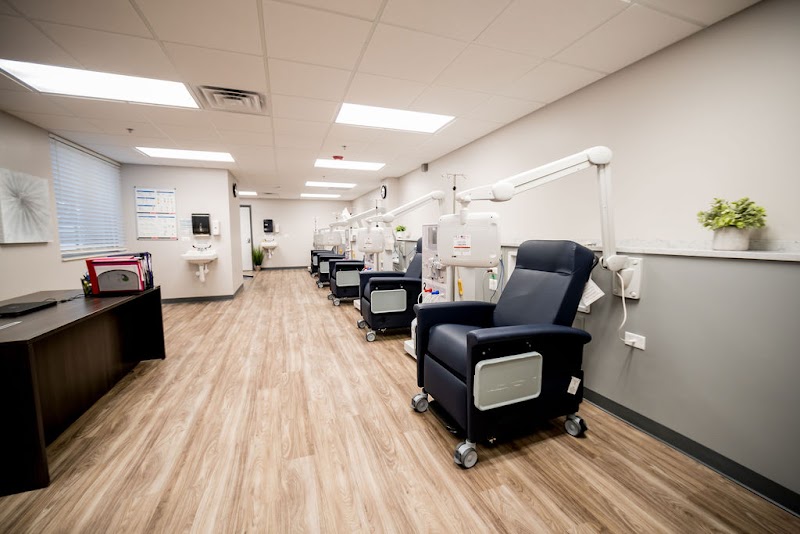
How is Pearl Of Rolling Meadows,The Staffed?

CMS rates PEARL OF ROLLING MEADOWS,THE's staffing level at 2 out of 5 stars, which is below average compared to other nursing homes. Staff turnover is 38%, compared to the Illinois average of 46%. This relatively stable workforce can support continuity of care.

What Have Inspectors Found at Pearl Of Rolling Meadows,The?

State health inspectors documented 31 deficiencies at PEARL OF ROLLING MEADOWS,THE during 2022 to 2025. These included: 2 that caused actual resident harm and 29 with potential for harm. Deficiencies causing actual harm indicate documented cases where residents experienced negative health consequences.
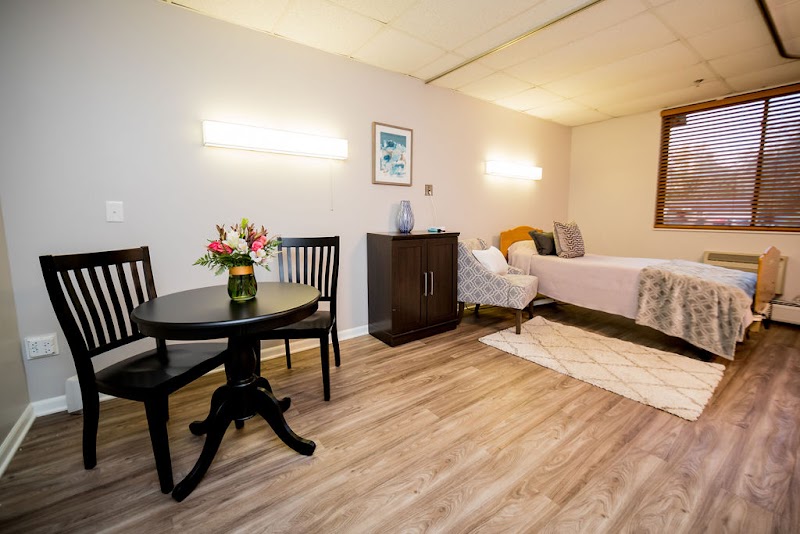
Who Owns and Operates Pearl Of Rolling Meadows,The?

PEARL OF ROLLING MEADOWS,THE is owned by a for-profit company. For-profit facilities operate as businesses with obligations to shareholders or private owners. The facility is operated by PEARL HEALTHCARE, a chain that manages multiple nursing homes. With 155 certified beds and approximately 118 residents (about 76% occupancy), it is a mid-sized facility located in ROLLING MEADOWS, Illinois.

How Does Pearl Of Rolling Meadows,The Compare to Other Illinois Nursing Homes?

Compared to the 100 nursing homes in Illinois, PEARL OF ROLLING MEADOWS,THE's overall rating (3 stars) is above the state average of 2.5, staff turnover (38%) is near the state average of 46%, and health inspection rating (3 stars) is at the national benchmark.

What Should Families Ask When Visiting Pearl Of Rolling Meadows,The?

Based on this facility's data, families visiting should ask: "Can you walk me through typical staffing levels on day, evening, and night shifts?" "Can I visit during a mealtime to observe dining assistance and food quality?" "How do you handle medical emergencies, and what is your hospital transfer rate?" "Can I speak with family members of current residents about their experience?" These questions are particularly relevant given the below-average staffing rating.

Is Pearl Of Rolling Meadows,The Safe?

Based on CMS inspection data, PEARL OF ROLLING MEADOWS,THE has a clean safety record: no substantiated abuse findings (meaning no confirmed cases of resident harm), no Immediate Jeopardy citations (the most serious violation level indicating risk of serious injury or death), and is not on the Special Focus Facility watch list (a federal program monitoring the lowest-performing 1% of nursing homes). The facility has a 3-star overall rating and ranks #1 of 100 nursing homes in Illinois. While no facility is perfect, families should still ask about staff-to-resident ratios and recent inspection results during their visit.

Do Nurses at Pearl Of Rolling Meadows,The Stick Around?

PEARL OF ROLLING MEADOWS,THE has a staff turnover rate of 38%, which is about average for Illinois nursing homes (state average: 46%). Moderate turnover is common in nursing homes, but families should still ask about staff tenure and how the facility maintains care continuity when employees leave.

Was Pearl Of Rolling Meadows,The Ever Fined?

PEARL OF ROLLING MEADOWS,THE has no federal fines on record. CMS issues fines when nursing homes fail to meet care standards or don't correct problems found during inspections. The absence of fines suggests the facility has either maintained compliance or corrected any issues before penalties were assessed. This is a positive indicator, though families should still review recent inspection reports for the full picture.

Is Pearl Of Rolling Meadows,The on Any Federal Watch List?

PEARL OF ROLLING MEADOWS,THE is not on any federal watch list. The most significant is the Special Focus Facility (SFF) program, which identifies the bottom 1% of nursing homes nationally based on persistent, serious quality problems. Not being on this list means the facility has avoided the pattern of deficiencies that triggers enhanced federal oversight. This is a positive indicator, though families should still review the facility's inspection history directly.