HILLCREST RETIREMENT VILLAGE
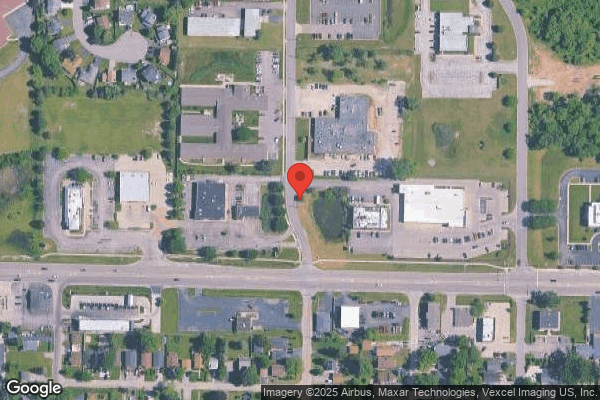
1740 NORTH CIRCUIT DRIVE, ROUND LAKE BEACH, IL 60073 (847) 546-5300
For profit - Partnership 140 Beds Independent Data: November 2025
Trust Grade
50/100
#156 of 665 in IL
Last Inspection: September 2024

Within standard 12-15 month inspection cycle. Federal law requires annual inspections.

Overview

Hillcrest Retirement Village has a Trust Grade of C, meaning it is average compared to other facilities. It ranks #156 out of 665 in Illinois, placing it in the top half of state nursing homes, and #8 out of 24 in Lake County, indicating there are only a few better options nearby. Unfortunately, the facility's trend is worsening, with issues increasing from 5 to 6 between 2023 and 2024. Staffing is a concern, rated at 2 out of 5 stars, with a turnover rate of 24%, which is good compared to the state average, but less RN coverage than 78% of facilities is troubling since RNs are crucial for catching potential problems. There are also significant concerns regarding compliance, as the facility has faced $30,194 in fines, which is average, but it indicates ongoing issues. Specific incidents include a resident with Parkinson's disease and a history of falls who had unwitnessed falls in the dining room and her room without adequate follow-up or revision of her care plan. Another serious incident involved a nurse failing to report a potential injury promptly, which resulted in a delay in care and increased pain for the resident. Additionally, there was a situation where a resident attempted to leave the facility and became agitated, raising concerns about supervision and safety. Overall, while there are strengths in the overall rating and some staffing retention, the facility has notable weaknesses in care and oversight that families should carefully consider.

Trust Score
C
50/100
In Illinois
#156/665
Top 23%
Safety Record
High Risk
Review needed
Inspections
Getting Worse
5 → 6 violations
Staff Stability
✓ Good
24% annual turnover. Excellent stability, 24 points below Illinois's 48% average. Staff who stay learn residents' needs.
Penalties
⚠ Watch
$30,194 in fines. Higher than 88% of Illinois facilities, suggesting repeated compliance issues.
Skilled Nurses
⚠ Watch
Each resident gets only 21 minutes of Registered Nurse (RN) attention daily — below average for Illinois. Fewer RN minutes means fewer trained eyes watching for problems.
Violations
⚠ Watch
18 deficiencies on record. Higher than average. Multiple issues found across inspections.
★★★★☆
4.0
Overall Rating
★★☆☆☆
2.0
Staff Levels
★★★☆☆
3.0
Care Quality
★★★★☆
4.0
Inspection Score
Stable
2023: 5 issues
2024: 6 issues

The Good

  • Low Staff Turnover (24%) · Staff stability means consistent care
  • Full Sprinkler Coverage · Fire safety systems throughout facility
  • No fines on record
  • Staff turnover is low (24%)

    24 points below Illinois average of 48%

Facility shows strength in staff retention, fire safety.

The Bad

Federal Fines: $30,194

Below median ($33,413)

Moderate penalties - review what triggered them

The Ugly 18 deficiencies on record

5 actual harm
Sept 2024 4 deficiencies 1 Harm
SERIOUS (G)

Actual Harm - a resident was hurt due to facility failures

Accident Prevention (Tag F0689)

A resident was harmed · This affected 1 resident

**NOTE- TERMS IN BRACKETS HAVE BEEN EDITED TO PROTECT CONFIDENTIALITY** 3. R93's Face sheet dated 9/24/24, shows R93 has diagnoses including (but not limited to) Parkinson's disease, dementia, and epi...

Read full inspector narrative →
**NOTE- TERMS IN BRACKETS HAVE BEEN EDITED TO PROTECT CONFIDENTIALITY** 3. R93's Face sheet dated 9/24/24, shows R93 has diagnoses including (but not limited to) Parkinson's disease, dementia, and epilepsy. R93's Morse Fall Scale dated 3/7/24 shows R93 has a score of 55 which denotes R93 is at high risk of falling. This document also shows R93 has a history of falling, has an impaired gait, and overestimates or forgets her own limits. R93's un-witnessed fall report dated 3/7/24 shows R93 had an unwitnessed fall in the dining room with no injuries. R93's un-witnessed fall report dated 6/6/24 shows R93 had an unwitnessed fall in her room with no injuries. R93's Care Plan dated 9/24/24 shows R93 has a care plan focus created on 1/22/2023 that states, The resident is a risk for falls r/t (related to) Parkinson's Disease, confusion, psychotropic medication use, vision. This care plan and all interventions were last revised on 1/8/2024. No revisions were made after the un-witnessed fall on 3/7/24 or 6/6/24. Facility Accidents and Supervision policy reviewed on 6/2024 states, . 4. Monitoring and Modification- Monitoring is the process of evaluating the effectiveness of care plan interventions. Modification is the process of adjusting interventions as needed to make them more effective in addressing hazards and risks. Monitoring and modification processes include: a. Ensuring that interventions are implemented correctly and consistently. b. Evaluating the effectiveness of interventions. c. Modifying or replacing interventions as needed. d. Evaluating the effectiveness of new interventions. 2. On 09/24/24 at 11:38AM, R23 was sitting in the dining room. R23 with a 3.5-centimeter by 1.5-centimeter irregular shaped scabbed wound on the center of the forehead. On 09/25/2024 at 9:30AM, V1 Administrator said, V11 CNA-Certified Nursing Assistant was with R23 when she fell on [DATE]. R23's fall on 09/13/2024 caused the wound to R23's forehead. On 09/25/2024 at 9:56AM, V11 CNA said, I was with R23 when she fell. I transferred her, as I was situating her in the chair, it was like she threw herself forward. I transferred R23 with a full body mechanical sling lift; I transferred her by myself. Normally a mechanical sling lift is supposed to be performed by two staff members. On 09/25/2024 at 11:29AM, V2 DON-Director of Nursing said, there should be two staff members present when transferring a resident with a mechanical sling lift. R23's Progress Notes dated 9/15/2024 at 5:53PM, shows, Incident Note, Note Text: Notified by CNA that upon transferring resident out of bed onto wheelchair, resident leaned forward and fell to the ground onto her side. R23's Fall Risk assessment dated [DATE] shows, High Risk for Falls. The facility's undated Mechanical Lift policy shows, two staff members must be present when using any mechanical lift. One staff member directs mechanical lift towards the receiving surface while the other staff member gently guides resident. Based on observation, interview, and record review the facility failed to supervise a resident with a history of falls, failed to ensure a safe transfer was performed, and failed to review/revise fall interventions post fall for 3 of 24 residents (R114, R23, R93) reviewed for safety in the sample of 24. This failure resulting in R114 sustaining a right hip fracture and R23 sustaining a head wound. The findings include: 1. On 09/23/24 at 10:54 AM, R114 was sitting in his wheelchair, in the activity room by nurses station. R114 was unable to answer any questions. The facility's Reporting to IDPH worksheet dated 6/25/24 shows fall with injury-R114 was sent to hospital for evaluation and treatment of bruising to right groin. Notified that R114 had a femur fracture and would be admitted for treatment. On 09/25/24 at 10:02 AM, V1 Administrator said V17 CNA came and told V2 Director of Nursing that something was wrong with R114, he was not walking right. V1 said upon assessment, R114 had some discoloration in his right groin area. V1 said they spoke with the doctor and got an order for an x-ray. V2 said the x-ray company wasn't coming soon enough, so they sent R114 to the hospital. V2 said she interviewed staff and R114 had no out of the normal behavior, no documented incident, no falls and no signs of pain, but something happened to his hip. R114's Progress Note dated 6/24/24 at 10:25 PM, shows writer called and followed up with hospital, per emergency room Nurse, R114 is being admitted due to closed fracture of right hip. R114's hospital x-ray report dated 6/24/24 shows comminuted intertrochanteric right hip fracture (bone broken in at least two places, caused by severe trauma- fall, car accident). On 09/25/24 at 11:07 AM, V17 Certified Nursing Assistant (CNA) said she got R114 up in the morning (6/24/24) and took him to breakfast. V17 said R114 sat up fine and had no complaints of pain. V17 said later when she was putting him back to bed (after therapy), R114 had a hard time standing up, and appeared to be in pain so she told the nurse. On 09/25/24 at 10:17 AM, V18 Physical Therapist said she got R114 from the dining room that morning and took him to therapy. V18 said R114 was hardly able to stand up, which was not his norm so she brought him back to his room. V18 said she thought maybe R114 was just tired. V18 said R114 normally wants to stand up and has to be close to the nurses station for supervision. On 09/25/24 at 11:12 AM, V16 Licensed Practical Nurse said she was the evening nurse from 6:00 PM to 6:00 AM over the weekend (6/21/24-6/23/24) and she had no issues with R114. V16 said R114 has behaviors of trying to get up out of the chair, and can be antsy. V16 said she would keep him in eyesight for supervision due to history of trying to get up. On 09/25/24 at 11:39 AM, V14 CNA said she worked the evening shift (6/23/24) and she didn't see R114 out of bed after she put him to bed, but R114 can swing his legs over and try to get up. On 09/25/24 at 12:01 PM, V15 Registered Nurse said she worked with R114 all weekend (during the day) and nothing out of the ordinary occurred. V15 said R114 was antsy and was up and down all weekend and not sleeping. On 09/25/24 at 12:20 PM, V13 (R114's Power of Attorney) said he got a call from the facility that R114 had a fall in evening trying to get up. V13 said they sent R114 to hospital. V13 said he was upset that this happened, R114 needed hip surgery and needed screws. V13 said R114 had a fall before this with bruising to his face. V13 said since R114 had a stroke, he has trouble with balance and walking. V13 said R114 needs to be monitored more. On 09/25/24 at 11:34 AM, V20 Orthopedic Doctor (performed hip surgery at hospital for R114) was phoned and a message was left with the nurse for the doctor to call back. V20 did not return this surveyor's call. R114's Morse Fall Scale dated 6/2/24 shows R114 is at moderate risk for falling due to medical diagnoses, impaired gait, and overestimates or forgets his limits. R114's Care Plan shows R114 has diagnoses of hemiplegia and hemiparesis following cerebral infarction affecting right dominant side, dysphagia, aphasia, history of transient ischemic attack, dementia and restlessness and agitation. The same Care Plan shows R114 has moderately impaired cognitive function requiring cues and supervision in daily decision making. R114 will attempt to get up on own and has been observed crawling on bedroom floor. Resident is not verbal for the most part and has difficulty communicating. Resident is at risk for falling. The intervention for risk for falling of mattress to be placed on floor next to bed at all times. Resident crawls from bed at times, was added on 9/25/24. This same Care Plan does not include interventions of close supervision.
CONCERN (D)

Potential for Harm - no one hurt, but risky conditions existed

Quality of Care (Tag F0684)

Could have caused harm · This affected 1 resident

**NOTE- TERMS IN BRACKETS HAVE BEEN EDITED TO PROTECT CONFIDENTIALITY** Based on observation, interview, and record review the facility failed to ensure a resident was provided care and services who r...

Read full inspector narrative →
**NOTE- TERMS IN BRACKETS HAVE BEEN EDITED TO PROTECT CONFIDENTIALITY** Based on observation, interview, and record review the facility failed to ensure a resident was provided care and services who required a rheumatology consult. This applies to 1 of 24 (R22) residents reviewed for quality of care in the sample of 24. The findings include: R22's face sheet shows she is a [AGE] year old female with diagnoses including age related osteoporosis, arthropathic psoriasis, dysphagia, heart disease, atrial fibrillation, and protein calorie malnutrition. On 9/23/24 at 10:07 AM, R22 was lying in bed, her arms were thin and bony. She complained of pain to her back, toes, shoulders form her psoriatic arthritis. She said she used to take a medication for her arthritis that helped. She had an appointment scheduled to see the Rhemotologist months ago and it was canceled. She said she would still like to see the Rhemotologist, but does not know what is going on with her appointment. On 9/24/24 at 1:39 PM, V2 (DON) said R22 is alert and oriented, she has terrible arthritis. She had an appointment scheduled on July 24, 2024 and they called the day before and canceled because they did not take her insurance. She sets up the appointments for residents and confirmed she did not schedule another appointment for R22. She needs it, she is definitely uncomfortable. R22's Nurse Practitioner Note dated 7/10/24 documents (R22) is requesting for Rheumatologist .she reports chronic arthritic pain to multiple sites including shoulders, back, hips, knees and toes. R22's Nurses note dated 7/12/24 documents appointment scheduled with Rheumatologist for July 24, 2024.
CONCERN (E)

Potential for Harm - no one hurt, but risky conditions existed

Food Safety (Tag F0812)

Could have caused harm · This affected multiple residents

Based on observation, interview, and record review the facility failed to ensure a blender pitcher used to puree lunch was sanitized before use. This applies to 4 of 4 residents (R22, R26, R34, R72) r...

Read full inspector narrative →
Based on observation, interview, and record review the facility failed to ensure a blender pitcher used to puree lunch was sanitized before use. This applies to 4 of 4 residents (R22, R26, R34, R72) reviewed for pureed diets in the sample of 24. The findings include: On 9/23/24 at 9:35 AM, V23 (Dietary Aide) filled all three compartments of the three-compartment sink. On 9/23/24 at 9:39 AM, V22 (Cook) was beginning to puree the pureed couscous for lunch. At 9:52 AM, V22 finished the pureed couscous and brought the blender pitcher and blender lid to the three-compartment sink to be washed. At 9:53 AM, V22 proceeded to run the blender pitcher and blender lid through the three-compartment sink. At 9:55 AM, the blender pitcher and blender lid were removed from the third sink and allowed to air dry. On 9/23/24 at 9:57 AM, V22 grabbed the blender pitcher from the drying area to begin pureeing the mixed vegetables. V22 grabbed a new, clean pitcher lid from a nearby rack before starting the puree mixed vegetables. On 9/23/24 at 10:11 AM, V23 (Dietary Director) used a test strip to check the concentration of the third sink for the three-compartment sink. V23 said the test strip didn't register there was any sanitizer solution in the sink and that the sink did not appear to have any sanitizer in it. V23 proceeded to empty the sink and re-filled the sink with a pre-diluted sanitizer and water mixture. When finished filling the sink, V23 re-tested the concentration and the test strip read at 400 parts per million, within the manufacturer's range for effective sanitizing. Facility provided list of residents on a puree diet show R22, R26, R34, and R72 receive pureed diets. Facility Manual Sanitizing in the Three-Compartment Sink policy dated 2017 states, . After washing and rinsing the utensils and equipment are sanitized in the third sink by immersion in either: . Chemical sanitizing solution used according to manufacturer's instructions.
CONCERN (E)

Potential for Harm - no one hurt, but risky conditions existed

Infection Control (Tag F0880)

Could have caused harm · This affected multiple residents

3. R93's Care Plan created on 3/7/24, shows R93 has an indwelling catheter. On 9/24/24 at 9:16 AM, R93 was sitting in a wheelchair in her room. R93 was wearing shorts that rested just above her knee ...

Read full inspector narrative →
3. R93's Care Plan created on 3/7/24, shows R93 has an indwelling catheter. On 9/24/24 at 9:16 AM, R93 was sitting in a wheelchair in her room. R93 was wearing shorts that rested just above her knee and her catheter bag was visible, sticking out from underneath the bottom of her shorts. The door to R93's room did not have any signage denoting R93 was on enhanced barrier precautions and there was not a personal protective equipment (PPE) station located outside of R93's room. 4. R117's Care Plan created on 6/4/24, shows R117 receives nutrition through a percutaneous endoscopic gastrostomy (PEG) tube. On 9/24/24 at 10:19 AM, R117 was lying in bed in her room. The door to R117's room did not have any signage denoting R117 was on enhanced barrier precautions and there was not a PPE station located outside of R117's room. Based on observation, interview, and record review the facility failed to ensure enhanced barrier precautions (EBP) were in place for 6 of 6 residents (R98, R41, R111, R114, R93, R117) reviewed for infection control in the sample of 24. The findings include: 1. On 09/23/24 at 09:55 AM, during initial tour, R98 was in bed sleeping, with a urinary collection bag hanging from the bed frame. There was no enhanced barrier precaution sign on his door. V25 Licensed Practical Nurse said R41 and R98 have urinary catheters and R114 has a urostomy. 2. On 9/23/24 at 10:09 AM, R111 said he had wounds on his toes that the nurse was putting a bandage on. R41's, R111's, and R114's rooms did not have EBP signs on their doors. On 09/25/24 at 09:33 AM, V4 Infection Control Nurse said she thought EBP was still voluntary. V4 said she will get that going and has a lot of reading to do regarding EBP. V4 said the facility did not yet have a policy on EBP. The facility's provided list of wounds, catheters, urostomy, ileostomy, and feeding tubes shows R41 and R98 have urinary catheters, R114 has a urostomy, and R111 has arterial wounds.
Feb 2024 2 deficiencies 2 Harm
SERIOUS (G) 📢 Someone Reported This

A family member, employee, or ombudsman was alarmed enough to file a formal complaint

Actual Harm - a resident was hurt due to facility failures

Quality of Care (Tag F0684)

A resident was harmed · This affected 1 resident

Based on interview, and record review the facility failed to ensure a nurse reported a potential injury promptly to another nurse or physician. This applies to 1 of 3 (R1) residents reviewed for quali...

Read full inspector narrative →
Based on interview, and record review the facility failed to ensure a nurse reported a potential injury promptly to another nurse or physician. This applies to 1 of 3 (R1) residents reviewed for quality of care in the sample of 10. This failure resulted in R1 experiencing a delay in care/assessment and experiencing increased pain. The findings include: On 2/20/2024 at 10:56AM, V5 Registered Nurse (RN) said on 1/27/2024 she could see [R1's] right foot stuck behind the front wheel of the wheelchair. V5 said [R1] did say oww while her foot was stuck behind the wheel. V5 said [R1] did complain of pain upon palpation of the leg. V5 said she did not see any swelling at that time. V5 said she moved [R1] down to the nurse's station she was working at to watch the patient. V5 said she was not the primary nurse for [R1] that day. V5 said she did not report the information to [R1's] primary nurse. V5 said she told V8 Certified Nursing Assistant (CNA) about the incident when (V8) came to get (R1) approximately 30 minutes after the incident occurred. V5 said she should have told [R1's] primary nurse about the incident and the resident's complaint of pain. On 2/20/2024 at 11:12AM, V7 CNA said [R1] was sitting at the nurse's station for approximately 20-30 minutes before V8 came to get [R1] and take her back to her unit. On 2/20/2024 at 1:09PM, V6 Licensed Practical Nurse (LPN) said around 3:00-3:30PM she could see [R1] sitting down by the other nursing station. V6 said she asked V8 to bring [R1] back down the hallway to keep an eye on her. V6 said V8 reported the resident was complaining of pain. V8 said [R1] had right knee swelling that was clearly visible and appeared twisted. V8 said she went to find V5 and ask her what happened. V8 said V5 told her [R1's] foot had got stuck behind the front wheel of the wheelchair. V8 said she notified V2 Director of Nursing right away and an order for an x-ray was obtained. V8 said the stat x-ray was taking a long time, up to 45 minutes. V8 said [R1] was placed back in bed via (mechanical) lift from the wheelchair and further assessed [R1's] leg. V8 said the swelling appeared to be worse after removing [R's] pants. V8 said she contacted V2 again and [R1] was sent out after calling 911 via EMS (emergency medical) transport. V6 said [R1] didn't complain of much pain while sitting in her wheelchair. On 2/20/2024 at 11:43AM, V2 said if anything changes with the resident or seems wrong there should be an assessment completed. V2 said oww would indicate a resident is hurt or something is wrong. V2 said following the assessment if any swelling or pain is noted the physician should be notified for further orders, tests, or to send the resident out of the facility. R1's progress notes dated 1/27/2024 states around 3:15PM the resident was brought back to the unit by CNA. CNA informed nurse of the resident's complaint of pain. X-ray order was obtained, and PRN Tylenol was administered per order. Resident continued to scream out in pain whenever resident is moved. Resident was placed back in bed with (mechanical) lift x3 staff. Upon removing pants, residents' right knee was visibly swollen and blue/purple. Resident was in tears and crying out for help. DON was informed again. Resident was sent out to [a local area hospital]. On 2/20/2024 at 12:36PM, V4 Doctor said the resident was admitted to [a local area hospital] on 1/27/2024 and found to have a fractured femur. V4 stated the x-ray report read a commuted displaced fracture of the distal femur shaft. V4 said it was a nasty break. V4 said the type of fracture [R1] sustained was not pathological and there would need to be some type of mechanical force to create it. V4 said [R1] needed surgery to repair her broken femur.
SERIOUS (G) 📢 Someone Reported This

A family member, employee, or ombudsman was alarmed enough to file a formal complaint

Actual Harm - a resident was hurt due to facility failures

Accident Prevention (Tag F0689)

A resident was harmed · This affected 1 resident

Based on interview and record review the facility staff failed to safely transport a resident in a wheelchair for 1 of 3 (R1) residents in the sample of 10 reviewed for accidents/incidents. This failu...

Read full inspector narrative →
Based on interview and record review the facility staff failed to safely transport a resident in a wheelchair for 1 of 3 (R1) residents in the sample of 10 reviewed for accidents/incidents. This failure resulted in R1 experiencing a femur fracture. The findings include: On 2/20/2024 at 11:12AM, V7 Certified Nursing Assistant (CNA) said on 1/27/2024 she was in a resident's room when she heard the door alarm going off. V7 said she left the residents room and saw [R1] trying to leave the facility out the back door. V7 said she approached [R1] to prevent her from going outside because it was cold and icy that day. V7 said [R1] became agitated and began hitting her. V7 said she was able to turn around [R1's] wheelchair and started pushing her down the hallway. V7 said there were no foot pedals on [R1's] chair because she self-propels down the hallway on her own using her feet. V7 said [R1] began trying to put her feet on the floor to stop the wheelchair from going and putting her feet behind the front wheel of the wheelchair. V7 said she tried to redirect [R1] from putting her feet down but she kept putting her feet down. V7 said [R1] tried to throw herself out of the wheelchair. V7 said she put her arm around [R1] to prevent her from falling. V7 said she couldn't see the angle of [R1's] foot because she was behind the resident. On 2/20/2024 at 10:56AM, V5 Registered Nurse (RN) said on 1/27/2024 she saw [R1] trying to get out of the back door. V5 said she came up to [V7] pushing [R1] down the hallway in the wheelchair. V5 said [V7] caught [R1] from falling forward in the wheelchair by putting her arm around her. V5 said she could see [R1's] right foot stuck behind the front wheel of the wheelchair. V5 said [R1] did say oww while her foot was stuck behind the wheel. On 2/20/2024 at 12:36PM, V4 Doctor said the resident was admitted to [a local area hospital] on 1/27/2024 and found to have a fractured femur. V4 stated the x-ray report read a commuted displaced fracture of the distal femur shaft. V4 said it was a nasty break. V4 said the type of fracture [R1] sustained was not pathological and there would need to be some type of mechanical force to create it. V4 said [R1] needed surgery to repair her broken femur. On 2/20/2024 at 11:43AM, V2 Director of Nursing (DON) said if a resident was becoming combative and putting their feet down on the ground while pushing their wheelchair staff should stop and get help. V2 said the resident is at risk of catapulting out of the chair and staff should get additional help. V2 said stopping and getting additional help would be done to keep the resident safe. R1's progress notes dated 1/27/2024 stated Resident admitted for closed fracture to distal end of right femur. R1's Care Plan dated 1/29/2024 states [R1] has thrown herself out of her wheelchair when agitated. [R1] is able to slowly self propel in wheelchair throughout the facility. [R1] is a CNA safe lift transfer x2 assist for all transfers. The facility's Policy for preventing accidents and incidents, not dated, states the resident environment remains as free of accident hazards as is possible; and each resident receives adequate supervision and assistive devices to prevent accidents.
Aug 2023 5 deficiencies
CONCERN (D)

Potential for Harm - no one hurt, but risky conditions existed

Deficiency F0679 (Tag F0679)

Could have caused harm · This affected 1 resident

**NOTE- TERMS IN BRACKETS HAVE BEEN EDITED TO PROTECT CONFIDENTIALITY** Based on observation, interview, and record review, the facility failed to provide activities per resident preferences for a res...

Read full inspector narrative →
**NOTE- TERMS IN BRACKETS HAVE BEEN EDITED TO PROTECT CONFIDENTIALITY** Based on observation, interview, and record review, the facility failed to provide activities per resident preferences for a resident in isolation for 1 of 1 residents (R117) reviewed for activities in the sample of 27. The findings include: R117's electronic face sheet printed on 8/10/23 showed R117 has diagnoses including but not limited to major depressive disorder, secondary malignant neoplasm or retroperitoneum and peritoneum, history of bladder cancer, pressure ulcer sacral region stage 4, and muscle weakness. R117's facility assessment dated [DATE] showed R117 has no cognitive impairment and states it is very important to have books, newspapers, magazines to read, listen to music he likes, do things with groups of people, do his favorite activities, and go outside to get fresh air when the weather is good. R117's physician's orders dated 5/22/23 showed, activities as tolerated unless contraindicated. R117's care plan dated 5/30/23 showed, (R117) is dependent on staff for emotional, intellectual, physical and social stimulation. He has physical limitations, he will need assist to and from as well as during group activities of interest. Activities provide resident with in room social visits. Activity staff will introduce themselves and extend a warm welcome. Will engage resident in conversation discussing likes/dislikes current/past interests. On 8/8/23 at 1:30PM, R117 was lying in his bed and was under contact isolation. R117 stated, I have been on isolation for several days now and I think I have almost a week left. Activities staff come and sit with me but we just talk, if anything. They don't do anything else with me. I guess they can't because I'm on isolation. On 8/9/23 at 1:10PM, R117 stated, My family came in today and we played trivia. It was so much fun and I can't wait to get out of this room and be able to do activities again. I understand it's probably hard for the staff to do anything with me while I'm on isolation but I love playing games. On 8/10/23 at 12:24PM, R117s stated, If someone came in my room right now and said let's get up and go outside I would say Yes, absolutely. Let's do it. I love being outside and around other people so it's been difficult being in this room for so long. Activities comes in to check on me but they don't do anything other than talk with me. I would like to play a game or something to pass the time. On 8/10/23 at 12:35PM, V9 (Activities Director) stated, Upon admission, we go through a questionnaire from the state regarding resident's activity preferences, likes/dislikes and then I enter it into the resident chart. When I went through (R117's) records and looked at what our department has been doing with him I only see 30 minute 1:1 visits. I thought the activity staff were doing more than that but it looks like I need to be monitoring them better. I'm shocked that this is all my staff have been doing with him because before he was in isolation he was out for activities all the time. I should have been checking on my staff more to make sure they were meeting his needs. Clearly we haven't been and I feel bad about that. On 8/10/23 at 1:33PM, V2 (Director of Nursing) stated, (R117) is on isolation for an infection in his wound. Technically he could probably come out of his room and go outside with a staff member if the wound doctor gives us clearance for that. His mental and psychosocial well-being means just as much as his physical well-being so if there is any way we can take him outside safely then we should be doing that. I feel awful that I didn't realize he likes being outside so much or I would have tried to facilitate this earlier. Whatever is the safest and best thing for (R117) and the other residents is what we should be doing. R117's activities participation record from 7/31/23-8/9/23 showed R117 received 30 minutes of 1:1 visits from activity staff on a daily basis. No documentation was present for any further activity involvement for R117 for these dates. The facility's policy titled, Activities Policy dated 2023 showed, It is the policy of this facility to provide an ongoing program to support residents in their choices of activities based on their comprehensive assessment, care plan, and preferences. Facility-sponsored group, individual, and independent activities will be designed to meet the interests of each resident, as well as support their physical, mental, and psychosocial well-being. Activities will encourage both independence and interaction within the community .8. Activities will include individual, small and large group activities as well as .g. In-Room activities.
CONCERN (D)

Potential for Harm - no one hurt, but risky conditions existed

Deficiency F0688 (Tag F0688)

Could have caused harm · This affected 1 resident

**NOTE- TERMS IN BRACKETS HAVE BEEN EDITED TO PROTECT CONFIDENTIALITY** Based on observation, interview, and record review, the facility failed to provide restorative therapy services to 1 of 3 reside...

Read full inspector narrative →
**NOTE- TERMS IN BRACKETS HAVE BEEN EDITED TO PROTECT CONFIDENTIALITY** Based on observation, interview, and record review, the facility failed to provide restorative therapy services to 1 of 3 residents (R117) reviewed for range of motion in the sample of 27. The findings include: R117's electronic face sheet printed on 8/10/23 showed R117 has diagnoses including but not limited to severe protein-calorie malnutrition, major depressive disorder, secondary malignant neoplasm or retroperitoneum and peritoneum, history of bladder cancer, pressure ulcer sacral region stage 4, and muscle weakness. R117's facility assessment dated [DATE] showed R117 has no cognitive impairment and participates in a restorative therapy program. R117's physician's orders dated 5/22/23 showed, rehab/restorative therapy program R117's physician's orders dated 7/11/23 showed, Physical therapy to evaluate and treat. (Order was discontinued on 7/24/23 due to R117 meeting his maximum potential). R117's care plan dated 5/22/23 showed, The resident has an activities of daily living self-care performance deficit related to limited mobility. Transfer program #1, Bed mobility program. R117's care plan dated 8/10/23 showed, The resident has limited physical mobility related to contractures .Provide gentle range of motion as tolerated with daily care. (This care plan was developed following surveyor's interview with V3-Restorative Nurse) R117's certified nursing assistant task list showed no restorative therapy exercises to be completed. On 8/10/23 at 12:24PM, R117 stated, I used to get therapy but now that I'm on isolation they don't do it anymore. I think they stopped doing it because I got put on isolation and they don't want to come in here. I try to do my own exercises but it would be nice to have a structured set of exercises so I can try to keep some mobility. On 8/10/23 at 1:22PM, V3 (Restorative Nurse) stated, (R117) came off physical therapy at the end of July and I don't have a restorative assessment or anything in the chart for him so he does not have a program right now. He should have been assessed when he got discharged from physical therapy and should have a program to try and prevent his contractures from getting worse. He is a resident who would be very active with his own program and do the exercises independently if needed. On 8/10/23 at 1:33PM, V2 (Director of Nursing) stated, When a resident gets admitted they should have an order for restorative as part of our standing orders and should be assessed for a program. When residents are discharged from physical therapy we should be assessing them for a restorative program to try and at least maintain what abilities they have. The facility's undated policy titled, Restorative Nursing Programs showed, It is the policy of this facility to provide maintenance and restorative services designed to maintain or improve a resident's abilities to the highest practicable level .4. All residents will received maintenance nursing services, as needed, by certified nursing assistants (CNA's). 5. Residents, as identified during the comprehensive assessment process, will receive services from restorative aides/CNA when they are assessed to have a need for restorative nursing services. These services may include: a. passive or active range of motion .c. bed mobility training and skill practice .6. Residents may receive restorative nursing services upon admission when not a candidate for specialized rehabilitation services, when restorative needs arise during the course of a longer-term stay, in conjunction with specialized rehabilitation therapy, or upon discharge from therapy.
CONCERN (D)

Potential for Harm - no one hurt, but risky conditions existed

Deficiency F0740 (Tag F0740)

Could have caused harm · This affected 1 resident

**NOTE- TERMS IN BRACKETS HAVE BEEN EDITED TO PROTECT CONFIDENTIALITY** Based on interview and record review, the facility failed to refer a resident for psychological services for a resident with dep...

Read full inspector narrative →
**NOTE- TERMS IN BRACKETS HAVE BEEN EDITED TO PROTECT CONFIDENTIALITY** Based on interview and record review, the facility failed to refer a resident for psychological services for a resident with depression. This failure applies to 1 of 3 residents (R117) reviewed for mood & behavior in the sample of 27. The findings include: R117's electronic face sheet printed on 8/10/23 showed R117 has diagnoses including but not limited to severe protein-calorie malnutrition, major depressive disorder, secondary malignant neoplasm or retroperitoneum and peritoneum, history of bladder cancer, pressure ulcer sacral region stage 4, and muscle weakness. R117's facility assessment dated [DATE] showed R117 has no cognitive impairment, has little interest or pleasure in doing things, feels down, depressed, or hopeless, feels bad about himself-or that he is a failure or has let himself or his family down, and has trouble concentrating. R117's nursing care plan dated 5/30/23 showed, The resident uses antidepressant medication related to depression and poor nutrition. Administer meds as ordered, monitor/documented/report as needed any adverse reactions to antidepressants. R117's nursing care plan dated 5/24/23 showed, Resident participated in mood interview and expressed feelings of depression most of the time (staff observe him to be withdrawn) and states he has very little interest in doing anything (dx: depression). He states he is sleeping well but still gets tired sometimes. Resident states his appetite is good at this time. He states he feels bad about himself every day and wishes things were different. Resident states he gets restless and also has difficulty concentrating sometimes. Overall, he seems pleasant when approached and interacts well with others .arrange for psych consult, follow up as indicated, discuss with the resident/family any concerns, fears, issues regarding health or other subjects as needed, monitor/document/report as needed any signs/symptoms of depression, including: hopelessness, anxiety, sadness, insomnia, anorexia, verbalizing negative statements, repetitive anxious or health-related complaints, tearfulness. On 8/8/23 at 1:52PM, during interview with R117 he became tearful when talking about how he just retired and then ended up in a nursing home and has neuropathy, contractures, and a pressure wound. Asked R117 if he has been speaking with any type of therapist and R117 stated, No, but that would probably be helpful. My life is just a mess and I'm having trouble coping with all of these changes. This all happened so fast. It feels like one day I was fine and the next day I was in a nursing home. R117's social services initial progress note dated 5/31/23 showed, Resident was admitted to facility on 5/22/23 from his home where he lived with his brother. He was referred to psych on 5/24/23 for evaluation and treatment for depression. No psychological visit notes were present in R117's electronic medical record. On 8/10/23 at 12:27PM, V6 (Social Services Director) stated, I did not have (R117) evaluated by psych services. He was going to be hospice so we thought they would be able to help with the emotional side of things. After they decided not to go with hospice I forgot about the referral to psych services for him. I did document that I referred him but I never did. I didn't know how much he was struggling with the adjustment to the changes in his life. I can definitely put him on the list to see psych services so that he can get the support he needs. The facility's policy titled, Social Services Policy dated 2023 showed, The facility, regardless of size, will provide medically-related social services to each resident, to attain or maintain the resident's highest practicable physical, mental, and psychosocial well-being. 4. The social worker, or social service designee, will pursue the provision of any identified need for medically-related social services of the resident. Attempts to meet the needs of the resident will be handled by the appropriate discipline. Services to meet the resident's needs may include: j. providing or arranging for needed mental and psychosocial counseling services. 5. The facility should provide social services or obtain needed services from outside entities during situations that include but not limited to the following: d. Difficulty coping with change or loss (ex: change in living arrangement, change in condition or functioning ability, loss of meaningful employment, or loss of a loved one). The facility's policy titled, Behavioral Health Services dated 2023 showed, It is the policy of this facility to ensure all residents receive necessary behavioral health services to assist them in reaching and maintaining their highest level of mental and psychosocial functioning .1. Behavioral health encompasses a resident's whole emotional and mental well-being, which includes, but is not limited to, the prevention and treatment of mental and substance use disorders, psychosocial adjustment difficulty, and trauma or post-traumatic stress disorders .3. The facility will ensure that necessary behavioral health care services are person-centered and reflect the resident's goals for care, while maximizing the resident's dignity, autonomy, privacy, socialization, independence, choice, and safety 6. Conditions that are frequently seen in nursing home residents and may require the facility to provide specialized services and supports based upon residents' individual needs, include but are not limited to: a. depression- it is not a natural part of aging, however, older adults in the nursing home setting are more at risk than older adults in the community
CONCERN (D)

Potential for Harm - no one hurt, but risky conditions existed

Pharmacy Services (Tag F0755)

Could have caused harm · This affected 1 resident

**NOTE- TERMS IN BRACKETS HAVE BEEN EDITED TO PROTECT CONFIDENTIALITY** Based on observation, interview, and record review the facility failed to provide a resident's medication for her chronic obstru...

Read full inspector narrative →
**NOTE- TERMS IN BRACKETS HAVE BEEN EDITED TO PROTECT CONFIDENTIALITY** Based on observation, interview, and record review the facility failed to provide a resident's medication for her chronic obstructive pulmonary disorder. This applies to 1 of 1 residents reviewed for pharmacy services in the sample of 27. The findings include: R22's admission Record (Face Sheet) showed she was admitted to the facility on [DATE] with diagnoses to include: chronic obstructive pulmonary disorder (COPD); type 2 diabetes; heart failure; and dementia. R22's admission Minimum Data Set (MDS) from 6/12/23 showed she was cognitively intact with a brief interview for mental status score of 13 out of 15. On 8/08/23 at 11:43 AM, R22 stated she did not receive two inhalers for the treatment of her COPD. R22 stated the inhalers were Umeclidinium-Vilanterol (UV) inhaler (a medication which relaxes the airway making it easier to breath) and Fluticasone-Umeclidinium-Vilanterol (FUV) inhaler (a similar medication as the previous inhaler with the addition of a steroid to reduce inflammation) R22 stated she was told by her nurse on Monday 8/7/23 the facility could not find them and she would not be able to have them until Tuesday 8/8/23. R22 stated she was given them that morning (8/8/23). R22 stated a similar occurance happened in July 2023 and she did not receive the inhalers for one or two days. On 8/09/23 at 1:50 PM, R22 stated, she was not offered a nebulizer treatment or any other breathing treatment as a replacement for her unavailable inhalers. R22 said she felt as if the facility should have ordered the medication prior to running out especially if the pharmacy does not deliver every day. R22 stated, when she was home, she would order the inhalers a week ahead of time due to their importance for the maintenance of her COPD. R22 stated she did notice her breathing was more labored on the days the facility failed to provide her inhalers. On 8/10/23 at 10:18 AM, V7 R22's Daughter stated she was with R22 in July 2023 when R22 ran out of her inhalers. V7 stated she spoke with the nurse at the time. V7 said, I was there, it was a Saturday or Sunday, and she (the nurse) told me she (R22) didn't get her inhaler. It was last month but I don't remember exactly when. I asked the nurse about it and she either said they could find it or they ran out, it was one of those two, I don't remember which, and they said it wouldn't be in until Monday, so I know she went at least a day last month without them. R22's July 2023 Medication Administration Record (MAR) showed and order for UV and FUV to be given once a day for COPD. The MAR showed nursing staff documented the inhalers as being given for the entire month. R22's August 2023 MAR showed, on 8/7/23, UV and FUV were documented as other/See Progress Notes. R22's 8/7/23 Progress Notes for UV and FUV inhalers showed the medications were not available. R22's July and August 2023 MARs showed an order for Albuterol Nebulizer (short acting medication to improve shortness of breath) to be given every 6 hours as needed for shortness of breath or wheezing. The MARs showed the nebulizer was not given either month as of [DATE]. On 8/08/23 at 11:43, R22's room did not have a nebulizer machine. On 8/9/23 at 2:08 PM, R22's UV and FUV inhalers, in the nurses medication cart, showed they had a countdown timer indicating the number of remaining doses. On 8/09/23 3:15 PM, V2 Director of Nursing stated refills for inhalers need to be requested from the pharmacy because they are not an automatic refill. V2 stated staff should request the refill with ample enough time to allow time for any insurance issues or pharmacy closures. V2 said the pharmacy delivers every evening except Sunday. V2 said if a medication is exhausted and it is not available in their emergency supply nursing staff should contact the facility's contracted pharmacy who will in turn contact a local pharmacy. V2 stated the facility staff can then pick up the prescription from the local pharmacy. V2 stated all staff have been educated on this procedure. R22's Care Plan from 6/12/23 showed, The resident has altered respiratory status r/t (related to) diagnosis of COPD .Administer medication/puffers as ordered. Monitor for effectiveness and side effects . The facility's Medication Reordering Policy (copyright 2023) showed, .Acquisition of medications should be completed in a timely manner to ensure medications are administered in a timely manner .Each time a nurse is administering medications and observes (6) or less doses left of one kind, that nurse will reorder the medication, time permitting .
CONCERN (F)

Potential for Harm - no one hurt, but risky conditions existed

Food Safety (Tag F0812)

Could have caused harm · This affected most or all residents

Based on observation, interview and record review, the facility failed to ensure foods were kept out of the danger zone (below 41 degrees Fahrenheit for cold foods, and 135 degrees Fahrenheit or above...

Read full inspector narrative →
Based on observation, interview and record review, the facility failed to ensure foods were kept out of the danger zone (below 41 degrees Fahrenheit for cold foods, and 135 degrees Fahrenheit or above for hot foods) prior to serving. The facility also failed to ensure trayline temperature logs and two-step cool-down logs were filled out. This has the potential to affect all of the residents in the facility. The findings include: The CMS 672 Resident Census and Conditions of Residents form dated 8/8/23, showed 121 residents resided in the facility. The 672 form showed 1 of the residents received tube feedings (enteral nutrition). On 8/10/23 at 9:48 AM, V1 (Administrator) said there are 2 residents with feeding tubes. Only one of the residents receive supplemental tube feedings. V1 said both of the residents with feeding tubes receive food by mouth. On 8/8/23 at 10:09 AM, V13 was already putting food on the plates for the lunch meal. After plating the food, V13 handed the plate to the dietary aides, who placed the trays into a heated cart. V8 (Dietary Manager) said the dietary staff plate that early because they go on break at 10:30 AM. V8 said the dietary staff plate the trays for all of the halls, except the dependent trays (the trays for the residents that need staff to feed them during meals). V8 said after all of the heated carts are delivered, the CNAs (Certified Nursing Assistants) come and get the dependent residents' trays and assist the residents with their meal. On 8/08/23 at 11:41 AM, in the South dining room staff were passing trays from the heated cart to the residents' rooms. V12 (Registered Nurse-RN) was asked if she could have someone from dietary bring a thermometer to the south dining room. V12 went to the kitchen and brought back a thermometer. At 11:48 AM, V12 obtained the temperature from a tray in one of the heated carts in the south dining room. The temperature of the chili mac was 132.8 degrees Fahrenheit. The green beans were 130.1 degrees Fahrenheit. At 11:50 AM, V12 tested a tray from the other heated cart in the south dining room. The temperature of the chili mac on the tray was 126.1 degrees Fahrenheit and the green beans were 122.7 degrees Fahrenheit. On 8/8/23 at 11:54 AM, in the North dining room, V11 CNA was starting to push the 400 hall cart down to the 400 hall, to pass the residents' lunch trays. This surveyor informed staff that I would like to check the temperatures for a couple of the trays before taking them out of the dining area. At 11:55 AM, V8 (Dietary Manager) obtained the temperatures on 2 of the trays from the 400 cart. On the first tray, the chili mac was 121.8 degrees Fahrenheit and the green beans were 117.5 degrees Fahrenheit. On the second tray the chili mac was 120.3 degrees Fahrenheit and the green beans were 117.5 degrees Fahrenheit. V8 went over and talked to V2 (Director of Nursing-DON), who was in the dining room. V2 took the 400 cart back to the kitchen. On 8/9/23 at 9:47 AM, V8 was asked where the cooling logs were located for monitoring the leftover food, cool-down process. V8 said they just put the leftover food in the cooler and serve it that day or the next day. V8 was asked if the dietary staff monitor and document the cooling process for the leftover meats and other foods. V8 again said they just put the food in the cooler and serve it later that day or the next day. V8 was asked if she had any logs to show that time-sensitive foods were cooled appropriately and V8 said she did not have any logs. At 9:49 AM, V8 was shown the facility's HACCP (hazard analysis and critical control points) Temperature Monitoring Sheets for the month of August (8/1/23-8/9/23). The log sheets did not have any trayline temperature readings for the ground meats or the pureed foods on any of the sheets, for any of the meals that were served between 8/1/23-8/9/23. The temperature logs showed only 3 of the days (8/2/23, 8/5/23 and 8/7/23) had any temperature readings for cold food items (i.e. milk, cold tossed salads/greens, cold desserts etc.). V8 said the temperatures for all of the food items, for all of the food consistencies (i.e.regular, mechanic soft and pureed consistencies) should be obtained prior to serving the food to the residents. On 8/10/23 at 1:14 PM, V8 (Dietary Manager) said hot foods should be kept above 135 degrees Fahrenheit and cold foods should be 41 degrees Fahrenheit or lower prior to serving. V8 said it is important because the danger zone; the prime temperature for bacterial growth to occur is between 41 degrees Fahrenheit and 135 degrees Fahrenheit. V8 said this is important to prevent food-borne illness. V8 said it is important to fill out the logs for the temperatures of all of the foods on the serving line to ensure foods are not in the danger zone. V8 said it is important to make sure food is cooled properly; Temperatures decreased to 70 degrees Fahrenheit within 2 hours and from 70 to below 41 degrees Fahrenheit within 4 hours. Taking no longer than 6 hours total to bring the temperature below 41 degrees Fahrenheit to prevent food-borne illness. V8 said the food temperatures should be obtained right before serving the food. The facility's policy and procedure titled Holding and Service, with a revision date of 2017, showed Hot foods are held at a minimum temperature of 135 degrees Fahrenheit. Time/Temperature Controlled for Safety (TCS) cold foods are held at 41 degrees Fahrenheit or below. The policy showed The temperature of the food is periodically monitored throughout the meal service to ensure proper hot or cold holding temperatures are maintained. The facility's policy and procedure titled Cooling Cooked PHF/TCS Foods (Potentially Hazardous Food/Time Temperature Control for Safety), with a revision date of 2017, showed Hot foods are cooled in the refrigerator from 135 degrees Fahrenheit to 70 degrees Fahrenheit within two hours. Within four more hours the food is cooled to 41 degrees Fahrenheit. Cooling time from 135 degrees Fahrenheit to 41 degrees Fahrenheit does not exceed a total of six hours. The policy showed, The time and temperature are recorded at the beginning of the cooling process. The timing of the cooling process begins when the temperature of the food is at 135 degrees Fahrenheit. Two hours later, the temperature is taken and recorded. The food needs to be 70 degrees Fahrenheit or lower. The person in charge is notified if the temperature is greater than 70 degrees Fahrenheit. If the food is not 70 degrees Fahrenheit or lower it is discarded. The temperature is taken and recorded again four hours later. The food needs to be 41 degrees Fahrenheit or lower. The person in charge is notified if the temperature is greater than 41 degrees Fahrenheit. If the food is not 41 degrees Fahrenheit or lower, it is discarded. Food for which no temperatures have been taken is discarded. Time and temperature are recorded on labels affixed to the pan and/or on a Two-Step Cool-Down Temperature Monitoring Log.
Dec 2022 1 deficiency 1 Harm
SERIOUS (G) 📢 Someone Reported This

A family member, employee, or ombudsman was alarmed enough to file a formal complaint

Actual Harm - a resident was hurt due to facility failures

Free from Abuse/Neglect (Tag F0600)

A resident was harmed · This affected 1 resident

**NOTE- TERMS IN BRACKETS HAVE BEEN EDITED TO PROTECT CONFIDENTIALITY** Based on observation, interview, and record review, the facility failed to ensure a resident was free from physical abuse. This ...

Read full inspector narrative →
**NOTE- TERMS IN BRACKETS HAVE BEEN EDITED TO PROTECT CONFIDENTIALITY** Based on observation, interview, and record review, the facility failed to ensure a resident was free from physical abuse. This failure resulted in R1 being punched in the face by staff and sustaining a right eye contusion and right eye laceration requiring stitches. This applies to 1 of 4 residents (R1) reviewed for abuse in the sample of 4. The findings include: The facility's undated Final Incident Investigation Report documents on 11/29/22 at approximately 7:50 PM, [V4 (Terminated CNA)] notified the nurse [V3 (LPN)] that he and [R1] had an altercation and [V4] struck [R1] in the face and he was bleeding. [V4] was attempting to assist [R1] to bed for the night. When [V4] attempted to remove his pants [R1] became verbally and physically aggressive towards [V4]. [R1] kicked [V4] in the groin and attempted to grab his arms. [V4] then struck [R1] in the face to stop him from grabbing him. [V4] was escorted out of the building and awaited the police arrival [V4] was arrested and [R1] was sent out to the local hospital. [V4] was terminated from the facility and [R1] returned to the facility and received two stitches to the right inner eye lid. On 12/5/22 at 9:09 AM, R1 was sitting in his wheelchair in the common area. Diffuse bruising was observed under his right eye and a laceration observed to his right inner eye. R1 was unable to answer any questions with no behaviors observed at this time. On 12/5/22 at 10:21 AM, V3 (LPN) said he was the nurse the day of the incident with R1. V4 (Terminated CNA) came up to him and said that R1 was bleeding from his face but did not say what happened. V3 went to R1's room and he was bleeding from the right side of his face/cheek. I touched his cheek and [R1] pulled away and put his hands in the air and said, 'don't hit me'. V3 said R1, was traumatized, he cowed away and could not tell me what happened. V3 said he left R1's room and saw V4 at the nurses' station. He asked V4 what happened. V4 mumbled something, then he asked him again what happened. [V4] said he punched [R1] in the face. Never should staff hit another resident. [R1] has a history of being physically aggressive towards staff, you get out of his way and re-approach him when he has behaviors. I've been hit by [R1], he's not that strong. On 12/5/22 at 10:32 AM, V6 (CNA) said she was working on 11/29/22 when the incident happened with R1. V6 said, [V3] said that [V4] punched a resident and I needed to take over his assignment. [R1] can be aggressive, but if you take care of him properly, he is calm. You should explain what you're doing and reapproach him if he gets combative and notify the nurse. You should never hit a resident. [V4] usually keeps to himself and doesn't interact with people too much. On 12/5/22 at 11:46 AM, V1 (Administrator) said she got a call on 11/29/22 and staff reported that V4 hit R1 in the face. She notified the police and called 911. The police were there, and they interviewed V4. V4 said he went to R1's room to put him to bed and R1 kept on saying things that were not true and that V4 was in the army. R1 kicked V4 in the groin and attempted to grab him then V4 struck R1 in the face. V1 said that V4 was arrested and is still in jail. R1 was sent out to the local hospital and had a right eye laceration and required two stitches. V4 never said he was sorry or showed remorse for his actions. V4 was very quiet and did his job. V1 said that R1 has verbal and physical behaviors and is not easy to care for. V1 said, If there is no reasoning with him staff should leave him alone and re-approach him when he has behaviors. R1's face sheet showed he was an [AGE] year-old male with diagnoses that included hearing loss, dementia, urine retention, hemiplegia and hemiparesis following cerebrovascular disease affecting the left non-dominant side, and heart disease. R1's Minimum Data Set assessment, dated 10/11/22, showed he had severely impaired cognition and incidents of verbal and physical behaviors, and rejections of care. The facility's Compliance with Reporting Allegations of Abuse/Neglect/Exploitation Policy states, The facility will develop and operationalize policies and procedures for screening and training employees, protection of residents and for the prevention, identification, investigation and reporting of abuse. The purpose is to assure that the facility is doing all that is within its control to prevent occurrences. b. Abuse: The willful infliction of injury. with resulting in physical harm, pain or mental anguish, which can include staff to resident abuse. Physical Abuse includes hitting, slapping, pinching, kicking and controlling behavior through corporal punishment.
Jul 2022 6 deficiencies 1 Harm
SERIOUS (G)

Actual Harm - a resident was hurt due to facility failures

Accident Prevention (Tag F0689)

A resident was harmed · This affected 1 resident

**NOTE- TERMS IN BRACKETS HAVE BEEN EDITED TO PROTECT CONFIDENTIALITY** 2.) R3's face sheet shows she has diagnoses including: unspecified dementia with behavioral disturbances, schizoaffective disord...

Read full inspector narrative →
**NOTE- TERMS IN BRACKETS HAVE BEEN EDITED TO PROTECT CONFIDENTIALITY** 2.) R3's face sheet shows she has diagnoses including: unspecified dementia with behavioral disturbances, schizoaffective disorder and a history of falling. R3's 6/27/2022 facility assessment shows she has an unsteady gait and requires extensive 2 person staff assistance with transfers and toileting. R3's active care plan shows she has a self-care deficit and requires extensive assistance for all transfers. R3's 6/27/2022 fall risk assessment shows she is at high risk for falls. On 7/11/2022 at 1:11 PM, V8 (CNA) entered R3's room to assist her to use the toilet. R3 had been incontinent of stool that had leaked out of her pants and onto the floor in her room. R3 was sitting in her wheelchair and V8 pushed R3 into the bathroom. V8 did not apply a gait belt on R3 and R3 began to stand up from her wheelchair. V8 left R3 in the bathroom and went to clean stool off the floor in the room. V8 then said she was going to get housekeeping to assist with the stool on the floor and left R3 alone in the bathroom. When V8 returned R3 was standing up between her wheelchair and the toilet. V8 assisted R3 to pull down her pants and sit on the toilet. At 1:19 PM, R3 was finished using the toilet. Without applying a gait belt V8 told R3 to push up using the arms of her wheelchair to stand up. V8 pulled up R3's pants and helped her turn and sit in the wheelchair. On 7/12/2022 at 12:28 PM, V6 (Licensed Practical Nurse/LPN) said gait belts should be used for all residents during transfers and a resident should never be left alone standing up in the bathroom for safety reasons. On 7/12/2022 at 12:30 PM, V7 (CNA) said gait belts are always supposed to be used during transfers and residents should not be left alone in the bathroom for safety reasons. The facility's Safe Resident Handling/Transfers policy dated 2021 states, It is the policy of this facility to ensure that residents are handled and transferred safely to prevent or minimize risks for injury and provide and promote a safe, secure and comfortable experience for the resident while keeping the employee safe in accordance with the current standards and guidelines . 5. Handling aids may include gait belts, transfer boards and other devices. 13. Staff members are expected to maintain compliance with safe/handling transfer practices . Based on observation, interview, and record review the facility failed to safely transfer a resident to bed who has a history of falls. This failure resulted in R98 being left unattended at the foot of the bed losing his balance, falling backwards, hitting his head, and sustaining a open laceration requiring nine staples. The facility failed to supervise a resident during a transfer and use a gait belt. This applies to 2 of 22 residents (R98, R3) reviewed for safety in the sample of 22. The findings include: 1. R98's Physician Order Sheets dated through July 2022 shows he is a [AGE] year old male admitted on [DATE] with diagnoses including vertigo, abnormalities of gait/mobility, muscle weakness, history of falls and laceration of the scalp. R98's Fall Risk assessment dated [DATE] shows he is a HIGH risk for falls. R98's Minimum Data Set assessment dated [DATE] shows he is cognitively intact, requires extensive two person assist with transfers, bed mobility toileting, and requires extensive assist with walking. On 7/11/22 at 10:27 AM, R98 was sitting in his wheelchair. Purple bruises were observed to both hands and R98 had a laceration to the back of his head. R98 said he had a fall in his room. On 7/13/22 at 9:41 AM, V4 (CNA) said on 6/16/22 she toileted R98 and was assisted him back to bed. V4 said she left R98 unattended at the foot of the bed and she went to the head of the bed telling R98 to come closer to her, but R98 is very hard of hearing and he could not hear me. V4 said R98 took one step and he fell backwards hitting his head on the metal door hinge. V4 said she was too far away to grab R98 and she was not holding on to his gait belt. V4 states, it was horrible. On 7/11/22 at 12:21 PM, V3 (RN) said R98 was admitted to the facility last month with a history of falls from home and very hard of hearing. V3 said she was R98's nurse when he fell on 6/16/22. V3 said V4 (CNA) assisted R98 after toileting and she left him unattended and he lost his balance and fell hitting his head on the wall. V3 said R98 was bleeding from his head, he sent out to the local hospital and required staples to his head. V3 said R98 had a previous fall the same day and V4 should have held onto his gait belt and not left him unattended. On 7/12/22 at 12:48 PM, V5 (CNA) said R98 is a two person assist and he is not steady when walking. The nurse's note dated 6/16/22 documents (R98) was in the room with V4 (CNA) assisting him after using the bathroom. R98 was walking towards his bed, but lost his balance and fell backwards and hitting his head and acquiring a laceration. R98 was sent out to the local hospital R98 returned to the facility with nine staples to his head. The facility's Accident and Supervision Policy reviewed 6/2021 states, The resident environment will remain as free of accident hazards as is possible. Each resident will receive adequate supervision and assistive devices to prevent accidents. This includes: 1. Identifying hazards and risks 2. Evaluating . 3. Implementing interventions . 4. Monitoring for effectiveness and modifying interventions when necessary .
CONCERN (D)

Potential for Harm - no one hurt, but risky conditions existed

Deficiency F0583 (Tag F0583)

Could have caused harm · This affected 1 resident

Based on observation, interview, and record review the facility failed to provide privacy while performing incontinence care for 1 of 22 residents (R68) reviewed for privacy in the sample of 22. The ...

Read full inspector narrative →
Based on observation, interview, and record review the facility failed to provide privacy while performing incontinence care for 1 of 22 residents (R68) reviewed for privacy in the sample of 22. The findings include: On 7/11/22 at 12:50 PM, V12 and V13, Certified Nursing Assistants (CNAs) provided incontinence care to R68. R68's perineal area and buttocks was exposed during the care. R68's roommate was sitting in a wheelchair eating lunch between A and B bed and was able to see the care being performed. V12 or V13 did not pull the privacy curtain before starting care. On 7/12/22 at 1:59 PM, V10 (CNA) said that the privacy curtain should be pulled when providing incontinence care in bed. The facility's undated Perineal Care Policy shows, Provide privacy prior to initiating care, pull privacy curtain, remove roommate if possible .
CONCERN (D)

Potential for Harm - no one hurt, but risky conditions existed

Deficiency F0688 (Tag F0688)

Could have caused harm · This affected 1 resident

**NOTE- TERMS IN BRACKETS HAVE BEEN EDITED TO PROTECT CONFIDENTIALITY** Based on observation, interview, and record review the facility failed to provide Passive Range of Motion (PROM) to prevent a re...

Read full inspector narrative →
**NOTE- TERMS IN BRACKETS HAVE BEEN EDITED TO PROTECT CONFIDENTIALITY** Based on observation, interview, and record review the facility failed to provide Passive Range of Motion (PROM) to prevent a reduction in range of motion for 1 of 7 residents (R100) reviewed for mobility in the sample of 22. The findings include: R100's Minimum Data Set assessment dated [DATE] shows that her cognition is intact and has impairment in ROM on both sides of her upper and lower extremities. On 7/11/22 at 11:25 AM, R100 was sitting in her wheelchair. R100 had a contracted left and right hand and was able to minimally move here left arm on her own. On 7/11/22 at 11:25 AM, R100 said that she gets her arms and hands exercised when the restorative aide is working and not working the floor. R100 said that sometimes she only gets it once a week and then her arms get very stiff and are very hard to move and she is unable to move them herself. On 7/12/22 at 12:38 PM, V10, Certified Nursing Assistant (CNA) said that R100 should be getting restorative exercises 4-5 times a week but she is unable to perform them that often due to the facility being short staffed and she has to work as a CNA at times. On 7/13/22 at 10:17 AM, V11 (Restorative Nurse) said that R100 should ideally get PROM 6-7 times a week but she does not get that much if the restorative CNAs get pulled to work on the floor as a CNA. R100's Task: Nursing Rehab/Restorative: Passive ROM Program to BUE (bilateral upper extremities)/fingers for arthritic pain management form printed on 7/12/22 shows that she received PROM 7 times in the last 30 days. R100's Mobility Care Plan shows, [R100] will have decreased pain in BUE with PROMS preformed daily 6-7 times per week for a minimum of 15 minutes each day.
CONCERN (D)

Potential for Harm - no one hurt, but risky conditions existed

Incontinence Care (Tag F0690)

Could have caused harm · This affected 1 resident

**NOTE- TERMS IN BRACKETS HAVE BEEN EDITED TO PROTECT CONFIDENTIALITY** Based on observation, interview, and record review the facility failed to ensure an indwelling urinary catheter bag was not touc...

Read full inspector narrative →
**NOTE- TERMS IN BRACKETS HAVE BEEN EDITED TO PROTECT CONFIDENTIALITY** Based on observation, interview, and record review the facility failed to ensure an indwelling urinary catheter bag was not touching the floor to prevent infections for 1 of 4 residents (R82) reviewed for catheters in the sample of 22. The findings include: R82's Face Sheet shows that she was admitted to the facility on [DATE] with an admitting diagnosis of urinary tract infection. R82's Care Plan shows that she has an indwelling urinary catheter. On 7/11/22 at 11:10 AM, R82 was sleeping in a low bed. R82's indwelling urinary catheter bag was hanging on the frame of the bed and touching the floor. R82 did not have a dignity bag on the catheter bag. On 7/12/22 at 1:50 PM, V10 (Certified Nursing Assistant) said that urinary catheter bags should be kept below the level of the bladder but off of the floor. V10 said that a privacy bag should be used. The facility's undated Catheter Care Policy shows, It is the policy of this facility to ensure that residents with indwelling catheters receive appropriate catheter care and maintain their dignity and privacy when indwelling catheters are in use Privacy bags will be available and catheter drainage bags will be covered at all times while in use . The facility's policy does not document that the bag should be kept off of the floor.
CONCERN (D)

Potential for Harm - no one hurt, but risky conditions existed

Medication Errors (Tag F0758)

Could have caused harm · This affected 1 resident

Based on interview and record review the facility failed to have a duration stop date for a residents' psychotropic medication this applies to 1 of 5 resident (R80) reviewed for psychotropic medicatio...

Read full inspector narrative →
Based on interview and record review the facility failed to have a duration stop date for a residents' psychotropic medication this applies to 1 of 5 resident (R80) reviewed for psychotropic medications in the sample of 22. The findings include: R80's Physician Order Sheets dated through July 2022, shows orders for Lorazepam 1 MG (milligram) every 12 hours as needed for anxiety. The order was dated 3/1/22 without a stop date. On 7/12/22 at 2:00 PM, V1 (Administrator) said as needed psychotropic medications should have a stop date of 14 days. The undated Use Psychotropic Medication Policy states, Residents are not given psychotropic drugs unless the medication is necessary to treat a specific condition, as diagnosed and documented in the clinical record, and the medication is beneficial to the resident, as demonstrated by monitoring and documentation of the residents response to the medication .9. PRN orders for all psychotropic drugs shall be used only when the medication is necessary to treat a diagnosed specific condition that is documented in the clinical record and for a limited duration (i.e. 14 days).
CONCERN (D)

Potential for Harm - no one hurt, but risky conditions existed

Deficiency F0760 (Tag F0760)

Could have caused harm · This affected 1 resident

Based on observation, interview, record review the facility failed to follow a physician's order to give the appropriate dose of insulin resulting in a significant medication error for 1 of 7 (R93) re...

Read full inspector narrative →
Based on observation, interview, record review the facility failed to follow a physician's order to give the appropriate dose of insulin resulting in a significant medication error for 1 of 7 (R93) residents reviewed for medication administration in the sample of 22. The findings include: 1. R93's admission Record shows a diagnosis of Type 2 Diabetes Mellitus. R93's active Order Summary Report showed an order NovoLOG solution 100mL/mL, inject 15 unit subcutaneously with meals related to type 2 diabetes mellitus On 7/12/2022 at 11:50 AM, V9 Licensed Practical Nurse (LPN) verified she was ready to go in to administer the insulin dose she had drawn up for the R93. V9 entered the resident's room to administer the dose she had drawn up. V9 cleaned the resident's arm in preparation to give the medication. The surveyor stopped the nurse before administration of the insulin and asked to verify the dose that she had drawn up. The LPN said she had drawn up the incorrect dose of insulin, 16 units instead of 15. V9 said she had trouble seeing the syringe when drawing up the insulin dose because her mask had sweat on it. On 7/12/2022 at 1:21 PM, V1 Administrator said the ordered dose of medication should be administered according to physician orders. V1 said when 15 units of insulin is ordered then 15 units should be given, not 16. V1 said if more than the ordered dose of insulin is administered to a resident, they could become hypoglycemic and affect the resident. The facility's Medication Administration Policy, undated, states . Compare medication source with EMAR to verify resident name, medication, name, form, dose, route, and time. Administer medication as ordered .
Understanding Severity Codes (click to expand)
Life-Threatening (Immediate Jeopardy)
J - Isolated K - Pattern L - Widespread
Actual Harm
G - Isolated H - Pattern I - Widespread
Potential for Harm
D - Isolated E - Pattern F - Widespread
No Harm (Minor)
A - Isolated B - Pattern C - Widespread

Questions to Ask on Your Visit

  • "Can I speak with families of current residents?"
  • "What's your RN coverage like on weekends and overnight?"

Our Honest Assessment

Strengths
  • • 24% annual turnover. Excellent stability, 24 points below Illinois's 48% average. Staff who stay learn residents' needs.
Concerns
  • • Multiple safety concerns identified: 5 harm violation(s), $30,194 in fines. Review inspection reports carefully.
  • • 18 deficiencies on record, including 5 serious (caused harm) violations. Ask about corrective actions taken.
  • • $30,194 in fines. Higher than 94% of Illinois facilities, suggesting repeated compliance issues.
  • • Grade C (50/100). Below average facility with significant concerns.
Bottom line: Mixed indicators with Trust Score of 50/100. Visit in person and ask pointed questions.

About This Facility

What is Hillcrest Retirement Village's CMS Rating?

CMS assigns HILLCREST RETIREMENT VILLAGE an overall rating of 4 out of 5 stars, which is considered above average nationally. Within Illinois, this rating places the facility higher than 99% of the state's 100 nursing homes. This rating reflects solid performance across the metrics CMS uses to evaluate nursing home quality.

How is Hillcrest Retirement Village Staffed?

CMS rates HILLCREST RETIREMENT VILLAGE's staffing level at 2 out of 5 stars, which is below average compared to other nursing homes. Staff turnover is 24%, compared to the Illinois average of 46%. This relatively stable workforce can support continuity of care.

What Have Inspectors Found at Hillcrest Retirement Village?

State health inspectors documented 18 deficiencies at HILLCREST RETIREMENT VILLAGE during 2022 to 2024. These included: 5 that caused actual resident harm and 13 with potential for harm. Deficiencies causing actual harm indicate documented cases where residents experienced negative health consequences.

Who Owns and Operates Hillcrest Retirement Village?

HILLCREST RETIREMENT VILLAGE is owned by a for-profit company. For-profit facilities operate as businesses with obligations to shareholders or private owners. The facility operates independently rather than as part of a larger chain. With 140 certified beds and approximately 119 residents (about 85% occupancy), it is a mid-sized facility located in ROUND LAKE BEACH, Illinois.

How Does Hillcrest Retirement Village Compare to Other Illinois Nursing Homes?

Compared to the 100 nursing homes in Illinois, HILLCREST RETIREMENT VILLAGE's overall rating (4 stars) is above the state average of 2.5, staff turnover (24%) is significantly lower than the state average of 46%, and health inspection rating (4 stars) is above the national benchmark.

What Should Families Ask When Visiting Hillcrest Retirement Village?

Based on this facility's data, families visiting should ask: "Can you walk me through typical staffing levels on day, evening, and night shifts?" "Can I visit during a mealtime to observe dining assistance and food quality?" "How do you handle medical emergencies, and what is your hospital transfer rate?" "Can I speak with family members of current residents about their experience?" These questions are particularly relevant given the below-average staffing rating.

Is Hillcrest Retirement Village Safe?

Based on CMS inspection data, HILLCREST RETIREMENT VILLAGE has a clean safety record: no substantiated abuse findings (meaning no confirmed cases of resident harm), no Immediate Jeopardy citations (the most serious violation level indicating risk of serious injury or death), and is not on the Special Focus Facility watch list (a federal program monitoring the lowest-performing 1% of nursing homes). The facility has a 4-star overall rating and ranks #1 of 100 nursing homes in Illinois. While no facility is perfect, families should still ask about staff-to-resident ratios and recent inspection results during their visit.

Do Nurses at Hillcrest Retirement Village Stick Around?

Staff at HILLCREST RETIREMENT VILLAGE tend to stick around. With a turnover rate of 24%, the facility is 22 percentage points below the Illinois average of 46%. Low turnover is a positive sign. It means caregivers have time to learn each resident's needs, medications, and personal preferences. Consistent staff also notice subtle changes in a resident's condition more quickly. Registered Nurse turnover is also low at 25%, meaning experienced RNs are available to handle complex medical needs.

Was Hillcrest Retirement Village Ever Fined?

HILLCREST RETIREMENT VILLAGE has been fined $30,194 across 2 penalty actions. This is below the Illinois average of $33,381. While any fine indicates a compliance issue, fines under $50,000 are relatively common and typically reflect isolated problems that were subsequently corrected. Families should ask what specific issues led to these fines and confirm they've been resolved.

Is Hillcrest Retirement Village on Any Federal Watch List?

HILLCREST RETIREMENT VILLAGE is not on any federal watch list. The most significant is the Special Focus Facility (SFF) program, which identifies the bottom 1% of nursing homes nationally based on persistent, serious quality problems. Not being on this list means the facility has avoided the pattern of deficiencies that triggers enhanced federal oversight. This is a positive indicator, though families should still review the facility's inspection history directly.