BELLA TERRA SCHAUMBURG
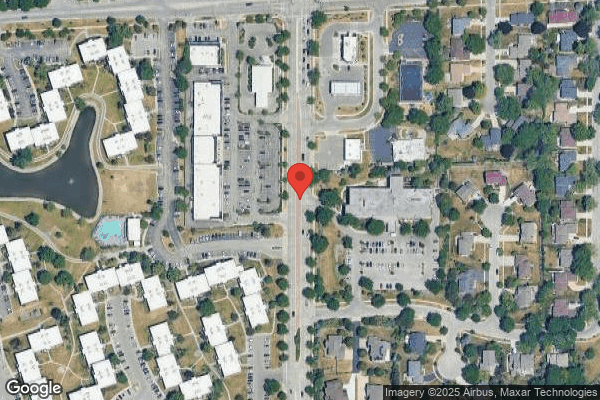
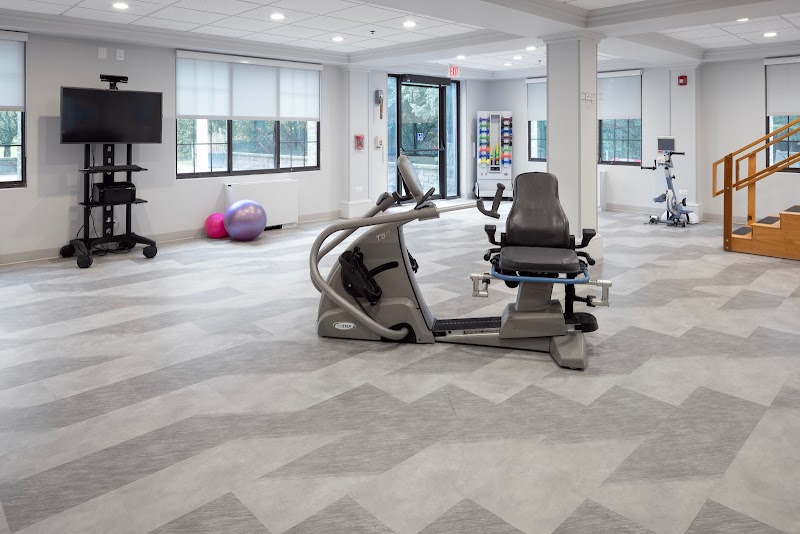
675 SOUTH ROSELLE ROAD, SCHAUMBURG, IL 60193 (847) 352-5500
For profit - Limited Liability company 214 Beds LEGACY HEALTHCARE Data: November 2025
Trust Grade
3/100
#336 of 665 in IL
Last Inspection: November 2024

Within standard 12-15 month inspection cycle. Federal law requires annual inspections.

Overview

Bella Terra Schaumburg has received a Trust Grade of F, indicating significant concerns about the quality of care provided, which places it among the lowest-rated facilities. It ranks #336 out of 665 nursing homes in Illinois, putting it in the bottom half, and #107 of 201 in Cook County, suggesting that there are better local options available. The facility's situation is worsening, with issues increasing from 15 in 2023 to 18 in 2024. Staffing is a relative strength with a 3 out of 5 rating and a turnover rate of 30%, which is lower than the state average, indicating that staff members tend to stay longer and may better understand residents' needs. However, the facility has faced serious incidents, including a failure to monitor significant weight loss in two residents and unsafe transfer practices that put residents at risk for falls. Overall, while there are some positive aspects regarding staffing, the numerous serious deficiencies and poor ratings raise red flags for families considering this nursing home.

Trust Score
F
3/100
In Illinois
#336/665
Top 50%
Safety Record
High Risk
Review needed
Inspections
Getting Worse
15 → 18 violations
Staff Stability
✓ Good
30% annual turnover. Excellent stability, 18 points below Illinois's 48% average. Staff who stay learn residents' needs.
Penalties
✓ Good
$164,270 in fines. Lower than most Illinois facilities. Relatively clean record.
Skilled Nurses
✓ Good
Each resident gets 61 minutes of Registered Nurse (RN) attention daily — more than 97% of Illinois nursing homes. RNs are the most trained staff who catch health problems before they become serious.
Violations
⚠ Watch
41 deficiencies on record. Higher than average. Multiple issues found across inspections.
★★☆☆☆
2.0
Overall Rating
★★★☆☆
3.0
Staff Levels
★★★☆☆
3.0
Care Quality
★★☆☆☆
2.0
Inspection Score
Stable
2023: 15 issues
2024: 18 issues

The Good

  • Low Staff Turnover (30%) · Staff stability means consistent care
  • Full Sprinkler Coverage · Fire safety systems throughout facility
  • No fines on record
  • Staff turnover is low (30%)

    18 points below Illinois average of 48%

Facility shows strength in staff retention, fire safety.

The Bad

2-Star Overall Rating

Below Illinois average (2.5)

Below average - review inspection findings carefully

Federal Fines: $164,270

Well above median ($33,413)

Significant penalties indicating serious issues

Chain: LEGACY HEALTHCARE

Part of a multi-facility chain

Ask about local staffing decisions and management

The Ugly 41 deficiencies on record

4 actual harm
Nov 2024 17 deficiencies 1 Harm
SERIOUS (G)

Actual Harm - a resident was hurt due to facility failures

Deficiency F0692 (Tag F0692)

A resident was harmed · This affected 1 resident

**NOTE- TERMS IN BRACKETS HAVE BEEN EDITED TO PROTECT CONFIDENTIALITY** Based on observation, interview, and record review the facility failed to weigh, assess and monitor a resident with significant ...

Read full inspector narrative →
**NOTE- TERMS IN BRACKETS HAVE BEEN EDITED TO PROTECT CONFIDENTIALITY** Based on observation, interview, and record review the facility failed to weigh, assess and monitor a resident with significant weight loss. This failure resulted in R137 losing 21 lbs. (pounds) in 14 days without being re-weighed or assessed. The facility also failed to provide physician ordered supplements for a resident (R118) with a history of significant weight loss. These failures apply to 2 of 7 residents (R137 & R118) reviewed for weight loss in the sample of 30. The findings include: 1. R137's face sheet lists her diagnoses to include: senile degeneration of brain, dementia, unspecified psychosis, major depressive disorder, cognitive communication deficit and hallucinations. R137's face sheet also shows she was admitted to the facility on [DATE]. She weighed 145.6 lbs. R137's initial admission dietary evaluation dated July 31, 2024 shows, [AGE] year old female admitted from the hospital with a dx (diagnosis) of psychosis. Past medical hx (history) includes dementia, depression, hyperlipidemia. Diet: regular with thin liquids. Appetite appears fair with intake of ~50-75% of meals since admission. Current BMI (body mass index) is 22.5 which reflects weight within normal range for height, but low for age. Reviewed meds. No current labs to review. No skin breakdown noted. Visited with patient in the room during breakfast. Observed feeding herself with a good appetite. Patient was confused stating Hi Ma, will you be here all day? Patient was unable to answer any interview questions. Spoke with the POA (Power of Attorney) who reports patient's height to be 5'7 1/2 and states patient used to be ~190.6# (lbs) x ~4-5 months ago- unable to specifically quantify. POA states patient was eating well at home and did receive [NAME] (meals on wheels) for lunch, however continued to lose weight despite eating well. Obtained preferences and left meal tickets and alternative menu to fill out. Per POA, patient prefers cold cereal at breakfast, likes cheeseburgers, chicken and fish and loves anything chocolate. MNA (mini nutritional assessment) score is 12 which is normal nutritional status. Goals: PO (by mouth) intake >/=75%, weight maintenance. Patient appears well nourished at this time but will monitor weight trend and intake d/t (due to) reported wt (weight) loss. R137's progress notes dated August 4, 2024 shows, The patient refused to eat. She's always saying that I don't want to eat, I don't like the food. Spoke with POA she said that a family member will come by today to bring her burger which likes to eat. R137's electronic medical record (EMR) shows no re-weight from admission. R137's order details dated August 5, 2024 shows, mirtazapine tablet was ordered for increase appetite. R137's EMR continues to shows no re-weight from admission. R137's nutrition- amount eaten sheet shows the following percentages of food eaten: 8/3/24- 0-25% for all 3 meals, 8/4/24- 51-75% for all 3 meals, 8/5/24 & 8/6/24- 26-50% for breakfast and lunch, 51-75% for dinner, 8/7/24- 0-25% for breakfast and lunch and refused dinner, 8/8/24- 26-50% for breakfast, 51-75% for lunch and dinner, 8/9/24- 0-25% for all 3 meals and 8/10/24- breakfast refused and 26-50% for lunch. R137's weights show, she was not weighed again until August 13, 2024 (14 days later). She weighed 124.5 lbs (21 lb loss). R137's EMR and progress notes show, she was not seen by the dietitian after her initial assessment until August 20, 2024 (7 days later). Reported that resident continues to have varies to mainly poor p.o. (by mouth) intake with meals despite of assist and encourage. Diet was downgraded to Mechanical Soft on 8/19 and to Puree on 8/20 (started for Lunch) d/t (due to) continues poor intake. Per nursing provided Puree for lunch today and ate 100% of the meal with ice cream. Nursing notified MD and families regarding p.o. intake, current wt with wt loss and diet changes. Current wt is 126.6# as of 8/20 which showed 5# or 3.7% loss from last week's wt of 131.6# 8/15. Initial wt of 145.6# on 7/30 and 124.6# on 8/13 were both questionable, resident was re-weighed on 8/15-131.6#. With current wt BMI is 19.5 which remains normal status but at the low-end side. Per wound nurse today, resident has unstageable to coccyx area as of 8/19. Per nursing resident tolerates supplements well. Will recommend increasing to 120ml (milliliters) QID (four times a day) and to provide (fortified shake) which will provide 960kcal (kilocalories) and 40g (grams) of protein if all consumed. Added ice cream with lunch and dinner, super cereal at breakfast. Interventions should help with the healing process and maintain or have wt (weight) gain. Will make Rd (Registered Dietitian) aware. Will continue to monitor wt, labs and intake. On November 19, 2024 at 1:24 PM, V14 (Dietitian) stated, she asked for a re-weigh when R137 was admitted because she didn't believe she weighed 145 lbs. She did not get re-weighed until August 13, 2024. She only saw her on July 31, 2024 and August 20, 2024. New admits should have weekly weights for 4 weeks to make sure the initial weight are correct and monitor for any fluctuations. R137's care plan initiated on July 31, 2024 shows, Nutrition-Dementia focused. R137 is at risk for compromised nutritional status, related to diagnosis of Alzheimer's disease or related dementia . 2. On November 17 & 18th, 2024 both at the noon meals, R118 was not provided a magic cup. R118's dietary evaluation dated October 24, 2024 shows, Resident is seen for significant weight loss of 10.5% x 6 months. Current weight is 129.8# which is down from 145# x 6 months ago. Resident continues under hospice care w/a dx (with a diagnosis) of senile degeneration of the brain. Continues on Pureed with thin liquids, pudding at breakfast, magic cup at lunch and dinner. R118's physician orders shows, Regular diet, Puree texture, Thin liquids consistency. Magic cup with lunch and dinner, pudding at breakfast and whole milk with meals. No Straws. On November 19, 2024 at 1:24 PM, V14 (Dietitian) stated, R118 has had some weight loss. One of the interventions added was a magic cup at lunch and dinner. If he doesn't receive his magic cup, he could lose more weight. R118's care plan initiated on September 10, 2024 shows, Focus: Unintended weight loss/gain: R118 has the following conditions and risk factors that put him at risk for unintended weigh loss/gain: Alzheimer's disease/dementia. Significant weight loss x 6 months. Interventions: Proved pureed diet to meet the nutritional needs of the resident by: 1. providing fortified foods- magic cup BID (twice a day), pudding (date initiated October 25, 2024). The facility did not provide a weight loss/prevention policy.
CONCERN (D)

Potential for Harm - no one hurt, but risky conditions existed

Free from Abuse/Neglect (Tag F0600)

Could have caused harm · This affected 1 resident

Based on interview and record review, the facility failed to ensure residents (R115 and R13) were free of resident-to-resident verbal and physical abuse. This affects 2 of 30 residents reviewed for ab...

Read full inspector narrative →
Based on interview and record review, the facility failed to ensure residents (R115 and R13) were free of resident-to-resident verbal and physical abuse. This affects 2 of 30 residents reviewed for abuse in the sample of 30. The findings include: On 11/19/24 at 3:29 PM, R115 said R13 was cursing at him. R13 rolled over in his wheelchair and grabbed R115's left wrist area and had a good grip on it. R115 said R13 dug his nails in and did break the skin, but he did not bleed. R115 said he had an Xray, but nothing was broken. R115 said he and R13 did not get along well. On 11/19/24 at 2:35 PM, V1, Administrator, said he received a call from the nurse one evening saying R115 and R13 were yelling at each other and R13 was holding R115's wrist. V1 said R115 did have an Xray following the incident on 10/1/24. On 11/19/24 at 12:30 PM, V24, Licensed Practical Nurse (LPN), said a CNA (certified nursing assistant) told her he heard some yelling and asked her to address it. V24 said she went into R115 and R13's room and saw R13 by R115's bed. R13 had a hold of R115's wrist and they were yelling at each other. V24 said it is very difficult to know what R13 is saying, but she did understand the words TV and loud. V24 said R115 told her R13 was yelling at him and then grabbed his arm. R13's Progress Notes dated 10/1/24 at 8:57 PM show R13 was observed grabbing and shaking roommate by the wrist, R13 appeared angry, with unclear speech. R13's care plan initiated on 1/22/22 shows R13 will reside in the facility free of abuse. R115's Progress Notes dated 10/1/24 at 9:06 PM shows R115 was assessed after an altercation with his roommate whereby he was grabbed by the wrist. R115's wrist appeared red, and he reported mild pain. An order was received for an Xray of the left wrist. R115's care plan initiated 6/5/23 shows R115 is alert and sufficiently oriented and coherent. The facility's Abuse and Neglect Policy (revised 7/12/24) shows the facility will provide services in an environment free from any type of abuse. Abuse is willful infliction of mistreatment, injury, unreasonable confinement, intimidation or punishment.
CONCERN (D)

Potential for Harm - no one hurt, but risky conditions existed

Transfer Notice (Tag F0623)

Could have caused harm · This affected 1 resident

Based on interview and record review the facility failed to notify the resident or their representative in writing of transfer. This applies to 2 of 30 (R31, R13) reviewed for notice of transfer or di...

Read full inspector narrative →
Based on interview and record review the facility failed to notify the resident or their representative in writing of transfer. This applies to 2 of 30 (R31, R13) reviewed for notice of transfer or discharge in the sample of 30. The findings include: 1. R31's Progress Notes dated 10/20/24 at 5:15 PM show R31 is awaiting transport to the ER (Emergency Room). R31's Progress Notes dated 10/20/24 at 7:00 PM show an ambulance has arrived to transport R31 to the ER. R31's Progress Notes dated 10/20/24 at 9:38 PM show R31's POA (Power of Attorney) was called and informed that R31 was being admitted to the hospital. The facility was unable to provide documentation of a written notice regarding R31's transfer to the hospital. 2. R13's Progress Notes dated 10/30/24 at 3:26 PM show R13 was admitted to the hospital. The facility was unable to provide documentation of a written notice regarding R31's transfer to the hospital. On 11/18/2024 at 12:28PM, V19 (Registered Nurse/RN) said we give documents to the paramedics but not the family. On 11/19/2024 at 10:22AM, V23 (Licensed Practical Nurse/LPN) said she contacts the family when a resident transfers but does not send a written copy to the family. V23 said documents are sent with the EMTs (Emergency Medical Technicians). On 11/19/2024 at 12:16PM, V2 (Director of Nursing/DON) said we don't send a hard copy of transfer to family. V2 said we talk to the family over the phone. The facility failed to provide a policy that addresses written notification of transfer to the resident or their representative.
CONCERN (D)

Potential for Harm - no one hurt, but risky conditions existed

Deficiency F0625 (Tag F0625)

Could have caused harm · This affected 1 resident

On 11/18/2024 at 12:28PM, V19 (RN) said the bed hold policy is given to the paramedics upon transfer. On 11/18/2024 at 1:44PM, V20 (RN) said we give the paperwork to the EMTs and sent it with them. V...

Read full inspector narrative →
On 11/18/2024 at 12:28PM, V19 (RN) said the bed hold policy is given to the paramedics upon transfer. On 11/18/2024 at 1:44PM, V20 (RN) said we give the paperwork to the EMTs and sent it with them. V20 said we call the resident's family to notify them about the transfer, but we don't necessarily call about the bed hold. On 11/18/2024 at 1:46PM, V21 (RN) said we give the bed hold policy to the paramedics when the resident transfers out. V21 said we tell the family the bed is held for 24 hours. On 11/19/2024 at 10:22AM, V23 (Licensed Practical Nurse/LPN) said we give a copy of the bed hold information to the EMTs when we send the resident out. On 11/19/2024 at 12:16PM, V2 (Director of Nursing/DON) said we don't send a hard copy of transfer to family. V2 said we give paperwork to the paramedics upon transfer to the hospital. The facility provided Bed Hold and readmission policy revised 7/26/2024 states, the facility must inform the resident or family members being transferred of the duration of bed hold in writing. Based on interview and record review the facility failed to notify the resident or their representative of the bed hold policy. This applies to 3 of 30 (R23, R31, R13) reviewed for notice of bed hold in the sample of 30. The findings include: 1. On 11/18/2024 at 3:39PM, V22 (Registered Nurse/RN) said he was caring for R23 when she went to the hospital in February of this year. V22 said he gave the paperwork to the EMTs (Emergency Medical Technicians) because the resident was confused that day. V22 said he does not recall if he notified the family of the bed hold policy. V22 said the bed is held for 10 days after a resident transfers to the hospital. V22 said he couldn't find anything in his documentation that shows he notified the family of the bed hold policy. 2. R31's Progress Notes dated 10/20/24 at 5:15 PM show R31 is awaiting transport to the ER (Emergency Room). R31's Progress Notes dated 10/20/24 at 7:00 PM show an ambulance has arrived to transport R31 to the ER. R31's Progress Notes dated 10/20/24 at 9:38 PM show R31's POA (Power of Attorney) was called and informed that R31 was being admitted to the hospital. The facility was unable to provide documentation of providing a written bed hold policy to R31 or his POA. 3. R13's Progress Notes dated 10/30/24 at 3:26 PM show R13 was admitted to the hospital. The facility was unable to provide documentation of a written notice regarding R31's transfer to the hospital. The facility was unable to provide documentation of providing a written bed hold policy to R13's POA.
CONCERN (D)

Potential for Harm - no one hurt, but risky conditions existed

Deficiency F0658 (Tag F0658)

Could have caused harm · This affected 1 resident

**NOTE- TERMS IN BRACKETS HAVE BEEN EDITED TO PROTECT CONFIDENTIALITY** Based on interview and record review the facility failed to ensure a resident was assessed prior to being diagnosed with a serio...

Read full inspector narrative →
**NOTE- TERMS IN BRACKETS HAVE BEEN EDITED TO PROTECT CONFIDENTIALITY** Based on interview and record review the facility failed to ensure a resident was assessed prior to being diagnosed with a serious mental illness according to professional standards of practice. This applies to 1 of 1 residents (R99) reviewed for professional standards of practice in the sample of 30. The findings include: R99's face sheet shows, she was admitted to the facility on [DATE]. The same face sheet lists Schizophrenia as a diagnosis as of May 2, 2023 (2 years after admission). On November 20, 2024 at 10:38 AM, V25 Psychotropic nurse stated, she didn't know how R99 got that diagnosis. She has only been doing the psychotropics since May of this year. R99's progress notes dated May 2, 2023 documented by V30 R99's primary care physician (PCP) shows, .schizophrenia, continue seroquel to 25 mg (milligram) daily . The progress note does not show, any information to add diagnosis of schizophrenia. On November 20, 2024 at 2:19 PM, V30 R99's PCP stated, her understanding was that R99 came to the facility with that diagnosis. She had not done any testing to confirm the diagnosis. On November 20, 2024 at 3:17 PM, V29 Psych Nurse Practitioner stated, R99 has had that diagnosis since she has been seeing her. She has been seeing her since February 2024. R99 does have a diagnosis of dementia which she agreed R99's behaviors could be a result of her dementia diagnosis which comes with mania and psychosis. You can manage dementia with the same psychotropic medications. Schizophrenia is a big diagnosis and the gold standard is a full psych evaluation and long hours of testing. Which she has not done with R99 since she has been seeing her. R99's face sheet does also include dementia, bipolar disorder, psychotic disorder with delusions, generalized anxiety disorder, delusional disorders and major depressive disorder as diagnoses. R99's admission hospital records do not list schizophrenia as a diagnosis.
CONCERN (D)

Potential for Harm - no one hurt, but risky conditions existed

ADL Care (Tag F0677)

Could have caused harm · This affected 1 resident

Based on observation, interview and record review the facility failed to provide ADL's (activities of daily living) for residents who require extensive assistance. This applies to 3 of 30 residents (R...

Read full inspector narrative →
Based on observation, interview and record review the facility failed to provide ADL's (activities of daily living) for residents who require extensive assistance. This applies to 3 of 30 residents (R59, R118 & R49) reviewed for ADL's in the sample of 30. The findings include: 1. On November 17, 2024 at 1:15 PM, V6 R59's family complained, her dad doesn't get the care he needs. They don't change his clothes or his adult diaper in a timely manner. On November 18, 2024 at 10:40 AM, V8 Hospice CNA (Certified Nursing Assistant) was giving R59 a bed bath. She stated, R59 had the same clothes on from the last time she was here. She was last there on Thursday (November 14, 2024 - 4 days prior). R59's adult diaper was saturated with urine. V8 stated, he is always like this when she comes in to care for him. R59's care plan initiated on January 11, 2022 shows, Focus: R59 has an ADL self care performance deficit and impaired mobility AEB (as evidence by): impairments in over-all strength, generalized weakness, decrease activity tolerance, poor endurance secondary to Chronic complex medical diagnosis such as Gout, AFIB (atrial fibrillation), basal cell carcinoma, limited range of motion, abnormality of gait and mobility, gait unsteadiness r/t hemiplegia and hemiparesis following CVA (cerebral vascular accident), osteoarthritis, cognitive impairment such at ST (short term) memory loss, forgetfulness, confusion r/t dementia, behavioral issues, mood disturbance r/t major depression and anxiety disorder, impaired hearing. Interventions: Dressing: I require substantial/maximal assistance of 1 staff participation to put on, fastens and takes of all items of clothing, including donning/removing a prosthesis or TED hose. Toilet use: I require substantial/maximal assistance of 2 staff participation to use the toilet room, commode, bedpan, or urinal; transfers on/off toilet; cleanses self after elimination. 2. On November 17, 2024 at 10:47 AM, 11:02 AM & 1:54 PM, R118 was sitting up in his reclining wheelchair in the same spot in the dining room. On November 18, 2024 at 9:26 AM, R118 was up in his reclining wheelchair in the dining room. At 10:19 AM - 12:44 PM, by continuous observation, R118 remained in the same spot in the dining room. At 1:56 PM, R118 was still in the dining room. At the same time, V10 Restorative CNA took R118 to his room to toilet him. V10 stated, R118 was already up in his reclining wheelchair that morning when he got there. The night shift got him up. This was the first time he was toileting R118. R118's care plan initiated November 6, 2023 shows, Focus: R118 has an ADL self care performance deficit and impaired mobility AEB: generalized weakness, easy fatigability, decrease activity tolerance, impaired mobility, limited range of motion, secondary to chronic diagnosis such as: cognitive impairment, poor safety awareness, unspecified dementia. Interventions: Toilet use: I require dependent assistance of 1-staff participation to use the toilet room, commode, bedpan, or urinal; transfers on/off toilet; cleanses self after elimination. 3. On November 18, 2024 at 9:26 AM, R49 was asleep in her reclining wheelchair in dining room. At 10:19 AM - 12:44 PM, by continuous observation, R49 remained in the same spot in the dining room. At 2:00 PM, R49 was still in the same spot in the dining room. V11 agency CNA stated, R49 was already up this morning when she got there. She had not toileted her that day. R49's care plan initiated on August 6, 2024 shows, Focus: R49 has an ADL self care performance deficit and impaired mobility AEB generalized weakness, easy fatigability, decrease activity tolerance, impaired mobility, limited range of motion. Secondary to chronic diagnosis such as metabolic encephalopathy, unspecified fall, asthma, insomnia, autoimmune hepatitis, spinal stenosis, lumbar region without neurogenic claudication, HLD (hyperlipidemia), present of right artificial knee joint, acquired absence of right breast and nipple, UTI-E.Coli (urinary tract infection- escheria coli), AMS (altered mental status), dementia, HTN (hypertension), specified D/O (disorder of) of bone density and structure, an adult failure to thrive. Interventions: Toilet use: I require dependent assistance of 1 staff participation to use the toilet room, commode, bedpan, or urinal; transfers on/off toilet; cleanses self after elimination. The facility's incontinent and perineal care policy dated July 31, 2024 shows, Policy Statement: It is the policy of the facility to provide perineal care to ensure cleanliness and comfort to the resident, to prevent infection and skin irritation, and to observe the resident's skin condition. Procedures: 1. Do rounds at least every 2 hours to check for incontinence during shift.
CONCERN (D)

Potential for Harm - no one hurt, but risky conditions existed

Quality of Care (Tag F0684)

Could have caused harm · This affected 1 resident

Based on observation, interview and record review the facility failed to ensure a residents skin preventive treatment was in place per physician orders. This applies to 1 of 5 residents (R59) reviewed...

Read full inspector narrative →
Based on observation, interview and record review the facility failed to ensure a residents skin preventive treatment was in place per physician orders. This applies to 1 of 5 residents (R59) reviewed for non-pressure skin conditions in the sample of 30. The findings include: On November 18, 2024 at 10:40 AM, V8 Hospice CNA (Certified Nursing Assistant) was giving R59 a bed bath. R59's adult diaper was saturated with urine. His coccyx was red with a small superficial open area. V8 stated, there usually is a dressing on his coccyx but it wasn't there today. On November 19, 2024 at 2:25 PM, V12 and V13 both wound care nurses stated, R59 did not have any open pressure injuries on his coccyx. It was more like MASD (moisture associated skin damage) now. R59 does have a treatment order in place as a preventive measure every shift. R59 has really declined and is on hospice now. He doesn't even get out of bed. The preventive treatment orders are to prevent any skin breakdown or pressure injuries from developing. R59's November 2024 treatment administration record shows orders for: calamine-zinc oxide external lotion, apply to coccyx/buttocks topically every shift for skin breakdown prevention . apply duraseptine to xeroform, apply to noted areas every shift . xeroform oil emulsion gauze external pad, apply to coccyx/buttocks topically every shift for skin breakdown prevention .
CONCERN (D)

Potential for Harm - no one hurt, but risky conditions existed

Pressure Ulcer Prevention (Tag F0686)

Could have caused harm · This affected 1 resident

**NOTE- TERMS IN BRACKETS HAVE BEEN EDITED TO PROTECT CONFIDENTIALITY** Based on observation, interview and record review the facility failed to report skin alterations, identify an unstageable pressu...

Read full inspector narrative →
**NOTE- TERMS IN BRACKETS HAVE BEEN EDITED TO PROTECT CONFIDENTIALITY** Based on observation, interview and record review the facility failed to report skin alterations, identify an unstageable pressure injury prior to developing and failed to protect a resident's heel from developing a stage 2 pressure injury. This applies to 2 of 5 residents (R137 and R118) reviewed for pressure injuries in the sample of 30. The findings include: 1. R137's face sheet lists her diagnoses to include: senile degeneration of the brain, dementia, cognitive communication deficit and need for assistance with personal care. On November 18, 2024 at 9:46 AM, V13 Wound Care Nurse (WCN) was changing R137's dressing on her coccyx. R137 had an approximately a dime size elongated open area to her coccyx. V13 stated, it was approximately 1 centimeter deep. R137's initial wound assessment dated [DATE] shows, a pressure ulceration, facility acquired, unstageable measuring 3 cm (centimeters) X 5 cm X unknown to her coccyx. Current plan & Comments: noted by nursing staff, presents as an unstageable PI (pressure injury) . R137's shower sheet dated August 9, 2024 shows, a skin alteration to her coccyx. (10 days prior to initial wound assessment). On November 19, 2024 at 2:36 PM, V12 (WCN) and V13 (WCN) stated, R137's pressure injury was acquired in the facility and not found until it was already an unstageable. She was not eating or drinking at the time. She was incontinent of urine so she should have been changed at least every shift and someone should have noticed prior to it becoming an unstageable. Ideally any skin issue would be identified with redness and interventions can be put into place right away so it doesn't turn into an unstageable pressure injury. R137's care plan initiated on August 5, 2024 shows, R137 is potential for alteration in skin integrity related to needs assist with personal care, incontinent of bowel and bladder, and extensive assistance with bed mobility 2. On November 17 & 18, 2024, R118 was sitting up in his reclining wheelchair. He had heel protector boots on both feet. R118's initial wound assessment dated [DATE] shows, a pressure ulceration, facility acquired, stage 2 to his left medial heel measuring 2 cm X 1.80 cm X 0.20 cm. Current plan & Comments: left medial heel presents as a stage 2 blister that partially opened . On November 19, 2024 at 2: 36 PM, V13 (WCN) stated, R118 sits in his reclining wheelchair and his heel was resting on the foot rest which caused a blister to his heel. R118's care plan initiated on August 26, 2023 shows, Focus: R118 is potential for alteration in skin integrity related to needs assist with personal care, incontinent of bowel and bladder, and extensive assist with bed mobility. Diagnosis of depression, pneumonitis, dementia, and chronic COPD (chronic obstructive pulmonary disease). Intervention: Apply green prevalon boots as ordered to offload heel areas (date initiated August 26, 2023). The facility's wound care guidelines dated January 24, 2024 shows, Overview of the program: .The goal of this care guidelines is to achieve compliance to regulatory requirements and provide evidence-based recommendations for the prevention and treatment of pressure injuries that can be used by the health professionals in the facility. The purpose of the prevention recommendations is to guide evidence-based guidance on the most effective strategies to promote pressure injury/ulcer healing. Procedures: 3. Prevention of skin breakdown includes but not limited to: c. Inspection of the skin every shift with care for signs of breakdown. Activity, Mobility, and Positioning: j. Off load elbows and heels as needed.
CONCERN (D)

Potential for Harm - no one hurt, but risky conditions existed

Accident Prevention (Tag F0689)

Could have caused harm · This affected 1 resident

Based on observation, interview, and record review the facility failed to monitor a resident on the toilet with a history of falls. This applies to 1 of 30 (R10) reviewed for safety supervision in the...

Read full inspector narrative →
Based on observation, interview, and record review the facility failed to monitor a resident on the toilet with a history of falls. This applies to 1 of 30 (R10) reviewed for safety supervision in the sample of 30. The findings include: 1. On 11/17/2024 at 2:20PM, shouts of Help me and Help were heard from the hallway. R10 was observed sitting on her bathroom toilet holding the grab bar to the right of toilet. No staff observed in R10's room, bathroom, or outside in the hallway. On 11/17/2024 at 2:28PM, V17 (Agency Certified Nursing Assistant/CNA) said she put R10 on the toilet. V17 said R10 is not alert and oriented. On 11/17/2024 at 2:23PM, V16 (CNA) said staff assist R10 to the toilet. V16 said, We should not leave [R10] on the toilet by herself because she is a fall risk and it's a safety issue. On 11/17/2024 at 2:31PM, V18 (Licensed Practical Nurse/LPN) said, We do not leave [R10] on the toilet alone because she's a fall risk. R10's Fall Risk Evaluation dated 4/1/2024 shows a fall risk score of 15. A score of 8 and above is considered high fall risk according to the Fall Risk Evaluation reference range.
CONCERN (D)

Potential for Harm - no one hurt, but risky conditions existed

Incontinence Care (Tag F0690)

Could have caused harm · This affected 1 resident

Based on interview, and record review the facility failed to provide catheter care interventions to a resident (R119) with a history of urinary tract infection (UTI). This applies to 1 of 5 (R119) res...

Read full inspector narrative →
Based on interview, and record review the facility failed to provide catheter care interventions to a resident (R119) with a history of urinary tract infection (UTI). This applies to 1 of 5 (R119) residents reviewed for catheters in the sample of 30. The findings include: 1. On 11/17/2024 at 12:05PM, R119 was observed lying in bed with a urinary catheter in place hanging on the side of his bed. On 11/19/2024 at 12:16PM, V2 (Director of Nursing/DON) said catheter care, catheter flush, and betadine should be applied every shift for R119 as ordered and documented. V2 said this is done to help prevent infection. R119's Treatment Administration Record (TAR) dated 11/1/2024 to 11/30/2024 shows an order for Betadine External Solution 10% - apply to external meatus topically every shift. No documentation provided for November 15 and 16, 2024 at 9:00AM. R119's Treatment Administration Record (TAR) dated 11/1/2024 to 11/30/2024 shows an order to flush foley catheter every shift with 60cc (cubic centimeters) of saline. No documentation provided for November 15, 2024 at 9:00AM. R119's Treatment Administration Record (TAR) dated 11/1/2024 to 11/30/2024 shows an order to provide catheter care every shift. No documentation provided for November 15, 2024 at 9:00AM.
CONCERN (D)

Potential for Harm - no one hurt, but risky conditions existed

Pharmacy Services (Tag F0755)

Could have caused harm · This affected 1 resident

Based on observation, interview, and record review, the facility failed to ensure there were no discrepancies between physical doses of controlled medications (including methadone) and the correlating...

Read full inspector narrative →
Based on observation, interview, and record review, the facility failed to ensure there were no discrepancies between physical doses of controlled medications (including methadone) and the correlating number documented on the record of controlled substances for 1 of 30 residents (R62) in the sample of 30 reviewed for pharmacy services. The findings include: On 11/18/24 at 9:05 AM, during medication administration observations, there were 22 physical doses of R62's methadone available. R62's Individual Controlled Substance Record (date received 11/12/24) showed there should have been 23 physical doses of methadone. When V19 ( Registered Nurse) administered R62's prescribed dose of methadone, she wrote in 23, skipped that entry and signed out her dose on the next line. There was no entry made for the 23rd dose. On 11/18/24 at 9:40 AM, V19 said the off-going and the oncoming nurses do a count of the narcotics at every change of shift. V19 said they need to make sure there are no medications missing and they need to make sure the count is accurate. V19 said she will need to report the discrepancy to her supervisor. The facility's Controlled Substance Storage Policy shows at each shift change, or when keys are transferred, a physical inventory of all controlled substances is conducted by two licensed personnel and is documented. Any discrepancy in controlled substance counts is reported to the Director of Nursing immediately.
CONCERN (D)

Potential for Harm - no one hurt, but risky conditions existed

Drug Regimen Review (Tag F0756)

Could have caused harm · This affected 1 resident

Based on interview and record review, the facility failed to ensure pharmacy recommendations were followed after being agreed upon by the physician for 1 of 5 residents (R94) reviewed for psychotropic...

Read full inspector narrative →
Based on interview and record review, the facility failed to ensure pharmacy recommendations were followed after being agreed upon by the physician for 1 of 5 residents (R94) reviewed for psychotropic medications in the sample of 30. The findings include: R94's Consultant Pharmacist Recommendation to Prescribed dated 8/2/24 shows the pharmacist requested R94's psychotropic medications, quetiapine and Sertraline, be reevaluated and considered for a gradual dose reduction (GDR). The physician response dated 9/24/24 shows the physician agrees with the recommendations. R94's Order Summary Report dated 11/20/24 shows R94 had an order on 4/4/24 for Sertraline 50 milligrams (mg) once a day and an order on 3/25/24 for Seroquel (quetiapine) 12.5 mg twice a day. There were no orders for the two medications at a reduced dose. On 11/20/24 at 10:30 AM, V25 (Psychotropic Nurse) said the pharmacist reviews the residents' medications and emails the recommendations to her and other leadership personnel in the facility. V25 said she is responsible to address the psychotropic medication recommendations. V25 said since the doctor agreed with the GDR for R94's Sertraline and Seroquel, she or the floor nurse should have clarified what dose of the medications the doctor wanted to prescribe.
CONCERN (D)

Potential for Harm - no one hurt, but risky conditions existed

Medication Errors (Tag F0758)

Could have caused harm · This affected 1 resident

Based on interview and record review, the facility failed to ensure psychotropic medication doses were reduced for 1 of 5 residents (R94) reviewed for unnecessary psychotropic medications in the sampl...

Read full inspector narrative →
Based on interview and record review, the facility failed to ensure psychotropic medication doses were reduced for 1 of 5 residents (R94) reviewed for unnecessary psychotropic medications in the sample of 30. The findings include: R94's Consultant Pharmacist Recommendation to Prescribed dated 8/2/24 shows the pharmacist requested R94's psychotropic medications, quetiapine and Sertraline, be reevaluated and considered for a gradual dose reduction (GDR) as Sertraline may cause drowsiness and Seroquel (quetiapine) may lead to falling and may cause hypotension. The physician response dated 9/24/24 shows the physician agrees with the recommendations. R94's Order Summary Report dated 11/20/24 shows R94 has a current order for Sertraline 50 milligrams (mg) once a day and a current order for Seroquel (quetiapine) 12.5 mg twice a day. R94's Medication Administration Record (MAR) for 9/1/24 to 9/30/24 shows R94 was receiving Sertraline 50 mg daily and Seroquel 12.5 mg twice a day. R94's Medication Administration Record (MAR) for 10/1/24 to 10/31/24 shows R94 was receiving Sertraline 50 mg daily and Seroquel 12.5 mg twice a day. R94's Medication Administration Record (MAR) for 11/1/24 to 11/30/24 shows R94 was receiving Sertraline 50 mg daily and Seroquel 12.5 mg twice a day through 9:00 AM on 11/20/24. R94's Order Summary Report for 11/1/24 through 11/30/24 shows orders to monitor for side effects of antidepressants and antipsychotic medications. On 11/20/24 at 9:47 AM, V25 (Psychotropic Nurse) said they monitor residents taking psychotropic medication(s) for side effects such as increased falls and dizziness. On 11/20/24 at 10:30 AM, V25 said since the doctor agreed with the GDR for R94's Sertraline and Seroquel, she or the floor nurse should have clarified what dose of the medications the doctor wanted to prescribe and implemented it in a timely manner. The facility's Psychotropic Medications Policy (revised 8/13/24) shows it is the facility's policy to adhere to federal regulations in use of psychotropic medications.
CONCERN (D)

Potential for Harm - no one hurt, but risky conditions existed

Deficiency F0761 (Tag F0761)

Could have caused harm · This affected 1 resident

**NOTE- TERMS IN BRACKETS HAVE BEEN EDITED TO PROTECT CONFIDENTIALITY** Based on observation, interview and record review the facility failed to ensure a resident's medications were labeled and stored...

Read full inspector narrative →
**NOTE- TERMS IN BRACKETS HAVE BEEN EDITED TO PROTECT CONFIDENTIALITY** Based on observation, interview and record review the facility failed to ensure a resident's medications were labeled and stored for 1 (R123) of 30 residents reviewed for medication storage in the sample of 30. The findings include: R123's Order Review Report dated November 18, 2024 shows she was admitted to the facility on [DATE] with diagnoses including Parkinson's disease, malnutrition, major depressive disorder, other psychotic disorder not due to a substance or known physiological condition, heart failure, rheumatoid arthritis, bilateral primary osteoarthritis of knee, non-infective gastroenteritis and colitis, sepsis, post-traumatic stress disorder, and cognitive communication deficit. R123's Medication Administration Record shows R123 is prescribed atorvastatin for high cholesterol, citalopram for depression, clopidogrel for clot prevention, ferrous sulfate for supplementation, furosemide for diuresis, metoprolol for hypertension, prednisone for rheumatoid arthritis and inflammation, divalproex for convulsions, oyster shell calcium for supplementation, carbidopa-levodopa for Parkinson's disease. All of these medications are scheduled to be administered at 9:00 AM. On November 18, 2024 at 10:00 AM, R123 was laying in her bed. R123 complained of abdominal pain. R123 was holding a medication cup that had 7-10 medication pills in it. There was a small yellow pill on R123's bed mattress. R123 said the medications were her morning medications, and she was going to take them when more food came. On November 19, 2024 at 9:55 AM, V6 RN (Registered Nurse) said R123 usually takes forever when she takes her medications. V6 said R123 likes to take her medications one at a time. She likes to eat crackers or something in between. V6 said that staff should be watching the resident until all the medications are gone. V6 said if the resident is requesting to take the medications later, then she takes them away from the resident and will re-approach later. The facility's undated Medication Administration General Guidelines policy shows, When medications are administered by mobile cart taken to the resident's location, medications are administered at the time they are prepared. The person who prepares the dose for administration is the person who administers the dose. The resident is always observed after administration to ensure that they dose was completely ingested.
CONCERN (D)

Potential for Harm - no one hurt, but risky conditions existed

Infection Control (Tag F0880)

Could have caused harm · This affected 1 resident

**NOTE- TERMS IN BRACKETS HAVE BEEN EDITED TO PROTECT CONFIDENTIALITY** Based on observation, interview, and record review the facility failed to perform hand hygiene and change their gloves during pe...

Read full inspector narrative →
**NOTE- TERMS IN BRACKETS HAVE BEEN EDITED TO PROTECT CONFIDENTIALITY** Based on observation, interview, and record review the facility failed to perform hand hygiene and change their gloves during perineal care in a manner to prevent cross contamination for two of five residents (R80, R137) reviewed for infection control in the sample of 30. The findings include: 1. R80's Order Review Report dated November 18, 2024 shows she was admitted to the facility on [DATE] with diagnoses including history of covid, urinary tract infection, obesity, malignant neoplasm of cervix, need for assistance with personal care, pressure injury of right buttock and sacral region. R80's MDS (Minimum Data Set) dated September 23, 2024 shows R80 is dependent on staff for personal and toileting hygiene. R80 is always incontinent of bowel and bladder. On November 18, 2024 at 1:21 PM, V5 and V7 CNAs (Certified Nursing Assistants) performed perineal (peri) care for R80. There was stool noted to R80's front peri area. V7 wiped the stool from R80's front peri area then touched R80's body to help her to turn onto her left side. V7 did not change her gloves or perform hand hygiene prior to touching R80's body. On November 19, 2024 at 9:10 AM, V3 (Infection Control Nurse) said gloves should be changed when they become contaminated. Gloves should be changed to ensure staff is not going from dirty to clean surfaces. Glove change and hand hygiene is to prevent cross contamination. The facility's Hand Hygiene Policy revised July 30, 2024 shows, Hand hygiene is important in controlling infections. Hand hygiene using alcohol based hand rub is recommended during the following situations: Before moving from work on soiled body sit to a clean body sit on the same resident, after contact with blood, body fluids or surfaces contaminated with blood and body fluids. The facility's Incontinent and Perineal Care policy revised July 31, 2024 shows, Perform hand hygiene before the procedure. Put on gloves and appropriate personal protective equipment if indicated. Wash the perineal area and gently dry after the procedure. Remove gloves and dispose to designated plastic bag, wash hands. Put on new set of clean gloves to put on clean briefs/incontinent pads, to make resident comfortable, groom, and change clothing. 2. On November 18, 2024 at 9:46 AM, V15 (Certified Nursing Assistant/CNA) was changing R137's adult diaper. R137 had a bowel movement. V15 (CNA) did not remove his gloves or wash his hands after cleaning R137. He continued to place her pillow under her, cover her up and lift the bed down. The facility's hand hygiene policy dated July 30, 2024 shows, Policy Statement: Hand hygiene is important in controlling infections. Hand hygiene consists of either hand washing or the use of alcohol gel. The facility will comply with the CDC (Centers for Disease Control) guidelines in regards to hand hygiene. Procedures: 1. Hand hygiene using alcohol-based hand rub is recommended during the following situations: f. Before and after assisting a resident with toileting, h. after contact with blood, body fluids or surfaces contaminated with blood and body fluids .
CONCERN (D)

Potential for Harm - no one hurt, but risky conditions existed

Antibiotic Stewardship (Tag F0881)

Could have caused harm · This affected 1 resident

Based on interview and record review the facility failed to ensure a resident was not prescribed an unnecessary antibiotic. This applies to 1 of 5 residents (R128) reviewed for unnecessary medications...

Read full inspector narrative →
Based on interview and record review the facility failed to ensure a resident was not prescribed an unnecessary antibiotic. This applies to 1 of 5 residents (R128) reviewed for unnecessary medications in the sample of 30. The findings include: R128's medication administration record for November 2024 shows, Keflex Oral Capsule 250 MG (milligrams) (cephalexin) Give 250 mg by mouth two times a day for Recurrent UTI (urinary tract infection) prophylaxis. Start Date 03/29/2024. On November 20, 2024 at 1:49 PM, V3 (Assistant Director of Nursing) stated, R128 was on the medication for recurrent UTI's. R128's progress notes do not show any physician notes about starting the medication until November 20, 2024. The progress note shows, .recurrent UT (urinary tract), keflex daily, follow up urology . The facility did not provide any other documentation prior to November 20, 2024. The facility's McGreer criteria infection surveillance checklist dated August 8, 2024 shows, Statement: The facility will utilize the McGreer Criteria Checklist as a valuable infection prevention and control program tool in order help provide standardized guidance for infection surveillance activities in the facility.
CONCERN (E)

Potential for Harm - no one hurt, but risky conditions existed

Deficiency F0847 (Tag F0847)

Could have caused harm · This affected multiple residents

**NOTE- TERMS IN BRACKETS HAVE BEEN EDITED TO PROTECT CONFIDENTIALITY** Based on interview and record review the facility failed to ensure a resident and/or resident representative understood the arbi...

Read full inspector narrative →
**NOTE- TERMS IN BRACKETS HAVE BEEN EDITED TO PROTECT CONFIDENTIALITY** Based on interview and record review the facility failed to ensure a resident and/or resident representative understood the arbitration agreement, and failed to educate staff providing the arbitration agreement to residents which applies to 4 of 4 (R20, R73, R144, R251) reviewed for the arbitration agreement in a sample of 30. The findings include: 1. R251's medical record showed R251 was admitted to the facility on [DATE]. R251's Health Care Arbitration Agreement (HCAA) was signed on 11/17/24 by R251. R251's medical record show R251 was assessed as being cognitively intact. On 11/20/24 at 10:00 AM, R251 stated she was in the facility a few days when a young man (V27 Guest Services Director) came into her room to have her sign some documents. R251 stated she knew one of the documents was an admissions packet. The other one had smaller writing. V27 did not explain what the other document was clearly. R251 stated they signed the papers, V27 stated if R251 had any questions to contact them. R251 stated it was not explained to her the details of what the HCAA document meant. R251 was unaware if the HCAA was signed it waived her ability to get legal assistance if something happened to her in the facility. R251 stated that was not mentioned at the time the HCAA was presented to her. 2. R20's medical record showed R20 was admitted to the facility on [DATE]. R20's Health Care Arbitration Agreement (HCAA) was signed on 10/10/24 by V28 (R20's Power of Attorney-POA). R20's medical record showed R20 has severe cognitive impairment. On 11/20/2024 at 9:45 AM, V28 (R20's POA) stated she remembered signing some documents after a careplan meeting for R20. V28 stated she was asked to sign a document (HCAA) at that time, and did not have time to review the documents. When asked if V28 understood the document waives the right to seek legal actions against the facility for malpractice related to care and services R20 may receive in the future, V28 stated that was not explained to her. V28 stated she would have taken the document with and signed it later when she had the appropriate time to look at it. 3. R73's medical record showed R73 was admitted to the facility on [DATE]. R73's HCAA was signed on 10/10/24 by R73. R73's medical record showed R73 was assessed with having moderate cognitive impairment. R73 has no POA listed in this medical record. On 11/20/24 at 10:15 AM, R73 stated someone came in after she was in the building, and had her sign a bunch of papers at the same time. R73 stated she does not remember anyone explaining what the documents (included the HCAA) meant. R73 stated she did not remember any suggestion they could not sue the facility if something bad happened to them in the facility. 4. R144's medical record showed R144 was admitted to the facility on [DATE]. R144's HCAA was signed on 11/18/24. R144's medical record showed R144 was assessed to be cognitively intact. On 11/20/24 at 11:00 AM, R144 stated she had someone come into the room and talk to her about a bunch of documents in the folder on the bedside table. R144 stated she thought an arbitration agreement had a committee work with you and the facility to resolve issues. Not that she could not get a lawyer if any problems happened during her admission. R144 stated she would of had her husband look through the documents if it was explained better to her before she signed it. On 11/20/24 11:56 AM, V26 (Admissions Director) stated the way they were taught to give out the HCAA to the residents was done by the previous admissions director. The previous admission director explained to V26 the HCAA needed to be gone over with the resident when they brought it to the room, and have the resident accept or decline the HCAA. V26 stated that is what was told to V27 (Guest Services Director) when V27 started assisting me with the HCAAs. On 11/20/24 at 11:58, V27 stated V27 agreed with R26 about being verbally told how to approach the residents with the HCAA form. V27 stated they had not received any formal education on the HCAA. On 11/20/24 at 12:30 PM, V31 (Regional Clinical Consultant) stated the facility did not have a policy on the Arbitration Agreement, but provided a power point education packet used for staff education. On 11/20/24 12:50 PM, V26 and V27 stated they had not see the education packet provided by the facility. The undated HCAA education packet showed factors which could have the HCAA be unconscionable (against good conscious) were if there was issue with a resident's age, literacy, or lack of sophistication of a party, the manner and setting in which the contract was formed, and/or whether the party had an opportunity to understand the terms of the contract. It is important to be sure the signer is not signing the agreement while being rushed, and the terms were explained to them in a manner that they can understand.
Apr 2024 1 deficiency
CONCERN (D) 📢 Someone Reported This

A family member, employee, or ombudsman was alarmed enough to file a formal complaint

Potential for Harm - no one hurt, but risky conditions existed

Free from Abuse/Neglect (Tag F0600)

Could have caused harm · This affected 1 resident

**NOTE- TERMS IN BRACKETS HAVE BEEN EDITED TO PROTECT CONFIDENTIALITY** Based on interview and record review the facility failed to protect residents' right to be free from resident to resident physic...

Read full inspector narrative →
**NOTE- TERMS IN BRACKETS HAVE BEEN EDITED TO PROTECT CONFIDENTIALITY** Based on interview and record review the facility failed to protect residents' right to be free from resident to resident physical abuse. This applies to 2 of 3 residents (R2 and R3) reviewed for abuse in the sample of 3. The findings include: R1's face sheet showed R1 was a [AGE] year old female with the diagnosis of dementia with other behavioral disturbance and major depression disorder. R1's diagnoses did not include a diagnosis of a neurological disease with involuntary movements. On 4/8/24 at 9:46 AM, V7 (Registered Nurse- RN) said she was taking care of R1 on 3/16/24. R1 said V8 (Certified Nursing Assistant- CNA) reported to her that R1 had, .hit . two residents with her hands. V7 said the two residents that were hit by R1 were R2 and R3. On 4/8/24 at 9:48 AM, V8 said she did not witnessed the event of R1 hitting R2 and R3. V8 said V10 (CNA) witnessed the event. V8 said V10 reported that R1 slapped R2 and hit R3 with a fist. On 4/8/24 at 2:31 PM, V10 said on 3/16/24, R1 was in the dining room. V10 said R1 .Smacked . R2 in the head. V10 described R1 hitting R2 as a slap with an open hand. V10 said R1 used the front and back of her hand and slapped R2 4 times. V10 said as staff went to intervene R1 made a fist with her hand and hit R3 in the back of the head 2 times. V10 said the contact between R1, R2, and R3 was not accidental contact. R1's progress notes dated 3/16/24 showed R1 was in the dining room and started hitting a resident in the head. R1's Change in Condition Note dated 3/16/24 showed R1 was in the dining room, got up from her chair, and started hitting a resident on her head several times. The same note showed R1 hit a second resident in the head with her fist as R1 was shouting and cursing profanities in Spanish. Under the Behavioral Evaluation portion of the note showed R1 was a danger to self or others and was verbally/physical aggressive. The same note indicated R1 was sent to a local Hospital. R1's Hospital admission History and Physical showed R1 was sent to the hospital for increased aggression. On 4/8/24 at 9:37AM, V6 (RN) said a resident hitting another resident would be considered abuse. The facility's Abuse and Neglect policy with a reviewed date of 7/14/23 showed it was the policy of the facility to provide care and services in an environment free from any type of abuse. The policy listed types of abuse that included physical abuse. Examples of physical abuse included hitting and slapping.
Oct 2023 11 deficiencies 1 Harm
SERIOUS (G)

Actual Harm - a resident was hurt due to facility failures

Accident Prevention (Tag F0689)

A resident was harmed · This affected 1 resident

**NOTE- TERMS IN BRACKETS HAVE BEEN EDITED TO PROTECT CONFIDENTIALITY** 2. R459's admission Restorative assessment dated [DATE] showed R459 required maximum assistance from staff for transferring and ...

Read full inspector narrative →
**NOTE- TERMS IN BRACKETS HAVE BEEN EDITED TO PROTECT CONFIDENTIALITY** 2. R459's admission Restorative assessment dated [DATE] showed R459 required maximum assistance from staff for transferring and toileting. On 10/23/23 at 9:15 AM, V5 Certified Nursing Assistant (CNA) transferred R459, from her bed to a wheelchair, by lifting R459 under her armpits and sliding her into the wheelchair. No gait belt was used. V5 CNA wheeled R459 in her wheelchair, into the bathroom. Again, V5 CNA transferred R459, from her wheelchair onto the toilet, by lifting R459 under her armpits. No gait belt was used. Once R459 was finished going the bathroom, V5 CNA lifted R459 off the toilet by her armpits and asked her to hold onto the bar on the wall by the toilet. R459 grasped the bar and began yelling Help me! Help me! as V5 CNA briefly let go of R459 to wipe her. Once V5 CNA had finished wiping R459, V5 placed his hands under R459's buttocks and guided her into the wheelchair. No gait belt was used. On 10/24/23 at 11;45 AM, V2 Director of Nursing stated gait belts are to be used to transfer any resident that requires staff assistance to ensure resident safety. The facility's Gait Belt policy dated 7/28/23 showed, The facility will use gait or transfer belts to assist residents needing limited to total assistance during transfers and walking. Based on observation, interview, and record review the facility failed to ensure fall interventions were in place for a resident who is a HIGH risk for falls and failed to ensure a resident was safely transferred. This failure resulted in R135 falling on the floor in the dining room sustaining a right femoral neck fracture and requiring surgical intervention. This applies to 1 of 2 residents (R135, R459) reviewed for safety in the sample of 31. The findings include: 1. R135's face sheet shows he is a [AGE] year old male with diagnosis including fracture of the right femur neck, unspecified dementia without behavioral disturbance, unsteadiness on feet, cognitive communication deficit, weakness, monoplegia of upper limb following cerebral infarction affecting right dominant side, hydronephrosis, urine retention and aphasia. R135's Final Incident Report dated 9/19/23 documents on 9/13/23, (R135) stood up from chair in the dining room and lost his balance and fell hitting the right side of his body on the floor. A staff member from a distance observed him fall. He was kept immobilized until the paramedics arrived. (R135) was transferred to the local hospital and admitted for right acute femoral neck fracture and required surgical intervention. R135's Minimum Data Set assessment dated [DATE] shows his cognition is impaired, requires extensive assist with bed mobility, transfers, tolieting. He is not steady and only able to stabilize with staff assistance when moving from seated to standing position, walking, moving on and off the toilet, and surface to surface transfers. R135's Fall Risk assessment dated [DATE] shows he is HIGH risk for falls. On 10/22/23 at 9:25 AM, R135 was observed in his room in a low bed near the nurses station. On 10/24/23 at 10:27 AM, V16 (RN) said she was R135's nurse on 9/13/23 when he fell. She was on break and was alerted by staff he was on the floor. Last time she observed R135 was about 6:30 PM, in the dining room he was self propelling in his wheelchair. R135 is alert to self, sometimes he can verbalize his needs and is unable to follow direction. He had a fall a week prior getting up without assistance. V17 (CNA) was the only staff in the dining room. He told me there were so many residents in the dining room at that time who were at high risk for falls and could not watch them all. When she entered the dining room he was laying on the floor on his right side complaining of pain. She called the ambulance and did not move him, he was admitted with femur fracture. V16 said V18 was his assigned CNA (Certified Nursing Assistant) that day and was in another residents room. There's supposed be two staff supervising the dining room for safety. On 10/24/23 at 1:08 PM, V18 (CNA) said R135 is alert to person, does not follow direction. He was R135's CNA on 9/13/23 when he fell. He's supposed to be toileted every two hours, that day he toileted him about 3:30 PM and did not take him to the bathroom after dinner. At the time of the fall he was in another residents room. Residents should be toileted before and after meals, when awake, and before bed to prevent them from getting up on their own. There should be two staff in the dining room to help supervise the residents for safety reasons. On 10/25/23 at 9:59 AM, V2 (DON) said V17 is no longer an employee at the facility. She said R135 has dementia and poor safety awareness. He got up from the chair and fell and fractured his femur. She confirmed R135 was not assisted to the toilet after the dinner meal and that was an intervention they put in place after his fall on 9/8/23. It doesn't matter if there was only one CNA in the dining room that's considered supervision. We in-serviced the staff to offer tolieting to residents every two hours and frequent monitoring. On 10/25/23 at 2:21 PM, V22 (R135's Nurse Practitioner) said R135 has dementia and is alert to himself, he has poor safety awareness, and is at high risk for fall. Staff should be monitoring him closely. and he needs staff assistance for his activities of daily living. She confirmed he fell and sustained a femur fracture. R135's Post Fall Investigation Report dated 9/9/23 shows on 9/8/23 he had a fall in his room, he was attempting to stand without staff assistance. The interventions included to re-educate staff to offer toileting to the resident upon rising in the morning, before and after each meals and at bedtime. The facility's Falls Policy revised 8/20 states, The Fall Prevention Program is designed to ensue a safe environment for all residents. Each resident will be evaluated upon admission, quarterly and as needed .to assess his/her individual fall risk .implementing an individualized Plan of Care designated to meet the resident's needs. To ensure the consistency in the implementation of preventive measures to assist with the reduction of falls .
CONCERN (D)

Potential for Harm - no one hurt, but risky conditions existed

Resident Rights (Tag F0550)

Could have caused harm · This affected 1 resident

Based on observation, interview, and record review the facility failed to ensure residents were treated in a dignified manner for 2 of 31 residents (R152, R459) reviewed for dignity in the sample of 3...

Read full inspector narrative →
Based on observation, interview, and record review the facility failed to ensure residents were treated in a dignified manner for 2 of 31 residents (R152, R459) reviewed for dignity in the sample of 31. The findings include: 1. On 10/23/23 at 9:40 AM, R152 was in bed watching television. A urinal with 400 mls (milliliters) of urine was hanging from the left upper side rail of R152's bed. R152 stated he was currently non-weight bearing due to bilateral lower leg fractures he sustained in a car accident in September 2023. R152 stated, I can't get up and go to the bathroom right now. I hate having this (urinal) hang here. It's kind of gross. It makes me feel uncomfortable. What if I had visitors? They don't empty it unless I ring the bell and ask them too. 2. On 10/23/23 at 9:00 AM, R459 was alone in her room. A bed pan full of liquid brown stool was noted on the floor next to R459's bed. R459 looked down at the bed pan, pointed to the pan, and stated, Yuck! On 10/24/23 at 11:45 AM, V2 Director of Nursing stated all residents should be treated in a dignified manner. V2 stated resident urinals and bed pans should be emptied immediately after use. The facility's Privacy and Dignity policy dated 7/28/23 showed, It is the facility's policy to ensure that resident's privacy and dignity is respected by staff at all times.
CONCERN (D)

Potential for Harm - no one hurt, but risky conditions existed

ADL Care (Tag F0677)

Could have caused harm · This affected 1 resident

**NOTE- TERMS IN BRACKETS HAVE BEEN EDITED TO PROTECT CONFIDENTIALITY** Based on observation, interview, and record review the facility failed to provide fingernail care to a resident that required ex...

Read full inspector narrative →
**NOTE- TERMS IN BRACKETS HAVE BEEN EDITED TO PROTECT CONFIDENTIALITY** Based on observation, interview, and record review the facility failed to provide fingernail care to a resident that required extensive assistance with personal hygiene for 1 of 31 residents (R20) reviewed for activities of daily living in the sample of 31. The findings include: R20's admission Record showed R20 was [AGE] years old and did not indicate R20 was a diabetic. On 10/23/23 at 11:52 AM, R20 was in bed. R20's fingernails extended about 1/8-1/4 of an inch past the tip of her fingers. There was dark brown debris under the nails. The thumb nail of R20's right hand appeared thick and dark in color. R20 said she hated to look at her nails because they were too long and dirty. R20 said she has always had short nails and having her nails long, bothers her. R20 could not recall when her fingernails were last trimmed. R20 used a finger nail of her right hand to clean under the nails on her left hand. R20 was able to remove some brown debris from under her nails. R20's Restorative UDAs document dated 8/4/23 showed R20 required extensive assistance of one staff for personal hygiene. On 10/24/23 at 01:43 PM, V20, CNA (Certified Nursing Assistant), said fingernail care, including trimming nails, is done on shower days and as needed. The Shower Schedule indicated R20 was to receive a shower twice a week. R20's Shower Sheet/Skin Audit Forms dated 10/17/23, 10/13/23, 10/10/23, 10/6/23, 10/3/23, and 9/29/23 indicated R20 received a shower or bed bath. The documents indicated R20's fingernails were not trimmed and R20 did not refuse nail care. A facility assessment done on 8/28/23 indicated R20 did not reject care. The facility's Nail Care policy with a revised date of 7/28/23 shows, The purposes of this procedure are to clean the nail bed, to keep nails trimmed, and to prevent infections .Nursing staff shall check the residents for nail care which includes cleaning and regular trimming.
CONCERN (D)

Potential for Harm - no one hurt, but risky conditions existed

Quality of Care (Tag F0684)

Could have caused harm · This affected 1 resident

Based on observation, interview, and record review the facility failed to ensure wounds were assessed, documented, and treatment orders were placed upon identification of a new wound and failed to ens...

Read full inspector narrative →
Based on observation, interview, and record review the facility failed to ensure wounds were assessed, documented, and treatment orders were placed upon identification of a new wound and failed to ensure a wound dressing was changed daily, as ordered, for 1 of 31 residents (R58) reviewed for quality of care in the sample of 31. The findings include: On 10/23/23 at 10:03 AM, R58 was laying in bed. R58 had a gauze wrap on his right lower extremity dated 10/21/23. R58 had an undated bandage on his right leg below his right knee. R58 had an undated dressing to his buttocks. R58 had an undated bandage to his right 2nd toe. On 10/23/23 at 11:50 AM, V6 (Wound Registered Nurse) and V13 ( Wound Licensed Practical Nurse) performed dressing changes to R58. V6 removed the dressing to R58's buttocks. There was a small open area on his left buttock measuring 1.2 centimeters (cm) x 1.20 cm x 0.10 cm. V6 stated, This is new to me, I did not know about this one. The dressing that was below R58's right knee was removed. There was an open area measuring 1.3 cm x 1 cm x 0.10 cm. V6 stated, I did know about this one, I just have not had time to assess it yet. I would say it is about 5 or so days old. The gauze wrap that was dated 10/21/23 was removed from R58's right lower extremity. There were three open areas on the anterior lower leg (shin) measuring 8 cm x 4 cm x 0.2 cm and an open area on the posterior lower leg. V6 stated, The three areas on the front of the calf are new to me. I did not know about those, the last time I saw it it was just the back of the calf wounds. The dressing to R58's right 2nd toe was removed. There was an open area measuring 0.3 cm x 0.9 cm x 0.1 cm. V6 stated, I do not know anything about the toe. On 10/24/23 at 12:55 PM, V6 said that when a wound is found, the nurse should do an assessment and notify the physician to get treatment orders and notify the wound care team. V6 said that he spoke with the physician on 10/23/23 and received wound treatment orders for R58's buttock, right lower extremity and toe wounds. V6 said that the Certified Nursing Assistants and Nurses are the first eyes on wounds and any changes to the resident's skin. V6 said that the floor nurses should alert them or the doctor with any new or worsening wounds. V6 said that the physician should be called once a new wound is identified to get treatment orders for the wound. R58's October Treatment Administration Record printed on 10/24/23 shows an order started on 10/9/23 for, Adaptic non-adhering dressing external pad. Apply to RLE (right lower extremity) topically every night shift for scab that came off please remove dressing from noted area gently clean with NS (normal saline) cover with adaptic and betadine soaked 4 x 4/kerlix secure w/ (with) adhesive. No orders were found for the wounds on R58's buttock, right lower leg (below knee wound) or left 2nd toe wound. R58's Wound Assessment Details reports dated 10/23/23 shows that R58's buttock, right lower leg (below knee wound), right shin and left 2nd toe wounds were first assessed on 10/23/23. No additional wound notes were in R58's electronic medical record regarding his current buttock, right lower leg (below knee wound), right shin and left 2nd toe wounds. The facility's Skin Care Treatment Regimen Policy revised on 7/28/23 shows, Charge nurses must document in the nurse's notes and/or the Wound Report form any skin breakdown upon assessment and identification. Furthermore, topical skin treatment must be obtained from the patient's physician. Routine daily wound care treatment/dressing change is administered by the wound care nurse or designee daily unless otherwise indicated by the patient's attending physician .Refer any skin breakdown to the skin care coordinator for further review and management as indicated. The facilities Wound Care Program Policy revised on 8/12/22 shows, Educate clinical staff and develop appropriate treatment plans .The resident's skin alteration/breakdown (pressure ulcer, arterial, diabetic, venous ulcers and etc .) shall be documented in the resident's clinical records in accordance to the facility's policy and in compliance to current regulatory standards. Treatments documented on the clinical record by treating nurse. Initiate wound care treatment upon identification of the wound with physician's order.
CONCERN (D)

Potential for Harm - no one hurt, but risky conditions existed

Pressure Ulcer Prevention (Tag F0686)

Could have caused harm · This affected 1 resident

**NOTE- TERMS IN BRACKETS HAVE BEEN EDITED TO PROTECT CONFIDENTIALITY** 3. R37's Care Plan showed R37 was [AGE] years old and had self care deficits related to impaired over-all strength, generalized ...

Read full inspector narrative →
**NOTE- TERMS IN BRACKETS HAVE BEEN EDITED TO PROTECT CONFIDENTIALITY** 3. R37's Care Plan showed R37 was [AGE] years old and had self care deficits related to impaired over-all strength, generalized weakness, and limited range of motion. A facility assessment done on 9/29/23 showed R37 was at risk for developing pressure injuries. R37's Order Summary Report showed an order for bilateral heel protectors on at all times. On 10/23/23 at 11:24 AM, R37 was in a wheeled reclining chair with a footrest. R37 did not have heel protectors on and her heels were resting directly on the footrest. On 10/23/23 at 02:08 PM, R37 was in bed. R37 did not have heel protectors on and her heels were resting directly on the mattress. R37's heels were not being floated/off loaded. On 10/23/23 at 12:29 PM, V21 (Certified Nursing Assistant- CNA) said she was the CNA taking care of R37. V21 said she was not sure if R37 required heel protectors. On 10/24/23 at 01:43 PM, V20 (CNA) said heel protectors help prevent pressure injuries by offloading the heels. V20 said heels should be offloaded to help prevent pressure injuries. Based on observation, interview, and record review the facility failed to ensure pressure injury interventions were in place for 3 of 8 residents (R458, R457, R37) reviewed for pressure injuries in the sample of 31. The findings include: 1. R458's admission physician progress note dated 9/28/23 showed R458 was admitted to the facility, from the hospital, where she was treated for an infected wound to her right hip. R458's wound reports dated 10/23/23 showed the following: a) R458's stage 4 right hip pressure injury measured 3.0 cm (centimeters) x 2.7 cm x unknown. b) R458 was admitted with a stage 3 pressure injury to her coccyx area. The coccyx wound currently measured 5.0 cm x 1.0 cm x 0.1 cm. c) R458 was admitted with an unstageable pressure injury to her right medial ankle. The ankle wound currently measured 2.0 cm x 2.0 cm x unknown. R458's physician order dated 10/17/23 showed the dressing to R458's right hip pressure injury was to be changed daily. On 10/23/23 at 10:39 AM, R458 was in bed. Green, cloth, heel protectors were noted on a chair next to R458's bed. R458's heels were resting directly on the bed; no pillow was noted under R458's heels. R458's call light was on. V4 Certified Nursing Assistant (CNA) entered the room. R458 stated, I am wet. I need to be changed. V4 repositioned R458 on her left side to begin providing cares. A dressing to R458's right hip was dated 10/21/23 (2 days prior). The dressing appeared wet and yellow in color. When V4 CNA was asked to read the date on the dressing, V4 CNA stated, It says 10/21/23. R458's incontinence brief was saturated with urine. Urine had leaked onto the cloth pad lying under R458. An undated 4 x 4 gauze dressing laid loosely in R458's wet incontinence brief. The dressing appeared wet and was yellow in color. V4 placed a clean incontinence brief under R458, but placed the wet, 4 x 4 gauze dressing, over R458's coccyx wound, prior to securing the clean brief in place. On 10/23/23 at 10:45 AM, V5 CNA stated, I have (R458) today. I got here late so I haven't done cares on her yet. Prior to (V4 CNA) just changing her, I believe she hadn't been changed since night shift. On 10/23/23 at 1:00 PM, R458 was in bed, lying on her left side. The same yellow dressing, dated 10/21/23, was noted to R458's right hip. The same 4 x 4 gauze dressing laid loosely in R458's incontinence brief. R458's heels rested directly on the bed. [NAME] heel protection boots remained in the chair next to R458's bed. On 10/24/23 at 8:30 AM, R458 was in bed with her heels resting directly on the bed. On 10/24/23 at 8:40 AM, V6 Wound Nurse stated any wound dressing that is soiled should be removed and replaced with a clean dressing. V6 stated if a CNA is concerned a dressing is soiled, they should notify the nurse immediately. Staff are not to place a potentially soiled dressing back onto a wound. V6 stated, For (R458), it's important to keep her back, buttocks and right hip area clean and dry. She doesn't necessarily need to wear her heel boots in bed, but she does at least need to off-load her heels with a pillow. R458's care plan dated 10/17/23 showed, Resident has an actual impairment to skin integrity .Apply wound treatment as ordered by the physician .Keep skin clean and dry .Off load heels as ordered . 2. R457's wound reports dated 10/18/23 showed the following: a) R457 was admitted to the facility with a pressure ulceration to her right lateral ankle. The right ankle wound currently measured 1.3 cm x 1.5 cm x 0.0. b) R457 was admitted to the facility with stage 1 pressure injury to her right heel. The right heel wound currently measured 5.0 cm x 3.0 cm x 0.0. c) R457 was admitted to the facility with an unstageable pressure injury to her sacral/coccyx area. R457's sacral/coccyx wound currently measured 4.3 cm x 3.0 cm x unknown. R457's physician orders dated 10/11/23 showed, Please have patient wear green offloading boots when in bed related to wounds to BLE (bilateral lower extremity) . Please offload BLE feet/heels/ankles with multiple pillows when in bed . On 10/23/23 at 10:20 AM, R457 was in bed. R457's heels rested directly on the bed. No pillows were noted under R457's legs or feet. An alternating, low air loss mattress with the attached operating pump, was rolled up, in the corner of R457's room. On 10/23/23 at 11:53 AM, R457 was asleep in bed. A heel protection boot was on R457's left foot. No boot was noted to her right foot. No pillows were noted under R457's bilateral lower extremities. The low air loss mattress and pump remained in the corner of the room. On 10/24/23 at 8:40 AM, V6 Wound Care Nurse stated all facility mattresses are pressure-relieving, but some residents need an upgraded, alternating low air loss mattresses if they have pressure injuries or are on hospice. V6 stated, (R457) needs to be on an alternating pressure relieving mattress due to her wounds and for her comfort. I ordered one for her this weekend. Ideally, a resident should be placed on the mattress when it arrives. I believe (R457's) mattress arrived Sunday .Her heels should be off-loaded with either heel boots or with pillows under her heels. The facility's Skin Care Treatment Regimen policy dated 7/28/23 showed, Residents with Stage III and/or IV pressure ulcers will be placed in specialized air mattresses like Low Air Loss Mattress . The Wound Care Program Care Guidelines policy dated 8/12/23 showed, Prevention of skin breakdown includes but not limited to .Keeping local areas of skin clean, dry and free of body wastes, perspiration, and wound drainage . The policy showed, Elevate and utilize appropriate pressure redistribution surface modalities while in bed and/or up in wheelchair .
CONCERN (D)

Potential for Harm - no one hurt, but risky conditions existed

Incontinence Care (Tag F0690)

Could have caused harm · This affected 1 resident

**NOTE- TERMS IN BRACKETS HAVE BEEN EDITED TO PROTECT CONFIDENTIALITY** Based on observation, interview, and record review facility staff failed to maintain a resident's indwelling urinary catheter ba...

Read full inspector narrative →
**NOTE- TERMS IN BRACKETS HAVE BEEN EDITED TO PROTECT CONFIDENTIALITY** Based on observation, interview, and record review facility staff failed to maintain a resident's indwelling urinary catheter bag below the level of the resident's bladder and off the floor for a resident with a urinary tract infection (UTI) for 1 of 5 residents (R459) reviewed for urinary catheters in the sample of 31. The findings include: R459's admission Record dated 10/21/23 showed R459 was readmitted to the facility on [DATE] with an indwelling urinary catheter in place and a diagnosis of UTI. On 10/23/23 at 9:10 AM, V5 Certified Nursing Assistant (CNA) stood at R459's bedside as R459 attempted to reposition herself in bed. V5 CNA unhooked R459's indwelling urinary catheter bag from the side of the bed and lifted the bag up to the level of his waist (above the level of R459's bladder), as R459 lay in bed. A backflow of urine was noted from the catheter bag towards R459. As V5 CNA continued to hold the catheter bag at the level of his waist (above R459's bladder), V5 CNA used his other hand to assist R459 into a sitting position on the side of her bed. Once R459 was seated on the side of the bed, V5 hooked the catheter bag back onto the bed, below the level of R459's bladder. At 9:20 AM, V5 CNA placed R459 onto the toilet. R459's urinary catheter bag laid on the floor, in front of the toilet, under the wheel of a wheelchair. On 10/24/23 at 11:45 AM, V2 Director of Nursing stated indwelling urinary catheter bags should be kept below the level of a resident's bladder to prevent the backflow of urine into a resident's bladder. V2 stated catheter bags are to be up off the floor, to prevent any contamination of the catheter that would put the resident at risk for an infection. The facility's Urinary Catheter Care policy dated 7/28/23 showed, The purpose of this procedure is to prevent catheter-associated urinary tract infections .The urinary drainage bag must be held or positioned lower than the bladder at all times to prevent the urine in the tubing and drainage bag from flowing back into the urinary bladder .
CONCERN (D)

Potential for Harm - no one hurt, but risky conditions existed

Deficiency F0744 (Tag F0744)

Could have caused harm · This affected 1 resident

**NOTE- TERMS IN BRACKETS HAVE BEEN EDITED TO PROTECT CONFIDENTIALITY** Based on observation, interview and record review the facility failed to ensure a resident with a diagnosis of dementia received...

Read full inspector narrative →
**NOTE- TERMS IN BRACKETS HAVE BEEN EDITED TO PROTECT CONFIDENTIALITY** Based on observation, interview and record review the facility failed to ensure a resident with a diagnosis of dementia received the necessary care and services for behaviors of wandering. This applies to 1 of 4 residents (R124) reviewed for dementia care in the sample of 31. The findings include: 1. R124's face sheet shows she is a [AGE] year old female with a diagnosis including dementia, unspecified severity with agitation, anxiety disorder, insomnia, neuromuscular dysfunction of bladder. R124's Minimum Data Set assessment dated [DATE] shows her cognition is severely impaired, no behaviors of psychosis, no rejection of cares and no wandering behaviors. Her activity preferences responded by R124 shows it's very important for her to listen to the music she likes, do her favorite activities and to do things with groups of people. On 10/23/23 at 9:32 AM, R124 was observed leaving room [ROOM NUMBER] (another resident's room) and wandering the halls. At 9:42 AM, R124 opened the door and entered R29's room while staff was providing incontinence care. At 10:04 AM, she was in the dining room with her head down on the table. At 10:23 AM there was a group exercise activity in the dining room with several residents participating. R124 remained at the table and did not participate. At 11:00 AM, R124 was wandering the halls and removing gloves from the nurses cart. At 11:29 AM, she opened the door to room [ROOM NUMBER],entered and left the room. At 12:22 PM, she was observed in room [ROOM NUMBER], going thru another resident's closet, removing clothing items from the closet. A housekeeper entered the room and said this is not your room. This space is not yours and assisted her to the dining room. On 10/24/23 at 8:42 AM, V19 (RN) said R124 has dementia, has behaviors of wandering, and staff re-direct her. On 10/25/23 at 12:01 PM, V3 (Memory Care Clinical Manager) said R124 is a wanderer, she goes in out of other resident rooms, she picks up other resident's belongings, she ask the same questions, and says where am I going repeatedly. She is very forgetful and we have to re-direct her. She does better with 1:1 interactions and does not like loud sounds. When residents have behaviors of wandering we develop a careplan and put interventions in place. She did not know there was no careplan for R124's wandering behaviors. She confirmed there should be more engagement with R124, so she is not wandering. On 10/25/23 at 12:18 PM, V23 (Activity Director) said R124 loves to walk around, and really enjoys reminiscing, likes music but does does not like big groups, she gets overwhelmed. The biggest thing is she likes conversation and connecting with others in small groups or 1:1. R124's Behavior Monitoring Report and Interventions Report form for October shows wandering behaviors on 10/3, 10/5, 10/11, 10/15, and no behaviors recorded on 10/23/23. R124's current care plan does not include behaviors of wandering. R124's care plan shows she demonstrates strong activity involvement her interventions do not include 1:1, reminiscing, music or small groups. R124's 1:1 Activities Response Report for thirty days shows she did not receive 1:1 activities for 20 out of 30 days. The facility's Dementia Care Clinical Guidelines Policy dated 5/23 states, The facility will provide holistic services to patients with diagnosis of Dementia to promote orientation, integration, safety and maximal functioning .Therapeutic diversional activities are provided consistent to the resident's level of functioning, individualized activity preferences are provided either in a small groups or 1:1 setting in accordance to level of functioning and level of activity performance .individualized and interdisciplinary care planning.
CONCERN (D)

Potential for Harm - no one hurt, but risky conditions existed

Pharmacy Services (Tag F0755)

Could have caused harm · This affected 1 resident

Based on observation, interview and record review the facility failed to ensure prescription medications were administered according to standards of practice for 1 of 31 residents (R456) reviewed for ...

Read full inspector narrative →
Based on observation, interview and record review the facility failed to ensure prescription medications were administered according to standards of practice for 1 of 31 residents (R456) reviewed for medication administration in the sample of 31. The findings include: On 10/23/23 at 2:05 PM, R456 was in bed asleep. V10 (Family of R456) was seated in a chair next to R456's bed. When this surveyor asked V10 if R456 had received any pain medication recently, V10 stated, I don't know but what is this? The nurse dropped this off. She told me to give it to (R456) when he wakes up. V10 handed this surveyor a small plastic medication cup that contained one beige oblong capsule. The medication cup, containing the capsule, was shown to V7 Registered Nurse (RN). V7 RN stated, That's (R456's) Gabapentin (nerve/pain medication). He was sleeping when I went to give it to him, so I left it with (V10 Family of R456) to give to him when he woke up. R456's physician order dated 10/21/23 showed R456 was to receive Gabapentin 300 mg (milligrams), by mouth, daily at 9:00 AM, 1:00 PM, and 9:00 PM. On 10/24/23 at 11:45 AM, V2 Director of Nursing stated, We have no residents in the facility that can self-administer their medications. Nursing is not allowed to leave medications at a resident's bedside for them to take. Nursing must make sure residents take their meds. The facility's Medication Administration policy (undated) showed, Medications are prepared only by licensing nursing, medical, pharmacy or other personnel authorized by state laws and regulations to prepare and administer medications .The person who prepares the dose for administration is the person who administers the dose .
CONCERN (D)

Potential for Harm - no one hurt, but risky conditions existed

Deficiency F0883 (Tag F0883)

Could have caused harm · This affected 1 resident

Based on interview and record review, the facility failed to ensure all residents were offered and/or received the influenza and/or pneumococcal immunizations for 3 of 5 residents (R118, R122, R16) re...

Read full inspector narrative →
Based on interview and record review, the facility failed to ensure all residents were offered and/or received the influenza and/or pneumococcal immunizations for 3 of 5 residents (R118, R122, R16) reviewed for immunizations in the sample of 31. The findings include: On 10/24/23 at 10:57 AM, V3, Infection Prevention Nurse/Memory Care Manager, said they review the residents' vaccination status on admission and with their care plan meetings quarterly. V3 said Pneumococcal vaccinations are offered to residents on admission and quarterly with their care plan meetings. On 10/25/23 at 10:52 AM, V3 said they started offering the Influenza vaccine to the residents after receiving it on 10/13/23. R118, R122, and R16's Immunization records and applicable consent/refusal forms provided by the facility were reviewed. No Pneumococcal vaccination refusal forms for these three residents were provided by the facility. R118's Immunization record printed on 10/24/23 shows he currently resides on the second floor of the facility. There is no record a Pneumococcal vaccination was ever received or offered. No influenza vaccination was offered, given, or refused for 2023. R122's Immunization record printed on 10/24/23 shows he currently resides on the second floor of the facility. There is no record a Pneumococcal vaccination was ever offered, given, or refused. R16's Immunization record printed on 10/24/23 shows she currently resides on the second floor of the facility. There is no record a Pneumococcal vaccination was ever offered, given, or refused. No influenza vaccination was offered, given, or refused for 2023. The facility's Influenza Vaccination Policy (revised 8/5/20) shows the facility is to offer and administer vaccination against influenza when it becomes available each year (typically beginning on October 1) to each consenting resident, unless otherwise contraindicated. All refusals will be documented. Education on the risks and benefits of receiving the vaccination will be provided to the resident/responsible party, and consent/refusal for vaccination will be obtained by signing a new written consent/refusal each year. The facility's Pneumococcal Vaccination Policy (revised 10/15/20) shows the facility is to offer and administer pneumococcal vaccination to each resident who has not received immunization prior to or upon admission, unless otherwise contraindicated, or refused. All refusals will be documented.
CONCERN (F)

Potential for Harm - no one hurt, but risky conditions existed

Food Safety (Tag F0812)

Could have caused harm · This affected most or all residents

Based on interview and record review, the facility failed to test and record the concentration level of the sanitizer in the third sink of the three compartment sink five of the 12 days reviewed. This...

Read full inspector narrative →
Based on interview and record review, the facility failed to test and record the concentration level of the sanitizer in the third sink of the three compartment sink five of the 12 days reviewed. This failure has the potential to affect all 158 residents residing in the facility. The findings include: During the initial tour of the kitchen on 10/23/23 at 9:30 AM, V15, Dietary Manager, said they check the chemical concentration level in the third sink three times a day after each meal service before washing the dishes. No sanitizer concentration level was recorded for the third sink of the three compartment sink for 10/23/23 and a copy of the Sanitizer Dispenser Log was requested at 9:58 AM. After receiving a copy of the log at 10:02 AM, a concentration level for 8:00 AM on 10/23/23 was present. However, after reviewing the rest of the log for the dates of 10/12/23 through 10/23/23, there was no data recorded on 10/13/23, 10/14/23, 10/18/23, 10/20/23 or 10/22/23. The facility's Kitchen Policy (revised 7/23/23) shows the third sink of the 3 Compartment Sink (Wash, Rinse, Sanitize) is used for sanitizing pots and pans and has to comply with the sanitizer's manufacture's recommendation. The Instructions on the Sanitizer Dispenser Log provided by the facility shows the concentration and temperature are to be recorded three times a day.
CONCERN (F)

Potential for Harm - no one hurt, but risky conditions existed

Infection Control (Tag F0880)

Could have caused harm · This affected most or all residents

**NOTE- TERMS IN BRACKETS HAVE BEEN EDITED TO PROTECT CONFIDENTIALITY** Based on observation, interview, and record review, the facility failed to have an effective system in place to test staff and r...

Read full inspector narrative →
**NOTE- TERMS IN BRACKETS HAVE BEEN EDITED TO PROTECT CONFIDENTIALITY** Based on observation, interview, and record review, the facility failed to have an effective system in place to test staff and residents for COVID-19 during a facility outbreak, failed to ensure a resident exhibiting COVID-like symptoms was tested, separated, and isolated, and failed to ensure staff wore the required PPE (personal protective equipment) when caring for residents with COVID-19. These failures have the potential to affect all 158 residents residing in the facility. The findings include: 1. The facility's Daily Census dated 10/23/23 shows there are 158 resident residing in the facility. At 9:00 AM on 10/23/23, there were 27 residents residing in all three units/floors of the facility positive for COVID-19 on droplet/contact isolation. By 10/24/23, there were 41 COVID positive residents in the facility. On 10/24/23 at 2:22 PM, V3, Infection Prevention Nurse/Memory Care Manager, said their current COVID-19 outbreak started on 10/19/23 with R76 on the third floor. R76 had vomiting and weakness and tested positive for COVID on 10/19/23. V3 said R76 only comes out of his room to walk up and down the hall with restorative and had no roommate, so they started with contact tracing. V3 said they called R76's Power of Attorney (POA) and visitors and none of them had symptoms and did not want to test for COVID. V3 agreed a source was, therefore, not identified. V3 said they tested the employees for COVID who cared for R76 that day and none were positive. On 10/24/23 at 10:57 AM, V3 said R9, who resided on the second floor, developed body aches and a poor appetite on 10/19/23 and tested positive for COVID as did his roommate, R103. V3 said they began broad testing for all of the second and third floor residents and employees since R9 and R103 are social, eat in the dining room, and have contact with a lot of residents. However, the facility's COVID-19 Residents routine testing report run on 10/25/23 for the third floor does not show a COVID test for R79, R71, R99, R134, R135, R111, or R120 (all third floor residents) until 10/20/23, at which time they each tested positive for COVID. V3 said R51, who resides on the first floor, went to the hospital for a procedure, was gone about 24 hours, and had cold symptoms when she returned. The facility tested her for COVID, and she was positive. V3 said the employees who cared for R51 when she returned to the facility were not tested for COVID-19, and would not have been required to wear an N95 mask prior to R51 testing positive. On 10/24/23 at 2:22 PM, V3 said V8, Licensed Practical Nurse (LPN) always works on the second floor, but she came in at 7:00 AM to work the first floor on 10/23/23. V3 said toward the end of her shift, V8 began to feel ill and tested positive for COVID before she left that day. V3 said they did not do any COVID testing on the residents V8 cared for that day. V3 said they have not done broad based testing on staff or residents on the first floor. V3 said they have not tested all employees for COVID since the outbreak began on 10/19/23. V3 said there is no way of knowing if someone has COVID without testing them for it. On 10/25/23 at 9:36 AM, V2 said every resident and every staff member was tested for COVID yesterday. V2 said there are now 41 residents positive for COVID, but no additional staff tested positive. V2 said no residents or staff member have been hospitalized for COVID related illnesses during their current outbreak. On 10/24/23 at 1:35 PM, V24, Health Department Nurse, said they have no report from the facility regarding a current COVID outbreak. The facility's COVID-19 Residents Tested Cases report run on 10/25/23 for Positive Residents shows R51 tested positive for COVID on 10/22/23. The facility was unable to provide a list showing any residents were tested for COVID on the first floor, other than R51, between 10/19/23 and 10/23/23. On 10/25/23 at 10:01 AM, V2, Director of Nursing (DON) said they just reported the facility's COVID-19 outbreak to the local health department last night. The facility's COVID isolation list (undated) provided on 10/23/23 shows 27 residents and their respective room number on droplet/contact isolation for COVID. There are residents on each of the three floors in the facility. The facility's Isolation List dated 10/24/23 shows 41 residents on droplet/contact isolation for COVID. The facility's COVID-19 Testing Plan and Response Strategy (revised 9/27/23) shows the following: For a facility experiencing a COVID-19 outbreak or that has identified its first case, the facility must promptly report the occurrence to its local health department. The same policy also shows Broad Based (either unit based or facility wide testing) requires testing of all residents and staff in either the unit or the floor or entire facility, when a single case of COVID-19 is identified in the facility. The PPE to be used for residents on Contact and Droplet Isolation and quarantine includes a pair of gloves, gown, eye protection, and N95. A mask is required to be worn by residents/individuals who reside on a unit experiencing an outbreak. When caring for residents positive for COVID, staff should wear full COVID PPE (N95, face shield, gown, and gloves). Residents who exhibit signs/symptoms of COVID will be tested, and placed in quarantine in a private room pending the test results. 3. On 10/24/23 at 2:01 PM, there was a contact/droplet isolation sign on R104's door that read, Put on face protection before room entry .Make sure eyes, nose and mouth are fully covered. V12 (Certified Nursing Assistant) entered R104's room to provide care. V12 had gloves, gown, and a black KN95 mask on. V12 did not have eye protection on. V12 stated, I wear this mask because it is more comfortable. R104's Physician's Order Sheet shows an order dated 10/22/23 for: contact/droplet isolation due to a diagnosis of positive COVID-19. On 10/24/23 at 10:57 AM, V3 (Infection Preventionist) said that all staff should wear gloves, gown, faceshield and a N95 mask when entering a contact/droplet isolation room. At 2:22 PM, V2 (Director of Nursing) said that all staff members are fit tested for N95 masks and cannot wear KN95 masks in place of a N95 mask. The facility's COVID 19 Testing Plan and Response Strategy Policy revised 9/27/23 shows, The PPE (Personal Protective Equiptment) to be used for residents on Contact and Droplet Isolation and quarentine includes a pair of gloves, gown, eye protection, and N95. 4. On 10/23/23 at 9:23 AM, there was a contact/droplet isolation sign on R72's door that read, Put on face protection before room entry .Make sure eyes, nose and mouth are fully covered. V12 (Certified Nursing Assistant) entered R72's room to assist him out of the bathroom. V12 had a surgical mask on and a N95 mask on over the surgical mask. V12 did not have eye protection on. R72's Physician's Order Sheet shows an order dated 10/19/23 for: contact/droplet isolation due to a diagnosis of positive COVID-19. On 10/24/23 at 10:57 AM, V3 (Infection Preventionist) said that all staff should wear gloves, gown, faceshield and a N95 mask when entering a contact/droplet isolation room. V3 said that the staff should not be wearing a surgical mask under their N95 because the N95 mask needs to be fit directly to the face to provide filtration. The facility's COVID 19 Testing Plan and Response Strategy Policy revised 9/27/23 shows, The PPE (Personal Protective Equiptment) to be used for residents on Contact and Droplet Isolation and quarentine includes a pair of gloves, gown, eye protection, and N95. 2. On 10/23/23 at 9:32 AM, R124 was observed coming out of room [ROOM NUMBER]. A sign posted on 312's room listed Enhanced Barrier Precautions. R124' nose was runny and she had a tissue in her hand. At 10:04 AM, she was in the dining room with her head down on the table sitting with other residents. Her nose remained runny with a tissue in her hand. At 11:29 AM, R124 entered room [ROOM NUMBER]. A sign posted on 317's room listed Droplet/Contact Precautions. At 12:25 PM, she was in the dining room for the noon meal. She was seated at a table with three other residents. On 10/24/23 at 8:42 AM, V19 (RN) said R124 tested positive for COVID-19 yesterday. The nurse on 2nd shift tested her because she was having symptoms. V19 said she was R124's nurse during the day yesterday and did not notice any symptoms. R124 did not report anyting to me. She wanders and we are trying to keep her in her room. When I get done with my morning medication pass, I'm going to sit outside of her room. Residents should be tested right away if they are having symptoms. We have several residents with COVID. The residents in 317 are on isolation for COVID. On 10/24/23 at 9:04 AM, R124 was observed out of her room wandering the halls. Her surgical mask was not covering her mouth, it was under her chin. At 9:06 AM, staff re-directed her back to her room. R124's nurses note dated 10/23/23 documents (R124) reported that she is not feeling good and noted with runny nose. Rapid COVID test done and she is positive for COVID.
May 2023 1 deficiency 1 Harm
SERIOUS (G) 📢 Someone Reported This

A family member, employee, or ombudsman was alarmed enough to file a formal complaint

Actual Harm - a resident was hurt due to facility failures

Deficiency F0694 (Tag F0694)

A resident was harmed · This affected 1 resident

**NOTE- TERMS IN BRACKETS HAVE BEEN EDITED TO PROTECT CONFIDENTIALITY** Based on observation, interview, and record review the facility failed to ensure intravenous therapy to central venous catheters...

Read full inspector narrative →
**NOTE- TERMS IN BRACKETS HAVE BEEN EDITED TO PROTECT CONFIDENTIALITY** Based on observation, interview, and record review the facility failed to ensure intravenous therapy to central venous catheters was performed in accordance with standards or practice; failed to ensure staff were qualified and trained to provide care for central venous catheters (long, flexible tubes inserted by providers that lead directly to vena cava, near the heart); and failed to implement policies for the administration of medications and maintenance of the central venous catheter site for 2 of 3 residents (R1, R2) reviewed for intravenous access in the sample of 7. These failures resulted in R1's implanted port (central line) becoming infected, requiring hospitalization and surgical removal of the infected port. R1 developed bacteremia (infection of the blood stream). The findings include: 1. On 5/5/23 at 7:38 AM, V22 (R1's Power of Attorney) said [R1] had the implanted port in place since 2018 and never had any issues with it prior to it becoming infected. The port was placed because [R1] needed frequent lab draws and medications and she was a hard stick. The port was implanted, under her skin in her upper chest. V22 stated, I don't think it was ever flushed at the facility. In December 2022, [R1] started getting weird and hallucinating. She would see dogs in her bed at night. The doctor said she probably was dehydrated and ordered IV fluids. The nurse called me to report that they were attempting to access [R1's] port and gook came out. The nurse said she called the doctor back right away and [R1] was sent to the emergency room. [R1's] port was infected and had to be removed. She was in the hospital for several days for a very aggressive infection. The doctor toil me there wasn't much more we could do, so [R1] went back to the facility in early January 2023. A PICC (Peripherally Inserted Central Catheter) was inserted for IV antibiotics, fluids, and blood draws. R1 never got better, and she was placed on hospice care. [R1] passed away on 2/24/23 at the facility. I had a care meeting with the facility staff when it was obvious that [R1] wasn't improving. They discussed her decline, due to a UTI (Urinary Tract Infection). That frustrated me because the issue was her port became infected and caused an infection in her blood. I asked when [R1's] port had been flushed and none of them could answer me. I requested to see the documentation and it was never provided to me. R1 was doing poorly, so my focus was on her, and I wasn't the best at following-up. The staff never provided in the information about the port care and when I remembered to ask them, they would say, I'll ask, but no one got back to me. I can't remember names, but I know how they made me feel. R1 was alert and oriented prior to this infection, but at the end she didn't seem to know who I was. R1's Face sheet dated 5/9/23 showed diagnoses to include, but not limited to: CKD (Chronic Kidney Disease - Stage 4); dysphagia; reduced mobility; need for assistance with personal care; severe protein-calorie malnutrition; MRSA (Methicillin Resistant Staphylococcus Aureus) infection; local infection due to central venous catheter; hyperparathyroidism; hypokalemia; noninfective gastroenteritis and colitis; real tubulo-interstitial disease; sleep apnea; bullous pemphigoid; diabetes; chronic respiratory failure; adult failure to thrive; hypothyroidism; anxiety; anemia; COPD (Chronic Obstructive Pulmonary Disease); major depressive disorder; and Crohn's Disease. R1's facility assessment dated [DATE] showed R1 was cognitively intact; required extensive assistance from staff for bed mobility, dressing, toilet use, and personal hygiene; and had limited ROM (Range of Motion) to one upper extremity. R1's November 2022 TAR (Treatment Administration Records) showed, If the port has not been accessed: Access the port monthly and flush with 5 ml normal saline followed by 5 ml Heparin (100 Units/ml) every night shift starting on the 15th of every month. This entry was signed out as completed by V18 (LPN - Licensed Practical Nurse). (The care and use of port (central venous catheter) is beyond the scope of practice for LPNs). This document showed, Implanted port (lumen is used for blood draws). For blood draws: flush before, draw 10 ml blood then waste; draw 10 ml for blood draw. For patency: flush with 10 ml NS daily every day shift. This was signed out as completed on 19 of the 30 days in November. (During this investigation, the facility and staff interview were unable to prove when R1's port was accessed with a needle and dressing in place and unable to report how long the needle was left in place. They were unable to explain the conflicting orders for the care of the port.) This document showed, Only if in use, change dressing and the non-coring needle on day shift on Saturday for right chest mediport. This was signed out on 11/5 (by V12, RN - Registered Nurse), 11/12, and 11/26. (This entry was left blank on 11/19. R1's December 2022 TAR showed on 12/15/22 the port was not accessed by V19 (LPN). The document showed the initials NN, which means there should be a nurses' note explaining why the port was not accessed and flushed, as ordered. There was no nurse note entry by V19 on 12/15/22. The document showed the facility nurses documented the blood draw flushes and flushes were performed 21 of 30 days. The document showed, Only if in use, change dressing and non-coring needle on day shift every Saturday for right chest mediport. This was signed out on 12/3 (by V12, RN) and 12/17 by V20 (Agency LPN). During interviews, V12 (RN) reported she was uncomfortable providing care for implanted ports. A dressing change and needle chart of a mediport requires sterile procedure to prevent the risk of infection and should only be performed by qualified, competent staff. V20 is an LPN and care of an implanted port is beyond the scope of practice. R1's Progress Notes dated 12/27/22 showed, Patient appeared lethargic and had loose stools. V17 (R1's PCP - Primary Care Physician) was notified. V17 ordered labs, IV fluids, and antifungal medication. R1's Medical Professional Progress Note dated 12/27/22 showed R1 was seen for a change in condition. CNA (Certified Nursing Aide) felt R1 had an altered mental status. V17 (R1's PCP) saw R1 and found her to be complaining of loose stools, nausea, and no appetite. R1's diaper was filled with loose, mucoid, liquid, foul-smelling bowel movement. There were orders placed for immediate labs and IV fluids for an acute flare up of her Crohn's disease. R1 had an implanted port in place due to difficult IV access. R1's Change of Condition (SBAR) report dated 12/27/22 at 4:16 PM showed R1 had purulent (infectious) drainage from the implanted port and diarrhea. R1 had a low-grade temperature and was lethargic. V17 was notified at 2:45 PM and orders were given to send R1 to the emergency room. R1's admission summary dated [DATE] at 7:41 PM, showed R1 was readmitted to the facility from the local hospital. R1 was placed on contact isolation for MRSA in her blood. Per the hospital nurse, the right chest (chemo) port was infected, and the port was removed. R1 is on IV antibiotics every 48 hours for 10 days, for the infected port. R1's port removal incision area was seen by the wound nurse. R1 had a PICC line with 2 lumens to the left upper arm. R1's Progress Notes showed R1 continued to decline, upon return to the facility. R1 was refusing to eat, drink, and take some medications. A Palliative Care Consult was performed on 1/20/23. R1 continued to refuse to eat/drink and take medications. R1 was placed on hospice on 1/26/23 and passed away on 2/24/23. R1's EMR (Electronic Medical Record) did not contain a Care Plan for the implanted port prior to R1 being re-admitted to the facility, after her port became infected. R1's Care Plan was updated on 1/6/23 and showed, Resident requires Contact Precautions related to MRSA in the blood. and resident has potential for infection related to chemo port removal incision; and resident is on antibiotic therapy. R1's hospital records faxed on 5/8/23 showed R1 was admitted to the hospital from [DATE] - 1/6/23 for an infected right chest port. The port was scabbed over with puss noted. R1's wound culture and blood cultures were both positive for the same organism, MRSA. MRSA is a drug-resistant bacteria. R1 was placed on isolation and an Infectious Disease Consult was in place. R1's medi-port was removed on 12/29/23. R1 had a PICC placed on 1/5/23 and returned to the nursing home on 1/6/23. R1's emergency room Record dated 12/27/23 showed R1 reported to the emergency room for a possible port infection. R1 stated that a nurse at the nursing home accessed the port, and she thinks she did it wrong. Since then, she has had pain, redness, and discharge from the area. R1's chest assessment showed port with overlying redness and crusted lesion. R1 was alert and oriented to person, place, and time. R1 was diagnosed with cellulites over the port and concerns of bacteremia (systemic infection of the blood stream). On 5/9/23 at 12:09 PM, V4 (RN) she usually works second shift, on second floor. She said she had taken care of R1. R1's port was used for medications, IV fluids, and blood draws. If the RN is activating (accessing) the port, then they should be performing flushes according to facility protocol. The nurses should be following the correct orders for flushing and care of a central venous line (port or PICC). V4 stated, There are special nurses that have been trained to access the ports. I've never done it. The managers usually do it. I went on leave for a couple months. When I left R1 was fine and when I came back, she was declining and on hospice. R1 had a poor appetite and often refused to eat/drink or take medications. On 5/9/23 at 12:59 PM, V12 (RN) said she was not comfortable with implanted ports. V12 stated, I was working the day R1 started to be lethargic and have increased diarrhea. V17 (R1's PCP) went to see R1 and ordered labs and IV fluids. I had never accessed a port before, so I had V13 (RN/Nursing Supervisor) come with me. I gathered the supplies, and we went in the room. R1 had teeny scab over the port area. V13 picked at it and purulent drainage came out. We didn't continue with accessing the port. I called V17 (R1's PCP) and got orders to send R1 to the emergency room. R1 had been having severe diarrhea so V17 wanted us to try IV fluids and obtain labs at the facility. R1 refused the medications. She was lethargic and her hands were twitchy. I was glad V17 sent R1 out. I think R1's port was infected and had to be removed. I saw her a couple times after she came back. She seemed depressed and was refusing to eat/drink and take medications. On 5/9/23 at 1:19 PM, V14 (ADON - Assistant Director of Nursing/Unit Manager) said central venous catheters should only be cared for by RNs. LPNs are not allowed to provide care for central venous access. R1 had a port. The nurses should follow facility protocol for flushes and blood draws. There is a set of orders in the EMR that the nurse can chose. The RN should make sure the proper orders are entered for the proper use of the central venous catheter. The RN should be checking the site daily to assess for any changes and ensure they are not developing an infection. The proper maintenance of a port depends on if the site is accessed (needle in place) or not. The RNs should be following facility protocol for flushing and maintaining the port. The port should only be accessed by an RN that is trained. Most of the supervisors can access the port and have received training. I'm not sure who provided the training or when it was done. There should be records of the RNs training. The surveyor requested to see the specialized training. On 5/9/23 at 2:17 PM, V17 (R1's PCP) said R1 had several chronic illnesses that required close monitoring and treatment. R1 had a port because she was a difficult stick, and required frequent infusions and blood draws. R1 did not have an implanted port for the typical reason most residents do. R1's port was not used for chemo or dialysis. R1 had [NAME] syndrome, a kidney disorder that causes imbalances of potassium and magnesium. R1 had Crohn's and would have flare ups and become dehydrated, required IV fluids administration. Generally, the RN would access the port for the chemo or blood draw, administer the flushes, and remove the needle. The fluctuations in R1's labs and IV fluids resulted in R1's needle needing to be left in for a short time. The RN would usually change the needle every 4-5 days, but the maximum a needle could be left in place is 7 days. R1 was seen at least monthly by myself and my NP. I remember seeing R1 with the port accessed, needle in place and dressing covering it. R1 was in and out of the hospital for flare ups, from chronic Crohn's and bullous pemphigoid (autoimmune pruritic skin disease). In December, the nurse called me to report that R1 was lethargic and was having severe diarrhea. I ordered STAT (immediate) labs, IV fluids, and some medications. A little while later I received a call from the nurse that R1's port may be infected. There was pus noted at the port site and R1 was complaining of pain when the area was touched. I went to assess R1 and decided to send her to the emergency room. When I sent her to the emergency room, I was more concerned about the diarrhea and need for treatment. The next day I rounded on R1 at the hospital and found out R1's port culture and blood culture were positive for the same organism (MRSA). That was concerning. When the cultures grow same organism, then it is likely the port was the source of R1's blood infection. Then the focus shifted to the infected port. R1 was placed on isolation and followed by several specialties at the hospital. R1's port was removed at the hospital due to infection. The facility should be following protocol for the care central venous catheters. I would expect they were following the standards of practice. If they were not, then it is possible the port could become clogged or infected. The nurses should call me if there are any issues with the central venous access. The nurses should be documenting the care and maintenance of the port, as well as any assessments or changes in assessments. If it's not charted, then how do we know what is going on. On 5/9/23 at 3:11 PM, V13 (RN/Nursing Supervisor) said she has 30 years of experience at the facility. The nurses will call me if they are uncomfortable with something. They usually call me to access an implanted port. There are order sets in the EMR for the proper care of the central venous lines and the nurse must enter the orders. The orders will then populate on the MAR or TAR for the RN to chart the assessments, dressings, and flushes. A port should only be accessed by an RN. Not everyone is comfortable, so they usually call the supervisors or managers. There isn't any proper training, for the central lines, but there had been in-services in the past. There was a change in ownership a couple years ago. That was the last time I remember having training on central venous catheters. I accessed R1's port. I'm not sure how long R1's needle would remain in place. Normally we access the port to draw blood and de-access it after flushing. The day R1 was sent to the hospital (12/27/23) I was asked to assist with accessing R1's port because the nurse was uncomfortable. When we looked at the port site, we noticed there was a white dot with pus over the port. We called the doctor because it looked infected. The skin over the port was red and R1 had facial grimacing and complained of pain when we touched it. The port was not accessed. R1 was sent to the emergency room. V13 reviewed R1's November and December 2022 MARs and TARs. V13 said the port site should be assessed daily. I'm not sure if R1's port was access on the 15th? This charting is confusing. If there is any abnormal finding or I can't access the port, then I enter a progress note. On 5/9/23 at 3:39 PM, V2 (DON) said LPNs are not allowed to access or care for central lines, only peripheral lines. The RNs are the only ones that should be taking care of R1's port. I'm not sure if there has been any specialized training for central lines at the facility. The RN is certified for central lines access as part of their licensure, but they may not see them often and be uncomfortable. If they are uncomfortable, they can call someone for help. I'm not sure if there has been an formalized in-services or training for central venous lines at the facility. I'd have to look. The EMR has order bundles for the proper care of the central lines. The nurse must enter the appropriate orders and follow the facility protocol. There should be clear orders in the Physician's Order Sheet and the care should be documented on the MAR or TAR, and possible the progress notes. On 5/10/23 at 3:13 PM, V2 (DON) was asked to review R1's November and December 2022 MAR and TAR with the surveyor. V2 said a checkmark with initials means the care was provided. On 11/15/22 the care was provided and signed out by V18 (LPN). The surveyor asked if LPNs were allowed to provide care to R1's port. V2 stated, No, and I'm not sure he's the only LPN that accessed that. He's not supposed to do that. The surveyor read the order for the blood draw flushes to V2 and asked how often the flush was performed, as the order has conflicting information. V2 stated, if it was signed as completed, then I would think the flushes were done. That order should be separated, so it's not confusing. V2 said R1's port was not accessed on 12/15/22 but is unsure why. V2 stated, I can't find any information in the nurses notes. NN, means there should be more information in a nurses' note. On 12/17/22 R1's TAR showed V20 (Agency LPN) completed R1's port access, flushes and dressing changed. V2 was asked how often the port was accessed. V2 had difficulty providing information about when R1's port was accessed for blood draws, medication infusions, and IV fluids. The facility's undated Order Set Screenshot showed the type of port and the picklist of orders for the nurse to add. The nurse must check the orders to enter them into the MAR and TAR. The facility's Competency Skills Forms for Central Line Dressing Change Skilled were dated 2021 and only provided for 3 RNs. 2. On 5/5/23 at 1:34 PM, V3 (RN) gathered R2's IV antibiotic and NS flushes. R2's room had a sign for Enhanced Barrier Precautions on the door and an isolation cart, stocked with gowns and gloves outside the door. V3 donned a gown and gloves before entering R2's room. V3 used the add-a-vial set to mix the antibiotic medication. R2 was sitting up in the recliner with a dual lumen PICC inserted in his right upper arm. The dressing was dry and intact and both lumens were capped. V3 primed the tubing for the antibiotic and set up the infusion pump. V3 cleansed both ports with alcohol swabs and flushed each port with 10 ml NS, after obtaining blood return. V3 said the facility has a lot of IV lines and she is familiar with PICC lines. The PICC lines are flushed before and after use with 10 ml NS. The NS flushes should be entered in the R2's orders because it's considered a medication. After completing the NS flushes, the nurse will sign them off on the MAR or TAR. If the flushes are not documented, then there is no way of knowing when it was done. The RNs are responsible for care and management of the central lines, including Port-a-caths, midline catheters, and PICCs. R2's Face-sheet dated 5/9/23 showed R2 was admitted to the facility on [DATE]. R2 had diagnoses to include, but not limited to abdominal wall abscess, pleural effusion, other bacterial infections, candidiasis, iron deficiency anemia, mild protein-calorie malnutrition, esophageal varices, peritoneal abscess, alcoholic cirrhosis of the liver, hepatic encephalopathy, weakness, fatigue, reduced mobility, and presence of other specified devices for long-term use of antibiotics. R2's Physician's Order Sheet dated 5/9/23 did not show any orders for NS flushes to R2's PICC line. There were no documented PICC line flushes on R2's April or May 2023 MARs (Medication Administration Records). R2's Care Plan dated 4/14/23 showed, Resident has potential for infection at IV site (on IV ABT (antibiotics) due to abdominal abscess. Interventions: Initiate proper precaution per facility protocol. On 5/5/23 at 1:19 PM, V14 (ADON/2nd floor manager) said only RNs can completed IV infusions and dressing changes for PICC lines. The NS flushes should be done before and after each use. There should be an order for the flushes, so the nurse is aware it is due. I don't see any orders for NS flushes to R2's PICC line. I only see dressing change orders and the measurements. There should be an order because NS is a medication. It's important to perform the flushes as order to keep the line open, prevent clotting issues, and reduce the risk of infection. The facility's Intravenous Therapy revised 7/28/22 showed, It is the facility's policy to ensure that intravenous policy and procedures are complaint to federal standards of care. Procedures: All IV access will be assessed by the nurse to ensure that no signs and symptoms of infection and infiltration are left unaddressed. 2. Dressing Change: b. All Central line dressing (PICC lines, single and multi-lumen central catheters inserted in subclavian, Juglar, or inguinal area) will be changed every 7 days and PRN (as needed). c. Implanted ports such as Portacath (PAC) dressing will be changed every 7 days and PRN during Huber needle change. 3. Flushing: B: Central line including PICC lines are flushed with 5 to 10 ml NSS. c. Implanted ports including Portacath will be flushed with 5 to 10 ml of NSS before and after infusion. If implanted port is not accessed, flush with 5 ml NSS followed by 5 ml of Heparin (100 Units/ml) every month.
Apr 2023 3 deficiencies 1 Harm
SERIOUS (G) 📢 Someone Reported This

A family member, employee, or ombudsman was alarmed enough to file a formal complaint

Actual Harm - a resident was hurt due to facility failures

Deficiency F0697 (Tag F0697)

A resident was harmed · This affected 1 resident

Based on interview and record review, the facility failed to ensure adequate pain management was provided for 1 of 5 residents (R2) reviewed for pain control in the sample of 5. This failure resulted ...

Read full inspector narrative →
Based on interview and record review, the facility failed to ensure adequate pain management was provided for 1 of 5 residents (R2) reviewed for pain control in the sample of 5. This failure resulted in R2 experiencing unrelieved pain after a fracture. The findings include: On 4/24/23 at 9:52 AM, V2, Director of Nursing (DON), said R2 has a lot of pain due to advanced cancer. R2 had increasing pain on Saturday (4/15/23). On 4/24/23 at 12:21 PM, V9, Licensed Practical Nurse (LPN), said she was R2's nurse on the day shift (7 AM to 3:30 PM) on 4/15/23. V9 said R2 requested pain medication around 8:00 AM and she administered it. V9 said R2 has bone cancer and they have to be very careful with R2's care due to his cancer and chronic pain. V9 said around lunch, R2 still had pain. V9 said R2 had a BM and they were unable to clean his backside due to his pain. V9 said she told the evening shift nurse they were unable to change R2 due to his pain not being relieved by the narcotics she gave around 8:00 AM and again around lunch. V9 said she called R2's doctor for an X-ray. V9 said the following day (4/16/23), the night shift nurse told her R2 had been in too much pain during the night to wait for the in house x-ray results, so they sent him to the hospital. On 4/24/23 at 2:55 PM, V16, LPN, said she was R2's nurse on the evening shift (3 PM to 11:30 PM) on 4/15/23. V16 said R2 complained of pain in the left knee. V16 said she spoke with R2's daughter and was told not to change R2 because he was in too much pain. V16 said she did not contact R2's doctor during her shift. V16 then said R2 told her he was not in pain. On 4/15/23 at 6:54 PM, V16 documented an eMAR note which rated R2's pain a 0. However, V16 said she gave R2 pain medication around 9 something. V16 said when she gives pain medication, she documents it on the Medication Administration Record (MAR). R2's MAR provided by the facility for 4/1/23-4/30/23 (printed 4/24/23) does not show any documentation of R2 receiving PRN (as needed) Oxycodone (narcotic pain medication) after 3:30 PM on 4/15/23. There is no correlating documentation in R2's Progress Notes to explain why or when R2 may have received pain medication while V16 was his nurse on 4/15/23 nor was there documentation regarding R2's doctor being contacted during that time. On 4/24/23 at 2:41 PM, V15, Registered Nurse (RN), said she was R2's nurse during the night shift on 4/15/23 going into 4/16/23. V15 said she went to check on R2 and R2 told her he was in pain and did not want to be touched. V15 said R2 complained of pain when they tried to change him or give him care. V15 said she believes R2 had been rating his pain a 7 or 8 on a 0-10 scale. V15 said R2 was not comfortable. V15 said she did not administer any pain medications to R2. V15 said when pain medication is given, it is documented on the MAR. V15 said she contacted R2's doctor and was told to send him to the hospital because they could not control his pain. R2's Progress Notes written by V15 on 4/15/23 at 11:15 PM show V15 attempted to call R2's doctor and was waiting for a return call and R2 was refusing care due to pain of his left knee and left hip. V15 noted swelling to R2's left knee. V15's documentation on 4/16/23 at 2:15 AM in R2's General Progress Note shows V15 spoke to R2's doctor and received an order to send R2 to the hospital for further evaluation. R2 was sent to the hospital at 3:20 AM and at 2:16 AM R2 continued to complain of pain to his left leg. No other pain interventions were documented as being attempted. On 4/24/23 at 1:30 PM, V18, Emergency Medical Personnel (EMS), said he went to the facility on a 911 call and the nurse said R2 could not be moved due to being in so much pain. V18 said R2 was in a lot of pain and no one called EMS until 3 AM. V18 said they gave R2 pain medication in the ambulance. R2's admission Record dated 4/24/23 shows R2's diagnoses include, but are not limited to, pathological fracture of the left femur, weakness, fatigue, reduced mobility, malignant neoplasm of the lung, pain in left hip, and malignant neoplasm of unspecified bones. R2's MAR shows he received Oxydocone on 4/15/23 at 8:20 AM and a last documented dose at 3:30 PM. On 4/15/23 at 3:52 PM, V9 documented that R2's pain medication was ineffective and rated R2's pain a 5. R2's Physician's Order Sheets (POS) dated 4/24/23 does not show any new medication ordered in April of 2023. The facility's Pain Policy (Revised 7/28/22) shows, After the administration of PRN pain medication, the resident will be assessed for the effectiveness of the pain medication. If the resident is still unrelieved of pain despite pharmacologic and nursing measures, the resident's physician will be called to refer to the lack of relief. It is important that pain medication will be administered to residents prior to repositioning. If despite the administration of pain medication. The resident still complains or shows signs of pain. The staff will stop the procedure and allow more time. If the resident continues to exhibit signs of pain afterwards, the nurse will call the physician and obtain additional pain relieving interventions.
CONCERN (D) 📢 Someone Reported This

A family member, employee, or ombudsman was alarmed enough to file a formal complaint

Potential for Harm - no one hurt, but risky conditions existed

ADL Care (Tag F0677)

Could have caused harm · This affected 1 resident

**NOTE- TERMS IN BRACKETS HAVE BEEN EDITED TO PROTECT CONFIDENTIALITY** Based on interview and record review, the facility failed to provide incontinence care for 1 of 5 residents (R2) reviewed for Ac...

Read full inspector narrative →
**NOTE- TERMS IN BRACKETS HAVE BEEN EDITED TO PROTECT CONFIDENTIALITY** Based on interview and record review, the facility failed to provide incontinence care for 1 of 5 residents (R2) reviewed for Activities of Daily Living in the sample of 5. The findings include: On 4/24/23 at 12:21 PM, V9, Licensed Practical Nurse (LPN), said she was R2's nurse on 4/15/23 [Day Shift]. V9 said R2 had a BM (bowel movement) and she tried to change him, but was unable to clean his backside due to his pain. V9 said she knew they left R2 dirty. V9 said not cleaning up a resident could cause skin issues, like wounds. On 4/24/23 at 11:50 AM, V10, Certified Nursing Assistant (CNA), said it's not good to leave a resident in stool as a wound can develop quickly. On 4/24/23 at 2:55 PM, V16, LPN, said she was R2's nurse on 4/15/23 [Evening Shift]. V16 said she received report from the day shift and was told R2 refused to be changed during day shift. V16 said if a resident has stool, they have to clean him as his skin can breakdown. V16 said R2 had been sitting since the morning with BM and he could get an infection. V16 said R2 refused to be changed and had not been changed since the morning. On 4/24/23 at 2:41 PM, V15, Registered Nurse (RN), said she was R2's nurse from 11:00 PM on 4/15/23 to 7:00 AM going into 4/16/23. V15 said evening shift endorsed R2 to her without being changed. V15 said R2 was not changed on the evening shift (3:00 PM-11:00 PM), so she wanted to change him. V15 said she changed R2's top sheet, but did not check R2 for BM. On 4/24/23 at 9:52 AM, V2, Director of Nursing (DON) said residents need to receive the best care possible. The best practice is, of course, to receive care. On 4/24/23 at 1:30 PM, V18, Emergency Medical Services (EMS) personnel, said they got R2 to the hospital and the emergency room nurse got R2 into a gown and told V18 R2 had dried BM all over his back. R2's General Progress Notes show R2 refused care on 4/15/23 at 3:49 PM, 11:15 PM, 11:37 PM and again on 4/16/23 at 2:16 AM. R2's General Progress Notes from 4/16/23 at 2:15 AM show that R2 was sent to the hospital at 3:20 AM. R2's Care Plan provided by the facility (dated 2/26/23) shows R2 has an ADL (activities of daily living) self-care performance deficit and is totally dependent on staff for toilet use, has a potential for skin integrity impairment, and has extensive care needs. R2's Minimum Data Set (MDS) dated [DATE] shows R2 requires extensive assistance with bed mobility, dressing, toilet use, and personal hygiene. The facility's Incontinent and Perineal Care Policy (Revised 7/28/22) shows the following: It is the policy of the facility to provide perineal care to ensure cleanliness and comfort to the resident, to prevent infection and skin irritation, and to observe the resident's skin condition. The facility's General Care Policy (Revised 7/28/22) shows, It is the facility's policy to provide care for every resident to meet their needs. Physical needs would include, but are not limited to ADL unless it shows that the resident's needs cannot be met in the facility. The resident may be sent out to the hospital to address that need.
CONCERN (D) 📢 Someone Reported This

A family member, employee, or ombudsman was alarmed enough to file a formal complaint

Potential for Harm - no one hurt, but risky conditions existed

Accident Prevention (Tag F0689)

Could have caused harm · This affected 1 resident

**NOTE- TERMS IN BRACKETS HAVE BEEN EDITED TO PROTECT CONFIDENTIALITY** Based on interview and record review the facility failed to ensure safety precautions were in place during a resident transfer f...

Read full inspector narrative →
**NOTE- TERMS IN BRACKETS HAVE BEEN EDITED TO PROTECT CONFIDENTIALITY** Based on interview and record review the facility failed to ensure safety precautions were in place during a resident transfer for 1 of 3 residents (R1) reviewed for safety in the sample of 5. The findings include: R1's face sheet shows she was admitted to the facility on [DATE] with diagnoses including: hemiplegia and hemiparesis following cerebral infarction affecting right dominant side, abnormality of gait and mobility, lack of coordination, reduced mobility and aphasia following cerebral infarction. R1's 3/23/23 facility assessment shows her cognition and memory are intact, she requires extensive 2 person staff assistance with transfers from bed to chair, and limited 1 person staff assistance with toileting. On 4/24/23 at 10:05 AM, V2 (Director of Nursing) said she was notified by V8 (Unit Manager) on 4/13/23 that R1 had reported to the therapy department, while R1 was being transferred and toileted a CNA (Certified Nursing Assistant) pulled on her right arm and R1 felt a pop in her arm. V2 said R1 had right sided weakness from a stroke and could not use her right arm. V2 said the CNA that had toileted R1 was identified as V13 and she was in-serviced about proper transfers. On 4/24/23 at 10:56 AM, V8 (Unit Manager) said she was contacted by R1 and V7 (R1's daughter) who said earlier that morning when R1 was being transferred and toileted by V13 who transferred her alone, V13 pulled on R1's right arm and R1 felt a pop. On 4/24/23 at 11:21 AM, V4 (Occupational Therapist) said she worked with R1 during therapy on 4/13/23. R1 told her she was having pain to her right shoulder because a CNA had pulled her arm during a transfer earlier that morning and R1 felt it pop. V4 said she assessed R1's shoulder and found a significant change from the previous day. V4 said R1's shoulder had a 2 finger separation between the acromion process and humerus in her shoulder. V4 said this is consistent with her shoulder being out of alignment. V4 said she was able to move R1's shoulder in a position to re-align it, R1 said she experienced immediate relief. V4 then taped R1's shoulder to add an extra measure of stability. V4 said R1's right arm is flaccid (she cannot use that arm, it dangles down) and she requires a sling during all transfers for protection to that arm. V4 said she had explained this to nursing and also had written instructions on the white board in R1's room. R1's Occupational Therapy note completed by V4 on 4/13/23 at 4:55 PM, states, reported of Inc. R GHJ pain, upon inspection, there is a significant subluxation x2 finger breadths, per pt. the night CNA grabbed her shoulder during the transfers. K tape applied for additional support and to approximate. R1's physician progress note completed by V17 (Medical Doctor/MD) on 4/13/23 at 11:34 PM, states, Patient reports the midnight shift aide pulled her right arm when she was waking up this morning to have her sit upright. She felt a pop. She went to therapy today and they did treatment to the right shoulder. She feels the right shoulder went back into place. Discussed popping sound on right shoulder likely ac jt movement. Sign viewed for staff to take precautions with bil. arm use. Informed nursing of right shoulder injury and need for aide training and precautions. On 4/24/23 at 11:47 AM, V3 (Physical Therapist) said R1 was upgraded from a sit to stand lift to a 1-2 person pivot transfer with a gait belt and she could safely transfer if the staff used a gait belt, went slow with her, and made sure her right arm sling was on during all transfers. On 4/24/23 at 12:43 AM, V6 (CNA) said R1 was able to transfer with 1 CNA but they had to move very slowly and she had to have her arm sling on during all transfers. V6 said gait belts should be used for all resident transfers and residents should be lifted with that and not by their arms. On 4/24/23 at 1:02 PM, V13 (CNA) said on the morning of 4/13/23 she went into R1's room to take R1 to the bathroom. V13 was alone in the room and assisted R1 out of bed and into the bathroom. V13 then put both of R1's arms on the rail in the bathroom and grabbed the back of R1's pants to help guide her up. V13 was unable to recall when asked if R1 had her sling on during the transfer. V13 confirmed that R1's arm was flaccid but said She could curl it up. V13 said after R1 was finished toileting she went back into the room and assisted her to transfer off the toilet, again using the rail and both arms and put her in her chair to watch TV. On 4/24/23 at 1:09 PM, V12 (Medical Director) said she spoke with R1 after the incident with her arm being pulled. V12 said R1 had told her she heard a pop while a CNA was using her arm to transfer her. V12 said therapy had treated R1's arm so the dislocation probably would not have shown up on the X-ray but she ordered one for R1 anyway. V12 said safety measure were in place that staff were supposed to be using such as a sling during transfers. V12 said she cannot speak for sure if a CNA using R1's arm during the transfer caused a dislocation. On 4/24/23 at 2:10 PM, V14 (Restorative Nurse) said R1 had been upgraded on 4/4/23 from a sit to stand lift to a partial-extensive assist and gait belt and a sling during transfers. V14 staff were in-serviced on this change in R1's transfer status for safety measures to use. The facility provided Gait Belt policy revised on 7/8/22 states, The facility will use gait or transfer belts to assist residents needing limited total assistance during transfers and walking. 1. Staff will use a gait/transfer belt on residents who need limited to total assistance with transfer or walking.
Aug 2022 8 deficiencies
CONCERN (D)

Potential for Harm - no one hurt, but risky conditions existed

Deficiency F0557 (Tag F0557)

Could have caused harm · This affected 1 resident

**NOTE- TERMS IN BRACKETS HAVE BEEN EDITED TO PROTECT CONFIDENTIALITY** Based on observation, interview, and record review the facility failed to ensure a urinary drainage bag was covered for one of o...

Read full inspector narrative →
**NOTE- TERMS IN BRACKETS HAVE BEEN EDITED TO PROTECT CONFIDENTIALITY** Based on observation, interview, and record review the facility failed to ensure a urinary drainage bag was covered for one of one resident (R307) reviewed for dignity in the sample of 29. The findings include: R307's face sheet printed on 8/25/22 showed diagnoses including but not limited to encephalopathy, depression, respiratory failure, acute pancreatitis, and neuromuscular bladder. R307's facility assessment dated [DATE] showed moderate cognitive impairment and extensive staff assistance needed with transfers, dressing, toilet use, and personal hygiene. R307's care plan showed a focus area for a suprapubic catheter. Interventions included to position the bag away from the entrance room door. On 8/23/22 at 12:25 PM, R307 was lying in bed and a urine drainage bag was hanging from the side of the bed frame. The bag was half full of dark yellow urine and clearly visible from the doorway. On 8/24/22 at 9:35 AM, R307 was lying in bed and the urine drainage bag was hanging from the bed frame and visible from the doorway. At 12:59 PM, the bag was still hanging from the bed frame. On 8/25/22 at 10:00 AM, the bag was still hanging from the bed frame and uncovered. At 10:25 AM, V6, V7, and V8 (CNAs-Certified Nurse Aides) performed catheter care and bed linen changing for R307. The CNAs completed the care and began to exit the room with the drainage bag still visible from the doorway. V8 stated we use drainage bag covers for all residents with a catheter. He should have one too. It is undignified for residents' urine bags to be showing. This should be covered or hanging from the opposite side of the bed. That way it can't be seen from the door. On 8/25/22 at 10:47 AM, V2 (Director of Nurses) stated catheter bags need to be covered to maintain respect and dignity. Residents don't like it showing and others don't like seeing it. They should be put into privacy bags or placed on the bed side away from the door. The facility Privacy and Dignity policy revision dated 7/28/22 states: It is the facility's policy to ensure that resident's privacy and dignity is respected by the staff at all times. The policy further states: 4. Urine bags will be covered with the use of privacy bags.
CONCERN (D)

Potential for Harm - no one hurt, but risky conditions existed

Deficiency F0583 (Tag F0583)

Could have caused harm · This affected 1 resident

Based on observation, interview and record review the facility failed to ensure privacy was provided during incontinence care for 1 of 2 residents (R6) reviewed for privacy in the sample of 29. The fi...

Read full inspector narrative →
Based on observation, interview and record review the facility failed to ensure privacy was provided during incontinence care for 1 of 2 residents (R6) reviewed for privacy in the sample of 29. The findings include: On 8/23/22 at 10:57 AM, R6 was lying in bed in her room. R6's bed was located closest to the window of a first- floor room. V10 CNA (Certified Nursing Assistant) and V11 CNA went into R6's room and provided incontinence care. V10 and V11 did not close the curtains on the window and did not completely close the privacy curtain. After R6's incontinence care was provided, V10 stated she forgot to close the drapes and that it is important to close them for the resident's privacy. On 8/25/22 at 10:28 AM, V2 DON (Director of Nursing) stated, You must make sure the door is closed, window curtains and privacy curtains are closed when providing care for residents for their privacy and dignity. The facility's Privacy and Dignity policy (7/28/22) showed, It is the facility's policy to ensure the resident's privacy and dignity is respected by the staff at all times. During care that requires privacy such as incontinence care, the resident will be placed in bed and the privacy curtain will be drawn to provide full visual privacy. The Diagnosis Report dated 8/25/22 for R6 showed diagnoses including hemiplegia and hemiparesis affecting the right side, cerebral infarction, heart failure, cellulitis, diabetes, chronic obstructive pulmonary disease, polyosteoarthritis, abnormal posture, rheumatoid artthritis, and aphasia. R6's MDS (Minimum Data Set) dated 8/8/22 showed she needed extensive assistance for bed mobility, dressing, eating, toilet use, and personal hygiene.
CONCERN (D)

Potential for Harm - no one hurt, but risky conditions existed

Deficiency F0604 (Tag F0604)

Could have caused harm · This affected 1 resident

**NOTE- TERMS IN BRACKETS HAVE BEEN EDITED TO PROTECT CONFIDENTIALITY** Based on observation, interview, and record review, the facility failed to ensure restraints were removed during meals for 2 of ...

Read full inspector narrative →
**NOTE- TERMS IN BRACKETS HAVE BEEN EDITED TO PROTECT CONFIDENTIALITY** Based on observation, interview, and record review, the facility failed to ensure restraints were removed during meals for 2 of 3 residents (R14, R40) reviewed for restraints in the sample of 29. The findings include: R14's admission Record, printed by the facility on 8/25/22, showed she had diagnoses including Alzheimer's disease, major depressive disorder, anxiety disorder, severe protein-calorie malnutrition, hearing loss, restlessness and agitation. R14's Order Summary Report, printed by the facility on 8/25/22, showed due to impaired safety awareness, lap buddy (physical restraint) to be on when in wheel-chair. Remove lap buddy for all ADL (activities of daily living) care. Every two hours remove and offer toilet. Remove for all meals. The facility assessment dated [DATE], showed R14 had severely impaired cognitive skills for daily decision making and required extensive assistance of one staff member for eating. R14's restraint care plan, with a review date of 8/23/22, showed the lap buddy should be removed for all meals. R40's admission Record, printed by the facility on 8/25/22, showed she had diagnoses including Alzheimer's disease, lack of coordination, protein-calorie malnutrition, dementia, legal blindness, dysphagia and need for assistance with personal care. R40's falls care plan, with a reviewed date of 6/10/22, showed Lap buddy as ordered and as indicated. R40's Order Summary Report, printed by the facility on 8/25/22, showed lap buddy to be removed for all meals. The facility assessment dated [DATE] showed R40 had severely impaired cognitive skills for daily decision making and required extensive assistance of one staff member for eating. On 8/25/22 at 8:42 AM, during the breakfast meal R14 and R40 were in the dining room for the breakfast meal. R14 and R40 were sitting in their wheel-chairs. The lap buddy restraints were in place. At 9:05 AM, V14 (Certified Nursing Assistant-CNA) said they (the staff) were told to always leave the lap buddy's on, even during meals. V14 could not recall who informed them to do this. On 8/25/22 at 11:13 AM, V17 (Restorative Nurse) said R14 and R40's lap buddy should be removed for meals. At 10:17 AM, V2 (Director of Nursing) said R14 and R40's lap buddy's should be removed during meals per orders. The facility's policy and procedure titled Restraints, with a revision date of 7/28/22, showed 1. If a resident's condition warrants the use of a restraint, a restraint device assessment will be done to determine if the device is appropriate for the resident. 2. Once the assessment determines that the device or intervention is a restraint, a physician order will be obtained indicating the type of device to be used. The order may be accompanied by the indication/reason for the device, the duration of use, and how often it is supposed to be released. If this information is not reflected in the physician's order sheet, these should be specified in the device assessment, in the progress notes, or in the care plan. 3. A care plan will be put in place to address the use of the restraint.
CONCERN (D)

Potential for Harm - no one hurt, but risky conditions existed

ADL Care (Tag F0677)

Could have caused harm · This affected 1 resident

**NOTE- TERMS IN BRACKETS HAVE BEEN EDITED TO PROTECT CONFIDENTIALITY** Based on observation, interview and record review, the facility failed to ensure a resident received the necessary services to m...

Read full inspector narrative →
**NOTE- TERMS IN BRACKETS HAVE BEEN EDITED TO PROTECT CONFIDENTIALITY** Based on observation, interview and record review, the facility failed to ensure a resident received the necessary services to maintain good personal hygiene for 1 of 2 residents (R14) reviewed for activities of daily living (ADLs) in the sample of 29. The findings include: R14's admission Record, printed by the facility on 8/25/22, showed she had diagnoses including Alzheimer's disease, major depressive disorder, and anxiety disorder. The facility assessment dated [DATE] showed R14 had severely impaired cognitive skills for daily decision making and required extensive assistance of one staff member for toileting and personal hygiene. R14's 11/4/21 risk for impairment to skin care plan, with a review date of 8/23/22, showed she is at risk for skin impairment due to fragile skin, malnutrition and being incontinent of bowel and bladder among other things. R14's activities of daily living (ADL) care plan, with a review date of 8/23/22, showed she has an ADL self-care deficit and requires staff participation to use the toilet and to get dressed. On 8/24/22 at 1:39 PM, R14 was sitting in her wheelchair in the dining room/activity room. R14 kept attempting to stand up from her wheelchair. Staff were sitting next to R14 holding her hands and redirecting her to sit back down when she attempted to stand up. At 2:28 PM, V13 (Certified Nursing Assistant-CNA) stood R14 up and started walking through the dining area with R14. R14's pants had a large area (about the size of a dinner plate) that was wet from urine. As they were walking through the dining room, V15 (Registered Nurse) stopped V13 and informed her that R14 needed to be toileted and changed. At 2:35 PM, V13 propelled R14 to her room and assisted her in walking from her wheelchair to the toilet. A large wet area was also observed on the cushion in R14's wheelchair. When V13 removed R14's brief, it looked heavy and soaked with urine. V13 verified that the brief was very soaked with urine. R14 had a bowel movement while on the toilet. After cleaning R14's front and back area of urine and stool, V13 put a clean brief on R14 and pulled up R14's pants. V13 did not change R14's soiled pants. V13 walked R14 back to her wheelchair and sat her down on the wet cushion. At that point, V14 came into the room. V14 propelled R14 back to the dining area, pushed her up to one of the tables in the back of the room and walked away. On 8/25/22 at 8:50 AM, V16 (Registered Nurse-RN) said toileting should be done at least every 2 hours and sooner if needed. V16 said If a resident has wet pants due to incontinence, staff should change the resident's pants. On 8/25/22 at 9:10 AM, V15 (RN) said she stopped V13 in the dining room the previous day and told her that R14 needed to be changed and toileted. V15 said R14's pants were visibly wet. V15 said she would have expected V13 to change R14's soiled pants. On 8/25/22 at 9:13 AM, V13 (CNA) said she did not know that R14's pants were soiled. V13 said she could not tell with her gloves on (she had on two pairs of gloves when providing incontinence care). V13 said when a resident's pants are soiled, they should be changed. On 8/25/22 at 10:04 AM, V2 (Director of Nursing) said residents should be checked at least every 2 hours and sooner as needed. V2 said V13 should have changed R14's soiled pants. V2 said it important to do this for infection control and to prevent skin breakdown. The facility's policy titled Incontinent and Perineal Care, with a revision date of 7/28/22, showed It is the policy of the facility to provide perineal care to ensure cleanliness and comfort to the resident, to prevent infection and skin irritation, and to observe the resident's skin condition. 1. Do rounds at least every two hours to check for incontinence during shift .9. Put on new set of clean gloves to put on clean briefs/incontinent pads, to make sure resident comfortable, groom and change clothing.
CONCERN (D)

Potential for Harm - no one hurt, but risky conditions existed

Pressure Ulcer Prevention (Tag F0686)

Could have caused harm · This affected 1 resident

**NOTE- TERMS IN BRACKETS HAVE BEEN EDITED TO PROTECT CONFIDENTIALITY** Based on observation, interview and record review the facility failed to identify an area of pressure prior to becoming a stage ...

Read full inspector narrative →
**NOTE- TERMS IN BRACKETS HAVE BEEN EDITED TO PROTECT CONFIDENTIALITY** Based on observation, interview and record review the facility failed to identify an area of pressure prior to becoming a stage two pressure ulcer and failed to have interventions in place to prevent pressure for a resident at high risk for developing pressure ulcers. This applies to one of eight residents (R13) reviewed for pressure in the sample of 29. The findings include: The facility face sheet for R13 shows diagnosis to include fracture of the right shoulder, vascular dementia, and reduced mobility. The facility assessment dated [DATE] shows R13 to have severe cognitive impairment and requires extensive assistance of two staff for bed mobility. The facility risk assessment for developing a pressure injury dated 11/29/2021 for R13 shows her to be at high risk for developing a pressure injury. On 8/23/2022 at 10:31 AM, V12 Registered Nurse (RN) wound nurse was observed assessing R13's bottom pressure ulcer. V12 said he was just notified of the new area to R13's left buttock. The wound assessment completed by V12 dated 8/23/2022 shows a stage two facility acquired pressure injury to R13's left sacrum. The wound measured 2.70 by 2.90 centimeters. The facility skin alteration evaluation form dated 8/21/2022 shows an area of pressure was found on R13's left buttock measuring one by one centimeter. The Physician Order's shows no new orders for any wound treatment after the discovery of the wound. On 8/25/2022 at 10:30 AM, V12 said he had not been notified of the pressure injury until 8/23/22 and was not aware another nurse had documented on that area until being shown the documentation by this surveyor. V12 said when a new area of pressure is found, they are supposed to let him know right away. On 8/25/22 at 11:10 AM, V2 Director of Nursing (DON) said she would expect a pressure injury to be found before it becomes a stage 2. Once a new skin issue is found, they are to notify the wound nurse. The Physician Order's for August 2022 for R13 shows a special mattress for the bed and wheelchair was ordered on 8/24/2022. An order for the treatment of R13's new stage two pressure injury was started on 8/24/2022. The facility care plan for R13 shows new interventions put into place on 8/23/2022 after the development of the pressure injury. No care plan for risk of skin impairment was identified. The facility policy with a revision date of 7/28/2022 for skin care treatment regimen shows it is the policy of this facility to ensure prompt identification, documentation and to obtain appropriate topical treatment for resident with skin breakdown. 1. nurses must document in the nurses' notes .must obtain a treatment order from the resident's physician. 5. refer any skin breakdown to the skin care coordinator .
CONCERN (D)

Potential for Harm - no one hurt, but risky conditions existed

Deficiency F0694 (Tag F0694)

Could have caused harm · This affected 1 resident

**NOTE- TERMS IN BRACKETS HAVE BEEN EDITED TO PROTECT CONFIDENTIALITY** Based on observation, interview, and record review, the facility failed to administer medications in a manner to prevent the spr...

Read full inspector narrative →
**NOTE- TERMS IN BRACKETS HAVE BEEN EDITED TO PROTECT CONFIDENTIALITY** Based on observation, interview, and record review, the facility failed to administer medications in a manner to prevent the spread of infection for 1 resident (R305) with a peripherally inserted central catheter (PICC). This applies to 1 of 1 resident reviewed for medication administration outside of the sample. The findings include: R305's electronic face sheet printed on 8/25/22 showed R305 has diagnosis including but not limited to Charcot's Joint, right ankle and foot, Sepsis, Type 2 diabetes, cellulitis of right lower limb, and local infection of the skin and subcutaneous tissue. R305's facility assessment dated [DATE] showed R305 has no cognitive impairment. R305's nursing care plan dated 8/17/22 showed, Resident has potential for infection. R305's physician's orders for August 2022 showed, ceFAZolin Sodium-Dextrose Intravenous Solution 2-4GM/100ML Use 2 gram intravenously every 8 hours for cellulitis for 35 days. On 08/24/22 at 1:27PM, V4 (Registered Nurse) was administering R305's intravenous medication through her PICC line access. V4 prepared the medication, flushed R305's PICC line with a syringe of saline, then threw the syringe in the trash can. V4 then reached her bare hand into the trash can to retrieve the used syringe and disposed of it. V9 went out into the hallway, accessed her nursing cart, retrieved an additional syringe and re-entered R305's room. V9 then cleansed R305's PICC access and hooked up the intravenous medication. During this entire medication administration process, V9 failed to apply gloves or perform any hand hygiene. V9 stated she does not need to wear gloves during intravenous medication administration because it is the not the policy and no one has told her to wear gloves. V9 was unaware that she did not perform hand hygiene during the medication administration process but stated it is important to perform hand hygiene to prevent the spread of infection. On 8/25/22 at 10:32AM, V2 (Director of Nursing) stated, Gloves should be worn and hand hygiene should be performed during PICC line medication administration due to infection control concerns and the risk for exposure to blood and bodily fluids. (V9) needs to understand that it is the policy of the facility to wear gloves during intravenous medication administration. It is never acceptable not to perform hand hygiene during intravenous medication administration. The facility's policy titled, Gloves Usage with a revision date of 3/23/22 showed, Purpose: to provide the use of gloves. Objectives: 1. To prevent the spread of infection .3. To protect hands from potentially infectious material; and 4. To prevent exposure to viruses from blood or body fluids .Miscellaneous .4. Use non-sterile gloves primarily to prevent the contamination of the employee's hands when providing treatment or services to the patient and when cleaning contaminated surfaces.
CONCERN (D)

Potential for Harm - no one hurt, but risky conditions existed

Infection Control (Tag F0880)

Could have caused harm · This affected 1 resident

**NOTE- TERMS IN BRACKETS HAVE BEEN EDITED TO PROTECT CONFIDENTIALITY** Based on observation, interview and record review, the facility failed to ensure equipment soiled with urine was cleaned to prev...

Read full inspector narrative →
**NOTE- TERMS IN BRACKETS HAVE BEEN EDITED TO PROTECT CONFIDENTIALITY** Based on observation, interview and record review, the facility failed to ensure equipment soiled with urine was cleaned to prevent bacterial growth and cross-contamination. The facility failed to ensure staff removed soiled gloves, washed their hands, and put on clean gloves after providing incontinent care. The facility also failed to ensure a resident did not drink out of another resident's glass. These failures apply to 3 of 3 residents (R14, R71, R141) reviewed for infection control in the sample of 29. The findings include: 1. R14's admission Record, printed by the facility on 8/25/22, showed she had diagnoses including Alzheimer's disease, major depressive disorder, and anxiety disorder. The facility assessment dated [DATE] showed R14 had severely impaired cognitive skills for daily decision making and required extensive assistance of one staff member for toileting and personal hygiene. R14's 11/4/21 risk for impairment to skin care plan, with a review date of 8/23/22, showed she is at risk for skin impairment due to fragile skin, malnutrition and being incontinent of bowel and bladder among other things. R14's activities of daily living (ADL) care plan, with a review date of 8/23/22, showed she has an ADL self-care deficit and requires staff participation to use the toilet and to get dressed. On 8/24/22 at 2:28 PM, V13 (Certified Nursing Assistant-CNA) walked R14 through the dining/activity room. R14's pants had a large area (about the size of a dinner plate) that was wet from urine. V13 walked R14 to the hallway, just outside of the dining room, then back into dining room. V13 sat R14 down in a regular chair, at the first table in the dining area. At 2:35 PM, V13 (CNA) placed R14 back in her wheel chair and propelled R14 to her room. V13 stood R14 up and walked her into the bathroom. A large wet area was also observed on the cushion in R14's wheel chair. When V13 removed the brief, she verified that the brief was very soaked. R14 had a bowel movement while on the toilet. V13 put two sets of gloves on and cleaned the urine and stool from R14. V13 removed the top pair of gloves and left the second pair of gloves on. V13 put a clean brief on R14 and pulled up R14's soiled pants. V13 walked R14 back to her wheel chair and sat her down on the soiled cushion in her wheel chair. V14 (CNA) came into the room at that time. V14 propelled R14 back down the hall to the dining/activity area and placed her by a table near the back of the room, then walked away. On 8/25/22 at 8:50 AM, V16 (Registered Nurse-RN) said if a resident has wet pants due to incontinence, staff should change the resident's pants. V16 said staff should not leave soiled pants on for infection control. V16 said the regular chair in the dining room that R14 was sat on should have been sanitized if R14 was sat there with wet pants. V16 said after performing incontinence care, V13 (CNA) should have removed the soiled gloves, performed hand hygiene and put on clean gloves before putting on the clean brief and touching R14's clothes. V16 said the cushion in R14's chair should have been sanitized. On 8/25/22 at 9:10 AM, V15 (RN) said R14's pants were visibly wet. V15 said she would have expected V13 to change the soiled pants for infection control reasons. V15 said the chair should have been sanitized after R14 sat in it and R14's cushion should have also been cleaned. V15 said V13 should have removed her gloves and performed hand hygiene after performing incontinent care. V15 said this should have been done before putting on R14's clean brief and touching R14's clothing-for infection control reasons. On 8/25/22 at 9:13 AM, V13 (CNA) said she did not know that Irene's pants were soiled. V13 said she could not tell with her gloves on. V13 said soiled pants should be changed for infection control purposes. V13 said she should have removed both sets of gloves after providing incontinence care for R14, then performed hand hygiene and put on clean gloves before putting on her clean brief and touching R14 or her clothes-for infection control. V13 said R14 had a large bowel movement. On 8/25/22 at 10:04 AM, V2 (Director of Nursing) said V13 should have changed R14's soiled pants for infection control and to prevent skin breakdown. V2 said R14's cushion on her wheel chair and the chair in the dining room should have been sanitized for infection control, adding it could breed bacteria if not sanitized. 2. R71's admission Record, provided by the facility on 8/25/22, showed she had diagnoses including Alzheimer's disease, attention and concentration deficit, cognitive communication deficit, and dementia. The facility assessment dated [DATE] showed R71 had severe cognitive impairment. R71's cognition care plan, with a review dated of 7/31/22, showed R71 had impaired cognitive function and impaired thought processes related to dementia. the care plan showed she was challenged by confusion/disorientation and misinterprets her surroundings. The care plan showed she will respond to cueing and redirection. The care plan showed interventions in place were to cue, reorient and supervise her as needed, and to offer guidance and redirection. 3. R141's admission Record, provided by the facility on 8/25/22, showed she had diagnoses including Alzheimer's disease, anxiety disorder, schizoaffective disorder, bipolar type, unspecified psychosis, major depressive disorder and cognitive communication deficit. The facility assessment dated [DATE] showed R141 had severe cognitive impairment. R141's nutrition care plan, with a review date of 8/24/22, showed she is at risk for altered nutritional status related to Alzheimer's disease. One of the interventions in place is to offer extra fluids if not contraindicated. R141's compromised nutritional status care plan, with a reviewed date of 8/24/22, showed she is at risk for dehydration and/or malnutrition, has a terminal illness and is receiving hospice care. On 8/23/22 at 2:10 PM, R71 was standing next to R141, who was sitting in her geriatric chair at a table in the dining/activity room. R71 appeared to be talking to R141. During the interaction, R71 picked up R141's 9 oz glass of water twice and took a drink out of the glass. R71 placed the glass back in front of R141 after each drink. R71 then walked away to a table in the center of the room. As R71 was walking away, another resident was coming around the table to do something with the large blocks that were on the table. As the other resident was coming around the table, R141 pulled the cup of water closer to her. Three staff members were in the activity room at that time. On 8/25/22 at 10:21 AM, V2 (Director of Nursing) said it is not acceptable for R71 to drink out of R141's cup for infection control purposes. V2 said the staff should monitor R71 closer because she walks around and is confused.
CONCERN (F)

Potential for Harm - no one hurt, but risky conditions existed

Food Safety (Tag F0812)

Could have caused harm · This affected most or all residents

Based on observation, interview, and record review, the facility failed to dispose of expired food items, failed to store kitchen utensils in a manner to prevent contamination. These failures have the...

Read full inspector narrative →
Based on observation, interview, and record review, the facility failed to dispose of expired food items, failed to store kitchen utensils in a manner to prevent contamination. These failures have the potential to affect all residents in the facility. The findings include: The Resident Census and Condition Report dated 8/23/22 showed 145 residents residing in the facility. On 8/23/22 at 10:23AM, observations of the facility's kitchen freezer showed 1 package of meat with a use by date of 6/7/22, 1 package of meat with a use by date of 4/27/22, 1 package of meat with a use by date of 6/17/22, and 1 package of unlabeled meat. On 8/23/22 at 10:28AM, observations of the facility's coolers showed 1000 island dressing with an expiration date of 6/21/21, Dijon mustard with an expiration date of 4/29/22, pineapple juice with an expiration date of 6/14/22, and a container of beef base with an expiration date of 4/12/22. On 8/23/22 at 10:35AM, V3 (Dietary Manager) stated when food is opened or separated, a received date and use by date is to be placed on all food items. On 8/23/22 at 10:55AM, a shelf with 15 bins containing all of the scoops and ladles for meal service were sitting open with no lids or covers on them or in the vicinity of the bins. V5 (Cook) stated those are all the utensils used for meal service and they never have had lids on them. V5 confirmed these bins travel unopened to meal service on all units of the facility. On 8/23/22 at 11:07AM, observations of the facility's dry food storage area showed 4 bags of grits with an expiration date of 10/10/21, 4 containers of casserole scalloped potatoes with an expiration date of 11/11/21, 5 containers of dry mashed potatoes with an expiration date of 6/15/22, 4 containers of jellied cranberry sauce with an expiration date of 3/13/21, 3 bags of pasta with an expiration date of 3/21/21, 1 opened box of cake mix with an expiration date of 5/26/22, and 2 boxes of muffin mix with an expiration date of 6/2/22. On 8/23/22 at 11:35AM, V3 stated the cooks go through the storage areas one time each week and I also go through them periodically. Expired items should be discarded according to the date on the package. On 8/24/22 at 1:48PM, V3 stated he was not aware of the expired items that were received from the supplier. When foods are delivered, the staff member putting the food away should be checking for the expiration dates. If food is expired, it should be discarded to prevent any illness to the residents. Our scoops and ladles should have a lid on them to prevent anything getting into them and contaminating them. The facility's policy titled, Food Storage-Dry Goods dated 10/2019 showed, It is the center policy to ensure all dry goods will be appropriately stored in accordance with guidelines of the Food and Drug Administration (FDA) Food Code. The facility's policy titled, Food Handling Policy with a review date of 7/28/22 showed, Food will be stored, prepared, handled, and served so that the risk of foodborne illness is minimized.
Understanding Severity Codes (click to expand)
Life-Threatening (Immediate Jeopardy)
J - Isolated K - Pattern L - Widespread
Actual Harm
G - Isolated H - Pattern I - Widespread
Potential for Harm
D - Isolated E - Pattern F - Widespread
No Harm (Minor)
A - Isolated B - Pattern C - Widespread

Questions to Ask on Your Visit

  • "What safeguards are in place to prevent abuse and neglect?"
  • "Can I speak with families of current residents?"
  • "What's your RN coverage like on weekends and overnight?"

Our Honest Assessment

Strengths
  • • 30% annual turnover. Excellent stability, 18 points below Illinois's 48% average. Staff who stay learn residents' needs.
Concerns
  • • Multiple safety concerns identified: Federal abuse finding, 4 harm violation(s), $164,270 in fines, Payment denial on record. Review inspection reports carefully.
  • • 41 deficiencies on record, including 4 serious (caused harm) violations. Ask about corrective actions taken.
  • • $164,270 in fines. Extremely high, among the most fined facilities in Illinois. Major compliance failures.
  • • Grade F (3/100). Below average facility with significant concerns.
Bottom line: This facility has a substantiated abuse finding. Extreme caution advised. Explore alternatives.

About This Facility

What is Bella Terra Schaumburg's CMS Rating?

CMS assigns BELLA TERRA SCHAUMBURG an overall rating of 2 out of 5 stars, which is considered below average nationally. Within Illinois, this rating places the facility higher than 0% of the state's 100 nursing homes. A rating at this level reflects concerns identified through health inspections, staffing assessments, or quality measures that families should carefully consider.
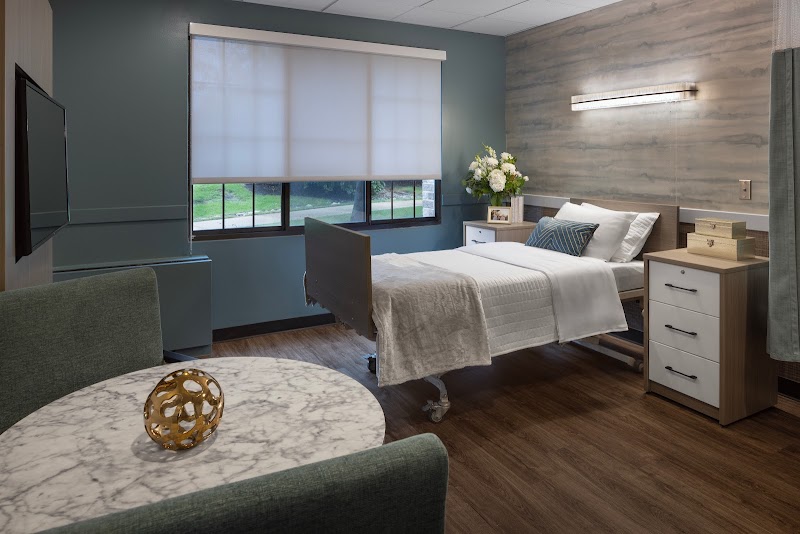
How is Bella Terra Schaumburg Staffed?

CMS rates BELLA TERRA SCHAUMBURG's staffing level at 3 out of 5 stars, which is average compared to other nursing homes. Staff turnover is 30%, compared to the Illinois average of 46%. This relatively stable workforce can support continuity of care.

What Have Inspectors Found at Bella Terra Schaumburg?

State health inspectors documented 41 deficiencies at BELLA TERRA SCHAUMBURG during 2022 to 2024. These included: 4 that caused actual resident harm and 37 with potential for harm. Deficiencies causing actual harm indicate documented cases where residents experienced negative health consequences.

Who Owns and Operates Bella Terra Schaumburg?

BELLA TERRA SCHAUMBURG is owned by a for-profit company. For-profit facilities operate as businesses with obligations to shareholders or private owners. The facility is operated by LEGACY HEALTHCARE, a chain that manages multiple nursing homes. With 214 certified beds and approximately 154 residents (about 72% occupancy), it is a large facility located in SCHAUMBURG, Illinois.
How Does Bella Terra Schaumburg Compare to Other Illinois Nursing Homes?

Compared to the 100 nursing homes in Illinois, BELLA TERRA SCHAUMBURG's overall rating (2 stars) is below the state average of 2.5, staff turnover (30%) is significantly lower than the state average of 46%, and health inspection rating (2 stars) is below the national benchmark.

What Should Families Ask When Visiting Bella Terra Schaumburg?

Based on this facility's data, families visiting should ask: "What safeguards and monitoring systems are in place to protect residents from abuse or neglect?" "Can I visit during a mealtime to observe dining assistance and food quality?" "How do you handle medical emergencies, and what is your hospital transfer rate?" "Can I speak with family members of current residents about their experience?" These questions are particularly relevant given the substantiated abuse finding on record.

Is Bella Terra Schaumburg Safe?

Based on CMS inspection data, BELLA TERRA SCHAUMBURG has documented safety concerns. The facility has 1 substantiated abuse finding (meaning confirmed case of resident harm by staff or other residents). The facility has a 2-star overall rating and ranks #100 of 100 nursing homes in Illinois. Families considering this facility should ask detailed questions about what corrective actions have been taken since these incidents.

Do Nurses at Bella Terra Schaumburg Stick Around?

Staff at BELLA TERRA SCHAUMBURG tend to stick around. With a turnover rate of 30%, the facility is 16 percentage points below the Illinois average of 46%. Low turnover is a positive sign. It means caregivers have time to learn each resident's needs, medications, and personal preferences. Consistent staff also notice subtle changes in a resident's condition more quickly. Registered Nurse turnover is also low at 25%, meaning experienced RNs are available to handle complex medical needs.

Was Bella Terra Schaumburg Ever Fined?

BELLA TERRA SCHAUMBURG has been fined $164,270 across 4 penalty actions. This is 4.7x the Illinois average of $34,722. Fines at this level are uncommon and typically indicate a pattern of serious deficiencies, repeated violations, or failure to correct problems promptly. CMS reserves penalties of this magnitude for facilities that pose significant, documented risk to resident health or safety. Families should request specific documentation of what issues led to these fines and what systemic changes have been implemented.

Is Bella Terra Schaumburg on Any Federal Watch List?

BELLA TERRA SCHAUMBURG is not on any federal watch list. The most significant is the Special Focus Facility (SFF) program, which identifies the bottom 1% of nursing homes nationally based on persistent, serious quality problems. Not being on this list means the facility has avoided the pattern of deficiencies that triggers enhanced federal oversight. This is a positive indicator, though families should still review the facility's inspection history directly.