

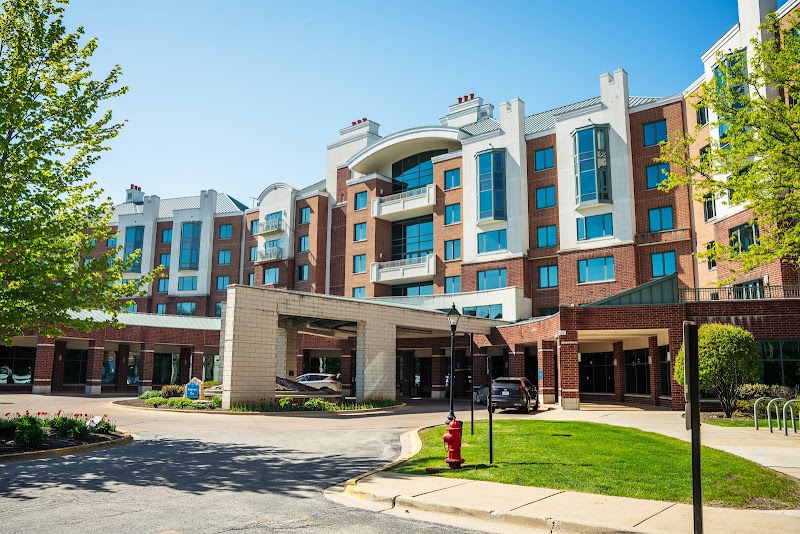
ENCORE VILLAGE

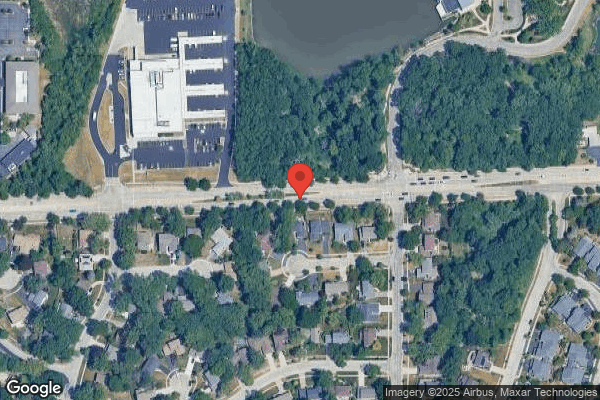
350 WEST SCHAUMBURG ROAD, SCHAUMBURG, IL 60194 (847) 884-5000
For profit - Limited Liability company 169 Beds Independent Data: November 2025
Trust Grade
20/100
#356 of 665 in IL
Last Inspection: November 2024

Within standard 12-15 month inspection cycle. Federal law requires annual inspections.

Overview

Encore Village in Schaumburg, Illinois, has a Trust Grade of F, indicating poor performance with significant concerns. Ranked #356 out of 665 facilities in Illinois, this places them in the bottom half of nursing homes in the state, and #116 out of 201 in Cook County suggests there are better local options available. Although the facility is improving, having reduced issues from 14 in 2024 to 4 in 2025, there are still serious deficiencies noted, including failures to monitor residents' weights, leading to significant weight loss in some cases, and not promptly addressing adverse effects from medications, resulting in a hospitalization for one resident. Staffing is average, with a 49% turnover rate, but they have good RN coverage, better than 91% of Illinois facilities, which is a positive aspect. However, the facility also incurred $25,454 in fines, indicating ongoing compliance problems that families should consider when researching care options.

Trust Score
F
20/100
In Illinois
#356/665
Bottom 47%
Safety Record
High Risk
Review needed
Inspections
Getting Better
14 → 4 violations
Staff Stability
⚠ Watch
49% turnover. Above average. Higher turnover means staff may not know residents' routines.
Penalties
✓ Good
$25,454 in fines. Lower than most Illinois facilities. Relatively clean record.
Skilled Nurses
✓ Good
Each resident gets 79 minutes of Registered Nurse (RN) attention daily — more than 97% of Illinois nursing homes. RNs are the most trained staff who catch health problems before they become serious.
Violations
⚠ Watch
26 deficiencies on record. Higher than average. Multiple issues found across inspections.
★★☆☆☆
2.0
Overall Rating
★★★☆☆
3.0
Staff Levels
★★★★☆
4.0
Care Quality
★★☆☆☆
2.0
Inspection Score
Stable
2024: 14 issues
2025: 4 issues

The Good

  • 4-Star Quality Measures · Strong clinical quality outcomes
  • Full Sprinkler Coverage · Fire safety systems throughout facility
  • No fines on record

Facility shows strength in quality measures, fire safety.

The Bad

2-Star Overall Rating

Below Illinois average (2.5)

Below average - review inspection findings carefully

Staff Turnover: 49%

Near Illinois avg (46%)

Higher turnover may affect care consistency

Federal Fines: $25,454

Below median ($33,413)

Moderate penalties - review what triggered them

The Ugly 26 deficiencies on record

2 actual harm
Jun 2025 1 deficiency
CONCERN (D) 📢 Someone Reported This

A family member, employee, or ombudsman was alarmed enough to file a formal complaint

Potential for Harm - no one hurt, but risky conditions existed

Pharmacy Services (Tag F0755)

Could have caused harm · This affected 1 resident

Based on interview and record review the facility failed to ensure a resident received their scheduled medication for 1 of 3 residents (R1) reviewed for pharmacy services in the sample of 3. The findi...

Read full inspector narrative →
Based on interview and record review the facility failed to ensure a resident received their scheduled medication for 1 of 3 residents (R1) reviewed for pharmacy services in the sample of 3. The findings include: A facility assessment done on 6/7/24 indicated R1 was cognitively intact. On 6/24/25 at 10:25 AM, R1 said the facility ran out of her tramadol (pain medication) causing her to miss a dose. R1's Medication Administration Record (MAR) for June 2024 showed R1 was to get tramadol scheduled four times a day and as needed. The MAR showed on 6/11/24 the 12:00 PM dose of tramadol was not given and to see the Progress Notes. R1's Progress Note entered on 6/11/24 at 1:01 PM showed tramadol was not available and the pharmacy would be delivering more after 2:00 PM. The progress note did not indicate tramadol was retrieved from the medication tower. R1's tramadol Controlled Substance Proof of Use sheet dated 6/7/24 showed after the 6/10/24 8:30 PM dose of tramadol was given, zero remaining tramadol was on hand. The next tramadol Controlled Substance Proof of Use sheet was dated 6/11/24 and the first documented dose was given on 6/11/24 at 5:00 PM. The controlled Substance Proof of Use sheets did not indicate the missing 6/11/24 12:00 PM dose of tramadol was removed from the medication tower. On 6/24/25 at 1:54 PM, V2 (Director of Nursing) said medications should be reordered when the supply gets low and the medications should be reordered early enough to ensure a dose is not missed. V2 added the facility has a medication tower that can be used to obtain medications. V2 said tramadol is kept in the medication tower. The facility's Physician Orders Policy (undated) showed proper channels of communication are used to ensure accurate delivery of medications and treatments to all residents. The nurse may reorder the medication when it is running low. While waiting for the pharmacy delivery, staff may obtain medications from the medication tower if it is available.
Mar 2025 3 deficiencies
CONCERN (D) 📢 Someone Reported This

A family member, employee, or ombudsman was alarmed enough to file a formal complaint

Potential for Harm - no one hurt, but risky conditions existed

Deficiency F0602 (Tag F0602)

Could have caused harm · This affected 1 resident

Based on interview and record review the facility failed to protect a resident from the misappropriation of resident property when a credit card was stolen from a resident's room for 1 of 2 residents ...

Read full inspector narrative →
Based on interview and record review the facility failed to protect a resident from the misappropriation of resident property when a credit card was stolen from a resident's room for 1 of 2 residents (R2) reviewed for the misappropriation of resident property in the sample of 3. The findings include: The Final Incident Report dated 12/20/24 for R2 showed, Incident category: Resident misappropriation of property/theft. Summary of Incident: The resident is a long-term resident of the facility and is alert and oriented x 3 (person, time, & place); she is forgetful at times. On 12/17/24 the unit manager received an email from the police department detective. He was seeking assistance to identify a photo of the person within the email. The individual in the picture is presumed to be the individual who used the credit card of R2 at a store. The unit manager immediately reported to the interim administrator regarding the email received. The unit manager and ADON (Assistant Director of Nursing) reached out to POA (Power of Attorney), daughter of the resident. The POA stated that she realized that the credit card was not in the possession of the resident because she reviewed the monthly statement and that is when she saw a purchase made at a store. On 12/18/24 the unit manager was able to speak with the detective. The unit manager relayed to the detective that the individual in the picture did not work at the facility. The unit manager informed the detective of the CNA (Certified Nursing Assistant) who provided care to the resident during the same day when the credit card was used. The POA - daughter reached out to the credit card company was able to reverse the charges that were incurred. The POA then reached out to the police and filed a complaint. This is an ongoing investigation with the police. The facility will continue to assist law enforcement however we can. On 3/11/25 at 11:42 AM, V10 (R2's POA/daughter) stated, R2 wanted the credit card for incidentals. V10 stated she gets the credit card statements. V10 stated she reviewed the credit card statement and looked at it a few weeks later. She saw a charge dated 10/1/24 for a gaming system at a store for $500.00. V10 stated she notified the manager; she left a message. V10 stated she talked to R2 to see if she wanted the police involved and she did. V10 stated she contacted the police, and the detective has the dates. V10 stated the detective has been keeping in contact with the facility. V10 stated the police suspect that the person that used the credit card was someone that knew someone at the facility. They think an employee gave the card to someone else that used it. On 3/11/25 at 12:12 PM, V6 (Executive Director), V9 (Social Services), and V5 (Registered Nurse/Unit Manager) were presented information together and stated that theft should not occur at the facility. On 3/11/25 at 2:56 PM, R2 was sitting in a wheelchair in her room. R2's cell phone had a case around it with a card holder built into the case. R2 stated her credit card was stolen and had been in the wallet on her phone. R2 stated the police were contacted and thought that it was a friend of someone that worked at the facility that used the credit card. The credit card was used at a store for a large amount. R2 stated she would like to see someone arrested because stealing isn't right. The Face Sheet dated 3/11/25 for R2 showed diagnoses including congestive heart failure, pneumonia, acute respiratory failure with hypoxia, atrial fibrillation, chronic obstructive pulmonary disease, dysphagia, type 2 diabetes mellitus, colostomy, retention of urine, polyneuropathy, transient ischemic attack, insomnia, hypomagnesemia, hypokalemia, anorexia, macular degeneration, constipation, hyperlipidemia, dependence on supplemental oxygen, vitamin D deficiency, hyperparathyroidism, and hypothyroidism. The MDS (Minimum Data Set) dated 12/12/24 for R2 showed a BIMS (brief interview of mental status) score of 15 - no cognitive impairment. The facility's Abuse, Neglect, Exploitation and Misappropriation Prevention policy (April 2021) showed, residents have the right to be free from abuse, neglect, misappropriation of resident property and exploitation. The resident abuse, neglect and exploitation prevention program consists of a facility-wide commitment and resource allocation to support the following objectives: 1. Protect residents from abuse, neglect, exploitation or misappropriation of property by anyone including, but not necessarily limited to: a. facility staff; b. other residents; c. consultants; d. volunteers; e. staff from other agencies; f. family members; g. legal representatives; h. friends; i. visitors; and/or j. any other individual.
CONCERN (D) 📢 Someone Reported This

A family member, employee, or ombudsman was alarmed enough to file a formal complaint

Potential for Harm - no one hurt, but risky conditions existed

Report Alleged Abuse (Tag F0609)

Could have caused harm · This affected 1 resident

Based on interview and record review the facility failed to report to the state surveying agency an allegation of misappropriation of resident property immediately, but not later than 24 hours when a ...

Read full inspector narrative →
Based on interview and record review the facility failed to report to the state surveying agency an allegation of misappropriation of resident property immediately, but not later than 24 hours when a credit card was stolen from a resident's room for 1 of 2 residents (R2) reviewed for the misappropriation of resident property in the sample of 3. The findings include: The Social Service Note dated 11/19/24 at 9:30 AM for R2 showed, the social worker spoke with resident's daughter (V10) regarding the stolen credit card. V10 shares that the credit card has been reported as stolen, and a police report has been filed. V10 shares that the credit card was located in the resident's phone wallet. V10 reports that charges were made on the credit card on 10/1/24. Social worker filed a concern form and endorsed to the administrator. The facility did not have an Initial Incident Report dated 11/19/24. On 3/11/24 at 11:03 AM, V9 (Social Services) stated, she reported to V2 (previous Administrator) that a resident's credit card was missing in October 2024 when V10 (R2's POA - Power of Attorney/daughter) reported it to her. V9 stated V2 didn't follow up on reporting it so it was not investigated until December 2024. V9 stated the last administrator was overwhelmed. Anyone that is an administrator knows that this needs to be reported. V10 stated she documented about it in the resident's record. On 3/11/25 at 11:42 AM, V10 (R2's POA/daughter) stated, R2 wanted the credit card for incidentals. V10 stated she gets the credit card statements. V10 stated she reviewed the credit card statement and looked at it a few weeks later. She saw a charge dated 10/1/24 for a gaming system at a store for $500.00. V10 stated she notified the manager; she left a message. V10 stated she thought she reported it to the facility sometime in November 2025 after she had received and reviewed the credit card statement. V10 stated she talked to R2 to see if she wanted the police involved and she did. V10 stated she contacted the police, and the detective has the dates. V10 stated the detective has been keeping in contact with the facility. V10 stated the police suspect that the person that used the credit card was someone that knew someone at the facility. They think an employee gave the card to someone else that used it. On 3/11/25 at 12:12 PM, V6 (Executive Director), V9 (Social Services), and V5 (Registered Nurse/Unit Manager) presented information together and V6 stated when the administrator is made aware of an allegation it must be reported to state surveying agency immediately. V5 stated the day she found out about the stolen credit card was on 12/17/24 and that is the date she reported it. The facility's Initial Incident Report dated 12/17/24 for R2 showed, Incident category: Resident misappropriation of property/theft. Summary of incident: Today on 12/17/24 at approximately 2:15 PM, V5 (Registered Nurse/Unit Manager), reported receiving an email from the police asking for assistance in the case that was being investigated involving the resident, R2's stolen credit card. In the email there was an image of an individual at the store whom they believe was involved in the theft of the credit card. Investigation initiated and ongoing. The Face Sheet dated 3/11/25 for R2 showed diagnoses including congestive heart failure, pneumonia, acute respiratory failure with hypoxia, atrial fibrillation, chronic obstructive pulmonary disease, dysphagia, type 2 diabetes mellitus, colostomy, retention of urine, polyneuropathy, transient ischemic attack, insomnia, hypomagnesemia, hypokalemia, anorexia, macular degeneration, constipation, hyperlipidemia, dependence on supplemental oxygen, vitamin D deficiency, hyperparathyroidism, and hypothyroidism. The MDS (Minimum Data Set) dated 12/12/24 for R2 showed a BIMS (brief interview of mental status) score of 15 - no cognitive impairment. The facility's Abuse, Neglect, Exploitation and Misappropriation Prevention Program (April 2021) showed, residents have the right to be free from abuse, neglect, misappropriation of resident property and exploitation. Investigate and report any allegations within timeframes required by federal requirements.
CONCERN (D) 📢 Someone Reported This

A family member, employee, or ombudsman was alarmed enough to file a formal complaint

Potential for Harm - no one hurt, but risky conditions existed

Investigate Abuse (Tag F0610)

Could have caused harm · This affected 1 resident

Based on interview and record review the facility failed to have evidence that an allegation of misappropriation of resident property was thoroughly investigated for 1 of 2 residents (R2) reviewed for...

Read full inspector narrative →
Based on interview and record review the facility failed to have evidence that an allegation of misappropriation of resident property was thoroughly investigated for 1 of 2 residents (R2) reviewed for the misappropriation of resident property in the sample of 3. The findings include: The facility's Initial Incident Report dated 12/17/24 for R2 showed, Incident category: Resident misappropriation of property/theft. Summary of incident: Today on 12/17/24 at approximately 2:15 PM, V5 (Registered Nurse/Unit Manager), reported receiving an email from the police asking for assistance in the case that was being investigated involving the resident, R2's stolen credit card. In the email there was an image of an individual at the store whom they believe was involved in the theft of the credit card. Investigation initiated and ongoing. The report was signed by V4 (Assistant Executive Director). The Final Incident Report dated 12/20/24 for R2 showed, Incident category: Resident misappropriation of property/theft. Summary of Incident: The resident is a long-term resident of the facility and is alert and oriented x 3 (person, time, & place); she is forgetful at times. On 12/17/24 the unit manager received an email from the police department detective. He was seeking assistance to identify a photo of the person within the email. The individual in the picture is presumed to be the individual who used the credit card of R2 at a store. The unit manager immediately reported to the interim administrator regarding the email received. The ADON (Assistant Director of Nursing), spoke with nursing staff, and staffing coordinator to assist identifying the person in the email photo. They were not able to match any nursing staff. The unit manager and ADON (Assistant Director of Nursing) reached out to POA (Power of Attorney), daughter of the resident. The POA stated that she realized that the credit card was not in the possession of the resident because she reviewed the monthly statement and that is when she saw a purchase made at a store. On 12/18/24 the unit manager was able to speak with the detective. The unit manager relayed to the detective that the individual in the picture did not work at the facility. The unit manager informed the detective of the CNA (Certified Nursing Assistant) who provided care to the resident during the same day when the credit card was used. The POA - daughter reached out to the credit card company was able to reverse the charges that were incurred. The POA then reached out to the police and filed a complaint. This is an ongoing investigation with the police. The facility will continue to assist law enforcement however we can. On 3/11/25 at 11:42 AM, V10 (R2's POA/daughter) stated, R2 wanted the credit card for incidentals. V10 stated she gets the credit card statements. V10 stated she reviewed the credit card statement and looked at it a few weeks later. She saw a charge dated 10/1/24 for a gaming system at a store for $500.00. V10 stated she notified the manager; she left a message. V10 stated she thought she reported it to the facility sometime in November 2025 after she had received and reviewed the credit card statement. V10 stated she talked to R2 to see if she wanted the police involved and she did. V10 stated she contacted the police, and the detective has the dates. V10 stated the detective has been keeping in contact with the facility. V10 stated the police suspect that the person that used the credit card was someone that knew someone at the facility. They think an employee gave the card to someone else that used it. On 3/11/25 at 12:12 PM, V6 (Executive Director) stated the administrator should have initiated an investigation and to protect residents' rights they need to ensure the investigation is completed. On 3/11/25 at 1:29 PM, V4 (Assistant Executive Director) stated V11 ADON (Assistant Director of Nursing) did the investigation for R2. V11 would have spoken to everyone and documented in the electronic medical record. V4 stated normally the internal documents and interviews are in the files. V4 stated staff should be interviewed and other residents in the area depending on what happened. V11 stated the interviews should be there for R2's credit card incident but they are not. On 3/11/25 at 1:35 PM, V11 (ADON) stated V5 (Registered Nurse/Unit Manager) did the investigation for R2 and the theft of the credit card. V11 stated it was brought to their attention when the police called to talk to V5. V11 stated she did not personally interview anyone and did not recall who made the report. On 3/11/25 at 2:25 PM, V5 RN (Registered Nurse/Unit Manager) stated she did not do the investigation for R2's credit card theft and was not involved in the interviews. V5 stated she did not talk to R2 about it. V5 stated the only person she talked to about it was V10 (R2's POA/daughter). The Face Sheet dated 3/11/25 for R2 showed diagnoses including congestive heart failure, pneumonia, acute respiratory failure with hypoxia, atrial fibrillation, chronic obstructive pulmonary disease, dysphagia, type 2 diabetes mellitus, colostomy, retention of urine, polyneuropathy, transient ischemic attack, insomnia, hypomagnesemia, hypokalemia, anorexia, macular degeneration, constipation, hyperlipidemia, dependence on supplemental oxygen, vitamin D deficiency, hyperparathyroidism, and hypothyroidism. The MDS (Minimum Data Set) dated 12/12/24 for R2 showed a BIMS (brief interview of mental status) score of 15 - no cognitive impairment. The facility's Abuse, Neglect, Exploitation and Misappropriation Prevention Program (April 2021) showed, residents have the right to be free from abuse, neglect, misappropriation of resident property and exploitation. Identify and investigate all possible incidents of abuse, neglect, mistreatment, or misappropriation of resident property. Investigate and report any allegations within timeframes required by federal requirements.
Nov 2024 10 deficiencies 1 Harm
SERIOUS (G)

Actual Harm - a resident was hurt due to facility failures

Deficiency F0692 (Tag F0692)

A resident was harmed · This affected 1 resident

**NOTE- TERMS IN BRACKETS HAVE BEEN EDITED TO PROTECT CONFIDENTIALITY** Based on observation, interview and record review the facility failed to ensure a newly admitted resident on tube feeding was we...

Read full inspector narrative →
**NOTE- TERMS IN BRACKETS HAVE BEEN EDITED TO PROTECT CONFIDENTIALITY** Based on observation, interview and record review the facility failed to ensure a newly admitted resident on tube feeding was weighed weekly. This failure resulted in R125 losing 16.8 pounds (11.4% weight loss) in 18 days. The facility failed to monitor weights, assess residents who have had a significant weight loss and implement interventions to prevent further weight loss. This failure resulted in R20 losing 12.6 pounds (7.67% weight loss) in 1 month and R231 losing 10.2 pounds (6.6% weight loss) in 13 days. This applies to 3 of 5 residents (R20, R125 and R231) reviewed for nutrition in the sample of 26. The findings include: 1. R125's Face Sheet shows that he admitted to the facility on [DATE] with diagnoses of: severe protein-calorie malnutrition, gastrostomy, dysphagia and parkinsonism. R125's Physician's Order Sheet (POS) printed on 11/20/24 shows an order dated 10/24/24 for, Weekly weights x 8 weeks . The POS shows orders for NPO (nothing by mouth) and an order for enteral feeding. R125's Nutritional Risk assessment dated [DATE] shows, admitted with diagnosis of metabolic encephalopathy, osteomyelitis of left ankle and foot He is NPO d/t [due to] dysarthria and on new peg tub for enteral feeding .Wife denies any notable significant changes to weight in past month .at risk for unintended weight loss .dehydration pressure injury weight goal-weight will be maintained +/- 5% or gain by review Interventions: Monitor weight weekly for 8 weeks and then monthly or as indicated .Additional Comments: Will continue to monitor weight, TF (tube feeding) tolerance and intervene as needed. RD (Registered Dietitian) available for consult PRN (as needed). R125's Weights and Vitals Summary printed 11/20/24 shows a weight of 147.8 pounds on 10/24/24 and a weight of 131 lbs on 11/11/24 (11.4% weight loss in less than a month). There are no other documented weights between 10/24/24 and 11/11/24. On 11/20/24 at 9:22 AM, V4 (Registered Dietitian) said that all new admissions are weighed upon admission and then weekly to monitor for weight loss or gain. V4 said that any one who is triggered to be at high risk for weight loss have weights done weekly. V4 said that if a resident is on tube feeding, they are at high risk for weight loss and their weights should be closely monitored. V4 said that she saw R125 when he first arrived at the facility. V4 said that he was admitted with continuous tube feeding orders so she changed the rate and time frame so he did not have to be on continuous feedings but would still get the same amount of calories and nutrition. V4 said that R125 did not have any documented weights for some time and she is not sure why. V4 said that once R125 got a weight done, it showed a weight loss so she increased his tube feeding rate. V4 said that weekly weights would have helped identify a weight loss sooner so interventions could have been implemented to prevent further weight loss. The facility's Nutrition-Hydration-Weight-Assessment and Intervention Policy revised on 1/27/22 shows, The facility shall measure resident weights on admission, for the next two days, and weekly for 4 weeks thereafter .Weights are recorded in the resident's medical record .Any weight change of 5% or more since the last weight assessment will be retaken the next day for confirmation. If the weight is verified, the dietitian shall be notified, and the notification documented in the resident's medical record. The dietitian will respond within 24 hours of notification .The threshold for significant unplanned and undesired weight loss will be based on the following criteria .1 month-5% weight loss is significant; greater than 5% is severe . 3. R231's face sheet shows she is an [AGE] year old female admitted on [DATE] and readmitted on [DATE] with diagnoses including fracture of left pubis, type 2 diabetes, unspecified dementia, muscle weakness, hypertension, osteoporosis, and history of failing. R231's Weight Report for November documents: 11/6/24 -154.5 lbs, 11/7/24 - 147.5 lbs and on 11/19/24 - 144.3 lbs. R231's weights show that she had a significant weight loss of 10.2 pounds (6.6%) in 13 days. R231's Mini Nutritional assessment dated [DATE] shows a score of 6 indicating she is malnourished. R231's Diet card shows a regular diet, all meals milk only; no juice or coffee. R231's Nutrition Risk assessment dated [DATE] documents she is on a regular diet, requires set assistance, partial moderate assistance with feeding, fair appetite, (R231) reports not eating very much, (V8 R231's spouse) reported her intake of about 30%, she reported not being able to choose foods. (R231) is at risk for unintended weight loss due to malnourished score of 6, poor appetite, bed bound, and assistance with feeding. On 11/18/24 at 1:12 PM, R231 was lying in her bed, she said I'm hungry. V8 was in the room and said lunch usually comes between 1:00 PM to 1:30 PM. At 1:30 PM, the noon meal was not delivered. At 1:48 PM, V8 was upset R231's noon meal was not delivered yet. He said my wife is hungry. On 11/19/24 at 9:51 AM, R231 was in her room eating her breakfast meal. Her meal ticket said milk with all meals. There was no milk on her tray, she had a cup of orange juice and coffee. V13 (Unit Manager) entered the room and said to R231, where is V7 (Certified Nursing Assistant) she was in here helping you. On 11/19/24 at 12:56 PM, V7 (CNA) said R231 is alert and forgetful, she is two person transfer with a mechanical lift. She needs to be set up for meals, this morning she encouraged her to feed herself and she was able to do it so she left the room. R231 told her she was hungry and wanted her lunch before therapy. At 1:00 PM, therapy arrived to R231's room she had not been served lunch yet. On 11/20/24 at 12:35 PM, V4 (Dietitian) said R231 came in with pelvic fracture and was sent out to the hospital and re-admitted . Staff should weigh residents on admit and re-admission. V8 reported to her R231's normal weight is about 150 pounds. R231 was not weighed when she was re-admitted on [DATE], her initial weight on admission was 154 pounds we re-weighed her a day later and she was 147 pounds. On 11/19/24 her weight was 144 lbs. She has lost weight and she recommended nutritional shakes and protein in between meals. If a resident is voicing they are hungry staff should notify us so we can accommodate an earlier meal. She did not know R231 was requesting her meal to be delivered before therapy. 2. On 11/19/2 at 10:41 AM, R20 was being served breakfast. Both V9 and V10 (Certified Nursing Assistants-CNA) said R20 is a total feed so she was served at a later time during meals. Review of R20's weights shows: 9/3/2024-169.0 pounds (lbs.), 10/1/2024-170.1 lbs and on 11/14/2024-157.5 lbs. R20's weights show that she had a significant weight loss of 12.6 pounds (7.67%) in 1 month. R20 had no nutritional assessments or nutritional intervention related to this significant weight loss. On 11/20/24 at 9:13 AM, V4 (Dietitian) said R20 was weighed last on 11/6/24 and her weight was totally different from her usual weight. V4 said on 11/7/24 she requested a reweigh. On 11/14/24, R20's reweigh was 157.5 lbs. V4 said she did not know why the reweigh was not done until after a week. V4 said she was also not made aware of R20's reweight results sooner. V4 said when she entered R20's latest weight of 157.5 lbs, it did not trigger a significant weight loss until it was brought to her attention by this surveyor. V14 said she will do nutritional assessments and recommendations today.
CONCERN (D)

Potential for Harm - no one hurt, but risky conditions existed

Deficiency F0558 (Tag F0558)

Could have caused harm · This affected 1 resident

Based on observation, interview and record review the facility failed to ensure a resident's legs were properly supported while sitting in her wheelchair for 1 of 26 residents (R57) reviewed for accom...

Read full inspector narrative →
Based on observation, interview and record review the facility failed to ensure a resident's legs were properly supported while sitting in her wheelchair for 1 of 26 residents (R57) reviewed for accommodation of need in the sample of 26. The findings include: R57's Face Sheet shows she has diagnoses of: history of venous thrombosis and embolism, back pain, scoliosis, osteoporosis, history of a fracture and left foot pain. R57's Vitals Summary Report shows that she is 60 inches tall. On 11/18/24 at 11:39 AM, R57 was sitting in her wheelchair in her room. R57's feet were hanging approximately 6 inches from the floor and R57 did not have any leg rests on her wheelchair. R57's legs were reddish purple in color. On 11/19/24 at 1:00 PM, R57 said that if she puts her feet on the bar of the tray table, she is comfortable but if her legs are just hanging, it is not very comfortable. R57 said that she is about five feet tall. On 11/19/24 at 1:42 PM, V20 (Therapy Director) said that for proper positioning in a wheelchair, a resident's feet should be either flat on the ground or placed on foot rests that are adjusted to ensure that their feet are supported. V20 said that the legs should be supported to prevent swelling or pressure on the back of the legs. V20 said that R57 does not self propel her wheelchair so she should have leg rest on her wheelchair when she is sitting in it. V20 went to R57's room and was only able to find two left-sided foot rests. The facility's Resident Rights and Dignity - Accommodation of Needs Policy revised on 12/8/21 shows, The facility's actions of the environment and its' associates are directed toward assisting the resident in maintaining and/or achieving safe independent functioning, dignity and well being. The resident's individual needs a preferences will be accommodated to the extent possible.
CONCERN (D)

Potential for Harm - no one hurt, but risky conditions existed

Deficiency F0578 (Tag F0578)

Could have caused harm · This affected 1 resident

**NOTE- TERMS IN BRACKETS HAVE BEEN EDITED TO PROTECT CONFIDENTIALITY** Based on interview and record review the facility failed to ensure a resident's advanced directives were discussed and implement...

Read full inspector narrative →
**NOTE- TERMS IN BRACKETS HAVE BEEN EDITED TO PROTECT CONFIDENTIALITY** Based on interview and record review the facility failed to ensure a resident's advanced directives were discussed and implemented upon admission for 1 of 26 residents (R282) reviewed for advanced directives in the sample of 26. The findings include: R282's Face Sheet shows that he admitted to the facility on [DATE]. The Face Sheet shows that his original admission was 4/8/22. R282's Electronic Medical Record (EMR) has a POLST (Physician Orders for Life Sustaining Treatment) Form that shows that R282 does not want resuscitation. This form was uploaded into R282's EMR on 10/21/2024. R282's Physician's Order Sheet Printed on 11/20/24 shows an order dated 11/15/24 for R282 to be a full code (attempt resuscitation). R282's EMR does not document that social services discussed R282's advanced directives with him or his power of attorney prior to 11/20/24. R282's Social Services Note dated 11/20/24 shows, Verified POLST Form with resident and spouse, both resident and spouse confirm request for DNR (Do Not Resuscitate). On 11/20/24 at 1:00 PM, V2 (Director of Nursing) said that a resident's advanced directives are discussed by the nurse upon admission. V2 said that residents are a full code until they receive a valid POLST form. V2 said that if a resident has a valid POLST form on file, the facility staff should follow those directives unless the resident has other wishes and the discussion should be documented in their medical record and verified with the physician. V2 said that social services follows up with new residents the following day to ensure that their advanced directives are correct. V2 said that she does not know why R282's POLST Form directives were not implemented or why social services did not follow up with him the day after his admission. The facility's Emergency-First Aid-Do Not Resuscitate Order Policy revised 10/18/22 shows, DNR/POLST orders will remain in effect until the resident (or legal surrogate) provides the facility with a signed and dated request to end the DNR/POLST order.
CONCERN (D)

Potential for Harm - no one hurt, but risky conditions existed

ADL Care (Tag F0677)

Could have caused harm · This affected 1 resident

**NOTE- TERMS IN BRACKETS HAVE BEEN EDITED TO PROTECT CONFIDENTIALITY** 2. On 11/18/24 at 11:45 AM, R39 was laying in bed. There was a strong urine odor present in the room. R39's hair appeared greasy...

Read full inspector narrative →
**NOTE- TERMS IN BRACKETS HAVE BEEN EDITED TO PROTECT CONFIDENTIALITY** 2. On 11/18/24 at 11:45 AM, R39 was laying in bed. There was a strong urine odor present in the room. R39's hair appeared greasy. On 11/18/24 at 11:45 AM, R39 said that she is supposed to get showers every Tuesday and Friday but she has not had a shower in over a week. On 11/18/24 the unit's shower binder was reviewed. The binder shows that R39 is to receive showers on the PM shift on Tuesday and Fridays. The last documented shower for R39 was from 11/8/24. There were no documented showers for 11/12 or 11/15. R39's Bathing Task shows that she received a shower on 11/8/24 and no additional showers or bed/towel baths until 11/18/24. No refusals of showers were documented between 11/8/24 and 11/18/24. R39's [NAME] Report shows, Bathing/Showering: [R39] needs assistance with bathing. On 11/19/24 at 1:27 PM, V19 (Certified Nursing Assistant) said that showers are provided to residents twice a week. V19 said that all showers are charted in the computer and on the shower sheet in the binder. The facility's Personal Care-ADL Support Policy shows, Appropriate care and services will be provided for residents who are unable to carry out ADLs independently, with the consent of the resident and in accordance with the plan of care, including appropriate support and assistance with: Hygiene (bathing, dressing, grooming, and oral care) Based on observation, interview and record review the facility failed to ensure residents who require staff assistance with ADLs (Activities of Daily Living) received showers/baths. This applies to 2 of 26 (R58, R39) residents reviewed for activities of daily living in the sample of 26. The findings include: 1. R58's face sheet shows she is a [AGE] year old female including Parkinson's disease, congestive heart failure, contracture of the right hand, osteoarthritis, history of falls, atrial flutter, chronic kidney disease, and gout. R58's Minimum Data Set assessment dated [DATE] shows she is cognitively intact, has no rejection of cares, and requires substantial/maximum assistance with showers/bathing. On 11/18/24 at 10:26 AM, R58 was sitting in her wheelchair in her room. Her right hand was clenched and and she had tremors to her left hand. She said she is supposed to get showers twice a week on Wednesday and Saturday on PM shift. She said the last time she had a shower was a couple of weeks ago, when she asks the staff for her shower their response is we are short handed and alot of them are agency staff. On 11/19/24 at 9:07 AM, R58 said she was not offered a shower on Saturday. This surveyor located the shower book at the common area on the Gingko Unit. The shower schedule book showed R58's last documented shower was 11/2/24 ( 17 days ago) and 10/16/24 she received a bed bath. (There were no other showers/baths recorded on the sheet). On 11/19/24 at 12:56 PM, V7 (Certified Nursing Assistant-CNA) said R58 is alert and oriented, she complains about agency staff not providing cares. Residents should receive showers twice a week, staff document in the electronic health record (EHR) and the shower sheet with the nurse signing off the resident received their shower. Residents have reported they do not receive their showers by agency staff on the 2nd shift. On 11/20/24 at 10:35 AM, V2 (Director of Nursing) said staff should chart resident showers in the EHR. The shower sheet is the worksheet that should be filled out by the CNA and signed off by the nurse. The charting in the EHR is the documentation. The Gingko Unit Shower Sheet Schedule shows R58's showers are scheduled for Wednesday and Saturday on the PM shift. R58's Shower/Bath report provided on 11/20/24 shows there were no showers documented for 30 days. R58's Shower Sheet forms provided on 11/19/24 shows a bed bath was given on 10/16/24, 11/2/24 a shower was documented given and a new recorded shower date of 11/16/24 refused during AM shift.
CONCERN (D)

Potential for Harm - no one hurt, but risky conditions existed

Accident Prevention (Tag F0689)

Could have caused harm · This affected 1 resident

**NOTE- TERMS IN BRACKETS HAVE BEEN EDITED TO PROTECT CONFIDENTIALITY** Based on observation, interview and record review the facility failed to ensure a gait belt was used during a transfer and faile...

Read full inspector narrative →
**NOTE- TERMS IN BRACKETS HAVE BEEN EDITED TO PROTECT CONFIDENTIALITY** Based on observation, interview and record review the facility failed to ensure a gait belt was used during a transfer and failed to ensure interventions were added to a resident's plan of care after a fall to prevent additional falls for 2 of 26 residents (R39 and R110) reviewed for safety in the sample of 26. The findings include: 1. On 11/18/24 at 11:48 AM, V23, Certified Nursing Assistant (CNA) transferred R39 to the toilet using a gait belt. V23 removed the gait belt to provide care and change R39's shirt. After R39 used the toilet, V23 directed R39 to stand and hold onto the bar on the wall. V23 did not reapply the gait belt before directing R39 to stand up. While V23 was providing perineal care, R39 stated, I can't hold on much longer .I'm getting heavy. V23 then pulled up R39's incontinence brief and pants up and assisted her to sit back into her wheelchair. On 11/19/24 at 1:27 PM, V19 (CNA) said that gait belts should be used on all resident transfers for the resident's safety. R39's (Resident Care Informaiton) Report shows that she needs assistance of one staff member for transfers. The facility's Positioning/Moving-Safe Resident Handling Policy revised on 12/29/21 shows, Gait belt usage-Gait belt usage is recommended for a 1 person transfers with the exception of bed mobility and/or medical contraindications. 2. R110's Physician Order Sheet dated 11/24 shows R110 has diagnoses of senile degeneration of brain, dementia, weakness, anxiety and depression. R110's facility assessment dated [DATE] shows R110 has severe cognitive impairment. BIMS (Brief Interview of Mental Status) of 3. R110's fall risk assessment shows R110 is high risk for falls. Review of R110's fall incident reports shows: -9/27/24 (V14, Restorative Registered Nurse/RN ) was assisting (R110) to her recliner from her wheelchair. As resident was screaming to go back to her recliner while transferring with 1 staff assist, (R110)'s knee buckled and was lowered slowly to the floor. -10/4/24 (R110) was being transferred (with 1 assist). (R110) became weak and was lowered to the floor. (R110) sustained injury after the fall including left knee skin tear, and abrasion to left rear back. On 11/20/24 at 11:20 AM, V14 (Restorative RN) said on 9/27/24, R110 was having behaviors, yelling and screaming. R110 was wanting to be transferred to her recliner. V14 said she applied a gait belt but R110 was already resistive and was having behaviors. Two (2) person assist should have been safer for R110 due to her behaviors. V14 said after the 2nd fall incident (10/4/24) of R110 again being lowered to the floor, was when she adjusted R110's transfer assessment to use 2 staff assist or sit to stand assist when needed. (No fall intervention was done after the 9/27 fall.) R110's Transfer Mobility assessment dated [DATE] shows, .needed maximum assist staff to stand up r/t [related to] weakness, poor trunk support, unsteady standing balance .May use sit to stand lift PRN [as needed].
CONCERN (D)

Potential for Harm - no one hurt, but risky conditions existed

Respiratory Care (Tag F0695)

Could have caused harm · This affected 1 resident

Based on observation, interview and record review the facility failed to ensure a resident was administered oxygen using a high flow nasal cannula for 1 of 6 residents (R281) reviewed for oxygen admin...

Read full inspector narrative →
Based on observation, interview and record review the facility failed to ensure a resident was administered oxygen using a high flow nasal cannula for 1 of 6 residents (R281) reviewed for oxygen administration in the sample of 26. The findings include: R281's Physician's Order Sheet printed on 11/20/24 shows diagnoses of: dependence on supplemental oxygen, hypertension, chronic kidney disease, chest pain, acute respiratory failure with hypercapnia and hypoxia, pulmonary hypertension, pulmonary fibrosis, chronic obstructive pulmonary disease and myocardial infarction. R281's oxygen order dated 11/5/24 shows, Oxygen: 7 liters a. continuous . On 11/18/24 at 9:45 AM, R281 was sitting in his chair in his room with oxygen on. R281's oxygen tubing and cannula were clear and appeared to be regular flow oxygen cannula. R281's oxygen tubing was plugged into an oxygen concentrator set at 7 liters of oxygen. On 11/19/24 at 1:05 PM, R281 was sitting in his room with his oxygen on and had the same clear tubing. R281's oxygen concentrator was still set at 7 liters. On 11/19/24 at 2:24 PM, V21 (Respiratory Therapist) said that any resident that is on more than 5 liters of oxygen should have a high flow nasal cannula and they are green in color. At 2:43 PM, V21 said that she just checked R281's oxygen cannula and it was not a high flow oxygen cannula but should be. V21 said that the difference between a regular oxygen cannula and the high flow cannula is the bore size of the cannula. V21 said that the high flow cannula is large so it is able to administer the larger amount of oxygen. The facility's Respiratory and Pulmonary Conditions-Oxygen Administration Policy revised on 1/25/24 does not show when a high flow oxygen cannula should be used for residents.
CONCERN (D)

Potential for Harm - no one hurt, but risky conditions existed

Pharmacy Services (Tag F0755)

Could have caused harm · This affected 1 resident

**NOTE- TERMS IN BRACKETS HAVE BEEN EDITED TO PROTECT CONFIDENTIALITY** Based on observation, interview and record review the facility failed to ensure staff administered medications to a resident and...

Read full inspector narrative →
**NOTE- TERMS IN BRACKETS HAVE BEEN EDITED TO PROTECT CONFIDENTIALITY** Based on observation, interview and record review the facility failed to ensure staff administered medications to a resident and not leave them on the bedside table. This applies to 1 of 26 residents (R15) reviewed for pharmacy services in the sample of 26. The findings include: R15's face sheet shows she is a [AGE] year old female with diagnoses including congestive heart failure (CHF), chronic pulmonary embolism, type 2 diabetes, asthma, chronic kidney disease, macular degeneration, dyshpagia, anxiety, peripheral vascular disease, hypertension, and GERD (Gastroesophageal reflux disease). On 11/18/24 at 10:20 AM, R15 was in her room sitting in her wheelchair. A cup of crushed medications in water were on her bedside table. R15 said those are my medications, the nurse crushes them because they are hard for me to swallow. At 10:35 AM, this surveyor left the room, R15's cup of medications remained at the bedside table. On 11/20/24 at 10:47 AM, V2 (Director of Nursing) said nursing should not leave medications at the bedside table. They should watch the resident take the medications before leaving the room. R15 does not have an assessment to self administer her own medications. R15's Physician Order Sheets dated November 2024 shows orders including Bumex 2 mg (milligrams) in the morning for CHF, Hydralazine 100 mg three time a day for hypertension, Losartan Potassium 25 mg daily for hypertension, Monteluksat Sodium 10 mg daily for asthma, Ocular Vitamins 2 tablets daily, Senna-Docusate Sodium 8.6-50 mg two tablets for constipation twice a day, and Sprionolactone 25 mg daily for CHF, Sucralfate tablet 1 GM (gram) twice a day. R15's Medication Self-Administration Safety Screen dated 11/19/24 shows deep sea saline nasal spray is the only medication listed to self administer.
CONCERN (D)

Potential for Harm - no one hurt, but risky conditions existed

Deficiency F0760 (Tag F0760)

Could have caused harm · This affected 1 resident

**NOTE- TERMS IN BRACKETS HAVE BEEN EDITED TO PROTECT CONFIDENTIALITY** Based on observation, interview and record review the facility failed to ensure a resident was free from a significant medicatio...

Read full inspector narrative →
**NOTE- TERMS IN BRACKETS HAVE BEEN EDITED TO PROTECT CONFIDENTIALITY** Based on observation, interview and record review the facility failed to ensure a resident was free from a significant medication error. This applies to 1 of 26 residents (R58) reviewed for medications administration in the sample of 26. The findings include: R58's face sheet shows she is a [AGE] year old female including Parkinson's disease, congestive heart failure, contracture right hand, osteoarthritis, history of falls, atrial flutter, chronic kidney disease, and gout. On 11/18/24 at 10:26 AM, R58 was sitting in her wheelchair in her room. Her left hand was shaking. She said she takes Carbidopa a medication for her Parkinson's disease in the morning, and is suppose to get her 2nd dose at 11:00 AM and sometimes she doesn't get her medication till 2:00 PM. On 11/19/24 at 9:07 AM, R58 said yesterday she did not get her medication for her Parkinson's on time, it was late. On 11/20/24 at 10:47 AM, V2 (Director of Nursing) said nursing should follow the five rights when administering medication including the right person, right time, right dose, right route and right drug. V2 said she followed up with R58's nurse V6 (Licensed Practical Nurse/LPN-Agency) about the medication being late. V6 reported R58 was in the dining room when the medication was scheduled at 11:00 AM. V2 said lunch is at 12:00 PM for residents in the dining room. It's important to ensure residents received their medication at the scheduled time. R58 has Parkinson's and if she does not receive her medication at the scheduled time it can affect her movements causing increased stiffness. R58's Physician Order Sheets dated November 2024 shows orders for Carbidopa-Levodopa 25-100 mg (milligrams) give two tablets three times a day. R58's Medication Administration Audit Report provided on 11/20/24 shows orders at 11:00 AM to administer Carbidopa-Levodopa. R58's administration time recorded at 1:47 PM (approximately three hours later). The facility's Medication Administration Policy and Procedure revised 2022 states, . medications are administered in a safe and timely manner, and as prescribed .medications are administered in accordance with prescriber orders, including any required time frame .
CONCERN (D)

Potential for Harm - no one hurt, but risky conditions existed

Deficiency F0761 (Tag F0761)

Could have caused harm · This affected 1 resident

Based on observation, interview, and record review the facility failed to ensure medications were securely stored for 1 of 26 residents (R121) reviewed for medication storage in the sample of 26. The ...

Read full inspector narrative →
Based on observation, interview, and record review the facility failed to ensure medications were securely stored for 1 of 26 residents (R121) reviewed for medication storage in the sample of 26. The findings include: On 11/19/24 at 10:41 AM, R121 was in his room sitting in a chair. On the bedside table was a fluticasone-salmeterol respiratory inhaler and an azelastine nasal decongestant spray. R121 said the medications are kept on the bedside table. R121's Order Summary Report printed on 11/19/24 showed an order for fluticasone-salmeterol inhaler to be given two times a day. The same document showed an order for azelastine nasal decongestant spray to be given two times a day. On 11/19/24 at 10:45 AM, V22 (Licensed Practical Nurse- LPN) said R121 keeps the inhaler and nasal spray on the bedside table. V22 said R121 needed to be reminded on how to use the medications. V22 explained that R121 will forget to hold his breath when using the inhaler. On 11/20/24 at 11:53 AM, V15 (LPN) said medications are not left in a resident's bedside table because medications needs to be secured. V15 added that medication sitting on a bedside table are not secured. V15 said there are confused residents and you never know if a resident wanders into another resident room also the medication could be misplaced. On 11/19/24 at 11:01 AM, V2 (Director of Nursing) said for a resident to keep medications in their room there would need to be an assessment done. V2 said the assessment could be found in the assessment section of the resident's electronic medical record. On 11/19/24 at 11:05 AM, there was no assessment in R121's electronic medical record for R121 to keep medications at the bedside. The facility's Medication Storage policy with a reviewed date of 10/15/24 showed medications used in the facility are stored in a locked compartment. The facility's Medication Self Administration policy with a reviewed date of 10/15/24 showed a resident's ability to safely and securely store the medication is a factor when determining whether self administration of medication is appropriate. The same policy showed self administered medications are stored in a safe and secure place, which is not accessible by other residents.
CONCERN (D)

Potential for Harm - no one hurt, but risky conditions existed

Infection Control (Tag F0880)

Could have caused harm · This affected 1 resident

Based on observation, interview and record review the facility staff failed to wash their hands and change their gloves to prevent the spread of infection and failed to ensure staff donned all applica...

Read full inspector narrative →
Based on observation, interview and record review the facility staff failed to wash their hands and change their gloves to prevent the spread of infection and failed to ensure staff donned all applicable Personal Protective Equipment for a resident with Enhanced Barrier Precautions (EBP) for 2 of 26 residents (R20 and R12) reviewed for infection control in the sample of 26. The findings include: 1. On 11/18/24 at 10:27 AM, V9 and V10 (both Certified Nursing Assistants- CNAs) provided incontinence care to R20. R20 had a bowel movement. V10 provided incontinence care to R20. Wearing the same soiled gloves and without washing her hands, V10 applied a new incontinent pad, turned R20 side to side to put clothes on. Then R20 was transferred to her wheelchair using a mechanical stand lift, V10 continued to touched multiple surfaces, adjusting R20 in the mechanical lift and positioning V10 in her wheelchair. After doing all these tasks was when she removed her gloves and washed her hands. On 11/20/24 at 8:30 AM, V11 (Registered Nurse-RN) said staff should wash their hands and change their gloves when completing a dirty tasks and going to clean tasks to prevent cross contamination. The facility policy on Hand Hygiene dated 8/30/23 shows, .Integration of glove use along with routine hand hygiene is recognized as the best practice for preventing healthcare associated infections. 2. On 11/19/24 at 9:10 AM, a sign posted outside of R12's door showed, - Enhanced Barrier Precautions. V12 (Wound Nurse) donned gloves but did not wear a gown when he provided wound treatment to R12's sacral wound. At 12:10 PM, V2 (Director of Nursing) said staff will be reeducated again regarding EBP-wearing gloves and gown for high contact care like wound care. The facility policy on Enhanced Barrier Precautions (EBP) showed EBP, is an approach of targeted gown and gloves use during high contact resident care activities designed to reduce transmission of MDRO (multi-drug resistant organisms) and other pathogens.
Oct 2024 2 deficiencies
CONCERN (D) 📢 Someone Reported This

A family member, employee, or ombudsman was alarmed enough to file a formal complaint

Potential for Harm - no one hurt, but risky conditions existed

ADL Care (Tag F0677)

Could have caused harm · This affected 1 resident

**NOTE- TERMS IN BRACKETS HAVE BEEN EDITED TO PROTECT CONFIDENTIALITY** Based on observation, interview, and record review the facility staff failed to ensure residents who required staff assistance w...

Read full inspector narrative →
**NOTE- TERMS IN BRACKETS HAVE BEEN EDITED TO PROTECT CONFIDENTIALITY** Based on observation, interview, and record review the facility staff failed to ensure residents who required staff assistance with Activities of Daily Living (ADLs) received timely incontinence care for 2 of 4 residents (R2, R1) reviewed for ADLs in the sample of 9. The findings include: 1. R2's care plan dated 9/23/24 showed R2 required staff assistance with toileting and transferring. R2's resident assessment dated [DATE] showed R2 was frequently incontinent of urine and stool. On 10/31/24 at 8:44 AM, R2 was asleep in bed. A strong odor of urine was noted in her room. On 10/31/24 at 9:15 AM, R2 was awake, lying in bed. R2 stated, No one has come in yet this morning. I was last changed (provided incontinence care) late last night. The urine odor remained in R2's room. On 10/31/24 at 9:17 AM, V5 Certified Nursing Assistant (CNA) entered R2's room to provide cares. V5 (CNA) stated she had not toileted or provided incontinence care to R2 yet during her shift. As V5 (CNA) removed R2's incontinence brief, V5 stated, She's pretty wet. R2's brief was saturated with urine. Urine had leaked out of R2's brief, onto her shirt, pants, and bedding. 2. R1's care plan dated 10/22/24 showed R1 required staff assistant with toileting. The care plan showed R1 was frequently incontinent of urine and stool. On 10/31/24 at 8:40 AM, R1 was seated in a wheelchair in her room. R1 wore a gown. A urine odor was noted in her room. R1 stated staff got her up around 8 AM that morning, but did not toilet her or change her incontinence brief. R1 said, I wear a diaper. I think I am wet right now. When R1 was asked why staff didn't change her brief when they got her out of bed, R1 stated, I don't know. R1 denied refusing to be toileted that morning or refusing to have her incontinence brief changed. On 10/31/24 at 9:16 AM, R1 remained seated in her wheelchair, eating breakfast in her room. On 10/31/24 at 10:19 AM, R1 had finished eating breakfast. V6 (CNA) entered R1's room to provide cares. V6 (CNA) transferred R1 to the toilet. R1's incontinence brief was saturated with urine. R1's buttocks were bright pink. Urine had leaked out of R1's brief onto the pad on her wheelchair. V6 (CNA) was asked why R1 was not toileted upon getting her out of bed that morning. V6 stated, She refused this morning. R1 immediately turned to V6 and stated, I most certainly did not! On 10/31/24 at 9:59 AM, V7 (Licensed Practical Nurse) stated toileting and/or incontinence care should be provided to residents every two hours and as needed. The facility's Urinary Continence and Incontinence-Assessment and Management policy dated 8/2022 showed, The staff and practitioner will appropriately screen for, and manage, individuals with urinary incontinence .
CONCERN (D) 📢 Someone Reported This

A family member, employee, or ombudsman was alarmed enough to file a formal complaint

Potential for Harm - no one hurt, but risky conditions existed

Deficiency F0692 (Tag F0692)

Could have caused harm · This affected 1 resident

**NOTE- TERMS IN BRACKETS HAVE BEEN EDITED TO PROTECT CONFIDENTIALITY** Based on observation, interview and record review the facility failed to assist a resident with eating and failed to ensure a nu...

Read full inspector narrative →
**NOTE- TERMS IN BRACKETS HAVE BEEN EDITED TO PROTECT CONFIDENTIALITY** Based on observation, interview and record review the facility failed to assist a resident with eating and failed to ensure a nutritional intervention was implemented for a resident with significant weight loss. This failure resulted in R4 sustaining significant weight loss. These failures apply to 1 of 4 residents (R4) reviewed for weight loss in the sample of 9. The findings include: R4's Physician Order Sheet (POS) showed R4 had diagnoses of Alzheimer's Disease (AD), dementia and diabetes. R4's careplan initiated on 11/22/23 showed (R4) is at nutritional risk related to score of 5 (malnourished), inadequate oral intake, significant weight loss, low BMI .confusion, delusions, AD, dementia . With intervention to include: provide nourishments: house shake 8 ounces (oz) BID (Twice a Day) with lunch and dinner. Provide supervision, encouragement/cueing, and necessary assistance at meal time and between meals with food and fluids. R4's weight report showed: 10/2/24-115.8 lbs, 6.2 % weight loss from 9/3/24 123.5 (1 month 6.2% weight loss) 10/17/24- 118 lbs, 13.3% weight loss from 135.9 lbs last 5/2/24. (6 months 13.3% weight loss) 10/10/24-115.8 lbs, 14.8% weight loss from 135.9 lbs last 5/2/24. R4's Nutritional Risk assessment dated [DATE] showed, most recent weight 118.0 pounds (lbs). Weight trend for the last 6 months-weight loss. Significant weight loss x 1/3/6 months. That is most likely related to decreased oral intake past month. Goal for weight maintenance or gradual regain. Added house shake 8 oz to lunch/dinner to increase kcal/proteins intake and prevent further weight loss and promote weight re-gain. On 10/31/24 at 8:30 AM, R4 was in the dining room with her eyes closed. Her breakfast food was in front of her untouched. R4's breakfast consisted of scrambled eggs, pancakes and sausage. Staff were in and out in the dining room. There was no staff assisting or giving cues for R4 to eat. At 8:55 AM, R4 was wheeled out from the dining room and was placed in a table by the nurses station. V9 (Certified Nursing Assistant/CNA) said R4 did not eat her breakfast. R4 only eats a PBJ sandwich which will be served to R4 at lunch. On 10/31/24 at 12:45 PM, R4 was in the dining room for lunch eating her PBJ. There was a cup half full with water. There was no house shake noted with R4's lunch meal. R4's meal card showed- 8 ounces of mighty shake to be provided for lunch and dinner. There was no mighty shake provided to R4. On 10/31/24 at 1 PM, this surveyor clarified with V8 (R4's Nurse-Registered Nurse/RN) if R4 was to receive a mighty shake. V8 said R4 was supposed to get a house shake (mighty shake) provided by the kitchen at lunch due to R4's weight loss. On 10/31/24, V12, V17 and V18 (all Dining room servers) said they were not aware that R4 was supposed to receive shakes from the kitchen for lunch and confirmed none of them served R4's mighty shake for lunch. On 10/31/24 at 1:16 PM, V16 (Dietary Director) said R4's house shakes (mighty shake) was supposed to be provided by the kitchen and nursing documents when the resident takes the house shakes. V16 said the dietary servers did not give R4's shake at lunch. V16 said supplements (house shakes) are important for R4 since R4 already had lost a significant amount of weight. On 10/31/24 at 2:50 PM, V4 (Assistant Director of Nursing) said R4 was just reweighed and R4 continues to loss weight. R4's latest weight was 115 lbs which showed an additional 3 lb weight loss for R4, from 118 lbs (10/17/24) to today (10/31/24.)
Aug 2024 1 deficiency 1 Harm
SERIOUS (G) 📢 Someone Reported This

A family member, employee, or ombudsman was alarmed enough to file a formal complaint

Actual Harm - a resident was hurt due to facility failures

Medication Errors (Tag F0758)

A resident was harmed · This affected 1 resident

**NOTE- TERMS IN BRACKETS HAVE BEEN EDITED TO PROTECT CONFIDENTIALITY** Based on observation, interview and record review the facility failed to report adverse side effects immediately, failed to moni...

Read full inspector narrative →
**NOTE- TERMS IN BRACKETS HAVE BEEN EDITED TO PROTECT CONFIDENTIALITY** Based on observation, interview and record review the facility failed to report adverse side effects immediately, failed to monitor the use of psychotropic medications, and failed to carry out the orders to hold medication for a resident showing signs of adverse effects of excessive drowsiness. This failure resulted in R1 being sent out to the hospital for evaluation for stroke like symptoms. This applies to 1 of 3 residents (R1) reviewed or unnecessary medications in the sample of 5. The findings include: R1's face sheet shows she is [AGE] year-old female with diagnosis including somnolence (excessive drowsiness 8/15/24), altered mental status (8/15/24), unspecified dementia with other behavioral disturbance, heart disease, delusional disorder, anxiety disorder, unspecified hearing loss, vascular dementia with psychotic disturbance, mood (affective) disorder, and glaucoma. R1's hospital Records dated 8/15/24 documents [AGE] year-old female with a history of vascular dementia and behavioral disturbances presents with acute encephalopathy and lethargy likely suspect due to polypharmacy. R1's hospital discharge medication list dated 8/16/24 shows a decrease dose in her psychotropic medications including Depakote 125 mg (milligrams) two capsules three times a day and Seroquel 50 mg twice a day. On 8/22/24 at 9:19 AM, R1 was observed in her lying in bed. R1 was yelling and calling out from her room. V7 (Registered Nurse/RN) entered the room to assist R1, using the communication board to ask R1 what she needed. R1 was not able to verbally express her needs to V7. R1 was on the call light frequently and yelling when staff left the room. At 9:54 AM, V9 and V10 (Certified Nursing Assistant's-CNA's) provided care to R1 including incontinence care and transferring her from the bed to the wheelchair using a mechanical lift. R1 did not display behaviors of aggression, combativeness, and was compliant with all cares. On 8/22/24 at 9:38 AM, V7 (RN) said R1 has behaviors of combativeness and agitation. She was hospitalized in June and sent to behavioral health. She had a change in her psychotropic medications due to lethargy. She has been okay since her dose was decreased. She still has some behaviors of yelling out and screaming, but is more awake. If a resident is showing adverse effects from the medication, nursing should hold the medication and notify the physician. On 8/26/24 at 8:57 AM, V5 (Unit Manager) said R1 is alert, confused, and has behaviors of crying, screaming, restlessness, agitation, and combative during cares. Lately she has periods of sleepiness in the late morning towards noon, after lunch she is more awake. She has difficulty expressing her needs. On 8/15/2, V16 (R1'sdaughter) came to visit and was upset how R1 was sleepy, difficult to arouse, and drooling. V16 was concerned her mom had a stroke. She explained to R1's daughter, V15 (Psych Nurse Practitioner) assessed R1 yesterday and there were new orders to hold the psychotropic medications (Seroquel 100 mg and Clonazepam 0.5 mg) if R1 was lethargic. She went in the room and called out R1's name. R1 opened her eyes but could not keep them open. R1 usually feeds herself; that day she needed assisting with meals. R1 was receiving three psychotropic medications scheduled three times a day including Depakote 375 mg, Seroquel 100 mg, and Clonazepam 0.5 mg. R1 was hospitalized for behaviors in mid-June and returned to the facility on July 3rd with increased doses of her psychotropic medications. R1 was sent out to the hospital for evaluation for stroke symptoms and CT's showed negative for a stroke. Psychotropics can cause sleepiness and R1 was not tolerating the doses of the psychotropic medications. If a resident is showing signs of adverse effects, nursing should hold the dose and notify the physician on onset of the changes. On 8/26/24 at 9:32 AM, V4 (RN Agency) said she was R1's nurse on 8/15/24. She is an agency nurse, and it was her first time caring for R1. Around lunch, a lady V16 (R1'sdaughter) came up to me and asked if she was R1's nurse and to come to the room. When she went to R1's room. R1's daughter was upset and crying, she said look at her, this is not my mother. R1 was sedated and drooling on herself, she was not able to eat because she was knocked out. The night nurse reported if R1 is too sedated to hold the antipsychotic medication. When she looked at the medications R1 was scheduled to receive, Depakote 375 mg, clonazepam 0.5 mg and Seroquel 100 mg three times a day. She was thinking why is R1 on so much medication. She gave what was scheduled, I have nothing to base it off, I felt terrible I gave the medications too. She questioned it, but she did not know the resident. R1's daughter requested to have her sent out to the hospital. She gave the morning dose and said she could not recall if she gave the afternoon dose, If it was scheduled I must have given the medications to her, I could have given the medications. On 8/26/24 at 1:15 PM, V2 (Director of Nursing) said staff should be monitoring the resident for side effects of psychotropic medications. Increased sleepiness is the first side effect of these medications. Nursing should hold the medication and notify the physician immediately. She confirmed the order to hold the medication did not reflect on R1's Medication Administration Record (MAR) on 8/15/24 for the morning and afternoon dose. R1 was sent out to the hospital and returned to the facility with a decreased dose in her psychotropic medications. R1's nurses note dated 8/6/24 documents medication at lunch held, R1 lethargic not able to feed herself. (There was no documentation the physician was notified). R1's nurses note dated 8/12/24 documents, R1 very sleepy refusing to eat lunch, afternoon medication held, not able to take medication. (There was no documentation the physician was notified). R1's nurses note dated 8/14/24 documents, R1 refused to eat breakfast, took morning medications. She refused to eat lunch, lethargic, noon medications held. R1 seen by V14 (Psych NP) new orders in place. R1's nurses note dated 8/14/24 documents, R1 refused to eat dinner, Seroquel 100 mg held this evening due to lethargy. R1's Psych NP note dated 8/14/24 documents asked to R1 for increased sleepiness for the past two days. R1 encountered in the wheelchair moaning to tactile, did not open eyes. Discussed with NOD (nurse on duty) will hold clonazepam and Seroquel when drowsy/sleepy. R1's nurses note dated 8/15/24 by V4 documents R1's daughter visibly upset about mother's mental status. R1 sitting up in wheelchair increased lethargy, right sided mouth drooling and upper extremity weakness. R1 drowsy and unable to respond to verbal stimuli. R1's daughter expressed this is not her normal behavior. R1 observed increased sedation post am scheduled medications. R1 sent out to the local hospital. R1's V16 (Nurse Practitioner) note dated 8/15/24 documents R1 seen for lethargy, R1 agitated this morning, poor appetite, more sedated now. Somnolent (excessive drowsiness), opens eyes briefly, nonverbal, acute somnolent worsening; ER for evaluation, R1's Medication Administration Record dated August 2024 shows orders for clonazepam 0.5 mg give one tablet three times a day for anxiety; Seroquel 100 mg one tablet three times a day for unspecified mood affective disorder (the orders do not show to hold if sleepy/drowsy on 8/15/24 for the am and pm dose). R1's MAR shows on 8/15/24; Seroquel 100 mg and Clonazepam 0.5 mg was documented given for the am and afternoon dose. R1's MAR shows orders for antipsychotic medication monitor for dry mouth, constipation, blurred vision, disorientation, confusion, lethargy, drooling, difficulty urinating .start date of 8/17/24 (after hospitalization). The facility's Psychotropic Medication Policy states, Psychotropic medications include any drug that affects brain activities associated with mental processes and behavior physicians and physician extenders (Physician Extender and Nurse Practitioner) will use psychotropic medications appropriately, working with the interdisciplinary team to ensure appropriate use, evaluation and monitoring .monitoring psychotropic drug use daily, noting any adverse effects such as increased somnolence or functional decline .
Jul 2024 1 deficiency
CONCERN (D) 📢 Someone Reported This

A family member, employee, or ombudsman was alarmed enough to file a formal complaint

Potential for Harm - no one hurt, but risky conditions existed

Deficiency F0602 (Tag F0602)

Could have caused harm · This affected 1 resident

**NOTE- TERMS IN BRACKETS HAVE BEEN EDITED TO PROTECT CONFIDENTIALITY** Based on observation, interview and record review the facility failed to protect a resident's right to be free from misappropria...

Read full inspector narrative →
**NOTE- TERMS IN BRACKETS HAVE BEEN EDITED TO PROTECT CONFIDENTIALITY** Based on observation, interview and record review the facility failed to protect a resident's right to be free from misappropriation of resident property. This applies to 1 of 4 residents (R1) reviewed for misappropriation in the sample of 8. The findings include: R1's face sheet list her diagnoses to include: urine retention, urinary tract infection, atrial fibrillation, heart failure, unilateral primary osteoarthritis of the left knee, morbid obesity, anxiety, osteoarthritis, muscle weakness and a history of malignant neoplasm of the breast. On July 24, 2024 at 8:45 AM, R1 was lying in bed watching television. She stated, she stole 30 of my pills. She stated, she told him (V5 Unit Manager) she (R1) was feeling dizzy but she never said that. The facility did call the police and they came and talked with her and her daughter. She stated, she didn't know her name but she was chubby and had curly hair. The facility's final incident report dated July 22, 2024 shows, Resident Name: (R1). Date of incident: 7/18/2024. Incident category: resident misappropriation of property/theft. Summary of incident: On 7/18/2024 the nurse manager (V5 Unit Manager) reported that the resident's Norco (pain medication) 7.5/325 mg (milligram) 30 tablets were missing. The Norco was delivered on 7/16/2024 in a bingo card [sic] with 30 tablets Based on investigation, on 7/17/2024 approximately 4:00 PM, resident (R1) was complaining of pain to her left knee and was asking if she can take Norco. The PM agency nurse on duty was not able to find Norco in narcotic box. The NP (Nurse Practitioner) was noted to have written a new script of Norco on 7/15/2024. The pharmacy reported that the Norco was delivered on 7/16/2024 early AM delivery and was received by the night nurse. The PM nurse on duty reported to the nurse manager that she cannot locate the Norco that was delivered early that day . On 7/17/2024, the AM nurse (V4 LPN/Licensed Practical Nurse) was interviewed and stated initially that the resident complained of feeling dizzy with the Norco and she notified the doctor about the resident's complaint and received an order for Tramadol (pain medication). Nurse Manager (V5 Unit Manager) reached out to the doctor for the Tramadol order, but the doctor stated she did not receive any phone call from the AM nurse (V4 LPN). The Nurse Manager (V5 Unit Manager) called (V4 LPN) back and let her know that the doctor was stating that she did not receive any phone call from (V4 LPN) and there was no order of Tramadol in PCC (a computer program used for electronic charting). The nurse manager (V5 Unit Manager) explained to (V4 LPN) that she needs to be honest and explained what happened to the Norco because we are going to notify the Police and (State Agency). (V4 LPN) sent an email to the Nurse Manager (V5 Unit Manager) that night stating she admitted to taking the Norco home with her because she has been having a hard time and has no insurance to pay for her medication On July 24, 2024 at 9:10 AM, V5 (Unit Manager) stated, the PM nurse came to him and reported that R1 was asking for pain medication and she couldn't find it. He checked the computer and seen the medication was discontinued by V4 (LPN). He called V4 (LPN) and asked what happened. V4 (LPN) told him the medication was discontinued because the resident said she was feeling dizzy from the Norco. V4 (LPN) called the doctor and explained what R1 said. The doctor discontinued the medication and prescribed Tramadol instead. V5 (Unit Manager) tried to verify that this was the correct story and the called the doctor. The doctor denied that she had discontinued the medication or that V4 (LPN) had called her. R1 also denied feeling dizzy and/or requesting to take the medication. V5 (Unit Manager) called V4 (LPN) back and told her that she needed to tell him what happened to the Norco. He stated, V4 (LPN) denied taking it at first but then started to cry saying she didn't have insurance or any money. He told her that she needed to send him an email stating the information she told him because she had already told him a bunch of lies. He received an email from V4 (LPN) later that night. He also stated, V4 (LPN) brought back the narcotic count sheet the next day (July 18, 2024) but did not bring back any Norco tablets. V4 (LPN) took the entire Norco bingo card [sic] of 30 tablets. The facility provided email from V4 (LPN) to V5 (Unit Manager) dated July 17, 2024 shows, On 7/16/2024. I work 6:30 AM to 3 PM shift. I did mistake that day because I am struggling right now financial situation and the health problem this was my first mistake. I tried to lie, but I can't because I'm not that kind of person it just my problem make me do that. I took patient Norco with me because I don't have money to buy and I don't have insurance. I apologize this was my big mistake so please forgive me for my mistake . R1's July Medication Administration Record shows, an order for hydrocodone-acetaminophen (Norco) oral tablet 7.5-325 mg, give 1 tablet by mouth every 4 hours as needed for pain level 6-10. The pharmacy requisition form provided by the facility on July 24, 2024 shows, 30 tablets of hydrocodone-acetaminophen tablets 7.5-325 mg was delivered on July 16, 2024. V4 (LPN) took the medication the day it was delivered so the PM nurse coming after her did not know that 30 tablets were delivered earlier that day. R1's discontinue order for hydrocodone-acetaminophen oral tablets was discontinued on July 16, 2024 by V4 (LPN). R1's Minimum Data Set, dated [DATE] shows, she is cognitively intact. The facility's Abuse, Neglect, Exploitation and Misappropriation Prevention Program dated April 2021 shows, Policy Statement: Residents have the right to be free from abuse, neglect, misappropriation of resident property and exploitation. Policy Interpretation and Implementation: The resident abuse, neglect and exploitation prevention program consists of a facility-wide commitment and resource allocation to support the following objectives: 1. Protect residents from abuse, neglect, exploitation or misappropriation of property by anyone including, but not necessarily limited to: a. facility staff .
Dec 2023 1 deficiency
CONCERN (D) 📢 Someone Reported This

A family member, employee, or ombudsman was alarmed enough to file a formal complaint

Potential for Harm - no one hurt, but risky conditions existed

Deficiency F0698 (Tag F0698)

Could have caused harm · This affected 1 resident

**NOTE- TERMS IN BRACKETS HAVE BEEN EDITED TO PROTECT CONFIDENTIALITY** Based on observation, interview, and record review the facility failed to ensure a resident's peritoneal dialysis treatments wer...

Read full inspector narrative →
**NOTE- TERMS IN BRACKETS HAVE BEEN EDITED TO PROTECT CONFIDENTIALITY** Based on observation, interview, and record review the facility failed to ensure a resident's peritoneal dialysis treatments were initiated and monitored which applies to 1 of 1 resident (R1) reviewed for dialysis services in a sample of 1. The findings include: On 12/27/23 at 8:20 AM, V3 Assistant Director of Nursing stated R1 is the only peritoneal dialysis (PD) resident in the facility. R1's Facesheet printed on 12/27/23 showed R1 to be an eighty four year old female resident readmitted to the facility on [DATE] with diagnoses which include: chronic kidney disease (CKD) stage 5, encounter for fitting and adjustment peritoneal dialysis catheter, and dependence on renal dialysis. R1's hospital records dated 12/23/23 showed R1's PD orders which were in R1's hospital record packet. On 12/27/23 at 2:40 PM, V6 3rd party Dialysis Nurse showed this writer the treatment history on R1's PD cycler. The cycler screen showed R1's last 2 treatments were on 12/9/23 (evening before hospital admission) and 12/26/23 (3 days after readmission). V6 stated the information on the screen showed R1 did not have a treatment on 12/23, 12/24, or 12/25. On 12/27/23 at 12:15 PM, V7 Registered Nurse entered R1's room with this writer. V7 stated the nurses are supposed to enter the PD information in the residents PD binder. The PD binder holds the treatment flowsheets. R1's Daily PD Flowsheet (undated) in the binder showed 1 entry of the date 12/26. None of the other PD information was documented which includes: resident's weight, vitals, PD solution used, medications (if added), drain volumes, and ultrafiltration (fluid output) for the treatment. On 12/27/23 at 11:50 AM, V5 Nephrology Nurse Practitioner stated Did she miss 3 PD treatments? Yes. Did this cause her to become unstable and need to be transferred out? No. V5 stated when R1 was discharged from the hospital with orders we presumed she would be getting the PD treatments as they were ordered. V5 stated she received a call from V4 Nursing Manager on 12/26/23 for PD orders. V5 stated she assumed R1 did not receive her previous PD treatments after V4's phone call. V5 stated she rounded on R1 on 12/26/23 to assess R1 and make changes to the PD orders if needed to pull more fluid if needed. No changes to R1's orders were needed. R1's Physician Order Sheet dated 12/27/23 showed R1's admission date of 12/23/23. R1's initial verbal order for PD was started on 12/26/23. On 12/27/23 at 11:45 AM, V4 stated R1's orders from the hospital should have been verified, and R1 should not have missed any PD treatments. R1's Care Plan (12/23/23) admission date, showed R1 is dependent on renal dialysis (peritoneal) due to stage 5 chronic kidney disease with a focus of care to perform peritoneal dialysis as scheduled (see order).
Dec 2023 5 deficiencies
CONCERN (D)

Potential for Harm - no one hurt, but risky conditions existed

Quality of Care (Tag F0684)

Could have caused harm · This affected 1 resident

Based on observation, interview and record review the facility failed to implement physician ordered wound interventions for 1 of 24 residents (R93) reviewed for non-pressure wounds in the sample of 2...

Read full inspector narrative →
Based on observation, interview and record review the facility failed to implement physician ordered wound interventions for 1 of 24 residents (R93) reviewed for non-pressure wounds in the sample of 24. The findings include: On 12/05/23 at 2:45PM, R93 was in his room, in a wheelchair. R93's feet were resting on the floor. R93's AFO-ankle-foot orthosis Boots were sitting in a chair by the foot of the bed. On 12/05/23 R93's Physicians Order dated 09/30/23 shows, AFO Boots to be worn when out of bed. Every shift for Heel Wound. On 12/06/23 at 9:45AM, V6 Unit Manager said, R93 sees the podiatrist weekly for his wounds on his feet. R93 returns with a wound assessment and dressing instruction. There has been no new orders for the AFO boots. R93's current Care Plan, updated 09/27/2023 shows, R93 has potential/actual impairment to skin integrity-admitted with non-pressure chronic ulcer of right foot, Interventions: R93's Care Plan did not address the Physician Ordered AFO Boots for Heel Wound. The facility's Skin Maintenance policy dated 01/20/2022 shows, the physician will order pertinent wound treatments .the physician will guide the Care Plan
CONCERN (D)

Potential for Harm - no one hurt, but risky conditions existed

Pressure Ulcer Prevention (Tag F0686)

Could have caused harm · This affected 1 resident

**NOTE- TERMS IN BRACKETS HAVE BEEN EDITED TO PROTECT CONFIDENTIALITY** 2.On 12/04/23 at 9:51AM, R81 was lying on her back on a regular mattress. At 10:30AM, V10 CNA-Certified Nursing Assistant provid...

Read full inspector narrative →
**NOTE- TERMS IN BRACKETS HAVE BEEN EDITED TO PROTECT CONFIDENTIALITY** 2.On 12/04/23 at 9:51AM, R81 was lying on her back on a regular mattress. At 10:30AM, V10 CNA-Certified Nursing Assistant provided R81 with incontinent care. R81 had two non-blanching red areas on her left bottom area. On 12/04/23 at 10:39AM, R81's current Physician's Order dated 01/14/23 shows, Air-mattress, Wound Care Certified for wound on buttocks, active order. On 12/05/23 at 9:04AM, R81 shook her head, No, when asked if she ever had an air mattress. R81 denied refusing an air mattress. On 12/05/23 at 10:30AM, V10 CNA said, I am not sure about the Air-mattress. R81 has not had an air mattress in the past year. On 12/05/23 at 10:37AM, V6 Unit Manager said, R81 had a wound that healed. On 12/05/23 at 2:01PM, V7 Wound Care Nurse said, an Air-mattress is for residents with active wounds, High Risk for pressure ulcers or a History of Wound. R81's Pressure Ulcer Risk assessment dated [DATE] shows, High Risk for Pressure Ulcer Development. R81's current Care Plan shows, R81 has potential for impairment to skin integrity related to limited bed mobility skills, nutritionally compromised, incontinence, Revision 04/14/23. R81's Physician Ordered Air-mattress was not addressed. The facility's Pressure Injury policy dated 01/20/2022 shows, the physician will order pertinent wound treatments, including pressure reduction surfaces .the physician will guide the Care Plan . Based on observation, interview, and record review the facility failed to ensure a soiled dressing was changed, failed to reposition a resident with pressure injuries, and failed to have pressure relieving interventions in place for 2 of 5 residents (R40, R81) reviewed for pressure injuries in the sample of 24. The findings include: 1. R40's Care Plan shows R40 was admitted to the facility on [DATE], with diagnoses including anxiety disorder, anemia, Alzheimer's disease, epilepsy, adult failure to thrive, and dementia. R40's Care Plan initiated on February 21, 2023, shows R40 is at risk for skin impairment related to decreased mobility skills, incontinence, and fragile skin. November 30, 2023-superficial abrasion to mid-lower back. Unstageable left lateral fifth toe. December 5, 2023-unstageable pressure injury lower mid spine. Assist to turn and reposition. R40's Pressure Injury Risk score dated November 30, 2023, shows R40 is a high risk for developing pressure injuries. On December 4, 2023, R40 was observed sitting in the same high back wheeled reclining chair at various times from 10:20 AM-1:14 PM. At 1:14 PM, V12 and V13 CNAs (Certified Nursing Assistants) transferred R40 into bed. There was a thick dressing to R40's left foot. There was a 2-3 inch circle of yellow drainage visible to the outside of R40's foot dressing. R40 's dressing was dated December 1, 2023. V12 CNA said R40 got out of bed before breakfast. R40's Order Summary Sheet dated December 5, 2023, shows an order for left lateral foot fifth toe: cleanse site with normal saline and pat dry, apply skin prep to site and let air dry. Apply silver alginate to wound bed and cover with two felt metatarsal pads and abdominal pad and anchor with gauze bandage roll. This order was entered on November 30, 2023, and discontinued on December 4, 2023. A new order was entered on December 4, 2023, that shows, left lateral foot proximal fifth toe: cleanse site with normal saline and pat dry, apply skin prep to site and let air dry. Apply medi honey to wound bed and cover with silver alginate to wound bed and cover with two felt metatarsal pads and abdominal pad. Anchor with gauze bandage roll. On December 5, 2023, V7 Wound Care Nurse said when R40's pressure injury to her left foot was first identified, it was identified as a slow to blanch erythema in October of 2023. V7 said R40's pressure injury to her left foot is now an unstageable pressure injury. The pressure injury to R40's back was first identified as a superficial abrasion and has now evolved into an unstageable pressure injury. V7 said the wound to R40's back was first identified November 30, 2023. V7 said that R40 is a hospice resident, and her oral intake has decreased. V7 said pressure injury prevention interventions include turning and repositioning. At 1:50 PM, V7 said R40's dressing is done every Monday, Wednesday, Friday, and as needed. V7 said the dressing should be changed whenever the dressing is loose or soiled. V7 said the dressing should be changed before drainage is noted to the outside of the dressing. V7 said if the dressing is not changed, the peri wound could get macerated or the wound can get infected. The facility's Skin Maintenance-Pressure Injury-Skin Breakdown-Clinical Protocol revised on January 20, 2022, shows the nurse and practitioner will assess and document an individual's significant risk factors for developing pressure injuries. In addition, the nurse shall describe and document/report the following; full assessment of pressure injury including location, state, length, width and depth, presence of exudates or necrotic tissue.
CONCERN (D)

Potential for Harm - no one hurt, but risky conditions existed

Accident Prevention (Tag F0689)

Could have caused harm · This affected 1 resident

**NOTE- TERMS IN BRACKETS HAVE BEEN EDITED TO PROTECT CONFIDENTIALITY** Based on observation, interview and record review the facility failed to ensure fall interventions were in place for a resident ...

Read full inspector narrative →
**NOTE- TERMS IN BRACKETS HAVE BEEN EDITED TO PROTECT CONFIDENTIALITY** Based on observation, interview and record review the facility failed to ensure fall interventions were in place for a resident with a history of falls. This applies to 1 of 24 residents (R51) reviewed for safety in the sample of 24. The findings include: R51's face sheet shows he is a [AGE] year old male with diagnoses including unspecified psychosis, unspecified dementia, parkinsonism, history of falls, repeated falls, ataxic gait, and hemiplegia and hemiparesis following cerebral infarction affecting right dominant side. R51's Fall Risk assessment dated [DATE] shows he is a HIGH risk for falls. R51's Physician Order Sheets dated through December 2023 shows orders for the bed to keep in lowest position while in bed, apply landing pad (floor mat) on the right side of the bed. On 12/5/23 at 9:06 AM, R51 was observed lying in bed. The floor mat was folded in the corner of his room. R51 said he's had a fall prior but could not recall the details of the event. On 12/5/23 at 1:22 PM, R51 was observed lying in a low bed. The floor mat remained folded in the corner of his room. On 12/5/23 at 1:18 PM, V5 (RN) said R51 is alert to person, confused and forgetful. He is a fall risk and requires frequent monitoring. He is impulsive and gets up without assistance. V5 said his bed should be in a low position and floor mat in place. R51's Fall Investigation dated 11/13/23 documents he had an unwitnessed fall. R51's Fall Investigation dated 11/27/23 documents he had an unwitnessed fall. He has poor safety awareness, behavior of impulsiveness, he has weakness to both lower extremities, poor endurance and impaired mobility. The facility's Falls and Fall Risk Prevention Program dated 1/2022 states, It is the policy of the facility to evaluate current and new residents at all levels of residency for risk for falls and to recommend and/or implement corresponding interventions to reduce any identified risk.
CONCERN (D)

Potential for Harm - no one hurt, but risky conditions existed

Deficiency F0697 (Tag F0697)

Could have caused harm · This affected 1 resident

Based on observation, interview, and record review the facility failed to assess a resident's pain every shift and provide pain medication prior to therapy. This applies to 1 of 24 residents(R23) revi...

Read full inspector narrative →
Based on observation, interview, and record review the facility failed to assess a resident's pain every shift and provide pain medication prior to therapy. This applies to 1 of 24 residents(R23) reviewed for pain in the sample of 24. The findings include: On 12/4/2023 at 10:13AM, R23 said she is at the facility for therapy following a fall at home resulting in pelvic fracture. R23 said surgery was not recommended for her fracture by her doctors, but physical therapy and rest were. R23 said she does have pain from the pelvic fracture and has pain medications ordered for it. R23 said she doesn't always get pain medications before therapy because of timing and nurse availability. R23 said she would like pain medication before therapy to help her get through therapy. On 12/5/2023 at 9:35AM, V11 RN-Agency said she had not seen [R23] yet this morning. On 12/5/2023 at 9:56AM, V8 Physical Therapy Assistant (PTA) said she sees [R23] 5 times per week for therapy. V8 said [R23] has therapy scheduled for 45 minutes, but it is usually broken up into two shorter sessions due to [R23] having pain. V8 said she went to see [R23] this morning for therapy but the resident had not had her pain medication yet so she couldn't start therapy yet. V8 said she is unsure why [R23] did not receive her pain medication. On 12/5/2023 at 10:10AM, V9 Registered Nurse/Unit Manager said it is recommended to premedicate patients with as needed pain medication prior to therapy. V9 said providing pain medications prior to therapy helps the resident cooperate with therapy. V9 said residents that don't receive pain medications prior to therapy sometimes don't perform as well as they would with pain medication prior. V9 said [R23] says she needs pain medication before she does anything. R23's Treatment Administration Record (TAR) shows Check resident for pain or discomfort every shift for protocol started on 11/8/2023. R23's TAR shows missing pain assessments on the following dates/times: 11/19/2023 at 6:00PM, 11/20/2023 at 10:00AM, 11/24/2023 at 6:00PM, 11/25/2023 at 10:00AM, 6:00PM, 11/27/2023 at 2:00AM, 12/1/2023 at 6:00PM, 12/2/2023 at 2:00AM, 6:00PM, and 12/3/2023 at 6:00PM. R23's Order Summary Reported, dated 12/5/2023, shows R23 has an order for Norco Oral Tablet 10-325mg every 4 hours as needed for severe pain. R23's Minimum Data Set (MDS) section C dated 11/4/2023 shows R23 as having a BIMS score of 15, cognitively intact. R23's current Care Plan show [R23] is here for short-term rehab therapy and nursing care. R23's Care Plan also shows [R23] has an alteration in musculoskeletal status related to fracture of superior rim of right pubis, subsequent encounter for fracture with routine healing - pain in right hip. The facility's Pain Management - Pain - Assessment and Management policy dated 1/20/2022 states [the facility] will ensure that its residents remain comfortable and pain free. that its residents remain comfortable and pain free.
CONCERN (D)

Potential for Harm - no one hurt, but risky conditions existed

Deficiency F0761 (Tag F0761)

Could have caused harm · This affected 1 resident

Based on observation, interview, and record review the facility failed to ensure a residents insulin vial was disposed of after 28 days of opening and failed to ensure a medication vial for anti-anxie...

Read full inspector narrative →
Based on observation, interview, and record review the facility failed to ensure a residents insulin vial was disposed of after 28 days of opening and failed to ensure a medication vial for anti-anxiety was dated and labeled upon opening. This applies to 2 of 6 residents (R80 and R37) reviewed for medication storage in the sample of 24. The findings include: 1. On 12/5/23 at 8:39 AM, the medication cart on the memory unit was inspected with V5 (Registered Nurse). R80's insulin (Humalog) vial was labeled with an open date of 10/23/23 and an expire date of 11/25/23. R5 said insulin should be disposed after 28 days of use. R80's Physician Order Sheets dated through December 2023 shows orders for Humalog inject 7 units at breakfast and dinner and inject 5 units at lunch. The facility's Insulin Administration Policy dated 1/22, states, Check expiration date if drawing from an opened multi-dose vial. If opening a new vial, record expiration date and time on the vial (follow manufacture recommendations for expiration after opening). 2. On 12/6/23 at 8:57 AM, the medication room on the memory care unit was inspected with V5. R37's anti-anxiety vial (lorazepam) was not dated or labeled after opening. R5 said medications should be dated and labeled after opening. R37's Physician Order Sheets dated December 2023 shows orders for Lorazepam (anti-anxiety) concentrate give 0.25 ml (milliliters) by mouth every 2 hours as needed for 14 days. The facility's Medication-Labeling Medication Containers Policy dated 1/22 states, All medications maintained in the facility are properly labeled in accordance with current local, state and federal guidelines and regulations.
Jan 2023 2 deficiencies
CONCERN (D)

Potential for Harm - no one hurt, but risky conditions existed

Quality of Care (Tag F0684)

Could have caused harm · This affected 1 resident

**NOTE- TERMS IN BRACKETS HAVE BEEN EDITED TO PROTECT CONFIDENTIALITY** 2. The face sheet for R75 shows he was admitted to the facility on [DATE] with diagnoses to include congestive heart failure and...

Read full inspector narrative →
**NOTE- TERMS IN BRACKETS HAVE BEEN EDITED TO PROTECT CONFIDENTIALITY** 2. The face sheet for R75 shows he was admitted to the facility on [DATE] with diagnoses to include congestive heart failure and COVID-19. The facility assessment dated [DATE] shows R75 to be cognitively intact and requires extensive assistance of 1-2 staff for all care. The Physician Order Sheet for R75 shows an order for daily weights, call the MD for 3 pound weight gain in 2 days, and for a 5 pound weight gain in 7 days. This order was written on admission. On 1/5/23 at 9:30 AM, R75 said the facility did not weigh him everyday and his wife was worried about this since checking his weight every morning was important with his heart failure and keeping him out of the hospital. On 1/5/23 at 9:55 AM, V12 CNA said daily weights are done at 6 AM and documented in the computer. V12 said she was not aware R75 needed to be weighed daily. On 1/5/23 at 10:01 AM, V11 RN said she would have to look to see if R75 needed a daily weight. V11 then said, Yes, he is supposed to be weighed everyday. I'll tell the staff to do that. He needs to have this done to monitor his cardiac balance. On 1/5/23 at 11:02 AM, V2 (Director of Nursing) said if the MD orders a daily weight then it should be done daily. For a resident with congestive heart failure it is important to monitor for weight gain because it may mean they are holding onto fluids. The weights should be documented in the chart as they are done and the doctor notified as ordered. The weights documented for R75 shows weights were not done daily. On 12/7/22, the day after admission, R75 weighed 172.5 pounds. Eleven days later on 12/18/22, he was weighed again and weighed 175.3 pounds, and again on the same day he weighed 178.9 pounds for a weight gain of 6.4 pounds. On 12/27/22 R75's weight was 188.8 pounds, another weight increase of 9.9 pounds. The next weight for R75 was on 1/3/23 where he had gained another pound. On 1/5/23 R75 weighed 189.6 pounds. R75 gained a total of 17.1 pounds since admission. The nursing progress notes shows no notification to the provider of a weight gain. R75's care plan dated 12/8/22 for his risk of hydration shows an intervention to monitor weight daily for CHF (Congestive Heart Failure), as medically indicated in orders. A policy was requested from the facility for monitoring weights in the facility and the policy given to the surveyor was for weight loss only. Based on observation, interview, and record review, the facility failed to document an abnormal limb assessment and failed to obtain daily weights and notify a physician of weight gains for two of two residents (R6, R75) reviewed for nursing care in the sample of 32. The findings include: 1. On 1/4/23, V5 Registered Nurse (RN) said that on 12/7/22, R6 was transferred into bed by V6 Certified Nursing Assistant (CNA) without using a mechanical lift. Later that evening, V7 CNA repositioned R6 to change her and R6 complained of right leg pain. V5 said R6's legs are usually stiff. But when V5 examined R6's right leg it was mobile and deformed. V5 said R6's leg moved between her knee and ankle joints. V5 said she sent R6 to a local hospital and thought it was strange the hospital did not do an xray of R6's leg. R6's 12/7/22 nurse progress notes showed R6 went to a local emergency room at 8:15 PM for right leg pain and returned to the facility on [DATE] at 12:52 AM. R6's local hospital record showed no xray was done. R6's 12/8/22 and 12/9/22 progress notes showed continued complaints of right leg pain. R6's right knee xray report (done 12/9/22 at 9:00 PM) showed an acute right distal femur fracture. R6's medical record had no assessments of R6's right leg/deformity from 12/7/22-12/9/22.
CONCERN (D)

Potential for Harm - no one hurt, but risky conditions existed

Pressure Ulcer Prevention (Tag F0686)

Could have caused harm · This affected 1 resident

**NOTE- TERMS IN BRACKETS HAVE BEEN EDITED TO PROTECT CONFIDENTIALITY** Based on observation, interview, and record review, the facility failed to revise/update a plan of care after new pressure injur...

Read full inspector narrative →
**NOTE- TERMS IN BRACKETS HAVE BEEN EDITED TO PROTECT CONFIDENTIALITY** Based on observation, interview, and record review, the facility failed to revise/update a plan of care after new pressure injuries were identified, failed to implement a plan of care for a resident with pressure injuries, failed to do initial wound assessments, and failed to do weekly wound assessments for one of seven residents (R100) reviewed for pressure in the sample of 32. This failure resulted in R100 developing a Stage 2 pressure injury and four unstageable pressure injuries. The findings include: R100's face sheet showed a [AGE] year-old female admitted on [DATE] with diagnosis of dementia, rheumatoid arthritis, asthma, cognitive impairment, and hypertension. A sign above R100's bed showed to apply a heel protector to the left foot. On 1/3/23 during normal business hours, R100 was in the dining/activity area in her wheelchair. There was no heel protector on either foot. On 1/5/23 at 9:19 AM, V3 (Wound Nurse) said the floor nurse should do an initial wound assessment and obtain initial treatment orders from the physician prior to notifying me. The nurse notifies me by voicemail or through their report and I decide who is referred to the wound doctor. Care plan interventions help prevent new pressure injuries and prevent wound decline. If an intervention doesn't work after 2-3 weeks, it should be changed. V3 said he put the sign above R100's bed about the heel protector. At 12:10 PM, V2 (Director of Nursing) said staff are expected to find skin concerns prior to becoming a Stage 2 or 3. The nurse should do the initial wound assessment and document it in the progress notes and notify V3. Weekly wound assessments should be done by the nurses or managers. If V3 is on vacation, weekly wound assessments and wound doctor visits should still occur. R100's 5/28/22 Nursing admission Screening showed R100 was alert and not oriented to time or place. This screening showed short term memory loss and confusion. This 5/28/22 skin assessment showed a Stage I pressure injury to the coccyx and left buttock. This assessment showed R100 was totally dependent for personal hygiene and toilet use; and required staff assistance to transfer, locomotion and bed mobility. R100's 5/28/22 admission pressure risk assessment showed at risk. R100's 7/7/22 wound physician note showed (new site 3) an unstageable deep tissue injury (DTI) to the sacrum at least three days old and (new site 2) an unstageable DTI of the right lateral ankle greater than four days old. Follow up within 7 days by a wound care specialist was recommended. R100's 7/14/22 wound physician progress note showed R100 was not seen as V3 wound nurse was on vacation. There were no wound assessments done for 7/14/22. R100's 7/21/22 wound physician note showed (new site 4) an unstageable DTI of the left heel at least three days old. R100's 8/11/22 wound physician note showed (new site 5) an unstageable DTI of the right foot for at least two days. R100's skin/wound notes authored by V3 wound nurse showed: 6/1/22 a Stage 2 pressure injury to the right buttock; 7/7/22 a Sacral pressure injury/deep tissue injury (DTI), right lateral ankle wound; there were no notes for 7/14/22; 7/21/22 an additional left heel DTI; 8/11/22 a unstageable pressure DTI to the right bunion. R100's initial nursing pressure injury assessments and dates of origin were requested at least three times. None were received. R100's care plan showed no actual impairment of skin integrity acknowledgement or interventions for her pressure injuries. R100's 6/13/22 potential for impairment in skin integrity related to fragile skin showed no new interventions since the initial 6/13/22 date despite at least four pressure injuries noted since admission. The facility's 1/20/22 Skin Maintenance-Pressure Injury Risk Assessment Policy and Procedure showed because a resident at risk can develop a pressure ulcer within 2 to 6 hours of the onset of pressure, the at-risk resident needs to be identified and have interventions implemented promptly to attempt to prevent pressure ulcers. The admission evaluation helps define those initial care approaches and interventions. A resident centered care plan and interventions shall be developed based on the risk factors identified in the assessment, the condition of the skin, the resident's overall clinical condition, and the resident's stated wishes and goals. The interventions shall be based on current, recognized standards of care. The effects of the interventions shall be evaluated. The care plan shall be modified as the resident's condition changes, or if current interventions are deemed inadequate. The following information should be recorded in the resident's electronic medical record: any changes in the resident's condition, the condition in the resident's skin, if identified; documentation in the resident's electronic medical record addressing physician notification if new skin alteration noted with change of plan of care, if indicated; documentation in medical record addressing resident, resident representative, or family notification if new skin alteration noted with change of plan of care, if indicated. Reporting- Notification of attending physician if new skin alteration noted. Notification of resident, resident representative, or family update if new skin alteration noted. The facility's 1/20/22 Skin Maintenance Pressure Injury Prevention and Maintenance Policy showed individualized care plans will be developed and documented based on identified risk factors. Response to interventions and progress toward achieving goals will be documented in the clinical record. The purpose of this procedure is to provide information regarding information identification of pressure injury risk factors and interventions for specific risk factors. To establish guidelines to prevent development of avoidable pressure injury for resident in our community. Individualized interventions will be documented in the resident care plan and revised upon ongoing assessment and evaluation. Newly admitted residents identified at risk for pressure injury will have a care plan implemented. The effectiveness of preventative interventions will be evaluated and changes to care plan made as appropriate. The care plan will be updated to reflect discontinued interventions and the addition of new interventions based on this evaluation. Evaluate, report and document potential changes in the skin. Review the interventions and strategies for effectiveness on an ongoing basis.
Understanding Severity Codes (click to expand)
Life-Threatening (Immediate Jeopardy)
J - Isolated K - Pattern L - Widespread
Actual Harm
G - Isolated H - Pattern I - Widespread
Potential for Harm
D - Isolated E - Pattern F - Widespread
No Harm (Minor)
A - Isolated B - Pattern C - Widespread

Questions to Ask on Your Visit

  • "What safeguards are in place to prevent abuse and neglect?"
  • "Can I speak with families of current residents?"
  • "What's your RN coverage like on weekends and overnight?"

Our Honest Assessment

Strengths
  • • Licensed and certified facility. Meets minimum state requirements.
Concerns
  • • Multiple safety concerns identified: Federal abuse finding, 2 harm violation(s), $25,454 in fines. Review inspection reports carefully.
  • • 26 deficiencies on record, including 2 serious (caused harm) violations. Ask about corrective actions taken.
  • • $25,454 in fines. Higher than 94% of Illinois facilities, suggesting repeated compliance issues.
  • • Grade F (20/100). Below average facility with significant concerns.
Bottom line: This facility has a substantiated abuse finding. Extreme caution advised. Explore alternatives.

About This Facility

What is Encore Village's CMS Rating?

CMS assigns ENCORE VILLAGE an overall rating of 2 out of 5 stars, which is considered below average nationally. Within Illinois, this rating places the facility higher than 0% of the state's 100 nursing homes. A rating at this level reflects concerns identified through health inspections, staffing assessments, or quality measures that families should carefully consider.

How is Encore Village Staffed?

CMS rates ENCORE VILLAGE's staffing level at 3 out of 5 stars, which is average compared to other nursing homes. Staff turnover is 49%, compared to the Illinois average of 46%.

What Have Inspectors Found at Encore Village?

State health inspectors documented 26 deficiencies at ENCORE VILLAGE during 2023 to 2025. These included: 2 that caused actual resident harm and 24 with potential for harm. Deficiencies causing actual harm indicate documented cases where residents experienced negative health consequences.

Who Owns and Operates Encore Village?

ENCORE VILLAGE is owned by a for-profit company. For-profit facilities operate as businesses with obligations to shareholders or private owners. The facility operates independently rather than as part of a larger chain. With 169 certified beds and approximately 113 residents (about 67% occupancy), it is a mid-sized facility located in SCHAUMBURG, Illinois.

How Does Encore Village Compare to Other Illinois Nursing Homes?

Compared to the 100 nursing homes in Illinois, ENCORE VILLAGE's overall rating (2 stars) is below the state average of 2.5, staff turnover (49%) is near the state average of 46%, and health inspection rating (2 stars) is below the national benchmark.

What Should Families Ask When Visiting Encore Village?

Based on this facility's data, families visiting should ask: "What safeguards and monitoring systems are in place to protect residents from abuse or neglect?" "Can I visit during a mealtime to observe dining assistance and food quality?" "How do you handle medical emergencies, and what is your hospital transfer rate?" "Can I speak with family members of current residents about their experience?" These questions are particularly relevant given the substantiated abuse finding on record.

Is Encore Village Safe?

Based on CMS inspection data, ENCORE VILLAGE has documented safety concerns. The facility has 1 substantiated abuse finding (meaning confirmed case of resident harm by staff or other residents). The facility has a 2-star overall rating and ranks #100 of 100 nursing homes in Illinois. Families considering this facility should ask detailed questions about what corrective actions have been taken since these incidents.

Do Nurses at Encore Village Stick Around?

ENCORE VILLAGE has a staff turnover rate of 49%, which is about average for Illinois nursing homes (state average: 46%). Moderate turnover is common in nursing homes, but families should still ask about staff tenure and how the facility maintains care continuity when employees leave.

Was Encore Village Ever Fined?

ENCORE VILLAGE has been fined $25,454 across 2 penalty actions. This is below the Illinois average of $33,333. While any fine indicates a compliance issue, fines under $50,000 are relatively common and typically reflect isolated problems that were subsequently corrected. Families should ask what specific issues led to these fines and confirm they've been resolved.

Is Encore Village on Any Federal Watch List?

ENCORE VILLAGE is not on any federal watch list. The most significant is the Special Focus Facility (SFF) program, which identifies the bottom 1% of nursing homes nationally based on persistent, serious quality problems. Not being on this list means the facility has avoided the pattern of deficiencies that triggers enhanced federal oversight. This is a positive indicator, though families should still review the facility's inspection history directly.