ALDEN ESTATES OF SHOREWOOD
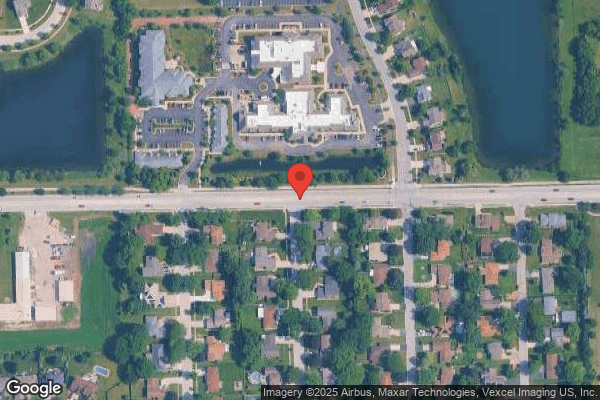

710 W BLACK ROAD, SHOREWOOD, IL 60404 (815) 230-8700
For profit - Corporation 100 Beds THE ALDEN NETWORK Data: November 2025
Trust Grade
85/100
#4 of 665 in IL
Last Inspection: November 2024

Within standard 12-15 month inspection cycle. Federal law requires annual inspections.

Overview

Alden Estates of Shorewood has a Trust Grade of B+, indicating it is above average and recommended for families considering a nursing home. It ranks #4 out of 665 facilities in Illinois, placing it in the top tier, and is the best option out of 16 in Will County. The facility is improving, with issues decreasing from 10 in 2023 to just 4 in 2024. However, staffing is a weakness, rated at 2 out of 5 stars, despite a low turnover rate of 0%, which means staff are consistent and familiar with residents. There were concerning incidents, such as a resident having unauthorized medications in their room and the facility failing to properly justify antibiotic prescriptions for residents, indicating potential gaps in medication management. Overall, while there are strengths in RN coverage and a lack of fines, families should be aware of the staffing issues and recent medication concerns.

Trust Score
B+
85/100
In Illinois
#4/665
Top 1%
Safety Record
Low Risk
No red flags
Inspections
Getting Better
10 → 4 violations
Staff Stability
○ Average
Turnover data not reported for this facility.
Penalties
✓ Good
No fines on record. Clean compliance history, better than most Illinois facilities.
Skilled Nurses
✓ Good
Each resident gets 81 minutes of Registered Nurse (RN) attention daily — more than 97% of Illinois nursing homes. RNs are the most trained staff who catch health problems before they become serious.
Violations
⚠ Watch
15 deficiencies on record. Higher than average. Multiple issues found across inspections.
★★★★★
5.0
Overall Rating
★★☆☆☆
2.0
Staff Levels
★★★☆☆
3.0
Care Quality
★★★★★
5.0
Inspection Score
Stable
2023: 10 issues
2024: 4 issues

The Good

  • Full Sprinkler Coverage · Fire safety systems throughout facility
  • No fines on record

Facility shows strength in fire safety.

The Bad

Chain: THE ALDEN NETWORK

Part of a multi-facility chain

Ask about local staffing decisions and management

The Ugly 15 deficiencies on record

Nov 2024 3 deficiencies
CONCERN (E)

Potential for Harm - no one hurt, but risky conditions existed

Deficiency F0761 (Tag F0761)

Could have caused harm · This affected multiple residents

**NOTE- TERMS IN BRACKETS HAVE BEEN EDITED TO PROTECT CONFIDENTIALITY** 5. On 11/19/24 at 10:31 AM during initial tour, R65's room was observed to have (Brand name eye drops) in a plastic bag and a me...

Read full inspector narrative →
**NOTE- TERMS IN BRACKETS HAVE BEEN EDITED TO PROTECT CONFIDENTIALITY** 5. On 11/19/24 at 10:31 AM during initial tour, R65's room was observed to have (Brand name eye drops) in a plastic bag and a medication cup with a white cream, which R65 said was cortisone cream. On 11/21/24 at 12:47 PM, R65 said the eye drops on her bedside table were not hers. R65 said she also used all the cream in the medication cup. V17 (Family Member) said she took the eye drops to the front desk and thought they may have belonged to the resident who was previously in R65's room. On 11/21/24 at 12:51 PM, V15 (Registered Nurse) said R65 was not allowed to have medications at the bedside, including the cortisone cream. V15 said she was not made aware of the resident having eye drops in her room, and there should be an order if the residents were allowed to keep medications at bedside. R65's face sheet showed she was admitted to the facility with diagnoses including hypertension, spinal stenosis, polyosteoarthritis, anxiety disorder, gout, cognitive communication deficit, and muscle weakness. R65's POS (Physician Order Sheet) did not have orders for cortisone cream or (Brand name eye drops). 3. R19 was admitted to the facility with diagnoses that includes displaced intertrochanteric fracture of left femur, chronic obstructive pulmonary disease, asthma, type 2 diabetes, hypertension, heart failure and poly-osteoarthritis. On 11/19/24 at 12:51 PM, a 2.5-ounce bottle of pain relief cream and 3.53-ounce jar of vaporizing ointment was on R19's over bed table. R19 stated she puts the vaporizing ointment in her nose. On 11/21/24 at 11:38 AM, V16 (LPN) assigned to R19 stated she did not have any residents that were assessed to keep medications at the bed side. On 11/21/24 at 1:49 PM, V2 (DON) stated there are no residents in the facility that can keep medications at the bed side. Staff should have seen R19's medications if they were sitting out. R19 does not have a physician's order for vaporizing ointment or pain relief cream. Review of R19's current physician's order does not include pain relieving cream or vaporizing ointment. 4. On 11/19/24 at 10:59 AM, R57 was on his bed sleeping and found a medication cup with seven pills in it. On 11/19/24 at 11:09 AM, V13 (LPN) stated that she shouldn't have left R57's 9:00 AM medications at his bedside and should have stayed with him until he took all his medications. A record review on the Medication Administration Record (MAR) for November 2024 documented that R57 received 7 medications at 9:00 AM on 11/19/24, including Gabapentin 300 milligrams (mg), Duloxetine 30 mg, Ferrous Sulfate 325 mg, Finasteride 5 mg, a Multivitamin tablet, Colace 100 mg, and Potassium Chloride 20 milli-equivalent. On 11/19/24 at 1:08 PM, V2 (DON) stated that none of their residents were assessed for self-administration of medications, and the nurse should have stayed with R57 to ensure R57 took all his medications. Based on observation, interview, and record review, the facility failed to obtain orders for resident medications and failed to have orders for medications at the bedside. The facility failed to make sure residents took all their medication in the presence of the nurse. The facility also failed to make sure that residents had their own personal medications instead of someone else's in their room. This applies to 5 of 5 residents (R10, R19, R57, R65, R127) reviewed for medications in a sample of 23. The findings include: 1. On 11/19/24 at 10:30 AM, during initial tour, R10 was sitting in her wheelchair in her room. On her bedside table, there was an Atrovent inhaler. R10 stated, This is my inhaler from home. It's usually kept in my purse. I don't know why it's here. The nurse gives me another one. On 11/20/24 at 2:35 PM, on R10's bedside table, the Atrovent inhaler continued to be there. R10 stated, Yeah, it's still here. It should be in my purse. I can't find my purse. R10's face sheet shows diagnoses of chronic obstructive pulmonary disease with (acute) exacerbation and acute respiratory failure with hypoxia. R10's POS (Physician Order Sheet) shows an order for Atrovent HFA Inhalation Aerosol Solution 17 MCG (Micrograms)/ACT-1 puff inhale orally one time a day related to chronic obstructive pulmonary disease with acute exacerbation. There is no order for R10 to use her inhaler from home or for it to be at the bedside. R10's MDS (Minimum Data Set) dated 10/25/24 shows a BIMS (Brief Interview for Mental Status) score of 13, which means she is cognitively intact. 2. On 11/20/24 at 10:36 AM, R127 was not in her room. On her bedside table, there was (Brand name eye drops). On the label, it shows her name, and it documents Carboxymethyl Cellulose Sodium 0.5 MG (Milligrams) Ophthalmic Solution. Put 2 drops in both eyes 4 times a day. On 11/20/24 at 2:43 PM, R127 was sleeping on her bed. On her bedside table, the Refresh Tears continued to be there. R127's face sheet shows a diagnosis of glaucoma. Review of 127's POS shows she has no orders for (Brand name eye drops). R127's MDS dated [DATE] shows a BIMS score of 15, which means she is cognitively intact. On 11/20/24 at 3:02 PM, V2 (Director of Nursing/DON) stated, I don't have any residents that have meds at the bedside. All meds should have an order and there should be an order for it to be at the bedside. On 11/21/24 at 11:58 AM, V12 (Licensed Practical Nurse/LPN) stated, If residents bring meds from home, we lock it up in the medication cart. If they want to use it, then we need to get an order or script from the doctor for them to use it and to be stored at the bedside. Facility's policy titled Self-Administration of Medications: 2. The IDT (Interdisciplinary Team) must also determine who will be responsible (the resident or nursing staff) for storage and documentation of the administration of drugs as well as the location of the drug administration. 3. When such is ordered, the following conditions will apply: a. The manner of storage will prevent access by other residents. 4. Storage of legend drugs at the bedside will meet the conditions of the above, and will additionally: a.) Be specifically ordered by the prescriber of the drugs.
CONCERN (E)

Potential for Harm - no one hurt, but risky conditions existed

Antibiotic Stewardship (Tag F0881)

Could have caused harm · This affected multiple residents

**NOTE- TERMS IN BRACKETS HAVE BEEN EDITED TO PROTECT CONFIDENTIALITY** Based on interview and record review, the facility failed to utilize an appropriate standardized tool/system to justify or warra...

Read full inspector narrative →
**NOTE- TERMS IN BRACKETS HAVE BEEN EDITED TO PROTECT CONFIDENTIALITY** Based on interview and record review, the facility failed to utilize an appropriate standardized tool/system to justify or warrant the necessity of an antibiotic at the time the antibiotic was ordered. This applies to 4 of 4 residents (R4, R43, R65, R66) reviewed for antibiotic stewardship in a sample of 23. The findings include: 1. R43's face sheet shows she was admitted to the facility on [DATE]. R43's POS (Physician Order Sheet) showed an order dated October 28, 2024, for Nitrofurantoin Monohyd Macro Oral capsule 100 MG (Milligram) Give 1 capsule by mouth two times a day for UTI (Urinary Tract Infection) for 5 days. R43's October 2024 MAR (Medication Administration Record) showed she received the antibiotic from October 28, 2024, through November 2, 2024. R43's Criteria for Infection Report Form-Urinary Tract Infections (UTIs) dated November 1, 2024, showed R43 did not meet criteria to be prescribed antibiotic. R43's labs dated October 28, 2024, showed urine culture results which came back showing 70,000 to 90,000 CFU/ml (Colony-Forming Unit/Milliliters) of E. coli (Escherichia Coli). On November 20, 2024, at 2:31 PM, V2 (Director of Nursing/Infection Preventionist) said R43's urinalysis was collected on October 26, 2024, because she had increasing confusion, which showed she had E. coli. V2 said R43 would not have gotten antibiotics because she only had increasing confusion, which was her baseline. 2. R65's face sheet showed she was admitted to the facility on [DATE]. R65's POS showed orders dated October 22, 2024. The first order was for Bactrim DS Oral Tablet 800-160 MG (Sulfamethoxazole-Trimethoprim) Give 1 tablet by mouth one time only related to urinary tract infection, site not specified for 1 day beginning October 22, 2024, and completed October 23, 2024. The second order was for Bactrim DS Oral Tablet 800-160 MG (Sulfamethoxazole-Trimethoprim) Give 1 tablet by mouth two times a day related to urinary tract infection, site not specified for 9 administrations beginning October 22, 2024, and completed October 27, 2024. R65's October 2024 MAR showed she received the antibiotic on October 22, 2024, through October 27, 2024. R65's Criteria for Infection Report Form-Urinary Tract Infections (UTIs) dated November 1, 2024, showed R65 did not meet criteria to be prescribed antibiotic. On November 20, 2024, at 2:02 PM, V2 said R65 did not present with any symptoms but was flagged for a UTI. 3. R66's face sheet showed she was admitted to the facility on [DATE]. R66's POS showed an order dated October 22, 2024, for Nitrofurantoin Monohyd Macro Oral capsule 100 MG (Milligram) Give 1 capsule by mouth two times a day for UTI (Urinary Tract Infection) for 5 days. R66's October 2024 MAR shows she received the medication from October 23, 2024, through October 27, 2024. R66's Criteria for Infection Report Form-Urinary Tract Infections (UTIs) dated November 1, 2024, showed R66 did not meet criteria to be prescribed antibiotic. R66's labs dated October 21, 2024, showed urine culture results which came back showing 70,000 to 90,000 CFU/ml (Colony-Forming Unit/Milliliters) of E. coli (Escherichia Coli). On November 20, 2024, at 2:26 PM, V2 said R66's symptoms were increasing confusion, and a UA (Urinalysis) was done on October 19, 2024. V2 said R66's UA showed she had E. Coli but did not think the doctor gave an order for an antibiotic because the only symptom she had was increased confusion which was her baseline. 4. R4's face sheet showed she was admitted to the facility on [DATE]. R4's POS shows an order dated September 26, 2024, for Cephalexin Oral capsule 500 MG Give 1 capsule by mouth one time a day related to urinary tract infection, site not specified for prophylaxis. R4's November 2024 MAR shows she received Cephalexin 500 MG with a start date of September 26, 2024, and was receiving it through November 22, 2024. The MAR also showed she received Ciprofloxacin HCl Tablet 250 MG Give 1 tablet by mouth every 12 hours for prophylactic treatment, [possible] UTI for 10 days, which was administered from November 11, 2024, through November 20, 2024. On November 20, 2024, at 3:28 PM, V2 said they completed the McGeer tool after the month was over. V2 said she had not done any of the McGeer tracking tool for any of the residents who were on antibiotics for November 2024. V2 said the McGeer tool was done for tracking the use of antibiotics. The facility's Infection Prevention and Control Manual Antibiotic Stewardship [and] MDROs (Multi Drug Resistant Organisms) policy dated April 2021 showed It is the policy of this facility to provide systematic efforts to optimize the use of antibiotics in order to maximize their benefits to residents, while minimizing both the rise of antibiotic resistance as well as adverse effects to patients from unnecessary antibiotic therapy. The facility will communicate resident assessment information and relation to constitutional criteria for infection (i.e. as outlined in Surveillance Definitions of Infections in Long-Term Care Facilities: Revisiting the McGeer Criteria) to the practitioner, including non-pharmacological interventions that can be accomplished in the facility based on resident assessment.
MINOR (C)

Minor Issue - procedural, no safety impact

Deficiency F0730 (Tag F0730)

Minor procedural issue · This affected most or all residents

Based on interview and record review, the facility failed to complete performance review evaluations for 5 of 5 CNAs (Certified Nursing Assistants). This applies to all 79 residents in the facility. T...

Read full inspector narrative →
Based on interview and record review, the facility failed to complete performance review evaluations for 5 of 5 CNAs (Certified Nursing Assistants). This applies to all 79 residents in the facility. The findings include: Facility's CMS (Centers for Medicare and Medicaid Services) Form 671 titled Long Term Care Facility Application for Medicare and Medicaid (11/19/24) shows the facility has a current census of 79. On 11/20/24 at 9:35 AM, V9 (Business Office Manager) stated, Corporate did rate changes for the CNAs and when that happens you are supposed to do a performance evaluation for the staff member. I was supposed to do the performance reviews, but I didn't do them. I'll be honest with you. I started here in April 2023. The supervisors are really supposed to do the performance evaluation, but I'm actually doing them because they are so busy. I'm trying to help them out. But I forgot to do them. On 11/20/24 at 9:42 AM, V2 (Director of Nursing) stated, I do performance evaluations for my nurses. (V9) is not supposed to do the performance evaluations for the CNAs. She's not their supervisor. Currently, our CNA supervisor is V10. She's supposed to do it for this year. But before it was V11 (CNA) supervisor. He quit in October 2024. He should have done them. On 11/20/24 at 9:45 AM, V9 and surveyor reviewed the personnel files for 5 CNAs that were currently working in the facility. The following were noted: 1.V4's (CNA) Employee Personnel Form shows a hire date of 11/16/2021. There were no annual performance reviews for 2022, 2023 and 2024. 2.V5's (CNA) Employee Personnel Form shows a hire date of 4/18/21. There were no annual performance reviews for 2022, 2023, and 2024. V9 did provide an annual performance review for 7/18/21. 3.V6's (CNA) Employee Personnel Form shows a hire date of 11/11/2014. There were no annual performance reviews for 2015, 2016, 2017, 2018, 2020, 2021, 2022, 2023, and 2024. V9 did provide an annual performance review for only 11/11/2019. 4.V7's (CNA) Employee Personnel Form shows a hire date of 12/20/22. There was no annual performance review for 2023. 5.V8's (CNA) Employee Personnel Form shows a hire date of 6/5/2017. There were no annual performance reviews from 2018 to 2024. Facility's policy titled Performance Evaluations (1/2009) shows Procedure: 1. The Personnel Director will utilize the monthly reports from the Payroll Department as they related to evaluations to determine the employees who are due to annual evaluation or for a probationary evaluation 3. The Personnel Director will maintain a list of all evaluation reports which have been sent to the employee's supervisor and require them to be returned by a predetermined date set by the Personnel Director. 4. If the evaluation report is done in tandem with a rate change, then the evaluation report must be returned to the Personnel Director before the evaluation report is discussed with the employee 8. Annual performance evaluations will be completed from the original date of employment or annually from a position change 11. Performance evaluations will be completed by the employee's department supervisor and reviewed by the Administrator. 15. Completed performance evaluations will be placed in the employee's personnel file.
May 2024 1 deficiency
CONCERN (D) 📢 Someone Reported This

A family member, employee, or ombudsman was alarmed enough to file a formal complaint

Potential for Harm - no one hurt, but risky conditions existed

Deficiency F0694 (Tag F0694)

Could have caused harm · This affected 1 resident

**NOTE- TERMS IN BRACKETS HAVE BEEN EDITED TO PROTECT CONFIDENTIALITY** Based on interview and record review the facility failed to change a resident's PICC (Peripherally inserted central) line transp...

Read full inspector narrative →
**NOTE- TERMS IN BRACKETS HAVE BEEN EDITED TO PROTECT CONFIDENTIALITY** Based on interview and record review the facility failed to change a resident's PICC (Peripherally inserted central) line transparent sterile dressing as ordered by the physician. This applies to 1 of 3 residents (R1) reviewed for PICC line care in the sample of 4. The findings include: R1 was admitted to the facility from the acute care hospital on April 25, 2024. R1 had multiple diagnoses including, mechanical complication of internal right knee prosthesis, infection, and inflammatory reaction due to internal right knee prosthesis, presence of right artificial knee joint and right knee arthritis due to other bacteria, based on the face sheet. R1's initial nursing assessment dated [DATE] showed that the resident was admitted to the facility with a PICC line. R1's IV (intravenous) administration site showed that the resident's PICC line was located on her right arm. R1's order recap report showed an order dated April 25, 2024 to change the PICC line transparent sterile dressing within 24 hours of admission every day shift for 1 day. This order had an end date of April 26, 2024. The order recap report showed an order dated April 26, 2024 to change the PICC line transparent sterile dressing within 24 hours of admission every night shift for 1 day. This order had an end date of April 27, 2024. The same order recap report showed an order dated May 2, 2024 to change the transparent sterile dressing weekly and as needed every Thursday during the night shift. R1's TAR (treatment administration record) dated April 25 showed no documentation that the PICC line transparent sterile dressing was changed on admission. The TAR dated April 26, 2024 with regards to PICC line transparent sterile dressing change within 24 hours of admission showed a 9 code with the initials of V3 (RN/Registered Nurse) in the initial box. The TAR chart code for 9 indicated other-see progress notes. The MAR (medication administration record) for the month of April 2024 showed no documentation that R1's PICC line transparent sterile dressing was changed on admission and/or as needed from April 25 through April 30, 2024. R1's progress notes dated April 27, 2024 at 6:33 AM created by V3 showed, IV PICC: Transparent sterile dressing change within 24 hours of admission every night shift for 1 Day, On order from pharmacy. Further review of R1's progress notes from April 25 through April 30, 2024 showed no documentation that the PICC line transparent sterile dressing was changed as ordered. R1's MAR for the month of May 2024 showed that the PICC line transparent sterile dressing was scheduled for the weekly change during the night shift on May 9, 2024. The MAR dated May 9, 2024 for the said scheduled weekly change showed a 9 code with the initials of V4 (RN) in the initial box. The MAR chart code for 9 indicated other-see progress notes. R1's May 2024 MAR and TAR showed no documentation that the resident's PICC line transparent sterile dressing was changed as ordered from May 9, 2024 through May 14, 2024 (day of discharge). R1's progress notes dated May 10, 2024 at 4:42 AM created by V4 showed, IV PICC: Transparent sterile dressing change weekly and PRN (as needed), every night shift every [Thursday], will change when receive. Further review of R1's progress notes from May 9, 2024 through May 14, 2024 showed no documentation that the PICC line transparent sterile dressing was changed as ordered. On May 29, 2024 at 9:50 AM, V2 (Director of Nursing) stated that she had reviewed R1's medical records including the physician's order, MAR, TAR, and progress notes. According to V2, based on her review, R1's PICC line transparent sterile dressing was not changed within 24 hours of admission as ordered. V2 further stated that R1's PICC line transparent sterile dressing was also not changed on May 9, 2024 for the scheduled weekly change and that there was no documentation to indicate that the PICC line dressing was changed between May 10 and May 14, 2024. V2 stated that if the PICC line dressing changes were not documented in R1's medical records, then the procedure was not performed as ordered by the physician. According to V2, she expects the nurses to follow the physician's orders with regards to PICC line dressing changes, because it is important to change the resident's PICC line dressing to assess and maintain the integrity of the insertion site and to prevent infection. On May 29, 2024 at 11:21 AM, V3 (RN/Registered Nurse) stated that on April 26 and April 27, 2024, she was not able to change R1's PICC line transparent dressing because there were no available supplies in the facility. According to V3, she had placed the order to the pharmacy to deliver the supplies to change R1's PICC line transparent sterile dressing. V3 added that she was not aware if the supplies were delivered, and she does not know who changed R1's PICC line dressing from April 26 through May 1, 2024. On May 29, 2024 at 2:15 PM, V4 (RN) stated that she did not change the transparent sterile dressing on R1's PICC line on May 9 and May 10, 2024, because there were no available supplies in the facility. According to V4, she ordered the supplies from the pharmacy and was waiting for delivery. V4 stated that she does not know who changed R1's PICC line transparent sterile dressing after she had ordered the supplies on May 10, 2024.
Dec 2023 5 deficiencies
CONCERN (D)

Potential for Harm - no one hurt, but risky conditions existed

Quality of Care (Tag F0684)

Could have caused harm · This affected 1 resident

Based on observation, interview, and record review, the facility failed to ensure that the resident's peri wound was cleaned prior to application of skin treatment. This applies to 1 of 5 residents (R...

Read full inspector narrative →
Based on observation, interview, and record review, the facility failed to ensure that the resident's peri wound was cleaned prior to application of skin treatment. This applies to 1 of 5 residents (R65) observed for skin conditions in the sample of 19. The findings include: The face sheet and physician order show that R65 is 94 years-old who has multiple medical diagnoses which include stage 3 pressure ulcer in the left and right buttocks and diaper dermatitis. In addition, there were multiple treatment creams (Lotrisone external cream, Nystatin-Triamcinolone external ointment, and Zinc Oxide Ointment 20 %) that was ordered for R65 due to skin condition. On December 5, 2023, at 10:22 AM, V6 (Wound Care Nurse) and V5 (Wound Care Technician) rendered wound care to R65's pressure ulcer. V6 cleansed the wound bed and the peri-wound with normal saline, then she applied treatment to the wound bed and covered it with dressing. When V6 completed the pressure ulcer treatment, V6 proceeded to apply combination of treatment creams (Lotrisone external cream, Nystatin-Triamcinolone external ointment, and Zinc Oxide Ointment 20 %) which were mixed together to R65's peri-wound. During the process of treatment application, R65 started urinating. The urine trickled down to R65's left lower buttock. V6 did not stop to clean the resident but instead V6 continued to apply the treatment creams. As a result the urine was getting mixed with the treatment creams and getting spread on the peri wound. V6 stated that R65 has a neurogenic bladder, and it was normal for her to urinate while being turned/reposition or while being provided care. On December 5, 2023, at 4:15 PM, V6 (Wound Care Nurse) stated that R65 has fungal rash in the sacrum, peri-wound, in the left and right buttocks and the groins. She has treatment creams such as Lotrisone, Nystatin, Triamcinolone, and Zinc which she mixes to apply to R65's affected area. On December 6, 2023, at 10:13 AM, V2 (Director of Nursing/DON) stated that when staff are providing wound or skin care and the resident had bladder or bowel incontinence, the staff should provide peri-care right away before they continue the skin or wound care. V2 also stated that staff are to ensure that skin is completely clean prior to applying treatment to prevent worsening of skin breakdown or skin problem. There was no specific care plan addressing R5's fungal rash condition.
CONCERN (D)

Potential for Harm - no one hurt, but risky conditions existed

Tube Feeding (Tag F0693)

Could have caused harm · This affected 1 resident

**NOTE- TERMS IN BRACKETS HAVE BEEN EDITED TO PROTECT CONFIDENTIALITY** Based on observation, interview and record review the facility failed to administer tube feeding as ordered by the physician. Th...

Read full inspector narrative →
**NOTE- TERMS IN BRACKETS HAVE BEEN EDITED TO PROTECT CONFIDENTIALITY** Based on observation, interview and record review the facility failed to administer tube feeding as ordered by the physician. This applies to 1 of 1 resident (R60) reviewed for tube feeding in the sample of 19. The findings include: R60 had multiple diagnoses including cerebral infarction due to unspecified occlusion or stenosis of left middle cerebral artery, hemiplegia and hemiparesis following cerebral infarction affecting right dominant side, dysarthria and aphasia following cerebral infarction and type 2 diabetes mellitus without complications, based on the face sheet. R60 was admitted to hospice care on June 28, 2023 with terminal prognosis of CVA (Cardiovascular accident). R60's quarterly MDS (minimum data set) October 11, 2023 showed that the resident was cognitively impaired. The same MDS showed that R60 uses feeding tube for nutrition. On December 4, 2023 at 10:32 AM, R60 was sleeping in bed with head of bed elevated. R60 had an ongoing gastrostomy tube feeding of Isosource 1.5 cal (calorie) running at 65 ml (milliliters)/hour as set by the feeding pump. The 1000 ml closed system of Isosource bag that was being used had a label indicating that it was started on December 4, 2023 at 10:00 AM to run at 65 ml/hour. On December 5, 2023 at 10:30 AM, R60 was in bed, awake but non-verbal. R60 had an ongoing gastrostomy tube feeding of Isosource 1.5 cal running at 65 ml/hour as set by the feeding pump. The 1000 ml closed system of Isosource bag that was being used had a label indicating that it was started on December 5, 2023 at 5:00 AM to run at 65 ml/hour. On top of R60's bedside table was an unused 1000 ml tube feeding bag of another Isosource 1.5 cal. R60's active order summary report showed an order dated August 12, 2023 for, NPO (Nothing By Mouth) diet. The same active order summary report showed an order dated August 13, 2023 to infuse 65 ml/hour of Diabetisource 1.2 cal tube feeding, every shift. On December 5, 2023 at 10:35 AM, V3 (Registered Nurse) was asked to check R60's tube feeding. V3 confirmed that the tube feeding that was being delivered to R60 at the time was Isosource 1.5 cal. V3 also confirmed that there was an unused Isosource 1.5 cal tube feeding bag on top of R60's bedside table. V3 was prompted to check R60's tube feeding order, and had confirmed that R60 should receive the ordered Diabetisource 1.2 cal at 65 ml/hour, instead of the Isosource 1.5 cal. According to V3, R60 should receive the Diabetisource 1.2 cal because the resident was diabetic. V3 further stated that she had reviewed R60's active orders and there was no order to change the tube feeding and/or may administer a different tube feeding aside from the ordered Diabetisource 1.2 cal. At 10:40 AM, V3 went inside the unit supply/storage room and 2 bags of Diabetisource 1.2 cal 1000 ml was available in the unit for use. R60's monthly enteral assessment dated [DATE] created by V4 (Registered Dietitian) showed in-part, NPO status. Currently receiving Diabetisource [at] 65 ml/hr (hour) x 24 hours with [water] flush 200 ml [every] 6 hours. Tolerating feeding well. Appears to be well hydrated and nourished. Enteral feeding will provide [R60] with 1872 kcals (kilocalories), 94 g (grams) protein, 1276 ml free water with a total of 2076 ml fluid daily. Enteral feeding will provide [R60] with 100% of energy and hydration needs. The same assessment showed in-part under recommendations, continue enteral feeding as ordered. R60's active care plan initiated on June 7, 2023 showed that the resident was on NPO and required tube feeding. The same care plan showed multiple interventions including administration of tube feeding per physician order. On December 6, 2023 at 10:12 AM, V4 stated that R60 was diabetic and based on her calorie computation, the resident was appropriate to receive Diabetisource 1.2 cal to maintain weight and blood sugar level. According to V4, since R60 was diabetic and on NPO, R60 should receive her ordered tube feeding to ensure proper nutrition and hydration. V4 added that R60, does not need a higher calorie feeding based on the resident's weight and calorie computation. On December 6, 2023 at 10:36 AM, V2 (Director of Nursing) confirmed that the nurses had administered wrong tube feeding to R60 as observed on December 4 and 5, 2023. V2 stated that the nurses' are expected to always follow the physician's orders for tube feeding. The facility's clinical practice guidelines regarding enteral nutritional feeding dated September 2020 showed in-part under procedure, 1. Verify M.D. (Medical Doctor) orders for feeding.
CONCERN (D)

Potential for Harm - no one hurt, but risky conditions existed

Deficiency F0697 (Tag F0697)

Could have caused harm · This affected 1 resident

**NOTE- TERMS IN BRACKETS HAVE BEEN EDITED TO PROTECT CONFIDENTIALITY** Based on interview and record review the facility failed to provide a resident with an opioid pain medication or muscle relaxant...

Read full inspector narrative →
**NOTE- TERMS IN BRACKETS HAVE BEEN EDITED TO PROTECT CONFIDENTIALITY** Based on interview and record review the facility failed to provide a resident with an opioid pain medication or muscle relaxant pain medication as prescribed by the physician. This applies to 1 of 4 residents (R69) reviewed for pain management in the sample of 19. The findings include: R69's EMR (Electronic Medical Record) showed R69 was admitted to the facility on [DATE], with multiple diagnoses including, lumbar spondylolisthesis (spinal displacement), lumbosacral spinal stenosis (narrowing of the spinal cord), and arthrodesis (joint fusion). R69's MDS (Minimum Data Set) dated November 3, 2023, showed R69 was cognitively intact. The MDS continued to show R69 had pain in the last five days. R69's pain care plan dated October 28, 2023, showed Alteration in comfort: spinal stenosis and spondylolisthesis status post lumbosacral fusion. The care plan continued to show multiple interventions dated October 28, 2023, including Administer pain strategies according to Medication Administration Record and Treatment Administration Record. On December 4, 2023, at 10:17 AM, R69 said she was admitted on [DATE], and did not receive pain medication until the morning of October 29, 2023. R69 continued to say she had a difficult time participating in therapy because of her pain. V18 (R69's Daughter) said she asked R69's nurse about R69's pain medication and was told the medication would not be delivered to the facility at 3:00 AM. V18 continued to say she asked R69's nurse if the facility has an extra supply of pain medication and was told by the nurse the facility did not have R69's pain medication available. On December 5, 2023, at 1:59 PM, R69 said she was taking pain medication regularly while she was in the hospital prior to being admitted to the facility because she had spinal surgery on Wednesday, October 25, 2023. R69 continued to say when she arrived to the facility on Saturday night, she asked for pain medication throughout the night and only received acetaminophen. R69 said the acetaminophen did not work as well as the other pain medications. R69 said prior to her back surgery, she was taking tramadol four times a day for pain relief. R69's Physical Therapy Evaluation and Plan of Treatment, dated October 29, 2023, at 12:56 PM, by V19 (Registered Physical Therapist) showed R69 said I know I could do more if the medicine works and if I am not in a lot of pain. On December 6, 2023, at 11:06 AM, V11 (Director of Pharmacy Operations) said if medications are ordered for a resident and requested for pharmacy delivery around 4:00 PM to 5:00 PM, then the medications will be delivered to the facility the following day between 2:00 AM and 3:00 AM. V11 continued to say the facility maintains a supply of pain medications in their automated medication dispenser which can be used prior to medication delivery. V11 said facility staff are also able to request a stat medication delivery. V11 said R69's tramadol and oxycodone-acetaminophen were delivered to the facility on October 29, 2023, at 2:00 AM. On December 6, 2023, at 9:47 AM, V9 (RN/Registered Nurse) said she was R69's nurse on October 28, 2023, when she was admitted . V9 continued to say if medications are ordered after 3:00 PM, then they will be delivered at 3:00 AM the following day. V9 continued to say if a resident was requesting pain medication before the delivery V9 would check the automated medication dispenser for the medication and if the medication was not in there then she would get an order for acetaminophen. V9 said she had never made a stat request for medication from the pharmacy. On December 6, 2023, at 1:29 PM, V2 (DON/Director of Nursing) said oxycodone-acetaminophen, tramadol, and tizanidine were in the automated medication dispenser. V2 continued to say R69 should have received the prescribed pain medications instead of the acetaminophen. The facility's undated Inventory List for [the facility], showed the facility had medication stock of oxycodone-acetaminophen, tramadol, and tizanidine. R69's October 2023 MAR (Medication Administration Record) showed R69 had medication orders dated October 28, 2023 for oxycodone-acetaminophen (opioid pain medication) 5/325 mg (milligram) oral tablet, give one to two tablets by mouth every six hours as needed for pain management; tramadol (opioid pain medication) 50 mg oral tablet, give one tablet every 12 hours as needed for pain management; and tizanidine (muscle relaxant) 2 mg oral tablet, give one tablet every six hours as needed for muscle weakness. R69's MAR continued to show R69 first received oxycodone-acetaminophen on October 29, 2023, at 5:57 AM, and first received tramadol on October 29, 2023, at 8:22 AM. R69's hospital documentation titled After Visit Summary, dated October 28, 2023, at 2:04 PM, showed R69 last received oxycodone-acetaminophen on October 28, 2023, at 11:58 AM, last received tramadol on October 25, 2023, at 8:09 PM, and last received tizanidine on October 28, 2023, at 4:52 AM. The documentation continued to show discharge instructions of take pain medication (oxycodone-acetaminophen) as needed for pain. R69's Pain Management Evaluation dated October 28, 2023, at 6:22 PM, showed R69 had undergone a painful procedure and had almost constant pain over the last five days. R69's Weights and Vitals Summary dated December 6, 2023, showed on October 28, 2023, at 6:01 PM, R69 complained of 6/10 (moderate) pain. The documentation continued to show R69 was not pain free until October 29, 2023, at 2:10 PM.
CONCERN (D)

Potential for Harm - no one hurt, but risky conditions existed

Infection Control (Tag F0880)

Could have caused harm · This affected 1 resident

**NOTE- TERMS IN BRACKETS HAVE BEEN EDITED TO PROTECT CONFIDENTIALITY** Based on observation, interview, and record review, the facility failed to follow their policy and don recommended personal prot...

Read full inspector narrative →
**NOTE- TERMS IN BRACKETS HAVE BEEN EDITED TO PROTECT CONFIDENTIALITY** Based on observation, interview, and record review, the facility failed to follow their policy and don recommended personal protective equipment (PPE) while performing wound care to a resident on Enhanced Barrier Precautions (EBP). The facility also failed to follow their policy by not removing soiled gloves after performing incontinence care, and not performing hand hygiene before touching the resident's clean environment. This applies to 3 of 19 residents (R47, R5, and R230) reviewed for infection prevention in the sample of 19. The findings include: 1. R47's face sheet documents a stage 4 sacral pressure ulcer with an onset date of 11/5/2022. R47's skin care plan documents he has an actual alteration in skin integrity related to sacral pressure ulcer. Intervention: Enhanced Barrier Precautions will be implemented during high contact resident care activities for chronic wounds including, but not limited to pressure ulcers. On December 5, 2023 at 9:34 AM with V5 (CNA) and V6 (Wound Care Coordinator) outside R47's room, there is bright orange EBP sign on R47's door that shows staff should wear a gown and gloves during wound care for any skin opening requiring a dressing. V6 and V5 did not put on a gown before providing wound care to R47. V5 removed R47's brief, and repositioned R47 onto his left side during the wound care. R47 had an open wound to his sacrum that was about the size of a quarter. V6's scrubs cames in contact with the resident's bed linens while performing his wound care. After the provision of wound care to R47, V6 stated that she and V5 should have worn a gown before providing wound care to R47 who is on enhanced barrier precautions. On December 6, 2023 at 08:52 AM, V2 (Infection Preventionist/DON) stated that she expects the staff to be 100% compliant with donning gown and gloves when performing wound care to residents on Enhance Barrier Precautions. V2 stated that using gown and gloves during wound care is necessary to protect the resident from getting an infection. The facility's EPB policy dated April 10, 2023 shows the following: In addition to standard precautions, enhanced barrier precautions, will be implemented during high-contact resident care activities when caring for residents with a novel or targeted Multidrug Resistant Organisms (MDRO), chronic wounds or indwelling medical devices. Wound Care: any chronic wound requiring a dressing: The intent of Enhanced Barrier Precautions is to focus on residents with a higher risk of acquiring an MDRO over a prolonged period of time. 3. R230's EMR (Electronic Medical Record) showed R230 was admitted to the facility on [DATE], with diagnoses that included fracture of superior rim of left pubis, subsequent encounter for fracture with routine healing, polyneuropathy, peripheral vascular disease, overactive bladder, and restless leg syndrome. R230's admission MDS (Minimum Data Set) dated December 1, 2023, showed R230 was cognitively intact. R230's functional abilities on admission showed she was dependent on staff for toileting, shower/bath, upper body dressing, lower body dressing, putting on and taking off footwear. R230 required set-up or clean -up assistance for oral care. R230 had been at the facility for less than two weeks at the time of this survey and assessments were still ongoing. R230's therapy care plan showed R230 had impaired ADLs (Activities of Daily Living) in the following areas: bathing, dressing, toileting, clothing management, and toileting hygiene. R230's nursing care plan showed R230 had an ADL functional performance deficit, activity intolerance, and decreased functional ability related to restless leg syndrome, overactive bladder, and polyarthritis. Interventions showed staff are to allow enough time form competition of ADL tasks, assist resident with oral care daily as needed, assist with ADL tasks as needed, and assist with personal hygiene as needed. On December 6, 2023, at 12:10 PM, (CNA/ Certified Nursing Assistant) and V13 (CNA) were getting R230 up out of bed and into her wheelchair but first provided incontinence care. V12 and V13 each opened one side of the incontinence brief. V12 used a wipe and wiped left groin, folded wipe and wiped right groin, folded the wipe and wiped down the middle. With the same gloves, V12 repositioned R230 onto her left side (facing away from her and towards V13). V12 then rolled up the wet brief and placed it under R230. V12 used a wipe to clean R230's anal area. While wearing the same gloves V12 started with, V12 picked up and placed a clean incontinence brief under R230 and then repositioned R230 onto her right side, now side facing V12. V13 pulled the clean brief through and positioned it under R230. V12 and V13 both while still wearing the same gloves repositioned R230 onto her back. V12 and V13 fastened the incontinence brief. V13 grabbed the lotion and applied lotion to R230's left leg. V13 removed her gloves and without performing hand hygiene, put on a new pair of gloves. V13, put lotion into her hand and rubbed lotion onto R230's right leg. On December 6, 2023, at 1:50 PM, V2 (DON/Director of Nursing) said when staff are providing incontinence care or perineal care, they are to remove the incontinence brief, clean all areas front to back, cleaning each area with a different rag or wipe, if they fold rag or wipe in half that is ok, but V2 said her expectation is that they fold it no more than two times. The area needs to be dried well so there is no moisture. When done cleaning the front area, the staff need to remove gloves, perform hand hygiene, and reapply new gloves before turning the resident onto their side to clean the back side. The back side will get cleaned from front to back. When staff are done cleaning the back side, they need to remove gloves, perform hand hygiene, and put on new gloves before touching the new incontinence brief and continuing with the rest of the resident's care. Facility provided policy dated June 4, 2020 and titled, Hand Washing and Hand Hygiene. This policy showed Purpose of hand hygiene is essential in preventing the spread of infectious organisms in healthcare settings. The Guidelines include 1. Hand hygiene must be performed after touching blood, body fluids, secretions, excretions, and contaminated items b) Before contact with a particularly susceptible resident (open wounds, etc.) .d) Before and after touching wounds of any kind. e) Before and after providing personal care for a resident. f) After removing gloves 2. On December 5, 2023, at 11:27 AM, V6 (Wound Nurse) and V5 (Wound Care Technician) rendered incontinence and wound care to R5 who was heavily saturated with urine and had a bowel movement. V6 cleaned R5's rectal and buttocks area while V5 cleaned the frontal perineum. After V5 completed the peri-care, she continued to assist with positioning R5 for wound care, straightened R5's clean gown, bed linen and pillow while wearing the same soiled gloves. On December 6, 2023, at 10:09 AM, V2 (Director of Director/DON) stated that staff must perform hand hygiene before and after providing care. They should also change gloves and perform hand hygiene in between task. This is done for infection prevention.
CONCERN (E)

Potential for Harm - no one hurt, but risky conditions existed

ADL Care (Tag F0677)

Could have caused harm · This affected multiple residents

**NOTE- TERMS IN BRACKETS HAVE BEEN EDITED TO PROTECT CONFIDENTIALITY** 4. R230's EMR (Electronic Medical Record) showed R230 was admitted to the facility on [DATE], with diagnoses that included fract...

Read full inspector narrative →
**NOTE- TERMS IN BRACKETS HAVE BEEN EDITED TO PROTECT CONFIDENTIALITY** 4. R230's EMR (Electronic Medical Record) showed R230 was admitted to the facility on [DATE], with diagnoses that included fracture of superior rim of left pubis, subsequent encounter for fracture with routine healing, polyneuropathy, peripheral vascular disease, overactive bladder, and restless leg syndrome. R230's admission MDS (Minimum Data Set) dated December 1, 2023, showed R230 was cognitively intact. R230's functional abilities on admission showed she was dependent on staff for toileting, shower/bath, upper body dressing, lower body dressing, putting on and taking off footwear. R230 required set-up or clean-up assistance for oral care. R230's therapy care plan showed R230 had impaired ADLs (Activities of Daily Living) in the following areas: bathing, dressing, toileting, clothing management, and toileting hygiene. R230's nursing care plan showed R230 had an ADL functional performance deficit, activity intolerance, and decreased functional ability related to restless leg syndrome, overactive bladder, and polyarthritis. Interventions showed staff are to allow enough time form competition of ADL tasks, assist resident with oral care daily as needed, assist with ADL tasks as needed, and assist with personal hygiene as needed. On December 5, 2023, at 10:17 AM, R230 was in bed in a hospital gown, her hair was stringy and matted to her head. R230 also had long hairs on her chin. R230 said she has not had a shower since she was admitted to this facility, no one has offered to give her a shower, to shave her, or cut her nails. R230 stated she thought because they have to use a mechanical lift to get her out of bed, she could not have a shower. R230 also stated one staff member placed a special shower cap with a special shampoo in it on R230's head and then left the room. R230 said she was not able to swish it around to clean her hair. R230 said she would really like to have a shower, have her hair washed, and have someone shave her chin hairs. On December 5, 2023, at 2:01 PM, R230 was in the occupational therapy room, her hair was stringy and matted to the back of her head. R230 continues to have long chin hairs that are approximately 1/4 inch on both sides of her chin. On December 6, 2023, at 8:31 AM, R230 said her shower days are on Sunday and Thursday but since they have to use a mechanical lift to get her out of bed, R230 thinks she cannot have a shower. R230 said, no one has asked her if she would like to be shaved or have her nails cut. R230 said she also has an overactive bladder and they know it but they wait until she calls them to come check her incontinence brief. R230 said when she puts on her call light, it takes them a long time to answer it. On December 6, 2023, at 12:10 PM, V12 (CNA/Certified Nursing Assistant) and V13 (CNA) were getting R230 up out of bed for the day and into her wheelchair. R230 was wearing a hospital gown. R230 was dressed and then transferred from her bed into her wheelchair using a mechanical lift. V13 brushed R230's hair. V15 (Family Member) was in the room, and she asked V12 about getting R230's hair washed. V12 said they have a shower cap they can use that has shampoo in it. R230 told V12 they have tried it and she did not like it. V12 was asked if there was a reason R230 could not take a shower. V12 said most residents who require the use of a mechanical lift for transfers usually don't take showers because they are bed ridden. V12 said they do have a shower chair and it is possible to use a mechanical lift to place a resident in the shower chair just like they place them into their wheelchair. V15 and R230 both said they had no idea a shower was even an option. On December 6, 2023, at 1:01 PM, V15 said when she came in today, R230 had a dried crusty substance around both eyes and V15 said she asked R230 if she had brushed her teeth. R230 told her no, she had not brushed her teeth. V15 said R230 said she hasn't brushed her teeth in days or washed her face saying no one offers to help her get cleaned up in the morning. V15 said she gave R230 a wash cloth and helped set her up to brush her teeth in bed. On December 6, 2023, at 1:06 PM, V12 said when it is not a resident's shower day, we still check and change them, get them out of bed, help brush their teeth, brush their hair, and nail care. V12 said they will also put lotion on the resident's arms and legs, wash face, hands, armpits, and put on deodorant. V12 said her shifts starts at 11:00 AM and she did not know if V13 had provided any care to R230. On December 6, 2023 at 1:43 PM, V13 said the care provided depends on what the resident can do for themselves. We will help them wash face and hands, brush teeth, brush hair, perineal care, wash armpits, put on deodorant, and wash face. V13 said R230 can brush her hair, wash her face, and brush her teeth herself. On December 6, 2023, at 1:50 PM, V2 (DON/Director of Nursing) said we will always see what the resident can do for themselves, and the staff will help the resident with what they cannot do for themselves. V2 said residents should be checked and changed every two hours and her expectation is that every day; not just shower days, the residents are cleaned up, dressed and out of bed. Morning care consists of incontinence care or taking the resident to the bathroom, personal hygiene including brushing teeth, brushing hair, washing face, hands, armpits, applying deodorant, if resident has dentures, cleaning and putting dentures in the resident's mouth, nail care, and shaving (both men and women). If a resident is diabetic, the staff are only allowed to file the fingernails and not cut them. V2 said diabetics are referred to podiatry to have their fingernails cut. Facility provided a policy dated March 10, 2022, and titled Dressing/Grooming. The policy showed Dressing/grooming refers to the activities provided to improve or maintain the resident's self-performance in dressing and undressing, bathing and washing, and performing other personal hygiene tasks. These activities are individualized to the resident's needs, planned, monitored, evaluated, and documented in the resident's medical record .c. Grooming: i. Maintaining personal hygiene; .iv. Combing hair; v. Washing face and hands; vi. Brushing teeth; vii. Shaving; viii. Applying deodorant; x. Trimming nails . Facility provided a policy dated September 2020, and titled Nails (Care Of). The policy showed All residents will have clean, well-trimmed nails. Procedure .5. Fingernails of diabetic residents are to be cut by the nurse . Based on observation, interview, and record review, the facility failed to provide timely hygiene and grooming care for residents who requires assistance for activities of daily living (ADL) care. This applies to 4 of 4 residents (R5, R11, R41, R230) reviewed for ADL care in the sample of 19. The findings include: 1. R11 is 88 years-old who has multiple medical diagnoses which include dementia, polyarthritis, and chronic pain. R11's Quarterly Minimum Data Set (MDS) dated [DATE], shows that R11 is alert and oriented and requires assistance with ADL care. On December 4, 2023, at 11:45 AM, R11 was sitting in her wheelchair, and neatly dressed. However, R11 displayed overgrown facial hair all over the chin. R11 stated that she wants to be shaven. On December 6, 2023, at 12:10 PM, R11 was eating in the dining room, she remained with overgrown facial hair. R11 still wanted to have her facial hair shaven. V16 (Wound Care Technician/Certified Nursing Assistant) stated that shaving is part of ADL care. 2. R5 is 73 years-old who has multiple medical diagnoses which include stage 4 pressure ulcer of the right buttock, multiple sclerosis, type 2 diabetes mellitus, diaper dermatitis, contracture of muscle right lower leg, incontinence without sensory awareness. R5's Annual MDS dated [DATE], shows that R5 is alert and oriented and totally dependent with toileting and personal hygiene. On December 5, 2023, at 11:27 AM, R5 was lying in bed, with indwelling urinary catheter. V5 (Wound Care Technician) and V6 (Wound Nurse) were about to render wound care to R5 when they turned R5 on the left side and it showed that R5 was heavily wet with urine. R5's incontinence brief was heavily saturated with dark brown urine which overflowed to her bed linen and to the mattress. The wound dressing was also wet with urine and there was a strong urine odor. The bed linen that was also wet with dark brown urine had thick line formation of brown ring stain at the edges of the wetness. Apparently, her urinary catheter leaked. R5 stated they (staff) checked her early that morning. On December 5, 2023, at 12:01 PM, V17 (Certified Nursing Assistant/CNA) and V5 (Wound Care Technician) rendered sponge bath to R5. V17 stated that the last time they checked and changed R5's brief was around 7:00 AM. On 12/06/23 at 10:11 AM, V2 (Director of Director/DON) stated that staff should check and change residents for incontinence every 2 hours and as needed. The staff can't let a resident sit in urine and feces for a long period of time. This is for the prevention of skin breakdown, to provide hygiene, and dignity. R5' care plan, which was initiated on October 29, 2022, and had a target goal of March 1, 2024, shows that R5 has an actual alteration in skin integrity related to pressure injury to her right buttock. The same care plan shows multiple interventions which include to keep R5's skin clean and dry, and peri-care after incontinent episodes. 3. R41 had multiple diagnoses including senile degeneration of brain and dementia without behavioral disturbances, based on the face sheet. R41's quarterly MDS (minimum data set) dated August 29, 2023 showed that the resident was cognitively intact. The same MDS showed that R41 required extensive assistance from the staff with regards to personal hygiene. On December 4, 2023 at 9:53 AM, R41 was sitting in her wheelchair in front of the unit nursing station. R41 was alert and verbally responsive. R41's fingernails were long, jagged and with black/brown substances underneath several of her fingernails. R41 stated, My nails are too long, but I do not have the energy to cut them. R41 requested to have her nails trimmed and cleaned. V8 (Licensed Practical Nurse) was at the nursing station during this observation and interview. R41's active care plan initiated on October 27, 2020 showed that the resident had ADL (activities of daily living) self-care performance deficit. The same care plan showed multiple interventions including, Assist with personal hygiene as needed and Provide needed level of assistance and support to complete activities of daily living.
Feb 2023 1 deficiency
CONCERN (D) 📢 Someone Reported This

A family member, employee, or ombudsman was alarmed enough to file a formal complaint

Potential for Harm - no one hurt, but risky conditions existed

Pressure Ulcer Prevention (Tag F0686)

Could have caused harm · This affected 1 resident

Based on observation, interview and record review the facility failed to obtain treatment orders and implement interventions for the healing of a pressure injury. This applies to 1 of 3 resident (R2) ...

Read full inspector narrative →
Based on observation, interview and record review the facility failed to obtain treatment orders and implement interventions for the healing of a pressure injury. This applies to 1 of 3 resident (R2) reviewed for pressure injuries in a sample of 6. Findings include: V9's (Wound Physician) Physician Note dated 1/19/2023 documents R2 with a stage 4 pressure injury to his sacrum, identified on 10/13/2022, measuring 8 X 7 X 2.4 centimeters. On 2/2/2023 at 11:22 AM, R2 was in a bed on a regular mattress. V8 (Nurse) removed the dressing to R2's sacral area which revealed a stage 4 pressure injury. R2's Order Summary Report dated 1/1-1/31/2023 documents R2 admitted to hospice on 1/23/2023 and at that time, all of V9's previous medicated treatment orders for the sacral pressure injury were discontinued. A new order dated 1/23/2023 documents to cleanse the sacral pressure injury and cover with a foam dressing. R2's Order Summary Report dated 2/1-2/28/2023 documents R2 with an order dated 2/3/2023 to cleanse the sacral ulcer, pack with Iodoform, apply Maxorb and cover with a foam dressing every day. These Order Summaries document no medication treatment orders between 1/23-2/2/2023 to treat and promote the healing of R2's sacral pressure injury. R2's Nurse's Note dated 1/24/2023 documents hospice provided a new frame and mattress. 2/2/2023 at 2:10 PM V2 (Director of Nursing) stated R2 had treatment orders and a bed with a low air loss mattress (LALM) until he was admitted to hospice (1/23/2023). V2 stated for some reason hospice did not provide orders for the treatment of R2's pressure injury. V2 also stated hospice brought a new bed and it was supposed to be a bed with a LALM. V2 confirmed R2 should have a LALM due to his stage 4 pressure injury and treatment orders. V2 stated R2's hospice company is not one of the companies the facility generally works with and she is not sure what happened. R2's 10/16/2023 Care Plan for Pressure Injury documents R2 with interventions which include use of a specialized low air loss mattress.
Jan 2023 4 deficiencies
CONCERN (D)

Potential for Harm - no one hurt, but risky conditions existed

Incontinence Care (Tag F0690)

Could have caused harm · This affected 1 resident

**NOTE- TERMS IN BRACKETS HAVE BEEN EDITED TO PROTECT CONFIDENTIALITY** 3. The EMR (Electronic Medical Record) showed R26 was admitted to the facility on [DATE], with multiple diagnoses including urin...

Read full inspector narrative →
**NOTE- TERMS IN BRACKETS HAVE BEEN EDITED TO PROTECT CONFIDENTIALITY** 3. The EMR (Electronic Medical Record) showed R26 was admitted to the facility on [DATE], with multiple diagnoses including urinary tract infections, retention of urine, and dementia. The MDS dated [DATE], showed R26 was cognitively intact and was totally dependent on facility staff for transfers between surfaces. The MDS continued to show R26 had an indwelling urinary catheter. On January 25, 2023, at 10:32 AM, R26 was lying in bed. V6 (CNA/Certified Nursing Assistant) took R26's indwelling urinary catheter collection bag from the side of R26's bed and placed the collection bag on R26's lower abdomen. Yellow urine was back flowing in the drainage tubing towards R26. R26's indwelling urinary catheter collection bag was on R26's lower abdomen while V6 and V13 (CNA) transferred R26 from the bed to the recliner using a total body mechanical lift. A R26 sat in the recliner, V6 removed R26's indwelling urinary catheter collection bag from R26's abdomen, and had R26's urine collection bag above the level of R26's bladder as V6 made R26 comfortable in the chair. On January 25, 2023, at 2:30 PM, V2 (DON/Director of Nursing) said indwelling urinary catheter collection bags should be kept below the level of the bladder during resident transfers. Based on observation, interview and record review the facility failed to provide incontinence care and catheter care in a manner that would prevent infection and maintain hygiene. This applies to 3 of 6 residents (R26, 42 and R113) reviewed for incontinence care and urinary catheter care in the sample of 18. The findings include: 1. R113 was admitted to the facility on [DATE]. R113 had multiple diagnoses which includes, cerebral infarction due to unspecified occlusion or stenosis of the right middle cerebral artery, hemiplegia and hemiparesis following cerebral infarction affecting the left non-dominant side, generalized muscle weakness and retention of urine, based on the face sheet. R113's admission MDS (minimum data set) dated January 10, 2023 showed that the resident is cognitively intact. The MDS showed that R113 required extensive assistance from the staff with most of his ADL (activities of daily living) including bed mobility, dressing, toilet use and personal hygiene. The same MDS showed that R113 had indwelling urinary catheter. On January 24, 2023 at 2:25 PM, R113 was in bed, alert, oriented and verbally responsive. R113 had a urinary catheter in place. V5 (Treatment Nurse) with the assistance of V6 (CNA/Certified Nursing Assistant) was about to provide treatment on R113's pressure injuries. V5 and V6 turned R113 on his right side. R113 had a small amount of stool. With gloved hands, V5 cleaned R113's anal and bilateral buttock areas and then proceeded to provide pressure injury treatment. V6 then applied a new disposable brief to R113 and then both V5 and V6 fastened the resident's disposable brief. R113's front perineal area, including the urinary catheter insertion site and urinary catheter tubing were not cleaned. To reposition R113 in bed, V6 unhooked the resident's privacy bag (containing the urinary catheter draining bag and part of the catheter tubing) from the bed frame and placed it on top of R113's bed. While V5 and V6 were attempting to turn and reposition R113, the urine that was inside the catheter tubing was visibly noted flowing back towards the urinary catheter insertion site and then back towards the urinary drainage bag. V6 was informed of this observation and was prompted to hang back the privacy bag containing the urinary catheter bag on the bed frame. R113's active order summary report showed an order dated January 4, 2023 for Indwelling urinary catheter care daily and PRN (as needed). R113's care plan initiated on January 10, 2023 regarding indwelling urinary catheter showed multiple interventions including, Position collection bag below the level of the bladder and Catheter care per orders. 2. R42 has multiple diagnoses which includes, acute and chronic respiratory failure with hypoxia, generalized muscle weakness, stage 3 chronic kidney disease, infection, and inflammatory reaction due to indwelling urethral catheter and history of urinary tract infection, based on the face sheet. R42's admission MDS dated [DATE] showed that the resident is cognitively intact. The same MDS showed that R42 required extensive assistance from the staff with most of her ADL including, bed mobility, dressing, toilet use and personal hygiene. On January 24, 2023 at 1:14 PM, R42 was in bed, alert, oriented and verbally responsive. R42 had an indwelling urinary catheter in place. V5 (Treatment Nurse) with the assistance of V6 (CNA/Certified Nursing Assistant) was providing treatment to R42's upper back area. V5 and V6 turned R42 on her left side. R42 had a small amount of stool. With gloved hands, V6 cleaned R42's anal and bilateral buttock areas and then proceeded to provide pressure injury treatment to the resident's sacrococcygeal and buttocks. When the treatment was completed, V5 and V6 applied a new disposable brief to R42 and then fastened the resident's disposable brief. R42's front perineal area, including the urinary catheter insertion site and urinary catheter tubing were not cleaned. R42's active order summary report dated January 19, 2023 showed an order for, Indwelling urinary catheter care daily and PRN (as needed). Further review of R42's active order summary report showed an order dated January 20, 2023 for, Cephalexin oral capsule 500 mg. Give 1 capsule by mouth three times a day related to urinary tract infection, for 14 administrations. R42's urinalysis collected on January 14, 2023 showed that Proteus Mirabilis organisms were identified. R42's active care plan initiated on December 6, 2023 regarding indwelling urinary catheter showed multiple interventions which includes, Provide catheter care and Catheter care per order. On January 25, 2023 at 8:20 AM, V2 (Director of Nursing) stated that when staff are providing bowel incontinence care to a resident, full perineal care should be provided to include, both the resident's front and back private areas as well as providing catheter care by cleaning the urinary catheter insertion site and the (outside) catheter tubing to ensure cleanliness, maintain hygiene and to prevent potential infection. When placing the drainage bag and the catheter tubing, the staff must ensure that it is positioned below the bladder to prevent back flow of urine. According to V2, the staff should have not placed the drainage bag and tubing on the bed to prevent potential back flow. V2 added that the staff should make sure to observe while doing care, that the urine from the catheter tubing will not flow back towards the catheter insertion site, to prevent potential infection. Review of the facility's catheter care policy and procedure dated September 2020 showed in-part, Daily and PRN (as needed) catheter care will be done to promote comfort and cleanliness.
CONCERN (D)

Potential for Harm - no one hurt, but risky conditions existed

Medication Errors (Tag F0758)

Could have caused harm · This affected 1 resident

**NOTE- TERMS IN BRACKETS HAVE BEEN EDITED TO PROTECT CONFIDENTIALITY** Based on observation, interview, and record review, the facility failed to follow their policy for tracking behaviors for reside...

Read full inspector narrative →
**NOTE- TERMS IN BRACKETS HAVE BEEN EDITED TO PROTECT CONFIDENTIALITY** Based on observation, interview, and record review, the facility failed to follow their policy for tracking behaviors for residents receiving psychotropic medications. This applies to 2 of 5 residents (R44 and R27) reviewed for unnecessary medications in a sample of 18. The findings include: 1. On January 23, 2023, at 1:00 PM, R44 was lying in bed, sleeping. On January 24, 2023, at 1:50 PM, R44 was lying in bed, sleeping. On January 25, 2023, at 9:35 AM, R44 was lying in bed, sleeping. The EMR (Electronic Medical Record) showed R44 was admitted to the facility on [DATE], with multiple diagnoses including chronic obstructive pulmonary disease, anxiety, and depression. The EMR continued to show the following targeted behaviors for R44: low moods, sadness, and anxiousness. R44's Order Summary Report dated January 25, 2023, showed the following orders initiated on January 6, 2023, for R44: Alprazolam tablet (antianxiety medication) disintegrating 0.25 mg (milligram), give one tablet by mouth at bedtime related to anxiety disorder, Duloxetine capsule (antidepressant medication) delayed release particles 30 mg, give one capsule by mouth one time a day related to depression. R44's MDS dated [DATE], showed R44 had moderate cognitive impairment. On January 25, 2023, at 2:15 PM, V2 (DON/Director of Nursing) said the CNAs (Certified Nursing Assistants) are responsible for charting whether a resident is exhibiting behaviors or note. V2 continued to say the CNAs should be documenting this every shift. The facility does not have documentation to show R44's behavior tracking was completed while R44 was receiving psychotropic medications. 2. The EMR showed R27 was admitted to the facility on [DATE], with multiple diagnoses including Parkinson's disease, depression, and mild intellectual disabilities. The EMR continued to show the following targeted behaviors for R27: low moods and sadness. R27's Order Summary Report dated January 25, 2023, showed the following order initiated on September 28, 2022, fluoxetine capsule (antidepressant medication) 20 mg, give two capsule by mouth one time a day related to depression. R27's MD dated January 4, 2023, showed R44 had moderate cognitive impairment. The facility does not have documentation to show R27's behavior tracking was completed for the last 30 days. The facility policy titled, PSYCHOTROPIC MEDICATIONS - USE OF, dated 09/2020 showed, PURPOSE: To establish a standardized system to inform residents and/or their responsible parties about psychotropic medications and their side effects . DOCUMENTATION: Prior to the administration of an antipsychotic medication, the following must be documented . 4. Residents who display target behaviors or who take psychotherapeutic medications will have their behaviors quantitatively and objectively documented on the behavior tracking form .
CONCERN (D)

Potential for Harm - no one hurt, but risky conditions existed

Unnecessary Medications (Tag F0759)

Could have caused harm · This affected 1 resident

Based on observation, interview and record review, the facility failed to administer medications as ordered by the physician. There were 25 opportunities with 5 timing errors, resulting in 20% medicat...

Read full inspector narrative →
Based on observation, interview and record review, the facility failed to administer medications as ordered by the physician. There were 25 opportunities with 5 timing errors, resulting in 20% medication error rate. This applies to 3 of 10 residents (R42, R114 and R116) observed during the medication pass in the sample of 18. The findings include: On January 23, 2023 at 4:40 PM, State agency representative asked V4 (Nurse) who was seated inside the second floor nursing station, if she will be doing the afternoon medication pass. V4 responded that V3 (Nurse/Assistant Director of Nursing) will be doing the medication pass. During this conversation V3 was walking pass the nursing station. V3 stated, I thought I am just supposed to give the 2:00 PM medications. V4 responded, You now have the keys to the medication cart. During this point, V3 went to the team 1 medication cart and started preparing medications to the residents. 1. On January 23, 2023 at 5:22 PM, V3 stated that she will prepare and administer the 2:00 PM scheduled medications for R42. V3 prepared and administered the following medications to R42: 1 tablet of Hydralazine 100 mg (milligram) , 1 tablet of Cephalexin 500 mg and injected 1 ml (milliliter) of Heparin 50,000 units/ml. R42 has multiple diagnoses which includes, chronic diastolic (congestive) heart failure, hypertensive and chronic kidney disease with heart failure and stage 1 through stage 4 chronic kidney disease, urinary tract infection and long term (current) use of anticoagulants, based on the face sheet. R42's active order summary report showed orders dated January 20, 2023 for Hydralazine HCl (hydrochloride) 50 mg. Give 2 tablets by mouth three times a day related to hypertensive heart and chronic kidney disease with heart failure and stage 1 through stage 4 chronic kidney disease or unspecified chronic kidney disease, 100 mg total, Cephalexin 500 mg. Give 1 capsule by mouth three times a day related to urinary tract infection for 14 administrations and Heparin Sodium injection solution 5000 unit/ml. Inject 1 applicator subcutaneously every 8 hours for DVT (deep vein thrombosis) Prophylaxis. R42's January 2023 MAR (medication administration record) for Hydralazine HCl 50 mg showed that this medication was scheduled to be given three times a day, every 6:00 AM, 2:00 PM and 9:00 PM. R42's January 2023 MAR for Cephalexin 500 mg showed that this medication was scheduled to be given three times a day, every 6:00 AM, 2:00 PM and 9:00 PM. R42's January 2023 MAR for Heparin Sodium injection showed that this medication was scheduled to be given every 8 hours at 6:00 AM, 2:00 PM and 10:00 PM. On January 25, 2023 at 11:36 AM, V11 (Physician) stated that he expects the facility to administer any residents medications as ordered and as scheduled. 2. On January 23, 2023 at 5:40 PM, V3 stated that she will prepare and administer the 2:00 PM scheduled IV (intravenous) medication for R116. V3 prepared and administered the Meropenem & Sodium Chloride 500 mg, at 100 ml/hr (milliliter/hour) rate over 30 minutes to R116. R116 has multiple diagnoses which includes, urinary tract infection and ESBL (Extended Spectrum Beta Lactamase) resistance, based on the face sheet. R116's active order summary report showed an order dated January 18, 2023 for Meropenem-Sodium Chloride Intravenous Solution Reconstituted 500 mg/50 ml. Use 500 mg intravenously every 8 hours for ABT/ESBL (antibiotic/Extended Spectrum Beta-Lactamase) in urine for 14 Days. R116's MAR for Meropenem-Sodium Chloride 500 mg, showed that this medication was scheduled to be given every 8 hours at 6:00 AM, 2:00 PM and 10:00 PM. On January 25, 2023 at 2:57 PM, V12 (Physician) stated that the physician's orders should be followed, including the timing of the intravenous medications. 3. On January 23, 2023 at 5:46 PM, V3 stated that she will prepare and administer the 3:00 PM medication for R114. V3 prepared and administered, 1 tablet of Methocarbamol 500 mg to R114. R114 has multiple diagnoses which includes, fracture of the upper end of the right humerus, displaced supracondylar fracture with intracondylar extension of the lower end of the left femur and Parkinson's disease, based on the face sheet. R114's active order summary report showed an order dated January 4, 2023 for, Methocarbamol 500 mg. Give 1 tablet by mouth three times a day for pain management. R114's MAR for Methocarbamol 500 mg, showed that this medication was scheduled to be given three times a day, every 9:00 AM, 3:00 PM and 9:00 PM. On January 25, 2023 at 11:36 AM, V11 (Physician) stated that he expects the facility to administer any residents medications as ordered and as scheduled. Review of the facility's medication administration policy and procedure dated September 2020 showed, Policy: Medications will be administered in accordance with the established policies and procedures. Under the procedure, it showed in-part, 1. Drugs must be administered in accordance with the written orders of the attending physician.
CONCERN (D)

Potential for Harm - no one hurt, but risky conditions existed

Deficiency F0808 (Tag F0808)

Could have caused harm · This affected 1 resident

**NOTE- TERMS IN BRACKETS HAVE BEEN EDITED TO PROTECT CONFIDENTIALITY** Based on observations, interview and record review, the facility failed to provide nutrition supplements and nectar thick liquid...

Read full inspector narrative →
**NOTE- TERMS IN BRACKETS HAVE BEEN EDITED TO PROTECT CONFIDENTIALITY** Based on observations, interview and record review, the facility failed to provide nutrition supplements and nectar thick liquid as ordered by the Physician. This applies to 3 of 3 residents (R8, R12, R45) reviewed for dining in the sample of 18. The findings include: 1.R12's face sheet included diagnoses of unspecified kyphosis, other lack of coordination, dysphagia, oropharyngeal phase, difficulty in walking, not elsewhere classified personal history of other malignant neoplasm of large intestine. R12's 5 day admission MDS (minimum data set) dated 12/28/2022 showed that R12 was cognitively intact. On 01/23/23 12:15 PM, R12 was seen eating in room and appeared thin. R12 was served a room tray by V8 (Dietary Hostess). R12 received mechanical soft diet consisting of tuna salad sandwich, cup of tomato juice, pasta salad and fruit punch. V8 stated that she has finished serving R12 her meal. Diet list titled Diet Type Report available in the dining room showed that R12's diet included mighty shake at breakfast lunch and dinner. When asked if she normally receives a health shake, R12 replied Sometimes they give me one, but they haven't in the last couple days. R12 stated that she would like a mighty shake with her lunch, and this was relayed to V8. R12's diet order on POS (Physician Order Sheet) showed mighty shake at breakfast, lunch and dinner. Start date 12/21/2022 at 14:31 (status: active). 2.R8's face sheet includes diagnoses of hemiplegia and hemiparesis following other nontraumatic intracranial hemorrhage affecting right dominant side, dementia in other diseases classified elsewhere, moderate, with agitation, other lack of coordination, other abnormalities of gait and mobility, epilepsy, unspecified, not intractable, without status epilepticus. R8's 5 day MDS (minimum data set) dated 11/05/22 showed that R8 was cognitively intact. On 01/23/23 at 12:26 PM, R8 was seen eating in the dining room assisted by staff. R8 received 1 cup soup, 1/2 a sandwich and 2 servings of mixed fruit. Facility Diet Type Report showed that R8's diet included mighty shake with lunch and dinner. On 1/23/23 at 12:49 PM, R8 visited in room and R8 stated that she is blind and that the staff assist her at meals. R8 stated that she did not get a health shake at lunch. R8 remarked I was wondering why I did not get that. This information was relayed to V9 (Dietary Hostess). R8's diet order on POS showed Mighty Shake, No Sugar Added two times a day. Start date 1/18/2023 at 12:00 (status: active). 3. R45's face sheet included diagnoses of hemiplegia and hemiparesis following cerebral infarction affecting left non-dominant side, dysphagia following cerebral infarction, aphasia following cerebral infarction, dysphagia following unspecified cerebrovascular disease, dysarthria following cerebral infarction. R45's Quarterly MDS dated [DATE] showed that R45 was intact in cognition. On 01/24/23 at 12:53 PM, R45 was seated in dining room feeding self. R45 was seen eating barbecue beef on bun with a plastic fork and also received apple sauce. R45 was also noted to receive a liquid in a red colored glass. The liquid appeared clear on the top half and slightly dense at the bottom of the cup. R45's diet order on facility Diet Type Report showed magic cup for lunch and dinner and nectar fluid consistency. This information was relayed to V7 (Dietitian) who was in the vicinity. When V7 asked R45 whether he wants ice cream/magic cup, R45 nodded yes. V9, who was also in the area stated that she was not aware that R45's diet list showed magic cup. When V9 was asked if the liquid was nectar thick, she stated that she added 1 and a half tablespoons of thickener to cranberry juice in the glass and that she should have added 2 tablespoons. R45's diet order on POS included Regular texture, nectar consistency, magic cup for lunch and dinner. Start date 10/26/2022 at 17:20 (status active). Instructions for thickener mixing chart on the container with thickener showed to use 2 tablespoons + 2 teaspoons for 8 fluid ounces for nectar thick liquids. The glass that cranberry juice was served in was verified by V10 (Corporate Chef) to be a 10-ounce glass with 8 ounces of fluid. On 01/25/23 at 11:27 AM, V7 (Dietitian) stated that the residents should receive the nutrition supplements as ordered as they are recommended to provide extra protein and calories to meet supplemental needs. V7 stated that magic cup is a thickened ice cream and that nectar thick liquids is recommended by Speech Language Pathologist for residents with swallowing problems.
Nov 2022 1 deficiency
CONCERN (D) 📢 Someone Reported This

A family member, employee, or ombudsman was alarmed enough to file a formal complaint

Potential for Harm - no one hurt, but risky conditions existed

Free from Abuse/Neglect (Tag F0600)

Could have caused harm · This affected 1 resident

**NOTE- TERMS IN BRACKETS HAVE BEEN EDITED TO PROTECT CONFIDENTIALITY** Based on interview and record review the facility failed to ensure a resident was free from verbal abuse by facility staff. Thi...

Read full inspector narrative →
**NOTE- TERMS IN BRACKETS HAVE BEEN EDITED TO PROTECT CONFIDENTIALITY** Based on interview and record review the facility failed to ensure a resident was free from verbal abuse by facility staff. This applies to 1 of 8 residents (R4) reviewed for abuse in the sample of 8. The findings include: R4 was admitted to the facility on [DATE], according to her face sheet. R4's diagnoses included hypothyroidism, recurrent depressive disorder, anxiety disorder, hypertension, ASHD, peripheral vascular disease, muscle weakness, COPD, and difficulty walking according to her POS. R4's most recent MDS (July 9, 2022) showed R4 was cognitively intact and required extensive assistance of one staff with activities of daily living (ADLs), supervision for meals, and was frequently incontinent of bowel and bladder. R4's progress notes dated October 26, 2022, at 7:58 PM documents Primary Chief Complaint: Allegation of Abuse. The facility's final report dated November 2, 2022, shows on October 26, 2022, V1 (Administrator) was notified that R4 reported feeling unsafe while receiving care from a CNA (Certified Nursing Assistant). The final report also shows R4 stated she was in her bathroom preparing for V17 (CNA) to arrive to assist her (R4) during her shower. R4 turned the water on and when V17 arrived to R4's bathroom, V17 asked R4 why the f--- did you turn the water on? The final report further documents . Other patients were interviewed. Patient's reports include this CNA [V17] using profanities towards them when speaking, stating she [V17] will not change or clean them if they didn't stop complaining, and yelling at them . The CNA [V17] is no longer with our facility . The facility's abuse investigation included an interview from R8. R8 stated she [V17] told me if you don't stop, I am not going to change and clean you up. She [V17] is very negative, mean and has an attitude. I don't want her again as my CNA. She [V17] yells at me, tells me to do things that I can't do. She [V17] tells me that I can get up by myself, but I can't. The facility's abuse investigation also included interviews from V10 (CNA) and V8 (CNA). V10 stated She [V17] is very mouthy w/residents [with residents]. V8 stated not empathetic whatsoever. She [V17] talks at residents instead of to them . On November 3, 2022, at 2:20 PM, the above-mentioned facility's final abuse investigation documents were reviewed with V1 and V2 (Director of Nursing, DON). V1 stated R4 reported to the staff on the evening of October 26, 2022, that she (R4) did not feel safe while receiving care from a CNA. V1 stated that V17 was determined to be the CNA in question and was placed on administrative leave at that time pending an investigation, and that V17 is no longer employed with the facility. V1 stated additional resident and staff interviews corroborated R4's allegation. V1 stated she did feel like there was verbal abuse towards R4. The facility's Abuse policy dated September 2020, shows This facility affirms the right of our residents to be free from abuse . This facility is committed to protecting our residents from abuse by anyone including, but not limited to, facility staff . The facility's Abuse policy defines verbal abuse as . the use of oral, written or gestured language that willfully includes disparaging and derogatory terms to residents or families, or within their hearing distance, regardless of their age, ability to comprehend or disability.
Understanding Severity Codes (click to expand)
Life-Threatening (Immediate Jeopardy)
J - Isolated K - Pattern L - Widespread
Actual Harm
G - Isolated H - Pattern I - Widespread
Potential for Harm
D - Isolated E - Pattern F - Widespread
No Harm (Minor)
A - Isolated B - Pattern C - Widespread

Questions to Ask on Your Visit

  • "Can I speak with families of current residents?"
  • "What's your RN coverage like on weekends and overnight?"

Our Honest Assessment

Strengths
  • • Grade B+ (85/100). Above average facility, better than most options in Illinois.
  • • No major safety red flags. No abuse findings, life-threatening violations, or SFF status.
  • • No fines on record. Clean compliance history, better than most Illinois facilities.
Concerns
  • • 15 deficiencies on record. Higher than average. Multiple issues found across inspections.
Bottom line: Generally positive indicators. Standard due diligence and a personal visit recommended.

About This Facility

What is Alden Estates Of Shorewood's CMS Rating?

CMS assigns ALDEN ESTATES OF SHOREWOOD an overall rating of 5 out of 5 stars, which is considered much above average nationally. Within Illinois, this rating places the facility higher than 99% of the state's 100 nursing homes. This rating reflects solid performance across the metrics CMS uses to evaluate nursing home quality.

How is Alden Estates Of Shorewood Staffed?

CMS rates ALDEN ESTATES OF SHOREWOOD's staffing level at 2 out of 5 stars, which is below average compared to other nursing homes.

What Have Inspectors Found at Alden Estates Of Shorewood?

State health inspectors documented 15 deficiencies at ALDEN ESTATES OF SHOREWOOD during 2022 to 2024. These included: 14 with potential for harm and 1 minor or isolated issues.
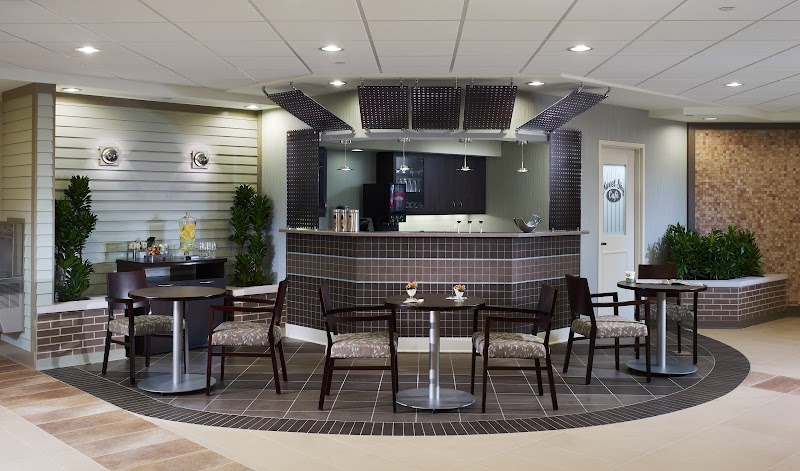
Who Owns and Operates Alden Estates Of Shorewood?

ALDEN ESTATES OF SHOREWOOD is owned by a for-profit company. For-profit facilities operate as businesses with obligations to shareholders or private owners. The facility is operated by THE ALDEN NETWORK, a chain that manages multiple nursing homes. With 100 certified beds and approximately 80 residents (about 80% occupancy), it is a mid-sized facility located in SHOREWOOD, Illinois.

How Does Alden Estates Of Shorewood Compare to Other Illinois Nursing Homes?

Compared to the 100 nursing homes in Illinois, ALDEN ESTATES OF SHOREWOOD's overall rating (5 stars) is above the state average of 2.5 and health inspection rating (5 stars) is much above the national benchmark.

What Should Families Ask When Visiting Alden Estates Of Shorewood?

Based on this facility's data, families visiting should ask: "Can you walk me through typical staffing levels on day, evening, and night shifts?" "Can I visit during a mealtime to observe dining assistance and food quality?" "How do you handle medical emergencies, and what is your hospital transfer rate?" "Can I speak with family members of current residents about their experience?" These questions are particularly relevant given the below-average staffing rating.

Is Alden Estates Of Shorewood Safe?

Based on CMS inspection data, ALDEN ESTATES OF SHOREWOOD has a clean safety record: no substantiated abuse findings (meaning no confirmed cases of resident harm), no Immediate Jeopardy citations (the most serious violation level indicating risk of serious injury or death), and is not on the Special Focus Facility watch list (a federal program monitoring the lowest-performing 1% of nursing homes). The facility has a 5-star overall rating and ranks #1 of 100 nursing homes in Illinois. While no facility is perfect, families should still ask about staff-to-resident ratios and recent inspection results during their visit.

Do Nurses at Alden Estates Of Shorewood Stick Around?

ALDEN ESTATES OF SHOREWOOD has not reported staff turnover data to CMS. Staff turnover matters because consistent caregivers learn residents' individual needs, medications, and preferences. When staff frequently change, this institutional knowledge is lost. Families should ask the facility directly about their staff retention rates and average employee tenure.

Was Alden Estates Of Shorewood Ever Fined?

ALDEN ESTATES OF SHOREWOOD has no federal fines on record. CMS issues fines when nursing homes fail to meet care standards or don't correct problems found during inspections. The absence of fines suggests the facility has either maintained compliance or corrected any issues before penalties were assessed. This is a positive indicator, though families should still review recent inspection reports for the full picture.

Is Alden Estates Of Shorewood on Any Federal Watch List?

ALDEN ESTATES OF SHOREWOOD is not on any federal watch list. The most significant is the Special Focus Facility (SFF) program, which identifies the bottom 1% of nursing homes nationally based on persistent, serious quality problems. Not being on this list means the facility has avoided the pattern of deficiencies that triggers enhanced federal oversight. This is a positive indicator, though families should still review the facility's inspection history directly.