CITADEL OF SKOKIE, THE
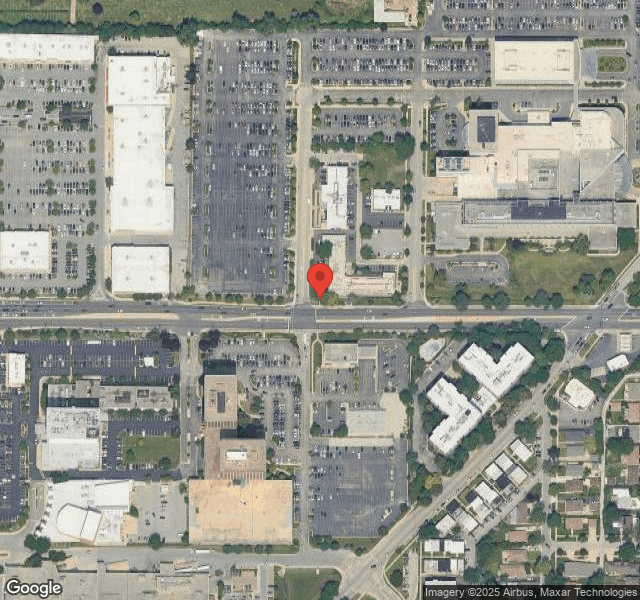
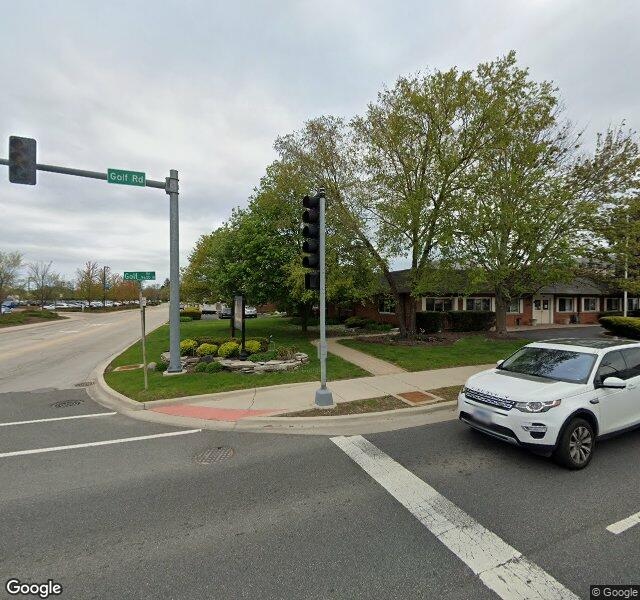
9615 NORTH KNOX AVENUE, SKOKIE, IL 60076 (847) 679-4161
For profit - Corporation 113 Beds CITADEL HEALTHCARE Data: November 2025 2 Immediate Jeopardy citations
Trust Grade
0/100
#344 of 665 in IL
Last Inspection: October 2024

Within standard 12-15 month inspection cycle. Federal law requires annual inspections.

Overview

Citadel of Skokie has received a Trust Grade of F, indicating significant concerns about the quality of care provided. It ranks #344 out of 665 facilities in Illinois, placing it in the bottom half, and #110 out of 201 in Cook County, suggesting limited better options nearby. The facility is currently improving, having reduced its issues from 7 in 2024 to 2 in 2025, although it still faces serious challenges. Staffing is a relative strength, with a turnover rate of 29%, significantly lower than the state average, but the overall star rating is only 2 out of 5, reflecting below-average performance. Notably, there have been critical incidents, including a staff member committing sexual assault against a resident and another resident leaving the facility unsupervised, both highlighting serious safety concerns.

Trust Score
F
0/100
In Illinois
#344/665
Bottom 49%
Safety Record
High Risk
Review needed
Inspections
Getting Better
7 → 2 violations
Staff Stability
✓ Good
29% annual turnover. Excellent stability, 19 points below Illinois's 48% average. Staff who stay learn residents' needs.
Penalties
✓ Good
$33,187 in fines. Lower than most Illinois facilities. Relatively clean record.
Skilled Nurses
⚠ Watch
Each resident gets only 27 minutes of Registered Nurse (RN) attention daily — below average for Illinois. Fewer RN minutes means fewer trained eyes watching for problems.
Violations
⚠ Watch
41 deficiencies on record. Higher than average. Multiple issues found across inspections.
★★☆☆☆
2.0
Overall Rating
★★☆☆☆
2.0
Staff Levels
★★★★☆
4.0
Care Quality
★★☆☆☆
2.0
Inspection Score
Stable
2024: 7 issues
2025: 2 issues

The Good

  • 4-Star Quality Measures · Strong clinical quality outcomes
  • Low Staff Turnover (29%) · Staff stability means consistent care
  • Full Sprinkler Coverage · Fire safety systems throughout facility
  • No fines on record
  • Staff turnover is low (29%)

    19 points below Illinois average of 48%

Facility shows strength in quality measures, staff retention, fire safety.

The Bad

2-Star Overall Rating

Below Illinois average (2.5)

Below average - review inspection findings carefully

Federal Fines: $33,187

Below median ($33,413)

Moderate penalties - review what triggered them

Chain: CITADEL HEALTHCARE

Part of a multi-facility chain

Ask about local staffing decisions and management

The Ugly 41 deficiencies on record

2 life-threatening 3 actual harm
Apr 2025 2 deficiencies 1 Harm
SERIOUS (G) 📢 Someone Reported This

A family member, employee, or ombudsman was alarmed enough to file a formal complaint

Actual Harm - a resident was hurt due to facility failures

Incontinence Care (Tag F0690)

A resident was harmed · This affected 1 resident

**NOTE- TERMS IN BRACKETS HAVE BEEN EDITED TO PROTECT CONFIDENTIALITY** Based on interview and record review, the facility failed to obtain a physician's order to remove an indwelling urinary catheter...

Read full inspector narrative →
**NOTE- TERMS IN BRACKETS HAVE BEEN EDITED TO PROTECT CONFIDENTIALITY** Based on interview and record review, the facility failed to obtain a physician's order to remove an indwelling urinary catheter for a resident diagnosed with urinary retention and failed to review a resident's hospital records upon admission for the diagnosis and follow up care for the indwelling urinary catheter. These failures affected one (R1) of four residents reviewed for improper nursing care. This failure resulted in R1 developing abnormal lab values with urinary retention and UTI (Urinary Tract Infection), subsequently requiring hospitalization. Findings include: R1 is [AGE] years of age. Current diagnoses include but are not limited to Persistent Atrial Fibrillation, Influenza A, Dementia, Myocardial Infarction, Hypertension on admission 3/31/25 and Elevated [NAME] Blood Cell Count on 4/3/25. R1's comprehensive assessment section C cognitive status dated 4/7/2025 documents a brief interview for mental status score of 3/15. This score indicates R1 has severe cognitive impairment. During observations in the facility on 4/15/25, R1 was not in the facility during the investigation. R1 was admitted to the hospital per review of the facility census and electronic medical record on 4/10/25 due to abnormal lab results for BUN (Blood Urea Nitrogen) 99 mg/dl (milligrams/deciliter). This is significantly elevated and considered a serious indicator of kidney dysfunction or other health issues. The normal range for the BUN is 7-20 mg/dl. R1 was admitted for a UTI (urinary tract infection). On 4/15/25 at 11:24 AM, V4 Licensed Practical Nurse (LPN) was inquired of R1's care. V4 said, R1 had some abnormal labs. When I took care of him, he didn't have a urinary catheter. His BUN was high 99. He was already on an antibiotic for Leukocytosis (elevated white blood cell count). He was on Amoxicillin then the Nurse Practitioner (NP) switched it to Cipro. On April 3rd his admission labs included a UA (urinalysis) and C&S (culture and sensitivity) due to abnormalities as a prophylactic. He was transferred to the hospital on April 10th, it was due to his Leukocytosis. Haven't heard anything yet from the hospital. On 4/16/25 at 10:17 AM, V2 Director of Nursing (DON) was inquired of V7 Assistant Director of Nursing (ADON) for interview regarding R1's 4/1/25 progress note on removing his urinary catheter. V2 said, V7 is the ADON, she's out of the country on vacation right now. On 4/16/25 at 12:05 PM, V2 DON was inquired of R1's hospital discharge instructions related to the urinary catheter and V7 ADON removing R1's urinary catheter on 4/1/25. V2 said, R1 was to follow up with urology in a week. Our receptionist schedules all the appointments. She's not a nurse. The receptionist scheduled him to see urology on May 12th at 9:40 AM. I'd have to find out with her why it was for that date. I gave her the hospital follow up instructions to set up the appointment with urology. V7 ADON and I follow up with the appointments. The receptionist sends us an email when she makes the appointments, and we discuss it in our morning meetings. I wasn't able to check on this or the urgency of his appointment. V2 DON said, I reviewed the transition of care documents, and I wasn't able to locate a diagnosis for the catheter. V8 RN Registered Nurse took R1's admission report from the hospital. I see she put he had urinary retention with a foley (indwelling) catheter. I missed the page on the transition of care document. R1 was on a foley catheter because of his urinary retention. Based on his diagnosis and clinical document his catheter was not to be removed. I reviewed the POS (physician order sheets) and there was no order from the doctor to discontinue the catheter. It requires to have a physician order to discontinue it. There was a medical diagnosis, we should have reviewed his hospital documents thoroughly. We should have got an order from the doctor or NP (nurse practitioner) before discontinuing the catheter. R1's medical records were reviewed. On 3/31/25 at 7:35 PM, R1 was admitted to the facility with a urinary catheter in place from the hospital. On 4/1/25 at 11:47 AM, R1 was seen by the internal medicine nurse practitioner in the facility. The nurse practitioner did not document R1's urinary catheter during her assessment. The documentation states in part- Urinary: no dysuria (painful urination), hematuria (blood in urine). Reviewed: labs/hospital records/chart/ allergies/meds/MD (medical doctor) and nursing notes. On 4/1/25 at 1:15 PM, V7 ADON's progress note documents the following: Resident foley catheter discontinued for no qualifying diagnosis. R1's physician orders from 3/31/25 to 4/10/25 do not document an order to remove his urinary catheter. Review of V8 RN's 3/31/25 hospital admission report documents a significant medical history of urinary retention with foley catheter 16 F (French) in place. R1's discharge instructions reason for hospital stay state in part: you had urinary retention, and a catheter was placed. You should follow up with Urology as an outpatient. You were started on Doxazosin to treat enlarged prostate. Your next steps- schedule an appointment with V9 Urology Medical Doctor (MD) as soon as possible for a visit in one week for hospital follow up and management of urinary retention. Review of R1's physician order sheets documents Doxazosin Mesylate 1 tablet by mouth one time a day for HTN ordered 3/31/25. The medication can be used to treat urinary problems caused by an enlarged prostate. It can also treat high blood pressure when used alone or in combination with other medications. R1's transition of care form dated 3/31/25 documents contact information for follow up providers. V9 MD is listed to schedule an appointment as soon as possible for a visit in one week for hospital follow up and management of urinary retention. V9's address and phone number are listed. Active drain: urinary catheter placement date 3/20/25. Reason for foley catheter maintenance: acute urinary retention: bladder outlet obstruction, or neurogenic bladder. V9 MD's consultant recommendation documents- would recommend discharge home with foley (indwelling) catheter. Would recommend follow up with urology. Patient may need to have chronic foley (indwelling) catheter versus surgical insertion of suprapubic tube. He has multiple medical problems and may not benefit from transurethral resection of bladder outlet obstruction. Detailed hospitalization summary states in part: Urinary Retention foley catheter placed 3/20 and adjusted based on 3/29 CT (computed tomography) scan. Started doxazosin (as it can be crushed). Urology consulted: plan to discharge with foley catheter and will need outpatient follow up with urology V9 MD or colleague. V2 DON confirmed R1 was not seen by V9 MD as ordered 1 week after being discharged from the hospital. There is no documentation the facility notified V9 MD that R1's urinary catheter was removed by V7 ADON on 4/1/25. On 4/3/25 at 1:32 PM, R1's nurse practitioner ordered a stat (immediate) urine analysis and culture/sensitivity. On 4/4/25 at 8:49 PM, R1's urine test results document- antimicrobial resistance and urinary bacteria. R1's nurse practitioner was informed with no new orders received. The laboratory report documents urinary bacteria- Pseudomonas Aeruginosa and Citrobacter Freundii. On 4/7/2025 at 11:39 AM, R1 was assessed by his nurse practitioner regarding the urine test results. The nurse practitioner documents the following- Internal Medicine Progress Note CC/ reason for visit: UTI/leukocytosis Assessment and Plan: #. UTI: - UA/CS with Pseudomonas aeruginosa and Citrobacter Freundii. To start Cipro 500mg BID x 5 days. On 4/10/25 R1 was transferred to the hospital via ambulance for abnormal lab results. R1's 4/10/25 emergency room provider notes state in part: HPI History of present illness- R1 presents with abnormal labs. According to paperwork he had blood drawn today and revealed that his creatinine increased from 4 to 1 from last week. Patient currently being treated for urinary tract infection with Ciprofloxacin which he started a few days ago. Medical decision making: R1 presents with a urinary tract infection, questionable altered mental status as well as increased creatinine on outpatient labs. We did perform a bladder scan which revealed 1400 ml (milliliters) of purulent (containing or producing pus, a thick yellowish fluid that indicates infection) urine in the patient's bladder. This was removed with a foley catheter however appeared to be similar to frank pus. (Clear and evident presence of pus, a thick, usually yellow or greenish fluid, in a wound or other area of the body. It's a sign that the area is infected, indicating the body's immune system is actively fighting an infection.) R1 remains hospitalized at this time. R1's nephrology consult note, during hospitalization dated 4/12/25 documents, HPI: presented from his Nursing Home for increase in his Creatinine levels from a week ago. During recent hospitalization 3/12 - 3/21 for lethargy secondary to sepsis to influenza and aspiration pneumonia, course was complicated by Acute Kidney Injury and urinary retention, where a foley was placed. Urology recommending discharge home with Foley Catheter, follow- up with urology, and chronic Foley versus surgical insertion of suprapubic tube. UA (urinalysis) was unable to be completed due to purulent urine, though it did show extensive neutrophils and bacteria, foley catheter is in place, but the bladder was distended on CT, also with new bolateral (sic) hydronephrosis. On 4/17/25 at 8:25 AM, call placed to V9 MD's office for interview. Message left with staff, awaiting return call. On 4/17/25 at 11:31 AM, received a return call from V9 MD's office that V9 is in surgery and another staff will attempt to return the call. During course of survey, facility failed to provide requested policies. National Institute of Health (December 2019) documents (in part) Urinary retention is a condition in which you cannot empty all the urine from your bladder. Urinary retention can be acute-a sudden inability to urinate, or chronic-a gradual inability to completely empty the bladder of urine. Urinary retention results from either a blockage that partially or fully prevents Treatments for urinary retention may include draining the bladder Administrative Code TITLE 68: Professions And Occupations (January 4, 2021) Professional Responsibility includes making decisions and judgments requiring use of knowledge acquired by completion of an approved program for licensure as a practical, professional or advanced practice registered nurse.
CONCERN (D) 📢 Someone Reported This

A family member, employee, or ombudsman was alarmed enough to file a formal complaint

Potential for Harm - no one hurt, but risky conditions existed

Deficiency F0658 (Tag F0658)

Could have caused harm · This affected 1 resident

**NOTE- TERMS IN BRACKETS HAVE BEEN EDITED TO PROTECT CONFIDENTIALITY** Based on interview and record review the facility failed to provide care and services according to accepted standards of practic...

Read full inspector narrative →
**NOTE- TERMS IN BRACKETS HAVE BEEN EDITED TO PROTECT CONFIDENTIALITY** Based on interview and record review the facility failed to provide care and services according to accepted standards of practice by failing to obtain a physician's order to remove an indwelling urinary catheter for a resident diagnosed with urinary retention and failed to review a resident's hospital records upon admission for the diagnosis and follow up care for an indwelling urinary catheter. These failures affected one (R1) of four residents reviewed for improper nursing care. Findings include: R1 is [AGE] years of age. Current diagnoses include but are not limited to Persistent Atrial Fibrillation, Influenza A, Dementia, Myocardial Infarction, Hypertension on admission 3/31/25 and Elevated [NAME] Blood Cell Count on 4/3/25. R1's comprehensive assessment section C cognitive status dated 4/7/2025 documents a brief interview for mental status score of 3/15. This score indicates R1 has severe cognitive impairment. During observations in the facility on 4/15/25, R1 was not in the facility during the investigation. R1 was admitted to the hospital on [DATE] due to abnormal lab results for BUN (Blood Urea Nitrogen) and UTI (urinary tract infection). On 4/15/25 at 11:24 AM, V4 Licensed Practical Nurse (LPN) was inquired of R1's care. V4 said, when I took care of him, he didn't have a urinary catheter. On 4/16/25 at 10:17 AM, V2 Director of Nursing (DON) was inquired of V7 Assistant Director of Nursing (ADON) for interview regarding R1's 4/1/25 progress note on removing his urinary catheter. V2 said, V7 is the ADON, she's out of the country on vacation right now. On 4/16/25 at 12:05 PM, V2 was inquired of R1's hospital discharge instructions related to the urinary catheter and V7 removing R1's urinary catheter on 4/1/25. V8 RN Registered Nurse took R1's admission report from the hospital. I see she put he had urinary retention with a foley (indwelling) catheter. I missed the page on the transition of care document. R1 had a foley catheter because of his urinary retention. Based on his diagnosis and clinical document his catheter was not to be removed. I reviewed the POS (physician order sheets) and there was no order from the doctor to discontinue the catheter. It requires to have a physician order to discontinue it. There was a medical diagnosis, we should have reviewed his hospital documents thoroughly. We should have got an order from the doctor or NP (nurse practitioner) before discontinuing the catheter. R1's medical records were reviewed. On 3/31/25 at 7:35 PM, R1 was admitted to the facility with a urinary catheter in place from the hospital. On 4/1/25 at 1:15 PM, V7 ADON's progress note documents the following: Resident foley catheter discontinued for no qualifying diagnosis. R1's physician orders from 3/31/25 to 4/10/25 do not document an order to remove his urinary catheter. Review of V8 RN's 3/31/25 hospital admission report documents a significant medical history of urinary retention with foley catheter 16 F (French) in place. R1's discharge instructions reason for hospital stay state in part: you had urinary retention, and a catheter was placed. You should follow up with Urology as an outpatient. You were started on Doxazosin to treat enlarged prostate. Your next steps- schedule an appointment with V9 Urology MD (Medical Doctor) as soon as possible for a visit in one week for hospital follow up and management of urinary retention. Active drain: urinary catheter placement date 3/20/25. Reason for foley catheter maintenance: acute urinary retention: bladder outlet obstruction, or neurogenic bladder. V9 MD's consultant recommendation documents- would recommend discharge home with foley (indwelling) catheter. Would recommend follow up with urology. Patient may need to have chronic foley (indwelling) catheter versus surgical insertion of suprapubic tube. Detailed hospitalization summary states in part: Urinary Retention foley catheter placed 3/20 and adjusted based on 3/29 CT (computed tomography) scan. Started doxazosin (as it can be crushed). Urology consulted: plan to discharge with foley catheter and will need outpatient follow up with urology V9 MD or colleague. V2 DON confirmed R1 was not seen by V9 MD as ordered 1 week after being discharged from the hospital. There is no documentation the facility notified V9 MD that R1's urinary catheter was removed by V7 ADON on 4/1/25. The facility failed to document R1's urinary retention from his transition of care forms dated 3/31/25. V7 ADON failed to review R1's 3/31/25 hospital discharge forms and transition of care forms that document R1's urinary retention and treatment with the urinary catheter prior to removing his catheter. V7 did not obtain a physician's order to discontinue R1's urinary catheter. During course of survey, the facility failed to provide requested facility policies.
Oct 2024 3 deficiencies
CONCERN (D)

Potential for Harm - no one hurt, but risky conditions existed

Free from Abuse/Neglect (Tag F0600)

Could have caused harm · This affected 1 resident

**NOTE- TERMS IN BRACKETS HAVE BEEN EDITED TO PROTECT CONFIDENTIALITY** Based on observation, interviews, and record review, the facility failed to ensure R93 was not verbally abusive toward three of ...

Read full inspector narrative →
**NOTE- TERMS IN BRACKETS HAVE BEEN EDITED TO PROTECT CONFIDENTIALITY** Based on observation, interviews, and record review, the facility failed to ensure R93 was not verbally abusive toward three of 18 residents (R6, R25, and R53) present in the facility dining area. Findings include: R6 is a [AGE] year old female admitted to the facility on [DATE] with diagnosis including but not limited to Chronic Obstructive Pulmonary Disease, Traumatic Subdural Hemorrhage without Loss of Consciousness, Unspecified Visual Disturbance, Bipolar Disorder, and Schizoaffective Disorder. R25 is a [AGE] year old male admitted to the facility on [DATE] with diagnosis including but not limited to Type 2 Diabetes Mellitus, Malignant Neoplasm of Prostate, Personal History of Transient Ischemic Attack (TIA), Paranoid Schizophrenia, and Major Depressive Disorder. R52 is a [AGE] year old female admitted to the facility on [DATE] with diagnosis including but not limited to Unspecified Dementia, Hemiplegia and Hemiparesis Following Cerebral Infarction Affecting Left Non-Dominant side, Vascular Dementia, and Major Depressive Disorder. R93 is a [AGE] year old female admitted to the facility on [DATE] with diagnosis including but not limited to Unspecified Psychosis, Chronic Obstructive Pulmonary Disease, Hypertension, Alcohol Abuse, Nicotine Dependence, and Anxiety Disorder. On10/28/2024, and 10/29/2020 between 12:00PM and 12:15PM, in the 2nd Floor Dining Area, multiple residents were observed during lunchtime meal in-service and were not being monitored by any facility staff. While residents were eating R93 was being verbally aggressive, yelling and making hand gestures and no staff came to monitor, supervise or redirect the aggressive behavior being displayed towards others. On 10/28/24 at 12:29 PM there were 18 residents in the second floor dining room. Staff monitoring intermittently, coming in and out of the dining room. On 10/28/24 between 12:32 PM and 12:37 PM R93 was observed cussing, screaming, and shouting profanities at R6, R25, and R53 and remaining fellow residents in the dining room with no intervention from staff. At12:37 PM R93 removed herself from the dining room, just to return to continue to sit at the dining room table. On 10/28/24 at 12:37 PM V10 (Certified Nurse Assistant) stated, R93 does it (screams at fellow residents) all the time, they (fellow residents) are used to it. I don't want to come in to work for that, when enough is going to be enough. I've never seen R93 get into a physical altercation with anyone, but she came up to me, threatened me with a fist and cussed at me. On 10/30/24 at 02:06 PM, V1 (Administrator/Abuse Prevention Coordinator) stated, my role as a abuse prevention coordinator consists of two parts, to make sure staff knows what abuse is, and to make sure reporting and investigation is conducted immediately. Staff received abuse related education during every annual skill fair training and upon hire. Every new employee gets in depth abuse training. Every facility abuse allegation is investigated thoroughly. Most common abuse occurring in the facility are physical and verbal. Verbal abuse is when one resident yells or curses at another resident. If staff witnesses verbal abuse occurrence, they should separate residents and provide monitoring to both, perpetrator, and a victim. Next, staff should call me, and then I continue with the abuse complete the investigation. V1 not aware of verbal abuse occurrence witnessed by the surveyor, staff did not report verbal abuse occurrence to V1. The facility Abuse Prevention Program (no date) reads in part, As part of the resident abuse prevention, the administration will: Protect our residents from abuse by anyone including, but not necessarily limited to: facility staff, other residents, consultants, volunteers, staff from other agencies, family members, legal representatives, friends, visitors, or any other individual; Require staff training/orientation programs that include such topics as abuse prevention, identification, and reporting of abuse, stress management, and handling verbally or physically aggressive resident behavior.
CONCERN (D)

Potential for Harm - no one hurt, but risky conditions existed

Accident Prevention (Tag F0689)

Could have caused harm · This affected 1 resident

**NOTE- TERMS IN BRACKETS HAVE BEEN EDITED TO PROTECT CONFIDENTIALITY** Based on observations, interviews, and record review the facility failed to provide consistent monitoring and supervision for a ...

Read full inspector narrative →
**NOTE- TERMS IN BRACKETS HAVE BEEN EDITED TO PROTECT CONFIDENTIALITY** Based on observations, interviews, and record review the facility failed to provide consistent monitoring and supervision for a verbally aggressive resident (R93) throughout the entire lunchtime meal in-service in the second floor dining room. This failure affects three of eighteen residents (R6, R25 and R52,) in which R93 was verbally aggressive toward while staff was not monitoring R93. The Findings include: R25 is a [AGE] year-old male admitted to the facility on [DATE] with diagnosis including but not limited to Type 2 Diabetes Mellitus, Malignant Neoplasm of Prostate, Personal History of Transient Ischemic Attack (TIA), Paranoid Schizophrenia, and Major Depressive Disorder. R6 is a [AGE] year-old female admitted to the facility on [DATE] with diagnosis including but not limited to Chronic Obstructive Pulmonary Disease, Traumatic Subdural Hemorrhage without Loss of Consciousness, Unspecified Visual Disturbance, Bipolar Disorder, and Schizoaffective Disorder. R52 is a [AGE] year-old female admitted to the facility on [DATE] with diagnosis including but not limited to Unspecified Dementia, Hemiplegia and Hemiparesis Following Cerebral Infarction Affecting Left Non-Dominant side, Vascular Dementia, and Major Depressive Disorder. R93 is a [AGE] year-old female admitted to the facility on [DATE] with diagnosis including but not limited to Unspecified Psychosis, Chronic Obstructive Pulmonary Disease, Hypertension, Alcohol Abuse, Nicotine Dependence, and Anxiety Disorder. R25's care plan dated 10/07/2024 includes (but not limited to): Abuse, Neglect, Trauma factors I do not present with unusual or uncommon factors for mistreatment, victimization or exploitation. I am an adult living with schizophrenia, MDD and cognitive loss. I have a legal guardian. My awareness of person, place, time, situation is poor. My care partners recognize that long term care admission may represent and/or rekindle trauma secondary to feelings of loss of control, loss of autonomy and I am considered a vulnerable, older adult in need of 24-hour care. I appreciate the compassion and sensitivity I am afforded in this setting. During observations on 10/28/2024, and 10/29/2020 between 12:00PM and 12:15PM, in the 2nd Floor Dining Area, multiple residents were observed during lunchtime meal in-service and were not being monitored by any facility staff. While residents were eating R93 was being verbally aggressive, yelling and making hand gestures and no staff came to monitor, supervise or redirect the aggressive behavior being displayed towards others. On 10/28/2024 at 12:52 during an interview with V10 (Certified Nursing Assistant/CNA), V10 said they all monitor the dining room, that no one is specifically assigned to the dining area. They will rotate shifts to make sure they cover and watch the dining area. On 10/29/2024 at 9:10AM during an interview with V9 (Activities Director), V9 said staff will usually rotate and cover the dining area. He is not aware if anyone is scheduled to just monitor the residents during mealtimes. On 10/29/2024 at 9:20AM during an interview with V7 (Licensed Practical Nurse/LPN), V7 said nurses will assist the certified nursing assistants and rotate to cover the dining area. She said there's no set schedule for staff to monitor the dining area. On 10/29/2024 at 9:30AM during an interview with V3 (Assistant Director of Nursing), V3 said Certified Nursing Assistants/CNA's will rotate days to cover the dining area. She said no one's specifically assigned or scheduled to monitor residents during mealtimes. V3 said the aids will determine their own schedule for coverage and nurses will usually assist when they are available. On 10/30/2024 at 9:30AM during an interview with V2 (Director of Nursing), V2 said all facility staff including managers should monitor residents in the dining area while eating. He said while certified nursing assistants are passing out trays to residents in their rooms managers should go to assigned areas to help monitor dining areas. Facility policy titled, Safety and Supervision of Residents (July 2017) includes: Individualized, Resident-Centered Approach to Safety. 3. The care team shall target interventions to reduce individual risks related to hazards in the environment, including adequate supervision and assistive devices. Facility Job Description for Certified Nursing Assistant (CNA) includes but not limited to Job Summary: The Certified Nursing Assistant (CNA) helps patients/residents with comprehensive health care needs under the supervision of a nurse. The CNA assists patients/residents with activities of daily living to include bathing, dressing, eating, grooming, toileting and exercising. This role is also responsible for the successful transfer of residents to and from activities. Duties/Responsibilities: Notes and communicates patient/resident behaviors and changes in mood.
CONCERN (D)

Potential for Harm - no one hurt, but risky conditions existed

Pharmacy Services (Tag F0755)

Could have caused harm · This affected 1 resident

**NOTE- TERMS IN BRACKETS HAVE BEEN EDITED TO PROTECT CONFIDENTIALITY** Based on observation, interview, and record review, the facility failed to administer medications per facility policy for one of...

Read full inspector narrative →
**NOTE- TERMS IN BRACKETS HAVE BEEN EDITED TO PROTECT CONFIDENTIALITY** Based on observation, interview, and record review, the facility failed to administer medications per facility policy for one of two residents (R40) reviewed for medication administration on the total sample of 42. Findings include: R40 admitted to the facility on [DATE] with diagnosis including but not limited to Type Diabetes Mellitus, Bipolar Disorder, Chronic Obstructive Pulmonary Disease, Anxiety Disorder, Major Depressive Disorder, and Schizophrenia. On 10/29/24 at 08:41 AM, during R40's medication administration V12 (Licensed Practical Nurse) left the medication cup with 15 scheduled medications. V12 (LPN) stated, I let her take medications and go in and out of the room to monitor. I checked R40's vital signs this morning, her blood pressure was 110/58 and pulse 76. I will hold R40's medications for high blood pressure because R40's blood pressure is on the lower side. I usually wait and then recheck the vital signs later and give R40 her high blood pressure medications. On 10/29/24 at 10:50 AM R84 appeared angry, and stated she was told to go back to her room because state regulatory agency is in the building. R84 stated to the surveyor that her medications are left at the bedside and she is never told to go to her room and be monitored during medication administration, things are different during this week because surveyors are here. On 10/29/24 at 10:55 AM, clarified with V12 (LPN) whether R84's statement related to medication administration is correct, V12 (LPN) affirmed that that's what she told R84. V12 (LPN) stated that she gives the cup of medications to R84, and she should not have done that. On 10/29/24 at 01:40 PM during follow up with V12 (LPN) regarding medication administration for R40 earlier that day, V12 (LPN) stated, I left medications on R40's nightstand. That was a mistake. I usually give it to her in the hallway. I have to catch her before she goes to have a cigarette because then she is not back until 11a. I rechecked R40's blood pressure and pulse and gave her four high blood pressure medications that I held this morning, but I don't know if she took any of her medications because they were all left at the bedside. On 10/30/24 at 12:23 PM V2 (Director of Nursing) stated, during medication administration, nurses are expected to give medications no more than an hour before or an hour after the scheduled time. Nurse should also observe to make sure that a resident took their medication. It is not appropriate to leave medications at the bedside for the resident to self-administer unless resident has self-administration assessment and is deemed as appropriate. Neither R40 or R84 have the self-administration assessment; therefore, they are not appropriate to take medication by themselves and should always be monitored during medication administration process. There are parameters for high blood pressure medications established by the physician. Before administering those, the nurse should always check residents' vital signs, including blood pressure and pulse, and check against the parameters to make sure high blood pressure medications are appropriate to administer. If the vital signs are within parameters, the nurse should administer high blood pressure medications. R40's MAR (medication administration record) documents R40 received 9:00 AM dose for Actos Oral Tablet 45 MG, Ascorbic Acid Tablet 500 MG, Centrum Ultra Womens Oral Tablet, [NAME] Oil Capsule 500 MG, Latuda Oral Tablet 20 MG, LORazepam Oral Tablet 0.5 MG, Losartan Potassium Tablet 100 MG, Montelukast Sodium Tablet 10 MG, UTI-Stat Oral Liquid, Vitamin B Complex Tablet, Vitamin D3 Capsule 125 MCG, Vitamin E-400 Capsule, Benadryl Allergy Oral Tablet 25 MG, Benztropine Mesylate Oral Tablet 0.5 MG, Ferrous Sulfate Tablet 325 (65 Fe) MG, cloNIDine HCl Oral Tablet 0.2 MG, hydroCHLOROthiazide Tablet 25 MG, Calcium Carbonate Tablet Chewable 500 MG, and hydrALAZINE HCl Oral Tablet 25 MG. V12 (LPN) unsure if R40 took any or all of her scheduled 9:00 AM medications. R40's physician orders show R40 to receive: - Actos Oral Tablet 45 MG (Pioglitazone HCl) Give 1 tablet by mouth one time a day for DIABETES - Ascorbic Acid Tablet 500 MG Give 1 tablet by mouth one time a day for Supplement - Centrum Ultra Womens Oral Tablet (Multiple Vitamins w/Minerals) Give 1 tablet by mouth one time a day for Supplement - [NAME] Oil Capsule 500 MG Give 1 capsule by mouth one time a day for supplementation - Latuda Oral Tablet 20 MG (Lurasidone HCl) Give 1 tablet by mouth one time a day related to SCHIZOPHRENIA - LORazepam Oral Tablet 0.5 MG (Lorazepam) Give 1 tablet by mouth one time a day for anxiety - Losartan Potassium Tablet 100 MG Give 1 tablet by mouth one time a day for Hypertension Hold if SBP (systolic blood pressure) is below 100 and HR (heart rate) below 60 - Montelukast Sodium Tablet 10 MG Give 1 tablet by mouth one time a day for asthma - UTI-Stat Oral Liquid (Cranberry- Vitamin C-Inulin) Give 30 ml by mouth one time a day for UTI Prophylaxis -Vitamin B Complex Tablet (B Complex Vitamins) Give 1 tablet by mouth one time a day for Supplementation - Vitamin D3 Capsule 125 MCG (5000 UT) (Cholecalciferol) Give 2 tablet by mouth one time a day for low vit d level - Vitamin E-400 Capsule (Vitamin E) Give 1 capsule by mouth one time a day for Supplement for 30 Days - Benadryl Allergy Oral Tablet 25 MG (Diphenhydramine HCl) Give 1 tablet by mouth two times a day for allergies - Benztropine Mesylate Oral Tablet 0.5 MG (Benztropine Mesylate) Give 1 tablet by mouth every 12 hours for EPS - cloNIDine HCl Oral Tablet 0.2 MG (Clonidine HCl) Give 1 tablet by mouth two times a day for HTN Hold if SBP is below 100 - Ferrous Sulfate Tablet 325 (65 Fe) MG Give 1 tablet by mouth two times a day for supplementation - hydroCHLOROthiazide Tablet 25 MG Give 1 tablet by mouth two times a day for HTN/edema Hold if sbp is below 100 - Calcium Carbonate Tablet Chewable 500 MG Give 2 tablet by mouth with meals for GERD -hydrALAZINE HCl Oral Tablet 25 MG (Hydralazine HCl) Give 1 tablet by mouth three times a day related to ESSENTIAL (PRIMARY) HYPERTENSION The facility pharmacy Medication Administration policy dated July 2024 reads in part, Medications are administered in accordance with written orders of the attending physician; Residents are allowed to self-administer medications when specifically authorized by the attending physician and in accordance with facility procedures for self-administration of medications; If a dose of regularly scheduled medication is withheld, refused, or given at other time than the scheduled time, the MAR should reflect documentation as to the reason medication could not be administered. Tips for Safe Medication Administration: Administer medications and remain with resident while medication is swollen.
Apr 2024 1 deficiency 1 IJ
CRITICAL (J) 📢 Someone Reported This

A family member, employee, or ombudsman was alarmed enough to file a formal complaint

Immediate Jeopardy (IJ) - the most serious Medicare violation

Free from Abuse/Neglect (Tag F0600)

Someone could have died · This affected 1 resident

**NOTE- TERMS IN BRACKETS HAVE BEEN EDITED TO PROTECT CONFIDENTIALITY** Based on interview and a record review, the facility failed to prevent an incident of staff to resident sexual assault and inapp...

Read full inspector narrative →
**NOTE- TERMS IN BRACKETS HAVE BEEN EDITED TO PROTECT CONFIDENTIALITY** Based on interview and a record review, the facility failed to prevent an incident of staff to resident sexual assault and inappropriate exposure. This affected one of three residents (R1) reviewed for sexual assault and inappropriate exposure. This failure resulted in V6 forcibly pushing R1 down onto her back, grabbing her breast, undoing his clothing and exposed his penis to attempting to rape R1. R1 said, she felt hurt and wished for death. R1 said, she felt victimized, traumatized, and feared for her safety. The Immediate Jeopardy began on 04/09/24 when V6 exposed his penis and sexually assaulted R1. V1 (Administrator), V2 (Director of Nursing) and V14 (Chief Operating Officer) was notified of the Immediate Jeopardy on 04/18/24 at 11:40AM. The surveyor confirmed by record review and interview that the Immediate Jeopardy was removed on 04/18/24, but noncompliance remains at Level Two because additional time is needed to evaluate the implementation and effectiveness of the interventions implemented. Findings Include: R1 was diagnosed with Huntington's disease. Brief interview for mental status dated 02/27/24 documents a score of thirteen which indicates cognitively intact. Screening Assessment to determine abuse/neglect dated 2/21/24 and 4/9/24 documents: a score of (0-2) low risk (risk measure for likelihood of previous/recent mistreatment and psychosocial/psychological symptoms related to history of abuse and or neglect.) On 4/11/24 at 1:08PM, V3 (CNA-Certified Nursing Assistant) said, R1 was her usually self after her lunch. V3 said, she went to lunch and returned, R1 was acting funny, terrible in her chair, moving like she was upset. R1 was anxious. R1 moves all the time based on her disease but R1 was moving more than normal. On 4/11/24 at 2:38PM, V2 (DON) said, he saw R1 after she mentioned the word rape. V2 said, normally R1 is very quiet. V2 said, that was the first time he saw R1 having that much anxiety. On 4/11/24 at 2:55PM, V1 (Administrator) said, he was informed by the V5 (nurse). R1 said, something about rape. R1 never used that language before. V1 said, he spoke with R1. R1 was sitting on the bed crying. R1 said, rape, black man. R1 couldn't give any more detail. V1 said, V6 was identified as that black male after reviewing the video footage. V1 said, V6 reported, he did his rounds and then checked on residents he has not seen throughout the day. V1 said, R1 threw a shoe at V6. V6 left the room, unable to determine why R1 threw the shoe. V1 said, maybe R1 was triggered by a past life event. On 4/11/24 3:15PM, V4 (CNA) said, R1 was agitated. V4 said, she worked with R1 in the past but has never seen R1 like that before. On 04/12/24 at 2:49PM, R1 was assessed to be alert and oriented to person, place and time. R1 was observed visibly distraught, crying, anxious and agitated. R1 said, while crying, red face, snot sniffling and increased body movement which included hitting bilateral heels hard on the floor multiple times, V6 came into her room and started to massage her shoulders. V6 forcibly pushed her down on her back by the shoulders, grabbed her breast on top of her clothing, undid his clothing and exposed his penis and tried to force her to have sex. R1 said, she couldn't yell. R1 said, she hit V6 with her phone then V6 left her room. R1 said, V6 tried to rape her. R1 said, she was hurt and would have rather death instead of being raped. R1 said, she felt victimized, traumatized and feared for her safety. On 4/12/24 at 10:06AM, V8 (Family) said, while crying, to watch R1 die from a debilitating disease is one thing but to watch R1 live through almost being raped and victimized was another level of trauma. R1 could not scream due her Huntington's disease. R1 reported, while in the hospital it would have been easier for her to die than to be raped. On 4/16/24 at 10:58AM, V6 (CNA) said, V6 said, he was compelled to check on R1 because he had not seen R1 in about a week to a week in a half. V6 said, he was concerned about R1. V6 said, it bother him to not see certain residents. V6 said, when he returned from an escort, ten of his residents were soaked in urine. V6 said, he did not report the ten residents to the nurse. V6 said, he changed five residents, then realized he had not seen R1 or R5. V6 said, he went into R1 and R5's room. R5 was sleeping/breathing. V6 said, he walked to R1's bed, R1 was sleeping, not moving and really still. V6 said, he stood in R1's room for one to two minutes to ensure R1 was breathing. R6 said, he had no idea who was R1's assigned CNA. V6 said, he did not notify the nurse when he thought R1 wasn't breathing. V6 said, after one to two minutes he saw R1 breathing he knew she was okay. V6 said, no one asked him to check on R1. V6 said, he was suspended pending an investigation for something, but not sure exactly what. V6 said, abuse should always be reported to V1 or the nurse immediately. Sexual, physical, mental, emotional, financial, involuntary seclusion and verbal are all forms of abuse. V6 said, he was not sure which abuse he was accused of but plan to stay away from all of them. V6 said, since he returned to work he did not have any training and nothing was newly implemented related to his suspension. V6 said, R1 did not throw a shoe at him. On 4/16/24 at 3:12pm, V9 (Nurse) said, R1 was alert and oriented to person, place and time. R1 has never made any false allegations. Health status note dated 4/9/24 documents: Around 3:07PM, nurse on duty observed the resident (R1) being wheeled by two female CNAs in the hallway to the nursing station. Resident was noted to restless and holding her phone with the flash light on. Resident was then approached and asked what is wrong with her but she kept swinging her arms. She was asked if she wanted the nurse to turn off the flash light and she nodded. Afterwards, resident was still noted to be anxious and was again asked if she wanted the nurse to call her son. Resident nodded and the nurse proceeded to call her son but to no avail. Resident was again asked if what is wrong with her and she made an allegation. V1 and V2 was called right away and they went check on the resident. One to one supervision for safety provided. Body assessment and police called. Facility reportable dated 4/9/24 documents: It was reported to V1 (Administrator) that R1 is alleging black male rape. Police were contacted and came to follow up on resident statement. Camera footage reviewed: One employee that entered room for a few minutes with door open has been suspended pending investigation. Police report dated 4/9/24 documents: R1 said, she was raped by a male/black (M/B) about one hour ago. Reviewed video briefly which showed at 1434 hours (2:34PM), a M/B, large build, afro style hair, full facial hair, and wearing all black entered R1's room. At 1438 hours (2:38PM), the M/B subject exits the room. At 1439 hours (2:39PM), R1 exits the room and then walks to a wheel chair. Hospital papers dated 4/9/24 documents: Assault was exposure and an attempt. Video seen on 4/16/24 at 1:15 pm shows V6 was observed entering R1's room whose door was open at 14:34:25 and coming out at 14:38:38 while pulling the door behind him which did not close completely. Abuse Policy dated 12/2020 documents: Our resident have the right to be free from abuse. This includes but is not limited to freedom from corporal punishment, involuntary seclusion, verbal, mental, sexual or physical abuse. Sexual abuse id defined as non-consensual sexual contact of any type with a resident. The Immediate Jeopardy that began on 04.09.24 was removed on 04.18.24 when the facility took the following actions to remove the immediacy. On April 18th, 2024, a State Surveyor informed the Administrator that an Immediate Jeopardy had been issued for Citadel of Skokie under F600. This abatement plan is being submitted without any prior knowledge of what specifically the Illinois Department of Public Health surveyor's citations will be. The following Plan of Abatement shall also serve as the Facility's written credible allegation of compliance that will be achieved by stated date of completion. Submission of this Plan of Abatement does not constitute in any way an admission of any facts and/or conclusions of law reflected in the alleged deficiencies, nor does it constitute a waiver of the Facility's right to contest the deficiencies and/or any remedies imposed as a result of this or future surveys. The facility reserves the right to contest the survey findings and the immediate jeopardy as allowed by applicable law and rules. The facility abatement plan includes the following: April 9th, 2024 Incident On April 9th, 2024 Facility Administrator was informed that R1 reported black man rape. In response, on that same day, April 9, 2024, the Administrator initiated action consistent with its abuse policy including: · Initiating a comprehensive abuse investigation · Notifying police immediately. Police came to facility and viewed the facility video footage and interviewed R1. R1 was sent to (local) hospital for evaluation. R1 was seen and assessed at the hospital and refused a complete rape kit. R1 had a partial rape kit done. R1 did change her initial statement to exposed his self to me. R1 was not admitted and was sent to another facility the next day. R1 has not returned to the facility. · Identifying and suspending the alleged employee pending investigation. Employee was suspended from April 9, 2024 until the conclusion of the investigation. The investigation as complete by April 11, 2024. Because the investigation could not substantiate that the alleged sexual abuse occurred, employee returned to work April 16, 2024 after Administrator confirmed employee was up to date on his abuse in-service training, including the in-service training referenced below that employee received on April 11, 2024. (No further allegations of sexual abuse were made or received between April 16 - April 18. Employee was suspended April 18 and subsequently terminated for an issue unrelated to the instant sexual abuse allegations.) · Notifying the Resident ' s MD (physician) and family. · Sending an initial report to (state agency) on 4/9/2024 · Sending a final report to (state agency) on 4/11/2024 Administrator completed a comprehensive abuse investigation that included: · Interview of facility employees. Administrator interviewed all employees who were observed to be near/outside the room at the time of the alleged incident and none heard, saw, or observed anything inappropriate from resident ' s room. All other employees were interviewed about their knowledge and experience with the alleged perpetrator and no employees have heard, seen, or otherwise observed anything inappropriate about the alleged perpetrator. · Interview of facility residents. No residents reported any inappropriate treatment or contact by staff, including the alleged perpetrator. · Review of video footage. Video footage that showed employee [NAME] enter R1's room for approx. 3-4 minutes with door left open and exiting R1 ' s room. · Administrator reviewed R1's statements about the alleged incident. Completion Date: 04-09-24 On April 10 and April 11, 2024, Administrator met with corporate office to review Administrator's investigation where it was confirmed that abuse allegation could not be substantiated. Legal counsel confirmed unsubstantiated investigation was insufficient to support employee termination. (Should this reviewer have questions about this determination, we request you meet with our legal counsel for a discussion.) Completion Date: 04-11-2024 On April 9, 2024, Administrator, DON, Regional Nurse began educating all employees on the facility's abuse /neglect policy with emphasis on sexual abuse-physical-reporting. All employees on duty received education before their shift ended. The remaining facility employees have been educated before to their next scheduled shift and education will continue until 100% of facility employees have been educated. The Administration will be at the facility to conduct education at the start of their shifts. Completion Date: 04-19-2024 The Facility Quality Assurance team (which includes Administrator, Director of Nursing, Medical Director, and Facility Directors met on April 18, 2024 to review R1's incident and will meet monthly to review abuse and neglect policies related to sexual abuse. DON will conduct ongoing audits including any risk management reports to ensure compliance once week on each shift for the next 60 days. QAPI will discuss and revise ABUSE policy as needed through the QAPI process. Completion Date: 04-19-2024 Facility SSD (Social Service Director) audited all resident records on April 18 and April 19, 2024 to ensure all residents have an up-to-date abuse assessment. Completion Date: 04-19-2024 R1 was discharged to another facility 4/10/24. Facility has confirmed R1 is stable according to emergency room report dated 4/9/24. Completion Date: 4-19-2024
Apr 2024 2 deficiencies 1 IJ
CRITICAL (J) 📢 Someone Reported This

A family member, employee, or ombudsman was alarmed enough to file a formal complaint

Immediate Jeopardy (IJ) - the most serious Medicare violation

Accident Prevention (Tag F0689)

Someone could have died · This affected 1 resident

**NOTE- TERMS IN BRACKETS HAVE BEEN EDITED TO PROTECT CONFIDENTIALITY** Based on interview and record review the facility failed to have effective system in place to prevent a resident from leaving th...

Read full inspector narrative →
**NOTE- TERMS IN BRACKETS HAVE BEEN EDITED TO PROTECT CONFIDENTIALITY** Based on interview and record review the facility failed to have effective system in place to prevent a resident from leaving the facility unauthorized on two different occasions. This affected one of three residents (R1) reviewed for supervision and elopement. This failure resulted in R1 being buzzed out of the facility with a visitor without staff knowledge on 01/05/24, and R1 able to leave the facility without staff knowledge on 03/11/24 after a staff member failed to ensure the door was closed securely after entering. The Immediate Jeopardy began on 01/05/2024 when R1 left out the facility when V14 buzzed visitors out of the facility and was found disorient and falling on the ground by local police, R1 also left the faciity on [DATE] and found disoriented and falling on the ground by the local police. V12 (Administrator) was informed of the immediate jeopardy and the immediate jeopardy template was presented on 03/21/2024 at 9:16 am. The surveyor confirmed by onsite observation, interview and record review the immediacy was removed on 3/22/24 but remains at Level Two because additional time is needed to evaluate the implementation and effectiveness of the education and in-service training. Findings include: R1 face sheet shows diagnosis of unspecified dementia, severe with other behavioral disturbance. R1 MDS (Minimum Data Set) dated 2/21/24 denotes in part section C for cognitive patterns a BIMS (Brief Interview Mental Status) of 2 (cognitively impaired). Police report dated January 5, 2024, denotes in part on 05 January 24 at approximately 2:11pm hours, I (officer) was dispatched to the (street name) intersection for a public fall on the northeast corner. Upon arrival, I spoke with (fire department) who stated a passing motorist (V2- concern citizen), noticed an elderly male, later identified as R1, walking eastbound on the north sidewalk. V2 stated the male was walking with an unsteady and unbalanced walk and stated he continued to watch the male because he thought R1 was going to fall. V2 stated as R1 turned to go north on the sidewalk, he lost his balance and fell onto the grass parkway. V2 stated he could not tell if R1 lost his footing and fell or if he tripped over the sidewalk. V2 stopped his car and checked on R1. I contacted (police department) Communications and advised them to send an Evidence Technician. E.T. (Officer) arrived on location and photographed the scene and R1. See his report for further. Transported R1 to (local) Hospital for treatment as they could not determine who the male was or his injuries. The elderly male could not provide a name or if he was uninjured. Once at Hospital, he was seen by the emergency room staff and (physician name). I was unable to speak with R1 as he only spoke Spanish. R1 stated to the emergency room nurses, that he was not injured and was transported to the emergency room by the ambulance. While I (officer) was on scene at (the location of the fall), employees from the (nursing facility), stopped and asked if we had seen one of their residents, but did not provide a description. I advised them the ambulance took an elderly male to the hospital, but the male would not provide a name. It was later determined R1 was a walk away from the (nursing facility). The (nursing facility) was contacted, and they arrived to pick up R1. The employees from the (nursing facility) requested R1 be checked out by the hospital staff. Police report dated 3/11/24 denotes in part, on 11 March 2024, at 8:24 hours, I (Officer) was dispatched to the north entrance area of (store name) on (street name) for a report of a public fall. (Local police department) Communications received a call from V15 (concern citizen), stating she was with an elderly male who seems disoriented and appeared to have fallen. Upon arrival, I briefly spoke with V15 who advised she was driving (west bound) on (street name) when she observed an elderly male with a walker on the parkway area of the sidewalk. She pulled into the (store name) lot and assisted the elderly male up and called (local police department). The area was the grass between the sidewalk and (street name). The elderly male was identified as (R1 name). R1 was unable to explain where he had fallen. (R1) did not have any visible injuries on his person. (R1) was wearing a fleece jacket which the right elbow part of the jacket appeared to have grass debris. R1 was unable to answer (local fire departments) questions and was transported to (local) Hospital. The parkway area of the sidewalk had no objects that may have caused R1 to fall. R1 was walking with a walker and appears to have trouble walking due to his medical illness/age. R1 had no visible injuries. (R1) did not have any identification on his person and (local fire department) recognized R1 due to a previous public fall, RD #24-00110. Per the report, (R1) was a patient at (local) nursing (facility), (facility address). I went to (nursing facility) and spoke with the front desk receptionist who advised R1 was a patient. She briefly spoke with the nurse in charge who advised they did not know that (R1) had left the property. I advised staff that R1 had fallen and was taken to (local) Hospital. I spoke with Director of Nursing, (V10) (number listed) who was advised of the incident and stated he was going to review camera footage to see how R1 was able to leave the property. I went to (local) Hospital emergency room #1 and spoke with R1 in Spanish. (R1) stated the following: (R1) was going for a walk and advised he has trouble walking. He did not want to walk on the sidewalk as it was dirty, so he began to walk on the grass. R1 lost his balance as he was walking on the grass with his walker and fell. (R1) advised he was walking on (street name) and advised they just repaved the road, so he was unfamiliar with the street. I advised (R1) he was not on (street name) and not in Chicago. I spoke with R1's daughter/emergency contact, (V1- R1 family) via (telephone) (number listed). V1 stated the following: I advised V1 of the incident and the status of R1. V1 advised R1 has dementia and should not be walking alone. V1 was frustrated that the nursing staff did not notice R1 had left the property. V1 advised R1 has left the nursing home unsupervised approximately three (3) different times. R1 advised she was on her way to Hospital. I provided (nursing facility) and V1 with a incident referral card. On 3/12/24 at 3:24pm V1 (R1 family) said she was R1 power of attorney, V1 said R1 has dementia and uses a walker for ambulation. V1 said R1 should not be out of the facility alone and unsupervised. V1 said she did not give permission for R1 to leave the facility on 1/5/24 and 3/11/24. V1 said the police notified her that R1 was found on 3/11/24 and she rushed to the hospital to see R1. V1 said R1 left the facility a total of 2 times. V1 said R1 does not wear a wander guard band. On 3/14/24 at 10:29am R1 observed resting in bed, awake, alert, orient to name, R1 observed to speak Spanish language. V4 (Registered Nurse) assisted with translation, R1 said he left the facility, R1 said he did hear the door alarms. R1 said no one was at the front desk. R1 complain of pain in his back. R1 laid in the bed to get some rest. Facility incident report labeled unwitnessed fall, dated 1/5/24 at 3:11pm am denotes in part, R1 name, incident location outside. Resident was observed kneeling on the ground. Thorough physical assessment done, no injury, denied hitting head, full range of motion to all extremities. Resident unable to give description. Head to toe and pain assessment done, denied pain complaints, 911 was called. Resident taken to (hospital emergency room) for further medical evaluation. Taken to hospital Y. Mental status orientated to person. Facility incident report labeled other, dated 3/11/24 at 8:25am denotes in part, R1 name, incident location out of facility, Resident went out to walk outside and was picked up by the (local) police officer (name noted) Resident was taken to (local) hospital for evaluation. Resident description I was just walking. Immediate action, taken to ER (emergency room). DON (Director of nursing) and administrator went to see resident right away. He was resting well in bed. He denied pain, no objective signs of pain or discomfort, no facial grimacing, moaning, etc. taken to hospital Y. Mental status, orientated to person, orientated to place. Agency /person notified family member and nurse practitioner. On 3/14/24 at 11:43am V10 (Director of nursing) said R1 did not elope from the facility on 3/11/24 and that R1 went for a walk. V10 said R1 did not inform any staff at the facility that he was going for a walk, V10 said the staff did not know R1 was going for a walk, V10 said R1 did not have an order to leave the facility unsupervised and go for a walk. V10 said he do not know where R1 was going walk to. V10 said he do not know if R1 is at risk for elopement and he will get back to the surveyor. On 3/15/24 at 1:47pm during a follow up interview, V10 said R1 was at risk for elopement. V10 said R1 eloped from the facility twice. V10 said on 1/5/24 he received notification from a staff member that the neighboring facility notified them (male staff member) that the fire department had picked a male up from the ground. V10 said himself and a staff member went to the scene and the police informed them that the male was sent to the hospital. V10 said himself and the staff member went to the hospital and identified that R1 was the resident that the fire department had picked up from the ground. V10 said on 1/5/24 the receptionist pressed the button to allow visitor to leave the facility and R1 left the facility behind the visitors. V10 said the receptionist was not at the front desk monitoring the entry door but instead was sitting behind the nurse's station on the first floor when she pressed the button. V10 said she pressed the button and sat back down; she did not look to see who was leaving the facility. V10 said the receptionist did not see R3 leave behind the visitors. V10 said the receptionist should be at the front desk/ front lobby monitoring that area and door. V10 said the interventions was to monitor R1. V10 said on 3/11/24 R1 left the facility after V3 (CNA- Certified Nursing Assistant) entered the facility. V10 said the door has a delay before it locks. V10 said he watched the video. V10 was asked why didn't V3 redirect R1 front the front lobby area as mentioned in the care plan. V10 said V3 was a newer CNA, and she did not know R1 well, she did not know R1 was an elopement risk. V10 said R1 daughter did contact him on 3/11/24 and express her concerns of R1 leaving the facility unsupervised, V10 said R1 daughter said, what if my father had been hit by a car. V10 did not give response when asked if the monitoring was effective if R1 was able to leave the facility on 3/11/24. Observation of the Nurse station, there is a green square button located on the wall behind the nurse station. V26 (CNA) observed to press this button when door alarm sound. V26 (nursing aide) said this button is used to unlock the front door and to shut the door alarm off. On 3/14/24 at 1:41pm V3 (CNA-Certified Nursing assistant) said on 3/11/24 she came inside the facility, she saw R1 in the front lobby, R1 had his jacket on and R1 had his walker, R1 was standing between the door and the front desk (V3 drew a picture demonstrating R1 position). V3 said she greeted R1 and went downstairs to punch in for the day. V3 did not respond when asked if she was aware that R1 was an elopement risk. V3 denied redirecting R1 from the front lobby area when she observed him with his jacket on. V3 said there were no staff in the front lobby on 3/11/24. V3 did not give response when asked about her understanding of elopement risk, and how do she know who are the residents that are at risk for elopement. Review of V3 timecard denotes V3 punched in at 8:09am on 3/11/24. On 3/15/24 at 10:09am, V7 (social worker) said R1 is at risk for elopement. V7 said R1 cannot go out of the facility without supervision. V7 said R1 has dementia, poor safety awareness, unsteady gait, and is at risk for falls. V7 said R1 cannot go out without supervision for safety reason. V7 said due to R1 dementia, R1 may not know how to return to the facility, R1 may not know how to contact his family and or the facility, R1 may not be able to cross the street safely. V7 said R1 eloped from the facility on January 5, 2024, and recently on 3/11/24. R1 elopement risk assessment dated [DATE] reviewed with V7. V7 said she completed R1 elopement risk assessments and may have documented in error that R1 did not have history of elopement. V7 said she checked No for is the resident considered to be at risk and no for elopement risk because R1 behavior had slowed down from going to the front lobby area. V7 said the elopement risk assessment helps with identifying residents that are at risk for elopement. V7 said the information is used to develop a care plan and interventions to prevent elopement. V7 said R1 elopement risk assessment is not accurate, it does not reflect that R1 is at risk for elopement. V7 said R1 assessment should be answered accurately, so that interventions can be put in place to help prevent R1 from getting out of the facility. V7 said she has observed R1 with exit seeking behaviors like standing around the door, looking around to see if people are going to leave out. V7 said sometimes she monitor the front door, and she have observed R1 with exit seeking behaviors. On 3/14/24 at 11:43am V12 (Administrator) said the facility video camera was not available for surveyor to review. During a follow up interview, on 3/15/24 at 11:14am V12 (Administrator) said he reviewed the facility video and observed R1 leave the facility with his walker on 3/11/24 after V3 entered the facility. V12 said the police notified the facility that R1 was found in the community. V12 said the department was not notified of R1 elopement on 1/5/24 or the elopement on 3/11/24. V12 said he thought the police would report the elopement to the state agency. V12 said the police do not work for the facility. V12 said he should have reported R1 elopement to the State agency (IDPH). On 3/14/24 at 10:32am V13 (Receptionist) said she was running late on 3/11/24, and she was not in the facility monitoring the front desk. V13 said the residents that are at risk for elopement have pictures in the computer, V13 said everyone that monitor the front desk don't have a login for the computer. V13 was asked how the staff will know who are at risk for elopement if they don't have access to the pictures in the computer. V13 said she's trying to start a folder for the pictures. On 3/21/24 at 11:11am V24 (Medical Doctor) said the facility made him aware that R1 left the facility, V24 was made aware of survey findings that on January 5, 2024, a staff member buzzed out a visitor and R1 left behind the visitor and on 3/11/24 R1 left the facility after a staff member entered the facility before the door locked per facility. V24 said he was not there, maybe staff wasn't paying attention. V24 said it's an unfortunate situation. V24 said the facility mention something about a wander guard, he's not sure. V24 said the elopement could have been avoided. On 3/21/24 at 12:16pm V22 (Nurse Practitioner) said R1 is on her caseload, V22 said she sees R1 for routine visits, V22 said she was not aware of R1 elopement on 1/5/24, the facility did not make her aware, V22 was made aware of survey findings related to R1 elopement on January 5, 2024. V22 and the facility made her aware of the 3/11/24 elopement on 3/14/24. V22 said the facility told her that a staff member heard the alarm sounding, or something. V22 said she was not aware that the police found R1 in the community and notified the facility that R1 was out of the facility. V22 said the facility should have made her aware of both elopements. V22 said she request R1 to have a wander guard bracelet. V22 said she did not see anything in R1 notes about the elopements. R1 community survival assessment dated [DATE] denotes in-part, the resident is sufficiently alert, oriented, coherent, and knowledgeable allowing him/her to be considered for independent outside pass privileges, No is checked. Conclusion, the resident does not appear to be capable of unsupervised outside pass privileges at this time. The resident cannot have unsupervised outside pass privileges, at this time. Signed by V7 (social services). R1 elopement risk assessment dated [DATE] denotes in-part, R1 name, score 3, is the resident cognitively impaired with impaired decision-making skill, yes is checked. Does the resident have diagnosis /symptoms of any of the following: dementia, Alzheimer's, yes is checked. Does resident ambulate independently with or without assistive devices including wheelchair, yes is checked. Does the resident have a history of elopement from home or facility, no is checked. Is the resident having difficulty accepting placement, no is checked. Does the resident verbally express a desire to go home, no is checked. Does the resident pace expressing a desire to locate a family member, no is checked. Has the resident been observed standing at the exit door waiting for someone to let them out, or verbalized a plan to exit, no is checked. Total score (a score of 5 or more is considered to be at risk for elopement). Is resident considered to be at risk, no is checked. Elopement risk, 4 is checked for not at risk. Observation of the first-floor nurses' station, the nurse's station has a high countertop, when sitting behind the nurse's station, the person must come to a standing position to see who is exiting the front door, which is greater than 15 feet away. R1 plan of care with initiated date of 3/11/24 denotes in part resident (R1) is high risk for wandering/elopement identified, resident safety will be maintained will not leave facility unattended through next review. Close monitoring of residents whereabouts at least hourly. Provide resident picture at reception desk and at nurse station. Engage resident on all floor activities to redirect/divert attention to deescalate elopement ideas. Encourage family visits as often as needed. Involve family to help redirect resident in a meaningful conversation to mitigate unsafe notion to leave unattended. Ensure doors are secured alarmed. R1 plan of care for cognitive loss dated 5/3/2023 revised on 3/11/24 denotes in part, I (R1) am an older adult functioning with dementia. I may respond coherently at times, other times I may display cognitive challenges. My concentration and attention-span may be affected. I have reduced cognitive processing speed and deficits in executive functions such as abstract reasoning, planning, problem solving, impaired conversational skills, and lack of initiation. My strengths include my enjoyment of physical movement, exercise (including walking) and keeping busy. I have periods of lucidity and greater awareness. I will accept interventions to avoid complications/decline concerning my cognitive loss and I will be provided care/activities/interventions to help strengthen and promote my cognitive skills. Emphasize keeping R1 busy and engaged. Review his favorite and preferred activities which often include movement, exercise, physical tasks; solicit additional ideas for engagement from his family. Offer opportunities to 'move with music.' Cue, reorient and supervise as needed. R1 plan of care for falls denotes in part, R1 is at risk for falls r/t (related /to) gait/balance problems, poor communication/comprehension, unaware of safety needs. Facility policy titled Wandering, Unsafe Resident revised dated of 8/2014 denotes in part the facility will strive to prevent unsafe wandering while maintaining the least restrictive environment for residents who are at risk for elopement. The staff will identify residents who are at risk for harm because of unsafe wandering (including elopement). The staff will assess at risk individual for potentially correctable risk factors related to unsafe wandering. The resident care plan will indicate the residents is at risk for elopement or other safety issues. Interventions to try to maintain safety, such as detailed monitoring plan will be included. Facility policy titled Care plans, comprehensive person centered with revised date of 12/2016 denotes in part a comprehensive, person-centered care plan that includes measurable objectives and timetables to meet the resident's physical, psychosocial and functional needs is developed and implemented for each resident. Incorporate identified problem areas, incorporate risk factors associated with identified problems. The Immediacy Jeopardy that began on 01/05/24 was removed on 03/22/24 when the facility took the following actions to remove the immediacy. January 5, 2024 Incident On January 5th Facility V12 Administrator educated V14 on the elopement policy. V12 Administrator has verbal discussion with receptionist at the time to confirm understanding of elopement policy, including door buzzer process: 1. When door alarm is activated- go outside and check surroundings to identify root cause, if you do not actually see who activated alarm. 2. Ensure door closes and alarm activates prior to leaving door unattended. 3. Do not buzz any resident out of facility unless you 100% know who the resident is and that they have permission to leave premises. 4. Immediately respond to all alarms and assist residents back into facility. 5. Always stop and ask visitors if a resident is walking with them- where are they going and confirm with Nurse that they have properly signed out prior to allowing them to leave. V 14 Receptionist involving in the incident resigned. No other reports or incidents of residents able to exit with visitors/staff with other reception staff. Completion Date: 1/5/24 R1 was seen and assessed at the hospital. R1 was not admitted and returned to the facility the same day. Upon his return, Facility recommended relocation to second floor where Wander guard could be implemented. Family declined and preferred R1 remain on first floor. Educated on risks. Behavior monitoring completed every shift for R1 throughout January, February, and March. Neuro checks were implemented upon return to facility for close assessment for 72 hours. Completion Date: 1/5/24 On January 5th, 2024, V19 Maintenance Assistant, V19 performed a check of all facility doors and alarms to confirm they were working, secure and in good operation. Maintenance department performed weekly checks thereafter with no issues identified. Completion Date: 1/5/24 March 15, 2024, Incident R1 has been assessed with care plan updated to address elopement risk. Facility recommended relocation to second floor where Wander guard can be implemented immediately. Family declined and preferred R1 remain on first floor. Educated on risks and care plan update. R1 was placed on close monitoring 15 min checks, hourly checks, close monitoring. Facility resident head count conducted and confirmed all residents were accounted for on 03-11-24. Completion Date: 3/15/24 All facility staff: Nursing, activities, housekeeping, dietary, Bus driver. Maintenance staff, office staff, are educated annually on elopement policy and procedure, and safety and supervision of residents. Training has been reviewed and confirmed to have been up to date for all staff. Completion Date: 3/15/24 All Facility staff including all receptionists were trained on: elopement risk binder kept at facility reception desk/nurses' station desk. R1 as elopement risk as identified in the elopement risk binder. door buzzer system and procedures to prevent residents from exiting and preventing unauthorized entries. ensuring residents are not near/trying to access doors when staff enter exit. All training was completed with open discussion among participants to maximize participation and demonstrate understanding. Completion Date: 3/15/24 Facility V 12 Administrator, V 20 Corporate Nurse Consultant/Nurse Administration and V11 Chief Operating Officer /Chief Nursing Officer immediately educated all facility employees on the following topics: 1. Elopement procedures, including securing doors to prevent unauthorized exits-facility and the door buzzer system process. 2. Elopement policy including reporting/proper notification policy and Identification of high-risk elopement residents through the use of the elopement risk binder that identifies high risk elopement risk residents at the receptionist /nurse's stations. 3. Policy and procedure to immediately notify nursing supervisor/designee when new exit seeking behaviors or high-risk behaviors are identified so that: a. Nursing supervisor/designee will assess behaviors. b. Nursing supervisor/designee will investigate root cause of behaviors. c. Elopement assessment and community survival skills will be reassessed. d. IDT will implement new interventions. 4. Facility V10 and V 12 will be the facility designees that will be responsible for staff training and evaluation of staff knowledge of elopement policies/procedures/door buzzer system/exiting doors with visitors. The education was completed between 3/11/24 and 3/15/24 for all facility staff. All training was completed with open discussion among participants to maximize participation and demonstrate understanding. Completion Date: 3/15/24 The Facility Quality Assurance team, which includes V12 Administrator, V10 Director of Nursing, V21 Medical Director, and Facility Directors met on 3/15/24 to review R1's incident and then will meet monthly to review Elopement policies and reporting, door buzzer, and exiting door with visitors. V20 will conduct ongoing audits including any risk management reports to ensure compliance once week on each shift for the next 60 days. QAPI will discuss and revise elopement policy as needed through the QAPI process. Completion Date: 3/15/24 All residents receive comprehensive assessments on admission and annually thereafter. All residents are assessed as needed for condition change, and when exit seeking behaviors or high-risk behaviors are identified. R1 is the only exit-seeking resident on the first floor. Completion Date: 3/15/24 Facility has audited all resident records to ensure all residents have an up-to-date elopement risk assessment and community survival assessment. Completion Date: 3/15/24 V19 Director of Maintenance or designee is performing door checks 3-5 times a week to ensure doors secured per facility policy/procedure. Completion Date: 3/15/24 All staff education provided and 1:1 V3 training provided on elopement policy and procedures- Identification of high-risk elopement risk residents through the assessment and the use of elopement risk binder process. Door buzzer process-door entry/exit closure/locking after being entered by staff/or visitor's process. Facility did not employ agency workers during this timeframe. If in the future agency is used, they will receive training prior to working their shift by V10 Director of Nursing or V12 Administrator. Staff that were on vacation received training via phone. Staff that were out sick received training via phone. If staff are unable to be contacted, they will receive training prior to next scheduled day of work by V10 Director of Nursing or V12 Administrator. All new facility employees will be trained during orientation process. Completion Date: 3/15/24 Quality Assurance meeting held 3-15-24 to review elopement issue and interventions. QA tool implemented for monitoring processes. Completion Date: 3/15/24 New Wander guard system was quoted 3/15/24 and will be installed and tested upon receipt. Completed installation confirmed that it's working on 3/22/24. Wander guard applied to R1. Completion Date: 3/15/24 Door egress delay was changed from 18 second delay to 5 second delay to prevent residents from using doors after staff enter/exit. During hours that receptionist is not clocked in at facility. The first floor Charge Nurse and first floor staff will monitor entrance. Completion Date: 3/15/24 Elopement books confirmed to be up to date including door buzzer/alarm and in place at reception desk. R1 is only elopement risk on the first floor and all receptionists familiar with R1 to watch for exit seeking. V7 Social Services Director will oversee new admissions risk elopement assessments and the assignment of wander guards. Completion Date: 3/15/24
SERIOUS (G) 📢 Someone Reported This

A family member, employee, or ombudsman was alarmed enough to file a formal complaint

Actual Harm - a resident was hurt due to facility failures

Quality of Care (Tag F0684)

A resident was harmed · This affected 1 resident

**NOTE- TERMS IN BRACKETS HAVE BEEN EDITED TO PROTECT CONFIDENTIALITY** Based on interview and record review the facility failed to follow the order of the primary care provider by not ordering a STAT...

Read full inspector narrative →
**NOTE- TERMS IN BRACKETS HAVE BEEN EDITED TO PROTECT CONFIDENTIALITY** Based on interview and record review the facility failed to follow the order of the primary care provider by not ordering a STAT Xray after a fall incident. This affected one of three residents (R4) reviewed for following the physician orders. This failure resulted in a 13-hour delay in R4 having an Xray conducted subsequently resulting in a diagnosis of 5 right side rib fractures and an acute fracture of right elbow. Findings include: R4 care plan shows diagnosis of intervertebral disc degeneration lumbar region, bipolar disorder, history of falling, pain in the right elbow, repeated falls, fracture of one rib left side, multiple fracture of ribs right side an issue for close fracture, multiple fracture of ribs left side initial encounter for closed fracture, displaced fracture of right radius encounter for closed fracture with routine healing, presence of orthopedic , difficulty walking, need for assistance with personal care. On 3/29/24 R4 observed alert and orient to person, place, time. Facility incident report titled witnessed fall, dated 1/18/24 at 6:45pm, R4 name noted, location: front lobby, person preparing report V16 (Nurse). Resident demand to stay at the porch for a few minutes to get some fresh air writer instructed resident that due to weather condition it would be better if he can wait until tomorrow when the weather gets better. Resident demand and yell at the nurse stating that he is not a prisoner and all he needs to get just 5 minutes to get some fresh air. Resident wore jacket and with appropriate shoes. Nurse assisted resident on his way out to the porch when he lost his balance and fell on his bottom with his right hand on the floor in attempt to abort the fall at the main entrance. Head to toe assessment done able to move all extremities without difficulty. Resident was instructed to stay put until staff can get the wheelchair, but he stood up immediately saying that he is fine. Resident did not hit his head. Vital signs 121/68, pulse 72, R18, temp 97.5. Resident stated that he lost his balance and fell on his bottom. Hand to toe assessment done. Vital signs taken DON, PCP (primary care provider) and are all informed. R4 sister. Injuries observed at time of incident right hand palm and other location. Pain level 6 alert ambulatory without assistance. Mental status alert to person orientated to situation, orientated to place, orientated to time, PEARLA (pupils, equal, round, reactive light accommodation). Predisposing physiological factors history of falls, other impulsive behavior. Witnesses; V16. Agencies notified DON (Director of nursing), physician and family member. Notes 1/19/24 per investigation resident fall is because he was trying to get into the door with the nurse behind him and as he opened the door lost balance and fell. Resident is always in a rush doing things in he's very impulsive. R4 progress notes date 1/18/24 at 9:02pm denotes in-part V24 (physician) gave an order of Xray of right elbow and right rib as per resident complain of pain on his body parts. Xray was ordered to (radiology provider) (name noted). R4 physician progress notes dated 1/19/24 at 10:30am denotes in-part, CC (chief complaint), s/p (status/post) fall, pain management, anxiety, HTN (hypertension), old rib fracture. Seen an examine per patients request. The resident approached the writer in the hallway and reported that he had a fall on 1/18. According to the patient he wanted to go outside to the porch that day to get some fresh air he was rushing lost his balance then fell and landed on his butt. PCP (primary care physician) was notified per record and ordered STAT X-ray of right elbow pending result. Today patient c/o (complain of) (R) right-side pain. Stat CXR (chest X-ray) order pending results. Informed NOD (nurse on duty) to administer pain medications and re-counsel resident on fall precaution. R4 progress notes dated 1/19/24 at 1:34pm denotes in-part receive resident in his room post fall monitoring, check vitals within normal limits. Complaining of right elbow and right rib pain, given Norco as ordered. X-ray already ordered; NP (Nurse Practitioner) seen the resident. New order for chest X-ray, order carry out. Called (radiology provider) and confirmed the order. Resident is resting in his bed now, comfortable, all needs attended. Call light within reach continue to monitor. R4 progress notes dated 1/20/24 at 12:08am denotes in-part receive resident in bed complaining of severe pain to right rib and right elbow related to recent fall. Medicated for pain and effective X-ray order and done. Result of X-ray receive at 7:30 PM. Resident has fractured to right rib and right elbow. (Doctor) notified and order to send resident to the hospital resident his sister [NAME] were informed nurse call ambulance and will arrive in 45 to 90 minutes but later on (ambulance company name) called and the ambulance will be late for 2 hours. Nurse canceled and called 911. DON agreed. Resident picked up by 911 at 11:55pm. R4 emergency room records dated 1/20/24, arrival time 12:04am, [AGE] year-old male presents with right rib and right elbow pain for 1 day. CT chest 1/20/24 acute nondisplaced right rib fractures are noted including the right lateral sixth, right posterior lateral seventh, right posterior lateral 8th right posterior lateral 9th and right posterior lateral 10th rib. Xray right elbow there is an acute fracture nondisplaced fracture of the radial neck, trace right hemothorax. R4 emergency room triage note denotes in-part patient arriving via (local) Emergency Medical Services, patient is from (nursing facility), patient is alert and orient X3, c/o right elbow and right rib pain. RN (Registered Nurse) at (nursing facility), states patient had a witnessed, mechanical fall yesterday, and landed on right elbow and right rib. Patient X-rays done, fracture of right elbow, and right rib, so sent to ER (emergency room). Patient work of breathing, SPO2 (oxygen), RR (respiratory rate) WNL (within normal limits). A/P (assessment/plan) R4 is [AGE] year old male with past medical history of HTN, HLD, hypothyroidism, schizoaffective disorder who lives at citadel now admitted after sustaining a fall to right side and has nondisplaced R (right) 6/10 rib fracture and L (left) min displaced 7-9 ribs. Pain poorly controlled and limiting mobility. Breathing well on room air. Chest well moderate. Transferred to [NAME] park hospital for further management. R4 radiology results report dated 1/19/24 at 5:48pm completed by (portable Xray company name) denotes right elbow 2 views, impression: suspected acute radial head fracture with associated small effusion hardware fixation of the proximal ulna is anatomic. Right ribs 2 views, impression: acute right-side fracture of the 7th and 8th posterolateral ribs. On 3/29/24 at 4:51pm V24 (Physician) said whenever there's a fall and the resident complain of pain the facility should order a STAT Xray. V24 said he don't recall all the details of R4 fall, but he does remember the facility mentioning something about R4 falling and the was a fracture to the left rib. On 3/29/24 at 11:26am V16 (RN-registered Nurse) said she was R4 nurse on 1/18/24. V16 said R4 wanted to go outside to get some fresh air, V16 said she was telling R4 that it was cold, V16 said R4 wanted to go any, V4 said she was walking behind R4 because R4 is fall risk. V16 said R4 fell in the foyer when R4 lost his balance, V16 said there was a visitor coming inside when R4 was going out of the building. V16 said the visitor gave way to R4 (the visitor allowed R4 to pass). V16 said R4 fell, R4 did hit his right side slightly on the radiator, and landing on his buttock. V16 said she don't recall who the visitor was, V16 said the visitor did not body slam R4, the visitor did not touch R4, V16 said the visitor gave way to R4. V16 said R4 fell when he lost his balance. V16 said she don't know why she did not document that R4 hit his right side on the radiator when he fell. V16 said R4 did complain of pain in his hand. V16 said after the fall R4 stood up, but she got R4 a wheelchair. V16 said she assessed R4 for injuries and R4 complained that his hand hurt. V16 said she did give R4 pain medication, she notified the doctor and R4 family. On 4/2/24 at 9:22am V16 said V20 (physician) gave orders for R4 to have an Xray, V16 said she don't recall if the orders were for STAT Xray. V16 said she did not call the physician back to clarify if he would like a STAT Xray when R4 observed with complaints of pain to the right-side rib pain. Review of R4 physician order sheet there were no Xray orders noted in the electronic records dated for 1/18/2024. On 4/2/24 V10 (Director of Nursing) said the facility nurses know what to do if there's a delay in a STAT Xray. V10 said when the nurse receives an order for a routine Xray, from the physician or Nurse practitioner the Nurse should input the orders in the electronic records within 2 hours of receiving the order and if the order is for a STAT Xray the nurse should put the order in the electronic system right away. V10 explains the Xray orders go directly to the radiology company for review. V10 said R4 received medication for the right-side rib pain at the facility. V10 said he was aware that R4 was diagnosed with five right-side rib fractures and an acute fracture to the right elbow at the hospital. V10 said if the resident pain level is under 8 he expects a routine Xray to be completed, V10 said if the resident pain level is 8 or higher he expects a STAT Xray to be completed. V10 said ordering a STAT vs routine Xray also depends on the physician. On 4/2/24 at 9:22am V25 (XRAY COMPANY Rep) said the company received a Xray order for R4 on 1/19/24 at 10:24am as a routine order, V25 said R4 routine Xray exam was upgraded to STAT at 5:19pm on 1/19/24 and the company was onsite to complete the Xray for R4 at 5:20pm. V25 explained that a STAT Xray will be completed with results within 4-5 hours and a routine Xray will be completed with results within 24 hours. V25 said he does not have any Xray orders for R4 for 1/18/24. V25 said the company notice that the exam times have been showing as 12:00 midnight, V25 said R4 Xray was not complete at 12:00 midnight as shown on the report. Review of R4 order audit denotes in-part date 1/19/24 at 10:23am, chest two views. On 1/19/24 at 5:07pm right ribs, unilateral, (with) posteroanterior chest, 3+ views. R4 pain evaluation dated 1/18/24 at 6:46pm completed by V16 denotes in-part resident is able to understand and be understood regarding their pain, pain score 5, location right elbow and right iliac crest, characteristics of current pain: intermittent pattern. Facility policy titled Physician Orders with revised date of February 2019 denotes in-part all orders including medications and treatments labs and ancillary orders must be ordered by a licensed physician or nurse practitioner. All orders will be consistent with principles of safe and effective writing order. All orders will be processed and carried out by nursing service personnel as soon as the order has been received. The nursing staff member who took the order or the one assigned to the resident is responsible to transcribe the order. Transcribing orders include writing new orders on the medication administration record or treatment administration record or completing laboratory test request dietary notification form or ancillary notification to inform others of the change in order as necessary for facilities in EHR (electronic health record) orders must be properly entered into the computer and attached to appropriate flow sheets IE medication treatment or lab flow sheet. Facility Radiology contract with agreement date denotes in-part duties and obligations of facility will promptly schedule the patient service per the providers ordering procedure provider will in service facility on ordering procedure. On 4/2/24 at 8:41am V12 (administrator) presents the radiology contract for (radiology provider), stating he alternates between companies.
Feb 2024 1 deficiency
CONCERN (D) 📢 Someone Reported This

A family member, employee, or ombudsman was alarmed enough to file a formal complaint

Potential for Harm - no one hurt, but risky conditions existed

Tube Feeding (Tag F0693)

Could have caused harm · This affected 1 resident

**NOTE- TERMS IN BRACKETS HAVE BEEN EDITED TO PROTECT CONFIDENTIALITY** Based on observation, interview, and record review, the facility failed to follow enteral feeding administration physician order...

Read full inspector narrative →
**NOTE- TERMS IN BRACKETS HAVE BEEN EDITED TO PROTECT CONFIDENTIALITY** Based on observation, interview, and record review, the facility failed to follow enteral feeding administration physician order for 1 (R3) of 3 residents reviewed for enteral tube feed management in the sample of 4. Findings include: R3 is a [AGE] year old female admitted to the facility 12/10/2021 with diagnosis including but not limited to Dementia; (Osteo)Arthritis; Cardiomyopathy; Cerebral Infarction; Hyperlipidemia; Primary Hypertension; Epilepsy; and Gastrostomy Status. On 02/27/2024 at 11:40 AM Surveyor observed ongoing enteral feeding. Label reads in part, Jevity 1.2 cal, start date: 2/27/24 2:30 AM, rate: 65 ml/hr (milliliters/hour). Enteral feeding pump infusion rate observed to be set at 50 ml/hr. R3's Physician Order dated 01/11/2024 reads in part, Jevity 1.2 at 70 ml/hr x 16 hours/day. On 02/27/2024 at 11:40 AM Surveyor asked V4 (Registered Nurse) to verify R3's enteral feed order due to discrepancy between label and infusion pump, V4 (RN) checked R3's physician order and said, It should be 70ml/hr. It has been 50 ml/hr for years and no one told me that there was a change. It must have changed recently. Surveyor asked about importance of following enteral tube physician order, V4 (RN) stated, It is important to follow enteral feeding orders for residents' proper nutrition. Surveyor asked who monitors accuracy of enteral feeding with residents' order, V4 (RN) stated, We (nurses) monitor enteral feeding and on day shift (7:00 AM - 3:00 PM), but all feeding tube care and enteral feeding set up is done on night shift. I didn't notice enteral feeding rate discrepancy. I don't look at all orders for all residents every day. If there are any changes, we supposed to communicate them on the 24-hour report. On 02/28/2024 at 12:04 PM Surveyor interviewed V2 (Director of Nursing) who related the following in summary: I would expect nurses to follow most recent residents' orders. Surveyor asked why it is important to adhere to physician's order, V2 (DON) stated, To make sure, residents get adequate nutrition. Additionally, nurse should inform the doctor about any discovered discrepancy. Facility Enteral Tube Feeding via Continuous Pump policy dated 11/2022 reads in part, Check the enteral nutrition label against the order before administration. Check the following information: Rate of administration (ml/hr). Refer to facility procedures for hang times and administration set changes. Check the label on the enteral formula against the physician order.
Nov 2023 5 deficiencies
CONCERN (D)

Potential for Harm - no one hurt, but risky conditions existed

Unnecessary Medications (Tag F0759)

Could have caused harm · This affected 1 resident

Based on observation, interviews, and record reviews, the facility failed to administer medications as ordered. There were 25 opportunities with two errors resulting in 8% medication error rate. These...

Read full inspector narrative →
Based on observation, interviews, and record reviews, the facility failed to administer medications as ordered. There were 25 opportunities with two errors resulting in 8% medication error rate. These failures applies to one (R65) resident observed during the medication administration on the sample list of 51. Findings include: R65 admitted in the facility on 09/01/22 with diagnoses of Type 2 Diabetes Mellitus with Diabetic Chronic Kidney Disease; Type 2 Diabetes Mellitus with Unspecified Diabetic Retinopathy without Macular Edema; Type 2 Diabetes Mellitus with Diabetic Neuropathy, Unspecified; Other Specified Diabetes Mellitus with Diabetic Nephropathy; and Other Chronic Pancreatitis. POS (Physician Order Sheet) dated recorded: 05/22/23: Creon Oral Capsule Delayed Release Particles 12000-38000 unit (Pancrelipase Lipase-Protease-Amylase) give one capsule by mouth with meals. 08/09/23: Insulin Lispro Injection Solution 100 unit/ml (unit per milliliters) inject 2 units subcutaneously in the morning. On 11/19/23 at 11:35 AM, V4 (Licensed Practical Nurse, LPN) was observed preparing R65's 9 AM medications. V4 stated, It's the morning medications that I am passing right now. All of R65's scheduled morning medications were prepared except Creon and Insulin Lispro. V4 was asked why she did not prepare Creon and Insulin Lispro. V4 stated, This medicine (pertaining to Creon) has to be taken with meals. I have not given this medication this morning. I did not give Insulin this morning, too. During medication administration, R65 verbalized, No, I have not taken the Creon this breakfast and she (V4) did not give me the Insulin this morning. On 11/19/23 at 12:30 PM, V5 (Registered Nurse, RN) and V6 (RN) both stated that all residents' medications are administered between the 8 AM to 8:30 AM for the scheduled 9 AM medication time. V5 stated, We pass medications between 8 to 8:30 in the morning, an hour before and an hour after. Medication time is 9 AM. V6 also verbalized, Breakfast is 8 AM. Morning shift starts at 7 AM to 3 PM. By 10:00 AM, medication pass should be done, ideally. V4 was asked regarding medication pass for today (11/19/23). V4 replied, Medication pass is at 9 AM, an hour before or an hour after. I came in at 7 AM. End of medpass should be at 10 AM. I was late in giving medpass today. I only come on weekends and not used into these residents. I know, 10:30 AM medpass is late. On 11/20/23 01:40 PM, V2 (Director of Nursing) was asked regarding medication administration. V2 stated, Medpass times for daily dosing is 9AM; 6AM for stomach medications or thyroid medications. For twice a day medications, it would be 9 AM and 5 PM. Three times a day is 9 AM -1 PM -5 PM. If medication is in the morning, it should be given by 9 AM, an hour before and an hour after. 11:00 AM medpass is considered late. I do expect that staff assess residents and inform doctors. With medication orders with meals, it should be given with meals or with foods. Facility's policy titled, Administering Medications dated December 2022 documented in part but not limited to the following: Policy: Medications shall be administered in a safe and timely manner, and as prescribed. Procedure: 3. Medications must be administered in accordance with the orders, including any required time frame. 4. Medications must be administered within one (1) hour of their prescribed time, unless otherwise specified (for example, before and after meal orders).
CONCERN (D)

Potential for Harm - no one hurt, but risky conditions existed

Infection Control (Tag F0880)

Could have caused harm · This affected 1 resident

**NOTE- TERMS IN BRACKETS HAVE BEEN EDITED TO PROTECT CONFIDENTIALITY** Based on observation, interview, and record review, the facility failed to ensure that a resident who required transmission base...

Read full inspector narrative →
**NOTE- TERMS IN BRACKETS HAVE BEEN EDITED TO PROTECT CONFIDENTIALITY** Based on observation, interview, and record review, the facility failed to ensure that a resident who required transmission based precautions was placed on contact isolation after readmitting from the hospital. This failure applied to one (R307) of one resident reviewed for infection control on the sample list of 51. Findings include: R307 originally admitted to the facility on [DATE], was sent to the hospital on [DATE], and readmitted to the facility on [DATE]. R307 was admitted back to the facility with multiple diagnoses including but not limited to the following: sepsis due to E. Coli, bacteremia, acute cholecystitis, and ESBL (Extended-spectrum beta-lactamases) resistance. On 11/19/23 at 10:45AM, R307 was observed to not be on isolation. No isolation signs or personal protective equipment (PPE's) noted outside of R307's room. Observed V10 (Licensed Practical Nurse) walk in to room while not wearing any PPE's. On 11/20/23 at 12:40PM, V12 (Registered Nurse) was interviewed regarding R307. V12 said R307 readmitted to the facility on Saturday evening, (11/18/23). R307 has ESBL bacteremia in his blood and should have been on isolation upon readmitting from the hospital. V12 said when a resident is on contact isolation, the staff should be wearing proper PPE's to help prevent the spread of infection. This includes a gown, gloves, and a mask and should be worn every time they enter the room. At 1:10PM, V3 (Assistant Director of Nursing/Infection Preventionist) was interviewed regarding R307 and isolation procedures. V3 said R307 readmitted to the facility 11/18/23, however was not placed on isolation until the afternoon of 11/19/23. I reviewed his hospital records on 11/19/23 and realized he should be on isolation. Typically the admitting nurse should review the hospital records and let the housekeeping staff know. There are housekeepers here on the weekends and they have access to the isolation bins and signs. Hospital records dated 11/1/23-11/18/23 indicate resident currently is being treated for sepsis due to ESBL bacteremia. Facility policy titled Isolation-Initiating Transmission-Based Precautions with revision date of October 2018 states in part but not limited to the following: Transmission-Based Precautions are initiated when a resident develops signs and symptoms of a transmissible infection, arrive for admission with symptoms of an infection, or has a laboratory confirmed infection; and is at risk of transmitting the infection to other residents. Procedure: Determine the appropriate notification on the room entrance door and ensures that protective equipment is maintained outside the resident's room.
CONCERN (F)

Potential for Harm - no one hurt, but risky conditions existed

Food Safety (Tag F0812)

Could have caused harm · This affected most or all residents

Based on observation, interview, and record review, the facility failed to follow their food service and safety policies by not ensuring refrigerated foods were properly stored; food items in the cool...

Read full inspector narrative →
Based on observation, interview, and record review, the facility failed to follow their food service and safety policies by not ensuring refrigerated foods were properly stored; food items in the cooler not labeled and dated; foods not removed from the cooler after disposal date; and not maintaining proper general cleanliness and organization in the kitchen. These failures have the potential to affect all residents who reside in the facility and receive services from the kitchen. Findings include: The following observations were conducted in the facility kitchen on 11/19/23 from 9:50 AM to 10:40 AM: At 9:55AM with V8 (Cook) the walk-in cooler was observed to have five heads of putrid lettuce, moldy tomatoes stored in a box, an opened package of corn tortillas with no date, four boiled eggs in bowls (undated), personal beverages, an undated bowl of cooked mashed potato, two packages of undated opened lunch meat; one plastic container labeled strawberry preserves 1/26/23 opening with discard date 3/27/23, the container was noted with red syrup and black fuzzy spots. A plastic container of tuna salad dated 11/12/23 that looked dry in some areas and very white in others- V8 said this was expired and removed it from the cooler. On a tray was ready to cook items including: three raw hamburger patties, three hot dogs, and four chicken tenders were placed on a tray. V8 said they would be prepared as alternates for lunch. V8 said that it was okay to have the foods on the same tray uncooked because the foods were on foil sheets and not touching. One uncooked ham was on the second rack not contained, and underneath was a tray of ready to eat foods prepared for lunch service, which included fruit trays and fresh salads. V8 said, the ham was thawing for a later date, and moved the fruit and salad to be on the same level as the thawing meat. Outside of the cooler, a plastic container of onions was found under the meat thawing sink, when V8 opened the cover, flies were noted inside. Two soup base bucket containers were also found under the prep table. At 10:09 AM, V9 Dietary Aid was seen placing clean plates in the warming box which had visible crumbs and other food debris. V14 Dietary Aid was seen washing some dishes in the three compartment sink, which did not appear to have any sanitizer in it. The solution container as seen under the sink appeared to be almost empty of pink liquid and when V8 pushed the dispenser, nothing came out. V8 then poured the small content remaining in the bottle directly into the sink. V9 was asked to test the solution and when they tried the testing strips, there was no color change. V9 said, this would indicate that there was not enough solution diluted in the water to provide proper sanitization. V14 was noted wiping a prep table with towels from a sanitation bucket. V9 tested the solution and the color did not change on the strip. On 11/21/23 at 11:37 AM V7 Dietary Manager said, the cooks should monitor the integrity of the foods and the stock individual and myself will make sure it is organized. Cross contamination, infection control and food safety would be of concern if the foods were not maintained. Meats can be thawed under running water or pulled and put into the refrigerator. Should the meat be in the fridge, it would be on top of a pan so that nothing can drip down underneath. Anything that needs to be cooked to a higher temperature would be on the bottom of the cooler racks because if it was being stored on top, we have risk of it dripping down which could cause cross contamination. The cooks should be cleaning the shelves out regularly. Generally, the person who stocks is picking up the mats and cleaning the floor of the cooler and they are also responsible for cleaning the wall and the shelves. Produce that is rotting or moldy should be thrown away. I would have them date tuna salad for only three days, which is typical for prepared foods and any leftovers. We use a Quaternary sanitizer. The dispenser over the sink is calibrated to dispense the proper amount of solution and then we test it before washing the dishes to be sure it is appropriate part per milliliter. No one has made any complaints about the sanitizer not working. This is the same solution is used for the buckets, dispensed from the same pump. Food and Nutrition Services Policies were reviewed and all policies were reviewed 5/2014 : Storage of Refrigerated Foods- Policy: Refrigerated food is stored in a manner that ensures food safety and preservation of nutritive value and quality. Food in the refrigerator is covered, labeled and dated with a used by date. Raw food is stored below cooked food, or ready to eat food. Refrigerated Food- Refrigerated food prepared in the healthcare community is labeled with the date to discard or to use by. This includes leftovers. The discard/use by date will be a maximum of six days after preparation. The day of preparation is counted as Day 1. Manual sanitizing in Three-Compartment Sink: Policy: A sink with three compartments is used for manually washing, rising and sanitizing utensils and equipment that can be submerged. It may also be used for tableware. After washing and rinsing utensils or equipment are sanitized in the third sink by immersion in either: Hot water or chemical sanitizing solution used according to manufacturer's instruction. The most common chemical sanitizers are chlorine, iodine and quaternary ammonia. The manufacturer's label is referenced for the appropriate concentration of the sanitizing solution and for length of submersion time. A test strip is used to accurately determine the concentration of the sanitizing solution. The strip is dipped into the sanitizing solution and held for the seconds specified on the test kit. Once removed from the sanitizing solution, the strip is compared to the color on the char. If the color is not within the correct rang, adjustment is made until the sanitizing solution is the correct concentration.
MINOR (C)

Minor Issue - procedural, no safety impact

Deficiency F0577 (Tag F0577)

Minor procedural issue · This affected most or all residents

Based on observations, interviews, and record reviews, the facility failed to post a notice of availability and failed to provide access for residents to the most recent Federal or State Survey conduc...

Read full inspector narrative →
Based on observations, interviews, and record reviews, the facility failed to post a notice of availability and failed to provide access for residents to the most recent Federal or State Survey conducted and any subsequent plans of correction. This failure has the potential to affect all residents residing in the facility. Findings include: On 11/20/23 from 02:09 PM - 2:30 PM R2, R7, R10, R17, R18, R41, R47, R49, R53, and R63 reported they have not been informed about having access to the results of the state survey nor have seen the survey results anywhere in the facility. On 11/21/23 at 10:48 AM Observed no signage throughout the facility regarding where to view the survey results. V13 (Receptionist) stated she wasn't sure where the survey results binder is. Observed the survey results not available for viewing anywhere in the facility. On 11/21/23 at 10:56 AM V1 (Administrator) stated the survey binder may be located in the receptionist area. V1 stated any postings regarding the survey binder may be in the receptionist area. V1 stated the survey binder is likely outdated. Observed V1 and V13 (Receptionist) could not locate the survey binder in the reception area. On 11/21/23 11:55 AM V1 (Administrator) stated he located the survey binder in his office and advised he would ensure the binder is placed in a visible area.
MINOR (C)

Minor Issue - procedural, no safety impact

Grievances (Tag F0585)

Minor procedural issue · This affected most or all residents

Based on observations, interviews, and record reviews, the facility failed to inform residents individually and through postings of their grievance process and procedures including contact information...

Read full inspector narrative →
Based on observations, interviews, and record reviews, the facility failed to inform residents individually and through postings of their grievance process and procedures including contact information of the grievance official, reasonable expected time frame for reviewing and responding to grievances, the right to obtain a written decision regarding his or her grievance, and the contact information of independent entities such as the state agency with whom grievances may be filed. This failure has the potential to affect all residents residing in the facility. Findings include: On 11/20/23 from 02:09 PM - 2:30 PM R2, R7, R10, R17, R18, R41, R47, R49, R53, and R63 reported they have not been informed about the procedure of filling a grievance at the facility. On 11/21/23 at 10:52 AM Observed only one sign with information on the facility's grievance procedure on the facility's lower level board area near the elevators in an area not easily observed by staff or visitors. Observed there were no other grievance procedure signs posted anywhere else in the facility. On 11/21/23 at 10:56 AM V1 (Administrator) stated residents are informed of the facility's grievance procedures through the admissions packet and through signage. On 11/21/23 11:55 AM V1 (Administrator) stated he understood the concern regarding posting and education of the facility's grievance procedures. V1 stated he will address this moving forward. Resident council meeting reports from June - November 2023 do not document a review of the facility's grievance procedures. The facility's admission packet reviewed 11/21/2023 does not include information about the facility's grievance procedures.
Aug 2023 1 deficiency
CONCERN (D) 📢 Someone Reported This

A family member, employee, or ombudsman was alarmed enough to file a formal complaint

Potential for Harm - no one hurt, but risky conditions existed

Transfer Requirements (Tag F0622)

Could have caused harm · This affected 1 resident

**NOTE- TERMS IN BRACKETS HAVE BEEN EDITED TO PROTECT CONFIDENTIALITY** Based on interview and record review, the facility failed to provide readmission for 1 (R3) of 3 residents reviewed for transfer...

Read full inspector narrative →
**NOTE- TERMS IN BRACKETS HAVE BEEN EDITED TO PROTECT CONFIDENTIALITY** Based on interview and record review, the facility failed to provide readmission for 1 (R3) of 3 residents reviewed for transfer/discharge notice in the sample after R3 was ready to return to the facitlty, after being transferred to the hospital for evaluation. Findings include: R3's medical records document R3 was admitted to the facility on [DATE] and discharged on the following day on 6/21/2023. On 8/7/23 at 9:55 AM, V1 (Administrator) and V2 Director of Nursing (DON) stated, We were not able to even admit R3 into the facility and we discharged him that same evening because he became agitated and hit staff. We transferred him to the hospital for a psychological evaluation. He never returned to us because he came from another facility, so R3 should go back to the previous facility, not ours. On 8/8/23, V2 (DON) on 10:30 AM stated, I misspoke yesterday, we were able to admit R3 because it does show the nurse admitted the resident into the facility. (R3) had to be transferred to the hospital because he became physically combative with staff and he punched a nurse in the stomach and he bit one of the CNA's in the arm. Surveyor asked if R3 was presented with an emergency discharge notice in writing or if a power of attorney was provided the form, V2 stated I don't think that was done. On 8/10/23 at 12:15 PM, V1 (Administrator) stated, We did not provide an involuntary discharge notice to R3. On 8/10/23 at 12:17 PM, V2 (DON) stated, We did not give R3 a notice because we did a 911 emergency discharge to the hospital because the resident was not appropriate for the facility due to his behaviors. Surveyor asked if he was originally assessed as appropriate and did the facility admit him to the facility as appropriate, V2 stated, Yes we did. On 8/9/23 at 10:30 AM V8 (R3's family member) stated that when he was told by the facility to pick up R3's personal belongings he saw plenty of open beds to readmit R3 but was told that they were full and refused to hold R3's bed for readmission back to the facility. V8 indicated that when R3 was in the hospital, they had difficulty finding placement for him because no one would accept him, but the facility should not have banned him from going back since they knew he was a dementia resident with behavioral issues. V8 stated the facility should have known how to manage the behavior instead of just kicking (R3) out. On 8/10/23 at 12:30 PM, V6 Minimum Data Set (MDS nurse) stated, The DON (V2) should have assessed R3 as appropriate for the facility to begin with. They accepted R3 and admitted him to the facility so if he was no longer appropriate for the facility, he should have been given IVD (involuntary discharge) notice. The facility's policy dated December 2016 titled transfer or Discharge Emergency documents, Emergency transfers or discharges may be necessary to protect the health and/or well-being of the residents. If a resident exercises his or her right to appeal a transfer or discharge notice he or she will not be transferred or discharged while the appeal is pending, unless the failure to discharge or transfer would endanger the health or safety of the resident or other individuals in the facility.
May 2023 2 deficiencies
CONCERN (D) 📢 Someone Reported This

A family member, employee, or ombudsman was alarmed enough to file a formal complaint

Potential for Harm - no one hurt, but risky conditions existed

Abuse Prevention Policies (Tag F0607)

Could have caused harm · This affected 1 resident

**NOTE- TERMS IN BRACKETS HAVE BEEN EDITED TO PROTECT CONFIDENTIALITY** Based on interview and record review the facility failed to implement its Abuse prevention policy by failure to formulate an abu...

Read full inspector narrative →
**NOTE- TERMS IN BRACKETS HAVE BEEN EDITED TO PROTECT CONFIDENTIALITY** Based on interview and record review the facility failed to implement its Abuse prevention policy by failure to formulate an abuse prevention care plan for residents who are at risk for abuse. The facility also failed to update the abuse assessment and care plan after an abuse allegation and investigation was made. This deficiency affects two (R1 and R2) of three residents reviewed for Abuse prevention program. Findings include: R1 is admitted on [DATE] with diagnosis listed in part but not limited to Bipolar disorder, Schizoaffective disorder, Post traumatic stress disorder. admission abuse/neglect assessment done on 5/3/23 indicated she is at risk for abuse due to psychiatric history or present mental health diagnosis and history of or presence of behaviors such as provoking, aggressive manner, manipulative, derogatory, disrespectful, obnoxious, abhorrent, insensitive, attention-seeking and or otherwise abrasive/inappropriate behavior. Physician order sheet indicated that she is on every shift behavioral monitoring. Care plan indicates that she has mental health challenges due to diagnosis of Schizophrenia and Bipolar disorder. No abuse prevention care plan formulated. Abuse assessment and care plan were not updated after allegation of mental abuse made by R1. R2 is admitted on [DATE] with diagnosis listed in part but not limited to Attention deficit hyperactivity disorder, Dementia with psychotic disturbance, Major depression, General anxiety disorder, Opioid dependence. Abuse assessment done on 7/4/22 did not indicate history of substance abuse, psychiatric history and present mental health diagnosis, diagnosis of depression. Care plan indicates that she is confused she thought she was living in a basement. She has medical comorbidities with delirium. She has called 911 system when medical emergency does not exit. She is impulsive calling 911 and thinking she was trapped in the basement and wanted the responders to take her home. She is anxious and upset during her stay and sometimes respond by screaming. She became increasingly agitated and unable to regulate behavior. She has abuse/neglect /trauma factors. Abuse assessment and care plan were not updated after allegation of mental abuse made by V17 Family member and R2. On 5/23/23 at 9:54am Informed V1 Administrator and V2 Director of Nursing (DON) of R1 and R2's complaint allegations of mental abuse. R1 reported that CNAs yelled and made fun of her during incontinence care. V17 Family member of R2 reported that CNAs told R2 that she stinks. Both denied complaint allegation of R1 and R2. Both said that they have not heard R1 and R2 complaint or reported the said allegations. On 5/23/23 at 10:38am, Observed R2 lying on bed. She is alert and responsive with period of confusion. R2 said that CNA told her that she and her feet stinks. She cannot identify the CNA by name or appearance and unable to give the date /time of the incident occurrence. On 5/23/23 at 11:21am, Observed R1 up in wheelchair in her room. She is alert and responsive but with period of confusion. She said that CNAs yelled at her and made fun of her during incontinence care. She said it happened last Sunday night. She cannot give name and description of CNAs. On 5/23/23 at 2:30pm, V1 Administrator presented abuse allegation incident report submitted to IDPH for R1 and R2. On 5/24/23 at 1:16pm V7 Social Service Director (SSD) said that she does the abuse assessment for the residents in the building. She said, Abuse/neglect is done upon admission, annually, significant change and as needed if there is allegation of abuse. Abuse prevention care plan if the resident is at risk for abuse based on abuse assessment. Informed V7 that R1's admission abuse assessment done on 5/3/23 indicated she is at risk for abuse due to psychiatric history or present mental health diagnosis and history of or presence of behaviors such as provoking, aggressive manner, manipulative, derogatory, disrespectful, obnoxious, abhorrent, insensitive, attention-seeking and or otherwise abrasive/inappropriate behavior. But no abuse prevention care plan is formulated. Informed V7 that R2's abuse assessment done on 7/4/22 did not indicated history of substance abuse, psychiatric history and present mental health diagnosis, diagnosis of depression of R2. Informed V7 that both R1 and R2's abuse assessment and abuse care plan were not updated after an allegation of abuse were reported and investigated. V7 said, she is aware that R1 and R2 have abuse allegations presented against the facility and V1 submitted abuse allegation incident report to IDPH. V7 said, she did not complete abuse assessment and update abuse prevention care plan for both R1 and R2. V7 said, she thought V1 is taking care it. V7 said, she is responsible for completing resident's abuse assessment and formulating abuse care plan prevention. V7 said, she is waiting for the instruction from V1 to update abuse assessment and care plan for both R1 and R2. On 5/24/23 at 2:05pm Informed both V2 DON and V19 Nurse Consultant of above concerns. Both said that abuse assessment should be completed accurately. Both said that abuse prevention care plan should be formulated to resident who triggered at risk for abuse assessment. Both said that V7 SSD should updated both R1 and R2 abuse assessment and abuse prevention care plan. Facility's policy on Abuse Prevention program indicates: Policy interpretation and implementation: 3. Develop and implement policies and procedures to aid in our facility in preventing abuse, neglect, or mistreatment of our residents. Facility's policy on Abuse prevention program indicates: IV. Establishing a resident sensitive environment Resident assessment: as part of the resident's life history in the admission assessment and as needed, comprehensive care plan and MDS assessments, staff will identify residents with increased vulnerability for abuse, neglect, exploitation mistreatment, history of trauma or misappropriation of resident property, which have needs, triggers and behaviors that might lead to conflict. Through the care planning process, staff will identify any problems, goals, and approaches, which would reduce the chances of abuse, neglect, exploitation, mistreatment, or misappropriation of resident property for these residents. Staff will continue to monitor the goals and approaches on a regular basis and update as necessary.
CONCERN (D) 📢 Someone Reported This

A family member, employee, or ombudsman was alarmed enough to file a formal complaint

Potential for Harm - no one hurt, but risky conditions existed

Pressure Ulcer Prevention (Tag F0686)

Could have caused harm · This affected 1 resident

**NOTE- TERMS IN BRACKETS HAVE BEEN EDITED TO PROTECT CONFIDENTIALITY** Based on observation, interview, and record review the facility failed to follow physician's orders in providing treatment to a ...

Read full inspector narrative →
**NOTE- TERMS IN BRACKETS HAVE BEEN EDITED TO PROTECT CONFIDENTIALITY** Based on observation, interview, and record review the facility failed to follow physician's orders in providing treatment to a resident who has a stage 3 pressure ulcer. The facility also failed to implement manufacturer's recommendation in using low air loss mattress to a resident who has pressure ulcer. This deficiency affects two (R2 and R6) of three residents reviewed for pressure ulcer prevention and treatment management. Finding includes: R6 is admitted on [DATE] with diagnosis listed in part but not limited to Unstageable Pressure ulcer of sacral region, Vascular dementia. Physician order sheet indicates Wound treatment: Sacrum- cleanse with normal saline solution (NSS), apply medihoney and adaptic cover with bordered gauze daily and as needed. Care plan indicates that he is at high risk for impaired skin integrity due to present of pressure injury upon admission to sacrum stage, chronic disease process, co-morbidity, impaired mobility, and incontinence. Most recent wound assessment dated [DATE] indicates Sacrum stage 3. 10% epithelial, 70% bright pink/red, 20% slough non adherent. Light serosanguineous drainage. Erythema on peri wound.4.2x3x0.30cm. Seen by Wound Nurse Practitioner. Debridement performed and tolerated well. On 5/23/23 at 1:26pm, Observed R6 lying on bed. He has low air loss mattress with cloth pad over the flat sheet and mattress. Showed observation to V4 Wound Care Nurse (WCN). V4 said that R6 should only have flat sheet over the LAL mattress, no multiple layers of linen. On 5/23/23 at 1:28pm, V23 CNA said, she did not apply the cloth pad underneath R6. She received R6 this morning with cloth pad already in place. On 5/23/23 at 1:30pm, V4 WCN repositioned R6 with assistance of V23 CNA. V4 removed the foam dressing with calcium alginate soaked with greenish brown wound drainage. Verified with V4 what wound dressing he removed. V4 said, foam dressing with calcium alginate. V4 added that he did the wound dressing yesterday. V4 described R6's sacral wound as stage 3 with 25% greenish slough formation, 75% granulation tissues. V4 cleansed with NSS, applied medihoney and adaptic gauze and covered with foam dressing. On 5/23/23 at 1:37pm, Reviewed R6's wound treatment with V4 WCN. R6 has treatment order: Sacrum- cleanse with normal saline solution (NSS), apply medihoney and adaptic cover with bordered gauze daily and as needed. Informed V4 that he did not follow physician order when he did the dressing yesterday. And when he did the dressing today, he did not follow the secondary dressing of bordered gauze instead he used foam dressing. On 5/23/23 at 2:30pm, Informed V2 DON of above concerns. V2 said that it is standard practice to follow physician order in performing wound care. V2 said, only flat sheet is use over the low air loss mattress as manufacturer recommendation. R2 is admitted on [DATE] with diagnosis listed in part but not limited to Encephalopathy, Dementia. Physician order sheet indicates Wound treatment: Sacrum- cleanse with normal saline solution, apply foam dressing, change 3x/week. Preventive intervention: Low air loss (LAL) mattress. Care plans indicates that she is at high risk for impaired skin integrity related to chronic disease process, co morbidities, limited mobility, and incontinence. She has facility acquired pressure ulcer stage 2 on sacrum on 2/28/23. 3/6/23- Sacrum re-opened stage 3. Most recent wound assessment dated [DATE] indicates sacrum 100% epithelial tissues. On 5/24/23 at 12:13pm, Observed R2 lying on bed with folded linen in quarters over the flat sheet and LAL mattress. On 5/24/23 at 12:16pm, V27 CNA in-training said that she is the one who placed the folded linen underneath R2, over the flat sheet and mattress. V27 said, she is not aware that she cannot placed multilayer linens over the LAL mattress. She said, she did not attend the in-service given regarding usage of LAL mattress. On 5/24/23 at 12:21pm, Informed V12 RN and V18 LPN of above concern identified. Both said that resident on LAL mattress should only have flat sheet over the mattress as manufacturer recommendation, avoiding multiple linen over the mattress. Facility unable to provide policy on Following physician orders and manufacturers recommendation in using low air loss mattress. Facility's policy on Wound care indicates: Purpose: to provide guidelines for the care of wounds to promote healing. Preparation: 1. Verify that there is physician's order for the procedure.
Mar 2023 5 deficiencies 1 Harm
SERIOUS (G) 📢 Someone Reported This

A family member, employee, or ombudsman was alarmed enough to file a formal complaint

Actual Harm - a resident was hurt due to facility failures

Quality of Care (Tag F0684)

A resident was harmed · This affected 1 resident

**NOTE- TERMS IN BRACKETS HAVE BEEN EDITED TO PROTECT CONFIDENTIALITY** Based on observations, interviews, and record review, this facility failed to identify an emergent situation and immediately act...

Read full inspector narrative →
**NOTE- TERMS IN BRACKETS HAVE BEEN EDITED TO PROTECT CONFIDENTIALITY** Based on observations, interviews, and record review, this facility failed to identify an emergent situation and immediately activate the 911 system. This affected 1 of 3 residents (R1) reviewed for activating 911 in an acute change in condition. This failure resulted in a 30-minute delay in 911 being called and R1 being transported to the local hospital for emergent treatment. Findings include: On [DATE] at 11:45am, this surveyor observed R1's room was located near the nurses' station with a telephone. The oxygen storage room is located between R1's room and the nurses' station. On [DATE] at 1:50pm, V3 NP (nurse practitioner) stated that V3 is familiar with R1. V3 stated that R1 was alert and oriented x 0. V3 stated that V3 reviewed R1's medical record on [DATE] when V3 arrived at this facility. V3 stated V3 would not have waited 30 minutes to recheck R1's oxygen saturation level. V3 stated V3 did not realize R1 was not sent out to hospital immediately. V3 stated any changes in a resident's oxygen saturation level, heart rate, and blood pressure is an emergent situation and R1 should have been transported immediately at 5:28am when R1's oxygen saturation level was 64%. On [DATE] at 7:00am, V7 CNA (certified nurse aide) stated that V7 was familiar with R1. V7 stated that V7 did not work at this facility on [DATE] 11:00pm until [DATE] 7:00am. When questioned reason V7's name was on staffing sheet [DATE], V7 did not know but insisted V7 did not work overnight on [DATE]. Review of this facility's staffing sheet, dated [DATE], notes V7 worked on R1's nursing unit 11:00pm until 7:00am 12/2. Review of V7's timecard punches notes V7 clocked in to work on [DATE] at 3:24pm and clocked out on [DATE] at 7:28am. On [DATE] at 7:45am, V6 RN (registered nurse) stated that she does not recall the details of the events of [DATE]. V6 reviewed V6's documentation on [DATE]. V6 stated that when V6 assessed R1 at 5:28am and noted R1's oxygen saturation level was 64%, V6 applied oxygen at 5 liters via non-rebreather mask. V6 stated that V6 called EMS 911 immediately. When questioned further regarding time documented noting at 5:59am EMS 911 was called, V6 stated that V6 called another nurse to assess R1 and then V6 had to go to the oxygen storage room to obtain oxygen cannister. When questioned reason it took 31 minutes to get another nurse and oxygen, V6 did not respond. On [DATE] at 1:00pm, V2 DON (director of nursing) stated that V6 RN called EMS immediately when R1's blood pressure was 61/41 at 5:59am. V2 stated that when a resident's oxygen level is low, the nurse should apply oxygen and recheck the oxygen saturation level in 10-15 minutes. V2 stated that R1's oxygen saturation level was 64% at 5:28am, V6 applied oxygen via a non-rebreather mask and R1's oxygen saturation level came up to 71%. V2 stated that when V6 obtained blood pressure 61/41, V6 called EMS immediately. V2 stated that with some medical conditions, an oxygen saturation level of 64% is normal. When asked to identify those medical conditions, V2 did not respond. When asked to identify which of R1's medical condition(s) would one see oxygen saturation levels normally 64%, V2 did not respond. V2 stated that this facility does not have a policy or protocol for oxygen saturation level monitoring. V2 stated that oxygen saturation level monitoring is a nursing standard of care. Review of R1's medical record notes R1 was admitted on [DATE] with diagnoses including: traumatic brain injury, paraplegia, dysphagia, non-traumatic intracerebral bleed, generalized muscle weakness, right elbow contracture, seizures, and hypertensive heart disease. Review of R1's medical record, dated [DATE], V6 RN noted: resumed duty at 10:56 pm, R1 in bed sleeping, 1:00am R1 was sleeping, vital signs as follows: blood pressure 136/80, temperature 98.4 degrees, pulse 78, respirations 20 breaths/minute, oxygen saturation level 96% on room air, 3:00am R1 was sleepy, 5:28am observed R1 with difficulty in breathing, vital signs checked: oxygen saturation level 64% Room air, pulse 92, blood pressure 61/41, respirations 22 breaths/minute, raised head of bed, oxygen 5 liters via non-breather mask given and oxygen saturation level was 71 %. R1 also was sweating. At 5:59am, called 911 and they arrived at the facility at 6:10 am, departed facility at 6:20 am. R1's gown changed, incontinence brief changed and R1 was cleaned. Addendum: vital signs taken at 5:28am were as follows: oxygen saturation level 64% room air, pulse 84, blood pressure 118/74, respirations 22 breaths/minute. Vital signs taken before calling 911: blood pressure 61/41, respirations 22 , pulse 92, oxygen saturation level 71% with 5 liters of oxygen on non-breather mask. Review of R1's EMS 911 run sheet, dated [DATE], notes EMS was contacted at 6:01am for a resident with low oxygen saturation level. Upon EMS arrival at R1's bedside at 6:08am, crew found R1 in hospital bed unresponsive with agonal respirations. R1 had cyanosis to lips. R1's skin hot and cyanotic, lung sound diminished throughout, and vital signs: blood pressure-unable to obtain, respirations 8/minute weak/agonal, heart rate 60 beats/minute, and oxygen saturation level 71% on room air. At 6:13am, R1's blood pressure was 210/180, heart rate 50 beats/minute, respirations 12/minute, and oxygen saturation level 94% with oxygen/bag valve mask. EMS left facility with R1 at 6:18:22am and arrived at the hospital at 6:18:53am. Review of R1's hospital record, dated [DATE], notes R1 arrived to the emergency unresponsive. R1's vital signs: oxygen saturation level 94% via oxygen/bag valve mask, without respirations, blood pressure 200/100, no pulses palpated--believed to be false read while arm was being manipulated for IV (intravenous) access, cyanotic, pale, and fixed dilated pupils. CPR (cardiopulmonary resuscitation) initiated. R1 was pronounced dead at 6:44am. Review of this facility's change in a resident's condition or status policy, revised 05/2017, notes the nurse will notify the resident's physician when there has been a significant change in resident's condition and there is a need to transfer the resident to a hospital. A significant change of condition is a major decline in the resident's status that will not resolve itself without intervention by staff. Review of this facility's pulse oximetry policy, revised 10/2010, notes assess the resident for the following signs and symptoms of impaired oxygen saturation: altered respirations, difficulty breathing, cyanotic appearance of nail beds, lips, skin, mucous membranes, restlessness, and/or loss of consciousness. Review of the national library of medicine, oxygen saturation, dated [DATE], notes oxygen saturation is an essential element of patient care. Oxygen is tightly regulated within the body because hypoxemia can lead to many acute adverse effects on individual organ systems. These include the brain, heart, and kidneys. Oxygen saturation is a measure of how much hemoglobin is currently bound to oxygen compared to how much hemoglobin remains unbound. The use of pulse oximetry has become a standard of care in medicine. It is often regarded as a fifth vital sign. Pulse oximetry can provide a rapid tool to assess oxygenation accurately. It is particularly useful in emergencies. Cyanosis (bluish discoloration) may not develop until oxygen saturation reaches about 67%. The generally accepted standard is that a normal resting oxygen saturation of less than 95% is considered abnormal. Therefore, it remains vital to observe patients for the clinical markers of hypoxemia. The brain is the most sensitive organ, and visual, cognitive, and electroencephalographic changes develop when the oxygen saturation level is less than 80% to 85%. All healthcare workers, including nurses, should be familiar with pulse oximetry. Pulse oximetry is an accurate measurement of the patient's overall oxygen saturation.
CONCERN (D) 📢 Someone Reported This

A family member, employee, or ombudsman was alarmed enough to file a formal complaint

Potential for Harm - no one hurt, but risky conditions existed

Deficiency F0578 (Tag F0578)

Could have caused harm · This affected 1 resident

Based on interviews and record reviews, this facility failed to follow its policy and procedures and determine upon admission if a resident had an advance directive and ensure that a current copy of t...

Read full inspector narrative →
Based on interviews and record reviews, this facility failed to follow its policy and procedures and determine upon admission if a resident had an advance directive and ensure that a current copy of the of this resident's advance directive was in the resident's medical record. This affected 1 of 3 (R1) residents reviewed for advanced directives Findings include: On 2/23/23 at 2:25pm, V2 DON (director of nursing) reviewed R1's hospital record regarding R1's code status and the admitting nurse's documentation noting R1 was DNR (do not resuscitate). V2 stated that R1's POS (physician order sheet) notes R1's code status order was full code. V2 stated that if the DNR paper was not sent with R1 from the hospital, this facility would make R1 a full code until code status was clarified with family. V2 stated that social services should have followed up with POA (power of attorney) regarding code status. On 2/23/23 at 3:00pm, V1 (administrator) stated that V1 spoke with V4 (social services director), and V4 stated that POA (power of attorney) documentation was requested but family was unable to provide. V1 stated that this should be noted in R1's electronic medical record. On 2/23/23 at 3:35pm, V4 (social services director) stated that R1's POA (power of attorney) was R1's family member. V4 stated that during the care plan meeting, another member of R1's family was present and informed V4 that he wanted R1 to be a full code. V4 stated that R1's POA was not present in person or via telephone call at this meeting. V4 stated that R1's family was very involved in R1's care so it wasn't important to involve R1's POA in this meeting. V4 stated that V4 pays attention to advance directives for all residents admitted to this facility. V4 stated that V4 never received information that R1 was DNR (do not resuscitate). V4 stated that V2 DON (director of nursing), assistant director of nursing, and the floor nurse are responsible for obtaining DNR information. V4 stated that during morning meetings with the interdisciplinary team V4 will mention if a resident is DNR and the facility does not have the required document. V4 stated that it is very important to follow up on any missing advance directive documentation. V4 stated that V4 requested R1's POA documentation, but the designated POA was too busy to provide. V4 reviewed V4's documentation in R1's medical record. V4 was unable to find any documentation that V4 discussed with R1's family the importance of having R1's POA documentation in R1's medical record. When questioned if R1's advance directives documentation was requested from hospital, V4 did not respond. Review of R1's discharge from hospital documentation, dated 11/11/22, notes R1 has a POA. It also notes on 11/8/22, R1's POA made R1 DNR. The discharge record also notes the hospital has copies of R1's advance directives (POA and DNR) on file. Review of hospital nurse to facility nurse telephone admission report, dated 11/11/22, notes R1's code status is DNR. Review of this facility's advance directives policy, revised 12/2016, notes prior to or upon admission of a resident, the social services director will inquire of the resident, his/her family members and/or his or her legal representative, about the existence of any written advance directives. Information about whether or not the resident has executed an advance directive shall be displayed prominently in the medical record.
CONCERN (D) 📢 Someone Reported This

A family member, employee, or ombudsman was alarmed enough to file a formal complaint

Potential for Harm - no one hurt, but risky conditions existed

Deficiency F0692 (Tag F0692)

Could have caused harm · This affected 1 resident

**NOTE- TERMS IN BRACKETS HAVE BEEN EDITED TO PROTECT CONFIDENTIALITY** Based on interviews and record reviews, this facility failed to follow physician orders for weekly weight monitoring for 4 weeks...

Read full inspector narrative →
**NOTE- TERMS IN BRACKETS HAVE BEEN EDITED TO PROTECT CONFIDENTIALITY** Based on interviews and record reviews, this facility failed to follow physician orders for weekly weight monitoring for 4 weeks. This affected 1 of 3 residents (R1) reviewed for weekly weight monitoring. Findings include: On 2/24/23 at 1:00pm, V2 DON (director of nursing) stated that R1 needed staff assistance with meals. V2 presented this surveyor with R1's meal consumption documentation from admission on [DATE] until discharge on [DATE]. V2 acknowledged that R1's meals were only documented from 11/14/22 at 9:00am through 11/18/22 at 1:00pm. V2 acknowledged that the task section of R1's electronic medical record notes: eating (document for all occurrences). V2 acknowledged that staff are expected to document the percentage of each meal consumed. V2 stated that R1 received and consumed three meals daily. V2 stated that this is evidenced by R1's weight being stable while at this facility. R1's weight documentation reviewed with V2. V2 stated that there is only one weight documented noting R1's weight by mechanical lift device was 163 pounds. V2 stated that there are no other weights documented for R1. When asked to clarify how V2 knows R1's weight was stable, V2 did not respond. On 2/28/23 at 1:00pm, V2 DON stated that this facility records the resident's weight in his/her medical record. V2 stated that this facility does not document in a weight record that is kept at the nurses' station. Review of R1's POS (physician order sheet), dated 11/11/22, notes on admission, weekly weights x 4 for monitoring for 4 weeks. Review of the dietitian's documentation, dated 11/14/22, notes R1 with the potential for significant weight/appetite reduction related to progression of multiple chronic diagnoses. Relatively high calorie/protein/fluid needs to support wound healing. Continue dietary monitoring of diet orders, oral intake pattern, and weight trend. Review of R1's care plan, dated 11/11/22, notes R1 has a nutritional problem or potential nutritional problem related to diagnoses. Intervention identified: monitor weight as ordered. Review of R1's pre-admission hospital record, dated 11/8/22-11/11/22, notes R1 presented to the emergency room for poor oral intake and intermittent fevers. This facility did not provide any further weight documentation for R1. Review of this facility's weight assessment and intervention policy, revised 09/2017, notes the nursing staff will measure resident weights on admission. Weights will be recorded in the nursing units weight record and the resident's medical record. The multidisciplinary team will monitor and intervene for undesirable weight loss for our residents.
CONCERN (D) 📢 Someone Reported This

A family member, employee, or ombudsman was alarmed enough to file a formal complaint

Potential for Harm - no one hurt, but risky conditions existed

Deficiency F0760 (Tag F0760)

Could have caused harm · This affected 1 resident

**NOTE- TERMS IN BRACKETS HAVE BEEN EDITED TO PROTECT CONFIDENTIALITY** Based on interviews and record reviews, this facility failed to follow its medication policy and clarify with the attending phys...

Read full inspector narrative →
**NOTE- TERMS IN BRACKETS HAVE BEEN EDITED TO PROTECT CONFIDENTIALITY** Based on interviews and record reviews, this facility failed to follow its medication policy and clarify with the attending physician the dosage of an anticonvulsant medication. This affected 1 of 3 residents (R1) reviewed for medication administration. Findings include: On 2/23/23 at 1:50pm, V3 NP (nurse practitioner) stated that V3 works for a third party and collaborates with this facility. V3 stated that V3 sees residents only if the attending physician agrees to this. V3 stated that V3 was aware of R1's subtherapeutic lamotrigine level. V3 stated that R1 was receiving same dosage of lamotrigine, 75mg twice a day, as when in hospital so V3 was not concerned with low level. V3 reviewed R1's POS (physician order sheet) with this surveyor. V3 reviewed R1's medication order for lamotrigine. V3 stated that this order is not written clearly. V3 stated that the order notes give one 25mg (milligram) tablet twice a day and give 75mg twice a day. V3 stated that when comparing R1's unclear medication order and laboratory results, R1 was not receiving the correct dosage of lamotrigine. On 2/23/23 at 2:25pm, V2 DON (director of nursing) acknowledged that R1's lamotrigine medication order was not written clearly. V2 stated that the nurse is expected to clarify with the attending physician any unclear medication orders. Review of R1's medical record notes R1 was admitted on [DATE] with diagnoses including: traumatic brain injury, paraplegia, dysphagia, non-traumatic intracerebral bleed, generalized muscle weakness, right elbow contracture, seizures, and hypertensive heart disease. Review of R1's hospital Discharge summary, dated [DATE], notes to continue lamotrigine 25mg (milligrams) tablets, take 75mg oral two times per day. Review of R1's lamotrigine level drawn on 11/21/22, notes lamotrigine level <1.0 (detection limit = 1, normal range is 2-20). Review of R1's POS (physician order sheet), dated 11/11/22, notes an order for lamotrigine 25mg give 1 tablet by mouth two times a day for anticonvulsant take 75mg by mouth twice a day. Review of R1's MAR (medication administration record), dated November and December 2022, notes lamotrigine 25mg give 1 tablet by mouth two times a day for anticonvulsant take 75mg by mouth twice a day. Review of R1's care plan, dated 11/11/22, notes R1 presents with a history of seizures related to history of traumatic brain injury with left craniotomy for hematoma evacuation and shunt placement. Interventions identified: administer prescribed medications per physician's orders, laboratory tests for therapeutic monitoring of medication levels per physician orders and notify physician of subtherapeutic or toxic levels. Review of this facility's administering medications policy, revised 04/2019, notes medications are administered in accordance with prescriber orders. If a dosage is believed to be inappropriate for a resident, the person preparing or administering the medication will contact the prescriber, the resident's attending physician, to discuss the concerns. The individual administering the medication checks three (3) times to verify the right dosage before giving the medication.
CONCERN (D) 📢 Someone Reported This

A family member, employee, or ombudsman was alarmed enough to file a formal complaint

Potential for Harm - no one hurt, but risky conditions existed

Deficiency F0773 (Tag F0773)

Could have caused harm · This affected 1 resident

**NOTE- TERMS IN BRACKETS HAVE BEEN EDITED TO PROTECT CONFIDENTIALITY** Based on interviews and record reviews, this failed to notify the attending physician of abnormal laboratory results. This failu...

Read full inspector narrative →
**NOTE- TERMS IN BRACKETS HAVE BEEN EDITED TO PROTECT CONFIDENTIALITY** Based on interviews and record reviews, this failed to notify the attending physician of abnormal laboratory results. This failure affected 1 of 3 (R1) reviewed for laboratory test results. Findings include: On 2/23/23 at 1:50pm, V3 NP (nurse practitioner) stated that V3 works for a third party and collaborates with this facility. V3 stated that V3 sees residents only if the attending physician agrees to this. V3 stated that the nurse is expected to notify the resident's attending physician of all abnormal laboratory test results not V3. V3 stated that V3 reviewed R1's lamotrigine level and wasn't concerned that it was subtherapeutic because V3 thought R1 was receiving the correct dosage of lamotrigine as well as having seizures managed by neurologist. V3 stated that V3 was not aware R1's lamotrigine order was unclear. V3 stated that medication orders are obtained from the attending physician. V3 stated that R1 was V3 stated that a neurologist should be monitoring R1's lamotrigine levels and adjusting dosage accordingly. V3 stated that when comparing R1's unclear medication order and laboratory results, R1 was not receiving the correct dosage of lamotrigine. On 2/23/23 at 2:25pm, V2 DON (director of nursing) stated that the nurse is expected to notify physician of all abnormal laboratory results. Review of R1's POS (physician order sheet), dated 11/14/22, notes orders for CBC (complete blood count), CMP (comprehensive metabolic panel, and Lamictal levels on 11/21/22. There was no physician order found in R1's medical record noting neurology consult for the management of R1's anticonvulsant medications. Review of R1's laboratory results, dated 11/25/22, notes: WBC (white blood cell) count 12 (normal range is 4.8-10.8); Lamotrigine (Lamictal) level <1.0 (detection limit = 1, normal range is 2-20); albumin 2.9 (normal range is 3.4-4.8); glucose 261 critical high (normal range is 64-112); and protein 5.4 (normal range is 5.6-8.3). Review of R1's pre-admission hospital laboratory results, dated 11/11/22, notes R1's WBC 7.7, albumin 3.4, and glucose 84. On 11/7/22, R1's albumin level was 3.4. Review of R1's medical record does not note R1's attending physician was notified of abnormal laboratory results dated [DATE]. Review of R1's care plan, dated 11/11/22, notes R1 presents with a history of seizures related to history of traumatic brain injury with left craniotomy for hematoma evacuation and shunt placement. Interventions identified: administer prescribed medications per physician's orders, laboratory tests for therapeutic monitoring of medication levels per physician orders and notify physician of subtherapeutic or toxic levels.
Dec 2022 18 deficiencies
CONCERN (D)

Potential for Harm - no one hurt, but risky conditions existed

Resident Rights (Tag F0550)

Could have caused harm · This affected 1 resident

**NOTE- TERMS IN BRACKETS HAVE BEEN EDITED TO PROTECT CONFIDENTIALITY** Based on observation, interview and record review the facility failed to provide a respectful and dignitified dining experience ...

Read full inspector narrative →
**NOTE- TERMS IN BRACKETS HAVE BEEN EDITED TO PROTECT CONFIDENTIALITY** Based on observation, interview and record review the facility failed to provide a respectful and dignitified dining experience for a resident by standing while feeding a resident who is totally dependent in care. This deficiency affects one (R89) of three residents in the sample of 66 reviewed for resident's right. Findings include: R89 is admitted on [DATE] with diagnosis listed in part not limited to Cerebral Infarction, Dementia, Absolute glaucoma, Pneumonia. R89's physician order sheet indicates: no added salt diet, mechanical soft consistency, nectar thick liquid. R89's care plan indicates: ADLs (Activity of Daily Living) selfcare performance related to activity intolerance, impaired balance, limited mobility and musculoskeletal impairment. Interventions: Instruct resident to eat in an upright position On 12/13/22 at 11:47am, V13 RN said that R89 is totally dependent with ADLs and transfers. He is fed by staff. On 12/13/22 at 12:44pm, Observed R89 in a recliner chair in a semi-Fowlers position in the dining room. R89 is leaning to his right side with his vision focus on left side. V14 CNA feeding in a standing position on R89's right side. V14 does not interact and no eye contact with R89. On 12/14/22 at 10:17am, Informed V14 CNA of above observation. V14 said it is okay she feeds the resident in a standing position while the resident is on a recliner chair. On 12/14/22 at 10:30am, Both V13 RN and V15 RN said staff should be in a sitting position, face to face with eye contact and interaction with the resident while feeding. The resident should be in an upright position while being fed. On 12/15/22 at 3:40pm, V3 DON said that the CNA should be sitting with eye contact and interaction with resident while feeding. The resident should be in upright position while being fed. Facility's policy on Assistance with meals indicates: Policy: Resident shall receive assistance with meals in a manner that meets the individual needs of each resident. Procedure: Dining room residents: 2. Facility staff will serve resident trays and will help residents who require assistance with eating. Residents requiring full assistance: 2. Residents who cannot feed themselves will be fed with attention to safety, comfort and dignity for example: a. Not standing over residents while assisting them with meals. b. Keeping interactions with other staff to a minimum while assisting residents with meals.
CONCERN (D)

Potential for Harm - no one hurt, but risky conditions existed

Deficiency F0655 (Tag F0655)

Could have caused harm · This affected 1 resident

**NOTE- TERMS IN BRACKETS HAVE BEEN EDITED TO PROTECT CONFIDENTIALITY** Based on observation, interview and record review the facility failed to provide a means of communication for 2 of 5 residents (...

Read full inspector narrative →
**NOTE- TERMS IN BRACKETS HAVE BEEN EDITED TO PROTECT CONFIDENTIALITY** Based on observation, interview and record review the facility failed to provide a means of communication for 2 of 5 residents (R18 and R92) reviewed for communication in a sample of 66. The facility also failed to provide an initial care plan for 2 of 5 residents (R18 and R92) reviewed for a base line care plan in a sample of 66. Findings include: On 12/13/2022 at 10:00am R18 said to surveyor 'I do not speak English and made a hand gesture for something to write with.' On 12/13/2022 at 10:10am V25 (Registered Nurse-RN) said R18 understands yes and no and her medication sometimes. On 12/15/2022 at 9:40am V7 (Social Services Director) said R18 speaks Hindi and that her family speaks for her when we need them, R18 should have a means of communication for herself at her bedside. On 12/15/2022 at 9:45am V24 (Registered Nurse-RN) said it's hard to communicate with R18 it's a guessing game. A record review of R18's Order Summary Report dated 12/16/2022 indicates R18 has a history of repeated falls. An admission care plan dated 11/28/2022 and an initial care plan date of 12/3/2022 has a focus of communication and indicates that R18's primary language is [NAME] Gujarati, an Intervention dated 12/3/2022 is to use appropriate augmentative devices i.e., communication board/flash cards, multi-. All language dictionary, paper/card with commonly used items/phrases, writing pads, etc. On 12/13/2022 at 10:15am R 92 said I do not speak English. On 12/15/2022 at 10:20am V24 said it's very hard to communicate with R92 with R92 being unable to speak English and no communication board. On 12/15/2022 at 9:40am V7 said R92 speaks Bosnian, and his family also speaks for R92 if we need them, R92 should have a means of communication at his bedside. A record review of R92's Order Summary Report dated 12/16/2022 indicates R92 has a lack of coordination and a need for assistance with personal care. A care plan admission date of 11/22/2022 with an intervention of try to communicate in the preferred language, when possible and be aware of cultural beliefs that may influence coping skills and be a factor in recovery and treatment. Facility Policy: Reviewed May 2017 Translation and or Interpretation of Facility Services Policy Statement This facility language access program will ensure that individuals with limited English proficiency (LEP) shall have meaningful access to information and services provided by the facility. Policy Interpretation and Implementation 5. Written notification f language access rights may be provided by: a. Signs posted in the lobbies: and/or b. Pamphlets provided during admission. 9. Family members shall not be relied upon to provide interpretation services for the resident, unless explicitly requested by the resident.
CONCERN (D)

Potential for Harm - no one hurt, but risky conditions existed

Deficiency F0657 (Tag F0657)

Could have caused harm · This affected 1 resident

**NOTE- TERMS IN BRACKETS HAVE BEEN EDITED TO PROTECT CONFIDENTIALITY** Based on observation, interview and record review the facility failed to update the falls care plan based on the root cause anal...

Read full inspector narrative →
**NOTE- TERMS IN BRACKETS HAVE BEEN EDITED TO PROTECT CONFIDENTIALITY** Based on observation, interview and record review the facility failed to update the falls care plan based on the root cause analysis to prevent future fall incidents of a resident who is at high risk for falls. This deficiency affects one ( R14) of three residents in the sample of 66 reviewed for the Fall Prevention Program. Findings include: R14 is admitted on [DATE] with diagnosis listed in part not limited to Type 2 Diabetes Mellitus, Extrapyramidal and movement disorder, Long term use of insulin, Post Traumatic Stress disorder (PTSD), Schizophrenia, Psychoactive substance use, Alcohol abuse. R14's care plan indicates he is high risk for falls related to confusion, deconditioning, Gait/balance problems, Incontinence and Psychoactive drug use. On 7/18/22 R14 had an unwitnessed fall. R14 was observed lying in supine position next to his bed. 911 was called and he was admitted to the hospital with a diagnosis of Hypoglycemia and Altered mental status. On 11/10/22 R14 had an unwitnessed fall. R14 fell from the chair while trying to put something on the shelf and sustained an abrasion on the forehead. Interventions on 7/18/22 included neurochecks and resident sent to the hospital for medical evaluation. Interventions on 11/10/22 included educating the resident to place his personal belongings within easy reach. R14's Fall incident root cause analysis for incident dated 7/18/22 indicated: R14's fall was related to acute change in condition. He was sent out to hospital today. Admitting diagnosis include hypoglycemia and altered mental status. He was independent with ambulation prior to fall incident. He will be evaluated for skilled therapies and medication review when he returns to the facility. R14's Fall incident root cause analysis for incident dated 11/10/22 indicated: Resident has telephone psychiatric follow up appointment from VA. Psychiatrist was informed of the fall incident and the behavior exhibited prior to fall. Psychiatrist ordered to monitor resident closely, no change in psychotropics at this time due to potentiating effect to fall. Medical record review by pharmacist. On 12/13/22 at 10:02am, Observed R14 walking in slow, stiff/rigid movements. Observed picking up scattered paper on the floor and trying to organize his things. On 12/15/22 at 3:20pm, V3 (DON) said that he updates the fall care plan after discussing the root cause analysis after each fall occurrence with the IDT team to prevent future fall incidents. Surveyor reviewed R14's fall incident report with root cause analysis with V3 dated 7/18/22 and 11/10/22. Informed V3 that R14's fall care plan interventions are not updated based on the root cause analysis. Facility's policy on Falls Clinical protocol indicates: Treatment and management 1. Based on the preceding assessment, the staff and physician will identify pertinent interventions to try to prevent subsequent falls and to address the risks of clinically significant consequences of falling. Monitoring and follow up 2. The staff and physician will monitor and document the individual's response to interventions intended to reduce falling or the consequences of falling. Facility's policy on Care plans, Comprehensive person-centered indicates: Policy: a comprehensive, person-centered care plan that includes measurable objectives and timetables to meet the resident's physical, psychosocial and functional needs is developed and implemented for each resident. Procedure: 13. Assessments of residents are ongoing and care plans are revised as information about the residents and the residents 'conditions change.
CONCERN (D)

Potential for Harm - no one hurt, but risky conditions existed

Deficiency F0676 (Tag F0676)

Could have caused harm · This affected 1 resident

**NOTE- TERMS IN BRACKETS HAVE BEEN EDITED TO PROTECT CONFIDENTIALITY** Based on observation, interview and record review the facility failed to provide a means of communication for 2 of 5 residents (...

Read full inspector narrative →
**NOTE- TERMS IN BRACKETS HAVE BEEN EDITED TO PROTECT CONFIDENTIALITY** Based on observation, interview and record review the facility failed to provide a means of communication for 2 of 5 residents (R18 and R92) reviewed for communication in a sample of 66. The facility also failed to provide an initial care plan for 2 of 5 residents (R18 and R92) reviewed for a base line care plan in a sample of 66. Findings include: On 12/13/2022 at 10:00am R18 said to surveyor 'I do not speak English and made a hand gesture for something to write with.' On 12/13/2022 at 10:10am V25 (Registered Nurse-RN) said R18 understands yes and no and her medication sometimes. On 12/15/2022 at 9:40am V7 (Social Services Director) said R18 speaks Hindi and that her family speaks for her when we need them, R18 should have a means of communication for herself at her bedside. On 12/15/2022 at 9:45am V24 (Registered Nurse-RN) said it's hard to communicate with R18 it's a guessing game. A record review of R18's Order Summary Report dated 12/16/2022 indicates R18 has a history of repeated falls. An admission care plan dated 11/28/2022 and an initial care plan date of 12/3/2022 has a focus of communication and indicates that R18's primary language is [NAME] Gujarati, an Intervention dated 12/3/2022 is to use appropriate augmentative devices i.e., communication board/flash cards, multi-. All language dictionary, paper/card with commonly used items/phrases, writing pads, etc. On 12/13/2022 at 10:15am R 92 said I do not speak English. On 12/15/2022 at 10:20am V24 said it's very hard to communicate with R92 with him being unable to speak English and no communication board. On 12/15/2022 at 9:40am V7 said R92 speaks Bosnian, and his family also speaks for him if we need them, R92 should have a means of communication at his bedside. A record review of R92's Order Summary Report dated 12/16/2022 indicates R92 has a lack of coordination and a need for assistance with personal care. A care plan admission date of 11/22/2022 with an intervention of try to communicate in the preferred language, when possible and be aware of cultural beliefs that may influence coping skills and be a factor in recovery and treatment. Facility Policy: Reviewed May 2017 Translation and or Interpretation of Facility Services Policy Statement This facility language access program will ensure that individuals with limited English proficiency (LEP) shall have meaningful access to information and services provided by the facility. Policy Interpretation and Implementation 5. Written notification f language access rights may be provided by: a. Signs posted in the lobbies: and/or b. Pamphlets provided during admission. 9. Family members shall not be relied upon to provide interpretation services for the resident, unless explicitly requested by the resident.
CONCERN (D)

Potential for Harm - no one hurt, but risky conditions existed

Pressure Ulcer Prevention (Tag F0686)

Could have caused harm · This affected 1 resident

**NOTE- TERMS IN BRACKETS HAVE BEEN EDITED TO PROTECT CONFIDENTIALITY** Based on observation, interview and record review the facility failed to follow manufacturer's recommendation in using a Low air...

Read full inspector narrative →
**NOTE- TERMS IN BRACKETS HAVE BEEN EDITED TO PROTECT CONFIDENTIALITY** Based on observation, interview and record review the facility failed to follow manufacturer's recommendation in using a Low air loss mattress (LAL) for a resident who has a Stage 4 pressure ulcer. The facility failed to follow wound treatment as ordered. The facility also failed to update the wound care plan and interventions. This deficiency affects one (R66) of three residents in the sample of 66 reviewed for Pressure Ulcer management. Findings include: R66 is admitted on [DATE] with diagnosis listed in part not limited to Alzheimer's disease, Dementia, Dysphagia, Atherosclerotic heart disease, Muscle weakness. R66 was admitted to hospice care on 11/26/22. R66's physician order sheet indicated wound treatment: Sacrum- cleanse with ½ Dakins solution, apply metro cream and moist roll gauze cover with gauze/ABD cover dry protective dressing BID (twice) and as needed. MetroCream 0.75% (metronidazole) apply to sacrum topically every day and evening shift for wound. R66's care plan indicated Pressure ulcer (episodic) sacrum stage 2 secondary to incontinence 11/14/22 sacrum unstageable wound (worsened). At risk for impaired skin integrity related to chronic disease process, impaired mobility and incontinence. Wound care plan most recent date of revision was on 10/10/22. R66 was on Augmentin 875-125mg 1 tab antibiotic twice a day orally from 12/5/22 to 12/11/22. R66's wound assessment details report dated 12/12/22 documented by V5 Wound care nurse (WCN) indicated: Sacrum active pressure ulcer. Facility acquired. Identified on 10/10/22. Stage 4. 80% Red/bright pink tissue, 20% slough loosely adherent. Heavy serosanguineous exudate. Erythema on peri wound area. Measures 6cmx 6.5cm x 2.50cm. Undermining present, 12 o'clock to 12 o'clock/2cm. R66's wound care physician wound report dated 12/12/22 indicated: Chief complaint: Patient seen (consulted) on request of primary care physician for sacral DTI (Deep tissue injury). 10/17/22 sacral pressure injury reopened. 11/28/22 now under hospice care. Sacral excisional debridement-muscle done. Stage 4 sacral reopened pressure ulcer. Post debridement size: 6cmx6xcmx2.5cm. Undermining and range 2cm ranging from circumferential. 90% loose necrotic/eschar tissue. 10% slough. Heavy serosanguineous exudate. Erythema on peri wound. Odor after cleaning present. Treatment: Cleanse with 1/s Dakins solution, apply Metrocream, cover with moist roll gauze-loosely insert, anchorage with dry dressing twice a day and as needed. Perineum and buttocks- Diaper dermatitis (MASD-moisture associated skin disorder). 100% patchy redness and excoriation. Treatment: Cleanse with Normal saline, apply zinc oxide, continue to monitor, and off load, continue peri care as needed. On 12/13/22 at 12:19pm Observed R66 lying in bed with bilateral heel protector. She is on low air loss mattress (LAL). V5 Wound care Coordinator said that she is total care with ADLs and transfers. R66 has unstageable Pressure ulcer going to stage 4. She is on hospice care. She is currently on antibiotics due to wound infection, foul smelling of wound drainage. V5 repositioned R66 on left side. V5 removed the wound dressing on sacral area. Observed saturated 4x4 gauze dressing with foul smelling, brownish green with serous sanguineous wound drainage. V5 cleansed the wound with NSS. V5 said that R66 has 75% granulation and 25% necrotic and greenish slough. Cleansed normal saline then with Dakin solutions, applied metro cream to sacral wound, then with 4x4 gauze and covered with foam dressing. Informed V5 that dressing removed was gauze 4x4 covered with bordered dressing and he covered with foam dressing. He said he will check the treatment order. Informed V5 of folded linen (flat sheet folded in quarter) underneath R66. V5 said that she should only have flat sheet and disposable brief over the LAL per manufacturer's recommendation. On 12/13/22 at 3:49pm, V3 DON said that they follow LAL mattress manufacturer's recommendation. There should be only a flat sheet over the LAL, no folded linen or multi-layer linen over the mattress. On 12/15/22 at 12:02pm, Informed V5 WCN of above observation in wound. Informed him that R66's wound treatment order is Sacrum- cleanse with ½ Dakins solution, apply metro cream and moist roll gauze cover with gauze/ABD cover dry protective dressing BID (twice) and as needed. V5 applied 4x4 gauze and cover it with foam dressing. V5 said that he usually uses 4x4 because they don't use the roll gauze, he uses the foam dressing because it's better for residents with fragile skin. V5 said that he will call the physician to change the order. Informed V5 that R66's wound care plan is not updated. On 12/15/22 at 3:30pm, Informed V3 DON of not following wound physician/treatment orders and wound care plan not updated. V5 said nurses should follow physician order when providing treatment and that care plan is revised as the resident condition changes. Facility's Medical product operation manual for Low air loss mattress indicates: Operating instruction: Step 5: Patients can directly lie on the mattress or cover with a sheet and tuck loosely to increase the comfort of the patient. Facility's policy on Administering Treatment orders indicates: Purpose: is to provide guidelines for the safe administration of topical medications. Preparation: 1. Verify that there is a physician's medication order for this procedure Facility's policy on Care plans, Comprehensive person-centered indicates: Policy: a comprehensive, person-centered care plan that includes measurable objectives and timetables to meet the resident's physical, psychosocial and functional needs is developed and implemented for each resident. Procedure: 13. Assessments of residents are ongoing and care plans are revised as information about the residents and the residents 'conditions change.
CONCERN (D)

Potential for Harm - no one hurt, but risky conditions existed

Deficiency F0688 (Tag F0688)

Could have caused harm · This affected 1 resident

**NOTE- TERMS IN BRACKETS HAVE BEEN EDITED TO PROTECT CONFIDENTIALITY** Based on observation, interview and record review the facility failed to apply right hand splint as recommended by occupational ...

Read full inspector narrative →
**NOTE- TERMS IN BRACKETS HAVE BEEN EDITED TO PROTECT CONFIDENTIALITY** Based on observation, interview and record review the facility failed to apply right hand splint as recommended by occupational therapist. Facility also failed to accurately assess and evaluate resident who has limited Range of Motion (ROM) to provide services and treatment to prevent further decrease in ROM. Facility also failed to implement care plan intervention to prevent further decline in ROM. This deficiency affects one (R25) of three residents in the sample of 66 reviewed for Restorative Program. Findings include: R25 is re-admitted on [DATE], initial admission on [DATE] with diagnosis listed in part but not limited to Right hand Contractures, Lack of coordination, Gait and mobility abnormalities, Hydronephrosis. R25's care plan indicates: Nursing restorative program: assistance with brace to right hand in the morning and off at night. Interventions: Assistance with brace on the right hand for 15 mins 6-7 days per week. Perform PROM on right hand prior to splint application- monitor for pain and advance exercises to point of tolerance. Remove splint every hour for skin check/care daily-may remove splint at bedtime. He has alteration in musculoskeletal related to contracture on right hand/fingers. Intervention: Encourage/supervise/assist R25 with the use of supportive devices: splint/brace as recommended. R25's Restorative Assessment and Progress notes dated 12/10/22 completed by V22 Restorative Nurse indicates: I. ROM assessment 1. Physical function assessment: High risk for developing contractures 2. ROM: Right elbow/forearm- within normal limits; Right wrist-within normal limits: Right fingers- within normal limits; Upper extremity- no impairment; Restorative Program: R25 to wear a splint to right hand per schedule On 12/13/22 at 11:40am, Observed R25 lying in bed with contractures on right hand. R25 said R5 used to have splint but they stop applying it because R25 was told R25 does not need it anymore. R25 said that he cannot extend R25's right fingers, R25 cannot open R25's right hand. On 12/14/22 at 10:17am, V13 RN, V14 CNA and V15 RN said that R25 does not use right hand splint. Both R13 and R15 does not know who the restorative nurse is assigned in the facility. List of the key personnel/head department given by V1 Administrator indicated V5 Wound care /Restorative program. V5 said he is only the Wound care nurse and not the Restorative nurse. On 12/15/22 at 12:24pm, V19 Assistant Therapy Manager (ATM) said that R25 was discharged form skilled occupational therapy services last 10/15/21. R25 was on Occupational therapy services from 9/28/21 to 10/15/21. V19 said that R25 was referred to restorative nursing program when they discharged him from therapy. Review R25's Occupational therapy discharge summary presented by V19 ATM with V3 DON. R25 was referred to Restorative program for Prosthetic management program: follow up on right hand splint, proper donning and doffing and wearing schedule. Range of Motion Program: AROM (active range of motion) on BUE x 10 reps x 2 sets as tolerated. Review R25's Occupational therapy (OT) evaluation and plan of treatment dated 9/28/21 indicated: Musculoskeletal system assessment: Upper Extremity: Right upper extremity ROM=impaired. Right upper extremity ROM: Shoulder=Within functional limit, noted contractures on right hand addressed with hand splint. Right upper extremity Strength: Shoulder: Impaired, noted contractures on right hand addressed with hand splint. Reason for therapy: R25 presented to OT with bilateral upper extremity weakness, balance instability, poor activity tolerance, poor safety awareness and decreased independence with ADLs. R25 will benefit from skilled OT services to address decline in strength, balance, activity tolerance, safety and independence in ADLs. Recommendation: Right hand splint. On 12/15/22 at 3:06pm, Review R25's e-medical records with V3 DON. V3 said he cannot find the referral form from the therapy department. V3 said that he cannot find the assessment done by restorative program from 10/2021 when R25 was discharged from therapy. V3 said that the only assessment done was on 12/10/22 indicating ROM right hand does not have limitation. V3 said that this is an inaccurate assessment because R25 has contractures of right hand/flexion contractions of fingers. V3 said that Restorative assessment is done upon admission/ re-admission, quarterly assessment, and significant change of condition. V3 said that they follow therapy recommendations such as splint application and management to prevent further decline. V3 said that V22 Restorative nurse is not available for interview. Facility's policy on Assistive Devices and Equipment indicates: Policy statement: Our facility provides, maintain, trains and supervises the use of assistive devices and equipment for residents. Policy interpretation and implementation: 1. Devices and equipment that assist with resident mobility, safety and independence are provided for residents. These include, but not limited to: d. Splints 2. Recommendation for the use of devices and equipment are based on the comprehensive assessment and documented in the resident 's plan of care 3.Staff and volunteers will be trained and will demonstrate competency on the use of devices and equipment prior to assisting or supervising residents. Facility's policy on Resident mobility and Range of Motion (ROM) indicates: Policy statement: 1. Resident will not experience an avoidable reduction in ROM. 2. Residents with limited ROM will receive treatment and services to increase and or prevent a further decrease in ROM 3. Residents with limited mobility will received appropriate services, equipment and assistance to maintain or improve mobility unless reduction in mobility is unavoidable. Policy interpretation and implementation: 1. As part of the resident's comprehensive assessment, the nurse will identify the resident's: a. Current ROM of his/her joints c. Limitation in movement or mobility 2. As part of the comprehensive assessment, the nurse will also identify conditions that place the resident at risk for complications related to ROM and mobility including: e. Contractures 4. The care plan will be developed by the interdisciplinary team based on the comprehensive assessment and will be revised as needed. 5. The care plan will include specific interventions, exercised and therapies to maintain, prevent avoidable decline in and improve mobility and ROM. 6.Interventkions may include therapies, the provision of necessary equipment and exercises and will be based on professional standards of practice and be consistent with state laws and practice acts.
CONCERN (D)

Potential for Harm - no one hurt, but risky conditions existed

Accident Prevention (Tag F0689)

Could have caused harm · This affected 1 resident

**NOTE- TERMS IN BRACKETS HAVE BEEN EDITED TO PROTECT CONFIDENTIALITY** Based on observation, interview and record review the facility failed to provide adequate supervision to a confused resident by ...

Read full inspector narrative →
**NOTE- TERMS IN BRACKETS HAVE BEEN EDITED TO PROTECT CONFIDENTIALITY** Based on observation, interview and record review the facility failed to provide adequate supervision to a confused resident by leaving external topical cream accessible at the bedside. The facility failed to position a resident in an upright position while eating in her room. The facility failed to follow oral liquid consistency as ordered. This deficiency affects all three (R30, R66, R89) residents in the sample of 66 reviewed for Resident Safety. Findings include: 1. R66 is admitted on [DATE] with diagnosis listed in part not limited to Alzheimer's disease, Dementia, Dysphagia, Atherosclerotic heart disease, Muscle weakness. R66 was admitted to hospice care on 11/26/22. On 12/13/22 at 12:19pm, While observing wound treatment to R66 with V5 wound care nurse, observed plastic drinking cup with white cream inside and spoon in the cup placed on top of bedside drawer reachable to R66. V5 said that it's zinc oxide, the CNA (Certified Nurse Assistant) applied it as barrier cream. V5 said they took medication from the jar in the treatment cart and put it in a plastic cup to apply to R66's sacral area as barrier cream. It should not be kept at bedside for safety. They should dispose the remaining cream after usage. V5 took the plastic cup and disposed of it. On 12/13/22 at 3:49pm, V3 DON said that external topical medication should be kept on the treatment cart. No medication should be kept at bedside for safety. 2. R89 is admitted on [DATE] with diagnosis listed in part not limited to Cerebral Infarction, Dementia, Absolute glaucoma, Pneumonia. R89's physician order sheet indicates: no added salt diet, mechanical soft consistency, nectar thick liquid. No supplemental health shakes ordered. R89's care plan indicates: ADLs (Activity of Daily Living) selfcare performance related to activity intolerance, impaired balance, limited mobility and musculoskeletal impairment. Interventions: Instruct resident to eat in an upright position; Provide thickened liquid as ordered; Monitor for sign and symptoms of aspiration; Alternate small bites and sips. Use a teaspoon for eating; Do not use straws; Monitor /document/report as needed any sign and symptoms of dysphagia: pocketing, choking, coughing, drooling, holding food in mouth, several attempts at swallowing, refusing to eat. R89's recent chest X-ray indicated Left basilar infiltrate and the resident was sent to the hospital for evaluation. On 12/13/22 at 12:44pm, Observed R89 in a recliner chair in a semi-Fowlers position in the dining room. R89 is leaning to R89's right side with R89's vision focus on left side. V14 CNA feeding in a standing position on R89's right side. V14 does not interact and no eye contact with R89. She is using tablespoon when feeding. At 1:00pm, Observed V14 gave vanilla shake supplement not thickened for R89. On 12/14/22 at 10:17am, Informed V14 CNA of above observation. V14 said that it is okay that she feeds the resident in a standing position while the resident is in a recliner chair. V14 said she has been standing while feeding residents in the dining room. V14 said that the vanilla health shakes supplement was handed to her by another CNA to give to R89 as requested by her family. Informed V14 that the supplemental drink provided was not thickened. V14 did not respond. V14 said that R89 sometimes coughs on and off when she feeds her. V14 said she did not report that to the nurse. On 12/14/22 at 10:30am, Both V13 RN and V15 RN said that staff should be in a sitting position, face to face with eye contact and interaction with the resident while feeding. The resident should be in an upright position while being fed. V13 said that R89 does not have an order for vanilla health shakes supplement. R89 is on thickened liquids. V13 said that he was not aware that R89 coughs at times when being fed by CNA. The CNA did not notify him. On 12/15/22 at 3:40pm, Informed V3 DON of above observation. V3 said that the CNA should be sitting with eye contact and interaction with resident while feeding. The resident should be in upright position while being fed. V3 said that staff should follow the diet as ordered. 3. R30 is admitted on [DATE] with diagnosis listed in part not limited to Type 2 Diabetes mellitus, Dysphagia, Cognitive communication deficit, Need assistance for personal care, Lack of coordination, Psychosis. R30's physician order sheet indicates Low concentrated sweet diet regular consistency, thin liquid. R30's care plan indicates ADLs self-care deficit related to activity intolerance, impaired balance, limited mobility, musculoskeletal impairment. On 12/13/22 at 12:55pm, Observed R30 eating independently in R30's room in a recliner chair. R30 was reaching for R30's food. R30 was not in an upright position. R30 was lying in the recliner chair less than 30-degree angle. There was no food protector and some food particles were on R30's chest. V13 RN was called in and showed observation. V13 said that (R30) should be in upright position when eating for safety, to prevent aspiration. V13 positioned R30 in upright/sitting position. On 12/15/22 at 3:40pm, Informed V3 DON of above observation. V3 said that R30 should be in upright position when eating and food tray should be within her reach. Facility's policy on Storage of medications indicates: Policy: The facility shall store all drugs and biological in a safe, secure, and orderly manner. Facility's policy on Assistance with meals indicates: Policy: Resident shall receive assistance with meals in a manner that meets the individual needs of each resident. Procedure: Dining room residents: 2. Facility staff will serve resident trays and will help residents who require assistance with eating. Residents requiring full assistance: 2. Residents who cannot feed themselves will be fed with attention to safety, comfort and dignity for example: a. Not standing over residents while assisting them with meals. b. Keeping interactions with other staff to a minimum while assisting residents with meals. Resident #66 Accidents Based on observation, interview and record review the facility failed to provide adequate supervision to resident by leaving external topical cream at bedside reachable by a confused resident. The facility failed to position a resident in upright position while alone eating in her room. The facility failed to follow oral liquid consistency as ordered. This deficiency affects all three (R30, R66, R89) residents in the sample of 25 reviewed for Resident Safety. Findings include: R66 R66 is admitted on [DATE] with diagnosis listed in part not limited to Alzheimer's disease, Dementia, Dysphagia, Atherosclerotic heart disease, Muscle weakness. admitted to hospice care on 11/26/22. On 12/13/22 at 12:19pm, While observing wound treatment to R66 with V5 wound care nurse, observed plastic drinking cup with white cream inside and spoon in the cup placed at top of bedside drawer reachable to R66. V5 said that it's zinc oxide, the CNA (Certified Nurse Assistant) applied it as barrier cream. V5 said they took medication from the jar in the treatment cart and put it on plastic cup to apply to R66's sacral area as barrier cream. It should not be kept at bedside for safety. They should dispose the remaining cream after usage. V5 took the plastic cup and dispose it. On 12/13/22 at 3:49pm, V3 DON said that external topical medication should be kept at treatment cart. No medication should be kept at bedside for safety. R89 R89 is admitted on [DATE] with diagnosis listed in part not limited to Cerebral Infarction, Dementia, Absolute glaucoma, Pneumonia. R89's physician order sheet indicates: no added salt diet, mechanical soft consistency, nectar thick liquid. No supplemental health shakes ordered. R89's care plan indicates: ADLs (Activity of Daily Living) selfcare performance related to activity intolerance, impaired balance, limited mobility and musculoskeletal impairment. Interventions: Instruct resident to eat in an upright position; Provide thickened liquid as ordered; Monitor for sign and symptoms of aspiration; Alternate small bites and sips. Use a teaspoon for eating; Do not use straws; Monitor /document/report as needed any sign and symptoms of dysphagia: pocketing, choking, coughing, drooling, holding food in mouth, several attempts at swallowing, refusing to eat. R89's recent chest X-ray indicated Left basilar infiltrate and was sent to the hospital for evaluation. On 12/13/22 at 12:44pm, Observed R89 in a recliner chair in a semi-Fowlers position in the dining room. R89 is leaning to his right side with his vision focus on left side. V14 CNA feeding in a standing position on R89's right side. V14 does not interact and no eye contact with R89. She is using tablespoon when feeding. At 1:00pm, Observed V14 gave vanilla shake supplement not thickened to R89. On 12/14/22 at 10:17am, Informed V14 CNA of above observation. V14 said that it is okay that she feeds the resident in a standing position while the resident is on a recliner chair. V14 said that the vanilla health shakes supplement was handed to her by another CNA to give to R89 as requested by her family. Informed V14 that the supplemental drink provided was not thickened. V14 did not responded. V14 said that R89 sometimes coughs on and off when she feeds her. V14 said she did not report to the nurse. On 12/14/22 at 10:30am, Both V13 RN and V15 RN said that staff should be in a sitting position, face to face with eye contact and interaction with the resident while feeding. The resident should be in an upright position while being fed. V13 said that R89 does not have an ordered for vanilla health shakes supplement. R89 is on thickened liquid. V13 said that he was not aware that R89 coughs at times when being fed by CNA. The CNA did not notify to him. On 12/15/22 at 3:40pm, Informed V3 DON of above observation. V3 said that the CNA should be sitting with eye contact and interaction with resident while feeding. The resident should be in upright position while being fed. V3 said that staff should follow diet as ordered. R30 R30 is admitted on [DATE] with diagnosis listed in part not limited to Type 2 Diabetes mellitus, Dysphagia, Cognitive communication deficit, Need assistance for personal care, Lack of coordination, Psychosis. R30's physician order sheet indicates Low concentrated sweet diet regular consistency, thin liquid. R30's care plan indicates ADLs self-care deficit related to activity intolerance, impaired balance, limited mobility, musculoskeletal impairment. On 12/13/22 at 12:55pm, Observed R30 eating independently in her room in a recliner chair. She was reaching for her food. She was not in upright positioned. She was lying on recliner chair less than 30-degree angle. No food protector, some food particles in her chest. Called V13 RN and showed observation. V13 said that she should be on upright position when eating for safety, to prevent aspiration. V13 position R30 in upright/sitting position. On 12/15/22 at 3:40pm, Informed V3 DON of above observation. V3 said that R30 should be in upright position when eating and food tray should be within her reached. Facility's policy on Storage of medications indicates: Policy: The facility shall store all drugs and biological in a safe, secure, and orderly manner. Facility's policy on Assistance with meals indicates: Policy: Resident shall receive assistance with meals in a manner that meets the individual needs of each resident. Procedure: Dining room residents: 2. Facility staff will serve resident trays and will help residents who require assistance with eating. Residents requiring full assistance: 2. Residents who cannot feed themselves will be fed with attention to safety, comfort and dignity for example: a. Not standing over residents while assisting them with meals. b. Keeping interactions with other staff to a minimum while assisting residents with meals. Resident #89 Accidents Based on observation, interview and record review the facility failed to provide adequate supervision to resident by leaving external topical cream at bedside reachable by a confused resident. The facility failed to position a resident in upright position while eating in her room. The facility failed to follow oral liquid consistency as ordered. This deficiency affects all three (R30, R66, R89) residents in the sample of 25 reviewed for Resident Safety. Findings include: R66 R66 is admitted on [DATE] with diagnosis listed in part not limited to Alzheimer's disease, Dementia, Dysphagia, Atherosclerotic heart disease, Muscle weakness. admitted to hospice care on 11/26/22. On 12/13/22 at 12:19pm, While observing wound treatment to R66 with V5 wound care nurse, observed plastic drinking cup with white cream inside and spoon in the cup placed at top of bedside drawer reachable to R66. V5 said that it's zinc oxide, the CNA (Certified Nurse Assistant) applied it as barrier cream. V5 said they took medication from the jar in the treatment cart and put it on plastic cup to apply to R66's sacral area as barrier cream. It should not be kept at bedside for safety. They should dispose the remaining cream after usage. V5 took the plastic cup and dispose it. On 12/13/22 at 3:49pm, V3 DON said that external topical medication should be kept at treatment cart. No medication should be kept at bedside for safety. R89 R89 is admitted on [DATE] with diagnosis listed in part not limited to Cerebral Infarction, Dementia, Absolute glaucoma, Pneumonia. R89's physician order sheet indicates: no added salt diet, mechanical soft consistency, nectar thick liquid. No supplemental health shakes ordered. R89's care plan indicates: ADLs (Activity of Daily Living) selfcare performance related to activity intolerance, impaired balance, limited mobility and musculoskeletal impairment. Interventions: Instruct resident to eat in an upright position; Provide thickened liquid as ordered; Monitor for sign and symptoms of aspiration; Alternate small bites and sips. Use a teaspoon for eating; Do not use straws; Monitor /document/report as needed any sign and symptoms of dysphagia: pocketing, choking, coughing, drooling, holding food in mouth, several attempts at swallowing, refusing to eat. R89's recent chest X-ray indicated Left basilar infiltrate and was sent to the hospital for evaluation. On 12/13/22 at 12:44pm, Observed R89 in a recliner chair in a semi-Fowlers position in the dining room. R89 is leaning to his right side with his vision focus on left side. V14 CNA feeding in a standing position on R89's right side. V14 does not interact and no eye contact with R89. She is using tablespoon when feeding. At 1:00pm, Observed V14 gave vanilla shake supplement not thickened to R89. On 12/14/22 at 10:17am, Informed V14 CNA of above observation. V14 said that it is okay that she feeds the resident in a standing position while the resident is on a recliner chair. V14 said that the vanilla health shakes supplement was handed to her by another CNA to give to R89 as requested by her family. Informed V14 that the supplemental drink provided was not thickened. V14 did not responded. V14 said that R89 sometimes coughs on and off when she feeds her. V14 said she did not report to the nurse. On 12/14/22 at 10:30am, Both V13 RN and V15 RN said that staff should be in a sitting position, face to face with eye contact and interaction with the resident while feeding. The resident should be in an upright position while being fed. V13 said that R89 does not have an ordered for vanilla health shakes supplement. R89 is on thickened liquid. V13 said that he was not aware that R89 coughs at times when being fed by CNA. The CNA did not notify to him. On 12/15/22 at 3:40pm, Informed V3 DON of above observation. V3 said that the CNA should be sitting with eye contact and interaction with resident while feeding. The resident should be in upright position while being fed. V3 said that staff should follow diet as ordered. R30 R30 is admitted on [DATE] with diagnosis listed in part not limited to Type 2 Diabetes mellitus, Dysphagia, Cognitive communication deficit, Need assistance for personal care, Lack of coordination, Psychosis. R30's physician order sheet indicates Low concentrated sweet diet regular consistency, thin liquid. R30's care plan indicates ADLs self-care deficit related to activity intolerance, impaired balance, limited mobility, musculoskeletal impairment. On 12/13/22 at 12:55pm, Observed R30 eating independently in her room in a recliner chair. She was reaching for her food. She was not in upright positioned. She was lying on recliner chair less than 30-degree angle. No food protector, some food particles in her chest. Called V13 RN and showed observation. V13 said that she should be on upright position when eating for safety, to prevent aspiration. V13 position R30 in upright/sitting position. On 12/15/22 at 3:40pm, Informed V3 DON of above observation. V3 said that R30 should be in upright position when eating and food tray should be within her reached. Facility's policy on Storage of medications indicates: Policy: The facility shall store all drugs and biological in a safe, secure, and orderly manner. Facility's policy on Assistance with meals indicates: Policy: Resident shall receive assistance with meals in a manner that meets the individual needs of each resident. Procedure: Dining room residents: 2. Facility staff will serve resident trays and will help residents who require assistance with eating. Residents requiring full assistance: 2. Residents who cannot feed themselves will be fed with attention to safety, comfort and dignity for example: a. Not standing over residents while assisting them with meals. b. Keeping interactions with other staff to a minimum while assisting residents with meals.
CONCERN (D)

Potential for Harm - no one hurt, but risky conditions existed

Deficiency F0740 (Tag F0740)

Could have caused harm · This affected 1 resident

**NOTE- TERMS IN BRACKETS HAVE BEEN EDITED TO PROTECT CONFIDENTIALITY** Based on observation, interview and record review the facility failed to provide mental health rehabilitative services as recomm...

Read full inspector narrative →
**NOTE- TERMS IN BRACKETS HAVE BEEN EDITED TO PROTECT CONFIDENTIALITY** Based on observation, interview and record review the facility failed to provide mental health rehabilitative services as recommended by pre-admission screening agency to a resident who has a diagnosis of severe and persistent mental illness. This deficiency affects one (R14) of three residents in the sample of 66 reviewed for Behavioral Health Services. Findings include: R14 is admitted on [DATE] with diagnosis listed in part not limited to Type 2 Diabetes Mellitus, Extrapyramidal and movement disorder, Long term use of insulin, Post Traumatic Stress disorder (PTSD), Schizophrenia, Psychoactive substance use, Alcohol abuse. R14's physician order sheet indicates: Behavioral monitoring every shift. Depakene solution 250mg/5ml (valproate Sodium) give 10ml by mouth every morning and at bedtime. Fluphenazine Decanoate solution inject 25mg intramuscularly one time a day every 14 days. Trazadone HCL 50mg 1 tab by mouth at bedtime for sleep. R14's care plan initiated dated 7/1/22 indicates: Pre- admission Screening (PAS)/Mental Health (MH). He has been screened by the contracted PAS agency and found to be in need of long-term care placement services. He has diagnosis of severe persistent mental illness. R14's care team is reviewing the PAS recommendation and the agent's recommendations which include the following: Aggression /anger management, Community re-integration activities, Illness self-management, Incentive program to improve participation in treatment, Instrumental Activity of Daily Living (ADL) and reinforcement, Mental health rehabilitation activities, Professional observation (by physicians and nurses) for medication monitoring, adjustment and stabilization. R14's care plan also indicates R14 has psychosis behavior, verbally aggressive, history of military trauma /PTSD, and uses psychotropic medications. On 12/13/22 at 11:30am, Observed R14 has verbal behavioral outburst manifested by yelling in his room. V13's RN provided 1:1 intervention and re-direction. V13 said that R14 has behavioral outbursts when being restricted and after reading bible verses. V13 said that he reminded (R14) of (R14's) diet restrictions due to (R14's) diabetes.( R14) has chocolate and soda in R14's room (R14) got from vending machine. On 12/13/22 at 9:05am, Observed R14 has behavioral outburst in the 1st floor hallway. R14 wanted to smoke but the smoking schedule is not until 9:30am. R14 redirected by V2 Assistant administrator and the resident responded well. On 12/14/22 at 9:38am V7 Social Service Director said I do the admission social service assessment, behavioral management and discharges for all of the residents. V7 said that R14 does not receive outside psychosocial services. The psychologist that comes in the facility is not covered by R14's VA insurance. No behavioral psychosocial treatment program was provided to R14 as indicated in R14's care plan. V7 said that she has not called the VA insurance to ask for providers that are covered by VA insurance for R14. V7 said that she has not informed V1 Administrator that behavioral psychosocial program intervention for R14 has not been implemented, but she will inform him today. On 12/14/22 at 1:30pm, Both V1 and V3 DON were informed that R14 has not received mental health rehabilitative services including individual counseling and supportive case management services as PAS's agent recommended. Both said that they are not aware that behavioral psychosocial services have not been provided. V3 said that V7 SSD already contacted psychologist to provide services for R14 next week. Facility's policy on Behavioral Health Services indicates: Policy statement: The facility will provide, and resident will receive behavioral health services as needed to attain or maintain the highest practicable physical, mental, and psychosocial well-being in accordance with the comprehensive assessment and plan of care. Policy interpretation and implementation: 1. Behavioral health services are provided to resident as needed as part of the interdisciplinary, person-centered approach to care. 2. Residents who exhibit signs of emotional/psychosocial distress receive services and support that address their individual needs and goals for care. 4. Staff must promote dignity, autonomy, privacy, socialization, and safety as appropriate for each resident and are trained in ways to support resident in distress. 5. Staff training regarding behavioral health services includes but not limited to: a. Recognizing changes in behavior that indicative psychological distress b. Implementing care plan intervention that are relevant to the resident's diagnosis and appropriate to his or her needs c. Monitoring care plan interventions and reporting changes in condition and d. Protocol and guidelines related to the treatment of mental disorders, psychosocial adjustment difficulties, history of trauma and post- traumatic stress disorder. 6. Behavioral health services are provided by staff who are qualified and competent in behavioral health and trauma-informed care
CONCERN (D)

Potential for Harm - no one hurt, but risky conditions existed

Deficiency F0757 (Tag F0757)

Could have caused harm · This affected 1 resident

**NOTE- TERMS IN BRACKETS HAVE BEEN EDITED TO PROTECT CONFIDENTIALITY** Based on observation, interview and record review the facility failed to adequately monitor a resident on antibiotics. The facil...

Read full inspector narrative →
**NOTE- TERMS IN BRACKETS HAVE BEEN EDITED TO PROTECT CONFIDENTIALITY** Based on observation, interview and record review the facility failed to adequately monitor a resident on antibiotics. The facility also failed to implement care plan interventions for monitoring a resident on antibiotics for prophylaxis use. This deficiency affects one (R24) of three residents in the sample of 66 reviewed for unnecessary medication. Findings include: R24 is admitted on [DATE] with diagnosis listed in part but not limited to Gastrostomy, Hypercholesterolemia, Type 2 Diabetes Mellitus, Idiopathic peripheral autonomic neuropathy, Heart Failure, Atherosclerotic Heart Disease of native coronary artery, Peripheral vascular disease, Age related osteoporosis, Nonthrombocytopenic purpura, Glaucoma, History of Sepsis. R24's physician order sheet indicates: Methenamine Hippurate 1 gm give 1 tab via G-tube two times a day for UTI (Urinary Tract Infection) prophylaxis ordered on 9/27/22. R24's care plan indicates that she is on Methenamine 1gm twice a day indefinitely for UTI prophylaxis. Interventions: Monitor /document side effects and effectiveness. Monitor/document/report PRN (as needed) adverse reactions to antibiotic therapy: diarrhea, nausea, vomiting, anorexia, and hypersentivity /allergic reactions (rashes, welts, hives, swelling face throat). Monitor/document/report PRN sign and symptoms of secondary infection related to antibiotic therapy: oral thrush (white coating in mouth, tongue), persistent diarrhea and vaginitis/itchy perineum/whitish discharge/coating of the vulva/anus. Report pertinent lab results to MD. R24 is on multi antibiotic therapy since 4/26/22 for RLE cellulitis (Bactrim DS tab 800-160mg give 1 tab by mouth two times a day for 10 days until 5/7/22) and for UTI prophylaxis (Methenamine Hippurate 1 gm, give 1 tab by mouth two times for 2 months until 7/2/22). R24 had UTI on 4/11/22. On 12/13/22 at 12:30pm, Observed R24 lying in bed with G-tube feeding in progress. (R24) is confused and totally dependent with ADLs and transfers. On 12/15/22 at 1:10pm, Reviewed R24's medical record with V13 RN. Found no documentation of prophylaxis antibiotics monitoring in the medicaiton administration record nor in the nursing progress notes. Record review of R24's e-medical records, found no documentation of prophylaxis antibiotic monitoring. R24 is not on the list of residents in the antibiotic's stewardship program. Last urinalysis and urine culture that was done for her was 4/12/2022. On 12/14/22 at 3:13pm, Telephone interview with V4 ADON Infection Control Nurse. V4 stated R24 is not on list of residents on antibiotic's stewardship program and she did not complete the McGeer Criteria surveillance for (R24) because (R24) does not meet the criteria. R24 is on prophylaxis antibiotic and does not present signs and symptoms of infection. On 12/16/22 at 2:14pm V3 DON said that the nurses monitor and document for R24's antibiotic medication side effects every shift in (R24's) progress notes. V3 was informed there was no documentation done by the nurses in R24's progress notes on the daily basis monitoring for adverse reaction and signs and symptoms of secondary infection from the antibiotic usage was found in the chart. Facility's policy on Antibiotic Stewardship indicates: Policy: Antibiotics will be prescribed and administered to residents under the guidance of the facility's Antibiotics stewardship program, Procedure: 1. The purpose of our Antibiotics Stewardship Program is to monitor the use of antibiotics in our residents Facility's policy on McGeer Criteria is designated for surveillance indicates: McGeer criteria used for retrospectively counting true infections. * To meet the criteria used for definitive infection, more diagnostic information (e.g., positive laboratory tests) is often necessary. *Surveillance criteria are not intended for informing antibiotic initiation because they depend on information that might not be available when that decision must be made. McGeer guidelines are used to retrospectively assess antibiotic initiation appropriateness, they should be applied without inclusion of diagnostic criteria (e.g, positive urine culture, chest x-ray) that were not available at the time of antibiotic initiation. *If diagnostic information that was not available in real time is included in an antibiotic appropriateness assessment, measures of inappropriate prescribing might be artificially increased. This is because the metric would incorporate information (e.g, negative urine culture) unavailable to the prescriber at the time of antibiotic initiation.
CONCERN (D)

Potential for Harm - no one hurt, but risky conditions existed

Deficiency F0849 (Tag F0849)

Could have caused harm · This affected 1 resident

**NOTE- TERMS IN BRACKETS HAVE BEEN EDITED TO PROTECT CONFIDENTIALITY** Based on observation, interview and record review the facility failed to follow its hospice program policy by failure to obtain ...

Read full inspector narrative →
**NOTE- TERMS IN BRACKETS HAVE BEEN EDITED TO PROTECT CONFIDENTIALITY** Based on observation, interview and record review the facility failed to follow its hospice program policy by failure to obtain hospice information to collaborate and communicate care between facility and hospice care. This deficiency affects one (R66) of three residents in the sample of 66 reviewed for hospice care program. Findings include: R66 is admitted on [DATE] with diagnosis listed in part not limited to Alzheimer's disease, Dementia, Dysphagia, Stage 4 Pressure ulcer, Atherosclerotic heart disease, Muscle weakness. admitted to hospice care on 11/26/22. On 11/13/22 at 11:47am, V13 RN (Registered Nurse) said that R66 is on hospice care. Observed R66 in recliner chair the dining room. On 11/13/22 at 12:10pm, Review of R66's hospice binder with V13 RN, there was no hospice consent agreement, no physician certification of terminal illness, and no plan of care in the binder. On 12/14/22 at 10:28am, V7 Social Service Director said that between her and V3 D.O.N., they are responsible for coordinating care with hospice services. She said that hospice services has an individual binder for each resident in hospice care. V7 said that the binder should include the hospice plan of care, hospice agreement consent, hospice interdisciplinary staff visits notes, and a schedule calendar of visits. V7 was informed R66's hospice binder does not have hospice plan of care, physician certification of the terminal illness and hospice agreement consent. V7 said that she will call the hospice services to fax the information to them. Facility's policy on Hospice Program indicates: Policy: Hospice services are available to residents at end of life. Procedure: 12. Our facility has designated V7 Social Service Director to coordinate care provided to the resident by our facility staff and the hospice staff. She is responsible for the following: a. Collaborating with hospice representative and coordinating facility staff participation in the hospice care planning process for residents receiving these services; b. Communicating with hospice representatives and other healthcare providers participating in the provision of care for terminal illness, related conditions and other conditions to ensure quality of care for the resident and family; d. Obtaining the following information from the hospice: 1. The most recent hospice plan of care specific to each resident 2. Hospice election form 3. Physician certification and recertification of the terminal illness specific to each resident.
CONCERN (E)

Potential for Harm - no one hurt, but risky conditions existed

Deficiency F0557 (Tag F0557)

Could have caused harm · This affected multiple residents

Based on observation and interview the facility failed to respect a resident's personal space by not knocking and asking permission prior to entering the rooms of 5 (R18, R52, R61, R200, R300) out of ...

Read full inspector narrative →
Based on observation and interview the facility failed to respect a resident's personal space by not knocking and asking permission prior to entering the rooms of 5 (R18, R52, R61, R200, R300) out of 7 residents observed for medication pass in a sample of 66. Findings include: On 12/14/22 at 09:15 AM, V24 RN (Registered Nurse), was observed entering R18's room for medication pass without knocking on the door or ask permission prior to entering into R18's room. On 12/14/22 at 09:28 AM, V24 was observed entering R200's room for medication pass without knocking on the door or ask permission prior to entering into R200's room. On 12/14/22 at 09:53 AM, V24 was observed entering R300's room for medication pass without knocking on the door or ask permission prior to entering into R300's room. On 12/14/22 at 09:58 AM, V24 was observed entering R61's room for medication pass without knocking on the door or ask permission prior to entering into R61's room. On 12/14/22 at 10:08 AM, V24 was observed entering R52's room for medication pass without knocking on the door or ask permission prior to entering into R52's room. On 12/14/2022, at 10:15 AM, V24 said that she should have knocked and waited to be invited in before entering to the residents' room. On 12/15/2022 at 3:34 PM, V3 DON (Director of Nursing) said that his expectation is for the nurses to knock on the door and wait to be invited in before entering the residents' room. Quality of Life - Dignity Policy Statement Each resident shall be cared for in a manner that promotes and enhances quality of life, dignity, respect and individuality. Policy Interpretation and Implementation 6. Residents' private space and property shall be respected at all times. a. Staff will knock and request permission before entering residents' rooms.
CONCERN (E)

Potential for Harm - no one hurt, but risky conditions existed

Deficiency F0761 (Tag F0761)

Could have caused harm · This affected multiple residents

Based on observation and interview, the facility failed to remove an expired medication from the medication cart. This failure has the potential to affect all 30 residents on the 2nd floor- south that...

Read full inspector narrative →
Based on observation and interview, the facility failed to remove an expired medication from the medication cart. This failure has the potential to affect all 30 residents on the 2nd floor- south that receive their medication from this cart. On 12/13/2022 at 10:29 AM during observation for expired medication, Acidophilus with pectin capsules with expiration date of 6/22 was found in the same medication cart that contain unexpired medications. On 12/13/2022 at 10:29 AM, V26 RN (Registered Nurse) said the medication should have been discarded. On 12/15/2022 at 3:46 PM, V3 DON (Director of Nursing) said that the medication should have been discarded. Storage of Medications Facility Policy: The facility shall store all drugs and biologicals in a safe, secure, and orderly manner. Procedure: 4. The facility shall not use discontinued, outdated drugs or biologicals. All such drugs shall be returned to the dispensing pharmacy or destroy.
CONCERN (E)

Potential for Harm - no one hurt, but risky conditions existed

Infection Control (Tag F0880)

Could have caused harm · This affected multiple residents

3. On 12/14/22 at 09:15 AM, V24 RN (Registered Nurse), was observed checking R18's blood pressure without disinfecting the blood pressure machine before or after resident use. On 12/14/22 at 09:28 AM...

Read full inspector narrative →
3. On 12/14/22 at 09:15 AM, V24 RN (Registered Nurse), was observed checking R18's blood pressure without disinfecting the blood pressure machine before or after resident use. On 12/14/22 at 09:28 AM, V24 RN (Registered Nurse), was observed checking R200's blood pressure without disinfecting the blood pressure machine before or after resident use. On 12/14/22 at 09:53 AM, V24 RN (Registered Nurse), was observed checking R300's blood pressure without disinfecting the blood pressure machine before or after resident use. On 12/14/22 at 09:58 AM, V24 RN (Registered Nurse), was observed checking R61's blood pressure without disinfecting the blood pressure machine before or after resident use. On 12/14/22 at 10:08 AM, V24 RN (Registered Nurse), was observed checking R52's blood pressure without disinfecting the blood pressure machine before or after resident use. On 12/14/2022 at 10:15 AM, V24 said, I should have disinfected the blood pressure machine in between the residents. On 12/15/2022 at 3:34PM, V3 DON (Director of Nursing) said that his expectation is for the nurses to disinfect medical equipment between residents. Cleaning and Disinfection of Resident-Care Items and Equipment Facility Policy: Resident-care equipment, including reusable items and durable medical equipment will be cleaned and disinfected according to current CDC recommendations for disinfection and the OSHA Blood borne Pathogens standard. Procedure: d. Reusable items are cleaned and disinfected or sterilized between residents (e.g., stethoscopes, durable medical equipment. 2. On 12/13/2022 at 11:45 PM observed R19 with droplet and contact precaution signs posted on the door. There is also personal protective equipment (PPE) in a bin sitting outside of R19's door. R19 came out of the bathroom with walker to the open door and stated, I need some soap and the toilet needs to be flushed to the staff walking by and to V20 (Housekeeping), V20 then leaves and returns with V13 (RN). V13 (RN) goes into R19's isolation room with goggles and a N95 on and without hand sanitizing or putting on a gown and gloves. V20 went into R19's room with V20's goggles, mask, gloves. V20 is not wearing a gown when she entered R19's room. V20 stated she should have put on a gown when entering R19's room and said she did not put a gown because R19 said she needed her toilet done now. V8 (Activity Director) Observed going into R19's room without a gown and gloves on and did not hand sanitize before she went into R19's room. V8 came out of the room and did not hand sanitize. V8 stated she wasn't aware what kind of PPE she should wear in R19's room. On 12/13/2022 at 12:16 PM V21 (Medical Records/Human Resources) was helping with the passing of trays and did not hand sanitize at any time. Then V21 took a tray and went into R19's room with a face shield and N95 mask on. V21 did not hand sanitize before going into the room. V21 did not don gloves or a gown before entering and did not hand sanitize before leaving R19's room. V21 then talked to V16 (CNA). V16 then goes into R19's room and enters without donning gloves and gown. V16 goes in and brought out a tray and then put the tray down by the nurse's station and did not hand sanitize. At 12:18 PM V16 stated she should be wearing a gown, face shield gloves and a mask when entering R19's Room. V16 states, I just went in to get the food. It was not in the right room. V16 stated she is supposed to wash her hands before and after leaving R19's Room. At 12:20 PM V21 states she should have sanitized her hands and stated she should have put on PPE but did not see the signs on the door. On 12/14/2022 at 2:26 PM V4 (ADON/Infection Preventionist) states the facility's policy is before entering a Droplet/Contact isolation room, staff is to hand sanitize first, apply N95, gown, gloves, then remove the PPE before leaving the room and perform hand hygiene before exiting the room. V4 states it does not matter what one is doing in the room or how long they are in the room they should still don all PPE as mentioned before. R19's physician order dated 12/12/2022 documents the following: strict isolation; single room not cohorted with a roommate, resident remains in the room at all times. All services are done inside the room every shift for throat MRSA. R19's physician orders documents the following: Contact/Droplet isolation due to respiratory symtoms until further orders every shift for respiratory symptoms. Start and order date 12/7/2022. The contact precautions sign that is on R19's door documents the following: Everyone must clean their hands, including before entering and when leaving the room. Provider and staff must put on gloves before room entry. Discard gloves before room exit. Put on gown before room entry. Discard gown before room exit. The facility's infection prevention control manual dated February 2019 documents the following: 10. Limit only essential personnel to enter the room with appropriate PPE and respiratory protection. PPE includes: Gloves, Gown, Respiratory protection, eye protection, hand hygiene. Based on observation, interview and record review the facility failed to perform hand hygiene after removing gloves during incontinence care. The facility also failed to disinfect the blood pressure equipment between resident use. The facility failed to implement appropriate PPE and hand hygiene when entering the room of a resident on isolation precaution. This deficiency affects all seven (R18, R19, R52, R61, R62, R200 and R300) residents in the sample of 66 reviewed for infection control. Findings include: 1. On 12/13/22 at 1:06pm Observed V16 CNA preparing to provide incontinence care to R62. R62 is soiled with urine and fecal matter. V16 removed soiled disposable adult brief and provided incontinence care. V16 removed her gloves but failed to perform hand hygiene. She donned a new pair of gloves without performing hand hygiene. After providing care, informed V16 of observation made. V16 said that she should've washed her hands after removing her gloves, but she just forgot it. On 12/14/22 at 3:13pm, Telephone interview with V4 ADON/Infection control Coordinator. V4 said that staff should perform hand hygiene after removing gloves and before donning gloves. On 12/15/22 at 3:30pm, Informed V3 DON of above observation made. V3 said V16 should performed hand hygiene after removing gloves and before donning a new pair of gloves in between incontinence care. Facility's policy on hand washing/hand hygiene indicates: Policy: This facility considers hand hygiene the primary means to prevent the spread of infections. Procedure: 2. All personnel shall follow the hand washing/hand hygiene procedures to help prevent the spread of infections to other personnel, residents and visitors. 6. Wash hands with soap (antimicrobial or non-anti-microbial) and water for the following situations: a) When hands are visibly soiled 7. Use an alcohol-based hand rub containing at least 62% alcohol or alternatively, soap (antimicrobial or non-antimicrobial) and water for the following situations: J) After contact with blood or bodily fluids. m)After removing gloves 9. The use of gloves does not replace hand washing/hand hygiene. Integration of gloves use along with routine hand hygiene is recognized as the best practice for preventing health care associated infections.
CONCERN (E)

Potential for Harm - no one hurt, but risky conditions existed

Deficiency F0883 (Tag F0883)

Could have caused harm · This affected multiple residents

**NOTE- TERMS IN BRACKETS HAVE BEEN EDITED TO PROTECT CONFIDENTIALITY** Based on interview and record review the facility failed to follow the Center for Disease Control (CDC) recommendations to updat...

Read full inspector narrative →
**NOTE- TERMS IN BRACKETS HAVE BEEN EDITED TO PROTECT CONFIDENTIALITY** Based on interview and record review the facility failed to follow the Center for Disease Control (CDC) recommendations to update their pneumonia vaccine policy at least yearly. The facility also failed to implement tracking for the pneumonia vaccine for residents who are eligible, for 41 residents reviewed for immunizations in a sample of 66. The facility also failed to give residents who received the pneumonia vaccine a Vaccination Information Sheet (VIS). Findings include: Review of R28 face sheet documents a [AGE] year old female. Review of R28's immunization record documents R28 received Prevnar 13 on 8/19/2022. There is no documentation of any education or Vaccination Information Sheet (VIS) given. Requested documentation of education given to resident's who received the vaccination and none was provided. Requested tracking and trending of pneumonia vaccinations before 12/16/2022 of all residents and no Information provided. On 12/14/22 02:26 PM V4 (ADON) states that she is not aware of new pneumonia recommendations for this year. On 12/16/22 01:44 PM V3 (DON) states they do health education of the possible side effects of vaccinations and it's done verbally. V3 states they give the VIS sheet only when Residents or resident representatives ask for it. V3 states they are giving the pneumonia vaccine(s) that are recommended by the Center for Disease Control. V3 states he is not aware of the new pneumonia vaccination recommendations by the CDC this year. V3 states they follow CDC and Pharmacy recommendations for the pneumonia vaccinations. V3 states that at the facility they are giving PCV13 and PPSV23. V3 states he is not aware of the PCV15 and the PCV20 pneumonia Vaccines. On 12/20/22 10:15 AM V4 (ADON) and V3 (DON) states verbal education done only and they just started tracking pneumonia vaccines for residents on Friday 12/16/2022. The V3 (DON) states that they document vaccine refusals and education in the residents' chart. Surveyor asked if they know what residents are up-to-date on their pneumonia vaccines, and how do you know who needs the vaccination. The ADON and DON could not answer and then stated after a long pause that they just started tracking and trending for the Pneumonia Vaccine on Friday 12/16/2022. The DON and ADON state they have not updated the pneumonia Vaccine policy for this year. On 12/20/22 10:43 AM V31 (Consultant Pharmacist) states that new recommendations for the pneumonia vaccination came out in the first quarter of 2022. V31 states that they gave the new recommendation to the facility in April along with the algorithm. V31 states in a perfect situation they prefer to follow the CDC recommendations for pneumonia vaccinations. On 12/20/22 at 11:15 pm DON submitted a list of 41 residents (R3, R13, R14, R16, R17, R21, R27, R29, R30, R34, R35, R42, R44, R45, R48, R31, R52, R55, R59, R63, R65, R66, R68, R69, R71, R72, R74, R77 - R80, R82 - R84, R86, R89, R93, R95, R150, R151, R300) who did not receive the pneumonia vaccine and are eligible. At 1:15 PM DON states they are in the process of consenting and following up with the residents. Review of the facility's pneumococcal vaccination policy documents it was last updated in August 2016. The facilities pneumococcal vaccination policy dated August 2016 documents the following: Procedure: 7. Administration of the pneumococcal vaccines or revaccinations will be made in accordance with the current CDC recommendations at the time of the vaccination.
CONCERN (F)

Potential for Harm - no one hurt, but risky conditions existed

Food Safety (Tag F0812)

Could have caused harm · This affected most or all residents

Based on observation, interview and record review the facility failed to follow its policy on Storage of refrigerated foods by failing to discard expired food items in the reach in freezer. This failu...

Read full inspector narrative →
Based on observation, interview and record review the facility failed to follow its policy on Storage of refrigerated foods by failing to discard expired food items in the reach in freezer. This failure has the potential to affect 96 residents receiving meals from the facility's kitchen. Findings include: On 12/13/2022 at 9:30am during an initial tour V6 (Food Service Director) observed with surveyor in the reach in freezer 12 expired food trays dated 10/19/2022, 11 expired food trays dated 11/24/2022 and 10 expired food trays dated 11/29/2022. V6 said all expired foods should be removed from the freezer and removed the trays. Facility Policy: Revised on May 20, 2014 STORAGE OF REFRIGERATED FOODS Policy: Refrigerated food is stored in a manner that ensures food safety and preservation of nutritive value and quality. Procedure: Food in the refrigerator is covered, labeled, and dated with a use by date.
MINOR (B)

Minor Issue - procedural, no safety impact

Deficiency F0574 (Tag F0574)

Minor procedural issue · This affected multiple residents

Based on observation, interview and record review the facility failed to communicate to the resident where the ombudsman contact information is posted. This deficiency affects all five (R34, R51, R56,...

Read full inspector narrative →
Based on observation, interview and record review the facility failed to communicate to the resident where the ombudsman contact information is posted. This deficiency affects all five (R34, R51, R56, R68 and R80) residents in the sample of 66 reviewed for Resident's right. Findings include: On 12/14/22 at 10:39am, Resident council meeting held in the 2nd floor dining room with the following residents: R34, R51, R56, R68 and R80. All residents said that they are not aware where the Ombudsman's contact information is posted. On 12/14/22 at 1:20pm, V1 Administrator said that they only posted it on 2nd floor wall next to the nursing station. It was not posted at the 1st floor nor front desk. Rounds made to 2nd floor unit, observed posting of Ombudsman information at the wall next to nursing station. Rounds made to the 1st floor unit and front desk, no posting of Ombudsman information observed. Facility's policy on Resident's right indicates: Policy: Employee shall treat all resident with kindness, respect and dignity. Federal and state laws guarantee certain basic rights to all residents of this facility. These rights include the resident's right to: x. Communicate with outside agencies (e.g, local, state or Federal officials, state and federal surveyors, state long-term care Ombudsman, protection or advocacy organization, etc) regarding any matter work or nor work.
MINOR (B)

Minor Issue - procedural, no safety impact

Deficiency F0848 (Tag F0848)

Minor procedural issue · This affected multiple residents

Based on observation, interview and record review the facility failed to include the selection of neutral arbitrator agreed upon by both parties, and a venue that is convenient to both parties in the ...

Read full inspector narrative →
Based on observation, interview and record review the facility failed to include the selection of neutral arbitrator agreed upon by both parties, and a venue that is convenient to both parties in the binding arbitration agreement. This deficiency affects all five (R14, R24, R25, R30 and R68) residents in the sample of 66 reviewed for Arbitration binding agreement contract. Finding includes: On 12/14/22 at 2:37pm, V1 Administrator said that V17 Resident Contract Specialist (RCS) handled the signing of the arbitration binding contract. The arbitration agreement is part of the admission packet but as an option. Resident/family representative have an option to decline it. V17 will schedule an appointment with Resident/Family representative after admission using the tablet for signing the contract unless requested to be printed. Resident/Family member will watch the video explaining in layman terms the arbitration contract prior to signing. V1 said that there are no residents entered into the arbitration process to resolve a dispute in the facility. Review R14, R24, R25, R30 and R68's admission contract section F Mediation/ Arbitration/ Punitive Damages with V1 Administration. Informed V1 that that contract agreement does not include the selection of neutral arbitrator to be agreed upon by both parties and venue that is convenient to both parties. V1 said that it was explained in the video but not written in contract. On 12/15/22 at 1:42pm, Telephone interview done with V18 [NAME] President of Managed Care Consultant. She said she is covering for V17 RCS. V18 said that the video stated vaguely about the selection of neutral arbitrator to be agreed upon by both parties and venue that is convenient to both parties but not indicated in the binding agreement contract signed by the residents. V18 said that she will revise that contract if needed. Facility's Resident admission contract section F indicates: F. Mediation/Artration/Punitive Damages Arbitration video. Please watch the explanation video before you continue with your admission. 1. Civil Disputes Subject to this paragraph To the fullest extent allowed by law, resident and resident's representative, on behalf of the resident and to the fullest degree allowed by law, the resident's successors, heirs, assigns, executors, administrators and all other acting or purposing to act on behalf of the resident or resident's estate and the facility agree that all civil claims arising in any way out of this agreement or the nursing care that facility, its employees or agents provide to resident, other than claims by the facility to collect unpaid bills for services rendered, or to involuntarily discharge the resident, shall be resolved exclusively through mandatory mediation and if such mediation does not resolve the dispute, through binding arbitration using the commercial mediation and arbitration rules and procedures of JAMS/Endispute, which shall hold such mediation arbitration in its Chicago, Illinois office. If any mediator, arbitrator or court of competent jurisdiction finds any portion of this paragraph unenforceable for any reason, then they shall delete those unenforceable provisions and enforce the remaining provisions. Any final arbitration shall be enforceable in any court with jurisdiction over the parties. Please choose one option: I accept section F I decline section F
MINOR (C)

Minor Issue - procedural, no safety impact

Staffing Information (Tag F0732)

Minor procedural issue · This affected most or all residents

Based on observation, interview and record review the facility failed to follow their policy on posting direct care daily staffing numbers. This failure has the potential to affect 96 residents receiv...

Read full inspector narrative →
Based on observation, interview and record review the facility failed to follow their policy on posting direct care daily staffing numbers. This failure has the potential to affect 96 residents receiving care in the facility. Findings include: On 12/15/2022 at 11:30am this surveyor along with V2 (Assistant Administrator) did not observe the daily staff posting. V2 said I was not aware the posting had to be in a visible area and removed the posting out of the staffing book and placed it on the receptionist desk. On 12/15/2022 at 12:30pm V3 (Director of Nursing-DON) said I am aware that the daily staffing numbers should be posted so that visitors and residents can view. Facility Policy: Revised July 2016 Posting Direct Care Daily Staffing Numbers Policy: Our facility will post daily for each shift, the number of nursing personnel responsible for providing direct care to residents. Procedure: 1. Within two (2) hours of the beginning of each shift, the number of Licensed Nurses (RN, registered nurse, LPNs licensed Practical Nurse, and LVN'S, Licensed Vocational Nurse) and the number of unlicensed nursing personnel (CNAs) directly responsible for resident care will be posted in a prominent location (accessible to residents and visitors) and in clear and readable format.
Nov 2022 1 deficiency
CONCERN (D) 📢 Someone Reported This

A family member, employee, or ombudsman was alarmed enough to file a formal complaint

Potential for Harm - no one hurt, but risky conditions existed

Free from Abuse/Neglect (Tag F0600)

Could have caused harm · This affected 1 resident

**NOTE- TERMS IN BRACKETS HAVE BEEN EDITED TO PROTECT CONFIDENTIALITY** Based on observation, interview, and record review the facility failed to ensure a resident was free from physical abuse. This a...

Read full inspector narrative →
**NOTE- TERMS IN BRACKETS HAVE BEEN EDITED TO PROTECT CONFIDENTIALITY** Based on observation, interview, and record review the facility failed to ensure a resident was free from physical abuse. This applies to 1 of 3 residents (R5) reviewed for abuse in the sample of 9. The findings include: The facility Final Incident Investigation Report dated 10/6/22 shows On 10/1/22 the C.N.A. came to call the nurse on duty stating that the resident told her that another resident threw a notebook on his face .dark spot on his left outer eye corner observed during inspection .order to transfer to hospital. The resident that threw the notebook stated she doesn't know why she threw it. The report shows an order for the resident to be sent for a psychiatric evaluation. R3's undated draft note text shows RN informed this writer that resident throwing notebook to other resident's face. Resident removed right away from the environment and to the resident. One on one monitoring given to the resident for safety. R3''s Note Text dated 10/1/22 at 8:29 AM shows [Dr] Psychiatrist order to transfer to [hospital] for psychiatric evaluation. R3's Note Text dated 10/1/22 at 19:14 (7:14PM) shows Resident reminded of the importance of the hospital transfer and she verbalized understanding .resident was issued with bed hold policy . R3's Note Text dated 10/12/22 at 22:39 (10:29PM) shows readmitted resident .alert and oriented x 2-3, verbally responsive. R3's 10/13/22 at 17:45 (5:45PM) shows alert, oriented x 3, verbally responsive . R5's Note Text dated 10/1/22 at 7:35AM shows CNA came to call Nurse on Duty stating that the resident told her that another residents suddenly threw something like a notebook on his face and on his left eye .The other resident was removed from the dayroom .Dark red spot on his left eye outer corner .resident said he did not know why the resident just suddenly threw the notebook on him .called [doctor] and gave order to send out to near ER .called ambulance . R5's Note Text dated 10/1/22 at 12:51PM shows resident came back from ER visit with prescription erythromycin ointment (antibiotic ointment) and visit ophthalmology in 1 week . R5's Emergency Department discharge instructions dated 10/1/22 shows Diagnosis - Subconjunctival hemorrhage of left eye. Superficial injury of left eye. On 11/19/22 at 12:45PM, R3 was sitting in her wheelchair at a table in corner of the dining room. A resident in a reclining chair and family member were sitting to the left of R3, and V4 (Social Services Director) was sitting to the right. No other residents were sitting at the table with R3. R5 was sitting at the last table at the opposite end of the dining room. On 11/19/22 at 1:30 PM, R5 said he had a falling out with person who was about 5 feet tall. R5 said she got upset and threw her phone book at me and hit me in the eye .I was the innocent bystander. I stay clear of her now. She can throw it at someone else. R5 said he was sitting at the back table (in the dining room) and he thinks she was yelling at someone else. I'm lucky. She threw it right at me and bruised my eye. On 11/19/22 at 11:30 AM, V2 (Director of Nursing) said the altercation between R3 and R5 occurred during breakfast and they were sitting next to each other. It is unknown why R3 threw the book at R5, it happened without provocation R3 threw the notebook and it landed on R5's eye. Staff did not witness it, they were passing trays at the time. At 12:16PM, V2 said it happened during breakfast and R3 was waiting for her breakfast. Could be she was impatient and she has issues with frustration. V4 ( interviewed with V2) said it's hard to say what triggered R3 to throw the book at R5. V4 said sometimes they will need to remove R3 from the second floor sitting room (dining room). V4 said R3 has not been acting impulsively lately. V4 said 5 years ago R3 was much more impulsive. You can see when she is getting agitated. She used to throw water but we have not seen that behavior in years. V4 said R3 is smart but can be confused. On 11/19/22 at 12:45PM, V5 (Registered Nurse-RN) said R3 has a history of behaviors. Sometimes she is difficult to understand and she gets frustrated if you can't understand her. She gets short tempered. V5 said R3 has a favorite table in the dining room by the TV and if someone comes by her and she says something and they don't understand, she get's upset. On 11/19/22 at 1:20PM, V8 (CNA) said R3 can get flustered if she is talking to someone and they don't understand her. V8 said R3 always sits in the same place in the dining room. She takes herself in and out of the dining room in her wheelchair. V8 said R3 does not have a problem with the other residents and she knows a lot of them. On 11/19/22 at 2:30PM, R9 (R3's roommate) said things are pretty good between her and R3. R9 said she loves taking care of her (R3), and being with her. R9 said R3 has been angry at her before. R3 has thrown books, headbands, and magazines at her. She even scratched me a couple times about a year ago. She does that to people, scratching is her thing. About 5 months ago she threw books and stuff at me. I told the nurses. Some even saw her do it. I don't remember their names, and I'm not sure if they work here anymore. There are a lot of times I can't understand her. She get's angry when I can't understand her and starts yelling at me. On 11/19/22 at 3:20PM, V2 said R3 does have a history of aggression. V2 said the situation with R3 and R5 was resident to resident aggression. Resident to resident abuse is if there is intent to physically hit or abuse another resident. V2 said not getting what she [R3] wants in a timely manner can be a trigger for her. R3's facility assessment dated [DATE] shows R3 is cognitively intact and has no cognitive impairment. R3's Behavior care plan last revised on 9/06/22 shows [R3] has been known to toss water at staff, become verbally hostile towards staff, and does not always respond to staff redirection. This care plan shows on 7/21/21 [R3] was noted to be unusually aggressive with staff and peers, yelling and attempting to strike out . An intervention dated 4/22/22 shows to intervene as necessary to protect the rights and safety of others . R3's Traumatic Brain Injury care plan revised on 6/2/22 shows [R3] at times does not present with clear speech and will speak quickly. An intervention dated 4/22/22 shows to be conscious of R3's position in groups, activities, dining room to promote proper communication with others. R3's Behavior-Disrespect care plan revised on 8/20/22 shows [R3] displays a behavior which is disruptive, insensitive and/or disrespectful to staff and peers. R3's progress note dated 3/30/22 shows resident requested her medications .offered all scheduled medications, took everything and after the administration of medications without saying a word started to throw the cups of water and juice which was in front of her and while doing so started to attack this writer and in the process scratched this writer's left and right forearms, tried to calm down resident but resident continued to throw punches. Immediately removed resident from day room and this writer pacified and calmed her down which took time She continued to display aggressive behavior becoming calm only later . The undated facility Abuse Prevention Program shows our residents have the right to be free from abuse, neglect, misappropriation of resident property and exploitation. This included but is not limited to .physical abuse . As part of the resident abuse prevention, the administration will: 1. Protect our residents from abuse by anyone including, but not necessarily limited to: facility staff, other residents .
Understanding Severity Codes (click to expand)
Life-Threatening (Immediate Jeopardy)
J - Isolated K - Pattern L - Widespread
Actual Harm
G - Isolated H - Pattern I - Widespread
Potential for Harm
D - Isolated E - Pattern F - Widespread
No Harm (Minor)
A - Isolated B - Pattern C - Widespread

Questions to Ask on Your Visit

  • "What changes have you made since the serious inspection findings?"
  • "What safeguards are in place to prevent abuse and neglect?"
  • "Can I speak with families of current residents?"
  • "What's your RN coverage like on weekends and overnight?"

Our Honest Assessment

Strengths
  • • 29% annual turnover. Excellent stability, 19 points below Illinois's 48% average. Staff who stay learn residents' needs.
Concerns
  • • Multiple safety concerns identified: Federal abuse finding, 2 life-threatening violation(s), 3 harm violation(s), $33,187 in fines. Review inspection reports carefully.
  • • 41 deficiencies on record, including 2 critical (life-threatening) violations. These warrant careful review before choosing this facility.
  • • $33,187 in fines. Higher than 94% of Illinois facilities, suggesting repeated compliance issues.
  • • Grade F (0/100). Below average facility with significant concerns.
Bottom line: This facility has a substantiated abuse finding. Extreme caution advised. Explore alternatives.

About This Facility

What is Citadel Of Skokie, The's CMS Rating?

CMS assigns CITADEL OF SKOKIE, THE an overall rating of 2 out of 5 stars, which is considered below average nationally. Within Illinois, this rating places the facility higher than 0% of the state's 100 nursing homes. A rating at this level reflects concerns identified through health inspections, staffing assessments, or quality measures that families should carefully consider.
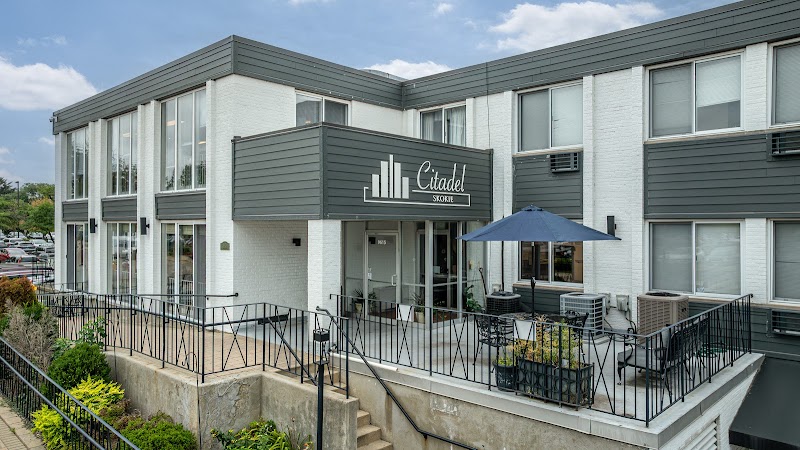
How is Citadel Of Skokie, The Staffed?

CMS rates CITADEL OF SKOKIE, THE's staffing level at 2 out of 5 stars, which is below average compared to other nursing homes. Staff turnover is 29%, compared to the Illinois average of 46%. This relatively stable workforce can support continuity of care.

What Have Inspectors Found at Citadel Of Skokie, The?

State health inspectors documented 41 deficiencies at CITADEL OF SKOKIE, THE during 2022 to 2025. These included: 2 Immediate Jeopardy (the most serious level, indicating potential for serious harm or death), 3 that caused actual resident harm, 31 with potential for harm, and 5 minor or isolated issues. Immediate Jeopardy findings are rare and represent the most serious regulatory concerns. They require immediate corrective action.
Who Owns and Operates Citadel Of Skokie, The?

CITADEL OF SKOKIE, THE is owned by a for-profit company. For-profit facilities operate as businesses with obligations to shareholders or private owners. The facility is operated by CITADEL HEALTHCARE, a chain that manages multiple nursing homes. With 113 certified beds and approximately 103 residents (about 91% occupancy), it is a mid-sized facility located in SKOKIE, Illinois.
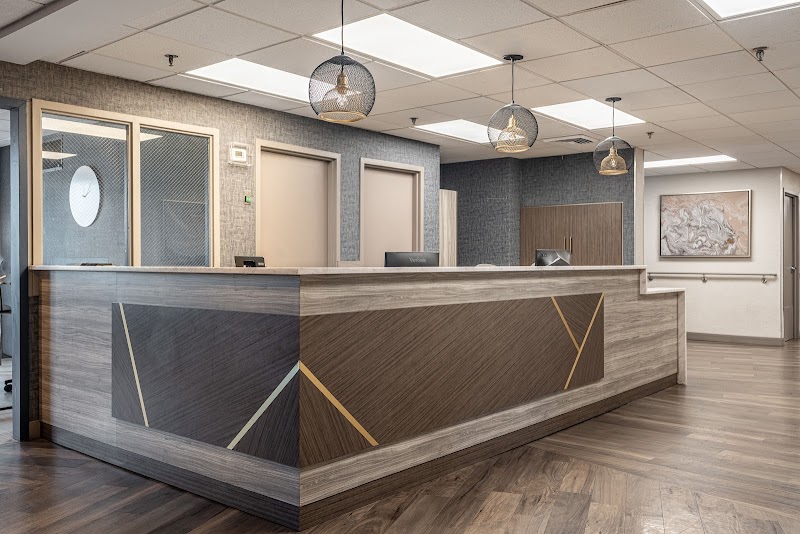
How Does Citadel Of Skokie, The Compare to Other Illinois Nursing Homes?

Compared to the 100 nursing homes in Illinois, CITADEL OF SKOKIE, THE's overall rating (2 stars) is below the state average of 2.5, staff turnover (29%) is significantly lower than the state average of 46%, and health inspection rating (2 stars) is below the national benchmark.

What Should Families Ask When Visiting Citadel Of Skokie, The?

Based on this facility's data, families visiting should ask: "What changes have been made since the serious inspection findings, and how are you preventing similar issues?" "What safeguards and monitoring systems are in place to protect residents from abuse or neglect?" "Can you walk me through typical staffing levels on day, evening, and night shifts?" "Can I visit during a mealtime to observe dining assistance and food quality?" These questions are particularly relevant given the facility's Immediate Jeopardy citations, the substantiated abuse finding on record, and the below-average staffing rating.

Is Citadel Of Skokie, The Safe?

Based on CMS inspection data, CITADEL OF SKOKIE, THE has documented safety concerns. The facility has 1 substantiated abuse finding (meaning confirmed case of resident harm by staff or other residents). Inspectors have issued 2 Immediate Jeopardy citations (the most serious violation level indicating risk of serious injury or death). The facility has a 2-star overall rating and ranks #100 of 100 nursing homes in Illinois. Families considering this facility should ask detailed questions about what corrective actions have been taken since these incidents.

Do Nurses at Citadel Of Skokie, The Stick Around?

Staff at CITADEL OF SKOKIE, THE tend to stick around. With a turnover rate of 29%, the facility is 17 percentage points below the Illinois average of 46%. Low turnover is a positive sign. It means caregivers have time to learn each resident's needs, medications, and personal preferences. Consistent staff also notice subtle changes in a resident's condition more quickly.

Was Citadel Of Skokie, The Ever Fined?

CITADEL OF SKOKIE, THE has been fined $33,187 across 4 penalty actions. This is below the Illinois average of $33,411. While any fine indicates a compliance issue, fines under $50,000 are relatively common and typically reflect isolated problems that were subsequently corrected. Families should ask what specific issues led to these fines and confirm they've been resolved.

Is Citadel Of Skokie, The on Any Federal Watch List?

CITADEL OF SKOKIE, THE is not on any federal watch list. The most significant is the Special Focus Facility (SFF) program, which identifies the bottom 1% of nursing homes nationally based on persistent, serious quality problems. Not being on this list means the facility has avoided the pattern of deficiencies that triggers enhanced federal oversight. This is a positive indicator, though families should still review the facility's inspection history directly.