GROVE OF SKOKIE, THE
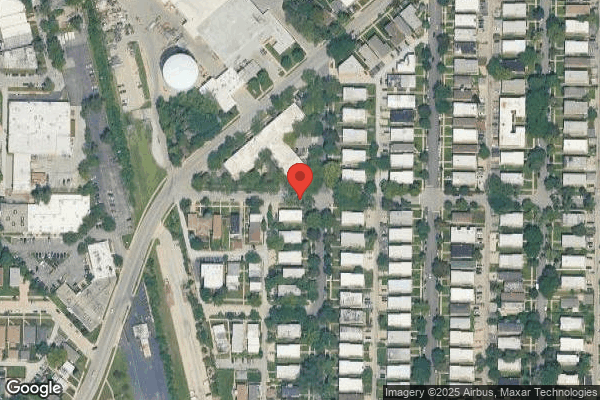
9000 LA VERGNE AVENUE, SKOKIE, IL 60077 (847) 679-2322
For profit - Limited Liability company 149 Beds LEGACY HEALTHCARE Data: November 2025
Trust Grade
83/100
#42 of 665 in IL
Last Inspection: May 2025

Inspected within the last 6 months. Data reflects current conditions.

Overview

The Grove of Skokie has a Trust Grade of B+, which means it is above average and recommended for families considering care options. It ranks #42 out of 665 facilities in Illinois, placing it in the top half, and #13 out of 201 in Cook County, indicating that it is one of the better local options. The facility's trend is stable, with the same number of issues reported in both 2024 and 2025. While the staffing rating is below average at 2 out of 5 stars, the 25% turnover is good compared to the state average of 46%, suggesting that staff members tend to stay longer. There have been no fines recorded, which is a positive sign, and the facility has average RN coverage, providing some reassurance regarding medical oversight. However, there are serious concerns, including a failure to prevent pressure injuries for residents, which led to a severe case for one individual. Additionally, the facility did not follow proper procedures for pain management for another resident, raising concerns about the adequacy of care. It is important for families to weigh these strengths and weaknesses when making decisions.

Trust Score
B+
83/100
In Illinois
#42/665
Top 6%
Safety Record
Moderate
Needs review
Inspections
Holding Steady
3 → 3 violations
Staff Stability
✓ Good
25% annual turnover. Excellent stability, 23 points below Illinois's 48% average. Staff who stay learn residents' needs.
Penalties
✓ Good
No fines on record. Clean compliance history, better than most Illinois facilities.
Skilled Nurses
⚠ Watch
Each resident gets only 23 minutes of Registered Nurse (RN) attention daily — below average for Illinois. Fewer RN minutes means fewer trained eyes watching for problems.
Violations
⚠ Watch
12 deficiencies on record. Higher than average. Multiple issues found across inspections.
★★★★★
5.0
Overall Rating
★★☆☆☆
2.0
Staff Levels
★★☆☆☆
2.0
Care Quality
★★★★★
5.0
Inspection Score
Stable
2024: 3 issues
2025: 3 issues

The Good

  • Low Staff Turnover (25%) · Staff stability means consistent care
  • Full Sprinkler Coverage · Fire safety systems throughout facility
  • No fines on record
  • Staff turnover is low (25%)

    23 points below Illinois average of 48%

Facility shows strength in staff retention, fire safety.

The Bad

Chain: LEGACY HEALTHCARE

Part of a multi-facility chain

Ask about local staffing decisions and management

The Ugly 12 deficiencies on record

2 actual harm
Sept 2025 1 deficiency
CONCERN (D) 📢 Someone Reported This

A family member, employee, or ombudsman was alarmed enough to file a formal complaint

Potential for Harm - no one hurt, but risky conditions existed

Quality of Care (Tag F0684)

Could have caused harm · This affected 1 resident

**NOTE- TERMS IN BRACKETS HAVE BEEN EDITED TO PROTECT CONFIDENTIALITY** Based on observation, interview, and record review the facility failed to provide needed care and services in accordance with re...

Read full inspector narrative →
**NOTE- TERMS IN BRACKETS HAVE BEEN EDITED TO PROTECT CONFIDENTIALITY** Based on observation, interview, and record review the facility failed to provide needed care and services in accordance with resident's plan of care as ordered by physician, facility's protocol, and professional standard of practice. This deficiency affects two (R2 and R4) of three residents reviewed for Quality of care. Findings include:R2On 9/2/25 at 10:21AM, Observed R2 up in wheelchair. She is alert with cognitive and communication impairment due to intellectual disability. She needs assistance with ADLs (Activity of daily living) and transfers. Assessed skin condition of R2's bilateral under the breast with V8 LPN (Licensed Practical Nurse) and V9 CNA (Certified Nurse Assistant). Observed redness under both breasts. V9 CNA said that she applied this morning Vitamin D ointment. V8 LPN said that R2 has fungal rash, and she has an order of Nystatin powder twice daily, but she has not applied it yet. On 9/3/25 at 10:41AM, Reviewed R2's medical records with V4 Wound Care Nurse. V4 said that R2 ‘s Braden scale upon admission on [DATE] indicated score of 19 at high risk for skin impairment. She developed fungal rash under the breast as reported by nursing staff due to complaint of family member. She said that she observed the skin impairment under R2's bilateral breast but did not do the assessment but initiated the treatment order on 8/25/25. She also said she did not update care plan. She said that their protocol requires written assessment of skin impairment to be documented in wound assessment or progress notes, notify the physician for appropriate treatment order and update the care plan. She said that she just updated the care plan yesterday 9/2/25 when surveyor asked for it. She is not aware that group home case manager came in for complaint on 8/20/25 based on grievance report completed by V2 DON. V4 said that she did not update R2's family member of the treatment obtained for the redness under the breast. V4 said that Vitamin D ointment is not an appropriate treatment for fungal rash under the breast. R2 is admitted on [DATE] with diagnosis listed in part but not limited to Displaced fracture of olecranon process with intraarticular extension of right ulna, Cognitive communication deficit, Genetic related intellectual disability, Disorder of psychological development, Need for assistance with personal care, Difficulty walking, unsteadiness of feet. Physician order sheet indicated Nystatin external powder 100,000 unit/gm apply under both breasts topically every day and evening shift for fungal rash. Cleanse under the breast area with soap and water then apply powder under breast on affected areas ordered 8/25/25. No care plan formulated for under the breast fungal rash until 9/2/25. No documentation of under the breast fungal rash skin assessment and identification in R2's medical record. R2's admission Braden skin assessment indicated at high risk for skin impairment. R2's grievance form completed by V2 DON dated 8/20/25 indicated that R2's home care case manager presented concern about R2's redness under the breast. No documentation of assessment done. Treatment order not obtained until 8/25/25. R4On 9/2/25 at 11:02AM, Observed R4 lying in bed with low air loss mattress. He is alert and responsive to simple questions. He needs maximum to total care assistance with ADLs and transfers. V8 LPN said that R4 has sacral and right hip wound dressing. On 9/2/25 at 11:15Am, V2 DON (Director of Nursing) said that V4, Wound care nurse, is not yet in the building but will come later. She said that the floor nurse does the wound treatment in absence of wound care nurse. Informed V2 that surveyor will observe V8 LPN for R4's wound care. On 9/2/25 at 11:24AM, V8 LPN and V6 LPN reviewed R4's treatment orders and prepared for wound treatment. R4 has left AKA (Above the knee amputation). R4 repositioned to his right side. Observed no sacral wound dressing. R4 has moderate amount of soft brown bowel movement in his adult disposable brief. Observed redness with 100% epithelization tissue. V8 cleansed with NSS. Applied Nystatin powder 100,000 unit/gram to the sacral, applied gauze and covered with bordered gauze dressing. V8 also applied nystatin powder to perineal area. Then R4 repositioned to his left side. V8 removed the wound dressing saturated with moderate serosanguinous drainage. V8 cleansed with NSS. R4 has red wound tissue 50% granulation with 50% yellowish slough attached to the wound base. V8 applied calcium alginate and medical grade honey, gauze and covered with bordered gauze dressing. On 9/3/25 at 10:41AM, Reviewed R4's medical records with V4 Wound Care Nurse. V4 said that R4's re-admission Braden scale assessment dated [DATE] indicated high risk for skin impairment. He has DTI on sacrum and unstageable pressure ulcer on right hip. He has daily dressing and PRN to both sacral and right hip. She said that it's their protocol to follow physician orders in providing wound treatment. The floor nurses are knowledgeable to perform wound care as indicated in treatment record /Physician order. Informed above observation made during wound care with V8 LPN and V6 LPN. R4 is re-admitted on [DATE] with diagnosis listed in part but not limited to Acquired absence of left leg below the knee, Cognitive communication deficit, Dysphagia, Lack of coordination, Difficulty walking, Dermatitis, Type 2 Diabetes Mellitus, Parkinson's disease. Physician order sheet indicated: Right hip: Cleanse with normal saline, apply medical grade honey to wound bed, cover with calcium alginate and secure with bordered foam dressing daily and as needed. Sacrum: cleanse with normal saline, apply skin prep to site and cover with bordered foam dressing daily and as needed. Nystatin external powder 100,000 unit/gm apply to perineal area topically every day and evening shift for redness and itching. Comprehensive care plan indicated: R4 has an actual impairment to skin integrity related to contractures, Braden score and medical diagnosis. Left AKA- surgical wound, Sacrum- DTI (Deep tissue injury), Right hip- unstageable, and perineal fungal infection. He has an ADL self-care performance and impaired mobility. R4's wound /skin assessment report completed by V14 Wound care Nurse Practitioner dated 8/27/25 indicated: Sacrum Pressure ulcer, DTI, 2cm x 2cm x 0cm, 100% epithelial. Right hip Pressure ulcer, Unstageable, 2.8cm x 3cm x0.3cm, 40% slough, 60% granulation, peri wound-erythema, moderate amount of serosanguineous exudate. re-admission Braden scale assessment completed on 8/5/25 indicated at high risk for skin impairment. On 9/3/25 at 12:01PM, Informed V3 ADON of above observation made and concerns identified to R2 and R4. V3 said that V4 Wound nurse or floor nurse should document newly identified skin impairment to resident's wound assessment or progress notes, call physician for appropriate treatment order, update care plan and notify family member. The nurses should follow the physician orders when providing wound care. On 9/3/25 at 2:18PM, Informed V1 Administrator, V2 DON and V15 Nurse Consultant of concerns identified to R2 and R4. Facility's policy on Skin Care Regimen and Treatment Formulary reviewed 7/3/25 indicated: Policy Statement: it is the policy of the facility to ensure prompt identification, documentation and to obtain appropriate treatment for residents with skin breakdown. Procedures: 1. Charge nurse must document in the electronic health record any skin breakdown upon assessment and identification. Furthermore, treatment must be obtained from the patient's physician. 2. Routine daily wound care treatment/dressing change is administered by the wound care nurse or designee unless otherwise indicated by patient's attending physician.a) Pressure injuriesc) Other skin conditions5. Refer any skin breakdown to the skin care team and physician including wound physician/NP for further review and management as indicated.7. Notify the patient family/next of kin or POA for any new skin alteration that is identified during stay at the facility. 11. Treatment protocol: III. Stage 3 and Stage 4: Calcium alginate, Thera Honey, Deep tissue Injury (DTI): Foam dressinge) Rashes associated with allergy, dermatitis:*Incontinent rash with yeast infection: Antifungal: Triamcinolone/NystatinFacility's policy on Wound Care Guidelines reviewed 1/24/24 indicated: Procedures: 9. Documentation: c. The care plan shall be evaluated and revised based on resident's response to treatment, treatment, goals, and outcomes.d. The resident's skin alteration/breakdown shall be documented in the resident's clinical records in accordance with the facility's policy and in compliance with current regulatory standards. 12. Wound assessment for non-pressure skin alterations: non-pressure skin alterations documentation shall include but are not limited to perineal dermatitis, excoriation, skin tears, cuts, abrasions, surgical wounds, burns, rashes and abrasions and wound related pain. Facility's policy on Physician orders revised 7/3/5 indicated: Policy statement: It is the policy of this facility to ensure that all resident/patient medications, treatment, and plan of care must be accordance to the licensed physician's orders. The facility shall ensure to follow physician orders as it is written in the POS. 9. Provision of care, treatment and services administered by the facility to the patient must be approved by the attending physician unless these treatment and services are governed by the facility's clinical policy and procedures as approved by the medical director. Facility's policy on Care plan revised 6/30/25 indicated: Policy statement: It is the policy of the facility to ensure that all care plans including base line care plans are in conjunction with the federal regulations. Procedures: 5. These will be periodically reviewed and revised by a team of qualified person after each assessment.
May 2025 2 deficiencies
CONCERN (D)

Potential for Harm - no one hurt, but risky conditions existed

Pressure Ulcer Prevention (Tag F0686)

Could have caused harm · This affected 1 resident

**NOTE- TERMS IN BRACKETS HAVE BEEN EDITED TO PROTECT CONFIDENTIALITY** Based on interview and record review, the facility failed to assess pressure ulcer for 1 (R105) of 4 residents reviewed for pres...

Read full inspector narrative →
**NOTE- TERMS IN BRACKETS HAVE BEEN EDITED TO PROTECT CONFIDENTIALITY** Based on interview and record review, the facility failed to assess pressure ulcer for 1 (R105) of 4 residents reviewed for pressure ulcers in a sample of 50. Findings include: R105 is an [AGE] year-old resident admitted to the facility on [DATE] with diagnoses including but not limited to: congested heart failure, atrial fibrillation, and osteomyelitis of the vertebral, sacral, and sacrococcygeal region. On the (MDS) Minimal Data Set assessment of 4/4/2025, section C, the BIMS (Brief Interviewed Mental Status) score was 11/15 and indicates moderate cognitive impairment. On MDS of 4/4/2025, GG section R105 requires partial/moderate assistance - Helper does less than half the effort. The helper lifts, holds, or supports the trunk or limbs, but provides less than half the effort. Behavior Section E dated 1/24/205 and 2/10/2025 showed no refusal care behavior. On 5/5/2025 at 10:36 AM, R105 was observed in his room, upset because staff members just told him that he had to go to the hospital to treat his buttocks wound and did not want to talk about his care and just said, I don't feel good. Record review of wound treatment of the sacrum for April 2025 and May 2025, R105 only refused treatment on one day, dated 4/5/2025. Record review of 5/5/2025 hospital records read: R105 feels 'lousy and stated he is in pain and the sacrum wound is painful, moving around makes the pain worse. V19 (Hospital Physician) assessment described the sacrum wound as unstageable but I can see muscle, it is foul smelling with purulent discharge. On 05/05/25 at 2:32 PM, V7(Registered Nurse) said, R105 was transferred to the hospital because of losing weight and refusing care, wound worsening, and pain. I did not do the dressing today, but the DON (V2) and V14 (Certified Nursing Assistant) changed the dressing, and V18 (NP) called and gave the order to send the resident to the Emergency Department. When questioned, V7 (RN), what R105's weight-loss was and how the wound appeared, the nurse indicated she didn't know how much the resident lost and could not describe the wound because she had not seen it. The surveyor asked if R105 was her resident. V7 said it was, but she had received directives from the DON and followed V18's NP orders. The surveyor asked how much the resident ate today, but V7 was not able to provide the information either. On 5/6/2025 at 8:57 AM, requested skin assessment of R105's coccyx area to V6 (Wound Care Nurse) for the month of January 2025, and no skin assessment was provided upon request. V6 said, R105 did not have a current coccyx wound, and the 1/15/2025 wound assessment is a new stage 4 facility-acquired coccyx wound. V6 said that CNAs (Certified Nursing Assistants) assess the residents twice a week during showers and incontinence care and will notify the nurses and me if there is a skin impairment noted during care. I am not sure how long R105's wound was present before I was notified. 05/6/2025 at 11:30 AM, V2 (Director of Nursing) said, nurses are not expected to complete skin assessment, and the facility no longer enters skin assessment as an order. Certified nursing assistants will notify nurses or the wound care nurse if there is any skin impairment. The surveyor requested facility provide shower sheets from January to the current, and skin assessment, but only one skin evaluation dated 4/8/2025 was provided. Coccyx wound assessment dated [DATE] described the initial assessment as a Coccyx stage 4, and V2 was not able to discuss why treatment and assessment were not done sooner. The surveyor asked V2 if the resident came in with an existing pressure ulcer. V2 stated, No, it is facility-acquired. On 5/6/2025 at 12:40 PM, V12 (Licensed Practical Nurse) said that V14 (Certified Nursing Assistant Supervisor) called her to assist with R1's wound around 9:00 AM on 5/5/2025. V12 said, I am assigned to R105 sometimes, but the floor nurse was not available, so I went in the room to help. The wound looked big, and with a lot of drainage that looked like pus, and with an odor. On 5/6/2025 at 4:57 PM, V13(Family Member) said, I received a phone call on Monday from the facility that (R105) was going to the hospital because of the wound worsening, pain, and failure to thrive. I know that (R105) did not want to turn and move because of the pain. I spoke with the physician from the hospital today and indicated that the buttocks wound will never heal. That is what my uncle will have to live with. On 5/7/2025 at 1:45 PM, V18 (Nursing Practitioner) said her company recently started to provide services to the facility starting April 2025 and had to debride the wound a couple of times for non-viable tissue necrotic (dead) tissue. On 04/30/2025, V18 provided a description of the sacrum wound to have exposed tissue and be able to see Bone, Muscle,/Fascia after the debridement. V18 said, I used lidocaine numbing medication during the wound procedure and believes that R105 has other pain medication ordered, but could not provide which pain medication to the surveyor. When questioned on how long a wound would take to get to a stage 4, V18 said that it is not an easy question to answer because R105 had some comorbidities to take in consideration. On record review of the May TAR (Treatment Administration Record), V7 entered NN on the electronic treatment record for 5/5/2025, which means see nurses' notes, but no wound nurses' notes were recorded or provided to the surveyor when requested. On the electronic medication record, pain medication was ordered until 5/2/2025. Physician orders read: Acetaminophen Tablet 325 MG. Give 2 tablets by mouth every shift for pain (give 1 hour before treatment). There were no pain medications provided as needed for pain for the month of April 2025. R105's wound of the Coccyx initial assessment dated [DATE], and there are no weights completed since 4/9/2025 to determine percentage weight loss. When a pressure ulcer list was requested by the survey team on 5/5/25, R105 was not included on the pressure ulcer list until requested again by the survey team to provide a more precise list. Surveyors asked V6 about the discrepancy, but only indicated that it was because the resident was being discharged the same day as the start of the annual survey. On 5/06/2025 at 4:11 AM, V1(Administrator) provided the policy title, Skin Care Regimen and Treatment Formulary, reviewed dated 1/24/2024. Which reads in part (but not limited to), Policy Statement It is the policy of this facility to ensure prompt identification, documentation, and to obtain appropriate treatment for residents with skin breakdown. Procedures 1. Charge nurses must document in the Electronic Health Record any skin breakdown upon assessment and identification. Furthermore, treatment must be obtained from the patient's physician. 2. Routine daily wound care treatment/ dressing change is administered by the wound care nurse or designee daily unless otherwise indicated by the patient's attending physician. Pressure Injuries: III. Stage 3 and Stage 4: Clean Wound Bed: Calcium Alginate, Thera Honey, Hydrocolloid, Xeroform Gauze
CONCERN (E)

Potential for Harm - no one hurt, but risky conditions existed

Deficiency F0645 (Tag F0645)

Could have caused harm · This affected multiple residents

**NOTE- TERMS IN BRACKETS HAVE BEEN EDITED TO PROTECT CONFIDENTIALITY** Based on interview and record review, the facility failed to conduct a PASARR (pre-admission screening and resident review) for ...

Read full inspector narrative →
**NOTE- TERMS IN BRACKETS HAVE BEEN EDITED TO PROTECT CONFIDENTIALITY** Based on interview and record review, the facility failed to conduct a PASARR (pre-admission screening and resident review) for residents in the facility for a mental disorder or related condition prior to being admitted and failed to ensure residents identified with a mental disorder or related condition were evaluated and provided care in the most appropriate setting for 4 (R2, R4, R7, and R25) of 6 residents reviewed for PASARR screening. Findings include: R2 is [AGE] years of age. R2's medical diagnoses include but are not limited to Dementia diagnosed 6/14/24, Schizoaffective disorder upon admission, Major Depressive Disorder upon admission, and Anxiety upon admission. R2's comprehensive assessment dated [DATE] section C cognitive patterns documents a brief interview for mental status with a score of 11 out of 15. A score of 8-12 indicates R2 has moderate cognitive impairment. On 05/07/25 at 1:14 PM, V10 Admissions Director was inquired of R2's PASARR screening. V10 said, I just started a year ago. I know the PASARR screening was started in 2022 or 2023. I didn't know R2 was supposed to be screened. V10 did not provide a PASARR screening for R2. V10 provided R2's OBRA (Federal Omnibus Budget Reconciliation Act) pre-admission screening from June 1996. On 05/07/25 at 01:21 PM, review of R2's census indicates he was admitted to the facility on [DATE]. Upon review of R2's medical record, there was no documentation of a PASARR (preadmission screening resident review) upon admission. R2's current physician orders document the following medications- Ativan Oral Tablet 1 MG (Lorazepam) *Controlled Drug* Give 1 tablet by mouth two times a day. (Antianxiety medication) and Risperidone Oral Tablet 4 MG Give 1 tablet by mouth two times a day for schizophrenia, bipolar. (Antipsychotic medication). R4 is [AGE] years of age. R4 was admitted to the facility on [DATE]. R4's medical diagnoses include but are not limited to Dementia and Schizophrenia diagnosed on admission. Review of R4's electronic medical records does not document a PASARR screening upon admission. R4's comprehensive assessment dated [DATE] section C cognitive patterns documents a brief interview for mental status with a score of 3 out of 15. A score of 0-7 indicates R4 has severe cognitive impairment. On 05/07/25 at 11:56 AM, V10 provided R4's preadmission screening and resident review submitted on 5/7/25 at 10:51 AM. V10 Admissions Director was inquired of the newly submitted information. V10 said, R4 never had one so I ran it today. V10 submitted a level 1 screening to the state appointed agency on 5/7/25 when inquired of R4's screening. R4's current physician orders document the following - Behavior Monitoring for Schizophrenia: Monitor for the following: Delusion, Hallucinations, Disorganized speech, Grossly disorganized or catatonic behavior and Negative Symptoms (e.g. reduced emotional expression). There are no current medications related to her diagnoses. R7 is [AGE] years of age. R7 was admitted to the facility on [DATE]. R7's medical diagnoses include but are not limited to Epilepsy, Major Depressive Disorder, and Schizophrenia diagnosed on admission. Dementia was diagnosed on [DATE]. Review of R7's electronic medical records does not document a PASARR screening upon admission. R7's comprehensive assessment dated [DATE] section C cognitive patterns documents a brief interview for mental status with a score of 13 out of 15. A score of 13-15 indicates R7 is cognitively intact. On 05/07/25 at 11:00 AM, V10 provided R7's preadmission screening and resident review submitted on 5/7/25 at 10:42 AM. V10 Admissions Director was inquired of the newly submitted information. V10 said, R7 never had one so I ran it today too. V10 submitted a level 1 screening to the state appointed agency on 5/7/25 when inquired of R7's PASARR screening upon admission. R7's current physician orders document the following medications- Haloperidol Tablet 2 MG Give 1 tablet by mouth two times a day for Anxiety Disorder (Antipsychotic medication), Zoloft Oral Tablet 50 MG (Sertraline HCl) Give 1 tablet by mouth one time a day for depression (Antidepressant medication), and Ativan Oral Tablet 1 MG (Lorazepam) *Controlled Drug* Give 1 tablet by mouth three times a day for Anxiety. R25 is [AGE] years of age. R25's medical diagnoses include but are not limited to Dementia diagnosed 10/1/22, Schizoaffective Disorder, Major Depressive Disorder, and Visual Hallucinations diagnosed upon admission. R25's comprehensive assessment dated [DATE] section C cognitive patterns documents a brief interview for mental status with a score of 3 out of 15. A score of 0-7 indicates R25 has severe cognitive impairment. On 05/06/25 at 01:43 PM, V1 Administrator was inquired of R25's PASARR screening. V1 said, R25 did not have a PASARR assessment done. On 05/07/25 at 11:19 AM, review of R25's electronic medical record, no assessment was found. V10 Admissions Director initiated R25's PASARR screening upon surveyor request on 05/06/2025. R25 was admitted to the facility on [DATE]. Upon review of R2's medical record, there was no documentation of a PASARR (preadmission screening resident review) upon admission. Upon review of R25's electronic medical record, there was no documentation of a PASARR (preadmission screening resident review) upon admission. R25's current physician orders document the following medications- Olanzapine Oral Tablet 5 MG Give 1 tablet by mouth at bedtime. (Antipsychotic medication) and Mirtazapine Oral Tablet 30 MG Give 1 tablet by mouth at bedtime for depression, anxiety. (Antidepressant medication). The facility did not provide a policy regarding PASARR screening. Resident #25 PASARR 05/06/25 01:43 PM V1 said, R25 did not have a PASARR assessment done. 05/07/25 11:19 AM No assessment, initiated upon surveyor request on 05/06/2025.
Oct 2024 1 deficiency
CONCERN (D) 📢 Someone Reported This

A family member, employee, or ombudsman was alarmed enough to file a formal complaint

Potential for Harm - no one hurt, but risky conditions existed

Infection Control (Tag F0880)

Could have caused harm · This affected 1 resident

**NOTE- TERMS IN BRACKETS HAVE BEEN EDITED TO PROTECT CONFIDENTIALITY** Based on observation, interview and record review the facility failed to ensure soiled linens were handled in a manner to preven...

Read full inspector narrative →
**NOTE- TERMS IN BRACKETS HAVE BEEN EDITED TO PROTECT CONFIDENTIALITY** Based on observation, interview and record review the facility failed to ensure soiled linens were handled in a manner to prevent cross contamination, and failed to ensure incontinence care was completed in a manner to prevent contamination for 1 of 3 residents (R1) reviewed for infection control in the sample of 3. The findings include: R1's admission sheet shows he was admitted to the facility on [DATE] with multiple diagnoses. His 7/24/24 facility assessment and care screening documents him to be cognitively intact. The same document shows R1 has a colostomy and to always be incontinent of urine. The functional assessment shows R1 requires substantial to maximal assistance to roll side to side, sit up, and to transfer between surfaces. On 10/12/24 at 9:30 AM, R1 was observed lying in bed wearing a hospital gown, and an incontinence brief. V4 CNA (Certified Nursing Assistant) entered the room and removed the top sheet. V4 removed R1's incontinence brief, and V5 CNA assisted her with positioning. R1's scrotum and groin area were bright red after the removal of the soiled brief. V4 and V5 rolled R1 over to his right side. The pad and sheet under him were visibly soiled from the buttocks area and up his back. After the brief was removed, V4, using a disposable wipe, did not open the wipe, and blotted parts of R1's buttocks. She did not wash his buttocks or his backside. V4 then wiped the buttocks with ointment. V4 and V5 rolled R1 over to his left side to remove the soiled linens. Once the linens were removed from under R1, V5 threw them on the floor. Without cleaning up the groin and scrotum from urine, V4 placed ointment across the area and placed the clean incontinence brief. On 10/12/24 at 1:00 PM, V2 DON (Director of Nursing) said R1 should be changed every 2 hours. When he is changed, the CNA should be using soap and water and cleaning wherever the skin has been soiled. The areas should include the groin and scrotum. V2 said if the urine is not cleaned off it could cause skin breakdown. The disposable wipes should have soap on them, and opened up to use. V2 said the soiled linens are to be placed in a bag and should not be thrown on the floor, that is an infection control issue. The facility's 7/31/24 policy for Incontinent and Perineal Care documents it is the policy of the facility to provide perineal care to ensure cleanliness and comfort to the resident to prevent infection and skin irritation, and to observe the resident's skin condition. Procedures: 6. Wash the perineal area and gently dry after the procedure. 7. Discard disposable items into designated container/plastic bag.
Jun 2024 2 deficiencies
CONCERN (D)

Potential for Harm - no one hurt, but risky conditions existed

Deficiency F0583 (Tag F0583)

Could have caused harm · This affected 1 resident

Based on observation, interview, and record review the facility failed to follow the Statement of Resident Rights when a resident was left exposed showing his bare chest and legs visible from the hall...

Read full inspector narrative →
Based on observation, interview, and record review the facility failed to follow the Statement of Resident Rights when a resident was left exposed showing his bare chest and legs visible from the hallway. This failure affected one resident (R86) reviewed for privacy in a total sample of 26. Findings include: On 06/04/24 at 05:56 AM, R86 was observed with his bare chest and legs exposed in his wheelchair from the hallway while V12 (Certified Nurse Aide) was observed changing the linen on R86's bed. On 06/04/24 at 05:59 AM, R86 said he prefers his door closed when changing and does not want to be exposed to the public. On 06/05/24 at 01:07 PM, V2 (Director of Nursing) stated staff should use the privacy curtain or close the door for privacy. On 06/04/24 at 06:00 AM, V12 (Certified Nursing Assistant) said staff should close the door or use the privacy curtain when changing a resident to ensure privacy. On 06/04/24 at 06:22 AM, R60 said R86 was exposed and visible from across the hallway. On 06/06/24 at 02:32 PM, V14 (Social Service Director) said she was told by V1 (Administrator) R86 has a preference to be in his brief and does not want to use the privacy curtain or his door closed. V14 said she added the behavior care plan today. V14 said she was unaware of R86 having these behaviors/preferences and did not see any of these behaviors charted in R86's medical record. Statement of Resident Rights documents: Resident Rights. The resident has a right to a dignified existence, self-determination, and communication with and access to persons and services inside and outside the facility, including those specified in this section. (1) A facility must treat each resident with respect and dignity and care for each resident in a manner and in an environment that promotes maintenance or enhancement of his or her quality life, recognizing each resident's individuality. The facility must protect and promote the rights of the resident.
CONCERN (F)

Potential for Harm - no one hurt, but risky conditions existed

Food Safety (Tag F0812)

Could have caused harm · This affected most or all residents

Based on observation, interview, and record review the facility failed to follow the Kitchen Policy by not labeling and dating a package of pita bread and a bulk bag of Indian (Baking) Flour. This fai...

Read full inspector narrative →
Based on observation, interview, and record review the facility failed to follow the Kitchen Policy by not labeling and dating a package of pita bread and a bulk bag of Indian (Baking) Flour. This failure has the capacity to affect 131 residents with an oral diet. The facility also failed to follow Sanitizer Manufacturer Instructions and Procedures for 3 Compartment Sinks by not immersing blender items for one minute. This failure has the capacity to affect 13 residents on a puree diet. Findings include: On 6-4-24 at 8:00 AM, surveyor observed walk-in refrigerator and noted pita bread wrapped in foil. The pita had no label with open/made date and expiration date. On 6-4-24 at 8:08 AM, surveyor observed dry food storage and noted an (opened) bag of Indian flour with no label with open date or expiration date. On 6-4-24 at 8:08 AM, V11 (Dietary Manager) said all food should be dated with open date and expiration date. V11 said the open date determines how long the food can be used. V11 said he will remove the pita bread and the Indian flour. Kitchen Policy dated 7-23-23 documents: e. Refrigerated food should be covered, dated, and labeled, and shelved to allow air circulation. i. Dry Storage: iv. large bulk items rice, flour, etc, are labeled. On 6-4-24 at 9:40 AM, surveyor observed V13 (Cook) sanitize blender items for less than 30 seconds in the 3 compartment sink. Manufacturer's Instructions documents: 3. Sanitize equipment and utensils by immersion in a use-solution of 1-2 ounces of this product per 4 gallons of water (or equivalent dilution) for at least 60 seconds at a temperature of 75 degrees. Procedures For 3 Compartment Sinks documents: Immerse utensils in Sanitizer Sink for a full minute. On 6-6-24 at 11:45 AM, V13 (Cook) said items are sanitized for 2 minutes to ensure all the bacteria is removed. On 6-4-24 at 9:45 AM, V11 (Dietary Manager) said staff should sanitize items for 30 seconds. Facility Roster dated 6-4-24 documents: 13 residents on puree diet. Facility Roster dated 6-4-24 documents: 131 residents on oral diet.
Jun 2023 1 deficiency
CONCERN (D) 📢 Someone Reported This

A family member, employee, or ombudsman was alarmed enough to file a formal complaint

Potential for Harm - no one hurt, but risky conditions existed

Free from Abuse/Neglect (Tag F0600)

Could have caused harm · This affected 1 resident

**NOTE- TERMS IN BRACKETS HAVE BEEN EDITED TO PROTECT CONFIDENTIALITY** Based on interviews and record reviews the facility failed to keep a resident free from being physically abused by another resid...

Read full inspector narrative →
**NOTE- TERMS IN BRACKETS HAVE BEEN EDITED TO PROTECT CONFIDENTIALITY** Based on interviews and record reviews the facility failed to keep a resident free from being physically abused by another resident. This failure applied to two (R3 and R4) of three residents reviewed for abuse. Findings include: R3 is a [AGE] year-old female with a diagnoses history of Bipolar Disorder, Schizophrenia, Schizoaffective Disorder, Paranoid Personality Disorder, Unspecified Psychosis not due to a Substance or Known Physiological Condition who was admitted to the facility 01/31/23. R3's admission's hospital report dated 01/20/23 documents R3 was sent to the hospital with a petition form nursing facility due to increasing agitation, paranoid, aggressive and bizarre behavior. R3 was petitioned from a healthcare facility related to delusional, paranoid, and physically aggressive behaviors towards co peers. R3's current care plan for abuse revised 05/11/23 documents she has a history of medical and mental health comorbidities, denies being a victim or perpetrator of abuse, has trouble with personal boundaries, may have some risk of engaging in untoward or conflictual behavior and evoking responses from others due to decline in cognitive functioning; she was involved in an altercation with a peer, the situation was instigated by a peer and involved inappropriate language; R3's current care plan for behavior initiated 03/29/23 documents she has trouble regulating personal behavior, demonstrates behavioral distress (such as physical aggression) with interventions including monitor and assess for mood/behaviors and provide redirection; R3's current care plan for history of aggressive/inappropriate behavior initiated 02/05/23 documents she has a history of aggressive, inappropriate, attention-seeking and/or maladaptive behavior, verbal or physical aggression with interventions including intervene when any inappropriate behavior is observed. R3's progress note dated 5/11/2023 05:18 PM documents writer was made aware by staff that resident was physically aggressive towards another resident. Resident remains on 1:1 monitoring. R3's abuse investigation report dated 05/17/23 documents on 05/11/23 at approximately 5 PM V10 (Licensed Practical Nurse) reported to V2 (Director of Nursing) that R3 became aggressive with R4 when they were attempting to pass each other in the hallway. R4 was interviewed and reported while ambulating in the hallway by wheelchair she was suddenly attacked by R3 who when passing by suddenly got up and tried to grab R4's arm. R4's arm was observed with three small scratch marks with no bleeding. V10 was interviewed and reported he observed R3 get up from her wheelchair and walk towards R4 in the hall and R3 reported while passing R4 in the hallway R4 was rude to her which R4 denied; V10 reported R3 immediately got up from her wheelchair and aggressively went towards R4 and tried to grab her arm. A total of five staff members were interviewed and reported they have never witnessed R3 physically abuse R4. The report did not include any information that any other staff witnessed the incident or were present during the incident. R4's progress note dated 05/11/2023 5:59 PM documents resident was sent out after she got in physical fight with another resident and was admitted to the hospital for right upper arm contusion. R4's progress note dated 05/13/2023 documents the resident readmitted from the hospital with diagnosis of shoulder pain post altercation. R4's hospital report dated 05/13/23 documents her chief complaint as right shoulder pain after altercation; she presented to the hospital with right shoulder pain after being hit by another resident and reported feeling a bone on her shoulder that isn't usually there. She was admitted by the emergency room after concern for safety at nursing home. R4 reported taking Tylenol and tramadol with relief for chronic arthritis. For shoulder pain after altercation with chronic osteoarthritis, increased tramadol to QID (four times daily) as needed. R4's current physician orders document an active order effective 05/13/23 for 50mg of Tramadol tablet by mouth every 12 hours as needed for pain. On 05/31/22 from 11:47 AM - 12:10 PM V13 (Social Services Worker) reported R3's mood fluctuates from being joyous and happy to delusional. V13 stated R3 can lash out at a resident for no reason if they are talking to themselves and she believes they are talking to her. V5 (Social Services Director) stated she did observe in R3's admission paperwork that while in the hospital she was noted with exhibiting auditory hallucinations, aggravated aggression, and paranoia. V5 stated prior to being in the hospital before admission to the facility R3 had been noted to be at of halfway house. V5 stated per R3's admission paperwork while she was at the halfway house, she exhibited delusional, paranoid, and physically aggressive behaviors to her co peers. V5 stated typically when residents exhibit these behaviors they are monitored. V5 stated R3's triggers involve her delusions. On 05/31/23 from 12:30 PM - 12:45 PM R4 stated during the incident with R3 as she was heading to her room R3 suddenly lunged at her. R4 stated she raised her arm to protect herself and R3 grabbed down on her arm. R4 stated her right shoulder still hurts and they tell her it's ok but she feels its probably dislocated. R4 reported her pain in her right shoulder at a level 10. R4 stated she needs to use her hands and arms daily and it is difficult because of her shoulder pain. R4 stated although she has arthritis her pain seems worse after the incident where she was attacked by R3. R4 stated she is terrified of being at the facility because of the attack by R3 and is only remaining at the facility for the sake of her R7 (Family Member) On 05/31/23 from 12:51 PM - 1:00 PM V10 (Licensed Practical Nurse) stated he was R3's nurse on 05/11/23. V10 stated before the incident R3 was talking with him while he was working behind the nurses station. V10 stated R3 left the nurses station and began walking down the hallway towards the beverage cart. V10 stated he assumed R3 was going to get some tea from the cart. V10 stated he suddenly heard R3 yell from the hallway and upon responding to the yelling he then found R3 standing with her feet caught under R4's wheelchair and holding R4's arm. V10 stated R4 reported to him that R3 attacked her and R3 reported to him that while she was getting tea R4 called her profane names. V10 stated he did not see the interaction between R3 and R4 before or during the incident. V10 stated he only recalled a male dietary staff present during the incident and he did not witness any part of the situation because his back was turned towards the residents. On 05/31/23 from 2:00 PM - 2:33 PM V1 (Administrator) would not specify the level of supervision needed for R3 due to her delusional behavior and history of physical aggression with others as reported by social services. V1 stated the residents are monitored at all times by all staff and includes frequent rounding and staff assigned for frequent rounding, however it is not possible to observe them at every moment. V1 stated an incident can occur if a staff member looks away for even a second. V1 stated it is possible to adequately monitor residents while performing other duties by alternately observing the residents whereabouts and activity between performing work duties such as reviewing health records or passing medication. V1 stated the facility cannot provide one to one supervision for residents on a consistent basis. V1 stated she had not received any information that there were any dietary staff present during R3's incident of being physically aggressive with R4 on 05/11/23. V1 stated all the staff who were interviewed regarding the incident reported that they did not witness the incident. V1 stated due to R3 being delusional it's possible that her report of being verbally attacked by R4 did not occur. V1 agreed if there was a verbal altercation between R3 and R4 prior to the physical altercation as reported by V10 (Licensed Practical Nurse) that any staff present should have been alerted to the situation and intervened to prevent escalation. The facility's abuse policy reviewed 06/01/23 states: It is the policy of the facility to provide professional care and services in an environment that is free from any type of abuse. Abuse is willful infliction of mistreatment or injury. Abuse assumes intent to harm, but inadvertent or careless behavior done deliberately that results in harm may be considered abuse. Physical abuse includes but not limited to infliction of injury that occurs other than by accidental means and requires medical attention. Examples include grabbing and roughly handling. Prevention includes identify, correct and intervene in situations in which abuse is more likely to occur; deployment of sufficient staff to deal with behaviors in the units; monitoring of residents with needs and behaviors that might lead to conflicts.
May 2023 4 deficiencies 2 Harm
SERIOUS (G)

Actual Harm - a resident was hurt due to facility failures

Pressure Ulcer Prevention (Tag F0686)

A resident was harmed · This affected 1 resident

**NOTE- TERMS IN BRACKETS HAVE BEEN EDITED TO PROTECT CONFIDENTIALITY** Based on observation, interview, and record review, the facility failed to prevent or identify the formation of a pressure injur...

Read full inspector narrative →
**NOTE- TERMS IN BRACKETS HAVE BEEN EDITED TO PROTECT CONFIDENTIALITY** Based on observation, interview, and record review, the facility failed to prevent or identify the formation of a pressure injury; failed to follow physician's orders to provide adequate pressure ulcer treatment to prevent the worsening of a pressure injury, and failed to follow their skin care treatment facility policy for 1 of 4 (R49) residents reviewed for pressure injury in a sample size of 30. As a result, R49 acquired a right heel pressure ulcer which progress to an open stage 4 pressure injury Findings include: R49's face sheet showed she is a [AGE] year-old female resident with a past medical history not limited to rhabdomyolysis, acute kidney failure, hypertension and history of Covid-19. She admitted to the facility on [DATE]. Facility provided wound list that indicated R49 has a current facility acquired unstageable pressure ulcer to her right heel that was identified on 09/18/2022. On 05/15/23 at 01:25 PM, observed R49 lying in bed on a pressure relieving mattress with right heel protector loosely in place. Observations made for remainder of 05/15/2023 through 05/18/2023 were of R49 sitting in wheelchair in same position with heels not being offloaded. On 05/16/2023 at 12:15 PM, V13 (Wound Care Coordinator) said R49 acquired the pressure ulcer to her right heel during the time she tested positive for Covid and was also having some mobility issues. V13 added that R49's wound measured 6 centimeters (cm) x 5 centimeters (cm) with no depth upon the initial identification. On 05/17/2023 at 02:42 PM, observed R49's wound care performed by V13 (Wound Care Coordinator) who first removed previous dressing; noted moderate amount of light to dark brown drainage visible throughout dressing. R49's right foot noted to be very dry and flaky with mild swelling to foot and ankle. V13 then performed resident's wound care and indicated the presence of new granulation and epithelial tissue with moderate amount of clear to light brown drainage and no current signs of infection. R49's physician wound care note dated 05/11/2023 showed, right heel with open stage 4 pressure injury with wound size post debridement documented as 1.5x3.5x0.7 (length x width x depth). R49's Medical Professional Progress Note dated 4/19/2023 12:50 showed, seen today for right heel wound. Heel was noted with swelling. Started on Augmentin empirically. Xray + right heel worsening ulcer without evidence of [Osteomyelitis] and Doppler negative. Wound culture ordered; results not available. R49's Skin Evaluation dated 03/15/2023 documents unstageable pressure wound to right heel with measurement of 3.0 x 2.5 x 0.3. Risk factors listed not limited to depression and psychotropic drug use. R49's care plan with last completion date of 3/14/2023 indicates that resident has an actual impairment to skin integrity related to right heel unstageable wound, date initiated 07/11/2022. Interventions indicated low risk with weekly skin checks and report abnormalities to the nurse (initiated 07/11/2022); off load heels as ordered (initiated 07/11/2022); turn and reposition at least every 2 hours and as needed (initiated 07/11/2022). No intervention for heel protectors noted. R49's Minimum Data Set, Section M dated 03/08/2023 indicates R49 has one or more unhealed pressure ulcers/injuries and is not on a turning/repositioning program. No documentation noted of heel protector use. R49's Skin Alteration Nursing Evaluation dated 9/21/2022 showed a new unstageable pressure wound to right heel that measured 6 centimeters (cm) x 5 centimeters (cm); no depth was documented. Per skin assessment evaluation, an unstageable wound indicates full thickness tissue loss in which the base of the ulcer is covered by slough (yellow, tan, gray, green or brown) and/or eschar (tan, brown or black) in the wound bed. Last Skin Evaluation (Quarterly + Comprehensive) dated 07/11/2022 showed no current Braden pressure ulcer assessment score result. R49's Wound Specialist assessment dated [DATE] showed risk factors that contributed to and/or increased risk of resident's unstageable right heel wound as urinary incontinence, use of stool softener, and in need of assistance with activities of daily living (ADL's). Pressure relieving devices listed were: specialized air mattress (low air loss), heel protectors, and offload with green wedge. R49 has active physician orders to cleanse right heel with normal saline, pat dry, apply skin prep to peri wound, apply [calcium alginate] dressing to wound bed, and secure with dry dressing every day shift, every other day for wound care and as needed for soilage/dislodgement last revised 05/17/2023 and pressure relieving mattress. No order noted for heel protectors or offload with green wedge. Reviewed facility Skin Care Treatment Regimen policy last revised 07/28/2022 that reads in part: Policy Statement: it is policy to ensure prompt identification and documentation for residents with skin breakdown Procedures: 5. refer skin breakdown to the skin care coordinator. 6. residents unable to turn and reposition themselves will be turned and repositioned every 2 hours. 9. residents with stage III and/or IV pressure ulcer will be placed in specialized air mattresses like low air loss.
SERIOUS (G)

Actual Harm - a resident was hurt due to facility failures

Deficiency F0697 (Tag F0697)

A resident was harmed · This affected 1 resident

**NOTE- TERMS IN BRACKETS HAVE BEEN EDITED TO PROTECT CONFIDENTIALITY** 2. R129 is a 55-year -old female admitted to the facility on [DATE] with diagnosis including but not limited to Anoxic Brain Dam...

Read full inspector narrative →
**NOTE- TERMS IN BRACKETS HAVE BEEN EDITED TO PROTECT CONFIDENTIALITY** 2. R129 is a 55-year -old female admitted to the facility on [DATE] with diagnosis including but not limited to Anoxic Brain Damage, Neuromuscular Dysfunction of a Bladder, Gastrostomy Status, Colostomy Status, Aphasia, and Necrotizing Fasciitis. R129's Physician Order Sheet dated 03/01/2023 reads in part, Oxycodone HCL Oral Solution 5mg/5ml *Controlled Drug* Give 2.5ml by mouth every 6 hours as needed for moderate to severe pain. Per record review, R129's pain assessment reads pain level at 0 on each of three shifts in March, April, and May 2023 except for: 03/02/2023, 03/06/2023, 03/07/2023, 03/12/2023, 03/13/2023, 03/20/2023, 03/27/2023, 04/07/2023, 04/17/2023 R129's pain level assessed between 1-5. Per record review, R129's Controlled Drug Administration Record reads that R129 received schedule II controlled pain medication at least once a day in March, April, and May 2023 except for: 03/05/2023, 03/19/2023, 03/30/2023, 03/31/2023, 04/02/2023, 04/03/2023, 04/05/2023, 04/09/2023, 04/10/2023, 04/11/2023, 4/16/2023, 04/21/2023, 04/23/2023, 04/27/2023, 04/28/2023, and 04/29/2023. Per record review, R129's Medication Administration Record reads that R129 received schedule II controlled pain medication at least once a day in March, April, and May 2023 except for: 03/03/2023, 03/05/2023, 03/19/2023, 03/30/2023, 03/31/2023, 04/02/2023, 04/03/2023, 04/05/2023, 04/09/2023, 04/10/2023, 04/11/2023, 04/16/2023, 04/21/2023, 04/22/2023, 04/23/2023, 04/24/2023, 04/27/2023, 04/28/2023, 04/29/2023, and 05/01-06/2023. Per record review, neither R129's pain assessment, Controlled Drug Administration Record, nor Medication Administration Record for schedule II controlled pain medication align; multiple discrepancies noticed. R129's schedule II controlled pain medication should be given only on days with pain assessed at greater than 0. On 5/17/2023 at 1:18 PM Surveyor interviewed V17 (Registered Nurse/ Clinical Care Coordinator), V17 (RN/CCC) stated, R129 had some sort of traumatic experience at a dentist office. She suffered anoxic brain injury from that. She is on schedule II controlled pain medication. We know that R129 is in pain when she has facial grimacing, body guarding, or screaming. R129's family also said that her pain threshold is high. R129 is able to say when she is in pain, but because of her brain injury, there is some disconnect in communication. Residents are assessed for pain on every shift, and it is documented in resident's electronic health record. R129 would generally score 6-7 on pain scale. On 05/17/2023 at 02:14 PM Surveyor interviewed R129. R129 indicated that she is in some pain at the moment and that she is usually in pain. R129 does not recall any of the nurses asking about pain on the scale from one to 10. On 5/17/2023 at 3:48 PM Surveyor interviewed V21 (Attending Physician), V21 stated, R129 can articulate her needs and is appropriate to answer to scale pain. Facility Pain policy dated 07/28/2022 reads in part, It is the policy of the facility to ensure that all residents are assessed for pain in every situation where there is a potential for pain. Based on observation, interview and record review, the facility failed to perform comprehensive pain assessments as scheduled to promote effective pain management; failed to administer pain medication as requested/needed by a resident to prevent the negative effect of uncontrolled pain on a resident's function and mood; and failed to follow their pain policy and procedure for 2 of 4 (R115, R129) residents reviewed for pain management in a sample size of 30. As a result, R115 was left in periods of unbareable pain level which causes him to cry out to staff for medication for pain relief. Findings include: 1. R115's face sheet showed he is a [AGE] year-old male with a past medical history not limited to: generalized osteoarthritis, anxiety, idiopathic chronic gout, calculus of the kidney and fatigue. He admitted to the facility on [DATE]. R115 with active physician orders for: Pain Assessment: Numeric Scale (0= No Pain; 1 to 3= Mild Pain; 4 to 7= Moderate Pain; 8 to 10= Severe Pain) every shift; tramadol oral tablet 50 milligrams (mg) give 1 tablet by mouth every 6 hours as needed for severe pain 4-10; gabapentin oral tablet 800mg, give 1 tablet by mouth three times a day for neuropathic pain; acetaminophen oral tablet 325mg give 2 tablet by mouth every 6 hours as needed for mild pain 1-3. R115's incomplete admission Pain assessment dated [DATE] 12:03 showed he had pain or was hurting at any time in the last 5 days, and he frequently had moderate pain levels rated at 6/10 on numerical pain scale during those 5 days. Pain frequency, Pain effect on function, Pain intensities and indicators not completed. R115's care plan with last completion date of 04/24/2023 reads: I present with risk factors r/t acting as a recipient or perpetrator of mistreatment and/or neglect, exploitation, psychiatric history and present mental health symptoms (initiated 01/11/2023). Goal: I will be treated with respect, dignity and reside in the facility free of mistreatment (i.e., abuse/neglect (initiated 01/11/2023, target Date 04/14/2023); At risk for pain related to multiple diagnoses (initiated 01/09/2023). Interventions: Resident would like to be educated on overall pain management, especially on different pain-relieving methods and would like to receive pain relief upon request (initiated 01/09/2023). On 05/15/23 at 1:27 PM, R115 said V22 (Registered Nurse) is unpleasant to him, there's no consistency with his gabapentin and pain medication administration when she (V22) works because she doesn't administer his pain medications as requested which causes him to wait and cry in pain for her to bring my pain medicine. He said this has been ongoing since admission. R115 then said he has pain every day, most of the day and has asked for something stronger than acetaminophen, but he doesn't always receive it. R115 added that his pain level is usually 7-8 and doesn't always receive his medications when he needs them. R115 also said last week, V22 was his nurse and he had to wait 2-3 hours for pain medicine. R115 then said he feels sad and frustrated and can't even think right when he's in so much pain. R115 added that he fears retaliation for reporting his issues regarding his pain medications. Resident was observed to be visibly distraught and saddened during interview. On 05/15/23 at 01:32 PM, V12 (Licensed Practical Nurse) said R115 and his daughter both talked to her on Saturday regarding R115 having problems with a nurse (later identified as V22) about pain medication administration times. On 05/16/2023 at 12:06 PM, R115 rated his pain level on a numerical scale between 00-10 at 6-7. On 05/17/2023 at 01:00 PM, R115 rated his pain level on a numerical scale between 00-10 at 6. On 05/17/2023 at 3:40 PM, V16 (Regional Nurse Consultant) said R115 should have had a pain assessment done last month. V16 then said pain assessments should be done every shift for every resident, and if a resident is on pain medications, they should assess their pain level before and after administering pain medication then follow-up within an hour. V16 added that comprehensive pain assessments should be completed quarterly; said one will be completed for R115. On 05/17/2023 at 3:42 PM, V22 (Registered Nurse) said last Wednesday on the evening shift, R115 came out of his room and asked for his meds. She had told him he needed to wait because she was on the phone with the doctors' office. After the call, V22 said R115 was at her cart and said to her you always make me wait and rated his pain at 6-7; R115 always rates his pain at 6-7. V22 then said he sometimes asks for Tramadol because the acetaminophen doesn't work for him. V22 added that V2 (Director of Nursing) informed her on Monday that she will no longer care for R115 per resident request because of the Wednesday incident regarding delayed pain medication administration. On 05/17/2023 at 3:40 PM, V16 (Regional Nurse Consultant) provided last comprehensive/quarterly pain assessment that showed he had pain or was hurting at any time in the last 5 days, and he had severe pain levels rated at 7/10 on numerical pain scale during those 5 days. Assessment also showed R115's pain effected his mood, music and as needed (PRN) medication alleviate his pain. On 05/17/2023 at 3:59 PM, V21 (Physician) said R115 is alert and can make his needs known so, if he is voicing high levels of pain from 6-7, then he is not comfortable, and his pain is not being managed. She then added that it has not been reported to her of R115's uncontrolled pain. Reviewed R115's medication administration record (MAR) for March 2023 that showed he only received acetaminophen (used for mild pain rated 1-3) on the 29th and was not administered tramadol (used for severe pain 4-10) for the entire month. April 2023 MAR showed he was administered acetaminophen on the 10th, 11th and 19th, and was only administered tramadol on the 25th. May 2023 MAR showed he was administered acetaminophen on the 6th and 7th and had an increased amount of tramadol administrations on the 7th and 8th, and 10th through the 17th with minimal effectiveness noted. Reviewed Pain level Summary from 05/01/2023-05/17/2023 that indicated R115 rated his pain level at 5 or higher a total of 18 times. Reviewed Pain policy and procedure last revised 07/28/2022 that reads: Policy Statement: It is the policy of the facility to ensure all residents are assessed for pain in every situation where there is a potential for pain. Procedures: - After the administration of prn pain medication, the resident will be assessed for the effectiveness of the pain medication. If the resident is still unrelieved of pain despite pharmacologic and nursing measures, the resident's physician will be called to refer the lack of relief.
CONCERN (E)

Potential for Harm - no one hurt, but risky conditions existed

Deficiency F0761 (Tag F0761)

Could have caused harm · This affected multiple residents

Based on observation, interview and record review, the facility failed to follow pharmacy medication storage and labeling policy and facility medication pass policy by not noting and implementing open...

Read full inspector narrative →
Based on observation, interview and record review, the facility failed to follow pharmacy medication storage and labeling policy and facility medication pass policy by not noting and implementing open date labels and failing to refrigerate new medication requiring refrigeration before opening. This applies to 6 of 85 (R22, R27, R61, R70, R76, and R121) residents' medications in three of five medication carts and one of one medication storage rooms during the medication storage and labeling task. Findings Include: On 05/16/23 at 10:10 AM Surveyor conducted inspection of the facility medication storage room. Surveyor observed opened and undated medication for: R61 - Ozempic (0.25 or 0.5 MG/DOSE) Subcutaneous Solution Pen-injector 2 MG/3ML (Semaglutide) - no open date On 05/16/23 at 10:19 AM Surveyor conducted inspection of Unit C medication cart. Surveyor observed opened and undated medications for: R22 - Breo Ellipta Aerosol Powder Breath Activated 100-25 MCG/INH (Fluticasone Furoate-Vilanterol) - no open date R61 - HumaLOG Solution 100 UNIT/ML (Insulin Lispro) - no open date R76 - Lantus SoloStar Solution Pen-injector 100 UNIT/ML (Insulin Glargine)- no open date On 05/16/23 at 10:56 AM Surveyor conducted inspection of Unit D medication cart. Surveyor observed opened and undated medications for: R70 - Trelegy Ellipta Aerosol Powder Breath Activated 100-62.5-25 MCG/INH (Fluticasone-Umeclidin-Vilant) - no open date R121- HumaLOG Subcutaneous Solution 100 UNIT/ML (Insulin Lispro) - no open date On 05/16/23 at 11:47 AM Surveyor conducted inspection of Unit B medication cart. Surveyor observed unopened and inappropriately stored medication for: R27 - Latanoprost Solution 0.005 % eye drops - new, unopened, should be refrigerated when new and unopened On 5/17/2023 at 10:13 AM Surveyor interviewed V2 (Director of Nursing), V2 (DON) stated, You need to know the expiration date because medications like insulin are good for only 27 days. It is because of the effectivity of the medication. Other medications than insulin may also be no longer effective, that's why it's important to document expiration date upon opening. Facility Medication Pass policy dated 03/28/2023 reads in part, It is the policy of the facility to adhere to all federal and state regulations with medication pass procedures. Insulin vials are to be discarded within 28 days after opening. Pharmscript Medication Label policy dated 11/19/2018 reads in part, Each prescription medication label includes Beyond Use (or expiration) date of mediation.
CONCERN (F)

Potential for Harm - no one hurt, but risky conditions existed

Pharmacy Services (Tag F0755)

Could have caused harm · This affected most or all residents

Based on observation, interview and record review the facility failed to follow controlled medications count policy by failing to maintain an accurate count of schedule II controlled pain medication f...

Read full inspector narrative →
Based on observation, interview and record review the facility failed to follow controlled medications count policy by failing to maintain an accurate count of schedule II controlled pain medication for 1 of 85 (R129) residents during the medication storage and labeling task. This failure has a potential to affect all 133 residents residing at the facility. Findings include: On 5/15/23 at 9:45 AM, V1 (Administrator) presented survey team with facility matrix showing 133 current residents. On 05/16/23 at 10:19 AM Surveyor conducted inspection of Unit C medication cart. R129's oxyCODONE HCl Oral Solution 5 MG/5ML (Oxycodone HCl) bottle - surveyor observed about half an inch of medication at the bottom of the bottle. Per R129's controlled drug administration record for schedule II controlled medication, last signed out amount on 05/07/2023 by V18 (Licensed Practical Nurse) was 165.5 milliliters. Surveyor requested V18 (LPN) to measure remaining schedule II controlled medication in the bottle; measured amount of remaining medication in the bottle was 16 milliliters; 149.5 milliliters discrepancy noticed. R129's Physician Order Sheet dated 03/01/2023 reads in part, Oxycodone HCL Oral Solution 5mg/5ml *Controlled Drug* Give 2.5ml by mouth every 6 hours as needed for moderate to severe pain. On 5/17/2023 at 9:54 AM Surveyor interviewed V2 (Director of Nursing), V2 (DON) stated, We're still doing the investigation. I talked to several nurses. Sometimes nurses miss to sign medical administration record and controlled drug administration sheet. I work every weekend and at least every other weekend I do spot checks in medication carts. There was no discrepancy noticed. Appropriate in-services are already started. Moving forward, Assistant Director of Nursing, MDS nurses, EMAR nurse, restorative nurse, and psychotropic nurse, will do narcotic count at least on the daily basis to check for any discrepancies. We never had issues like this before. V18 (Licensed Practical Nurse) mistook R129's medication for another liquid medication. V2 (DON) further indicated that V18's (LPN) mistake created the discrepancy in R129's schedule II controlled medication. On 5/17/2023 at 10:23 AM Surveyor interviewed V17 (Registered Nurse/ Clinical Care Coordinator), V17 (RN/CCC) stated, R129's schedule II controlled medication was at the appropriate line on the bottle when I signed it out on both 04/17/2023 and 04/30/2023. There was no discrepancy at the time. Surveyor asked V17 (RN/CCC) to clarify controlled medication administration process, V17 (RN/CCC) stated, If controlled medication is scheduled, it's scheduled, when it is to be given as needed, we assess pain and then we administer it. I look at the order, dose, last time was given, and I administer controlled medication to the appropriate resident, I then, sign it out on controlled drug administration sheet and in the Medication Administration Record. Surveyor asked how does V17 (RN/CCC) know the process of controlled medication administration, V17 (RN/CCC) said that nurses receive training upon hire and as needed during in-services. She does not remember when the last controlled medication administration in-service was, but she was hired in November of 2020. On 5/17/2023 at 11:01 AM Surveyor interviewed V18 (Licensed Practical Nurse), V18 (LPN) said that on the morning of 05/07/2023 R129 was yelling, and V18 (LPN) had to give her schedule II controlled pain medication. After V18 (LPN) gave R129 2.5 milliliters of medication, she recorded 23.5 milliliters on the first page of controlled drug administration sheet based on the mark on the bottle. Around 3:00 PM V18 (LPN) gave another dose of 2.5 milliliters to R129, and at that point, she discovered the second page of controlled drug administration sheet for R129's schedule II controlled medication. V18 (LPN) thought it was the second bottle and that's how she confused it with another liquid medication. Quantity values on the two bottles somewhat matched. When V18 (LPN) wanted to record the given amount of 2.5 milliliters, she realized remaining amount recorded on the controlled drug administration sheet was completely different, so she tried to match the number from previous sign out even though V18 (LPN) saw that there was less medication in the bottle than recorded. Surveyor asked what should V18 (LPN) have done when she noticed the discrepancy, V18 (LPN) said that when she saw the discrepancy, she should have checked the bottle to verify the difference. V18 (LPN) also said that she was trained pertaining to controlled medication administration upon hiring, which was in January 2021 and most recent in-service regarding nursing skills was in March 2023. On 5/17/2023 at 12:27 PM Surveyor interviewed V19 (Licensed Practical Nurse), V19 (LPN) stated, I don't know what happened. I always give R129 2.5ml of the schedule II controlled pain medication each morning. I don't remember how much was left in the bottle when I gave it last time (on 05/06/2023) but there are other nurses working on the floor. Surveyor asked what should be done if controlled medication discrepancy is discovered, V19 (LPN) said that if there is a discrepancy, the nurse should call another nurse or Director of Nursing to verify and then both have to count and sign. Pharmscript Controlled Substance Storage policy reads in part, Any discrepancy in controlled substance counts is reported to the Director of Nursing immediately. If a major discrepancy or a pattern of discrepancies occurs, or if there is apparent criminal activity, Director of Nursing notifies the administrator and consultant pharmacist immediately.
Nov 2022 1 deficiency
CONCERN (D) 📢 Someone Reported This

A family member, employee, or ombudsman was alarmed enough to file a formal complaint

Potential for Harm - no one hurt, but risky conditions existed

Free from Abuse/Neglect (Tag F0600)

Could have caused harm · This affected 1 resident

**NOTE- TERMS IN BRACKETS HAVE BEEN EDITED TO PROTECT CONFIDENTIALITY** Based on observation, interview and record review the facility failed to ensure a resident was free from physical abuse. This ap...

Read full inspector narrative →
**NOTE- TERMS IN BRACKETS HAVE BEEN EDITED TO PROTECT CONFIDENTIALITY** Based on observation, interview and record review the facility failed to ensure a resident was free from physical abuse. This applies to 1 of 5 residents (R2) reviewed for abuse in the sample of 10. The findings include: The facility's Final Abuse Report dated 11/3/2022 documents on 10/31/22 V5 (LPN) reported to V1 (Administrator) R1 hit R2 on the back. V5 said he was in the hallway passing medications when he heard a commotion. He saw R1 walking down the hallway speaking loudly so he went to address the situation, before he could get to R1, R1 hit R2 on the back The local police interviewed R1 regarding the allegation of physical abuse toward R2. R1 stated she did hit R2 because she was mad at her because R2 told her to be quiet. On 11/18/22 at 9:10 AM, R2 was sitting in the hallway. She was observed interacting with staff in a pleasant manner. R2 said there was a woman who hit me. There was an argument she was talking about my family then she hit me a few times all over. It hurt and made me feel like sh-t. R2 said she better not come near me again. On 11/18/22 at 9:47 AM, V5 (Licensed Practical Nurse-LPN) said he was the nurse the day of the incident with R1 and R2. He heard both yelling and screaming in the hallway and he saw R1 hit R2 in the back. On 11/18/22 at 12:07 PM, R1 was observed in her room upset and crying. She said someone is following her. V12 (CNA supervisor) in the room. R1 stated I'm irritated and can't take it. She's following me referring to another resident. When V12 asked who is following her she said the person with the walker and white sweater. V12 said she's referring to R12 she likes to walk the halls. On 11/18/22 at 12:08 PM, V12 said R1 has behaviors she can get verbal and easily irritated. On 11/18/22 at 10:50 AM, V4 (Social Services) said R1 has verbal outburst and disorganized thinking. She was sent out after the incident for behaviors. If she hears loud noises, she can get agitated. It's abuse if another resident hits another resident. On 11/18/22 at 11:54 AM, V1 (Administrator) confirmed R1 made physical contact with R2. R1's face sheet shows she is a [AGE] year-old female with diagnoses including encephalopathy, schizoaffective disorder, major depressive disorder, anxiety, and bipolar. R1's Minimum Data Set assessment dated [DATE] shows she's cognitively intact. R1's care plan dated through 2/2/23 shows she has verbally aggressive behaviors related to infective coping skills, mental/emotional illness, poor impulse control using profanity and racial slurs. R1 also has physically aggressive behaviors when agitated, attempting to push, shove, scratch, hit, slap, grab or otherwise harm another person with interventions to ask her calmly what is causing this upset behavior and assess her coping skills and support system. The facility's Abuse and Neglect Policy reviewed 10/24/22 states, It is the policy of the facility to provide professional care and services in an environment that is free from any type of abuse, corporal punishment, misappropriation of property, exploitation, neglect, or mistreatment Abuse is willful infliction of mistreatment, injury, unreasonable confinement, intimation, or punishment. Abuse assumes intent to harm .Physical Abuse includes but not limited to infliction of injury .examples: hitting, slapping, kicking, squeezing, grabbing, pinching, punching, poking, twisting and rough handling .
Understanding Severity Codes (click to expand)
Life-Threatening (Immediate Jeopardy)
J - Isolated K - Pattern L - Widespread
Actual Harm
G - Isolated H - Pattern I - Widespread
Potential for Harm
D - Isolated E - Pattern F - Widespread
No Harm (Minor)
A - Isolated B - Pattern C - Widespread

Questions to Ask on Your Visit

  • "Can I speak with families of current residents?"
  • "What's your RN coverage like on weekends and overnight?"

Our Honest Assessment

Strengths
  • • Grade B+ (83/100). Above average facility, better than most options in Illinois.
  • • No fines on record. Clean compliance history, better than most Illinois facilities.
  • • 25% annual turnover. Excellent stability, 23 points below Illinois's 48% average. Staff who stay learn residents' needs.
Concerns
  • • 12 deficiencies on record, including 2 serious (caused harm) violations. Ask about corrective actions taken.
Bottom line: Generally positive indicators. Standard due diligence and a personal visit recommended.

About This Facility

What is Grove Of Skokie, The's CMS Rating?

CMS assigns GROVE OF SKOKIE, THE an overall rating of 5 out of 5 stars, which is considered much above average nationally. Within Illinois, this rating places the facility higher than 99% of the state's 100 nursing homes. This rating reflects solid performance across the metrics CMS uses to evaluate nursing home quality.

How is Grove Of Skokie, The Staffed?

CMS rates GROVE OF SKOKIE, THE's staffing level at 2 out of 5 stars, which is below average compared to other nursing homes. Staff turnover is 25%, compared to the Illinois average of 46%. This relatively stable workforce can support continuity of care.

What Have Inspectors Found at Grove Of Skokie, The?

State health inspectors documented 12 deficiencies at GROVE OF SKOKIE, THE during 2022 to 2025. These included: 2 that caused actual resident harm and 10 with potential for harm. Deficiencies causing actual harm indicate documented cases where residents experienced negative health consequences.

Who Owns and Operates Grove Of Skokie, The?

GROVE OF SKOKIE, THE is owned by a for-profit company. For-profit facilities operate as businesses with obligations to shareholders or private owners. The facility is operated by LEGACY HEALTHCARE, a chain that manages multiple nursing homes. With 149 certified beds and approximately 132 residents (about 89% occupancy), it is a mid-sized facility located in SKOKIE, Illinois.

How Does Grove Of Skokie, The Compare to Other Illinois Nursing Homes?

Compared to the 100 nursing homes in Illinois, GROVE OF SKOKIE, THE's overall rating (5 stars) is above the state average of 2.5, staff turnover (25%) is significantly lower than the state average of 46%, and health inspection rating (5 stars) is much above the national benchmark.

What Should Families Ask When Visiting Grove Of Skokie, The?

Based on this facility's data, families visiting should ask: "Can you walk me through typical staffing levels on day, evening, and night shifts?" "Can I visit during a mealtime to observe dining assistance and food quality?" "How do you handle medical emergencies, and what is your hospital transfer rate?" "Can I speak with family members of current residents about their experience?" These questions are particularly relevant given the below-average staffing rating.

Is Grove Of Skokie, The Safe?

Based on CMS inspection data, GROVE OF SKOKIE, THE has a clean safety record: no substantiated abuse findings (meaning no confirmed cases of resident harm), no Immediate Jeopardy citations (the most serious violation level indicating risk of serious injury or death), and is not on the Special Focus Facility watch list (a federal program monitoring the lowest-performing 1% of nursing homes). The facility has a 5-star overall rating and ranks #1 of 100 nursing homes in Illinois. While no facility is perfect, families should still ask about staff-to-resident ratios and recent inspection results during their visit.

Do Nurses at Grove Of Skokie, The Stick Around?

Staff at GROVE OF SKOKIE, THE tend to stick around. With a turnover rate of 25%, the facility is 21 percentage points below the Illinois average of 46%. Low turnover is a positive sign. It means caregivers have time to learn each resident's needs, medications, and personal preferences. Consistent staff also notice subtle changes in a resident's condition more quickly.

Was Grove Of Skokie, The Ever Fined?

GROVE OF SKOKIE, THE has no federal fines on record. CMS issues fines when nursing homes fail to meet care standards or don't correct problems found during inspections. The absence of fines suggests the facility has either maintained compliance or corrected any issues before penalties were assessed. This is a positive indicator, though families should still review recent inspection reports for the full picture.

Is Grove Of Skokie, The on Any Federal Watch List?

GROVE OF SKOKIE, THE is not on any federal watch list. The most significant is the Special Focus Facility (SFF) program, which identifies the bottom 1% of nursing homes nationally based on persistent, serious quality problems. Not being on this list means the facility has avoided the pattern of deficiencies that triggers enhanced federal oversight. This is a positive indicator, though families should still review the facility's inspection history directly.