FAIR OAKS REHAB & HEALTHCARE
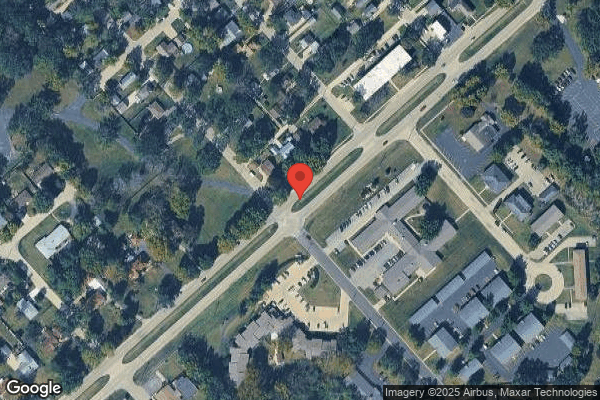
1515 BLACKHAWK BOULEVARD, SOUTH BELOIT, IL 61080 (815) 389-3911
For profit - Corporation 78 Beds TUTERA SENIOR LIVING & HEALTH CARE Data: November 2025 1 Immediate Jeopardy citation
Trust Grade
18/100
#358 of 665 in IL
Last Inspection: July 2024

Within standard 12-15 month inspection cycle. Federal law requires annual inspections.

Overview

Fair Oaks Rehab & Healthcare has received a Trust Grade of F, indicating significant concerns about the quality of care provided. It ranks #358 out of 665 facilities in Illinois, placing it in the bottom half of all nursing homes in the state, and #11 out of 15 in Winnebago County, meaning only a few local options are better. While the facility is showing improvement with a decrease in issues from 9 in 2024 to 3 in 2025, the staffing rating of 1 out of 5 is a weak point, suggesting high turnover and inexperienced staff. Specific incidents of concern include a failure to provide immediate CPR to a resident who was found unresponsive, resulting in the resident's death, and another resident suffering a new fracture due to inadequate monitoring after surgery. The facility has also incurred $34,060 in fines, which is a cause for concern, but it does maintain average RN coverage. Overall, families should weigh these serious deficiencies against the facility's slight improvements in recent years.

Trust Score
F
18/100
In Illinois
#358/665
Bottom 47%
Safety Record
High Risk
Review needed
Inspections
Getting Better
9 → 3 violations
Staff Stability
○ Average
Turnover data not reported for this facility.
Penalties
✓ Good
$34,060 in fines. Lower than most Illinois facilities. Relatively clean record.
Skilled Nurses
○ Average
Each resident gets 37 minutes of Registered Nurse (RN) attention daily — about average for Illinois. RNs are the most trained staff who monitor for health changes.
Violations
⚠ Watch
41 deficiencies on record. Higher than average. Multiple issues found across inspections.
★★☆☆☆
2.0
Overall Rating
★☆☆☆☆
1.0
Staff Levels
★★☆☆☆
2.0
Care Quality
★★★☆☆
3.0
Inspection Score
Stable
2024: 9 issues
2025: 3 issues

The Good

  • Full Sprinkler Coverage · Fire safety systems throughout facility
  • No fines on record

Facility shows strength in fire safety.

The Bad

2-Star Overall Rating

Below Illinois average (2.5)

Below average - review inspection findings carefully

Federal Fines: $34,060

Above median ($33,413)

Moderate penalties - review what triggered them

Chain: TUTERA SENIOR LIVING & HEALTH CARE

Part of a multi-facility chain

Ask about local staffing decisions and management

The Ugly 41 deficiencies on record

1 life-threatening 3 actual harm
Jun 2025 1 deficiency
CONCERN (D) 📢 Someone Reported This

A family member, employee, or ombudsman was alarmed enough to file a formal complaint

Potential for Harm - no one hurt, but risky conditions existed

Deficiency F0760 (Tag F0760)

Could have caused harm · This affected 1 resident

**NOTE- TERMS IN BRACKETS HAVE BEEN EDITED TO PROTECT CONFIDENTIALITY** Based on observation, interview, and record review, the facility failed to ensure residents were free from significant medicatio...

Read full inspector narrative →
**NOTE- TERMS IN BRACKETS HAVE BEEN EDITED TO PROTECT CONFIDENTIALITY** Based on observation, interview, and record review, the facility failed to ensure residents were free from significant medication errors. This applies to 2 of 3 residents (R1, R2) reviewed for medications in the sample of 4. The findings include: 1. On 6/9/25 at 11:38 AM, R2 was observed in his room sitting in his wheelchair. There were several snacks on his bedside table. R2 said he eats those when his blood sugar is low. On 6/9/25 at 12:11 PM, V6 (Licensed Practical Nurse-LPN) said R2 is a brittle diabetic, and his blood sugars are all over the place. R2 gets long-acting insulin twice a day, and short acting before meals. V6 said she waits to check his blood sugar before meals. V6 stated, (R2's) blood sugar was 133, it's below 150, so he does not get insulin. V6 said she follows the physician orders on how much insulin to administer. On 6/9/25 at 2:41 PM, V9 (R2's Guardian/family member) said R2 is a brittle diabetic, and she does not believe the nurses are giving him the correct insulin doses and the facility is not following the physician orders. V9 said she has expressed her concerns with V1 (Administrator). R2's Endocrinology After Visit Summary, dated 5/15/25, shows orders to increase Tresiba (Long-Acting Insulin) to 70 units at 8:00 AM and decrease Tresiba bedtime dose to 50 units. No need to give the fixed dose of Novolog (short acting insulin). Revise the Novolog scale as follows: (The same report shows it was noted by nursing dated 5/15/25). Blood Sugar Novolog Dose <150 None 151-200 6 units 201-250 8 units 251-300 12 units 301-350 14 units 351-400 18 units >400 22 units R2's Medication Administration Record (MAR), dated May 2025 and June 2025, shows orders including Novolog Solution 100 Unit/ML (Milliliters) Inject as per sliding scale: If 151-200= 4 units 201-250= 6 units 251-300= 8 units 301-350= 10 units 351-400 = 12 units 401+ = 14 units, notify POA and MD if over 500. (Start date 4/8/25; DC date 6/7/25). (The MAR does not shows the revised sliding scale orders from 5/15/25). On 6/9/25 at 3:00 PM, V3 (Asssistant Director of Nursing/ADON) said nursing should verify all orders are carried out, and confirmed R2's sliding scale orders did not get changed from 5/15/25. 2. R1's face sheet shows she is an [AGE] year-old female admitted to the facility on [DATE], with diagnoses including metabolic encephalopathy, COPD, cirrhosis of liver, cognitive communication deficit, acidosis, anxiety, hypertension, occlusion and stenosis of the carotid artery. R1's Medication Administration Record for April 2025 shows orders including Rifaximin (antibiotic) oral tablet 550 mg (milligrams) one tablet twice a day for hepatic encephalopathy. The MAR shows on 4/16/25, R1 did not receive both doses. On 6/9/25 at 1:30 PM, V3 (ADON) said they received a ten day supply of R1's antibiotic (Rifaximin), and the medication was not given on 4/16/25 because they did not have the medication. Nursing should re-order medications at least a few days prior before the last dose. The facility's undated Medication Administration Policy for Senior Living states, All medication orders must be prescribed by a licensed healthcare professional and documented accurately in the residents' medical records .Any changes in medication orders must be documented in the resident's medical record .Medications should be administered according to the five rights of medication use: right resident, right drug, right time, right dose and the right route .
Feb 2025 2 deficiencies 1 IJ
CRITICAL (J) 📢 Someone Reported This

A family member, employee, or ombudsman was alarmed enough to file a formal complaint

Immediate Jeopardy (IJ) - the most serious Medicare violation

Deficiency F0678 (Tag F0678)

Someone could have died · This affected 1 resident

**NOTE- TERMS IN BRACKETS HAVE BEEN EDITED TO PROTECT CONFIDENTIALITY** Based on interview and record review, the facility failed to immediately provide cardiopulmonary resuscitation (CPR) to a reside...

Read full inspector narrative →
**NOTE- TERMS IN BRACKETS HAVE BEEN EDITED TO PROTECT CONFIDENTIALITY** Based on interview and record review, the facility failed to immediately provide cardiopulmonary resuscitation (CPR) to a resident (R9) found not breathing and pulseless whose physician's order showed the resident was a Full Code. This failure led to a delay in R9 receiving CPR and R9 dying in the facility. This applies to 1 of 3 residents (R9) reviewed for death in the sample of 14. This failure resulted in an Immediate Jeopardy. The Immediate Jeopardy began on [DATE] at 5:40 PM, when facility staff failed to immediately initiate CPR on R9 when she was found unresponsive and pulseless. This failure resulted in R9 receiving CPR 42 minutes after being found unresponsive and pulseless, which resulted in R9 dying in the facility on [DATE]. V1 (Administrator) was notified of the Immediate Jeopardy on [DATE] at 10:13 AM. The surveyor confirmed by interview and record review that the Immediate Jeopardy was removed, and the deficient practice corrected, on [DATE], prior to the start of the survey and was therefore Past Noncompliance. The findings include: R9's Physician's Order Sheet shows an order dated [DATE] for Full Code. R9's Care Plan, dated [DATE], shows, [R9] does not have a completed POLST (Physician Orders for Life-Sustaining Treatment). She is a FULL CODE .Ensure resident's wishes are honored in regard to any advanced directive. R9's Health Status Note, dated [DATE] at 11:29, PM shows, 1740 Today this writer went into patients room to check on resident get her blood sugar and offer her medication, patient was cold to touch body limp checked patients vitals no bp (blood pressure), no pulse, no respiration, had [V25] also check vitals. Patient had mottling on left side of body. Patient was laying on left side. per CNA (Certified Nursing Assistant) patient was checked at 3 pm MOD (Manager on Duty) called at 1745 DON (Director of Nursing) called at 1746. Called POA (Power of Attorney)? .1750 Notified #2 emergency contact. Called 911 report given arrived at 1815 patient assessed for any vitals started CPR and did CPR for 20 minutes patient was asystole the whole time. 1835 coroner was called On [DATE] at 11:25 AM, V22, Registered Nurse (RN) said she went into R9's room at 5:40 PM, and she had no respirations, no pulse, and no blood pressure, and was mottled from her chest onto her left side. V22 said she checked a temperature and it was around 96 degrees Fahrenheit. V22 said she did not know the policy for finding someone passed away, so she called V2 (Director of Nursing). V22 said she did not know if R9 was a full code or DNR (Do Not Resuscitate). but found out she was a full code about 10-15 minutes after leaving her room when she looked in the computer. V22 said a resident's code status can be found on the computer or on the crash cart. V22 said it took her a long time to figure out if she was a full code because she got another nurse to verify that she did not have any vitals and was trying to get the CNA in there to help her. V22 said after the other nurse came in and verified she did not have any vitals, she called V24 (Manager On Duty) and told her R9 had expired. V22 said she does not remember what V24 had told her, but she then called V2 (DON) and V2 told her to start CPR. V22 stated, [V2] told me to start CPR but I didn't, because she was mottled and draining fluids from her mouth, so I did not do it. It was right after supper time and I didn't have any help at that time. V22 said after speaking to V2, she called 911 and went down to R9's room and about a minute later, 911 arrived and started CPR. V22 said she should have started CPR immediately because she was a full code. On [DATE] at 12:47 PM, V23 (CNA) said around 3:00 PM, R9 was laying in bed on her left side and appeared to be sleeping. V23 said around dinner time, V22 came out of R9's room and said she had passed away and she needed to clean her up. V23 said she went to the dining room and spoke with the other CNAs, and told them R9 had passed away. V23 said she then went back into the room and after about 10 minutes, V22 came in and told her she needed to clean her up. V23 said she proceeded to provide incontinence care to R9. V23 said R9 had a little bluish color under both of her breasts and the left side of her head (where you would lay your head on a pillow) that was light blue and it was the size of a half of a hand. V23 said she was able to see all of R9's body when she cleaned her up, and she did not have any other discolorations seen on her body. V23 said after she was done cleaning R9 up, the parametics arrived and started CPR. On [DATE] at 9:30 AM, V25 (RN) said she was at her medication cart right before supper on [DATE] when V22 came walking down the hall and said, I think my patient died. V25 asked V22 if she wanted her to verify, and she said yes, so they walked down to R9's room and she listened for an apical pulse for one minute and listened for respirations and there was none. V25 said R9's face was pale and her lips were normal color. V25 said R9 had a gown and blankets on, so she was unable to see her full body. V25 said she then told V22, Yes, she has passed on. V25 said her and V22 then walked down the hallway and she went to her medication cart, and V22 went to sit at the nurse's station computer, which is about 5 feet from her cart. V25 said she heard V22 say, Oh my God, this patient is a full code. I am going to call [V2]. V25 said she heard V22 on the phone with someone and she hung up the phone and said, [V2] wants me to code her. V25 said she responded with ok, and then V22 responded with, I am not doing CPR, I am calling 911. V25 said a code was never called and no compressions were ever started by her or V22. V25 said, It was [V22's] patient and she was pretty strict about not doing CPR, so I did not do anything. V25 said that a code blue should have been called and CPR started. On [DATE] at 11:19 AM, V24 (MOD) said she received a call from V22 at 5:47 PM on [DATE]. V24 said V22 said her resident had passed away. V24 said she responded with, I'm sorry, was she hospice? V24 said V22 responded with, No, she was a full code. V24 said she immediately told her to get off the phone and initiated compressions and have someone call 911. V24 said V22 responded with, No, she is already mottled and dead, I'm calling [V2]. V24 said she then told her again she needs to immediately start compressions, and V22 hung up the phone on her. V24 said there is no reason that anyone should not do CPR on a resident if they are a full code. V24 said CPR should be initiated right away. On [DATE] at 11:51 AM, V2 (DON) said V22 called her at 5:49 PM on [DATE] and said R9 had passed away and started telling her who she had called (on call phone and POA). V2 said she asked V22 what R9's code status was and she said, Let me check. V2 said V22 responded that R9 was a full code. V2 said she told her that she should have started CPR right away, and needed to start a code. V2 said said ok and hung up the phone. V2 said she called the facility back after notifying the Administrator and corporate nurse about what was happening, and V22 answered the phone. V2 said she asked her if she started a code and she said, no. V2 said she again told her she needs to start CPR and call 911 and V22 responded with, She's gone, it looks like she has been gone for a little while. V2 said even if R9 had mottling to her left side, V22 still should have started CPR immediately and continued CPR until the paramedics arrived. V2 said if a resident is found unresponsive with no pulse or respirations, the staff should immediately check their code status in the medical record or on the crash cart and start CPR right away if they are a full code. On [DATE] at 2:33 PM, V8 (Nurse Practitioner) said she was surprised to hear R9 had passed away because she had just seen R9 a few days prior and she was doing ok. V8 said she would expect that if a staff member found a resident unresponsive with no pulse and respirations, they should immediately check their code status and if they are a full code, immediately start resuscitation efforts. V8 said she is not aware of any situations were a nurse would not perform CPR if a resident is a full code. V8 said they should initiate CPR immediately and continue until a physician/provider or EMS (Emergency Management Services) are at the bedside. V8 said mottling in a resident does not always mean that they are deceased . V8 said a resident can have mottling for various reasons including hypoxia, change in heart rhythm, or change in vitals. V8 said a code is still warranted even if the resident has mottling present. On [DATE] at 12:33 PM, V27 (Local Fire Department-Deputy Chief) said he responded to the call on [DATE]. V27 said thatwhen they arrived, they asked if R9 was a DNR or full code, in which the nurse responded she was a full code. V27 said they immediately initiated CPR. V27 said R9's face was pale, lips were pink and her core and arms were still warm to touch. V27 said the facility staff were not doing CPR upon their arrival. The Local Fire Department Narrative, dated [DATE], shows, Staff stated patient was last seen at 17:40, and at that time, the staff noted that the patient was not breathing and was possibly deceased and called 911 at 18:06, [First Crew Members to arrive at the scene] stated to [Second Crew Members to arrive at the scene] that no one was performing CPR upon their arrival and that their CPR was the first CPR initiated at approximately 18:22. [Crew Member] asked the staff if the patient had a valid DNR, to which the staff stated no, the patient was a full code, and they were not aware that she was a full code. V22's CPR Certification Card shows she was certified in performing CPR on [DATE] and expired 9/2026. The facility's Cardiopulmonary Resuscitation Policy, dated 12/24, shows, The goal of early delivery of CPR is to try and maintain life until the emergency medical response team arrives to deliver Advanced Life Support (ALS). If a resident is found unresponsive and not breathing normally, a clinical staff member will verify code status using the medical records. If the resident is full code, per the medical record, a staff member that is certified in CPR will initiate CPR. The facility presented an abatement plan to remove the immediacy on [DATE]. The survey team reviewed the abatement plan and accepted the abatement plan on [DATE]. The Immediate Jeopardy that began on [DATE] was removed on [DATE] when the facility: 1. On [DATE], the Director of Nursing, Assistant Director of Nursing, Post Acute Nurse, MDS Nurses, Wound Care Nurse, Regional Director of Nursing, Charge Nurse or Designee educated clinical staff regarding the CPR policy and procedure and Advanced Directive policy and procedure including identification of when CPR is needed. All additional staff will be educated prior to working their next scheduled shift and new hires will be educated during the orientation process. 2. On [DATE], current resident orders were reviewed by the regional nurse to confirm resident preferences aligned with code status. 3. On [DATE], the facility nurse management team started auditing certified and licensed nursing staff on appropriate action if a resident is found unresponsive with no pulse or blood pressure and not breathing. This will be done four times a week for six weeks. A mock code was conducted on [DATE] and [DATE] on all three shifts to ensure understanding of the CPR policy and procedure. The Director of Nursing or designee will conduct a mock code with clinical staff once per month for 6 weeks to verify understanding of CPR policy and procedure, including identification of when CPR is needed. Any noted issues will be addressed and will be discussed during the QAPI (Quality Assurance and Performance Improvement) process. 4. On [DATE], an emergency QAPI meeting with the QAPI team members and Medical Director was held to discuss the deficient practice and review the policies. The CPR policy was reviewed, and no changes were needed to the current policy. The Advance Directive policy was reviewed, and no changes were needed to the current policy.
SERIOUS (G) 📢 Someone Reported This

A family member, employee, or ombudsman was alarmed enough to file a formal complaint

Actual Harm - a resident was hurt due to facility failures

Quality of Care (Tag F0684)

A resident was harmed · This affected 1 resident

**NOTE- TERMS IN BRACKETS HAVE BEEN EDITED TO PROTECT CONFIDENTIALITY** Based on interview and record review, the facility failed to assess and monitor a change of condition for a resident following s...

Read full inspector narrative →
**NOTE- TERMS IN BRACKETS HAVE BEEN EDITED TO PROTECT CONFIDENTIALITY** Based on interview and record review, the facility failed to assess and monitor a change of condition for a resident following surgical repair of left humerus fracture. This failure resulted in R1 sustaining a new fracture to her left distal humerus shaft discovered on her outpatient appointment on 1/29/25 (nine days after admission) and requiring new surgical intervention. This applies to 1 of 3 (R1) residents reviewed for quality of care in the sample of 14. The findings include: R1's face sheet shows she is an [AGE] year old female admitted to the facility on [DATE], with diagnoses included unspecified fracture of shaft of humerus left arm, orthopedic aftercare, cognitive communication deficit, aphasia, hemiplegia and hemiparesis following cerebral infarction affecting left non-dominant side, and primary osteoarthritis. R1's Final Incident Report, dated 1/31/25, documents (R1) was admitted on [DATE], post fall with left humerus fracture status post nailing on 1/14/25. R1 had an ortho follow up appointment on 1/30/25. Facility received a phone call that R1 had a fracture to her distal humeral shaft that had been missed during her hospital stay and that would require surgery V19 (R1's Orthopedic Surgeon) stated the fracture was new and was a torsional injury . On 2/10/25 at 4:45 PM, V19 said absolutely not R1's fractures was not missed during her hospital stay. On 1/20/25, R1's dressing was changed at the hospital with an ace (elastic) bandage in place. R1 was able to move her left arm as a unit. R1 was discharged to the facility with weight bearing as tolerated. At her post op appointment on 1/29/25, R1's left arm was in a sling, and she was not able to move her left arm with increased swelling. R1 did not have an order for a sling, and was not wearing a sling when she was discharged from the hospital. An X-ray was done and showed a new spiral fracture to the left distal humerus. This was a torsional injury caused by twisting movement, pressure, force, and rotation. The facility did not report any changes regarding R1. He would expect the staff to assess the post-surgical extremity every shift, monitor for swelling, edema and change in range of motion. Staff should call and obtain an order for the use of sling. On 2/10/25 at 11:36 AM, V16 (Occupational Therapist) said she did R1's evaluation for OT on admission. R1 did not come with a sling. She placed the sling on R1's left arm and removed the ace bandage because R1 was having a hard time keeping her arm positioned and placed the sling on for comfort. Nursing usually gets the order for the use of a sling, it was for protection. The next time she saw R1 was on 1/25/25, R1 was lying in bed with her left arm behind her and in significant pain, she would cry out with movement. She said she reported to nursing regarding her pain. On 2/10/25 at 10:17 AM, V17 (COTA-Certified Occupational Therapist Assistant) said she was working with R1 the next three days after her evaluation. On 1/21/25, R1 had no pain, her left arm was in a sling for positioning and edema. On 1/23/25 she noticed increased pain and edema to her left arm. She could only use her left hand and she did not do therapy with her left elbow or shoulder, she did not attempt therapy because of the increased pain. She stated she reported the pain to nursing. On 2/10/25 at 8:44 AM, V13 (Physical Therapist) said normally if a resident has a sling it comes with them on admission and should have orders for the use of a sling. On 2/6/25 at 11:19 AM, V14 (PTA-Physical Therapy Assistant) said during physical therapy, the sling was in place because R1 would attempt to use her left hand for pulling. R1 was able to use the walker one time with her left arm resting on walker. She said R1 was non-weight bearing to her left arm and she did not want her to use her arm to push off. The sling was used for safety, when she did not have the sling on her arm was externally rotated and in downward hanging position. She never did any exercises with her elbow, and reported to nursing R1 would act out in pain and had increased swelling to her left arm. On 2/6/25 at 2:17 PM, V21 (Registered Nurse/RN) said R1 was alert to self, dependent on staff for cares. R1 did not complain of pain. R1's left arm had no edema and had a sling in place. When she received report, they told me she had a sling. There should be a physician's order for a sling. Staff should assess the surgical extremity site every shift. She does not recall therapy reporting R1 having increased pain or swelling. On 2/6/25 at 2:37 PM, V18 (RN) said she was R1's nurse on 1/23/25 and the day she went out for her follow up appointment on 1/29/24. She reported R1 had no pain or swelling to her left arm. R1 had a sling on with gray tape, she never saw her arm out of sling. Usually there is an order for the use of a sling. She did not know there was no order for a sling. The surgical extremity should be assessed every shift and monitored for swelling and pain. She does not recall therapy reporting R1 having increase pain or swelling. On 2/10/25 at 2:15 PM, V30 (Certified Nursing Assistant-CNA) said R1 did have not have the will to get up and do anything, her left arm was tender to the touch and sore. She was not motivated to get up. Her left arm was in a sling and was one person transfer. She could not communicate her needs. On 2/10/25 at 2:46 PM, V29 (RN) said she does not recall R1 or if therapy staff reported R1 having increased pain and edema. Assessments should be done every shift, and any changes of condition should be reported. On 2/10/25 at 12:07 PM, V2 (Director of Nursing/DON) said she is not sure how R1 sustained a new spiral fracture while at the facility. They were notified about R1's fracture during her outpatient appointment. The staff reported it was a fracture they missed. She followed up with V19, and he confirmed it was a new fracture caused by a twisting force. R1 was admitted to the facility on [DATE], there was no physician order to use a sling. Nursing should do a daily assessment of the extremity site and report any changes. She would expect staff to identify a change in the resident's extremity and notify the physician. Nursing is responsible for entering the physician orders and verifying all orders are carried out. R1's Xray report, dated 1/15/25, documents left humerus xray unremarkable appearance of open reduction internal fixation hardware. Anatomic post fixation fracture alignment. No unexpected postprocedural finding. R1's Ortho Discharge Summary report, dated 1/20/25, document left humerus closed reduction with insertion of humeral nail on 1/14/25 .left upper extremity skin warm and dry, left hand edema improving. Left arm elevated on pillow .able to wiggle all fingers and make a loose fist elbow wrist and hand ROM (range of motion) grossly intact .weight bearing as tolerated to left upper extremity, may use left upper extremity to help balance while using walker, continue left hand elevation, lymphedema glove, and ace bandage for swelling. Surgical Site Care: meplilex border post op dressing, leave dressings in place until outpatient ortho postop visit, two weeks from date of surgery on 1/29/25. R1's Physician Orders Sheets, dated January 2025, did not show orders for weight bearing as tolerated to left upper extremity, continue left hand elevation, lymphedema glove and elastic bandage for swelling, and did not show orders to use a sling. The P.O.S. shows orders entered on 1/24/25 for surgical site care. R1's Nursing admission assessment, dated 1/21/25, documents left shoulder surgical incision, color normal, temperature warm and moist .and documents no pain. R1's Occupation Therapy Treatment Encounter notes, dated 1/20/25, documents, (R1) given sling for left upper extremity support as her arm is hanging to the side and complaints of significant pain. On 1/21/25 right arm shoulder flex, sling repositioned and hand squeezes. On 1/22/25, right arm shoulder flex, left support put under elbow . nursing notified and aware of pain. On 1/25/25, (R1) very lethargic, difficulty waking up, crying unable to verbalize needs, nursing notified indicating pain in left upper extremity (LUE) .left upper extremity in bad position upon therapist arrival, (R1) on right side with left arm behind her; hand down with increased edema. On 1/28/25, positioning for edema management in left upper extremity. R1's Physical Therapy Encounter Notes, dated 1/21/25, 1/22/25 and 1/23/25, documents R1 bed mobility, sit to stand mobility and bilateral lower extremity and trunk strengthening performed and responding well to treatment. On 1/24/25 working on upper extremity sling management and positioning on edema management. On 1/27/25, exercises with lateral weight shift and one hand support. Sling on LUE (left upper extremity). R1's electronic health record does not show daily assessments were performed on her left upper extremity on 1/20/25, 1/22/25, 1/23/25, 1/24/25, 1/26/25-1/28/25. R1's daily skilled nurses note, dated 1/25/25, documents R1 has the following skin issues: left arm surgery; grasp is equal, upper extremity movement: left side has decreased movement, left arm sling. R1's Medication Administration Record, dated for January 2025, shows to assess pain every shift. Pain scale 0-1 no pain, 2-3 mild pain, 4-5 moderate pain, 6-7 severe pain, 8-9 very severe pain and 10 worst possible pain. R1's M.A.R. shows no pain recorded on 1/20/25 and 1/21/25. On 1/22/25 and 1/23/25 shows a pain level of 4 recorded. On 1/28/25 shows a pain score of 8 (severe pain). R1's Current care plan, initiated on 2/3/25 (after R1's discharge), showed she was admitted with left arm surgical incision, with interventions to observe extremities for signs and symptoms of tissue perfusion touch, report significant findings to physician. R1's Orthopedic Progress note, dated 1/29/25, documents, (R1) presenting for her first postoperative visit status post left proximal humerus closed reduction with insertion of humeral nail performed on 1/14/25 .grimaces when left arm is examined. (R1's) left arm is in a sling, which was not discharged from hospital with. X-rays obtained today demonstrate left proximal humerus CRIF hardware intact .new fracture noted to the distal 1/3 shaft when compared to 1/15 Xray the humerus distal to the stem in a spiral fashion .Left Upper Extremity: left arm in sling .severe non-pitting edema to left hand .pain with palpation of hand .unable to flex/extend wrist or wiggle fingers. Shoulder ROM (range of mortion): deferred due to pain. The facility's Significant Condition Change and notification Policy stated, To ensure that the resident's family and/or representative and medical practitioner are notified of resident condition changes as those listed below .a significant change in the resident's physical, mental, or psychosocial status .mobility changes, onset of swelling .other abnormal findings .a need to significantly alter treatment .the licensed nurse will contact the resident's representative and their medical practitioner .
Oct 2024 2 deficiencies
CONCERN (D) 📢 Someone Reported This

A family member, employee, or ombudsman was alarmed enough to file a formal complaint

Potential for Harm - no one hurt, but risky conditions existed

ADL Care (Tag F0677)

Could have caused harm · This affected 1 resident

**NOTE- TERMS IN BRACKETS HAVE BEEN EDITED TO PROTECT CONFIDENTIALITY** Based on observation, interview, and record review, the facility failed to provide R5 with incontinence care to prevent the satu...

Read full inspector narrative →
**NOTE- TERMS IN BRACKETS HAVE BEEN EDITED TO PROTECT CONFIDENTIALITY** Based on observation, interview, and record review, the facility failed to provide R5 with incontinence care to prevent the saturation of her outer clothing for 1 of 5 residents (R5) reviewed for activities of daily living care for dependent residents in the sample of 8. The findings include: R5's Minimum Data Set, dated [DATE], shows, Toileting: Dependent, Personal Hygiene: substantial/maximal assistance, Chair/bed-to-chair transfer: The ability to transfer to and from a bed to a chair or wheelchair. Dependent. Toilet Transfer: The ability to get on and off a toilet or commode. Not applicable. Cognitive: Impaired. R5's Skin Assessment, dated 10/23/24 at 6:35PM, shows no new changes this week. Skin Impairment Documentation: No Skin Impairment Documented. On 10/28/2024 at 12:40PM, R5 was sitting in a reclining wheeled chair in her room. V8, admission Coordinator, was assisting R5 with eating. On 10/28/2024 at 12:40PM, V8, admission Coordinato,r said, (R5) was changed by the CNA-Certified Nursing Assistant before lunch. Lunch starts at 11:30AM. On 10/28/2024 at 3:19PM, R5 was sitting in the same position, in a reclining wheeled chair, in her room alone, moaning. R5 said, I have pain between my butt. On 10/28/24 at 3:25PM, V5, CNA-Certified Nursing Assistant, said, I did not get report on the last time (R5) was changed. I was not able to find (R5's) CNA. On 10/28/24 at 3:30PM, V6, CNA, said, I do not know the last time (R5) was changed. On 10/28/24 at 3:35PM, V7, CNA, said, I do not know the last time (R5) was changed. I work in the back; I just came to help. On 10/28/24 V5, V6, and V7 assisted R5 from the reclining wheeled chair to the bed with a mechanical sling lift. As R5 was lifted out of the chair, the outside of R5's pants were saturated with urine. When R5's pants were removed the strips that show the incontinent brief is wet were dark black and a yellow tint showed through the plastic exterior of the brief. The absorbent material in the incontinent brief was saturated throughout all areas including the thin absorbent areas of the brief that come up to the abdomen and lower back. The white absorbent material was stained dark yellow/brown. R5's left, and right coccyx area looked like, Moisture Associated Skin Disorder. When V5 CNA wiped R5's coccyx/sacral area, R5 moved away and winced in pain. On 10/28/24 at 3:35PM, V5, CNA, said, (R5's) pants are wet, the diaper is wet. R5 was asked, is the open/excoriated areas to the left, and right of the coccyx new? R5 stated, I do not know. On 10/29/24 at 11:15AM, V10, CNA, said, Dependent residents that are incontinent are checked every two hours or a resident that is a heavy wetter could be sooner. On 10/28/24 at 11:41AM, V1, Administrator, said, zzz'I do not have a policy for Activities of Daily Living Care for Dependent Residents. We follow Standard Nursing Practice.
CONCERN (D) 📢 Someone Reported This

A family member, employee, or ombudsman was alarmed enough to file a formal complaint

Potential for Harm - no one hurt, but risky conditions existed

Deficiency F0806 (Tag F0806)

Could have caused harm · This affected 1 resident

Based on observation, interview, and record review, the facility failed to follow R3's dietary care plan for food preferences for 1 of 3 residents (R3) in the sample of 8. The findings include: R3's C...

Read full inspector narrative →
Based on observation, interview, and record review, the facility failed to follow R3's dietary care plan for food preferences for 1 of 3 residents (R3) in the sample of 8. The findings include: R3's Care Plan on 10/28/24 shows my dietary preferences will be honored. Foods I dislike are Peas. On 10/28/24 at 12:34PM, R3 was alone in his room, lying in bed with the head of the bed raised. R3's overbed table held the noon meal. R3 had soup, pasta salad, sandwich, and pea salad. R3 did not eat the pea salad. On 10/28/24 at 12:34PM, R3 shook his head when asked if he liked peas.
Sept 2024 1 deficiency
CONCERN (D) 📢 Someone Reported This

A family member, employee, or ombudsman was alarmed enough to file a formal complaint

Potential for Harm - no one hurt, but risky conditions existed

Report Alleged Abuse (Tag F0609)

Could have caused harm · This affected 1 resident

Based on interview and record review, the facility staff failed to immediately notify the Administrator (Abuse Coordinator) of an allegation of physical abuse for 1 of 3 residents (R1) reviewed for ab...

Read full inspector narrative →
Based on interview and record review, the facility staff failed to immediately notify the Administrator (Abuse Coordinator) of an allegation of physical abuse for 1 of 3 residents (R1) reviewed for abuse in the sample of 3. The findings include: On 9/24/24 at 11:15 AM, V6 (Certified Nursing Assistant) said on the morning of 9/15/24, she went in to get R1 up for breakfast. V6 said R1 told her to be careful of her right arm. V6 said she asked her what happened and she said, some man twisted it. V6 said she asked her who twisted it and she said, that man that lives here. V6 said she then looked at R1's right forearm and it was swollen and red. V6 said she immediately went and told V9 (Registered Nurse) about what R1 had said. V6 said she told V9 that R1 was having right arm pain and it was swollen and she is saying that a man twisted it. On 9/24/24 at 2:27 PM V9 said that on the morning of 9/15/24, it was reported to him by a CNA that R1 was having arm pain. V9 said that he went to give R1 some pain medication and her morning medications, but she would not take them. V9 said that he did not ask her why her arm was hurting or what happened. V9 said he is not sure if the CNA had told him that her arm was hurting because someone twisted it. V9 stated, If she did, I didn't hear that part. On 9/24/24 at 2:41 PM, V2 (Director of Nursing) said all allegations of abuse should be reported to V1 (Administrator) right away. On 9/24/24 at 2:48 PM, V1 (Administrator-Abuse Coordinator) said all allegations of abuse should be reported to her immediately so she can start an investigation. V1 said R1's allegation should have been reported to her on 9/15/24, but it was not reported until 9/16/24. The facility's State Report form for R1's allegation of physical abuse is dated 9/16/24. The facility's Abuse Prevention and Prohibition Policy, revised on 1/24, shows, All alleged violations involving abuse, neglect, exploitation, or mistreatment, including injuries of unknown source and misappropriation of resident property will be reported immediately to the administrator.
Jul 2024 5 deficiencies
CONCERN (D)

Potential for Harm - no one hurt, but risky conditions existed

Pressure Ulcer Prevention (Tag F0686)

Could have caused harm · This affected 1 resident

2. R12's Medical Record on 7/16/24 shows multiple diagnosis including hemiplegia and hemiparesis following nontraumatic subarachnoid hemorrhage affecting right dominant side. R12's Current Care Plan ...

Read full inspector narrative →
2. R12's Medical Record on 7/16/24 shows multiple diagnosis including hemiplegia and hemiparesis following nontraumatic subarachnoid hemorrhage affecting right dominant side. R12's Current Care Plan on 7/16/2024 shows float heels when in bed, initiated 03/02/2023. On 7/16/24 at 9:38 AM, R12 was lying in bed on a regular mattress. R12's right arm was held close to her body. R12's left and right heels were resting on the bed. On 7/17/24 at 11:41 AM, R12 was lying in bed with her left and right heels resting on the bed. On 7/17/24 at 11:19 AM, V5 (Licensed Practical Nurse-LPN) said, Floating the heels relieves pressure off of the heels. The facility's Pressure Injury Prevention policy revised March 2022 shows, Minimize Pressure: Relieve pressure to heels by using pillows or other devices. Based on observation, interview, and record review, the facility to ensure a treatment dressing was in place for a resident with stage 2 coccyx pressure injury, and failed to ensure pressure relieving interventions were in place for a resident at risk for developing pressure injuries. This applies to 2 of 4 residents (R19, R12) reviewed for pressure ulcers in the sample of 15. The findings include: 1. R19's Braden Scale Pressure Score Risk, dated 7/7/24, documents she is HIGH risk for developing pressure ulcers. R19's Wound Weekly Evaluation, dated 7/11/24, documents a stage 2 coccyx pressure ulcer measuring 1 cm (centimeter) x 2 cm x 0.1 cm, currently on treatment for MRSA (Methicillin-resistant Staphylococcus aureus- a type of infection that is resistant to many antibiotics) in the wound. R19's Physician Orders, dated July 2024, shows orders to cleanse left buttocks with normal saline or wound cleanser, pat dry. Apply medihoney to wound, cover wound bed with calcium alginate, cover with hydrocolloid dressing every three days and contact isolation precautions for MRSA in the wound. On 7/15/24 at 10:30 AM, R19's room had a contact isolation sign posted on the door. V8 (Certified Nursing Assistant-CNA) said R19 is on isolation for an infected wound on her bottom. V8 provided incontinence to R19; an open area was observed to her bottom without a dressing in place. On 7/16/24 at 1:18 PM, V6 (Registered Nurse-RN) said, (R19) has a wound to her coccyx and should have a treatment order in place. If the dressing comes off, staff should report to the nursing if the dressing is not in place. (R19) is on isolation for an infection in her wound.
CONCERN (D)

Potential for Harm - no one hurt, but risky conditions existed

Deficiency F0688 (Tag F0688)

Could have caused harm · This affected 1 resident

**NOTE- TERMS IN BRACKETS HAVE BEEN EDITED TO PROTECT CONFIDENTIALITY** Based on observation, interview, and record review, the facility failed to provide range of motion for a resident with left side...

Read full inspector narrative →
**NOTE- TERMS IN BRACKETS HAVE BEEN EDITED TO PROTECT CONFIDENTIALITY** Based on observation, interview, and record review, the facility failed to provide range of motion for a resident with left sided weakness and pain, failed to have a restorative nurse to monitor restorative interventions, and failed to ensure an ordered splint was in place for a resident with contractures. This applies to 2 of 4 residents reviewed for restorative interventions in a sample of 15. The findings include: 1.R15's current Care Plan on 07/16/2024 shows multiple diagnosis including, hemipalegia and hemiparesis following cerebral infarction affecting left non-dominant side. Intervention: Range of motion (passive) with am/pm care daily. Initiated 01/10/2023. R15's daily PROM to Left Ankle and Left Hand documentation, dated 06/19/2024 to 07/17/2024, shows the dates of 06/29/24 at 1:59PM, and 07/13/24 at 1:59PM. The amount of time performing the PROM was left blank and the box not applicable was checked for both days. No other documentation for R15's daily PROM was available during the time of the survey. On 07/16/24 at 9:45AM, R15 was sitting in a wheel chair in his room. R15's left arm was pulled into his waist. R15's fingers were contracted in towards his palm. R15 was not wearing a splint. On 07/16/24 at 9:45AM, R15 stated, My arm hurts. My pain is mostly on my left side; pain is my life now. On 07/16/24 at 11:22 AM, V13, CNA-Certified Nursing Assistant, and V14, CNA, agreed the resident's medical record has a task section that lists the resident's activities of daily living tasks. After assisting a resident with PROM-Passive Range of Motion exercises the CNA will document the date, time, and the amount of time that was spent with the resident in the medical record. On 07/16/24 at 2:10PM, V3, Therapy Director, said, (R15) was evaluated by therapy on 06/20/2024 and we set the goal for a splint. The splint was ordered last week. On 07/17/24 at 9:45 AM, V5, LPN-Licensed Practical Nurse, said, The resident's Care Plan will show if the resident needs ROM. On 07/17/24 at 9:48 AM, V2, Assistant Director of Nursing, said, Any resident without full movement will receive ROM exercises. It will be communicated in the Care Plan and documented by the CNA's in the tasks section of the resident's medical record. On 07/17/24 at 10:18 AM, V1, Administrator, said, We do not have a Restorative Nurse. The facility's undated Restorative Nursing Policy shows, Restorative Nursing Program include: Range of Motion (passive and active). Splint or brace assistance along with other training/maintaining of ADL's-Activities of Daily Living for the residents. 2. R24's face sheet shows he is [AGE] year old male, with diagnoses including parkinson's disease with dyskensia, arthritis, dysphagia, major depressive disorder, and muscle weakness. The Physician Order Sheets, dated July 2024, shows orders for bilateral palm guards to be worn at all times unless hygiene is being completed, wash and replace palm protectors daily. R24's Occupational Therapy Discharge summary, dated [DATE], documents R24 will safely wear a hand roll on and palmar guard on right fingers and will wear finger separator on and palmar guard on left hand and fingers. Discharge instructions: hands washed with wash cloth am/pm with soap and well rinsed and dried-hand palmar guide removed and then replaced afterwards. Restorative and Splint Program. R24's Restorative Nursing Functional Maintenance Plan, dated 6/1/24, documents bilateral palm guards; wash and replace palm protectors daily, finger separators, restorative to complete ROM (range of motion) shoulders, wrist and fingers. Palm protectors and finger separators .reviewed by restorative coordinator is not signed or dated. On 7/15/24 at 11:23 AM, R24 was observed in his room in his recliner chair. His right hand clenched with a wash cloth and his left hand with a hand splint, his left fingers were tightly close together. V15 (R24's Power of Attorney/POA) said he was in therapy for his contracted hands and he used to have a splint on his right hand. On 7/16/24 at 2:38 PM, R24 was observed lying in his bed. His right hand was clenched, there was no hand guard in place. A hand guard was in place to his left hand with his fingers tightly close together; there was no finger separator in place. V9 (Certified Nursing Assistant-CNA) said, (R24) used to have a palm guard to his right hand, but they lost it. On 7/17/24 at 9:24 AM, R24 was observed in the lounge room sitting in his recliner chair. His right and left hand clenched without palm guards in place. On 7/16/24 at 10:57 AM, V3 (Director of Therapy) said R24 was receiving occupational therapy for contractor management. He should have palm guards to both hands and should be receiving restorative services. Staff reported today they were having a hard time getting the palm guards on. On 7/16/24 at 9:54 AM, V3 said, (R24) should have palm guards with finger separators in place. Palm guards have a certain thickness then a wash cloth and that's what therapy recommended is best for him. V3 said he was not aware of R24 not having the correct palm guard in place. On 7/16/24 at 1:02 PM, V5 (Licensed Practical Nurse-LPN) said R24 should have splint devices in place to both hands. He does not know if they have restorative services at the facility. The facility did not provide documentation of R24's restorative services were provided.
CONCERN (D)

Potential for Harm - no one hurt, but risky conditions existed

Deficiency F0692 (Tag F0692)

Could have caused harm · This affected 1 resident

**NOTE- TERMS IN BRACKETS HAVE BEEN EDITED TO PROTECT CONFIDENTIALITY** Based on observation, interview, and record review, the facility failed to ensure nutritional interventions were provided for a ...

Read full inspector narrative →
**NOTE- TERMS IN BRACKETS HAVE BEEN EDITED TO PROTECT CONFIDENTIALITY** Based on observation, interview, and record review, the facility failed to ensure nutritional interventions were provided for a resident with weight loss. This applies to 1 of 6 (R33) residents reviewed for weight loss in the sample of 15. The finding include: R33's face sheet shows he is a [AGE] year old male, with diagnoses including chronic kidney disease stage 4, hemiplegia and hemiparesis following cebreal infarction affecting left dominant side, dementia, neuromuscular dysfunction of the bladder, and hyperkalemia. R33's Dietary Note, dated 7/11/24, documents per chart weight documents between 130 lb (pounds)-140 lbs .spoke with (R33) seemed confused on what RD was explaining, asked him to try protein shakes and he refused. Encouraged him to increase oral intake and recommendations -offer OJ at breakfast, milk at all meals, offer extra protein during meals. R3's Physician Order Sheets, dated July 2024 ,shows orders for renal diet, cardiac NAS (low sodium), extra protein portion at all meals. R33's Diet Card shows Renal, Cardiac/NAS 2000 mg Potassium daily, Low Phosphorus diet. Avoid Foods high in K, (OJ/tomatoes/bananas/potatoes) and NA phosphorous (milk, sausage, bacon, cheese). The diet card does not list extra protein protion with meals. R33's Weight Report dated 7/16/24: 2/15/24- 142.5 lb 3/14/24- 143.5 lb 4/15/24- 142 lb 5/12/24- 143.2 lb 6/18/24- 141.2 lb 7/16/24- 133.7 lb (5% weight change in one month 6/18/24, 141.2 lbs,-5.3, -7.5 lb weight loss, -7.5% change comparison weight at three months 4/28/24- 145.2 lb -7.9%, -11.5 lbs) On 7/15/24 at 7:52 AM, R33 was observed in the dining room eating the breakfast meal. He was served eggs, cream of rice cereal, and toast. There was no yogurt on his tray. R33's diet card did not show extra protein on his meal ticket. On 7/16/24 at 2:24 PM, V10 (Dietitian) said R33 has some weight loss and recommended extra protein with each meal, his weight has been fluctuating and is at risk for weight loss. She notified V11 (Dietary Manager) of the extra protein with meals. On 7/17/24 at 8:11 AM, V11 (Dietary Manager) said, (R33) should be getting extra protein with each meal. He should get yogurt for extra protein for breakfast and gets an extra ounce for lunch and extra protein serving with dinner. The diet card does not show the extra protein listed for the breakfast meal. We added an extra ounce of protein to the noon meal and the staff should be measure the serving size and extra protein at dinner. On 7/16/24 at 11:32 AM, V7 (Certified Nursing Assistant-CNA) said R33 is alert to self, he can feed himself, and his appetite is better in the morning then the afternoons. The facility's Nutrition/Unplanned Weight Loss-Clinical Protocol, dated 2012, states, The staff and physician will identify pertinent interventions based on identified causes and overall resident condition .the physician will authorize and the staff will implement appropriate general or cause specific interventions.
CONCERN (D)

Potential for Harm - no one hurt, but risky conditions existed

Deficiency F0883 (Tag F0883)

Could have caused harm · This affected 1 resident

**NOTE- TERMS IN BRACKETS HAVE BEEN EDITED TO PROTECT CONFIDENTIALITY** Based on interview and record review, the facility failed to ensure pneumococcal vaccinations were offered which applies to 3 of...

Read full inspector narrative →
**NOTE- TERMS IN BRACKETS HAVE BEEN EDITED TO PROTECT CONFIDENTIALITY** Based on interview and record review, the facility failed to ensure pneumococcal vaccinations were offered which applies to 3 of 5 residents (R13, R19, R33) reviewed for immunizations in a sample of 15. The findings include: R13's Facesheet, printed on 7/16/24, showed R13 is an [AGE] year old female admitted to the facility on [DATE]. R33's Facesheet, printed on 7/16/24, showed R33 is an [AGE] year old male resident originally admitted to the facility on [DATE]. R19's Facesheet, printed on 7/16/24, showed R19 is a [AGE] year old male admitted to the facility on [DATE]. R13, R19, and R33's Electronic Record showed no documentation (consent or refusal) for the the PCV20 pneumonia vaccines. R19's On 7/17/24 at 12:00 PM, V1, Administrator, stated the facility had no documentation pertaining to R13, R19, or R33 being offered the pneumonia vaccinations. The facility's Pneumonia Policy, dated February 2023, showed the guidelines for residents older than the age of 65 may choose to receive a dose of PCV-20 if they have already received a complete series of PCV13 and PPSV23 pneumonia vaccine series (applies to R13 and R33). The guidelines show a resident over the age of 65 with no history of pneumonia vaccines should receive a dose of PCV 20 or PCV 15 and PPSV23 doses a year apart (applies to R19).
CONCERN (E)

Potential for Harm - no one hurt, but risky conditions existed

Infection Control (Tag F0880)

Could have caused harm · This affected multiple residents

Based on interview and record review, the facility failed to perform COVID-19 testing after an exposure to a positive health care worker which applies to 5 of 5 residents (R13, R15, R16, R19, R33) rev...

Read full inspector narrative →
Based on interview and record review, the facility failed to perform COVID-19 testing after an exposure to a positive health care worker which applies to 5 of 5 residents (R13, R15, R16, R19, R33) reviewed for infection control in a sample of 15. The findings include: On 7/15/24 at 10:30 AM, V3, Therapy Director, stated on 7/9/24, V14, Occupational Therapist Aide, had a runny nose and felt off. V3 stated V14 was tested for COVID-19 and was positive. V14 was sent home. V3 stated the Therapy Department is a 3rd party group with the facility. V3 stated the Therapy staff tested per their policy, and had no other positive results. V3 stated V14's therapy sessions for residents can last from 15-45 minutes depending on the resident's needs. V14 would have been in close proximity with the residents during the therapy sessions. V3 stated V2, Assistant Director of Nursing, V16, Director of Nursing, and then V1, Administrator, were notified of V14's positive COVID-19 result on 7/9/24. The facility's undated occupational therapy list for 7/8/24 and 7/9/24 showed R13, R15, R16, R19, and R33 were seen by V14 for occupational therapy. R13, R15, R16, R19, and R33's electronic medical records showed no mention of possible COVID-19 exposure or COVID-19 testing on or after 7/9/24. V16 was not available during the survey. On 7/16/24 at 10:00 AM, V2 stated, We were following our corporate guidance. The residents were not symptomatic so we did not do any testing. The residents should have been tested after they had an exposure with a positive person. On 7/16/24 at 2:00 PM, V1 stated they did not test the residents after V14 was positive. The facility's COVID-19 Policy, dated 3/6/24, showed the policy follows the Centers for Disease Control (CDC) guidance for COVID-19. This policy showed residents identified as having an exposure should be tested regardless of vaccinations status. Testing is recommended immediately (but not earlier than 24 hours after exposure) and, if negative, again 48 hours after the first negative test and, if negative, again 48 hours after the second negative test. This will typically be at day 1 (day of exposure is day 0), day 3 and day 5.
Mar 2024 1 deficiency
CONCERN (D) 📢 Someone Reported This

A family member, employee, or ombudsman was alarmed enough to file a formal complaint

Potential for Harm - no one hurt, but risky conditions existed

Deficiency F0760 (Tag F0760)

Could have caused harm · This affected 1 resident

Based on observation, interview, and record review, the facility failed to ensure a resident received their ordered dose of insulin for 1 of 3 residents (R1) reviewed for insulin administration in the...

Read full inspector narrative →
Based on observation, interview, and record review, the facility failed to ensure a resident received their ordered dose of insulin for 1 of 3 residents (R1) reviewed for insulin administration in the sample of 5. The findings include: R1's Face Sheet shows a diagnosis of: type 1 diabetes mellitus with diabetic polyneuropathy. On 3/20/24 at 8:45 AM, V3 (Registered Nurse) administered R1 his insulin. V3 said R1's blood sugar was 169. V3 placed a needle onto R1's Tresiba insulin pen and turned the dial to 88 units. V3 then drew up 13 units of Novolog insulin. V3 administered both insulins to R1. R1's Physician's Orders sheet, printed on 3/20/24, shows an order for: Tresiba Pen-inject 88 units subcutaneously in the morning for diabetes, Novolog-inject 15 units subcutaneously one time a day for diabetes before breakfast, and Novolog-inject per sliding scale: if 151-200= 2 units (R1's blood sugar was 169 so R1 should have received 17 units of Novolog). On 3/20/24 at 10:58 AM, V3 verified she gave 88 units of Tresiba and 13 units of Novolog. When this surveyor questioned about the Novolog orders, V5 stated, Oh, I read the order wrong and went back and gave him 3 more units of Novolog. R1's Note from his Endocrinologist, dated 2/16/24, shows, Take Novolog 15 units before breakfast, increase to 32 units before lunch and dinner. This note is initialed by V3 with the word done and dated 2/16/24. R1's March Medication Administration Record shows R1 received 30 units of Novolog before lunch and dinner until 3/11/24, and the Novolog was not increased to 32 units before lunch and dinner until 3/12/24 (25 days later). On 3/20/24 at 11:15 AM, V4 (Licensed Practical Nurse) said all insulin pens should be primed with two units before turning the dial to the ordered dose and administering, to ensure the resident gets all of the ordered dose of insulin V4 said the orders should always be double checked before administering the insulin. V4 said if a resident has a scheduled dose of insulin and a sliding scale dose of insulin, it should be calculated how much insulin is to be given based on what the resident's blood sugar was, and should be given at the same time. On 3/20/24 at 1:25 PM, V2 (Director of Nursing) said, If a nurse receives a new written order from the physician, they should put the order into the computer system, write Noted on the paper and sign and date it. V2 said she is unsure why R1's insulin order did not get changed since the nurse documented it was done. V2 said it is important to have the right orders entered in the computer for residents who are diabetic and on insulin for the resident's blood sugars to not become too low or too high. V2 said it could be a significant issue if the resident's blood sugars get too high. V2 said insulin pens should always be primed with two units of insulin before administering to ensure the resident receives the full dose of insulin. V2 said if a resident does not receive the full dose of ordered insulin, their blood sugars could increase. V2 said a nurse should check a resident's blood sugar before administering sliding scale insulin and give the resident to ordered dose of insulin based on the blood sugar results, and if they have a regularly scheduled insulin due at that time as well, that dose should be given at the same time as the sliding scale. V2 said the nurses should always follow the doctor's orders for insulin administration. The facility was unable to provide a policy regarding medication/insulin administration.
Nov 2023 1 deficiency
CONCERN (D) 📢 Someone Reported This

A family member, employee, or ombudsman was alarmed enough to file a formal complaint

Potential for Harm - no one hurt, but risky conditions existed

Accident Prevention (Tag F0689)

Could have caused harm · This affected 1 resident

Based on observation, interview, and record review, the facility failed to ensure a CNA (Certified Nursing Assistant) assisted and supervised a resident in the shower room. This applies to 1 of 3 resi...

Read full inspector narrative →
Based on observation, interview, and record review, the facility failed to ensure a CNA (Certified Nursing Assistant) assisted and supervised a resident in the shower room. This applies to 1 of 3 residents (R1) reviewed for safety and supervision in the sample of 9. The findings include: R1's admission Record (printed 11/9/23) shows R1's diagnoses to include hemiplegia (paralysis) and hemiparesis (weakness or partial paralysis) on her left side, due to a CVA (Cerebral Vascular Accident), post traumatic seizures, anxiety, adjustment disorder with depressed mood, and morbid obesity. On 11/9/23 at 10:15 AM, R1 was in her wheelchair in her room. Her left hand had a brace, and it was resting on her lap. R1 reached for her water glass and TV remote using her right arm only. On 11/9/23 at 10:15 AM, R1 said a CNA and a CNA in training, took her to the shower room and left her there with the shower head and wash cloth both in her right hand. R1 said she can't use her left hand so it was difficult to use both the wash cloth and shower head with one hand. R1 said she did not ask them to leave, and no CNA had ever left her in the shower alone before. R1 said the CNA's said they would be back in 5 minutes, but they were not. R1 said finally the Trainee came back to help her, and the other CNA came in a lot later. R1 said it made her mad that the CNA's did that. On 11/9/23 at 10:00 AM, V2, DON (Director of Nursing), said, Our staff does not leave residents alone in the shower, unless the resident has been care planned for it. (R1) should not be left alone in the shower because she has left sided weakness and could fall. On 11/9/23 at 1:15 PM, V9, RN (Registered Nurse), said she did an in-service with all the CNA's the day R1 was left alone in she shower alone. V9 said the in-service was to educate and remind the CNA's that residents are never to be left alone in the shower because it could be a fall risk to the residents. On 11/9/23, at 10:45 AM, V6, CNA, said, We never leave a resident alone in the shower. We encourage the residents to wash what they can, but we're always right there. On 11/9/23, at 12:23 PM, V7, CNA, said, Prepare what is needed for the shower before taking the resident in the shower room , then never leave the resident alone in the shower room. On 11/9/23, at 12:27 PM, V8, CNA, said she doesn't leave the residents alone in the shower for their safety. A statement, written by V3, CNA, on 11/4/23, shows she (V3) left R1 unaccompanied in the shower room. The same statement shows R1 was upset and asked for a new CNA to help her. R1's 8/29/23 care plan shows R1 has an ADL (Activities of Daily Living) self care performance deficit related to a CVA with left sided weakness. One intervention is, R1 needs 1 staff participation for bathing. The same care plan shows R1 is at risk for falls due to deconditioning, gait/balance problems, and is on hypnotic therapy which can cause drowsiness, confusion and dizziness. R1's 8/5/23 MDS (Minimum Data Set) shows R1 is cognitively intact, needs physical help of 1 staff for bathing, and has a functional limitation on both her upper and lower extremities. A Policy and Procedure for giving showers was requested, but V2 said the facility does not have one.
Aug 2023 8 deficiencies
CONCERN (D)

Potential for Harm - no one hurt, but risky conditions existed

Resident Rights (Tag F0550)

Could have caused harm · This affected 1 resident

Based on observation, interview, and record review, the facility failed to provide direct care in a dignified manner for 1 of 2 residents (R9) reviewed for dignity in the sample of 17. The findings i...

Read full inspector narrative →
Based on observation, interview, and record review, the facility failed to provide direct care in a dignified manner for 1 of 2 residents (R9) reviewed for dignity in the sample of 17. The findings include: R9's Face Sheet, dated 8/30/23, showed diagnoses to include, but not limited to: chronic kidney disease, respiratory failure, heart failure, peripheral vascular disease, convulsions, blindness in the left eye, anxiety, stroke with right sided weakness, obesity, epilepsy, a personal history of traumatic brain injury and generalized muscle weakness. R9's facility assessment, dated 7/20/23, showed he had moderate cognitive impairment; required extensive assistance from staff with bed mobility and personal hygiene; and was totally dependent on staff for transfers and toilet use On 8/30/23 at 9:19 AM, R9's door was closed. The surveyor knocked on the door and V11 (Certified Nursing Assistant) replied, Resident Care. The surveyor opened the door slightly to obtain consent from R9, and entered the room to observe care. R9 was in a position that he could be seen from the hallway. R9 was completely naked with no to cover himself for privacy. R9's privacy curtain was pushed all the way to the center of the room and was not being used. V11 said she was preparing to provide morning care for R9. There were washcloths, towels, and an empty wash basin sitting on R9's overbed table. V11 left R9 exposed, and went to the resident's bathroom to fill the wash basin with water. V11 returned and started washing R9's face and upper torso. R9's entire body continued to be uncovered. At 9:27 AM, R9's door opened, and V4 (Wound Care Nurse/Infection Preventionist) said, Oh, I was just checking to make sure he was okay. I heard him yelling. V4 did not knock on the door. V11 (CNA) stated, I'm in here with state, and V4 quickly knocked on R9's open door and then backed out of the room. R9's body remained exposed. At 9:29 AM, V10 (CNA) knocked on R9's door and immediately opened it. V11 was washing R9's groin area. V10 stood in R9's door and spoke to V11. R9's body was exposed to V10 and the hallway. V10 left the room and V11 continued to provide catheter care. After completing catheter care, V11 placed a small towel over R9's groin area. The rest of R9's body was exposed. At 9:32 AM, V10 (CNA) knocked on R9's door and immediately opened it. V10 handed V11 more linens and said he was going to bring in the mechanical lift. R9 had a small towel covering his groin, and V10 opened his door all the way to push the mechanical lift into R9's room. V10 assisted V11 to turn R9 and wash his back and buttock, as well as get R9 dressed. The privacy curtain was not used during the entire care observation. On 8/30/23 at 1:55 PM, V12 (Director of Nursing - DON) said the facility staff should always knock on the resident's door and try to wait for a response. V12 stated, It's a residents rights and privacy issue. This is their home. V12 said R9's privacy curtain should have been pulled during care, so he wasn't exposed to anyone in the hallway or the staff that knocked on the door. V12 asked, Why was everyone going in that room anyway? On 8/31/23 at 8:55 AM, V4 (Wound Care Nurse/Infection Preventionist) stated, I want to apologize for yesterday. I'm so used to knocking and going into the resident's rooms. I should have waited for a response. The facility's Resident Rights document, dated 2018, showed, Employees shall treat all residents with kindness, respect and dignity. Federal and state laws guarantee certain basic rights to all residents of this facility . Privacy: In our facility, here are some of the ways we protect the privacy of our residents: Knock on the door before entering a resident's room. Pull the privacy curtain when providing resident care .
CONCERN (D)

Potential for Harm - no one hurt, but risky conditions existed

Quality of Care (Tag F0684)

Could have caused harm · This affected 1 resident

Based on observation, interview, and record review, the facility failed to provide wound care in a manner to prevent cross-contamination, and failed to provide wound care as ordered by the physician. ...

Read full inspector narrative →
Based on observation, interview, and record review, the facility failed to provide wound care in a manner to prevent cross-contamination, and failed to provide wound care as ordered by the physician. This applies to 1 of 2 (R11) residents reviewed for non-pressure injury wound care in the sample of 17. The findings include: R11's admission Record (Face Sheet) showed an original admission date of 2/17/23, with diagnoses to include: Congestive Heart Failure; heart attack; bipolar; morbid obesity; and cellulitis of both legs. R11's Order Summary Report showed an active order, ordered on 8/23/23, for wound care to both of his legs. The order showed multiple treatment steps, one of which was .betadine ointment to macerated areas . R11's 8/23/23 Wound Weekly Evaluation showed he had macerated, swollen, and reddened legs. On 8/29/23 at 2:12 PM, V15 (Registered Nurse) entered R11's room to provide wound care. R11's legs had multiple layers of bandages extending from his toes to just below the knees. R11 was not wearing shoes; the dressings were touching the floor and his gown, which was stained from drainage coming from an open right thigh wound. V15 began with R11's right leg. V15 removed the dressings, cleaned the wound with an antimicrobial wash, and the applied three layers of leg wrap. V15 did not change his gloves during the wound care at any point. V15 did not apply, or offer to apply R11's betadine ointment. V15 removed his gloves, applied new gloves, and repeated the process to R11's right leg. V15 did not, at any point, change gloves or apply betadine ointment to R11's legs. On 8/29/23 at 3:45 PM, R11 stated, I am okay with the betadine ointment. What I like is the (antimicrobial cleaning spray) and then the betadine ointment. Yeah, he did forget to do that. (apply the betadine ointment) . On 8/30/23 at 12:41 PM, V4 Wound Care Nurse, stated gloves should be changed after removing an old dressing because the dressing may be contaminated. V4 said failing to change gloves could lead to cross contamination of the wound. V4 said betadine is a disinfectant and is used to prevent wound infection. V4 said R11 is known to refuse certain steps of his wound care; however, R11 should have been offered the betadine ointment. The surveyor requested the facility's policy on wound care and none was provided.
CONCERN (D)

Potential for Harm - no one hurt, but risky conditions existed

Pressure Ulcer Prevention (Tag F0686)

Could have caused harm · This affected 1 resident

Based on observation, interview, and record review, the facility failed to implement interventions to prevent skin breakdown, and failed to identify and assess a Stage 2 pressure ulcer for 2 of 4 resi...

Read full inspector narrative →
Based on observation, interview, and record review, the facility failed to implement interventions to prevent skin breakdown, and failed to identify and assess a Stage 2 pressure ulcer for 2 of 4 residents (R9 & R26) reviewed for pressure ulcers in the sample of 17. The findings include: 1. R9's Face Sheet, dated 8/30/23, showed diagnoses to include, but not limited to: chronic kidney disease, respiratory failure, heart failure, peripheral vascular disease, convulsions, blindness in the left eye, anxiety, stroke with right sided weakness, obesity, epilepsy, and generalized muscle weakness. R9's facility assessment, dated 7/20/23, showed he had moderate cognitive impairment; required extensive assistance from staff with bed mobility and personal hygiene; and was totally dependent on staff for transfers and toilet use; and was at risk for developing pressure ulcers. R9's Braden Scale for Predicting Pressure Score Risk, dated 8/31/23, showed R9 was at moderate risk for development of pressure ulcers. R9's Physician Order Sheet, dated 8/30/23, showed an order for Betadine to the wound on his left great toe. R9's Skin Check Weekly & PRN (as needed) assessment, dated 8/26/23, showed R9 had no new skin issues. R9's Skin Impairment Care Plan, revised 7/18/23, showed an intervention to float hells while in bed as tolerated and Monitor pressure areas for changes in color, sensation, temperature and report any change to the nurse. R9's progress notes did not contain an entry related to R9's left lateral pressure ulcer prior to 8/30/23. R9's Hospice Note, dated 8/28/23, showed, Patient now has small wound on left outer ankle. On 8/29/23 at 9:41 AM, R9 was sitting up in bed with the head of the bed elevated. R9's overbed table was sitting in front of him, over his lap. R9 had spilled his water onto his legs and was yelling, Oh, oh no. It's spilling! R9's feet were swollen and lying directly on the mattress. R9's feet were not offloaded, nor did he have heel boots on. R9's feet would roll out toward the lateral surfaces of his ankles when he was in bed. R9 was moving in the bed, trying to reach his spilled water glass. R9 reached forward and his feet moved, exposing a small wound to his left lateral ankle. At 12:49 PM, R9 was in bed, eating lunch. R9's feet remained on the bed with his feet rolled out and his swollen, ankles in contact with the bed. R9's legs were not up on pillows (offloaded). On 8/30/23 at 9:19 AM, V11 (Certified Nursing Assistant - CNA) was providing morning care to R9. R9 had a pea sized scabbed area to the top of his great toe, and a dime-sized darkened area to his left lateral ankle. V11 said she had no noticed any new skin issues for R9. V11 placed gripper socks on R9's swollen feet. V10 (CNA) assisted V11 with a mechanical transfer of R9 from the bed to his chair. V11 sat up in the reclining wheelchair with his legs touching the foot pedals. R9's feet were not offloaded. R9's Pressure Ulcer Weekly Wound Evaluation, dated 8/30/23 at 4:01 PM (3 hours after the surveyor reported the wound to V4), showed R9 had a facility acquired, Stage 2 pressure ulcer to his left outer ankle, measuring 0.75 cm (centimeters) x 0.5 cm x 0 cm. This document showed R9 had pitting edema to both his legs. This document showed it was the facility's First observation, no reference, of the wound progress. On 8/30/23 at 12:54 PM, V4 (Wound Care Nurse) said R9 had maceration to his buttocks, but the facility does not consider that a wound. V4 said she was not aware of R9 having any other wounds. V4 said R9 does retain a lot of fluid, and has been declining physically. V4 said R9 can't reposition in bed without staff assistance. The surveyor asked why R9 had a pea sized scabbed area to the top of his left great toe and had Betadine treatments ordered. V4 said R9 scratched his toe with his toenails, and hospice was treating it with the betadine. The surveyor asked V4 if she was aware of a wound on R9's left lateral (outside) ankle. V4 said she was not aware of a wound, and nobody had reported anything to her. V4 said she completed a full head-to-toe skin check on R9 at the beginning of the month, but had not completed a recent skin assessment. V4 stated, I would have to look at the wound. He has been spending more time in bed. The fluid retention and spending more time in bed could make him more prone to developing a pressure wound. I doubt there is (a pressure wound) because I don't know anything about it. Normally there would be a full assessment of the wound completed. The weekly notes would include the type of the wound, size, and description of the wound. V4 went to R9's room. R9 was sitting up in the reclining wheelchair, finishing his lunch. R9 had the gripper socks on both his feet, and they were resting on the foot rest of his chair. R9's feet were not offloaded. V4 removed R9's left sock. V4 stated, That to me looks like a scab from rubbing and it's weeping. R9 yelled, Ow! when V4 touched the ankle wound. V4 stated, You were right, this is a new skin area. I will need to call the hospice nurse and initiate anything I have to. I would say that's a Stage 2 (pressure ulcer) because it's scabbed over and serious fluid is draining. This should have been reported to me. The initial wound assessment is what we use to track wound progress, to look for healing and/or decline in the wound. V4 said when a new skin issue is found, then the floor nurse should complete an assessment and notify her of the wound. V4 said the CNAs are providing care and should notify the nurse right away if they notice any new skin issues. V4 said R9 should have had his feet offloaded, and would probably benefit from heel boots. On 8/30/23 at 1:55 PM, V12 (Director of Nursing - DON) said skin assessments should be completed weekly by the floor nurse. The CNAs provide care and should notify the nurse of any new skin issues. V12 said, (V4) is our Wound Care Nurse and she will complete the weekly wound assessments. When a new skin issue is found, the nurse will complete a QA (Quality Assurance) protected report regarding the wound assessments. Residents at an increased risk for pressure ulcers included residents that are laying in bed a lot, with poor nutrition, and edema (swelling). V12 said she would expect R9 to have his feet offloaded from the bed. V12 said she was not aware of R9 having a pressure ulcer. V12 said there is an entire packet the nurse has to fill out when a new wound is found. V12 said offloading of R9's feet should have been done to prevent pressure ulcer development. V12 said an initial assessment of R9's wound should have been completed to provide the facility with the ability to track the wounds progress. 2. R26's Face Sheet, dated 8/30/23, showed diagnoses including acute osteomyelitis of left ankle and foot, acute respiratory failure with hypoxia, muscle weakness, difficulty in walking, diabetes mellitus, gastroesophageal reflux disease, hypertensive heart and chronic kidney disease, transient cerebral ischemic attack, obstructive sleep apnea, chronic kidney disease stage 3, depression, sacrococcygeal disorders, edema, and peripheral venous insufficiency. R26's Minimum Data Set Assessment, dated 5/19/23 showed she is cognitively intact; extensive assistance needed for bed mobility, dressing, and personal hygiene; total dependence needed for transfers, toilet use, and bathing. R26's Physician Orders, dated August 2023, showed an order for a low air loss mattress. R26's current Care Plan, dated 3/28/23, showed she had a pressure ulcer to her left heel that was present upon admission. R26 is at risk to develop further complications related to skin breakdown. Heel Protectors on when in bed as tolerated. Pressure redistributing mattress on bed. R26's Care Plan, with a target date for completion of 8/31/23, showed R26 has the potential for skin breakdown/skin integrity due to moisture/incontinence, sensory, immobility, nutrition, potential for friction and shear, and disease process. Low loss air mattress. Offload heels. The scale used for predicting pressure sores for R26, dated 5/15/23, showed a score of 9; a score of 9 or below = very high risk. On 8/29/23 at 9:40 AM, R26 was laying on her back in bed, with the head of her bed in a flat position. R26's heels were resting on the mattress and not offloaded. R26 had an air mattress with the power/control box hanging on the foot board of her bed. The switch on the box was turned to an on position, but the control box for the air mattress was not plugged in. R26 stated she couldn't feel the air mattress. On 8/29/23 at 12:31 PM, V5 (Maintenance) was in R26's room to look at her air mattress. V5 got on the floor and looked for the power cord to the air mattress control box and stated the air mattress was fine, it was just unplugged. On 8/30/23 at 8:39 AM, R26 was laying on her back in bed with the head of her bed elevated 45 degrees. R26's heel were resting on her mattress. The air mattress on R26's bed was not turned on. On 8/30/23 at 11:11 AM, V2, DON (Director of Nursing), stated R26 spends a lot of time in bed and has chronic hip pain. V2 stated the air mattress was placed on R26's bed to prevent pressure ulcers. V2 stated the air mattress is supposed to be turned on and functioning in order to be an effective for prevention of pressure ulcers. The facility's Skin Checks Policy, revised 3/2022, showed, It is the policy of the facility to complete weekly skin checks by the licensed nurses for all residents. Procedure: 1. The staff nurse or wound care nurse will implement weekly skin checks for all residents. 2. The nurse will assess the individual resident's skin from head to toe, to determine if there are any new or additional skin issues present . 4. At the time of the wound or skin condition is identified, the provider and resident representative will be notified of the newly identified issues. Treatment orders will be obtained and new treatments started as ordered. 6. The nurse will also pass information on in report and add information to the Communication Board for continued monitoring and follow-up. 7. The Wound Care Nurse will follow-up to ensure all interventions are in place . The facility's Pressure Ulcer/Pressure Injury Prevention Policy, revised 3/2022, showed, Prevention of Pressure Ulcers/Pressure Injuries: A pressure ulcer/ injury (PU/PI) can occur wherever pressure has impaired circulation to the tissue. A facility must: Identify whether the resident is at risk for developing or has a PU/PI upon admission and thereafter; Evaluate the resident specific risk factors and changes in the resident's condition that may impact the development and/or healing of a PU/PI; Implement, monitor, and modify interventions to attempt to stabilize, reduce or remove underlying risk factors . Implementation . Minimize Pressure: Turning and Repositioning .; Relieve pressure to heels by using pillows or other devices .
CONCERN (D)

Potential for Harm - no one hurt, but risky conditions existed

Incontinence Care (Tag F0690)

Could have caused harm · This affected 1 resident

Based on observation, interview, and record review, the facility failed to properly perform indwelling catheter care for 1 of 1 residents (R9) reviewed for catheter care in the sample of 17. The findi...

Read full inspector narrative →
Based on observation, interview, and record review, the facility failed to properly perform indwelling catheter care for 1 of 1 residents (R9) reviewed for catheter care in the sample of 17. The findings include: R9's Face Sheet, dated 8/30/23, showed diagnoses to include, but not limited to: chronic kidney disease, respiratory failure, heart failure, peripheral vascular disease, convulsions, blindness in the left eye, anxiety, stroke with right sided weakness, obesity, epilepsy, neuromuscular dysfunction of the bladder, retention of urine, and generalized muscle weakness. R9's facility assessment, dated 7/20/23, showed he had moderate cognitive impairment; required extensive assistance from staff with bed mobility and personal hygiene; and was totally dependent on staff for transfers and toilet use; and had an indwelling urinary catheter. R9's Physician Order Sheet, dated 8/30/23, showed an order for catheter care with soap and water every shift and as needed. R9's Care Plan, revised 8/1/23, showed R9 had an indwelling catheter related to a neurogenic bladder. On 8/30/23 at 9:19 AM, V11 (Certified Nursing Assistant - CNA) used her gloved had to hold R9's penis and clean around the meatus (opening on the end of the penis - insertion site of the catheter) with soap and water. V11 then used the same wash cloth to clean the indwelling, urinary catheter tubing. There was an area of brown debris on the catheter tubing, near R9's meatus. V11 used the wash cloth to scrub R9's catheter tubing from the distal end (away from the meatus) and wiped toward the meatus. V11 repeated this process five times, attempting to remove the brown debris from R9's catheter tubing. Each time R9 washed from the distal catheter tubing toward R9's meatus. On 8/31/23 at 8:55 PM, V4 (Infection Preventionist) said the catheter tubing should always be cleaned from the meatus, away toward the drainage bag. V4 said V11 (CNA) should not have wiped toward the meatus because it pushes the germs toward the resident and could lead to an urinary tract infection (UTI). The facility's Catheter Care Policy, reviewed 1/2017, showed, The purpose of this procedure is to prevent catheter-associated urinary tract infections . Steps in the Procedure: .12. Use a clean washcloth with warm water and soap to cleanse and rinse the catheter from insertion site outward.
CONCERN (D)

Potential for Harm - no one hurt, but risky conditions existed

Respiratory Care (Tag F0695)

Could have caused harm · This affected 1 resident

Based on observation, interview, and record review, the facility failed to ensure residents had the correct dose of oxygen, failed to ensure nasal cannulas were not laying on the floor, failed to clea...

Read full inspector narrative →
Based on observation, interview, and record review, the facility failed to ensure residents had the correct dose of oxygen, failed to ensure nasal cannulas were not laying on the floor, failed to clean air filters on oxygen concentrators and a humidification container on an oxygen concentrator that was full and working, and failed to ensure a resident with CPAP (continuous positive airway pressure) had a head strap and nasal pillow/mask that fit. This applies to 2 of 4 residents (R26 & R34) reviewed for oxygen therapy in the sample of 17. The findings include: 1. R26's Face Sheet, dated 8/30/23, showed diagnoses including acute osteomyelitis of left ankle and foot, acute respiratory failure with hypoxia, muscle weakness, difficulty in walking, diabetes mellitus, gastroesophageal reflux disease, hypertensive heart and chronic kidney disease, transient cerebral ischemic attack, obstructive sleep apnea, chronic kidney disease stage 3, depression, sacrococcygeal disorders, edema, and peripheral venous insufficiency. R26's Physician Orders, dated August 2023, showed orders for CPAP at night and take off in the AM; CPAP settings at 10 every evening; change cpap mask and tubing every 180 days on the evening shift; clean oxygen concentrator filter weekly; and oxygen at 2 liters per minute via a nasal cannula as needed for shortness of breath. R26's Minimum Data Set Assessment, dated 5/19/23, showed she is cognitively intact; extensive assistance needed for bed mobility, dressing, and personal hygiene; total dependence needed for transfers, toilet use, and bathing. R26's current Care Plan, dated 3/28/23, did not show any plan in place for the use of oxygen or CPAP. R26's Care Plan, with a target date for completion of 8/31/23, showed, (R26) has SOB (shortness of breath) while lying flat related to acute respiratory failure. Elevate head of bed. Encourage patient to use pursed lip breathing. R26 did not have a plan in place for the use of oxygen or CPAP. On 8/29/23 at 9:40 AM, R26 was laying flat on her back in bed. R26 had an oxygen concentrator at the end of her bed. The filter on the back of the concentrator was supposed to be black, but was gray and white with a thick layer of what looked like dust built up in the filter. R26's nasal cannula was laying on the floor. R26 has a CPAP machine with a nasal device for a mask. R26 stated she has CPAP at night when she sleeps, but its not working for her. R26 stated she has asked for a new head strap and nasal mask because the one she has is causing sores to her nose. R26 stated the head strap is too loose and stretched out, so the nasal mask/pillows move around and cause her nose to be sore. R26 stated she doesn't get a good seal, so the CPAP is not working like it should. R26 stated she has told the nurses about it for the last couple weeks. R26 stated stated Social Services was supposed to be working on it. R26 stated the last time the nasal pillows/mask and head strap were changed was at least 6 months ago or longer. On 8/30/23 at 10:35 AM, V8 (Social Services) stated he knows R26 has CPAP and she wears a CPAP mask that was not fitting. V8 stated they had to get her a new CPAP mask because it wasn't sealing. V8 stated as far as he knew, R26 got the knew mask and head strap, but he was not completely sure. On 8/30/23 at 11:11 AM, V2, DON (Director of Nursing), stated the only thing she knows about R26's CPAP is that the resident did not like how it fits. (R26) doesn't like the nose piece that is her mask; she stated it was loose and she wasn't getting a good seal. V2 stated she called the manufacturer of the CPAP, and they don't deal with parts. V2 stated the DME (durable medical equipment company) they use told her they could rent a CPAP machine, but they don't sell parts. V2 stated she did not know if the facility had a vendor for CPAP machines, supplies, fittings, etc. V2 stated she was not aware the head strap needed to be replaced, or the nasal mask for R26 was causing any sores to her nose. V2 stated R26 has been at the facility for awhile. V2 stated oxygen concentrator filters need to be cleaned weekly. V2 stated if the filter is dirty, then there isn't proper air flow. V1 (Administrator) was present for the interview with V2, and stated she did not know if the facility had a vendor for CPAP supplies etc. The facility's CPAP/BiPAP (continuous positive airway pressure/bilevel positive airway pressure) Support policy (1/2017) showed, Holding the mask to the resident's face, turn on the machine and allow him/her to become acclimated to the pressure. Once the resident is acclimated, secure mask on his/her face. The mask should fit firmly but does not need to be airtight. Any parts that appear to be worn should be replaced. The facility's Oxygen Administration policy (1/2017) did not show where the nasal cannula was to be placed when it was not being used. On 8/30/23 at 11:09 AM, V1 (Administrator) stated the facility does not have a policy for oxygen concentrators. 2. R34's Face Sheet, dated 8/30/23, showed medical diagnoses including diabetes mellitus, chronic obstructive pulmonary disease, muscle weakness, morbid obesity, insomnia, mild intermittent asthma, major depressive disorder, old myocardial infarction, history of a pulmonary embolism, anxiety disorder, chronic pain, chronic atrial fibrillation, protein deficiency anemia, sinusitis, generalized edema, dyspnea, osteoarthritis, and obstructive sleep apnea. R34's Care Plan, dated 4/20/23, showed R34 has altered respiratory status, difficulty breathing related to sleep apnea, chronic obstructive pulmonary disease, and asthma. Provide oxygen as ordered. R34's Physician Orders on 8/29/23 did not show any orders for oxygen. R34's TAR (Treatment Administration Record), dated August 2023, showed, Oxygen - 3-4 liters per minute via nasal cannula. Scheduled every shift for chronic obstructive pulmonary disease and asthma. The discontinued date was 8/28/23. Oxygen - clean O2 (oxygen) concentrator filter weekly, every night shift every Monday. The start date was 7/31/23 and discontinue date was 8/28/23. On 8/30/23 at 8:15 AM, V9, RN (Registered Nurse), was in R34's room to check her blood sugar. R34 had oxygen at 1 liter per minute via a nasal cannula. R34 had an oxygen concentrator on the floor at the end of her bed. The oxygen was set at 1 liter per nasal cannula. The oxygen concentrator had a humidifier/bubbler with fluid in it that was almost empty. The bubbler did not have a date on it as to when it was changed last. The filter on the back of the concentrator was supposed to be black, but was light gray in color, with what looked like dust built up in the filter. V9 stated the filter on the oxygen concentrator is to be cleaned once a week. V9 stated the filter looked like it had not been cleaned in a long time. V9 stated when the bubbler is that low on fluid, it doesn't even work, and needs to be changed. On 8/30/23 at 11:11 AM, V2, DON (Director of Nursing), stated oxygen concentrator filters need to be cleaned weekly. V2 stated if the filter is dirty then there isn't proper air flow. V2 stated nasal cannulas and humidification bubblers are also changed weekly, and as needed. V2 stated a resident needs to have an order for oxygen, and it should be followed. V2 stated R34 went out to the hospital, and when she came back, the order for her oxygen was not made current, and should have been. V2 stated R34 wears her oxygen all of the time, and it has not been discontinued. V2 stated it was important to change the humidification on the concentrators when the water level is below the line or when they are close to being empty. V2 stated it is important for the bubblers to be working properly to prevent the resident from drying out and getting sores. The facility's Oxygen Administration policy (1/2017) showed, Verify there is a physician's order for this procedure for oxygen administration. Start the flow of oxygen at the rate ordered. Be sure there is water in the humidifying jar and that the water level is high enough that the water bubbles as oxygen flows through. Replenish water in humidifying jar as needed. On 8/30/23 at 11:09 AM, V1 (Administrator) stated the facility does not have a policy for oxygen concentrators.
CONCERN (D)

Potential for Harm - no one hurt, but risky conditions existed

Pharmacy Services (Tag F0755)

Could have caused harm · This affected 1 resident

Based on observation, interview, and record review, the facility failed to ensure a resident received the correct dosage of medication for 1 of 1 residents (R34) reviewed for medications in the sample...

Read full inspector narrative →
Based on observation, interview, and record review, the facility failed to ensure a resident received the correct dosage of medication for 1 of 1 residents (R34) reviewed for medications in the sample of 17. The findings include: R34's Face Sheet, dated 8/30/23, showed medical diagnoses including diabetes mellitus, chronic obstructive pulmonary disease, muscle weakness, morbid obesity, insomnia, mild intermittent asthma, major depressive disorder, old myocardial infarction, history of a pulmonary embolism, anxiety disorder, chronic pain, chronic atrial fibrillation, protein deficiency anemia, sinusitis, generalized edema, dyspnea, osteoarthritis, and obstructive sleep apnea. R34's Physician Orders, dated August 2023, showed she was to receive Sertraline HCl Oral Tablet 100 MG, Give 1.5 tablet (150 mg) by mouth one time a day related to depression. On 8/30/23 at 8:04 AM, V9, RN, Registered Nurse, gave R34 the following medications: docusate sodium 100 mg (milligram), eliquis 5 mg, gabapentin 400 mg, lorazepam 0.5 mg, metoprolol 25 mg, multivitamin - 1 tablet, sertraline 100 mg, verapamil 240 mg, vitamin D3 125 mcg (micrograms), and furosemide 80 mg. V9 completed putting medications in the medication cup for R34, and stated he was done with the medications. V9 was asked to check the dosage of the sertraline. V9 stated he bet he was supposed to give two tablets of the sertraline to R34. V9 looked at R34's MAR (medication administration record) and medication cards for sertraline. V9 pulled out a sertraline card with 50 mg tablets in it, and added one 50 mg dose of sertraline to R34's medication cup. V9 stated stated R34 was supposed to receive 1.5 tablets (150 mg) of sertraline. On 8/30/23 at 11:11 AM, V2, DON (Director of Nursing), stated, The facility's process for medication administration would be the nurse will bring up the MAR (medication administration record) for the resident. They take the medication cards from the medication cart and match it to the MAR. They should be verifying the right resident, right medication, right dose, right time, and right route. V2 stated staff are to follow the 5 rights of medication administration; V2 stated it was part of the facility's policy. The facility's Administration of Medication policy (4/2021) showed, The facility shall check the physician's order sheet and MAR against the current physician's orders to assure proper administration of medications to each resident.
CONCERN (D)

Potential for Harm - no one hurt, but risky conditions existed

Food Safety (Tag F0812)

Could have caused harm · This affected 1 resident

Based on observation, interview, and record review, the facility failed to follow manufacturer instructions regarding the use of the three compartment sanitization sink. This applies to 2 of 2 residen...

Read full inspector narrative →
Based on observation, interview, and record review, the facility failed to follow manufacturer instructions regarding the use of the three compartment sanitization sink. This applies to 2 of 2 residents (R17 & R30) reviewed for sanitization in the sample of 17. The findings include: The facility's Diet Type Report showed R17 and R30 were puree diets. On 8/29/23 at 10:03 AM, V14, Cook, began the process of modifying the noon meals into pureed diets for R17 and R30. V14 began with mixed vegetables. After the vegetables were processed, V14 took the food processor components to the three compartment sink. (The three compartment sink is a method of hand washing and sanitizing cooking utensils and dinner ware. The first compartment is a wash sink, then a rinse sink, and finally a sanitization sink.) The sanitization sink, the final sink, was empty. The sanitization sink had a sanitizer dispensing module above the sink. The module dispensed both the sanitizer and the water through a single hose. After washing and rinsing the food processor, V14 turned on the sanitization module, and rinsed the food processor in the sanitizer solution for less than 10 seconds. V14 then turned of the sanitizer dispenser instead of filling the sink. V14 then repeated the same sanitization process following the spaghetti noodles, then the meat sauce, and finally the desert. V14 never submerged the food processing equipment in the sanitizer sink and allowed it to soak. Above the sanitization sink were the manufacturer's instructions for the quaternary disinfectant, which showed, .Expose all surfaces of equipment, ware, or utensils to the sanitizing solution for a period of not less than one minute . On 8/30/23 at 11:10 AM, V7, Dietary Manger, who was observing the puree process on 8/29/23, stated V14 should have soaked the food processing equipment for one minute in the sanitizer sink. V14 said the purpose of soaking the equipment is to disinfect the equipment and prevent cross contamination to other food items.
CONCERN (F)

Potential for Harm - no one hurt, but risky conditions existed

Infection Control (Tag F0880)

Could have caused harm · This affected most or all residents

Based on observation, interview, and record review, the facility failed to develop a Water Management Program to reduce the risk of Legionella growth for all the residents residing in the facility fai...

Read full inspector narrative →
Based on observation, interview, and record review, the facility failed to develop a Water Management Program to reduce the risk of Legionella growth for all the residents residing in the facility failed to wear gowns during resident care for a resident on Enhanced Barrier Precautions; and failed to place a nasal cannula in a manner to prevent cross-contamination (R9). These failrues have the potential to affect all residents in the facility. The findings include: 1. The CMS 672 dated 8/31/23 showed the facility census was 67. On 8/30/23 at 1:51 PM, the Legionella Water Management Program was requested from V1 (Administrator). V1 replied, Is that not in the survey binder? The surveyor informed V1 the binder only included the Emergency Water Source contract. V1 said she would have to look through the emergency preparedness binders. At 3:08 PM, V1 returned with the facility's undated Water Management Program: Reduce Legionella Growth/Spread. The document was a worksheet to assist the facility in development of their Water Management Plan. This document was not completed. The questions were not answered by the facility. V1 said this was all she had for the Water Management Plan. V1 said she had to look it up in the corporate policies and procedures. V1 said V12 (Maintenance Director) had been with the facility for years, and will be a better resource for the Water Management Program. V1 said, I know he (V12) does water testing, but I don't know the details. I will get the water testing from him. At 3:14 PM, V1 returned with the facility's Water Management Program Legionella Testing. The facility's undated Water Management Program: Reduce Legionella Growth/Spread is not completed. There are several blanks including, Name of Person(s) Completing Work Sheet Assessment and Define Facility/Site Water Management Program Team. There are several questions to assist the facility in determining devices that could be at risk for Legionella growth, but none of these questions are answered. There is no flow diagram of the facility's water. The facility failed to identify their control measures and the plan to monitor the control measures. The facility failed to develop an action plan for when control limits are not met. This document showed, Legionella: A serious type of Pneumonia caused by bacteria called Legionella that actively lives in water. Legionella cam make people sick when they inhale contaminated water from building water systems that are not adequately maintained. Legionnaire's disease and cases reported are and have been on a consistent rise in the US (United States) and have increased over 4.5 times since 2000. Each (facility) will complete the attached worksheet that will identify if entire building or parts of the building are at risk for Legionella growth and spread (Risk Assessment). The worksheet after completed will determine the need for each facility and the need for a Water Management Program. All or Most facilities will require a Water Management Program. Instructions: If YES is answered to any of the questions in the worksheet then a Water Management Program is necessary for the facility. The worksheet must be completed and maintained in the Water Management Plan . This document serves as step one in completing the requirements for initiating a Water Treatment Program for the reduction of Legionella spread and growth . The facility's Water Management Program Legionella Testing (revised 5/23/19) showed water testing was completed on 9/22/21 and 5/18/23. There were no documented water tests in 2022. This documents does not describe the type of test the facility is completing. The results showed as either Pass or Fail. The facility placed an 'x' in the column Pass for all the tests completed. There were no notes written under Action Taken. On 8/31/23 at 8:08 AM, V12 (Maintenance Director) said he was worked at the facility for 25 years. V12 said he tests the water for Legionella once a year, in five different places. V12 said the water testing started about 4 years ago. The surveyor asked what the Pass or Fail means on the water testing log. V12 said the test is specifically for Legionella. He said it's a chemical that is added to the water, you shake the sample, and if it turns a certain color then it demonstrates a positive or negative response. V12 said the documents provided by the facility are all he has for the Water Management Program. V12 said he doesn't remember a facility meeting to discuss and develop the Water Management Program. V12 pointed to the documents provided and stated, That's all I got. I (did a web search) and watched a video about Legionella. I would just check areas that have stagnant water. The water moves here. I don't have a list of devices or areas that could be an issue. V12 said the facility used an electronic notification system to tell him when tests are do. V12 said the Legionella testing is one that would alert him once a year. V12 said the facility did not answer the questions or complete the worksheet for a Water Management Program. V12 said there have not been any issues with Legionella at the facility. On 8/31/23 at 8:22 AM, V1 (Administrator) said she had not attended a meeting to develop a Water Management Program. V1 said the form had not been completed. V1 said she was not aware of the facility's need for a Water Management Program to mitigate Legionella growth and spread. 2. R9's Face Sheet, dated 8/30/23, showed diagnoses to include, but not limited to: chronic kidney disease, respiratory failure, heart failure, peripheral vascular disease, convulsions, blindness in the left eye, anxiety, stroke with right sided weakness, obesity, epilepsy, and generalized muscle weakness. R9's facility assessment, dated 7/20/23 ,showed he had moderate cognitive impairment; required extensive assistance from staff with bed mobility and personal hygiene; and was totally dependent on staff for transfers and toilet use. R9's Physician Order Sheet, dated 8/30/23, showed an order for oxygen at 2 liters per nasal cannula for shortness of breath or oxygen saturations less than 90%. On 8/30/23 at 9:19 AM, there was a STOP sign on R9's door. There was an isolation bin next to R9's door with a sign that showed Enhanced Barrier Precautions. R9's door was closed. The surveyor knocked on the door and V11 (Certified Nursing Assistant - CNA) replied, Resident care. The surveyor obtained consent from R9 to observe care. V11 was wearing gloves, but no gown. R9 was lying on his back, in bed. R9 did not have oxygen on. R9's oxygen tubing was on the floor, near the head of the bed. V11 had R9 undressed with an empty wash basin and linens on the bedside table. V11 was wearing gloves, but no gown. V11 washed R9's face, torso and indwelling catheter. V11 did not wear a gown during the care. V10 (CNA) assisted V11 with turning R9 and cleaning R9's back and buttocks. V10 did not wear a gown. V10 and V11 used a total lift to transfer R9 from the bed his chair. V10 looked for R9's oxygen tubing, and located it under the wheel of the bed at the head of R9's bed. The nasal prongs (the area that goes into R9's nose) was in contact with the floor and smashed under the wheel. V10 maneuvered the bed to remove R9's nasal cannula (oxygen tubing with nasal prongs) and placed it directly in R9's nose. V10 did not attempt to disinfect the nasal cannula or change the tubing after removing it from the floor. On 8/30/21 at 1:55 PM, V12 (Director of Nursing - DON) said R9 is on Enhanced Barrier Precautions because he had an indwelling catheter. V12 said this is a newer program for residents at risk for developing or spreading infections from areas like wounds and indwelling medical devices. V12 said the facility recently implemented this program, and the staff had been in-serviced on the proper use of PPE (Personal Protective Equipment). V12 said any staff providing direct care to R9 should be wearing gown and gloves. V12 said this was important to prevent the spread of MDROs (Multi-Drug Resistant Organisms), and reduce the risk of spreading infections. On 8/30/23 at 3:45 PM, V1 (Administrator) said the facility completed Enhanced Barrier Precaution In-services, so the staff should have been wearing the proper PPE to care for R9. V1 said V10 should not have removed R9's nasal cannula and placed it directly in his nose. V1 stated, That's gross. On 8/31/23 at 8:55 AM, V4 (Infection Preventionist) said, The only isolation that the facility currently has is Enhanced Barrier Precautions and we just completed training on wearing the proper PPE (gown and gloves) during direct resident care, especially if catheter care is being provided. The whole purpose of the program is to try to reduce the spread of MDRO infections. The facility's undated Enhanced Barrier Precautions Policy showed, Enhanced Barrier Precautions are an infection control intervention designed to reduce transmission of multi-drug resistant organisms (MDROs) in nursing homes. Enhanced Barrier Precautions involve gown and glove use during high contact resident care activities for residents known to be colonized or infected with a MDRO, as well as those at increased risk for MDRO acquisition (such as residents that have wounds or indwelling medical devices). This is because devices and wounds are risk factors that place these residents at higher risk for carrying or acquiring a MDRO and many residents colonized with a MDRO are asymptomatic or not presently known to be colonized . The Enhanced Barrier Precautions sign, developed by the CDC (Centers for Disease Control and Prevention), showed stop signs and Providers and Staff Must Also: Wear gloves and a gown for the following High-Contact Resident Care Activities. Dressing, Bathing/Showering, Transferring, Changing Linens, Providing Hygiene, Changing briefs or assisting with toileting, Device care or use )central line, urinary catheter, feeding tube, tracheostomy), and wound care. Do not wear the same gown and gloves for the care of more than one person.
Mar 2023 7 deficiencies
CONCERN (D) 📢 Someone Reported This

A family member, employee, or ombudsman was alarmed enough to file a formal complaint

Potential for Harm - no one hurt, but risky conditions existed

Deficiency F0602 (Tag F0602)

Could have caused harm · This affected 1 resident

**NOTE- TERMS IN BRACKETS HAVE BEEN EDITED TO PROTECT CONFIDENTIALITY** 2. R6's Medication Administration Record, dated [DATE]-[DATE], shows R6 received at dose of morphine 5 mg on [DATE] at 2:10 PM a...

Read full inspector narrative →
**NOTE- TERMS IN BRACKETS HAVE BEEN EDITED TO PROTECT CONFIDENTIALITY** 2. R6's Medication Administration Record, dated [DATE]-[DATE], shows R6 received at dose of morphine 5 mg on [DATE] at 2:10 PM and 3:26 PM. Both doses were given by V4, RN (Registered Nurse). On [DATE], R6's controlled substance record was not scanned into R6's electronic medical records. V1, Administrator, and V2, DON (Director of Nursing), could not find R6's morphine controlled substance record. On [DATE] at 2:05 PM, via a phone interview, V1 said R6's liquid morphine arrived to the facility at 8:42 PM on [DATE]. V1 said R6 expired on [DATE] at 4:20 PM. R6's liquid morphine bottle was returned to the pharmacy on [DATE]. R6's morphine bottle was sealed. V1 said she was not sure where the two doses of morphine R6 received on [DATE] came from. 3. R6's Progress Notes, dated [DATE] at 4:23 PM, shows V4, RN, was alerted R6 may have stopped breathing. R6's heartbeat was not heard by V4 and another nurse. R6's controlled substance record for lorazepam intensol shows 0.5 ml of lorazepam was given on [DATE] at 7:30 AM. The staff members signature is illegible. The sheet shows the rest of the lorazepam was wasted on [DATE]. The facility's Schedule II Drugs policy (4/21) showed on a routine basis, the Consultant Pharmacist or Consultant Nurse will verify the quantities on hand and the usage of all schedule II medications in the facility. If a discrepancy is discovered, the consultant will immediately notify the director of Nursing and the Administrator. The pharmacist will assist them in implementing a control procedure. A separate controlled substance proof of use form will be maintained for each schedule II drug. The sheet will be kept as follows: 1. Name of the nurse giving the medication using his/her full first and last name each time a dose is administered. 2. Date the dose is administered. 3. Time the dose is administered. 4. Amount on hand before the dose is administered. 5. Amount of drug administered. 6. Amount of drug remaining after the dose administered. The facility's Abuse, Prevention and Prohibition Policy (10/22) showed, Misappropriation of resident property is defined as the deliberate misplacement, exploitation, or wrongful, temporary or permanent use of a resident's belongings or money without the resident's consent.The facility also prohibits misappropriation of resident property. The residents must not be subjected to abuse by anyone. The Social Service Designee, overseen by the administrator, will investigate all reports or complaints of missing resident property following the policy and procedure. The administrator will make appropriate notifications and initiate an investigation of the allegation of misappropriation of resident property. Based on interview and record review, the facility failed to prevent the misappropriation of resident's narcotic medication for 2 of 13 residents (R6 & R12) reviewed for misappropriation of resident's property in the sample of 13. The findings include: 1. The admission Record, printed on [DATE] for R12, showed diagnoses including congestive heart failure, type 2 diabetes mellitus, chronic obstructive pulmonary disease, atherosclerotic heart disease, atrial fibrillation, anemia, muscle weakness, neoplasm of the skin, hyperlipidemia, major depressive disorder, and hypertension. The MDS (Minimum Data Set), dated [DATE], for R12 showed severe cognitive impairment The Physician Orders for R12, printed on [DATE], showed on [DATE], R12 was admitted to hospice care and had morphine sulfate solution 20 mg/ml, give 0.25 ml by mouth every 1 hour as needed for severe pain or dyspnea. The Controlled Substance Record for morphine, with an initiation date of [DATE] for R12, showed on [DATE] at 7:40 PM, 0.25 ml of morphine was administered, and there was 28.75 ml of morphine left in the bottle. On [DATE] at 6:50 AM, there was a beginning amount of morphine documented as 24.5 ml with correct count in the comments. R12's MAR (Medication Administration Record) for [DATE] showed no administration of morphine for the resident. There was 4.25 ml of morphine missing. The Controlled Substance Record for Morphine, with an initiation date of [DATE] for R12, showed on [DATE] there was 21.5 ml of morphine in the bottle. On [DATE], there was an updated count that showed 19 ml of morphine in the bottle. There was 2.5 ml of morphine missing. There were no administrations of morphine documented on the controlled substance record for R12 or her MAR for [DATE] between the last dose given on [DATE] at 8:00 PM and when the next dose was given on [DATE] at 8:30 AM. On [DATE] at 8:12 AM, V1 (Administrator) stated if there is missing medication in the facility, that would be misappropriation, and they should follow the facility's abuse policy and procedure. V1 stated it should be reported, investigated, and a final report completed. On [DATE] at 12:46 PM, V2 (Director of Nursing/DON) was given R12's controlled substance record for morphine, dated [DATE]. V2 reviewed the document and stated there were discrepancies in the amount of morphine documented, and the nurses should have documented why in the comments. V2 stated she has no idea what happened to the morphine. V2 stated typically someone should come and say there is a huge discrepancy. V2 stated she should have been notified and wasn't. V2 stated it looked like there is missing medication.
CONCERN (D) 📢 Someone Reported This

A family member, employee, or ombudsman was alarmed enough to file a formal complaint

Potential for Harm - no one hurt, but risky conditions existed

Investigate Abuse (Tag F0610)

Could have caused harm · This affected 1 resident

**NOTE- TERMS IN BRACKETS HAVE BEEN EDITED TO PROTECT CONFIDENTIALITY** Based on interview and record review, the facility failed to investigate an allegation of abuse for 3 of 13 residents (R5, R6, &...

Read full inspector narrative →
**NOTE- TERMS IN BRACKETS HAVE BEEN EDITED TO PROTECT CONFIDENTIALITY** Based on interview and record review, the facility failed to investigate an allegation of abuse for 3 of 13 residents (R5, R6, & R13) reviewed for abuse in the sample of 13. The findings include: On [DATE] at 5:04 PM, V10, CNA (Certified Nursing Assistant), stated she told V1 (Administrator) and V2, DON (Director of Nursing), about V4, RN (Registered Nurse), overmedicating residents, and stating a resident's family needed to hurry up and leave so she could finish off a resident. V4 stated R5 and R6 had been overmedicated and had died. The State Report - Initial Report, dated [DATE], was sent to IDPH (Illinois Department of Public Health) on [DATE]. The brief description of the incident in the report showed it was reported to V1 (Administrator), V2, DON (Director of Nursing), and V8, ADON (Assistant Director of Nursing), that a nurse was overmedicating residents. Disposition: Two CNA's reported after an argument with a nurse that this nurse was overmedicating residents. On [DATE] at 12:54 PM, V9, CNA, stated, (V4, RN) has made statements of giving more medication that what is prescribed to residents. (V4) will give double the dose of a medication. V9 stated V8, ADON, caught V4 doing this and brought it to V6 (previous Administrator) attention. V9 stated she has told V1 (Administrator) the same thing. V9 stated she reported it to V2, DON, who just kind of laughed it off. V9 stated she calls V4 Nurse [NAME]. On [DATE] at 12:31 PM, V9 CNA stated she has recently told V1 that she has seen V4 give medications to residents to put them to sleep. V9 stated V10 CNA, V1, V2 and V8 had a meeting about V4 overmedicating residents and giving medications to residents that are not prescribed the medications they are given. V9 stated V4 has done this for residents with behaviors such as yelling. V9 stated V1 asked her and V10 if they really wanted to say this because they were strong allegations. On [DATE] at 4:07 PM, V2, DON, stated they had a meeting with V9 and V10, who had stated V4 was not safe and was giving medications to residents to help them die. V9 and V10 stated V4 would say, that person is the next to go. V9 and V10 stated V4 was Dr. [NAME] and overdoses residents so they die on her shift. V2 stated no investigation was done; they just talked about it. On [DATE] at 8:12 AM, V1 (Administrator) stated they (V1, V2, and V8) had a meeting with V9 and V10, who made accusations they felt a nurse was trying to kill a resident. V9 stated it was not an accusation but a known fact V4 was overmedicating residents and/or giving residents the wrong medications. V1 stated it was an allegation of harm to a resident, so that would be abuse. V1 stated the facility should have followed the abuse policy and procedure. V1 stated the employee should have been suspended, and an investigation should have been done. On [DATE] at 10:11 AM, V7 (Regional Nurse Consultant) stated V1 told her some CNA's had said V4 was overmedicating residents. V7 stated she asked if it was really an allegation. V7 stated they needed to look for proof that the nurse was giving medications when she shouldn't be and/or giving too much medication. V7 stated she didn't think the CNA's were making a solid allegation or were serious. V7 stated in hindsight, it should have been investigated per policy, and V4 should have been suspended. On [DATE] at 11:43 AM, V8, ADON, stated they had a suspicious situation brought forward by R13's family regarding Norco. V8 stated she checked the narcotic books, and V4, RN, was the only person that administered the medication to R13. V8 stated she told V2 and V6 what she saw, and suggested they contact V7. V8 stated the medication was discontinued and nothing was done to V4. V8 stated they (V1, V2 & V8) had a meeting with V9 and V10 who stated V4 walks around saying she is going to snow people on her shift. V9 and V10 stated that V4 was playing Nurse [NAME]. V8 stated she felt V4 should have been suspended, and the situation should have been investigated. V8 stated V1 and V2 were not listening to the CNA's. V8 stated she felt like the CNA's were being disregarded. V8 stated she saw that the MARS (Medication Administration Records) and the Controlled Substance Records did not match. V8 stated she was not involved in the investigation of resident's being overmedicated. The facility's Abuse, Prevention and Prohibition Policy (10/22) showed each resident has the right to be free from abuse, corporal punishment, and involuntary seclusion. Mistreatment means inappropriate treatment or exploitation of a resident. The facility prohibits mistreatment, neglect or abuse of residents. Resident abuse must be reported immediately to the administrator. The facility administrator will ensure a thorough investigation of alleged violations of individual rights and document appropriate action. While a facility investigation is under way, steps will be taken to prevent further abuse. If a person is identified in the allegation of abuse, that person will not be allowed access to the facility while the investigation is in progress, except to meet with the administrator as part of the investigation. The person identified in the allegation of abuse will have no contact with residents or other employees during the investigation process.
CONCERN (D) 📢 Someone Reported This

A family member, employee, or ombudsman was alarmed enough to file a formal complaint

Potential for Harm - no one hurt, but risky conditions existed

ADL Care (Tag F0677)

Could have caused harm · This affected 1 resident

**NOTE- TERMS IN BRACKETS HAVE BEEN EDITED TO PROTECT CONFIDENTIALITY** Based on observation, interview, and record review, the facility failed to provide incontinence care for a resident that require...

Read full inspector narrative →
**NOTE- TERMS IN BRACKETS HAVE BEEN EDITED TO PROTECT CONFIDENTIALITY** Based on observation, interview, and record review, the facility failed to provide incontinence care for a resident that requires extensive assistance for one of three residents (R3) reviewed for incontinence care in the sample of 13. The findings include: R3's Order Summary Report, dated 3/8/23, shows she was admitted to the facility on [DATE], with diagnoses including osteoarthritis, altered mental status, overactive bladder, bipolar disorder, legal blindness, convulsions, expressive language disorder, muscle weakness, depression, and schizophrenia. R3's MDS (Minimum Data Set), dated 12/16/22, shows she requires extensive assistance with bed mobility, dressing, and toilet use. R2 is frequently incontinent of urine and always incontinent of bowel. R3's Care Plan, initiated 7/8/20, shows the resident has bladder incontinence. Care Plan initiated 2/17/22: Assist [R3] to the bathroom as needed. The resident uses XXL disposable briefs. Change as needed. Incontinent: Check the resident as required for incontinence. Wash, rinse and dry perineum. On 3/7/23 at 9:26 AM, V12, CNA (Certified Nursing Assistant,) provided incontinence care to R3. R3's incontinence brief was saturated with dark urine from the front to the back of the incontinence brief. V12 wiped R3's left side of her buttocks, but did not clean the right side of her buttocks. V12 said she has not performed incontinence care to R3 prior to 9:26 AM. V12 said her shift started at 6:00 AM. On 3/9/23 at 1:45 PM, V13, CNA (Certified Nursing Assistant), said incontinence care should be done at least every two hours if not more. V13 said incontinence care should be done so that the residents are not wet and it's not good for their skin. The facility's Urinary Continence and Incontinence-Assessment and Management policy, reviewed 02/2021, shows, The staff and practitioner will appropriately screen for, and manage, individuals with urinary incontinence. If the resident does not respond and does not try to toilet, or for those with severe cognitive impairment, staff will use a check and change strategy. A check and change strategy involves checking the resident's continence status at regular intervals and using incontinence devices or garments. The primary goals are to maintain dignity and comfort and to protect the skin.
CONCERN (D) 📢 Someone Reported This

A family member, employee, or ombudsman was alarmed enough to file a formal complaint

Potential for Harm - no one hurt, but risky conditions existed

Pressure Ulcer Prevention (Tag F0686)

Could have caused harm · This affected 1 resident

**NOTE- TERMS IN BRACKETS HAVE BEEN EDITED TO PROTECT CONFIDENTIALITY** Based on observation, interview, and record review, the facility failed to reposition residents high risk for pressure injuries ...

Read full inspector narrative →
**NOTE- TERMS IN BRACKETS HAVE BEEN EDITED TO PROTECT CONFIDENTIALITY** Based on observation, interview, and record review, the facility failed to reposition residents high risk for pressure injuries and failed to ensure a pressure injury treatment was in place for three of four residents (R1, R2, R4) reviewed for pressure injuries in the sample of 13. The findings include: 1. R1's Order Summary Report, dated 3/8/23, shows he was admitted to the facility on [DATE], with diagnoses including generalized osteoarthritis, toxic encephalopathy, muscle weakness, seizures, difficulty in walking, congestive heart failure, cognitive communication deficit, and anxiety disorder. Dated 3/2/23: Cleanse sacral/coccyx wound with normal saline, soap/water, or wound cleaner and pat dry. Apply metrogel then cover with anticoat 7 and cover with foam dressing. Change foam every day and as needed for excess drainage, rolling or dislodgement. R1's MDS (Minimum Data Set), dated 12/27/22, shows R1 is not cognitively intact. R1 requires extensive assistance with bed mobility. R1 is frequently incontinent of urine and always incontinent of bowel. R1's Scale for predicting pressure injury risk, dated 10/6/22, shows R1 has a very high risk for developing pressure injuries. R1's Care Plan, initiated on 10/11/22, shows [R1] has actual impairment to skin integrity related to pressure injuries to the sacrum. He receives hospices services due to hypertensive heart failure and is a diabetic. It is not unlikely the area will not heal and he is at a high risk of developing further skin breakdown. Initiated 2/27/23: Float heels while in bed as tolerated. [R1] needs assistance to turn/reposition at least every two hours, more often as needed or requested. The resident needs bunny boots for the feet on while in bed as tolerated. Initiated 10/29/22: The resident needs pressure redistributing mattress, pillows, etc to protect the skin while in bed. R1's Wound Evaluation, dated 3/7/23, shows he has a stage 4 pressure injury to his coccyx and it was acquired in the facility. R1's Wound Evaluation, dated 2/28/23, shows the wound measured 4.7 cm long and 3 cm wide. On 3/7/23, the wound was measured at 3.73 cm long and 5.44 cm wide. On 3/7/23 at 8:20 AM, R1 was in bed laying on his back. There were heel boots on the empty bed in R1's room. R1's heels were directly on the mattress. There were repositioning wedges on the empty bed in R1's room. At 8:42 AM, R1 was in the same position with the heel boots and wedges on the empty bed. At 8:45 AM, V17, Hospice RN (registered nurse), said R1 normally has the heel boots on his heels, and wasn't sure why he didn't have them on during this observation. At 9:19 AM, V18, CNA (Certified Nurse Assistant), said he has not done any incontinence care or repositioning for R1 as of yet. V18's shift started at 6:00 AM. V18 said R1 is actively dying. At 9:37 AM, V18 provided incontinence care to R1. There was stool in R1's buttocks and R1's pressure injury was draining copious amounts of brown drainage. R1 was placed back onto his back after V18 was done with incontinence care. On 3/7/23 at 12:40 PM, V18 said he doesn't normally put R1 on his side or reposition him because he is actively dying, and he overhead the third shift say turning R1 may be bad since he is actively dying. 2. R2's Order Summary Report, dated 3/8/23, shows she was admitted to the facility on [DATE], with diagnoses including colostomy, stage four pressure injury of sacral region, history of deep vein thrombosis, difficulty in walking, muscle weakness, heart failure, and chronic kidney disease. Clean sacrum with normal saline or soap and water or wound cleaner. Pat dry. Skin prep peri wound, apply a hydrothera blue to the wound bed and cover with a foam dressing every night shift and as needed. Change daily and as needed for excess drainage, rolling, or dislodgement every night shift every Monday, Tuesday, Thursday, Friday, Saturday for wound care. R2's MDS (Minimum Data Set), dated 1/14/23, shows R2 is cognitively intact. R2 requires limited assistance with bed mobility, dressing, and personal hygiene. R2 requires extensive assistance with transferring and toilet use. R2's Care Plan, revised on 3/7/23, shows R2 was admitted to the facility with a sacral pressure injury. Revised 4/27/22: Administer treatments as ordered and monitor for effectiveness. R2's Pressure Injury Risk Score, dated 7/13/22, shows she is at risk for developing pressure injuries. On 3/7/23 at 8:32 AM, V15, CNA, said R2 told V15 her pressure injury dressing needs to be changed. On 3/7/23 at 9:51 AM, V16, RN (Registered Nurse), had just got done with R2's pressure injury dressing change. V16 said R2's dressing was not in place to R2's pressure injury. V16 said she didn't know when R2's pressure injury dressing came off. V16 said she came in to change R2's pressure injury dressing, and saw that there was no dressing in place. V16 said the CNA did not tell her R2's dressing was not in place. V16 said R2's pressure injury was unstageable. V16 said there was a copious amount of drainage to R2's pressure injury. On 3/9/23 at 1:50 PM, V14, LPN (Licensed Practical Nurse), said the purpose of a pressure injury dressing is to keep the wound dry, clean, and prevent infection. V14 said if a dressing is off of a pressure injury, then he would assess the wound and replace the dressing as soon as possible. On 3/9/23 at 1:45 PM, V13, CNA (Certified Nursing Assistant), said if a resident's pressure injury dressing is off, she lets the nurse know right away. 3. R4's Order Summary Report, dated 3/8/23, shows he was admitted to the facility on [DATE], with diagnoses including repeated falls, arthritis, epilepsy, urinary tract infections, urinary retention, pneumonia, severe sepsis with septic shock, muscle weakness, and cognitive communication deficit. R4's MDS, dated [DATE], shows R4 is not cognitively intact. R4 requires extensive assistance with bed mobility and is total dependence for transferring, toilet use, and personal hygiene. R4's Scale for Predicting Pressure Injury Risk score, dated 4/28/22, shows he is at risk for developing pressure injuries. R4's Care Plan, initiated 11/19/2020, shows, [R4] has limited physical mobility. R4's Care Plan initiated 11/22/20 shows [R4] has an ADL (Activities of daily living) self care performance deficit. Bed Mobility: The resident requires extensive assist one staff participation to reposition and turn in bed. The resident requires mechanical lift for all transfers. Care Plan initiated 3/29/22 shows R4 has actual impairment to skin integrity related to moisture related to incontinence, impaired mobility, decreased sensory perception, nutrition, friction and shear, and disease process. Monitor pressure areas for changes in color, sensation, temperature and report any change to nurse. On 3/7/23 at 8:27 AM, R4 was sitting in his high back recliner. R4 was facing the television. R4 was in the same position in the same chair at 9:57 AM, 10:15 AM, 10:39 AM, 11:09 AM, 11:17 AM, 11:37 AM, and at 11:53 AM. At 11:17 AM, V18, CNA, said he will put R4 back to bed after lunch. At 11:53 AM, R4's lunch tray was in front of him, and R4 was yelling out, I need to go to bed! R4 was transferred back into bed at 12:21 PM by V18 and V13, CNA. R4's buttocks were reddened, and there were creases noted on his skin from sitting. There was a reddened mark to R4's right hip. V18 said the reddened mark was most likely from the incontinence brief being too tight. On 3/9/23 at 1:45 PM, V13, CNA, said residents should be repositioned at least every two to three hours so they don't get sores. Residents should still be repositioned if they are on hospice. V13 said heels boots are so residents don't get wounds on their heels. The facility's Pressure Ulcer/Pressure Injury Prevention policy, revised 3/2021, shows, Implement, monitor and modify intervention to attempt to stabilize, reduce or remove underlying risk factors and if a pressure injury is present, provide treatment to heal it and prevent the development of additional pressure injuries. Implementation: Mild risk-frequent turning, reminders or assistance with turning at night. Manage friction and shear by utilizing proper positioning and repositioning. Utilize a 30 degree turning rule, using positioning devices such as wedges as needed.
CONCERN (D) 📢 Someone Reported This

A family member, employee, or ombudsman was alarmed enough to file a formal complaint

Potential for Harm - no one hurt, but risky conditions existed

Deficiency F0757 (Tag F0757)

Could have caused harm · This affected 1 resident

Based on interview and record review, the facility failed to ensure residents were not given a pain medication without adequate indication for use for 2 of 13 residents (R9 & R13) reviewed for unneces...

Read full inspector narrative →
Based on interview and record review, the facility failed to ensure residents were not given a pain medication without adequate indication for use for 2 of 13 residents (R9 & R13) reviewed for unnecessary medications in the sample of 13. The findings include: 1. R9's admission Record, printed 3/9/23, showed diagnoses including alzheimer's disease, anxiety disorder, insomnia, dysphagia, chronic kidney disease, hypertension, hyperlipidemia, obstructive sleep apnea, osteoporosis, major depressive disorder, and irritable bowel syndrome. R9's Care Plan, dated 1/23/23, showed she has a terminal prognosis and is on hospice care. On 3/8/23 at 2:44 PM, R9 was in her padded wheelchair at the nurse's station, talking on the phone in a foreign language. V4, RN (Registered Nurse), was present, and was asked how she was able to assess R9's pain. V4 stated she usually just puts a number 5 in for the pain scale, because it is the number (for rating pain) that she usually uses. V4 stated she just knows R9 has back pain. V4 stated she can touch R9 at times, and tell that she has pain. V4 stated there is a number scale used to rate pain for residents, and if the resident is cognitively impaired, there is a specific pain scale for them. R9's MAR (Medication Administration Record) for February 2023 and March 2023 showed morphine sulfate solution 20 mg/ml; give 0.5 ml by mouth every two hours as needed for pain. R9's February 2023 MAR showed that 24 out of the 26 doses documented as being administered were given by V4 and showed a pain level of 5 each time V4 gave the medication. R9's March 2023 MAR through 3/8/23 showed all 11 doses of morphine were given by V4 and showed a pain level of 5 each time the medication was given. On 3/8/23 at 4:07 PM, V2, DON (Director of Nursing), stated when an as needed pain medication such as morphine is given, the nurses are to use the correct pain rating scale, ask about the residents pain, and document the results. V2 stated there is a different scale other than the numeric one that is used for residents that have cognitive impairment. V2 stated the pain medication is to be given as ordered. On 3/9/23 at 9:11 AM, V3 (R9's daughter/Power of Attorney) stated, I came in yesterday (3/8/23) around 4:00 PM and (R9) was up in her wheelchair and sleepy. (R9) has been sleeping a lot more lately. (R9) doesn't really know much anymore. (R9) only speaks Sicilian; about a year ago she reverted back to only speaking that. (R9) can't ask for anything for herself. (R9) has a pill for her irritable bowel syndrome and once in awhile she has pain. (R9) will have bowel spasms. I will tell them and (R9) has a pill specifically for that. (R9) doesn't have any other chronic pain. I visit (R9) every day after work. 2. The admission Record, printed 3/9/23 for R13, showed diagnoses including parkinson's disease, acute pyelonephritis, sepsis, peripheral vascular disease, hypertension, diverticulum of the esophagus, psoriatic arthritis mutilans, and acute kidney failure. The MDS (Minimum Data Set), dated 1/5/23 for R13, showed no cognitive impairment. On 3/9/23 at 3:00 PM, R13 was sitting in a recliner in his room reading a magazine. R13 did not appear to be in any pain/discomfort. R13 stated, My son said I was getting billed for pain medication and I don't know why. I don't have any pain. We got the medicine stopped. I don't know why anyone ever thought I had pain. I have psoriasis. Sometimes I will wake up at night because it itches in only a few spots. I will put this cream on it from my dermatologist and I am fine. I get a little cup with several pills in and take it. I take it because the nurse gives it. I have never had pain and didn't ask for any pain medication at bedtime. The MAR (Medication Administration Record), dated November 2022 & December 2022 for R13, showed hydrocodone-acetaminophen tablet, 5-325 mg, give 1 tablet by mouth every 6 hours as needed for severe pain. R13's November 2022 MAR showed he received a hydrocodone-acetaminophen 5-325 mg tablet on the following dates and times: 11/4 at 8:00 PM, 11/11 at 4:53 PM, 11/12 at 7:25 PM, 11/13 at 5:31 PM, 11/14 at 5:22 PM, 11/16 at 7:10 PM, 11/21 at 6:45 PM, 11/22 at 7:50 PM, 11/25 at 7:27 PM, & 11/27 at 7:30 PM. R13's December 2022 MAR showed he received a hydrocodone-acetaminophen 5-325 mg tablet on the following dates and times: 12/7 at 7:12 PM, 12/7 at 7:42 PM, 12/9 at 7:15 PM, 12/15 at 7:54 PM, 12/19 at 7:46 PM, 12/21 at 6:28 PM, 12/23 at 3:40 PM, 12/25 at 7:37 PM, 12/26 at 7:58 PM, 12/30 at 4:33 PM, & 12/31 at 7:39 PM. On 3/8/23 at 4:07 PM, V2, DON (Director of Nursing), stated pain medication is to be given as ordered. V2 stated a medication should not be given for reasons other than it is ordered for, like when V4, RN (Registered Nurse), gave R13 hydrocodone for itching so he would sleep all night. The facility's Administration of Medications policy (4/21) showed immediately after a drug is ingested, it should be recorded on the MAR. The facility shall check the Physician's Order Sheet and MAR against current Physician's Orders, to assure proper administration of medication to each resident.
CONCERN (E) 📢 Someone Reported This

A family member, employee, or ombudsman was alarmed enough to file a formal complaint

Potential for Harm - no one hurt, but risky conditions existed

Report Alleged Abuse (Tag F0609)

Could have caused harm · This affected multiple residents

**NOTE- TERMS IN BRACKETS HAVE BEEN EDITED TO PROTECT CONFIDENTIALITY** Based on interview and record review, the facility failed to report an allegation of abuse to Illinois Department of Public Heal...

Read full inspector narrative →
**NOTE- TERMS IN BRACKETS HAVE BEEN EDITED TO PROTECT CONFIDENTIALITY** Based on interview and record review, the facility failed to report an allegation of abuse to Illinois Department of Public Health (IDPH) immediately but not later that two hours after the allegation is made, and report the results of the investigation within 5 working days. The facility failed to report a reasonable suspicion of a crime to local law enforcement immediately. This applies to 3 of 13 residents (R5, R6, & R13) reviewed for abuse in the sample of 13. The findings include: On [DATE] at 5:04 PM, V10, CNA (Certified Nursing Assistant), stated she told V1 (Administrator) and V2, DON (Director of Nursing), about V4, RN (Registered Nurse), overmedicating residents, and stating a resident's family needed to hurry up and leave so she could finish off a resident. V4 stated R5 and R6 had been overmedicated and had died. The State Report - Initial Report, dated [DATE], was sent to IDPH on [DATE]. The brief description of the incident in the report showed it was reported to V1, V2, and V8, ADON (Assistant Director of Nursing), that a nurse was overmedicating residents. Disposition: Two CNA's (Certified Nursing Assistants) reported after an argument with a nurse that this nurse was overmedicating residents. On [DATE] at 12:54 PM, V9, CNA, stated, (V4, RN) has made statements of giving more medication that what is prescribed to residents. (V4) will give double the dose of a medication. V9 stated V8, ADON, caught V4 doing this and brought it to V6's (previous Administrator) attention. V9 stated she has told V1 (Administrator) the same thing. V9 stated she reported it to V2, DON, who just kind of laughed it off. V9 stated she calls V4 Nurse [NAME]. On [DATE] at 12:31 PM, V9, CNA, stated she has recently told V1 that she has seen V4 give medications to residents to put them to sleep. V9 stated V10, CNA, V1, V2, and V8, had a meeting about V4 overmedicating residents and giving medications to residents that are not prescribed the medications they are given. V9 stated V4 has done this for residents with behaviors such as yelling. V9 stated V1 asked her and V10 if they really wanted to say this because they are strong allegations. On [DATE] at 4:07 PM, V2, DON, stated they had a meeting with V9 and V10, who had stated V4 was not safe and was giving medications to residents to help them die. V9 and V10 stated V4 would say, that person is the next to go. V9 and V10 stated V4 was Dr. [NAME] and overdoses residents so they die on her shift. V2 stated the allegations were not reported to IDPH. On [DATE] at 8:12 AM, V1 (Administrator) stated they (V1, V2, and V8) had a meeting with V9 and V10, who made accusations they felt a nurse was trying to kill a resident. V9 stated it was not an accusation, but a known fact V4 was overmedicating residents and/or giving residents the wrong medications. V1 stated she called V7 (Regional Nurse Consultant), who had said there was no need to report it to IDPH. V7 stated we didn't have anything but disgruntled employees. V1 stated it was an allegation of harm to a resident, so that would be abuse. V1 stated she thought it was reportable. V1 stated she should have handled it differently. V1 stated she should have insisted that it be reported to IDPH immediately. On [DATE] at 10:11 AM, V7 (Regional Nurse Consultant) stated V1 told her some CNAs had said V4 was overmedicating residents. V7 stated she asked if it was really an allegation that they needed to look for proof that the nurse was giving medications, when she shouldn't be and/or giving too much medication. V7 stated she didn't think the CNAs were making a solid allegation or were serious. V7 stated in hindsight, it should have been reported. On [DATE] at 11:43 AM, V8, ADON, stated they had a suspicious situation brought forward by R13's family regarding Norco. V8 stated she checked the narcotic books, and V4, RN, was the only person that administered the medication to R13. V8 stated she told V2 and V6 what she saw, and suggested they contact V7. V8 stated the medication was discontinued, and nothing was done to V4. V8 stated they (V1, V2 & V8) had a meeting with V9 and V10 ,who stated V4 walks around saying she is going to snow people on her shift. V9 and V10 stated that V4 was playing Nurse [NAME]. V2 stated she would report it to V7 (Regional Nurse Consultant). V7 stated it did not need to be reported to IDPH. The facility's Abuse, Prevention and Prohibition Policy (10/22) showed each resident has the right to be free from abuse, corporal punishment, and involuntary seclusion. Mistreatment means inappropriate treatment or exploitation of a resident. The facility prohibits mistreatment, neglect or abuse of residents. The facility administrator, employee, or agent who is made aware of any allegations of abuse or neglect shall report or cause a report to be made to the mandated state agency per reporting criteria. Such report will be made to the local law enforcement agency in the same manner. The allegation will be reported no later than 2 hours after the allegation is made if the events that cause the allegation involve abuse or result in serious bodily injury.
CONCERN (E) 📢 Someone Reported This

A family member, employee, or ombudsman was alarmed enough to file a formal complaint

Potential for Harm - no one hurt, but risky conditions existed

Pharmacy Services (Tag F0755)

Could have caused harm · This affected multiple residents

**NOTE- TERMS IN BRACKETS HAVE BEEN EDITED TO PROTECT CONFIDENTIALITY** Based on interview and record review, the facility failed to ensure narcotic medications were documented on the controlled subst...

Read full inspector narrative →
**NOTE- TERMS IN BRACKETS HAVE BEEN EDITED TO PROTECT CONFIDENTIALITY** Based on interview and record review, the facility failed to ensure narcotic medications were documented on the controlled substance record and medication administration record when administered for 8 of 13 residents (R1, R5, R6, & R9 - R13) reviewed for controlled medications in the sample of 13. The findings include: 1. R1's Order Summary Report, dated 3/8/23, shows he was admitted to the facility on [DATE], with diagnoses including generalized osteoarthritis, toxic encephalopathy, muscle weakness, seizures, difficulty in walking, congestive heart failure, cognitive communication deficit, and anxiety disorder. An order for morphine sulfate solution 20 mg/ml give 5 mg by mouth every one hour as needed for pain to start on 9/27/22. The Controlled Substance Record for morphine for R1 showed there were 39 doses of morphine signed out as given for the month of February 2023. R1's Medication Adminstration Record (MAR) for 2/1/23-2/28/23 showed R1 received 21 doses of morphine. V4, RN (Registered Nurse), signed off 29/39 doses of the morphine given on the controlled substance record. V4 signed off 13/21 doses of R1's morphine given on R1's MAR. The Controlled Substance Record for R1's morphine showed that he received 13 doses of liquid morphine in the month of March 2023. V4 signed off 8/13 doses that R1 received. R1's MAR, dated 3/1/23-3/31/23, showed he received 10 doses of liquid morphine in the month of March. V4 signed off 8/10 of those documented doses. 2. R5's Controlled Substance Record for Morphine shows R5 received 39 doses of liquid morphine. V4 signed off 20/39 doses of morphine given to R5. R5's MAR, dated 2/1/23-2/28/23, shows R5 received 21 doses of liquid morphine. V4 signed off 11/21 doses of morphine given to R5. R5's Controlled substance Record for Lorazepam liquid shows she received 25 doses of liquid lorazepam for the month of February 2023. V4 signed off 21/25 doses of liquid lorazepam given to R5. R5's MAR shows she received 14 doses of liquid lorazepam for the month of February 2023. V4 signed off 12/14 doses of lorazepam given to R5. 3. R6's Controlled Substance Record for lorazepam intensol shows R6 received four doses of liquid lorazepam for the month of September 2022. V4 signed off 3/4 of the lorazepam doses given. R6's MAR shows that R6 received two doses of liquid lorazepam. V4 signed off 1/2 doses of liquid lorazepam given to R6. R6's MAR, dated 9/1/22-9/30/22, showed he received two doses of liquid morphine. Both doses were signed of by V4. During this onsite investigation that occurred 3/7/23-3/9/23, R6's controlled substance record for liquid morphine was not scanned into R6's Electronic Medical Record. V1, Administrator, and V2, DON (Director of Nursing), could not located the controlled substance record for R6's morphine. On 3/13/23 at 2:05 PM via a phone interview, V1, Administrator, said R6's morphine bottle was returned to the pharmacy on 9/28/22. R6's morphine bottle was sealed. V1 did not know where R6's two doses of morphine came from. 4. R11's controlled substance record for liquid lorazepam shows R11 received two doses of liquid lorazepam in the month of October 2022. Both doses were signed off by V4. R11's MAR for October 2022 shows he received one dose of liquid lorazepam that was signed off by V4. R11's controlled substance record for liquid morphine shows he received five doses of liquid morphine for the month of October 2022. All five doses were signed off by V4. R11's MAR for the month of October 2022 shows he received two doses of liquid morphine and both doses were signed off by V4. R11's controlled substance record for liquid morphine shows R11 received seven doses of liquid morphine for the month of November 2022. Four of the seven doses were signed off by V4. R11's MAR for the month of November 2022 shows he recevied one dose of liquid morphine. R11's controlled substance record for liquid morphine shows R11 received five doses of liquid morphine in January 2023. R11's January 2023 MAR shows he received liquid morphine two times. R11's controlled substance record for liquid morphine shows R11 received four doses of liquid morphine in February 2023. R11 MAR shows he received liquid morphine one time in the month of February 2023. 5. R9's admission Record, printed 3/9/23, showed diagnoses including alzheimer's disease, anxiety disorder, insomnia, dysphagia, chronic kidney disease, hypertension, hyperlipidemia, obstructive sleep apnea, osteoporosis, major depressive disorder, and irritable bowel syndrome. R9's Care Plan, dated 1/23/23, showed she has a terminal prognosis and is on hospice care. The Controlled Substance Record for morphine, with an initiation date of 1/23/23 for R9, showed there were 15 doses of morphine signed out on the record that did not match R9's February 2023 MAR as being administered to her. The Controlled Substance Record for morphine for R9 showed the morphine was dispensed on the following dates and times for February 2023: 2/1 at 8:00 PM, 2/3 at 8:00 PM, 2/5 at 8:00 PM, 2/6 at 8:00 AM & 8:00 PM, 2/10 at 7:30 PM, 2/12 at 3:00 PM, 2/18 at 6:00 PM & 9:00 PM, 2/19 at 3:10 PM & 9:00 PM, 2/21 at 11:05, 2/24 at 1:10 PM & 3:30 PM, and 2/28 at 9:00 PM. R9's Controlled Substance Record and MAR's did not always show the same times marked on each form for administration of morphine. The Controlled Substance Record for morphine, dated 1/23/23 for R9, showed there was 1 dose of morphine signed out on the record on 3/1 at 8:00 PM that did not match R9's March 2023 MAR as being administered to her. The Controlled Substance Record, dated 3/1/23, for morphine for R9 showed there was 1 dose dose of morphine signed out on the record on 3/8 at 8:00 PM that did not match R9's March 2023 MAR as being administered to her. On 3/8/23 at 4:07 PM, V2, DON (Director of Nursing), stated the administration of the pain medication should be documented on the controlled substance record and the MAR. V2 stated the times should match on both. V2 stated if the controlled substance record says a medication is given and the MAR says nothing she would look into it and make sure there is no drug diversion. 6. R10's admission Record, printed on 3/9/23, showed diagnoses including congestive heart failure, sick sinus syndrome, type 2 diabetes mellitus, hypertensive heart disease, spinal stenosis, morbid obesity, major depressive disorder, irritable bowel syndrome, acute kidney failure, anemia, and osteoarthritis. R10's MDS (Minimum Data Set) Assessment, dated 1/13/23, showed no cognitive impairment. R10's Care Plan, dated 11/14/22, showed she has a terminal prognosis and is on hospice care. On 3/9/23 at 2:45 PM, R10 was laying on her back in bed, with her head of the bed elevated. R10 did not appear to be in any pain, and stated she wasn't in pain right now. R10 stated she has oxycontin that she takes twice a day for pain management. R10 stated she can have morphine if she needs it. R10 stated she only takes the morphine if the oxycontin hasn't started to work to relieve her pain. R10 stated the morphine acts quicker. R10 stated she hardly ever takes the morphine. The Physician Orders for R10 showed on 10/2/22, she had morphine sulfate solution 100 mg/ml; give 0.25 ml by mouth every 4 hours as needed for pain /SOB (shortness of breath) ordered. This order was discontinued on 2/15/23. A new order for morphine sulfate solution 100 mg/ml; give 0.5 ml by mouth every 4 hours as needed for pain /SOB was ordered on 2/15/23. R10's Controlled Substance Record for Morphine, with an initiation date of 9/30/2,2 showed on 2/26/23 at 9:30 PM, 2/27/23 at 9:00 AM, and 3/3/23 at 6:30 PM R10 was given given the wrong dose of morphine. R10 was given 0.25 ml instead of the 0.5 ml ordered by the physician. The Controlled Substance Record for Morphine, with an initiation date of 9/30/22 for R10, showed there were 6 doses of morphine signed out on the record that did not match R10's February 2023 MAR as being administered to her. The Controlled Substance Record for Morphine for R10 showed the morphine was dispensed on the following dates and times for February 2023: 2/7 at 8:00 AM, 1:30 PM, and 5:00 PM, 2/8 at 6:00 AM & 10:00 AM, and 2/27 at 9:00 AM. R10's Controlled Substance Record and MAR's did not always show the same times marked on each form for administration of morphine. The Controlled Substance Record for Morphine for R10 dated 9/30/22 showed there was 1 dose of morphine signed out on the record that did not match R10's March 2023 MAR (up to 3/9/23) as being administered to her. The Controlled Substance Record dated 9/30/22 for Morphine for R10 showed the morphine was dispensed on 3/5 at 6:00 AM. On 3/8/23 at 3:09 PM, V5, LPN (Licensed Practical Nurse), stated when giving as needed pain medication like morphine, he would assess the resident's pain and respiratory rate to see if the medication is needed. V5 stated he would check to see the number the liquid morphine is on in the bottle before he dispenses the medication and after. V5 stated they are supposed to document on the MAR (Medication Administration Record) and the controlled substance record. The times documented are to be close. V5 stated he signs the medication out in the computer and then on the controlled substance record. 7. The admission Record. printed on 3/9/23 for R12. showed diagnoses including congestive heart failure, type 2 diabetes mellitus, chronic obstructive pulmonary disease, atherosclerotic heart disease, atrial fibrillation, anemia, muscle weakness, neoplasm of the skin, hyperlipidemia, major depressive disorder, and hypertension. The MDS. dated 1/16/23 for R12. showed severe cognitive impairment. The Physician Orders for R12. printed on 3/9/23. showed on 10/11/22. she was admitted to hospice care and had morphine sulfate solution 20 mg/ml, give .25 ml by mouth every 1 hour as needed for severe pain or dyspnea. The Controlled Substance Record for Morphine. with an initiation date of 10/14/22 for R12. showed there were 6 doses of morphine signed out on the record that did not match R12's February 2023 MAR as being administered to her. The Controlled Substance Record for Morphine for R12 showed the morphine was dispensed on the following dates and times for February 2023: 2/16 at 9:08 AM, 2/25/23 at 7:15 AM, 5:40 PM, an 9:50 PM, 2/26 at 12:00 PM, and 2/28 at 8:00 AM. R12's Controlled Substance Record and MAR's did not always show the same times marked on each form for administration of morphine. The Controlled Substance Record for Morphine. with an initiation date of 10/14/22 for R12. showed there was 1 dose of morphine signed out on 3/3 at 8:00 PM that did not match R12's March 2023 MAR as being administered to her. On 3/8/23 at 4:07 PM, V2. DON (Director of Nursing). stated the administration of the pain medication should be documented on the controlled substance record and the MAR. V2 stated the times should match on both. V2 stated if the controlled substance record says a medication is given and the MAR says nothing. she would look into it and make sure there is no drug diversion. The facility's Schedule II Drugs policy (4/21) showed on a routine basis, the Consultant Pharmacist or Consultant Nurse will verify the quantities on hand and the usage of all schedule II medications in the facility. If a discrepancy is discovered, the consultant will immediately notify the director of Nursing and the Administrator. The pharmacist will assist them in implementing a control procedure. A separate controlled substance proof of use form will be maintained for each schedule II drug. The sheet will be kept as follows: 1. Name of the nurse giving the medication using his/her full first and last name each time a dose is administered. 2. Date the dose is administered. 3. Time the dose is administered. 4. Amount on hand before the dose is administered. 5. Amount of drug administered. 6. Amount of drug remaining after the dose administered. 8. The admission Record, printed 3/9/23 for R13, showed diagnoses including parkinson's disease, acute pyelonephritis, sepsis, peripheral vascular disease, hypertension, diverticulum of the esophagus, psoriatic arthritis mutilans, and acute kidney failure. The MDS, dated [DATE] for R13, showed no cognitive impairment. On 3/9/23 at 3:00 PM, R13 was sitting in a recliner in his room reading a magazine. R13 did not appear to be in any pain/discomfort. R13 stated, My son said I was getting billed for pain medication and I don't know why. I don't have any pain. We got the medicine stopped. I don't know why anyone ever thought I had pain. I have psoriasis. Sometimes I will wake up at night because it itches in only a few spots. I will put this cream on it from my dermatologist and I am fine. I get a little cup with several pills in and take it. I take it because the nurse gives it. I have never had pain and didn't ask for any pain medication at bedtime. The Medication Administration Record, dated November 2022 & December 2022 for R13, showed hydrocodone-acetaminophen tablet, 5-325 mg, give 1 tablet by mouth every 6 hours as needed for severe pain. The Resident Controlled Substance Record for R13 for hydrocodone - acetaminophen 5-325 mg with an initiation date of 11/9/22 showed there were 7 doses of the medication signed out on the record that did not match R13's November 2022 MAR as being administered to him. The Controlled Substance Record for hydrocodone - acetaminophen for R13 showed the hydrocodone - acetaminophen was dispensed on the following dates and times for November 2022: 11/9 at 9:00 PM, 11/17 at 6:00 PM, 11/23 at 7:30 PM, 11/26 at 7:00 PM, 11/28 at 5:30 AM & 7:00 PM, and 11/30 at 7:00 PM. The Resident Controlled Substance Record for R13 for hydrocodone - acetaminophen 5-325mg with an initiation date of 11/9/22 showed there were 9 doses of the medication signed out on the record that did not match R13's December 2022 MAR as being administered to him. The Controlled Substance Record for hydrocodone - acetaminophen for R13 showed the hydrocodone - acetaminophen was dispensed on the following dates and times for December 2022: 12/1 at 7:00 PM, 12/2 at 7:00 PM, 12/5 at 7:10 PM, 12/6 at 6:00 AM, 12/10 at 7:40 PM, 12/11 at 7:30 PM, 12/12 at 7:00 PM, 12/14 at 7:00 PM, and 12/16 at 7:00 PM. All of these doses of medication were administered by V4 RN (Registered Nurse). On 3/8/23 at 4:07 PM, V2, DON (Director of Nursing), stated pain medication is to be given as ordered. V2 stated the administration of the pain medication should be documented on the controlled substance record and the MAR. V2 stated the times should match on both. V2 stated if the controlled substance record says a medication is given and the MAR says nothing, she would look into it and make sure there is no drug diversion. On 3/9/23 at 1:50 PM, V2 stated we looked at the hydrocodone-acetaminophen, the narcotic sheet (controlled substance record) and MAR and it matched up. V2 was shown R13's November 2022 and December 2022 MAR's as well as the Controlled Substance Record for R13's hydrocodone. V2 stated she saw the medication did not match. V2 stated staff must document in both places (MAR and controlled substance record) at the time the medication is given. The facility's Administration of Medications policy (4/21) showed immediately after a drug is ingested, it should be recorded on the MAR. The facility shall check the Physician's Order Sheet and MAR against current Physician's Orders, to assure proper administration of medication to each resident. The facility's Schedule II Drugs policy (4/21) showed on a routine basis, the Consultant Pharmacist or Consultant Nurse will verify the quantities on hand and the usage of all schedule II medications in the facility. If a discrepancy is discovered, the consultant will immediately notify the director of Nursing and the Administrator. The pharmacist will assist them in implementing a control procedure. A separate controlled substance proof of use form will be maintained for each schedule II drug. The sheet will be kept as follows: 1. Name of the nurse giving the medication using his/her full first and last name each time a dose is administered. 2. Date the dose is administered. 3. Time the dose is administered. 4. Amount on hand before the dose is administered. 5. Amount of drug administered. 6. Amount of drug remaining after the dose administered.
Jul 2022 13 deficiencies 2 Harm
SERIOUS (G)

Actual Harm - a resident was hurt due to facility failures

Pressure Ulcer Prevention (Tag F0686)

A resident was harmed · This affected 1 resident

**NOTE- TERMS IN BRACKETS HAVE BEEN EDITED TO PROTECT CONFIDENTIALITY** 2. R47's Physician Orders, dated 3/15/22, shows, float both heels while in bed an wear waffle boots. R47's Care Plan, dated 5/5/...

Read full inspector narrative →
**NOTE- TERMS IN BRACKETS HAVE BEEN EDITED TO PROTECT CONFIDENTIALITY** 2. R47's Physician Orders, dated 3/15/22, shows, float both heels while in bed an wear waffle boots. R47's Care Plan, dated 5/5/22, shows, impairment to skin integrity related to pressure to heels while in wheelchair and bed Heel protectors on when in bed. On 7/11/22 at 9:00 AM, R47 was in bed, with both heels flat on the mattress. R47 had no heel boots on. On 7/12/22 at 9:55 AM, R47 was in bed with his heels flat on mattress, without heel boots. R47 stated, I have heel boots. They just don't have them on me right now. I don't know why not. On 7/12/22 at 12:10 PM, V19, Registered Nurse, said R47 has a blister on his right heel, and he is supposed to have the heel boots on when he is in bed for protection. Based on observation, interview, and record review, the facility failed to ensure pressure injury prevention interventions were in place for two of five residents (R32, R47) reviewed for pressure injuries in the sample of 14. This failure resulted in R32's pressure injury worsening. The findings include: 1. R32's Braden Scale for Predicting Pressure Sore Risk, dated 4/28/22, shows R32 is at risk for developing pressure injuries. R32's Care plan, revised on 5/3/22, shows R32 was admitted with impaired skin integrity related to poor surgical healing, and remains at risk related to impaired mobility, comorbidities including: hypertension, epilepsy, and insomnia. History of skin implantation site to wound bed right skull and skin graft site to right anterior scalp scar tissue. Pressure area to left heel. R32's Care Plan, initiated 4/27/22, shows air mattress in place to alleviate pressure, float heels while in bed as tolerated, offloading boots to be on at all times except during bathing or cares. R32's Care Plan, revised on 4/11/22, shows R32 has actual impairment to skin integrity related to moisture and related to incontinence, impaired mobility, decreased sensory perception, nutrition, friction & shear, and disease process. Administer treatments as ordered and monitor for effectiveness. R32's Order Summary Report, dated 7/11/22, shows R32 was admitted to the facility on [DATE], with diagnoses including repeated falls, epilepsy, personal history of urinary tract infections, difficulty in walking, muscle weakness, and severe sepsis with septic shock. Order for heel boots on all times *No Shoes* was ordered on 3/24/22. Order to check low air loss mattress for functionality every shift was ordered on 4/11/22. Orders to clean the left heel with normal saline, or soap and water, or wound cleanser. Pat dry. Apply calcium alginate silver and cover with foam every day shift and as needed was ordered 5/10/22. On 7/11/22 at 8:50 AM, R32 was in bed lying on his back. There were heel protector boots on R32's chair next to his bed. R32's heels were directly on the mattress. There was a pump noted to the foot of R32's bed that controlled R32's air mattress. The pump was shut off. On 7/11/22 at 2:37 PM, R32's heels were directly on the bed and the air mattress pump was still off. R32's protective heel boots were still on R32's chair next to his bed. V23, CNA (Certified Nursing Assistant), removed R32's sock from his left foot. R32 said, OW! when V23 removed his sock. R32 said his heel is painful. There was no dressing noted to R32's pressure injury to his left heel. V24, CNA, said R32's heels should be elevated off of the bed. V23 said R32's heel boots should be on his feet. On 7/12/22 at 1:30 PM, V14, ADON (Assistant Director of Nursing)/Wound care nurse, said the pump at the end of R32's bed was off, but should be on. V14 said she wasn't sure if R32 is supposed to have shoes on or not. (R32 was in the facility's television room sitting in his wheelchair with shoes on both of his feet.) R32's Treatment Administration Record, dated 7/1/22-7/31/22, shows the dressing to R32's left heel was not documented as completed on 7/8/22 and 7/10/22. R32's weekly skin check was not performed on 7/7/22. R32's low air loss mattress was not documented as checked on 7/7/22 in the evening, and 7/8/22 on the day shift and evening shift. The wound care physician's note, dated 6/16/22, shows R32's pressure injury to his left heal is a stage IV pressure injury. Post debridement measurements were 1.2 cm (centimeters) in length X 2 cm in width X 1.3 cm in depth. R32's Skin and Wound Evaluation, dated 6/28/22, shows R32's pressure injury to his left heel measured 2.5 cm X 1.0 cm X 0.4 CM. R32's Skin and Wound Evaluation, dated 7/12/22, shows R32's pressure injury to his left heel measured 1.0 cm X 1.6 cm (depth was documented as not applicable). The facility's documentation that V14 ADON (Assisted Director of Nursing)/Wound Care Nurse provided, dated 7/13/22, shows R32's left heel wound measures 1.5 cm in length X 2.2 cm in width X 1.3 cm depth. On 7/12/22 at 9:35 AM, V14 said the purpose of dressings to pressure injuries are to promote healing and prevent infection. On 7/13/22 at 8:23 AM, V17, CNA, said R32 uses heels boots for pressure injury prevention interventions. V17 also said the pump at the end of R32's bed should be on. At 9:12 AM, V20, LPN (Licensed Practical Nurse), said R32 should have a dressing on his left foot, heel boots on while he is in bed, and the left heel boot should be on when he is in the chair. V20 said the air mattress pump at the foot of R32's bed should be on. V20 said the treatment to R32's left heel is done every other day. V20 said heel boots and dressing treatments help to prevent pressure on areas. V20 said if dressings are not in place, heel boots are not in place, and air mattresses are not on, then the pressure injury will get worse. On 7/13/22 at 9:08 AM, V14 said if pressure is not relieved from pressure injuries, then the pressure injury could get worse. The facility's Pressure Ulcer/Pressure Injury Prevention Policy revised 3/2021 shows, A facility must implement, monitor and modify interventions to attempt to stabilize, reduce or remove underlying risk factors; and if a pressure injury is present, provide treatment to heal it and prevent the development of additional pressure injuries.
SERIOUS (G)

Actual Harm - a resident was hurt due to facility failures

Deficiency F0692 (Tag F0692)

A resident was harmed · This affected 1 resident

**NOTE- TERMS IN BRACKETS HAVE BEEN EDITED TO PROTECT CONFIDENTIALITY** Based on interview and record review, the facility failed to obtain and monitor a resident's weights, failed to identify a resid...

Read full inspector narrative →
**NOTE- TERMS IN BRACKETS HAVE BEEN EDITED TO PROTECT CONFIDENTIALITY** Based on interview and record review, the facility failed to obtain and monitor a resident's weights, failed to identify a resident to be at risk for weight loss, failed to develop a care plan for a resident at risk for weight loss, and failed to identify a resident's repeated significant weight loss and report the resident's weight loss to the Registered Dietician and physician. These failures resulted in R13 sustaining a significant weight loss of 22.56 % (46.7 pounds) in 3 months. This applies to 1 of 7 residents (R13) reviewed for weight loss in the sample of 14. The findings include: R13's admission Record, printed 7/11/22, showed R13 was admitted to the facility on [DATE], with diagnoses including dementia, Alzheimer's disease, and depression. R13's admission Dietician Nutrition Assessment, dated 4/13/22, showed, High nutritional risk at this time due to dementia and depression. Continue to encourage fluids and intakes. Continue to monitor weight, labs, meds, skin integrity, and PO (oral) intake. Registered Dietician to follow PRN (as needed). R13's medical records dated 4/13/22-7/11/22 were reviewed and showed no additional Dietician Nutrition assessments were completed on R13. R13's admission care plan and current care plan were reviewed, and showed R13 was severely cognitively impaired and primarily nonverbal due to her diagnosis of dementia. These care plans showed staff must anticipate all care needs daily to maintain her safety and well-being due to her cognitive impairments. R13's care plans showed no documentation identifying R13 as being at risk for weight loss or compromised nutritional status. R13's Weights and Vitals Summary Report, printed 7/11/22, showed R13's admission weight on 4/8/22 was 207 pounds (lbs) and had decreased to 199.6 lbs on 4/20/22 (12 days later). The report showed no weights were obtained for the second and fourth week of R13's admission from 4/11-4/15/22 or 4/25-4/29/22. The report showed R13's weight decreased to 186.3 lbs on 5/11/22, and decreased again to 160.3 lbs on 7/11/22. The report showed three significant weight losses for R13 including 10% in one month (20.7 lbs) from 4/8/22-5/11/22; 10.75% in one month (19.3 lbs) from 6/1/22-7/11/22, and 22.56% in three months (46.7 lbs) from 4/8/22-7/11/22. On 7/11/22 at 2:10 PM, V2, Director of Nursing (DON), stated, Residents are weighed by our CNA's (Certified Nursing Assistants). If there is a discrepancy in weight, the CNA should reweigh the resident. If the discrepancy remains, the CNA should report the weight loss immediately to me or the nurse. We would then notify the physician and Dietician . On 7/11/22 at 3:19 PM, V2, DON, reviewed R13's weight report and stated, I see (R13) has not been weighed for July (2022) yet. I will make sure it is done. I wasn't aware she was losing weight and it had become significant. I run a monthly report on all residents to look for weight loss. The computer report system never flagged (R13) for weight loss. No one ever told me she was losing weight. I am not sure if her weight loss was ever reported to (R13's) physician or the Registered Dietician. On 7/11/22 at 12:38 PM, R19 (R13's husband/roommate) stated, I know she has lost some weight but I don't know how much. She doesn't eat much. She needs to be fed. Some staff are good about feeding her. Some staff just drop off the food, and then pick it back up even if she hasn't eaten any of it. They give her egg salad almost every day, like they did today. She ate her egg salad, but she really didn't eat much of her mashed potatoes and gravy. I can help but think if they had just offered her a slice of meatloaf today, she would have eaten it. They don't really offer her options or ask her what she wants to eat. She isn't big dessert eater but likes canned fruit. They don't give her fruit very often. On 7/11/22 at 12:10 PM, V3, Registered Nurse, stated, I don't know if (R13) has lost weight or not. I know she is not on any supplements or fortified foods. On 7/11/22 at 2:42 PM, V11, Registered Dietician (RD), stated, I come to the facility once a month to see residents. Any newly admitted resident should be weighed once a week for the first four weeks and then once a month. I run monthly weight loss reports, remotely via my computer, for every resident in the facility and put interventions in place for weight loss as needed. I saw (R13) on 4/13/22, upon admission, and have not seen her since. I have never put her fortified foods or supplements because she didn't need them in April (2022) when I saw her. I see here in the computer she has only 4 weights recorded (4/8/22-6/1/22). I don't see a weight yet for July (2022). I had no idea she had lost so much weight. Her weight loss never showed up in my monthly reports and no one has called me from the facility to notify me. Someone should have called me after (R13) was weighed on 5/11/22 and made sure I knew about her weight loss. I had no clue. Had I known about her weight loss, I would have reassessed her. I know she didn't like to eat breakfast, but I would have added double food portions to lunch and dinner, and would have had her intake monitored. If she wasn't eating, I would have figured out what she likes to eat and also added a liquid supplement. I don't know how her weight loss was missed. On 7/12/22 at 9:25 AM, V12, Nurse Practitioner (NP), stated, Myself or the physician should be notified if a resident loses 3-5 pounds in one month. I was not notified of (R13's) weight loss from 4/8-5/11/22. I actually saw (R13) on 5/12/22 in the facility, and saw no documentation on R13's weight loss. No one in the facility reported her weight loss to me. Had I known about (R13's) weight loss in May, I would have started her on a supplement and added fortified ice cream. I see her physician started her on an appetite stimulant medication on 6/9/22. Despite the medication, I see yesterday's weight shows she is down to 160 lbs. No one has called me as to notify me of yesterday's weight either. Even with (R13's) diagnosis of dementia, some of this weight loss probably could have been prevented. On 7/12/22 at 10:49 AM, V11, Registered Dietician (RD), stated, No one from the facility has called me to notify me that (R13's) weight from yesterday (7/11/22) is down to 160 lbs. She has dementia, but this amount of significant weight loss could have been prevented. R13's physician orders, dated 4/8/22-6/8/22 showed no orders for liquid supplements, fortified foods, appetite stimulant medications, and/or physician prescribed weight loss interventions for R13. The facility's Weight Assessment and Intervention policy, dated 2/2021 showed, 1. The nursing staff will measure resident weights on admission, and weekly for four weeks thereafter. If no weight concerns are noted at this point, weights will be measured monthly. The facility's Nutrition (Impaired)/Unplanned Weight Loss-Clinical Protocol policy, dated 2/2021, showed, The nursing staff will monitor and document the weight and dietary intake of residents in a format which permits readily available comparisons over time.
CONCERN (D)

Potential for Harm - no one hurt, but risky conditions existed

Resident Rights (Tag F0550)

Could have caused harm · This affected 1 resident

Based on observation, interview, and record review, the facility failed to ensure a resident was treated in a dignified manner by not covering a urinary drainage bag for one of 14 residents (R14) revi...

Read full inspector narrative →
Based on observation, interview, and record review, the facility failed to ensure a resident was treated in a dignified manner by not covering a urinary drainage bag for one of 14 residents (R14) reviewed for dignity in the sample of 14. The findings include: On 7/11/22 at 9:20 AM, V5 and V7, CNAs (Certified Nursing Assistants), transferred R14 from her bed into the wheel chair. V7 stated she did not have a privacy bag for R14's urinary drainage bag, and hung the urinary drainage under R14 seat of her wheel chair. At 10:00 AM, R14 was sitting in the dining room surrounded by residents facing the door way to the dining room. R14's urinary drainage bag was not covered and was visible to other residents and visitors inside and outside of the dining room. R14's urinary drainage bag was half full of urine. R14's Care Plan, revised on 5/3/22, shows, Position catheter bag and tubing below the level of the bladder and away from entrance room door. On 7/13/22 at 8:23 AM, V17, CNA (Certified Nursing Assistant), said the urinary drainage bag should be covered so other people cannot see it. The facility's State of Illinois Residents' Rights for people in Long Term Care Facilities, dated 5/18, shows, Your medical and personal care are private.
CONCERN (D)

Potential for Harm - no one hurt, but risky conditions existed

Deficiency F0583 (Tag F0583)

Could have caused harm · This affected 1 resident

Based on observation, interview, and record review, the facility failed to provide residents with privacy during incontinence care for two of 14 residents (R33, R35) reviewed for privacy in the sample...

Read full inspector narrative →
Based on observation, interview, and record review, the facility failed to provide residents with privacy during incontinence care for two of 14 residents (R33, R35) reviewed for privacy in the sample of 14. The findings include: 1. R33's MDS (Minimum Data Set), dated 6/8/22, shows R33 is always incontinent of stool and requires limited assistance of one staff member for toileting. On 7/11/22 at 9:35 AM, V7, CNA (Certified Nursing Assistant), took R33 to the bathroom. V7 removed R33's pants, incontinence brief, and sat R33 onto the toilet. The bathroom door was open the entire time R33 was sitting on the toilet. R33 looked in his roommates direction while R33 was sitting on the toilet. R33's roommate was visible from inside of the bathroom. R33's roommate was sitting in his recliner facing the bathroom. V7 stood R33 up and provided incontinence care to R33's front and back peri area. The door remained open the entire time. 2. On 7/11/22 at 11:18 AM, V5, CNA, and V7, CNA, provided incontinence care to R35. R35's bed was near the window, and R35 was facing the window. R35's blinds were open the entire time during incontinence care. R35's front and back peri area was left exposed. There was a car that drove past R35's window while incontinence care was provided. On 7/13/22 at 8:23 AM, V17, CNA, said the bathroom door and window blinds should be closed so no one can see and to provide the residents with privacy. The facility's State of Illinois Residents' Rights for people in Long Term Care Facilities, dated 5/18, shows, Your medical and personal care are private.
CONCERN (D)

Potential for Harm - no one hurt, but risky conditions existed

Deficiency F0658 (Tag F0658)

Could have caused harm · This affected 1 resident

Based on interview and record review, the facility failed to ensure vital signs were done as order for 1 of 14 residents (R252) reviewed for professional standards in the sample of 14. The findings in...

Read full inspector narrative →
Based on interview and record review, the facility failed to ensure vital signs were done as order for 1 of 14 residents (R252) reviewed for professional standards in the sample of 14. The findings include: R252's Orders Summary Report showed an order for hourly vital signs to be done until R252's bi-level positive airway machine (bipap) arrived at the facility. The order was to start on 7/2/22. On 7/11/22 at 1:47 PM, V3 (Registered Nurse) said R252's bipap machine was delivered on 7/2/22 at 2:00 PM. R252's Vitals Summary documentation for 7/2/22 showed R252's vital signs were not done hourly until R252's bipap machine was delivered. R252's blood pressure was documented as being checked hourly from 12:01 AM- 6:15 AM. There were no other blood pressure results documented from 6:15 AM until the bipap machine was delivered at 2:00 PM. The same document showed R252's heart rate was checked hourly from 12:01 AM - 6:15 AM. There was one other heart rate documented at 9:15 AM. R252's oxygen saturation level was checked hourly from 12:01 AM- 6:15 AM and at 9:12 AM and 10:03 AM. On 7/12/22 at 8:37 AM, V1 (Administrator) said it was the expectation R252's vital signs were to be checked as ordered.
CONCERN (D)

Potential for Harm - no one hurt, but risky conditions existed

ADL Care (Tag F0677)

Could have caused harm · This affected 1 resident

Based on observation, interview, and record review, the facility failed to bathe and wash the hair of a resident who was totally dependent on staff for bathing for 1 of 14 residents (R13) reviewed for...

Read full inspector narrative →
Based on observation, interview, and record review, the facility failed to bathe and wash the hair of a resident who was totally dependent on staff for bathing for 1 of 14 residents (R13) reviewed for activities of daily living (ADLs) in the sample of 14. The findings include: R13's current care plan showed R13 was totally dependent on (2) staff to provide a bath (twice weekly) and as necessary. The care plan showed R13 was severely cognitively impaired related to her diagnosis of dementia. On 7/11/22 at 8:20 AM, R13 was asleep in bed. R13's hair appeared uncombed and greasy. R19 (R13's husband/roommate) was seated next to R13's bed. R19 stated, She (R13) gets bed baths maybe once a week but they don't wash her hair. The last time she had her hair somewhat washed was weeks ago. On 7/12/22 at 8:25 AM, R13 was asleep in bed. R13's hair combed, but greasy. R19 (R13's husband/roommate) was seated in the room. R19 stated, No, no one has washed her hair. It's been at least 3 weeks since someone even got her hair wet. They just comb her hair and put some powder on her head. See, there is her shampoo. (R19 pointed to a full shampoo bottle in the bathroom.) It hasn't even been opened. On 7/12/22 at 8:50 AM, V2, Director of Nursing (DON), stated residents should be bathed/showered twice a week. V2 stated, Bed baths include the washing of a resident's hair. Unfortunately, we have no way to wash a resident's hair if they require a bed bath because we don't have a shower stretcher that fits in our shower rooms. We don't have any kind of bed basin to wash their hair if they are in bed . R13's Bathing/Shower, printed 7/12/22, showed R13 received only one shower/bath from 6/16to 6/24/22 (7 days), and no shower/bath from 6/24/22 to 7/5/22 (11 days). On 7/12/22 at 10:34 AM, V15, Corporate Nurse Consultant, stated the facility did not have a policy on providing ADL (activities of daily living) cares to residents or a policy on showering/bathing residents.
CONCERN (D)

Potential for Harm - no one hurt, but risky conditions existed

Quality of Care (Tag F0684)

Could have caused harm · This affected 1 resident

**NOTE- TERMS IN BRACKETS HAVE BEEN EDITED TO PROTECT CONFIDENTIALITY** Based on observation, interview, and record review, the facility failed to ensure a dressing was changed to non pressure wounds ...

Read full inspector narrative →
**NOTE- TERMS IN BRACKETS HAVE BEEN EDITED TO PROTECT CONFIDENTIALITY** Based on observation, interview, and record review, the facility failed to ensure a dressing was changed to non pressure wounds for one of six residents (R35) reviewed for wound care in the sample of 14. The findings include: R35's Order Summary Report, dated 7/11/22, showsR35 was re-admitted to the facility on [DATE], with diagnoses including unspecified open wound left lower leg, muscle weakness, chronic kidney disease, venous insufficiency, peripheral vascular disease, and diabetes mellitus. Orders for left leg wound ordered on 6/12/22: apply bacitracin ointment to open leg wounds, thinly, then use adaptic or xeroform and cover with kerlix gauze and then cover with ace wrap, change every other day. Buttocks wound order ordered on 7/8/22: cleanse buttocks/sacrum with wound cleanser or soap and water. Apply protective dressing. Change every three days and as needed. R35's Care Plan, initiated 6/23/22, shows: R35 has actual impairment to skin integrity related to venous insufficiency, moisture related to incontinence, impaired mobility, decreased sensory perception, nutrition, friction & shear, and disease process. Administer treatments as ordered and monitor for effectiveness. Monitor R35's dressing when providing care to ensure it is intact and adhering. Report lose dressing to nurse. R35's MDS (Minimum Data Set), dated 6/10/22, shows R35 is always incontinent of stool. On 7/11/22 at 11:18 AM, there was a wrap gauze dressing to R35's left lower leg, dated 7/6/22. There was a quarter sized amount of dark drainage noted on the outside of the wrap gauze dressing. The dressings to R35's buttocks were completely saturated, and not intact near R35's rectum. There was stool noted near R35's rectum. The date on the dressing to R35's buttocks was 7/8/22. At 11:32 AM, V20, Licensed Practical Nurse/LPN, gave R35 a medication for pain. V20 said she will wait 15 minutes to give the medication some time to begin working. At 12:30 PM, V20 said R35 is still eating lunch, and V20 was going to take a lunch break and then change the dressings for R35. On 7/11/22 at 12:46 PM, V20 removed the saturated dressings to R35's buttocks. There were five different wounds to R35's buttocks. There was a moderate amount of thick tan drainage noted to R35's buttocks and old dressings. V20 sprayed wound cleanser onto R35's wounds on his buttocks. R35 then layed back onto his back onto a soiled incontinence pad. V20 turned R35 back onto his side, and wiped the wounds with a gauze pad. R35 layed back onto the soiled incontinence pad while V20 retrieved clean dressings, got a CNA (Certified Nursing Assistant) for help, and changed her gloves. V20 and V5, CNA, turned R35 back onto his side, and V20 applied two foam dressings to R35's buttocks wounds. V20 did not change the dressing located to R35's left leg wound. R35's Treatment Administration Record, dated 7/1/22-7/31/22, shows R35's left leg wound dressing was not signed off as done on 7/8/22 and 7/10/22. R35's Treatment Administration Record did not show the correct/current wound dressing orders for R35's buttocks. On 7/12/22 at 9:35 AM, V14, ADON (Assistant Director of Nursing)/Wound Care Nurse, said the wounds to R35's buttocks are moisture acquired skin damage, and the wound to R35's left lower leg is a diabetic ulcer. V14 said R35's treatment to his buttocks is cream and no dressing. V14 said the dressing to R35's left lower leg was a daily dressing change. On 7/13/22 at 9:12 AM, V20 said when R35's dressing to his buttocks is changed, one should try and stop anything from touching the wound after cleansing it, so the wound doesn't get dirty again. V20 said R35's left lower leg dressing should be changed every other day on the PM shift. On 7/13/22 at 9:31 AM, V2, DON (Director of Nursing), said R35's wound orders from the order summary sheet does not match the order on the treatment administration record. V2 said the nurse that enters the order should select treatment administration record so that the order gets onto the residents treatment administration record. The facility's Other Skin Condition Documentation policy, revised on 3/2021, shows, Assessment and documentation is an ongoing process, from the time the condition was first noted, until the condition is resolved. Accurate documentation provides for timely preventative and therapeutic interventions.
CONCERN (D)

Potential for Harm - no one hurt, but risky conditions existed

Accident Prevention (Tag F0689)

Could have caused harm · This affected 1 resident

Based on observation, interview, and record review, the facility failed to ensure a resident was toileted in a safe manner for 1 of 14 residents (R44) reviewed for safety/supervision in the sample of ...

Read full inspector narrative →
Based on observation, interview, and record review, the facility failed to ensure a resident was toileted in a safe manner for 1 of 14 residents (R44) reviewed for safety/supervision in the sample of 14. The findings include: R44's care plan, dated 4/11/22 showed R44 was at high risk for falls related her diagnoses of weakness and limited physical mobility. The care plan showed R44 had a history of previous falls. R44's resident assessment, dated 6/16/22, showed R44 required the extensive assistance of one staff for toileting. On 7/11/22 at 1:30 PM, V13, Occupational Therapist (OT), transferred R44 from a wheelchair to the toilet, without using a gait belt. During the transfer, R44 began to complain of pain to her legs, stating, Oh, my legs are weak and sore. V13, OT, held onto R44's pants as V13 guided her to the toilet. On 7/12/22 at 11:21 AM, V13, OT, stated, I should have used a gait belt when I got (R44) out of the wheelchair yesterday and walked her to the bathroom. She was in a hurry. I couldn't find a gait belt in her room. On 7/11/22 at 1:50 PM, V3, Registered Nurse (RN), stated, (R44) is at risk for falls. She needs one person to help her transfer to the toilet, using a gait belt and walker. On 7/12/22 at 11:44 AM, V2, Director of Nursing (DON), stated, Staff should absolutely use a gait belt when walking or toileting (R44). She is at risk for falls. On 7/12/22 at 11:23 AM, V15, Corporate Nurse Consultant, stated the facility did not have a policy on gait belt use.
CONCERN (D)

Potential for Harm - no one hurt, but risky conditions existed

Incontinence Care (Tag F0690)

Could have caused harm · This affected 1 resident

**NOTE- TERMS IN BRACKETS HAVE BEEN EDITED TO PROTECT CONFIDENTIALITY** Based on observation, interview, and record review, the facility failed to maintain a residents urinary drainage bag below the l...

Read full inspector narrative →
**NOTE- TERMS IN BRACKETS HAVE BEEN EDITED TO PROTECT CONFIDENTIALITY** Based on observation, interview, and record review, the facility failed to maintain a residents urinary drainage bag below the level of her bladder for one of three residents (R14) reviewed for catheters in the sample of 14. The findings include: R14's Order Summary Report, dated 7/12/22, shows R14 was admitted to the facility on [DATE], with diagnoses including urinary tract infections. On 7/11/22 at 9:20 AM, while R14 was lying in bed, V7, CNA (Certified Nursing Assistant), lifted R14's urinary drainage bag above the level of her bladder in order to pull the bag through R14's pants. There was urine in R14's urinary drainage bag and tubing. R14's Care Plan, revised on 5/3/22, shows R14 has a catheter and to position the catheter bag and tubing below the level of the bladder. On 7/13/22 at 8:23AM, V17 said the urinary drainage bag should be kept below the level of the bladder for safety reasons. The facility's Urinary Catheter Care policy, reviewed 1/2017, shows, The purpose of this procedure is to prevent catheter-associated urinary tract infections. The urinary drainage bag must be held or positioned lower than the bladder at all times to prevent the urine in the tubing and drainage bag from flowing back into the urinary bladder.
CONCERN (D)

Potential for Harm - no one hurt, but risky conditions existed

Deficiency F0691 (Tag F0691)

Could have caused harm · This affected 1 resident

Based on observation, interview, and record review, the facility failed to ensure dressings were in place to nephrostomy tubes, and failed to notify the physician with a change of condition related to...

Read full inspector narrative →
Based on observation, interview, and record review, the facility failed to ensure dressings were in place to nephrostomy tubes, and failed to notify the physician with a change of condition related to the nephrostomy tubes for one of one resident (R35) reviewed for nephrostomy care in the sample of 14. The findings include: R35's Order Summary Report, dated 7/11/22, shows an order, dated 6/9/22, to apply border gauzed dressing to bilateral nephrostomy tubes at skin site one time every Saturday, and assess bilateral nephrostomy tubes in the evening, empty drainage bags, and assess for blockage. R35's Care Plan, initiated 7/12/22, shows, Monitor/record/report to doctor for signs and symptoms of urinary tract infection: pain, burning, blood tinged urine, cloudiness, no output, deepening of urine color, increased pulse, increased temp, urinary frequency, foul smelling urine, fever, chills, altered mental status, change in behavior, change in eating patterns. R35's Treatment Administration Record (TAR), dated 7/1/22-7/31/22, shows the order for bordered gauze dressing to bilateral nephrostomy tubes skin site was signed off on 7/2/22 and 7/9/22. The documentation shows on 7/2/22, the dressing was partially administered. R35's TAR shows the order to assess the bilateral nephrostomy tubes were not signed off as done on 7/7/22, 7/8/22, and 7/10/22. On 7/11/22 at 11:18 AM, R35 was laying in bed. R35 had nephrostomy (tubes inserted directly into the residents kidneys) tubes to his right and left kidney areas. There was no urine in R35's left nephrostomy tube bag. There was thick substances in R35's left nephrostomy tube. R35's gown was saturated with drainage on the left side. There was no bordered gauze dressing in place to R35's left nephrostomy tube. At 12:46 PM, V20, LPN (Licensed Practical Nurse), said R35's nephrostomy tube sites should have a bordered gauze dressing on them. V20 said R35 left nephrostomy tube site did not have a bordered gauze dressing in place. V20 placed bordered foam dressings over R35's nephrostomy sites. On 7/13/22 at 10:07 AM, V20, LPN, said she should have notified the doctor in regards to R35's nephrostomy site leaking. V20 said it could mean that there is a clog somewhere. On 7/13/22 at 10:15 AM, V2, Director of Nursing/DON, said the facility did not have policy in regards to nephrostomy care.
CONCERN (D)

Potential for Harm - no one hurt, but risky conditions existed

Respiratory Care (Tag F0695)

Could have caused harm · This affected 1 resident

**NOTE- TERMS IN BRACKETS HAVE BEEN EDITED TO PROTECT CONFIDENTIALITY** Based on interview and record review, the facility failed to ensure respiratory equipment was provided for 1 of 4 residents (R25...

Read full inspector narrative →
**NOTE- TERMS IN BRACKETS HAVE BEEN EDITED TO PROTECT CONFIDENTIALITY** Based on interview and record review, the facility failed to ensure respiratory equipment was provided for 1 of 4 residents (R252) reviewed for respiratory services in the sample of 14. The findings include: R252's Facesheet shows R252 was admitted to the facility on [DATE]. R252's Astral and Trilogy/EVO Non-Invasive Ventilation Form, dated 7/1/22, shows orders for AVAP (Bipap) during sleep and as needed while awake, due to chronic respiratory failure and chronic obstructive pulmonary disease. On 7/11/22 at 1:45 PM, V3, Registered Nurse, stated, The company was going to deliver the bipap machine for R252 the day she was admitted . I called them, and the company said they would deliver it the next day. The bipap machine was delivered the following day 7/2/22 around 2:00PM. On 7/12/22 8:37 AM, V1, Administrator, said R252 came in on Friday (7/1/22), and V14, Assistant Director of Nursing, reached out to the bipap company, and signed the contract for the bipap to be here before the resident came. V1 said the contract wasn't sent to their corporate, and their respiratory therapist couldn't come out to set up the machine, so there was no bipap machine at the facility for R252 until the next day, 7/2/22. On 7/13/22 at 9:27 AM, V2, Director of Nursing (DON), said, The family of (R252) was promised the bipap would be here on arrival, and they were very upset that it wasn't here. V2 said the family told her if they had known there was no bipap, they would not have brought her here. V2 stated, You should have all the needed equipment for a resident before the patient arrives. On 7/13/22 at 11:05 AM, V22, Case Manager at the hospital, stated, The hospital can't discharge a patient unless all the necessary equipment is available. We wouldn't have discharged (R252) if we would have known the bipap was not available. On 7/13/22 at 10:14 AM, V2 said the facility doesn't have a policy related to respiratory services or accommodation of needs.
CONCERN (D)

Potential for Harm - no one hurt, but risky conditions existed

Medication Errors (Tag F0758)

Could have caused harm · This affected 1 resident

Based on interview and record review, the facility failed to ensure PRN (as needed) anti-anxiety psychotropic medications had a duration/stop date for two of five residents (R17, R35) reviewed for psy...

Read full inspector narrative →
Based on interview and record review, the facility failed to ensure PRN (as needed) anti-anxiety psychotropic medications had a duration/stop date for two of five residents (R17, R35) reviewed for psychotropic medications in the sample of 14. The findings include: 1. R17's Order Summary Report, dated 7/12/22, shows and order for lorazepam concentrate give 0.5 ml (milliliters) by mouth every 15 minutes as needed for seizure activity, ordered on 6/30/22. There is no stop date or duration date with this order. 2. R35's Order Summary Report, dated 7/11/22, shows an order for lorazepam concentrate give 0.25 ml by mouth every four hours as needed for anxiety, ordered on 7/3/22. There is no stop date or duration date with this order. On 7/13/22 at 9:12 AM, V20, LPN (Licensed Practical Nurse), said as needed anitpsychotics or antianxiety medication should have a 14 days stop date. After the 14 days, the nurse must get another prescription if the resident still needs the medication. The facility's Psychotropic Medication Use policy, reviewed 2/2021, does not include psychotropic medications will have a duration or stop date.
CONCERN (E)

Potential for Harm - no one hurt, but risky conditions existed

Infection Control (Tag F0880)

Could have caused harm · This affected multiple residents

Based on observation, interview and record review the facility failed to educate and ensure visitors donned personal protective equipment (PPE) prior to entering an isolation room. The facility failed...

Read full inspector narrative →
Based on observation, interview and record review the facility failed to educate and ensure visitors donned personal protective equipment (PPE) prior to entering an isolation room. The facility failed to change gloves and perform hand hygiene to prevent cross contamination. These failures apply to 4 of 14 residents (R204, R202, R33, R35) reviewed for infection control in the sample of 14. The findings include: 1. R204's physician order, dated 7/10/22 showed R204 was on transmission based precautions, contact isolation for Clostridium Difficile colitis (stool infection), and also droplet isolation related to not being fully vaccinated against COVID-19 for 14 days. On 7/11/22 at 10:00 AM, R204 was in bed in her room. A droplet isolation and contact isolation signs hung on R204's door. A storage container full of PPE (protective gowns, masks, gloves) was located outside the doorway of R204's room. On 7/11/22 at 10:07 AM, V8, Daughter of R204, and V9, Granddaughter of R204, walked down the facility hallway, passed V4, Certified Nursing Assistant (CNA), and entered R204's room without donning any PPE (no gown, no mask, no gloves). V4, CNA, watched V8 and V9 enter R204's room. V4, CNA, made no verbal attempt to stop V8 or V9, and ask them to don PPE prior to entering R204's room. On 7/11/22 at 10:15 AM, V1, Administrator, stated, Yes, (R204) is a new admission and is on isolation for not being fully vaccinated against COVID. All staff and visitors must wear full PPE, gown, mask, and gloves, when in her room. Any staff that sees visitors should instruct them on donning PPE prior to entering an isolation room. They should be stopped by staff prior to entering an isolation room if they see they don't have PPE on. On 7/11/22 at 10:25 AM, V8, Daughter of R204, stated, (R204) got admitted here a couple of days ago and we have visited her a few times. No one has ever told us we have to wear any of this stuff (gown, gloves, mask) any of the previous times we have been here. Today is the first time we are hearing of this. The facility's Visitor Guidelines for Transmission Based Precautions, dated 3/2017, showed, 3. The primary nurse instructs the family/visitor on the precautions that must be followed and will demonstrate the precautions, including hand hygiene. The nurse will observe the visitor/family perform the proper precautions when entering and leaving the resident's room. 2. On 7/11/22 at 9:29 AM, V4, CNA, assisted R202 off of the toilet after R202 had a bowel movement. As R202 stood from the toilet, V4, CNA, wiped stool from R202's buttocks. Without changing her soiled gloves, V4, CNA, then assisted R202 with pulling up her clean incontinence brief and guided her into a wheelchair, touching R202's arms, wheelchair, incontinence brief, and R202's pants with the gloves. On 7/12/22 at 10:20 AM, V2, Director of Nursing (DON), stated staff should change gloves anytime they are soiled and before they touch anything clean. 3. R33's Care Plan, initiated on 4/4/22, shows R33 has bowel and bladder incontinence. On 7/11/22 at 9:35 AM, R33 was taken into the bathroom by V7, CNA. V7 removed R33's incontinence brief, which had a small amount of stool in it. V7 touched R33's closet door, clean incontience brief, clean pants, and R33's walker. V7 wiped the stool from R33's buttocks, touched the soap dispenser, again touched R33's clean incontinence brief, R33's clean pants, and the bathroom door handle. V7 did not change her gloves or perform hand hygiene. 4. R35's MDS (Minimum Data Set), dated 6/10/22, shows R35 is always incontinent of bowel. On 7/11/22 at 11:18 AM, V5, CNA (Certified Nursing Assistant), wiped R35's buttocks. R35's buttocks had a saturated wound dressing to his buttocks area, and also had a small amount of stool to his buttocks. V5 assisted R35 to turn onto his back, then proceeded to cleanse R35's front peri area. R35 did not wash her hands or change her gloves. On 7/13/22 at 8:23 AM, V17, CNA, said gloves should be changed after cleaning up stool. Gloves are changed because dirty things can get onto clean items. The facility's Infection Prevention and Control Manual, dated 2019, shows, Sterile gloves and examination gloves are removed: As soon as practical when contaminated, before touching uncontaminated surfaces or other areas of the same resident's body that may be uncontaminated. Used gloves are discarded into appropriate waste containers.
Understanding Severity Codes (click to expand)
Life-Threatening (Immediate Jeopardy)
J - Isolated K - Pattern L - Widespread
Actual Harm
G - Isolated H - Pattern I - Widespread
Potential for Harm
D - Isolated E - Pattern F - Widespread
No Harm (Minor)
A - Isolated B - Pattern C - Widespread

Questions to Ask on Your Visit

  • "What changes have you made since the serious inspection findings?"
  • "Can I speak with families of current residents?"
  • "What's your RN coverage like on weekends and overnight?"

Our Honest Assessment

Strengths
  • • Licensed and certified facility. Meets minimum state requirements.
Concerns
  • • Multiple safety concerns identified: 1 life-threatening violation(s), 3 harm violation(s), $34,060 in fines. Review inspection reports carefully.
  • • 41 deficiencies on record, including 1 critical (life-threatening) violation. These warrant careful review before choosing this facility.
  • • $34,060 in fines. Higher than 94% of Illinois facilities, suggesting repeated compliance issues.
  • • Grade F (18/100). Below average facility with significant concerns.
Bottom line: Trust Score of 18/100 indicates significant concerns. Thoroughly evaluate alternatives.

About This Facility

What is Fair Oaks Rehab & Healthcare's CMS Rating?

CMS assigns FAIR OAKS REHAB & HEALTHCARE an overall rating of 2 out of 5 stars, which is considered below average nationally. Within Illinois, this rating places the facility higher than 0% of the state's 100 nursing homes. A rating at this level reflects concerns identified through health inspections, staffing assessments, or quality measures that families should carefully consider.
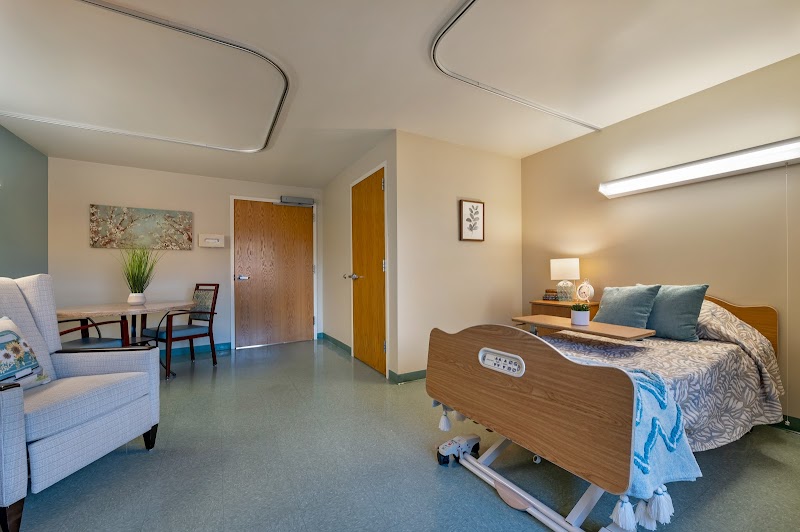
How is Fair Oaks Rehab & Healthcare Staffed?

CMS rates FAIR OAKS REHAB & HEALTHCARE's staffing level at 1 out of 5 stars, which is much below average compared to other nursing homes.

What Have Inspectors Found at Fair Oaks Rehab & Healthcare?

State health inspectors documented 41 deficiencies at FAIR OAKS REHAB & HEALTHCARE during 2022 to 2025. These included: 1 Immediate Jeopardy (the most serious level, indicating potential for serious harm or death), 3 that caused actual resident harm, and 37 with potential for harm. Immediate Jeopardy findings are rare and represent the most serious regulatory concerns. They require immediate corrective action.
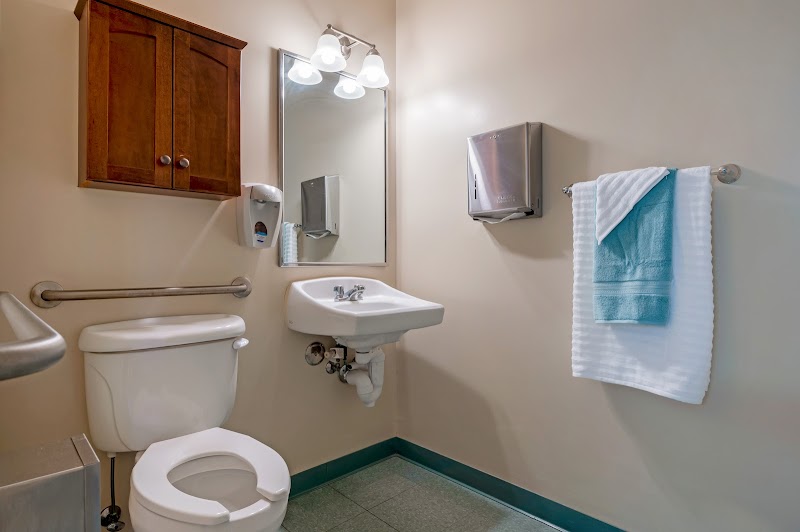
Who Owns and Operates Fair Oaks Rehab & Healthcare?

FAIR OAKS REHAB & HEALTHCARE is owned by a for-profit company. For-profit facilities operate as businesses with obligations to shareholders or private owners. The facility is operated by TUTERA SENIOR LIVING & HEALTH CARE, a chain that manages multiple nursing homes. With 78 certified beds and approximately 60 residents (about 77% occupancy), it is a smaller facility located in SOUTH BELOIT, Illinois.
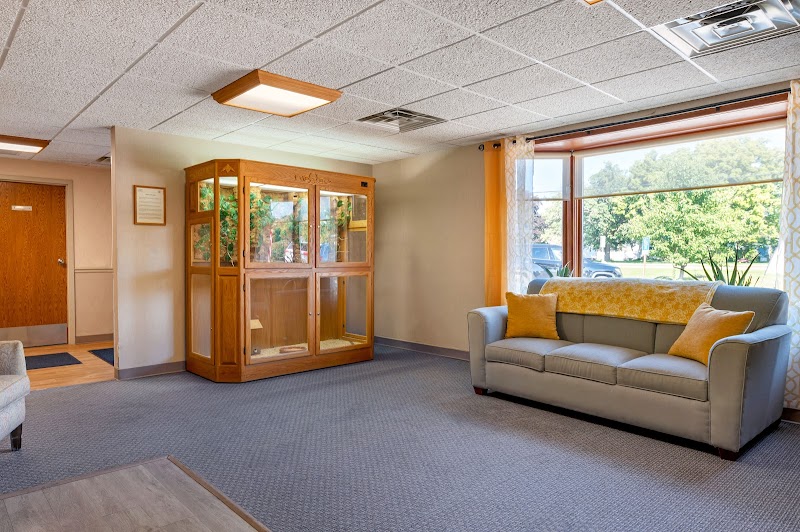
How Does Fair Oaks Rehab & Healthcare Compare to Other Illinois Nursing Homes?

Compared to the 100 nursing homes in Illinois, FAIR OAKS REHAB & HEALTHCARE's overall rating (2 stars) is below the state average of 2.5 and health inspection rating (3 stars) is at the national benchmark.

What Should Families Ask When Visiting Fair Oaks Rehab & Healthcare?

Based on this facility's data, families visiting should ask: "What changes have been made since the serious inspection findings, and how are you preventing similar issues?" "Can you walk me through typical staffing levels on day, evening, and night shifts?" "Can I visit during a mealtime to observe dining assistance and food quality?" "How do you handle medical emergencies, and what is your hospital transfer rate?" These questions are particularly relevant given the facility's Immediate Jeopardy citations and the below-average staffing rating.

Is Fair Oaks Rehab & Healthcare Safe?

Based on CMS inspection data, FAIR OAKS REHAB & HEALTHCARE has documented safety concerns. Inspectors have issued 1 Immediate Jeopardy citation (the most serious violation level indicating risk of serious injury or death). The facility has a 2-star overall rating and ranks #100 of 100 nursing homes in Illinois. Families considering this facility should ask detailed questions about what corrective actions have been taken since these incidents.

Do Nurses at Fair Oaks Rehab & Healthcare Stick Around?

FAIR OAKS REHAB & HEALTHCARE has not reported staff turnover data to CMS. Staff turnover matters because consistent caregivers learn residents' individual needs, medications, and preferences. When staff frequently change, this institutional knowledge is lost. Families should ask the facility directly about their staff retention rates and average employee tenure.

Was Fair Oaks Rehab & Healthcare Ever Fined?

FAIR OAKS REHAB & HEALTHCARE has been fined $34,060 across 2 penalty actions. The Illinois average is $33,419. While any fine indicates a compliance issue, fines under $50,000 are relatively common and typically reflect isolated problems that were subsequently corrected. Families should ask what specific issues led to these fines and confirm they've been resolved.

Is Fair Oaks Rehab & Healthcare on Any Federal Watch List?

FAIR OAKS REHAB & HEALTHCARE is not on any federal watch list. The most significant is the Special Focus Facility (SFF) program, which identifies the bottom 1% of nursing homes nationally based on persistent, serious quality problems. Not being on this list means the facility has avoided the pattern of deficiencies that triggers enhanced federal oversight. This is a positive indicator, though families should still review the facility's inspection history directly.