BRIA OF CHICAGO HEIGHTS

120 WEST 26TH STREET, SOUTH CHICAGO HEIGHT, IL 60411 (708) 756-5200
For profit - Limited Liability company 112 Beds BRIA HEALTH SERVICES Data: November 2025 1 Immediate Jeopardy citation
Trust Grade
0/100
#470 of 665 in IL
Last Inspection: May 2025

Inspected within the last 6 months. Data reflects current conditions.

Overview

Bria of Chicago Heights has received a Trust Grade of F, indicating poor quality and significant concerns with care. They rank #470 out of 665 facilities in Illinois, placing them in the bottom half, and #151 of 201 in Cook County, suggesting limited local options that are better. The facility is worsening, with issues increasing from 8 in 2024 to 13 in 2025. Staffing is a strength, with a turnover rate of 38%, which is better than the state average, but the overall staffing rating is poor at 1 out of 5 stars. However, the facility has faced serious incidents, including a resident leaving through a window without staff knowledge, raising serious safety concerns, and another resident suffering injuries of unknown origin, including bruising and swelling, which were not adequately addressed. There have also been reports of physical altercations between residents, highlighting issues with supervision and resident management. While there are some strengths in staffing retention, the serious safety violations and overall poor grades suggest families should carefully consider their options.

Trust Score
F
0/100
In Illinois
#470/665
Bottom 30%
Safety Record
High Risk
Review needed
Inspections
Getting Worse
8 → 13 violations
Staff Stability
○ Average
38% turnover. Near Illinois's 48% average. Typical for the industry.
Penalties
○ Average
$22,084 in fines. Higher than 63% of Illinois facilities. Some compliance issues.
Skilled Nurses
⚠ Watch
Each resident gets only 28 minutes of Registered Nurse (RN) attention daily — below average for Illinois. Fewer RN minutes means fewer trained eyes watching for problems.
Violations
⚠ Watch
30 deficiencies on record. Higher than average. Multiple issues found across inspections.
★☆☆☆☆
1.0
Overall Rating
★☆☆☆☆
1.0
Staff Levels
★★★☆☆
3.0
Care Quality
★★☆☆☆
2.0
Inspection Score
Stable
2024: 8 issues
2025: 13 issues

The Good

  • Full Sprinkler Coverage · Fire safety systems throughout facility
  • No fines on record
  • Staff turnover below average (38%)

    10 points below Illinois average of 48%

Facility shows strength in fire safety.

The Bad

1-Star Overall Rating

Below Illinois average (2.5)

Significant quality concerns identified by CMS

Staff Turnover: 38%

Near Illinois avg (46%)

Typical for the industry

Federal Fines: $22,084

Below median ($33,413)

Minor penalties assessed

Chain: BRIA HEALTH SERVICES

Part of a multi-facility chain

Ask about local staffing decisions and management

The Ugly 30 deficiencies on record

1 life-threatening 4 actual harm
Jun 2025 1 deficiency 1 Harm
SERIOUS (G) 📢 Someone Reported This

A family member, employee, or ombudsman was alarmed enough to file a formal complaint

Actual Harm - a resident was hurt due to facility failures

Free from Abuse/Neglect (Tag F0600)

A resident was harmed · This affected 1 resident

Based on interviews and record reviews, the facility failed to prevent a resident injury, and failed to determine the origin of the injury. This affected one of three residents (R1) reviewed for injur...

Read full inspector narrative →
Based on interviews and record reviews, the facility failed to prevent a resident injury, and failed to determine the origin of the injury. This affected one of three residents (R1) reviewed for injury of unknown origin. This failure resulted in R1 sustaining left eye swelling and discoloration, discolorations to chest and right leg, scratches to face and chest area, and complaints of chest pain which were identified by the emergency room staff when R1 presented to the hospital for agitation. Findings include: On 6/24/25 at 2:30 PM, V7 (Complainant) stated that R1 presented to the emergency room on 6/22/25 at 1:02 AM with bruising and swelling to left eye, bruising to mid chest area, bruising to right leg, and scratches to face and chest area. V7 stated that the bruising on R1's chest appeared to be a heel print from being kicked in the chest. V7 stated that R1 stated V3 (Nurse) beat him up because R1 would not give V3 the bottle of rubbing alcohol which was his. V7 stated that R1's injuries were consistent with a person being assaulted. V7 stated that R1 also complained of chest pain. On 6/22/25 at 12:30 PM, V4 CNA (Certified Nurse Aide) stated that the incident happened after dinner on 6/21/25. V4 denied R1 exhibiting any behaviors prior to 6/21. V4 stated that V4 was rounding on his assigned residents when V4 observed R1 pouring rubbing alcohol into a cup. V4 stated that V4 immediately informed V3 (Nurse). V4 stated that V3 went to R1's room to speak with R1. V4 stated that R1 was verbally aggressive and threw the cup of rubbing alcohol at V3. V4 stated that V4 went to R1 and R2's room two hours later to provide resident care to R2. V4 stated that R1 pulled the privacy curtain open to see who the person was that told on R1. V4 stated that R1 walked towards V4, R1's gait was unsteady, wobbly. V4 stated that as V4 was opening the door to get staff assistance, R1 hit him on his left side of neck/shoulder area. V4 stated that V4 informed V3 that R1 was being verbally and physically aggressive. V4 stated that V3 informed him she was going to handle the situation with V5 (Assistant Administrator). V4 stated that R2's family member brought in the bottle of rubbing alcohol earlier on 6/21 and R1 took the bottle of rubbing alcohol from R2's belongings. On 6/23/25 at 10:00 AM, V6 CNA stated that V6 heard V4 CNA asking for help, he was having difficulty with R1. V6 stated that she was walking down hallway and heard V4 say don't hit me, V6 entered room to try to calm R1 down. V6 stated that V6 went on other side of the privacy curtain to speak with R1. V6 stated that R1 told her to get out and head butted her on her lower lip. V6 stated that V6 ran out of R1's room due to her lip bleeding. V6 stated that V3 and V5 were approaching R1's room as she was exiting room. V6 stated that R1 is cranky, he can be verbally inappropriate at times. V6 denied R1 ever being physically aggressive prior to that evening. V6 stated that she did not see R1 anymore that evening. On 6/23/25 at 10:15 AM, V3 (Nurse) stated that she was at nurses' station when V4 CNA informed her that R1 was pouring rubbing alcohol into cup. V3 stated that she went to R1's room, saw cup 1/2 full of rubbing alcohol. V3 stated that V3 asked R1 what he was going to do with it, R1 did not respond. V3 stated that V3 asked R1 to give her the cup. V3 stated that R1 held the cup and threw the liquid at her, V3 pulled the curtain to block liquid. V3 stated that most of the liquid hit curtain, only a little got on her clothes. V3 stated that R1 was verbally aggressive with her, but she was able to take the bottle of rubbing alcohol with her out of room and placed it at the nurses' station. V3 stated that V3 then heard a scream, V3 rushed to R1's room with V5 (Assistant Administrator) to find V6 CNA screaming. V3 stated that V3 observed V6's lip bleeding; V6 stated that R1 head butted her. V3 stated that V3 and V5 walked with R1 to the social services' office. V3 stated that afterwards V3 called the physician and obtained orders for medication injection and to send R1 to the hospital for evaluation. V3 stated that R1 stayed in the office with V5 on 1:1 monitoring until the ambulance crew transported R1 to the hospital. V3 stated that V3 is not sure how R1 got the bruises. V3 did not report an injury of unknown origin to the Administrator. V3 stated that R1 is alert and oriented x 3, his baseline. On 6/23/25 at 12:10 PM, V5 (Assistant Administrator) stated that V5 was working in his office on Saturday, 6/21, completing needed work. V5 stated that V3 (Nurse) informed V5 that they found a bottle rubbing alcohol in R1's possession. V5 stated that this bottle belonged to resident's roommate, R2. V5 stated that later R1 was becoming verbally and physically aggressive with staff and V5 saw V6 (CNA) was bleeding from her lower lip. V5 stated that V5 went to R1's room to de-escalate the situation. V5 stated that with re-direction V5 was able to get R1 to exit his room and agree to go to the social services office. V5 stated that while V5 was walking to the office with R1, R1 attempted to exit a back door at the facility. V5 stated that V5 was able to get R1 into the office to monitor R1 1:1. V5 stated that V5 sat with R1 until the ambulance crew arrived to transport R1 to the hospital for behaviors. V5 stated that R1 left the facility around 6:00 PM. V5 stated that V5 left the facility between 7:00 PM and 7:30 PM. V5 denied any staff member hitting R1. V5 denied R1 having any injuries prior to transporting to the hospital. On 6/23/25 at 3:00 PM, V1 (Administrator) stated that V1 was informed that R1 was being aggressive with staff on 6/21. V1 stated that staff are CPI (Crisis Prevention Institute) trained. V1 stated that this is not used very much at this facility. V1 stated that it is possible R1 could have sustained bruising when staff were trying to de-escalate the situation with R1. R1 has diagnoses including but not limited to stroke with hemiplegia affecting left non-dominant side, unsteadiness on feet, abnormalities of gait and mobility, major depressive disorder, bipolar disorder, delirium, anxiety disorder, suicidal ideations, and schizoaffective disorder. R1's outside ambulance report, dated 6/21/25, noted staff called for transport to hospital at 6:11 PM for a resident being aggressive with staff. The outside ambulance crew were dispatched to the facility at 11:29 PM and arrived at R1 at 00:05 AM. R1 noted with contusion to left eye, complaints of chest pain, and injury to right leg. R1 is claiming that staff struck him in the face and kicked him in the chest. R1's hospital record, dated 6/22/25 notes R1 presented to the emergency room at 1:21 AM for aggressive behavior/uncooperative behavior. R1 noted with hematoma (localized collection of blood) of left upper eye with swelling to affected orbit. R1 with noted bruising to chest area and right leg. R1 complained of chest pain, 10 out of 10. Per report, R1 found consuming rubbing alcohol in room to which altercation ensued with staff and R1. R1's medical record, dated 1/7/25, notes R1 exhibited physical aggression. R1's medical record does not note the details of this physical aggression. R1's medical record does not note any other incident of physical aggression until 6/21/25. On 4/25/25, Psychiatric Nurse Practitioner noted R1 is being seen for follow up visit: R1 is adherent with medication with encouragement from staff; fair hygiene and states I am doing well. Objective: R1 is AO x 2-3, fair grooming with good hygiene has no overt indication of depressive signs/symptoms. Fair insight/judgment; normal speech, apathetic fair concentration but denies suicidal/homicidal ideation. Assessment: He presents cooperative; fairly guarded endorses normal sleeping habit. Nursing staff reports R1 is adherent with medication and without exacerbation. R1's screening assessments for indicators of aggressive and/or harmful behaviors, dated 10/29/24, 1/3/25, 1/7/25, 2/3/25, and 5/5/25, note R1 is at minimal risk for aggression. The facility's abuse policy, revised 1/31/25, notes the nursing staff is responsible for reporting the appearance of suspicious bruises, lacerations, or other abnormalities of an unknown origin as soon as it is discovered.
May 2025 12 deficiencies 2 Harm
SERIOUS (G)

Actual Harm - a resident was hurt due to facility failures

Free from Abuse/Neglect (Tag F0600)

A resident was harmed · This affected 1 resident

Based on interview and record review the facility failed to prevent a resident to resident physical assault. This affected two of four (R48, R70) residents reviewed for physical abuse. This failure re...

Read full inspector narrative →
Based on interview and record review the facility failed to prevent a resident to resident physical assault. This affected two of four (R48, R70) residents reviewed for physical abuse. This failure resulted in R48 assaulting R70 in the face with a shoe on 4/8/25. R70 sustained purple discoloration to the right eye lid and petechia above the eyebrow. Findings include: On 5/28/25 at 1:15pm R70 observed alert to person, place, time and situation. R70 stopped surveyor and stated the facility has mixed residents with mental illness with residents that have medical problems. R70 said R48 hit her in the face with a shoe and she sustained a bruise to the eye. R70 said this was last month. R70 showed surveyor a picture on her cellular phone. The image was of R70's face, there was a dark purple discoloration to the right eye lid and petechia above the eyebrow. R70 said V1 (Assistant Administrator) was aware, and she told her son about it. R70 said this happened the day the rooms were changed. Review of R70's progress notes noted that R70 and R48 had a verbal altercation and R48 was relocated to another room. On 5/28/25, R48 is not interview-able. The data information on R70 phone denotes that image was taken on 4/14/2025 at 9:33am. On 5/28/25 at 2:59pm V26 (R70's son) said that R70 did report to him that a resident hit her in the face with a shoe. V26 said that matter should be investigated. On 5/28/25 at 3:30pm V1 (Assistant Administrator) said R70 did inform him that R48 hit her in the face with a shoe. V1 said how does a bruise come a week later. V1 said he did see the bruise to R70's right eye, and when he asked R70 about it, R70 replied I told you what happened. V1 restated that R70 said R48 hit her with a shoe. V1 said he is not a medical professional. V1 said R70 also fabricates stories. V1 said he does not know how R70 sustained the bruise to the right eye and petechia to forehead. V1 said he did not report the injury of unknown origin to the State Department. V1 said he did not reach out to the Administrator for guidance regarding the bruise to R70's eye and reported injuries. V1 said he thought the matter was resolved with he separated R70 and R48's room. V1 said the injury of unknown origin should have been reported to the State Department. V1 said he did not investigate R70's allegation of physical assault when alleged. V1 said the allegation was not investigated. On 5/28/25 at 4:20pm V2 (Administrator) said she was not aware of the bruise to R70's right eye. V2 said there is nothing documented in R70's medical records about the bruise to the right eye. V2 agreed that V1 should have reported the injury to the State Department. Facility policy for abuse with last review date 9/2024 denotes in-part the facility affirms the right of our residents to be free from abuse, neglect, mistreatment or misappropriation of resident property or mistreatment.
SERIOUS (G)

Actual Harm - a resident was hurt due to facility failures

Quality of Care (Tag F0684)

A resident was harmed · This affected 1 resident

**NOTE- TERMS IN BRACKETS HAVE BEEN EDITED TO PROTECT CONFIDENTIALITY** R94 was admitted to the facility on [DATE] with a diagnosis of major depressive disorder, anxiety and conversion disorder with s...

Read full inspector narrative →
**NOTE- TERMS IN BRACKETS HAVE BEEN EDITED TO PROTECT CONFIDENTIALITY** R94 was admitted to the facility on [DATE] with a diagnosis of major depressive disorder, anxiety and conversion disorder with seizures or convulsions. R94's physician orders document monthly Tegretol(Carbamazepine) level dated 2/14/25. Carbamazepine extended release 100 mg. Give one tablet two times a day for conversion disorder with seizures. R94 carbamazepine level dated 2/19/25 was 5.3 normal. There was no level drawn for March. R94 carbamazepine level dated 4/11/25 documents 2.6 low. Reference range for carbamazepine is (4.0 -12). There were no carbamazepine levels for May. R94's Nurse Practitioner (NP) note dated 4/11/25 documents: Tegretol level 2.6. Conversion disorder with seizures or convulsions Give additional dose of Carbamazepine ER 100 mg x 1 Continue Zonisamide and current dose of Carbamazepine Seizure precautions. On 5/29/25 at 12:04PM, V19 (NP) said she ordered monthly Carbamazepine levels to ensure R94's medication is at a therapeutic level. V19 said it is recommended to check monthly. If levels are low medication level would be rechecked in a month and if still low medication change would be initiated. V19 said she did order one time dose of Carbamazepine after April results. V19 said she was unable to find any other lab results for R94's Carbamazepine level after April. V19 said she would expect her orders to be followed, and another lab draw to have occurred for May to follow up. V19 said if the therapeutic level is low, it can put the resident at higher risk for seizures. On 5/30/25 at 10:18AM, V24 (Pharmacist) said if the carbamazepine level is low it is recommended to adjust the dose and recheck the level within a week to see if there are any changes. If only a one-time dose of carbamazepine was given it would not have any long term effect on therapeutic levels and it would be expected to recheck the level within a week. R6's medical record notes R6's primary diagnosis is unspecified convulsions. R6's POS (physician order sheet), dated 2/14/25, notes an order for monthly lacosamide, Keppra, phenobarbital, and valproic levels. R6's medical record, dated 10/23/24, notes R6's lacosamide level was 5.7 (normal range 5-10); Keppra level was 5.51 (normal range 10-40); phenobarbital level was 30.3 (normal range 15-40); and valproic acid level was 49.1 (normal range 50-100). There is no documentation found in R6's medical record noting these laboratory tests were completed and reported monthly or that the physician was notified laboratory testing was not done. Facility policy titled physician orders revised 1/2023 document: Physician orders are followed as written. Follow through with orders by making appropriate contact or notification (lab or pharmacy). A. Based on interviews and records reviewed the facility failed to prevent one dependent resident receiving narcotic medication known to the cause side effect of constipation from developing a large stool burden. This affected one of one resident (R41) reviewed for quality of care and hospitalizations. This failure resulted in R41 being transferred to the hospital and admitted for a diagnosis of Sterocoral Colitis secondary to severe constipation. B. Based on interview and record review, the facility failed to follow physician' s orders for obtaining monthly laboratory draws for seizure medications levels for residents identified with seizure disorders. This affected two residents (R94 and R6) reviewed for following physician orders. Findings include: On 2/23/25 hospital History and Physical identifies R41's chief complaint constipation. R41 is being admitted for Sterocoral Colitis, Urinary Retention, and UTI. According to National Institutes of Health, they define Sterocoral as a rare inflammatory form of colitis that occurs when impacted fecal material leads to distention of the colon. R41 returned to the facility on 2/24/25. R41's diagnosis include but are not limited to malignant neoplasm of right breast and constipation. On 05/28/25 at 1:06 PM R41 in bed observed twice, both times R41 was non-responsive. On 5/29/25 at 11:31AM V12, LPN, said R41 called 911, it happened before for bowels. V12 said R41 was on a narcotic that she took everyday, she took 2 a day. V12 said R41 was educated that a side effect of the narcotic was constipation. V12 said R41 was on a stool softener. V12 said R41 gets agitated when she can't go, it was not her first time not being able to go. V12 said R41 panics about not being able to have a bowel movement. V12 said R41 has a prescription for bowel care daily. V12 said in the past I have given her lactulose one time to go. V12 said R41 has a cancer diagnosis. V12 said if residents complain of not having a bowel movement we assess for distended abdomen or blood in the stool. V12 said I would ask R41 when she pooped last, and I would encourage fluids. V12 said we try to avoid using an enema on R41 because she might bleed. V12 said we discuss the care for R41 bowels with the Nurse Practitioner. V12 said we would document in the progress notes the assessment we did. (The facility provided V12 as an assigned nurse to R41 during 2/20/25-2/23/25.) On 5/29/25 at 9:59AM V22, LPN said R41 didn't tell me she needed anything on 2/23/25. V22 said R41 just called 911. I saw the ambulance came in; I was surprised. We went to her room and R41 transferred to the hospital. She never told me anything was wrong in the beginning. There was nothing told to me in report and no pain reported. V22 said R41 left, I didn't get an assessment. On 5/29/25 at 12:36PM V19, Nurse Practitioner, said R41 had breast cancer, and she had pain to the breast. V19 said R41 was on norco for pain management. V19 said constipation can be a side effect of the norco. V19 said constipation can be related to norco, immobility being in a wheelchair and age. V19 said R41 had bowel concerns for at least 1 year that I have been coming to the facility. V19 said R41 was on a bowel regimen with medications and providing adequate hydration. V19 said to monitor R41 she was verbal and could report her bowel concerns. V19 said the CNAs will report if a resident is not going. V19 said R41 was obsessive about her bowels. V19 said I would expect nurses to confirm with CNAs and give PRNs if needed if R41 was reporting the need to have a bowel movement. V19 said they should document symptoms and give the PRN if needed. V19 said R21 would probably present with pain or discomfort in the abdomen and possibly some tenderness. V19 said R21 would have been able to report that to us. V19 said the ER visits could have been avoided if treated in the facility for bowel care. On 5/30/25 at 9:49AM V3, Director of Nursing, reviewing R41's Documentation Survey Report for Bowel Continence with the surveyor and said the report shows R41 had small bowel movements on 2/21/25 and 2/22/25 day shifts and evening shifts. V3 said monitoring for constipation includes monitoring the stool output and how much she is going. V3 said the interventions were not effective in preventing constipation. At 10:30AM V3 said the only documentation with an assessment for R41 I have is the SBAR that was provided already, there was no progress notes documented. The only bowel related policy we have is for Retraining and 3 day assessments for new admissions. While reviewing the Medication Administration Record (MAR) for R41 with the surveyor, 2/1/25-2/23/25, V3 said R41 was not given as needed (PRN) Dulcolax suppository, enema or lactulose. R41 has Dulcolax suppository, enema, and lactulose available for administration on her MAR. V3 said the PRN constipation medication would be given based on assessment. At 10:43AM V3 said R41 had no inhouse labs for 2/1/25-2/23/25. R41's care plan states she has a bowel elimination problem (constipation) related to decreased GI motility. Interventions include assess and monitor bowel routine. Assess and monitor medication which may cause diarrhea. Give medication as ordered. Monitor for signs and symptoms of GI distress. Monitor medications which may contribute to constipation. Observe for decreased bowel sounds. R41's cognitive pattern assessment for 1/1/25 identifies a score of 13 and on 4/2/25 14, both are cognitively intact scores. R41's MDS 1/1/25 identify she uses a wheelchair. R41's requires substantial to maximum assist for toileting hygiene and is dependent for toilet transfers. R41 is always incontinent of stool.
CONCERN (D)

Potential for Harm - no one hurt, but risky conditions existed

Abuse Prevention Policies (Tag F0607)

Could have caused harm · This affected 1 resident

Based on interview and record review the facility failed to follow their abuse policy and investigate an injury of unknown origin. This affected two of four residents (R48, R70) both reviewed for abus...

Read full inspector narrative →
Based on interview and record review the facility failed to follow their abuse policy and investigate an injury of unknown origin. This affected two of four residents (R48, R70) both reviewed for abuse policy and investigation. This resulted in a 44-day delay in investigating an injury of unknown origin to R70's face. Findings include: On 5/28/25 at 1:15pm R70 observed alert to person, place, time and situation. R70 stopped surveyor and stated the facility mixed residents with mental illness with residents that have medical problems. R70 said R48 hit her in the face with a shoe and she sustained a bruise to the eye. R70 said this was last month. R70 showed surveyor a picture in her cellular phone. The image was of R70's face, there was a dark purple discoloration to the right eye lid and petechia above the eyebrow. R70 said V1 (Assistant Administrator) was aware, and she told her son about it. R70 said this happened the day the rooms were changed. Review of R70 progress notes noted that R70 and R48 had a verbal altercation and R48 was relocated to another room. On 5/28/25 R48 is not interview-able. The data information on R70's phone notes that the image was taken on 4/14/2025 at 9:33am. On 5/28/25 at 2:59pm V26 (R70's son) said R70 did report to him that a resident hit her in the face with a shoe, V26 said that matter should be investigated. On 5/28/25 at 3:30pm V1 (Assistant Administrator) said R70 did inform him that R48 hit her in the face with a shoe. V1 said how does a bruise comes a week later. V1 said he did see the bruise to R70 right eye, and when he asked R70 about it, R70 replied I told you what happened. V1 restated that R70 said R48 hit her with a shoe. V1 said he is not a medical professional. V1 said R70 also fabricate stories. V1 said he does not know how R70 sustain the bruise to the right eye and petechia on the forehead. V1 said he did not report the injury of unknown origin to the State Department. V1 said he did not reach out to the Administrator for guidance regarding the bruise to 's eye and reported injuries. V1 said he thought the matter was resolved with he separated R70 and R48's room. V1 said the injury of unknown origin should have been reported to the State Department. V1 said he did not investigate R70's allegation of physical assault when alleged. V1 said the allegation was not investigated. 5/28/25 at 4:20pm V2 (Administrator) said she was not aware of the bruise to R70's right eye, V2 said there is nothing documented in R70's medical records about the bruise to the right eye. V2 was agreeable that V1 should have reported the injury to the State Department. Facility policy for abuse with last review date denotes in-part external reporting, when an allegation of abuse, exploitation, neglect, mistreatment or misappropriation of resident property has been made, the administrator or designee shall notify Department of Public Health regional office immediately by telephone or fax. Public health shall be informed that an occurrence of potential abuse, neglect, mistreatment or misappropriation of resident property has been reported to the administrator and is being investigated. The report shall include the following information, if known at the time of the report: name, type of abuse, date time location and circumstances of allegation. This report shall be made immediately. As used herein the term immediately in relation to reporting abuse, neglect, mistreatment or misappropriation of resident property and suspicious of a crime shall be defined as following management of the immediate risk to the resident or residents, including the administration of necessary medical attention, and establishing the safety of the resident or residents involved or not later than two hours after forming the suspicion, if the events that cause the suspicion result in serious bodily injury or not later than 24 hours if the event caused suspicion do not result in serious injury.
CONCERN (D)

Potential for Harm - no one hurt, but risky conditions existed

Report Alleged Abuse (Tag F0609)

Could have caused harm · This affected 1 resident

Based on interview and record review the facility failed to follow the abuse policy and procedures and immediately report an injury of unknown origin. This affected two of four residents (R48, R70) re...

Read full inspector narrative →
Based on interview and record review the facility failed to follow the abuse policy and procedures and immediately report an injury of unknown origin. This affected two of four residents (R48, R70) reviewed for reporting abuse and injury of unknown origin. This failure resulted in a 44 day delay in reporting an injury of unknown origin. Findings include: On 5/28/25 at 1:15pm R70 observed alert to person, place, time and situation. R70 stopped surveyor and stated the facility mixed residents with mental illness with residents that have medical problems. R70 said R48 hit her in the face with a shoe and she sustained a bruise to the eye. R70 said this was last month. R70 showed surveyor a picture in her cellular phone. The image was of R70's face, there was a dark purple discoloration to the right eye lid and petechia above the eyebrow. R70 said V1 (Assistant Administrator) was aware, and she told her son about it. Review of R70's progress notes noted that R70 and R48 had a verbal altercation and R48 was relocated to another room. On 5/28/25 R48 is not interview-able. The data information on R70's phone denotes that image was taken on 4/14/2025 at 9:33am. On 5/28/25 at 2:59pm V26 (R70's son) said R70 did report to him that a resident hit her in the face with a shoe, V26 said that matter should be investigated. On 5/28/25 at 3:30pm V1 (Assistant Administrator) said R70 did inform him that R48 hit her in the face with a shoe. V1 said how does a bruise come a week later. V1 said he did see the bruise to R70's right eye, and when he asked R70 about it, R70 replied I told you what happened. V1 restated that R70 said R48 hit her with a shoe. V1 said he is not a medical professional. V1 said R70 also fabricate stories. V1 said he does not know how R70 sustain the bruise to the right eye and petechia on forehead. V1 said he did not report the injury of unknown origin to the State Department. V1 said he did not reach out to the Administrator for guidance regarding the bruise to R70's eye and reported injuries. V1 said he thought the matter was resolved with he separated R70 and R48's room. V1 said the injury of unknown origin should have been reported to the State Department. V1 said he did not investigate R70's allegation of physical assault when alleged. V1 said the allegation was not investigated. On 5/28/25 at 4:20pm V2 (Administrator) said she was not aware of the bruise to R70's right eye, V2 said there is nothing documented in R70's medical records about the bruise to the right eye. V2 was agreeable that V1 should have reported the injury to the state department. Facility policy for abuse with last review date denotes in-part external reporting, when an allegation of abuse, exploitation, neglect, mistreatment or misappropriation of resident property has been made, the administrator or designee shall notify Department of Public Health regional office immediately by telephone or fax. Public health shall be informed that an occurrence of potential abuse, neglect, mistreatment or misappropriation of resident property has been reported to the administrator and is being investigated. The report shall include the following information, if known at the time of the report: name, type of abuse, date time location and circumstances of allegation. This report shall be made immediately. As used herein the term immediately in relation to reporting abuse, neglect, mistreatment or misappropriation of resident property and suspicious od a crime shall be defined as following management of the immediate risk to the resident or residents, including the administration of necessary medical attention, and establishing the safety of the resident or residents involved or not later than two hours after forming the suspicion, if the events that cause the suspicion result in serious bodily injury or not later than 24 hours if the event caused suspicion do not result in serious injury.
CONCERN (D)

Potential for Harm - no one hurt, but risky conditions existed

Assessment Accuracy (Tag F0641)

Could have caused harm · This affected 1 resident

**NOTE- TERMS IN BRACKETS HAVE BEEN EDITED TO PROTECT CONFIDENTIALITY** Based on record review and interviews, facility staff failed to accurately code a Minimum Data Set (MDS) for two of three reside...

Read full inspector narrative →
**NOTE- TERMS IN BRACKETS HAVE BEEN EDITED TO PROTECT CONFIDENTIALITY** Based on record review and interviews, facility staff failed to accurately code a Minimum Data Set (MDS) for two of three residents (R75, R99) reviewed for accurate assessment. R75 was not being treated for a stage 3 pressure ulcer, and R99 was transferred to the community and not the hospital. Findings include: 1. On 5/28/25 at 12:45pm during an interview R75 said he does not have any pressure ulcers, R75 said he has never had a pressure ulcer while a resident at the [NAME] Chicago Heights. On 5/28/25 at 12:51pm V7 (Wound Care Coordinator) said R75 has never been diagnosed or treated for a stage 3 pressure ulcer while a resident of the [NAME] Chicago Heights facility. V7 said R75 has never had any pressure ulcers while a resident at the facility. V7 said she does not have any documents to present to surveyor noting that R75 does not have pressure ulcers and R75 has not been treated for a stage 3 pressure ulcer. Review of R75 MDS dated [DATE] section M for skin, number of unhealed pressure ulcers, it is documented that R75 has one unhealed pressure ulcer, number of stage 3 pressure ulcers- one is documented. Review of R75 current physician order sheet, and April 2025 physician order sheet, there are no wound treatments orders noted. 05/30/25 12:43 PM V11 (MDS Coordinator) said MDS assessments should be accurate, it should reflect the care that the facility is providing. 2. On initial review of the R99's MDS dated [DATE], it statesR99 was a planned discharge to the hospital. Progress notes for R99 dated 4/17/25 state R99 expressed intent to leave the facility against medical advice (AMA). At 1:26PM R99 verbalized understanding of what AMA is and signed the form. On 5/29/25 at 10:36am V1, Assistant Administrator, said R99 left the facility AMA. V1 said I spoke with him, and he had said he wanted to leave. V1 said I spoke with R99 regarding his need for medication. V1 said R99 said he did not want to be here. V1 said we advised R99 about AMA. V1 said R99 verbalized his understanding, and he did sign the form. On 5/29/25 at 11:44am V11, MDS nurse V11 said I modified it (the MDS) today. V11 said I thought R99 went to the hospital. V11 said I saw the progress notes today. V11 said it was an error on my part. Surveyor reviewed Release of Responsibility form dated 4/17/25 with R99's name on it. Facility submitted an MDS dated [DATE] stated the discharge was unplanned and was discharged to home.
CONCERN (D)

Potential for Harm - no one hurt, but risky conditions existed

PASARR Coordination (Tag F0644)

Could have caused harm · This affected 1 resident

**NOTE- TERMS IN BRACKETS HAVE BEEN EDITED TO PROTECT CONFIDENTIALITY** Based on interview and record review, the facility failed to refer one resident who was later identified with serious mental ill...

Read full inspector narrative →
**NOTE- TERMS IN BRACKETS HAVE BEEN EDITED TO PROTECT CONFIDENTIALITY** Based on interview and record review, the facility failed to refer one resident who was later identified with serious mental illness for a level II preadmission screening. This affected one of one resident (R66) reviewed preadmission screening. Findings include: R66 was admitted to the facility on [DATE] with a diagnosis of alcoholic polyneuropathy, liver disease. R66 documents a diagnosis of major depressive disorder dated 9/30/22 and schizoaffective disorder dated 10/5/22. R66's preadmission screening and resident review (PASRR) level one screen outcome dated 9/8/22 documents no level II required-no Severe mental illness, intellectual disability. The level I screen indicates that a PASRR disability Is not present because e of the following reason: There is no evidence of a PASRR condition of an intellectual/developmental disability or a serious behavioral health condition. If changes occur or new information refutes these findings a new screen must be submitted On 5/29/25 at 10:51AM, V1(Assistant Administrator) said they review resident preadmission screening and resident review (PASRR) prior to admission and quarterly, V1 said they review to see if there are any changes with the resident and if there are any changes a new screening would be recommended. V1 verified that R66 had a diagnosis of major depressive disorder and schizoaffective disorder. V1 said a referral should have been sent for a new screening. V1 was asked to provide any additional documentation a screening was conducted. Facility failed to provide any additional screening for R66 during the survey.
CONCERN (D)

Potential for Harm - no one hurt, but risky conditions existed

Deficiency F0657 (Tag F0657)

Could have caused harm · This affected 1 resident

Based on interviews and records reviewed the facility failed to review and revise the resident's wound care interventions. This affected one of three residents (R42) reviewed for care plan review and ...

Read full inspector narrative →
Based on interviews and records reviewed the facility failed to review and revise the resident's wound care interventions. This affected one of three residents (R42) reviewed for care plan review and revisions. The findings include: On 05/29/25 at 11:00 AM V7, Wound nurse said R42 had one pressure ulcer on his ankle and it was found on 4/4/25 and documeted as a stage 3. On 5/29/25 at 12:35PM Wound Care Nurse, said R42's skin impairment needs to be identified in the care plan to specify the staging of the wound. I added the pressure ulcer stage 3 to the care plan. V7 said actual vs risk for skin impairment are different and will have different interventions. V7 said, it is important to know the history of a resident's skin impairments. The goal will be to resolve and prevent decline or complications. V7 was asked why the goal is not specified on the care plan, V7 did not answer the question. R42's MDS Skin Conditions dated 4/22/25 identifies he had a stage 3 pressure ulcer. The area was identified as healed on 5/23/25 in the progress notes. The goal identified is to maintain adequate skin integrity. Interventions for 2025 include notify MD and monitor for adequate for urine output. The surveyor reviewed R42's care plan in the facility and requested a copy on 5/29/25. The facility provided a copy of the care plan that states it was revised on 5/29/25. R42's care plan states at risk for skin complication r/t incontinence, immobility, weakness, skin pressure S 3 to the ankle. When the surveyor reviewed the care plan on the morning of 5/29 it did not include skin pressure S 3 to the ankle. No history of impairment was listed.
CONCERN (D)

Potential for Harm - no one hurt, but risky conditions existed

Drug Regimen Review (Tag F0756)

Could have caused harm · This affected 1 resident

Based on interviews and record reviews, the facility failed to follow its medication regimen review policy to ensure the outside pharmacist identified and reported the absence or inadequate indication...

Read full inspector narrative →
Based on interviews and record reviews, the facility failed to follow its medication regimen review policy to ensure the outside pharmacist identified and reported the absence or inadequate indications for use of a medication. This failure affected 2 residents (R6 and R68) out of 3 residents reviewed for medication review in a sample of 48. Findings include: On 5/29/25 at 11:25 AM, V18 ADON (Assistant Director of Nursing) stated that the medication, apixaban, is a blood thinner. V18 stated that it is not used to treat tachycardia (increased heart rate) as is noted in R68's physician orders. V18 stated that she will correct R68's medical record now. On 5/30/25 at 10:30 AM, V24 (pharmacist) stated that apixaban is prescribed for persons with history of blood clots, traumatic brain injury, atrial fibrillation, or stroke. V24 stated that it is not used to treat tachycardia. V24 stated that benztropine mesylate is prescribed to treat movement disorder. V24 stated that she is not aware what other symbolic functions refers to as a diagnosis. R6's POS (physician order sheet), dated 6/5/24, notes an order for benztropine mesylate 1mg oral two times a day related to other symbolic functions. V25's (Consultant pharmacist) pharmacist clinical review and recommendations, dated 11/5/24 - 4/4/24, does not note any irregularities noted. R68's medical record does not note a diagnosis of tachycardia. R68's POS, dated 11/8/2022, notes an order for apixaban 2.5mg (milligrams) two times a day related to tachycardia, unspecified. R68's medical record, dated 2/28/25-5/29/25, notes R68's pulse rate ranges from 62-83 beats/minute. On one occasion, 5/10/25 at 10:59 PM, R68's pulse is documented as 94 beats/minute. V25's (Consultant Pharmacist) pharmacist clinical review and recommendations, dated 11/5/24 - 4/4/24, does not note any irregularities noted. This facility's consultant pharmacy services provider agreement, undated, notes the consultant pharmacist review the medication regimen of each resident at least monthly and documenting the review and finding in the resident's medical record. The consultant pharmacist is responsible for completing orders, including diagnoses and resident information. The pharmacist reviews the physician order and compares with resident profile for appropriate drug for indication (diagnosis).
CONCERN (D)

Potential for Harm - no one hurt, but risky conditions existed

Infection Control (Tag F0880)

Could have caused harm · This affected 1 resident

**NOTE- TERMS IN BRACKETS HAVE BEEN EDITED TO PROTECT CONFIDENTIALITY** Based on interview and record review, the facility failed to follow their transmission-based isolation policy by not relocating ...

Read full inspector narrative →
**NOTE- TERMS IN BRACKETS HAVE BEEN EDITED TO PROTECT CONFIDENTIALITY** Based on interview and record review, the facility failed to follow their transmission-based isolation policy by not relocating one resident's roommate after a resident was found to have Extended-Spectrum Beta-Lactamases (ESBL) in the urine and failed to discontinue the isolation order after treatment was completed. This affected two of two residents (R1, R38) reviewed for transmission-based precautions. Findings include: R38 was admitted to the facility on [DATE] with a diagnosis of dysuria, weakness, hernia, major depressive disorder, and ulcerative colitis. R38's Minimum Data Set, dated [DATE] under toileting hygiene documents substantial. Maximal assistance. Under section H documents no indwelling catheter and under urinary incontinence documents frequently incontinent. R38's physician order dated 3/22/25 created 3/25/25 documents: Contact Isolation related to Extended-Spectrum Beta-Lactamases (ESBL) in the urine. No discontinued or stop date. On 5/28/25 at 10:51AM, V16 (Infection Prevention RN) said once an infection is suspected a resident will be placed on isolation while results are pending, if results come back positive than the resident is placed on appropriate isolation. Roommate would be moved or resident with infection would move to another room. V16 said R38 required contact isolation in March for an infection of her urine which indicated Extended-Spectrum Beta-Lactamases (ESBL) and R1(R38's roommate) was moved to another room while on medication. V16 was unsure why there was still an order for contact isolation, but the order should be discontinued and R38 would be placed on enhanced standard precautions. R1 was admitted to facility on 12/2/20 with a diagnosis of Alzheimer's disease, dementia, bipolar. Age related bilateral cataracts and schizoaffective disorder. R1's brief interview for mental status dated 3/31/25 documents a score of 7/15 which h indicates moderately impaired cognition. R1's census and medical record do not document any room changes in March. Facility census sheets dated 3/22/25- 3/29/25 document R1 remaining in the room with R38. Census sheet documents open beds available. Facility policy titled transmission-based isolation precautions revised 3/24 documents: It is the policy of this facility to follow and implement isolation precautions according to the recommendations of the centers for disease control and prevention in order to aid in the prevention and transmission of pathogens. Contact precautions are used for residents with suspected or known infections of colonized microorganism that can transmitted by direct contact with the patient or resident or indirect contact. Also includes infections or colonization with multidrug resistance organisms (MDRO) IE Extended-Spectrum Beta-Lactamases (ESBL). Guidelines for isolation for MDRO; isolate residents who are infected with drainage that cannot be contained. Maintain contact isolation precautions for high risk residents including those who are totally dependent on Nursing aides for Activities of daily living. Discontinue isolation once residents has been treated.
CONCERN (D)

Potential for Harm - no one hurt, but risky conditions existed

Deficiency F0925 (Tag F0925)

Could have caused harm · This affected 1 resident

Based on interview and record review the facility failed to have an effective pest control policy/program, by not ensuring the facility was free of pest to include (rodents and flying insects). This a...

Read full inspector narrative →
Based on interview and record review the facility failed to have an effective pest control policy/program, by not ensuring the facility was free of pest to include (rodents and flying insects). This affected two of two residents (R18, R15,) reviewed for pest control practices. This has the potential to affect the entire facility. Findings include: On 5/28/25 surveyor was informed that Resident # 18 came out her room screaming saying there was a mouse in the room. On 5/28/25 R83(Resident Council President) said R18 was screaming about a mouse. R83 said her and R18 heard the mice in the room a few days ago, they made V5 (Maintenance Director) aware and he put traps down. R83 said this morning V4 (Housekeeping) removed the trap with the mouse on it. On 5/28/25 at 12:37pm V4 (Housekeeping) said he did remove the mouse trap with a mouse on it this morning from R83 and R18's room, under R18 bed. V4 said the facility should be pest free. On 5/27/25 at 1:57pm there were many flies observed in R15's room, landing on the soiled linen that was on the floor. V28(CNA) and housekeeper were summoned to make observation, both identified the flies. Facility policy titled Pest Control with last review date 8/2024 denotes in-part the facility shall maintain an effective pest control program. The facility maintains an ongoing pest control program to ensure that the building is kept free of insects and rodents.
CONCERN (E)

Potential for Harm - no one hurt, but risky conditions existed

Deficiency F0883 (Tag F0883)

Could have caused harm · This affected multiple residents

Based on interviews and record reviews the facility failed to administer the influenza vaccine during influenza season, failed to screen residents for and offer the pneumococcal vaccine to residents. ...

Read full inspector narrative →
Based on interviews and record reviews the facility failed to administer the influenza vaccine during influenza season, failed to screen residents for and offer the pneumococcal vaccine to residents. This failure affected 4 of 5 residents (R38, R68, R78, and R93) reviewed for influenza and pneumococcal vaccines in a sample of 48. Findings include: On 5/28/25 at 10:57 AM, V16 (Infection Prevention Nurse) stated that residents are educated and offered the influenza and pneumococcal vaccines. V16 stated that she is responsible for educating and obtaining consent/refusals for vaccinations. V16 stated that an outsourced clinic comes to this facility and administers residents' vaccinations. On 05/29/25 1:14 PM, V16 stated that when she started working here in March 2025, she was informed by previous IP nurse that if resident refused flu and/or pneumonia vaccine, they were not provided any education. V16 stated that she is unable to provide any documentation of education provided to the residents that refused vaccination(s). 1.R38's medical record, dated 10/22/24, notes R38 received education for the influenza and pneumococcal vaccinations and consented to receive both vaccines. R83 only received the pneumococcal vaccination. It is documented in R38's medical record R38 refused the influenza vaccine. There is no documentation noting R38 refused the influenza vaccine during 2024 influenza season. R38's POS (physician order sheet), dated 9/13/23, notes an order for annual influenza vaccine. 2.R68's medical record does not note any documentation that R68 received education or was offered the influenza or the pneumococcal vaccinations. R68's medical record notes R68 refused both vaccinations. R68's POS, dated 11/8/22, notes an order for pneumococcal vaccine per facility policy. It also notes an order for annual influenza vaccine. 3.R78's medical record, dated 10/21/24, notes R78 received education for the influenza and pneumococcal vaccinations and consented to receive both vaccines. R78 only received the pneumococcal vaccination. It is documented in R78's medical record R78 refused the influenza vaccine. There is no documentation noting R78 refused the influenza vaccine during 2024 the influenza season. R78's POS, dated 4/13/23, notes an order for annual influenza vaccine. 4.R93's medical record, dated 10/22/24, notes R93 received education for the influenza and pneumococcal vaccinations and consented to receive both vaccines. R93 only received the pneumococcal vaccination. It is documented in R93's medical record R93 refused the influenza vaccine. There is no documentation noting R93 refused the influenza vaccine during 2024 influenza season. R93's POS, dated 10/7/24, notes an order for annual influenza vaccine. This facility's immunization record policy, revised 9/5/23, notes if the vaccines have not been given, the health care provider will be contacted for an order. If the vaccine is contraindicated, the physician or nurse will document why in the medical record. The resident or resident responsible party will be contacted for consent. If the resident or responsible party refuses the vaccine, then documentation in the resident's electronic medical record shall include education regarding why the vaccine is important. The vaccine will be documented on the eMAR (electronic medication administration record) as given. This facility's pneumococcal vaccination policy, revised 03/23, notes all current residents or the resident's responsible party will be screened yearly and offered the pneumovax PPSV23 and/or PCV13, PV15, and PCV20. This facility's influenza vaccination policy, reviewed 9/2023, notes annually all residents or resident responsible parties will be asked if they want to receive the influenza vaccine. If the resident or responsible party signs the consent, the health care provider will be contacted for an order. The influenza vaccine will be administered and documented in the eMAR.
MINOR (C)

Minor Issue - procedural, no safety impact

Deficiency F0565 (Tag F0565)

Minor procedural issue · This affected most or all residents

Based on interview and record review the facility failed to ensure that the assigned staff, thoroughly assisted and documented the resident concerns and grievances during the monthly resident council ...

Read full inspector narrative →
Based on interview and record review the facility failed to ensure that the assigned staff, thoroughly assisted and documented the resident concerns and grievances during the monthly resident council meeting from 01/22/2025 to 5/21/2025. This has the potential to affect all 99 of the residents in the facility reviewed for grievance and resident concerns. Findings include: According to the CMS 671 dated 05.28.25, there were 99 residents residing in the facility. On 5/28/25 request and approval was given to review resident council meeting minutes. There were no documented concerns noted on the records for the meetings from 01/19/2025 to 05/23/2025. During the hosted resident council meeting R83 (President) reviewed the documents presented by V2 (Administrator) and stated that the documents were not correct and the residents in fact mentioned concerns during the March, April and May meetings, and the concerns were not listed on the documents. R83 said this is an issue and that V27 (Activity Director) should be writing down the concerns for the meetings. R83 said one concern that was mentioned was about one particular Nursing staff's behavior of waking other residents up when giving medications to the room mates, talking loudly at night and leaving resident room lights on during the overnight shift. R83 said the facility did address that matter right away, however it should have been documented in the minutes. R83 said residents made suggestions related to food. Review of the facility concerns and grievances from 01/01/2025 to 5/27/2025, there was a total of three listed concerns. The concerns that were listed were not related to what was mentioned by R83. R83, R69, R89, and R44 asked what are their rights as a resident living in the long term care, all said the resident rights are not being reviewed. Using a reasonable person concept the facility failed to document all the resident concerns. On 5/30/25 at 12:12pm V27 (Activity Director) said the residents did mention concerns in the last resident council meeting, V27 said she can't recall what they were. V27 said she is responsible for typing the meeting minutes, she removes the concerns and gives them to Social Services. V27 was made aware that the minutes were requested for review on 5/27/25. V27 said she thinks the resident rights are reviewed during the resident council meetings, but she can't be certain. V27 was asked how are repeated concerns being monitored if the minutes are not being documented. V27 was made aware that the presented minutes appear as if the residents are not having concerns. Facility policy tilted Grievance/concerns last review date denotes in-part, it is the policy of the facility to allow and encourage residents and their representative to express grievances and concerns they may have regarding the facility, services and staff. Any staff member in the facility may receive a grievance or concern from a resident or family member. If possible, upon receiving the grievance or concern, attempt to resolve the grievance, or direct the resident or family member to the appropriate department head or the administrator. If the administrator or appropriate department-head are not available, the staff member will gather as much information as possible about the grievance or concern and complete a facility concern form. The staff member will submit the concern form to the appropriate department head designee for resolution. The department head is responsible for investigating the grievance or concern and speaking with the resident or family member who made the complaint regarding both the concern and possible resolution. The administrator will be the designated grievance officer will review and complete form and action taken and do any follow up necessary. Grievances and concerns will be discussed at the monthly QAPI meeting.
Jul 2024 2 deficiencies 1 Harm
SERIOUS (G) 📢 Someone Reported This

A family member, employee, or ombudsman was alarmed enough to file a formal complaint

Actual Harm - a resident was hurt due to facility failures

Accident Prevention (Tag F0689)

A resident was harmed · This affected 1 resident

**NOTE- TERMS IN BRACKETS HAVE BEEN EDITED TO PROTECT CONFIDENTIALITY** Based on observation, interview, and record review, the facility failed to adequately monitor and supervise a newly admitted res...

Read full inspector narrative →
**NOTE- TERMS IN BRACKETS HAVE BEEN EDITED TO PROTECT CONFIDENTIALITY** Based on observation, interview, and record review, the facility failed to adequately monitor and supervise a newly admitted resident with a known history of falls, confusion, and assessed to be at risk for falls. This failure applied to one (R3) of three residents reviewed for falls and resulted in R3 sustaining a laceration to her left eyebrow that required transfer to local hospital and treatment with sutures after a fall in the facility hallway. Findings include: R3 is a [AGE] year-old female admitted to the facility on [DATE]. R3's past medical history includes, but not limited to: unspecified dementia without psychotic disturbance, mood disturbance and anxiety, essential primary hypertension, hypothyroidism, etc. Fall risk assessment dated [DATE] scores resident as 21, indicatind a high risk for fall due to impaired memory or judgement, unsteady gait, and history of falls in the past 1 -6 months, status post fall and/or fracture in the past 6 months. Minimum data set assessment (MDS) dated [DATE] section C (cognitive pattern) documented that R3 has a memory problem, and R3's cognitive skills for daily decision making are moderately impaired. R3 was also assessed as having inattention with disorganized thinking. Section GG (Functional status) of the same assessment documented that R3 required partial to moderate assist for all Activities of daily Living (ADL) care and requires supervision for walking 10 to 50 feet. Interim fall care plan dated 6/14/2024 documented that R3 is at risk for falls, interventions include call light within reach, provide clutter free environment, provide proper well-maintained footwear. There was no provision for any type of assistive device for the resident. Progress note dated 6/16/2024 at 1:03AM states the following: Staff reported to the writer that the resident was observed on the floor of the hallway sitting with a laceration to her left eyebrow with moderate bleeding. Pressure applied to area. PROM performed to bilateral upper and lower extremities without limitation. Resident transferred to wheelchair with standby assist. Resident unable to give statement of incident, 911 called for transportation to the hospital. Ambulance run sheet dated 6/16/2024 states in part: dispatched to location for fall victim, crew found patient at the nursing station in wheelchair, nurse stated that patient was walking in the hallway when she fell and one of the residents came and told the nurse, staff did not witness the fall, patient had a 2 inch laceration above her left eyebrow. Hospital record dated 6/16/2024 documented in part: chief complaint fall, diagnosis laceration to left eyebrow, bleeding controlled. Under history, the document states in part: [AGE] year-old female brought by ambulance for evaluation of facial laceration. Patient was found on the floor in the hallway at her facility. She has a history of frequent falls, and she has known dementia. R3 underwent a laceration repair, length was documented as 4 inches, requiring some sutures. On 7/16/2024 at 2:30PM, V3 (DON) said that she is not very familiar with R3, she came to the facility on a Friday and fell a day or two later, the family stated that resident sustained some injuries requiring sutures, facility was unable to obtain the hospital records because resident was not returning to the facility. V3 stated that she spoke to the nurse that was assigned to the resident and she said that resident was very confused, she was ambulatory with an unsteady gait, she was alerted by the CNA that the resident fell in the hallway, the fall was not witnessed. On 7/16/2024 at 4:32PM, V20 (LPN) said that she recalls R3, she was alert with some confusion, ambulatory with an unsteady gait. Resident will be considered a fall risk due to her unsteadiness, her fall incident occurred on the night shift between 12:00 and 1:00AM, R3 was not yielding to redirection and was continuously walking up and down the hallway. V20 said that she was notified by another nurse that the resident was on the floor, when V20 arrived at the scene, she noted moderate amount of blood coming from a laceration to the resident's left eyebrow, V20 applied pressure to the site and assessed the resident, no other injuries were noted. V20 said that the bleeding continued, she called the doctor and received an order to send the resident to the hospital, V20 called 911 and notified the daughter/POA. On 7/17/2024 at 1:55PM, V24 (RN) stated that she is the fall coordinator for the facility. When residents are newly admitted , the admitting nurse evaluates the resident and initiates a baseline care plan and any required interventions, the entire care plan will then be completed according to facility policy. V24 said that R3 was admitted to the facility on a Friday evening and had a fall incident on Sunday. Residents should be monitored during the night shift, the CNAs are supposed to stay close to resident's rooms for monitoring and to see the call lights. Nurses and CNAs are also supposed to round every 1 to 2 hours on residents, resident interventions should be individualized and for a new resident that is confused, and being a fall risk, staff could have tried putting her on a one-to-one supervision or have her sit in a wheelchair and put her in the nursing station. On 7/17/2024 at 11:18AM, V27 (CNA) said that he works the 11:00 PM to 7:00 AM shift and was assigned to R3 the day she had a fall, he did not witness the fall incident because he was in another room with another resident, he was informed that the resident fell by another staff. V27 added that the CNAs are supposed to monitor the hallway, but they usually do that after rounds, while they are rounding, he does not think that anyone monitors the hallway because all the CNAs are rounding at the same time. Fall prevention and management policy revised 07/2022 stated in part that the facility is committed to maximizing each resident's physical, mental and psychological well-being. While preventing all falls is not possible, the facility will identify and evaluate those residents at risk for falls, plan for preventive strategies and facilitate as safe an environment as possible. Under guidelines, the policy states: a fall risk evaluation will be completed upon admission, readmission and quarterly, significant change and after each fall. Residents at risk for falls will have fall risk identified in the interim plan of care and the ISP with interventions implemented to minimize fall risk.
CONCERN (D) 📢 Someone Reported This

A family member, employee, or ombudsman was alarmed enough to file a formal complaint

Potential for Harm - no one hurt, but risky conditions existed

Free from Abuse/Neglect (Tag F0600)

Could have caused harm · This affected 1 resident

**NOTE- TERMS IN BRACKETS HAVE BEEN EDITED TO PROTECT CONFIDENTIALITY** Based on interviews and record reviews the facility failed to follow their policy and procedures for protecting residents from a...

Read full inspector narrative →
**NOTE- TERMS IN BRACKETS HAVE BEEN EDITED TO PROTECT CONFIDENTIALITY** Based on interviews and record reviews the facility failed to follow their policy and procedures for protecting residents from abuse by not ensuring staff were monitoring residents in the dining area who were at risk for abuse and with a history of aggression and by not ensuring adequate staff supervision was provided for residents involved in a physical altercation. This failure applied to two of five residents (R4 and R5) reviewed for abuse. Findings include: R4 is a [AGE] year-old male with a diagnosis's history of Schizophrenia, Delusional Disorders, Bipolar Disorder, Dementia, and Legal Blindness who was admitted to the facility 05/24/2024. R4's most current care plan documents he has a history of mood swings, impulsive behavior, related to a diagnosis of Bipolar Disorder and is at risk for abuse related to severe mental illness. R4's progress notes dated 6/19/2024 document he was involved in an argument with another resident in the Dining Hall while waiting for breakfast. The argument, as per eyewitness report, escalated within minutes and R4 was hit in the face. R4 was hit below his right eye and left forehead & sustained redness and swellings. The physician was notified and gave orders to send R4 to local hospital for evaluation. R4 was given pain medication for complaint of pain to the right eye. R4's Hospital Report dated 06/19/2024 documents he was evaluated at the emergency room by a physician at 11:25 AM due to being the victim of an assault by another resident at the facility, he reported he was punched multiple times in the face, head, and lower neck just before arriving to the emergency room and was observed with a headache, facial strain, contusion, and minor head injury, R4 was discharged back to the facility with diagnoses including being a victim of assault batter, minor head injury, contusion (bruise) to the face, and myofascial cervical strain (pain around a certain area of the face that is sensitive to pressure) with instructions to apply a cool compress to the area and use over the counter acetaminophen for symptom relief. R5 is a [AGE] year-old male with a diagnosis's history of Schizoaffective Disorder who was admitted to the facility 04/25/2024. R5's current care plan initiated 04/26/2024 documents he has a history of aggressive, inappropriate, and/or maladaptive behavior. R5's progress note dated 6/19/2024 documents R5 was involved in an argument with another resident in the Dining Hall while waiting for breakfast. The argument, as per eyewitness report, escalated within minutes and R5 slapped the other resident in his face. Facility Reported Incident Investigation Report for incident of 06/19/2024 documents R4 reported R5 became verbally abusive to him and asked R5 to leave him alone, R5 refused which resulted in a verbal altercation, R5 then hit him, R4 was then observed with a swollen right eyebrow; V22 (Social Services) reported that R5 exhibits delusional behaviors sometimes; R5 has been observed with delusional behaviors since admission and his admission paperwork shows a history of aggressive behaviors, delusions, erratic behaviors, and poor impulse control. Witness statement from V18 documents on 06/19/2024 she entered the dining room in response to a commotion and observed chairs knocked over and a resident on the floor, observed R5 screaming and yelling at R4, observed R4 run towards R5 and threaten to hit him, observed R4 's right eye swollen, observed R5 become verbally abusive to R4 which resulted in a verbal altercation, observed R5 then physically attack R4 and knocking things down, she was the only Certified Nursing Assistant in the room while attempting to stop R5, she could not stop R5 and began screaming to the top of her lungs for over a minute before other staff entered the dining area, it took two staff to stop R5, she observed R4 leaned over a chair being hit in the head and back of his neck. On 07/16/2024 at 10:36 AM V11 (Certified Nursing Assistants) stated she was present on the day of the physical altercation with R5 and R4. V11 stated she heard a commotion coming from the dining room while taking care of a resident she was preparing for breakfast. V11 stated when she arrived to the dining room R5 was yelling at R4 and R4 was agitated but R4 is blind and couldn't see. V11 stated she believes they were arguing before she came in the dining room because she heard R5 yelling which made her go in the dining room. V11 stated this incident occurred just prior to breakfast and there were more than ten residents in the dining room at the time. On 07/16/2024 at 11:11 AM V15 (Housekeeping Assistant Manager) stated on 06/19/2024 he was buffing the floors in the hallway on the east side of the building and heard a lot of arguing in the dining area and responded to see what was going on. V15 stated he went into the dining room and saw R5 and R4 were continuously arguing. V15 stated V11 (Certified Nursing Assistant) and another newer Certified Nursing Assistant whose name he could not recall were already in the dining room with R5 and R4. V15 stated they were both trying to de-escalate the situation and calm the residents down. V15 stated at this time V11 had to leave the dining area to return to a resident she was assisting, and he told her it was fine to leave, and he and the Certified Nursing Assistant will take care of the situation. V15 stated he and the female Certified Nursing Assistant were redirecting R5 and R4 and attempting to calm them down. V15 stated the situation then de-escalated for a few minutes and both residents were quiet, so he went to report the incident to V14 (Nurse Supervisor). V15 stated while reporting the incident to V14 they heard really loud arguing coming from the dining room so they both returned to the dining room quickly. V15 stated when he and V14 arrived to the dining room R5 and R4 were grabbing each other. V15 stated the female certified nursing assistant was still in the dining area with R5 and R4 and she was trying to push R5 and R4 apart but couldn't get them apart. V15 stated he and V14 were able to physically separate R5 and R4. V15 stated he believes the certified nursing assistant didn't want to get hurt during the altercation. V15 stated if an activities aide is not present with the residents in the dining area, then a certified nursing aide is present because the residents have to be monitored at all times. V15 stated he didn't hear any staff calling out for help during this incident. On 07/16/2024 at 12:03 PM V18 (Certified Nursing Assistant) stated on 06/19/2024 while in a resident's room she heard commotion, she headed to the dining area and she and another coworker V15 (Housekeeping Assistant Manager) arrived there at the same time. V18 stated when she arrived to the dining room, she could tell that there had been an altercation and that R4 was yelling and said to R5 why did you hit me. V18 stated while R4 was saying this he was moving towards R5 as if he wanted to hit him back. V18 stated she did observe R4 with a red bruise near his right eye when he made the statement about R5 hitting him. V18 stated there were no other staff present before she and V15 arrived to the dining room, there were more than five residents present and more were coming in and out of the dining area as well. V18 stated she and V15 diffused the situation, V15 helped R4 back to his chair, R5 was walking towards the door to leave out and she picked up the knocked over chairs. V18 stated while V15 went to go get the nurse she remained in the dining room. V18 stated R5 then returned to the dining area, began cursing at R4 and threatening to hit him again. V18 stated R4 told R5 to do it and R5 ran over to where R4 was sitting. V18 stated she tried to stop R5, but he rushed through her and began punching R4 who had stood up when he heard R5 approaching. V18 stated R4 also struck back at R5. V18 stated R4 then tried to run away, she screamed for help, and R5 began striking R4 again from the back while he was running away. V18 stated she called for help again and then multiple staff came into the dining room and separated R5 and R4. V18 confirmed she screamed for over a minute before any staff came into the room during the incident. V18 stated there should always be more than one staff present with residents when they are in the dining room because you never know when situations like this could happen. V18 stated it was challenging to attempt to separate R5 and R4 during a physical altercation and protect another female resident who was present from being hurt from the fall out. V18 stated there is supposed to be at least one staff in the dining room monitoring the residents, but it was so early in the morning, we were changing shifts, and we were getting people up to go to the dining room and it was a lot. V18 stated she was in the middle of preparing a resident to come in the dining room whose room was directly next to the dining room and that is how she was able to hear the commotion. On 07/16/2024 at 1:03 PM V4 (Assistant Administrator) stated there are usually two activity aides in the dining area and they are always there except during their breaks. V3 (Director of Nursing) stated there is usually a CNA (Certified Nursing Assistant) in the dining room in the morning while other aides bring residents to the dining area for breakfast. V4 stated if an altercation occurs and there is a commotion a code is called, and staff respond quickly to assist. V4 stated the facility is small and the kitchen is also close by the dining area therefore staff should be able to respond immediately for any commotion or disruptions. V4 stated there should always be at least one staff in the dining area for supervision of the residents. V4 stated if there is only one staff present during an altercation, the staff should attempt to separate the residents while calling for help. V4 and V3 agreed that if there is only one staff present during a physical altercation it could be challenging for the staff present to separate the residents in the altercation. On 07/16/2024 at 2:11 PM V17 (Licensed Practical Nurse) stated at about 8 AM on 06/19/2024 while preparing to pass medication at the nurse's station she heard commotion coming from the dining room and as she approached the dining area V15 (Housekeeping Assistant Manager) and V14 (Registered Nurse) were with R5 and R4 who were already separated after an altercation. V17 stated she took R4 to his room and assessed him and asked what was going on and he responded that he didn't know what was going on, why it happened, or what the argument was about but wanted to call his family and the police. On 07/16/2024 at 2:21 PM V23 (Resident Representative) stated R4 expressed that his back was hurting after the physical altercation he had at the facility. V23 stated R4 said he was going to file a complaint about the person that attacked him. The facility's Abuse Policy received 07/16/2024 states: It is the policy of this facility to prevent abuse of our residents. Residents who allegedly abused another resident will be removed from contact with other residents during the course of the investigation.
May 2024 2 deficiencies 1 IJ
CRITICAL (J) 📢 Someone Reported This

A family member, employee, or ombudsman was alarmed enough to file a formal complaint

Immediate Jeopardy (IJ) - the most serious Medicare violation

Accident Prevention (Tag F0689)

Someone could have died · This affected 1 resident

**NOTE- TERMS IN BRACKETS HAVE BEEN EDITED TO PROTECT CONFIDENTIALITY** Based on interviews and records reviews the facility failed to prevent a cognitively impaired resident who requires supervision ...

Read full inspector narrative →
**NOTE- TERMS IN BRACKETS HAVE BEEN EDITED TO PROTECT CONFIDENTIALITY** Based on interviews and records reviews the facility failed to prevent a cognitively impaired resident who requires supervision in the community that has a behavior of wandering from leaving the facility unauthorized without staff knowledge. This affected 1 of 3 (R6) residents reviewed for safety, supervision, and elopement. This failure resulted in R6 leaving through his bedroom window without staff knowledge. The Immediate Jeopardy began on 5/7/24. V1 Administrator was notified on 5/16/24 at 12:04PM of the Immediate Jeopardy. The surveyor confirmed by observation, interview and record review that the Immediate Jeopardy was removed on 05/16/24, but noncompliance remains at Level Two because additional time is needed to evaluate the implementation and effectiveness of the in-service training. Findings include: R6's diagnosis, include but are not limited to Encephalopathy, Drug Induced Subacute Dyskinesia, Malaise, Reduced Mobility, Adjustment Disorder, Type 2 Diabetes Mellitus, Seizures, and Hypertension. R6's Cognitive patterns assessment dated [DATE] indicates score of 8. Additionally, R6 displays fluctuating inattention and disorganized thinking. Facility Reported Incident Form titled Initial Report states on 5/4/24 at 4:00PM it was reported to the A. Admin that resident is missing from the facility by the social service staff, green protocol had been initiated and resident was not found in the facility. A review of the Fire Department Run sheet dated 5/7/24, call received at 6:17AM, states R6 arrived ambulatory to the fire station stating he was experiencing double knee pain. Patient transported to the hospital. On 5/7/24 at 2:21 PM R6 said he went to the church, he slept downstairs around the church, in a stairway at the church. R6 said he did not have medicine. R6 said he opened the window and left the facility. R6 said he left when his roommate was sleeping at 7:00 AM, as the sun was rising. R6 said the windows were not supposed to open like that. On 5/9/24 at 10:35AM surveyor met with R6. R6 observed able to stand, turn, and ambulate without assistance. R6 difficult to understand, speech slurred, but some words understandable. R6 said yes he left and he got a ride and then went to the hospital because he was told to go there. R6 asked if he knows his address or the facility address, R6 said no to both. On 5/9/24 at 11:41AM V5, Certified Nursing Assistant (CNA), said on 5/4/24 around 3:00PM the nurse asked me if I had seen R6. V5 said the nurse asked me to look for R6. V5 said I left at 3:00PM and R6 was not found. On 5/9/24 V7, Licensed Practical Nurse, said on 5/4/24 in the afternoon around 2:00 or 2:30PM I did not see R6 in his room. V7 said I raised alarm and asked the CNA about him. V7 said a code purple was initiated. V7 said I notified Social Service Department that I don't see R6. V7 said when I checked R6's room, there was no one in the room, his roommate was in the dining room. V7 said I didn't look at the window. V7 said when I went outside, I saw a footprint on the ground about 2 feet from the window. V7 said at baseline R6 is very sneaky and goes around the facility. V7 said R6 has periods of confusion at times, and he can be hard to redirect due to his confusion. On 5/9/24 at 10:49AM V3, Social Worker, said, no one is a high risk of elopement in the building. V3 said I would know if they are at high risk for elopement. V3 said they have to make an attempt multiple times to exit to place them on high risk for elopement with a monitor. V3 said I was called in Saturday 5/4/24 and I was made aware R6 left. V3 said I came to the facility, and we did a room head count and we drove around the area looking for R6. V3 said R6's baseline behavior is confused, he talks slow, and he speaks loud. On follow up interview on 5/10/24 at 9:31AM V3 said a cognitive (BIMS) score of 8-12 is moderate cognitive impairment. (R6's score is 8). V3 said R6's behaviors include anger and tone changes, he will curse, is socially inappropriate, and uses inappropriate words. V3 said R6 wanders in the facility. At 10:59 V3 said I have to find out what score from the elopement assessment indicates the person is at risk. On 5/9/24 at 11:14AM V4, Social Services, said on 5/4/24 we were searching for R6. V4 said I became aware by the nurse at 3ish (3:00PM), I instantly checked R6's room and toilet, looking for him. V4 said I called a code purple immediately. V4 said when I looked in R6's room I saw the tv remote on the bed, his blankets on the bed, and all his personal possessions still there. V4 said R6 got out thru the window, but it was no longer open. V4 said R6 could open the window enough to get out. V4 said R6's window screen had returned to how it was supposed to be. V4 said R6 did not have an accomplice that I am aware of. V4 said we don't have any high risk elopement residents. V4 said R6's window led outside to the front of the facility. V4 said R6 went without medication while away. V4 said R6 was gone from Saturday 5/4/24 until Tuesday 5/7/24. V4 said according to GPS the hospital where R6 was located is about 6.7miles from here. On 5/9/24 at 12:38PM V6, Maintenance Director, said on Saturday, 5/4/24, I was called in and the Administrator asked me to help with the windows. V6 said I had some corner L shaped brackets here and used some regular screws. V6 said I have the screen for R6's former room in my office. V6 said the screen was on the mulch on the ground when I got here. V6 showed the surveyor the L shaped metal bracket screwed into the windowsill. On 5/10/24 at 12:35PM V6 said on Saturday 5/4/24, about 20 windows didn't have L brackets, none of the outside facing windows had them before I installed them. V6 said all the windows were resident rooms. V6 said the reason I put the bracket is to keep the window from opening so wide, this is a safety mechanism. V6 said before Saturday the windows had nothing in place to prevent them from opening so wide, 49-50 inches. V6 said I do rounds everyday, I check windows, make sure they are not wide open. V6 said I never noticed them to be open so wide. V6 said they should not have them wide open, to prevent this issue from happening again. V6 said I have always checked the windows and I would close them to prevent someone from getting out. V6 said in the past I had seen windows open so wide. V6 said the installed brackets allow the window to open roughly 3-4 inches. V6 said I never mentioned to anyone if I saw a window open wide. V6 said the windows are not new. V6 said I work Monday thru Friday and I check the windows Monday thru Friday. V6 said no one is here over the weekend to do my rounds. V6 said I would hope staff would check the windows. V6 said I don't remember if R6's window was open when I came in Saturday 5/4/24. On 5/10/24 at 10:13AM V2, Director of Nursing, said on 5/4/24 I was notified that code purple was called for R6. V2 said I was not able to come in, but I had phone calls to figure out what was going. V2 said when R6 was found the hospital called and said he was found. V2 said from the phone calls, it was determined that V5 was the last person to see R6 around 1:30PM. V2 said I am not aware what R6 was doing or where he was last seen. V2 said it was determined that R6 got out by the window in his room, because the screen was out. V2 said I would say no for community pass for R6. V2 said R6 gets frustrated and impatient with communication, he is aphasic. V2 said R6's attention span is not focused, his attention and patience is short. V2 said R6 has a psyche background, his thought process can be unorganized. V2 said when R6 returned he look tired. V2 said R6 said he went out the window. V2 said I would describe R6 as a wanderer, he is not typically in one place, you have to look for him. V2 said R6 needs supervision while out of the facility. On 5/10/24 at 11:09AM V12, Assistant Administrator, said I got a call at home around 3ish, that they could not find R6. V12 said I came in to assist with the search. V12 said we could not find R6 in the building or neighborhood. V12 said I looked at the camera footage for the front door and back doors and he was not seen. V12 said there is no front door outside camera. V12 said R6 was last in the facility around 1:30PM. V12 said the CNA reported she last saw R6 at 1:30PM while changing the roommate. V12 said when I came to the facility, we saw the screen in the mulch, and we thought R6 went out the window. V12 said R2 can open the window. V12 said we were notified R6 arrived to the hospital in an ambulance. V12 said when he returned, R6 told me he went to the fire department and was taken to the hospital and that he was tired. V12 said I did not speak with the fire department. V12 said I am not sure which fire department he presented at. V12 said I don't think R6 knows the phone number to the facility. V12 said R2 could not be unsupervised in the community. On 5/10/24 at 11:40AM V1, Administrator, asked for the surveyor to follow her to show me something. V1 escorted the surveyor to R6's room at the time of elopement. V1 said I asked V6 to remove the L bracket so I can show you how R6 got out the window. V1 opened the window fully (as measured before) and climbed one foot on the adjacent bed, stepped onto the window ledge, and jumped down onto the raised landscaped area with mud and mulch. V1 said and V12 found this screen (V6 was replacing the window screen) right here. The surveyor noted the screen frame is bent. On 5/14/24 at 12:46PM V13, Doctor, said if R6's pass states R6 needs supervision while in the community, then R6 should not be in the community unsupervised. R6's Order Summary Report documents may go out on pass with medication with family. R6's progress notes dated 5/4/24 states in part, R6 not in room. Dining room and surrounding areas checked. Social Services immediately notified. R6's progress noted dated 5/7/24 at 10:45AM R6 returned from hospital. R6 Behavior assessment dated [DATE] documents delusions and wandering occurs 1 to 3 days during the assessment period. R6's Elopement Evaluation dated 2/29/24 notes a score of 3. Evaluation includes, the resident has demonstrated or presents with the physical ability to leave the building no. On 5/7/24 R6's score is 19. R6 exhibited elopement behavior has evidence by leaving the facility unauthorized. R6's Community Survival Skills Evaluation dated 2/29/24 states R6 needs supervision to access the community. R6's care plan initiated 4/2/24 states, R6 displays poor boundaries with staff and co-peers as evidenced by his wandering tendencies. R6 has poor perception of personal space. R6 is socially inappropriate towards peers and staff. Interventions include: Encourage resident to participate in groups/activities/events throughout the facility. Redirect resident appropriately when seen displaying inappropriate boundaries. Staff to be consistent with setting limits in order to maintain boundaries. R6's care plan initiated 5/7/24 states R6 had an unauthorized departure from the facility. Interventions include R6 applauded on all progress made towards goal. R6 will be reeducated on supervision policy. Facility provided hospital records dated 5/7/24 at 6:30AM note R6 reason for visit is knee pain. Medications given Ketorolac. The facility elopement guideline dated 9/2023 defines elopement as a situation where a resident who cannot recognize normal dangers and hazards outside the facility leaves the facility without staff knowledge. The survey team confirmed by observation, interview, and record review the immediate Jeopardy was removed on 5/16/24. The Immediate Jeopardy that began on 05/07/24 was removed 05/16/24 when the facility took the following actions to remove the immediacy. This immediate jeopardy removal plan is submitted as the facility's immediate actionable plan to remove the likelihood that serious harm to a resident will occur or recur. A. Identification of Residents Affected or Likely to be Affected: -On 5/16/24, nine (9) other residents were identified as wanderers and were added to the elopement list following the completion of the reassessment. - All nine (9) residents were also added to the elopement binder. - The Care plans were reviewed and updated accordingly for all nine (9) residents. Eight (8) of the nine (9) residents were moved to rooms with windows that lead to a courtyard and are not directly accessible to the exterior/exit areas of the facility. One (1) resident refused the room change; however, her room is located directly across from social services office and her windows have been secured. - There is a total of 11 residents on the elopement list/binder as of 5/16/24. - The facility has a total of 81 windows, all 60 windows were secured to only open three (3) inches except for 21 windows. The 21 windows were not secured because they do not lead/have access to exit the premises as they lead to the patio/courtyard which is within the facility. The maintenance director assessed and secured all external windows that are accessible to exit the premises on 5/4/24. - On 5/4/24, the Asst. Administrator initiated an in-service/training on elopement protocol to staff. - The trainings on elopement prevention mentioned in the section (a-h) are new and have been integrated in the facility's policies and procedures regarding elopement prevention. - The facility does not utilize agency staff at this time, nonetheless, if the need arises in the future, the DON/ADON/Charge nurse will provide training on elopement prior to start of shift. 1. On 5/7/24, the IDT (Interdisciplinary Tteam) which includes the DON (Director of Nursing), unit manager, social services director, activity director reviewed R6's care plans to ensure that wandering behavior and elopement risks are addressed. Resident was moved to another room, with window that opens to a secured courtyard. The window was secured so it does not open fully. R6's - elopement assessment was completed by the social services director on 5/7/24. R6 was added to the elopement binder. Nurse Practitioner also completed an evaluation upon return to the facility on 5/7/24. Furthermore, R6 was placed on one-to-one supervision for 72 hours which started on 5/7/24. 2. Resident head count of the whole facility was completed by the DON/clinical managers on 5/16/24. There was no concern identified. Headcount is done during shift change as part of the nurse-to-nurse shift reporting and when completing the midnight census. 3. Elopement/Wandering assessment will be completed for all residents. The assessment will be completed by the DON (Director of Nursing), unit manager, Administrator and Social Services. This will be completed on 5/16/24. 4. Any resident who is identified with wandering behavior/ elopement risk will have care plans developed. This will be completed by the IDT on 5/16/24. 5. The elopement binders will be updated and will have elopement binders in all nursing stations, kitchen, front desk, and department head offices. The elopement binder is not new, but it is updated when a new resident is added to the binder. A resident is added to the binder when the resident is identified with exit-seeking behavior/risk for elopement. 6. The Maintenance Director/Environmental staff will assess all windows of the facility and will secure windows and prevent the windows from fully opening to prevent a resident from using the window to exit the building. The Maintenance Director/MOD (Manager on Duty) will conduct rounds of all windows daily to ensure windows are always secure. The QAPI team conducted an Ad-Hoc QAPI meeting on 5/16/24 and decided to secure the windows to only allow 3-inch opening to prevent a resident from using the window to elope. An Ad-Hoc resident council meeting is scheduled on 5/17/24 to discuss the new standard of securing the windows in the facility. The facility utilized an L-bracket (also called corner brackets or angle braces) which is fastened to the window frame to prevent the window from fully opening and only allow the 3-inch opening. The residents are not able to tamper with the security of the windows. 7. The Administrator will provide training to the IDT regarding development of care plans to address residents who are identified with exit-seeking /wandering behaviors and elopement risk. The training will be completed on 5/16/24. 8. The DON/Administrator/Social Services Director will provide education to the staff on 5/16/24. The education items include but not limited to: a) Code Purple b) Use of the elopement binders c) Exit-seeking behaviors and interventions d) Elopement risk and wandering and interventions e) Policy on missing resident f) Responding to alarms and g) Resident safety and supervision h) Reporting to the Administrator/Maintenance Director any concern related to windows. The training will be completed on 5/16/24. Any staff who are not available, on vacation or leave of absence will have training completed at the start of their shift upon return to work. To measure knowledge retention, posttests will also be started on 5/17/24. The Administrator/Director of Nursing/Social Services Director will conduct posttests of five (5) random staff to evaluate knowledge retention. Five (5) posttests per week for four (4) weeks will be completed, starting on 5/17/24. The acceptable score of the post-test is 100%. Any staff who will not meet the acceptable score will receive additional training. The Administrator/Director of Nursing/Social Services Director will provide the staff with training on specific areas based on the results of the post tests. To ensure that all staff are trained prior to the start of their next shift if off duty, the DON/Administrator will notify the staff to meet with their supervisor/charge nurse/DON when they return to work. The supervisor/charge nurse/DON will ensure that the training is done before starting their work shift. The Administrator/DON/Social Services Director will provide the training. If the DON/Social Services Director are not available, a trained nurse will provide the training. The facility will conduct the same training quarterly for four (4) quarters, and then annually thereafter. The training will also be included in the orientation of new employees. At this time, the facility is not utilizing agency. In the future, if the facility will use agency, the DON/Social Services Director/Administrator will provide the same training to the agency staff. B. Actions to Prevent Occurrence/Recurrence: 1. Ad-Hoc QAPI meeting was completed on 5/16/24 which were participated by the leadership team which includes the Director of Nursing (DON), Unit Manager (UM), Risk Manager (RM), Social services Director (SSD), Admissions Director, Minimum Data Set (MDS) Coordinators, Maintenance Director, Business office Manager (BOM), Rehabilitation Manager, Human Resource Director and the Activities Director (AD). The Medical Director also participated via telephone. The QAPI team discussed the incident and the corrective actions to prevent similar events. 2. Elopement drill will be completed on 5/16/24 by the Maintenance Director and Administrator. This will also be completed daily, for the seven (7) days, and will be done at different shifts. After seven (7) days, the elopement drills will be done weekly for three (3) months, then monthly thereafter. The elopement drills will be completed per policy, as indicated above. 3. All exit doors in the facility will also be checked by the Maintenance Director on 5/16/24 to ensure all doors were locked and secure and that delayed egress was functioning properly. Door checks will be completed daily, including weekends by the MOD-manager on duty/charge nurse. The door checks will be completed by Maintenance Director, or other members of the maintenance team. If there is any concern identified, the Administrator and/or the Maintenance Director will be notified immediately. If there is any concern with the door, a staff member will be assigned as door monitor until the door concern is addressed. The Maintenance Director/Environmental Service Director/MOD will also conduct window checks daily. Window checks will be completed daily, including weekends by the MOD-manager on duty/charge nurse. The window checks will be completed by Maintenance Director, or other members of the maintenance team. If there is any concern identified, the Administrator and/or the Maintenance Director will be notified immediately. If there is any concern with the door, a staff member will be assigned as door monitor until the door concern is addressed. 4. Daily, the DON, clinical managers, and members of the IDT will hold clinical meetings and discuss new or worsening wandering/ exit-seeking behaviors. Any new and/or worsening behaviors will be addressed by ensuring that appropriate clinical interventions are implemented to prevent an incident of elopement. The MOD (manager on duty)/charge nurse, DON will also conduct weekend clinical meetings to review new or worsening exit seeking/wandering behaviors and ensure interventions are in place to prevent elopement. 5. New admissions will be reviewed by the DON, Risk Manager, Wound Nurse or MDS for elopement risk and any resident identified as being at risk will be updated into the facility elopement books. 6. The QAPI team will hold a weekly Ad-Hic QAPI meeting to discuss the elopement prevention program and review interventions to new/worsening wandering/exit-seeking behaviors. The QAPI team will determine if additional corrective actions are necessary based on concerns identified. The Administrator/Social Services Director/DON will conduct audits of the Elopement Binder daily for three (3) months to ensure that identified elopement risk are included in the binder. Additionally, the Administrator/Social Services Director/DON will also review five (5) residents weekly for three (3) months to ensure that residents who are identified with new and/or worsening exit-seeking behaviors and wandering are being addressed in the care plans. After three (3) months, the QAPI team will determine if additional monitoring or corrective actions are necessary. To evaluate the effectiveness of the removal plan, QAPI team will review results of the audits, posttests, door and window checks. The QAPI team will determine if additional monitoring or corrective actions are necessary based on the review of monitoring activities.
CONCERN (E) 📢 Someone Reported This

A family member, employee, or ombudsman was alarmed enough to file a formal complaint

Potential for Harm - no one hurt, but risky conditions existed

Deficiency F0925 (Tag F0925)

Could have caused harm · This affected multiple residents

**NOTE- TERMS IN BRACKETS HAVE BEEN EDITED TO PROTECT CONFIDENTIALITY** Based on interviews, record reviews, and observations the facility failed to have an effective pest control program to ensure th...

Read full inspector narrative →
**NOTE- TERMS IN BRACKETS HAVE BEEN EDITED TO PROTECT CONFIDENTIALITY** Based on interviews, record reviews, and observations the facility failed to have an effective pest control program to ensure the facility is free from pests. This failure affected five of five residents (R9-R13) reviewed for pest control. The findings include: On 5/15/24 at 10:25AM R10 said there are roaches in the room, I call staff when I see them, and they come kill them. I see them at night. I haven't seen any bugs today. R10 said I saw them by the corner, by the wall. On 5/15/524 at 10:35AM the surveyor observed a dead, dark, elongated bug on its back on the floor in the dining room, near the radio speaker. Several residents were in the dining room participating in a bowling game at this time. On 5/15/24 at 10:56AM V6, Maintenance, said pest control comes twice a month and as needed. V6 said if there are any complaints in between treatment then I will call the exterminator to come out. V6 said I got a bug complaint by the residents in room [ROOM NUMBER], yesterday, she described the bug as a water bug or a roach. V6 said there have not been other bug complaints. V6 said if there are pest control issues, then staff will write in the book for me to follow up. V6 brought the mentioned book for review. Surveyor noted nothing is written in it. V6 said he did not empty the book today. On 5/15/24 at 12:33PM V7, LPN, said I see roaches in the evenings and mornings when I get here. I report this to administration. I don't fill out a paper for it. When I got here this morning there was one dead, like it had been squished on the floor. On 5/15/24 at 1:15PM V17, CNA, said I have seen a jumbo water bug on the halls. They move fast. V17 said today I did see a bug in the shower room this morning with R11, we were in the shower room and R11 said look at the bug. On 5/15/24 at 1:43PM R12 said I see ants everyday. R12 said I see roaches. I just squish them. R12 said I see the bugs in the room and the hallway. On 5/15/24 at 1:48PM R13 said I see roaches in my room and in the hallways. R13 said we try to kill them, just squish them. On 5/15/24 at 2:27PM V1, Administrator, said the exterminator is scheduled twice a month. V1 said if anyone sees a bug we will call for an exterminator to come out. V1 said V6 will call the exterminator. V1 said I don't know when the last time a sighting was reported. V1 said V6 should call that day, the day it is reported or seen. V1 said if staff and residents are not reporting them we won't know to call the exterminator. Review of R9's progress notes dated 5/12/24 documents she came out of her room and stated she has killed cockroaches. Review of concerns and grievances dated 3/12/24 notes a water bug reported by R9 and on 5/13/24, R9 reported the room has too many bugs in it. Pest control service records reviewed with service dates of 3/4/24; 3/25/24;4/1/24; 4/22/24; and 5/6/24. 5/6/24 service record notes cockroach evidence. Review of Pest Control policy dated 9/2023 states, in part, the facility shall maintain an effective pest control program. The facility maintains an on-going pest control program to ensure that the building is kept free of insects and rodents.
Apr 2024 4 deficiencies
CONCERN (D) 📢 Someone Reported This

A family member, employee, or ombudsman was alarmed enough to file a formal complaint

Potential for Harm - no one hurt, but risky conditions existed

Quality of Care (Tag F0684)

Could have caused harm · This affected 1 resident

**NOTE- TERMS IN BRACKETS HAVE BEEN EDITED TO PROTECT CONFIDENTIALITY** Based on interview and record review the facility failed to follow their hypoglycemia protocol by not administering glucagon to ...

Read full inspector narrative →
**NOTE- TERMS IN BRACKETS HAVE BEEN EDITED TO PROTECT CONFIDENTIALITY** Based on interview and record review the facility failed to follow their hypoglycemia protocol by not administering glucagon to a resident (R248) with a low blood sugar that was unresponsive for one (R248) out of three residents reviewed for change in condition in a total sample of 20. Findings Include: R248 is a [AGE] year old with the following diagnosis: type 2 diabetes, metabolic encephalopathy, and hemiplegia following a cerebral infarction. A Nursing note dated 1/23/24 documents R248 was observed unresponsive to verbal stimuli. Supplemental oxygen was placed on R248 at 3 L via nasal cannula. 911 was called and R248 was transported to the hospital. A Change in Condition dated 1/23/24 documents R248 was sent to the hospital for altered mental status. The most recent blood glucose test at 9:15AM was 45. There's no documentation that any interventions were performed to address the low blood sugar before the ambulance arrived. The Fire Department record dated 1/23/24 documents the paramedics arrived on scene at 9:13AM for a call of an unresponsive resident that was found ten minutes prior. The first set of vital signs were pulse 144 (normal is 60 to 100), blood pressure 126/78, respiratory rate 24 (normal 12-16), and oxygen level was 95% on room air. Upon arrival, granulated sugar was found in R248's mouth and staff confirmed pouring sugar in R248's mouth when the blood sugar was 60. Glucose was tested at 9:16AM and was 20 (normal blood sugar is 60-100). Intramuscular glucagon was given, and the blood sugar was still low but came up to 48. R248 had a slight improvement to responsiveness at this time. The Hospital Records dated 1/23/24 document R248 arrived to the emergency department at 9:37AM and came in due to being unresponsive after blood sugar was found to be in the 20s by EMS. While in route, EMS gave R248 glucagon, and the blood sugar improved to the 40s. In the ER, R248 was given 1 ampule of D50 and R248 had better improvement to responsiveness. R248 was admitted to a general medicine floor with a diagnosis of hypoglycemia. On 4/17/24 at 2:29PM, V4(RN) stated V4 was passing morning medication when V16 (CNA) alerted V4 that R248 was unresponsive. V4 reported finding R248 unresponsive and when the blood sugar was checked, it was in the 40s. V4 stated V4 called 911 and a code blue and waited for the ambulance. V4 denied giving R248 glucagon because it wasn't in the med cart. V4 reported that is normally where glucagon is kept, and it was not there so V4 stayed with R248 until ambulance arrived. V4 stated when the ambulance arrived, they gave R248 glucagon and took R248 to the hospital. V4 said, Usually the rule is if they are alert, and their blood sugar is below 80 then you give them some juice to drink to bring it back up. If they are not alert, then you give glucagon. We didn't have any, so I didn't give any. On 4/17/24 at 4:53PM, V16 stated V16 was passing breakfast trays in the morning and noticed R248 was not responding as much as normal. V16 told V4 about R248 having a change in condition and V16 continued passing trays. V16 reported R248 is able to state R248's needs but this morning R248 was not able to speak. On 4/17/24 at 5:04PM, V17 (Nurse) stated R248 did not show any signs or symptoms of hypoglycemia the night before and was sleeping at 5AM during the last rounds. V17 reported nurse's have to give glucagon if the resident's blood sugar is low (less than 60) and they are not responding. V17 stated, if the resident is alert and the blood sugar is low then orange juice is given and to retest again in about 30 minutes. V17 reported glucagon is stored in the pyxis in the medication room and that is where staff need to go to get the medication during an emergency. On 4/18/24 at 9:49AM, V2 (DON) stated V16 was passing breakfast trays and found R248 unresponsive. V2 reported V16 told V4 and V4 found the blood sugar to be low. V2 stated if blood sugar is low, and a resident is unresponsive then glucagon must be given to help raise the blood sugar. V2 reported in this situation glucagon should have been given due to R248 being unresponsive and the blood sugar being in the 40s. V2 stated glucagon is located in the emergency medication box in the medication room that all nurses have access to. The Physician Order Sheet documents an order for blood sugar checks to be done three times a day. There was an order for Humalog insulin placed on 1/7/24. That is a sliding scale to be given with meals. Instructions in the medication order document to notify the physician and initiate the hypoglycemia protocol if blood sugar is less than 70. The Medication Administration Record dated 01/2024 documents the sliding scale Humalog insulin ordered blood sugar checks with each dose to be given. The blood sugar on 1/23/24 at 7:30 AM was 45. The blood sugar was noted to be low at 45 when taken at 9:15AM on 1/23/24 per the vital sign's documentation. The SBAR Communication Form dated 1/23/24 documents R248 had an altered mental status that began this morning. R248 is a diabetic and had a blood sugar of 45. R248 has an altered level of consciousness. The Hospital Transfer Form dated 1/23/24 documents the key reason for transfer was respiratory arrest. R248 has a heart rate of 146, respiratory rate of 24, blood pressure of 115/81, and oxygen level of 97%. R248 was alert but not oriented and cannot follow simple instructions. R248 does not have any skin concerns. 3 L of oxygen via nasal cannula was given. R248 was unresponsive and lethargic. Neither of these forms have any documentation addressing what the facility did for the low blood sugar while waiting for the ambulance. The Care Plan dated 12/6/23 documents R248 is at risk for hypo/hyperglycemia related to type 2 diabetes. An intervention documented is to monitor/document/report to the physician any signs or symptoms of hypoglycemia that includes sweating, tremors, increased heart rate, nervousness, confusion, slurred, speech, lack of coordination, and staggering gait. The policy titled, Hypoglycemia Protocol, dated 09/2022 documents, General: To provide guidelines for residents who were presenting with hypoglycemia signs and symptoms. 1. Hypoglycemia is defined as blood glucose of less than 70 .3. If semiconscious, unconscious, uncooperative, unable to swallow, or is NPO: administer 50 mL of D50W (1 amp) slow push and start IV D5W at 100 mL/hour. If no IV access: Glucagon 1 mg subcutaneously or IM, then establish an IV access and start IV D5W at 100 mL/hour. Repeat glucose, check and treatment every 15 minutes until greater than 70 mg/dL.
CONCERN (D) 📢 Someone Reported This

A family member, employee, or ombudsman was alarmed enough to file a formal complaint

Potential for Harm - no one hurt, but risky conditions existed

Accident Prevention (Tag F0689)

Could have caused harm · This affected 1 resident

Based on observation, interview, and record review, the facility failed to follow R44's Fall care plan by not placing the call light within reach. This failure affected 1 resident (R44) of 2 reviewed ...

Read full inspector narrative →
Based on observation, interview, and record review, the facility failed to follow R44's Fall care plan by not placing the call light within reach. This failure affected 1 resident (R44) of 2 reviewed for falls in a total sample of 20. Findings include: On 4-16-24 at 11:05 AM, R44 was resting comfortably in bed. Surveyor noted R44's call light clipped on the privacy curtain which was approximately 3 feet away from R44. Surveyor noted R44 was unable to reach for the call light. On 4-16-24 at 11:05 AM, R44 said she has a history of falls. R44 said her legs gave out the last time she fell. R44 said she got up by herself and did not notify staff for assistance. R44 said as a result of her fall, the staff told her to call for assistance when getting up. Surveyor asked R44 to activate her call light and R44 said she cannot reach her call light when it is clipped to the curtain. On 4-16-24 at 11:10 AM, V7 (Certified Nurse Aide) observed R44's call light clipped to the curtain and verified R44's call light was out of R44's reach. V7 said call lights should be in reach of the residents. On 4-16-24 at 11:14 AM, V8 (Licensed Practical Nurse) said it is staff's responsibility to ensure call light is in reach for all residents. V8 said if R44's call light is clipped to the curtain, R44's call light was not in R44's reach. Fall Report dated 2-2-24 documents: Incident description: Pt was observed lying on her back in front of her bed by CNA. Writer was called. Pt was assessed- able to move her hands asking for help to get up while laughing. Resident was assisted back to her wheelchair with 2- assist. No injury, no s/s of concussion. Pt A&O 2-3, no change in mental status/ within normal baseline parameters. Resident Description: Resident stated that she was trying to transfer to her wheelchair when she stumbled and fell. I fell on my buttocks and my buttocks hurt, she added laughing. Asked if she hits her head, resident denies hitting her head. Rated pain to her buttocks as 4/10. Fall Investigation dated 2-2-24 documents: RCA: resident attempted to transfer to wheelchair without staff assistance. R44's Fall Care Plan initiated 5-17-23 documents: Interventions: Promote placement of call light within reach and assess residents' ability to use (initiated 1-25-24). Fall Prevention and Management dated 1-22 documents: General: This facility is committed to maximizing each resident's physical, mental, and psychosocial well-being. While programming all falls is not possible, the facility will identify and evaluate those residents at risk for falls, plan for preventative strategies, and facilitate as safe an environment as possible.
CONCERN (F)

Potential for Harm - no one hurt, but risky conditions existed

Deficiency F0577 (Tag F0577)

Could have caused harm · This affected most or all residents

Based on observation, interview, and record review the facility failed to have the State inspection survey results readily available and accessible to residents, family members and legal representativ...

Read full inspector narrative →
Based on observation, interview, and record review the facility failed to have the State inspection survey results readily available and accessible to residents, family members and legal representatives. This deficient practice affects all ten (R3, R9, R17, R27, R52, R58, R60, R66, R85 and R94) residents reviewed for Resident rights to Survey results in a sample of 20 residents. Findings include: On 4/18/24 at 10:23am during Resident council meeting held with ten residents in attendance, all ten residents stated that they are not aware of where the State Inspection results binder is located. All stated that they have not seen the signage for the location of the survey results. On 4/18/24 at 11:05am, V28(Office Manager) stated that she does not know where the State Inspection Survey results binder is and has not seen it at the front desk. She was unable to locate the Survey results binder at the front desk during the interview. On 4/18/24 at 11:10am, V1(Administrator) stated that the binder is usually located at the front desk. V1 and V21 (Assistant Administrator) both could not find the binder after looking for approximately five minutes. V1 stated I will look for it. Facility's policy on Resident Rights with no review date states: The facility will inform the resident both orally and in writing, in a language that the resident understands, of his or her rights and all rules and regulations governing resident conducts and responsibility during the stay in the facility . 6. Information and Communication. k. The resident has the right to: i. Examine the results of the most recent survey of the facility conducted by Federal or State surveyors and plan of correction in effect with respect to the facility .
CONCERN (F) 📢 Someone Reported This

A family member, employee, or ombudsman was alarmed enough to file a formal complaint

Potential for Harm - no one hurt, but risky conditions existed

Deficiency F0761 (Tag F0761)

Could have caused harm · This affected most or all residents

**NOTE- TERMS IN BRACKETS HAVE BEEN EDITED TO PROTECT CONFIDENTIALITY** Based on observation, interview, and record review, the facility failed to label multi-dose medication for one of two medication...

Read full inspector narrative →
**NOTE- TERMS IN BRACKETS HAVE BEEN EDITED TO PROTECT CONFIDENTIALITY** Based on observation, interview, and record review, the facility failed to label multi-dose medication for one of two medication rooms observed for medication storage and labeling. This failure has the potential to affect all 93 residents currently residing in the facility. The facility also failed to discard expired glucagon from their emergency medication box. This deficient practice has the potential to affect all 13 diabetic residents in the facility. Findings include: 1. On [DATE] at 9:49AM during Medication Storage and Labeling observation with V2 (Director of Nursing), the first-floor medication storage room was observed with two vials of opened, undated Tuberculin, Purified Protein (Mantoux) 5TU/0.1ml, 10 dose vial. During an interview on [DATE] at 10:05AM with V2, V2 stated that she confirmed with pharmacy that the multi-dose vials should be labeled with an open or accessed, and discard date 28 days unless manufacturer specifies a different (shorter or longer date) as stated in the facility policy. Facility policy titled: 5.21: Vials and Ampules and Guideline Storage of Medications. All vials and ampoules of injectable medications are used in accordance with the manufacture's recommendations. 6. Expiration of multi-dose vials. a. If a multi-dose vial has been opened or accessed, the vial should be dated and discarded within 28 days unless manufacturer specifies a different (shorter or longer) date. b. If a multi-dose vial has not been opened or accessed, it should be discarded according to the manufacturer's expiration date. 2. On [DATE] at 2:55PM, this surveyor asked V2 (DON) to open the pyxis to show the surveyor the glucagon. V2 stated the emergency medication box is located in the cabinet in the medication room. At 3:07PM, V2 opened the cabinet that housed the emergency medication box and showed the surveyor two glucagon syringes. The expiration date of both glucagon syringes was documented as 03/2024. V2 stated that medication should have been discarded at the end of 03/2024 and should've been replaced with glucagon that is not expired. V2 reported no residents should be given expired medication even in an emergency situation. There are currently 13 residents in the facility that get their blood sugar checked and are prescribed insulin. This expired medication can affect all 13 residents. On [DATE] at 9:49AM, V2 stated the emergency box is pharmacy's responsibility to remove expired medication. V2 reported the facility is responsible for checking the med carts and the med room while the pharmacy is responsible for the pyxis and medication cabinet. V2 said the emergency medication box should be checked every month. V2 was unaware if pharmacy checked the emergency medication box last month. On [DATE] at 12:03PM, V15 (Pharmacy Consultant) stated the pharmacy contracted with the facility is responsible for coming to pick up the expired medication. V15 reported V15 runs a report in the pyxis each month to see what medications need to be removed and then a list is compiled and sent to the pharmacy. V15 stated the pharmacy is then responsible for coming to pick up the expired medication and replace it with new medication. V15 reported last running the report on [DATE] and did not see glucagon on the report of expired or soon to be expired medication. V15 denied checking the emergency medication box to see if any medication was expired. V15 was unable to answer why the expired medication was not picked up by the pharmacy. The expired glucagon was photocopied. Both syringes are labeled glucagon emergency kit for low blood sugar. Both syringes expired on 03/2024. The policy titled, Storage of Medications, dated 09/2022 documents, Purpose: To provide the staff with guidance on proper storage of medications . 11. Outdated, contaminated, or deteriorated medications - and those in containers that are cracked, soiled or without secure closures should be immediately removed from stock and disposed of according to medication disposal procedure. If necessary, medications should be reordered from the pharmacy.
Oct 2023 2 deficiencies
CONCERN (E) 📢 Someone Reported This

A family member, employee, or ombudsman was alarmed enough to file a formal complaint

Potential for Harm - no one hurt, but risky conditions existed

Safe Environment (Tag F0584)

Could have caused harm · This affected multiple residents

Based on observation, interview, and record review, the facility failed to maintain a clean, comfortable, and homelike environment in resident rooms and bathrooms. This failure applied to nine of 22 r...

Read full inspector narrative →
Based on observation, interview, and record review, the facility failed to maintain a clean, comfortable, and homelike environment in resident rooms and bathrooms. This failure applied to nine of 22 residents (R1, R2, R3, R5, R6, R19, R20, R21, R22) reviewed for clean, comfortable, and homelike conditions in the sample of 22 residents. Findings include: On 10/20/23 at 2:55 PM R1 (discharged on 9/25/23), R2 and R3's bathroom was observed. The wall behind the toilet looked like new drywall had been hung at some point and never completely finished. The wall board was visible and not painted. The wall was coated with a substance that looked similar to spackle. There was a large gap on the floor between the floor tile and the wall behind the toilet where the baseboard (trim) was missing. There were several spots of missing and /or badly cracked caulk between the sink and the wall and many areas on the tile walls, especially in the corners. There was caked, thick, black debris around the base of the toilet and in the corners of the bathroom. There was dark rust at the base of the door frame with missing paint and peeling paint up the side of the door frame. There was no latch on the door/doorknob. The door could be closed but then opened slightly on its own leaving a crack between the door and the door frame. The toilet seat was loose and slid to the side when sat on. In the bedroom there was missing molding between the window ledge and wall leaving just a hole to the side of the window. There was a large gap (to the outside) under the air conditioner and R3 stated there was a cold draft coming through that he had to cover with blankets at night while he slept. R3's bed did not have a footboard which caused R3's mattress to slide off the end of the frame. When observed the mattress was hanging off the frame about 18 inches and the bed frame was visible at the top of the mattress. On 10/20/23 at 3:00 PM in R19 and R20's room, the blinds on both windows were pulled all the way up, exposing the window and the room to the front of the building. R19 stated, They don't work. Surveyor attempted to close the blind covering the large window and was able to close it without difficulty. R19 stated, Oh, please leave it that way. Surveyor attempted to close the blind covering the smaller window, also facing the front of the building. The strings on this blind were broken and the blind was unable to be closed. At 3:15 PM V7 (Maintenance) was asked to look at R1, R2 and R3's room/bathroom. V7 stated, I've been here since August of 2019. I didn't do this; this was before me. (Looking at the wall behind the toilet) V7 then stated that he was not aware of the issues in the bathroom and that nothing had been reported to him. V7 agreed that R2 and R3's bathroom should not look like that. On 10/20/23 at 3:30 PM (R5) asked to speak with Surveyor. R5 stated, The toilet seat is loose. I feel like I have been telling them that for two years and nothing gets done. Surveyor assessed toilet seat and found that it was loose and slid to the side when residents sit on it. R6 then asked to speak with Surveyor. R6 stated, The molding is coming off in the bathroom- there are bugs that come though there. Surveyor assessed the bathroom and found an area under the sink, in the front left corner of the bathroom, there was dark rubber baseboard (trim) pulled away from the wall and area behind it was covered in a thick, dark colored debris. On the other side of the room, between R21 and R22's beds, there was a large area (about the size of a microwave) on the wall under the window. The drywall was broken, sunken in (like something had been pushed into the wall) R5 stated It has been like that forever. On 10/20/23 at 3:50 PM V1 (Administrator) stated, This is an old building. We started working on it in 2020/2021-then we realized we had a big plumbing issue and then that issue got even bigger than we thought. We had areas of the building closed off for a long time. Everything took a long time to get finished. The owner came through about 2 weeks ago and did a walk through. So soon, they will be redoing the resident rooms from the Director of Nursing office to the end of the hall (will include R1, R2, and R3's room). We can still fix the little things, but we will be changing everything when those rooms are remodeled. The CNAs should let (V7) know when there are issues. Surveyor then walked with V1 to R1, R2, R3's room. V1 agreed that they could do some things to make the bathroom look nicer and it should not look like it does. R3 showed V1 that his mattress was sliding off the bed frame and V1 said it should be fixed right away. (R3's EMR-(Electronic Medical Record) shows that R3 has been in that room/ bed since 10/17/23.) On 10/20/23 at 1:50 PM V7 (Maintenance) stated, When things need to be fixed, residents can either tell me, or the reception desk has work orders and they can fill one out or they can tell their CNA and the CNA can call me. The Resident Council Minutes dated October 18, 2023, state, Maintenance: Two residents requested that the baseboard in their room be examined and possibly replaced to avoid ants and other insects entering. Several residents have requested new blinds in their rooms. The Resident Council Minutes dated 9/20/23 state, Maintenance: Two residents requested that the baseboard in their room be examined and possibly replaced to avoid ants and other insects entering. The Resident Council Minutes dated 8/23/23 state, Maintenance: Three residents requested that the baseboard in their room be examined and possibly replaced to avoid ant and other insects entering. The facility Deep Clean Calendar for October 2023 shows that R1, R2 and R3's room was scheduled to be deep cleaned on 10/7/23. This same calendar shows that the facility Baseboards were scheduled to be cleaned on 10/11/23 and then weekly on Wednesdays throughout the month. Invoices provided by V1 show that the facility completed the remodel on 10 resident rooms and bathrooms on 5/3/2021. The proposal for an additional 10 rooms is dated 10/12/23 but does not show an actual date of construction.
CONCERN (E) 📢 Someone Reported This

A family member, employee, or ombudsman was alarmed enough to file a formal complaint

Potential for Harm - no one hurt, but risky conditions existed

Room Equipment (Tag F0908)

Could have caused harm · This affected multiple residents

Based on observation and interview, the facility failed to maintain air conditioners in resident rooms by not cleaning the filters prior to them becoming caked with dust and debris. This failure appli...

Read full inspector narrative →
Based on observation and interview, the facility failed to maintain air conditioners in resident rooms by not cleaning the filters prior to them becoming caked with dust and debris. This failure applied to six of 22 residents (R1, R13, R14, R15, R16 and R17) reviewed for resident equipment in the sample of 22 residents. Findings include: On 10/20/23 at 1:50 PM V7 (Maintenance) stated, The filters in the AC (Air conditioner) units are cleaned as needed. I don't have a schedule or anything for them. They are cleaned before the summer months and then if a resident notices the unit is not cooling like it should. (V7 was shown a picture of a dirty filter with caked on dust, lint and derris, from R1's room, provided to Surveyor prior to survey.) V7 stated, They should not look like that. On 10/20/23 at 2:25 PM V7 (Maintenance) and Surveyor toured the facility and randomly selected resident rooms to check the filters in the air conditioners. The filters in the air conditioners in R13 and R14's room; R15 and R16's room; and R17's room were very dirty and caked with dust and debris. (3 rooms) V7 stated, Moving forward- I will make that a monthly thing- it affects the coolness of the rooms. On 10/20/23 at 4:00 PM V1 (Administrator) stated, The rooms are deep cleaned like once a month and maybe we need to add that to the deep cleaning process.
Jan 2023 7 deficiencies
CONCERN (D)

Potential for Harm - no one hurt, but risky conditions existed

Deficiency F0657 (Tag F0657)

Could have caused harm · This affected 1 resident

**NOTE- TERMS IN BRACKETS HAVE BEEN EDITED TO PROTECT CONFIDENTIALITY** Based on interview and record review, the facility failed to evaluate and modify the falls care plan of one resident (R73) out o...

Read full inspector narrative →
**NOTE- TERMS IN BRACKETS HAVE BEEN EDITED TO PROTECT CONFIDENTIALITY** Based on interview and record review, the facility failed to evaluate and modify the falls care plan of one resident (R73) out of six residents reviewed for falls in a sample 23. Findings Include: Review of the facility fall log dated 1/17/2023 documents that R73 had falls on 6/16/2022 and 12/25/2022. Review of R73's care plan revision documents an updated intervention for the fall on 6/16/2022, but no updated intervention for the fall on 12/25/2022. On 1/19/2022 at 2:40 PM, V28 (Restorative RN/Care Plan Coordinator) said that post fall care plans should be updated within 72 hours of the fall occurrence. R73 is a [AGE] year old male with a diagnosis not limited to schizophrenia, other abnormalities of gait and mobility, primary generalized (osteo) arthritis, other lack of coordination, muscle wasting and atrophy. Review of R73's admission fall risk assessment dated [DATE] documents a score of 10. The facility's fall risk evaluation documents scoring a 10 or higher makes a resident High Risk for falls. Review of R73's fall risk assessment dated [DATE] documents a score 22. Facility Policy: Guideline: Fall Prevention and Management Manual: Clinical Date: 5/2015 Revision Date: 10/2018 Review Date: 12/2021, 07/2022 General: This facility is committed to maximizing each resident's physical, mental and psychosocial well-being. While preventing all falls is not possible, the facility will identify and evaluate those residents at risk for falls, plan for preventive strategies, and facilitate as safe an environment as possible. All residents' falls shall be reviewed, and the resident's existing plan of care shall be evaluated and modified as needed. Facility Guideline following a fall incident: 4. Care plan to be updated with a new intervention based on root cause analysis after each fall occurrence.
CONCERN (D)

Potential for Harm - no one hurt, but risky conditions existed

Unnecessary Medications (Tag F0759)

Could have caused harm · This affected 1 resident

Based on observation, interview, and record review the facility failed to maintain medication errors below 5% for one resident (R20) of four residents reviewed for medication review in the sample of 2...

Read full inspector narrative →
Based on observation, interview, and record review the facility failed to maintain medication errors below 5% for one resident (R20) of four residents reviewed for medication review in the sample of 23. Findings include: On 1/18/23 at 8:25 AM V22 (RN-Registered Nurse) administered medications to R20. V22 administered acetaminophen 325 mg (milligrams) two tablets to R20. V22 did not administer magnesium oxide 400 mg to R20. The Medication Review Report for R20 indicates Acetaminophen Tablet 325 MG Give 2 tablets by mouth every 4 hours as needed for pain; Magnesium Oxide Tablet Give 400 mg by mouth two times a day related to iron deficiency anemia. The Medication Administration Record indicates that the magnesium oxide is due at 9:00 AM. On 1/18/23 at 10:05 AM V22 said, I showed you acetaminophen 500 mg, but I gave her 325 mg. On 1/19/23 at 1:30 PM V2 (Director of Nursing) said, the nurse should give the medication as ordered by the physician. Policy: Medication Administration, Review date 3/2022. 13. Verify that the medication is being administered at the proper time, in the prescribed dose, and by the correct route.
CONCERN (D)

Potential for Harm - no one hurt, but risky conditions existed

Deficiency F0761 (Tag F0761)

Could have caused harm · This affected 1 resident

Based on observation, interview, and record review the facility failed to discard an inhaler more than thirty days after the opened date; and, the facility failed to discard single dose vials of medic...

Read full inspector narrative →
Based on observation, interview, and record review the facility failed to discard an inhaler more than thirty days after the opened date; and, the facility failed to discard single dose vials of medication in one of two medication carts reviewed for medication storage. Findings include: On 1/18/23 at 3:15 PM Cart 1B contained a fluticasone propionate/salmeterol inhaler with an opened date of 11/6/22 for R54, and two 1ml (milliliter) vials of haloperidol with no opened date for R85. V26 (LPN-Licensed Practical Nurse) said that the inhalers should be kept for 30 days. V26 said I will throw these (haloperidol vials) away. On 1/19/23 at 1:30 PM V2 (Director of Nursing) said inhalers are kept for 30 days after opening. It depends on how much is in there (haloperidol). Vials should be disposed of after use. On 1/19/23 at 1:42 PM V25 (Pharmacist) said, it is recommended to throw some inhalers away 30 days after opening. The manufacturer's recommendations should be followed. One ml (milliliter) vials are single use vials. Policy: Medication Storage in the Facility, review date 12/2022. 18. Facility staff will assure that the multi-dose vial is stored following manufacturer's suggested storage conditions (as indicated by pharmacy) and that aseptic technique is used by staff accessing the drug product. The nursing staff will inspect the solution prior to each use for unusual cloudiness, precipitation, or foreign bodies. The rubber stopper is inspected for deterioration.
CONCERN (D)

Potential for Harm - no one hurt, but risky conditions existed

Infection Control (Tag F0880)

Could have caused harm · This affected 1 resident

Based on observation, interview, and record review the facility failed to follow Enhanced Barrier Precautions for one resident (R53) of one resident reviewed for gastric tube administration in the sam...

Read full inspector narrative →
Based on observation, interview, and record review the facility failed to follow Enhanced Barrier Precautions for one resident (R53) of one resident reviewed for gastric tube administration in the sample of 23. Findings include: On 1/18/23 at 10:55 AM V24 (LPN-Licensed Practical Nurse) administered medication to R53 via g-tube (gastric tube). V24 was not wearing a gown during medication administration. There was a sign on the door indicating Enhanced Barrier Precautions (EBP). On 1/18/23 at 11:00 AM V24 said I should have put on a gown. There wasn't one here (pointed to doorway). I should have gotten it from down there (gestured to cart down the hall). On 1/18/23 V4 (Infection Preventionist) said yes, they should have a gown on during g-tube medications. Policy: IC (Infection Control)-Enhanced Barrier Precautions (EBP) Date 10-6-2022 EBP requires the use of gown and gloves during high-contact resident care activities that provide opportunities for transfer of MDROs (multi-drug resistant organisms) to staff hands and clothing. Use of eye protection may be necessary when splash or spray may occur but is not necessary in other situations. High-contact resident care activities requiring gown and glove use among residents that trigger EBP use include: .Device care or use: central line, urinary catheter, feeding tube, tracheostomy/ventilator.
CONCERN (D)

Potential for Harm - no one hurt, but risky conditions existed

Deficiency F0919 (Tag F0919)

Could have caused harm · This affected 1 resident

Based on observation, interview and record review, the facility failed to ensure a resident's call light was accessible and functioning for 1 of 1 resident (R48) reviewed for call lights in a total sa...

Read full inspector narrative →
Based on observation, interview and record review, the facility failed to ensure a resident's call light was accessible and functioning for 1 of 1 resident (R48) reviewed for call lights in a total sample of 23. Findings include: On 1/17/2023 at 10:30am R48 was observed in his room without a call light system on the wall. On 1/17/2023 at 10:35am V4 (Infection Preventionist-IP) said R48 needs full assistance and should have a call light system in his room and was not aware there was not a system in place and informed the maintenance director. On 1/17/2023 at 10:40am V2(Director of Nursing-DON) said R48 needs full assistance and had a call light on the wall but was not aware that it was not there anymore. On 1/17/2023 at 10:43am V12 (Maintenance Director) said he was not aware that this room did not have a call system on the wall and replaced it immediately. An Order Summary Report dated 1/18/2023 indicates that R48 has a diagnosis of muscle weakness, anxiety disorder, and reduced mobility. The care plan was reviewed and documents a focus of at risk for falls related to decreased functional mobility with an intervention of be sure that call light is within reach and encourage to use it for assistance as needed. Facility Policy: Resident- Call Light Response 9/2022. General: To provide the staff with guidance on responding to resident's request and needs. Protocol: 6. Report all defective call lights to nurse supervisor or maintenance director promptly.
CONCERN (F)

Potential for Harm - no one hurt, but risky conditions existed

Food Safety (Tag F0812)

Could have caused harm · This affected most or all residents

Based on observation, interview, and record review the facility failed to follow their policy and wear face masks properly in the kitchen and while preparing food. The facility also failed to wear fac...

Read full inspector narrative →
Based on observation, interview, and record review the facility failed to follow their policy and wear face masks properly in the kitchen and while preparing food. The facility also failed to wear facial hair restraints while in the kitchen. This failure effects all 89 residents in the facility who are served meals from the kitchen. Findings include: On 01/18/23 at 11:59 AM V9 (Dietary Manager) and V8 (Regional Dietary Manager) both had surgical masks on and both V8 and V9 have full beards. V9 washed his hands then ripped open aluminum foil on each food pan with ungloved fingers and tested 4 trays of food. V8 states kitchen staff do not have to wear gloves while checking the food. V8 states they just need to wash their hands. Both V8 and V9 were not wearing beard coverings. V8 (Regional Dietary Manager) states kitchen staff need a beard cover only when dealing with food and a regular mask all other times in the kitchen. On 1/18/2023 at 12:20 PM surveyor came back to kitchen to observe food service. V8 and V9 now wearing beard covers. V5 (Dietary Aid) is filling bowls of fruit cocktail from large cans with his surgical mask below his nose. At 12:23 PM surveyor asked V8 if V5 should be wearing the mask over his nose. V8 states he's unsure if V5 should, if it is the policy, yes. V6 (Cook) comes into the kitchen and has her mask underneath her chin and goes into the office. V6 then washes her hands and goes to the food prep area (where V5 is filling bowls of fruit cocktail) and pulls up her mask from under her chin over her mouth and nose and then puts gloves on. V9 Dietary Manager walks back and forth in the kitchen and his mask is below his nose. V8 gestured to V9 (Dietary Manager) to put mask above nose. V9 then pulls the beard cover over his nose. V8 states gloves are not required for V9 because he didn't touch the food when he was checking the temperature. At 12:34 PM V5 went over and started helping V6 plate food. V5 had his mask below his nose the entire time he plated the food until they were done at 12:46 PM. On 1/18/2023at 12:46 PM V5 states staff should have on a mask at all times in the kitchen and it should be covering the mouth and nose. Surveyor asked V5 was he aware his surgical mask was below his nose while serving food and V5 states he was aware of it, but he was trying to breathe. Then he pulled the mask over his nose. On 1/18/2023 at 12:47 PM surveyor asked V6 (Cook) what is mask wearing policy in the kitchen? V6 states mask should be worn over mouth and nose while preparing and serving food. V9 and V5 both were observed with their mask under their noses. V6 states, I don't know why the mask is below their nose because we are supposed to wear a mask in the hallways also. On 01/18/23 at 1:39 PM V4 (Infection Preventionist) states right now [NAME] County is at moderate level, so we have to wear masks for 2 weeks. V4 (IP) states that staff should be wearing surgical masks covering their mouth and nose while in the building. V4 states all employees should be wearing a mask. V4 states all kitchen staff should be wearing a mask in the kitchen at all times and when preparing food. The facility's hair restraint policy dated 11/28/2017 documents: Dietary staff must wear hair restraints (e.g., hairnet, hat, and/or beard restraint) to prevent hair from contacting food. The facility's Covid-19 Universal Personal Protective Equipment (PPE) For Health Care Professionals (HCP) dated 10/20/2021 documents the following: Policy 1. HCP must wear at a minimum, a well fitted face mask while working.
MINOR (C)

Minor Issue - procedural, no safety impact

Staffing Information (Tag F0732)

Minor procedural issue · This affected most or all residents

Based on observation, interview and record review, the facility failed to post the nursing staffing in a prominent place readily available to residents and visitors. This deficiency could potentially ...

Read full inspector narrative →
Based on observation, interview and record review, the facility failed to post the nursing staffing in a prominent place readily available to residents and visitors. This deficiency could potentially affect all residents of the facility. Findings include: On 01/17/2023 at 9:20AM upon entrance, no staffing posting was observed by the front desk and on the bulletin board by the entrance. At 10:30AM during rounds, no staffing posting was observed on all units. On 01/18/2023 at 9:20AM upon entry, no staffing posting was observed again by the front desk and on the bulletin board by the entrance. At 9:40AM during rounds, no staffing posting was again observed on all units. On 01/17/2023 at 12:30PM, V19 (Staffing Coordinator) stated that no staffing posting is being done but if someone asks for which nursing staff is present, she can answer them directly. On 01/17/2023 at 12:37PM, V1 (Administrator) and V2 (Director of Nursing) both stated that staffing assignments are in the units and by the front desk in a binder. On 01/17/2023 at 2:54PM, V20 (Front Desk/Office Manager) stated that every shift, she is being given the schedule and assignments and she keeps it in a binder. She also added that if someone asks for it, she can show it to them. She also mentioned that there is no indication on the staffing schedule if they are a registered nurse (RN) or Licensed Practical Nurse (LPN). On 01/18/2023 at 2:50PM, V19 stated that they used to have a form that specifies how many RNs, LPNs, and Certified Nursing Assistants (CNAs) they have for the day and each shift. She then went to ask V1 and V1 said she will look into it. At 3:08PM, V19 came back and showed a form to surveyor and stated that the front desk should be completing the form. On 01/18/2023 at 3:10PM, V20 was shown the form and stated that she has not seen the form ever since she started which was in June 2022 and this is the first time she is seeing it. Facility unable to provide policy.
Understanding Severity Codes (click to expand)
Life-Threatening (Immediate Jeopardy)
J - Isolated K - Pattern L - Widespread
Actual Harm
G - Isolated H - Pattern I - Widespread
Potential for Harm
D - Isolated E - Pattern F - Widespread
No Harm (Minor)
A - Isolated B - Pattern C - Widespread

Questions to Ask on Your Visit

  • "What changes have you made since the serious inspection findings?"
  • "What safeguards are in place to prevent abuse and neglect?"
  • "Can I speak with families of current residents?"
  • "What's your RN coverage like on weekends and overnight?"

Our Honest Assessment

Strengths
  • • 38% turnover. Below Illinois's 48% average. Good staff retention means consistent care.
Concerns
  • • Multiple safety concerns identified: Federal abuse finding, 1 life-threatening violation(s), 4 harm violation(s). Review inspection reports carefully.
  • • 30 deficiencies on record, including 1 critical (life-threatening) violation. These warrant careful review before choosing this facility.
  • • $22,084 in fines. Higher than 94% of Illinois facilities, suggesting repeated compliance issues.
  • • Grade F (0/100). Below average facility with significant concerns.
Bottom line: This facility has a substantiated abuse finding. Extreme caution advised. Explore alternatives.

About This Facility

What is Bria Of Chicago Heights's CMS Rating?

CMS assigns BRIA OF CHICAGO HEIGHTS an overall rating of 1 out of 5 stars, which is considered much below average nationally. Within Illinois, this rating places the facility higher than 0% of the state's 100 nursing homes. A rating at this level reflects concerns identified through health inspections, staffing assessments, or quality measures that families should carefully consider.
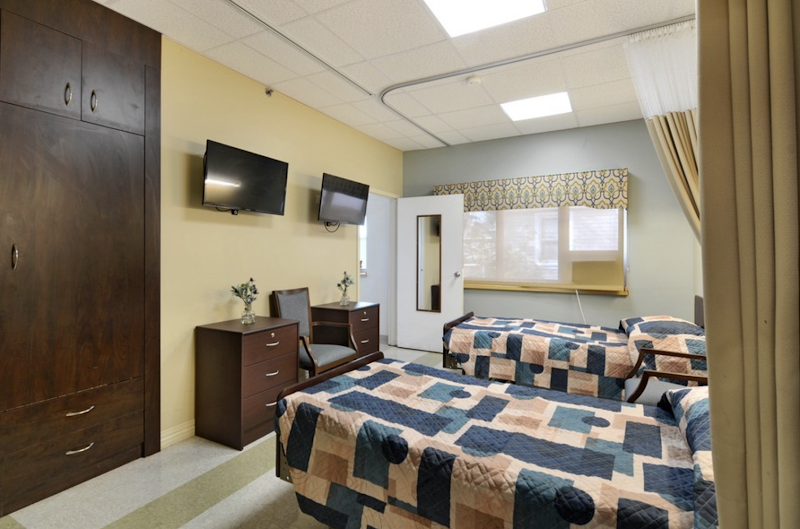
How is Bria Of Chicago Heights Staffed?

CMS rates BRIA OF CHICAGO HEIGHTS's staffing level at 1 out of 5 stars, which is much below average compared to other nursing homes. Staff turnover is 38%, compared to the Illinois average of 46%. This relatively stable workforce can support continuity of care.

What Have Inspectors Found at Bria Of Chicago Heights?

State health inspectors documented 30 deficiencies at BRIA OF CHICAGO HEIGHTS during 2023 to 2025. These included: 1 Immediate Jeopardy (the most serious level, indicating potential for serious harm or death), 4 that caused actual resident harm, 23 with potential for harm, and 2 minor or isolated issues. Immediate Jeopardy findings are rare and represent the most serious regulatory concerns. They require immediate corrective action.
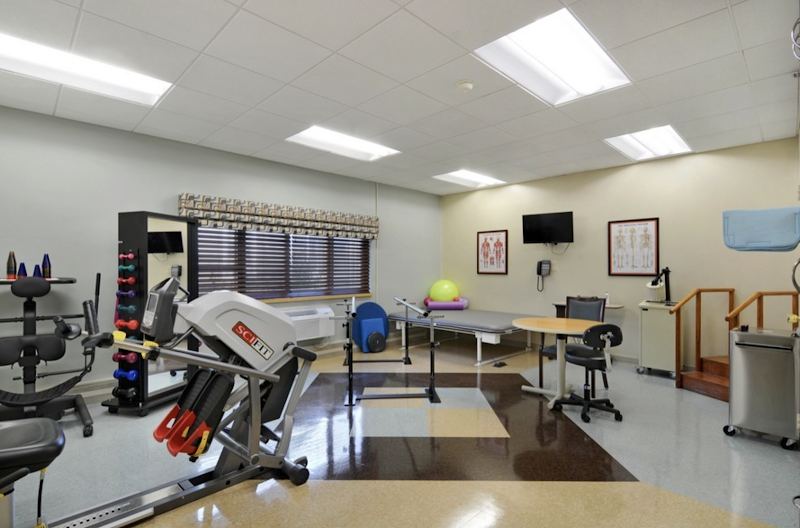
Who Owns and Operates Bria Of Chicago Heights?

BRIA OF CHICAGO HEIGHTS is owned by a for-profit company. For-profit facilities operate as businesses with obligations to shareholders or private owners. The facility is operated by BRIA HEALTH SERVICES, a chain that manages multiple nursing homes. With 112 certified beds and approximately 96 residents (about 86% occupancy), it is a mid-sized facility located in SOUTH CHICAGO HEIGHT, Illinois.
How Does Bria Of Chicago Heights Compare to Other Illinois Nursing Homes?

Compared to the 100 nursing homes in Illinois, BRIA OF CHICAGO HEIGHTS's overall rating (1 stars) is below the state average of 2.5, staff turnover (38%) is near the state average of 46%, and health inspection rating (2 stars) is below the national benchmark.

What Should Families Ask When Visiting Bria Of Chicago Heights?

Based on this facility's data, families visiting should ask: "What changes have been made since the serious inspection findings, and how are you preventing similar issues?" "What safeguards and monitoring systems are in place to protect residents from abuse or neglect?" "Can you walk me through typical staffing levels on day, evening, and night shifts?" "Can I visit during a mealtime to observe dining assistance and food quality?" These questions are particularly relevant given the facility's Immediate Jeopardy citations, the substantiated abuse finding on record, and the below-average staffing rating.

Is Bria Of Chicago Heights Safe?

Based on CMS inspection data, BRIA OF CHICAGO HEIGHTS has documented safety concerns. The facility has 1 substantiated abuse finding (meaning confirmed case of resident harm by staff or other residents). Inspectors have issued 1 Immediate Jeopardy citation (the most serious violation level indicating risk of serious injury or death). The facility has a 1-star overall rating and ranks #100 of 100 nursing homes in Illinois. Families considering this facility should ask detailed questions about what corrective actions have been taken since these incidents.

Do Nurses at Bria Of Chicago Heights Stick Around?

BRIA OF CHICAGO HEIGHTS has a staff turnover rate of 38%, which is about average for Illinois nursing homes (state average: 46%). Moderate turnover is common in nursing homes, but families should still ask about staff tenure and how the facility maintains care continuity when employees leave.

Was Bria Of Chicago Heights Ever Fined?

BRIA OF CHICAGO HEIGHTS has been fined $22,084 across 2 penalty actions. This is below the Illinois average of $33,300. While any fine indicates a compliance issue, fines under $50,000 are relatively common and typically reflect isolated problems that were subsequently corrected. Families should ask what specific issues led to these fines and confirm they've been resolved.

Is Bria Of Chicago Heights on Any Federal Watch List?

BRIA OF CHICAGO HEIGHTS is not on any federal watch list. The most significant is the Special Focus Facility (SFF) program, which identifies the bottom 1% of nursing homes nationally based on persistent, serious quality problems. Not being on this list means the facility has avoided the pattern of deficiencies that triggers enhanced federal oversight. This is a positive indicator, though families should still review the facility's inspection history directly.