ELEVATE CARE SOUTH HOLLAND
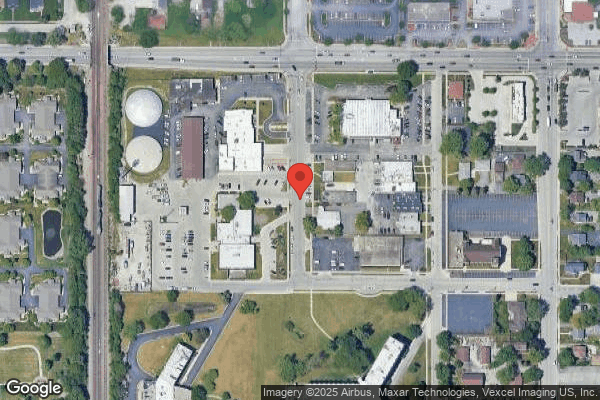

16300 WAUSAU STREET, SOUTH HOLLAND, IL 60473 (708) 596-5500
For profit - Individual 171 Beds ELEVATE CARE Data: November 2025 2 Immediate Jeopardy citations
Trust Grade
0/100
#511 of 665 in IL
Last Inspection: December 2024

Within standard 12-15 month inspection cycle. Federal law requires annual inspections.

Overview

Elevate Care South Holland has received a Trust Grade of F, indicating significant concerns about the quality of care provided. Ranking #511 out of 665 facilities in Illinois places it in the bottom half, and at #169 out of 201 in Cook County, it shows that there are better local options available. While the facility is improving-reducing issues from 15 in 2024 to 6 in 2025-there are still serious concerns, including critical incidents where emergency medical assistance was delayed for residents experiencing stroke symptoms and falls that resulted in injuries. Staffing is a weakness with a rating of 1 out of 5 stars, and although the turnover rate is slightly below the state average at 44%, the RN coverage is concerning, being lower than 82% of Illinois facilities. Additionally, fines totaling $207,121 suggest ongoing compliance issues, which families should carefully consider when researching this home.

Trust Score
F
0/100
In Illinois
#511/665
Bottom 24%
Safety Record
High Risk
Review needed
Inspections
Getting Better
15 → 6 violations
Staff Stability
○ Average
44% turnover. Near Illinois's 48% average. Typical for the industry.
Penalties
✓ Good
$207,121 in fines. Lower than most Illinois facilities. Relatively clean record.
Skilled Nurses
⚠ Watch
Each resident gets only 25 minutes of Registered Nurse (RN) attention daily — below average for Illinois. Fewer RN minutes means fewer trained eyes watching for problems.
Violations
⚠ Watch
44 deficiencies on record. Higher than average. Multiple issues found across inspections.
★☆☆☆☆
1.0
Overall Rating
★☆☆☆☆
1.0
Staff Levels
★★★★☆
4.0
Care Quality
★★☆☆☆
2.0
Inspection Score
Stable
2024: 15 issues
2025: 6 issues

The Good

  • 4-Star Quality Measures · Strong clinical quality outcomes
  • Full Sprinkler Coverage · Fire safety systems throughout facility
  • No fines on record
  • Staff turnover below average (44%)

    4 points below Illinois average of 48%

Facility shows strength in quality measures, fire safety.

The Bad

1-Star Overall Rating

Below Illinois average (2.5)

Significant quality concerns identified by CMS

Staff Turnover: 44%

Near Illinois avg (46%)

Typical for the industry

Federal Fines: $207,121

Well above median ($33,413)

Significant penalties indicating serious issues

Chain: ELEVATE CARE

Part of a multi-facility chain

Ask about local staffing decisions and management

The Ugly 44 deficiencies on record

2 life-threatening 12 actual harm
Apr 2025 1 deficiency
CONCERN (E) 📢 Someone Reported This

A family member, employee, or ombudsman was alarmed enough to file a formal complaint

Potential for Harm - no one hurt, but risky conditions existed

Food Safety (Tag F0812)

Could have caused harm · This affected multiple residents

Based on observation, interview and record review, the facility failed to ensure the ice scoop is stored outside of the ice cooler box for the 2nd floor. This failure has the potential to affect all 4...

Read full inspector narrative →
Based on observation, interview and record review, the facility failed to ensure the ice scoop is stored outside of the ice cooler box for the 2nd floor. This failure has the potential to affect all 45 residents currently residing on the 2nd floor. Findings include: On 04/24/2025 at 10:50AM during observation with V13 (Certified Nursing Assistant), the ice scoop of the cooler box on the 2nd floor was inside the cooler box and no separate container outside the cooler box was noted. On 04/24/2025 at 10:56AM during observation with V11 (Director of Food Services), the ice scoop of the cooler box on the 2nd floor was again inside the cooler box and no separate container outside the cooler box was noted. On 04/24/2025 at 10:50AM during interview with V13, V13 stated that the ice scoop should have a separate container outside the cooler box to place it in and should not be inside the cooler box. On 04/24/2025 at 10:56AM during observation with V11, V11 stated that ice scoops should be placed outside the cooler box in a separate container to prevent contamination of ice. On 04/24/2025 at 11:15AM during interview, R4 stated that he has been getting his own ice from the ice cooler on 2nd floor and the scoop has always been inside the cooler. Review of facility's undated policy entitled Ice Machine and Scoop indicated the following: Policy: The ice machine should be deep-cleaned quarterly by maintenance, and spot-cleaned weekly by kitchen staff. Scoop should be cleaned daily and as needed. Purpose: To ensure food safety and sanitation Procedure: 5. The ice scoop should be washed, rinsed, and sanitized in the three-compartment sink daily, and stored outside of the ice bin covered or in a holder on the side of the ice bin.
Mar 2025 1 deficiency 1 Harm
SERIOUS (G) 📢 Someone Reported This

A family member, employee, or ombudsman was alarmed enough to file a formal complaint

Actual Harm - a resident was hurt due to facility failures

Free from Abuse/Neglect (Tag F0600)

A resident was harmed · This affected 1 resident

**NOTE- TERMS IN BRACKETS HAVE BEEN EDITED TO PROTECT CONFIDENTIALITY** Based on interviews and record review, the facility failed to protect a resident's (R1) right to be free from physical abuse fro...

Read full inspector narrative →
**NOTE- TERMS IN BRACKETS HAVE BEEN EDITED TO PROTECT CONFIDENTIALITY** Based on interviews and record review, the facility failed to protect a resident's (R1) right to be free from physical abuse from an employee for one (R1) of four residents reviewed for abuse in a sample of four. This failure resulted in R1, who is severely cognitively impaired, being physically assaulted by an employee and experiencing pain. R1, as a reasonable person would not expect to be harmed in their own home or health care facility, causing them to feel fear, anxiety, and anger. Findings include: R1 is a [AGE] year-old female admitted to the facility on [DATE] with diagnosis including but not limited to Unspecified Dementia, Unspecified Severity, With Other Behavioral Disturbance; Other Seizures; Essential (Primary) Hypertension; Insomnia, Unspecified; Anxiety Disorder, Unspecified; and Mild Hyperemesis Gravidarum. According to R1's MDS (Minimum Data Set) assessment dated [DATE] under section C, R1 has BIMS (Brief Interview of Mental Status) score of 3 indicating severe cognitive impairment. R1's memory impairment care plan dated 12/13/2024 reads in part, (R1) activity involvement is limited as a result of cognitive, memory impairment. (R1) leaves during activities, resists, refuses invitations to programs, spends her leisure time out in the common area watching television. Interventions: Involve (R1) in programming for cognitively impaired persons, as appropriate. Programs may include sensory awareness, sensory stimulation and/or sensory integration. Use resources and lesson plans emphasizing these techniques for reaching and connecting with this population. Absent are R1's communication barriers care plans prior to the incident on 03/23/2025. Absent are R1's dementia care plans prior to the incident on 03/23/2025. Absent are R1's abuse care plans prior to the incident on 03/23/2025. On 03/24/2025 at 11:32 AM V5 (Anonymous Visitor) said, On 03/23/2025, I was visiting my relative in the facility. Around 8:12 PM, I went to the third-floor unit and that's when I saw (V8 Licensed Practical Nurse/LPN) punching (R1) twice. I asked if (R1) was ok, she responded (V8 LPN) hit her twice. Allegedly, (R1) grabbed (R2's) oxygen tubing as she was trying to get through and (V8 LPN) came up to (R1) and punched the right side of her upper back. There was no other staff present. It happened right by the nursing station. I reported it to V6 (Restorative Director/Manager on call) and they assured me that (V8 LPN) will be leaving with handcuffs on if not willingly, and that they will call the police. About an hour later, I followed up with the local police department, but they had no report of the incident. I also reported it to V1 (Administrator/Abuse Prevention Coordinator). On 03/24/2025 at 12:45 PM V6 (Restorative Director/On Call Manager) said, I got a phone call from V7 (Licensed Practical Nurse) stating that the V5 (Anonymous Visitor) came down and voiced some concerns and that she will let me speak to V5 over the phone. V5 said that she witnessed V8 (LPN) hit R1. V5 further said that she tried to pull out her phone to record a video, but she didn't do it quick enough and only recorded the after effect. I told V5 that I will call V1 (Administrator/Abuse Prevention Coordinator) and V2 (Director of Nursing). I immediately removed V8 (LPN) from the third-floor unit and drove over to the facility. The only discussion I had with V8 (LPN) was to gather his belongings, punch out and leave immediately. I came to the facility around 9:45 PM. I went to assess R1. R1 had no injuries, no bruising, no redness, no raised areas. I talked to R1 but her BIMS (Brief Interview of Mantal Status) is 3, so her response to my question was not appropriate. I asked if R1 was ok, she said, she was ok. R1's vital signs were stable. The only concern R1 had was pain in the right scapula, R1 rated it at 3. It was a new pain. I gave R1 pain medication. I checked on R1 again within 45 minutes and she was asleep. I notified on call nurse practitioner of the incident and received an order to continue pain management and monitoring. On 03/24/2025 at 1:11 PM Surveyor observed R1 sitting up in the bed in R1's room. R1 appears relaxed and calm. When asked if R1 was hit or pushed last night (03/23/2025), R1 said, I don't know. R1 denies any pain to the right side of her back at this time. On 03/24/2025 at 1:44 PM V1 (Administrator/Abuse Prevention Coordinator) said, I got a call from V6 (Restorative Director/On Call Manager) last night (3/23/2025) at around 8:30 PM. V6 said she was calling to report an allegation of abuse. I asked V6 what happened, V6 said V5 (Anonymous Visitor) said that V8 (Licensed Practical Nurse) punched R1 on the back. I made sure V8 (LPN) was removed from the duty and R1 was assessed and is doing ok. I told V6 I will be coming to the building shortly. I spoke to V8 (LPN) on the way to the facility. V8 (LPN) said that he was at the nursing station, R2 was on the left side of the common area and R1 was sitting on the couch behind R2, which was around the same area. V8 (LPN) had to redirect R1 from playing with R2's oxygen tubing several times. V8 (LPN) then got up with intention of moving R1. As he attempted to move R1, V8 (LPN) heard voice yelling: You hit her! You hit her! V5 (Anonymous Visitor) actually said that V8 (LPN) punched R1. V8 (LPN) denied the accusation. I got to the facility around 9:45 PM. V8 (LPN) was gone by then and I just followed our abuse protocol. I checked the schedule to see what other staff was working, I interviewed, the other nurse who was on the floor, spoke to all CNAs (Certified Nurse Assistants), and supervisor who called me. I interviewed R1, R1 was in bed at that time, R1 said she didn't remember of anything happened, denied being hit and said she is ok. I called V16 (Family Member), left her a voicemail saying what happened. I also notified the local police to report the allegation. The investigation is still ongoing. On 3/24/2025 at 2:48 PM V7 (LPN) said, I worked last night (3/23/2025 between 3:00 PM -11:00 PM). At around 8:15 PM, V5 (Anonymous Visitor) came down and told me that (V8 LPN) struck (R1). V5 was trying to tell me that she didn't pull out her phone quick enough to record the incident but showed me the after effect recording of what happened. Surveyor asked what was V7's (LPN) impression of the incident recorded in the video, V7 (LPN) said, My impression of the video was that I had no words because V5 should have not been recording people without their consent. I recognized V8 (LPN) and R1 in the video. V8 (LPN) was denying hitting R1 upon V5's confrontation. V5 asked R1 and she confirmed she got hit twice. V8 (LPN) was then demonstrating what he did and R1 flinched a little when V8 (LPN) was swatting his hand by R1's right side. Surveyor asked if V8 (LPN) behaved appropriately in the video, V7 (LPN) said, I don't think what V8 (LPN) did was appropriate. After I watched the video, I called V6 (Restorative Director/On Call Manager) and told her what happened. V6 confirmed understanding, asked V5 to the phone and, right after that, told V8 (LPN) to leave the facility. On 3/24/2025 at 3:01 PM V2 (Director of Nursing) said, V5 (Anonymous Visitor) sent me a recording of the incident from last night (3/23/2024). When I saw the video, I thought it was intrusive to record residents in the facility. I notified V1 (Administrator/Abuse Prevention Coordinator) who was already aware of the incident and then I called V5 back and asked about what she sent me. V5 said, I saw (V8 LPN) hit (R1). On 3/24/2025 at 3:37 PM V10 (Certified Nurse Assistant) said, I worked on the third-floor unit on 3/23/2025 from 3:00 PM to 11:00 PM. I was at lunch break at the time of the incident, so I didn't see what happened. I remember, R1 and R2 were staying in the common area by the nursing for most of the afternoon and R1 was constantly playing with R2's oxygen tubing. I had to redirect it multiple times. On 3/24/2025 at 3:52 PM V8 (Licensed Practical Nurse) said, I worked on the third-floor unit on 3/23/2025 from 3:00 PM to 11:00 PM. R1 was not in my assignment but I cared for her multiple times in the past. After dinner, R2 was sitting in the wheelchair in the common area by the nursing station with his oxygen concentrator connected to the electric outlet in the wall. R1 came over to sit on the couch, right behind R2. R1 was attempting to pull the oxygen tube and disconnect oxygen concentrator from the electric outlet, so I redirected her. R1 did it a couple more times, so I finally came up to R1, and took the oxygen tubing away from R1. I leaned over R1, put my hand at her back and told R1 to leave the tubing alone. At the same time, V5 (Anonymous Visitor) started yelling. At first, I didn't realize she was yelling at me. V5 was yelling that I hit R1. I was trying to show V5 what happened, but I never hit R1, I had no reason to do it. V5 pushed R1 to say I hit her. After that, V5 left the unit, and shortly after, I received a call from V6 and was told to leave the facility. I gave my statement over the phone. I never got frustrated with R1, R1 is confused, I understand that. V8's (LPN) description of the incident shows that the physical contact V8 (LPN) made with R1 at the time of the incident (03/23/2025 8:12 PM) was unwarranted and punitive due to circumstances described by V8 (LPN). On 03/25/2025 at 12:39 PM Surveyor reviewed facility recording of the third-floor common area with time stamp of 3/23/2025 8:12 PM. Surveyor observed V8 (LPN) sitting at the nursing station, picking his head up and talking towards the area where R1 was sitting. R2 visible in the video as well. V8 (LPN) proceeds then to walk quickly walk over towards R1. Camera picture cuts off the area where alleged incident occurred. Surveyor unable to observe the alleged incident on the presented recording. On 3/25/25 at 12:46 PM V19 (Family Nurse Practitioner) said, I cannot tell you what happened at the time of alleged incident, I wasn't in the facility. I came in yesterday (3/24/2025) before lunch time, V2 (Director of Nursing) made me aware of the video, I didn't see it the video though. I assessed R1, R1 was stable, she was not aware of what is going on. R1 was not in pain yesterday. R1 does not have any chronic pain and is able to express acute pain. I wasn't made aware that she had pain in the right scapula post the incident nor that she received pain medication for the post incident pain. On 3/25/2025 at 1:18 PM In the follow up interview, V1 (Administrator/Abuse Prevention Coordinator) said, When V8 (LPN) first saw R1 getting 'busy' that day (3/23/2025), V8 should have gotten an activity staff involved. R1 could have been occupied with activity board or folding towels, something to get R1 engaged. Also, when R1 was sitting in the same area with R2, V8 (LPN) could have moved R1 sooner seeing her fixation with the oxygen tubing. V8 (LPN) should have given R1 other things to get occupied with to have to redirect her less. You find residents where they are, if you know that this is a behavior that she's having, V8 (LPN) should have thought what I need to do to decrease R1's fixation on that tubing or cord. Maybe V8 (LPN) could have reached out to the facility to encourage family to visit. When confronted by V5 (Anonymous Visitor), V8 (LPN) should have notified the supervisor right away instead of engaging with V5. On 3/25/2025 at 1:52 PM V16 (R1's Family Member) said, I met with V1 (Administrator/Abuse Prevention Coordinator) yesterday (3/24/2025) and requested to see facility's video that was recorded in the facility. I'm not comfortable with what happened. I understand there was an individual who recorded R1 and that makes me uncomfortable. Also, something must have happened that made the individual to start recording, something must have triggered them to do it. R1 said in the recording that's floating in social media that the nurse hit her twice. I am concerned with R1's safety until I find out what happened. When I saw the recording, V8 (LPN) appeared agitated, not sure if it was because he was getting recorded or because he just hit R1. Facility Reported incident dated 03/23/2025 reads in part, On Sunday, March 23, 2025, at approximately 8:45 PM (V5 Anonymous Visitor), alleged that (V8 Licensed Practical Nurse) struck (R1). V5 reported the allegation to (V6 Restorative Director/On Call Manager). V6 reported to (V1 Administrator/Abuse Prevention Coordinator). (V8 LPN) was immediately removed from the facility. (R1) was assessed with no signs of physical injury. Investigation initiated. (R1) safe in the facility. Police notified. Family and physician notified. Police report requested on 03/25/2025, unable to obtain it during course of the survey. V6's progress note dated 03/23/2025 11:14 PM reads in part, Writer performed a skin assessment on (R1) no areas of concern noted No bruising, redness, noted. (R1) stated she had pain to right scapula. ROM within normal limits. (R1) medicated for pain by assigned nurse. Writer made on call N/P (Nurse Practitioner) aware of incident stated to continue PRN (as needed) pain medication as needed and to continue to monitor. R1's Comprehensive Pain Observation (New) dated 03/23/2025 10:00 PM reads in part, Reason for evaluation: New report of pain; Information obtained from: resident; Presence of Pain: Does the resident exhibit signs or symptoms of pain, verbalizes the presence of pain, or requests interventions for pain? Yes; Pain Level: 3. R1's March 2025 Medication Administration Record shows pain medication administered on 03/23/2025 at 10:01 PM for pain on level 3. The facility Abuse Prevention and Reporting - Illinois policy last revised on 10/24/2022, reads in part, This facility affirms the right of our residents to be free from abuse, neglect, exploitation, misappropriation of property, deprivation of goods and services by staff or mistreatment. This facility therefore prohibits abuse, neglect, exploitation, misappropriation of property, and mistreatment of residents. In order to do so, the facility has attempted to establish a resident sensitive and resident secure environment. The purpose of this policy is to assure that the facility is doing all that is within its control to prevent occurrences of abuse, neglect, exploitation, misappropriation of property, deprivation of goods and services by staff and mistreatment of residents. This will be done by: Orienting an training employees on how to deal with stress and difficult situations, and how to recognize and report of abuse, neglect, exploitation, and misappropriation of property; Establishing an environment that promotes resident sensitivity, resident security and prevention of mistreatment. Abuse is the willful infliction of injury, unreasonable confinement, intimidation, or punishment with resulting physical harm, pain, or mental anguish to a resident. The term willful in the definition of abuse means the individual must have acted deliberately, not that the individual must have intended to inflict injury or harm.
Mar 2025 4 deficiencies 3 Harm
SERIOUS (G) 📢 Someone Reported This

A family member, employee, or ombudsman was alarmed enough to file a formal complaint

Actual Harm - a resident was hurt due to facility failures

Quality of Care (Tag F0684)

A resident was harmed · This affected 1 resident

Based on interview and record review, the facility failed to transfer one resident to the hospital after a new onset of pain and abnormal x-ray results for an acute fracture. This affected one of thre...

Read full inspector narrative →
Based on interview and record review, the facility failed to transfer one resident to the hospital after a new onset of pain and abnormal x-ray results for an acute fracture. This affected one of three residents (R2) reviewed for radiology results, and nursing assessments. This failure resulted in R2 having increased pain and a 5 day delay in sending R2 to the local hospital for treatment. Findings Include: R2 has diagnoses of Osteoarthritis, Syncope Episode, Radiculopathy, Raynaud's syndrome and a fall with Right hip fracture. Physiatry Progress noted dated 2/7/25 documents: Service date: 2/6/2025 documents: The patient (R2) was seen and examined today. Received R2 today up in the bed with complaints of pain to her right hip. Tenderness to touch. This is an old right hip surgery. R2 reporting new-onset pain. R2 has limited range of motion to that right leg with pain. R2 was amenable to an x-ray to the right hip. Assessment: Recent right hip fracture/fracture care. Right leg contracture. New-onset right hip pain. X-ray PA and lateral pending. Radiology results report dated 2/7/25 documents: Postersuperior dislocation of the right prosthetic femoral head with acute fracture of the posterior right acetabular (socket of the hip joint) wall. The femoral head prosthesis remains in good position with the femur. Pronounced osteopenia. Most probably is a pathological fracture due to advanced osteopenia. On 2/27/25 at 12:18pm, V3 (Nurse) said, she received the x-ray results. V3 said, she relayed the result to V20 (Medical Doctor) who did not give any new orders. V3 said, she did not assess R2 at that time. V3 said, she merely relayed the results to the doctor and nothing more. Physician order sheet dated 2/6/25 documents: Right hip, unilateral with pelvis when performed 203 views. Sent for imaging 2/6/25 5:05PM central time (CT). Radiology note dated 2/7/25 document: Right hip x-ray relayed to V20 (medical doctor). No new orders. On 2/27/25 at 12:45PM, V2 (Director of Nurses/DON) said, R2 was seen by V15 (Nurse Practitioner/NP) on 2/6/25. R2 did not have any new pain. R2 had a pervious fracture to that right hip. R2's pain was at baseline. V16 ordered an x-ray. V3 (Nurse) called V20 (Medical Doctor) with the results. V2 said, V20 did not given any new orders. V2 said, she was not aware of R2's x-ray results at that time. V2 said, she reviewed R2's x-ray results saw it documented an acute fracture. V2 said, she used her nursing judgement, called the doctor for an order to transfer R2 to the hospital. R2 denied incident. On 2/27/25 at 3:55PM, V2 said, she would have verified the x-ray results with V20 to ensure he heard what she read. V2 said, R2 should have been sent to the hospital when the x-ray was received. V2 said, she should have been notified. V2 said, she would have made the call to send R2 to the hospital if she had been notified. V2 said, she expected V3 to notify her of R2's fracture. V2 said, V3 is being placed on a performance action plan which includes a focused assessment. V2 said, V3's performance action plan was not complete or available for review during this survey. On 2/28/25 at 2:32PM, V20 (Medical Doctor) said, he instructed the nurse to get R2's previous x-ray for comparison. V20 said, it was late Friday when he got the call about R2's x-ray results. V20 said, it was over the weekend and the facility could not get R2's previous x-ray. V20 said, he was told R2's fracture might be a new. V20 said, he instructed the facility to send R2 to the hospital. V20 said, V2 mentioned, something might have happened during therapy. It might have occurred with therapy when R2 was being transferred from the bed to the chair. If R2's fracture was new it should have fractured at the femur first. Physician Progress note dated 2/11/25 documents: R2 was complaining of right hip pain. R2 was at baseline. R2 denies any falls. Per x-ray of R (right) hip/pelvis, showed advanced osteopenia right femoral head. Prosthesis was in good position; however, it did show posterior/superior dislocation of right prosthetic femoral head with acute comminuted fracture of Right acetabulum. Assessment: Right prosthesis dislocation. Progress note dated 2/11/25 documents: R2 transferred to the hospital for evaluation of right hip prosthesis dislocation and increasing pain. R2's physician order sheet dated 2/11/25 documents: Transfer resident to the hospital. Facility incident report dated 2/11/25 documents: Injury type: Fracture. R2 denied any incidents or falls that occurred in the facility. Runsheet dated 2/11/25 documents: Dispatched to nursing home, for R2 with a possible hip fracture. R2 was favoring her left hip due to pain. Assessment on R2 revealed nothing abnormal other than some pelvic pain. Primary Impression: Pain (acute) due to trauma. Hospital paperwork dated 2/11/25 documents: R2 present with right hip pain and deformity status post aggressive transferring in the bed at the nursing home two weeks ago. R2 has not ambulated in three weeks because nursing home restricted her from walking. R2 baseline is alert times two. Imaging yesterday shows posterior/superior dislocation of right prosthetic femoral head with acute comminuted fracture of Right acetabulum wall. R2 denied any recent fall or trauma to her right lower extremity. Review of systems: Positive right hip pain. Comments: Right hip tenderness to palpation. Musculoskeletal: right hip deformity.
SERIOUS (G) 📢 Someone Reported This

A family member, employee, or ombudsman was alarmed enough to file a formal complaint

Actual Harm - a resident was hurt due to facility failures

Accident Prevention (Tag F0689)

A resident was harmed · This affected 1 resident

**NOTE- TERMS IN BRACKETS HAVE BEEN EDITED TO PROTECT CONFIDENTIALITY** Based on interview and record review, the facility failed to provide a safe enviroment while providing direct incontinence care....

Read full inspector narrative →
**NOTE- TERMS IN BRACKETS HAVE BEEN EDITED TO PROTECT CONFIDENTIALITY** Based on interview and record review, the facility failed to provide a safe enviroment while providing direct incontinence care. This affected one of three residents (R8) reviewed for saftey while providing care. This resulted in R8 losing his balance and falling to the floor and sustaining a left hip fracture requiring surgical intervention. Findings Include: R8 has diagnoses of Alzheimer's Disease, Syncope And Collapse, Hypertension, Dementia without Behavioral Disturbance and Anxiety, Lack Of Coordination, Difficulty In Walking, Weakness and Cognitive Communication Deficit. Minimal data set section C (cognitive pattern) dated 1/16/25 documents a score of three which indicated severe cognitive impaired. Section GG (functional abilities) documents: R8 requires supervision or touching assistance-helper provides verbal cues and/or touching/steadying and/or contact guard assistance as resident completes activity. Assistance may be provided throughout the activity or intermittently with toileting hygiene and walk ten feet. Care plan initiated 11/30/22 documents: R8 is at high risk for falls related to decreased mobility, balance and endurance. Fall assessment dated [DATE] documents: R8 was at moderate risk for falling for overestimate or forget limits. On 2/28/25 at 1:37PM, V21 (Certified Nurses Assistant/CNA) said, V21 was providing incontinence care for R8 after a bowel movement. V21 said, R8 was standing up next to his bed. V21 said, she removed the tape/sides of R8's adult brief. R8 can walk a little. V21 said, she started cleaning R8's buttock, asked R8 if he had to urinate to which R8 replied, no. While standing up R8 started too urinated. V21 said, she jumped back, urine came out of nowhere. V21 said, some urine got on her pant leg. R8 had on socks, he attempted to ambulate, walk toward V21 to go to the bathroom but slipped in his urine. V21 said, she attempted to grab R8 but could not. V21 said, she did not lower R8 to the floor. V21 said, she could not reach R8 after she moved out of the way. V21 said, the space she was providing incontinence care was tight, very little room. Fall incident dated 2/14/25 documents: R8 was observed on his back near his bed. Mental status: oriented to person. Predisposing environmental factor: wet floor, Predisposing Physiological factors: confused, gait imbalance, impaired memory and incontinent. Predisposing situation factor: other-prostate cancer with frequent urination. R8's nursing note dated 2/14/25 documents: At 6:30am writer summoned by staff (V21) to the resident room. Resident observed on his back near his bed. When asked what happened. The resident was unable to state. V21 stated that resident was slipping on urine and I tried to prevent him from falling by easing the resident to the floor. Order of an x-ray of the right hip and leg received and carried out. On 3/4/25 at 11:27AM, V2 (Director of Nurses/DON) said, incontinence care should be done on the bed or in the bathroom. If R8 had to stand up to be cleaned, he should have been in the bathroom, holding onto to the rail for stability. V21's counseled regarding: standard of conduct: Performing work in an unsafe manner and poor work performance. Any time a resident is gotten out of bed staff are required to apply foot (non-skid slippers, shoes). Required Corrective Action: Immediately improvement with adherence to safety is required when assisting resident out of bed. On 3/5/25 at 12:29PM, V22 (Nurse) said, R8 was on his back on the floor when he entered R8's room. R8 did not have any abnormalities to the eye. R8 was not wearing any socks or shoes. R8's left hip was painful to touch. R8's room was very small. V22 said, there was nothing for R8 to hold on too when he was standing up. V22 said, R8 urinated and slipped in his urine. Subsequent visit dated 2/14/25 documents: Patient (R8) was seen today after he had slipped down while CNA attempted to assist patient back to bed. He had urinated on floor and slipped in the urine during transfer. He was laid onto the floor and Nursing completed head to toe exam. No injuries found. X-rays ordered of bilateral hip and knees. Fall on same level from slipping, tripping and stumbling without subsequent striking against object. X-ray dated 2/14/25 documents: Acute nondisplaced left femoral intertrochanteric fracture. Facility final reportable dated 2/20/25 documents: R8 experienced a witnessed fall. Per nurse on duty, while staff was administering patient care, R8 began to urinate on the floor, then attempted to ambulate to the restroom in his room losing his balance and began to fall. Staff attempted to stop resident from walking but was unsuccessful. R8 was eased to the floor. Staff observed R8's left lower extremity with irregular positioning. Affected limb immobilized. R8 complaint of pain to his left leg. Hospital paperwork dated 2/14/25 documents: R8 was brought in secondary to left hip pain after fall at the nursing home. CT lower left extremity dated 2/14/25 documents: Suspected Stress fracture. Acute comminuted intertrochanteric fracture of the left femur with impaction of the fracture segment requiring a left intramedullary nail (metal rod inserted into the thigh bone to treat fracture). Fall Preventive Program dated 11/28/12 documents: To assure safety of all residents in the facility, when possible. Use and implementation of professional standards of practice.
SERIOUS (G) 📢 Someone Reported This

A family member, employee, or ombudsman was alarmed enough to file a formal complaint

Actual Harm - a resident was hurt due to facility failures

Deficiency F0697 (Tag F0697)

A resident was harmed · This affected 1 resident

Based on interview and record review, the facility failed to have pain medication available Hydrocodone-acetaminophen PRN (as necessary). This affected one of three residents (R6) reviewed for pain. T...

Read full inspector narrative →
Based on interview and record review, the facility failed to have pain medication available Hydrocodone-acetaminophen PRN (as necessary). This affected one of three residents (R6) reviewed for pain. This resulted in R6 being without pain medication and stated she was in extreme pain for about 1 day. R6 was status post laminectomy. Findings Include: R6 has a diagnosis of Spinal stenosis, lumber region with neurogenic claudication, lumbago with left side sciatica and Osteoarthritis. Brief interview for mental status dated 1/21/25 documents a score of 15 which indicates cognitively intact. Nursing note dated 1/16/25 documents: resident (R6) was admitted post lumber laminectomy (surgery to ease pressure on the spinal cord and nerves of the lower spine). On 2/28/25 at 10:32AM, R6 who was assessed to be alert and oriented to person, place and time said, she was admitted after having back surgery. R6 said, she was in extreme pain for two or three days with no relief from the pain patch and muscle relaxer. R6 said, the nurse failed to refill her Hydrocodone-acetaminophen when there was only five pills left in the bingo card. R6 said, her pain was so bad she cried. On 2/28/25 at 3:32PM, V12 (Nurse) said, R6 was out of pain medication for one day. R6 complained of pain. R6 had muscle relaxants. R6 was p*ssed. V12 said, she offered R6 acetaminophen and muscle relaxant but R6 refused both medications. R6 wanted Hydrocodone-acetaminophen. Control Drug Receipt/Record/Disposition Form dispensed dated 2/2/25 documents: quality dispensed -thirty, (2/13/25) documents: amount given one, amount left zero. Nursing note dated 2/14/25 documents: R6 left facility going to appointment. R6 complained of pain writer offered resident, as needed acetaminophen, R6 refused medication times two nurses are present at bedside. Nursing note dated 2/14/25 documents: As need muscle relaxant was offered, resident refused. This writer contacted pharmacy for as needed medication order status, writer was transferred to the pharmacist for STAT order delivery, initial attempt was unsuccessful, writer is redirected and spoke with pharmacist, pharmacist directed writer to remove medication from nexus and contact pharmacy for code once medication is required. On 2/28/25 at 11:33AM, V23 (pharmacy) said, we needed a new prescription for R6's Hydrocodone-acetaminophen on 2/13/25. We received a prescription on 2/13/25. A thirty day supply of Hydrocodone-acetaminophen pills was sent to the facility on 2/14.25. On 3/4/25 at 12:36PM, V2 (Director of Nurses/DON) said, R6's Hydrocodone-acetaminophen pain medication was not removed from the nexus. V2 said, she does not have the Control Drug Receipt/Record form with the nurse's signatures on it dated 2/15/25 from R6's delivered medication. Physiatry progress note dated 2/14/25 documents: service date 2/13/25- Received patient (R6) today up on the side of the bed with complaints of pain to her back, requesting a Norco (Hydrocodone-acetaminophen). She continues to report that Norco provides acceptable pain relief. Medication Administration record dated 2/1/25- 2/28/25 documents: Hydrocodone-acetaminophen oral tablet 5-325mg -give 1 tablet by mouth every four hours as needed for pain. Thursday 2/13/25 last dose of medication given was documented at 2:29pm. Pain scale dated 2/13/25 (11:23pm/11:24pm) documents a pain scale of five out of ten. No medication was documented given for 11:23/11:24 pain scale. R6's pharmacy packing slip proof of delivery dated 2/15/25 documents: Drug name: hydrocodone-acetaminophen 5-325mg (milligrams), quality thirty pills delivery time at 6:33am. Control Drug Receipt/Record/Disposition Form dispensed dated 2/15/25 was requested from V2 (DON) and not provided/available during this survey. Pain Assessment Policy dated 11/28/12 documents: to establish guidelines for appropriate and intervention to manage pain. Medication will be administered at specific request of the patient and when the patient refused other such interventions.
CONCERN (D) 📢 Someone Reported This

A family member, employee, or ombudsman was alarmed enough to file a formal complaint

Potential for Harm - no one hurt, but risky conditions existed

Deficiency F0620 (Tag F0620)

Could have caused harm · This affected 1 resident

Based on interview and record review, the facility signed/forged a residents family members name without permission to the admission contract without permission. This affected one of three residents (...

Read full inspector narrative →
Based on interview and record review, the facility signed/forged a residents family members name without permission to the admission contract without permission. This affected one of three residents (R1) reviewed medical records. Findings Include: On 2/25/25 at 10:28am, V17 (family) said, V1 forged her name on R1's admission package to take all of her assets. On 2/26/25 at 4:23pm, V7 (admission coordinator) said, he electronically signed R1's family name on the admission contract on the tablet to meet his deadline from corporate. V7 said, he realized it was wrong so he got rid of his signed package. V7 said, a copy was automatically emailed to V17. Police report dated 2/24/25 documents: V17 (R1's emergency contact #1) she is a representative for R1. V17 states she received an admission packet through email from the facility. V17 stated, the packet contained her signature that she did not authorized, nor sign on the paperwork.
Dec 2024 4 deficiencies
CONCERN (D)

Potential for Harm - no one hurt, but risky conditions existed

Resident Rights (Tag F0550)

Could have caused harm · This affected 1 resident

Based on observation, interview and record review, the facility failed to follow their policy in ensuring that a urinary catheter drainage bag was placed in a privacy bag for one (R106) of three resid...

Read full inspector narrative →
Based on observation, interview and record review, the facility failed to follow their policy in ensuring that a urinary catheter drainage bag was placed in a privacy bag for one (R106) of three residents reviewed for dignity in a sample of 24. Findings include: R106's diagnosis include but not limited to benign prostatic hyperplasia without lower urinary tract symptoms, chronic heart failure, and retention of urine. On 12/10/24 11:44 AM - R106 was observed with V16 (LPN/Licensed Practical Nurse). R106 has a roommate who was lying on bed 1. R106 was lying on bed 2 by the window. R106's urinary catheter drainage bag was not placed in a privacy bag and was in view to anyone that enters the room. On 12/10/2924 at 11:45 AM, V16 said that the CNA (Certified Nurses Assistant) must have placed the drainage bag in view instead of moving it to the window side where it could have been out of view. V16 said that the drainage bag should have been placed in a privacy bag or placed by the window. On 12/11/2024 at 1:30 PM, V2 (Director of Nursing) said that the urinary catheter drainage bag should be in placed a privacy bag. Facility Policy: Urinary Catheter Revised Date: 2 - 14 - 19 Purpose: To establish guidelines to reduce the risk of or prevent infections in resident with an indwelling catheter. Guidelines 7. Urinary drainage bags and tubing shall be positioned to prevent either from touching the floor directly. May place drainage bag and excess tubing in a secondary vinyl bag or other similar device to prevent primary contact with floor or other surfaces.
CONCERN (D)

Potential for Harm - no one hurt, but risky conditions existed

Tube Feeding (Tag F0693)

Could have caused harm · This affected 1 resident

Based on observation, interview, and record review the facility failed to ensure enteral (tube) feeding was administered according to physician order. This deficient practice has the potential to affe...

Read full inspector narrative →
Based on observation, interview, and record review the facility failed to ensure enteral (tube) feeding was administered according to physician order. This deficient practice has the potential to affect 1 of 2 residents (R37) reviewed for enteral management and administration in a sample of 24. Findings Include: During facility observation round, on 12/10/2024 at 11:25 AM, R37's tube feeding was hanging but was not connected or turned on as ordered. V9 (Licensed Practical Nurse/LPN) stated the physician order states for the tube feeding to be on at 9AM and feeding should have been turned on. On 12/11/2024 at 10:56 AM, V2 (Director of Nursing/DON) stated tube feeding should have been turned on according to physician's order. Nurses are expected to follow and carry out physician's order. admission Record: Diagnosis Information Encounter for Attention to Gastrostomy Order Summary: Enteral Feed Order every shift Nepro at 55ml (milliliters)/hour via pump x21 hrs/day Off @6am, On @ 9am/TOTAL DAILY: 1,155ml. Care Plan: R7 requires enteral feedings . Interventions: Enteral nutrition per physician order. Policy and Procedure: Policy Title: Medication Administration General Guidelines, no date Policy: Medications are administered as prescribed in accordance with good nursing principles and practices and only by persons legally authorized to do so. Personnel authorized to administer medications do so only after they have been properly oriented to the facility's medication distribution system (procurement, storage, handling and administration). Procedures: Administration 2. Medications are administered in accordance with written orders of the prescriber.
CONCERN (D)

Potential for Harm - no one hurt, but risky conditions existed

Respiratory Care (Tag F0695)

Could have caused harm · This affected 1 resident

Based on observation, interview, and record review the facility failed to ensure the oxygen humidifier bottle was labeled with appropriate date. This deficient practice has the potential to affect 1 o...

Read full inspector narrative →
Based on observation, interview, and record review the facility failed to ensure the oxygen humidifier bottle was labeled with appropriate date. This deficient practice has the potential to affect 1 of 3 residents (R7) reviewed for Oxygen administration and management in a sample of 24. Findings Include: During facility round observation on 12/10/2024 at 11:40 AM, R7 was using oxygen via nasal cannula with the portable concentrator and undated attached humidifier bottle. V14 (Licensed Practical Nurse/LPN) stated humidifier bottle should be labeled with the date so that staff will know when to change it. V14 said he will change the bottle and put the date on it. On 12/11/2024 at 11:00 AM, V2 (Director of Nursing/DON) stated oxygen humidifier bottle should be labeled with the date and changed once a week. admission Record: Diagnosis Information Chronic Obstructive Pulmonary Disease, unspecified; Acute Respiratory Failure with Hypoxia; Anxiety Disorder, unspecified Order Summary Report: Change Oxygen Tubing, Ear Protective Cushions, Humidifier Bottle, and plastic holding bag for oxygen tubing every night shift. Care Plan: Interventions: Oxygen per MD orders. Policy and Procedure Title: Care and Cleaning of Respiratory Equipment Policy: It is the policy of this facility that disposable respiratory equipment will be replaced on a schedule basis in order to minimize the risk of nosocomial infection. Procedure: VII. Labeling A. All disposable respiratory equipment is labeled with date when placed in use. X. Continuous aerosols A. Humidifier bottle is changed weekly and as needed.
CONCERN (D)

Potential for Harm - no one hurt, but risky conditions existed

Infection Control (Tag F0880)

Could have caused harm · This affected 1 resident

Based on observation, interview, and record review the facility failed to ensure infection control practices, such as the use of personal protective equipment (PPE), was performed during blood glucose...

Read full inspector narrative →
Based on observation, interview, and record review the facility failed to ensure infection control practices, such as the use of personal protective equipment (PPE), was performed during blood glucose monitoring procedure. This deficient practice has the potential to affect 1 of 10 residents (R37) reviewed for use of PPE in a sample of 24. Findings include: During observation on 12/10/2024 at 11:25 AM, V9 (Licensed Practical Nurse/LPN) entered R7's room, which displayed signage for Enhanced Barrier Precautions (EBP). V9 performed hand hygiene and put her gloves on then proceeded to the room without wearing the required PPE gown. V9 pricked R7's finger to perform blood glucose check, blood was visibly seen. After the procedure, V9 remove her gloves, performed hand hygiene then exited the room. V9 stated in EBP rooms the required PPE are gloves and gown. V9 said PPE gown should have been used while checking blood glucose. On 12/11/2024 at 11:00 AM, V2 (Director of Nursing/DON) stated in EBP rooms, the required PPE are gloves and gown, and hand hygiene should be performed. It is important to have the gloves and gown during blood glucose monitoring procedure for infection control. admission Record: Diagnosis Information Type 2 Diabetes Mellitus without Complications; Local Infection of the Skin and Subcutaneous Tissue, Unspecified Order Summary: Blood Glucose Monitoring: 4x/day Enhanced Barrier Precaution R/T Enteral Feeding, Trach, and Compromised Skin Integrity Care Plan: Enhanced Barrier Precaution: Wear gown and gloves Policy and Procedure Title: Enhanced Barrier Precautions (EBP), 1/15/2024 Purpose: To minimize the risk of acquiring, transmitting, or complications .Contact precautions would be warranted over EBP when there is risk of transmission of an actively infection agent. Guidelines: Staff will require the use of personal protective equipment (PPE) for high-risk activities such as: Any situation where expected contact of blood, bodily fluids, skin breakdown, or mucous membranes will be encountered. PPE required: Gowns Gloves
Nov 2024 2 deficiencies 1 Harm
SERIOUS (G) 📢 Someone Reported This

A family member, employee, or ombudsman was alarmed enough to file a formal complaint

Actual Harm - a resident was hurt due to facility failures

Deficiency F0777 (Tag F0777)

A resident was harmed · This affected 1 resident

**NOTE- TERMS IN BRACKETS HAVE BEEN EDITED TO PROTECT CONFIDENTIALITY** Based on interview and record review, the facility failed to follow their physician notification of laboratory/radiology/diagnos...

Read full inspector narrative →
**NOTE- TERMS IN BRACKETS HAVE BEEN EDITED TO PROTECT CONFIDENTIALITY** Based on interview and record review, the facility failed to follow their physician notification of laboratory/radiology/diagnostic results policy by not notifying the physician/nurse practitioner of a sacral wound culture results indicating high amount of bacteria (greater than 100,000 pseudomonas aeruginosa) for one resident (R2) who had a stage three sacral pressure ulcer. This affected one of three (R2) residents reviewed for notification of an abnormal lab result. This failure resulted in R1 not receiving any antibiotic treatments and being hospitalized two weeks later with a diagnosis of sacral osteomyelitis. Findings include: R2 was admitted to the facility on [DATE] with a diagnosis of sepsis, pressure ulcer of sacral region stage three, quadriplegia, anemia, muscle wasting and adult failure to thrive. R2's wound assessment dated [DATE] by V14 (Wound NP/Nurse Practitioner) documents: pressure injury stage three to coccyx measuring 5 centimeters (CM) length x 4CM width x 0.1cm depth. 60 % granulation and 40 % sloth. Signs and Symptoms of Infection: documents odor. Comments: obtain wound culture and labs, consult Infectious disease. R2's progress note dated 10/3/24 documents, seen per wound MD (Medical Doctor) with coccyx assessed with positive malodor and onset green tinge to drainage, wound culture obtained, V17 (Infectious Disease/ID, NP) consult initiated, V17 (ID NP) notified. On 11/1/24 at 11:28AM, V15 (previous Wound Care Coordinator) said she recalls R2's wounds declining and ordering wound culture. V15 said usually V17 (NP) will follow up with the results and order an appropriate treatment. V15 said she is not sure what happened and does not recall any other information related to R2's culture result. V15 said she does not recall informing or following up with anyone related to R2's wound culture results. On 10/31/24 at 12:34PM, V17 (ID NP) said he did receive a message for consult on 10/3/24 but unsure why R2 was not seen. V17 said usually the ordering physician would be notified of culture results. V17 said he was not aware of R2's wound culture results and would have ordered antibiotics for R2. On 10/30/24 at 2:55PM, V14 (previous Wound MD) said her last visit with R2 was on 10/3/24 and she did not return for any services at the facility. V14 said she ordered the wound culture due to wound declining and signs of infection. V14 did not receive any culture results for R2. V14 said at the facility they will consult Infectious Disease for further management to determine right antibiotic. V14 said she would usually follow up the next visit to see what antibiotic the patient was on or follow up with results. V14 said it is possible for the wound to get worse if there was an infection but unable to determine exact cause of infection. R2's facility wound assessment report dated 10/4/24 documents: stage 3 pressure ulcer. Under odor and signs of infection present it documents yes. R2's wound care note dated 10/11/24 by V13 (Wound NP) documents sacral pressure ulcer stage 4 measuring 8 centimeters (CM) length x 8.5 cm width x 2 cm depth. Necrotic tissue 90% slough 10%. wound debrided post debridement size measuring 8 centimeters (CM) length x 8.5 cm width x 2.3 cm depth. On 10/30/24 at 1:32PM, V13 (Wound MD) said his initial visit of R2 was on 10/11/24. V13 said he was not notified of any culture results for R2 at time of visit or after. On 10/31/24 at 1:28PM, V2 (DON/Director of Nurses) said for wound culture orders, the wound care nurse would obtain culture and send out to the lab. Floor nurse would receive the results and relay the results to primary care physician who would determine any orders. On 10/31/24 at 2:15PM, V2 (DON) said she did receive an email for R2's culture result but unsure what happened with the follow up. On 11/1/24 at 11:44AM, V19 (MD) said he does not recall getting notified of wound culture results for R2. Usually, the ordering physician is notified of the results, but staff should always call him with any results. If there was a need for treatment V19 said he would have ordered the appropriate antibiotics but sometimes the culture can be colonized, and treatment is not needed. Osteomyelitis can occur from the wound progression and infection. R2's development of osteomyelitis can be a combination of both infection and declining wound status and unable to determine the exact cause. V19 said there should have been sooner intervention in relation to the wound culture results but unable to determine if the interventions were placed if R2 would have not gotten osteomyelitis given the overall wound progression. R2's medical record under lab results documents wound culture collected 10/3/24, reported date 10/7/24 with reviewed status. Wound pathogen panel dated 10/7/24 documents: pseudomonas aeruginosa, staphylococcus aureus and streptococcus agalactiae detected. Positive. Printed 10/11/24. R2's final lab report dated 10/7/24 documents: coccyx wound culture results indicating high amount of bacteria greater than 100,000 of pseudomonas aeruginosa. V14( previous Wound NP) is listed as physician. On 11/1/24 at 9:04AM, V18 (Lab Director of Operations) said results were sent to facility on 10/7/24 but the whole report did not send. V18 said the full results were emailed to the facility on [DATE]. V18 said they will recommend treatment for any result indicating high. R2's progress note dated 10/25/24: seen per wound MD with coccyx assessed, bedside debridement performed to promote wound healing, malodor persists. R2' medication administration record and physician orders did not document any new antibiotic treatment after 10/7/24 -10/26/24. R2's braden score dated 9/15/24 documents a score of 13 which indicates moderate risk for skin breakdown. R2's hospital record dated 10/26/24 documents under diagnosis: Sacral osteomyelitis. R2's facility wound assessment reports dated 10/15/24 and 10/22/24 documents under odor: yes, signs of infection present: yes. R2's plan of care initiated 8/19/24 documents: R2 has pressure injury to coccyx, is at risk for delayed wound healing and is at risk for further alteration in skin integrity related to immobility muscle wasting, quadriplegia, R2 has history of sepsis, anxiety asthma, fever, bedbound, wounds present on admission. Varied compliance with repositioning. Limited tissue perfusion at the point of pressure immobility and infrequent offloading. Adult failure to thrive and skin failure. Interventions include: monitor for signs and symptoms of infection (redness, warmth, swelling, pain, excessive drainage, odor) and notify provider. Date Initiated: 08/20/2024 ; Ongoing assessment of wound to evaluate signs of deterioration or improvement and possible change of treatment. Date Initiated: 08/20/2024. Facility policy Physician notification of laboratory/radiology/diagnostic results revised 7/8/24 documents: to assure the physician ordered tests are performed, and to assure test results are reported to the ordering physician so that prompt, appropriate action may be taken if indicated for the residents care. A nurse is responsible for monitoring the receipt of test results. Test results should be reported to the primary care physician or other ordering practitioner. In the event a physician does not respond promptly the alternative physician or medical director will be notified.
CONCERN (D) 📢 Someone Reported This

A family member, employee, or ombudsman was alarmed enough to file a formal complaint

Potential for Harm - no one hurt, but risky conditions existed

Accident Prevention (Tag F0689)

Could have caused harm · This affected 1 resident

**NOTE- TERMS IN BRACKETS HAVE BEEN EDITED TO PROTECT CONFIDENTIALITY** Based on interview and record review, the facility failed to monitor and supervise to prevent a resident (R1) from leaving the f...

Read full inspector narrative →
**NOTE- TERMS IN BRACKETS HAVE BEEN EDITED TO PROTECT CONFIDENTIALITY** Based on interview and record review, the facility failed to monitor and supervise to prevent a resident (R1) from leaving the facility unauthorized who assessed to have supervised pass privileges. This affected one of three residents (R1) reviewed for supervision. This failure resulted in the resident exiting the facility unauthorized on 10/17/24, at 4:45pm via the front lobby entrance without staff intervention and being gone approximately fourteen hours without staff knowledge of whereabouts. Findings Include: R1 was admitted on [DATE] with Right Patella (kneecap), Tibia (shin bone), upper and lower Fibula (long thin bone in lower leg), displaced bimalleolar (ankle) fracture of right lower leg , displaced fracture of seventh cervical vertebra, wedge compression fracture of the first lumbar vertebra, fracture of manubrium (upper wide handle like part of the sternum), multiple fractured ribs, right side, fracture of one left side rib after a motor vehicle collision, history of substance abuse and alcohol use. Minimal data set date section C (cognitive patterns) dated 10/16/24 documents a score of fifteen which indicated cognitively intact. Section GG (functional abilities) documents: impairment on one side: Lower extremity (hip, knee ankle foot) walking ten feet or one step (curb) not attempted due to medical condition or safety concerns. Physician order sheet dated 10/10/24 documents: Right Lower Extremity, Non-weight Bearing, Left lower extremity weight bearing as tolerated. Nursing note dated 10/17/24 documents - 1700 (5:00pm) -The CNA (Certified Nurses Assistant) rounded on the resident and obtained vitals and rendered care. 1730 (5:30pm) -Resident was ambulating with her walker stating to the writer that she was getting exercise in the hallway. 1900 (7:00pm) - During the medication pass, the writer noted the resident (R1) not in her room. Resident dinner tray untouched in her room. The resident was last seen with her male companion in her room. Staff noted the resident's cold therapy equipment related to her extremity abnormalities was no longer in her room. The resident does not have a pass to leave the facility. On 10/25/24 at 12:20PM, V5 (RN/Registered Nurse) said, she rounded on each resident's when she reported to work. V5 said, she went into R1's room. R1 was in her room. Ten minutes later, R1 was seen in the hallway, on crutches and walking. R1 reported she was getting some exercise. V5 said, she did not think anything of seeing R1 walking. V5 said, it was medication pass when she went to R1's unit. V5 said, she was across the hall from R1's room when V6 (Social Service Coordinator) reported, that R1 was not in her room, R1 left. V5 said, V6 did not speak with any urgency or concern. V5 said, she informed V7 (nurse supervisor) R1 was gone. R1 did not have a pass to go out. V5 said, the last time she saw R1, she was in the hallway. V5 said, she was on that end of R1's unit where she was passing medication around 4PM. V5 said, R1 did not express any desire to leave nor did she get report prior to the incident that R1 wanted to leave. The lobby front doors opened automatically. If a resident wants to go out on pass, the doctor has to give an order for the resident to go out, resident has to be physically and mentally able to go out on pass. There is a twenty-four hour wait period before that resident can leave after getting the order, that did not happen for R1 or in this case. If a resident goes out against medical advice (AMA), they need to complete an AMA form. R1 did not complete that form. R1 left the facility at the beginning of her shift around four something. On 10/25/24 at 12:27PM, V6 said, R1 asked about going out on pass around 11:30AM. R1 said, she had a funeral to attend. R1 was educated if she wanted a pass she needed a doctor's order. V6 said, R1 has a history of alcohol and substance abuse. R1 reported using illegal drugs recently. R1 was informed the doctor may see the drug use as a barrier for getting a pass. V6 said, later that same day, staff informed her that she saw R1 leaving the building. V6 said, she did not see R1 leave the facility. V6 said, when she walked pass R1's room the lights were off. V6 said, she asked where R1 was and was informed R1 was getting some exercise. V6 said, R1 was in the lobby doorway with her walker. V6 said, she thought R1 had a pass. V6 said, she saw R1 stand in the lobby doorway but she did not see R1 leave. R1 left the facility unauthorized. On 10/25/24 at 12:58PM, V1 (Administrator) said, we viewed the lobby camera which showed R1 coming out of her hallway and exiting the building via the lobby front doors. R1 left against medical advice (AMA.) R1 was alert and oriented times four. V1 said, we spoke to R1's family who did not know R1's location. V1 said, they called the hospitals. V1 said, V2 (DON/Director of Nurses) connected with R1 via the phone the next day. The incident was not reported to public health because we didn't have to it wasn't an elopement. On 10/25/24 at 1:19PM, V4 (CNA) said, R1 left suddenly. V4 said, during rounds she didn't see R1 so she asked the nurse about R1's whereabouts. V4 said, the lobby doors used to open automatically, no one was buzzed out of the facility prior to R1 leaving. On 10/25/24 at 1:34PM, V9 (SSD/Social Service Director) said, she doesn't know who saw R1 leave. Around 7:45pm, V9 said, V6 was at the nursing station asking V7 (RN) about R1's whereabouts. V9 stated, the receptionist should be at the desk at all time's for safety. The front lobby doors were motion sensored. On 10/25/24 at 3:32PM, V2 (DON) said, R1 was planning to go to a funeral. V2 said, she got a called from V7 who reported, R1 wasn't in the facility. V2 said, we started a code green, did a head count to make sure R1 really wasn't in the building. R1 was not in the building. R1 was ambulatory with an assistive device. We called R1 and left messages. R1 called back the next morning. V2 said, R1 did not tell her where she was. V2 said, the camera was reviewed. R1 was seen walking out of the facility. R1's male friend was seen walking out with R1's belonging's and ice machine on his left arm, then R1's friend was seen walking to parking lot. V7 did a code green for a head count as an elopement precautionary measure. The CNA noted R1 wasn't in the building at 5pm. We do not notify the police for AMA. We notify the police for elopement. The AMA policy was not implemented because R1 did not verbalized that she wanted to leave prior to leaving. If a resident does not verbalized they want to leave and leave, it's not an elopement if they are alert and not an elopement risk. R1 was cognitively intact and decisional. V2 said, she wouldn't trust R1 to be alone on the community by herself but she left with her visitor. Local Police Department wasn't able to do a well check on R1. V10 (receptionist) could have checked to see if R1 had a pass. Generally the nurse will call down or the receptionist will call up to determine if a resident has been given a pass.V2 said, she doesn't know what time R1 left the facility, it had to be right before she received that call from V7 at 7pm. On 10/25/24 at 4:12PM, V3 (CNA) said, she started working at 3pm. V3 said, she did her rounds and vitals. V3 said, she said saw R1 at that time. R1 had a visitor, R1 allowed V3 to take her vitals. V3 said, it takes an hour to complete vitals. V3 said, she got busy with another resident and it was almost dinner time. V3 said, she collected the trays and noticed R1 wasn't in her room. R1 did not eat her tray. V3 said, she observed that R1 was gone. R1 had a plastic bag in the sink with her toiletries in the bag. V3 said, she reported to V7. A code green was called and all rooms were checked. V3 said, R1 was a fall risk. Tray pickup was completed by 6:30pm. V3 said, she has never seen R1 walk. On 10/25/24 at 4:27PM, V10 (receptionist) said, she was informed R1 left between 4PM-4:10PM. V10 said, after V1 reviewed the camera, she was informed R1 left on her shift and she didn't stop R1. V10 said, she did not know R1, would not recognize R1 and had no way of telling who was a resident or who was a visitor. V10 said, she asks visitors to sign in and out but sometimes they will not do it. V10 said, we are supposed to stop any residents leaving the front door if they are not accompanied by a staff. On 10/29/24 at 11:00AM, V21 (OT/Occupational Therapy) said, R1 had an unusual gait. R1's right leg was longer than the other. R1 walked backwards and on an angle dragging her right leg. R1 was not weight bearing to the right leg. On 10/29/24 at 11:03AM, V22 (PTA/Physical Therapy Assistant) said, R1 was non-weight bearing to the right leg. R1 had a significant length discrepancy. V22 said, R1 was not able to take steps without violating her non-weight bearing status. V22 said, he would hold R1's leg up while she used the parallel bars. V22 said, R1 walked sideways and was always advised against it. R1 was not safe ambulating. V22 said, he was informed R1 was ambulating in the hallway. V22 said, R1 should avoid walking at all cost. PT (Physical Therapy) notes dated 10/11/24 start of care documents: Ambulation not attempted due to medical condition (ambulation non-weight bearing (NWB) on right lower extremity(RLE) with pick up walker (PUW.) Patient (Pt) had a significant leg length discrepancy. Pt was attempting to hop sideways to clear foot. Pt would prefer not to use wheelchair (w/c) but was educated that she would need one for long distance to get through building. On 10/29/24 at 11:26AM, R1 who was assessed to be alert and oriented to person, place and time said, she smiled at the receptionist and walked out through the front lobby doors slowly. R1 said, it took a few minutes to walk out. R1 said, she did not tell anyone she was leaving. R1 said, she puts her mind to it (walking out) and she did it. On 10/31/24 at 12:20PM, V10 said, she did not see R1 leave, she was helping two people who were standing at the desk. V10 said, she would have asked R1 to sign out had she seen her but she did not. R1 said, she was given a corrective action form and told she was at the desk and saw R1 walk out after the camera was reviewed by management. On 10/31/24 at 10:54AM, V1 (Administrator) said, R1 left building between 4:45pm -5:10pm. SOC Admissions assessment dated [DATE] documents: The resident DOES NOT appear to be capable of unsupervised outside pass privileges at this time. Pt has a history of drug and alcohol abuse. Also, Pt will receive therapy services to get stronger. The resident has extensive care needs secondary to physical disabilities. Does the resident have the physical ability to leave the facility? No. Is there a history with alcohol, street drugs, prescription or over the counter drugs, nicotine/tobacco? Yes. Facility Action in Response to R1 AMA documents: Administrator reviewed camera and observed resident in the lobby ambulating with walker. After review, we determined that R1 left 4:40-4:45 pm. Employee Disciplinary Report dated of incident 10/17/24 documents: Improper conduct: On 10/17/24, V6 observed resident (R1) in exit door and did not check that resident was allowed to leave without an escort and pass. Action to be taken: suspension one day 10/23/24. Refuse to sign. Employee Disciplinary Report dated of incident 10/17/24 time of incident appropriately 4pm documented failure to follow instruction: V10 was not alert to resident attempting to leave the building. Action to be taken: suspension. V10 verbally acknowledged acceptance in serviced via phone. Police report dated 10/17/24 documents: Occurred Between: 5:00pm 10/17/24 and 1131pm 10/17/24. R1. Missing. On Thursday, 10/17/2024 at approximately 11:29 PM, Officer was dispatched to nursing home. Officer met V7 regarding missing resident (R1) missing adult. Upon my arrival, V7 stated the following to the officer in summary and not verbatim: on 10/17/2024, R1 voluntarily left the facility at approximately 5:00 PM. Officer was advised R1 left the facility without receiving a Day Pass and no contact has been made since. V7 stated she attempted to contact R1 via phone calls and text, but only received a text message back, from the number assumed to be R1 stating, this not R1, this her family. When V7 asked the family if she had contact information for R1, she did not get a response back. V7 was advised to call local police department and have an officer go by the residence to see if they could make contact with someone and if so, to identify them. According to nursing home policy, if a person voluntarily leaves the facility without a day pass and does not return by 10:00 PM, they are considered missing. Therefore, V7 signed a Police Department L.E.A.D.S. Authorization Form, allowing for R1 to be entered as missing. R1 also has a fractured right leg, but is fully ambulatory and reported to have a drinking problem. It was also mentioned that an unknown male came to visit R1 earlier that day, however, they cannot say, with certainty, R1 left the facility with him.
Jul 2024 1 deficiency 1 IJ
CRITICAL (J) 📢 Someone Reported This

A family member, employee, or ombudsman was alarmed enough to file a formal complaint

Immediate Jeopardy (IJ) - the most serious Medicare violation

Accident Prevention (Tag F0689)

Someone could have died · This affected 1 resident

B. Based on observation, interview, and record review, the facility failed to follow their fall prevention protocols by not completing an accurate fall risk assessment evaluation, failed to implement ...

Read full inspector narrative →
B. Based on observation, interview, and record review, the facility failed to follow their fall prevention protocols by not completing an accurate fall risk assessment evaluation, failed to implement individualized interventions related to the root cause of falls to minimize the risk, and failed to implement fall prevention interventions. This affected two of three residents reviewed for fall and fall preventions. These failures resulted in R3 falling from a wheelchair with no non-skid pad applied. R3 sustained a laceration to the left eyebrow resulting in sutures. The findings include: 1.R3's diagnoses include, but are not limited to, Epilepsy, Hypertension, Convulsions, and Alcohol Use. R3's cognition is documented on 4/23/24 as severely impaired. R3's physician orders includes orders for daily administration of Escitalopam (antidepressant) and Clonazepam (benzodiazepine). R3's Medication Administration Record documents R3 received the ordered medications on 5/20/24 and 5/25/24. R3's behavior assessment, dated 4/23/24, documents he has no behaviors. Review of R3's falls include falls on 5/20/24 and 5/25/24. R3's notes on his fall report of 5/20/24 documents interventions to minimize the potential for falls non skid pad to his wheelchair. R3's notes on his fall report of 5/25/24 documents interventions includes non skid pad to wheelchair. Fall requires suture repair. R3's care plan denotes 5/23/24 non skid pad to the wheelchair. R3's progress notes, dated 5/25/24, documents R3 returned from emergency room. R3 noted to have seven sutures over his left eyebrow. R3 has steri strip/ wound closures across the bridge of his nose. R3's hospital records, dated 5/25/24, documents R3 presents status post fall complaining of a 2cm laceration to middle of R3's forehead. Upon chart review this is the second fall within the past week as the patient had a fall two days ago when he was seen in the hospital. Face location: Nose Length: 2cm. Steri-strips and sutures (sutures for forehead laceration and strips for nose laceration). Facility Reported Incident report from 5/26/24 documents R3 had a fall and was sent to the emergency department for evaluation and received sutures to left brow area. On 6/28/24 at 12:40PM, V2, Licensed Practical Nurse (LPN) said R3's falls are related to his confusion. V2 said, (R3) had one fall from his wheelchair and the Aide, (V6), was taking (R3) to from the lobby into the dining room. (R3) fell forward. (R3) did not have his feet on the wheelchair pedals or have pedals on his wheelchair. V2 said R3 got sutures on the upper eyelid. V2 said, (V6) said to me, (R3's) feet got stuck. V2 said R3 was not able to pedal himself in the wheelchair before the fall; he was dependent on staff. On 6/28/24 at 1:04PM, V5, Certified Nursing Assistant/CNA, said, (R3) can stand and pivot and he is on fall precautions. (R3) wears hipsters, a helmet, and is kept in common area when he is in his chair. (R3) gets restless and he is alert and confused. (R3's) fall prevention interventions are on the closet door. V5 showed the surveyor the closet with a document that includes hipsters, helmet, keep in common area, and non slip pad for wheelchair. At 1:09 PM, V5 stood R3 up. R3 was sitting on a wheelchair cushion, but no non slip pad on the seat on or under the wheelchair cushion. On 6/28/24 at 1:11PM V6, CNA, said, I was getting (R3) to take him into the dining area from the sitting area. (R3) was sitting in his wheelchair in the sitting area. When I moved (R3), he dropped his feet and fell forward; he hit his head. (R3) was dependent on me to move him in the wheelchair; he could not move it himself. On 6/28/24 at 1:03PM V4, Director of Nursing, said, (R3) had seizures with some of his falls. The next time (R3) fell, he became very confused. I think all of (R3's) falls surround his seizures and dementia. (R3) is not educatable, not redirectable, and we try to protect him from injuring himself. The CNA was pushing (R3) in the wheelchair and he was able to follow commands, but he put his feet down and fell. On 7/2/24 at 12:55PM, V10, Nurse Practitioner, was asked what medications can place residents at risk for falls. V10 replied, Antihypertensives, Narcotics, Benzodiazepines, and Antidepressants. Midodrine can place a resident a risk because of changes in blood pressure. Clonazapam is a Benzodiazepine. Lexapro is an Antidepressants. Both trade names or generics can be a risk. The nurses should know these medications can cause increased risk of falls for the residents. 2.R2's diagnoses include, but are not limited to Atrial Fibrillation, Acute on Chronic Diastolic (Congestive) Heart, Multiple Myeloma Not Having Achieved Remission, Anemia in Chronic Kidney Disease, End Stage Renal Disease, Type 2 Diabetes Mellitus, Hypertensive Heart and Chronic Kidney Disease with Heart Failure and with Stage 5, End Stage Renal, and Moderate Protein Calorie Malnutrition. R2's fall scale evaluation, dated 2/7/22, indicates the resident has never fallen; a score of 51. R2's fall scale evaluation, dated 2/22/24, indicates the resident has never fallen; a score of 26. Low risk is identified as a score of 0-24; moderate risk 25-44; high risk 45 or more. Review of R2's physician orders includes orders for daily administration of Escitalopam (antidepressant) and blood pressure regulating medications (Cardizem, Midodrine, and Metoprolol Tartrate). Review of R2's Medication Administration Record documents R2 received the ordered medications on 2/22/24. Progress Notes written by V8, dated 2/22/24, documents, resident observed on the floor in room in a sitting position. Patient is awake and alert follows direction but could not state how she fell. Appears weak. Fall report, dated 2/22/24, documents R2 on the floor in room in a sitting position. Blood pressure 142/73; heart rate 108; Oxygen saturation 91%; Temperature 101. Weakness was indicated as predisposing factor. Root cause analysis, dated 2/23/24, stated R2 sent to the hospital and will be reviewed upon return. Remind to use her call light, upon return. Progress Notes written by V8, dated 3/19/24, documents, resident observed on the floor in room during nursing rounds by RN. Resident lying on floor in left lateral position. Fall report, dated 3/19/24, written by V8 documents R2 was observed on the floor during nursing rounds. Blood pressure 130/64; heart rate 66; temperature 101.4; oxygen 89% placed on oxygen. Root cause analysis dated 3/20/24 documents following chemotherapy and dialysis R2 has weakness. R2's care plan, initiated on 3/19/24, states call don't fall added on 2/23/24. On 6/28/24, V7, Restorative Nurse, said, For hygiene, toileting, dressing, and transfers, (R2) required 1 person assist. For bed mobility, (R2) was able to complete that with supervision. (R2) was able to participate in her cares. If a resident falls, we might look at root cause analysis. V7 read the root cause documented on R2's fall report, dated 3/19/24. V7 said R2 denied falling, if she fell she could not remember. V7 read the resident received chemotherapy and dialysis. V7 said R2 had been placed in bed immediately after treatment. V7 said, The follow up interventions were draw labs, urine culture, place floor mats, use a low bed, and place the call don't fall sign. (R2) had weakness. V7 said before 3/19/24, R2 had no falls. V7 said, The fall prevention interventions were the basics, keep everything in reach. For safety on everyone we say keep everything in reach, keep call light in reach, falling leaf for high risk. V7 said R2 was not on the falling leaf program. V7 said R2 was not high risk upon admission for falls. V7 said R2 had a fall on 2/22/24. The surveyor asked V7 if R2's fall scale evaluations are accurate. V7 said she can't answer for the nurse completing the evaluation. On 6/28/24 at 3:23PM, V8, Registered Nurse/RN, said, On 3/19/24, (R2) was observed on the floor during rounds. She was status post chemo and had returned to the facility. The last time I saw her, before the fall, she was in the bed. I found (R2) on the floor. Generally, (R2) did not use the call light often. This was (R2's) first fall that I was aware of. After a fall occurs we put new measures in place. On 7/2/24 at 9:54AM, V4, Director of Nursing, said, I was not employed here when (R2) fell on 2/22/24. At 10:08AM, V4 said the cause of R2's fall on 2/22/24 was being symptomatic and anemic. V4 said, Symptomatic means (R2) was having shortness of breath, dizziness, and weakness. Specifically (R2) was experiencing weakness and then she received dialysis earlier that day, which caused more weakness. On 7/2/24 at 11:43AM V7, Restorative Nurse, was asked what medications may place R2 at risk for falls. The surveyor presented V7 R2's physician orders. V7 said, I can't answer that, I would have to look them up to know the side effects. The Fall Prevention Program, dated 11/28/12, states, The program will include measures which determine the individual needs of each resident by assessing the risk of falls and implementation of appropriate interventions to provide necessary supervision and assistive devices are utilized as necessary. Care plan incorporates Identification of all risk issues; addresses each fall; interventions are changed with each fall as appropriated; preventative measures. Deficiencies at this level require more than one Deficient Practice Statement. A. Based on interview and record review, the facility failed to follow their practice and provide a staff escort to an appointment for a resident R1 diagnosed with dementia, BIMS (Brief Interview for Mental Status) score of 5, identified not capable of unsupervised outside pass privileges. R1 was dropped off by transportation company on 5/8/24 at approximately 2:00pm, unknown drop off point. R1 was later found by family in streets trying to self-propel over a curb ramp approximately 3:30pm. This affects 1 of 1 resident (R1) reviewed for supervision. The Immediate Jeopardy which began on 05/08/2024 when R1 was dropped off at around 2:00pm at an outpatient appointment alone, without a staff escort, and later found in the community approximately 1.5 hours later by his daughter in the streets. V3 (Administrator) was notified of the Immediate Jeopardy on 07/09/2024 at 1:44 pm. The surveyor confirmed by observation, interview, and record review that the Immediate Jeopardy was removed on 07/09/24 but noncompliance remains at Level Two because additional time is needed to evaluate the implementation and effectiveness of the training. Findings include: R1's face sheet denotes R1 has diagnoses of dementia, unspecified convulsions, anxiety disorder, and history of falls. R1's MDS (Minimum Data Set), dated 3.29.24, section C for cognitive pattern denotes R1's BIMS score of 5 (cognitively impaired), section GG for functional abilities denoted mobility devices wheelchair is checked. R1 community survival skills assessment, dated 3/29/24, denotes the resident is sufficiently alert oriented coherent and knowledgeable allowing him or her to be considered for independent outside past privileges, the box for no is checked. Outcome/ recommendations denotes, the resident does not appear to be capable of unsupervised outside past privileges at this time. R1 most recent care plan, dated 5/24/24 denotes R1 has impaired cognitive function/dementia, or impaired thought process related to dementia. R1 is at risk for falls r/t (related to) decreased mobility, balance, and endurance. Facility incident report, dated 5/8/2024, denotes, incident no injury, during transportation, per resident daughter, resident did not make the appointment and was located outside the hospital and taken with her. Interviewed daughter and inquired of residents' well-being and per daughter resident uninjured. Mental status - orientated to person, orientated to situation. Level of consciousness, alert, mobility- wheelchair bound. Predisposing physiological factors- impaired memory, other. Predisposing situation factors- during transfer. Other behaviors, transport. Resident 73 y/o (year old) AA (African American) male who is alert and oriented to name and situation with confusion related to diagnosis of dementia with behavioral disturbance. PMH (Primary Medical History) includes, HTN (hypertension, HF (Heart failure) ischemic heart disease, HLD (high density lipoprotein), and anxiety. During transport to appointment, resident was not transported to office suite by driver, who cited that resident began to display behaviors on arrival and refused to share paperwork and did not know what suite appointment was located. Per resident daughter, resident did not make the appointment and was located outside the hospital and taken home with her. Investigation and review of facility practice regarding escort appropriateness to ensue. V1 (Unit clerk) statement denotes, 10:00 AM (V12, Transportation Driver) called and asked if he can change R1 appointment time to 1:00 PM so he (V12) has time to get back south in time to pick up his other riders. I (V1) told him yes, if it was okay with the daughter who was meeting him at the appointment. 1:00 PM (V12) called facility to say he was about 20 minutes out. 1:04pm I (V1) called V11 (R1 family) and told her about the new pickup time. She said it was OK because she lives around the corner from there about five minutes away. Daughter stated since he will be there early, she will get him something to eat before he goes to his appointment at 3:45pm. I told her I will call her once the transport actually arrives and leaves our facility. 1:32pm I called (V11) and told her they picked up her dad and he's on his way to the appointment. 3:00 PM (V11, R1's family) called and told me he wasn't there. 3:15pm made my first call to (clinic name). I told them the daughter called and said her father (R1) was not at the appointment. (Medical Insurance company) then made their first attempt to contact the transportation company which I found out is (transportation company name). They were unable to reach them. I was told they were escalating it to the supervisor; I (V1) will get a call back. 3:45 PM I called the doctor's office to see if the patient had checked in, I was told he hadn't. 4:00 PM I called (V11), but I did not receive an answer. I called (clinic name) back and I stayed on the phone for about 45 minutes while the supervisor tried repeatedly to contact the transportation company as well as other supervisors. 4:45 PM I called doctor's office again and was told the office was closed and he had not checked in. 4:55 PM I received a call from the driver (V12) telling me he was on his way to pick up (R1), I explained to him the situation he told me that he dropped the patient off at (outpatient clinic address). That he went to the desk relations and spoke to a man named (name noted) in a red shirt and told he was dropping (R1) off and that his daughter was meeting him there. I stayed on the phone with him while he went in the building spoke to the guest relation person. They went to the 4th floor to see if (R1) or (V11) was there, and they were not. 5:30PM- 6:00 PM (V11) called the building and said she (V11) had (R1). I stayed on the phone with (V12) to see if he needed to go and pick him (R1) up from wherever they were. 6:00 PM I called (V11) to see if she wanted us to pick him up and she did not answer so I left a voicemail. Signed (V1). On 6/28/24 at 10:46 AM, V1 (Unit Clerk) said, (R1) had a scheduled appointment, pick up time was at 2:45pm on 5/8/24. (R1's) appointment was on the 4th floor of the building. (R1) has managed Medicaid and the insurance schedules the residents' transportation. The driver called the facility and asked if he could pick (R1) up early so that his other clients were not late for their appointments. V1 said she got approval from R1 daughter for early pick up. V1 said she called R1 daughter when the driver picked R1 up because the daughter was going to meet R1 at the clinic for his appointment. V1 said she got a call from R1's daughter inquiring about R1 whereabouts because R1 had not made it to the appointment. V1 said she hung up and immediately called the insurance company because the insurance company scheduled R1's transportation. V1 said although the driver contacted her for early pick up, she did not have his contact information. V1 said she was able to contact the insurance company and they were calling the driver. V1 said she stayed on hold while the insurance company tried to contact the driver. V1 said she may have been on hold for more than an hour. V1 said she called R1's daughter back with no response. V1 said V13 (Assistant Director of Nursing) was aware of the situation. V1 said V13 did not give her any directives. V1 said she figured V13 was aware because she was standing around when she was on the phone with the daughter. V1 said around 4:55PM, V12 (Transportation Driver) called her and said he was going to pick R1 up for his scheduled pick up. V1 said that was unusual because the drivers never call and say they are picking up the residents. V1 said at that time she asked V12 where he dropped R1 off too, because R1's daughter said R1 did not make it to his appointment, and she could not find R1. V1 said V12 was not aware R1 did not make it to his appointment. V1 said V12 informed her that he took R1 inside the building and R1 was having behaviors and would not give him (V12) the paperwork to determine where he supposed to go. V1 said the driver did not contact the facility or her to inform them R1 was having behaviors. V1 said the driver should have contacted the facility if R1 was having behaviors and would not give the paperwork to determine R1's drop off location/point/destination. V1 said R1's daughter called her sometime after 5:30PM and stated she found R1. V1 said at that point, management was involved and she doesn't know the details surrounding where R1 was found. V1 said the drive to R1's appointment was about 20-minute drive. V1 said she doesn't know if the driver escorts the residents to the clinic or just to the entry door of the building. V1 said she doesn't know the process. V1 said she doesn't know who should know the process. On 6/28/24 at 12:39 PM, V11 (R1's family) said on 5/8/24 around 9:00 AM, V1 (Unit clerk) called her and confirmed R1's appointment and confirmed she will be meeting R1 at the appointment. V11 said V1 called her back at 11:00AM, and stated the driver will be picking R1 up at 1:00PM instead of 2:45PM because he had multiple clients to pick up and did not want them to be late for their appointments. V11 said she was agreeable. V11 said V1 suggested that she (V11) wait for R1 on the fourth floor where the scheduled appoint was planned. V11 said she arrived at the appointment, and she waited. V11 said time passed and R1 never arrived. V11 said she asked the receptionist if R1 had checked in, and was informed R1 had not checked in. V11 said she waited because she was aware the driver had other clients to drop off and or maybe they were running late. V11 said the appointment time had arrived and R1 was not there. V11 said she went downstairs to look for R1 and she did not see R1. V11 said she called the facility and spoke to V1 to inquire about R1 whereabouts. V11 said V1 informed her R1 was picked up and she would call the insurance company so they could contact the driver. V11 said she went back to the clinic building to look for R1; she did not see R1. V1 said she began to worry, and her nerves were bad because she did not know where her father was. V11 said she got in her car to look for a local convenience store to buy cigarettes to calm her nerves, V11 said there was a lot of traffic, the cars were at a standstill. V11 said as she got closer to the intersection, she saw her father crossing the street in his wheelchair, trying to self-propel over a curb ramp. V11 said the cars was honking their horns for R1 to get out the way. V11 said she immediately got out her car to help R1. V11 said R1 was upset stating the driver just left me. V11 said she called 911 but they never arrived. V11 said she later got a call from the driver stating \he was going to pick R1 up from his appointment. V11 said she informed the driver he will not be picking R1 up because she did not trust R1 in the care of that driver. V11 said she took R1 home. V11 said she was very upset about the situation. V11 said the facility should have sent R1 with a staff escort because R1 has dementia, and R1 could have been hurt. V11 said R1 told her the driver just left him. V11 said she doesn't think the driver took R1 inside the clinic building. V11 said R1 should not be in the community alone, R1 has dementia. R1 could have been hit by a car. On 6/28/24 at 12:11PM, V14 (Insurance company rep) said the transportation drivers do not take clients inside of facilities for scheduled appointments; the drivers do not register clients for their appointments. V14 said the driver can open the door to the clinic if they choose to do so. V14 said the expectation is drop off /pick up only. On 6/28/24 at 1:52PM, V15 (transportation company) said the transportation company provide curb to curb service only, drop off and pick up. V15 said the drivers do not take clients inside of the buildings/ facilities. V15 said it's for insurance purposes. V15 said escorts can accompany the client during the trip. V15 said he recommend clients are escorted during a trip. V15 said V12 is no longer with the company; he is not available for interview. V15 said he doesn't recall the situation with R1. On 6/28/24 at 2:00PM, V4 (Director of Nursing) said she was aware R1 did arrive to his appointment. The facility investigated and concluded (R1) should not have gone to an appointment without a facility staff escort. (R1) has dementia and his community survival assessment show he can not be in the community alone. Due to the incident, the facility has put practices in place. On 7/2/24 at 11:55AM, V13 (ADON- Assistant Director of Nursing) said V1 (unit clerk) did not inform her R1 did not arrive to his appointment; V1 did not inform her R1's daughter called the facility concerned about R1's whereabouts. V13 said she was passing by V1 going to the standdown meeting, and she heard V1 on the phone and made a statement what do you mean you can't find your father. V13 said she did not stop to inquire about what she heard because V1 was on the phone and could have been discussing anything. V13 said R1's situation was not discussed in the standdown meeting. V13 said she was not aware of the situation. V13 said after the meeting, she did her task of ensuring the facility had enough staff on duty because there was a call off. V13 said some time after 5:30PM, she was made aware R1 was found, and that's when she learned R1 did not arrive to his doctor's appointment. V13 said the Director of Nursing was involved at that time. V13 said V1 did not inform her of the situation with R1 missing from his appointment. V13 said V1 should have informed her, the DON, or the charge nurse immediately. V13 said she would have contacted management and initiated the missing resident protocol. V13 said V1 should have not tried to handle that situation by herself. On 7/2/24, V4 (Director of Nursing) said she was made aware of R1 not arriving to his scheduled appointment on 5/8/24 sometime after 5:30PM. V4 said V1 did not notify her when she was initially notified of R1 being missing, and she (V1) should have notified her immediately. On 7/2/24 at 1:34PM, V16 (Licensed Practical Nurse/LPN) said she was R1 nurse on 5/8/24 for the morning shift, and she was not aware R1 did not make it to his appointment and R1 was missing. V16 said she became aware of this today because staff was standing around talking about. On 7/2/24 at 3:51PM, V17 (Registered Nurse) said she was R1 nurse on 5/8/24 for the evening shift. V17 said no one informed her that day R1 did not arrive to his scheduled appointment and R1 was missing. V17 said someone did inform her R1 would not be returning to the facility after his appointment; she documented that. Facility missing resident/elopement policy, with last review date of 11/15/2018, denotes all personnel are responsible for reporting a cognitively impaired resident attempting to leave the premises or suspected of missing to the charge nurse as soon as practical this includes any resident that did not sign out on pass and or did not notify a staff member of his or her leaving. Should an employee discover that a resident is missing from the facility he or she should immediately report the missing resident to the charge nurse or nursing supervisor. Review physician order to determine if the resident is out on an authorized leave or pass. Alert staff by announcing code green over the paging system. Inform staff of the name of the resident and visualize pictures of resident if available. Make a thorough search of the building and the premises. Notify administrator and director of nursing immediately if the resident is not found after the search the administrator and director of nursing will evaluate the situation and develop a plan of action based on the individual resident. The Immediate Jeopardy that began on 05/08/24 was removed on 07/09/24 when the facility took the following actions to remove the immediacy: * R1 returned to the facility by daughter. R1 reassessed without any adverse negative outcome. * R1's appointment has been rescheduled. * All facility contracted Medi-car and ambulance companies were contacted and reviewed facility's expectations during transportation, including ensuring the resident is safely transferred and reported to the receiving appointment staff. Contact was initiated and concluded on 7/9/2024. * All residents with scheduled appointments have the potential to be affected by the alleged deficiency. * The facility has conducted a comprehensive review to identify any other residents with scheduled appointments and has established corresponding staff escorts. Initiated 5/9/2024 and on-going. * The facility has conducted a comprehensive review to identify residents with a BIMS under 11 and those which cannot safely access the community independently, additionally, each resident is reviewed for additional factors such as behaviors, physical challenges and assistive devices as appointments arise to ensure a facility escort is assigned. Initiated 5/9/2024 and is on-going/updated on a weekly basis. * The Unit Clerk will communicate upcoming appointments 72 hours prior to appointment date with confirmed staff escort name to nursing staff during morning meeting utilizing the appointment communication log. Initiated and completed 5/9/2024. * Emergency QA meeting conducted on 7/9/2024 at 4:30pm. * Residents with upcoming scheduled appointments will be evaluated by nursing and social service departments to ensure resident is cognitively appropriate for independent community access. Initiated 5/9/2024 - on-going. * Family members of residents with upcoming scheduled appointments who require an escort, will be contacted to, optionally, assist with escorting/accompanying residents during transport if available. If family is not available, the facility will ensure a staff escort will accompany residents for all non-contracted transportation companies for residents who have been determined to require an escort. Initiated 7/9/2024 - on-going. * The Director of Nursing or designee educated the facility transportation coordinator/unit clerk on communicating upcoming appointments 72 hours prior to appointment date, including the name of the confirmed staff escort communicated to nursing staff during morning meeting utilizing the appointment communication log. Initiated and completed 5/9/2024. * Facility has developed a Transportation Communication Form which is being provided to all transportation companies at the time of scheduled resident appointments, which communicates pertinent transportation information, including resident drop off points, contact information for physician office and facility, to ensure resident safety. 7/9/2024 - on-going. * The Director of Nursing or designee educated the facility staff on the new Transportation Communication Form to be provided to transportation drivers at the time of resident pick-ups for scheduled appointments. 7/9/2024 - on-going. * The Director of Nursing or designee educated the facility staff who may accompany residents on appointments that Escort must call the facility to inform/confirm resident's arrival to appointment location office/Suite with Unit Clerk immediately to verify safe arrival. Knowledge check to be completed with staff escort prior to leaving the facility for verification/clarification. Initiated 7/11/2024 and on-going. * The Director of Nursing or designee educated the facility staff on immediately implementing the missing resident policy and procedure once a resident has been identified as missing. 7/9/2024 - on-going. * Staff, including agency, not present in the facility will be educated prior to starting their next shift. This training will be ongoing for new hires in the orientation process and has been added to the agency staff orientation folder. Initiated 7/9/2024 - on-going. * The Director of Nursing or designee will audit 3 random residents with scheduled appointments twice a week for 3 months or until compliance has been determined thereafter, to ensure safe transport and delivery of cognitively impaired residents to scheduled appointments. Initiated 5/9/2024 - on-going. * The Director of Nursing or designee will audit 3 random staff, twice a week for 3 months, for knowledge checks of previous education related to missing resident policy and Transportation Communication Form to ensure safe transport and delivery of residents who have been determined to require a staff escort to scheduled appointments. Initiated 7/11/2024 - on-going. * Findings of the quality review audits will be brought to the facility QA meeting until such time as the committee has determined substantial compliance has been achieved and recommends ongoing monitoring. Initiated 5/9/2024 - on-going. Completion date of systemic Corrections: 07/11/2024
Apr 2024 2 deficiencies 2 Harm
SERIOUS (G) 📢 Someone Reported This

A family member, employee, or ombudsman was alarmed enough to file a formal complaint

Actual Harm - a resident was hurt due to facility failures

Pressure Ulcer Prevention (Tag F0686)

A resident was harmed · This affected 1 resident

**NOTE- TERMS IN BRACKETS HAVE BEEN EDITED TO PROTECT CONFIDENTIALITY** Based on interview and record review, the facility failed to perform dressing changes and daily assessments of a wound as ordere...

Read full inspector narrative →
**NOTE- TERMS IN BRACKETS HAVE BEEN EDITED TO PROTECT CONFIDENTIALITY** Based on interview and record review, the facility failed to perform dressing changes and daily assessments of a wound as ordered for two days, and failed to address a foul odor in the sacral wound for six days. This affected one of three residents (R6) reviewed for pressure sore prevention and treatment. This failure resulted in an abscess/infection forming behind the sacral wound that needed to be surgically drained while hospitalized , and the sacral wound developing a foul odor which was not identified at the facility. Findings Include: R6 is an [AGE] year old with the following diagnosis: urinary tract infection, peripheral vascular disease, hemiplegia of the left and right side following a cerebral infarction, and chronic ischemic heart disease. The Care Plan that is not dated documents R6 has a pressure ulcer at the sacrum that is unstageable related to deconditioned status, impaired mobility, friction/shear risk, and incontinence. Interventions include: evaluate ulcer characteristics, monitor ulcer for signs of progression or declination, and provide wound care per treatment order. The Wound Assessment Details Report, dated 12/12/23, documents the sacral wound is a stage three and measures 1.3 cm x 1.3 cm x 0 cm. It is 100% bright pink or red tissue with no signs of infection. The Wound Physician note, dated 12/19/23, documents the unstageable sacral wound measures 1 cm x 2 cm x 0.1 cm and is considered stable. There are no signs of infection. The Wound Assessment Details Report, dated 1/1/24, documents the sacral wound is now classified as unstageable and is 100% soft necrotic tissue with no signs of infection. It measures 13.5 cm x 9.5 cm x unknown. The Wound Physician note, dated 1/2/24, documents the unstageable wound to the sacrum measures 13.5 cm x 9 cm by unknown and is 10% granulation tissue in 90% eschar. No signs of infection or noted. The Wound Physician note, dated 1/25/24, documents the unstageable sacrum wound measures 10.5 cm 8 cm by unknown and is 25% elation tissue with 75% sloth. There's no signs of infection. The Wound Physician note, dated 1/30/2,4 documents the unstageable wound to the sacrum measures 10.5 cm x 8 cm by unknown and is 25% granulation tissue with 75% slough and no signs of infection. The Wound Assessment Details Report, dated 1/31/24, documents the sacral wound is still in stable and measures 10.5 cm x 8 cm by unknown and is 25% bright pink or red with 75% soft chronic tissue. There is no odor documented. This wound is considered improved on this day. The Wound Physician note, dated 2/6/2024, documents the unstageable sacral wound measures 10.5 cm x 10 cm by unknown indicating the wound grew in size from the last assessment. The healing status is documented as declined. The wound is 25% granulation tissue was 75% eschar. The physician does not document any signs of infection nor a foul odor. There's no documentation that the foul odor was addressed on this day. A Wound Care note, dated 2/6/24, documents plan of care was revised to the left back thigh, sacrum, left outer ankle, and left outer thigh. A Nursing note, dated 2/12/24, documents R6 was picked up via transport and accompanied by a family member to the wound care clinic. Later that evening, a family member called the facility to let them know R6 was being admitted at the hospital for wound debridement. There is no documentation in the nursing notes that a foul odor was identified during rounds with the physician, or when the nurse changed the dressing. The Treatment Administration Record, dated 02/2024, documents there was an order change to the sacral wound on 2/7/24. Dressing changes were not completed on 2/10/24, 2/11/24, and 2/12/24. The Hospital Records, dated 2/12/24, document R6 was sent to the hospital for a wound evaluation of the sacrum. A CT (Computer Tomography) scan showed abscess formation in the gluteal muscles on each side of the sacral wound. It is documented the sacral wound also had a foul odor. The sacral wound was debrided in the operation room, where the abscess were also drained. R6 had a peripherally inserted central catheter (PICC) placed in the left arm for a needed course of six week of IV antibiotics. On 3/27/24 at 11:35AM, V12 (Wound Care Nurse) stated R6's dressing change order was revised to be done daily because that was the family request. V12 reported the sacral wound plateaued and became more necrotic. V2 denied being aware of any signs or symptoms of infection in that wound. V12 stated, If a wound is showing any signs or symptoms of infection, then the physician is notified, and usually the wound is cultured. If there is a bad odor, more drainage, or any other changes that we didn't notice before that are causing a decline, staff should let the physician know. Dressing changes should always be performed as ordered so the wound has the best chance of healing. On 3/27/24 at 3:23PM, V18 (Wound Physician) stated V18 did not remember seeing any signs or symptoms of infection in R6's sacral wound. V18 denied being notified of any changes in the wound. V18 reported, If there are any changes to a wound, then a resident is sent to the hospital for evaluation. Changing the dressing orders to once a day was based off family request. If a resident is having signs of the wound being infected, then it needs to be addressed immediately so it doesn't get worse. On 3/28/24 at 3:28PM, V20 (Nurse) stated floor staff is a responsible for completing dressing changes when wound care nurses are not in the building. V20 remembered the dressing change frequency was revised towards the end of R6's stay at the facility, due to more necrotic tissue. V20 reported the wound was declining, so the physician kept trying different treatment plans. V20 denied any symptoms of infection while taking care of R6. V20 stated signs of infection would be redness, increased drainage, discoloration, or a bad smell. V20 denied remembering R6's sacral wound ever having a foul smell. V20 reported the dressing changes populate on the TAR (Treatment Administration Record), so staff nurses know what to do, and dressing changes should always be completed as ordered. V20 stated if it's not charted TAR then it has to be considered not done. V20 reported any changes to the wound should be discussed with the doctor so everyone can be on the same page. On 3/28/24 at 3:46PM, V21 (Nurse) stated V21 only changed R6's dressing maybe two or three times. V21 denied noticing any signs or symptoms of infection in the sacral wound. V21 reported signs and symptoms of infection could be swelling of the wound, increased drainage, redness, or an odor. V21 stated any changing condition to the wound, then the physician must be notified to see if there are any new orders to follow up. V21 reported treatment order should always be followed in the dressing changes need to be completed on the days they are due. V21 stated If the dressing changes is not charted on the TAR, it means it wasn't done. V21 denied R6 having any signs of infection the last time V21 took care of R6. On 3/29/24 at 11:11AM, V22 (Wound Physician) stated, If a resident has an abscess that is spreading to the gluteal muscles, then they need to undergo debridement at the hospital, likely in the operating room, to make sure everything is cleared out. Abscesses happen when the necrotic material is not eliminated or removed quickly enough, and it spreads to healthier tissue because there is no way for it to drain out. If a resident develops an abscess, staff would see an overall general decline in the appearance of the wound, it would hurt more, and it may or may not have signs of infection. There should be at least something telling you that you have an issue going on behind the wound. V22 reported dressing changes always need to be completed as ordered. V22 stated daily dressing changes are done at wounds that are more concerning and need to be assessed for any changes more frequently. V22 reported, Although there are many factors, an abscess can develop in as soon as 48 hours. On 3/29/24 at 3:55PM, V2 (Director of Nursing/DON) stated dressing changes should always be completed unless a resident refuses. V2 reported this allows staff to assess the wound. V2 stated if the dressing changes aren't being completed as ordered, then the wound is not being assessed properly. The policy titled, Skin Condition Assessment & Monitoring - Pressure and Non Pressure, dated 6/8/18, documents, Purpose: To establish guideline for assessing, monitoring, and documenting the presence of skin breakdown, pressure injuries, and other non-pressure skin conditions and assuring interventions are implemented. Wound Assessment/Measurement: . 3. Dressings will be checked daily for placement, cleanliness, and signs and symptoms of infection . 7. Physician ordered treatment shall be initialed by the staff on the electronic Treatment Administration Record after each administration. 8. A licensed nurse shall observe condition of the wound incision daily, or with dressing changes as ordered. Observations such as drainage, dehiscence, redness, swelling, or pain will be documented in the nurse's notes .
SERIOUS (G) 📢 Someone Reported This

A family member, employee, or ombudsman was alarmed enough to file a formal complaint

Actual Harm - a resident was hurt due to facility failures

Accident Prevention (Tag F0689)

A resident was harmed · This affected 1 resident

**NOTE- TERMS IN BRACKETS HAVE BEEN EDITED TO PROTECT CONFIDENTIALITY** Based on interview and record review, the facility failed to develop an effective plan of care to include monitoring to prevent ...

Read full inspector narrative →
**NOTE- TERMS IN BRACKETS HAVE BEEN EDITED TO PROTECT CONFIDENTIALITY** Based on interview and record review, the facility failed to develop an effective plan of care to include monitoring to prevent a dementia resident assessed to be at high risk for falls from falling, and failed to ensure facility staff provided safe bed mobility while providing direct resident care. This affected two of three residents (R1, R2) reviewed for fall prevention and safety. This failure resulted in R1 suffering a right sided pelvic fracture, and resulted in R2 sustaining a laceration to the head that needed to be repaired with Dermabond at the hospital. Findings Include: 1. R1 is an [AGE] year old with the following diagnosis: dementia, encephalopathy, weakness, lack of coordination, heart failure, and chronic kidney disease stage 3. R3 is an [AGE] year old with the following diagnosis: type 2 diabetes and chronic obstructive pulmonary disorder. The Minimum Data Set, dated [DATE], documents a Brief Interview for Mental Status score at 6 (severe cognitive impairment). The Functional Abilities and Goals, dated 11/14/23, documents R1 is partial/moderate assistance with toileting hygiene. R1 is supervision or touching assistance with bed mobility and sitting on the side of the bed. R1 needs partial/moderate assistance with going from a sitting to a standing position and with transfers. The Care Plan, dated 12/7/22, documents R1 is at high risk for falls. An intervention documented after the fall on 12/2/23 is documented as a call don't fall sign was placed in R1's room. There is no documentation of what kind of monitoring R1 requires. This care plan also documents R1 has impaired cognitive function/dementia or impaired thought process related to dementia. A Nursing note, dated 12/2/23, documents R3 informed the nurse R1 had fallen a couple days ago. R3 observed R1 moaning in pain. Upon assessment, R1 indicated pain around the right hip. An order for an x-ray was given by the physician. The Fall Report, with no date, documents R3 informed the nurse R1 had fallen a couple days ago. R1 was assessed and indicated pain around the right hip area. The physician was notified and placed an order for an x-ray. R1 is alert and oriented to person only. The Post Fall Observation, dated 12/2/23, documents R1 fell in R1's room, but it was unable to be determined what R1 was doing immediately prior to the event. The fall was witnessed by R3. R1 was not able to say what happened. Pain was noted to the right hip. The x-ray report, dated 12/3/23, documents the x-ray of the right hip showed an acute/recent minimally displaced fracture of the right inferior pubic ramus. The Hospital Records, dated 12/2/23, document R1 was sent to the hospital for an evaluation after a pubic ramus fracture was found on an imaging study at the hospital. R1 complained of right thigh pain. R1 is at normal baseline, but pain was noticed while staff was cleaning R1. The x-ray of the right hip showed a possible fracture of the right femoral neck, and a CT (Computer Tomography) scan is recommended for further assessment. This was discussed with the facility. R1 was discharged back to the facility with a recommendation to follow up with ortho. A Serious Injury Incident and Communicable Disease Report, dated 12/11/23, documents R1 had a fall with physical injury. R1 is oriented times one. On 12/2/23 at approximately 8 PM, R3 reported to the CNA R1 had a fall in the bathroom a few days ago. R1 was assessed and complained of pain to the right hip. The physician was notified and gave an order for an x-ray of the pelvis. The x-ray was completed and showed a fractured to the right inferior pubic ramus. A new order was placed by the physician to send out one to the hospital for further evaluation. It was determined R1 uses a wheelchair due to unsteady gate. R1 is impulsive with poor safety awareness. R1 requires partial to moderate assistance with transfers and ADL care. R3 reported that a couple days ago R1 attempted to self ambulate to the bathroom and fell. R1 got up from the floor and ambulated back to the bed. R1 was diagnosed with a pelvic fracture in order to follow up with ortho from the hospital. On 3/19/24 at 1:46PM, R1 was sitting in a wheelchair watching TV in the dining room being monitored by staff. R1 denied any problems in the facility, and denied having any pain. R1 was not able to remember having a fall back in December. R1's mental status was assessed. R1 stated the date was 2006, but R1 was not able to state president or location. R1 denied having broken pelvis. R1 denied needing any help walking and reported getting up alone to walk when R1 needs. On 3/19/24 at 2:49PM, V3 (Nurse) stated R3 reported R1 fell, but reported it days after it happened. V3 reported an x-ray was taken, and showed a fracture so R1 was sent to the hospital. V3 admitted R1 is confused and only alert and oriented times one. V3 stated R1 will try to get up to walk alone without any assistance, but once staff see, they sit R1 back in the wheelchair. V3 reported being unable to speak on monitoring due to not knowing when R1 exactly fell. On 3/19/24 at 3:55PM, V4 (CNA) stated V4 was not aware of any falls R1 had in the past. V4 reported R1 is transferred to the wheelchair, then taken him to the bathroom and transferred to the toilet. V4 stated R1 likely, would not be able to walk to the bathroom alone due to being too weak, and only being able to walk short distances. V4 confirmed R1 was confused and will attempt to get up alone. V4 stated R1 is kept in areas where staff can better to monitor R1 safety. V4 reported if R1 is in R1's room alone, then staff try to monitor R1, but denied any set monitoring schedule. On 3/19/24 at 5:36PM, V8 (Nurse Practitioner) stated R1 had a fall in R1's room, and R3 notified staff leader of what happened. V8 reported the imaging showed fracture to the pelvis, and these type of fracture are usually caused by some kind of impact. On 3/20/24 at 1:35PM, V9 (Restorative Nurse) stated this fall was reported by R3, and had happened a couple days prior to being reported. V9 reported an x-ray was completed of the hip and showed a pelvic fracture. V9 stated R1 was sent to the hospital and returned with in order to see orthopedics. V9 stated R1 needs partial to moderate assist with transfers and toileting, but is supervision only with bed mobility. V9 admitted R1 has an unsteady gate, but is able to walk. V9 reported the root cause of the fall was R1 ambulated to the bathroom alone, and fell. V9 denied R1 being able to tell V9 anything about the fall. V9 stated R1 is currently a high fall risk, and was a high fall risk prior to this fall. V9 reported R1 is a high fall risk because of an unsteady gate, periods of confusion, and gets up without calling for assistance. V9 stated normally residents monitored every two hours but for high fall risk residents staff tries to monitor them every one to two hours. V9 denied having any documentation of where the monitoring is in the computer system, or documenting it as an intervention. V9 stated, We just try to have staff keep an eye on them as they pass the room. On 3/20/24 at 4:02PM, V2 (Director of Nursing/DON) stated, This was not witnessed, and the only way staff was made aware of the fall was by (R3) a couple days later. V2 reported the x-ray showed a fracture to the pelvis. V2 stated a root cause was not able to be determined, because they couldn't even determine if R1 actually fell, but a nurse practitioner did say the fracture was likely due to trauma. V2 admitted R1 will get up without assistance. V2 denied R1 being unsafe. V2 was not able to give an exact timeframe of when high fall risk resident should be monitored, but stated it is more than two hours. On 3/29/24 at 1:39PM, V23 (Primary Physician) stated V23 did not remember this fall, but reported the imaging report showed a fracture to the pelvis. V23 confirmed these type of fractures usually happen from some type of blunt force trauma. V23 said, It could happen from a fall or some other type of injury where the pelvis has some type of impact. The facility tries to give the residence as much autonomy as possible. Without restrictions and residents are allowed to fall, but they should not be getting hurt. This, unfortunately, was a mechanical fall with injury, but we were trying to give the resident as much autonomy as possible. 2. R2 is an [AGE] year old with the following diagnosis: spinal stenosis, weakness, lack of coordination, and lymphedema. The Functional Abilities and Goal Assessment, dated 11/30/23, documents R2 needs substantial/maximal assistance with toileting hygiene. The Care Plan, dated 11/20/22, documents R2 is at high risk for falls related to decreased mobility, balance, and mobility. Interventions were updated on 12/26/23 after the fall, with bilateral fall mats and restorative bed mobility. The Minimum Data Set, dated [DATE], documents a Brief Interview for Mental Status score of 11 (moderate cognitive impairment). A Nursing note, dated 12/26/23, documents R2 had a fall and to check the post fall observation form for more information. R2 was sent to the hospital and returned around in stable condition. A Nurse Practitioner note, dated 12/27/23, documents R2 had a fall yesterday with a laceration to the forehead. R2 was sent out to the hospital for evaluation and returned with no acute findings. The Hospital Records, dated 12/26/23, documents R2 presented to the emergency department status post fall. R2 stated falling out of bed while R2 was being changed. R2 had a laceration to the head that was 6 millimeters. The laceration was repaired with dermabond. The Fall Report, dated 12/27/23, documents the nurse was called to the room and was found on the floor with bleeding to the head. R2 was assessed and got back to bed. 911 was called and transferred to the hospital. R2 and the CNA (Certified Nursing Assistant) reported when R2 was rolled on R2's side, R2 slid off the bed striking R2's face on the floor causing a laceration. Bilateral fall mats will be placed while R2 is in bed. The Serious Injury Incident Report, dated 1/2/24, documents R2 fell on [DATE] around 5:00AM by rolling out of bed during morning care. R2 bumped R2's head on the floor causing an opening to the skin on the forehead. On 3/19/24 at 1:37PM, R2 reported having a fall the day after Christmas. R2 stated R2 rolled off the bed while being changed by a CNA, and R2 hit R2's head on the floor. R2 reported R2 was bleeding from the head. R2 stated R2 was sent to the hospital, where a CT scan of the head was completed but was negative. R2 reported needing the laceration to the head glued in order for the bleeding to stop and the wound to be closed. There now is a scar about 1 inch by 0.5 inches in the top, middle of the forehead. R2 stated while being changed by a CNA, R2 was turned too close to the edge and fell off the bed. R2 reported R2 is not able to turn over in bed without assistance due to being weak. R2 stated the CNA then ran out of the room and got a nurse to come help. R2 reported the nurse called 911 and R2 left the facility but returned the same night. R2 reported having a headache and feeling dizzy. On 3/19/24 at 4:07PM, V5 (CNA) stated V5 was getting everything ready to provide morning care to R2, when V5 raised the head of the bed. V5 reported proceeding to roll R2 away from V5 while using the draw sheet. V5 stated, I held (R2) with one hand, and was going to provide pericare with the other hand. As soon as the wipe touched (R2), (R2) jumped and fell off the bed. V5 stated nothing was next to R2's bed at the time of the fall, and R2 had a cut on R2's head that was bleeding. V5 reported R2 needs assistance when turning over in bed and cannot do it alone. V5 stated, I don't know how she didn't know she was too close to the edge. V5 reported attempting to pull R2 back into the bed as R2 was falling, but was unsuccessful. On 3/19/24 at 4:18PM, V6 (Nurse) stated V6 was alerted by V5 that R2 fell from the bed. V6 reported R2 had a laceration to the head. V6 stated calling 911 due to R2's had bleeding. V6 reported V5 told V6 that R2 jumped and rolled out of the bed while V5 was providing care. On 3/20/24 at 1:35PM, V9 (Restorative Nurse) stated, The intervention put in after this fall, was to work with restorative to familiarize (R2) with the boundaries of the bed. V9 confirmed R2 needs partial to moderate assistance when rolling in bed and positioning R2. V9 reported R2 went to the hospital to get a laceration repair. On 3/20/24 at 4:02PM, V2 (DON) stated this fall was witnessed and happened during patient care. V2 reported R2 jumped while V5 was providing incontinence care, and R2 jumped off the bed. V2 stated R2 needs assistance with repositioning in the bed due to not being able to do it alone. V2 reported CNAs we're educated on bed mobility and had to do a return demonstration of how a resident should be positioned during care. On 3/29/24 at 3:29PM, V24 (Primary Physician stated) V24 does remember R2 having a fall where R2 hit R2's head. V24 denied remembering how R2 fell off the bed. V24 reported not being able to remember all detailed about the fall, but stated if R2 was not as close to the edge of the bed, then maybe R2 would not have fallen out. V24 stated, The residents have a right to fall, but we need to try to prevent injuries as much as possible. The policy titled, Fall Prevention Program, dated 11/21/17 documents, Purpose: To assure the safety of all residents in the facility, when possible. The program will include measures which determine the individual needs of each resident by assessing the risk of falls and implementation of appropriate interventions to provide necessary supervision and assistive devices are utilized as necessary .In addition to the use of Standard Precautions, the following interventions may be implemented for residents identified at risk: The resident will be checked approximately every two hours, or as according to the care plan, to assure they are in a safe position. The frequency of safety monitoring will be determined by the resident's risk factors and the plan of care.
Feb 2024 5 deficiencies
CONCERN (D)

Potential for Harm - no one hurt, but risky conditions existed

Pressure Ulcer Prevention (Tag F0686)

Could have caused harm · This affected 1 resident

**NOTE- TERMS IN BRACKETS HAVE BEEN EDITED TO PROTECT CONFIDENTIALITY** Based on observation, interview, and record review, the facility failed to follow manufacturer recommendation regarding using of...

Read full inspector narrative →
**NOTE- TERMS IN BRACKETS HAVE BEEN EDITED TO PROTECT CONFIDENTIALITY** Based on observation, interview, and record review, the facility failed to follow manufacturer recommendation regarding using of low air loss (LAL) mattress in avoiding multilayer linens over the mattress to resident who has a pressure ulcer. This deficiency affects one (R71) of three residents reviewed for pressure ulcer prevention. Findings include: R71 was admitted on [DATE], with diagnoses listed in part but not limited to Acute Congestive Heart Failure, Chronic Respiratory Failure with hypoxia, Type 2 Diabetes Mellitus, and End Stage Renal Failure. R71's Skin Assessment/Braden scale assessment indicated she is at risk for pressure ulcer. R71's Physician Order Sheet indicates: Air loss mattress check the functioning and placement. Coccyx-clean with Normal saline /wound cleanser, skin prep peri wound. Apply Medi honey, cover with hydrocolloid dressing every Tuesday, Thursday, Saturday and as needed. R71's Care plan indicates: Has potential for pressure ulcer development. 1/18/24 Stage 3 to coccyx ulcer. Skin tear left upper arm. Most recent wound report dated 2/22/24 indicated: Coccyx Stage 3 Pressure ulcer. Present upon admission. Bright pink/red 75%, Slough white fibrinous 25%. Measures 1.2cm x 0.6cm x0. 1cm. On 2/21/24 at 10:06AM, R71 was with V28, Restorative Aide. R71 was lying on Low air loss mattress (LAL), with flat sheet and folded bath blanket in quarters over the mattress. V28 said residents on LAL mattress should only be on a flat sheet over the mattress. On 2/21/24 at 10:31AM, V2 DON (Director of Nursing),said, For residents on Low air loss mattress, only have a flat sheet over the mattress. On 2/21/24 at 12:23PM, V21, Nurse Consultant, said they don't have policy on Low air loss mattress usage. On 2/21/24 at 1:00PM, V5, Wound care Coordinator, said only a flat sheet is placed over the Low air loss mattress. Facility was unable to provide a policy for using low air loss mattress. Facility's policy on Pressure ulcer prevention, Revision 1/15/18, indicates: Purpose: To prevent and treat pressure sores/pressure injury Guidelines: 9. Pressure reducing (foam) mattresses are used for all residents unless otherwise indicated. Specially mattresses such as low air loss, alternating pressure, etc., may be used as determined clinically appropriate. Specialty mattresses are typically used for residents who have multiple stage 2 wounds or one or more stage 3 or stage 4.
CONCERN (D)

Potential for Harm - no one hurt, but risky conditions existed

Pharmacy Services (Tag F0755)

Could have caused harm · This affected 1 resident

Based on observation, interview, and record review, the facility failed to maintain an accurate account of controlled drug in locked medication cart. This deficiency affects one (1st floor medication ...

Read full inspector narrative →
Based on observation, interview, and record review, the facility failed to maintain an accurate account of controlled drug in locked medication cart. This deficiency affects one (1st floor medication cart) of three medication carts reviewed for Medication storage of Controlled substance. Findings include: On 2/20/24 at 2:21PM, counted controlled drug medications with V22, LPN (Licensed Practical Nurse) on 1st floor medication cart. There was a discrepancy with the controlled drug receipt form and medication bingo card for R74. Clonazepam 0.5mg tablet medication bingo card had remaining tablet of 27, but the controlled substance record form documented amount left was 28. V22, LPN, said she gave it to R74 at 9AM, but she forgot to document in the controlled drug record of R74. V22 said she should documented the controlled medication that she took from the narcotic locked box immediately. On 2/20/24 at 2:27PM, V2, DON (Director of Nursing), said controlled drug medication taken from the controlled drug locked box should be documented in controlled drug receipt form immediately. Facility's policy on Controlled Substances indicates: Policy: Medications included in the Drug enforcement administration (DEA) classification as controlled substances are subject to special handling, storage, disposal, and record keeping in the facility in accordance with federal and state law and regulations. Procedures: 4. Accurate accountability of the inventory of all controlled drugs is maintained at all times. When a controlled substance is administered, the licensed nursing personnel administering the medication immediately enters the following information on the accountability record and the medication administration record (MAR): a) Date and time of administration (MAR and accountability record) b) Amount administered (Accountability record) c) Remaining quantity (Accountability record) d) Signature of the nursing personnel administering the dose (Accountability record)
CONCERN (E) 📢 Someone Reported This

A family member, employee, or ombudsman was alarmed enough to file a formal complaint

Potential for Harm - no one hurt, but risky conditions existed

Deficiency F0725 (Tag F0725)

Could have caused harm · This affected multiple residents

Based on interview and record review, the facility failed to provide a nurse on 7am-3pm shift on February 11, 2024, on 2nd floor north side unit to administer medications to the residents. This defici...

Read full inspector narrative →
Based on interview and record review, the facility failed to provide a nurse on 7am-3pm shift on February 11, 2024, on 2nd floor north side unit to administer medications to the residents. This deficiency affects all 24 residents on the 2nd floor north side unit in the sample of 26 reviewed for sufficient staff. Findings include: On 2/20/21 at 9:30AM, R46 said on 2/11/24, Super bowl Sunday, there was no nurse working on her unit. No nurse administered medication to the residents on 2nd floor north unit for 7-3 shift. R46 is the President of the Resident council in the facility. R46 said she emailed the management of the facility that morning, but no one responded to her. R46 said V8, Medical Records, who was the manager on duty, was aware no nurse was available to administer medications to the residents. On 2/20/24 at 11:24AM, V18, Staffing Coordinator, said she completed the staffing for both nurses and CNAs (Certified Nurse Assistant) for the weekend of 2/10 and 2/11/24 before she left Friday. V18 said on 2nd floor 7-3 shift, there should be 2 nurses and 4 CNAs, 1 nurse and 2 CNAs on north side, and 1 nurse and 2 CNAs on south side. V18 said the nursing supervisor on call for 2/11/24 was V6, Restorative Nurse, and the Manager on duty was V8, Medical Record. She was made aware there was no nurse who worked for 7-3 shift on 2/11/24 when she returned to work on 2/12/24. Review 24-hour staffing schedule on 2/11/24 with V18, Staffing Coordinator, indicated there was 1 nurse and 2 CNAs who worked on 2nd floor unit for north and south, instead of 2 nurses and 4 CNAs. On 2/20/24 at 11:50AM, MAR (Medication Administration Record) for 2nd floor north side on 2/11/24 were reviewed with V19, LPN (Licensed Practical Nurse). V19 said no nurse administered medication for 7-3 shift on 2/11/24 (R9, R10, R28, R30, R32, R39, R46, R55, R57, R58, R68, R69, R73, R76, R78, R80, R81, R92, R108, R110, R113, R118, R119 and R180) Residents did not receive scheduled medications for 7-3 shift on 2/11/24. No documentation of physician notification or assessment were in resident's progress notes regarding medications omission. On 2/21/24 at 10:40AM, V29, CNA, said on 2/11/24 7-3 shift, she worked on 2nd floor south unit. V29 said there was no nurse working 7-3 shift on 2nd floor north unit. On 2/21/24 at 10:51AM, V8, Medical Records, said she was the Manager on Duty on 2/11/24. V8 said she arrived at the facility around 8:30AM, and found out there was no nurse working on 2nd floor north unit. She notified V6, Restorative Nurse, who was the nursing on call, V2, DON (Director of Nursing), and V1, Administrator. V6 told her they were still looking for nurse to work. She stayed on the 2nd floor north unit to help with passing of meal trays to the residents. She followed up with V6 around 11AM because residents were asking for their medications. V8 said no nurse came in for 7-3 shift, and no residents were given their medications. On 2/21/24 at 11:09AM, V6, Restorative Nurse, said on 2/11/24, she was the nursing on call. V6 said V8, Medical Records, who was the manager on duty, informed her that there was no nurse working on 2nd floor north unit. V8 said as nursing on call, she was expected to come in, but she had her grandkids with her, and could not come to the facility. She tried to look for nurse to work but was unable to find one. She notified V2, DON, around 10:30AM that she could not come to the facility and still cannot find a nurse to work. On 2/21/24 at 11:37AM, V1, Administrator, said he was notified on 2/11/24 there was no nurse working on 2nd floor north unit. V1 said V6, Restorative Nurse, who was the nursing on call, was expected to come in and should not made any family arrangements. V1 said V2, DON, should handle the situation, and what happened was not acceptable. V1 said they made a plan; it should not happened again. On 2/21/24 at 12:00PM, V30, Certified Nursing Assistant/CNA said on 2/11/24 7-3 shift, she worked on 2nd floor south unit. V30 said there was no nurse working 7-3 shift on 2nd floor north unit. On 2/21/24 at 1:47PM, V2, DON, said V6, Restorative Nurse, who was the nursing on call for 2/11/24, notified her there was no nurse working on 2nd floor north unit. V2 said V6 notified her she cannot come to the facility, but was looking for nurse to work. V2 said she found out almost at the end of the shift that there was no nurse who came in to work for 7-3 shift. On 2/22/24 at 11:29AM, V31, Licensed Practical Nurse/LPN, said on 2/11/24 7am-3pm shift, she worked on 2nd floor south unit. V31 said there was no nurse working 7am-3pm shift on 2nd floor north unit. No nurse administered medications to all residents o that unit. On 2/21/24 at 12:23PM, V21, Nurse Consultant, said they don't have policy on sufficient staffing.
CONCERN (E) 📢 Someone Reported This

A family member, employee, or ombudsman was alarmed enough to file a formal complaint

Potential for Harm - no one hurt, but risky conditions existed

Deficiency F0760 (Tag F0760)

Could have caused harm · This affected multiple residents

**NOTE- TERMS IN BRACKETS HAVE BEEN EDITED TO PROTECT CONFIDENTIALITY** Based on interview and record review, the facility failed to administer scheduled medications to residents on 2/11/24 for 7-3 sh...

Read full inspector narrative →
**NOTE- TERMS IN BRACKETS HAVE BEEN EDITED TO PROTECT CONFIDENTIALITY** Based on interview and record review, the facility failed to administer scheduled medications to residents on 2/11/24 for 7-3 shift. This deficiency affects all six (R10, R46, R58, R76, R80 and R110) residents in the sample of 26 reviewed for Medication Administration. Finding includes: On 2/20/21 at 9:30AM, R46 said on 2/11/24, Super bowl Sunday, there was no nurse working on her unit. No nurse administered medication to the residents on 2nd floor north unit for the 7-3 shift. R46 is the President of the Resident council in the facility. R46 said she emailed the management of the facility that morning, but no one responded to her. R46 said she also notified IDPH (Illinois Department of Public Health). R46 said V8, Medical Records, who was the manager on duty, was aware no nurse was available to administer medications to the residents. On 2/20/24 at 11:50AM, Review of Medication Administration Record (MAR) record for 2nd floor north unit on 2/11/24 was done with V19, LPN. V19 said no nurse administered medication for the 7-3 shift on 2/11/24. There are 26 residents who did not receive medications. R46 was admitted on [DATE], with diagnoses listed in part but not limited to Rheumatoid arthritis, Type 2 Diabetes Mellitus, and Congestive Heart failure. MAR, dated 2/11/24 7am-3pm shift, indicated she did not receive her scheduled medications: Ascorbic acid 500mg, Clopidogel Bisulfate 75mg, Ferrous Sulfate 325mg, Folic acid 1mg, Furosemide 40mg, Hydroxychloroquine Sulfate 200mg, Losartan Potassium 50mg, Potassium Chloride ER 20 meq, Spironolactone 50mg and Zinc 220mg. R10 was admitted on [DATE], with diagnoses listed in part but not limited to Congestive heart failure, Cerebral Infarction, and Chronic Kidney Disease. MAR, dated 2/11/24 7am-3pm shift, indicated she did not receive her scheduled medications: Ergocalciferol 50,000 unit, Lexapro 20mg, Metoprolol Succinate ER 50mg, Hydrocortisone cream 1%, Hydrocortisone 10mg, and Hydralazine HCL 10mg. R58 was admitted on [DATE], with diagnoses listed in part but not limited to Hemiplegia and Hemiparesis following Cerebral Infarction, and Type 2 Diabetes Mellitus. MAR, dated 2/11/24 7am-3pm shift, indicated he did not receive his scheduled medications: Amlodipine Besylate 10mg, Losartan Potassium 50mg, Nepro-vite 0.8mg, Apixaban 5mg, Hydralazine HCL 25mg, Metoprolol 25mg, Sennosides 8.6mg, Gabapentin 100mg, Insulin lispro sliding scale for blood sugar check, and Sevelamer Carbonate 0.8mg. R76 was admitted on [DATE], with diagnoses listed in part but not limited to Epilepsy, Hypertension, and Type 2 Diabetes mellitus. MAR, dated 2/11/24 7am-3pm shift, indicated he did not receive his scheduled medications: Ascorbic Acid 500mg, Bisacodyl Suppository 10mg, Protonix DR 40mg, Arginaid powder, Metoprolol tartrate 50mg, Tramadol 50mg, Calcium Carbonate 500mg, Ferrous sulfate 7.5ml and Levetiracetam 10ml. R80 was admitted on [DATE], with diagnoses listed in part but not limited to Neoplastic (Malignant), and Cerebral Infarction. MAR, dated 2/11/24 7am-3pm shift, indicated he did not receive his scheduled medications: Ascorbic Acid 500mg, Aspirin EC 81mg, Cholecalciferol 125mcg, Finasteride 5mg, Glipizide 5mg, Glycolax powder 17gram, Senna S 8.6-50mg, Spironolactone 25mg, Torsemide 20mg, Eliquis 5mg, Metoprolol Tartrate 50mg, Ferrous Sulfate 325mg, and Insulin Lispro 3 units. R110 was admitted on [DATE], with diagnoses listed in part but not limited to Chronic Kidney disease, Hypertension, and Type 2 Diabetes Mellitus. MAR, dated 2/11/24 7am-3pm shift, indicated he did not receive his scheduled medications: Amlodipine Besylate 5mg, Calcium Acetate 667mg, Calcium carbonate antacid 5ml, Clopidogrel Bisulfate 75mg, Daily vite, Famotidine 20mg, Fish oil, Flomax 0.4mg, Fluticasone Furoate inhalation 100mcg, Glycolax powder 17gram, Lexapro 10mg, Losartan Potassium 100mg, Memantine HCL 5mg, Carvediol 3.125mg, Docusate Sodium 100mg, Eliquis 5mg, Quetiapine Fumarate 25mg, and Insulin lispro sliding scale for blood sugar check. On 2/20/24 at 11:24AM, V18, Staffing Coordinator, said she completed the staffing for both nurses and CNAs (Certified Nurse Assistants) for the weekend of 2/10 and 2/11/24 before she left Friday. V18 said the nursing supervisor on call for 2/11/24 was V6, Restorative Nurse, and the Manager on duty was V8, Medical Records. V18 said she was made aware there was no nurse who worked for 7-3 shift on 2/11/24 when she returned to work on 2/12/24. On 2/20/24 at 10:40AM, V29, CNA, said on 2/11/24 7-3 shift, she worked on 2nd floor south unit. V29 said there was no nurse working 7-3 shift on 2nd floor north unit. On 2/20/24 at 10:51AM, V8, Medical Records, said she was the Manager on Duty on 2/11/24. V8 said she arrived at the facility around 8:30AM, and found out there was no nurse working on 2nd floor north unit. She notified V6, Restorative Nurse, who was the nursing on call, V2, DON (Director of Nursing), and V1, Administrator. V6 told her they were still looking for nurse to work. She stayed on the 2nd floor north unit to help with passing of meal trays to the residents. She followed up with V6 around 11AM, because residents were asking for their medications. V8 said no nurse came in for 7-3 shift, and no residents were given their medications. On 2/20/24 at 11:09AM, V6, Restorative Nurse, said on 2/11/24, she was the nursing on call. V6 said V8, Medical Records, who was the manager on duty, informed her there was no nurse working on 2nd floor north unit. V8 said as nursing on call, she was expected to come in, but she had her grandkids with her, and could not come to the facility. She tried to look for nurse to work, but was unable to find one. She notified V2, DON, around 10:30AM, that she could not come to the facility and still cannot find nurse to work. On 2/20/24 at 11:37AM, V1, Administrator, said he was notified on 2/11/24 there was no nurse working on 2nd floor north unit. V1 said V6, Restorative Nurse, who was the nursing on call, was expected to come in, and should not made any family arrangements. V1 said V2, DON, should handle the situation, and what happened was not acceptable. V1 said they made a plan; it should not happen again. On 2/20/24 at 12:00PM, V30, CNA, said on 2/11/24 7-3 shift, she worked on 2nd floor south unit. V30 said there was no nurse working 7-3 shift on 2nd floor north unit. On 2/20/24 at 1:47PM, V2, DON, said V6, Restorative Nurse, who was the nursing on call for 2/11/24, notified her there was no nurse working on 2nd floor north unit. V2 said V6 notified her she cannot come to the facility, but was looking for a nurse to work. V2 said she found out almost end of the shift that there was no nurse who came in to work for 7-3 shift. On 2/22/24 at 11:29AM, V31, LPN, said on 2/11/24 7am-3pm shift, she worked on 2nd floor south unit. V31 said there was no nurse working 7am-3pm shift on 2nd floor north unit. No nurse administered medications to all residents on that unit. Facility's policy on Medication Administration General Guidelines indicates: Policy: Medications are administered as prescribed in accordance with good nursing principles and practices and only by persons legally authorized to do so. Personnel authorized to administer medications do so only after they have been properly oriented to the facility's medication distribution system (procurement, storage, handling and administration). Preparation: 1. Medications are prepared only by licensed nursing, medical, pharmacy or other personnel authorized by state law and regulations to prepare and administer medications.
CONCERN (E)

Potential for Harm - no one hurt, but risky conditions existed

Infection Control (Tag F0880)

Could have caused harm · This affected multiple residents

Based on observation, interview, and record review, the facility failed to implement appropriate infection control prevention and control practice during medication administration and incontinence car...

Read full inspector narrative →
Based on observation, interview, and record review, the facility failed to implement appropriate infection control prevention and control practice during medication administration and incontinence care, by failing to disinfect digital blood pressure monitoring equipment after each resident usage, and failing to perform hand hygiene during incontinence care. This deficiency affects four (R10, R108, R118 and R181) residents in the sample of 26 reviewed for Infection Control. Findings include: On 2/20/24 at 12:26PM, V19, LPN (Licensed Practical Nurse), took the blood pressure (BP) of R118 on left wrist, and obtained reading of BP 124/84 mmhg (Millimeter of Mercury). V19 did not disinfect the digital BP monitor equipment after using it, and placed it on top of the medication cart. V19 started preparing medications for R118. On 2/20/24 at 12:31PM, V19, LPN, used the same BP monitoring equipment, without disinfecting it, for R10. V19 took R10's BP on left wrist, and obtained a reading of BP 157/97 mmhg. V19 placed the BP monitoring equipment on top of the medication cart without disinfecting it. V19 prepared R10's medications. On 2/20/24 at 12:40PM, V20, LPN, used the same BP monitoring equipment, without disinfecting it, for R108. V20 took R108's BP on left wrist and obtained reading of 130/87 mmhg. V20 placed the BP equipment without disinfecting on top of the medication cart. V19 prepared R108 medications. On 2/20/24 at 12:55PM, V19, LPN, and V20, LPN, said BP equipment should be disinfected with disinfecting/sanitizing wipes in between resident usage. On 2/20/24 at 1:26PM, V2, DON (Director of Nursing), said the BP cuff /monitoring equipment should be disinfected/sanitized in between resident usage. On 2/21/24 at 9:04AM, V23, LPN, administered medications to R181 by pouring the medications into his mouth and providing water. V23 did not perform hand hygiene. V23 went back to the medication cart and documented medications given. V23 started to prepare medication for another resident. On 2/21/24 at 9:11AM, V23, LPN, and V24, Registered Nurse/RN, said they should have performed hand hygiene after administering medication to resident. On 2/21/24 at 9:49AM, V27 provided incontinence care to R10. R10 was observed to be soiled with feces. R10's disposable brief was soaked with feces. V27, CNA, wiped, washed, and cleaned perineal and sacral area. V27 applied clean disposable brief using same pair of gloves. On 2/21/24 at 9:58AM, V27, CNA, said she does not have to change her gloves and wash her hands after handling soiled disposable brief. V27 said she only has to wash her hand after each resident care. On 2/21/24 at 10:02AM, V19, LPN, and V20, RN, said V27, CNA, should change her gloves and wash her hands after handling soiled disposable brief with feces. Both said V27 should don new pair of gloves when handling clean disposable brief. On 2/21/24 at 10:17AM, V4, Infection Preventionist Nurse, said, Medical equipment such as BP monitoring equipment should be disinfected after each resident use. Hand hygiene should be done after administration of resident's medication. After handling soiled disposable brief with feces, gloves should be changed and performed hand hygiene. Facility's policy on Infection Precaution Guidelines Revision 5/15/23 indicates: Points to remember: *When use of common equipment or items, adequately clean and disinfect before use for another resident. Facility's policy on Medication administration General Guidelines indicates: Procedures: 2. Handwashing and hand sanitization: The person administering medications adheres to good hand hygiene which includes washing hands thoroughly: c. After coming into direct contact with a resident 4. Hand sanitization is done with an approved sanitizer: b. at regular intervals during the medication pass such as after each room assuming hand washing is not indicated. Facility's policy on Hand hygiene/Hand washing revision 1/10/18 indicates: Hand hygiene means cleaning your hands by using either hand washing (washing hands with soap and water), antiseptic hand wash or antiseptic hand rub (i.e., alcohol-based hand sanitizer including foam or gel). Examples of when to perform hand hygiene (either alcohol-based hand sanitizer or hand washing): *After contact with blood, body fluids or excretions, mucous membranes, non-intact skin, or wound dressing.
Jan 2024 1 deficiency
CONCERN (E) 📢 Someone Reported This

A family member, employee, or ombudsman was alarmed enough to file a formal complaint

Potential for Harm - no one hurt, but risky conditions existed

Comprehensive Care Plan (Tag F0656)

Could have caused harm · This affected multiple residents

Based on observation, interview, and record review, the facility failed to ensure care plan interventions were implemented to include the use of wrist bands to identify resident at risk for falling. T...

Read full inspector narrative →
Based on observation, interview, and record review, the facility failed to ensure care plan interventions were implemented to include the use of wrist bands to identify resident at risk for falling. This affected four of five residents (R2- R5) reviewed for fall risk, and fall risk identification. Findings Includes: 1.R2's diagnosis include but are not limited to Hemiplegia and Hemiparesis following Cerebral Vascular Infarction, Fall, Contracture of Muscle Multiple Sites Including Left knee, Cognitive Communication Deficit, Weakness, and Paralytic Gait. Incident Report, dated 5/27/23 at 8:24PM, indicates R2 seen lying on the floor. R2 verbalized she was trying to turn on her other while in bed. Care Plan for R2's interventions include bedside mat initiated on 6/1/23. Incident Report, dated 07/21/23 at 8:16PM, indicates R2 observed on the floor. R2 said she fell from the bed. R2's Fall Scale Evaluation, dated 7/21/23, score is 51, high risk is a score of 45 or higher. On 1/20/24 at 10:54AM, R2 was in her room, in bed, no staff in the room, and no floor mats on either side of the bed. On 1/20/24 at 3:02PM, V7, Director of Nursing, said R2 fell out of bed trying to reposition herself in bed on 7/21/23. On 1/20/24 at 3:54PM, V3, Restorative Nurse, said R2's floor mats should be in place; she is still a high fall risk. 2. R3's diagnosis include but ate not limited to Acquired Absence of Left and Right Leg, Below the knee, Dementia, Adult Failure to Thrive, and Fall From Chair. Care plan, initiated 12/4/23, states R3 is high risk for falls due to decreased mobility, balance and endurance. Incident Report, dated 1/7/24, stated R3 was on the floor in his room. R3 said, I slid from my chair. On 1/20/24 at 12:31PM, R3 was observed without a wrist band on. V5, Certified Nursing Assistant, said R3 is at risk for fall falls and should have an orange band for fall risk. V5 said, No, (R3) does not have a band on now. 3. R4's diagnosis include but are not limited to Hydrocephalus, Fall, Convulsions, and Attention to Gastrostomy. Care plan, initiated on 12/22/23, states R4 is at high risk for falls due to decreased mobility, balance, and endurance, and history of fall. Interventions include 'call don't fall' sign initiated on 1/15/24. Incident Report, dated 1/14/24, states R4 was sitting on the floor. R4 stated he was trying to go to the bathroom. On 1/20/24 at 11:09AM, R4 was in his room in his bed, no staff with him. There was no call don't fall sign in his room. On 1/20/24 at 12:38PM, R4 was in bed without a pink or orange band on his wrist. On 1/20/24 at 2:05PM, V6, Licensed Practical Nurse, said, (R4) tries to get up unassisted, but he is unsteady and is a fall risk. On 1/20/24 at 3:02PM, V7, Director of Nursing, said, Following (R4's) fall on 1/14/24, 'call don't fall' signs were implemented for visual cue to ask for assistance. (R4) has behaviors of not asking for assistance and he tries to get out of bed and wheelchair independently. Review of R4's care plan completed. There is no focus related to behaviors of resisting or removing safety interventions, such as the wrist band. 4. R5's diagnosis include but are not limited to Fall, Dementia, Cognitive Communication Deficit, and Difficulty in Walking, and Weakness. R5's care plan includes interventions related to his risk for falls include nonslip material under wheel chair cushion and reacher use. On 1/20/24 at 12:17PM, R5 was alone in his room, leaning forward in his wheelchair to pick up a paper from the floor. R5 was not using a reacher. On 1/20/24 at 12:40PM, V4 assisted R5 to stand up from his wheelchair. V4 had a pressure relieving cushion on his wheelchair. No non-skid pad was under the cushion or on top of the cushion. On 1/20/24 at 3:54PM, V3, Restorative Nurse, said, (R5's) fall interventions include a non skid pad in the wheelchair. The non skid is used to prevent him from sliding. He was given a reacher because he had fallen while reaching. He should not be reaching to pick up something; he is at risk to fall. On 1/20/24 at 3:54PM, V7 said the non skid pad hopefully will prevent him from sliding. On 1/20/24 at 12:31PM, V5, CNA, said, Residents at risk for falls have an orange band. On 1/20/24 at 2:05PM, V6, LPN, said, Anyone at risk for falls gets a wrist band. On 1/20/24 at 3:00PM, V3, Restorative Nurse, said, All residents at high risk for falls have an orange wrist band. V3 said R4 is at high risk for falls. V3 said the falling leaf program policy includes the use of wrist bands. On 1/20/24 at 3:54PM, V3, Restorative Nurse, said, When staff is hired they are trained on wristbands and the falling leaves program. Review of the facility Falling Leaf Program, dated 5/18/23, does not include the use of wrist bands to identify residents at risk for falls. Review of the facility Fall Prevention Program, dated 11/21/17, states the program will include measures which determine the individual needs of each resident by assessing the risk of falls and implementation of appropriate interventions to provide necessary supervision.
Sept 2023 4 deficiencies 1 IJ
CRITICAL (J) 📢 Someone Reported This

A family member, employee, or ombudsman was alarmed enough to file a formal complaint

Immediate Jeopardy (IJ) - the most serious Medicare violation

Quality of Care (Tag F0684)

Someone could have died · This affected 1 resident

**NOTE- TERMS IN BRACKETS HAVE BEEN EDITED TO PROTECT CONFIDENTIALITY** Based on interview and record review, the facility failed to follow their Emergency Care policy and procedure by not immediately...

Read full inspector narrative →
**NOTE- TERMS IN BRACKETS HAVE BEEN EDITED TO PROTECT CONFIDENTIALITY** Based on interview and record review, the facility failed to follow their Emergency Care policy and procedure by not immediately calling 911 for residents identified to be in need of emergency medical assistance. This failure applied to two (R9, R12) of two residents reviewed for emergency services, and resulted in R9 noted to be experiencing symptoms of a stroke for over an hour before being transferred to the hospital; R12 experienced acute respiratory distress for over 40 minutes before 911 was called. The Immediate Jeopardy began on 7/4/23 when the facility failed to immediately call 911 for R9, who was experiencing symptoms of a stroke. V1 (Administrator) was notified of the Immediate Jeopardy on 8/31/23 at 11:07AM. The survey team verified by observations, interviews, and record review, that the Immediate Jeopardy was removed on 9/5/23, but noncompliance remains at Level Two because additional time is needed to evaluate the effectiveness of the interventions implemented. Findings include: 1. R9 is identified as a [AGE] year old female who originally admitted to the facility on [DATE], and was discharged on 7/4/23. R9 has multiple diagnoses including but not limited to the following: acute embolism, type II DM, hyperlipidemia, CHF, HTN, and CKD. Progress note written by V8 (Licensed Practical Nurse/LPN) reads: 7/4/23 8:47AM - (R9) alert with confusion. Progress note written by V10 (Wound Care Nurse) reads: 7/4/23 12:57PM - (R9) with altered mental status, assessment in progress per assigned nurse. Progress note written by V8 (LPN) reads: 7/4/23 2:27PM - (R9) slow to respond. Hand grasp to right hand strong, left hand grasp absent. Flaccid to left side denies pain. MD (medical doctor) made aware of clinical finding new orders to send to hospital for evaluation. Daughter at bedside, made aware of change of condition. (R9) being transferred to hospital by ambulance service. Per hospital record, dated 7/4/23, R9 was brought to the emergency room due to new aphasia and weakness of the left upper extremity. R9 was diagnosed with having a stroke and left hemiparesis. R9 was a poor candidate for thrombectomy due to poor functional status. Progress note written by V10 (Wound Care Nurse) reads: 7/5/23 7:42AM - (R9) admitted to hospital with a stroke. On 8/21/23 at 3:30PM, V30 (Family Member) said, I would visit (R9) every day while she was at the facility. On 7/3/23 when I saw her, she was perfectly fine. She would typically talk with me, laugh, using her phone, and was very alert and oriented. On 7/4/23 at around 1:45PM, I came in to bring (R9) lunch. When I walked in her room, she was lying in bed, flat on her back, staring at the ceiling. I tried to talk to her, but she would not respond to me. (R17) was her roommate, and she told me she has not spoken or made any noise at all today. I asked (V8, Licensed Practical Nurse/LPN) what was going on with (R9). She told me at this time she believes she has a urinary tract infection (UTI) because she was not responding and seemed very confused. I asked (V8) to call an ambulance and send her to the hospital. (V8) said she would call one, and it would take them around 30 minutes to an hour to arrive. At the hospital they let me know that she had experienced a stroke. She now cannot swallow, has a gastric tube, and is paralyzed on her left side. She is barely communicating and is not as alert and oriented as she was prior to this incident. On 8/22/23 at 10:23AM, V8 (LPN) stated, I was the nurse on duty on 7/4/23 and was assigned to (R9). Prior to this day, (R9) was alert, oriented, and able to converse with others. I saw her in the morning and she was fine. She ate breakfast and I gave her morning medication. Later on that day, I went in her room and she was not recognizing me. She wasn't responding to me, and couldn't tell me my name. She was talking, but was not her normal self. I checked her vitals at this time and they were stable, however, her mental status was not at baseline. At this time, I noted she had weakness to one side, which was new for her. She did not look as if she was in distress, but just having a change in mental status and weakness. That triggered me to call the doctor. When I spoke with the doctor, they told me to send (R9) to the hospital. The family arrived during me attempting to call the doctor, and they were notified of the situation. I called 911 and sent her out to the hospital. Her clinical situation indicated a need to call 911, it was an emergency. I cannot remember who showed up, if it was just the paramedics or the whole 911 team. The fire department is down the street from the facility and arrives typically in a couple minutes. V8 also said V10 (Wound Care Nurse) came into R9's room at some point to provide wound care treatment, and also thought R9 was having a change of condition. V8 was asked how she would respond to or recognize a change of condition. V8 said, I typically will check their vitals to make sure they are stable, their level of consciousness, and will do a full body assessment. I will check their pupils, hand grasp, lung sounds, etc. If I identify that a resident who is normally talking and later they are not aware of anything or saying things they do not normally say; this would trigger me that the resident is having a change of condition. If I note anything that is abnormal, I immediately notify the doctor. From there, depending on the situation, I follow the physician's orders whether it is a new medication, treatments, or to send the resident out to the hospital. If the resident's consciousness, pulse, or oxygen is dropping, we would call 911. If a resident is in a critical condition, you would want to monitor them constantly and call 911. There is no time to wait for an ambulance service. V8 said, Strokes can happen quickly and every minute counts. Private ambulance services are typically called when the resident is stable, and not in distress and are called when it is appropriate to wait 30 minutes to an hour. 8/23/23 at 10:45AM, surveyor contacted local fire department and confirmed no 911 call or response team was dispatched on 7/4/23 to the facility. The fire department is 800 feet away from the facility. Review of ambulance run sheet documents a private ambulance service was called at 2:27PM and arrived at the facility to R9 at 3:00PM. Ambulance runsheet shows that the ambulance was dispatched due to altered mental status and stroke protocol was initiated upon arrival. On 8/22/23 at 3:09PM, V10 (Wound Care Nurse) said, I was familiar with (R9) and provided her with wound care treatment regularly. On 7/4/23, I walked into (R9's) room to provide wound care treatment when I observed her to be laying on her back, eyes wide open, and looking fearful. There was no other staff member in the room prior to me entering the room. She looked as if she wanted to speak but could not talk. This was a change for (R9) since we usually speak every day. I ran down to the nursing station, where (V8) was sitting, to let her know about (R9's) change of condition. (V8) said she was working on it and had already notified the doctor. V10 said, When I saw (R9), I could immediately identify that she was having or experiencing stroke-like symptoms. If I was the nurse on duty that day, I would have notified the doctor and called 911 immediately. V10 was asked why she did not do an assessment of the resident and respond herself, and V10 responded she notified V8, who was the assigned nurse, and had been assured that the situation was being taken care of. On 8/23/23 at 4:00PM, V20 (Medical Director) stated, I was not notified of this incident, and am not sure who (V8) called on this day. (R9) was at an increased risk for stroke due to multiple diagnoses. I would expect the staff to notify the doctor and initiate the orders that the physician orders. If the physician says to send a resident to the hospital, we expect they will be sent out 911, not with a private ambulance service. Treatment window for a stroke is generally four hours. If they are able to be evaluated and are a candidate for certain types of treatment post stroke. The sooner you can treat a resident that is having a stroke, the better the outcome for that resident. 2. R12 was an [AGE] year old male admitted to the facility 4/10/23, with diagnoses that included corrosion of esophagus, Dementia, and Dysphagia. admission orders included dietary status of NPO (nothing by mouth), and on 4/24/23, an order was placed for oral suctioning every shift and every two hours as needed. According to the Physician's Order Sheet, R12 did not require any oxygen. On 7/30/23, R12 was emergently transferred from the facility to the hospital in acute respiratory distress. V9, LPN (Licensed Practical Nurse), was the nurse on duty and documented while rounding at 11:15AM, R12 was observed having difficulty breathing and difficulty releasing sputum (thick oral secretions). After suctioning R12, V9 took vital signs that included an Oxygen Saturation rate of 76% (on room air) and assessed crackles (abnormal lung sounds) to the left side. V9 applied 2L (Liters) via Nasal Cannula and paged the physician. At 11:54, V9 documented Oxygen Saturation at 88% via 2L Nasal Cannula, repositioned R12 to the left side, and provided oral suction. V9 wrote orders had been received from the doctor (unnamed) to send R12 to the hospital. At 12:02PM, V9 documented that a private ambulance company was called for transport, with an expected arrival time of 30-35 minutes (approximately 12:32-12:40PM). Oxygen Saturation remained at 88% via the Nasal Cannula. At 12:31PM, V9 wrote upon reassessment, R12 was noted to be clammy and sweaty, using all accessory muscles, and Oxygen Saturation had decreased to 33%. V9 activated a Rapid Response and called 911. Fire Department run sheet indicated the facility called at 12:35PM, and Paramedics arrived at 12:38PM, and provided advanced life support to R12. When Paramedics arrived, they found R12 to be responsive to pain, with an oxygen saturation of 78%. They applied a Non Rebreather Oxygen mask at 15L, and after applying the oxygen mask, R12 still exhibited low saturation levels of 88 and 87%. R12 was taken to the ambulance, where he was placed on a CPAP (Continuous Positive Airway Pressure) and transported to the hospital. Paramedics and R12 arrived at the hospital at 1:05PM. Hospital record noted in the emergency room, at 2:34PM, R12 was placed on sedation and mechanically ventilated. R12 was diagnosed with acute hypoxic respiratory failure, aspiration pneumonia, sepsis secondary to aspiration pneumonia, hypoxemia, metabolic encephalopathy, and anemia. On 8/23/23 at 1:21PM, V34, Representative of a private ambulance company, confirmed a call was received from the facility at 12:02PM for R12, who was noted to be in respiratory distress. The ambulance was dispatched at 12:23PM, and arrived at the facility at 12:55PM. On 9/1/23 at 9:46AM, V51, Paramedic, said he was one of the first from the Fire Department to arrive on scene. V51 said, (R12) was on oxygen, (although could not determine how much), and was still displaying substandard oxygen saturations. The team placed (R12) on a non-rebreather mask, which is used to deliver a higher concentration of oxygen, but (R12) continued to saturate in the 70's and 80's. Because of this, the CPAP was administered to provide additional breathing support because the oxygen alone was not an effective measure to increase saturation. V51 said this was implemented quickly, because if left for a prolonged time, lack of oxygen could cause organ system failure. On 8/23/23 at 12:58PM, V35, Medical Doctor for R12, said, I don't have a Nurse Practitioner or a Physician's Assistant, and I don't recall the nursing staff calling me to notify me that (R12) was having respiratory distress symptoms. Optimally an oxygen saturation for a resident without COPD (Chronic Obstructive Pulmonary Disease) should be greater than 90% on room air or oxygen. If (R12) was administered oxygen and it remained below this range, that means he was not getting enough oxygen. Oxygen can be administered via nasal cannula or face mask. Oxygen levels should improve immediately within applying the oxygen, and if it does not improve within 5-10 minutes, 911 should be called. Nurses are allowed to give up to 6L of oxygen via the nasal cannula. With the Non Rebreather mask, you can go up to as much as you can on the oxygen tank- there is no limit to how much oxygen you give a resident who is in need if they are already in respiratory distress. The Nonrebreather Mask would have been a better option if it was available, once it was determined the Nasal Cannula was not getting the resident to the optimal level. On 8/29/23 at 11:13AM, V32, LPN/Nurse Supervisor, said on 7/30/23 she was the supervisor on duty for the morning shift. V32 said she was alerted to R12's condition when V9 called a Rapid Response over the intercom. V32 was not alerted R12 was in respiratory distress prior to the announcement, and said by the time she arrived at the bedside, 911 Paramedics were coming behind her. When V32 said she had worked as an LPN over 30 years in the hospital and long term care settings. Later in the interview, when asked about administering oxygen to a resident experiencing respiratory distress, V32 said, I would give 4L of oxygen to see if that helps. Using sound nursing judgement, we can give more than 2L without an initial order because the goal is to help the patient and get them to breathe- which is the priority. If I can't get the oxygen saturation to increase with a nasal cannula, I would place a non-rebreather mask and call 911. The fire department is around the corner and takes like two to three minutes to arrive. I don't know what the situation was before I arrived, so I can't say how long the resident was in distress or if anything else could have been done differently at the time. The nurses know to contact me when they need me. On 8/21/23 at 11:51AM, V49, Family Member, had difficulty communicating during the interview, due to being distressed and sobbing throughout. V4 said, I came to visit (R12) on 7/30/23 and he looked awful! The nurse told me that she had called non-emergency ambulance and that his oxygen levels had ranged from 30-80%. He was sweating and buck eyed. He was left without oxygen and the nurse was doing sternal rubs and suctioning him. She said that the facility didn't have enough staff to suction regularly and that she called the doctor, but he wasn't answering the phone. Eventually she called 911. The ambulance came and they took him to the hospital put him on a ventilator and he never came out. V49 went on to say R12 passed away 8/16/23 due to complications related to lack of oxygen. The facility was unable to provide policies related to oxygen administration and Rapid Response. Facility Procedure titled Emergency Care (no revision date) states in part; Emergency medical care refers to the care given to residents with urgent and critical needs. The circumstances under which the care given may or may not be optimal; whatever facilities are at hand are used in the most effective manner.Principles of Emergency Management: To preserve life To restore the resident to useful living To prevent deterioration before a more definite treatment can be given. o 1. Maintain a patent airway, employing resuscitation measures, if necessary o 4. Assess for chest injuries and airway obstruction o 7. Assess the resident's vital signs, monitor blood pressure, pulse, and respirations at frequent intervals and document o 8. Allay anxiety and keep resident as comfortable as possible o 9. Observe and re-evaluate resident at frequent intervals In the event of emergencies requiring medical support not available in the facility, staff will immediately call 911 for emergency assistance. Facility policy titled Emergency Care states in part but not limited to the following: Emergency medical care refers to the care given to residents with urgent and critical needs. The Immediate Jeopardy that began on 7/4/23 was removed on 9/5/23 when the facility took the following actions to remove the immediacy: 1. Residents R9 and R12 no longer reside within the facility. 2. Performance Improvement Plan initiated, titled: Emergency Care. Initiated 9/1/23. 3. All Nursing staff in-serviced by Director of Nursing on Emergency Care. 4. Medical Director Notified on 8/31/23 at 11:50 AM. 5. The Nurse consultant/Clinical Managers will provide training and in-servicing to all nursing staff on identifying residents with urgent and critical needs and are able to identify when to call 911 to respond to emergency situations. 6. The Nurse consultant/DON will provide in-servicing and training for agency and nursing staff who have not been scheduled to work (PRN staff, vacation, or medical leave). All will be required to complete in-service and training prior to the start of their shift before reporting to their assigned units. 7. The DON/nurse supervisors will provide in-servicing and training for newly hired nursing staff and newly scheduled agency staff assigned to the facility. They will be required to complete in-service and training prior to reporting to their assigned units. 8. Clinical nursing staff and staff members including agency staff will not be permitted to work until they have been in-serviced and trained on Emergency Care immediately. Staff on vacation or on leave will be contacted and educated via telephone with documentation that such education was conducted. 9. An audit was conducted to identify any current residents who have the potential of having a stroke, heart attack or other medical emergency. The care plans of these residents were revised. 10. To ensure compliance, DON will audit/investigate all hospital transfers from 8/31/23 and ongoing to ensure policy and procedure were followed. 11. Findings of the QA (Quality Assurance) audit shall be used to determine the level of compliance. If needed, additional training will be completed immediately and shall be submitted to the QAPI Committee for review and follow-up. 12. An emergency QA meeting was held with the facility Medical Director (via Telephone) on 8/31/2023 at 1:00 pm. Attendees were Elevate Regional Nurse Consultant, facility Administrator, Director of Nursing, Assistant Director of Nursing, Nurse Practitioner to review abatement plan and plan of correction. 13. Facility Medical Director to conduct an in-service to clinical staff on Emergency Care. 14. QA committee will review this plan of correction until such time consistent substantial compliance has been met as determined by the QA committee. Audit findings will be discussed by the QA committee and monitoring will be adjusted as determined by the QA committee.
SERIOUS (H) 📢 Someone Reported This

A family member, employee, or ombudsman was alarmed enough to file a formal complaint

Actual Harm - a resident was hurt due to facility failures

Accident Prevention (Tag F0689)

A resident was harmed · This affected multiple residents

**NOTE- TERMS IN BRACKETS HAVE BEEN EDITED TO PROTECT CONFIDENTIALITY** 4. R12 was an [AGE] year old male admitted to the facility 4/10/23, with diagnoses that included corrosion of esophagus, Dementi...

Read full inspector narrative →
**NOTE- TERMS IN BRACKETS HAVE BEEN EDITED TO PROTECT CONFIDENTIALITY** 4. R12 was an [AGE] year old male admitted to the facility 4/10/23, with diagnoses that included corrosion of esophagus, Dementia, and Dysphagia. R12 was hospitalized on [DATE] and did not return to the facility. R12's MDS (Minimum Data Sheet), dated 4/24/23, included assessments that indicated R12 required extensive assistance with mobilizing on and off the unit, used a wheelchair for mobility and needed staff assistance with all activities of daily living. According to nurse progress notes, R12 had two falls; one on 4/19/23 without injury, and one on 5/29/23. According to investigation report, V13, LPN, wrote he was alerted to the dining room by staff, where R12 was on the dining room floor. The report noted R12 stated he was attempting to lay down on the couch in the dining room. It was also noted R12 was alert and oriented to person and situation, the fall was not witnessed, and furthermore, R12 sustained an abrasion to the top of scalp and skin tear to the left ear. On 8/31/23 at 11:49AM, V13 said when he was alerted to R12 being on the floor, he confirmed from staff that found R12 there were no other staff monitoring the dining room. V13 said there were other residents in the dining room, and there should have been a staff member present, which could have prevented the fall or injury. V13 confirmed the injuries R12 sustained did not require hospitalization. The Facility's Fall Prevention Program reviewed 08/30/2023 states: Purpose is to Assure the safety of all residents in the facility, when possible. The program will include measures which determine the individual needs of each resident by assessing the risk of falls and implementation of appropriate interventions to provide necessary supervision and assistive devices are utilized as necessary. The Fall Prevention Program includes: Use and implementation of professional standards of practice. Facility fall policy, revised 11/21/2017, states as its purpose: To assure the safety of all residents in the facility, when possible. The program will include measures which determine the individual needs of each resident by assessing the risk of falls and implementation of appropriate interventions to provide necessary supervision and assistive devices are utilized as necessary. Under standards, the policy states in part: A Fall Risk Assessment will be performed by a licensed nurse at the time of admission. The assessment tool will incorporate current clinical practice guidelines. Residents who require staff assistance will not be left alone after being assisted to bathe, shower, or toilet. Transfer conveyances shall be used to transfer residents in accordance with the plan. Based on interview and record review, the facility failed to keep residents free from injury, who were assessed to be a fall risk and require staff assistance for ADLs (activities of daily living). These failures applied to four of four (R1, R3, R7, and R12) residents reviewed for falls and resulted in R1 sustaining a laceration to her forehead after a fall; R3 sustaining a subdural hematoma after a fall; R7 sustaining a left hip fracture which required surgical intervention after a fall; and R12 sustaining abrasions to the scalp and ear as a result of a fall. Findings include: 1. R7 is a [AGE] year-old female admitted to the facility on [DATE], with medical history of Cerebral atherosclerosis, chronic kidney disease, anemia, type 2 diabetes, Alzheimer's disease, vascular dementia, pulmonary hypertension, and hyperlipidemia. Fall risk assessment, dated 2/16/2023, coded R7 as a high fall risk. Minimum data set assessment (MDS), dated [DATE] coded R7 as requiring extensive assistance with one staff physical assist for all ADLs (Activities of Daily Living) including bed mobility and transfer. R7 was described as confused and wanders into other residents' rooms. Facility reportable, dated 4/9/2023, states, Resident presented with increased confusion, wandering, resident ambulating down the hall, went into the room and fell. Resident was sent to the hospital, was diagnosed with left hip fracture, and underwent ORIF (Open Reduction Internal Fixation). Hospital record, dated 4/9/2023, stated R7 sustained a commuted intertrochanteric fracture involving the proximal left femur, and underwent a surgical procedure described as intramedullary nailing and reduction of intertrochanteric femur fracture. On 8/29/2023 at 12:09PM, V11 (Licensed Practical Nurse/LPN) stated (R7) is a high fall risk. The day (R7) fell, I came to work in the morning and while conducting my rounds, resident was not in her room or dining room. I located the resident in the north hall sitting on a couch by herself, and asked her if she want breakfast and she said yes. V11 brought the resident back to the dining room, sat her on a regular chair, went to resident's room to get her wheelchair, and transferred resident from the regular chair to wheelchair. V11 said eventually, she saw the resident walking down the hallway; It was lunch time, and the CNAs (Certified Nursing Assistants) were in the dining room passing trays; they should have seen the resident leave the dining room. V11 said that she tried to redirect R7, but R7 was swinging her hand and yelling to be left alone, saying that she wanted to go home. V11 said at this point, she left R7 alone because she did not want to get hit, and R7 continued to walk down the hall. V11 went back to passing her medication. A CNA who was not assigned to R7 was making rounds, and found R7 on the floor in another resident's room. V11 was asked about leaving R7 alone to walk down the hall, and V11 stated, Looking at it now, I don't think that was the best decision; I probably could have called the CNA or another staff or put the resident in a wheelchair. (R7) is a fall risk, wanders into other resident's room and is at risk of injuring herself while wandering. 2. R1 is a [AGE] year-old female who was originally admitted to the facility on [DATE], with history of Alzheimer's disease, dementia with other behavioral disturbance, unspecified fall, essential primary hypertension, low back pain, hyperlipidemia, weakness, unspecified lack of coordination, dysphagia oral phase, other abnormalities of gait and mobility, etc. On 8/24/2023 at 9:58AM, R1 was observed in the dining room, alert and awake with confusion; resident was in a wheelchair and unable to answer any questions. Review of R1's medical record indicated resident is dependent on staff for all activities of daily living. R1's Minimum Data Set Assessment, dated 4/13/2023, coded R1 as requiring extensive assistance with two persons physical assist for bed mobility and transfer, dressing, toilet use, and extensive assistance with one-person physical assist for eating and personal hygiene. Facility reportable, dated 7/3/2023, documented staff took R1 to room to assist with pm ADLs. Staff observed resident attempting to self-transfer from chair to bed. As staff prepared to put resident in bed, resident fell forward striking her head on the floor causing a laceration to the forehead. On 8/29/2023 at 3:06PM, V33 (CNA) said after dinner, she was working with another CNA, but V33 was rolling R1 to her room when she fell face forward; the other CNA was behind her, she was just coming to help her put resident in bed. Immediately after her statement, V33 then changed her account, and then stated R1 was by the bed and the wheelchair was locked; R1 just leaned forward and fell while V33 was standing right there, but could not catch R1. V33 added she has taken care of R1 before; she is two persons assist for transfer and total care for ADLs; she is not able to lift herself up from a chair. V33 stated they normally use gait belt for transfer, but she did not have any that day because the facility does not have any gait belts at this time; they were told they are on order. V33 stated resident did not have a footrest on her wheelchair though she is not able to propel herself. On 8/29/2023 at 1:21PM, V32 (LPN) said V33 (CNA) told her they were pushing the resident to the room, she fell face forward and hit her head from the bed rail; the two CNAs were doing their set together. R1 had a laceration on her forehead and was transferred to the hospital for evaluation. On 8/30/2023 at 12:22PM, V2 (Director of Nursing/DON) said, (R1's) injury happened during transfer; staff were attempting to put (R1) in bed, when she fell face forward and struck her forehead. V2 added the resident cannot self-transfer, and staff were not expecting her to self-transfer; the staff were not close enough to stop her from falling. Per V2, one staff was getting supplies from the drawer, while the other one was just standing there, but not close to the resident. 3. R3 is an [AGE] year-old female with a diagnoses history of Atrial Fibrillation, Adult Failure to Thrive, Dementia without Behavioral Disturbance, Weakness, Lack of Coordination, and Abnormalities of Gait and Mobility, who was admitted to the facility 10/01/2022. R3's current care plan, initiated 10/18/2022, documents the resident has a behavior problem; has dementia---and has behavior of reporting falls, however patient is not able to get up by herself with interventions including Anticipate and meet the resident's needs; R3's current care plan, initiated 12/01/2022, documents she is at risk for falls. R3's Quarterly Minimum Data Set Assessment, dated 04/02/2023, documents she requires extensive one person assistance for transfers. R3's progress note, dated 04/30/2023 07:48 AM created by V42 (Registered Nurse), documents, Assigned CNA (Certified Nursing Assistant) reported to this (writer) that while transferring resident from bed to wheelchair, resident started sliding and she lowered her to the floor. On entering the room, observed resident sitting down on the floor with her back against the bed, upon assessment, noted a bump on resident's right side of forehead, assigned CNA stated that when she returned back to the room, she found resident laying down on the floor with her head against the dresser. No change from patient's baseline, patient complains of pain, as needed pain pill given, called physician, physician gave order to send patient out to (local) hospital emergency room for head CT (Computed tomography) and further evaluation; at 1:28 PM writer followed up with (hospital) emergency room at this time and spoke with staff with admitting diagnosis Subdural hematoma. R3's Hospital Report, dated 05/04/2023, documents she presented to the hospital emergency room for evaluation of a head injury on the morning of 4/30/2023; per emergency medical service she was getting dressed with family/staff and started to lose her balance and hit the right side of her head on the dresser; clinical impression includes traumatic subdural hemorrhage; she was admitted for right scalp hematoma and subdural hematoma. R3's fall incident report, dated 05/08/2023, documents, Assigned CNA (Certified Nursing Assistant) reported to this (writer) that while transferring resident from bed to wheelchair, resident started sliding and she lowered her to the floor. On entering the room, observed resident sitting down on the floor with her back against the bed, upon assessment, noted a bump on resident's right side of forehead, assigned CNA stated that when she returned back to the room, she found resident laying down on the floor with her head against the dresser. R3's fall investigation report, dated 05/08/2023, documents on 04/30/2023, while being transferred from bed to wheelchair, R3 was lowered to the floor in her room. R3 lost her sitting balance striking the right side of head on the nightstand. Injuries include a hematoma. CNA (Certified Nursing Assistant) attempted to transfer R3 from bed to wheelchair. During transfer R3 began to slide and CNA lowered her to a sitting position. While in a sitting position the resident lost her sitting balance, fell over striking her head on the nightstand. R3 was assessed and her physician gave an order to send her to (local) hospital for further medical evaluation. R3 admitted to hospital with a diagnosis of acute sub-[NAME] hematoma. On 08/30/2023 from 11:25 AM - 12:30 PM, V2 (Director of Nursing) stated, If a resident is not at their baseline, or has a change of condition during a transfer, they could experience a fall. (R3) was able to hold herself up in a sitting position. The facility wants to maintain safety for all residents, but to say that no resident would sustain an injury is unrealistic. There was nothing the assigned Certified Nursing Assistant could have done to intervene when (R3) began to slump over and hit her head on the nightstand. V2 stated when a resident is lowered to the floor, they should be monitored overall. V2 stated if you observe a resident to slowly fall over or change position you should intervene, however, if they fall over quickly, there's nothing that can be done. V2 stated R3 was very close to the nightstand when she hit her head. On 08/30/2023 at 1:51 PM V21 (Licensed Practical Nurse) stated R3 uses a wheelchair with trunk control and is able to stand and pivot to some degree. V21 stated R3 is able to sit in her wheelchair without leaning, slouching, or sliding. V21 stated a change of plan or any change in her condition could affect her trunk control. V21 stated R3 also has diagnoses of lack of coordination and weakness. On 08/30/2023 at 2:07 PM, V2 (Director of Nursing) stated, After a resident is lowered to the floor to a seated position nursing staff should hold on to them and call for help unless the resident has good trunk control which would only require staff stay near them. On 08/30/2023 at 3:15 PM, V2 (Director of Nursing) stated R3's investigation report included what was reported to her by V42 (Registered Nurse) and V46 (Certified Nursing Assistant) at the time of her investigation. V2 stated she could not explain the discrepancy between what was originally documented by V42 (Registered Nurse) of the assigned Certified Nursing Assistant finding R3 on lying on the floor with her head against the nightstand upon returning to the room, and what was reported to her during the investigation of the assigned Certified Nursing Assistant observing R3 to slump over and hit her head on the nightstand, after lowering her to a seated position. On 08/30/2023 at 4:07 PM, V42 (Registered Nurse) stated, If a resident needs to be lowered to the floor during a transfer, staff should hold on to the resident and call for help. V42 stated when she arrived to R3's room to examine her after being lowered to the floor by staff during a transfer, R3 was already laying on the floor, with her head right next to the nightstand. V42 stated the information she documented in R3's progress notes regarding the Certified Nursing Assistant finding R3 on lying on the floor with her head against the nightstand upon returning to the room, was what the assigned CNA reported to her, and is likely what happened.
CONCERN (D) 📢 Someone Reported This

A family member, employee, or ombudsman was alarmed enough to file a formal complaint

Potential for Harm - no one hurt, but risky conditions existed

Resident Rights (Tag F0550)

Could have caused harm · This affected 1 resident

**NOTE- TERMS IN BRACKETS HAVE BEEN EDITED TO PROTECT CONFIDENTIALITY** Based on interview and record review, the facility failed to assist a resident (R12) with a resident-initiated transfer; and fai...

Read full inspector narrative →
**NOTE- TERMS IN BRACKETS HAVE BEEN EDITED TO PROTECT CONFIDENTIALITY** Based on interview and record review, the facility failed to assist a resident (R12) with a resident-initiated transfer; and failed to respond to concerns brought up by family members about nurse staff in regard to care provided to their cognitively impaired family member (R6). These failures applied to two (R6 and R12) of two residents reviewed for resident rights. Findings include: 1. R12 was an [AGE] year-old male admitted to the facility 4/10/23, with diagnoses that included corrosion of esophagus, Dementia, Dysphagia. R12 was hospitalized on [DATE] and did not return to the facility. R12's MDS (Minimum Data Sheet), dated 4/24/23, included assessments indicating R12 required extensive assistance with mobilizing on and off the unit, used a wheelchair for mobility, and needed staff assistance with all activities of daily living. According to nurse progress notes, R12 had two falls: one on 4/19/23 without injury, and one on 5/29/23. On 8/21/23 at 11:51AM, V49, Family member and POA (Power of Attorney) for R12, stated a request was made to the facility staff to initiate a transfer to another facility several times due to concerns with care and supervision. Facility provided concern and grievance log. Grievance received on 7/20/23 from family members of R12, stating the family requested a meeting with Guest Relations, Director of Nursing (DON) and Assistant Director of Nursing (ADON). The family members also requested a referral to transfer to another long-term care nursing facility at that time. A meeting was held with the DON and ADON as requested for plan of care on 7/25/23. On 8/29/23 at 11:57AM, V31, Social Services Coordinator said she did the intake for R12 on admission, but was not directly involved with his Social Service needs, so was unable to give information about discharge wishes brought on by the family of R12. On 8/30/23 at 12:55PM, V54 (Social Service Director) said she and V31 were the only Social Workers in the facility. V54 said although she may have provided charting in R12's health record, V31 was assigned as the primary Social Worker for him. V54 said, When a resident or their family express a desire to discharge, that is done right away or the same day. We send a referral to the receiving facility and wait for their decision. V54 denied assisting with discharge procedure for R12. On 8/30/23 at 3:45PM, V1, Administrator, V2, DON, and V3, ADON, denied assisting with discharge planning or having any knowledge about R12's family requesting a transfer, although it was written in the grievance log. V2 said, Even if discharge or transfer was discussed during the meeting, which I don't remember, that should have been addressed by Social Services. R12's most recent care plan was reviewed, and did not indicate any discharge planning was initiated for R12 after 7/25/23. Facility was asked to provide their discharge policy and procedure; it was not provided during the course of this survey. 2. R6 is a [AGE] year-old female, admitted to the facility 5/11/23, and has diagnoses that include hemiplegia and hemiparesis following cerebral infarction, and memory deficit following cerebral infarction. R6's MDS (Minimum Data Set), dated 8/14/23, documents R6 exhibits moderately impaired cognition and requires staff assistance with all activities of daily living. On 8/22/23 at 1:45PM, V58, Family Member of R6, relayed some concerns related to interaction with a staff member. V58 said they were afraid to go to the front desk with their concerns because they didn't want any retaliation to come upon them or (R6). Another family member of R6 (V59, Family Member), joined the interview via phone, and both V58 and V59 stated about a month ago, V59 was visiting with R6 and went to ask the nurse (V15, Licensed Practical Nurse/LPN) some questions regarding R6's care. V59 alleged V15, LPN, was rude, disrespectful, and had a poor attitude during this interaction, and ultimately began ignoring V59. V58 and V59 said after this interaction, a meeting was held with V1, Administrator, and V2, DON (Director of Nursing). After this meeting, V58 and V59 said they did not think it was appropriate for V15 (LPN) to be the nurse for R6, and the facility did nothing to address the issue, so they contacted the facility corporate hotline to make a complaint. On 8/22/23 at 3:40PM, V15, LPN, was interviewed. During the interview, V15 appeared agitated and defensive, began raising her voice, and displayed signs of irritation. V15 confirmed a negative interaction occurred with the family member of R6. V15 was called into a meeting with V1, V2, and a Regional Officer, to discuss the occurrence, which led to V15 being suspended from duty for three days. After the three-day suspension, V15 returned to the facility and continued working as a primary caregiver for R6. V15 said, I just don't talk to them (family members) anymore, because I don't want to argue or get in trouble, so if they have questions or something to say, I just tell my supervisor. Employee Disciplinary Report for V15 was reviewed, with a date of incident 6/21/23. The report indicated the nature of the incident to be Poor Customer Service. The report states: The nurse did not acknowledge the family member, nor did she respond to her question. Employee should have acknowledged the family member and also answered her question. The employee's action is a violation of the company's customer service expectations. This behavior is unacceptable. Employee has received previous counseling regarding customer service behavior not meeting company expectations. This recent action results in a 3-day suspension. On 8/30/23 at 10:05AM, V1, Administrator, said, There have been a couple of run-ins/issues with the family of (R6), specifically with the sister. V1 confirmed a meeting was held with the family members initially, and V15 (LPN) was given customer service training in the form of an in-service. When the facility complaint hotline was contacted and a regional representative stepped in, V15 was suspended. Since then, I believe (V15) is still providing care to (R6) and I don't think that this is inappropriate because the complaint was about communication, not the care being provided. On 8/31/23 at 11:05AM, V2, DON, agreed R6 was cognitively impaired, and the family members were highly involved in her care. V2 said V15 continues to care for R6 and she did not feel like it was necessary to change the nurse's assignment even though the family asked to be removed. Instead, the facility offered to re-locate R6 to a different room not on the set, and the family refused. On 9/5/23, V1, Administrator, said they have reconsidered the situation regarding R6 and the family members, and decided to re-assign V15, LPN, to work in a different area of the facility.
CONCERN (D) 📢 Someone Reported This

A family member, employee, or ombudsman was alarmed enough to file a formal complaint

Potential for Harm - no one hurt, but risky conditions existed

Free from Abuse/Neglect (Tag F0600)

Could have caused harm · This affected 1 resident

**NOTE- TERMS IN BRACKETS HAVE BEEN EDITED TO PROTECT CONFIDENTIALITY** Based on interview and record review, the facility failed to keep residents from being abused by other residents as a result of ...

Read full inspector narrative →
**NOTE- TERMS IN BRACKETS HAVE BEEN EDITED TO PROTECT CONFIDENTIALITY** Based on interview and record review, the facility failed to keep residents from being abused by other residents as a result of resident-to-resident altercations. These failures applied to four (R4, R5, R13, and R14) of four residents reviewed for abuse. Findings include: 1. R4 is a [AGE] year-old male, with a diagnoses history of Major Depressive Disorder, Atherosclerotic Heart Disease, and Transient Ischemic Attack, who was admitted to the facility 11/22/2022. R4's progress note, dated 3/15/2023 at 2:12 PM, documents, Chief Complaint: Follow up for Depression, (R4) reported he has a new roommate who has behaviors, and he has been trying to deal with that; at 3:25 PM documents roommate was sitting in his rollator; resident pulled rollator from under roommate causing him to fall and hit the back of his neck on the rollator; resident transferred to another room. R4's progress note, dated 3/16/2023 at 3:38 PM, documents, pushed his rollator from under his roommate, causing the roommate to fall & hit the back of the neck on rollator. Resident stated his roommate would not get off his rollator per his request, so he took the rollator from roommate by force. R5 is an [AGE] year-old male with a diagnoses history of Dementia, Alzheimer's Disease, and Anxiety Disorder, who was admitted to the facility 02/09/2023. R5's most current care plan, initiated 02/10/2023, documents he has impaired cognitive function/dementia or impaired thought processes related to Alzheimer's, Dementia; R5's care plan, initiated 03/24/2023, documents Resident is a wanderer. Resident often is found going through his roommates items assuming they are his own with interventions including monitor mood/behavior and document. R5's progress note, dated 3/15/2023 at 3:25 PM, documents, called to resident room per certified nursing aide and housekeeper and upon entering resident observed sitting on floor by bathroom door. Resident stated roommate pushed him out the wheelchair and hit him in the back of his neck with a pole. Roommate was sitting in his rollator in the room and when writer asked him what happened he stated he was sitting on my walker and refused to get up, so I pulled the wheels, and he slid off onto the floor and the handle accidentally hit him in the back of his neck. Roommate removed and transferred to another room. Resident remains confused and forgetful related to dementia and Alzheimer's diagnosis. R5's progress note, dated 3/24/2023 at 10:39 AM, documents, resident needs consistent redirection to not go through his roommates belongings. Due to his dementia, he has a difficult time comprehending however takes redirection well. The facility's final incident investigation report, dated 03/20/2023, documents on 03/15/2023 at 4:15 PM, (R4) pushed (R5) because (R5) was sitting in (R4's) rollator. (R4) was interviewed and reported he asked (R5) to move but he didn't, and (R4) pushed (R5) off his rollator. (R5) was non-interviewable, and not fully able to understand that sitting in someone else's rollator could cause problems. (R5) was moved to a more appropriate setting for his level of cognition. Resident's care plans have been reviewed to address psychosocial well-being and updated as appropriate. Interview statement with V26 (Certified Nursing Assistant), dated 03/15/2023, documents she was taking care of a resident, when she heard a commotion across the hall she looked over and saw a resident on the floor; she went across the hall and saw that R5 was sitting on the floor; she observed R4 was standing and holding onto his walker and yelling that he told R5 to get out of his chair; the nurse was on the cart and she called out to her; R4 reported to her he was laying on his bed and R5 came into his room and sat down in his walker, R4 asked R5 to get out of his walker and R5 wouldn't get up; R4 then went over and pulled the walker away from R5. R4 reported R5 slid out of R4's walker and onto the floor; R4 stated that was his walker and no one should be sitting in it. Interview statement with V27 (Licensed Practical Nurse), dated 03/16/2023, documents while in the hall at her cart, V26 (Certified Nursing Assistant) poked her head out of a resident's room and informed her that there was a resident on the floor; V27 locked her cart and entered the room and observed R5 was sitting on the floor and R4 was sitting on his rollator; she observed R4 reporting to the aide that R5 was sitting in his walker and wouldn't get out of it. Interview statement with R4 that is undated documents he reported while lying on his bed this guy walked into his room and sat down on his walker; he told the guy that he was sitting in his walker and told him to get out of it and he refused; when the guy didn't get off of his walker he got off of his bed and pulled his walker away from him; the guy then began to slip out of the walker and slid to the floor; the certified nursing aide then came in the room and he told her what happened; R4 stated it's his walker and he had no business sitting in it. During interview with V1 (Administrator) and V2 (Director of Nursing), on 08/30/2023 from 11:25 AM - 12:30 PM, V2 stated R5 had some cognitive impairment. V1 stated R4 pulled his rollator from under R5; staff intervened and one of them was sent out for evaluation. V1 stated when the rollator was pulled out, R5 slid to the floor. V2 stated R5 didn't have any visible injuries. V27 (Licensed Practical Nurse) stated she didn't witness the incident between R4 and R5, and just remembers questioning about what happened. V27 stated R5 was really confused and forgetful. V27 stated R5 thought it was his chair, but was sitting in R4's rollator. V27 stated R4 stated he asked R5 to get out of his rollator, but he wouldn't, so R4 pulled the rollator from under R5. V27 stated she doesn't recall if anyone else witnessed the incident. V27 stated there may have been two aides in R4's and R5's shared room when she arrived to observe what was happening, but she isn't sure. V27 stated both R4 and R5 had been in their room up until the incident occurred. V27 stated when she first arrived for her shift that day and conducted her initial rounds probably after 3PM, R4 was sitting on his bed and R5 was also in his bed. V27 stated R5 messed with other's belongings often because he was confused. V27 stated R5 wandered in his and other rooms and picked up things that don't belong to him. V27 stated there were no special interventions in place for R5 other than attempt to redirect him. V27 stated all residents are monitored every two hours and they attempt to monitor confused residents as much as possible. V27 stated typically there are two nurses and four aides on the floor during her shift, with two aides and one nurse per hall. V27 stated R5 was upset because he felt that his chair was taken, and she continued to explain to him that the chair belonged to R4. 2. R13 is a [AGE] year-old male, with a diagnoses history of End Stage Renal Disease, Consequences of Stroke, and Adjustment Disorder, who was admitted to the facility 02/17/2022. On 08/29/2023 at 10:29 AM, R13 stated he recalled an incident where R14 came into his room and got in his roommates bed. R13 stated when he attempted to get R14 out of his room, R14 bit him on the right forearm. R13 stated R14 then slid down to the floor. Observed R13's right forearm with a large bite mark scar. R13 stated R14 did seem confused during this incident and was asking for his wife. R13 stated he believes no one was aware R14 came into his room. R13 stated he was sent out to the hospital emergency room for his bite. R13's progress note, dated 8/4/2023 at 4:46 AM, documents at 2:13 AM, a resident who was confused, (R14), went into room (R13's) room trying to lying down on occupied bed. (R13) woke up and tried to get (R14) out of the bed, (R13) stated (R14) scratched him on the right side of his face and also bit his right arm. Noted red discoloration on the right arm. Writer cleansed the site with normal saline. Notified the nurse practitioner with order to send (R13) out for evaluation. Ambulance was called. R13's Hospital Report, dated 08/04/2023, documents he presented to the emergency room from the nursing care facility for evaluation of a human bite to the right arm; he reported he was bit by another resident at the nursing care facility; he was assessed to have an abrasion and bruising to the right forearm with a diagnosis of a human bite. R14 is an [AGE] year-old male with a diagnoses history of Anxiety Disorder, COPD, Fall, Heart Failure, and Presence of Cardiac Pacemaker, who was admitted to the facility 07/25/2023. R14's Clinical admission Assessment, dated 07/25/2023, documents he was confused, oriented to person only, and with severe cognitive impairment, his mood was agitated and exhibited behaviors including resisting care and slept intermittently. R14's Behavior Care Plan, initiated 07/25/2023, documents interventions include, ensure the safety of resident and others, evaluate medication schedule and possible pharmacologic causes of wandering, initiate visual supervision during acute episode, monitor for cognitive factors that may contribute to new behaviors. R14's progress note, dated 8/4/2023 at 04:33 AM, documents at 2:13am, Resident got into another resident room trying to lying down on the occupied bed. The other resident, (R13), woke up and tried to get him out of the bed, (R14) scratched (R13) on the right side of him face and bit his right arm. Received (order) from nurse practitioner to send resident to emergency room for evaluations; at 06:33 Resident refused to go to the emergency room with the Ambulance. Petition for involuntary/Judicial admission required to be signed by physician; at 12:22 upon coming on shift, previous nurse alerted writer that resident had altercation with another resident during 11-7 shift, Resident transferred to local hospital per order; at Upon arriving on shift, writer made aware by overnight that resident had a physical altercation with another resident; at 13:50 ambulance transportation arrived at facility at this time with 2 attendants to transfer resident by stretcher, resident (compliant) but stated y'all can't even handle me. R14's progress note, dated 8/5/2023 at 06:54 AM, documents resident is admitted to (local) hospital with the diagnosis of dementia, violent behavior, and acute agitation. The facility's final incident investigation report, dated 08/04/2023, documents R14 and R13 got into an altercation. R14 was assessed with no injury noted at the time, new order was given to transfer R14 to the hospital for evaluation. Interview statement with V24 (Licensed Practical Nurse), dated 08/04/2023, documents after being notified of an altercation with two residents she went to R13's room and observed him standing; when she asked R13 what happened he stated another resident entered his room, he told him to leave and they began to struggle, someone came and removed the resident from his room, but he didn't know why the resident had been in his room. She observed a scratch on R13's arm and face and sent both residents out. Interview statement with V25 (Certified Nursing Aide), dated 08/04/2023, documents she was in the common area when she heard a noise coming from the hallway; she went into R13's room and observed R14 sitting on the floor; she attempted to raise R14 up and he began fighting with her; R13 wanted to know why R14 was in his room; R13 reported he tried to help R14 up and R14 scratched him, so he backed off. On 08/29/2023 from 2:32 PM - 2:40 PM, V25 (Certified Nursing Assistant) stated the altercation between R13 and R14 happened at approximately one in the morning on the 2nd floor. V25 stated there were three certified nursing aides and two nurses working on the floor at that time. V25 stated she was sitting in the television area by the nurses station and heard a loud noise, so she got up and went down the hall towards R13's room and went in the room and saw R14 on the floor. V25 stated she's not sure if R14 slipped and fell on juice or mail all over the floor. V25 stated she never really asked or was told by R13 what happened, but he just kept saying who is this man who is this man? V25 stated R14 didn't tell her anything. V25 stated R14 is combative with people in general. V25 stated R14 became combative when she attempted to remove him off the floor during the incident. During interview with V1 (Administrator) and V2 (Director of Nursing), on 08/30/2023 from 11:25 AM - 12:30 PM, V1 stated he remembered that during the incident in August with R13 and R14, R14 came into R13's room and R13 tried to get R14 out of the room and staff intervened. V2 stated R14 is cognitively impaired. V2 stated, There is standard monitoring to check residents every two hours and if any special cases require someone to need more monitoring, we would implement that, however (R5) and (R14) were at their baseline behavior during their incidents, so we would not have increased monitoring for them. V2 stated, (R5's) risk for abuse depends on his location and other residents' behavior and cognition as well. It's difficult to say what interventions could have prevented (R5's) incident, and there were no special interventions in place for (R5) based on his cognition. V2 could not answer as to whether R5 could have been injured from a resident pulling a chair from underneath him. V2 stated, Any type of fall could result in a possible injury. V2 stated, (R14) had not been at the facility long during his incident, and until something happens, there are no special interventions put in place. Interventions are established based on assessments and thereafter when there are occurrences. V2 stated whether or not staff should have been aware of R14's whereabouts depends on where he was when he was last checked on, and everyone is checked on every two hours. V2 stated initially two-hour checks are sufficient for all residents unless something occurs. V2 stated, If there's an assessment that puts residents at risk for abuse or indicates they are a safety risk to themselves or others, then we would look at other placement options for them, because the facility is unable to provide that level of monitoring. V2 stated there were not any special interventions in place for R14. V1 stated, It's possible for anyone who has a rollator pulled from underneath them to experience fear, anxiety, intimidation, or feel threatened. The Facility's Abuse Policy, reviewed 08/30/2023, states: This facility prohibits abuse of residents. In order to do so, the facility has attempted to establish a resident sensitive and resident secure environment. The purpose of this policy is to assure that the facility is doing all that is within it's control to prevent occurrences of abuse and mistreatment of residents. This will be done by: Establishing an environment that promotes resident sensitivity, resident security and prevention of mistreatment Abuse means any physical or mental injury inflicted upon a resident other than by accidental means. Abuse is the willful infliction of injury with resulting physical harm, pain, or mental anguish to a resident. This assumes that all instances of abuse of residents cause physical harm or pain or mental anguish. The term willful in the definition of abuse means the individual must have acted deliberately, not that the individual must have intended to inflict injury or harm. Physical Abuse is the infliction of injury on a resident that occurs other than by accidental means and that requires medical attention. Physical abuse includes hitting and slapping. Mental Abuse is the use of nonverbal conduct which causes or has the potential to cause the resident to experience humiliation, intimidation, fear, shame, agitation, or degradation. A resident-to-resident altercation should be reviewed as a potential situation of abuse. Resident Assessment: As part of the resident's life history on the admission assessment, comprehensive care plan, and MDS (Minimum Data Set) assessments, staff will identify residents with increased vulnerability for abuse, who have needs, triggers and behaviors that might lead to conflict. Through the care planning process, staff will identify any problems, goals, and approaches, which would reduce the chances of abuse for these residents. Staff will continue to monitor the goals and approaches on a regular basis and update as necessary.
Mar 2023 6 deficiencies 1 Harm
SERIOUS (G) 📢 Someone Reported This

A family member, employee, or ombudsman was alarmed enough to file a formal complaint

Actual Harm - a resident was hurt due to facility failures

Accident Prevention (Tag F0689)

A resident was harmed · This affected 1 resident

**NOTE- TERMS IN BRACKETS HAVE BEEN EDITED TO PROTECT CONFIDENTIALITY** Based on observation, interview, and record review, the facility failed to ensure a resident was transferred in a manner to prev...

Read full inspector narrative →
**NOTE- TERMS IN BRACKETS HAVE BEEN EDITED TO PROTECT CONFIDENTIALITY** Based on observation, interview, and record review, the facility failed to ensure a resident was transferred in a manner to prevent injury for 1 of 3 residents reviewed for falls in the sample of 13. This failure resulted in R2 sustaining a laceration requiring sutures. The findings include: R2's Minimum Data Set, dated [DATE], shows R2 is cognitively intact and requires two person extensive assistance for transfers. R2's Care Plan, dated 12/19/22, shows (R2) requires extensive staff assist with transfers .Transfers: mechanical lift. The facility's Final Incident Report to IDPH, dated 3/10/23, shows on 3/3/23, (R2) bumped her leg on the wheelchair .laceration to right leg sent to the ER .returned from the hospital with 8 sutures to the right leg. R2's Progress Note, dated 3/3/23 at 11:46 AM, shows laceration observed to right lateral calf during transfer to wheelchair, are noted with adipose tissue present with laceration 2.6 cm x 4.0 cm x 2.2 cm with serosanguineous drainage present; area cleansed with normal saline, pat dry, applied 6 steri-strips wand cover with dry dressing prior to transfer to ER. R2's Progress Note, dated 3/3/23 at 9:36 PM, shows patient received alert and oriented times three. Right lower extremity (RLE) has 8 nylon sutures. There is a small amount of serosanguineous drainage on the dressing, x-ray of RLE negative. Patient given tetanus-diphtheria vaccine in ER. On 3/24/23 at 10:00 AM, R2's right lower leg, just below the knee, contained a healing laceration with steri strips about two inches in length. R2 stated, She was helping me into the wheelchair, there was a gizmo sticking out that cut my leg and kept cutting me as I sat down. It was about two inches. I got 8 stitches. It was something that was sticking out on the wheelchair, I'm not sure what it was but it hurt! I went out to the hospital and got stitches. They usually use the mechanical lift. I'm unable to stand, my legs give out. That time she didn't, we were in a hurry. They should use the mechanical lift, I don't want anyone to get hurt. On 3/24/23 at 10:10 AM, V5, Certified Nursing Assistant (CNA), stated (R2) transfers with a mechanical lift and two people. I transferred her from the bed to the wheelchair by myself with a turn and pivot. When she sat down something caught her leg and cut her. I'm not sure what it was, something sticking out of the area where the leg rest goes. I reported it right away to the nurse, she was bleeding a lot. She got sent out to the hospital. (R2) is supposed to be a two person, mechanical lift. It was my mistake, I got a suspension for it. On 3/24/23 at 12:11 PM, V8, Unit Manager, said R2 was transferred from the bed to the wheelchair, and her leg caught on the brake of the wheelchair and cut it. V8 said R2 is supposed to be a mechanical lift transfer and the CNA transferred R2 by herself. On 3/24/23 at 11:40 AM, V6, Therapy Director, said if a resident is care planned as a mechanical lift for transfers, staff should transfer the resident accordingly. V6 said based on assessment by therapy, the care plan shows the safest method to transfer the resident. The facility's Transfers-Manual Gait Belt and Mechanical Lifts Policy dated 1-19-18 shows In order to protect the safety and well-being of the staff and residents, and to promote quality care, this facility will use mechanical lifting devices for the lifting and movement of residents mechanical lifting devices shall be used for any resident needing a two person assist.
CONCERN (D) 📢 Someone Reported This

A family member, employee, or ombudsman was alarmed enough to file a formal complaint

Potential for Harm - no one hurt, but risky conditions existed

Deficiency F0559 (Tag F0559)

Could have caused harm · This affected 1 resident

Based on interview and record review, the facility failed to provide written notice to a resident prior to giving him a roommate and prior to changing his room. This applies to 1 of 3 residents (R5) r...

Read full inspector narrative →
Based on interview and record review, the facility failed to provide written notice to a resident prior to giving him a roommate and prior to changing his room. This applies to 1 of 3 residents (R5) reviewed for room/ roommate change in the sample of 13. The findings include: On 3/24/23 at 9:50 AM, R5 stated, It was Superbowl Sunday and I went out for the day. I was in (room number). When I returned they had put another man in the room. He smelled so bad of urine and feces, so I told them that someone needed to take care of this man because I wasn't going to stay in the room like this. Then on Friday, (V18, PM Supervisor), (V16, Nursing Supervisor) and (V2, Director of Nursing) came at me like a mob and told me I had to move to another room. I told them I had been in that room for 2 months - why didn't they move the other man. They said this is just something we do, and that the two of us are not compatible. I told them they should have thought about that when they put him in there without telling me since it was my room first. . R5's Progress Notes, dated 2/12/23, state, The resident returned from his pass this evening right before eight, and observed he now had a roommate. He expressed that he was not happy about having to share a room with anyone, and upon walking in his room stated This is not going to work. I can't do this, my room smells like piss and boo boo. This morning at nine am, he is standing outside his room once again requesting to be in a different room. I endorsed the information to the oncoming nurse, and made management aware. R5's Progress Notes, dated 2/17/23, state, Writer notified per management resident room is to be changed to (room number). Writer went to alert resident, resident voiced concern. Writer informed resident the purpose of move and that it was ordered by management. Resident states, that's on them, they shouldn't have put him ( his roommate) in the room with him. I will will talk to them. At this time resident still has not moved belongings or come out of room. Resident still remains in room in bed watching phone. ADON (Asssitant Director of Nursing) and supervisor made aware of behavior. Writer currently awaiting new response. Writer will relay to oncoming nurse. The facility Grievance Log, dated 2/15/23, states, Rude to roommate. and Patient displaying behaviors because he has a roommate . Patient will move to another room. On 3/24/23 at 2:15 PM, V1 (Administrator) stated, The residents are informed that they will be getting a roommate and we try to select pairings that would be good together. If it happened the way it was related to you I will look into it, but what I think happened is he got a roommate and he didn't want a roommate. If we see a basis for the complaint about the roommate then we will move the newer resident, if there is no basis then we move the resident that is complaining. On 3/24/23 at 11:50 AM, V16 stated she did not know anything about R5's room change. On 3/24/23 at 1:25 PM, V21 (R5's Power of Attorney/POC) stated, When they moved him he felt very intimidated. They wouldn't tell him why they were moving him. We came on Superbowl Sunday and we could smell him (Roommate) as soon as we got off the elevator. So (R5) told them they needed to come in and clean the man up and they didn't like that and they said (R5) hurt (roommate's) feelings. The roommate was non-verbal. How do they know if (R5) hurt his feelings. Then they tried to say that (R5) was giving him water. (R5) said-I am not giving him water, the CNAs pass ice in the morning and the evening and the ice melts- every time the roommate's wife would come she would ask them why her husband had water when he is not supposed to get water and (R5) told her that the ice melts and he is left with water. The staff said they are professionals and they wouldn't do that. Then they moved (R5) to another room. On 3/25/23 the facility provided a Grievance Form, dated 3/24/23, (day of survey) that states, Resident states he was not notified about getting a roommate. Upon investigating: resident was out on pass and while he was out another resident returned from the hospital to his room. (R5) was notified upon returning.
CONCERN (D) 📢 Someone Reported This

A family member, employee, or ombudsman was alarmed enough to file a formal complaint

Potential for Harm - no one hurt, but risky conditions existed

Safe Environment (Tag F0584)

Could have caused harm · This affected 1 resident

Based on observation, interview, and record review, the facility failed to provide an environment free of foul odors for 1 of 11 residents (R6) in the sample of 13 reviewed for homelike environment. ...

Read full inspector narrative →
Based on observation, interview, and record review, the facility failed to provide an environment free of foul odors for 1 of 11 residents (R6) in the sample of 13 reviewed for homelike environment. The findings include: On 3/24/23 at 9:45 AM, the hallway on the facility's third floor had an over-powering urine odor. On 3/24/23 at 12:12 PM, V8, Unit Manager Third Floor, said there are some physical environment concerns with odors on the unit; it smells like urine. On 3/24/23 at 1:00 PM, V15, R6's son, said his Mom's room smelled of fecal matter when he went to visit her. The Residents' Rights for People in Long-Term Care Facilities pamphlet (Revised 11/18) shows the facility must be safe, clean, comfortable and homelike.
CONCERN (D) 📢 Someone Reported This

A family member, employee, or ombudsman was alarmed enough to file a formal complaint

Potential for Harm - no one hurt, but risky conditions existed

Grievances (Tag F0585)

Could have caused harm · This affected 1 resident

Based on interview and record review, the facility failed to acknowledge and resolve two grievances expressed to staff by a resident. This applies to 1 of 4 residents (R5) reviewed for grievances in ...

Read full inspector narrative →
Based on interview and record review, the facility failed to acknowledge and resolve two grievances expressed to staff by a resident. This applies to 1 of 4 residents (R5) reviewed for grievances in a sample of 13. The findings include: On 3/24/23 at 950 AM, R5 stated, My Airpods were stolen and (V16, Nursing Supervisor) said since they were not on the inventory list that there was nothing they could do. I had them on the bed, tucked under the blanket at the end of the bed- when I came back to the room they had taken the blanket. I have an Iphone so I used the find my devices on the phone and for 3 days they were in the building somewhere. I went down to the laundry room and searched with the staff through the laundry but we never found them- then they were gone and I couldn't see them anymore. I never filled out an inventory when I came here. Also, I had all my meds brought in when I first got here and now no one knows anything about them. I just want to get them back so I can use them at home. On 3/24/23 at 1:25PM V21 (R5's Power of Attorney/POA) stated, His Airpods went missing in December. I spoke with (V16) and she said something about him leaving them in someone else's room. He knows he left them on the bed and when he came back to his room someone had stripped the bed. We could see they were still in the facility for about 3 days after that and we went looking for them in the laundry. (V16) told us they were not on his inventory list, so they were not responsible for them- I told them they never did an inventory list for him so how could they be on there. V21 also stated, On the day he got there, which was 12/7, I gave his medications to (V7 Licesned Practical Nurse/LPN). They were all in bottles. I talked to (Admissions) about them while we were signing papers, she said she would get them back to me. I talked to (V16( and I sent an email to (V2- Director of Nursing) but no one knows where the medications are. The (Admissions) person is gone now and no one knows anything about the medications. On 3/24/23 at 11:50AM, V16 said she was not aware of R5's missing Airpods or bottles of medication. On 3/24/23 at 12:10 PM, V3 (Assistant Director of Nursing/ 2nd Floor Supervisor) stated she was not aware of the missing Airpods or the missing medications. Surveyor asked V3 where the medications might be if they were given to V7 by V21. V3 stated they would either be in the medication room or in her office. Surveyor and V3 went to the medication room on the second floor together and looked for the medications. V3 then excused herself and said she was going to the restroom. When V3 returned to Surveyor, still in the medication room, V3 said the medications were not in her office either. On 3/24/23 at 2:15 PM, V1 (Administrator) stated, If something is reported as missing they we try to backtrack and figure it out. Generally a grievance form is filled out. If we are not able to locate the item then we inform the person and offer them some sort of reimbursement. There is no exact policy related to reimbursement. It is just good customer service. I am not aware of any Airpods missing but I can look into it. On 3/24/23 at 2:25PM, V3 (Assistant Director of Nursing) stated, The CNA (Certified Nursing Assistant) does the inventory sheet on admission. Everything that comes with the resident belongs on the list. It is part of the admission process and it is then uploaded into the system under the misc. tab. If a personal item is missing it is reported to the staff and the staff fill out the grievance log. If new items are brought in the concierge will label and update the inventory list. On 3/24/23 a copy of R5's Inventory List was requested from V3. V3 confirmed there was no inventory sheet for R5. The facility Grievance Log does not show any grievances from R5 related to missing Airpods or missing bottles of medication. On 3/25/23 V7 was called for interview. No return call was received. On 3/25/23, the facility provided a Grievance form, dated 3/24/23 (Day of Survey), that states, Resident states shortly after admission he misplaced his ear pods. He remembers seeing them on the bedside table. Unsure of date or time. Search of storage will be conducted. (Resident room) will be searched. The facility policy entitled Grievances, dated 9/24/17, states, Every effort shall be made to resolve grievances in a timely manner, usually within 5 business days (excludes weekends and holidays). Under certain circumstances, additional time may be needed to complete an investigation and implement measures to resolve the grievance. In such cases, the resident or complainant should be notified of the extension.
CONCERN (D) 📢 Someone Reported This

A family member, employee, or ombudsman was alarmed enough to file a formal complaint

Potential for Harm - no one hurt, but risky conditions existed

ADL Care (Tag F0677)

Could have caused harm · This affected 1 resident

**NOTE- TERMS IN BRACKETS HAVE BEEN EDITED TO PROTECT CONFIDENTIALITY** Based on observation, interview, and record review, the facility failed to ensure a resident who requires assistance with activi...

Read full inspector narrative →
**NOTE- TERMS IN BRACKETS HAVE BEEN EDITED TO PROTECT CONFIDENTIALITY** Based on observation, interview, and record review, the facility failed to ensure a resident who requires assistance with activities of daily living was provided incontinence care. This applies to 1 of 3 residents (R7) reviewed for activities of daily living in the sample of 13. The findings include: R7's face sheet shows he is a [AGE] year old male admitted with diagnosis including COPD, hemiplegia and hemiparesis following cerebral infarction affecting left non-dominant side and type 2 diabetes. R7's minimum data set assessment, dated 3/11/23, shows he requires extensive assist with toileting and frequently incontinent of urine On 3/24/23 at 9:52 AM, R7 was observed in his room calling out. A strong permeating urine smell was present. His incontinent brief was observed full and bulging. R7 said he is soiled and needed to be changed. On 3/24/23 at 10:32 AM, V10 (Certified Nursing Assistant) said she has not changed R7 since she started her shift this morning. He is incontinent and should be checked and changed every two hours. The facility's Incontinence Care Policy revised 2021, states, Incontinent resident will be checked periodically in accordance with the assessed incontinent episodes or approximately every two hours and provided perineal and genital care after each resident.
CONCERN (D) 📢 Someone Reported This

A family member, employee, or ombudsman was alarmed enough to file a formal complaint

Potential for Harm - no one hurt, but risky conditions existed

Deficiency F0757 (Tag F0757)

Could have caused harm · This affected 1 resident

**NOTE- TERMS IN BRACKETS HAVE BEEN EDITED TO PROTECT CONFIDENTIALITY** Based on interview and record review, the facility failed to ensure a resident was not given unnecessary drugs. This applies to...

Read full inspector narrative →
**NOTE- TERMS IN BRACKETS HAVE BEEN EDITED TO PROTECT CONFIDENTIALITY** Based on interview and record review, the facility failed to ensure a resident was not given unnecessary drugs. This applies to 1 of 3 residents (R5) reviewed for unnecessary drugs in the sample of 13. The findings include: On 3/24/23 at 9:50AM, R5 stated, I take 3 pills at night. Eliquis (Blood thinner), my Cholesterol medication and 1/2 of a Trazadone (Antidepressant and Sedative). When (V19- RN) works- I get 5 pills. I asked her once and she said it was a muscle relaxant and a melatonin (hormone supplement for sleep). I throw them away now. I am not supposed to take those. On 3/24/23 at 1:25PM, V21 (R5's Power of Attorney/POA) stated, Last week was his birthday, and I was there. I went upstairs and there was a cup of pills sitting on his table. He only takes 3 pills at night and there were 5 in the cup. The nurse was (V19). The first time this happened we went to (V19) and she said the extra 2 pills were a Melatonin and a Muscle Relaxant. I told her he doesn't have orders for those. So this time I took the 2 extra pills out of the cup and threw them away, and I told him if he gets that again to just throw the other 2 pills away. He says it is only nurse (V19) that does this. On 3/24/23 at 12:45 PM, Surveyor observed the medication on the second floor containing R5's medications with V22 (Licensed Practical Nurse/LPN). The cart showed 3 cards of Eliquis 1 card of Amlodipine (Antihypertensive) 1 card of Atorvastatin (Hypercholesteremia) 1 card of Trazadone (1/2 tabs) 1 card of Baclofen- sent with 30 tabs on 3/8/23, currently has 17 tabs left on the card. There was also a bottle of Melatonin 5 mg in the top drawer of med cart- used as a stock medication R5's current Physician's Order Sheet shows R5 has orders for the following medications: Amlodipine 5mg daily ordered 12/7/22 Apixaban 5mg every 12 hours ordered 12/7/22 Atorvastatin 80mg every evening ordered 12/7/22 Baclofen 10mg every 8 hours as needed ordered 12/7/22 Trazadone 25mg at bedtime ordered 12/7/22 There is no physician's order for Melatonin. On 3/24/23, R5's Medication Administration Records for December 2022, January 2023, February 2023, and March 2023, were reviewed and show Baclofen signed out as given only one time since admission on [DATE]. (There are 13 Baclofen tabs missing from the current Baclofen card in the medication cart. This card was re-ordered and received on 3/8/23). On 3/24/23 and 3/25/23, V19 was called for interview. V19 did not return the calls. The facility policy entitle Medication Administration Policy, dated 1/1/2015, states, Documentation of medication administration is recorded on the Medication Administration Record (MAR) or Treatment Record and includes the date, time and initials of the licensed nurse who administered the medication and Medications must be administered in accordance with the physician's order, e.g. the right resident, right medication, right dosage, right route and right time.
Jan 2023 3 deficiencies 1 Harm
SERIOUS (G) 📢 Someone Reported This

A family member, employee, or ombudsman was alarmed enough to file a formal complaint

Actual Harm - a resident was hurt due to facility failures

Quality of Care (Tag F0684)

A resident was harmed · This affected 1 resident

**NOTE- TERMS IN BRACKETS HAVE BEEN EDITED TO PROTECT CONFIDENTIALITY** Based on interview and record review, the facility failed to immediately provide prophylactic antibiotic treatment for a residen...

Read full inspector narrative →
**NOTE- TERMS IN BRACKETS HAVE BEEN EDITED TO PROTECT CONFIDENTIALITY** Based on interview and record review, the facility failed to immediately provide prophylactic antibiotic treatment for a resident after identifying signs of an infection on [DATE] around a resident's dialysis site, the facility failed to start a resident's antibiotic treatment after a physician order was made [DATE] and failed to notify the nephrologist (kidney/dialysis) physician of the onset of signs of an infection near or involving a resident's dialysis site for one sample resident (R9), who received dialysis treatments. As a result, R9 had a change in condition by indication of abnormal vitals on [DATE] and was sent to the local hospital and treated for sepsis after becoming unresponsive at the facility. Findings Include: R9 is a year old with the following diagnosis: hypotension, end stage renal disease, and dependence on renal dialysis. R9 admitted to the facility on [DATE] and discharged on [DATE]. A Wound Care note dated [DATE] documents a post readmission skin assessment was performed. A right upper outer arm abscess was noted draining small purulence (pus like drainage). Wound cultures were obtained, and a dry dressing was applied. The medical nurse practitioner and the wound physician were notified. A Nursing note dated [DATE] documents R9 did not get dialysis today. The nurse practitioner reported to monitor R9 closely and send out to the hospital for any signs of shortness of breath, congestion, or edema. R9 remained stable throughout the shift. Vital signs remain within normal limits. A Wound Care note dated [DATE] documents the wound nurse called the lab for wound culture results, but they are still pending. R9 was seen by the wound physician and a new order of oral antibiotics were ordered. A consult with infectious disease was also ordered. The on-call infectious disease was called, but the consult request was relayed to the answering service operator. A Nursing note dated [DATE] at 6 PM documents the oral antibiotics were not given at this time as scheduled due to being on order. A Nursing note dated [DATE] documents during bedside report R9 was observed not responding and vital signs were abnormal. R9 was lethargic and making abnormal high-pitched noises. 911 was called and R9 was sent to the hospital. The hospital was called to check on the status of R9. R9 was admitted to hospital with a diagnosis of cerebrovascular accident, sepsis, and hypotension. The Hospital Records dated [DATE] document R9 came into the emergency room on [DATE] at 8:36 AM with altered mental status after being found unresponsive. R9's pupil is non-reactive on the right side and on the left side, the eye has left gaze deviation. R9 is not following commands. The vital signs are as follows: temperature of 99.5°F, pulse of 99 beats per minute, respiratory rate of 30 breaths per minute, and a blood pressure of 69/56. There is a concern for sepsis with the fever, the elevated respiratory rate, and low blood pressure. R9 was immediately started on IV (intravenous) antibiotics. The clinical impression in the emergency department is encephalopathy, hypotension, sepsis, due to unspecified organism, and end-stage renal disease on dialysis. R9 was admitted to the intensive care unit. An MRI of the brain was completed and showed concerns for septic emboli and cerebral abscess. Neurological recovery is poor considering R9 has multiple chronic medical comorbidities. R9 is a very poor surgical candidate. The family indicated comfort measures going forward. R9 expired on [DATE]. On [DATE] at 3:46PM, V8 (Wound Care Coordinator) stated, The drainage was noticed on 12/15. It was more like a purulent drainage. That means it's more pus like. It looked like an abscess. I notified the wound doctor and the nurse practitioner of what I saw. I got a one culture that day ([DATE]). The wound doctor saw him on 12/18 and ordered an oral antibiotic. I know the preliminary report for the wound culture came back on 12/19 in the final on 12/21. I know the antibiotics were ordered on 12/18. I don't know why there was nothing ordered on the 15th. Maybe the doctor was waiting for the wound culture. I only notify the doctor and then I follow whatever orders they give me and I did not get any. On [DATE] at 11:31AM, V10 (Nurse Practitioner) stated, V8 did send me a text on 12/15 letting me know that V8 collected a culture because the wound was having some drainage. I know V8 said V8 also let the wound doctor know as well. The wound doctor is responsible for managing the wound. I usually go off the recommendations of infectious disease on when to start antibiotics. On [DATE] at 12:12PM, V11 (Nurse) stated, I checked R9's vital signs when I did R9's assessment around midnight and they were OK. I went in to check on R9 a little later to see how R9 was doing just after 4 AM and R9 started to look a little weak. I went in again around 5 to check on R9 again and R9 wasn't making sense when I was talking to R9. R9 was also quieter. I called 911 around 6 or 6:30 to get him sent out. R9 did begin moaning, and R9's vital signs were off. I know R9's heart rate was elevated, the respiratory rate was elevated, and the blood pressure was elevated. The only thing I got in report that night was to call the pharmacy to check on the antibiotics because they were ordered and R9 still did not get any that day. I did call pharmacy and they said that they were delivering the antibiotics with the delivery that morning. R9 did not take any dose because R9 was gone by the time they arrived. On [DATE] at 2:02PM, V13 (Wound Physician) stated, I saw R9 on 12/18 and started with Keflex (antibiotic) orally, twice a day, and I also ordered an ID (infectious disease) consult. I know the one nurse got a wound culture as well. I believe I was notified that this happened on 12/18 when I was rounding. I was not notified before from my recollection. I don't know what the delay was to start the antibiotics. I will have to look into that. Normally the protocol is to identify the drainage and get the culture and then start the prophylactic antibiotics while waiting for the culture. I know R9 went out to the hospital on 12/19 before the results of the culture came back. I don't know why the antibiotics weren't started on the 18th when they were ordered. If you end up waiting to start antibiotics the wound and the condition of the patient could get worse. The reason you order prophylactic antibiotics is to help reduce inflammatory response. This will help decrease any swelling, warmth, redness at the site. Overall, it will address superficial inflammation, or what we would consider cellulitis. Antibiotics should be started as soon as a change is noticed then you wait the 48-72 hours for the culture. It should not be left untreated, because the infection will get worse, larger in size, and could cause the stomach symptoms like fever. On [DATE] at 11:31PM, V14 (Nephrologist) stated, I absolutely should've been notified about the drainage coming from the wound around the fistula. I have no memory of anyone telling me that he had any drainage or issues with the fistula. I would have gotten a culture of the area and be very fast to start 1g of Vancomycin (IV antibiotic). This is a very broad-spectrum antibiotic that covers everything. This also lasts in a resident with dialysis for about 72 hours while waiting for the results of cultures. If they're not give any antibiotics, then they can deteriorate very quickly. Sometimes it can happen as soon as 24 hours where they need to be hospitalized . I would have given the antibiotic straight through the fistula area which would've been considered an IV route. I would not have even bothered with starting oral. I would have started the IV antibiotic immediately after the culture was sent, I would not have waited to start any antibiotics and I would have not done the oral either. The Skin and Wound Evaluation dated [DATE] documents an abscess was found to the upper right arm that was present on readmission. It measures 0.7 cm x 1.4 cm x 0.7 cm. There is evidence of infection as increase drainage and warmth are present. It is documented that the drainage is a small amount of seropurulent drainage, which is a milky, pus like drainage that can be a sign of early infection. The wound physician was notified of this wound. The wound culture that was ordered on [DATE] is documented as being collected on [DATE] at 9:16 AM. The lab received this specimen on [DATE] at 9:17 AM. The report was finalized on [DATE] at 8:17 AM. The drainage coming from the right upper arm abscess is documented as being positive for methicillin resistant staphylococcus aureus (MRSA). MRSA is a bacterium that is resistant to certain antibiotics. The Physician Order Sheet (POS) dated [DATE] documents a right upper arm wound culture for purulent drainage and dressing changes were ordered on [DATE]. This POS also documents an order for an Infectious Disease consult to the right upper extremity abscess was ordered on [DATE]. An oral antibiotic was ordered to be given twice a day for the right arm abscess for 10 days on [DATE]. The Medication Administration Record dated 12/2022 documents the oral antibiotic that was ordered on [DATE] was not in the facility when the first dose was supposed to be given at 6 PM on [DATE]. R9 did not receive any doses of the oral antibiotic before being sent to the hospital on [DATE].
CONCERN (D) 📢 Someone Reported This

A family member, employee, or ombudsman was alarmed enough to file a formal complaint

Potential for Harm - no one hurt, but risky conditions existed

Notification of Changes (Tag F0580)

Could have caused harm · This affected 1 resident

**NOTE- TERMS IN BRACKETS HAVE BEEN EDITED TO PROTECT CONFIDENTIALITY** Based on interview and record review, the facility failed to notify the nephrologist about pus-like drainage coming from a wound...

Read full inspector narrative →
**NOTE- TERMS IN BRACKETS HAVE BEEN EDITED TO PROTECT CONFIDENTIALITY** Based on interview and record review, the facility failed to notify the nephrologist about pus-like drainage coming from a wound on the AV fistula (dialysis access site) for one (R9) of three residents reviewed for acute change in arterialvenous (AV) fistula site. Findings Include: R9 is a year old with the following diagnosis: hypotension, end stage renal disease, and dependence on renal dialysis. R9 admitted to the facility on [DATE] and discharged on [DATE]. A Wound Care note dated [DATE] documents a post readmission skin assessment was performed. A right upper outer arm abscess was noted draining small purulence (pus like drainage). Wound cultures were obtained, and a dry dressing was applied. The medical nurse practitioner and the wound physician were notified. A Wound Care note dated [DATE] documents the wound nurse called the lab for wound culture results, but they are still pending. R9 was seen by the wound physician and a new order of oral antibiotics were ordered. A consult with infectious disease was also ordered. The on-call infectious disease was called, but the consult request was relayed to the answering service operator. A Nursing note dated [DATE] at 6 PM documents the oral antibiotics were not given at this time as scheduled due to being on order. A Nursing note dated [DATE] documents during bedside report R9 was observed not responding and vital signs were abnormal. R9 was lethargic and making abnormal high-pitched noises. 911 was called and R9 was sent to the hospital. The hospital was called to check on the status of R9. R9 was admitted to hospital with a diagnosis of cerebrovascular accident, sepsis, and hypotension. The Hospital Records dated [DATE] document R9 came into the emergency room on [DATE] at 8:36 AM with altered mental status after being found unresponsive. R9 is not following commands. The vital signs are as follows: temperature of 99.5°F, pulse of 99 beats per minute, respiratory rate of 30 breaths per minute, and a blood pressure of 69/56. There is a concern for sepsis with the fever, the elevated respiratory rate, and low blood pressure. R9 was immediately started on IV (intravenous) antibiotics. The clinical impression in the emergency department is encephalopathy, hypotension, sepsis, due to unspecified organism, and end-stage renal disease on dialysis. R9 was admitted to the intensive care unit. An MRI of the brain was completed and showed concerns for septic emboli and cerebral abscess. Neurological recovery is poor considering R9 has multiple chronic medical comorbidities. R9 is a very poor surgical candidate. The family indicated comfort measures going forward. R9 expired on [DATE]. On [DATE] at 3:46PM, V8 (Wound Care Coordinator) stated, The drainage was noticed on 12/15. It was more like a purulent drainage. That means it's more pus like. It looked like an abscess. I notify the wound doctor and the nurse practitioner of what I saw. I got a one culture that day. The wound doctor saw R9 on 12/18 and ordered an oral antibiotic. I know the preliminary report for the wound culture came back on 12/19 in the final on 12/21. I know the antibiotics were ordered on 12/18. I don't know why there was nothing ordered on the 15th. Maybe the doctor was waiting for the wound culture. I only notify the doctor and then I follow whatever orders they give me and I did not get any. I did not notify the nephrologist. It was a wound, so I only notified the wound doctor. On [DATE] at 12:12PM, V11 (Nurse) stated, I went in again around 5 to check on R9 again, and R9 wasn't making sense when I was talking to R9. I called 911 around 6 or 6:30 to get R9 sent out. R9 did begin moaning, and R9's vital signs were off. I know R9's heart rate was elevated, the respiratory rate was elevated, and the blood pressure was elevated. On [DATE] at 1:12PM, V12 (Dialysis Nurse) stated, I was not aware of any infection or drainage that was coming from R9's fistula. The risk of delivering the infection to the rest of the body is very high or damaging the access. Whenever there is an infection around that area, we do not access it. If that was something I saw that day, I would've immediately called the nephrologist to let him know. On [DATE] at 2:02PM, V13 (Wound Physician) stated, I saw R9 on 12/18 and started with Keflex (antibiotic) orally, twice a day and I also ordered an ID (infectious disease) consult. I know the one nurse got a wound culture as well. I believe I was notified that this happened on 12/18 when I was rounding. I was not notified before from my recollection. I don't know what the delay was to start the antibiotics. I will have to look into that. Normally the protocol is to identify the drainage and get the culture and then start the prophylactic antibiotics while waiting for the culture. I know R1 went out to the hospital on 12/19 before the results of the culture came back. I don't know why the antibiotics weren't started on the 18th when they were ordered. If you end up waiting to start antibiotics the wound and the condition of the patient could get worse. I did not notify the nephrologist of what was going on. On [DATE] at 11:31PM, V14 (Nephrologist) stated, I absolutely should've been notified about the drainage coming from the wound around the fistula. I have no memory of anyone telling me that he had any drainage or issues with the fistula. I would have gotten a culture of the area and been very fast to start 1g of Vancomycin (IV antibiotic). This is a very broad-spectrum antibiotic that covers everything. This also lasts in a resident with dialysis for about 72 hours while waiting for the results of cultures. If they're not give an antibiotics, then they can deteriorate very quickly. Sometimes it can happen as soon as 24 hours where they need to be hospitalized . I would have given the antibiotic straight through the fistula area which would've been considered an IV route. I would not have even bothered with starting oral. The course of treatment that I would have chosen would have been different than what was done. I would have started the IV antibiotic immediately after the culture was sent. I would not have waited to start any antibiotics and I would have not done the oral either. The Skin and Wound Evaluation dated [DATE] documents an abscess was found to the upper right arm that was present on readmission. It measures 0.7 cm x 1.4 cm x 0.7 cm. There is evidence of infection as increase drainage and warmth are present. It is documented that the drainage is a small amount of seropurulent drainage, which is a milky, pus like drainage that can be a sign of early infection. The wound physician was notified of this wound. The Physician Order Sheet (POS) dated [DATE] documents a right upper arm wound culture for purulent drainage and dressing changes were ordered on [DATE]. This POS also documents an order for an Infectious Disease consult for the right upper extremity abscess was ordered on [DATE]. An oral antibiotic was ordered to be given twice a day for the right arm abscess for 10 days on [DATE]. The wound culture that was ordered on [DATE] is documented as being collected on [DATE] at 9:16 AM. The lab received this specimen on [DATE] at 9:17 AM. The report was finalized on [DATE] at 8:17 AM. The drainage coming from the right upper arm abscess is documented as being positive for methicillin resistant staphylococcus aureus (MRSA). MRSA is a bacteria that is resistant to certain antibiotics.
CONCERN (E) 📢 Someone Reported This

A family member, employee, or ombudsman was alarmed enough to file a formal complaint

Potential for Harm - no one hurt, but risky conditions existed

Safe Environment (Tag F0584)

Could have caused harm · This affected multiple residents

**NOTE- TERMS IN BRACKETS HAVE BEEN EDITED TO PROTECT CONFIDENTIALITY** Based on observation, interview and record review the facility to follow their facility policy conduct hourly checks and failed...

Read full inspector narrative →
**NOTE- TERMS IN BRACKETS HAVE BEEN EDITED TO PROTECT CONFIDENTIALITY** Based on observation, interview and record review the facility to follow their facility policy conduct hourly checks and failed to maintain a consistent operating boiler to ensure that resident rooms were maintained a comfortable temperature level of 71 -81 degrees on Fahrenheit. This failure affected 9 of 9 residents (R1-R8 , and R12) reviewed for comfortable temperatures. Findings include On 12.26.22 at approximately 11:30am a tour of the third-floor nursing unit started with V1 administrator and V3 Maintenance Director. V3 had an infrared thermometer gun used to take temperature. V3 said that the thermometer was calibrated. V3 used this gun to record all temperatures taken during the tour of the residents' rooms. The common area surrounding the third-floor nursing unit was noted to be 76 degrees Fahrenheit. There were 15 residents noted to sitting in the area watching television. During the tour R1 and R2 was noted in their room together. R1 was noted sitting under multiple blankets and large heating pad around her shoulders. R2 was observed standing in the room with a turban scarf, a baseball cap and hooded sweatshirt with the hood pulled on top of her head. During this observation R2 said she was cold and touch the surveyor multiple times with her fingertips which were noted to be cold to the touch. R1 said that she was very cold and pointed out that she was wearing multiple blankets and that she had on the heating pad but was still very cold. R2 side of the room. R2's bed was noted to be against the window. R2 said that she could feel air coming in the room around the window. There was air noted coming in the room around the window frame. V3 used the infrared gun to take the temperature in R1 and R2's it was noted to be fluctuating between 61- and 62-degrees Fahrenheit. R3 was observed in his room in bed with multiple blankets. R3 said that he was very cold. R3's room recorded a temperature of 64.5 degrees Fahrenheit. R4 was observed in her room in bed R4 said yes she was cold the room temperature was recorded to be 64 degree Fahrenheit. R5 room was noted to be blowing cold air from the heat register and noted to be 67 degrees Fahrenheit. R12 was observed in his room sitting in bed. R12 said yes, he was cold and has been cold for a couple of days. R12's room temperature was recorded to be 63-degree Fahrenheit. V3 said that he would have to check the boiler. V3 returned to the third floor and said that he had to start boiler number 2 because this was second occasion that Boiler number 1 would need to be reset. V3 also said that he turned to hot water temperature up to 180 degrees from 168 degrees. V3 said that there should be a rise in temperature in about hour to ninety minutes as the hot water heats up and circulates the building should heat up soon starting at the third floor down to the first floor. At approximately 2:00pm R7 was observed in her room in bed. R7 said that she was cold, and her room was cold. R7 pointed out on the stand next to her bed she was using a personal space heater to provide some warmth. R7 said her family member brought her the portable space heater. R7's room temperature was recorded to be 65-degree Fahrenheit. R8 was observed in her room along with members of her family. R8 said that her room has been very cold over the past 2-3 days, but it is feeling warmer since her family brought her a portable space heater that she pointed to sitting on the floor a few feet from the bed. R8 room temperature was recorded to be 67-degree Fahrenheit. R6 was observed in the hallway and was asked how the temperature has been in his room. R6 said it has been very cold, R6 said it has been so cold that he needed to sleep on the couch on the other side of his room because his bed was placed against the window. We walked to R6's room, R6 bed was observed next to the window, and a small couch was observed to be across the room with a blanket on it. Air could be felt coming into the room around the window frame. R6 room temperature was recorded to be 61-degree Fahrenheit. On 12.28.22 at 1;00pm V3 presented the survey team with an email with a table indicating room temperatures should be 68 - 75 degree in the winter. V3 was asked if he was familiar with federal regulation for comfortable room temperatures and he said no and if the survey team could inform him. V3 was asked if he or the facility had policy that reflects the federal regulation and V3 said all he used was the table on the email. A review of the facility policy cold weather emergency. A review of the facilities policy cold weather emergency and- loss of heat or extreme cold indicates residents will be relocated to warmer area of the facility as indicated by hourly temperature logs. The facility provided the survey team with daily temperature logs of common areas for date of 12.23.22 there were no hourly temperature logs provided to the team. There was no temperature log provided for date of 12.24.22 and a sheet of notebook paper was provided with some room temperature documented for the date of 12.25.22, there was no available temperature log for 12.26.22 prior to the tour. There was no hourly temperature log submitted for hourly checks as noted in the extreme cold policy. A review of accuweather temperature for dates 12.23.22 through 12.26.22 reflected December 23,2022 outside temperature was documented as 0 degree Fahrenheit was the high and low of -8 degree Fahrenheit, December 24, 2022 outside temperature of 14 degree Fahrenheit as the high and -1 degree Fahrenheit was the low, and December 25, 2022 the high temperature was documented as 14 degree Fahrenheit, and a low of -1 Fahrenheit. The facility submitted work order #SV2212220091@@1, description of problem check out boiler issues, date of 12.22.22 indicate visual inspection boiler tubes blocked with soot called account rep re escalating repairs, date 12.24.22 circuit [NAME] in boiler line leaking affecting controller, sourced new circuit [NAME]. Work date 12.28.22 reset boilers and monitored temperature rise and fall. Flow switch erratic picked up new pressure switch, installed , adjusted regulator. The facility also submitted another work order #SV2212260076@@, description of problem is boiler problems. The work order date 12.25.22 documents upon arrival boilers 2 operating, boilers 1 was off on aler. Reset burner control unit began operating. Unit will likely trip again a tech will be out during the week to finish diagnosing unit. work order date 12.26.22 documents arrived and boiler 2 cycling off on low water. checked and water regulating valve cleaned the strainer and that increased the water.
Dec 2022 1 deficiency 1 Harm
SERIOUS (G) 📢 Someone Reported This

A family member, employee, or ombudsman was alarmed enough to file a formal complaint

Actual Harm - a resident was hurt due to facility failures

Accident Prevention (Tag F0689)

A resident was harmed · This affected 1 resident

**NOTE- TERMS IN BRACKETS HAVE BEEN EDITED TO PROTECT CONFIDENTIALITY** Based on interview and record review, the facility failed to ensure one resident (R1),who is a fall risk and known to be compuls...

Read full inspector narrative →
**NOTE- TERMS IN BRACKETS HAVE BEEN EDITED TO PROTECT CONFIDENTIALITY** Based on interview and record review, the facility failed to ensure one resident (R1),who is a fall risk and known to be compulsive, was supervised appropriately while sitting at the side of the bed to prevent R1 from falling. This failure resulted in R1 falling onto her wheelchair, being sent to the hospital, and sustaining two skin tears to her arms, and a face injury requiring suturing. Findings include: Review of R1's face sheet documents a [AGE] year old female with diagnoses including: Dementia, Cerebral Atherosclerosis, Major depressive Disorder, Anemia, Anxiety, Lack of coordination, history of falling, Cognitive communication deficit, Weakness, Metabolic encephalopathy, Schizoaffective disorder and Essential hypertension. R1's MDS (Minimum Data Set) section G, dated 10/13/2022, documents R1 requires one person physical assist with Activities of Daily Living (ADL), and documents R1 is not steady, and only able to stabilize with staff assistance at all times during moving from a seated to standing position, moving on and off the toilet, and surface-to-surface transfer (transfer between bed and chair or wheelchair). R1's Post Fall evaluation, dated 8/28/2022, documents the following: R1 with a fall risk score of 5. Total score of 5 or above is High Risk. R1's fall risk evaluation, dated 6/6/2022, documents R1's Fall Risk Score as 16. R1's fall risk evaluation, dated 10/6/2022, document's R1's fall risk score as 16. R1's ADL care plan documents the following: Bed Mobility: Physical Assist extensive assist X1. Dated 7/11/2019 Dressing: (extensive assist). Dated 7/11/2019 Toileting: Resident requires physical assistance with clothing and wiping. Dated 7/11/2019 Transfers: Resident requires physical assistance (extensive assist X1). Dated 7/4/2019 Review of R1's fall risk care plan is absent of a new intervention after the 11/23/2022 fall and before the 12/5/2022 fall. Review of R1's fall incident reports document the following: *6/28/2022 - Conclusion: R1 tried to self-transfer and due to leg weakness she fell. Another dated the same day states: R1 slip to the floor trying to self-transfer. *10/6/2022- resident found on the floor by CNA with right side of face above eyelid swelling and skin loss noted with scant amount of bleeding. Conclusion: resident slid to the floor while trying to self-transfer from old wheelchair to new one. *11/23/2022 - Resident observed standing up from wheel chair attempting to transfer and fell on the floor. Conclusion IDT met on 12/1/22 about recent fall without injury. Resident has history of Dementia, Cognitive communication Deficit and Weakness. Resident has history of multiple falls due to patient misconception of abilities to self-transfer, self -toilet, and etc. without assistance from staff. Multiple attempts to educate and redirect resident unsuccessful. Resident receiving hospice services. Medical doctor and family aware of no new orders. New interventions for resident to use call light prior to attempts to self-transfer and encourage seated in dining room for socialization. *12/5/2022- CNA present at bedside, R1 slipped off side of the bed, striking head on wheel chair near bedside, causing laceration to left eye. Conclusion: IDT met 12/5/22 regarding recent fall. Resident was receiving care from the CNA, seated on side of the bed and slid off the side of the bed striking head on the wheelchair. Resident is impulsive with diagnosis of Dementia, Anxiety and Cognitive Communication Deficit with history of falls. Upon statement and interviews, resident most likely fell due to awakening from a dream with disorientation of body placement while in bed. R1's Post fall report, dated 12/5/2022, documents a 2 new wounds one to the right elbow and one to the left hand. R1's skin and wound evaluation, dated 12/5/12, documents 2 skin tears: Right inner forearm measuring 5.0 cm length X 1.4 cm width and the left inner forearm skin tear measuring 2.9 cm Length x 1.9 cm width. Hospital records, dated 12/5/2022, documents the following: R1 presented to the emergency room after a fall with laceration to her face that was cleaned and repaired with 1 suture. Per EMS, the facility staff noted that R1 was being transferred from the bed to the wheelchair when she fell and hit her head on the wheelchair. The facility's incident report documents the following: On 12/5/22 at approximately 5:30 AM, R1 fell off the bed, striking the left side of her face on the wheelchair, sustaining a laceration to the left eyebrow. Resident was sent to (local hospital) and sustained a laceration to left eyebrow with 2 sutures. On 12/23/2022 at 1:21 PM, V15 (CNA) stated she went into R1's room to get her up for the morning at about 5:00 AM to go to the T.V. room. V15 stated she sat R1 on the side of the bed like normal, and she turned around to grab R1's shirt off the bed-side table, which was on the left of V15, and when she looked back at R1, her head was on the side of the wheelchair on the right wheel ( if you are sitting in the chair). V15 stated she did not see the resident fall onto the wheelchair. V15 stated R1 does not walk, and needs help with transfers and all of her ADLS. V15 stated normally if the resident is tired, she would keep an eye on her to keep her from falling. V15 stated she does not know how R1 got skin tears to her bilateral arms. V15 stated she noticed the skin tear after they had got R1 into bed and told the nurse, V18 (Licensed Practical Nurse/LPN), about the wounds. V15 stated, V18 (LPN) and another CNA helped her get R1 back into the bed. R1's nurse's note by V18 (LPN), dated 12/5/2022 at 5:30 AM, documents the following: at 5:30 AM the CNA informed the nurse that the patient had fallen off the bed and hit her head on the wheelchair. Patient slow to respond to name/small laceration on left brow. Skin tear on right arm and left wrist. Patient has altered mental status 911 call. On 12/25/2022 at 3:58 PM, V18 (LPN) states on 12/5/2022, V15 (CNA) came to V18 and said she had R1 sitting on the side of the bed about to be transferred to the wheelchair. V18 stated, In the process of getting R1 dressed, V15 stated she turned her back to get a shirt for R1, and when she turned back around the resident was falling. V18 stated V15 said she grabbed R1 arms to keep her from falling, and R1 fell anyway. V18 stated V15 said R1 fell forward at an angle. V18 stated V15 came and got her, and they went to the room, and the resident was already in the wheelchair. V18 stated V15 got R1 up into the wheelchair. V18 stated R1 was very small and weighed about 90lbs, so it would not have been hard to get her into the wheelchair alone. V18 stated she did physical exam and found skin tears, and small cut to her eye brow, and then the whole area turned red the next day. V18 stated R1's skin tears to her arms probably happened when V15 grabbed R1's arms to try to keep her from falling. V18 stated R1 wasn't responding appropriately during the assessment. V18 stated she believed R1 was confused from the fall. V18 stated R1 was a fall risk, and has tried to get up without assistance previously. V18 stated considering R1 was a fall risk and impulsive at times, it was not appropriate for V15 to take her eyes off of R1 or turn her back to R1 while R1 was sitting at the side of the bed. On 12/22/2022 at 1:26 PM, V2 (Director of Nursing/DON) stated the CNA was getting the resident dressed to get her up. V2 stated the CNA sat R1 on the side of the bed as she always does and turned around to get a shirt and when she turned back around, R1 fell forward and hit the wheelchair that was in front of her. V2 stated the CNA said she yelled for the nurse, and nurse came in, and her and nurse assisted R1 off the chair and into bed. V2 states R1 was one assist at that time. On 12/23/2022 at 2:58 PM, V2 (DON) stated she expect the staff will follow the plan of care when caring for residents. V2 stated R1 was a fall risk and would try to transfer independently. On 12/27/2022 at 2:25 PM, V1, Administrator, stated in an emailed letter the following: the incident with (R1) occurring on 12/5/2022 is a fall that occurred while the resident was getting dressed with a nurse aide present. The resident attempted to get up, stumbled and hit her head on a wheelchair. The CNA turned away from the resident to get a shirt. On 12/23/2022 at 3:30 PM, V16 (Advanced Practice Nurse/APN) stated when she cared for R1, R1 was very anxious. V16 stated, If the staff is sitting the resident at the bedside, the resident is knowing that her next move is to go into the chair. V16 stated staff should not be walking away from the resident when the resident is at the side of the bed. V16 stated, If staff is helping someone with ADLs who is a fall risk, the expectation is to keep the resident safe and free from falling while they are helping the resident. The facility's fall evaluation Safety Guidelines, dated 11/28/2017, documents the following: the intent of the guideline is to ensure this facility provides an environment that is free from hazards over which the facility has control and provides appropriate supervision to each resident as identified through the following process: I. identification of hazards and risks, II Evaluation, III. Implementation, IV. Monitoring and V. Analysis.
Nov 2022 1 deficiency 1 Harm
SERIOUS (G) 📢 Someone Reported This

A family member, employee, or ombudsman was alarmed enough to file a formal complaint

Actual Harm - a resident was hurt due to facility failures

Deficiency F0692 (Tag F0692)

A resident was harmed · This affected 1 resident

**NOTE- TERMS IN BRACKETS HAVE BEEN EDITED TO PROTECT CONFIDENTIALITY** Based on interview and record review, the facility failed to report R4's poor oral intake for 24 days, and failed to implement f...

Read full inspector narrative →
**NOTE- TERMS IN BRACKETS HAVE BEEN EDITED TO PROTECT CONFIDENTIALITY** Based on interview and record review, the facility failed to report R4's poor oral intake for 24 days, and failed to implement further interventions to prevent weight loss and dehydration. This affected 1 of 3 (R4) residents reviewed for unplanned weight loss and dehydration. This failure resulted in R4 having a significant weight loss of 9.8% in 10 days, and resulted in R4 needing to be hospitalized for an acute kidney injury due to being severely dehydrated. Findings Include: R4 is a [AGE] year old with the following diagnosis: adult failure to thrive, anorexia, dysphagia, cognitive communication deficit, cerebral infarction, and hemiplegia to the left side. R4 was admitted to the facility on [DATE]. The admission Hospital Records, dated 9/17/22, documents R4 was admitted to the hospital from home for feeling dizzy and having a 20 pound weight loss over the past six months. R4 reported not feeling like eating. R4 was in acute renal failure with a BUN (Blood Urea Nitrogen) of 45 and a creatinine of 3.2. R4 reported not having an appetite for the past month. The Dietitian reported believing R4 is not eating due to weakness. The acute kidney injury resolved during the hospitalization with hydration. R4 was sent to a skilled facility for rehab. A Nursing note, dated 9/30/22, documents R4 was admitted from the hospital. R4 does not have any nutritional risk factors. The Hydration Evaluation, dated 9/30/22, documents the score as a four. Any score 14 or higher indicates the resident is at risk for dehydration. It is documented R4 has no risk factors for becoming dehydrated. R4 has a documented weight on 9/30/22 of 137.5 pounds taken via a mechanical lift. The next weight taken was on 10/10/22, and R4 weighed 124 pounds. The weight was taken also via the mechanical lift. R4 lost 13.5 pounds in 10 days. This was a 9.8% change from the previous weight. The Laboratory Report, dated 10/3/22, documents R4 had normal sodium, potassium, blood urea nitrogen, and creatinine levels. Normal sodium is 135-145 mEq/L, normal potassium is 3.5-5.1 mEq/L, normal blood urea nitrogen is 5-28 mg/dl, and normal creatinine is 0.5-1.4 mg/dl. The Laboratory Report, dated 10/20/22, documents R4 had an elevated sodium level of 149 mEq/L, an elevated blood urea nitrogen level of 76 mg/dl, and an elevated creatinine level of 2.6 mg/dl. There is no documentation that any interventions were implemented at this time. The Laboratory Report, dated 10/25/22, documents an elevated sodium level of 155 MEQ/L, an elevated potassium level of 5.3 mEq/L, a critically elevated blood urea nitrogen level of 102 mg/dL, and an elevated creatinine level of 3.6 mg/dl. The Minimum Data Set (MDS), dated [DATE], documents a Brief Interview for Mental Status score as 12 (moderate cognitive impairment). Section K of MDS documents R4 has a loss of liquids/solids from the mouth when eating or drinking. It is also documented R4 does not have a weight loss of 5% or more in the past month or 10% or more in the last six months. A Nurse Practitioner note, dated 10/6/22, documents R4 presented to the hospital on 9/16/22 with poor appetite, history of falls, dizziness, and 20 pound weight loss in 6 months. A Nursing note, dated 10/6/22, documents R4 is alert and oriented times 1 - 2. R4 requires a set up assistance with meal times. The Comprehensive Nutrition Assessment, dated 10/10/22, documents R4 is on a regular general diet within liquids. R4 needs supervision when eating it is currently eating 26 - 50% of meals. R4's general appearance is described as thin, muscle and fat wasting. R4 is documented as having moderate fat and muscle loss. R4's ideal body weight is 154 pounds. It is documented that it is unknown whether R4 had a significant weight loss in the past month, 3 months, or 6 months. The physician was not consulted for weight loss. R4 has a diagnosis of anorexia and adult failure to thrive. Oral intake is variable and at times in adequate to meet nutritional needs with or for eating less than 50% of meals. R4 received a medication which may increase the oral intake. The house supplement was added to increase calories and protein needs. This supplement should be taken twice a day. Staff should monitor weight, labs and oral intake. A Nursing note, dated 10/18/22, documents R4 refused to eat dinner despite several attempts. The Documentation Survey Report for 10/01/22 - 10/25/22 documents R4 needs set up of only or one person physical assist when eating. The percentage of food eaten for R4 is variable each day. For breakfast, R4 ate 0 - 25% for 10 meals, 26 - 50% for 7 meals, 51% - 75% for 1 meal, and 76 - 100% for 3 meals. For lunch, R4 ate 0 - 25% for 10 meals, 26 - 50% for 5 meals, 51% - 75% for 1 meal, and 76 - 100% for 5 meals. For dinner, R4 ate 0 to 25% for 2 meals, 26 - 50% for 2 meals, 51 - 75% for 16 meals, and 76 - 100% for 4 meals. The Physician Order Sheet dated 11/12/22 documents an order for a nutritional health supplement 2 times a day was ordered on 10/10/22. There is also an order for weights one time for day one and every day shift for 3 days and every dayshift for 7 days for 3 weeks and every day shift starting on the 1st and ending on the 7th every month. This order was placed on 9/30/22. There was an order placed on 10/3/22 for a medication that stimulates appetite. The Medication Administration Record dated 10/2022 documents weights were only taken on 10/1/22. There is no other documentation of weights. On 10/8/22, it is documented R4 was not available. On 10/15/22, it was documented as not applicable. There are no care plans in relation to weight loss prevention or dehydration prevention for R4. A Nurse Practitioner note, dated 10/24/22 at 3:44 PM, documents R4 has been eating less than 25% of meals served for a couple days now. R4 is alert and oriented times 2. Plan to get laboratory work and a swallow eval. Continue appetite stimulant medication. A Nursing note, dated 10/24/22 at 10:48 PM, documents the primary physician came in to review the previous lab results. R4 was examined and an order for a midline was placed with IV fluids to run at 150 mL for 2L. Will recheck labs after the 2L are infused. A Nursing note, dated 10/25/22, documents R4 is resting in bed with the 1st bag of IV fluid running at the rate ordered. Critical labs were relayed to the physician this morning. A Nursing note, dated 10/25/22 at 11:20 AM, documents R4 is in bed awake with IV fluid infusing as ordered. An order for IV antibiotics were put in place for pneumonia. R4's oxygen saturations were at 86% of 3 L via nasal cannula. An order was placed to transfer R4 to the hospital. 911 was called. A Nurse Practitioner note, dated 10/25/22 at 4:12 PM, documents R4 has a history of adult failure to thrive it is receiving IV fluids for hypercalcemia and declining kidney function. R4 has had 1.5 L of fluid with no urinary output. The brief is dry. A urinary catheter was inserted with 75 mL of urinary output. The chest x-ray showed right side of pneumonia so IV antibiotics were ordered. R4 begin to saturate in the 80s despite supplemental oxygen administration. R4 does not respond verbally to questions asked. R4 was sent to the ER for further evaluation. A Nursing note, dated 10/25/22 at 10:20 PM, documents R4 was admitted to the hospital for alert mental status change and hypernatremia. The Hospital Records, dated 10/25/22, document R4 presented to the emergency room for altered mental status. R4 is relatively nonverbal and history is limited. R4 is thin appearing with dry mucous membranes. Screening labs are concerning for dehydration. The kidney function labs are the blood urea nitrogen and creatinine. The blood urea nitrogen level four or four is 98 mg/dL and the creatinine level is 3.67 mg/dL. R4 is also in acute on chronic kidney disease. R4 was given 1 L IV fluid bolus. IV fluids were started at 125 mL after the bolus per nephrology recommendations. R4 had elevated troponins which may be secondary to kidney failure. The electrocardiogram was nonischemic. R4 was admitted to the hospital with a diagnosis of hyponatremia, hyperglycemia, dehydration, and failure to thrive in adult. R4 ended up developing acute hypoxic respiratory failure and was intubated on 10/26/22 due to septic shock from right lower lobe aspiration pneumonia. R4 continued to decompensate while in the intensive care unit developing worsening shock, worsening hypoxemia, hyponatremia, and thrombocytopenia. R4 was made a do not resuscitate by family. R4 expired on 11/5/22. The Physician Order Sheet dated 11/12/22 documents an order for a nutritional health supplement 2 times a day was ordered on 10/10/22. There is also an order for weights one time for day one and every day shift for 3 days and every dayshift for 7 days for 3 weeks and every day shift starting on the 1st and ending on the 7th every month. This order was placed on 9/30/22. There was an order placed on 10/3/22 for a medication that stimulates appetite. The Medication Administration Record dated 10/2022 documents weights were only taken on 10/1/22. There is no other documentation of weights. On 10/8/22, it is documented R4 was not available. On 10/15/22, it was documented as not applicable. On 11/12/22 at 3:31PM, V10 (Nurse) stated, I did send (R4) out to the hospital for mental status changes. (R4's) appetite was very, very poor. (R4) did require you to set up the tray and (R4) needed constant reminders to eat. (R4) would just refuse to eat. (R4) had a medication to help his appetite, but that even didn't help. (R4) had a diagnosis of failure to thrive also. I know we did lab work and they came back with some issues so (R4) was starting on IV fluids. I was never told that (R4) lost weight when (R4) transferred up to the third-floor. Restorative CNAs (Certified Nursing Assistants) will do the weight and report it to the restorative nurse or management. It was never brought to my attention that (R4) had lost that much weight. I'm only seeing now in the computer for the first time. If they're not drinking much, then you try to encourage more fluids. If they still aren't drinking, then you will call the doctor or nurse practitioner and they will normally get labs. I know because (R4) was not drinking. (R4) needed IV fluids. When a resident has weight loss, the Dietitian will evaluate the patient and the nurse practitioner should know because they will also help put in orders to prevent weight loss. Normally (R4) was verbally responsive; by the end of the day, (R4) was getting worse. (R4) became verbally unresponsive and was not eating at all. The IV fluids were started the day before. The last week or two I took care of (R4), (R4) was only eating maybe 10 to 25% of meals. I don't know how much (R4) was drinking. After about a week of not eating well, then I would let the doctor know. On 11/12/22 at 4:07PM, V12 (Nurse) stated, If (R4) came in with failure to thrive, then we would monitor eating at meal times. We would also make sure we are taking down his likes or dislikes to see if there was anything else we could give him that he would enjoy eating. Usually when a resident is not eating well, the house supplement is the first to always be given. We also will add on a high calorie shake. If there is a couple days where the resident is not eating well, then we will let the nurse practitioner know. If (R4) came in with poor eating and it's already started while R4's there, it's probably going to continue, so you need to let someone know. The resident isn't going to just decide to start eating. Every time we go into the room we try to encourage them to take a drink. If they are not drinking well or are having less urinary output, then the nurse practitioner should be notified within a day or two. Signs of dehydration would be lethargy, confusion, and dry mouth. You don't want to wait on telling the nurse practitioner or doctor if they aren't drinking because if you had the ability to rehydrate them in the facility, it's better to do that they are than a hospital. On 11/14/22 at 3:33PM, V14 (Restorative Aide) stated, When a resident is a new admit, I get their weight and their height. Usually it's monthly after that unless there is a doctor order for more. If a resident has a significant weight loss, then I have to report it to the DON (Director of Nursing). It will usually tell me once I put the weight in the computer if it was a significant weight loss. It will give me a percentage of weight that was lost, and if it was significant or not. I don't remember (R4) having any significant weight loss. I know (R4) did have some weight loss, but it wasn't significant. I can't remember exactly what it was but if it was significant, then I would've told someone. The CNAs said that (R4) was just a slow eater and (R4) never really wanted to eat too much. The only thing that (R4) was at risk for weight loss was because (R4) didn't eat much. I don't know what interventions they put in for (R4) for weight loss. If any new interventions are put in, then I will look at the [NAME] to see what was put in place. On 11/15/22 at 12:11PM, V2 (DON) stated, Yes, (R4) was a high risk for losing weight. (R4) came to us for a lack of appetite and a diagnosis of failure to thrive. (R4) did end up losing weight while he stayed with us, but (R4) did not have a change in appetite. (R4) did have poor PO intake, which was what (R4) was admitted with. The Dietitian did see (R4) on 10/10. (R4) was weighed that day and had some weight loss, so the Dietitian added a supplement twice a day. (R4) was never weighed again after that. Usually residents are weighed monthly, and (R4) was already weighed twice that month. I don't believe there is any orders for (R4) to be weighed more frequently. The CNAs document the amount of food that is eaten with each meal. If a resident eats less than 50%, they should report that to the nurse and to me. (R4) could eat with set up help only, but (R4) did need encouraging. A couple days before (R4) left, (R4) did have labs due to mental status change, and we gave (R4) some IV fluids before (R4) was sent out. (R4) didn't respond to the IV fluids, so we had to send (R4) out. I know they repeated the labs after the IV fluids, and the BUN and creatinine were elevated even more. On 11/15/22 at 1:26PM, V19 (Nurse Practitioner) stated, I know (R4) went to the hospital this time from home, and when (R4) came to us at the end of September, (R4) only weighed 137 lbs. That was a significant weight loss that (R4) had from the previous admission. (R4) weighed over 200 pounds when (R4) was previously admitted to the facility in 2015. I know there was a Dietitian consult for (R4), and the house supplement was added to help with weight gain or maintaining (R4's) weight. We added that on because two weeks after (R4) had come to the facility, (R4) had lost weight. (R4) went from 137 pounds to 124 pounds; that would be considered a significant weight loss. Staff never told me that (R4) was not eating well. I did not find that out until a couple days before (R4) went out to the hospital. We ended up doing labs on (R4) when I found this out, and (R4's) BUN and creatinine were elevated. There was an order to start IV fluids. We did give (R4) almost 2 bags of IV fluids, and (R4) still had not had any output (urine). I went and I checked (R4's) brief, and (R4's) brief was bone dry. We inserted a urinary catheter to see if we could get any output and to monitor it, but barely anything come out. I believe it was under 100 ML. We drew labs again, and the BUN and creatinine did not go down. (R4) then began desaturating, so I sent (R4) out to the hospital for an evaluation. I gave (R4) IV fluids to try to help (R4's) kidneys recover, but (R4) started to develop pneumonia as well, so that was not something we could manage and facility any longer. If a resident is not eating well or drinking well, I tell the staff after two consecutive meals to let me know so we can avoid dehydration. If I was notified before that (R4) was not eating, we could have sent (R4) out in a better condition, or we could have managed better in house and (R4) might not have even need to go out. On 11/15/22 at 2:23PM, V20 (Dietitian) stated, I did a full assessment on (R4) a couple weeks after (R4) came to the facility. That day I started (R4) on a house supplement that provides extra calories and protein for a resident. I ordered 60 ML of that twice a day. (R4) was also taking Remeron which is an appetite stimulant. That was ordered on 10/3. I also ordered a swallow evaluation, but I was talking with speech, and that came back with no issues. (R4) came to us with a diagnosis of failure to thrive and anorexia. (R4) had already had a lack of an appetite when (R4) was admitted . I was notified of the weight loss for (R4), which is why I assessed (R4). There are no further weights after the 10th, so I'll have no further adjustments. If (R4) were to lose more weight and it would've been documented, then I would have probably made more adjustments to prevent that. (R4) just needed encouragement eating. (R4) would just let the tray sit in front of (R4). I know at times (R4) was still refusing to eat even with staff encouragement. (R4) was ill appearing when I saw (R4). (R4) had a moderate amount of muscle and fat wasting. That is where you are supposed to see muscle is that a normal healthy person you would not see it on him. Specifically around his temporal area you could see more bone. Residents that are at risk of losing weight or they have had a significant weight loss weight are usually done weekly. I'm not sure why more weights weren't taken it after the 10th. I know there were moments where (R4) was eating about 50% of (R4's) meals, but a lot of other times (R4) was eating only a couple bites to about 25% of the meal. I am in the facilities monthly to review resident weights. If no weight loss is brought to my attention and no weights are taken then I would not know if a resident needs more interventions added. The policy titled, Hydration Management, dated 10/16/17 documents, Purpose: To provide each resident with sufficient fluid to maintain proper hydration. Guideline: The elderly have a diminished sense of thirst and decreased kidney function. The amount of fluid needed to maintain health and prevent dehydration is specific to each resident and may fluctuate as resident conditions fluctuate. Therefore, healthcare staff will ensure adequate fluid intake by: licensed staff observation of hydration status every shift during meals, medication pass, and other staff/resident interactions, keeping food accessible, and cueing to drink with meals and medications and assisting and/or cueing drinking as needed. Interventions: may include one or more of the following based on clinical observation: . Develop a care plan based on evaluations and when possible, specify fluid preferences . evaluation by a dietitian, intake and output monitoring to evaluate as determined by the interdisciplinary team. Fluid monitoring: Fluid monitoring should be considered when an evaluation of the following is identified, ordered fluid restrictions or other instances in which fluid volume may potentially be affected: acute changes in condition or illness in which 25% or less of meal intake is consumed, conditions which result in excessive sweating or fever, vomiting, nausea or diarrhea, or involuntary weight loss . Nurses will monitor the total intake each shift and communicate during shift change report the resident intake and progress towards the goal. The night shift charge nurse will calculate the previous 24 hour total by running the intake and output report at the end of each shift and pass along to the oncoming dayshift charge nurse. The dayshift charge nurse will follow up with the assessment and the physician notification unless medically necessary to address sooner. The unit manager will review the total intake and discuss at morning meeting with the IDT to ensure all follow-up assessments are completed. Any trends in deficiencies of fluid that need requirement will be discussed and further assessment/monitoring, residents/families and doctor consultation shall be completed. The policy titled, Nutritional Status Management, dated 4/2/18 documents, Purpose: It is the practice, in accordance with advanced directives to provide interventions to maintain, improve and respond to nutritional needs. Measures will be taken to maintain acceptable parameters of nutritional status, such as usual body weight or desirable body weight range electrolyte balances, unless the resident's clinical condition demonstrates that this is not possible or resident preferences indicate otherwise. The facility will both evaluate and record meal and take a document within the medical record. The interdisciplinary team together with the resident and/or resident representative will identify, evaluate risk factors, and individualized interventions to meet the nutritional needs of the resident and determine through monitoring of health status effectiveness . Guideline: .6. Development and implementation of individualized interventions based on interdisciplinary valuations, resident and/or resident representative goals to promote the highest level of function and dignity which may include but not limited to: encourage consumption of food and fluids during meals, . offer and encourage fluids with meals, medication passes, snacks and while awake, monitor meal consumption, lab values, determination of more frequent weight monitoring, nutritional supplementation, additional fluids, enhanced foods, liberalize diet, finger foods, restorative program, and additional non-food fluid items. 7. Dietitian consultation should follow a trend indicating a 5% weight gain or loss, modify with the interdisciplinary team including the resident and resident representative the plan of care with interventions to address risk factors and restore desired weight goals, and monitor the effectiveness of the modified care plan. 8. Care planning: must address the extent possible, identified causes of impaired nutritional status, reflect the resident's personal goals, preferences and identify specific interventions, time frames and parameters for monitoring. There should be a documented clinical basis for any conclusion that nutritional status or significant weight change are unlikely to stabilize or improve (e.g. physicians documentation to why weight loss is medically unavoidable) and the resident and/or resident representative involvement to ensure goals and preferences. Examples of goals include: a target weight range, desired fluid intake, the management of underlying medical conditions, and the prevention of unintended weight loss or gain . monitoring: interviewing, observing, reviewing specific factors, and evaluating.
Oct 2022 8 deficiencies
CONCERN (D)

Potential for Harm - no one hurt, but risky conditions existed

Deficiency F0688 (Tag F0688)

Could have caused harm · This affected 1 resident

Based on interview and record review, the facility failed to provide Restorative Program Services to one resident (R16) of eight residents reviewed for mobility in the sample of 29. Findings include: ...

Read full inspector narrative →
Based on interview and record review, the facility failed to provide Restorative Program Services to one resident (R16) of eight residents reviewed for mobility in the sample of 29. Findings include: On 10/26/22 at 1:51 PM, R16 said he had not received therapy for walking. R16 said, I was walking when I came here. On 10/26/22 at 10:00 AM, V21 (Physical Therapist) said, (R16's) insurance coverage allows six visits quarterly. He was seen 7/20/22-8/15/22 for seven visits. Those visits were provided Pro bono by the facility. He is on Medicaid which provides only a limited number of visits at admission. On 10/26/22 at 4:00 PM ,V2 (Minimum Data Set Coordinator) said, Therapy Dept. will send us an evaluation and we will add it to the care plan. The Restorative Aides and the CNAs (Certified Nursing Assistants) carry out the programs. Sometimes just one or two programs are carried out depending on the staff available. (R16) has a program that we are unable to provide. It takes three to four people to walk him because he has hemiplegia on the right. It takes two people to walk him, and one has to follow closely with the wheelchair. The facility provided a policy titled Restorative Nursing Guidelines that indicates, Process: The facility will provide a Restorative Nursing Program with interventions that promote the resident's ability to adapt and adjust to living as independently and safely as possible. The program is consistent with the Center for Medicare and Medicaid Services (CMS) regulations as documented in the Resident Assessment Instrument (RAI) Manual. 2. Delivery of Restorative Treatment a. CNAs (Certified Nursing Assistants), Restorative Nursing staff and Activities staff are trained in restorative programs by the RNPM (Restorative Nursing Program Manager) which may, but not necessarily, include therapy participation. b. Treatment is delivered by CNAs, Restorative Nursing staff and Activities staff.
CONCERN (D)

Potential for Harm - no one hurt, but risky conditions existed

Accident Prevention (Tag F0689)

Could have caused harm · This affected 1 resident

Based on observation, interview, and record review, the facility failed to provide supervision while taking medication to one (R104) of three residents reviewed for safe medication practices in a samp...

Read full inspector narrative →
Based on observation, interview, and record review, the facility failed to provide supervision while taking medication to one (R104) of three residents reviewed for safe medication practices in a sample of 29. Findings include: R104's Order Summary Report, dated 10/25/2022, indicated admission date of 10/05/202,2 and diagnoses of but not limited to: end-stage renal disease, cerebral infarction and flaccid hemiplegia affecting left dominant side. Care plan, initiated 05/03/2022, indicated R104 has a behavior of refusing medications at times. Behavior Narrative Progress Note, dated 08/09/2022, indicated R104 refuses to take meds (medications). On 10/25/2022 at 11:05 AM during observation, R104 was observed lying on bed, head of bed elevated, and bedside table in front of him with medication cup on it. The medication cup was observed with 1 large white oval pill, 1 white round pill, and 1 green round pill. On 10/25/2022 at 11:29 AM, V5 (Licensed Practical Nurse) stated it shouldn't be there, and took the medications. She also added residents should be supervised while taking medications. On 10/26/2022 at 9:10AM, V2 (Director of Nursing) stated nurses should stay with their residents until all the medications are consumed. On 10/27/2022 at 12:35PM, V2 stated if a resident refuses to take medications, medications should be taken by the nurse before leaving the room. Undated Facility Policy: Title: Medication Administration Practice Recommendations - Nurse or qualified staff should stay with resident until medications have been taken - Withheld or refused medications are documented per policy
CONCERN (D)

Potential for Harm - no one hurt, but risky conditions existed

Respiratory Care (Tag F0695)

Could have caused harm · This affected 1 resident

Based on observation, interview, and record review, the facility failed to change oxygen tubing and provide humidification for one resident (R53) of four residents reviewed for supplemental oxygen in ...

Read full inspector narrative →
Based on observation, interview, and record review, the facility failed to change oxygen tubing and provide humidification for one resident (R53) of four residents reviewed for supplemental oxygen in the sample of 29. Findings include: The Physician's Order Sheet indicates, O2 q shift @ 2L/min per NC for SpO2 less than 98%. (Oxygen every shift at 2 liters/minute per nasal cannula for oxygen saturation less than 98%). Change O2 tubing on Wednesday night shift. On 10/25/22 at 11:26 AM, R53 was receiving supplemental oxygen at 2L/min (liters/minute) via nasal cannula. The humidifier was labeled 10/10, and the bottle was empty. V5 (Licensed Practical Nurse) said, The oxygen tubing is supposed to be changed every Wednesday. I am changing it now. On 10/27/22 at 11:30 AM, V2 (Director of Nursing) said, We had a problem with the supplier for the bubblers (oxygen humidifiers) and they were not sent. That is why his bubbler was not changed. We had just received a shipment from (online supplier). The tubing and bubblers are supposed to be changed on Wednesdays. We do not have a policy for oxygen administration.
CONCERN (D)

Potential for Harm - no one hurt, but risky conditions existed

Deficiency F0761 (Tag F0761)

Could have caused harm · This affected 1 resident

**NOTE- TERMS IN BRACKETS HAVE BEEN EDITED TO PROTECT CONFIDENTIALITY** Based on observation, interview, and record review, the facility failed to label insulin vials with date opened, and failed to r...

Read full inspector narrative →
**NOTE- TERMS IN BRACKETS HAVE BEEN EDITED TO PROTECT CONFIDENTIALITY** Based on observation, interview, and record review, the facility failed to label insulin vials with date opened, and failed to remove medications after discharge, in one of three medication carts. This affects 2 residents (R55 and R174) reviewed for medication storage. Findings include: On 10/25/22 at 4:10 PM, a medication cart on the third floor contained four 10 ml (milliliters) vials of insulin glargine, with no date opened for R55. There were three 10 ml vials of insulin glargine for R174, with no opened date. The electronic medical records indicates R174 was discharged to the hospital on [DATE], and has not returned. On 10/27/22 at 9:30 AM, V2 (Director of Nursing) said, All insulins should be dated when it is opened and removed after 28 days. When a resident is sent to the hospital, the medications should be removed from the medication cart and held in the medication room. If the resident is gone for more than three days, the medication is returned to the pharmacy. A policy titled Medication Storage indicates, discontinued and/or expired medications should be removed from medication carts. Insulins, label with date opened, and date expires. Follow manufacturer recommendations.
CONCERN (E)

Potential for Harm - no one hurt, but risky conditions existed

Deficiency F0558 (Tag F0558)

Could have caused harm · This affected multiple residents

**NOTE- TERMS IN BRACKETS HAVE BEEN EDITED TO PROTECT CONFIDENTIALITY** 5. R30 is a [AGE] year old female admitted on [DATE] with a diagnosis not limited to unspecified fall, history of falling, other...

Read full inspector narrative →
**NOTE- TERMS IN BRACKETS HAVE BEEN EDITED TO PROTECT CONFIDENTIALITY** 5. R30 is a [AGE] year old female admitted on [DATE] with a diagnosis not limited to unspecified fall, history of falling, other lack of coordination, and unspecified dementia. Care Plan initiated on 8/11/2022 indicated the following: Focus: .The resident is at risk for falls. Goal: .The resident will be free of minor injury Intervention/Task .Ensure the resident's call light is within reach and encourage the resident to use it. The resident needs prompt response to all requests for assistance. On 10/25/2022 at 12:42 PM, V3 (Assistant Director of Nursing/ ADON) observed with this surveyor R30 laying on her bed, and R30's call light was on the floor by the head of her bed, not within her reach. On 10/25/2022 at 12:43 PM, V3 said the call light should have been within R30 reach. On 10/26/2022 at 9:30 AM, V2 (Director of Nursing/DON) said the call light should have been within R30's reach. 4. During observation on 10/25/22 at 11:30 AM, R82's call light was observed on the floor behind R82's bed. R82 stated, I want to drink some water, but I cannot find my call light. During an interview on 10/25/22 at 11:30 AM with V11 (Nursing Assistant), V11 stated the call light should be within the resident's reach. On 10/26/22 at 9:30 AM in the conference room, V2 (Director of Nursing) stated the call light should be within the resident's reach. Based on observation, interview, and record review, the facility failed to ensure resident's call light was within reach for 5 of 29 resident's (R29, R30, R35, R82, R112) reviewed for call lights in a sample of 29. Findings include: 1. On 10/25/2022 at 11:10 AM, R112 was observed in her room by the bed, with her adaptive call light clipped to her bed behind her, out of reach. On 10/25/2022 at 11:13 AM, V17 (Licensed Practical nurse-LPN) said, The call light should be within reach of the resident. On 10/25/2022 at 11:14 AM, V18 (Certified Nursing Assistant-CNA) said, Her call light should be with her to notify staff for assistance. On 10/25/2022 at 2:30 PM, V2 (Director of Nursing-DON) said, All call lights should be within reach of the resident. A Physician order, dated 6/6/2022-10/31/2022, indicates R112 has a history of falling. A care plan, dated 10/6/2022, documents R112 had a fall and was sent to the emergency room for evaluation. An Intervention to ensure the resident's call light is within reach and encourage the resident to use it for assistance as needed was added. The resident needs prompt responses to all requests for assistance. Facility Policy: Reasonable Accommodation Procedure: 1. Call light in reach for room and bathroom and the correct type for resident use. 2. On 10/25/22 at 11:24 AM, R29's call light was on the floor beside the head of the bed, out of reach of the resident. V13 (CNA-Certified Nursing Assistant) said, It should have been put where she could reach it by whoever was here last. 3. On 10/25/22 at 1:12 PM, R35's call light was under the mattress at the head of the bed. The end is through an opening in the bed platform. R35 cannot reach the call light. V14 (CNA) said, Activities brought her back to the room.
CONCERN (E)

Potential for Harm - no one hurt, but risky conditions existed

Deficiency F0577 (Tag F0577)

Could have caused harm · This affected multiple residents

Based on observation and interview, the facility failed to inform six (R13, R38, R65, R70, R76 and R94) of six residents where to locate the facility's survey results in a sample of 29. Findings inclu...

Read full inspector narrative →
Based on observation and interview, the facility failed to inform six (R13, R38, R65, R70, R76 and R94) of six residents where to locate the facility's survey results in a sample of 29. Findings include: On 10/26/2022 at 11:30AM during resident council meeting, R13, R38, R65, R70, R76 and R94 stated they do not know where the survey result binder is. During rounds to all units, there was no observable sign indicating where the state survey results can be accessed. On 10/26/2022 at 11:45AM, V1 (Administrator) stated state survey results should be visible and accessible to residents. Facility unable to provide policy.
CONCERN (E)

Potential for Harm - no one hurt, but risky conditions existed

ADL Care (Tag F0677)

Could have caused harm · This affected multiple residents

Based on observation, interview, and record review, the facility failed to ensure that fingernails were trimmed for 4 of 7 resident's (R7, R46, R54, R90) reviewed for Activity of daily living-ADLs in ...

Read full inspector narrative →
Based on observation, interview, and record review, the facility failed to ensure that fingernails were trimmed for 4 of 7 resident's (R7, R46, R54, R90) reviewed for Activity of daily living-ADLs in a sample of 29. Findings Include: 1. On 10/25/2022 at 11:20 AM, R46 showed surveyor his nails, which were observed long and dirty underneath. On 10/25/2022 at 11:21 AM, V17 (Licensed Practical Nurse-LPN) said, The nursing assistant should clean and trim fingernails. On 10/26/2022 at 9:30 AM, V2(Director of Nursing-DON) said the Certified Nursing Assistant-CNA should be trimming nails, unless the resident is a diabetic, then they should be informing the nurse the resident's nails need trimming. An Order Recap Report, dated 4/20/2020 - 10/31/2022, indicates R46 has a diagnosis of Flaccid Hemiplegia affecting the right dominant side. A care-plan with a focus of ADL-Activity of Daily Living self-care performance deficit related to recent hospitalization. 2. On 10/25/2022 at 11:22 AM, R90's nails were observed long and dirty underneath. An Order Recap Report, dated 3/10/2021-10/31/2022, indicates R90 has a Diagnosis of Muscle weakness, Traumatic Hemorrhage of the cerebrum. A care-plan with a focus of Actual ADL-Activity of Daily Living self-care performance. Intervention of monitor, document, and report as needed prn any changes any potential for improvement, reasons for self-care deficit, expected course, declines in function. 3. On 10/25/2022 at 11:45 AM, R7 was observed in bed with long dirty nails. R7 said, I wish I could cut them myself, I just do not have the strength. On 10/25/2022 at 11:55 AM, V14 (Certified Nursing Assistant-CNA) said, The CNA should be trimming nails; if they are Diabetic then the nurse is to do it. I'll report it to the nurse about (R7's) nails. An Order Summary Report indicates R7 has a diagnosis of Muscle Weakness. A care-plan with a focus of the resident has potential for impairment to skin integrity related to decline in ADL-Activity of Daily living status. 4. On 10/25/2022 at 11:48 AM, R54 was observed in bed with long dirty fingernails. R54 said he would like his nails trimmed. An Order Summary Report, dated 10/26/2022, with a diagnosis of Weakness, Cognitive Communication Deficit. A care-plan with a focus, the resident has a potential for an ADL-Activity of Daily Living deficit related to recent hospitalization due to respiratory failure, congestive heart failure exacerbation, and hypo-glycemia. Facility Policy: Effective Date: 05072020 Activities of Daily Living (ADLs) Purpose: Based on the comprehensive assessment of a resident and consistent with the resident's abilities in activities of daily living do not diminish unless circumstances of the individual's clinical condition demonstrate that such diminution was unavoidable. Guideline: In accordance with the comprehensive assessment, together with respect for individual resident needs and choices our facility provides care and services for the following activities. Hygiene: Bathing, dressing, grooming and oral care. Our collaborative professional team, together with the resident and/or resident representative: 1. Will recognize and evaluate an inability to perform ADLs-Activity of Daily Living or a risk for decline in any ability to perform ADLs:
CONCERN (F)

Potential for Harm - no one hurt, but risky conditions existed

Deficiency F0726 (Tag F0726)

Could have caused harm · This affected most or all residents

Based on interview and record review, the facility failed to conduct annual competencies that are necessary to provide the level of care needed for the resident population, for two employees V15 and V...

Read full inspector narrative →
Based on interview and record review, the facility failed to conduct annual competencies that are necessary to provide the level of care needed for the resident population, for two employees V15 and V16, of seven employees reviewed for annual competencies. Findings include On 10/26/22 at 10:45 AM, an interview and record review were conducted with V10 (Human Resource Director). Upon review, it was noted V15 (Nursing Assistant) was hired on 9/12/2017, and only received competencies on 10/20/17 and 10/3/22. V15 did not receive an annual competency for the year 2018 through 2021. V16 (Licensed Practical Nurse) was hired on 12/9/2019, and only received a competency in 2019, 2020, and 2022. No annual competency was done in 2021. During an interview on 10/26/22 at 11:00 AM, V10 stated competencies are done upon hire and annually. During an interview on 10/27/22 at 10:30 AM with V2 (Director of Nursing) stated competencies are done upon hire, annually and as needed. Facility policy, effective date 11/28/17, reads; Nursing-Building Competency Evaluations and Facility Assessment. Purpose: This facility promotes and support a resident centered approached to care. The purpose of this guideline is to define and set expectations regarding a system to evaluate and verify competency of nursing personnel in the facility to meet the quality-of-care needs of the resident population . 3. Performance Review: the facility will complete a performance review of licensed nursing personnel on an annual basis or as needed. Clinical skills competency review will be conducted at a minimum via the annual performance review . 5. Competency Evaluation and Plan: The director of nursing in collaboration with facility leaders we plan and provide education and evaluation for the licensed nurses based upon the facility resource assessment skill competency will be evaluated at hire, annually and with identified need.
Understanding Severity Codes (click to expand)
Life-Threatening (Immediate Jeopardy)
J - Isolated K - Pattern L - Widespread
Actual Harm
G - Isolated H - Pattern I - Widespread
Potential for Harm
D - Isolated E - Pattern F - Widespread
No Harm (Minor)
A - Isolated B - Pattern C - Widespread

Questions to Ask on Your Visit

  • "What changes have you made since the serious inspection findings?"
  • "What safeguards are in place to prevent abuse and neglect?"
  • "Can I speak with families of current residents?"
  • "What's your RN coverage like on weekends and overnight?"

Our Honest Assessment

Strengths
  • • 44% turnover. Below Illinois's 48% average. Good staff retention means consistent care.
Concerns
  • • Multiple safety concerns identified: Federal abuse finding, 2 life-threatening violation(s), 12 harm violation(s), $207,121 in fines. Review inspection reports carefully.
  • • 44 deficiencies on record, including 2 critical (life-threatening) violations. These warrant careful review before choosing this facility.
  • • $207,121 in fines. Extremely high, among the most fined facilities in Illinois. Major compliance failures.
  • • Grade F (0/100). Below average facility with significant concerns.
Bottom line: This facility has a substantiated abuse finding. Extreme caution advised. Explore alternatives.

About This Facility

What is Elevate Care South Holland's CMS Rating?

CMS assigns ELEVATE CARE SOUTH HOLLAND an overall rating of 1 out of 5 stars, which is considered much below average nationally. Within Illinois, this rating places the facility higher than 0% of the state's 100 nursing homes. A rating at this level reflects concerns identified through health inspections, staffing assessments, or quality measures that families should carefully consider.
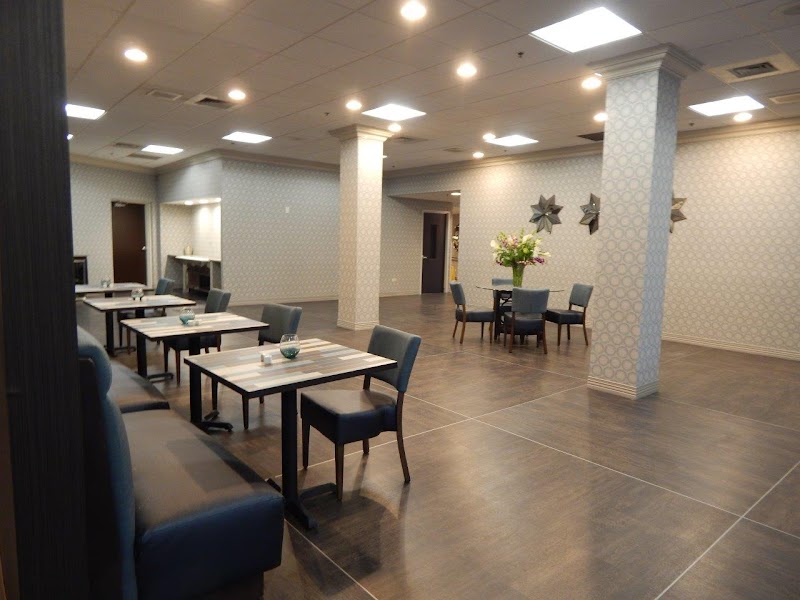
How is Elevate Care South Holland Staffed?

CMS rates ELEVATE CARE SOUTH HOLLAND's staffing level at 1 out of 5 stars, which is much below average compared to other nursing homes. Staff turnover is 44%, compared to the Illinois average of 46%. This relatively stable workforce can support continuity of care.

What Have Inspectors Found at Elevate Care South Holland?

State health inspectors documented 44 deficiencies at ELEVATE CARE SOUTH HOLLAND during 2022 to 2025. These included: 2 Immediate Jeopardy (the most serious level, indicating potential for serious harm or death), 12 that caused actual resident harm, and 30 with potential for harm. Immediate Jeopardy findings are rare and represent the most serious regulatory concerns. They require immediate corrective action.
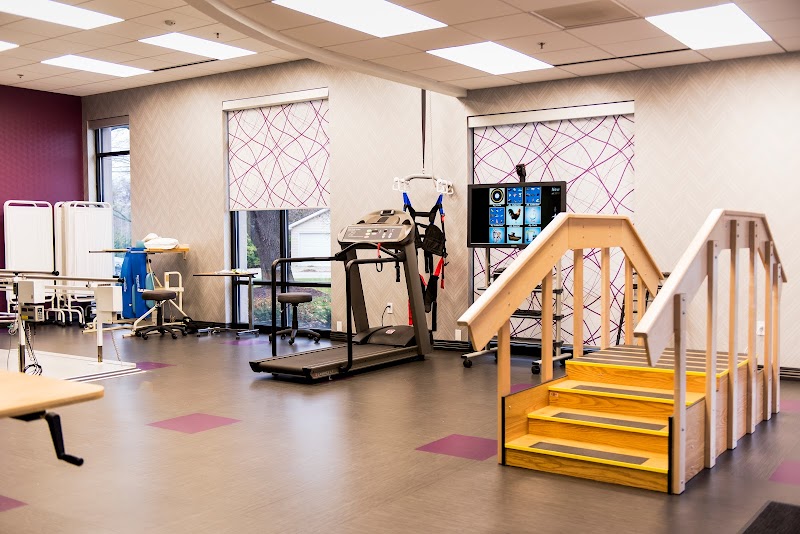
Who Owns and Operates Elevate Care South Holland?

ELEVATE CARE SOUTH HOLLAND is owned by a for-profit company. For-profit facilities operate as businesses with obligations to shareholders or private owners. The facility is operated by ELEVATE CARE, a chain that manages multiple nursing homes. With 171 certified beds and approximately 121 residents (about 71% occupancy), it is a mid-sized facility located in SOUTH HOLLAND, Illinois.

How Does Elevate Care South Holland Compare to Other Illinois Nursing Homes?

Compared to the 100 nursing homes in Illinois, ELEVATE CARE SOUTH HOLLAND's overall rating (1 stars) is below the state average of 2.5, staff turnover (44%) is near the state average of 46%, and health inspection rating (2 stars) is below the national benchmark.

What Should Families Ask When Visiting Elevate Care South Holland?

Based on this facility's data, families visiting should ask: "What changes have been made since the serious inspection findings, and how are you preventing similar issues?" "What safeguards and monitoring systems are in place to protect residents from abuse or neglect?" "Can you walk me through typical staffing levels on day, evening, and night shifts?" "Can I visit during a mealtime to observe dining assistance and food quality?" These questions are particularly relevant given the facility's Immediate Jeopardy citations, the substantiated abuse finding on record, and the below-average staffing rating.

Is Elevate Care South Holland Safe?

Based on CMS inspection data, ELEVATE CARE SOUTH HOLLAND has documented safety concerns. The facility has 1 substantiated abuse finding (meaning confirmed case of resident harm by staff or other residents). Inspectors have issued 2 Immediate Jeopardy citations (the most serious violation level indicating risk of serious injury or death). The facility has a 1-star overall rating and ranks #100 of 100 nursing homes in Illinois. Families considering this facility should ask detailed questions about what corrective actions have been taken since these incidents.

Do Nurses at Elevate Care South Holland Stick Around?

ELEVATE CARE SOUTH HOLLAND has a staff turnover rate of 44%, which is about average for Illinois nursing homes (state average: 46%). Moderate turnover is common in nursing homes, but families should still ask about staff tenure and how the facility maintains care continuity when employees leave.

Was Elevate Care South Holland Ever Fined?

ELEVATE CARE SOUTH HOLLAND has been fined $207,121 across 6 penalty actions. This is 5.9x the Illinois average of $35,150. Fines at this level are uncommon and typically indicate a pattern of serious deficiencies, repeated violations, or failure to correct problems promptly. CMS reserves penalties of this magnitude for facilities that pose significant, documented risk to resident health or safety. Families should request specific documentation of what issues led to these fines and what systemic changes have been implemented.

Is Elevate Care South Holland on Any Federal Watch List?

ELEVATE CARE SOUTH HOLLAND is not on any federal watch list. The most significant is the Special Focus Facility (SFF) program, which identifies the bottom 1% of nursing homes nationally based on persistent, serious quality problems. Not being on this list means the facility has avoided the pattern of deficiencies that triggers enhanced federal oversight. This is a positive indicator, though families should still review the facility's inspection history directly.