GOLDWATER CARE SPRING VALLEY
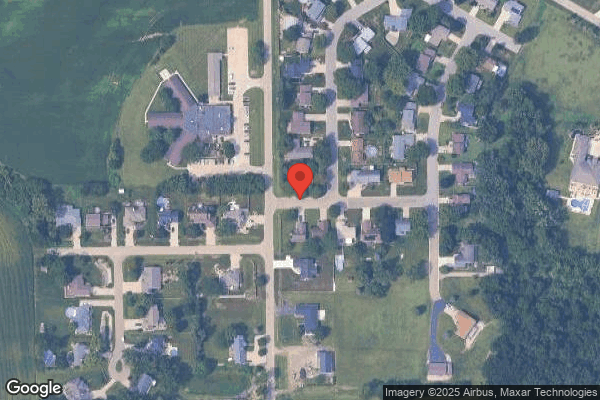
1300 NORTH GREENWOOD STREET, SPRING VALLEY, IL 61362 (815) 664-4708
For profit - Corporation 98 Beds GOLDWATER CARE Data: November 2025 3 Immediate Jeopardy citations
Trust Grade
0/100
#363 of 665 in IL
Last Inspection: February 2025

Within standard 12-15 month inspection cycle. Federal law requires annual inspections.

Overview

Goldwater Care Spring Valley has received a Trust Grade of F, which indicates significant concerns about the quality of care. It ranks #363 out of 665 facilities in Illinois, placing it in the bottom half statewide and #4 out of 4 in Bureau County, meaning there are no better local options. Although the facility is improving, with issues decreasing from 9 to 6 over the past year, it still has serious problems, including a concerning history of critical incidents. Staffing is rated at 2 out of 5 stars, with a turnover rate of 49%, which is average for the state, and they have a typical level of RN coverage. However, they faced $103,529 in fines, which is indicative of ongoing compliance issues. Specific incidents include two residents suffering second-degree burns due to serving food at unsafe temperatures and a resident choking while eating without proper supervision, leading to a tragic outcome. While there are some improvements in the number of issues reported, the facility still has a long way to go in ensuring resident safety and care quality.

Trust Score
F
0/100
In Illinois
#363/665
Bottom 46%
Safety Record
High Risk
Review needed
Inspections
Getting Better
9 → 6 violations
Staff Stability
⚠ Watch
49% turnover. Above average. Higher turnover means staff may not know residents' routines.
Penalties
✓ Good
$103,529 in fines. Lower than most Illinois facilities. Relatively clean record.
Skilled Nurses
✓ Good
Each resident gets 42 minutes of Registered Nurse (RN) attention daily — more than average for Illinois. RNs are trained to catch health problems early.
Violations
⚠ Watch
40 deficiencies on record. Higher than average. Multiple issues found across inspections.
★★☆☆☆
2.0
Overall Rating
★★☆☆☆
2.0
Staff Levels
★★☆☆☆
2.0
Care Quality
★★☆☆☆
2.0
Inspection Score
Stable
2024: 9 issues
2025: 6 issues

The Good

  • Full Sprinkler Coverage · Fire safety systems throughout facility
  • No fines on record

Facility shows strength in fire safety.

The Bad

2-Star Overall Rating

Below Illinois average (2.5)

Below average - review inspection findings carefully

Staff Turnover: 49%

Near Illinois avg (46%)

Higher turnover may affect care consistency

Federal Fines: $103,529

Well above median ($33,413)

Significant penalties indicating serious issues

Chain: GOLDWATER CARE

Part of a multi-facility chain

Ask about local staffing decisions and management

The Ugly 40 deficiencies on record

3 life-threatening
Feb 2025 6 deficiencies
CONCERN (D)

Potential for Harm - no one hurt, but risky conditions existed

Deficiency F0688 (Tag F0688)

Could have caused harm · This affected 1 resident

Based on observation, interview and record review, the facility failed to assess a resident's range of motion quarterly, and failed to implement and follow through ROM (Range of Motion) exercises for ...

Read full inspector narrative →
Based on observation, interview and record review, the facility failed to assess a resident's range of motion quarterly, and failed to implement and follow through ROM (Range of Motion) exercises for one of two residents (R2), a resident with functional limited range of motion, in the sample of 36. FINDINGS INCLUDE: The (undated) facility policy, Passive Range of Motion Exercises (PROM) directs staff, Residents will be assessed for their need of passive range of motion per the Functional Limitation in Range of Motion assessment. If the resident is recommended for a PROM program, trained nursing staff will provide the range of motion exercises. Range of Motion exercise will assist to prevent changes in the structure of the joints. Improve circulation of the involved part of the body. Aid in preventing pressure areas. Maintain normal range of motion. Increase joint motion to the maximum possible range. Increase or return power in muscles. Retain muscle strength. Develop control and coordination. Prevent deformities. Promote deformities. Promote a sense of well- being. Assist in the rehabilitation of the resident. R2's current Physician Order Sheet, dated February 2025 includes the following diagnoses: Multiple Sclerosis, Contracture Left Shoulder; Contracture Right Knee; Contracture Left knee. R2's current Minimum Data Set assessment, dated 11/29/2024 documents, BIMS (Brief Interview for Mental Status) as 15:15 (Cognitively Intact) and (Section C) GG0115. Functional Limitation in Range of Motion as Upper Extremities: Impairment on one side and Lower Extremities: Impairment on both sides. R2's current Care Plan includes the following Focus Area: CONTRACTURES: The resident has contractures of the right knee, left knee, left shoulder. This same document includes the following Interventions/Tasks: Encourage the resident to participate to the fullest extent possible with each interaction. Encourage the resident to use call light for assistance. Monitor/document/report PRN (as needed) any changes, any potential for improvement, reasons for self-care deficit, expected course, declines in function. On 02/02/2025 at 8:22 A.M., R2 was sleeping in bed. R2's bilateral legs were bent at the knees. On 02/02/205 at 11:30 A.M., R2 was seated in a reclining back wheelchair in her room, feeding self the noon meal. R2's left arm was resting on the wheel chair tray table. At that time R2 stated she was unable to use her left arm/hand due to contractures. On 02/04/25 at 8:56 A.M., V3/Assistant Director Of Nurses stated, We don't have a restorative nurse or any restorative aides. I guess the CNAs (Certified Nursing Assistants) do restorative stuff and document it. On 02/04/25 at 9:07 A.M., V7/Care Plan Coordinator stated, We don't have a restorative nurse or restorative aides. I don't think we have any restorative programs (including Range of Motion). I don't add any programs to the care plan. On 02/04/25 at 9:11 A.M., V10/Director of Rehab (Rehabilitation) stated, We don't have a restorative nurse or restorative aides. When a resident comes off of skilled therapy we fill out a Therapy to Nursing Recommendations form and give it to the nursing staff. It isn't a formal program, it's a restorative recommendation, meaning we recommend that a restorative program be implemented and performed by staff. I do a quarterly screens, but it's not a contracture screen. On 02/04/25 at 9:21 A.M., V2/Director Of Nurses verified that R2 did not have a restorative Passive Range of Motion program to address R2's multiple contractures. On 02/04/25 at 9:25 A.M., R2 stated, No one does range of motion (exercises) with me.
CONCERN (D)

Potential for Harm - no one hurt, but risky conditions existed

Accident Prevention (Tag F0689)

Could have caused harm · This affected 1 resident

Based on observation, interview and record review, the facility failed to implement fall precautions for one of five residents (R43), reviewed for falls in a sample of 36. The facility policy, Fall Pr...

Read full inspector narrative →
Based on observation, interview and record review, the facility failed to implement fall precautions for one of five residents (R43), reviewed for falls in a sample of 36. The facility policy, Fall Prevention Program, dated (revised) 11/21/17 directs staff, To assure the safety of all residents in the facility, when possible. The program will include measures which determine the individual needs of each resident by assessing the risk of falls and implementation of appropriate interventions to provide necessary supervision and assistive devices are utilized as necessary. Quality Assurance Programs will monitor the program to assure ongoing effectiveness. The fall prevention program includes the following components: Methods to identify residents at risk, communication with direct staff members. Safety interventions will be implemented for each resident identified at risk. Fall/safety interventions may include, but are not limited to: Nursing personnel will be informed of residents who are at risk for falling. R43's current Physician Order Sheet, dated February 2025 includes the following diagnoses: Dementia, Depression, Anxiety and Chronic Pain. R43's Nursing Progress Note dated 9/6/2024 documents, Summary of the fall: (R43) with gait imbalance due to dementia with behavioral disturbance, MDD (Major Depressive Disorder), Anxiety, HTN, and protein calorie malnutrition had an unwitnessed fall in (the) dining room. (R43) was ambulating with cane for assist, to her normal dining room chair. Activities employee was present but turned to help another resident. (R43's) mobility status was able to walk with cane unassisted. (R43) fell backwards hitting her head on the floor. Back of head assessed per nurse, no bleeding noted but closed injury occurred as hematoma was palpable. EMS (Emergency Medical Services) contacted and transported resident to hospital. Visual signs placed in room to call for help and (R43) described as increased fall risk. R43's Nursing Progress Notes, dated 9/11/2024 at 09:20 A.M .document, Summary of the fall: On rounds, (R43) observed lying on her left side on the floor next to her bed alert and talking. Resident had placed a pillow under her head. Call light was on bed within reach and proper footwear on. (R43) stated I don't know what happened just call the ambulance and call my son. Do not touch me, don't move me just call the ambulance. The nurse was able to obtain her vitals which were stable. No bruising or injury noted. Resident had a previous fall on 9/5/24 in which she did hit her head. (R43) was made comfortable on floor with blankets and pillows and EMS notified. (R43) remained alert and talking. (R43) had ER (Emergency Room) visit only. Repeat CT (Computerized Tomography) of head negative. No new orders. R43s Nursing Progress Notes, dated 1/22/2025 document, Summary of the fall: (R43) was heard by the nurse from the hallway asking for some help. When the nurse entered the room, (R43) was observed sitting on her buttocks on the floor next to her bed. Bed was in the lowest position, call light in reach but not activated, and regular socks on. Her pants were down around her thighs. Resident states she was trying to get out of the bed. (R43) assessed, no injuries present, ROM (Range of Motion) and neuro's (neurological) at baseline. On 2/2/2025 at 9:13 A.M., (R43) was asleep in bed. No Falling Leaf to designate resident as at risk for falls, was present on (R43's) door. On 2/2/2025 at 11:03 A.M., V11/Licensed Practical Nurse stated, When a resident is at risk for falls, we place a leaf on the resident's door so staff will know the resident is at risk and to check on them more often. At that time, V11/Licensed Practical Nurse verified that R43 was at risk for falls and a leaf was not present on R43's door. On 2/3/2025 at 2:27 P.M., V2/Director Of Nurses stated she was responsible for the facility Fall Program. V2/DON verified that when a resident is at risk for falls or has a history of falls, a leaf symbol is placed on the resident's room door, next to their name, to designate that resident as high risk for falls and to alert staff to provide increased observations. At that time, V2/DON also verified that R43 did not have a leaf symbol outside her room door, despite the fact that she had a recent fall and has a history of falls.
CONCERN (D)

Potential for Harm - no one hurt, but risky conditions existed

Incontinence Care (Tag F0690)

Could have caused harm · This affected 1 resident

Based on observation, interview and record review, the facility failed to perform urinary catheter care to reduce the risk of infection for one of two residents (R221) reviewed for urinary catheters, ...

Read full inspector narrative →
Based on observation, interview and record review, the facility failed to perform urinary catheter care to reduce the risk of infection for one of two residents (R221) reviewed for urinary catheters, in a sample of 36. FINDINGS INCLUDE: The facility policy, Urinary Catheter Care, dated (revised) 2-14-19 directs staff, To establish guidelines to reduce the risk of or prevent infections with an indwelling catheter. The following should be discouraged: Use of antiseptic/antimicrobial solutions for cleansing during catheter care. Routine hygiene (cleansing of the meatal surface during daily bathing or showering) is appropriate. Encrustations on the foley catheter should be removed from the meatus outward with a clean wash cloth, rinsed with clean water on an as needed basis. R221's current Physician Order Sheet, dated February 2025 includes the following diagnoses: Traumatic Amputation Below the Left Knee, Stage 3 Pressure Ulcer Right Buttock, Stage 4 Pressure Ulcer Left Buttock, History of Urinary Tract Infection. This same form includes the following physician orders: (Indwelling Urinary) Catheter 18 FR (French) 30 CC (Cubic Centimeters) Change monthly and as needed. (Urinary Catheter) Cares every shift. On 02/02/25 at 10:36 A.M., V3/Infection Preventionist Nurse and V11/Licensed Practical Nurse (LPN) prepared to perform urinary catheter care for R221. V11/Licensed Practical Nurse squirted a 3 CC vial of normal saline onto a 4 X 4 gauze pad and wiped down the middle of R221's peri area. At that time, V3/Infection Preventionist handed V11/Licensed Practical Nurse a package of moisturizing peri wipes. V11/Licensed Practical Nurse took a handful of wipes and wiped the left side of R221's peri area, grabbed another handful of wipes and wiped the right side of R221's peri area. V11/LPN removed her gloves and assisted in repositioning R221 and left the room. On 02/04/25 at 11:08 A.M., V2/Director Of Nurses stated, Our policy for catheter care is to cleanse (the peri area and meatal surface) with soap and water. We don't use peri wipes as a cleanser. They can be very irritating and irritated skin can lead to urinary tract infections.
CONCERN (D)

Potential for Harm - no one hurt, but risky conditions existed

Deficiency F0757 (Tag F0757)

Could have caused harm · This affected 1 resident

Based on interview and record review, the facility failed to document a rationale for the continued use of an antibiotic for one of two residents (R2), reviewed for unnecessary medications in a sample...

Read full inspector narrative →
Based on interview and record review, the facility failed to document a rationale for the continued use of an antibiotic for one of two residents (R2), reviewed for unnecessary medications in a sample of 36. Findings Include: The facility policy, Antibiotic/Antimicrobial Stewardship Program, dated 11/28/2017 directs staff, This facility is dedicated to implementing an Antibiotic/Antimicrobial Stewardship program to reduce the unnecessary use of antibiotics. This program will help ensure that our residents get the right antibiotics at the right time for the right duration, and can help improve individual patient outcomes, prevent deaths from resistant infections, slow antibiotic resistance, decrease Clostridium difficile infections and reduce healthcare costs. This facility utilizes the McGeer's Criteria for determining if an infection meets criteria for treatment with an antibiotic. R2's current Physician Order Sheet, dated February 2025 documents, 11/11/2024 Nitrofurantoin 100 MG (Milligrams) one capsule by mouth one time a day related to Personal History of Urinary Tract Infections. No stop date is included for the antibiotic usage. On 2/4/23 at 9:09 A.M., V2/Infection Preventionist stated, (R2) is on continuous antibiotics due to a history of urinary tract infections. I didn't realize the antibiotic was started that long ago. There is no stop date for the medication.
CONCERN (D)

Potential for Harm - no one hurt, but risky conditions existed

Infection Control (Tag F0880)

Could have caused harm · This affected 1 resident

Based on observation, interview and record review, the facility failed to perform hand hygiene during medication administration for one of two residents (R48) reviewed for medication administration, i...

Read full inspector narrative →
Based on observation, interview and record review, the facility failed to perform hand hygiene during medication administration for one of two residents (R48) reviewed for medication administration, in a sample of 36. FINDINGS INCLUDE: The (undated) facility policy, Medication Administration General Guidelines, directs staff, Medications are administered as prescribed in accordance with good nursing principals and practices and only by persons legally authorized to do so. Personnel authorized to administer medications do so only after they have been properly oriented to the facility's medication distribution system (procurement, storage, handling and administration). Examination gloves are worn when necessary. R48's current Physician Order Sheet, dated February 2025 includes the following medications: Aspirin 81 MG (Milligrams) one tablet by mouth in the morning; Calcium 600 MG with Vitamin D3 10 MG one tablet by mouth one time a day; Cetirizine 10 MG one tablet by mouth one time a day; Docusate Sodium 100 MG one capsule by mouth one time a day; Multivitamin one tablet by mouth one time a day; Omeprazole 20 MG one capsule by mouth one time a day; Simethicone 80 MG one tablet by mouth two times a day. On 02/03/2025 at 7:49 A.M., V14/Registered Nurse prepared to administer medications for R48. V14/Registered Nurse opened the top drawer of the mobile medication cart and withdrew community, stock medications bottles, opened each bottle and poured one tablet each of Aspirin, Calcium/Vitamin D, Docusate Sodium, Multivitamin, Simethicone and one capsule of Omeprazole into her ungloved hand and placed each pill in a small, plastic medication cup. V14/Registered Nurse placed the medication cup in front of R48 with a glass of water and R48 took each pill. Upon return to the medication cart, V14/Registered Nurse confirmed she she touched each of R48's pills with ungloved hands. On 02/04/2025 at 2:53 P.M., V2/Director of Nurses stated, Nurses should not touch medications, they are preparing for administration, with their ungloved hands.
CONCERN (E)

Potential for Harm - no one hurt, but risky conditions existed

Antibiotic Stewardship (Tag F0881)

Could have caused harm · This affected multiple residents

Based on interview and record review the facility failed to identify, monitor, and review prophylactic antibiotic use for five (R1, R2, R33, R54, and R67) of five residents reviewed for antibiotic ste...

Read full inspector narrative →
Based on interview and record review the facility failed to identify, monitor, and review prophylactic antibiotic use for five (R1, R2, R33, R54, and R67) of five residents reviewed for antibiotic stewardship in the sample of 36. Findings include: The facility's Infection Surveillance, Tracking and QA (Quality Assurance) Reporting policy and procedure, dated 2/14/18 documents infection tracking includes: Completing Infection Tracking Log for all residents with an infection and/or treated with antibiotics. Review documentation of clinical signs and symptoms to determine if McGeer's criteria for infection were met and antibiotic use is appropriate. The facility's Antibiotic/Antimicrobial Stewardship Program policy, dated 11/28/17, documents This facility is dedicated to implementing an Antibiotic/Antimicrobial Stewardship program to reduce the unnecessary use of antibiotics. This program helps ensure that our residents get the right antibiotics at the right time for the right duration, and can improve individual patient outcomes, prevent deaths from resistant infections, slow antibiotic resistance, decrease Clostridium difficile infections, and reduce healthcare costs. The Medical Director will set standards for antibiotic prescribing practices for all physicians providing care in the facility, review antibiotic use data gathered by tracking and monitoring, and provide feedback and recommendation to ensure that best practices are followed in the medical care of residents in the facility. The Director of Nursing and/or in conjunction with the Infection Control Officer will be responsible for setting the standards for assessing, monitoring and communicating changes in a resident's condition by the nursing staff providing direct care. Data gathered each month related to antibiotic use and treatment of infections will be submitted and reviewed by the QA Committee, and action plans developed as identified and recommended. Data will be compared month to month to identify trends and improvements made to work toward a long-term goal. On 2/4/25 at 12:00 pm, V3 ADON (Assistant Director of Nursing) stated she is the ICP (Infection Control Preventionist) for the facility and tracks all the residents antibiotic use, date started, the organism and stop dates. V3 stated she does not keep track or review the residents who are currently on prophylactic antibiotics and is unsure who is currently receiving prophylactic antibiotics, does not get a list of those antibiotics from the pharmacy and they are not discussed in the facility's monthly QA (Quality Assurance) Meetings. On 2/4/25 at 2:10 pm, V3 ADON/ICP stated she found that (R2), (R67), and (R1) are currently on prophylactic antibiotics. V3 stated she called the facility pharmacy and is waiting to hear back to find out how to find out if there are currently any other residents on prophylactic antibiotics. V3 stated she only reviews and monitors residents on prophylactic antibiotics when they are first initiated and then does not do anything else with them. On 2/4/25 at 2:30 pm, V3 ADON/ICP provided an Order Listing Report, dated 2/4/25, for Residents currently on antibiotics. This report documents R1, R2, R33, R54, and R67 are currently receiving prophylactic antibiotics. The January 2025 Monthly Infection Log Report does not include R1, R2, R33, R54, and R67 as receiving any antibiotics. 1. The Order Summary Report for R1, dated 2/4/25 documents a 2/24/22 physician order for the antibiotic Nitrofurantoin 50 mg (milligrams), one capsule by mouth daily related to Long Term (current) use of antibiotics. There is no documented stop date or diagnosis for this antibiotic. 2. On 2/3/25 at 9:00 am, R2's bedroom door held a Contact Precautions sign giving instructions to staff and visitors prior to entering R2's bedroom. The Order Summary Report for R2, dated 2/4/25 documents a 11/11/24 physician order for the antibiotic Nitrofurantoin 100 mg, one capsule daily related to Personal History of Urinary Tract Infections. There is no documented stop date. 3. The Order Summary Report for R33, dated 2/4/25 documents the following dated antibiotic orders for DMAC (Disseminated Mycobacterium Avium-Intracellular Complex) as: 7/20/21 physician order for the antibiotic Azithromycin 500 mg one tablet daily; 10/01/21 physician order for the antibiotic Ethambutol 100 mg three tablets in the morning; 10/02/21 physician order for the antibiotic Ethambutol 400 mg two tablets in the morning; and 10/01/21 physician order for the antibiotic Rifampin 300 mg two capsules in the morning. There are no documented stop dates. 4. The Order Summary Report for R54, dated 2/4/25 documents a physician order for the antibiotic Macrodantin 50 mg one capsule at bedtime for UTI (urinary tract infection) Suppression. There is no documented stop date. 5. The Order Summary Report for R67, dated 2/4/25 documents the following dated antibiotic orders as: 11/15/24 Ciprofloxacin 500 mg one tablet daily for Spontaneous Bacterial Peritonitis prophylaxis and 11/15/24 Rifaximin 550 mg one tablet two times daily for Liver Disease. There are no documented stop dates. On 2/4/25 at 2:31pm V3 ADON/ICP stated (R33) has been here for a long time and I had no clue R33 was on all the antibiotics. V3 also confirmed she was unaware that R54 and R1 were also on prophylactic antibiotics.
Aug 2024 1 deficiency
CONCERN (D) 📢 Someone Reported This

A family member, employee, or ombudsman was alarmed enough to file a formal complaint

Potential for Harm - no one hurt, but risky conditions existed

Accident Prevention (Tag F0689)

Could have caused harm · This affected 1 resident

Based on observation, interview, and record review the facility failed to ensure resident safety during transfer, failed to use a gait belt during resident transfer, and failed to follow the facility ...

Read full inspector narrative →
Based on observation, interview, and record review the facility failed to ensure resident safety during transfer, failed to use a gait belt during resident transfer, and failed to follow the facility policy and procedure for mechanical lift slings for one (R4) of three residents reviewed for falls in a sample of four. Findings include: The facility's Fall Prevention Program policy, revised 11/21/17, documents Purpose: To assure the safety of all residents in the facility, when possible. The program will include measures which determine the individual needs of each resident by assessing the risk of falls and implementation of appropriate interventions to provide necessary supervision and assistive devices are utilized as necessary. Quality Assurance Programs will monitor the program to assure ongoing effectiveness. Malfunctioning equipment will be immediately reported to maintenance for repair or removed from service. The facility's Transfers - Manual Gait Belt and Mechanical Lifts policy, revised 1/19/18, documents: Purpose: In order to protect the safety and well-being of the Staff and Residents, and to promote quality care, this facility will use Mechanical lifting devices for lifting and movement of Residents .Guidelines: 4. Mechanical lift equipment shall undergo routine maintenance checks by the nursing and maintenance staff to ensure that equipment remains in good working order .9. Use of gait belt for all physical assist transfers is mandatory. 1. On 8/16/24, at 12:50 pm, V6 Certified Nursing Assistant/CNA wheeled R4 into his room. V7 CNA arrived to assist in transferring R4 from his wheelchair to the bed. They wheeled R4 next to his bed and while V7 stood beside the wheelchair, V6 had R4 stand and pivot then sit on the bed; no gait belt was used. On 8/16/24, at 2:18 pm, V6 CNA confirmed she did not place a gait belt on R4. V6 stated they do not use a gait belt on (R4) because it bothers his suprapubic catheter if they put it down too low and he says it hurts his abdomen if we put it up higher. We just have him reach and use the bedrail to get into bed and that's why we use two staff. R4's Minimum Data Set/MDS assessment, dated 7/18/24, documents R4 requires partial/moderate assistance for chair/bed-to-chair transfer. R4's current Care Plan documents R4 is at risk for fall/injury from weakness and tiredness. On 8/16/24, between 2:35 pm - 2:45 pm, V5, V8, and V9 CNAs denied ever having a problem using a gait belt on R4 because of his suprapubic catheter or any other reason. On 8/16/24, at 3:41 pm V3 Assistant Director of Nursing/ADON confirmed that if a resident is a one or two person assist staff should always use a gait belt. 2. R4's Un-witnessed fall investigation, dated 6/27/24, documents CNA (V5) answered resident's light. Resident was observed sitting on the floor with his back resting against the bed. Resident states he sat on the edge of the bed himself to transfer to the wheelchair but slid to the ground. Resident denied hitting his head, any injury, or pain. Oriented x 3, ROM (Range of Motion) intact. Resident being (mechanically lifted) from the floor to the bed per (V4 Registered Nurse/RN and V5 CNA. The (mechanical lift) sling tore apart from left upper fabric strap where it attaches to sling. Resident was approximately 6 inches off the ground and nurse held the end up preventing resident falling to the ground and then lowered him gently. No injury occurred. On 8/16/24, at 2:26 pm, V3 Assistant Director of Nursing/ADON stated the following: I got called to (R4's) room and he was on the floor and the strap to the mechanical lift sling was broke, the top one on his right side. Not sure of when the sling was last examined. Laundry does that .V3 confirmed that staff should look them over first to be sure they are in good condition and stated, That is common knowledge. On 8/16/24, at 2:35 pm, V5 CNA stated the following: When I walked by, I saw (R4) on the floor. (R4) said he slid out of bed and said that he had wanted to get into the chair. I had the nurse (V4 Registered Nurse/RN) come down to his room. We got the (mechanical lift) and (V4 RN) assessed him and he didn't have any pain he just wanted to go back to bed. We hooked (R4) up to the sling and proceeded to use the (mechanical lift) and the sling busted into two pieces. We lowered (R4) down and he hadn't cleared the bed yet, so he wasn't up very high. (V4) hooked the top parts and I hooked the bottom parts for his legs. The sling was the one in his room, so it had been used already. I didn't really inspect it before using it. On 8/16/24, at 2:58 pm, V4 RN stated the following: The CNA (V5) came and got me cause (R4) slid out of bed. We went and put a (mechanical lift) sling on. (R4) was only few inches off the floor when one of the slings had broken so we lowered him back to the floor. I held onto it while (V5 CNA) lowered him back to the floor. We hooked it up like we always do. I don't recall if (V5) looked the sling over first, I didn't. On 8/20/24 at 9:50 am, V2 Director of Nursing/ DON stated laundry staff is responsible for checking all the mechanical lift slings when they are laundered, and the CNAs should be checking prior to each use. On 8/20/24 at 9:57 am, V11 Housekeeping/Laundry Supervisor stated the mechanical lift slings are all checked by whoever is in charge of laundry that day. On 8/20/24 at 11:14 am, V13 Maintenance Director stated he does not check the mechanical lift sling and has nothing to do with them. V13 stated laundry staff checks all the slings. On 8/21/24 at 9:12 am, V2 DON stated the broken sling was brought to her and she bagged it up and it sat in sat in her office for a few days. V2 stated she asked V1 Administrator what to do with it and took it to laundry for them to log and throw out. V2 confirmed the facility's Mechanical Lift policy documents the slings are to be assessed by Maintenance and Nursing Staff.
Mar 2024 7 deficiencies
CONCERN (D)

Potential for Harm - no one hurt, but risky conditions existed

Comprehensive Care Plan (Tag F0656)

Could have caused harm · This affected 1 resident

**NOTE- TERMS IN BRACKETS HAVE BEEN EDITED TO PROTECT CONFIDENTIALITY** Based on record review and interview, the facility failed to develop a Comprehensive Care Plan for three residents (R8, R24, and...

Read full inspector narrative →
**NOTE- TERMS IN BRACKETS HAVE BEEN EDITED TO PROTECT CONFIDENTIALITY** Based on record review and interview, the facility failed to develop a Comprehensive Care Plan for three residents (R8, R24, and R35) of 29 residents reviewed for Care Plans in a sample of 29. Findings includes: The facility's Comprehensive Care Plan dated 11/17/17 documents: To develop a Comprehensive Care Plan that directs the care team and incorporates the resident's goals, preferences, and services that are to be furnished to attain or maintain the resident's highest practical physical, mental, and psychosocial well-being. The facility will develop and implement a comprehensive person-centered care plan for each resident, consistent with the resident rights, that includes measurable objectives and timeframes to meet a resident's medical, nursing, and mental and psychosocial needs that are identified in the comprehensive assessment. A) Facility's Smoking Safety Policy dated 10/24/22 documents: Smoking includes the use of electronic cigarettes and vaping devices. Resident's plan of care and smoking compliance will be reviewed quarterly. Facility's Smoking Safety Risk Assessment Policy dated 8/9/19, documents: The purpose of the Smoking Safety Risk assessment is to determine the individual's ability and willingness to comply with facility rules and regulations governing smoking. Additionally, the assessment helps to determine the extent of the individual's smoking habit and his/her interest in smoking cessations. R35's current Smoking Safety Risk assessment dated [DATE] documents: 1. Does the resident currently smoke or use electronic smoking device? No--resident does not smoke. R35's current Care Plan does not document R35's vaping/smoking and/or non-compliance with vaping/smoking. Facility's Resident Smokers and Smoke Time List Updated 3/20/24, does not document R35 as a smoker or vaper. R35's Progress Note dated 3/18/24 documents: As this Registered Nurse/RN was giving (R35's) night medications, saw a vape pen on her bed. Unsure if it's a regular or THC vape pen. Refused to surrender it to staff. Refused to disclose on how she obtained vape pen. Explained facility protocol. (R35) got upset and stated, Give it back to me! I am so tired of losing my pens! (R35) does have history of being caught with THC vape pen at bedside. She used to have a pattern of developing respiratory and gastrointestinal/GI symptoms whenever she uses THC vape pen before. (THC/Tetrahydrocannabinol-organic chemical found in cannabis, per Internet Definition dated 3/28/24.) R35's Progress Note dated 3/13/24 documents: It was discussed with the patient today her current pain management and the use of marijuana vape pens. (R35) did not confirm or deny that she has been using marijuana vape pens recently. R35's Progress Note dated 12/15/23 documents: (R35) assessed. (R35) angry because she cannot use her marijuana vape pen. (R35) counseled and educated. Support given. On 3/27/24 at 1:45pm, V12 Activity Director stated: I do not keep vaping or marijuana paraphernalia for (R35); (R35's) paraphernalia was taken from (R35) and was locked in safe in (V1 Administrator's) office. On 3/28/24 at 10:55am, V11 Registered Nurse/RN stated that she had taken vaping pens from (R35) on two occasions, that the first pen contained THC, but not sure if the second pen contained THC or not. On 3/27/24 at 1:47pm, V13 Social Services Director/SSD stated that R35 does vaping without supervision; stated that intervention was done of taking (R35's) paraphernalia away and educating (R35); stated that no one had actually seen (R35) smoking or vaping. On 3/28/24 at 9:20am, V13 SSD, stated that R35's issues relating to smoking or vaping were not included on R35's Care Plan. V13 SSD stated, (R35) denies smoking; the smoking assessments will say 'No'; no one actually saw (R35) smoke. On 3/28/24 at 9:30am, V3 Minimum Data Set/MDS/Care Plan Coordinator stated that she did not include smoking focus or interventions on R35's Care Plan. On 3/27/24 at 1:50pm, R35 stated that she uses a vape pen for marijuana once in a while, that this settles her down. R35 stated, None of your business who brings it. I will keep it; don't want to let Activity have it; it does not affect my breathing; I can breathe better after using it. On 3/28/24 at 9:40am, V2 Director of Nursing/DON stated: (R35's) continued non-compliance with smoking and use of marijuana paraphernalia should have been included in R35's Care Plan along with interventions and education. C) A Physician Order, dated 09/28/23, documents to change R24's Indwelling Urinary Catheter every 28 days and as needed to prevent further breakdown of Stage Four Pressure Ulcers on R24's Right and Left Buttocks. R24's Care Plan, dated 12/21/23, does not address R24's Indwelling Urinary Catheter or include measurable objectives and timeframes to meet R24's needs. On 03/28/24 at 10:49 am, V3 (Care Plan Coordinator) confirmed R24's current Care Plan does not include an Indwelling Urinary Catheter or objectives for an Indwelling Urinary Catheter. V3 stated R24's Indwelling Urinary Catheter was removed on 07/21/23 and reinserted in 8/23, at which time it was not added back into R24's current Care Plan. B) The facility's Weight Assessment and Intervention policy and procedure, dated 2020, documents: If the weight change is planned or related to fluid management and is determined to be desirable, it will be documented and no change in the care plan will be necessary. Care planning for undesirable weight loss or impaired nutrition shall be a multidisciplinary effort and will include the physician, nursing staff, Registered Dietitian, a member for the Food and Nutrition Department, consultant pharmacist, and the resident or the resident's legal surrogate. Care plans will consider the wishes of the resident and right to choose their treatment plan. Individualized care plans shall address the following to whatever extent possible: Identified of the problem that is causing the weight loss; Goals with measurable time frame for improvement; Interventions/approaches; A weight loss regimen shall not be initiated for a cognitively capable resident without his or her involvement and approval; and If a resident declines to participate in weight loss goal, the Registered Dietitian shall document the resident's wishes and respect them. The annual MDS (Minimum Data Set) assessment for R8, dated 1/17/24, documents R8 with significant weight loss and not on a physician-prescribed weight loss regimen. This MDS does not include a diagnosis of Obesity and is without difficulty swallowing. The current Order Summary Report for R8 includes the following physician orders: 4/21/23 General diet, Regular texture, Regular consistency for diet; 7/12/23 House Nutrition Supplement two times a day for unplanned weight loss, 120cc (cubic centimeters) 1/2 cup BID (twice daily); 4/26/23 Divided plate at all meals: cut up food as needed every shift; 9/18/23 Mirtazapine 7.5 mg (milligrams) by mouth at bedtime for appetite stimulant. This Order Summary Report does not document a physician order for a weight loss program for R8. The current Care Plan for R8 does not include a nutritional plan of care for R8 or address R8's significant weight loss. This Care Plan does not document R8 with planned weight loss program and does not include supplements or medications for weight loss. On 3/26/24 at 9:59 AM, R8 stated he lost weight the first five or six months after admitting to the facility. R8 stated, I lost 90 pounds. I have gained some of it back, but not all of it. R8 stated he does not eat breakfast and never has but usually goes down for lunch and dinner. On 3/28/24 at 10:01 AM, R8 stated he is not trying to lose weight, and no one has talked to him about a weight loss program or he would have told them no. The facility EHR (electronic health record) documents R8's admission weight on 2/27/23 as 278.0 lbs. (pounds) with the following monthly weights as: 3/2/24 at 266.0 lbs.; 4/21/23 at 254.0 lbs.; 5/3/24 at 240.0 lbs.; 6/1/23 at 224.0; 7/2/23 at 219.0 lbs.; 8/2/23 at 223.0 lbs.; 9/5/23 at 212.0 lbs.; 10/2/23 at 210.0 lbs.; 11/3/23 at 213.0 lbs.; 12/1/23 at 208.0 lbs.; 1/1/23 at 206.0 lbs.; 2/7/24 at 212.0 lbs.; and 3/1/24 at 205.0 lbs. This EHR documents R8 with a weight loss of 73 pounds since 2/27/23 admission and total loss of 49 pounds since last survey date of 4/10/23. On 3/27/24 at 2:15 PM, V6 DM (Dietary Manager) provided the RD lists of residents seen monthly. This list documents V16 RD reviewed and assessed R8's weights and overall nutritional assessment in August, September, October, and December 2023 for planned weight loss. The RD monthly, quarterly, and annual assessments, dated 5/12/23, 6/12/23, 7/12/23, 8/7/23, 9/11/23, 10/12/23, 12/11/23, and 1/30/24 document R8 with favorable and planned significant weight loss, and refusing breakfast at times. On 3/28/24 at 2:30 PM, V3 MDS (Minimum Data Set)/CPC (Care Plan Coordinator) stated we only do planned weight loss programs if there is a physician's orders which R8 does not have. V3 MDS/CPC confirmed R8's Care Plan does not include a nutritional plan of care or address R8's significant weight loss and stated she will make sure the Care Plan is developed.
CONCERN (D)

Potential for Harm - no one hurt, but risky conditions existed

Deficiency F0657 (Tag F0657)

Could have caused harm · This affected 1 resident

Based on observation, interview, and record review the facility failed to revise a plan of care for two (R27 and R49) of 29 residents reviewed for care planning in the sample of 29. Findings include:...

Read full inspector narrative →
Based on observation, interview, and record review the facility failed to revise a plan of care for two (R27 and R49) of 29 residents reviewed for care planning in the sample of 29. Findings include: The facility's Comprehensive Care Plan policy and procedure, revised 11/17/17, documents the care plan is to be Reviewed and revised by the interdisciplinary team after each assessment, including both the comprehensive and quarterly review assessments; and The care plan should be revised on an ongoing basis to reflect changes in the resident and the care that the resident is receiving. On 3/28/24 at 2:30 PM, V3 MDS (Minimum Data Set)/CPC (Care Plan Coordinator) confirmed resident Care Plans are to be revised as needed. 1. The current Care Plan for R27, documents the following focus areas for R27: Potential nutritional problem related to swallowing disorder, dependent on nutrition by PEG (percutaneous endoscopic gastrostomy) tube; Swallowing problem related to dysphasia; and unplanned/unexpected weight loss related to poor food intake. The following interventions for the focus areas include: Bolus feedings, NPO (nothing by mouth), G-tube for nutrition, and add pudding to lunch and supper meals. The current Order Summary Report for R27, documents the following dated physician orders as: 7/23/21 General diet, Mechanical Soft texture, thin consistency, may have small meals d/t (due to) TF (tube feeding) at HS (hour of sleep) for diet; and 12/20/21 Resident to sit upright 90 degrees during meals. There is currently no physician order for Bolus feedings, NPO status, or adding pudding to lunch and supper meals. The EHR (electronic health record) for R27, documents R27's weight on 3/4/24 as 125.0 pounds indicating an 8.09% (percent) weight loss in last five months between 10/2/23 and 3/4/24. There are no documented interventions for this gradual weight loss for R27. On 3/26/24 at 11:11 AM, R27 was lying in bed with eyes closed. A G-tube pump was next to R27's bed without feeding hanging and was turned off. On 3/27/24 at 11:53 AM, R27 was lying in bed. On this same date at 12:25 PM, staff entered R27's room with a meal tray and then exited the room with the same meal tray. On 3/27/24 at 12:49 PM, R27 was lying in bed on his back and stated he was not going to eat today and I'm not hungry. On 3/27/24 at 12:50 PM, V18 CNA (Certified Nursing Assistant) stated she took R27 his lunch and (R27) refused to eat today. He sometimes does that. On 3/28/24 at 10:00 AM, V9 CNA stated R27 eats pretty good but does refuse to eat at times. On 3/28/24 at 2:30 PM, V3 MDS (Minimum Data Set)/CPC (Care Plan Coordinator) confirmed R27 is no longer dependent by PEG tube feedings, no longer gets bolus G-tube feedings, is no longer NPO, and the pudding was discontinued. V3 MDS/CPC stated she would update R27's Care Plan. 2. The current Care Plan for R49, documents the following focus areas for R49 as: COPD (Chronic Obstructive Pulmonary Disease) related to smoking with intervention for Oxygen at 5L (liters) via nasal cannula; On Antibiotic therapy related to pneumonia infection; and Indwelling urinary catheter. The current Order Summary Report for R49, documents the following dated physician orders as: 3/5/24 Oxygen at 5L continuously via nasal cannula, SpO2 (blood oxygen level) above 90% every shift and change oxygen tubing every Sunday on night shift; 3/5/24 Change urinary catheter 18 Fr (french) 10 cc (cubic centimeter) balloon every 28 days on night shift, Urinary catheter care every shift and as needed, and monitor urinary catheter output three times daily. There is no physician ordered antibiotic on R49's current Order Summary Report. On 3/26/24 at 10:11 AM, R49 was sitting upright in his bed without oxygen on. An oxygen concentrator was resting on floor next to (R49's) bed and not being used at this time. R49 also had visible urinary catheter tubing connected to a urinary drainage bag attached to his bed frame. R49 stated he uses the oxygen three or four times a day when he is short of breath, puts the oxygen tubing on, turns the machine on himself, and adjusts the oxygen to what he needs, when he needs it. R49 also stated, I clean it myself. They don't do it. They empty it for me if I haven't already. On 3/26/24 at 11:34 AM, R49 stated he was admitted to the facility with Pneumonia and was on an antibiotic and finished it shortly after coming to the facility. On 3/27/24 at 11:55 AM, R49 was lying in bed on his back with oxygen on at 4.5 L (liters) via nasal cannula. On 3/27/24 at 12:30 PM, R49 was sitting up on the side of his bed eating lunch with oxygen on or infusing at this time. On 3/27/24 at 1:30 PM, R49 was lying in bed without oxygen on and refused to allow catheter care and stated I already did that this morning. I do it first thing in the morning, every time I go to the bathroom and before I go to bed. On 3/28/24 at 10:06 AM, V10 RN (Registered Nurse) stated R49 is independent with his oxygen and will put it on and remove it himself. V10 RN stated R49 takes care of his own catheter at times as well. On 3/28/24 at 2:30 PM, V3 MDS (Minimum Data Set)/CPC (Care Plan Coordinator) confirmed R49 is no longer on the antibiotic and stated she was unaware that R49 was not using his oxygen continuously, was managing his own oxygen and performing his own urinary catheter care and would make sure to revise R49's Care Plan.
CONCERN (D)

Potential for Harm - no one hurt, but risky conditions existed

Deficiency F0692 (Tag F0692)

Could have caused harm · This affected 1 resident

Based on observation, interview, and record review the facility failed obtain a physician order for a weight loss program and to ensure a resident with significant weight loss was monitored and follow...

Read full inspector narrative →
Based on observation, interview, and record review the facility failed obtain a physician order for a weight loss program and to ensure a resident with significant weight loss was monitored and followed by a physician for one (R8) of three residents reviewed for weight loss in the sample of 29. Findings include: The facility's Weight Assessment and Intervention policy and procedure, dated 2020, documents The goal is to ensure adequate parameters of nutritional status are maintained by preventing unintentional weight loss. Any weight change of 5% (percent) or more since the previous weight assessment shall be re-taken the next day to confirm. If the weight is verified, nursing will notify the appropriate designated individuals such as the physician, Registered Dietician, Dining Services Manager, or other members of the interdisciplinary team within 24 hours. Verbal notification must be confirmed in writing. The threshold for significant unplanned and undesired weight loss shall be based on the following criteria: 1-month significant loss - 5% and severe loss greater than 5%; 3 months significant loss - 7.5% and severe loss greater than 7.5%; and 6-month significant loss - 10% and severe loss greater than 10%. If weight change is planned or related to fluid management and is determined to be desirable, it will be documented and no change in the care plan will be necessary. The physician along with the interdisciplinary team will identify conditions and medications that may be causing anorexia, weight loss, or an increased risk of weight loss. A weight loss regiment shall not be initiated for a cognitively capable resident without his or her involvement and approval. If a resident declines to participate in a weight loss goal, the Registered Dietitian shall document the resident's wishes and respect them. The Face Sheet for R8 includes the following diagnoses: Cerebrovascular Disease, Hemiplegia affecting left non-dominant side, Type 2 Diabetes Mellitus, and GERD (Gastro-esophageal Reflux Disease) and does not include a diagnosis of obesity. The current Order Summary Report for R8 includes the following physician orders: 4/21/23 General diet, Regular texture, Regular consistency for diet; 7/12/23 House Nutrition Supplement two times a day for unplanned weight loss, 120cc (cubic centimeters) 1/2 cup BID (twice daily); 4/26/23 Divided plate at all meals: cut up food as needed every shift; 9/18/23 Mirtazapine 7.5 mg (milligrams) by mouth at bedtime for appetite stimulant. This Order Summary Report does not document a physician order for a weight loss program for R8. The annual MDS (Minimum Data Set) assessment for R8, dated 1/17/24, documents R8 with significant weight loss and not on a physician prescribed weight loss program. On 3/26/24 at 9:59 AM, R8 stated he lost weight the first five or six months after admitting to the facility and wasn't trying to. R8 stated, I lost 90 pounds. I have gained some of it back, but not all of it. R8 stated he does not eat breakfast and never has but usually goes down for lunch and dinner. On 3/28/24 at 10:01 AM, R8 stated no one has talked to him about weight loss or about a weight loss program or he would have told them no. The facility EHR (electronic health record) documents R8's admission weight on 2/27/23 as 278.0 lbs. (pounds) with the following monthly weights as: 3/2/24 at 266.0 lbs.; 4/21/23 at 254.0 lbs.; 5/3/24 at 240.0 lbs.; 6/1/23 at 224.0; 7/2/23 at 219.0 lbs.; 8/2/23 at 223.0 lbs.; 9/5/23 at 212.0 lbs.; 10/2/23 at 210.0 lbs.; 11/3/23 at 213.0 lbs.; 12/1/23 at 208.0 lbs.; 1/1/23 at 206.0 lbs.; 2/7/24 at 212.0 lbs.; and 3/1/24 at 205.0 lbs. This EHR documents R8 with a weight loss of 73 pounds since 2/27/23 admission and total loss of 49 pounds since last survey date of 4/10/23. On 3/27/24 at 2:15 PM, V6 DM (Dietary Manager) stated V16 RD (Registered Dietician) comes to the facility monthly or as needed. V16 RD provides a list of who she sees when she is here. V6 DM provided the RD lists of residents seen monthly. This list documents V16 RD reviewed and assessed R8's weights and overall nutritional assessment in August, September, October, and December 2023 for planned weight loss. The RD quarterly Nutrition Assessment for R8, dated 5/12/23 documents R8 weight at 239.0 lbs., requires supervision for eating, and eats 26-75% (percent) of estimated needs. Recently had a sig (significant) wt. (weight) loss of 5.9% x (times) 1 mo (month), and 14% x 3 mo down to 239# (pounds). Recommend continuing the current diet and monitor. No recommendations. The RD Nutrition Progress Note for R8, dated 6/12/23, documents Recently had a sig. wt. loss of 7.1% x 1 mo, to 223# on 6/10/23. Recommend continuing the current diet and monitor. No recommendations. The RD Nutrition Progress Note for R8, dated 7/12/23, documents R8 with significant weight loss of 8% x 2 mo, 13.8% x 3 mo, and 21.2% x 6 mo. down to 219# for July. House supplement recommended - 120 cc BID for extra kcal (kilocalories). The RD Nutrition Progress Note for R8, dated 8/7/23, documents R8 presents at nutritional risk rt (related to) favorable significant weight loss 19.8% x 6 months. R8's August 2023 weight: 223 # and occasionally refuses meals. No Recommendations. The RD Nutrition Progress Note for R8, dated 9/11/23, documents significant weight loss 10.9% x 3 months down to 212#. Continue plan of care. RD available prn (as needed) via nutritional risk referral. No Recommendations. The RD Nutrition Progress Note for R8, dated 10/12/23, documents significant weight loss 17.3% x 6 months, down to 210# for October. Some weight loss is planned. Continue plan of care. No Recommendations. The RD Nutrition Progress Note for R8, dated 12/11/23, documents significant weight loss 12.6% x 6 months down to 208# for December. Some weight loss is planned. General, regular appetite is fair to good, but occasionally refuses meals-dislikes eating breakfast most days. He has a divided plate and meat is cut up for him. Receiving house supplement 120cc BID for extra kcal. Continue plan of care. No Recommendation. The RD annual Nutrition Assessment for R8, dated 1/30/24, documents R8's current weight at 206.0 pounds, requires supervision when eating, eats 76-100% of estimated needs. Annual review: (R8) has had a sig (significant) planned wt (weight) loss of 72# (pounds) from admit weight in Feb of 2023. Admit weight may have been in error. He eats fair to good - at times refuses breakfast. Will continue the current diet and monitor. No recommendations. The Physician Progress Notes for R8 since admission to the facility, dated 3/2/23, 3/9/23, 3/16/23, 3/21/23, 2/23/23, 4/1/23, 4/25/23, 4/27/23, 5/2/23, 5/23/23, 6/13/23, 6/27/23, 6/29/23, 7/13/23, 7/18/23, 8/17/23, 8/24/23, 9/21/23, 1/5/24, 2/21/24, and 3/11/24 do not document R8 being on weight loss program or address R8's significant weight loss. On 3/28/24 at 12:54 PM, V6 DM stated she is not aware of R8 being on a planned weight loss program. V6 DM stated (R8) comes out for some meals and we try to get him out more often. Sometimes he does and sometimes he doesn't. On 3/28/24 at 1:08 PM, V16 RD stated she sees all the residents with weight loss monthly. V16 RD confirmed (R8) was on a planned weight loss program and stated R8 was admitted to the facility in the obese range, has had significant weight loss since admission, and V16 RD added the supplement due to gradual decline in R8's weight; and wanted to slow R8's weight loss down. V16 RD also stated since V6 DM hired on, the food is better, and the staff try to get R8 to come out for meals more frequently as R8 will refuse as times. On 3/28/24 at 2:30 PM, V3 MDS (Minimum Data Set)/CPC (Care Plan Coordinator) stated We only do planned weight loss programs if there is a physician's orders which (R8) does not have.
CONCERN (D)

Potential for Harm - no one hurt, but risky conditions existed

Tube Feeding (Tag F0693)

Could have caused harm · This affected 1 resident

Based on observation, interview, and record review the facility failed to ensure a PEG (percutaneous endoscopic gastrostomy) tube dressing change was completed as physician ordered for one (R27) of on...

Read full inspector narrative →
Based on observation, interview, and record review the facility failed to ensure a PEG (percutaneous endoscopic gastrostomy) tube dressing change was completed as physician ordered for one (R27) of one resident reviewed for tube feeding in the sample of 29. Findings include: The facility's Gastrostomy Tube - Feeding and Care policy and procedure revised 8/3/20, documents Stoma Site Care: Inspect the surrounding skin for redness, tenderness, swelling, irritation, purulent drainage, or gastric leakage: immediately report skin irritation or infection and provide treatment. Clean skin with soap and water or antiseptic of choice - begin next to stoma site, using a spiral pattern and moving outward; clean under skin disk with cotton swab. Dry thoroughly; leave area open to air to minimize dampness, skin irritation, and maceration; use a dressing only if ordered. The current Order Summary Report for R27 documents physician treatment order dated 5/9/23: Tx (treatment) to g-tube (gastrostomy tube): Cleanse with soap and water, pat dry, apply bacitracin (antibiotic ointment), cover with (split drain sponge) every night shift and every 24 hours as needed. The current Care Plan for R27 includes intervention for the care of R27's g-tube as: Provide local care to G-tube site as ordered and monitor for s/sx (signs and symptoms) of infection every shift. On 3/27/24 at 11:53 AM, R27 was lying in bed on his back. G-tube dressing to abdomen was noted with the date of 3/24/24 with visible yellow/tan discoloration to the outside of the dressing. When asked R27 when the dressing was changed last R27 stated I don't know. Sometimes they do sometimes they don't. On 3/27/24 at 12:49 PM, R27 remained in bed on his back with g-tube dressing unchanged. On 3/27/24 at 1:30 PM, requested V8 LPN (Licensed Practical Nurse) to accompany this writer to R27's room to verify the date on R27's dressing. V8 LPN stated she was finishing up something first. On 3/27/24 at 2:54 PM, R27's g-tube dressing remained unchanged, dated 3/24/24. V2 DON (Director of Nursing) stated V8 LPN left early due to being ill. V2 DON confirmed R27's g-tube dressing should have been changed by the night nurse. On 3/27/24 at 2:57 PM, V14 RN (Registered Nurse) stated R27's dressing is changed on the night shift and was signed out on the TAR (Treatment Administration Record) on 3/24/24 and 3/25/24 as having been done.
CONCERN (D)

Potential for Harm - no one hurt, but risky conditions existed

Respiratory Care (Tag F0695)

Could have caused harm · This affected 1 resident

**NOTE- TERMS IN BRACKETS HAVE BEEN EDITED TO PROTECT CONFIDENTIALITY** Based on observation, interview and record review the Facility failed to clean, maintain and change disposable Respiratory suppl...

Read full inspector narrative →
**NOTE- TERMS IN BRACKETS HAVE BEEN EDITED TO PROTECT CONFIDENTIALITY** Based on observation, interview and record review the Facility failed to clean, maintain and change disposable Respiratory supplies for two of three Residents (R52 and R71) reviewed for Respiratory Care in a sample of 29. Findings include: The Facility Oxygen and Respiratory Equipment (Changing and Cleaning) Policy, revised 1/7/19, documents: to provide guidelines to employees for changing all disposable respiratory supplies; ensure the safety of Residents by providing maintenance of all disposable respiratory supplies; minimize the risk of infection; Nasal Cannulas are to be changed once a week and as needed; a clean plastic bag with a zip lock/draw string will be provided to store the cannula when not in use and will be dated with the date the tubing was changed; and oxygen humidifiers should be changed weekly or as needed and will be dated when changed. The Facility Continuous Positive Airway Pressure/CPAP Therapy Policy, undated, documents: the goal of this therapy is therapy include ventilation, improve sleep, decrease hospitalizations, improve cognitive function, improve oxygen saturation during sleep, decrease work of breathing and improve lung compliance; equipment includes CPAP machine, tubing, oxygen tubing, adapter, mask and humidifier; cleaning and maintenance include wash hands, remove headgear from mask/pillow shell, with a soft cloth, wash the mask/pillow with a solution of warm water and a mild clear liquid detergent, rinse, allow mask/pillow to air dry, clean and inspect all components regularly (mask, tubing and headgear should last approximately six to 12 months, but can vary greatly; clean the CPAP unit as necessary with a damp cloth, wipe the outside of the unit and use a dry cloth to wipe dry; filter maintenance includes replacing disposable filters and reusable filters should be rinsed of dust and allowed to air dry. A) R52's Physician Order Sheet/POS, dated 3/27/24, documents diagnoses including Chronic Obstructive Pulmonary Disease/COPD, Emphysema, [NAME] Disorder, Chronic Respiratory Failure, Type Two Diabetes and Morbid Obesity. The POS also documents Physician Orders for a Bi-level Positive Airway Pressure Machine (Bi-Pap) via full mask with 1:65/E/:5, at bedtime for Sleep Apnea and an order for Oxygen at two to four liters via Nasal Cannula continuous every shift related to COPD and a oxygen tank portable two to four liters by Nasal Cannula related to COPD. The POS does not document orders for cleaning, changing or maintaining respiratory (Oxygen and CPAP) supplies. R52's current Care Plan documents R52's Oxygen therapy. The Care Plan does not document a Physician's Order for cleaning, changing or maintaining R52's Respiratory (Oxygen and CPAP) supplies. R52's Treatment Administration Record, dated 3/1/24 through 3/27/24, does not document a Physician's Order for cleaning, changing or maintaining R52's Respiratory (Oxygen and CPAP) supplies. On 3/26/24 at 10:13 am, R52 was sitting in wheelchair in room and R52's oxygen concentrator was running at two liters, and the tubing and cannula were laying on the floor next to R52's bed. R52 stated, My tubing is not long enough to reach, I need longer tubing. R52 picked up the oxygen tubing off of the floor and placed it on R52's face. The tubing was not dated or in a plastic storage bag. R52's humidification bottle was not dated. R52's CPAP tubing and face mask/pillow were hanging/dangling on the side of R52's nightstand, unbagged and undated. R52's face mask/pillow were moderately soiled with a white substance. On 3/27/24 at 1:00 pm, R52, was sitting in R52's wheelchair at the entrance of V1's (Administrator) office doorway, with oxygen setting at two liters, and R52's portable oxygen tank tubing was not dated. On 3/28/24 at 10:39 am, R52's was sitting in bed wearing oxygen tubing and R52's oxygen concentrator was running at two liters. R52's oxygen tubing and humidification bottle were not dated, and a plastic storage bag was not in R52's room. R52's CPAP mask/pillow was in a storage bag, dated 3/28/24. R52's CPAP mask/pillow had a moderate amount of white substance on the inside of the mask/pillow. R52's CPAP supplies could not be located. On 3/28/24 at 10:39 am, V7 (Licensed Practical Nurse/LPN) stated, I cannot find any CPAP supplies. I am not sure who is responsible for changing and cleaning the filters, tubing and mask/pillow. It may be third shift's responsibility, I am not sure. V7 confirmed that there is no documentation for changing or cleaning, the Oxygen and CPAP filters, tubing or mask/pillow on R52's Physician Order Sheet, Treatment Administration Record or Medication Administration Record. On 3/28/24 at , V2 (Director of Nursing) stated, I have posted the Oxygen Policy at the Nurse's Station because we have been having problems and we have lacking with the oxygen cares. The nurses should be dating and changing oxygen and CPAP supplies. On 3/28/24 at 2:10 pm, V1 (Administrator) stated, We just talked to nursing about this because we have been having issues with this. They should be changing, dating and bagging the oxygen and CPAP supplies. B) A physician order dated 12/2/23 for R71 reads to change out, date and label all oxygen tubing/bags and to clean the filter and wipe the machine down every Sunday. On 03/27/24 at 2:11 PM, R71 was laying in bed with oxygen via nasal prong and a concentrator. R71's tubing had no date visible and R71's humidity bottle was dated 02/07/24. On 03/27/24 at 2:17 PM, V14 observed R71's oxygen equipment and confirmed R71's tubing had no date stating, The tape may have been torn off. V14 also stated the date on R71's humidity bottle was, either 02/07 or 02/09/24. V14 stated she was unsure how often humidity bottles should be changed and that she would have to check.
CONCERN (F)

Potential for Harm - no one hurt, but risky conditions existed

Food Safety (Tag F0812)

Could have caused harm · This affected most or all residents

Based on observation, interview, and record review, the facility failed to ensure the ice scoop, for the ice machine, was stored on the outside of the ice machine. This failure has the potential to af...

Read full inspector narrative →
Based on observation, interview, and record review, the facility failed to ensure the ice scoop, for the ice machine, was stored on the outside of the ice machine. This failure has the potential to affect all 79 residents residing in the facility. Findings include: Facility Policy, entitled Cleaning Instructions: Ice Machine and Equipment, dated 2010, document, 10. Store the ice scoop outside the machine in a separate, sanitized container that allows the water to drain and not collect around the scoop. On 03/26/2024, at 9:35 a.m., during the initial kitchen tour, with V6/Dietary Manager, the ice scoop, for the ice machine, was inside of the ice machine and full of ice. V6 confirmed the ice scoop should not be left inside the ice machine, but rather in a container outside of the ice machine. The Centers for Medicare and Medicaid Services form, entitled Long-Term Care Facility Application for Medicare and Medicaid, dated 3/26/2024, signed by V1/Administrator, document, 79 residents reside in the facility.
CONCERN (F)

Potential for Harm - no one hurt, but risky conditions existed

Garbage Disposal (Tag F0814)

Could have caused harm · This affected most or all residents

Based on observation, interview, and record review, the facility failed to ensure the lids, to the trash receptacle, were closed and the area surrounding the trash receptacle was free of litter. This ...

Read full inspector narrative →
Based on observation, interview, and record review, the facility failed to ensure the lids, to the trash receptacle, were closed and the area surrounding the trash receptacle was free of litter. This failure has the potential to affect all 79 residents residing in the facility. Findings include: Facility Policy, entitled Garbage and Rubbish Removal, dated 2020, document, 8. Outdoor trash receptacles will be kept covered and the surrounding area kept free of litter. Trash receptacles will be placed a pad that is cleanable and non-porous. On 03/26/2024, at 9:30 a.m., during the initial kitchen tour, with V6/Dietary Manager, the lid, to the steel trash receptacle, located outside, was left opened. Additionally, the area surrounding the trash receptacle was littered with cigarette butts. V6 confirmed the lid, to the trash receptacle, should have been closed and area free of debris. The Centers for Medicare and Medicaid Services form, entitled Long-Term Care Facility Application for Medicare and Medicaid, dated 3/26/2024, signed by V1/Administrator, document, 79 residents reside in the facility.
Feb 2024 1 deficiency
CONCERN (D) 📢 Someone Reported This

A family member, employee, or ombudsman was alarmed enough to file a formal complaint

Potential for Harm - no one hurt, but risky conditions existed

Quality of Care (Tag F0684)

Could have caused harm · This affected 1 resident

Based on interview and record review, the facility failed to follow a physician treatment order for one resident (R1) reviewed for wound treatment orders in a sample of three. Findings Include: The f...

Read full inspector narrative →
Based on interview and record review, the facility failed to follow a physician treatment order for one resident (R1) reviewed for wound treatment orders in a sample of three. Findings Include: The facility's Pressure Injury and Skin Condition Assessment Policy, dated 1/17/18, documents: Purpose: To establish guidelines for assessing, monitoring and documenting the presence of skin breakdown, pressure injuries, and other ulcers and assuring interventions are implemented. 18. Physician ordered treatments shall be initialed by the staff on the electronic Treatment Administration Record after each administration. R1's diagnoses include: Personal history of other malignant neoplasm of skin, varicose veins of right and left lower extremities, non-pressure ulcer of right and left lower extremities, excoriation (skin picking) disorder, end stage renal disease. R1's Treatment Administration Record/TAR dated 10/2023 documents: Treatment to bilateral lower extremities/BLE: Cleanse wounds to BLE with wound cleanser, pat dry, apply calcium alginate to open areas, cover with unna boots and wrap with kerlix and ace wraps. Every day shift every Wednesday, Saturday for wound care per (V6 Wound Care Physician) related to Encounter for change or removal of nonsurgical wound dressing. (Internet definition for unna boot, dated 2/2024 documents: An Unna boot is a compression dressing made by wrapping layers of gauze around your leg and foot. It is often used to protect an ulcer or open wound. The compression of the dressing helps improve blood flow in your lower leg.) Review of R1's 10/2023 TAR indicated there were no staff signage for treatment care for R1 on Wednesday 10/18/23 or on Saturday 10/21/23 to indicate wound care had been done for R1's left foot wound. On 2/16/24 at 12:25pm, V3 Assistant Director of Nursing/ADON/Infection Control Preventionist stated that in October 2023, R1 had scheduled wound treatments; (noted treatments scheduled for Wednesdays and Saturdays); stated that R1 had a wound on his left foot between great toe and second toe; and stated that R1 liked to pick at his lower extremities. On 2/28/24 at 11:10am, V4 Minimum Data Set/MDS/Care Plan Coordinator, confirmed that R1's Treatment Administration Record/TAR for October 2023 indicated no treatment sign offs by staff for 10/18/23 or 10/21/23 prior to 10/25/23 when maggots were noted in R1's left foot wound and stated I notified the appropriate staff and documented about (R1's) infection and about the foul odor on 10/18/23. Not sure why I did not sign the TAR and forgot to mark the treatment off as being done for 10/18; but there was a change in (R1's) wound and we got a new order.
Aug 2023 2 deficiencies
CONCERN (F) 📢 Someone Reported This

A family member, employee, or ombudsman was alarmed enough to file a formal complaint

Potential for Harm - no one hurt, but risky conditions existed

Deficiency F0555 (Tag F0555)

Could have caused harm · This affected most or all residents

**NOTE- TERMS IN BRACKETS HAVE BEEN EDITED TO PROTECT CONFIDENTIALITY** Based on observation, interview and record review, the facility failed to ensure residents were informed they could choose their...

Read full inspector narrative →
**NOTE- TERMS IN BRACKETS HAVE BEEN EDITED TO PROTECT CONFIDENTIALITY** Based on observation, interview and record review, the facility failed to ensure residents were informed they could choose their own physician for three residents (R1, R3, and R4) of four residents reviewed for Resident Rights in a sample of four. This failure has the potential to affect all 75 residents in the facility. Findings include: The facility's Residents' Rights for People in Long-Term Care Facilities, undated, documents, You have the right to choose your own doctor. 1. R1's clinical record documents R1 admitted on [DATE] under the care of V3 Medical Director. On 8-25-23, at 1:04pm, R1 was lying in bed. R1 stated that on admission, They did not ask about choosing my own doctor. They said they had one here. He's not my first choice. 2. R3's clinical record documents R3 admitted on [DATE] under the care of V3 Medical Director. On 8/25/23, at 1:11pm, R3 stated the following, When I was admitted they never asked who I wanted for a doctor. They didn't tell me that I could choose. I would have chosen (V8 Medical Doctor). They have (V3 Medical Director) and that is who I have. 3. R4's clinical record documents R4 admitted on [DATE] under the care of V3 Medical Director. On 8/29/23, at 10:10am, R4 stated that no one asked R4 what doctor R4 wanted. On 8/25/23, at 12:20pm, V1 stated the following, On admission, residents are told that we have a house doctor (V3 Medical Director) with his own nurse or they can have one of their own choices .I am not the one who tells them; I believe it would be our Admissions person (V4) and she is not here today. On 8/29/23, at 8:35am, V4 Business Office Director/BOM/Admissions stated that once a resident comes through the door, V4 does the initial admission contract with them. V4 denied talking to residents about their right to choose their own doctor. V4 stated that prior to residents coming to the door, (V5 Marketer) does the initial admission packet which goes over resident rights. On 8/29/23, at 9:08am, V5 Director of Business Development (Marketer) denied reviewing any resident rights with the residents including what doctor they want. V5 stated, I believe you would need to refer to (V1 Administrator) for that. On 8/29/23, at 9:18am, V2 former Director of Nursing/DON stated the following, (V2's) last day was 8-18-23 and V2 was here a little over a year. (V3) is the Medical Director. (V3) has the whole facility right now .Upon admission we have to put (V3) down to be able to get their medications. If another doctor is named for a follow up appointment (V7 Transporter) will ask them prior to their appointment who they want to follow up with - the named doctor or (V3) our Medical Director. Those who are here for therapy usually will go see their Primary Care Physician/PCP and we provide their transportation. The ones who are here long term are (V3's) since (V3) is the Medical Director. It's a convenience to (V3) to follow them and know them. I have never asked them if they want someone else .I don't think anyone asks them what doctor they want. On 8/29/23, at 9:57am, V6 Social Security Director/SSD stated V6 does not ask residents who they want for a doctor. V6 is unsure if it is the nurses or admissions who ask them. When V6 does their initial assessments V6 goes over resident rights in general. It does not include what doctor they want. On 8/29/23, at 10:04am, V7 Transporter/CNA stated V3 (former Director of Nursing/DON) told V7 there is no reason for them to see an outside doctor as their Primary Care Physician/PCP if they are inside the facility and we have a doctor here who sees them. Usually when they come in, they see our facility doctor (V3) automatically. The facility's Resident Roster, dated 8-25-23, documents there are 75 residents currently residing in the facility.
CONCERN (F) 📢 Someone Reported This

A family member, employee, or ombudsman was alarmed enough to file a formal complaint

Potential for Harm - no one hurt, but risky conditions existed

Deficiency F0712 (Tag F0712)

Could have caused harm · This affected most or all residents

**NOTE- TERMS IN BRACKETS HAVE BEEN EDITED TO PROTECT CONFIDENTIALITY** Based on interview and record review, the facility failed to ensure a physician personally conducted the required face to face v...

Read full inspector narrative →
**NOTE- TERMS IN BRACKETS HAVE BEEN EDITED TO PROTECT CONFIDENTIALITY** Based on interview and record review, the facility failed to ensure a physician personally conducted the required face to face visits for four of four (R1-R4) residents reviewed for physician visits in a sample of four. This failure has the potential to affect all 75 residents in the facility. Findings include: The facility's admission Agreement, undated, documents, Contract Between Resident and Facility. C. Residents' Rights and Obligations. 15. Selection of Health Care Professionals. Resident may select, or have selected on his/her behalf, qualified health care professionals who conforms to the Facility's policies, rules, applicable laws, and regulations. Resident must have, select, or have chosen on his/her behalf a personal physician who will be available, or whose agent will be available, at all times for notification of significant changes in the Resident's clinical condition. On 8/25/23, at 10:50am, V1 Administrator, who stated V1 just spoke with V3 Medical Director, stated the following: (V3) is the primary doctor who sees residents. (V3) does telehealth on Tuesdays and Thursdays. V3 said that because they are rural hospital, they are allowed to do telemedicine. (V3) does telehealth once every 60 days for all long-term residents. For Medicare at least once a week up to three times a week. Our last Covid outbreak was March 2023. V1 confirmed at this time that V3 does not do face to face visits - only telemedicine. V1 is unaware of the last time V3 came into the facility to see residents. On 8/25/23, at 10:55am, V1 was unable to produce a list of residents seen personally by V3 and stated they do not keep a log of (V3's) in-person visits. 1. R1's clinical record documents R1 admitted on [DATE] under the care of V3 Medical Director. R1's current Physician Progress notes document R1 had telemedicine doctor visits on 7/25, 8/1, 8/8, and 8/22/23. These physician notes all begin with the statement, Telemedicine visit performed in lieu of face to face visit during unprecedented COVID-19 national crisis. R1's clinical record documents R1 as cognitively intact and does not document any face-to-face visits with V3 or any other physician. On 8-25-23, at 1:04pm, R1 denied every being physically seen by a doctor and stated, It is always on the computer. 2. R2's clinical record documents R2 admitted on [DATE] under the care of V3 Medical Director. R2's current Physician Progress notes document R2 had telemedicine doctor visits on 7/11, 7/13, 7/18, 7/20, 7/25, 8/1, 8/8, 8/17, 8/22, and 8/24/23. These physician notes all begin with the statement, Telemedicine visit performed in lieu of face to face visit during unprecedented COVID-19 national crisis. R2's clinical record documents R2 as cognitively intact and does not document any face-to-face visits with V3 or any other physician. On 8/25/23, at 12:54 pm R2 self-propelled in a wheelchair into R2's room. At this time R2 denied ever seeing V3 personally for a visit. 3. R3's clinical record documents R3 admitted on [DATE] under the care of V3 Medical Director. R3's current Physician Progress notes document R3 had telemedicine doctor on 6/8, 6/13, 6/20, 6/22, 6/27, 6/29, 7/11, 7/20, 8/8, 8/15, and 8/22/23. These physician notes all begin with the statement, Telemedicine visit performed in lieu of face to face visit during unprecedented COVID-19 national crisis. R3's clinical record documents R3 as cognitively intact and does not document any face-to-face visits with V3 or any other physician, On 8/25/23, at 1:11pm, R3 denied ever seeing V3 physically and stated, Only on the computer. R3 stated, I would definitely have remembered if I saw him in person. 4. R4's clinical record documents R4 admitted on [DATE] under the care of V3 Medical Director. R4's current Physician Progress notes document R4 had telemedicine doctor on 3/21, 3/23, 3/28, 3/30, 4/4, 4/6, 4/13, 5/18, 5/25, 5/30, 6/15, 6/27, 6/29, 7/18, and 8/15/23. These physician notes all begin with the statement, Telemedicine visit performed in lieu of face to face visit during unprecedented COVID-19 national crisis. R4's clinical record documents R3 as moderately cognitively impaired and does not document any face-to-face visits with V3 or any other physician, On 8/29/23, at 10:10am, R4 was lying in bed and stated that R4 has never physically seen (V3). (V3) talks to R4 over the computer. R4 stated it makes R4 feel terrible that (V3) doesn't come in to see R4. R4 stated, I would like to see him in person. The facility's Medical Professionals report, dated 8-25-23, documents 75 residents currently residing in the facility have V3 Medical Director listed as their attending physician. The facility's Resident Roster, dated 8-25-23, documents there are 75 residents currently residing in the facility.
May 2023 6 deficiencies 1 IJ (1 facility-wide)
CRITICAL (L) 📢 Someone Reported This

A family member, employee, or ombudsman was alarmed enough to file a formal complaint

Immediate Jeopardy (IJ) - the most serious Medicare violation

Accident Prevention (Tag F0689)

Someone could have died · This affected most or all residents

⚠️ Facility-wide issue

**NOTE- TERMS IN BRACKETS HAVE BEEN EDITED TO PROTECT CONFIDENTIALITY** Facility Failures resulted in two deficient practice statements. A. Based on observation, interview and record review, the facil...

Read full inspector narrative →
**NOTE- TERMS IN BRACKETS HAVE BEEN EDITED TO PROTECT CONFIDENTIALITY** Facility Failures resulted in two deficient practice statements. A. Based on observation, interview and record review, the facility failed to serve hot cereal at a safe temperature to prevent a resident's second-degree burn (R1) and failed to notify the facility Administration so an investigation could be conducted, which resulted in another resident (R2) suffering a second-degree scalding burn after facility kitchen staff served a scalding hot beverage without performing the required safe temperature check prior to serving. R1 sustained a 4.0 CM (centimeter) X 1.4 CM X 0.1 CM second degree, blistered, painful wound to the left anterior thigh on 11/29/22 when she was served a bowl of hot cereal. After R1 had suffered a second-degree burn, facility staff did not document the accident in R1's Nurse's notes, did not notify facility administrative staff and therefore no subsequent evaluation of the situation or implementation of further safety interventions were developed. On 4/17/23, R2 was served a scalding hot cup of tea and sustained a 4.05 CM X 2.72 CM second degree, blistering burn to her abdomen after she spilled the beverage. Facility kitchen staff served the hot beverage from the hot beverage machine without checking the required temperature prior to serving. Nursing staff again did not notify facility Administrative Staff and no evaluation of the incident nor implementation of further safety interventions were developed prior to discovery on 5/16/23. These failures have the potential to affect 73 of the 74 residents currently residing the facility. These failures resulted in an Immediate Jeopardy. The immediacy was removed on 5/22/2023. FINDINGS INCLUDE: The (undated) facility policy, Precautions for Handling Hot Beverages directs staff, Staff will monitor, serve and hold hot beverages in a safe manner to prevent potential burns. The temperature for brewing and serving hot beverages will be based on the manufacture recommendations for the beverage equipment utilized in the (facility). Although the recommended settings for proper brewing may vary based on the equipment, it is recommended that the temperature of the equipment be set at the lowest possible temperature for adequate brewing; anticipated to be in the range of 160- 170 degrees Fahrenheit. The serving temperature should be approximately 10 -15 degrees less than the brewing temperature. It is suggested that brewing and serving temperatures of hot beverages are monitored on a monthly or quarterly basis to assure proper functioning of equipment. Additional precautions may be implemented: Assessing and identifying those individuals served who are at high risk for burning themselves with hot beverages. Ensuring staff monitor the identified high- risk resident(S) during mealtimes and/or when hot beverages are served. Utilizing specialized spill proof lids and cups for those individuals identified as high risk for spillage and potential for burning. The (undated) facility policy, Serving Temperatures for Hot and Cold Foods directs staff, Foods will be served at the following temperatures to ensure a safe and appetizing dining experience. The minimum temperatures do not reflect the required temperatures needed for preparation, cooking or cooling of foods. Hot foods served at higher temperatures, based on resident preference, must be done cautiously because foods served too hot may potentially decrease food quality and possibly contribute to resident burns. Hot cereal: 135 degrees Fahrenheit to 170 degrees Fahrenheit. Hot beverages: Follow facility guidelines. The [NAME] will take temperatures of hot and cold food items using approved food thermometers prior to each meal service. The manufacture guidelines for the facility hot beverage machine (NG C300 Black) documents, The liquid dispenser (NG C300) is a dispenser for the delivery of coffee, tea and only hot water in commercial sectors. Warning: The liquids delivered by the dispenser are hot. Avoid scalding. The hot beverage machine Work Order dated 5/16/23 documents, (Facility) wants to know the temperature setting on their machine and would like the machine checked. Last check on 5/13/21. Solution: Replaced filter. Replaced temperature probe. Adjusted temperature from 194 degrees to 185 degrees, per customer (request). The (facility) Food Temperature Log Sheet, provided by V9/Cook directs staff to check food temperatures for Breakfast for eggs, scrambled eggs, oats, super cereal, and pureed eggs. No direction for checking temperatures of hot beverages is given. The facility Food Temperature Chart dated 4/30/23 through 5/15/23 documents the food temperature of the hot cereal served to facility residents during that time period ranging from 200 degrees Fahrenheit on 5/7/23 to 178 degrees on 5/8/23. No recorded temperatures of hot beverages are documented during this time frame. The current State Operations Manual, documents the following concerning burns: Table 1. Time and Temperature Relationship to Serious Burns Water Temperature Time Required for a 3rd Degree Burn to Occur 155°F 68°C 1 sec 148°F 64°C 2 sec 140°F 60°C 5 sec 133°F 56°C 15 sec 127°F 52°C 1 min 124°F 51°C 3 min 120°F 48°C 5 min 100°F 37°C Safe Temperatures for Bathing (see Note) NOTE: Burns can occur even at water temperatures below those identified in the table, depending on an individual's condition and the length of exposure. A. 1. R1's (facility) admission Record documents that R1 was admitted to the facility on [DATE] with the following diagnoses: Dementia with Behavioral Disturbance, Conversion Disorder with Seizures, Anxiety Disorder and Age- Related Cognitive Decline. R1's May 2023 Physician Order Sheet includes the following physician orders: General diet, add Super Cereal (hot cereal) at breakfast. R1's (facility) Skin and Wound Evaluation form, dated 11/29/22 documents, Burn, Second Degree, Front of Left Thigh, In- House Acquired on 11/29/22, Measures 4.0 CM (Centimeters) X 1.4 CM X 0.1 CM with surrounding tissue: erythema: redness of the skin, Pain at dressing change. R1's (facility) Wound Evaluation with photographs, dated 11/29/22 documents a reddened wound with currently blisters present, measured as 4.01 CM X 1.37 CM X 0.1 CM. The wound is described as painful at dressing change with a daily treatment in place. R1's Initial Wound Evaluation and Management Summary, dated 12/7/22 by V15/Wound Doctor documents, (R1) presents with a wound on her left thigh. (R1) has a burn wound of the left thigh for least 1 day's duration. There is moderate serous exudate. Burn wound measures 4.5 CM X 1 CM X 0.1 CM with moderate, serous exudate. 15% slough and 35% granulation tissue. Procedure Note: The wound was cleansed with normal saline and anesthesia was achieved using topical benzocaine. Then with clean surgical technique, 15 blade was used to surgically devitalized tissue including slough, biofilm and non-viable subcutaneous level tissues were removed at a depth of 0.1 CM and healthy bleeding tissue was observed. As a result of this procedure, the nonviable tissue in the wound bed decreased from 15 percent to 5 percent. Hemostasis was achieved and a clean dressing was applied. Dressing Treatment Plan: Silver sulfadiazine apply three times per week for 30 days. Alginate calcium apply three times per week for 30 days. Foam silicone border dressing. Skin prep to the peri wound. R1's Wound Evaluation and Management Summary, dated 12/14/22 documents, (R1) presents with a wound to her left thigh. (R1) spilled hot oatmeal on her leg, causing a burn wound. Current wound size: 3 CM X 1 CM X 0.1 CM. Procedure Note: The wound was cleansed with normal saline and anesthesia was achieved using topical benzocaine. Then with clean surgical technique, 15 blade was used to surgically devitalized tissue including slough, biofilm and non-viable subcutaneous level tissues were removed at a depth of 0.1 CM and healthy bleeding tissue was observed. As a result of this procedure, the nonviable tissue in the wound bed decreased from 15 percent to 0 percent. Hemostasis was achieved and a clean dressing was applied. R1's (facility) Wound Evaluation, dated 12/28/22 documents, Burn wound to left thigh measures 1.1 CM X 0.71 CM X 0.1 CM. Wound bed is 100% epithelial tissue. Progress: Healed. On 5/15/2023 at 1:45 P.M., V5/Registered Nurse verified she did fill out the wound information sheet for R1's leg wound. V5 also verified that R1 feeds herself after staff prepared her food and R1 dropped a bowl of hot cereal on her leg, causing injury. V5/RN verified she did not tell V1/Administrator or V2/DON about (R1's) injury but did obtain a wound treatment for the injury. V5 stated that R1 complained of much pain when wound treatment was being done and stated R1 saw the facility Wound Doctor about a week after the injury happened. On 5/16/23 at 9:39 A.M., V9/Cook stated, We don't currently have a Dietary Manager. We haven't had one for about a month. Dietary Managers from other facilities take turns coming here and looking things over. The [NAME] is responsible for temping each food offered prior to the start of the meal. At that time, V9 was only able to produce the facility Food Temperature Logs from 4/30/23 through 5/15/23. V9/Cook verified temperature checks of the cooked cereal were between 178 degrees and 200 degrees. At 9:57 A.M., V9/Cook stated, We don't check the temperature of hot beverages (prior to serving). I suppose we could start doing that. At that time, V9/Cook verified the temperature of a cup of hot water/coffee from the facility hot beverage machine was 190 degrees. V9/Cook also verified all 73 facility residents receive meals and beverages form the facility kitchen, except one resident who receives gastrostomy tube feedings. On 5/16/23 at 10:00 A.M., V10/Dietary Manager of sister facility who was over-seeing the facility kitchen stated, Kitchen staff should always check the temperature of hot beverages prior to serving. We always check hot beverage temperatures at the facility I have worked at for the past 16 years. Hot food/hot beverages can cause severe burns in elderly residents. 190 degrees is too hot. 2. R2's (facility) admission Record documents that R2 was admitted to the facility on [DATE] with the following diagnoses: Lack of Coordination, Abnormal Posture, Weakness and Anxiety. R2's May 2023 Physician Order Sheet includes the following physician orders: General, Regular Diet. R2's Nursing Progress Notes, dated 4/17/23 at 7:09 A.M. document, (R2) spilled tea on abdomen causing a second-degree burn. Area cleansed with soap and water. Bacitracin applied to wound bed and covered with Border Foam dressing. R2's Wound Evaluation, dated 4/18/23 documents, Second degree burn to lower left abdomen, measures 4.05 CM X 2.72 CM, acquired in- house on 4/17/23. 90% granulation tissue present with light serous drainage. Treatment in place. R2's Wound Evaluation, dated 5/9/23 documents, Second degree burn to lower abdomen, measures 3.79 CM X 2.76 CM X 0.1 CM. 100% granulation tissue present with light serous drainage. Progress: Healing. On 5/16/23 at 1:17 P.M., R2 stated she likes hot tea at each meal and usually the temperature is warm when she receives it. However, on that day (4/17/23), her tea was extremely hot and when she spilled it, it caused a painful burn. R2 stated the area was painful, especially when dressing was changed. Observation of area at that time shows an 8 CM X 4 CM healing burn to (R2's) lower left abdomen. The facility Room Roster dated 5/15/23 documents 74 residents currently reside in the facility. The Immediate Jeopardy began on 11/29/22 at 1:29 P.M. when R1 was served a bowl of hot cereal. After R1 had suffered a second-degree burn, facility staff did not document the accident in R1's Nurse's Notes, did not notify facility Administrative Staff and therefore no subsequent evaluation of the situation or implementation of further safety interventions were developed. V1/Administrator was notified of the Immediate Jeopardy on 5/22/23 at 1:35 P.M. The surveyor confirmed through interview and record review that the facility took the following actions to remove the Immediate Jeopardy: 1. R1 and R2 incidents were both reported to IDPH (State Agency) on 5/16/2023. 2. The dietary assistant manager has been in-service on the safe temperature range for serving hot food and beverages. Training completed on 5/22/23 by Administrator. 3. All dietary staff have been in-serviced on performing hot beverage and food temps prior to each meal. They have also been in-serviced on interventions/measures required if hot food and beverages are not within an acceptable range. Staff's knowledge was evaluated based on a quiz. Any staff that do not have sufficient knowledge base will be re-trained and retested. Training initiated on 5/22/23 by Administrator and anyone on FMLA (Family Medical Leave Act) or vacation will be educated via phone and again before next scheduled shift. 4. The Director of Nursing has been educated on what constitutes an Incidents/Accidents and the timely reporting criteria for all unexplained bruises and abrasions, incidents and accidents with injury or the potential to result in injury. Training was completed on 5/22/23 by RNC (Regional Nurse Consultant). 5. The facility will check temperatures of hot foods and beverages at every meal to ensure hot food and beverages are at appropriate serving temperature. A QA (Quality Assurance) tool was completed to verify this practice has occurred. The QA tool will be completed by the dietary assistant manager or designee, for 6 weeks. There will be oversight of the QA tool by Administrator. 6. All nursing staff have been educated on what constitutes an incident/accident and the timely reporting on incidents/accidents for all unexplained bruises or abrasions, and all accidents or incidents where there is an injury. Staff's knowledge competencies will be based on a written quiz. Any staff that do not have sufficient knowledge base will be re-trained and retested. Training initiated on 5/22/23 by RNC or DON (Director of Nurses) anyone on PRN (as needed) status, FMLA or vacation will be educated via phone and again before next scheduled shift. 7. An impromptu QAPI (Quality Assurance and Performance Improvement) meeting was held with the (facility) Medical Director and staff IDT (Intra Disciplinary Team) team to discuss deficiency and facility action plan on 5/22/23. 8. The facility will read the progress notes daily to ensure a potential incidents/accidents have been captured as such and have appropriate follow up. A QA tool will be completed to verify this practice has occurred. The QA tool will be completed by DON or designee, daily for 6 weeks. There will be oversight of the QA tool by RNC or DON on 5/22/23 and on-going. 9. The coffee machine has been serviced by technician on 5/16/2023 resulting in adjusted dispensing temperature of 150-170 degrees as per policy. Completion Date: This plan was completed on May 22, 2023. B. Based on interview and record review, the facility failed to provide increased supervision after administration of two (as needed) psychotropic medications within a two-hour time span, resulting in a resident falling from a bed, sustaining a laceration and a head injury for one resident (R1) of three residents reviewed, in a sample of 6. The facility policy, Fall Prevention Program, dated 11/28/2012 directs staff, To assure the safety of all residents in the facility, when possible. The program will include measures which determine the individual needs of each resident by assessing the risk of falls and implementation of appropriate interventions to provide necessary supervision and assistive devices are utilized as necessary. The Fall Prevention Program includes the following components: Use and implementation of professional standards of practice. In addition to the use of Standard Fall Precautions, the following interventions may be implemented for residents identified at risk: The resident will be checked approximately every two hours, or as according to the care plan, to assure they are in a safe position. The frequency of safety monitoring will be determined by the resident's risk factors and the plan of care. R1's (facility) admission Record documents that R1 was admitted to the facility on [DATE] with the following diagnoses: Dementia with Behavioral Disturbance, Conversion Disorder with Seizures, Anxiety Disorder, Age- Related Cognitive Decline, Insomnia, Lack of Coordination, Abnormal Posture and Weakness. R1's current Physician Order Sheet, dated May 2023 includes the following medications: Risperidone (antipsychotic) 1 MG (Milligram) by mouth in the morning and 0.5 MG by mouth at bedtime; Mirtazapine (antidepressant) 30 MG by mouth at bedtime; Ativan (antianxiety) 0.5 MG by mouth every 6 hours as needed; and Ativan Injection 2 MG/ML (Milliliters) Inject 1 ML intramuscularly every 12 hours as needed for agitation and anxiety. R1's Fall Risk Assessment, dated 01/31/2023 documents R1 is at high risk for falls (Score 21) (High Risk is 10 or greater). R1's current Care Plan, dated 2/9/22 includes the following Focus Area: (R1) is at risk for falls related to weakness due to self-care deficit. R1's Care Plan documents R1 had falls on: 2/20/22, 7/14/22, 7/18/22, 9/16/22, 9/24/22, 10/1/22, 10/28/22, 12/22/22 and 4/18/22. This same Care Plan includes another Focus Area, (R1) uses an anti-anxiety medication related to anxiety disorder. Interventions include, Administer anti-anxiety medication as ordered by physician. Monitor for side effects and effectiveness. Monitor/document/report any adverse reactions: Drowsiness, lack of energy, clumsiness, slow reflexes, confusion and disorientation, dizziness, impaired thinking and judgement, blurred or double vision. R1's April 2023 Medication Administration Record documents that R1 received the following medications on 4/17/2023: Ativan 2 MG/ML (1 MG) intramuscularly at 2:11 P.M. due to behaviors; Ativan 0.5 MG PO at 8:14 P.M. for agitation and anxiety; and Ativan 2 MG/ML (1 MG) intramuscularly at 10:53 P.M. for agitation. R1's (facility) Fall-Initial Occurrence Report, dated 4/18/23 at 1:25 A.M. and signed by V12/Registered Nurse, documents, Unwitnessed fall at (R1's) bedside, (R1) observed laying on floor next to her bed, face down, in a pool of blood, moaning and groaning. Contributing Factors: Confused, forgets to use call light, Recent room change. Other factors: Was given IM Ativan at (10:53) P.M. for behaviors. Injuries: Left lower lip laceration. New interventions initiated immediately: Floor mat, Nonskid footwear, Safety checks every 15 minutes. Sent to ER (Emergency Room). R1's emergency room Report, dated 4/18/23 documents, (R1) resides at (facility) and presents to ER for evaluation of head injury and lip laceration after a fall out of bed. The (facility) gave (R1) some Ativan because of agitation at bedtime. (R1) then rolled out of bed and struck her head. Exam: Evidence of contusion to the face with lip laceration. Diagnosis: Head Injury, Head Contusion, Lip Laceration. On 5/16/23 at 11:13 A.M., V12/Registered Nurse denied providing increased supervision for R1 after facility staff had administered three additional doses of Ativan to R1, within a 10-hour period. V12/Registered Nurse stated, I was the nurse the night that (R1) fell from bed. I work 6 P.M. to 6 A.M. and R1 was having behaviors all night. (R1) wouldn't take her medications; (R1) was very anxious and combative. I gave her an extra dose of (oral) Ativan at 8:14 (P.M.) and (R1) was still having behaviors, so I called (R1's) doctor and got an order for I.M. (Intramuscularly) Ativan. It took three additional staff members help for me to give (R1) the shot. I gave it around 10:53 P.M. Around 11 (o'clock P.M.) I noticed (R1) was falling asleep in her wheelchair. A couple of hours later I heard a movement and a sound like something fell. I found (R1) lying face down in a pool of blood. I sent (R1) to the ER. We didn't do anything special for (R1) after I gave (R1) the shot. We just put (R1) to bed, like normal.
CONCERN (D) 📢 Someone Reported This

A family member, employee, or ombudsman was alarmed enough to file a formal complaint

Potential for Harm - no one hurt, but risky conditions existed

Free from Abuse/Neglect (Tag F0600)

Could have caused harm · This affected 1 resident

Based on interview and record review, the facility failed to protect a resident from physical abuse by another resident, for one of three residents (R1), reviewed for abuse, in a sample of six. FINDIN...

Read full inspector narrative →
Based on interview and record review, the facility failed to protect a resident from physical abuse by another resident, for one of three residents (R1), reviewed for abuse, in a sample of six. FINDINGS INCLUDE: The facility policy, Abuse Prevention and Reporting, dated (revisited 10/24/22) directs staff, This facility affirms the right of our residents to be free form abuse, neglect, exploitation, misappropriation of property, deprivation of goods and services by staff or mistreatment. Physical abuse is the infliction of injury on a resident that occurs other than by accidental means and that requires medical attention. Physical abuse includes hitting, slapping, pinching, kicking and controlling behavior through corporal punishment. R1's Nursing Progress Notes, dated 4/11/2023 at 8:23 P.M. document, (R1) got into a verbal argument with (R3) and (R3) became physically aggressive to (R1). This nurse intervened, separated the two and redirected (R1) to her room. Noted redness to (R1's) right arm, and verbalized pain. Applied cold compress to area. No bruises noted. (V2/Director of Nurses and V16/Former Administrator) informed and made aware. Will continue to monitor. On 5/15/23 at 1:10 P.M., V2/Director of Nurses stated she is unaware of a resident-to-resident altercation between (R1) and (R3) on 4/11/23. V2/Director of Nurses confirms she did not do an Investigation, nor was the State Agency notified. On 5/16/23 at 8:17 A.M., V7/Registered Nurse stated, I was working the evening (4/11/23) that (R1) and (R3) had an altercation. It was in the evening; I was passing medications on C- Hall and I heard yelling between the two. I looked up and saw (R3) hitting (R1) in the arm. I ran to them and separated them and got (R1) to her room. I asked (R1) if she was ok, and (R1) said her right arm hurt. (R1's) right arm was red, and (R1) said it was painful. I applied an ice pack to it.
CONCERN (D) 📢 Someone Reported This

A family member, employee, or ombudsman was alarmed enough to file a formal complaint

Potential for Harm - no one hurt, but risky conditions existed

Abuse Prevention Policies (Tag F0607)

Could have caused harm · This affected 1 resident

Based on interview and record review, the facility failed to implement its abuse policy of immediately investigating and reporting an allegation of physical abuses between two residents to the State A...

Read full inspector narrative →
Based on interview and record review, the facility failed to implement its abuse policy of immediately investigating and reporting an allegation of physical abuses between two residents to the State Agency, for one of three residents (R1) reviewed for abuse, in the sample of 6. FINDINGS INCLUDE: The facility policy, Abuse Prevention and Reporting, dated (revised 10/24/22) directs staff, This facility affirms the right of our residents to be free form abuse, neglect, exploitation, misappropriation of property, deprivation of goods and services by staff or mistreatment. Physical abuse is the infliction of injury on a resident that occurs other than by accidental means and that requires medical attention. Physical abuse includes hitting, slapping, pinching, kicking and controlling behavior through corporal punishment. This will be done by: Implementing systems to promptly and aggressively investigate all reports and allegations of abuse, neglect, exploitation, misappropriation of property and mistreatment and making the necessary changes to prevent future occurrences and Filing accurate and timely investigative reports. R1's Nursing Progress Notes, dated 4/11/2023 at 8:23 P.M. document, (R1) got into a verbal argument with (R3) and (R3) became physically aggressive to (R1). This nurse intervened, separated the two and redirected (R1) to her room. Noted redness to (R1's) right arm, and verbalized pain. Applied cold compress to area. No bruises noted. (V2/Director of Nurses and V16/Former Administrator) informed and made aware. Will continue to monitor. On 5/15/23 at 1:10 P.M., V2/Director of Nurses stated she is unaware of a resident-to-resident altercation between (R1) and (R3) on 4/11/23. V2/Director of Nurses confirms she did not do an Investigation, nor was the State Agency notified, per facility policy.
CONCERN (D) 📢 Someone Reported This

A family member, employee, or ombudsman was alarmed enough to file a formal complaint

Potential for Harm - no one hurt, but risky conditions existed

Report Alleged Abuse (Tag F0609)

Could have caused harm · This affected 1 resident

Based on interview and record review, the facility failed to ensure an allegation of physical abuse was reported to the State Agency, for one of three residents (R1) reviewed for abuse, in the sample ...

Read full inspector narrative →
Based on interview and record review, the facility failed to ensure an allegation of physical abuse was reported to the State Agency, for one of three residents (R1) reviewed for abuse, in the sample of 6. FINDINGS INCLUDE: R1's Nursing Progress Notes, dated 4/11/2023 at 8:23 P.M. document, (R1) got into a verbal argument with (R3) and (R3) became physically aggressive to (R1). This nurse intervened, separated the two and redirected (R1) to her room. Noted redness to (R1's) right arm, and verbalized pain. Applied cold compress to area. No bruises noted. (V2/Director of Nurses and V16/Former Administrator) informed and made aware. Will continue to monitor. On 5/15/23 at 1:10 P.M., V2/Director of Nurses stated she is unaware of a resident-to-resident altercation between (R1) and (R3) on 4/11/23. V2/Director of Nurses confirms she did not do an Investigation, nor was the State Agency notified.
CONCERN (D) 📢 Someone Reported This

A family member, employee, or ombudsman was alarmed enough to file a formal complaint

Potential for Harm - no one hurt, but risky conditions existed

Investigate Abuse (Tag F0610)

Could have caused harm · This affected 1 resident

Based on interview and record review the facility failed to investigate timely an allegation of physical abuse for one of three residents (R1) reviewed for abuse, in a sample of 6. FINDINGS INCLUDE: R...

Read full inspector narrative →
Based on interview and record review the facility failed to investigate timely an allegation of physical abuse for one of three residents (R1) reviewed for abuse, in a sample of 6. FINDINGS INCLUDE: R1's Nursing Progress Notes, dated 4/11/2023 at 8:23 P.M. document, (R1) got into a verbal argument with (R3) and (R3) became physically aggressive to (R1). This nurse intervened, separated the two and redirected (R1) to her room. Noted redness to (R1's) right arm, and verbalized pain. Applied cold compress to area. No bruises noted. (V2/Director of Nurses and V16/Former Administrator) informed and made aware. Will continue to monitor. On 5/15/23 at 1:10 P.M., V2/Director of Nurses stated she is unaware of a resident-to-resident altercation between (R1) and (R3) on 4/11/23. V2/Director of Nurses confirms she did not do an Investigation.
CONCERN (D) 📢 Someone Reported This

A family member, employee, or ombudsman was alarmed enough to file a formal complaint

Potential for Harm - no one hurt, but risky conditions existed

Deficiency F0657 (Tag F0657)

Could have caused harm · This affected 1 resident

Based on interview and record review, the facility failed to revise the plan of care for two of three residents (R1 and R2), reviewed for care plans, in a sample of 6. FINDINGS INCLUDE: The facility p...

Read full inspector narrative →
Based on interview and record review, the facility failed to revise the plan of care for two of three residents (R1 and R2), reviewed for care plans, in a sample of 6. FINDINGS INCLUDE: The facility policy, Comprehensive Care Plans, dated 11/28/2012 directs staff, The facility will develop a comprehensive care plan that directs the care team and incorporates the resident's goals, preferences and services that are to be furnished to attain or maintain the resident's highest practicable physical, mental and psychosocial well- being. The facility policy, Fall Prevention Program, dated 11/28/2012 directs staff, The Fall Prevention Program includes the following components: Care Plan incorporates identification of all risk/issue; Addresses each fall; Interventions are changed with each fall; Preventative measures. The facility policy, Skin Condition Assessment and Monitoring, dated (revised) 6/8/2018 directs staff, The resident's care plan will be revised as appropriate, to reflect alteration of skin integrity, approaches and goals for care. 1. R1's (facility) Skin and Wound Evaluation form, dated 11/29/22 documents, Burn, Second Degree, Front of Left Thigh, In- House Acquired on 11/29/22, Measures 4.0 CM (Centimeters) X 1.4 CM X 0.1 CM with surrounding tissue: erythema: redness of the skin, Pain at dressing change. R1's Care Plan, dated 2/9/22 includes the following Focus area: (R1) has a potential for impairment to skin integrity related to poor safety awareness and history of falls. R1's care plan does not address the second degree burn that R1 sustained on 11/29/22. 2. R1's (facility) Fall-Initial Occurrence Report, dated 4/18/23 at 1:25 A.M. and signed by V12/Registered Nurse, documents, Unwitnessed fall at (R1's) bedside, (R1) observed laying on floor next to her bed, face down, in a pool of blood, moaning and groaning. Contributing Factors: Confused, forgets to use call light, Recent room change. Other factors: Was given IM Ativan at (10:53) P.M. for behaviors. Injuries: Left lower lip laceration. New interventions initiated immediately: Floor mat, Nonskid footwear, Safety checks every 15 minutes. Sent to ER (Emergency Room). R1's current Care Plan, dated 2/9/22 includes the following Focus Area, (R1) is at risk for falls related to weakness due to self-care deficit. R1's Care Plan documents that R1 had falls on: 2/20/22, 7/14/22, 7/18/22, 9/16/22, 9/24/22, 10/1/22, 10/28/22, 12/22/22 and 4/18/23. Interventions to reduce the risk of further falls for R1 do not include: Floor mat, Nonskid footwear, Safety checks every 15 minutes. 3. R2's Nursing Progress Notes, dated 4/17/23 at 7:09 A.M. document, (R2) spilled tea on abdomen causing a second-degree burn. Area cleansed with soap and water. Bacitracin applied to wound bed and covered with Border Foam dressing. R2's Care Plan, dated 9/28/22 includes the following Focus Area, (R2) has moisture associated skin damage to her buttocks related to incontinence and decreased mobility. R2's Care Plan does not address the second degree burn that R2 sustained on 4/17/23. On 5/15/23 at 3:15 P.M., V4/Care Plan Coordinator stated, I didn't update (R1 or R2's) Care Plan when (R1 and R2) sustained second degree burns from the hot food/beverages. At that time V4 verified she did not update R1' Care Plan with new interventions after she sustained a fall with injury on 4/18/23.
Apr 2023 5 deficiencies
CONCERN (D)

Potential for Harm - no one hurt, but risky conditions existed

Menu Adequacy (Tag F0803)

Could have caused harm · This affected 1 resident

Based on observation, interview, and record review, the facility failed to serve pureed food according to the facility's menu for three of three residents (R4, R28, R31) reviewed for pureed diets in t...

Read full inspector narrative →
Based on observation, interview, and record review, the facility failed to serve pureed food according to the facility's menu for three of three residents (R4, R28, R31) reviewed for pureed diets in the sample of 40. Findings include: The facility's Pureed Food Preparation policy dated 2020, documents, Pureed foods will be prepared using standardized recipes to ensure quality, flavor, palatability, and maximum nutritive value. Each menu cycle will be reviewed to ensure there is a pureed recipe for each item to be served. The facility's Diet Spreadsheet Week 3, dated Fall/Winter 2022, documents that the pureed menu for 4/3/23 was to include pureed applesauce cake. On 04/03/23 at 01:10 PM, V6 (Cook) and V8 (Dietary Aide) were plating up the lunch pureed meals. No pureed cake was placed on the tray. V8 stated, We didn't have enough cake. So, the pureed residents are getting applesauce instead. The facility Diet Type Report, dated 4/5/23, documents that R4, R28, and R31 are pureed diets.
CONCERN (F)

Potential for Harm - no one hurt, but risky conditions existed

Staffing Information (Tag F0732)

Could have caused harm · This affected most or all residents

Based on interview and record review, the facility failed to ensure current daily nurse staffing information was posted, and 18 months of nurse staffing postings were maintained. This failure has the ...

Read full inspector narrative →
Based on interview and record review, the facility failed to ensure current daily nurse staffing information was posted, and 18 months of nurse staffing postings were maintained. This failure has the potential to affect all 75 residents currently residing in the facility. Findings include: On 04/04/23 at 02:25 PM, the facility's Daily Staffing Requirements form was posted on the wall next to V15's (Social Service Director) office. This form was dated 03/28/23. At this time, V15 confirmed the Daily Staffing Form posted was not current and stated, I think the person who posts this is off with COVID. On 04/05/23 at 01:00 PM, the facility's Daily Staffing Requirements form (dated 03/28/23) remained posted next to V15's office. V1 (Administrator) stated, The person that posts the staffing is working from home due to COVID, so this is why a current form is not posted. On 04/06/23 11:19 AM, V16 (Business Office Manager) stated during a telephone interview that she does not maintain the facility's daily staffing sheets for 18 months. V16 stated, I put them in the paper shredder after they've been taken down. The facility's Resident Census and Condition of Residents dated 04/03/23 and signed by V14 (Licensed Practical Nurse) documents that 75 residents currently reside in the facility.
CONCERN (F)

Potential for Harm - no one hurt, but risky conditions existed

Deficiency F0801 (Tag F0801)

Could have caused harm · This affected most or all residents

Based on observation, interview, and record review, the facility failed to employ a dietary manager on a full-time basis, and ensure all dietary staff withheld a food handler's certification. This has...

Read full inspector narrative →
Based on observation, interview, and record review, the facility failed to employ a dietary manager on a full-time basis, and ensure all dietary staff withheld a food handler's certification. This has the potential to affect all 75 residents residing within the facility. Findings include: The facility's Dietary Manager job description, dated 3/23/17, documents, The Dietary Manager is responsible for partnering with the Dietitian to plan, organize, develop, and direct the overall operation of the Dietary Department in accordance with current, federal, state, and local standards, guidelines and regulations governing our facility, and as may be directed by the Administrator, to assure that quality nutritional services are provided on a daily basis and that the dietary Department is maintained in a clean, safe, and sanitary manner. Qualifications: Must possess, as a minimum, a high school diploma. Must possess a Food Service Sanitation Manager Certification in the State of Illinois. Must have, as a minimum three years' experience in a supervisory capacity in a hospital, nursing care facility, or other related medical facility. Must be knowledgeable of dietary practices and procedures as well as the laws, regulations, and guidelines governing dietary functions in nursing care facilities. The facility's Dietary Aide job description, dated 5/2/17, documents, The Dietary Aide is responsible for providing assistance in all food functions as directed/instructed and in accordance with established food policies and procedures. On 04/03/23 at 10:20 AM, V6 (Cook) stated, We don't have a dietary manager right now. On 04/03/23 at 02:14 PM, V7 (dietary aide) was cleaning off plates and wiping down the dining room tables with a bucket of sanitizer. V7 stated, What do you mean check sanitizer level. I used the hose of sanitizer on the wall and filled up the bucket and added some dish soap. I don't check any kind of levels. V8 (dietary aide) handed V7 the sanitizer test strips, and V7 stated, How do I do this? V7 dipped the test strip in the sanitizer bucket and removed it. The test strip read zero. V7 stated, It's orange like the zero on the container. What's that mean? What is it supposed to be? The orange on this container says zero. On 04/05/23 at 11:45 AM, V20 (cook), stated, We do not have a (dietary) manager right now. On 04/05/23 at 11:08 AM, V1 (Administrator) stated, We do not have a dietary manager at this time. She quit. A list of the dietary employees, provided on 4/5/23 at 12:30 p.m. by V10 (Human Resources), documents that V7 is a dietary aide that was hired on 5/24/22, and V11 is a dietary aide who was hired on 4/25/22. V10 also provided all the dietary staff's food handler certifications. There is no documentation of V7 and V11 having a food handler certification. V10 confirmed that she had provided all the food handler certifications. On 4/5/23 at 1:44 p.m., V2 (Director of Nursing) stated, The kitchen doesn't have a dietary manager. This could be part of the kitchen issues that they don't have a supervisor. The facility's CMS (Centers for Medicare and Medicaid Services) Resident Census and Conditions of Residents Form 672, dated 4/3/23 and signed by V14 (Minimum Data Set Coordinator/Licensed Practical Nurse), documents that 75 residents reside in the facility.
CONCERN (F)

Potential for Harm - no one hurt, but risky conditions existed

Food Safety (Tag F0812)

Could have caused harm · This affected most or all residents

Based on observation, interview, and record review, the facility failed to serve food at an appropriate temperature to prevent pathogenic microorganisms that may cause foodborne illness, maintain safe...

Read full inspector narrative →
Based on observation, interview, and record review, the facility failed to serve food at an appropriate temperature to prevent pathogenic microorganisms that may cause foodborne illness, maintain safe food temperatures of food being held on the steam table, monitor food temperatures, use a sanitizing solution to sanitize the high contact surfaces of the kitchen and dining room tables, monitor the sanitizer levels prior to cleaning surfaces, and maintain clean air vents in the kitchen. This has the potential to affect all 75 residents residing in the facility. Findings include: The facility's Monitoring Food Temperatures for Meal Service, dated 2020, documents, Food temperatures will be monitored to prevent foodborne illness and ensure foods are served at palatable temperatures. Prior to serving a meal, food temperatures will be taken and documented for all hot and cold foods to ensure proper serving temperatures. Any food item not found at the correct holding/serving temperature will not be served but will undergo the appropriate corrective action listed below. The temperature for each food item will be recorded on the Food Temperature log. Foods that required a corrective action (such as reheating); will have the new temperature recorded with a notation of the corrective action intervention. If the serving/holding temperature of a hot food item is not at 135 degrees F or higher when checked prior to meal service, the item will be reheated to at least 165 degrees F for a minimum of 15 seconds. The item may be reheated only once and must be discarded or consumed within two hours. The facility's Refrigerator and Freezer Temperatures, dated 2020, documents, To ensure all perishable foods stay fresh and palatable, temperatures will be recorded on all refrigerators and freezers in use, including unit refrigerators located in nourishment rooms. Dining services will be responsible for taking temperatures on all kitchen and nourishment room refrigerators and freezers, and recording temperatures on temperature report logs daily, during each shift. Corrective actions are taken as necessary to insure only safely stored foods are served to residents. Each refrigeration and freezer unit in the main kitchen is checked at department opening and before any food product is used for the day. The employee ensures that all cold storage units are 41 degrees F (Fahrenheit) or below for refrigeration or 0 degrees F or below for freezers. Temperatures are taken from the thermometer located inside the unit. The facility's Sanitizing and Disinfectant Solutions policy, dated 2020, documents, The employee will prepare sanitizer solution or disinfectant solution in accordance with manufacture guidelines. If a dispensing system is used, appropriate concentration level will be tested at least daily. Sanitizing solutions are changed in accordance with manufacturer instructions or when they become visibly soiled. In general, each shift should prepare fresh solutions. A test tape/paper should be used to verify the concentration. The facility's Quat Sanitizer Concentrate label, provided by V1 (Administrator) on 4/5/23, documents, 150-400 ppm (parts per million) Quat Range. EPA-registered sanitizer for pre-cleaned use on hard, non-porous prep surfaces and ware, kills foodborne organisms. Three compartment sink sanitizer. Food contact surface sanitizer. Sanitation Range Testing: Testing solution should be between 150-400 ppm. The facility's Dishwashing: Machine Operation policy, dated 2020, documents, The Dining Services staff shall maintain the operation of the dishwashing machine according to established procedure and manufacturer guidelines posted or contained in this guideline to ensure effective cleaning and sanitizing of all tableware and equipment used in preparation and service of food. The facility's Cleaning Rotation, policy, dated 2020, documents, Equipment and utensils will be cleaned and sanitized according to the following guidelines, or manufacturer's instructions. Resource: Monthly Cleaning Schedule-Clean ceilings (annually or as needed). The facility's Sanitizer Test Strip Log dated 3/2023 and provided on 4/3/23 at 10:41 a.m. by V6 (Cook), documents, Employees will record the reading once a day and record corrective action, if taken. The person in charge or his/her designee will verify that employees use the appropriate test strips for the sanitizing solution bucket and will review the log at the conclusion of each month. The log documents that the sanitizer is checked at 6 a.m., 10 a.m., 2 p.m., 4:30 p.m., 6:30 p.m., and bucket. The log has no documentation of any testing being completed on 33 designated times. V6 stated, This is the log we use for the dishwasher. We do not have a log for the three-compartment sink or the sanitizer buckets. V6 confirmed the lack of documentation. The facility's Sanitizer Test Strip Log, dated 4/2023, has no documentation of any sanitizer levels being checked on 4/2-4/3/23. The facility's Food Temperature Chart dated 3/5-3/11/23, documents that no food temperatures were obtained on three of the 21 meals. The facility's Food Temperature Chart dated 3/12-3/18/23, documents that no food temperatures were obtained on six of the 21 meals. The facility's Food Temperature Chart dated 3/26-4/1/23, documents that no food temperatures were obtained on 3/26/23 at dinner. The facility's Food Temperature Chart dated 4/2-4/8/23 and provided on 4/3/23 at 10:41 a.m. by V6 (Cook), documents that no food temperatures were obtained on 4/2 breakfast, lunch, and dinner, and 4/3 breakfast. The facility's Temperature Log-Milk Cooler, dated 4/23 and provided by V6 on 4/3/23 at 10:41 a.m., has no documentation of temperatures being obtained on 4/2/23. The facility's Temperature Log-Milk Cooler, dated 3/23, has no documentation of temperatures being obtained on 15 of the 62 indicated times. The facility's Resource: Refrigerator/Freezer Temperature Log-Refrigerator, dated 3/23, has no documentation of temperatures being obtained on 11 of the 62 indicated times. The facility's Resource: Refrigerator/Freezer Temperature Log-Refrigerator, dated 4/23 and provided by V6 on 4/3/23 at 10:41 a.m., has no documentation of temperatures being obtained on 4/2/23. The facility's Resource: Refrigerator/Freezer Temperature Log-Freezer, dated 3/23, has no documentation of temperatures being obtained on 13 of the 62 indicated times. The facility's Resource: Refrigerator/Freezer Temperature Log-Freezer, dated 4/23 and provided by V6 on 4/3/23 at 10:41 a.m., has no documentation of temperatures being obtained on 4/2/23. On 4/03/23 at 10:36 AM, the three-compartment sink contained a brown tub filled with water that contained silverware, and two red buckets with towels in them. V6 (Cook) stated, We use the three-compartment sink for our silverware and our sanitizing buckets that we use for cleaning the tables. We place the silverware in the tub before it goes through the dishwasher. We do not have a log tracking the sanitation of the sink. Using a test strip, V6 tested the tub of silverware, and it registered zero. Then, V6 tested both sanitizing buckets and both buckets tested zero. V6 confirmed that they all registered zero. V8 (Dietary Aide) placed a bucket in the sink and using the sanitizer hose filled the bucket. The liquid in the hose was clear as well as the water. V8 tested the liquid in the bucket and it registered zero. V8 stated, The buckets in the sink are new buckets for here in the kitchen. I dumped the buckets I used to clean the resident tables after breakfast. I didn't check the level of sanitizer before I cleaned the tables. I never do. We don't have a log for it either. Ever since the dishwasher was worked on, I've been telling them something was wrong with this sink. It's been about a month now. On 04/03/23 at 11:50 AM, V7 (Dietary Aide) was washing dishes in the dishwasher and stated, I don't check anything on the dishwasher. On 04/03/23 at 11:53 AM, an air conditioner vent that was covered with a brown fuzzy substance in the ceiling was blowing directly over uncovered cake on a cart to be served for lunch. An air conditioner vent that was covered with a brown fuzzy substance in the ceiling was blowing directly over cook prep area next to the stove. An air conditioner vent that was covered with a brown fuzzy substance in the ceiling was blowing directly over the oven area. An air conditioner vent that was covered with a brown fuzzy substance in the ceiling was blowing directly over the steam table. V6 stated We have a cleaning scheduled for the ceilings. I thought they were done like a week ago. On 04/03/23 at 12:00 PM, the food steam table contained mashed potatoes, turkey, spinach, gravy, green beans, mechanical soft turkey, pureed green beans, and pureed turkey. V6 performed temperature checks on all the food. The food temperatures were: mechanical soft turkey 115 degrees F. (Fahrenheit), pureed green beans 100 degrees F, and pureed turkey 95 degrees F. V6 stated, The proper holding temperature is 125 degrees F. On 04/03/23 at 12:15 PM, V6 removed the steam table covers and began the meal serving process. On 04/03/23 at 12:18 PM, V6 prepared a plate with mechanical soft turkey, mashed potatoes, spinach, and a roll. V6 placed the plate on tray in the serving window for staff to deliver to the resident. This surveyor stopped V6 from allowing staff to deliver the meal due to the unsafe temperature. On 04/03/23 at 02:14 PM, V7 was cleaning off plates and wiping down the dining room tables with a bucket of sanitizer. V7 stated, What do you mean check sanitizer level. I used the hose of sanitizer on the wall and filled up the bucket and added some dish soap. I don't check any kind of levels. V8 handed V7 the sanitizer test strips, and V7 stated, How do I do this? V7 dipped the test strip in the sanitizer bucket and removed it. The test strip read zero. V7 stated, Its orange like the zero on the container. What's that mean? What is it supposed to be? The orange on this container says zero. On 04/04/23 at 09:45 AM, V9 (Dietary Aide) was washing dishes in the dishwasher. V9 stated, I don't test the sanitizer levels. I only work two days a week, so I don't know what to do. On 04/05/23 at 11:45 AM, V20 (cook), stated, We do not have a manager right now. Food temperatures are done when the food is pulled out and when it's ready to be served on the steam table. We document the holding temperature, but not the cooked temperature. The minimum holding temperature is 145 or 150. If it's below that they should get rid of it and find something else to make. The cook on duty is responsible for checking freezer/refrigerator temperatures. Whoever fills the sanitizer bucket or sink is responsible for checking. One bucket is for kitchen to clean off counter tops, one is for the sink, and one is for dining room. The solution should be between 50-100. They should be documenting it. I know I do. On 04/05/23 at 11:08 AM, V1 (Administrator) stated, We do not have a dietary manager at this time. On 4/5/23 at 1:44 p.m., V2 (Director of Nursing) stated, The sanitizer the kitchen staff use on the tables and in the kitchen is used to kill COVID-19. These are high contact surfaces, and if there is no sanitizer in the mixture, that could contribute to the spread of COVID-19. The kitchen doesn't have a dietary manager. This could be part of the kitchen issues that they don't have a supervisor. The facility's CMS (Centers for Medicare and Medicaid Services) Resident Census and Conditions of Residents Form 672, dated 4/3/23 and signed by V14 (Minimum Data Set Coordinator Licensed Practical Nurse), documents that 75 residents reside in the facility.
CONCERN (F)

Potential for Harm - no one hurt, but risky conditions existed

Infection Control (Tag F0880)

Could have caused harm · This affected most or all residents

3. On 4/4/23 at 1:00pm, V17, Contracted Laboratory Technician, applied gloves and performed a PCR (Polymerase chain reaction) lab test on R67. V17 removed his gloves, labeled the tube that he put R67'...

Read full inspector narrative →
3. On 4/4/23 at 1:00pm, V17, Contracted Laboratory Technician, applied gloves and performed a PCR (Polymerase chain reaction) lab test on R67. V17 removed his gloves, labeled the tube that he put R67's test into, then placed the tube in a plastic bin. V17 did not perform hand hygiene or use any hand sanitizer before applying gloves, then performing a PCR test on R26. V17 removed his gloves, placed the label on R26's tube, placed it in the bin. V17 did not perform hand hygiene, applied clean gloves and tested R64. V17 again removed the gloves and labeled the tube and placed it in the bin. All the testes were performed in the main dining area. V2, Director of Nursing, and V19, Cooperate Nurse, stopped V17, told him that testing could not be done in the main dining area. V17 stated that he did not have any specific training on long term care regulations and was not aware he could not do testing in the main dining room. V17 stated that he has not received instructions concerning infection control. V17 stated that he did not use or perform hand hygiene in the dining room, because he did not have hand sanitizer on the cart. On 4/6/23 at 12:30pm, V2, Director of Nursing, verified that PCR testing was not to be done in the main dining area. V2 stated that it is the facility policy to wear gowns, gloves, shields and N95 masks when COVID-19 testing. V2 stated that the contract with the laboratory will be rescinded. 2.) On 04/03/23 at 10:43 AM, V4/Laundry was hanging up clean laundry in the hallway on a cart. V4 walked into the laundry room with soiled laundry barrels immediately to the right. Three clear bags of laundry were sitting on the floor. V4 stated, The soiled laundry from the isolation rooms are in those clear bags on the floor. When I'm handling all of the soiled laundry, I wear my gloves, surgical mask, and my face shield. I think I should be using a gown, and I've asked for one. They always tell me I don't need them. Just this morning, I pulled a urine-soaked blanket, and it was laying on my arms. It's gross. V4 demonstrated the washing cycles for the washing machines that were across from the soiled linen bins. Directly to the left of the soiled bins, a table was against the wall with a bin directly touching the table. V4 stated, That is where we fold the clean laundry. Then, when I'm done, I go back out the same door we come in. We go by the soiled linen bins as well. I had COVID and just came back to work. I was off for 10 days with no symptoms luckily. On 04/04/23 at 09:41 AM, V5/Laundry/Housekeeping Supervisor was folding clothes on a table next to a barrel of soiled laundry in the laundry room. V5 stated, When I'm working with isolation laundry I wear a gown, mask, and eyewear. V5 was asked where the gowns were located. V5 stated, I'm not sure where the gowns are located if we have any in here. I wear a gown, so the laundry doesn't touch my arms or clothes. I don't wear a gown if the laundry isn't from an isolation room. On 4/5/23 at 1:44 p.m., V2 (DON) stated, Laundry staff don't have to wear gowns while handling soiled laundry unless it's COVID-19 positive laundry. If the staff are handling the laundry without a gown, then handling the clean laundry as well this could contribute to the spread of COVID-19. Based on observation, interview and record review, the facility failed to wear appropriate PPE (Personal Protective Equipment) while in COVID-19 positive resident rooms, failed to remove/disinfect contaminated PPE upon exit from COVID-19 positive resident rooms and prior to traveling throughout the facility for one resident (R71) and failed to wear proper PPE while handling COVID-19 positive resident laundry during laundry services, during a facility-wide COVID-19 outbreak. The facility also failed to apply the required PPE prior to resident COVID-19 testing and perform hand hygiene after removing gloves for three residents (R26, R64, R67). These failures have the potential to affect all 75 residents currently residing in the facility. Findings include: The facility policy, Interim COVID-19 policy, dated (revised) 10/31/2022 directs staff, If entering a Red Zone under COVID-19 transmission- based precautions, staff must wear full PPE, including N95 respirator, eye protection, gown and gloves. PPE including N95 should be discarded and new applied between each resident encounter. Non-disposable eye protection should be sanitized between each resident in yellow or red zone; if disposable eye protection is used, may sanitize or dispose of the eye protection and apply new. 1.) R71's Nursing Progress Notes, dated 4/3/2023 at 8:52 A.M. document, Social Service attempted to contact (R71)'s spouse to inform her that (R71)'s recent COVID test came back positive. Will continue to monitor. R71's COVID-19 (facility) Test Result, dated 3/31/23 documents, Positive for COVID-19. On 4/3/23 at 11:00 A.M., a red sign posted on R71's door documents, Red Zone: droplet and contact precautions. Hand hygiene prior to entrance. Ask resident to apply surgical mask when staff in room. Wear full PPE (Personal Protective equipment) including N-95 face mask, dispose of afterwards; Goggles, sanitize upon exit from room; Gloves, remove upon exit from room and sanitize hands; Gown, remove upon exit from room. On 4/3/23 at 11:14 A.M., V12/Registered Nurse/RN was preparing to administer medications for R71. V12/RN entered R71's room without performing hand hygiene, wearing only a surgical mask and prescription eyeglasses. V12/RN did not don gloves, a gown or the appropriate face mask or eye protection. Upon exiting room, V12/RN did not change her contaminated mask nor cleanse her contaminated eyeglasses. V12/RN then entered the facility Main Dining Room, where the facility residents were gathered for the noon meal, to continue passing medications. On 04/3/23 at 1:32 P.M., V13/Certified Nursing Assistant (CNA) entered (R71's) room to pass a noon meal tray. V13/CNA entered R71's room wearing a surgical mask, goggles, and gloves. V13/CNA did not perform hand hygiene prior to applying gloves. V13/CNA entered R71's room without donning a gown or an N-95 mask. Upon exit from (R71)'s room, V13/CNA did not change her contaminated mask or cleanse her contaminated eye goggles. V13/CNA then returned to the facility Main Dining Room where the facility residents were seated, eating the noon meal. On 4/5/23 at 8:15 A.M., V2/Director of Nurses (DON) confirmed that when a resident is in isolation for COVID-19, staff are expected to perform hand hygiene prior to applying gloves and upon removing them, apply a gown and an N-95 mask and remove them upon exit and wear eye protection and cleanse the eye protection upon exit from the isolation room.
Mar 2023 1 deficiency
CONCERN (D) 📢 Someone Reported This

A family member, employee, or ombudsman was alarmed enough to file a formal complaint

Potential for Harm - no one hurt, but risky conditions existed

Free from Abuse/Neglect (Tag F0600)

Could have caused harm · This affected 1 resident

Based on interview and record review, the facility failed to ensure staff to resident mental/verbal abuse did not occur for one (R1) resident reviewed for abuse in a sample of three. Findings include:...

Read full inspector narrative →
Based on interview and record review, the facility failed to ensure staff to resident mental/verbal abuse did not occur for one (R1) resident reviewed for abuse in a sample of three. Findings include: The facility's Abuse Prevention and Reporting Policy/Dated 10/24/22, documents: This facility affirms the right of our residents to be free from abuse, neglect, exploitation, misappropriation of property, deprivation of goods and services by staff for mistreatment. Abuse means any physical or mental injury or sexual assault inflicted upon a resident other than by accidental means. Mental abuse is the use of verbal or nonverbal conduct which causes or has the potential to cause the resident to experience humiliation, intimidation, fear, shame, agitation, or degradation. Verbal abuse may be considered to be a type of mental abuse. Verbal abuse includes the use of oral, written, or gestured communication, or sounds, to residents within hearing distance, regardless of age, ability to comprehend, or disability. Facility's Preliminary 24-Hour Abuse Investigation Report to (State Agency) (Dated 3/30/23) for R1 documents: Name of resident allegedly abused or neglected/(R1); Nurse and Certified Nursing Assistant/CNA suspended pending investigation. R1's Minimum Data Set (MDS) (Dated 2/11/23) documents R1 has a BIMS (Brief Interview of Mental Status) score of 15 (MDS indicates that on a scale of 0 - 15, 13 to 15 cognitively intact). On 3/30/23 at 1:00pm, R1 stated that V9 Licensed Practical Nurse/LPN slammed her door on 3/28/23; R1 stated, She was p*s*ed at me and angry when she came in after I put the call light on. She had me in tears and made me cry with the way she talked to me. (V9) said, 'what can you possibly need now; why did you put the light on?' R1 stated when she was on the phone talking to (State) after that happened, both V9 and V8 Certified Nursing Assistant/CNA heard her on the phone. V9 said to R1, 'I know what you are saying (on phone) and to whom you are talking to'; stated that V9 left and slammed the door to R1's room. R1 stated the staff (V9 and V8 CNA) get upset with her for putting the call light on. R1 stated, Sometimes I put it on for (R8/roommate) when she cannot reach it. On 3/30/23 at 1:35pm, V9 Licensed Practical Nurse/LPN stated: Just one nurse works there (A Wing COVID-19 unit where R1 now resided), had about 16 COVID in the morning, but more have come since then and there are about 24 residents on COVID now; it was getting to be a little overwhelming but thought I could handle it. At this time, V9 stated that on Tuesday 3/28/23 (R1) kept turning on the call light, wanting just small things each time she (R1) turned the light on; and (R1) was able to walk around on her own. V9 stated, I might have spoken loudly to (R1); had gone in to tell her we were trying to limit exposure to covid; and the tone I used with (R1) was not my usual tone of voice; I was very busy and trying to get things done--med pass, treatments, vitals; the CNAs try to help as best they can. After I talked to (R1), I stepped outside to calm down. V9 stated that if she had heard or saw something that V9 thought of as verbal or mental abuse or misconstrued by a resident, that she would have gone to the (V1 Administrator). V9 stated that she did go back in to see (R1) after V9 calmed down, and they both apologized to each other. V9 stated she was not aware that R1 had cried and R1 seemed fine; had a good rest of the day. On 3/30/23 at 2:00pm, V1 Administrator stated that the staff should have reported the abuse details with R1 to her immediately; stated that residents were also encouraged to report any abuse immediately. V1 stated, I encourage residents to report any abuse or mistreatment of residents right away; and I talk to (R1) all the time, but she did not tell me about this. On 3/31/23 at 8:50am, V1 stated that both staff (V8 Certified Nursing Assistant/CNA and V9 Licensed Practical Nurse/LPN) were suspended (3/30/23) pending further investigation into to mental/verbal abuse involving R1.
Mar 2023 4 deficiencies 1 IJ
CRITICAL (J) 📢 Someone Reported This

A family member, employee, or ombudsman was alarmed enough to file a formal complaint

Immediate Jeopardy (IJ) - the most serious Medicare violation

Deficiency F0886 (Tag F0886)

Someone could have died · This affected 1 resident

Based on observation, interview and record review, the facility failed to conduct COVID-19 testing on residents that displayed COVID-19 like symptoms for five residents (R2, R7, R15, R16 and R17) out ...

Read full inspector narrative →
Based on observation, interview and record review, the facility failed to conduct COVID-19 testing on residents that displayed COVID-19 like symptoms for five residents (R2, R7, R15, R16 and R17) out of 16 residents reviewed for COVID-19 testing in a sample of 24. The facility also failed to perform COVID-19 testing on employees that displayed COVID-19 like symptoms prior to providing direct care and services to residents in the facility. This failure has the potential to cause COVID-19 infection to all 80 residents residing in the facility. This failure resulted in an Immediate Jeopardy. The Immediate Jeopardy began on 3/6/23 when the facility failed to conduct COVID-19 testing on R16 after R16 started displaying COVID-19 like symptoms. V15, Regional [NAME] President of Operations (RVP) was notified of the Immediate Jeopardy on 3/23/23 at 3:20 PM. While the immediacy was removed on 3/23/23, the facility remains out of compliance at Severity Level two due to the facility's ongoing monitoring of their plan of correction, completion of in-service training, and Quality Assurance (QA) team meetings to identify residents at risk for communicable diseases during the QA process. The abatement plan was received from the facility on 3/23/23 at 4:28 PM. The abatement plan was returned to the facility on 3/24/23 at 9:03 AM to be updated with additional information needed. The facility returned the updated abatement plan on 3/24/23 at 9:27 AM. The abatement plan was accepted on 3/24/23 at 10:42 AM and the facility was notified of accepted abatement plan at 10:43 AM. Findings include: The facility's Infection Control - Interim COVID-19 policy revised 10/31/22 documents Screening of Visitors, Staff and Residents: Establish a process to make everyone entering the facility aware of recommended actions to prevent transmission to others if they have any of the following three criteria: 1) a positive viral test for SARS-CoV-2 2) symptoms of COVID-19, or 3) close contact with someone with SARS-CoV-2 infection (for patients and visitors) or higher risk exposure (for healthcare personnel (HCP)). Staff: Instruct HCP to report any of the three above criteria to occupational health or another point designated by the facility so these HCP can be properly managed. The facility's Interim COVID-19 Testing - Residents and Staff policy revised 10/21/22 documents Testing of Staff and Residents: Testing Trigger - Symptomatic individual identified. Staff, regardless of vaccination status, with signs or symptoms must be tested. Residents, regardless of vaccination status, with signs or symptoms must be tested. Testing of Symptomatic Individuals: Anyone with even mild symptoms of COVID-19, regardless of vaccination status, should receive a viral test for SARS-CoV-2 as soon as possible. Symptoms include: 1) Temperature greater than 100.0 Fahrenheit. 2) Significant decrease in oxygen saturation from baseline or oxygen saturation less than 92%, cough. 3) Cough, cold symptoms. 4) Sore throat. 5) New loss of smell/taste. 6) Headache. 7) Chills. 8) Muscle pain. 9) GI (Gastrointestinal) symptoms (nausea, vomiting, diarrhea). If using an antigen test, a negative result should be confirmed be either a negative NAAT (molecular PCR The polymerase chain reaction (PCR) test for COVID-19 is a molecular test that analyzes your upper respiratory specimen, looking for genetic material (ribonucleic acid or RNA) of SARS-CoV-2, the virus that causes COVID-19.) or a second negative antigen test taken 48 hours after the first negative test and maintain transmission-based precautions until results are confirmed. Staff with symptoms or signs of COVID-19 must be tested and are expected to be restricted from the facility pending results of COVID-19 testing. The facility's census report dated 3/21/23 documents 80 residents residing in the facility. 1. On 3/21/23 at 8:14 AM, during an observation of medication administration, R2 noted to have cough and mucus hanging down from his nose. V3, Registered Nurse (RN), stated, You don't look to good. You feeling ok? R2 replied, I don't feel well. I haven't felt well in days. V3 turned to surveyor and stated, He's been like this for a couple of weeks. I'm going to give him a breathing treatment. On 3/21/23 at 9:03 AM, V2, Director of Nursing/Infection Preventionist (DON/IP) was asked for all infection control tracking documentation to include employee and resident symptoms tracking and screening along with employee and resident COVID-19 testing for the last month. V2, DON/IP, stated, We haven't screened anyone in months. Our policy says we don't have to because our community transmission level is green. We just started wearing masks today. We haven't tested resident for COVID in months because we haven't had an outbreak or a positive employee. When asked about symptom tracking and COVID-19 testing for resident given R2's observed COVID-19 like symptoms, V2, DON/IP, stated, (R2) didn't have to be tested for COVID because our community transmission is green. (R2) has another respiratory issue. We didn't test him. R2's medical record dated 3/14/23 documents, Per report, resident had low-grade fever last night. Assessed resident this morning. Oxygen saturation is 91-92% on room air. Diminished breath sounds throughout lungs. Noted increased wet cough. Daughter at bedside. Primary care physician in facility and saw resident. Received order for stat chest X-ray and as needed Tylenol for fever. R2's medical record dated 3/14/23 documents, Physician progress note. Patient with fever yesterday, had mild cough. Poor appetite last couple of days, sore throat per family member. Plan: 1. Reviewed therapy notes and discussed any issues with the patient. Continue current therapy regimen. 2. Patient with fever and cough since yesterday. Chest X-ray is pending. Has poor appetite, recommend COVID-19 swab. R7's medical record dated 3/8/23 documents, Resident has a coarse, non-productive cough. Crackles auscultated to bilateral lower lobes. Oxygen saturation 93 % on room air. Medical doctor (MD) notified and order for Chest X-ray received. R7's medical record dated 3/8/23 documents, Chest X-ray results are within normal limits. MD notified. No new order. The facility's monthly infection control log dated March 2023 documents that on 3/6/23 R16 had an onset of fever, cough, and shortness of breath, on 3/7/23 R15 had an onset of a cough and on 3/12/23 R17 had an onset of increased coughing, lowered oxygen saturation and colored phlegm. On 3/21/23 at 3:20 PM, V2, Director of Nursing/Infection Preventionist, (DON/IP), stated You asked for the resident COVID symptom tracking and testing, that COVID resident line list I gave is it. (R19) was the last resident we had and (V5, Dietary Housekeeping Supervisor) was the last employee we had that tested positive. We tested (R2) today around 11:00 am. I did see in the progress notes that the doctor wanted a COVID test on him (R2) last week, but he never wrote an order for it so we missed it. I'll be honest with you, the only reason we tested him today was because you're here in the building. The facility's COVID-19 Resident line listing and symptom tracking log documents the last resident to have symptoms and tested for COVID-19 was R19 on 11/20/22. The facility's COVID-19 Resident line listing and COVID-19 symptom tracking log does not include R2, R7, R15, R16, and R17. R2, R7, R15, R16 and R17's medical record does not document a COVID-19 test was performed. R7's medical record documents R7 tested positive for COVID-19 on 3/22/23. On 3/22/23 at 11:42 AM, V15, Regional [NAME] President of Operations (RVP), stated, We don't need an order to test residents for COVID. If they have any of the symptoms identified by the CDC (Center for Disease Control) as COVID symptoms, then we should be testing. On 3/23/23 at 9:50 AM, V15, RVP, stated, I looked into those residents you asked me about. (R15, R16 and R17) were not tested for COVID prior to the outbreak. Yes, they should have been tested given their symptoms. (R2) should have been tested when staff identified his symptoms. Any resident that has COVID like symptoms should be tested immediately. 2. The facility's COVID-19 outbreak testing results dated 3/22/23, documents six of the nine residents, R9 through R14, that reside on C Hall tested positive for COVID-19. The facility's COVID-19 Staff line listing and symptom tracking log documents V5, Housekeeping/Dietary Supervisor (HDS), tested positive for community acquired COVID-19 on 3/16/23 with her last day of work on 3/13/23. On 3/21/23, at 1:45 PM V2, DON/IP, stated, The last positive COVID we had was (V5, HDS). She tested positive on 3/16/23, but the last day she worked was 3/13/23. Therefore, it was community acquired. She wasn't here in the building to expose the residents. V2, DON/IP, was asked if there were any employees over the last month that have come to work with COVID like symptoms or that had an illness and went home due to illness. V2, DON/IP, replied No, we haven't had any employees sick while here at work that went home or had to be sent home due to illness. On 3/21/23 at 2:55 PM, V5, HDS, confirmed a COVID-19 test was not conducted prior to her working on 3/16/23 and stated, I came into work last Thursday (3/16/23) and I was sick. I went straight to my office around 6:30 AM. I called the doctor to get some medicine for my symptoms, but they wouldn't call any in. So, I left work around 11:30 AM, went home and did an at home COVID test. It was positive. I called (V2, DON/IP) the same day to let her know I tested positive and that I was at work. On 3/22/23 at 8:24 AM, V9, CNA, stated, There's been a few CNAs that have worked while sick over the last few weeks. I don't know their names. On 3/22/23 at 8:25 AM, V10, CNA stated, There's been a couple of employees that worked while sick, but I can't tell you their names. On 3/22/23 at 8:28 AM, V11, CNA, stated, There were two employees who had to go home due to illness over the last couple of weeks. (V8, CNA) left her shift early sometime last week because she was sick and the other was (V7, CNA). She went home yesterday because she was sick. Those are the only two that I know of. On 3/22/23 at 8:31 AM, V2, DON/IP, stated, (V7, CNA) went home yesterday (3/21/2023) due to respiratory symptoms, but her rapid test was negative. She was supposed to do a COVID PCR test before she left, but I forgot to collect it. When the employee has symptoms and tests negative on a rapid test, we must do a PCR test and send it to the lab. (V8, CNA) went home sick (3/15/2023) on her own accord. She wasn't sent home. I didn't find out until after she went home that she left because she was sick. I found out around 3:00 PM that day. I tried calling her the next morning to have her test, but she didn't answer her phone so I left her a message. This morning she came to work and when we told her she had to test due to an outbreak, she refused and left so we never did get her tested. On 3/22/23 at 8:44 AM, V7, CNA, stated, I came to work sick yesterday. I didn't screen or test because I thought we didn't have to do that anymore. I got to work at 6:00 AM and around 11:00 AM (V2, DON/IP) tested me and sent me home. I showed up to work with a cough and congestion, but it got worse. V7's, Certified Nursing Assistant (CNA), timecard report documents V7 worked on 3/21/23 from 6:09 AM to 11:03 AM and worked on C Hall. V7's Point of Care COVID-19 testing sheet dated 3/21/23 and signed by V2, DON/IP, documents, Is this person exhibiting any symptoms consistent with COVID-19? Yes. On 3/22/23 at 9:51 AM, V8, CNA, stated, Last Wednesday (3/15/23) I got to work around 6:00 AM and wound up having to leave at about 10:00 AM because I was vomiting and had diarrhea. My symptoms actually started a few days prior to that. I was having a headache and body aches for a few days, but they stopped the day I went to work. The day I went to work, I only had the nausea and diarrhea, but I wound up vomiting, so I told the scheduler I was sick, and I went home. (V2, DON/IP) called me the next morning and told me that I needed to let her know if I left work. I never tested for COVID. I thought I would be ok. V8's, CNA, timecard report documents V8 worked on 3/15/23 from 6:00 AM to 10:13 AM and worked on C Hall. On 3/23/23 at 9:24 AM, V14, Housekeeping, observed in the hallway going into resident rooms and cleaning. During the interview with V14, her voice sounded hoarse. V14 stated Yeah, I've been sick over a week now. It started last week. I came to work (3/15/23) with a headache, sore throat, and stiff neck. After a couple of days of working, it started getting worse, so I went to the nurses' station and asked for a rapid test. It was negative, so I went back to work. I didn't tell anyone I was sick until I did the test. I'm housekeeping, so I go all over the facility. On 3/23/23 at 9:50 AM, V1, Administrator, and V15, RVP, were informed of V14, Housekeeping, and requested V14's COVID-19 testing record. V14's, Housekeeping, timecard report documents V14 worked 7.5 hours on 3/15/23, 3/16/23, 3/17/23, 3/20/23, 3/21/23 and 3/22/23. The time report also documents V14 punched in to work on 3/23/23 at 6:28 AM, with no time punch out. On 3/23/23 at 11:53 AM, V15, RVP, stated, I just wanted to let you know that (V14, Housekeeping) tested negative on the rapid test when we did the whole facility, but because she's symptomatic, she has to do a PCR test. We did collect the PCR and sent her home, immediately after you informed us, and told her that she can't return to work until we get the PCR test results back. The employees have been in-serviced about not coming to work with COVID symptoms. If they're having symptoms, they have to notify management and get a rapid COVID test. If the rapid test is negative, and they're symptomatic, then they have to do a PCR test and can't return to work until we get the results. If the PCR is negative, they can return to work. The surveyor confirmed through observation, interview and record review that the facility took the following actions to remove the Immediate Jeopardy: 1. On 3/22/23 throughout the day from 8:24 AM to 3:30 PM, observations of employee and resident COVID-19 testing observed. 2. On 3/24/23 at 10:40 AM, review of the resident roster and resident COVID-19 testing dated 3/22/23 verified all residents to include R2, R7, R15, R16 and R17 were tested by V17, Nurse Manager on 3/22/23. 3. On 3/24/23 at 12:18 PM, The facility's employee COVID-19 in-servicing and staff COVID-19 testing sheets dated 3/22/23 and 3/23/23 were reviewed and reconciled against the facility staffing schedule dated 3/22/23 and 3/23/23 and verified the facility tested and educated all employees working on 3/22/23 and 3/23/23 on COVID-19 testing residents and staff and COVID-19 Infection Control Guidelines by V1, Administrator, and V15, RVP. Staff on vacation or FMLA (Family Medical Leave Act) will be in-serviced before returning to work by the Administrator. New hires will be in-serviced before beginning work by the Administrator. The facility's surveillance plan also reviewed and verified the Facility is tracking all resident and employee symptoms along with COVID-19 tracking. 4. All residents displaying any of the COVID-19 like symptoms as identified by the CDC will be tested immediately by Nurse Management or floor nurse. The Nurse Management or floor nurse will test all symptomatic employees prior to working. 5. The Administrator or designee will audit testing of symptomatic staff and residents for twelve weeks. The findings of the audit tools will be reviewed in the QA meeting. If the Administrator is not available, the Administrator will appoint the designee to review with QA Committee.
CONCERN (D) 📢 Someone Reported This

A family member, employee, or ombudsman was alarmed enough to file a formal complaint

Potential for Harm - no one hurt, but risky conditions existed

Deficiency F0760 (Tag F0760)

Could have caused harm · This affected 1 resident

**NOTE- TERMS IN BRACKETS HAVE BEEN EDITED TO PROTECT CONFIDENTIALITY** Based on interview and record review, the facility failed to administer physician ordered medications as prescribed for one resi...

Read full inspector narrative →
**NOTE- TERMS IN BRACKETS HAVE BEEN EDITED TO PROTECT CONFIDENTIALITY** Based on interview and record review, the facility failed to administer physician ordered medications as prescribed for one resident (R1) out of three residents reviewed for medication administration in a sample of 24. Findings include: The facility's Medication Administration policy dated (revised) 3/27/2021 documents, It is the standard of this facility to administer medications in a timely manner and as prescribed by the physician. R1's medical record documents R1 was admitted to the facility on [DATE] with a diagnosis of Localization-related (focal) (Partial) symptomatic epilepsy and epileptic syndromes with simple partial seizures, intractable, with status epileptics and major depressive disorder. R1's physician order sheet dated 2/6/23 documents, Clonazepam oral tablet 1.0 milligram (mg). Give one tablet by mouth at bedtime for Anxiety. R1's narcotic tracking and administration record dated 2/6/23 documents, Clonazepam 1.0 mg tablet. 2/6/23 Amount received 55. 2/20/23 - Amount remaining 52. Handed remaining amount to POA (Power of Attorney). R1's narcotic tracking and administration record dated 2/6/23 documents R1 received Clonazepam on 2/7/23 at 8:00pm, 2/12/23 at 10:30 AM, and 2/12/23 at 8:36 PM. R1 did not receive Clonazepam between 2/7/23 and 2/12/23 totaling 110 hours. According to the U.S Department of Health and Human Services National Institute of Health Physiological dependence on benzodiazepines is accompanied by a withdrawal syndrome which is typically characterized by sleep disturbance, irritability, increased tension and anxiety, panic attacks, hand tremor, sweating, difficulty in concentration, dry retching and nausea, some weight loss, palpitations, headache, muscular pain and stiffness and a host of perceptual changes. Instances are also reported within the high-dosage category of more serious developments such as seizures and psychotic reactions. Withdrawal from normal dosage benzodiazepine treatment can result in a number of symptomatic patterns. The most common is a short-lived rebound anxiety and insomnia, coming on within one to four days of discontinuation, depending on the half-life of the particular drug. On 3/21/23 at 1:06 PM, V4, Pharmacists, stated, Our records indicate that we did not dispense Clonazepam to the facility along with the other medications. I also checked the facility's backup medications; they don't have Clonazepam so they wouldn't have been able to pull it from backup. The information that I have says that someone who suddenly stops a benzodiazepine like Clonazepam, especially if they've been taking it a long time, can have the potential for withdrawal symptoms. The half-life of Clonazepam is about 40 hours. That means it takes 40 hours for 50 % of the medication to leave the body. If she didn't get the medication for four days, then the medication could have been out of her system, and she could have been at risk for withdrawal symptoms. On 3/21/23 at 1:15 PM, V2, Director of Nursing (DON), verified R1's narcotic tracking and administration record documents R1 did not receive Clonazepam 1.0 mg on 2/8, 2/9, 2/10, and 2/11/23 as ordered and stated, The nurses documented in the medication in the MAR (Medication Administration Record) that it was given, but the narcotic count doesn't show it was. I know that (R1) refused cares and medication, but I can't find anywhere in the record that she refused to take the Clonazepam. If the resident refused the medication for four days like it shows, then yes, we would have contacted the physician. But you're right, it doesn't show that we contacted the physician that (R1) was refusing medication.
CONCERN (F) 📢 Someone Reported This

A family member, employee, or ombudsman was alarmed enough to file a formal complaint

Potential for Harm - no one hurt, but risky conditions existed

Infection Control (Tag F0880)

Could have caused harm · This affected most or all residents

Based on observation, interview and record review, the facility failed to establish an infection control surveillance plan for five COVID-19 symptomatic residents (R2, R7, R15, R16, R17) and failed to...

Read full inspector narrative →
Based on observation, interview and record review, the facility failed to establish an infection control surveillance plan for five COVID-19 symptomatic residents (R2, R7, R15, R16, R17) and failed to follow transmission-based precautions procedures for nine residents (R3, R11, R12 and R19-R24) of 16 residents reviewed for COVID-19 out of a total sample of 24 residents. The facility also failed to establish an infection control employee surveillance plan and educate staff on standard infection control and COVID-19 infection control practices. These failures have the potential to affect all 80 residents residing in the facility. Findings Include: The facility's LTC (Long Term Care) Respiratory Surveillance Line List instruction policy updated 3/12/19, documents Section C: Signs and Symptoms. Symptom onset date. Record the date (month/year) each person developed or reported signs/symptoms (e.g., fever cough, shortness of breath) consistent with outbreak illness. The facility's Infection Control - Interim COVID-19 policy revised 10/31/22 documents Education: 1. Provide staff, residents, families and visitors with education on COVID-19, including transmission and symptoms of COVID-19 as indicated. 3. Educate staff on current infection control and standard precautions and proper PPE (Personal Protective Equipment) selection, use and donning/doffing as indicated .PPE: If entering a Yellow or Red Zone room under COVID-19 transmission-based precautions (TBP), staff must wear full PPE, including N95 respirator, eye protection, gown, and gloves. PPE including N95 should be discarded and new applied between each resident encounter .Outbreaks: A single new case of SARS-CoV-2 infection in any HCP (Healthcare Personnel) or resident should be evaluated to determine if others in the facility could have been exposed by completing contact tracing investigation. The facility's census report dated 3/21/23 documents there are 80 residents residing in the facility. 1. On 3/21/23 at 8:14 AM, during an observation of medication administration, R2 noted to have cough and mucus hanging down from his nose. V3, Registered Nurse (RN) stated, You don't look to good. You feeling ok? R2 replied I don't feel well. I haven't felt well in days. V3 turned to surveyor and stated, He's been like this for a couple of weeks. I'm going to give him a breathing treatment. On 3/21/23 at 9:03 AM, V2, Director of Nursing/Infection Preventionist (DON/IP), was asked for all infection control tracking to include employee and resident symptoms tracking and screening along with employee and resident COVID-19 testing for the last month. V2, DON/IP, stated, We haven't screened anyone in months. Our policy says we don't have to because our community transmission level is green. We just started wearing masks today. R2's medical record dated 3/14/23 documents, Per report, resident had low-grade fever last night. Assessed resident this morning. Oxygen saturation is 91-92% on room air. Diminished breath sounds throughout lungs. Noted increased wet cough. Daughter at bedside. Primary care physician in facility and saw resident. Received order for stat chest X-ray and as needed Tylenol for fever. R2's Physician progress note dated 3/14/23 documents, Patient with fever yesterday, had mild cough. Poor appetite last couple of days, sore throat per family member. Plan: 1. Reviewed therapy notes and discussed any issues with the patient. Continue current therapy regimen. 2. Patient with fever and cough since yesterday. Chest X-ray is pending. Has poor appetite, recommend COVID-19 swab. R7's medical record dated 3/8/23 documents, Resident has a coarse, non-productive cough. Crackles auscultated to bilateral lower lobes. Oxygen saturation 93 % on room air. Medical doctor (MD) notified and order for Chest X-ray received. The facility's monthly infection control log dated March 2023 documents that on 3/6/23 R16 had an onset of fever, cough, and shortness of breath, on 3/7/23 R15 had an onset of a cough and on 3/12/23 R17 had an onset of increased coughing, lowered oxygen saturation and colored phlegm. On 3/21/23 at 3:20 PM, V2, DON/IP stated, You asked for the resident and employee COVID symptom tracking and testing, that COVID line list I gave is it. (R19) was the last resident we had and (V5, Dietary Housekeeping Supervisor) was the last employee we had that tested positive. The facility's COVID-19 Resident line listing and symptom tracking log documents the last resident to have symptoms for COVID-19 was R19 on 11/20/22. R2, R7, R15, R16, and R17 are not listed on the report. On 3/22/23 at 8:28 AM, V11, CNA stated, There were two employees who had to go home due to illness over the last couple of weeks. (V8, CNA) left her shift early sometime last week because she was sick and the other was (V7, CNA). She went home yesterday because she was sick. Those are the only two that I know of. On 3/22/23 at 8:31 AM, V2, DON/IP, stated that V8, CNA) went home sick on 3/15/23 due to illness and (V7, CNA) went home on 3/22/32 due to respiratory symptoms. On 3/22/23 at 8:44 AM, V7, CNA, stated, I came to work sick yesterday. I didn't screen or test because I thought we didn't have to do that anymore. I got to work at 6:00 AM and around 11:00 AM (V2, DON/IP) tested me and sent me home. I showed up to work with a cough and congestion, but it got worse. On 3/22/23 at 9:51 AM, V8, CNA, stated, Last Wednesday (3/15/23) I got to work around 6:00 AM and wound up having to leave at about 10:00 AM because I was vomiting and had diarrhea. My symptoms actually started a few days prior to that. I was having a headache and body aches for a few days, but they stopped the day I went to work. The day I went to work, I only had the nausea and diarrhea, but I wound up vomiting, so I told the scheduler I was sick, and I went home. (V2, DON/IP) called me the next morning and told me that I needed to let her know if I left work. On 3/22/23, V15, Regional [NAME] President of Operations (RVP), stated, I spoke to (V2, DON/IP) and she didn't know that she had to track all the employee and resident symptoms and COVID tests unless they tested positive for COVID. We discussed that moving forward, any of the COVID like symptoms have to be tracked for all residents and employees along with test results regardless of if it's negative or positive. On 3/23/23 at 9:24 AM, V14, Housekeeping, observed in the hallway going into resident rooms and cleaning. During the interview with V14, her voice sounded hoarse. V14 stated Yeah, I've been sick over a week now. It started last week. I came to work (3/15/23) with a headache, sore throat, and stiff neck. After a couple of days of working, it started getting worse, so I went to the nurses' station and asked for a rapid test. It was negative, so I went back to work. I didn't tell anyone I was sick until I did the test. On 3/23/23 at 11:53 AM, V15, RVP, stated, We did an employee in-service to ensure that employees know to report symptoms prior to coming to work so they can be tracked and monitored. 2. On 3/23/23 at 9:28 AM, V16, Licensed Practical Nurse observed outside of R13 and R14's room at the A Hall medication cart in a gown, mask, and eye protection. V16, performed hand hygiene, donned gloves, and entered R13 and R14's room and then exited with a gown, gloves, eye protection and mask on. V16, doffed the gloves, performed hand hygiene, and then opened the A Hall medication cart without removing the isolation gown. V16 then opened the bottom drawer of the medication cart, removed a large bottle, took a plastic cup from the stockpile on top of the medication cart and poured a red liquid into the cup from the bottle. V16, then opened the top drawer, grabbed what appeared to be a bottle of vitamin C and dispensed one pill into a medication cup. V16, then opened the middle drawer where A Hall resident medications are stored, pulled out medication bubble packs for R11, dispensed the medication into a medication cup, put the medication back in the middle drawer and then entered R11 and R12's room. V16 then exited the room, doffed gloves, performed hand hygiene and opened the middle drawer of the medication cart and started pulling medications from the cart for another resident without changing gown. On 3/23/23 at 9:46 AM, V16, LPN, stated, I wear the same gown for all the COVID isolation rooms. I don't change it. No, I'm not done with the medication pass. I still have residents on the other end of the hall. I did some of the residents that were not in isolation, then I came down here to get the COVID residents done, then I'll finish with (R3, R19, R20, R21, R22, R23 and R24). Yes, the ProHealth, the red liquid I poured, and the Vitamin C I used for (R11) are both stock medications used for all residents on A Hall. R11, R12, R13 and R14's medical record documents they are on transmission-based precautions for COVID-19. R3 and R19 through R24's medical record documents they all tested negative for COVID-19 on 3/22/23 and are not on transmission-based precautions. On 3/23/23 at 9:50 AM, V15, RVP, stated, The nurses are not supposed to go between the zones like that. She should have passed all the residents not in isolation first, and then finished with the COVID residents. They're also supposed to change their gown between each room and before getting into the medication cart. 3. V8, CNA, training record dated 11/29/22 does not include infection control or COVID-19 training. On 3/22/23 at 9:51 AM, V8, CNA, stated, I went to work sick on 3/15/23, but left early. I didn't know I had to report my symptoms before going to work or that I had to do a COVID test. On 3/22/23 at 2:19 PM, V15, RVP, verified V8, CNA, did not complete infection control and COVID-19 training and stated, It looks like she did all the training except those two. I verified it and she was never assigned the training and she wasn't at any of the in-services. She started 11/29/22 and worked up until this morning. She quit when she got here.
CONCERN (F) 📢 Someone Reported This

A family member, employee, or ombudsman was alarmed enough to file a formal complaint

Potential for Harm - no one hurt, but risky conditions existed

Deficiency F0885 (Tag F0885)

Could have caused harm · This affected most or all residents

Based on observation, interview and record review, the facility failed to notify residents and resident representatives of a COVID-19 positive staff member. This failure has the potential to affect al...

Read full inspector narrative →
Based on observation, interview and record review, the facility failed to notify residents and resident representatives of a COVID-19 positive staff member. This failure has the potential to affect all 80 residents residing in the facility. Findings include: The facility's Infection Control - Interim COVID-19 policy revised 10/31/22 documents Communication to Residents, Representative and Families: Inform residents, their representatives, and families of those residing in facilities by 5:00 PM the next calendar day following the occurrence of either a single confirmed infection of COVID-19, or three or more resident or staff with new-onset or respiratory symptoms occurring within 72 hours of each other. The facility's COVID-19 tracking log documents that V5, Housekeeping Supervisor (HS), tested positive for COVID-19 on 3/16/23. On 3/21/23 at 2:50 PM, V2, Director of Nursing/Infection Preventionist (DON/IP), verified having knowledge that V5, HS, was at work on 3/16/23 and tested positive for COVID-19. V2, DON/IP, stated, We didn't have to report a positive COVID employee because it was community acquired and not facility acquired. (V5) came in the back door and went straight to her office. She was in her office the whole time and never exposed any of the residents. Since there was no exposure to residents or other employees, we didn't have to notify anyone of a positive COVID employee case. On 3/21/23 at 2:55 PM, V5, HS, stated, I came into work last Thursday (3/16/23) and I was sick. I went straight to my office around 6:30 AM. I called the doctor to get some medicine for my symptoms, but they wouldn't call any in. So, I left work around 11:30 AM, went home and did a COVID test. It was positive. I called (V2, DON/IP) the same day to let her know I tested positive and that I left work sick. On 3/23/23 at 9:50 AM, V17, Regional [NAME] President of Operations, stated, We should have notified the residents and their family of a confirmed COVID positive employee once we were informed that (V5, HS) tested positive for COVID, but we didn't. The facilities resident census report dated 3/21/23 documents there are 80 residents residing in the facility.
Mar 2023 3 deficiencies
CONCERN (D) 📢 Someone Reported This

A family member, employee, or ombudsman was alarmed enough to file a formal complaint

Potential for Harm - no one hurt, but risky conditions existed

Pharmacy Services (Tag F0755)

Could have caused harm · This affected 1 resident

**NOTE- TERMS IN BRACKETS HAVE BEEN EDITED TO PROTECT CONFIDENTIALITY** Based on observation, interview and record review, the facility failed to administer physician ordered medications as prescribed...

Read full inspector narrative →
**NOTE- TERMS IN BRACKETS HAVE BEEN EDITED TO PROTECT CONFIDENTIALITY** Based on observation, interview and record review, the facility failed to administer physician ordered medications as prescribed for three of five residents (R2, R3 and R4) reviewed for medication administration, in a sample of five. FINDINGS INCLUDE: The facility policy, Medication Administration, dated (revised) 3/27/2021 directs staff, It is the standard of this facility to administer medications in a timely manner and as prescribed by the physician. 1.) R2's current Physician Order Sheet, dated March 2023 documents that R2 was admitted to the facility on [DATE] and includes the following diagnoses: Gastro-Esophageal Reflux Disease (GERD); Dementia, Diabetes Mellitus, Shortness of Breath and Hyperlipidemia. This same form includes the following medications: Protonix 40 MG (milligrams) by mouth daily; Namenda 10 MG by mouth twice daily; Lantus Solostar Insulin 20 Units subcutaneous daily; Budesonide .25 MG/2 ML inhale one vial via nebulizer twice daily and Rosuvastatin 20 MG by mouth at bedtime. R2's current Medication Administration Record, dated March 2023 documents that R2 was not given medications as ordered by the physician on 3/7/23 at 8:00 P.M. including: Namenda 10 MG and Rosuvastatin 20 MG and again on 3/8/23 at 6:00 A.M. including Protonix 40 MG and at 8:00 A.M. including: Budesonide .25 MG/2 ML and Lantus Insulin 20 Units. On 3/8/23 at 8:49 A.M., V5/RN (Registered Nurse) stated, (R2) was a new admission last night. I don't know if his medications will be here or not. At that time V5/RN confirmed (R2's) Insulin, Protonix, Namenda and Budesonide were not available for administration. V5/RN stated, They should come in with the five PM meds (medications) tonight. 2.) R3's current Physician Order Sheet, dated March 2023 documents that R3 was admitted to the facility on [DATE] and includes the following diagnoses: Seizures, Hypothyroidism, and Hyperlipidemia. This same form includes the following medications: Phenobarbital 64.8 MG one by mouth twice daily; Keppra 500 MG (three tablets) by mouth twice daily; Levothyroxine 137 MCG (micrograms) by mouth daily and Atorvastatin 40 MG by mouth at bedtime. R3's current Medication Administration Record, dated March 2023 documents that R3 was not given medications as ordered by the physician on 3/3/23 at 8 :00 P.M. including: Atorvastatin 40 MG, Keppra 500 MG (three tablets) and Phenobarbital 64.8 MG and Levothyroxine 137 MCG on 3/4/23 at 4:00 A.M. This same MAR documents that R3 did not receive Phenobarbital 64.8 MG on 3/4/23 at 8:00 A.M. and 8:00 P.M., again on 3/5/23, 3/6/23, and only began receiving Phenobarbital 64.8 MG as ordered by the physician on 3/7/23 at 8:00 P.M. 3.) R4's current Physician Order Sheet, dated March 2023 includes the following diagnoses: Osteomyelitis in spine, PICC (Peripherally Inserted Central Catheter) line. This same form includes the following physician orders: Ceftriaxone 2 GM (grams)/50 ML (milliliters) IV (Intravenously) one time daily; Heparin 500 Units/5 ML Intravenously one time a day, post infusion. On 3/8/23 at 8:35 A.M., V5/Registered Nurse (RN) prepared to administer medications for R4. V5/RN primed the tubing ([NAME] Clear Link System Continu-Flo Solution Set (106 inches/16.4 ML) with the Ceftriaxone 2 GM/50 ML with 17 ML of Ceftriaxone. V5/RN then realized she had the wrong tubing and returned to the facility medication room to retrieve the correct tubing. V5 returned to R4's room and primed another tubing with the same 50 ML bag of Ceftriaxone, dripping the medication onto (R4's) floor and started the infusion at 100 ML/HR. At 8:57 A.M., the antibiotic infusion was complete. At that time, V5/RN stated, That was quick. V5/RN unattached the antibiotic solution, attached a syringe with Heparin 500 Units/5 ML and administered 4.5 ML of the solution. Upon exit from R4's room, V5/RN confirmed that R4 did not receive the correct dose of Ceftriaxone or Heparin. On 3/9/23 at 9:32 A.M., V2/Director of Nurses who verified [NAME] Clear Link System IV tubing as 106 inches and equals 16.4 ML when primed and also verified R4's IV antibiotic solution has 50 ML of normal saline. V2/DON stated, When a resident is admitted to the facility, the nurse adds the medications to the system under the orders tab. These orders automatically are forwarded to our pharmacy (PharmScript) with an agreed upon delivery time of 5AM and 5PM, each day. If a resident doesn't have a medication for administration, the nurse can check our Pixis system for back up medications and/or the medication refrigerator for refrigerated medicines we keep in stock. We also have stock medications they can pull from. If after checking all those places and not finding the correct medicine, they can call pharmacy and they will make an emergency delivery of whatever medication is needed. During our twice daily pharmacy deliveries, a nurse takes the tote and with the delivery driver, reconciles each medication, signs the packing slip and a copy of that is returned to the driver. I wasn't aware that (R3) didn't have any Phenobarbital from admission [DATE]) until I came to work on Monday (3/6/23). I found out that her physician was unavailable. He is also our medical director and (V8) was covering for him and never signed a prescription for the medication. It's a controlled medication and must have a physician signed script before it can be filled (by the pharmacy). The nurses should have been me aware much sooner than Monday and I would have contacted (V8) personally. We also have a pharmacy representative (V9) that should have been called and she could have helped us solve the problem. I know (R2) was admitted on Tuesday, but I was not aware that he didn't get his scheduled medications or insulin that night or even yesterday. When a nurse documents a '9' on the MAR (Medication Administration Record) that means the medication was not given and they are supposed to document the reason in the nursing progress notes. I don't know why there aren't any progress notes for (R2 and R3) on the days they missed their medications. If (V5/RN) realized she had spiked (R4's) antibiotic solution with the wrong tubing and primed the tubing, she should have wasted the dose and started a new one. That way she could ensure (R4) received all his scheduled dose. The same thing with his heparin. (R4's) order is for 500 units, the entire solution should have been given. A nurse should never touch a resident's medications with their bare hands during a med pass.
CONCERN (D) 📢 Someone Reported This

A family member, employee, or ombudsman was alarmed enough to file a formal complaint

Potential for Harm - no one hurt, but risky conditions existed

Unnecessary Medications (Tag F0759)

Could have caused harm · This affected 1 resident

**NOTE- TERMS IN BRACKETS HAVE BEEN EDITED TO PROTECT CONFIDENTIALITY** Based on observation, interview and record review, the facility failed to administer medications as ordered by the physician for...

Read full inspector narrative →
**NOTE- TERMS IN BRACKETS HAVE BEEN EDITED TO PROTECT CONFIDENTIALITY** Based on observation, interview and record review, the facility failed to administer medications as ordered by the physician for two residents (R2, R4) on the sample of four residents reviewed for medication pass. This failure resulted in six medication errors out of thirty-two opportunities for error, for a 18.75% medication error rate. FINDINGS INCLUDE: The facility policy, Medication Administration, dated (revised) 3/27/2021 directs staff, It is the standard of this facility to administer medications in a timely manner and as prescribed by the physician. 1. R4's current Physician Order Sheet, dated March 2023 includes the following medications: Ceftriaxone 2 GM (grams)/50 ML (milliliters) IV (Intravenously) one time daily; Heparin 500 Units/5 ML Intravenously one time a day, post infusion. On 3/8/23 at 8:35 A.M., V5/Registered Nurse (RN) prepared to administer medications for R4. V5/RN primed the tubing ([NAME] Clear Link System Continu-Flo Solution Set (106 inches/16.4 ML) with the Ceftriaxone 2 GM/50 ML with 17 ML of Ceftriaxone. V5/RN then realized she had the wrong tubing, returned to the facility medication room, retrieved the correct tubing, returned to R4's room and primed another tubing with the same 50 ML bag of Ceftriaxone, dripping the medication onto (R4's) floor and started the infusion at 100 ML/HR. At 8:57 A.M., the antibiotic infusion was complete. At that time, V5/RN stated, That was quick. V5/RN unattached the antibiotic solution, attached a syringe with Heparin 500 Units/5 ML and administered 4.5 ML of the solution. Upon exit from R4's room, V5/RN confirmed that R4 did not receive the correct dose of Ceftriaxone or Heparin. 2. R2's current Physician Order Sheet, dated March 2023 includes the following medications: Metformin (anti-diabetic) 1000 MG by mouth twice daily (8:00 A.M. and 5:00 P.M.); Divalproex (anti-convulsant) ER 250 MG (2 tabs) by mouth twice daily (8:00 A.M. and 5:00 P.M.); Budesonide (corticosteroid) 0.25 MG/2 ML inhale orally via nebulizer two times daily (8:00 A.M. and 6:00 P.M.) for shortness of breath; Namenda (treatment of moderate to severe Alzheimer) 10 MG by mouth twice daily (8:00 A.M. and 8:00 P.M.); Insulin Glargine Solution 20 Units subcutaneously one time daily; Protonix (proton pump inhibitor) 40 MG by mouth one time daily (6:00 A.M.) and Rosuvastatin (statin) 20 MG by mouth daily (8:00 P.M.) On 3/8/23 at 849 A.M., V5/RN (Registered Nurse) prepared to administer medications to R2. At that time V5/RN stated, (R2) was a new admission last night. I don't know if his medications will be here or not. V5/RN placed two tablets of Metformin 500 MG and two tablets of Divalproex ER 250 MG into a medication cup and entered R2's room. V5/RN handed the medication cup to R2 who swallowed the four pills with a cup of water. V5/RN then returned to the medication cart and prepared to administer medications for the next resident. At that time V5/RN confirmed (R2's) Insulin, Protonix, Namenda and Budesonide were not available for administration. V5/RN stated, They should come in with the five PM meds (medications) tonight.
CONCERN (E) 📢 Someone Reported This

A family member, employee, or ombudsman was alarmed enough to file a formal complaint

Potential for Harm - no one hurt, but risky conditions existed

Infection Control (Tag F0880)

Could have caused harm · This affected multiple residents

**NOTE- TERMS IN BRACKETS HAVE BEEN EDITED TO PROTECT CONFIDENTIALITY** Based on observation and interview facility staff failed to wear gloves while handling medications for four of four residents (R...

Read full inspector narrative →
**NOTE- TERMS IN BRACKETS HAVE BEEN EDITED TO PROTECT CONFIDENTIALITY** Based on observation and interview facility staff failed to wear gloves while handling medications for four of four residents (R2, R3, R4 and R5) that were observed during medication pass, in a total sample of 5. Findings Include: The (undated) facility policy, Medication Administration General Guidelines directs staff, Medications are administered as prescribed in accordance with good nursing principles and practices. The person administering medications adheres to good hand hygiene. 1. On 3/8/23 at 8:15 A.M., V5/Registered Nurse (RN) prepared to administer medications for R5. V5/RN punched one tablet of Buspirone 10 MG, one tablet of Lasix 20 MG, one capsule of Sodium Chloride 1 GM, one tablet of Zoloft 50 MG, one tablet of Zoloft 100 MG and one tablet of Metoprolol 50 MG directly into her ungloved hand and placed each pill into a paper medication cup. V5/RN then reached into the top drawer of her medication cart, withdrew a bottle of Thiamine 100 MG tablets, poured one into her ungloved hand and then placed it in the same paper medication cup. V5/RN then administered the medications to R5. 2. On 3/8/23 at 8:28 A.M., V5/RN prepared to administer medications for R4. V5/RN punched one tablet Allopurinol 100 MG, one tablet of Metoprolol 50 MG, one tablet of Diltiazem 120 MG and one tablet of Colchicine 0.6 MG directly into her ungloved hand and placed each pill into a paper medication cup. V5/RN then reached into the top drawer of her medication cart, withdrew a bottle of Vitamin D 1000 IU tablets, poured one into her ungloved hand and then placed it in the same paper medication cup. V5/RN then administered the medications to R4. 3.) On 3/8/23 at 8:48 A.M., V5/RN prepared to administer medications for R3. V5/RN punched one tablet of Clopidogrel 75 MG, one tablet of Lasix 40 MG, one tablet of Levetiracetam 500 MG, one tablet of Lisinopril 20 MG and one tablet of Phenobarbital 64.8 MG directly into her ungloved hand and placed each pill into a paper medication cup. V5/RN then reached into the top drawer of her medication cart, withdrew a bottle of Folic Acid 1000 MCG, one bottle of Vitamin D 1000 IU and a bottle of Vitamin B-12 1000 MCG, poured one tablet from each bottle directly into her ungloved hand and then placed them in the same paper medication cup. V5/RN [NAME] administered the medications to R3. 4.) On 3/8/23 at 8:49 A.M., R5/RN prepared to administer medications for R2. V5/RN opened two medication packages, each containing Metformin 500 MG one tablet directly into her ungloved hand and placed each pill into a paper medication cup. V5/RN then opened an additional two medication packages, each containing one tablet of Divalproex ER 250 MG directly into her ungloved hand and then placed each pill in the same paper medication cup. V5/RN then administered the medications to R2. On 3/8/23 at 9:00 A.M., V5/RN verified she had touched R2, R3, R4 and R5's medications with ungloved hands. On 3/9/23 at 9:32 A.M., V2/Director of Nurses stated, A nurse should never touch a resident's medications with their bare hands during a med (medication) pass.
Feb 2023 1 deficiency
CONCERN (D) 📢 Someone Reported This

A family member, employee, or ombudsman was alarmed enough to file a formal complaint

Potential for Harm - no one hurt, but risky conditions existed

Incontinence Care (Tag F0690)

Could have caused harm · This affected 1 resident

Based on interview and record review, the facility failed to document and obtain physician orders for catheter care insertion, size and type catheter and maintenance for two of three residents (R1, R3...

Read full inspector narrative →
Based on interview and record review, the facility failed to document and obtain physician orders for catheter care insertion, size and type catheter and maintenance for two of three residents (R1, R3) reviewed for catheters in a sample of three. Findings include: The facility's Foley Catheterization and Removal Policy/Undated, documents: Purpose: To maintain constant urinary drainage; to treat incontinence problems; Follow approved sterile technique for catheter insertion; The order must include the size and type of the catheter. The facility's Urinary Catheter Care Policy/Revised 2/14/19, documents: 10. Urinary catheter and tubing may be removed and reinserted when any of the following are observed: a. Inability to observe urine contents in the urinary drainage bag or tubing. 17. The date of the catheter insertion shall be documented in the nurses notes and Treatment Record. 1. R1's current Care Plan documents: I have Indwelling Catheter related to stage 4 pressure injury to left/right buttocks. R1's 12/24/22 Progress Note documents: Buttock wound changed times three due to dressing being wet from urinating. Order received for Foley catheter to keep wound clean. Foley inserted without difficulty. R1's 1/19/23 Progress Note documents: (Certified Nursing Assistant/CNA) reported resident had urine noted on bed. Foley cath (catheter) observed and noted to be intact with balloon pulled out. New 18 Fr (French) cath with 10 (cubic centimeters/cc) balloon replaced using sterile technique. Immediate return of yellow urine. R1's 1/28/23 Progress Note documents: At (2:30pm), foley catheter leaking. Deflated foley catheter balloon and obtained 10cc water. Foley catheter removed. Reinserted new foley catheter, 18fr, x1 attempt. Received immediate return flow of 300 (milliliters/ml) of clear yellow urine. Balloon inflated with 10cc water. Tolerated procedure well. R1's 2/3/23 Progress Note documents: Resident noted to be incontinent of urine. New Foley catheter inserted using 16fr and 20ml of (normal saline) in balloon. Resident tolerated well. 2. R3's 11/23/22 Progress Note documents: Indwelling foley catheter in place. Catheter patent/draining. Catheter care provided. Urine characteristics: yellow. R3's current Care Plan documents: I have (Indwelling) Catheter: Related to stage 4 pressure injury. There were no physician orders written including size, type or maintenance of catheters for R1 or R3 documented in the facility's Electronic Health Record/EHR in Physician Orders, Treatment Administration Record/TAR or Medication Administration Record/MAR; There were no orders indicating the size of the catheter to be used for R1 or R3; and there were no scheduled time frame ordered for changing R1 or R3's catheter. On 2/8/23 at 11:10am, V2 Director of Nursing/DON stated that neither R1 or R3 had a doctor's order for Catheterization prior to the morning of 2/8/23; stated she should have checked to see if there was an order before inserting R1's catheter on 2/3/23; stated that she saw that the prior catheter that was used for R1 was sized 18 fr and reinserted another size 18 fr. V2 stated, We got verbal catheter orders from our medical director yesterday for R1 and R3 and the orders are now in the computer. On 2/8/23 at 12:48 pm, V12 Registered Nurse/RN stated that she assumed everyone including (R1 and R3) had physician orders for Catheterization (catheter placement) when she replaced R1's catheter on 2/3/23. V12 stated, When I put the catheter in, did not know there was not an order for the catheter, just used the standard 16 fr size; did not know that 18 fr was used initially for (R1).
Nov 2022 3 deficiencies 1 IJ
CRITICAL (J) 📢 Someone Reported This

A family member, employee, or ombudsman was alarmed enough to file a formal complaint

Immediate Jeopardy (IJ) - the most serious Medicare violation

Accident Prevention (Tag F0689)

Someone could have died · This affected 1 resident

**NOTE- TERMS IN BRACKETS HAVE BEEN EDITED TO PROTECT CONFIDENTIALITY** Based on interview and record review, the facility failed to directly supervise a resident (R1) who required supervision and ass...

Read full inspector narrative →
**NOTE- TERMS IN BRACKETS HAVE BEEN EDITED TO PROTECT CONFIDENTIALITY** Based on interview and record review, the facility failed to directly supervise a resident (R1) who required supervision and assistance while eating. This failure resulted in R1, who has a history of dysphagia, is on a mechanically altered diet, is impulsive with eating and needs verbal cuing to eat slowly and take small bites, being served a lunch meal tray within R1's reach without staff members directly present. R1 subsequently choked on food items from R1's lunch tray. R1 required the Heimlich Maneuver, Cardiopulmonary Resuscitation efforts and transfer to the local area hospital where R1 expired. This failure resulted in an Immediate Jeopardy. While the immediacy was removed on 11/16/22, the facility remains out of compliance at a severity level II while the facility continues to: monitor the effectiveness of education and training on supervising residents who require assistance with eating and on Emergency Procedures, develops a Quality Improvement and Performance Improvement (QAPI) plan after a QAPI meeting is held, and continue to provide ongoing education and training on Assisted Dining policy and procedures. Findings include: The facility's Dining Experience: Staff Roles policy, 2020, states, Staff members will strive to enhance the resident's quality of life while serving meals that meet nutritional needs, offers choice, is served with dignity and considers the person-centered care plan. Staff will offer personal attention to each resident and monitor the resident's satisfaction and food intake. Procedure: 4. Staff members serving in the dining room will offer personal attention to each resident, giving consideration to the resident's plan of care, their preferences, intolerances and allergies. The facility's Feeding and Assisting Residents to Eat policy, undated, documents nursing personnel assisting should be positioned/seated at eye level with the resident to provide a relaxed and comfortable environment and documents that chewing and swallowing should be encouraged. The facility's Dental Soft/Mechanical Soft Diet policy, dated 2017, states, The Dental Soft/Mechanical Soft Diet is for individuals with limited or difficulty in chewing regular consistency foods. If a mechanical soft diet is ordered, the Dental Soft/Mechanical Soft Diet would be appropriate if there is a chewing/dentition problem. This diet may also be used by a Speech Language Pathologist/SLP in the treatment of dysphagia with individualization per recommendations by the SLP. For individuals that have any swallowing problems or dysphagia, it is recommended that a SLP be consulted and one of the Dysphagia Level Diets may need to be implemented. R1's Facesheet documents R1 with diagnoses to include but not limited to: Dysphagia; Epilepsy; Unspecified Dementia; Schizophrenia; Bipolar Disorder; Unspecified Intellectual Disability and Postural Kyphosis. The Facesheet documents R1 with an original admission date of 4/18/2016. R1's Minimum Data Set Assessment, dated 10/4/22, documents the following: R1 can comprehend most conversation; requires extensive assistance of one person physical assist for eating; and R1 is on a mechanically altered diet. R1's current Care Plan documents R1 has an Activity of Daily Living/ADL self-care performance deficit and needs assistance to complete ADL care related to Postural Kyphosis, Lack of Coordination and Weakness. Interventions/Tasks are stated as Eating: Requires hands on assist, extensive assist of one. This same Care Plan documents R1 with short and long term memory impairments and impaired decision making. R1's Physician Order Sheet, dated 9/20/21 at 1:30 PM status post video swallow study, states, Recommend mechanical soft solids, thin liquids. No more than one ounce to be presented to the patient (R1) at a time, due to impulsivity. (R1) to be seated upright, 90 degrees during all meals. (R1) to take small bites of food, small sips of liquids and eat slowly. Recommend cough/throat clear periodically during meals as well. R1's Dietary Initial/Quarterly Evaluation, dated 9/2/22, documents R1 requires extensive assistance for eating. R1's Speech Therapy Plan of Care notes on 8/26/21 documents R1 required speech therapy services for evaluation and treatment of swallowing dysfunction and documents R1 required prompting for safe intake patterns. R1's Speech Therapy Discharge summary, dated [DATE], documents R1 at risk for aspiration of liquids and R1 was discharged from therapy services on a mechanical soft diet with nectar thick liquids and supervision during meals. This form states, Pt (patient/R1) training on safe swallowing strategies. Constant supervision with verbal prompting for consistent use. R1's Physician Progress Note on 11/8/22 at 10:29 AM documents R1 was evaluated by V3 (R1's Physician). This same note states, 15. History of dysphagia: status post video swallow. (R1) is followed by speech therapy. We will continue to monitor their recommendations and monitor the patient clinically on his current diet. R1's current Physician Order Sheet/POS documents the following orders: General diet, mechanical soft texture, nectar consistency; Give no more than one ounce of fluid at a time d/t (due to) impulsivity. Take small bites of food and small sips of liquids for oral dysphagia with a start date of 9/21/21; Have (R1) drink liquids after 2-3 (two to three) bites of food with a start date of 11/4/21; Please have resident stay upright for 2-3 hours after meals with a start date of 11/4/21. R1's Meal Card documents R1 was on a mechanical soft diet with nectar thick liquids. The facility's Diet Spreadsheet week two, day 13-Friday documents the dental/mechanical soft menu as Ground Beef Stew, Biscuit, Soft Cooked Vegetable, Apple Streusel Cake and Beverage. R1's Nursing Note on 11/11/22 at 12:10 PM, signed and dated by V2 (Director of Nursing/Registered Nurse/RN), states, This RN (V2) was notified by RN and CNA (Certified Nursing Assistant) that (R1) was choking. (V2) proceeded to do the Heimlich Maneuver on (R1) while in his chair. This RN (V2) could not get behind (R1) to do the proper maneuver. (V2) instructed for 911 to be called. (V2) proceeded to place (R1) on the floor on his left side. This RN (V2) did a mouth sweep and noticed some food that was obstructing (R1's) airway. This RN (V2) instructed for another RN to get the suction off the crash cart. Suction hooked up and was initiated by this RN. EMS (Emergency Medical Services) took over residents care. EMS started compressions and called (local area hospital) ED (Emergency Department) doctor due to resident was a DNR (Do Not Resuscitate) code. Doctor instructed for EMS to bring (R1) in and to continue to code (R1). (R1) left with EMS via ambulance (to local area hospital). R1's Code Blue Event note, signed and dated by V2 on 11/11/22, documents R1 was brought to V2 by another staff member after R1 was found to have choked on R1's lunch. This form documents Code Blue was called on 11/11/22 at 12:10 PM, 911 was called on 11/11/22 at 12:20 PM, and CPR was initiated on 11/11/22 at 12:28 PM. This same form documents suctioning, and the Heimlich Maneuver were performed on R1. Paramedics are documented to have arrived at 12:28 PM on 11/11/22 and R1 was transported to the nearest emergency room. R1's condition at the time of transfer is documented as unresponsive and cool. This same form states, Time of Death: 11/11/22 at 12:40 PM. R1's Emergency Medical Service/EMS Report documents on 11/11/22, EMS was dispatched to the facility for R1 who was choking and not breathing. This same report states, (R1) was found on the ground and not breathing but (R1) still had a pulse present. The known downtime was five minutes prior to our arrival. (R1) is visible cyanotic. There were CNAs and Nurses around the patient suctioning the patients airway trying to dislodge the food. Medic15 had continued to suction (R1's) airway and was able to get more food out of (R1's) airway. At this time, Medic24 had checked for a pulse and there was none present. This report documents that CPR and lifesaving measures were continued the entire time en route to the local area hospital. R1 remained in Asystole with no pulse regained. The emergency room doctor ceased all efforts at this time and presented (R1) as deceased . R1's Emergency Department note dated 11/11/22 at 12:34 PM, states, Chief Complaint: Respiratory Arrest. Stated Complaint: Unresponsive. Initial Comments: (R1) brought in from the nursing home as a full arrest. (R1) was reportedly eating, then choked on food. Paramedics called and by the time they arrived, (R1) had suffered a cardiac and respiratory arrest. On scene, paramedics removed the visible food from (R1's) oropharynx and ultimately intubated (R1), performed CPR and transported (R1) to the Emergency Department. This same note documents R1 with a medical history of Cognitive Impairment, Schizophrenia, Bipolar Disorder and that R1 is wheelchair bound. Physical Exam: (R1) is asystolic with no blood pressure and no spontaneous respirations. Intubated. Unresponsive to verbal or painful stimuli. Pupils fixed and dilated. Progress/Clinical Impression: (R1) asystole on the monitor. (R1) has a history of DNR (Do Not Resuscitate) order. Since there is no readily identifiable reversible cause of patient's arrest, resuscitation efforts were discontinued and (R1) was pronounced dead at 12:40 PM. The facility's Initial Report to the local state agency documents that on 11/11/22 at 12:10 PM, R1 choked in the dining room; 911 was called, Heimlich and suctioning were performed. EMS arrived and transported R1 to the local area hospital. V7s (Certified Nursing Assistant) written statement, dated 11/11/22, states, (V4/R2's Family Member) yelled, 'He's choking.' I got up and yelled for a nurse and started pushing (R1) towards the Nurse's Station. I was at the table next to (R1) but (my) back was towards (R1). I was feeding (R7 and R8). After (V4) yelled when I looked at (R1) he was turning blue. I saw V5 (Licensed Practical Nurse/LPN and she took (R1). I moved residents out of the way. I helped get (R1) on the ground and held his head while (V2) was trying to suction. V5's (Licensed Practical Nurse) written statement, dated 11/11/22, states, I pulled (V11/CNA) out of the dining room because (R4) was threatening to throw herself down. (V12/CNA) was in with (R4) and she asked me to go get one of the girls. (V11) came to help her. Then as I was walking towards the dining room with some pills, (V7) hollered that (R1) was turning blue. I grabbed (R1) and pulled him towards the nurse's station and yelled for (V2). (V2) then started giving (R1) the Heimlich. (V2) tried suctioning him and the paramedics came. V13's (CNA) written statement, dated 11/11/22, states, I was feeding (R6) and (R1) was at another table. I could see the back of (R1). (V4) yelled (R1) was choking. We stood up and (R1) was turning purple. (V7) grabbed (R1) and started moving him towards the nurse's desk. Then (V5) was coming, so she took him. I stayed in the dining room with the other residents. V6's (LPN) written statement, dated 11/11/22, states, I was standing at the nurse's station. I heard (V7/CNA) yell at (V5/LPN). I saw him turning blue. I called 911. I pulled up (R1's) chart for code status and printed out his paperwork. I tried to help (V2) with suctioning before the paramedics came. V11's (CNA) written statement, dated 11/11/22, states, I was sitting in between (R1) and (R3). (V5) came to get me because (V5) needed help with (R4). I got up to help (V12/CNA) with (R4). (R1) wasn't eating when I walked away. (R1) had just finished a bite of coleslaw. (R1) did have a biscuit on his plate but I hadn't given it to (R1). (V9/CNA), (V13/CNA), and (V7/CNA) were in the dining room. When I was walking back towards the dining room, I saw (V5/LPN) pushing (R1) towards the nurse's station. V14's (Dietary Manager) written statement, dated 11/11/22, documents R1 is a mechanical soft diet, and that stew, biscuit cabbage and dessert were served for lunch on 11/11/22. V9's (CNA) written statement, dated 11/11/22, states, I was in the dining room. I was sitting with (R5). I had my back towards (R1). (V4) yelled, 'I think he's choking.' (V7/CNA) got up and started pushing him towards the nurse's desk and (V5/LPN) took (R1). I stayed in the dining room with the other residents. V12's written statement, dated 11/11/22, states, I was on C Hall in R4's room. (R4) was threatening to throw herself on the floor and trying to climb out of her bed. I asked (V5) to help me because I couldn't leave (R4). (V11) came to help me. (V11 and V12) got (R4) in her chair. I think it was a little after noon. As we were coming out of (R4's) room, we saw everyone in the hallway with (R1). V4's (R2's Family Member) written statement, dated 11/11/22, states, I was sitting with (R2) and (R1) picked up a roll. The girl (V11) at the table had left. I saw (R1) was choking. A girl (V7) behind him got up. It seemed like forever. (V7) immediately wheeled him back by the nurse's station. (R1) was turning blue. On 11/11/22 at 7:08 PM, V2 (Director of Nursing) stated, On 11/11/22, in the main dining room, at lunch time, the CNA (V11) was called away from (R1) due to another resident (R4) threatening to put herself on the floor. (V11) left the table. (V4) was sitting with (R2) at the table. (R1) was at the table in (R1's) wheelchair and (V4) was next to (R1). (V4) told (V7) that (R1) was choking. (V7) took (R1) out of the dining room and wheeled (R1) to the nurse's station. I was at the nurse's station at that time. I tried to do the Heimlich Maneuver. I didn't have enough strength to do it right. We lowered R1 to the floor and I told (V6) to call 911. R1's body is curved (contracted) to the side and he has Kyphosis, so he can't lay flat very well. I was laying on the floor with him doing the Heimlich. I could see something in (R1's) mouth so I did a finger sweep. I got a fingertip worth of mushy biscuit. I got the (suction catheter) and started sucking. (R1's) lips were turning blue. (R1) was not able to talk but he had a pulse. EMS came and started CPR. EMS pulled two large forceps full of mushy biscuit out of (R1's) mouth. They continued CPR and left with (R1). The coroner called me and said that (R1) passed away at 12:40 PM. V2 stated that R1 sat at the assisted dining table and that R1 needed small bite cues V2 stated, (R1) likes to shove food in his mouth at times. (R1) needs reminded to take sips (of liquids) after bites and to slow down. V2 stated V11 should not have left R1 while R1 was eating. If (V11) was called away, she should have told someone to come over and sit with (R1) or push (R1's) plate away from him. There is enough room on that table to move the plate away and it is not near another resident or within (R1's) reach. V2 stated two residents sit with one CNA for assisted dining. At this time, V2 verified that no staff members were sitting at R1's table monitoring R1 with R1's tray of food. On 11/12/22 at 9:48 AM, V4 (R2's Family Member) stated that on 11/11/22, V4 was eating lunch with R2 at the same assisted dining table as R1. V4 stated there was not any staff members present at the table at all. V4 stated, I saw (R1) pick something up and put it in his mouth. (R1) started gagging. I yelled out 'He's choking.' (R1) was turning blue. I had to yell three times before any of the staff responded and then they immediately wheeled him to the nursing station and closed the doors. This should not have happened, no one was watching him (R1) eat. On 11/11/22 at 7:41 PM, V15 (LPN) stated that residents who require supervision/assistance with dining should never be left alone while eating. V15 stated, They don't even start delivering trays until staff is present with the residents. On 11/11/22 at 7:53 PM, V8 (CNA) stated that assisted dining table residents should never be left unattended while eating. On 11/11/22 at 7:55 PM, V10 (CNA) stated, (R1) sat at the assisted dining table because (R1) would eat too quickly and shove everything in too fast and shove too much food in. (R1) needs cues to slow down. (R1) should never be left alone with his meal tray. On 11/11/22 at 7:59 PM, V16 (Registered Nurse) stated that R1 sat at the assisted dining table and that R1 was a high risk for choking. V16 stated, Oh, of course not. (R1) should not be left alone with (R1's) meal tray. On 11/11/22 at 8:05 PM, V17 (CNA) stated that R1 sat at the assisted dining table and that R1 was able to feed himself at times. V17 stated R1 would eat too fast and that staff sat with R1 to remind R1 to slow down and take small bites. V17 stated, No one at that table (assisted dining table) should ever be left alone. They don't even deliver the trays until a staff member is present. On 11/11/22 at 8:21 PM, V11 stated, I was sitting at the lunch table with (R1). (V5) came and told me that (V12) needed help. I left (R1) to help her because the other resident (R4) was trying to get out of bed. (R1) had his tray in front of him when I left him. When we walked out of (R4's) room, I saw (R1) in the area by the nurse's station. I was probably gone five to ten minutes. We dressed (R4), got the (mechanical lift) sling underneath her and got her up with the (mechanical lift). V11 stated R1 sat at the assisted dining table because R1 would need physical assistance with certain food items. V11 stated R1 could hold toast but holding a spoon would be hard for R1. V11 stated R1 would need physical assistance with eating and R1 would also need cues to take drinks in between bites and that sometimes R1 would eat too fast. V11 stated, I checked (R1's) plate after everything happened, his coleslaw and biscuit were gone. At this time, V11 verified the following: V11 did not push R1's tray out of R1's reach before leaving R1's table, did not say anything to R1 before leaving the table; and did not ask anyone else to watch R1 while V11 was gone. V11 stated, I should not have left (R1) unattended. I left when the nurse (V5) came and got me. (V5) didn't stay with (R1) either, she was doing med pass. There were three staff members at the other feeding table, but they were feeding (residents) too. No one was directly laying eyes on (R1). On 11/11/22 at 8:41 PM, V1 (Administrator) stated, (On 11/11/22) I was in my office, I heard V6 (Licensed Practical Nurse) page maintenance (V18/Maintenance Director) to the nurses' desk immediately. I went back there to see what was going on. I saw (V2) trying to give (R1) the Heimlich in his chair. She was trying to get up underneath him. He was real floppy. He was awake but blue. (V2) said, 'Let's get him out of the chair.' (R1) had the (mechanical lift sling) under him so a bunch of staff lowered him to the floor. (V2) said to get suction. Once (R1) was on the ground, (V5) ran and got suction and we rolled (R1) on his side. The suction plug was too far away from where he was lying, so I ran to get an extension cord. When I came back, they already had the suction working and (V2) was suctioning (R1). (V2) said, 'Come on (R1), let's get it out.' It looked like they were suctioning wet cracker out of his mouth. They kept checking a pulse and said that he still had one. EMT (Emergency Medical Technician) got there and used a device to open his throat and look down. They pulled up what looked like chewed up cracker. Then they said he didn't have a pulse. EMT started compressions. (V6) said he was a DNR. The paramedics then called the ER (Emergency Room) doctor and the doctor said that if something was obstructing his airway, to bring him in so they took him to the ER. EMT was doing CPR the whole time. No one here did CPR. (V2) said he had a pulse and was suctioning him. V1 stated, We couldn't get a grip around him, He couldn't sit up on his own. V2 was trying. V1 stated that R1 should not have been left alone with R1's food tray at the assisted dining table. V1 stated, There were three other CNAs in the dining room helping feed but from where they were sitting, they didn't see (R1) was choking until (V4) yelled out and (V7) ran over. On 11/12/22 at 11:57 AM, V5 (LPN) stated, (On 11/11/22), I had to pull one of the CNAs from the dining room to help with a behavior down the hall. I go back out to the dining room and was notified by another CNA that (R1) was turning blue. (R1) was still in his wheelchair, we were able to get (R1) over to the side to get behind him enough to do the Heimlich Maneuver. We then used the (mechanical lift) sling that was under (R1) to lower him to the floor. V5 stated that R1 sat at the assisted dining table because R1 required assistance with eating. V5 stated that R1 should not have been left alone with his food tray. On 11/12/22 at 12:14 PM, V9 (CNA) stated, (On 11/11/22), I was sitting at the other feeder table. No one was observing (R1) directly. My back was towards (R1). (R1) sits at the assisted dining table because he is a choke risk. (V4) yelled, 'I think he is choking' and then they took (R1) through the doors. At this time, V9 verified no staff was present at R1's table when R1 was eating. On 11/12/22 at 12:28 PM, V13 stated, (On 11/11/22), I was feeding (R6). (R1's) back was to me at the other table. No staff was at the table with (R1) and (R1) had his food tray. (R1) sits at the assisted dining table because he has problems swallowing. His liquids are thickened, and he uses (adaptive cups). (V4) started yelling, 'I think he's choking.' There was a CNA (V7) behind him. (V7) took (R1) to (V5) and (V5) took him out of the main dining room. (R1's) face was purple. No staff was at (R1's) table. (V11) was supposed to be at that table. I didn't see when she left. There was an empty chair between (R1) and (R3). That's the chair for us to use to feed them. I know that (R1) eats fast and grabs large amounts of food with his hands and puts it in his mouth. On 11/12/22 at 12:36 PM, V12 stated, (On 11/11/22), I was in (R4's) room. I asked (V5) to get me help. (V11) came to help me. (R1) should not be left alone with food. (R1) is on nectar thickened liquids, he has a hard time swallowing. He was choking on the thin liquids. We have to sit with (R1) to watch him and make sure he's ok. Sometimes he can feed himself and sometimes he needs help. On 11/12/22 at 12:43 PM, V6 (LPN) stated, (On 11/11/22), I was standing behind (V2) at the nurse's station. (V5 and V7) brought (R1) to the nurse's desk. He was cyanotic. (V2) was attempting the Heimlich Maneuver. I'm nine months pregnant so I was no help with lifting. They lowered him to the floor and was suctioning food out of his mouth. The (catheter tube) clogged so I ran to get water to help clear the tubing. V6 continued to say that R1 sat at the assisted dining table because (R1) got impulsive with eating and would not take appropriate size bites. V6 stated, (R1) should not have been left alone with his food tray. No feeder should be left alone with a food tray. It's not a good idea, it's unsafe. On 11/14/22 at 10:09 AM, V7 (CNA) stated, (On 11/11/22), I was in the dining room feeding (R7 and R8). (V4) got my attention that (R1) was choking. I could see that (R1's) face had turned blue. I yelled for another CNA to get the nurse. (V5) then took (R1) from me and they were trying to suction the food out of his mouth, but they couldn't. We (V7 and R1) were sitting with our backs to each other in the main dining room at the time of the incident. (R1) was not in my direct line of vision. No one was at the table with (R1). Another CNA (V11) was originally sitting with R1. She did not say anything to me that she was getting up from the table with (R1). (R1) needs assistance with feeding and has thickened liquids. (R1) has difficulty handling silverware but can feed himself finger foods. (R1) should not have been left unsupervised with his tray. I did not attempt Heimlich Maneuver, I wanted to wait for the supervisors and get him out of the dining room. (V2 and V5) immediately took over. Once he was on the floor, I helped hold his head while they were suctioning him. I couldn't see anything in his mouth directly. I think this could have been prevented if staff was with (R1) while he was eating, or we could have at least got to him quicker. (R1) looked like he had been choking for a while before anyone noticed. Had I known the staff was leaving (R1), I would have sat with him. On 11/15/22 at 4:13 PM, V3 (R1's Physician) verified that R1 has chronic dysphagia and requires assistance with eating. R1's Death Certificate, signed and dated 11/14/22 by V19 (Medical Examiner/Coroner) documents R1's date of death as 11/11/22. The cause of death is documented as Choking and Food Aspiration. This same certificate states, Describe how injury occurred: (R1) was seated at the dining table when he put a whole biscuit into his mouth and then started choking on it. (R1) was transported to the hospital and soon pronounced dead. The manner of death is documented as Accidental. The Immediate Jeopardy began on 11/11/22 when R1 was left unsupervised with R1's lunch meal tray, eating food off the tray without staff supervising or assisting R1. R1 choked on food items on the tray and required Heimlich Maneuver and CPR efforts. R1 was transferred to the local area hospital where R1 expired. On 11/15/22 at 2:17 PM, V1 (Administrator) was notified of the Immediate Jeopardy. On 11/15/22 and 11/16/22, the surveyor confirmed through observation, interview and record review the facility took the following actions to remove the Immediate Jeopardy: 1. Staff will be in-serviced on dysphagia and residents that are at risk for choking. All staff members re-educated on facility policy and procedures for residents who require feeding assistance/supervision. Education will be ongoing. Staff on vacation or FMLA/Family Medical Leave Act will be in-serviced before returning to work by V2 (Director of Nursing) and V1 (Administrator). On 11/15/22, all interviewed staff state they were in-serviced on Emergency Procedures: CPR and Heimlich Maneuver and Assisted Dining Residents/Protocols. All interviewed staff state they could not start their shift without this re-education. Staff members were seen entering V1's office to receive this face-to-face re-education. In-servicing sign in sheets provided by V1 document the training was initiated on 11/12/22 to Nursing and CNAs and is ongoing. Heimlich in-servicing sign in sheets document training began on 11/15/22 and is ongoing. 2. New hires will be trained on choking risk, policy and procedure of dining room supervision. Training will be conducted by V1 (Administrator). 3. Dining room and residents have been re-arranged to ensure all residents who need assistance are always in direct view of staff. On 11/14/22, V1 and V2 confirmed that V1 and V2 rearranged the assisted dining tables so that all residents are facing out into the dining room. On 11/15/22, during the dinner meal service, all residents who sit at the assisted dining table were facing outward to the dining room. Staff members were seated between all residents who require assistance with eating. 4. All residents who require assistance will not have meal trays without direct staff supervision. On 11/15/22, dinner meal observations noted that assisted dining residents were not served their meal tray until a staff member was directly present. Interviewed staff state they were re-educated on this policy prior to their shift beginning. 5. QAPI (Quality Assurance and Performance Improvement) review with V3/Medical Director to review identified residents who require assistance and/or altered diets. Action plan will be reviewed monthly at QAPI meeting. On 11/16/22, V1 stated this meeting is scheduled to occur on 11/17/22. 6. All residents with a diagnosis of dysphagia and/or require assistance with meals will have care plan reviewed and updated appropriately, staff will be educated on specific needs. On 11/16/22, Assisted Dining Resident List provided by V29 (Regional [NAME] President of Operations). All reviewed charts documented care plan updated. 7. Resident charts reviewed to ensure appropriate diets, supervision during meals, tray card and diet orders- audit completed by V27 (RN Clinical Risk Management Consultant) and V28 (Regional Nurse Consultant). All charts were updated. 8. Policy and procedure for resident dining and seating to address when/if staff must leave a resident they are assisting. Policy will include that staff must either have staff replace them prior to leaving or remove all food and drink items from residents reach prior to leaving. On 11/16/22, Policy provided by V29 (Regional [NAME] President of Operations) documents updated dining policy and procedures as stated.
CONCERN (D) 📢 Someone Reported This

A family member, employee, or ombudsman was alarmed enough to file a formal complaint

Potential for Harm - no one hurt, but risky conditions existed

Comprehensive Care Plan (Tag F0656)

Could have caused harm · This affected 1 resident

**NOTE- TERMS IN BRACKETS HAVE BEEN EDITED TO PROTECT CONFIDENTIALITY** Based on interview and record review the facility failed to develop a plan of care for one of four residents (R1) reviewed for c...

Read full inspector narrative →
**NOTE- TERMS IN BRACKETS HAVE BEEN EDITED TO PROTECT CONFIDENTIALITY** Based on interview and record review the facility failed to develop a plan of care for one of four residents (R1) reviewed for care planning in the sample of 10. Findings include: The facility's Comprehensive Care Plan policy, revised 11/17/17, states, Purpose: To develop a comprehensive care plan that directs the care team and incorporates the resident's goals, preferences, and services that are to be furnished to attain or maintain the resident's highest practicable, physical, mental and psychosocial well-being. Guidelines: The facility will develop and implement a comprehensive person-centered care plan for each resident, consistent with the resident's medical, nursing, and mental and psychosocial needs that are identified in the comprehensive assessment. The comprehensive care plan must describe the following: 1. The services that are to be furnished to attain or maintain the resident's highest practicable, physical, mental and psychosocial well-being. 2. Any services that would otherwise be required but are not provided due to the resident's exercise of rights, including the right to refuse treatment. A comprehensive care plan must be: 1. Developed within seven days after completion of the comprehensive assessment. The facility's Care Planning Policy, dated 2020, states, Guideline: The Dining Services Manager or approved designee will attend all appropriate care plan meetings. Dining Services Manager or designee will be prepared to offer and receive information regarding the nutritional status or other factors such as physical, social, psychological health; or changes in health of the resident that may impact nutritional status and care plan approaches. Meetings shall summarize identified nutritional needs and/or problems and the decision to proceed. Procedure: 3. The individualized plan of care for each resident is reviewed no less than quarterly or as needed to ensure the nutritional needs of the resident are met. Updates to the care plan are made as needed to include changes in nutritional approaches as indicated by resident feedback and observations during monitoring. 6. The care plan establishes responsibility of care indicated in the care plan approaches. 7. The individualized plan of care acts as a communication tool for staff and is communicated to dining services via meal cards, diet rosters, snack and supplements lists, etc. R1's Facesheet documents R1 with diagnoses to include but not limited to: Dysphagia; Epilepsy; Unspecified Dementia; Schizophrenia; Bipolar Disorder; Unspecified Intellectual Disability and Postural Kyphosis. The Facesheet documents R1 with an original admission date of 4/18/2016. R1's Minimum Data Set Assessment, dated, 10/4/22 documents the following: R1 is able to comprehend most conversation; requires extensive assistance of one person physical assist for eating; and R1 is on a mechanically altered diet. R1's Dietary Initial/Quarterly Evaluation, dated 9/2/22, documents R1 requires extensive assistance for eating. R1's Speech Therapy Plan of Care notes on 8/26/21 documents R1 required speech therapy services for evaluation and treatment of swallowing dysfunction and documents R1 required prompting for safe intake patterns. R1's Speech Therapy Discharge summary, dated [DATE] documents R1 at risk for aspiration of liquids and R1 was discharged from therapy services on a mechanical soft diet with nectar thick liquids and supervision during meals. This form states, Pt (patient/R1) training on safe swallowing strategies. Constant supervision with verbal prompting for consistent use. R1's current Physician Order Sheet/POS documents the following orders: General diet, mechanical soft texture, nectar consistency; Give no more than one ounce of fluid at a time d/t (due to) impulsivity. Take small bites of food and small sips of liquids for oral dysphagia with a start date of 9/21/21; Have (R1) drink liquids after 2-3 (two to three) bites of food with a start date of 11/4/21; Please have resident stay upright for 2-3 hours after meals with a start date of 11/4/21. R1's Meal Card documents R1 was on a mechanical soft diet with nectar thick liquids. On 11/11/22 at 7:55 PM, V10 (Certified Nursing Assistant/CNA) stated, (R1) sat at the assisted dining table because (R1) would eat too quickly and shove everything in too fast and shove too much food in. (R1) needs cues to slow down. (R1) should never be left alone with his meal tray. On 11/11/22 at 7:59 PM, V16 (Registered Nurse) stated that R1 sat at the assisted dining table and that R1 was a high risk for choking. V16 stated, Oh, of course not. (R1) should not be left alone with (R1's) meal tray. On 11/12/22 at 12:36 PM, V12 (CNA) stated, (R1) should not be left alone with food. (R1) is on nectar thickened liquids, he has a hard time swallowing. He was choking on the thin liquids. We have to sit with (R1) to watch him and make sure he's ok. Sometimes he can feed himself and sometimes he needs help. As of 11/11/22, R1's Care Plan did not document the following: R1's mechanically altered diet; R1's Dysphagia/swallowing difficulties; R1 sitting at the assisted dining table; or R1's impulsive eating behaviors that required verbal cues to eat slowly, take small bites and to take sips of liquids in between bites. On 11/14/22 at 3:40 PM, V2 (Director of Nursing) verified that R1's Care Plan did not contain documentation regarding R1's diet, dysphagia or need for staff assistance. V2 stated, I wasn't aware the diets go on the resident's care plan. Corporate told me that it should be on there.
CONCERN (F) 📢 Someone Reported This

A family member, employee, or ombudsman was alarmed enough to file a formal complaint

Potential for Harm - no one hurt, but risky conditions existed

Deficiency F0678 (Tag F0678)

Could have caused harm · This affected most or all residents

**NOTE- TERMS IN BRACKETS HAVE BEEN EDITED TO PROTECT CONFIDENTIALITY** Based on interview and record review, the facility failed to ensure that all licensed staff were up to date with Certifications ...

Read full inspector narrative →
**NOTE- TERMS IN BRACKETS HAVE BEEN EDITED TO PROTECT CONFIDENTIALITY** Based on interview and record review, the facility failed to ensure that all licensed staff were up to date with Certifications for Basic Life Support/Cardiopulmonary Resuscitation/CPR. This has the potential to affect all 80 residents who reside in the facility. Findings include: The facility's Cardiopulmonary Resuscitation-CPR policy, revised [DATE] states, The facility will provide basic life support, including CPR-Cardiopulmonary Resuscitation when a resident requires such emergency care, prior to the arrival of emergency medical services, subject to physician order and resident choice indicated in the resident's advance directives. This same policy states, Certification: Licensed nurses will be CPR certified within 90 days of employment and re-certified every two years. The facility's Registered Nurse, Licensed Practical Nurse, and Certified Nursing Assistant/CNA Job Descriptions, dated [DATE], all state, Current CPR Certification is required. The facility Assessment, dated 2022, documents staff competencies are required in basic ADL/Activities of Daily Living care, safety and other emergencies, communication, resident rights, abuse prevention, infection control, person-centered care. Staff participate in a skills fair, on-going training, and utilize computerized training. The facility's CNA and Nurse Hire Dates sheet documents the following start dates for the following employees: V2 (Director of Nursing) [DATE]; V5 (License Practical Nurse/LPN) [DATE]; V6 (LPN) [DATE]; V7 (LPN) [DATE]; V20 (CNA) [DATE]; V21 (CNA) [DATE]; V25 (CNA) [DATE]; and V26 (CNA) [DATE]. The Daily Staffing Sheet on [DATE] for First Shift documents one nurse was assigned to work each of the three hallways. V22 (Licensed Practical Nurse/LPN) worked the A-Hall, V6 (LPN) worked the B-Hall, and V5 (LPN) worked the C-Hall. The facility's Initial Report to the local state agency documents that on [DATE] at 12:10 PM, R1 choked in the dining room; 911 was called, Heimlich and suctioning were performed. EMS (Emergency Medical Service) arrived and transported R1 to the local area hospital. On [DATE] at 5:45 PM, V1 (Administrator) stated the following: V2 (Director of Nursing) was present in the facility on [DATE]; V23 (Assistant Director of Nursing) was out sick on [DATE]; and V24 (Minimum Data Set Coordinator/LPN) was out of the facility at the time of R1's choking incident on [DATE]. At this time, V1 verified that V22 was the only nurse in the facility on [DATE] who was current with CPR Certification at the time of R1's choking incident. V1 stated that V22 was not involved with R1's choking incident as V22 was assigned on the COVID Unit. As of [DATE], V2's (Director of Nursing) CPR certification documents an expiration date of [DATE]. As of [DATE], V5's (Licensed Practical Nurse/LPN) CPR Certification documents an expiration date of [DATE]. As of [DATE], V20's (Certified Nursing Assistant/CNA) CPR Certification documents an expiration date of [DATE]. As of [DATE], V26's (CNA) CPR Certification documents an expiration date of [DATE]. On [DATE] at 5:45 PM, V1 verified V6 (LPN) and V25 (CNA) were working on [DATE] with expired CPR Certifications. At this time, V1 stated V1 was unable to provide physical copies of V6 and V25's cards but stated they were expired. V1 also stated, (V21) text me that she called her CPR instructor and was told that her card expired in [DATE]. She didn't have an actual card to give me but said it's expired. On [DATE] at 10:09 AM, V7 (CNA) stated that V7's CPR certification is not up to date. V7 stated, I have worked here since [DATE] (2022) and no one has ever asked for one. I don't remember when I last had CPR training. It's been a while. On [DATE] at 8:05 PM, when V17 (CNA) was asked what V17 would do if V17 found R1 choking, V17 stated, I don't even know. I would get the nurse as fast as I could. (R1) sits in a high back wheelchair and not able to bear weight. I don't even know how you could do it with his high back wheelchair. It takes two people to even lift him up. On [DATE] at 12:14 PM, V9 (CNA) stated that on [DATE] R1 was found to be choking in the main dining room. When V9 was asked what to do with a choking victim in a wheelchair, V9 stated, I honestly don't know what I would do. On [DATE] at 5:45 PM, V1 (Administrator) stated that the Human Resources/HR Department was responsible for maintaining staff CPR Certifications. V1 stated there have been a lot of changes in the HR Department and V1 does not think that staff CPR Certifications and expiration dates are being tracked. V1 stated, I don't know who is doing it (tracking CPR Certifications) now. I'll have to see if (V2) is. I know I'm not. I will be now. At this time, V1 verified that all staff should be up to date with CPR Certifications. The Daily Census Sheet on [DATE] documents 80 residents currently reside in the facility.
Understanding Severity Codes (click to expand)
Life-Threatening (Immediate Jeopardy)
J - Isolated K - Pattern L - Widespread
Actual Harm
G - Isolated H - Pattern I - Widespread
Potential for Harm
D - Isolated E - Pattern F - Widespread
No Harm (Minor)
A - Isolated B - Pattern C - Widespread

Questions to Ask on Your Visit

  • "What changes have you made since the serious inspection findings?"
  • "Can I speak with families of current residents?"
  • "What's your RN coverage like on weekends and overnight?"

Our Honest Assessment

Strengths
  • • Licensed and certified facility. Meets minimum state requirements.
Concerns
  • • Multiple safety concerns identified: 3 life-threatening violation(s), $103,529 in fines, Payment denial on record. Review inspection reports carefully.
  • • 40 deficiencies on record, including 3 critical (life-threatening) violations. These warrant careful review before choosing this facility.
  • • $103,529 in fines. Extremely high, among the most fined facilities in Illinois. Major compliance failures.
  • • Grade F (0/100). Below average facility with significant concerns.
Bottom line: This facility has 3 Immediate Jeopardy findings. Serious concerns require careful evaluation.

About This Facility

What is Goldwater Care Spring Valley's CMS Rating?

CMS assigns GOLDWATER CARE SPRING VALLEY an overall rating of 2 out of 5 stars, which is considered below average nationally. Within Illinois, this rating places the facility higher than 0% of the state's 100 nursing homes. A rating at this level reflects concerns identified through health inspections, staffing assessments, or quality measures that families should carefully consider.
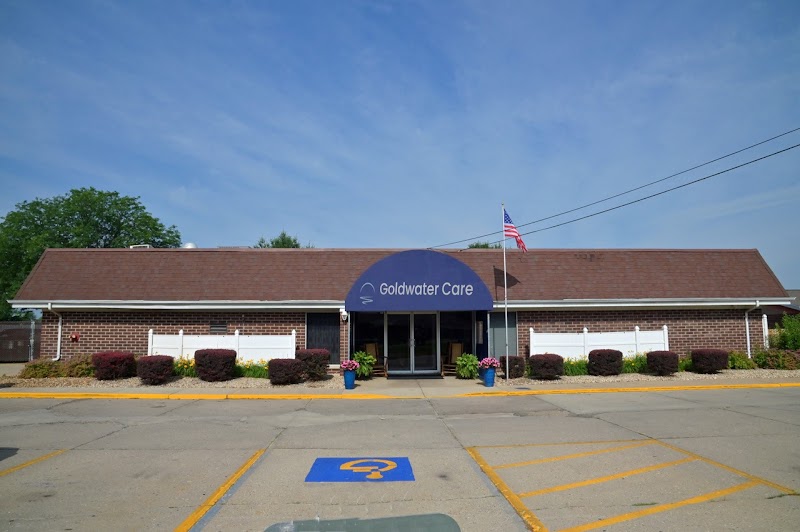
How is Goldwater Care Spring Valley Staffed?

CMS rates GOLDWATER CARE SPRING VALLEY's staffing level at 2 out of 5 stars, which is below average compared to other nursing homes. Staff turnover is 49%, compared to the Illinois average of 46%.

What Have Inspectors Found at Goldwater Care Spring Valley?

State health inspectors documented 40 deficiencies at GOLDWATER CARE SPRING VALLEY during 2022 to 2025. These included: 3 Immediate Jeopardy (the most serious level, indicating potential for serious harm or death) and 37 with potential for harm. Immediate Jeopardy findings are rare and represent the most serious regulatory concerns. They require immediate corrective action.

Who Owns and Operates Goldwater Care Spring Valley?

GOLDWATER CARE SPRING VALLEY is owned by a for-profit company. For-profit facilities operate as businesses with obligations to shareholders or private owners. The facility is operated by GOLDWATER CARE, a chain that manages multiple nursing homes. With 98 certified beds and approximately 66 residents (about 67% occupancy), it is a smaller facility located in SPRING VALLEY, Illinois.
How Does Goldwater Care Spring Valley Compare to Other Illinois Nursing Homes?

Compared to the 100 nursing homes in Illinois, GOLDWATER CARE SPRING VALLEY's overall rating (2 stars) is below the state average of 2.5, staff turnover (49%) is near the state average of 46%, and health inspection rating (2 stars) is below the national benchmark.

What Should Families Ask When Visiting Goldwater Care Spring Valley?

Based on this facility's data, families visiting should ask: "What changes have been made since the serious inspection findings, and how are you preventing similar issues?" "Can you walk me through typical staffing levels on day, evening, and night shifts?" "Can I visit during a mealtime to observe dining assistance and food quality?" "How do you handle medical emergencies, and what is your hospital transfer rate?" These questions are particularly relevant given the facility's Immediate Jeopardy citations and the below-average staffing rating.

Is Goldwater Care Spring Valley Safe?

Based on CMS inspection data, GOLDWATER CARE SPRING VALLEY has documented safety concerns. Inspectors have issued 3 Immediate Jeopardy citations (the most serious violation level indicating risk of serious injury or death). The facility has a 2-star overall rating and ranks #100 of 100 nursing homes in Illinois. Families considering this facility should ask detailed questions about what corrective actions have been taken since these incidents.

Do Nurses at Goldwater Care Spring Valley Stick Around?

GOLDWATER CARE SPRING VALLEY has a staff turnover rate of 49%, which is about average for Illinois nursing homes (state average: 46%). Moderate turnover is common in nursing homes, but families should still ask about staff tenure and how the facility maintains care continuity when employees leave.

Was Goldwater Care Spring Valley Ever Fined?

GOLDWATER CARE SPRING VALLEY has been fined $103,529 across 5 penalty actions. This is 3.0x the Illinois average of $34,114. Fines at this level are uncommon and typically indicate a pattern of serious deficiencies, repeated violations, or failure to correct problems promptly. CMS reserves penalties of this magnitude for facilities that pose significant, documented risk to resident health or safety. Families should request specific documentation of what issues led to these fines and what systemic changes have been implemented.

Is Goldwater Care Spring Valley on Any Federal Watch List?

GOLDWATER CARE SPRING VALLEY is not on any federal watch list. The most significant is the Special Focus Facility (SFF) program, which identifies the bottom 1% of nursing homes nationally based on persistent, serious quality problems. Not being on this list means the facility has avoided the pattern of deficiencies that triggers enhanced federal oversight. This is a positive indicator, though families should still review the facility's inspection history directly.