CONCORDIA VILLAGE CARE CENTER
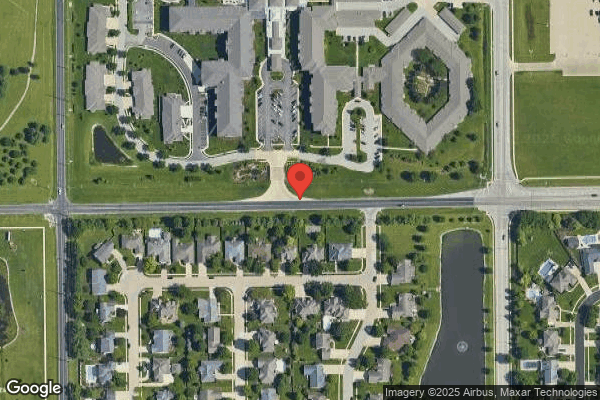

4101 WEST ILES AVENUE, SPRINGFIELD, IL 62711 (217) 793-9429
Non profit - Church related 62 Beds Independent Data: November 2025
Trust Grade
78/100
#26 of 665 in IL
Last Inspection: August 2024

Within standard 12-15 month inspection cycle. Federal law requires annual inspections.

Overview

Concordia Village Care Center has a Trust Grade of B, indicating it is a good choice, though not without its flaws. It ranks #26 out of 665 nursing homes in Illinois, placing it in the top half of facilities statewide, and is the top option out of eight in Sangamon County. The facility's performance is stable, with the same number of issues reported in both 2023 and 2024. Staffing is a strength, rated 5 out of 5 stars, but with a turnover rate of 51%, which is average for the state. However, they have faced some concerning incidents, such as delays in assessing and treating a resident's humeral fracture and failures in administering medications as prescribed, which led to negative behavioral effects. Overall, while the nursing home has strong staffing and a good trust grade, families should be aware of the recent deficiencies and incidents that could impact resident care.

Trust Score
B
78/100
In Illinois
#26/665
Top 3%
Safety Record
Moderate
Needs review
Inspections
Holding Steady
4 → 4 violations
Staff Stability
⚠ Watch
51% turnover. Above average. Higher turnover means staff may not know residents' routines.
Penalties
⚠ Watch
$8,678 in fines. Higher than 91% of Illinois facilities. Major compliance failures.
Skilled Nurses
✓ Good
Each resident gets 69 minutes of Registered Nurse (RN) attention daily — more than 97% of Illinois nursing homes. RNs are the most trained staff who catch health problems before they become serious.
Violations
○ Average
10 deficiencies on record. Average for a facility this size. Mostly minor or procedural issues.
★★★★★
5.0
Overall Rating
★★★★★
5.0
Staff Levels
★★☆☆☆
2.0
Care Quality
★★★★☆
4.0
Inspection Score
Stable
2023: 4 issues
2024: 4 issues

The Good

  • 5-Star Staffing Rating · Excellent nurse staffing levels
  • Full Sprinkler Coverage · Fire safety systems throughout facility
  • No fines on record

Facility shows strength in staffing levels, fire safety.

The Bad

Staff Turnover: 51%

Near Illinois avg (46%)

Higher turnover may affect care consistency

Federal Fines: $8,678

Below median ($33,413)

Minor penalties assessed

The Ugly 10 deficiencies on record

2 actual harm
Aug 2024 3 deficiencies
CONCERN (D)

Potential for Harm - no one hurt, but risky conditions existed

Deficiency F0761 (Tag F0761)

Could have caused harm · This affected 1 resident

Based on interview, observation, and record review, the facility failed to dispose of medications for 2 of 51 residents (R42, R115) reviewed for medication storage in the sample of 29. Findings includ...

Read full inspector narrative →
Based on interview, observation, and record review, the facility failed to dispose of medications for 2 of 51 residents (R42, R115) reviewed for medication storage in the sample of 29. Findings include: 1. On 8/20/24 at 8:55 AM, reviewed medication storage room with V7, Licensed Practical Nurse (LPN). In the medication refrigerator there were 3 Lantus Pens and a vial of 100 units for R155. V7 stated R155 has not been in the facility for awhile. V7 stated, Old medications are destroyed. Our pharmacy never accepts medications for refund. R155's Face Sheet, print date of 8/22/24, documents R155 was discharged on 5/7/24. On 8/20/24 at 9:08 AM, the (hall name) medication storage room was observed. R42 had 5 prescription cards stored; Potassium Chloride 20 meq (milliequivalent) ER (extended release) dispense date of 4/18/24, Ocuvite tablets dispense date of 4/15/24, Rosuvastatin 40 mg (milligrams) dispense date of 4/24/24, Acetaminophen 325 mg (milligrams), dispense date 2/22/24, and Losartan 25 mg dispense date of 4/26/24. R42's Census Record, undated, documents R42 was moved from (hall name) on 6/6/24. On 8/20/24 at 12:35 PM, V2, Director of Nursing, stated, Old medications should be destroyed. (R42's) prescription cards must have come from home because we don't have prescription cards . They should have been used first or sent home with her family. (R42) doesn't even live on (hall name) anymore she is on (hall name). The policy Discarding and Destroying Medication, dated 8/17/22, documents, Medication will be disposed of in accordance with federal, stated, and local regulations governing management of expired medications, non-hazardous pharmaceuticals, hazardous waste and controlled substances. Discontinued medications should be either destroyed or returned.
CONCERN (D)

Potential for Harm - no one hurt, but risky conditions existed

Infection Control (Tag F0880)

Could have caused harm · This affected 1 resident

Based on interview, observation, and record review, the facility failed to perform hand hygiene, post a needed isolation sign, and use Personal Protective Equipment (PPE) for 2 of 24 residents (R40, R...

Read full inspector narrative →
Based on interview, observation, and record review, the facility failed to perform hand hygiene, post a needed isolation sign, and use Personal Protective Equipment (PPE) for 2 of 24 residents (R40, R255) reviewed for infection control in sample of 29. Findings include: 1. On 8/20/24 at 8:37 AM, V7, Licensed Practical Nurse, LPN, gave R40 his pill medication to take. R40 took all the medications. V7 donned gloves with no hand hygiene before, and then administered eye drops in R40's eyes. On 8/22/24 at 11:15 PM, V2, Director of Nursing, DON, stated hand hygiene should be done before donning gloves. The policy Hand Hygiene, dated 1/30/24, documents, 1. Perform hand hygiene before applying non - sterile gloves. 2. On 8/20/24 at 1:00 PM, V2 stated, (R255) just turned positive with COVID. On 8/21/24 at 8:45 AM, R255's door does not have an isolation and needed PPE sign on the door. On 8/21/24 at 8:50 AM, V2 stated ]R255 should have a signage indicating what personal protective equipment is need. R255's Clinical Note, dated 8/20/24, documents, Resident was tested for COVID via POC (Point of Care) test. COVID test was positive. The policy Covid - 19 Infection Prevention Control Measures, dated 4/1/24, documents, d. Post visual alerts at the entrance and in strategic places. These alerts should include instructions about current IPC (Infection Prevention Control) recommendations.
CONCERN (F)

Potential for Harm - no one hurt, but risky conditions existed

Food Safety (Tag F0812)

Could have caused harm · This affected most or all residents

Based on interview, observation, and record review, the facility failed to label and date food products, restrain hair, and ensure resident use refrigerators are only used for residents to prevent foo...

Read full inspector narrative →
Based on interview, observation, and record review, the facility failed to label and date food products, restrain hair, and ensure resident use refrigerators are only used for residents to prevent foodborne illness. This failure has the potential to affect all 51 residents residing at the facility. Findings include: On 8/19/24 at 10:30 AM, the main kitchen was observed. The walk in refrigerator had a container of meat (which appeared to be tuna). The container was not labeled or dated. The main kitchen freezer had a metal sheet pan lying on the floor. There was a frozen bag with red pasta sauce on the sheet pan. At 10:40 AM, the Summer hall kitchen refrigerators were observed. The was an employee lunch box, 3 premade salads, a storage container of cottage cheese, a storage container of what appears to be tartar sauce. None were labeled or dated with made on and expires on dates. There were 9 fruit cups and 9 applesauce cups that were not covered, labeled or dated. The freezer section had frozen meat that was not labeled or dated, an open storage bag of frozen waffles, and breakfast sausage that was undated. In the cabinet, there were 2 squeeze bottles- one has liquid butter and one has syrup, neither was labeled or dated. There was a box of cream of wheat that was open and not sealed. At 10:55 AM, the Reach hall kitchen refrigerators were observed. There was a block of cheese that is not labeled or dated. The freezer had a bag of unknown meat that was undated and not labeled that had freezer burn, and an employee's frozen meal. In the cabinet, there were 2 squeeze bottles- one has liquid butter and one has syrup, neither were labeled or dated. There was a box of cream of wheat that was open and not sealed. At 10:55 AM, V5, Cook, stated employees should not keep food in the refrigerator, all food should be labeled and dated, and all foods should be sealed properly. V5 stated, Unfortunately, I can not be here around the clock and things get missed. At 11:05 AM, the Spring hall kitchen refrigerators were observed. There was a a tray of cheese and pepperoni roll ups and a jar of minced garlic jar. V6, Cook, was questioned if the items were for residents or employees. V6 stated both of those are employees. There was a storage container of cottage cheese and fruit salad both are undated and are not labeled. There was 2 bags of frozen cookies that were open and not sealed properly. In the cabinet, there were 2 squeeze bottles one has liquid butter and one has syrup, neither were labeled or dated. There was a box of cream of wheat that was open and not sealed. On 8/21/24 at 11:25 AM, the noon meal was observed on the steam table, being plated, covered and placed in hot boxes to be taken to the halls. V18, Cook, was serving from the steam table and handing the plates to V17, Cook, who was covering the plates and putting the plates into the hot box. Neither V17 or V18 were wearing a beard net. On 8/19/24 at 10:30 AM, V4, Dietary Manager, stated, All food products should be labeled with the name, date prepared, and expiration date. On 8/21/24 at 11:30 AM, V4 stated he would order some beard nets. On 8/22/24 at 9:37 AM, V4 stated employees should not use refrigerators for residents for their personal food. The policy Food Storage, dated 10/1/20, documents, 6. Items that arrive in their original packaging with a manufacturer's expiration date will utilize that date for discard. a. Should an item be opened and stored in a different container, it will be labeled with an open date and a discard date. The policy Preventing Foodborne Illness - Hygiene & Sanitary Practices, dated 9/ 2013, documents, 11. Hair nets or caps and / or beard restraints must be worn to keep hair from contacting exposed food, clean equipment, utensils and linens. The Long Term Care Facility Application for Medicare and Medicaid, dated 8/19/24, documents that the facility has 51 residents residing in the facility.
Jun 2024 1 deficiency 1 Harm
SERIOUS (G) 📢 Someone Reported This

A family member, employee, or ombudsman was alarmed enough to file a formal complaint

Actual Harm - a resident was hurt due to facility failures

Quality of Care (Tag F0684)

A resident was harmed · This affected 1 resident

**NOTE- TERMS IN BRACKETS HAVE BEEN EDITED TO PROTECT CONFIDENTIALITY** Based on interview and record review, the facility failed to provide timely assessment and treatment of humeral fracture in 1 of...

Read full inspector narrative →
**NOTE- TERMS IN BRACKETS HAVE BEEN EDITED TO PROTECT CONFIDENTIALITY** Based on interview and record review, the facility failed to provide timely assessment and treatment of humeral fracture in 1 of 3 residents (R2) reviewed for abuse in the sample of 3. This failure resulted in a delay of care for R2's humeral fracture from, at a minimum, 5:30 PM on 6/12/24 to 12:34 PM on 6/13/24. Findings include: R2's Face Sheet documents, R2 was admitted to the facility on [DATE], with diagnoses including dementia, depression, muscle weakness, osteoporosis, and history of falling. R2's, undated, Minimum Data Set/MDS documented R2 was severely cognitively impaired with inattention, disorganized thinking, and altered level of consciousness. The MDS documented R2 ambulated via wheelchair, required substantial assistance with rolling, and was dependent with transfer. R2's Care Plan, starting 3/29/24, documents R2 is at risk for falls, injury, and pain. On 6/25/24 at 1:43 PM, V7, Certified Nursing Assistant (CNA), stated, (R2) complained of right arm pain before getting up on the morning of 6/12/24 and was not using her right arm at lunch time, which she usually uses to feed herself. On 6/25/24 at 2:58 PM, V8, Registered Nurse, (RN) stated several people commented to her that R2 was not her usual perky self on 6/12/24. She stated V7, CNA, mentioned to her in the afternoon that R2 had complained of right arm pain earlier in the day, but when V8 checked in on R2, she was sleeping peacefully in her bed. On 6/25/24 at 3:15 PM, V9, CNA, stated he cared for R2 on the evening of 6/12/24, and noticed R2 was not using her right arm during dinner. He stated, (R2's) right arm was hanging in an unusual way, then I noticed bruising while getting her ready for bed. V9 stated he informed V20, Licensed Practical Nurse, (LPN), and she stated she would let the other nurses know. On 6/26/24 at 8:35 AM, V20, Licensed Practical Nurse, (LPN), stated she was walking out the door to leave work, around 5:30 PM on 6/12/24 when V9, CNA, came and asked her if she knew anything about a bruise on R2. She stated she was unaware of any bruising, but told V9 he should check with the other nurses and see if there was any documentation in the Shift Change Report Notes. On 6/26/24 at 9:06 AM, V15, LPN, stated she cared for R2 on 6/13/24, and V9, CNA, did not report any bruising to her. She stated if she had been informed, she would have evaluated R2's arm and notified management. On 6/25/24 at 11:25 AM, V4, CNA, stated she was getting R2 dressed on the morning of 6/13/24, and R2 acted like she was in pain. V4 then noticed the bruising all over R2's right upper arm, her right armpit, and her right eye. She stated she immediately told V5, LPN. X-Rays were ordered and R2's arm was found to be broken. On 6/25/24, at 10:12 AM, V5, LPN, stated on the morning of 6/13/24, V4, CNA, alerted her that R2 had bruising from her shoulder to her mid arm. V5 stated she immediately notified V3, Assistant Director of Nursing (ADON), who notified V19, Physician, and R2's Family. She stated V19 ordered an X-Ray that showed R2 had a broken arm. The Facility's Shift Change Report Notes for Day Shift on 6/12/24 document R2 was less talkative and complained of arm pain. The Facility's Shift Change Report Notes for Evening Shift on 6/12/24 document, Ok next to R2's name. R2's Clinical Note by V5, LPN, on 6/13/24 at 12:34 PM, documents, CNA was getting resident up and dressed when she noticed bruising to her right arm and right side of her head just above her eyebrow. Writer called management to let them know. Writer noticed she was grimacing, not moving arm, and complaining of pain. She would not let writer move her arm. Family and (V19, Physician) aware. (V19) ordered X-Rays of shoulder, elbow, and ribs. R2's X-Ray of right shoulder on 6/13/24 documents, Acute comminuted, (broken in at least two places) fracture proximal right humerus, (upper arm bone), with deformity and inferior, (lower), subluxation, (partial dislocation), of the proximal right humerus. R2's Clinical Note by V3, Assistant Director of Nursing (ADON), on 6/13/24 at 12:37 PM documents X-ay results were received and R2 was transported to the emergency room (ER) at 12:34 PM for further evaluation. R2's Clinical Note by V15, LPN, on 6/13/24 at 10:20 PM, documents R2 returned to the Facility at 8:30 PM with arm in a sling due to a comminuted fracture of the right humerus. On 6/25/24 at 2:20 PM, V1, Administrator, stated the Facility completed an investigation and determined the injury likely happened between 6/10/24 and 6/12/24. On 6/26/24 at 11:23 AM, V19, Physician, stated she ordered R2's X-rays on 6/13/24 as soon as she was notified of the bruising and pain. She stated she would expect the Facility to contact her as soon as the bruising and pain were discovered, and if they were present the day before they contacted her, that would be a delay. She stated the treatment would not have changed, but pain is always something they consider, and if they had told her the day before about R2's bruising and pain, she would have automatically ordered the X-Ray, especially since R2 has dementia and is unable to communicate her needs. On 6/26/24 at 12:03 PM, V1, Administrator, stated she would have expected the facility to contact the Physician immediately about R2's bruising and pain. The Facility's Change in Resident Condition Policy reviewed 1/29/24 documents, The community will promptly notify the resident's physician and representative of changes in the resident's medical/mental condition. The Nurse will notify the resident's Physician or on-call Physician and representative when there has been: A discovery of injuries of an unknown source. A significant change in the resident's physical/emotional/mental condition. Except in Medical Emergencies, notification will be made no later than 12 hours of a change occurring in the resident's medical/mental condition.
Sept 2023 4 deficiencies 1 Harm
SERIOUS (G)

Actual Harm - a resident was hurt due to facility failures

Deficiency F0760 (Tag F0760)

A resident was harmed · This affected 1 resident

Based on interview and record review, the facility failed to ensure medications were given as prescribed, as well as at the time frame as ordered, for 2 of 5 residents, (R32, R104) reviewed for medica...

Read full inspector narrative →
Based on interview and record review, the facility failed to ensure medications were given as prescribed, as well as at the time frame as ordered, for 2 of 5 residents, (R32, R104) reviewed for medications, in the sample of 28. This failure caused R32's medication to be omitted for 5 doses/nights, causing R32 to experience wandering behaviors requiring intervention. Findings include: 1. R32's Face Sheet, dated 9/20/2023, documents R32 has Alzheimer's Disease, Dementia with Behavioral Disturbances, Insomnia, and Hallucinations. R32's Administration Record documents, Trazodone 100 mg, (Milligrams), tablet one time daily starting 12/23/2022. Indication: Insomnia. R32's Care Plan, dated 9/20/2023, documents, (R32) has a diagnosis of Insomnia- Alteration in sleep pattern related to insomnia. Medications should be given per the Medical Doctor's order. The Facility's Adverse Event Documentation, dated 3/27/2023, documents, Brief Description of Medication Event (describe medications involved and any immediate actions taken). On 3/26/2023 it was noted that Trazodone 100 mg was not in the medication strip. Call placed to Pharmacy who states the medication was not discontinued on 3/16/2023. Our records indicate that medication as not discontinued but was updated to add Physical monitors to the order. Pharmacy states, they did not receive the updated order. Pharmacy confirms that Trazodone was delivered on 3/15/2023 with enough meds to receive doses through 3/21/2023. Resident did not receive Trazodone as ordered from 3/21/2023-3/25/2023. Trazodone 50 mg 2 tabs were pulled from the state safe for 2100 (9 PM) dose on 3/26/2023. No adverse effects noted. R32's Administration History documents R32 had no behaviors requiring intervention 3/16/2023, 3/17/2023, 3/10/2023, 3/20/23. Its further documents on 3/21/2023, R32 exhibited wandering behaviors on 3/21/2023, 3/22/2023, and 3/24/2023 requiring redirection, and one to one staff with resident. On 9/19/2023 at 11:56 AM, V24, Certified Nursing Assistant, (CNA), stated she has worked at the Facility for approximately one year. V24 stated R32 does not currently have any behaviors, but he did previously. V24 stated, He (R32) wouldn't sleep. He was an 'all nighter' (implying R32 stayed up all night). On 9/20/2023 at 1:02 PM, V17, Assistant Director of Nursing, (ADON), stated, We added Physical monitors for adverse reactions or behaviors (to the Administration History). I faintly remember the Trazodone situation. The nurses should have noticed it wasn't there if they were following the MAR (Medication Administration Record). I do not know how they did not catch it for that many days. That's the problem. It (Trazodone) wasn't being given. On 9/20/2023 at 1:17 PM, V17 stated R32 could have experienced some adverse effects from missing the Trazodone doses. On 9/20/2023 at 1:59 PM V2, Director of Nursing, (DON), stated, The nurses obviously didn't check to make sure it was packaged in the (medication) strips. I would expect them to check every single time for medication accuracy. If a med (medication) was missing, I would expect them to notify Pharmacy and get it out of the stat safe (an emergency medication supply). V2 continued to state the Facility had implemented a new behavior tracking system and the medication order had to be discontinued and re-entered. V2 stated, The Pharmacy reports they did not get the new order entered, just to discontinue it. V2 stated, He (R32) did exhibit increased symptoms (restlessness) during that time frame (3/21/2023-3/25/2023). 2. R104's Face Sheet, dated 09/20/2023, documented diagnoses of blindness one eye unspecified eye and unspecified glaucoma. R104's Physician order sheet, dated 09/2023, documents orders for Latanoprost 0.005% eye drops 1 drop both eyes. Indication was for glaucoma. Every evening starting 9/11/23 at 5:00 PM. R104's Minimum Data Set, (MDS), undated, documented R104's cognition was moderately impaired. On 09/19/2023 at 08:37 AM, V5, Registered Nurse, (RN), was at the medication cart; took out R104's Latanoprost eye drops. V5 administered R104's latanoprost eye drops, 1 drop in each eye. On 09/20/2023 at 10:43 AM, R104 stated he was ok with the nurse (V5, RN) giving him his eye drops at the breakfast table. He continued to state usually they do his eye drops in his room. On 09/20/2023 at 11:25 AM V14, RN stated she would give the right medication at the right time as ordered. On 09/20/2023 at 2:00 PM, V7, LPN stated she would give the right medication at the right time. On 09/20/2023 2:15 PM, V21, LPN stated would give the right medication at the right time and as the Doctor ordered it. The Facility's Administering Medication Policy, dated 9/22/2023, documents, Medication shall be administered in a safe and timely manner as prescribed.
CONCERN (E)

Potential for Harm - no one hurt, but risky conditions existed

Incontinence Care (Tag F0690)

Could have caused harm · This affected multiple residents

**NOTE- TERMS IN BRACKETS HAVE BEEN EDITED TO PROTECT CONFIDENTIALITY** Based on observation, interview, and record review, the facility failed to provide complete incontinence care for 4 of 4 (R6, R1...

Read full inspector narrative →
**NOTE- TERMS IN BRACKETS HAVE BEEN EDITED TO PROTECT CONFIDENTIALITY** Based on observation, interview, and record review, the facility failed to provide complete incontinence care for 4 of 4 (R6, R19, R36, R41) residents reviewed for incontinent care in a sample of 13. Findings include: 1. R6's Care Plan, last evaluation date 9/19/23, documents R6 is always incontinent of urine and frequently incontinent of bowel. It also documents, check for incontinence; clean and dry skin if wet or soiled. R6's Minimum Data Set/MDS, dated [DATE], documents R6 is severely cognitively impaired, always incontinent of bowel and bladder, and is totally dependent on 2 staff for toileting. On 9/19/2023 at 1:40 PM, V11, V13, and V16, all CNAs (Certified Nursing Assistants), assisted R6 with incontinent care. V11, V13, and V16 transferred R6 into the bed using the full body lift. V11, V13, and V16 rolled R6 onto his left side and removed his pants, then assisted to R6 to R6's back. V16 opened R6's incontinent brief. V11, V13, and V16 turned R6 onto his right side, and V16 removed R6's incontinent brief which was soiled with stool. V13, using a wet wipe, cleansed R6's anal area x3. V16 then applied the clean incontinent brief behind R6. V11, V13, and V16 turned R6 onto his right side, and V11 pulled the clean brief onto R6's buttocks. V11, V13, and V16 rolled R6 onto his back. Using a wet wipe, V16 wiped R6 penis. V11, using a wipe, cleaned R6's right and left groin and penis. V16 closed R6's incontinent brief. V11, V13, and V16 stated they were finished with incontinent and peri care at that time. V13 did not cleanse R6 buttocks, and V11 and V16 did not cleanse R6's scrotum or shaft of R6's penis. 2. R19's Care Plan, last evaluation date 8/22/23, documents R19 has ADL (activity of daily living) selfcare deficit related to decreased mobility and muscle weakness. (R19) requires extensive assist with most ADLs. It also documents R19 is always incontinent. It continues, check for incontinence; change if wet/soiled. Clean skin with mild soap and water. Apply moisture barrier as appropriate. R19's MDS, dated [DATE], documents R19 is always incontinent of urine and requires extensive assist of 1 staff member for toileting. On 09/18/23 at 1:30 PM, V11, CNA, assisted R19 with toileting. R19 was incontinent of urine. V11 assisted R19 to the toilet using the standup lift. V11 removed R19's incontinent brief and heavily soiled incontinent insert. V11 sat R19 onto the toilet; R19 voided. V11 stood R19 up and cleansed R19 anal area, using a wipe. V11, standing behind R19, went between R19 legs from behind and wiped the vaginal area twice. V11 applied a new brief and assisted R19 back into her wheelchair. V11 did not cleanse R19's buttocks, groin area, inner thighs, or inner labia. 3. R31's Care Plan, last evaluation date 6/28/2023, documents R31 is frequently incontinent of bowel and bladder. It also documents, check for incontinence, change if wet/soiled. Clean with mild soap and water. Apply moisture barrier. R31's MDS, dated [DATE], documents R31 is frequently incontinent of urine and occasionally incontinent of bowel, and requires extensive assist of 1 person for toileting. On 9/20/23 at 1:24 PM, V11 and V13 assisted R31 with toileting. R31 was incontinent of urine. V11 and V13 assisted R31 into the bed using a mechanical lift. V11 and V13 removed R31's pants, revealing a heavily soiled brief and soiled pants. V11 and V13 rolled R31 onto her right side. V11, using a wet wipe, cleansed R31's left buttock, rolled the soiled brief under R31, and placed a clean brief behind R31. V11 and V13 rolled R31 onto her back and cleansed R36 right and left groin and outer labia. V11 and V13 rolled R31 onto her left side, removed soiled brief, and pulled a clean brief under R31. V11 and V13 rolled R31 onto her back and closed the brief. V11 and V13 failed to clean R31's entire left buttock or right buttock, inner labia, vaginal area, and inner thighs. On 9/20/2023 at 3:15 PM V2, Director of Nursing, stated the Perineal Care policy is the same as the incontinent care policy. On 9/20/2023 at 3:17 PM, V22, Registered Nurse, stated she expects the CNAs to clean all areas of incontinence when providing incontinent care. V22 stated, For a female, this includes the inner labia, vaginal area, both buttocks, and inner thigh. For a male, the penis, shaft, scrotum, beneath the scrotum, both buttocks, and inner thighs. If a resident is incontinent and then placed on the toilet, I expect the staff to perform incontinent care even if the resident then voids on the toilet. V22 stated she would expect the staff to wash their hand before putting on gloves, and when changing gloves to use hand sanitizer. On 9/20/23 at 3:19 PM V23, CNA, stated, When cleaning an incontinent resident, you clean all the areas that would come in contact with the urine. This would include the vaginal area, inner labia, groin, scrotum, both buttocks and inner thigh. If a resident is incontinent, they receive incontinent care regardless. V23 stated when putting on gloves, hand hygiene is performed first. V23 stated this could be soap and water or hand gel. 4. R36's Care Plan, last evaluation date 9/14/2023, documents R36 is frequently incontinent of bowel and bladder. It also documents, Check for incontinence, change if wet/soiled. Clean with mild soap and water. Apply moisture barrier. R36's Minimum Data Set, (MDS), dated [DATE], documents R36 is severely cognitively impaired, always incontinent of urine, frequently incontinent of bowel, and requires extensive assist of 1 staff for toileting. On 09/18/23 at 1:51 PM, V11 and V12, Certified Nursing Assistants, (CNAs), assisted R36 with toileting. R36 was incontinent of urine. V11 and V15 (Licensed Practical Nurse/LPN) used the standup lift to transfer R36 to the toilet. V12 removed R36's urine soiled brief. V11 and V12 stood R36, and V11, using a wipe, cleansed R36 anal area, with stool on wipe. V11 and V12 sat R36 on toilet. At 1:55 PM, V11 and V12 stood R36. V11, using a wipe, cleansed R36 anal area. V11 cleansed R36's right groin area from the back. V11 cleansed R36's penis. V11 did not cleanse R36's left groin, scrotum, or R36's right and left buttock. The facility's Perineal policy, dated 8/30/22, documents, The purpose of this procedure are to provide cleanliness and comfort to the resident, to prevent infections and skin irritation, and to observe the resident's skin condition. 4. For female b. wash perineal area wiping front to back. i. Separate and wash area downward from front to back. iii. Continue to wash the perineum moving from inside outward to and including thighs, alternating from side to side, and using downward strokes. C. Wash the rectal area thoroughly, using a washcloth or perineal wipe, wiping from the base of the labia towards and extending over the buttocks. 5. For male b. Wash the perineal area starting with urethra and working outward. Iii. Continue to wash the perineal area including the penis, scrotum, and inner thighs. e. Wash and rinse, or use perineal wipe, the rectal area thoroughly, including the area under the scrotum, the anus, and the buttocks.
CONCERN (E)

Potential for Harm - no one hurt, but risky conditions existed

Infection Control (Tag F0880)

Could have caused harm · This affected multiple residents

**NOTE- TERMS IN BRACKETS HAVE BEEN EDITED TO PROTECT CONFIDENTIALITY** 4. R31's MDS, dated [DATE], documents R31 is severely cognitively impaired, frequently incontinent of urine, and occasionally in...

Read full inspector narrative →
**NOTE- TERMS IN BRACKETS HAVE BEEN EDITED TO PROTECT CONFIDENTIALITY** 4. R31's MDS, dated [DATE], documents R31 is severely cognitively impaired, frequently incontinent of urine, and occasionally incontinent of bowel, and requires extensive assist of 1 person for toileting. On 9/20/23 at 1:24 PM, V11 and V13 assisted R31 with toileting. R31 was incontinent of urine. V11 and V13 assisted R31 into the bed using a mechanical lift. V11 applied gloves; no hand hygiene performed. V11 and V13 removed R31's pants revealing heavily soiled brief and soiled pants. V11 removed her gloves and applied new ones; no hand hygiene performed. V11 and V13 rolled R31 onto her right side. V11, using a wet wipe, cleansed R31's left buttock, rolled the soiled brief under R31, and placed a clean brief behind R31. V11 removed her gloves and applied new ones; no hand hygiene performed. V11 and V13 rolled R31 onto her back and cleansed R36 right and left groin and outer labia. V11 and V13 rolled R31 onto her left side. V13 removed the soiled brief and pulled the clean brief under R31. V11 removed her gloves. V11 and V13 rolled R31 onto her back and closed the brief. V13, using the same soiled gloves, pulled R31's linen over R31, and moved the bed against the wall. V13 removed her gloves and left the room. V11 gathered soiled linens and placed them in the soiled utility room. V11 and V13 did not perform hand hygiene up completion of incontinent care. On 9/20/2023 at 3:15 PM, V2, Director of Nursing, stated the Perineal Care policy is the same as the incontinent care policy. On 9/20/2023 at 3:17 PM, V22, Registered Nurse, V22 stated she would expect the staff to wash their hands before putting on the gloves, and when changing gloves to use hand sanitizer. On 9/20/23 at 3:19 PM, V23, CNA, stated V23 stated when putting on the gloves hand hygiene is performed first. V23 stated this could be soap and water or hand gel. The facility's Perineal policy, dated 8/30/22, documents, the purpose of this procedure are to provide cleanliness and comfort to the resident, to prevent infections and skin irritation, and to observe the resident's skin condition. 1. Perform hand hygiene. 3. Put on gloves. 6. Remove gloves. 7. Perform hand hygiene. The facility's Hand Hygiene policy, dated 9/23/22, documents, This organization considers hand hygiene the primary means to prevent the spread of infections. 7. Use and alcohol-based hand rub containing at least 60% alcohol; or, alternatively, soap and water for the following situations: b. Before and after direct contact with residents; h. Before moving from a contaminated body site to a clean body site during resident care; m. After removing gloves; 9. The use of gloves does not replace hand washing/hand hygiene. Integration of glove use along with routine hand hygiene is recognized as the best practice for preventing health care associated infections. Based on observation, interview, and record review, the facility failed to perform appropriate hand hygiene and donning gloves during medication administration and incontinent care and, and failed to perform appropriate cleaning of soiled surfaces for 4 of 6 (R31, R101, R102 R104) residents reviewed infection prevention, in a sample of 28. Findings include: 1.R104's Face Sheet, dated 09/20/2023, documented diagnoses of blindness one eye unspecified eye and unspecified glaucoma. R104's Minimum Data Set, (MDS), undated, documented his cognition was moderately impaired. R104's Physician Order sheet, dated 09/2023, documents orders for Latanoprost 0.005% eye drops 1 drop both eyes. indication glaucoma. every evening starting 9/11/23 at 5:00 PM. Dorzolamide 22.3 milligrams (mg)-timolol 6.8 mg/milliliters (ml) eye (1 drop) both eyes indication glaucoma two times daily. On 09/19/2023 at 08:37 AM, V5, Registered Nurse, (RN), statedshe spilled Metamucil granules on top of the medication cart. V5 retrieved a dry paper towel and wiped off the cart, leaving granules in the crevasses of the medication cart. V5, RN, took out R104's medication packages and opened them up onto the top of the medication cart where the Metamucil granules were. Then, without benefit of hand hygiene, V5 placed medications, with her bare hands, into a medication cup. V5, without benefit of hand hygiene or donning gloves, administered R104's latanoprost eye drops, administered R104's pills, and administered R104's Dorzolamide 22.3 milligrams (mg)-timolol 6.8 mg/milliliters (ml) 1 drop in each eye. 2. R102's Face sheet, dated 9/20/2023, documented diagnoses of displaced spiral fracture of the left femur. R102's MDS, undated, documented her cognition was intact. R102's Physicians Order Sheet, dated 09/2023, documented an order for enoxaparin (Lovenox) 40mg/0.4ml syringe subcutaneous one time daily. Docusate 100 mg capsule two times daily, Donepezil 10 mg tablet one time daily, Magnesium Oxide 400mg tablet one time daily, Oyster Shell Calcium-Vitamin D3 500mg- 5 micrograms (mcg) two times daily, [NAME] Colon Health 3 billion cell capsule 1 capsule one time daily, Sertraline 50mg tablet one time daily, Vitamin D3 25 mcg capsule one time daily and Multiple Vitamin- Minerals tablet one time daily. There was not an order documented, for resident to self-administer medications. On 9/19/2023, V5, RN, returned to the medication cart, that was still unlocked, and without benefit of hand hygiene, she took R102's medications, Lovenox 40mg/0.4ml injectable, Docusate, Donepezil, Magnesium Ox, Oyster Shell, [NAME] Colon Health, Sertraline, Vitamin D and Theran M + out of the packages with the pills landing on top of the medication cart. With her bare hands, she then placed the medications into a medication cup. R102 was sitting at the dining room table. V5, RN, used alcohol-based hand rub (ABHR), went to R102's dining room table, and without donning gloves, she lifted up R102's shirt to expose her right mid abdomen, used an alcohol wipe and cleansed her right abdomen, and injected R102 with her Lovenox 40mg/0.4 ml to that area. 3. R101's Face sheet, dated 9/20/23, documented diagnoses of Sepsis and Chronic Obstructive Pulmonary Disease. R101 was admitted to the facility on [DATE]. R101's Physicians Order Sheet, dated 9/2023, documented, an order for Carboxymethylcellulose sodium 0.5% eye drops (Refresh Plus eye drops) 1 drop both eyes indication dry eyes as needed starting 09/12/2023. It did not document that this medication could be left at the resident's bedside. On 09/20/2023 at 9:00 AM, V5, RN, took out the medication packages for R101's Fluoxetine, Lasix, healthy eyes cap, spironolactone, EC ASA, Carvedilol, Docusate, K+, Eliquis, Enestrol, and without benefit of hand hygiene, took the above medication out of the packages and placed them on top of the medication cart. Then with her bare hands and without benefit of hand hygiene, V5 picked up the medications and placed them in the med cup. V5, RN, entered R101's room, and without benefit of hand hygiene or without donning gloves, administered the Refresh plus eye drops to R101, and gave him his medication. On 09/20/2023 at 11:25 AM, V14, RN, stated she would never open the pill package and put the medicines on top of the cart if the cart had something spilled on it. V14 stated she would wash her hands and put on gloves when she is giving an injection or eye drops to a resident. On 09/20/2023 at 2:00 PM, V7, Licensed Practical Nurse, (LPN), stated she would wash her hands and put gloves on when giving a resident an injection, and if she spilled something on the medication cart, she would clean it up with Sani wipes or soap and water. She stated she does not open the resident's medication packets and put the pills on top of the medication cart. She would open the pill package and put them in the med cup. On 09/20/2023 at 2:15 PM V21, LPN, stated she if she spilled something on top of her medication cart, she would clean it up with the sanitizing cloths or soap and water, and she does not put open pills on top of the cart; she puts them in a medicine cup. V21, LPN stated she would wash her hands and don gloves when giving injections and eye drops. On 09/20/2023 at 3:10 PM, V3, Assistant Administrator stated she would expect the staff to wash their hands and wear gloves when giving injections and eye drops. V3 stated she would expect the staff to clean off the top of the med cart with the appropriate cleaner. On 09/20/2023 at 3:15 PM, V2, Director of Nursing, stated she would expect the staff to wash their hands and wear gloves when giving injections and eye drops. V2 stated she would expect the staff to clean off the top of the med cart with the appropriate cleaner.
CONCERN (F)

Potential for Harm - no one hurt, but risky conditions existed

Deficiency F0761 (Tag F0761)

Could have caused harm · This affected most or all residents

**NOTE- TERMS IN BRACKETS HAVE BEEN EDITED TO PROTECT CONFIDENTIALITY** 4. On 9/19/2023 at 10:09 AM, the medication storage room was inspected. There was a refrigerator containing medications. V8, Lic...

Read full inspector narrative →
**NOTE- TERMS IN BRACKETS HAVE BEEN EDITED TO PROTECT CONFIDENTIALITY** 4. On 9/19/2023 at 10:09 AM, the medication storage room was inspected. There was a refrigerator containing medications. V8, Licensed Practical Nurse, (LPN), stated, The temperatures are only checked once a day and it's done on night shift. It is documented in this binder. The Facility's Refrigerator and Freezer Temp, (temperature)/Humidity Log, dated September 2023, was reviewed and contained several days without a temperature documented, including 9/4/2023, 9/8/2023, 9/9/2023, 9/13/2023, 9/17/2023, and 9/18/2023. V8 verified this information by stating, There are a couple night shift entries missing. On 9/19/2023 at 10:15 AM, V17, Assistant Director of Nursing, (ADON), stated, Refrigerator temperatures should be taken and recorded once a day. 5. On 9/19/2023 at 10:10 AM, the refrigerator in the Summer Breeze Household was inspected. At this time, a vial of Humalog with a small yellow paper taped to the vial that said, (105's name). There was no date opened sticker on the vial. The vial had been opened, and contained about half of the insulin remaining. At this time, V8 verified the vial had been opened and stated, (R105) isn't even on this hall. He is on (another household). On 9/20/2023 at 1:59 PM, V2, Director of Nursing, (DON), stated, Of course I would expect it (the insulin vial) to be dated (to indicate when it had been opened). On 9/21/2023 at 11:08 AM, V25, Pharmacist, stated Humalog should be discarded after 28 days of the vial being open. The Facility's Medication Storage in the Facility Policy, dated March 2021, documents, Policy: Medications and biologicals are stored safely, securely and properly, following manufacturer's recommendations or those of the supplier. The medication supply is accessible only to licensed nursing personnel, pharmacy personnel or staff members lawfully authorized to administer medications. It continues to document, B. Only licensed nurses, pharmacy personnel and those lawfully authorized to administer medications (such as medication aides) are permitted to access medications. Medication rooms, carts and medication supplies are locked when not in use or in direct view of persons with authorized access. If further documents, Temperature: E. The Facility should maintain a temperature log in the storage area to record temperatures at least once a day. It further documents, Expiration Dating (Beyond-use dating): D. When the original seal of a manufacturer's container or vial is initially broken, the container or vial will be dated. 1) The nurse shall place a date opened sticker on the medication (if dedicated area not on label/container) and enter the date opened and the new expiration. The expiration date of the vial or container will be 30 days unless the manufacturer recommends another date of regulations/guidelines require different dating. The Facility's Administering Medication Policy, dated 9/22/2023, documents, Medication shall be administered in a safe and timely manner as prescribed. It continues to document, The expiration date/beyond use date on the medication label must be checked prior to administering. When opening a multi-dose injectable (i.e insulin), the date opened shall be recorded on the container. It further documents, During administration of medications, the medication cart will be kept closed and locked when out of sight of the individual administering medications. The Resident Census and Conditions of Residents, CMS 672, dated 09/19/2023, documents the facility has 49 residents living in the facility. Based on observation, interview, and record review, the facility failed to secure medications appropriately, and failed to label and date open bottles of medications. The facility also failed to ensure medications requiring refrigeration were monitored and documented per the Facility policy. This has the potential to affect all 49 residents living in the facility. Findings include: 1. R104's Face Sheet, dated 09/20/2023, documented diagnoses of blindness one eye unspecified eye and unspecified glaucoma. R104's Minimum Data Set, (MDS), undated, documented R104's cognition was moderately impaired. R104's Physician order sheet, dated 09/2023, documents orders for Latanoprost 0.005% eye drops 1 drop both eyes. indication glaucoma. every evening starting 9/11/23 at 5:00 PM. Dorzolamide 22.3 milligrams, (mg)-timolol 6.8 mg/milliliters, (ml) eye (1 drop) both eyes indication glaucoma two times daily. On 09/19/2023 at 08:37 AM, the rehabilitation hall medication cart was in the hallway and was unlocked. V5, Registered Nurse (RN), was in the dining area. On top of the cart was a box of Enoxaparin 40mg/0.4ml box with 5 filled syringes in it, belonging to R47. At 8:43 AM, V5 walked away from the medication cart, leaving it unlocked, to take R104's Blood Pressure. R104 was out in the dining room. V5, RN, returned to the medication cart, took out R104's medication: Dorzolamide 22.3 milligrams, (mg), -timolol 6.8 mg/milliliters, (ml), eye (1 drop) both eyes. This bottle was open and was not dated. V5, RN, then left the medication cart, out in the hallway, and walked away from it without locking it to give R104 his medication. On 09/20/2023 at 10:43 AM, R104 stated usually they give him his eye drops in his room. 2. R102's Face sheet, dated 9/20/2023, documented diagnoses of displaced spiral fracture of the left femur. R102's MDS, undated, documented her cognition was intact. R102's Physicians order sheet, dated 09/2023, documented an order for enoxaparin 40mg/0.4ml syringe subcutaneous one time daily. Docusate 100 mg capsule two times daily, Donepezil 10 mg tablet one time daily, Magnesium Oxide 400mg tablet one time daily, Oyster Shell Calcium-Vitamin D3 500mg- 5 micrograms (mcg) two times daily, [NAME] Colon Health 3 billion cell capsule 1 capsule one time daily, Sertraline 50mg tablet one time daily, Vitamin D3 25 mcg capsule one time daily and Multiple Vitamin- Minerals tablet one time daily. There was not an order documented for resident to self-administer medications. On 9/19/2023, V5, RN, returned to the medication cart, that was still unlocked, and removed R102's medications. V5, RN, left the medication cart unlocked and walked away. R102 was sitting at the dining room table with R47 and V6, R47's husband. V5, RN, handed R102 her pill cup with her medications in it, and walked away not observing her taking them. On 09/20/2023 at 1000 AM, R102 stated they do leave her medication with her at the table because she takes it with food. 3. R101's Face sheet, dated 9/20/23, documented diagnoses of Sepsis and Chronic Obstructive Pulmonary Disease, (COPD). R101 was admitted to the facility on [DATE]. R101's Physicians Order sheet, dated 9/2023, documented an order for Carboxymethylcellulose sodium 0.5% eye drops (Refresh Plus eye drops) 1 drop both eyes indication dry eyes as needed starting 09/12/2023. It did not document this medication could be left at the resident's bedside. On 9/19/2023 at 9:00 AM, V5, RN, took out the medication packages for R101. V5 stated she needed to take R101's blood pressure, and she put the medicine packages back in the medication cart, did not lock the cart, and went into R101's room. On R101's overbed table, was Refresh plus eye drops box with 10 disposable vials of eye drops. There was not a Pharmacy label, nor was it dated. V5 returned to the unlocked medication cart, took R101's medication out of the packages and placed them on top of the medication cart, and placed them in a medication cup. V5 then walked away from the unlocked medication cart, and entered R101's room. V5, RN, administered the Refresh plus eye drops that were on the overbed table to R101, and gave him his medication. On 09/20/2023 at 10:13 AM, R101 stated he did not know who brought the eye drops in that were on his overbed table. On 09/20/2023 at 11:25 AM, V14, RN stated she would lock the medication cart when she is giving medications or when it is not in use. V14 also stated she does not have any residents with orders to leave their medications at the bedside, and when she gives medications, she stays with the resident until all their pills are taken. On 09/20/2023 at 2:00 PM, V7, License Practical Nurse, (LPN), stated she would keep the medication cart locked at all times if she was not getting meds out of it, or when she leaves it unattended to go give a resident their medication. She stated the medication cart stays out in the hallway when not in use, and no medicines are left on top of it. The only medications that can be left at a resident's bedside are the ones that have a doctor's order to do so. On 09/20/2023 at 2:15 PM, V21, LPN stated her medication cart is always locked when she is not using it, and when it is out in the hallway. She stated it is also locked when she is giving a resident their medication. V21, LPN, stated she would wash her hands and don gloves when giving injections and eye drops. She does not have any residents that have orders to keep medications at the bedside, and medications cannot be left with the resident to be taken without her there. On 09/20/2023 at 3:10 PM, V3, Assistant Administrator, statedshe would expect staff to lock the medication cart and not leave medications at the bedside without an order. On 09/20/2023 at 3:15 PM, V2, Director of Nursing, stated she would expect staff to lock the medication cart and not leave medications at the bedside without an order. V2 also stated she would expect the nurses to stay with the resident to make sure they take their medicine.
Oct 2022 2 deficiencies
CONCERN (E)

Potential for Harm - no one hurt, but risky conditions existed

Incontinence Care (Tag F0690)

Could have caused harm · This affected multiple residents

**NOTE- TERMS IN BRACKETS HAVE BEEN EDITED TO PROTECT CONFIDENTIALITY** Based on interview, observation, and record review, the Facility failed to provide timely and complete incontinent care for 5 of...

Read full inspector narrative →
**NOTE- TERMS IN BRACKETS HAVE BEEN EDITED TO PROTECT CONFIDENTIALITY** Based on interview, observation, and record review, the Facility failed to provide timely and complete incontinent care for 5 of 6 residents (R2, R5, R14, R36, R27) reviewed for incontinent care in the sample of 22. Findings include: 1. On 10/17/22 at 9:30 AM, R27 was lying in bed when V4, CNA, (Certified Nursing Assistant), and V5, CNA, entered with a sit-to-stand device, to get R27 up to his wheelchair. The top sheets were pulled off R27, showing his incontinent brief and his sheets saturated in urine. R27 assisted, to the toilet using a sit-to-stand. After toileting, R27 was again stood up, using the sit-to-stand and a brief perineal care was performed, by V5. Using the same gloves, she originally had on, V5 used a couple disposable wipes, then wiped R27 once to the front perineal area. R27's penis, testicles, and buttocks were not cleansed, no moisture barrier cream applied and R27 was not dried before applying the new incontinence brief. R27's Care Plan, 10/14/22, documents (R27) is occasionally incontinent of bowel. Interventions: apply moisture barrier to buttocks, assist to toilet for BM, (bowel movement), and check for incontinence. (R27) is always incontinent of urine. Interventions: check for incontinence; change if wet/soiled. Clean skin with mild soap and water, apply moisture barrier, check skin for redness, use pads/briefs to manage incontinence, use positioning devices as needed. R27's Minimum Data Set, (MDS), dated [DATE], documents that R27 has a severe cognitive impairment and requires extensive assistance, from two people for bed mobility, transfers and dressing, requires extensive assistance from one person for toilet use, personal hygiene and bathing. R27 is always incontinent of urine and occasionally incontinent of bowel. 2. On 10/18/22 at 9:30 AM, V14, CNA, performed perineal care on R14 after raising R14 off the toilet using a sit-to-stand. While R14 was standing, V14 reached from behind R14 and wiped once in-between her legs. There was no cleansing of the right or left groin area in front, no moisture barrier cream applied, and no drying of R14 prior to putting a clean incontinence brief on. R14's Care Plan, dated 8/12/22, documents (R14) is frequently incontinent of urine. Interventions: Check for incontinence; change if wet/soiled. Clean skin with mild soap and water. Apply moisture barrier, Dress in clothing that is easily removed for toileting, implement safety measures, (keep path to bathroom clear and well lit, select clothing that is easily removed for toileting, answer call bell quickly), Remind (R14) to empty bladder before meals, at bedtime, and before activities. (R14) is frequently incontinent of bowel. Interventions: Apply moisture barrier to buttocks, check for incontinence; clean and dry skin if wet or soiled, Document when [NAME] is incontinent, Report areas of redness, Use pads/briefs to manage incontinence. R14's MDS, dated [DATE], documents that R14 is cognitively intact and requires extensive assistance from one staff member for bed mobility, transfers, dressing, toilet use, personal hygiene and bathing. R14 is frequently incontinent of both bowel and bladder. 3. On 10/17/22 at 1:40 PM, V4, CNA, and V5, CNA, performed perineal care on R36. His pants were pulled down and his saturated incontinence brief was removed and then was turned to his right side. V4 used two disposable wipes and wiped once downwards to his left groin and then once to his right groin. V4 then wiped around R36's uncircumcised penis and the underside of his penis but did not pull the foreskin back and cleanse and did not clean his testicles. R36's left buttock/hip was wiped once and then he was rolled to his back and a new incontinence brief was applied. There was no cleansing of R36's anal area, no cleansing of his right buttock/hip, and no drying of R36 before applying new incontinence brief. R36's Care Plan, dated 10/7/22, documents (R36) is always incontinent of bowel movement (no episodes of continent bowel movement). Interventions: Apply moisture barrier to buttocks, check for incontinence; clean and dry skin if wet or soiled, Document when (R36) is incontinent, Report areas of redness, Use pads/briefs to manage incontinence. (R36) is always incontinent of urine. Interventions: Check for incontinence; change if wet/soiled, clean skin with mild soap and water, apply moisture barrier, check skin for areas of redness, report any changes to the nurse, use pads/briefs to manage incontinence, use positioning devices as needed. It continues (R36) requires extensive assistance. Interventions: Provide hygiene after voiding/BMs (bowel movement) to prevent skin breakdown, apply moisture barriers, select clothing that is easily removed, change incontinence pad/brief. R36's MDS, dated [DATE], documents that R36 has a severe cognitive impairment and is dependent on two staff members for transfers, locomotion, dressing, toilet use, personal hygiene and bathing. R36 is always incontinent of both bowel and bladder. 10/19/22 at 12:45 PM, V13, CNA, stated, When we get a resident up in the morning, we will do their perineal care at that time. On 10/19/22 at 1:15 PM, V2, DON, stated, I would expect the staff to provide complete and timely incontinent care for all residents and follow the Care Plan for appropriate incontinent care needed. 4. On 10/18/2022 at 8:18 AM, V5, CNA, provided incontinent care while R2 in sit to stand, in R2's bathroom. V5 cleansed hands with hand sanitizer, and donned gloves. With R2 standing with the sit to stand, V5 took a disposable wipe, and wiped one side of groin, folded the wipe then did other side of groin. V5 then used a new disposable wipe and swiped from the front to the back of R2's perineal area. V5 did not separate labia or dry after cleaning. V5 took same disposable wipe and rubbed over buttocks, did not dry R2, or place moisture barrier cream on. R2's MDS, dated [DATE], documents that R2 requires extensive assistance and two plus person physical assistance for toileting. R2's Care Plan, dated 10/13/2022, documents that R2 is frequently incontinent of urine. R2's Care Plan documents the following interventions: check for incontinence, change if wet/soiled, cleanse with mild soap and water. Apply moisture barrier as appropriate. The facility's Perineal Care Policy, dated, 8/30/2022 documents Purpose: The purposes of this procedure are to provide cleanliness and comfort to the resident, to prevent infections and skin irritation, and to observe the resident's skin condition. Steps in the Procedure: 1. Perform hand hygiene. 2. Fill the wash basin one-half full of warm water, if used. If not used, place perineal wipes within reach. 3. Put on gloves. 4. For a female resident: a. Wet washcloth and apply soap or skin cleansing agent or use a perineal wipe. b. Wash perineal area, wiping from front to back. i. Separate labia and wash area downward from front to back. ii. If the resident has an indwelling catheter, gently wash the juncture of the tubing from the urethra down the catheter about three inches. If using soap and water, gently rinse and dry the area. iii. Continue to wash the perineum moving from inside outward to and including thighs, alternating from side to side, and using downward strokes. Do not reuse the same area of the washcloth and/or perineal wipe to clean the urethra or labia. iv. If using soap and water, rinse perineum thoroughly in the same direction, using fresh water and a clean washcloth, then dry perineum. 5. On 10/18/22 at 08:33 AM, during incontinent care R5 was on his back in bed. R5's incontinent brief was wet as verified by V5, CNA and V10, CNA. V5, CNA, cleansed hands and donned gloves. V5 then used disposable wipes to cleanse left side of groin, then right side of groin. V5 CNA then lifted penis and cleansed scrotum. R5's scrotum was red in color. V5 did not retract and cleanse R5's penis. V5 did not dry R5's area she just cleaned with wipes. V5 and V10 then turned R5 on left side. V5 CNA then took a wipe and wiped from front to back. V5 did not cleanse inner thighs. Did not dry resident, did remove gloves sanitize hands donned gloves and then applied barrier cream. R5's care plan dated 4/1/2022 documents R5 is occasionally incontinent with intervention to check for incontinence, change if wet/soiled. Clean skin with mild soap and water, Apply moisture barrier as appropriate, R5's MDS dated [DATE], documents R5 is always incontinent of urine. R5's MDS documents that R5 requires extensive assistance and two plus physical assistance for toileting. The facility's Perineal Care Policy, dated, 8/30/2022 documents Purpose: The purposes of this procedure are to provide cleanliness and comfort to the resident, to prevent infections and skin irritation, and to observe the resident's skin condition. Steps in the Procedure: 1. Perform hand hygiene. 2. Fill the wash basin one-half full of warm water, if used. If not used, place perineal wipes within reach. 3. Put on gloves. 5. For a male resident: a. Wet washcloth and apply soap or skin cleansing agent or use a perineal wipe. b. Wash perineal area starting with urethra and working outward. If the resident has an indwelling catheter, gently wash the juncture of the tubing from the urethra down the catheter about 3 inches. Gently rinse and dry the area. i. Retract foreskin of the uncircumcised male. ii. Wash using washcloth/soap or perineal wipe. Then rinse, if using a washcloth and soap, urethral area using a circular motion. iii. Continue to wash the perineal are including the penis, scrotum and inner thighs. Do not reuse the same area of the washcloth/wipe to clean the urethra. c. Gently dry perineum following same sequence.
CONCERN (F)

Potential for Harm - no one hurt, but risky conditions existed

Deficiency F0761 (Tag F0761)

Could have caused harm · This affected most or all residents

Based on interview, observation, and record review, the facility failed to safely secure and store medications in a locked medication cart, failed to dispose of expired medications in the medication c...

Read full inspector narrative →
Based on interview, observation, and record review, the facility failed to safely secure and store medications in a locked medication cart, failed to dispose of expired medications in the medication cart, and failed to properly label medications with a resident name and the open date. These failures have the potential to affect all 44 residents in the facility. Findings include: 1. On 10/17/22 at 11:20 AM, the medication cart located on the 6200 hall, (Reach), was seen unlocked with no nurse in sight. No residents were seen around the cart. V7, RN, (Registered Nurse), was working this hall and caring for residents. 2. On 10/18/22 at 2:45 PM, the medication cart located on the 6300 hall, (Summer Breeze), was seen unlocked with two unattended residents, R38 and R10, sitting in their wheelchairs about six to ten feet away from the cart. 3. On 10/18/22 at 9:00 AM, The medication cart on the 6200-hall had four expired cards of medications for R14. These include Baclofen 10 mg, (Milligram), expired 8/10/22 with 14 LTC, (Left to Count), Levothyroxine 112 mcg, (Microgram), expired 8/1/22 with 4 LTC, Celecoxib 100 mg, expired 8/9/22 with 9 LTC, Gabapentin 400 mg expired 8/9/22 with 11 LTC. On 10/18/22 at 9:10 AM, V11, RN, (Registered Nurse), stated (R14) came in with these medications and we don't use them, we use the roll packs from our pharmacy. They should have been discarded. 4. The Medication, (Nurse's), room with a locked refrigerator and medications inside had a stock vial of Tuberculin opened with no open date, there was a vial of Humulin R Insulin 100units/ml, (Milliliter), opened, not labeled with a resident's name or the date opened. There was a vial of Humalog Insulin 100units/ml opened and not labeled with a resident's name or the date opened, along with, two Humalog Insulin pens 100units/ml opened and not labeled with a resident's name, or the date opened, and a Lantus Insulin pen 100units/ml opened and not labeled with a resident's name or date opened. On 10/18/22 at 9:20 AM, V11, RN, stated I know the insulins were (R193's), because he is the only one on Insulin. We have two residents who are Diabetic and only (R193) is on Insulin. Yes, they should have been labeled, but I can't control what other staff do. On 10/19/22 at 1:17 PM, V2, DON, (Director of Nursing), stated I would expect the nurses to keep the medication carts locked at all times, to dispose of or send back to pharmacy any expired medications, to label all open vials with the date it was opened, and to label all vials/medications with the resident's name. Then on 10/18/22 at 9:30 AM, V11 was then seen labeling each Insulin Pen with a yellow sticky note with R193's name written on it. The Facility's Labeling and Storage of Medications, dated 5/26/21, documents All medication maintained in the community will be properly labeled in accordance with current State and Federal regulations and stored in a safe, secure, and orderly manner. Labeling: 1. Medication labels must be legible at all times. 2. Labels for individual medication containers shall include all necessary information such as: a. The resident's name; b. The prescribing physician's name; c. The name, address, and telephone number of the issuing pharmacy; d. The name and strength and quantity of the medication; e. The prescription number (if applicable); f. The date the medication was dispensed; g. Appropriate accessory and cautionary statements; h. The expiration date, when applicable; and i. Directions for use. 3. Labels for each single unit dose package shall include all necessary information, such as: a. The name and strength of the medication; b. The lot and/or control number; c. Appropriate accessory and cautionary statements; d. The expiration date, when applicable; e. The name of the resident and physician (Note: The names of the resident and physician do not have to be on each unit package, but they must be identified with the package in such a manner as to ensure that the medication is administered to the right resident); f. The prescription number; g. The name, address, and telephone number of the pharmacy dispensing the medication; and h. Directions for use. It continues Storage: 3. Medication containers that have missing, incomplete, improper, or incorrect labels should be returned to the dispensing pharmacy or destroyed. 4. The community will not use discontinued, outdated, or deteriorated medications. All such medications will be returned to the dispensing pharmacy or destroyed. 6. Compartments (including but not limited to: drawers, cabinets, rooms, refrigerators, carts, and boxes) containing medications shall be locked when not in use, and trays or carts that transport such items should not be left unattended if open or otherwise potentially available to others. The Facility's CMS 672, dated 10/17/22, documents that there are 44 residents residing in this facility at this time.
Understanding Severity Codes (click to expand)
Life-Threatening (Immediate Jeopardy)
J - Isolated K - Pattern L - Widespread
Actual Harm
G - Isolated H - Pattern I - Widespread
Potential for Harm
D - Isolated E - Pattern F - Widespread
No Harm (Minor)
A - Isolated B - Pattern C - Widespread

Questions to Ask on Your Visit

  • "Can I speak with families of current residents?"
  • "What's your RN coverage like on weekends and overnight?"

Our Honest Assessment

Strengths
  • • Licensed and certified facility. Meets minimum state requirements.
Concerns
  • • 10 deficiencies on record, including 2 serious (caused harm) violations. Ask about corrective actions taken.
Bottom line: Generally positive indicators. Standard due diligence and a personal visit recommended.

About This Facility

What is Concordia Village's CMS Rating?

CMS assigns CONCORDIA VILLAGE CARE CENTER an overall rating of 5 out of 5 stars, which is considered much above average nationally. Within Illinois, this rating places the facility higher than 99% of the state's 100 nursing homes. This rating reflects solid performance across the metrics CMS uses to evaluate nursing home quality.

How is Concordia Village Staffed?

CMS rates CONCORDIA VILLAGE CARE CENTER's staffing level at 5 out of 5 stars, which is much above average compared to other nursing homes. Staff turnover is 51%, compared to the Illinois average of 46%.

What Have Inspectors Found at Concordia Village?

State health inspectors documented 10 deficiencies at CONCORDIA VILLAGE CARE CENTER during 2022 to 2024. These included: 2 that caused actual resident harm and 8 with potential for harm. Deficiencies causing actual harm indicate documented cases where residents experienced negative health consequences.

Who Owns and Operates Concordia Village?

CONCORDIA VILLAGE CARE CENTER is owned by a non-profit organization. Non-profit facilities reinvest revenue into operations rather than distributing to shareholders. The facility operates independently rather than as part of a larger chain. With 62 certified beds and approximately 50 residents (about 81% occupancy), it is a smaller facility located in SPRINGFIELD, Illinois.

How Does Concordia Village Compare to Other Illinois Nursing Homes?

Compared to the 100 nursing homes in Illinois, CONCORDIA VILLAGE CARE CENTER's overall rating (5 stars) is above the state average of 2.5, staff turnover (51%) is near the state average of 46%, and health inspection rating (4 stars) is above the national benchmark.

What Should Families Ask When Visiting Concordia Village?

Based on this facility's data, families visiting should ask: "Can I visit during a mealtime to observe dining assistance and food quality?" "How do you handle medical emergencies, and what is your hospital transfer rate?" "Can I speak with family members of current residents about their experience?"

Is Concordia Village Safe?

Based on CMS inspection data, CONCORDIA VILLAGE CARE CENTER has a clean safety record: no substantiated abuse findings (meaning no confirmed cases of resident harm), no Immediate Jeopardy citations (the most serious violation level indicating risk of serious injury or death), and is not on the Special Focus Facility watch list (a federal program monitoring the lowest-performing 1% of nursing homes). The facility has a 5-star overall rating and ranks #1 of 100 nursing homes in Illinois. While no facility is perfect, families should still ask about staff-to-resident ratios and recent inspection results during their visit.

Do Nurses at Concordia Village Stick Around?

CONCORDIA VILLAGE CARE CENTER has a staff turnover rate of 51%, which is 5 percentage points above the Illinois average of 46%. Moderate turnover is common in nursing homes, but families should still ask about staff tenure and how the facility maintains care continuity when employees leave.

Was Concordia Village Ever Fined?

CONCORDIA VILLAGE CARE CENTER has been fined $8,678 across 1 penalty action. This is below the Illinois average of $33,166. While any fine indicates a compliance issue, fines under $50,000 are relatively common and typically reflect isolated problems that were subsequently corrected. Families should ask what specific issues led to these fines and confirm they've been resolved.

Is Concordia Village on Any Federal Watch List?

CONCORDIA VILLAGE CARE CENTER is not on any federal watch list. The most significant is the Special Focus Facility (SFF) program, which identifies the bottom 1% of nursing homes nationally based on persistent, serious quality problems. Not being on this list means the facility has avoided the pattern of deficiencies that triggers enhanced federal oversight. This is a positive indicator, though families should still review the facility's inspection history directly.